WARREN BARR GOLD COAST
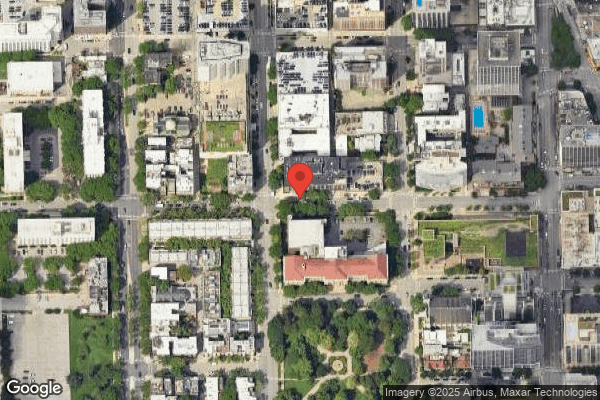

66 WEST OAK STREET, CHICAGO, IL 60610 (312) 705-5100
For profit - Limited Liability company 271 Beds LEGACY HEALTHCARE Data: November 2025
Trust Grade
40/100
#296 of 665 in IL
Last Inspection: December 2024

Within standard 12-15 month inspection cycle. Federal law requires annual inspections.

Overview

Warren Barr Gold Coast in Chicago has a Trust Grade of D, indicating below average performance with some concerns about care quality. It ranks #296 out of 665 facilities in Illinois, placing it in the top half, and #90 of 201 in Cook County, meaning there are only a few local options that are better. The facility is improving, with the number of issues decreasing from 11 in 2024 to 6 in 2025. Staffing is rated average with a turnover of 49%, which is close to the state average, and there is good RN coverage, better than 84% of Illinois facilities. However, families should be aware of serious incidents, including a failure to transfer a resident in critical condition after a fall, leading to a delay in treatment, and another resident developed pressure ulcers due to inadequate care. While the facility has some strengths, such as decent RN coverage, the serious incidents raise significant concerns about resident safety.

Trust Score
D
40/100
In Illinois
#296/665
Top 44%
Safety Record
High Risk
Review needed
Inspections
Getting Better
11 → 6 violations
Staff Stability
⚠ Watch
49% turnover. Above average. Higher turnover means staff may not know residents' routines.
Penalties
✓ Good
$27,465 in fines. Lower than most Illinois facilities. Relatively clean record.
Skilled Nurses
✓ Good
Each resident gets 65 minutes of Registered Nurse (RN) attention daily — more than 97% of Illinois nursing homes. RNs are the most trained staff who catch health problems before they become serious.
Violations
⚠ Watch
46 deficiencies on record. Higher than average. Multiple issues found across inspections.
★★★☆☆
3.0
Overall Rating
★★★☆☆
3.0
Staff Levels
★★★★☆
4.0
Care Quality
★★★☆☆
3.0
Inspection Score
Stable
2024: 11 issues
2025: 6 issues

The Good

  • 4-Star Quality Measures · Strong clinical quality outcomes
  • Full Sprinkler Coverage · Fire safety systems throughout facility
  • No fines on record

Facility shows strength in quality measures, fire safety.

The Bad

3-Star Overall Rating

Near Illinois average (2.5)

Meets federal standards, typical of most facilities

Staff Turnover: 49%

Near Illinois avg (46%)

Higher turnover may affect care consistency

Federal Fines: $27,465

Below median ($33,413)

Moderate penalties - review what triggered them

Chain: LEGACY HEALTHCARE

Part of a multi-facility chain

Ask about local staffing decisions and management

The Ugly 46 deficiencies on record

3 actual harm
Jul 2025 3 deficiencies
CONCERN (D) 📢 Someone Reported This

A family member, employee, or ombudsman was alarmed enough to file a formal complaint

Potential for Harm - no one hurt, but risky conditions existed

Deficiency F0573 (Tag F0573)

Could have caused harm · This affected 1 resident

Based on interviews and records review, the facility failed to provide one (R4) resident of three reviewed with access to medical records in a total sample of six. Findings include: R4's current fac...

Read full inspector narrative →
Based on interviews and records review, the facility failed to provide one (R4) resident of three reviewed with access to medical records in a total sample of six. Findings include: R4's current face sheet documents R4's medical conditions to include but not limited to: cerebral infarction due to embolism of right middle cerebral artery, chronic combined systolic (congestive) and diastolic (congestive) heart failure, type 2 diabetes mellitus without complications, atherosclerotic heart disease of native coronary artery without angina pectoris. R4 is a closed record and was not residing in the facility during this investigation survey. On 07/08/2025, at 10:36 AM, V4 (R4's daughter) via phone stated she did not have POA (Power of attorney) paperwork but had surrogate for health paperwork which she had been able to use at other facilities without any issues. V4 stated V3 (Medical Records) told her without the POA paperwork on file at the facility, he was not able to give her any information regarding R4. V4 stated to date, she has not received R4's medical records from the facility. On 07/08/2025, at 1:44 PM, V3 (Medical Records Director) stated V4 requested for R4's medical records via email to V3 on 03/25/2025, which was after R4 had been discharged from the facility on 3/11/2025. V3 stated when he received R4's medical records request form, the POA (Power of Attorney) paperwork was missing. V3 stated he replied to V4 on the same day requesting V4 to send the POA paperwork. V4 responded she would work on that and on 4/28/2025, V4 sent V3 a document-Surrogate Decision (SD) form that stated V4 was R4's surrogate decision maker. V3 stated he sent R4's surrogate decision form to the corporate office on 5/12/2025 for them to review and tell V3 what to do. V3 stated on May 15th, 2025, corporate responded via mail and said she could not find the POA paperwork or the equivalent surrogate decision form. V3 stated he had attached the surrogate form on the email. V3 stated the facility accepts surrogate decision form for a person to be a resident's decision maker/POA. V3 stated he assumed the corporate office saw the surrogate decision form he attached to the email, but he thinks corporate only looked at the first page and did not open the other attachments. The surrogate decision form is accepted by the facility to release a resident's medical records to the person listed as a surrogate on the form. V4 stated he did not follow up with the corporate office to see why the document was not deemed legit. V4 stated someone in facility corporate office dropped the ball. V3 stated he reached out to V4 on 5/19/2025. V4 told her the surrogate document was not varied as a power of attorney document/surrogate form. V4 stated she had sent a surrogate decision form to V3 that was already completed to facilitate her (V4) in receiving R4's medical records from the facility. After V3 completed the interview with surveyor and surveyor reviewed R4's documents, V3 came back after approximately an hour and gave the surveyor a concern form dated 07/08/2025. The form stated V3 reviewed the surrogate decision maker form and received approval to release medical records to V4. V3 stated there were not new documents added by V4 and the documents reviewed were the same ones V3 had sent to corporate on 5/15/2025 for approval. V3 stated the documents were approved today and V3 has sent to V4 R4's medical records. V3 stated R4's medical records should have been sent to V4 in May when V4 requested because V4 had sent the legal documents the facility accepts to release a resident's medical records to a surrogate. Surveyor reviewed an email sent to the corporate office on 3/25/2025, with attachments of Health Care Surrogate Act Physician Documentation and Certification. Reviewed Health Care Surrogate Act Physician Documentation and Certification signed by V4 on 3/15/2025 and the physician on 4/22/2025. It was given to V3 who sent it to the facility corporate office via email on 3/25/2025. Policy titled Medical Records Request and access dated 8/16/24, documents: -The resident or regal representative of the resident will be allowed access to inspect resident's medical records within 24 hours of a valid or oral or written request to the Administrator excluding weekends or holidays.
CONCERN (E) 📢 Someone Reported This

A family member, employee, or ombudsman was alarmed enough to file a formal complaint

Potential for Harm - no one hurt, but risky conditions existed

Deficiency F0725 (Tag F0725)

Could have caused harm · This affected multiple residents

Based on observations, interviews, and records review, the facility failed to provide sufficient nursing staff (Registered Nurses/Licensed Practical Nurses) to the third and fourth floors. This failur...

Read full inspector narrative →
Based on observations, interviews, and records review, the facility failed to provide sufficient nursing staff (Registered Nurses/Licensed Practical Nurses) to the third and fourth floors. This failure has the potential to affect 71 residents residing on these floors. Findings include: On 07/08/2025, at 12:45 PM, V12 (Licensed Practical Nurse-LPN) stated she is the only nurse on the third floor, and she was feeling overwhelmed. Medications were passed late this morning. She is not able to give the residents the attention and care they deserve because she is the only nurse taking care of 35 residents. V12 stated she started working full time at the facility in January and this change of having one nurse on the third floor was recently implemented but it is not working. V12 stated she has informed V2 (Director of Nursing) and her supervisor that she is overwhelmed and was told the supervisors would help. V12 stated she was not able to attend to of all her resident needs this morning. The morning medications were late for some residents. V12 stated she has enough Certified Nursing Assistants (CNAs) but they cannot perform nursing duties and are also asking her questions when residents need help that the CNAs cannot assist with. V12 stated even though this unit is a long-term unit, the residents have needs and a lot of medications to be administered. One nurse is not enough to do all the work and take care of residents' needs. On 07/08/2025, at 12:56 AM, V17 (Licensed Practical Nurse-LPN) stated she is the only nurse on the fourth floor. She is not able to provide and administer the residents morning medications on time or take care of the residents' needs at the same time. V17 stated she has 36 residents today and she was feeling overwhelmed. V17 stated she found out she would be working alone today when she came to work. V17 stated she was told the supervisors would help, but the supervisors are not always available to assist on the units. V17 stated she cannot provide quality care to the residents when she is alone and does not think one nurse is enough to work on the fourth floor with 36 residents. V17 stated she has three CNAs working on the fourth floor. That is enough CNAs but they cannot do nursing work therefore they cannot help V17 with her work. On 07/08/2025, at 3:00 PM, V22 (Staffing Coordinator) stated the facility staffs each floor with a different number of nursing staff. V22 stated each floor has three Certified Nursing Assistants (CNAs) in the morning, three on the evening shift and two for overnight. V22 stated on the third and fourth floors the nurses do 12-hour shifts. These two units are staffed with one nurse per floor. V22 stated on July 1st, 2025, there were 36 residents on 3rd floor, on 7/2/2025, 7/3/2025, 7/4/2025, 7/7/2025, 7/8/2025, there were 35 residents. On 7/5/2025 and 7/6/2025, there were 36 residents on the unit. V22 stated the third-floor houses long term residents therefore she was instructed by V2 (DON) to start staffing the units with only one nurse. V22 stated the fourth floor also houses long term residents. On 7/1/2025, 07/02/2025, 07/03/2025, 07/04/2025, there were 37 residents on the floor and on 7/05/2025, 07/06/2025, 07/07/2025, 07/08/2025, there were 38 residents. V22 stated she gets the directions on how to staff nurses from V2 (Director of Nursing). For the CNAs V22 does the math by dividing the three CNAs scheduled by the number of residents on the floor. V22 stated the nurses on the 3rd and 4th floor have complained to her that the 3rd and 4th floors are heavy for one nurse. V22 reported to V2 because she cannot make any decisions to add nurses because she is not a nurse herself. V22 stated there are supervisors to assist the agency nurses on the floors. On 07/08/2025, at 4:00 PM, V2 (Director of Nursing-DON) stated the 3rd and 4th floors have always had one nurse because these floors hold long term residents. V3 stated the nurses on these floors work twelve hour shifts from 7:00 AM to 7:00 PM. V2 stated before, the third and fourth floors each had a nurse working 8:00 AM to 5:00 PM to assist the nurses on these floors. V2 stated the 3rd and 4th floors were transitioned last week from having a helping nurse to having only one nurse on the unit working twelve hours. V2 stated this one nurse assignment on the 3rd and 4th floors started on Sunday, 7/6/2025. V2 stated even before this change was implemented, the nurses were already complaining that one nurse for the third and fourth was not enough because the workload was too much during the morning shift, which has the heaviest medication pass. V2 stated she told the nurses working on the 3rd and 4th floors to give it a try because the 7:00 AM medications and the 9:00 PM medications are almost similar. V2 stated the morning shift is busy because there are a lot of resident activities such as appointments, facility doctors rounding on residents, giving orders, phone calls from doctors to nurses, families calling the nurses, as well as CNAs asking nurses to assist with residents' needs that the CNAs cannot take care of. V2 stated today the nurses on third and fourth floor notified her (V2) that they were overwhelmed with the loads of the medications to pass and other work assignments. V2 stated she told the CNAs if they needed anything not to bother the nurses but go to her for assistance. V2 stated she knows the assignments are overwhelming on the third and fourth floors but there is support from the nursing management team. V2 stated if the nurses on third and fourth floors are complaining they are overwhelmed, the residents are not getting the proper care they deserve. V2 stated she will evaluate the situation because she wants the residents to get quality care. V2 stated she is the one who implemented the one nurse schedule for the third and fourth floors because she tried it herself and she was able to complete her work as a floor nurse on these units. V2 stated it was her fault that she implemented this schedule and reduced the nurses working on these two floors to one nurse per floor. Reviewed nurse staffing schedules from 07/01/2025 that document one nurse each for the third and fourth floors. Reviewed staffing policy dated 8/19/24 that documents: -It is the facility's policy to provide adequate staff to meet the needs of the residents which is the requirement under the federal regulations.
CONCERN (E) 📢 Someone Reported This

A family member, employee, or ombudsman was alarmed enough to file a formal complaint

Potential for Harm - no one hurt, but risky conditions existed

Pharmacy Services (Tag F0755)

Could have caused harm · This affected multiple residents

Based on observation, interview, and record review, the facility failed to administer resident's prescribed medications in a timely manner according to the physician orders. This failure affects 29 (R...

Read full inspector narrative →
Based on observation, interview, and record review, the facility failed to administer resident's prescribed medications in a timely manner according to the physician orders. This failure affects 29 (R5, R8, R9, R10, R11, R12, R13, R14, R15, R16, R17, R18, R19, R20, R21, R22, R23, R24, R25, R26, R27, R28, R29, R30, R31, R32, R33, R34, and R35) residents in a total sample of 35 residents. Findings include: On 07/08/2025, at 11:42 AM, surveyor located on the fourth floor of the facility with V17 (Licensed Practical Nurse/LPN). V17 states to surveyor that she started her scheduled shift at the facility at 7:00 AM. V17 states she began administering medications to residents at approximately 8:00 AM. V17 states she is the only nurse assigned to work on the fourth floor of the facility today. V17 states she was informed by V2 (Director of Nursing/DON) sometime last week that the staffing on the fourth floor would change from two nurses to one nurse. V17 states she was not aware of when the change would take effect. V17 states she has been off work for the past 5 days. When she returned to work today, she was the only nurse assigned to work on the fourth floor. V17 states she is still in the process of administering morning medications to residents. V17 states some of the resident's medications are late and have turned red in color on the eMAR/electronic medication record. On 07/08/2025, at 11:45 AM, surveyor observes the eMAR that is deployed on the laptop computer attached to V17's medication cart. Surveyor observes the following resident's eMARs are red in color: R8, R9, R10, R11, R12, R13, R14, R15, R16, R17, R18, R19, R20, R21. On 07/08/2025, at 12:07 PM, V10 (Registered Nurse/RN) arrived on the fourth floor and states she is assigned to help assist V17 (LPN) with the medication administration pass on the fourth floor. V10 states she will now continue administering medications for the residents who have not received their morning medications. V10 states she recently clocked in and was called by V2 (DON) to come to assist in the facility. On 07/08/2025, at 12:20 PM, surveyor located on the third floor of the facility with V12 (Licensed Practical Nurse/LPN). V12 states she is the only nurse assigned to work on the third floor of the facility today. V12 states she was informed that this was a new nursing schedule that was being implemented. V12 states as of last week, there were 2 nurses assigned to work on the third floor of the facility. V12 states it now takes her longer to complete the morning medications pass due to only one nurse being scheduled to work on the third floor. V12 states some of the resident's medications are considered late and have turned red in color on the eMAR. V12 states she has not administered all scheduled medications to the resident's residing on the third floor of the facility. V12 states the time frame to administer resident's medication is one hour before the scheduled time and one hour after the scheduled time. V12 states if medication is administered an hour after it is scheduled, then it is considered late. On 07/08/2025, at 12:23 PM, surveyor observes the eMAR that is deployed on the laptop computer attached to V12's medication cart. Surveyor observes the following resident's eMAR is red in color: R5, R22, R23, R24, R25, R26, R27, R28, R29, R30, R31, R32, R33, R34, R35. Medication Audit Report dated 07/08/2025, documents that R5, R8, R9, R10, R11, R12, R13, R14, R15, R16, R17, R18, R19, R20, R21, R22, R23, R24, R25, R26, R27, R28, R29, R30, R31, R32, R33, R34, and R35's scheduled medications were administered late. Facility policy undated titled Medication Administration: General Guidelines documents in part, FIVE RIGHTS- Right resident, right drug, right dose, right route and route time, are applied for each medication being administered. A triple check of these 5 rights is recommended at three steps in the process of preparation of a medication for administration. Administration 2. Medications are administered in accordance with written orders of the prescriber. 10. Medications are administered within 1 hour before or after scheduled time. Unless otherwise specified by the prescriber. Facility policy dated 04/12/2024 titled, Patient-Centered Medication Pass Clinical Guidelines documents in part, 4. Nurses will administer and document the resident medications based on the established medication administration window.
Mar 2025 1 deficiency 1 Harm
SERIOUS (G) 📢 Someone Reported This

A family member, employee, or ombudsman was alarmed enough to file a formal complaint

Actual Harm - a resident was hurt due to facility failures

Pressure Ulcer Prevention (Tag F0686)

A resident was harmed · This affected 1 resident

**NOTE- TERMS IN BRACKETS HAVE BEEN EDITED TO PROTECT CONFIDENTIALITY** Based on interview and record review the facility failed to assure that one resident (R2) with intact skin, received the necessa...

Read full inspector narrative →
**NOTE- TERMS IN BRACKETS HAVE BEEN EDITED TO PROTECT CONFIDENTIALITY** Based on interview and record review the facility failed to assure that one resident (R2) with intact skin, received the necessary treatment and services to prevent the development pressure wounds. This failure resulted in R2's development and worsening of two pressure ulcers, requiring hospitalization for wound infection and surgical intervention of wound. Findings include: R2's medical diagnoses include but are not limited to intraspinal abscess and granuloma, neuromuscular dysfunction of bladder, unsteadiness on feet, secondary malignant neoplasm of colon, neoplasm of unspecified behavior of endocrine glands and other parts of nervous system, essential hypertension. R2's Minimum Data Set (MDS) dated [DATE] has a Brief Interview for Mental Status (BIMS) score of 15, which indicates R2's cognition is intact. R2's Care plan dated 02/19/25 documents in part, R2 has an ADL (Activities of Daily Living) self-care performance deficit and Impaired mobility .R2 will be assisted with ADLs as needed .Toilet hygiene: I require total assistance to maintain perineal hygiene .Bed mobility: I require weight bearing assistance to move to and from a lying position, turn side to side, and position while in bed or alternate sleep furniture .Ambulation: I am non ambulatory. R2's care plan dated 02/20/25 documents in part, R2 has impaired ability in moving to and from a lying position, turning side to side, and positioning self in bed due to generalized weakness, decreased endurance, limited ROM (range of motion) and forgetfulness related to cognitive impairment .R2 will participate in turning and repositioning program to remain free of complications related to immobility, including contractures, thrombus formation skin-breakdown .Place pillows for positioning as needed. R2's care plan dated 02/20/25 documents in part, R2 was admitted with a scar on his upper back, R2 is at risk for impairment to skin integrity due to comorbidities and a Braden scale score of 14 .resident will continue to have skin intact .High risk - skin check every shift. Report abnormalities to the nurse. Keep skin clean and dry. LAL (low air loss) mattress .Turn and reposition at least every 2 hours and as needed. R2's progress note with date of service dated 02/20/25 documents in part, Skin: warm and dry, intact, no open wound. R2 wound assessment dated [DATE] documents in part, Skin Alteration #1 .1. Is this a New skin alteration: Yes .Site: Right buttock, Type: Pressure, Length: 4 centimeters, Width: 5 centimeters, Depth: 0.1 centimeters, Stage: Unstageable .Skin Alteration #2 .1. Is this a New skin alteration? Yes .Site: Left heel, Type: Pressure, Length: 5 centimeters, Width 5 centimeters, Depth 0.1 centimeters, Stage 2. R2 wound assessment dated [DATE] documents in part, Skin Alteration #1 .1. Is this a New skin alteration: Yes .Site: Right buttock, Type: Pressure, Length: 10 centimeters, Width: 6 centimeters, Depth: 0.1 centimeters, Stage: Unstageable .Skin Alteration #2 .1. Is this a New skin alteration? Yes .Site: Left heel, Type: Pressure, Length: 5 centimeters, Width 5 centimeters, Depth 0.1 centimeters, Stage 2. On 03/17/25 at 12:55pm, R2 stated that he was admitted to the facility with no wounds and his skin was 100% intact. R2 stated that he has no control over his body and was unable to reposition himself in bed. R2 stated that he needed assistance from the nursing staff to be repositioned in bed. R2 stated that the facility's staff did not check on him regularly. R2 stated that after his wounds developed, staff still never checked on him and repositioned him regularly even when asked. R2 stated that he was admitted to the hospital with symptoms of fever and chills and was told he had a flesh-eating bacteria. R2 stated that he already had pain from the cancer that he has but has been experiencing more pain since the development of the wounds. R2 stated that he feels horrible and anxious because he is not able to continue treatment for his cancer until the wound heals. On 03/16/25 at 12:21pm V11 (Licensed Practical Nurse/LPN) stated that R2 never refused to be cleaned or repositioned. V11 stated that sometimes when she went to give R2 medications that he would ask to be repositioned. V11 stated that R2 was incontinent of bowel and bladder and would put on the call light when he needed to be cleaned. On 03/16/25 at 2:05pm V13 (Wound Care Director) stated that a bedbound resident should be repositioned every 2 hours. V13 stated that R2 was admitted to the facility on [DATE] with intact skin. V13 stated that she was informed on 02/26/25 that R2 had developed two new wounds. V13 stated that R2 had developed a wound to his right buttock and left heel. V13 stated that R2 never refused care. V13 stated that on 03/03/25, R2's wound had gotten worse, so an air mattress and heel protectors were ordered for R2. V13 stated that if an air mattress would have been ordered on the day that the R2's wound was first discovered, R2's wound may not have gotten worse. V13 stated that on 03/09/25, she was informed by another wound nurse that R2's wound didn't look good. V13 stated that at that point she went to assess R2's wound herself and noticed purulent drainage and a strong odor from the wound. On 03/17/25 at 11:22am V15 (Wound Care Nursed Practitioner) stated that she first assessed R'2 skin on 02/20/25 and R2's skin was intact. V15 stated that the wound care team was first notified of R2's new wound on 02/26/25. V15 stated that she first assessed R2's new wound on 03/03/25. V15 stated that R2 had limited bed mobility and was dependent on the staff to reposition him. V15 stated that based on her assessment, R2 developed a pressure ulcer due to not being repositioned, possibly not being cleaned, along with his comorbidities as a risk factor. R2's physician progress note dated 02/20/25 documents in part, decreased sensation to both legs .patient has risk for developing contractures, pressure ulcers, poor healing or fall if not receiving adequate therapy and pain control. R2's Nurse Practitioner (NP) progress note dated 02/26/25 documents in part, On admission skin assessment, patient has no open wounds or skin issues .continue with turning and repositioning schedule per protocol for pressure prevention. R2's progress note dated 03/03/25 documents in part, Wound care team was notified of new wounds. Upon assessment, patient had an unstageable pressure injury on the right buttock and a stage 2 pressure injury on the left heel .The patient is at increased risk for developing skin breakdown and moisture associated skin damage due to fecal and urinary incontinence, inability to perform self-care. Patient is at moderate risk for pressure ulcer formation related to decreased mobility, comorbidities, incontinence of urine and stool. R2's physician hospital note dated 03/09/25 documents in part, Large paramedian right gluteal ulcer with scattered subcutaneous air tracking into the right gluteal subcutaneous soft tissue and gluteus maximum muscle. Findings can be seen in the early necrotizing fasciitis .purulent, malodorous right gluteal wound .Plan: General surgeon on consult status post I&D (incision and drainage) at bedside today, plan for OR (operating room) tomorrow for more extensive I&D. Facility's policy titled Wound Care Guidelines dated 01/23/25 documents in part, Overview of the Program .The goal of this care guidelines is to achieve compliance to regulatory requirements and provide evidence-based recommendations for the prevention and treatment of pressure injuries that can be used by the health professionals in the facility .1. Procedures: .C. Each risk factor and potential causes identified should be reviewed individually and addressed into the resident's care plan. D. Facility shall develop a plan of care and implement intervention according to the resident's Braden Scale and Clinical Evaluation or identified individual risk factors .3. Prevention of skin breakdown includes but not limited to: B. Daily regular skin hygiene. C. Inspection of the skin every shift with care for signs of breakdown. H. Administration of scheduled shower/bath and documentation of completion and findings in Task/POC .4. Activity, Mobility, and Positioning .B. Establish an individualized turning and repositioning schedule if the resident is immobile or with impaired physical functioning. C. While in bed, resident should be turned/repositioned at least every 2 hours or as indicated in the residents' plan of care. While resident sitting in wheelchair, resident should be turned/repositioned at least every hour or as indicated in resident's plan of care. D. While in a sitting position and/or if the head of bed is elevated greater than 30 degrees, resident should be repositioned at least every 2 hours or as indicated in the plan of care .J. Off load elbows and heels as needed. K. Elevate resident heels off the bed as indicated .5. Skin Protection .E. Assess and treat incontinence. As part of incontinent care, apply protective ointments, moisture barriers and other products to the skin to counteract effects of excessive moisture on the skin. 9. Documentation .C. The care plan shall be evaluated and revised based on resident's response to treatment, treatment goals and outcomes Facility's policy titled Skin Care Regimen and Treatment Formulary dated 01/24/25 documents in part, It is the policy of this facility to ensure prompt identification, documentation and to obtain appropriate treatment for residents with skin breakdown .Procedures .6. Residents who are not able to turn and reposition themselves will be turned and repositioned at least every 2 hours unless otherwise specified by the physician.
Feb 2025 2 deficiencies
CONCERN (D) 📢 Someone Reported This

A family member, employee, or ombudsman was alarmed enough to file a formal complaint

Potential for Harm - no one hurt, but risky conditions existed

Deficiency F0679 (Tag F0679)

Could have caused harm · This affected 1 resident

**NOTE- TERMS IN BRACKETS HAVE BEEN EDITED TO PROTECT CONFIDENTIALITY** Based on observation, interview and record review, the facility failed to ensure residents were notified, invited, and engaged t...

Read full inspector narrative →
**NOTE- TERMS IN BRACKETS HAVE BEEN EDITED TO PROTECT CONFIDENTIALITY** Based on observation, interview and record review, the facility failed to ensure residents were notified, invited, and engaged to attend meaningful activities that incorporate residents' interests for 2 (R1, R4) out of 3 residents reviewed for residents' rights. Findings Include: On 2/23/25 at 8:55 AM, R1 was observed lying in bed alert and able to verbalize needs. R1 is blind and can't read. R1 can only see contrast and forms. R1 stated R1 would like to go to activities like bingo but staff does not tell R1 of what activities are going on in the facility each day. R1 stated that R1 also likes to go to church and listens to gospels. R1 stated staff used to hand out a sheet about activities, but it's been a while since R1 gotten one. R1 stated R1 does not know what other things are going on in the facility for today. On 2/23/25 at 10:30 AM, R4's up in bed alert and able to verbalize needs. R4 was interviewed about activities in the facility. R4 stated, Since I've been here nobody tells me what activities are going on in the facility. I've been here for 3 months. I would like to do some activities if something interests me. On 2/23/25 at 11:01 AM, Surveyor observed V11 (Activity Aide) conducting yoga/meditation session on the third floor for activities. R1 and R4 were not in attendance. On 2/23/25 at 11:06 AM, interviewed V11 and stated that there are activities in the facility every day held on third floor or fourth floor. The calendars are posted on the board. V11 stated, We go around to all residents and invite residents of what activities I'm doing. We let them know every morning. V11 stated V11 did not stop by this morning to notify and invite R1 about today's activities. V11 stated V11 did not stop by this morning to invite R4 to activities either. On 2/23/25 at 11:46 AM, interviewed V2 (Activity Director) and stated that R1 refuses to go to activities. V2 stated activity calendars are posted on every floor. V2 stated V2's staff and [V2] invite the residents to activities and encourage them to attend every day. V2 stated V2 did not invite R1 to go to activities this morning. V2 stated there's one activity staff [V11] in the facility today and not sure if V11 invited R1 to activities. V2 stated, That is the goal is to invite each resident to attend activities every day. We visit [R1] we encourage [R1] to attend activities. [R1] said [R1] likes bingo. We explain to [R1] that we have bingo some days. Normally [R1] just refuses to go to activities. We don't have other things for [R1] to do besides the one on the calendar. V2 stated that R4 does not attend activities either. V2 stated, I can't remember if I invited [R4] for activities this morning. On 2/23/25 at 2:07 PM, Surveyor observed V11 (Activity Aide) conducting activities of gospel hour and puzzles on the third floor. R1 and R4 were not in attendance. V11 stated V11's the only activity aide in the building doing activities. On 2/23/25 at 2:22 PM, R1's still in bed alert and awake. R1 stated V2 (Activity Director) just left and just gave R1 a sheet of the week about activities. R1 stated, [V2] told me that there are activities from 10:30 AM to 3:00 PM. Surveyor asked R1 if R1 is aware of the activity gospel hour that started at 2:00 PM listed on the activity calendar for today. R1 stated, I would like to do gospel hour. I didn't know about that. Nobody invited me to that. I would have had them get me dressed and attend to that one. R1 stated that R1 would also have attended Zumba and daily chronicles this morning if staff had invited R1 to attend. R1's Minimum Data Set (MDS) dated [DATE] shows R1 is cognitively intact with BIMS (Brief Interview for Mental Status) of 15 and is total dependent on staff assistance for transferring from bed to chair. R1's progress notes dated 2/3/25 at 12:55 PM documented by V13 (Licensed Clinical Social Worker) reads in part: R1 has diagnosis of adjustment disorder with mixed anxiety and depressed mood. R1 continues to have depression and anxiety due to being in the facility and loss of independence and home. R1 has significant mobility decline. Specific goal for R1 is to engage in at least one facility activity one time per week to reduce isolation and depression. R4's MDS dated [DATE] shows R4 is cognitively intact with BIMS of 15 and can walk with supervision. R4's activity care plan initiated 2/23/25 shows R4 engages in leisure/recreation pursuits: Music, Social interaction, Television, Movies with one intervention documents in part: Encourage R4 to pursue formal and informal leisure interest opportunities. The facility's February Activities calendar shows on the 23rd activities include Zumba mix at 10:30 AM, daily chronicles at 11:00 AM, gospel hour at 2:00 PM, puzzle mania at 3:00 PM, and pop in visits at 4:00 PM. The facility's Activity Policy dated 7/12/24 documents in part: It is the facility's policy to provide meaningful activity to residents. Provide group activities to residents that appeal to their interest on a daily basis. Activities may be based on specific needs, or interests, or culture, or background, etc. Program of Activities includes a combination of large and small group, one-to-one, and self-directed activities.
CONCERN (F) 📢 Someone Reported This

A family member, employee, or ombudsman was alarmed enough to file a formal complaint

Potential for Harm - no one hurt, but risky conditions existed

Menu Adequacy (Tag F0803)

Could have caused harm · This affected most or all residents

Based on observation, interview, and record review the facility failed to serve adequate food portions as documented on the menu and meal tickets. This failure has the potential to affect all 213 resi...

Read full inspector narrative →
Based on observation, interview, and record review the facility failed to serve adequate food portions as documented on the menu and meal tickets. This failure has the potential to affect all 213 residents receiving food prepared in the facility's kitchen. Findings Include: On 02/23/25 at 8:45 AM, surveyor entered kitchen and observed the breakfast tray line still in progress. Observed a 4-ounce ladle being used to portion out the grits and oatmeal for all of the diet (regular, ground and pureed) and a number 12-scoop used to portion out pureed toast. On 02/23/25 at 8:50 AM, V14 (Cook) stated she is the one who sets up the tray line with the serving utensils which should be used to portion out the resident's food. V14 stated she looks at the meal tickets to determine the correct portion sizes to be served. V14 stated the meal tickets do not say which serving utensil should be used, it only gives portion measurements. V14 stated for example, the meal ticket will read ¾ cup portion for grits/oatmeal, it does not say to use a 6-ounce ladle which is what we use to serve the hot cereal. V14 stated because she has been working in the kitchen for a long time, she knows which serving utensil gives what portion. V14 stated there used to be a diagram/poster guide which listed the different scoop numbers and the servings they each yielded but that is not up anymore. V14 stated, it must have fallen off the wall. On 02/23/25 at 8:57 AM, reviewed with V14 the serving utensils being used on the tray line. V14 observed the 4-ounce ladle being used to portion out the grits and oatmeal. V14 stated that is a 4-ounce ladle and it should be a 6-ounce ladle. V14 observed all of the pureed food items being portioned out with a number 12-scoop. V14 stated those are not the correct serving utensils and they are a mistake. V14 stated the kitchen should be using the correct serving utensils so the residents can get the full portion of food they are supposed to base on the menu created for them. On 02/23/25 at 9:00 AM, observed large container of different serving utensils including number ten scoops and six-ounce ladles. On 02/23/25 at 1:22 PM, V23 (Dietary Director) stated it is the cook's responsibility to set up the tray line with the correct serving utensils to be used to portion out the food. V23 stated they should be looking at the Diet Manual Spreadsheet to check which serving utensils are needed and that these are kept in a binder in the kitchen for their reference. V23 stated the Diet Manual Spreadsheets are based on menus which are created by and approved by a corporate Registered Dietitian. V23 stated it is important for the kitchen to follow the Diet Manual Spreadsheets to determine which serving utensil should be used to make sure the resident's nutritional needs are being met. V23 stated if the kitchen staff is using the wrong serving utensil when portioning out the resident's food then the residents may not be receiving enough food which as the potential to lead to malnutrition and weight loss. Facility provided list of resident's diet orders based on census on 02/23/25. There are six residents who receive nothing by mouth (NPO). Facility provide policy titled, Menus dated October 2019 which documents in part, 1.) it is the center policy that menus are planned in advance, and to meet the nutritional needs of the residents/patients, will be developed utilizing an established national guideline. 2.) The Registered Dietitian/Nutritionist (RDN) or other clinically qualified nutrition professional reviews and approves the menus. 3.) Menus are served as written. Facility document titled in part, Illinois Diet Guide Sheet Sunday (Day 15) Breakfast documents in part for ¾ cup grits to be served to regular, chopped, and ground consistencies and for pureed diet consistencies to receive number 6-scoop of grits and number 10-scoop of pureed toast. Facility provided document titled, Portion Control Chart dated 12/29/2021 which documents in part, number 6-scoop to provide 5.33 ounces, number 10-scoop to provide 3.2 ounces and number 12-scoop to provide 2.58 ounces. Facility provided recipe titled, Great Grits which documents portion size as ¾ cup.
Dec 2024 7 deficiencies
CONCERN (D) 📢 Someone Reported This

A family member, employee, or ombudsman was alarmed enough to file a formal complaint

Potential for Harm - no one hurt, but risky conditions existed

Deficiency F0558 (Tag F0558)

Could have caused harm · This affected 1 resident

**NOTE- TERMS IN BRACKETS HAVE BEEN EDITED TO PROTECT CONFIDENTIALITY** 3. 12/03/2024, 1:35 PM, R24's call light not within reach, noted on the floor next to R24's bed, nearest to the room door. When ...

Read full inspector narrative →
**NOTE- TERMS IN BRACKETS HAVE BEEN EDITED TO PROTECT CONFIDENTIALITY** 3. 12/03/2024, 1:35 PM, R24's call light not within reach, noted on the floor next to R24's bed, nearest to the room door. When questioned R24 if she can reach for her call light, R24 states no. 12/03/2024, 2:08 PM, V12 (Licensed Practical Nurse) states that R24's call light should be within reach and should not be on the floor. V12 placed R24's call light within R24's reach. V12 states that it is important for residents to have their call light within reach because they can call for help. 12/03/2024, 2:11 PM, V13 (Certified Nursing Assistant) states that she is the assigned nursing assistant for R24. V13 states that she didn't get a chance to check if R24's call light was within her reach because she started work at 2:00 PM and she has not done rounds yet. 12/05/24, 3:03 PM, V2 (Director of Nursing-DON) reports that R24 needs a lot of assistance. V2 states that R24 is alert and oriented and has a BIMS (Brief Interview for Mental Status) score of 14/15 which makes her cognitively intact. V2 reports that R24 can use the call light. Facility document dated 7/26/24 titled Call Light Policy documents in part it is the policy of this facility to ensure that there is prompt response to the resident's call for assistance. Be sure call lights are placed within reach of residents who are able to use it at all times. 2. R377's current face sheet documents R377 is a [AGE] year old individual with medical diagnoses that include but not limited to: cognitive communication deficit, muscle wasting and atrophy, not elsewhere classified, right/left shoulder, postprocedural cerebrovascular infarction following other surgery, disruption of external operation (surgical) wound, not elsewhere classified, subsequent encounter, hemiplegia and hemiparesis following cerebral infarction affecting right dominant side, cerebral infarction, unspecified. Brief Interview for Mental Status (BIMS) dated [DATE] is documented as 03/15, indicating R377 has severe cognitive impairment and R377's Functional Abilities document R377 requires Partial/moderate assistance with eating and oral hygiene, dependent on Toileting hygiene, Lower body dressing, Putting on/taking off footwear, Shower/bathe self, requires Substantial/maximal assistance with Upper body dressing, and supervision and touching assistance with Personal hygiene. R377 uses a wheelchair for mobility. 12/03/24, 2:58 PM, R377 was observed in her room and laying in bed and was observed trying to use her call light. R377, in a very faint voice and using one word at a time stated her call light does not work and she needs help with getting her phone charger which was entangled on the bed frame. R377 was observed trying to detangle the call light but was not able to. R377 stated her call light has not worked all day. R377 pressed the call light but it did not work. R377 stated she needed to charge her phone, but she could not. On 12/03/2024, at 3:02 PM, Surveyor asked V14 (Certified Nursing Assistant-CNA) to come to R377's room and check R377's call light to see if it was working. V14 pressed R377's call light and it did not turn on and stated R377's call light should be working so that R377 call reach staff when she has a need. V14 stated R377 can slide out of bed and fall trying to reach or detangle her phone charger if R377's call light is not working to reach staff. V14 stated if R377 fell out of bed, she can get injured. V14 stated staff should check every resident's call light to make sure its working and if it is not working, staff should notify maintenance to fix it so that residents can reach staff as needed. On 12/04/2024, at 10:51 AM, V2 (Director of Nursing-DON) stated that call lights in residents' rooms should be checked regularly to make sure they are working so that residents can reach staff when needed. V2 stated R377's call light should be working so that R377 can reach staff when needed. V2 further stated staff should round frequently to make sure call lights are working and if a call light is not working, staff should notify maintenance to repair the call light. Call Light policy dated 7/24/204 documents: -Nursing staff should check all call lights daily and report any defective call light to the administrator / maintenance immediately for repair. -If a call light is not functional, evaluate and provide another means in order for the resident to call for assistance (i.e bell) until the call light is fix. Based on observation, interview, and record review, the facility failed to ensure one resident (R377) had a functioning call light within reach, and ensure two residents (R14, R24) had access to the call light system in a total sample of 35 residents reviewed. Findings include: 1. On 12/03/2024, at 3:23 PM, surveyor located inside of R14's room and observes that R14's call light is not within reach. R14's call light cord observed wrapped twice around her bed frame and hanging down beside her bed. Surveyor inquires to R14 if she can use her call light and R14 answers yes. On 12/03/2024, at 3:25 PM, surveyor makes V20 (Certified Nursing Assistant/CNA) aware that R14's call light is not within her reach. V20 now located inside of R14's room and observes that R14's call light is hanging and wrapped around the bed and not within R14's reach. V20 then observed unwrapping R14's call light cord from around the bed and placing R14's call light device within her reach. R14 then return demonstrates the use of her call light by squeezing her call light. Surveyor then hears an audible sound when R14's call light is activated. V20 states she started her shift at 2:00 PM and should have placed R14's call light within her reach when she made her rounds earlier. V20 states R14 would not be able to call for help if her call light is not placed within her reach. R14's Facesheet documents that R14 has diagnoses not limited to: Multiple sclerosis, cerebral infarction, aphasia, and lupus erythematosus. R14's Minimum Data Set/MDS dated [DATE], documents that R14 has a BIMS/Brief Interview for Mental Status of 15/15, indicating that R14 is cognitively intact. R14's MDS documents that R14 is dependent with ADL/Activities of Daily Living care and has an impairment on one side of upper extremities. R14's care plan dated 11/19/2024, documents in part, Be sure R14's call light is within reach and encourage R14 to use it for assistance as needed. R14 needs prompt response to all requests for assistance. R14's call light evaluation dated 11/12/2024, documents that R14 is cognitively able to use her call light. On 12/05/2024 at 4:09PM, V2 (Director of Nursing/DON) states a resident who can use their call light would not be able to call for help or have their needs met if their call light is not within their reach. Facility policy dated 07/26/2024, titled Call Light Policy documents in part, Policy Statement: It is the policy of this facility to ensure that there is prompt response to the residents' call for assistance. 5. Be sure call lights are placed within reach of residents who are able to use it at all times.
CONCERN (D)

Potential for Harm - no one hurt, but risky conditions existed

MDS Data Transmission (Tag F0640)

Could have caused harm · This affected 1 resident

Based on interview and record review the facility failed to complete a resident's assessment and transmit data to the CMS (Centers for Medicaid and Medicare) system within 14 days after resident disch...

Read full inspector narrative →
Based on interview and record review the facility failed to complete a resident's assessment and transmit data to the CMS (Centers for Medicaid and Medicare) system within 14 days after resident discharged from the facility for one (R151) resident reviewed in a sample of 35 residents. Findings include: 12/05/24 at 3:39 PM, V34 (MDS/Clinical Coordinator) states that she is familiar with R151, when residents go to the hospital, MDS completes the discharge return anticipated assessment and plan needs to be completed per MDS guidelines. V34 states that she has to check R151's assessments. V34 states that when residents are admitted MDS completes an entry assessment. V34 states that if the resident gets sent out to the hospital an assessment must be completed within 14 days. With V34, R151's MDS assessment reviewed and V34 states that R151's discharge assessment was not completed. V34 states that R151's discharge assessment will be completed today. R151's MDS assessment documents in part Discharge complete by 08/5/2024- 122 days overdue. Facility document note dated title RAI OBRA- required assessment summary documents in part, discharge assessment return anticipated non-comprehensive MDS completion date + 14 calendar days.
CONCERN (D)

Potential for Harm - no one hurt, but risky conditions existed

PASARR Coordination (Tag F0644)

Could have caused harm · This affected 1 resident

**NOTE- TERMS IN BRACKETS HAVE BEEN EDITED TO PROTECT CONFIDENTIALITY** Based on interviews and record review, the facility failed to refer one resident (R143) of seven residents reviewed with serious...

Read full inspector narrative →
**NOTE- TERMS IN BRACKETS HAVE BEEN EDITED TO PROTECT CONFIDENTIALITY** Based on interviews and record review, the facility failed to refer one resident (R143) of seven residents reviewed with serious mental disorders for a Preadmission Screening and Resident Review (PASARR) level 11 assessment in a sample of 35. Findings include: R143 current face sheet documents R143 is a [AGE] year-old individual with medical diagnosis dated 4/11/2024 include but not limited to: schizoaffective disorder, unspecified, anxiety disorder, unspecified, depression, unspecified. Brief Interview for Mental Status (BIMS) dated 10/15/2024, does not document R143's BIMS. R143's Preadmission Screening and Resident Review (PASRR) 1 Screening dated 04/09/2024 documents R143 does not have suspected of known mental diagnosis. On 12/05/2024, at 1:02 PM, V2 (Director of Nursing-DON) said R143 has mental health diagnosis of schizoaffective disorder, depression, and anxiety and should have been evaluated for PASARR 11 so R143's behavior can be monitored as well as the medications he is taking for behavioral health. V2 further stated if PASARR 11 is not completed, there could be an Issue with not taking care of R143's mental issues as they might not be properly addressed. On 12/05/2024, at 2:42 PM, V1(Administrator) stated the facility relies on the hospitals to send the correct information of residents regarding PASARR 11 and the hospital documented R143 did not have any mental health diagnosis. V1 further stated the staff member in the facility's admission office is not a nurse, therefore he/she did not look at R143's diagnosis to determine R143 needed a PASARR 11 screening. V1 stated after surveyor notifying the facility R143 does not have a PASARR 11, she (V1) has reached out to the screening agency to screen R143. PASSAR Policy titled PASSAR Screening of Residents with Mental Disorders or Intellectual Disability, dated 8/16/2024 documents: -It's the facility policy to ensure that residents with Mental Disorder and those with Intellectual Disorder will receive PASSAR Screening within the timeframe allowed. 1. The facility will not allow admission from the hospital without a preadmission screening which includes OBRA Screen 1 and OBRA Screen 2 (PASSAR Screening) for those with mental or intellectual Disorder.
CONCERN (D)

Potential for Harm - no one hurt, but risky conditions existed

Pressure Ulcer Prevention (Tag F0686)

Could have caused harm · This affected 1 resident

**NOTE- TERMS IN BRACKETS HAVE BEEN EDITED TO PROTECT CONFIDENTIALITY** Based on observation, interview and record review, the facility failed to ensure pressure ulcer preventative measures were accur...

Read full inspector narrative →
**NOTE- TERMS IN BRACKETS HAVE BEEN EDITED TO PROTECT CONFIDENTIALITY** Based on observation, interview and record review, the facility failed to ensure pressure ulcer preventative measures were accurately applied for three residents (R3, R26 and R49) in a sample of 35 residents reviewed for pressure ulcer. Findings include: 12/4/24, at 12:24 PM, observed R49 low air loss mattress setting at approximately 310 LBS (pounds). 12/4/24, at 12:27 PM, observed R3 lying on a low air loss mattress. The mattress had a flat sheet on it and there was a fabric chuck/pad underneath R3 and R3 was wearing an adult brief. 12/3/24, at 1:15 PM, observed R26 low air loss mattress setting at 90 LBS. There was a fitted sheet on the mattress and a fabric chuck/pad underneath R26 and R26 was wearing an adult brief. 12/4/24, at 1:27 PM, V31 (Registered Nurse) verified there was a fitted sheet on R26's low air loss mattress and a pad that is referred to as a chuck and R26 was wearing an undergarment/adult brief. V31 stated R26 has a low air loss mattress for wounds. The general purpose of the low air loss mattress is to prevent wounds and keep wounds from getting worse. V31 stated there can be a fitted or flat sheet on the mattress. There should be only one layer on the mattress. V31 verified there are three layers between the mattress and R26 and that is too many layers. 12/4/24, at 1:38 PM, V32 (Certified Nursing Assistant) stated there should be only one layer between the low air loss mattress and the resident. V32 verified there was a fitted sheet on R26's mattress that should not be there. It should be a flat sheet. V32 verified there was a fabric chuck that should not be there. V32 stated R26 can have on a brief. The brief is not considered a layer. V32 stated the purpose of the low air loss mattress is to prevent bed sores for incontinent patients on boney prominences. Too many layers may make the mattress less effective. 12/5/24, at 1:00 PM, observed R49's low air loss mattress setting. V8 (Licensed Practical Nurse) verified R49's low air loss mattress setting was at 310 LBS-318LBS. 12/5/24, at 12:15 PM, V23 (Wound Care Coordinator) stated we have our own air mattresses. The weight setting should be set at the patients approximate weight. The facility weighs the resident to obtain correct weight. Initially, supply staff sets up the mattress, adjusts the weight according to resident weight. On wound cares next round on patients with low air loss mattress, we check on the setting and functioning of the mattress. The wound techs/CNAs (Certified Nursing Assistants) round to check that the mattress is functioning, and the weight settings are correct. If the resident is incontinent, then we use an incontinent pad/chuck, flat or fitted sheet on the mattress, and the resident can be in an adult brief. That would be three layers. If the resident is not incontinent then we use underwear/pullup, chuck and a flat or fitted sheet on the mattress. That would be three layers. The purpose of the mattress is to relieve pressure. It's important as a preventative measure for pressure wounds. The three layers are not impeding the purpose of the mattress. 12/5/24, at 5:30 PM, V2 (Director of Nursing) stated the low air loss mattress settings should be according to the patient's weight. Generally, there is supposed to be only one layer on the mattress. If the resident is incontinent, we can use a brief, chuck and a flat or fitted sheet, three layers. Purpose of the mattress is pressure ulcer prevention and aiding in pressure ulcer healing. If the low air loss mattress is not set correctly, it does not serve the purpose for proper intervention to aide in wound healing or prevention. Can have no more than three layers. According to R3's physician order summary provided by facility 12/5/24, R3 has active order LAL (low air loss) mattress, order date 12/20/2022. According to R26's physician order summary provided by facility 12/5/24, R26 has active order LAL mattress, order date 10/16/2024. According to R26 weights and vitals summary provided by facility 12/5/24, R26 weight on 11/6/24 was 148.4 LBS. According to R49 physician order summary provided by facility 12/5/24, R49 has active order LAL mattress, order date 10/25/2020. According to R49 weights and vitals summary provided by facility 12/5/24, R49 weight on 10/8/24 was 227 LBS. Proactive Medical Products Operation Manual, no date, reads in part: Installation Instructions Step 2 You may place a thin cotton sheet over the overlay top cover. Operating Instructions Step 5 Patients can directly lie on the overlay or cover with a sheet and tuck loosely to increase the comfort of the patient. Step 6 Determine the patient's weight and set the control knob to that weight setting on the control unit. [NAME] Medical Operating Instructions Manual, no date, reads in part: Operating Instructions 4. Once the mattress or overlay pad is inflated to its normal size, set mode key to STATIC therapy. Using the comfort control keys set the required patient weight position.
CONCERN (D)

Potential for Harm - no one hurt, but risky conditions existed

Pharmacy Services (Tag F0755)

Could have caused harm · This affected 1 resident

Based on observations, interviews and records review, the facility failed to keep record of receipt and disposition of one controlled drug in sufficient detail to enable an accurate reconciliation in ...

Read full inspector narrative →
Based on observations, interviews and records review, the facility failed to keep record of receipt and disposition of one controlled drug in sufficient detail to enable an accurate reconciliation in a medication cart that serves 23 residents on the 8th floor and failed to keep an account of all controlled drugs is maintained and accurate for three (R61, R117, R429) in a sample of 35 reviewed. Findings include: 12/03/2024 at 10:20 AM, V5 (Registered Nurse) states that she is an agency nurse. After reviewing narcotics in the medication cart, there was one Hydromorphone 2mg (milligram) tablet in a three-tablet bingo card, appeared as if it was cut into this section, with no resident name and no controlled substance record form. V5 states that when she counted the narcotics with the previous nurse, V5 states that she was informed that it was an extra medication. V5 states that this medication should not be in the cart and unaccounted for. V5 states that there is no controlled substance record form to account for this medication (Hydromorphone 2mg one tablet). V5 states that she does not know if V2 (Director of Nursing) is aware. 12/5/24, 1:10 PM, V17 (Registered Nurse) states that she is from agency. V17 states, she picks up a lot of shifts for the facility. V17 states, that she just finished medication pass and she didn't sign the narcotic book. V17 states that it should be signed. V17 states that she was trying to finish giving other medications. Three residents' narcotic medications do not tally as to the records and the actual count of medicines: R 429's Hydrocodone record has 18, actual count of tablets has 17. R 429's Pregabalin record has 20, actual count of tablets has 19. R61's Pregabalin record has 13, actual count of tablets is 12. R117's Clonazepam record has 12, actual count of tablets is 10. V17 states that she gave R117 the medication twice today and has not signed it. V17 states that it is important to have the correct narcotic count so you don't give it again and can have proper count. V17 states that she knows that it is supposed to be accounted for in the narcotic records. V17 states that she just wanted to get her blood sugar monitoring done and then do her documentation. 12/05/2024, 3:15 PM, V2 (Director of Nursing) states that the narcotic medication (hydromorphone) 2mg that was unaccounted was used for one of the residents that didn't have their supply in yet. V2 states that all narcotics are supposed to be accounted for and documented on a controlled substance sheet. Facility document dated 7/26/2024, title Controlled Medications Count documents in part, it is the policy of the facility to maintain an accurate count of Scheduled II controlled medications. After removing the controlled medication from the bingo card or individual packet, the nurse will sign off the accompanying controlled medication sheet indicating the medication is taken.
CONCERN (D)

Potential for Harm - no one hurt, but risky conditions existed

Unnecessary Medications (Tag F0759)

Could have caused harm · This affected 1 resident

Based on observation, interview, and record review the facility failed to ensure a medication error rate of less than 5% for two (R89, R427) of six residents reviewed for medication administration res...

Read full inspector narrative →
Based on observation, interview, and record review the facility failed to ensure a medication error rate of less than 5% for two (R89, R427) of six residents reviewed for medication administration resulting in a 6.67% error rate in a sample of 35 reviewed. Findings include: 12/04/2024, 8:40 AM, observed V7 (Registered Nurse/RN) administer the following medication: V7 primed tubing, connected to machine, wiped lumen, no bubbles, connected to resident. V7 states it should run over 55 minutes. Surveyor observed pump set at 166ml/hr. Vancomycin 750mg/150ml. Label says infuse at 120ml/hr. nurse dated it with date and time. R427's current Physician Order Sheet document in part: Vancomycin HCI 750 MG/150ML Solution premixed vancomycin 750mg in 150ml water. Infuse intravenously at 120ml/hr (hour) over 75mins. Every other day for bone and joint infection until 12/31/24. 12/04/24, 9:57 AM, V7 (RN) states that nurses usually choose the intravenous (IV) medication dose in the pump, and the pump will set up the rate. V7 states that's the procedure. We put in the dose and the machine will give us the rate per hour. V7 states that she will notify V2 and call the pharmacy regarding R427's IV antibiotic medication. Surveyor questioned V7 if there is an option to change the rate on the IV pump. V7 responded I am not sure to be honest, I would have to check and get back to you. 12/04/2024, 1:16 PM, V15 (Medical Director) states that nursing staff talked to the pharmacist regarding the vancomycin administered at a faster rate. V15 states only need to watch out for local area, monitor site every shift. V15 states that R427's IV medication rate and order is still staying as is. V15 states that he looked at R427's IV site and did not observe any adverse reactions. V15 states that nursing should be following the orders including right rate. V15 states that the ordering dose was administered, V15 states but just went in a little faster. V15 states that pharmacy recommended only to monitor the site. V15 states that no level of harm occurred. 12/04/24 8:58 AM, V9 states that she works through agency, and she has worked in the facility before. Observed V9 (Licensed Practical Nurse) administer medication to R89: Vitamin D 1000 IU (UNIT) 1 tablet given. R89's current Physician Order Sheet document in part: Cholecalciferol Tablet 1000 UNIT Give 2 tablet by mouth 12/04/2024, 8:00 AM, one time a day for supplement. Facility document dated 8/16/2024, titled Medication Pass documents in part, it is the policy of the facility to adhere to all Federal and State regulations with medication pass procedures.
CONCERN (F)

Potential for Harm - no one hurt, but risky conditions existed

Food Safety (Tag F0812)

Could have caused harm · This affected most or all residents

Based on observation, interview, and record review, the facility failed to follow proper sanitation and food storage practices as evidenced by a.) food not properly labeled, b.) food not properly stor...

Read full inspector narrative →
Based on observation, interview, and record review, the facility failed to follow proper sanitation and food storage practices as evidenced by a.) food not properly labeled, b.) food not properly stored, c.) equipment used for food preparation not properly sanitized, and d.) dishwasher temperatures not reaching at least 160 degrees Fahrenheit during the wash/rinse cycle. These deficient practices have the potential to affect all 183 residents receiving food prepared in the facility kitchen. Findings include: On 12/03/2024, at 10:15 AM, during initial kitchen tour with V21 (Dietary Manager), the following food items were found in the walk-in cooler: 1. 3 beverage dispensers and 2 beverage pitchers filled with red colored juice, no preparation date, expiration date, or use by date labeled on dispensers or pitchers. 2. 1 plastic container of individual margarine spreads with a use by date of 12/01/2024. 3. 1 opened box of semi-sweet chocolate chips, no expiration or use by date. 4. 1 opened package of hard-boiled eggs, no expiration or use by date. On 12/03/2024, at 10:29 AM, the following items were found in the walk-in freezer: 1. 1 opened box of striped pangasius fillet fish, no open date, no expiration date. 2. 1 opened box of bread, no open date, no expiration date. 3. 2 plates covered with aluminum foil, no preparation date, no expiration or use by date. On 12/03/2024, at 10:37 AM, the following items were found in the dry storage area: 1. 1 opened 25-pound bag of instant nonfat dry milk sitting on a shelf. On 12/03/2024, at 10:40 AM, V21 states that the beverage dispensers and pitchers were filled with fruit punch juice. V21 states the fruit punch juice was prepared on 12/03/2024. V21 states that she was made aware that if beverages were prepared on the same day it was intended to be used, then it does not have to be labeled with a date. Surveyor inquires to V21 about how the preparation date is determined if there is no date labeled on the juice dispensers. V21 then observed searching the facility policies and later states that she is unable to find this verbiage pertaining to labeling the juice dispensers in the facility policy. V21 states the plastic container of individual margarine spreads were expired and should have discarded after seven days. V21 states the plastic container of individual margarine spreads should not be stored in the walk-in cooler for resident use. V21 states the opened 25-pound bag of instant nonfat dry milk should be stored in an airtight container. V21 states that all food items stored in the cooler and freezer should have an open and expiration date written on the packaging and always covered/wrapped. On 12/03/2024, at 10:45 AM, during tour of the dish washing area with V21 (Dietary Manager), surveyor requested V21 to test the temperature of the cleaning cycle. V21 places a testing strip on a cup and put it inside the dishwasher and ran the cycle. As the dishwasher cycle ran, the wash temperature gauge was observed at 130 degrees Fahrenheit, and the rinse temperature gauge was observed at 138 degrees Fahrenheit. Once the dishwasher cycle completed, the testing strip remained white in color and did not turn black in color. V21 states if the dishwasher reaches the correct temperature, then the testing strip will turn black in color to indicate that the dishware has been sanitized properly. V21 states the final temperature should reach at least 160 degrees Fahrenheit. V21 then places another testing strip on a cup and ran the dishwasher cycle again, the second testing strip does not turn black and remain white color. V21 signs her name and dates both test strips that did not turn black and remained white in color. On 12/03/2024, at 11:08 AM, V21 tests the dishwasher temperature again and a third testing strip does not turn black, indicating the correct dishwasher temperatures were not reached. V21 states she will contact the dishwasher manufacturer company to make them aware of the need for the dishwasher to be repaired. V21 states this is the only dishwasher in the facility. V21 states if the correct temperatures are not reached for the dishwasher, then dishware will not be sanitized properly, and residents could potentially get food poisoning. On 12/03/2024, at approximately 4:30 PM, V1 (Administrator) states the dishwasher manufacturer came to the facility today to service the dishwasher and the dishwasher is now working properly. On 12/03/2024, at 4:50 PM, with V1 present, V21 (Dietary Manager) tests the dishwasher temperature again. V21 places a testing strip on a plate and put it inside the dishwasher and ran the cycle. As the dishwasher cycle ran, the wash temperature gauge was observed at 110 degrees Fahrenheit, and the rinse temperature gauge was observed at 130 degrees Fahrenheit. Once the dishwasher cycle completed, the fourth testing strip remained white in color and did not turn black in color. V21 then places another testing strip on a plate and ran the dishwasher cycle again, the fifth testing strip does not turn black and remain white color. V1 states she will contact the dishwasher manufacturer company again to make them aware of the need for the dishwasher to be repaired. V1 states the facility will serve the residents' dinner on disposable dinnerware this evening. On 12/03/2024, at 10:54 AM, V19 (Cook), V21 (Dietary Manager), and surveyor located next to the three-compartment sink inside of the kitchen. V19 observed washing a pan in the three-compartment sink. V19 observed submerging the pan in the sanitize sink for approximately 8 seconds. V19 states she submerged the pan in the sanitize sink for approximately 10 seconds. On 12/03/2024, at 11:07 AM, V19 states she should have submerged the pan in the sanitizing solution for 20 seconds. V19 states she does not have a reason for not submerging the pan in the sanitizing solution for the required time to sanitize the pan. Facility document dated 12/04/2024, titled Diet Type Report documents that a total of eight residents residing in the facility have a diet order for NPO/nothing by mouth and does not receive food prepared in the facility kitchen. Facility policy dated 10/2019, titled Food Storage- Dry Goods documents in part, 5. The Dining Service Director or designee ensures that all packaged and canned food items shall be kept clean, dry, and properly sealed. Facility policy dated 10/2019, titled Food Storage: Cold documents in part, 5. The Dining Service Director/Cook(s) ensures that all food items are stored properly in covered containers, labeled, and dated and arranged in a manner to prevent cross contamination. Facility documents undated, titled TCS Foods & 7-Day Labeling documents in part, Temperature Control for Safety (TCS) foods can grow harmful bacteria if stored or labeled in correctly. TCS foods include items like meat, eggs, fish, dairy, rice, and cut or prepped fruits and vegetables. Labeling TCS foods we prepare helps us know when they were made and when they might spoil. We must label and use TCS foods within 7 days from preparation to stay safe. Facility documents undated, titled TCS Food Labeling Guide documents in part, TCS food labels must include these 4 things: 1. Item 2. Prep Date 3. Use by date 4. Your initials. Facility policy dated 10/2019 titled, Ware washing documents in part, 2. The Dining Services Director ensures that all the dish machine water temperatures are maintained in accordance with manufacturer recommendations for high temperature or low temperature machines. Facility document titled Hi Temp Warewash Instructions documents in part that the dishwasher temperature gauge should be as follows: Prewash: 100- 130 degrees Fahrenheit Wash: 150-160 degrees Fahrenheit Power Rinse: 160-170 degrees Fahrenheit Final Rinse: 180-195 degrees Fahrenheit Dish washer testing strips documents when the indicator turns black, stated temperature has been achieved. The testing strip documents 160 degrees Fahrenheit as the stated temperature. Facility policy dated 05/18 titled, Operation of the Three Compartment Sink documents in part, 5. Completely submerge pots/pans in the sanitizing solution . items should be in contact with the sanitizing solution for 30 seconds or per manufacturers' recommendation.
Oct 2024 1 deficiency
CONCERN (D) 📢 Someone Reported This

A family member, employee, or ombudsman was alarmed enough to file a formal complaint

Potential for Harm - no one hurt, but risky conditions existed

Comprehensive Care Plan (Tag F0656)

Could have caused harm · This affected 1 resident

**NOTE- TERMS IN BRACKETS HAVE BEEN EDITED TO PROTECT CONFIDENTIALITY** Based on interviews and review of records the facility failed to provide planning of care related to oral/dental care for 1 (R1)...

Read full inspector narrative →
**NOTE- TERMS IN BRACKETS HAVE BEEN EDITED TO PROTECT CONFIDENTIALITY** Based on interviews and review of records the facility failed to provide planning of care related to oral/dental care for 1 (R1) of 3 residents reviewed for improper nursing care. Findings include: R1 is [AGE] years old, initially admitted on [DATE], with diagnosis of hemiplegia and hemiparesis following cerebral infarction affecting left non-dominant side. R1 is cognitively intact as assessed on 8/27/2024 with a BIMS (Brief Interview of Mental Status) of 15. On 10/15/2024 at 1:07 PM, R1 was seen laying on bed in her room. R1 was alert and verbally able to express her thoughts within topic during conversation. R1 stated that her tooth does not bother her as much as before. R1 stated that her tooth problem is located at the top left area in her mouth and now she does not chew on the left side where she used to chew and she knew that there was a problem on her tooth when she felt a sharp end on her tooth. R1 said, At first it was terrible, and it was swollen. It started around the second week of September. R1 had a food tray in front of her and was barely eating her food. R1 was seen focusing on eating the dark green vegetable without touching the rest of her food. Per review of R1's progress notes, R1's tooth problem was first noted on 9/11/2024 by V18 (Medical Doctor) that R1 has a tooth pain and V18 ordered for R1 to be seen by a dentist. Per V3 (Registered Nurse) notes dated 9/12/2024, R1 was seen by the dentist and documented that Social Worker team to follow up for rescheduling. Progress notes dated 9/17/2024 by V4 (Registered Nurse) documented that R1 verbalized pain 8 out of 10, with 10 being the highest rate of pain. Pain went down to 3 after giving Tylenol medicine. Progress notes dated 8/19/2024 by V5 documents R1 enjoys eating as she finds this her only pleasure being in the facility. Progress notes dated 9/19/2024 by V5 (Licensed Clinical Social Worker) documents that R1 verbalized concern about tooth infection and how to cope with the situation. Progress notes dated 10/15/2024 by V5 (Licensed Clinical Social Worker) documents R1 anxiety persist due to tooth infection. R1 talked about how she needs to alter the way she chews her food. R1 also talks about more aches and pain she has been having and this contributes to her depression. On 10/15/2024 R1's care plan were reviewed and does not include identified problem of her tooth. On 10/16/2024 after request of full care plan, oral/dental health problems related to tooth pain was included and dated 10/16/2024. On 10/16/2024 at 12:05 PM with V2 (Director of Nursing) stated that R1 has a tooth problem. V2 said, I think her tooth was broken and she complained of pain. Per V2, R1 was seen by the dentist on 9/12/2024 and recommended tooth extraction. R1 was scheduled to go out to an outside dental clinic but was cancelled due to transfer problem. R1 uses Hoyer lift for transfer and the dental clinic does not have equipment to transfer R1 from the wheelchair or stretcher to dental chair. Dental clinic was concerned about the safe transfer of R1. V2 said, that R1 has an appointment on 10/18/2024 for in-house tooth extraction and that R1's diet was changed from regular to mechanical soft. R1's Tylenol medication schedule was changed from as needed to every 8 hours. V2 was handed R1's full care plan to review. After full review, V2 pointed and acknowledged the care plan for oral/dental health problems related to tooth pain dated 10/16/2024. V2 stated that it was just done today and R1 did not have a care plan for oral/dental health problem until today. V2 stated that R1's care plan needs to be comprehensive enough to address all issues included in the interventions including pain, diet, and other areas that may be affected by R1's tooth problem. On 10/17/2024 at 11:24 AM, V1 (Administrator) explained that R1 was scheduled for an appointment going to outside dental clinic but was unable to go due to transfer issue. Dental clinic cannot accommodate because it is hard to transfer R1 from wheelchair or stretcher to the dental chair because R1 needs Hoyer lift. V1 was made aware that care plan was not started until today (10/16/2024) to address these concerns and contingencies such as the issue she (V1) just mentioned in case interventions by facility failed related to R1's dental/oral care. V1 stated that she was aware and will address the issue. Care Plan policy dated 7/26/2024, reads: It is the policy of the facility to ensure that all care plans including base line care plans are in conjunction with federal regulations. Under procedures, after the comprehensive assessment is completed, the facility will put in place person-centered care plans outlining care for the resident within 7 days. These will be periodically reviewed and revised by a team of qualified persons after each assessment. Per policy of the facility, care plans are in conjunction with federal regulation. Under Code of Federal Regulation Title 42 dated 10/16/2024 on Care Plan, it reads: §483.21(b)(1) The facility must develop and implement a comprehensive person-centered care plan for each resident, consistent with the resident rights set forth at §483.10(c)(2) and §483.10(c)(3), that includes measurable objectives and timeframes to meet a resident's medical, nursing, and mental and psychosocial needs that are identified in the comprehensive assessment. The comprehensive care plan must describe the services that are to be furnished to attain or maintain the resident's highest practicable physical, mental, and psychosocial well-being as required by the regulation. The services provided or arranged by the facility, as outlined by the comprehensive care plan, must meet professional standards of quality.
Sept 2024 1 deficiency
CONCERN (D) 📢 Someone Reported This

A family member, employee, or ombudsman was alarmed enough to file a formal complaint

Potential for Harm - no one hurt, but risky conditions existed

Accident Prevention (Tag F0689)

Could have caused harm · This affected 1 resident

**NOTE- TERMS IN BRACKETS HAVE BEEN EDITED TO PROTECT CONFIDENTIALITY** Based on observation, interview and record review, the facility failed to implement fall precaution interventions for two (R2, R...

Read full inspector narrative →
**NOTE- TERMS IN BRACKETS HAVE BEEN EDITED TO PROTECT CONFIDENTIALITY** Based on observation, interview and record review, the facility failed to implement fall precaution interventions for two (R2, R4) residents identified as a fall risk out of three residents reviewed for fall precautions. Findings include: 1. On 08/31/2024 at 11:54AM, surveyor observes R2 lying in R2's bed resting inside of R2's room in a supine position with head of bed elevated at 45 degrees. Surveyor observes R2's bed alarm pad hanging on the rails at the top/head of R2's bed. R2 is verbal and noted with confusion. On 08/31/2024 at 12:00PM, V5 (Registered Nurse/RN) now located inside of R2's room and observes R2's bed alarm pad. V5 states R2's bed alarm pad should not be there and V5 is not sure why R2's bed alarm pad is hanging over the top/head of R2's bed. V5 states R2's bed alarm pad should be placed underneath R2's body while R2 is in bed. V5 states if R2's bed alarm pad is not in place then R2 could move while in bed and fall. V5 states R2 could potentially injure herself or fracture a bone if R2 sustained a fall in the facility. V5 states R2 is assigned to have a CNA inside of R2's room monitoring R2 and providing 1:1 care for R2. V5 states with 1:1 care, a CNA should be inside of R2's room at all times monitoring R2. On 08/31/2024 at 12:04PM, V6 (Certified Nursing Assistant/CNA) enters R2's room and states she is the CNA assigned to R2's room to provide 1:1 care for R2. V6 states she just returned from her 30-minute break and informed another CNA staff member to monitor R2 during V6's break. Surveyor inquires to V6 about R2's bed alarm pad and its placement prior to V6 entering R2's room. V6 states she is not sure how R2's bed alarm pad was placed hanging on the rails at the top/head of the bed. R2's comprehensive care plan dated 08/15/2024 documents that R2 is care planned for risk for falls with interventions that include: Mobility alarm provided. R2's Nursing progress note dated 08/26/2024 at 2:05PM, documents in part, Situation: 1. The change in condition, symptoms, or signs observed and evaluated is/are: Pain in left thigh with no relief, 2. This started on: 08/26/2024, 2a. Since this started, it has gotten: Stayed the same, 5. This condition, symptom, or sign has occurred before? No, 6. Is the change in condition related to an incident (fall, skin alteration or injury of unknown origin)? Yes, 7. Other relevant information: R2 was stuck in between bed and side rail. A0x1 confused at baseline. 2. On 08/31/2024 at 1:14PM, R4 located inside of her room lying in bed. R4 is verbal and noted with confusion and is a poor historian. On 08/31/2024 at 1:29PM, V7 (CNA) located inside of R4's room and observes that R4's bed alarm pad is in place underneath R4's body but R4's bed alarm pad is not plugged in. V7 takes the gray phone cord plug off the floor and places it into the bed alarm and surveyor hears an audible alarm once R4's bed alarm is plugged in. R4's bed alarm is labeled as follows: Deluxe Pad Alert, Do Not Disconnect. V7 states she was scheduled to start her shift at 6AM today but started her shift around 8AM and was not aware that R4 had a bed alarm. V7 states since R4's bed alarm was not plugged in, R4 could have fallen and the facility would not have known that R4 fell because the alarm was not plugged in. V7 states there is potential for R4 to hurt herself during a fall at the facility. On 08/31/2024 at 1:36PM, V8 (Licensed Practical Nurse/LPN) states, R4's fall precaution interventions include R4's bed being in the lowest position, floor mats in place, and R4 having a bed alarm in place. V8 states if a resident's bed alarm is not plugged in, then the staff would not be able to hear the resident's alarm if the resident falls. V8 states a resident could possibly injure themselves if they fall in the facility. V8 states R4 has a history of falls in the facility. R4's comprehensive care plan dated 07/17/2024 documents that R4 is care planned for risk for falls with interventions that include: Bed alarm provided upon admission. R4's fall risk assessment dated [DATE] documents R4 has a fall risk score of 13, indicating R4 is at high risk for falls. Facility policy dated 07/26/2024 titled Fall Occurrence documents in part, It is the policy of the facility to ensure that residents are assessed for risk for falls, that interventions are put in place, and interventions are reevaluated and revised as necessary. Procedure- 2. Those identified as high risk for falls will be provided fall interventions. 8. The Falls Coordinator will add the intervention in the resident's care plan.
Mar 2024 1 deficiency
CONCERN (D) 📢 Someone Reported This

A family member, employee, or ombudsman was alarmed enough to file a formal complaint

Potential for Harm - no one hurt, but risky conditions existed

Deficiency F0558 (Tag F0558)

Could have caused harm · This affected 1 resident

**NOTE- TERMS IN BRACKETS HAVE BEEN EDITED TO PROTECT CONFIDENTIALITY** Based on observations, interviews and record review, the facility failed to ensure that a dependent resident's call device was a...

Read full inspector narrative →
**NOTE- TERMS IN BRACKETS HAVE BEEN EDITED TO PROTECT CONFIDENTIALITY** Based on observations, interviews and record review, the facility failed to ensure that a dependent resident's call device was answered promptly for 1 of 9 residents (R3) reviewed for care. Findings include: R3 is [AGE] year old with diagnosis including but not limited to: Secondary malignant neoplasm of brain, abnormalities of gait and mobility, unspecified lack of coordination, unsteadiness on feet, and other specified soft tissue disorders. R3 has a BIMS (Brief Interview of Mental Status) score of 14, which indicates cognitively intact. On 03/26/2024 during investigation, R3 was observed lying in bed in her room. On 03/26/2024 at 2:21 PM, R3 activated her call device by pressing the button on her device to call for help from her nurse assistant or nurse. The light outside of R3's bedroom was illuminated to indicate that R3's call device was activated. On 3/26/2024 at 2:48 PM, as R3 waited patiently for her someone to come to her room to assist her, R3 said, This happens frequently. There has been times that I have fallen asleep waiting for someone to answer my call light. When I need help being cleaned or transferring back to my bed, I have to wait hours for help. On 3/26/2024 at 2:51 PM, V8 (CNA/ Certified Nurse Assistant) entered R3's room to assist R3. At that time, V8 (CNA) said, I think that R3's nurse is on lunch break and I was receiving report on my patients because I just started at 2:00 PM. I am not sure where the other floor nurse is. Surveyor asked how soon the call lights were usually answered. V8 said, Usually, we try to answer call lights within a 5 minute period because you just never know. The patient can be trying to get out of bed to get to the toilet or something and hurt themselves. On 3/26/2024 at 2:58 PM, V20 (Licensed Practical Nurse/ LPN) said, R3's nurse is on break. I'm not sure how long R3's call light has been on. Typically the call lights are answered within 15-20 minutes. Surveyor asked if 20 minutes or more was a long time for a resident to wait after activating their call device. At that time, V20 said, A fall could occur, anything could happen. It's hard to say. I could probably answer a call light within 1 minute but that's not a real situation. On 3/26/2024 at 3:26 PM, V2 (Director of Nursing) said, 30 minutes is too long for a resident to wait for help. Anything could happen. R3's Care Plan documents: R3 is at risk for falls related to weakness, impaired balance, reduced endurance, bilateral extremity edema; R3 has an ADL (activities of daily living) self-care performance deficit related to physical inactivity. Facility policy titled call light policy documents, it is the policy of this facility to ensure that there is prompt response to the resident's call for assistance. Facility shall answer call lights in a timely manner.
Jan 2024 1 deficiency
CONCERN (D) 📢 Someone Reported This

A family member, employee, or ombudsman was alarmed enough to file a formal complaint

Potential for Harm - no one hurt, but risky conditions existed

Quality of Care (Tag F0684)

Could have caused harm · This affected 1 resident

**NOTE- TERMS IN BRACKETS HAVE BEEN EDITED TO PROTECT CONFIDENTIALITY** Based on interview and record review, the facility failed to administer medication per physician parameters prior to hemodialysi...

Read full inspector narrative →
**NOTE- TERMS IN BRACKETS HAVE BEEN EDITED TO PROTECT CONFIDENTIALITY** Based on interview and record review, the facility failed to administer medication per physician parameters prior to hemodialysis which affected one resident (R2) in the total sample of 10 residents reviewed for improper nursing care. Findings include: On 1/10/24 at 11:07 am, R2 stated that R2 goes to an external hemodialysis center for hemodialysis treatments on Tuesdays, Thursdays, and Saturday mornings at 4:45 am. R2 stated that R2 is transported to the external hemodialysis center approximately one hour before each session. R2 stated that R2 is to receive R2's Midodrine before leaving for the dialysis sessions for my blood pressure, and I have to tell the nurses about it. R2 stated that R2 has not received the Midodrine dose after reminding the nurse. R2's admission Record, documents, in part, diagnoses of , end stage renal disease, dependence on renal dialysis, encounter for surgical aftercare following surgery on the digestive system, personal history of COVID-19, gastroesophageal reflux disease, hemorrhage of anus and rectum, depression, type 2 diabetes mellitus, single subsegmental pulmonary embolism, acquired absence of left foot, chronic systolic heart failure, obstructive sleep apnea, Guillain-Barre syndrome, flaccid neuropathic bladder, sciatica, unsteadiness on feet, lack of coordination, hypertension, and fatigue. R2's Minimum Data Set (MDS), dated [DATE], documents, in part, a Brief Interview of Mental Status (BIMS) score of 15 which indicates that R2 is cognitively intact. R2's Special Treatments, Procedures, and Programs section indicates that R2 receives dialysis. R2's Order Summary Report documents, in part, a physician medication order from 12/4/23 as follows: Check blood pressure prior to hemodialysis. If SBP < (less than) 100, please administer Midodrine. One time a day every Tuesday, Thursday and Saturday for hypotension, if SPB < 100. R2's hemodialysis order indicates Hemodialysis 3 times per week: Tues, Thurs, Saturday. Chair time 4:45 am. On 1/18/24 at 11:11 am, V39 (RN) stated that V39 works the night shift on R2's floor, and that R2 is alert, oriented times 3 to 4 (person, place, time, situation) and goes to hemodialysis every Tuesday, Thursday and Saturday morning. V39 stated that R2's pick up time for transportation to each hemodialysis session is 3:45 am. V39 stated, I usually take (R2's) vital signs 5 to 10 minutes prior to transportation picking up R2 for hemodialysis. V39 stated that at times, R2 would ask V39 for R2's Midodrine prior to hemodialysis, but that Midodrine is available PRN (whenever needed). When asked how does V39 document that V39 administered a resident's medication, V39 stated that V39 will click the medication in the electronic medication administration record (MAR) which charts that V39 administered the medication on that date and time. When asked the purpose of Midodrine, V39 stated that it's to boost the blood pressure and that R2's blood pressure usually goes down after hemodialysis. V39 stated that R2's Midodrine is instructed to be given before hemodialysis. V39 stated that when V39 has checked R2's blood pressure reading before leaving for dialysis, It's usually too high. No need for the Midodrine. When asked if V39 administered R2's Midodrine prior to hemodialysis, No. I never administered it. Blood pressure was too high. In R2's Dialysis 1.2 - V7 form, dated 12/23/23, V39 (Registered Nurse, RN) documents, in part, that on 12/23/23 at 3:32 am, R2's lying blood pressure on the right arm is 93/54. R2's Medication Administration Record (MAR), dated 12/1/23 to 12/31/23, documents, in part, Midodrine HCl (Hydrochloride) Oral Tablet. 5 mg (milligrams). Give 1 tablet by mouth as needed for systolic blood pressure less than 100, prior to dialysis. No check mark with the nurse signature is documented on 12/23/23. R2's Care Plan, dated 12/13/23, documents, in part, a focus of (R2) has renal failure related to end stage renal disease with an intervention of give medications as ordered by physician. R2's Care Plan, dated 10/30/23, documents, in part, a focus of (R2) requires hemodialysis with an intervention of obtain vital signs and weight per protocol. Facility policy dated 7/28/23 and titled Medication Pass, documents, in part, Policy Statement: It is the policy of the facility to adhere to all Federal and State regulations with medication pass procedures. Procedures: . PO (oral) meds: . e. After medication is administered to each resident, sign MAR that it was given. On 1/18/24 at 1:13 pm, V2 (Director of Nursing, DON) stated that nurses know when medications are due by checking the EMAR (electric medication administration record) for scheduled and PRN medications. V2 stated, Nurses sign the EMAR that it's (medication) administered. V2 stated that a check with the nurses initials will be documented on the EMAR on the date and time of the nurse administering the medication. V2 stated that if a nurse is unable to administer a medication, due to resident refusing or the resident is not available on the floor to be given at a later time, then the nurse will document the reason why not administered which makes an EMAR note. When asked the expectation of nurses documentation that medications are administered, V2 stated, They (nurses) should document. That's immediate. They have to document that it's administrated. V2 stated, Medications are physician orders. Parameters are part of the orders. When asked the expectation of nurses to follow physician orders, V2 stated that nurses are to check the order summary reports Every day. Each time they (nurses) are working. They have to check. V2 stated that nurses must follow the physician ordered medication parameters. V2 stated that nurses check the resident's vital signs prior to the resident leaving for hemodialysis session. Facility policy dated 7/28/23 and titled Hemodialysis Policy, documents, in part, Policy Statement: It is the policy of the facility to ensure that appropriate care for resident on hemodialysis is provided by facility staff. Facility job description dated 5/5/15 and titled Registered Nurse, documents, in part, Summary/Objective: In keeping with our organization's goal of improving the lives of the Guests we serve, the Registered Nurse (R.N.) plays a critical role in providing superior customer service and nursing care to all Guests and guests. The R.N. provides supervision of staff and will safeguard the health, safety and welfare of all Guests/guests under their care by following applicable laws, regulations, and established nursing policies and procedures. Essential Functions: . 5. Administer medications within the scope of practice of the R.N. Licensure . 10. Ensure that Guest care plans are being followed.
Dec 2023 5 deficiencies 1 Harm
SERIOUS (G) 📢 Someone Reported This

A family member, employee, or ombudsman was alarmed enough to file a formal complaint

Actual Harm - a resident was hurt due to facility failures

Quality of Care (Tag F0684)

A resident was harmed · This affected 1 resident

**NOTE- TERMS IN BRACKETS HAVE BEEN EDITED TO PROTECT CONFIDENTIALITY** Based on interviews and record review, the facility failed to immediately transfer a resident (R2) on blood thinning medication ...

Read full inspector narrative →
**NOTE- TERMS IN BRACKETS HAVE BEEN EDITED TO PROTECT CONFIDENTIALITY** Based on interviews and record review, the facility failed to immediately transfer a resident (R2) on blood thinning medication to a local hospital for emergent services after a fall with head injury. This failure affected one resident (R2) of three reviewed for falls and as a result, there was a delay of 39 minutes in R2 receiving treatment for an acute subdural hematoma and subsequently died nine days later. Findings include: According to Electronic Medical Record, R2 is [AGE] year old with diagnosis including but not limited to: Unsteadiness on feet, Lack of coordination, Venous Insufficiency, Chronic Venous Hypertension, Heart Failure and Unspecified Right Bundle- Branch Block. R2 was admitted to the facility on [DATE] and assessed to be a High risk for falls based on assessments dated [DATE] and [DATE]. On [DATE] during investigation, Surveyor inquired about R2's fall incident that occurred on [DATE]. On [DATE] at 10:55 AM, V12 (R2's daughter) said, My mom (R2) passed on [DATE] at 2:54 PM in the hospital. She (R2) fell twice in the facility on [DATE] and [DATE]. My mom passed after the [DATE] fall. On that day ([DATE]) at 7:51 PM, V16 (LPN/Licensed Practical Nurse) called me to say that there was a horrible accident with my mom. V16 said that after my mom was put to bed, he (V16) witnessed her (R2) standing up from her bed after her bed alarm went off. My mom (R2) was stumbling towards the bathroom. He (V16) tried to run and catch my mom (R2) but it was too late. My mom (R2) had fallen and hit the right side of her head on the floor. V16 told me that my mom had fallen 30-40 minutes before he called me and that he had to follow protocol and call administration and the doctor before sending her (R2) to the hospital. At that time, I asked to speak with my mom. She (R2) got on the phone and said, 'Its cold, I just want to get off the floor and in the bed'. I (V12) asked V16 why my mom (R2) was not sent to the hospital. At 8:09 PM, V16 told me that he had to get off of the phone because the EMT (Emergency Medical Technicians) were there. I (V12) later found out that the EMT did not arrive to the facility until 8:23 PM, and my mom fell before V16 called me at 7:51 PM. When I (V12) later retrieved the medical records from the hospital, it stated that my mom (R2) had arrived at the hospital at 8:55 PM on [DATE]. After my mom (R2) had arrived at the hospital, I received a call at 10:28 PM, informing me that an emergency brain scan revealed hemorrhaging all over her (R2's) brain and that she will need surgery. Shortly after the first call, V23 (Neurosurgeon) called me back at 11:05 PM and said that there was too much bleeding and swelling and that there was nothing that could be done. Surgery would not make a difference. My mom was placed on hospital hospice service on [DATE] and passed on [DATE] in the hospital. On [DATE] at 1:10 PM, V16 (LPN/ Licensed Practical Nurse) said, On [DATE], I was not assigned to R2, but I was looking after her because the other nurse was on break. I am not really familiar with R2 and was not sure of her capabilities. I (V16) knew that she (R2) was a fall risk. R2's room was across from the nurses' station. I heard an alarm and when I came out of the nurses office (in back of the nurse's station) I saw R2 standing near her bed. I ran to go to her room. R2 had already taken a couple of steps and had fallen on the floor. I (V16) know that R2 hit her head because she fell on her right side. The protocol in our facility is that when a person is on blood- thinner, we send the patient out 911. R2 was on blood thinners and had a hematoma on the right side of her head. I started to take R2's vitals and make sure she was ok. I called the daughter, I called the Doctor, and I called 911. I think that she was on the floor around 30 mins. I gave her a pillow and made sure she was still conscious. R2 was on the phone with her daughter the entire time before she left the facility. Surveyor inquired about the time of R2's fall versus the time of the fall documentation. On [DATE] at 1:10 PM, V16 (LPN) said, I documented the fall after R2 left the facility to the Hospital but I don't remember what time R2 fell. I was able to change the time on my documentation to 7:38 PM. I believe this was the time that R2 fell. Whatever time is on the report is the time that she fell. I'm not sure what time she left the facility. On [DATE] at 10:42 AM, V19 (Nurse Practitioner) said, V16 (LPN) let me (V19) know that R2 had fallen and was a little confused. I (V19) remember that R2 had a prior recent fall and was on lovenox (blood thinner) so I (V19) gave V16 orders to send R2 out 911 (emergency). I (V19) don't remember if R2 had hit her head. I'm not sure what time V16 called but it is documented on the incident report. Surveyor inquired about the expectations regarding the order to send R2 out 911. On [DATE] at 10:42 AM, V19 said, I would expect that 911 be called as soon as the nurse hung up the phone with me because it was an emergency. The results could be delayed medical attention and care. On [DATE] at 11:02 AM V20 (Medical Doctor) said, I am familiar with R2. Her daughter was so involved with her mom and was here all the time. V19 (NP) did what she was supposed to do. V19 gave order to send R2 out 911 for CT scan to rule out bleed or fracture. Surveyor inquired about the expectations regarding the order to send R2 out 911. On [DATE] at 11:02 AM V20 (Medical Doctor) said, Immediately. 911 should be notified right away. With the blood thinner and head trauma, the risk for bleeding is increased. On [DATE] at 3:10 PM, V14 (Director of Nursing) said, I (V14) remember receiving a call about R2's fall. I was not here but I know that she was sent to the hospital. When a patient has a head injury and a patient is on blood thinners, they are sent out 911 because they are at increased risk for bleeding. R2's Physician Order Sheet documents orders for the following medication: Enoxaparin Sodium Injection daily (anticoagulant/ blood thinner); and Aspirin daily (Antiplatelet). R2's care plan dated [DATE] documents, R2 has potential for bruising, hemorrhage due to anticoagulant use. R2's care plan dated [DATE] documents, R2 is at risk for falls. Facility's Fall report documents the following: R2 fell at 7:38 PM on [DATE]; R2 noted with bump to right side of head; Alert and oriented x 1-2 with confusion. Facility's Post- Incident report documents, V19 (Nurse Practitioner) was notified of R2's fall on [DATE] at 7:44 PM. Facility's Post- Incident report documents, V12 (R2's daughter) was notified at R2's fall on [DATE] at 8:10 PM. (Per V16/ LPN, Daughter spoke with R2 on the phone at that time). Local Fire Department Patient Care Report documents the following timeline on [DATE]: Dispatch called at 8:17 PM; EMT (Emergency Medical Technicians) arrived on scene (Nursing Facility) at 8:23 PM, EMT left the facility at 8:42 PM, Patient (R2) transfer of care (to Emergency Department Staff) at 8:54 PM. Per documentation, 911 was called approximately 39 minutes after the witnessed fall. Hospital Medical record dated [DATE] documents, R2's date of service [DATE] at 8:53 PM; R2 brought in by EMS (Emergency Medical Services) from her SNF (Skilled Nursing Facility) after a witnessed fall. R2 fell from standing with positive head strike but no LOC (Loss of consciousness). Hospital progress note authored by V23 (Neurosurgeon) documents, On arrival, R2 was responsive, denying headaches or chest pain. R2's exam progressively worsened until she (R2) became unresponsive. CT brain showed a multi-compartment acute ICH (Intracerebral hemorrhage). Neurosurgery responded to the ICH code. R2 on aspirin 81 milligrams daily and lovenox (blood thinner) prophylaxis. Hospital progress note dated [DATE] at 11:27 AM documents the following: Spiritual Care Service with family; Emotions of Grief/ Loss. Facility Reported Incident dated [DATE] authored by V14 (DON) documents, hospital records by neurology team says Acute Multi-compartmental Intracranial Bleed could be secondary to trauma versus stroke in setting of antiplatelet and prophylactic anticoagulant use complicated by interventricular extension with communicating Hydrocephalus. Patient (R2) still at the hospital. No surgical intervention recommended and plan to transition to hospice care. Facility Reported Incident dated [DATE] authored by V14 (DON) documents, V19 (Nurse Practitioner) made aware of fall and ordered to send to hospital for evaluation. Time Physician was notified: 7:44 PM. Facility policy titled Head and Hip guidelines documents, It is the policy of this facility to send residents to the hospital for further evaluation in an event where an incident or accident occurs which involve overt signs of injuries on their head or hip; Notify the resident's attending physician immediately and transfer the resident to the hospital ER (Emergency Room) for further evaluation and management.
CONCERN (D) 📢 Someone Reported This

A family member, employee, or ombudsman was alarmed enough to file a formal complaint

Potential for Harm - no one hurt, but risky conditions existed

Deficiency F0657 (Tag F0657)

Could have caused harm · This affected 1 resident

**NOTE- TERMS IN BRACKETS HAVE BEEN EDITED TO PROTECT CONFIDENTIALITY** Based on observation, interviews and record review, the facility failed to ensure that fall care plan and interventions were upd...

Read full inspector narrative →
**NOTE- TERMS IN BRACKETS HAVE BEEN EDITED TO PROTECT CONFIDENTIALITY** Based on observation, interviews and record review, the facility failed to ensure that fall care plan and interventions were updated and in place for one resident (R4) who has history of falls and is recognized as a high fall risk patient. This failure has the potential to affect 6 other individuals classified as 'High Fall Risk' patients. Findings include: R4 is [AGE] year old with diagnosis including but not limited to: Polyneuropathy, Bilateral Primary Osteoarthritis of knee, Lymphedema, Obesity, and Polyosteoarthritis. R4 was admitted to the facility on [DATE] and assessed to be a High risk for falls based on assessments dated 12/09/2023. R4 had a fall on 12/09/2023 and was sent to the hospital for evaluation. On 12/12/2023 during investigation (10:20 AM), R4 was observed in bed with V9 (R4's son) at the bed side. At that time, R4's bed was observed to be three feet elevated (from the floor) and no floor mat was noted on the floor next to R4's bed. On 12/12/2023 at 10:20 AM, V9 said, My mom (R4) just fell from the bed here in the facility on 12/09/2023. She (R4) has fallen at home from the bed also. At that time, V10 (PTA/Physical Therapist Assistant) came into R4's room for therapy. Surveyor asked if R4's bed was able to go lower. On 12/12/2023 10:23 AM, V10 (PTA) pressed a button on R4's bed remote control and R4's bed began to go lower. Surveyor asked V10 if R4's bed should be in the lowest position since she had a history of falling out of the bed. On 12/12/2023 10:23 AM, V10 (PTA) said, R4's bed could be lower for safety. On 12/11/2023 at 3:35 PM V13 (Registered Nurse) said, When R4 fell on [DATE], It was the end of 3-11PM shift. I was coming in. After report, I was informed that R4 was on the floor. When I went there, she was sitting on the floor and I noticed a bump on her forehead. R4 said that she was getting out of bed looking for her grandmother. She is confused at times. Normally, if the patient is confused, we use a bed alarm. I would expect a floor mat to soften the fall from the bed, the bed should be low also to lessen the distance of the fall. The fall nurse is supposed to implement the interventions into a care plan normally immediately after a fall. Surveyor inquired about the expectations with fall care plans and interventions. On 12/13/2023 at 3:10 PM, V14 (Director of Nursing/DON) said, When we have a high fall risk we have to put interventions in place. After a fall incident, it is expected that the resident's fall care plan is updated with interventions. Usually after a fall with a confused patient, we place a bed alarm. If a resident has fallen out of bed, a floor mat would be appropriate. Automatically, the care plan should have low bed as an intervention for high fall risk residents. On 12/13/2023 at 11:02 AM V20 (Medical Doctor) said, For a patient with a history of falling out of the bed, I would expect a low bed and floor mats. The purpose of the low bed and the floor mat would decrease the impact of the fall if she has a fall and suffer an injury they would not be as great. R4's Fall Care plan dated 12/08/2023 documents the following: R4 is at risk for fall; R4's needs will be anticipated; Call Medical Doctor for any changes in cognitive functioning and/or for any changes in behavior; Keep environment uncluttered; Make sure that the resident wears eyeglasses and/ or hearing aides, if applicable; Offer cues, direction and redirection as needed; and Remove potentially harmful items out of reach. R4's Fall Care plan excluded the intervention of low bed and floor mat. R4's Fall Care plan excluded any new interventions after fall on 12/09/2023. R4's Care plan dated 12/08/2023 documents, R4 at risk for altered thought process. R4's Fall Care plan excluded a focus related to R4 attempting to get out of bed out of confusion. R4's Fall Risk Evaluation dated 12/09/2023 documents a score of 15 for falls (which indicates high risk for falls). R4's Change in Condition report dated 12/09/23 documents the following: Incident of fall; Resident is confused. Facility Fall Risk list classifies six additional residents (besides R4), as High Fall Risk. Facility policy titled Fall Occurrence documents, The nurse may immediately start interventions to address fall in the unit, even prior to Falls Coordinator's investigation. Facility policy titled Care Plan documents, Care Plans will be periodically reviewed and revised by a team of qualified persons after each assessment (including fall assessments).
CONCERN (D) 📢 Someone Reported This

A family member, employee, or ombudsman was alarmed enough to file a formal complaint

Potential for Harm - no one hurt, but risky conditions existed

Deficiency F0658 (Tag F0658)

Could have caused harm · This affected 1 resident

**NOTE- TERMS IN BRACKETS HAVE BEEN EDITED TO PROTECT CONFIDENTIALITY** Based on interviews and record review, the facility failed to immediately transfer a resident (R2) to a local hospital for emerg...

Read full inspector narrative →
**NOTE- TERMS IN BRACKETS HAVE BEEN EDITED TO PROTECT CONFIDENTIALITY** Based on interviews and record review, the facility failed to immediately transfer a resident (R2) to a local hospital for emergent services after a fall with head injury. This failure affected one resident (R2) of three reviewed for falls and as a result, there was a delay of 39 minutes in R2 receiving treatment for an acute subdural hematoma. Findings include: According to Electronic Medical Record, R2 is [AGE] year old with diagnosis including but not limited to: Unsteadiness on feet, Lack of coordination, Venous Insufficiency, Chronic Venous Hypertension, Heart Failure and Unspecified Right Bundle- Branch Block. R2 was admitted to the facility on [DATE] and sustained a fall on 11/07/2023. On 12/11/23 during investigation, Surveyor inquired about R2's fall incident that occurred on 11/07/2023. On 12/11/23 at 10:55 AM, V12 (R2's daughter) said, My mom (R2) fell and hit her head in the facility and passed on 11/16/2023 at 2:54 PM in the hospital after the fall. My mom (R2) passed after the 11/07/23 fall. On that day (11/7/23) at 7:51 PM, V16 (LPN/Licensed Practical Nurse) called me to say that there was a horrible accident with my mom. V16 said that he (V16) witnessed her (R2) standing up from her bed after her bed alarm went off and stumbling towards the bathroom. He (V16) tried to run and catch my mom (R2) but it was too late. V16 said that my mom had fallen and hit the right side of her head. When V16 called me (V12) at 7:51 PM, He (V16) said that it had been 30- 40 minutes since my mom (R2) had fallen and that he had to follow protocol before sending her (R2) out to the hospital. At 8:09 PM, I (V12) was on the phone with my mom (R2) as she was still in the facility. At that time, V16 told me that he had to get off of the phone because the EMT (Emergency Medical Technicians) were there. I (V12) later found out that the EMT did not arrive to the facility until 8:23 PM, and my mom fell before V16 called me at 7:51 PM. When I (V12) later retrieved the medical records from the hospital, it stated that my mom (R2) had arrived at the hospital at 8:55 PM on 11/07/2023. On 12/12/23 at 1:10 PM, V16 (LPN/ Licensed Practical Nurse) said, on 11/7/23, I (V16) heard an alarm and when I came from the nurses offices (in back of the nurse's station) I saw her standing near her bed. I ran to go to her room. R2 had already taken a couple of steps and had fallen on the floor. I (V16) know that she (R2) hit her head because she fell on her right side. The protocol in our facility is that when a person is on blood- thinner, we send the patient out 911. R2 was on blood thinners and had a hematoma on the right side of her head. I started to take R2's vitals and make sure she was ok. I called the daughter, I called the Doctor, and I called 911. I (V16) think that R2 was on the floor around 30 mins. I gave R2 a pillow and made sure she was still conscious. R2 was on the phone with her daughter the entire time before she left the facility. Surveyor inquired about the time of R2's fall versus the time of the fall documentation. On 12/12/23 at 1:10 PM, V16 (LPN) said, I documented the fall after R2 left the facility to the Hospital but I don't remember what time R2 fell. I was able to change the time on my documentation to 7:38 PM. I believe this was the time that R2 fell. Whatever time is on the report is the time that she fell. I'm not sure what time she left the facility. On 12/13/23 at 10:42 AM, V19 (Nurse Practitioner) said, V16 (LPN) let me (V19) know that R2 had fallen and was a little confused. I (V19) remember that R2 had a prior recent fall and was on lovenox (blood thinner) so I (V19) gave V16 orders to send R2 out 911 (emergency). I (V19) don't remember if R2 had hit her head. I'm not sure what time V16 called but it is documented. Surveyor inquired about the expectations regarding the order to send R2 out 911. On 12/13/23 at 10:42 AM, V19 said, I would expect that 911 be called as soon as the nurse hung up the phone with me because it was an emergency. The results could be delayed medical attention and care. On 12/13/23 at 3:10 PM, V14 (Director of Nursing) said, I remember receiving a call about R2's fall. I was not here but I know that she was sent to the hospital. When a patient has a head injury and a patient is on blood thinners, they are sent out 911 because they are at increased risk for bleeding. Facility's Fall report documents the following: R2 fell at 7:38 PM on 11/07/2023; R2 noted with bump to right side of head; Alert and oriented x 1-2 with confusion. Facility's Post- Incident report documents, V19 (Nurse Practitioner) was notified of R2's fall on 11/07/2023 at 7:44 PM. Facility's Post- Incident report documents, V12 (R2's daughter) was notified at R2's fall on 11/07/2023 at 8:10 PM. (Per V16/ LPN, Daughter spoke with R2 on the phone at that time). Local Fire Department Patient Care Report documents the following timeline, on 11/07/2023: Dispatch called at 8:17 PM; EMT (Emergency Medical Technicians) arrived on scene (Nursing Facility) at 8:23 PM, EMT left the facility at 8:42 PM, Patient (R2) transfer of care (to Emergency Department Staff) at 8:54 PM. Per documentation, 911 was called approximately 39 minutes after the witnessed fall with head injury. Hospital Medical record dated 11/7/23 documents, R2's date of service 11/07/2023 at 8:53 PM; R2 brought in by EMS (Emergency Medical Services) from her SNF (Skilled Nursing Facility) after a witnessed fall. R2 fell from standing with positive head strike but no LOC (Loss of consciousness). Facility Reported Incident dated 11/13/2023 authored by V14 (DON) documents, V19 (Nurse Practitioner) made aware of fall and ordered to send to hospital for evaluation. Time Physician was notified: 7:44 PM. Facility policy titled Head and Hip guidelines documents, It is the policy of this facility to send residents to the hospital for further evaluation in an event where an incident or accident occurs which involve overt signs of injuries on their head or hip; Notify the resident's attending physician immediately and transfer the resident to the hospital ER (Emergency Room) for further evaluation and management.
CONCERN (D) 📢 Someone Reported This

A family member, employee, or ombudsman was alarmed enough to file a formal complaint

Potential for Harm - no one hurt, but risky conditions existed

Infection Control (Tag F0880)

Could have caused harm · This affected 1 resident

Based on observation, interview, and record review, a facility staff failed to wear the proper personal protective equipment while providing direct care for one resident (R4) on isolation. This failur...

Read full inspector narrative →
Based on observation, interview, and record review, a facility staff failed to wear the proper personal protective equipment while providing direct care for one resident (R4) on isolation. This failure has the potential to affect all 188 residents in the facility. Findings include: On 12/12/23 at 10:20 am, during rounds on the eighth floor, Surveyor observed V15 (CNA/Certified Nursing Assistant) entering R4's room without a gown on. V15 (CNA) proceeded to change R4's incontinence brief while R4 was in the bed. Surveyor observed V15 (CNA) leaning on R4's bed as she (V15) rendered care. On 12/12/23 at 10:21 am, surveyor observed the Contact Precautions Sign on R4's room door. The Contact Precautions Sign documents in part, providers and staff must also: Put on gown before room entry. On 12/12/23 at 10:27 am, Surveyor inquired about V15's PPE (Personal Protective Equipment). On 12/12/23 at 10:28 am, V15 (CNA) stated, I usually wear my gown, but R4 was such a mess that I wanted to hurry up and clean her. That's why I didn't wear my gown. I know I'm supposed to wear it (gown) for my protection and her (R4's) protection, and to stop the spread of infections. On 12/12/23 at 10:29 am, Surveyor observed the Nurse at the nurses' station and inquired about the expectations of care staff regarding wearing PPE (personal protective equipment) when providing direct care to residents on isolation. On 12/12/23 at 10:30 am, V5 (RN/Registered Nurse) stated, Staff are expected to wear a gown and all PPE (personal protective equipment) for the protection of themselves, the resident, and to not spread the virus to others. On 12/13/2023 at 2:53 pm, V14 (DON/Director of Nursing) stated it is my expectation that the staff are following the isolation sign posted on or near the resident's door regarding what type of PPE (personal protective equipment) the staff should be wearing when entering the room of a resident who is COVID-19 positive. V14 stated the staff should be wearing a gown, gloves, N95 mask and a face shield or eye protection. R4's diagnosis includes but are not limited to volvulus, personal history of covid-19, anemia in other chronic diseases classified elsewhere, unspecified intestinal obstruction, unspecified as to partial versus complete obstruction, polyosteoarthritis, unspecified, lymphedema, not elsewhere classified, hypertensive heart and chronic kidney disease with heart failure and stage 1 through stage 4 chronic kidney disease, or unspecified chronic kidney disease, paroxysmal atrial fibrillation, major depressive disorder, single episode, unspecified, anxiety disorder, unspecified, personal history of malignant neoplasm of breast, bilateral primary osteoarthritis of knee, essential (primary) hypertension, personal history of transient ischemic attack (tia), and cerebral infarction without residual deficits, obesity, unspecified, peripheral vascular disease, unspecified, polyneuropathy, unspecified, hyperlipidemia, unspecified, atherosclerotic heart disease of native coronary artery without angina pectoris, and chronic diastolic (congestive) heart failure. R4's Brief Interview for Mental Status (BIMS) dated 12/11/2023 documents R4 has a BIMS score of 13 which indicates R4's cognition is intact. On 12/13/2023 reviewed the facility's policy titled COVID 19 Guidelines and Emergency Preparedness Plan with a revision date of 10/23/23 documents in part, Healthcare personnel entering the COVID 19 isolation or quarantine room should use standard precautions, contact precautions, droplet precautions, and use Full PPE (personal protective equipment) which includes gown, gloves, N95 (or surgical mask if N95 is unavailable due to crisis shortage), and eye protection (e.g., goggles or a face shield). On 12/13/2023 reviewed the CNA (Certified Nursing Assistant) job description dated 05/05/15 which documents in part, underneath essential functions 10. Assure that established infection control and standard precautions practices are maintained when providing care. Follow established safety precautions when performing tasks and using equipment and supplies.
CONCERN (F) 📢 Someone Reported This

A family member, employee, or ombudsman was alarmed enough to file a formal complaint

Potential for Harm - no one hurt, but risky conditions existed

Safe Environment (Tag F0921)

Could have caused harm · This affected most or all residents

Based on observation and interview, the facility failed to provide a clean and homelike environment for the residents. This failure applies to all 188 residents in the facility. Findings include: On...

Read full inspector narrative →
Based on observation and interview, the facility failed to provide a clean and homelike environment for the residents. This failure applies to all 188 residents in the facility. Findings include: On 12/12/2023 at 1:39 pm, during the initial tour of the third floor observed missing tiles along the back of the tub in the spa/shower room. In the pantry on the third floor observed missing tiles on the lower right wall located adjacent to the refrigerator. On 12/12/2023 at 1:51 pm, during initial tour of the fourth floor observed four missing green and ivory tiles on the lower right wall in the pantry room. On 12/12 2023 at 1:54 pm, during the initial tour of the fifth floor observed pantry room, white cabinet underneath the sink with the floor of the cabinet cracking and covered with brown stains. Also observed in the fifth-floor pantry, white cabinet underneath the ice machine, the floor of the cabinet with brown stains. Observed a streak of food splattered on the right wall of the fifth-floor pantry room. On 12/12/2023 at 2:05 pm, during initial tour of the sixth floor, the spa/shower room located on the east side of the building observed a circular brown stain in the middle of a white ceiling tile located in the shower area on the left side wall. Surveyor entered the sixth-floor soiled utility closet and observed a black substance along the floor of the back wall of the soiled utility closet where the floor and wall meet, this black substance extended along the entire length where the floor and the wall meet. On 12/12/2023 at 2:10 pm, during the initial tour of the seventh-floor surveyor entered the seventh-floor restroom located to the left side of the floor upon exiting the elevator. Surveyor observed the wall behind the toilet with chipping paint. Surveyor entered the pantry room on the seventh floor and observed the cabinet area underneath the sink with missing doors, brown satins on the floor of the cabinet, the floor of the cabinet separating apart, located underneath the sink observed an approximately 12 inches by 12-inch hole in the wall. Surveyor also observed brown satins located on the concrete floor underneath the ice machine. On 12/13/2023 at 12:00 pm, V21 (Maintenance Director) accompanied this surveyor on a tour of the facility. Surveyor and V21 arrived on the seventh floor and walked to the restroom on the left side of the floor from exiting the elevator. Surveyor and V21 entered the restroom and surveyor pointed out the wall behind the toilet where chipping paint was observed. V21 stated the paint chipping is likely due to water spraying from the toilet to the wall. On 12/13/2023 at 12:05 pm, Surveyor and V21 walked to the pantry room on the seventh floor, in the pantry room the surveyor pointed out the cabinet underneath the sink with no doors, brown stains on the cabinet floor and an approximate 12 inch by 12 inch hole in the back wall underneath the sink, also the cabinet underneath the ice machine had no doors and the concrete floor underneath the ice machine had brown stains covering the floor. V21 stated there was a water leak from the ice machine connection, this happened last week. V21 stated I will close this area underneath the sink off today by placing a plate over the hole in the wall. V21 stated I have not received any complaints about mice coming in through the hole in the wall. On 12/13/2023 at 12:15 pm, surveyor and V21 walked to the sixth floor to the east side spa/shower room. Surveyor and V21 entered the spa/shower room proceed to the shower space located on the left side upon entering the shower room door, surveyor pointed out a circular brown stain located in the middle of the white ceiling panel in the shower area. V21 stated this occurred from some type of water leak from upstairs. On 12/13/2023 at 12:20 pm, surveyor and V21 walked to the sixth-floor soiled linen closet. Surveyor and V21 entered the soiled linen closet, surveyor pointed out a line of blackness extending the length of the flooring on the back wall of the soiled utility room. V21 stated the floor along the back wall is dirty. On 12/13/2023 at 12:26 pm, surveyor and V21 walked to the fifth-floor pantry room. Surveyor pointed out to V21 the white cabinet underneath the pantry sink which had a cracking floor covered with brown stains. V21 stated this has happened because of water leaking from the sink over time. Surveyor also pointed out to V21 the white cabinet floor underneath the ice machine with brown stains. V21 stated this is water damage from the ice machine leaking, I will change out the floor in the cabinet. On 12/13/2023 at 12:30 pm, surveyor and V21 went to the fourth-floor pantry. Surveyor and V21 entered the fourth-floor pantry, surveyor pointed out to V21 four missing tiles on the lower right wall close to the floor. On 12/13/2023 at 12:35 pm, surveyor and V21 went to the third-floor spa/shower room. Surveyor and V21 entered the third-floor spa/shower room, surveyor pointed out to V21 missing tiles on the outside of the tub. V21 and surveyor walked to the third-floor pantry, surveyor pointed out to V21 missing tiles along the lower portion of the right wall near the refrigerator in the third-floor pantry. V21 stated in the spa/shower room the staff bangs the chairs against the tub and the tiles come off. On 12/14/2023 at 10:21 am, V24 (Housekeeper) stated the hole in the wall underneath the sink in the seventh-floor pantry room has been there for two weeks now. V24 stated I reported to the housekeeping supervisor that there was a water leak in the cabinet underneath the pantry sink on the seventh floor. V24 stated the hole was placed in the wall underneath the sink in the seventh-floor pantry room due to the water leaking. V24 stated the wall has been open for two weeks. V24 stated I have not seen any mice on the seventh floor since the hole has been in the wall in the seventh-floor pantry room. On 12/12/2023 at 2:40 pm, surveyor observed the facility's laundry room located on the second floor of the facility. V17(Housekeeping Director) stated there are two dryers working. V17 stated dryer #2 is out of order and not spinning and we are waiting for parts for dryer #2. Surveyor observed the lint compartments in the three dryers. Surveyor requested V18 (Laundry Aide) open the lint compartment for dryer #3, the lint trap was clean. Surveyor requested V18 open the lint compartment for dryer #2, the lint trap contained lint, but the dryer was not in operation and awaiting repair. Surveyor requested V18 open the lint compartment for dryer #1, lint was in the lint trap and on the entire floor of the lint compartment. On 12/12/2023 at 2:45 pm ,V18 stated every day the lint traps are cleaned. On 12/12/2023 at 2:47 pm, surveyor inquired as to why the lint compartment and lint traps should be free from lint build up, V17 stated the buildup of lint in the lint compartment can cause a fire. On 12/13/2023 the facility provided surveyor with the Illinois Long-Term Care Ombudsman Program Residents' Rights for People in Long-Term Care Facilities dated 11/18 which documents in part, Your facility must be safe, clean, comfortable, and homelike. On 12/14/2023 reviewed the facility's Director of Maintenance job description dated 08/24/2018 which documents in part, 1. Responsible for all service and repair tasks as assigned. On 12/12/2023 at 3:30 pm, the facility presented to this surveyor an employee warning notice (which documents in part, employee failed to empty/clean the lint trap on the dryer in laundry room) an in-service sign in sheet (which documents in part, Topic: It is important to always clean/empty the lint trap as it poses a fire hazard. Lint trap should be emptied and checked periodically in order to avoid possible hazards) for V18 (Laundry Aide). On 12/13/2023 reviewed the facility's laundry aide job description which documents in part, underneath essential functions 4. Follow established safety precautions when performing tasks and using equipment and supplies.
Dec 2023 1 deficiency
CONCERN (E) 📢 Someone Reported This

A family member, employee, or ombudsman was alarmed enough to file a formal complaint

Potential for Harm - no one hurt, but risky conditions existed

Infection Control (Tag F0880)

Could have caused harm · This affected multiple residents

Based on observation, interview, and record review, the facility failed to ensure the appropriate use of personal protective equipment (PPE) was worn by staff caring for three residents(R6, R7, R8) wi...

Read full inspector narrative →
Based on observation, interview, and record review, the facility failed to ensure the appropriate use of personal protective equipment (PPE) was worn by staff caring for three residents(R6, R7, R8) with potential and known infectious disease. This failure has the potential to affect 77 residents residing on the fifth and seventh floor in facility. Findings include: On 11/29/2023 at 10:53AM, surveyor located on the fifth floor of the facility and observed a sign posted on R7's door. Sign posted documents in part, Enhanced Barrier Precaution Everyone Must: clean their hands, including before entering and when leaving the room. Providers and staff must also: Wear gloves and gown for the following High-Contact Resident Care Activities. Device care or use: central line, urinary catheter, feeding tube, tracheostomy. V8 (Agency Licensed Practical Nurse/LPN) was observed inside of R7's room without gloves or gown and observed providing tube feeding care for R7. On 11/29/2023 at 10:54AM, V8 stated she just administered R7's bolus tube feeding. V8 stated she was supposed to be wearing a gown and gloves while caring for R7. V8 stated she usually wears the proper PPE/personal protective equipment but went into R7's briefly without the proper PPE. On 11/29/2023 at 11:42AM, surveyor located on the seventh floor of the facility and observed signs posted on R6's door. Signs posted documents in part, Droplet Precaution Contact Precautions Everyone Must: clean their hands, including before entering and when leaving the room. Providers and staff must also: Put on gloves before room entry. V9 (LPN) was observed wearing a gown, mask, and face shield. V9 observed grabbing a pair of gloves and taking the gloves inside of R6's room and then closing the door. V9 does not perform hand hygiene and does not don gloves prior to entering R6's room. On 11/29/2023 at 11:47AM, V9 states that R6 has a diagnosis of COVID. V9 states she did not perform hand hygiene before entering R6' room and put the gloves on after she went inside of R6's room. On 11/30/2023 at 9:20AM, V27 (Infection Preventionist) states she has been working at the facility since October 2023. V27 stated the purpose of PPE is to protect the residents from any potential infections. V27 stated staff is expected to wear the following PPE when caring for COVID positive residents: gown, gloves, N95, and face shield. For droplet precautions: normally a gown, N95 mask, and gloves but since the facility is in outbreak status, staff wears the face shield also. V27 states for Enhanced Barrier Precautions/EBP: PPE should be worn if they are performing patient care to protect from any infection. Gloves and gown should be worn during patient care for care pertaining to tube feedings, ostomies, central lines, foley catheters, ADL/activities of daily living care, and wound care. V27 stated EBP protects the staff from bodily fluid and getting contaminated from any possible or current infection that the resident could potentially have. V27 states if a gown or gloves are not worn by staff, then there is a potential to spread an infection via clothing or direct contact. V27 states the staff is also expected to perform hand hygiene in order to prevent infection. V27 states EBP protects the spread of a possible colonized infection from a resident that could potentially have been activated unknowingly if the resident does not have any symptoms. Facility policy titled Infection Prevention and Control dated 10/23/2023 documents in parts, 2. Contact Precaution- b. Use of gown and gloves is necessary prior to room entry. 3. Droplet Precaution- b. If there are infectious material that can be transmitted through contact, then gloves and gown should also be used. 5. Enhance Barrier Precaution (EBP) a. Involves use of gloves and gowns during high contact resident care activities as well as residents with wounds and/or indwelling medical devices. 17. Hand hygiene will be performed by staff before and after direct patient contact and after each situation that necessitates hand hygiene. Facility census dated 11/29/2023 documents there are a total of 39 residents who reside on the fifth floor of the facility. Facility census dated 11/29/2023 documents there are a total of 38 residents who reside on the seventh floor of the facility. R8 has diagnosis not limited to Esophagitis, Atherosclerotic Heart Disease of Native Coronary Artery, Essential (Primary) Hypertension, Malignant Neoplasm of Prostate, Hyperlipidemia, Benign Prostatic Hyperplasia with Lower Urinary Tract Symptoms, Insomnia, Esophagitis, Major Depressive Disorder, Obstructive and Reflux Uropathy, Hemiplegia and Hemiparesis Following Cerebral Infarction Affecting Left Non-Dominant Side, Nontraumatic Subarachnoid Hemorrhage, Chronic Kidney Disease, Solitary Pulmonary Nodule, History of Falling and Depression. On 11/29/23 at 02:48 PM V17 (Agency Certified Nurse Assistant) entered R8's room (with the posting on the door Enhance Barrier Precautions indicating the proper PPE (Personal Protective Equipment) to be worn) carrying a bedpan with a face mask and gloves on. V17 said to R8 I am going to put you on the bed pan. V17 then exited R8's room with a bag of garbage. On 11/29/23 at 02:54 PM V17 (Agency Certified Nurse Assistant) was asked by the surveyor was she (V17) aware that R8 was on Enhanced Barrier Precautions. V17 responded I was not aware. Surveyor asked V17 what PPE should be worn when providing care to a resident on Enhanced Barrier Precautions. V17 stated I am supposed to wear my PPE and my gloves. Surveyor requested that V17 read the posting on R8's door. V17 proceeded to read the posting on V17 door and stated I went in to put R8 on the bedpan. I think R8 was saying he wanted to go to the bathroom but R8 did not have a wheelchair or walker. I removed R8's diaper, and I placed R8 on the bedpan. I should have had on a gown and gloves. I can infect the rest of the residents. On 11/30/23 at 02:10 PM V3 (Director of Nursing) stated R8 is not on enhanced barrier precautions and can cohort with a resident that is on enhanced barrier precautions with a device. On 11/30/23 at 09:25 AM V27 (Infection Preventionist) stated When staff enter a room with enhanced barrier precautions, they wear a gown and gloves only if they do patient care. If you go in to talk to the resident on enhanced barrier precautions, you don't need gloves and a gown. If staff go in to place a resident on the bedpan they should have on gloves and a gown. The purpose of the PPE (Personal Protective Equipment) is to protect the staff and the resident from body fluids. Contamination is possible from the current infect the resident has. There is a potential for contamination if staff don't wear the gloves and the gowns. The PPE protects staff and the resident. Enhanced Barrier Precautions is used if residents had an infection before and it is colonized, it protects the spread of infection from the patient to other patients. On 11/30/23 at 02:13 PM V27 (Infection Preventionist) stated Residents that are on enhanced barrier precautions with devices can cohort with residents that are not on enhanced barrier precautions. On 11/30/23 the facility presented the surveyors with a document titled In - Service Programs dated 11/29/23 Subject/Topic: COVID 19 (Coronavirus)/Contact Precautions/EBP (Enhanced Barrier Precautions)/Droplet Precautions. Ensure all staff must observe and practice infection prevention policy and procedure. The importance of Hand Hygiene.
Nov 2023 7 deficiencies
CONCERN (D)

Potential for Harm - no one hurt, but risky conditions existed

Deficiency F0558 (Tag F0558)

Could have caused harm · This affected 1 resident

**NOTE- TERMS IN BRACKETS HAVE BEEN EDITED TO PROTECT CONFIDENTIALITY** Based on observation, interviews and record review the facility failed to ensure that a call light was accessible for one visual...

Read full inspector narrative →
**NOTE- TERMS IN BRACKETS HAVE BEEN EDITED TO PROTECT CONFIDENTIALITY** Based on observation, interviews and record review the facility failed to ensure that a call light was accessible for one visually impaired resident (R43), from a sample of 60 residents reviewed for call devices. Findings include: R43 is a [AGE] year old with diagnosis including but not limited to: Acute transverse myelitis in demylelinating disease of central nervous system, Cerebral palsey, Low back pain, malignant neoplasm of prostate and unilateral primary osteoarthritis of left hip. R43's BIMS (Brief Interview for Mental Status) score is 15, which indicates that R43 is cognitively intact. On 10/30/23 during investigation, R43 was observed awake sitting in bed. R43's wheel chair was on the left side of R43's bed and R43's call device was observed hanging from the side of the wheel chair, touching the floor. On 10/30/23 at 11:30 AM, Surveyor asked how R43 was doing. R43 said, I need help but I don't know where my call light is. I'm legally blind and it can be hard getting help sometimes. Do you see my call light? Surveyor went to get help for R43 and inquired about the placement of R43's call device. On 10/30/23 at 11:35 AM, V33 (Registered Nurse) said, I don't know why his (R43's) call light is not clipped to his bed, but that's where it should be. He (R43) can't reach his call light if he needs help. I will move it closer now. R43's care plan documents, R43 has impaired visual function but has ability to see colors; R43 is at risk for falls related to diagnosis of Cerebral palsy, Hypertension, Prostate cancer, Pulmonary embolism, Cellulitus and visual impairment. Interventions: Ensure call light is within reach; R43 has an ADL (Activities of Daily Living) self- care performance deficit and impaired mobility related to limited mobility. Interventions: Place R43's calls light within accessible reach. Facility policy titled Call Light documents, Be sure call lights are placed within reach of residents who are able to use it at all times. There is no reason to place the call light within the reach of a resident who is physically and cognitively unable to use call light.
CONCERN (D) 📢 Someone Reported This

A family member, employee, or ombudsman was alarmed enough to file a formal complaint

Potential for Harm - no one hurt, but risky conditions existed

ADL Care (Tag F0677)

Could have caused harm · This affected 1 resident

Based on observation, interview and record review the facility failed to provide incontinence care to one resident (R30) out of a sample of 60 residents. Findings include: On 10/30/2023 at 12:46 pm, R...

Read full inspector narrative →
Based on observation, interview and record review the facility failed to provide incontinence care to one resident (R30) out of a sample of 60 residents. Findings include: On 10/30/2023 at 12:46 pm, R30 stated that she has not been changed on this shift (6:00am-2:00pm) at all and that she is wet with urine and had a bowel movement. R30 stated she told the nurse that she needed to be changed at about 11:30 am but no one ever came back. On 10/30/2023 at 1:02 pm surveyor observed V11 (Agency CNA) provide incontinence care to R30 and there was a small of urine and R30 had had a bowel movement. V11 stated that she came in and checked R30 between 8 and 9:00am but she did not change her because she was dry. V11 stated rounds to check and provide incontinence care is done every two hours. On 11/01/2023 at 2:07 pm, V2 (DON) stated CNA's should be checking residents every 2 hours to provide incontinence care and should be documenting the care they provide or did not provide in Point of Care software (POC). On 11/02/2023 at about 10:20 am, surveyor observed R30's POC for Incontinence care for 10/30/2023 and there was no documentation for the 6:00am-2:00pm or 2:00pm-10:00pm shifts. On 11/02/2023 at 10:25 am, V2 stated if it is not documented that it was not done when asked about the absence of Incontinent care documentation in POC. Incontinent and Perineal Care Policy with a revised date of 7/28/2023 documents, in part, it is the policy of the facility to provide perineal care to ensure cleanliness and comfort to the resident, to prevent infection and skin irritation and observe the resident's skin condition and do rounds at least every 2 hours to check for incontinence during shift. Undated Job Description Certified Nursing Assistant documents, in part, wash, clean and dry all incontinent residents.
CONCERN (D) 📢 Someone Reported This

A family member, employee, or ombudsman was alarmed enough to file a formal complaint

Potential for Harm - no one hurt, but risky conditions existed

Pressure Ulcer Prevention (Tag F0686)

Could have caused harm · This affected 1 resident

**NOTE- TERMS IN BRACKETS HAVE BEEN EDITED TO PROTECT CONFIDENTIALITY** Based on observation, interview, and record review, the facility failed to have low air loss mattress at the correct weight sett...

Read full inspector narrative →
**NOTE- TERMS IN BRACKETS HAVE BEEN EDITED TO PROTECT CONFIDENTIALITY** Based on observation, interview, and record review, the facility failed to have low air loss mattress at the correct weight setting for a resident with pressure ulcer who is at high risk for further pressure ulcers. This failure affected one resident (R25) of two residents, reviewed for pressure ulcer prevention interventions, in a total sample of 60 residents. Findings include: On 10/30/23 11:41 am, R25 was observed in bed with V18 (RN/Registered Nurse). R25's Low air loss mattress (LALM) was set at a weight of 300 pounds but R25 weighs only 167.6 pounds. Again, on 10/31/23 at 1:32 pm, R25's LALM was still set at 300 pounds. V18 was notified and V18 changed the weight setting for R25. On 11/1/23 at 10:55 am, V25 (Wound Care Nurse) stated (R25) has MASD (Moisture associated skin damage), and the weight setting should always be at the patient's weight. R25's Pressure Ulcer Risk assessment dated [DATE] shows a score of 12 (high risk). R25's skin care plan dated 12/23/22 states in part: (R25) is at further risk for skin impairment due to comorbidities and a Braden Scale of 13. Intervention states to use Low Air Loss Mattress. R25's POS (Physician Order Sheet) dated 10/11/23 states that R25 should have a Low Air Loss Mattress. V25 presented the Operations Manual for the Low Air Loss Mattress for R25. This document states in #6: Determine the patient's weight and set the control knob to that weight setting on the control unit. Facility's policy titled Skin Care Treatment Regimen dated 7/28/23 states in #9: Residents with stage 3 or 4 pressure ulcers will be placed in specialized air mattresses like low air loss mattress with an incontinence brief if they are incontinent only
CONCERN (D)

Potential for Harm - no one hurt, but risky conditions existed

Respiratory Care (Tag F0695)

Could have caused harm · This affected 1 resident

Based on observation, interview and record review, the facility failed to label and date oxygen tubing per the facility policy. This failure affected one resident (R118) reviewed for oxygen equipment,...

Read full inspector narrative →
Based on observation, interview and record review, the facility failed to label and date oxygen tubing per the facility policy. This failure affected one resident (R118) reviewed for oxygen equipment, in a total sample of 56 residents. Findings include: On 10/30/23 at 10:30 am, surveyor observed R118 in bed sleeping. R118 was observed with 2 liters oxygen via nasal cannula tubing in place in the nares unlabeled and not dated. On 11/01/23 at 11:23 AM, V19 (LPN/Licensed Practical Nurse) stated the oxygen tubing should be labeled with the date the tubing was changed. V19 stated the nurses are responsible for changing the oxygen tubing. V19 stated the oxygen tubing should be changed once a week or as needed. V19 stated no particular shift is responsible for changing the oxygen tubing. On 11/02/2023 at 2:07 pm, V2 (DON/Director of Nursing) stated the nurses are responsible for changing the oxygen tubing. V2 stated the tubing is to be changed weekly and as needed. V2 stated the night shift on a Sunday is when the oxygen tubing is to be changed by the nursing staff. V2 stated the nurses place the date on the bag and then put the tubing in the bag. V2 stated the purpose of labeling the oxygen tubing and bag with a date is for infection control purposes. R118's Face Sheet documents that R118 has the following diagnosis that include, but are not limited to, Nontraumatic Intracerebral Hemorrhage, Unspecified, Pneumonia, Unspecified Organism, Bacteremia, Personal History Of Covid-19, Neuromuscular Dysfunction Of Bladder, Infection And Inflammatory Reaction Due To Indwelling Urethral Catheter, Subsequent Encounter, Osteomyelitis Of Vertebra, Sacral And Sacrococcygeal Region, Other Specified Diseases Of Pancreas, Calculus Of Kidney With Calculus Of Ureter, Cerebral Amyloid Angiopathy, Gastrostomy Status, Type 2 Diabetes Mellitus Without Complications, Personal History Of Other Venous Thrombosis And Embolism, Local Infection Of The Skin And Subcutaneous Tissue, Unspecified, Adult Failure To Thrive, Unspecified Convulsions, Cerebral Edema, Compression Of Brain, Organ-Limited Amyloidosis, Unspecified Severe Protein-Calorie Malnutrition, Essential (Primary) Hypertension, Pure Hypercholesterolemia, Unspecified, And Unspecified Right Bundle-Branch Block. R118's MDS (Minimum Data Set) dated 10/20/23 documents C1000.Cognitive Skills for Daily Decision Making 3. Severely Impaired. R118's MDS (Minimum Data Set) Section O. dated 10/09/2023 documents, in part, 00100.Special Treatments, Procedures, and Programs, Respiratory Treatments C1. Oxygen Therapy b. While a resident. R118's Physician Order Review Report dated 11/01/23 documents, in part, Oxygen continuous 2 L(liters)/ min(minute) via nasal cannula every shift. R118's Physician Order Review Report dated 11/01/23 documents, in part, change oxygen tubing as needed and every night shift every Sun (Sunday). The facility's policy dated Aug (August) 8, 2016 titled Oxygen Therapy and Administration documents, in part, underneath Procedure: Date your equipment. Note: Oxygen setups should be changed every seven days and as needed if heavy soiling is present.
CONCERN (E) 📢 Someone Reported This

A family member, employee, or ombudsman was alarmed enough to file a formal complaint

Potential for Harm - no one hurt, but risky conditions existed

Safe Environment (Tag F0584)

Could have caused harm · This affected multiple residents

Based on observation, interview and record review the facility failed to keep 4 residents (R30, R94, R97, R274) rooms clean. This failure has the potential all the residents residing on the 7th floor....

Read full inspector narrative →
Based on observation, interview and record review the facility failed to keep 4 residents (R30, R94, R97, R274) rooms clean. This failure has the potential all the residents residing on the 7th floor. Findings including: R30 has a diagnosis of but not limited to Radiculopathy, Major Depressive Disorder, Chronic Embolism and Thrombosis of Deep Veins of Left Lower Extremity and Heart Failure. R30 has a Brief Interview of Mental Status score of 15. R94 has a diagnosis of Multiple Sclerosis, Spinal Stenosis, Hyperlipidemia, Anxiety Disorder, Hypertension and Venous Insufficiency. R94 has a Brief Interview of Mental Status score of 15. R97 has a diagnosis of Folate Deficiency Anemia, Vitamin D Deficiency, Seizures, Acute Embolism and Thrombosis of Deep Vein of Right Lower Extremity, Unsteadiness on Feet, and Retention of Urine. R97 has a Brief Interview of Mental Status score of 11. R274 has a diagnosis of Urinary Tract Infection, Paraplegia, Chronic Atrial Fibrillation, Chronic Obstructive Pulmonary Disease, and Cognitive Communication Deficit. R274 has a Brief Interview of Mental status score of 11. On 10/30/2023 at 11:04 am, surveyor observed R274's floor with trash (crumbs, dust, plastic wrap) and a metal spoon under his bed. R274's garbage can in his room and in the bathroom were completely full and overflowing. On 10/30/2023 at 11:05 am, R274 stated that housekeeping comes in to clean the room about twice a week since he's been here. On 10/30/2023 at 11:15 am, V10 (CNA) stated that the trash cans are pretty full this morning as if they were not emptied over the weekend. On 10/30/2023 at 11:34 am, surveyor observed R97's floor that was dirty with trash (crumbs, dust, used tissue and plastic wraps) and garbage can that was full. On 10/30/2023 at 12:01 pm, surveyor observed R30 and R94's trash cans overflowing with trash and used tissue on the floor. On 10/30/2023 at 12:10 pm, V39 (Assistant Administrator) stated that R274's floor needed to be swept. On 10/31/2023 at about 10:15 am, surveyor observed R274's floor with paper, used paper towels and dust on them that can be visibly seen from the hall. On 10/31/2023 at 10:36 am, V14 (Housekeeper) stated that housekeeping staff are required to clean all rooms on the floor which includes emptying the garbage cans and sweep and mop the resident's room and bathroom. On 11/01/2023 at 12:52 pm, V22 (Housekeeping Director) stated that all resident rooms should be cleaned and garbage cans emptied daily and cleaning includes sweeping and mopping the floor. Policy titled General Housekeeping with a revised date of 9/29/2023 documents, in part, the facility will ensure that the facility and resident rooms will be clean, orderly and sanitary through housekeeping services and the housekeeping staff will clean and sanitize the resident rooms and bathrooms daily. Undated Job Description Certified Nursing Assistant documents, in part, keep residents bed, dresser, bathroom and general living area clean and tidy.
CONCERN (E)

Potential for Harm - no one hurt, but risky conditions existed

Food Safety (Tag F0812)

Could have caused harm · This affected multiple residents

Based on observation, interview and record review the facility failed to store food 6 inches off the floor in effort to prevent foodborne illness and failed to ensure the dish washer machine sanitized...

Read full inspector narrative →
Based on observation, interview and record review the facility failed to store food 6 inches off the floor in effort to prevent foodborne illness and failed to ensure the dish washer machine sanitized the dishes at the proper temperature. These failures have the potential to affect all 182 residents receiving oral nourishments in the facility. Findings include: On 10/30/23 at 9:30 am, in the dry storage room observation of a large bag of oats on the floor leaning up against a cart not 6 inches off the floor. Six stacks of bread crates stacked on top of each other and the bottom crate touching the floor, not 6 inches off the floor. On 10/30/23 at 9:40 am, surveyor observed a dish washing cycle where the wash and rinse temperature gages did not move. Both gages stayed at 118 thru out the entire wash cycle. On 10/30/23 at 9:45 am, Surveyor inquired to V4 (Dietary Aide) what color is the test strip that just came out of the washer machine. V4 stated the washer test script looks grey but it should be black, and it's probably not black because the machine was just turn on. Surveyor observed V4 ran another test strip with a load and the test strip came out grey for the second time. Surveyor observed the wash cycle gage, and the rinse cycle gage did not move during the entire cycle. On 10/30/23 at 10:05 am, Surveyor inquired to V3 (Dietary Director) if the dishwasher is a hot temperature dishwasher or a low temperature dishwasher and V3 stated the dishwasher is a hot temperature dishwasher. Surveyor inquired to V3 what should the water temperature be for the wash and rinse cycle? V3 stated that the wash temperature cycle should be 160 degrees and the rinse temperature cycle should 180 degrees. The surveyor inquired to V3 should the wash and rinse temperature gage move when in use. V3 observed a wash cycle and stated the gage should move. Surveyor inquired if V3 saw the temperature gage move and V3 stated no, the temperature gages did not move. I will call the company for service. The surveyor inquired to V3 that multiple loads of dishes went thru the dishwasher, was the appropriate temperature ensured for the sanitation of the dishes? V3 stated, I will rewash all the dishes that has gone thru the dishwasher today. On 10/30/23 at 1:10 pm, V3 (Dietary Director) presented surveyor with a customer service report for service on the dishwasher. The service report documented in part, the facility called and said the dish washer machine was not getting up to temperature. Findings from repair company documented the heater was turned off and it needs to be turned on whenever the machine is being used. Facility policy (Revised 1/23) titled Kitchen documents in part, Policy Statement: The facility will comply with state and federal regulations in operating facility's kitchen. Procedures. 6. Dishwasher a. Hot temperature dishwasher should turn the strips black or orange depending on the type of strips when the hot water temperature sanitizes the dishes, utensils, and blenders. Facility policy dated 10/19 and titled Ware washing documents in part, Policy Statement: It is the center policy that all dishware and service ware will be cleaned and sanitized after each use. Action Steps: 2. The Dining Services Director ensures that all dish machine water temperatures are maintained in accordance with manufactures recommendations for high temperature or low temperature machines. Facility Job Description undated and titled Culinary Specialist, documents, in part, Responsibilities: A successful Culinary Specialists will be able to ensure all culinary policies and procedures are followed in accordance with established policies. Assist in maintaining a clean and sanitary condition in accordance with established policies.
CONCERN (E)

Potential for Harm - no one hurt, but risky conditions existed

Deficiency F0813 (Tag F0813)

Could have caused harm · This affected multiple residents

**NOTE- TERMS IN BRACKETS HAVE BEEN EDITED TO PROTECT CONFIDENTIALITY** 5. R43 is a [AGE] year old with diagnosis including but not limited to: Acute transverse myelitis in demylelinating disease of c...

Read full inspector narrative →
**NOTE- TERMS IN BRACKETS HAVE BEEN EDITED TO PROTECT CONFIDENTIALITY** 5. R43 is a [AGE] year old with diagnosis including but not limited to: Acute transverse myelitis in demylelinating disease of central nervous system, Cerebral palsey, Low back pain, malignant neoplasm of prostate and unilateral primary osteoarthritis of left hip. R43's BIMS (Brief Interview for Mental Status) score is 15, which indicates that R43 is cognitively intact. 6. R62 is a [AGE] year old with diagnosis including but not limited to: Type 2 diabetes mellitus, obsesity, gout, chronic kidney disease, Hemiplegia and Hemiparesis. R62's BIMS (Brief Interview for Mental Status) score is 15, which indicates that R43 is cognitively intact. On 10/30/23 during investigation, two refrigerators were observed in R43 and R62's bedroom. Both refrigerators were noted without temperature logs posted on them. On 10/30/23 at 11:30 AM, R62's refrigerator was observed with 10- 4 ounce containers of yogurt with the expiration date of 10/28/23, 12- 4 ounce containers with the expiration date of 9/19/23, 2 containers of supplement drinks with the expiration date of 6/1/23, and three 236 milliliter cartons of 2% milk with the expiration date of 10/23/23. R62's refrigerator thermometer displayed a temperaure of 48 degrees farenheit. On 10/30/23 at 11:35 AM, V33 (Registered Nurse) said, The milk and yogurt should have been thrown out, I believe that housekeeping cleans the refrigerators and check the temperatures. On 11/01/2023 at 12:52PM V22 (Housekeeping Director) said, housekeeping staff is responsible for checking the temperatures in the personal refrigerators of the residents. The temperature logs are not kept on the resident's personal refrigerators. Surveyor inquired about the safe temperature of the refrigerators. On 11/01/2023 at 12:52 PM, V22 said, safe refrigerator temperatures should be between 32 to 40 degrees Fahrenheit. If the temperaure is higher than 40 degrees, the food can spoil. Surveyor asked who was responsible for cleaning resident's refrigerators. At that time, V22 said, The CNAs (Certified Nurse Assistants) are responsible for removing spoiled food from the refrigerators, but housekeeping staff will remove spoiled food if we see it. Spoiled food in resident's refrigerators could make them (residents) sick if they eat it. Surveyor requested refrigerator temperature logs for R43 and R62 but did not receive them. Facility document titled Certified Nurse Assistant job description excluded the responsibility of cleaning resident's refrigerators. Facility policy titled Kitchen documents, if the resident rooms have refrigerators, the facility will ensure that the daily temperature is checked to ensure proper temperature; Food brought in by the resident's family will be labeled to identify the dated the food from outside was brought in be the representative; Perishable food items brought in by the resident's representative will be discarded within 3-5 days after brought in and refrigerated in the resident's room. 2. R6 has an admission diagnoses of heart failure, diabetes, hyperlipidemia, hypertension, gastro-esophageal reflux disease, and gout. R6's (9/1/23) Brief Interview of Mental Status score is 14. On 10/30/23 at 10:45 am, R6's personal refrigerator missing a thermometer. The temperature inside of the refrigerator appeared to be warm. Contents inside the refrigerator consisted of one carton of milk dated 9/19/23, one carton of milk dated 9/24/23, and one carton of milk dated 10/3/23. 3. R23 has admission diagnoses of cerebral palsy, seizures, cerebral infarction, and hemiplegia affecting right dominant side. R23's (10/5/23) Brief Interview of Mental Status score is 99. On 10/30/23 at 10:55 am, R23's personal refrigerator had one carton of milk dated 9/19/23, and two cartons of milk dated 10/2/23. 4. R58 has admission diagnoses of cerebral infarction, vitamin D deficiency, cerebrovascular disease, hyperlipidemia, hypertension, seizures, embolism, and adult failure to thrive. R58's (10/2/23) Brief Interview of Mental Status score is 14. On 10/30/23 at 11:05 am, R58's personal refrigerator thermometer read 50 degrees with one carton of milk dated 10/25/23. Based on observation, interview and record review, the facility failed to properly log refrigerator temperatures for resident's personal refrigerators, ensure safe temperatures for resident's personal refrigerators, remove food items from the resident's personal refrigerators by the expiration date for six residents (R6, R29, R23, R58, R43 and R62) and check for a working thermometer in a resident's personal refrigerator(R6). These failures have the potential to affect all 56 residents in the sample. Findings include: 1. On 10/30/2023 at 11:05 am, observed R29 with a black colored refrigerator with a freezer at the top and refrigerator on the lower portion in her room. Surveyor observed no temperature log affixed in or near the refrigerator. Surveyor looked in the inside of the refrigerator portion and observed a 236ml (milliliter) carton of 2% milk dated 10/23/2023. On 10/30/2023 at 11:13 am, V7 (Housekeeper) stated the housekeeper is responsible for checking the temperature of the resident's personal refrigerator every day. Surveyor questioned V7 about where the temperature log was located at. V7 stated the temperature logs are kept in the janitorial closet on the floor. Surveyor accompanied V7 to the janitorial closet, V7 presented surveyor with refrigerator temperature logs from June and July of 2023. Surveyor asked V7 where the refrigerator temperature log for October 2023 is located. V7 stated the Housekeeping Director usually takes the personal refrigerator temperature logs. V7 stated my boss (Housekeeping Director) collects the personal refrigerator temperature logs. On 10/30/2023 at 11:33 am, V8 (CNA/Certified Nursing Administration) stated once a week the housekeeping staff check the temperature of the refrigerator in the resident's room. V8 stated the housekeeping staff were just in the room this morning looking at the refrigerators. On 11/01/2023 at 12:52 PM, V22 (Housekeeping Director) stated the housekeeping staff is responsible for checking the temperatures in the personal refrigerators of the residents. V22 stated the refrigerator temperature log sheets are keep in the janitorial closet. V22 stated there are no individual temperature log sheets kept in the resident's room. V22 stated the refrigerator temperature should be between 32 to 40 degrees Fahrenheit. V22 stated a temperature above 40 degrees Fahrenheit is grounds for the food spoiling. V22 stated if the refrigerator is missing the thermometer, the housekeeping staff is to notify me (V22) so that I (V22) can replace the thermometer. V22 stated if the thermometer is reading a high temperature in the refrigerator, I would replace the thermometer first if that does not work, I would replace the refrigerator. V22 stated the CNA (Certified Nursing Assistant) is to check the resident's personal refrigerators for expired food items or foods that have gone bad. V22 stated when we (housekeeping staff) do a check of the refrigerator if the food item looks bad, we (housekeeping staff) take it out. V22 stated the purpose of checking the temperature in the resident's personal refrigerators is to make sure the temperature inside the refrigerator is not high and the foods in the refrigerator do not spoil. On 11/02/2023 at 2:07 pm, V2 (DON/Director of Nursing) stated the certified nursing assistants or the nurses are responsible for cleaning the resident's personal refrigerators. V2 stated this is the part of the certified nursing assistants daily rounds, the certified nursing assistants are to check the foods in the resident's personal refrigerators once a day. V2 stated housekeeping staff check the temperature for the resident's personal refrigerators. V2 stated milk and things of that nature should be removed on the expiration date, the certified nursing assistants should throw away expired food items from the refrigerator. R29's Brief Interview for Mental Status (BIMS) dated 10/18/2023 Section C C0500 documents that R29 has a BIMS score of 12 which indicates that R29's cognition is moderately impaired. On 11/02/2023 reviewed the Director of Housekeeping job description which was last updated on 05/05/2015 which documents, in part, Essential Functions 2. Responsible for the cleaning and sanitizing of Guests rooms and all areas inside the facility as well as outside and the entire property. 3. Ensure the facility is kept cleaned, sanitary, and odor free always in compliance with Federal, State, and local regulations. The facility did not present R29's personal refrigerator temperature log for October 2023 to the surveyor.
Oct 2023 2 deficiencies 1 Harm
SERIOUS (G) 📢 Someone Reported This

A family member, employee, or ombudsman was alarmed enough to file a formal complaint

Actual Harm - a resident was hurt due to facility failures

Accident Prevention (Tag F0689)

A resident was harmed · This affected 1 resident

**NOTE- TERMS IN BRACKETS HAVE BEEN EDITED TO PROTECT CONFIDENTIALITY** Based on interview and record review, the facility failed to prevent a fall by not implementing appropriate fall interventions f...

Read full inspector narrative →
**NOTE- TERMS IN BRACKETS HAVE BEEN EDITED TO PROTECT CONFIDENTIALITY** Based on interview and record review, the facility failed to prevent a fall by not implementing appropriate fall interventions for a dependent confused resident (R4) with a language barrier and history of falling. The facility also failed to follow fall prevention intervention to prevent a fall incident, to ensure that the appropriate side rails were used, and to ensure that the use of side rails was evaluated first before utilizing to a resident (R5) who was confused and at high risk for falls. These failures affected 2 (R4, R5) out of 3 residents reviewed for accidents and incidents. R4 had an unwitnessed fall incident. R4 was observed by facility staff on the floor by R4's bed and sustained a fracture of left hip transverse proximal femoral basicervical fracture with medial impaction. R5 had an unwitnessed fall incident. R5 was observed by facility staff lying flat beside R5's bed and sustained a subdural hematoma. Findings Include: 1.) R4's clinical records show R4 was admitted in the facility on 9/12/23 with listed diagnoses not limited to Spinal Stenosis, Congestive Heart Failure, Radiculopathy, and Congestive Heart Failure. R4's fall incident note dated 9/13/23 at 1:15 AM written by V30 (Registered Nurse) reads in part: R4 was observed in the bathroom sitting down with no visible injury noted. R4's fall incident note dated 9/14/23 at 9:15 AM written by V5 (Registered Nurse) reads in part: R4 was observed on the floor on R4's left side of R4's bed. R4 was alert and oriented x 1-2, no new pain, and no visible injuries noted. R4 was unable to provide description of what happened. R4's progress notes written by V24 (Nurse Practitioner) dated 9/14/23 at 11:00 AM reads in part: [R4] seen at the bedside, lying in bed. Reported pain to left thigh, which started today. Per nurse, [R4] had an unwitnessed fall this morning. [R4] was found lying on [R4's] left side next to bed. This note also indicates that R4 speaks Serbian. R4's hospital records dated 9/14/23 shows an X-ray was done on R4's left femur/hip with result that reads left hip transverse proximal femoral basicervical fracture with medical impaction. R4's Minimum Data Set (MDS) dated [DATE] shows R4 needed a Serbian interpreter to communicate with a doctor or health care staff. It also shows R4's cognitive status was not assessed and R4 required extensive one person assist for bed mobility, transfer, and toileting. R4's Fall Risk Evaluation dated 9/12/23 and 9/13/23 show R4 was at low risk for falls. R4's fall care plan initiated on 9/13/23 shows R4 was at high risk for falls related to status post fall, history of fall, worsening back pain, functional decline, and decreased balance and activity tolerance. On 10/17/23 at 11:33 AM, V5 (Registered Nurse) stated that on 9/14/23 at around 9:00 AM, V5 was passing medications and heard R4's bed alarm was going off. V5 stated V5 went inside R4's room and found R4 on the floor lying on R4's left side by R4's bed. V5 stated that R4's head was by the foot of R4's bed. V5 stated that R4's call light was not on and R4 did not speak English. V5 stated that V5 could not understand what R4 was saying and the only person that talks to R4 with the same language was V33 (R4's Son). V5 stated that R4 could not tell V5 what happened. V5 stated that that was the first time V5 had taken care of R4. V5 stated that R4 was high risk for falls and had fallen the day before. V5 stated that R4 was confused and did not know how to use the call light. V5 stated that V24 (Nurse Practitioner) saw R4 after the fall on 9/14/23 and ordered for R4 to be sent out to the hospital for complaint of left thigh pain. On 10/18/23 at 12:45 PM, an interview conducted with V17 (Certified Nursing Assistant). V17 stated that on 9/14/23 at around 8:30 AM, V17 went to R4's room with the breakfast tray. V17 stated V17 woke up R4 but refused to be changed and refused breakfast. V17 stated, [R4] was shooing me. I could not understand [R4]. [R4] did not speak English. [R4] was very confused. [R4] didn't go back to sleep. [R4] just stayed in bed and was very confused. [R4] did not push the button. [R4] didn't know how to use the call light. [R4] was very confused. [R4] won't let me do anything for [R4]. Like I said [R4] was shooing me so I left, and I went to the next patient. [R4] did not want to eat. I left the food set on [R4's] table covered up. V17 further stated that V17 was not aware that [R4] was high risk for falls. V17 stated, [R4] came the day before on our floor, but [R4] was not my patient. Then the next morning [R4] was assigned to me. Nobody told me if [R4] had fallen before. I am not sure if [R4] was high risk for falls. Nobody told me if [R4's] at risk. I don't think the nurse knew either. I'm not sure if [R4] had the star on [R4's] door. [R4] was new to the floor. If I knew [R4] was a high fall risk, I would make sure to check on [R4] often, but when I saw [R4] before [R4] fell, [R4] had her call light and all [R4's] personal belongings close to [R4]. [R4] had the bed alarm. The nurse heard the bed alarm and the nurse found [R4] on the floor. V17 stated R4 didn't know how to use the call light due to R4 was very confused. At 2:33 PM, an interview conducted with V2 (Director of Nursing). V2 stated that the staff should know if their residents are high risk for falls. V2 stated that it's in the resident's care plan if they are high risk for fall and the residents have a star by their name on the door. V2 stated that the Nurses and Certified Nursing Assistants (CNAs) should be doing frequent rounding and should always anticipate the resident's needs especially for confused residents that the staff have to make sure that their needs are anticipated. V2 stated that the staff should ask if they need to go to the toilet, check if incontinent, and ask what they need. V2 stated that if a resident has a language barrier that there should be a communication board at bedside or use staff that can interpret. On 10/19/23 at 10:56 AM, a second interview conducted with V5 (Registered Nurse). V5 stated that R4 did not speak English at all and V5 thinks R4 spoke Serbian. V5 stated that V33 (R4's son) would usually translate for R4. V5 stated that there was no staff that works in the facility that could speak Serbian. V5 stated that R4 was able understand basic hand gestures. V5 stated that there was no communication board in R4's room. At 12:23 PM, an interview conducted with V24 (Nurse Practitioner). V24 stated, That was my first time meeting [R4]. The nurse [V5] reported to me that [R4] had unwitnessed fall. The nurse told me [R4] was found lying on [R4] left side by [R4's] bed. As far I could see [R4] had no injuries when I assessed [R4] but at that time [R4] was holding on to [R4's] left thigh and [R4] was having facial grimacing. [R4] spoke Serbian. I tried as best as I could to communicate with [R4]. I could tell [R4] was in a lot pain. [R4] was trying to tell me that it hurts a lot. I instructed the nurse to give [R4] some Tylenol and to send [R4] right away to the ED (Emergency Department). 2.) R5's clinical records show R5 was admitted in the facility on 9/9/23 with listed diagnoses not limited to Dementia without behavioral disturbance, Essential Hypertension, History of Falling, Cerebral Infarction, and Congestive Heart Failure. R5's fall incident note dated 9/10/23 written by V7 (Licensed Practical Nurse) reads in part: [R5] was observed laying flat by bed by CNA (Certified Nursing Assistant). [R5] was responsive to name and touch, able to verbalize needs to staff. When asked, [R5] has stated that [R5] has a fall. The facility's incident report for R5 that was sent to the State Agency (SA) on 9/15/23 shows that on 9/10/23 at 4:00 AM, staff observed R5 lying flat beside R5's bed and when asked, R5 has stated that R5 fell. R5 was assessed with an opened skin on back of head and V23 (R5's Physician) was notified. R5 was sent to the acute hospital. R5's hospital records dated 9/10/23 shows R5 was presented to the emergency room (ER) after experiencing an unwitnessed fall and was found to have subdural hematoma. R5's Minimum Data Set (MDS) dated [DATE] shows R5 had moderately impaired cognition and required extensive one staff assistance with bed mobility, transfer, and toileting. R5's fall care plan initiated on 9/9/23 shows R5 is at risk for falls related to current medication use, poor safety awareness, unsteady gait, and disease process. One fall intervention reads in part: Side rails to prevent rolling out of bed. R5's electronic health record (EHR) does not show a side rail assessment was completed before R5's fall on 9/10/23. No side rail assessment found in R5's clinical records that would indicate the four side rails used were suited to R5's needs and condition. The only side rail assessment was completed and signed on 9/22/23 with an effective date of 9/12/23 and it shows R5 needed two half side rails. R5's progress notes dated 9/9/23 to 9/10/23 show no documentation of R5's side rail evaluation. On 10/17/23 at 12:50 PM, an interview conducted with V2 (Director Nursing). V2 stated that R5 was admitted on [DATE] and R5's Fall Risk Assessment score was 5 meaning low risk. V2 stated that 0-7 is low risk for falls. V2 stated that R5 came to the facility with history of fall with occasional confusion. V2 stated that R5 was a new resident and on 9/10/23, V18 (Certified Nursing Assistant) found R5 on the floor early in the morning. V2 stated that V7 (Licensed Practical Nurse) did an assessment and R5 had open skin on the back of R5's head. V2 stated R5 was sent to the hospital and the Computed Tomography (CT) scan result showed R5 sustained subdural hematoma. On 10/18/23 at 9:43 AM, a phone interview conducted with V7 (Licensed Practical Nurse). V7 stated that a CNA (V7 does not remember the name) found R5 on the floor around early in the morning on 9/10/23. V7 stated that the CNA called V7 that R5 was found lying on the floor. V7 does not remember if R5's call light was on. V7 stated that V7 assessed R5 right away and saw a crack on the side of R5's head. V7 stated that R5 had confusion. V7 stated that R5 could not recall how R5 fell. V7 stated that R5 already had multiple falls before coming to the facility and was unstable. V7 stated R5 would always try to move around but R5 was not supposed to. V7 stated V7 last saw R5 at around 2:00 AM and R5 was sleeping. V7 stated V7 does not remember if R5 knew how to use the call light. At 10:21 AM, a phone interview conducted with V18 (Certified Nursing Assistant). V18 stated that V18 worked night shift on 9/9/23 and found R5 on the floor close to 4:00 AM the next morning. V18 stated that when V18 found R5 on the floor, R5 said that R5 wanted to get up. V18 stated that V18 thinks R5 was trying to get up on his own. V18 stated that all four side rails were up when R5 was in bed and before R5 fell. V18 stated R5 did not have a bed alarm. V18 stated R5 did not yell for help. V18 stated, [R5] was a little bit restless that night. I talked to [R5] and told [R5] to relax. [R5] was confused. I think that was [R5's] first night in the facility. I think [R5] was trying to get up. Maybe that's why [R5] fell. [R5] was at risk for falling that's why [R5] was on a low bed and had all four side rails up. At 11:41 AM, V2 (Director Nursing) stated that before R5 fell, R5's fall interventions were to keep call light within reach, skilled therapy, restorative, and side rails up to prevent [R5] from rolling out of bed. V2 stated that it should only be two half side rails up not four. V2 stated, We do have bed with four side rails, but they should only be using two half side rails for [R5]. If all four side rails are up it's considered full. We don't use full side rails to the residents. They should only use two half side rails when [R5] is in bed to prevent [R5] from rolling out of bed and for bed mobility. Side rail assessment should be completed on admission and before using the side rails to determine the correct side rails and if it's appropriate to use for the resident. V2 stated that the side rail assessment should be in R5's electronic health records (EHR). V2 stated that the staff should not use all four side rails up to the residents. V2 stated that if a resident has some confusion and some restlessness and all four side rails are up, the resident could fall hard. V2 stated, They could potentially climb off the side rails and fall. V2 stated that R5 fell before coming in the facility. V2 stated that R5 had history of multiple falls and was considered high risk for falls upon admission. V2 stated that R5 had occasional confusion. At 2:03 PM, an interview conducted with V21 (Clinical Care Coordinator). V21 stated that the use of side rails should be completed upon admission of the resident to the facility. Surveyor reviewed R5's EHR with V21 and confirmed that R5's use of side rails was not evaluated on 9/9/23 to 9/10/23. On 10/19/23 at 11:15 AM, a phone Interview conducted with V23 (R5's Physician). V23 stated that R5 was quite sick and had previous falls before coming to the facility. V23 stated that R5 was at risk for falling and was in the facility for short term rehabilitation post fall to work on muscular deconditioning. V23 stated that R5 was confused, alert and oriented x 0-1. V23 stated that using two side rails up for R5 when in bed was appropriate for fall prevention not four side rails. V23 stated V23 cannot comment on if R5's subdural hematoma resulted from the fall. V23 stated it's a possibility. On 10/20/23 at 9:29 AM, the facility provided R5's baseline care plan that shows fall risk as one focus with siderails as part of the intervention. However, it does not detail that the use of side rails were evaluated for appropriateness and if it was determined if R5 had a medical symptom that must be treated with the use of the four side rails. R5's EHR also does not show a consent was obtained for R5's side rails. R5's physcian order sheet (POS) does not show side rails were ordered for R5 on 9/9/23 to 9/10/23. R5's POS shows half side rails up when in bed for position and support ordered on 9/12/23. The facility's policy titled; Fall Occurrence dated 7/17/23 reads in part: Policy Statement It is the policy of the facility to ensure that residents are assessed for risk for falls, that interventions are put in place, and interventions are reevaluated and revised as necessary. Procedure 1. A Fall Risk Assessment form will be completed by the nurse or the Falls Coordinator upon admission, readmission, quarterly, significant change, and annually. 2. Those identified as high risk for falls will be provided fall interventions. The facility's policy titled; Side Rail dated 7/28/23 reads in part: Policy Statement It is the facility's policy to comply with the federal requirements on the use of side rails. Procedures 1. Prior to the use of side rails, alternative devices like pillows, wedges, foams, and other repositioning devices will be utilized first for residents in need of repositioning. 3.If the alternative devices failed to assist the resident in repositioning, the resident will be assessed for the use of side rails, to determine risk for entrapment and other potential danger to the resident. 4.If side rails are appropriate for the resident, a verbal or written consent will be obtained by the facility prior to the use of side rails. The facility's policy titled; Hazards dated 7/28/23 reads in part: Policy Statement It is the facility's policy to ensure the safety of each resident in the building and remove hazardous items and correct situations to prevent accidents.
CONCERN (D) 📢 Someone Reported This

A family member, employee, or ombudsman was alarmed enough to file a formal complaint

Potential for Harm - no one hurt, but risky conditions existed

Pharmacy Services (Tag F0755)

Could have caused harm · This affected 1 resident

**NOTE- TERMS IN BRACKETS HAVE BEEN EDITED TO PROTECT CONFIDENTIALITY** Based on observation, interview and record review, the facility failed to administer medications for two (R9, R10) residents rev...

Read full inspector narrative →
**NOTE- TERMS IN BRACKETS HAVE BEEN EDITED TO PROTECT CONFIDENTIALITY** Based on observation, interview and record review, the facility failed to administer medications for two (R9, R10) residents reviewed for medications administration. This failure has the potential to affect R9 and R10's health. Findings include: On 10/17/2023 at 12:13 pm, V10 (Registered Nurse-RN Agency) was observed taking R10's blood pressure and blood glucose levels. Blood pressure was 140/80mmHg, Blood glucose was 307mg/dL. On 10/17/2023 at 12:38 pm, V10 was observed giving R10 medications. Medications given by mouth: Entresto 97-103 mg, 1 tablet, Bumetamide 2 mg, 1 tablet, Carvedilol 3.125mg 1 tablet, Metformin HCL 1000 mg, 1 tablet, Insulin lispro given 9 units subcutaneously. R10's physician order sheet documents above medications are to be given two times a day with the morning dose ordered for 9:00 am. V10 stated her schedule started at 9:00 am, and she is an agency nurse and does not know the residents, therefore it took her time to give medications today. V10 said medications should be given on time as ordered so that R10 can maintain therapeutic levels and prevent resident's health conditions getting worse. On 10/17/2023, at 12:15 pm, R9 was observed talking to V10 and asked V10 for his medications. V10 stated she had not given R9 his morning medications, but she would give him his medications soon. Surveyor asked V10 to show surveyor R9's eMAR (Electronic Administration Record) on her computer. V10 pulled R9's eMAR, and the screen with R9's medication was red. Surveyor asked V10 what the red color meant. V10 stated it meant R9's medications were late. V10 said she would give R9 his medications soon. 10/17/2023 at 1:00 pm, R10 said all his medications were late today. V10 said he needs to take his medications on time because of his health conditions. On 10/17/2023 at 1:24 pm, R9 said he has not yet received any of his medications for today, and he has asked V10 several times for his morning medication, but he has not received them yet. R9 said he does not know why his medications are late. R9 said this is not the first time he has received his medications late. R9's eMAR (Electronic Administration Record) audit review document R9 received medications late as follows: On 10/14/2023, R9 received Keppra 500mg tablet at 11:28 am on 10/14/2023 and on 10/15/2023. Physician orders document medication to be administered two times a day, morning dose to be administer at 9:00 am. On 10/17/2023 1:10 pm, V3 (Assistant Director of Nursing-ADON) said medications are supposed to be given an hour before and an hour after the scheduled time. V3 said if medications are given late, they can cause adverse reactions especially medications used to treat illnesses such as blood pressure medications, high blood glucose level lowering medications. On 10/18/2023 at 1:44 pm, V2 (Director of Nursing-DON) said medications should be administered per physician orders and can be given one hour before or after the scheduled time. V2 said if medication is twice a day, and it is not given on the right time, it can interfere with absorption of the medication and it can affect the therapeutic levels for the resident. V2 said if nurses are late in giving medications, they should notify the doctor before giving the late medications so that if the doctor wants to make adjustments and give orders either to give the medications or to hold it. V2 said the nurse should not give the medication then call the doctor, but should call the doctor before giving the late medications. R10's BIMS (Brief interview for Mental Status) dated [DATE], document R10's BIMS as 14/15, indicating R10 has intact cognation. R9's BIMS (Brief interview for Mental Status) dated Jun 28, 2023, document R9's's BIMS as 15/15, indicating R9 has intact cognation. R10's physician Order Sheet (POS) dated 9/29/2023, documents: Bumetanide Oral Tablet 2 MG (Bumetanide) Give 1 tablet by mouth two times a day for CHF (Congestive Heart Failure) Carvedilol Oral Tablet 3.125 MG (Carvedilol) Give 1 tablet by mouth two times a day for CHF. metFORMIN HCl Oral Tablet 1000 MG (Metformin HCl) Give 1 tablet by mouth two times a day for DM2(Diabetes type 2) HumaLog Injection Solution 100 UNIT/ML. Inject as per sliding scale subcutaneously before meals and at bedtime for DM2. R9's physician Order Sheet (POS) dated 10/15/2023, documents: Keppra Tablet 500 MG (levETIRAcetam). Give 1 tablet by mouth two times a day for Seizures. Facility medication times are listed as follows: Two times a day: 9am &5pm, 8am &4pm. Physician Orders Policy dated 7/28/2023 documents: -Physician orders will be carried out at a reasonable time -Medication orders entered in the POS (Physician Order Sheet) shall be reflected accurately in the MAR (Medication Administration Record)
Aug 2023 1 deficiency
CONCERN (E) 📢 Someone Reported This

A family member, employee, or ombudsman was alarmed enough to file a formal complaint

Potential for Harm - no one hurt, but risky conditions existed

Infection Control (Tag F0880)

Could have caused harm · This affected multiple residents

Based on observations, interviews, and record reviews, the facility failed to ensure staff donned required PPE (personal protective equipment) prior to entering a Contact Precaution room during wound ...

Read full inspector narrative →
Based on observations, interviews, and record reviews, the facility failed to ensure staff donned required PPE (personal protective equipment) prior to entering a Contact Precaution room during wound treatment and during meal tray pass; and failed to ensure isolation bins are provided for a resident on contact precaution. These failures affected 1 (R4) resident reviewed for communicable disease and have the potential to affect all the residents on the 5th floor. Findings include: On 08/21/2023 at 12:44 pm, there was a CONTACT Precaution sign posted by R4's door and a PPE bin outside of R4's room. Inside the PPE bin was R4's (7/22/2023) Isolation Information which indicated that R4 was on isolation due to ESBL (Extended Spectrum Beta-Lactamase) in the urine. Also noted, was a treatment cart outside of R4's room. On 08/21/2023 at 12:45 pm, V9 (Wound Care Nurse/RN) peeked by R4's door. This surveyor informed V9 that this surveyor needed to observe V9 doing wound treatment to R4. At this time, observed V10 (Wound Care Tech) exiting R4's room. On 08/21/2023 at 12:48 pm, this surveyor donned appropriate PPEs and entered R4's room. There was no isolation bins inside R4's room. There was a small trash can by R4's bedside, and another small trash can by R4's closet. Also noted, was a small trash can in R4's restroom and a folded unused isolation gown by the sink. Of note, these trash cans did not have any used isolation gown. On 08/21/2023 at 12:50 pm, this surveyor inquired if there were any isolation gowns in the 3 small trash cans. V9 stated, no isolation gowns. This surveyor then inquired if V10 donned isolation gown prior to entering R4's room. V9 stated no, she (V10) was not wearing isolation gown. This surveyor also inquired where the isolation bins were. V9 stated I (V9) requested for isolation bins, and they (facility) still did not provide for (R4). On 08/21/2023 at 1:00 pm, surveyor inquired if V10 donned PPE before entering R4's room. V10 stated I (V10) was not wearing isolation gown when I (V10) entered (R4)'s room. I (V10) held her (R4) foot, one at a time, while (V9) was doing treatment on her (R4) feet. On 08/21/2023 at 1:02 pm, V11 (Agency CNA) went inside R4's room without donning appropriate PPE. V11 set up R4's meal tray on R4's bedside table. On 08/21/2023 at 1:03 pm, V11 exited R4's room and pointed out to V11 the Contact Precaution sign posted by R4's room and that she (V11) entered R4's room without donning appropriate PPE. V11 stated I (V11) should be wearing PPE before I (V11) entered her (R4) room to prevent the spread of whatever microorganism she (R4) has to other residents. On 08/21/2023 at 2:48 pm, V3 (Infection Preventionist/RN) stated for a resident on contact precaution, it is expected of staff to wear gloves and gown before entering the room. It does not matter if the staff is just bringing food to the resident. The wound tech, especially, has to wear gown and gloves because she (V10) got in contact with (R4)'s wound. The importance of donning proper PPE, is to prevent transmission of infectious organism. It is also expected to have isolation bins inside the isolation room for linens and trash. There should be two isolation bins. The purpose of the isolation bins is to prevent infectious microorganism from getting in contact with regular trash and linens; to prevent transmission of infectious microorganism. R4's (08/21/2023) Order Review Report documented, in part Diagnoses: (include but not limited to) urinary tract infection, congestive heart failure, chronic obstructive pulmonary disease, ESBL (Extended Spectrum Beta-Lactamase). Order Summary: Isolation - contact precautions, Reason for isolation ESBL (urine). Order Date: 7/24/2023. End Date: (no entry). R4's (06/14/2023) Minimum Data Set documented, in part Section C. Cognitive Patterns. C0500. BIMS (Brief Interview for Mental Status) Summary Score: 11. Indicating R4's mental status as moderately impaired. R4's (Target Date: 09/11/2023) care plan documented, in part Isolation Contact Precautions related to ESBL urine. Goal. will be resolved or controlled by the review date. interventions. Maintain contact isolation precaution in accordance with Centers for Disease control guidelines. The (undated) Contact Precaution sign by R4's door documented, in part Providers and Staff must also: Put on gown before room entry. Discard gown before room exit. R4's (7/22/2023) Isolation Information documented, in part Organism: ESBL (Extended Spectrum Beta-Lactamase). Site/Source: Urine. Preventative Measures to be taken before entering an isolation room. wash hands before and after contact with the resident. Wear gloves before any physical contact. Wear mask at all times while inside the resident room. Wear gown before any physical contact. Linen and resident clothing must stay in the room. Isolation sign - door/isolation bins. family and residents informed and educated R/T (related to) isolation per facility protocol. Type of precautions: Contact. The (06/01/2023) Infection Prevention and Control Policy and Procedure documented, in part Policy statement. The facility has established a policy to identify, record, investigate, control, test, and prevent infections in the facility. the facility will also maintain a record of incidents and corrective actions implemented for the identified infection. Precautions to prevent transmission of infectious agents and transmission-based precaution: 2. contact precaution - intended to prevent transmission of infectious agents spread by direct or indirect contact with patient or the environment. Examples of infectious organisms requiring contact precautions includes c- difficile, MRSA, ESBL, VRE, norovirus, and other MDROs. B. use of gown and gloves is necessary for all interactions.
Jul 2023 1 deficiency
CONCERN (D) 📢 Someone Reported This

A family member, employee, or ombudsman was alarmed enough to file a formal complaint

Potential for Harm - no one hurt, but risky conditions existed

Quality of Care (Tag F0684)

Could have caused harm · This affected 1 resident

**NOTE- TERMS IN BRACKETS HAVE BEEN EDITED TO PROTECT CONFIDENTIALITY** Based on interviews and record reviews, the facility failed to follow their policy and procedures to provide appropriate restora...

Read full inspector narrative →
**NOTE- TERMS IN BRACKETS HAVE BEEN EDITED TO PROTECT CONFIDENTIALITY** Based on interviews and record reviews, the facility failed to follow their policy and procedures to provide appropriate restorative and rehabilitation services consistent to the resident's functional needs to maintain a resident's functional ability in walking. This failure affected 1 (R1) of 3 residents reviewed for rehabilitation services. Findings Include: On 7/13/23 at 11:44 AM, V11 (Rehab Director) stated that R1 was in skilled physical therapy (PT) and occupational therapy (OT) from December 2022 until March 2023. V11 stated that R1 was discharged from PT because R1 plateaued and reached R1's highest practical level. V11 stated that there was no other screening or evaluation done for therapy since then. V11 stated that residents are screened after a referral is made from the restorative department. V11 stated V11 does not remember receiving notification of R1's decline in activities of daily living (ADL) or with R1's decline in walking. V11 stated that V11 does not remember restorative department reported any decline for R1. V11 stated that V16 (Restorative Director) talks to V11 daily but never mentioned anything about R1. At 12:22 PM, R1 was lying in bed alert and able to verbalize needs still wearing a hospital gown. R1 stated that R1 came to the facility from the hospital and was doing skilled therapy but stopped around two months ago, and since then R1 never got any type of exercises. R1 stated, No one was doing any exercises until this morning someone came. They did exercises with my arms. When I was in therapy, they had me walking and things like that, but now all they had me do was move my arms. It's been a while since I walked. When I was in therapy, I was walking but I don't think I can anymore. At 12:36 PM, V12 (Certified Nursing Assistant) stated that R1 is on mechanical lift transfer with two staff assist and has never seen R1 walking. At 12:41 PM, V13 (Agency Registered Nurse) stated have not seen R1 walk. At 1:15 PM, V14 (R1's Family Member) stated during a phone interview that R1 used to walk but lost the ability to walk because facility staff's not walking R1. At 1:29 PM, V16 (Restorative Director) stated that R1 is on Restorative programs of Active Range of Motion (AROM) to bilateral upper extremities and dressing and grooming. V16 stated that R1 does not walk and not in a walking program. At 2:32 PM, V11 (Rehab Director) stated that based on R1's discharge summary for PT, R1 was ambulating 20-25 feet with supervision with the rolling walker. V11 stated R1 reached R1's highest practical level and V11's expectation is to at least maintain that level. V11 stated that restorative programs are recommended after skilled therapy to maintain R1's functional ability with walking. V11 stated that the process is that after therapy, there would be recommendations to be communicated to restorative department to place R1 with restorative programs to maintain R1's level of functioning reached from skilled therapy. At 2:47 PM, V25 (Physical Therapist) stated that when R1 discharged from PT, V25 recommended restorative programs to do bilateral lower extremity omnicycle (motorized therapeutic exercise system) for fifteen minutes one to three times a week, and to do bilateral lower extremities strengthening with one to two pounds weights for one to three times a week. V25 stated that based on the discharge summary, R1 was walking 20-25 feet with supervision contact, stand by, or supervision with a rolling walker. V25 stated that V25 does not recall any referral from restorative since R1 was discharged from therapy. V25 denied receiving notice that R1 had a changed with R1's functional status with walking. V25 stated that after PT, V25 expects R1 to maintain the level of walking. V25 stated that the restorative programs V25 recommended would help R1 to maintain the level of ambulation R1 was at upon discharge from PT. V25 stated that the Omnicycle should maintain R1's endurance and strength to walk along with lower extremity exercises with one to two pounds weights. V25 stated that R1 should be on restorative program active range of motion (AROM) to bilateral lower extremities. R1's clinical records show an admission date of 12/19/22 with listed diagnoses not limited to Chronic Diastolic Congestive Heart Failure, Unsteadiness on Feet, Other Abnormalities of Gait and Mobility, Unspecified Lack of Coordination, Essential Hypertension, and Type 2 Diabetes Mellitus. R1's admission Minimum Data Set (MDS) assessment dated [DATE] shows R1 was able to walk with unsteady balance, only able to stabilize with staff assistance. R1's Restorative Activities of Daily Living (ADL) Evaluation dated 12/19/22 shows R1's walk in room and walk in corridor self-performances were extensive two staff assistance. R1's physical therapy (PT) Discharge summary dated [DATE] written by V25 (Physical Therapist) shows R1 was discharged from skilled PT because highest practical level was achieved and R1 was able to walk 20-25 feet with supervision with a rolling walker. R1's Therapy to Restorative Nursing Communication - Resident Status Update dated 3/31/23 shows recommendations for R1 to do 15 minutes one to three times a week of motorized therapeutic exercise system to both lower extremities and strengthening to both lower extremities with one to two pounds weights, one to three times a week. R1's clinical records do not show that these programs were implemented. R1's Quarterly MDS assessment dated [DATE] shows R1 is cognitively intact, and walking did not occur. R1's Restorative ADL Evaluation dated 6/7/23 shows walk in corridor and walk in room did not occur. R1's Restorative Program Evaluation dated 6/7/23 shows R1 was on AROM restorative program but it does not indicate to which extremities. This evaluation also shows that R1 had poor tolerance with the restorative programs and frequently refuses, but the goal was to continue with current plan. R1's ADL care plan with one intervention that reads, [R1] refuses to participate in Restorative programming often. will continue to encourage participation 6-7 days a week. [R1] educated on benefits of participation. This intervention was added on 7/13/23. R1's clinical records do not document any referrals made for skilled therapy services addressing R1's status change with walking from R1's discharged from therapy on 3/31/23 to R1's quarterly review on 6/7/23. The facility's policy titled; Restorative Nursing Program dated 7/28/22 reads in part: Procedures: 2. Appropriate nursing and restorative services consistent to the resident's functional needs must be provided. If the assessment shows the resident needs therapy, then therapy should be provided. 4. Nursing and restorative services shall be reflected in the resident's individualized care plan consistent to the completion of the resident comprehensive assessment. 7. The Restorative Programs shall be evaluated on a quarterly basis. The facility's job description for Rehab Nurse shows that it is the responsibility of the Rehab Nurse to design and implement a restorative nursing program into the day-to-day lives of the resident. It is the responsibility of the Rehab Nurse to determine rehab/restorative needs of residents and set-up appropriate programs and documentation, and to consult with families regarding Rehab/restorative program.
Jun 2023 1 deficiency
CONCERN (D) 📢 Someone Reported This

A family member, employee, or ombudsman was alarmed enough to file a formal complaint

Potential for Harm - no one hurt, but risky conditions existed

Deficiency F0760 (Tag F0760)

Could have caused harm · This affected 1 resident

**NOTE- TERMS IN BRACKETS HAVE BEEN EDITED TO PROTECT CONFIDENTIALITY** Based on observation, interview and review of records the facility failed to follow proper administration of insulin pen per man...

Read full inspector narrative →
**NOTE- TERMS IN BRACKETS HAVE BEEN EDITED TO PROTECT CONFIDENTIALITY** Based on observation, interview and review of records the facility failed to follow proper administration of insulin pen per manufacturer's specification and failed to administer insulin as to the right time per physician order. These failures affected 1 of 3 residents (R10) reviewed for pharmaceutical services. Finding includes: R10 is [AGE] years old, medically diagnosed with diabetes mellitus. On 6/20/2023 at 1:36 PM, V24 (Registered Nurse) was asked if all of her residents that needed insulin received their scheduled insulin. V24 said, Oh let me check. After checking V24 said, I still have to give R10 insulin. V24 went inside R10's room and checked her blood sugar with result of 360. V24 went to medication cart took a pen that was labeled insulin Aspart FlexPen. Took an insulin syringe punctured the needle at the tip of the insulin pen and aspirated insulin. V24 went back to R10's room and administered by giving the insulin syringe on R10's left posterior upper arm. V24 was asked if the FlexPen comes with a needle that can be attached to administer insulin? V24 opened the medication cart and showed at the right side of the drawer a pack of needles for the FlexPen. V24 said, We have these to use with the FlexPen but I am old school and used a syringe instead of these needles. Yes, I use this for all residents using insulin pens. V24 was then asked when was R10's insulin ordered to be given? V24 said, It is scheduled at 12:00 noon with meals but I was busy during that time. Well, I was busy, so it is good that R10 even received her insulin. I am not sure if facility follows 1 hour before, 1 hour after in giving medicines. But I think they do. On 6/20/2023 at 2:52 PM, V25 (Assistant Director of Nursing) In using a FlexPen, there is a disposable needle that we use. We have to wipe the pen with alcohol wipes put on disposable needle, prime it 1 to 2 units, discard it, cleanse the skin with alcohol, hold the skin tight then inject it through the skin. I don't think it is the right way to use a syringe to aspirate insulin from a FlexPen. On 6/20/2023 at 3:20 PM, V2 (Director of Nursing) said, Nurses must not aspirate insulin syringe from FlexPen because it is not the correct standard of practice. Yes, facility follows 1 hour before and 1 hour after for medication administration. On 6/21/2023 at 10:07 AM, V25 (Assistant Director of Nursing) said, I spoke to V24, she told me that she used syringe into flex pen because she was old school. I did give instructions and in-service for the proper use of insulin pen to V24. On 6/21/2023 at 1:54 PM, V34 (Pharmacist) said, Pen needle are used with insulin pen. I am not familiar with using syringe with insulin pens. I don't see that process in the manual. From what I understand, insulin pen should be used with pen needles and not with syringe. I will help you find out if there is instruction about using syringe with FlexPen and call you back. At 2:36 PM, V34 said, I checked and cannot find anything that support using syringe with FlexPen. On 6/22/2023 at 10:44 AM, V37 (Regional Nurse Consultant) said, Facility does not have a policy as to insulin timing or schedule because it is in the SOM (State Operation Manual). Facility follows doctor's order. Physician Order for Insulin Aspart for R10 reads to give insulin with meals. I think V24 made an error on signing late on the MAR (Medication Administration Record). On R10's MAR for June 20, 2023. Recorded blood sugar for 8:00 AM check result was 317 and went up to 360 for 12:00 Noon result. Yes, that is right if it was given earlier blood sugar should go down. It was just a good thing that R10's blood sugar did not dip and causes hypoglycemia. Per CDC (Centers for Disease Control and Prevention) information on type of Insulin by dated 12/30/2022, in part reads: Rapid acting insulin that includes insulin Aspart, has an onset of 15 minutes, peak at 1 hour, and has a duration of 2 to 4 hours. Usually taken right before a meal. Often used with long-acting insulin. Facility provided Insulin Aspart FlexPen information instruction for use that shows proper use of insulin Aspart FlexPen attaching required needle to the pen for proper administration of insulin. Under Physician Order R10 has the following insulin: - Insulin Aspart FlexPen Subcutaneous Solution to inject 20 unit with meals. - Levemir FlexPen subcutaneous solution Pen-injector 100 unit per milliliter. MAR (Medication Administration Record) (Location of Administration Report) for R10 for June 20, 2023, reads that V24 was given 20 units of insulin 12:13 PM and 1:35 PM. As a result, R10 received 40 units of insulin within a period of 1 hour and 22 minutes. Physician order instructed to give insulin at 8:00 AM, 12:00 NN and 5:00 PM with meals. At least 4 to 5 hours between doses. R10's blood sugar results for June 2023 recorded on Medication Administration Record (MAR,) documents R10 blood sugar goes as low as 52 and as high as 388. PATIENT & CAREGIVER EDUCATION How to Use an Insulin Pen dated 5/23/2023, in part reads: If you're using an insulin pen: Never use a syringe to take insulin out of an insulin pen, especially if the insulin is concentrated. Doing this could result in the wrong dose, which can be very dangerous. Information from CDC (Centers for Disease Control and Prevention) dated 4/18/2023 on Diabetes titled 4 Ways to Take Insulin, in part reads: Under insulin pens - some pens use cartridges that are inserted into the pen. Others are pre-filled and discarded after all the insulin is used. The insulin dose is dialed on the pen, and the insulin is injected through a needle.
May 2023 3 deficiencies
CONCERN (D) 📢 Someone Reported This

A family member, employee, or ombudsman was alarmed enough to file a formal complaint

Potential for Harm - no one hurt, but risky conditions existed

ADL Care (Tag F0677)

Could have caused harm · This affected 1 resident

Based on observation, interview and record review the facility failed to provide care and services in a timely manner for 2 of 3 residents (R4, R14) that needed help with their ADL's (Activities of Da...

Read full inspector narrative →
Based on observation, interview and record review the facility failed to provide care and services in a timely manner for 2 of 3 residents (R4, R14) that needed help with their ADL's (Activities of Daily Living). Findings Include: 1. R4 has diagnosis not limited to Gastro-Esophageal Reflux Disease, Colostomy, Obesity, Anemia, Major Depressive Disorder, Paraplegia, Extended Spectrum Beta Lactamase (ESBL) Resistance, Neuromuscular Dysfunction of Bladder, Fistula of Stomach and Duodenum, Candidiasis, Resistance to Vancomycin, Resistance to Multiple Antimicrobial Drugs and Urinary Tract Infection. R4 MDS (Minimum Data Set) BIMS (Brief Interview for Mental Status) score is 15 indicating intact cognitive response. On 05/02/23 at 12:59 PM R4 stated I have a concern with lack of care. I am a feeder and get tired of repeating myself for the staff to come here and try to help me. R4 breakfast tray containing 2 slices of French toast with quartered strawberries, a bowl of cream of wheat, carton of whole milk, a cup of coffee and ground sausage patty was observed on the overbed table untouched. R4 stated someone was supposed to come and feed me, but they never came. I try my best not to complain. I can barely open my right hand and I am not able to hold utensils to feed myself. R4 was observed in bed in a semi-Fowler_position on a low air loss mattress. R4 further stated, R4's assigned nursing assistant has not been in the room this morning. On 05/02/23 at 01:10 PM V5 (Certified Nurse Assistant) entered R4 room with R4 lunch tray, proceeded to the bed side table, lifted the breakfast tray plate cover, recovered the plate then placed the breakfast tray to the side, placed the lunch tray on the overbed table and began feeding R4 the lunch containing a roll, Broccoli, Buttered Noodles, 1 piece of Chicken and Juice. R4 consumed 75% of the meal. On 05/02/23 at 01:14 PM V5 (Certified Nurse Assistant) stated I did not bring R4 the breakfast tray. It was students assigned to R4 and everyone was passing trays. R4 is a 1:1 Feeder. R4 stated V12 (Restorative Aide) brought in the breakfast tray. V5 stated breakfast trays usually come up at 08:30 AM. I do ADL's (Activities of Daily Living) and I haven't gotten to R4 yet. I saw R4 this morning when I got here and made my rounds. On 05/02/23 at 01:20 PM R4 stated I did not see V5 (Certified Nurse Assistant) this morning. V12 (Restorative Aide) told me that someone would be in to feed me. On 05/02/23 at 01:26 PM V7 (Agency Registered Nurse) stated the assigned Certified Nurse Assistant was responsible for feeding R4 today. I believe R4 is complete care, modified assistance with cutting up food in the morning and is a feeder. I went in to give R4 medication between 8-9 am. R4 breakfast tray was in the room, and I gave R4 some apple juice from the breakfast tray. I was not aware that no one had fed him (R4) his breakfast. On 05/02/23 at 01:44 PM V6 (Nurse Practitioner) stated R4 can eat finger foods but needs assistance with feeding. I can recall once R4 needed to be cleaned up, change colostomy bag and gown for the day and the staff was not coming quick enough. That was one incident, but I did not write a note. On 05/03/23 at 09:43 AM V12 (Restorative Aide) stated I did not provide any care for R4. R4's Breakfast tray was on the isolation bin in the hallway, I grabbed it and took it in the room for R4. I placed R4's breakfast tray on the overbed table and explained that V5 (Certified Nurse Assistant) would be in to feed him. I told V5 (Certified Nurse Assistant) that I put R4's breakfast tray in his room and V5 said I will make sure I get to it. There were students on the floor at the time. I have seen the students pass trays and assist with turning and repositioning. On 05/03/23 at 09:53 AM V13 (Certified Nurse Assistant Instructor) stated we were here yesterday on 05/02/23 and always come to the 4th floor. We did not provide any care for R4. The students are responsible 10 of the skills that they have to be performed on site including showers, mechanical lift and feeding a patient. We do not go into isolation rooms. On 05/03/23 at 10:44 AM V11 (Registered Dietitian) stated R4 is on a Regular diet with regular consistency. R4 food should not be ground up because the order is for regular consistency unless someone cuts it up for R4. R4 has 1:1 feeding assistance. If R4 requires feeding assistance and is not getting feeding assistance there is a potential for R4 to lose weight overtime. Progress note dated 04/19/23 Dietary Evaluation document in part: R4 is on a regular diet and requires 1:1 feeding assistance with meals d/t (due/to) paraplegia. R4 MDS Section H Bowel and Bladder dated 04/03/23 document in part: Indwelling catheter and Ostomy. R4 Order Review Report dated 05/02/23 document in part: 1:1 feeding supervision. Care Plan document in part: Focus: R4 is at risk for alteration in nutritional status r/t (related/to) obesity; colostomy; GERD (Gastro-Esophageal Reflux Disease); paraplegia with need for 1:1 feeding assist; increased nutrient needs due to multiple wounds; Date Initiated: 04/04/22. Interventions: Prepare/serve the prescribed diet as ordered: Regular, thin liquids. Focus: R4 is on contact isolation related to positive ESBL (Extended Spectrum Beta-Lactamase) urine & multiple wounds, C. (Candida)Auris left axilla, VRE (Vancomycin-Resistant Enterococci) right hip wound, and MDRO (Multidrug-Resistant Organisms) urine Date Initiated: 05/24/19. Interventions: Provide all services, activities, and meals Date Initiated: 04/16/22. Focus: R4 has an ADL (Activities of Daily Living) Self Care Performance Deficit related to Paraplegia. Focus: requires assistance with ADL's (bed mobility, transfers, dressing, walking, personal hygiene, eating and toileting) Date Initiated: 09/24/22. Interventions: Assist resident with shower/bathing per schedule. Focus: R4 has an ADL Self Care Performance Deficit and Impaired Mobility r/t Paraplegia. Date Initiated: 05/28/19. Interventions: BED MOBILITY: R4 requires extensive assist x 2 staff participation to reposition and turn in bed Date Initiated: 05/28/19. DRESSING: R4 requires extensive assist of staff participation to dress. EATING: R4 has Paraplegia and requires assistance of 1 staff participation to eat and is on 1:1 feeding. PERSONAL HYGIENE/ORAL CARE: R4 requires assist from staff with personal hygiene and oral care. BATHING: R4 is totally dependent on staff to provide bathing. 2. R14 has diagnosis not limited to Insomnia, Obstructive Sleep Apnea, Cerebral Infarction, Hemiplegia and Hemiparesis Following Nontraumatic Intracerebral Hemorrhage Affecting Right Dominant Side, Severe Protein Malnutrition, Vitamin D Deficiency and Gastro-Esophageal Reflux Disease. R14 MDS (Minimum Data Set) BIMS (Brief Interview for Mental Status) document in part: resident is rarely/never understood. Dietary Evaluation dated 04/06/23 document in part: R14 has an order for 1:1 feeding assistance. Care Plan document in part: R14 has an ADL Self Care Performance Deficit and Impaired Mobility r/t Right Spastic Hemiparesis and impaired cognition. Interventions: EATING: R14 is on 1:1 feeding. R4 requires extensive assistance of 1 staff participation to eat. Date Initiated: 12/03/20. MDS Section G Functional Status document in part: R14 Eating - Limited Assistance, One-person physical assist. On 05/03/23 at 12:55 PM during the facility tour staff were observed passing lunch trays on the 4th floor. On 05/03/23 at 01:05 PM R14 was observed in bed asleep with the lunch tray on the overbed table uncovered in front of R14. Clothes protector was observed in place. There was no staff member observed assisting R14 with feeding. On 05/03/23 at 01:24 PM V5 (Certified Nurse Assistant) was observed entering R14 room to deliver ice water to R14 roommate. V5 told R14 to wake up and eat without offering feeding assistance then exited R14 room. On 05/03/23 at 01:37 PM V26 (Certified Nurse Assistant) donned PPE (Personal Protective Equipment), entered R14's room, asked R14 do you want to eat your lunch and began feeding R14. On 05/03/23 at 01:40 PM while feeding R14, V26 (Certified Nurse Assistant) stated I am assigned to R14. I do not know who passed the lunch tray to R14. R14 is a total assist with bathing and usually eats on his own. One of the students fed R14 this morning. R14 needs assistance with feeding today and has his moments because last week R14 was eating on his own. I did not know R14 was a 1:1 feeder, they did not have it on R14 meal ticket. They must have just made R14 a 1:1 feeder. Moving forward I know that R14 is a 1:1 feeder. The 1:1 feeder is fed last, and the nurse let us know who the 1:1 feeders are. When passing the trays some staff will uncover the plate. On 05/04/23 at 09:56 AM V2 (Director of Nursing) stated My expectation of the staff is when they receive the food trays to the floor, that they pass the trays, set the resident up and feed those that are feeders on the floor and those that need supervision they supervise them. The feeders should be fed as soon as possible, when the tray is taken into the room. If R4 is care planned as a 1:1 feeder someone must feed him. My expectation when the staff arrives on shift is that they make rounds at least every 2 hours to make sure everyone is okay, pass medications and monitor meal trays are being provided and served. Whenever the resident need to be changed the staff changes them. It is not acceptable for a resident not to be seen by a CNA (Certified Nurse Assistant) for 7 hours. If the resident is a feeder someone will be assisting them. There is a list with the 1:1 feeders on each floor. The Certified Nurse Assistant that is assigned to the resident is to assist those feeders. The Certified Nursing students have their own teacher, are assigned to the floor to make observations, pass trays and work with the Certified Nurse Assistant but their teacher monitors them. The Certified Nurse Assistant students do not feed the residents. R4 needs assistance with ADL's (Activities of Daily Living), feeding, showers or bed baths. If a resident is a 1:1 feeder, they should be assisted during mealtime. If a resident is a feeder and is not being fed there is a potential that there is going to be weight loss if it is constantly happening. On 05/04/23 at 01:38 PM document was presented to the surveyor by V2 (Director of Nursing) titled In-Service Programs dated incorrectly as 05/04/22 document in part: Subject/Topic: 1. Routine Resident check, 2. Meal tray must be served on time and assist with one-on-one feeding residents. 3. CNA (Certified Nurse Assistant) students are not to feed residents. Policy: Titled General Care revised 07/28/22 document in part: Policy Statement - It is the facility's policy to provide care for every resident to meet their needs. Procedures: 1. Upon admission or readmission, the facility will evaluate the resident physical and psychosocial needs. Physical needs would include but are not limited to ADL (Activities of Daily Living), wound care, medical needs, etc. 2. The facility will assist the resident to meet these needs. Titled Meal Monitor and Assistance dated 05/21/18 document in part: Purpose: Food intake is monitored for residents who may be at risk for weight loss due to decreased appetite and/or weight changes. Procedure: 1. Nursing staff member assigned to the resident will monitor the meal intake and hydration consumption of the resident, which may include all meals, supplements, and nourishments received over all shifts. 3. The information may be used by the dietitian and/or by the physician for estimating food and hydration intake as it relates to the resident's overall nutritional status. 4. Functional assistance with meals will be provided by the nursing personnel in accordance with the MDS (Minimum Data Set) and/or restorative nursing assessment.
CONCERN (D) 📢 Someone Reported This

A family member, employee, or ombudsman was alarmed enough to file a formal complaint

Potential for Harm - no one hurt, but risky conditions existed

Accident Prevention (Tag F0689)

Could have caused harm · This affected 1 resident

Based on observation, interview and record review, the facility failed to identify hazards and risk by transporting 2 residents (R1, R10) in a wheelchair without footrest resulting in one resident (R1...

Read full inspector narrative →
Based on observation, interview and record review, the facility failed to identify hazards and risk by transporting 2 residents (R1, R10) in a wheelchair without footrest resulting in one resident (R1) to fall. Findings include, R1's medical record documents in part: R1 was admitted to facility on 12/18/2020 and discharged to hospital on 2/22/23. Medical Diagnosis: Parkinson's Disease, abnormal posture, contusion of left thumb, chronic embolism, viral meningitis, type II diabetes, elevate white blood cells, osteoporosis, dysphagia, hyperlipidemia, dementia, and Covid 19. R1's physician order documented in part: 8/23/22- Send R1 to the emergency room post fall for evaluation. R1's medical record, documented in part: Reviewed R1's fall on 8/23/22 at 6:40 PM-Post Incident Investigation documents in part; observed fall without injury. R1 was being wheeled from the lounge to her room when she suddenly put her foot down causing R1 to lean forward and fall. Staff was unable to catch her in time to prevent the fall. Noted small amount of bleeding on left side of head. 911 was phoned R1 was transported to the emergency room. CT scan 8/23/22 -documented in part, no evidence of orbital trauma identified. R1's care plan documented in part: dated 8/23/22- R1 is high fall risk related to an actual fall diagnosis-type II diabetes, Parkinson's Disease, osteoporosis, dementia, and hypertension; R1 will use footrest during wheelchair locomotion -4/14/2019 R1 has to potential for bruising, hemorrhage due to anticoagulant On 5/3/23 at 2:50 PM, V19 [Licensed Practical Nurse] stated, I remember the fall with R1. I was R1's nurse on 8/23/22, I did not witness the fall. V37 [Agency Certified Nurse Assistant] reported to me, R1 fell out of her wheelchair. I observed R1 on the floor. V37 said she was pushing R1 in her wheelchair to assist R1 to bed. During the transport R1 foot slipped of the footrest and fell to the floor. Then R1 fell out the wheelchair. R1 was not able to hold up her feet. R1 did not have control over her [R1] foot. R1 was not able to self-propel, R1 was weak. R1 head was bleeding and I called 911, and notified R1's physician, and family. V37 told me R1 did have wheelchair footrest on the wheelchair, I did not witness the incident. On 5/3/23 at 3:34 PM, V2 [Director of Nursing] stated, During R1's fall investigation, the staff was wheeling R1 back to her room, while she was being transported R1 put her feet down on the floor. R1 fell forward and she hit her head with little bleeding, a small amount of blood. R1 was sent to emergency room for further evaluation. CT scan of head and face was negative. Within a few hours R1 returned to the facility. The next day we noted the bruise to R1's eye and face., the bruises came from the fall. I never got V37 [Agency Certified Nurse Assistant] statement she was from an agency. V37 told V19 [Licensed Practical Nurse] that R1 had footrest on the wheelchair. R1 was moving her legs and her foot feel off the footrest on to the floor. Then R1 fell onto the floor. R1's care plan dated 8/23/22 documents fall intervention read [R1 will use footrest for wheelchair locomotion]. That fall intervention was used, but it does not mean that the footrest was not on the wheelchair, it means to use the footrest. R1's family member would come to visit R1 and ask me for R1's footrest, to take the R1 outside and sometimes the footrest was not always on the wheelchair, the staff swaps out the footrest. I talked to the family all the time. When transporting a resident footrest should be in place. If not, it could potentially cause the resident to fall out the wheelchair. I will give you V37 full name, phone number, agency name and number. On 5/4/23 at 9:15 AM, V2 stated, I'm not sure how I gave you [Surveyor] V37's wrong name, wrong phone number and the wrong number to the staffing agency. V1 gave me the information to give to you. I will get you her correct name, and correct phone number to the staffing agency. I found V37's witness statement for R1 fall on 8/23/22. V37 witness statement dated 8/23/22 documents in part: R1 placed foot down on ground and fell forward. R1 was being pushed to room in wheelchair, once in room R1 tried to stop the wheelchair with foot and was ejected out of her chair, resident fell headfirst resulting in bleeding. On 5/4/23 at 10:05 AM, V37 [Agency-Certified Nurse Assistant] stated, I remember the incident. V19 told me to assist R1 to bed. I was pushing R1 in her wheelchair, when R1's foot fell to the floor. R1 was holding her feet up in the air. There was not any footrest on R1's wheelchair. At that facility, it is very difficult to find footrest. When R1 fell on to the floor, the nurse saw the whole incident V19 was right there. V19 ran over and checked on R1, we saw that R1 head was bleeding a little, V19 called 911 and told me not to move R1 off the floor. On 5/2/23, at 1:12 PM, V6 [Nurse Practitioner] stated, I been a Nurse Practitioner three years been nurse for ten years and working here for a year. I'm here Monday through Friday. I would assess R1 once a month or more if something was going on with her. R1 did have a fall out of the wheelchair last year in August 2022. R1 was being pushed in her wheelchair and she placed her foot on the floor while being transported and fell out of the wheelchair. I was not there, so I don't know for sure if R1 had footrest on her wheelchair. The nurse sent R1 to the hospital right away 911 came to the facility. All R1's x rays and scan were negative for fracture or internal bleeding. R1 did sustain a bruise on her head and eye from the fall. On 5/3/23 at 10:05 AM, observed V31 [Certified Occupational Assistant] pushing R10 in a wheelchair on the 9th floor, while R10 was holding up her legs. R10's right foot was bandage with a white dressing. R10's right foot was in a surgical shoe, not covering the toe area. R10 stated, I am on my way to therapy. I recently had some of my right toes amputated. The therapist was giving me a push to therapy, V31 told me to hold up my legs while she pushes me to therapy. On 5/3/23 at 10:07 AM, V31 [Certified Occupational Assistant] stated, I was pushing R10 to therapy. I know I should have found and placed footrest on R10's wheelchair before transport, but I could not find any. If R10 would have lowered her feet, it could have potentially caused an injury. R10's foot is bandaged up because she recently had some of her right toes amputated. R10's physical therapy evaluation dated 4/19/23 documents in part: R10 was admitted to the hospital due to right foot pain. R10 is status post angioplasty. Stent and right 4th and 5th toe amputation. R10 precautions- fall risk, right toe amputations 4th and 5th toes, no weight baring to right lower extremity. Weight baring as tolerated with right toe off-load shoe and left surgical shoe. Medical diagnosis documents in part: Covid-19, open wound left foot, nephropathy, chronic kidney disease, osteoarthritis, complications of internal orthopedic prosthetic devices left knee joint, chronic obstructive pulmonary disease, essential hypertension, unsteadiness on feet, and other abnormalities of gait and mobility. R10's care plan documents in part: 4/19/23 R10's is at risk for fall related to impaired functional mobility, reduced balance, pain, related to post-surgical right 4th and 5th toe amputation with non-weight bearing status 4/19/23 R10 requires assistance with bed mobility, transfers, dressing, and walking On 5/3/23 at 12:25 PM V21 [Restorative Director] stated, I been working here for two years as a staff registered nurse. I been in the restorative for a year. All residents should have wheelchair foot legs on their wheelchair. If the resident does not have footrest on the wheelchair, and being pushed, the resident feet could get pulled underneath the wheelchair and potentially cause the resident to move forward and fall out of the wheelchair depending on the resident's trunk control and comorbidities. All the wheelchairs come with leg rest, but sometimes they are not on the wheelchairs. I see the footrest in resident's closets and in storage. On 5/3/23 at 1:50 PM, V2 [Director of Therapy] stated, It is important during transporting and/or pushing a resident, that the footrest is on the wheelchair for safety reasons. The resident should not be holding up their legs, because if they legs get tired and fall to the floor it could potentially cause an injury. R10 is receiving physical and occupational therapy. R10 was admitted to the hospital due to right foot pain and is currently status post angioplasty and stent. Right 4th and 5th toe was amputated. R10 precautions for fall risk, right toe amputations 4th and 5th toes, no weight bearing to right lower extremity. Weight bearing as tolerated with right toe offloading shoe and left surgical shoe on. R10 should have not been transported without footrest, could have been a potential for an injury. I will in-service all the therapy staff now. On 5/4/23 at 3:00 PM, V1 [Administrator] stated, The facility does not have a policy regarding using footrest during transport. Policy documents in part: Fall Occurrence dated 5/17/22 -Ensure that residents are assessed for risk for falls Facility's In-Services Programs dated 5/3/23 -Leg Rest while transporting residents Facility's In-Services Programs dated 5/4/23 -Ensure that wheelchair bound residents must have foot rest when being transported from one place to another
CONCERN (D) 📢 Someone Reported This

A family member, employee, or ombudsman was alarmed enough to file a formal complaint

Potential for Harm - no one hurt, but risky conditions existed

Deficiency F0800 (Tag F0800)

Could have caused harm · This affected 1 resident

Based on observation, interview, and record review the facility failed to ensure the correct dietary portion sizes were served for 1 of 5 residents (R4) reviewed for nutrition. Findings Include: R4 ha...

Read full inspector narrative →
Based on observation, interview, and record review the facility failed to ensure the correct dietary portion sizes were served for 1 of 5 residents (R4) reviewed for nutrition. Findings Include: R4 has diagnosis not limited to Gastro-Esophageal Reflux Disease, Colostomy, Obesity, Anemia, Major Depressive Disorder, Paraplegia, Extended Spectrum Beta Lactamase (ESBL) Resistance, Neuromuscular Dysfunction of Bladder, Fistula of Stomach and Duodenum, Candidiasis, Resistance to Vancomycin, Resistance to Multiple Antimicrobial Drugs and Urinary Tract Infection. R4 MDS (Minimum Data Set) BIMS (Brief Interview for Mental Status) score is 15 indicating intact cognitive response. Document titled In-Service Sign in Sheet dated 05/03/23 document in part: In-service topic: To ensure proper adherence to diet orders, preferences, and allergies; Tray tickets must be read thoroughly: executed accurately. Any questions regarding food/items can be directed to the manager. R4's tray ticket dated 05/03/23 documents in part: Regular, No restriction 2X All Entrée, Lunch Wednesday. Cube Steak 2 each, Beef gravy 4 Fl. oz. (Fluid Ounces), Buttered Red Potatoes 4 Fl. Oz. Seasoned Asparagus Cuts 4 Fl. Oz., Dinner Roll 1 Each, Margarine 1 each and Chocolate Pudding 4 Fl. Oz. On 05/02/23 at 12:59 PM R4 stated I have a concern with lack of care. I am a feeder and get tired of repeating myself for the staff to come here and try to help me. R4's breakfast tray containing 2 slices of French toast with quartered strawberries, a bowl of cream of wheat, carton of whole milk, a cup of coffee and a ground sausage patty was observed on the overbed table untouched. R4 stated someone was supposed to come and feed me, but they never came. On 05/02/23 at 01:10 PM V5 (Certified Nurse Assistant) entered R4 room with the lunch tray, proceeded to the bed side table, lifted the breakfast tray plate cover, recovered the plate then placed the breakfast tray to the side. V5 placed R4's lunch tray on the overbed table and began feeding R4 the lunch containing a roll, Broccoli, Buttered Noodles, 1 piece of Chicken and Juice. R4 consumed 75% of the meal. On 05/03/23 at 12:11 PM V15 (Regional Director/Dietary Manager) stated the portion size is on the menu and the meal ticket. 4 ounces of starches and vegetable is served, 4 ounces - 6 ounces of meats is served depending on the type of meat. There are Double portion and Double entrée meals. The double entrée has double the amount of the meat or entrée. On 05/03/23 at 12:16 PM V16 (Dietary Aide) was observed placing the 4th floor lunch trays on the cart. Surveyor asked was R4's lunch tray on the cart. V16 retrieved R4's lunch tray from the cart. Surveyor asked V16 to remove the plate cover. V16 removed the plate cover and observed one cube steak, seasoned asparagus cuts, buttered red potatoes, dinner roll and chocolate pudding. V15 (Regional Director/Dietary Manager) stated that is clearly not right. On 05/03/23 at 12:17 PM V17 (Dietary Aide/Server) was observed standing in front of the steam table preparing the resident lunch plates. V17 stated I prepared R4's plate. The aide calls out what supposed to be put on the plate. On 05/03/23 at 12:19 PM V18 (Cook) was observed calling out the meal ticket. V18 stated I call out to the server what should be on each tray. I was aware R4 was supposed to have double meat. V17 may not have heard me. On 05/03/23 at 12:20 PM V15 (Regional Director/Dietary Manager) stated R4 not having 2 servings of meat, that was a human error, working too fast. On 05/03/23 at 12:23 PM V15 (Regional Director/Dietary Manager) stated the wrong portion size is a service error and that's not okay. I will hold an in-service to slow down and read the meal tickets. Care Plan document in part: Focus: R4 is at risk for alteration in nutritional status r/t (related/to) obesity; colostomy; GERD (Gastro-Esophageal Reflux Disease); paraplegia with need for 1:1 feeding assist; increased nutrient needs due to multiple wounds; Date Initiated: 04/04/22. Interventions: Prepare/ serve the prescribed diet as ordered: Regular, thin liquids. Policy: Titled General Care revised 07/28/22 document in part: Policy Statement - It is the facility's policy to provide care for every resident to meet their needs. Procedures: 1. Upon admission or readmission, the facility will evaluate the resident physical and psychosocial needs. Physical needs would include but are not limited to ADL (Activities of Daily Living), wound care, medical needs, etc. 2. The facility will assist the resident to meet these needs.
Dec 2022 8 deficiencies
CONCERN (D)

Potential for Harm - no one hurt, but risky conditions existed

Deficiency F0558 (Tag F0558)

Could have caused harm · This affected 1 resident

Based on observation, interview and record review, facility failed to follow their call light policy to ensure call lights are placed within reach for 1 resident (R124) reviewed for call lights in a f...

Read full inspector narrative →
Based on observation, interview and record review, facility failed to follow their call light policy to ensure call lights are placed within reach for 1 resident (R124) reviewed for call lights in a final sample of 35. Findings include: On 12/06/22 at 10:55 AM, surveyor observed R124's call light on the floor behind the resident. On 12/08/2022 at 01:13 PM, V2 (Director of Nursing) stated the call lights should be within resident's reach. Patients should be rounded on at least every two hours. If a call light is not next to a resident, they will not be able to call for any help. If the call light is not next to a resident and they try to get up, the resident could fall. If a staff members goes into a resident room and sees the call light on the floor they should pick it up and place it within reach, either if the resident is in bed or in the chair. R124's care plan documents in part: R124 is at high risk for falls related to actual fall. R124 is totally dependent on the staff. Ensure call light is within easy reach. Transfer R124 using a hoyer lift with 2 staff assist. R124 requires the use of a mechanical lift for transfers due to bilateral lower extremity weakness and right sided weakness, CVA. Facility's call light policy (07/22/2022) documents in part: Be sure call lights are placed within reach of residents who are able to use it at all times.
CONCERN (D)

Potential for Harm - no one hurt, but risky conditions existed

Accident Prevention (Tag F0689)

Could have caused harm · This affected 1 resident

**NOTE- TERMS IN BRACKETS HAVE BEEN EDITED TO PROTECT CONFIDENTIALITY** Based on observation, interview and record review, the facility failed to ensure 2 staff members are present during a resident t...

Read full inspector narrative →
**NOTE- TERMS IN BRACKETS HAVE BEEN EDITED TO PROTECT CONFIDENTIALITY** Based on observation, interview and record review, the facility failed to ensure 2 staff members are present during a resident transfer with a mechanical lift for 1 of 8 residents (R83) reviewed for safe transfers. Findings Include: R83's Face Sheet documents resident is a [AGE] year old with diagnoses including but not limited to: EXTENDED SPECTRUM BETA LACTAMASE (ESBL) RESISTANCE, UNSPECIFIED ABNORMALITIES OF GAIT AND MOBILITY, UNSPECIFIED LACK OF COORDINATION, MAJOR DEPRESSIVE DISORDER, SINGLE EPISODE, UNSPECIFIED, OTHER LACK OF COORDINATION, PARAPLEGIA, UNSPECIFIED, PERSONAL HISTORY OF OTHER VENOUS THROMBOSIS AND EMBOLISM, MALIGNANT NEOPLASM OF RECTOSIGMOID JUNCTION, SECONDARY MALIGNANT NEOPLASM OF BONE. Minimum Data Set Section G (MDS) (dated 12/05/2022) scored R2 as (4) total dependence and a (3) requiring 2-to-3-person physical assistance for transfers. Care plan (dated 10/14/2022) notes R83 has impaired mobility function related to weakness, paraplegia, Metastatic Prostate Ca. R83 is on a Bed Mobility Program. On 12/06/2022 at 1:18 pm on the 7th floor, surveyor observed V5 CNA (Certified Nursing Assistant) transferring R83 with a mechanical lift alone, without the presence and assistance of another staff member. On 12/06/2022 at 1:33 pm, V5 stated R83 requires a mechanical lift to be placed back in bed or be taken out of the bed. R83 requires a Hoyer lift. R83 requires 1 staff member to be placed in bed while using a mechanical lift machine. I just placed R83 back in bed by myself and I was using a Hoyer lift machine. When I used the Hoyer lift to put R83 to bed, only one staff member is required, so I did the transfer by myself. On 12/06/2022 at 1:36 pm, V6 LPN (Licensed Practical Nurse) stated, R83 requires 2 staff members for transfers. R83 is transferred utilizing a mechanical lift machine and when a mechanical lift is utilized there would always be 2 staff members present during the transfer. R83 is supposed to be transferred with the presence of 2 to 3 staff members. R83 is not a one person because that's not safe. On 12/07/2022 at 11:10 am V2 DON (Director of Nursing) stated, The facility's expectation is when transferring a resident with a mechanical lift, 2 staff members must be present. Our policy is that 2 people are required to be present during a resident transfer with a mechanical lift. This requirement is for safety measures that's why 2 staff members must be present with a mechanical lift transfer. Mechanical Lift Transfers Policy (revised 07/28/2022) states: There will always be 2 staff to assist resident. 1 staff will control the lift as the other will guide resident and support back and neck to transfer surface.
CONCERN (D)

Potential for Harm - no one hurt, but risky conditions existed

Incontinence Care (Tag F0690)

Could have caused harm · This affected 1 resident

**NOTE- TERMS IN BRACKETS HAVE BEEN EDITED TO PROTECT CONFIDENTIALITY** Based on interview and record review, facility failed to follow their policy and procedure to ensure the use of indwelling cathe...

Read full inspector narrative →
**NOTE- TERMS IN BRACKETS HAVE BEEN EDITED TO PROTECT CONFIDENTIALITY** Based on interview and record review, facility failed to follow their policy and procedure to ensure the use of indwelling catheter was assessed at least quarterly to determine if use is still justified for a resident with history of Urinary Tract Infection. This failure has the potential to affect 1 of 2 residents (R96) reviewed for Indwelling Catheter Care. Findings include: On 12/07/22 at 10:07 AM, R96 stated I have a catheter due to my wound on my sacrum. R96 stated I had UTIs (Urinary Tract Infection) before. On 12/08/22 at 9:49 AM, V2 (DON/Director of Nursing) stated, R96's indwelling catheter is for multiple wounds; the catheter is changed prn (as needed), catheter care is every shift, should be ordered in the physician order sheet and would be reflected in Treatment administration record and Care plan. The current POS (Physician Order Sheet) reviewed with V2. V2 stated that she was unable to find the order for indwelling catheter change as needed; catheter care every shift in the POS. V2 further stated that it would not be reflected in the treatment record because there is no order in the physician order sheet. On 12/07/22 at 10:45 am, electronic care plan record reviewed with V2. Care plan interventions read in part: Catheter care every shift and as needed. V2 stated that indwelling catheter assessment should be done upon admission, readmission and quarterly. V2 stated that the reason for indwelling catheter assessment is to make sure the right use of indwelling catheter and to make sure that facility is monitoring for infection. V2 further stated that the potential effect of no indwelling catheter assessment is failure to reassess the need of the indwelling catheter use. On 12/06/22 at 1:45 pm, current electronic record reviewed with V2. V2 stated, I am unable to find recent indwelling catheter assessment. V2 (DON) stated that R96 was readmitted on [DATE] and should have indwelling catheter assessment upon readmission, however V2 was unable to find the catheter assessment on 9/22/22. V2 stated, the latest catheter assessment was done on 10/20/20. Current Care plan reads in part; Resident has alteration of bowel and bladder functioning related to Paraplegia and Multiple Wounds. Has a indwelling and a Colostomy. Record review of Care plan interventions reads in part Catheter care every shift and as needed. Minimum Data Set (MDS) Annual with Assessment Reference Date (ARD) of 10/3/22, R96 is cognitively intact. R96 required extensive to total assistance with activities of daily living. Current Face Sheet documents; Medical diagnosis include but not limited to the following: PARAPLEGIA, UNSPECIFIED; DRIVER INJURED IN COLLISION WITH UNSPECIFIED MOTOR VEHICLES IN TRAFFIC ACCIDENT, SUBSEQUENT ENCOUNTER; URINARY TRACT INFECTION, SITE NOT SPECIFIED; NEUROMUSCULAR DYSFUNCTION OF BLADDER, UNSPECIFIED. Progress notes dated 11/16/2022 at 15:30 (3:30 PM) reads in part CC: LTC follow up visit, UTI ASSESSMENT/PLAN: 1) UTI -Ciprofloxacin HCl Tablet 500 MG, Give 1 tablet by mouth every 12 hours for UTI for 7 Days, EOT 11/16 -Reported suprapubic pain on 11/8. -Expressed relief after exchanging indwelling catheter. -Will treat w/ abx(antibiotic) given Sx(symptoms) -11/9 Urine culture: >100,000 Col/mL Mixed flora -11/9 CBC and BMP reviewed- WNL 2) Urinary retention -Foley catheter exchanged on 11/8 -Denies any issues w/ indwelling catheter Facility's protocol for indwelling catheter(undated) reads in part: 5. The use of indwelling catheter will be reassessed at least quarterly to determine if use is still justified.
CONCERN (D)

Potential for Harm - no one hurt, but risky conditions existed

Deficiency F0692 (Tag F0692)

Could have caused harm · This affected 1 resident

**NOTE- TERMS IN BRACKETS HAVE BEEN EDITED TO PROTECT CONFIDENTIALITY** Based on observation, interview and record review the facility failed to ensure one resident received physician ordered oral nut...

Read full inspector narrative →
**NOTE- TERMS IN BRACKETS HAVE BEEN EDITED TO PROTECT CONFIDENTIALITY** Based on observation, interview and record review the facility failed to ensure one resident received physician ordered oral nutritional supplements. This failure affected 1 of 4 residents (R103) reviewed for nutritional supplements. Findings include: Physician order (07/16/2022) for R103 states: Ensure Plus (Dietary Supplement) with meals for supplement 1 carton by mouth. R103's admission record indicated that R103 was admitted to the facility on [DATE] at the weight of 99lbs. On 12/06/2022 at 12:23 pm, R103 was observed on the 7th floor hallway eating lunch. Surveyor noted that R103 did not receive oral nutritional supplement as per physician order. When surveyor interviewed R103, R103 stated, They did not give me the Ensure drink. They did not offer it to me at all. On 12/07/2022 at 12:19 pm, R103 was observed eating lunch in resident's own room. Surveyor noted that R103 did not receive oral nutritional supplement as per physician order. R103 stated, They did not give me the nutritional drink this morning and did not give me the Ensure for lunch either. I like the drink a lot and I drink it all whenever they do give it to me, but they have not been giving it to me as they are supposed to. R103's Face Sheet documents resident is a [AGE] year-old with diagnoses including but not limited to: UNSPECIFIED DEMENTIA, UNSPECIFIED SEVERITY, WITHOUT BEHAVIORAL DISTURBANCE, PSYCHOTIC DISTURBANCE, MOOD DISTURBANCE, AND ANXIETY, INSOMNIA, UNSPECIFIED, BENIGN PAROXYSMAL VERTIGO, BILATERAL, SYNCOPE AND COLLAPSE, MODERATE PROTEIN-CALORIE MALNUTRITION, MAJOR DEPRESSIVE DISORDER, SINGLE EPISODE, UNSPECIFIED, PERSONAL HISTORY OF TRANSIENT ISCHEMIC ATTACK (TIA), AND CEREBRAL INFARCTION WITHOUT RESIDUAL DEFICITS, AGE-RELATED OSTEOPOROSIS WITHOUT CURRENT PATHOLOGICAL FRACTURE. On 12/07/2022 at 12:25 pm V22 (RN) said, The residents who are ordered Ensure Plus (Dietary Supplement) or any other nutritional supplement are given these supplements by the nurses who are taking care of the residents. The nurses are responsible for giving the nutritional supplement to the residents. R103 did not receive the nutritional supplement at all. I did not have it to give to her. I am sorry R103 did not receive the nutritional supplement this morning with breakfast and R103 did not receive the nutritional supplement with her lunch meal either. R103 really loves the nutritional supplement drink. R103 will drink the whole carton anytime we give it to her, but I did not give the supplement to R103 because we did not have it in stock. R103 is supposed to receive the nutritional drink 3 times per day with meals. R103 did not receive it for breakfast and R103 did not receive it for lunch either because we did not have it in our stock room on the 7th floor. On 12/08/2022 at 11:09 am, V16 (Registered Dietitian) stated, R103 is one of our dementia residents. R103 triggered for significant weight loss in November, 2022. R103 was admitted to the facility on [DATE] at the weight of 99lbs. R103's weight history includes: 7/5/2022 97lbs, 08/01/2022 97lbs, 09/08/2022 96.9lbs, 10/05/2022 97lbs and on 11/02/2022 91lbs. R103's significant weight loss was noted on 11/02/2022 with the total weight loss percentage as (-6.2 %) in one month and in pounds that is 6 lbs weight loss in one month. Once R103's weight loss was identified, I had a discussion with nurses caring for R103 and I encouraged the nursing department to encourage nutritional supplement intake for R103. Specifically, I told the nurses to make sure to administer Ensure to R103 with each meal. The supplement is to increase R103's calories and prevent any further weight loss. I also asked the kitchen staff to visit the resident to discuss R103's food preferences. That is facility's standard protocol to visit the resident who experience weigh loss or residents who don't like the food that's being served to be able to be able to discuss the residents food preferences. The nurses are responsible to give the supplement to R103 because there is a huge supply of Ensure and other nutrition supplement in the back room on each resident floor. The Ensure was on back order in November but it was back in stock in November. The facility has the Ensure in stock and I have seen it on every resident floor. The facility has plenty of ensure in stock for the residents who are needing it, I seen it myself. We have plenty of Ensure and I can confirm 100% it's in stock. When a resident has an order for the ensure, the nurses are the ones who are responsible to give it to the resident. R103's weight on 12/01/2022 was 90.8 lbs. And on 12/08/2022 R103's current weight is 93.8lbs. R103 is supposed to be getting the nutritional supplement 3 times per day with meals to prevent weight loss and assist with weight gain. Dietary Note (dated 11/17/2022) documents, Resident evaluated for monthly high-risk assessment (significant weight loss). CBW: 91#, BMI: 21.1 (suboptimal for age). Weight loss of -6.2% (-6#) x 1 mo. Oct weight: 97#, Sept: 96.9#, Aug: 97#, July: 97#, June: 99#. Weight maintenance or gradual weight gain is recommended at this time. Per nursing res has a poor appetite and dislikes the facility food. Will refer to concierge. Other implications of weight loss include cancer, dementia, hx of COVID on 8/1/22. R103 is following a regular diet and eats independently. Nutrition supplements include ensure plus at meals and magic cup BID. Encouraged nursing to please provide and encourage supplement intake. Otherwise, rec to continue POC. Staff to continue to monitor and encourage fluid and PO intake. RD to continue to follow up prn. R103's facility recorded weight history includes: 12/08/2022 10:57 93.8 Lbs 12/01/2022 13:11 90.8 Lbs 11/02/2022 14:43 91 Lbs 10/05/2022 08:43 97 Lbs 09/08/2022 10:31 96.9 Lbs 08/01/2022 20:10 97 Lbs 07/05/2022 12:31 97 Lbs 06/14/2022 18:31 99 Lbs (Sitting) MDS review: -5.0% change over 30 day (s) [ Comparison Weight 10/05/2022, 97.0 lbs, -6.2%, -6.0 lbs]
CONCERN (D)

Potential for Harm - no one hurt, but risky conditions existed

Tube Feeding (Tag F0693)

Could have caused harm · This affected 1 resident

**NOTE- TERMS IN BRACKETS HAVE BEEN EDITED TO PROTECT CONFIDENTIALITY** Based on observation, interview and record review the facility failed to follow physician order for administering the correct or...

Read full inspector narrative →
**NOTE- TERMS IN BRACKETS HAVE BEEN EDITED TO PROTECT CONFIDENTIALITY** Based on observation, interview and record review the facility failed to follow physician order for administering the correct ordered amounts of enteral tube feeding and enteral water flushing for 1 of 2 residents (R93) reviewed for enteral tube feeding management. Findings include: On 12/06/22 at 11:54 AM, R93 observed lying on bed on his back, head elevated with enteral / GT(gastrostomy tube) feeding infusing via pump feeding 1.5 60ml / hr; water flush 200ml every 4 hours. On 12/06/22 at 12:01 pm, V7 (Registered Nurse) observed, removed / disconnected enteral (GT) tube feeding. At this time, V7 stated enteral tube feeding is to be off at 12 noon and total volume infused is 875ml. On 12/07/22 at 09:54 AM, R93 observed lying on his back, head elevated. Observed GT tube feeding infusing via pump @60ml/hr; water flush 200ml every 4 hours. On 12/07/22 at 11:35 AM, V2 (DON/Director of Nursing) stated that G-tube feeding and water flushes depends on physician order and could be continuous or bolus feeding. V2 stated total volume of tube feeding and water flushes should be infused as ordered and reflected in physician order sheet. V2 also stated that staff should be holding G-tube feeding and flushing when providing care. V2 stated that R93 is dependent to staff with care and should be checked every 2 hours and as needed. V2 further stated that if staff removed G-tube feeding around scheduled time, total volume would not be infused as ordered because staff are holding G-tube feeding when providing care. V2 also stated that the potential effect of not giving the correct total volume of tube feeding would result to weight loss. On 12/7/22 at approximately 11:50 am, Electronic record of physician order sheet reviewed with V2. V2 stated that R93's order for G-tube feeding reads in part G-TUBE, feeding 1.5, Rate: 60 ml/hr, On at 4pm, Off at 12pm(the next day), total time= 20 hours, or until a total volume of 1200ml infused; Flush with 175 mL water every 4 hours. On 12/7/22 at 12:21 PM, V16 (Registered Dietician) stated that R93 has G-tube due to poor oral intake. V16 stated that R93's G-tube feeding is providing 100% of nutrition. V16 stated that R93 has a diagnosis of Hemiplegia and hemiparesis; Dementia. V16 stated that R 93 is a dual feeder but R93 is poorly eating by mouth. V16 stated that the current G-tube order is nutritional feeding 1.5 @ 60ml / hr starting at 4pm off 12noon for 20 hrs. Total volume to be infused is1200ml; water flushes is 175ml every 4 hours. V16 stated that the order time is just a reference when to start the feeding, the primary goal is that G-tube feeding total volume is infused correctly as ordered to provide nutritional needs. V16 stated that if R93 is not receiving the correct G-tube feeding total volume, R93 will not be getting 100% of nutritional needs and if water flushes is not given correctly or is getting over the ordered amount, potentially resident can have fluid overload. V16 stated that R93's current weight is 174.4 lbs on 12/1/22; 165.8 lbs on 11/3/22. V16 commented that R93 has no significant weight changes. and that on 12/5/22 R93's G-tube feeding was changed and decreased water flushes from 200ml to 175ml due to increasing weight. V16 stated that she (V16) is following or reassessing R93 every month and R93 is considered a high risk resident. R93's progress notes read in part: 12/5/2022 10:41 am Nutrition (Dietary) Note: [AGE] year male evaluated for monthly high risk assessment (TF). primary dx: hemiplegia and hemiparesis. Resident is a dual feeder. He receives a Regular diet with thin liquids. per staff, resident is reported to receive all his nutrition via TF. Resident receives a tube feeding 1.5 at 60ml/hr, over a duration of 20 hours, or until a total volume of 1200ml infused. TF provides 1800kcals, 75g protein, and 914 ml of H2O. Additional flush of 200ml q 4 hr, for a total of 2114 ml/day. No reported issues tolerating TF. rec to d/c nutrition supplement at this time, skin is intact and weight is trending up. CBW: 174.4#, BMI: 26.5 (optimal for age). Nov weight: 165.8#, Oct weight: 171.6#, Sept weight: 169.2#, Aug: 174.2#, July: 169.3#, May: 168.2#, April: 161.6#. Minimum Data Set (MDS) with Assessment Reference Date (ARD) of 10/29/22, revealed R93 had severe cognitive impairment, R93 required extensive to total assistance with one to two-person staff assist for activities of daily living (ADLs), R93 was always incontinent of both bladder and bowel. Facility's protocol for Enteral Tube Feeding Care reads in part: 9. Feeding administration must be held during routine nursing care and repositioning.
CONCERN (D)

Potential for Harm - no one hurt, but risky conditions existed

Deficiency F0744 (Tag F0744)

Could have caused harm · This affected 1 resident

**NOTE- TERMS IN BRACKETS HAVE BEEN EDITED TO PROTECT CONFIDENTIALITY** Based on record review and interview, the facility failed to develop a person-centered dementia care plan for 1 of 1 resident (R...

Read full inspector narrative →
**NOTE- TERMS IN BRACKETS HAVE BEEN EDITED TO PROTECT CONFIDENTIALITY** Based on record review and interview, the facility failed to develop a person-centered dementia care plan for 1 of 1 resident (R26) reviewed for dementia care in a sample of 35. Findings include: On 12/08/22 at 12:10 PM, reviewed R26's electronic health record. R26 was initially admitted to the facility on [DATE]. R26 has diagnosis, that is not limited to, UNSPECIFIED DEMENTIA, UNSPECIFIED SEVERITY, WITHOUT BEHAVIORAL DISTURBANCE, PSYCHOTIC DISTURBANCE, MOOD DISTURBANCE, AND ANXIETY. According to R26's Quarterly Minimum Data Set Assessment (MDS) with an assessment reference date of 9/26/22, R26 has dementia but there were no quarterly Social Service Assessment or progress note addressing dementia care found in the electronic health record (EHR). R26's comprehensive care plans were reviewed in the EHR and no care plan for dementia was identified. On 12/08/22 at 1:11 PM, V13 (Social Service Director) stated that the facility utilizes the care plan to ensure that residents' individualized dementia care needs are met. V13 stated that care plans include specific intervention and should be individualized based on the needs of the residents. V13 further stated that the care plan provides a good understanding of how involved the residents are with decision making, their diagnoses, and their preferences. V13 stated that the care plan also serves as a tool in making staff aware and be on the same page in providing the care of the resident. V13 also stated that social service assessment is completed on resident's admission and then quarterly. V13 stated, We do in-depth assessment on admission and then every quarter if there are changes or updates. Care plan is updated with each review and as needed. V13 stated that R26 has dementia and should have a dementia care plan. On 12/08/22 at 1:27 PM, R26's EHR was reviewed with V13 and noted that the last Social Service Assessment was completed on 4/2/22. The quarterly Social Service Assessment and/or progress note were missing. R26's entire comprehensive care plan was also reviewed with V13. No person-centered care plan for dementia was identified. Reviewed the facility's policy titled Psychotropic Medications and Dementia Care with a revision date of 7/28/22 that reads in part: Policy Statement The facility will ensure that the principles of care for persons with dementia include an interdisciplinary team approach that focuses holistically on the needs of the resident as well as the needs of the other residents in the nursing home. The facility will ensure that when a resident is admitted in the facility there will be: an assessment of the resident's individual needs, identification of cause of the behavior, development of individualized care plan, provision of individualized intervention, and an evaluation of the effectiveness of the intervention. Reviewed the facility's policy titled Care Plan with a revision date of 7/27/22 that reads in part: Procedures: 4. After the comprehensive assessment (state/federal-required MDS) is completed, the facility will put in place person-centered care plans outlining care for the resident within 7 days.
CONCERN (E)

Potential for Harm - no one hurt, but risky conditions existed

Deficiency F0688 (Tag F0688)

Could have caused harm · This affected multiple residents

Based on interview and record reviews, the facility failed to complete quarterly restorative assessments that detail the progress or lack of progress in the restorative services for 5 of 5 residents(R...

Read full inspector narrative →
Based on interview and record reviews, the facility failed to complete quarterly restorative assessments that detail the progress or lack of progress in the restorative services for 5 of 5 residents(R8, R19, R21, R26, R37) reviewed for limited range of motion and/or restorative services in the sample of 35. Findings include: On 12/06/22 at 11:55 AM, R21 was lying comfortably in bed and noted with right arm and hand contractures with no assistive device in place. R21's splint was noted on top R21's dresser. R21 could not answer when surveyor asked if staff are doing range of motion exercises with her (R21). At 12:14 PM, R37 was sitting on a wheelchair in the dining room noted with some limitations on R37's upper extremities. R37 stated that the staff on the floor do not do range of motion exercises with her (R37). At 12:27 PM, R26 was lying in bed and noted with limitations on upper and lower extremities. R26 stated does not remember if staff provides range of motion exercises with him (R26). On 12/07/22 at 9:27 AM, R8 was lying in bed and noted with functional limitations on both legs. R8 could not answer when surveyor asked if staff are doing range of motion exercises with her (R8). At 10:24 AM, R19 was sleeping in bed and noted with right hand contracture with right hand splint not applied properly. Right hand splint slid off R19's hand. On 12/08/22 at 11:02 AM, an interview and electronic health record reviews for R8, R19, R21, R26, and R37 were conducted with V18 (Restorative Director). V18 stated that residents with functional limitations receive restorative programs to maintain functioning or to get to their highest level of functioning. V18 stated that based on therapy recommendations, restorative programs are put into place for the residents. V18 further stated that when a resident is due for a quarterly or annual review, restorative department should be completing restorative assessment for the resident's restorative programs to determine if the programs are still appropriate for the resident. V18 stated that due dates are based on the Minimum Data Set (MDS) calendar. V18 stated that R26 has bilateral upper and lower extremities strengthening limitations, and on restorative programs for bed mobility, dressing and grooming, and maintenance in transfers. R26's EHR was reviewed with V18. R26 had a quarterly review on 9/26/22, but restorative assessment and/or progress note that details the progress or lack of progress in the restorative services for R26 is missing. V18 stated that R19 had a stroke and has right sided hemiplegia, and receiving restorative programs for splint/brace, bed mobility, active assisted range of motion (AAROM), and passive range of motion (PROM). R19's EHR was reviewed with V18. R19 had a quarterly review on 10/5/22, but restorative assessment and/or progress note that details the progress or lack of progress in the restorative services for R19 is missing. V18 stated that R21 has multiple sclerosis and has right upper extremity impairment on elbow, wrist, and hand. V18 stated R21 is receiving restorative programs for bed mobility and PROM. R21's EHR was reviewed with V18. R21 had an annual review 10/2/22, but restorative assessment and/or progress note that details the progress or lack of progress in the restorative services for R21 is missing. V18 stated R8 has impairments on left and right lower extremities and receiving restorative programs for bilateral knee extension splints and PROM. R8's EHR was reviewed with V18. R8 had a quarterly review on 10/5/22, but restorative assessment and/or progress note that details the progress or lack of progress in the restorative services for R8 is missing. V18 stated that R37 is receiving restorative programs for bed mobility, dressing, and AROM. R8's EHR was reviewed with V18. R37 had a quarterly review on 10/22/22, but restorative assessment and/or progress note that details the progress or lack of progress in the restorative services for R37 is missing. R26's EHR shows an admission date of 3/30/22. R26 has listed diagnoses not limited to HEMIPLEGIA AND HEMIPARESIS FOLLOWING CEREBRAL INFARCTION AFFECTING RIGHT DOMINANT SIDE and UNSPECIFIED DEMENTIA, UNSPECIFIED SEVERITY, WITHOUT BEHAVIORAL DISTURBANCE, PSYCHOTIC DISTURBANCE, MOOD DISTURBANCE, AND ANXIETY. R26's quarterly MDS with an assessment reference date (ARD) of 9/26/22 shows R26 has functional limitations on one side of R26's upper and lower extremities. R19's EHR shows an admission date of 7/2/21. R19 has listed diagnoses not limited to HEMIPLEGIA AND HEMIPARESIS FOLLOWING CEREBRAL INFARCTION AFFECTING RIGHT DOMINANT SIDE, DEMENTIA IN OTHER DISEASES CLASSIFIED ELSEWHERE, UNSPECIFIED SEVERITY, WITHOUT BEHAVIORAL DISTURBANCE, PSYCHOTIC DISTURBANCE, MOOD DISTURBANCE, AND ANXIETY, and APHASIA FOLLOWING CEREBRAL INFARCTION. R19's quarterly MDS with ARD of 10/5/22 shows R19 has functional limitation on one side of R19's upper extremity. R21's EHR shows an admission date of 5/15/21. R21 has listed diagnoses not limited to MULTIPLE SCLEROSIS and CEREBRAL INFARCTION, UNSPECIFIED. R21's annual MDS with ARD of 10/2/22 shows R21 has functional limitations on both upper and lower extremities. R8's EHR shows an admission date of 3/31/22. R8 has listed diagnoses not limited to MUSCLE WASTING AND ATROPHY, NOT ELSEWHERE CLASSIFIED, RIGHT UPPER ARM, MUSCLE WASTING AND ATROPHY, NOT ELSEWHERE CLASSIFIED, LEFT UPPER ARM, and SPINAL STENOSIS, SITE UNSPECIFIED. R8's quarterly MDS with ARD of 10/5/22 shows R8 has functional limitations on both lower extremities. R37's EHR shows an admission date of 5/23/22. R37 has listed diagnoses not limited to SPINAL STENOSIS, LUMBOSACRAL REGION. R37's quarterly MDS with ARD of 10/22/22 shows R37 has functional limitations on one side of R37's upper extremity. The facility's policy titled, Restorative Nursing Program with revision date of 7/28/22 reads in part: Policy Statement It is the policy of this facility to assess for comprehensive nursing and restorative needs upon admission. 7. The Restorative Programs shall be evaluated on a quarterly basis.
CONCERN (E)

Potential for Harm - no one hurt, but risky conditions existed

Deficiency F0761 (Tag F0761)

Could have caused harm · This affected multiple residents

Based on observation, interview and record review the facility failed to properly discard a multi-dose insulin 28 days after opening for 1 resident (R65); to properly date opened multi-dose inhalers f...

Read full inspector narrative →
Based on observation, interview and record review the facility failed to properly discard a multi-dose insulin 28 days after opening for 1 resident (R65); to properly date opened multi-dose inhalers for 2 residents (R65, R101); and to properly date opened multi-dose insulin vials for 4 residents (R9, R79, R145, R150) from three of six medication carts inspected for medication storage and labeling. Findings include: On 12/06/2022 at 09:46 AM, 4th floor team 2 medication cart inspected with V7 (Agency Registered Nurse). The following were found inside the medication cart: - R65's Lantus insulin with opened date on the label 11/02/22 and to discard after 28 days of opening. - R65's Breo inhaler without the date opened on the label and shows to discard 6 weeks after opening. - R101's Advair inhaler without the date opened on the label and shows to discard 1 month after opening. V7 stated that insulin vials and pens should be dated when opened. On 12/06/2022 at 10:10 AM, 3rd floor team 1 medication cart inspected with V8 (Agency Licensed Practical Nurse). The following were found inside the medication cart: - R9's Humalog insulin vial without the date opened on the label and shows to discard after 28 days of opening. - R145's Humalog insulin vial without the date opened on the label and shows to discard after 28 days of opening. On 12/06/2022 at 11:10 AM, 4th floor team 1 medication cart inspected with V9 (Registered Nurse Supervisor). The following were found inside the medication cart: - R79's Humalog insulin vial without the date opened on the label and shows to discard after 28 days of opening. - R150's Lispro insulin vial without the date opened on the label and shows to discard after 28 days of opening. On 12/07/2022 at 11:41 AM, V2 (Director of Nursing) stated that unopened insulin vials and pens are kept in the fridge and opened are stored in the medication carts. V2 stated insulin vials and pens should be dated when it's opened and discarded 28 days after opening for short acting like Humalog and Lispro. V2 stated long acting like Levemir should be discarded 42 days after opening. V2 stated that expired medications should not be kept in the medication cart. V2 also stated that inhalers need to be dated when opened and discarded per pharmacy's recommendation. Reviewed the facility's policy titled Medication Pass with a revision date of 7/28/22 reads in part: Medication Labeling: 2. Follow pharmacy recommendation as to when the medication should be discarded after opening. 3. Insulin vials are to be discarded within 28 days after opening, except for Levemir insulin which are to be discarded 42 days after opening.
Understanding Severity Codes (click to expand)
Life-Threatening (Immediate Jeopardy)
J - Isolated K - Pattern L - Widespread
Actual Harm
G - Isolated H - Pattern I - Widespread
Potential for Harm
D - Isolated E - Pattern F - Widespread
No Harm (Minor)
A - Isolated B - Pattern C - Widespread

Questions to Ask on Your Visit

  • "Can I speak with families of current residents?"
  • "What's your RN coverage like on weekends and overnight?"

Our Honest Assessment

Strengths
  • • Licensed and certified facility. Meets minimum state requirements.
Concerns
  • • Multiple safety concerns identified: 3 harm violation(s), $27,465 in fines, Payment denial on record. Review inspection reports carefully.
  • • 46 deficiencies on record, including 3 serious (caused harm) violations. Ask about corrective actions taken.
  • • $27,465 in fines. Higher than 94% of Illinois facilities, suggesting repeated compliance issues.
  • • Grade D (40/100). Below average facility with significant concerns.
Bottom line: Trust Score of 40/100 indicates significant concerns. Thoroughly evaluate alternatives.

About This Facility

What is Warren Barr Gold Coast's CMS Rating?

CMS assigns WARREN BARR GOLD COAST an overall rating of 3 out of 5 stars, which is considered average nationally. Within Illinois, this rating places the facility higher than 99% of the state's 100 nursing homes. This mid-range rating indicates the facility meets federal standards but may have areas for improvement.

How is Warren Barr Gold Coast Staffed?

CMS rates WARREN BARR GOLD COAST's staffing level at 3 out of 5 stars, which is average compared to other nursing homes. Staff turnover is 49%, compared to the Illinois average of 46%.

What Have Inspectors Found at Warren Barr Gold Coast?

State health inspectors documented 46 deficiencies at WARREN BARR GOLD COAST during 2022 to 2025. These included: 3 that caused actual resident harm and 43 with potential for harm. Deficiencies causing actual harm indicate documented cases where residents experienced negative health consequences.

Who Owns and Operates Warren Barr Gold Coast?

WARREN BARR GOLD COAST is owned by a for-profit company. For-profit facilities operate as businesses with obligations to shareholders or private owners. The facility is operated by LEGACY HEALTHCARE, a chain that manages multiple nursing homes. With 271 certified beds and approximately 207 residents (about 76% occupancy), it is a large facility located in CHICAGO, Illinois.

How Does Warren Barr Gold Coast Compare to Other Illinois Nursing Homes?

Compared to the 100 nursing homes in Illinois, WARREN BARR GOLD COAST's overall rating (3 stars) is above the state average of 2.5, staff turnover (49%) is near the state average of 46%, and health inspection rating (3 stars) is at the national benchmark.

What Should Families Ask When Visiting Warren Barr Gold Coast?

Based on this facility's data, families visiting should ask: "Can I visit during a mealtime to observe dining assistance and food quality?" "How do you handle medical emergencies, and what is your hospital transfer rate?" "Can I speak with family members of current residents about their experience?"

Is Warren Barr Gold Coast Safe?

Based on CMS inspection data, WARREN BARR GOLD COAST has a clean safety record: no substantiated abuse findings (meaning no confirmed cases of resident harm), no Immediate Jeopardy citations (the most serious violation level indicating risk of serious injury or death), and is not on the Special Focus Facility watch list (a federal program monitoring the lowest-performing 1% of nursing homes). The facility has a 3-star overall rating and ranks #1 of 100 nursing homes in Illinois. While no facility is perfect, families should still ask about staff-to-resident ratios and recent inspection results during their visit.

Do Nurses at Warren Barr Gold Coast Stick Around?

WARREN BARR GOLD COAST has a staff turnover rate of 49%, which is about average for Illinois nursing homes (state average: 46%). Moderate turnover is common in nursing homes, but families should still ask about staff tenure and how the facility maintains care continuity when employees leave.

Was Warren Barr Gold Coast Ever Fined?

WARREN BARR GOLD COAST has been fined $27,465 across 2 penalty actions. This is below the Illinois average of $33,354. While any fine indicates a compliance issue, fines under $50,000 are relatively common and typically reflect isolated problems that were subsequently corrected. Families should ask what specific issues led to these fines and confirm they've been resolved.

Is Warren Barr Gold Coast on Any Federal Watch List?

WARREN BARR GOLD COAST is not on any federal watch list. The most significant is the Special Focus Facility (SFF) program, which identifies the bottom 1% of nursing homes nationally based on persistent, serious quality problems. Not being on this list means the facility has avoided the pattern of deficiencies that triggers enhanced federal oversight. This is a positive indicator, though families should still review the facility's inspection history directly.