WARREN PARK HEALTH & LIVING CTR
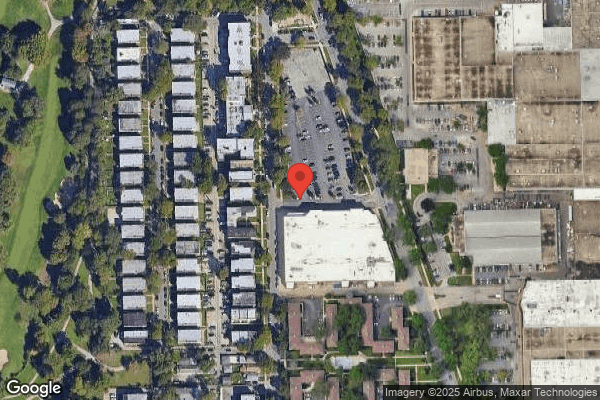
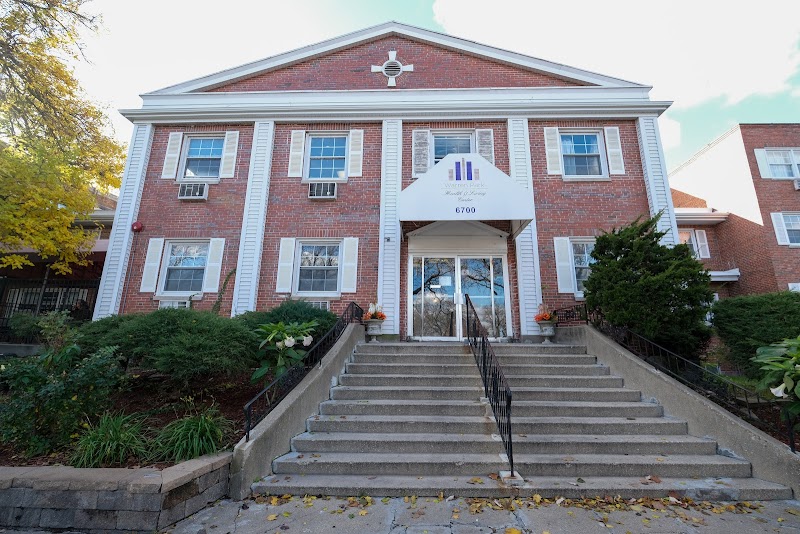
6700 NORTH DAMEN AVENUE, CHICAGO, IL 60645 (773) 465-5000
For profit - Corporation 127 Beds CITADEL HEALTHCARE Data: November 2025
Trust Grade
20/100
#416 of 665 in IL
Last Inspection: December 2024

Within standard 12-15 month inspection cycle. Federal law requires annual inspections.

Overview

Warren Park Health & Living Center has received a Trust Grade of F, indicating significant concerns about the quality of care provided. It ranks #416 out of 665 facilities in Illinois, placing it in the bottom half statewide, and #132 out of 201 in Cook County, suggesting very few local options are worse. While the facility is improving, with issues decreasing from 13 to 2 over the past year, it still has serious concerns, including incidents of physical abuse that caused harm to residents. Staffing is a relative strength, with a turnover rate of 24% that is well below the state average, but the overall star rating is only 2 out of 5, reflecting below-average performance. Additionally, fines of $37,668 are concerning and indicate ongoing compliance issues, despite the average RN coverage, which is crucial for catching potential problems.

Trust Score
F
20/100
In Illinois
#416/665
Bottom 38%
Safety Record
High Risk
Review needed
Inspections
Getting Better
13 → 2 violations
Staff Stability
✓ Good
24% annual turnover. Excellent stability, 24 points below Illinois's 48% average. Staff who stay learn residents' needs.
Penalties
○ Average
$37,668 in fines. Higher than 54% of Illinois facilities. Some compliance issues.
Skilled Nurses
⚠ Watch
Each resident gets only 27 minutes of Registered Nurse (RN) attention daily — below average for Illinois. Fewer RN minutes means fewer trained eyes watching for problems.
Violations
⚠ Watch
30 deficiencies on record. Higher than average. Multiple issues found across inspections.
★★☆☆☆
2.0
Overall Rating
★★☆☆☆
2.0
Staff Levels
★★★☆☆
3.0
Care Quality
★★☆☆☆
2.0
Inspection Score
Stable
2024: 13 issues
2025: 2 issues

The Good

  • Low Staff Turnover (24%) · Staff stability means consistent care
  • Full Sprinkler Coverage · Fire safety systems throughout facility
  • No fines on record
  • Staff turnover is low (24%)

    24 points below Illinois average of 48%

Facility shows strength in staff retention, fire safety.

The Bad

2-Star Overall Rating

Below Illinois average (2.5)

Below average - review inspection findings carefully

Federal Fines: $37,668

Above median ($33,413)

Moderate penalties - review what triggered them

Chain: CITADEL HEALTHCARE

Part of a multi-facility chain

Ask about local staffing decisions and management

The Ugly 30 deficiencies on record

3 actual harm
Sept 2025 1 deficiency
CONCERN (D) 📢 Someone Reported This

A family member, employee, or ombudsman was alarmed enough to file a formal complaint

Potential for Harm - no one hurt, but risky conditions existed

Free from Abuse/Neglect (Tag F0600)

Could have caused harm · This affected 1 resident

**NOTE- TERMS IN BRACKETS HAVE BEEN EDITED TO PROTECT CONFIDENTIALITY** Based on observations, interviews, and record reviews facility failed to follow their policy to ensure residents are free from s...

Read full inspector narrative →
**NOTE- TERMS IN BRACKETS HAVE BEEN EDITED TO PROTECT CONFIDENTIALITY** Based on observations, interviews, and record reviews facility failed to follow their policy to ensure residents are free from sexual abuse for 1 (R4) out of 3 residents reviewed for sexual abuse in a sample of 8.Findings include:R5's Facesheet documents in part: R5 is a [AGE] year-old man with a medical diagnosis of schizoaffective disorder and bipolar disorder. R5's Minimum Data Sheet Section C (07/02/2025) documents in part: R5 have a Brief Interview of Mental Status (BIMS) of 11. R5 is moderately cognitively intact.R4's Minimum Data Sheet Section C (07/10/2025) documents in part: R4 have a Brief Interview of Mental Status (BIMS) of 14. R4 is cognitively intact.R3's Minimum Data Sheet Section C (08/22/2025) documents in part: R3 have a Brief Interview of Mental Status (BIMS) of 14. R4 is cognitively intact.On 09/18/2025 at 10:30 AM, surveyor observed R3 in her room. R3 stated that her boyfriend is R5. R3 stated that R5 usually gropes R4 but sometimes its consensual between R4 and R5. They will fool around with each other. R3 stated that last she heard, R4 told R5 that she doesn't like that anymore but R5 still touched her.On 09/18/2025 at 10:32 AM, R7 stated that she has witnessed R5 groping R4's butt.Attached to the basement activity/dining room was the activity office. On 09/18/2025 at 11:50 AM, surveyor asked for R4 to come into come into the activity office. V7 (Activity Aide) was sitting at the entrance of the office. As R4 passed by, V7 playfully tapped R4 on the rear. R4 didn't mind and joined the surveyor in the office. R4 stated that R5 touches her butt and that she doesn't like it. R4 stated that she has not said anything but has told R5 to stop touching her.On 09/18/2025, after speaking to R4, surveyor asked R5 to join him in the activity office. As R5 was walking towards the activity's office, surveyor observed R5 approach V7 (Activity Aide) with both his hands up and V7 gave R5 a hug.On 09/18/2025 at 12:12 PM, R5 stated that R3 is his girlfriend. R5 stated that he has not sexually groped R4.On 09/18/2025 at 12:15 PM, V7 (Activity Aide) stated that he knows R5 very well. V7 stated that she has seen R5 hug and kiss other residents. Sometimes its consensual and other times it is not. V7 stated that R5 will try hug and sometimes give me a kiss on the cheek and then I would redirect him. V7 stated that she has heard R5 touching and kissing R4, but she has never witnessed it. V7 stated that R5 is a guy. They will try to be touchy and feely but that doesn't mean they are being sexually abusive. It's just what guys do.On 09/18/2025 at 2:17 PM, V2 (Director of Nursing) stated that she is familiar with R5. V2 stated that R5 hugs other residents and staff. V2 stated that the intervention in place to for R4 is redirection. V2 stated that R5's care plan is not updated with that intervention. When surveyor told V2 that he witnessed V7 pat R4 on the bottom, V2 stated you're right. I have always seen her do that and she should not be doing that.On 09/23/2025 at 1:22 PM, V1 (Administrator) stated that she is familiar with the incident between R5 and R4. V1 stated that R3's case manager told her that R5 hugs on R4. We did do an investigation. V1 stated that when she interviewed R3, R3 could not give a date and a time. V1 stated that when she interviewed R4 and R5, both residents made it seem like the interaction was consensual. V1 stated that at any point R4 could rescind the consent to be affectionate which at that point, R5 should respect her boundaries and should not be touching her. V1 stated that she is aware of V7's behaviors and said that is totally unprofessional and could lead other residents to do the same.R5's behavior care plan documents in part: R5 is alert, aware and coherent and chooses to exercise his right to engage in an intimate/sexual relationship. He has received counseling, as appropriate, regarding safe sexual practices/behavior, only engaging in this type of relationship with a consenting party and monogamy. Resident is aware that he cannot ask for sexual favors in return for material things. Counseling has included education on sexually transmitted diseases. As necessary, he will receive future counseling on condom use, contraceptives, privacy issues and/or respect for his partner. Interventions: Review with appropriate responsible parties quarterly and as needed, behaviors and activities as necessary to protect patient and others. Facility's abuse policy (undated) documents in part: This facility affirms the right of our residents to be free from abuse, neglect, exploitation, misappropriation of property, deprivation of goods and services by staff or mistreatment. Abuse is the willful infliction of injury, unreasonable confinement, intimidation, or punishment with resulting physical harm, pain, or mental anguish to an individual. Sexual abuse includes, but not limited to, sexual harassment, sexual coercion, or sexual assault, including non-consensual or non-competent to consent sexual activity.
Feb 2025 1 deficiency
CONCERN (E) 📢 Someone Reported This

A family member, employee, or ombudsman was alarmed enough to file a formal complaint

Potential for Harm - no one hurt, but risky conditions existed

Deficiency F0925 (Tag F0925)

Could have caused harm · This affected multiple residents

Based on observation, interview and record review the facility failed to maintain an effective pest control program so that the facility is free of pests. This has the potential to affect all resident...

Read full inspector narrative →
Based on observation, interview and record review the facility failed to maintain an effective pest control program so that the facility is free of pests. This has the potential to affect all residents residing on the 2nd and 3rd floor. Findings include: On 2/18/25 mouse droppings observed on the toilet room floor of R6's room on 2nd floor. On 2/18/25 mouse droppings were observed in corner on floor next to wardrobe dresser of R7's room on 2nd floor. On 2/18/25 numerous mouse droppings (100 plus) observed on the floor next to wardrobe cabinet of R9's room of 3rd floor. On 2/18/25 at 10:05AM, R3 stated I haven't seen mice in my room but R6's room has mice in it. On 2/18/25 at 10:07AM R4 stated yes there are mice in the building. On 2/18/25 at 12:48PM R9 stated yes there are mice in my room. About two days ago I stomped and killed one with my foot. I am leaving this place today because I have an apartment. On 2/18/25 at 12:35PM R8 stated yes there are mice. If you go across the hall in R9's room there are mice in his room. On 2/18/25 at 1:45PM V5 (Maintenance Director) stated we have a pest control company come to the facility for regular service. I don't know why the pest control reports show no mouse activity. Tomorrow I will have the pest control company go through all residents' rooms to observe and treat for rodents and other insect pests. Facility policy titled Policy On Pest Control includes statement: General: It is the policy of the facility will be free of pest/ rodents. Responsible Party: Administrator, Maintenance.
Dec 2024 9 deficiencies
CONCERN (D)

Potential for Harm - no one hurt, but risky conditions existed

Deficiency F0557 (Tag F0557)

Could have caused harm · This affected 1 resident

**NOTE- TERMS IN BRACKETS HAVE BEEN EDITED TO PROTECT CONFIDENTIALITY** Based on observations, interviews, and record reviews, the facility failed to provide dignity for two (R41, R226) residents in a...

Read full inspector narrative →
**NOTE- TERMS IN BRACKETS HAVE BEEN EDITED TO PROTECT CONFIDENTIALITY** Based on observations, interviews, and record reviews, the facility failed to provide dignity for two (R41, R226) residents in a total sample of 25 residents reviewed. Findings include: 1. On 12/09/2024 at 10:19 AM, R226 observed lying in bed inside of his room in a left lateral position. R226 observed with a shirt on with a white blanket half-way covering the mid-section of his body. R226 is observed without any under briefs on and his buttocks exposed. R226 states a staff member took his incontinence briefs off because they were too small. R226 states the facility does not have any incontinence briefs that are his size to place on him. On 12/09/2024 at 10:22AM, V4 (Certified Nursing Assistant/CNA) now located inside of R226s' room. V4 observes that R226 is not wearing any incontinence briefs. V4 stated she offered to place reusable incontinence briefs on R226 but R226 stated that he was not comfortable wearing the diaper. V4 stated the facility uses reusable incontinence briefs for residents who are mostly bed bound. V4 stated some residents have disposable incontinence briefs in their own rooms in the closet and are purchased by their own family. Surveyor toured the 1st floor unit with V4. There were four linen carts observed on the first floor. Surveyor did not observe any disposable incontinence briefs located on any of the linen carts. Surveyor observed several reusable cloth incontinence briefs on the shelves of the linen carts. R226s' Face sheet documents that R226 has diagnoses not limited to: unspecified dementia, major depressive disorder, schizophrenia, delusional disorders, and chronic kidney disease. R226s' MDS/Minimum Data Set, dated [DATE] documents that R226 has a BIMS/Brief Interview for Mental Status score of 13/15, which indicates that R226 is cognitively intact. R226 is incontinent of bowel and bladder and has an indwelling urinary catheter. R226s' care plan dated 12/09/2024 documents that R226 is care planned for Activities of Daily Living/ADL self-care deficit related to weakness. 2. On 12/09/2024 at 12:17 PM, R41 observed lying in bed inside of his room in a supine position. R41 observed with a white blanket covering his body. R41 observed moving around and attempting to get out of bed. Surveyor observes that R41 does not have on any clothes on underneath the blanket. R41 was completely naked without a gown or incontinence briefs on. R41 is not alert and unable to make his needs known. R41 was also observed to have multiple finger contractures on both of his hands. On 12/09/2024 at 12:17PM, V7 (Certified Nursing Assistant/CNA) also located inside of R41s' room. V7 acknowledged that R41 was not wearing any clothing and was completely naked underneath the blanket. V7 stated she is not R41s' assigned CNA today. V7 stated she is assigned to care for residents on the third floor but came to the first floor to help assist some of the residents with their care. V7 stated the facility uses reusable incontinence briefs for residents who are mostly bed bound. V7 stated she was informed by her supervisor to use the reusable incontinence briefs for R41 also. V7 stated residents who are mobile and able to get out of bed are the residents who use the disposable incontinence briefs. V7 stated it is a dignity issue for R41 not to have on any clothing underneath his blanket. V7 stated she will gather supplies to help clothe R41. R41s' Face sheet documents that R41 has diagnoses not limited to: External constriction of unspecified finger, abnormalities of gait and mobility, unsteadiness on feet, muscle weakness, lack of coordination, and extrapyramidal and movement disorder. R41s' MDS/Minimum Data Set, dated [DATE] documents that R41 has a BIMS/Brief Interview for Mental Status score of 09/15, which indicates that R41 is cognitively impaired. R41 requires partial/moderate assistance with ADL/Activities of Daily Living care. R41 is incontinent of bowel and bladder. R41s' care plan documents that R41 is care planned for incontinence. On 12/11/2024 at 1:42PM, V2 (Director of Nursing/DON) stated if residents are left without any clothes or incontinence briefs on, then this is a dignity issue and does not promote dignity for the resident. Facility policy undated, titled Resident Rights documents in part, Employees shall treat all residents with kindness, respect, and dignity. 1. Federal and state laws guarantee certain basic rights to all residents of this facility. These rights include the resident's right to: a. a dignified existence. b. be treated with respect, kindness, and dignity. Facility's document, undated, titled Residents' Rights for People in Long-Term Care Facilities documents in part You have a right to make your own choices. Your facility must treat you with dignity and respect and must care for you in a manner that promotes your quality of life. Facility policy dated 02/2020, titled Quality of Life- Dignity documents in part, Policy Statement: Each resident shall be cared for in a manner that promotes and enhances his or her sense of well-being, level of satisfaction with life, feeling of self-worth and self-esteem. 1. Residents are treated with dignity and respect at all times.
CONCERN (D)

Potential for Harm - no one hurt, but risky conditions existed

Pressure Ulcer Prevention (Tag F0686)

Could have caused harm · This affected 1 resident

**NOTE- TERMS IN BRACKETS HAVE BEEN EDITED TO PROTECT CONFIDENTIALITY** Based on observations, interviews and record reviews, the facility failed to correctly set air loss mattress based on weight for...

Read full inspector narrative →
**NOTE- TERMS IN BRACKETS HAVE BEEN EDITED TO PROTECT CONFIDENTIALITY** Based on observations, interviews and record reviews, the facility failed to correctly set air loss mattress based on weight for one (R75) of 8 residents reviewed for pressure wound treatment services in a total sample of 25 . Findings include: On 12/09/24 at 1:25 PM, R75 was observed lying in bed on an air loss mattress. Air loss mattress dial setting was in the middle of the 240-320-pound weight per the low air mattress' display panel. Surveyor felt the pressure of R75's low air loss mattress and it was hard and very firm to touch. On 12/09/24 at 1:30 PM, V2 (Director of Nursing) stated the low air loss mattress is set based on the resident's weight. V2 observed R75's low air loss mattress setting and stated R75 must weigh between 240-320 pounds since that is what the air loss mattress is set at. On 12/11/24 at 8:40 AM, V31 (Restorative Nurse/Fall Coordinator/Wound Coordinator) stated the purpose of low air loss mattress is to eliminate pressure from concentrating in one area so the pressure is distributed to the whole body and is used to prevent a pressure wound from getting worse and/or to prevent a pressure wound from developing. V31 stated the mattress should not be hard and should have some bounciness to it because if the mattress is too hard it would prevent the pressure from being evenly distributed which would defeat the purpose of the air loss mattress causing the mattress to function like a regular mattress. V31 stated the air low mattress setting is based on the resident's weight. V31 stated the nursing staff should be monitoring the setting on a daily to make sure it is on the correct setting based on the resident's weight. V31 stated R75 has a stage IV pressure wound on sacrum and is under hospice care. V31 stated R75 weighs between 100-110 pounds, not between 240-320 pounds. V31 stated R75's low air loss mattress should not have been set between 240-320 pounds. V31 stated V2 notified V31 about the error of R75's weight setting, and it was corrected, and training was done with the nursing staff to ensure the air low mattress is set properly to minimize pressure on the skin. V31 stated the potential of the low air loss mattress not being set correctly is that it could make the pressure wound worse and impair wound healing. R75 has diagnosis which includes but not limited to Dementia, Adult Failure to Thrive, Weakness, Need for Assistance with Personal Care, Muscle Wasting and Atrophy, Muscle Weakness (Generalized), Unsteadiness on Feet, Lack of Coordination, Reduced Mobility, Abnormalities of Gait And Mobility, Abnormal Posture, Schizoaffective Disorder, Drug Induced Subacute Dyskinesia. R75's Braden Risk Assessment History printed 12/10/24 documents in part, R75's at high risk for acquiring pressure wounds based on Braden Score of 10. R75's MDS (Minimum Data Set) from 10/16/24 documents in part, R75 has functional limitation in range of motion impairments to both sides of upper and lower extremities and is dependent on staff for all self-care activities except feeding and is dependent on staff for mobility. R75's MDS also indicates R74 has a pressure ulcer/injury over bony prominence stage 4 and skin treatments include pressure reducing device for bed and pressure ulcer/injury care. R75's Wound Rounds assessment dated [DATE] documents, facility acquired identified 12/05/23 pressure ulcer to coccyx (0.5x0.5x0.1). R75's Order Summary Report dated 12/10/24 documents in part, clean coccyx area with Normal Saline, apply alginate dressing cover with Hydrocolloid dressing every other day and PRN (as needed) every 8 hours as needed for wound care with order date 10/29/24. R75's Monthly Weight Report printed 12/11/24 documents December 2024 weight 104 pounds, November 2024 weight 108 pounds. Facility provided policy titled, Support Surface Guidelines dated September 2022 documents in part, the redistributing support surfaces are to promote comfort for al bed or chairbound residents, prevent skin breakdown, promote circulation, and provide pressure relief or reduction. Facility provided Owner's Manual for R75's air loss mattress documents in part, this product is intended to help and reduce the incidence of pressure ulcers while optimizing patient comfort and operation according to the weight and height of the patient.
CONCERN (D)

Potential for Harm - no one hurt, but risky conditions existed

Accident Prevention (Tag F0689)

Could have caused harm · This affected 1 resident

**NOTE- TERMS IN BRACKETS HAVE BEEN EDITED TO PROTECT CONFIDENTIALITY** On 12/09/24 between 9:30-9:45 AM, during medication pass administration observation surveyor standing in the hallway observed R8...

Read full inspector narrative →
**NOTE- TERMS IN BRACKETS HAVE BEEN EDITED TO PROTECT CONFIDENTIALITY** On 12/09/24 between 9:30-9:45 AM, during medication pass administration observation surveyor standing in the hallway observed R84 in the 1st floor unit dining room lose R84's balance, and stumble towards the floor. Surveyor heard other residents calling for help and then heard a loud sound and then heard CODE WHITE being called over the loudspeaker. Per surveyor there were no staff present in the dining room when the fall occurred. On 12/09/24 between 12:35 PM-1:35 PM, surveyor interviewed the following staff working on the 1st floor including V4 (Certified Nursing Assistant), V7 (Certified Nursing Assistant), V23 (Registered Nurse), V25 (Certified Nursing Assistant), V26 (Certified Nursing Assistant), V27 (Certified Nursing Assistant), V28 (Certified Nursing Assistant, V29 (Certified Nursing Assistant) who all stated none of them witnessed R84's fall in the dining room. Per record review, on 12/09/24 incident note completed by V23 (Registered Nurse) documented in part writer responded to code white in 1st floor dining room, head to toe assessment performed, resident denied pain, skin intact, resident alert and orientated within baseline, resident denied hitting head, vital signs are stable, and resident's MD notified and ordered labs and message left with resident's emergency contact. On 12/10/24 at 3:30 PM, R44 stated R44 was sitting in the dining room on the 1st floor yesterday when R84 fell. R44 stated R84 entered the dining room talking loudly and yelling so R44 was ignoring R84 and then R44 saw R84 on the floor. R44 stated there were no staff in the dining room when R84 fell. R84 admitted to the facility 05/24/24 with diagnosis included but not limited to Unspecified Dementia, Unspecified Severity, Without Behavioral Disturbance, Psychotic Disturbance, Mood Disturbance, And Anxiety, Major Depressive Disorder, Recurrent, Muscle Weakness (Generalized), Unsteadiness on Feet, Unspecified Lack of Coordination, Other Reduced Mobility, Other Lack of Coordination, Abnormal Posture, Unspecified Psychosis Not Due to A Substance Or Known Physiological Condition. R84's MDS (Minimum Data Set) from 11/29/24 BIMS (Brief Interview for Mental Status) documents in part, resident is rarely/never understood and has long/short term memory problems and functional abilities included R84 requires supervision or touch assistance for all mobility including walking, sit to stand, chair/bed to chair transfer. R84 has fall risk care plan which documents in part, R84 Is at risk for falls related to confusion, gait/balance problems and unaware of safety needs due to diagnosis of dementia. Goal is for resident to be free of falls through next review and interventions include but not limited to anticipate and meet resident's needs. R84's MORSE Fall Scale dated 11/29/24, signed 12/03/24 documents in part, score 65.0, high risk for falling. Facility document titled; High Risk Resident dated 11/28/24 Need Extra Monitoring per Staff which includes R50's and R84's names listed. Facility Post Fall Investigation dated 12/09/24 documents in part, involving R84 type of fall unwitnessed. Facility policy document titled, Emergency Codes undated which documents in part, Code White: Resident is alert, but has fallen. Based on observation, interview and record review, the facility failed to provide adequate assistance and supervision to 2 (R50, R84) out of 2 high fall risk residents reviewed for accidents and hazards in a final sample of 25. Findings Include: On 12/09/24 at 12:05 PM, R50 was sitting in [R50's] wheelchair in the dining room alert and able to verbalize needs. R50 stated R50 has pain everywhere. R50 stated [R50] went to the bathroom by himself around 9:00 AM this morning, and while [R50] was washing [R50's] hands, R50 slipped and hit [R50's] head on the sink. R5 stated [R50] was able to lift himself back up and went back in bed. R50 stated [R50] notified the nurse but does not know the name of the nurse. On 12/9/24 At 12:10 PM, Surveyor notified V9 (Registered Nurse) of what was reported by R50. V9 stated that V9 was not made aware of R50's incident. V9 stated, I will assess and send [R50] out. On 12/9/24 At 12:31 PM, interviewed V33 (Certified Nursing Assistant) and stated that R50 can go to the bathroom on his own and can stand up and transfer by himself without assistance. V33 stated that R50 is high risk for fall and staff needs to monitor R50. V33 stated V33 was not made aware of R50's incident. At 12:36 PM, V9 stated R50 was assessed and R50's vital signs were: 121/68 (Blood Pressure), 66 (Heart Rate), 95% oxygen saturation (Room Air), 97.5 (Temperature), and 18 (Respiration). V9 stated R50 had no injuries and V35 (Nurse Practitioner) ordered neuro check and to continue to monitor R50. V9 stated that R50 should not be going to the bathroom by himself. V9 stated R50 requires staff assistance for toileting and transfers. On 12/10/24 at 2:52 PM, V31 (Restorative Nurse/Fall Coordinator/Wound Coordinator) stated the facility uses a Morse Fall Assessment as a tool to identify residents at risk for falls and to prevent/anticipate falls to avoid falls and injuries. V31 stated some of the criteria used as part of the Morse Fall Assessment include history of falls, ambulation ability, and cognition status/self-awareness. V31 stated the Morse Fall Assessment gives a score and the higher the score the higher chance they are at risk for falls. V31 stated that if the functional assessment and the Minimum Data Set coded that the resident requires supervision, then this means the resident needs to be monitored and may need for you to guide them when walking to give them more balance and support. V31 stated that partial/moderate assistance means is when the resident needs more physical assistance from the staff including more holding, being part of the task, and substantial/maximal assistance means the staff is providing more of the care than the resident. V31 stated that whatever level of assistance is needed based on the functional assessment must be always provided to the resident. V31 stated that it is important to provide the required assistance to the resident for the resident's safety, and residents at risk for falls should be provided with the required assistance to try to prevent falls from occurring. V31 stated R84 is at high risk for falling based on the Morse Fall Assessment due to impulsive behaviors and impaired cognitive function. V31 stated based on R84's functional assessment R84 can ambulate with supervision and since R84 is at high risk for falls the staff should be within eye distance so that they can monitor R84 and intervene as needed with touch assistance. V31 stated R84 should be supervised by staff at all times. V31 stated another resident (R44) was sitting in the 1st floor dining room when R84 fell and R44 did not say there was any staff in the room when R84 fell. V31 stated none of the staff V31 has spoken to said they were in the room when R84 fell. V31 stated there should be a staff member in the common areas like the dining room when residents are in there especially if the resident is at a high risk for falling and it is possible R84's fall could have been avoidable. V31 stated that if a resident is in the room and is known to do things by himself but does not call for help then the staff should be providing assistance during the task and anticipate the resident's needs. V31 stated that R50 is at high risk for falls due to impulsive behaviors and the staff should be monitoring R50 during ADL (Activities of Daily Living) care because R50 does need assistance to prevent R50 from falling. V31 stated staff should be monitoring R50 until the ADL task is completed, R50 should not be doing it alone. V31 stated R50 needs one staff assistance for transfer and to go to the bathroom. R50's clinical records show R50 has included diagnoses but not limited to epilepsy, unsteadiness on feet and muscle weakness. R50's MDS and functional assessment dated [DATE] shows R50 is cognitively impaired and requires partial/moderate assistance with transfers and toileting. R50's MORSE FALL SCALE dated 11/01/24 shows R50 is high risk for falling. The facility's Safety and Supervision of Residents policy dated 07/22 reads in part: Our facility strives to make the environment as free from accident hazards as possible. Resident safety and supervision and assistance to prevent accidents are facility-wide priorities. The care team shall target interventions to reduce individual risks related to hazards in the environment, including adequate supervision and assistive devices. Resident supervision is a core component of the systems approach to safety. The type and frequency of resident supervision is determined by the individual resident's assessed needs and identified hazards in the environment. The facility's Activities of Daily Living (ADLs), Support/Care policy dated 03/23 reads in part: Appropriate care and services will be provided for residents who are unable to carry out ADLs independently, with the consent of the resident and in accordance with the plan of care, including appropriate support and assistance with: Hygiene, Mobility, Elimination, Dining, Communication.
CONCERN (D)

Potential for Harm - no one hurt, but risky conditions existed

Deficiency F0883 (Tag F0883)

Could have caused harm · This affected 1 resident

**NOTE- TERMS IN BRACKETS HAVE BEEN EDITED TO PROTECT CONFIDENTIALITY** Based on interview and record review, the facility failed to follow its policy and offer pneumonia vaccines prior to or upon adm...

Read full inspector narrative →
**NOTE- TERMS IN BRACKETS HAVE BEEN EDITED TO PROTECT CONFIDENTIALITY** Based on interview and record review, the facility failed to follow its policy and offer pneumonia vaccines prior to or upon admission to the facility. This failure affects three (R9, R72, R75) out of five residents reviewed for pneumonia vaccines in a total sample of 25 residents. Findings include: R9s' Facesheet documents that R9 is a [AGE] year-old male admitted to the facility on [DATE] with diagnoses not limited to: Chronic Obstructive Pulmonary Disease/COPD, Anemia, unspecified open wound to left leg, and chronic multifocal osteomyelitis. Review of R9s' electronic health record/EHR reveals that there is no documentation to show that a pneumonia vaccine was administered to R9. Facility is unable to provide documentation to show the pneumonia vaccine was offered to R9 prior to 11/20/2024. R72s' Facesheet documents that R72 is a [AGE] year-old female admitted to the facility on [DATE] with diagnoses not limited to: Stage 4 Chronic Kidney Disease, Diabetes Mellitus, dependence on renal dialysis, anemia, and acquired absence of kidney. Review of R72s' electronic health record/EHR reveals that there is no documentation to show that a pneumonia vaccine was administered to R72. Facility is unable to provide documentation to show the pneumonia vaccine was offered to R72 prior to 08/26/2024. R75s' Facesheet documents that R75 is an [AGE] year-old male admitted to the facility on [DATE] with diagnoses not limited to: adult failure to thrive, drug induced subacute dyskinesia, muscle wasting and atrophy, fracture of left femur, and dementia. Review of R75s' electronic health record/EHR reveals that there is no documentation to show that a pneumonia vaccine was administered to R75. Facility is unable to provide documentation to show the pneumonia vaccine was offered to R77 prior to 11/20/2024. According to the Centers for Disease Control and Prevention/CDC, People are more likely to get pneumonia at certain ages. For adults, those 65 years or older are at increased risk. Risk continues increasing as age increases: an [AGE] year-old has a higher risk than a [AGE] year-old adult. People who have chronic (ongoing) medical conditions are at increased risk for pneumonia. These can include chronic heart disease, chronic liver disease, chronic lung disease, diabetes, and people with a weakened immune system are at greatest risk for pneumonia. Many different conditions and medicines can weaken the immune system. On 12/10/2024 at 2:41 PM, V3 (Infection Preventionist/IP), states R9, R72, and R75 have all consented to the pneumonia vaccine but have not yet been vaccinated in the facility. V3 states residents should be offered the pneumonia vaccination upon admission to the facility. V3 states she is awaiting a date from the outside contracted company to visit the facility and vaccinate the residents. On 12/11/2024 at 1:42PM, V2 (Director of Nursing/DON) states she expects all residents to be offered the pneumonia vaccine upon admission to the facility. V2 states once consent is obtained, the vaccine is ordered from their contracted pharmacy and arrives to the facility within three days. V2 states once the vaccine arrives, she expects the nursing staff to administer the vaccine as soon as possible to the resident. Facility policy dated 10/2022, titled Pneumococcal Vaccine documents in part, Policy Statement: All residents will be offered pneumococcal vaccines to aid in preventing pneumonia/pneumococcal infections. 1. Prior to or upon admission, residents will be assessed for eligibility to receive the pneumococcal vaccine series, and when indicated, will be offered the vaccine series on admission to the facility unless medically contraindicated or the resident has already been vaccinated. 2. Assessments of pneumococcal vaccination status will be conducted on residents' admission if not conducted prior to admission. 6. For residents who receive the vaccines, the date of vaccination, lot number, expiration date, person administering, and the site of vaccination will be documented in the residents' medical record.
CONCERN (E)

Potential for Harm - no one hurt, but risky conditions existed

Safe Environment (Tag F0584)

Could have caused harm · This affected multiple residents

Based on observation, interview, and record review, the facility failed to ensure that reusable cloth incontinence briefs intended for resident use were in good condition, this failure has the potenti...

Read full inspector narrative →
Based on observation, interview, and record review, the facility failed to ensure that reusable cloth incontinence briefs intended for resident use were in good condition, this failure has the potential to affect 40 incontinent residents residing in the facility. Findings include: On 12/10/2024 at 12:23PM, a tour of the laundry room was conducted with V13 (Laundry Aide). Surveyor observed the following inside of the laundry room in the basement of the facility: One cloth incontinence brief with multiple, permanent dark colored stains folded on a linen cart intended for resident use. V13 stated she is aware that she should throw the stained incontinence briefs away when the facility receives new cloth incontinence briefs. V13 stated she washed the cloth incontinence brief twice and since it is not ripped/torn, she assumed it was okay for residents to continue to use it. On 12/10/2024 at 12:47PM, V14 (Housekeeping Director) now located in the laundry room and observes the multiple, permanent dark stains on the incontinence brief. V14 states the permanent stains on the incontinence briefs appears to be a result of urine and feces. V14 stated V13 (Laundry Aide) is responsible for notifying him when incontinence briefs and other linen need to be reordered in the facility. V14 stated V13 is also responsible for discarding old, stained, and worn linen in the facility that can no longer be used for resident use. V14 stated the multiple, permanently dark stained incontinence brief should not be on the linen cart to be distributed for resident use in the facility. Facility policy dated 10/2022, titled Laundry and Bedding documents in part, Policy Statement: Soiled laundry/bedding shall be handled, transported, and processed according to best practices for infection prevention and control. Mattresses, Pillows and Overlays: 5. Pillows that are torn, damaged, or permanently stained are discarded. Facility policy dated 05/2020, titled Quality of Life-Homelike Environment documents in part, Policy Statement: Residents are provided with a safe, clean, comfortable, and homelike environment and encouraged to use their personal belongings to the extent possible. 1. Staff shall provide person-centered care that emphasizes the residents' comfort, independence and personal needs and preferences.2. e. Clean bed and bath linens are in good condition, Residents' Rights for People in Long-Term Care Facilities documents in part, Your facility must be safe, clean, comfortable, and homelike. Facility document undated, titled Incontinence List documents that there are a total of 40 incontinent residents residing in the facility.
CONCERN (E)

Potential for Harm - no one hurt, but risky conditions existed

Deficiency F0645 (Tag F0645)

Could have caused harm · This affected multiple residents

**NOTE- TERMS IN BRACKETS HAVE BEEN EDITED TO PROTECT CONFIDENTIALITY** Based on interview and record review, the facility failed to refer four (R41, R66, R72, R90) residents with serious mental illne...

Read full inspector narrative →
**NOTE- TERMS IN BRACKETS HAVE BEEN EDITED TO PROTECT CONFIDENTIALITY** Based on interview and record review, the facility failed to refer four (R41, R66, R72, R90) residents with serious mental illness to the appropriate state-designated authority for PASARR (Pre-admission Screening and Resident Review) level II evaluation and determination in a total sample of 25 residents reviewed. Findings Include: R41s' Face sheet documents that R41 was admitted to the facility on [DATE] with diagnoses not limited to: bipolar disorder and anxiety disorder. R41s' PASARR screening dated 05/25/2005 titled OBRA-1 Initial Screen documents that there is reasonable basis to suspect a mental illness for R41. There is no documentation to show that R41 was referred to the appropriate state-designated authority for a Level II PASARR evaluation and determination. R66s' Face sheet documents that R66 was admitted to the facility on [DATE] with diagnoses not limited to: schizophrenia, schizoaffective disorder, and bipolar disorder. R66s' PASARR screening dated 10/28/2013 titled Assessment Summary Information documents that R66 has a mental illness diagnosis of paranoid schizophrenia. There is no documentation to show that R66 was referred to the appropriate state-designated authority for a Level II PASARR evaluation and determination. R90s' Face sheet documents that R90 was admitted to the facility on [DATE] with diagnoses not limited to: schizoaffective disorder, panic disorder, and major depressive disorder. R90s' PASARR screening dated 06/05/2020 titled Interagency Certification of Screening Results documents R90s' serious medical issues as a primary focus. There is no documentation to show that R90 was referred to the appropriate state-designated authority for a Level II PASARR evaluation and determination. Facility Policy dated 03/2022, titled admission Criteria documents in part, 9. All new admissions and readmissions are screened for mental disorders (MD), intellectual disabilities (ID) or related disorders (RD) per the Medicaid Pre-admission Screening and Resident Review (PASARR) process. a. The facility conducts a Level I PASARR screen for all potential admissions, regardless of payor source, to determine if the individual meets the criteria for a MD, ID, or RD. b. If the Level I screen indicates that the individual may meet the criteria for a MD, ID, or RD, he or she is referred to the state PASARR representative for the Level II (evaluation and determination) screening process. c. upon completion of the Level II evaluation, the State PASARR representative determines if the individual has a physical or mental condition, what specialized or rehabilitative services he or she needs, and whether placement in the facility is appropriate. On 12/10/24 at 11:10 AM, interviewed V10 (Social Service Director) and stated that the resident's PASARR Level I or II should be completed prior to admitting in the facility to make sure that resident being admitted is eligible and meet the requirements to come to the nursing facility. V10 stated that the facility does not run or re-run the residents' PASARR until instructed by the outside agency in charge of PASARR screenings. R72's clinical records show an original admission date of 6/07/19 with included diagnoses but not limited to Schizoaffective Disorder and Major Depressive Disorder. The facility provided R72's OBRA - I INITIAL SCREEN completed by outside agency and is dated 10/22/18. R72's screen shows there is a reasonable basis for suspecting DD (Developmental Delay) or MI (Mental Illness). R72's Level II Preadmission Screening and Resident Review (PASARR) was not completed.
CONCERN (E)

Potential for Harm - no one hurt, but risky conditions existed

Deficiency F0761 (Tag F0761)

Could have caused harm · This affected multiple residents

Based on observation, interview, and record review the facility failed to ensure medications were locked and secured while unattended. This failure has the potential to affect all 68 residents residin...

Read full inspector narrative →
Based on observation, interview, and record review the facility failed to ensure medications were locked and secured while unattended. This failure has the potential to affect all 68 residents residing on the 1st and 3rd floors. Findings Include: On 12/09/2024 at 11:15AM, surveyor located on the first floor of the facility. Surveyor observes a medication cart unlocked and unattended with medication cart keys left inside of the medication carts' lock. V6 (Registered Nurse/RN) states she is responsible for the unlocked and unattended medication cart. V6 states this medication cart stores medications for residents on the 1st and 3rd floors of the facility. V6 states she must have gotten busy with other things and forgot to lock the medication cart and retrieve the keys. V6 states that residents can potentially get access to the medications if the cart is left unlocked and unattended. V6 states residents could potentially overdose, have an adverse reaction, or other life-threatening complications if they get access to the medications. Surveyor observes inside of V6s' medication cart that a total of 35 residents have medications stored inside the medication cart. On 12/11/20224 at 1:42PM, V2 (Director of Nursing/DON) states it is dangerous to leave medication carts unlocked and unattended. V2 states residents can remove the medications, self-administer the wrong medications, and have life threatening and adverse reactions. Facility policy dated 04/2021, titled Storage of Medications documents in part, 8. Compartments (including, but not limited to, drawers, cabinets, rooms, refrigerators, carts, and boxes) containing drugs and biologicals are locked when not in use. 9. Unlocked medication carts should not be left unattended unless, it is within visible supervision of the nurse. 14. Access to controlled medications is limited to authorized personnel. Facility census dated 12/09/2024 documents that a total of 19 residents reside on the 3rd floor of the facility and 49 residents reside on the 1st floor of the facility.
CONCERN (E)

Potential for Harm - no one hurt, but risky conditions existed

Infection Control (Tag F0880)

Could have caused harm · This affected multiple residents

Based on observations, interviews and record review, the facility failed to ensure shared equipment was cleaned and decontaminated between each use for 4 [R27, R92, R104, R116] of 6 residents reviewed...

Read full inspector narrative →
Based on observations, interviews and record review, the facility failed to ensure shared equipment was cleaned and decontaminated between each use for 4 [R27, R92, R104, R116] of 6 residents reviewed for medication administration observation. Findings included: On 12/9/24 at 9:38 AM, V23 obtained R116's blood pressure with a wrist blood pressure cuff device. V23 placed the device on R116 left wrist, blood pressure measured 134/99, heart rate 90. After use, V23 did not sanitize the blood pressure device, placed the device inside the top drawer of the medication cart and proceeded to prepare R116 medications. On 12/9/24 at 9:52 AM, V23 obtained R104's blood pressure with same wrist blood pressure device. Prior to use, V23 did not sanitize the device. V23 placed the blood pressure device on R104's left wrist, blood pressure measured 127/87, heart rate 82. After use V23 did not sanitize the device and placed it on top of the medication cart. On 12/9/24 at 10:10 AM, V23 obtained R92's blood pressure with same wrist blood pressure device. Prior to use, V23 did not sanitize the device and placed it on R92's left wrist. R92's blood pressure measured 112/86 and heart rate 80. After use V23 did not sanitize the device and placed the device inside the top drawer of the medication cart and proceeded to prepare R92's medications. During the same medication pass observation, prior to use, V23 did not sanitize the device and placed it on R27's left wrist, blood pressure measured 120/72, heart rate 62. After use V23 did not sanitize the device and placed it on top of the medication cart. On 12/9/24 at 10:42 AM, V23 [Registered Nurse] stated, Between each resident I should have used the sanitizing wipes to disinfect the wrist blood pressure device to prevent the spread of infection. I was nervous and forgot to clean off the device. On 12/11/24 at 12:30 PM, V2 [Director of Nursing] stated, All shared medical equipment among residents must be sanitized before and after each use on each resident. If the shared equipment is not sanitized between residents, it could potentially spread infection from one resident to another. Policy document in part: Cleaning and Disinfection of Resident Care Items and Equipment Resident care equipment including reusable items and durable medical equipment will be cleaned and disinfected according to the current CDC recommendations for disinfection of blood borne pathogens standards noncritical items are those that come in contact to scan but not mucus membranes noncritical resident care items include bed pants, blood pressure cuffs, crutches and computers. Reusable resident care equipment will be decontaminated and or sterilized between residents according to the manufacturer's instructions.
CONCERN (F)

Potential for Harm - no one hurt, but risky conditions existed

Food Safety (Tag F0812)

Could have caused harm · This affected most or all residents

Based on observations, interviews, and record reviews, the facility failed to discard expired food based on use by guidelines and labeled use by date, failed to ensure food items were labeled and date...

Read full inspector narrative →
Based on observations, interviews, and record reviews, the facility failed to discard expired food based on use by guidelines and labeled use by date, failed to ensure food items were labeled and dated with use by date, and failed to sanitize cooking equipment based on manufacturers' directions. These failures have the potential to affect all 123 residents receiving food prepared in the facility's kitchen. Findings include: On 12/09/24 at 9:15 AM, V19 (Dietary Manager) stated all items should be labeled with an open and use by date and prepared items should be thrown out after seven days. V19 stated day one is the day the item was prepared and day seven is the date the item must be discarded on. V19 stated the purpose of labeling, dating, and discarding items after seven days is to ensure food is safe for the residents to eat and that there is a potential to make residents sick if they are served expired foods. On 12/09/24 at 9:45 AM, during initial kitchen tour observed found container of tuna salad dated 11/03/23 in the reach-in refrigerator. The tuna salad had areas of white material pooling with liquid. V19 stated the tuna fish was mixed with mayonnaise and that it was mislabeled because the item has not been in the cooler for over one year. V19 stated the tuna fish salad should have been discarded seven days from the day it was prepared on 11/03 and that the item should have been labeled with a use by or discard date of 11/10. V19 stated the kitchen would not serve that to the residents based on the date it was prepared because it has the potential to make the residents sick if that was served to them. Observed V19 discard the tuna salad into the trash. On 12/09/24 at 9:48 AM, observed sliced deli turkey in metal container labeled 12/08/24. There was no use by date on the item. V19 stated the turkey should be labeled with a use by date of 12/14/24 so the staff knows when to throw out the item. On 12/09/24 at 9:54 AM, observed V20 (Dishwasher) at three-compartment sink washing pots and pans with a collection of cleaned items being stored on the side of the sink to air dry. V19 stated the kitchen uses a Quat (Quaternary) solution to disinfect the kitchen equipment being cleaned in the three-compartment sink and that the concentration of the third sink containing the sanitation solution should be between 150-400 ppm (parts per million) per the manufacturer guidelines. V19 stated any concentration less than that means the items are not being sanitized 100% which is important to prevent cross contamination and food borne illness. V19 checked the three-compartment sink concentration using a test strip and it read 100 ppm. V19 stated the concentration is not high enough which means that the items are not being disinfected properly. V19 stated that all the items that have been washed will need to be re-sanitized. V19 stated the concentration should be checked prior to cleaning items in the three-compartment sink, On 12/09/24 at 10:00 AM, V20 was asked if V20 checked the concentration of the sanitizer in the three-compartment sink and V20 stated I didn't check it this morning. On 12/09/24 at 10:04 AM, V21 (Dietary Aide) stated V21 filled up the third sink with water and added three pumps of sanitizing solution and then checked the concentration using the test strip. V21 stated the test strip reading was 100 ppm at 6:30 AM. On 12/09/24 at 10:07 AM, observed V22 (Cook) empty and refill the third compartment sink with water and then add four pumps of sanitizing solution. V22 checked the concentration using a test trip and the reading obtained was 200 ppm. On 12/09/24 at 10:09 AM, this surveyor heard V19 tell V20 to sanitize all the items V20 had previously cleaned because they were not sanitized correctly. Facility provided list of diet orders for all residents in the facility as of 12/09/24. The diet order list indicates there are total of 125 residents of which 2 residents are receiving nothing by mouth (NPO) and 123 residents are receiving diets (not NPO). Facility provided policy titled Labeling and Dating dated 2017 documents in part, to decrease the risk of food borne illness and to provide the highest quality, food is labeled with the date received, the date opened and the date by which the item should be discarded and refrigerated food prepared is labeled with the date to discard or to use by. This includes leftovers. The discard/use by date will be a maximum of six days after preparation. The day of preparation is counted as day 1. Facility provided policy titled Time/Temperature Control for Safety Food (TCS) dated 2021 documents in part, foods that require time and temperature control to prevent the growth of microorganisms (bacteria) which cause foodborne illness are known as TCS foods and some foods are more likely than other to be TCS foods including but not limited to milk/dairy products, eggs, and fish. Facility provide policy titled Manual Sanitizing in Three-Compartment Sink dated 2017 which documents in part, a sink with three compartments is used for manually washing, rinsing, and sanitizing utensils and equipment and manufacturer's instructions on the wall poster above the three-compartment sink are followed. Facility provided copy of manufacturer's signage posted above the three-compartment sink titled Sanitizer Test Procedures documents in part, for Quaternary test paper reading 150-400 ppm.
Jun 2024 2 deficiencies 1 Harm
SERIOUS (G) 📢 Someone Reported This

A family member, employee, or ombudsman was alarmed enough to file a formal complaint

Actual Harm - a resident was hurt due to facility failures

Accident Prevention (Tag F0689)

A resident was harmed · This affected 1 resident

Deficiency Text Not Available

Read full inspector narrative →
Deficiency Text Not Available
CONCERN (D) 📢 Someone Reported This

A family member, employee, or ombudsman was alarmed enough to file a formal complaint

Potential for Harm - no one hurt, but risky conditions existed

Report Alleged Abuse (Tag F0609)

Could have caused harm · This affected 1 resident

**NOTE- TERMS IN BRACKETS HAVE BEEN EDITED TO PROTECT CONFIDENTIALITY** Based on interview and record review, facility failed to follow their policy to report the appearance of suspicious bruise, lace...

Read full inspector narrative →
**NOTE- TERMS IN BRACKETS HAVE BEEN EDITED TO PROTECT CONFIDENTIALITY** Based on interview and record review, facility failed to follow their policy to report the appearance of suspicious bruise, lacerations, or other abnormalities as unknown origin as soon as it is discovered for one (R1) out of three residents reviewed for reporting of unknown injury. Findings include: R1 is a [AGE] year-old female. R1's medical diagnoses are but not limited to schizophrenia, bipolar disorder, unspecified psychosis not due to a substance or known physiological condition, seizures, and rectal prolapse. R1's BIMS (Brief Interview for Mental Status) dated 03/14/2024, notes interview for mental status was not conducted because R1 is rarely or never understood. R1's care plan documents that R1 had a fall on 2/16/2023 and 4/17/2023. On 06/04/2024 at 11:18 AM, V3 (Nurse Practitioner) stated that she was R1's nurse practitioner when R1 was here. V3 stated that R1 hurt her head a while back due to a fall. V3 stated that R1 fell on 4/18/2024. R1 refused to go to the hospital. R1 is alert and oriented x2. V3 stated that R1 had a contusion to her head. V3 stated that a CT (Computerized Tomography) scan was never done. V3 stated that R1 was sent to the hospital on May 21st, 2024 due to lethargy, low oxygen saturation, altered mental status. R1's oxygen saturation was 80% on room air. V3 stated that on May 21st, 2024, she noticed a new hematoma on the side of R1's head. V3 stated that R1's nurse was with her doing the assessment when she noticed that hematoma. V3 stated that no one knew how she received the new hematoma. V3 stated that R1 was impulsive and that she did not adhere to fall precautions. V3 stated that she has no idea how she fell the first time. R1 is not the most reliable historian. She continues to forget. On 06/04/2024 at 11:50 AM, V5 (Licensed Practical Nurse) stated she was the nurse taking care of R1 when she was sent to the hospital. V5 stated that R1 was sent to the hospital because she had altered mental status and R1's oxygen saturation was down. V5 stated that R1 was okay and talking in the morning. V5 stated, When I was doing my morning rounds, R1 was not responding to me. V3 (Nurse Practitioner) was also there that morning. We did the assessment together. On 06/04/2024 at 12:10 PM, V1 (Administrator) stated that she has been the administrator for the past two years. As the abuse coordinator I oversee all the internal investigations. If there is any falls with injury we are expected to report that. Any injury of unknown origin we are expected to report that to (State Agency) within 24 hours. V1 pointed to the reportables binder and stated, These are all the reportables for the past 6 months. V1 stated that she is familiar with R1. V1 stated that she fell about two months ago. V1 stated that in April R1 was praying and she fell while praying. She fell in her room. V1 stated that R1 did sustain injuries from this fall. She had a laceration on her head. It was a laceration that was treated in house. V1 stated that R1 refused to go to the hospital. V1 stated she did not speak to V3 so she was not aware of any new bruising. V1 stated that she was not even aware R1 even had an injury. V1 stated that if she had known about it and R1 was not able to tell her what happened, she would have reported it because it would have been an injury of unknown origin. R1's progress note by V3 (Nurse Practitioner) on 05/21/2024 documents in part: SKIN: contusion on head healing, new hematoma left forehead, about 1 inch in diameter. pt (patient) with recent falls R1's progress note by V3 (Nurse Practitioner) on 05/21/2024 documents in part: The resident was admitted to the hospital with the diagnosis: Fracture of the Cervical Vertebrae. Facility's Abuse Prevention Program policy (10/2022) documents in part: The nursing staff is responsible for reporting the appearance of suspicious bruises, lacerations, or other abnormalities of an unknown origin as soon as it is discovered. Following the discovery of any suspicious bruises, lacerations or other abnormalities of an unknown origin, the nurse shall complete a full assessment of the resident for other bruises, lacerations or pain. For resident injuries involving an allegation of abuse or neglect, the administrator will appoint a person to gather further facts to make a determination as to whether the injury should be classified as an 'injury of unknown source'. An injury should be classified as an 'injury of unknown source' when both of the following conditions are met: The source of the injury was not observed by any person or the source of the injury could not be explained by the resident and the injury is suspicious because the extent of the injury or the location of the injury or the number of injuries observed at one particular point in time or the incidence of injuries over time. If classified as an 'injury of unknown source' the person gathering facts will document the injury, the location, time it was observed, any treatment given and notification of the resident's physician, responsible party. The Department of Public Health will be notified.
Jan 2024 2 deficiencies
CONCERN (D) 📢 Someone Reported This

A family member, employee, or ombudsman was alarmed enough to file a formal complaint

Potential for Harm - no one hurt, but risky conditions existed

Comprehensive Assessments (Tag F0636)

Could have caused harm · This affected 1 resident

**NOTE- TERMS IN BRACKETS HAVE BEEN EDITED TO PROTECT CONFIDENTIALITY** Based on observation, interviews and record review the facility failed to establish and implement interventions for one resident...

Read full inspector narrative →
**NOTE- TERMS IN BRACKETS HAVE BEEN EDITED TO PROTECT CONFIDENTIALITY** Based on observation, interviews and record review the facility failed to establish and implement interventions for one resident (R5), with a behavior of urinating and defecating in a waste basket. This failure has affected two residents (R5 and R6) and has the potential to affect 54 other residents who reside on the second floor. Findings include: R5 is [AGE] year-old with diagnoses including but not limited to: Catatonic Schizophrenia, Unspecified Psychosis, Depression, and Anxiety Disorder. R6 is [AGE] year-old with diagnoses including but not limited to: Chronic Diastolic Heart Failure, Peripheral Vascular Disease, Osteoarthritis, Hypothyroidism and Type 2 Diabetes Mellitus. R6 has a BIMS (Brief Interview of Mental Status) score of 14, which indicates cognitively intact. R5 and R6 are roommates on the second floor at the facility. On 01/22/2024 at 10:25 AM, Surveyor exited the elevator on the second floor and noted a strong odor of urine. At that time, Surveyor inquired about the odor. On 01/22/2024 at 10:27 AM, V4 RN (Registered Nurse) said, I don't know where the urine smell is coming from, but it is strong. Surveyor and V4 RN entered R5's room and noted the urine odor becoming stronger. Surveyor observed a basket full of clothes near R5's bed. On 01/22/2024 at 10:27 AM V4 said, Those clothes have urine on them (referring to R5's clothes). They have to be washed. That is probably were the urine odor is coming from. R5 urinates and defecates in the waste basket sometimes because she does not like to use the toilet. On 01/24/2024 during unit rounds, Surveyor observed R5 lying in her bed. At this time, R5's room smelled like urine. On 01/24/2024, at 10:47 V14 CNA (Certified Nurse Assistant) Manager said, R5 often urinates in the waste basket in her room because she (R5) hates things touching her body. She is independent with toileting but has incontinent episodes. We try to keep the urine odor down. On 01/24/2024 at 11:15 PM, R6 said, R5 urinates in the trash can sometimes. Our room smells like urine a lot, but I don't like to complain about it because I like R5. I try to help her. R5's Care plan documents, Focus: R5 has a behavior of urinating and defecating in trash bin in room. R5's Care plan excludes any intervention regarding incontinence and/ or the need to verbally que and/ or encourage R5 to utilize toilet or brief. R5's MDS (Minimum Data Set) Section GG- Functional Abilities and Goals indicates that R5 requires supervision or touching assistance (verbal cues and/ or touching/ steadying or contact guard assistance with toileting. R5's MDS (Minimum Data Set) Section H- Bladder and Bowel indicates that R5 is always incontinent. R5's MDS (Minimum Data Set) Section H- Bladder and Bowel indicates that No trial of a toileting program had been attempted on admission/ entry or reentry or since urinary incontinence was noted in the facility. Facility document titled Attachment E: Statement of Resident Rights documents, the right to live in an environment that promotes and supports each resident's dignity, individuality, independence, self-determination, privacy, and choice and to be treated with consideration and respect. Facility document titled Care Plans, Comprehensive Person- Centered policy documents, care plan interventions are derived from a thorough analysis of the information gathered as part of the comprehensive assessment; The care planning process will include an assessment of the resident's strengths and needs; Areas of concern that are identified during the resident assessment will be evaluated before interventions are added to the care plan.
CONCERN (D) 📢 Someone Reported This

A family member, employee, or ombudsman was alarmed enough to file a formal complaint

Potential for Harm - no one hurt, but risky conditions existed

ADL Care (Tag F0677)

Could have caused harm · This affected 1 resident

**NOTE- TERMS IN BRACKETS HAVE BEEN EDITED TO PROTECT CONFIDENTIALITY** Based on interviews and record review, the facility failed to ensure that two dependent residents (R4 and R8) received showers a...

Read full inspector narrative →
**NOTE- TERMS IN BRACKETS HAVE BEEN EDITED TO PROTECT CONFIDENTIALITY** Based on interviews and record review, the facility failed to ensure that two dependent residents (R4 and R8) received showers as scheduled. This failure has affects two of five residents reviewed for ADLs (Activities of Daily living). Findings include: R4 is [AGE] year-old with diagnoses including but not limited to: Encounter for Antineoplastic Chemotherapy, Generalized Anxiety disorder, Low back pain and Type 2 Diabetes Mellitus with Diabetic Neuropathy. R4 has a BIMS (Brief Interview of Mental Status) score of 15, which indicates cognitively intact. R8 is [AGE] year-old with diagnoses including but not limited to: Muscle Weakness, Other Lack of Coordination, Alzheimer's disease, Hypothyroidism and Essential Hypertension. R4 and R8 are roommates on the first floor in the facility. On 01/24/2024 during unit rounds, Surveyor observed both R4 and R8 in their room in bed. On 01/24/2024 at 11:30 AM, R4 said, I really need a shower. I was supposed to have a shower on yesterday, but no one ever came to give me a shower. My last shower was about a week and a half ago. At that time, R8 said, My last shower was weeks ago and that's only because I went to the nurse's station and asked the nurse to help me with a shower. I feel like we are bullied or teased when it comes to showers because we are offered a shower, and no one never shows up. Surveyor inquired about the day that R4 and R8 usually are given showers. On 01/24/2024 at 11:33 AM, R4 said, The staff don't follow a shower schedule here. The showers are randomly offered to us when they (staff) feel like giving us a shower. We don't have a shower day. On 01/24/2024 at 11:33 AM, R8 said, She (R4) is right! I don't have a specific shower day either. I get a shower whenever. I'm lucky to get a shower around here. Surveyor asked if R4 and R8 were given their scheduled shower on Tuesday (yesterday). On 01/24/24 at 2:50 PM, V22 CNA (Certified Nurse Assistant) said, I was going to do their (R4 and R8's) showers but I got busy yesterday and didn't get a chance to do it. I did ask them (R4 and R8) yesterday if they wanted a shower, but I was trying to prioritize care with other residents like feeders and a patient on hospice. There were like four CNAs working on the unit yesterday, but everybody was also busy with their own residents. I am still learning. I just got out of training. I will try to do better with organizing the showers. Neither of them had their shower on days yesterday. I know that they need their showers. On 01/24/23 at 3:10 PM, V14 (CNA Manager) said, I make the shower schedule. R4 and R8 are scheduled for showers on Tuesdays, Thursdays and one day on the weekend (Saturday or Sunday). Surveyor asked if R4 and R8 had received their showers on yesterday (Tuesday). On 01/24/23 at 3:10 PM, V14 (CNA Manager) said, No, R4 and R8 didn't receive their showers on yesterday. The 3p- 11p CNA (V23) came in after V22. V23 didn't document any showers given on the 3p- 11p shift. V22 is a new CNA. I will do some more training with her, but R4 and R8 should have received their showers on yesterday. R4's Care plan documents, Focus: R4 has decreased bathing skills; R4 has an ADL self-care performance deficit related to disease process and fatigue; R4 has decreased range of motion. R4's MDS (Minimum Data Set) Section GG- Functional Abilities and Goals indicates that R4 requires Supervision or touching assistance with showers and transfers to shower. R8's Care plan documents, Focus: R8 had an ADL self-care performance deficit related to dementia; R8 is a risk for falls related to gait and balance problems. R8's MDS (Minimum Data Set) Section GG- Functional Abilities and Goals indicates that R8 requires Setup or clean-up assistance with showers. Facility document titled First floor showers 7am- 3pm; Tuesday, Thursday and Saturday or Sunday indicates R4 and R5 on the schedule. Facility document titled CNA's Daily Assignment Sheet documents V22 (CNA) working 7am- 3pm shift on 1/23/2024 and V23 (CNA) working 3pm- 11 pm shift on 1/23/2024. Facility document titled, Activities of Daily Living documents, Residents who are unable to carry out activities of daily living independently will receive the services necessary to maintain good nutrition, grooming and personal and oral hygiene. Facility document titled, Bath/ Shower/ Tub documents, The purposes of this procedure are to promote cleanliness, provide comfort to the resident and to observe the condition of the resident's skin. Facility document titled Attachment E: Statement of Resident Rights documents, the right to live in an environment that promotes and supports each resident's dignity, individuality, independence, self-determination, privacy, and choice and to be treated with consideration and respect.
Nov 2023 9 deficiencies 1 Harm
SERIOUS (G)

Actual Harm - a resident was hurt due to facility failures

Free from Abuse/Neglect (Tag F0600)

A resident was harmed · This affected 1 resident

**NOTE- TERMS IN BRACKETS HAVE BEEN EDITED TO PROTECT CONFIDENTIALITY** Based on interview and record review, the facility failed to ensure that a resident was free from physical abuse which affected ...

Read full inspector narrative →
**NOTE- TERMS IN BRACKETS HAVE BEEN EDITED TO PROTECT CONFIDENTIALITY** Based on interview and record review, the facility failed to ensure that a resident was free from physical abuse which affected one (R70) in the sample of 58 residents reviewed for abuse. This failure caused harm to R70 who was physically struck, fell, and suffered a laceration to R70's left forehead which required 4 sutures as treatment in the hospital. Findings include: On 11/12/23 at 11:14 am, R70 observed in wheelchair propelling self out of R70's room using R70's right arm to move the wheelchair wheel and right foot to move on floor. R70's left arm laying on R70's lap. This surveyor noted a healed, pink laceration, approximately 3 centimeters (cm) in length. When asked about the laceration, R70 stated, I (R70) fell and hit my head. R70 stated, it was in the basement in the dining room by the vending machine (on 10/12/23). R70 said R49 and R70 were in the dining room with no one else there. R70 said, R70 doesn't remember exactly what R49 said to R70 but that all of a sudden, I (R70) fell and hit my head. R70 said, R70 yelled, and the nurses and CNAs came and helped R70. R70 stated, I (R70) was bleeding from above my eye pointing to R70's left eyebrow. R70 stated, I (R70) went to hospital and got stitches. R70's admission Record documents, in part, diagnoses of hemiplegia and hemiparesis following cerebral infarction affecting left non-dominant side, pseudobulbar affect, schizophrenia, hypertension, chronic obstructive pulmonary disease, unsteadiness on feet, lack of coordination and reduced mobility. R70's Minimum Data Set (MDS), dated [DATE], documents, in part, a Brief Interview for Mental Status (BIMS) score of 15 which indicates R70 is cognitively intact. In R70's hospital records, V38 (Emergency Hospital Physician) documents, in part, R70 presenting to the emergency department with forehead laceration after a fall. Per EMS (emergency medical system), (R70) was in physical altercation with another member (R49) of nursing home. (R70) was pushed and fell onto the ground. (R70) hit (R70's) head on the ground and sustained a laceration of (R70's) left forehead and (R70) has left-sided deficits from prior stroke. R70's hospital records indicate that R70's laceration repair to the left forehead, 3-centimeter laceration was performed with 4 sutures. On 11/13/23 at 12:26 pm, R49 observed in room, dressed, groomed, and ambulatory. Surveyor asked about an incident with R70 on 10/12/23. R49 said, R49 was by R49's self in basement by the vending machine with R70. R49 stated, I (R49) was just doing this as R49 is demonstrating that R49 was smacking on R70's forearm when R70 was in the wheelchair in front of the vending machine. R49 said, then R70 hit me (R49) on my face, and R49 hit R70 to the point that (R70) fell. R49 showed this surveyor again that R49 hit R70 on the left arm. R49's admission Record documents, in part, diagnoses of type 2 diabetes mellitus, asthma, paranoid schizophrenia, bipolar disorder, heart failure, hypertension, acute kidney failure, major depressive disorder, altered mental status, and cognitive communication deficit. R49's MDS, dated [DATE], documents, in part, a BIMS score of 12 which indicates R49 has moderate cognitive impairment. Facility document undated and titled Emergency Codes, documents, in part, that a Code White is for resident is alert but has fallen. On 11/14/23 at 1:40 pm, V33 (Receptionist) stated, while monitoring the video camera footage of the facility from the receptionist front desk, V33 observed (on 10/12/23 after lunch) R70 on the floor in the basement dining room with R49 off to the side of the room. V33 stated, V33 called the code white on the overhead paging system to alert staff to attend to R70. On 11/14/23 at 12:39 pm, V18 (Psychotropic Nurse, Licensed Practical Nurse, LPN) stated, R70 is oriented times 2 to 3 (person, place, and time) and R70 uses a wheelchair to be mobile due to left sided weakness. V18 stated, R49 is oriented times 2 to 3, is ambulatory and can be feisty with being verbally aggressive with peers. V18 stated, on 10/12/23 in the afternoon, V18 was in the office in the basement hallway and heard that commotion coming from the basement dining room; so V18 went running to see what was happening. When asked what V18 was hearing, V18 stated, V18 heard R70 screaming. V18 stated, on V18's way in the basement hallway, V18 heard the Code White to the lower-level dining room announced on the overhead paging system. V18 stated, a code white is when a resident has fallen but is still alert, and V33 (Receptionist) was the staff member who paged the code white. V18 stated, As I (V18) got closer (to the basement dining room), I heard (R70) screaming. I didn't hear (R49) at all. V18 stated, V18 observed no other residents or staff in the basement dining room or coming from the basement dining room. V18 stated, V18 observed R70 face down on the floor with blood on the floor coming from (R70, and R49 was walking away from (R70). V18 stated, R49 went to sit on a bench in the basement dining room, and R70 was on the floor, laying the middle of the room in front of the vending machine with R70's wheelchair behind R70. V18 stated, R70 was saying, my arm, my arm, because R70 was laying on R70's left weak arm (from the hemiplegia). V18 stated, other staff then arrived and retrieved gauze dressings for V18 to provide initial first aide to R70's facial laceration. Facility document titled Resident/Employee Statement signed by V18 and dated 10/12/23, V18 documents, in part, I (V18) arrived to the main dining room in basement because I heard yelling. When I entered dining room, I saw (R70) on the floor face down. When I approached (R70), I saw (R49) walking away from (R70). I saw blood coming out of (R70) left eye brown and on opening. I applied pressure to opening and other staff assisted me to get (R70) to seated position then lifted to be seated in wheelchair. On 11/14/23 at 9:47 am, surveyor asked about the incident on 10/12/23 with R49 and R70. V23 (Psychological Rehabilitation Services Coordinator, PRSC) stated, V23 was present in the facility and responded to the basement dining room. V23 stated, Basically, (R70) was using the vending machine and (R49) asked for soda and they had an altercation together. V23 stated, when V23 arrived to the dining room, R49 and R70 were the only two residents in there. V23 stated, V18 was present tending to R70 and that R70's eyeglasses were broken on the floor with R70 bleeding from R70's face with blood on the floor around R70's head. V23 stated, R70 was face down with body on the floor with R70's wheelchair by R70. On 10/12/23 at 2:30 pm, V23 (PRSC) documents, in part, in R70's progress notes, (R70) made contact with (R49) in the basement dining area. Staff immediately intervened and separated residents. On 10/12/23 at 2:45 pm, V23 (Psychological Rehabilitation Services Coordinator, PRSC) documents, in part, in R49's progress notes, (R49) made contact with co-peer in basement in the dining area. On 11/14/23 at 11:28 am, V21 (Registered Nurse, RN) stated, V21 was R70's nurse on 10/12/23 for the day shift. V21 stated, V21 heard the code white to the lower level called overhead on the paging system, and V21 responded immediately. V21 stated, when V21 entered the basement dining room, R70 was bleeding from R70's face and R49 moved away from R70 in the dining room. V21 stated, R70 didn't want to talk about what had just happened with R49 as V21 was tending to R70's care. V21 stated, when R70 was brought upstairs, V21 talked to R70, and R70 said, I (R70) was pushed and (R49) started it. R70 said, R49 pushed R70 out of the wheelchair. R70's incident report, prepared by V21 (RN), documents, in part, Nursing Description: (R70) was in physical altercation with (R49). (R70) with the receiver in the contact, at the lower-level dinning (dining) hall. On 10/12/23 at 3:11 pm, V21 (RN) documents, in part, in R70's progress notes, Responded to code white in the dinning (dining) room, (R70) found on the floor, noted with laceration on upper left lid, (R70) assisted back to wheelchair, wheeled back to (R70) room for further assessment. (R70) stated, I (R70) got tired of being bordered by (R49), told (R49) to stop and we got in a fight. On 10/12/23 at 2:30 pm, V21 (RN) documents, in part, in R49's progress notes, (R49) was in a physical altercation with (R70). (R49) initiated the contact, at the lower-level dinning (dining) hall. No injuries on (R49). R49's Care Plan, dated 10/12/23, documents, in part, a focus of (R49) has potential to be physically aggressive towards others, such as hitting others . history of harm to others . (R49) made contact with (R70) in basement dining area. On 11/14/23 at 2:19 pm, V2 (Director of Nursing, DON) stated, V2 was not a witness or did not respond to the code white called in the facility on 10/12/23 for R49 and R70's physical altercation due to V2 responding to another code white incident (in a different location in facility) that occurred near the same time on 10/12/23. V2 stated, with reports from staff and R70's hospitalization records, V2 stated, R70's fall was a result from the physical altercation. (R70) came back with sutures. That is a serious injury. On 11/15/23 at 3:00 pm, when asked what are V37's (Medical Director) expectations of the facility staff to ensure that residents are safe from physical harm. V37 stated, residents should have a safe environment in the facility, and residents must be free from abuse. When speaking to V37 about R49 and R70's incident on 10/12/23 with R70 falling from a wheelchair after physical hitting from R49 and suffering a forehead laceration requiring suture repair in the hospital, V37 stated, That's a serious injury. When asked how staff are to ensure that residents don't experience physical harm from other residents, V37 stated, An altercation like this should never happen. Of course, they (staff) should be watching the residents. And they should know who starts to fight. Facility policy dated 10/2022 and titled Abuse Prevention Program, documents, in part, Policy: This (facility) affirms the right of our residents to be free from abuse, neglect, exploitation, misappropriation of property, deprivation of goods and services by staff or mistreatment. This facility therefore prohibits abuse, neglect, exploitation, misappropriation of property, and mistreatment of residents. In order to do so, the facility has attempted to establish a resident sensitive and resident secure environment. The purpose of this policy is to assure that the facility is doing all that is within its control to prevent occurrences of abuse, neglect, exploitation, misappropriation of property, deprivation of goods and services by staff and mistreatment of residents. This will be done by: . Establishing an environment that promotes resident sensitivity, resident security, and prevention of mistreatment; identifying a current says and patterns of potential mistreatment . Implementing says stones to prompt away and aggressively investigate all reports in allegations of abuse, neglect, exploitation, misappropriation of property and mistreatment . Abuse: Abuse means any physical or mental injury or sexual assault inflicted upon a resident other than by accidental means. Abuse is the willful infliction of injury . Physical abuse is the infliction of injury on a resident that occurs other than by accidental means and that requires medical attention. Physical abuse includes hitting, slapping, pinching, kicking.
CONCERN (D)

Potential for Harm - no one hurt, but risky conditions existed

Deficiency F0558 (Tag F0558)

Could have caused harm · This affected 1 resident

Based on observation, interview and record review, the facility failed to ensure a resident's call light device was within reach for one resident (R107) to call for staff assistance. This failure affe...

Read full inspector narrative →
Based on observation, interview and record review, the facility failed to ensure a resident's call light device was within reach for one resident (R107) to call for staff assistance. This failure affected one resident (R107) in the sample of 58 residents reviewed for accommodation of needs. Findings include: R107 has a diagnosis of but not limited to Chronic Atrial Fibrillation, Protein-Calorie Malnutrition, Vascular Dementia, Low Back Pain, Age Related Osteoporosis, Cognitive Communication Deficit. R107's has a Brief Interview of Mental Status score of 10 that indicates moderate cognitive impairment. On 11/12/2023 at 11:25am surveyor observed R107's call light device on the left side of the pillow underneath another pillow where R107 could not reach. On 11/12/2023 at 11:26am R107 said, I ((R107) cannot reach it. Surveyor observed R107 attempting to reach for the call light, but R107 was unable to reach the call light. On 11/12/2023 at 11:28am V15 (CNA) stated, no R107 cannot reach the call light and it (referring to call light) should be attached to the resident. On 11/14/2023 at 11:47am V2 (DON) stated, the call lights should be attached to the resident's gown or pillow and be within reach of the resident. Call Policy dated 10/2020 documents, in part, call light is within easy reach. Job description for Certified Nursing Assistant dated 2015 documents, in part, answer residents' call lights promptly and courteously and respond to inquiries relating to requests from residents within given time frames and established policy. R107 Care plan focus for falls documents, in part, re-oriented resident to use of call light (7/24/2023) and be sure the residents call light is within reach and encourage the resident to use it for assistance as needed.
CONCERN (D)

Potential for Harm - no one hurt, but risky conditions existed

Investigate Abuse (Tag F0610)

Could have caused harm · This affected 1 resident

Deficiency Text Not Available

Read full inspector narrative →
Deficiency Text Not Available
CONCERN (E)

Potential for Harm - no one hurt, but risky conditions existed

Safe Environment (Tag F0584)

Could have caused harm · This affected multiple residents

**NOTE- TERMS IN BRACKETS HAVE BEEN EDITED TO PROTECT CONFIDENTIALITY** Based on observation, interview and record review, the facility failed to provide room identifiers on residents' room in an effo...

Read full inspector narrative →
**NOTE- TERMS IN BRACKETS HAVE BEEN EDITED TO PROTECT CONFIDENTIALITY** Based on observation, interview and record review, the facility failed to provide room identifiers on residents' room in an effort to provide a safe environment to residents. This failure affected six (R24, R34, R43, R73, R101, and R323) residents reviewed for home like environment in the total sample of 58 residents. Findings include: On 11/12/23 10:46 AM, R34, R43, R101, and R323's room had no room number/identifier. On 11/12/23 10:47 AM, R24 and R73' room had no room number/identifier. On 11/12/23 11:02 AM, V9 (Certified Nursing Assistant) stated, that is room [ROOM NUMBER] and 104. The room numbers are missing. Maybe the maintenance put it somewhere. On 11/14/2023 at 10:20am, surveyor pointed out to V27 (Maintenance and Housekeeping Supervisor) R24, R73's, R34, R43, R101, and R323's room are missing room number/resident identification. V27 stated, someone stole the numbers 2-3 weeks ago. I (V27) informed (V1) already. I (V27) am not sure if she (V1) already ordered the 'room numbers'. On 11/14/2023 at 10:31am, V1 (Administrator) stated, I (V1) reached out to the company that (V27) gave me. I (V1) left a voicemail 2-3 weeks ago. It's on me, I (V1) did not follow up. I (V1) have not ordered anything yet because I (V1) was not able to talk to them. On 11/14/2023 at 2:11pm, V2 (Director of Nursing) stated, some of the room numbers are missing. The reason to put the room number so staff and residents can identify the room. During the medical codes like code blue, when resident is unconscious, staff will know where to go. When there is a code, whoever is doing the overhead page will mention the room number and staff will go to the right room. R24's (07/19/2023) Minimum Data Set documented, in part Section C. Cognitive Patterns. C0500. BIMS (Brief Interview for Mental Status) Summary Score: 14. Indicating R24's mental status as cognitively intact. R34's (08/22/2023) Minimum Data Set documented, in part Section C. Cognitive Patterns. C0500. BIMS (Brief Interview for Mental Status) Summary Score: 04. Indicating R34's mental status as severely impaired. R43's (09/12/2023) Minimum Data Set documented, in part Section C. Cognitive Patterns. C0500. BIMS (Brief Interview for Mental Status) Summary Score: 15. Indicating R43's mental status as cognitively intact. R73's (08/07/2023) Minimum Data Set documented, in part Section C. Cognitive Patterns. C0500. BIMS (Brief Interview for Mental Status) Summary Score: 14. Indicating R73's mental status as cognitively intact. R101's (08/31/2023) Minimum Data Set documented, in part Section C. Cognitive Patterns. C0500. BIMS (Brief Interview for Mental Status) Summary Score: 05. Indicating R101's mental status as severely impaired. R323's (10/06/2023) Minimum Data Set documented, in part Section C. Cognitive Patterns. C0500. BIMS (Brief Interview for Mental Status) Summary Score: 06. Indicating R323's indicating mental status as severely impaired. The (undated) Residents' Rights for people in Long-Term Care Facilities documented, in part Your rights to dignity and respect. Your facility must treat you with dignity and respect and must care for you in a manner that promotes your quality of life. Your rights to safety. Your facility must provide services to keep your physical and mental health, at their highest practicable levels. Your facility must be safe.
CONCERN (E)

Potential for Harm - no one hurt, but risky conditions existed

Infection Control (Tag F0880)

Could have caused harm · This affected multiple residents

**NOTE- TERMS IN BRACKETS HAVE BEEN EDITED TO PROTECT CONFIDENTIALITY** Based on observation, interview and record review, the facility failed to appropriately don and doff personal protective equipme...

Read full inspector narrative →
**NOTE- TERMS IN BRACKETS HAVE BEEN EDITED TO PROTECT CONFIDENTIALITY** Based on observation, interview and record review, the facility failed to appropriately don and doff personal protective equipment (PPE) for isolation rooms; failed to perform proper hand hygiene, failed to doff gloves in the hallway; failed to post the proper isolation sign for positive COVID 19 isolation rooms in efforts to prevent the spread of microorganism including COVID 19; failed to provide accessible PPE for isolation rooms; failed to properly transport COVID 19 isolation linen; and failed to follow the facility's COVID-19 policy and procedures. These failures affected R2, R16, R18, R30, R33, R38, R94, R105, R107, and R118 and has the potential to affect all 50 residents on the first floor, all 57 residents on the second floor and all 18 residents on the third floor at the facility. Findings include: On 11/12/23 V2 (Director of Nursing, DON) presented the facility census of 125 residents. On 11/13/23, V18 (Infection Preventionist Licensed Practical Nurse, LPN) provided a document titled Updated Positive COVID list 11/13/23 documenting R16, R33, R38, and R94's on isolation for COVID in the facility. On 11/12/23 at 10:30 am, Surveyor toured the third-floor unit and observed an orange droplet precautions isolation sign posted on R16, R33, R38, and R94's isolation room doors without accessible PPE (an isolation bin set up with gown, N95 mask, face protection, and gloves) available for visitors and staff to use. On 11/12/23 at 10:51 am, Surveyor observed V3 (Certified Nursing Assistant, CNA) enter and exit R16, R38, and R94's isolation room without donning or doffing appropriate PPE (No gown, N95 mask, gloves, and eye protection). V3 was asked if R16, R38, and R94 was on isolation. V3 stated, Yes. For COVID 19. V3 was asked if V3 should be wearing PPE when going into R16, R38, and R94's room. V3 stated, V3 did not need to wear PPE when entering R16, R38, and R94's isolation rooms because V3 was only checking to see if R16, R38, and R94 needed anything. On 11/12/23 at 10:55 am, Surveyor observed V14 (Housekeeper) wearing a blue isolation gown while on the third-floor unit cleaning R16, R33, R38, and R94's isolation rooms and then enter into the third-floor hallway without V14 changing V14's blue isolation gown in between entering and exiting R16, R33, R38, and R94's isolation rooms and the third-floor hallway. On 11/12/23 at 11:00 am, these observations were brought to V2 (Director of Nursing, DON). V2 stated, V2 received a SIRENS notification from the department of Public Health on 11/09/23 that stated staff at the facility was no longer was required to wear isolation gowns and mask inside of COVID 19 isolation rooms. V2 was asked if staff are required to wear isolation gowns when entering the residents rooms during care with the residents. V2 stated, staff should be wearing the appropriate PPE when inside isolation rooms. V2 was asked regarding accessible PPE (an isolation bin set up with gown, N95 mask, face protection, and gloves) for the isolation rooms on the third floor unit. V2 stated, I'm (V2) not sure why there are no isolation bins with PPE for the isolation rooms on this floor you have to ask my IP nurse (referring to V18 (Infection Preventionist, IP, Licensed Practical Nurse, LPN). On 11/12/23 at 11:12 am, Surveyor questioned V14 regarding wearing a blue isolation gown while on the third-floor unit cleaning R16, R33, R38, and R94's isolation rooms and then enter into the third-floor hallway without V14 changing V14's blue isolation gown in between entering and exiting R16, R33, R38, and R94's isolation rooms and the third-floor hallway. V14 stated, I (V14) keep the blue gown on because of COVID. I (V14) wore the same gown because there are no bins to use a different gown. V14 was asked regarding PPE usage for isolation rooms. V14 stated, I (V14) should change the gown whenever I (V14 ) leave out of COVID rooms so that I (V14) do not spread the COVID. When I (V14) finish cleaning one room, I (V14) should change my (V14) gown before I (V14) leave the room. On 11/12/23 at 11:30 am, V6 (Certified Nursing Assistant, CNA, CNA Supervisor) was observed bringing yellow isolation gowns, gloves, and N95 mask to the third-floor unit nursing station. V6 was asked regarding isolation bin set with PPE supplies for the isolation rooms on the third-floor unit. V6 stated, I (V6) don't know why there are no isolation bins on this floor. I (V6) was just asked to bring isolation supplies up here (referring to the third-floor unit). On 11/13/23 at 10:42 am, Surveyor and V35 (Laundry Aide) conducted a tour of the laundry area. Surveyor observed a grey barrel with red biohazard bags of soiled linen and clear bags with soiled linen across from the washing machines in the laundry area. V35 stated, The laundry all comes down together in one barrel from each floor with COVID linen in red bags and regular soiled linen in clear bags. V35 explained, all the COVID isolation linen and regular soiled linen is transported to the laundry department in the same barrel and V35 separates the COVID linen from non-COVID linen into two separate barrels once the linen arrives to the laundry room. V35 was asked the facility policy for transporting COVID 19 soiled linen and non-COVID 19 soiled linen. V35 stated, the linen is all placed in one barrel at the same time and V35 brings the linen down to the laundry to separate the COVID 19 soiled linen bags for wash. V35 was asked regarding the disinfecting and cleaning of the barrels used for transporting the linen to the laundry department. V35 stated, V35 does not know. On 11/13/23 at 10:45 am, Surveyor requested to speak with the housekeeping supervisor and V27 stated, the facility housekeeping supervisor was not working and V35 could answer questions regarding the facility's laundry department. On 11/14/23 at 10:42 am, V18 (Infection Preventionist, IP, Licensed Practical Nurse, LPN) was interviewed regarding the facility's infection prevention program. V18 stated, R16, R33, R38, and R94's were on droplet and contact isolation for COVID 19 at the facility. V18 explained, once a residents test positive for COVID 19 the resident is placed on contact and droplet precautions and away from residents who are not positive for COVID 19. V18 also explained, residents who are on isolation for COVID 19 should have an isolation sign for droplet and contact on the residents door and an isolation bin outside of the residents door with access to PPE (gowns, gloves, N95 mask, and eye protection). V18 stated, residents who test positive for COVID requires staff to wear (don) gown, gloves, N95 mask and face protection when the staff is entering the isolation room and that the staff should remove (doff) the PPE prior to exiting the isolation room. V18 was asked regarding the facility's process for transporting residents who are on isolation for COVID 19 linen. V18 stated, residents who are on isolation for COVID linen should be placed in a red biohazard bag and brought down in the laundry barrel separate from residents linen who is not on isolation for COVID. V18 also explained, the housekeeping department at the facility is responsible for sanitizing and cleaning the linen barrels after each removal of COVID linen from the linen barrels. V14 was asked regarding the isolation bins and the Contact isolation signs for R16, R33, R38, and R94's room. V14 stated, V14 does not know what happen to the contact isolation signs and bins for R16, R33, R38, and R94's isolation rooms. V14 was asked regarding the importance of the infection prevention program and following the facility's COVID 19 policy and procedures. V18 stated, it is important to follow the facility's COVID 19 policy and procedures and infection prevention program so that diseases are not spread, and the residents and staff do not get sick. R16's face sheet shows R16 has a diagnosis which includes but not limited to : COVID-19, chronic obstructive pulmonary disease, essential hypertension, and schizoaffective disorder. R16's Minimum Data Set (MDS), dated [DATE], documents, in part, a Brief Interview of Mental Status (BIMS) score of 14 which indicates R16 is cognitively intact. R16's Physician Order Sheet (POS) dated 11/06/23 shows that R16 has Contact/Droplet isolation due to positive COVID result for ten days until 11/15/23 one time only for COVID until 11/15/23. R16's care plan documents in part: Focus: Contact/Droplet isolation related to COVID-19 as of 11/06/23. R16's progress note dated 11/06/23 at 4:54 pm, authored by V5 (Registered Nurse, RN) documents R16 was updated regarding recent COVID-19 rapid positive result. Strict contact and droplet isolation protocols are in place. R33's face sheet shows R33 has a diagnosis which includes but not limited to : COVID-19, paranoid schizophrenia, essential hypertension, type 2 diabetes, asthma, and herpes viral infection. R33's Minimum Data Set (MDS), dated [DATE], documents, in part, a Brief Interview of Mental Status (BIMS) score of 15 which indicates R33 is cognitively intact. R33's Physician Order Sheet (POS) dated 11/07/23 shows R33 has Contact/Droplet isolation due to positive COVID result for ten days until 11/15/23 one time only for COVID until 11/15/23. All care rendered in private room. R33's care plan documents in part: Focus: Contact/Droplet isolation related to COVID-19 as of 11/06/23. R33's progress note dated 11/06/23 at 4:56 pm, authored by V5 (Registered Nurse, RN) documents R33 was updated regarding recent COVID-19 rapid positive result. Strict contact and droplet isolation protocols are in place. R38's face sheet shows R38 has a diagnosis which includes but not limited to : bipolar disorder, schizophrenia, convulsions, dysphagia, and reduced mobility. R38's Minimum Data Set (MDS), dated [DATE], documents, in part, a Brief Interview of Mental Status (BIMS) score of 15 which indicates R38 is cognitively intact. R38's Physician Order Sheet (POS) dated 11/06/23 shows that R38 has Contact/Droplet positive result for ten days. R38's care plan documents in part: Focus: Contact/Droplet isolation related to COVID-19 due to positive result. R38's progress note dated 11/07/23 at 10:02 pm, authored by V18 (Licensed Practical Nurse) documents R38's stated guardian informed resident tested positive for COVID R38 will remain on contact/droplet isolation for 10 days. R94's face sheet shows that R94 has a diagnosis which includes but not limited to : schizoaffective disorder, Bipolar type, unspecified psychosis, heart failure, chronic obstructive pulmonary disease, essential hypertension, and anemia. R94's Minimum Data Set (MDS), dated [DATE], documents, in part, a Brief Interview of Mental Status (BIMS) score of 15 which indicates R94 is cognitively intact. R94's Physician Order Sheet (POS) dated 11/06/23 shows R94 has Contact/Droplet isolation due to positive COVID result for ten days until 11/15/23 one time only for COVID until 11/15/23. R94's care plan documents in part: Focus: Contact/Droplet isolation related to COVID-19 as of 11/06/23 till 11/16/23. R94's progress note dated 11/06/23 at 4:30 pm, authored by V5 (Registered Nurse, RN) documents R94 was updated regarding recent COVID-19 rapid positive result. Strict contact and droplet isolation protocols are in place. The facility's document dated April 2020 and titled Infection Prevention and Control Program documents, in part: Policy: An infection prevention and control program (IPCP) is established and maintained to provide a safe, sanitary, and comfortable environment and to help prevent the development and transmission of communicable diseases and infections . 10. Outbreak Management: 3. Preventing the spread to other residents . 11. Prevention of Infection: 7. Implementing appropriate isolation precautions when necessary. The facility's document dated 06/14/2023 and titled Infection Prevention and Control Interim Guideline for Suspected or Confirmed Coronavirus (COVID 19) documents, in part: Personal Protective Equipment: Health Care Personal (HCP) who enter the room of a patient with suspected or confirmed SARS- CoV-2 (COVID 19) infection should adhere to Standard Precautions and use a NIOSH (National Institute for Occupational Safety and Health)- approved particulate respirator with N95 filters or higher, gown , gloves and eye protection (i.e., goggles or face shield that covers the front and side of the face . Supplies: The following are additional measures that will be taken to identify the correct type of PPE: Post signs on the door or wall outside of the resident room to clearly describe the type of precautions needed and required PPE. The facility's document dated January 2014 and titled Departmental (Environmental Services) Laundry and Linen documents, in part: Purpose: The purpose of this procedure is to provide a process for the save and aseptic handling, washing, and storage of linen. The facility's document dated October 2018 and titled Laundry and Bedding, Soiled documents, in part: Soiled laundry/bedding shall be handled, transported and processed according to best practices for infection prevention and control. The facility's document dated October 2018 and titled Isolation Categories of Transmission Based Precautions documents, in part: Policy Statement: Transmission Based Precautions are initiated when a resident develops signs and symptoms of transmissible infection; arrives for admission wit symptoms of infection, or has a laboratory confirmed infection; and is at risk of transmitting the infection to other residents. Policy Interpretation and Implementation: 5. When a resident is placed on transmission-based precautions, appropriate notification is placed on the room entrance door and on the front of the chart so that personnel and visitors are aware of the need for and the type of precaution . Contact Precautions: 5. Staff and Visitors will wear a disposable gown upon entering the room and remove before leaving the room and avoid touching potentially contaminated surfaces with clothing after gown is removed . Droplet Precautions: 4. Gloves, gown, and goggles should be worn if there is risk of spraying respiratory secretions. Findings include: The (11/11/2023) Midnight Census report documented that there were 50 residents on the first floor. The Updated Positive Covid list: 11/12/23 include R2. On 11/12/2023 at 10:38am, V13 (Licensed Practice Nurse) stated (R2) is on isolation due to Covid-19. On 11/12/2023 at 11:06am, there were Droplet Precaution and Contact Precaution signs posted by R2's room. On 11/12/23 at 12:12 PM, during dining observation of the first floor, V12 (Certified Nursing Assistant) was wearing a mask, took a food tray from the food cart and went inside R2's room without donning additional appropriate PPE (Personal Protective Equipment), came out R2's room, poured coffee from the beverage cart and went back to R2's room. On 11/12/23 at 12:13 PM, upon exit of V12, this surveyor requested V12 to read the signs posted by R2's door. V12 stated, contact and droplet precautions. I (V12) have gowned up early, but I (V12) removed it. I (V12) was not wearing any of the PPE when I (V12) entered (R2)'s room. On 11/12/23 at 12:21 PM, V36 (Laundry Aide) was wearing a mask, went inside R2's room without donning additional appropriate PPE. This surveyor requested V36 to read the signs posted by R2's room and stated contact and droplet precautions, I (V36) am not sure what PPE to wear. On 11/14/2023 at 11:43am, V18 (IP Nurse/Psychotropic nurse/LPN) stated, for residents on contact precaution, we place them on isolation room, put signage up, PPE bins should have mask, gowns, gloves, red bags, and hand sanitizer. Prior to entering the room, staff are supposed to don gown and gloves and doff prior to exiting. Surveyor inquired if staff are supposed to done PPE when passing tray to isolation room. V18 stated, no matter what care they are providing; staff are expected to don and doff PPE appropriately. On 11/14/2023 at 11:46am, V18 stated for residents on droplet precaution expectation is to have signage, PPE bin; staff are expected to have a mask and face shield or goggles prior to entering the room. if residents are on contact and droplet precautions, staff is supposed to don gown, gloves, mask, and face shield. On 11/14/2023 at 11:48 V18 stated, the purpose of donning appropriate PPE is to protect staff member entering the room so they don't contract whatever the resident has and passing it to other residents or staff. On 11/14/2023 at 11:49am, V18 stated, for residents who tested positive with Covid-19, we quarantine our residents for 10 days: either symptomatic or asymptomatic. R2's (11/14/2023) Medication Review Report documented, in part Diagnoses: (include but not limited to) COPD (chronic obstructive pulmonary disease), gastritis, seizures. Order summary. Contact/Droplet isolation d/t (due to) positive Covid result x 10 days until 11/12/23. Order Date: 11/03/2023. R2's (08/07/2023) Minimum Data Set documented, in part Section C. Cognitive Patterns. C0500. BIMS (Brief Interview for Mental Status) Summary Score: 14. Indicating R2's mental status as cognitively intact. R2's (11/03/2023) Care Plan documented, in part Focus: on contact/droplet isolation related to Covid-19 until 11/12/23. Goal: will have no complications. Interventions: Contact /droplet precautions. The (11/15/2023) email correspondence with V2 (Director of Nursing) upon request of R2's Covid test result on 11/03/2023 documented in part Rapid Antigen done on the 11/3/23 with positive result. The (2015) Certified Nursing Assistant Job Description documented, in part The Primary purpose of your position is to provide quality nursing care to residents; implement specific procedures and programs related to resident care. Staff Development and Safety. Ensure that you follow established infection control procedures when isolation precautions become necessary. The (10/2018) Isolation - Categories of Transmission-Based Precautions documented, in part Policy Statement. Transmission-Based Precautions are initiated when resident develops signs and symptom of a transmissible infection; or has a laboratory confirmed infection; and is at risk of transmitting the infection to the other residents. Policy Interpretation and Implementation. 2. Transmission-Based Precautions are additional measures that protect staff, visitors and other residents from becoming infected. 5. When a resident is placed on Transmission-Based Precautions, appropriate notification is placed on the room entrance. Contact Precautions. 1. Contact precautions may be implemented for residents know or suspected to be infected. Staff will wear gloves when entering the room. 5. Staff will wear disposable gown upon entering the room and remove before leaving the room. Droplet precautions. 3. Masks will be worn when entering the room. 4. Gloves, gown, and goggles should be worn if there is a risk of spraying respiratory secretions. The facility provided (03/30/2020) CDC (Centers for Disease Control and Prevention) pamphlet for Use Personal Protective Equipment (PPE) when caring for Patients with Confirmed or Suspected Covid-19 documented, in part Before caring for patients with confirmed or suspected COVID-19, healthcare personnel (HCP) must: remember: PPE must be donned correctly before entering the patient area (e.g. isolation room) PPE must remain in place and be worn correctly for the duration of work in potentially contaminated areas. PPE must be removed slowly and deliberately in a sequence that prevents self-contamination. Findings include: R18 has a diagnosis of but not limited to Acute and Subacute Endocarditis, Chronic Obstructive Pulmonary Disease, Rheumatic Mitral Insufficiency, Type 2 Diabetes, Hypertension and Type 2 Diabetes. R30 has a diagnosis of but not limited to Acute Respiratory Failure, Cognitive Communication Deficit, Hypertension, Dependence on Dialysis, Respiratory Failure and Type 2 Diabetes. R30 has a Brief Interview of Mental Status score of 08 indicates severe cognitive impairment. R118 has a diagnosis of but not limited to Obstructive Sleep Apnea, Hypothyroidism, Type 2 Diabetes Mellitus, BiPolar Disorder, Difficulty Walking, Hypertension and Muscle Weakness. R118 has a Brief Interview of Mental Status score of 15 indicates cognitive intactness. Resident Covid-19 positive listed dated 11/12/2023 list R30 and R118 as having contract Covid-19 on 11/06/2023 and R18 on 11/08/2023. On 11/12/2023 at 12:02pm surveyor observed V15 (CNA) enter into a resident room without a face shield on. On 11/12/2023 at 12:04pm V15 stated, she should have had a face shield on when entering a droplet/contact isolation room. V15 stated, she has to go downstairs to get a face shield. On 11/12/2023 at 12:44pm surveyor observed V5 (Infection Preventionalist/RN) enter R18, R30 and R118's room without donning a gown or gloves. R18, R30 and R118 were on droplet/contact isolation. On 11/12/2023 at 12:45pm V5 stated, she should have on a gown and gloves when entering an isolation room, but she just went to drop off the lunch tray. On 11/14/2023 at 11:47am V2 (DON) stated, staff should wear N95 masks, gown, gloves and face shield on when entering contact and droplet rooms. Job description titled Registered Nurse dated 2015 documents, in part, participate in maintenance of the infection control program for monitoring communicate and/or infectious diseases among the residents and personnel and ensure that your assigned personnel follow established infection control procedures when isolation precautions become necessary and ensure that nursing personnel follow established procedures in the use and disposal of personal protective equipment. Policy titled Assisting the Resident with In-Room Meal with a revised date of December 2013 documents, in part, follow transmission based precautions, as appropriate. Findings include: On 11/12/23 at 11:03 am, V14 (Housekeeper) observed in the 2nd floor hallway outside of R105 and R107's room with the housekeeping supply cart noted outside the room. V14 walks in the hallway with gloves on V14's hands to the alcohol based hand rub (ABHR) mounted on the hallway wall, pumps the ABHR on V14's gloved hands, rubs the ABHR on V14's gloved hands and returns back to the housekeeping supply cart outside R105 and R107's room. V14 then takes the broom handle with the sanitized, gloved hands and enters the room to mop the floor. R105's admission Record documents, in part, diagnoses of chronic kidney disease, type 2 diabetes mellitus, hypertension, COVID-19, major depressive disorder, schizoaffective disorder, and muscle weakness. R107's admission Record documents, in part, diagnoses of cognitive communication deficit, vascular dementia, reduced mobility, osteoporosis, hypertension, major depressive disorder, schizoaffective disorder, and muscle weakness. On 11/12/23 at 12:54 am, V14 observed walking in the 2nd floor hallway while wearing gloves on hands and carrying a clean roll of brown paper towels. V14 then walked back down the hallway to the Janitor Closet and placed the clean paper towel roll on the storage shelf with V14's gloved hands. On 11/14/23 at 1:58 pm, surveyor asked the expectations of when the housekeeping staff should be for donning gloves for housekeeping work. V27 (Maintenance/Housekeeping Supervisor) stated, the housekeeping staff should put on gloves right before going into the resident's room, then enter into the room to perform duties. V27 stated, housekeeping staff must doff (remove) gloves before coming out of the room and then perform hand hygiene. V27 stated, housekeeping staff should not be wearing gloves in the hallway. V27 stated, housekeeping staff should not sanitize their hands while wearing gloves. V27 stated, staff need to remove the gloves, do hand hygiene on the bare hands to disinfect and put new gloves on. Surveyor asked the purpose of not wearing gloves in the hallway. V27 stated it's to prevent COVID-19 from spreading, and V27's housekeeping staff is there to keep the facility clean and disinfected. On 11/14/23 at 2:19 pm, V2 (Director of Nursing, DON) stated, no staff should wear gloves while out in the hallway, and there's even a sign posted. V2 said, gloves can be contaminated then the staff is touching other surfaces, so the gloves must be removed before coming out in the hallway. V2 stated, ABHR is to clean hands only. Facility policy dated August 2019 and titled Handwashing/Hand Hygiene, documents, in part, Policy Statement: This facility considers hand hygiene the primary means to prevent the spread of infections. Policy Interpretation and Implementation: . 2. All personnel shall follow the handwashing/hand hygiene procedures to help prevent the spread of infections to other personnel, residents, and visitors . 7. Use an alcohol-based hand rub containing at least 62% (percent) of alcohol; or, alternatively, soap (antimicrobial or non-antimicrobial) and water for the following situations: . l. After contact with objects (e.g. {for example}, medical equipment) in the immediate vicinity of the resident; m. After removing gloves . 8. Hand hygiene is the final step after removing and disposing of personal protective equipment. 9. The use of gloves does not replace hand washing/hand hygiene . 10. Single-use disposable gloves should be used: . b. When anticipating contact with blood or body fluids; and c. When in contact with a resident, or the equipment or environment of a resident, who is on contact precautions . Using Alcohol-Based Hand Rubs: 1. Apply generous amount of product to palm of hand and rub hands together. 2. Cover all surfaces of hands and fingers until hands are dry. Facility job description (undated) titled Housekeeper, documents, in part, Housekeeper. Qualifications: Must show the ability to comprehend and follow directions in order to complete assigned tasks . Awareness/knowledge of basic sanitation/infection control practices is desired . Position Responsibilities: . Uses proper sanitation and safety procedures - including proper infection control techniques, hand washing. Facility document printed 11/12/23 and titled Midnight Census Report, documents, in part, that 57 residents reside on the 2nd floor in the facility.
CONCERN (E)

Potential for Harm - no one hurt, but risky conditions existed

Deficiency F0925 (Tag F0925)

Could have caused harm · This affected multiple residents

Based on observation, interview and record review, the facility failed to maintain an effective pest control program to ensure the facility is free of roaches. This failure has the potential to affect...

Read full inspector narrative →
Based on observation, interview and record review, the facility failed to maintain an effective pest control program to ensure the facility is free of roaches. This failure has the potential to affect all 125 residents in the facility. Findings include: On 11/12/23 at 10:00am, two out of 6 lids of the outside dumpster were open. V7 (Cook) stated, the dumpster should be closed at all times to avoid attracting bees, flies, roaches, and rats. On 11/13/2023 at 10:26am, in reference to the outside dumpster that was open. V17 (Dietary Manager) stated, the dumpster should be close at all times. There's food in the dumpster, food will attract rodents, insects, flies, and roaches to get into the dumpster. On 11/12/23 at 11:25 AM, there was a live roach inside the shower room. This observation was pointed out to V12 (Certified Nursing Assistant). V12 stated, there is a small live roach in shower 3. On 11/14/2023 at 10:22am, in reference to the live roach seen on the 1st floor shower room, V27 (Maintenance and Housekeeping Supervisor) stated, I (V27) just came in today and nobody told me (V27) about the live roach that was seen on the shower room. Staff usually report to me by word of mouth. We (facility) do not have forms where staff could report sighting of roach. In this situation, 'word of mouth' is not effective of letting me (V27) know there was a roach sighting on the shower room. I (V27) have not sprayed the shower room with roach spray. We (facility) do not want roaches inside the facility. It is not good for the health of the residents. On 11/14/2023 at 10:33am, in reference to the outside dumpster V27 (Maintenance/Housekeeping Supervisor) stated, the dumpster should be closed at all times so pest will not go there; pest like rodents, not roaches. Roaches come here when residents are admitted . They (residents) brought roaches in. The (11/13/2023) Service Inspection Report documented, in part Pest Activity. German Roaches. Area: Main Kitchen Area Stoves/equipment. Status: Activity. Pest Findings: German Roaches - Exoskeleton. The (undated) Policy on Pest Control documented, in part General: It is the policy of the facility will be free of pest/rodents. Policy. 1. All reports of pest or rodents will be followed up by maintenance department. 2. Staff will notify and report any sightings within the facility. 6. Effected area will be thoroughly cleaned and treated.
CONCERN (F)

Potential for Harm - no one hurt, but risky conditions existed

Staffing Information (Tag F0732)

Could have caused harm · This affected most or all residents

Based on observation, interview and record review, the facility failed to post the daily nursing staffing. This failure has the potential to affect all 125 residents residing in the facility. Findings...

Read full inspector narrative →
Based on observation, interview and record review, the facility failed to post the daily nursing staffing. This failure has the potential to affect all 125 residents residing in the facility. Findings include: On 03/05/23 V1 (Administrator) present facility's census of 125 residents. On 11/12/23 at 9:10 am, upon entrance to the facility, the facility's daily staff posting was observed posted at the receptionist desk dated 11/9/23. On 11/14/23 at 1:40 pm V2 DON (Director of Nursing) stated, the staffing sheet should be posted daily. V2 stated, I (V2) give the staffing to the HR (Human Resource), and they are responsible for the posting for Monday to Friday. I do not know who HR give the sheets to for the weekends. On 11/14/23 at 1:50 pm, V33 (Receptionist) stated, the staffing sheets is given for the whole week, and I post the sheets daily. Surveyor inquired if V33 had the sheets for November 10th,11th, and 12, 2023. V33 stated, yes. I (V33) had the sheets for the whole week and the sheets are to be posted daily. On 11/14/23 at 2:34 pm, V39 HR (Human Resource) stated, I print the staffing sheets out and give the staffing sheets to the front desk. I give the receptionist the staffing sheets for the whole week. The purpose for the posting of the staffing sheets is for people who come in will know what staff is here. Surveyor inquired to V39 if it is acceptable to have the staffing sheet for the November 9, 2023, posted on November12, 2023. V39 stated, No it is not acceptable to have the 9th posted on the 12th. The (Rev. 208; Issued:10-21-22; Effective: 10-21-22; Implementation:10-24-22) State Operations Manual documented, in part §483.35(g) Nurse Staffing Information. §483.35(g)(1) Data requirements. The facility must post the following information on a daily basis: (i) Facility name. (ii) The current date. (iii) The total number and the actual hours worked by the following categories of licensed and unlicensed nursing staff directly responsible for resident care per shift: (A) Registered nurses. (B) Licensed practical nurses or licensed vocational nurses (as defined under State law). (C) Certified nurse aides. (iv) Resident census. §483.35(g)(2) Posting requirements. (i) The facility must post the nurse staffing data specified in paragraph (g)(1) of this section on a daily basis at the beginning of each shift. (ii) Data must be posted as follows: (A) Clear and readable format. (B) In a prominent place readily accessible to residents and visitors. GUIDANCE §483.35(g) The facility ' s staffing data document may be a form or spreadsheet, as long as all the required information is displayed clearly and in a visible place.
CONCERN (F)

Potential for Harm - no one hurt, but risky conditions existed

Food Safety (Tag F0812)

Could have caused harm · This affected most or all residents

Based on observation, interview, and record review, the facility failed to label/date food items, failed to store food items/goods six inches off the floor, failed to dispose of food items after the u...

Read full inspector narrative →
Based on observation, interview, and record review, the facility failed to label/date food items, failed to store food items/goods six inches off the floor, failed to dispose of food items after the use by date, and failed to ensure staff kept personal belongings in appropriate location in an effort to prevent food borne illnesses These failures have the potential to affect all 124 residents receiving oral nutrition at the facility. Findings include: The (11/11/2023) Midnight Census report documented that there were 125 residents at the facility. The (undated) List of residents not taking oral nutrition indicated there was one resident on the list. On 11/12/23 9:29am, during the initial tour of the Kitchen with V7 (Cook); there were 2 bottles of Purified Drinking Water inside the reach in cooler. V7 (Cook) stated, these should not be here. The Reach in cooler is not for staff. On 11/12/23 09:35 AM, there was a pair of black shoes on the floor inside the dry storage room. V7 (cook) stated, these are not supposed to be here; the food in the kitchen might get contaminated. On 11/12/23 9:39am, there was a bin of powder juice labeled 6/10/22 with 'use by date by 6 months'. The individual container of the powder juice has no date. V7 checked the powder juice for manufacturer's expiration date and stated, I (V7) don't see it. On 11/12/23 at 9:46am, there was 1 box of Idahoan sliced scallop potatoes and a box of Devils food mix with no label. V7 stated, these should be labeled with delivery date so we know how long it would last. On 11/12/23 at 9:48am, the rice bin was dated 7/9/21. The bag of rice inside the bin was not dated. V7 checked the bag of rice for date and stated, there is no label, rice bin should be dated. ON 11/12/23 at 9:56am, inside the 'Food Storage' room observed one blue and one black jackets hanging by the door. V7 stated, staff are not supposed to put their jackets here. We have a locker room. There is food here and food may get contaminated. On 11/12/23 at 9:58am, there were 2 big water bottles on the floor on the hallway. V7 stated, these should be six inches off the floor. On 11/13/2023 at 10:19am, in reference to the bottled water inside the reach in cooler, V17 (Dietary Manager) stated, no staff are allowed to bring their personal items in the kitchen including bottled water. There could be something in their personal items. This surveyor reiterated to define 'something'. V17 something from the outside that is not good for the residents. On 11/13/2023 at 10:21am, in reference to a pair of shoes inside the dry storage room, V17 stated, shoes are not supposed to be in the kitchen. Shoes could be dirty, staff use them on the street, shoes could bring the dirt inside the kitchen. On 11/13/2023 at 10:22am, in reference to the powdered juice bin dated 6/10/22 use by 6 months, V17 stated, the powdered juice should be disposed of if the bin is labeled 6/10/22 and use by 6 months. The powdered juice is no longer good for the health of the resident. On 11/13/2023 at 10:24am, in reference to a box of sliced scallop potatoes and a box of Devil's food without labels, V17 stated, whoever received the delivery should write the date these were delivered so we'll know when to dispose them of. On 11/13/2023 at 10:26am, in reference to the 2 jackets hanging inside the 'Food Storage' room, V17 stated, again there should be no personal items inside the food storage because there could be dirt and all on their personal items. On 11/14/2023 at 12:30pm, the 'Food Storage' room was open. A big bottle of water was used to prop it open. There was a blue jacket hanging by the door. These were pointed out to V17. V17 stated, I (V17) already did an in-service to the staff and they are still doing it. The (revised 2017) Storage of Dry goods/foods documented, in part Policy: Non refrigerated foods and other dry goods are stored in a clean, dry area, which is free from contaminants. Procedure: Foods and goods are at least six inches above the floor. Food stored in bins is removed from original packaging. Bins are labeled and dated. Opened products are labeled, dated with the use by date. The (undated) Labeling and Dating of foods documented, in part Policy: To decrease the risk of food borne illness and to provide the highest quality, foods is labeled with the date received, the date opened and the date by which the item should be discarded. Procedure: Packaged or containerized bulk food may be removed from the original package and stored in an ingredient bin labeled with the common name of the food, the date the item was opened and the date by which the item should be discarded or used by. The (undated) Use by Date Recommendations documented that the recommended maximum storage period if opened and expiration date not exceeded for white rice is 1 year on shelf and brown rice is 3-6 months. The (undated) Sanitation & Foods documented, in part Policy: The facility provides a designated area or locker rooms where employees are to keep personal belongings away from food production areas. Procedure: 1. Employees should leave personal belongings that include coats, shoes to their assigned locker rooms before going to their assigned work areas.
CONCERN (F)

Potential for Harm - no one hurt, but risky conditions existed

Garbage Disposal (Tag F0814)

Could have caused harm · This affected most or all residents

Based on observation, interview and record review the facility failed to ensure the outside dumpster lid was closed to prevent pest and rodents from migrating into the dumpster. This failure has the p...

Read full inspector narrative →
Based on observation, interview and record review the facility failed to ensure the outside dumpster lid was closed to prevent pest and rodents from migrating into the dumpster. This failure has the potential to affect all 125 residents at the facility. Findings include: On 11/12/23 at 10:00am, two out of 6 lids of the outside dumpster were open. V7 (Cook) stated, the dumpster should be closed at all times to avoid attracting bees, flies, cockroaches and rats. On 11/13/2023 at 10:26am, in reference to the outside dumpster's lids that were open, V17 (Dietary Manager) stated, the dumpster should be close at all times. There's food in the dumpster, food will attract rodents, insects, flies, and roaches to get into the dumpster. On 11/14/2023 at 10:33am, in reference to the outside dumpster, V27 (Maintenance/Housekeeping Supervisor) stated, the dumpster should be closed at all times so pest will not go there, pest like rodents. The (undated) facility provided document Safe food handling - Dumpster upon request of dumpster policy in reference to dumpster lids and overflowing garbage did not include policy and procedure about dumpster lids and overflowing garbage. The (11/15/2023) email correspondence with V1 (Administrator) upon request of expectation whether dumpster should be left open or close documented, in part The dumpster lid should be open when in use and closed after. To dispose of trash and maintain a clean environment and avoid overflow.
Oct 2023 1 deficiency
CONCERN (F) 📢 Someone Reported This

A family member, employee, or ombudsman was alarmed enough to file a formal complaint

Potential for Harm - no one hurt, but risky conditions existed

Room Equipment (Tag F0908)

Could have caused harm · This affected most or all residents

Based on observation, interview and document review the facility failed to maintain its nurse call system in full functioning condition on 3 of 3 resident floors. This affects all 123 residents in the...

Read full inspector narrative →
Based on observation, interview and document review the facility failed to maintain its nurse call system in full functioning condition on 3 of 3 resident floors. This affects all 123 residents in the facility. Findings include: On 10/14/23 at 10AM the facility nurse call system was tested. V2 Director of Nursing (DON) and V4 (Maintenance/Housekeeping Director) were present during observations. Room A corridor light above room door does not function when call is activated. R2 and R3 corridor light above room door does not function when call is activated. When R2 and R3 toilet room nurse call is activated for the following rooms R8's room, B, C and D rooms light up at the 2nd floor nurses station nurse call panel. When the room B room nurse call is activated rooms R8's room, B, C and D rooms light up at the 2nd floor nurses station nurse call panel. When R8's room nurse call is activated in rooms R8's room, B, C, D and E rooms light up at the 2nd floor nurses station nurse call panel. R2 and R3's corridor light above room door does not light when call is activated. Room F lights up at 2nd floor nurse call panel when the room nurse call is activated. On 10/14/23 at 9:50AM R2 stated the nurse call in our room does not work. It has been like this for a long time. On 10/14/23 at 9:55AM R3 stated my nurse call doesn't function. The facility knows about it. It has been like this for at least two weeks. I am worried if I have a heart attack or something I won't be able to get staff to my room. On 10/14/23 at 11:52AM V6 Registered Nurse (RN) stated there has been issues with the nurse call system. Some of the lights on the panel stay on when the switch in residents' room is turned off. Sometimes several lights come on the panel at the nurses station when one room is pulled. On 10/14/23 at 10:45AM V4 (Maintenance Director) stated I do not have the facility nurse call system on a preventative maintenance program. I fix the calls system as it breaks. On 10/14/23 at 10:40AM V2 (Director of Nursing) stated I did not know that the nurse call system malfunctions. Facility policy titled Maintenance Policy states including: Policy: 1. The maintenance staff will have designated assignments to ensure the facility remains in proper repair on a daily basis and prn. Maintenance will be alerted of any ill repair or concerns that need to be addressed as related to the environment upkeep. 2. All repairs will be addressed in a reasonable time frame. 3. Maintenance will perform rounds in the facility to identify any issues that need to be addressed. 7. Maintenance will communicate with the administrator any facility needs that are identified to ensure a safe well-maintained environment at all times.
Jan 2023 5 deficiencies 1 Harm
SERIOUS (G)

Actual Harm - a resident was hurt due to facility failures

Free from Abuse/Neglect (Tag F0600)

A resident was harmed · This affected 1 resident

Based on interview and record review, facility failed to follow their abuse policy to ensure residents are free from physical abuse by providing necessary care in services thus resulting in a male res...

Read full inspector narrative →
Based on interview and record review, facility failed to follow their abuse policy to ensure residents are free from physical abuse by providing necessary care in services thus resulting in a male resident (R80) physically assaulting a female resident (108) for two (R80 and R108) out of 24 residents reviewed for physical abuse. The failure resulted in R108 hitting her head and having swelling to the right part of her (R108) head. Findings include: On 01/18/2023 at 12:42 PM, V8 (Social Worker) stated that she (V8) came in on Monday (1/9/23) and found out the incident happened Sunday night (1/8/23). V8 stated, When I (V8) spoke to R80, he (R80) stated he (R80) was trying to get (R108) out of the way. He (R80) stated that he (R80) picked her (R108) up and pushed her (R108) out of the way. She (R108) stated she (R108) hit her (R108) head and was hurt. She (R108) was sent to outside hospital. On 01/18/2023 at 1:18 PM, R80 stated, Yea I pushed her (R108). She was raising hell. I (R80) picked her (R108) up and pushed her (R108) out the door. On 01/18/2023 at 1:21 PM, R108 stated, I (R108) went to buy a soda and he (R80) was in my way. He (R80) wouldn't let me buy a soda. So, when I (R108) tried to buy a soda, he (R80) grabbed me (R108) from the back, picked me (R108) up and threw me (R108) on the floor. I (R108) hit my head and it felt like my (R108) head cracked open. On 01/18/2023 at 1:30 PM, V19 (Social Services Director) stated, R108 hit her (R108) head and had swelling. So, we sent her (R108) out to the hospital for evaluation. On 01/18/2023 at 1:35 PM, V1 (Administrator) stated, R108 hit her head after R80 pushed her (R108) and had swelling on her (R108) head. An incident witness statement (1/8/23) documents in part: R80 went to her (R108) by the soda machine and carried her outside. R80's incident statement (1/8/23) documents in part: She (R108) was by the pop machine. I (R80) just grabbed her (R108) and pushed her (R108) out of the way. She (R108) fell down. R108's incident statement (1/8/23) documents in part: He (R80) squeezed me (R108) and threw me (R108) and I (R108) landed on the floor. I'm (R108) hurt. An incident witness statement (1/8/23) by the activity aide documents in part: R80 pushed R108 on the hallway floor and she (R108) hit her (R108) head on the floor. R80's care plan documents in part: R80 has the potential to be physically aggressive, such as attempting to hit others, making aggressive remarks, and gestures towards others when agitated. R80 reportedly involved in physical altercation with co-peer on 8/8/2020. R80 reportedly involved with co-peer on 3rd floor on 4/29/20. Facility's final incident report investigation (1/10/2023) documents in part: R80 displayed physical aggression towards R108. R108 was noted with swelling to top of head. Facility's Abuse Prevention Policy (10/2022) documents in part: The facility affirms the right of our residents to be free from abuse. This facility prohibits abuse. Abuse means any physical, mental, or sexual assault inflicted upon a resident other than by accidental means. Abuse is the willful infliction of injury with resulting due to physical harm, pain or mental anguish to a resident. Physical abuse is the infliction of injury on a resident that occurs other than by accidental means.
CONCERN (E)

Potential for Harm - no one hurt, but risky conditions existed

Comprehensive Care Plan (Tag F0656)

Could have caused harm · This affected multiple residents

Based on observation, interview and records review, the facility failed to follow their policy and procedure to develop and implement a comprehensive person-centered care plan that includes measurable...

Read full inspector narrative →
Based on observation, interview and records review, the facility failed to follow their policy and procedure to develop and implement a comprehensive person-centered care plan that includes measurable objectives with timeframes and interventions to address the resident's restorative programs for 5 (R50, R66, R70, R103, R104) out of 5 residents reviewed for restorative programs in a sample of 24. Findings include: On 1/17/23 at 11:01 AM, R66 was sitting on R66's rollator alert and able to verbalize needs. R66 stated that R66 has some weakness in R66's legs but still able to ambulate. R66 stated that R66 had history of stroke. At 11:05 AM, R103 was sleeping in bed and noted with both hands' contractures with no assistive device in place. At 11:34 AM, R70 was sitting in R70's wheelchair. R70 stated R70 uses a wheelchair for primary mode of locomotion and stated that R70 is not steady with walking. On 1/18/23 at 11:06 AM, R50 was sitting in R50's wheelchair and noted with limitations in range of motion to both legs. At 1:38 PM, during interview with V9 (Director of Restorative), V9 stated that R50 is on Assisted Range of Motion (AROM) restorative program scheduled at least once or twice daily. V9 stated that R66 has weakness on one side of R66's body. V9 stated R66 had a history of stroke and is on grooming and walking restorative programs. V9 stated that R103 has limitations in R103's upper extremities and is on bed mobility and dressing restorative programs. V9 stated that R103 is not using splints for R103's hands, but the goal is to assist R103 with bed mobility. V9 stated that R104 has weakness in R104's upper extremities and is on transfer restorative program for safety, and also on dressing restorative program. V9 stated that R70 has weakness in R70's lower extremities and uses a wheelchair. V9 stated that R70 is on walking and AROM restorative programs. V9 stated that restorative programs are documented under the resident's ADL (Activities of Daily Living) assessment. V9 stated that restorative programs are included as one of the ADL care plan interventions, but are not part of the care plan focus with measurable goals. V9 stated that the goals are documented in the ADL assessment but not in the care plan. On 1/19/23 at 11:48 AM, during interview with V11 (Care Plan Coordinator), V11 stated that the resident's comprehensive care plan should be initiated within 48 hours of admission and revised within 14 days of admission; then quarterly, annually, and with significant change. V11 stated that any acute change with the resident, the care plan should be initiated as soon as possible within 24 hours. V11 stated that the resident's comprehensive care plan should include the resident's diagnoses, changes in status, restorative programs, any services the resident is getting, treatments, social services, and activities. V11 stated that the care plan should be individualized and should include the needs of the resident, the problem, the goals, and the interventions to achieve those goals. V11 stated that the care plan will be able to address the needs of the residents and the purpose is to meet those needs. V11 further stated that if the care plan is not implemented or if it's incomplete, the resident's quality of care will be compromised, and the care being provided to the resident will not be as effective. At 12:09 PM, reviewed R50, R66, R70, R103, and R104's comprehensive care plans with V11 and no restorative programs with measurable goals, timeframes and interventions were found. V11 stated that the resident's restorative programs should be included as part of the focus in the care plan, not just part of the ADL interventions, and should include measurable goals with timeframes, and interventions. A record review of R66's clinical record shows an admission date of 11/13/20 with listed diagnoses not limited to Hemiplegia and Hemiparesis Following Cerebral Infarction Affecting Left Non-Dominant Side. R66's Quarterly Minimum Data Set (MDS) with assessment reference date (ARD) of 1/01/23 shows R66 requires assistance with ADLs and has functional limitation in range of motion on one side of R66's lower extremity. R66's Restorative Assessment and Progress Note dated 1/1/23 indicates R66 will continue restorative programs for walking and grooming/personal hygiene. A review of R66's comprehensive care plan printed on 1/17/23 does not show individualized care areas addressing R66's restorative programs with measurable objectives and timeframes, and interventions. A record review of R103's clinical record shows an admission date of 3/1/21 with listed diagnosis not limited to Parkinson's Disease. R103's Annual MDS with ARD of 10/21/22 shows R103 requires assistance with ADLs and has functional limitations in range of motion on one side of R103's upper and lower extremities. R103's Restorative Assessment and Progress Note dated 10/21/22 indicates R103 will continue restorative programs for bed mobility and dressing. A review of R103's comprehensive care plan printed on 1/17/23 does not show individualized care areas addressing R103's restorative programs with measurable objectives and timeframes, and interventions. A record review of R104's clinical record shows an admission date of 8/18/20 with listed diagnosis not limited to Cerebrovascular Disease. R104's Quarterly MDS with ARD 11/03/22 shows R104 requires assistance with ADLs and has functional limitations in range of motion on both upper extremities. R104's Restorative Assessment and Progress Note dated 11/1/22 indicates R104 will continue restorative programs for ambulation/wheelchair mobility and dressing. A review of R104's comprehensive care plan printed on 1/17/23 does not show individualized care areas addressing R104's restorative programs with measurable objectives and timeframes, and interventions. A record review of R70's clinical record shows an admission date of 2/19/20 with listed diagnosis not limited to Chronic Obstructive Pulmonary Disease. R70's Annual MDS with ARD of 10/14/22 shows R70 requires assistance with ADLs and has unsteadiness with walking. R70's Restorative Assessment and Progress Note dated 10/9/22 indicates R70 will continue restorative programs for ambulation and AROM. A review of R70's comprehensive care plan printed on 1/17/23 does not show individualized care areas addressing R70's restorative programs with measurable objectives and timeframes, and interventions. A record review of R50's clinical record shows an admission date of 1/19/22 with listed diagnosis not limited to Cerebral Palsy. R50's Annual MDS with ARD of 12/14/22 shows R50 requires assistance with ADLs and has unsteadiness when walking and transferring. R50's Restorative Assessment and Progress Note dated 12/14/22 indicates R50 will continue restorative programs for AROM and dressing. A review of R50's comprehensive care plan printed on 1/18/23 does not show individualized care areas addressing R50's restorative programs with measurable objectives and timeframes, and interventions. The facility's Resident Mobility and Range of Motion policy (with revision date of 7/2017) reads in part, 4. The care plan will be developed by the interdisciplinary team based on the comprehensive assessment, and will be revised as needed. 5. The care plan will include specific interventions, exercises and therapies to maintain, prevent avoidable decline in, and/or improve mobility and range of motion. The facility's Care Plans, Comprehensive Person-Centered policy (with revision date of 12/2016) reads in part, Policy: A comprehensive, person-centered care plan that includes measurable objectives and timetables to meet the resident's physical, psychosocial and functional needs is developed and implemented for each resident. Procedures: 1. The Interdisciplinary Team (IDT), in conjunction with the resident and his/her family or legal representative, develops and implements a comprehensive, person-centered care plan for each resident. 8. The comprehensive, person-centered care plan will: a. Include measurable objectives and timeframes; b. Describe the services that are to be furnished to attain or maintain the resident's highest practicable physical, mental, and psychosocial well-being.
CONCERN (E)

Potential for Harm - no one hurt, but risky conditions existed

Deficiency F0761 (Tag F0761)

Could have caused harm · This affected multiple residents

**NOTE- TERMS IN BRACKETS HAVE BEEN EDITED TO PROTECT CONFIDENTIALITY** Based on observation, interview and record review, the facility failed to follow its policy to: (a) ensure medications used in t...

Read full inspector narrative →
**NOTE- TERMS IN BRACKETS HAVE BEEN EDITED TO PROTECT CONFIDENTIALITY** Based on observation, interview and record review, the facility failed to follow its policy to: (a) ensure medications used in the facility are stored in locked compartments that had the potential to affect 57 residents residing on the second floor; (b) ensure that medications are stored in the packaging in which they are received; (c) maintain medication storage in a clean, safe, and sanitary manner; and (d) ensure that resident medications are stored separately for 3 residents (R33, R109, R79). The facility also failed to ensure that all medications are properly labeled for 2 residents (R100, R62) from 2 of 4 medication carts and 1 of 2 medication room inspected for medication storage and labeling. Findings include: On [DATE] at 10:02 am 2nd floor medication room inspected with V3 (Registered Nurse). Medication room observed unlocked. V3 stated that the medication room is usually locked. Medication room was observed with several cabinets, compartments with no locks and 2 black refrigerators. Surveyor observed house stock medications/over the counter medications such aspirin, vitamin C, multivitamins, vitamin D, etc. kept in one of the cabinets with no lock. At 10:25 am Surveyor inspected the first medication cart on the second floor with V4 (Licensed Practical Nurse). Surveyor observed the following: 1. R100's albuterol multi dose inhaler observed was used but with no open date labeled in the packaging or in the inhaler. 2. R62's albuterol multi dose Inhaler observed was used but with no open date labeled in the packaging or in the inhaler. V4 stated V4 was not sure why there was no open date for these inhalers. 3. R33's humalog insulin vial was not kept in the bag. 4. R109's lispro insulin vial was not kept in the bag. 5. R79's detemir insulin vial was not kept in bag. 6. Observed 3 insulin vials were kept together with no individualized packaging. V4 stated these insulin vials have an individualized bag when received from pharmacy and should be kept separately in each bag. On [DATE] at 2:48pm during interview V2 (Director of Nursing) stated the medication room should be locked at all times. V2 stated the medication room key is kept by the nurse on duty. V2 stated if the medication room is not locked anybody can have access and get something, especially there are medications stored in the medication room. V2 stated that multi dose inhalers for residents should be labeled and have an open date and discard date. V2 stated the discard date for multi dose inhalers should be 30 days. V2 stated that the potential effect of multi dose inhalers with no open date can be administered in error. V2 further stated the facility doesn't want to give expired medication to residents. V2 stated that open insulin vials are kept in the cart and insulin vials or pens that were not open or were not used yet are kept in the fridge. V2 stated that insulin should have an individualized packaging from pharmacy and should be maintained. V2 stated that if insulin vials are not kept in the individualized packaging/bag, it could potentially be use on a different resident. Review of R100's physician order sheet (POS) documented in part: ALBUTEROL HFA 90 MCG INH-VENT{18 GM} 2 puff inhale orally every 6 hours as needed for COPD related to CHRONIC OBSTRUCTIVE PULMONARY DISEASE, UNSPECIFIED (J44.9). Review of R62's physician order sheet (POS) documented in part: Ventolin HFA Aerosol Solution 108 (90 Base) MCG/ACT (Albuterol Sulfate HFA) 2 puff inhale orally every 4 hours as needed for wheezing. Review of R33's physician order sheet (POS) documented in part: HumaLOG Solution 100 UNIT/ML (Insulin Lispro (Human) Inject 9 unit subcutaneously with meals for diabetes must be given with meals, hold for blood sugar <70, alert MD if blood sugar is <70 or >350. Review of R109's physician order sheet (POS) documented in part: Insulin Lispro Solution Inject 5 unit subcutaneously with meals for diabetes Review of R79's physician order sheet (POS) documented in part: Insulin Detemir Solution 100 UNIT/ML Inject 24 unit subcutaneously at bedtime related to TYPE 2 DIABETES MELLITUS WITHOUT COMPLICATIONS (E11.9). Review facility's census printed on [DATE] indicated a total of 57 residents residing on the second floor. Facility Storage of medications policy (revised April, 2019) documented in part: 1. Drugs and biologicals used in the facility are stored in locked in locked compartments. 2. Drugs and biologicals are stored in the packaging, containers, or other dispensing systems in which they are received. 3. The nursing staff is responsible for maintaining medication storage and preparation areas in a clean, safe, and sanitary manner. 10. Resident medications are stored separately from each other to prevent the possibility of mixing medications between residents. Facility Labeling of medications policy (revised April, 2019) documented in part: All medications maintained in the facility are properly labeled in accordance with current state and federal guidelines and regulations.
CONCERN (F)

Potential for Harm - no one hurt, but risky conditions existed

Deficiency F0888 (Tag F0888)

Could have caused harm · This affected most or all residents

Based on interview and record review, the facility failed to track and document the COVID-19 vaccination status of all staff providing care to residents at the facility. This failure has the potential...

Read full inspector narrative →
Based on interview and record review, the facility failed to track and document the COVID-19 vaccination status of all staff providing care to residents at the facility. This failure has the potential to affect all 119 residing in the facility. Findings include: On 01/19/2023 at 12:30 pm, V12 (Human Resources Coordinator) stated, I am responsible for obtaining the COVID status for contracted staff here at the facility. I do not have the COVID vaccination status for all of the contracted staff that work here at the facility. Since July 2022 last year, I was informed that we cannot ask the staff for their vaccination cards or status because it invades their privacy rights. For majority of the contracted staff working here, I am not aware of their COVID status and I do not have vaccination information for them. Being vaccinated for COVID is a condition of employment for nursing homes. Review of the facility's contracted staff list and contracted staff vaccination matrix shows that all contracted staffs' COVID status is not documented. Facility census dated 01/17/2023 documents that 119 residents reside in the facility.
MINOR (C)

Minor Issue - procedural, no safety impact

Deficiency F0882 (Tag F0882)

Minor procedural issue · This affected most or all residents

Based on interview and record review, the facility failed to ensure that the designated Infection Preventionist, who is responsible for the facility's Infection Prevention and Control Program, has com...

Read full inspector narrative →
Based on interview and record review, the facility failed to ensure that the designated Infection Preventionist, who is responsible for the facility's Infection Prevention and Control Program, has completed the specialized training in infection prevention and control. This failure has the potential to affect all 119 residents residing in the facility. Findings include: On 01/17/23 at approximately 10:30 AM, V1 (Administrator) stated that V7 (Infection Preventionist/LPN) is the infection preventionist and is a full-time employee who is responsible for overseeing the infection prevention and control program for the residents and staff at the facility. On 01/17/2022 at approximately 1:00pm, surveyor requested V7's infection preventionist training certificate. V7 stated, I don't have my infection prevention certificate with me, I have it at home and I cannot print it now because I am having trouble printing from my computer here at the facility. On 01/18/22 3:29 PM, V7 stated, I am an LPN and have been working here at the facility for 12 years. I have been the infection preventionist here at the facility since August 2022. V2 (Director of Nursing) was the previous infection preventionist but is no longer functioning as the infection preventionist since taking the role of DON around August 2022 last year. I completed the modules for the infection control training but didn't realize that there was a test that needed to be taken at the end. I completed the test for the infection control around 5pm yesterday on 01/17/2023. Surveyor requested infection prevention training module completion dates. V7 did not provide to them to surveyor. Review of V7's infection prevention training certificate titled Nursing Home Infection Preventionist Training Course documents that V7 completed training course on 01/17/2023. Facility census dated 01/17/2023 documents that 119 residents reside in the facility.
Understanding Severity Codes (click to expand)
Life-Threatening (Immediate Jeopardy)
J - Isolated K - Pattern L - Widespread
Actual Harm
G - Isolated H - Pattern I - Widespread
Potential for Harm
D - Isolated E - Pattern F - Widespread
No Harm (Minor)
A - Isolated B - Pattern C - Widespread

Questions to Ask on Your Visit

  • "What safeguards are in place to prevent abuse and neglect?"
  • "Can I speak with families of current residents?"
  • "What's your RN coverage like on weekends and overnight?"

Our Honest Assessment

Strengths
  • • 24% annual turnover. Excellent stability, 24 points below Illinois's 48% average. Staff who stay learn residents' needs.
Concerns
  • • Multiple safety concerns identified: Federal abuse finding, 3 harm violation(s), $37,668 in fines. Review inspection reports carefully.
  • • 30 deficiencies on record, including 3 serious (caused harm) violations. Ask about corrective actions taken.
  • • $37,668 in fines. Higher than 94% of Illinois facilities, suggesting repeated compliance issues.
  • • Grade F (20/100). Below average facility with significant concerns.
Bottom line: This facility has a substantiated abuse finding. Extreme caution advised. Explore alternatives.

About This Facility

What is Warren Park Health & Living Ctr's CMS Rating?

CMS assigns WARREN PARK HEALTH & LIVING CTR an overall rating of 2 out of 5 stars, which is considered below average nationally. Within Illinois, this rating places the facility higher than 0% of the state's 100 nursing homes. A rating at this level reflects concerns identified through health inspections, staffing assessments, or quality measures that families should carefully consider.
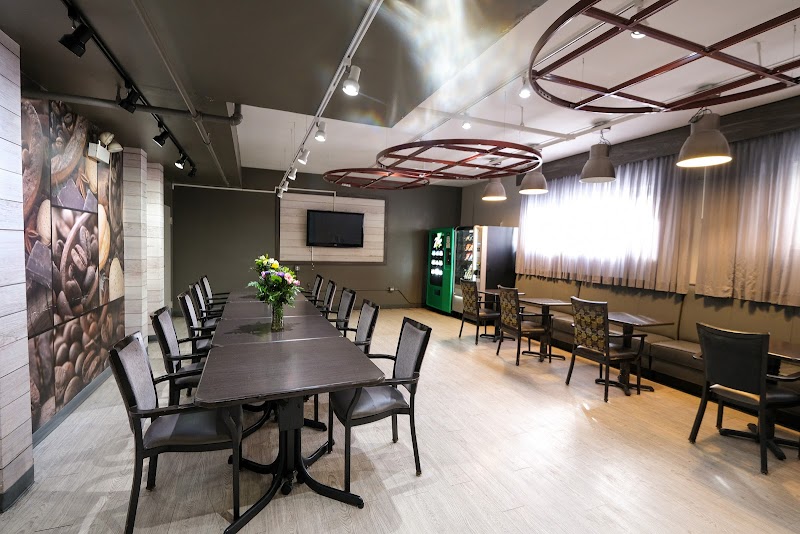
How is Warren Park Health & Living Ctr Staffed?

CMS rates WARREN PARK HEALTH & LIVING CTR's staffing level at 2 out of 5 stars, which is below average compared to other nursing homes. Staff turnover is 24%, compared to the Illinois average of 46%. This relatively stable workforce can support continuity of care.

What Have Inspectors Found at Warren Park Health & Living Ctr?

State health inspectors documented 30 deficiencies at WARREN PARK HEALTH & LIVING CTR during 2023 to 2025. These included: 3 that caused actual resident harm, 26 with potential for harm, and 1 minor or isolated issues. Deficiencies causing actual harm indicate documented cases where residents experienced negative health consequences.
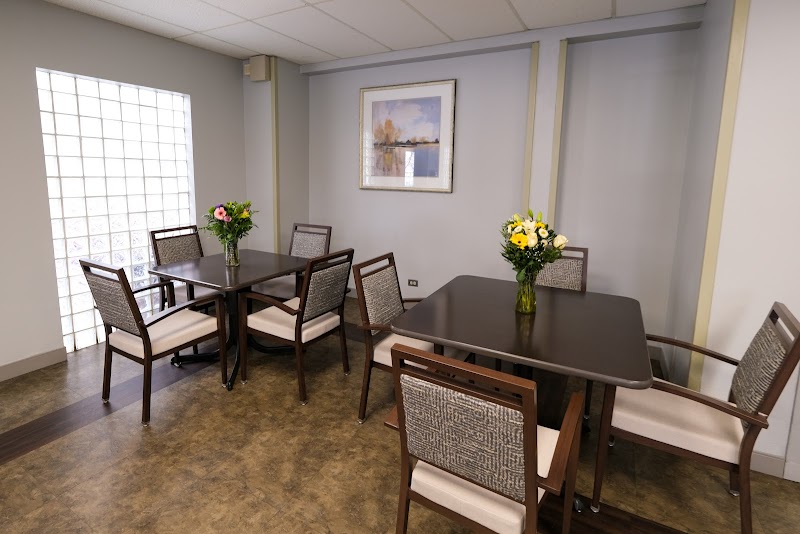
Who Owns and Operates Warren Park Health & Living Ctr?

WARREN PARK HEALTH & LIVING CTR is owned by a for-profit company. For-profit facilities operate as businesses with obligations to shareholders or private owners. The facility is operated by CITADEL HEALTHCARE, a chain that manages multiple nursing homes. With 127 certified beds and approximately 125 residents (about 98% occupancy), it is a mid-sized facility located in CHICAGO, Illinois.
How Does Warren Park Health & Living Ctr Compare to Other Illinois Nursing Homes?

Compared to the 100 nursing homes in Illinois, WARREN PARK HEALTH & LIVING CTR's overall rating (2 stars) is below the state average of 2.5, staff turnover (24%) is significantly lower than the state average of 46%, and health inspection rating (2 stars) is below the national benchmark.

What Should Families Ask When Visiting Warren Park Health & Living Ctr?

Based on this facility's data, families visiting should ask: "What safeguards and monitoring systems are in place to protect residents from abuse or neglect?" "Can you walk me through typical staffing levels on day, evening, and night shifts?" "Can I visit during a mealtime to observe dining assistance and food quality?" "How do you handle medical emergencies, and what is your hospital transfer rate?" These questions are particularly relevant given the substantiated abuse finding on record and the below-average staffing rating.

Is Warren Park Health & Living Ctr Safe?

Based on CMS inspection data, WARREN PARK HEALTH & LIVING CTR has documented safety concerns. The facility has 1 substantiated abuse finding (meaning confirmed case of resident harm by staff or other residents). The facility has a 2-star overall rating and ranks #100 of 100 nursing homes in Illinois. Families considering this facility should ask detailed questions about what corrective actions have been taken since these incidents.

Do Nurses at Warren Park Health & Living Ctr Stick Around?

Staff at WARREN PARK HEALTH & LIVING CTR tend to stick around. With a turnover rate of 24%, the facility is 22 percentage points below the Illinois average of 46%. Low turnover is a positive sign. It means caregivers have time to learn each resident's needs, medications, and personal preferences. Consistent staff also notice subtle changes in a resident's condition more quickly.

Was Warren Park Health & Living Ctr Ever Fined?

WARREN PARK HEALTH & LIVING CTR has been fined $37,668 across 1 penalty action. The Illinois average is $33,456. While any fine indicates a compliance issue, fines under $50,000 are relatively common and typically reflect isolated problems that were subsequently corrected. Families should ask what specific issues led to these fines and confirm they've been resolved.

Is Warren Park Health & Living Ctr on Any Federal Watch List?

WARREN PARK HEALTH & LIVING CTR is not on any federal watch list. The most significant is the Special Focus Facility (SFF) program, which identifies the bottom 1% of nursing homes nationally based on persistent, serious quality problems. Not being on this list means the facility has avoided the pattern of deficiencies that triggers enhanced federal oversight. This is a positive indicator, though families should still review the facility's inspection history directly.