WATERFORD CARE CENTER, THE


7445 NORTH SHERIDAN ROAD, CHICAGO, IL 60626 (773) 338-3300
For profit - Corporation 141 Beds CITADEL HEALTHCARE Data: November 2025
Trust Grade
60/100
#300 of 665 in IL
Last Inspection: December 2024

Within standard 12-15 month inspection cycle. Federal law requires annual inspections.

Overview

Waterford Care Center has a Trust Grade of C+, indicating it is slightly above average but not without flaws. Ranking #300 out of 665 facilities in Illinois means it falls in the top half, while its #93 position out of 201 in Cook County shows that only a few local options are better. The facility is improving, with a decrease in issues from 14 in 2024 to 5 in 2025. Staffing is a concern, receiving a 2 out of 5 stars rating, although the turnover rate is low at 22%, which is significantly better than the state average. Notably, there were serious incidents, such as a resident falling and sustaining a fracture due to insufficient staff assistance, and concerns regarding food safety and sanitation practices that could potentially affect all residents. Despite these weaknesses, the absence of fines and the improving trend could suggest positive changes ahead.

Trust Score
C+
60/100
In Illinois
#300/665
Top 45%
Safety Record
Moderate
Needs review
Inspections
Getting Better
14 → 5 violations
Staff Stability
✓ Good
22% annual turnover. Excellent stability, 26 points below Illinois's 48% average. Staff who stay learn residents' needs.
Penalties
✓ Good
No fines on record. Clean compliance history, better than most Illinois facilities.
Skilled Nurses
○ Average
Each resident gets 35 minutes of Registered Nurse (RN) attention daily — about average for Illinois. RNs are the most trained staff who monitor for health changes.
Violations
⚠ Watch
31 deficiencies on record. Higher than average. Multiple issues found across inspections.
★★★☆☆
3.0
Overall Rating
★★☆☆☆
2.0
Staff Levels
★★☆☆☆
2.0
Care Quality
★★★☆☆
3.0
Inspection Score
Stable
2024: 14 issues
2025: 5 issues

The Good

  • Low Staff Turnover (22%) · Staff stability means consistent care
  • Full Sprinkler Coverage · Fire safety systems throughout facility
  • No fines on record
  • Staff turnover is low (22%)

    26 points below Illinois average of 48%

Facility shows strength in staff retention, fire safety.

The Bad

3-Star Overall Rating

Near Illinois average (2.5)

Meets federal standards, typical of most facilities

Chain: CITADEL HEALTHCARE

Part of a multi-facility chain

Ask about local staffing decisions and management

The Ugly 31 deficiencies on record

1 actual harm
May 2025 2 deficiencies
CONCERN (D) 📢 Someone Reported This

A family member, employee, or ombudsman was alarmed enough to file a formal complaint

Potential for Harm - no one hurt, but risky conditions existed

Report Alleged Abuse (Tag F0609)

Could have caused harm · This affected 1 resident

**NOTE- TERMS IN BRACKETS HAVE BEEN EDITED TO PROTECT CONFIDENTIALITY** Based on interview and record review, the facility failed to ensure an allegation of injury of unknown origin was reported to th...

Read full inspector narrative →
**NOTE- TERMS IN BRACKETS HAVE BEEN EDITED TO PROTECT CONFIDENTIALITY** Based on interview and record review, the facility failed to ensure an allegation of injury of unknown origin was reported to the abuse coordinator and to the State Agency (SA) for 1 (R1) out of 3 residents reviewed for abuse. Findings Include: R1's clinical records show a re-admission date of 4/8/25, with included diagnoses not limited to long term use of anticoagulants, malignant neoplasm of large intestine, cognitive communication deficit, and encounter for attention to colostomy. R1's Minimum Data Set, dated [DATE] ,shows R1 was cognitively impaired. R1's comprehensive care plan and progress notes from 4/8/25 to 5/10/25 revealed no documentation of R1's vaginal bruising and bleeding. No documentation of bruising on R1's groin and perineal area. R1's progress notes, dated 4/8/25 and 4/19/25, show R1 was noted with bruising on both lower and upper extremities. On 5/22/25 at 9:33 AM, a phone interview was conducted with V3 (Hospital emergency room Nurse). V3 stated she was the ER (Emergency Room) nurse in charge of R1 when R1 was hospitalized on [DATE]. V3 stated a head to toe assessment was completed for R1, and R1 was assessed with bleeding and bruising on her vaginal area. V3 stated she did not know where it was coming from, and R1 could not verbalize what happened. V3 stated she also noted bruising on R1's right thigh from front to back, and around her groin and perineal (peri) area. V3 stated R1 was complaining of generalized pain. V3 further stated, I called the nursing home and spoke to the nurse. I told her that there was bruising noted on [R1's] vaginal area, her right thigh, and around her groin and peri-area. I talked to the nurse who was taking care of [R1] that day. I also notified the nurse of the bleeding noted on [R1's] vaginal area. The nurse told me that she was not aware of the bruising and bleeding on her vaginal and peri-area. On 5/22/25 at 10:25 AM, V4 (Wound Care Nurse/Licensed Practical Nurse) stated R1 got bruising when she was re-admitted from the hospital in April. R1 had bruising around her right thigh front and back, her groin area, on her arms, but no bleeding. V4 stated R1 can't really say where she got the bruising from. V4 stated she informed everyone the next day during the morning meeting about R1's bruising. V4 stated she saw R1 on 5/9/25, the day before R1's hospitalization, and V4 did not see bruising or bleeding on her vaginal area. On 5/22/25 at 11:53 AM, a phone interview was conducted with V9 (Registered Nurse). V9 stated she was the nurse in charge of R1, and she sent R1 to the hospital on 5/10/25. V9 stated, When I did my rounds in the morning, [R1] was not herself. [R1] was not at her baseline. [R1] was usually alert and oriented times 2 to 3, but that morning it took a long time for her to respond. I did vitals. I called the doctor. I sent her [R1] out via 911. [R1] went to [acute hospital]. The ER nurse called me, and she wanted to know about the bruising she saw on [R1]. I did tell her that [R1] was puffy and had bruises. A couple of days after her [R1] readmission in April, I saw bruising all over her both arms, some on her both legs front and back, and her thighs. I did not see bruises on the groin. She [R1] had pitting edema, and she's [R1] on Xarelto. The nurse from the ER she said there are bruises all over [R1]. The ER nurse told me that [R1] was found with bruises on her groin and peri-area, and I told her I don't know about that. I don't remember her mentioning about the bleeding on her vaginal area. She called during 3-11 shift. It was probably around before dinner. I don't remember the ER nurse's name. I notified [V2, Director of Nursing] a week after, not immediately though. I told her [V2] about the ER nurse calling the facility asking about [R1's] bruises on her vaginal and peri-area. V9 stated the Abuse Coordinator is the Administrator [V1], and an injury of unknown origin is a type of abuse that should be reported right away. V9 stated bruises can be considered injury of unknown origin if the resident cannot tell what happen. On 5/22/25 at 1:26 PM, V2 (Director of Nursing) stated she did not receive any notification from V9 about the hospital calling the facility that R1 was found with vaginal bleeding and bruises. V2 stated that facility staff is expected to report to the supervisor immediately if they witness or hear any abuse allegation. V2 stated the supervisor will notify V1 (Administrator) to do reporting and further investigation. V2 stated bruising from an unknown source, the facility would investigate and interview staff. V2 stated when R1 was re-admitted in the facility in April, V2 received a nursing report from the hospital that R1 had bruising on her arms, bluish discoloration from right hip down to the legs, and upper arms. V2 stated she saw R1 the next day of her re-admission, and R1 had bluish discoloration on right thigh front and back. V2 stated she did not see any bruising or bleeding on R1's vaginal area. V2 stated R1 could not tell what happened to the bruises on her thigh, but R1 said her upper arms were possibly from the needles in the hospital. On 5/22/25 at 1:41 PM, V1 (Administrator) stated based on the facility's abuse prevention policy and procedure, staff must report to V1 immediately if they witness or hear any type of abuse. If V1 is not in the building, report it to the charge nurse. The charge nurse will report to V1. V1 stated the abuse investigation begins immediately. Initial reporting is sent to IDPH (Illinois Department of Public Health) immediately; less than two hours. V1 stated abuse reporting and investigation apply to injury of unknown origin, for example, an unexplained bruising on the resident. V1 stated that final reporting and investigation is done within five days. V1 stated she was notified about R1's bruising on her arms and legs that were found upon re-admission. V1 stated she was not notified about the hospital calling the facility about her vaginal bleeding and bruising. The facility's ABUSE PREVENTION PROGRAM dated 10/24, documents: Employees are required to report any incident, allegation or suspicion of potential abuse, neglect, exploitation, mistreatment or misappropriation of resident property they observe, hear about, or suspect to the administrator immediately, to an immediate supervisor who must then immediately report it to the administrator or to a compliance hotline or compliance officer. In the absence of the administrator, reporting can be made to an individual who has been designated to act in the administrator's absence. The facility's Abuse Investigation and Reporting dated 12/24, documents: All reports of resident abuse, neglect, exploitation, misappropriation of resident property, mistreatment and/or injuries of unknown source (abuse) shall be promptly reported to local, state and federal agencies (as defined by current regulations) and thoroughly investigated by facility management. Findings of abuse investigations will also be reported. An alleged violation of abuse, neglect, exploitation or mistreatment (including injuries of unknown source and misappropriation of resident property) will be reported immediately, but not later than: a. Two (2) hours if the alleged violation involves abuse OR has resulted in serious bodily injury; or b. Twenty-four (24) hours if the alleged violation does not involve abuse AND has not resulted in serious bodily injury.
CONCERN (D) 📢 Someone Reported This

A family member, employee, or ombudsman was alarmed enough to file a formal complaint

Potential for Harm - no one hurt, but risky conditions existed

Investigate Abuse (Tag F0610)

Could have caused harm · This affected 1 resident

**NOTE- TERMS IN BRACKETS HAVE BEEN EDITED TO PROTECT CONFIDENTIALITY** Based on interview and record reviews the facility failed to ensure an allegation of injury of unknown origin was investigated f...

Read full inspector narrative →
**NOTE- TERMS IN BRACKETS HAVE BEEN EDITED TO PROTECT CONFIDENTIALITY** Based on interview and record reviews the facility failed to ensure an allegation of injury of unknown origin was investigated for 1 (R1) out of 3 residents reviewed for abuse. Findings Include: R1's clinical records show a re-admission date of 4/8/25, with included diagnoses but not limited to long term use of anticoagulants, malignant neoplasm of large intestine, cognitive communication deficit, and encounter for attention to colostomy. R1's Minimum Data Set, dated [DATE], shows R1 was cognitively impaired. R1's comprehensive care plan and progress notes from 4/8/25 to 5/10/25 revealed no documentation of R1's vaginal bruising and bleeding. No documentation of bruising on R1's groin and perineal area. R1's progress notes, dated 4/8/25 and 4/19/25, show R1 was noted with bruising on both lower and upper extremities. On 5/22/25 at 9:33 AM, a phone interview was conducted with V3 (Hospital emergency room Nurse). V3 stated she was the ER (Emergency Room) nurse in charge of R1 when R1 was hospitalized on [DATE]. V3 stated head to toe assessment was completed for R1, and R1 was assessed with bleeding and bruising on her vaginal area. V3 stated she did not know where it was coming from, and R1 could not verbalize what happened. V3 stated she also noted bruising on R1's right thigh from front to back, and around her groin and perineal (peri) area. V3 stated R1 was complaining of generalized pain. V3 further stated, I called the nursing home and spoke to the nurse. I told her that there are bruises noted on [R1's] vaginal area, her right thigh, and around her groin and peri-area. I talked to the nurse who was taking care of [R1] that day. I also notified the nurse of the bleeding noted on [R1's] vaginal area. The nurse told me that she was not aware of the bruising and bleeding on her vaginal and peri-area. On 5/22/25 at 10:25 AM, V4 (Wound Care Nurse/Licensed Practical Nurse) stated R1 got bruising when she was re-admitted from the hospital in April. R1 had bruising around her right thigh front and back, her groin area, on her arms, but no bleeding. V4 stated R1 can't really say where she got the bruising from. V4 stated she informed everyone the next day during the morning meeting about R1's bruising. V4 stated she saw R1 on 5/9/25, the day before R1's hospitalization, and V4 did not see bruising or bleeding on her vaginal area. On 5/22/25 at 11:53 AM, a phone interview was conducted with V9 (Registered Nurse). V9 stated she was the nurse in charge of R1, and she sent R1 to the hospital on 5/10/25. V9 stated, When I did my rounds in the morning, [R1] was not herself. [R1] was not at her baseline. [R1] was usually alert and oriented times 2 to 3, but that morning it took a long time for her to respond. I did vitals. I called the doctor. I sent her [R1] out via 911. [R1] went to [acute hospital]. The ER nurse called me, and she wanted to know about the bruising she saw on [R1]. I did tell her that [R1] was puffy and had bruises. A couple of days after her [R1] readmission in April, I saw bruising all over her both arms, some on her both legs front and back, and her thighs. I did not see bruises on the groin. She [R1] had pitting edema, and she's [R1] on Xarelto. The nurse from the ER she said there are bruises all over [R1]. The ER nurse told me that [R1] was found with bruises on her groin and peri-area, and I told her I don't know about that. I don't remember her mentioning about the bleeding on her vaginal area. She called during 3-11 shift. It was probably around before dinner. I don't remember the ER nurse's name. I notified [V2, Director of Nursing] a week after, not immediately though. I told her [V2] about the ER nurse calling the facility asking about [R1's] bruises on her vaginal and peri-area. V9 stated the Abuse Coordinator is the Administrator [V1], and an injury of unknown origin is a type of abuse that should be reported right away. V9 stated bruises can be considered injury of unknown origin if the resident cannot tell what happen. On 5/22/25 at 1:26 PM, V2 (Director of Nursing) stated she did not receive any notification from V9 about the hospital calling the facility that R1 was found with vaginal bleeding and bruises. V2 stated facility staff is expected to report to the supervisor immediately if they witness or hear any abuse allegation. V2 stated the supervisor will notify V1 (Administrator) to do reporting and further investigation. V2 stated bruising from an unknown source, the facility would investigate and interview staff. V2 stated when R1 was re-admitted in the facility in April, V2 received a nursing report from the hospital that R1 had bruising on her arms, bluish discoloration from right hip down to the legs, and upper arms. V2 stated she saw R1 the next day of her re-admission, and R1 had bluish discoloration on right thigh front and back. V2 stated she did not see any bruising or bleeding on R1's vaginal area. V2 stated R1 could not tell what happened to the bruises on her thigh, but R1 said her upper arms were possibly from the needles in the hospital. On 5/22/25 at 1:41 PM, V1 (Administrator) stated based on the facility's abuse prevention policy and procedure, staff must report to V1 immediately if they witness or hear any type of abuse. If V1 is not in the building, report it to the charge nurse. The charge nurse will report to V1. V1 stated the abuse investigation begins immediately. Initial reporting is sent to IDPH (Illinois Department of Public Health) immediately less than two hours. V1 stated abuse reporting and investigation apply to injury of unknown origin, for example, an unexplained bruising on the resident. V1 stated final reporting and investigation is done within five days. V1 stated she was notified about R1's bruising on her arms and legs that were found upon re-admission. V1 stated she was not notified about the hospital calling the facility about her vaginal bleeding and bruising. The facility's ABUSE PREVENTION PROGRAM dated 10/24, documents: Any incident or allegation involving abuse, neglect, exploitation, mistreatment or misappropriation of resident property will result in a investigation. For resident injuries not involving an allegation of abuse or neglect, the administrator will appoint a person to gather further facts to make a determination as to whether the injury should be classified as an injury of unknown source. An injury should be classified as an injury of unknown source when both of the following conditions are met: The source of the injury was not observed by any person or the source of the injury could not be explained by the resident; and the injury is suspicious of the extent of the injury or the location of the injury (e.g., the injury is located in an area not generally vulnerable to trauma) or the number of injuries observed at one particular point in time or the incidence or injuries over time. The facility's Abuse Investigation and Reporting dated 12/24, documents: All reports of resident abuse, neglect, exploitation, misappropriation of resident property, mistreatment and/or injuries of unknown source (abuse) shall be promptly reported to local, state and federal agencies (as defined by current regulations) and thoroughly investigated by facility management. Findings of abuse investigations will also be reported. An alleged violation of abuse, neglect, exploitation or mistreatment (including injuries of unknown source and misappropriation of resident property) will be reported immediately, but not later than: a. Two (2) hours if the alleged violation involves abuse OR has resulted in serious bodily injury; or b. Twenty-four (24) hours if the alleged violation does not involve abuse AND has not resulted in serious bodily injury.
Apr 2025 1 deficiency
CONCERN (D) 📢 Someone Reported This

A family member, employee, or ombudsman was alarmed enough to file a formal complaint

Potential for Harm - no one hurt, but risky conditions existed

Notification of Changes (Tag F0580)

Could have caused harm · This affected 1 resident

**NOTE- TERMS IN BRACKETS HAVE BEEN EDITED TO PROTECT CONFIDENTIALITY** Based on interview and record review, the facility failed to notify a resident's state guardian when the resident experienced a ...

Read full inspector narrative →
**NOTE- TERMS IN BRACKETS HAVE BEEN EDITED TO PROTECT CONFIDENTIALITY** Based on interview and record review, the facility failed to notify a resident's state guardian when the resident experienced a change in condition for one (R6) resident out of four residents reviewed for notification of changes in a total sample of six. Findings include: R6's face sheet documents R6 is a [AGE] year-old individual with diagnoses not limited to: dementia in other diseases classified elsewhere, moderate, without behavioral disturbance, psychotic disturbance, mood disturbance, and anxiety, schizoaffective disorder, depressive type, and major depressive disorder. R6's Minimum Data Set (MDS), dated [DATE], documents R6 has a Brief Interview for Mental Status (BIMS) of 09 out of 15, indicating R6 has moderately impaired cognition. R6's nurses note, dated 02/27/2025 at 5:44 PM, documents, resident (R6) was observed with a choking episode while eating dinner in the dining room. Resident was unable to swallow or cough out the obstructing food. The nurse on duty performed Heimlich maneuver and cleared her airway. Resident was assessed and noted to be saturating at 89-90% at room air. Supplemental oxygen administered at 2L/minute (liters per minute) via nasal cannula per order. Post oxygen administration, saturation at room air appreciated to 97%. Resident stable at this time and verbally responsive with no discomfort or pain verbalized. Vital signs were stable. No documentation within 24 hours that R6's guardian was notified regarding R6's choking incident and R6's change in oxygen saturation. On 04/10/2025 at 12:03 PM, via telephone, V10 (Registered Nurse) stated he remembers when R6 choked on the food. V10 stated, I was passing medication. The CNA (certified nursing assistant) called me that she (R6) was choking. I went there and noticed that she was struggling, and I performed the [NAME] maneuver. I was able to get the food to come back up to her mouth. She (R6) removed it with her hand when it came up to her mouth. It was like a bun/or something like bread. I checked her vitals and she was desaturating. I administered oxygen to her. When I was monitoring her, her oxygen level was within range. I called her provider. I was not able to reach her, so I notified the in-house Nurse Practitioner. The in-house Nurse Practitioner asked if she was OK, and she was ok. Staff monitored her the rest of the shift, and endorsed it to the next shift. No I didn't reach out, there was a time she kept saying that we shouldn't let people know her business. It wasn't this time, but a time before. V10 stated he was not aware R6 has a state guardian. V10 stated if he would have known, he would have notified the state guardian. On 04/10/2025 at 12:35 PM, V2 (Director of Nursing) states when a resident experiences a change in condition, the nursing staff or nurse on duty are supposed to call the doctor, then notify the resident's family or guardian. V2 stated, A resident unfortunately choking on food is a change in condition or an incident. It should be reported to the resident's family or guardian because they need to know, to let them know that something happened. Give the family or guardian an update and how the resident is doing now. V2 stated the nursing staff usually have around the same day/24 hours to notify the family or guardian of the update. Facility document, dated 05/2024, titled change in a resident's condition or status documents our facility shall promptly notify the resident, his or her attending physician, and representative (sponsor) of changes in the resident's medical/mental condition and/or status. R6's state guardianship document, dated 12/16/2021, documents nursing home protocol office of the public guardian. The nursing home must provide immediate notice to the office of the public guardian on a 24-hour basis regarding hospitalization, incident/accident, consent, and changes in our ward's physical or mental condition.
Mar 2025 2 deficiencies
CONCERN (D) 📢 Someone Reported This

A family member, employee, or ombudsman was alarmed enough to file a formal complaint

Potential for Harm - no one hurt, but risky conditions existed

Deficiency F0658 (Tag F0658)

Could have caused harm · This affected 1 resident

**NOTE- TERMS IN BRACKETS HAVE BEEN EDITED TO PROTECT CONFIDENTIALITY** Based on observation, interview, and record review, the facility failed to provide care according to professional standards and ...

Read full inspector narrative →
**NOTE- TERMS IN BRACKETS HAVE BEEN EDITED TO PROTECT CONFIDENTIALITY** Based on observation, interview, and record review, the facility failed to provide care according to professional standards and properly label medication that had been open for resident use. These failures affect one (R1) resident out of three residents reviewed for medications. Findings Include: R1's physician order sheet/POS documents the following orders: Baclofen Tablet 10 MG- Give 1 tablet by mouth one time a day for musculoskeletal therapy agents. On [DATE] at 9:54 AM, V3 (Registered Nurse/RN) stated he has begun his medication administration pass already and is about to prepare R1's medications to administer. A medication bingo card was labeled Baclofen 5 mg, with a residents' name torn off of the label. R1's name was handwritten in black marker on the Baclofen medication bingo card. On [DATE] at 10:04 AM, V3 stated there was an issue with R1's Baclofen medication. V3 stated he was the nurse assigned to care for R1 on [DATE], and noticed R1's Baclofen medication was not available in the facility, and for some reason got lost. V3 stated he then called the pharmacy, and the pharmacy informed him R1's Baclofen medication was dispersed on [DATE], and was not due to be refilled until [DATE]. V3 stated later, the DON/Director of Nursing (identified as V2) brought a substitute bingo card with Baclofen medication inside to administer to R1 until R1's Baclofen medication can be refilled on [DATE]. On [DATE] at 10:41 AM, R1 stated the facility informed her her Baclofen medication was not available in the facility. R1 stated she receives a 10 mg tablet of Baclofen, but the facility only had 5 mg tablets. On [DATE] at 3:41 PM, V11 (General Manager of Pharmacy) stated a 30-day supply of R1's Baclofen 10mg medication was dispensed to the facility on [DATE] at 2:40 PM, and signed by a facility staff member. V11 stated R1's Baclofen 10mg medication cannot be refilled at this time because it is too soon to be refilled. V11 stated since a 30-day supply was dispensed, R1's Baclofen 10mg medication should not have run out and should still be available in the facility. On [DATE] at 4:33 PM, V2 (DON) stated she was just made aware today R1's Baclofen 10mg medication was not available in the facility. V2 stated she is now made aware the nurses tried to reorder R1s' Baclofen medication, but it was too soon to be refilled. V2 stated she also just found out the nurses found a medication bingo card consisting of Baclofen 5mg and felt the need to administer this medication to R1 because they did not want R1 to miss a dose of medication. V2 stated she is aware the Baclofen 5mg bingo card has a residents' name torn off the label and R1's' name handwritten on it. V2 stated this is not a professional standard of practice, and nurses are not supposed to borrow medications from one resident and administer it to another resident. V2 stated this should never happen because residents could potentially be given the wrong medication or given expired medication. V2 stated she never supplied the nurses with the Baclofen 5mg medication bingo card to administer to R1. V2 stated she collects a lot of discontinued medication bingo cards and keeps them in her office until the pharmacy arrives to pick them up. Facility policy, dated 04/2024, titled Storage and Labeling of Medications, documents, 4. Drug containers that have missing, incomplete, improper, or incorrect labels are returned to the pharmacy for proper labeling before storing. Facility policy, dated 04/2024, titled Administering Medications, documents, 26. Medications ordered for a particular resident may not be administered to another resident
CONCERN (D) 📢 Someone Reported This

A family member, employee, or ombudsman was alarmed enough to file a formal complaint

Potential for Harm - no one hurt, but risky conditions existed

Deficiency F0760 (Tag F0760)

Could have caused harm · This affected 1 resident

**NOTE- TERMS IN BRACKETS HAVE BEEN EDITED TO PROTECT CONFIDENTIALITY** Based on interview and record review, the facility failed to ensure medications were administered as ordered by the residents' p...

Read full inspector narrative →
**NOTE- TERMS IN BRACKETS HAVE BEEN EDITED TO PROTECT CONFIDENTIALITY** Based on interview and record review, the facility failed to ensure medications were administered as ordered by the residents' physician for one (R1) resident out of three residents reviewed. Findings Include: R1's physician order sheet/POS documents the following order: Ambien Oral Tablet 5 MG (Zolpidem Tartrate) *Controlled Drug*- Give 1 tablet by mouth at bedtime for Sleeplessness. On 03/23/2025 at 10:41 AM, R1 stated she did not receive her Ambien medication for 2 days after returning to the facility from completing her knee surgery at the hospital. R1 stated V2 (Director of Nursing/DON) told her that her Ambien medication was not available, and V2 was in the process of trying to get it. On 03/23/2025 at 3:33 PM, V7 (Registered Nurse/RN) stated when R1 came back from the hospital, R1 was prescribed Ambien, but it was not available. V7 stated she then called the pharmacy and made the DON aware. V7 stated she did not administer R1's Ambien to R1 on 03/05/2025, because it was not available. V7 stated if there is not a check mark documented on R1s' medication administration record/MAR, then it means the medication was not given. On 03/23/2025 at 3:41 PM, V11 (General Manager of Pharmacy) stated a 30-day supply of R1's Ambien 5mg medication was dispensed to the facility on [DATE] at 2:45 AM, and signed by a facility staff member. V11 stated R1's Ambien 5mg medications should have lasted until 03/20/2025. V11 stated the pharmacy received a refill request for R1's Ambien 5mg medication on 03/14/2025. V11 stated R1's Ambien 5mg medication was dispensed to the facility on [DATE] and signed by V10 (RN). V11 stated based on his records, R1 had a sufficient supply of Ambien 5mg medications, and there should not have been any lapses in R1 receiving her Ambien 5mg medication. On 03/23/2025 at 4:11 PM, V8 (RN) stated he did not administer R1's Ambien 5mg on 03/06/2025 because he could not find the medication in the facility. V8 stated if there is not a check mark documented on R1's medication administration record/MAR, then it means the medication was not given. On 03/23/2025 at 4:33 PM, V2 (DON) stated R1 went out for surgery on 02/24/2025, and was readmitted back to the facility on [DATE]. V2 stated she was not sure if all R1's medications were pulled from the medication carts and placed in a bag for pharmacy to pick up. V2 stated she spoke with R1 about her Ambien medication and checked herself, and did not see R1s' Ambien medication in the facility medication cart to administer to R1. V2 stated she is not sure if Ambien medication is kept in the facility emergency box, and did not check to see if it was located inside the emergency box. V2 stated it is important to administer all medications to residents as prescribed by their physician. Record review documents R1 was hospitalized from [DATE] to 03/04/2025. Nursing progress note, dated 03/05/2025, written by V7 (RN) at 9:58 PM, documents, Post admission Charting: (R1) in a stable condition with no distress noted. Ambien tablet not supplied by pharmacy. Follow up call made to pharmacy and the DON made aware of the update. R1s' medication administration record/MAR documents R1s' Ambien medication was not administered on 03/05/2025 and 03/06/2025. Facility policy, dated 04/2024, titled Administering Medications, documents, 4. Medications are administered in accordance with prescriber orders, including any required time frame.
Dec 2024 7 deficiencies
CONCERN (D)

Potential for Harm - no one hurt, but risky conditions existed

Resident Rights (Tag F0550)

Could have caused harm · This affected 1 resident

**NOTE- TERMS IN BRACKETS HAVE BEEN EDITED TO PROTECT CONFIDENTIALITY** Based on observation, interview, and record review, the facility failed to ensure a resident dignity was maintained by not cover...

Read full inspector narrative →
**NOTE- TERMS IN BRACKETS HAVE BEEN EDITED TO PROTECT CONFIDENTIALITY** Based on observation, interview, and record review, the facility failed to ensure a resident dignity was maintained by not covering the body of 1 (R6) to prevent exposure of their body to others, failed to address the behaviors of disrobing for 1 (R6) resident exposing their body and failed to ensure the urinary drainage bag (a device that urine drains into) was covered and/or placed in a dignity bag for 1 (R117) resident for residents reviewed for resident rights. Findings included: 1. R6 was admitted to the facility on [DATE], with diagnoses onset date starting 10/01/13 not limited to Acquired Absence of Right Breast and Nipple, Personal History of Malignant Neoplasm of Breast, Parkinsonism, Hypokalemia, Fracture of Shaft of Right Tibia, Effusion, Right Knee, Cervical Disc Degeneration, Displaced Fracture of Lateral Condyle of Right Tibia, Displaced Fracture of Medial Condyle of Right Femur, Chronic Obstructive Pulmonary Disease, Dementia, Unspecified Severity, with Psychotic Disturbance, Hypertensive Heart Disease, Personal History of COVID-19, Gastro-Esophageal Reflux Disease, Anxiety Disorder, Weakness, Limitation of Activities due to Disability, Overactive Bladder, Insomnia, Schizoaffective Disorder and Hypothyroidism. R6's MDS (Minimum Data Set) BIMS (Brief Interview for Mental Status) score is 15, indicating intact cognitive response. R6's Care plan documents: Focus: R6 presents an impaired thought process and/or displays cognitive impairments r/t (related/to) dementia, schizoaffective. R6 has an ADL (Activities of Daily Living) self-care performance deficit r/t COPD (Chronic Obstructive Pulmonary Disease), Parkinson's disease, dementia. Interventions: Monitor/document/report PRN (as needed) any changes, any potential for improvement, reasons for self-care deficit, expected course, declines in function. Dressing: Assist the resident to choose simple comfortable clothing that enhances the residents' ability to dress self. Date Initiated: 10/21/23. Dressing: The resident requires assistance by 1 staff to dress. Focus: R6 has limited physical mobility r/t Disease Process; dx (diagnosis) Parkinson's disease, poor mobility, incontinence. R6 has limited physical mobility r/t Weakness upper/lower extremities, w/c (wheelchair) status DX. Parkinson's Disease. R6 has the potential to display verbal aggression r/t dementia (with behavioral disturbances), schizoaffective disorder, anxiety disorder. Interventions: Monitor behaviors regularly. Document observed behavior and attempted interventions. On 12/17/24 at 10:58 AM, R6 was observed lying in bed with only socks and a diaper on, sitting on top of an under pad and folded sheet on a low air loss mattress. The privacy curtain was open, and R6 could be viewed from the doorway. On 12/17/24 at 11:01 AM, V12 (Registered Nurse) said to R6, Tell her (Surveyor) about your clothes. Where is your gown? There was no gown within view of R6 surroundings. On 12/17/24 at 12:31 PM, R6 was observed lying in bed with only diaper and socks on, sitting on top of an under pad and folded sheet on a low air loss mattress. The privacy curtain was open, and R6 could be viewed from the doorway. On 12/18/24 at 09:50 AM, V13 (Certified Nurse Assistant) stated, (R6) does have clothes but don't (sic) want to put them on. On 12/18/24 10:04 AM, V2 (Director of Nursing) stated, (R6) does not like to keep clothes on; this is why (R6's) privacy curtain is always drawn. (R6) will throw her gown across the room. If (R6) is disrobed and the privacy curtain is not drawn, that would be an issue of dignity. On 12/18/24 at 11:23 AM, Surveyor knocked on R6's door and V13, CNA, called out patient care. Surveyor opened the door and observed V13 approaching the door with no disposable gown on. V13 stated, I took care of (R6). (R6) likes taking her gown off. R6's privacy curtain was open, and R6 was observed with a diaper and socks on, with a gown across her waist area and her chest exposed. V16 (Maintenance Supervisor) was able to view R6 disrobed, and stated, They could close (R6's) curtain. On 12/19/24 at 09:21 AM, V16 (Maintenance Supervisor) was asked if R6 is usually in bed with only a diaper on. V16 (Maintenance Supervisor) responded, (R6) is like that often. On 12/19/24 at 10:47 AM, V10 (Social Services Director) stated, (R6's) mood and behavior fluctuate. (R6) is calm and pleasant some days, on other days, (R6) is agitated and verbally aggressive. Sometimes (R6) prefers to not have a gown on, and when she is in bed, she will take the gown off. We just pull (R6's) privacy curtain. That is just for dignity purposes, since she is without clothing, we do not want (R6) exposed to her other roommates or people walking pass in the hallway. It is (R6's) preference not to have the gown on. I believe it is care planned. We just kind of close the curtain, toilet (R6) and let (R6) do her thing. On 12/19/24 at 12:27 PM, V2 (Director of Nursing) presented the surveyor with an updated care plan that addresses R6 disrobing that included (taking off gown r/t (related to) dementia (with behavior disturbance). V2 stated, The care plan is about (R6) disrobing. It was added just today, just now by (V10, Social Service Director). I told (V10) to update the care plan quarterly and as needed to include (R6's) behavior of disrobing. There are no interventions for (R6) disrobing. Frequent behavior monitoring and encouraging should be added. Most days, (R6) will probably not keep her gown on. I can add for continued staff education to provide privacy at all times. 2. R117 was admitted to the facility 11/07/23, with diagnoses not limited to Paraplegia, Complete, Paranoid Schizophrenia, Major Depressive Disorder, Recurrent, Collapsed Vertebra, Psychoactive Substance Abuse, Neuromuscular Dysfunction of Bladder, Presence of Urogenital Implants, Urinary Tract Infection and Schizoaffective Disorder, Bipolar Type. R117's MDS (Minimum Data Set) BIMS (Brief Interview for Mental Status) score is 15, indicating intact cognitive response. Order Summary Report order date 11/04/24 documents: Change catheter bag and securement device every week in the morning every Sunday for change catheter bag and securement device every week. Care Plan documents: R117 noted to have suprapubic catheter in place. Dx (diagnosis) Neurogenic bladder. On 12/17/24 at 10:44 AM, R117 was observed in a wheelchair in the facility basement waiting to catch the elevator, with a urinary catheter drainage bag hanging underneath the wheelchair with no privacy bag in use. R117 stated, I need a privacy bag with straps. The facility said they have given me a privacy bag, but it was useless because it does not have straps. R117 entered the elevator then exited the elevator on the third floor. R117 was observed propelling self in the wheelchair down the hallway with 300 ML (Milliliters) of clear yellow urine in the urinary drainage bag. V12 (Registered Nurse) was asked if a resident with a urinary catheter drainage bag be placed in a privacy bag. V12 responded, yes. On 12/17/24 at 10:53 AM, V12 (Registered Nurse) stated, The urinary drainage bag should be in a privacy bag. It should be in a black bag. On 12/17/24 at 11:17 AM, V12 (Registered Nurse) returned to the third floor with the privacy bag. On 12/17/24 at 11:35 AM, V12 (Registered Nurse) stated, I covered the urinary catheter drainage bag. On 12/18/24 at 10:47 AM, V2 (Director of Nursing) stated, The urinary drainage bag should be in a privacy bag for dignity issues. They are supposed to have the covers. Policy: Titled Activities of Daily Living (ADLs), Support Care, dated 02/24, documents: Residents will provided with care, treatment, and services as appropriate to maintain or improve their ability to carry out activities of daily living (ADLs). Residents who are unable to carry out activities of daily living independently will receive the services necessary to maintain good nutrition, grooming and personal and oral hygiene. 1. Residents will be provided with care, treatment, and services to ensure that their activities of daily living (ADLs) do not diminish unless circumstances of their clinical condition(s) demonstrate that diminishing out ADLs are unavoidable. 2. Appropriate care and services will be provided for residents who are unable to carry ADLs independently, with the consent of the resident and in accordance with the plan of care. Titled Quality of Life-Dignity, dated 02/24, documents: Each resident shall be cared for in a manner that promotes and enhances his or her sense of well-being, level of satisfaction with life, feeling of self-worth and self-esteem. Policy Interpretation and Implementation: 1. Residents are treated with dignity and respect at all times. 3.c. Clothing - residents are encouraged to dress in clothing that they prefer. 10. Staff promote, maintain, and protect resident privacy, including bodily privacy during assistance with personal care and during treatment procedures. 11. Demeaning practices and standards of care that compromise dignity are prohibited. Staff are expected to promote dignity and assist residents. For example: a. Helping the resident to keep urinary catheter bags covered. Titled Resident Rights, dated 01/24, documents: Employees shall treat all residents with kindness, respect, and dignity. 1. Federal and state law guarantee certain basic rights to all residents of this facility. These rights include the resident's right to: 1. a. a dignified existence. t. privacy and confidentiality.
CONCERN (D)

Potential for Harm - no one hurt, but risky conditions existed

Respiratory Care (Tag F0695)

Could have caused harm · This affected 1 resident

**NOTE- TERMS IN BRACKETS HAVE BEEN EDITED TO PROTECT CONFIDENTIALITY** Based on observation, interview, and record review, the facility failed to follow the resident's care plan to ensure physician o...

Read full inspector narrative →
**NOTE- TERMS IN BRACKETS HAVE BEEN EDITED TO PROTECT CONFIDENTIALITY** Based on observation, interview, and record review, the facility failed to follow the resident's care plan to ensure physician order was followed and administer the correct oxygen (O2) flow rate for one (R29) out of one resident reviewed for respiratory care in the final sample of 26. Findings Include: R29's clinical records show R29 has included diagnoses but not limited to acute and chronic respiratory failure with hypoxia and unspecified asthma. R29's Minimum Data Set (MDS), dated [DATE], shows R29 is cognitively intact and is dependent with staff assistance for transfers and bed mobility. R29's comprehensive care plan reads in part: R29 presents with altered respiratory function secondary to COPD requiring O2 as ordered for shortness of breath with one intervention that reads, Administer oxygen per MD orders. Assist with application as needed (date initiated 4/29/23). On 12/17/24 at 11:29 AM, R29 was sleeping in bed, using oxygen via nasal cannula. R29's oxygen flow rate was set to 2 liters per minute (LPM). On 12/18/24 at 10:12 AM, R29 was resting in bed alert and able to verbalize needs. R29's oxygen cannula tubing was hanging by R29's bed rail, not inside R29's nose. R29 stated R29 did not remove the oxygen tubing from R29's nose. R29 stated the Certified Nursing Assistant (CNA) might have taken it off when R29 was being changed. R29 stated R29 should be using the oxygen all the time for shortness of breath. R29 stated R29 has Asthma and Chronic Obstructive Pulmonary Disease. Surveyor also noted R29's oxygen flow rate was set to 2 LPM. At 10:17 AM, V8 (Registered Nurse) entered R29's room and confirmed R29's oxygen flow rate was set to 2 LPM. V8 placed the oxygen tubing back in R29's nose. At 10:23 AM, V8 checked R29's physician orders in the electronic health records and revealed R29 has an order for O2 at 3 LPM via nasal cannula (ordered 7/1/24). V8 stated V8 will change and correct R29's oxygen flow rate. At 12:01 PM, V2 (Director of Nursing) stated oxygen flow rate is based on the doctor's order. V2 stated it's important to follow the doctor's orders for individual needs of the residents as far as diagnoses to reach normal saturation level. V2 stated the nurses should be monitoring the residents' oxygen are set in the correct flow rate. V2 stated the CNAs should not be removing the oxygen tubing, and should be letting the nurse know to make sure it's in the right place and it's administered correctly. The facility's Oxygen Administration policy, dated 10/24, reads: The purpose of this procedure is to provide guidelines for safe oxygen administration. Verify that there is a physician's order for this procedure. Review the physician's orders or facility protocol for oxygen administration. Review the resident's care plan to assess for any special needs of the resident.
CONCERN (E)

Potential for Harm - no one hurt, but risky conditions existed

Deficiency F0645 (Tag F0645)

Could have caused harm · This affected multiple residents

**NOTE- TERMS IN BRACKETS HAVE BEEN EDITED TO PROTECT CONFIDENTIALITY** Based on interview and record review, the facility failed to initiate a new Level I screen for four (R6, R7, R11, R32) residents...

Read full inspector narrative →
**NOTE- TERMS IN BRACKETS HAVE BEEN EDITED TO PROTECT CONFIDENTIALITY** Based on interview and record review, the facility failed to initiate a new Level I screen for four (R6, R7, R11, R32) residents reviewed for Pre-admission Screening and Record Review (PASARR) in a total sample of 26 residents reviewed. Findings include: 1. R11s' Face sheet documents R11 was admitted to the facility on [DATE], with diagnoses not limited to: schizoaffective disorder, bipolar type, major depressive disorder, and bipolar disorder. On 12/18/2024 at 10:30AM, surveyor requests the PASARR screenings for R11 from V1 (Administrator). On 12/18/2024 at 11:00AM, V1 provided R11s' PASARR screenings to surveyor. R11s' PASARR screening, dated 12/18/2024, titled Notice of PASRR Level I Screen Outcome documents to refer R11 to Level II Onsite. There is no documentation to show R11 was referred to the appropriate state-designated authority for a Level I or Level II PASARR evaluation and determination prior to 12/18/2024. 2.R6 was admitted to the facility on [DATE], with diagnoses onset date starting 10/01/13 not limited to Acquired Absence of Right Breast and Nipple, Personal History of Malignant Neoplasm of Breast, Parkinsonism, Hypokalemia, Fracture of Shaft of Right Tibia, Effusion, Right Knee, Cervical Disc Degeneration, Displaced Fracture of Lateral Condyle of Right Tibia, Displaced Fracture of Medial Condyle of Right Femur, Chronic Obstructive Pulmonary Disease, Dementia, Unspecified Severity, with Psychotic Disturbance, Hypertensive Heart Disease, Personal History of COVID-19, Gastro-Esophageal Reflux Disease, Anxiety Disorder, Allergic Rhinitis, Weakness, Limitation of Activities due to Disability, Overactive Bladder, Insomnia, Schizoaffective Disorder and Hypothyroidism. R6's MDS (Minimum Data Set) BIMS (Brief Interview for Mental Status) score is 15, indicating intact cognitive response. R6's Care plan document in part: R6 is being prescribed psychotropic medications r/t (related/to) behavior/mood management, schizoaffective disorder, anxiety disorder, insomnia. R6's Notice of PASRR (preadmission screening and resident review) Level I Screen outcome dated 12/18/24 documents PASRR Level I Review date: 12/18/24. PASRR Level I Determination: Refer for Level II Onsite. Suspected or confirmed PASRR condition(s): (MH) Mental Health Disability. Your health care professional and Maximus completed a Preadmission Screening and Resident Review (PASRR) Level I screen for you. This screen shows that you need a face-to-face Level II evaluation. You need this evaluation because you may have serious mental illness or an intellectual/developmental disability. Reason for Screening: This nursing facility resident has never had a PASRR Level I screen. Level I outcome: Refer for Level II Onsite. Rationale: A PASRR Level II evaluation must be conducted. That evaluation will occur as an onsite/face-to-face. 3. R7 was admitted to the facility on [DATE] with diagnosis onset date starting 10/10/13 with diagnosis not limited to Bipolar Disorder, Vitamin D Deficiency, Peripheral Vascular Disease, Gout, Hemiplegia and Hemiparesis Following Cerebral Infarction Affecting Left Non-Dominant Side, Type 2 Diabetes Mellitus with Diabetic Chronic Kidney Disease, Anxiety Disorder, Schizoaffective Disorder and Major Depressive Disorder, Recurrent. R7's MDS (Minimum Data Set) BIMS (Brief Interview for Mental Status) score is 15, indicating intact cognitive response. R7'sCare Plan documents: R7 has a history of self-harmful ideation (thoughts) and/or behavior. This appears related to a severe mental illness and poor impulse control. The resident has depression r/t Disease Process Bipolar. 02/27/23 Resident observed punching the nursing desk with right hand, upset about something that happened yesterday. R6 uses psychotropic medications r/t mood/behavior management; dx Bipolar, schizoaffective d/o anxiety disorder, depression. R7's Notice of PASRR (preadmission screening and resident review) Level I Screen outcome, dated 12/18/24, documents: PASRR Level I Review date: 12/18/24. PASRR Level I Determination: Refer for Level II Onsite. Suspected or confirmed PASRR condition(s): (MH) Mental Health Disability. Your health care professional and Maximus completed a Preadmission Screening and Resident Review (PASRR) Level I screen for you. This screen shows that you need a face-to-face Level II evaluation. You need this evaluation because you may have serious mental illness or an intellectual/developmental disability. Reason for Screening: This nursing facility resident has never had a PASRR Level I screen. Level I outcome: Refer for Level II Onsite. Rationale: A PASRR Level II evaluation must be conducted. That evaluation will occur as an onsite/face-to-face. 4. R32 has diagnoses not limited to Long Term (Current) use of Anticoagulants, Hemiplegia and Hemiparesis Following other Cerebrovascular Disease Affecting Right Dominant Side, Anemia, Chronic Kidney Disease, Blind Loop Syndrome, Diverticulosis of Large Intestine, Spondylosis, Atherosclerosis of Aorta, Calculus of Gallbladder, Gastro-Esophageal Reflux Disease, Hyperlipidemia, Insomnia, History of Falling, Interstitial Pulmonary Disease, Contracture of Muscle, Left Lower Leg, Gastrostomy, Dysphagia, Aphasia Following Cerebral Infarction, Major Depressive Disorder, Dementia, Unspecified Severity, with other Behavioral Disturbance, Hypertensive Chronic Kidney Disease, Psychosis, Dry Eye Syndrome of Bilateral Lacrimal Glands, Parkinson's Disease, Contracture of Muscle, Right Lower Leg, and Protein-Calorie Malnutrition. R32's Care Plan documents: R32 has the potential to be aggressive towards staff related to Dementia. R32 is aggressive during care and would scratch staff. R32 uses psychotropic medications r/t (related/to) Behavior/mood management; dx (diagnosis) depression, dementia, Parkinson's disease., hx (history) of behavioral s/s (signs/symptoms) such as pulling GT (gastric tube)/resisting care/spitting/scratching staff; dx insomnia, psychosis. R32's Notice of PASRR (preadmission screening and resident review) Level I Screen outcome, dated 12/18/24, documents: PASRR Level I Review date: 12/18/24. PASRR Level I Determination: Refer for Level II Onsite. Suspected or confirmed PASRR condition(s): (MH) Mental Health Disability. Your health care professional and Maximus completed a Preadmission Screening and Resident Review (PASRR) Level screen for you. This screen shows that you need a face-to-face Level II evaluation. You need this evaluation because you may have serious mental illness or an intellectual/developmental disability. Reason for Screening: This nursing facility resident has never had a PASRR Level I screen. Level I outcome: Refer for Level II Onsite. Rationale: A PASRR Level II evaluation must be conducted. That evaluation will occur as an onsite/face-to-face. On 12/19/2024 at 11:39AM, V10 (Social Services Director) stated she is responsible for completing and submitting the PASARR screenings to the screening agency. V10 stated residents should have a Level I PASARR screening prior to admission or upon admission to the facility. V10 stated a Level I PASARR screening determines if a Level II PASARR screening should be completed. V10 stated if a Level II PASARR is recommended, then the resident is referred for a Level II screening. V10 stated all residents should have a Level I PASARR screening. V10 stated there is no particular reason why the residents' PASARR screenings were not completed Facility Policy, dated 03/2024, titled admission Criteria documents, 9. All new admissions and readmissions are screened for mental disorders (MD), intellectual disabilities (ID) or related disorders (RD) per the Medicaid Pre-admission Screening and Resident Review (PASARR) process. a. The facility conducts a Level I PASARR screen for all potential admissions, regardless of payor source, to determine if the individual meets the criteria for a MD, ID, or RD. b. If the Level I screen indicates that the individual may meet the criteria for a MD, ID, or RD, he or she is referred to the state PASARR representative for the Level II (evaluation and determination) screening process. c. upon completion of the Level II evaluation, the State PASARR representative determines if the individual has a physical or mental condition, what specialized or rehabilitative services he or she needs, and whether placement in the facility is appropriate.
CONCERN (E)

Potential for Harm - no one hurt, but risky conditions existed

Pressure Ulcer Prevention (Tag F0686)

Could have caused harm · This affected multiple residents

Based on observation, interview, and record review, the facility failed to ensure low air loss mattress devices were on the correct weights setting for four residents (R2, R29, R40, R122) out of four ...

Read full inspector narrative →
Based on observation, interview, and record review, the facility failed to ensure low air loss mattress devices were on the correct weights setting for four residents (R2, R29, R40, R122) out of four who are high risk in developing pressure ulcers in a final sample of 26 residents. Findings Include: 1. On 12/17/24 at 11:29 AM, R29 was sleeping in bed on a low air loss mattress, with the machine set to 290 pounds (lbs.). On 12/18/24 at 10:17 AM, Surveyor entered R29's room with V8 (Registered Nurse) and noted R29 was lying in bed on a low air loss mattress with the machine set to 290 lbs. R29's BRADEN score dated 9/29/24 is 12. V7 stated 12 means high risk for developing pressure ulcer. R29 needs assistance with bed mobility and R29's current weight is 219 pounds (lbs.) dated 12/4/24. 2. On 12/17/24 at 11:26 AM, R122 was sleeping in bed on a low air loss mattress, with the machine set to 120 lbs. R122's BRADEN score dated 9/25/24 is 12 (high risk for developing pressure ulcer). R122 needs assistance with bed mobility and R122's current weight is 86 lbs. dated 12/4/24. 3. On 12/17/24 at 11:39 AM, R2 was sleeping in bed on a low air loss mattress, with the machine set to 160 lbs. On 12/18/24 at 10:20 AM, Surveyor entered R2's room with V8, and noted R2 was lying in bed on a low air loss mattress, with the machine set to 160 lbs. V8 stated wound care team is monitoring the settings of the low air loss mattresses. R2's BRADEN score dated 12/12/24 is 11. V7 stated that 11 score also means high risk for developing pressure ulcer. R2 needs total assistance with bed mobility and R2's current weight is 128.5 lbs. dated 12/4/24. 4. On 12/17/24 at 11:45 AM, R40 was sitting up in bed alert and able to verbalize needs. R40 was on a low air loss mattress, with the machine set to 220 lbs. On 12/18/24 at 10:19 AM, Surveyor entered R40's room with V8 and noted R40 was lying in bed on a low air loss mattress with the machine set to 220 lbs. R40's BRADEN score dated 11/7/24 is 12 (high risk for developing pressure ulcer). R40 needs assistance with bed mobility and R40's current weight is 162 lbs. dated 12/4/24. On 12/18/24 at 10:36 AM, V7 (Wound Care Nurse) and stated residents who are at risk for developing pressure ulcers are placed on a low air loss mattress as preventative measure. The purpose of the low air loss mattress is to decrease the pressure on the bony areas of the residents; thus, preventing the development of pressure ulcer. V7 stated if the low air loss mattress is not in the right setting and if it's too soft or too hard, that would deplete the purpose of the low air loss mattress. If the setting is too low, it would be too soft and if the setting is too high it would be too firm. V7 stated the low air loss mattress machine should be set based on the current weight of the resident. V7 stated the facility uses a BRADEN score screening to assess a resident for risk of skin breakdown. V7 stated residents who are incontinent, need assistance with bed mobility and transfer, have impaired cognition, and have behaviors are considered at risk in developing pressure ulcer. The facility's Support Surface Guidelines policy, dated 09/24, documents: Any individual at risk for developing pressure ulcers should be places on a redistribution support surface, such as foam, static air, alternating air, or air-loss or gel when lying in bed.
CONCERN (E)

Potential for Harm - no one hurt, but risky conditions existed

Deficiency F0761 (Tag F0761)

Could have caused harm · This affected multiple residents

Based on observation, interview, and record review, the facility failed to dispose a house stock medication after the expiration date, and failed to ensure medications were locked and secured while un...

Read full inspector narrative →
Based on observation, interview, and record review, the facility failed to dispose a house stock medication after the expiration date, and failed to ensure medications were locked and secured while unattended for two out of three carts reviewed for medication storage and labeling. These failures have the potential to affect 86 residents residing in the facility. Findings Include: On 12/17/24 at 9:47 AM, Surveyor observed a medication cart in the first-floor hallway unattended and unlocked. V6 (Licensed Practical Nurse) stated V6 was responsible for this medication cart. V6 stated, This medication cart stores medications for residents on the first floor of the facility. On 12/17/24 at 11:45 AM, second floor medication cart was inspected with V8 (Registered Nurse) and found a bottle of vitamin D tablets, with expiration date of 11/24 on the label. V8 stated expired medications should be discarded on the expired date to prevent it for being administered to the residents. On 12/18/24 at 12:01 PM, V2 (Director of Nursing) stated, When medication cart is left unattended, there should be nothing on top of the cart, the medication cart should be locked, nothing exposed that the resident would have access to. It is important to lock the medication cart when unattended because it's a risk that a resident or a visitor can pass by and open any of the drawer and can access the medications stored inside. Expired medications should be discarded by the expiration date and should not be stored in the medication cart anymore the day after the expiration date. It is important to discard expired medications to make sure that the residents are not getting expired medications that could possibly cause adverse reactions. The facility's Storage and Labeling of Medications policy, dated 04/24, documents: The facility stores all drugs and biologicals in a safe, secure, and orderly manner. 1. Drugs and biologicals used in the facility are stored in locked compartments under proper temperature, light and humidity controls. 5. Discontinued, outdated, or deteriorated drugs or biologicals are returned to the dispensing pharmacy or destroyed. 8. Compartments (including, but not limited to, drawers, cabinets, rooms, refrigerators, carts, and boxes) containing drugs and biologicals are locked when not in use. 9. Unlocked medication carts should be within the visible supervision of the nurse. Facility census, dated 12/17/2024, documents a total of 45 residents reside on the first floor and 41 residents reside on the second floor of the facility.
CONCERN (E)

Potential for Harm - no one hurt, but risky conditions existed

Infection Control (Tag F0880)

Could have caused harm · This affected multiple residents

Based on observation, interview, and record review, the facility failed to ensure the facility linen was stored on a linen cart to prevent contamination and failed to ensure staff wore the proper PPE ...

Read full inspector narrative →
Based on observation, interview, and record review, the facility failed to ensure the facility linen was stored on a linen cart to prevent contamination and failed to ensure staff wore the proper PPE (Personal Protective Equipment) while caring for 1 (R32) resident on Enhanced Barrier Precautions. These failures have the potential to affect 49 residents residing on the third floor based on the facilities census. Findings Include: 1. R32 was admitted to the facility 09/22/08, with diagnosis onset dates starting 10/01/13, that is not limited to Long Term (Current) use of Anticoagulants, Hemiplegia and Hemiparesis Following other Cerebrovascular Disease Affecting Right Dominant Side, Anemia, Chronic Kidney Disease, Blind Loop Syndrome, Diverticulosis of Large Intestine, Spondylosis, Atherosclerosis of Aorta, Calculus of Gallbladder, Gastro-Esophageal Reflux Disease, Hyperlipidemia, Insomnia, History of Falling, Interstitial Pulmonary Disease, Contracture of Muscle, Left Lower Leg, Gastrostomy, Dysphagia, Aphasia Following Cerebral Infarction, Major Depressive Disorder, Dementia, Unspecified Severity, with other Behavioral Disturbance, Hypertensive Chronic Kidney Disease, Psychosis, Dry Eye Syndrome of Bilateral Lacrimal Glands, Parkinson's Disease, Contracture of Muscle, Right Lower Leg, Protein-Calorie Malnutrition. R32's MDS (Minimum Data Set) BIMS (Brief Interview for Mental Status) indicate resident is rarely/never understood. R32's Care Plan documents: R32 has an ADL (activities of daily living) self-care performance deficit r/t (related/to) dx (diagnosis) Parkinson's disease, CVA (cerebral vascular accident) with resultant right hemiparesis, dysphagia; HTN (hypertension), CKD (chronic kidney disease), dementia, ILD (interstitial lung disease), spondylosis. R32 placed on Enhanced Barrier Precaution per facility protocol d/t (due/to) long term use of enteral feeding and hx (History) of MRSA (Methicillin-resistant Staphylococcus aureus). On 12/17/24 at 11:23 AM, Enhanced Barrier Precaution signage was observed on R32's door. Surveyor knocked on R32's door and V13 (Certified Nurse Assistant) called out patient care. Surveyor opened the door and observed V13 approaching the door with no disposable gown on. Surveyor asked V13 if he was providing care to R32, V13 responded, yes. 2. On 12/18/24 at 09:52 AM on the third-floor north hallway, there was a linen cart observed in the hallway, with no side covering, containing towels, sheets, pillowcases, and gowns. On 12/18/24 at 09:55 AM, V12 (Registered Nurse) stated, This (referring to the linen cart) has to go to laundry, and it has no cover. V12 then proceeded down the hallway with the linen cart. On 12/18/24 10:04 AM, V2 (Director of Nursing) stated, When caring for a resident on Enhanced Barrier Precautions (EBP) everyone should wear a mask, gloves, and a disposable gown. (R32) has a peg tube and V13 (Certified Nurse Assistant) would have to wear a mask, gown and gloves when giving care. On 12/18/24 at 10:47 AM, V2 (Director of Nursing) stated, If the linen on the linen carts is not covered it can become contaminated. On 12/18/24 at 11:08 AM, V16 (Maintenance Supervisor). V16 stated, When the linen is stored on the linen carts all of the flaps should be closed. The linen cart with the missing flap needs to be replaced. The flap was missing and when the linen cart is open all the germs come to the linen, and it gets contaminated. Signage indicating Enhanced Barrier Precautions (STOP) Providers and staff must also: Wear gloves and a gown for the following High-Contact Resident Care Activities. Dressing, Bathing/Showering, Transferring, Changing Linen, Personal Hygiene, Changing Brief or assisting with toileting. Policy:'Titled Laundry and Bedding, dated 10/24, documents: Transport: 5. Clean linens are protected from dust and soiling during transport and storage to ensure cleanliness.
CONCERN (F)

Potential for Harm - no one hurt, but risky conditions existed

Food Safety (Tag F0812)

Could have caused harm · This affected most or all residents

Based on observation, interview, and record review, the facility failed to follow proper sanitation and food storage practices as evidenced by food not properly labeled, and food not properly stored. ...

Read full inspector narrative →
Based on observation, interview, and record review, the facility failed to follow proper sanitation and food storage practices as evidenced by food not properly labeled, and food not properly stored. These deficient practices have the potential to affect all 128 residents receiving food prepared for the nursing skilled facility. Findings include: On 12/17/24 at 9:11 AM, during initial kitchen tour with V17 [Dietary Manager], the following items were found in walk-in freezer: Box of turkey frank hot dogs uncovered with no open or discard date. Box of chicken patties uncovered with no open or discard date. Box of chicken leg quarters uncovered with no open or discard date. On 12/17/24 at 9:33 AM, on the clean dish rack, surveyor and V17 observed two cell phones and pair of eyeglasses next to the clean dishes. On 12/17/24 at 9:45 AM, V17 [Dietary Manager] stated, All food items, once removed from the box, the items need to be dated. The food items should have a label with an open date and expiration date. If dietary staff prepare food, not knowing how long the food has been open, it could potentially cause a food born illness. The two cell phones and eyeglasses belong to dietary employees, and personal food items should not be stored in the dietary kitchen to prevent cross contamination. Policy: Documents in part Food Storage dated 2017. -This policy outlines safe food handling and storage practices for the Food and Nutrition Services Department. First in, first out. If taken out of original container, food is tightly wrapped and labeled with the name of the item and the use by date. -Open products that have not been properly sealed and dated are discarded. -Frozen foods can deteriorate in quality the longer they are stored. Frozen food is discarded after three months. Storage of Employee Personal items: Food services employees should not store or keep any personal belongings in the kitchen. Food and nutrition services and employee will store their personal items in the locker room, or another location designated for that use.
Jan 2024 7 deficiencies
CONCERN (D)

Potential for Harm - no one hurt, but risky conditions existed

Respiratory Care (Tag F0695)

Could have caused harm · This affected 1 resident

Based on observation, interview, and record review, the facility failed to ensure the correct oxygen flow rate setting used per physician order. This failure applied to 1 resident (R12) out of 11 revi...

Read full inspector narrative →
Based on observation, interview, and record review, the facility failed to ensure the correct oxygen flow rate setting used per physician order. This failure applied to 1 resident (R12) out of 11 reviewed for oxygen therapy out of a total sample of 27. Findings include: R12's diagnosis included but not limited to Chronic Obstructive Pulmonary Disease with Acute Exacerbation Morbid (Severe) Obesity, Chronic Respiratory Failure with Hypoxia, Lymphedema, Obstructive Sleep Apnea, Dependence on Supplemental Oxygen, Need For Assistance with Personal Care, and Chronic Diastolic (Congestive) Heart Failure. R12's Order Summary Report, dated 01/10/23, documents oxygen at two liters per minute via nasal canula continuously every shift ordered 06/03/23. R12's MDS (Minimum Data Set), dated 12/05/23, indicates intact cognition with BIMS (Brief Interview for Mental Status) 15/15. On 01/09/24 at 1:42 PM, R12 was sitting up in bed with oxygen infusing via nasal canula. R12 stated R12's oxygen runs all the time. Oxygen concentrator was located behind R12 off to the corner, out of R12's reach. Oxygen concentrator was set at four liters per minute. R12 denied asking the nurse to increase R12's oxygen rate. On 01/09/24 at 1:51 PM, V19 (Licensed Practical Nurse) observed R12's oxygen concentrator and said, It is set at four liters. On 01/09/24 at 1:54 PM, V19 stated, (R12's) order is for two liters per minute, so that it what it should be set at, not four liters per minute. V19 stated R12 might have been the one to change it. On 01/10/24 at 8:41 AM, the oxygen concentrator was behind R12 in the corner, out of R12's reach. R12 said, I don't touch that because I cannot reach it and The nurse sets that up for me. R12 stated if R12 felt R12 was not getting enough oxygen, R12 would call for the nurse. On 01/10/24 at 11:18 AM, V2 (Director of Nursing) stated V2 went to see R12 around 5:00 PM on 01/09/24, and R12's oxygen concentrator was set at two liters per minute. V2 stated R12 had no shortness of breath at that time and appeared comfortable. V2 stated V2 checked R12's oxygen saturation and it was 95% at that time. V2 stated R12 cannot reach the oxygen concentrator, and it is possible the rate was changed by mistake when it was being cleaned, or when a Certified Nursing Assistant was providing care. V2 stated the nurse checks the oxygen concentrator at the start of their shift, and periodically throughout their shift. V2 stated when oxygen saturation levels are checked, the nurses check the oxygen tubing, water level in the humidifier, and the oxygen flow rate. V2 stated the nurses should follow the physician orders for oxygen flow rate unless there is an emergency. V2 stated yesterday when surveyor observed R12, R12's oxygen flow rate order was two liters per minute, not four liters per minute. Facility policy titled, Oxygen Administration dated October 2010 documents in part purpose is to provide guidelines for safe oxygen administration, and oxygen therapy is administered according to physician's order.
CONCERN (D)

Potential for Harm - no one hurt, but risky conditions existed

Pharmacy Services (Tag F0755)

Could have caused harm · This affected 1 resident

**NOTE- TERMS IN BRACKETS HAVE BEEN EDITED TO PROTECT CONFIDENTIALITY** Based on observation, interview, and record review, the facility failed to follow their policies and procedures to ensure a resi...

Read full inspector narrative →
**NOTE- TERMS IN BRACKETS HAVE BEEN EDITED TO PROTECT CONFIDENTIALITY** Based on observation, interview, and record review, the facility failed to follow their policies and procedures to ensure a resident received their medications according to the physician's order for 1 (R118) out of 6 residents reviewed for pharmaceutical services in a sample of 27. Findings Include: R118 ' s Minimum Data Set (MDS), dated [DATE], shows R118 is cognitively intact. R118's Physician Order Sheet (POS) with active orders as of 01/09/24 shows an order for sennoside 8.6 MG, to give 1 tab 2 times a day. R118's clinical records had no documentation showing R118 is safe to administer R118 ' s own medications. A review of R118's clinical records do not show a self-administration of medication assessment was completed. On 01/09/24 at 12:44 PM, surveyor and V12 (Registered Nurse) entered R118 ' s room, and observed 24 small, hard brown pills in the top lid of R118's water pitcher at R118 ' s bedside. R118 stated the pills are Senna, and R118 does not take them anymore because R118 goes to the bathroom on his own. R118 stated, They give me my medication in a cup. I take out that Senna pill and put it on my side table. R118 stated R118 did not take R118's Senna today and has not taken Senna for a long time, about 6 months. R118 stated R118 told a nurse about it, but R118 does not remember the name of the nurse, or when R118 told the nurse. V12 stated R118 routinely takes R118's medication, and it is surprising to V12 to see the pills there. V12 stated R118 never told V12 that R118 does not want to take the Senna. V12 stated V12 watches R118 take R118's medication at every medication pass. V12 acknowledged the medication as Geri-Kot tablets 8.6 MG (Sennosides). On 01/10/24 at 10:04 AM, V3 (Assistant Director of Nursing/ADON) stated nurses should be observing the Five Rights of medication administration, and mouth check to ensure the residents swallow their medications as prescribed. V3 (ADON) agreed other resident could have access to medication kept at bedside. The facility's policy for Self-Administration of medications, dated 12/2016, reads: As part of their overall evaluation, the staff and practitioner will assess each resident ' s mental and physical abilities to determine whether self-administering medications is clinically appropriate for the resident. Self-administered medications must be stored in a safe and secure place, which is not accessible by other residents. The facility's policy for Administering Medications, dated 04/2019, reads: Medications are administered in accordance with prescriber orders. Residents may self-administer their own medications only if the Attending Physician, in conjunction with the IDT Care Planning Team has determined that they have the decision-making capacity to do so safely.
CONCERN (E)

Potential for Harm - no one hurt, but risky conditions existed

Deficiency F0578 (Tag F0578)

Could have caused harm · This affected multiple residents

**NOTE- TERMS IN BRACKETS HAVE BEEN EDITED TO PROTECT CONFIDENTIALITY** Based on interview and record review, the facility failed to follow their policy and procedure by not obtaining a physician's or...

Read full inspector narrative →
**NOTE- TERMS IN BRACKETS HAVE BEEN EDITED TO PROTECT CONFIDENTIALITY** Based on interview and record review, the facility failed to follow their policy and procedure by not obtaining a physician's order for 1 resident's (R128) code status, and to ensure code status were accurately addressed in the residents' comprehensive care plans for 4 (R2, R8, R24, R40) out of 27 residents reviewed for advance directives in a final sample of 27 residents. The findings include: 1. R2's health record showed original admission date of 8/26/20, with diagnoses not limited to Encounter for surgical aftercare following surgery on the genitourinary system, Pneumonia, Bacteremia, Severe sepsis without septic shock, Infection and inflammatory reaction due to indwelling urethral catheter, Chronic gastric ulcer without hemorrhage or perforation, Hemiplegia and hemiparesis following nontraumatic intracerebral hemorrhage affecting right dominant side, Aphasia following cerebral infarction, Dysphasia following nontraumatic intracerebral hemorrhage, Dysphagia following cerebral infarction, Right hydronephrosis, Iron deficiency anemia, Obstructive and reflux uropathy, Encounter for attention to other artificial openings of urinary tract, Esophagitis unspecified without bleeding, Acquired absence of left leg above knee, Bipolar disorder, Schizophrenia, Hyperlipidemia, Candidiasis, Diaphragmatic hernia without obstruction or gangrene, Personal history of covid-19, Hypothyroidism, Essential (primary) hypertension, Atherosclerosis of native arteries of extremities with gangrene left leg, History of falling, Anxiety disorder, Dermatitis, Peripheral vascular disease, Anemia, Fatty (change of) liver, and Type 2 diabetes mellitus with other circulatory complications. R2's order summary report, dated 1/10/24, with active order: POLST ( Practitioner orders for life-sustaining treatment): Do Not Attempt Resuscitation/DNR. R2's care plan, dated 12/20/22: Advanced Directives | Education | Full Code - Pursuant to resident rights, the Advanced Directive status of Full Code has been selected. R2's Do not resuscitate (DNR) / Practitioner orders for life-sustaining treatment (POLST) form, dated 5/26/23, showed: Do not attempt resuscitation / DNR. 4. R24 admitted to the facility 12/07/16, and has diagnoses included but not limited to Chronic Obstructive Pulmonary Disease, Pulmonary Fibrosis, Chronic Bronchitis, Asthma, Dementia, Schizoaffective Disorder, and Bipolar Disorder. R24's MDS (Minimum Data Set), dated 10/12/23, BIMS (Brief Interview for Mental Status) score is 03/15, indicating severely impaired cognition. R24's Order Summary Report, dated 01/10/24, documents in part Advanced Directives: Full Code ordered 10/04/16. On 01/10/24 at 09:54 AM, surveyor reviewed R24's care plans. R24 has no care plan for Advanced Directives in R24's EHR (Electronic Health Record). 5. R40 admitted to the facility 08/24/22. and diagnoses included Parkinsonism, Type 2 Diabetes Mellitus, Dysphagia, Unspecified Psychosis, Peripheral Vascular Disease, Cognitive Communication Disorder, Schizoaffective Disorder, Chronic Lymphocytic Leukemia, Major Depressive Order, and Bipolar Disorder. R40 MDS, dated [DATE], BIMS score of 12/15, indicating moderately impaired cognitive function. R40's Order Summary Report, dated 01/10/25, documents in part Advanced Directives: Full Code, ordered 06/08/23. On 01/10/24 at 10:27 AM, surveyor reviewed R40's care plans. R40 has no care plan for advance directives in R40's EHR. On 01/11/24 at 10:46 AM, V28 (Social Service Director) reviewed R40's care plans in R40's EHR and stated, I'm not seeing one and He should have one. At 10:49 AM, V28 reviewed R24's care plans in R24's EHR, and stated R24 does not have an Advanced Directive care plan, and R24 should have one. V28 stated everyone should have an Advanced Directive care plan because it helps with the continuity of care. On 1/11/24 at 9:40 AM, V28 (Social Service Director) stated residents and family members are educated upon admission, quarterly, and as needed about code status related to Advanced Directives. V28 stated sometimes when residents are admitted they already have something in place for their Advance Directives. In this case, V28 reviews their code status to confirm with the resident or representative if that is what they still want. V28 stated some residents refuse to sign the POLST (Physician Orders for Life Sustaining Treatment) form, so V28 lets those residents know their code status will default to full code. V28 stated for those residents who can sign the POLST form, V28 encourages those residents to sign it whether they are full code or DNR (Do Not Resuscitate), but sometimes they refuse to do so. V28 stated all residents who wish to be DNR/DNI (Do Not Intubate) should have POLST forms. V28 stated the facility does not keep binders on the floors with resident's code status information, and all POLST forms should be uploaded in the resident's EHR (Electronic Health Record). V28 stated if a resident does not have a POLST form, then they are considered to be full code. V28 stated a resident's code status should be in the EHR dashboard under special instructions, it should be ordered by the physician, and it should be addressed in the care plan. V28 stated a resident's code status in those three locations should all match. V28 stated if a resident's code status is not the same in one of those locations, then there is a risk that if a resident was to code the staff would not be able to provide the right response. V28 stated all residents should have a separate care plan for Advanced Directives, and V28 is responsible for updating the Advanced Directives care plan quarterly, significant changes, annually and as needed. The facility's policy titled; Advanced Directive Life Sustaining Treatment and End of Life Care Policy and Procedure dated 6/2018 reads in part: POLICY AND PROCEDURE 1. Upon admission: A. An Advance Directive form (as provided by the healthcare facility) will be completed with resident and/or legal representative to verify treatment options as well as code status (full code vs. DNR using the POLST document). Appropriate information will be added to Physician Order Sheet (POS). C. Discussion of Advance Directives and treatment options/refusals shall be addressed in appropriate chart documentation as well as care planned during the admission process. The facility's policy titled; Care Plans, Person-Centered dated 12/2016 reads in part: 8. The comprehensive, person-centered care plan will: b. Describe the services that are to be furnished to attain or maintain the resident's highest practicable physical, mental, and psychosocial well-being. 2. On 1/10/24 at 11:10 AM, R8's electronic health records (EHR) showd an admission date of 9/30/2015, with diagnoses not limited to Chronic Obstructive Pulmonary Disease, Schizoaffective Disorder, and Dementia. R8's Minimum Data Set (MDS), dated [DATE], shows R8 is cognitively impaired. R8's face sheet and Physician Order Sheet (POS) with active orders as of 1/10/2024 show Advance Directives: Full Code. R8's comprehensive care plan with goal last revised on 1/13/2023, shows R8's wishes for Do Not Resuscitate (DNR) will be honored. 3. On 1/10/24 at 12:53 PM, R128's electronic health records were reviewed, and there was no code status found in R128's physician orders or dashboard. R128's EHR shows an admission date of 11/03/23 ,with listed diagnoses not limited to Dementia and Psychosis. R128's MDS dated [DATE] shows R128 is cognitively impaired. At 11:21 AM, V28, Social Service Director, stated R8's code status is Full code not DNR. V28 stated R8 has no POLST form. V28 stated R128 should have a physician order for R128's code status.
CONCERN (E)

Potential for Harm - no one hurt, but risky conditions existed

Deficiency F0883 (Tag F0883)

Could have caused harm · This affected multiple residents

**NOTE- TERMS IN BRACKETS HAVE BEEN EDITED TO PROTECT CONFIDENTIALITY** Based on interview and record review, the facility failed to provide eligible residents and/or resident representatives educatio...

Read full inspector narrative →
**NOTE- TERMS IN BRACKETS HAVE BEEN EDITED TO PROTECT CONFIDENTIALITY** Based on interview and record review, the facility failed to provide eligible residents and/or resident representatives education regarding the benefits and potential side effects of available influenza vaccine for 3 (R3, R57, R113) residents; failed to provide eligible residents and/or resident representatives education regarding the benefits and potential side effects of all available pneumococcal vaccinations for 4 (R19, R57, R61, R113) residents; failed to assess eligibility and offer pneumococcal vaccinations to 4 (R19, R57, R61 and R113) residents; and failed to update the facility's Pneumococcal and Influenza vaccine policy. These failures have the potential to affect 5 (R3, R19, R57, R61 and R113) out of 6 residents reviewed for influenza and pneumonia vaccination. The findings include: 1. R3's health record showed admission date of 5/24/2022, with diagnoses not limited to Dysphagia following unspecified cerebrovascular disease, Chronic obstructive pulmonary disease, Type 2 diabetes mellitus with other circulatory complications, Other sequelae of other cerebrovascular disease, Unspecified dementia, Displaced intertrochanteric fracture of right femur, Personal history of covid-19, Anorexia, Arthropathy, Age-related osteoporosis without current pathological fracture, Hyperlipidemia, Unspecified glaucoma, Essential (primary) hypertension, Schizophrenia, Non-pressure chronic ulcer of other part of left foot with unspecified severity, Encounter for attention to gastrostomy, Peripheral vascular disease, and Malignant neoplasm of unspecified part of unspecified bronchus or lung. R3's order summary report, dated 1/10/24, with active order of: May have annual flu vaccine unless contraindicated. R3's MDS (Minimum Data Set), dated 12/15/2023, showed R3's cognition was moderately impaired. MDS showed influenza vaccine was offered and declined. R3's immunization report, dated 1/11/24 ,showed refused Influenza vaccine. No record found in R3's EHR that education was provided, and no screening was done. V2, Director of Nursing, stated R3 had refused flu vaccine but no education provided, and no screening was found in R3's EHR. V2 stated, I don't know why it was missed. 2. R19's health record showed admission date of 9/16/2014, with diagnoses not limited to Chronic obstructive pulmonary disease, Unspecified asthma, Type 2 diabetes mellitus without complications, Hyperlipidemia, Allergy, Age-related nuclear cataract right eye, Cataract extraction status right eye, Essential (primary) hypertension, Chronic kidney disease, Hypothyroidism, Anemia, Benign prostatic hyperplasia without lower urinary tract symptoms, and Schizophrenia. R19's immunization report, dated 1/11/24, showed no record for pneumonia vaccine. No record was found in R19's EHR that education was provided, or screening was done for pneumonia vaccine. R19's order summary report, dated 1/11/24, with active order of: May administer pneumonia vaccine. V2 stated R19 had no pneumonia vaccine record. V2 stated no education or screening was found in R19's EHR (Electronic Health Record). 3. R57's health record showed original admission date of 5/24/2023, with diagnoses not limited to Other sequelae of cerebral infarction, Pressure ulcer of other site stage 3,Pressure ulcer of left ankle unstageable, Pressure ulcer of left heel stage 3, Local infection of the skin and subcutaneous tissue, Pressure ulcer of sacral region stage 3, Pressure ulcer of right heel unstageable, Other supraventricular tachycardia, Dysphagia, Essential (primary) hypertension, Anemia, Major depressive disorder, Dementia in other diseases classified elsewhere, Schizoaffective disorder depressive type, Anxiety disorder, Delusional disorders, Bilateral primary osteoarthritis of knee, Personal history of covid-19, Bilateral inguinal hernia, and Hydrops of gallbladder. R57's immunization report, dated 1/11/24, indicated R57 refused Influenza vaccine, and no record was found for pneumonia vaccine. No record was found in R57's EHR that education was provided, or screening was done. R57's MDS, dated [DATE], showed R57's cognition was severely impaired. MDS showed R57 offered and declined influenza vaccine, and Pneumococcal vaccine was not offered. V2 stated R57's EHR (electronic health record) showed no pneumonia vaccine record, and R57 refused flu vaccine. V2 stated no education or screening was found in R57's EHR. 4. R61's health record showed admission date of 1/15/2015 with diagnoses not limited to Dysphagia following unspecified cerebrovascular disease, Hemiplegia and hemiparesis following other nontraumatic intracranial hemorrhage affecting right dominant side, Encounter for attention to gastrostomy, Aphasia following unspecified cerebrovascular disease, Type 2 diabetes mellitus without complications, Calculus of kidney, Neuromuscular dysfunction of bladder, Covid-19, Retention of urine, Unspecified hemorrhoids, Gastrostomy malfunction, Gastro-esophageal reflux disease without esophagitis, Contracture right elbow, Contracture right wrist, Contracture right hand, Hypertensive heart disease with heart failure, Major depressive disorder, Anxiety disorder, Muscle wasting and atrophy, and Heart failure. R61's immunization report, dated 1/11/24, showed R61 refused Influenza vaccine. PPSV23 (Pneumococcal Polysaccharide Vaccine) was last given on 6/15/18. No record was found in R61's EHR that education was provided, or screening was done for flu and pneumonia vaccine. R61's order summary report, dated 1/11/24, with active order of: May administer pneumonia vaccine. V2 stated R61 received PPSV 23 (Pneumococcal Polysaccharide Vaccine) on 6/15/18. V2 previously stated pneumonia vaccine is given after 5 years, and R61 was due on 6/2023, but it was not given. V2 stated R61 is on the list to receive pneumonia vaccine. V2 stated no screening to assess eligibility to receive pneumonia vaccine was found in R61's EHR. 5. R113's health record showed admission date of 12/13/2023, with diagnoses not limited to Hemiplegia and hemiparesis following cerebral infarction affecting right dominant side, Encounter for attention to gastrostomy, Aphasia following cerebral infarction, Dysphagia following cerebral infarction, Aphasia, Dysphagia oropharyngeal phase, Atherosclerotic heart disease of native coronary artery without angina pectoris, Essential (primary) hypertension, Presence of coronary angioplasty implant and graft, Encounter for other orthopedic aftercare, Encounter for change or removal of surgical wound dressing, Chronic kidney disease, Cellulitis of right upper limb, Encephalopathy, Chronic systolic (congestive) heart failure, Anemia, Thrombocytopenia, and Epilepsy without status epilepticus. R113's immunization report showed no data found for influenza or pneumonia vaccine. No record was found in R113's EHR that education was provided, or screening was done for influenza or pneumonia vaccine. R113's order summary report, dated 1/10/24, with active order of: May administer pneumonia vaccine. May administer influenza vaccine yearly unless contraindicated. V2 stated R113 had no pneumonia or flu record. V2 stated no education or screening was found in R113's EHR. On 1/10/24 11:33AM, V2 (Director of Nursing/DON) stated Flu (influenza) vaccine is offered during flu season, offered upon admission together with Pneumo (Pneumonia) vaccine. V2 stated residents are screened if eligible to receive the vaccine. If resident / representative refused for vaccination (Pneumo / flu), monitor for flu like symptoms, provide education. V2 stated Pneumonia vaccine is offered and given to resident every after 5 years, unless resident had received Prevnar 20; that it is given one time. V2 stated the purpose of Flu and pneumonia vaccine is to build up immunity and prevent illness or complications. V2 stated education is important to inform resident or representative regarding the risk and benefits of the vaccines. Facility's Pneumococcal vaccine, dated October 2019, documented: - Prior to or upon admission, residents will be assessed for eligibility to receive the pneumococcal vaccine series. - Assessments of pneumococcal vaccination status will be conducted within five (5) working days of the resident's admission if not conducted prior to admission. - Residents/representatives have the right to refuse vaccination. If refused, appropriate entries will be documented in each resident's medical record indicating the date of the refusal of the pneumococcal vaccination. Facility's Influenza vaccine policy, dated October 2019, documented: - Between October 1st to March 31st each year, the influenza vaccine shall be offered to residents unless the vaccine is medically contraindicated. - Prior to vaccination, the resident or legal representative will be provided information and education regarding the benefits and potential side effects of the influenza vaccine. Provision of such education shall be documented in the resident's medical record.
CONCERN (E)

Potential for Harm - no one hurt, but risky conditions existed

Deficiency F0887 (Tag F0887)

Could have caused harm · This affected multiple residents

Based on interview and record review, the facility failed to assess eligibility and offer COVID-19 vaccination to 5 (R2, R3, R19, R57, and R113) residents; and failed to provide eligible residents and...

Read full inspector narrative →
Based on interview and record review, the facility failed to assess eligibility and offer COVID-19 vaccination to 5 (R2, R3, R19, R57, and R113) residents; and failed to provide eligible residents and/or resident representatives education regarding the benefits and potential side effects of available Covid 19 vaccination for 5 (R2, R3, R19, R57, and R113) residents out 6 residents reviewed for COVID 19 immunization. The findings include: R2's health record showed admission date of 8/26/20, with diagnoses not limited to Encounter for urgical aftercare following surgery on the genitourinary system, Pneumonia, Gastrointestinal hemorrhage, Bacteremia, Severe sepsis without septic shock, Infection and inflammatory reaction due to indwelling urethral catheter, Hemiplegia and hemiparesis following nontraumatic intracerebral hemorrhage affecting right dominant side, Aphasia following cerebral infarction, Dysphasia following nontraumatic intracerebral hemorrhage, Dysphagia following cerebral infarction, Right hydronephrosis, Iron deficiency anemia, Obstructive and reflux uropathy, Encounter for attention to other artificial openings of urinary tract, Acquired absence of left leg above knee, Bipolar disorder, Schizophrenia, Hyperlipidemia, Thrombocytosis, Acute and chronic respiratory failure, unspecified whether with hypoxia or hypercapnia, Candidiasis, Diaphragmatic hernia without obstruction or gangrene, Personal history of covid-19, Hypothyroidism, Essential (primary) hypertension, Atherosclerosis of native arteries of extremities with gangrene left leg, History of falling, Anxiety disorder, Dermatitis, Peripheral vascular disease, Anemia, Fatty (change of) liver, and type 2 diabetes mellitus with other circulatory complications. Reviewed R2's Covid 19 immunization record, and V1 stated last COVID vaccination was given on 1/7/22. V1 stated she is not sure if R2 was offered or educated with COVID 19 vaccine last year, 2023. V1 unable to find documentation in the tracker R2 was screen or educated with COVID 19 vaccine. V1 stated education is important so the resident / family / representative understand the risk and benefits of COVID-19 immunization. V1 stated COVIDvaccine is a preventive measure so to prevent major complications of the disease, especially for those residents with multiple comorbidities. R2's immunization report, dated 1/11/24, showed last COVID 19 immunization was on 1/7/22. No record was found in R2's EHR (Electronic Health Record) that education was provided, or screening was done. R2's order summary report, dated 1/10/24, with active order of: May have COVID 19 - primary series and boosters. 2. R3's health record showed admission date of 5/24/2022 with diagnoses not limited to Dysphagia following unspecified cerebrovascular disease, Chronic obstructive pulmonary disease, Type 2 diabetes mellitus with other circulatory complications, Unspecified dementia, Displaced intertrochanteric fracture of right femur, Personal history of covid-19, Anorexia, Arthropathy, Age-related osteoporosis without current pathological fracture, Essential (primary) hypertension, Schizophrenia, Non-pressure chronic ulcer of other part of left foot with unspecified severity, Encounter for attention to gastrostomy, Peripheral vascular disease, Malignant neoplasm of unspecified part of unspecified bronchus or lung, and Legal blindness. R3's immunization report, dated 1/11/24, showed last COVID 19 immunization was on 6/1/22. No record was found in R3's EHR that education was provided, or screening was done. 3. R19's health record showed admission date of 9/16/2014 with diagnoses not limited to Chronic obstructive pulmonary disease, Unspecified asthma, Type 2 diabetes mellitus without complications, Hyperlipidemia, Allergy, Age-related nuclear cataract right eye, Cataract extraction status right eye, Essential (primary) hypertension, Chronic kidney disease, Hypothyroidism, Anemia, Benign prostatic hyperplasia without lower urinary tract symptoms, and Schizophrenia. R19's immunization report, dated 1/11/24, showed COVID vaccine was given on 4/18/22. No record was found in R19's EHR that education was provided, or screening was done for COVID 19 vaccine. R19's order summary report, dated 1/11/24, with active order of: Administer COVID-19 vaccine. May have COVID 19 vaccine booster dose. 4. R57's health record showed admission date of 5/24/2023 with diagnoses not limited to Other sequelae of cerebral infarction, Pressure ulcer of other site stage 3,Pressure ulcer of left ankle unstageable, Pressure ulcer of left heel stage 3, Local infection of the skin and subcutaneous tissue, Pressure ulcer of sacral region stage 3, Pressure ulcer of right heel unstageable, Hyperlipidemia, Other supraventricular tachycardia, Dysphagia, Essential (primary) hypertension, Anemia, Major depressive disorder, Dementia in other diseases classified elsewhere, Schizoaffective disorder depressive type, Anxiety disorder, Delusional disorders, Bilateral primary osteoarthritis of knee, and Personal history of covid-19. R57's immunization report, dated 1/11/24, showed no record for COVID 19 vaccine. No record was found in R57's EHR that education was provided or screening was done. 5. R113's health record showed admission date of 12/13/2023 with diagnoses not limited to Hemiplegia and hemiparesis following cerebral infarction affecting right dominant side, Encounter for attention to gastrostomy, Aphasia following cerebral infarction, Dysphagia following cerebral infarction, Atherosclerotic heart disease of native coronary artery without angina pectoris, Essential (primary) hypertension, Presence of coronary angioplasty implant and graft, Chronic kidney disease, Cellulitis of right upper limb, Encephalopathy, Chronic systolic (congestive) heart failure, Anemia, and Epilepsy without status epilepticus. R113's immunization report showed no data found for COVID 19 vaccination. No record was found in R113's EHR that education was provided or screening was done for COVID 19 vaccine. On 1/10/24 at 11:33 AM, Resident's immunization record reviewed with V2 (Director of Nursing) and V2 stated V1 (Administrator) is tracking COVID 19 vaccination. At 2:13 PM, V1 (Administrator) stated she is tracking COVID 19 vaccination for staff and residents. V1 stated COVID-19 vaccination is offered continuously, and booster dose is given annually. COVID 19 vaccination is not mandatory, but it is always encouraged to both staff and residents. V1 stated if resident refused for COVID 19 vaccination, education should be provided by nursing staff. On 1/11/24 at 9:40 AM, V2 (Director of Nursing/DON) stated COVID vaccine is offered continuously, and booster is given once a year. V2 stated staff and residents are encouraged to receive COVID vaccine once a year, but it is not mandatory. V2 stated if a resident refused the COVID-19 vaccine, education is provided and documented. V2 stated screening for COVID 19 immunization is important to make sure the resident is eligible to receive the vaccine, to know COVID history, and compromised resident. V2 stated education should be provided by staff and documented to know what to report to the nurses when vaccine is given and to educate the risk and benefits of the vaccine. Facility's Covid 19 vaccine / booster policy and procedures, dated 6/22, documented: - COVID-19 vaccine and boosters will be ordered to either pharmacy or local or state public health agency and administer to the staff or residents. - COVID-19 vaccinations and boosters will be offered to residents (or their representative if they cannot make health care decisions) unless such immunization is medically contraindicated per CDC guidance, or the individual has already been immunized. - All residents/ representatives will be educated on the COVID-19 vaccine and boosters they are offered. - The facility will maintain documentation for all residents on COVID-19 vaccination and boosters. The information will be documented in their medical record. The information to be documented includes: The staff person, resident or representative was provided education regarding the benefits and potential risks associated with COVID-19 vaccine.
CONCERN (F)

Potential for Harm - no one hurt, but risky conditions existed

Food Safety (Tag F0812)

Could have caused harm · This affected most or all residents

Based on observation, interview, and record review, the facility failed to ensure cooking equipment was properly sanitized per manufacturer guidelines, failed to conduct hand washing in between handli...

Read full inspector narrative →
Based on observation, interview, and record review, the facility failed to ensure cooking equipment was properly sanitized per manufacturer guidelines, failed to conduct hand washing in between handling dirty and clean plate ware/equipment, and failed to follow facility procedure for hand washing for appropriate length of time. These failures have the potential to affect all 132 residents receiving food prepared in the facility's kitchen. Findings include: On 01/10/24 at 10:41 AM, V25 (Dietary Cook) took the dirty blender, used for pureed food preparation, and put it into the dishwasher. At 10:42 AM, V25 pulled out a clean blender from the dishwasher. Hand hygiene was not done in between handing the dirty and clean blender. On 01/10/24 at 10:43 AM, V25 brought the same blender to the three-compartment sink and washed, rinsed, and dipped the blender into the sanitizing sink for 2-3 seconds, and then gave the blender to V24 (Dietary Cook). V25 did not perform any hand hygiene in between taking the blender from the dishwasher area to the three-compartment sink. On 01/10/24 at 10:49 AM, V25 was at the three-compartment sink washing a metal container. V25 rinsed and then submerged the metal container into the sanitizing solution for 2-3 seconds, and then placed the metal container in the tray line for use. On 01/10/24 at 11:04 AM, V27 (Dietary Aide/Pot Washer) was at three-compartment sink washing cooking equipment. V27 was leaving the cooking equipment in the sanitizing solution for 7-10 seconds before taking the items out to air dry. At 11:06 AM, V27 stated when washing items, they need to stay in the sanitation sink for at least 20 seconds. On 01/10/24 at 11:08 AM, V5 read from the sanitation solution bottle that items need to be submerged for 60 seconds to sanitize the item. V5 stated anything not washed and sanitized correctly has the potential to cause a food borne illness and make residents sick. On 01/10/24 at 10:56 AM, V26 (Dietary Aide) went to the handwashing sink and turned on water and soaped up hands for 3-5 seconds, before rinsing off the soap. Total process took 10-15 seconds. On 01/10/24 at 10:56 AM, surveyor asked V5 if V26 had washed V26's hands correctly, and V5 stated, No, (V26) did not wash his hands for long enough. On 01/10/24 at 10:56 AM, V5 called V26 back to the handwashing sink, and asked V26 to wash V26's hands again. V26 turned on the water, put soap into his hands, and agitated hands for 3-5 seconds before rinsing soap off hands. At 10:57 AM, V5 told V26 he is not washing V26's hands for long enough, and then V5 demonstrated to V26 how to wash hands correctly. On 01/10/24 at 10:58 AM, V5 said the entire process of washing hands should take 45 seconds, and V26 did not wash his hands for long enough. V5 stated if staff hands are not cleaned properly, they can have bacteria on them and that could potentially lead to food borne illness and residents could get sick. V5 also stated staff hands should be washed in between handling and placing dirty items into the dishwasher and removing the clean items from the dishwasher for the same reasons. V5 stated V25 should have washed V25's hands after putting the dirty blender into the dish machine and before removing the cleaned blender from the dish machine. On 01/11//23 at 9:30 AM, V5 provided surveyor with a list of residents and their diet orders. V5 stated there are 4 residents who receive nothing by mouth (NPO). V5 also provide chemical manufacturer's reference sheet for sanitizer used in the kitchen and policies on handwashing and three-compartment sink. Kitchen policy titled Handwashing, dated 2021, documents, Food and nutrition employees will practice safe food handling to prevent foodborne illness, and food and nutrition services employees will thoroughly wash their hands and at the following times: after touching anything unsanitary (dirty dishes) and after handling soiled equipment and utensils. Facility policy titled Handwashing/Hand Hygiene, dated August 2019, documents, This facility considers hand hygiene the primary means to prevent the spread of infections and rub hands together vigorously for at least 15 seconds. Kitchen policy titled Manual Sanitizing in Three-Compartment Sink, dated 2021, documents, After washing and rinsing, utensils and equipment are sanitized in the third sink by immersion in chemical sanitizing solution used according to manufacturer's instructions. Chemical manufacturer reference sheet for sanitizer, dated 09/23, documents to allow solution to remain in equipment for at least 60 seconds.
CONCERN (F)

Potential for Harm - no one hurt, but risky conditions existed

Infection Control (Tag F0880)

Could have caused harm · This affected most or all residents

**NOTE- TERMS IN BRACKETS HAVE BEEN EDITED TO PROTECT CONFIDENTIALITY** Based on observation, interview and record review, the facility failed to ensure that 1 (R2) resident on TBP (Transmission Based...

Read full inspector narrative →
**NOTE- TERMS IN BRACKETS HAVE BEEN EDITED TO PROTECT CONFIDENTIALITY** Based on observation, interview and record review, the facility failed to ensure that 1 (R2) resident on TBP (Transmission Based Precaution) have proper signage indicating contact precautions and instructions on the use of specific PPE (Personal Protective Equipment) posted outside of R'2 room; failed to implement written EBP (Enhance Barrier Precaution) policy and procedures for 4 (R3, R57, R61, R113) residents; failed to ensure that staff was safely handling linens by not properly bagging soiled linens to prevent the spread of infection; and failed to review IPCP (Infection Prevention and Control Program) policy at least annually. These failures can potentially affect 136 residents residing in the facility, as of census dated 1/9/24. The findings include: 1. R2's health record showed original admission date of 8/26/20, with diagnoses not limited to Encounter for surgical aftercare following surgery on the genitourinary system, Pneumonia, Gastrointestinal hemorrhage, Bacteremia, Severe sepsis without septic shock, Infection and inflammatory reaction due to indwelling urethral catheter, Chronic gastric ulcer without hemorrhage or perforation, Hemiplegia and hemiparesis following nontraumatic intracerebral hemorrhage affecting right dominant side, Aphasia following cerebral infarction, Dysphasia following nontraumatic intracerebral hemorrhage, Dysphagia following cerebral infarction, Gastro-esophageal reflux disease without esophagitis, Right hydronephrosis, Iron deficiency anemia, Obstructive and reflux uropathy, Encounter for attention to other artificial openings of urinary tract, Acquired absence of left leg above knee, Bipolar disorder, Schizophrenia, Hyperlipidemia, Thrombocytosis, Hypotension, Acute and chronic respiratory failure, unspecified whether with hypoxia or hypercapnia, Candidiasis, Diaphragmatic hernia without obstruction or gangrene, Personal history of covid-19, Hypothyroidism, Essential (primary) hypertension, Atherosclerosis of native arteries of extremities with gangrene left leg, and Type 2 diabetes mellitus with other circulatory complications. R2'S POS (physician order sheet) with active order not limited to: Contact Isolation - ESBL Urine. R2's Care plan, dated 1/9/24, documented: The resident is readmitted with ABT for ESBL in urine. Placed on contact isolation per facility's protocol. MDS (Minimum Data Set), dated 12/18/2023, showed R2's cognition was severely impaired. R2 needed total assistance / dependent to staff with eating, oral and toileting hygiene, shower / bathe self, upper and lower body dressing. MDS showed R2 was incontinent of bowel and bladder. On 1/9/24 at 11:59 AM, V11 (Registered Nurse / RN) stated R2 is on Contact isolation for ESBL urine and is on IV (intravenous) antibiotic. At 12:07 PM, R2's room door signage showed Notice - all visitors must check in at nurse's station. No signage observed by R2's room entrance for the type of precaution, and there were no instructions of specific PPE to use when entering R2's room. 2. R3's health record showed admission date of 5/24/2022, with diagnoses not limited to Dysphagia following unspecified cerebrovascular disease, Chronic obstructive pulmonary disease, Type 2 diabetes mellitus with other circulatory complications, Other sequelae of other cerebrovascular disease, Unspecified dementia, Displaced intertrochanteric fracture of right femur, Personal history of covid-19, Anorexia, Age-related osteoporosis without current pathological fracture, Hyperlipidemia, Unspecified glaucoma, Essential (primary) hypertension, Schizophrenia, Non-pressure chronic ulcer of other part of left foot with unspecified severity, Encounter for attention to gastrostomy, Peripheral vascular disease, and Malignant neoplasm of unspecified part of unspecified bronchus or lung. R3's POS with active order of: - Enteral Feed every shift Flush enteral tube with 20- 30 mLs water pre/post medication administration and 5-10 mLs water between each medication Crush and dilute solid medication with water. - Enteral Feed two times a day - Jevity 1.5 at 90 cc/hr x 14 hours (ON at 4 PM- OFF at 6 AM). - Enteral Feed every shift - Flush G-tube with 150 ml of water every shift. R3's Care plan, dated 7/15/23, documented: R3 requires tube feeding r/t (related to) dysphagia, anorexia/resisting eating, resist G-tube care/flushes. 3/08/23 from ER: New G-tube replacement MDS dated [DATE] showed R3's cognition was moderately impaired. R3 needed total assistance / dependent with eating, oral, personal and toileting hygiene, shower / bathe self, upper and lower body dressing. MDS showed R3 was incontinent of bowel and blader. MDS indicated R3 had feeding tube. At 2:09 PM, R3 was lying in bed, alert, and verbally responsive. G-tube in place. No signage was posted outside of R3's room for instruction on the use of specific PPE to wear when caring for the resident. No PPE supplies were available outside of R3's room entrance or nearby. On 1/10/24 at 10:48 AM, V15 (CNA) stated he is assigned to R3. R3 has G-tube and is incontinent of bowel and bladder. V15 stated he is wearing gloves and not wearing gown when providing high direct care activities like incontinence care to R3. V15 stated R3 requires total assistance with activities of daily living. 3. R57's health record showed original admission date of 5/24/2023, with diagnoses not limited to Other sequelae of cerebral infarction, Pressure ulcer of other site stage 3,Pressure ulcer of left ankle unstageable, Pressure ulcer of left heel stage 3, Local infection of the skin and subcutaneous tissue, Pressure ulcer of sacral region stage 3, Pressure ulcer of right heel unstageable, Other supraventricular tachycardia, Dysphagia, Essential (primary) hypertension, Anemia, Major depressive disorder, Dementia in other diseases classified elsewhere, Schizoaffective disorder depressive type, Anxiety disorder, Delusional disorders, Bilateral primary osteoarthritis of knee, Personal history of COVID-19, Bilateral inguinal hernia, and Hydrops of gallbladder. R57's POS with active order of: - LEFT ANKLE WOUND: CLEAN WITH NSS AND APPLY HYDROGEL AND DERMABLUE AND COVER WITH GAUZE AND WRAP WITH KELIX every day shift for WOUND CARE AND as needed. Care plan dated 12/30/23 documented in part: R57 has pressure injury of the left and right heel r/t impaired mobility. R57's MDS, dated [DATE] ,showed R57's cognition was severely impaired. R57 needed partial / moderate assistance with eating; Substantial / maximal assistance with oral hygiene and Total assistance / dependent with toileting and personal hygiene, shower/bathe self, upper and lower body dressing, and chair/bed transfer. MDS showed R57 was always incontinent of bowel and bladder. MDS indicated R57 had Stage III and Unstageable pressure ulcers. At 1:39 PM, R57 swas itting on the side of the bed, alert, and verbally responsive. R57 had a dressing on R57's left foot. No signage was posted outside of R57's room for instruction on the use of specific PPE to wear when caring for the resident. No PPE supplies available outside of R57's room or nearby. On 1/10/24 at 10:48 AM, V15 stated V15 is also assigned to R57. R57 has wound on left foot. V15 stated R57 requires total care with ADLS, uses total body lift machine for transfer. V15 stated R57 is incontinent of bowel and bladder. V15 stated V15 is wearing gloves and not wearing gown when providing incontinence care to R57. 4. R61's health record showed admission date of 1/15/2015 with diagnoses not limited to Dysphagia following unspecified cerebrovascular disease, Hemiplegia and hemiparesis following other nontraumatic intracranial hemorrhage affecting right dominant side, Encounter for attention to gastrostomy, Aphasia following unspecified cerebrovascular disease, Type 2 diabetes mellitus without complications, Urinary tract infection, Unspecified protein-calorie malnutrition, Acute cystitis with hematuria, Hypokalemia, Calculus of kidney, Neuromuscular dysfunction of bladder, Covid-19, Retention of urine, Unspecified hemorrhoids, Gastrostomy malfunction, Gastro-esophageal reflux disease without esophagitis, Contracture right elbow, Contracture right wrist, Contracture right hand, Hypertensive heart disease with heart failure, Heart failure. R61's MDS, dated [DATE], showed R61's cognition was severely impaired. R61 needed total assistance / dependent with eating, oral, toileting and personal hygiene, shower/bathe self, upper and lower body dressing and chair/bed transfer. MDS showed R61 was always incontinent of bowel. R61 had feeding tube. On 1/9/23 at 11:59 AM, V11 stated R61 has G-tube. V11 stated she is only wearing gloves when administering G-tube feeding, flushing and medications through G-tube. V11 stated she is not wearing a gown, as R61 is not on any precaution. At 11:09 AM, V22 (RN) stated he is assigned to R61, who is receiving G-tube feeding continuously via machine pump and water flushing manual. V22 stated he is wearing gloves when administering medications per g-tube, administering g-tube feeding and G-tube flushing and not wearing gown. 5. R113's health record showed admission date of 12/13/2023, with diagnoses not limited to Hemiplegia and hemiparesis following cerebral infarction affecting right dominant side, Encounter for attention to gastrostomy, Aphasia following cerebral infarction, Dysphagia following cerebral infarction, Aphasia, Dysphagia oropharyngeal phase, Atherosclerotic heart disease of native coronary artery without angina pectoris, Essential (primary) hypertension, Presence of coronary angioplasty implant and graft, Encounter for other orthopedic aftercare, Encounter for change or removal of surgical wound dressing, Chronic kidney disease, Cellulitis of right upper limb, Encephalopathy, Chronic systolic (congestive) heart failure, Anemia, Thrombocytopenia, and Epilepsy without status epilepticus. R113's POS with active order of: - Enteral Feed every shift - Jevity 1.5 at 45 cc/hr continously, Off x 2 hours for provision of care. - Enteral Feed every shift Flush enteral tube q 8 hours with 100cc Water. R113's Care plan, dated 12/18/23, documented: R113 has a swallowing problem r/t CVA. On tube feedings/NPO status. Jevity 1.5@45ml/cont.flush 100ml q8hrs.prostat awc 30ml BID for wound Healing. R113's MDS, dated [DATE], showed R113's cognition was severely impaired. R113 needed total assistance / dependent with eating, oral, toileting and personal hygiene, shower/bathe self, upper and lower body dressing, and chair/bed transfer. MDS showed R113 had feeding tube. On 1/9/24 at 11:52 AM, R113 was lying in bed, on moderate high back rest, alert and nonverbal. Observed with g-tube feeding infusing, Jevity 1.5 at 45ml/hr. No signage posted outside of R113's room for instruction on the use of specific PPE to wear when caring for the resident. No PPE supplies available outside of R113's room or nearby. At 2:55 PM, V17 (Certified Nursing Assistant / CNA) stated she is assigned to R113. R113 has G-tube and is incontinent of bowel and bladder. V17 stated she is wearing gloves when providing incontinence care with R113, and not wearing gown. V17tated R113 requires total assistance with ADL (activities of daily living). V12 (RN) stated she is assigned to R113. V12 stated R113 is receiving continuous G-tube feeding via pump and water flushing is administered via G-tube manually. V12 stated she is wearing gloves and not wearing gown when administering G-tube feeding and G-tube flushing. 6. On 1/11/24 at 10:20 AM, Surveyor checked laundry chute room with V6 (Maintenance and Laundry Supervisor) and observed plastic bin overloaded with soiled linens. Observed some soiled linens inside the bin were properly bagged, and some soiled linens were not in the bag and were scattered in the bin. Observed soiled white pillow cover / sheet on the floor. V6 stated staff should properly place dirty linens inside the bag before dropping into the laundry chute. At 10:34 AM Surveyor and V6 went to third floor and checked laundry chute. V29 (CNA) dropped a white linen, not in a bag, inside the laundry chute. V29 stated it was a wet flat sheet that was dropped inside the laundry chute. V29 stated normally she would put soiled linens inside the bag prior to dropping into the chute to prevent spread of infection or contamination. 2nd floor laundry chute inspected with V6 and observed brown spots / particles present inside the laundry chute. On 1/11/24 at 12:04 PM, V12, Registered Nurse/RN stated she has been working in the facility for 5 months, and had no concerns with staffing. V12 stated she received in services on a regular basis. V12 stated she was vaccinated with COVID 19, and has no concerns with Covid. On 1/11/24 at 2:37 PM, V2 (Director of Nursing / DON) stated Enhance Barrier Precautions (EBP) are those residents with opening, stomas, IV access, wounds. G-tube feeding, catheter or indwelling devices. V2 stated proper PPE such as gown, gloves, should be worn by staff for high care activities for protection of resident and staff and to prevent transmission of infection. V2 stated the importance of room signage is to alert staff and visitor to take precautions and wear proper PPE to prevent or spread of infection. 7. The following IPCP policies were not reviewed at least annually: 1. [NAME] and bedding, soiled policy, revised October 2018, documented: Soiled laundry, bedding shall be handled, transported, and processed according to best practices for infection prevention and control. All used laundry is handled as potentially contaminated until it is properly bagged and labeled for appropriated processing. Laundry that is contaminated with blood or body substances is placed in leak-proof bags or containers. 2. Facility's enhance barrier protection (EBP), dated 7/22, documented: Facility will consider EBP for residents with any of the following: Wounds or indwelling medical devices, with history of MDRO and XDRO colonization status. Healthcare providers must don a gown and gloves prior to providing direct care and doff after leaving the room for high contact care activities including DIRECT ADL (activities of daily living) care - dressing, bathing, providing hygiene, transferring, changing linens, changing briefs or assisting with toileting. Device care or use such as: feeding tube. Wound care and any skin opening requiring dressing. Post clear signage on the door or wall outside of the resident room indicating the type of precautions and required PPE (e.g. gown and gloves). Make PPE, including gown and gloves available. 3. Facility's transmission-based precautions, dated October 2018, documented: When a resident is placed on transmission-based precautions, appropriate notification is placed on the room entrance door and on the front of the chart so that personnel and visitors are aware of the need for and the type of precaution. The signage informs the staff of the type of precaution, instructions for use of PPE. 4. Facility's notices of transmission-based precautions, dated August 2019, documented: Contact precautions - a sign indicating Contact Precautions on the door of the resident's room. 5. Covid 19 vaccine / booster policy and procedures dated 6/22. 6. Covid-19 testing, and response strategy policy dated 10/2022. 7. Pneumococcal vaccine dated October 2019. 8. Influenza vaccine policy dated October 2019. 9. Antibiotic Stewardship policy dated December 2016. 10. Surveillance for infections policy dated September 2017. 11. Handwashing / Hand hygiene policy dated August 2019.
Oct 2023 2 deficiencies 1 Harm
SERIOUS (G) 📢 Someone Reported This

A family member, employee, or ombudsman was alarmed enough to file a formal complaint

Actual Harm - a resident was hurt due to facility failures

Accident Prevention (Tag F0689)

A resident was harmed · This affected 1 resident

**NOTE- TERMS IN BRACKETS HAVE BEEN EDITED TO PROTECT CONFIDENTIALITY** Based on interview and record review, the facility failed to ensure a totally dependent resident requiring a two plus person ass...

Read full inspector narrative →
**NOTE- TERMS IN BRACKETS HAVE BEEN EDITED TO PROTECT CONFIDENTIALITY** Based on interview and record review, the facility failed to ensure a totally dependent resident requiring a two plus person assist for bed mobility was provided the necessary assistance by failing to obtain help from another staff during resident care for 1 (R3) of 4 residents reviewed for falls. This failure resulted in R3 falling from the bed and sustaining a closed displaced spiral fracture of the shaft of the right humerus. Findings Include: R3 has diagnoses not limited to History of Falling, Polyosteoarthritis, Chronic Pain, Displaced Spiral Fracture Of Shaft Of Humerus, Right Arm, Subsequent Encounter For Fracture With Routine Healing Personal History of Covid-19, Chronic Obstructive Pulmonary Disease With (Acute) Exacerbation, Acute and Chronic Respiratory Failure With Hypoxia, Acute and Chronic Respiratory Failure With Hypercapnia, Bipolar Disorder, Current Episode Mixed, Severe, With Psychotic Features, Type 2 Diabetes Mellitus With Hyperglycemia, Essential (Primary) Hypertension, Acute Embolism And Thrombosis of Right Popliteal Vein, Anxiety Disorder, Morbid (Severe) Obesity Due To Excess Calories, Hyperlipidemia, Type 2 Diabetes Mellitus With Diabetic Neuropathy, Major Depressive Disorder, Schizoaffective Disorder, Bipolar Type, Chronic Obstructive Pulmonary Disease, Asthma, and Senile Degeneration Of Brain. R3's MDS (Minimum Data Set) BIMS (Brief Interview for Mental Status) score is 12, indicating moderate cognitive impairment. R3's MDS, dated [DATE], documents: Section G Functional Status: Bed Mobility: 4. Total dependence: 3. Two+ persons' physical assist. Transfer: 4. Total dependence: 3. Two+ persons' physical assist. Section H Bladder and Bowel: Urinary continence, 3. Always incontinent. Bowel Continence 3. Always incontinent. R3's Progress note, dated 09/30/2023 at 21:38, documents: During care, staff asked resident to turn to facilitate the diaper change, in the process resident made excessive turn that put half of the body (waist down) on the floor while upper body remains at the edge of the bed and both hands holding on to the rail and cabinet. When asked resident what happened, she said I think I overturned myself and fell out of bed. Staff helped resident back to bed. Assessment made; ROM was compromised on both arms. Reported to physician, order was made to send resident to hospital to rule out fracture. R3's Progress note, dated 10/01/23 at 14:35, documents: Nurses Note Text: Complain of pain to the left and Right arm. Noted with a bruise and swelling on the Left hand. Right arm has a sling. Tramadol administered for pain with fair results. dx (Diagnosed) w (with)/ closed displaced spiral fracture of right humerus; splint/cast intact. - keep arm elevated as tolerated. Pt (patient) has a sling/cast on her right arm; states that she is in a bit of pain, 4/10. R3's Incident Report Form IDPH (Illinois Department of Public Health) Notification, dated of Incident 09/30/23. Time of Incident 07:00 PM, documents: Location of Incident: Resident's room. Resident is alert and oriented, states she overturned herself which caused her to a position placing the lower part of her body (from the waist down) on the floor while the upper body remained on the edge of the bed with both hands holding onto the rail and the bedside cabinet. (R3) was sent to the hospital for further evaluation due to compromised range of motion of both upper extremities. (R3) was seen and examined with diagnosis of closed spiral fracture of shaft of right humerus, initial encounter, closed fracture of right upper extremity, initial encounter. OT (Occupational Therapy) assessment completed, OT intervention 3x/week for 30 days to provide ADL (Activities of Daily Living) retraining. Resident has right arm sling that's worn at all times except during activities and care. Type of accident: Fall. Type of injury: Fracture. R3's Root Cause Analysis, dated 10/01/23, documents: During care staff asked the resident to turn to facilitate diaper change and, in the process, resident made excessive turn. Waist down/half body on floor. Verbalized that she (R3) overturned self and fell out of bed. Root Cause: 1. Overturned during bed mobility task. Most recent documented weight dated 09/05/23 252.0 Lbs. Care Plan documents in part: (R3) is dependent on staff for meeting physical and emotional needs. (R3) has risk for an ADL self-care performance deficit. 10/02/23 Use of right arm sling for right arm pain/numbness. (R3) has limited physical mobility r/t (related /to) Weakness, L (left)/knee pain, DX.(Diagnosis) Asthma, COPD (Chronic Obstructive Pulmonary Disease), 01/14/21 resident reports 2 falls, 1) fell during transfer from bed to w/c (Wheelchair), reports slipped off bed, 2) transfer from w/c to toilet reports slid to floor, 01/21/21 reports fall, with staff assist was lowered to floor during transfer, reports while standing feet started slipping, 07/15/21 lowered to floor during transfer, legs weakened, abrasion R(Right)/upper back, 10/12/21 poor posture, poor positioning when up in w/c, 03/02/22 reports increased weakness, 2/10/23 decreased out of bed participation, caregiver dependency, total assist with ADL, 10/1/23 reports during care, made excessive turn and fell out of bed, sent to ER for evaluation. Intervention: 10/2/23 safety interventions: Staff to educate, review bed mobility support level, x2 staff assist with all positioning status, therapy for screening post fall for any changes, R/arm sling at all times, 04/26/23 safety interventions: x1-2 staff assist with ADL/mobility task, reclining chair, mechanical lift for mobility support, call light, assist rails. After Visit Summary, dated 09/30/23, documents: Diagnoses: Closed displaced spiral fracture of shaft of right humerus, initial encounter. Closed fracture of right upper extremity, initial encounter. Side Rail, Safety Assessment, dated 04/26/23, documents: A. 3. The resident has a history of falls from bed. 4. The resident currently use assist rails for positioning or support. C. 3. Assist rails are indicated for safety to provide barrier to edge of bed. On 10/10/23 at 1:16 PM, V4 (Licensed Practical Nurse) stated, (R3) uses a wheelchair and is incontinent. (R3's) fall from the bed was on the evening shift during patient care. (R3) is a two person assist with her care and uses the mechanical lift to transfer. On 10/10/23 at 1:57 PM, V7 (Certified Nurse Assistant) stated, (R3) is totally dependent, a two person assist with care, turning and repositioning. I was not taking care of (R3) when she fell out of the bed. On 10/10/23 at 2:25 PM, V9 (Certified Nurse Assistant) stated, I was not here when (R3) fell out of the bed. (R3) is sometimes a 1 person assist. Most of the time, I can handle (R3) on my own. We transfer (R3) with a mechanical lift and 2-person assist. I would give that extra push, and assist (R3) with turning. On 10/10/23 at 3:28 PM, V10 (Registered Nurse) stated, (R3) is a two person assist with putting in bed, and supposed to be a two person assist all the time with turning and repositioning. On 09/30/23, I was at the nurse's station, and the CNA (V15, Certified Nursing Assistant) came to me afterwards, telling me that (R3) fell out of the bed when she was giving (R3) care. (R3) was trying to turn, when she was trying to change (R3's) diaper. When I went to assess (R3), she was in bed. (R3's) right arm was warm to touch, swollen, and (R3) complained of pain when I was trying to do an assessment. The back of the two middle fingers on the left hand were bruised. (R3) tried to move the right arm, but she was in pain, so I told her not to move the arm. (R3) was trying to turn, and must have overturned herself, was holding onto the side rail, her upper part of the body was not on the floor, just her bottom part was on the floor. (R3) must have twisted her arm while holding onto the side rail and gotten the fracture. (V15) was in (R3's) room by herself when the incident happened. On 10/10/23 at 4:13 PM, V13 (Certified Nursing Assistant) stated, On 09/30/23, I was there to help (R3) get back in bed. When I saw (R3), the lower part of (R3's) body was out of the bed. I was on my set, and the other CNA said that she (V15) needed help. We looked for a sheet and put (R3) back to bed using the sheet. (R3) was afraid that she was going to hit her head, because of her position, and there was a small drawer between bed one and bed two. The mechanical lift could not go all the way to the floor, so we used the sheet to pull (R3) back in the bed. On 10/10/23 at 4:22 PM, V14 (Certified Nurse Assistant) stated, On 09/30/23, (V15, Certified Nursing Assistant) was assigned to (R3). I was not assisting (V15) to change (R3). (R3) was not on the floor when I went to (R3's) room; (R3) was about to fall out of the bed. (V15) called me to help her, and we went and got (V13, Certified Nursing Assistant) and (V16, Certified Nursing Assistant). When (V15) called me, (R3) was already hanging onto the siderail. (R3) was hanging off the bed, and we used the blanket to pull (R3) back to the bed. (R3) was holding onto the siderail so that she would not fall on the floor. When I was assigned to (R3), I normally do it by myself. Each person normally works with (R3) alone. On 10/11/23 at 9:34 AM per telephone interview, V15 (Certified Nurse Assistant) stated, I was about to provide care for (R3), and I had not started. I was going to change (R3's) diaper; (R3) is incontinent. I don't know why (R3) turned. I was telling her to wait, but it was too late. (R3) is a two person assist with bed mobility. After (R3) fell off the bed, I went to get the nurse. It happened so fast, and I was not able to stop her. I always do two-person assist and always get someone to help me. (R3's) top part of her body was partially on the bed because she was still trying to hold on to the side rail. The bottom part, her knees, were on the floor. (R3) was holding onto the side rail and never let go. The nurse checked (R3) out, and that's when we put (R3) back on the bed. The nurse assisted putting (R3) back to bed. We put the sling under (R3) from the mechanical lift, and used the mechanical lift to put (R3) back in bed. V15 got silent after being told staff that assisted R3 after the fall had a different version of events. V15 stated, I was waiting for (V14, Certified Nurse Assistant) because (V14) was busy. I told (R3) I was about to give her care. I told (R3) to turn, and when (R3) turned, that is when (R3) rolled off the bed. I went to get the nurse, (V10, Registered Nurse), but he was not coming right away. (V10) came in after (R3) was in the bed. (V13), (V14), and (V16) assisted me getting (R3) back in bed. We got (R3) in the bed using a sheet. (R3) is a 2 person assist for all her care. On 10/12/23 at 10:13 AM, V2 (Director of Nursing) stated, My expectations are that the staff follow the plan of care and provide safe care. If the MDS documents the resident is a 2 + person assist for bed mobility, there should be at least 2 people. If more assistance is needed, usually they will ask for help. (V15) was the closest to (R3's) room and (V15) went in by herself. If there were 2 plus persons in the room the fall and injury I think could have been prevented. On 10/12/23 at 10:53 AM, V17 (Physician Assistant) stated, I saw (R3) a couple of times, and I saw (R3) post fall for pain management. For (R3) to move the hand was painful. We kept (R3) on tramadol, but upped the dosage. (R3's) pain level with movement is pretty-high up there, moderate to severe, as expected post fall. (R3) had some bruising on the left hand, had a couple spots on the legs and right hand. (R3) had a decline with the fractured arm. If the MDS indicates that (R3) should be a 2+ person assist with bed mobility, there should have been 2 people providing care for (R3), likely I would agree. If there were 2 people providing care, it could have decreased the potential for a fall. On 10/12/23 at 11:15 AM, V20 (Licensed Practical Nurse/Restorative) stated, (R3) is a fall risk. (R3) has upper and lower body weakness, limitation of the shoulders because of pain. (R3) is a total assist as far as mobility, and the ADL (Activities of Daily Living) part. (R3) is supposed to be a two person assist with turning and repositioning. Because (R3) is obese and has upper and lower body weakness, she has difficulty turning by herself. The two-person assist is in place to help prevent any falls from the bed or injury. (V15) should have had at least 2 people assisting when providing care. Having a two-person assist could have potentially prevented (R3) from falling out of the bed and getting injured. (R3) is not in a regular bed; (R3) is in a full-size bed that is wider than the regular bed. On 10/12/23 at 1:26 PM, V2 (Director of Nursing) stated, When they did the 7 day look back, (R3) required two people assist for care. In-service titled S/P (Status Post) Fall, dated 10/02/23, documents, (R3's) bed mobility level of assist x2 staff and see posted instructions by bed. Policy: Titled Care Plans, Person Centered, reviewed 11/22, documents: A comprehensive, person-centered care plan that includes measurable objectives and timetables to meet the resident's physical, psychosocial and functional needs is developed and implement it for each resident. Procedure: 2. The care plan interventions are derived from a thorough analysis of the information gathered as part of the comprehensive assessment. 7. The care planning process will: b. Include an assessment of the resident's strengths and needs. 13. Assessments of residents are ongoing and care plans are revised as information about the residents and the residents' conditions change. 14. The interdisciplinary team must review and update the care plan: a. when there has been a significant change and the resident's condition. d. At least quarterly, in conjunction with the required MDS assessment. Titled Falls and Fall Risk, Managing, revised 03/18, documents: Based on previous evaluations and current data, the staff will identify interventions related to the resident's specific risk and causes to try to prevent the resident from falling and to try to minimize complications from falling. According to the MDS, a fall is defined as: Unintentionally coming to rest on the ground, floor, or other lower level, but not as a result an overwhelming external force. Titled Fall Risk Assessment, revised 03/18, documents: The nursing staff, in conjunction with the attending physician, consultant pharmacist, therapy staff, and others, will seek to identify and document resident risk factors for falls and establish a resident-centered falls prevention plan based on relevant assessment information. Titled Activities of Daily Living, dated 03/18, documents: 2. Appropriate care and services will be provided for residents who are unable to carry out ADL's independently, with the consent of the resident and in accordance with the plan of care, including appropriate support and assistance with: b. Mobility (transfer, bed mobility, ambulation, including walking).
CONCERN (D) 📢 Someone Reported This

A family member, employee, or ombudsman was alarmed enough to file a formal complaint

Potential for Harm - no one hurt, but risky conditions existed

Deficiency F0657 (Tag F0657)

Could have caused harm · This affected 1 resident

**NOTE- TERMS IN BRACKETS HAVE BEEN EDITED TO PROTECT CONFIDENTIALITY** Based on interview and record, review the facility failed to ensure the care plan was revised for 1 (R3) of 4 residents reviewed...

Read full inspector narrative →
**NOTE- TERMS IN BRACKETS HAVE BEEN EDITED TO PROTECT CONFIDENTIALITY** Based on interview and record, review the facility failed to ensure the care plan was revised for 1 (R3) of 4 residents reviewed for care plan revision. The care plan did not accurately indicate R3 as being a totally dependent resident requiring two-person assistance for bed mobility and transfers. Findings Include: R3 has diagnosis not limited to History of Falling, Polyosteoarthritis, Chronic Pain, Displaced Spiral Fracture Of Shaft Of Humerus, Right Arm, Subsequent Encounter For Fracture With Routine Healing Personal History of Covid-19, Chronic Obstructive Pulmonary Disease With (Acute) Exacerbation, Acute and Chronic Respiratory Failure With Hypoxia, Acute and Chronic Respiratory Failure With Hypercapnia, Bipolar Disorder, Current Episode Mixed, Severe, With Psychotic Features, Type 2 Diabetes Mellitus With Hyperglycemia, Essential (Primary) Hypertension, Acute Embolism And Thrombosis of Right Popliteal Vein, Anxiety Disorder, Morbid (Severe) Obesity Due To Excess Calories, Hyperlipidemia, Type 2 Diabetes Mellitus With Diabetic Neuropathy, Major Depressive Disorder, Schizoaffective Disorder, Bipolar Type, Chronic Obstructive Pulmonary Disease, Asthma and Senile Degeneration Of Brain. R3's MDS (Minimum Data Set) BIMS (Brief Interview for Mental Status) score is 12, indicating moderate cognitive impairment. MDS, dated [DATE], documents: Section G Functional Status: Bed Mobility: 3. Two+ persons' physical assist. MDS, dated [DATE], documents: Section G Functional Status: Bed Mobility: 3. Two+ persons' physical assist. MDS, dated [DATE], documents: Section G Functional Status: Bed Mobility: 3. Two+ persons' physical assist. MDS, dated [DATE], documents: Section G Functional Status: Bed Mobility: 3. Two+ persons' physical assist. MDS, dated [DATE], documents: Section G Functional Status: Bed Mobility: 3. Two+ persons' physical assist. MDS, dated [DATE], documents: Section G Functional Status: Bed Mobility: 3. Two+ persons' physical assist. MDS, dated [DATE], documents: Section G Functional Status: Bed Mobility: 3. Two+ persons' physical assist. MDS, dated [DATE], documents: Section G Functional Status: Bed Mobility: 3. Two+ persons' physical assist. MDS, dated [DATE], documents: Section G Functional Status: Bed Mobility: 4. Total dependence: 3. Two+ persons' physical assist. Transfer: 4. Total dependence: 3. Two+ persons' physical assist. Section H Bladder and Bowel: Urinary continence, 3. Always incontinent. Bowel Continence 3. Always incontinent. Care Plan documents: (R3) is dependent on staff for meeting physical and emotional needs. (R3) has risk for an ADL (activities of daily living) self-care performance deficit. 10/02/23 Use of right arm sling for right arm pain/numbness. Intervention: BED MOBILITY: The resident requires up to 1 staff to turn and reposition in bed as necessary. Revision Date: 05/30/18. TRANSFER: The resident requires up to 1 staff assistance to move between surfaces as necessary. Revision Date: 05/30/18. 04/26/23 safety interventions: x1-2 staff assist with ADL/mobility task, reclining chair, mechanical lift for mobility support, call light, assist rails. Side Rail, Safety assessment dated [DATE] document in part: A. 3. The resident has a history of falls from bed. 4. The resident currently use assist rails for positioning or support. C. 3. Assist rails are indicated for safety to provide barrier to edge of bed. Incident Report Form IDPH (Illinois Department of Public Health) Notification, dated Incident 09/30/23. Time of Incident 07:00 PM. Documents: Location of Incident: Resident's room. Resident is alert and oriented, states she overturned herself which caused her to a position placing the lower part of her body (from the waist down) on the floor while the upper body remained on the edge of the bed with both hands holding onto the rail and the bedside cabinet. (R3) was sent to the hospital for further evaluation due to compromised range of motion of both upper extremities. (R3) was seen and examined with diagnosis of closed spiral fracture of shaft of right humerus, initial encounter, closed fracture of right upper extremity, initial encounter. OT (Occupational Therapy) assessment completed, OT intervention 3x/week for 30 days to provide ADL (Activities of Daily Living) retraining. Resident has right arm sling that's worn at all times except during activities and care. Type of accident: Fall. Type of injury: Fracture. Progress note, dated 09/30/23 at 21:38, documents: Nurses Note Text: During care, staff asked resident to turn to facilitate the diaper change, in the process resident made excessive turn that put half of the body (waist down) on the floor while upper body remains at the edge of the bed and both hands holding on to the rail and cabinet. When asked resident what happened, she said I think I overturned myself and fell out of bed. Assessment made; ROM (range of motion) was compromised on both arms. Root Cause Analysis, dated 10/01/23, documents: During care staff asked the resident to turn to facilitate diaper change and, in the process, resident made excessive turn. Waist down/half body on floor. Verbalized that she (R3) overturned self and fell out of bed. Root Cause: 1. Overturned during bed mobility task. Progress note, dated 10/02/23 at 08:15, documents: Medical Practitioner Note Text: New Patient Encounter Reason: S/P Fall History of Present Illness (HPI) The patient`s recent experience or cause of the new problem: (R3) was seen s/p fall; Per nursing staff and resident; when (R3) was getting changed in the bed, her body slid down and (R3) fell to the floor. X-rays were done and (R3) was found to have a closed displaced spiral fracture of the shaft of the right humerus. In-service titled S/P (Status Post) Fall dated 10/02/23 documents R3 bed mobility level of assist x2 staff and see posted instructions by bed. On 10/10/23 at 01:16 PM V4 (Licensed Practical Nurse) stated R3 fall from the bed was on the evening shift during patient care. R3 is a 2 person assist with her care and transferring and uses the mechanical lift to get up. On 10/10/23 at 1:57 PM, V7 (Certified Nurse Assistant) stated, (R3) is totally dependent, a two person assist with care, turning and repositioning. On 10/10/23 at 2:25 PM, V9 (Certified Nurse Assistant) stated, (R3) is sometimes a 1 person assist. Most of the time I can handle (R3) on my own. We transfer (R3) with a mechanical lift and 2-person assist. I would give that extra push and assist (R3) with turning. On 10/10/23 at 3:28 PM, V10 (Registered Nurse) stated, (R3) is bedridden, a two person assist with putting in bed and supposed to be a two person assist all the time with turning and repositioning. On 09/30/23, I was at the nurse's station and the CNA (V15, Certified Nursing Assistant) came to me afterwards, telling me that (R3) fell out of the bed when she was giving (R3) care. (R3) was trying to turn, when she was trying to change (R3's) diaper. When I went to assess (R3), she (R3) was in bed. (R3's) right arm was warm to touch, swollen, and (R3) complained of pain when I was trying to do an assessment. The back of the two middle fingers on the left hand were bruised. (R3) tried to move the right arm but she was in pain, so I told her not to move the arm. (R3) was trying to turn and must have overturned herself, was holding onto the side rail, her upper part of the body was not on the floor, just her bottom part was on the floor. (R3) must have twisted her arm while holding onto the side rail and gotten the fracture. (R3) may be able to turn with her upper extremities. (V15) was in (R3's) room by herself when the incident happened. On 10/10/23 at 4:13 PM, V13 (Certified Nurse Assistant) stated, On 09/30/23 I was there to help (R3) get back in bed. When I saw (R3), the lower part of the body was out of the bed. On 101/10/23 at 4:22 PM, V14 (Certified Nurse Assistant) stated, On 09/30/23, (V15, Certified Nursing Assistant) was assigned to (R3). I was not assisting (V15) to change (R3). (V15) called me to help her and went and got (V13, Certified Nursing Assistant) and (V16, Certified Nursing Assistant). (R3) was hanging off of the bed and we used the blanket to pull (R3) back to the bed. (R3) was holding onto the siderail so that she would not fall on the floor. When (V15) called me, (R3) was already hanging onto the siderail. Each person normally works with (R3) alone. When I was assigned to (R3), I normally do it by myself. On 10/11/23 at 9:34 AM per telephone interview, V15 (Certified Nurse Assistant) stated, (R3) is a two person assist with bed mobility. After (R3) fell off the bed, I went to get the nurse. It happened so fast, and I was not able to stop her. (R3's) top part of her body was partially on the bed because she was still trying to hold on to the side rail. The bottom part, her knees were on the floor. (R3) was holding onto the side rail and never let go. I was waiting for (V14, Certified Nursing Assistant) because (V14) was busy. I told (R3) I was about to give her care. I told (R3) to turn, and when (R3) turned, that is when (R3) rolled off the bed. (V13, V14 and V16) assisted me getting (R3) back in bed. (R3) is a 2 person assist for all her care. On 10/11/23 at 3:17 PM, V16 (Certified Nursing Assistant) stated, On 09/30/23, I was on the other side of the floor. When I came to (R3's) room, part of (R3's) body was on the bed, and part was on the floor. (R3) was on the left side of the bed and was still holding onto the side rail. I assisted the staff to put (R3) back in the bed. (R3) was a heavy lady. When we got (R3) back in bed, (R3) complained of body pains. (R3) has always been a two person assist. On 10/12/23 at 10:13 AM, V2 (Director of Nursing) stated, My expectations are that the staff follow the plan of care and provide safe care. If the MDS documents the resident is a 2 + person assist for bed mobility, there should be at least 2 people. If more assistance is needed usually, they will ask for help. (V15) was the closest to the resident room and (V15) went in by herself. If there were 2 plus persons in the room, the fall and injury I think could have been prevented. The care plan is updated by the MDS Coordinator. On 10/12/23 at 10:53 AM, V17 (Physician Assistant) stated, I saw (R3) post fall for pain management. (R3's) pain level with movement is pretty high up there, moderate to severe, as expected post fall. (R3) had some bruising on the left hand, had a couple spots on the legs and right hand. Prior to the fall, I think (R3) was pretty dependent functionally cognition with eating and (R3's) baseline. (R3) had a decline with the fractured arm. If the MDS indicate that (R3) should be a 2+ person assist with mobility, there should have been 2 people providing care for (R3), likely I would agree. If there were 2 people providing care, it could have decreased the potential for a fall. On 10/12/23 at 11:25 AM per telephone interview, V18 (MDS Coordinator) stated, The information on the MDS should match with the care plan. The care plan is revised every quarter and if there is a significant change. (V20, Licensed Practical Nurse/Restorative) would be the one that code the Section G on the MDS. The information on the MDS should have been reflected and updated on the care plan. When there is a change on the MDS there should also be a change on the care plan. On 10/12/23 at 1:26 PM, V2 (Director of Nursing) stated, When they did the 7 day look back (R3) required two people assist for care. Policy: Titled Care Plans, Person Centered, reviewed 11/22, documents: A comprehensive, person-centered care plan that includes measurable objectives and timetables to meet the resident's physical, psychosocial and functional needs is developed and implement it for each resident. Procedure: 2. The care plan interventions are derived from a thorough analysis of the information gathered as part of the comprehensive assessment. 7. The care planning process will: b. Include an assessment of the resident's strengths and needs. 13. Assessments of residents are ongoing and care plans are revised as information about the residents and the residents' conditions change. 14. The interdisciplinary team must review and update the care plan: a. when there has been a significant change and the resident's condition. d. At least quarterly, in conjunction with the required MDS assessment. Titled Falls and Fall Risk, Managing, revised 03/18, documents: based on previous evaluations and current data, the staff will identify interventions related to the resident's specific risk and causes to try to prevent the resident from falling and to try to minimize complications from falling. According to the MDS, a fall is defined as: Unintentionally coming to rest on the ground, floor, or other lower level, but not as a result an overwhelming external force. Titled Fall Risk Assessment, revised 03/18, documents: The nursing staff, in conjunction with the attending physician, consultant pharmacist, therapy staff, and others, will seek to identify and document resident risk factors for falls and establish a resident-centered falls prevention plan based on relevant assessment information. Titled Activities of Daily Living, dated 03/18, documents: 2. Appropriate care and services will be provided for residents who are unable to carry out ADL's independently, with the consent of the resident and in accordance with the plan of care, including appropriate support and assistance with: b. Mobility (transfer, bed mobility, ambulation, including walking).
Sept 2023 2 deficiencies
CONCERN (D) 📢 Someone Reported This

A family member, employee, or ombudsman was alarmed enough to file a formal complaint

Potential for Harm - no one hurt, but risky conditions existed

ADL Care (Tag F0677)

Could have caused harm · This affected 1 resident

Based on observation, interview, and record review, the facility failed to provide timely incontinence care to a dependent resident (R4) for one out of ten residents reviewed for Activities of Daily L...

Read full inspector narrative →
Based on observation, interview, and record review, the facility failed to provide timely incontinence care to a dependent resident (R4) for one out of ten residents reviewed for Activities of Daily Living (ADL) care. Findings include: R4's face sheet documents medical diagnoses of lack of coordination and weakness. R4's comprehensive care plan, last revised 9/12/2023, documents R4 has limited physical mobility related to weakness and decreased energy. Intervention, dated 9/12/2023, documents R4 requires one to two staff assist with ADL/mobility task. On 9/26/2023 at 11:56 AM, R4 was alert and oriented to person, place, and month. R4 stated staff sometimes take a long time to answer call lights and carry out the care requested. R4 stated this results in R4 lying in a urine-soaked incontinence product for one to two hours. At 1:43 PM, R4 was lying in bed, and stated needing staff assistance for incontinence care. R4 pressed the call light at 1:44 PM. At 1:45 PM, V6 (Nurse) answered the call light. R4 requested assistance with incontinence care. V6 left the room and notified V7 (Certified Nurse Assistant, CNA). V7 did not provide incontinence care to R4 until 2:32 PM. On 09/28/2023 at 1:36 PM, V2 (Director of Nursing) stated CNAs should perform incontinence care within 10-15 minutes from the time the resident requests it. Facility's Activities of Daily Living (ADLs), Supporting policy, last revised 3/2018, documents: Residents who are unable to carry out activities of daily living independently will receive the services necessary to maintain good nutrition, grooming and personal and oral hygiene. Appropriate care and services will be provided for residents who are unable to carry out ADLs independently, with the consent of the resident and in accordance with the plan of care, including appropriate support and assistance with: 1. Hygiene (bathing, dressing, grooming, and oral care); 2. Mobility (transfer, bed mobility and ambulation, including walking); 3. Elimination (toileting);
CONCERN (D) 📢 Someone Reported This

A family member, employee, or ombudsman was alarmed enough to file a formal complaint

Potential for Harm - no one hurt, but risky conditions existed

Quality of Care (Tag F0684)

Could have caused harm · This affected 1 resident

Based on interview, and record review, the facility failed to provide an antiretroviral medication for a resident with Human Immunodeficiency Virus (HIV), and failed to notify the prescribing physicia...

Read full inspector narrative →
Based on interview, and record review, the facility failed to provide an antiretroviral medication for a resident with Human Immunodeficiency Virus (HIV), and failed to notify the prescribing physician the medication was not available to the resident for one (R2) of ten residents reviewed for medications. Findings include: R2's face sheet documents medical diagnosis of HIV disease. R2's physicians' order sheets document an order for Abacavir-Dolutegravir-Lamivud Tablet 600-50-300 MG (milligram) Give 1 tablet by mouth at bedtime for HIV infection. On 9/26/2023 at 11:32 AM, R2 was alert and oriented to person, place, and date. R2 stated R2 recently restarted the antiretroviral medication after R2's appointment with V18 (Infectious Disease Doctor) on 9/05/2023. R2 stated R2 was off the medication for a few months because the facility did not have it, and did not get it from the pharmacy. R2's September Medication Administration Records (MAR) document a charting code of 9 for 9/01/2023-9/03/2023 for R2's Abacavir-Dolutegravir-Lamivud. Per MAR Chart Codes, 9 indicates Other / See Progress Notes. Surveyor reviewed R2's MARs from April through September. Staff charted 9 for most of the dates for the antiretroviral medication. Progress notes, dated 9/02/2023 9:20 PM and 9/03/2023 9:58 PM, document Abacavir-Dolutegravir-Lamivud was not available. Multiple progress notes from May through September document it was not available. Progress note from 4/14/2023 documents it was not available. On 9/26/2023 at 11:38 AM, V4 (Nurse) stated R2 was not taking the antiretroviral medication for a few months. V4 stated medication was not refilled until 9/05/2023. V4 showed surveyor the printed label with the dispense date on R2's medication bottle; Dispensed 9/05/2023. On 9/27/2023 at 12:58 PM, V16 (Social Service Director) stated Illinois's AIDS (Acquired Immunodeficiency Syndrome) Assistance Program (ADAP) provides coverage for R2's antiretroviral mediation. V16 stated there was a lapse in coverage; therefore, the pharmacy did not refill the medication. V16 stated V16 did not know if V18 (Infectious Disease Doctor) or V19 (R2's Primary Physician) were aware the pharmacy did not fill the medication, or that R2 has not taken it for months. On 9/27/2023 at 1:24 PM, V17 (Nurse Practitioner) stated staff did not notify V17 that pharmacy did not refill R2's Abacavir-Dolutegravir-Lamivud from April until September. Staff did not notify V17 it was not available for a prolonged time. V17 stated R2 needs to take the antiretroviral medication because it will help increase R2's mortality. If R2 does not take the medication, then it increases R2's chances of getting AIDS and being in the end stage of HIV. V17 stated R2's life will be shortened if R2 does not take it. On 9/28/2023 at 1:51 PM, V18 stated the facility did not notify V18 that R2's Triumeq (brand name for Abacavir-Dolutegravir-Lamivud) was not available, and R2 was off the medication for months. V18 stated the medication's purpose is to have an undetectable viral load in the patient, maintain or raise a patient's CD4 count, and maintain health. V18 stated when V18's office conducted blood work on R2 on 9/05/2023, R2's viral load was high, which was an indication that either R2 was not taking HIV medications, or that there was viral resistance. V18 stated R2's CD4 count on 9/05/2023 was also lower compared to R2's results from 4/13/2023. V18 stated if R2 is not taking the medication, R2 is at risk for the development of opportunistic infections. On 9/28/2023 at 2:01 PM, V2 (Director of Nursing) stated if a specialty medication such as R2's antiretroviral medication is not available, the nurse should call the doctor and get an order to see if there is any alternative. V2 stated staff did not notify V2 if this was done. Facility's Administering Medications policy, last revised 4/2019, documents in part: Medications are administered in a safe and timely manner, and as prescribed. Medications are administered in accordance with prescriber orders, including any required time frame.
Sept 2023 5 deficiencies
CONCERN (D) 📢 Someone Reported This

A family member, employee, or ombudsman was alarmed enough to file a formal complaint

Potential for Harm - no one hurt, but risky conditions existed

ADL Care (Tag F0677)

Could have caused harm · This affected 1 resident

**NOTE- TERMS IN BRACKETS HAVE BEEN EDITED TO PROTECT CONFIDENTIALITY** Based on observation, interview, and record review, the facility failed to follow their policy and provide transfer assistance t...

Read full inspector narrative →
**NOTE- TERMS IN BRACKETS HAVE BEEN EDITED TO PROTECT CONFIDENTIALITY** Based on observation, interview, and record review, the facility failed to follow their policy and provide transfer assistance to two dependent residents (R1, R3) out of three residents reviewed for Activities of Daily Living (ADL). Findings include: 1. R1's face sheet documents in part medical diagnoses of paraplegia. R1's comprehensive care plan contains a focus last revised on 11/30/2022. It documents R1 has an ADL self-care performance deficit related to impaired balance, limited mobility, limited range of motion, pain, history of stroke, paraplegia, wounds to feet, and stiffness in the left hand. Intervention initiated on 9/28/2021 documents: TRANSFER: The resident requires 1-2 staff assistance to move between surfaces and as necessary. A focus last revised on 2/26/2023 documents R1 has limited physical mobility related to weakness to upper and lower extremities, both shoulders, wounds on leg, and paraplegia. R1 uses a motorized wheelchair for mobility support and needs assistance with ADL/mobility task. Intervention initiated 9/29/2021 document: Provide supportive care, assistance with mobility as needed. Document assistance as needed. R1's most recent Minimum Data Assessment (MDS), dated [DATE], documents R1 is cognitively intact. It also documents R1 is totally dependent with two plus person physical assist. On 9/12/2023 at 11:22 AM, R1 was lying in bed. R1 was alert and oriented to person, place, and time. R1 stated staff are not assisting R1get out of bed. Last time R1 was out of bed was months ago. R1 stated V2 (Director of Nursing) posted a note on the wall telling staff when R1 is supposed to get out of bed. Note taped to the wall near the window documents, (R1's) Get Up Schedule for Mondays, Wednesdays, Fridays, and Saturdays during morning shifts. R1 stated staff did not get R1 out of bed yesterday (Monday). R1 stated staff was supposed to get R1 up out of bed after lunch, and put R1 back in bed before dinner, but it did not happen. Reviewed R1's progress notes. No notes pertaining to why R1 did not get out of bed on 9/11/2023 (Monday), 9/9/2023 (Saturday), or 9/8/2023 (Friday). 2. R3's face sheet documents medical diagnoses of lack of coordination, abnormal posture, and weakness. R3's comprehensive care plan contains a focus last revised on 7/19/2023. It documents R3 has limited physical mobility related to weakness. Intervention initiated on 7/19/2023 documents R3 requires 1-2 staff assist with ADL/mobility task. R3's admission MDS, dated [DATE], documents R1 is cognitively intact. It also documents R3 requires extensive assistance with two plus person physical assist. On 9/12/2023 at 11:34 AM, R3 was lying in bed. R3 was alert and oriented to person, place, and time. R3 stated staff have not got R3 out of bed since therapy stopped. Last time R3 got out of bed was last week. R3 stated staff were supposed to get R3 out of bed yesterday (Monday). R3 told the nurse, who then stated they were going to inform the Certified Nurse Aides (CNAs). R3 stated staff never returned to get R3 out of bed. R3 pointed to a note taped on the wall behind the bed. It documents,a Get Up Schedule for Mondays, Wednesdays, and Fridays during the morning shifts. R3 stated, I'd like to get up today, but they won't because it's not my get up day. They're going to tell me to wait until tomorrow. I asked the nurse (V7), and V7 told me later. During additional observations throughout the day, including at 2:00 PM and 3:44 PM, R3 remained in bed. Reviewed R3's progress notes. No notes pertaining to why R3 did not get out of bed on 9/11/2023 (Monday) or 9/8/2023 (Friday). On 9/12/2023 at 11:41 AM, V8 (CNA) stated R1 used to get up months ago but recently has not gotten up out of bed. On 9/12/2023 at 11:45 AM, V10 (CNA) stated R1 does not get up. V10 stated,(R1) wishes (R1) could get up. V10 stated R1 and R3 did not get out of bed yesterday. On 9/12/2023 at 2:23 PM, V11 (Restorative Nurse) stated R1 is supposed to get up out of bed three times a week. V11 stated sometimes R1 would refuse, and staff will need to encourage R1 to get up, or ask when a better time is to get R1 up. V11 stated if R1 continues to refuse, then staff need to notify the nurse and document it in the progress notes. Surveyor asked for documentation as to why R1 or R3 did not get up during last scheduled Get Up Days; no documentation provided. Reviewed progress notes from 9/08/2023 to time of the survey. No documentation that reads R1 or R3 refused to get up. On 9/12/2023 at 3:34 PM, V12 (CNA) stated R1 and R3 did not get up yesterday. V12 stated did not offer R1 or R3 to get up because morning shift is supposed to get the residents out of bed. V12 stated evening shift staff's responsibility is to put residents back in bed. Facility's Activities of Daily Living (ADLs), Supporting policy, last revised 3/2018, documents: Residents will [be] provided with care, treatment and services as appropriate to maintain or improve their ability to carry out activities of daily living (ADLs). Appropriate care and services will be provided for residents who are unable to carry out ADLs independently, with the consent of the resident and in accordance with the plan of care, including appropriate support and assistance with: a. Hygiene (bathing, dressing, grooming, and oral care); b. Mobility (transfer, bed mobility and ambulation, including walking).
CONCERN (D) 📢 Someone Reported This

A family member, employee, or ombudsman was alarmed enough to file a formal complaint

Potential for Harm - no one hurt, but risky conditions existed

Pharmacy Services (Tag F0755)

Could have caused harm · This affected 1 resident

Based on observation, interview, and record review, the facility failed to ensure adequate Medication Administration Records (MARs) for two (R1, R2) of two residents observed during medication pass. F...

Read full inspector narrative →
Based on observation, interview, and record review, the facility failed to ensure adequate Medication Administration Records (MARs) for two (R1, R2) of two residents observed during medication pass. Findings include: 1. On 9/12/2023 at 9:30 AM, V7 (Nurse) prepared medications for R2. V7 used R2's electronic Medication Administration Record (eMAR) to determine which medications to pull from the medication cart. When V7 came across the order for Betamethasone lotion, V7 stated V7 will ask R2 if it is needed. V7 administered the oral suspensions at 9:42 AM. V7 started feeding the oral pills to R2 in applesauce at 9:50 AM. V7 marked off the medications on the eMAR at 9:54 AM. At 9:57 AM, V7 stated completing R2's morning medication pass. At 10:19 AM, V9 (Escort) assisted R2 towards elevators to go for dental appointment. At 10:48 AM and 12:54 PM, surveyor compared observations with R2's MAR and Physician Order Sheets (POS). POS (Physician Order Sheet) and MAR documents: Betamethasone Dipropionate Lotion 0.05 % Apply to scalp topically one time a day for itchy scalp. MAR documents in part that it is scheduled for 9:00 AM. This was not administered. POS and MAR documents: Advair Diskus Aerosol Powder Breath Activated 250-50 MCG [microgram]/DOSE (Fluticasone-Salmeterol) 1 inhalation inhale orally every 12 hours. MAR documents in part that it is scheduled for 9:00 AM. V7 did not prepare or administer this medication. POS and MAR documents: Flonase Suspension 50 MCG/ACT (Fluticasone Propionate) 1 spray in both nostrils one time a day related to POSTNASAL DRIP. MAR documents in part that is scheduled for 9:00 AM. V7 did not prepare or administer this medication. POS and MAR documents: PreserVision AREDS 2 Tablet Chewable (Multiple Vitamins-Minerals) Give 1 tablet by mouth one time a day for supplement. V7 administered two tablets instead of one tablet. On 9/12/2023 at 2:13 PM, surveyor conducted follow-up interview with V7. Surveyor asked if V7 administered the Advair or Flonase prior to medication observations with V7. V7 stated V7 administered the medications during medication pass with surveyor. At 2:20 PM, surveyor re-reviewed R2's MAR. V7 charted administered Advair, Betamethasone, and Flonase as given. R2's Medication Admin Audit Report documents V7 charted giving the medications at 11:02 AM. R2's medication passes with V7 completed at 9:57 AM. At 3:44 PM, R2 stated V7 did not administer the Advair, Flonase, or Betamethasone lotion in the morning. R2 stated R2 was out of the facility shortly after medication pass, and just recently returned from dental appointment. 2. On 9/12/2023 at 10:19 AM, V7 prepared medications for R1. V7 used R1's eMAR to determine which medications to pull from the medication cart. At 10:29 AM, V7 handed the medicine cup to R1. At 10:32 AM, R1 asked V7 if Hydralazine pill was in the cup. V7 stated 'yes;' however, surveyor did not observe V7 add Hydralazine to the medicine cup. At 10:34 AM, R1 stated physician ordered Hydralazine 25 mg (milligram). At 10:41 AM, V7 left the room, and stated completing R1's morning medication pass. At 10:46 AM and 1:18 PM, surveyor compared observations with R1's MAR and Physician Order Sheets (POS). R1's POS and MAR document: Isosorbide Mononitrate ER Tablet Extended Release 24 Hour 60 MG Give 1 tablet by mouth one time a day related to hypertensive heart disease without heart failure. MAR documents it is scheduled for 9:00 AM. V7 charted V7 administered the medication; however, that was not consistent with surveyor's observations. R1's POS and MAR document in part: Hydralazine HCl Tablet 25 MG Give 1 tablet by mouth three times a day for hypertension related to hypertensive heart disease without heart failure. MAR documents it is scheduled for 9:00 AM. V7 charted V7 administered the medication; however, that was not consistent with surveyor's observations. On 9/12/2023 at 2:04 PM, surveyor asked to see R1's Isosorbide bingo card. V7 stated there is none left, and reordered it in the morning. Asked if V7 administered it this morning, V7 stated 'no', and was waiting for pharmacy to deliver it. This is not consistent with what V7 charted on the eMAR. R1's Medication Admin Audit Report documents V7 charted administering Hydralazine at 10:42 AM. On 9/12/2023 at 3:08 PM, V2 stated, Staff should follow the physician orders when administering medications. Nurses should chart upon medication administration. Nurses should not chart medications given if it was not given. If the medication was not given for any reason or if the resident refused, the nurse needs to chart accordingly or put in a progress note. Facility's Administering Medications policy, last revised 4/2019, documents: Medications are administered in a safe and timely manner, and as prescribed. Medications are administered in accordance with prescriber orders, including any required time frame. If a drug is withheld, refused, or given at a time other than the scheduled time, the individual administering the medication shall initial and circle the MAR space provided for that drug and dose. The individual administering the medication initials the resident's MAR on the appropriate line after giving each medication and before administering the next ones. Facility's Charting and Documentation (Medical Records) policy, last revised 7/2017, documents: Documentation in the medical record will be objective (not opinionated or speculative), complete, and accurate.
CONCERN (D) 📢 Someone Reported This

A family member, employee, or ombudsman was alarmed enough to file a formal complaint

Potential for Harm - no one hurt, but risky conditions existed

Unnecessary Medications (Tag F0759)

Could have caused harm · This affected 1 resident

Based on observation, interview, and record review, the facility failed to ensure a medication error rate of less than five percent for two (R1, R2) of two residents observed during medication pass. T...

Read full inspector narrative →
Based on observation, interview, and record review, the facility failed to ensure a medication error rate of less than five percent for two (R1, R2) of two residents observed during medication pass. There were six medication errors out of a total of 39 opportunities. This resulted in a 15.38% medication error rate. Findings include: 1. R2's comprehensive care plan contains a focus last revised on 7/31/2020. It documents R2 has altered respirator status/difficulty breathing related to diagnosis of asthma, chronic bronchitis, shortness of breath and heart failure. Intervention initiated 7/31/2020 documents in part: Administer medication/puffers as ordered. Monitor for effectiveness and side effects. On 9/12/2023 at 9:30 AM, V7 (Nurse) prepared medications for R2. V7 used R2's electronic Medication Administration Record (eMAR) to determine which medications to pull from the medication cart. When V7 came across the order for Betamethasone lotion, V7 stated V7 will ask R2 if it is needed. V7 administered the oral suspensions at 9:42 AM. V7 started feeding the oral pills to R2 in applesauce at 9:50 AM. V7 marked off the medications on the eMAR at 9:54 AM. At 9:57 AM, V7 stated completing R2's morning medication pass. V7 did not offer or administer Betamethasone lotion. At 10:48 AM and 12:54 PM, surveyor compared observations with R2's MAR and Physician Order Sheets (POS). POS and MAR document: Betamethasone Dipropionate Lotion 0.05 % Apply to scalp topically one time a day for itchy scalp. MAR documents in part that it is scheduled for 9:00 AM. This was not administered. POS and MAR document: Advair Diskus Aerosol Powder Breath Activated 250-50 MCG [microgram]/dose (Fluticasone-Salmeterol) 1 inhalation inhale orally every 12 hours. MAR documents in part that it is scheduled for 9:00 AM. V7 did not prepare or administer this medication. POS and MAR document: Flonase Suspension 50 MCG/ACT (Fluticasone Propionate) 1 spray in both nostrils one time a day related to postnasal drip. MAR documents in part that is scheduled for 9:00 AM. V7 did not prepare or administer this medication. POS and MAR document: PreserVision AREDS 2 Tablet Chewable (Multiple Vitamins-Minerals) Give 1 tablet by mouth one time a day for supplement. V7 administered two tablets instead of one tablet. On 9/12/2023 at 1:08 PM, V2 (Director of Nursing) stated R2's PreserVision order is to give one tablet a day. At 3:44 PM, R2 stated R2 did not receive the Advair or Flonase in the morning. R2 stated R2 needs staff assistance with both medications due to hand tremors. R2 also stated V7 did not provide the Betamethasone lotion for the scalp. R2 stated the facility is supposed to provide it everyday, but sometimes the nurses do not provide it. R2 stated R2 has itchy bumps to the head and scalp and needs it every day. R2 stated, The facility runs out of it so fast. 2. R1's comprehensive care plan contains a focus last revised on 2/26/2023. It documents R1 has altered cardiovascular status related to hypertension, hyperlipidemia, history of stroke, and vascular dementia. Intervention imitated 9/28/2023 documents in part: Administer medications as ordered. On 9/12/2023 at 10:19 AM, V7 prepared medications for R1. V7 used R1's eMAR to determine which medications to pull from the medication cart. At 10:29 AM, V7 handed the medicine cup to R1. R1 requested V7 to re-take R1's blood pressure. Blood pressure was 137/81 mmHg (millimeters of Mercury) - normal. At 10:32 AM, R1 asked V7 if Hydralazine pill was in the cup. V7 stated 'yes;' however, surveyor did not observe V7 add Hydralazine to the medicine cup. At 10:34 AM, R1 stated physician ordered Hydralazine 25 mg (milligram). At 10:41 AM, V7 left the room, and stated completing R1's morning medication pass. At 11:22 AM, R1 stated, Some nurses do not give me my medications correctly, or they do not give it to me at all. At 10:46 AM and 1:18 PM, surveyor compared observations with R1's MAR and Physician Order Sheets (POS). R1's POS and MAR document in part: Isosorbide Mononitrate ER Tablet Extended Release 24 Hour 60 MG Give 1 tablet by mouth one time a day related to hypertensive heart disease without heart failure. MAR documents it is scheduled for 9:00 AM. V7 charted V7 administered the medication; however, that was not consistent with surveyor's observations. R1's POS and MAR document: Hydralazine HCl Tablet 25 MG Give 1 tablet by mouth three times a day for hypertension related to hypertensive heart disease without heart . MAR documents it is scheduled for 9:00 AM. V7 charted V7 administered the medication; however, that was not consistent with surveyor's observations. On 9/12/2023 at 3:08 PM, V2 stated, Staff should follow the physician orders when administering medications. Staff are to re-order the medications when there are three pills left on the bingo card to ensure continuity and avoid missed doses. The general policy is to administer the medications an hour before or an hour after the scheduled times. Facility's Administering Medications policy, last revised 4/2019, documents: Medications are administered in a safe and timely manner, and as prescribed. Medications are administered in accordance with prescriber orders, including any required time frame.
CONCERN (D) 📢 Someone Reported This

A family member, employee, or ombudsman was alarmed enough to file a formal complaint

Potential for Harm - no one hurt, but risky conditions existed

Deficiency F0760 (Tag F0760)

Could have caused harm · This affected 1 resident

Based on observation, interview, and record review, the facility failed to ensure that two residents (R1, R2) were free of any significant medication errors for two of two residents observed for medic...

Read full inspector narrative →
Based on observation, interview, and record review, the facility failed to ensure that two residents (R1, R2) were free of any significant medication errors for two of two residents observed for medication pass. Findings include: 1. Administration Record (eMAR) to determine which medications to pull from the medication cart. At 9:57 AM, V7 stated completing R2's morning medication pass. At 10:48 AM and 12:54 PM, surveyor compared observations with R2's MAR and Physician Order Sheets (POS). POS and MAR document: Advair Diskus Aerosol Powder Breath Activated 250-50 MCG [microgram]/dose (Fluticasone-Salmeterol) 1 inhalation inhale orally every 12 hours. MAR documents it is scheduled for 9:00 AM. V7 did not prepare or administer this medication. On 9/12/2023 at 3:44 PM, R2 stated R2 did not receive the Advair in the morning. R2 stated R2 needs staff assistance with the medication due to hand tremors. 2. R1's comprehensive care plan contains a focus last revised on 2/26/2023. It documents R1 has altered cardiovascular status related to hypertension, hyperlipidemia, history of stroke, and vascular dementia. Intervention imitated 9/28/2023 documents: Administer medications as ordered. On 9/12/2023 at 10:19 AM, V7 prepared medications for R1. V7 used R1's eMAR to determine which medications to pull from the medication cart. At 10:29 AM, V7 handed the pill cup to R1. R1 requested to V7 to re-take R1's blood pressure. Blood pressure was 137/81 mmHg (millimeters of Mercury) - normal. At 10:32 AM, R1 asked V7 if Hydralazine pill was in the cup. V7 stated 'yes;' however, surveyor did not observe V7 add Hydralazine to the pill cup. At 10:34 AM, R1 stated physician ordered Hydralazine 25 mg (milligram). At 10:41 AM, V7 left the room and stated completing R1's morning medication pass. At 11:22 AM, R1 stated, Some nurses do not give me my medications correctly, or they do not give it to me at all. At 10:46 AM and 1:18 PM, surveyor compared observations with R1's MAR and Physician Order Sheets (POS). R1's POS and MAR document in part: Isosorbide Mononitrate ER Tablet Extended Release 24 Hour 60 MG Give 1 tablet by mouth one time a day related to hypertensive heart disease without heart failure. MAR documents it is scheduled for 9:00 AM. V7 charted V7 administered the medication; however, that was not consistent with surveyor's observations. R1's POS and MAR document in part: Hydralazine HCl Tablet 25 MG Give 1 tablet by mouth three times a day for hypertension related to hypertensive heart disease without heart failure. MAR documents it is scheduled for 9:00 AM. V7 charted V7 administered the medication; however, that was not consistent with surveyor's observations. R1's Weights and Vitals Summary documents in part blood pressure at 1:28 PM was 161/96 mmHg (elevated). R1's progress note, dated 9/12/2023 1:28 PM, documents V7 had to administer an as needed dose of Clonidine Hydrogen Chloride 0.2 mg to R1. The note documents to give one tablet by mouth every eight hours as needed for Preventative related to hypertensive heart disease without heart for BP greater than 160/100. On 9/12/2023 at 3:08 PM, V2 stated, Staff should follow the physician orders when administering medications. Staff are to re-order the medications when there are three pills left on the bingo card to ensure continuity and avoid missed doses. The general policy is to administer the medications an hour before or an hour after the scheduled times. Facility's Administering Medications policy, last revised 4/2019, documents: Medications are administered in a safe and timely manner, and as prescribed. Medications are administered in accordance with prescriber orders, including any required time frame.
CONCERN (D) 📢 Someone Reported This

A family member, employee, or ombudsman was alarmed enough to file a formal complaint

Potential for Harm - no one hurt, but risky conditions existed

Infection Control (Tag F0880)

Could have caused harm · This affected 1 resident

Based on observation, interview, and record review, the facility failed to follow infection control procedures during medication administration for one (R1) out of two residents observed during medica...

Read full inspector narrative →
Based on observation, interview, and record review, the facility failed to follow infection control procedures during medication administration for one (R1) out of two residents observed during medication pass. Findings include: On 9/12/2023 at 10:19 AM, V7 (Nurse) prepared medications for R1. V7 used R1's eMAR to determine which medications to pull from the medication cart. Facility uses blister packs for residents' medications. While preparing R1's medications, V7 repeatedly popped out multiple oral pills and capsules into bare hand, and then placed them into the medication cup. At one point, V7 popped Furosemide pill and missed the medication cup. The pill landed on top of the medication cart. V7 picked up the pill with a bare hand, and placed it into the medicine cup. At 10:29 AM, V7 handed the medicine cup to R1. At 3:08 PM, V2 (Director of Nursing) stated nurses are not supposed to have contact with the medications with their bare hands. V2 stated nurses are supposed to pop them from the blister packs directly into a medicine cup. Facility's Administering Medications policy, last revised 4/2019, documents: Staff follows established facility infection control procedures (e.g., handwashing, antiseptic technique, gloves, isolation precautions, etc.) for the administration of medications, as applicable.
Feb 2023 3 deficiencies
CONCERN (D)

Potential for Harm - no one hurt, but risky conditions existed

Deficiency F0688 (Tag F0688)

Could have caused harm · This affected 1 resident

**NOTE- TERMS IN BRACKETS HAVE BEEN EDITED TO PROTECT CONFIDENTIALITY** Based on observations, interviews, and record review, the facility failed to follow physician's order and care plan in placing r...

Read full inspector narrative →
**NOTE- TERMS IN BRACKETS HAVE BEEN EDITED TO PROTECT CONFIDENTIALITY** Based on observations, interviews, and record review, the facility failed to follow physician's order and care plan in placing right hand splint to resident who has contracture fingers on her right hand for 1 (R50) out of 5 in a total sample of 26 residents reviewed for limited range of motion. This failure has the potential to affect 1 resident's (R50) right hand for further contractures. Findings include: R50 is [AGE] years old, with history of cerebral infarction, hemiplegia and hemiparesis following cerebral infarction affecting right dominant side, and contracture muscles of the right hand. R50 has a BIMS (Brief Interview of Mental Status) of 15 which means her cognitive status is intact. On 02/07/2023, at 01:00 PM, R50 was seen sitting on her chair, alert and able to express her thoughts well. R50's right hand was seen with 3 fingers contractures, from middle to small finger which appears like a closed fist, unable to be extended. R50 was trying to extend her right hand's 3 fingers with contractures while grimacing with discomfort but still unable to extend. Only the index / pointing and thumb finger can be extended. R50 was asked if she has a splint to help her extend those contracted fingers. R50 then removed her splint inside her bag. R50 said, I can't move it (referring to the 3 contracted fingers on her right hand). I had therapy before, and it got better. They said I need a different type of a thing it is not long enough. I mean, the splint does not fit well. I was not using this splint today. On 02/08/2023, at 10:29 AM, R50 was seen with the splint that was not placed properly. R50's splint was so loose that her 3 contracted fingers on her right hand was not resting on the platform of the splint to help extend. R50 said, This is not getting better (referring to fingers on her right hand that was contracted). Then took the splint off. And after a while, tried to put it back to her right hand but not able to put it properly. R50 said, This splint helps me with my fingers being stiff. On 02/08/2023 at 10:55 AM. V7 (Restorative / Licensed Practical Nurse) stated, R50 needs her right-hand splint because she has contractures on her right-hand fingers. Her (R50) splint helps her with limited movement and to avoid further contractures. On 02/08/2023 at 12:41 PM. V12 (Therapy Manager) stated, R50's right hand fingers contractures are related to R50's CVA (Cerebral Vascular Accident) that affected R50's right side. R50's right-hand fingers from middle to 5th finger is not totally contracted, but due to her CVA, she has weakness on that side. R50's right-hand splint is used for preventative measures like joint issues, tight skin conditions and to prevent further contractures. Not using the splint may cause further deterioration of R50's contractures. I think the problem with the splint placement is that it is scheduled during lunch time. Since the order is scheduled between 10:00 AM to 02:00 PM, we need to take it off when R50 eats during meals. I will ask to change the schedule between 08:00 AM to 12:00 NN. I understand that R50's splint needs to be utilized as much as possible to help her with contractures. R50's physician order reads: Right hand splint to be worn daily 10:00 AM on, 2:00 PM off. R50's care plan in part reads for muscle weakness and right-hand contractures dated 06/08/2021 under intervention, in part reads: Right-hand splint daily as tolerated on 10:00 AM, off 02:00 PM, monitor participation, and report changes.
CONCERN (D)

Potential for Harm - no one hurt, but risky conditions existed

Accident Prevention (Tag F0689)

Could have caused harm · This affected 1 resident

**NOTE- TERMS IN BRACKETS HAVE BEEN EDITED TO PROTECT CONFIDENTIALITY** Based on observation, interviews and record review, the facility failed to follow their policy by not using gait belt while tran...

Read full inspector narrative →
**NOTE- TERMS IN BRACKETS HAVE BEEN EDITED TO PROTECT CONFIDENTIALITY** Based on observation, interviews and record review, the facility failed to follow their policy by not using gait belt while transferring 1 out of 2 residents (R90) reviewed for a total sample of 26 residents reviewed for accidents and hazards. This failure has the potential to affect 1 resident's (R90) safety during transfers. Findings include: R90 is [AGE] years old, medical diagnoses include hemiplegia and hemiparesis following cerebral infarction affecting non-dominant side, dementia, and weakness. R90's brief interview of mental status dated 01/04/2023 has a result of 15 which means that R90's cognitive status is intact. On 02/07/2023 at 10:45 AM, V8 (Certified Nursing Assistant/CNA) was seen transferring R90 from wheelchair to toilet. Then from toilet back to the wheelchair. V8 did not use a gait belt. And R90 was not able to help on her left side and was seen wearing a left-hand splint. V8 was asked why gait belt was not used since R90 was not able to help much during transfers. V8 said that he was helped by V9 (Certified Nursing Assistant/CNA) although he was seen transferring by himself. V8 further said, I was helped by V9, and since two of us transferred R90, gait belt is not needed. We don't use gait belt if 2-persons are assisting. V9 was then asked about her participation during transfer of R90. V9 said, I did not touch her, I was there earlier but did not touch her. My gait belt was there (pointing at a certain direction). Back at R90's room, R90 said, Only 1 person helped me back when I was in the toilet. On 02/08/2023, at 10:55 AM, V7 (Restorative / Licensed Practical Nurse) stated, CNAs (Certified Nursing Assistants) need to use gait belt at all times when transferring resident. And it is not correct that gait belt is not used when 2-persons are helping a resident with transfer. R90 needs 1-person extensive assistance with transfers and gait belt needs to be used. Yes, there was an increase of risk of R90 of falling based on her 2 most recent assessments. R90 needs extensive assist, that means R90 needs weight bearing assistance during transfers. R90's most recent fall assessments dated 09/14/2022 and 01/04/2023, reads that there was an increased risk for R90 to fall due to gait that was normal to impaired. Assessment reads in part: Gait impaired means difficulty rising from chair, uses chair arms to get up, bounces to rise. R90's care plan for physical mobility related to stroke, in part reads, under intervention dated 05/04/2021: Inform the resident the need to apply gait-belt during ambulation. And apply and adjust gait-belt as needed. R90's minimum data set (MDS) dated [DATE] assessment reference date (ARD) under functional status: R90 needs 1-person extensive assist during transfer. Facility policy on Safe Lifting and Movement of Residents, dated as revised 2017, in part reads: In order to protect the safety and well-being of staff and residents, and to promote quality of care, this facility uses appropriate techniques and devices to lift and move residents. Staff responsible for direct resident care will be trained in the use of manual (gait/transfer belts, lateral boards) and mechanical lifting devices.
CONCERN (F)

Potential for Harm - no one hurt, but risky conditions existed

Food Safety (Tag F0812)

Could have caused harm · This affected most or all residents

**NOTE- TERMS IN BRACKETS HAVE BEEN EDITED TO PROTECT CONFIDENTIALITY** Based on observations, interviews and records review, the facility (a) failed to follow their policy on frozen food storage by l...

Read full inspector narrative →
**NOTE- TERMS IN BRACKETS HAVE BEEN EDITED TO PROTECT CONFIDENTIALITY** Based on observations, interviews and records review, the facility (a) failed to follow their policy on frozen food storage by leaving opened frozen foods exposed to air. This failure has the potential of affecting 127 residents who are on an oral diet. (b) failed to ensure 1 (R132) of 3 residents' personal refrigerator temperatures were maintained at 41 degrees Fahrenheit or cooler reviewed in the sample of 26. Findings include: On 2/7/2023 at 9:27am, V4(Dietary Manager), with surveyor during inspection of the kitchen freezer was observed a box of opened broccoli eyelets, open to air with ice formed on the broccoli. In another box was observed opened Italian sausages, wrapped in cling wrap, and placed on top on open/exposed turkey hot dogs. The turkey hotdogs were exposed to air, and ice was observed to be forming on the turkey hot dogs. No open on date was observed on the open broccoli or on the turkey hotdogs. V4 (Dietary Manager) said, Any food put in the freezer should be wrapped tightly to prevent the food from getting freezer burn and dated to let staff know when it was opened. On 2/08/2023 at 12:03pm, V11 (Dietitian) said All opened foods stored in the freezer should be sealed tightly to protect it and prevent from contamination and freezer burn. V11 said the food should be dated with an open by date so staff can know when the food was opened. V11 said if the opened food is not tightly sealed, that is improper storage of food, which can lead to food contamination. Facility policy titled Storage of frozen foods, dated 2017 documents: -Opened products that have not been properly sealed and dated are discarded. On 2/7/23 at 11:50 AM, surveyor and V5 (Registered Nurse/RN) observed in R132's room her personal refrigerator with the thermometer inside. V5 and surveyor read R132's thermometer at 54 degrees Fahrenheit. Also inside the refrigerator was two cups of cottage cheese, dated 2/6/23. V5 stated, I will discard the cottage cheesed now and notify V1 (Administrator) that R132's refrigerator is not working properly. On 2/9/23 at 10:05 AM, V1 (Administrator) stated, The activity director is charge of overseeing the temperature log and expiration of foods in the resident's personal refrigerator. If the refrigerator is noted to have a temperature warmer than 41 degrees Fahrenheit, the food items should be removed and maintenance to be informed. If the food was not removed, it could potentially make the resident sick. V14 (Maintenance) told me that R132's personal refrigerator was frozen over and needed to be discarded, I will order a new refrigerator. On 2/9/23 at 10:10 AM, V6 (Activity Director) stated, We have 10 residents with personal refrigerators in the facility. Daily, the refrigerators' temperatures are monitored, the range is 36 degrees Fahrenheit to 41 degrees Fahrenheit. If the temperatures taken is warmer than 41 degrees Fahrenheit, I would pull the food out of the refrigerator and notify maintenance of the temperature. According to my daily temperature log, on 2/7/23, at 9:00 AM, R132's temperature was 38 degrees Fahrenheit. On 2/9/23 at 10:15 AM, V14 (Maintenance) stated, I been working here at this facility for 20 years. The activity department is in charge in overseeing the personal refrigerators in the facility. I was told R132's personal refrigerator temperature was warmer than 41 degrees. In R132's room, her refrigerator was frozen over the entire back of the refrigerator and the temperature was 62 degrees. For the personal refrigerator to build up ice covering the whole back of the refrigerator, usually takes a few days or more. I discarded the refrigerator, and the administrator will purchase a new one for R132. On 2/9/23 at 11:51 AM, V2(Director of Nursing/DON) stated, V14 (Maintenance) told me on 2/8/23, that R132's refrigerator was frozen over and broken. V14 threw the refrigerator away. If a resident eat food out of a refrigerator warmer than 41 degrees Fahrenheit, it could cause the resident to have gastrointestinal problems and illness. R132's medical record documents, in part, - admitted on [DATE] with medical diagnoses of malignant neoplasm of colon, type 2 diabetes, anemia, weakness, colostomy status, and essential hypertension. R132's brief interview mental status interview score is 15, indicates R132 is cognitively intact. Policy -Documents in part -Food Brought in by Family or Visitors Personal Refrigerators dated 3/2016 Personal refrigerator temperatures are maintained at 41 degrees Fahrenheit or below.
Understanding Severity Codes (click to expand)
Life-Threatening (Immediate Jeopardy)
J - Isolated K - Pattern L - Widespread
Actual Harm
G - Isolated H - Pattern I - Widespread
Potential for Harm
D - Isolated E - Pattern F - Widespread
No Harm (Minor)
A - Isolated B - Pattern C - Widespread

Questions to Ask on Your Visit

  • "Can I speak with families of current residents?"
  • "What's your RN coverage like on weekends and overnight?"

Our Honest Assessment

Strengths
  • • No fines on record. Clean compliance history, better than most Illinois facilities.
  • • 22% annual turnover. Excellent stability, 26 points below Illinois's 48% average. Staff who stay learn residents' needs.
Concerns
  • • 31 deficiencies on record, including 1 serious (caused harm) violation. Ask about corrective actions taken.
Bottom line: Mixed indicators with Trust Score of 60/100. Visit in person and ask pointed questions.

About This Facility

What is Waterford, The's CMS Rating?

CMS assigns WATERFORD CARE CENTER, THE an overall rating of 3 out of 5 stars, which is considered average nationally. Within Illinois, this rating places the facility higher than 99% of the state's 100 nursing homes. This mid-range rating indicates the facility meets federal standards but may have areas for improvement.
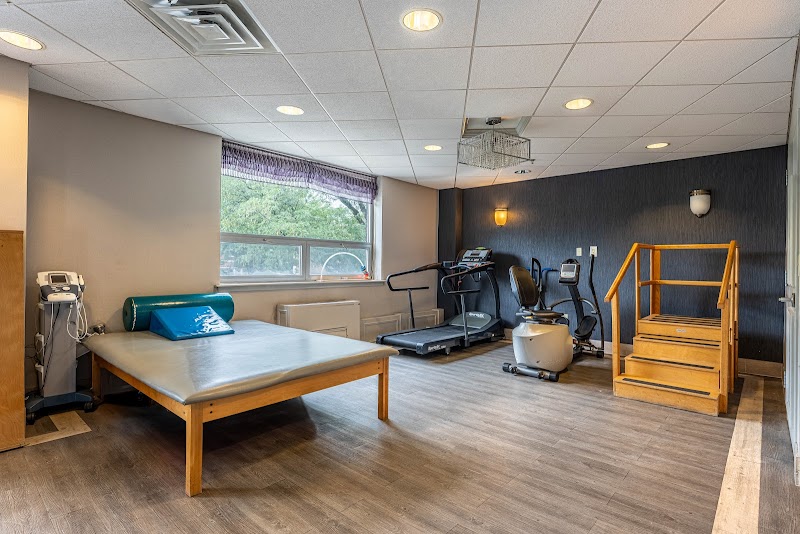
How is Waterford, The Staffed?

CMS rates WATERFORD CARE CENTER, THE's staffing level at 2 out of 5 stars, which is below average compared to other nursing homes. Staff turnover is 22%, compared to the Illinois average of 46%. This relatively stable workforce can support continuity of care.

What Have Inspectors Found at Waterford, The?

State health inspectors documented 31 deficiencies at WATERFORD CARE CENTER, THE during 2023 to 2025. These included: 1 that caused actual resident harm and 30 with potential for harm. Deficiencies causing actual harm indicate documented cases where residents experienced negative health consequences.
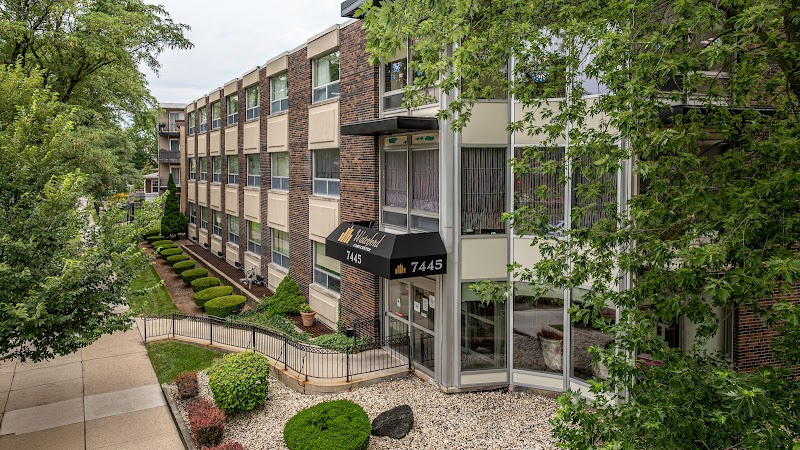
Who Owns and Operates Waterford, The?

WATERFORD CARE CENTER, THE is owned by a for-profit company. For-profit facilities operate as businesses with obligations to shareholders or private owners. The facility is operated by CITADEL HEALTHCARE, a chain that manages multiple nursing homes. With 141 certified beds and approximately 134 residents (about 95% occupancy), it is a mid-sized facility located in CHICAGO, Illinois.
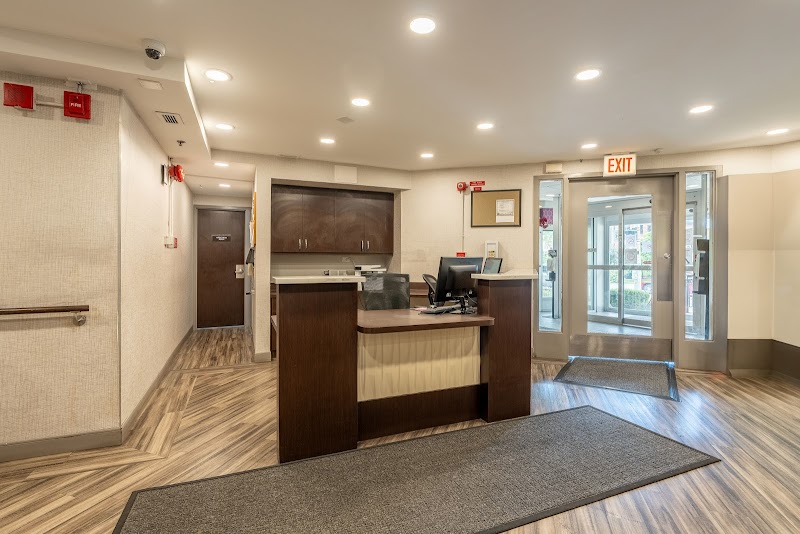
How Does Waterford, The Compare to Other Illinois Nursing Homes?

Compared to the 100 nursing homes in Illinois, WATERFORD CARE CENTER, THE's overall rating (3 stars) is above the state average of 2.5, staff turnover (22%) is significantly lower than the state average of 46%, and health inspection rating (3 stars) is at the national benchmark.

What Should Families Ask When Visiting Waterford, The?

Based on this facility's data, families visiting should ask: "Can you walk me through typical staffing levels on day, evening, and night shifts?" "Can I visit during a mealtime to observe dining assistance and food quality?" "How do you handle medical emergencies, and what is your hospital transfer rate?" "Can I speak with family members of current residents about their experience?" These questions are particularly relevant given the below-average staffing rating.

Is Waterford, The Safe?

Based on CMS inspection data, WATERFORD CARE CENTER, THE has a clean safety record: no substantiated abuse findings (meaning no confirmed cases of resident harm), no Immediate Jeopardy citations (the most serious violation level indicating risk of serious injury or death), and is not on the Special Focus Facility watch list (a federal program monitoring the lowest-performing 1% of nursing homes). The facility has a 3-star overall rating and ranks #1 of 100 nursing homes in Illinois. While no facility is perfect, families should still ask about staff-to-resident ratios and recent inspection results during their visit.

Do Nurses at Waterford, The Stick Around?

Staff at WATERFORD CARE CENTER, THE tend to stick around. With a turnover rate of 22%, the facility is 24 percentage points below the Illinois average of 46%. Low turnover is a positive sign. It means caregivers have time to learn each resident's needs, medications, and personal preferences. Consistent staff also notice subtle changes in a resident's condition more quickly. Registered Nurse turnover is also low at 12%, meaning experienced RNs are available to handle complex medical needs.

Was Waterford, The Ever Fined?

WATERFORD CARE CENTER, THE has no federal fines on record. CMS issues fines when nursing homes fail to meet care standards or don't correct problems found during inspections. The absence of fines suggests the facility has either maintained compliance or corrected any issues before penalties were assessed. This is a positive indicator, though families should still review recent inspection reports for the full picture.

Is Waterford, The on Any Federal Watch List?

WATERFORD CARE CENTER, THE is not on any federal watch list. The most significant is the Special Focus Facility (SFF) program, which identifies the bottom 1% of nursing homes nationally based on persistent, serious quality problems. Not being on this list means the facility has avoided the pattern of deficiencies that triggers enhanced federal oversight. This is a positive indicator, though families should still review the facility's inspection history directly.