WENTWORTH REHAB & HCC
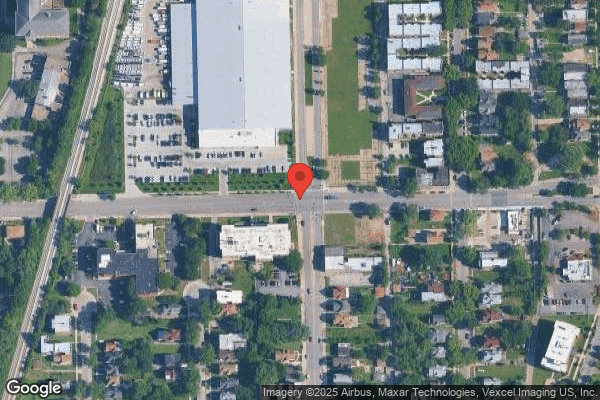
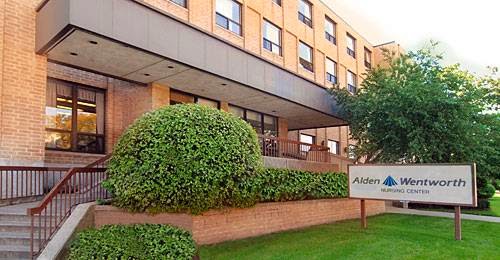
201 WEST 69TH STREET, CHICAGO, IL 60621 (773) 487-1200
For profit - Corporation 300 Beds THE ALDEN NETWORK Data: November 2025
Trust Grade
0/100
#663 of 665 in IL
Last Inspection: May 2024

Within standard 12-15 month inspection cycle. Federal law requires annual inspections.

Overview

Wentworth Rehab & HCC has received a Trust Grade of F, indicating significant concerns about the quality of care provided. It ranks #663 out of 665 facilities in Illinois, placing it in the bottom half, and #200 out of 201 in Cook County, meaning there is only one local option considered worse. While the facility is improving, having reduced issues from 26 in 2024 to 7 in 2025, it still faces serious challenges, including a troubling $436,557 in fines, which is higher than 78% of Illinois facilities, suggesting repeated compliance problems. Staffing is a relative strength with a turnover rate of 0%, well below the state average, but the overall staffing rating is only 1 out of 5 stars. Specific incidents include a failure to properly assess fall risks, leading to a resident suffering a serious head injury from a fall, and another incident where a resident did not receive necessary nutritional support, resulting in significant weight loss. Families should weigh these strengths and weaknesses carefully when considering this facility for their loved ones.

Trust Score
F
0/100
In Illinois
#663/665
Bottom 1%
Safety Record
High Risk
Review needed
Inspections
Getting Better
26 → 7 violations
Staff Stability
○ Average
Turnover data not reported for this facility.
Penalties
✓ Good
$436,557 in fines. Lower than most Illinois facilities. Relatively clean record.
Skilled Nurses
⚠ Watch
Each resident gets only 24 minutes of Registered Nurse (RN) attention daily — below average for Illinois. Fewer RN minutes means fewer trained eyes watching for problems.
Violations
⚠ Watch
66 deficiencies on record. Higher than average. Multiple issues found across inspections.
★☆☆☆☆
1.0
Overall Rating
★☆☆☆☆
1.0
Staff Levels
★★★★☆
4.0
Care Quality
★★☆☆☆
2.0
Inspection Score
Stable
2024: 26 issues
2025: 7 issues

The Good

  • 4-Star Quality Measures · Strong clinical quality outcomes
  • Full Sprinkler Coverage · Fire safety systems throughout facility
  • No fines on record

Facility shows strength in quality measures, fire safety.

The Bad

1-Star Overall Rating

Below Illinois average (2.5)

Significant quality concerns identified by CMS

Federal Fines: $436,557

Well above median ($33,413)

Significant penalties indicating serious issues

Chain: THE ALDEN NETWORK

Part of a multi-facility chain

Ask about local staffing decisions and management

The Ugly 66 deficiencies on record

10 actual harm
Jul 2025 2 deficiencies
CONCERN (D) 📢 Someone Reported This

A family member, employee, or ombudsman was alarmed enough to file a formal complaint

Potential for Harm - no one hurt, but risky conditions existed

Report Alleged Abuse (Tag F0609)

Could have caused harm · This affected 1 resident

**NOTE- TERMS IN BRACKETS HAVE BEEN EDITED TO PROTECT CONFIDENTIALITY** Based on interviews and record reviews the facility failed to follow their elopement policy to report an elopement that resulted...

Read full inspector narrative →
**NOTE- TERMS IN BRACKETS HAVE BEEN EDITED TO PROTECT CONFIDENTIALITY** Based on interviews and record reviews the facility failed to follow their elopement policy to report an elopement that resulted in R1 eloping from the local emergency and not being located by the facility until a day later to Illinois Department of Public Health, for one [R1] of three residents reviewed for elopement in a total sample of three residents. Findings include:R1's clinical record indicates in part: R1 was admitted on [DATE], with the following medical diagnoses but not limited to non-Hodgkin lymphoma, schizoaffective disorder, syncope and collapse, tremors, convulsions, major depression, essential hypertension, and anxiety disorder. R1's minimum data set [MDS] Brief Interview Mental Status Score Indicates R1 is cognitively intact, alert, and oriented x3.Facility's appointment book:R1 was scheduled for follow up appointment at a cancer clinic withV5 [Restorative Certified Nurse Aide/Escort]. The appointment time was 9:30 AM.R1's Emergency Department Notes, documented in part:R1 was signed in to the emergency room on 6/27/25, at 12:00 PM.At 12:10 PM, R1 had EKG (electrocardiogram) completed.V14 [Hospital Emergency Department Triage Register Nurse] at 12:20 PM, 12:33 PM, and 12:53 PM called R1's name with no answer. R1's EKG results were unchanged, and no acute distress noted. R1 was not seen by a physician in the emergency department.R1's Progress Notes Documented in Part: 6/26/2025, at 12:14 PM, Nurses Note V8 [Licensed Practical Nurse]Note Text: the resident [R1] is out at an appointment for an infusion. The resident [R1] was sent to the ER [emergency department] due to C/O [complaints of] chest pains. 6/27/2025, 10:13 AM, Interdisciplinary Team Note [Administrator V1] Note Text: Writer received call from hospital police [V7 Hospital Campus Security]. V7 provided report #25-00954. V7 called to ensure that this facility had been properly notified that the while receiving care from hospital emergency department the resident[R1] had left the hospital and that the hospital police were making efforts to locate the resident [R1]. V7 inquired if the resident [R1] may have returned to facility and requested any phone numbers, addresses, and contact persons that the facility had on file. Writer provided V7 with all requested information and any background information that the facility had on the resident [R1]. V7 made writer aware that the hospital police would provide any updates. Writer made V7 aware that the facility would do the same. V7 provided writer with phone for any updates. Interviews:On 6/27/25, at 12:07 PM, V8 stated, I was not made aware by hospital staff that R1 was admitted to the hospital. I received a phone call on 6/26/25 around 10:00 AM, from the cancer clinic. The clinic reported R1 was complaining of chest pain and was being send over to the emergency department for an evaluation. I documented the phone encounter at 12:14 PM, because I was busy. I received a second phone call from someone at emergency department, I don't know who I spoke to, but it was a male. This occurred at approximately 2:00 PM. This person reported to me that R1 was missing from the emergency department. The person from the emergency department also stated R1 arrived at the emergency department with an escort but could locate R1 nor the escort. I immediately transferred the phone call to V4 [Assistant Director of Nursing]. When I got off the phone, I did not do anything. I did not call R1's emergency contact [V11], I did not call R1's physician. V4 told me she was going to notify V1 [Administrator]. I received a third phone call from the hospital security campus police around 3:00 PM. The police reported that R1 was missing from the hospital campus and was seen leaving on camera. He notified R1's family member [V11] and made a police report.I received a fourth phone call around 4:00 PM or 5:00 PM. I am not sure of the time, but it was during my evening medication pass. The call was from R1's family member [V11]. V11 reported to me she received a phone call from the hospital and told her that R1 was missing. I told V11, I was sorry to hear that. I did not notify R1's family member [V11] that R1 was missing from the emergency department. I was first made aware of R1 missing around 2:00 PM. I was busy passing out medications. I thought the male I spoke to told me he already had notified V11 and the police. I documented in R1's progress notes today as a late entry for 6/26/2025 12:14 PM, that I received a phone call from the police stating that R1 was seen leaving the hospital on camera. I documented my note wrong. I received a phone call from the hospital security campus police, not the city police department. I also documented I spoke with R1's family member [V11] and made her aware that R1 was missing. I documented that because the hospital security campus police told me they notified V11. I should have documented more clearly. I do not know if the report was made within the hospital or if the report was made with city police department. I documented the note for 12:15 PM, but I am not sure what time I received the phone call.On 6/27/25, at 9:50 AM, V12 [Director of Emergency Department] stated, R1 was seen at the hospital's cancer clinic. R1 was brought over to the emergency department with the nursing home facility escort and transport due to R1 complaining of chest pains during her cancer center appointment. R1 was signed in to the emergency room on 6/27/25, at 12:00 PM with her escort. At 12:10 PM, R1 had an EKG completed. V14 [Hospital Emergency Department Triage Register Nurse] at 12:20 PM, 12:33 PM, and 12:53 PM called R1's name with no answer. R1's EKG results were unchanged, and no acute distress was noted. R1 was not seen by a physician in the emergency department. Nothing in R1's EKG or labs results would have granted R1 to be admitted to the hospital. R1 would have been returned to the nursing facility. The hospital security searched the hospital campus area. R1 nor her nursing facility escort was located. At 2:30 PM, I phoned the nursing facility and spoke to V8 [Licensed Practical Nurse] and verified R1 was in fact a resident with the nursing facility. V8 said R1 was a resident there. V8 told me the escort V5[Restorative Aide/Certified Nurse Assistant Escort] was back at the facility. V8 then transferred me to the Assistant Director of Nursing [V4]. I told V8 and V4. R1 reported to the emergency department intake desk at 12:00 PM, completed an EKG, and was called by triage nurse three times with no answer. V4 and V8 both confirmed V5 left an elopement risk resident and returned back to the facility. Before any person is admitted to the hospital, they are assessed by a physician that makes the decision if a person is going to be admitted . R1 was never admitted to the hospital. Once the resident is admitted to the hospital, the hospital staff is responsible for the resident. R1's escort was to remain with R1 knowing she was an elopement risk that the cancer center nursing staff told V5, not to leave R1. I phoned R1's family member listed and city police department [#2-00954- Officer V15/City Police Officer]. On 6/27/25, at 11:00 AM, V5 [Restorative Aide/Certified Nurse Assistant/Escort] stated, I been a certified nurse assistant for ten years. I have been escorting residents to their medical appointments for nine months. I was asked to go with R1 to her medical appointment at the cancer center. R1 is alert and oriented, but R1 has some psych issues. R1 is ambulatory and uses a walker. R1 and I arrived at the cancer center at 9:22 AM. We walked in and I signed R1 in for her appointment. We waited an hour and half, and then R1 was called back around 10:30 AM to see V17 [ Advanced Practice Registered Nurse/Nurse Practitioner]. I went back into the room with R1. R1 told V17 that she was having chest pain and dizziness. They took R1's vital signs a few times. V17 said I am sending you to the emergency room to be admitted to the hospital. During R1's assessment, I asked V17 if it was alright for me to step out of the room, to blow my nose. V17 stated no, I need to stay with R1 at all times because she is an elopement risk. So, I stated never mind and blew my nose in the room. V17 gave R1 a wheelchair to sit in and told R1 and I to have a seat in the waiting area lobby for the hospital escort. About twenty minutes later a female transport person arrived and pushed R1 in her wheelchair to the emergency department and went with R1. We made it to the emergency department around 12:00 PM. We went to the intake desk and signed R1 into the emergency department. The transport staff lady then walked away. The intake lady walked around the desk and removed the cancer center wrist band and placed the emergency department wrist band. I do not know the name of the intake lady nor her job title. The intake lady might have been like a receptionist. I don't think she was a nurse or physician. I told the intake lady that R1 was a high elopement risk and was there anything else for me to do. The intake lady said no. I asked if I could leave and the intake lady said yes. The intake lady started pushing R1 to the back then I left the emergency department and called V6 for a transportation ride. I walked back over to the cancer center. I returned back to the nursing facility at 12:52 PM. The intake lady did not tell me R1 was admitted to the hospital. I did not receive any paperwork from the emergency department that indicated R1 was admitted to the hospital. V6 [ Unit Manager/Certified Nurse Assistant] and V8 [Licensed Practical Nurse] were made aware R1 was in the emergency room. I did not tell V6 or V8 that R1 was an elopement risk, I forgot to tell them.On 6/28/25, at 9:15 AM, V1 [Administrator] stated, R1 was located yesterday [6/27/25] evening by staff.On 7/1/25, at 12:19 PM, V10 [Restorative Nurse] stated, On 6/27/25 around 6:45 PM, I saw R1 coming out of a corner store and brought R1 back to the facility. I immediately phoned V1 [Administrator] and told him R1 was back in the facility. I took R1 vital signs, and they within normal limits. I completed a body assessment and phoned R1's primary physician with no answer. R1's nurse was told to follow up with R1's physician and family.On 6/28/25, at 9:30 AM, R1 stated, I had an appointment on Thursday [6/26/25], when I started having chest pain. The nurse practitioner sent me and V5 to the emergency room so I could get checked out. V5 asked some lady if she could leave, and the lady said yes. I went to the back for an EKG. When I returned to the waiting area, V5 was gone. I went to the bathroom when I heard someone call my name, but I was on the toilet. When I came out the bathroom, I asked a lady the desk who called my name. The lady said, they will call you again. Then I wanted some fresh air and walked outside. When I was outside a nice lady gave me ten dollars. I went back in the hospital and sat in the lobby, not the emergency department, because I could not find the emergency department. No one came for me to see the doctor. I never saw a doctor. I slept there in a chair all night long, and my chest stopped hurting. The next day [6/27/25] around 12:00 PM, I left the hospital and caught the bus heading south to my favorite store. I went into the store and bought some lunch meat, bread, and cheese. When I was coming out of the store, I saw V10 [Restorative Licensed Practical Nurse] when she called my name. V10 brought me back to the nursing facility.On 7/2/25, at 1:00 PM, V1 [Administrator] stated, on 6/26/25 I received a phone call from V4 [Assistant Director of Nursing] reported she received a phone call from the hospital that during R1's appointment she complained of chest pain and was sent to the emergency room to be admitted accompanied with her escort [V5]. I spoke with V5, and she reported R1 was checked in to the emergency department and hospital staff was taking R1 to the back. V5 received permission to leave. There was a custody of change from the facility's escort to the hospital staff. R1 eloped from the emergency department under the hospital staff supervision, not under the facility's supervision. V5 reported she told the hospital staff that R1 was an elopement risk and asked was there anything else to do, the emergency room staff said no and gave V5 permission to leave. Once I learned R1 was missing, V2 [Assistant Administrator] and I went out driving around the hospital looking for R1. V8 received a phone call from the hospital police reported R1 was on camera boarding a bus heading north bound. I called off the search, because I knew at that point R1 was not in the hospital local area. On 6/27/25 around 7:00 PM, V18 observed R1 coming out of a corner store, and R1 came back to nursing facility. V5 R1 told me in summary that she was taken to the emergency room with V5. Prior to going to the back, the intake lady told V5 she could leave. R1 said she went outside for fresh air, and someone gave her ten dollars. R1 said she went back in the hospital, but no one called her name, and she slept there all night. The day R1 said she left the hospital lobby the next day [6/27/25] and got on the bus heading south bound to her favorite store to buy some lunch meat because R1 said she was hungry. R1 said coming out the store, facility staff recognized her and gave her a ride back to the nursing facility. R1's census report is not correct, due to poor communication. R1's census report indicated R1 was not discharge from the nursing facility until 7/1/25 and re-admitted back on 7/2/25. I was made aware that R1 was missing on 6/26/25 around 2:00 PM, and R1 was located on 6/27/25 around 6:30 PM. R1 was missing for 28 hours. [R1's clinical record indicate R1 was a resident with the facility on the day R1 was reported missing, R1 was not discharged .]Policy Documented in part: Elopement and Management of Missing Resident dated 3/28/23.It is the policy of this facility to report and investigate all reports of missing resident and to minimize risk of elopement. Suspected Missing Resident:If unable to locate the resident, call 911 to report resident missing. Notify resident's legal representative/responsible party of the occurrence and determine if friends or family know where the resident may attempt to go.Notify attending physician or Nurse practitioner.Complete Incident reportIf the resident has not been located for 24 hours contact morgue and notify the Illinois Department of Public Health with a summary of the incident report after the dependent resident is missing for 24 Escort for Appointment: dated 2/25.The facility will provide staff escorts to resident appointment as needed. Facility escorts attend the appointment with the resident, then return to the facility with the resident and any pertinent documentation from the appointment. If a resident is transferred to the hospital and or emergency room during an appointment, the escort should return to the facility once the resident has been taken by emergency transport or has been received by the hospital and or emergency room.These guidelines are not meant to be exclusive or exhaustive. Guidelines are meant to leave room for the exercise of professional judgement based on individual circumstances.
CONCERN (D) 📢 Someone Reported This

A family member, employee, or ombudsman was alarmed enough to file a formal complaint

Potential for Harm - no one hurt, but risky conditions existed

Accident Prevention (Tag F0689)

Could have caused harm · This affected 1 resident

**NOTE- TERMS IN BRACKETS HAVE BEEN EDITED TO PROTECT CONFIDENTIALITY** Based on interviews and record reviews the facility failed to provide adequate supervision for 1 [R1] of three residents who is ...

Read full inspector narrative →
**NOTE- TERMS IN BRACKETS HAVE BEEN EDITED TO PROTECT CONFIDENTIALITY** Based on interviews and record reviews the facility failed to provide adequate supervision for 1 [R1] of three residents who is an elopement risk. This failure resulted in R1 eloping from the emergency department and not being located by facility staff until 06/27/2025. Findings Include,R1's clinical record indicates in part: R1 was admitted on [DATE], with the following medical diagnoses but not limited to non-Hodgkin lymphoma, schizoaffective disorder, syncope and collapse, tremors, convulsions, major depression, essential hypertension, and anxiety disorder. R1's minimum data set [MDS] Brief Interview Mental Status Score Indicates R1 is cognitively intact, alert, and oriented x/times3.Facility's appointment book:R1 was scheduled for follow up appointment at a cancer clinic with V5 [Restorative Certified Nurse Aide/Escort]. The appointment time was 9:30 AM.R1's Emergency Department Notes, documented in part:R1 was signed in to the emergency room on 6/27/25, at 12:00 PM. At 12:10 PM, R1 had an EKG (electrocardiogram) completed. V14 [Hospital Emergency Department Triage Register Nurse] at 12:20 PM, 12:33 PM, and 12:53 PM called R1's name with no answer. R1's EKG results were unchanged, and no acute distress was noted. R1 was not seen by a physician in the emergency department.R1's Progress Notes Documented in Part:On 6/26/2025, at 12:14 PM, Nurses Note V8 [Licensed Practical Nurse]Note Text: The resident [R1] is out at an appointment for an infusion. The resident [R1] was sent to the ER [emergency department] due to C/O [complaints of] chest pains. Nurses Note V8 [Licensed Practical Nurse] Effective Date: On 6/26/2025, at 14:15:00 [2:15 PM]Created Date: On 6/27/2025, 09:29:31 [9:29 AM]On 6/26/2025, at 2:15 PM, [Documented on 6/27/25 at 9:29 AM]Note Text: Writer received a phone from the police stating that the R1 was seen leaving the hospital on camera. The writer spoke with the resident's mother who is aware of resident leaving the hospital. A police report was made. The physician was made aware as well. [Progress note entered late}. On 6/27/25, at 12:07 PM, V8 said she received phone call from the hospital security not the city police department. A report was made with the hospital security, not with the city police department. On 6/27/2025, at 9:44 AM, Nurses Note V9 {Licensed Practical Nurse] Note Text: Writer received call from ER director [V12-Director Emergency Department] inquiring if resident [R1] returned to the facility. V12 was made aware that resident [R1] has not returned. V12 also asked if resident's mother was made aware and if she heard from the resident. Writer made V12 aware that facility did speak with resident's family member [V11] and she was aware. On 6/27/2025, at 10:13 AM, Interdisciplinary Team Note [Administrator V1] Note Text: Writer received a call from the hospital police [V7 Hospital Campus Security]. V7 provided report #25-00954. V7 called to ensure that this facility had been properly notified that while receiving care from hospital emergency department the resident [R1] had left the hospital, and the hospital police were making efforts to locate the resident [R1]. V7 inquired if the resident [R1] may have returned to facility and requested any phone numbers, addresses, and contact persons that the facility had on file. Writer provided V7 with all requested information and any background information the facility had on the resident [R1]. V7 made the writer aware that the hospital police would provide any updates. Writer made V7 aware that the facility would do the same. V7 provided the writer with a phone for any updates. On 6/27/2025, at 7:29 PM, Nurses Note Restorative [V10- Licensed Practical Nurse] Note Text: While out searching the community for the resident [R1], R1 was observed standing in front of the store at the bus stop. Staff prompted resident [R1] to come back to the facility. R1 was cooperative and agreed to allow staff transport her back to the facility. Administration was made aware.Interviews:On 6/27/25, at 9:40 AM, V8 [Licensed Practical Nurse] stated, I was R1's nurse yesterday [6/26/25]. I worked from 7:00 AM to 7:00 PM. R1 is not here in the facility. R1 had an appointment yesterday [6/26/25] at 9:30 AM. R1 left the facility at 8:30 AM. Approximately a couple hours later, the doctor's office called and said R1 was being sent to the emergency department, due to R1 complaining of chest pain. R1 was admitted to the hospital.On 6/27/25, at 12:05 PM, surveyor asked V8, why didn't she report R1 was admitted to the hospital to the surveyor. During record review of V8's progress note dated 6/26/25, but entered on 6/27/25, at 9:29 AM, surveyor was indicated that V8 documented R1 was missing from the emergency department.On 6/27/25, at 12:07 PM, V8 stated, I was confused, I am sorry. I was not made aware by hospital staff that R1 was admitted to the hospital. I received a phone call on 6/26/25 around 10:00 AM, from the cancer clinic. The clinic reported R1 was complaining of chest pain and was being sent over to the emergency department for an evaluation. I documented the phone encounter late at 12:14 PM, because I was busy. I received a second phone call from someone at emergency department, I don't know who I spoke to, but it was a male, at approximately 2:00 PM. This male reported to me that R1 was missing from the emergency department. The person from the emergency department also said R1 arrived at the emergency department with an escort but could not locate R1 nor the escort. I immediately transferred the phone call to V4 [Assistant Director of Nursing]. When I got off the phone, I did not do anything. I did not call R1's emergency contact [V11]. I did not call R1's physician. V4 told me she was going to notify V1 [Administrator]. I received a third phone call from the hospital security campus police around 3:00 PM. The campus police reported that R1 was missing from the hospital campus and was seen leaving on camera. He notified R1's family member [V11] and made a police report. I received a fourth phone call around 4:00 PM or 5:00 PM. I am not sure of the time, but it was during my evening medication pass, from R1's family member [V11]. V11 reported to me she received a phone call from the hospital. The hospital told her R1 was missing. I told V11, I was sorry to hear that. I did not notify R1's family member [V11] that R1 was missing from the emergency department. I was first made aware of R1 missing around 2:00 PM. I was busy passing out medications. I thought the male I spoke to told me he already had notified V11 and the police. I documented in R1's progress notes today as a late entry for 6/26/2025, at 12:14 PM, that I received a phone call from the police stating that R1 was seen leaving the hospital on camera. I documented my note wrong. I received a phone call from the hospital security campus police, not the city police department. I also documented I spoke with R1's family member [V11] and made her aware that R1 was missing. I documented that because the hospital security campus police told me they notified V11. I should have documented more clearly. I do not know if the report was made within the hospital or if the report was made with the city police department. I documented the note at 12:15 PM, but I am not sure what time I received the phone call.On 6/27/25, at 9:50 AM, V12 [Director of Emergency Department] stated, R1 was seen at the hospital's cancer clinic. R1 was brought over to the emergency department with the nursing home facility escort and transported due to R1 complaining of chest pains during her cancer center appointment. R1 was signed in to the emergency room on 6/27/25, at 12:00 PM, with her escort. At 12:10 PM, R1 had an EKG completed. V14 [Hospital Emergency Department Triage Register Nurse] at 12:20 PM, 12:33 PM, and 12:53 PM, called R1's name with no answer. R1's EKG results were unchanged, and no acute distress was noted. R1 was not seen by a physician in the emergency department. Nothing in R1's EKG or labs results would have granted R1 to be admitted to the hospital. R1 would have returned to the nursing facility. The hospital security searched the hospital campus area. R1 nor her nursing facility escort was located. At 2:30 PM, I phoned the nursing facility and spoke to V8 [Licensed Practical Nurse]. V8 verified R1 was in fact a resident with the nursing facility. V8 stated R1 was a resident there. V8 told me the escort V5 [Restorative Aide/Certified Nurse Assistant Escort] was back at the facility. V8 then transferred me to the Assistant Director of Nursing [V4]. I told V8 and V4, R1 reported to the emergency department intake desk at 12:00 PM, completed an EKG, and was called by the triage nurse three times with no answer. V4 and V8 both confirmed V5 left an elopement risk resident and returned back to the facility. Before any person is admitted to the hospital, they are assessed by a physician that makes the decision if a person is going to be admitted . R1 was never admitted to the hospital. Once the resident is admitted to the hospital, the hospital staff is responsible for the resident. R1's escort was to remain with R1 knowing she was an elopement risk. The cancer center nursing staff told V5, not to leave R1. I phoned R1's family member listed and the city police department [#2-00954- Officer V15/City Police Officer]. On 6/27/25, at 10:09 AM, V13 [Director of Cancer Center] stated, R1 was seen on 6/27/25, at 9:30 AM, for a follow up appointment. During the appointment R1 complained of chest pains and dizziness. R1 vital signs indicated R1's heart rate was elevated, and blood pressure was low. V17 [Advanced Practice Registered Nurse/Nurse Practitioner] assessed R1 and told R1 and V5, R1 needs to be evaluated in the emergency department. During the assessment in a private room, V5 asked V17 if she could go outside. V17 told V5 no, because R1 is an elopement risk and has to stay with R1 at all times. We got R1 a wheelchair waited for internal transport to arrive. Transport arrived and pushed R1 in the wheelchair along with V5. They walked over to the emergency department. At 2:16 PM, the emergency department notified V16 [Cancer Center Registered Nurse] that R1 was not seen by a physician. She was called three times, and the resident was not present. The emergency department was made aware that R1 was a high-risk elopement resident.On 6/27/25, at 10:22 AM, V16 [Cancer Center Registered Nurse/Nurse Navigator] stated, I received a phone call from the emergency department. The emergency department stated R1 was called by the triage nurse three times. R1 nor V5 was present. I confirmed with V17 that R1 was a flight risk and V5 was told to stay with R1 at all times. I called R1's nursing facility spoke with V8. V4 verified R1's name and date of birth . V8 and V4 both confirmed V5 left R1 at the emergency department and V5 returned back to the nursing facility after V5 was told R1 was an elopement risk. V8 and V4 were both made aware that V5 left R1 in the emergency department and R1 was missing. V4 said she will tell her administrator immediately. I called R1's family member [V11] and made her aware that R1's escort left R1 in the emergency department and returned back to the nursing facility. R1 was missing. On 6/24/25, I called the nurse and confirmed R1 will be accompanied with an escort due to R1 being a flight risk. R1 has made attempts in the past to leave the cancer center and staff located R1 trying to leave the clinic. R1 has a known history of elopement. V5 was completely aware R1 was an elopement risk and she [V5] should not have left R1 alone. R1 was not seen by a physician, nor was R1 ever admitted to the hospital. On 7/2/25, at 12:30 PM, V6 [Unit Manager- Certified Nurse Assistant] stated, R1 was admitted with a follow up appointment at the cancer center on 6/26/25, at 9:30 AM. R1 and V5 left the facility with an 8:30 AM pick up. All escorts go out with the resident, they are to stay with the resident. If anything, abnormal occurs the staff will call me. I did not know R1 was an elopement risk. According to my cell phone text messages on 6/26/25. At 11:26 AM, V5 [Restorative Certified Nurse Assistant/Escort] texted me [They are about to admit her, they are waiting for transport to get them [V5 and R1]. I responded: [okay let me know when you are ready]. At 12:15 PM, V5 texted [ I am ready for pickup.] I responded [Okay].At 12:38 PM, I [V6] texted V5: [Did they tell you why they are keeping R1]V5 texted [R1 told the cancer center that she had a heart attack two days ago, and she [R1] passed out that morning. The cancer center is worried about R1's heart rate is high, and blood pressures is low]. I responded [Oh wow, Okay]. Then I immediately reported this information to R1's nurse.On 6/27/25, at 11:00 AM, V5 [Restorative Aide/Certified Nurse Assistant/Escort] stated, I been a certified nurse assistant for ten years. I have been escorting residents to their medical appointments for nine months. I was asked to go with R1 to her medical appointment at the cancer center. R1 is alert and oriented, but R1 has some psych issues. R1 is ambulatory and uses a walker. R1 and I arrived at the cancer center at 9:22 AM. We walked in and I signed R1 in for her appointment. We waited an hour and half, and then was called back around 10:30 AM to see V17 [ Advanced Practice Registered Nurse/Nurse Practitioner]. I went back into the room with R1. R1 told V17 that she was having chest pain and dizziness. They took R1's vital signs a few times. V17 said I am sending you to the emergency room to be admitted to the hospital. During R1's assessment, I asked V17 if it was alright for me to step out of the room to blow my nose. V17 said no, I needed to stay with R1 at all times because she is an elopement risk. So, I said never mind and blew my nose in the room. V17 gave R1 a wheelchair to sit in and told R1 and I to have a seat in the waiting area lobby for the hospital escort. About twenty minutes later a female transport person arrived and pushed R1 in her wheelchair to the emergency department and I went with R1. We made it to the emergency department around 12:00 PM. We went to the intake desk and signed R1 into the emergency department. The transport staff lady then walked away. The intake lady walked around the desk and removed the cancer center wrist band and placed on the emergency department wrist band. I do not know the name of the intake lady nor her job title. The intake lady might have been a receptionist, I don't think she was a nurse or physician. I told the intake lady that R1 was a high elopement risk and asked if there anything else for me to do. The intake lady said no. I asked if I could leave, and the intake lady said yes. The intake lady started pushing R1 to the back then I left the emergency department and called V6 for a transportation ride. I walked back over to the cancer center. I returned back to the nursing facility at 12:52 PM. The intake lady did not tell me R1 was admitted to the hospital. I did not receive any paperwork from the emergency department that indicated R1 was admitted to the hospital. V6 [ Unit Manager/Certified Nurse Assistant] and V8 [Licensed Practical Nurse] was made aware R1 was in the emergency room. I did not tell V6 or V8 that R1 was an elopement risk, I forgot to tell them. On 6/28/25, at 9:15 AM, V1 [Administrator] stated, R1 was located yesterday [6/27/25] evening by staff.On 7/1/25, at 12:19 PM, V10 [Restorative Nurse] stated, On 6/27/25 around 6:45 PM, I saw R1 coming out of a corner store and brought R1 back to the facility. I immediately phoned V1 [Administrator] and told him R1 was back in the facility. I took R1 vital signs, and they were within normal limits. I completed body assessment and phoned R1's primary physician with no answer. R1's nurse was told to follow up with R1's physician and family.On 6/28/25, at 9:30 AM, R1 stated, I had an appointment on Thursday [6/26/25], when I started having chest pain. The nurse practitioner sent me and V5 to the emergency room so I could get checked out. V5 asked some lady if she could leave, and the lady said yes. I went to the back for an EKG. When I returned to the waiting area, V5 was gone. I went to the bathroom when I heard someone call my name, but I was on the toilet. When I came out the bathroom, I asked a lady the desk who called my name. The lady said, they will call you again. Then I wanted some fresh air and walked outside. When I was outside a nice lady gave me ten dollars. I went back in the hospital and sat in the lobby, not the emergency department, because I could not find the emergency department. No one came for me to see the doctor. I never saw a doctor. I slept there in a chair all night long, and my chest stopped hurting. The next day [6/27/25] around 12:00 PM, I left the hospital and caught the bus heading south to my favorite store. I went into the store and bought some lunch meat, bread, and cheese. When I was coming out of the store, I saw V10 [Restorative Licensed Practical Nurse] when she called my name. V10 brought me back to the nursing facility.On 6/28/25, at 11:30 AM, V4 [Assistant Director of Nursing] stated, I received a phone call from V16, and she told R1 was seen at the cancer clinic for a follow visit. During the visit R1 complained of chest pain, syncope, dizziness and lightheadedness. V17 [Advanced Practice Registered Nurse/Nurse Practitioner] assessed R1 and noted R1 with an elevated heart rate. R1 was sent to the emergency department with V5 her escort. V17 told V5 to stay with R1 because she was an elopement risk. R1 was called by the emergency triage nurse three times. R1 nor her escort were present, and R1 was missing. I told V16 that V5 made it back to the facility around 1:00 PM. I reported the incident to the administrator [V1] and V3 [Director of Nursing]. I was not made aware prior to R1's appointment that R1 was an elopement risk. R1 is new to the facility, she was admitted on [DATE]. R1's elopement risk assessment completed on admission; she was not an elopement risk. I did not have a conversation with V5. The administrator took over the situation.On 7/1/25, V18 [Restorative Aide/Certified Nurse Assistant] stated, I been an escort for thirteen years. The escort protocol is to stay with the resident the whole time. If a resident is being admitted , staff stay until they are fully admitted . Meaning, until the resident is in their assigned room. If I had to leave the resident due to timing or end of my shift, I would call the director of nursing so she would send another escort to take my place.On 7/2/25, at 2:45 PM, V11 [R1's Family Member] stated, The hospital notified me on 6/26/25, that my family member was missing from the emergency department. I did not know R1 was at the emergency department, nevertheless missing. The nursing facility did not notify me of anything. The facility knew R1 was an elopement risk because I told them. R1 lived in the locked unit because they knew her history. After I knew R1 was missing, I waited a couple of hours to see if the facility was going to notify me, but they did not. I called the facility and spoke to V8, she acted as if she did not know R1 was missing. I was so upset. I was happy to learn R1 was located the next evening and was not hurt or harmed. A few months ago, R1 was attacked and raped on the city train. R1 is not to be left alone in the community. The facility knows her history and recent trauma. On 7/2/25, at 1:30 PM, V3 [Director of Nursing] stated, The escorts are supposed to stay with the resident while out at an appointment. Once the hospital emergency department staff took R1 to the back, there was an exchange in custody and the nursing facility staff could leave. V5 asked if she could leave and was told she could. V5 notified nursing staff here that R1 was going to be admitted and was taken to the back with hospital staff. V5 called for a pickup ride. V5 reported back to nursing facility. R1 was discharged from the nursing facility on 6/26/25 at 6:43 PM. The facility was made aware R1 was missing around 2:00 PM. R1 was located on 6/27/25 and brought back to nursing facility. Once a resident is discharged from the facility, upon return the resident is re-admitted . R1's clinical record does not indicate any re-admission assessments nor documentation. The nursing staff was not aware that R1 was an elopement risk.On 7/2/25, at 1:00 PM, V1 [Administrator] stated, on 6/26/25, I received a phone call from V4 [Assistant Director of Nursing] reported she received a phone call from the hospital that during R1's appointment she complained of chest pain and sent to the emergency room to be admitted accompanied with her escort [V5]. I spoke with V5, and she reported R1 was checked in to the emergency department and hospital staff was taking R1 to the back. V5 received permission to leave. There was a custody of change from the facility's escort to the hospital staff. R1 eloped from the emergency department under the hospital staff supervision, not under the facility's supervision. V5 reported she told the hospital staff that R1 was an elopement risk and asked was there anything else to do. The emergency room staff said no and gave V5 permission to leave. Once I learned R1 was missing, V2 [Assistant Administrator] and I went out driving around the hospital looking for R1. V8 received a phone call from the hospital police reported R1 was on camera boarding a bus heading north bound. I called off the search, because I knew at that point R1 was not in the hospital local area. On 6/27/25 around 7:00 PM, V18 observed R1 coming out of a corner store, and R1 came back to nursing facility. V5 R1 told me in summary that she was taken to the emergency room with V5. Prior to going to the back, the intake lady told V5 she could leave. R1 said she went outside for fresh air, and someone gave her ten dollars. R1 said she went back in the hospital, but no one called her name, and she slept there all night. The day R1 said she left the hospital lobby the next day [6/27/25] and got on the bus heading south bound to her favorite store to but some lunch meat because R1 said she was hungry. R1 said coming out the store, facility staff recognized her and gave her a ride back to the nursing facility. R1's census report is not correct, due to poor communication. R1's census report indicated R1 was not discharged from the nursing facility until 7/1/25 and re-admitted back on 7/2/25. I was made aware that R1 was missing on 6/26/25 around 2:00 PM. R1 was located on 6/27/25 around 6:30 PM. R1 was missing for 28 hours. [R1's clinical record indicate R1 was a resident with the facility on the day R1 was reported missing, R1 was not discharged .]Policy Documented in part: Escort for Appointment: dated 2/25.The facility will provide staff escorts to resident appointment as needed. Facility escorts attend the appointment with the resident, then return to the facility with the resident and any pertinent documentation from the appointment. If a resident is transferred to the hospital and or emergency room during an appointment, the escort should return to the facility once the resident has been taken by emergency transport or has been received by the hospital and or emergency room.These guidelines are not meant to be exclusive or exhaustive. Guidelines are meant to leave room for the exercise of professional judgement based on individual circumstances. Elopement and Management of Missing Resident dated 3/28/23.It is the policy of this facility to report and investigate all reports of missing resident and to minimize risk of elopement. Suspected Missing Resident:If unable to locate the resident, call 911 to report resident missing. Notify resident's legal representative/responsible party of the occurrence and determine if friends or family know where the resident may attempt to go.Notify attending physician or Nurse practitioner.Complete Incident reportIf the resident has not been located for 24 hours contact morgue and notify the Illinois Department of Public Health with a summary of the incident report after the dependent resident is missing for 24 hours.
Apr 2025 1 deficiency
CONCERN (D) 📢 Someone Reported This

A family member, employee, or ombudsman was alarmed enough to file a formal complaint

Potential for Harm - no one hurt, but risky conditions existed

Quality of Care (Tag F0684)

Could have caused harm · This affected 1 resident

**NOTE- TERMS IN BRACKETS HAVE BEEN EDITED TO PROTECT CONFIDENTIALITY** Based on observations, interviews and records review, the facility failed to follow their policy on weights and pressure ulcer m...

Read full inspector narrative →
**NOTE- TERMS IN BRACKETS HAVE BEEN EDITED TO PROTECT CONFIDENTIALITY** Based on observations, interviews and records review, the facility failed to follow their policy on weights and pressure ulcer measurements for one (R1) resident of three reviewed. Findings include: R1's Electronic Medical records and current face sheet document R1 was admitted to the facility on [DATE], with medical diagnoses that include but not limited to peripheral vascular disease, unspecified, pressure ulcer of sacral region, stage 4, unspecified severe protein-calorie malnutrition, pneumonia, unspecified organism, pleural effusion, not elsewhere classified, other psychoactive substance abuse with intoxication, unspecified. R1's MDS (Minimum Data Set) section C -Cognitive functions dated [DATE], documents R1's Brief Interview for Mental Status (BIMS) as 15/15 indicating R1's cognition is intact, and MDS section GG-Functional abilities documents R1 requires Substantial/maximal assistance/dependent on staff for activities of daily living (ADL) care. On 04/19/2025, at 12:34 PM, V4 (Wound Nurse-LPN) stated R1 admitted to the facility on [DATE]. V4 stated when she first accesses a new wound, she measures it and documents it in the resident's electronic record to have a record of reference for monitoring wound improvement with treatment. V4 stated without the initial wound measurements, the doctor will not have a point of reference to determine if the wound is getting better or worse. V4 stated she took R1's wound measurements on 03/15/2025, but did not document them. V4 stated if it's not documented, it's not done. On 04/19/2025, at 1:45 PM, V5 (Wound Nurse Practitioner) via phone stated R1 came to the facility with the sacrum wounds on admission and the wound nurse should have taken the initial wound measurements. V5 stated R1 was admitted on [DATE]. V5 saw R1 on 3/20/2025. That is when he took R1's wound measurements. V5 stated before he assessed R1's wounds on 3/20/2025, there were no baseline measurements on file since admission to the facility for V5 to compare with. V5 stated when a resident is admitted to the facility, and the wound nurse practitioner or doctor will not see the resident the same day or the following day, the wound nurse should measure the wounds and document the measurements. This gives a baseline for the wounds and allows the wound care team to know if the wounds are improving, getting worse, or if the treatment is working. V5 stated a small change can determine cause of wound treatment. On 04/19/2025, at 2:06 PM, V6 (Dietitian) via phone stated R1 was weighed when he came to the facility on 3/14/2025. The next weigh in was on 4/3/2025. V6 stated the facility missed a few weigh-ins for R1. V6 stated per facility policy, all newly admitted residents are weighed once week to closely monitor nutritional status to make sure they are meeting their daily nutritional needs. On 04/19/2025, at 4:28 PM, V7 (Assistant Director of Nursing) stated R1 came to the facility on 3/14/2025. The first weight was taken on 3/17/2025. V7 stated R1 should have had his weight taken on day of admission on [DATE], on 3/21/2025, on 3/28/2025 and then on 4/4/2025. V7 stated R1 has two weights on file: 3/17/2025 and 4/3/2025. V7 stated it is important to weigh residents upon admission to obtain a baseline which allows facility to determine if the resident is gaining or losing weight. V7 stated it's a problem when a resident is not weighed weekly for four weeks. It would not give a clear picture of the residents' health because weight is part of the vitals family and would indicate if the resident is gaining or losing weight. V7 stated weekly weights allows the facility to put interventions in place quickly to improve resident health, either by increasing calories with the recommendations of the dietitian or doing a calorie count for the resident to lose weight. R1's Physician Order Sheet (POS) dated 3/20/2025, documents: Check weekly weight for four weeks, everyday shift, every Thursday for four weeks. Policy titled WEIGHTS, DATED 03/02/21, documents: -A baseline weight will be established upon admission. The resident will be weighed weekly for four weeks after admission and monthly thereafter. -Residents will be weighed to establish baseline weights and identify trends of weight loss or weight gain. Policy titled Prevention and treatment of pressure Injury and other skin alterations, dated 03/02/21 document's: -Evaluate residents for actual pressure injuries or other skin alterations on admission or readmission by utilizing the initial nursing assessment.
Apr 2025 1 deficiency
CONCERN (D) 📢 Someone Reported This

A family member, employee, or ombudsman was alarmed enough to file a formal complaint

Potential for Harm - no one hurt, but risky conditions existed

Quality of Care (Tag F0684)

Could have caused harm · This affected 1 resident

Based on interview and record review, the facility failed to ensure one (R2) of three residents reviewed for quality of care received appropriate care and management for the diagnosis of diabetes, by ...

Read full inspector narrative →
Based on interview and record review, the facility failed to ensure one (R2) of three residents reviewed for quality of care received appropriate care and management for the diagnosis of diabetes, by failing to monitor R2's blood sugar levels upon admission and failing to provide continuity of care through medication administration in a total sample of six residents. Findings include: According to R2 face sheet, R2 admission date is 2/11/2025. R2 has diagnoses that include but are not limited to type 2 diabetes mellitus; acute and chronic respiratory failure with hypoxia and hypercapnia; chronic obstructive pulmonary disease; heart failure; chronic kidney disease, stage 4. R2 care plan reads in part: Resident has the potential for hypo/hyperglycemic reactions secondary to diagnosis of diabetes mellitus, initiated 2/12/2025. 4/3/25, at 1:32 PM, V6 (Licensed Practical Nurse) stated for blood sugar checks, we go by the MAR (medication administration record), what the doctors order. They are usually taken before meals. We do have some residents that get checks four times daily because they get Lantus insulin (A slow acting insulin that is usually given on the night/evening shift). If a resident is on an insulin they should be getting blood sugar checks. You have to monitor the blood glucose level. You have to know what the blood sugar level is in order to give the insulin. Diabetics that are on oral medications do get blood sugar checks but maybe not as often as if they were on insulin. Its according to what the doctor orders. Blood sugar monitoring is dependent on what the doctor orders. 4/3/25, at 2:49 PM, V8 (Licensed Practical Nurse) stated blood sugar checks are done per the physician order. All diabetic residents should be getting blood sugar checks. You have to know where their sugar level is before giving insulin. If the sugar is low, interventions need to be implemented and notify the physician. If blood sugar level is too high the physician needs to be notified. For a diabetic resident you check the blood sugar before giving insulin. You need to check if the resident is on oral medications as well. You need to know the parameters. When the resident is admitted , if the resident is a diabetic, and if there is an order for insulin, the physician should be contacted immediately upon admission for blood sugar check and insulin administration. It is not proper for a diabetic resident not to have blood sugar checks, or not be given medications for a week after admission. If not checking the blood sugar level and still administering insulin their sugar can drop, and the resident could end up in a diabetic coma. You need to know if the blood sugar level is too high because you need to notify the physician if it is. 4/3/25, at 4:18 PM, V4 (Assistant Director of Nursing) stated the expectation is to follow doctors' orders for blood sugar checks. All the diabetics get blood sugar checks, at different frequencies. If the resident is receiving insulin, they should be getting blood sugar checks to monitor for levels too low or too high. If the blood sugar level is too low the resident could become dizzy and pass out. It is a dangerous thing. If the level is too high could go into diabetic ketoacidosis. We follow the orders from the hospital. We reconcile with the doctor. The nurse would know to add the blood sugar check order inside the order for the short acting insulin. For the long-acting insulin, the nurse goes by the hospital record for the blood sugar check. R2 is on Lantus and Trulicity. Since she is diabetic and on insulin the blood sugar check would be a standing order, in the morning and at bedtime. I would discuss blood sugar check frequency with the doctor. 4/3/25, at 5:23 PM, V3 (Director of Nursing) stated for newly admitted diabetics and all residents, we should be following doctors' orders for blood glucose monitoring and medication administration. R2 should have been receiving blood glucose monitoring from admission through 2/18/25, because R2 is a diabetic and receiving insulin. R2 should have been receiving blood glucose monitoring to monitor blood sugar levels. We monitor levels to know how to administer insulin. If insulin is administered incorrectly there could potentially be an adverse effect/reaction. R2 was discharged from the hospital on insulin. There should be blood sugar monitoring for long acting and short acting insulins and oral medications. R2 should have been receiving whatever medications were ordered. Insulin was ordered, it did not come from pharmacy. It was discontinued and a different insulin was ordered and started on 2/15/25. The blood sugar monitoring was not documented from 2/12/25 to 2/18/25. R2 hospital discharge medication list indicates R2 was discharged taking: empagliflozin 10 MG in the morning; Semglee insulin glargine 15 units daily; Trulicity 0.75 MG/0.5ML weekly. R2 Census List indicates R2 has been active status in the facility since 2/11/2025 6:35 PM. R2 Weights and Vitals Summary indicates one blood sugar reading on 2/11/2025, with result of 360. No other blood sugar readings noted until 2/18/2025 with result of 214. According to R2 physician order summary, orders for diabetes mellitus include: -Blood Glucose monitoring: call physician for results less than 50 or greater than 400, start date 2/18/2025, no end date. -Semglee Insulin Glargine, 15 unit subcutaneous in the morning, start date 2/12/2025, end date 3/12/2025. -Lantus Insulin Glargine, 15 unit subcutaneous at bedtime, start date 2/15/2025, end date 3/12/2025. -Empagliflozin tablet 10 MG in the morning, start date 2/12/2025, no end date. -Trulicity 0.75 MG/0.5 ML subcutaneous every Monday, start date 2/17/2025, no end date. R2 medication admission record, 2/1/25-2/28/25, indicates blood glucose monitoring started 2/18/25 with result of 214. R2 medication admission record, 2/1/25-2/28/25, indicates R2 was administered diabetes medication, Empagliflozin, 2/14 through 2/17. Blood glucose monitoring was not started until 2/18/25. R2 medication admission record, 2/1/25-2/28/25, indicates R2 was administered diabetes medication, Lantus Insulin Glargine, 2/15 through 2/17. Blood glucose monitoring was not started until 2/18/25. R2 medication admission record, 2/1/25-2/28/25, indicates R2 was administered diabetes medication, Trulicity, 2/17. Blood glucose monitoring was not started until 2/18/25. R2 medication admission record, 2/1/25-2/28/25, indicates R2 had an order for diabetes medication, Semglee Insulin Glargine, that was not administered. Progress note 2/15/2025 indicates, awaiting supply from pharmacy. Mayo Clinic at https://www.mayoclinic.org/diseases-conditions/diabetes/in-depth/blood-sugar/art-20046628#:~:text=If%20you%20take%20insulin%20to,way%20you%20eat%20or%20exercise.; documents in part: Blood sugar testing is an important part of diabetes care. If you have diabetes, testing your blood sugar levels can be a key part of staying healthy. Blood sugar testing helps many people with diabetes manage the condition and prevent health problems. If you take insulin to manage type 2 diabetes, your healthcare professional might recommend a CGM (continuous glucose monitors). Or you may need blood sugar testing several times a day. The exact number of times depends on the type and amount of insulin you use. Often, testing is advised before meals and at bedtime if you take more than one shot of insulin a day. You may need to test only before breakfast and sometimes before dinner or at bedtime if you use an intermediate- or a long-acting insulin. Facility policy Assure Platinum Blood Glucose Monitoring, 8/2024, documents in part: Document test results in medical record.
Mar 2025 3 deficiencies 1 Harm
SERIOUS (G) 📢 Someone Reported This

A family member, employee, or ombudsman was alarmed enough to file a formal complaint

Actual Harm - a resident was hurt due to facility failures

Accident Prevention (Tag F0689)

A resident was harmed · This affected 1 resident

**NOTE- TERMS IN BRACKETS HAVE BEEN EDITED TO PROTECT CONFIDENTIALITY** Based upon observation, interview, and record review the facility failed to follow policy procedures, failed to ensure that fall...

Read full inspector narrative →
**NOTE- TERMS IN BRACKETS HAVE BEEN EDITED TO PROTECT CONFIDENTIALITY** Based upon observation, interview, and record review the facility failed to follow policy procedures, failed to ensure that fall risk assessments are accurate, failed to develop and/or implement preventive interventions, and failed to provide supervision to two of three residents (R2, R5) reviewed for falls. These failures resulted in the following: R5 sustained (12/31/24) fall resulting in intracranial hemorrhage and traumatic head injury requiring 4 staples. R1 sustained (1/10/25) fall resulting in left eyebrow laceration requiring 6 sutures. Findings include: R5 was admitted (11/25/24) with diagnoses which include Alzheimer's disease, glaucoma, (1/8/25) traumatic subarachnoid hemorrhage and fall, subsequent encounter. The fall incident log affirms R5 fell on [DATE], 2/3/25, 2/17/25, and 2/23/25. R5's (2/23/25) post fall risk assessment determined a score of 8 (indicating at risk) however R5 fell 3 times in February [therefore is high risk]. R5's (1/17/25) BIMS determined a score of 5 (severe impairment) with inattention behavior continuously present. R5's (1/17/25) functional assessment affirms resident requires partial/moderate assistance with sit to stand and chair/bed to chair transfer, walking was not attempted due to medical condition or safety concerns. R5's (11/26/24) care plan includes risk for falls related to poor balance, cognitive deficits, poor safety awareness and wandering behaviors. Interventions: (12/8/24) Resident will be within arm length of staff monitoring dining/day room. R5's (12/31/24) incident report states injury of unknown cause: resident noted with blood at the back of her head at about 6:30am at the nursing station. Upon assessment, writer observed a cut. Resident unable to give an account of incident. Resident sent to the hospital for further evaluation. The resident wanders with an unstable gait and is non-redirectable. R5's progress notes state (12/31/24) Writer contacted hospital to follow-up on resident. Resident being admitted with a diagnosis of intracranial hemorrhage. (1/6/25) Received resident back from the hospital. Four staples at the back of her head. R5's (12/31/24) final report states the facility has determined that the resident endured a fall due to unsteady gait while pulling the windows open. On 2/25/25 at 11:13am, surveyor inquired about R5's location V12 (Licensed Practical Nurse) stated She (R5) had a fall, she's in the hospital. She was sent there Sunday (2/23/25). On 3/3/25 at 12:13pm, surveyor inquired about R5's cognitive status V3 (ADON/Assistant Director of Nursing) responded I would say that she alert and oriented x/times 2. She's oriented to her name and location of her room. Surveyor inquired about R5's (12/31/24) injury of unknown origin V3 replied It happened at 6:30 in the morning, she (R5) came from her room and walked to the Nurse's station. That's when the Nurse observed that she (R5) had a cut on the back of her head [therefore the incident was not witnessed]. She (R5) was unable to give an account of what happened. Surveyor inquired if R5's fall care plan was reviewed and/or revised on or about 12/31/24 to prevent additional falls V3 reviewed R5's electronic medical records and stated No, I don't see it updated for that one. I don't see a intervention for that to reflect December 31st. No, I don't see nothing for an intervention for her falls care plan. On 3/5/25 at 12:37pm, surveyor inquired about potential harm to a resident that sustains an unwitnessed fall V19 (Medical Director) stated Anybody with an unwitnessed fall with a head injury they can have a bleed. Surveyor inquired what type of injury requires staple repair? V19 responded Superficial cuts which are deep enough they will need staples or sutures. Surveyor inquired what the facility should implement post falls V19 replied If the resident falls, then the facility has fall protocols which they can implement. On 2/14/25, the State Agency received allegations that R2 is supposed to have frequent/constant monitoring by staff however fell 3 times in the last 10 months. On 1/10/25, R2 fell and sustained a head wound. The fall incident log affirms R2 fell on 4/12/24, 5/15/24, and 1/10/25. R2's diagnoses include dementia, hemiplegia/hemiparesis affecting right dominant side, and history of falling. R2's (11/9/21) admission fall risk assessment determined a score of 8 (at risk). R2's (2/10/25) BIMS (Brief Interview Mental Status) affirms short term memory problem and cognitive skills for daily decision making is severely impaired. R2's (2/10/25) functional assessment affirms resident is dependent on staff for sit to stand, and chair/bed to chair transfer, walking was not attempted due to medical condition or safety concern. R2's (1/10/25) incident report states resident in room sitting in her wheelchair. Upon rounds Nurse observed resident in lying position on the floor. Resident has laceration above left eyebrow. Resident non-verbal unable to give description. Predisposing situation factors: ambulating without assist. R2's (1/14/25) progress note states resident has 6 sutures on the left eyebrow. R2's (4/30/24) care plan includes risk for falls due to hypotension, cognitive deficits related to developmental disability, poor balance, poor safety awareness, unsteady gait, impulsivity, and inability to follow instructions. Interventions: placement of call light within reach. Rounding at a minimum of every 2 hours. On 2/25/25 at 12:08pm, R2 was observed lying in bed and the call light was noted to be on the floor (out of reach). R2's left foot was on the floor and the right foot was near edge of the bed. R2 was alone in the room. On 2/25/25 at 12:10pm, surveyor inquired about R2's fall prevention interventions V13 (Licensed Practical Nurse) stated She has floor mats, her call light, and has her bed in lowest position. V13 subsequently entered R2's room (as requested). Surveyor inquired about the location of R2's call light V13 responded On the floor now. Surveyor inquired if R2 can walk V13 replied No, she's a 2 person assist. She will try to get out the bed on her own that's why we have to keep putting her in the bed then placed R2's left leg on the bed. Surveyor inquired if R2 can communicate V13 stated She's non-verbal. On 3/3/25 at 11:35am, surveyor inquired about R2's (1/10/25) fall V3 (ADON) stated She (R2) was in her room, the nurse made rounds and observed her (R2) on the floor with a laceration to her head. It was a unwitnessed fall. Surveyor inquired about concerns with R2's (1/14/25) post fall risk assessment V3 responded #2 predisposing condition, is supposed to be hypotension, it wasn't marked. That would have gave 2 points if it was marked. The next thing is the mentation, they (staff) put confused but in my opinion, I would have put impaired memory overall it would have been a higher score if they picked impaired memory. The assessment wasn't correct actually it would have been higher. The medication, I'm not sure about that. Surveyor inquired about R2's fall risk score which indicates at risk (instead of high risk) V3 replied It do say 5 which means at risk, but I can say overall it's not correct. Surveyor inquired about R2's fall prevention interventions (post 1/10/25 fall) to prevent additional falls V3 stated She's being supervised like her room is close to the Nurses station. She actually do get out of bed and has a mind of a 2-year-old, so we (staff) try to do what we can to protect her. The (08/2020) management of falls policy states the facility will assess hazards and risks, develop a plan of care to address hazards and risks, implement appropriate resident interventions, and revise the resident's plan of care in order to minimize the risks for fall incidents and/or injuries to the resident. Complete a fall risk assessment upon admission, re-admission, with significant change, post-fall, quarterly, and annually. Develop a plan of care to include goals and interventions which address resident's risk factors. Risk factors may include but are not limited to the following: contributing diagnoses/disorders/disease processes/active infections/other comorbidities, history of fall incidents, incontinence, medications, assistance required with ADLS, gait/ transfer/ balance issues, behaviors, and/or cognitive status. Review and modify the resident's plan of care at least quarterly and as needed in order to minimize risk for fall incidents and/or injury.
CONCERN (D) 📢 Someone Reported This

A family member, employee, or ombudsman was alarmed enough to file a formal complaint

Potential for Harm - no one hurt, but risky conditions existed

Comprehensive Care Plan (Tag F0656)

Could have caused harm · This affected 1 resident

**NOTE- TERMS IN BRACKETS HAVE BEEN EDITED TO PROTECT CONFIDENTIALITY** Based upon interview and record review the facility failed to follow policy procedures and failed to develop a comprehensive car...

Read full inspector narrative →
**NOTE- TERMS IN BRACKETS HAVE BEEN EDITED TO PROTECT CONFIDENTIALITY** Based upon interview and record review the facility failed to follow policy procedures and failed to develop a comprehensive care plan for one of three residents (R4) reviewed for abuse. Findings include: On 2/20/25, the State Agency received allegations that V7 (Certified Nursing Assistant) has been having an intimate relationship with R4 for the past two months, and this is abuse. R4 was admitted to the facility on [DATE]. R4's comprehensive care plan (received 2/26/25) excludes risk for abuse. On 2/26/25 at 11:32am, surveyor inquired when comprehensive care plans are developed V3 (ADON/Assistant Director of Nursing) stated The initial is on new admission. [R4 was admitted roughly 5.5 months ago]. On 3/3/25 at 12:27pm, surveyor inquired if R4 has an abuse care plan V3 reviewed R4's electronic medical records and responded I (V3) just see that he's (R4) an identified offender. I don't really see a care plan that he's at risk for abuse. Surveyor inquired if abuse should be included in resident care plans due to potential risk for abuse perpetrated by staff, residents and/or visitors V3 replied I'm not really sure. The (11/2017) comprehensive care plan policy states the interdisciplinary team will develop and implement a person-centered comprehensive plan of care. The comprehensive, person-centered plan of care is developed within 7 days of the completion of the required comprehensive MDS (Minimum Data Set). Care plans are comprised of focus statements, goals, and interventions. The comprehensive person-centered care plan will: describe the services that are to be provided to attain or maintain the highest practical physical, mental, and psychosocial well-being. Identify the professional services that are responsible for interventions.
CONCERN (D) 📢 Someone Reported This

A family member, employee, or ombudsman was alarmed enough to file a formal complaint

Potential for Harm - no one hurt, but risky conditions existed

Deficiency F0657 (Tag F0657)

Could have caused harm · This affected 1 resident

**NOTE- TERMS IN BRACKETS HAVE BEEN EDITED TO PROTECT CONFIDENTIALITY** Based upon record review and interview the facility failed to follow policy procedures and failed to review/revise comprehensive...

Read full inspector narrative →
**NOTE- TERMS IN BRACKETS HAVE BEEN EDITED TO PROTECT CONFIDENTIALITY** Based upon record review and interview the facility failed to follow policy procedures and failed to review/revise comprehensive care plans for two of four residents (R1, R5) reviewed for falls and pass privileges. Findings include: On [DATE], the State Agency received allegations concerning resident medical records not being updated to reflect current condition. On [DATE] at 11:32am, surveyor inquired when care plans are required to be reviewed and/or revised V3 (ADON/Assistant Director of Nursing) stated It's every 3 months and if it's a change or something new comes up. R1's care plans include the following: ([DATE]) Risk for falls, Goal Target Date: [DATE] [expired 2.5 months ago]. ([DATE]) Resident has been evaluated to be placed on a level one of the behavioral health pass program, Goal Target Date: [DATE] [expired 2.5 months ago]. On [DATE] at 12:01pm, surveyor inquired about concerns with R1's ([DATE]) fall care plan V3 (ADON) reviewed R1's electronic medical records and stated, I actually don't see anything wrong with this care plan. Surveyor inquired about R1's fall goal target date V3 responded It say [DATE], is the goal target date; today is [DATE]. Surveyor inquired when R1's fall care plan was supposed to be reviewed and/or revised V3 replied It's done every 3 months so that review should have been done [DATE] to [DATE]. Surveyor inquired when R1's behavioral health pass program care plan was last reviewed and/or revised V3 replied The target date say [DATE], it should be reviewed [DATE] to [DATE] and affirmed it was not. R5's ([DATE]) incident report states resident noted with blood at the back of her head, upon assessment, writer observed a cut. Resident unable to give an account of incident. R5's ([DATE]) final report states the facility has determined that the resident endured a fall due to unsteady gait while pulling the windows open. R5's ([DATE]) care plan includes risk for falls however preventive interventions and/or revisions on or about [DATE] are excluded. On [DATE] at 12:13pm, surveyor inquired if R5's fall care plan was reviewed and/or revised on or about [DATE] V3 reviewed R5's electronic medical records and stated No, I don't see it updated for that one. I don't see an intervention for that to reflect [DATE]st. The (11/2017) comprehensive care plan policy states the interdisciplinary team will develop and implement a person-centered comprehensive plan of care. Assessment of the resident is ongoing and care plans are revised based on the resident condition, preferences, treatments, and goals change. The (08/2020) management of falls policy states the facility will assess hazards and risks, develop a plan of care to address hazards and risks, implement appropriate resident interventions, and revise the residents plan of care in order to minimize the risks for fall incidents and/or injuries to the resident. Review and modify the residents plan of care at least quarterly and as needed in order to minimize risk for fall incidents and/or injury.
Nov 2024 3 deficiencies 1 Harm
SERIOUS (G) 📢 Someone Reported This

A family member, employee, or ombudsman was alarmed enough to file a formal complaint

Actual Harm - a resident was hurt due to facility failures

Deficiency F0692 (Tag F0692)

A resident was harmed · This affected 1 resident

**NOTE- TERMS IN BRACKETS HAVE BEEN EDITED TO PROTECT CONFIDENTIALITY** Based on observation, interview, and record review, the facility failed to a.) implement/revise the care plan interventions addr...

Read full inspector narrative →
**NOTE- TERMS IN BRACKETS HAVE BEEN EDITED TO PROTECT CONFIDENTIALITY** Based on observation, interview, and record review, the facility failed to a.) implement/revise the care plan interventions addressing the resident's required nutritional support for one (R4) resident b.) the facility's intermittent failure to provide required assistance/monitoring with eating resulted in poor intake for one (R4) resident out of three residents reviewed, in a total sample of three residents. This failure resulted in R4's significant, not severe, unplanned weight loss. Findings include: R4's current face sheet documents R4 is a [AGE] year-old individual admitted to the facility on [DATE] with diagnoses not limited to: chronic obstructive pulmonary disease, unspecified, unspecified dementia, muscle weakness (generalized), hemiplegia and hemiparesis following nontraumatic intracerebral hemorrhage affecting left non-dominant side, repeated falls, other seizures. On 11/06/2024. 12:17 PM, R4 sitting on a mobile reclining geriatric chair with a bedside table in front of him, food tray in front of R4, R4 grabbed food with hands and fed self. On 11/06/2024, 12:20 PM, Staff preparing meal trays, cook serving the meal plates, CNAs (certified nursing assistants) heading to pass out trays in rooms. On 11/06/2024, 12:20PM, R4's pillow slid towards upper back, and no longer supporting R4's back of head. R4 not eating, R4 appears laying back, chin tilted towards ceiling, mouth chewing movements. No staff helped R4. On 11/06/2024, 12:23 PM, R4 using his fork attempting to grab some food in a bowl and fed self. R4's chin slightly facing towards the ceiling, R4's head slightly tilted towards the ceiling while R4 is chewing the food. No staff helped R4. On 11/06/2024, 12:24 PM, R4 having difficulty reaching a bowl with a fork. R4 able to grab a piece of food with the fork and ate some food while food particles fell on R4's clothing. R4 grabbed a big piece of the quesadilla with fork but the quesadilla fell off, and R4 proceeded to grab the whole piece of the quesadilla with his left hand. No staff helped R4. On 11/06/2024, 12:26 PM, R4 struggling to drink with straw, appears forcing his neck up. Appears in an uncomfortable sitting position, chin facing up. No staff helped R4. On 11/06/2024, 12:32 PM, R4 sitting on a Geri-chair, R4's face slightly facing the ceiling as R4 is seen biting his sandwich. No staff helped R4. On 11/06/2024, 12:35 PM, R4 using right hand, using fork to grab food from small bowl. Requesting juice, while food is in his mouth. R4 saying out loud that he wants some cake. Observed grabbing food with his left hand but then R4 observed placing the piece of food down on the plate. No staff helped R4. On 11/06/2024, 12:50 PM, R4's ate half a sandwich, half of the quesadilla. On 11/07/2024, 12:39 PM, R4 lying in bed, right hand limited range of motion. No meal tray yet passed out to R4. V14 states I'm going to assist him. On 11/06/2024, 2:59 PM, via telephone V13 (Clinical Nutrition Manager) stated that she tries to come to the facility every week and the last time that she was in the building was last Wednesday. Surveyor questioned V13 who is involved in evaluating and addressing any underlying causes of nutritional risks or impairment. V13 stated that the dietary manager is part of the team, and V13 stated I am the one that pulls the weight changes and address weight changes. When I come in, V2 (Director of Nursing) and V14 (Assistant Director of Nursing), let me know the people that they want me to see. V13 stated that R4 weighed 138lbs (pounds) on August 7th, 2024, and then at the end of August 30th, 2024, R4 weighed 123lbs. V13 stated it was a significant weight loss, he wasn't in the hospital. That is a lot of weight to lose in a month. V13 was questioned on how often is the resident's food/supplement intake, weight, eating ability monitored? Where is it documented? V13 stated that R4's weight is monitored monthly unless there is a change to weekly, which could happen, V13 states eating is in the tasks, and med pass is in the MAR (medication administration record). V13 stated that it is important to monitor in the dining room, and if staff notice that he is not eating his meal or having difficulty than it would be the day that R4 needs help. V13 stated that R4 needs set up assist and encouragement. V13 stated as she is reviewing R4's record, task under eating, some days it looks like he needs assistance or total assistance. V13 stated that if a resident is a feeder, then it would be documented as dependent. 11/08/2024, 1:09 PM, via telephone V27 (Nurse Practitioner) stated he (R4) needs to eat more, and the goal is for weight increase. V27 stated that part of it is for staff giving V27 the weights for R4. V27 stated food intake is one part of the equation of weight loss, it's not always an indicator. V27 stated that nursing is responsible to make sure they are eating well and tell why they are not eating well. V27 reported he (R4) needs 1:1 eating, but if he does not want to be fed, they need to supervise him. V27 stated positioning matters, you cannot lie flat and eat comfortable. V27 stated that he has taken care of R4 for several years and R4 has had a significant weight loss. V27 stated it's a collection of effort, and multidisciplinary approach, meals are very important. V27 stated that the nurse and CNA are supposed to monitor. 11/07/24, 10:54 AM, via telephone V23 (Certified Nursing Assistant) stated that R4 eats and is an assistive feeder as well. V23 stated he (R4) has a hard time keeping the food on the spoon. Since I work nights, I don't know currently. V23 stated that R4 can feed himself, V23 stated although his food will fall because his hand will be unsteady. R4's nutrition note dated 10/26/2024, 5:27 PM, documents in part, current diet general/mech soft diet with thin liquids, supplements noted. Wt. (weight) -119.0# sig wt (weight) loss -14.1% -19.6 x2mo (months), -13.5% -18.6 x4mo. Diet does support 100% resident est (estimate) needs. Total assist, PO (by mouth) intake 51-100%. Will rec (recommend) appetite stimulant. R4's Nutrition Quarterly/Reassessment assessment dated [DATE] documents in part comments: Total assist. R4's Minimum Data Set (MDS), section GG dated 9/03/2024, documents in part that R4 requires supervision or touching assistance for eating. R4's weight log documents the following: June 2024 is 138.2 lbs (pounds), July shows no weight documented, August 2024 is 138.6 lbs, September 2024 is 123.4 lbs, and October 2024 is 119.0 lbs. R4's 30-day look back for CNA documentation for task: Amount Eaten shows no documentation for the following dates: 10/13/2024, 10/17/2024, 10/18/2024, 10/20/2024, 10/26/2024, 10/27/2024, 10/28/2024, 10/29/2024, 10/31/2024, 11/01/2024, 11/02/2024, 11/03/2024. Several other dates noted with discrepancies (missing documentation for different meals, only one meal documented for the date). No lunch meal amount eaten documented in R3's medical record for 11/06/2024. R4's 30-day look back for CNA documentation for Eating: the ability to use suitable utensils to bring food and/or liquid to the mouth and swallow food and/or liquid once the meal is placed before the resident shows no documentation for the following dates: 10/13/2024, 10/17/2024, 10/18/2024, 10/20/2024, 10/26/2024, 10/27/2024, 10/28/2024, 10/29/2024, 10/31/2024, 11/01/2024, 11/02/2024, 11/03/2024. Several other dates noted with discrepancies (missing documentation for different meals, only one meal documented for some dates). R4's current care plan documents in part, R4 requires nutritional support. R4 will maintain current nutritional status with current nutritional interventions. Will maintain weight. Interventions/Tasks meal monitoring and recording as indicated. Set up resident's tray and provide assist or cueing for meals as needed. R4's care plan does not document that he has been assessed for the use of finger foods to make eating easier. The facility's Policy, titled Comprehensive Care Plans dated 11/2017, documents in part, The comprehensive person-centered care plan will: Describe the services that are to be provided to attain or maintain the highest practical physical, mental and psychosocial well-being.
CONCERN (D) 📢 Someone Reported This

A family member, employee, or ombudsman was alarmed enough to file a formal complaint

Potential for Harm - no one hurt, but risky conditions existed

Deficiency F0810 (Tag F0810)

Could have caused harm · This affected 1 resident

**NOTE- TERMS IN BRACKETS HAVE BEEN EDITED TO PROTECT CONFIDENTIALITY** Based on observation, interview, and record review the facility failed to provide special eating equipment and appropriate assis...

Read full inspector narrative →
**NOTE- TERMS IN BRACKETS HAVE BEEN EDITED TO PROTECT CONFIDENTIALITY** Based on observation, interview, and record review the facility failed to provide special eating equipment and appropriate assistance for one (R3) resident out of three residents reviewed, in a total sample of three residents. This failure has the potential to affect the resident's ability to maintain or improve their ability to eat or drink independently. Findings include: R3's current face sheet documents R3 is a [AGE] year-old individual admitted to the facility on [DATE] and has diagnoses not limited to: hemiplegia and hemiparesis following cerebral infarction affecting left non-dominant side, dementia in other diseases classified elsewhere, muscle weakness (generalized). On 11/06/2024, 12:16 PM, R3 in dining room using her left-hand appears having difficulty grabbing food off the plate with a spoon. Observed dropping food off the spoon as she lifted to feed herself slowly. On 11/06/2024, 12:20 PM, R3 sitting in dining room not eating. Staff preparing meal trays, cook serving the meal plates, CNAs (certified nursing assistants) heading to pass out trays in rooms. On 11/06/2024, 12:21 PM, R3 in dining room attempting to reach her food with utensil, but unsuccessful, opened mouth, grabbed the whole piece of quesadilla with her left hand. R3 bit a piece of the quesadilla off and placed the rest on the plate. On 11/06/2024, 12:28 PM, R3 in dining room using her left hand to grab food. Did not observe staff clean residents' hands/apply hand sanitizer. On 11/06/2024, 12:30 PM, R3 sitting in dining room eating slowly, no staff sitting next to her. On 11/6/24, 12:32 PM, R3sitting in dining room not eating, sitting in front of her meal tray. On 11/06/24, 12:38 PM, R3 grabbing/touching her food with her left hand to feed herself, right hand/arm bent against her chest. R3 eating slowly. 11/06/2024, 12:43 PM, R3 sitting in dining room grabbing food with her left hand and placed it back on the plate. On 11/06/2024, 12:50 PM, R3's sitting in dining tray ticket for 11/6/2024, documents in part Adap. (adaptive) Equip (Equipment): Plate Guard. No plate guard noted. 11/07/2024, 12:45 PM, R3 lying in bed, head of the bed elevated, observed V21 (Licensed Practical Nurse) feeding R3. R3's tray ticket for 11/7/2024, documents in part Adap. (adaptive) Equip (Equipment): Plate Guard. No plate guard noted. V21 states I just came in, she (R3) was feeding herself. She was using the spoon to pick up the meat, I gave her the fork to use. 11/7/24, 12:53 PM, V25 (Dietary Supervisor) stated the nurses fill out the dietary slips and V25 just prints them out. V25 stated I add to the slips if there are double portion orders and likes and dislikes. Surveyor requested to see a plate guard. V25 stated plate guards are on order; I don't think they have been ordered yet. Let me go find out. V25 provided surveyor with documents that the plate guard orders were placed on 11/7/24. R3's Nutrition Quarterly/Reassessment assessment dated [DATE] documents in part Diet: Adaptive Equipment: Plate Guard. R3's Minimum Data Set (MDS), section GG dated 9/11/2024, documents in part R3 requires supervision or touching assistance for eating. R3's 30-day look back for CNA documentation for task: Plate Guard: promotes independence while minimizing messy spills at mealtime documents that on several days documents yes including for 11/06/2024, no refusals documented. R3's care plan does not document that she has been assessed for the use of finger foods to make eating easier. The facility's Policy, titled Restorative Nursing Program dated 3/10/2022, documents in part, it is the policy of this facility that a resident is given the appropriate treatment and services to enable residents to maintain or improve his or her abilities and to promote the resident's ability to adapt and adjust to living as independently and safely as possible.
CONCERN (D) 📢 Someone Reported This

A family member, employee, or ombudsman was alarmed enough to file a formal complaint

Potential for Harm - no one hurt, but risky conditions existed

Medical Records (Tag F0842)

Could have caused harm · This affected 1 resident

**NOTE- TERMS IN BRACKETS HAVE BEEN EDITED TO PROTECT CONFIDENTIALITY** Based on interview and record review, the facility failed to maintain medical records for one resident (R1) in accordance with i...

Read full inspector narrative →
**NOTE- TERMS IN BRACKETS HAVE BEEN EDITED TO PROTECT CONFIDENTIALITY** Based on interview and record review, the facility failed to maintain medical records for one resident (R1) in accordance with its policy and accepted professional standards of practices that are complete and accurately documented. This failure affects one of three residents reviewed for records, in a total sample of three residents. Findings include: During record review of R1s' electronic health record on 11/06/2024, at approximately 1:30 PM, R1s' most recent community survival assessment dated [DATE], documents that R1 is not capable of unsupervised outside pass privileges at this time. R1s' community survival skills assessment dated [DATE] and signed by V29 (Behavioral Health Counselor/BHC), documents that R1 is not sufficiently oriented and coherent affording her the potential for independent pass privileges. R1s' assessment also documents that R1 is not capable of unsupervised outside pass privileges. Surveyor requests a copy of R1s' most recent community survival assessment from V7 (Director of Behavioral Health) on 11/06/2024, at approximately 2:45 PM. On 11/06/2024, at 3:22PM, V2 (Director of Nursing/DON) states the facility staff assesses the residents quarterly to update their needs to go out on community pass. On 11/06/2024, at approximately 4:15 PM, V7 brings surveyor a community survival skills assessment dated [DATE]. Surveyor makes V7 aware that the assessment was not documented in R1s' electronic health record prior to surveyor's request. V7 states the assessment was completed on 08/08/2024 but was not signed until today 11/06/2024. On 11/06/2024, at 5:22 PM, V1 (Administrator) provided surveyor with a community survival skills assessment with information handwritten in ink dated 07/11/2023. Surveyor observes that this handwritten assessment dated [DATE], provided by V1 does not match the information from the electronic assessment dated [DATE] inside of R1s' electronic health record. On 11/07/2024, at 2:30 PM, surveyor inquires to V1 about the handwritten assessment. V1 states V7 provided the assessment to V1 to give to surveyor. Surveyor makes V1 aware that the handwritten assessment dated [DATE], provided by V7, does not match the information from the assessment dated [DATE], inside of R1s' electronic health record. On 11/07/2024 at 3:02 PM, V7 (Director of Behavioral Health) stated the reason for the handwritten assessment is because she realized that R1s' electronic community survival skills assessment was completed inaccurately. V7 stated upon her noticing it, she gave V29 (BHC/Behavioral Health Counselor) another assessment form and informed V29 to complete a new form, which is why the form is now handwritten. V7 stated the electronic assessment that is dated 07/11/2023, in R1s' electronic health record documents that R1 cannot have unsupervised pass privileges which conflicts with R1s' physician orders. V7 stated R1s' physician orders document that R1 can have unrestricted independent passes. V7 stated the community survival skills assessment are completed annually or upon any significant change. V7 stated R1s' community survival skills assessment dated [DATE], would also be considered past due since it is dated 08/08/2024 and more than one year after 07/11/2023. R1s' care plan documents in part, R1 has independent pass privileges, R1 understands that she is pass level 2, 1 hour and reports that she will comply with the pass policy of the facility. R1 community survival skills will be assessed quarterly and annually. Facility policy dated 10/2023, titled [NAME] Behavioral Health Program Assessment/Reassessment and Care Planning Requirements documents in part, Policy- [NAME] staff will complete a thorough assessment on all residents for the purpose of proper care planning and treatment. 4. a. Comprehensive Assessment (Initial, annual or significant change): - Community Survival Skills Assessment.
Oct 2024 2 deficiencies
CONCERN (E) 📢 Someone Reported This

A family member, employee, or ombudsman was alarmed enough to file a formal complaint

Potential for Harm - no one hurt, but risky conditions existed

Accident Prevention (Tag F0689)

Could have caused harm · This affected multiple residents

**NOTE- TERMS IN BRACKETS HAVE BEEN EDITED TO PROTECT CONFIDENTIALITY** Based on observation, interview, and record review, the facility failed to provide the fall prevention interventions as stated i...

Read full inspector narrative →
**NOTE- TERMS IN BRACKETS HAVE BEEN EDITED TO PROTECT CONFIDENTIALITY** Based on observation, interview, and record review, the facility failed to provide the fall prevention interventions as stated in the care plans for residents with Dementia who are also at risk for falls. This failure has the potential to affect 4 residents, R8, R9, R10, and R11, reviewed for proper footwear as a fall prevention intervention. Findings include: On 10/9/24 between 10:45am and 10:55am during observation on the fourth floor, the following were observed: R11 was observed walking in the hallway and by the nursing station with red socks that are smooth on the bottom; V5(Memory Care Director) stated She's supposed to wear non-skid socks. R10 was observed in the day room in the wheelchair with black socks that are smooth on the bottom. R9 was observed in the day room with grey socks that are smooth on the bottom. R8 was observed in the day room sitting with other residents at the table with socks that are smooth on the bottom. The surveyor inquired about R8, R9, and R10, from V14 (CNA/Certified Nurse Assistant) in the dayroom/dining room. V14 stated We will change the socks for all of them. On 10/9/24 at 11:15am, V13 (Restorative Nurse) stated All residents at risk for falls need to wear gripper socks; they can wear nonskid shoes, but they cannot wear regular socks because regular socks are slippery, and they are falls hazard. R8's records reviewed are as follows: Fall Risk assessment dated [DATE] states that R8 is at risk for falls. R8's Care plan dated 8/20/21 states that R8 is at risk for falls related to poor safety awareness. Intervention states to provide proper well-maintained footwear. R8's Basic Interview for Mental Status (BIMS) Score is 0 out of 15(Severe Cognitive Impairment). R9's records reviewed are as follows: Fall Risk assessment dated [DATE] states that R9 is at risk for falls. R9's Care plan dated 10/12/2017 states that R9 is at risk for falls related to poor safety awareness and impaired Cognition. Intervention states provide proper well-maintained footwear. R9's BIMS Score is 9 out of 15(Mild Cognitive Impairment). R10's records reviewed are as follows: Fall Risk assessment dated [DATE] states that R10 is at risk for falls. R10's Care plan dated 2/11/2018 states that R10 is at risk for falls related to unsteady gait, use of assistive devices, osteoporosis, use of psychotropic medication. My friends Intervention states provide proper fitting nonskid footwear. R10's BIMS Score is 7 out of 15(Moderate Cognitive Impairment). R11's records reviewed are as follows: Fall Risk assessment dated [DATE] states that R11 is at risk for falls. R11's Care plan dated 10/12/2017 states in part that R11 is at risk for falls related to impaired cognition, incontinence of bladder and bowel, cardiovascular disease with hypertensive medications, prediabetes, and depression. Intervention states to provide proper fitting nonskid footwear. R11's BIMS Score of 0 out of 15(Severe Cognitive Impairment). Facility's Fall Management Program dated 08/2020 states in part: While preventing all resident falls is not possible, it is the facility's policy to act in a proactive manner to identify and assess those residents at risk for falls, plan for preventive strategies, and facilitate a safe environment. #5 states: Use standard fall safety precautions for all residents.
CONCERN (E) 📢 Someone Reported This

A family member, employee, or ombudsman was alarmed enough to file a formal complaint

Potential for Harm - no one hurt, but risky conditions existed

Safe Environment (Tag F0921)

Could have caused harm · This affected multiple residents

Based on observation, interview, and record review, the facility failed to ensure that the large community shower room on the fourth floor East-Wing is maintained in a sanitary manner free of drain/se...

Read full inspector narrative →
Based on observation, interview, and record review, the facility failed to ensure that the large community shower room on the fourth floor East-Wing is maintained in a sanitary manner free of drain/sewer back-up. This failure has the potential to affect all 37 residents on the fourth floor East-Wing. Findings include: On 10/7/24 at 10am after the entrance conference, V1(Administrator) presented the census that shows as follows: Fourth Floor Unit A - 19 residents; Fourth Floor Unit B - 18 residents; total of 37 residents on the East wing of the fourth floor. On 10/7/24 at 10:40 am, with V10 (Assistant Director of Nursing), observed the East-Wing Community shower room with a wet towel covering the black liquid oozing out of the drain. Surveyor inquired from V10 if it was okay to have the drain like that; V7 stated They used the towel to cover it because they could not use it. I will notify maintenance. The Maintenance logbook did not document anything about the clogged shower room floor drain. On 10/9/24 at 11:22am, V12 (Maintenance Director) stated Somebody told me about it yesterday. I moved the towel away and used a wire to clean out the debris out of the drain. At this time, V12 presented the Maintenance logbook that shows that the drain issue was logged in after the surveyor prompted staff. The facility's job description titled Building Manager states in part: Work involves the coordination of safety and maintenance needs to ensure a comfortable and safe environment. The facility's policy titled Facility Maintenance Request states in part: Staff will put all non-emergency requests for maintenance services in writing on the maintenance and housekeeping log. #4 states: Building manager will check binder and update form periodically during the workday.
Aug 2024 1 deficiency
CONCERN (E) 📢 Someone Reported This

A family member, employee, or ombudsman was alarmed enough to file a formal complaint

Potential for Harm - no one hurt, but risky conditions existed

Deficiency F0925 (Tag F0925)

Could have caused harm · This affected multiple residents

**NOTE- TERMS IN BRACKETS HAVE BEEN EDITED TO PROTECT CONFIDENTIALITY** Based on observations, interviews, and record reviews the facility failed to provide effective pest control for seven [R1, R2, R...

Read full inspector narrative →
**NOTE- TERMS IN BRACKETS HAVE BEEN EDITED TO PROTECT CONFIDENTIALITY** Based on observations, interviews, and record reviews the facility failed to provide effective pest control for seven [R1, R2, R6, R7, R8, R9, R10] residents in the sample of 10. These failures have the potential to affect all 51 residents residing on the third floor. Findings include, On 8/20/24 at 10:20 AM R2 stated, I came to this facility because at my old facility, the staff was abusing me there too, and they stole my money. When I came here on 7/1/24, I moved into my room there was bugs crawling over me, the bed and privacy curtain. I told the nurse about it the next morning. I was in the day room, and someone came to me and said, 'you have to move to another room it has to be fumigated for bugs.' I was so embarrassed with my peers staring at me like I was nasty. I did not bring any bugs with me; the bugs were already here. On 8/20/24 at 10:48 AM, R6 stated, I been here since 2021. I know R2. I eat all my meals and participate in activities in the day room, but I keep getting bed bugs in my room. This is my second room change due to bed bugs. They have us take a shower, put on clean clothes, we have to leave everything in the room until the room was treated. They only treat one room at a time, that's why we had bed bugs since January. The exterminators were just here last Friday. On 8/20/24 at 11:15 AM, R7 stated, I just moved out of my room, because there were bed bugs crawling all over me. The exterminators were here last week. On 8/20/24 at 12:55 PM, R8 stated, I had bed bugs in my room crawling in my bed, and on the privacy curtain. I was moved into this room, hopefully they don't come here. This is my second time moving due to bed bugs. I'm not sure why they won't go away, they are gross. On 8/21/24 at 8:33 AM, R9 stated, I moved to this room because I had bugs in my room and in my bed. I like the new room. On 8/21/24 at 2:33 PM, R10 stated, I moved a couple of times due to bed bugs. The exterminator comes out, but it is not helping. Some other residents on the floor told me they have bed bugs as well. On 8/21/24 at 11:16 AM, V8 [Licensed Practical Nurse] stated, I been working here for a year. I am the primary nurse on the third floor. I have been R2's nurse since her admission. Several residents had room changes due to bed bugs on this floor. There has been a bed bug problem here off and on since I been working here. Residents complain about the bed bugs crawling on them while in bed and on the privacy curtains. I have seen several bed bugs in some of the resident rooms. On 8/21/24 at 12:22 PM, V1 [Administrator] stated, I started working here in January 2024, and notice there was a bed bug problem in February. The bed bug protocol is to have the resident shower and wash their hair, leave all personal items and clothing in the room, move all the residents out of the room. I call the extermination company out to assess the area. Once they tell me if they need to treat a room then I call corporate to get approval for the treatment. Corporate tells the extermination company what services they will pay for. I have no control how many rooms the extermination company treats, corporate manages and approve the treatments. When the extermination company comes out, they usually only treat the rooms where there was a sighting. The resident room changes were not entered in their medical chart. I do not know why the room changes was not documented. The resident room changes should have been documented in each resident clinical record. Pest Control Invoice was reviewed from February 9, 2024, thru August 16, 2024, the following rooms was noted with bed bug activity and only those rooms were heat treated. 2/9/24 R9's 2/14/24 R7, and R8 [Roommates] 2/14/24 R9's room 5/28/24 R9's room 7/16/24 R10's room 7/16/24 R2's room 7/25/24 R10' new room, and the room next door had sighting and treated. 8/13/24 R6's room 8/13/25 R7, and R8's room [Roommates] 8/16/24 there were two [2] more room on separate wings of the hallway treated. Policy documents in part: Bed Bug Protocol dated 1/23 Whenever there is a sighting of bug suspected of being a bed bug, the extermination company for a professional determination of the pest. If the pest control contractor determines there is a need for bed bug extermination the facility will call the purchasing director to arrange for a heat treatment for bed bugs, it may be a few days before service. The contractor will come and completed an inspection of the suspect rooms and other locations such as surrounding rooms, rooms where effected residents may have visited or spent time. On 08/20/24 at 12:28 PM R1 stated I saw what I thought to be a bed bug on the curtain maybe at the end of June. I knocked a bug off my bed onto the floor last week. On 08/21/24 at 11:45 AM V5 (Admissions Director) stated I have heard the residents talking about bed bugs and complain of having to move out of their rooms. The bed bugs are up here, and they had 2 rooms closed off on the third floor, 324 and 325. They have a service that come in and did a heat treatment one room at a time. I know they have bed bugs around. On 08/21/24 at 12:33 PM V8 (Licensed Practical Nurse) stated Some of the rooms have bed bugs and I saw them blocked off. The exterminators did heat treatments. The bed bugs have travelled because they have been in a few rooms. They treat the rooms that they saw the bugs in. Just particularly the rooms that the bed bugs are seen in. On 08/21/24 at approximately 12:45 PM Surveyor made V1 (Administrator) aware of 4 red elevated areas to the surveyor lower extremities after interviewing R1 and R3 on 08/20/24 in the residents' rooms. On 08/21/24 at 01:14 PM V1 (Administrator) stated I have housekeeping doing a sweep of those 2 rooms.
Jun 2024 1 deficiency
CONCERN (D) 📢 Someone Reported This

A family member, employee, or ombudsman was alarmed enough to file a formal complaint

Potential for Harm - no one hurt, but risky conditions existed

Quality of Care (Tag F0684)

Could have caused harm · This affected 1 resident

**NOTE- TERMS IN BRACKETS HAVE BEEN EDITED TO PROTECT CONFIDENTIALITY** Based on interview, and record review the facility failed to ensure a resident's mammogram, ultrasound appointment refusal was a...

Read full inspector narrative →
**NOTE- TERMS IN BRACKETS HAVE BEEN EDITED TO PROTECT CONFIDENTIALITY** Based on interview, and record review the facility failed to ensure a resident's mammogram, ultrasound appointment refusal was addressed and failed to ensure further attempts to reschedule the appointment for 1 (R2) of 3 residents reviewed for Quality of Care. Findings Include: R2 was admitted to the facility on [DATE] with diagnoses not limited to Chronic Sinusitis, Asthma, Constipation, Heartburn, Urinary Incontinence, Pain, Insomnia, Essential (Primary) Hypertension and Schizoaffective Disorder. R2's MDS (Minimum Data Set) BIMS (Brief Interview for Mental Status) score is 15 indicating intact cognitive response. Transfer paperwork from previous facility dated 05/14/24 02:46 PM document in part: R2 complained of a lump under the left breast. Order given to do ultrasound of left breast. 9:01 PM performed ultrasound to left breast. 05/16/24 4:20 PM R2 has left breast US (ultrasound) which found 4.9 x 4.0 x 3.7 cm (centimeter) hypoechoic solid tumor mass with intralesional mild vascular doppler signal, highly suspicious of malignancy. STAT (as soon as possible) order for bilateral diagnostic mammogram and breast ultrasound due to probable malignancy. Single trip Form dated 06/05/24 document in part: Trip information 06/10/24. Reason for trip: Bilateral Diagnostic Mammogram and ultrasound. Job Description Titled Staff Nurse (Registered Nurse/Licensed Practical Nurse) undated document in part: I. Job Summary: The objective is to ensure the highest degree of quality care is maintained at all times. II Qualifications: C. Must be knowledgeable of nursing and medical practices and procedures. IV. C. Assume all Nursing procedures and protocols are followed in accordance with established policies. R. Chart nurses' notes in an informative and descriptive manner that reflects the care provided to the customer, as well as the customer's response to the care. Perform routine charting duties as required and in accordance with our established Charting and Documentation Policies and Procedures. BB. Arrange for diagnostic and therapeutic services as ordered by the physician. GG. Ensure the nurses notes and monthly summaries reflect the care plan and is being followed. R2's clinical record lacked documentation of any further attempts to reschedule the mammogram and ultrasound appointment. The facility presented the surveyor with a Progress note dated 06/18/24 11:26 am documenting in part: Nurses Note Text: resident (R2) mammogram appointment has been rescheduled to 6/25/24 at 1:15 pm due to resident refusing to go to her appointment on 6/10/24. This writer spoke to V12 (Nurse Practitioner) about R2 refusing to get up and go to her appointment. On 06/18/24 at 09:16 AM R2 was observed standing near the wall with residents lined up awaiting to approach the nurse station to receive their medications. On 06/18/24 at 09:22 AM surveyor entered the room with R2. R2 stated they are supposed to do a mammogram because there is a lump on my left breast. I refused to go to get the mammogram and ultrasound last week because I was scared that they were going to remove my breast. On 06/18/24 at 09:48 AM V5 (Clinical Director of Behavioral Health Services) stated R2 had a scheduled appointment but refused to go. I am not sure if they were able to reschedule the appointment. On 06/18/24 at 10:03 AM V6 (Licensed Practical Nurse) stated R2 came here from another facility. The day that R2 had the mammogram scheduled I told the CNA (Certified Nurse Assistant) to wake R2 up. R2 told the CNA to leave her alone and that she (R2) was not going anywhere. I am working on scheduling another appointment. I said I would call back today but it is not documented. On 06/18/24 at 10:28 AM V8 (Certified Nurse Assistant) stated The nurse told me to tell R2 that she had an appointment. R2 was in the bed and would not go to the appointment. I asked R2 twice and R2 said that she was not going. On 06/18/24 at 12:22 PM V2 (Assistant Administrator) stated R2 refused to go to an appointment. The nurse should have documented. It should be documented, and the doctor should have been notified. V6 (Licensed Practical Nurse) did notify the doctor when R2 refused to go to the appointment, V6 just did not document. V6 is documenting it now. On 06/18/24 at 12:20 PM V3 (Director of Nursing) stated R2 called and canceled the appointment herself. The appointment was rescheduled for 6/25/24. We would let the facility know the appointment was canceled. On 06/16/24 at 12:49 PM V12 (Nurse Practitioner) stated The nurse said R2 called and canceled the appointment. On 06/18/24 at 01:04 PM V11 (Hospital Diagnostic Scheduler) stated R2 was a no show on 06/10/24. If it is a no show, then no one called to cancel the appointment. R2 appointment was just rescheduled today for 06/25/24. On 06/18/24 at 01:52 PM V14 (Nurse Practitioner) stated I was notified that R2 refused to go to her appointment. The surveyor asked should the appointment have been rescheduled. V14 responded, that is an error of the nurse, she has to at least get a reschedule of the appointment. The nurse should have called back, no doubt. On 06/18/24 at 02:43 PM V3 (Director of Nursing) stated the nurses are responsible for scheduling appointments. Surveyor asked V3 was she aware that R2's mammogram and ultrasound was a STAT (immediately) order. V3 responded I was not aware it was a STAT order. The appointment was rescheduled I believe for 06/25/24. When asked by the surveyor if V6 (Licensed Practical Nurse) just documented about R2 missed appointment for 06/10/24 is this considered late documentation. V3 responded the documentation is later then when the incident happened. There should have been an attempt to reschedule the appointment. V6 (Licensed Practical Nurse) didn't document it but that does not mean she didn't do it. On 06/18/24 at 03:16 PM the surveyor had requested the Charting and Documentation Policy. On 06/18/24 at 03:42 PM V3 (Director of Nursing) returned to the conference room and stated, there is no policy for documentation. Document titled Residents' Rights for People in Long-Term Care Facilities undated document in part: Your facility must make reasonable arrangements to meet your needs and choices.
Jun 2024 1 deficiency
CONCERN (E) 📢 Someone Reported This

A family member, employee, or ombudsman was alarmed enough to file a formal complaint

Potential for Harm - no one hurt, but risky conditions existed

Quality of Care (Tag F0684)

Could have caused harm · This affected multiple residents

Based on interview and record review, the facility failed to administer medications as ordered by the physician and failed to document the reasons for not administering medications as ordered. These f...

Read full inspector narrative →
Based on interview and record review, the facility failed to administer medications as ordered by the physician and failed to document the reasons for not administering medications as ordered. These failures affected 5 residents (R1, R2, R3, R4, and R5) of 5 residents, reviewed for medication administration, missed medications, and documentation of medications not given. Findings include: On 6/12/24 at 10:45am, R1 was observed in bed and interviewed regarding his missed medications. R1 stated that a few times, the nurse did not give him his medications. R1 explained that each time he was not given his medications, the nurse gave reasons like the computer was down, the medication was not available, or she could not find the keys. R1's BIMS (Basic Interview for Mental Status) dated 5/9/24 shows a score of 15 (Cognitively Intact.) On 6/12/24 at 12:05pm, V2 (Director of Nursing) presented the MAR (Medication Administration Records) and POS (Physician Order Sheets) for R1-R5 for May 2024. The MARs had several missing entries that were blank without any chart codes. The physician orders and missed doses without chart codes for explanation of why the doses were not given were reviewed as follows: The missed medications include but are not limited to the following: R1 - 5/9/24 - Divalproex Sodium oral tablet 500mg(milligrams) 1 tablet 2 times a day-missed at 9am and 5pm on 5/15/24, 9am on 5/22/24, and 5pm on 5/31/24. Levetiracetam 1000mg oral tablets 2 times a day - missed at 9am and 5pm on 5/15/24, 9am on 5/22/24, and 5pm on 5/31/24. R2 - 11/2/20 -Hydralazine 25mg 1 tablet by mouth 3 times a day - missed on 5/22/24 at 9am and 2pm. 6/4/20 - Lisinopril 20mg 1 tablet by mouth daily - missed on 5/22/24. R3 - 10/24/23 - Keppra 500mg 1 tab 2 times a day - missed at 12pm on 5/20/24 and 5/22/24. 10/24/23 - Depakote 125 mg 1 tablet 2 times a day - missed at 9am on 5/20/24 and 5/22/24. R4 - 12/8/23 - Clopidogrel 75mg 1 tablet daily - missed on 5/13/24. 12/8/23 - Aricept 5mg 1 tablet one time daily - missed on 5/13/24. R5 - 4/23/24 - Potassium Chloride 20 meq (milliequivalents) by mouth once daily - missed at 9am on 5/20/24 and 5/22/24. 5/15/24 - Xarelto oral tablets 20 mg once a day - missed at 9am on 5/20/24 and 5/22/24. On 6/12/24 at 1:43pm, V3 (LPN/Licensed Practical Nurse) stated that MAR should not be left blank, and she (V22) usually writes the chart codes to show if the resident refused or if the resident is out of the facility. On 6/12/24 at 1:55pm, V6 (LPN) stated that she (V3) usually uses the chart code on the MAR to indicate if a resident refused the medication or if the resident is out of the building, or in the hospital, and that the nurse must not leave the MAR blank. V6 explained that if the nurse does not document the medication given, then, it wasn't given. On 6/12/24 at 2:15pm, V2 (Director of Nursing) stated that the expectation is for nurses to document the chart code in the MAR and document in the progress notes to explain why the medication was not given, but that sometimes the nurse is very busy. V2 stated she(V2) would do in-service to educate nurses to ensure that all nurses document properly on the MAR and don't just leave the MAR blank without any explanation of why the medication was not given. Facility's policy dated 09/2020 titled Medication Administration states: Medications will be administered in accordance with the established policies and procedures. #1 states: Drugs must be administered in accordance with the written orders of the attending physician.
May 2024 12 deficiencies 1 Harm
SERIOUS (G)

Actual Harm - a resident was hurt due to facility failures

Accident Prevention (Tag F0689)

A resident was harmed · This affected 1 resident

**NOTE- TERMS IN BRACKETS HAVE BEEN EDITED TO PROTECT CONFIDENTIALITY** Based on observations, interviews, and records review, the facility failed to ensure a safe environment that is free from accide...

Read full inspector narrative →
**NOTE- TERMS IN BRACKETS HAVE BEEN EDITED TO PROTECT CONFIDENTIALITY** Based on observations, interviews, and records review, the facility failed to ensure a safe environment that is free from accidents and hazards for one (R85) of 5 residents reviewed in a sample of 35. This failure resulted in R85 falling and sustaining a fracture of the 2nd left finger. Findings include: R85's current face sheet documents R85 is a [AGE] year-old individual with medical conditions that include but not limited to: End stage renal disease, hemiplegia and hemiparesis following unspecified cerebrovascular disease affecting left non-dominant side, displaced fracture of shaft of second metacarpal bone, left hand, subsequent encounter for fracture with routine healing, history of falling, type 2 diabetes mellitus without complications. R85's MDS (Minimum Data Set) dated [DATE], documents R85 has a BIMS score of 15/15, indicating R85 has intact cognation, MDS section GG -Functional Abilities and Goals documents R5 needs supervision or touching assistance and partial to moderate assistance with Activities of Daily Living (ADL) care. On 5/28/2024 at 11:35am, R85 was observed in her room sitting at the edge of the bed and was only wearing incontinence underwear with no other clothes on. R85 stated she come this morning from the hospital after falling last night, and she was very hungry and was trying to get out of bed to get her clothes from her dresser and she was having difficulties getting out of bed into her wheelchair. R85 stated staff have not been to her room since assisting her to bed after she come from the hospital this morning, and she was trying to get out of bed, get dressed and go out ask for food because no one had given her food and she was feeling very hungry. R85 stated she did not know where her call light was. R85 fumbled with her hands around her bed looking for the call light but she did not find it. R85's side table was observed pushed on the side of her bed away and out of reach of R85. On 5/28/2024 at 11:40am, Surveyor and V4 (Certified Nursing Assistant-CNA) went to R85's room and found R85 sitting on her wheelchair next to her bed near her dresser and stated she was trying to get her clothes so that she can dress up. V4 told R85 that she is not supposed to get out of bed without calling staff for assistance because R85 fell last night. R85 stated she does not know where her call light is, and no staff has checked on her since she came back from the hospital to the facility this morning. R85 stated she was very hungry, and no one offered her food when she got here this morning. V4 stated she assisted the paramedics to put R85 on the bed when she was brought back to the facility at between 9:00am to 9:30am. V4 stated she checked R85 and R85 was not wet, but she did not ask R85 if she was hungry, and she had not checked on R85 since she assisted the paramedics to put R85 in bed. V4 also stated she does not know how R85's call light was placed on R85's bedside table, which was placed far from R85. R85's bed was observed to on normal position. V4 stated R85 is a fall risk and she fell last night and was sent to the hospital. V4 stated R85's bed cannot be lowered but can be adjusted and raised on the head and feet of the bed but cannot be lowered. V4 stated since R85 was a fall risk, her bed should be able to be adjusted to low position to prevent falls. V4 demonstrated how R85's bed can only be adjusted on front (by the head) and lower part (feet) by raising/lowering the head of the bed and the foot of the bed. On 05/30/2024 at 10:15am V23(Assistant Director of Nursing-ADON) stated R85 had multiple falls in the last one year and was sent to the hospital several times related to falls for further evaluations. 5/27/2024 injuries abrasions to left knee. V23 stated R85 is at risk according to her fall risk assessment. V23 stated anytime a resident falls, a fall risk assessment, pain assessment, and post fall occurrence is completed and these assessments help develop interventions in the care plan. R23 stated some intervention for R85 include fall mats, call light within reach, bed in lowest position. V23 stated when R85 come back from the hospital on the 5/28/2024, her call light should have been placed within reach so R85 can call for help/assistance, and safety. V23 stated the floor mats are important prevent R85 from getting injured because the last fall of 5/27/24, R85 rolled out of bed. On 05/30/2024 at 11:20am, V23 said she does not know where V6 (Maintenance Director) is as she has a tape measure, and she can measure the height of R85's bed. V23 and surveyor went to R85's room to measure the height of the bed which used to be R85's bed and now R85's roommate's bed. V23 measured the bed, and it was 25 inches in height. V23 stated this type of bed cannot be adjusted (lowered or raised) for height, and nursing staff should have called the maintenance department to bring an adjustable bed for R85 because R85 has had several falls. On 5/28/2024 at 11:38am, V5(Licensed Practical Nurse-LPN) stated she checked on R85 after R85 was brought back to the facility by paramedics at about 9:30am, and she has not checked on R85 again because she was busy passing morning medications. V5 stated she should have made sure R85's bed was in low position, and her call light was near her because R85 fall last night and was taken to the hospital related to the fall. V5 further stated she should have asked R85 if R85 wanted something to eat because R85 got back to the facility as breakfast time was ending. V5 stated the kitchen always has snacks and could have prepared something for R85 to eat as she waited for lunch. On 5/28/2024 at 12:05pm, V2(Director of Nursing) stated all staff are supposed to check resident equipment to make sure it is the right equipment for the resident, and it is in good working condition and should notify the maintenance department of any equipment needs. On 5/28/2024 approximately 30 minutes after observed and brought attention to staff R85's bed height, the bed was exchanged/swapped with R85's roommate's bed which could be lowered and/or raised up. On 5/28/2024 at 12:30pm, V6 (Maintenance Director) and surveyor observed model of R85's bed before her bed was changed and V6 stated that model of bed's height cannot be adjusted, and the only adjustments that can be done is to raise or lower the head or foot of the bed. V6 further stated that model of the bed does not come with the half rails that assist residents from coming in and out of bed by offering something to hold on to as they exit on get into bed. V6 stated he thought the height of the bed is the standard height, but stated he did not have a tape measure to measure the height of the bed. On 05/28/2024 at 12:45pm, V7 (Assistant Administrator) stated she is the one who changed/swapped R85's bed after surveyor observation, and V7 swapped the bed with the roommate's bed because R85 is a fall risk and requires a bed that can be lowered to prevent falls. R85's previous bed's height was up to surveyor's mid-thigh. V7 stated R85 should have been on a low bed to prevent falls. On 5/30/2024 at 2:49pm, V29(Nurse Practitioner) R85 should have had floor mats, call light within reach and bed in low position to prevent falls with injuries because R85 is at risk for fractures due to weak bones related to her medical comorbidities. Facility policy titled Management of Falls, dated 08/2020 documents: -The facility will assess hazards and risks, develop a plan of care to address hazards and risks, implement appropriate resident interventions, and revise the president's plan of care in order to minimize the risks for fall incidences and/or injuries to the resident. R85's medical records dated 5/27/2024 document: Visit Information-Fall, Finger fracture, left, Discharge Instructions for Finger Fracture. A finger fracture is a crack or break in any of the bones in a finger. Your finger may need to be kept still for about 3 weeks. It may take a few more weeks before it feels or works like it did before. Radiographs of the left hand (3 views). May 28, 2024, 0012 hours. Clinical history: FALL. Findings: fracture in the shaft of the distal phalanx of the 2nd digit. R85's care plan dated 5/11/2022 documents: Keep frequently used items within reach in room. Promote call light within reach. 5/28/2024-floor mats while in bed.
CONCERN (D)

Potential for Harm - no one hurt, but risky conditions existed

Deficiency F0558 (Tag F0558)

Could have caused harm · This affected 1 resident

**NOTE- TERMS IN BRACKETS HAVE BEEN EDITED TO PROTECT CONFIDENTIALITY** Based on observation, interview and record review, the facility failed to ensure the resident's call light device was within rea...

Read full inspector narrative →
**NOTE- TERMS IN BRACKETS HAVE BEEN EDITED TO PROTECT CONFIDENTIALITY** Based on observation, interview and record review, the facility failed to ensure the resident's call light device was within reach for two residents (R14, R17) reviewed for environment/accommodations of needs in a total sample of 35 residents. This failed practice placed the resident at risk for not being able to call for help, if needed. Findings include: On 05/28/24 10:54 AM observed R17 in bed lying down, head of bed elevated, observed with limited movement to her right arm, noted slightly contracted. R17 states that she has had a history of bad strokes. Surveyor observed R17 's call light under her right arm, on her lower right side of her stomach. Surveyor questioned resident if she can reach her call light, observed R17 attempt to reach the call light with her left hand. R17 observed having difficulties attempting to reach her call light. Resident states that she is unable to reach it because she states that she doesn't have the strength. R17 states that this is not the first time that she is unable to reach her call light. R17 states that this happens sometimes. 05/28/24 11:40 AM surveyor observed call light not within reach, observed call light hanging from R14 right side of his bed's side rail. R14 observed with right arm contracture. Surveyor questioned R14 if he can reach his call light, R14 states that he is not able to reach his call light. On 5/29/2024 9:33 AM, V14 (Licensed Practical Nurse) states that it is important for residents to have their call light within reach because in case of an emergency, the residents need to call the staff. V14 states that anything can happen if the residents are not able to reach their call light, V14 states that it can include residents waiting for a long time to have their needs met. R17's Face sheet documents that R17 is a [AGE] year-old female admitted to the facility on [DATE] who has diagnoses not limited to: hemiplegia and hemiparesis following cerebral infarction, generalized anxiety disorder, muscle weakness (generalized). R17's Minimum Data Set (MDS), dated [DATE], documents R17 has a Brief Interview for Mental Status (BIMS) of 15 out of 15, indicating R17 is cognitively intact. R17's care plan documents in part: R17 has an AOL (activities of living) Self Care Performance Deficit related to Impaired Balance, Limited Mobility, Weakness, history of CVA with Left Hemi, seizure disorder, neuropathy. Yolanda's motivation to participate in AOL programming varies likely related to cognitive/psychiatric status. R14's Face sheet documents that R14 is a [AGE] year-old male admitted to the facility on [DATE] who has diagnoses not limited to: contracture of muscle, muscle weakness (generalized), adjustment disorder with depressed mood. R14's Minimum Data Set (MDS), dated [DATE], documents R14 has a Brief Interview for Mental Status (BIMS) of 09 out of 15, indicating R14 has moderately impaired cognition. Facility document dated 9/20, titled Call Light, Use Of documents in part, Purpose: To respond promptly to resident's call for assistance .Be sure call lights are placed within resident reach at all times.
CONCERN (D)

Potential for Harm - no one hurt, but risky conditions existed

PASARR Coordination (Tag F0644)

Could have caused harm · This affected 1 resident

**NOTE- TERMS IN BRACKETS HAVE BEEN EDITED TO PROTECT CONFIDENTIALITY** R58 face sheet printed 5/29/24, indicates R58 has diagnoses that include but are not limited to major depressive disorder, onset...

Read full inspector narrative →
**NOTE- TERMS IN BRACKETS HAVE BEEN EDITED TO PROTECT CONFIDENTIALITY** R58 face sheet printed 5/29/24, indicates R58 has diagnoses that include but are not limited to major depressive disorder, onset date 3/15/2024; psychosis, onset date 3/13/2024; schizophrenia, onset date 7/27/2023. R58 Notice of PASRR Level I Screen Outcome, 3/5/2024, documents in part: Level I Outcome: No Level II Required - No SMI/ID/RC. Rationale: The Level I screen indicated that a PASRR disability is not present because of the following reason: There is no evidence of a PASRR condition of an intellectual/developmental disability or a serious behavioral health condition. If changes occur or new information refutes these findings, a new screen must be submitted. On 5/30/24 at 12:12 PM, V9 (Psychosocial Coordinator) stated a preadmission screening is done prior to admission. The screening is typically initiated by the hospital, or referral source. When a screening is placed in maximus, the residents' demographics, diagnoses, medications, behavioral health history, medical history is put in. There is a determination of the need for a level two. If Maximus determines if the resident has a serious mental illness, developmental disability, intellectual disability, or related condition and may require specialized services the resident may be referred for a level two screening. Determinations are based on what is put into the system by social services when they are here in the facility. If a change in status is identified the resident should be referred for a new screening, usually by social service. On assessments for social services there is a prompting questing to see if anything has changed. Assessments are done quarterly by social service. The determination of needs screening and the PASSRR level one was done prior to R58 returning from the hospital. R58 was admitted to the facility 7/23, went to the hospital 2/27/24, and came back to the facility 3/13/24. By definition, R58's diagnoses of major depressive disorder, psychosis, and schizophrenia are serious mental illnesses, but they may not meet the criteria for a level two by Maximus standards. It does not appear that Maximus had R58's diagnoses when the screening was done. Anytime we notice the screening does not match our records we put in for a screening to be done. The facility put in for a new level one screening yesterday for R58. Facility policy Preadmission Screen and Resident Review (PASRR) Policy and Procedure (Illinois), 12/2022, documents in part: Prior to admission and upon any changes in status, residents will be screened for a known or suspected diagnosis of severe mental illness, developmental disability, or intellectual disability to ensure resident is appropriate for nursing facility services and to incorporate treatment recommendations into the resident's care plan. Based on interview and record review, the facility failed to refer two residents with newly evident or possible serious mental disorders to the appropriate state-designated authority for review. This failure affects two of two residents (R58 and R88) reviewed for PASSR (Preadmission Screen and Resident Review) in a total sample of 35 residents. Findings include: R88 is a [AGE] year-old man. R88's face sheet lists R88's diagnosis as bipolar disorder. R88 was admitted to the facility on [DATE]. R88's OBRA (Omnibus Budget Reconciliation Act) initial screen dated 08/17/2020. The screen notes that there is not a reasonable basis for suspecting MI (Mental Illness). PASRR (Preadmission Screen and Resident Review) Outcome Explanation Notice dated 08/16/2022, notes R88 does not need more screening unless you have a serious mental illness or experience a significant change in treatment needs. R88 was diagnosed with bipolar disorder 07/21/2023. On 05/30/2024, at 12:11 PM, V9 (Psychosocial Coordinator) stated, When a screening is put in Maximus, the demographic information, medications, behavioral health history, medical diagnoses and histories are entered. That all gets submitted by the screener. The system will decide if a level two is required. It is a preadmission screening, the level one, that is conducted by a hospital social worker. If a change in resident status is identified, the resident should be identified for a new screening. It is usually social services that does this. On the assessment for social service, there is a prompting question to check the resident diagnoses to see if anything has changed. Over the last year there have been two turnovers and a period of vacancy in the facility for social services. There is a possibility that these things did not get done but I am not for sure. Those prompting assessments are done quarterly by social services. Maximus makes the determination based on what is put into the system based on what social workers input and upload into the resident's chart.
CONCERN (D)

Potential for Harm - no one hurt, but risky conditions existed

ADL Care (Tag F0677)

Could have caused harm · This affected 1 resident

**NOTE- TERMS IN BRACKETS HAVE BEEN EDITED TO PROTECT CONFIDENTIALITY** Based on interview and record review, the facility failed to provide showers to a resident who is unable to maintain good person...

Read full inspector narrative →
**NOTE- TERMS IN BRACKETS HAVE BEEN EDITED TO PROTECT CONFIDENTIALITY** Based on interview and record review, the facility failed to provide showers to a resident who is unable to maintain good personal hygiene. This failure affects one of three residents (R174) reviewed for activities of daily living in a total sample of 35 residents. Findings include: R174 is a [AGE] year-old female resident. R174's face sheet notes medical diagnoses as pressure ulcer of sacral region stage four, pressure ulcer of right heel stage 3, pressure ulcer of other site stage 3, dementia, Alzheimer's disease, high blood pressure, visual disturbance, and wasting syndrome. R174's MDS (Minimum Data Set) dated 04/04/2024, notes R174 is not alert. R174's MDS also notes that R174 requires substantial/maximal assistance with showers and bathing R174. R174's care plan notes R174 has an ADL (activity of daily living) functional performance deficit with decreased functional ability. Staff must assist with ADL tasks as needed and assist with personal hygiene as needed. R174 demonstrates impaired cognitive functioning related to Alzheimer's disease dementia. On 05/29/2024, at 11:14 AM, V18 (R174's Family Member) stated, She (R174) does not always get the showers that she needs. There are times I have had to clean her up. On 05/29/2024, at 12:42 PM, R174's shower sheets provided for April and May 2024. Per documents for May 2024, no shower was given for two weeks R174. Shower noted for May 1, 2024. No shower was documented until May 15, 2024. On 05/30/2024, at 10:11 AM, V23 (Assistant Director of Nursing) stated, residents are supposed to be showered once a week and PRN (as needed). I am expecting the aides to bathe the residents. If the shower is not documented, then it was not done. Bed baths can be documented. Showers are good to clean the skin, maintain circulation, and it is good for resident appearance.
CONCERN (D)

Potential for Harm - no one hurt, but risky conditions existed

Incontinence Care (Tag F0690)

Could have caused harm · This affected 1 resident

**NOTE- TERMS IN BRACKETS HAVE BEEN EDITED TO PROTECT CONFIDENTIALITY** Based on observation, interview, and record review, the facility failed to document catheter changes for a resident that require...

Read full inspector narrative →
**NOTE- TERMS IN BRACKETS HAVE BEEN EDITED TO PROTECT CONFIDENTIALITY** Based on observation, interview, and record review, the facility failed to document catheter changes for a resident that requires an indwelling catheter. This failure affects one (R174) of three residents reviewed for catheters in a total sample of 35 residents. Findings include: R174 is a [AGE] year-old female resident. R174's face sheet notes R174's diagnoses as pressure ulcer of sacral region stage four, pressure ulcer of right heel stage 3, pressure ulcer of other site stage 3, dementia, Alzheimer's disease, high blood pressure, visual disturbance, and wasting syndrome. R174's MDS dated [DATE], notes R174 is not alert. R174's care plan notes R174 has an ADL (activity of daily living) functional performance deficit with decreased functional ability. Staff must assist with ADL tasks as needed and assist with personal hygiene as needed. R174 demonstrates impaired cognitive functioning related to Alzheimer's disease dementia. On 05/28/2024, at 11:21 AM, R174 was seen in bed with a catheter. R174's urine was very dark. The catheter tubing looked old with a brownish yellow color. The tubing also had dark colored sediment inside. On 05/29/2024, at 11:20 AM, V16 (Registered Nurse) stated, Catheters are changed every week and as needed. The physician gives an order to change the tubing. She was admitted with the catheter on 03/29/2024. On 05/29/2024, at 11:36 AM, V14 (Nurse) stated, Progress notes will document a catheter change. If there is not a progress note, then it means it was not done. R174's progress notes were reviewed from March 2024 until May 2024. There was no documentation that R174 had a catheter change from admission until present. On 05/30/2024, at 10:07 AM, V23 (Assistant Director of Nursing) stated, What is expected of the nurses is to follow physician orders. We have batch orders. Nurses must change catheters when they are visibility dirty. When they change it, they must notify the physician that it was changed and why. Then they must document when it was changed and why and depending on the physician. The physician may change the size of the catheter. The size of the catheter may change, and orders have to be updated. Nurses must document that it is patent (flowing), inserted correctly, and urine is seen. Nurses must document the resident's condition. It is important to document because it serves as a baseline and information for staff. Basically, to document if there is any change in condition. Review of R174's care plan does not document that R174 has a catheter. The care plan does not document the need for the catheter or how to ensure the resident receives appropriate treatment and services to maintain the catheter and prevent urinary tract infections from occurring.
CONCERN (D)

Potential for Harm - no one hurt, but risky conditions existed

Deficiency F0760 (Tag F0760)

Could have caused harm · This affected 1 resident

**NOTE- TERMS IN BRACKETS HAVE BEEN EDITED TO PROTECT CONFIDENTIALITY** Based on observation, interview, and record review, the facility failed to ensure medications were administered as ordered by th...

Read full inspector narrative →
**NOTE- TERMS IN BRACKETS HAVE BEEN EDITED TO PROTECT CONFIDENTIALITY** Based on observation, interview, and record review, the facility failed to ensure medications were administered as ordered by the residents' physician for one (R83) resident in a total sample of 35 residents. Findings Include: On 05/28/2024 at 9:29AM, surveyor located on the first floor of the facility with V3 (Registered Nurse/RN). V3 states she is unable to locate R83's medications in the medication carts. V3 is observed opening and closing drawers and searching in both medication carts on the first floor. V3 states she will have to call the pharmacy to inquire about R83's medications. On 05/28/2024 at 10:21AM, V3 is observed calling the facility's contracted pharmacy and places the call on speaker. Pharmacy representative states to V3 that R83 has experienced a loss of insurance and R83's medications cannot be shipped to the facility due to insurance issues. Pharmacy representative states to V3 that R83 should be enrolled in a Medicaid insurance plan. Pharmacy representative states to V3 that the pharmacy faxed over notification to the facility on [DATE] informing the facility of R83's loss of insurance. Pharmacy representative states that they faxed the notifications to the following numbers on 05/10/2024: 773-487-78XX 773-651-87XX 872-469-16XX 773-487-47XX V3 then asks the pharmacy representative to refax the notifications again to all of the above fax numbers. On 05/28/2024 at 10:28AM, V3 is observed obtaining the facility's emergency medication convenience box located in the first-floor medication storage room. V3 observed opening and searching for R83's scheduled medications inside of the emergency medication convenience box. V3 is observed checking the list of medications that is available and stored inside of the emergency medication convenience box. V3 states she is unable to locate the following medications scheduled for R83 inside of the emergency medication convenience box: Amiodarone 200mg Apixaban 2.5mg Empagliflozin 10mg Spironolactone 25mg Review of facility document titled Usage Record-Convenience Box does not document that the above medications are available inside of the emergency medication convenience box. R83's Face sheet documents that R83 was admitted to the facility on [DATE] with diagnoses not limited to: Acute Chronic Systolic (Congestive) Heart Failure, atrial fibrillation, pulmonary hypertension, and type 2 diabetes mellitus. R83's MDS/ Minimum Data Set, dated [DATE] documents that R83 has a BIMS/Brief Interview for Mental Status of 02/15, indicating that R83 is cognitively impaired. R83's POS/Physician order sheet documents the following orders: Amiodarone 200mg- Give 1 tablet by mouth two times a day. Apixaban 2.5mg- Give 1 tablet by mouth two times a day. Empagliflozin 10mg- Give 1 tablet by mouth one time a day. Spironolactone 25mg- Give 1 tablet by mouth one time a day. On 05/30/2024 at 8:53AM, a telephone interview was conducted with V21 (Pharmacy Technician with facility contracted pharmacy). V21 states prior to 05/28/2024, R83's Amiodarone 200mg medication was last shipped to the facility on [DATE] and it was a 14-day supply. V21 states prior to 05/28/2024, R83's Apixaban 2.5mg medication was last shipped to the facility on [DATE] and it was a 14-day supply. V21 states prior to 05/28/2024, R83's Empagliflozin 10mg medication was last shipped to the facility on [DATE] and it was a 14-day supply. V21 states prior to 05/28/2024, R83's Spironolactone 25mg medication was last shipped to the facility on [DATE] and it was a 14-day supply. V21 states after 03/20/2024, R83's above medications were not shipped to the facility again until 05/28/2024 at 7:15PM. V21 states a notification to the facility regarding R83's loss of insurance was first sent to the facility on [DATE] via fax. V21 states another notification to the facility regarding R83's loss of insurance was sent again to the facility on [DATE] via fax. V21 states their pharmacy never received a reply from the facility until 05/28/2024. Progress note dated 05/28/2024 at 11:10AM, written by V3 (Registered Nurse/RN) documents Spironolactone Oral Tablet 25 MG- Writer called Pharmacy regarding medication, Pharmacy faxed insurance document that is being overseen by director of nursing, NP (nurse practitioner) notified, and issue is being resolved, res is stable, no acute distress noted, staff continues to monitor resident. Progress note dated 05/28/2024 at 11:10AM, written by V3 (Registered Nurse/RN) documents Empagliflozin Oral Tablet 10 MG- Writer called Pharmacy regarding medication, Pharmacy faxed insurance document that is being overseen by director of nursing, NP notified, and issue is being resolved, resident is stable, no acute distress noted, staff continues to monitor resident. Progress note dated 05/28/2024 at 11:10AM, written by V3 (Registered Nurse/RN) documents Apixaban Oral Tablet 2.5 MG- Writer called Pharmacy regarding medication, Pharmacy faxed insurance document that is being overseen by director of nursing, NP notified, and issue is being resolved, res is stable, no acute distress noted, staff continues to monitor resident. Progress note dated 05/28/2024 at 11:10AM, written by V3 (Registered Nurse/RN) documents Amiodarone HCl Oral Tablet 200 MG- Writer called Pharmacy regarding medication, Pharmacy faxed insurance document that is being overseen by director of nursing, NP notified, and issue is being resolved, res is stable, no acute distress noted, staff continues to monitor resident. R83's medication administration record reviewed from 05/01/2024 to 05/30/2024 and documents that the facility's nursing staff has been documenting that R83's above medications were being administered. Facility policy dated 01/2022 titled Medication Administration: General Guidelines documents in part, A. Policy: To ensure that medications are administered safely as prescribed. 6. If the physician's medication order cannot be followed, the physician should be notified. 8. Medications are administered within one (1) hour of prescribed time. Unless otherwise specified by the physician, routine medications are administered according to established medication administration schedule.
CONCERN (D)

Potential for Harm - no one hurt, but risky conditions existed

Deficiency F0761 (Tag F0761)

Could have caused harm · This affected 1 resident

Based on observation, interview and record review, facility failed to follow their policy to ensure medications that are outdated are to be immediately removed or disposed, for 2 (R54 and R81) out of ...

Read full inspector narrative →
Based on observation, interview and record review, facility failed to follow their policy to ensure medications that are outdated are to be immediately removed or disposed, for 2 (R54 and R81) out of three residents reviewed for medication storage and labeling in the sample of 35. Findings include: On 05/28/2024 at 11:00 AM, surveyor observed the medications on cart #1 and cart #2 on 3rd floor. V5 (Licensed Practical Nurse) stated that she is the only nurse on the 3rd floor, and she manages Cart #1 and Cart #2. On cart #1 surveyor observed a budesonide formoterol fumarate dihydrate inhaler for R54. There was a label on the inhaler which stated when the medication was first given and when it is expired. The label on the inhaler had written on it that the date opened was 2/13/2024 and date the date expired was 5/13/2024. On 05/28/2024 at 11:05 AM, surveyor asked V5 what do these two dates mean. V5 stated that those are the dates when the medication was opened and first given and when it expires. V5 stated that the date that the inhaler for R54 was opened on 2/13/2024 and it expired on 5/13/2024. V5 stated they are expected to discard these medications when they expire. On 05/28/2024 at 1:00 PM, surveyor observed the medications stored and labeled on cart #1 and cart #2 on 4th floor. V12 (Licensed Practical Nurse) stated that she is the only nurse on the 4th floor, and she manages Cart #1 and Cart #2. On cart #2 surveyor observed insulin Lispro pen injection for R81. There was a label on the insulin pen injector which stated when the medication was first given and when it is expired. The label on the pen injector had written on it that the date opened was 4/10/2024 and date the date expired was 5/16/2024. R81 also had Flucatisone Advair inhaler in the medication cart. The inhaler had a label on it which stated when the medication was first given and when it expires. The date on when the medication was first opened was 4/15/2024 and it was expired was 5/15/2024. On 05/28/2024 at 1:15 PM, surveyor showed V12 the insulin pen injector and Advair inhaler for R81. Surveyor asked V12 was do these two dates mean. V12 stated that those are the dates when the medication was opened and first given and when it expires. V5 stated that the date that the inhaler for R54 was opened on 2/13/2024 and it expired on 5/13/2024. V5 also stated that the date on when R81's inhaler was first opened was 4/15/2024 and it expired on 5/15/2024. V12 stated they are expected to discard these medications when they expire. On 05/29/2024 at 2:00 PM, V2 (Associate Director of Nursing) stated they do cart audits weekly where we make sure the insulin is good. All the expiration dates are within the proper dates. If we have to reorder anything we do that then as well. After insulin it is good for 30 days. For Advair it also expires in 30 days. When a medication is opened, we put on medication a label of when the medication is first given and on the same label we write the appropriate expiration date next to the date opened. The expiration date corresponds to when the medication was first opened to administer to the resident. For safety reason, we do not want to give any residents expired medications for their safety. If an expired medication is administered to the resident, it may not be as effective as it would be if it wasn't expired. R81's Physician order sheet documents in part: Insulin lispro inject 3 units subcutaneously three times a day before meals. Discard in 28 days after 1st use. R81's Physician order sheet documents in part: Fluticasone-Salmeterol (Advair) 1 inhalation by mouth every 12 hours. Expired in 30 days. Facility's Key Information about common insulins (8/10/2023) documents in part: Lispro discard after 28 days after 1st use. Facility's Storage/labeling/packaging of medications policy (01/2022) documents in part: Medications that are damaged, soiled, contaminated or outdated are immediately removed and either returned or disposed of according to procedure.
CONCERN (D)

Potential for Harm - no one hurt, but risky conditions existed

Deficiency F0809 (Tag F0809)

Could have caused harm · This affected 1 resident

**NOTE- TERMS IN BRACKETS HAVE BEEN EDITED TO PROTECT CONFIDENTIALITY** Based on observations, interviews, and records review, the facility failed to provide a meal to one (R85) of five residents revi...

Read full inspector narrative →
**NOTE- TERMS IN BRACKETS HAVE BEEN EDITED TO PROTECT CONFIDENTIALITY** Based on observations, interviews, and records review, the facility failed to provide a meal to one (R85) of five residents reviewed in sample of 35. This failure resulted in R85 experiencing hunger. Findings include: R85's current face sheet documents R85 is a [AGE] year-old individual with medical conditions that include but not limited to: End stage renal disease, hemiplegia and hemiparesis following unspecified cerebrovascular disease affecting left non-dominant side, displaced fracture of shaft of second metacarpal bone, left hand, subsequent encounter for fracture with routine healing, history of falling, type 2 diabetes mellitus without complications. R85's MDS (Minimum Data Set) dated [DATE], documents R85 has a BIMS score of 15/15, indicating R85 has intact cognation, MDS section GG -Functional Abilities and Goals documents R5 needs supervision or touching assistance and partial to moderate assistance with Activities of Daily Living (ADL) care. On 5/28/2024 at 11:35am, R85 was observed in her room sitting at the edge of the bed and was only wearing incontinence underwear with no other clothes on. R85 stated she come this morning from the hospital after falling last night, and she was very hungry and was trying to get out of bed to get her clothes from her dresser and she was having difficulties getting out of bed into her wheelchair. R85 stated staff have not been to her room since assisting her to bed after she come from the hospital this morning, and she was trying to get out of bed, get dressed and go out to ask for food because no one had given her food and she was feeling very hungry. R85 stated she did not know where her call light was. R85 fumbled with her hands around her bed looking for the call light but she did not find it. R85's side table was observed pushed on the side of her bed away and out of reach of R85. On 5/28/2024 at 11:40am, Surveyor and V4(Certified Nursing Assistant-CNA) went to R85's room and found R85 sitting on her wheelchair next to her bed near her dresser and stated she was trying to get her clothes so that she can dress up. R85 stated she does not know where her call light is, and no staff has checked on her since she came back from the hospital to the facility this morning. R85 stated she was very hungry, and no one offered her food when she got here this morning. V4 stated she assisted the paramedics to put R85 on the bed when she was brought back to the facility at between 9:00am to 9:30am. V4 stated she checked R85 and R85 was not wet, but she did not ask R85 if she was hungry, and she had not checked on R85 since she assisted the paramedics to put R85 in bed. V4 stated she should have asked R85 if she wanted something to eat and gotten it for R85 from the kitchen. On 05/30/2024 at 10:15am V23(Assistant Director of Nursing-ADON) stated when residents come back from the hospital, the paramedics transfer the resident to bed, the nursing staff should have provided or asked R85 is she was hungry and provided her with a meal even if breakfast was over, and a staff member could have called the kitchen to provide R85 with something to eat. On 5/28/2024 at 11:38am, V5(Licensed Practical Nurse-LPN) stated she checked on R85 after R85 was brought back to the facility by paramedics at about 9:30am, and she has not checked on R85 again because she was busy passing morning medications. V5 stated R85's call light should have been near her so she can reach out to staff for any needs. V5 further stated she should have asked R85 if R85 wanted something to eat because R85 got back to the facility as breakfast time was ending. V5 stated the kitchen always has snacks and could have prepared something for R85 to eat as she waited for lunch. Facility policy titled Food Substitutes, dated 11/23 documents: -Substitute foods from the planned menu will be prepared daily. Facility's Always Available Menu documents available foods such as grilled cheese, hamburger on a bun, hot dog on a bun, etc.
CONCERN (E)

Potential for Harm - no one hurt, but risky conditions existed

Deficiency F0725 (Tag F0725)

Could have caused harm · This affected multiple residents

Based on interview and record review, the facility failed to provide adequate staffing for one out of four floors of the facility. This failure affects all the residents that reside on the second floo...

Read full inspector narrative →
Based on interview and record review, the facility failed to provide adequate staffing for one out of four floors of the facility. This failure affects all the residents that reside on the second floor. Findings include: On 05/30/2024, at 10:57 AM, V28 (Staffing Coordinator) stated, The facility has a total of five nurses on each shift. There is at least one RN (Registered Nurse) for the morning. There are a total of fifteen aides a day. Aides work eight-hour days. Nurses work twelve-hour days. Fourth floor has four aides every day, including weekends. One nurse on the fourth floor. Third floor has two aides. One nurse on the third. Second floor has two nurses and six aides. The second flood is my highest acuity floor. First floor is one nurse and two aides. Nursing staff is based on the census and acuity. We replace call offs. I am here at 6:00 AM. I have a phone 24 hours a day, seven days a week. I try to get someone to stay over or get someone to come in when there is a call off. The restorative nurses can work, and restorative aides can also work. Holidays I try to over staff. On 05/30/2024, staffing was reviewed. Staffing was as follows. On Sunday, October 1, 2023, there were four aides instead of six on the 2nd floor for the 7:00 AM to 3:00 PM shift and 3:00 PM to 11:00 PM shift. Saturday, October 7th, 2023, there were only four aides for the 3:00 PM to 11:00 PM shift, instead of six. On Sunday October 15th, 2023, there were only four aides instead of six on the 2nd floor for 1st and 2nd shifts. On Sunday, October 29, 2023, there were on four aides instead of six for the 2nd floor for the 1st shift. On Sunday, November 5, 2023, there were only three aides for the second shift on the second floor. On Saturday, November 11, 2023, there were only four aides on the second floor for the 1st shift. On Sunday, November 12, 2023, there were only four aides instead of six on the 2nd floor for the 1st shift. On Sunday November 19, 2023, there were only four aides instead of six on the 2nd floor for the 1st shift. There was only one aide for the fourth floor during the 1st shift. On Sunday, November 26, 2023, there was only four aides instead of six for the 1st shift on the 2nd floor. On Sunday, December 24, 2023, there were only three aides instead of six for the 1st shift on the second floor. On Sunday, December 31, 2023, there were only four aides instead of six on the 2nd floor during the 1st shift. On 05/30/2024, the facility triggered with CMS (Centers for Medicare and Medicaid) for excessively low weekend staffing.
CONCERN (E)

Potential for Harm - no one hurt, but risky conditions existed

Pharmacy Services (Tag F0755)

Could have caused harm · This affected multiple residents

Based on observation, interview, and record review, the facility failed to administer resident's prescribed medications in a timely manner according to the physician orders. This failure affects twelv...

Read full inspector narrative →
Based on observation, interview, and record review, the facility failed to administer resident's prescribed medications in a timely manner according to the physician orders. This failure affects twelve (R63, R65, R68, R71, R83, R86, R107, R131, R134, R135, R143, R159) residents in a total sample of 35 residents. Findings include: On 05/28/2024 at 9:29AM, surveyor located on the first floor of the facility with V3 (Registered Nurse/RN). V3 states to surveyor that she was scheduled to start her shift at the facility at 7:00AM. V3 states she started her shift at the facility today at approximately 8:20AM. V3 states she began administering medications to residents at approximately 9:00AM. On 05/28/2024 at 10:09AM, V3 states that she is running a little behind and the resident's electronic medication administration record/eMAR will now turn red in color for resident's medication. V3 states the red color on the resident's eMAR will turn red to indicate that the medication to be administered is considered late. V3 states the time frame to administer resident's medication is one hour before the scheduled time and one hour after the scheduled time. V3 states if medication is administered an hour after it is scheduled, then it is considered late. On 05/28/2024 at 10:09AM, surveyor observes the eMAR that is deployed on the laptop computer attached to the medication cart. Surveyor observes the following resident's eMAR is red in color: R63, R65, R68, R71, R83, R86, R107, R131, R134, R135, R143, R159. On 05/30/2024 at 9:55AM, V23 (ADON/Infection Preventionist) states the protocol for administering medications when a scheduled nurse is late to work is as follows: Usually, the facility's unit supervisor from the previous shift or another nurse is asked to remain at the facility to care for and administer medications until the scheduled nurse arrives to the facility. V23 states she is not sure who was responsible for administering medications to residents residing on the first floor of the facility until V3 arrived at the facility for her scheduled shift. V23 states V3 should have informed management and asked for help with administering medications to residents residing on the first floor of the facility. Medication Administration Audit Report reviewed for the 05/28/2024 for the first floor of the facility. Audit report documents that V22 (RN) administered medication at 8:41AM to one resident residing on the first floor of the facility whose medication was scheduled at 9:00AM. Audit report documents that V3 (RN) administered medication to all other residents residing on the first floor of the facility whose medication was scheduled at 9:00AM. Medication Audit Report dated 05/28/2024 documents that R63, R65, R68, R71, R83, R86, R107, R131, R134, R135, R143, and R159's scheduled 9:00AM medications were administered late. Review of facility nursing time clock punches documents that V3 (RN) arrived to work at the facility at 8:35AM on 05/28/2024. Review of facility nursing time clock punches documents that V22 (RN) arrived to work at the facility at 7:44AM on 05/28/2024. Facility policy dated 01/2022 titled Medication Administration: General Guidelines documents in part, 8. Medications are administered within one (1) hour of prescribed time. Unless otherwise specified by the physician, routine medications are administered according to established medication administration schedule.
CONCERN (E)

Potential for Harm - no one hurt, but risky conditions existed

Infection Control (Tag F0880)

Could have caused harm · This affected multiple residents

**NOTE- TERMS IN BRACKETS HAVE BEEN EDITED TO PROTECT CONFIDENTIALITY** Based on observation, interview, and record review, the facility failed to a.) ensure that multi-use blood pressure cuff devices...

Read full inspector narrative →
**NOTE- TERMS IN BRACKETS HAVE BEEN EDITED TO PROTECT CONFIDENTIALITY** Based on observation, interview, and record review, the facility failed to a.) ensure that multi-use blood pressure cuff devices and pulse oximeters were properly cleaned and disinfected in between resident use for ten (R12, R20, R27, R29, R83, R98, R124, R126, R159, R161) residents, b.) ensure that its staff follow the facility's policy to demonstrate proper hand hygiene while performing peri-care to one resident (R14), and c.) post a contact isolation precaution sign for one resident (R157) identified as having a physician order for contact isolation precautions in a total sample of 35 residents reviewed for infection control. Findings include: On 05/29/24 9:49 AM R14 agreed for surveyor to observe V15 (CNA) provide peri-care to R14. V15 cleaned R14's peri-area. V15 proceeded to apply a new brief on R14. V15 gently moved R14's right leg over his left leg to turn on his left side. V15 turned R14 back on his back, V15 secured brief. V15 applied oil on R14's arms, legs. Then V15 proceeded to cover R14 with towel, V15 placed soiled linen in plastic bag, and then applied clean gown to R14. V15 removed her soiled gloves, gown, and went outside of door to grab pillowcases, and proceeded to place pillowcase on pillow and V15 placed a pillow under resident's head, V15 proceeded to place heel booties back on resident, placed pillow under resident's lower legs. V15 applied hand sanitizer, and new gloves, proceeded to apply wedge to reposition towards window, placed another pillow on his left side, elevated his head, applied sheet over him, lowered bed to lowest position. V15 states that she is complete with providing R14 care. V15 states that staff has not told her that she needs to change gloves after changing a resident's brief. V15 states that bacteria can transfer onto her clothes if she does not perform correct hand hygiene. R14's physician order set dated 5/29/2024 documents in part: Enhanced Barrier Precaution for Chronic Wound. Facility document dated 9/2020, titled Perineal Care documents in part, Purpose: To prevent infection and odor .Remove gloves and wash hands and/or use hand hygiene. Apply gloves before putting on clean brief. Facility document dated 06/04/2020, titled Hand Washing and Hand Hygiene documents in part, Purpose: Appropriate hand hygiene is essential in preventing the spread of infectious organisms in healthcare settings. 05/28/24 11:11 AM observed CDC (Centers for Disease Control and Prevention) enhanced barrier precaution sign outside of R157's room. Observed isolation setup bin and a small black trash bin outside of R157's room. R157 states that he was informed in the past that he is on contact isolation, and R157 states that he hasn't been told anything recently. R157 states that sometimes staff do not wear gowns to enter his room such as when providing him with his meals. R157's Face sheet documents that R157 is a [AGE] year-old male admitted to the facility on [DATE] who has diagnoses not limited to: other chronic osteomyelitis, pressure ulcers, urinary tract infection, sepsis, pericarditis. R157's Minimum Data Set (MDS), dated [DATE], documents R157 has a Brief Interview for Mental Status (BIMS) of 15 out of 15, indicating R157 is cognitively intact. R157 Physician Order Sheet dated 05/29/24 documents in part: active order ISOLATION: CONTACT PRECAUTIONS: ESBL, VRE, and E. COLI of Urine. R157's hospital records dated 5/21/2024 documents in part Discharge summary .Methicillin Resistant Staph Aureus Culture Screen Collected (MRSA) (05/18/24 0130) .Pt found to have ESBL positive Klebsiella pneumoniae on urine cultures, started on IV meropenem .Pt found to have positive MRSA nares swab, started on IV vancomycin. 05/29/24 12:04 PM V23 (Assistant Director of Nursing) states that she is also the infection preventionist. V23 states that there are currently no residents who are on contact or droplet precautions. V23 states that R157 has been in and out of the hospital and he has a lot of medical condition. V23 states R157 is one resident that was on contact isolation in April 2024 for ESBL in urine and wounds. On 5/30/2024 9:24 AM, observed enhanced barrier precaution signage outside of 157's room. Observed isolation setup bin and a small black trash bin outside of R157's room. On 5/30/2024 2:03 PM V14 (Licensed Practical Nurse) states that R157 is on contact isolation for ESBL, VRE, and E.coli in the urine. V14 states that R157 is on enhanced barrier precautions for having wounds and indwelling urinary catheter. V14 states that for contact isolation it means that staff must wear PPE (personal protective equipment) before going into the resident's room. V14 states that R157 should have a contact isolation sign posted outside his room. On 5/30/2024 2:10 PM V24 (Certified Nursing Assistant/CNA) states that R157 is only on enhanced barrier precautions due to having an indwelling urinary catheter. Facility document dated 12/14/2023, titled Infection Prevention and Control Manual Transmission-Based Precautions documents in part: Transmission based precautions are used for residents who are known to be suspected of being infected or colonized with infectious agents, including pathogens that require additional control measures to prevent transmission .the purpose of contact precautions is to prevent transmission of infections that are spread by direct (i.e., person to person) or indirect contact with the resident's environment. Contact precautions require the use of appropriate PPE, including a gown and gloves upon entering the room or contacting the resident or the resident's environment. When leaving the room, PPE will be removed, and hand hygiene performed. Contact Precautions .a covered can for garbage and a covered can for soiled linen with a black liner must be located inside of the resident's room. A CDC contact precaution sign must be hung outside of the resident's room. CDC (Centers for Disease Control and Prevention) website document dated 04/12/2024 documents in part: Recommendation details .Healthcare providers should Follow Contact Precautions when caring for patients with MRSA (colonized or carrying and infected). State Operations Manual Appendix PP documents in part: Direct Contact Transmission (Person-to-Person) occurs when microorganisms such as methicillin-resistant Staphylococcus aureus (MRSA), vancomycin-resistant Enterococci (VRE), carbapenem-resistant Enterobacteriaceae (CRE), influenza, or mites from a scabies-infected resident are transferred from an infected or colonized person to another person. In nursing homes, resident-to-resident direct contact transmission may occur in common areas of the facility such as the recreation room, rehabilitation area, and/or dining room. Findings include: On 05/28/2024 during a medication administration observation with V3 (Registered Nurse/RN), surveyor and V3 located on the first floor of the facility. On 05/28/2024 at 9:46AM, surveyor observes V3 with a portable/standing blood pressure cuff device and walks inside the first-floor dining room and place the blood pressure cuff on R20's arm to assess R20's blood pressure reading. At 9:48AM, after using blood pressure cuff device on R20, V3 places blood pressure cuff device next to the medication cart located outside the first-floor dining room. V3 does not clean or disinfect the blood pressure cuff after using it on R20. On 05/28/2024 at 9:56AM, V3 walks inside the first-floor dining room and place the same blood pressure cuff on R126's arm to assess R126's blood pressure reading. At 9:58AM, after using blood pressure cuff device on R126, V3 places blood pressure cuff device next to the medication cart located outside the first-floor dining room. V3 does not clean or disinfect the blood pressure cuff after using it on R126. On 05/28/2024 at 10:11AM, V3 walks inside R83's room and place the same blood pressure cuff on R83's arm to assess R83's blood pressure reading. After using blood pressure cuff device on R83, V3 places blood pressure cuff device next to the medication cart. V3 does not clean or disinfect the blood pressure cuff after using it on R83. On 05/29/2024 during a medication administration observation with V5 (Licensed Practical Nurse/LPN), surveyor and V5 located on the third floor of the facility. On 05/29/2024 at 8:13AM, surveyor observes V5 with a portable/individual pulse oximeter device and places it on R12's finger to assess R12's heart rate. After using the pulse oximeter device on R12, V5 places the pulse oximeter device on top of the medication cart. V5 does not clean or disinfect the pulse oximeter device after using it on R12. On 05/29/2024 at 8:27AM, surveyor observes V5 with the same portable/individual pulse oximeter device and places it on R98's finger to assess R98's heart rate. After using the pulse oximeter device on R98, V5 places the pulse oximeter device on top of the medication cart. V5 does not clean or disinfect the pulse oximeter device after using it on R98. On 05/29/2024, V11 (Restorative Nurse/LPN) states to V5 (LPN) that V11 will help V5 with obtaining resident's blood pressure readings. Surveyor observes that residents have formed a line along the wall and are waiting to retrieve their medications from V5. On 05/29/2024 at 8:25AM, R27 observed standing in line. V11 observed with a portable/wrist blood pressure cuff device and place the blood pressure cuff on R27's wrist to assess R27's blood pressure reading. After using blood pressure cuff device on R27, V11 does not clean or disinfect the blood pressure cuff device. On 05/29/2024 at 8:33AM, R29 observed standing in line. V11 observed with a portable/wrist blood pressure cuff device and place the blood pressure cuff on R29's wrist to assess R29's blood pressure reading. After using blood pressure cuff device on R29, V11 does not clean or disinfect the blood pressure cuff device. On 05/30/2024, surveyor located on the first floor of the facility. On 05/30/2024 at 8:34AM, surveyor observes V20 (LPN) with a portable/tabletop blood pressure cuff device and walks inside the first-floor dining room and place the blood pressure cuff on R159's arm to assess R159's blood pressure reading. At 8:35AM, after using blood pressure cuff device on R159, V20 places blood pressure cuff device on top of the medication cart located outside the first-floor dining room. V20 does not clean or disinfect the blood pressure cuff after using it on R159. On 05/30/2024 at 8:38AM, V20 walks inside the first-floor dining room and place the same blood pressure cuff on R124's arm to assess R124's blood pressure reading. At 8:39AM, after using blood pressure cuff device on R124, V20 places blood pressure cuff device on top of the medication cart located outside the first-floor dining room. V20 does not clean or disinfect the blood pressure cuff after using it on R124. On 05/30/2024 at 8:45AM, V20 place the same blood pressure cuff on R161's arm to assess R161's blood pressure reading. After using blood pressure cuff device on R161, V20 does not clean or disinfect the blood pressure cuff device. On 05/30/2024 at 9:55AM, V23 (ADON/Infection Preventionist) states resident shared equipment such as blood pressure cuff devices, glucometers, and pulse oximeters, should be cleaned and disinfected in between resident use. V23 states the shared equipment should be wiped down with a disinfectant wipe for at least 10-15 seconds. V23 states if residents' shared equipment is not cleaned and disinfected after each resident use, then there is potential for the spread of germs and infections. Facility policy dated 09/2020 titled Equipment (Shared) Care and Cleaning of documents in part, Purpose: 1. To assure cleanliness of resident shared equipment. 6. Equipment will be cleaned with an appropriate disinfectant/wipe. Facility policy dated 01/2022 titled Medication Administration: General Guidelines documents in part, D. Procedure: 1. Infection control policies are followed at all times during medication administration.
CONCERN (F)

Potential for Harm - no one hurt, but risky conditions existed

Food Safety (Tag F0812)

Could have caused harm · This affected most or all residents

**NOTE- TERMS IN BRACKETS HAVE BEEN EDITED TO PROTECT CONFIDENTIALITY** Based on observation, interview, and record review the facility failed to store food in accordance with professional standards f...

Read full inspector narrative →
**NOTE- TERMS IN BRACKETS HAVE BEEN EDITED TO PROTECT CONFIDENTIALITY** Based on observation, interview, and record review the facility failed to store food in accordance with professional standards for food service safety and sanitation, failed to utilize measuring utensils when mixing ingredients, failed to follow the recommended portion size for the menu, and staff failed to wear hair restraints (e.g., hairnet, hat, and/or beard restraint) to prevent hair from contacting food. This has the potential to affect all 180 residents in the facility. On 5/28/2024 at 9:30AM surveyor arrived at facility. Conducted kitchen observation observed one cook, four dietary aides and a dietary manager. V17 observed without hair net while preparing food in food designated areas. Surveyor notified staff of inspection. V8 reminded V17 she needed a hair restraint on. On 5/28/2024 at 9:35AM surveyor observed in main fridge, one crate with six cartons of eight-ounce carton of milk with no expiration date or used by dates labeled. On 5/28/2024 at 9:37AM surveyor observed expired potato salad with receive date 4/17/2024 and expired date 5/20/2024, chicken base expired used by label dated 5/8/2024, open magic cup expired 5/8/2024, open Worcestershire sauce date labeled 2/3/2024 expired 3/3/2024 and mayonnaise [NAME]-slaw dressing used by dated 5/26/2024. On 5/28/2024 at 9:48 AM surveyor observed in freezer opened vanilla ice-cream in damaged container with no open or expiration date. No open or used by date on an opened red-hot bottle. Expired grits dates 5/8/2024 in dry food area. On 5/29/2024 at 10:31 AM surveyor observed V17 preparing fortified pudding. Observed V17 mix and poured bags two chocolate powder, three packs of pudding and seven cartons of milk in a large bowl without measuring ingredients. V17 did not use any measuring utensils or follow the US Foods Management System production recipe for fortified pudding. On 5/29/2024 at 10:42 AM V17 stated, when measuring pudding I just look at the consistency by eye and mix ingredients without scoops, then I make the decision if I need to add more ingredients. I just know by hard because I make this every day. This makes about ten to fourteen cups. On 5/30/2024 at 11:00 AM V8 stated, all staff should follow protocol when preparing meals and mixing ingredients. Staff should always wear a hair net. If hair net is not on, hair can get in the food, and that's cross contamination. Expired foods should be discarded immediately and any foods with used by date over seven days of day one of opened date on label. Expired food can cause resident to get sick we should not have expired food past the seven days we put on the labels. I track employee illness by using employers reporting agreement, staff is aware to report to person charge if they have illness. If staff is sick, they are sent home per protocol. On 5/30/2024 at 12:00 PM Reviewed fortified pudding recipe from US foods blueprint menu management system documents, chocolate pudding mixes three pounds, non-fat milk two and half cup, whole milk one half gallon. Yield 50 half cup portion half cup. Facility policy titled Food storage rev 7/17, labeling and dating 7/23, documents in part: All food products that have pre-printed by manufacturer date labels on them will be discarded by the noted date printed on product. Milk will be discarded by the date on the container no matter the label type. The day of preparation in day one. Spices container will be dated when opened. Food held less than 24 hours may be labeled with the common name, date, and time it is placed in the refrigerator. Food taken from their original container will be labeled. Facility policy titled dated rev 3/18 Personnel Standards document in part, 1. Hair nets or hats, covering all hair, must be worn at all times while in the kitchen, pantry, or other areas as needed.
May 2024 2 deficiencies 1 Harm
SERIOUS (G) 📢 Someone Reported This

A family member, employee, or ombudsman was alarmed enough to file a formal complaint

Actual Harm - a resident was hurt due to facility failures

Accident Prevention (Tag F0689)

A resident was harmed · This affected 1 resident

Based upon observation, interview, and record review the facility failed to follow policy procedures, failed to ensure that staff are aware of resident fall prevention interventions, failed to impleme...

Read full inspector narrative →
Based upon observation, interview, and record review the facility failed to follow policy procedures, failed to ensure that staff are aware of resident fall prevention interventions, failed to implement appropriate fall prevention interventions, and/or failed to provide supervision for three of three residents (R1, R2, R3) reviewed for falls. These failures resulted in R1 sustaining a fall that resulted in laceration and sutures to R1's left eyebrow. Findings include: On 5/21/24 at 1:32pm, surveyor inquired about resident fall prevention interventions (post fall). V10 (Restorative Nurse) stated We want to put in an intervention based off of what we observed to prevent this from happening again or prevent injury. The intervention is in the care plan, we update the care plan. Surveyor inquired how staff are made aware of resident fall prevention interventions. V10 responded We have report papers, the Nurse gives the CNA (Certified Nursing Assistant) the papers and it says who we (facility) have that falls and what we (staff) do. R1's diagnoses include dementia, hemiplegia/hemiparesis (affecting right side) and history of falling. R1's (11/9/21) admission fall risk assessment determined a score of 8 (at risk). R1's (4/11/24) functional assessment affirms resident is dependent on staff for chair/bed to chair transfer. The facility fall log affirms R1 fell on 4/12/24 and 5/15/24. R1's (4/5/24) care plan states resident is at risk for falls due to cognitive deficits related to developmental disability, poor balance, poor safety awareness, unsteady gait, impulsivity, and inability to follow instructions. Interventions: (4/12/24) Send resident to hospital for further evaluation and treatment status/post fall. (5/16/24) Bed in lowest position and floor mats down. R1's (5/15/24) progress notes state staff observed resident attempting to stand up from wheelchair, staff immediately went to assist. Before staff could reach resident, resident fell. Skin tear noted above left eyebrow. Resident taken to (Hospital) for further evaluation. R1's (5/15/24) initial incident description states resident returned to facility (from emergency room) with 4 sutures to the left eyebrow. On 5/21/24 at 1:43pm, surveyor inquired about R1's (4/12/24) fall V10 stated While she (R1) was in the room and provided ADL (Activities of Daily Living) care, she had a fall. She was injured, she hit her head. Surveyor inquired if R1's care plan interventions were revised on or about (4/12/24) V10 responded Yes and affirmed that Send resident to hospital for further evaluation and treatment status/post fall was documented. Surveyor inquired if sending R1 to the hospital would prevent additional falls V10 replied No. Surveyor inquired about R1's (5/15/24) fall V10 stated That one happened in the dining room; it was witnessed. She did cut her left eyebrow when she fell, and she did get 4 stitches. Surveyor inquired if R1's care plan was revised post (5/15/24) fall V10 affirmed that low bed and floor mats were added. R1's (4/11/24) BIMS (Brief Interview Mental Status) states resident is rarely/never understood. Cognitive skills for daily decision making are severely impaired. On 5/21/24 at 12:49pm, V7 (Licensed Practical Nurse) affirmed that she's assigned to R1. Surveyor inquired about R1's cognitive and functional status V7 stated She (R1) is bed bound, she's not oriented and she's non-verbal. Surveyor inquired about R1's fall prevention interventions V7 responded Bed in lowest position, frequent monitoring and that's all I can remember [floor mats were excluded]. On 5/21/24 at 12:51pm, sutures were observed on R1's left eyebrow. R1 was lying in bed (low position) however only one (1) floor mat was adjacent to the bed (neither side of R1's bed was against the wall). R1 was noted to be flailing her arms and legs and aimlessly moving about the bed. Surveyor inquired if R1 was trying to get out of bed however R1 did not respond. On 5/21/24 at 12:54pm, V8 (CNA) affirmed that she's assigned to R1. Surveyor inquired how R1 sustained the left eyebrow injury V8 stated I believe she had a fall. Surveyor inquired about R1's fall prevention interventions V8 responded We normally have pads on the floor and make sure her bed is low at all times. Surveyor inquired why only 1 floor mat was adjacent to R1's bed V8 replied I think that they (staff) came in here earlier to mop the floor and I think they were letting it dry. V8 subsequently removed a floor mat (from behind the dresser) and placed it next to R1's bed. On 5/23/24 at 1:20pm, surveyor inquired about fall prevention. V11 (Medical Director) stated We (facility) have to have general precautions for those (residents) that fall. If somebody falls, we (facility) will put fall precautions in place, so they (residents) don't fall again. Surveyor inquired about potential harm to a resident that falls V11 responded They can have fracture, they can have abrasion if the head is hit on the ground, or they can have a subdural hematoma. Surveyor inquired if implementing one (1) floor mat is appropriate if neither side of the bed is against the wall V11 replied If the space by the bed is not near the wall you need a mat on that side. If both sides have a space, then both sides need a mat. R3's diagnoses include vascular dementia, weakness, unsteadiness on feet and fracture of sacrum/coccyx (on admission). R3's (4/15/24) admission fall risk assessment determined a score of 4 (at risk). R3's (4/23/24) BIMS determined a score of 11 (moderate impairment). R3's (4/23/24) functional assessment affirms substantial/maximal assistance is required for chair/bed to chair transfer. The facility fall log affirms R3 fell on 5/9/24 and 5/10/24. R3's (5/9/24) incident report states resident was observed attempting to get out of bed and slid onto her buttocks at the side of the bed. Resident verbalized that she was going home. R3's (5/10/24) incident report states resident observed sitting on the floor outside her room. No witnesses found. R3's (4/15/24) care plan states resident is at risk for falls. Interventions: (5/9/24) Keep bed in lowest position. Floor mat (door side) while in bed. On 5/21/24 at 1:08pm, R3 was lying in bed (low position) however only one (1) floor mat was present (neither side of R3's bed was against the wall). Surveyor inquired if R3 recently fell R3 stated I fell 5 times right in here in this place. Surveyor inquired if R3 was able to walk R3 responded I can't walk, when I get up, I need someone holding me. Surveyor inquired about R3's fall prevention interventions V9 (Physical Therapy) stated Usually we lower the bed, call light close to the patient, and make sure the bed is locked [floor mat was excluded]. Surveyor inquired if there were two (2) floor mats adjacent to R3's bed V9 responded No. On 5/21/24 at 2:24pm, surveyor inquired about R3's (5/9/24) fall. V10 stated she (R3) was observed attempting to get out of bed when making rounds, when they (staff) went to go get her, she slid down on her bottom. Surveyor inquired about R3's fall prevention interventions, V10 responded For 5/9, I did put one floor mat for her (R3) near the door side because she's always favoring the door side. Surveyor inquired if implementing only one (1) floor mat was appropriate knowing that neither side of R3's bed was against the wall (therefore R3 could fall from either side). V10 replied I was just thinking like when she'll try to get up its always because of the door, she wants to come to the door, and she doesn't have in her head (due to impaired cognition/dementia) to use the call light. R2's diagnoses include bilateral open angle glaucoma, vascular dementia, impulse disorders, muscle weakness and abnormalities of gait/mobility. R2's (10/23/21) admission fall risk assessment determined a score of 5 (at risk). R2's (3/25/24) BIMS affirms disorganized thinking is present, fluctuates. R2's (3/25/24) functional assessment affirms resident requires substantial/maximal assistance with toileting and chair/bed to chair transfer. The facility fall log affirms R2 fell on 5/19/24. R2's (5/19/24) incident report states upon making rounds resident observed laying on the floor by his bed. No witnesses found. Resident stated, I was getting out bed. R2's (10/23/21) care plan states resident is at risk for falls related to muscle weakness, poor balance, poor safety awareness and visual impairment. Interventions: (5/19/24) Floor mats while in bed. On 5/21/24 at 2:20pm, surveyor inquired about R2's (5/19/24) fall. V10 stated The Nurse was making rounds and he (R2) was observed next to his bed affirming the fall was unwitnessed. Surveyor inquired about R2's cognitive status V10 responded He has dementia and he's not cognitive enough to say what happened. Surveyor inquired if interventions were added to R4's care plan post (5/19/24) fall V10 replied I did put floor mats in for him. [R2's balance, cognition, vision is impaired, and the fall was unwitnessed however supervision is excluded]. On 5/21/24 at 12:35pm, V4 (Registered Nurse) affirmed that she's assigned to R2. Surveyor inquired about R2's cognitive and functional status V4 stated He (R2) transfers with assistance. He's vision impaired and up in a wheelchair. Surveyor inquired about R2's fall prevention interventions V4 responded Bed in lowest position. He's vision impaired so he wouldn't be able to use the call light [floor mats and/or supervision were excluded]. Surveyor inquired how staff are made aware of resident fall prevention interventions V4 replied Fall preventions are in the communication book. Surveyor requested the resident fall prevention interventions V4 searched the communication book (binder) 3 times and stated I don't know if I'm overlooking it, I'm still looking then searched the communication book (again) to no avail. V4 affirmed Sometimes things get misplaced, it should have been here. The (08/2020) management of falls policy states the facility will assess hazards and risks, develop a plan of care to address hazards and risks, implement appropriate resident interventions and revise the resident's plan of care in order to minimize the risks for fall incidents and/or injuries to the resident. Procedure: Develop a plan of care to include goals and interventions which address resident's risk factors. Assess and monitor resident's immediate environment to ensure appropriate management of potential hazards. Review and/or modify the resident's plan of care at least quarterly and as needed in order to minimize risk for fall incidents and/or injury.
CONCERN (D) 📢 Someone Reported This

A family member, employee, or ombudsman was alarmed enough to file a formal complaint

Potential for Harm - no one hurt, but risky conditions existed

Deficiency F0657 (Tag F0657)

Could have caused harm · This affected 1 resident

Based upon record review and interview the facility failed to revise care plans with appropriate interventions for three of three residents (R1, R2, R3) reviewed for falls. Findings include: On 5/21/...

Read full inspector narrative →
Based upon record review and interview the facility failed to revise care plans with appropriate interventions for three of three residents (R1, R2, R3) reviewed for falls. Findings include: On 5/21/24 at 1:32pm, surveyor inquired about resident fall prevention interventions (post fall). V10 (Restorative Nurse) stated We want to put in an intervention based off of what we observed to prevent this from happening again or prevent injury. The intervention is in the care plan, we update the care plan. The facility fall log affirms R1 fell on 4/12/24. R1's (4/5/24) care plan states resident is at risk for falls. Interventions: (4/12/24) Send resident to hospital for further evaluation and treatment status/post fall. On 5/21/24 at 1:43pm, surveyor inquired about R1's (4/12/24) fall. V10 stated While she (R1) was in the room and provided ADL (Activities of Daily Living) care, she had a fall. She was injured, she hit her head. Surveyor inquired if R1's care plan interventions were revised on or about (4/12/24) V10 responded Yes and affirmed that Send resident to hospital for further evaluation and treatment status/post fall was documented. Surveyor inquired if sending R1 to the hospital would prevent additional falls V10 replied No. The facility fall log affirms R2 fell on 5/19/24. R2's (10/23/21) care plan states resident is at risk for falls related to muscle weakness, poor balance, poor safety awareness and visual impairment. Interventions: (5/19/24) Floor mats while in bed. On 5/21/24 at 2:20pm, surveyor inquired about R2's (5/19/24) fall. V10 stated The Nurse was making rounds and he (R2) was observed next to his bed affirming the fall was unwitnessed. Surveyor inquired about R2's cognitive status V10 responded He had dementia and he's not cognitive enough to say what happened. Surveyor inquired if interventions were added to R2's care plan post (5/19/24) fall V10 replied I did put floor mats in for him. [R2's balance, cognition, vision is impaired, and the fall was unwitnessed however supervision is excluded]. The facility fall log affirms R3 fell on 5/9/24 and 5/10/24. R3's diagnoses include vascular dementia, unsteadiness on feet and fracture of sacrum/coccyx (4/15/24). R3's (4/15/24) care plan states resident is at risk for falls. Interventions: (5/9/24) Keep bed in lowest position. Floor mat (door side) while in bed. On 5/21/24 at 2:24pm, surveyor inquired about R3's (5/9/24) fall. V10 stated she (R3) was observed attempting to get out of bed when making rounds, when they (staff) went to go get her, she slid down on her bottom. Surveyor inquired about R3's fall prevention interventions V10 responded For 5/9, I did put one floor mat for her (R3) near the door side because she's always favoring the door side. Surveyor inquired if implementing only one (1) floor mat was appropriate knowing that neither side of R3's bed was against the wall (therefore R3 could fall from either side). V10 replied I was just thinking like when she'll try to get up its always because of the door, she wants to come to the door, and she doesn't have in her head (due to impaired cognition/dementia) to use the call light. The (08/2020) management of falls policy states the facility will assess hazards and risks, develop a plan of care to address hazards and risks, implement appropriate resident interventions and revise the Resident's plan of care in order to minimize the risks for fall incidents and/or injuries to the resident. Procedure: Develop a plan of care to include goals and interventions which address resident's risk factors. Review and/or modify the Resident's plan of care at least quarterly and as needed in order to minimize risk for fall incidents and/or injury.
Mar 2024 4 deficiencies 2 Harm
SERIOUS (G) 📢 Someone Reported This

A family member, employee, or ombudsman was alarmed enough to file a formal complaint

Actual Harm - a resident was hurt due to facility failures

Free from Abuse/Neglect (Tag F0600)

A resident was harmed · This affected 1 resident

**NOTE- TERMS IN BRACKETS HAVE BEEN EDITED TO PROTECT CONFIDENTIALITY** Based on interviews and records review the facility failed to ensure two (R5, R10) of three residents were free from abuse. This...

Read full inspector narrative →
**NOTE- TERMS IN BRACKETS HAVE BEEN EDITED TO PROTECT CONFIDENTIALITY** Based on interviews and records review the facility failed to ensure two (R5, R10) of three residents were free from abuse. This failure resulted in R5 being hit on the face and R10 being bitten on the arm by R6. Findings include: R6 is a [AGE] year-old resident. R6's diagnoses include but are not limited to schizoaffective disorder, bipolar type, bipolar disorder, moderate intellectual disabilities, generalized anxiety disorder, schizophrenia, altered mental status. According to R6's care plan, R6 has impaired cognitive functioning related to R6's diagnoses of schizophrenia, unspecified and altered mental status, unspecified and moderate intellectual disabilities. R6 has difficulties managing anger/frustration related to diagnoses of schizophrenia and bipolar disorder. R6 has physically aggressive behavioral symptoms. R6 was physically aggressive towards peer. R6 Quarterly Behavioral Health Assessment, 2/2/2024, documents in part: Resident has a history of aggression or violence; resident remains aggressive due to mental status; mood is anxious, labile, angry, depressed; behavioral concerns include physical aggression, disruptive behavior, delusions, hallucinations. R5 is a [AGE] year-old resident. R5's diagnoses include but are not limited to schizoaffective disorder, bipolar type, hypertensive heart disease, paranoid personality disorder, osteoarthritis, blindness left eye category 3. R5 Resident Safety/Abuse Screening Assessment, 4/10/2023, documents in part: R5 has diagnoses of schizoaffective disorder, bipolar type and paranoid personality which makes R5 at risk for abuse. According to R5's care plan, R5 is at risk for abuse related to diagnosis of severe mental illness of schizoaffective disorder, loud, disruptive outbursts, and vision impairment in left eye. R10 is a [AGE] year-old resident. R10's diagnoses include but are not limited to schizophrenia, type 2 diabetes mellitus, psychosis not due to a substance or known physiological condition. According to R10's care plan, R10 has history of verbal and physical aggression toward staff and peers. R10 was bitten by a peer. Risk for abuse related to diagnosis of severe mental illness schizophrenia. On 3/20/24 at 10:25 AM, V21 (Certified Nursing Assistant) stated I was at the desk with V10. R6 came to get R6's medicine. R6 was saying R6 was tired. I was charting. R6 walked off and seconds later I heard a slap sound and then R5 yell out. R6 said R5 tried to trip R6. R5 was in the wheelchair sleep in the hallway. We separated R5 and R6. I took R6 to the social service office. R5's behavior includes shouting-out. R5's shouting is not directed at anyone. R6 behaviors include getting agitated and needing redirection. On 3/20/24 at 12:31 PM, V10 (Registered Nurse) stated I was the nurse for both R5 and R6 that morning, 1/28/24. I was giving medication. I gave R6 medications. R5 was sitting in the hallway in the wheelchair close to the nursing station. R6 got a cup of water from me, drank it, and walked away. As R6 walked pass R5, R6 just slapped R5 with open hand on the left of R5's face. R5 screamed out and said, Why did you hit me. V21 and I separated them. V21 walked R6 away. I assessed R5 and R6. No injuries on either. I notified the NP's (Nurse Practitioners), administrator, DON (Director of Nursing), supervisor, social service and both families. I sent R6 out to the hospital. R5 was not sent out because there were no injuries. The NP ordered to monitor and assess R5 for pain. R6 told me I don't know why I hit R5. It was not fair to R5 to be hit. No one wants to get hit. Residents are not supposed to hit each other, its violence. On 3/20/24 at 1:21 PM, R10 was observed in the dining room. R10 said R6 hit R10 in the face and bit R10 on the arm (R10 pulled up shirt leave on left arm to show bite mark). Observed healed circular red mark on R10 left arm. R10 said there was a little blood when R10 was bit. R10 said R10 was hurt and angry because R6 wanted to hurt R10. R10 said R10 did not know why R6 attacked R10. R10 remembers trying to get away from R6. R10 said it was a bad experience and R10 does not want to remember it. On 3/20/2024 at 3:30 PM, V1 (Administrator) stated I am the abuse coordinator. If staff witness abuse, they are to immediately separate the residents and notify me immediately. The nurse would assess the residents involved in the incident. Call doctor, family, follow physician orders. For resident-to-resident abuse I would conduct an investigation. Report to the State Agency within two-hour time frame. The incident with R5 and R6 is considered resident to resident abuse. V10 reported to me. I spoke to both V10 and V21. They were at the nursing station. R5 was sitting in the hallway asleep. R6 walked up to get medications and water. When R6 walked to the room R6 hit R5. V10 and V21 separated R5 and R6. V10 did assessments. R6 was sent out to the hospital. R5 was not sent out. R5 did not have an injury. I interviewed R5 on the following day. R5 said R5 was hit and R5's face did not hurt. I started working here 1/15/24. The incident with R6 and R10 happened before I was Administrator and before I was working here. The incident between R10 and R6 was abuse. On 3/21/24 at 1:20 PM, V24 (Psychiatrist) stated the facility has notified V24 many times for R6's behaviors. R6 has been struggling with behaviors. Behaviors are a part of R6's illness and we were trying to treat those. R6's behaviors included, long standing behaviors, verbal and physical aggression from schizophrenia, bipolar, moderate intellectual disability. R6 has a long psychiatric history, with multiple hospitalizations. R6's challenges are chronic in nature, nothing new. We first saw R6 in 12/2023. R6 admitted to auditory hallucinations, required PRN (as needed) medications, noted to be paranoid. Residents should not be biting each other. It's not a good experience to be bitten. I don't know what could have been done to prevent that. We recommended sending R6 to the hospital. R6 has episodic and sporadic behaviors, behaviors are random. I was notified about the incident on 1/28. R6 Post Occurrence Documentation, 1/28/2024 13:55, reads in part: Description of occurrence: R6 come to the nursing station and ask for cold water. Writer gave R6 the water and R6 drinks it. While walking away the resident turn and slap another resident (R5) who is sitting quietly and falling asleep in wheelchair. R6 slap the other resident on left side face. Administrator, Assistant Administrator, Clinical Director, DON (Director of Nursing), and Clinical manager made aware. NP (Nurse Practitioner) made aware and order to send the resident to hospital. POA (power of attorney) for R6 made aware of the incident and the transfer out to hospital. R6 Behavior/Interventions note, 1/1/2024 07:58, reads in part: Describe Behavior: The resident (R6) got into a verbal and physical altercation with another resident (R10) and bit the resident on the left arm. Staff have had previous conversations with the resident (R6) about outbursts towards other residents. The resident (R6) continues to exbibit uncontrollable behaviors even when being redirected. The resident (R6) continues to have difficulties evaluating consequences of own actions. Facility Reported Incidents, date of occurrence 1/28/2024, documents in part: Resident R6 approached resident R5 in the unit hall and struck R5 on the side of face. The psychiatrist for R6 contacted with orders to send R6 to hospital for inpatient psychiatric evaluation. R5 assessed and noted with redness to side of face. Facility Final Report, 1/29/2024, concludes: Resident R6 was interviewed regarding the incident. R6 stated that R6 was hearing voices and doesn't know why R6 struck R5. Resident R5 was interviewed and stated that R5 was sleeping and felt that R5 was struck on the side of face. Staff were interviewed and according to the staff present, R6 received a cup of water from nurse and upon walking back to unit dayroom, R6 struck R5 on side of face. Facility Incident Log - Reg 8, incident date 1/1/24, documents in part: Resident R6 approached resident R10 in the dining room and began arguing over a purse. R6 then bit R10 on left forearm. R10's arm was assessed and cleansed. Psychiatrist for R6 was contacted with orders to send R6 to hospital for inpatient psychiatric evaluation. Facility policy Abuse Policy, 9/20, documents in part: This facility affirms the right of our residents to be free from abuse, neglect, misappropriation of resident property, corporal punishment and involuntary seclusion. This facility is committed to protecting our residents from abuse by anyone including, but not limited to, facility staff, other resident, consultants, volunteers, and staff from other agencies providing services to the individual, family members or legal guardians, friends, or any other individuals. Abuse means any physical or mental injury or sexual assault inflicted upon a resident other than by accidental means in a facility. Abuse is the willful infliction of injury, unreasonable confinement, intimidation, or punishment with resulting physical harm, pain, or mental anguish. Physical abuse includes hitting, slapping, pinching, kicking and controlling behavior through corporal punishment.
SERIOUS (G) 📢 Someone Reported This

A family member, employee, or ombudsman was alarmed enough to file a formal complaint

Actual Harm - a resident was hurt due to facility failures

Accident Prevention (Tag F0689)

A resident was harmed · This affected 1 resident

**NOTE- TERMS IN BRACKETS HAVE BEEN EDITED TO PROTECT CONFIDENTIALITY** Based on interviews and records review the facility failed to supervise and monitor one (R3) of three residents reviewed for fal...

Read full inspector narrative →
**NOTE- TERMS IN BRACKETS HAVE BEEN EDITED TO PROTECT CONFIDENTIALITY** Based on interviews and records review the facility failed to supervise and monitor one (R3) of three residents reviewed for falls. This failure resulted in R3 falling and sustaining a right hip fracture. Findings include: R3 is an [AGE] year-old resident with diagnoses included but are not limited to intracapsular fracture of right femur, alzheimer's disease, type 2 diabetes mellitus, atherosclerotic heart disease of native coronary artery, dementia, chronic kidney disease, stage 4, history of falling, and heart failure. R3's minimum data set/MDS dated [DATE], indicates a Brief Interview for Mental Status score of 3 which indicates severe cognitive impairment. R3 has impairment both sides of lower extremities. R3 uses a wheelchair for mobility. R3 requires substantial/maximal assistance with toileting hygiene, upper body dressing, roll left and right, sit to lying, lying to sitting on side of bed, sit to stand, walk 10 feet once standing. R3 is dependent with shower/bathe self, lower body dressing, putting on/taking off footwear, personal hygiene, chair/bed-to-chair transfer, toilet transfer, tub/shower transfer. According to R3's care plan, R3 is at risk for falls related to weakness, poor balance and has an intracapsular fracture of right femur related to history of falls. R3's Fall Risk Assessments dated 3/3/24 and 3/13/24, have scores of eight, indicating at risk for falls, implement general safety interventions. On 3/19/24 at 12:05 PM, V10 (Registered Nurse) stated R3 is a high fall risk. V10 stated we keep high fall risk residents in the day room. V10 stated we always have someone monitoring. V10 stated we do rounds when they are in bed. We keep the bed in the lowest position. V10 stated we assist residents to the toilet. V10 stated we round every hour. V10 stated I noticed R3 in pain. I V10 checked R3's labs and noticed the x-ray fracture. I V10 called the NP (Nurse Practitioner) who ordered to send R3 out to the hospital. On 3/19/24 at 12:20 PM, V11 (Registered Nurse) stated R3 is a high fall risk. R3 is a two person assist. R3 uses a wheelchair. On 3/20/24 at 8:52 AM, V19 (Licensed Practical Nurse) stated R3's fall occurred approximately 12 AM. I was R3's nurse that night. R3 was confused, trying to get out of bed. R3 was in bed at approximately 9 PM and R3 was trying to get up. R3 tried to get up multiple times and staff tried to redirect R3. I asked if R3 was in pain and where was R3 trying to go. R3 stated R3 was trying to go home. V19 stated we got R3 up to the chair approximately 10 PM in the dining room. There were approximately three or four residents in the dining room at that time. V19 stated I was in the dining, R3 stood up, tried to move, and tripped over the wheelchair. R3 fell on R3's buttock in a sitting position. I assessed R3 for pain. R3 said R3 was okay. I still gave R3 something for pain. R3 said R3 was trying to go home. We got R3 up to the chair. I took R3 to the nursing station with me and called R3's wife and NP (Nurse Practitioner). R3 was still trying to get up. R3 talked to R3's wife. R3 told R3's wife that R3's hip was hurting. I checked R3's range of motion again. R3 flinched with the right leg. The NP ordered an x-ray. R3 still kept trying to get up. At approximately 2 AM we took R3 to the room and to bed. The CNA (Certified Nursing Assistant) sat with R3. R3 can move/walk but R3's gait is very unsteady. R3 has floor mats. On 3/20/24 at 9:09 AM, V20 (Certified Nursing Assistant) stated V20 was doing rounds when V19 told me R3 fell. I assisted V19 with putting R3 back in the chair. V19 assessed R3. R3 said R3 was not in pain. V20 stated we put R3 back in bed. R3 kept trying to get up. V20 stated I did a 1:1 with R3 for the rest of the shift until someone relieved me. On 3/21/24 at 11:45 AM, V23 (Restorative Nurse) stated I do the MDS functional abilities and goals for R3. R3 required more help when R3 was first admitted . R3 was extensive to total assist when first admitted , except R3 was able to feed self. When first admitted , R3 used a manual wheelchair, was non-ambulatory. When first admitted R3 was incontinent of bowel and bladder. When first admitted , R3 was able to stand and pivot with one person staff assist with gait belt. We had to propel R3's wheelchair because R3 did not know how. R3 went through physical therapy. For on the unit mobility, R3 started improving with mobility, wheelchair mobility/propelling, standing, taking a few steps, transfers from chair to toilet and back. R3 is still incontinent. R3 currently requires one person assist with gait belt. After R3's fracture, I assessed and did a Geri chair for comfort measures. There is possibility to go back to the manual wheelchair. R3 has been picked back up for physical therapy. On 3/21/24 at 12:45 PM, V2 (Director of Nursing) stated to keep residents from falling, we assess and put interventions in place and try to monitor them. V2 stated we follow the four 'P's, observe for pain, positioning, personal items, and personal needs. V2 stated to monitor, we put the resident in common areas for supervision. V2 stated we anticipate if they are in pain, reaching for items, do they need repositioning and personal needs. According to my investigation V19 stated R3 was trying to get up from the bed and stand. V19 took R3 from the bed, put R3 in the wheelchair and took R3 to the common area to monitor R3. V19 stated that R3 stood up quickly. V19 witnessed the fall but could not catch R3 in time. V19 said even after that, R3 was still trying to get up and that is when V19 had V20 monitor R3. The fall was 3/3/24, the x-ray was ordered on 3/4, the x-ray was done on 3/4, the results from the x-ray came 3/5. R3 was sent out to the hospital 3/5. There was no delay in sending R3 to the hospital. Upon learning of an injury, the fracture, R3 was immediately sent out to the hospital. R3 Fall Progress Note, 3/3/2024 23:44, reads in part: The resident aaox1 (alert and oriented times one), confused and forgetful. R3 was in bed, continues to get up out of bed and walking to the hall stating that R3 does not know where R3 is going. The resident gait is unsteady. R3 has BLE (bilateral lower extremity) swelling/edema, and feet as well. The resident BLE are to be elevated, the foot of bed is elevated, but the resident continues to get out of the bed. The resident was sitting up in w/c (wheelchair) and got up and lost balance and fell down on buttocks. The resident did not hit head. The writer done a complete body check, no injury noted, but the resident c/o (complaint of) right hip pain after being lifted to feet and put back in w/c by the writer and staff. The resident verbalized was trying to go home. V/S (vital signs) B/P (blood pressure) 138/84, P (pulse) 72, R (respirations) 18, T (temperature) 97.6, 98% RA (room air). R3 Radiology Results Report, examination, and report date 3/4/2024, indicates right hip: possible impacted subcapital fracture; right femur: possible impacted subcapital fracture of the right femoral neck. R3 hospital record, 3/13/24, documents in part: clinical impression is closed fracture of head of right femur. Facility Reported Incident, date of occurrence 3/3/24, documents in part: R3 had a change in plane resulting in a fall. x-ray results show possible subcapital fracture of the right femoral neck. Nurse Practitioner gave order to send resident to hospital for further evaluation. Facility policy Fall Management Program, 8/2020, documents in part: The facility is committed to minimizing resident falls and/or injury so as to maximize each resident's physical, mental and psychosocial wellbeing.
CONCERN (D) 📢 Someone Reported This

A family member, employee, or ombudsman was alarmed enough to file a formal complaint

Potential for Harm - no one hurt, but risky conditions existed

Safe Environment (Tag F0584)

Could have caused harm · This affected 1 resident

Based on observation, interview, and record reviews the facility failed to provide a safe, clean, comfortable, and homelike environment and maintain a sanitary, orderly, and comfortable interior for t...

Read full inspector narrative →
Based on observation, interview, and record reviews the facility failed to provide a safe, clean, comfortable, and homelike environment and maintain a sanitary, orderly, and comfortable interior for two residents (R7, R11) of 3 residents reviewed for clean, sanitary, and homelike environment. Findings include: On 3/19/2024 at 10:32am, Surveyor team smelled odor coming from a room on unit four upon arrival to unit. Observed large yellow urine stain on the floor under bed two and three of R11's room. In R11's room, observed (R11) bed with three urinals, two on bedside table and one on dresser. R11 was laying down on low bed with walker at bedside. R11 alert and verbally responsive. On 3/19/2024 at 12:37pm R7 observed leaving dining room area to her room. R7 approached room and started yelling my bed not made up, the other beds are made and there is boo boo on my floor. I can't get to the bathroom with this on my floor. Observed dried feces on floor in R7 room extended from beds to the door. R7 informed V6(restorative aide). Observed V6 trying to clean the feces up with sanitation wipes she got off the nursing station. On 3/20/2024 at 9:05am R7 states, it makes me upset when I see my room is dirty. When I tell them they always clean it up. It makes me feel good when they keep it clean. I use the bathroom on my own and I believe someone came in my room and had a bowel movement on my floor. On 3/19/2024 at 12:45pm V5(Housekeeper) stated, I been here for six years. There are two housekeepers on each floor. This floor only has one housekeeper because half the rooms on this unit are not being utilized. We are responsible to clean all rooms, floors, and take trash out. We clean vomit, blood, and urine. The CNA staff should get up feces and we disinfect and clean the room after. Surveyor along with V5 went to R7's room and observed feces on floor. V5 stated, that is feces, and no one informed me about this. Concern form dated 1/7/2024 document, nature of concern in detail: there was feces in her grandmother's hamper. Follow up action taken, removed hamper from resident room. Resident' Rights for people in Long-Term care Facilities from Illinois Department on Aging which documents in part that the facility must be safe, clean, comfortable and homelike. Facility policy not dated titled Housekeeping Department documents in part, A the facility will follow an effective plan to maintain a clean, safe, and orderly environment. B1.Unpleasant odors within the responsibility of the housekeeping and maintenance will be controlled through proper cleaning of the environment surfaces and proper ventilation. Floors will be maintained as clean and free or slipping and tripping hazards.
CONCERN (D) 📢 Someone Reported This

A family member, employee, or ombudsman was alarmed enough to file a formal complaint

Potential for Harm - no one hurt, but risky conditions existed

ADL Care (Tag F0677)

Could have caused harm · This affected 1 resident

Based on observation, interview, and record reviews the facility failed to provide the necessary care and services to ensure that a resident who is unable to carry out activities of daily living (ADLs...

Read full inspector narrative →
Based on observation, interview, and record reviews the facility failed to provide the necessary care and services to ensure that a resident who is unable to carry out activities of daily living (ADLs) receives the necessary services to maintain good nutrition, grooming, oral and incontinent hygiene care affecting one resident (R8) out of three residents reviewed for incontinent care. Findings include: On 3/19/2024 at 11:00am observed R8 on fourth floor dementia unit inside the dining room sitting in his wheelchair at the table with safety harness on. R8 observed talking to self and speaking to individuals as they walked by. R8 was yelling, I got to go to the bathroom. R8 noted with catheter tube and privacy bag connected to wheelchair. R8 continue to have conversations to himself and saying I have to go pee. On 3/19/2024 at 11:00am-11:56am observed. R8 continued to ask for assistance to the bathroom. V6 (restorative aide) then came to the dining room were R8 was siting and removed him. V6 notified V7 (certified nursing assistant/CNA), and they took R8 to his room. On 3/19/2024 at 12:02pm V7 (CNA) stated, R8 requires extensive assist with all his activities of daily living. He can't go to the bathroom he has suprapubic catheter. R8 is incontinent if he has a bowel movement its usually in his brief. He is a two person assist. I provided ADL care for him around 8:30am. Staff should check residents at least every two hours. On 3/19/2024 at 12:08pm observed V7 (CNA) and V6 (restorative aide) take R8 to his room. V7 and V6 transferred R8 with gait belt to bed. R8 noted with suprapubic catheter to lower mid -abdominal area with 40 milliliters of amber colored urine in collection bag. Observed V6 and V7 provide incontinent care and change R8's brief. V7, V6 and surveyor observed a heavily soiled wet brief with amber color urine and a foul odor. R8 has multiple red excoriations noted on his bilateral scrotum area. On 3/19/2024 at 12:22pm V10 (Registered Nurse) states, R8 does not have any wounds I check R8's catheter at least two times a day. I did not receive any reports that R8's suprapubic catheter was not working. If catheter is not working, we notify provider and send out for replacement. On 3/20/2024 at10:35am V2 (Director of Nursing) stated, R8 doesn't have an order to document urine output. Nursing staff usually visualize and assess indwelling catheters daily and as needed. If catheter is malfunctioning CNA staff should report to nurse and the nurse will notify the provider for further instructions. On 3/19/2024 at 2:52pm V9 (Family for R8) states, I previously had concerns with R8 falls and his posture while sitting in the wheelchair until they implemented the harness. I really don't have any other issues but sometimes we have problems with his appointments. If I'm not able to accompany R8 he just misses the appointment. The urologist at the hospital informed me and the facility that R8 could not miss another appointment. R8 has an indwelling suprapubic catheter and sees urology monthly. On 3/6/2024 facility informed me R8 wasn't having any urine output in the bag and that he needed to go to the hospital to replace the catheter. I meet R8 at the hospital when he goes out. R8 has a follow up urology appointment 3/20/2024. I hope they make sure he gets there because I'm unable to make it. I also voiced my concerns about R8 sitting in the dining room all day. I know they must monitor the residents and that's why they are in the dining area but, R8 is almost ninety years old at times he is in the dining room from 8:00am to 8:00pm. I asked staff to make sure he can take a nap and not sit all day. Last time he went to the hospital 3/6/2024 I noticed he had some breakdown on his scrotum. I informed staff there and was told they will apply a cream for that. I know it's from sitting in the wheelchair all day. On 3/202/2024 at 2:40pm V18 (Licensed Practical Nurse wound care) states, any resident sitting in urine can possibly cause skin breakdown, R8 does not have any openings he only had some pink areas on his scrotum. If any skin issues CNA staff should report to assigned nurse and nursing should report to wound care team. R8 previously had some skin issues but he is completely healed. If any skin issues or redness occurs, we do a proper assessment and we may use zinc oxide. R8 Physician order sheet does not show order for zinc oxide. Concern form dated 1/8/2024 document, nature of concern in detail: attorney stated resident son girlfriend was visiting and that resident was soiled. Follow up action taken, checked on resident, she was clean dry and stated she did not have any concerns with being soiled. Niece was visiting at time and stated resident had been changed by CNA prior to son's girlfriend visit and was not soiled during her brief visit. Made guardian aware above. Concern form dated 1/22/2024 document, nature of concern in detail: Son had concerns regarding mom lying in bed at time of his visit. Stated mom was soiled at time of his visit. Follow up action taken writer spoke to son to address concerns. Writer spoke with the staff regarding invitation to activities out of the room and additional activities offered in room. Verbal education to staff regarding schedule change times. Facility job description titled Certified Nursing Assistance dated 03/2023 documents in section essential function, B. provides assistance with activities of daily living to a specific number of residents and or as directed by the staff nurse. Facility policy dated 03/22/2024, titled Morning Care, General Guidelines documents in part, To assess her/his condition and needs, to promote psychosocial well-being, and to maintain and improve quality of life. Provide necessary equipment to wash hands, face and oral care; assist or provide with care if the resident is unable to perform independently. Inspect residents skin residents skin pay attention to under breast, skin folds, and buttocks and between the fingers and toes. Report any unusual findings to the nurse or supervisors.
Sept 2023 4 deficiencies 2 Harm
SERIOUS (G) 📢 Someone Reported This

A family member, employee, or ombudsman was alarmed enough to file a formal complaint

Actual Harm - a resident was hurt due to facility failures

Free from Abuse/Neglect (Tag F0600)

A resident was harmed · This affected 1 resident

**NOTE- TERMS IN BRACKETS HAVE BEEN EDITED TO PROTECT CONFIDENTIALITY** Based on interviews and record review, the facility failed to ensure 1 (R6) a totally dependent resident was free from Injuries ...

Read full inspector narrative →
**NOTE- TERMS IN BRACKETS HAVE BEEN EDITED TO PROTECT CONFIDENTIALITY** Based on interviews and record review, the facility failed to ensure 1 (R6) a totally dependent resident was free from Injuries of Unknown Origin in a sample of 11 residents. This failure resulted in R6 sustaining left upper extremity bruising, swelling and a fracture of the Left 2nd Metacarpal. Findings Include: R6 has diagnosis not limited to Dysphagia Following Cerebral Infarction, Encephalopathy, Gastrostomy, Type 2 Diabetes Mellitus, Atrial Fibrillation, Benign Prostatic Hyperplasia, Anemia, Hyperlipidemia, Essential (Primary) Hypertension, Cerebral Infarction, Vitamin D Deficiency, Morbid (Severe) Obesity Due To Excess Calories, Muscle Weakness (Generalized), Dementia, Unspecified Severity, With Other Behavioral Disturbance, Peripheral Vascular Disease, Obstructive Sleep Apnea, Herpes Viral Infection of Other Male Genital Organs, Acute Kidney Failure, Displaced Fracture of Shaft of Second Metacarpal Bone, Left Hand, Initial Encounter For Closed Fracture. R6 MDS (Minimum Data Set) BIMS (Brief Interview for Mental Status) score is 04 indicating severe cognitive impairment. R6's MDS (minimum data set) Section G Functional Status: document in part: A. Bed mobility - how resident moves to and from lying position, turns side to side, and positions body while in bed or alternate sleep furniture: Extensive Assistance. Two + persons' physical assist. B. Transfer - how resident moves between surfaces including to or from: bed, chair, wheelchair, standing position (excludes to/from bath/toilet). Total Dependence, Two + persons' physical assist. A. Upper extremity (shoulder, elbow, wrist, hand) 1. Impairment on one side. B. Lower extremity (hip, knee, ankle, foot) 1. Impairment on one side. Section GG A. Roll left and right: The ability to roll from lying on back to left and right side and return to lying on back on the bed. Dependent. E. Chair/bed-to-chair transfer: The ability to transfer to and from a bed to a chair (or wheelchair). Dependent. R6's Care Plan document in part: R6 has alteration in musculoskeletal status r/t (related to) fracture of the Left 2nd Metacarpal Fracture Date Initiated: 08/25/23. R6 has an ADL (Activities of Daily Living) Self Care Performance Deficit Weakness/deconditioning. Intervention: Check skin for changes during bathing. Date Initiated: 02/16/22. R6 is at risk for falls Muscle Weakness, Unsteady gait. R6 requires the use of a mechanical lift for transfers. R6 requires tube feeding and stoma site care. R6 is at risk for abuse related to: R6 has a diagnosis of dementia, there is total dependence on staff/others for care. R6 requires a soft cast to left hand. Date Initiated: 08/24/23. R6 has Dementia and is noted with cognitive impairment. R6 has the potential for alteration in function, decrease in sensation and or circulation of extremity secondary to fracture with soft cast in place. Date Initiated: 08/25/23. R6 requires assistance from staff for bed mobility; R6 unable to turn and reposition self in bed without physical assistance from staff r/t (related to) Limitations in Range of motion weakness/deconditioning. R6's Progress note dated 08/21/23 14:28 document in part: Nurses Note Text: Resident noted with redness and swelling to left upper extremity. R6's Progress note dated 08/22/23 11:56 document in part: Nurses Note Text: New order given to writer to send resident to Hospital for further evaluation related to Left hand X-ray. R6's Progress note dated 08/22/23 14:19 document in part: Nurse Practitioner Note Text: Patient seen and examined today for acute visit. Patient noted with pain, swelling, and bruising to LUE (Left Upper Extremity) with bruising/swelling to left shoulder, left inner elbow. Patient also with swelling and pain to left hand. XR (X-ray) revealed 2nd distal metacarpal transverse fracture. Total assist with ADLs (activities of daily living). EXTREMITIES: red/purple ecchymosis and swelling noted to anterior aspect of left shoulder, pain with ROM (Range of Motion) , small healing skin tear noted to central area of ecchymosis, baseball sized area of red/purple ecchymosis noted superior and laterally to antecubital fossa, additional area of red/purple ecchymosis noted to lateral aspect of antecubital fossa, limited ROM due to pain and guarding; patient resistant to extension of elbow; left dorsal hand edematous, point tenderness to palpation of 2nd metacarpal, pain with ROM to left wrist. ASSESSMENT/PLAN # (number) Left Upper Extremity Pain # Left Shoulder Pain # Left 2nd Metacarpal Fracture - No reported fall or injury - Patient with pain, swelling, and ecchymosis to LUE noted by staff on 8/21. Left Forearm XR (X-ray): Examination reveals mild soft tissue swelling with no evidence of recent fracture or dislocation. There is a slight transverse fracture of the distal shaft of the second metacarpal with no significant displacement. Transfer to ED (Emergency Department) for further evaluation. Progress note dated 08/23/23 02:08 document in part: Nurses Note Text: Resident return from Hospital with a soft cast to the left hand. Resident noted with pain, swelling, and bruising to left upper extremity with bruising/swelling to left shoulder, left inner elbow. Resident also with swelling and pain to left hand. Hospital Records dated 08/22/23 document in part: Left hand/finger, injury. Splint (Post mold applied to left hand). Patient with ecchymosis and tenderness to the left shoulder or left elbow and left mid hand, bruising appears to be more than a day old. after finding that left mid hand does have a fracture, CT head and C (Cervical)-spine added as clear injury occurred that was not reported, and patient is a poor historian. Primary Diagnosis: Second Left Metacarpal Fracture. Secondary Diagnosis: Unwitnessed fall. Primary Impression: Fracture of Second metacarpal bone of left hand. Secondary Impression: Fall. Patient Notes: Patient came in with H/O (History of) swollen hand. Restorative Nursing assessment dated [DATE] document in part: 3. Bed Mobility: Total Dependence. 4. Transfer: Total Dependence. F. Locomotion on unit: Self performance: Total Dependence. H. Locomotion off unit: Self performance: Total Dependence. 7. Dressing/Grooming: Total Dependence. 8. Eating: Total Dependence. Initial Reportable dated 08/22/23 document in part: On 08/21/23 resident noted with redness and swelling on left hand. On 08/22/23 X-ray revealed fracture of 2nd metacarpal. R6 sent to hospital for further evaluation. Final Report dated 08/28/23 document in part: R6 is extensive assist with ADLs (Activities of Daily Living), functional transfers, and functional mobility. Staff with no reported falls or any occurrences with the resident in the facility. Resident with diagnosis of oblique mildly displaced fracture of the distal third of the second metacarpal bone. Resident readmitted with soft cast to left hand. The resident was unable to recall any accidents or incidents. On 09/19/23 at 08:31 AM V8 (R6 Family Member) stated R6 finger was broken and bruised up. I don't know how the injury happened. R6 said that he was beaten. I saw R6 hand on 08/20/23, and they did an X-ray of R6 hand. On 08/21/23 the nurse called me and told me that they took R6 to the emergency room. On 09/19/23 at 12:52 V8 (R6 Family Member) stated No one knows what happen to R6 during the four days that I did not come. R6 cannot move about by himself. I came in on Monday 08/21/23 and that is when I saw the bruising and swelling to R6 entire left arm. Nothing was broken but R6 index finger. R6 was observed sitting in the dining room in a reclining wheelchair with an ace wrap to the left hand. On 09/19/23 at 01:14 PM V8 (R6 Family Member) asked R6 what happen to your hand and R6 responded a nurse kept beating my hand. V8 asked R6 the nurse's name and R6 did not respond. On 09/19/23 at 01:16 PM V12 (Licensed Practical Nurse) stated when I came back to work after being off a couple of days, I was told R6 had a fracture to the left hand. R6 had an X-ray, the results were relayed to the Nurse Practitioner on 08/22/23, and I was told to send R6 to the hospital for evaluation. I observed R6 left hand was kind of swollen. I had gotten the results that it was fractured. When you touch R6's left hand R6 would make say ouch. R6 was not able to tell you what happened, R6 is confused but alert to name. On 09/19/23 at 01:37 PM V13 (Certified Nurse Assistant) stated R6 is a two person assist and a little confused. I looked at R6's arm to see what they were talking about. R6 was feeling pain if you tried to lift the left arm up. Near the left shoulder area, I saw a dark red area larger than a quarter. I worked with R6 on 08/17/23 and did not see anything. On 09/19/23 at 01:46 PM V7 (Certified Nurse Assistant) stated I did not work with R6 a few days before the injury, but I am the one that reported the injury. I was assigned to R6 on 08/21/23 and reported the bruising to V23 (Registered Nurse). I was about to start patient care, was wiping R6 face and attempted to take off R6 gown. I observed bruises on the outer area of R6 left arm and left shoulder. I reported the skin abnormality. R6 is transferred with the mechanical lift. On 09/19/23 at 02:02 PM V6 (Certified Nurse Assistant) stated when I take care of R6 I wash him up, dress and transferred with a mechanical lift. I was assigned to R6 on 08/18/23 day shift. I did not see any bruises or swelling. On 09/20/21 at 12:20 PM V21 (Restorative Nurse) stated I never saw any bruising on R6 body, and I am not aware of any falls. I was told that R6 had a fracture, and R6 had the splint to his left hand like a half cast mold with an ace wrap holding it in place. The mold is to stabilize R6 hand. 09/21/23 at 11:12 AM V21 (Restorative Nurse) stated R6 is a restorative patient. R6 can grasp the side rails but cannot turn himself. On 09/20/23 at 12:49 V41 (Certified Nurse Assistant) stated on 08/20/23 I gave R6 patient care and bed bath and R6 remained in bed. There was no bruising or swelling. On 09/20/23 at 12:56 V23 (Registered Nurse) stated the certified nurse assistant came to me. R6 left arm and hand was red and swollen. I assessed it then notified the Nurse Practitioner who gave new orders, and I followed up on them. There was an X-ray of the left shoulder, hand, arm and a doppler. I did not see any swelling to R6 left arm prior to this. I worked 08/17/23 and 08/18/23 and did not come back until 08/21/23. R6 is able to turn with assistance, transfers with a mechanical lift and gets a g (gastric)-tube feeding. On 09/20/23 at 01:46 PM V30 (Registered Nurse) stated when I worked with R6 on 08/19/23 and 08/20/23 R6 had no bruising and swelling. R6 has a gastric tube feeding and I had to lift up R6 gown. There was no swelling or abnormalities to the skin. R6 really can't move. On 09/20/23 at 01:35 V19 (Certified Nurse Assistant) stated on 08/19/23 I did not see any bruising or swelling to R6 left arm. On 09/20/23 at 03:24 PM per telephone interview V32 (Registered Nurse) stated On 08/17/23 I did not see R6 with any redness or swelling. I only saw the redness and swelling to R6 left hand and arm on 08/21/23 when I came back to the floor. It was redness and swelling to the left upper shoulder and swelling to the left hand. On 09/20/23 at 03:54 PM per telephone interview V33 (Registered Nurse) stated the care that I provide for R6 is medications and the feeding tube. I work the night shift and days shift as well. I did not notice any swelling or redness to R6 arm. R6 has not had any recent falls and there were no reported skin issues. I was still there on 08/21/23 when they saw R6 left arm/hand redness and swelling. It was a couple hours into the day shift when I saw it. The redness was under the sleeve of R6 gown and R6 was in bed when I got there. On 09/20/23 at 04:13 PM Per telephone interview V34 (Certified Nurse Assistant) stated I only had R6 one day on the weekend on the 3-11 shift. The care that I provided because R6 was in bed we just changing R6 once. R6 had no bruising to body or arm, and I did not look for that. We are looking more of what is going on in the bottom. I noticed the redness and swelling when I put R6 to bed on 08/21/23. I took the mechanical lift and when I looked at R6 left arm, I saw the color and I did not like this. They said they were going to do and x-ray. A few hours later they came and did the X-ray. I came the next day, and I went to R6 room looking for him. I asked the nurse where R6 was, and I found out that he went to the hospital. I only saw the left arm bruising and swelling when I was putting R6 to bed. On 09/20/23 at 04:33 PM Per telephone interview V48 (Certified Nurse Assistant) stated R6 is on a gastric tube and the main care provided if R6 is in the day room, I get help to put R6 in bed and clean R6 up. R6 is transferred using the mechanical lift. On 08/20/23 R6 did not fall and there was no redness or swelling. I noticed the redness and swelling when R6 returned from the hospital. I saw the swelling to the left ankle and the left shoulder had some redness. On 09/21/23 at 08:51 AM V2 (Assistant Administrator) stated V8 (R6 Family Member) called me that day when she noticed discoloration on R6 left hand. I made the nurse aware, and the nurse followed protocol calling the doctor. The doctor placed orders. On 09/21/23 at 09:02 AM V1 (Administrator) stated The nurse called the Nurse Practitioner and R6 was sent to hospital. There has a fracture to the left finger. On 09/21/23 at 09:20 AM V36 (Certified Nurse Assistant) stated I was there Monday 08/21/23 or Tuesday 08/22/23. I went to get R6 up and when I went to pull up the pulled gown, I saw the bruising. Prior to that R6 had no bruises. On 09/21/23 at 09:30 AM V18 (Nurse Practitioner) stated on 08/21/23 there was noted redness and swelling to R6 left upper extremity. I saw R6 the next day. The X-ray of the left hand showed a transverse fracture of second metacarpal bone of left hand. It could be from turning or trauma, but I can't say if R6 was hitting his hand on the side rail. On 09/21/23 at 10:01 AM V12 (Licensed Practical Nurse) stated R6 bed has always had the bilateral upper side rails. R6 can turn and hold the side rail with assistance. R6 right side is the stronger side. On 09/21/23 at 12:22 PM V21 (Restorative Nurse) stated each resident is scheduled for a bath/shower twice a week. V21 reviewed the bathing sheet with the surveyor and stated the number 4 stands for total assist with bathing. The number 3 stands for 2 people assistance because R6 is a mechanical lift for transfers. If there are any skin issues reported to nurse n/a means R6 did not have any skin issues for 08/16/23. On 08/19/23 the number 4 stands for total assist with bathing. The number 3 stands for 2 people because R6 is a mechanical lift for transfers. The number 2 is for follow up questions and stands for no new skin abnormalities. Policy: Titled Incident/Accident Reports dated 09/20 document in part: Policy: The Incident/Accident report is completed or all unexplained bruises or abrasions, all accidents or incident where there is injury or the potential to result in injury. Procedure: an accident refers to any unexpected or unintentional incident, which may result in injury or illness to a resident. 4. all situations requiring they emergency services of a hospital. 8. any condition resulting from an accident requiring first aid, physician visit, or transfer to another healthcare facility. Note: physical harm would include a broken bone, or blood flow not stopped by a band aid or hospital or emergency room treatment that involves more than diagnostic evaluation. 15. facility must ensure that the resident environment remains as free of accident hazard as is possible; and each resident receives adequate supervision and assistance devices to prevent accident. Titled Abuse Policy dated 09/20 document in part: Policy: The facility affirms the right of our residents to be free from abuse, neglect, misappropriation of resident property, corporal punishment, and involuntary seclusion. This facility therefore prohibits mistreatment, neglect or abuse of its resident and has attempted to establish a resident sensitive and resident secure environment. The purpose of this policy is to assure that the facility is doing all that is within its control to prevent occurrences of mistreatment, neglect, or abuse of our residents. 3. establishing an environment that promotes resident sensitivity, resident security, and prevention of mistreatment. This facility is committed to protecting our residents from abuse by anyone. Prevention: The facility desires to prevent abuse, neglect, and theft by establishing a resident sensitive and resident secure environment.
SERIOUS (G) 📢 Someone Reported This

A family member, employee, or ombudsman was alarmed enough to file a formal complaint

Actual Harm - a resident was hurt due to facility failures

Deficiency F0692 (Tag F0692)

A resident was harmed · This affected 1 resident

**NOTE- TERMS IN BRACKETS HAVE BEEN EDITED TO PROTECT CONFIDENTIALITY** Based on interviews and record reviews, the facility failed to follow their policies and procedures to (a) evaluate and monitor ...

Read full inspector narrative →
**NOTE- TERMS IN BRACKETS HAVE BEEN EDITED TO PROTECT CONFIDENTIALITY** Based on interviews and record reviews, the facility failed to follow their policies and procedures to (a) evaluate and monitor a high-risk resident's (R5) nutritional status, (b) obtain weights monitoring, and (c) implement nutritional interventions, monitor the effectiveness of interventions and revising them as necessary. These failures resulted in a severe weight loss [more than 9% over 2 months] for 1 (R5) of 5 residents reviewed for nutrition. Findings Include: R5's clinical records show an admission date of 5/20/23 with listed diagnoses not limited to abnormal weight loss, personal history of Malignant Neoplasm of Prostate, Hyperlipidemia, Essential Hypertension, Pulmonary Embolism, And Functional Dyspepsia. R5 was discharged to the hospital on 7/12/23 for complaint of rectal pain. R5's electronic medical records (EMR) show no weights were obtained from R5's admission date of 5/20/23 until R5's discharge from the facility on 7/12/23. The only weight documented on R5's weight record was 182.6 lbs dated 7/15/23. On 9/20/23 at 2:33 PM, V21 (Restorative Nurse) stated that V21 entered the wrong date and the weight recorded on 7/15/23 was taken the week before July 10th. R5's hospital records prior to R5's admission to the facility printed on 5/20/23 shows R5 weighed 213.3 lbs on 5/12/23. R5's admission Minimum Data Set (MDS) dated [DATE] shows R5 weighed 201 pounds (lbs). R5's Discharge MDS dated [DATE] shows R5 weighed 182 lbs. The facility's 2023 Documentation Survey Report v2 for R5's amount eaten shows R5 ate 50% or less on multiple occasions from 5/21/23 to 7/12/32 with some days of refusals. R5's care plan initiated on 5/26/23 shows R5 requires nutritional support with one intervention that reads, Nutritional assessment initially and quarterly. Obtain food preferences and update at least annually. R5's EMR (electronic medical record) do not show any dietary notes or nutritional assessments were completed from 5/20/23 to 7/12/23. R5's progress notes from 5/20/23 to 7/12/23 show no documentation R5's weight loss and poor appetite were communicated to V22 (R5's Physician) and V18 (Nurse Practitioner). R5's progress notes dated 5/22/23 at 5:18 PM written by V18 (R5's Nurse Practitioner) reads in part, Patient seen and examined today. [R5] expresses [R5] is not satisfied with the food [R5] has been receiving in the facility. [R5's] diet preferences have been reported to dietary services. R5's physician order sheet (POS) shows a diet order of General diet Regular texture, Thin Liquids consistency ordered on 5/20/23. R5's POS does not show any other nutritional interventions ordered for R5. On 9/19/23 at 11:30 AM, V12 (Licensed Practical Nurse) stated that R5 was having diarrhea at least twice during V12's shift but does not remember when it started. V12 stated that R5 had very poor appetite ever since R5 came to the facility. V12 stated that V43 (R5's Wife) would come and bring R5 something to eat. V12 stated that R5 only ate breakfast and every other day V43 would bring food for R5. V12 stated that R5 was a picky eater. V12 stated that R5 would only eat less than 50% or nothing at all. V12 stated that R5 would try to eat and if R5 did not like the meals, staff would offer substitutions, but R5 did not eat the substitutions either. V12 stated that V12 thought V27 (Registered Dietitian) was aware because V27 is in the facility twice a week. V12 stated that nurses did not monitor R5's weights because it was the restorative department's responsibility to obtain all residents' weights. On 9/19/23 at 1:25 PM V20 (Restorative Aide) stated that residents' weights are taken within 24 hours upon admission and re-admission, weekly weights on Thursdays, and monthly weights are taken the last 5 days of the month. V20 stated, We record the weights on the weight sheet that's given to us by the Restorative Nurse [V21] then we give it back to [V21]. On 9/19/23 at 1:35 PM, V21 (Restorative Nurse) stated that the restorative aides get the weights. V21 stated, When the resident gets admitted we try to get the weight within 24 hours. We try to ask the admitting nurse to get the admission weight, but restorative follows up the next day. Upon admission weight is taken within 24 hours, then weekly for 4 weeks, and then monthly. We enter the weights in the resident's electronic record. V21 stated that restorative notifies the nurse if there are some weight changes, and the Dietitian (V27) also monitors the weights in the residents' electronic medical records (EMR). V21 stated, They have access to the EMR. [V27] comes in once a week. Surveyor reviewed R5's weight records in R5's EMR with V21, and V21 confirmed R5's admission weight and weekly weights were not obtained. On 9/20/23 at 11:13 AM, a phone interview conducted with V27 (Registered Dietitian). V27 stated that V27 started working in the facility on May 15, 2023, and comes in to see the residents twice a week. V27 stated that it is important to monitor the resident's weights to see if there have been any critical changes like decrease in intake, any wounds, any fluid shift, and if there is anything new going on or critical going on in general. V27 stated that the resident's nutritional status needs need to be assessed to see the resident's eating patterns, if they need additional help, and their dietary preferences. V27 stated that some of the potential things that could happen if a resident's nutritional status is not monitored are weight loss, wound development, altered labs, and general health decline. V27 stated that a resident with diagnosis of cancer is at high nutritional risk and interventions to meet the resident's nutritional needs should be implemented. V27 stated that a resident with poor intake and having diarrhea could put a resident for higher risk for malnutrition because of their gastrointestinal tract being compromised. V27 stated that if a resident is eating 50% or less that could potentially put the resident for dehydration, weight loss, and possible altered nutritional intake and absorption. V27 stated that generally, if a resident is eating 50% or less, V27 would put interventions in place such as liquid supplements. V27 stated that a decrease in intake of 50% or less, decrease in weight of 5% in the last 30 days or even 3% within the last 7 days are some of the criteria to determine malnutrition with the resident. V27 stated that the nurses and the nursing managers should communicate to V27 who are the residents losing weight and who are at high nutritional risks. However, V27 stated that V27 has not gotten a lot of communication from the nurses in the facility. V27 stated that V27 has not heard of R5 until 9/19/23 when V2 (Director of Nursing) mentioned to V27 that R5's nutritional assessment did not get completed. V27 stated, Unfortunately I didn't get to assess [R5]. The staff did not communicate to me about [R5]. V27 stated that R5 was never assessed by a dietitian from admission until R5's discharge from the facility. On 9/21/23 at 9:50 AM, a phone interview conducted with V18 (Nurse Practitioner). V18 stated, I can't remember off the top of my head if they notify me about (R5's) poor appetite and weight loss. Usually, I would document it and put in some kind of intervention like a three-day calorie count, and a dietary evaluation. V18 stated that if a resident has poor appetite and the weights were not taken and their nutritional needs were not assessed, the resident could potentially lose weight and get weak. V18 stated, What we would do if someone is not eating as long as they are eating above 25% we would order the oral supplements and dietary monitoring, protein supplement, and honoring food preference. If they are eating less than the 25% over the three-day calorie count, I would send the resident to the hospital for evaluation. V18 stated that it's important to monitor the resident's weight. V18 stated, If we see a decline, then interventions need to be put in place what I mentioned earlier, and we would get the dietitian involve. The facility's policy titled; WEIGHTS dated 9/2020 reads in part: POLICY: Residents will be weighed to establish weights and identify trends of weight loss or weight gain. PROCEDURE: 1. A baseline weight will be established upon admission. The resident will be weighed weekly for 4 weeks after admission and monthly thereafter. 3.Report to nursing supervisor, physician/NP, dietary supervisor, RD consultant and family/responsible party of any weight loss or gain greater than 5% within one (1) month, 7.5% within three (3) months or 10% within six (6) months. 4.Notification to the attending physician/NP and family/responsible party in regard to the above will be documented in the medical record. The facility's policy titled; NUTRITION ASSESSMENT dated 12/17 reads in part: POLICY A nutrition assessment will be completed for each resident admitted into the building. PURPOSE To reduce the risk of malnutrition. PROCEDURE 1. A trained and designated representative from the FNS Department will review each resident to determine if at low or high nutritional risk. This representative is responsible for assessing the low risk residents and providing a referral list to the LDN of high nutritional risk residents. 2. The LDN is responsible for developing a nutrition assessment for each high risk resident admitted to the facility. 3. The in-depth nutritional assessment must be developed within fourteen (14) days of the resident's admission and include at least the resident's a. Anthropometrics b. Diagnosis, condition, or disease affecting nutrition c. Abnormal laboratory values d. Clinical observation of the resident e. Nutrition intake and any significant change in overall intake and cause f. Eating habits g. Dietary restrictions h. Psychological, social or functional limitations affecting nutrition i. Use of medication with potential for drug/nutrient interactions that may affect appetite j. Diet; if therapeutic diet, indicate if this is warranted and identify the need for these restrictions
CONCERN (D) 📢 Someone Reported This

A family member, employee, or ombudsman was alarmed enough to file a formal complaint

Potential for Harm - no one hurt, but risky conditions existed

Quality of Care (Tag F0684)

Could have caused harm · This affected 1 resident

**NOTE- TERMS IN BRACKETS HAVE BEEN EDITED TO PROTECT CONFIDENTIALITY** Based on interview and record review, the facility failed to notify physician of x-ray result revealing right hip fracture immed...

Read full inspector narrative →
**NOTE- TERMS IN BRACKETS HAVE BEEN EDITED TO PROTECT CONFIDENTIALITY** Based on interview and record review, the facility failed to notify physician of x-ray result revealing right hip fracture immediately. This failure affected one (R2) of 3 residents reviewed for resident injury. The findings include: R2's health record documented admission date of 5/24/23 with diagnoses not limited to Malignant Neoplasm of Liver, Pressure Ulcer of Sacral Region Stage 4, Pressure Ulcer of Left Elbow Stage 3, Xerosis Cutis, encounter for palliative care, Gastro-Esophageal Reflux Disease without Esophagitis, Unspecified Fracture of Right Femur, Subsequent Encounter for Closed Fracture With Routine Healing, Urinary Tract Infection, Hyperkalemia, Hypo-Osmolality And Hyponatremia, Acute Kidney Failure, Cardiac Arrest, Elevation of Levels of Liver Transaminase Levels Transaminitis, Altered Mental Status, Hypotension, Acute Respiratory Failure with Hypoxia, Tachycardia. R2 is under hospice care since admission. On 9/19/23 at 10:51 am observed R2 lying in bed, alert and verbally responsive, lying on his back. Observed with elbow protector, with splint on left hand. R2 said that he (R2) has been living in the facility for 2 months. R2 stated that he is under hospice care and was visited by hospice nurse this morning. R2 said that he (R2) prefers to stay in bed. R2 said that staff is using total body mechanical lift for transfer. R2 said that he (R2) does not have a fracture of right hip, he (R2) had a sprain. R2 stated that he heard a pop during care. R2 said that pain on his (R2) right hip is decreasing. On 9/20/23 at 12:05 pm V29 (Hospice Registered Nurse / RN) was interviewed over the phone, stated that on 8/29/23 she received a phone call from R2 complaining of right hip pain and heard something pop after completing physical therapy. V29 stated that hospice nurse was sent to facility to see R2, additional order of Morphine was made. V29 stated that there was also an order of right hip x-ray under hospice system and verbally informed facility nurse V30 (Registered Nurse / RN). V29 stated that x-ray was done in the facility on 8/30/23. V29 stated that x-ray result came in directly to hospice company on 8/31/23. V29 stated that x-ray result was forwarded to facility's main fax line. V29 stated that on 9/1/23 hospice nurse visited R2 and notified facility nurse V16 (Licensed Practical Nurse / LPN) of x-ray result revealing right hip fracture. V29 stated that on 9/7/23 she received a phone call from V45 (R2's brother) inquiring about the right hip fracture. V29 stated that on 9/7/23 R2 was sent to hospital for evaluation due to right hip fracture. V29 stated that on 9/8/23 R2 was readmitted to the facility, and nothing was done in the hospital. V29 stated that R2 and V45 still agreeable with hospice services. V29 stated that R2's initial admission to hospice care was on 4/21/23. V29 stated that R2 was admitted to facility on 5/24/23 under hospice care. At 1:50 pm Interviewed V30 (Registered Nurse / RN) over the phone, stated that she (V30) worked with R2 at times. V30 stated that she (V30) was able to recall that R2 was seen by hospice nurse in the facility on 8/29/23 and informed about the new morphine order but not the x-ray order. V30 stated that she (V30) is not aware of the x-ray result either. On 9/21/23 at 10:08 am Interviewed V16 (Licensed Practical Nurse / LPN) over the phone, stated that she (V16) was able to recall that on 9/1/23, hospice nurse came to facility and communicated about the update order of Morphine. V16 stated that x-ray result was not communicated by hospice nurse. V16 stated that she (V16) did not receive any information or notification regarding x-ray result revealing right hip fracture on any days that she (V16) was working. At 11:05 am Interviewed V2 (Assistant Administrator), stated that she (V2) did the reportable for R2 and sent to SA (State Agency). V2 stated that hospice nurse called administrator and DON (Director of Nursing) regarding R2's x-ray result on 9/7/23. V2 stated that upon investigation, R2 known x-ray result revealing right hip fracture from hospice nurse then called V45 (R2's brother). V2 stated that V45 called hospice company upset about the x-ray result. V2 stated that x-ray was ordered on 8/29/23 due to right hip pain. V2 stated that on 8/30/23 x-ray of right hip was done in the facility. V2 stated that facility did not receive x-ray result from hospice company. V2 stated that R2 claimed that he (R2) heard a pop during therapy and changed his (R2) statement that he (R2) heard a pop during care. V2 stated that on 9/1/23, hospice nurse came to facility and did not say anything about the x-ray result. V2 stated there was a new order of Morphine transcribed by nurse on duty but not aware of the x-ray result. V2 stated that as soon as the facility found out about the x-ray result revealing right hip fracture on 9/7/23, physician was notified, R2 was sent out to hospital, V45 (R2's brother) made aware. V2 stated that R2 came back to facility the following day on 9/8/23 and refused anything done in the hospital. Minimum Data Set (MDS) dated [DATE] showed R2's cognition was intact. R2 needed extensive assistance with bed mobility, dressing, toilet use and personal hygiene and total assistance with transfer, locomotion on and off unit. Progress notes dated 9/7/23 and 9/8/23 documented in part: R2 was transferred to hospital due to x-ray finding as ordered by physician and was admitted in the hospital with diagnosis of right hip fracture. On 9/8/23, R2 returned to facility from hospital via ambulance. Per hospital, R2 refused all care. R2's Right hip x-ray report dated 8/31/23 documented in part: Acute intertrochanteric femoral fracture with mild displacement with varus angulation, Mild Osteopenia, and Mild Osteoarthritis demonstrated. Initial and final report submitted to state agency on 9/7/23 and 9/13/23 documented in part: R2 said that he heard a pop during care and informed hospice nurse. X-ray was done and positive for right hip fracture. R2 was sent to hospital on 9/7/23 and was readmitted to the facility on [DATE]. Medical Doctor/MD and family informed. MD said that fracture is possible pathologic fracture due to history of Osteopenia, Osteoarthritis along with his present diagnosis and disease process. Hospital records dated 4/20/23 documented in part: R2 had multiple falls. R2 has metastatic hepatocellular carcinoma with palliative radiotherapy for bony metastasis. Facility's policy for change in condition (Resident) dated 9/20 documented in part: - Attending physician / NP (Nurse Practitioner) and responsible party will be notified of all changes in condition. - Follow framework for reporting changes in vital signs or laboratory values based on AMDA (American Medical Directors Association) Guidelines. - Document time of call, physician or nurse practitioner or other person spoken to; reason for call and result or orders received. - Report Immediately: X-ray - new or unsuspected finding (e.g., fracture).
CONCERN (D) 📢 Someone Reported This

A family member, employee, or ombudsman was alarmed enough to file a formal complaint

Potential for Harm - no one hurt, but risky conditions existed

Medical Records (Tag F0842)

Could have caused harm · This affected 1 resident

R2's health record documented admission date of 5/24/23 with diagnoses not limited to Malignant Neoplasm of Liver, Pressure Ulcer of Sacral Region Stage 4, Pressure Ulcer of Left Elbow Stage 3, Xerosi...

Read full inspector narrative →
R2's health record documented admission date of 5/24/23 with diagnoses not limited to Malignant Neoplasm of Liver, Pressure Ulcer of Sacral Region Stage 4, Pressure Ulcer of Left Elbow Stage 3, Xerosis Cutis, encounter for palliative care, Gastro-Esophageal Reflux Disease without Esophagitis, Unspecified Fracture of Right Femur, Subsequent Encounter for Closed Fracture With Routine Healing, Urinary Tract Infection, Hyperkalemia, Hypo-Osmolality And Hyponatremia, Acute Kidney Failure, Cardiac Arrest, Elevation of Levels of Liver Transaminase Levels Transaminitis, Altered Mental Status, Hypotension, Acute Respiratory Failure with Hypoxia, Tachycardia. R2 is under hospice care since admission. On 9/19/23 at 10:51 am observed R2 lying in bed, alert and verbally responsive, lying on his back. Observed with elbow protector, with splint on left hand. R2 said that he (R2) has been living in the facility for 2 months. R2 stated that he is under hospice care and was visited by hospice nurse this morning. R2 said that he (R2) has bed sores on his (R2) sacral area and left elbow. R2 stated that sacral wound was present on admission and left elbow sore was acquired in the facility. R2 stated that wound treatment is done by staff daily. R2 stated that turning and repositioning is done on a regular basis. Observed with air mattress and bilateral heel protectors. R2 stated that he is getting pain medications and right hip pain is improving. R2 stated he (R2) can feed self, post tray set up and not having a great appetite. R2 stated he (R2) is provided with energy drinks or nutritional supplements. At 12:50 pm V21 (Restorative Nurse - Licensed Practical Nurse / LPN) stated that weight is done upon admission then weekly x (times) 4 weeks and monthly. V21 stated that restorative aide is getting the weight of the residents and is obtained every 25th until the 1st of each month. V21 stated that reweigh should be done on the 5th of each month. V12 stated that she (V21) enters residents' weight in electronic health record (EHR). V21 stated that any significant weight changes are communicated to nurse on duty, Dietician, and Physician. On 9/20/23 at 12:55 V28 (Wound Coordinator, Licensed Practical Nurse / LPN) stated that wound care team is doing wound treatment in the facility. V28 stated that there is a wound care team working 7 days a week in the facility. V28 stated that staff will contact wound nurse for any new wound. V28 stated that wound NP (Nurse Practitioner) is coming to facility weekly. Reviewed R2's EHR with V28 and stated that R2 has 2 pressure ulcers: 1. Sacral - Stage IV, present on admission. 2. Left elbow - Stage III, acquired. V28 stated that it is an unavoidable wound due to comorbidities, cancer, hospice, immobility, medication, terminally ill, pain. V28 stated that wound was identified on 7/20/23. V28 stated that R2's brother was informed. V28 stated that both wounds are stable, and treatment is Dakins solution and dry dressing daily. V28 stated that wound care team notify / update family regarding the status of the wound every month and document about notification. V28 stated that R2 is seen by wound NP weekly, refusing to be seen at times. V28 stated that R2's wound treatment is done daily. V28 stated that R2 is compliant with wound care treatment. V28 stated that after wound care treatment, wound care team should document or sign in TAR (Treatment Administration Record) that wound care treatment was done. V28 stated that if it is not signed in the TAR / documented, it is more of a clerical error or oversight, wound care team could have been pulled to help out and forgot to sign the TAR. Reviewed R2's Treatment Administration Record (TAR) with V28 and confirmed that treatment for left elbow and sacral wound was not signed and no documentation for the following dates: 9/5/23; 9/12/23; 9/18/23. V28 stated that wound care treatment was done on those dates and claimed it was an oversight. V28 stated that R2's wound care treatment is done daily on left elbow and Sacral area. At 2:16 pm Reviewed R2's EHR with V21, weight as follows: 8/12/2023 - 197.6 Lbs (pounds); 7/15/2023 - 199.6 Lbs; 6/15/2023 - 204.2 Lbs; 5/26/2023 - 202.6 Lbs. V21 confirmed that there was no weight documented for September. V21 stated that R2 refused to be weighed for the month of September despite several attempts. V21 stated that she (V21) was not able to document that R2 refused to be weighed and showed a paper trail that R2 refused. Based on interviews and record reviews, the facility failed to ensure complete medical records by failing to have weights and wound treatments charted for two (R2, R3) out of a total sample of 11 residents. Findings include: R3's July 2023 Treatment Administration Record (TAR) documents in part an order to cleanse R3's sacral wound with normal saline then apply foam daily and as needed. Blank charting/no charting for 7/6, 7/7, and 7/10. July 2023 TAR also documents in part an order for Medihoney Wound/Burn Dressing Paste (Wound Dressings) Apply to sacrum topically everyday shift for [wound care] after cleansing with [normal saline] and applying MediHoney and adaptic or calcium alginate then cover with foam dressing. Blank charting for 7/16 and 7/17. Additional order documents in part Optifoam Gentle Ex 6 X 6 External Apply to sacrum topically every day shift for [wound care] cleansing with [normal saline] and applying MediHoney and adaptic or calcium alginate. Blank charting for 7/16 and 7/17. Attempted telephone interviews with V42 (Former Wound Care Coordinator) on 9/20/2023 at 3:01 PM, 9/21/2023 at 10:21 AM, and 9/22/2023 8:45 AM; however, attempts were unsuccessful. Unable to determine whether staff performed the wound treatments during those blank dates. On 9/20/2023 at 1:09 PM, V28 (Wound Care Coordinator) stated nurses are supposed to document that they completed the residents' treatments on the TARs. During a telephone interview on 9/20/2023 at 2:52 PM, V39 (Wound Care Nurse) stated nurses document wound care treatments on the TARs. If a resident refuses or if it is not done for any reason, nurses should also document it on the TAR. Facility's Prevention and Treatment of Pressure Injury and Other Skin Alterations policy, dated 3/02/2021, does not document in part documentation guidelines.
Jun 2023 13 deficiencies
CONCERN (D)

Potential for Harm - no one hurt, but risky conditions existed

Deficiency F0660 (Tag F0660)

Could have caused harm · This affected 1 resident

**NOTE- TERMS IN BRACKETS HAVE BEEN EDITED TO PROTECT CONFIDENTIALITY** Based on interviews and record reviews, the facility failed to follow their policy and provide discharge instructions to a resid...

Read full inspector narrative →
**NOTE- TERMS IN BRACKETS HAVE BEEN EDITED TO PROTECT CONFIDENTIALITY** Based on interviews and record reviews, the facility failed to follow their policy and provide discharge instructions to a resident (R166) who chose to discharge Against Medical Advice (AMA) who was reviewed for discharge in a sample of 32. Findings include: R166 was admitted to the facility on [DATE] with diagnosis not limited to Essential (Primary) Hypertension, Dependence on Renal Dialysis, History of Falling and Asthma. Document titled Against Medical Advice (AMA) Form: Release from Responsibility for Discharge signed and dated 05/08/23. Progress note dated 05/08/23 document in part: Late Entry: MD (Medical Doctor) notified resident discharge AMA. There was no additional information documented in the Electronic Medical Records. 06/15/23 at 08:18 AM V2 (Assistant Administrator) stated VR166 will not have a discharge summary or assessment because R166 left AMA. It was not a proper discharge. 06/15/23 at 10:56 AM V15 (Licensed Practical Nurse) stated I was the nurse on duty when R166 left AMA. R166 woke up and said he wanted to leave. R166 was talking to the social service director and said that he wanted to leave. R166 had complaints daily like the lunch did not come up on time. The policy is to make sure the doctor is notified. The note that is wrote probably was in draft and I had not signed it. If there was something in particular, we would document in progress note. We do not have to do a discharge summary for AMA. 06/15/23 at 11:47 AM V8 (Social Service Director) stated R166 left AMA. R166 was standing by the door in the hallway upset but I can't recall what R166 was upset about. 06/15/23 at 11:51 AM V8 (Social Service Director) stated I did the AMA; assessment and the nurse wrote the note. There was no follow-up. Policy: Titled AMA Release (Leaving Against Medical Advice) dated 09/20 document in part: This information shall be completed whenever a demand is made by a resident (or his/her legal representative) to leave or to be discharged from the facility before the completion of treatment or contrary to the advice of the attending physician. Procedure: 1. When a resident or the resident's legal representative expresses the desire to leave the facility before the attending physician has discharged the resident. a. notify the attending Physician/Nurse Practitioner. 2. The attending physician/facility representative is to give the resident or his/her legal representative an explanation concerning risks involved in leaving the facility. General Documentation Guidelines: 5. Documentation should include a description of the circumstances regarding the resident's decision to leave AMA, that the resident/legal representative receives and understood information regarding the risk involved in leaving AMA and the fact that the resident or his/her legal representative persist in refusal. 6. Document any calls or referrals placed to outside agencies.
CONCERN (D)

Potential for Harm - no one hurt, but risky conditions existed

Pressure Ulcer Prevention (Tag F0686)

Could have caused harm · This affected 1 resident

Based on observation, interview, and record review the facility failed to ensure an air mattress used for pressure reduction was on the correct settings, for 1 (R22) of 3 (R4, R85) residents reviewed ...

Read full inspector narrative →
Based on observation, interview, and record review the facility failed to ensure an air mattress used for pressure reduction was on the correct settings, for 1 (R22) of 3 (R4, R85) residents reviewed for pressure ulcers, in a sample of 32. Findings Include: R22 has diagnosis not limited to Respiratory Failure, Chronic Obstructive Pulmonary Disease, Type 2 Diabetes Mellitus, Tachypnea, Hemiplegia and Hemiparesis Following Cerebrovascular Disease Affecting Right Dominant Side and Diaper Dermatitis. R22 weights dated 06/08/23 document: 120.0 Lbs. (pounds), 05/25/23 119.8 Lbs., 05/18/23 119.2 Lbs. and 05/11/23 120.8 Lbs. Care plan document in part: Actual alteration in skin integrity, sacrum, right buttock, right arm cast, Hx (history) of pressure ulcer R ischium, L Hip Date Initiated: 03/25/23. Interventions: Pressure reduction foam mattress or pressure redistribution support (low air or alternation air) in bed Date Initiated: 05/25/23. On 06/13/23 at 11:20 AM Entered R22 room and observed R22 laying in the bed on a low air loss mattress. The low air loss mattress setting was observed to be set at 230 pounds. On 06/13/23 at 11:24 AM. V12 put on her glasses then bent over and verified the setting at 230 pounds. When asked who is responsible for the low air loss mattress settings V12 responded, wound care. V12 was unsure of R22 weight. On 06/13/23 at 11:30 AM V12 stated I have 120 pounds for R22 most current weight dated 06/08/23. On 06/14/23 at 08:23 AM The surveyor asked V11 (Registered Nurse) the setting on R22 Low air loss mattress and V11 (Registered Nurse) responded 230 pounds. On 06/15/23 at 08:49 AM V3 (Director of Nursing) stated for the low air loss mattress I don't believe they set it by the resident weight but by the pressure of the resident. On 06/15/23 at 10:49 AM V3 (Director of Nurse) stated some low air loss mattress you don't have to put a weight in. On 06/15/23 at 11:12 AM V17 (Licensed Practical Nurse/Wound Nurse) entered R22 room and observed the low air loss mattress setting at 130. Inquired of who changed the setting from 230 to 130. V17 responded I don't know, the wound care doctor came today and maybe it was changed then. I do not know R22 weight and if you are saying it is 120 pounds then 130 is an approximate weight and closest to the weight. 120 -130 is good. The bed is set approximate according to the weight. It could have been alternating. Wound care is responsible for the low air loss mattress settings, and we deal with the beds. R22 has a sacral wound. On 06/15/23 at 12:52 PM V19 (Wound Nurse Practitioner) stated the low air loss mattress is us for the distribution of weight and moisture control. We have to check the manufacturer guidelines for the settings. If the low air loss mattress is too firm, it losses the therapeutic benefit. It can possibly cause further skin breakdown. Policy: Titled Operating Instructions for Low Air Loss (LAL) Mattress undated document in part: Once unit has cycled the 10 min refer to the weight chart. In Patient Setup (from main menu screen) you can set the patient's weight. AP stands for alternating pressure and LAL stands for Low Air Loss. This mattress also needs the patients Weight added.
CONCERN (D)

Potential for Harm - no one hurt, but risky conditions existed

Incontinence Care (Tag F0690)

Could have caused harm · This affected 1 resident

Based on observations, interviews, and record reviews, the facility failed to perform appropriate hand hygiene practices when providing catheter care, handle the catheter bag and tubing in accordance ...

Read full inspector narrative →
Based on observations, interviews, and record reviews, the facility failed to perform appropriate hand hygiene practices when providing catheter care, handle the catheter bag and tubing in accordance with infection control standards of practice, and provide complete catheter care in a timely manner for 1 (R154) resident out of a total sample of 32 residents reviewed for improper nursing care. Findings include: R154 is a resident of the facility. R154's face sheet documents in part medical diagnoses of benign prostatic hyperplasia and retention of urine. R154's comprehensive care plan contains a focus initiated on 05/04/2023 that documents in part R154's need to use a suprapubic catheter related to benign prostatic hyperplasia. Interventions initiated 05/04/2023 document in part: Catheter care per orders, Position collection bag below the level of the bladder, and Provide catheter care. R154's physician order sheets document in part: Catheter: Indwelling urinary catheter care daily and PRN [as needed]. On 06/13/2023 at 10:46 AM, R154 was sitting up in a wheelchair in the day room. Observed R154's urinary collection bag in a privacy bag. Urine was dripping from the privacy bag onto the floor. Puddle formed on right side of R154's wheelchair. At 10:58 AM, R154's privacy bag continued to drip onto the floor. Observed R154's urinary tubing filled going up the right leg. At 11:00 AM, V29 (CNA, Certified Nurse Aide) stated [V29] is taking care of R154. At 11:01 AM, V29 took R154 to the bedroom. As V29 wheeled R154 to the bedroom via wheelchair, R154's urinary tubing was dragging on the floor. At 11:02 AM, V29 touched the soaked privacy bag with bare hand. V29 stated yup, that's wet. At 11:06 AM, V29 donned gloves and inspected R154's urinary collection bag/tubing. V29 removed R154's urinary collection bag out of the privacy bag and placed it on the floor. When V29 picked up the collection bag, V29 raised it above R154's bladder. V29 stated did not know where the leaking is coming from but will inform V30 (Nurse). V29 laid R154 in bed and removed pants. Observed R154's urinary tubing filled with urine up to the catheter. At 11:11 AM, V29 left the room. At 11:14 AM, V29 returned to the room with linens, incontinence product, and a new urinary collection bag setup. At 11:16 AM, V29 provided incontinence care to R154 who had a bowel movement. At 11:17 AM, without changing gloves, V29 raised the collection bag above the level of R154's bladder to empty the urinary catheter into a urinal. V29 emptied the urinal and flushed it into the toilet. At 11:19 AM, V29 attempted to disconnect the collection bag tubing from the urinary catheter with the same gloves used for incontinence care. V29 was unsuccessful and stated V30 will have to change the urinary collection bag. At 11:23 AM, V29 transferred R154 from bed back to wheelchair. V29 placed R154's collection bag on the floor. At 11:30 AM, V29 placed the collection bag back into the soaked privacy bag. V29 then took R154 back into the day room. At 11:33 AM, observed V30 at the nurses' station. At 1:06 PM, V30 stated [V30] did not change the collection bag and thought one of the CNAs on the unit did it. V30 stated will ask the CNAs if it was done. At 1:07 PM, V30 stated the CNAs did not replace the catheter collection bag or complete the catheter care. V30 stated will do the catheter care after collecting the supplies. On 06/15/2023 at 09:54 AM, V30 stated when doing urinary catheter care, staff are to wear clean gloves and practice standard precautions. V30 stated the collection bag should never go above the level of the resident's bladder and should always be kept below the level of the bladder. V30 stated urinary catheter bag should not be on the floor. At 11:23 AM, V4 (Assistant Director of Nursing and Infection Preventionist) stated staff should handle urinary catheters with clean gloves. Facility's Indwelling Catheter policy dated 09/2020 documents in part: Place the drainage bag below the level of the resident's bladder to facilitate drainage and minimize stasis of urine. Utilize Standard Precautions when manipulating catheter site. Catheter collection bag may be changed as required due to sediment, staining, or contamination. Indwelling catheters may be changed for system failure or leakage as needed.
CONCERN (D)

Potential for Harm - no one hurt, but risky conditions existed

Respiratory Care (Tag F0695)

Could have caused harm · This affected 1 resident

**NOTE- TERMS IN BRACKETS HAVE BEEN EDITED TO PROTECT CONFIDENTIALITY** Based on observation, interview, and record review the facility failed to a.) ensure oxygen tubing was labeled and stored to pre...

Read full inspector narrative →
**NOTE- TERMS IN BRACKETS HAVE BEEN EDITED TO PROTECT CONFIDENTIALITY** Based on observation, interview, and record review the facility failed to a.) ensure oxygen tubing was labeled and stored to prevent contamination for 2 (R4, R67) of 2 residents and b.) ensure a resident received the correct oxygen flow rate for 1 (R67) resident in a sample of 32. Findings Include: R67 has diagnosis not limited to Type 2 Diabetes Mellitus, Pneumonia Due to Streptococcus Pneumoniae, Acute Respiratory Distress Syndrome, Acute Respiratory Failure with Hypoxia and Dependence on Supplemental Oxygen. Order Summary Report dated 06/14/23 document in part: Respiratory: Oxygen per nasal cannula @ 4 liters per minute continuous every shift for respiratory symptoms. R4 was admitted to the facility on [DATE] with diagnosis not limited to Chronic Kidney Disease, Chronic Pulmonary Emboli, Mood (Affective) Disorder, Contracture of Muscle Unspecified Site, Muscle Weakness (Generalized), Encounter for Palliative Care, Protein Calorie Malnutrition, non - Pressure Chronic Ulcer of Unspecified Part of Left leg with Necrosis of muscle, Anemia and Adult Failure to Thrive. Care Plan document in part: focus: R4 noted to be (AT RISK) for falls secondary to poor safety awareness and use of psychotropic medications. Interventions: Promote placement of call light within reach. R4 requires oxygen therapy PRN (as needed). R4 Physician Order document in part: Respiratory: Oxygen per Nasal Cannula @ 2 Liters per Minute PRN (as needed) every 4 hours for Shortness of Breath. On 06/13/23 at 10:29 AM R67 was observed sitting in a wheelchair at the bedside with oxygen at 2 liters in use per nasal cannula. On 06/13/23 at 12:03 PM Observed R4 lying in bed on a low air loss mattress with the setting dial on soft. Left elbow protector in place. Left and right hands contracted with no splint in use. Oxygen concentrator was observed at the foot of the bed neat the wall with a nasal cannula connected to green extension tubing that is connected to the oxygen concentrator and lying on the floor. On 06/13/23 at 12:08 PM, V5 (Licensed pracitcal nurse) entered R4 room. V5 stated R4 is on Hospice, and they brought the oxygen concentrator in here just in case. The oxygen tubing is on the floor under the oxygen concentrator. V5 proceeded to disconnect the oxygen tubing from the oxygen concentrator and pick the tubing up from the floor. V5 stated I will give R4 a new oxygen tubing because it is contaminated. The oxygen tubing is supposed to be in a bag. On 06/14/23 at 08:49 AM V11 (Registered Nurse) entered R67 room with the vital sign machine. V11 (Registered Nurse) returned to the medication cart and stated R67 vital sign results were Blood pressure 132/78, pulse 87 and oxygen saturation 100% on 4 liters of oxygen. On 06/14/23 at 08:53 AM Observed R67 oxygen concentrator setting at 2.5 liters. On 06/14/23 at 09:06 AM, V11 (Registered Nurse) stated R67 is between 2 -4 liters. On 06/14/23 at 09:14 AM V11 (Registered Nurse) checked R67 oxygen concentrator setting and told R67 that the oxygen is to be set at 4 liters and instructed R67 not to touch the oxygen concentrator dial. R67 responded I don't touch it; all I ask is that it don't run out of water. On 06/15/23 at 08:49 AM V3 (Director of Nursing) stated my expectations for a resident receiving oxygen are to check the orders and make sure the oxygen tubing is labeled and stored properly. To see how many liters the oxygen level should be on. If a resident receives too much or not enough oxygen, they may have a change in condition. Policy: Titled Oxygen Therapy Devices - Nasal Cannula dated 09/20 document in part: Policy: Oxygen delivered per nasal cannula, will be used to prevent, or reverse hypoxia and improve tissue oxygenation. Procedure: 1. Verify physician order. Titled Oxygen Storage dated 09/20 document in part: Oxygen will be stored in accordance with applicable regulations.
CONCERN (D)

Potential for Harm - no one hurt, but risky conditions existed

Deficiency F0760 (Tag F0760)

Could have caused harm · This affected 1 resident

Based on observation, interview, and record review the facility failed to ensure a resident was free from a significant medication error related to insulin administration for 1 (R97) of 6 (R22, R33, R...

Read full inspector narrative →
Based on observation, interview, and record review the facility failed to ensure a resident was free from a significant medication error related to insulin administration for 1 (R97) of 6 (R22, R33, R67, R75, R136) residents reviewed for medication administration. Findings Include: R97 has diagnosis not limited to Type 2 Diabetes Mellitus and Morbid Obesity On 06/14/23 at 12:00 PM V5 (Licensed Practical Nurse) stated R97 blood glucose was 350 and she will receive 10 units of insulin. V5 retrieved the Novolin R Injection Solution 100 UNIT/ML (Milliliters) (Insulin Regular (Human)) and applied a needle to the insulin pen. V5 proceeded to R97 room setting the insulin pen at 10 units. V5 injected the insulin into R97 right upper arm. V5 stated I prime the needle the first time using the insulin pen but when I use it again, I usually don't prime it. I thought holding the insulin pen against the skin is the reason that you get the right amount of insulin. An air bubble was observed in the insulin pen. Upon priming the needle, V5 did not see any insulin at the tip of the needle. After priming the insulin pen with six units V5 agreed that R97 probably did not get the correct amount of insulin and based on the observation R97 may have only received 5 units of the insulin instead of 10 units. On 06/15/23 at 08:49 AM V3 (Director of Nursing) stated when administering insulin take off the cap, prime the needle to get the air bubbles out and to make sure the insulin is being administered. Policy: Titled Medication Administration dated 09/20 document in part: Policy: Medication will be administered in accordance with the established policies and procedures. Procedure: Drugs must be administered in accordance with the written orders of the attending physician. Titled Insulin Pen (Non-Mix) dated 09/20 document in part: Policy: Ensure safe and proper set-up and administration of insulin utilizing the insulin pen. Procedure: 4. Perform a safety test. Always perform this test before each injection! This removes air bubbles and ensures that the pen and needle are working properly. A. select a dose of 2 units. C. Take off the inner needle cap and discard it. Then hold the pen with the needle pointing upward. D. Tap the reservoir gently so any air bubbles rise up to the needle. E. Press the injection button all the way in. Check if insulin comes out of needle. If insulin does not come out, check for air bubbles, and repeat test two me=ore times to remove them. If no insulin comes out the third time, try again with a new needle.
CONCERN (E)

Potential for Harm - no one hurt, but risky conditions existed

Deficiency F0558 (Tag F0558)

Could have caused harm · This affected multiple residents

**NOTE- TERMS IN BRACKETS HAVE BEEN EDITED TO PROTECT CONFIDENTIALITY** Based on observation, interview, and record review the facility failed to follow the residents' comprehensive care plan to ensur...

Read full inspector narrative →
**NOTE- TERMS IN BRACKETS HAVE BEEN EDITED TO PROTECT CONFIDENTIALITY** Based on observation, interview, and record review the facility failed to follow the residents' comprehensive care plan to ensure their call lights were within easy reach for 4 (R4, R16, R22, R317) of 4 residents reviewed for call lights in a total sample of 32 residents. Findings Include: On 6/13/23 at 10:54 AM, R16 was sitting on the side of R16's bed. R16 stated that R16 is legally blind and only see movements. R16's call light was observed on the floor by R16's bed and not within reach of R16. R16 stated that R16 goes up to the nurse's station when help is needed. R16 stated, I don't know where it is. At 11:21 AM, R317 lying in bed alert and able to verbalize needs. R317 stated that R317 is new to the facility and just came from an acute hospital for rehabilitation. R317 stated, I don't know. I don't have a call light, since I came here. I can't call for help. Observed R317's room and only found a call light connected to the wall in the bathroom but nothing by R317's bed. At 11:27 AM, V5 confirmed that R317 had no call light. V5 (Licensed Practical Nurse). stated, There's supposed to be a call light there. V5 answered, Ever since I came there was no call light in here. There's one in the bathroom but none at my bedside. V5 stated V5 will get one right away. R16's clinical record shows an admission date of 2/6/06 with listed diagnoses not limited to hypertensive heart failure, diabetes mellitus, essential hypertension, and legal blindness. R16'a physician order sheet (POS) shows R16 is receiving psychotropic, antihypertensive, and diabetic medications. R16's Minimum Data Set (MDS) dated [DATE] shows R16 has severe impairment with her vision, is cognitively intact, and requires supervision with activities of daily living. R16's care plan initiated on 8/3/17 shows R16 is at risk for falls secondary to visual impairment/blind, use of anti-hypertensives, potential fluctuations in blood sugar, and use of psychotropic medications. This care plan has one intervention that reads, Promote placement of call light with in reach. R317's clinical record shows an admission date of 6/10/23 with listed diagnoses not limited to anemia, atrial fibrillation, major depressive disorder, and thrombocytopenia. R317's Brief Interview for Mental Status (BIMS) dated 6/10/23 shows R317 is cognitively intact. R317's POS shows R317 is receiving antihypertensive medication and psychotropic medications. R317's Restorative Nursing assessment dated [DATE] shows R317 requires extensive assistance with transfer, toileting, personal hygiene, and dressing/grooming. R317's care plan initiated on 6/10/23 shows R317 is at risk for falls due to poor balance, unsteady gait, and use of psychotropic medications. This care plan has one intervention that reads, Promote placement of call light with in reach. Findings Include: R22 has diagnosis not limited to Respiratory Failure, Chronic Obstructive Pulmonary Disease, Type 2 Diabetes Mellitus, Tachypnea, Hemiplegia and Hemiparesis Following Cerebrovascular Disease Affecting Right Dominant Side and Diaper Dermatitis. Care plan document in part: R22 is at Risk for falls, Muscle Weakness, Poor Balance, Poor safety awareness, Unsteady gait Date Initiated: 06/10/23. Interventions: Promote placement of call light within reach. Place the call light within reach when in room. On 06/13/23 at 11:20 AM Observed R22 laying in the bed with the call light located on the floor to the left side of the head of the bed. On 06/13/23 at 11:24 AM, Upon entering R22 room V12 (Registered Nurse) stated the first thing I saw when I walked in (referring to the call light on the floor). V12 obtained a sanitizing wipe from the isolation cart near R22 door and proceeded to wipe off the call light cord before placing it near R22 hand. On 06/13/23 at 11:30 AM V12 (Registered Nurse) stated The call light should be located where R22 can reach it so if R22 need help she can call. R4 was admitted to the facility on [DATE] with diagnosis not limited to Chronic Kidney Disease, Chronic Pulmonary Emboli, Mood (Affective) Disorder, Contracture of Muscle Unspecified Site, Muscle Weakness (Generalized), Encounter for Palliative Care, Protein Calorie Malnutrition, non - Pressure Chronic Ulcer of Unspecified Part of Left leg with Necrosis of muscle, Anemia and Adult Failure to Thrive. R4 Care Plan document in part: Focus: Limited ability in bed mobility skills, specifically: Rolling Left, Rolling Right, Supine to Sit Date Initiated: 06/20/20. R4 has an ADL (Activities of Daily Living) Self Care Performance Deficit related to poor motivation, multiple medical and psychiatric diagnosis, recent hospitalization, and failure to thrive. R4 is noted to have limitation in range of motion. Focus: R4 noted to be (AT RISK) for falls secondary to poor safety awareness and use of psychotropic medications. Interventions: Promote placement of call light within reach. On 06/13/23 at 12:03 PM Observed R4 lying in bed on a low air loss mattress. The call light was observed located on the floor on the left side near the head of the bed. On 06/13/23 at 12:08 PM. V5 entered R4 room. V5 stated attached to the bed and the call light button is on the floor. V5 proceeded to pick the call light button from the floor and place it near R4 left hand. V5 stated R4 can't use the call light with her hands like that. R4 will call out since she is close to the nurse station, and we come in to check on R4. The policy is that the call light should be attached to the bed where R4 can get to it. On 06/15/23 at 08:49 AM V3 (Director of Nursing) stated the call light should be in reach of the resident for the staff to assist the resident if they need assistance. Policy: Titled Call Light, Use of dated 09/20 document in part: Purpose: 1. To respond promptly to resident's call for assistance. Procedure: 5. When providing care to residents, position the call light conveniently for the resident's use. 7. Be sure call light are placed within resident reach at all times.
CONCERN (E)

Potential for Harm - no one hurt, but risky conditions existed

Deficiency F0578 (Tag F0578)

Could have caused harm · This affected multiple residents

**NOTE- TERMS IN BRACKETS HAVE BEEN EDITED TO PROTECT CONFIDENTIALITY** Based on interviews and record reviews, the facility failed to follow policy and procedures for advance directives by not addres...

Read full inspector narrative →
**NOTE- TERMS IN BRACKETS HAVE BEEN EDITED TO PROTECT CONFIDENTIALITY** Based on interviews and record reviews, the facility failed to follow policy and procedures for advance directives by not addressing on the resident's care plan for one (R96) resident. The facility also failed to ensure in obtaining physician order for five (R1, R53, R96, R152, R155) of five residents. These failures can potentially affect 5 residents in a sample of 32 reviewed for advance directives. Findings include: R152 admission date was on [DATE] with diagnoses not limited to Hemiplegia and Hemiparesis following cerebral infarction affecting right dominant side, Essential Hypertension, Type 2 diabetes mellitus, Anemia, Vitamin D deficiency, Hyperlipidemia, Ataxia, Cocaine abuse. R155 admission date was on [DATE] with diagnoses not limited to Malignant neoplasm of connective and soft tissue of thorax, Chronic and other pulmonary manifestations due to radiation, Encounter for antineoplastic chemotherapy, Type 2 Diabetes Mellitus, Anemia, Long term use of systemic steroids, Vitamin D deficiency, Elevated prostate specific antigen, Unspecified sexually transmitted disease, Malignant neoplasm of retroperitoneum, Polyp of nasal cavity. On [DATE] R152's Electronic Health Record (EHR) was reviewed and noted with no order for code status documented in the physician order sheet (POS). R152's care plan dated [DATE] documented in part: R152 is full code and has not chosen any advance directives at this time. R152's Minimum Data Set (MDS) with Assessment Reference Date (ARD) of [DATE] indicated that R152 is cognitively intact. R155's EHR was reviewed and noted with no order for code status documented in the POS. R155'S care plan dated [DATE] documented in part: R155 is full code and has not chosen any Advanced Directives at this time, per his preference. MDS with ARD of [DATE] indicated that R155 is cognitively intact. On [DATE] at 1:50 pm V8 (Social Service Director) and V27 (Social Service Consultant) were interviewed and stated that advance directive is a written statement of resident's wishes regarding medical treatment. V8 stated that social service is responsible for advance directive and is being done upon admission and reviewed quarterly, annually, and as needed. V8 and V27 stated that advance directive or code status should have an order from the physician. V8 stated that nurses are responsible to obtain order for resident's code status. V8 and V27 stated that advance directive should be addressed in resident's plan of care as well. Reviewed R152 and R155 with no code status order documented in EHR. On [DATE] at 9:04 am V3 (Director of Nursing - DON) was interviewed and stated that resident's code status needs to have an order from physician and documented in EHR. V3 stated that the purpose of advance directive / code status is to state resident's wishes regarding medical treatment, and it is important during emergency to guide direct care staff on how to proceed during emergency. Reviewed R152 and R155 EHR with V3 and stated code status was ordered. V3 confirmed that code status order for R152 and R155 was obtained on [DATE] after surveyor had reviewed residents' (R152 and R155) records. Reviewed policy and procedure for Advance Directives dated 11/2022 documented in part: 3. Social Service Director and / or designee will assess if resident has pre-existing advance directives. If so, copies of any/all documents will be requested, uploaded upon receipt, and documented in the resident's care plan. 4. If resident or resident representative has not already made advance directive decisions and chooses not to, Social Service Director and / or designee will document that in the resident's care plan. 7. All advanced directive preferences will be documented in the resident's care plan and updated quarterly, annually and upon any significant changes in cognition. On [DATE] at 2:34 PM, a record review of R1's electronic health record shows no order for R1's code status. On [DATE] at 2:01 PM, interviewed V31 (Behavioral Health Counselor) and stated that the resident's code status should also be ordered in the physician orders in the resident's electronic health record, and it should be care planned. V31 stated that residents or their representatives are interviewed about code statuses every quarter and annually. Findings include: R96's face sheet documents in part an initial admission date of [DATE]. On [DATE] at 12:24 PM, surveyor reviewed R96's physician orders. There was no code status ordered. Surveyor reviewed R96's comprehensive care plan. No care plan for R96's advanced directives or code status. Surveyor reviewed R96's uploaded documents in the electronic medical record. No uploaded advanced directives. Facility did not place an order for R96's code status until after the start of the survey. R96's physician orders now document in part: CODE STATUS: ATTEMPT RESUSCITATION / CPR [Cardiopulmonary Resuscitation] (FULL CODE) ordered [DATE] R53 most recent documented admission date [DATE]. R53 has diagnosis not limited to Hemiplegia and Hemiparesis Following Cerebral Infarction Affecting Left Non-Dominant Side, Chronic Obstructive Pulmonary Disease, Convulsions, Carcinoma in Situ of Colon, and Dementia. Review of R53 Electronic Medical Records Face Sheet and Order Summary Report dated [DATE] has no documented order for Advance Directives. Care Plan document in part: R53 has chosen the following advance directives: has completed a POLST (Physician Order Life Sustaining Treatment) with options: Attempt Resuscitation/CPR, Full Treatment. Healthcare surrogate initiated (sister) and guardianship initiated by sister. Date Initiated: [DATE]. On [DATE] at 08:49 AM V3 (Director of Nursing) stated Each resident should have an order for advance directives.
CONCERN (E)

Potential for Harm - no one hurt, but risky conditions existed

Deficiency F0657 (Tag F0657)

Could have caused harm · This affected multiple residents

**NOTE- TERMS IN BRACKETS HAVE BEEN EDITED TO PROTECT CONFIDENTIALITY** Based on interview and record review, the facility failed to revise 4 (R1, R96, R155, R267) of 5 residents' comprehensive care p...

Read full inspector narrative →
**NOTE- TERMS IN BRACKETS HAVE BEEN EDITED TO PROTECT CONFIDENTIALITY** Based on interview and record review, the facility failed to revise 4 (R1, R96, R155, R267) of 5 residents' comprehensive care plan to address their current psychotropic medications use in a sample of 32 reviewed for psychotropic medications. Findings Include: R1's clinical records show an admission date of 5/24/06 with listed dx not limited to schizoaffective disorder, type 2 diabetes mellitus, heart failure, and anxiety disorder. R1's physician order sheet (POS) shows R1 is taking scheduled psychotropic medications Haloperidol, Sertraline, and Quetiapine. R1's Quarterly Minimum Data Set (MDS) assessment dated [DATE] shows R1 received antipsychotic, antianxiety, and antidepressant medications. R1's comprehensive psychotropic care plan date initiated on 6/9/22 does not address R1's current psychotropic medications use. The care plan focus reads, R1 is receiving anti-anxiety medication Buspirone, anti-depressant medication Doxepin and anti-psychotic medication Haldol, to manage symptoms related to a diagnosis Schizoaffective D/O, with observed symptoms of Hallucinations and Delusions. [R1] becomes scared that some people are running inside of her, sweating and running for safety. [R1] also hears voices. Reviewed: Continue to monitor.Reviwed. R155's clinical records show an admission date of 1/31/23 with listed diagnoses not limited to malignant neoplasm of connective and soft tissue of thorax, anemia, and type 2 diabetes mellitus. R155's POS shows R155 is taking scheduled Zyprexa at bedtime. R155's Quarterly Minimum Data Set (MDS) assessment dated [DATE] shows R155 received antipsychotic medication. R155's comprehensive care plan does not address R155's antipsychotic drug use. On 6/15/23 at 12:03 PM, an interview conducted with V28 (Resident Care Coordinator). V28 stated that comprehensive care plan is done on admission after completion of the admission MDS. V28 stated that comprehensive care plan is completed 14 days from the admission. V28 stated that revision of the resident's care plan is done on re-admission, if there are new orders, any change in condition, quarterly, annually, and with significant changes. V28 stated that if a resident has an acute change in condition, the care plan is revised as soon as the order is written, and the same with new medication orders or any new orders for the residents the care plan should be revised as soon as the order is written. V28 stated that the purpose of the resident's care plan is it is an individualized plan of care to make sure that the residents get all the care they need in the building. It serves as a guide for treatment of the resident. V28 stated that the care plan is being utilized by the interdisciplinary team members and the care plans should addressed the resident's orders including medications, their diets, skin condition, if they are on oxygen, wounds, everything pertaining to the resident. V28 stated that if the care plan is not updated or not completed, the care of the resident would be haltered meaning he/she won't get the care he/she needs. At 12:15 PM, Surveyor reviewed R1's comprehensive care plan and R1's current POS orders with V28. V28 confirmed that R1's care plan is not revised to address R1's current psychotropic medications. The facility's policy titled; REVIEW OF CARE PLANS dated 11/2017 reads in part: POLICY STATEMENT Each Resident's car eplan shall be reviewed routinely by the Interdisciplinary Team PROCEDURE: 1. The Interdisciplinary Team is responsible for maintaining current care plans for each Resident. 2. The Interdisciplinary Team is responsible for periodic review and adjustments to the plan of care: a. When there has been a significant change in the Resident's condition; b. When the desired outcome is not met; c. When the Resident has been readmitted to the facility after a hospital stay; d. When there is a change to the plan of treatment, goals or interventions; e. With the completion of all OBRA required MDS, except for discharged . Findings include: On 06/13/2023 at 12:26 PM, Reviewed R96's physician order sheets. R96 had an order for RisperiDONE ordered 05/02/2023. Surveyor reviewed R96's comprehensive care plan. Focus initiated 03/15/2023 documents in part that R96 receives psychotropic medications. List of medications include medications R96 is no longer taking. List of medications does not contain Risperidone. On 06/13/2023 at 12:57 PM, Reviewed R267's physician order sheets. R267 had orders dated 05/30/2023 for Haloperidol, Mirtazapine, and LORazepam. Surveyor reviewed R267's comprehensive care plan. Focus initiated 05/31/2023 documents in part that R267 receives psychotropic medications. Facility did not list Haloperidol, Mirtazapine, or Lorazepam.
CONCERN (E)

Potential for Harm - no one hurt, but risky conditions existed

Accident Prevention (Tag F0689)

Could have caused harm · This affected multiple residents

Based on observations, interviews and record reviews, the facility failed to follow smoking assessment and safety protocol policy and procedure by not developing a care plan for one (R72) resident and...

Read full inspector narrative →
Based on observations, interviews and record reviews, the facility failed to follow smoking assessment and safety protocol policy and procedure by not developing a care plan for one (R72) resident and not evaluating residents who smoke on a quarterly basis for five (R30, R72, R113, R116, R152) residents. These failures can potentially affect five (R30, R72, R113, R116, R152) of five residents reviewed for smoking in the sample of 32. The findings include: R30 admission date was on 10/11/21 with diagnoses not limited to Unspecified protein-calorie malnutrition, Alcohol abuse, Unspecified Asthma, Disorder of kidney and ureter, Vitamin D deficiency, Hypertensive chronic kidney disease, Anemia in chronic kidney disease, Solitary pulmonary nodule, Tobacco use, Essential hypertension, Bilateral age-related cataract. R72 admission date was on 3/22/23 with diagnoses not limited to Cerebral infarction due to embolism of bilateral anterior cerebral arteries, Low back pain, Essential hypertension, Atherosclerotic heart disease, Embolism and thrombosis of unspecified artery, Hyperlipidemia, Major depressive disorder, Hereditary motor and sensory neuropathy, Type 2 diabetes mellitus, Thrombocytopenia, Cardiomegaly, Insomnia, Opioid abuse, Hypertensive chronic kidney disease, Overactive bladder, Peripheral vascular disease, Polyosteoarthritis, Chronic kidney disease stage 3, Benign prostatic hypertrophy, Acquired absence of right and left leg below knee, Personal history of diabetic foot ulcer, Anemia, Tobacco use. R113 admission date was on 1/10/20 with diagnoses not limited to Alzheimer's disease, Essential hypertension, Unspecified psychosis, Anxiety disorder, Benign prostatic hypertrophy, Hypertensive heart disease, Schizophrenia, Thrombocytopenia, Bilateral age-related cataract, Insomnia, Tobacco use. R116 admission date was on 6/3/20 with diagnoses not limited to Cerebral infarction, Essential hypertension, Anemia, Hypertensive heart disease, Type 2 diabetes mellitus, Elevated prostate specific antigen, Bilateral age-related cataract, Malignant neoplasm of prostate, Vitamin D deficiency, Alcohol abuse, Tobacco use. R152 admission date was on 11/11/22 with diagnoses not limited to Hemiplegia and Hemiparesis following cerebral infarction affecting right dominant side, Essential Hypertension, Type 2 diabetes mellitus, Anemia, Vitamin D deficiency, Hyperlipidemia, Ataxia, Cocaine abuse. On 6/14/23 and 6/15/23 R30, R72, R113, R116, R152 stated that they are smoking. Observed residents smoking cigarettes on the first floor outside back patio supervised by V24 (Psychosocial Aide) and V26 (Central supply staff and Certified Nursing Assistant). Observed R113 wearing smoking apron. Observed V24 and V26 providing smoking materials to residents. V24 and V26 stated that smoking materials are kept by staff and stored by the reception desk area. Observed residents smoking one cigarette at a time. On 6/14/23 at 1:50 pm V8 (Social Service Director) and V27 (Social Service Consultant) was interviewed and stated that social service (SS) staff is responsible for completing / reviewing / updating smoking assessments. V8 and V27 stated that upon admission smoking agreement is issued to residents. V8 stated that smoking risk assessment is done for identified smoking residents upon admission, annually, and as needed. V8 and V27 stated that smoking assessment is done to assess risk factors and to identify resident if safe or unsafe smoker. V8 stated that smoking materials are kept by the staff. V27 stated that residents are expected to smoke in designated area on the first floor by the patio area. V8 stated that smoking time is scheduled at 9am, 1pm, 4pm, and 6pm. V8 stated that staff (SS staff and Activity aid) is supervising during smoking time schedule. V8 stated that cigarettes are bought by residents or families. V8 stated that residents are reassess for unsafe smoking as needed. V8 stated that facility remove resident from smoking program if not safe for smoking. V8 and V27 stated that care plan should be developed for residents who smoke. V8 stated that residents are monitored for unsafe smoking behaviors and document in progress notes. Electronic Health Record (EHR) was reviewed with V8 and stated that R30's smoking assessment was last completed on 12/15/22. V8 stated that R30's care plan dated 10/20/22 documented that R30 is unsafe smoker. V8 stated that R30 is asking cigarette from other residents. V8 stated that reeducation was provided to R30. V8 stated that R72 last smoking assessment was completed on 1/17/23 and documented that R72 is Unsafe smoker. V8 confirmed that no smoking care plan found for R72. V8 and V27 stated that the purpose of care plan is to guide staff what interventions are needed for the residents or the care to be given to the residents. V8 stated that R113's smoking assessment was last completed on 1/12/23. V8 stated that smoking care plan dated 6/15/21 documented R113 as unsafe smoker. V8 stated that R113 is dropping cigarette on his clothes and is wearing smoking apron while smoking. V8 stated that R116's smoking assessment was last completed on 11/3/22. V8 stated that R116's care plan dated 11/6/21 documented that R116 is unsafe smoker. V8 stated that R116 is asking cigarette from other residents. V8 stated that R152's smoking assessment was last completed on 11/13/22. V8 stated that R152's care plan dated 11/12/22 documented as safe smoker. On 6/15/23 at 9:04 am V3 (DON) was interviewed and stated that smoking assessment is done upon admission, quarterly and as needed. V3 stated that the purpose of smoking assessment is to identify or assess risk factors. R30's last smoking assessment was completed on 12/15/22 documented in part: Assessed as Unsafe smoker. R30 Minimum Data Set (MDS) with Assessment Reference Date (ARD) of 3/14/23 indicated that R30 is cognitively intact. R30 needed supervision with bed mobility, transfer, walk in room and corridor, eating. R30 needed extensive assistance with dressing, toilet use and personal hygiene. R30 care plan date initiated 10/11/21 documented in part: R30 is assessed to be an unsafe smoker as evidenced by resident keeping smoking materials on him. R30 care plan interventions include but not limited to: Assess R30's smoking habits and to smoke per facility guidelines upon admission, quarterly, annually, and as needed with date initiated of 3/21/23. R72's last smoking assessment was completed on 1/17/23 documented in part: Assessed as Unsafe smoker. R72 MDS with ARD 5/29/23 indicated that R72 is cognitively intact. R72 needed supervision with bed mobility, transfer, eating. R72 needed extensive assistance with dressing, toilet use and personal hygiene. R72 MDS also indicated tobacco use. No care plan for smoking found in R72 EHR. R113's last smoking assessment was completed on 1/12/23 documented in part: Assessed as Unsafe smoker. R113 MDS with ARD of 4/13/23 indicated that R113 is cognitively impaired. R113 needed supervision with bed mobility, transfer, walk in room and corridor, eating, dressing, toilet use and personal hygiene. R113 MDS also indicated tobacco use. R113 care plan date initiated 1/29/20 documented in part: R113 is assessed to be an unsafe smoker as evidenced by his diagnosis of Dementia and Alzheimer and having tobacco products in his possession. He is required to wear a smoking apron while smoking. R113 care plan interventions include but not limited to: Assess R113's smoking habits and to smoke per facility guidelines upon admission, quarterly, annually, and as needed with date initiated 4/22/20. R116's last smoking assessment was completed on 11/3/22 documented in part: Assessed as Unsafe smoker. R116 MDS with ARD of 4/13/23 indicated that R116 is cognitively intact. R116 needed supervision with bed mobility, transfer, walk in room and corridor, eating, dressing, toilet use and personal hygiene. R116 MDS also indicated tobacco use. R116 care plan date initiated 6/3/20 documented in part: R116 is assessed to be an unsafe smoker at this time and has been educated / understands that facility holds all smoking materials. R152's last smoking assessment was completed on 11/13/22 documented in part: Assessed as safe smoker. R152 MDS with ARD of 5/12/23 indicated that R152 is cognitively intact. R152 needed supervision with bed mobility, transfer, walk in room and corridor, eating, dressing, toilet use and personal hygiene. R152 MDS also indicated tobacco use. R152 care plan date initiated 11/12/22 documented in part: R152 is assessed to be a safe smoker at this time. All smoking materials are held by security / staff. Facility's policy and procedure for smoking assessment and safety protocol dated 11/2017 documented in part: 1. a. The facility has the right to enforce a policy prohibiting residents from keeping any smoking materials in his / her possession for health, safety and security reasons; this will be documented, and care planned as such. 2. Smokers will be evaluated by a designated inter-disciplinary team member at admission (within 24 hours), quarterly, annually, as well as if unsafe smoking behaviors/cognitive decline that affect smoking behaviors occur, to determine their ability to comply with safety rules and their ability to carry smoking materials. Following the completion of the Smoking Risk Assessment, each resident who smokes will be designated as one of the following: Safe Smoker or Unsafe Smoker and a care plan will be created / updated as such. 3. Residents will be re-assessed, instructed, educated and counseled about inappropriate behavior. The smoking assessment will be re-completed, and care plan updated to reflect new goals / approaches.
CONCERN (E)

Potential for Harm - no one hurt, but risky conditions existed

Medication Errors (Tag F0758)

Could have caused harm · This affected multiple residents

Based on interviews and record reviews, the facility failed to follow their policy by not obtaining consents for psychotropic use prior to initiating the medications and failed to limit as needed psyc...

Read full inspector narrative →
Based on interviews and record reviews, the facility failed to follow their policy by not obtaining consents for psychotropic use prior to initiating the medications and failed to limit as needed psychotropic medications to 14 days for 4 (R96, R108, R133, R267) out of 5 residents reviewed for unnecessary medications. Findings include: On 06/13/2023 at 12:26 PM, Reviewed R96's physician order sheets. R96 had an order for RisperiDONE ordered 05/02/2023. R96's Medication Informed Consent Form for Risperidone has a date of 06/14/2023 4:30 PM. Facility did not provide a consent dated for when medication was ordered. On 06/13/2023 at 12:50 PM, Reviewed R108's physician order sheets. R108 had orders for QUEtiapine ordered 06/01/2023 and OLANZapine every 6 hours as needed for agitation ordered 4/19/2023 with an end date of Indefinite. R108's Medication Informed Consent Forms for Quetiapine and Olanzapine have a date of 06/15/2023 10:00 AM. Facility did not provide consents dated for when the medications were ordered. On 06/14/2023 at 9:30 AM, Reviewed R108's progress notes. No behavioral notes or psychiatric notes that explain further need for olanzapine. At 2:20 PM, V2 (Assistant Administrator) stated there are no psychiatry notes for R108 because psychiatry has not seen R108. Form titled Pharmacist's recommendation to prescriber / physician documents in part a medication record review dated 05/22/2023. Recommendation was to discontinue Olanzapine 14 days after the start date to help the facility maintain regulatory compliance. Facility did not review the form until 06/13/2023. On 06/13/2023 at 1:22 PM, Reviewed R133's physician order sheets. R133 had orders for traZODone ordered 04/13/2023 and OLANZapine ordered 02/21/2023. R133's Medication Informed Consent Forms for Trazadone and Olanzapine have a date of 06/14/2023 4:00 PM. Facility did not provide consents dated for when the medications were ordered. On 06/13/2023 at 12:57 PM, Reviewed R267's physician order sheets. R267 had orders for: Haloperidol every 6 hours as needed for anxiety and agitation ordered 5/30/2023 with an end date of Indefinite, Mirtazapine ordered 05/30/2023, and LORazepam every 6 hours as needed for anxiety and combativeness ordered 5/30/2023 with an end date of Indefinite. On 06/14/2023 at 10:05 AM, Reviewed R267's progress notes from 05/30/2023 to current. No notes explaining further need for Haldol or Lorazepam. No behavioral notes. Facility did not discontinue as needed Haldol and Lorazepam until 06/14/2023. R267's Medication Informed Consent Forms for Haloperidol, Mirtazapine, and Lorazepam have a date of 06/15/2023 10:00 AM. Facility did not provide consents dated for when the medications were ordered. On 06/15/2023 at 09:54 AM, V30 (Nurse) stated for anybody admitted to the facility with psychotropic medications staff must go over the medications with the resident and family to make sure it is okay for the resident to take it. Staff must get the resident's or family's consent for the psychotropic medications prior to giving it. V30 stated PRN (as needed) psychotropics are limited to 14 days. At 11:23 AM, V4 (Assistant Director of Nursing/Psychotropic Nurse). V4 stated psychiatry will re-evaluate R108 and R267's PRN medications. V4 stated PRN psychotropics are limited to 14 days and cannot have an end date of indefinite. V4 stated facility must evaluate the need for the PRN medications. Requested all psychotropic consents from when medications were ordered. V4 stated no consents on file for all four residents. Only consents provided were those that were dated at the time of the survey. Facility's Psychotropic Medications - Use of policy dated 09/2020 documents in part: To establish a standardized system to inform residents and/or their responsible parties about psychotropic medications and their side effects. A resident will not receive psychotropic medications unless behavioral programming and/or environmental changes have failed to sufficiently modify a resident's target behavioral disturbance. A resident will not receive psychotropic medications unless such a medication is needed to treat a specific condition and each psychotropic medication will be given to treat clearly defined target behaviors. For each psychotropic medication ordered either a verbal or a written consent from the resident or the resident's responsible party will be obtained prior to initiation of the medication. Consent will not be obtained for a dosage decrease. State Operations Manual Appendix PP (Revision 211, 02/03/2023) documents in part under F758: PRN orders for psychotropic drugs are limited to 14 days. Except as provided §483.45(e)(5), if the attending physician or prescribing practitioner believes that it is appropriate for the PRN order to be extended beyond 14 days, he or she should document their rationale in the resident's medical record and indicate the duration for the PRN order.
CONCERN (E)

Potential for Harm - no one hurt, but risky conditions existed

Deficiency F0761 (Tag F0761)

Could have caused harm · This affected multiple residents

Based on observation, interview, and record review the facility failed to ensure insulin pens were stored properly to prevent cross contamination in 2 of 4 medication carts reviewed for medication sto...

Read full inspector narrative →
Based on observation, interview, and record review the facility failed to ensure insulin pens were stored properly to prevent cross contamination in 2 of 4 medication carts reviewed for medication storage and labeling. Findings Include: On 06/14/23 at 12:15 PM the third-floor East medication cart was checked with V5 (Licensed Practical Nurse). Six Insulin pens were observed stored in a Styrofoam cup without bags in the medication cart drawer. R76 Order dated 04/24/23 document: Lantus Solostar Solution Pen-injector 100 UNIT/ML (Milliliters) (Insulin Glargine) Inject 53 unit subcutaneously at bedtime. Insulin pen observed in the medication cart reads: Lantus Solostar Solution Pen-injector 100 UNIT/ML (Insulin Glargine) Inject 50 unit subcutaneously twice a day. R76 Order dated 06/12/23 document Humalog KwikPen Subcutaneous Solution Pen-injector 100 UNIT/ML (Insulin Lispro) Inject 14 unit subcutaneously with meals. Insulin pen observed in the medication cart reads: Humalog KwikPen Subcutaneous Solution Pen-injector 100 UNIT/ML (Insulin Lispro) Inject 10 unit subcutaneously three times a day. R97 insulin pen observed in the medication cart reads: Lantus Solostar Subcutaneous Solution Pen-injector 100 UNIT/ML (Insulin Glargine) Inject 48 unit subcutaneously at bedtime. R97 Two insulin pens observed in the medication cart reads: Novolin R Injection Solution 100 UNIT/ML (Insulin Regular (Human)) Inject 10 unit subcutaneously with meals. R56 Order dated 05/26/23 document: Novolog FlexPen Subcutaneous Solution Pen-injector 100 UNIT/ML (Insulin Aspart) Inject as per sliding scale: if 200 - 250 = 2 units, 251 - 300 = 4 units; 301 - 350 = 6 units; 351 - 400 = 8 units > 400, give 10 units and call MD, subcutaneously with meals. Insulin pen observed in the medication cart reads: Novolog FlexPen Subcutaneous Solution Pen-injector 100 UNIT/ML (Insulin Aspart) Inject 10 units. V5 stated only the insulin vials are stored in insulin bags. The insulin pens stored in the cup is cross contamination. On 06/14/23 at 12:22 PM the first-floor medication cart was checked with V16 (Licensed Practical Nurse). Four insulin pens were observed stored loose in a drawer in the medication cart. V16 stated the insulin pens are normally stored in bags. By the insulin pens being store loose in the drawer they can possibly become mixed up and cross contamination. R92 insulin pen observed in the medication cart reads: Insulin Aspart Solution Inject 20 unit subcutaneously one time a day. R66 order dated 02/10/23 document: Insulin Lispro Solution Inject as per sliding scale: if 201 - 250 = 2u; 251 - 300 = 4u; 301 - 350 = 8u; 351 - 400 = 10u call MD if BS less than 60, if greater than 400 give 12 units and call MD, subcutaneously with meals. Insulin pen observed in the medication cart reads: Insulin Lispro Solution Three times a day. R72 Two insulin pens observed in the medication cart reads Insulin Glargine Solution Inject 35 unit subcutaneously at bedtime. On 06/15/23 at 08:49 AM V3 (Director of Nursing) stated the insulin pens stored with the cap on is not necessarily stored separately because it has a cap on there. The best practice is to store them in a bag. Policy: Titled Storage/Labeling/Packaging of Medications dated 03/21 document in part: Purpose: To store medications and biologicals under proper conditions of temperature, light, and security. Policy: 6. Each residents medications are kept separately from others.
CONCERN (E)

Potential for Harm - no one hurt, but risky conditions existed

Food Safety (Tag F0812)

Could have caused harm · This affected multiple residents

Based on observation, interview and record review, the facility failed to serve foods under sanitary conditions by not ensuring serving utensils were sanitized before using to serve foods to the resid...

Read full inspector narrative →
Based on observation, interview and record review, the facility failed to serve foods under sanitary conditions by not ensuring serving utensils were sanitized before using to serve foods to the residents. This failure affected all 46 residents on the third floor receiving regular textured diet. Findings Include: On 6/13/23 at 12:19 PM, during dining observation on the 3rd floor for lunch, observed V9 (Dietary Aide) dropped three serving utensils on the floor. V9 picked them up and washed them briefly with soap and water at the nearby handwashing sink. V9 set the three wet serving utensils aside for approximately one minute and then placed one of the serving utensils in the plain pasta container and the other two serving utensils in the salad containers. V9 then started serving the residents the salads using the un-sanitized serving utensils. On 6/14/20 at 11:07AM, interviewed V6 (Food Service Supervisor) and stated that all dishwares are supposed to be sanitized before use. V6 stated that V6 expects that all dietary staff should sanitize all dishwares and utensils first before using them to the residents, and that all dishwares should go through the dishwashing machine or the three compartment sink to be sanitized before use. V6 also stated that all dishwares should be air dried before using. V6 stated that if utensils are not sanitized first before using to the residents, the residents could potentially get sick and have an outbreak like diarrhea. V6 stated that if a staff drops the serving utensils on the floor, they are to pick them up, call down in the kitchen for a new set, and the dirty utensils have to be washed with soap and water, sanitized and air dried before using it again. V6 stated that the salads were served to residents on a regular textured diet. The facility's third floor Diet Type Report shows that there are 46 residents on a regular textured diet. The facility's policy titled; CLEANING and STORING OF DISHWARES dated 3/22 reads in part: POLICY Dishwares will be cleaned and stored in a manner to decrease the risk of cross contamination. PROCEDURE 1. Dishwares will be properly washed, rinsed, sanitized, and air-dried.
CONCERN (E)

Potential for Harm - no one hurt, but risky conditions existed

Infection Control (Tag F0880)

Could have caused harm · This affected multiple residents

Based on observation, interview, and record review the facility. [A] the facility failed to follow their infection prevention and control policy when staff entered the room of one [R146] of two [R22] ...

Read full inspector narrative →
Based on observation, interview, and record review the facility. [A] the facility failed to follow their infection prevention and control policy when staff entered the room of one [R146] of two [R22] on transmission-based precautions without wearing the appropriate personal protective equipment (PPE) [B] failed to have Enhanced Barrier Precautions signage, have available and accessible Personal Protective Equipment (PPE), and wear PPE during high-contact resident care activities for one (R154) resident who had a urinary catheter and [C] failed to ensure the glucometer and reusable medical equipment was cleaned and disinfected between resident use. This failure has the potential to affect 6 (R22, R33, R67, R75, R91, R136) out of 7 (R97) residents reviewed during medication administration. Findings include, On 06/13/23 10:45 AM, R146 was resting in bed. Observed V8 [Social Service Director] walked directly into R146's room without applying any PPE and touched R146's linen as he spoke to R146. V8 exited the room without handwashing or using alcohol. On 6/13/23 at 10:47 AM, V8 stated, I thought R146 was only on enhance barrier precautions, that's why I did not put on any PPE. The sign on R146's door reads stop, contact precautions, everyone must, clean hands, put on gloves and gown before entering the room and remove gloves, gown, and clean hands before leaving the room. I was supposed to put on gloves, and a gown before entering the room, and wash my hands before leaving out the room, sorry I did not read the sign. On 6/14/23 at 2:07 PM, V4 [Infection Control Preventionist] stated, Any resident with MRSA [Methicillin Resistant staphylococcus aureus] infection, must be on transmission base precautions. R146 is on contact isolation for MRSA of the wounds. All staff should clean their hands, put on gloves, and a gown before entering the resident's room. Also, the removal of PPE and wash their hands before exiting the resident's room. The of the purpose PPE to prevention of the spread of infection, keep the infection in control, prevent staff from becoming infected, and keep resident from any more infections due to the resident immune system is already compromised. Not applying the proper PPE, can potentially cause the spread of infection to other residents and staff. On 6/15/23 at 8:46AM, V3 [Director of Nursing] stated, Residents with MRSA of the wounds the resident should be on contact isolation. Before entering the resident's room, hand washing, place on gloves and gown. If staff does not apply appropriate PPE, it can potentially transfer infection to themselves and other residents. R146's medical record document in part: medical diagnosis of chronic kidney disease, type II diabetes, urinary tract infections, heart failure, essential hypertension, dependence on oxygen, and malignant neoplasm. Physician order dated 5/3/23 contact isolation precautions: MRSA of the wounds, 6/10/23 Linezolid (antibiotic) Oral Tablet 600 MG, 2/16/23 metro-cream Cream 0.75 % -apply to topically as sacral wound. R146's Face sheets, medical diagnosis, physician order sheets, minimum data set [MDS] Brief Interview Mental Status score of 9 indicates R146 is mildly cognitively impaired, care plans, medication administration record, treatment administration record, and progress notes reviewed. Policy documents in part: Infection Prevention and Control Manual Transmission -Based Precautions -Contact precautions are to prevent the spread of organisms that can be transmitted by direct resident contact or indirect contact touching environmental surfaces or contaminated resident equipment. Contact isolation should be used for MRSA infections -Hand hygiene Hand washing before and after contact with resident including glove removal -Wear gloves whenever touching the resident's intact skin or surfaces and articles near the resident. Facility isolation signage read: -Stop, Contact Precautions Everyone Must, clean their hands, including before entering and leaving the room -Providers and Staff Must Also: Put on gloves before room entry, discard gloves before room exit Put on gown before room entry, discard gown before room exit Findings Include: R154 is a resident of the facility. R154's physician order sheets document in part: EBP [Enhanced Barrier Precaution] for Device Care or Use of Urinary Catheter ordered 05/04/2023. R154's comprehensive care plan contains a focus initiated 05/04/2023 that documents in part R154 requires the use of a supra pubic catheter related to diagnosis of benign prostatic hyperplasia. Intervention initiated 05/04/2023 documents in part: Enhanced Barrier Precautions will be implemented during high contact resident care activities. On 06/13/2023 at 10:46 AM, R154 was sitting up in a wheelchair in the day room. Observed R154's urinary collection bag in a privacy bag. Privacy bag was dripping on the floor. At 11:01 AM, V29 (Certified Nurse Aide) took R154 to the bedroom. No Enhanced Barrier Precautions signage on R145's door. No PPE bin outside or inside the room. No gown or gloves readily accessible. At 11:02 AM, V29 touched the soaked urinary privacy bag with bare hand. At 11:04 AM, V29 donned gloves and transferred R154 from the wheelchair to the bed. Did not don gown. At 11:11 AM, V29 stated [V29] will inform V30 (Nurse) that R154's urinary collection bag was leaking and left the room. At 11:14 AM, V29 returned to R154's room with linens, incontinence product, and a new urinary collection bag set-up. Did not don gown or face protection. At 11:16 AM, V29 provided incontinence care to R154 who had a bowel movement. At 11:17 AM, V29 handled R154's urinary collection bag and emptied it using the same gloves. At 11:19 AM, V29 attempted to disconnect the urinary collection bag tubing from the urinary catheter. V29 could not detach it and stated V30 will have to do it. At 11:23 AM, V29 transferred R154 from bed to wheelchair. On 06/15/2023 at 9:54 AM, V30 stated there was no one on Enhanced Barrier Precautions on the unit. V30 was not aware that R154 was supposed to be on Enhanced Barrier Precautions. At 11:23 AM, V4 (Assistant Director of Nursing and Infection Preventionist) stated Enhanced Barrier Precautions apply to residents with urinary catheters. Staff are to wear a mask, clean gloves, and a gown during care to protect residents from infections. Facility's Enhanced Barrier Precautions (EBP) policy dated 08/2022 documents in part: In addition to standard precautions, enhanced barrier precautions, will be implemented during high-contact resident care activities when caring for residents with wounds, indwelling medical devices or a novel or targeted MDRO [multi-drug resistant organism]. High-Contact Resident Care Activities include dressing, transferring, providing hygiene, changing briefs or assisting with toileting, and device care or use: urinary catheter. Policy also documents in part: 2. Post clear signage on the door/wall outside resident room indicating Enhanced Barrier Precautions are needed when providing high-contact care activities along with what personal protective equipment is required: a. Gown and gloves prior to the high-contact care activity (change PPE before caring for another resident) b. Face protection may be needed if performing activity with risk of splash or spray. 3. Make personal protective equipment available and accessible. Findings Include: R67 has diagnosis not limited to Type 2 Diabetes Mellitus and Long Term (Current) Use of Insulin. Order Summary Report dated 06/14/23 document in part: Blood glucose monitoring: call physician for results less than 60 or greater than 400 with meals. R22 has diagnosis not limited to Type 2 Diabetes Mellitus and Long Term (Current) Use of Oral Hypoglycemic Drugs. Care plan document in part: R22 has the potential for hypo/hyperglycemic reactions secondary to diagnosis of DM (Diabetes Mellitus). Interventions: BGM (Blood Glucose Monitoring) as ordered. Order Summary Report dated 06/14/23 document in part: Blood glucose monitoring: call physician for results less than 60 or greater than 400 with meals. R22 Isolation ESBL of the urine On 06/14/23 at 08:13 AM V11 (Registered Nurse) stated I am going to check R22 blood sugar. On 06/14/23 at 08:17 AM V11 (Registered Nurse) removed the glucometer from the top drawer of the medication cart then entered R22 room to check R22 blood sugar with a result of 220. V11 exited R22 room and placed the glucometer on top of the medication cart. V11 retrieved a sanitizing wipe and wiped off the glucometer for approximately 8 seconds, wiped off an area on top of the medication cart then placed the glucometer in the area. On 06/14/23 at 08:38 AM V11 (Registered Nurse) wiped off the glucometer with a sanitizing wipe for approximately 8 seconds then stated, while it is drying, I am going to get my blood pressure machine to check R67 blood pressure. On 06/14/23 at 08:45 AM V11 (Registered Nurse) entered R67 room with the glucometer to check R67 blood glucose with a result of 148. V11 (Registered Nurse) placed the glucometer on top of the medication cart, retrieved a sanitizing wipe then wiped off the glucometer for approximately 8 seconds. V11 (Registered Nurse) placed the glucometer back on top of the medication cart. On 06/14/23 at 08:49 AM V11 (Registered Nurse) entered R67 room with the vital sign machine. V11 (Registered Nurse) returned to the medication cart with the blood pressure machine and stated R67 vital sign results were Blood pressure 132/78, pulse 87 and oxygen saturation 100%. V11 did not clean the blood pressure machine. On 06/14/23 at 09:32 AM V12 (Registered Nurse) and V11 (Registered Nurse) stated we just wipe off the glucometer and let it dry for 2 minutes. On 06/14/23 at 09:35 AM V12 (Registered Nurse) requested V13 (Registered Nurse) take R33 vital signs. V13 (Registered Nurse) entered R33 room with the vital sign machine to take R33 vital signs. V13 then exited the room without cleaning the blood pressure machine. On 06/14/23 at 09:44 AM V13 (Registered Nurse) entered R75 room with the vital sign machine to take R75 vital signs with the results of Blood pressure 133/62, pulse 90, respirations 18, temperature 97.8 and oxygen saturation 100%. V13 exited the room without cleaning the blood pressure machine. On 06/14/23 at 09:58 AM V13 (Registered Nurse) entered R136 room with the vital sign machine to take R136 vital signs with the results of Blood pressure 129/73, pulse 70, respirations 19, temperature 98.1 and oxygen saturation 98%. V13 (Registered Nurse) exited the room without cleaning the blood pressure cuff. On 06/14/23 at 10:02 AM V13 (Registered Nurse) entered Resident # 91 room with the vital sign machine to take R91 vital signs. On 06/14/23 at 03:55 PM per telephone interview V13 (Registered Nurse) stated the blood pressure machine is supposed to be cleaned between residents to prevent germs going to other residents, cross contamination. On 06/15/23 at 08:49 AM V3 (Director of Nursing) stated the glucometer is clean with disinfecting wipes. The contact time is whatever is on the manufacturer label. I would need to see the sanitizing wipes to know the contact time. The glucometer should remain moist or wet for the whatever the contact time is, to disinfect the glucometer. The blood pressure machine should be cleaned between each resident, to prevent spread of infections and germs. Policy: Titled Assure Platinum Blood Glucose Monitoring dated 05/28/20 document in part: Procedure 12. After each use clean/disinfect outside of the meter with disinfectant wipes. C. If using Clorox Hydrogen peroxide wipes or PDI Super Sani wipes for treated surface of the blood glucose monitoring machine for COVID 19 should remain wet for 2 minutes. E. If using Clorox Bleach Cleaning Disinfecting wipes, treated surface of the blood glucose monitoring machine for COVID 19 should remain visibly wet for a full 3 minutes. Titled Equipment (Shared) Care and Cleaning of dated 09/20 document in part: Purpose: To assure cleanliness of resident share equipment. 6. Equipment will be cleaned with an approved disinfectant/wipe.
Jun 2023 5 deficiencies 1 Harm
SERIOUS (G) 📢 Someone Reported This

A family member, employee, or ombudsman was alarmed enough to file a formal complaint

Actual Harm - a resident was hurt due to facility failures

Pressure Ulcer Prevention (Tag F0686)

A resident was harmed · This affected 1 resident

Based on observation, interview, and record review the facility failed to identify, assess, and monitor changes in skin integrity and failed to implement pressure ulcer interventions to treat and prev...

Read full inspector narrative →
Based on observation, interview, and record review the facility failed to identify, assess, and monitor changes in skin integrity and failed to implement pressure ulcer interventions to treat and prevent the development of pressure ulcers for one resident (R2). These failures resulted in R2 experiencing previous pressure ulcers re-opening on R2's left and right buttocks and R2 developing facility acquired pressure ulcers on R2's left thigh. These failures have the potential to affect 56 residents at risk for pressure ulcer. Findings include: R2's medical record face sheet listed date of admission as 07/20/2022 with diagnosis that includes but not limited to: Hemiplegia and Hemiparesis following unspecified Cerebrovascular Disease Affecting Right Non-dominant side, Cellulitis Unspecified, Lymphedema not elsewhere classified, Unspecified Asthma uncomplicated, Essential hypertension, Type 2 Diabetes Mellitus without complications, Major Depressive Disorder, Recurrent unspecified, Morbid (Severe) Obesity due to excess calories, Suicidal Ideations, Cerebral Infarction unspecified. R2's MDS (Minimum Data Set) dated 4/20/23 scored R2's BIMS (Brief Interview for Mental Status) as 05 showing R2 is cognitively impaired. Section G of the MDS for ADL's (Activity of Daily Living) assistance coded R2 for transfer 4/3 showing R2 is totally dependent on staff, for performance with two persons + physical assist. Coded 3/3 for personal hygiene showing R2 needs extensive assistance and two persons + physical assist. On 05/17/2023 at 11:55am, R2 observed lying in bed wearing a hospital gown. V11 CNA (Certified Nursing Assistant) was in R2's room assisting R2's roommate. V11 stated, I'm about to change R2 now just give me a minute. On 5/17/2023 at 12:03pm observed V11 assisting R2 with incontinent care. Observed R2's right leg with open wound. V11 stated, R2 has an open sore on that leg and so I (V11) applied Zinc cream on it to help it heal. V11 stated, There are three open wounds on the bottom (referring to R2's buttocks). I (V11) can show it to you because I'm about to clean her (R2). Observed a total of three open wound sites (two open wounds on the left buttocks and one open wound on the right buttocks) without any dressing. V11 stated, The wounds have been on R2's buttocks because when I changed R2 earlier at the beginning of the shift the wounds were there. On 5/17/2023 at 12:08pm, V8 RN (Registered Nurse) came and assessed R2's wounds. V8 stated, The open wounds could be considered pressure ulcers because the buttocks are being seated on. V8 was asked if there was an order for treatment of the wounds. V8 stated, I will have to check on the record (referring to R2's Record) for the orders. V8 further stated in part, that normally the treatment is done by the wound treatment nurse. On 5/17/2023 at 12:10pm, V8 checked the treatment orders in the electronic medical record. V8 stated, There is an order for zinc oxide ointment 20% apply bilaterally PRN (as needed) which the CNAs can apply to R2's buttocks after incontinence care. V8 stated, But there is no order for the open areas. V8 stated, With open wound like this, the CNA should let the nurse know (referring to V9 LPN, assigned to team 2). On 5/17/2023 at 12:13pm, V8 stated, Body checks are done on a weekly basis and any changes in skin the nurse should be told. V8 stated, I (V8) was not aware of the wound (Referring to R2's wound) until you (referring to the surveyor) showed it to me (V8). On 5/17/2023 at 12:15pm V9 LPN (Licensed Practical Nurse) assigned to R2 stated, I don't know R2 has any wound/pressure ulcer because the treatment nurses deal with that. On 5/17/2023 at 12:17pm V3 ADON (Assistant Director of Nurse's) stated, the wound care nurses are not in the facility currently. On 5/17/2023 at 12:32pm, V3 (ADON) returned to the 2nd floor and stated, I am not trained on how to measure the wounds. V3 was unable to measure the wound or assess R2's wound site. V3 stated, in part there is no wound care nurse in the facility at this time, but a call has been placed to V19 (Wound Care Director) to call back the facility. On 5/17/2023 at 12:38pm. V3 (ADON) observed reviewing R2's EMR (Electronic Medical Record) then V3 stated, There are no wound notes entered for R2's wounds. V3 stated, The policy is to measure and size the wound, call the doctor right away at least within 24 hours or the doctor/NP (Nurse Practitioner) on call for notification and orders. V3 stated, The expectation is for the CNA to report to the nurse assigned to the resident any skin impairment immediately and to document. On 05/23/2023 at 11:55am, V19 (wound coordinator) stated, I (V19) am familiar with R2. V19 stated, R2 had a re-opened wound on 05/16/23. V19 stated, in part She called the physician on 05/17/23 to get an order for treatment and then R2 can have a treatment on the wound. V19 stated,V31 (CNA/Wound Care Technician) informed her (V19) of R2's pressure ulcer on 05/16/23 during the night shift. V19 stated, R2's re-open wound was not measured because it was a re-opened pressure ulcer to the right buttocks. V19 stated, I (V19) did not receive any order for treatment until 05/17/23 when I started charting. On 5/23/23 at 12:00pm V19 stated, It re-opened on 05/16/23 on night shift and a call was placed to V27 NP (Nurse Practitioner). V19 was unable to present any documentation that R2's pressure ulcer was staged or measured and what treatment was put in place pending the physician or nurse practitioner orders. V19 stated, in part R2's care plan was just revised for the goals because there is no need to revise the interventions because the previous intervention fits R2 situation. V19 further stated, I (V19) did not know I (V19) must go one by one to revise the intervention or add new ones. On 05/23/23 at 4:38pm, observed V20 measure R2's wounds with the following measurements: left buttocks 3.5cm X 3.0cm X 0.2cm, right buttocks 2.5cm x 3.0 x 0.2cm and left upper area of buttocks 1cm X 1cm. V20 stated, The left upper area of the buttocks looks like dermatitis to me (V20). On 05/25/23 at 12:20pm, V20 was asked why documentation was not in the EMR when V20 did wound measurements on 05/23/2023. V20 stated, I (V20) did not document that measurement because the real measurement is done on Thursdays. I (V20) only measured it for you (referring to surveyor) as a courtesy because V27 will do the measurements. On 06/06/23 at 3:39pm, V20 stated, I think I did fax the order to them (Outside agency company). V20 (Wound Care Nurse) presented a request form made to outside agency for low air loss mattress but was unable to present any email or faxed documentation to verify request was completed or air loss mattress was delivered to facility. On 06/06/23, at 3:15pm, V20 stated, in part During the visit of 06/01/23 R2 developed more pressure sites on the left post thigh and the left thigh that requires the use of low air mattress, and it was ordered. On 6/6/2023 at 3:25pm, interview with V2 DON (Director of Nurses) regarding R2's order for use of low air loss mattress. V2 stated if the NP (referring to V27) stated it was ordered the resident (R2) should have it by now. V2 stated, the wound care nurse (V20) should be able to let the surveyor know what is going on with the mattress because she (V2) is not aware about whether R2 has the mattress in place currently. On 06/06/2023 at 3:30pm, s V20 if R2 is currently on a low air loss mattress. V20 stated, R2 has the mattress already. On 06/06/2023 at 3:33pm, V20 observed R2 was laying on a regular mattress. V20 stated, I (V20) thought R2 has it (referring to low air loss mattress) already because (R2) has an order for it. On 06/06/2023 at 3:39pm, V20 stated, The LALM bed is for pressure relieving purpose to aide healing and prevention of new pressure sore. V20 stated, R2 can benefit from the use of the mattress. V20 stated, in part The LALM was ordered 06/01/2023 and it should have been delivered and R2 should have been on it because R2 is developing more pressure sites. On 06/08/23 at 12:26pm, V27 stated, in part R2's wound is more of pressure and moisture issues like incontinence. The LALM is ordered because it can aid in healing of the pressure sore. It can evaporate some of the moisture, with the use of the zinc it can heal the open areas. R2 can benefit from the use of the mattress (Referring to LALM). After assessing the resident skin and a wound is discovered, the primary physician can be notified for initial treatment order till I (V27) come to see the resident which is every Thursday of the week. If the initial order is not appropriate enough when I (V27) come, see the resident I will change it. My order is also like a recommendation that the primary physician has the right to override. Besides that, the order must be followed. On 06/08/23 at 1:57pm, V31 stated, she is familiar with R2 and that R2 has had the pressure ulcers for a couple of weeks now. V31 stated, When I (V31) discovered the wounds, I informed V19 about it. V31 stated, in part Whenever abrasions, redness, or any skin impairment is noted on any resident she normally flags it so the nurse can follow up on it, so when she was giving R2 a bed bath she noted the pressure ulcers. V31 stated in part that she was sure it was documented and reported to V19. R2's wound care note dated 05/18/23 showed V27's (Wound Care Nurse Practitioner) documentation describing R2's wound as pressure ulcer to right buttocks stage 2 with measurement in cm (centimeter) L x W x D (Length, Width and Depth) 2.5 x 2.5 x 0.1, exudate type and amount as serous and light. Treatment initiated 05/18/23 daily and PRN Normal saline, with zinc oxide and foam dressing. Left buttocks also described as pressure ulcer stage 2 with measurement in cm (centimeter) L x W x D (Length, Width and Depth) 3.5 x 4 x 0.1, exudate type and amount as serous and light. Treatment initiated 05/18/23 daily and PRN Normal saline, with zinc oxide. Left side torso described as blister with measurement in cm (centimeter) L x W x D (Length, Width and Depth) 1.3 x 2.5 x 0.2, exudate type and amount as serous and light. Treatment initiated 05/18/23 daily and PRN Normal saline, with foam. V27's documentation dated 06/01/23 showed R2 has Left thigh stage 2 with measurement in cm (centimeter) L x W x D (Length, Width and Depth) 5 x 3 x 0.1, exudate type and amount as serosanguineous and light. Treatment initiated 05/18/23 daily and PRN Normal saline, zinc oxide with foam dressing. Left post thigh stage 2 with measurement in cm (centimeter) L x W x D (Length, Width and Depth) 1 x 5.5 x 0.1, exudate type and amount as serosanguineous and light. Treatment initiated 05/18/23 daily and PRN Normal saline, zinc oxide with foam dressing. Perineum area noted with diaper dermatitis with order to continue with normal saline and zinc oxide products, continue to off load and with peri-care as needed. Recommendation of low air mattress. During review of record, there was no documented revision of R2's wound skin plan of care since 7/20/2022. Review of R2's electronic documentation for the month of May 2023 showed that on the 16th of May 2023 there was no new skin abnormality. V3 who was present at the time showed no documentation that there was alteration in skin integrity documented. V31 then stated that it was my error because the pressure ulcer was there (referring to R2 buttocks). V3 then stated that when a skin impairment is noted by the CNAs it should be reported to the nurse in charge at the time and documented. V3 stated we (Facility) will have to correct this because the staff are just documenting without understanding of what was been documented. Further review of the document showed an entry that showed that R2 has skin impairment on 05/13/23 that was not reported to the nurse. V3 acknowledged that in nursing if it is not documented it is not done. R2's medical record progress note dated 05/17/2023 at 15:04 (3:04pm) documented by V19, a re-open pressure ulcer to right buttocks. Facility presented policy titled Prevention and Treatment of Pressure Injury and Other Skin Alterations documented to 1. identify resident at risk for developing pressure injuries.2. Identify the presence of pressure injuries and/or other skin alterations. 3. Implement preventive measures and appropriate treatment modalities for pressure injuries and/or other skin alterations through individualized resident care plan. 5. Develop a care plan for either actual or potential alteration in skin integrity and change needed. 10. Revise care plan approaches as needed based on resident's response and outcomes. Facility Job Description titled Wound Care Coordinator dated 11/2021 under job summary documented in part the responsibility that includes but not limited to delivering direct and indirect nursing care to patients with soft tissues injuries and other wound types and to supervise the day-to-day nursing activities performed by the nurses in relation to wound care, treatments, prevention, and assessments supervise. Essential functions listed includes but not limited to ensuring that all nursing procedures and protocols are followed in accordance with established policies. Directly supervise the nurses, CAN's (Certified Nurse's Aides) and other members of the IDT (Interdisciplinary Team) that wound care treatments and protocols are followed accordingly. Responsible/oversees for assessing and documenting wound status and skin care. Administer or assist with wound treatments as ordered by the physician. Review wound assessments for completeness and accuracy. Educate facility staff on pressure ulcer prevention. Arrange for therapeutic services needed for wound care as ordered by physician. Consult with other nurses, management, and other related health professionals to assist in assessing, planning and delivery and evaluating patient care. Ensuring that the wound assessment reflects that care plan is being followed. Making rounds to assure that nursing personnel are performing required duties related to wound care program and to ensure that wound care protocols and procedures are being followed. Facility Job Description for Director of Nurse's (DON) presented and dated 1/2015 documented in part that the DON is responsible to plan, organize, develop, direct and delegate (as appropriate) the overall operation of the Nursing department in accordance with current federal, state, and local standards, guidelines and regulations, and facility policies. The objective is to ensure the highest degree of quality care is always maintained. Listed essential functions includes but not limited to assuring all nursing procedures and protocols are followed in accordance with established policies. Directly supervise and instruct the ladies and gentlemen of the (Facility) on number of topics to promote job knowledge. Identify problems, develop, and implement solutions with the assistance of the administration. Monitor medication passes and treatments schedules to ensure medications are being administered as ordered and treatments are provided as scheduled. Facility Job Description for Assistant Director of Nurse's (ADON) presented and dated 1/2015 documented in part that the DON is responsible to plan, organize, develop, direct and delegate (as appropriate) the overall operation of the Nursing department in accordance with current federal, state, and local standards, guidelines and regulations, and facility policies. The objective is to ensure the highest degree of quality care is always maintained. Listed essential functions includes but not limited to assuring all nursing procedures and protocols are followed in accordance with established policies. Directly supervise and instruct the ladies and gentlemen of the (Facility) on number of topics to promote job knowledge. Identify problems, develop, and implement solutions with the assistance of the administration. Monitor medication passes and treatments schedules to ensure medications are being administered as ordered and treatments are provided as scheduled.
CONCERN (D) 📢 Someone Reported This

A family member, employee, or ombudsman was alarmed enough to file a formal complaint

Potential for Harm - no one hurt, but risky conditions existed

Tube Feeding (Tag F0693)

Could have caused harm · This affected 1 resident

Based on observation, interview, and record review the facility failed to ensure that G-T (Gastrostomy Tube) feeding were administered as ordered for two residents (R1 and R7) reviewed for G-T feeding...

Read full inspector narrative →
Based on observation, interview, and record review the facility failed to ensure that G-T (Gastrostomy Tube) feeding were administered as ordered for two residents (R1 and R7) reviewed for G-T feeding in the sample. This failure affected R1 and R7 whose G-T feeding were started after one hour of accepted time of one hour before and one hour after the scheduled time. Findings include: On 05/17/23 at 11:38am R1 was observed in bed, and on the bedside dresser, irrigation set with ½ full of water with no label, no date on both the bottle and the piston syringe. At 11:38am, this was shown to V9 LPN (Licensed Practical Nurse) who identified self as the nurse assigned to R1 and was asked about the facility policy /protocol on irrigation set. V9 stated that the irrigation bottle should be emptied, and the irrigation set with the syringe labeled so we (Staff) can know who it belongs to, I don't really know when the irrigation set used for G-t (Gastrostomy Tube) flushing was left on the table. It is used to give the resident water as ordered. On 05/17/23 at 12:49pm, interview with V3 ADON (Assistant Director of Nurse's) regarding facility policy/protocol on irrigation set, V3 stated that the irrigation set should be labelled with date, resident's initial to identify the resident it belongs to, and no water or solution should be left in the irrigation bottle when not in use. V3 stated that the irrigation bottle should be changed once a week. On 05/23/23 at 3:59pm, R1 and R7 were observed in their room with scheduled G-T feeding for 2:00pm not being administered. When V3 ADON (Assistant Director of Nurses) who was present at the time of observation was shown the observation, was asked about the facility policy/protocol on G-T feeding and the following physician orders. V3 stated the physician orders should be followed. V3 stated that because the feeding was scheduled to start at 2:00pm, it (referring to the G-T feeding) should have been started one hour before or one hour after the scheduled time. R1 and R7's G-T feeding were not started until after 4:00pm. At 4:17pm, V18 (LPN) who was the nurse for R1 and R7 stated that the feeding was supposed to start at 2:00pm, and all the G-T feeding on the floor was scheduled for 2:00pm starting time and I know it was late because the feeding can be started one hour before and one hour after the scheduled time. Review of R1's physician order dated 11/17/2021 has directions for tube feeding to start at 2:00pm. Fibersource HN to infuse 1300Ml/day at 80Ml/hour. And R7's physician order documented that tube feeding to started at 2:00pm (1400pm) and to infuse 1600ML/day @ 90ML/hour. Facility policy on Equipment Changes Schedule presented dated 09/2020 documented that the equipment will be changed following established schedules to prevent cross contamination. Listed procedure includes but not limited to oxygen tubing, nasal cannula and oxygen masks are changed every month and PRN (As needed). Under NG tubes/ G-tubes the procedure documented in part to change G-tube irrigation set and/or piston syringe weekly and PRN (As Needed). Label irrigation sets with name, use, and date. Water should be emptied from irrigation set after each use and syringe free of particles. Facility Job Description for Director of Nurse's (DON) presented and dated 1/2015 documented in part that the DON is responsible to plan, organize, develop, direct and delegate (as appropriate) the overall operation of the Nursing department in accordance with current federal, state, and local standards, guidelines and regulations, and facility policies. The objective is to ensure the highest degree of quality care is always maintained. Listed essential functions includes but not limited to assuring all nursing procedures and protocols are followed in accordance with established policies. Directly supervise and instruct the ladies and gentlemen of the (Facility) on number of topics to promote job knowledge. Identify problems, develop, and implement solutions with the assistance of the administration. Monitor medication passes and treatments schedules to ensure medications are being administered as ordered and treatments are provided as scheduled. Facility Job Description for Assistant Director of Nurse's (ADON) presented and dated 1/2015 documented in part that the DON is responsible to plan, organize, develop, direct and delegate (as appropriate) the overall operation of the Nursing department in accordance with current federal, state, and local standards, guidelines and regulations, and facility policies. The objective is to ensure the highest degree of quality care is always maintained. Listed essential functions includes but not limited to assuring all nursing procedures and protocols are followed in accordance with established policies. Directly supervise and instruct the ladies and gentlemen of the (Facility) on number of topics to promote job knowledge. Identify problems, develop, and implement solutions with the assistance of the administration.
CONCERN (E) 📢 Someone Reported This

A family member, employee, or ombudsman was alarmed enough to file a formal complaint

Potential for Harm - no one hurt, but risky conditions existed

Accident Prevention (Tag F0689)

Could have caused harm · This affected multiple residents

**NOTE- TERMS IN BRACKETS HAVE BEEN EDITED TO PROTECT CONFIDENTIALITY** Based on observation, interview, and record review the facility failed to ensure that the residents environment remains free of ...

Read full inspector narrative →
**NOTE- TERMS IN BRACKETS HAVE BEEN EDITED TO PROTECT CONFIDENTIALITY** Based on observation, interview, and record review the facility failed to ensure that the residents environment remains free of accidental hazard by not leaving medication on the side table in medication cup and not leaving disposable razor in patient room visible to others without supervision for two residents R6 and R8 in the sample. This failure affected R8 whose medication was left on the bedside dresser without supervision and R6 whose disposable shaving razor was left on the overbed side table visible to the hallway and has the potential to affect all 37 residents residing on the 1st floor of the facility. Findings include: On 05/17/23 at 10:55am, R8 was observed in bed and on the bedside dresser was noted six (6) pills in a medication cup. This was shown to V2 DON (Director of Nurse's) who stated that she (V2) was covering for V14 LPN (Licensed Practical Nurse) assigned to the 1st floor who was on break. R8 was not able to identify which medications were in the cup but stated that that's mine trying to prevent V2 from taking the medication cup with the medication. V2 stated that Medications should not be left at resident bed side without physician order. When asked to identify the medications in the medication cup V2 stated that she (V2) did not know what medications were in the medication cup stating that I know there are six pills. V2 stated R8 is not on self-medication administration program and there was no assessment done for R8 to self-medicate. On 05/17/23 at 11:01am, observed in R6 room on the overbed side table visible to the hallway 3 (Three) disposable razor blades. When this was shown to V5 (Social Services) V5 stated there should be no razor kept at bedside for safety, V5 then asked R6 about where R6 got the disposable razor from. R6 stated that I (R6) brought the black one from home and the CNA (Certified Nurse's Aide) gave me the two blue ones. At 11:05am, interview with V6 (CNA), V6 stated that it (referring to the disposable razor) should not be kept at bedside because it is like a knife, they can cut themselves or others. V6 stated that the sharps are stored in the clean utility room locked. R8's medical record admission record documented that R8 was admitted to the facility on [DATE] with diagnosis that includes but not limited to Alzheimer's disease, unspecified Dementia, unspecified severity with other behavior disturbances, Essential Hypertension, unspecified Psychosis not due to substance or known physiological condition and Anxiety. Review of R8's MAR (Medication Administration Record) showed that Cholecalciferol Tablet 1000unit give 2tablet by mouth one time a day, Amlodipine Besylate tablet 5mg give 1 (One) tablet by mouth one time a day, Hydrochlorothiazide capsule 12.5mg give 1 capsule by mouth one time a day, Memantine HCL tablet 10mg give one tablet by mouth every morning, Potassium Chloride (Crystal) ER tablet extended Release 20 MEQ give 1 tablet by mouth one time a day, Quetiapine Fumarate tablet 25mg give 1 tablet by mouth twice a day, Quetiapine Fumarate tablet 50mg give 1 tablet by mouth twice a day were all scheduled to be administered at 0900 (9:00am). R8's MDS (Minimum Data Set) dated April 13, 2023, an assessment tool used in assessing the facility resident scored R8's BIMS (Brief Interview for Mental Status) as 00 (Zero Zero) showing that R8 is cognitively impaired. On 05/17/23 at 1:43pm, interview with V14 regarding R8's medications being left at bed and the facility policy, protocol, and professional standard regarding medication administration and on medication storage. V14 stated that I (V14) know that I (V14) left R8's medication at the bedside because I (V14) was informed by V2 (DON) about it. I was on break at the time. V14 stated at the time of the medication pass around 9am another resident was yelling my name, so I (V14) left the medicine for R8 thinking R8 has taken the medicines. I (V14) forgot to go back and check. V14 stated that it is unsafe to leave medication at the bed side without a physician order and assessment of the resident because the resident can choke on it (Referring to the medications), elevated blood pressure and another patient can pick them up. V14 stated the medications are the morning medication scheduled for 9am. V14 stated that V26 NP (Nurse Practitioner) was notified already and the 9am medications have been administered with exception of Quetiapine Fumarate. V14 stated the medication were administered around 12 noon. At 2:00pm, review of R8's MAR (Medication Administration Record) showed that V14 signed out the scheduled 9am medications as been given at 9am. On 05/25/23 at 3:45pm, during end of the day meeting in the conference room with V1 and V3, both stated that the facility did not have a policy specifically on storing sharps in the rooms. V1 stated I reached out to the cooperate and the only policy is the one on when the residents are in the activity. V3 stated the disposable shaving stick should not be left at the bedside. On 6/6/23 at 9:00am, interview conducted with V26 NP (Nurse Practitioner) regarding medication left at the bedside, V26 stated in part that she (V26) was notified and ordered for the medication to be given when the nurse (referring to V14) notified her (V26). V26 stated in part that she referred the nurse (V14) to make the psychiatrist aware about the Quetiapine medication. V26 stated in part that typically medications should be administered one hour before and one hour after scheduled time. Facility policy on medication Administration presented dated 09/2020 documented that medications will be administered in accordance with the established policies and procedures. Facility Self-Administration of Medications policy presented date 09/2020 documented in part that the facility will permit residents self-administer. Procedure listed includes but not limited to resident will not be permitted to administer or retain medications in their rooms unless so ordered by the attending physician, assessed for their cognitive, physical, and visual ability to self-medicate, and approved by the care planning team. The manner of storage will prevent access by other residents. Self -medication assessment; completed initially and quarterly. The facility policy on Shaving the Resident dated 09/2020 presented documented that the purpose of the policy is to remove facial hair and improve the resident's appearance and morale. Procedure listed includes but not limited to clean and return equipment to proper storage area The facility policy on Regulated Medical Waste with revised date of 1/23 listed procedures include but not limited to sharps will be placed directly into impervious, rigid, leak proof and puncture-resistant containers to eliminate the hazard of physical injury. The containers will be appropriately marked with bio-hazard symbol. The facility policy titled Safety and Supervision of Residents dated 6/97 presented documented in part that the resident safety must be observed during activity programs. Procedure listed includes but not limited to scissors and similar objects / tools are kept away from those residents who are disoriented or confused.
CONCERN (E) 📢 Someone Reported This

A family member, employee, or ombudsman was alarmed enough to file a formal complaint

Potential for Harm - no one hurt, but risky conditions existed

Deficiency F0761 (Tag F0761)

Could have caused harm · This affected multiple residents

Based on observation, interview, and record review the facility failed to ensure that medications were locked up safely in the medication cart when not in visual proximity of the nurse and not in use ...

Read full inspector narrative →
Based on observation, interview, and record review the facility failed to ensure that medications were locked up safely in the medication cart when not in visual proximity of the nurse and not in use to prevent tampering and accidental hazard. This failure has the potential to affect all the 56 residents on the 2nd floor of the facility. Findings include: On 05/23/23 at 11:34am, on the 2nd floor of the facility medication cart was observed unlock and not in the visual vicinity of the nurse. V18 LPN (Licensed Practical Nurse) who was assigned to the cart aware of the observation and shown the unlocked cart. V18 stated that I (V18) was looking for some table to label the water bag on the feeding pump and I (V18) was away. When asked about the facility policy/protocol on the medication cart, V18 stated it should be locked when not in use or where when you (nurse) cannot see it. At 11:39am, V8 RN (Registered Nurse) on the floor was made aware of the observation and was asked about the facility policy on medication cart. V18 stated always lock the medication when not in use or not where the nurse can see the cart. On 05/23/23 at 11:53am, V3 ADON (Assistant Director of Nurse's) was made aware of the medication cart not being locked and having been left not in the nurses' vicinity and was asked about the facility policy on medication cart storage. V3 stated that is not acceptable to leave the medication cart unlock, it should be locked and secured with no medication left on top of the cart because any one can walk up to the cart and take medication. The facility policy titled Storage / Labeling/ Packaging of Medications with dated 03/2021 documented in part that the purpose of the policy is to store medications and biologicals under proper conditions and safety. Policy documented in part that resident-specific medications are placed in a locked cabinet or cart near a nursing station, or in a locked well illuminated room accessible only to licensed nursing personnel, licensed pharmacy personnel, or staff members lawfully authorized to administer medications.
CONCERN (E) 📢 Someone Reported This

A family member, employee, or ombudsman was alarmed enough to file a formal complaint

Potential for Harm - no one hurt, but risky conditions existed

Deficiency F0806 (Tag F0806)

Could have caused harm · This affected multiple residents

Based on observation, interview, and record review the facility failed to ensure to offer and communicate alternate food choices to one resident (R13) who consumes food orally in the sample of 2. This...

Read full inspector narrative →
Based on observation, interview, and record review the facility failed to ensure to offer and communicate alternate food choices to one resident (R13) who consumes food orally in the sample of 2. This failure affected R13 who declined offered meal due to how the alternate food choice was communicated. Findings include: On 5/25/23 at 12:45pm, interview with V23 (Dietary Director) regarding the menu and substitute menu varieties provided for residents who are requesting substitutes. V23 stated in part that the available menu is sent to the floor and pasted on the hallway bulletin board and menus are also provided on the steam table when serving meals. When the surveyor asked about how the facility provided for those residents who does not eat pork meat. V23 stated in part that on the days when red meat and pork is being served, turkey meat sandwiches and PBJ (Peanut butter and jelly) sandwiches are provided for lunch and dinner every day and for breakfast turkey sausages are provided. On 05/25/23 at 1:35pm, interview conducted with V18 LPN (Licensed Practical Nurse) about how the facility staff responds to the request of the resident for food substitutes. V18 stated in part that upon resident's request, a call is placed to the kitchen and the residents' preferred menu is made known to the dietary manager (Director) if no substitute tray has already been brought up with the dietary staff during the mealtime. On 05/25/23 at 1:40pm, interview conducted with R11 and R12 regarding the facility meal menu and substitutes. Both R11 and R12 stated that the food sucks and the food substitutes are always the standard hamburger with no cheese and soup. R11 and R12 stated that they have no concerns with eating pork, and they are not sure of any resident not eating pork. On 06/06/23 at 10:01am during interview with R13 regarding food substitutes, R13 stated in part that (R13) is not supposed to eat pork meat or red meat. R13 stated that I have to get a sandwich from (sandwich shop) to get something good to eat, that will give me (R13) varieties at times. All they give me (R13) is grilled cheese every day and hamburger. R13 then asked the surveyor, is hamburger not red meat? They (referring to the facility) can give me artificial meat and I (R13) will not care just to get something different (Varieties). R13 stated in part that this has been communicated many times and that (R13) did not complain any more. R13 stated my doctor told them (Facility) too that I (R13) should not eat pork or red meat. At 10:03am, interview with V23 (Dietary Director) regarding food substitute choices for R13. V23 stated that the substitute is usually hamburger every day and the turkey burgers are served ones every month, but that the facility does not have any artificial meat. V23 stated, I (V23) discussed with them (Administration staff), and it was concluded that I will order a whole box of turkey burger meat that will be served every lunch and dinner time as substituted choice for R13. V23 when asked about following dietary orders, stated that the dietician recommendations and physician orders are supposed to be followed. At 10:05am, R13's medical records weight history showed that following weight history 12/5/2022 136.0LBS, 1/16/2023 133.0LBS, 2/9/2023 128.8LBS, 3/9/2023 126.4LBS, 4/20/2023 125.8LBS, 5/13/2023 126.2LBS, showing that R13 has unplanned weight loss of 9.8LBs in six months. V30 LPN (Licensed Practical Nurse) who was reviewing the weight record stated to my knowledge the weight loss is unplanned. At 10:25am, interview with V1 (Administrator) regarding the facility ensuring that residents who are requesting for food substitutes are accommodated and as ordered. V1 stated we offer substitutes every day every meal as posted on the wall on every floor. The resident has the right to choose their own meal substitute. On 06/06/23 at 12:10pm, R13's POS (Physician Order Summary) report with order date 4/10/23 noted as active and started date of 4/10/23 documented an order that R13 is on general diet, regular texture, thin liquids consistency, no red meat, no pork. R13's plan of care under focus documented that R13 requires therapeutic diet care and require general diet with initiated date of 03/11/2020. Goal is for R13 to adhere to therapeutic diet and maintain weight with initiated date of 03/11/2020 and target date of 08/05/2023. Intervention with initiated date of 03/11/2020 includes but not limited to offer available substitutes as needed. And Provide supplements as needed added on 06/06/23. On 06/06/23 at 12:25pm, during lunch observation, V28 (Dietary Aide) offered R13 substitute choices to R13 stating, we (Facility) have grilled cheese and burger and soup. R13 replied with a choice of grilled cheese. V28 served the grilled cheese and as it was about to be served to R13, the surveyor then asked V28 to describe the type of burger being served. V28 then told R13 that we have turkey burger and with excited gesture R13 stated Oh I will take the turkey burger. The Residents' Rights for people in Long Term Care Facilities pamphlet presented documented in part that the facility must make reasonable arrangements to meet resident's needs and choices. The facility must develop a written care plan that states all the services it provides.
Apr 2023 1 deficiency 1 Harm
SERIOUS (G) 📢 Someone Reported This

A family member, employee, or ombudsman was alarmed enough to file a formal complaint

Actual Harm - a resident was hurt due to facility failures

Free from Abuse/Neglect (Tag F0600)

A resident was harmed · This affected 1 resident

**NOTE- TERMS IN BRACKETS HAVE BEEN EDITED TO PROTECT CONFIDENTIALITY** Based on interview and record review, facility failed to affirm the right of the resident to be free from physical abuse. This d...

Read full inspector narrative →
**NOTE- TERMS IN BRACKETS HAVE BEEN EDITED TO PROTECT CONFIDENTIALITY** Based on interview and record review, facility failed to affirm the right of the resident to be free from physical abuse. This deficient practice affected 1 (R2) of 5 residents reviewed for abuse. This failure resulted in R2, a resident with dementia who resides on a secured dementia unit to be slapped on the cheek by a certified nursing assistant. Findings Include: Facility Initial Incident Report (dated 04/03/2023) states: It was reported to the administrator on 04/03/2023, that R2 had a physical altercation with a certified nursing assistant. Nurse immediately intervened and separated R2 and the certified nursing assistant. Certified nursing assistant was immediately suspended, pending investigation. Family and physician notified. Investigation initiated. Final report to follow. R2's Face Sheet documents resident is a [AGE] year-old with diagnoses including but not limited to: Alzheimer's disease, unspecified encephalopathy, unspecified, type 2 diabetes mellitus with other specified complication, peripheral vascular disease, unspecified, generalized anxiety disorder, ischemic cardiomyopathy, delirium due to known physiological condition, cognitive communication deficit, hyperlipidemia, unspecified, dementia in other diseases classified elsewhere. Care plan (dated 03/09/2023) documents that R2 has a diagnosis of dementia. Care plan (dated 03/15/2023) documents that R2s at risk for abuse related to: Has a dx of dementia. On 04/08/2023 at 8:30am, surveyor observed R2 sitting in the dining room on the 4th floor secured dementia unit. When asked by surveyor if resident remembers being slapped by a staff member, resident replies, No. Surveyor asked if R2 felt comfortable and safe in R2's environment, R2 replied, Yes. R2 stated something else in additional, however, surveyor was not able to comprehend R2's speech, due to R2's diagnosis of Alzheimer's/Dementia. On 04/08/2023 at 8:41am, V5 (licensed practical nurse) stated, R2 never reported that R2 was handled in a rough manner and R2 never reported that R2 was slapped by a staff member. R2 is confused and does not have the cognitive capacity to remember. R2 has dementia and is cognitively impaired and unable to verbalize needs and not able to report such an occurrence. On 04/08/2023 at 1:20pm V1(administrator) stated, On 04/03/2023, V12 (licensed practical nurse) reported to me that V13 (certified nursing assistant) slapped R2 on the face. V12 had V13 leave the room right away. We sent V13 home and we started the abuse investigation. According to V11(certified nursing assistant), R2 had a fall prior to this incident and R2 was being combative. V11 told me that V11 called another CNA, V13, into the room for assistant because R2 was on the floor. V11 stated that as V11 and V13 were assisting the resident, the resident was waiving and raising R2's arms in a combative way and attempted to hit V13, and V13 was trying to block R2 from hitting V13 and somehow during the process of V13 attempting to block R2's hands, V13's hands touched R2's face. V11 stated that V13 was not trying to hit the resident but was only trying to protect herself from R2's hands. I was told by V11 that V13's hands made contact on R2's cheek. I have not completed the full investigation yet and have not submitted my final report, but V11 did say that V13's hand made contact with the resident's face. I am the abuse prevention coordinator. The abuse prevention training is on the annual training calendar. All the staff that work in the facility receive the abuse prevention training. Residents have the right to be free from abuse and live in a home like environment. On 04/08/2023 at 7:45pm, V12 (Licensed practical nurse) stated, On 04/03/2023, between 5:30am and 5:45am, I was working on the 4th floor passing mediation, and I noticed V11 (certified nursing assistant) coming out of R2's room and walking toward V13 (certified nursing assistant) and both V11 and V13 walked back into R2's room. I decided to follow them, and I stood into R2's doorway. I saw R2 on the floor and V11 and V13 placed R2 back in bed. While R2 was in bed, I saw R2 raise his arm up and all of a sudden, I saw V13 slapped R2 on the left side of the cheek. V13 slapped R2 like it was nothing. V13 did not hesitate and just slapped R2, almost like she has done it before, and I say this because of how comfortable V13 felt slapping the resident. I intervened and told V11 and V13 to leave R2 alone because he is agitated. When V13 came out of R2's room, I asked her why she slapped the resident and V13 said that she did not. I said to V13, You just slapped the s*** out of R2 like it was nothing, and V13 denied it. I informed the supervisor on duty, and I sent V13 home. I could not believe how V13 just slapped the resident without hesitation and how comfortable V13 felt doing so. I felt so bad for the resident, and I reported this incident immediately. On 04/09/2023 at 8:07pm, V13 (certified nursing assistant) stated, On 04/03/2023, V11 (certified nursing assistant) asked for assistance because R2 well and he was being combative. I know R2, and I took care of R2 many times and he is combative. R2 has hit me several times before, so I knew he was being combative. I went to R2's room along with V11, and R2 was laying on the floor. As I was assisting V11 with placing R2 back to bed, R2 hit me in my stomach. R2 was placed in bed, and he was being combative. I did slap R2. I never hit R2. V11 was present in R2's room with me the entire time and at some point V11 turned her face to grab a diaper. The nurse was standing there and told us to leave the resident alone. As I left R2's room, V12 (licensed practical nurse) said to me, Why did you just slap the resident. I told V12 that I did not hit R2, but the nurse kept saying to me that I did slap R2 and that I was going to lose my license. I denied slapping R2. V12 sent me home and I was suspended. I did not abuse any resident. I am currently suspended until they investigate the incident. On 04/09/2023 at 9:54, V11 (certified nursing assistant) stated, R2 is resistant to care often and becomes combative. On 04/03/2023. R2 was on the floor, and I asked V13 (CNA) to assist me with placing R2 back to bed because R2 has hit me before. V13 and I went to the R2's room and V13 popped his cheek. V13 said to R2, let go and slapped R2's cheeks, I guess V13 was trying to play around with the resident to get him up. I did witness V13 slap the resident's cheeks and I don't think that she was intentionally trying to harm him or abuse him. That's how V13 plays with the residents. I have been her do this several times to other residents and other nurses seen her do this too. This was not the first time that V13 has popped a resident's cheek. V13 did not slap R2 hard. R2 was already on the bed when V13 slapped his cheeks, and we were trying to clean the resident and get him dressed. After V13 slapped the resident's cheeks, the R2 pushed V13 away, and did not want V13 to touch him. Some days the resident will allow us to provide care and other days he is resistant and hits the staff. The nurse was in the room when it happened and saw this. When V13 slapped the resident's cheek she said to the resident It's time to get up now, trying to be playful and V13 was not trying to be harm R2. When V13 popped R2's cheek, it probably did hurt R2. I'm sure it hurt the resident. I would not want anybody to slap me like that. I would not want anybody to touch me like that. I was shocked that V13 did that. The nurse was in there and saw this, and I did not want to say anything since the nurse saw this, so I waited for the nurse to intervene. The nurse said to leave the resident along. V13 should not have done that. V13 definitely should not have done that at all, and I was shocked. I did receive training in the facility on abuse prevention. Resident Rights Policy (undated) states: Resident have the right to be free from physical, sexual, mental, verbal and financial abuse. Interdisciplinary Team Note (dated 04/03/2023) documents, Writer spoke with resident's daughter, to inform her of altercation with staff member. Writer also informed of facility response to altercation and investigation. Daughter voiced appreciation for the update and had no questions at this time.
Feb 2023 1 deficiency
CONCERN (E) 📢 Someone Reported This

A family member, employee, or ombudsman was alarmed enough to file a formal complaint

Potential for Harm - no one hurt, but risky conditions existed

Deficiency F0558 (Tag F0558)

Could have caused harm · This affected multiple residents

Based on observation, interview and record review, the facility failed to ensure that call light is within reach for 6 of 10 residents (R2, R3, R4, R5, R8 and R10) in the sample reviewed for call ligh...

Read full inspector narrative →
Based on observation, interview and record review, the facility failed to ensure that call light is within reach for 6 of 10 residents (R2, R3, R4, R5, R8 and R10) in the sample reviewed for call lights. This failure affected R2, R3. R4, R5, R8 and R10 Findings include: On 02/01/23 at 10:08am, R2, R3, R4, and R5 were observed in bed with call lights not within reach. R2's call light was noted on the bed side dresser which wasn't within reach, R3 in bed call light noted under the bed on the floor, R4's call light was noted on the floor under the bed, R5's call light noted behind the head of the bed on the floor not within reach. R2 stated that the call light is up there (referring to the top of the dresser) but I (R2) can't get that. V9 CNA (Certified Nurse's Aide) was made aware of this observation and was asked about the call light placement regarding residents calling for help. V9 stated that the call light should be placed within resident reach. On 2/1/23 at 10:40am, R10 noted in bed with call light noted on the floor behind the headboard not within reach. R10 asked the surveyor to help placed the call light within reach. At 10:46AM, when this was brought to V8 (Clinical Director) and was asked about the facility policy on call light placement, V8 stated that it should be clipped to the bed where the resident can reach it. On 02/01/23 at 2:19pm, R8 was noted in bed yelling for staff's help for incontinent care. R8 told the surveyor that I need help, I'm wet. When the surveyor asked R8 to use the call light. R8 stated that I can't see it. R8's call light was observed on the floor under R8's bed not within reach. At 2:24pm, when the surveyor showed V9 (CNA) who identified self as the CNA assigned to R8, the call light and asked about the facility protocol and policy on call light, V9 stated that the call light should be placed within the resident reach attached to the bed linen. R2's Assessment tool MDS (Minimum Data Set) dated 1/16/23 coded R2's BIMS (Brief Intervention for Mental Status) as 12. R3's Assessment tool MDS (Minimum Data Set) dated December 16, 2022, coded R3's BIMS (Brief Intervention for Mental Status) as 00. R4's Assessment tool MDS (Minimum Data Set) dated November 3, 2022 coded R4's BIMS (Brief Intervention for Mental Status) as 09. R5's Assessment tool MDS (Minimum Data Set) dated November 23, 2022 coded R5's BIMS (Brief Intervention for Mental Status) as 09. R8's care plan for potential for injury listed interventions includes but not limited to keeping call light within reach. R8's assessment tool used in assessing all residents in the facility dated January 2,2023 scored BIMS (Brief Intervention for Mental Status) as 11. R10's Assessment tool MDS (Minimum Data Set) dated December 1, 2022 coded R10's BIMS (Brief Intervention for Mental Status) as 09. On 02/06/23 at 8:52am, interview with V2 DON (Director of Nurse's) regarding call light placement and the facility policy on call light placement. V2 stated that is to be within reach of the resident. The facility policy on Call Light dated 09/20 documented that the purpose of the policy is to respond promptly to resident's call for assistance. Listed procedure includes but not limited to when providing care to residents, position the call light conveniently for resident's use. Tell the resident where the call light is and show him/her how to use the call light. And to be sure call lights are always placed within the resident reach. The facility job description presented for Certified Nursing Assistant dated 1/2015 documented job summary as providing residents with daily nursing care in accordance with current federal, state, and local standards, guidelines and regulations, facility policies and as may be directed by the charge nurse, supervisor, Assistant Director of Nursing, Director of Nursing or Administrator to ensure that the highest degree of quality care is always maintained. Essential functions listed includes but not limited to ensuring that all nursing procedures and protocols are followed in accordance with established policies. Keeping the nurse's call system within easy reach of the resident.
Aug 2022 9 deficiencies
CONCERN (D)

Potential for Harm - no one hurt, but risky conditions existed

Deficiency F0558 (Tag F0558)

Could have caused harm · This affected 1 resident

Based on observation, interview and record review the facility failed to ensure that call lights were within reach of two residents (R414 and R415) reviewed for call lights in the sample of 64. Findi...

Read full inspector narrative →
Based on observation, interview and record review the facility failed to ensure that call lights were within reach of two residents (R414 and R415) reviewed for call lights in the sample of 64. Findings include: R414 is a new admission with a BIMS (Brief Interview of Mental Status) score of 11. R414 has a diagnosis of but not limited to Sepsis, Atrial Fibrillation, Chronic Embolism and Thrombosis of Deep Veins of unspecified Lower Extremity, Cerebral Infarction, and Pancytopenia. R415 is a new admission with a BIMS (Brief Interview of Mental Status) score that has not been determined. R415 has a diagnosis of but not limited to Encounter for Attention to Gastrostomy, Hypertensive Chronic Kidney Disease with Stage 1 through Stage 4, Hypertension, Epilepsy, Cerebral Infarction and Adult Failure to Thrive. On 8/21/2022 at 12:50pm surveyor observed R414's call light on the left side of 414's bed not within reach of the resident. On 8/21/2022 at 12:58pm surveyor observed R415 trying to reach his (R415) call light. Surveyor observed call light hanging down to the floor on the right side rail out of R415's reach. On 8/21/2022 at 1:00pm Surveyor asked V9 (Certified Nursing Assistant) where R415's call light was located. V9 stated, It is supposed to be clipped to him (R415) and within his reach. On 8/23/2022 at 11:52am V2 (Director of Nursing, DON) stated that the call light should be on the person so that they are able to reach the call light. Dated policy titled Call light with a date of 9/20 that states, in part, when providing care to residents, position the call light conveniently for the resident's use and be sure call lights are placed within resident reach at all times.
CONCERN (D)

Potential for Harm - no one hurt, but risky conditions existed

ADL Care (Tag F0677)

Could have caused harm · This affected 1 resident

**NOTE- TERMS IN BRACKETS HAVE BEEN EDITED TO PROTECT CONFIDENTIALITY** Based on observation, interview, and record review, the facility failed to ensure that residents who depend on staff assistance ...

Read full inspector narrative →
**NOTE- TERMS IN BRACKETS HAVE BEEN EDITED TO PROTECT CONFIDENTIALITY** Based on observation, interview, and record review, the facility failed to ensure that residents who depend on staff assistance for their ADL's (Activities of Daily Living) receive shaving. This affects 3 residents (R30, R68 and R112) in the sample of 64 residents reviewed for ADL care and grooming. Findings includes: On 08/21/22 at 10:48 am, R112 was observed in bed awake alert with confusion unable to be interviewed. Surveyor observed R112 with facial hair to the upper lip area (mustache present), and chin area (beard present) unshaved. On 08/21/22 at 10:56 am, R68 was observed in bed awake alert with confusion. Surveyor observed R68 with facial hair chin area (beard present) unshaved. When Surveyor asked R68 if R68 prefers to have facial hair on R68's face and chin area shaved, R68 was not able to respond to the surveyor question and stated, I can't hear. On 08/21/22 at 10:57 am, R30 was observed in bed awake alert and oriented. Surveyor observed R30 with facial hair in chin area (beard present) unshaved. When Surveyor asked R30 if R30 preferred to have the facial hair on R30's chin area shaved, R30 stated, I have to wait. They (referring to staff) do it (referring to being shaved) when they (referring to staff) have the time. On 08/21/22 11:20 am, Surveyor brought these observations to V12 (Registered Nurse, RN) regarding R30, R68 and R112 ungroomed and unshaved, V12 acknowledged the facial hairs for R30, R68 and R112 and stated that all residents should be shaved by the Certified Nursing Assistance (CNA'S) as needed. V12 was asked what was the importance of ensuring that the residents are groomed and shaved. V12 stated, For cleanliness and infection control issues. If the residents facial hairs grow to long it can hide skin issues from being seen. On 08/23/22 11:53 am V24 (DON) was interviewed regarding ADL care and shaving residents. V24 stated, staff is expected to provide ADL and grooming on a daily basis to the residents. V24 explained that staff is expected to shave female residents facial hair. When V24 was asked what the importance is of shaving the residents V24 stated, It (referring to shaving) can be for the dignity of the resident. R30's Minimum Data Set (MDS) dated [DATE] documents in Section C that R30 has a Brief Interview for Mental Status (BIMS) scored at 14 that indicates that R30 is cognitively intact. R68's Minimum Data Set (MDS) dated [DATE] documents in Section C that R68 has a Brief Interview for Mental Status (BIMS) scored at 15 that indicates that R68 is cognitively intact. R112's Minimum Data Set (MDS) dated [DATE] documents in Section C that R112 has a Brief Interview for Mental Status (BIMS) scored at 00 that indicates that R112 has severe cognitive impairments. R30's care plan dated 07/07/22 documents, in part: R30 has an ADL self-care performance deficit weakness/deconditioning . Interventions: Assist with personal hygiene as needed . Provide needed level of assistance and support to complete ADL's. R68's care plan dated 07/06/22 documents, in part: Focus: R68 has an ADL self-care performance deficit weakness/deconditioning . Interventions: Assist with ADL task as needed . Assist with personal hygiene as needed . Provide needed level of assistance and support to complete ADL's. Focus: R68 requires assistance from staff in the area of personal grooming. R112's care plan dated initiated 04/24/14 documents, in part: R112 has an ADL self-care performance secondary to impaired mobility weakness, pain, tremors, hallucinations and impaired cognition . Interventions: Assist with ADL task as needed . Assist with personal hygiene as needed . Provide needed level of assistance and support to complete Activities of Daily Living. R30's Minimum Data Set (MDS) dated [DATE] documents, in part in Section G that R30 requires extensive assistance with personal hygiene. R68's MDS dated [DATE] documents, in part in Section G that R68 requires extensive assistance and one personal physical assist for personal hygiene. R112's MDS dated [DATE] documents, in part in Section G that R112 requires extensive assistance and one personal physical assist for personal hygiene. Facility's document dated 01/2015 and titled, Job Description Title: Certified Nursing Assistant documented in part: Job Summary: Provides residents with daily nursing care in accordance with current federal, state, and local standards, guidelines and regulations, facility policies as may be directed by the Charge Nurse, Supervisor, Assistant Director of Nursing, Director of Nursing or Administrator to ensure that the highest degree of quality care is maintained at all times . Essential Functions: . B. Provides assistance with activities of daily living to a specific number of residents and /or directed by the staff nurse.
CONCERN (D)

Potential for Harm - no one hurt, but risky conditions existed

Deficiency F0688 (Tag F0688)

Could have caused harm · This affected 1 resident

Based on observations, interviews and record reviews, the facility failed to ensure adaptive devices were applied to residents' hands to maintain and prevent further contracture for 3 (R71, R85, R141)...

Read full inspector narrative →
Based on observations, interviews and record reviews, the facility failed to ensure adaptive devices were applied to residents' hands to maintain and prevent further contracture for 3 (R71, R85, R141) residents reviewed for limited range of motion in the sample of 64 residents. Findings include: On 08/21/22 at 10:45 AM, observed R85 lying in bed, left hand noted with contracture without splint or hand protector. On 08/21/22 at 11:00 AM, observed R141 lying in bed, both hands noted with contractures without palm protectors. V15 (Assistant Director of Nursing) entered R141 room once surveyor was observing R141 and stated, R141 should be wearing palm protectors on both hands because he (R141) keeps hands in a ball. V15 stated, R141 cannot follow commands, is bed bound and is dependent on staff for activities of daily living (ADL). V15 stated, she (V15) will go to get the palm protectors and put them on R141 now. On 08/21/22 at 12:45 PM, observed R71 feeding self on 2nd floor dining room using his (R71) left hand. R71's right hand was contracted and without any type of splint or brace. On 08/22/22 at 9:00AM, an interview conducted with V28 (Therapy Director/Occupational Therapist) stated, adaptive devices may be recommended or ordered by physician to prevent contractures, and skin breakdown. V28 stated, if a resident has an order for an adaptive device such as a hand splint or palm protector(s) they should be kept on all day except when providing skin care and attending to hygiene needs of a resident. V28 stated, if a resident who had an order for a splint did not wear the splint, then that increases the resident's risk of hand developing an abnormal position especially when sleeping which could make hand contractures worse over time. V28 stated, staff should be doing daily range of motion exercises. On 08/22/22 at 9:15 AM, observed R71 feeding self with his left fingers while lying in bed. An interview was conducted with V31 (Licensed Practical Nurse) who stated, R71 prefers to feed himself. V31 observed and verbalized R71 did not have on a splint or brace on R71's right hand at this time. V31 did not know why R71 did not have his (R71)'s hand splint on. On 8/23/22 at 12:06 PM, interviewed V34 (Restorative Director) who stated, if a resident was supposed to wear a piece of adaptive equipment this information would show up on the EMR (Electronic Medical Record). V34 stated, both the Certified Nursing Assistants and restorative aides are responsible for making sure residents are wearing the splint and for doing active and passive range of motion daily. V34 stated, if a resident does not wear an adaptive device it could create a contracture or make a contracture worse. R71's admission Record documented the R71's diagnosis includes: hemiplegia (paralysis of partial or total body function on one side of the body) and hemiparesis (one sided weakness) following cerebrovascular disease affecting right dominant side. R71's (07/1/22) Resident Assessment Instrument documented, in part Section C. Brief Interview for Mental Status (BIMS) score 00. Indicating R71's mental status is severely impaired. Section G titled functional status for eating set up help only. R71's Order Summary Report dated 08/23/22 documents, in part: SPLINT: right hand to be worn during AM for prevention or worsening of contractures and promotion of proper positioning. R71's care plan completed date 07/12/22 documents, in part R71 requires a splint secondary to contracture and intervention includes apply splint/braces per MD/Therapy order to right elbow/hand. R71's Restorative Nursing Assessment completed by V34 on 07/01/22 documents, in part orthotic splint used. R85's admission Record documented that R85's diagnoses includes: hemiplegia and hemiparesis following Cerebral Infarction Affecting left non-dominant side. R85's (07/7/2022) Resident Assessment Instrument documented, in part Section C. Brief Interview for Mental Status (BIMS) score: 14 indicating R85's mental status is cognitively intact. Section G titled functional status for eating 1-2 person(s) physical assist. R85's Order Summary Report dated 08/23/22 documents, in part: SPLINT/BRACE left hand during AM for prevention or worsening of contractures and promotion of proper positioning. R141's admission Record documented that R141's diagnoses includes: weakness and gout. R141's Resident Assessment Instrument documented, in part Section C. Brief Interview for Mental Status (BIMS) not conducted, resident rarely/never understood. R141's care plan completed date 08/11/22 documents, in part R141 is noted to have limitation in range of motion related to decreased coordination of an extremity and R141 consistently keeps bilateral hands balled in tight fist. Interventions include, in part to apply hand roll/palm protector for promotion of proper positioning and protection of palm of hands. R141's Task for hand roll/palm protector (apply bilateral hand palm protectors for promotion of proper positioning documents yes that preventative device was applied from 8/12/22-8/22/22. Facility policy titled, Restorative Nursing Program dated 03/10/2022 documents, in part that the policy is that a resident is given appropriate treatment and services to enable residents to maintain or improve his or her abilities and to promote the resident's ability to adapt and adjust to living as independently and safely as possible. Increased independence fosters self-esteem and promotes quality of life for residents and restorative maintenance is based on achievement of highest functional level and prevention of functional decline, and activities provided by restorative nursing staff include splint or brace assistance. Facility Job Description for Restorative Aide dated 1/2015 documents, in part that the restorative aide is responsible for carrying out and documenting the activities of the Restorative Program in accordance with current federal, state and local standards, guidelines and regulations, facility policies.
CONCERN (D)

Potential for Harm - no one hurt, but risky conditions existed

Unnecessary Medications (Tag F0759)

Could have caused harm · This affected 1 resident

**NOTE- TERMS IN BRACKETS HAVE BEEN EDITED TO PROTECT CONFIDENTIALITY** Based on observation, interview and record review, the facility failed to have a five percent (5%) or lower medication error rat...

Read full inspector narrative →
**NOTE- TERMS IN BRACKETS HAVE BEEN EDITED TO PROTECT CONFIDENTIALITY** Based on observation, interview and record review, the facility failed to have a five percent (5%) or lower medication error rate. There were 4 medication errors out of 36 medication opportunities, resulting in 11.11 percent medication error rate 3 residents (R122, R132, and R137) in the sample of 64 were affected when being reviewed for medications not administered as ordered. Findings include: On 08/21/22 at 12:00 pm, V12 (Registered Nurse, RN) was observed at the 2nd floor East medication cart preparing 12:00 pm, medications for R122. Surveyor observed V12 prepare and count 2 pills total that were administered to R122 via G-tube (gastrointestinal tube). Upon this surveyor reconciling of R122's medications as to what medications were ordered for administration and what medications were observed as administered and documented by V12 the following medication errors were identified: 1. Route error: Bisacodyl EC (enteric coated) tablet delayed release 5 mg give 1 tablet via NG-tube (Nasogastric tube) every 6 hours as needed for bowel management was administered via G-tube. 2. Preparation error: Bisacodyl EC tablet delayed release 5 mg give 1 tablet via NG-tube (Nasogastric tube) every 6 hours as needed for bowel management was crushed and administered via G-tube. R122's Medication Administration Audit Report (MAR) documents that Bisacodyl EC tablet delayed release 5 mg give 1 tablet via NG-tube (Nasogastric tube) every 6 hours as needed for bowel management. R122'S POS (Physician Order Sheet) dated 08/21/22, documents Bisacodyl EC (enteric coated) tablet delayed release 5 mg give 1 tablet via NG-tube (Nasogastric tube) every 6 hours as needed for bowel management. R122's Minimum Data Set (MDS), dated [DATE], documents, in part, a Brief Interview of Mental Status (BIMS) score of 00 which indicates that R122's cognition is severely impaired. R122's admission Record documents, in part, R122's diagnoses of encounter for attention to gastrostomy mild cognitive impairment, and dysphagia following cerebral infarction. On 08/23/22 at 10:55 am, V25 (Pharmacist) was interviewed regarding Bisacodyl 5 mg enteric coated medication and stated that Bisacodyl enteric coated (E.C.) medication should not be crushed because of how the E.C. medication is formulated. V25 explained that E.C. medications have a coating to protect the stomach and if a E.C. medication is crushed the resident can experience an upset stomach or receive too much of the medication. When surveyor brought R122's order for Bisacodyl 5mg 1 tablet via NG (Nasogastric) tube order to V25's attention, V25 stated, Yes that is a medication error. NG tube and G (gastric) tube) is not the same route and Bisacodyl should not be crushed. V25 acknowledged that R122 has a G-tube not an NG tube and stated that the pharmacy is responsible for checking the residents orders and that the pharmacy mirrored the order that was sent from the nursing home to give R122's medication via the NG tube. On 08/22/22 at 8:53 am, V13 (Licensed Practical Nurse, LPN) was observed at the 3rd floor nurses station with 2 medication carts preparing 9:00 am, medications for R132. Surveyor observed V13 prepare and count 4 pills total that were administered to R132 orally. Upon this surveyor reconciling R132's medications as to what medications were ordered for administration and what medications were observed as administered and documented by V13 the following medication errors were identified: 1) Omission error: Physician order: Buspirone HCL tablet 10mg give 1 tablet by mouth two times a day related to other specified anxiety disorder. R132's Medication Administration Audit Report (MAR) documents that Buspirone HCL tablet 10 mg was administered at 8:21 AM and documented at 8:57 AM, however the preparation or administration of this medication was not observed by the surveyor. R132's Minimum Data Set (MDS), dated [DATE], documents, in part, a Brief Interview of Mental Status (BIMS) score of 13 which indicates that R132's cognition is intact. R132's admission Record documents, in part, R132's diagnoses of schizoaffective disorder, depressive type unspecified psychosis psychosis not due to a substance or known physiological condition and other specified anxiety disorder. On 08/22/22 at 8:59 am, V13 (Licensed Practical Nurse, LPN) was observed at the 3rd floor nurses station with 2 medication carts preparing 9:00 am medications for R137. Surveyor observed V13 prepare and count 4 pills total that were administered to R137 orally. Upon this surveyor reconciling R137's medications as to what medications were ordered for administration and what medications were observed as administered and documented by V13 the following medication errors were identified: 2) Omission error: Physician order: Benztropine Mesylate Tablet 1 mg give 1 tablet by mouth two times a day for EPS (Extrapyramidal Side Effects). R137's Medication Administration Audit Report (MAR) documents that Benztropine Mesylate Tablet 1 mg was administered at 9:05 AM and documented at 9:05 AM, however the preparation or administration of this medication was not observed by the surveyor. R137's Minimum Data Set (MDS), dated [DATE], documents, in part, a Brief Interview of Mental Status (BIMS) score of 12 which indicates that R137's has mild cognitive impairment. R137's admission Record documents, in part, R137's diagnoses of schizoaffective disorder, degenerative diseases of the nervous system and anxiety disorder unspecified. On 08/23/22 11:53 am, V24 (DON) was interviewed regarding medication administration and V24 stated that nurses are expected to follow the physicians orders when administering medications. V24 stated that medication should be given within the timeframe of the of the medication order, given through the right route and prepared according to the manufactures recommended instructions. V24 stated that medications can be crushed and given through the G-tube except if it is an enteric coated E.C. medication. When V24 was asked regarding residents in the facility with Nasogastric tubes (NG tubes) V24 stated, I'm not aware we have orders that say give through NG tube. We do not have any NG tube residents in the building. V24 also stated that the importance of following the physicians orders is so that the residents plan of care (POC) is being followed and that the POC is a guideline that gives stability for the residents. The facility's document dated 01/2022 titled Medication Administration General Guidelines documents, in part: Policy: To ensure that medications are administered safely as prescribed . Procedure: 4. Prior to administration, the nurse must verify medications and orders by comparing the medication label with the physician's orders on the MAR/eMAR. Any discrepancies must be followed up by checking the original physicians order . 6. If the physician's medication order cannot be followed, the physician should be notified. The facility's document dated 01/2015 titled Job Description Title: Staff Nurse (Registered Nurse/Licensed Practical Nurse) documents , in part: Job Summary: . The objective is to ensure the highest degree of quality care is maintained at all times . Essential Functions: . X. Prepare and administer medications and treatments if appropriate as ordered by the physician. Y. Review medication record for completeness of information, accuracy in the transcription of the physician's order, and adherence to stop order policies.
CONCERN (D)

Potential for Harm - no one hurt, but risky conditions existed

Deficiency F0806 (Tag F0806)

Could have caused harm · This affected 1 resident

Based on observation, interview and record review, the facility failed to provide food that accommodates resident allergies and preference. This failure affected 2 residents (R85, R136) reviewed for f...

Read full inspector narrative →
Based on observation, interview and record review, the facility failed to provide food that accommodates resident allergies and preference. This failure affected 2 residents (R85, R136) reviewed for food allergies and preference in the sample of 64 residents. Findings include: On 08/22/2022 at 9:00 am, R85 was observed eating breakfast in her (R85)'s room. R85 received scrambled eggs, 1 slice of toast w/jelly, 2 slices of bacon, hot cereal, and juice. R85's meal ticket indicated NO gravy onions under dislikes and allergy section was left blank. On 08/22/22 at 2:34 pm, R136 was observed in room with lunch tray on bedside table. R136 received spaghetti with 3 meatballs topped with tomato sauce. R136 had not consumed any of the lunch. R136's meal ticket indicated under allergy section shellfish, fish, tomatoes, strawberries, watermelon. R136 stated that he (R136) gets food he is allergic to all the time and I just don't eat it. On 08/22/22 at 2:44 pm, V31 (Licensed Practical Nurse) was shown the meal ticket and the tray of food R136 received for lunch. V31 stated, R136 should not have received tomatoes because he (R136) is allergic to tomatoes which could make him (R136) sick and cause an anaphylactic reaction. On 08/22/22 at 3:09 pm, V32 (Food Service Director) stated, resident food allergies are listed on the bottom of the meal tickets to communicate this information to the kitchen staff serving food. V32 stated, she (V32) was not aware that R85 was allergic to eggs and R136 should not have received tomato sauce because tomatoes are listed as a food allergy on the bottom of meal ticket. V32 reviewed R85's Nutrition Assessment and EMR which documents food allergies as eggs, gravy, onions. V32 stated, R85 should not have received eggs due to allergy and that egg should have been listed under allergies on meal ticket. Surveyor inquired what would have happened if R85 accidentally consumed eggs or if R136 accidentally consumed tomatoes. V32 stated, the foods could trigger an allergic reaction and make the resident(s) sick. R85's admission Record documented that R85's diagnoses include, in part hemiplegia and hemiparesis following Cerebral Infarction Affecting left non-dominant side, Schizoaffective Disorder, type 2 Diabetes Mellitus, Hypertension, Unspecified Convulsions, Atherosclerotic Heart Disease, Hyperlipidemia, Cataract, Dementia, Psychosis, Gastro-Esophageal Reflux. R85's (printed 08/23/2022) Order Summary Report documented, in part Allergies: Egg, Gravy, Onions. R85's (07/7/2022) Resident Assessment Instrument documented, in part Section C. Brief Interview for Mental Status (BIMS) score: 14 indicating R85's mental status is cognitively intact. R85's Nutrition Assessment completed 06/22/22 documents allergy to egg, gravy, onions and listed these items as do not serve. R136's admission Record documented that R136's diagnoses include, in part Type 2 Diabetes Mellitus, Hypertension, Atherosclerotic Heart Disease, Major Depressive Disorder, Anemia, Embolism and Thrombosis, Chronic Pain Syndrome, Cerebral Infarction, Peripheral Vascular Disease, Polyosteoarthritis, Chronic Kidney Disease, Acquired Absence of Right and Left Below Knee. R136's (printed 08/23/2022) Order Summary Report documented, in part Allergies: .Tomato . R136's (07/27/2022) Resident Assessment Instrument documented, in part Section C. Brief Interview for Mental Status (BIMS) score: 14 indicating R136's mental status is cognitively intact. R136's Nutrition Assessment completed by V39 (Registered Dietitian) on 05/03/22 documents food allergy/food intolerance to . tomatoes . Facility Job Description for Director of Dining Room Services dated 1/2015 documented, in part JOB SUMMARY: Responsible for all operations of dining rooms, special events, hiring of dining room staff and oversee all quality assurance of dining rooms . ESSENTIAL FUNCTIONS to ensure that all Dining Room Aides follow established departmental policies and procedures through education and training and to update resident diet cards. Facility Job Description for Chef/Cook dated 1/2015 documented in part, JOB SUMMARY: To prepare and serve food in accordance with current federal, state, and local standards, guidelines and regulations, and facility policies. Supervises food production and presentation. ESSENTIAL FUNCTIONS: . complies with established departmental policy and procedure and governmental regulations, prepare meals in accordance with planned menus and assure resident meal trays are correct. Facility policy titled, Allergies dated 9/20 documents, in part: PURPOSE to prevent anaphylaxis and all allergic reactions. PROCEDURE to interview resident and family/significant others to determine known allergies to drugs, food or any other substance known, record allergies, notify dietary department if allergic to certain food.
CONCERN (D)

Potential for Harm - no one hurt, but risky conditions existed

Deficiency F0810 (Tag F0810)

Could have caused harm · This affected 1 resident

**NOTE- TERMS IN BRACKETS HAVE BEEN EDITED TO PROTECT CONFIDENTIALITY** Based on observations, interviews, and record reviews the facility failed to ensure required plate guard was provided to residen...

Read full inspector narrative →
**NOTE- TERMS IN BRACKETS HAVE BEEN EDITED TO PROTECT CONFIDENTIALITY** Based on observations, interviews, and record reviews the facility failed to ensure required plate guard was provided to residents to facilitate self-feeding and promotion of dignity. This failure affected 2 residents (R71 and R85) reviewed for assistive device during mealtime in the sample of 64 residents. Findings include: On 08/21/22 at 12:40 PM, surveyor observed R85 feeding self from regular plate with food spilled from plate onto table. R85's meal ticket documents, in part: plate guard. On 8/21/22 at 12:55 PM, surveyor observed R71 feeding self from regular plate. R71's meal ticket documents, in part: plate guard. On 08/22/22 at 9:00 AM, surveyor observed R85 feeding self from regular plate. R85's meal ticket documents, in part: plate guard. On 08/22/22 at 9:05 AM, surveyor observed R71 feeding self from regular plate. R71's meal ticket documents, in part: plate guard. On 08/22/22 at 9:40 AM, V28 (Therapy Director, Occupational Therapist) stated, a recommendation for adaptive equipment such as a plate guard is done as a treatment strategy to prevent food spillage and to promote independence and dignity. V28 stated that it is a dignity issue because you don't want food spilling all over the tray. On 8/22/22 at 3:09 PM, V32 (Food Service Director) stated, if plate guard is written on a resident's meal ticket than the residents should receive a plate guard with every meal. V32 provided surveyor a copy of R71 and R85 meal ticket and after V32 reviewed the meal tickets and stated that R71 and R85 should be receiving a plate guard at meal time. R71's admission Record documented the R71's diagnoses include: hemiplegia (paralysis of partial or total body function on one side of the body) and hemiparesis (one sided weakness) following cerebrovascular disease affecting right dominant side. R71's (07/1/22) Resident Assessment Instrument documented, in part section C. Brief Interview for Mental Status (BIMS) score 00 indicating R71's mental status is severely impaired. Section G titled functional status for eating set up help only. R71's Occupational Therapy Discharge summary dated [DATE] recommends the use of plate guard. R71's Restorative Nursing Assessment completed by V34 on 07/01/22 section to include adaptive equipment while eating was left blank. R71's task titled, Plate Guard: promotes independence while minimizing messy spills at mealtime indicate certified nursing assistants documented yes for plate guard provided from (8/10/22-8/22/22). R85's admission Record documented that R85's diagnoses include, in part hemiplegia and hemiparesis following Cerebral Infarction Affecting left non-dominant side. R85's (07/7/2022) Resident Assessment Instrument documented, in part Section C. Brief Interview for Mental Status (BIMS) score: 14 indicating R85's mental status is cognitively intact. Section G titled functional status for eating 1-2 persons physical assist. R85's Occupational Therapy Discharge summary dated [DATE] recommends use of plate guard. R85's Restorative Nursing Assessment completed 07/07/22 documents, in part use of adaptive equipment while eating as plate guard. R85's task titled, Plate Guard: promotes independence while minimizing messy spills at meal time indicate certified nursing assistants documented yes for plate guard provided from (8/10/22-8/22/22). Facility policy and procedure titled, Adaptive Eating Device dated 1/18 documents, in part that the facility must provide special eating equipment and utensils for residents who need them and that the purpose is to allow each resident to maintain or improve the ability to eat independently. The procedure documents, in part: the Food and Nutrition Services Department will receive the order for adaptive eating devices and provide them on the resident's tray. The Food and Nutrition Services Department will also wash and sanitize this equipment after its use.
CONCERN (E)

Potential for Harm - no one hurt, but risky conditions existed

Menu Adequacy (Tag F0803)

Could have caused harm · This affected multiple residents

Based on observation, interview and record review the facility failed to follow menu for residents on pureed diet. This failure affected 11 residents (R4, R9, R10, R25, R34, R71, R81, R87, R127, R135,...

Read full inspector narrative →
Based on observation, interview and record review the facility failed to follow menu for residents on pureed diet. This failure affected 11 residents (R4, R9, R10, R25, R34, R71, R81, R87, R127, R135, and R141) reviewed for food and nutrition services in the sample of 64 residents. Findings Include: On 08/21/22, during lunch meal rounds the following observations were noted. Facility spreadsheets dated 8/21 list lunch meal as follows for general diets: Pork Roast, Garlic Mashed Potatoes, Mixed Vegetables, Dinner Roll or Bread, Margarine, [NAME] Cake with Chocolate Frosting, Beverage of Choice. Facility spreadsheets for lunch for pureed diets list items as follows: Pureed Pork Roast (#8 scoop), Garlic Mashed Potatoes (1/2 cup), Pureed Mixed Vegetables (#10 scoop), Pureed Cake (#10 scoop), pureed bread (#20 scoop), Margarine (1 each), Beverage of Choice. R4, R9, R10, R25, R34, R71, R81, R87, R127, R135, R141 on pureed diet received the following items for lunch on 08/21/22: #8 scoop pureed pork roast, #8 scoop mashed potatoes, #8 scoop pureed mixed vegetables, 1/2 cup applesauce. Pureed diets did not receive pureed frosted cake or pureed bread. On 08/21/22 at 12:50 PM, surveyor interviewed V33 (Dietary Aide) about the pureed dessert and pureed bread. V33 stated, the pureed diets receive either applesauce or chocolate pudding. Surveyor asked V33 why the pureed diets did not receive pureed white cake and she (V33) stated, the pureed diets always get either applesauce or pudding. V33 stated, We don't puree regular desserts. V33 stated, she (V33) did not know why pureed bread was not prepared. On 08/22/22 during lunch meal round the following observations were noted. Facility spreadsheets dated 8/22 for lunch for pureed diets list items as follows: pureed spaghetti noodles (#8 scoop), pureed meatballs w/sauce (#8 scoop), pureed green beans (#10 scoop), pureed garlic bread (#20 scoop), pureed mandarin oranges (#10 scoop), Beverage of Choice. R4, R9, R10, R25, R34, R71, R81, R87, R127, R135, R141 on pureed diets received the following items: pureed spaghetti noodles (#8 scoop), pureed meatballs (#12 scoop), pureed green beans (#8 scoop), pureed garlic bread (premeasure in kitchen), pureed mandarin oranges (premeasured in kitchen), Beverage of Choice. On 08/22/22 at 3:09 PM, V32 (Food Service Director) stated, residents on a pureed diet should be getting the same items on the regular diet except the items need to be pureed. V32 stated, the cooks are expected to follow the spreadsheets and pureed recipes available to the cook and kept in a binder in the kitchen. V32 stated, We don't want any type of discrimination for residents on pureed diets and that residents on pureed diets have the right to receive the same foods as the residents on regular diet consistency diets. V32 stated, it is important for the kitchen staff to follow the spreadsheets, so residents receive the correct portion sizes at meals. V32 stated if the portion sizes are not correct this would mess up the nourishment value a resident receives from the diet which could cause negative effects such as weight loss to the residents. Diet Type Report dated 08/21/22 indicate 11 residents living on the 2nd floor receive pureed diets on 08/21/22. On 08/22/22, V32 provided surveyor with facility recipes for pureed dinner roll/bread, and pureed cake creamy frosting. Facility recipe titled, Pureed Meatballs with Sauce document portion size: #8 scoop. Facility Job Description for Director of Dining Room Services dated 1/2015 documented, in part JOB SUMMARY: Responsible for all operations of dining rooms, special events, hiring of dining room staff and oversee all quality assurance of dining rooms. ESSENTIAL FUNCTIONS documented, in part to ensure that all Dining Room Aides follow established departmental policies and procedures through education and training, to update resident diet cards and assure the residents served in the full service dining room are correctly served therapeutic diets per the menu extensions. Facility Job Description for Chef/Cook dated 1/2015 documented in part, JOB SUMMARY: To prepare and serve food in accordance with current federal, state, and local standards, guidelines and regulations, and facility policies. Supervises food production and presentation. ESSENTIAL FUNCTIONS documented, in part complies with established departmental policy and procedure and governmental regulations, review menu extensions prior to preparation of foods, prepare meals in accordance with planned menus, serve food in accordance with established portion control procedures and assure resident meal trays are correct. Facility policy titled, Puree Prep dated 2/12 documents, in part that the food for pureed diet will be prepared as directed for the general diet and follow the therapeutic diets as planned by the Licensed Dietitian.
CONCERN (F)

Potential for Harm - no one hurt, but risky conditions existed

Staffing Information (Tag F0732)

Could have caused harm · This affected most or all residents

Based on interview and record review, the facility failed to ensure Nurse Staffing information was posted daily and failed to ensure the Nurse Staffing information was accurate. These failures affecte...

Read full inspector narrative →
Based on interview and record review, the facility failed to ensure Nurse Staffing information was posted daily and failed to ensure the Nurse Staffing information was accurate. These failures affected all residents residing in the facility. Findings include: On 8/21/2022 the facility census was 167 residents. On 8/21/2022 at 9:04am surveyor observed the Nurse Staffing posted in front of the receptionist window with a date of 8/18/2022, there was no daily staffing sheet posted for 8/21/2022. At about 12:40pm surveyor observed the Nurse Staff sheet with a date of 8/18/2022 and surveyor inquired from V10 (Receptionist) about how often the Staffing sheet is changed. V10 said, I usually change it and it should be changed every morning when I come in at 7:00am, but the printer isn't working. On 8/22/2022 multiple observations were made between 9:04am and 3:23pm and surveyor did not observe any Nurse Staffing Sheet for 8/22/2022 posted in the reception area. On 8/23/2022 at 12:02pm V2 (Director of Nursing) stated that the receptionist is responsible for updating and displaying the Nurse Staffing sheet and it should be at the front desk. V2 stated the purpose of posting it daily is so that we can know the staffing for the day. On 8/24/2022 at 10:54am V10 stated that she is responsible for updating and displaying the Nurse Staffing Sheet daily. V10 said, No, it's just the total number of nurses and CNA's by shift that should be included on the Nurse Staffing Sheet and we don't include the unit on the daily Staffing Sheet. On 8/24/2022 at 2:27pm via email V1 (Administrator) said, We do not have a policy for Nurse Staffing. The (Rev. 11/22/17) State Operations Manual documented, in part Nurse Staffing Information. §483.35(g)(1) Data requirements. The facility must post the following information on a daily basis: (i) Facility name. (ii) The current date. (iii) The total number and the actual hours worked by the following categories of licensed and unlicensed nursing staff directly responsible for resident care per shift: (iv) Resident census. §483.35(g)(2) Posting requirements. (i) The facility must post the nurse staffing data specified in paragraph (g)(1) of this section on a daily basis at the beginning of each shift. (ii) Data must be posted as follows: (A) Clear and readable format. (B) In a prominent place readily accessible to residents and visitors. The facility did not follow this regulation.
CONCERN (F)

Potential for Harm - no one hurt, but risky conditions existed

Food Safety (Tag F0812)

Could have caused harm · This affected most or all residents

Based on observation, interview and record review, the facility failed to ensure food items were properly labeled, dated, and stored; walk-in refrigerator clean; and failed to clean, sanitize, and air...

Read full inspector narrative →
Based on observation, interview and record review, the facility failed to ensure food items were properly labeled, dated, and stored; walk-in refrigerator clean; and failed to clean, sanitize, and air-dry cooking equipment after use to prevent food borne illness. These failures have the potential to affect all 158 residents receiving oral diets from the facility's kitchen. Findings include: On 08/21/22, V32 (Food Service Manager) provided a list of residents on various diet consistencies, which documented 8 residents have NPO (nothing by mouth) status, and that 158 residents receive oral diet from the kitchen. On 08/21/22 at 9:45 AM, during the initial tour of the kitchen with V32, the following items were observed in the walk-in refrigerator: 1.) large pan half filled with lettuce covered in plastic wrap - not labeled or dated. 2.) 2-5-pound containers of Low-Fat Cottage Cheese labeled with manufacturer use by date of 08/19/22. Surveyor asked V32 if she (V32) would serve the cottage cheese to the residents. She (V32) stated, it is not good anymore and she (V32) would throw the 2 containers of cottage cheese in the garbage. V32 stated, I don't want anyone to get sick. On 08/21/22 at 9:50 AM, surveyor observed light gray and black dust-looking material observed on the ceiling near the walk-in refrigerator two fans; and black, wet slimy material observed around the inside of the door frame and gasket of the walk-in refrigerator. V32 obtained a wet paper towel and wiped away some of the black, wet slimy material from the door frame. V32 stated, this area needed to be cleaned and would get a staff member to clean it right away. On 08/21/22 at 9:53 AM, surveyor observed metal tray cart in the walk-in refrigerator with spots of light green and gray fuzzy material located within multiple tracks of the tray cart. V32 stated, the tray cart needed to be cleaned. On 08/21/22 at 10:10 AM, observed open bottle of lemon juice on spice rack with approximately one quarter left in the bottle. The lemon juice bottle had manufacturer printed on the label Refrigerate After Opening. There was no delivery date, or open date on the lemon juice bottle. On 08/22/22 at 10:35 AM, after pureeing meatballs observed V36 (Diet Cook) bring to the blender container, lid, and blade to the 3-compartment sink to be washed. Observed V35 (Dietary Aide) washing the blender container, then rinse in the middle sink and then submerge the blender container into the sanitizing solution for 28 seconds. Observed V35 washing the blender lid, then rinse in the middle sink, and then submerge the lid into the sanitizing solution for 60 seconds. Observed V35 washing the blender blade, then rinse in the middle sink, and submerge the blade into the sanitizing solution for 5 seconds. Surveyor asked V35 how long a piece of equipment needed to be submerged in the sanitizing solution to effectively sanitize an item. V35 stated, One minute. V35 stated, if items were not properly sanitized residents could get sick from food borne illness. Surveyor did not observe a clock with a second hand near the 3-compartment sink. On 08/22/22 at 10:46 AM, surveyor observed V36 reassembled the wet blender parts onto the blender machine. Surveyor observed small pools of liquid inside the blender container and V36 added spaghetti to begin puree process. Surveyor inquired about the small pool of liquid inside the blender. V36 stated, equipment needed to be air dried after being sanitized. Facility policy titled, Labeling and Dating dated 7/17 documents, in part the purpose is to reduce the risk of food borne illness and items held longer than 24 hours in the refrigerator will be marked to indicate which date or day the food must be consumed or discarded. Facility policy titled, Food Storage Guidelines dated 8/18 documents, in part the purpose is to reduce the risk of food borne illness and that food will be stored in a manner that keeps it safe. Facility policy titled, Cleaning and Sanitation of the Pots and Pans dated 1/18 documents, in part that the staff will correctly wash, rinse, and sanitize the pots and pans to reduce the risk of food borne illness. Step #3 of procedure stated, wash, rinse, and sanitize in the three-compartment sink. Submerge in sanitizing solution for at least 60 seconds. Allow to air-dry before storing up-side-down. Facility Job Description titled, Dietary Aide dated 1/2015 documents, in part essential functions include to assure that all dietary procedures are followed in accordance with established policies. Facility kitchen Cleaning Schedule undated include task for cleaning kitchen to include but not limited to: dish carts, check/clean refrigerator.
Understanding Severity Codes (click to expand)
Life-Threatening (Immediate Jeopardy)
J - Isolated K - Pattern L - Widespread
Actual Harm
G - Isolated H - Pattern I - Widespread
Potential for Harm
D - Isolated E - Pattern F - Widespread
No Harm (Minor)
A - Isolated B - Pattern C - Widespread

Questions to Ask on Your Visit

  • "Can I speak with families of current residents?"
  • "What's your RN coverage like on weekends and overnight?"

Our Honest Assessment

Strengths
  • • Licensed and certified facility. Meets minimum state requirements.
Concerns
  • • Multiple safety concerns identified: 10 harm violation(s), $436,557 in fines, Payment denial on record. Review inspection reports carefully.
  • • 66 deficiencies on record, including 10 serious (caused harm) violations. Ask about corrective actions taken.
  • • $436,557 in fines. Extremely high, among the most fined facilities in Illinois. Major compliance failures.
  • • Grade F (0/100). Below average facility with significant concerns.
Bottom line: Trust Score of 0/100 indicates significant concerns. Thoroughly evaluate alternatives.

About This Facility

What is Wentworth Rehab & Hcc's CMS Rating?

CMS assigns WENTWORTH REHAB & HCC an overall rating of 1 out of 5 stars, which is considered much below average nationally. Within Illinois, this rating places the facility higher than 0% of the state's 100 nursing homes. A rating at this level reflects concerns identified through health inspections, staffing assessments, or quality measures that families should carefully consider.
How is Wentworth Rehab & Hcc Staffed?

CMS rates WENTWORTH REHAB & HCC's staffing level at 1 out of 5 stars, which is much below average compared to other nursing homes.

What Have Inspectors Found at Wentworth Rehab & Hcc?

State health inspectors documented 66 deficiencies at WENTWORTH REHAB & HCC during 2022 to 2025. These included: 10 that caused actual resident harm and 56 with potential for harm. Deficiencies causing actual harm indicate documented cases where residents experienced negative health consequences.
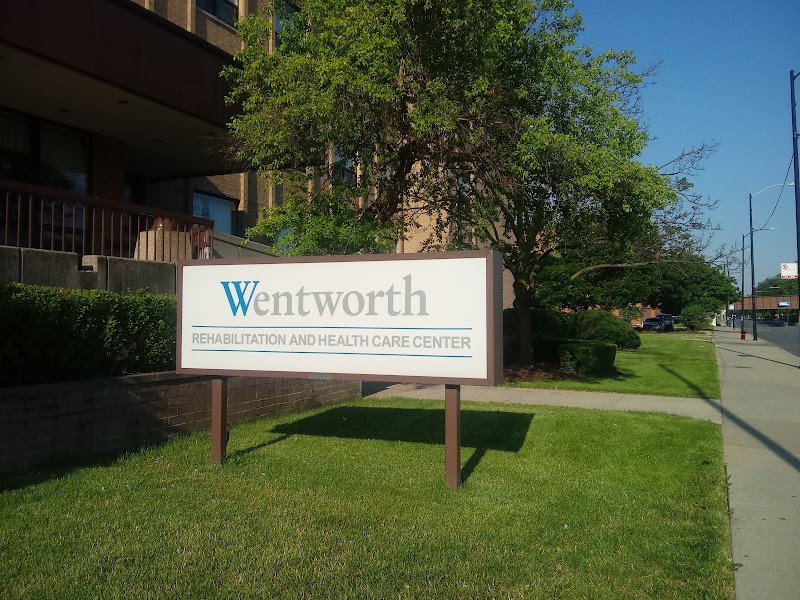
Who Owns and Operates Wentworth Rehab & Hcc?

WENTWORTH REHAB & HCC is owned by a for-profit company. For-profit facilities operate as businesses with obligations to shareholders or private owners. The facility is operated by THE ALDEN NETWORK, a chain that manages multiple nursing homes. With 300 certified beds and approximately 186 residents (about 62% occupancy), it is a large facility located in CHICAGO, Illinois.
How Does Wentworth Rehab & Hcc Compare to Other Illinois Nursing Homes?

Compared to the 100 nursing homes in Illinois, WENTWORTH REHAB & HCC's overall rating (1 stars) is below the state average of 2.5 and health inspection rating (2 stars) is below the national benchmark.

What Should Families Ask When Visiting Wentworth Rehab & Hcc?

Based on this facility's data, families visiting should ask: "Can you walk me through typical staffing levels on day, evening, and night shifts?" "Can I visit during a mealtime to observe dining assistance and food quality?" "How do you handle medical emergencies, and what is your hospital transfer rate?" "Can I speak with family members of current residents about their experience?" These questions are particularly relevant given the below-average staffing rating.

Is Wentworth Rehab & Hcc Safe?

Based on CMS inspection data, WENTWORTH REHAB & HCC has a clean safety record: no substantiated abuse findings (meaning no confirmed cases of resident harm), no Immediate Jeopardy citations (the most serious violation level indicating risk of serious injury or death), and is not on the Special Focus Facility watch list (a federal program monitoring the lowest-performing 1% of nursing homes). The facility has a 1-star overall rating and ranks #100 of 100 nursing homes in Illinois. While no facility is perfect, families should still ask about staff-to-resident ratios and recent inspection results during their visit.

Do Nurses at Wentworth Rehab & Hcc Stick Around?

WENTWORTH REHAB & HCC has not reported staff turnover data to CMS. Staff turnover matters because consistent caregivers learn residents' individual needs, medications, and preferences. When staff frequently change, this institutional knowledge is lost. Families should ask the facility directly about their staff retention rates and average employee tenure.

Was Wentworth Rehab & Hcc Ever Fined?

WENTWORTH REHAB & HCC has been fined $436,557 across 6 penalty actions. This is 11.7x the Illinois average of $37,444. Fines at this level are uncommon and typically indicate a pattern of serious deficiencies, repeated violations, or failure to correct problems promptly. CMS reserves penalties of this magnitude for facilities that pose significant, documented risk to resident health or safety. Families should request specific documentation of what issues led to these fines and what systemic changes have been implemented.

Is Wentworth Rehab & Hcc on Any Federal Watch List?

WENTWORTH REHAB & HCC is not on any federal watch list. The most significant is the Special Focus Facility (SFF) program, which identifies the bottom 1% of nursing homes nationally based on persistent, serious quality problems. Not being on this list means the facility has avoided the pattern of deficiencies that triggers enhanced federal oversight. This is a positive indicator, though families should still review the facility's inspection history directly.