WESTWOOD VLGE NRSG AND RHB CTR
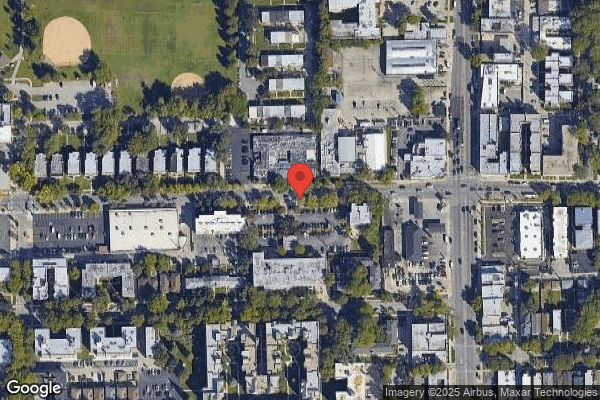
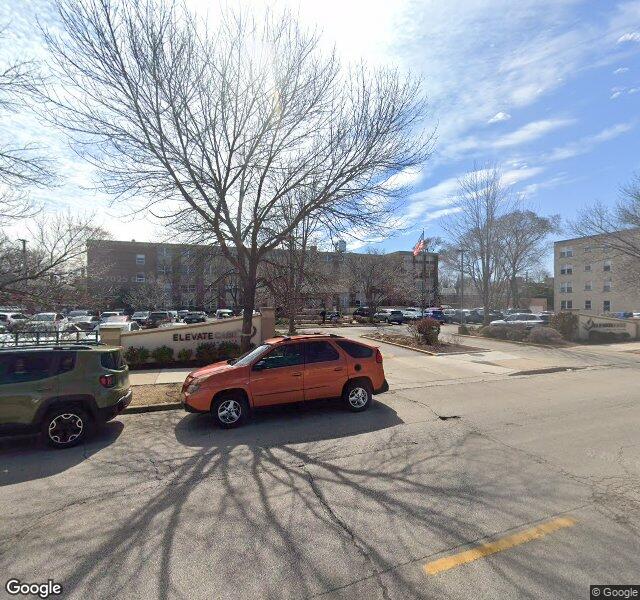
2444 WEST TOUHY AVENUE, CHICAGO, IL 60645 (773) 274-7705
For profit - Limited Liability company 115 Beds Independent Data: November 2025
Trust Grade
55/100
#418 of 665 in IL
Last Inspection: December 2024

Within standard 12-15 month inspection cycle. Federal law requires annual inspections.

Overview

Westwood Village Nursing and Rehabilitation Center has a Trust Grade of C, which means it is average and falls in the middle of the pack compared to other facilities. It ranks #418 out of 665 in Illinois and #133 out of 201 in Cook County, indicating it is in the bottom half of facilities in the state and county. The facility is improving, having reduced issues from 21 in 2024 to just 6 in 2025. Staffing is a relative strength with a turnover rate of only 19%, well below the state average, though the overall staffing rating is 2 out of 5. While the facility has not incurred any fines, which is a positive sign, there are some concerning incidents. For example, food was not properly labeled and dated, which poses a risk of serving expired items to residents. Additionally, there were issues with thawing meat improperly and not securing bulk item scoops, increasing the risk of foodborne illnesses. Lastly, medications were not stored safely, and there were lapses in ensuring that medication carts were locked and labeled with expiration dates. Overall, while there are some strengths, families should consider the specific concerns noted in the inspection findings.

Trust Score
C
55/100
In Illinois
#418/665
Bottom 38%
Safety Record
Low Risk
No red flags
Inspections
Getting Better
21 → 6 violations
Staff Stability
✓ Good
19% annual turnover. Excellent stability, 29 points below Illinois's 48% average. Staff who stay learn residents' needs.
Penalties
✓ Good
No fines on record. Clean compliance history, better than most Illinois facilities.
Skilled Nurses
○ Average
Each resident gets 37 minutes of Registered Nurse (RN) attention daily — about average for Illinois. RNs are the most trained staff who monitor for health changes.
Violations
⚠ Watch
38 deficiencies on record. Higher than average. Multiple issues found across inspections.
★★☆☆☆
2.0
Overall Rating
★★☆☆☆
2.0
Staff Levels
★☆☆☆☆
1.0
Care Quality
★★★☆☆
3.0
Inspection Score
Stable
2024: 21 issues
2025: 6 issues

The Good

  • Low Staff Turnover (19%) · Staff stability means consistent care
  • Full Sprinkler Coverage · Fire safety systems throughout facility
  • No fines on record
  • Staff turnover is low (19%)

    29 points below Illinois average of 48%

Facility shows strength in staff retention, fire safety.

The Bad

2-Star Overall Rating

Below Illinois average (2.5)

Below average - review inspection findings carefully

The Ugly 38 deficiencies on record

Aug 2025 1 deficiency
CONCERN (D) 📢 Someone Reported This

A family member, employee, or ombudsman was alarmed enough to file a formal complaint

Potential for Harm - no one hurt, but risky conditions existed

Free from Abuse/Neglect (Tag F0600)

Could have caused harm · This affected 1 resident

**NOTE- TERMS IN BRACKETS HAVE BEEN EDITED TO PROTECT CONFIDENTIALITY** Based on interview and record review, the facility failed to prevent and protect residents from verbal abuse for two (R1 and R2)...

Read full inspector narrative →
**NOTE- TERMS IN BRACKETS HAVE BEEN EDITED TO PROTECT CONFIDENTIALITY** Based on interview and record review, the facility failed to prevent and protect residents from verbal abuse for two (R1 and R2) out of four residents reviewed for resident-to-resident abuse. The findings include:R1's face sheet showed R1's admission date was on 1/6/25 with diagnoses not limited to Asthma, Bipolar disorder, Hypertensive heart disease without heart failure, Delusional disorders, Other psychoactive substance use, Other chronic pain, Anxiety disorder, Insomnia. MDS (Minimum Data Set) dated 7/9/25 showed R1's cognition was intact.R2's face sheet showed R2's admission date was on 5/30/25 with diagnoses not limited to Hemiplegia, unspecified affecting left dominant side, Bipolar disorder, Chronic obstructive pulmonary disease, Type 2 diabetes mellitus, Myelodysplastic syndrome, Pathological fracture left ankle, Spinal stenosis cervical region, Hypertensive heart disease without heart failure, Chronic kidney disease, Generalized anxiety disorder, Schizoaffective disorder, Personal history of transient ischemic attack (TIA), and cerebral infarction, Nicotine dependence. MDS dated [DATE] showed R2's cognition was moderately impaired.On 8/24/25 At 10:05AM observed R1 ambulating with a walker with steady gait, alert, oriented x 3, and verbally responsive. R1 said about a couple of weekends ago, R2 threatened/harassed her. She said R2 was going to attack me or hit me. R2 was shouting at me. R1 further stated that R2 cursed her and stated, B****, get out of my way. F*** you. I will beat you're a** out. On 8/24/25 at 10:24am R2 observed sitting up in a wheelchair by his bedside, alert and oriented x 3, verbally responsive. He said about a couple of weekends ago, R1 called him N***R. R2 said R1 is mad at him whenever she saw him. He said R1 cursed him and called out names whenever he is coming. R2 stated R1 yelled/screamed at him saying F*** you, F*** off. R2 said he cursed back at R1 and stated leave me alone, CRAZY or I will knock on your a** out, F*** you. R2 said he yelled/screamed/cursed R1 too. On 8/24/25 At 10:53AM V3 (Licensed Practical Nurse/LPN) said had worked with R1. Surveyor reviewed R1's EHR (electronic health record) with V3 and he stated he wrote progress notes for R1 on 8/10/25. V3 said there was incident between R1 and R2 on 8/10/25. He said R1 was verbally aggressive with R2, there was a lot of back and forth between R1 and R2 but did not hear specific words that they (R1 and R2) were saying to each other. V3 said both R1 and R2 were raising voices/yelling at each other. V3 said he could hear upset voices from R1 and R2 but was not able to hear specific words. He said staff separated R1 and R2. V3 said it was reported to him that that R1 was harassing R2 with yelling profanities or using swear words probably F*** words. V3 said R1 and R2 were using not appropriate language - more of aggressive words but can't say specific words or appropriate language that were used by R1 and R2. R1's Progress Note dated 8/10/25 by V3 (LPN) showed in part: R1 has been verbally aggressive with various staff/peers. Staff received complaints from peers/staff that R1 was agitating other clients unprovoked by yelling profanities at them.R1's Care plan dated 1/6/25 showed in part: R1 is at risk for abuse due to residing at a long-term care facility. Resident will be free of abuse/neglect daily.On 8/24/25 At 11:07AM V9 (Certified Nursing Assistant/CNA) stated she had worked with R2 but not with R1. Stated she knew R1. V9 said there was an encounter between R1 and R2 about couple of weekends ago, both R1 and R2 were yelling/screaming/cursing at each other. V9 stated R1 said to R2 shut the f*** then R2 cursed back to R1 stating, get the f*** out of my way. V9 said both R1 and R2 were exchanging F words to each other. She said both residents were separated. V9 said it was verbal abuse between R1 and R2 because they were yelling/screaming and cursing at each other. Stated she thought the administrator was aware of it because there were nurses who heard or witness the verbal abuse at that time. On 8/24/25 At 12:08PM V12 (CNA) stated had seen R1 and R2 yelling and screaming at each other and staff need to break up and control the situation. V12 said it happened about a couple of weekends ago when R1 and R2 passed or saw each other. V12 said R2 cursed at R1, stated F*** you. I am tired of this shit. I want the f*** out of here. I am tired of that b****. V12 said R1 did cursed back to R2 and stated F*** you, F*** off. V12 said it was a verbal abuse between R1 and R2 and he thought the Administrator knew about it. On 8/24/25 At 1:25PM V13 (LPN) stated she had been working with R2. She said R2 is alert and oriented x 3, Easily agitated, cursing, yelling and screaming to staff. Surveyor reviewed R2's EHR with V13 and stated that R2 had a verbal altercation with R1 on 8/10/25. V13 said R1 and R2 were going back and forth. She said R1 and R2's voices were raised or were yelling at each other. V13 said R2 yelled at R1, R2 stated leave me the F*** alone. V13 said R1 was threatening R2 to call the police on him and R1 will put R2 in jail. V13 said R1 called R2 N***R. She said R1 does not like R2. V13 said she heard R1 cursing but could not identify or remember the words R1 said to R2. V13 said they separated both residents (R1 and R2). She said the Administrator was informed about the incident. V13 said the incident between R1 and R2 could be viewed as verbal abuse to each other due to raising of voices/yelling and threatening. R2's Progress Note by V13 (LPN) dated 8/10/2025 showed in part: R2 was involved in a verbal altercation with peer. This resident was in his room when he was approached by a peer. Peer called this resident a N***r and stated she was going to call the state and the police and have this resident arrested. Peer threatened to have this resident placed in (County jail). R2 then stated leave me the f*** alone I am not bothering you. Peer continued to make inappropriate statements to R2. Residents were separated at this time.On 8/24/25 At 1:54PM V15 (CNA) stated she had worked with R2 but did not work with R1, but she knows R1. V15 said R2 could be verbally and physical abusive with staff, would try to hit staff. V15 said R1 and R2 screamed or yelled at each other. She said R1 does not want to be around R2. V15 said did not hear R1 or R2 cursing each other. Stated she could not recall the specific words/cursed words used by R1 and R2.On 8/24/25 At 2:16PM V2 (Director of Nursing/DON) she said an example of Verbal abuse is belittling, name calling, cursing, screaming/yelling at each other. She said resident in the facility should be free from abuse. On 8/24/25 At 2:29PM V1 (Administrator) stated she has been working in the facility for 32 years and she is the Abuse coordinator. Stated Types of abuse are Physical, verbal, mental, sexual, exploitation, inv seclusion, neglect, chemical restraint. V1 said example of verbal abuse is screaming/yelling, cursing, calling out their names, demeaning/belittling resident. V1 said the goal is for all residents to be free of any abuse in the facility. Facility's abuse prevention program policy dated 2/2017 showed in part: The facility affirms the right of our residents to be free from abuse. Verbal abuse is the use of oral language that willfully includes disparaging and derogatory terms to residents within their hearing distance, regardless of an individuals' age, ability to comprehend, or disability. Examples of verbal abuse include, but are not limited to, threats of harm, saying things to frighten a resident. Facility's residents' rights policy dated 11/18 showed in part: You must be abused, neglected, or exploited by anyone - financially, physically, verbally, mentally or sexually.
Jul 2025 1 deficiency
CONCERN (E) 📢 Someone Reported This

A family member, employee, or ombudsman was alarmed enough to file a formal complaint

Potential for Harm - no one hurt, but risky conditions existed

Safe Environment (Tag F0584)

Could have caused harm · This affected multiple residents

Based on observation, interview and record review, the facility failed to ensure that the air temperature in the facility resident rooms was 71 to 81 degrees Fahrenheit (F) for 23 residents (R2, R3, R...

Read full inspector narrative →
Based on observation, interview and record review, the facility failed to ensure that the air temperature in the facility resident rooms was 71 to 81 degrees Fahrenheit (F) for 23 residents (R2, R3, R4, R6, R7, R8, R9, R10, R11, R12, R13, R14, R15, R16, R17, R18, R19, R20, R21, R22, R23, R24 and R25) reviewed for inadequate cooling. Findings include: On 6/24/25 at 2:05 PM, R9 stated that R8 and R9's room had been feeling warm for a few days prior to the fire department staff coming into the facility on 6/21/25. R9 stated that the air conditioner (AC) unit in R8 and R9's room in the ceiling had been leaking water recently and wasn't blowing cool air. R9 stated that R9 reported it to V24 (Housekeeping Supervisor) and then reported it to V14 (Social Services Director/SSD) who informed R8 that R8's room was on the list for the AC to be fixed. R9 stated that on 6/20/25, R8 saw the air temperature reading on the thermostat in R8 and R9's room reading 85 degrees F and knew that it was still going to be hot over the weekend, so R8 requested a temporary room change to a different room in the facility which was granted by staff. R9 stated that on 6/21/25 in the evening, R9 walked back towards the nurse's station near R9's original room (with R8) for R9's medications and then R9 walked back into room to retrieve a belonging. R9 stated that R8 was still in the room laying on the bed, and It was oppressive. It was too hot in there. R9 stated that the fire department staff arrived that evening (6/21/25) around 10:00 PM. R9 stated that R9 moved back to R8 and R9's room after the AC was fixed. R9's Face Sheet documents, in part, diagnoses of diabetes mellitus, spondylosis with myelopathy, hypertensive heart disease, hyperlipidemia, polyneuropathy, major depressive disorder, generalized anxiety disorder, restless leg syndrome and otalgia left ear. On 6/25/25 at 9:30 am, R8 stated that the room AC in R8 and R9's room was leaking water from the AC unit in the ceiling, but now it's fixed. R8 stated that the temperature was warm in R8 and R9's room for several days prior to 6/21/25, but R8 likes the warmer air temperature and chose to stay in R8's room. R8's Face Sheet documents, in part, diagnoses of type 2 diabetes mellitus, hypertension, chronic kidney disease stage 2, seizures, primary open-angle glaucoma bilateral, conductive hearing loss bilateral, schizoaffective disorder, malignant neoplasm of kidney, acquired absence of kidney, folate deficiency anemia, major depressive disorder, mild intellectual disabilities, and age-related nuclear cataract bilateral. On 6/25/25 at 9:32 am, R20 stated that R20 is now in a different room in the facility due to the temperature in the other room was very poor, too hot. R20 stated that R20 can't recall which day it was that R20 moved, but it was hot outside and hot inside the facility. R20 stated that R20 is blind and needed help to move. R20 stated that R20 complained to the nurse, and the nurse moved R20. R20's Face Sheet documents, in part, diagnoses of type 2 diabetes mellitus with diabetic retinopathy, orthostatic hypotension, hypertensive heart disease, difficulty in walking, lack of coordination, cognitive communication deficit, nicotine dependence, age-related nuclear cataract bilateral, and legal blindness. On 6/25/25 at 9:36 am, R15 stated that it was so warm in R12, R13, R14 and R15's room on 6/21/25, and the staff moved me out of the room that night. R15's Face Sheet documents, in part, diagnoses of chronic obstructive pulmonary disease, psychosis, and paranoid schizophrenia. On 6/25/25 at 9:42 am, R3 stated that for R3, R17 and R24's room AC unit in the ceiling, there was a problem where it had been dripping water, and the blower wasn't working. R3 stated that on 6/21/25, R3 read the air temperature reading on their room's thermostat at 87 degrees F with it being very warm R3's room. R3 stated that R3 was not moved from R3, R17 and R24's room on 6/21/25 or 6/22/25, and the facility brought in a portable AC unit. R3's Face Sheet documents, in part, diagnoses of asthma, polyarthritis, schizoaffective disorder, hypothyroidism, hypertensive heart disease, hyperlipidemia, major depressive disorder and nicotine dependence. On 6/25/25 at 9:45 am, R10 stated that R10 was in a room with R11 on 6/21/25, and it was hot and humid in their room. R10 stated that R10 was moved to a different room on 6/21/25 at night after the fire department staff arrived. R10's Face Sheet documents, in part, diagnoses of dementia, schizophrenia, obesity, major depressive disorder, and obesity. On 6/25/25 at 9:50 am, R24 stated that it was recently warm in R3, R17 and R24's room but was unable to provide additional details. R24's Face Sheet documents, in part, diagnoses of hypothyroidism, major depressive disorder, hypertension, hyperlipidemia, bipolar disorder, schizoaffective disorder, extrapyramidal and movement disorder, anxiety disorder, insomnia, legal blindness, and neoplasm of left kidney. On 6/25/25 at 9:53 am, R17 stated that water had been leaking from R3, R17 and R24's room AC unit in the ceiling recently and now it's been fixed. R17 stated that R17's naturally feels cold, so the warmth that R17 felt in R17's room was not a problem for R17. R17's Face Sheet documents, in part, diagnoses of chronic obstructive pulmonary disease, hypertensive heart disease, benign prostatic hyperplasia, hyperlipidemia, hypothyroidism, anemia, and tachycardia. On 6/25/25 at 10:00 am, R18 stated on 6/21/25, it was hot like a sun of a gun. R18 stated, Everyone knew that it was hot in here, I (R18) told them (staff) too, and R16, R18 and R25's room AC unit in the ceiling wasn't working on 6/21/25. R18 stated that when the fire department staff came late in the evening on 6/21/25, then the staff moved R16, R18 and R25 to a different room in the facility. R18's Face Sheet documents, in part, diagnoses of hemiplegia affecting left dominant side, bipolar disorder, chronic obstructive pulmonary disease, type 2 diabetes mellitus, myelodysplastic syndrome, spinal stenosis, anemia, hypothyroidism, anemia, benign prostatic hyperplasia, chronic kidney disease, generalized anxiety disorder, schizoaffective disorder, and nicotine dependence. On 6/25/25 at 10:07 am, R16 stated that R16, R18 and R25's room AC wasn't working prior to 6/21/25, and the air temperature in their room kept going up. R16 stated that R16, R18 and R25 were moved to a different room in the facility late on 6/21/25. R16's Face Sheet documents, in part, diagnoses of chronic obstructive pulmonary disease, type 2 diabetes mellitus, hypertensive heart disease, generalized osteoarthritis, hyperlipidemia, benign neoplasm of parotid gland, hyperlipidemia, open-angle glaucoma, and Bell's palsy. On 6/25/25 at 2:47 PM, R14 stated that it was warm in R12, R13, R14 and R15's room recently but was unable to provide additional details. R14's Face Sheet documents, in part, diagnoses of asthma, schizophrenia, dementia, type 2 diabetes mellitus, gastrostomy status, epilepsy, chronic obstructive pulmonary disease, hypothyroidism, and glaucoma. On 6/25/25 at 2:49 PM, R4 stated that on 6/21/25 at night, R4 was moved from R2 and R4's room due to their room being warm with the AC unit in the ceiling not working. R4's Face Sheet documents, in part, diagnoses of type 2 diabetes mellitus, hypertensive heart disease, chronic obstructive pulmonary disease, anemia, schizoaffective disorder, hyperlipidemia, chronic kidney disease, low back pain, nicotine dependence, and sleep apnea. On 6/25/25 at 2:51 PM, R2 stated that R2 and R4's room in the facility was hotter than h*** on 6/20/25 and 6/21/25. R2 stated that R2 read their room air temperature on the thermostat as 88 degrees F on 6/21/25, and with the increased humidity, it felt hotter than 88 degrees F. R2 said that R2 complained to 2 nursing staff members on 6/21/25, and no one was doing anything. R2 stated that R2 called 911 around 6:30 PM on 6/21/25 telling the operator that the heat was unbearable in the facility. R2 stated that R2 spoke with the fire department staff in the facility in the evening on 6/21/25, and R2 and R4 were moved to separate rooms that night. R2's Face Sheet documents, in part, diagnoses of emphysema, chronic obstructive pulmonary disease end stage, severe protein-calorie malnutrition, hypertensive heart disease, cerebral infarction, cerebral ischemia, major depressive disorder, iron deficiency anemias, benign prostatic hyperplasia, dry eye syndrome and nicotine dependence. On 6/25/25 at 3:27 PM, R11 stated that R11 was moved from R10 and R11's former room on 6/21/25 due to the warmth in that room. R11's Face Sheet documents, in part, diagnoses of type 2 diabetes mellitus, schizoaffective disorder, chronic kidney disease stage 3, hypertensive heart disease, orthostatic hypotension, hyperlipidemia, major depressive disorder, benign prostatic hyperplasia, obstructive sleep apnea, and chronic respiratory failure. On 6/25/25 at 3:32 PM, R25 stated that it was warm in R16, R18 and R25's room on 6/21/25, and they were moved to a different room in the facility later that night. R25's Face Sheet documents, in part, diagnoses of hypertension, hyperlipidemia, schizoaffective disorder, hypothyroidism, open-angle glaucoma bilateral, and cataract. On 6/25/25 at 3:34 PM, R22 stated that it was getting warmer in R22 and R23's room on 6/21/25, but they stayed in their room. R22's Face Sheet documents, in part, diagnoses of chronic obstructive pulmonary disease, combined systolic and diastolic (congestive) hear failure, hypothyroidism, major depressive disorder, schizoaffective disorder, sciatica, hyperlipidemia, and migraine. On 6/30/25 at 1:07 PM, R23 stated that R22 and R23's room AC unit wasn't working right, and there's a portable AC unit in R22 and R23's room due to room being warm. R23's Face Sheet documents, in part, diagnoses of dementia, polyneuropathy, type 2 diabetes mellitus, chronic obstructive pulmonary disease, paroxysmal atrial fibrillation, post-traumatic stress disorder, osteoarthritis, low back pain, major depressive disorder, and sleep apnea. On 6/30/25 at 1:09 PM, R13 stated that R12, R13, R14 and R15's room was real warm on 6/21/25, and the fan that was provided by staff in their room wasn't helping to cool the room. R13 stated that R13 was moved to a different room at night on 6/21/25 because it was too hot in their room. R13's Face Sheet documents, in part, diagnoses of hypertensive heart disease, iron deficiency anemia, paranoid schizophrenia, pain in hip and knee, and osteoarthritis. On 6/30/25 at 1:11 PM, R12 stated that R12, R13, R14 and R15's room was very warm on 6/21/25, and the fan that was provided by staff in their room wasn't helping to cool the room. R12 stated that R12 was moved to a different room at night on 6/21/25. R12's Face Sheet documents, in part, diagnoses of type 2 diabetes mellitus, epilepsy, dysphagia, paranoid schizophrenia, hypothyroidism, hyperlipidemia, and edema. On 6/30/25 at 1:15 PM, R21 stated that R21 was moved from R19 and R21's former room due to it being so hot, and the AC unit in their former room was broken. R21's Face Sheet documents, in part, diagnoses of chronic obstructive pulmonary disease, schizophrenia, type 2 diabetes mellitus, hypertensive heart disease, respiratory failure, epilepsy, absolute glaucoma bilateral, psoriasis and sudden idiopathic bilateral hearing loss. On 6/30/25 at 1:18 PM, R19 observed in R19 and R21's new room and not responding verbally to surveyor questions. R19 nodded yes to moving to a different room due to elevated air temperature in the former room. R19's Face Sheet documents, in part, diagnoses of Parkinson's disease, chronic obstructive pulmonary disease, emphysema, schizophrenia, severe protein-calorie malnutrition, systolic (congestive) heart failure, retention of urine, hypertensive heart disease, benign prostatic hyperplasia, major depressive disorder, and post-traumatic stress disorder. On 6/30/25 at 1:20 PM, R6 stated, It was so hot, I (R6) couldn't sleep. R6 stated that the AC unit in the ceiling in R6 and R7's room was broken. R6 stated that the staff knew about the hot situation on 6/21/25, and that one unknown female staff member had come into R6's room saying that it was hot in this room. R6 stated that then the fire department staff came that night (6/21/25-6/22/25), and the facility staff then moved R6 and R7 to a different room. R6's Face Sheet documents, in part, diagnoses of type 2 diabetes mellitus, schizoaffective disorder, generalized anxiety disorder, delusional disorders, and nicotine dependence. On 6/30/25 at 4:14 PM, R7 stated that R7 was moved to a different room and is happy to be back in R6 and R7's room with the AC unit fixed. R7's Face Sheet documents, in part, diagnoses of vascular dementia, chronic obstructive pulmonary disease, hypertensive heart disease, hyperlipidemia, osteoarthritis, major depressive disorder, respiratory failure, schizophrenia, severe protein-calorie malnutrition, syncope and collapse, convulsions, epilepsy, absolute glaucoma bilateral and polydipsia. On 6/24/25 at 2:29 PM, V5 (Licensed Practical Nurse/LPN) stated that there were four nurses assigned and working on 6/21/25 for the 7:00 am to 3:00 PM shift, and V5 was working on side 1. V5 stated that a majority of V5's residents' rooms were cool; however, several rooms V5 noted that the AC was not working well like it wasn't working fast enough. V5 stated that R19 and R21's room was warm. V5 stated that there was a manager on duty (MOD) who was the DON, V2 (Director of Nursing/DON), and that V5 did not notify V1 (Administrator) or V2 of R19 and R21's room air temperature being too warm on 6/21/25. On 6/24/25 at 2:47 PM, V6 (LPN) stated that V6 was working on 6/21/25 during the 7:00 am to 3:00 PM shift, and V6 was assigned to side 4. V6 stated that when V6 walked through the hallway passing by resident rooms on side 3, V6 stated, It was so hot. V6 stated that some residents had towels on the floor due to the AC units in the ceiling leaking water to the floor. V6 stated that some residents were stepping out of their rooms saying that it's too warm in their rooms, including R16. V6 stated that V6 did know what happened to R16's leaking AC unit but it was so hot in that room. V6 stated that V6 did not report to nobody. I won't lie. I didn't. I didn't talk to the next shift (oncoming evening shift). It's the AC, there's nothing that I can do about it. Besides it's Saturday (6/21/25). They (residents) have to wait to Monday. On 6/24/25 at 3:02 PM, V7 (Certified Nursing Assistant/CNA) stated that V7 worked on 6/21/25 from 7:00 am to 3:00 PM and was assigned to side 3. V7 stated that some resident rooms felt warm that day, including R2 and R4's room. V7 stated that R2 was complaining that it was too hot in R2 and R4's room, and V7 stated that it felt warm over there on side 3. V7 stated that V7 had informed V3 (Housekeeper) of the increased air temperature while working on 6/21/25. On 6/24/25 at 3:41 PM, V8 (LPN) stated that V8 was working on 6/21/25 from 3:00 PM to 11:00 PM and was assigned to side 1 residents. V8 stated that one resident, R20, complained of it being too warm in R20's room. V8 stated that it was hot outside and that R20 had just come back from being outside in the smoking patio so asked R20 to give it some time for R20's room to cool down. V8 stated that around 6:00 PM on 6/21/25, R20 was still complaining of R20's room being too warm, so V8 moved R20 to a different room. V8 stated that around 10:00 PM, a fire department staff member entered the facility telling V8 that a resident had called saying that the temperature was unbearable in the facility. V8 stated that V8 instructed V19 (Registered Nurse/ RN) to call V1 (Administrator), and V8 then phoned and notified V2 (DON) about the fire department staff wanting to tour the facility to check on residents' welfare. V8 stated that V2 was working in the facility on 6/21/25 as the MOD but left the facility around 6:00 PM. On 6/24/25 at 3:54 PM, V9 (RN) stated that V9 worked on 6/21/25 from 7:00 am to 11:00 PM. V9 stated that one resident, R2, came up to the nurse's station to complaint about R2's room being too hot. V9 stated that V9 would normally call the MOD about elevated room air temperatures, but R2 wasn't on my side. On 6/24/25 at 4:01 PM, V19 (RN) stated that V19 worked on 6/21/25 from 3:00 PM to 11:00 PM and was working on side 2. V19 stated that R2 complained of R2 and R4's room being too warm, and V19 investigated by walking into R2's room which was warm with the AC unit not working. V19 stated that around 10:00 PM when the fire department staff entered the facility, V19 then called and notified V1 (Administrator). On 6/25/25 at 3:44 PM, V10 (CNA) stated that V10 worked on 6/21/25 from 3:00 PM to 11:00 PM, and V10 worked on side 2 and 3. V10 stated that at 3:00 PM on 6/21/25 during rounds, V10 observed R2 talking the nurse about the heat in R2's room. V10 stated V6 (LPN) checked on R2's room. V10 stated that some other resident rooms were not much cool but (V10) didn't look at the thermostat but it was like a tropical heat. V10 stated that around 9:30 PM to 10:00 PM, the fire department staff entered the facility. On 6/25/25 at 11:37 am, V3 (Housekeeper) stated that V3 is a housekeeper and when V1 needs an extra hand, I am maintenance. V3 stated that the one maintenance staff for the facility is V21 (Maintenance Director) but V21 is currently on vacation. V3 stated that V3's responsibilities are to mop and sweep all resident rooms and communal areas and cleans the bathrooms and shower rooms. V3 stated that V3 is also responsible to catalog the (air) temperatures in (resident rooms), and V3 does this by looking at the actual air temperature reading on the AC thermostats in each resident room. V3 stated that V3 is looking for readings of 72 to 74 degrees F. V3 stated that for air temperature readings greater than 74 degrees, V3 will tell V24 (Housekeeping Director) on Tuesdays, Thursdays and Saturdays when V24 is working and will tell V1 on the other days. V3 stated that V3 documents each air temperature reading from residents' rooms on the air temperature log. V3 stated that V3 will collect the resident room air temperature readings in the morning time and the air temperature readings normally rise throughout the daytime. V3 stated that V3 worked on 6/21/25 from 7:00 am to 3:00 PM, and it didn't start heating up until to 2 PM. After that 2 PM, I (V3) think its spiked. I didn't get no temps because I got them in the morning. I left at 3 PM. Me, I was feeling it (heat in the facility). V3 stated that V3 had addressed several residents' complaints of their rooms being too hot with their AC units leaking water. When asked if V3 notified V1, V21 (Maintenance Director) or V24 (Housekeeping Supervisor) on 6/21/25 of the leaking AC units or residents' complaints of feeling too hot in their rooms, V3 stated, I didn't tell anyone. On 6/25/25 at 1:40 PM, V2 (DON) stated that V2 was working as the MOD on 6/21/25 onsite in the facility from approximately 8:00 am to 6:00 PM. V2 stated that as the MOD, V2 is responsible for ensuring that residents are being taken care of and to oversee the functioning of the facility and staff. V2 stated that on 6/21/25, the heat index outside was 104 degrees F and that V2 placed a hold on residents leaving the facility on community passes due to the excessive hot weather. V2 stated that on 6/21/25, V2 did address R2 saying that it was too hot in R2 and R4's room by shutting the room window. V2 stated that V2 received no reports from the facility staff on 6/21/25 about the facility feeling too warm. V2 stated that V2 left the facility around 6:00 PM, and later V8 (LPN) phoned notifying V2 that someone called 911 about the facility being too warm. On 6/24/25 at 9:52 AM, V1 (Administrator) stated that on 6/21/25 while at home, V1 received a phone call from V19 (RN) stating that someone called the fire department saying that the rooms were too hot. V1 stated, I did not get a phone call, so I didn't know there was an issue. I was at home. Once I got the call that they were here, I got here within 10 minutes. V1 stated that V1 performed a tour with the fire department staff who was taking air temperature readings with their equipment with elevated air temperature readings is some resident rooms. V1 stated that with the directive of the fire department staff, V1 must move the residents from their rooms to a cooler room in the facility if the room air temperature was 85 degrees or higher. V1 stated that on the night of 6/21/25 to into 6/22/25, R2, R4, R6, R7, R8, R10, R11, R12, R13, R14, R15, R16, R18, R19, R21 and R25 were all relocated to different rooms in the facility, with R9 refusing to move. V1 stated that with the directive of the fire department staff, V1 must monitor the air temperature room readings hourly, and for resident rooms reading 80 to 84 degrees F, these residents must be monitored closely. This surveyor and V1 reviewed the hourly air temperature readings starting at midnight on 6/22/25, and V1 stated that V1 phoned the contracted air conditioning company, and early Sunday on 6/22/25, they ran a diagnostic test on the air conditioning system in the facility. V1 stated that when the air conditioning system was turned on by the contracted air conditioning company personnel on 6/2/25, only one AC pump was turned on instead of both AC pumps. V1 stated that some of the residents' room AC units were then overworking and malfunctioned. On 6/30/25 at 11:36 am, V1 confirmed that the resident census on 6/21/25 was 102 active residents. V1 stated that V21 is the Maintenance Director and has not been working (on vacation) since 6/17/25. V1 stated that V3 is a housekeeper and will change AC filters, but V3 does not perform maintenance repairs. V1 stated that staff will inform V1 or V21 of maintenance concerns, and V1 will make final decisions. In reviewing with V1 the facility policy for extreme high temperatures, this surveyor asked who the VP (Vice President) of Plant Operations or VP of Regional Operations is. V1 stated that V1 doesn't know and that V1 contacts the facility owners with extreme high temperature concerns in the facility. Facility temperature log, dated 6/22/25 from 12 am to 1 am, document, in part, air temperatures of four rooms at 82 degrees F; one room at 83 degrees F; three rooms at 84 degrees F, and one room at 85 degrees F. Facility temperature log, dated 6/22/25 from 1 am to 2 am, document, in part, air temperatures of three rooms at 82 degrees F; three rooms at 83 degrees F; and two rooms at 84 degrees F. Facility temperature log, dated 6/22/25 from 2 am to 3 am, document, in part, air temperatures of three rooms at 82 degrees F and one room at 83 degrees F. Facility temperature log, dated 6/21/25, documents only one temperature reading for each resident room. Facility floor plan reviewed showing that the facility has one floor (main level) where residents reside. Facility Resident Roster, titled Midnight Census Report and dated 6/21/25, indicates that 102 active residents are residing in the facility. Facility employee list documents, in part, one maintenance staff member, V21 (Maintenance Director). Online review of the outside weather on 6/21/25 documents that the high temperature was 95 degrees F at 2:53 PM. Facility policy titled Extreme High Temperature Guideline dated 4/3/2024, documents, in part, Purpose: To provide guidance to facility in times of unseasonably hot weather and/or cooling system malfunction. Responsible Party: Facility Staff. Should the temperature index for relative humidity and temperature in this facility rise above 80°, the facility shall implement the appropriate high temperature procedures. Should a specific area of the facility rise above 80°, it may be necessary to relocate residents to a cooler section of the facility . Department Specific Procedures: Nursing: . if necessary, transfer residents to areas of the facility that are better ventilated and cooler in temperature . Maintenance: monitor air temperatures at least every two hours between 8:00 AM and 10:00 PM in resident areas and every four hours between 10:00 PM and 8:00 AM temperatures should be taken at the warmest point identified through baseline monitoring on each floor or wing . Housekeeping and Laundry: . report any repairs to the supervisor or the director of maintenance. Administration: Alert all Extended Care V.P. of Plant Operations and the V.P. of Regional Operations regarding the high temperature situation if high temperature. (If) procedures do not sufficiently maintain resident safety. Facility policy titled Resident Rights Guidelines dated October 2023 documents, in part, . Guideline: our residents have certain rights and protections under federal law that help ensure appropriate care and services are provided . our facility will treat each resident with respect and dignity and care for each resident in a manner an (and) in an environment that promotes maintenance or enhancement of his or her quality of life . right to a safe, clean, comfortable, and home like environment . housekeeping and maintenance for a safe, sanitary, orderly, and comfortable interior . and safe temperatures. Facility policy titled Maintenance Policy dated January 2025 documents, in part, Policy: it is the policy of this facility to provide a safe, accessible, effective and efficient environment of care that is consistent with its mission, services and law and regulations. Policy Specifications: To ensure that the building (interior and exterior), grounds, and equipment are maintained in a safe operable manner. Responsibility: Maintenance Direct and Maintenance Personnel. Standards: . 14. Air-conditioning system shall be maintained and utilized as necessary to provide comfortable temperatures in all areas. Air temperature shall be maintained in a temperature range of 71 to 81 (degrees) F. Facility job description (undated) titled Director of Nursing documents, in part, . The primary purpose of your position is the provision of nursing care and treatments to residents. All services provided shall be in accordance with established nursing standards, policies, procedures, and practices of this facility and the requirements of this state . Major Duties and Responsibilities: . 1. Demonstrate understanding and utilize nursing policies and procedures in the administration of resident care. 2. Direct day-to-day functions of the nursing assistants in accordance with current rules, regulations and guidelines. Ensure that all nursing personnel comply with the written policy and procedures established by the facility . 5. Follow facilities guidelines for reporting all activity during scheduled shift . 41. Responsible to supervise day-to-day activities of all nursing staff . 44. Ensure that the highest degree of quality care is provided at all times. Facility job description (undated) titled Charge Nurse Duties and Responsibilities documents, in part, to provide direct nursing care to residents and supervised the daily nursing activities of nursing staff in accordance with federal, state, and local standards, guide lined by regulations that govern the facility. Facility job description (undated) titled CNA Job Description documents, in part, that the CNA will report to the nurses and DON and must have qualifications to safely and successfully perform job-related functions that are required by federal, state, or local law. Facility job description (undated) titled Maintenance Supervisor documents, in part, Reports to: Administrator. Purpose: The purpose of this position is to: ensure that the facility environment, grounds and equipment is maintained in good, safe operating order . Maintain all established OSHA (Occupational Safety and Health Administration), State and Federal regulations regarding environmental . develop, implement and maintain, with facility administration approval, policies and procedures to assure compliance with all federal, state and local regulations . Duties/Responsibilities/Function: . Assure timely and consistent policy compliance with the following items: . 13. AC/Heating System Maintenance. Facility job description (undated) titled House Keeping Aid documents, in part, . provide housekeeping services to assure that a clean, orderly and home like environment is maintained in accordance with current federal, state and local regulations . Duties/Responsibilities/Function: . maintain all safety rules and regulations. Comply with all facility policies and procedures.
Feb 2025 4 deficiencies
CONCERN (D) 📢 Someone Reported This

A family member, employee, or ombudsman was alarmed enough to file a formal complaint

Potential for Harm - no one hurt, but risky conditions existed

Abuse Prevention Policies (Tag F0607)

Could have caused harm · This affected 1 resident

Based upon interview and record review the facility failed follow policy procedures, failed to document an incident report, and failed to implement the abuse prevention program for one of four residen...

Read full inspector narrative →
Based upon interview and record review the facility failed follow policy procedures, failed to document an incident report, and failed to implement the abuse prevention program for one of four residents (R1) reviewed for abuse. Findings include: On 2/4/25 at 2:25pm, surveyor inquired if V1 (Administrator/Abuse Coordinator) is in the facility. V2 (Director of Nursing/DON) stated She's on vacation since Friday (1/31/25). Surveyor inquired if abuse was recently reported in the facility. V2 responded Not in the past month. On 2/4/25 at 2:56pm, surveyor inquired about R1's reported concerns (V4 Social Service Director) stated Yesterday she (R1) had a complaint against one of the Nurses (V5 Registered Nurse/RN). I (V4) guess she (R1) thought she (V5) was yelling at her (R1). It was put down on a concern form and given to the DON (V2) yesterday. Surveyor inquired if an investigation was implemented V4 responded I know the DON spoke with the staff member (referring to V5) yesterday about the concern as soon as the Nurse (V5) came in. R1's (2/3/25) concern form states Nurse (V5 Registered Nurse) has been yelling at me (R1) every morning during med pass. Staff who followed up on the concern: (V2's name). On 2/4/25 at 3:37pm, surveyor inquired about staff requirements for alleged abuse. V2 (DON) stated If there's an abuse, we (staff) report it immediately to the abuse coordinator, if they're (V1) not here they (staff) would report to me (V2) then we investigate. Surveyor inquired what was implemented when R1's (2/3/25) concern form (including verbal abuse) was received V2 responded I counseled her (V5) about her tone of voice when she (V5) interacting with the residents and affirmed that V5 was not suspended. Surveyor inquired if anything else was implemented. V2 replied Now I will come and discuss it with the team. I took it back to Social Service in the meantime. We also switched the assignment we have another nurse taking care of her (R1). [Documenting an incident report and conducting interviews with R1, staff and/or other residents were excluded]. The (2/2017) abuse prevention program worksheet states this process is implemented where there is an allegation or reasonable cause to suspect that abuse, neglect, exploitation, or theft may have occurred. Abuse means any physical or mental injury or sexual assault inflicted upon a resident other than by accidental means. This also includes the deprivation by an individual, including a caretaker, of goods or services that are necessary to attain and/or maintain physical, mental, and psychosocial well-being. Regardless of the specific nature of the allegation, the investigation shall consist of: Completion of a written report on the status of the investigation within 24 hours of the occurrence. Interviews with any witness to the incident. An interview with the resident. Interviews with staff members having contact with the resident and accused individual during the period of the alleged incident. Interviews with other employees to determine if they have ever witnessed other incidents of abuse involving the accused individual. A review of circumstances surrounding the incident.
CONCERN (D) 📢 Someone Reported This

A family member, employee, or ombudsman was alarmed enough to file a formal complaint

Potential for Harm - no one hurt, but risky conditions existed

Report Alleged Abuse (Tag F0609)

Could have caused harm · This affected 1 resident

**NOTE- TERMS IN BRACKETS HAVE BEEN EDITED TO PROTECT CONFIDENTIALITY** Based upon record review and interview the facility failed to follow the abuse prevention program and failed to report allegatio...

Read full inspector narrative →
**NOTE- TERMS IN BRACKETS HAVE BEEN EDITED TO PROTECT CONFIDENTIALITY** Based upon record review and interview the facility failed to follow the abuse prevention program and failed to report allegation verbal abuse and misappropriation of funds to the state surveying agency within regulatory requirements one of four residents (R1) reviewed for abuse. Findings include: 1.) R1's (1/9/25) BIMS (Brief Interview Mental Status) determined a score of 15 (cognition intact). On 2/4/25 at 3:22pm, surveyor inquired about concerns at the facility, R1 stated they're (staff) using my (R1) cash app on my phone at the vending machine. I'm (R1) not using the vending machine. R1's (1/27/25) concern form states resident believes that someone is logging into her phone and requesting money from her dad via her cash app and that someone has stolen $20 from this cash app and is using it for door dash. Upon investigation, it appears her account itself has been compromised. Staff member who received the original concern (V4 Social Service Director). Staff who followed-up on the concern: (V4). On 2/10/25 at 12:34pm, surveyor inquired about requirements for theft allegations. V1 (Administrator) stated If its money, I would call the police and say they have a theft (if its outside the vending machine). They (police) can come in and investigate. You should report it to the state surveying agency if they're (resident's) reporting a theft of something within 24 hours of notification. Surveyor inquired if V1 was made aware of R1's (1/27/25) theft allegation. V1 responded Not that one, not 1/27. Surveyor inquired if R1's (1/27/25) theft allegation was reported to the state surveying agency. V1 replied Not to my knowledge. On 2/11/25 at 12:10pm, V6 (Nurse Consultant) stated It was reported today to the State agency regarding the cash app, that someone was using her (R1) cash app (15 days after the allegation was received). 2.) R1's (2/3/25) concern form states Nurse (V5 Registered Nurse/RN) has been yelling at me (R1) every morning during med pass. Staff who followed up on the concern: (V2 Director of Nursing/DON). On 2/4/25 at 3:37pm, surveyor inquired when V2 received R1's (2/3/25) concern form. V2 stated the Social Service (V4) gave it to me mid-day yesterday and affirmed that V5 was counseled Yesterday about 3:30(pm) or so (roughly 24 hours ago). Surveyor inquired about the requirements for alleged abuse. V2 responded If there's an abuse, we report it immediately to the abuse coordinator, if they're not here they would report to me (V2) and affirmed that V1 (Administrator) is on vacation. Surveyor inquired about external reporting. V2 replied Based on the nature of the abuse we would report to the state surveying agency. Surveyor inquired what based on means. V2 replied Any abuse need to be reported to the state surveying agency if financial, physical, mental. Surveyor inquired if R1's (2/3/25) verbal abuse allegation was reported to the state surveying agency. V2 stated Did I report it? um no I've not report it. Surveyor inquired about the regulatory requirement for reporting abuse to the state surveying agency. V2 responded Any abuse need to be reported within the hour. R1's 2/3/25 (initial) incident report was submitted to the state surveying agency on [DATE] at 4:39 pm (after surveyor inquiry). The (2/2017) Abuse Prevention Program states when an allegation of abuse, exploitation, neglect, mistreatment, or misappropriation of resident property has been made, the administrator, or designee, shall notify (the state surveying agency's) regional office immediately. Within 5 working days after the report of the occurrence, a complete written report of the conclusion of the investigation, including steps the facility has taken in response to the allegation, will be sent to the state surveying agency.
CONCERN (D) 📢 Someone Reported This

A family member, employee, or ombudsman was alarmed enough to file a formal complaint

Potential for Harm - no one hurt, but risky conditions existed

Investigate Abuse (Tag F0610)

Could have caused harm · This affected 1 resident

Based upon interview and record review the facility failed to follow the abuse prevention program and failed to conduct thorough investigations for one of four residents (R1) reviewed for abuse. Findi...

Read full inspector narrative →
Based upon interview and record review the facility failed to follow the abuse prevention program and failed to conduct thorough investigations for one of four residents (R1) reviewed for abuse. Findings include: 1.) R1's (1/9/25) BIMS (Brief Interview Mental Status) determined a score of 15 (cognition intact). On 2/4/25 at 3:22pm, surveyor asked what transpired on 2/3/25? R1 stated the nurse was extremely mean to me. The one that was here at 5:30. She (V5 Registered Nurse/RN) kept saying wait in your room and was shouting at me. Surveyor inquired if the (2/3/25) incident was reported to facility staff. R1 responded I wrote a note to the Administrator that got sent to the DON (V2 Director of Nursing). R1's (2/3/25) concern form states Nurse (V5) has been yelling at me every morning during med pass. Resolution: per staff Nurse, resident is frequently asked for her medications and nicotine gum. Nurse reminded resident of the medication schedule. Resident needs frequent redirection and reminders of the plan of care. Nurse (V5) declined of yelling at the resident. Nurse was counseled on verbal communication and tone of voice when interacting with residents. Staff who followed up on the concern: (V2 DON). On 2/4/25 at 3:37pm, V2 (DON) stated If there's an abuse, we (staff) report it immediately to the abuse coordinator, if they're (V1 Administrator-Abuse Coordinator) not here they would report to me (V2) then we investigate. The investigation will include talking with the staff and talking with the person involved (interviewing other residents was excluded). Surveyor inquired about the (2/3/25) abuse investigation V2 affirmed that V1 is on vacation and V5 (Registered Nurse) was counseled. R1's (2/3/25) final report states staff and resident (not residents) interviewed therefore; surveyor requested the witness statements. A total of 10 (staff) Witness Statements were documented however the Date & Type of Event are excluded from the statements (Resident interviews were not received). On 2/11/25 at 11:15am, surveyor inquired about R1's (2/3/25) abuse investigation V2 (DON) stated We (staff) interviewed the resident (R1), and we interviewed the staff. We asked them (staff) if they witnessed the Nurse (V5) or anyone yelling or screaming at the resident (R1), and no one witnessed any of this. I (V2) also spoke with miss (R1) and asked her what took place. Surveyor inquired if any other residents were interviewed. V2 responded She (R1) doesn't have a roommate she's by herself in the room. Surveyor inquired where the alleged incident occurred. V2 replied Well, I believe it was early in the morning when she (R1) was asking for the medication. If I remember correctly, she was in her room and she was coming out asking the nurse for her medication. Surveyor inquired if R1 was in the hallway. V2 stated She (R1) did not tell me that. (V5) works overnight so I would have to ask her (V5) where she was when she was talking to miss (R1). Surveyor inquired (again) if any other residents (besides R1) were interviewed. V2 responded I have the statement from the Nurse, I have to get my statements because I don't know if I recall. On 2/11/25 at 11:23am, surveyor inquired if anyone besides R1 and staff were interviewed during 2/3/25 investigation. V1 (Administrator) stated I (V1) interviewed some of the resident's that were around at that time that were up. Surveyor inquired if written statements were obtained from the residents. V1 responded I don't have written statements. Surveyor inquired why the alleged resident statements were not documented. V2 replied Because I talked to them and didn't write it down. On 2/11/25 at 1:52pm, V3 (Assistant Director of Nursing/ADON) affirmed that she was assigned to R1 on 2/2/25 from 11pm to 7am (therefore in the facility during the alleged event). Surveyor inquired about V3's witness statement (which was not received). V3 stated I am not sure I filled it out. On 2/11/25 at 2:08pm, surveyor inquired about V8's (Receptionist) witness statement which excludes a date & type of event. V8 stated The ADON (V3) asked me to fill this out regarding a resident (R1), she (V3) didn't' give me a time, didn't give me an exact incident. Surveyor inquired when the witness statement was documented. V8 responded I can't remember the exact date. Surveyor inquired about V8's designated work hours. V8 replied It's 7 to 3pm therefore was not in the facility during time of the incident. On 2/11/25 at 2:19pm, surveyor inquired about V12's (Registered Nurse) witness statement which excludes a date & type of event. V12 stated I (V12) got it from the ADON she (V3) said to fill out the witness statement and put if I ever witness anybody in the facility being abused, she just said fill out the form. Surveyor inquired if V12 was aware of R1's abuse allegation. V12 responded From what I heard it was a Nurse was being verbally abusive, she (R1) had mentioned Nurse (V5) and affirmed she (V12) was made aware sometime after the statement was documented. Surveyor inquired if V5 speaks to people some kind of way. V12 replied Not patients but staff yes. I would say that she's (V5) from a different culture so the way that she says stuff is being rude. V12 affirmed she works dayshift (7am-3pm) therefore was not in the facility during time of the incident (5:30am). On 2/11/25 at 2:30pm, surveyor inquired about V14's (Registered Nurse) witness statement which excludes a date & type of event. V14 stated The ADON gave it to me. She (V3) gave us (staff) like in-service if anybody being abused and stuff like that, but I (V14) said no I didn't witness abuse towards (R1) or any resident. She just asked, have I ever witnessed abuse of any kind to (R1), and I said no. Surveyor inquired about the alleged incident. V14 responded She (V3) just asked me randomly have you ever, see abuse it's not attached to any date, or a time and I said no. Surveyor inquired when the witness statement was documented. V14 replied Last week Wednesday (2/5/25) or Thursday (2/6/25) therefore 2 or 3 days after the incident. Surveyor inquired if any residents reported that V5 was yelling at others. V14 responded Nobody has complained about her (V5) to me (V14), but I know in general she (V5) is loud. Like she talks loud to me and in general with others. I think maybe her voice is going loud, I don't know why. Surveyor inquired about V14's designated work hours. V14 responded I work 7(am) to 3 (pm) therefore was not in the facility during time of the incident. On 2/11/25 at 2:43pm, surveyor inquired about V7's (Activity Aide) witness statement which excludes a date and type of event. V7 stated The DON (V2 Director of Nursing) asked me if I ever witness any abuse in the facility and I said no. Surveyor inquired if V2 informed V7 why she (V2) was inquiring about abuse. V7 responded No. Surveyor inquired about V5's demeanor when she speaks. V7 replied She (V5) talk to people nice, I guess. All the Africans are loud when they talk to people (affirmed that V5 is African). They (Africans) loud talkers and you know you need to tell them to come down a little bit. Surveyor inquired about V7's designated work hours. V7 stated I start at 7:00 therefore was not in the facility during time of the incident. 2.) R1's (1/27/25) concern form states resident believes that someone is logging into her (R1) phone and requesting money from her dad via her cash app and that someone has stolen $20 from this cash app and is using it for door dash. Resolution: upon investigation, it appears her account itself has been compromised. Staff member who received the original concern (V4 Social Service Director). Staff who followed-up on the concern: (V4). On 2/4/25 at 2:56pm, surveyor inquired about R1's (1/27/25) theft allegation. V4 stated She (R1) reported that she believed that a resident (not staff) had logged into her phone and tried to use her cash card app, but she always has her (R1) phone with her. I (V4) believe that someone may have compromised the card (electronically), so I urged her to cancel the card which she did. They (residents) would have to have the password to her phone and a password to cash app to get into it and have access. Surveyor inquired about staff requirements for abuse allegations. V4 replied It (concern form) would be given to the abuse coordinator (V1 Administrator). On 2/10/25 at 12:34pm, surveyor inquired if V1 was made aware of R1's (1/27/25) theft allegation. V1 responded Not that one, not 1/27. On 2/11/25 at 12:10pm, V6 (Nurse Consultant) affirmed an investigation was conducted regarding R1's (1/27/25) theft allegation. The incident report, witness statements and/or documentation to that effect were not received during this survey. The (2/2017) Abuse Prevention Program states any incident or allegation involving abuse, neglect, exploitation, mistreatment, or misappropriation of resident property will result in an investigation. The appointed investigator will, at a minimum, attempt to interview the person who reported the incident, anyone likely to have direct knowledge of the incident and the resident, if interviewable. Any written statements that have been submitted will be reviewed, along with any pertinent medical records or other documents. Residents to whom the accused has regularly provided care, and employees with whom the accused has regularly worked, will be interviewed. The person in charge of the investigation will update the Administrator or person designated in the Administrator's absence during the progress of the investigation. The Administrator or a designee will keep the resident or resident representative informed of the progress of the investigation. If the Administrator was absent from the facility during the course of an abuse, neglect, exploitation, mistreatment, or misappropriation of resident property report and/or investigation, the Administrator shall be informed of the report and status of the investigation upon his or her return to the facility.
CONCERN (D) 📢 Someone Reported This

A family member, employee, or ombudsman was alarmed enough to file a formal complaint

Potential for Harm - no one hurt, but risky conditions existed

Deficiency F0760 (Tag F0760)

Could have caused harm · This affected 1 resident

Based upon interview and record review the facility failed to follow policy procedures and failed to ensure that two of three residents (R1, R3) reviewed for medication administration remained free fr...

Read full inspector narrative →
Based upon interview and record review the facility failed to follow policy procedures and failed to ensure that two of three residents (R1, R3) reviewed for medication administration remained free from significant medication errors. Findings include: 1.) R1's diagnoses include but not limited to seizures. R1's (1/9/25) BIMS (Brief Interview Mental Status) determined a score of 15 (cognition intact). On 2/4/25 at 3:22pm, surveyor inquired about concerns with medication administration at the facility. R1 stated The night Nurse doesn't want to give me Fluticasone (referring to Advair inhaler) until 9am and I need it when I wake up around 5 or 5:30. R1's (1/6/25) POS (Physician Order Sheets) include Advair Discus (Fluticasone propion-salmeterol) 1 puff inhalation every 12 hours and Divalproex 250mg (milligrams) delayed release every 12 hours. R1's (February 2025) MAR (Medication Administration Record) affirms Advair (Steroid Bronchodilator) is scheduled for 6am and 6pm administration however Late Administration is documented on 2/1/25, 2/2/25 and 2/3/25. R1's 2/1/25 (6am) Advair entry was documented at 7:41am. R1's 2/1/25 (6pm) Advair entry was documented at 7:09pm. R1's 2/2/25 (6pm) Advair entry was documented at 8:53pm. R1's 2/3/25 (6pm) Advair entry was documented at 8:13pm. R1's (February 2025) MAR also affirms that Divalproex (Anti-epileptic) is scheduled for 9am and 9pm administration however Late Administration is documented on 2/2/25, and 2/3/25. R1's 2/2/25 (9am) Divalproex entry was documented at 1:09pm (4 hours after the scheduled time). R1's 2/3/25 (9am) Divalproex entry was documented at 3:19pm (6.25 hours after the scheduled time). 2.) R3's diagnoses include Parkinson's disease and disorganized schizophrenia. R3's (1/17/25) BIMS determined a score of 15. On 2/5/25 at 1:29pm, surveyor inquired about concerns with medication administration at the facility. R3 stated The medicine doesn't come on time. Some of the time they (staff) are short and get upset and frustrated when we are asking questions about it. When they (staff) come, they say get up, get up. I (R3) try to get up and they say hurry up we are late, let's go. They try to rush me. R3's (1/13/25) POS includes Carbidopa-Levodopa 25-100mg 2 tablets TID (three times daily) diagnosis: Parkinson's disease and Quetiapine 50mg TID diagnosis: disorganized schizophrenia. R3's (February 2025) MAR affirms Carbidopa-Levodopa (Anti-Parkinson) is scheduled for 9am, 12pm and 8pm administration however Late Administration is documented on 2/4/25 and 2/5/25. R3's 2/4/25 Carbidopa-Levodopa (12pm) entry was documented at 1:24pm. R3's 2/5/25 Carbidopa-Levodopa (12pm) entry was documented at 1:40pm. R3's (February 2025) MAR also affirms Quetiapine (Antipsychotic) is scheduled for 9am, 12pm and 9pm administration however Late Administration is documented on 2/4/25 and 2/5/25. R3's 2/4/25 (12pm) Quetiapine entry was documented at 1:24pm. R3's 2/5/25 (12pm) Quetiapine entry was documented at 1:40pm. On 2/6/25 at 12:18pm, surveyor inquired about the regulatory requirement for medication administration V2 (Director of Nursing) stated An hour before and an hour after. The medication administration policy (updated: March 2022) states medications shall be administered one (1) hour before/after the medication schedule unless specifically ordered otherwise. Medications shall be recorded on the MAR promptly after each administration by the individual who administered the drug.
Dec 2024 6 deficiencies
CONCERN (D)

Potential for Harm - no one hurt, but risky conditions existed

Deficiency F0554 (Tag F0554)

Could have caused harm · This affected 1 resident

**NOTE- TERMS IN BRACKETS HAVE BEEN EDITED TO PROTECT CONFIDENTIALITY** Based on observation, interview, and record review, the facility failed to follow their policy to assess for self-administration...

Read full inspector narrative →
**NOTE- TERMS IN BRACKETS HAVE BEEN EDITED TO PROTECT CONFIDENTIALITY** Based on observation, interview, and record review, the facility failed to follow their policy to assess for self-administration of albuterol medication. This failure effected 2 residents (R58 and R79) out of 4 residents with chronic obstructive pulmonary disease (COPD) reviewed for self-administering medications in a total sample of 21 residents. Finding Include: 1.) R58's Face Sheet documents resident is a [AGE] year-old with diagnoses including but not limited to: chronic obstructive pulmonary disease, muscle wasting and atrophy, not elsewhere classified, multiple sites, emphysema, unspecified, hypertensive heart disease without heart failure, cerebral infarction, unspecified. Care plan (dated 12/13/2023) documents that R58 has a diagnosis of COPD and exhibits the following symptoms, easily fatigued, periods of confusion due to oxygenation, anxiety and requires medication, oxygenation, shortness of breath placing resident at risk for death. R58's Physician Order (dated 12/12/2023) states: albuterol sulfate HFA aerosol inhaler; 90 mcg/actuation; amt: 2 puffs; inhalation; Special Instructions: For SOB (shortness of breath)/wheezing. Every 6 hours-PRN (as needed) Minimum Data Set (MDS) section C (dated 09/17/2024) documents that R58 has a Brief Interview for Mental Status (BIMS) score of 15, indicating that R58's cognition is intact. On 12/9/24 at 11:33AM, R58 stated, I have chronic obstructive pulmonary disease (COPD), and I don't have my rescue inhaler at my bedside. The nurses have my albuterol inhaler in the nursing cart. I asked different nurses on several occasions if I can keep the rescue inhaler at bedside in case I need it, and they all said no. I was never assessed by a nurse for self-administration of the rescue inhaler. The nurses just told me that I am not allowed to have it at my bedside and that's all, but they never did an evaluation of self-administration of the inhaler. On 12/9/2024, at 2:35 PM, V2 (Director of Nursing/DON) stated, R58 never expressed to me that he wanted his rescue albuterol at the bedside. The nursing staff never informed me. R58 needs to be evaluated by the nurse to see if he is capable of proper self-administration. Once the assessment shows that R58 is capable of proper self-administration, the nurse has to call the physician to get an order to keep the medication at bedside. It is important to note that the resident has to not only properly self-administer the medication but also follow the proper frequency of how often the medication is administered. R58 is alert and oriented x3. At this time, I cannot think of any reason that would prevent R58 from administering the medication in a safe manner. 2.) R79's Face Sheet documents resident is a [AGE] year-old with diagnoses including but not limited to: Chronic obstructive pulmonary disease, unspecified, major depressive disorder, recurrent, unspecified, hypertensive heart disease without heart failure, hyperlipidemia, unspecified, gastro-esophageal reflux disease without esophagitis. Care plan (dated 10/23/2024) documents that R79 has a diagnosis of chronic obstructive pulmonary disease (COPD) and exhibits the following symptoms; easily fatigued, periods of confusion due to low oxygenation, anxiety and requires medication, oxygenation, shortness of breath placing resident at risk for death. Minimum Data Set (MDS) section C (dated 10/29/2024) documents that R79 has a Brief Interview for Mental Status (BIMS) score of 15, indicating that R79's cognition is intact. On 12/09/2024 at 11:42AM, R79 stated, I have chronic obstructive pulmonary disease (COPD) and if I have an exacerbation of shortness of breath, I should have my rescue albuterol inhaler at bedside. I don't have the rescue inhaler because when I asked several different nurses if I can keep it with me, the nurses said that they are not allowed to leave any medications at bedside. If I have an exacerbation, by the time I call for assistance and by the time the nurse responds, I will be in trouble and that's why I should have my albuterol inhaler with me. I have told many different nurses at different times about wanting to keep my rescue inhaler and I was never assessed for self-administration of the inhaler. Nobody assessed me for proper self-administration, they just told me that I cannot have it. On 12/09/2024, at 11:52AM, surveyor performed an inspection of the nursing medication cart which contained the medications for R58 and R79. V8 (Licensed Practical Nurse) was present at the time that the surveyor inspected the medication cart. Surveyor observed that R58 and R79's albuterol sulfate HFA aerosol inhaler was being stored inside the nursing medication cart. On 12/9/24 at 2:43PM, V2 (DON) stated, R79 has COPD. To my knowledge, R79 did not request to have his rescue albuterol inhaler at bedside. We need to assess R79 for proper self-administration of the albuterol inhaler. Based on the outcome of the assessment, if R79 is able to self-administer the albuterol medication properly, then we have to call the doctor and get the order allowing the resident to have the medication at bedside. Medications are not left at bedside for safety purposes. If a resident wishes to keep the medication at bedside, the resident must be assessed, and the medication must be stored somewhere outside of the reach of other residents. R79 never mentioned to me that he wanted the rescue albuterol for his COPD at bedside. R79 is alert and oriented x3. At this time, I cannot think of any reason that would prevent R79 from self-administering the medication in a safe manner. R79's Physician Order (dated 10/23/2024) states: albuterol sulfate HFA aerosol inhaler; 90 mcg/actuation; amt: 2 puffs; inhalation: Every 6 Hours - PRN (as needed). Medication Administration Policy (dated 03/2022) documents in part: Residents who indicate a desire to self-administer medications will be assessed by the interdisciplinary care plan team using an assessment tool. Assessment results will be provided to the physician for approval. Residents will be allowed to self-administer medications only when the attending physician has written as order. Self-administered medications use and response will be monitored by licensed nurses. Self-Administration and Medication Storage Policy (dated 02/2014) states in part: To provide guidelines for self-administration of drugs/biologicals and their storage in the resident's room. Policy Specifications; (1.) Residents who request to self-administer drugs will be assessed at the time of admission or thereafter, to determine if the practice is safe, based on the results of the self-administration of medication form. (2.) The assessment results will be communicated with the attending physician and an order obtained to self-administer, if appropriate.
CONCERN (D)

Potential for Harm - no one hurt, but risky conditions existed

Deficiency F0558 (Tag F0558)

Could have caused harm · This affected 1 resident

Based on observation, interview and record review, the facility failed to ensure a call light was within reach of one resident (R32) reviewed for the call light system. Findings include: 12/9/24 at 1...

Read full inspector narrative →
Based on observation, interview and record review, the facility failed to ensure a call light was within reach of one resident (R32) reviewed for the call light system. Findings include: 12/9/24 at 12:00 PM, observed R32's bed and call light placement. R32's bed was placed along one wall lengthwise. R32's call light was placed on the adjacent wall of the bed on the other side of the closet that was at the foot of the bed in the corner of the two walls. Surveyor asked R32 if R32 could reach the call light. R32 said I have to get up to get it. V2 (Director of Nursing/DON) joined surveyor in R32's room. V2 stated there is no way for R32 to reach the call light. 12/9/24 at 3:00 PM, V2 (DON) stated the purpose of call lights is to alert the staff that the resident needs help. The resident pulls the cord to activate the call light. The cord needs to be in the resident's reach. If R32 were in bed R32 could not reach the call light to alert staff that R32 needs help. R32 can call out if she needs help. 12/11/24 at 2:25 PM, V1 (Administrator) stated I expect the call lights to be within reach and the resident to be able to use them. When a staff person goes into the rooms, they should check the call light is within reach and functioning. Facility policy Answering the Call Light, August 2008, documents in part: 5. When the resident is in bed or confined to a chair be sure the call light is within easy reach of the resident.
CONCERN (D)

Potential for Harm - no one hurt, but risky conditions existed

Deficiency F0761 (Tag F0761)

Could have caused harm · This affected 1 resident

**NOTE- TERMS IN BRACKETS HAVE BEEN EDITED TO PROTECT CONFIDENTIALITY** Based on observation, interview, and record review, the facility failed to properly store insulin medications and gastrostomy tu...

Read full inspector narrative →
**NOTE- TERMS IN BRACKETS HAVE BEEN EDITED TO PROTECT CONFIDENTIALITY** Based on observation, interview, and record review, the facility failed to properly store insulin medications and gastrostomy tube (g-tube) feeding extension tubing supplies. This failure impacted 2 residents (R14 and R53) who had expired insulin inside the medication cart during inspection. This failure also resulted in expired gastrostomy tube feeding extension tubing supplies being found in the medication storage room. Finding Include: On 12/09/24, at 12:49 PM, the 1st floor Medication Cart # 3 was inspected with V20 (Licensed Practical Nurse/LPN). R14's Novolog FlexPen U-100 Insulin (insulin aspart u-100) was found in drawer, marked with the open date of 07/24/2024, and marked with the expiration date of 08/21/2024. Surveyor found 3 10mL (milliliter) syringes marked with the expiration date of 09/30/2024. On 12/09/24 at 1:14 PM, surveyor inspected 1st floor medication cart #2 with V9 (LPN). Surveyor found R53's Basaglar Kwik Pen (insulin glargine injection) in the drawer, marked with the open date of 11/21/2024, and marked with the expiration date of 11/29/2024. Surveyor found a second Basaglar Kwik Pen (insulin glargine injection), marked with the open date of 11/23/2024 and no expiration date. On 12/10/2024, at 9:50 AM, the 1st floor medication storage room was inspected by the surveyor. The surveyor found 9 expired (Brand Name) Nutrition Delivery System Safety Spike Plus Pump Set (g-tube connection tubing) with the expiration date of 03/28/2024. Surveyor found 1 expired pre-filled 0.9% Normal Saline Flush (10mL) with the expiration date of 11/21/2024. Surveyor found 5 expired (Brand Name) System Continu-Flo Solution Set (g-tube connection tubbing) with the expiration date of 10/16/2024. Surveyor found 3 expired (Brand Name) System Continu-Flo Solution Set (g-tube connection tubbing) with the expiration date of 11/25/2024. On 12/09/2024, at 3:02 PM, V2 (Director of Nursing) stated, When the nurses open the insulin, they have to label the insulin with the date it is opened, and they must label the insulin with the date that it expires. Lantus insulin is good for 28 days. I like to read the manufacturer's instruction. If the manufacturer instruction says to discard after 30 days, then the insulin is labeled accordingly. Insulin in general is either good for 28 days or 30 days and must be discarded after the date it expired. On 12/10/2024, at 11:55 AM, V2 stated, Different nurses and the manager on duty are the ones who I delegate to clean the medication storage room, and to remove any access supplies that are not in use. Also, the nurses go through the medication storage room so that they can let me know if they need any supplies. My expectation is that the nurses who complete the inventory in the medication room will go through the supplies to ensure that the supplies are not expired. All the supplies in general, including the tubing, catheters, syringes, normal saline flushes, and all other supplies are not expired and that all the supplies in the medication storage room are current. When the nurses perform the inventory at the end of the month and as needed, they must remove any remove any supplies that are expired, and they must turn the expired supplies to the nursing office. The nursing carts are cleaned monthly and as needed. When the nurses clean the medication carts, they are expected to go through the entire nursing cart and make sure that medications and supplies are not expired. When the nurses find expired medication or supplies, they must remove the expired items from the medication cart and turn it into the nursing office. Storage of Medications Policy (dated 10/25/2014) documents in part: Medications and biologicals are stored safely, securely, and properly, following manufacturer's recommendations or those of the supplier. When the original seal of the manufacturer's container or vial is initially broken, the container or vial will be dated. The nurse shall place a date opened sticker on the medication and enter the date opened and the new date of expiration. The expiration date of the vial or container will be 30 days unless the manufacturer recommends another date or regulations/guidelines require different dating. All expired medications will be removed from the active supply and destroyed in the facility, regardless of amount remaining. The medication will be destroyed in the usual manner. 1.) R14's Face Sheet documents resident is a [AGE] year-old with diagnoses including but not limited to: Asthma, type 2 diabetes mellitus with unspecified complications, unspecified dementia, mild, with other behavioral disturbance, gastro-esophageal reflux disease without esophagitis, disorder of urea cycle metabolism, unspecified. R14's Physician Orders (dated 08/01/2024) states: Novolog FlexPen U-100 Insulin (insulin aspart u-100): Per Sliding Scale If Blood Sugar is less than 80, call MD. If Blood Sugar is 181 to 220, give 1 Units. If Blood Sugar is 221 to 261, give 2 Units. If Blood Sugar is 262 to 300, give 3 Units. If Blood Sugar is 301 to 351, give 4 Units. If Blood Sugar is 352 to 400, give 5 Units. If Blood Sugar is greater than 400, give 6 Units. If Blood Sugar is greater than 400, call MD. 2.) R53's Face Sheet documents resident is a [AGE] year-old with diagnoses including but not limited to: Major depressive disorder, recurrent, unspecified, chronic combined systolic (congestive) and diastolic (congestive) heart failure, type 2 diabetes mellitus with diabetic peripheral angiopathy with gangrene. R53's Physician Order (dated 07/09/2024) states: Basaglar KwikPen U-100 Insulin (insulin glargine); give 26 units at bedtime.
CONCERN (D)

Potential for Harm - no one hurt, but risky conditions existed

Infection Control (Tag F0880)

Could have caused harm · This affected 1 resident

**NOTE- TERMS IN BRACKETS HAVE BEEN EDITED TO PROTECT CONFIDENTIALITY** Based on observation, interview, and record review, the facility failed to ensure that a reusable blood pressure cuff device was...

Read full inspector narrative →
**NOTE- TERMS IN BRACKETS HAVE BEEN EDITED TO PROTECT CONFIDENTIALITY** Based on observation, interview, and record review, the facility failed to ensure that a reusable blood pressure cuff device was properly cleaned and disinfected in between resident use for 3 residents (R17, R22, R62) out of 8 residents reviewed for infection control and prevention in a total sample of 21. Finding Include: 1.) R17's Face Sheet documents resident is a [AGE] year-old with diagnoses including but not limited to: primary generalized (osteo)arthritis, schizoaffective disorder, unspecified, diabetes mellitus due to underlying condition with diabetic neuropathy, unspecified, hypertensive chronic kidney disease with stage 1 through stage 4 chronic kidney disease, or unspecified chronic kidney disease. Care plan (dated 02/07/2024) requires a therapeutic diet related to type 2 diabetes mellitus and hypertension. Minimum Data Set (MDS) section C (dated 08/05/2024) documents that R17 has a Brief Interview for Mental Status (BIMS) score of 15, indicating that R17's cognition is intact. 2.) R22's Face Sheet documents resident is a [AGE] year-old with diagnoses including but not limited to: Hypertensive heart disease without heart failure, schizoaffective disorder, bipolar type, chronic obstructive pulmonary disease, unspecified, hypermetropia, unspecified eye, unspecified psychosis not due to a substance or known physiological condition. Care plan (dated 10/23/2024) documents that R22 has diagnosis related to hypertension and hyperlipidemia. Minimum Data Set (MDS) section C (dated 10/23/2024) documents that R22 has a Brief Interview for Mental Status (BIMS) score of 13, indicating that R22's cognition is intact. 3.) R62's Face Sheet documents resident is a [AGE] year-old with diagnoses including but not limited to: Multiple sclerosis, major depressive disorder, recurrent severe without psychotic features, epilepsy, unspecified, not intractable, without status epilepticus, hyperlipidemia, unspecified. R62's Care plan (dated 05/07/2024) documents that R62 has feelings of depression, isolative tendencies, hard time trusting others, anxiety, and history of engaging in substance abuse related to major depression disorder. Minimum Data Set (MDS) section C (dated 11/06/2024) documents that R62 has a Brief Interview for Mental Status (BIMS) score of 15, indicating that R62's cognition is intact. On 12/9/2024 at 9:29 AM, observed V5 (Licensed Practical Nurse) using a reusable blood pressure device to obtain R17's blood pressure, failing to clean and disinfect the device prior to collecting the resident's blood pressure. After V5 obtained R17's blood pressure, V5 was observed placing the blood pressure device on top of the nursing cart, failing to clean and disinfect the blood pressure cuff after resident use. On 12/9/24 at 9:47 AM, V5 was observed utilizing the blood pressure device to collect R62's blood pressure without cleaning and disinfecting the blood pressure device. On 12/9/24 at 9:55 AM, V5 was observed utilizing the blood pressure device to obtain R22's blood pressure without cleaning and disinfecting the device. On 12/9/2024 at 10:05 AM, V5 stated, I am supposed to clean and disinfect the blood pressure device before resident use and after resident. The device must be cleaned and disinfected in between residents but I did not do it. On 12/9/2024 at 3:10 PM, V2 (Director of Nursing) stated, Devices such as blood pressure monitoring machine must be disinfected before resident use and must be disinfected after resident use to prevent infection. On 12/10/2024 at 11:49 AM, V12 (Infection Control Preventionist) stated, The vital machines and the blood pressure puff should be disinfected after each resident use. The blood pressure machine should be disinfected in between each resident. Usually, the blood pressure cuff is the main part that should be disinfected in between each resident use. The purpose of disinfecting the blood pressure cuff after each resident use is to prevent the spread of infection from resident to resident. Cleaning and Disinfection of Resident-Care Items and Equipment Policy (revised 07/2014) documents in part: Resident-care equipment, including reusable items and durable medical equipment will be cleaned and disinfected according to current CDC recommendations for disinfection and the OSHA Bloodborne Pathogens Standard. Non-critical items are those that come in contact with intact skin but not mucous membranes. Non-critical resident-care items include bedpans, blood pressure cuffs, crutches and computers. Reusable items are cleaned and disinfected or sterilized between residents (e.g., stethoscope, durable medical equipment).
CONCERN (E)

Potential for Harm - no one hurt, but risky conditions existed

Pharmacy Services (Tag F0755)

Could have caused harm · This affected multiple residents

**NOTE- TERMS IN BRACKETS HAVE BEEN EDITED TO PROTECT CONFIDENTIALITY** Based on observation, interview and record review, facility failed to administer medications timely and failed to follow the fac...

Read full inspector narrative →
**NOTE- TERMS IN BRACKETS HAVE BEEN EDITED TO PROTECT CONFIDENTIALITY** Based on observation, interview and record review, facility failed to administer medications timely and failed to follow the facility's medication administration policy for 7 residents (R13, R48, R62, R64, R71, R90, R98) out of 7 residents reviewed for medication administration in a sample of 21 residents. Findings Include: On 12/09/2024 at 10:11AM V5 (Licensed Practical Nurse/LPN) was observed during medication administration. V5 had 7 residents (R13, R48, R62, R64, R71, R90, R98) that did not receive their scheduled 9:00AM medications. V5 stated, On a regular day, when I work a shift, I am usually done passing medications to all by residents by 10:15 AM. I try my best to finish my morning medication administration on time, but I work with many different residents who ask for things in a specific way. I always try to do my best to accommodate every resident's request and it takes more time to finish my medication administration by 10:00 AM. I keep my residents happy and accommodate their needs and that's why I can't finish the morning medication on time. Some residents want to talk to me and share things with me when I go in to administer their morning medications and I don't want to rush the residents and that is another reason why I am not done on time. On 12/10/2024 at 8:55 AM, V3 (Assistant Director of Nursing) stated, The medications that are scheduled at 9:00 AM, the nurse can give the medications starting at 8:00 AM, which is one hour before the scheduled time, and the nurse can give the medications up to 10:00 AM, which is one hour after the scheduled time. Anything that is administer past the 1-hour window of the scheduled time is considered late. If a nurse still has medications to pass after 10:00 AM, the nurse must go to the resident and explain why the medication is late. If a nurse needs help with the medication administration, they can call the director of nursing or myself (assistant director of nursing) for assistance. The physician must be notified when a resident is given medications past the regular window of 1 hour before/after the medication is scheduled. 1.) R13's Face Sheet documents resident is a [AGE] year-old with diagnoses including but not limited to: hypertensive heart disease without heart failure, schizoaffective disorder, unspecified, pure hypercholesterolemia, unspecified, hypothyroidism, unspecified. Care plan (dated 08/01/2024) documents that R13 uses antipsychotic/mood stabilizing medication (clozapine and Depakote) due to schizoaffective disorder. Care plan documents that R13 has hypertension. R13's scheduled 9:00 AM medication as per the physician orders are: Atropine drops 1% amt: 1 drop; ophthalmic (eye) Benztropine tablet 1mg oral tablet Clozapine 100mg tablet 1 tablet Divalproex 500mg delayed release 1 tablet. Dorzolamide drops 2% 1 drop in both eyes Lisinopril 5mg tablet 1 tablet Timolol Maleate 0.5% drops Flomax 0.4mg capsule 1 capsule 2.) R48's Face Sheet documents resident is a [AGE] year-old with diagnoses including but not limited to: Type 2 diabetes mellitus without complications, major depressive disorder, single episode, unspecified, alcohol use, unspecified with intoxication, unspecified, bipolar disorder, unspecified, anxiety disorder due to known physiological condition. Care plan (dated 10/04/2024) documents that R48 receives antianxiety medication related to major depression and alcohol intoxication. The care plan documents that R48 receives antidepressant medication R/T Major Depression and alcohol intoxication. R48's scheduled 9:00 AM medication as per the physician orders are: Sertraline 50mg tablet 1 tablet. Glipizide 10mg tablet 1 tablet Gabapentin 300mg capsule 1 capsule 3.) R62's Face Sheet documents resident is a [AGE] year-old with diagnoses including but not limited to: Multiple sclerosis, major depressive disorder, recurrent severe without psychotic features, epilepsy, unspecified, not intractable, without status epilepticus, hyperlipidemia, unspecified. R62's Care plan (dated 05/07/2024) documents that R62 has feelings of depression, isolative tendencies, hard time trusting others, anxiety, and history of engaging in substance abuse related to major depression disorder. R62's scheduled 9:00 AM medication as per the physician orders are: Propranolol 10mg tablet 1 tablet Sodium Chloride 1,000mg tablet 1 tablet Lexapro 20mg tablet 1 tablet Levetiracetam 500mg tablet 1 tablet Clonazepam 0.5mg tablet 1 tablet Gabapentin 300mg capsule 2 capsules Topamax 50mg tablet 1 tablet Wellbutrin XL extended release 150mg tablet, 1 tablet 4.) R64's Face Sheet documents resident is a [AGE] year-old with diagnoses including but not limited to: Hypertensive heart disease without heart failure, major depressive disorder, recurrent, unspecified, other specified chronic obstructive pulmonary disease, schizoaffective disorder, unspecified, bipolar disorder, unspecified, gastro-esophageal reflux disease without esophagitis. Care plan (dated 09/11/2024) documents that R64 receives hypnotic medication related to major depression and generalize anxiety. R64's scheduled 9:00 AM medication as per the physician orders are: Amlodipine 5mg tablet 1 tablet Clonazepam 1mg tablet 1 tablet Escitalopram 10mg tablet 3 tablets [NAME] Thyroid 30mg tablet 1.5 tablet (45mg) Lipitor 10mg tablet 1 tablet 5.) R71's Face Sheet documents resident is a [AGE] year-old with diagnoses including but not limited to: Chronic obstructive pulmonary disease, unspecified, Major depressive disorder, recurrent, unspecified, Hypertensive heart disease without heart failure, Suicidal ideations. Care plan (dated 09/29/2024) documents that R71 receives antidepressant medication R/T Major depression. R71's scheduled 9:00 AM medication as per the physician orders are: Amlodipine 5mg tablet; 1 tablet Budesonide-formoterol HFA aerosol inhaler, 80-4.5mcg/actuation 2 puffs Escitalopram Oxalate 10mg tablet 1 tablet Escitalopram Oxalate 5mg tablet 0.5 tablet Lisinopril 20mg tablet 1 tablet Plaquenil 200mg tablet 1 tablet 6.) R90's Face Sheet documents resident is a [AGE] year-old with diagnoses including but not limited to: Hypertensive heart disease without heart failure, generalized anxiety disorder, unspecified asthma, uncomplicated, hyperlipidemia, unspecified, major depressive disorder, recurrent, unspecified. Care plan (dated 01/30/2024) documents that R90 has shortness of breath (dyspnea) when lying flat related to asthma. R90's scheduled 9:00 AM medication as per the physician orders are: Clopidogrel 75mg tablet 1 tablet Venlafaxine capsule 150mg extended release 1 capsule. Rosuvastatin 10mg tablet 1 tablet Protonix 40mg tablet 1 tablet Metoprolol Succinate 25mg extended-release tablet 1 tablet 7.) R98's Face Sheet documents resident is a [AGE] year-old with diagnoses including but not limited to: Care plan (dated 08/15/2024) documents that R98 has a diagnosis related to hypertension. R98's scheduled 9:00 AM medication as per the physician orders are: Carvedilol 3.125mg tablet 1 tablet Clonidine HCL 0.1mg tablet 1 tablet Amlodipine 10mg tablet 1 tablet Amoxicillin 875mg tablet 1 tablet Baclofen 5mg tablet 0.5 tablet Bumetanide 1mg tablet 1 tablet Carvedilol 6.25mg tablet 1 tablet Clonidine HCL 0.1mg tablet 1 tablet Entresto 24-26mg tablet 0.5 tablet Isosorbide Dinitrate 10mg tablet 1 tablet Lantus U-100 unit/mL 15 units Loperamide 2mg capsule 1 capsule Metolazone 5mg tablet 1 tablet Metoprolol Succinate 25mg extended-release tablet 1 tablet. Rosuvastatin 40mg tablet 1 tablet Spironolactone 25mg tablet 1 tablet Gabapentin 100mg capsule 1 capsule Medication Administration Policy (dated 03/2022) documents in part: Drugs will be administered in accordance with orders of licensed medical practitioners of the State in which the facility operates. Medications shall be administered one (1) hour before/after of the medication schedule unless specifically ordered otherwise.
CONCERN (F)

Potential for Harm - no one hurt, but risky conditions existed

Food Safety (Tag F0812)

Could have caused harm · This affected most or all residents

Based on observations, interviews and record reviews, facility failed to follow their policy to ensure foods were labeled and dated in the dry food storage. This failure has the ability to affect all ...

Read full inspector narrative →
Based on observations, interviews and record reviews, facility failed to follow their policy to ensure foods were labeled and dated in the dry food storage. This failure has the ability to affect all the residents in the facility. Findings include: On 12/09/2024 at 09:26 AM, surveyor observed the dry food storage area. Food was kept on palates. The following food did not have dates on them: Bread, banana, potatoes, and frozen squash. V14 (Cook) stated that those should have dates on them. On 12/10/2024 at 10:00 AM, V10 (Food Services Director) stated that all food is supposed to be labeled when they arrive. They are supposed to be labeled so that we do not use expired food when preparing food for the residents. On 12/10/2024, at 10:15 AM, V11 (Dietician) stated that all food is supposed to be labeled when they arrive. V11 stated this is important so that we know when the food expire and should be thrown away. Facility's Labeling and Dating Foods policy (undated) documents in part: To decrease the risk of food borne illness and to provide the highest quality, foods is labeled with the date received, the date opened and the date by which the item should be discarded.
Apr 2024 1 deficiency
CONCERN (D) 📢 Someone Reported This

A family member, employee, or ombudsman was alarmed enough to file a formal complaint

Potential for Harm - no one hurt, but risky conditions existed

Accident Prevention (Tag F0689)

Could have caused harm · This affected 1 resident

**NOTE- TERMS IN BRACKETS HAVE BEEN EDITED TO PROTECT CONFIDENTIALITY** Based on observation, interview, and record review the facility failed to follow a resident's plan of care interventions for fal...

Read full inspector narrative →
**NOTE- TERMS IN BRACKETS HAVE BEEN EDITED TO PROTECT CONFIDENTIALITY** Based on observation, interview, and record review the facility failed to follow a resident's plan of care interventions for fall prevention and failed to provide the resident with a working call light for a resident high risk for falls in one (R1) of three residents reviewed for falls. Findings include: R1 is a [AGE] year-old female with a diagnosis including Schizophrenia, Chronic respiratory failure, Epilepsy, Nondisplaced fracture of seventh cervical vertebra, Subdural hematoma, Drug induced secondary parkinsonism and Type 2 diabetes. R1 was first admitted to the facility on [DATE]. R1 has a BIMS (Brief Interview for Mental Status) of 10/15. R1 uses a wheelchair for mobility. R1 is assessed as a high risk for falls (latest 3/25 fall assessment scored 21). R1 is care planned for including history of multiple falls. R1 is physician ordered to wear cervical collar until follow up appointment for further orders. R1 was placed on 1:1 supervision on 3/20/24. On 4/12/24 at 11AM R1 was observed in R1's room by herself. R1 was sitting up on the edge of bed trying to get up to transfer to her wheelchair. R1's wheelchair was 5 feet from R1's reach next to the wall opposite the side of bed. R1 almost fell to the floor. R1 had to be prompted by surveyor to remain sitting in her bed. R1 stated she had to go to the bathroom real bad. R1 attempted to stand several times and had to be prompted to stay sitting in bed. Help was called from surveyor. R1 did not have a soft helmet on. R1 did not have 1:1 supervision at time of observation. V3 (Licensed Practical Nurse/LPN) was called from office room across from R1's room. V3 had to retrieve R1's wheelchair and place it next to the bed and lock the wheels. V3 assisted R1 from a sitting position to the wheelchair. V3 then transported R1 to the women's bathroom in the corridor. R1's bed is located against the wall. The nurse call box was observed missing the cord and not usable. The square metal conduit leading to the nurse call box was observed pulled apart exposing sharp metal. This sharp metal edge was directly next to the middle of the mattress. On 4/12/24 at 11:05AM V3 (LPN) stated, I did not know that R1 needed assistance. I don't know what happened to the cord for the nurse call. I don't know where the CNA (Certified Nursing Assistant) is. On 4/12/24 V2 (Director of Nursing/DON) was asked to provide the interventions in place to prevent falls of R1. The following list was provided by V2: 2/23/24 Re orient the resident to her surroundings and ensure that the resident has on proper footwear. 2/22/24 Resident to be placed in common area during waking hours to be observed by staff for safety. 2/21/24 Resident was provided with a bed that lowers all the way down to the floor. Resident was also provided a padded floor mat. 1/27/24 Reeducate the resident to put on the brakes to her wheelchair before transfers. Reeducated resident on pulling call light and asking for staff assistance when necessary. 12/28/23 Reorient resident to her surroundings. Reeducate the resident on the importance of rising slowly from a seated position. Refer to physical therapy for evaluation and treatment. 12/27/23 Installed nonslip to seat of wheelchair. Resident referred to PT/OT for evaluation. 10/25/23 Provide an environment free of clutter and reeducate the resident to not use the bedside table for support. Keep personal items and frequently used items within reach. Keep call light in reach at all times. Provide an environment free of clutter. Encourage to assume a standing position only. The following shows R2's two most recent falls: Progress note dated 3/19/14 at 5:30AM staff member reported that R1 fell in the hallway. NOD (Nurse on Duty) immediately went to the scene. Head to toes assessment done, a laceration noted to left eyebrow with slight bleeding, area cleansed with normal saline, pressure dressing applied. V/S T 97.5, P 73, R 18, BP 143/77 O2 SAT 97% RA. R1 taken to her room and made comfortable in bed, Tylenol 650 mg given for comfort. Neuro checks initiated. At about 5:40AM ambulance called with ETA of 90 mins. Report given to RN (Registered Nurse) at hospital ER. V6 (Physician) notified, message left for family member and emergency contact. R1's Hospital record dated 3/19/24 shows R1 sustained abrasion of left eyebrow and closed nondisplaced fracture of seventh cervical vertebra. R1 returned to the facility on 3/19/24 with a soft collar around the neck. R1 had 4 sutures above left eyebrow. R1's progress note dated 3/20/24 shows including placed on 1:1 supervision for safety. R1's Progress note dated 3/28/24 12:32PM shows R1 is alert and verbally responsive, R1 was in the day room for lunch. Writer (V9 Licensed Practical Nurse/LPN) left for lunch in the basement, when heard name paged to come to the day room, V9 went immediately to the day room and noted R1 sitting up in her wheelchair. V9 was informed by staff that R1 slid from the wheelchair and hit her head. Where she fell from the previous fall was re-opened and bleeding. V9 then assessed R1, noted that the abrasion cut on the eye lid area of the face is bleeding and reopened. Clean, dry treatment was applied. MD notified with the order to send R1 to hospital for evaluation. Report given to RN (Registered Nurse) at hospital. All the head department made aware. Family member notified. Vital sign as follows BP 141/87, P77, R18, T 99.4, O2 sat 91% R/A. R1's Hospital record dated 3/28/24 showed laceration to left eyebrow requiring 5 sutures. Review of R1's fall care plan dated 3/28/24 includes: R1 provided with a soft helmet Start date 3/28/24. Low bed with padded floor mat on the one side of bed. (Other side is against wall) Start date 2/21/24. Keep call light within reach (assessable) at all times. Start date 7/1/23. On 4/12/24 at 12:40PM V4 (RN) stated R1 fell on 3/19/24 in the hallway from her wheelchair. We found her in the corridor outside her room. R1 stated she was trying to go to the washroom. No one saw her fall. We assessed her with an eyebrow abrasion and notifications to family and physician were made. R1 was sent to the hospital and returned the same day with a fracture to her neck vertebra. On 4/12/24 at 12:45PM V5 (Certified Nursing Assistant/CNA) stated I went to the corridor from the dining room and saw R1 on the floor next to her wheelchair. I got other staff to help her back to wheelchair. R1 stated she was trying to go to the bathroom. The nurse V4 (RN) also assisted helping R1 back in wheelchair. R1 assessed with an eyebrow abrasion. The doctor was called and ordered R1 to hospital. The emergency service came and took R1 to the hospital. On 4/12/24 at 12:54 PM V6 (Physician) stated R1 has had two significant falls recently. The last fall on 3/19/24 R1 sustained a nondisplaced fracture of the seventh cervical vertebra. R1 also sustained an abrasion of the left eyebrow. R1 will not follow any reeducation for fall prevention. She now has a sitter (1:1) since the last fall with the neck fracture. R1 refuses to follow interventions such as education of asking for assistance before transferring. R1 has a low bed and a floor mat also for interventions. R1 had a lot of strength and falls are not caused by weakness. R1 is reevaluated after each fall. She has had physical therapy for previous falls. We will continue to monitor. On 4/13/24 at 9:20AM V2 (DON) stated R1 has had new interventions after each fall. R1 now has 1:1 added after the 3/19/24 fall. On 4/13/24 at 9:55AM V6 (Physician) stated R1 having a nondisplaced fracture is a serious injury that could result in severe injury with additional falls. However, it is stable and not like a displaced fracture. More importantly is another fall with her previous subdural hematoma could result in a very serious injury. The facility is giving 1:1 which is rare in a long-term care facility. This is the best intervention in preventing additional falls. On 4/13/24 at 10:27AM V2 (DON) stated the following interventions were added after the following falls. On the 3/19 fall R1 was referred to physical therapy. On 3/20/24 1:1 intervention was added. On the 3/28/24 fall in the dining room R1 went to the hospital and sustained 5 stitches to left eyebrow which was a previous injury from 3/19/24 fall. The 3/19/24 fall resulted in an abrasion to the left eyebrow and non-displaced fracture to the neck. The soft helmet was an additional intervention added to R1 on 4/10/24 due to increased agitation and swinging her head. Note: (R1 fall care plan states soft helmet added 3/28/24). On 4/13/24 at 10:45AM V9 (LPN) stated R1 was in dining room. The staff were there, I was in day room to eat lunch. I was paged. They told me R1 fell I don't know how. The staff said she just fell to the floor, and they put her back in the chair. R1's left eyebrow was bleeding. I treated and called doctor. R1 went to the hospital. I don't know if R1 had 1:1 or whether her soft helmet was on her when she fell. On 4/13/24 at 11:05AM V10 (CNA) stated I heard R1 fell, and I came in the dining room. R1 was on the floor. R1 fell because she leaned forward. She didn't have her helmet on. R1 was bleeding from eye. R1 went to the hospital. Facility did not produce a fall prevention/supervision policy when requested on 4/13/24.
Jan 2024 14 deficiencies
CONCERN (D)

Potential for Harm - no one hurt, but risky conditions existed

Deficiency F0558 (Tag F0558)

Could have caused harm · This affected 1 resident

**NOTE- TERMS IN BRACKETS HAVE BEEN EDITED TO PROTECT CONFIDENTIALITY** Based on observation, interview and record review, the facility failed to ensure that a call light device was within a dependent...

Read full inspector narrative →
**NOTE- TERMS IN BRACKETS HAVE BEEN EDITED TO PROTECT CONFIDENTIALITY** Based on observation, interview and record review, the facility failed to ensure that a call light device was within a dependent resident's reach to call for staff assistance which affected one resident (R52) in the total sample of 55 residents when reviewed for accommodation of needs. Findings include: On 1/28/24 at 10:38 am, R52 observed in R52's room in a reclining personalized wheelchair with a mechanical lift pad under R52's body. R52's wheelchair was positioned on the left side at the end of R52's bed (towards the center of the room). No call light observed near R52. Surveyor asked R52 how R52 requests for staff assistance. R52 stated, I (R52) do need help. But I don't have my call button. I can't reach it. This surveyor walks around R52's wheelchair and observes R52's call light string hanging from the wall call light unit onto the floor. This surveyor stepped outside R52's room and requested that V10 (Agency Registered Nurse/RN) come into R52's room to see where R52's call light was. V10 entered R52's room and walked around R52's wheelchair, bent down to the floor, reached, and moved R52's green bed spread hanging off of the bed and brought up R52's white call light string which was wrapped around R52's bed control cable. V10 said, the CNA (Certified Nursing Assistant) has a certain way to connect the call light with a clip and would have to check to see how it's normally done with R52. R52 stated that R52 has been up for a while in my chair without R52's call light within reach. When asked V10 where should call lights be located, V10 stated, Within the reach of the resident. Within arm's reach of self if (resident) needs assistance. On 1/29/24 at 12:01 pm, R52 observed in R52's room laying in R52's bed with R52's head of bed elevated and R52's bedside table positioned over R52's lap. R52's call light string observed coiled up at the foot of R52's bed under a green comforter, out of R52's reach. R52 stated that R52 cannot see or reach R52's call light. This surveyor stepped outside R52's room and requested that V14 (CNA) come into R52's room to see where R52's call light was. V14 walked to the foot of R52's bed and retrieved the call light string from under the green comforter at the foot of the bed and stretched the call light string over R52's bedside table on left side over R52's lap. R52 stated, R52 could not see the call light string, and then V14 placed R52's glasses on R52 and moved R52's call light to the center of the bedside table. R52 verified, R52 could see and reach the call light string now. R52's Face Sheet documents, in part, diagnoses of Parkinson's disease, cardiomegaly, absolute glaucoma bilateral, type 2 diabetes mellitus, hypertension, chronic embolism or thrombosis of other specified deep vein of lower extremity bilateral, pain in unspecified joint and hyperlipidemia. R52's Minimum Data Set, dated [DATE], documents, in part, a Brief Interview for Mental Status (BIMS) score of 14 which indicates that R52 is cognitively intact. For R52's Functional Abilities and Goals for Mobility, R52 is coded for staff assistance as substantial/maximal assistance for roll left and right in bed and sit to lying position and as dependent for chair/bed-to-chair transfer. R52's Care Plan, dated 12/12/23, documents, in part, that for R52's immobility problems, an approach to be utilized is to be sure (R52's) call light is within reach and encourage the resident to use it for assistance as needed. (R52) needs prompt response for all requests for assistance. On 1/31/24 at 1:39 pm, V2 (Director of Nursing/DON) stated, call lights are to be answered as soon as the resident pulls it. V2 stated, the purpose of a call light is for a residents to call when they need assistance. Surveyor asked V2 where the call light should be placed. V2 stated, It should be placed by the resident where the resident can reach it. Facility policy dated August 2008 and titled Answering the Call Light, documents, in part, Purpose: The purpose of this procedure is to respond to the resident's requests and needs. General Guidelines: . 5. When the resident is in bed or confined to a chair, be sure the call light in within easy reach of the resident. Facility job description titled C.N.A. and undated documents, in part, Purpose: The primary purpose of this position is to: Assist nursing personnel in providing nonprofessional nursing care and simple technical nursing services under the direction and supervision of an R.N. or L.P.N. (Licensed Practical Nurse) . Duties/Responsibilities/Function: . 10. Ensure that all C.N.A. care plan approaches and interventions are being utilized as planned . 24. answers call lights immediately.
CONCERN (D)

Potential for Harm - no one hurt, but risky conditions existed

Deficiency F0578 (Tag F0578)

Could have caused harm · This affected 1 resident

**NOTE- TERMS IN BRACKETS HAVE BEEN EDITED TO PROTECT CONFIDENTIALITY** Based on interview and record review, the facility failed to ensure a resident's Practitioner Order for Life-Sustaining Treatmen...

Read full inspector narrative →
**NOTE- TERMS IN BRACKETS HAVE BEEN EDITED TO PROTECT CONFIDENTIALITY** Based on interview and record review, the facility failed to ensure a resident's Practitioner Order for Life-Sustaining Treatment (POLST) form was completed properly which affected one resident (R79) in the total sample of 55 residents reviewed for advance directives. Findings include: On [DATE] at 10:17 am, R79 stated, R79 filled out advance directive's (POLST) form with a lady (V21, Social Worker) and R79 is a full code. R79's Face Sheet documents, in part, diagnoses of bipolar disorder, major depressive disorder, asthma, cerebrovascular disease, hyperlipidemia, osteoarthritis, and chronic obstructive pulmonary disease. R79's Minimum Data Set, dated [DATE], documents, in part, a Brief Interview for Mental Status (BIMS) score of 15 which indicates that R79 is cognitively intact. R79's Practitioner Order for Life-Sustaining Treatment (POLST) form, dated [DATE] and signed by R79, documents, in part, in Section A (Required to Select One) for Orders for Patient in Cardiac Arrest (follow if patient has NO pulse), and R79 selected YES CPR: Attempt cardiopulmonary resuscitation (CPR). Utilize all indicated modalities per standard medical protocol. (Requires choosing Full Treatment in Section B). In Section B, Full Treatment: Primary goal is attempting to prevent cardiac arrest by using all indicated treatments. Utilize intubation, mechanical ventilation, cardioversion, and all other treatments as indicated is not marked with an X by R79. However, Comfort-Focused Treatment to allow for natural death is selected by R79. No other additional orders are marked or selected in sections C or D on R79's POLST form. On [DATE] at 11:41 am, V21 (Social Worker) stated, one of V21's responsibilities is reviewing, educating, and assisting residents on completing the POLST form in the facility. V21 stated, V21 read and reviewed the POLST form with R79 on [DATE], and R79 marked yes for full code. V21 stated, V21 then discussed the different options going forward with R79, and R79 marked yes for comfort measures. V21 again stated, V21 explained the options and read the form with R79. V21 then retrieved a blank copy of the POLST form and reviewed it with this surveyor. V21 stated, in section A, V21 asked R79 if R79 would like CPR done, yes or no? R79 can decide if R79 wants CPR as part of the resuscitation process and R79 was familiar with what CPR was. R79 selected yes. V21 stated, V21 then went to the next section B, read to R79 the three options, and asked R79 to select if R79 wanted the full treatment, the selective treatment, or the comfort measures. V21 stated, And (R79) chose comfort. V21 stated, R79 did not selection any further options in sections C or D on the POLST form. When asked what the code status for R79 is, V21 stated, full code, pretty much what is outlined on (R79's) form. This surveyor then read R79's POLST form to V21 with R79 choosing CPR and allow for natural death with comfort measures. V21 stated, the options R79 chose are conflicting and that V21 will address this right away. On [DATE] at 1:39 pm, V2 (Director of Nursing) stated, for a full code order, the nurses will do CPR as appropriate, call 911 and transfer the resident to the hospital for further evaluation. When asked about comfort measures option on the POLST form, V2 state, nurses would not perform CPR interventions and nothing invasive. This surveyor showed R79's POLST form to V2 who read the form with R79 choosing CPR and allow for natural death with comfort measures. V2 stated, if a resident would have cardiac arrest with these two options selected on the POLST form, V2 stated, V2 would expect that the nurses perform CPR, call 911 and transfer the resident to the nearest hospital for further treatment. Facility policy dated [DATE] and titled Advance Directives, documents, in part, Policy: To assure each resident is provided with written information on advance directives in accordance with State laws, including the facility's policies for implementing these requirements. Policy Specifications: . 7. Social Service and/or the interdisciplinary care team will review the resident's advance directive status as documented. Facility job description titled Psychiatric Rehabilitation Service Coordinator (Social Worker) and undated documents, in part, Purpose: The primary purpose of this position is to provide . case management services to adults with a history of multiple psychiatric hospitalization and in need of long term care stabilization.
CONCERN (D)

Potential for Harm - no one hurt, but risky conditions existed

Safe Environment (Tag F0584)

Could have caused harm · This affected 1 resident

**NOTE- TERMS IN BRACKETS HAVE BEEN EDITED TO PROTECT CONFIDENTIALITY** Based on observation, interview and record review, the facility failed to ensure residents have a home like environment. This fa...

Read full inspector narrative →
**NOTE- TERMS IN BRACKETS HAVE BEEN EDITED TO PROTECT CONFIDENTIALITY** Based on observation, interview and record review, the facility failed to ensure residents have a home like environment. This failure affected 2 residents (R75 and R86), reviewed for resident's rights to have a comfortable home like environment, in a total sample of 55 residents. Findings Include: On 1/28/24 at 10:30am, R86 pointed at the window next to (R86's) bed which had towels secured to the bottom of the window with clear tape and stated that (R86) had to do that about a week ago because the wind blows through the closed window. R86 stated that the wind coming through the closed window even moves the blinds. R86 stated (R86) reported it to the nurses a few times and all the nurses did was turn up the heat. R86 stated, The wind coming through gives me a chill. I am going to get pneumonia. R86's admission Record documents, in part, R86's diagnoses including but not limited to chronic obstructive pulmonary disease, major depressive disorder, lupus erythematosus, hypertensive heart disease without heart failure and asthma. R86's Minimum Data Set (MDS), dated [DATE], documents in part, that R86's BIMS (Brief Interview for Mental Status) score is 13, which indicates that R86 is cognitively intact. On 1/28/24 at 10:35am, R75 (R86's roommate) stated It's ridiculous that they haven't fixed this window yet. I am constantly having to put my sweater on and take it off because the temperature in our room changes throughout the day. It's annoying. R75's admission Record documents, in part, R75's diagnoses including but not limited to: major depressive disorder, Multiple sclerosis, asthma, epilepsy, and portal hypertension. R75's Minimum Data Set (MDS), dated [DATE], documents, in part, that R75's BIMS (Brief Interview for Mental Status) score is 15, which indicates that R75 is cognitively intact. On 1/29/24 at 12:14pm, V25 (Maintenance Supervisor) stated that this is the first time V25 has seen towels secured to the bottom of the window with clear tape in R75's and R86's room. V25 stated, We have a winterizing policy, and this is not the way we winterize. V25 stated that (V25) does not do rounds throughout the facility to check for issues, that (V25) receives a paper every morning with a list of things that need to be done or repaired. V25 stated that the list is put together by all the staff at the facility. V25 stated that (V25) never received a work order for this issue. On 1/30/24 at 11:25am, this surveyor observed, in R86's and R75's room, the window still towels secured to the bottom of the window with clear tape taped with towels in room. Facility policy undated and title Extreme Weather Temperature Policy, documents, in part, Policy specifications: To assure all departments assist in implementing appropriate interventions to maintain resident comfort . when relocation is not practical, . moving beds away from drafts and eliminating drafts via caulking or temporary coverings. Facility policy undated and title Environment of Care Policy, documents, in part, Policy: It is the policy of this facility to provide an environment . as near a home-like environment as possible. Facility policy undated and title Residents' Rights for People in Long-Term Care Facilities, documents, in part, Your facility must be safe, clean, comfortable and homelike. Facility job description undated and titled Position title: Maintenance Supervisor documents, in part, Ensure the facility environment, . is maintained in good, safe operating order. Monitor that all doors and windows are operating properly. Via regular rounds and inspections .
CONCERN (D)

Potential for Harm - no one hurt, but risky conditions existed

ADL Care (Tag F0677)

Could have caused harm · This affected 1 resident

**NOTE- TERMS IN BRACKETS HAVE BEEN EDITED TO PROTECT CONFIDENTIALITY** Based on observation, interview, and record review, the facility failed to ensure a resident who depends on staff assistance for...

Read full inspector narrative →
**NOTE- TERMS IN BRACKETS HAVE BEEN EDITED TO PROTECT CONFIDENTIALITY** Based on observation, interview, and record review, the facility failed to ensure a resident who depends on staff assistance for ADL (Activities of Daily Living) care and grooming receive nail care. This affects 1 resident (R80) reviewed for accommodation of needs in the total sample of 55 residents. Findings include: On 01/28/24 at 11:00 AM, R80 was observed in bed with long fingernails on both hands and brown substances underneath the nail beds. R80 stated, she would like her fingernails trimmed and has asked staff multiple times to have her nails trimmed, but they still have not trimmed them. R80's admission Record documents, in part, diagnoses of moderate protein-calorie malnutrition, dermatitis, hypertension, schizophrenia, and major depressive disorder. R80's Minimum Data Set (MDS), dated [DATE], documents, in part, a Brief Interview of Mental Status (BIMS) score of 10 which indicates that R80's cognition is moderately impaired. On 1/28/24 at 11:14am, while in R80's room observing her (R80) nails, V2 (Director of Nursing) stated, R80's nails are long and discolored and should be trimmed. V2 stated, the staff do nail care periodically and as needed. V2 stated, there are not certain days of the week or specific times when nail care is performed on the residents. V2 stated the restorative nurse and restorative assistant are responsible for nail care. On 1/28/24 at 11:22am, while in R80's room observing her (R80) nails, V11 (Restorative Nurse) stated, I definitely think (R80's) nails were ready to be clipped. V11 stated, there are no set days and times for nail care. V11 stated, I (V11) and the restorative assistant do a weekly walk through and check residents' length and condition of nails. R80's Care Plan, date initiated 3/7/22, documents, in part, that R80 has an ADL self-care performance deficit related to morbid obesity and major depressive disorder. Facility policy undated and title Care of Fingernails/Toenails, documents, in part, Nail care includes daily cleaning and regular trimming. Proper nail care can aid in the prevention of skin problems around the nail bed. Trimmed and smooth nails prevent the resident from accidentally scratching and injuring his or her skin. Facility policy undated and title Residents' Rights for People in Long-Term Care Facilities, documents, in part, Your facility must provide services to keep your physical and mental health, at their highest practical levels. Facility job description undated and titled Position title: RN, documents, in part, Ensure that all aspects of resident care plans are implemented and maintained. Facility job description undated and titled Position title: LPN, documents, in part, Ensure that all aspects of resident care plans are implemented and maintained. Facility job description undated and titled Position title: Rehab/Restorative Nurse, documents, in part, Directing C.N.A.'s to ensure compliance with all elements of the nursing restorative program. Facility job description undated and titled Position title: C.N.A., documents, in part, Ensure that all residents are . well groomed.
CONCERN (D)

Potential for Harm - no one hurt, but risky conditions existed

Deficiency F0688 (Tag F0688)

Could have caused harm · This affected 1 resident

**NOTE- TERMS IN BRACKETS HAVE BEEN EDITED TO PROTECT CONFIDENTIALITY** Based on observation, interview and record review, the facility failed to ensure that an adaptive device (splint/palm grip) was ...

Read full inspector narrative →
**NOTE- TERMS IN BRACKETS HAVE BEEN EDITED TO PROTECT CONFIDENTIALITY** Based on observation, interview and record review, the facility failed to ensure that an adaptive device (splint/palm grip) was in place for a contracted hand which affected one resident (R57) in the total sample of 55 residents when reviewed for limited mobility. Findings include: On 1/28/24 at 10:42 am, R57 observed sitting in R57's reclining, personalized wheelchair in the small television room. R57's left hand is contracted with left arm bent towards R57's upper body. No hand assistive device (splint/palm grip) was on R57's left contracted hand. On 1/29/24 at 10:01 am, R57 observed sitting in R57's reclining, personalized wheelchair in the large dining room for activities with no splint/palm grip noted on R57's left contracted hand. On 1/30/24 at 11:16 am, R57 observed sitting in R57's reclining, personalized wheelchair in R57's room with no splint/palm grip noted on R57's left contracted hand. Surveyor stepped out of R57's room and requested V11 (Restorative Nurse) come to R57's room. On 1/30/24 at 11:18 am, prior to entering R57's room, surveyor asked V11 (Restorative Nurse) about R57's restorative needs, and V11 stated, R57 is ordered for a carrot (splint/palm grip) that is applied by the restorative aide in the morning and to be removed at nighttime by CNA (Certified Nursing Assistant). V11 and surveyor then enter in R57's room and observe R57 without the carrot applied to R57's left contracted hand. V11 asked R57 where was R57's carrot, and R57 stated that it's in the laundry. V11 stated, R57 would have two carrots for this purpose if one is being laundered, and V11 begins to search R57's room for the other carrot by opening the 4 dresser drawers, by looking behind the dresser drawers and under R57's bed, by looking inside R57's closet and by searching R57's toiletries bin with no success in locating R57's carrot hand splint. R57's Face Sheet documents, in part, diagnoses of hemiplegia and hemiparesis following unspecified cerebrovascular disease affecting left non-dominant side, wrist drop left wrist, type 2 diabetes, chronic obstructive pulmonary disease, hyperlipidemia and hypertension. R57's Minimum Data Set, dated [DATE], documents, in part, a Brief Interview for Mental Status (BIMS) score of 15 which indicates that R57 is cognitively intact. For R57's Special Treatments, Procedures, and Programs for Restorative Nursing Programs, R57 is coded for splint or brace assistance for 6 days in the last 7 calendar days. R57's Physician's Order Sheet (POS) documents, in part, an order (dated 7/21/23) for Restorative Program - Splint - Apply splint/palm grip to left hand in the AM (before midday) and remove at HS (hour of sleep) daily. May removed when in bed, during meals, or during ADL (activities of daily living) care as tolerated. R57's Care Plan, dated 7/21/23, documents, in part, a problem of (R57) has a splint/brace to left hand r/t (related to) contracture and requires a restorative splint/brace program with an approach of apply splint/brace per physician's orders. On 1/31/24 at 1:39 pm, V2 (Director of Nursing) stated, the purpose of assistive devices, like splints, are to prevent any further contractures and help position the area (body part) appropriately. Facility undated policy titled Splint Policy documents, in part, Policy: Adaptive devices will be used as ordered by the physician/NP (nurse practitioner) to prevent deformities or further contractures. Procedure: . 3. Splints will be applied per physician's/NP orders. Facility job description titled Rehab Aid and undated documents, in part, that the Rehab Aid reports to the Restorative Nurse, and Purpose: The primary purpose of this position is to: Carry out the programs for each individual resident as set forth, and as assigned in the Restorative Nursing Program Care Plan . Duties/Responsibilities/Function: . 4. Follow facility policy regarding MD (doctor) orders for programs.
CONCERN (D)

Potential for Harm - no one hurt, but risky conditions existed

Respiratory Care (Tag F0695)

Could have caused harm · This affected 1 resident

Based on observation, interview and record review, the facility failed to ensure oxygen tubing and humidifier bottle was changed weekly and labeled with the date for two residents (R19 and R72). These...

Read full inspector narrative →
Based on observation, interview and record review, the facility failed to ensure oxygen tubing and humidifier bottle was changed weekly and labeled with the date for two residents (R19 and R72). These failures have the potential to affect 2 residents (R19, R72) out a total of 12 residents who receive oxygen therapy. Findings include: R19 has a diagnosis of but not limited to Chronic Obstructive Pulmonary Disease, COPD Exacerbation, Schizophrenia, Type 2 Diabetes Mellitus and Hypertensive Heart Disease. R19's has a Brief Interview of Mental Status score of 14. R72 has a diagnosis of but not limited to Chronic Obstructive Pulmonary Disease, Acute and Chronic Respiratory Failure, Chronic Bronchitis, Emphysema and Dependence on Oxygen. R72 has a Brief Interview of Mental Status score of 12. On 1/28/2024 at 11:06am surveyor observed R72's oxygen tubing without a date and R72's humidifier container with a date of 1/19/2024. On 1/28/2024 at 11:07am R72 shook his head and said no, they are not changing my oxygen tubing weekly. On 1/28/2024 at 11:11am surveyor observed R19 oxygen tubing with no date and humidifier container with a date of 1/19/2024. On 1/28/2024 at 11:37am V9 (Licensed Practical Nurse/LPN) stated the oxygen tubing and humidifier container is changed weekly and the reason why there is no date on the oxygen tubing is because the tubing and humidifier container are changed at the same time. On 1/31/2024 at 10:05am V2 (Director of Nursing) stated, oxygen tubing and the humidifier container are changed weekly and labeled with the date it was changed. R19's Physician Order Report dated 12/30/2024-01/30/2024 documents Oxygen 2 Liters per minute by nasal cannula as needed for shortness of breath. R72's Physician Order Report dated 12/30/2023-1/30/2024 documents oxygen: change tubing and mask weekly and PRN, once a day on Wednesday. Oxygen 4 liters nasal cannula continuously. Policy on Care and Use of Oxygen Concentrator Humidifier Bottle with a revised date of 4/11/2023 documents, in part, humidifier bottles are changed weekly by Infection Preventionist/Charge Nurse, humidifier bottle will be labelled with the date that new humidifier bottle was placed. Policy on Care and Storage of Nasal Cannulas and Oxygen Masks with a revised date of 4/11/2023 documents, in part, nasal cannulas are changed weekly/as needed by Infection Preventionist/Charge Nurse, then placed into the zip lock bag with resident's name, date and room number. Undated Job Description for RN and LPN documents, in part, provide licensed care to assigned residents as ordered by physician and in accordance with facility, federal, state, and local standards, guidelines and regulations.
CONCERN (D)

Potential for Harm - no one hurt, but risky conditions existed

Unnecessary Medications (Tag F0759)

Could have caused harm · This affected 1 resident

Based on observation, interview and record review, the facility failed to have a five percent (5%) or lower medication error rate. There were four medication errors out of 28 medication opportunities,...

Read full inspector narrative →
Based on observation, interview and record review, the facility failed to have a five percent (5%) or lower medication error rate. There were four medication errors out of 28 medication opportunities, resulting in a 14.29% medication error rate and affected three residents (R50, R62 and R102) observed for medication pass. Findings include: 1.) On 1/29/24 at 8:59am, V9 (Licensed Practical Nurse/LPN) was observed passing medications with the medication cart. Surveyor observed V9 prepare and count 9 pills total (Tizanidine 2mg-1 tablet, Amlodipine 5mg-1 tablet, Colace 100mg- 1 tablet, Escitalopram 10mg- 2tablets, Losartan 100mg- 1 tablet, Metformin 500mg- 1 tablet, Gabapentin 100mg- 1 tablet, and Rosuvastatin 5mg- 1 tablet) that were prepared to be administered to R102. When asked how many pills are in the medicine cup that are being administered to R102, V9 replied 9 pills. Upon surveyor reconciling R102's above medications that were ordered and scheduled for administration (total of 10 tablets) and the medications that were observed as administered and documented by V9 (total of 9 tablets) during this 1/29/24 medication pass, the following medication error was identified: Inaccurate Dose error: Amlodipine 5mg, 2 tablet, orally daily. R102's Medication Administration Audit Report (MAAR) documents that Amlodipine 5mg, 2 tablets, orally daily was administered at 9:00am, on 1/29/24 by V9. However, the preparation or administration of the full dose of this medication was not observed by surveyor. R102's Physician Order Report, dated 07/14/23, shows that R102 has an order for Amlodipine 5mg, 2 tablets, orally daily. R102's medication administration record documents, in part, Amlodipine tablet; 5mg; Amount to Administer: 2 tablets; oral. R102's Brief Interview for Mental Status (BIMS) dated 01/17/24 documents R102 with a score of 15 which indicates that R102 is cognitively intact. R102's face sheet documents, in part, R102's diagnoses including but not limited to: Type 2 diabetes mellitus, major depressive disorder, anxiety disorder, hyperlipidemia and hypertension. 2.) On 1/29/24 at 9:37am, V13 (Licensed Practical Nurse/LPN) was observed passing medications with the medication cart. Surveyor observed V13 pull out all R62's medication cards from the bottom drawer. V13 placed the pile of medication cards on top of the medication cart on the right side. V13 pushed the tablet/pill from the 1st medication dispensing card plastic bubble which makes a pop sound audible to surveyor when the tablet exits out of the sealed lining at the back of the medication dispensing card. V13 then dispensed the pill from the 1st medication card with a pop sound audible to surveyor when the pill exits out of the medication card (bubble). V13 placed the medication card in a pile on top of the left side of the medication cart. When V13 then picked up the Lisinopril card and placed it over the pill cup, no popping sound heard, and no pill observed dropping into the cup. When V13 prepared the Loperamide (from a box containing individually wrapped 2 mg tablet packets), surveyor observed V13 opening one individually wrapped package with one 2 mg tablet being dropped into the medicine cup by V13. Surveyor observed dropping into R62's medicine cup: Three round white pills; One big oblong, white pill; one round, blue pill; one round, pink, pill; one round, green pill). Asked V13 the pill count of R62's pills. V13 counted the pills and stated 7. Surveyor counted pills and said 7. V13 then administered the 7 pills to R62. When returning to the medication cart, surveyor requested to see R62's medication card for Lisinopril. One small, oblong shaped pill is noted remaining in the #1 spot with the perforation remaining intact on the back of the medication card. No small, oblong shaped pill (Lisinopril) was observed in R62's medication cup on 1/29/24 during this medication pass. Upon surveyor reconciling R62's medication for medications that were ordered for administration and medications that were observed as administered and documented by V13, the following medication error was identified: Omission error: Lisinopril 5mg, 1 tablet, orally daily. Inaccurate Dose error: Loperamide 2mg, 2 tablets, orally daily. R62's Medication Administration Audit Report (MAAR) documents that: Lisinopril 5mg, 1 tablet, orally daily was administered at 9:00am, on 01/29/24. However, the preparation or administration of the full dose of this medication was not observed by surveyor. R62's Medication Administration Audit Report (MAAR) documents that: Loperamide 2mg, 2 tablets, orally daily was administered at 9:00am, on 01/29/24. However, the preparation or administration of the full dose of this medication was not observed by surveyor. R62's Physician Order Report dated 5/01/23 shows that R62 has an order for Lisinopril 5mg, 1 tablet, orally daily. R62's Physician Order Report dated 5/01/23 shows that R62 has an order for Loperamide 2mg, 2 tablets, orally daily. R62's Brief Interview for Mental Status (BIMS) dated 12/27/23 documents R62 with a score of 15 which indicates that R62 is cognitively intact. R62's face sheet documents, in part, R62's diagnoses including but not limited to gout, major depressive disorder, diabetes mellitus, congestive heart failure and hypothyroidism. 3.) On 1/29/24 at 11:38am, V13 (Licensed Practical Nurse/LPN) was observed preparing and administering insulin. V13 tested R50's blood sugar (glucose) reading, and the result was 340. V13 stated, Blood sugar is 340, she gonna get 5 units. V13 drew up 5 units of insulin. V13 showed surveyor the syringe, and surveyor observed 5 units of insulin in the syringe. V13 repeated, 5 units of insulin. V13 then administered the 5 units of insulin to R50. Upon surveyor reconciling R50's insulin medication that was ordered for administration and the insulin medication that was observed as administered and documented by V13, the following medication error was identified: Inaccurate Dose error: Novolog 4 units SQ per sliding scale if blood sugar reading is 301 to 351. R50's Medication Administration Audit Report (MAAR) documents that: 4 units of Novolog insulin Subcutaneous (SQ) was administered at 11:00am, on 01/29/24. However, the preparation or administration of the accurate dose (Novolog insulin 4 units) for R50 was not observed by surveyor with V13 observed preparing and administering the inaccurate dose (Novolog insulin 5 units) for blood sugar reading of 340. R50's Physician Order Report dated 5/01/23 shows that R50 has an order for the following: Novolog U-100 Insulin aspart (insulin aspart u-100) solution; 100 unit/mL; If Blood Sugar is less than 80, call MD. If Blood Sugar is 180 to 220, give 1 Units. If Blood Sugar is 221 to 260, give 2 Units. If Blood Sugar is 261 to 300, give 3 Units. If Blood Sugar is 301 to 351, give 4 Units. If Blood Sugar is 352 to 400, give 5 Units. If Blood Sugar is greater than 400, give 6 Units. If Blood Sugar is greater than 400, call MD. Subcutaneous three times a day: 6:00am, 11:00am, 4:00pm R50's Brief Interview for Mental Status (BIMS) dated 11/20/23 documents R50 with a score of 15 which indicates that R50 is cognitively intact. R50's face sheet documents, in part, R50's diagnoses including but not limited to diabetes mellitus, hyperlipidemia, obesity, anxiety and spinal stenosis. On 01/31/24 at 10:10am, V2 (Director of Nursing) stated, Look at the MAR and administer the medication to the resident per the order on the MAR. When asked if the medication should be followed per the physician order, V2 stated, Absolutely. V2 stated, Insulin should be followed by sliding scale parameters based on the blood sugar. Facility policy undated and title Medication Administration Policy documents, in part: Drugs will be administered in accordance with orders of licensed medical practitioners of the state in which the facility operates. Facility job description undated and titled Position title: LPN, documents, in part, Dispense medications as ordered by the attending physician in accordance with facility policies.
CONCERN (E)

Potential for Harm - no one hurt, but risky conditions existed

Deficiency F0583 (Tag F0583)

Could have caused harm · This affected multiple residents

Based on observations, interviews, and record reviews, the facility failed to ensure staff logged off the computer clinical record system prior to leaving the medication cart and failed to ensure empt...

Read full inspector narrative →
Based on observations, interviews, and record reviews, the facility failed to ensure staff logged off the computer clinical record system prior to leaving the medication cart and failed to ensure empty medication dispensing cards which contained resident's health information were not left unattended. These failures affected 2 (R63 and R70) residents reviewed for confidentiality of records and has the potential to affect all the residents on Side 2 of the facility. Findings include: The (1/28/2024) census documented that there were 28 residents residing in rooms XXX - YYY. On 01/28/24 at 10:37am, R63's and R70's medications dispensing cards were facing upward and were left unattended on top of a medication cart. R63's medication dispensing card contained the name of medication, description, dose, frequency of the medication, route of administration, R63's room number, and Medical Doctor. R70's medication dispensing card contained the name of the medication, description, dose, frequency of the medication, route of administration, R70's room number and medical doctor. Also observed the computer screen, on the same medication cart, with residents' identifiers, was on and was left unattended. The computer screen was facing the hallway within the view of the surveyor. V4 (Registered Nurse) was exiting a resident's room and walked towards the medication cart. These observations were pointed out to V4. V4 stated, he (V4) was assigned to the medication cart. V4 also stated I (V4) started 3 weeks ago, and nobody showed me (V4) how to lock the computer screen. I (V4) know I (V4) need to lock the computer screen because of HIPAA (Health Insurance Portability and Accountability Act of 1996). And I (V4) also need to put the B**** C*** (medication dispensing cards) face down so nobody can see them for the same reason, due to HIPAA. Of note, there was only one residents' floor at the facility. On 01/29/24 at 12:31PM, V1 (Administrator) stated on Side 3 and Side 4, most residents are walking. They (residents) are ambulatory. On 01/29/2024 at 3:58pm, V2 (Director of Nursing) stated the medication cart should always be on visual field of the nurse when passing the medication. If they are going to leave the medication cart, make sure to lock the cart and the medication dispensing card should be inside the medication cart. If the medication dispensing card is empty, we remove the label and put them in the shredding bag. They cannot leave the medication dispensing card with the resident information and name of medication in plain view where other people can read it because of the HIPAA rules. On 01/29/2024 on 4:07pm, V2 stated whenever the nurse is not using the computer, the screen should be off to protect resident's information and also because of HIPAA. The computer should be off when left unattended. On 01/31/2024 at 10:05am, V2 verified on 01/28/2024 V4 was assigned on side 2 which include rooms XXX - YYY. On 01/31/2024 at 1:38pm, V2 stated there is only one residents' floor at the facility. R63's (01/17/2024) Minimum Data Set documented, in part Section C. Cognitive Patterns. C0500. BIMS (Brief Interview for Mental Status) Summary Score: 15. Indicating R63's mental status as cognitively intact. R63's (Physician Order report: 12/29/2023 - 01/29/2024) documented, in part Diagnoses: (include but not limited to) Neuromuscular dysfunction of bladder. Medication flow sheet. Prescription. Start Date: 05/01/2023. End Date: Open Ended. Description: Myrbetriq tablet extended release 24hr (hour); 50mg; amt (amount) 1 tab (tablet). (DX (diagnosis): neuromuscular dysfunction of bladder). R70's (01/09/2024) Minimum Data Set documented, in part Section C. Cognitive Patterns. C0500. BIMS (Brief Interview for Mental Status) Summary Score: 15. Indicating R70's mental status as cognitively intact. R70's (Physician Order Report: 12/29/2023 - 01/29/2024) documented, in part Diagnoses: (include but not limited to) Benign prostatic hyperplasia with lower urinary tract symptoms. Medications flow sheet. Prescription. Start Date: 09/08/2023. End Date: Open Ended. Description: bethanechol chloride tablet; 25mg; amt: 1 tab. (DX: benign prostatic hyperplasia with lower urinary tract symptoms). The (01/30/2024) email correspondence with V2 documented, in part It is the facility expectation for the staffs to abide by the HIPAA rules when providing care to the residents. The computer screen must be off when not in use by the Nurse. The used medications dispensing cards should not be left unattended and they should be discarded appropriately by placing the labels to be shredded. The (undated) RN (Registered Nurse) job description documented, in part Purpose: the primary purpose of this position is to: Provide licensed nursing care to resident on assigned unit in accordance with current federal, state and local standards, guidelines and regulations. DUTIES/RESPONSIBILITIES/FUNCTION. 26. Ensures HIPPA HIPAA (Health Insurance Portability and Accountability Act of 1996). Compliance is maintained at all times. 27. Understands the importance of logging on and off the computer clinical record system and will consistently maintain all computer protocols. The (undated) Residents' Rights for people in Long-Term Care Facilities documented, in part Your rights to privacy. You have a right to privacy and confidentiality of your personal and medical records. Your medical and personal care are private. The (03/2014) HEALTH INFORMATION MANAGEMENT - RESIDENT INFORMATION PRIVACY PROTECTION documented, in part To assure that all resident - identifiable information maintained by the facility shall be confidential and disclosed only to authorized individuals. Policy specifications: 1. Resident record information will be made available only to legitimate requestors, those individual/parties, both inside and external to the facility having an authorized need-to-know.
CONCERN (E)

Potential for Harm - no one hurt, but risky conditions existed

Pharmacy Services (Tag F0755)

Could have caused harm · This affected multiple residents

Based on observation, interview, and record review the facility failed to ensure two licensed nursing personnel conducted a physical inventory of controlled substances at each change of shift. This fa...

Read full inspector narrative →
Based on observation, interview, and record review the facility failed to ensure two licensed nursing personnel conducted a physical inventory of controlled substances at each change of shift. This failure has the potential to affect three residents on side two medication cart who were prescribed controlled substances and eight residents on side one medication cart who are prescribed controlled substances. Findings include: On 01/30/2024 at 11:38 am review on side 2 medication cart with V22 (RN/Registered Nurse) surveyor observed the shift-to shift controlled substances check form for January 2024. The Nurse's Initials off box was blank for January 12, 2024 (3pm-11pm shift). The Nurse's Initials on box was blank January 15, 2024 (7am-3pm shift). The Nurse's Initials on box was blank January 15, 2024 (11pm-7am shift). On 01/30/2024 at 1:04pm review of the side 1 medication cart with V24 (RN) surveyor observed the shift-to-shift controlled substances check form for January 2024. The Nurse's Initials on box was blank for January 1, 2024 (11pm-7am shift). The Nurse's Initials on box was blank for January 3, 2024 (3pm-11pm shift). The Nurse's Initials on box was blank for January 5, 2024 (7am-3pm and 3pm-11pm shifts). The Nurse's Initials off box was blank for January 5, 2024 (3pm-11pm and 11pm-7am shifts). The Nurse's Initials on box was blank for January 6, 2024 (11pm-7am shift). The Nurse's Initials off box was blank for January 7, 2024 (7 am-3pm shift). The Nurse's Initials off box was blank for January 9, 2024 (3 pm-11pm shift). The Nurse's Initials on box was blank for January 11, 2024 (11 pm-7am shift). The Nurse's Initials off box was blank for January 12, 2024 (7am-3pm shift). The Nurse's Initials on box was blank for January 17, 2024 (3pm-11pm and 11pm-7am shifts). The Nurse's Initials off box was blank for January 17, 2024 (11pm-7am shift). The Nurse's Initials off box was blank for January 18, 2024 (7am-3pm shift). The Nurse's Initials on box was blank for January 18, 2024 (11pm-7am shift). The Nurse's Initials on/off boxes were blank for January 19, 2024 (11pm-7am shift). The Nurse's Initials off box was blank for January 20, 2024 (7am-3pm shift). The Nurse's Initials on box was blank for January 22, 2024 (7am-3pm shift). The Nurse's Initials off box was blank for January 22, 2024 (3pm-11pm shift). The Nurse's Initials off box was blank for January 24, 2024 (11pm-7am shift). The Nurse's Initials off box was blank for January 26, 2024 (3pm-11pm shift). The Nurse's Initials on box was blank for January 26, 2024 (11pm-7am shift). The Nurse's Initials off box was blank for January 27, 2024 (7am-3pm shift). The Nurse's Initials on box was blank for January 29, 2024 (11pm-7am shift). The blank spaces on the facility's-controlled substances check form indicate the controlled substances were not reconciled at the end and beginning of the shift on specified days. On 1/30/2024 at 11:38am V22 (RN) stated, the shift-to-shift controlled substances check form is signed on the day and shift you are working. V22 stated the nurse who is coming into work is to count the controlled substances with the nurse who is leaving. V22 stated, the nurse who is coming in to work and the nurse who is leaving for the day both count the number of controlled substance tablets in the bingo card. V22 stated the reason why the nurses are counting the number of controlled substance tablets in the bingo cards is to verify that the number of controlled substance tablets is correct. V22 stated if the count for the controlled substances tablets is not correct, then the nurses must notify the Director of Nursing. On 1/31/2024 at 12:23pm V2 (Director of Nursing) stated, when a nurse comes on duty the nurse will do a count of the controlled substance tablets and liquid with the nurse going off duty. V2 stated, the nurses are to initial the shift-to-shift controlled substances check form which indicates that the count for the controlled substances is correct. V2 stated, it is my expectation that the nursing staff are following the protocol regarding signing the controlled substance shift to shift count sheets. On 1/31/2024 reviewed the facility's policy titled Controlled Substances with an effective date of 10/25/2014 and a revision date of 09/01/2016, which documents, in part: The facility shall comply with all laws, regulations, and other requirements related to handling, storage, disposal, and documentation of Schedule II (two) and other controlled substances. 9. Nursing staff will count controlled medications at the end of each shift. The Nurse coming on duty and the Nurse going off duty will make the count together. They will document and report any discrepancies to the Director of Nursing Services. On 1/31/2024 reviewed the facility's policy titled Controlled Substance Storage with an effective date of 10/25/2014. This policy documents, in part: Medications included in the Drug Enforcement Administration (DEA) classification as controlled substances are subject to special handling, storage, disposal, and recordkeeping in the facility in accordance with federal, state, and other applicable laws and regulations. E. At each shift change a physical inventory of all controlled substances, including refrigerated items is conducted by two licensed nurses. On 1/31/2024 reviewed the facility's undated RN (Registered Nurse) job description which documents, in part: 12. Ensure that appropriate documentation/charting is completed as required and in accordance with established policies and procedures. 15. Ensure that narcotic records are accurate for your shift. Immediately notify the DON (Director of Nursing)/ADON (Assistant Director of Nursing) of any identified drug discrepancies. On 1/31/2024 reviewed the facility's undated LPN (Licensed Practical Nurse) job description which documents, in part: 10. Ensure that narcotic records are accurate for your shift, immediately notify the DON (Director of Nursing)/ADON (Assistant Director of Nursing) of any identified drug discrepancies.
CONCERN (E)

Potential for Harm - no one hurt, but risky conditions existed

Deficiency F0761 (Tag F0761)

Could have caused harm · This affected multiple residents

Based on observation, interview and record review the facility failed to ensure two medication carts out of the three medication carts reviewed were free of loose tablets. This deficient practice has ...

Read full inspector narrative →
Based on observation, interview and record review the facility failed to ensure two medication carts out of the three medication carts reviewed were free of loose tablets. This deficient practice has the potential to affect 27 residents who receive medications from side two medication cart and 22 residents who receive medications from side one medication cart. Findings include: On 1/30/2024 at 11:38AM surveyor accompanied by V22 (RN/Registered Nurse) inspected the side 2 medication cart. The following was observed: V22 pulled all the medication bingo cards from the drawers containing medication bingo cards and placed the medication bingo cards on the top of the medication cart. V22 pulled a total of (2) ½ white tablets, 6 white tablets, 1 brown tablet, 3 pink tablets and 1 yellow tablet from the bottom of the drawers of the side 2 medication cart. On 1/30/2024 at 11:45am V22 (RN) stated the nurses are supposed to clean the medication cart drawers. V22 stated the cleaning of the medication cart is to be done every day, the nurse should clean the medication cart before going off duty for the day so that the nurse coming on duty has a clean cart. On 01/30/2024 at 1:04 pm surveyor accompanied by V24 (RN) inspected the side 1 medication cart. V24 pulled all the medication bingo cards from the drawers containing medication bingo cards and placed the medication bingo cards on the top of the medication cart. The surveyor observed V24 pull (8) ½ white tablets, 1 ½ orange tablets, 1 ruby colored tablet, 1 pink tablet, 1 gold tablet, 1 tan tablet and 1 yellow tablet from the bottom of the drawers of the side 1 medication cart. On 01/30/2024 at 1:15pm V24 (RN) stated I would have to ask the Director of Nursing who is responsible for cleaning the medication cart, I work for the agency. On 1/31/2024 at 12:23pm V2 (DON/Director of Nursing) stated the nurses are responsible for cleaning the medication carts out. V2 stated the medications carts should be cleaned out every shift. V2 stated it is my expectation that the nurses keep the medication carts clean. V2 stated there should not be any loose tablets/pills in the medication carts at any time. V2 stated if the nurses remove the tablets/pills from the bingo cards appropriately, there should not be any loose tablets in the medication carts. On 01/31/2024 reviewed the Facility's document, with an effective date of 10/25/2014 and a revision date of 05/01/2018 titled ID1: Storage of Medications which documents in part, I. Medication storage areas are kept clean, well-lit, and free of clutter and extreme temperature and humidity. On 01/31/2024 reviewed the facility's undated RN (Registered Nurse) job description which documents in part, Duties/Responsibilities/Function 28. All other duties as assigned.
CONCERN (E)

Potential for Harm - no one hurt, but risky conditions existed

Laboratory Services (Tag F0770)

Could have caused harm · This affected multiple residents

Based on observation, interview and record review the facility failed to ensure the container of the multi blood glucose test strips were labeled with the open date. This failure has the potential to ...

Read full inspector narrative →
Based on observation, interview and record review the facility failed to ensure the container of the multi blood glucose test strips were labeled with the open date. This failure has the potential to affect 15 residents who receive blood glucose monitoring. Findings include: On 1/29/24 at 11:40am, with V13 (Licensed Practical Nurse/LPN), during medication pass, an opened container of the multi blood glucose test strips with no open date labeled was observed in the medication cart. The label on the container of multi blood glucose test strips states open date with a blank place to write the open date on the container. On 1/30/24 at 10:56am, with V16, (LPN), during observation of medication cart storage, an opened container of the multi blood glucose test strips with no open date labeled was observed. The label on the container of multi blood glucose test strips states open date with a blank place to write the open date on the container. When asked if there should be an open date on the container of the multi blood glucose test strips, V16 stated, No. V16 referenced the manufacturing manual inside the container of multi blood glucose test strips title (Blood Glucose Monitoring System) Blood Glucose Test Strips documents, in part, the bottle should be labeled once first opening and use within 3 months of first opening or the expiration date on the label, whichever comes first. On 1/31/24 at 10:10am, V2 (Director of Nursing) stated, It is a good practice to put the open date on the blood glucose test strip bottle once opened, to be aware of the expiration date. When asked if the nurse should perform a blood sugar reading using a multi blood glucose test strip from an undated container, V2 stated, the nurse must Follow manufacturer's recommendation for expiration once the bottle is opened. Facility policy undated and title Obtaining a Fingerstick Glucose Level, documents, in part, If using the blood glucose monitoring system (meter with test strips), use test strips before their expiration date. Facility presented document report titled, Insulin, with a date of 1/30/2024. This document report lists the 15 residents who receive blood glucose monitoring.
CONCERN (E)

Potential for Harm - no one hurt, but risky conditions existed

Infection Control (Tag F0880)

Could have caused harm · This affected multiple residents

Based on observation, interview, and record review the facility failed to properly disinfect shared equipment used on three residents (R62, R83, and R98) and failed to safely handle a needle for one r...

Read full inspector narrative →
Based on observation, interview, and record review the facility failed to properly disinfect shared equipment used on three residents (R62, R83, and R98) and failed to safely handle a needle for one resident (R50). These failures affected four (R50, R62, R83, and R98) residents in the sample of 55 residents in preventing the spread of microorganisms when reviewed for infection control. Findings include: 1.) On 1/29/24 at 9:25am, V13 (Licensed Practical Nurse/LPN) walked in hallway to retrieve the electronic vital signs machine which is housed on a pole with roller wheels. V13 then wheeled the blood pressure machine into R98's room and applied the blood pressure cuff on R98's upper arm without sanitizing the blood pressure cuff. R98's Brief Interview for Mental Status (BIMS) dated 11/29/23 documents R98 with a score of 15 which indicates that R98 is cognitively intact. R98's face sheet documents, in part, R98's diagnoses including but not limited to schizophrenia, dementia, major depressive disorder, and obesity. 2.) On 1/29/24 at 9:37am, V13 (LPN) walked in hallway to retrieve the same electronic vital signs machine and the dark blue, blood pressure cuff attached to the black tubing from the machine was hanging down touching the floor in the hallway. V13 lifted the blood pressure cuff off the floor and placed it in the basket on the pole. V13 then wheeled the blood pressure machine into R62's room and applied the blood pressure cuff on R62's left upper arm without sanitizing the blood pressure cuff before or after use on R62. R62's Brief Interview for Mental Status (BIMS) dated 12/27/23 documents R62 with a score of 15 which indicates that R62 is cognitively intact. R62's face sheet documents, in part, R62's diagnoses including but not limited to gout, major depressive disorder, diabetes mellitus, congestive heart failure and hypothyroidism. 3.) On 1/29/24 at 9:52 am, V13 (LPN) performed a blood pressure reading on R83's left arm without sanitizing the blood pressure cuff which was just used on R62. V13 exited out of room with electric vital signs machine. When asked what the process is with sanitizing the blood pressure cuff in between resident usage, V13 stated, I clean it after two people. V13 then put on gloves and removes disinfectant wipes from the container in the bottom drawer and wiped both sides of the blood pressure cuff. V13 stated, the (sanitizing) wipes are stored in each medication cart. When asked the purpose of sanitizing the blood pressure cuff in between residents, V13 stated, Infection Control. R83's Brief Interview for Mental Status (BIMS) dated 12/29/23 documents R83 with a score of 15 which indicates that R83 is cognitively intact. R83's face sheet documents, in part, R83's diagnoses including but not limited to chronic obstructive pulmonary disease, pulmonary embolism, hypotension and anemia. 4.) On 1/29/24 at 11:38 am, V13 (LPN) cleaned by wiping the blood glucometer with sanitizing wipes from 11:38:33 to 11:39:11 (38 seconds); discarded the sanitizing wipes; the blood glucose machine was not observed visibly wet for 2 minutes on top of the medication cart. While standing in the hallway at the medication cart across from R50's room, V13 prepared Novolog insulin to administer to R50 by injecting the needle on the syringe into the Novolog septum of the vial. After pulling back on the plunger to fill the syringe with 5 units of Novolog insulin, V13 removed the needle from the insulin vial, and V13 did not pull up safety guard over needle; and placed the filled insulin syringe inside a white, foam cup with the exposed needle facing upwards which was leaning towards the side of the cup; and the exposed needle was observed in contact touching the white, foam cup. V13 carried this cup containing the insulin syringe with an exposed needle touching the inside of the cup into R50's room. V10 then administered R50's insulin with this same needle into R50's right upper arm. R50's Brief Interview for Mental Status (BIMS) dated 11/20/23 documents R50 with a score of 15 which indicates that R50 is cognitively intact. R50's face sheet documents, in part, R50's diagnoses including but not limited to diabetes mellitus, hyperlipidemia, obesity, anxiety and spinal stenosis. On 1/31/24 at 10:10am, V2 (Director of Nursing) stated, it is not standard practice to have an exposed needle touching anything including a foam cup. V2 stated, the facility nurse is expected to cover the needle of a medication prepared syringe when transporting the filled syringe from the hallway into a resident's room. V2 stated, multi-use equipment, like the blood pressure cuff, should be cleaned after each resident use to prevent transmission of any type of infection. Facility label from the germicidal disposable wipes container used in the facility (undated) documents, in part, To disinfect and deodorize hard, nonporous surfaces: If present, use a wipe to remove visible soil prior to disinfecting. Unfold a clean wipe and thoroughly wet surface. Allow surface to remain wet for two (2) minutes. Let air dry. Facility policy undated and titled Glucometer Cleaning Policy, documents, in part, . 3. Blood Glucose Monitoring System must be clean/disinfect after each use with disinfectant wipes . If visibly soiled, clean gross soil with one wipe. 4. Use a second wipe to disinfect the surface. 5. Blood Glucose Monitoring System is to remain visibly wet according to manufacturing policy. 6. Use additional wipes if needed to assure manufacturing recommended wet time (must be visually wet). 7. Let air dry. Facility policy undated and titled Infection Control Policy and Procedure, documents, in part, Policy: It is the policy of this facility to utilized standard precautions facility-wide . 5. Process Surveillance reviews practices directly related to resident care in order to identify where the practices comply with established prevention and control procedures and policies based on recognized guidelines . Process Surveillance monitoring includes: . e. Cleaning / Disinfecting / Reprocessing. Facility policy dated 3/19/12 and titled Infection Control Process Surveillance Monitoring, documents, in part, that a surveillance item that reusable equipment such as B/P (blood pressure) cuffs are appropriately cleaned, disinfected or reprocessed after use? . Needle Handling: Are needles recapped? Facility job description undated and titled Position title: LPN, documents, in part, Ensure compliance with infection control standards. Immediately correct/address identified instances of non-compliance.
CONCERN (F)

Potential for Harm - no one hurt, but risky conditions existed

Food Safety (Tag F0812)

Could have caused harm · This affected most or all residents

Based on observation, interview and record review the facility failed to prevent the spread of foodborne illnesses by improperly thawing meat and not securing bulk item scoops. This failure has the po...

Read full inspector narrative →
Based on observation, interview and record review the facility failed to prevent the spread of foodborne illnesses by improperly thawing meat and not securing bulk item scoops. This failure has the potential to affect all residents receiving oral nutrition. Findings include: On 1/28/2024 at 9:22am surveyor observed a large package of chicken in a steel pan thawing on the top shelf of the refrigerator. Surveyor also observed a roll of ground beef in a steel pan thawing on the bottom shelf in the refrigerator. On 1/28/2024 at 9:25am V15 (Dietary Manager) stated, both meats (referring to chicken and beef) are raw so how they thaw in the refrigerator should not matter. On 1/28/2024 at 9:30am surveyor observed the serving scoop for the oatmeal, rice and flour was inside of the large container for each item. On 1/28/2024 at 9:35am V15 stated, he was told last year that it was ok to put the serving scoop inside of the large bulk containers. On 1/31/20224 at 10:45am V26 (Dietician) stated, chicken should not thaw out over ground beef in the refrigerator because the two items have different internal temperatures. V26 further stated, the serving scoop should be kept on the outside of the bulk storage container contained in a bag to prevent any physical contaminants from getting into the sealed bag. Undated policy title Thawing Hazardous Food documents, in part, potentially hazardous food will be thawed in a safe and sanitary manner. Undated Handling Clean Equipment and Utensils documents, in part, utensils will be handled to prevent contamination, other stored utensils should be covered whenever possible and clean utensils will be stored in a clean location in a way that protects them from contamination. Job Description titled Food Service Supervisor documents, in part, to develop, implement and maintain, with facility administration approval, policies and procedures to assure compliance with all federal, state and local regulations and supervise and direct all food service components this includes, but not limited to proper food storage procedures.
MINOR (C)

Minor Issue - procedural, no safety impact

Garbage Disposal (Tag F0814)

Minor procedural issue · This affected most or all residents

Based on observation, interview and record review the facility failed to secure the lid on the outside garbage dumpster to prevent pest and rodents from entering into the facility. This failure has th...

Read full inspector narrative →
Based on observation, interview and record review the facility failed to secure the lid on the outside garbage dumpster to prevent pest and rodents from entering into the facility. This failure has the potential to affect all the residents residing in the facility. Findings include: On 1/28/2024 at 11:05am and 11:32am surveyor observed the lid open on the garbage dumpster. On 1/29/2024 at 12:04am V15 (Dietary Manager) stated, the lid should be closed to keep the rodents and critters out of the dumpsters. Undated Garbage Disposal policy documents, in part, keep dumpster closed at all times. Undated Housekeeping Services Policy documents, in part, trash will be deposited in outside covered refuse containers.
Oct 2023 2 deficiencies
CONCERN (D) 📢 Someone Reported This

A family member, employee, or ombudsman was alarmed enough to file a formal complaint

Potential for Harm - no one hurt, but risky conditions existed

Deficiency F0557 (Tag F0557)

Could have caused harm · This affected 1 resident

Based on observation, interview and record review the facility failed to ensure the resident was treated with dignity and respect for 1(R8) of 3 (R1, R2, R8) residents in a sample of three. Findings ...

Read full inspector narrative →
Based on observation, interview and record review the facility failed to ensure the resident was treated with dignity and respect for 1(R8) of 3 (R1, R2, R8) residents in a sample of three. Findings include: On 10/6/23 at 9:45AM observed V21 (Certified Nurse Assistant/CNA) go into R8's room. R8 was sitting on edge of bed. R8's walker was laying on its side between the bed and wall. R8 asked V21 to help him pick up walker. V21 stepped over the walker and placed an item on R8's bedside table. V21 did not respond to R8 and did not attempt to help R8 get his walker. V21 left the room. Surveyor observed R8 lean forward to grab walker and started to fall forward. Surveyor intervened by verbalizing to sit back down. Surveyor picked up walker and placed it within R8's reach. On 10/7/23 at 1:50PM V1 (Administrator/Abuse Prevention Coordinator) stated the R8 incident observed by surveyor involving V21 (CNA) will be investigated. The facility Abuse Prevention Policy will be followed. Facility policy titled Abuse Policy, Revised 10/2022 Included statement The facility affirms the right of our residents to be free from abuse, neglect, exploitation, misappropriation of property, depravation of goods and services by staff or mistreatment.
MINOR (C) 📢 Someone Reported This

A family member, employee, or ombudsman was alarmed enough to file a formal complaint

Minor Issue - procedural, no safety impact

Infection Control (Tag F0880)

Minor procedural issue · This affected most or all residents

Based on observation, interview and record review the facility failed to handle, store and transport linens in a manner to prevent the spread of infections. This failure has the potential to affect al...

Read full inspector narrative →
Based on observation, interview and record review the facility failed to handle, store and transport linens in a manner to prevent the spread of infections. This failure has the potential to affect all 104 residents in the facility. Findings include: On 10/6/23 at 9:47AM observed V21 (Certified Nurse Assistant/CNA) come out of the basement stairwell with a clear plastic bag of clean linen. V21 dragged the bag on the corridor floor to the clean linen cart approximately 30 yards away. V21 placed the bag on clean linen cart in contact with clean linen. On 10/7/23 at 12PM V1 (Administrator) stated we aware of the incident with V21 and she was in-serviced on infection control practices shortly after. On 10/6/23 at 10:15AM, R13 was observed retrieving clean towels from the clean linen cart next to R13's room. R13 dropped clean towels from the cart to the floor. R13 put the towels back onto the clean linen cart. Staff did not intervene R13 or remove the cart. On 10/7/23 at 11:15AM, R11 was observed exiting room and go to clean linen cart next to R11's room. R11 took clean towels from cart and dropped several on the floor. R11 then took the towels from floor and placed them back in clean linen cart with clean towels and linen. No staff were in area to intervene the resident. On 10/7/23 at 10:23AM V20 (Infection Preventionist/Licensed Practical Nurse) stated I am a certified infection preventionist. I do assessments once a week to monitor the staff infection control practices. I educate them as needed at the time. It is an infection control breach for staff to drag clean linen on the floor. Residents are not supposed to retrieve clean linen from the clean linen carts. Residents are supposed to ask staff for the clean linen and towels/washcloths. This is a breach of infection control. Staff are supposed to monitor the clean linen carts. On 10/7/23 at 12:05PM V1 (Administrator) stated the residents are not supposed to go to the clean linen carts to retrieve clean linen. This is an infection control issue. Staff are supposed to monitor the residents and prevent them from retrieving their own clean linen. Facility policy titled Linen Handling-Clean Linen states: Procedure: Employees involved in handling clean linens must practice Standard Precautions. Linen that falls on the floor is contaminated and must be placed in a soiled linen barrel.
Mar 2023 8 deficiencies
CONCERN (D)

Potential for Harm - no one hurt, but risky conditions existed

Deficiency F0558 (Tag F0558)

Could have caused harm · This affected 1 resident

Based on observation, interview, and record review the facility failed to ensure the call light was within reach for one resident (R52) out of a sample of 48. Findings include: R52's diagnosis include...

Read full inspector narrative →
Based on observation, interview, and record review the facility failed to ensure the call light was within reach for one resident (R52) out of a sample of 48. Findings include: R52's diagnosis includes but not limited to Bipolar Disorder, Dementia with Behavioral Disturbances, Parkinson's Disease, Hypertension, and Cardiomegaly. R52 has a Brief Interview Score of 14 that suggests cognitively intact. On 3/27/2023 at 10:41am surveyor observed R52's call light clipped to the bed sheet at the bottom of R52's bed. On 3/27/2023 at 10:41am R52 stated I don't know where the call light is. On 3/27/2023 at 10:43am V27 (Certified Nurse Assistant) stated it's at the end of the bed. (R52 was not able to reach the call light.) On 3/28/2023 at 10:59am V7 (Licensed Practical Nurse) stated that the call light should be within reach of the resident. On 3/29/2023 at 2:14pm V3 (Director of Nurses) stated we attach the call light to the bedsheet or the pillowcase so that it can be reachable. Care Plan dated 12/23/2022 that documents the resident is high risk for falls related to immobility problems and the resident's call light is within reach. Undated policy titled nurse call light policy states it shall be accessible to the resident such that he/she will be able to notify nurses in case of need.
CONCERN (D) 📢 Someone Reported This

A family member, employee, or ombudsman was alarmed enough to file a formal complaint

Potential for Harm - no one hurt, but risky conditions existed

Free from Abuse/Neglect (Tag F0600)

Could have caused harm · This affected 1 resident

**NOTE- TERMS IN BRACKETS HAVE BEEN EDITED TO PROTECT CONFIDENTIALITY** Based on interview and record review, the facility failed to ensure that one resident (R62) was free from mental abuse. This fai...

Read full inspector narrative →
**NOTE- TERMS IN BRACKETS HAVE BEEN EDITED TO PROTECT CONFIDENTIALITY** Based on interview and record review, the facility failed to ensure that one resident (R62) was free from mental abuse. This failure affected one resident (R62) in the total sample of 48 residents. Findings include: On 03/27/23 at 10:10 AM, R62 stated, I asked her (V5) to empty the urinal. She (V5) asked, 'Can't you do it yourself?' She (V5) grabs it (urinal) with a [NAME]. After cleaning it out, she (V5) tosses it to me and gets water on my computer. So, I tossed it back to her (V5). Her (V5) mood was very sour so there was an annoyance factor involved. She (V5) said, 'Don't throw things at me or I'll beat the (bleep) out of you.' R62 added, It makes me very uneasy when she's (V5) working. I feel threatened by her (V5). On 03/27/23 at 10:28 AM, R60 (R62's roommate) stated, I was in my room. I was taking a nap. I heard a whole bunch of yelling. I wondered what was going on. I was tired, but I thought I better listen to what's going on. The one part that stuck out in my mind was when she (V5) said, 'You better watch yourself, or I'm gonna beat the crap out of you.' The surveyor inquired if R60 observed V5 toss the urinal at R62. R60 stated, No I just heard it. I did hear her (V5) say in the real rough voice what she (V5) was gonna do to him (R62) if he (R62) didn't watch it. On 3/27/23 at 1:08 PM, V1 (Administrator) denied that R62 reported V5 threatening him (R62) or tossing a urinal at him (R62). V1 added, Basically she (V5) wouldn't work here anymore. No matter how upset you are, you never threaten anybody. V1 stated that the only concern he (V1) was aware of occurred on 2/27/23 when R62 had an issue with his (R62) laundry not being picked up by V5. V1 stated that there was a grievance form filled out for that and the situation was resolved. On 3/30/23 at 12:41 PM, the surveyor reviewed V5's February 2023 timecard which shows that V5 was working on the alleged date of the incident (2/25/23) as reported by R62, however, V5 did not punch in 2/27/23. On 03/28/23 at 10:39 AM, V5 stated, A couple of months ago, R62 threw a urinal at me. So, I (V5) reported it to (V4 ADON/Assistant Director of Nursing) and (V2 Assistant Administrator), so they (V4 and V2) told me (V5) not to work with him (R62). V5 denied ever threatening R62. On 03/28/23 at 10:53 AM, the surveyor inquired if V5 reported to V2 that R62 threw a urinal at her (V5). V2 stated, I don't remember. I can't tell you. On 03/28/23 at 11:38 AM, the surveyor inquired if V5 reported to V4 that R62 threw a urinal at her (V5). V4 replied, No. The surveyor inquired if V5 was ever instructed to not work with R62. V4 answered, No, not until yesterday of course, pending outcome of the investigation. R62's admission Record documents diagnoses including but not limited to pain in right lower leg, ataxia (impaired coordination) following cerebrovascular disease, hemiplegia affecting left non-dominant side, muscle weakness and major depressive disorder. R62's 2/2/23 BIMS (Brief Interview for Mental Status) determined a score of 15, indicating that R62's cognition is intact. R60's 12/22/22 BIMS determined a score of 12, indicating R12's cognition is moderately impaired. The 2/2017 facility Abuse Prevention Program documents, in part, Policy: (Facility) affirms the right of our residents to be free from abuse, neglect, exploitation, misappropriation of property or mistreatment. (Facility) therefore prohibits abuse .In order to do so, the facility has attempted to establish a resident sensitive and resident secure environment .Abuse means any physical or mental injury or sexual assault inflicted upon a resident other than by accidental means. Abuse is the willful infliction of injury, unreasonable confinement, intimidation, or punishment with resulting physical harm, pain, or mental anguish to a resident .Mental abuse includes, but is not limited to, harassment, threats of punishment or deprivation.
CONCERN (D)

Potential for Harm - no one hurt, but risky conditions existed

Accident Prevention (Tag F0689)

Could have caused harm · This affected 1 resident

**NOTE- TERMS IN BRACKETS HAVE BEEN EDITED TO PROTECT CONFIDENTIALITY** Based on observation, interview and record review, the facility failed to ensure that one resident (R2) was safe from falls. Thi...

Read full inspector narrative →
**NOTE- TERMS IN BRACKETS HAVE BEEN EDITED TO PROTECT CONFIDENTIALITY** Based on observation, interview and record review, the facility failed to ensure that one resident (R2) was safe from falls. This failure affected one resident that is classified as a moderate to high fall risk. Findings Include: R52's diagnosis includes but not limited to Bipolar Disorder, Dementia with Behavioral Disturbances, Parkinson's Disease, Hypertension, and Cardiomegaly. R52 has a Brief Interview Score of 14 that suggests cognitively intact. On 3/27/2023 at 10:41am surveyor observed R52's bed in a high position and there were no CNAs (Certified Nurse Assistants) in the room. R52 stated that she does not like the bed this high. On 3/27/2023 at 10:43am V27 (CNA) said, When I am going to change someone it is, I was getting ready to change R52. On 3/28/2023 at 10:59am V7 (Licensed Practical Nurse) stated that bed should not be left in a high position if the CNA is not providing care for a resident and if the CNA leaves the room the bed should not be left in a high position because there is a risk of the resident falling out of the bed. On 3/29/2023 at 2:14pm V3 (Director of Nurses) stated bed should be in lowest position when staff are not providing care for the resident and no, the resident's bed should not be left in a high position if they are not receiving care because they might fall. Morse fall scale dated 3/16/2023 documents that R52 is a moderate risk for falling. Minimum Data Set, dated [DATE] documents that R52 requires one-person physical assist with bed mobility.
CONCERN (D)

Potential for Harm - no one hurt, but risky conditions existed

Respiratory Care (Tag F0695)

Could have caused harm · This affected 1 resident

R46 has a diagnosis of but not limited to Chronic Obstructive Pulmonary Disease with a Brief Interview of Mental Status (BIMS) score of 9, which indicate R46 is moderately impaired. On 3/27/23 at 10:2...

Read full inspector narrative →
R46 has a diagnosis of but not limited to Chronic Obstructive Pulmonary Disease with a Brief Interview of Mental Status (BIMS) score of 9, which indicate R46 is moderately impaired. On 3/27/23 at 10:20 am observed R46's oxygen tubing and humidifier bottle dated 3/7/23. On 3/29/23 at 11:40 am, V19 (License Practical Nurse) stated night shift changes the oxygen tubing and humidifier bottles and it should be changed every 7 days on Sundays. On 3/29/23 at 11:50 am V22 IP (Infection Preventionist) stated oxygen tubing and humidifier bottles should be changed every Sunday. V22 stated R46's oxygen tubing and humidifier bottle was not changed on Sunday; it was changed on Monday. Surveyor inquired from V22 about the date of 3/7/23 on R46's oxygen tubing and humidifier bottle, V22 did not answer. On 3/29/23 at 2:15 pm V3 (Director of Nursing) stated, the oxygen tubing and humidifier bottle should be changed in 72 hours, no it should be changed in 48 hours. R46's POS (Physician Order Sheet) dated 4/14/2020, documents, O2 (Oxygen) therapy @3 LPM (Liters Per Minutes) via NC (Nasal Cannula) as Needed for SOB (Short of Breath) Low Oxygen Saturation Below 92%. R46's care plan dated 11/3/2015 documents, in part, focus: The resident on oxygen therapy r/t (related to) COPD (Chronic Obstructive Pulmonary Disease) exacerbation, smoking. Based on observations, interviews, and record reviews, the facility failed to ensure the nasal cannula was labeled with the date it was changed and failed to ensure the nasal cannula was contained for 1 (R34) resident, failed to ensure the nasal cannulas were changed weekly for 2 (R35 and R46) residents, and failed to ensure the humidifier bottle was changed for 1 (R46) resident in an effort to prevent the spread of infectious microorganism. These failures affected 3 (R34, R35, and R46) residents reviewed for infection control in the total sample of 48 residents. Findings include: On 03/27/23 at 11:06am, R35's nasal canula was labeled with date 3/7/23. On 03/27/2023 at 11:08am, V7 (Restorative/Wound Care Nurse) stated (R35)'s nasal cannula was dated 03/07/23, it was not changed. The nasal canula needs to be changed weekly. It is an infection control issue; in keeping out the germs. On 03/28/2023 at 11:23am, surveyor inquired about changing and labeling of nasal cannula and humidifier bottle. V22 (Infection Preventionist) stated these (nasal cannula and humidifier bottle) should be changed weekly and to label them with the date they were changed. Like if changed today, label it 3/28/23. The importance is to prevent infection. R35's (Active Orders as of: 03/29/2023) Order Summary Report documented, in part Diagnoses: Chronic Obstructive Pulmonary Disease (COPD). Order Summary: O2 (oxygen) 3L/MIN/NC (nasal cannula) as needed for S.O.B. (shortness of breath) or O2 saturation below 91%. Active 08/08/2020. R35's (02/21/2023) Minimum Data Set documented, in part Section C. Cognitive Patterns. C0500. BIMS (Brief Interview for Mental Status) Summary Score: 09. Indicating R35's mental status as moderately impaired. R35's (target date: 05/23/2023) Care Plan documented, in part Focus: The resident has diagnosis of COPD. Goal: will display optimal breathing patterns daily. The (1/10/23) Policy on care and use of Oxygen Concentrator Humidifier Bottle documented, in part 6. Humidifier bottles are changed every Sunday by 11p-7am shift. The (1/10/23) Policy on Care and Storage of Nasal Cannulas and Oxygen masks documented, in part 3. Nasal cannulas are changed weekly by 11p-7am shift, then placed into the (plastic) bag with resident's name and room number. R34's diagnosis includes Schizophrenia, Dependence on Renal Dialysis, and End Stage Renal Disease. Brief Interview of Mental Status score is 14 that suggests cognitively intact. On 3/27/2023 at 10:52am the surveyor observed R34's oxygen tubing on the floor under the bed not labeled. On 3/27/2023 at 10:57am V26 stated it (nasal cannula) was just in her nose but is now under the bed. On 3/28/2023 at 10:59am V7 (Licensed Practical Nurse) stated that the tubing is changed weekly and yes, it should be labeled with the date. V7 stated that the nasal canula should be on the resident and not on the floor. On 3/29/2023 at 2:14pm V3 (DON) stated that date should be included on the tubing when the oxygen tubing is changed.
CONCERN (D)

Potential for Harm - no one hurt, but risky conditions existed

Pharmacy Services (Tag F0755)

Could have caused harm · This affected 1 resident

Based on observation, interview, and record review, the facility failed to ensure that controlled substances were counted and accounted for per shift and failed to ensure that staff document the admin...

Read full inspector narrative →
Based on observation, interview, and record review, the facility failed to ensure that controlled substances were counted and accounted for per shift and failed to ensure that staff document the administration of a controlled substance at the time of administration for R339. Findings include: R339's diagnosis includes but not limited to: Schizophrenia, Psychosis, Mood Disorder, Anxiety Disorder, and Major Depressive Disorder. On 3/28/23 at 2:30 pm, the surveyor observed the facility's Narcotic Shift Sign In/Off Sheet located on the medication cart. The narcotic sheet had an empty spot for 3/28/23. The narcotic sheet was missing a signature or initials for the day shift Nurse V17 (Licensed Practical Nurse) that was assigned the medication cart for that day (3/28/23). On 3/28/23 at 2:30 pm, the surveyor observed the facility's Controlled Drug Receipt/ Record/ Disposition Form. The form documented a total number of 23 tablets of Alprazolam 0.5 mg for R339. The surveyor observed a total number of 22 tablets of Alprazolam 0.5 mg in R339's medication dispensing card. The surveyor inquired about the regulatory requirements for handling and administering controlled substances. On 3/28/23 at 2:45 pm, V17 said, We (nurses) are supposed to count the medication (controlled substances) with another nurse each shift and sign the narcotic log. I usually make sure I sign before I go home. I (V17) forgot to sign in for the narc book (Narcotic Shift sign in) at the beginning of my shift today. V17 also said, We (Nurses) have to sign each controlled substance out when we (Nurses) give it (referring to controlled medication/substances). I forgot to sign out the medication (referring to R339's Alprazolam) but I was going to sign it out before I leave to go home before the end of my shift. According to the bingo card (Medication administration card), there are 23 pills left, but there are actually 22 pills left because I have given one already. Surveyor inquired about expectations when it comes to handling controlled substances. On 3/29/23 at 2:15 pm, V3 (Director of Nursing) said, The nurses are to sign the narcotic books daily and between shifts for accuracy. The incoming nurse and nurse leaving for the day. The narcotic books are to be signed by the nurse and the narcotics are to be counted shift to shift because it is a controlled medication and we (Nurses) want to make sure that there are no medications missing. The assigned nurse should count before even receiving the medication key to another nurse. As soon as you remove a controlled medication, the nurse that administered the medication (controlled substance) such as Alprazolam, is to sign the medication out. Physician's Order Sheet for R339 documents an order for Alprazolam 0.5 mg two times daily entered on 7/19/2017. Facility's Daily Census dated 3/27/23 documents a total of 23 residents that reside on the Maple unit and receives medication from the Maple Medication cart, including R339. V17 initialed the Facility's Controlled Drug Receipt/Record/ Disposition Form for R339 on 3/28/23, after the surveyor noted no initials for that day (3/28/23). V17 initialed Facility's Narcotic Shift Sign- in Sheet on 3/28/23, after Surveyor noted no initials for that day (3/28/23). Facility Policy titled Preparation and General Guidelines: IIA7 Controlled Substances documents, Accurate accountability of the inventory of all controlled substances is maintained at all times. When a controlled drug is administered, the licensed nurse administering the medication immediately enters the following information on the accountability record: Date and time of the administration, amount administered, remaining quality. Facility Med-Pass Checklist documents, Removal of control drug is recorded on the Control Drug Record prior to administration.
CONCERN (D)

Potential for Harm - no one hurt, but risky conditions existed

Unnecessary Medications (Tag F0759)

Could have caused harm · This affected 1 resident

Based on observation, interview and record review, the facility failed to have a five percent (5%) or lower medication error rate. There were 5 medication errors out of 31 medication opportunities, re...

Read full inspector narrative →
Based on observation, interview and record review, the facility failed to have a five percent (5%) or lower medication error rate. There were 5 medication errors out of 31 medication opportunities, resulting in a 16.13% medication error rate. Two residents (R29 and R81) were affected out of three residents (R29, R70, and R81) reviewed for medication administration in the total sample of 48 residents. Findings include: R81 On 03/28/23 at 8:42, the surveyor observed V10 (LPN/Licensed Practical Nurse) prepare scheduled 9 AM medications for R81. A total of 9 medications were counted by V10 in R81's medication cup. Upon medication reconciliation (checking ordered medications against medications administered), the following error was identified: #1: Omission error: R81's Pharmacy Order Summary documents an order for Topamax oral tablet 100 mg (topiramate) give 1 tablet by mouth every morning and at bedtime related to schizophrenia, unspecified. R81's Medication Administration Audit Report documents an Administration Time of 8:44 AM for the Topamax, which is approximately the same time the surveyor observed R81's other medications being administered. However, the surveyor did not observe this medication being prepared or given, which would have changed the total medication count to 10. R81's admission Record documents diagnoses including but not limited to schizophrenia, major depressive disorder, and anxiety disorder. R81's 1/17/23 BIMS (Brief Interview for Mental Status) determined a score of 14, indicating R81's cognition is intact. R29 On 03/28/23 at 08:50 AM, the surveyor observed V10 prepare scheduled 9 am medications for R29. At 9:01 AM, V10 started to give R29 three different eye drops stating, Each one I'm supposed to wait like 30 seconds between. They're all bilateral. V10 first administered the Dorzolamide, then the Timolol and lastly the Brimonidine. V10 finished administering the eye drops by 9:03 AM at which time R29 had administered her Trelegy Ellipta inhaler. R29 then proceeded to swallow her medications without rinsing out her mouth after using the inhaler. After medication reconciliation was completed, the following errors were identified: #2 and #3: The timeframe between administration of Timolol and Brimonidine after the initial eye drop was administered was too short. #4: R29's mouth not rinsed out after administration of inhaler. #5: Medication Omission: R29's Pharmacy Order Summary documents an order for Flonase Allergy Relief Nasal Suspension 50 mcg/act (Fluticasone Propionate) 2 spray in both nostrils one time a day related to other seasonal allergic rhinitis. This medication was not observed to be given. Instead, R29 was given Deep Sea spray 0.65%-moisturizing nasal spray, which is also ordered but as a PRN (as needed) medication. At 9:06 AM, the surveyor inquired if R29 should have rinsed her (R29) mouth out after taking a puff of the inhaler. V10 replied, For that one (inhaler) I don't think so. V10 opened the medication cart to look at the inhaler and stated, No, not for this one, despite the pharmacy label reading, Rinse mouth with water after administration. R29's Pharmacy Order Summary documents an order for Trelegy Ellipta Aerosol Powder Breath Activated 100-62.5-25 mcg/inh (microgram/inhalation) (Fluticasone-Umeclidin-Vilant) 1 inhalation inhale orally one time a day related to chronic obstructive pulmonary disease. Rinse mouth with water after administration. R29's admission Record documents diagnoses including but not limited to seasonal allergic rhinitis, chronic obstructive pulmonary disease, and primary open-angle glaucoma, bilateral, severe stage. R29's 1/24/23 BIMS determined a score of 15, indicating R29's cognition is intact. On 3/29/23 at 12:43 PM, the surveyor inquired if Deep Sea nasal spray can be substituted for Deep Sea. V3 (DON/Director of Nursing) stated, Flonase is for allergies. V3 added that they are not the same medication, because Flonase has a different composition. In regard to inhalers, V3 stated, After you give it to them, you give them a cup to rinse their mouth to spit it out. The surveyor inquired why it is important to rinse the mouth after certain inhalers. V3 stated, It affects the teeth because it can have a steroid. On 3/29/23 at 1:45 PM, the surveyor inquired what the process for eye drop administration is. V3 (DON) stated that first you have to wipe the resident's eye to get any crust off, then you apply the first eye drop, then you wait three minutes, and then you apply the other one if they're two different kinds. The 7/2018 Medication Administration-General Guidelines documents, in part, Policy: Medications are administered as prescribed in accordance with good nursing principles and practices and only by persons legally authorized to do so .Procedures: A. Preparation: . 4.) Five rights: Right resident, right drug, right dose, right route, and right time are applied for each medication being administered. A triple check of these 5 Rights is recommended at three steps in the process of preparation of a medication for administration: (1) when the medication is selected, (2) when the dose is removed from the container, and finally (3) just after the dose is prepared and the medication put away .5.) Prior to administration, the medication and dosage schedule on the resident's medication administration record (MAR) are compared with the medication label. The 07/2018 Specific Medication Administration Procedures IIB5: Eye Drop Administration documents, in part, Purpose: To administer ophthalmic solution/suspension into the eye in a safe, accurate, and effective manner. Procedures: . G. Instruct resident to close eyes slowly to allow for even distribution over surface of the eye. The resident should also refrain from blinking or squeezing eyes shut. H. While the eye is closed, use on finger to compress the tear duct in the inner corner (inner canthus) of the eye for 1-2 minutes. This reduces system absorption of the medication. Alternatively, the resident may keep his/her eyes closed for approximately three minutes .J. If another drop of the same or different medication is prescribed for administration in the same eye at the same time, wait 10 minutes, then repeat procedure above .References: 3. It is important to review each ophthalmic medication's approved prescribing information (package insert), as some manufacturers recommend specific administration and/or spacing timeframes. For example, package inserts and drug information references recommend waiting 10 minutes between administration of levobunolol, timolol, brinzolamide, or dorzolamide and other ophthalmic medications. The 7/2018 Specific Medication Administration Procedures IIB8: Oral Inhalation Administration documents, in part, Purpose: To allow for safe, accurate, and effective administration of medication using an oral inhaler (with or without a spacer/chamber) or nebulizer .Q. For steroid inhalers, provide resident with cup of water and instruct him/her to rinse mouth and spit water back into cup. The Trelegy.com website documents, in part, Important Safety Information: Trelegy can cause serious side effects, including fungal infection in your mouth or throat (thrush). Rinse your mouth with water without swallowing after using Trelegy to help reduce your chance of getting thrush.
CONCERN (F)

Potential for Harm - no one hurt, but risky conditions existed

Deficiency F0761 (Tag F0761)

Could have caused harm · This affected most or all residents

**NOTE- TERMS IN BRACKETS HAVE BEEN EDITED TO PROTECT CONFIDENTIALITY** Based on observation, interviews, and record review, the facility failed to safely store medication, failed to ensure that medic...

Read full inspector narrative →
**NOTE- TERMS IN BRACKETS HAVE BEEN EDITED TO PROTECT CONFIDENTIALITY** Based on observation, interviews, and record review, the facility failed to safely store medication, failed to ensure that medication cart was locked, failed to label medication with expiration date as required for the following residents: R20, R36, R41, R49 and R74. This failure has the potential to affect all residents that reside in the facility. Findings include: R20's diagnosis includes but not limited to: Absolute Glaucoma, Type 2 Diabetes Mellitus, Dry eye syndrome and Disorder of urea cycle metabolism. R74's diagnosis includes but not limited to: Absolute Glaucoma, Autistic Disorder and Major Depressive Disorder. R36's diagnosis includes but not limited to: Absolute Glaucoma, Type 2 Diabetes, Malignant neoplasm of kidney, and cataract. R49's diagnosis includes but not limited to: Absolute Glaucoma, Anxiety Disorder, Diabetes Mellitus and Hypokalemia. R41's diagnosis includes but not limited to: Cataract, Glaucoma, Hypothyroidism, and Hyperlipidemia. On [DATE] at 1:55 pm, the surveyor observed 3 loose, uncontained pills on the YYY medication cart. The surveyor also observed Latanoprost Solution 0.005% eye medication for R20 without a label or expiration date documented on it as required. On [DATE] at 1:55pm V10 (Licensed Practical Nurse) said, Loose pills on the cart is a risk factor for a medication error. A nurse can mistakenly give the wrong medication if they (pills) are not contained. I cannot tell you when it (eye medication) expires because there is no written date of opening. We usually will at least put a label on the medication with the date that we opened it and the expiration date. On [DATE] at 2:30 pm, the surveyor observed 4 loose, uncontained pills on the ZZZZ medication cart. Dorzolamide Ophthalmic Solution 2% for R74, R49, and R41 on the ZZZZ medication cart were without labels indicating the date of opening or expiration. Timolol solution 5% for R36 and R41 on the medication cart were without labels indicating the date of opening or expiration. The surveyor inquired about the expiration date of eye drops. On [DATE] at 2:30 pm, V17 said, The date that we open the eye drops is recorded on the container, if there is no date on the container, we are not able to tell when the medication expires. The importance of labeling eye drops with expiration date is to ensure that we are not giving a patient old medication. Giving an expired eye drop may be harmful to the patient. I understand that the printed manufacturer's expiration date is only the shelf life of the medication and is only valid if the medication is not opened. Once opened, the expiration date changes. On [DATE] at 2:55 pm, the surveyor observed 8.5 loose, uncontained pills on the OOO cart. Surveyor inquired about expectations regarding medication storage. On [DATE] at 2:55 V17 said, Loose medication on the medication cart increases the chances of medication error. When we notice loose medication on the cart, we discard the medication immediately. Surveyor inquired about expectations regarding medication storage and the handling of controlled substances. On [DATE] at 2:15, V3 (Director of Nursing) said, The Medication cart is to be locked at all times if medication is not being administered. If there are loose pills in the cart, they (loose pills) will have to be discarded immediately. If pills are loose in a cart, I would worry about the pill being mistaken for some other pill by a nurse and creating a greater chance for a medication error. Medication such as ophthalmic (eye medication) should always be labeled by the nurse that opens the medication, with an expiration date after opened separate of the manufacturer's expiration date to ensure that the medication is safe to administer to the residents. Eye drop medications expiration dates vary depending on the type of eye drops. Some eye medication expires 28 days after opening. It all depends on the instructions. When dating the medication on the cart, we use the day that it was opened to determine the expiration date. Physician Order Sheet for R20 documents an order for Latanoprost Solution 0.005% related to Absolute Glaucoma. Physician Order Sheet for R74 documents an order for Dorzolamide Ophthalmic Solution 2% related to Absolute Glaucoma. Physician Order Sheet for R36 documents an order for Timolol solution 0.5% for Glaucoma. Physician Order Sheet for R49 documents an order for Dorzolamide Ophthalmic Solution 2% related to Absolute Glaucoma. Physician Order Sheet for 41 documents an order for Dorzolamide Ophthalmic Solution 2% related to Absolute Glaucoma and an order for Timolol solution 0.5% for Glaucoma. Facility policy titled Medication Storage in the Facility: ID1 Storage of Medications documents, Medication and biologicals are stored safely, securely, and properly. The provider pharmacy dispenses medications in containers that meet regulatory requirements, including standards set forth by the United States Pharmacopeia (USP). Medications are kept in these containers. Facility policy titled Medication Storage in the Faculty: ID1 Storage of Medications also documents, Ophthalmic (eye medication), once opened, require and expiration date shorter than the manufacturer's expiration date to insure medication purity and potency. On [DATE] at 9:35 AM, the medication cart was observed left unlocked next to room *** with no staff member around. V12 (RN/Registered Nurse-Agency) was observed coming from down the hall within a couple of minutes of the observation. At 9:37 AM, the surveyor inquired if the medication cart should be left unlocked when unattended. V12 stated, No, it should be locked. On [DATE] at 12:43 PM, the surveyor inquired what should be done when leaving the medication cart unattended. V3 (DON) stated, You make sure you lock the cart. V3 added that the facility has residents walking around so it's a safety concern because they can go in the medication cart and take something they're not supposed to take. The [DATE] facility Daily Census documents 33 active residents for this unit. The 07/2018 Medication Administration-General Guidelines documents, in part, Policy: Medications are administered as prescribed in accordance with good nursing principles and practices and only by persons legally authorized to do so .16. During administration of medications, the medication cart is kept closed and locked when out of sight of the medication nurse or aide.
CONCERN (F)

Potential for Harm - no one hurt, but risky conditions existed

Garbage Disposal (Tag F0814)

Could have caused harm · This affected most or all residents

Based on observation, interview, and record review, the facility failed to ensure the outside dumpster was not overflowing with trash and failed to ensure the dumpster lid is closed to maintain a sani...

Read full inspector narrative →
Based on observation, interview, and record review, the facility failed to ensure the outside dumpster was not overflowing with trash and failed to ensure the dumpster lid is closed to maintain a sanitary environment. This failure has the potential to affect all 86 residents in the facility. Findings include: On 3/27/23 at 9:30 am, the dumpster was found to be overflowing with garbage bags and cardboard boxes on the ground beside the dumpster. The dumpster lid was unable to completely close because of the overflow of garbage. On 3/28/23 at 10:40 am, V15 (Dietary Supervisor) stated that the garbage dumpster is supposed to be closed and all garbage is supposed to be in the dumpster not on the ground. On 3/28/23 at 2:30 pm, V4 (Assistant Director of Nursing) stated the garbage is expected to be inside of the dumpster with the lid closed. On 3/28/23 at 2:45 pm, V1 (Administrator) stated there should never be an overload of garbage where the garbage lid does not close. That staff do not have to notify V1 if the garbage is overflowing, and the lid will not close. V1 stated that V1 will see the garbage is overflowing and will have the staff to rearrange the garbage so the lid will close. Facility policy titled, Policy for Disposal of Facility Garbage, date 2/1/23, documents, in part, No garbage should be left on the ground in the surrounding area at any time. If garbage is found on the ground, it should be placed in the dumpster. The dumpster lids should be closed after disposal of the garbage, if the lid is unable to close then the Administrator should be notified.
Nov 2022 1 deficiency
CONCERN (D) 📢 Someone Reported This

A family member, employee, or ombudsman was alarmed enough to file a formal complaint

Potential for Harm - no one hurt, but risky conditions existed

ADL Care (Tag F0677)

Could have caused harm · This affected 1 resident

Based upon observation, interview and record review the facility failed to provide ADL (Activities of Daily Living) care to one of three dependent residents (R2) in the sample. Findings include: R2'...

Read full inspector narrative →
Based upon observation, interview and record review the facility failed to provide ADL (Activities of Daily Living) care to one of three dependent residents (R2) in the sample. Findings include: R2's diagnoses include hemiplegia and hemiparesis following cerebral infarction. R2's (10/25/22) BIMS (Brief Interview Mental Status) determined a score of 12 (moderately impaired). R2's (10/25/22) functional assessment affirms extensive (1 person) physical assist is required for personal hygiene, dressing, and toilet use. R2's (10/19/22) interim care plan includes required assistance for dressing, toilet use and personal hygiene. On 11/1/22 at 11:37am, surveyor inquired about R2 V6 (Licensed Practical Nurse) stated He's oriented times 4, incontinent, and needs help due to stroke with left side weakness. R2 was subsequently observed lying in bed with rice & carrots atop of his shirt and sheets however a meal and/or tray were not present. Surveyor inquired why the staff that removed R2's tray did not address R2's soiled shirt/linen. V6 responded, They should. Surveyor inquired if R2 is incontinent. R2 replied, I could use the toilet if I could get out of this bed or get to a wheelchair or a walker. I have on a diaper that was checked this morning before breakfast, I believe it's wet. V6 removed R2's incontinence brief (as requested) however two (2) briefs were present. The inner brief was completely saturated (up the back) with urine. The outer brief appeared moist. Surveyor inquired why R2 was wearing two (2) incontinence briefs. V6 stated, I don't know. Surveyor inquired about the appearance of R2's briefs. V6 responded, Soak. Surveyor inquired how often resident's briefs should be checked and/or changed. V6 replied, Every 2 hours. The activities of daily living policy (reviewed 1/4/22) states restorative staff and CNA's (Certified Nursing Assistants) are responsible for completion and documentation of ADLs. ADLs are related to personal care. They include bathing or showering, dressing, getting in and out of bed or a chair, walking, using the toilet, and eating.
Understanding Severity Codes (click to expand)
Life-Threatening (Immediate Jeopardy)
J - Isolated K - Pattern L - Widespread
Actual Harm
G - Isolated H - Pattern I - Widespread
Potential for Harm
D - Isolated E - Pattern F - Widespread
No Harm (Minor)
A - Isolated B - Pattern C - Widespread

Questions to Ask on Your Visit

  • "Can I speak with families of current residents?"
  • "What's your RN coverage like on weekends and overnight?"

Our Honest Assessment

Strengths
  • • No major safety red flags. No abuse findings, life-threatening violations, or SFF status.
  • • No fines on record. Clean compliance history, better than most Illinois facilities.
  • • 19% annual turnover. Excellent stability, 29 points below Illinois's 48% average. Staff who stay learn residents' needs.
Concerns
  • • 38 deficiencies on record. Higher than average. Multiple issues found across inspections.
  • • Grade C (55/100). Below average facility with significant concerns.
Bottom line: Mixed indicators with Trust Score of 55/100. Visit in person and ask pointed questions.

About This Facility

What is Westwood Vlge Nrsg And Rhb Ctr's CMS Rating?

CMS assigns WESTWOOD VLGE NRSG AND RHB CTR an overall rating of 2 out of 5 stars, which is considered below average nationally. Within Illinois, this rating places the facility higher than 0% of the state's 100 nursing homes. A rating at this level reflects concerns identified through health inspections, staffing assessments, or quality measures that families should carefully consider.

How is Westwood Vlge Nrsg And Rhb Ctr Staffed?

CMS rates WESTWOOD VLGE NRSG AND RHB CTR's staffing level at 2 out of 5 stars, which is below average compared to other nursing homes. Staff turnover is 19%, compared to the Illinois average of 46%. This relatively stable workforce can support continuity of care.

What Have Inspectors Found at Westwood Vlge Nrsg And Rhb Ctr?

State health inspectors documented 38 deficiencies at WESTWOOD VLGE NRSG AND RHB CTR during 2022 to 2025. These included: 36 with potential for harm and 2 minor or isolated issues.

Who Owns and Operates Westwood Vlge Nrsg And Rhb Ctr?

WESTWOOD VLGE NRSG AND RHB CTR is owned by a for-profit company. For-profit facilities operate as businesses with obligations to shareholders or private owners. The facility operates independently rather than as part of a larger chain. With 115 certified beds and approximately 104 residents (about 90% occupancy), it is a mid-sized facility located in CHICAGO, Illinois.

How Does Westwood Vlge Nrsg And Rhb Ctr Compare to Other Illinois Nursing Homes?

Compared to the 100 nursing homes in Illinois, WESTWOOD VLGE NRSG AND RHB CTR's overall rating (2 stars) is below the state average of 2.5, staff turnover (19%) is significantly lower than the state average of 46%, and health inspection rating (3 stars) is at the national benchmark.

What Should Families Ask When Visiting Westwood Vlge Nrsg And Rhb Ctr?

Based on this facility's data, families visiting should ask: "Can you walk me through typical staffing levels on day, evening, and night shifts?" "Can I visit during a mealtime to observe dining assistance and food quality?" "How do you handle medical emergencies, and what is your hospital transfer rate?" "Can I speak with family members of current residents about their experience?" These questions are particularly relevant given the below-average staffing rating.

Is Westwood Vlge Nrsg And Rhb Ctr Safe?

Based on CMS inspection data, WESTWOOD VLGE NRSG AND RHB CTR has a clean safety record: no substantiated abuse findings (meaning no confirmed cases of resident harm), no Immediate Jeopardy citations (the most serious violation level indicating risk of serious injury or death), and is not on the Special Focus Facility watch list (a federal program monitoring the lowest-performing 1% of nursing homes). The facility has a 2-star overall rating and ranks #100 of 100 nursing homes in Illinois. While no facility is perfect, families should still ask about staff-to-resident ratios and recent inspection results during their visit.

Do Nurses at Westwood Vlge Nrsg And Rhb Ctr Stick Around?

Staff at WESTWOOD VLGE NRSG AND RHB CTR tend to stick around. With a turnover rate of 19%, the facility is 26 percentage points below the Illinois average of 46%. Low turnover is a positive sign. It means caregivers have time to learn each resident's needs, medications, and personal preferences. Consistent staff also notice subtle changes in a resident's condition more quickly.

Was Westwood Vlge Nrsg And Rhb Ctr Ever Fined?

WESTWOOD VLGE NRSG AND RHB CTR has no federal fines on record. CMS issues fines when nursing homes fail to meet care standards or don't correct problems found during inspections. The absence of fines suggests the facility has either maintained compliance or corrected any issues before penalties were assessed. This is a positive indicator, though families should still review recent inspection reports for the full picture.

Is Westwood Vlge Nrsg And Rhb Ctr on Any Federal Watch List?

WESTWOOD VLGE NRSG AND RHB CTR is not on any federal watch list. The most significant is the Special Focus Facility (SFF) program, which identifies the bottom 1% of nursing homes nationally based on persistent, serious quality problems. Not being on this list means the facility has avoided the pattern of deficiencies that triggers enhanced federal oversight. This is a positive indicator, though families should still review the facility's inspection history directly.