ST JAMES WELLNESS REHAB VILLAS
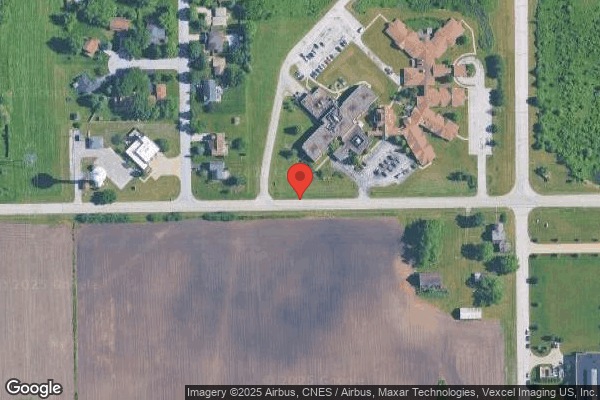
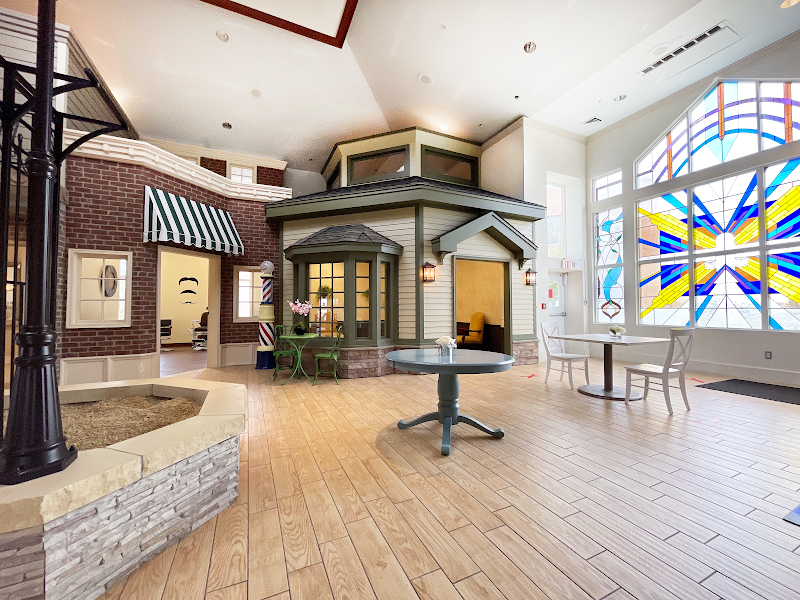
1251 EAST RICHTON ROAD, CRETE, IL 60417 (708) 672-6700
For profit - Limited Liability company 110 Beds EXTENDED CARE CLINICAL Data: November 2025 1 Immediate Jeopardy citation
Trust Grade
26/100
#637 of 665 in IL
Last Inspection: December 2024

Within standard 12-15 month inspection cycle. Federal law requires annual inspections.

Overview

St. James Wellness Rehab Villas has received a Trust Grade of F, indicating significant concerns with the level of care provided at this facility. It ranks #637 out of 665 nursing homes in Illinois, placing it in the bottom half, and #16 out of 16 in Will County, meaning there are no better local options available. While the facility is showing some improvement, with issues decreasing from 14 in 2024 to 7 in 2025, it still has a troubling track record, including a critical incident where a resident with dementia eloped, resulting in immediate jeopardy. Staffing is a relative strength, with a 38% turnover rate that is below the state average, but the overall RN coverage is concerning, being less than that of 78% of Illinois facilities. Additionally, there have been issues with cleanliness and food safety, as residents reported shortages of linens and a failure to maintain the kitchen to prevent foodborne illness.

Trust Score
F
26/100
In Illinois
#637/665
Bottom 5%
Safety Record
High Risk
Review needed
Inspections
Getting Better
14 → 7 violations
Staff Stability
○ Average
38% turnover. Near Illinois's 48% average. Typical for the industry.
Penalties
✓ Good
$13,254 in fines. Lower than most Illinois facilities. Relatively clean record.
Skilled Nurses
⚠ Watch
Each resident gets only 26 minutes of Registered Nurse (RN) attention daily — below average for Illinois. Fewer RN minutes means fewer trained eyes watching for problems.
Violations
⚠ Watch
37 deficiencies on record. Higher than average. Multiple issues found across inspections.
★☆☆☆☆
1.0
Overall Rating
★☆☆☆☆
1.0
Staff Levels
★★☆☆☆
2.0
Care Quality
★★☆☆☆
2.0
Inspection Score
Stable
2024: 14 issues
2025: 7 issues

The Good

  • Full Sprinkler Coverage · Fire safety systems throughout facility
  • No fines on record
  • Staff turnover below average (38%)

    10 points below Illinois average of 48%

Facility shows strength in fire safety.

The Bad

1-Star Overall Rating

Below Illinois average (2.5)

Significant quality concerns identified by CMS

Staff Turnover: 38%

Near Illinois avg (46%)

Typical for the industry

Federal Fines: $13,254

Below median ($33,413)

Minor penalties assessed

Chain: EXTENDED CARE CLINICAL

Part of a multi-facility chain

Ask about local staffing decisions and management

The Ugly 37 deficiencies on record

1 life-threatening
Mar 2025 4 deficiencies
CONCERN (D) 📢 Someone Reported This

A family member, employee, or ombudsman was alarmed enough to file a formal complaint

Potential for Harm - no one hurt, but risky conditions existed

ADL Care (Tag F0677)

Could have caused harm · This affected 1 resident

**NOTE- TERMS IN BRACKETS HAVE BEEN EDITED TO PROTECT CONFIDENTIALITY** Based on observation, interview, and record review, the facility failed to provide timely incontinence care for residents who re...

Read full inspector narrative →
**NOTE- TERMS IN BRACKETS HAVE BEEN EDITED TO PROTECT CONFIDENTIALITY** Based on observation, interview, and record review, the facility failed to provide timely incontinence care for residents who require assistance with toileting and hygiene. This applies to 3 of 4 residents (R1, R2, R3) reviewed for activities of daily living (ADL) care in the sample of 19. The findings include: 1. R1's Face sheet shows that R1 is [AGE] year-old who has multiple medical diagnoses including morbid obesity, personal history of urinary tract infection, chronic pain, depression, unspecified (mood) affective disorder, unsteadiness on feet, and weakness. On March 18, 2025, at 10:28 AM, a very strong urine odor was coming from R1's room. R1 was lying in bed, alert and oriented. R1's bed sheets, incontinence brief, and incontinence pad, were heavily saturated with urine, and were all stained with brownish discoloration from the urine. R1 also said she has not been changed yet this shift. R1 used the call light to ask for help, but the staff turned off the light stating she will come back for her. R1 said she placed the bedpan underneath herself to move her bowel. R1 said she (R1) has been lying on her bedpan for an hour now waiting for the CAN/Certified Nursing Assistant staff (V13) to come and assist her. On March 18, at 10:58 AM, V13 (CNA) stated that R1 can walk and go to the rest room but she's refusing. Every morning the staff find her wet and won't get up to the washroom. R1 has behavior she goes to the shower and ambulate to hallway when she wants to. R1 doesn't want to move, she wants staff to do everything for her when she feels like it. R1's Minimum Data Set (MDS) dated [DATE], shows R1 is alert and oriented, she's always incontinent, and requires substantial to maximal assistance for toileting hygiene. R1's care plan dated January 31, 2025, shows R1 has mixed bladder incontinence related to impaired mobility and obesity. This same care plan shows multiple interventions including check and change every 2 hours and as needed, and clean peri-area with each incontinence episode. 2.R2's Face sheet shows R2 is [AGE] year-old who has multiple medical diagnoses including weakness, unspecified dementia, non-pressure chronic ulcer of unspecified left lower leg limited to breakdown of skin. On March 18, 2025, at 1:15 PM, R2 was lying in bed, stated that she was last changed early this morning. She (R2) could not remember who changed her this morning because she was still half asleep. R2 turned on the call light and V19 (CNA) responded and checked R2. V19 said the last time she changed R2 was right after breakfast, because she was very busy getting up other residents. R2 was observed heavily saturated with urine, with pervasive urine odor, which overflowed from the incontinence brief to her incontinence pad. R2 also had a large bowel movement. R2's Minimum Data Set, dated [DATE], shows that R2 is completely dependent on staff for her toileting and personal hygiene. R2 was alert and oriented but forgetful. 3. R3's Face sheet shows R3 is [AGE] year-old who has multiple medical diagnoses including cerebral infarction dur to unspecified occlusion or stenosis of left middle cerebral artery, morbid obesity, unspecified mental disorder. On March 18, 2025, at 1:34 PM, R3 was resting in bed. R3 was alert, oriented but has difficulty understanding inquiries and instructions. R3 was heavily saturated with urine and had a bowel movement which was dry and pasty. V19 said that she has not changed R3. V19 stated she usually waits for R3 to tell her when she needed to be change. R3's MDS dated [DATE], shows R3 has short-term memory problem, and is completely dependent on staff for toileting hygiene. R3's care plan dated February 10, 20,25, shows R3 has functional bladder incontinence related to impaired mobility, and physical limitations. This same care plan shows multiple intervention including check and change every 2 hours and as needed, and to clean peri-area with each incontinence episode. On March 19, 2025, at 9:16 AM, V4 (Regional Consultant Nurse) stated staff must check and change residents for incontinence every 2 hours and as needed, to prevent skin breakdown, and promote comfort and dignity.
CONCERN (D) 📢 Someone Reported This

A family member, employee, or ombudsman was alarmed enough to file a formal complaint

Potential for Harm - no one hurt, but risky conditions existed

Pressure Ulcer Prevention (Tag F0686)

Could have caused harm · This affected 1 resident

**NOTE- TERMS IN BRACKETS HAVE BEEN EDITED TO PROTECT CONFIDENTIALITY** Based on observation, interview, and record review, the facility failed to follow physician orders for wound treatment and wound...

Read full inspector narrative →
**NOTE- TERMS IN BRACKETS HAVE BEEN EDITED TO PROTECT CONFIDENTIALITY** Based on observation, interview, and record review, the facility failed to follow physician orders for wound treatment and wound dressing changes as needed. This applies to 1 of 3 resident reviewed for wounds in the sample of 19. The findings include: R4's Face sheet shows R4 is [AGE] year-old who has multiple diagnoses including type 2 diabetes mellitus, unspecified dementia, infection of intervertebral disc, sacral and sacrococcygeal region, and unstageable pressure ulcer of the sacral region. On March 19, 2025, around 6AM, R4 was lying in bed. She has a wound dressing to sacral region which was heavily saturated with wound discharges and exudates. This wound dressing was dated 3/18/25 and was detached from R4 exposing her unstageable sacral ulcer. Surrounding area of the wound was wet with exudates. R4 was noted with a rectal tube that was leaking on the side with fecal matter near the exposed wound. V10 (Certified Nursing Assistant/CNA) changed the brief and said he did not notify the nurse about R4's need for dressing change because he was busy trying to complete his assignment. On March 20, 2025, at 10:43 AM, V8 (Wound Care physician) stated that V4's wound dressing should be change daily and as needed. When wound dressing becomes very soiled, the staff must immediately change the dressing as the exudate can cause potential skin breakdown. The weekly skin assessment dated [DATE], shows this unstageable wound is measured as Length (L) 10-centimeter (cm) x Width (W) 10 cm. Physician Order Summary (POS) with revision date of March 7, 2025, shows Cleanse sacrum with normal saline, apply medihoney, and cover with dry dressing every day shift and Cleanse sacrum with normal saline, apply medihoney, and cover with dry dressing as needed if dressing comes loose or becomes soiled.
CONCERN (D) 📢 Someone Reported This

A family member, employee, or ombudsman was alarmed enough to file a formal complaint

Potential for Harm - no one hurt, but risky conditions existed

Pharmacy Services (Tag F0755)

Could have caused harm · This affected 1 resident

**NOTE- TERMS IN BRACKETS HAVE BEEN EDITED TO PROTECT CONFIDENTIALITY** Based on observation, interview, and record review, the facility failed to ensure that there is a physician order for self-admin...

Read full inspector narrative →
**NOTE- TERMS IN BRACKETS HAVE BEEN EDITED TO PROTECT CONFIDENTIALITY** Based on observation, interview, and record review, the facility failed to ensure that there is a physician order for self-administration of an inhaler medication, and failed to ensure that medication was administered to residents accurately as prescribed by physician. This applies to 2 of 7 residents (R1 and R5) reviewed for medication administration in the sample of 19. The findings include: 1. R1's Face sheet shows that R1 is [AGE] year-old who has multiple medical diagnoses including morbid obesity, recurrent major depressive disorder, unspecified (mood) affective disorder, chronic obstructive pulmonary disease, and asthma. On March 18, 2025, at 10:28 AM, R1 was resting in bed, there was a Symbicort inhaler at her bedside. R1 said she needed it. However, her Physician Order Summary (POS), does not have evidence of documentation that she may keep the medication at bedside. There was no updated care plan with regards to R1's self-administration of medication. 2. R5's Face sheet shows that R5 is [AGE] year-old who has multiple medical diagnoses including type 2 diabetes mellitus, unspecified dementia, dysphagia, oral phase, Vitamin D deficiency, hypertension, weakness, and cognitive communication deficit. On March 19, 2025, at 9:00 AM, V14 (Restorative Aid) was observed feeding R5. There were unidentified white very small circular granules, and some small pieces of irregular shape substances mixed and sprinkled to R1's pureed bread. When surveyor asked what it was, V14 said that she doesn't know. V14 said that she didn't know who set up the tray for R5. On March 19, 2025, at 9:04 AM, V3 (Assistant Director of Nursing/ADON) said that the white substance was substitute sugar. However, upon comparison of the sugar substitute to the unidentified substance, there was a difference in appearance/consistency. At around 9:10 AM, V6 (Nurse) who was the primary nurse of R5, was passing medication at the end of the 2-north hallway, far from the dining room. As V3 and surveyor approached V6, he (V6) informed surveyor and V3 that the unidentified white substances were R5's medications which V6 mixed in the food when R5 refused the medications with apple sauce. On March 18, 2025, at 12:55 PM, V19 said she had seen medications mixed in the residents' food when she collects meal trays from the bedroom and dining room, but unable to tell specific residents. Sometimes the resident does not eat, so the food is left untouched along with the meds. V19 said she had seen V6 (Nurse) do it. On March 19, 2025, at 9:16 AM, V4 (Regional Consultant Nurse) said inhaler medication can be left at bedside if there's an order and assessment of self-administration. The staff can mix the medication with the resident's meal if they are the one who will feed the resident to ensure that the medications are taken by the resident. Facility's Medication Administration Policy dated October 25, 2014, shows: Policy: Medications are administered as prescribed in accordance with good nursing principles and practices and only by persons legally authorized to do so. Personnel authorized to do so only after they have been properly oriented to the medication management system in the facility. The facility has sufficient staff and a medication distribution system to ensure sage administration of medications without unnecessary interruptions. Procedures: 7. The person who prepares the dose for administration is the person who administers the dose. 14. The residents are allowed to self-administer medication when specifically authorized by the attending physician and in accordance with procedures for self-administration of medication.
CONCERN (E) 📢 Someone Reported This

A family member, employee, or ombudsman was alarmed enough to file a formal complaint

Potential for Harm - no one hurt, but risky conditions existed

Room Equipment (Tag F0908)

Could have caused harm · This affected multiple residents

Based on observation, interview, and record review, the facility failed to repair their leaking ice machine in the nourishment room. This applies to 7 of 7 residents (R13, R14, R15, R16, R17, R18, R1...

Read full inspector narrative →
Based on observation, interview, and record review, the facility failed to repair their leaking ice machine in the nourishment room. This applies to 7 of 7 residents (R13, R14, R15, R16, R17, R18, R19) who are ambulatory and with impaired cognition. The findings include: The facility has nourishment room in each floor. On March 18, 2025, at 12:00 PM, the door of the second-floor nourishment room was wide open, the doorknob was not equipped with a lock. The ice maker machine that was inside the nourishment room was leaking water on the floor. A puddle of water was observed. On March 18, 2025, at 12:12 PM, V17 and V18 (Both Certified Nursing Assistant/CNA) said the ice machine has currently been leaking for a week, and they reported it. On March 19, 2025, at 7:06 AM, the nourishment room was unlocked. There were folded bedsheets on the floor absorbing the water leaking from the base of the ice machine. As surveyor stepped on the sheets, water squeezed out of the wet bedsheets. V6 (Nurse) said the sheets are for the leaking ice machine. On March 19, 2025, at 10:13 AM, V5 (Maintenance/Housekeeping Director) stated that they repaired the ice maker machine on the second floor because it was not making enough ice. He was aware that the ice machine was leaking, and he was only notified the day before. The second floor has residents who are identified as ambulatory and has impaired cognition based on their most recent Minimum Data Set. These residents include R13, R14, R15, R16, R17, R18, R19. From March 18 to March 19, 2025, during observation on the second floor, there were residents observed ambulating in the hallway and day area. On May 19, 2025, at around 8:15 AM, R14 was observed wandering in the 2 North hallway where the ice machine was located, entering one bedroom to another of other residents, and attempted to open closed doors.
Jan 2025 2 deficiencies
CONCERN (E) 📢 Someone Reported This

A family member, employee, or ombudsman was alarmed enough to file a formal complaint

Potential for Harm - no one hurt, but risky conditions existed

Quality of Care (Tag F0684)

Could have caused harm · This affected multiple residents

**NOTE- TERMS IN BRACKETS HAVE BEEN EDITED TO PROTECT CONFIDENTIALITY** Based on observations, interviews and record reviews, the facility failed to implement physician's orders. This applies to 4 of ...

Read full inspector narrative →
**NOTE- TERMS IN BRACKETS HAVE BEEN EDITED TO PROTECT CONFIDENTIALITY** Based on observations, interviews and record reviews, the facility failed to implement physician's orders. This applies to 4 of 4 residents (R1-R4) reviewed for history of UTIs (urinary tract infections). The findings include: 1. R3's diagnosis includes UTI (urinary tract infection), prosthetic hyperplasia with urinary tract symptoms, retention of urine, & acute kidney failure. On [DATE] at 10:48 am, R3 was sitting in his wheelchair, his catheter bag was hanging from under the chair, and the bag and tubing was touching the floor. The urine was dark and cloudy. At this time R3's said that he had pain in his penis and testicles, and that he reported it to the staff. At 10:55 am V3 (Nurse) came into the room and saw that the bag and tubing was on the floor and tried to reposition them off the floor. V3 said that she was going to put R3's leg bag on him. V3 said that earlier she put the catheter bag under the wheelchair and R3 did tell her that his penis and testicles were hurting him. V3 said that she was going to notify the doctor. V3 did not change R3's catheter bag or tubing as per R3's [DATE] Physician's order. On [DATE] at 11:02 am, V7 (Nurse) was providing catheter care cleaning R3's penis and catheter tubing with 4 X 4 gauze dressing wet with normal saline. V7 did not use soap and water. R3 complained of pain in his penis and testicles. There was leakage around the opening of the penis and a brown substance both dry and wet around the tubing near the opening. V7 did not change R3's catheter bag and or tubing as per R3's [DATE] Physician's order. On [DATE] at 12:33 pm V8 NP (Nurse Practitioner) said that her expectations are that the nurses changed R3's catheters, bags, and tubing when it is clinically indicated such as when the urine was dark and cloudy, when R3 complained of pain, and when R3's catheter was leaking, just as the [DATE] physician's order shows. R3's physician's orders showed: [DATE] catheter care every shift. [DATE] record output from urinary catheter every shift. [DATE] change foley catheter for blockage and or leaking. [DATE] change catheter, tubing or bag when clinically indicated as needed. R3's EMARs (Electronic Medication Administration Records) were reviewed: November EMAR showed: No documentation for R3's output from [DATE] day shift through [DATE] night shift. R3's progress notes were reviewed, and no notes were found showing resident refused to wear a leg bag or that the catheter was changed on [DATE] or [DATE]. On [DATE] at 12:41 PM V2 DON (Director of Nursing) verified the above findings while looking at R3's electronic health records. V2 said that the nurse should have followed the orders to change the catheter and tubing on [DATE] and [DATE] because if not it could lead to an infection. V2 said, while looking at R3's lab results from [DATE] that it showed that R3 had bacteria in his urine. 2. R4's diagnoses include Type 2 diabetes, acute kidney failure, benign prostatic hyperplasia with lower urinary tract symptoms, chronic kidney disease stage 3, urinary tract infections, and pyuria. On [DATE] at 2:47 pm V5 (Nurse) provided catheter care for R4. When she cleaned R4's penis and catheter tubing, she only used normal saline. V5 did not use soap and water. R4's Physician's orders showed: [DATE] catheter care every shift. [DATE] catheter monitor output every shift. R4's EMARs (Electronic Medication Administration Records) reviewed: [DATE] EMAR showed: No output done for [DATE]th, 2024, at 10:30pm through [DATE]th, 2024, at 630 am. December EMAR showed: On [DATE] the staff did not change catheter securement device. On [DATE] at 12:41 pm V2 DON (Director of Nursing) while looking at R4's electronic health records, verified that the above treatments were not provided. V2 said that by not providing proper catheter care and not changing the securement device it can cause UTIs. 3. R2's diagnoses include type 2 diabetes, retention of urine, neuromuscular dysfunction of the bladder, and UTIs. On [DATE] at 1:07 pm V3 (Nurse) provided catheter care for R2. When she cleaned R2's penis, skin around suprapubic catheter and the tubing, she only used normal saline. V3 did not use soap and water as R2 physician's order showed. When V3 removed the dressing from around the catheter the date on the dressing showed 1/25. R2's EMARs reviewed: November EMAR showed: No documentation showing R2's supra pubic dressing was changed on [DATE], [DATE] and [DATE]. Monitoring R2's output ever shift was not done on [DATE] Evenings, [DATE] 10:30pm, [DATE] 630 am, & [DATE] 2:30 PM. December EMAR showed: [DATE]th, 12th & 22nd no documentation for R2's urine output was done. January EMAR showed: On [DATE] at 10:30 pm no urine output documented. On [DATE] no output document for all three shifts. On [DATE] at 9:00 am Bactrim DS 800-160mg was not given as ordered. On [DATE] at 12:41 PM V2 DON, while looking at R2's electronic health records, verified that the above treatments and medications were not provided. V2 said that the nurse should have used soap and water when providing catheter care as the order and the facility policy shows. V2 said that by the nurse not giving R2 his Bactrim as ordered could have caused him to get another UTI or his current UTI not be treated appropriately as the doctor ordered. V2 said as she looked in R2's record, R2's [DATE] UA showed that his urine was positive for bacteria, a moderate amount, and his [DATE] culture and sensitivity came back positive for pseudomonas and E. coli (Bacteria). V2 said that she is noticing a trend with the residents having UTI's and becoming septic. 4. R1 was discharged to the local community hospital on [DATE] for altered mental status and died on [DATE]. R1's diagnoses included hydronephrosis with renal and ureteral calculous obstruction, retention of urine, urinary tract infection, benign prosthetic hyperplasia with lower urinary tract symptoms, and kidney failure. R1's October EMAR showed: On [DATE] day shift, [DATE] day shift and [DATE] day shift there was no recording of urine output for R1. R1's November EMAR showed: On [DATE] at 10:30 pm, [DATE] at 630 am, & [DATE] at 630 am no recording of urine output for R1. R1's December EMAR showed: On [DATE] and [DATE] no recording of urine output for R1. On [DATE] at 12:41 PM V2 DON said that poor catheter care could be the cause of the UTI's and sepsis of all four residents. V2 said that it is a facility's policy that all nurses follow physicians orders and believes that the nurses do not follow the physician's orders it can contribute to the residents being hospitalized with UTI's and septicemia. The facility's Catheter Care policy dated [DATE] showed: The purpose of this procedure is to prevent infections of the resident's urinary tract. Be sure the catheter tubing and drainage bag are kept off the floor. Ensure that the catheter remains secure with a leg strap to reduce friction and movement at the insertion site, catheter tubing should be strapped to the resident's inner thigh. Report to the supervisor any complaints the resident may have of burning, tenderness, or pain in the urethral area. Supplies soap and water. For the male use a washcloth with warm water and soap to cleanse around the meatus. Use a clean washcloth with warm water and soap to cleanse and rinse the catheter from insertion site to approximately 4 inches outward. Remove gloves and discard into designated container. Wash hands and dry thoroughly, clean the bedside stand, wash and dry hands thoroughly. The following information should be recorded in the resident's medical records the date and time that the catheter care was given, the name and title of the individuals giving the catheter care all assessment data obtained when giving catheter care, character of urine such as color and odor, any problems noted at the catheter urethral junction during perineal care such as drainage, redness, bleeding, irritation, crusting, or pain. The facility Suprapubic Catheter care policy dated [DATE] showed: The purpose of this procedure is to prevent skin irritation around the stoma site and to prevent infection of the resident's urinary tract. Maintain an accurate record of the resident's daily output. Equipment: soap and water. Wash around the catheter site with soap and water, note if the resident has a drainage sponge around the stoma site, remove the drainage sponge before washing with soap and water, wash the outer part of the catheter tubing with soap and water. Document the date and time the procedure was performed, the name and title of the individual who performed the procedure, assessment data obtained during the procedure, character of the urine such as color and odor.
CONCERN (E) 📢 Someone Reported This

A family member, employee, or ombudsman was alarmed enough to file a formal complaint

Potential for Harm - no one hurt, but risky conditions existed

Incontinence Care (Tag F0690)

Could have caused harm · This affected multiple residents

**NOTE- TERMS IN BRACKETS HAVE BEEN EDITED TO PROTECT CONFIDENTIALITY** Based on observations, interviews, and record reviews, the facility failed to provide proper catheter care for 4 of 4 residents ...

Read full inspector narrative →
**NOTE- TERMS IN BRACKETS HAVE BEEN EDITED TO PROTECT CONFIDENTIALITY** Based on observations, interviews, and record reviews, the facility failed to provide proper catheter care for 4 of 4 residents (R1-R4) that were reviewed for catheter care. The findings include: 1. R3's diagnoses includes UTI (urinary tract infection), prosthetic hyperplasia with urinary tract symptoms, retention of urine, & acute kidney failure. On [DATE] at 10:48 am, R3 was sitting in his wheelchair, his catheter bag was hanging from under the chair, and the bag and tubing was touching the floor. The urine was dark and cloudy. At this time R3 stated that he (R3) had pain in his penis and testicles, and that he reported it to the staff. At 10:55 am V3 (Nurse) came into the room and saw that the bag and tubing was on the floor and tried to reposition them off the floor. V3 stated that she was going to put R3's leg bag on him. V3 stated that earlier she put the catheter bag under the wheelchair and R3 did tell her that his penis and testicles were hurting him. V3 stated that she was going to notify the doctor. V3 did not change R3's catheter bag or tubing as per R3's [DATE] Physician's order. On [DATE] at 11:02 am, V7 (Nurse) was providing catheter care cleaning R3's penis and catheter tubing with 4 X 4 gauze dressing wet with normal saline. V7 did not use soap and water. R3 complained of pain in his penis and testicles. There was leakage around the opening of the penis and a brown substance both dry and wet around the tubing near the opening. V7 did not change R3's catheter bag and or tubing as per R3's [DATE] Physician's order. On [DATE] at 12:33 pm V8 NP (Nurse Practitioner) stated that her expectations are that the nurses changed R3's catheter, bag, and tubing when it is clinically indicated such as when the urine was dark and cloudy, when R3 complained of pain, and when R3's catheter was leaking, just as the [DATE] physician's order shows. R3's physician's orders showed: [DATE] catheter care every shift. [DATE] record output from urinary catheter every shift. [DATE] change foley catheter for blockage and or leaking. [DATE] change catheter, tubing or bag when clinically indicated as needed. R3's EMARs (Electronic Medication Administration Records) were reviewed: November EMAR showed: No documentation for R3's output from [DATE] day shift through [DATE] night shift. R3's progress notes were reviewed, and no notes were found showing resident refused to wear a leg bag or that the catheter was changed on [DATE] or [DATE]. On [DATE] at 12:41 PM V2 DON (Director of Nursing) verified the above findings while looking at R3's electronic health records. V2 stated that the nurse should have followed the orders to change the catheter and tubing on [DATE] and [DATE] because if not it could lead to an infection. V2 stated, while looking at R3's lab results from [DATE] that it showed that R3 had bacteria in his urine. 2. R4's diagnoses include Type 2 diabetes, acute kidney failure, benign prostatic hyperplasia with lower urinary tract symptoms, chronic kidney disease stage 3, urinary tract infections, and pyuria. On [DATE] at 2:47 pm V5 (Nurse) provided catheter care for R4. When V5 cleaned R4's penis and catheter tubing, she (V5) only used normal saline. V5 did not use soap and water. V5 only cleaned her hands twice while providing care. V5 washed her hands before she put on her gloves at the beginning of care, and after she was done providing care, she removed her gloves and washed her hands the 2nd time. V5 did not clean her hands after cleaning R4's penis and catheter tubing after she removed her gloves. V5 only replaced her dirty gloves with clean gloves and continued drying R4's penis, then again removed gloves and put on new gloves and attached the brief and placed R4's blanket on him with her dirty gloved hands. R4's Physician's orders showed: [DATE] catheter care every shift. [DATE] catheter monitor output every shift. R4's EMARs (Electronic Medication Administration Records) reviewed: [DATE] EMAR showed: No output done for [DATE]th, 2024, at 10:30pm through [DATE]th, 2024, at 630 am. December EMAR showed: On [DATE] the staff did not change catheter securement device. On [DATE] at 12:41 pm V2 DON (Director of Nursing) while looking at R4's electronic health records, verified that the above treatments were not provided. V2 stated that by not providing proper catheter care and not changing the securement device it can cause UTIs. 3. R2's diagnoses include type 2 diabetes, retention of urine, neuromuscular dysfunction of the bladder, and UTIs. On [DATE] at 1:07 pm V3 (Nurse) provided catheter care for R2. When she cleaned R2's penis, skin around suprapubic catheter and the tubing, she (V3) only used normal saline. V3 did not use soap and water as R2 physician's order showed. When V3 removed the dressing from around the catheter the date on the dressing showed 1/25. R2's EMARs reviewed: November EMAR showed: No documentation showing R2's supra pubic dressing was changed on [DATE], [DATE] and [DATE]. Monitoring R2's output ever shift was not done on [DATE] Evenings, [DATE] 10:30pm, [DATE] 630 am, & [DATE] 2:30 PM. December EMAR showed: [DATE]th, 12th & 22nd no documentation for R2's urine output was done. January EMAR showed: On [DATE] at 10:30 pm no urine output documented. On [DATE] no output document for all three shifts. On [DATE] at 9:00 am Bactrim DS 800-160mg was not given as ordered. On [DATE] at 12:41 PM V2 DON, while looking at R2's electronic health records, verified that the above treatments and medications were not provided. V2 stated that the nurse should have used soap and water when providing catheter care as the order and the facility policy shows. V2 stated that by the nurse not giving R2 his Bactrim as ordered could have caused him to get another UTI or his current UTI not be treated appropriately as the doctor ordered. V2 stated as she looked in R2's record, R2's [DATE] UA showed that his urine was positive for bacteria, a moderate amount, and his [DATE] culture and sensitivity came back positive for pseudomonas and E. coli (Bacteria). V2 stated that she is noticing a trend with the residents having UTI's and becoming septic. 4. R1 was discharged to the local community hospital on [DATE] for altered mental status and died on [DATE]. R1's diagnoses included hydronephrosis with renal and ureteral calculous obstruction, retention of urine, urinary tract infection, benign prosthetic hyperplasia with lower urinary tract symptoms, and kidney failure. R1's October EMAR showed: On [DATE] day shift, [DATE] day shift and [DATE] day shift there was no recording of urine output for R1. R1's November EMAR showed: On [DATE] at 10:30 pm, [DATE] at 630 am, & [DATE] at 630 am no recording of urine output for R1. R1's December EMAR showed: On [DATE] and [DATE] no recording of urine output for R1. On [DATE] at 12:41 PM V2 DON stated that poor catheter care could be the cause of the UTI's and sepsis of all four residents. V2 stated that it is a facility's policy that all nurses follow physicians orders and believes that the nurses do not follow the physician's orders it can contribute to the residents being hospitalized with UTI's and septicemia. The facility's Catheter Care policy dated [DATE] showed: The purpose of this procedure is to prevent infections of the resident's urinary tract. Be sure the catheter tubing and drainage bag are kept off the floor. Ensure that the catheter remains secure with a leg strap to reduce friction and movement at the insertion site, catheter tubing should be strapped to the resident's inner thigh. Report to the supervisor any complaints the resident may have of burning, tenderness, or pain in the urethral area. Supplies soap and water. For the male use a washcloth with warm water and soap to cleanse around the meatus. Use a clean washcloth with warm water and soap to cleanse and rinse the catheter from insertion site to approximately 4 inches outward. Remove gloves and discard into designated container. Wash hands and dry thoroughly, clean the bedside stand, wash and dry hands thoroughly. The following information should be recorded in the resident's medical records the date and time that the catheter care was given, the name and title of the individuals giving the catheter care all assessment data obtained when giving catheter care, character of urine such as color and odor, any problems noted at the catheter urethral junction during perineal care such as drainage, redness, bleeding, irritation, crusting, or pain. The facility Suprapubic Catheter care policy dated [DATE] showed: The purpose of this procedure is to prevent skin irritation around the stoma site and to prevent infection of the resident's urinary tract. Maintain an accurate record of the resident's daily output. Equipment: soap and water. Wash around the catheter site with soap and water, note if the resident has a drainage sponge around the stoma site, remove the drainage sponge before washing with soap and water, wash the outer part of the catheter tubing with soap and water. Document the date and time the procedure was performed, the name and title of the individual who performed the procedure, assessment data obtained during the procedure, character of the urine such as color and odor. The facility's Handwashing/Hand Hygiene policy dated [DATE] showed that the facility recognizes hand hygiene procedures as primary means to prevent the spread of infections among residents, personnel, and visitors. Hand hygiene should be performed before direct contact with residents after direct contact with residents before putting on gloves, before handling clean or soiled dressings gauze pads etc, before moving from a contaminated body site to a clean body site during resident care, before and after putting on PPE (personal protective equipment) including gloves, after contact with resident's intact skin, after handling used dressings, potentially contaminated equipment, ect., after contact with objects such as medical devices or equipment in the immediate vicinity of the resident that may be potentially contaminated, after contact with potentially infectious material., and after removing gloves.
Jan 2025 1 deficiency
CONCERN (F) 📢 Someone Reported This

A family member, employee, or ombudsman was alarmed enough to file a formal complaint

Potential for Harm - no one hurt, but risky conditions existed

Safe Environment (Tag F0584)

Could have caused harm · This affected most or all residents

Based on observation, interview, and record review the facility failed to ensure enough clean linens, blankets, towels, and wash cloths were available for the residents. This applies to all the 69 re...

Read full inspector narrative →
Based on observation, interview, and record review the facility failed to ensure enough clean linens, blankets, towels, and wash cloths were available for the residents. This applies to all the 69 residents in the building reviewed for a homelike environment. Findings include: On 01/02/25 at 9:24 AM, V2 DON (Director of Nursing) stated the facility census is 69. Facility's Data Sheet dated 12/31/24 also indicated their total census is 69. On 12/31/24 at 10:56 AM, R1 stated that she has made a list of items that the facility doesn't have. R1 stated that there were no bed pads the previous night and facility staff had given her their last sheet. R1 stated there were no wash rags available and no Kleenex. R1's 12/30/2024 MDS (Minimum Data Set) showed R1 is cognitively intact. On 12/31/24 at 10:22 AM, R3 stated the facility did not have enough bed sheets. R3's 12/8/2024 MDS showed she is cognitively intact. On 1/02/25 at 10:47 AM, R5 stated the facility is short on linen. R5 stated they are supposed to change his linen every Monday and they have not been doing it. R5's 12/2/24 MDS showed he is cognitively intact. On 12/31/24 at 11:05 AM, R2 stated the facility does not have enough towels or linens. R2's 11/26/2024 MDS showed she is cognitively intact. On 12/31/24 at 9:10 AM, a tour was conducted with V2 (DON) on the first floor and the second floor. The facility did not have dedicated linen closets on the floors, instead, staff obtained linens from the linen carts on the floor. On 12/31/24 at 9:40 AM on second floor, one linen cart had six pillowcases, twelve sheets, and nine bath blankets. The cart contained no washcloths or towels. The other cart on second floor had three top sheets, one hospital gown, two blankets, five pillowcases, and five fitted sheets. No towels or washcloths were available. On 12/31/24 at 9:50 AM in the basement laundry area, two laundry aides were working (V3 and V4) and they were folding resident clothing. In the laundry area, there were a total of 5 bedsheets, one reusable bed pad, and 4 blankets. When asked where the facility keeps the surplus linen, V3 and V4 stated this is all we have. We are washing some. We already delivered the linens. On 12/31/2024 at 10:18 AM, the first-floor linen cart held four towels and two washcloths, seven pillowcases, and seven bath blankets. On 1/02/25 at 10:05 AM, R6 stated sometimes they don't have enough linens. R6 stated the facility needed a lot of linen, adding they change it only when it gets wet. At 10:23 AM, R4 stated that they don't change linens frequently. R4 stated he doesn't think they have enough linens. At 11:03 AM, R7 stated that facility is short of linens. On 12/31/24 at 10:35 AM, V5 (Maintenance Director/ Housekeeping Director) stated that he was aware that the facility needed surplus linen, stating We don't have any. V5 stated that the CNAs (Certified Nursing Assistants) were throwing the linen away. On 12/31/24 at 10:50 AM, V6 (CNA) and V7 LPN (Licensed Practical Nurse) were interviewed. V6 stated she doesn't know who is throwing linens and towels away, but they don't have enough towels to work with, and V7 agreed. On 01/02/25 at 10:01 AM, V16 (CNA) stated that we don't have enough linen. V16 stated that staff put the dirty linen in the trash bags and take it to the laundry. V16 stated that sometimes staff don't have linen until 2:00PM, so they cannot give their showers. On 01/02/25 at 10:20 AM, V18 (CNA) stated that staff don't have enough linens and towels, and every day what linen they do have, they get it late. V18 stated We are not throwing linens away. On 12/31/24 at 12:19 PM, V8 (CNA) stated how can we do showers if you don't have linen? V8 stated she does not throw away linens or towels. On 12/31/24 at 11:19 AM, V1 (Administrator) stated that the facility does not have any backup supplies of linens, blankets, or towels. V1 stated that the facility needs more supplies, especially in case of emergency. On 12/31/24 at 10:28 AM, V9 (CNA) stated that staff don't have enough linen to change beds. On 12/31/24 at 12:47 PM, V10 (Restorative Aid) stated they don't get linens and towels soon enough, and sometimes there is a delay. V10 stated it all depends on which supplies are needed, but there are times they are short. On 1/02/25 at 9:46 AM, V13 LPN (Licensed Practical Nurse) sometimes there is linen, and sometimes there is no linen. On 01/02/25 at 10:01 AM, V15 (CNA) stated some days there is linen and some days there is no linen, and most of the time, there is not enough clean linen. V15 stated that the Social Worker did an in-service about showers, and she told them we don't have enough towels, but she did not know what was done about it. On 01/02/25 at 9:55 AM, V14 (CNA) stated that sometimes we can't bathe the residents, or we don't have enough linens to make their beds. V14 stated she told V2 (DON) when V2 asked her why things were not done. V14 stated this just started since last year having a shortage. V14 stated she never throws linens away unless they are stained very badly. On 1/02/25 at 9:24 AM, V2 (DON) stated that she has asked Housekeeping and the Administrator to order more linen, and she has not seen any being ordered or purchased. V2 stated she didn't know if the funds were available to buy the linens. The facility's Laundry Services Policy dated 01/2024 showed under #3 that laundry service will maintain sufficient inventory of clean linen and personal laundry in good repair to meet the needs of the residents. Under #15, this policy showed The Environmental Service Director shall be responsible for assuring quality assurance activities are performed in accordance with the facility's approved Quality Assurance Plan.
Dec 2024 2 deficiencies
CONCERN (D) 📢 Someone Reported This

A family member, employee, or ombudsman was alarmed enough to file a formal complaint

Potential for Harm - no one hurt, but risky conditions existed

Notification of Changes (Tag F0580)

Could have caused harm · This affected 1 resident

**NOTE- TERMS IN BRACKETS HAVE BEEN EDITED TO PROTECT CONFIDENTIALITY** Based on interview and record review, the facility failed to notify the POA (Power of Attorney) and physician of changes in cond...

Read full inspector narrative →
**NOTE- TERMS IN BRACKETS HAVE BEEN EDITED TO PROTECT CONFIDENTIALITY** Based on interview and record review, the facility failed to notify the POA (Power of Attorney) and physician of changes in condition. This applies to 1 of 1 resident (R1) reviewed for notification of changes. The findings include: R1 was admitted to the facility on [DATE] with multiple diagnoses which included vascular dementia, schizophrenia, acute embolism and thrombosis of vein, muscle disorder, Covid-19, weakness. R1's MDS (Minimum Data Set) dated 10/14/24 showed R1 had moderate cognitive impairment. R1 was transferred to the hospital on [DATE] and was admitted . On 12/11/24 at 10:05 AM V2 (Director of Nursing) stated that she could not locate any documentation in R1's medical record regarding the right heel DTI (Deep Tissue Injury). The nurse who discovered the right heel DTI should have documented in the EMR (Electronic Medical Record), called the doctor/NP (nurse practitioner) to get orders, and notified the family. With no one knowing about R1's right heel DTI, R1 could have developed an infection or sepsis, and the skin integrity would not be maintained. On 12/11/24 at 9:42 AM V4 (Wound Care Nurse) stated on 11/18/24 she first noticed that R1 had a black, hard, unmeasurable, closed area to his right heel. She did not call the doctor/NP because it was not opened. V4 stated they kept an eye on it to see if it would open or not. V4 stated she saw the right heel again on 11/25/24, and the area was the same as before, there were no changes. V4 stated she still did not call the doctor because it had no changes. V4 stated they did not apply a dressing or protective treatments to the right heel, they only put socks on R1. V4 stated after 11/25/24, she never saw R1's right heel again. V4 stated R1 never complained of pain. V4 stated the area on the right heel was a DTI. V4 stated she did not notify R1's POA or family of the DTI to the right heel. On 12/11/24 at 3:05 PM V6 (Nurse Practitioner) stated she was not aware of R1 having a right heel DTI. V6 stated the nurse should have informed her of the resident having a DTI to the right heel. V6 stated R1 not having a treatment to the heel could have possibly caused a wound infection. V6 stated she was not informed of R1's elevated heart rate on 11/30/24. An elevated heart rate is a sign of progressing infection, R1 would have needed a further work up, and maybe an antiviral. V6 stated she expects the nurses to notify her with any changes in conditions the residents may have so they can receive the proper treatment. V6 stated R1 did not receive the proper treatment. R1's Resident's Bath and Skin Report Sheet for November 2024 reviewed. The report sheet showed on 11/18/24 R1 had a blister to the right heel (DTI) that was black, hard, and closed. The same report sheet showed on 11/25/24 R1 continued to have a blister to the right heel that was black, hard, and closed. Physician orders for November were reviewed, no wound care orders. R1's progress notes showed no evidence of POA, or provider notified of right heel skin alteration. Treatment records for November 2024 were reviewed, no orders for right heel blister.
CONCERN (D) 📢 Someone Reported This

A family member, employee, or ombudsman was alarmed enough to file a formal complaint

Potential for Harm - no one hurt, but risky conditions existed

Quality of Care (Tag F0684)

Could have caused harm · This affected 1 resident

**NOTE- TERMS IN BRACKETS HAVE BEEN EDITED TO PROTECT CONFIDENTIALITY** Based on interview and record review, the facility failed to provide needed wound care treatment services and manage abnormal vi...

Read full inspector narrative →
**NOTE- TERMS IN BRACKETS HAVE BEEN EDITED TO PROTECT CONFIDENTIALITY** Based on interview and record review, the facility failed to provide needed wound care treatment services and manage abnormal vital signs for a resident with Covid. This applies to 1 of 1 resident (R1) reviewed for improper nursing care. The findings include: R1 was admitted to the facility on [DATE] with multiple diagnoses which included vascular dementia, schizophrenia, acute embolism and thrombosis of vein, muscle disorder, Covid-19, weakness. R1's MDS (Minimum Data Set) dated 10/14/24 showed R1 had moderate cognitive impairment. R1 was transferred to the hospital on [DATE] and was admitted . On 12/10/24 at 2:38 PM V2 (Director of Nursing) stated the nurses take vital signs and do a nursing assessment every shift for residents with Covid. The nursing assessment is documented in the progress notes every shift. We do not have a standard assessment. V2 stated R1 should have had some documentation regarding his condition. R1 had Covid and should have been screened. V2 stated the nurse documented on 11/30/24 that R1 had a heart rate of 110. She did not document anything. She should have notified the doctor or the NP (Nurse Practitioner) of the elevated heart rate. On 12/1/24 R1 was not found unresponsive but he was hypoxic with a lot of phlegm. On 12/11/24 at 10:05 AM V2 stated that she could not locate any documentation in R1's medical record regarding the right heel DTI (Deep Tissue Injury). The nurse who discovered the right heel DTI should have documented in the EMR (Electronic Medical Record), called the doctor/NP to get orders, and notified the family. With no one knowing about R1's right heel DTI, R1 could have developed an infection or sepsis, and the skin integrity would not be maintained. On 12/11/24 at 9:42 AM V4 (Wound Care Nurse) stated on 11/18/24 she first noticed that R1 had a black, hard, unmeasurable, closed area to his right heel. She did not call the doctor/NP because it was not opened. V4 stated they kept an eye on it to see if it would open or not. V4 stated she saw the right heel again on 11/25/24, and the area was the same as before, there were no changes. V4 stated she still did not call the doctor because it had no changes. V4 stated they did not apply a dressing or protective treatments to the right heel, they only put socks on R1. V4 stated after 11/25/24, she never saw R1's right heel again. V4 stated R1 never complained of pain. V4 stated the area on the right heel was a DTI. V4 stated she did not notify R1's POA (Power of Attorney) or family of the DTI to the right heel. On 12/11/24 at 1:40 PM V5 (Licensed Practical Nurse) stated she was the nurse taking care of R1 on 11/30/24. V5 stated R1 had a heart rate of 110 beats per minute that I documented in the EMR vitals. I did not call the physician. I should have called the physician to give him an update on the resident. I should have documented in the progress notes about the resident's condition. The resident could have had a heart attack with an elevated heart rate. The Covid policy is to do vitals every four hours and document the residents condition every shift. I should have had some form of progress notes in for the resident. V5 stated I assessed R1 on 12/1/24 around 11:30 PM, he was very congested, had a lot of phlegm, no fever, and he was coughing. He was alert, and not unresponsive. His oxygen saturations were 88-89 on room air. We sat him up, applied oxygen, and called 911. 911 arrived and transported him to the hospital. Stated resident never complained to her that his foot was in pain. V5 stated she was not aware of R1 having a DTI to his right heel. On 12/11/24 at 1:45 PM V3 (Infection Preventionist) stated the Covid protocol is vital signs every four hours and the Covid screening should be done every shift. The nurses document the Covid screening in the progress notes. If the resident does not have any changes or abnormalities, that should be documented in the progress notes. We do not have a standard form for Covid screening. for someone who has tested positive for Covid. We monitor every shift for any changes in vitals, mental status, level of consciousness. On 11/25/24 I tested all the residents in the building and R1 tested positive for Covid. He was put on transmission-based precautions. R1 had a change in condition on 12/2/24. He had an elevated heart rate, anxious, congestion, increased respiratory status. He was sent out 911. He was admitted to the hospital. On 12/11/24 at 3:05 PM V6 (Nurse Practitioner) stated she was not aware of R1 having a right heel DTI. V6 stated the nurse should have informed her of the resident having a DTI to the right heel. V6 stated R1 not having a treatment to the heel could have possibly caused a wound infection. V6 stated she was not informed of R1's elevated heart rate on 11/30/24. An elevated heart rate is a sign of progressing infection, R1 would have needed a further work up, and maybe an antiviral. V6 stated she expects the nurses to notify her with any changes in conditions the residents may have so they can receive the proper treatment. V6 stated R1 did not receive the proper treatment. R1's Physician Orders for November 2024 showed 11/25/24 educate patient's with Covid-19 about signs and symptoms of complicated disease. If they develop any of these symptoms, they will be referred immediately to the primary care provider. Transmission based precautions. Contact and Droplet Precautions dated 11/25/24. R1 Progress Notes dated 11/25/24 3:30 PM showed SWD (Social Worker Director) met with the resident's wife and daughter regarding isolation precautions. At the moment, all of the resident's wife and daughter's concerns and questions have been answered. SWD will remain available as needed. 11/25/24 10:40 PM IDT Note: resident tested + for COVID. Resident has been placed on transmission-based precaution (contact/droplet). Family/Provider/NOD (Nurse on Duty) aware. 11/29/24 11:35 AM ID NP (Infectious Disease Nurse Practitioner) Impression/Plan: -Monitor patient symptoms address as they occur. -Pt stable currently. No current signs or symptoms of respiratory distress. -Continue to monitor vital signs q4H. -Antiviral if needed. -Continue strict contact/droplet isolation precautions per CDC (Centers for Disease Control) and Facility protocol. -Contact ID if the resident experiences any changes in condition or worsening signs and symptoms of infection including fever or signs of respiratory distress. 12/02/24 12:19 AM Patient is + for Covid. He has congestion and heart rate elevated to 125, respiration rate 26. Oxygen sats were not obtained due to patient restlessness and could not keep the pulse ox on his finger. Provider called. Orders to send out patient to ER to evaluate. 911 called. DON, wife notified of transfer. No documentation in progress for interventions for elevated heart rate of 110 on 11/30/24 at 3:02 AM, and elevated heart rate of 107 on 12/01/24 at 10:53 AM. The facility unable to provide documentation. R1's Resident's Bath and Skin Report Sheet for October 2024 reviewed. The report sheet showed R1's skin was intact. Resident's Bath and Skin Report Sheet for November 2024 reviewed. The report sheet showed on 11/18/24 R1 had a blister to the right heel (DTI) that was black, hard, and closed. The same report sheet showed on 11/25/24 R1 continued to have a blister to the right heel that was black, hard, and closed. Treatment records for October and November 2024 were reviewed, no orders for right heel blister. No skin assessments in the EMR. The Facility's Acute Condition Changes - Clinical Protocol revised August 2008 showed: 1. The nurse shall assess and document/report the following: a. vital signs, f. onset/duration/severity. The Facility's Pressure /Skin Breakdown- Clinical Protocol Effective January 2017 showed Policy Specifications: 2. In addition, the nurse shall assess and document/report the following: a. Full assessment of skin condition including but not limited to location, stage, or partial/full thickness, length, width and depth, presence of exudates or necrotic tissue. D. Current treatments, including support surfaces. 4. The physician will help the staff define the type of an ulceration. 7. The physician will authorize pertinent orders related to wound treatments, including pressure redistribution surfaces, wound cleansing and debridement approaches, dressings (occlusive, absorptive, etc.) and application of topical agents.
Dec 2024 11 deficiencies
CONCERN (D) 📢 Someone Reported This

A family member, employee, or ombudsman was alarmed enough to file a formal complaint

Potential for Harm - no one hurt, but risky conditions existed

Incontinence Care (Tag F0690)

Could have caused harm · This affected 1 resident

**NOTE- TERMS IN BRACKETS HAVE BEEN EDITED TO PROTECT CONFIDENTIALITY** Based on observation, interview, and record review, the facility failed to properly position resident's indwelling catheter bag/...

Read full inspector narrative →
**NOTE- TERMS IN BRACKETS HAVE BEEN EDITED TO PROTECT CONFIDENTIALITY** Based on observation, interview, and record review, the facility failed to properly position resident's indwelling catheter bag/drainage bag during wound care dressing change. The facility failed to provide incontinent care to residents in a timely manner. This applies of 6 of 6 residents (R14, R24, R29, R71, R73 and R83) reviewed for indwelling catheters and incontinent care in a sample of 30. The findings include: 1. On 12/4/24 at 9:54 AM, V13 (Registered Nurse/RN) was gathering supplies outside of R73's room for wound care dressing change. At 9:58 AM, V16 (Certified Nurse Aide/CNA) was already in R73's room providing care. R73's catheter drainage bag was on the right side of the bed, not below the bladder. V13 approached R73 and informed him of the wound dressing change, and instructed V16 to turn R73 on his left side so she could access the wounds on R73's back and sacral area. R73's catheter drainage bag was on the bed throughout the wound dressing change, backflow of urine was noted in the catheter tubing. R73 had a suprapubic indwelling catheter. Review of R73's Electronic Medical Records shows that R73 has the following diagnoses of spinal stenosis cervical region, pressure ulcer of sacral region stage 4, quadriplegia, neuromuscular dysfunction of bladder, sepsis, hematuria, urinary tract infection (UTI), retention of urine and resistance to multiple antibiotics. R73's Minimum Data Set (MDS) of 9/18/24 shows that R73's cognition is intact. R73 has a physician order for indwelling catheter. R73's care plan (start date 6/26/24) shows that he requires an indwelling suprapubic catheter related to urinary retention and neuro-bladder dysfunction with intervention to position bag below level of bladder. R73's Hospital admission Face sheet shows that R73 was admitted to the hospital on [DATE] due to worsening confusion. R73 was found to have acute catheter associated UTI. On 12/5/24 at 12:19 PM, V10 (Infection Preventionist/Assistant Director of Nursing) said the catheter drainage bag should not be on the bed, should be below the bladder to prevent backflow of urine and to prevent UTI. V10 said has a history of UTIs, his late UTI was in September, and he had Acinetobacter Baumannii Complex/CRAB (gram negative bacteria) in his urine. V10 said they also collected urine sample on V10 today because he was confused, and they are waiting on the results of the urine sample. The facility's Catheter Care, Urinary (revised 9/2005) states that the urinary catheter drainage bag must be held or positioned lower than bladder at all times to prevent urine in the tubing and drainage bag from flowing back into the urinary bladder. 2. On 12/03/24 at 10:36 AM R83 observed in his bed with a heavily soiled brief with colored lines on the bottom of the brief indicating that the brief was wet. R83 said that he had been trying to get someone to change his brief since early that morning. R83 said that he had already turned on his call light to be changed earlier. At 10:47 AM R83 turned on his call light while the State Surveyor was present and at 10:48 AM V8 CNA (Certified Nurses' Assistant) came into the room to answer the call light and asked if the staff had changed his brief yet. R83 said they had not. V8 said that when the staff does come back, she will help. V8 then turned off the call light and left the room. At 11:20 AM R83 was observed in his bed naked and no staff around. At 11:21 AM V8 came into R83 room with an incontinence brief in her hand and then she put the brief on R83. On 12/05/24 at 10:22 AM V2 DON (Director of Nursing) said that if residents are not provided incontinence care timely it can possibly cause UTIs (urinary tract infections) and skin infections. R83's 10/18/24 MDS (Minimum Data Set) section GG showed that R83 need substantial/maximal assistance from staff for personal hygiene. R83's 7/9/24 care plan showed that R83 has alteration in skin integrity with approaches including for staff to provide ADL care as needed. 3. R14 is a [AGE] year-old male with severely impaired cognition as per the MDS dated [DATE]. The MDS also documents that R14 is dependent on toileting hygiene. On 12/3/24 at 11:20 AM, V23 (Certified Nursing Assistant / CNA) checked on R14, and R14 was observed with a urine-soaked, blackish-colored incontinent brief. On 12/3/24 at 11:20 AM, V23 stated that she is not his (R14) assigned CNA, and they are supposed to check on residents for incontinent care every two hours. A review of the care plan documents that R14 was care planned for incontinent bowel and bladder, with interventions including providing incontinent care after each incontinent episode. 4. R24 is a [AGE] year-old female with severely impaired cognition, as per the MDS dated [DATE]. The MDS also documented that R24 is dependent on toileting hygiene. On 12/03/24 at 11:45 AM, R24 was observed with a urine-soaked brief with mild brownish discoloration on the brief (outside). On 12/03/24 at 11:45 AM, V21 (CNA) stated that she had not changed R24 yet as she was busy with other residents. V21 added that the residents should get incontinent care every two hours and as needed. A review of the R24's ADL care plan documents interventions, including providing incontinent care after each incontinent episode. 5. R29 is an [AGE] year-old male with severely impaired cognition as per the MDS dated [DATE]. MDS also documented that R29 requires substantial/maximal assistance for toileting/hygiene. On 12/03/24 at 10:16 AM, V21 (CNA) checked on R29, and R29 was observed to have a urine-soaked brief with brownish discoloration. On 12/03/24 at 10:16 AM, V21 stated that she started her shift at 6:30 AM, and she was giving care to other residents, but she didn't get a chance to change R29. V21 continued to say that they should check on residents every two hours. A review of the R29's incontinence care plan documents interventions, including providing incontinent care after each incontinent episode. 6. R71 is a [AGE] year-old male with severely impaired cognition as per the MDS dated [DATE]. MDS also documented that R71 requires supervision or touching assistance with toilet hygiene. On 12/03/24 at 10:42 AM, R71 was on his bed with a urine-soaked diaper (front) with brownish discoloration. On 12/03/24 at 10:42 AM, V22 (CNA) stated that she changed R71 before breakfast at 7:00 AM and she was planning to change him again before lunch at 11:30 AM. V22 continued to say that she was the only CNA in her hallway, and she was watching all the residents in her hallway. The second CNA just showed up now. V22 added that they are supposed to check on residents every two hours. A review of the R71's fall care plan documents interventions, including providing toileting assistance every two hours. On 12/04/24 at 12:10 PM, V2 (Director of Nursing / DON) stated that incontinent care should be offered to residents every two hours and as needed. A review of the facility presented Urinary Incontinence - Clinical Protocol document: Treatment/Management 4. As appropriate, based on an assessment of the category and cause of incontinence, the staff will provide scheduled toileting, prompted voiding, or other interventions to try to improve the individual's incontinent status.
CONCERN (D)

Potential for Harm - no one hurt, but risky conditions existed

Respiratory Care (Tag F0695)

Could have caused harm · This affected 1 resident

Based on observation, interview, and record review, the facility failed to ensure that 2 residents (R5 & R10) received oxygen as their physician ordered in a sample of 30. The findings include: 1. On...

Read full inspector narrative →
Based on observation, interview, and record review, the facility failed to ensure that 2 residents (R5 & R10) received oxygen as their physician ordered in a sample of 30. The findings include: 1. On 12/03/24 at 01:33 PM, R5 observed in bed with oxygen on at 2 liters per minute through a nasal canula. On 12/05/24 at 11:22 AM R5 observed in her bed with oxygen on at 2 liters per minute through a nasal cannula. V2 DON (Director of Nursing) was present at the time. On 12/05/24 at 11:12 AM V2 said while looking at R5 EHR (Electronic Health Records), that R5's records showed that she is to be on 4 liters of oxygen continuously. R5's 11/26/24 Physician's Order showed, Oxygen: Nasal Cannula. Rate 4 liters/Min. Humidity 100 %. Continuous. 2. On 12/03/24 at 10:51 AM R10 observed in his bed with his nasal canula not in his nostrils but around his neck. At 10:56 AM to 11:03 AM V6 was in R10 room adjusting his bed and repositioning him in his bed but did not put his oxygen cannula in his nostrils. V6 did not put R10's oxygen on him until the State Surveyor brought it to her attention that R10 did not have the canula in his nostrils. V6 says My God, I don't know how long he has been without his oxygen. At 11:17 AM V6 was in R10's room with V9 (Nurse) raised the head of R10 bed and begins laughing about R10 not having his oxygen on. R10's 11/6/24 physician's order showed oxygen nasal cannula. Rate 2 liters oxygen per nasal cannula as needed for shortness of breath every shift. On 12/05/24 at 11:03 AM V2 DON (Director of Nursing said that she expects the nurse to check that the resident's oxygen is on, that it is at the right rate, and that the nasal canula is on. V2 said that this needs to be done to ensure that the resident is getting enough oxygen.
CONCERN (D)

Potential for Harm - no one hurt, but risky conditions existed

Deficiency F0919 (Tag F0919)

Could have caused harm · This affected 1 resident

2. R42 diagnoses includes diabetes mellitus, acquired absence of right leg below the knee, dysphagia, anemia autistic disorder and hypertension. R42's care plan states he is limited in functional stat...

Read full inspector narrative →
2. R42 diagnoses includes diabetes mellitus, acquired absence of right leg below the knee, dysphagia, anemia autistic disorder and hypertension. R42's care plan states he is limited in functional status regarding the ability to transfer self. Interventions include to keep the call light in reach. On 12/03/24 at 11:53 AM, R42's call light was cut short and not available for resident's use. On 12/05/24 at 12:45 PM, R42's call light was still cut short and not available for his use. On 12/05/24 at 12:48 PM, V22 CNA (Certified Nursing Assistant) stated R42 understands questions and follows directions. She did not know R42 did not have a working call light. When he needs assistance, he gets up and comes down the hallway to staff. On 12/05/24 at 02:08 PM, V2 DON (Director of Nursing) stated R42 should have a call light available to him. He is competent enough to use it. Based on observation, interview and record review, the facility failed to ensure the residents' call light system was functioning properly. This applies to 2 of 2 residents (R39 and R42) reviewed for functioning call lights in a sample of 30. The findings include: On 12/3/24 at 12:06 PM, R39 in bed. R39's sister was also at her bedside. R39 said her call light has not been working for a while. R39 said she either yells out for help or asks her roommate to use her call light when she needs help. R58 (R39's roommate) said she does use her call light to call for staff assistance when R39 needs help. R58 said they have told staff about the call light not working. At 12:07 PM, surveyor pushed R39's call light, the light did not come on in her room or outside her room. Review of R39's Electronic Medical Record shows that R39 has the following diagnoses of metabolic encephalopathy, dementia, convulsions, shortness of breath and delusional disorders. R39's Minimum Date Set of 9/25/24 shows that R39's cognition is moderately impaired and is dependent on staff for toileting hygiene, shower/bathe self and personal hygiene. R39's care plan (initiated on 12/3/24) shows that she is high risk for falls with intervention to have a call light. On 12/3/24 at 12:19 PM, surveyor informed V24 (Licensed Practical Nurse/LPN) about R39's call light not working. V24 checked the call light, pulled it out of the outlet, call light still was not working. V24 said resident's call light should be working and if it is not working, they should provide either a bell or doorbell for residents to use so they can call for assistance. On 12/5/24 at 11:43 AM, V1 (Administrator) said resident's call light should be working so that residents can call for help. V1 said if the call light is not working, they should transfer the resident to a room with a working call light or have staff round on the residents more frequently. The facility's Answering the Call Light policy (revised 8/2008) states the call system should be accessible to all residents.
CONCERN (E)

Potential for Harm - no one hurt, but risky conditions existed

Transfer Notice (Tag F0623)

Could have caused harm · This affected multiple residents

**NOTE- TERMS IN BRACKETS HAVE BEEN EDITED TO PROTECT CONFIDENTIALITY** Based on interview and record review, the facility failed to provide a resident and/or their family/POA (POA/Power of Attorney) ...

Read full inspector narrative →
**NOTE- TERMS IN BRACKETS HAVE BEEN EDITED TO PROTECT CONFIDENTIALITY** Based on interview and record review, the facility failed to provide a resident and/or their family/POA (POA/Power of Attorney) in writing of the reason for transfer to the hospital. The facility also failed to notify the ombudsman of the transfer. This applies to 6 of 6 residents (R26, R35, R50, R68, R72, and R73) reviewed for discharge in a sample of 30. The findings include: 1. R26's Face Sheet showed R26 was admitted to the facility on [DATE]. R26 had multiple diagnoses which included multiple sclerosis, dementia, diabetes, emphysema, hypertension, and major depressive disorder. R26's MDS (Minimum Data Set) dated 11/04/24 showed R26 had severe cognitive impairment. R26's Progress Notes showed the following: 08/20/24 at 6:45 PM Writer called to resident room by CNA'S (Certified Nursing Assistant). Resident noted slow to respond to verbal stimuli, as her normal baseline is AOX4, ashen color to skin noted, skin diaphoretic warm to touch. Noted for bloody (dark red) stool or urine, unable to determine which orifice blood is coming from. Writer notified NP (Nurse Practitioner) on call, received T.O (Telephone Order) to transfer to (Hospital) for evaluation. Daughter notified of change of condition and new orders for transfer. 08/20/24 at 7:34 PM Report given to (Hospital), daughter notified of the hospital being transferred to. 08/24/24 at 8:50 PM Resident is [AGE] years old was admitted to (Hospital) for sepsis and GI bleed, she is a full code has NKA (No Known Allergies), regular diet with thin liquids, and oriented times one to two fall risk. Resident came with a foley due to excoriation, skin is intact. Resident has a history of heart failure, stroke, dementia, diabetes, hypertension, multiple scoliosis contracted. Resident was readmitted back to room [ROOM NUMBER]-2. Resident came back with the same medications treated for sepsis in the hospital. NP notified, orders carried out, family POA (Power of Attorney) notified, will be here tomorrow to visit resident. R26's After Visit Summary from the hospital showed R26's dates of admission to the hospital were 08/20/24 through 08/24/24. The electronic medical record showed no documentation of written notice of reason for transfer or discharge to the hospital given to the resident or POA. The electronic medical record showed no notification to the Ombudsman for transfer or discharge to hospital. Facility unable to provide written documentation to the resident, POA, and Ombudsman. 2. R50's Face Sheet showed R50 was admitted to the facility on [DATE]. R50 had multiple diagnoses which included benign neoplasm of right bronchus and lung, anemia, diabetes, congestive heart failure, and chronic obstructive pulmonary disease. R50's MDS dated [DATE] showed R50 had sever cognitive impairment. R50's After Visit Summary from the hospital showed R50's dates of admission to the hospital were 02/05/24 through 02/07/24. R50's Progress Notes showed the following: 02/05/24 at 11:20 AM Resident in bed, HOB (Head of Bed) elevated, alert and oriented, verbally communicates needs. On oxygen as needed, respirations are regular, even, and unlabored. Skin is warm and dry to the touch. No s/s (signs and symptoms) of distress or discomfort noted at this time. Incontinence care provided by staff. Resident was in the dining room noted not responsive but breathing. Resident was brought to the room assisted to bed. Resident started responding. (Ambulance) was called. Resident assessed by the NP. Resident was transferred to the ER (Emergency Room) for evaluation. Family called, no answer. Call light within reach will continue to monitor. 02/07/24 at 10:51 AM Received resident in bed, alert and verbally responsive. Resident was admitted to facility from (Hospital) for syncope. Resident was brought to facility in a stretcher by (Ambulance), was readmitted back to room [ROOM NUMBER] bed two. Resident according to report had a dressing on her bottom. Upon assessment resident skin was dry but intact. Family and NP made aware. NP gave an order to continue the medications from the hospital. Orders carried out. The electronic medical record showed no documentation of written notice of reason for transfer or discharge to the hospital given to the resident or POA. The electronic medical record showed no notification to the Ombudsman for transfer or discharge to hospital. Facility unable to provide written documentation to the resident, POA, and Ombudsman. 3. R72's Face Sheet showed R72 was admitted to the facility on [DATE]. R72 had multiple diagnoses which included dementia, atherosclerotic heart disease, anxiety disorder, cognitive communication deficit, need for assistance with personal care, and hypertension. R72's MDS dated [DATE] showed R72 had moderately impaired cognition. R72's hospital records showed on 07/14/24 R72 had an emergency room to hospital admission. R72's After Visit Summary from the hospital showed she was discharged back to the facility on [DATE]. R72's Progress Notes showed the following: 07/14/24 at 6:10 PM Nurse was called to the room that resident was complaining of chest pain. Writer came, assessed resident, stated she was having pain to the left breast. Resident was assisted into a w/c (wheelchair) then to her bed. Resident complained of chest pain, Nitro given, 911 called. Saturation was in the 80's, a non-rebreather was administered. Saturation came up to 100%. 911 arrived. Resident was taken to (Hospital). 07/14/24 at 6:44 PM Resident was taken on a stretcher by 911 crew. NP on call was notified and POA by voicemail. 07/15/24 at 7:00 PM 88y (year) old female returned from hospital visit. Resident assist off the ambulance gurneyx2 assist. Resident refused to transfer to bed and chair. Resident up ambulating in room, gait unsteady. Staff attempts to assist resident with ambulating, resident very resistive. Staff stays at bedside for now, will continue to monitor. 07/15/24 at 7:25 PM POA notified of resident return to facility. The electronic medical record showed no documentation of written notice of reason for transfer or discharge to the hospital given to the resident or POA. The electronic medical record showed no notification to the Ombudsman for transfer or discharge to hospital. Facility unable to provide written documentation to the resident, POA, and Ombudsman. 4. R73's Hospital admission Face sheet shows that R73 was admitted to the hospital on [DATE] due to worsening confusion. R73 was found to have acute catheter associated UTI (Urinary Tract Infection). R73's progress notes of 10/3/24 at 11:06 PM states that resident was transported to the hospital. 5. R35's After Visit Summary shows that R35 was admitted to the hospital on [DATE] to 10/14/24 with the diagnoses of acute and chronic respiratory failure with hypercapnia. R35's progress notes of 10/10/24 at 3:06 PM states that resident was admitted at hospital for respiratory failure. 6. R68's After Visit Summary shows that R68 was admitted to the hospital on [DATE] to 10/24/24 with the diagnoses of complicated Urinary Tract Infection. On 12/5/24, V1 (Administrator) and V2 (Director of Nursing/DON) said they are not providing written documentation of the bed hold policy to the residents, family, or the ombudsman when the residents are sent to the hospital. The facility's Bed Hold and readmission policy (effective 11/2016) states that residents, or their designated representative, shall be informed of this policy at time of admission, and the time of transfer to a hospital or therapeutic leave which extends beyond 24 hours. The facility provides written notification at the time of transfers as included in the designated state form. A specific bed may be held for 10 days for the recipient of Medicaid benefits in accordance with State Plan.
CONCERN (E)

Potential for Harm - no one hurt, but risky conditions existed

Deficiency F0625 (Tag F0625)

Could have caused harm · This affected multiple residents

**NOTE- TERMS IN BRACKETS HAVE BEEN EDITED TO PROTECT CONFIDENTIALITY** Based on observation, interview, and record review, the facility failed to provide in writing to the residents and/or their POA ...

Read full inspector narrative →
**NOTE- TERMS IN BRACKETS HAVE BEEN EDITED TO PROTECT CONFIDENTIALITY** Based on observation, interview, and record review, the facility failed to provide in writing to the residents and/or their POA (POA/Power of Attorney) regarding bed hold and return at the time of discharge to the hospital. This applies to 6 of 6 residents (R26, R35, R50, R68, R72, and R73) reviewed for discharge in a sample of 30. The findings include: 1. R26's Face Sheet showed R26 was admitted to the facility on [DATE]. R26 had multiple diagnoses which included multiple sclerosis, dementia, diabetes, emphysema, hypertension, and major depressive disorder. R26's MDS (Minimum Data Set) dated 11/04/24 showed R26 had severe cognitive impairment. R26's Progress Notes showed the following: 08/20/24 at 6:45 PM Writer called to resident room by CNA'S (Certified Nursing Assistant). Resident noted slow to respond to verbal stimuli, as her normal baseline is AOX4, ashen color to skin noted, skin diaphoretic warm to touch. Noted for bloody (dark red) stool or urine, unable to determine which orifice blood is coming from. Writer notified NP (Nurse Practitioner) on call, received T.O (Telephone Order) to transfer to (Hospital) for evaluation. Daughter notified of change of condition and new orders for transfer. 08/20/24 at 7:34 PM Report given to (Hospital), daughter notified of the hospital being transferred to. 08/24/24 at 8:50 PM Resident is [AGE] years old was admitted to (Hospital) for sepsis and GI bleed, she is a full code has NKA (No Known Allergies), regular diet with thin liquids, and oriented times one to two fall risk. Resident came with a foley due to excoriation, skin is intact. Resident has a history of heart failure, stroke, dementia, diabetes, hypertension, multiple scoliosis contracted. Resident was readmitted back to room [ROOM NUMBER]-2. Resident came back with the same medications treated for sepsis in the hospital. NP notified, orders carried out, family POA (Power of Attorney) notified, will be here tomorrow to visit resident. R26's After Visit Summary from the hospital showed R26's dates of admission to the hospital were 08/20/24 through 08/24/24. No bed hold documentation uploaded into the medical record. The facility was unable to provide documentation of bed hold given to the resident and/or the POA. 2. R50's Face Sheet showed R50 was admitted to the facility on [DATE]. R50 had multiple diagnoses which included benign neoplasm of right bronchus and lung, anemia, diabetes, congestive heart failure, and chronic obstructive pulmonary disease. R50's MDS dated [DATE] showed R50 had sever cognitive impairment. R50's After Visit Summary from the hospital showed R50's dates of admission to the hospital were 02/05/24 through 02/07/24. R50's Progress Notes showed the following: 02/05/24 at 11:20 AM Resident in bed, HOB (Head of Bed) elevated, alert and oriented, verbally communicates needs. On oxygen as needed, respirations are regular, even, and unlabored. Skin is warm and dry to the touch. No s/s (signs and symptoms) of distress or discomfort noted at this time. Incontinence care provided by staff. Resident was in the dining room noted not responsive but breathing. Resident was brought to the room assisted to bed. Resident started responding. (Ambulance) was called. Resident assessed by the NP. Resident was transferred to the ER (Emergency Room) for evaluation. Family called, no answer. Call light within reach will continue to monitor. 02/07/24 at 10:51 AM Received resident in bed, alert and verbally responsive. Resident was admitted to facility from (Hospital) for syncope. Resident was brought to facility in a stretcher by (Ambulance), was readmitted back to room [ROOM NUMBER] bed two. Resident according to report had a dressing on her bottom. Upon assessment resident skin was dry but intact. Family and NP made aware. NP gave an order to continue the medications from the hospital. Orders carried out. No bed hold documentation uploaded into the medical record. The facility was unable to provide documentation of bed hold given to the resident and/or the POA. 3. R72's Face Sheet showed R72 was admitted to the facility on [DATE]. R72 had multiple diagnoses which included dementia, atherosclerotic heart disease, anxiety disorder, cognitive communication deficit, need for assistance with personal care, and hypertension. R72's MDS dated [DATE] showed R72 had moderately impaired cognition. R72's hospital records showed on 07/14/24 R72 had an emergency room to hospital admission. R72's After Visit Summary from the hospital showed she was discharged back to the facility on [DATE]. R72's Progress Notes showed the following: 07/14/24 at 6:10 PM Nurse was called to the room that resident was complaining of chest pain. Writer came, assessed resident, stated she was having pain to the left breast. Resident was assisted into a w/c (wheelchair) then to her bed. Resident complained of chest pain, Nitro given, 911 called. Saturation was in the 80's, a non-rebreather was administered. Saturation came up to 100%. 911 arrived. Resident was taken to (Hospital). 07/14/24 at 6:44 PM Resident was taken on a stretcher by 911 crew. NP on call was notified and POA by voicemail. 07/15/24 at 7:00 PM 88y (year) old female returned from hospital visit. Resident assist off the ambulance gurneyx2 assist. Resident refused to transfer to bed and chair. Resident up ambulating in room, gait unsteady. Staff attempts to assist resident with ambulating, resident very resistive. Staff stays at bedside for now, will continue to monitor. 07/15/24 at 7:25 PM POA notified of resident return to facility. No bed hold documentation uploaded into the medical record. The facility was unable to provide documentation of bed hold given to the resident and/or the POA. The facility's Bed Hold and readmission Policy dated November 2016 showed- Policy: It is the policy of this facility to readmit residents after hospitalizations or temporary therapeutic leave when the resident requires services which can be provided by the facility. This may be accomplished by holding a specific bed or by making available the next semi-private accommodations in the event a resident does not desire to hold the specific bed. Standards: 1. Residents, or their designated representative, shall be informed of this policy at the time of admission and at the time of transfer to a hospital, or for therapeutic leave which extends beyond 24 hours. The facility provides written notification at the time of transfer as included in the designated stated form. The notice to the resident or their representative will specify the facility's policy, the duration of the state bed hold policy and the reserve bed payment policy. 2. In the event of an emergency hospitalization the resident or their representative shall be notified by telephone or in person of this policy, within 24 hours, and asked to provide the facility with their decision. The staff member making the call or explaining the policy may accept verbal determination as to whether the resident desires bed hold or having their name placed on the reservations/waiting list and shall document same in the medical record and in the progress notes. Follow up written confirmation may be required. 4. R73's Hospital admission Face sheet shows that R73 was admitted to the hospital on [DATE] due to worsening confusion. R73 was found to have acute catheter associated UTI (Urinary Tract Infection). R73's progress notes of 10/3/24 at 11:06 PM states that resident was transported to the hospital. No bed hold documentation uploaded into the medical record. The facility was unable to provide documentation of bed hold given to the resident and/or the POA. 5. R35's After Visit Summary shows that R35 was admitted to the hospital on [DATE] to 10/14/24 with the diagnoses of acute and chronic respiratory failure with hypercapnia. R35's progress notes of 10/10/24 at 3:06 PM states that resident was admitted at hospital for respiratory failure. No bed hold documentation uploaded into the medical record. The facility was unable to provide documentation of bed hold given to the resident and/or the POA. 6. R68's After Visit Summary shows that R68 was admitted to the hospital on [DATE] to 10/24/24 with the diagnoses of complicated Urinary Tract Infection. No bed hold documentation uploaded into the medical record. The facility was unable to provide documentation of bed hold given to the resident and/or the POA. On 12/5/24, V1 (Administrator) and V2 (Director of Nursing/DON) said they are not providing written documentation of the bed hold policy to the residents, family or the ombudsman when the residents are sent to the hospital.
CONCERN (E) 📢 Someone Reported This

A family member, employee, or ombudsman was alarmed enough to file a formal complaint

Potential for Harm - no one hurt, but risky conditions existed

ADL Care (Tag F0677)

Could have caused harm · This affected multiple residents

Based on observation, interview, and record review, the facility failed to provide ADL care (Activities of Daily Living) for 5 residents (R20, R69, R10, R62, & R5) who are dependent on care for daily ...

Read full inspector narrative →
Based on observation, interview, and record review, the facility failed to provide ADL care (Activities of Daily Living) for 5 residents (R20, R69, R10, R62, & R5) who are dependent on care for daily living in a sample of 30. The findings include: 1. On 12/3/24 at 10:51 am R10 was observed with long jagged nails, white flakes of skin on the right upper side of his gown next to his face and his face had dry flaking skin. R10's 11/12/24 MDS (minimum data set) section C showed that R10's cognition is severely impaired. R5's 11/12/24 MDS section GG showed that R10 is dependent on staff for personal hygiene. R10's 3/8/24 care plan showed that R10 is dependent on ADLs with approaches including provided assistance with ADLs as needed. On 12/05/24 11:02 AM V1 DON (Director of Nursing) said that nail care and skin care should be provided as needed. 2. On 12/03/24 at 10:10 AM R20 was observed with long jagged fingernails. R20's 11/24/24 MDS section GG showed that R2 needs partial/moderate assistance for hygiene from staff. On 12/05/24 at 10:15 AM V2 said R20 should not have long jagged nails because he could scratch himself. V2 looked at R20 EHR (Electronic Health Record) and said that she could not find any documentation showing that R20 has refused any ADL care. 3. On 12/03/24 at 10:36 AM R69 was observed with long jagged fingernails with a brown substance under the nails. R69's feet were observed with dry flaking skin. R69's 10/4/24 MDS section C showed that R69's cognition is severely impaired. R69's 10/4/24 MDS section GG showed that R69 needs setup or clean-up assistance from staff for personal hygiene. R69's 10/25/24 care plan showed that R60 is limited in his ability to perform his ADLs related to Alzheimer's and lack of coordination. On 12/05/24 at 10:26 AM V2 (DON) said that staff should provide nail care as needed because of hygiene, dignity, infection control and safety. V2 said that the resident can scratch themself and or others. V2 said that R69 does not refuse any ADL care and that there is no reason that his nails and skin were like that. V2 said that staff should provide lotion to the residents' skin every day and as needed. 4. On 12/03/24 at 10:19 AM R62 was observed with dry flaking skin on his feet and his fingernails were observed long, jagged and with a brown substance under the nails. On 12/05/24 at 12:34 PM R62 was observed with long nails with a brown substance under the nails and V20 CNA (Certified Nurses' Assistant) brought his lunch tray into him, set up his tray but did not ask R62 if he would like to have his hands cleaned before he ate. At 12:36 PM V20 said that she did not ask R62 if he wanted his hands cleaned before he ate because she had given him a bath that morning between 730 AM and 8 AM. V20 said that she had seen the brown substance under his nails and that she should have offered to clean his hands before he ate. R62's 9/12/24 MDS section C showed that R62's mental cognition is moderately impaired. R62's 8/15/24 care plan showed that R62 has a decline in self-care related to cerebral palsy with approaches including providing assistance with ADLs as needed. On 12/05/24 at 11:06 AM V1 (DON) said that staff should provide nail and skin care as needed. 5. On 12/03/24 at 01:33 PM R5 was observed in her room with dry flaking skin on her forehead and scalp, hair oily, and her chin and upper lip was observed with long facial hair. R5 said that her hygiene bothers her and makes her frustrated. R5 said that she has not had a shower, or bed bath in over a month. R5 said that it has been weeks since her hair was washed because the facility does not have enough staff. R5's 9/11/24 MDS section C showed that R5's cognition is intact. R5's MDS section GG showed that R5 needs supervision or touching assistance with personal hygiene. On 12/05/24 at 11:08 AM V1 (DON) said that R5 does not refuse care and staff should be providing hygiene and shaving her. The facility's Activities of Daily Living (ADL) policy dated 2/2023 the policy shows that in accordance with the comprehensive assessment the facility will provide care and services including hygiene, bathing, dressing, grooming. and oral care.
CONCERN (E) 📢 Someone Reported This

A family member, employee, or ombudsman was alarmed enough to file a formal complaint

Potential for Harm - no one hurt, but risky conditions existed

Accident Prevention (Tag F0689)

Could have caused harm · This affected multiple residents

**NOTE- TERMS IN BRACKETS HAVE BEEN EDITED TO PROTECT CONFIDENTIALITY** 3. R51 diagnoses includes hemiplegia and hemiparesis following cerebral infarction, hydronephrosis, retention of urine, chronic ...

Read full inspector narrative →
**NOTE- TERMS IN BRACKETS HAVE BEEN EDITED TO PROTECT CONFIDENTIALITY** 3. R51 diagnoses includes hemiplegia and hemiparesis following cerebral infarction, hydronephrosis, retention of urine, chronic obstructive pulmonary disease, abnormal posture, lack of coordination, dysphagia, cognitive communication deficit and atrial fibrillation. On 11/2/24 V6 LPN (Licensed Practical Nurse) completed a fall risk observation and identified R51 as high risk for falls. On 12/04/24 at 12:28 PM, R51observed at the dining room table wearing regular tube socks without skid protection and without shoes. On 12/05/24 at 12:57 PM, V16 CNA (Certified Nursing Assistant) assigned to R51 did not know what fall interventions were in place for him. V16 CNA stated she did not have access to resources to inform her of interventions in place for R51. V16 stated the nurse communicates to the CNA's any changes in residents' care. On 12/05/24 at 01:01 PM, V6 LPN did not know what fall interventions were in place for R51 or where to look for them. On 12/05/24 at 2:08 PM, V2 DON (Director of Nursing) stated R51 is a fall risk, there are care cards in residents' closets to reference for the CNAs. R51 is impulsive at times and should have on non-slip footwear. Based on observation, interview and record review, the facility failed to have fall interventions in place for 4 residents (R20, R51, R71, & R83) who are at risk for falls in a sample of 30. The findings include: 1. On 12/03/24 at 10:10 AM, R20 was standing up next to his bed, his wheelchair on the side of his bed, out of R20 reach. R20 was wearing only socks, and the socks were not non-skid or slip resistant. R20's electronic health record showed that R20 has a history of falls, 10/20/24 Fall report, and 12/12/23 Fall report, and 6/22/24 Quarterly fall report all show that R20 is a high risk for falls. R20's 10/21/24 care plan showed that R20 is at risk for falling related to nontraumatic intracranial hemorrhage, spastic hemiplegia with approaches including provide proper, well-maintained footwear. On 12/05/24 at 09:15 AM R20 was in his room sitting in his wheelchair, V2 (Director of Nursing) and the R20 without shoes and wearing socks that were not non-skid. V2 said that R20 should be wearing proper footwear. 2. On 12/3/24 at 10:36 AM R83 in his bed and no mats were observed on the floor next to his bed. On 12/5/24 at 12:04 PM R83 in his bed and no mats were observed on the floor next to his bed. R83's 7/31/24 care plan showed R83 is at risk for falls with approaches including apply fall mats to floor when R83 is in bed. On 12/05/24 at 10:02 AM V2 (Director of Nursing) said that R83 should have fall mats on the floor next to his bed for safety because he is a high risk for falls. The facility's Fall and Fall Risk, Managing policy dated August 2008 showed that staff will identify interventions related to the residents specific risks and causes to try to prevent the resident from falling and trying to minimize complications from falling. The policy shows that the staff with the input of the attending physician will identify appropriate interventions to reduce the risk of falls. The staff will identify and implement relevant interventions to try to minimize serious consequences of falling. 4. R71 is a [AGE] year-old male with severely impaired cognition as per the MDS dated [DATE]. On 12/03/24 at 10:42 AM, R71 was in his bed with the floor mat almost four feet away was from the bed. On 12/03/24 at 10:42 AM, V22 (CNA) stated that she moved floor mat to make the resident (R71) sit at the bedside to eat his breakfast, and then she forgot to move it back to the bedside. A review of the R71's fall risk assessment dated [DATE] document that R71 is at high risk for fall. A record review of the fall log indicates that R71 has had multiple falls within the last six months. On 12/04/24 at 12:10 PM, V2 (Director of Nursing / DON) stated that the floor mat should be close to the bed to prevent injury in case of a fall. A review of the facility provided Fall and Fall Risk, managing policy revised on August 2008 document: Staff will identify and implement relevant interventions (e.g., hip padding or treatment of osteoporosis, as applicable) to try to minimize serious consequences of falling.
CONCERN (E)

Potential for Harm - no one hurt, but risky conditions existed

Deficiency F0761 (Tag F0761)

Could have caused harm · This affected multiple residents

**NOTE- TERMS IN BRACKETS HAVE BEEN EDITED TO PROTECT CONFIDENTIALITY** 6. On 12/03/24 at 10:46 AM R72 was not in her room. One bottle of Fluticasone Propionate Nasal Spray USP (USP/United States Phar...

Read full inspector narrative →
**NOTE- TERMS IN BRACKETS HAVE BEEN EDITED TO PROTECT CONFIDENTIALITY** 6. On 12/03/24 at 10:46 AM R72 was not in her room. One bottle of Fluticasone Propionate Nasal Spray USP (USP/United States Pharmacopeia) 50 mcg with an expiration date of 06/2025 on top of dresser drawer. On 12/03/24 at 11:19 AM R72 stated she did not know if the medication in her room on the dresser drawer was hers or not. On 12/03/24 at 2:39 PM V32 (Registered Nurse) went into R72's room with the surveyor. V32 removed the Fluticasone Nasal Spray from the room. V32 stated R72 is not able to self-administer medications and has not been assessed to self-administer medications. V32 stated R72 has dementia. V32 stated R72 does not have orders to self-administer medications, or an order for the nasal spray to be administered to her. V32 stated he does not know why the medication was in the R72's room. V32 stated the nasal spray should have been locked in the medication cart. V32 stated if R72 ingested the medication, she could become sick or die. R72's Face Sheet showed R72 was admitted to the facility on [DATE] with multiple diagnoses which included dementia, anxiety disorder, chest pain, hypertension, disorientation, altered mental status, and cognitive communication deficit. R72's MDS dated [DATE] showed R72 had moderate cognitive impairment. R72's physician's orders for December 2024 showed no orders for R72 to self-administer medications or keep medications at the bedside. The same physician orders showed no order for Fluticasone. R72 did not have a care plan to self-administer medications or keep medications at bedside. Based on observation, interview and record review, the facility failed to obtain physician orders for over-the-counter medications and to have medications stored in resident rooms. This applies to 6 of 6 residents (R13, R58, R66, R67, R72 and R73) reviewed for medications in the sample of 30. The findings include: 1. On 12/3/24 at 10:26 AM, R73 was observed in bed watching TV. R73 had a bottle of eye vitamin and mineral supplement on a dresser in his room. R73 said he has been using it for two years. On 12/4/24 at 9:42 AM, the bottle of eye vitamin and mineral supplement was still noted in R73's dresser. On 12/5/24 at 10:03 AM, the bottle of eye vitamin and mineral was still in R73's room. Review of R73's Electronic Medical Records (EMR) shows that R73 has the following diagnoses of glaucoma. R73's Minimum Data Set (MDS) of 9/18/24 shows that R73's cognition is intact. Review of R73's current physician order was done, R73 did not have an order for eye vitamin and mineral and did not have an order for medication to be stored in resident room. 2. On 12/3/24 at 10:35 AM, R13 was observed resting in bed in his room. There was a bottle of Nystatin topical powder 100,000 units per gram on his bedside table. R13 said he uses it on his groin area. On 12/5/24 at 9:55 AM, the bottle of Nystatin powder was still on R13's bedside table. Review of R13 EMR shows the following diagnoses of chronic obstructive pulmonary disease with acute exacerbation, muscle weakness, lack of coordination, and need for assistance with personal hygiene. R13's MDS of 8/29/24 shows that R13's cognition was intact. Review of R13's current physician order was done. R13 has an order for Nystatin Powder 100,000 units, apply to groin and scrotum twice a day. R13 does not have an order that states medications can be stored in residents' rooms. 3. On 12/3/24 at 10:56 AM, R67 was sitting in chair in her room doing a crossword puzzle. There were two bottles of eye drops on R67's bedside dresser. One bottle was Systane Complete lubricant eye drop and the other was Advanced eye drop. Surveyor asked R67 if the eyedrops were hers, she said, I don't think so. R67 shares the room with her husband. On 12/4/24 at 9:45 AM, the two bottle of eye drops were still on R67's bedside dresser. R67 said she uses the eyedrops daily for her eyes. Review of R67's EMR shows the following diagnoses of dementia, candidiasis of skin and nail, lack of coordination, need of assistance with personal care. R67's MDS of 9/12/24 shows that R67's cognition is moderately impaired. Review of 67's current physician was done, R67 has an order for Refresh Lacri-Lube ointment (Artificial Tear ointment) instill 0.25 inch in both eyes at bedtime for dry eye. R67 did not have an order the Systane Complete lubricant eye drop Advanced eye drop. R67 does not have an order that states medications can be stored in residents' rooms. 4. On 12/3/24 at 11:05 AM, R66 was sitting in a chair in R67's room writing in a notepad. There was a bottle of Fluticasone Propionate nasal spray 50mcg (microgram) on a table next to R66, it had R66's name on the box. R66 said the nasal spray was his and he uses it. Review of R66's EMR shows the following diagnoses of Parkinson's disease without dyskinesia, other specified extrapyramidal and movement disorders, genetic related intellectual disabilities, weakness, and lack of coordination. R66's MDS of 9/13/24 shows that his cognition is intact. Review of R66's current physician was done; R66 has an order for Fluticasone 50mcg 1 spray in nostril two times a day for allergy. R66 does not have an order that states medications can be stored in residents' rooms. 5. On 12/3/24 at 11:50 AM, R58 observed in bed in her room. There was a bottle of Nystatin Powder 100, 000 units and a tube of Terconazole vaginal cream 0.4% on her bedside table. R58 said they were hers and she uses them. On 12/4/24 at 9:47 AM, the vaginal cream and Nystatin powder were still on R58's bedside table. Review of R58's EMR shows the following diagnoses of morbid obesity due to excess calories, major depressive disorder and personal history of urinary tract infection. R58's MDS of 10/22/24 shows that her cognition is intact. Upon review of R58's current physician order, R58 has an order for Nystatin 100, 000 units, apply toe perineal topically one time a day. R58 does not have an order that states medications can be stored in residents' rooms. On 12/5/24 at 12:57 PM, V2 (Director of Nursing/DON) said the residents have to be alert and oriented to have medications stored in the residents' rooms. V2 said there has to be an assessment done for residents to self-administer medications and there also has to be a physician order. The facility's Storage of Medications policy (revised 10/25/14) states that medications and biologicals are stored safely, securely and properly. The medication supply is accessible only by licensed nursing personnel, pharmacy personnel, or staff members lawfully authorized to administer medications.
CONCERN (E)

Potential for Harm - no one hurt, but risky conditions existed

Infection Control (Tag F0880)

Could have caused harm · This affected multiple residents

7. On 12/3/24 at 10:35 AM, R13 was observed resting in bed in his room. There were two bed pans on the floor, one bed pan was in a clear plastic bag, the other was not. There were three dirty towels o...

Read full inspector narrative →
7. On 12/3/24 at 10:35 AM, R13 was observed resting in bed in his room. There were two bed pans on the floor, one bed pan was in a clear plastic bag, the other was not. There were three dirty towels on the floor and two blankets on top of R13 oxygen concentrator. R13 said he uses the bed pan because he is unable to walk. Review of R13 EMR shows the following diagnoses of chronic obstructive pulmonary disease with acute exacerbation, muscle weakness, lack of coordination, and need for assistance with personal hygiene. R13's MDS of 8/29/24 shows that R13's cognition was intact; needs substantial/maximal assistance with toileting hygiene and personal hygiene. 8. On 12/4/24 at 9:54 AM, V13 (Registered Nurse/RN) was gathering supplies outside of R73's room for wound care dressing change from the treatment cart. R73 was on Enhanced Based Precautions (EBP), signage was outside the door, had PPE (Personal Protective Equipment) supplies outside his room. V13 put on gown, gloves and mask and entered R73's room at 9:58 AM. V16 (Certified Nurse Aide/CNA) was already in R73's room providing care. V16 had full PPE on, gown, gloves, masks, and face shield. V13 set the wound care supplies on R73's bedside table, did not use a barrier and did not sanitize the table. V13 had V16 position R73 on his left side facing the window, so she could access the wounds on his back and sacral area. V13 removes the two dressings on R73's back; there was no drainage. V13 said the first wound was a stage 3 and the second wound was a stage 2. After removing the old, soiled dressing, V13 changes her gloves, did not perform hand hygiene with the glove change. V13 cleanses both wounds on the back with normal saline and gauze, applies Medihoney to the wounds and applies bordered dressing to each wound. V13 then removes old dressing on R73's sacral area, there was minimal light pink, serosanguineous drainage to the wound. V13 cleanses the wound with saline, packs the wound with gauze and Medihoney and applies bordered dressing. V13 said R73's sacral wound has improved, it used to have a lot of drainage. After completing the dressing change, V13 gathers a garbage and places it in clear garbage bag. V13 and V16 repositions R73 in bed. They needed an extra pillow to put under R73's leg, V16 removes her gown and gloves and leaves the room to get the pillow. There was no isolation bin in the room, there was a trash can with no trash bag in it, trash can was overflowing with gowns and gloves. Prior to leaving R73's room, V13 removes gown and gloves and puts in clear garbage bag. V13 said there should be an isolation bin in the room for disposal of used PPE. Review of R73's Electronic Medical Records shows that R73 has the following diagnoses of spinal stenosis cervical region, pressure ulcer of sacral region stage 4, quadriplegia, neuromuscular dysfunction of bladder, sepsis, hematuria, urinary tract infection (UTI), retention of urine and resistance to multiple antibiotics. R73's Minimum Data Set (MDS) of 9/18/24 shows that R73's cognition is intact. R73 has an order for Medihoney wound and urn dressing external past (wound dressing) apply to skin topically every day for skin. 9. On 12/5/24 at 12:19 PM, V10 (Infection Preventionist/Assistant Director of Nursing) said the nurse should have placed the wound dressing supplies on a foam tray/plate to prevent contamination. V10 said the nurse should perform hand hygiene with each glove change and should not move from dirty to clean during dressing changes. V10 said there should be trash bags in the trash cans to reduce contamination and to contain infections. V10 said they do can use regular trash cans for isolation rooms, there's no need for isolation bins as long as staff are disposing trash properly into the soiled utility room. On 12/4/24 at 10:18 AM, V13 (RN) informed R39 of the wound dressing change. V13 said R39 has a venous ulcer wound on her left leg. V13 gathered wound dressing supplies and put on two sets of gloves and set the supplies on R39's bed. V13 then removes the old dressing, the date on the old dressing was 11/29/24. There was light yellowish/brownish drainage noted, wound on left lower leg had open areas. After removing the old dressing, V13 cleanses the wound with saline; V13 rolls up the old dressing, and then places R39's leg back on the bed and on top of the old dressing. V13 removes one set of gloves to dispose it, but there was no garbage can next to her. V13 returns to her treatment cart and gets a trash bag, and removes the second set of gloves, sanitizes her hands, and wears clean gloves. V13 applies treatment to the wound, Xeroform dressing/petroleum dressing on ABD pad and wraps the wound with gauze dressing. At 10:30 AM, V13 said R39's dressing are to be done daily and as needed. Review of R39's Electronic Medical Record shows that R39 has the following diagnoses of metabolic encephalopathy, dementia, convulsions, peripheral vascular disease, and non-pressure chronic ulcer of unspecified part of left lower leg. R39's Minimum Date Set of 9/25/24 shows that R39's cognition is moderately impaired. R39 has order to cleanse left lower leg wound with normal saline or wound cleanser, pat peri wound dry. Apply Xeroform, ABD pad, cover with roll gauze every 3 days and as needed if loose/soiled. On 12/4/24 at 11:53 AM, V10 (Infection Preventionist/Assistant Director of Nursing) said R39 has a chronic vascular wound without drainage and does not need to be placed on Enhanced Barrier Precautions (EBP). On 12/5/24 at 12:31 PM, V10 said R39's dressing changes should be done on Monday, Wednesday and Fridays, and the nurse should not have double gloves, nor should she have put clean supplies on the resident's bed because the bed is not clean. The nurse should have had staff assist her with the dressing change and should not have placed clean supplies on the bed. V10 said she placed on R39 on EBP because she as a vascular wound with drainage. The facility's Hand Washing/Hand Hygiene Policy (revised 3/2020) states that hand washing/hand hygiene procedures are a means to prevent the spread of infections amongst residents, personnel, and visitors. The use of gloves does not replace compliance with hand washing/hand hygiene procedures. The facility's Dressings Non-Sterile policy (effective 01/2017) states to prepare a clean, dry work area at bedside. Bring supplies into resident's room. Individual resident supplies maybe placed on the over bed table after it has been disinfected and protected barrier placed on the table (clean towel, plastic bag, small chux, foam tray). The facility's Enhanced Barrier Precautions policy (effective date 1/20/2024) states to implement EBP for residents with wounds (chronic wounds such as pressure ulcers, diabetic foot ulcers, unhealed surgical wounds, and chronic venous statis ulcers. EBP refers to the use of gown and gloves for using high contact resident care activities for residents. Based on observation, interview, and record review, the facility failed to follow standard infection control practices with regards to hand hygiene during provisions of bowel/bladder care and wound care, no signage for residents in EBP (Enhanced Barrier Precautions), improper disposal of PPE (Personal Protective Equipment), and improper practices for residents on transmission base precautions. This applies to 8 residents (R83, R54, R59, R62, R88, R13, R39, R73) reviewed for infection control in the sample of 30. The findings include: 1. On 12/3/24 at 11:21 am V8 (Certified Nurse's Assistant) was providing incontinence care for R83, V8 begins to attach a brief to R83 rolling him back and forth on the bed, then she removed his soiled gown, then V8 repositioned R83 in his bed, then she turns the volume down on his TV controller, returns to applying his brief, adjusts his sheet, adjust the bed height, then adjusts R83 again in his bed and touches the top of R83's bedside table. V8 did all of this without removing her gloves and cleaning her hands after removing the soiled gown. On 12/05/24 at 10:22 AM V2 (Director of Nursing) said that her expectations are that staff change their gloves and clean their hands when going from dirty to clean. 2 On 12/03/24 at 11:31 AM V6 (Nurse) went into R59's room to check her blood sugar. R59's 11/25/24 physician's order showed, contact with and suspected exposure to COVID-19, the facility's 12/3/24 10:04 Midnight Census report showed that R59 was PUI (Person Under Investigation) for COVID-19 and there were contact and droplet precautions signs on the wall outside of R59's room. V6 went into R59's room with a surgical mask on that she had been wearing previously to entering the room, gown, and gloves. V6 did not put on the required face shield/eye protector or N95. After V6 finished she came out of R59's room and said that there was no garbage container in the room and then V6 removed her gown and gloves in the hallway and disposed of them in the garbage container on the medication cart. V6 did not remove her surgical mask, she continued wearing it while providing care for the next resident. 3. V6 then continued to R88's room at 11:39 AM. R88 too had droplet and contact precaution signs on the wall next to her door. R88's electronic health records showed a diagnosis on 12/2/24 of COVID-19, a 12/2/24 physician's order for transmission-based precautions Contact and droplet precautions, and the facility's Midnight Census report dated 12/3/24 showed that R88 is COVID+. V6 put on a gown, pulled out an N95 mask out of her pocket (did not cover the N95 with another mask), and put on gloves. V6 did not put on a face shield or eye protector. V6 then went into R88's room to check her blood sugar. V6 removed her gloves and gown before leaving the room but kept the N95 mask on and continued to the next resident's room for their blood sugar sample. 4. V6 then at 11:46 AM went into R54's room who electronic health records showed a 12/2/24 diagnoses of COVID-19, a 12/2/24 physician order for transmission-based precautions contact and droplet precautions, and the facility's Midnight Census report of 12/3/24 showed that he was COVID+ and there were droplet and contact precautions signs on the wall next to his door. V6 entered R54's with the same N95 mask on (not covered with another mask) put on a gown, gloves, and a face shield. V6 went into R54's room, checked R54's blood sugar, disposed of her gown and gloves in the room and came out of R54's room but did not clean her hands. V6 left her N95 mask on and her face shield on and did not clean the face shield. V6 remained outside of the resident's room with the N95 mask and uncleaned face shield from 11:46 am until 12:34 pm. During that time V6 talked to staff in the hallway and nurse's station, went into the kitchen and then went back into R88's room with a cup of orange juice. On 12/3/24 at 12:26 pm V10 said that V6 was to change her N95 and clean her face shield after each resident for infection control and infection transmission purposes. 5. On 2/05/24 at 12:04 PM V13 (Acting Wound Care Nurse) was providing wound care for R83. V13 put on gloves, removed R83's dressing, cleaned R83 wound, dried the wound, applied medication (Medihoney), and then dressed R83's wound. V13 never changed her gloves and cleaned her hands after removing the soiled dressing and cleaning the wound, and before applying the medication and redressing the wound. V13 then with her dirty gloved hands repositioned R83 in his bed. 6. On 12/05/24 at 12:18 PM V13 provided wound care to R62. V13 put on her gloves, removed R62's dressing, cleaned the wound, applied ointment to the wound and redressed the wound. V13 never removed her gloves and cleaned her hands after going from a dirty area before going to a clean area. On 12/05/24 at 12:48 PM V13 said that once she cleaned the wound, she should have cleaned her hands and changed her gloves before going to a clean area to prevent contamination and for infection control. On 12/05/24 at 09:54 AM V2 (Director of Nursing) said that all PPE should be disposed of in the residents' rooms before leaving the rooms. V2 said that staff are to put on an N95 mask before entering residents' rooms that are in contact and droplet precautions. V2 said this needs to be done to stop the spread of infections. The facility's Handwashing/Hand Hygiene policy dated March 2020 showed that that it is the policy of the facility to assure staff practice hand washing hand hygiene procedures as a primary means to prevent the spread of infection among residents, personnel and visitors. Hand hygiene is to be performed before direct contact with residents, after direct contact with residents but prior to direct contact with another, before putting on gloves, before and after putting on approved PPE including gloves, after contact with residents' direct skin, after handling used dressings, potentially contaminated equipment, after contact with objects such as medical devices or equipment, after contact with potentially infectious materials and after removing gloves. The facility's Isolation- Transmission Based Precautions policy dated 1/20/24 showed that the droplet precautions require the use of appropriate PPE, including gowns, gloves, and N95 mask, and disposing of PPE before exiting the residents' rooms.
CONCERN (F)

Potential for Harm - no one hurt, but risky conditions existed

Food Safety (Tag F0812)

Could have caused harm · This affected most or all residents

**NOTE- TERMS IN BRACKETS HAVE BEEN EDITED TO PROTECT CONFIDENTIALITY** Based on observation, interview, and record review the facility failed to maintain the kitchen facility in a manner to prevent f...

Read full inspector narrative →
**NOTE- TERMS IN BRACKETS HAVE BEEN EDITED TO PROTECT CONFIDENTIALITY** Based on observation, interview, and record review the facility failed to maintain the kitchen facility in a manner to prevent foodborne illness. This applies to 80 residents in the facility receiving dietary services. Findings include: On 12/05/24 10:55 AM, V26 (Dietary Manager) stated 80 residents were served from dietary services on 12/3/24. On 12/03/24 at 10:01 AM, the kitchen tour was conducted with V26. The dry storage contained a facility contained labeled [NAME] powder was dated 3/21/24. On 12/03/24 at 10:08 AM, the walk-in cooler contained a shelf labeled employee items included two personal lunch bags with food items, an 18 oz bottle of barbeque sauce, three unlabeled cups take sauce cups two with red sauce one with green sauce. Sliced Jalapenos 64 ounces dated 9/27/24. An open 16-ounce bottle of water. A blue bottle with blue straw containing brown liquid was without a label or date. Two unlabeled pies dated 11/28. Relish 128 ounces without a date. The facility policy Food Storage dated June 2023 states, food and non-food supplies are to be clearly labeled. Leftover foods are labeled, dated, immediately place under refrigeration, and used within 72 hours or discarded. On 12/03/24 at 10:30 AM, the one red sanitizing buckets sanitizer solution tested at 400 ppm (Parts Per Million). The facility policy Sanitation and Infection Control dated June 2023 states, sanitizer solution should read at 200 ppm (parts per million). On 12/03/24 at 10:33 AM, the vents over the stove were covered with grease and dust. The metal wall behind the stove was greasy with brown greasy grime drippings. Covered shelves containing neatly stacked dishware declared clean by V26 Dietary Manager and V27 Assistant Dietary Manager were caked with yellow crusts, dried food, and small dead black bugs. On 12/05/24 at 10:46 AM, V27 Assistant Dietary Director was observed in the kitchen with her bangs exposed from under her hair net. The facility policy Sanitation and Infection Control dated June 2023 states, it is the facilities policy to store, prepare, distribute, and serve food in an acceptable manner as to prevent the growth of food borne pathogens. At all times, facilities shall be thoroughly cleaned and sanitized to protect against potential contamination including spoilage, unacceptable microbial growth, dust, unclean equipment or utensils, hair, flooding, drainage, chemicals, or other sources of contamination. On 12/04/24 at 12:08 PM, V33 Dietary Aide stated the temperature for the turkey sandwich should be 35 degrees or below. The turkey sandwich plate was taken from an open cart to be served during lunch was 64.8 degrees F (Fahrenheit). The facility policy Food Storage dated June 2023 states, all readily perishable foods or beverages shall be maintained at temperatures of 41 degrees F or below. On 12/05/24 at 10:55 AM, V26 Dietary Manager stated food items should be labeled with delivery date. Open food products should have the open date and use by date written on them. The delivery date tells us when the food item was delivered. The open on and use by date lets everyone know when it expires. Eating expired foods can cause food borne illness. Anyone coming through the kitchen door should have their hair covered. The entire head should be covered. to keep hair from getting in the food and contaminating it. I was told we can keep employee food in the kitchen refrigerator if it's labeled as employee food on the shelf. My supervisor the regional director told me it was ok for employees to have a shelf in the refrigerator. Employees food being stored in the kitchen refrigerator is subject to the same standards of labeling and storage.
CONCERN (F)

Potential for Harm - no one hurt, but risky conditions existed

Room Equipment (Tag F0908)

Could have caused harm · This affected most or all residents

Based on observation, interview, and record review the facility failed to maintain the kitchen dishwasher and sink in good repair. This applies to 80 residents in the facility receiving dietary servic...

Read full inspector narrative →
Based on observation, interview, and record review the facility failed to maintain the kitchen dishwasher and sink in good repair. This applies to 80 residents in the facility receiving dietary services. Findings include: On 12/05/24 10:55 AM, V26 (Dietary Manager) stated 80 residents were served from dietary services on 12/3/24. On 12/03/24 at 10:33 AM, V26 was unable to run the dishwasher stating it is currently not working. The trough like sink near the dishwasher was filled with dirty water. Covered shelves containing neatly stacked dishware declared clean by V26 Dietary Manager and V27 Assistant Dietary Manager were caked with yellow crusts, dried food, and small dead black bugs. On 12/03/24 at 10:42 AM, V27 Assistant Dietary Manager stated the dishwasher and sink have been backing up and not working since June. A shop vac is used to remove the water from the sink when it backs up. Dishes are either washed in the three-compartment sink for resident use or we use paper / disposable plates. On 12/04/24 at 12:08 PM, V33 Dietary Aide states residents' meals are served on Styrofoam when the dishwasher is not working. V33 stated the dishwasher works off and on and is not currently draining. On 12/05/24 at 10:46 AM, V18 Maintenance Director stated he has been in the facility for a month and has called twice for the sink / dishwasher repair. V18 stated the recommendation was the floor needs to be dug up to repair the drainage problem. The dishwasher has been repaired but not the drainage problem so the dishwasher still cannot be used. On 12/05/24 at 10:53 AM, Kitchen sink for dishwasher was filled with dirty standing water. On 12/05/24 at 10:55 AM, V26 Dietary Manager stated her employment in the facility began in August and there have been issues with the sink and dishwasher ever since she started. On 12/05/24 02:47 PM, V1 Administrator stated he did not have quotes or work order repairs going back to June. V1 stated he approved repairs for the floor to be dug up and pipes replaced on 12/04/24 and corporate submitted the approval for repairs. On November 26, 2024, a service request was created by V1 Administrator for Drain cleaning. Comment- request V1 request for pipes in dietary kitchen underground piping leading from the sink drain is clogged or broken. Needs to be pumped out, and camera line and fix pipe 11/29. 12/3 timeline - the work for job is not yet completed -not approved. An August 23, 2024, work request was placed for the dishwasher broken wash gauge. On 10/8 timeline for repair quoted pending approval. On October 16, 2024, V1 submitted a request for repair of broken drainpipe. On 10/18 the quote was accepted. On 10/29 Repair technician comments the kitchen sink line is open to the pit, however the pit is full and needs to be pumped out. Coordination with a pump truck is needed. Will return when the pit is cleared and rod/ jet/ camera if needed from the pit out to the main. Customer is not approving further work. On November 5, 2024, V26 Dietary Manager submitted a work order for appliance in the kitchen that included the garbage disposal in the dishwasher. On 11/27 the repair timeline entry by V18 Maintenance Director update - set to complete. The facility policy Equipment Maintenance dated June 2023 states all food service equipment will be operated, maintained, serviced, and cleaned according to manufactures directions. The facility policy Sanitation and Infection Control dated June 2023 states, it is the facilities policy to store, prepare, distribute, and serve food in an acceptable manner as to prevent the growth of food borne pathogens. At all times, facilities shall be thoroughly cleaned and sanitized to protect against potential contamination including spoilage, unacceptable microbial growth, dust, unclean equipment or utensils, hair, flooding, drainage, chemicals, or other sources of contamination.
Sept 2024 1 deficiency
CONCERN (D) 📢 Someone Reported This

A family member, employee, or ombudsman was alarmed enough to file a formal complaint

Potential for Harm - no one hurt, but risky conditions existed

Notification of Changes (Tag F0580)

Could have caused harm · This affected 1 resident

Based on interview and record review the facility failed to notify a Physician for a resident change in condition. This applies to 1 of 3 residents (R1) reviewed for change in condition in a sample of...

Read full inspector narrative →
Based on interview and record review the facility failed to notify a Physician for a resident change in condition. This applies to 1 of 3 residents (R1) reviewed for change in condition in a sample of 3. The findings include: On 9/8/24 at 9:50 AM, R1 stated that on last Friday, 8/30/24, from around 6pm - 630 pm, he began vomiting and having diarrhea until 8:00 AM the next morning. On 9/7/24 at 10:20 AM, V9 CNA (Certified Nurse's Assistant) stated that last Friday, 8/30/2024 she was R1's CNA for 1st and 2nd shift. V9 stated that during 2nd shift, R1 had 2 episodes of vomiting where she and V3 (Nurse) each emptied a wash basin of emesis. V9 stated that she also changed R1's linen 5 to 6 times because R1 had 4-5 episodes of diarrhea during 2nd shift and the last episode was around 10 pm - 10:30 PM. V9 stated that she notified V3 of R1's episodes of vomiting and diarrhea and she recorded his bowel movements but the electronic charting only allows to chart bowel movement once per shift, so she recorded his bowel movements as large. On 9/7/24 at 3:17 PM, V3 (Nurse) stated that he did not recall calling R1's doctor about R1 having emesis and diarrhea on 8/30/24. R1 stated that if a resident has 2 episodes of vomiting and 4-5 episodes of diarrhea the nurse should assess the resident and call the doctor. On 9/7/24 at 3:45 PM, V4 (R1's Nurse Practitioner/NP) stated she was not informed on 8/30/24 nor any other time that R1 had vomiting and diarrhea. V4 stated that if a resident had 2 episodes of vomiting and 4-5 episodes of diarrhea, she would order labs, including C-diff and order Imodium (anti-diarrhea medication) for the resident. On 9/8/24 at 1:40 PM, V6 (R1's Physician) stated that he had no knowledge of R1 having diarrhea or vomiting on Friday 8/30/2024. On 9/7/24 at 4:12 PM, V2 DON (Director of Nursing) stated that she has no knowledge that R1 had diarrhea and vomiting on 8/30/24. V2 stated that if a resident has episodes of vomiting and four to five episodes of diarrhea her expectations are for the nurse to check the resident's vitals and call the doctor and if it is not resolved the resident should be transferred to the emergency room for evaluation. On 9/7/24 at 4:30 PM, V1 (Administrator) stated that he has no knowledge that R1 had episodes of vomiting and diarrhea on 8/30/24. V1 stated that his expectations are that if a resident is vomiting and has diarrhea that the nurse assesses the resident and notifies the physician. On 9/7/24, R1's progress notes were reviewed and there was no documentation showing that R1 had any episodes of vomiting and diarrhea or that the doctor or NP was notified of the vomiting and diarrhea. R1's EHR (Electronic Health Record) did show that on 8/30/24 at 5:46 pm (2nd shift) R1 had a large bowel movement and on 8/31/24 at 12:06 PM (1st shift) that R1 had a small bowel movement. The facility's Notification of Change Guidelines (10/01/2021) showed, it is the practice of the facility that changes in a resident's condition or treatment are immediately shared with the resident and or the resident representative, according to their authority, and are reported to and consulted with the attending physician. Objective of Notification of Change Guideline - the objective of notification guideline is to ensure facility staff make appropriate notification to the physician or delegated non-physician practitioner and immediate notification to the resident and or the resident representative when there is a change in condition. Requirements for notification of resident, the resident representative, and their physician: A significant change in the resident's physical, mental, or psychosocial status. A significant change includes deterioration in health, mental, or psychosocial status in either life threatening conditions or clinical complications. A need to alter treatment significantly. A significant treatment alteration includes the need to discontinue an existing form of treatment due to adverse consequences, or to commence a new form of treatment. Notification and Consultation - notification is provided to the physician to facilitate continuity of care and obtain guidance from the physician about changes, addition to discontinuation of treatment. Procedures: The facility shall promptly notify the resident and or resident representative and consult with the physician with changes in the resident's condition or status. Obtain orders for appropriate treatment and monitor and promote the resident's rights to make choices about treatment and care preferences. Document the notification and record any new orders in the resident's medical record. Educate the resident and representative about the proposed plan to treat, manage, or monitor the resident's change in condition. Educate the resident and or resident representative about the risks and benefits of the proposed treatment change and provide an opportunity for the resident to make an informed choice of treatment. Update the resident's care plan, transcribe, and implement the providers orders. Communicate the changes to the care team and pharmacy.
Dec 2023 1 deficiency
CONCERN (E) 📢 Someone Reported This

A family member, employee, or ombudsman was alarmed enough to file a formal complaint

Potential for Harm - no one hurt, but risky conditions existed

Infection Control (Tag F0880)

Could have caused harm · This affected multiple residents

**NOTE- TERMS IN BRACKETS HAVE BEEN EDITED TO PROTECT CONFIDENTIALITY** Based on observation, interview, and record review, the facility failed to follow its Covid-19 infection control policy and The ...

Read full inspector narrative →
**NOTE- TERMS IN BRACKETS HAVE BEEN EDITED TO PROTECT CONFIDENTIALITY** Based on observation, interview, and record review, the facility failed to follow its Covid-19 infection control policy and The State Agency guidelines on COVID-19 by having COVID-positive residents and asymptomatic/COVID-negative residents in the same room to prevent a potential outbreak. This applies to 4 of 8 residents (R1, R3, R5, and R7) reviewed in a sample of 9. The findings include: R1 was a [AGE] year-old female admitted on [DATE] with mild cognitive impairment as per the Minimum Data Set (MDS) dated [DATE]. R2 (R1's roommate) is a [AGE] year-old female admitted on [DATE] with mild cognitive impairment as per MDS dated [DATE]. On 12/15/23 at 2:10 PM, R2 was observed in her wheelchair in her room and stated, I tested COVID-19 positive almost two weeks ago. I remain in my room with my roommate (R1). Record review on laboratory report dated 12/01/23 documented COVID-19 positive test result for R2. On 12/15/23 at 12:10 PM, V2 (Director of Nursing / DON) stated, R1 was exposed to COVID-19 as her roommate (R2) tested positive on 12/1/23. We could not move R1 from her roommate with COVID-19, who tested positive, as we had no private rooms available. So, we separated R1 and R2 in the same room by pulling the privacy curtain. R1 remained in the same room until she transferred to a local hospital on [DATE]. R3 is an [AGE] year-old female admitted on [DATE] with moderate cognitive impairment as per MDS dated [DATE]. R4 is a [AGE] year-old female admitted on [DATE] with moderate cognitive impairment as per MDS dated [DATE]. Record review on laboratory report result dated 12/13/23 (collected 12/11/23) indicates that R3 has a negative COVID result. Record review on laboratory report result dated 12/13/23 (collected 12/11/23) indicates that R4 has a positive COVID result. On 12/15/23 at 10:10 AM, observed R3 and R4 sharing a room. On 12/15/23 at 1:10 PM, V9 (Infection Preventionist) stated, We are not supposed to co-mingle positive and asymptomatic or exposed (PUI) residents together in the same room. We are doing it only because of the lack of private rooms.: On 12/15/23 at 10:20 AM, the surveyor observed R5 (wife) and R6 (husband) sharing a room. A review of the progress note dated 12/4/23 documents that R6 tested COVID-19 positive on 12/4/23. Record review on laboratory report result dated 12/5/23 (collected 12/4/23) indicates that R5 has a negative COVID test result. On 12/16/23 at 1:15 PM, V2 stated, The family doesn't want to separate R5 and R6 even though R6 tested positive and R5 tested negative on 12/4/23. So, we keep them together. I don't have any documentation to prove the family preference to keep R5 and R6 together. Record review on laboratory report result dated 12/13/23 (collected 12/11/23) indicates that R5 tested positive for COVID. On 12/15/23 at 10:20 AM, observed R7 (Husband) and R8 (Wife) sharing a room. A review of the laboratory report result dated 12/5/23 (collected 12/4/23) documents that R8 tested COVID-19 positive on 12/4/23. Record review on laboratory report result dated 12/5/23 (collected 12/4/23) indicates that R7 has a negative COVID test result. On 12/16/23 at 1:18 PM, V2 stated, Again, the family doesn't want to separate R7 and R8. I don't have any documentation to prove the family preference to keep R7 and R8 together. Record review on laboratory report result dated 12/13/23 (collected 12/11/23) indicates that R7 tested positive for COVID. The facility presented the Coronavirus Disease (COVID-19) policy (Page 5) revised on 5/8/23 document the recommended infection prevention and control (IPC) practices when caring for a resident with suspected or confirmed SARS-CoV-2 infection document: The residents with symptoms of Covid-19 (even before the results of the diagnostic testing) and asymptomatic residents who have met the criteria for empiric Transmission-Based Precaution based on close contact with someone with SARS-CoV-2 infection should not be cohorted with residents with confirmed SARS-CoV-2 infection unless they are confirmed to have SARS-CoV-2 infection through testing. On 12/16/23 at 10:30 AM, V2 presented IDPH Updated Guidelines for Nursing Homes and stated that these are the most updated guidelines they follow through to care for COVID-19 residents. The State Agency guidelines (page 14) document: If limited single rooms are available or if numerous residents are simultaneously identified to have COVID-19 exposures or symptoms concerning COVID-19, residents should remain in their current location, draw a privacy curtain between beds, and wait for the test result. However, these residents should NOT be cohorted with residents with confirmed SARS-CoV-2 infection unless they are confirmed to have SARS-CoV-2 infection through testing.
Nov 2023 7 deficiencies
CONCERN (D)

Potential for Harm - no one hurt, but risky conditions existed

Accident Prevention (Tag F0689)

Could have caused harm · This affected 1 resident

Based on observations, interviews, and record reviews, the facility failed to place a bed in a safe position. This applies to 1 of 1 resident (R170) reviewed for falls in a sample of 24. Findings incl...

Read full inspector narrative →
Based on observations, interviews, and record reviews, the facility failed to place a bed in a safe position. This applies to 1 of 1 resident (R170) reviewed for falls in a sample of 24. Findings include: On 11/14/23 at 11:55 AM, R170 was observed in her bed and her bed was in a high position. At 1:14PM V3 (Nurse) came into R170's room with the surveyor and observed R170's bed still in a high position. V3 lowered R170's bed to lowest position and said R170's bed should not be in that high position because she could fall, and that it is a fall risk. On 11/16/23 at 11:39 AM, V2 Director of Nurse's (DON) said that residents' beds should not be left in high positions when they are in it because they can fall out of the bed. R170's electronic health record showed that R170's mental status is severely impaired. R170's 11/2/23 fall risk observation showed a score of 11 making R170 a high risk for falls. R170's care plan showed R170 had a risk related to falling, related to impaired mobility, actual fall, and dementia, with approaches including, keep bed in lowest position with brakes locked, observe frequently, and place in supervised area when out of bed. The facility's Fall and Fall Risk Managing policy dated August 2008 showed, based on previous evaluations and current data the staff will identify interventions related to residents' specific risks and causes to try to prevent the resident from falling and try to minimize complications from falling.
CONCERN (D)

Potential for Harm - no one hurt, but risky conditions existed

Incontinence Care (Tag F0690)

Could have caused harm · This affected 1 resident

**NOTE- TERMS IN BRACKETS HAVE BEEN EDITED TO PROTECT CONFIDENTIALITY** Based on observations, interviews, and record reviews, the facility failed to provide proper incontinence care for 2 of 2 reside...

Read full inspector narrative →
**NOTE- TERMS IN BRACKETS HAVE BEEN EDITED TO PROTECT CONFIDENTIALITY** Based on observations, interviews, and record reviews, the facility failed to provide proper incontinence care for 2 of 2 residents (R30 and R52) observed for incontinence care in a sample of 24. Findings include: On 11/14/23 at 1:02 PM, R30 was observed in his room in his wheelchair. R30 was calling for help and said he needed his brief changed. At 1:08 PM, R30 was again heard calling for help and V7 & V8 CNAs (Certified Nurses' Assistants) were in the hall near R30's room. At 1:11PM again R30 is heard calling out for help and again V7 and V8 are observed by R30's room. At 1:24 PM, V3 calls V7 and V8 to R30's room to provide incontinence care for R3. At 1:27 PM, V7 and V8 came to R30 room and assisted R30 to his bed and with gloved hands removed his soiled pants. R30's pant legs had a large amount of liquid stool in them. V7 and V8 then opened his soiled brief. V8 began wiping around R30's penis and not folding or changing the wipe as she cleaned the area. R30's perineal area was observed reddish in color. V8 applied barrier cream to R30's perineal area and buttock area without changing her gloves and washing her hands. On 11/14/23 at 1:42 PM, V8 said she thought she did not have to get a new wipe after cleaning an area unless the wipe is visibly soiled. R30's electronic record review showed that R30 is a [AGE] year-old male admitted to the facility on [DATE] with diagnosis including hydrocephalus, fracture of the right femur, chronic obstructive pulmonary disease, repeated falls, and weakness. R30's 8/18/23 care plan showed a risk for deterioration of ADL's (activities of daily living) related to decreased mobility and intellectual disability with approaches including, provide assistance for ADL. R30's 8/18/23 care plan showed he has episodes of bowel incontinence with a goal for no skin breakdowns, with approaches including use skin barrier after incontinent episodes. R30's 9/6/22 care plan showed risk for pressure ulcers related to incontinence and impaired mobility with a goal of skin to remain intact, and with approaches including keep clean and dry as possible provide incontinence care after each incontinent episode report any signs of skin breakdown, (sore, tender, red, or broken areas), and use moisture barrier products to perineal area. R30's 9/6/34 care plan shows resident is at risk for bladder incontinence related to restricted mobility with approaches including provide incontinence care after each incontinent episode. R30 8/7/23 MDS (minimum data set) section C showed R30's mental status is severely impaired. Section GG showed a score of 1 which shows he is total dependent for toileting hygiene. Section H shows he is always incontinent of urine and bowel and is not on a training program. On 11/14/23 at 11:00 AM R52 was observed in her bed and V6 CNA (Certified Nurse's Assistant) was providing perineal care. V6 was observed cleaning R52 rectal area with a wet towel not folding it after each wipe on rectal area and legs. After V6 provided perineal care, V6 put on a new brief, and gown, and applied lotion to R52's legs and feet without removing her dirty gloves and cleaning her hands. V6 then removed 1 of 2 sets of gloves off of her hands and then applied more lotion to R52's legs and feet. Then V6 put socks and deodorant on R52 again with dirty gloved hands. V6 then place R52 on the lift sling and used the mechanical lift control to lift R52 out of her bed and into her chair with the same dirty gloved hands. R52's electronic health record showed that R52 is a [AGE] year-old female admitted to the facility on [DATE] with diagnosis including lack of coordination, repeated falls, weakness, type 2 diabetes, essential primary hypertension, and weakness. R52's 8/14/23 care plan showed a risk for pressure ulcers related to incontinence of bowel and bladder with a goal to keep resident skin intact, and with approaches including provide incontinence care after each incontinent episode. R52's MDS (minimum data set) showed under bath/shower a score of 1, dependent on care, and for toileting hygiene a score of 1, dependent on care. On 11/16/23 at 11:54 AM, V2 Director of Nursing (DON) said staff should not double glove, remove top set of gloves, and then continue providing personal care because it is not sanitary, and it is an infection control issue. V2 said staff should wash their hands when going from dirty to clean. V2 said staff should use multiple washcloths not the same towel when cleaning different areas. V2 said staff should wash hands after hygiene care before putting on clean gloves. V2 said that this is for infection control. V2 said that residents should not be left in stool because it is neglectful, and it can cause skin breakdowns and wounds. The Facility's Perineal Care policy dated August 2008 showed the purpose of perineal care is to provide cleanliness and comfort to the resident, to prevent infections and skin irritations, and to observe the residents skin condition. The facility's hand washing hand hygiene policy dated November 2023 showed that it is the policy of the facility to assure staff practices hand washing hand hygiene procedures as a primary means to prevent the spread of infections among residents . Staff must wash their hands when the hands are visibly dirty or soiled with blood or other bodily fluids, after contact with blood body fluids ,or non-intact skin, after handling items potentially contaminated with blood, bodily fluids, or secretions. The policy showed that when hands are not visibly soiled employees must use alcohol-based hand rub before direct contact with residents, after direct contact with residents, . before putting on gloves, before moving from a contaminated body site to a clean body site during resident care, and after removing gloves.
CONCERN (D)

Potential for Harm - no one hurt, but risky conditions existed

Respiratory Care (Tag F0695)

Could have caused harm · This affected 1 resident

**NOTE- TERMS IN BRACKETS HAVE BEEN EDITED TO PROTECT CONFIDENTIALITY** Based on observations, interviews, and record reviews, the facility failed to contain reusable nebulizer treatment masks, and BI...

Read full inspector narrative →
**NOTE- TERMS IN BRACKETS HAVE BEEN EDITED TO PROTECT CONFIDENTIALITY** Based on observations, interviews, and record reviews, the facility failed to contain reusable nebulizer treatment masks, and BIPAP masks (bilevel positive airway pressure). This applies to 3 residents (R3, R20, & R45) reviewed for respiratory care in a sample of 24. Findings include: 1. On 11/14/23 at 12:31 PM, a BIPAP mask and a nebulizer mask was observed on R3's bedside drawer, not covered. R3's electronic health record showed that R3 is a [AGE] year-old female admitted to the facility on [DATE] with diagnoses including chronic obstructive pulmonary disease. R3's care plan showed R3's has a risk for respiratory distress related to chronic obstructive pulmonary disease (COPD), with approaches including provide medication as ordered. R3's Physician Order Sheet showed an order dated 8/31/21 for CPAP/BIPAP at bedtime, on 8/31/23 order for Nebulizer with mask, and an order for Albuterol sulfate solution for nebulization every 4 hours. 2. On 11/14/23 at 10:45 AM, a nebulizer mask was observed not covered or contained on R20's bedside table. R20 said the last time he had used it was the day before. R20's electronic health record showed that R20 is a [AGE] year-old male admitted to the facility on [DATE] with diagnoses including cerebral infarction, heart failure, type 2 diabetes, lack of coordination, hypertension, muscle weakness and need for assistance with personal care. R20's 10/23/23 physician order showed and order for albuterol sulfate 2.5mg/3ml for nebulization every 8 hours. 3. On 11/14/23 at 12:49 PM, a nebulizing mask was observed on R45's dresser, uncovered. R45's electronic health record showed that R45 is a [AGE] year-old male admitted to the facility on [DATE] with diagnoses including COPD (chronic obstructive pulmonary disease). R45's 10/30/23 care plan showed R45 a risk for easily fatigued and shortness of breath related to a diagnosis of COPD, with approaches including providing respiratory therapy as ordered nebulizer. Physician order dated 10/27/23 showed nebulizer with mask, and Ipratropium-albuterol 0,5mg-3mg solution for nebulization every 6 hours. On 11/16/23 at 12:26 PM, V2 DON (Director of Nurses) said that nebulizer mask and BIPAP mask should be covered in bags. The facility's Aerosolized Medication Therapy policy dated February 2020 showed that after use . return respiratory equipment to respiratory bag.
CONCERN (D)

Potential for Harm - no one hurt, but risky conditions existed

Deficiency F0761 (Tag F0761)

Could have caused harm · This affected 1 resident

Based on observations, interviews, and record reviews, the facility failed to appropriately store medications and biologicals safely for 2 residents (R34, R173) in a sample of 24. Findings include: 1...

Read full inspector narrative →
Based on observations, interviews, and record reviews, the facility failed to appropriately store medications and biologicals safely for 2 residents (R34, R173) in a sample of 24. Findings include: 1. On 11/15/23 at 11:00 AM, one 3-ounce bottle of antifungal powder with miconazole Nitrate 2% was observed on R34's dresser. R34's electronic health record did not show an order for self-medication or to have medications at bedside. R34's 8/18/23 order showed an order for miconazole nitrate powder 2% to be applied under skin folds twice daily 8am and 4pm. 2. On 11/14/23 at 12:53 PM, one prescription bottle of antifungal powder with R34's name on it (R34 stays in a different room), and one prescription tube of Menthol-zinc oxide ointment with R173's name on it, was observed on R173's dresser. R173's 11/17/23 physician order sheets did not show any orders for self-medication, to have medications at bedside, or orders for Antifungal powder 2% or Menthol-zinc oxide ointment. On 11/16/23 at 11:22 AM, V2 Director of Nurses said that residents should not have medications at their bedside if they do not have an order and have not had an observation/assessment for self-medication. V2 said this is for safety because the resident could die, overdose, or use the medications inappropriately. At 11:43 AM V2 said that other residents' medications should not be in other resident rooms because it is dangerous, and residents could die. The facility storage of medication policy dated 10/25/14 showed that medications and biologics are to be stored safely, securely, and properly.
CONCERN (D)

Potential for Harm - no one hurt, but risky conditions existed

Safe Environment (Tag F0921)

Could have caused harm · This affected 1 resident

Based on observations, interviews, and record reviews, the facility failed to provide a safe environment for 1 of 1 resident (R20) in a sample of 24. Findings include: On 11/14/23 at 10:45 AM, R20's ...

Read full inspector narrative →
Based on observations, interviews, and record reviews, the facility failed to provide a safe environment for 1 of 1 resident (R20) in a sample of 24. Findings include: On 11/14/23 at 10:45 AM, R20's bedroom window frame was observed with about a six-inch sharp, jagged, pointed, broken piece of wood and outside light could be seen coming through. R20 said that he can see outside and that it was cold in his room last night because the air was coming through the broken window. On 11/16/23 at 9:27 AM, R20's window was observed with caulking around the window and a piece of foam around the broken jagged wood. R20 said that about 2-3 weeks ago he reported the window and the heat to V1 (Administrator). R20 said V1 told him he was going to send the maintenance man to his room, or he would put R20 in another room. R20 said that nobody came to fix it until about a week ago. R20 said he call the maintenance man to his room and told him about the window and the heat, and V11 said he was going to do something about it. On 11/16/23 at 2:48 PM, V1 (Administrator) said that about a week ago R20 told him about his window, but nothing about there not being heat. V1 said that he told R20 he would have the maintenance man come and check the window. V1 said that he informed the maintenance man about the window, but he did not make out a work order. V1 said that V11 told him he was going to seal R20's window. On 11/15/23 at 2:55 PM, V11 (Maintenance Director) said he tries to check every room quarterly, and that includes checking the windows. V11 said that he does not keep a log of it. V11 said that about a week ago R20 called him into his room to check the heat in his room. V11 said he check the heater but did not inspect the room. V11 said that R20's window is on the facility's plan for a window replacement. V11 said that if there is a safety issues, like sharp jagged wood, he fixes it immediately. Then at 3:08pm V11 and the surveyor went into R20's room and V11 and R20's wooden window frame was observed with broken wood, jagged and sharp. V11 said Yes these sharp edges are a safety concern, I am going to fix it right now. V11 said he did not know the last time he inspected R20's room. V11 reviewed the facility's work order reports for 11/15/22 - 11/15/23 with the surveyor, and no work order for R20's window was found. At 2:01 PM V11 said that he had moved R20 out of his room until the window is fixed.
CONCERN (E)

Potential for Harm - no one hurt, but risky conditions existed

ADL Care (Tag F0677)

Could have caused harm · This affected multiple residents

**NOTE- TERMS IN BRACKETS HAVE BEEN EDITED TO PROTECT CONFIDENTIALITY** 3. On 11/14/23 at 11:38 AM during initial observation, R19 was observed with greasy, uncombed hair. R19's fingernails on the lef...

Read full inspector narrative →
**NOTE- TERMS IN BRACKETS HAVE BEEN EDITED TO PROTECT CONFIDENTIALITY** 3. On 11/14/23 at 11:38 AM during initial observation, R19 was observed with greasy, uncombed hair. R19's fingernails on the left hand had a dark colored substance underneath. On 11/15/23 at 1:15 PM R19's hair remained greasy and uncombed. On 11/16/23 at 9:02 AM R19's hair continued to be greasy and uncombed. On 11/15/23 at 1:15 PM V15 (Licensed Practical Nurse) said she is the regular nurse for R19, and she did not know when R19 was last showered or bathed. R19's face sheet showed R19 was admitted to the facility with the diagnoses including intervertebral disc degeneration lumbar region, abnormalities of gait and mobility, weakness, diabetes mellitus with diabetic neuropathy, dementia, major depressive disorder, and hypertension. R19's MDS dated [DATE] showed R19 had moderate impaired cognition. The same MDS showed R19 required total dependence with dressing, personal hygiene, eating, toileting, and bed mobility. R19's care plan updated 08/21/23 showed R19 required staff assistance for all ADL's. 4. On 11/15/23 at 1:28 PM R26 was observed with an accumulation of facial hairs. R26 said the staff shaves him after his shower. R26 reported that he had not had a shower in over a week, and his normal shower days are Tuesday and Friday. R26 stated that he has not had a bed bath and would like a shower and a shave. On 11/16/23 at 8:45 AM R26 still had an accumulation of facial hairs. R26's face sheet showed R26 was admitted to the facility with diagnoses of including diabetes mellitus with other circulatory complications, chronic obstructive pulmonary disease, hyperlipidemia, glaucoma, hypertensive heart disease with heart failure, dementia, polyneuropathy, muscle weakness, abnormalities of gait and mobility, and cognitive communication deficit. R26's MDS dated [DATE] showed R26 was cognitively intact. The same MDS showed R26 required partial/moderate assistance with personal hygiene, and supervision/touching assistance with lower body dressing and footwear. R26's care plan updated 09/12/23 showed R26 required staff assistance for ADL's. 5. On 11/14/23 at 12:05 PM R46 was observed wearing a pink night gown, soiled with a brown substance on the front. R46's fingernails on the right and left hands were long. R46 said she wanted her fingernails trimmed. On 11/15/23 at 1:40 PM R46 continued to have on the same soiled, pink night gown. R46's hair was greasy. R46 said her hair has not been washed since last week, and she had not received a shower in over a week. On 11/16/23 at 9:10 AM R46's hair remained greasy, and continued to have on the same soiled, pink night gown from two days ago. R46 said she still had not had a shower and would like to be showered. R46's face sheet showed R46 was admitted to the facility with diagnoses of cerebral infarction, chronic obstructive pulmonary disease, dementia, hypertensive heart disease with heart failure, polycythemia, atrial fibrillation, anxiety, and osteoporosis. R46's MDS dated [DATE] showed that R46's had moderately impaired cognition. The same MDS showed R46 required substantial/maximal assistance with personal hygiene, and partial to moderate assistance with dressing and footwear. On 11/16/23 at 12:37 PM V2 (Director of Nursing) said showers should be done two times per week, or more frequently per the resident or family requests. V2 said hair washing and nail care should be done with showers, or as needed. V2 said if a resident refuses a shower, the refusal should be documented, and the floor nurse and wound care nurse notified of the refusal. V2 said it is my expectation that all residents should be clean, tidy, and clothes changed every day. On 11/16/23 at 1:17 PM V4 (CNA) said she did not give R46 a shower, bed bath, changed clothes, or washed her hair this week. V4 said she was the day shift CNA for R46 this week (Tuesday, Wednesday, and Thursday) and was not aware of R46 wearing the same night gown all week. V4 said her responsibilities are to change, shower, and assist residents with ADL's. 6. On 11/14/23 at 11:08 AM, R51 stated she had not been showered or had a bed bath in two weeks since the shower aid services had been discontinued. R51 said she felt dirty and stinky. R51 was noted to have a bad smell. On 11/16/23 at 12:00 PM, R51 restated she had not been showered in the previous weeks. R51 denied ever refusing showers. R51's diagnoses include morbid obesity, depression, unsteadiness on feet and weakness. R51's MDS (Minimum Data Set) dated 9/1/23 shows she is cognitively intact and requires extensive one person staff assistance with ADL (Activities of Daily Living). Review of resident's care plan dated 10/16/23 states R51displays a rejection of care. Review of R51's EMR (Electronic Medical Record) did not have documentation of resident's showers or refusals of showers. Facility did not provide EMR documentation of R51's showers or refusals of showers. Paper charting of showers and skin check in shower book for October and November were initially blank were returned to the surveyor partially completed. 7. On 11/15/23 at 11:20 AM, R7 was noted to have a strong urine smell. On 11/15/23 at 01:25 PM, R7 stated her shower days were on Tuesdays and Fridays but she still had not been showered. On 11/16/23 at12:06 PM, R7 was noted with facial hair and urine smell. R7 stated she had not been showered since October. R7 denied refusing showers. R7 stated she preferred a real shower not bed baths. R7's diagnoses include respiratory failure, osteo arthritis, diabetes, morbid obesity, legal blindness, schizophrenia, hemiplegia, and hemiparesis. R7's MDS (Minimum Data Set) dated 10/23/23 shows she is cognitively intact and completely dependent on staff assistance with activities of daily living. R7's care plan dated 10/29/23 states R7's ability to perform ADLs is impaired due to decreased mobility and requires assistance in all aspects of ADLs secondary to diagnosis of hemiparesis/hemiplegia. Review of R7's EMR (Electronic Medical Record) had no documentation of resident's showers or refusals. Facility did not provide EMR documentation of R7's showers or refusals. R7's November shower sheets shows she has only received bed baths and not her preferred showers. On 11/15/23 at 01:35 PM, V12 CNA (Certified Nursing Assistant) stated she was not able to do showers because they were short staffed. V12 stated there had been past occasions she was not able to complete her showers. Based on observation, interview, and record review, the facility failed to provide personal hygiene assistance to meet the needs of residents. This applies to 8 residents (R49, R65, R19, R26, R46, R7, R51, and R20) reviewed for ADL's (Activities of Daily Living) in a sample of 24 residents. The findings include: 1. R49's Face sheet shows an admission date of 8/31/23. R49's MDS (Minimum Data Set) dated 9/6/23 showed R49's cognition is moderately impaired, and he requires one-person physical assist for shaving and moderate assistance for personal hygiene including bathing and washing hair. On 11/15/23 at 3:14 PM, R49 was noted to have unkempt and uneven facial hair, dry skin flakes all over his sweatshirt, shoulder length greasy hair covered with a hat, and a strong body odor. R49's mustache was noticeably longer on the right side of his lip than the left, and the hair on his face, chin, cheeks, and neck was all different lengths. R49 said he wanted his beard shaved and the staff does not offer to shave him. R49 said if he wants his beard shaved, he has to ask staff to do it and he did not remember when he was last bathed. R49's BATH AND SKIN REPORT SHEET for October 2023 showed his shower days are Wednesdays and Saturdays every week. The October bath sheet shows a shower and shave refusal on Wednesday 10/25/23 and no other documentation of shower, bath, shave, or refusal for the rest of the month. The November bath sheet is blank and does not show a single shower, bath, or shave was completed or refused for the month. No other shower/bath/shave documentation was in R49's EHR (electronic Health Record). 2. R65's face sheet shows an admission date of 10/19/23. R65's MDS dated [DATE] showed R65's cognition is moderately impaired and is completely dependent on staff for bathing. On 11/14/23 at 10:58 AM, R65 was noted with both a potent urine and body odor stench. R65's hair was unkempt and tangled. R65 said she did not know when her last shower was, that she showers at home and the staff do not help her wash her hair. R65's BATH AND SKIN REPORT SHEET for October 2023 showed her shower days are Wednesdays and Saturdays every week. The October bath sheet is blank and does not show a single bath or shower was given or refused. The November bath sheet showed a bath was given on Wednesday 11/1/23 and a shower was given on Saturday 11/4/23. No other showers, baths, or refusals have since been documented. No other shower/bath documentation was in R65's electronic Health Record. On 11/16/23 at 10:33 AM, V4 CNA (Certified Nurse Assistant) said when she gives a shower, bath, or shave she documents it in the shower book on that resident's shower/bath sheet. V4 said if the resident refuses their shower, bath, and/or shave, she will document the refusal on the shower/bath sheet. On 11/16/23 at 10:38 AM, V5 CNA said showers should be done twice a week on all residents and she documents showers on the shower/bath sheet kept at the nurse's station. V5 said if a resident refuses their shower, she will document the refusal on that resident's shower/bath sheet. The facility's BATH AND SKIN REPORT SHEET states Documentation of refusals and interventions must be recorded on the reverse of this report and in the resident record THIS DOCUMENT IS PART OF RESIDENT'S PERMANENT CLINICAL RECORD. The facility's policy titled, Shaving the Resident last revised March 2004 states, Purpose: The purpose of this procedure is to promote cleanliness and to provide skin care .Documentation: The following information should be recorded in the resident's medical record .1. The date and time that the procedure was performed. 2. The name and title of the individual(s) who performed the procedure .5. If the resident refused the treatment, the reason(s) why and the intervention taken. 6. The signature and title of the person recording the data . The facility's policy titled, Shower/Tub bath last revised August 2002 states, Purpose: The purposes of this procedure are to promote cleanliness, provide comfort to the resident and to observe the condition of the resident's skin .Documentation: The following information should be recorded on the resident's ADL record and/or in the resident's medical record .1. The date and time the shower/tub bath was performed. 2. The name and title of the individual(s) who assisted the resident with the shower/tub bath. 5. If the resident refused the shower/tub bath, the reason(s) why and the intervention taken. 6. The signature and title of the person recording the data . 8. On 11/14/23 at 10:45 AM R20 was observed in his room with long jagged fingernails with brown substances under the nails. R20's skin was observed dry and flaking off of his scalp. R20 said that he had not had a shower in 3 weeks and staff tell him it is because they don't have enough staff. R30's said that staff is not putting lotion on his skin as well. R30 said that the last bed bath he had was a couple of weeks ago. R30 said that he cannot bathe himself and he cannot stand up by himself. R20's MDS (minimum data set) section GG showed that he is dependent for shower/bathing.
CONCERN (F)

Potential for Harm - no one hurt, but risky conditions existed

Infection Control (Tag F0880)

Could have caused harm · This affected most or all residents

Based on observations, interviews, and record review. The facility failed to conduct water testing and monitoring to prevent waterborne pathogens, this applies to 71 of 71 residents that reside in the...

Read full inspector narrative →
Based on observations, interviews, and record review. The facility failed to conduct water testing and monitoring to prevent waterborne pathogens, this applies to 71 of 71 residents that reside in the facility. The facility also failed to identify and properly store resident personal care items and perform hand hygiene during incontinence care. This applies to 7 of 7 residents (R1, R30, R40, R44, R52, R53, R169) reviewed for infection control in a sample size of 24. The findings include: 1. On 11/15/23 at 2:16 PM, V11 (Maintenance Director) stated the facility does not regularly test for legionella or other water borne pathogens. Water testing is only done if they have a suspicion there may be an issue. V11 did not provide any documentation for water testing conducted at the facility. V11 did not provide any water temperature logs or water system flushing records. On 11/16/23 at 1:01 PM, V14 (Infection Preventionist) stated the facility does not routinely test for legionella or other water borne pathogens. V14 did not know when water testing for pathogens was last completed. On 11/16/23 at 2:28 PM, V1 (Administrator) stated maintenance is responsible for overseeing water testing. V1 did not know when water testing was last done in the facility. V1 did not provide any documentation for water testing conducted at the facility. The facility policy Water Management Program dated 10/01/17 states data to be used in the risk assessment may include, but are not limited to lab reports, environmental culture results, rounding observation data, water temperature logs, water quality reports from drinking water provider, community infection control surveillance data. Testing protocols an acceptable range will be established for each control measure. Individuals responsible for testing or visual inspections will document findings. 2. On 11/14/23 at 11:58 AM, a used washbasin with no name on it and not covered, and 3 bottles of body wash & shampoo with no names on them, were observed in R1 and R40's shared shower room 3. On 11/14/23 at 11:49 AM a used washbasin, with no name on it and not in a container, was observed in R44 and R169 shared shower room. On 11/16/23 at 11:13 AM, V2 (Director of Nurses) said wash basins should be labeled and in a bag because of infection control. 4. On 11/14/23 at 1:27 PM, V7 & V8 (Certified Nurse's Assistants) were observed providing incontinent care for R30. V8 was observed with gloved hands cleaning R20's perineal area. V8 then removed her gloves and then put on clean gloves not washing her hands. V8 then applied barrier cream to R20 skin. V8 again removed her gloves and put on new gloves again not cleaning her hands, and then attaching R20's new brief. V8 then removed her gloves and put new gloves on and adjusted R20 in his bed, and touching R20's bed control, adjusted R20's bed. V8 then pulled R20's sheets and blanket up on R20, and then put the bed in a low position. On 11/14/23 at 1:42 PM, V8 said that she knew that she was to wash her hands after taking off gloves and before putting on clean ones, but she forgot. On 11/16/23 at 12:09 PM, V2 Director of Nurses said that hands should be washed after removing gloves when going from dirty to clean, because it is infection control. 5. On 11/14/23 at 11:00 AM R52 was observed in her bed and V6 CNA (Certified Nurse's Assistant) was providing perineal care. V6 was observed cleaning R52 rectal area with a wet towel not folding it after each wipe on rectal area and legs. After V6 provided perineal care, V6 put on a new brief, and gown, and applied lotion to R52's legs and feet without removing her dirty gloves and cleaning her hands. V6 then removed 1 of 2 sets of gloves off of her hands and then applied more lotion to R52's legs and feet. Then V6 put socks and deodorant on R52 again with dirty gloved hands. V6 then place R52 on the lift sling and used the mechanical lift control to lift R52 out of her bed and into her chair with the same dirty gloved hands. On 11/16/23 at 11:54 AM, V2 Director of Nursing (DON) said staff should not double glove, remove top set of gloves, and then continue providing personal care because it is not sanitary, and it is an infection control issue. V2 said staff should wash their hands when going from dirty to clean. V2 said staff should use multiple washcloths not the same towel when cleaning different areas. V2 said staff should wash hands after hygiene care before putting on clean gloves. V2 said that this is for infection control. 6. On 11/14/23 at 12:02 PM R53's urinal was observed on R53's over the bed side table with a small amount of yellow liquid in it. Next to the urinal was R53's breakfast tray, untouched. The over the bedside table was out of R53's reach, by the door. A 2nd urinal was observed on a 2nd over the bedside table with a small amount of yellow liquid in it. R53 said that he had just woken up, he had an appetite, and he still wanted his breakfast. At 12:22 PM V7 (Certified Nurse's Assistant) came into R53's room and removed R53's untouched breakfast tray and replaced it with his lunch tray. V7 set the tray on the over the bedside table next to the urinal. At 1:19 PM V3 Nurse went into R53's room with the surveyor and observes the urinal on the over the bedside table next to R53's untouched lunch tray. V3 removes the urinal from the over the table and takes it to R53's washroom and cleans it and leaves it in the washroom. V3 then removes the untouched lunch tray. V3 said that the urinal should not be there because it is unsanitary, and an infection control issue. V3 said that the food can get bacteria from cross contamination from the urinal. On 11/16/23 at 11:46 AM, V7 (Certified Nurse's Assistant) said that she will ask R53 if she can remove his urinal before she puts his meal trays down. V7 said she should have removed the urinal first and then put the lunch tray down. V7 said she didn't move the urinal because she didn't realize it was there. On 11/16/23 at 11:29 AM, V2 Director of Nurses said that urinals should not be on bedside tables next to meal trays unless the resident wants them there. V2 said that it is an infection control issue. On 11/16/23 a review of R55's electronic care plan did not show that he wanted his urinal kept on his over the bed side table. The facility's Infection Control policy dated January 2023 showed staff are to wash hands thoroughly with soap and water before any procedure, before resuming any procedures, .any time they become soiled with bloody, bodily fluids, after changing or removing gloves, or after completing a task or procedure . The facility's hand washing hand hygiene policy dated November 2023 showed that it is the policy of the facility to assure staff practice recognized hand washing hand hygiene procedures as a primary means to prevent the spread of infections among residents' personnel and visitors. Staff must wash their hands when the hands are visibly dirty or soiled with blood or other bodily fluids after contact with blood body fluids or non-intact skin, after handling items potentially contaminated with blood bodily fluids or secretions. When hands are not visibly soiled employees must use alcohol-based hand rub before direct contact with residents, after direct contact with residents, but prior to direct contact with another resident, before putting on gloves, before moving from a contaminated body site to a clean body site during resident care, and after removing gloves. The facility's Bedpan Urinal policy dated March 2014 showed if the resident keeps his urinal at his bedside check it frequently empty and clean it as necessary. Note on the residence care plan his request to keep the urinal at his bedside. The facility's Perineal Care Policy dated August 2008 showed the purpose of this procedures are to provide cleanliness and comfort to the residents to prevent infections and skin irritations and to observe the residents skin condition.
Jun 2023 1 deficiency
CONCERN (D) 📢 Someone Reported This

A family member, employee, or ombudsman was alarmed enough to file a formal complaint

Potential for Harm - no one hurt, but risky conditions existed

Safe Environment (Tag F0921)

Could have caused harm · This affected 1 resident

**NOTE- TERMS IN BRACKETS HAVE BEEN EDITED TO PROTECT CONFIDENTIALITY** Based on observation, interview, and record review the facility failed to ensure that the equipment in resident's rooms and bath...

Read full inspector narrative →
**NOTE- TERMS IN BRACKETS HAVE BEEN EDITED TO PROTECT CONFIDENTIALITY** Based on observation, interview, and record review the facility failed to ensure that the equipment in resident's rooms and bathrooms were maintained in functional and safe order. This applies to 3 of 3 residents (R1, R2, R3) reviewed for equipment maintenance in the sample of 3. The findings include: On 6/26/23 during the initial tour beginning at 9:50AM, random residents' rooms and bathrooms were reviewed for functioning equipment, including toilet paper holders. 1). R1 was admitted to the facility on [DATE] and his diagnoses included orthostatic hypotension, weakness, COPS, diabetes, cervical disc degeneration and anxiety disorder according to his physician order sheet. R1 has moderately impaired cognition according to the MDS (Minimum Data Set) dated of 4/2/23. R1 was alert and oriented during interviews. On 6/26/23 at 10:12 AM, while R1 was not his room, it was noted the bathroom toilet paper holder bracket was attached to the wall near the toilet, and the toilet paper roll spindle (roller) was not seen any where in the bathroom or in R1's room. It was noted that 2 rolls of toilet paper were stuck in the toilet paper holder protruding from the wall. At 1:55 PM, R1 was in his room, and reported that the toilet paper holder does not work. 2). R2 was admitted to the facility on [DATE] and her diagnoses include sepsis, dementia, diabetes, UTI (Urinary Tract Infection), and need for assistance with personal care according to her physician order sheet. R2 has severely impaired cognition according to the MDS dated [DATE]. On 6/26/23 at 10:35 AM, it was noted the the toilet paper holder bracket in R2's bathroom was attached to the wall, but did not have the roll spindle in place. The roll spindle was noted on the shower bench. No toilet paper was noted in R2's bathroom. R2 and was not available for interview. 3). R3 was admitted to the facility on [DATE] and his diagnoses included idiopathic gout, unsteadiness on his feet, need for assistance with personal care, and muscle weakness. R3 has intact cognition according to the MDS dated [DATE]. On 6/26/23 at 10:20 AM, R3 was alert and oriented. R3 stated that his bed would not go up or down with the controls. R3 also stated this began last week and had not been repaired. At 11:20 AM, V1 (Administrator) was present in R3's room and checked the controls and V1 was unable to get the bed to function with the controls, after confirming the bed was plugged into the outlet. At that time, R3 was transported to his room via the wheelchair by two staff. R3 explained to V1 the bed had not worked since last week. R3 stated several staff knew it did not work because they had tried to raise and lower the bed and it did not work. At 12:10 PM, V3 (Maintenance Director) explained the process of work orders at the facility and provided documentation that a work order was not entered for the repair of R3's bed. The facility's work order log dated from 5/3/23 to current did not show any work order requests for repair of toilet paper holders or R3's bed. On 6/26/23 at 1:00 PM, V2 (Director of Nursing) V2 stated we discussed the issue of the toilet paper holders. V2 added that any staff who sees the toilet paper roll needs to be changed can change it. V2 explained that it would not be hygienic for the toilet paper to fall on the floor and then be used for resident care. The toilet paper roll can get dirty or wet not only on the roll wide side, but the edges as well, and should not be used if it touches the floor.
Mar 2023 6 deficiencies
CONCERN (D)

Potential for Harm - no one hurt, but risky conditions existed

Deficiency F0552 (Tag F0552)

Could have caused harm · This affected 1 resident

Based on interview and record review, the facility failed to ensure that consents containing risk information for the use of psychotropic medications were obtained prior to administration. This applie...

Read full inspector narrative →
Based on interview and record review, the facility failed to ensure that consents containing risk information for the use of psychotropic medications were obtained prior to administration. This applies to 1 of 3 residents (R35) reviewed for psychotropic medications in the sample of 20 residents. Findings include: Face sheet shows that R35 is 79 years-old with multiple medical diagnoses which include vascular dementia, unspecified severity, without behavioral disturbance, psychotic disturbance, mood disturbance, bipolar disorder, and anxiety. Physician Order Sheet (POS) shows that R35 was prescribed multiple psychotropic medications which include, Aripiprazole 15 milligrams (mg) tablet once daily, Depakote 250 mg tablet twice daily, Duloxetine capsule extended release (ER) 60 mg capsule twice daily, Haloperidol lactate solution; 5 mg/ml (milliliter), to give 1 ml per injection for agitation every 6 hours as needed, Ativan 1 mg tablet to give 1 tablet every 8 hours as needed for increase aggression and anxiety, and Trazodone 50 mg tablet to give 1 tablet at bedtime as needed. The above medications were ordered on 4/27/2022. The Aripiprazole, Depakote and Duloxetine were given since 4/27/2022 up to present as ordered. The Ativan, Haldol, and Trazodone were also active orders as needed medications (prn). However, consents were only obtained on 3/14/23, which also indicates that the Aripiprazole is being given for bipolar disorder, Depakote as mood stabilizer, and Duloxetine for depression. In addition, it was documented the potential side-effects of these medications. The Medication Administration Record (MAR) from April 2022 to present showed that the above medications were given as prescribed. On 3/15/23 at 5:35 PM, V2 (Director of Nursing/DON) stated that consent for psychotropic medications should be obtained prior to medication administration. On 3/16/23 at 11:16 AM, V1 admitted that they did not obtain consents for R35's psychotropic medications until 3/14/23. Facility's Psychotropic Medication Policy dated February 2014 indicates: Policy Specifications: 1. Psychotropic medication shall not be prescribed without the informed consent of the resident, the resident's guardian, or other authorized representative. The informed consent may provide for a medication administration program of sequentially increased dosages or combination of medications to establish the lowest effective dose that will achieve the desired therapeutic outcome. Side effects of the medications shall be described during the informed consent process.
CONCERN (D)

Potential for Harm - no one hurt, but risky conditions existed

ADL Care (Tag F0677)

Could have caused harm · This affected 1 resident

**NOTE- TERMS IN BRACKETS HAVE BEEN EDITED TO PROTECT CONFIDENTIALITY** Based on observation, interview and record review, the facility failed to assist residents identified as needing assistance with...

Read full inspector narrative →
**NOTE- TERMS IN BRACKETS HAVE BEEN EDITED TO PROTECT CONFIDENTIALITY** Based on observation, interview and record review, the facility failed to assist residents identified as needing assistance with personal hygiene. This applies to 3 of 3 residents (R36, R61, R129) reviewed for activities of daily living in the sample of 20. Findings include: 1. R36's EMR (Electronic Medical Records) included diagnoses of Asperger's syndrome, severe intellectual disabilities, other seizures, hydrocephalus, repeated falls, weakness. R36's quarterly MDS (Minimum Data Set) dated 02/08/23 showed that R36 requires extensive assistance of one person for personal hygiene. On 3/13/23 at 12:35 PM, R36 was lying in bed and calling Help, help. R36 was in hospital gown and noted to have long hair that was uncombed and beard that appeared overgrown to about 3-4 inches long. R36 stated that he needs to be changed and although he was alert and able to make needs known, parts of his speech was unclear. R36's request was relayed to V14 (Certified Nursing Assistant) who also added that R36 mostly stays in bed. On 3/14/23 at 12:34 PM, R36 was seen dressed in day clothes and up in wheelchair near nurse's station. R36's fingernails appeared jagged with blackish substance underneath. R36's hair and beard remained long and unkempt. R36 stated, The nails [trimmed] is not needed now, and touching his beard and hair, continued but this is. This information was relayed to V13 (Registered Nurse) who stated that she will notify staff to trim R36's beard and put him on the list for a haircut. 2. Face sheet shows that R61 is 70 years-old who has multiple medical diagnoses which include hemiplegia and hemiparesis following cerebral infarction affecting right dominant side. Minimum Data Set (MDS) dated [DATE] shows that R61 is alert and oriented and requires assistance with activities of daily living (ADL) care. On 3/14/23 at 2:10 PM, R61 was resting in bed; he was awake, alert, and oriented. R61 displayed long dirty fingernails There were black/brown substances underneath all his fingernails and his nail bed by the cuticles had brownish discoloration. R61 also displayed unkept facial hair (beard and mustache). R61 stated that he wants his facial hair shaved and to receive nail care. On 3/15/23 at 2:26 PM, V2 (Director of Nursing/DON) stated that the staff must ensure that residents' nails are clean and trimmed; if they don't want their nails trimmed make sure it's clean. Staff should provide hand hygiene to residents, provide shaving and haircuts if needed for comfort and dignity. 3. R129 has multiple diagnoses which include primary generalized osteoarthritis, dementia without behavioral disturbance, cognitive communication deficit and age-related physical debility, based on the face sheet. R129's quarterly MDS dated [DATE] showed that the resident is severely impaired with cognition. The same MDS showed that R129 required extensive assistance from the staff with regards to personal hygiene. During the initial tour of the unit on March 13, 2023 at 11:37 AM, R129 was in bed, alert but confused. R129's eyes were slightly open with crusted yellow substances. R129 had food debris on her shirt (at the chest area) and the resident's fingernails were long with black substances underneath. V15 (Licensed Practical Nurse) was present and aware of R129's hygiene and grooming status. R129's active care plan initiated on August 14, 2021 showed that the resident has limited ability to groom self related to decreased mobility and endurance. The same care plan showed multiple approaches which include, Provide assistance for grooming at level resident requires. On March 15, 2023 at 1:03 PM, V2 (Director of Nursing) stated that it is part of the nursing care to provide eye care, fingernail cleaning and trimming, and making sure that the resident's clothing are free of food debris, to ensure good personal hygiene, especially to the resident's requiring assistance from the staff. Facility's Policy and Procedure for Fingernails/Toenails showed: The purpose of this procedure is to clean the nail bed, to keep nails trimmed, and to prevent infections. 1. Nail care includes daily cleaning and regular trimming. 2. Proper nail care can aid in the prevention of skin problems around the nail bed.
CONCERN (D)

Potential for Harm - no one hurt, but risky conditions existed

Deficiency F0688 (Tag F0688)

Could have caused harm · This affected 1 resident

Based on observation, interview and record review the facility failed to assess and provide adaptive equipment to a resident, to prevent further reduction in mobility and ROM (Range of Motion). This a...

Read full inspector narrative →
Based on observation, interview and record review the facility failed to assess and provide adaptive equipment to a resident, to prevent further reduction in mobility and ROM (Range of Motion). This applies to 1 of 2 residents (R65) reviewed for limited range of motion in the sample of 20. Findings include: R65 has multiple diagnoses which include cerebral infarction with left sided neglect/weakness, based on the face sheet. R65's quarterly MDS (Minimum Data Set) dated February 3, 2023 showed that the resident is cognitively intact. The MDS showed that R65 required extensive assistance from the staff with most of her ADLs (Activities of Daily Living). The same MDS showed that R65 had functional limitation in range of motion to one side of both her upper and lower extremities. On March 13, 2023 at 11:23 AM, R65 was in bed, alert, oriented and verbally responsive. R65 had contracture noted on her left hand. R65 was able to open her left hand slightly with pain. No adaptive device/equipment was in place. On March 14, 2023 at 1:11 PM, R65 was in bed, alert, oriented and verbally responsive. R65's left hand was contracted with difficulty and pain when opening her left hand. R65 stated, I cannot open it fully. This observation was made in the presence of V17 (Licensed Practical Nurse). On March 15, 2023 at 11:45 AM, V16 (Acting Rehab Manager/Physical Therapy Assistant) stated that R65 was evaluated by the occupational therapist that morning. V16 stated that based on the OT (Occupational Therapy) evaluation, R65 had left hand wrist contracture and the recommendation was for R65 to use a left hand resting hand splint to prevent further contracture. R65's occupational evaluation and plan of treatment form dated March 15, 2023 showed under assessment summary, Pt [patient] present with left hand/wrist contracture and increased tone. Pt would benefit from left hand resting hand splint to prevent further contractures and pain. On March 15, 2023 at 4:39 PM, V22 (Restorative Nurse/Licensed Practical Nurse) stated that he started the position beginning of November 2022. According to V22, when he started providing restorative nursing to R65, the resident had contracture on the left hand post stroke. V22 stated that he was new to the position and was not aware that there is a need to refer R65 to the therapy department for evaluation for need/use of an adaptive device/equipment to prevent further contracture.
CONCERN (D)

Potential for Harm - no one hurt, but risky conditions existed

Incontinence Care (Tag F0690)

Could have caused harm · This affected 1 resident

Based on observation, interview, and record review, the facility failed provide incontinence care in a manner that would prevent potential urinary tract infection (UTI). This applies to 3 of 4 residen...

Read full inspector narrative →
Based on observation, interview, and record review, the facility failed provide incontinence care in a manner that would prevent potential urinary tract infection (UTI). This applies to 3 of 4 residents (R14, R15, R61) reviewed for incontinence care in the sample of 20. Findings include: 1. On 3/14/23 01:15 PM, V8 (Certified Nursing Assistant/CNA) rendered incontinence care to R14 who had a bowel movement. V8 cleaned R14's rectal and buttocks area, then she proceeded to apply clean incontinence brief without cleaning R14's frontal peri-area. 2. On 3/14/23 at 1:35 PM, V8 (CNA) provided incontinence care to R15 who was wet with urine and had a bowel movement. V8 cleaned R15's frontal area with wet wipes from the pubic area down to the mid-perineum. Right after wiping R15's frontal perineum, V8 proceeded to clean R15's rectum and buttocks. However, V8 did not clean R15's groins and did not open the labia to clean the inner folds. 3. On 3/14/23 at 2:15 PM, V8 (CNA) rendered incontinence care to R61 who was wet with urine and had a bowel movement. V8 wiped R62 from pubic area down to the anterior area of the shaft. V8 proceeded to clean the back perineum without cleaning R61's groins, posterior area of the shaft and R61's scrotum. On 3/15/23 at 2:22 PM, V2 (Director of Nursing/DON) stated staff must provide appropriate incontinence care to residents from front to back. If it's a female, the staff must clean the pubic region, groins, open labial folds. If it's a male, clean the pubic area, groins, clean the full shaft, scrotum and everywhere the urine could possibly travel to. This is to prevent moisture associated dermatitis or skin breakdown, prevent odor, prevent infection and for comfort and dignity. R14's, R15's, and R61's most recent Minimum Data Set (MDS) showed that they require assistance with toileting and hygiene.
CONCERN (E)

Potential for Harm - no one hurt, but risky conditions existed

Quality of Care (Tag F0684)

Could have caused harm · This affected multiple residents

Based on observation, interview, and record review, the facility failed to follow standard nursing practices with regards to hand hygiene and glove changing during provisions of incontinence care. Thi...

Read full inspector narrative →
Based on observation, interview, and record review, the facility failed to follow standard nursing practices with regards to hand hygiene and glove changing during provisions of incontinence care. This applies to 4 of 4 residents (R14, R15, R61 and R22) reviewed for improper nursing in a sample of 20. Findings include: 1. On 3/14/23 01:15 PM, V8 (Certified Nursing Assistant/CNA) rendered incontinence care to R14 who had a bowel movement. V8 cleaned R14's rectal and buttocks area, then she proceeded to apply a clean incontinence brief, assist with repositioning R14, and touched R14's beddings while wearing same soiled gloves. 2. On 3/14/23 at 1:35 PM, V8 (CNA) provided incontinence care to R15 who was wet with urine and had a bowel movement. V8 cleaned R15 from front to back of R15's perineum, then she proceeded to apply clean incontinence brief and applied barrier cream while wearing same soiled gloves. 3. On 3/14/23 at 2:15 PM, V8 (CNA) rendered incontinence care to R61 who was wet with urine and had a bowel movement. V8 wiped R62 from front to back. V8 removed her gloves and left the room without hand hygiene. V8 came back to the bedroom carrying clean beddings. V8 proceeded to removed R61's soiled sheets, placed new beddings and applied barrier cream while wearing same gloves. On 3/15/23 at 2:26 PM, V2 (Director of Nursing/DON) stated that when providing care to residents, the staff must change gloves and perform hand hygiene in between task to prevent infection. 4. R22 has multiple diagnoses which include intervertebral disc degeneration on the lumbar region and generalized muscle weakness, based on the face sheet. R22's annual MDS (Minimum Data Set) dated December 27, 2022 showed that the resident is cognitively intact. The same MDS showed that R22 required extensive assistance from the staff with regards to bed mobility, dressing and personal hygiene. On March 14, 2023 at 1:22 PM, R22 was in bed, alert and verbally responsive. V10 (CNA) was observed providing incontinence care to the resident. V10 turned R22 on her left side. R22 had moderate amount of pasty stool. V10 with her gloved hands, used disposable cloths to remove the stool and clean R22's anal and buttock areas. After cleaning R22, using the same gloves that she used to clean and remove R22's stool, V10 applied a new disposable brief to the resident. Still with the same gloves she used to clean R22's stool, V10 turned the room doorknob to go out of R22's room to get disposable bed liner, returned to the room and while still using the same gloves, V10 applied the new bed liner, repositioned the resident in bed, then lowered the resident's bed by touching and pressing the bed control. V10 did not remove her soiled gloves, did not perform hand hygiene or re-gloved after providing bowel incontinence care, before proceeding to perform clean task. On March 14,2023 at 1:30 PM, V10 was informed of the observation regarding not removing gloves, not performing hand hygiene and re-gloving before proceeding to do clean procedure, after providing bowel incontinence care to R22. V10 stated, Am I supposed to do that? I never do that. That was my normal procedure. On March 15, 2023 at 12:50 PM, V2 (Director of Nursing) stated that after every dirty procedure, such as provision of bowel incontinence care, the staff should remove the gloves, perform hand hygiene (hand washing or use of an alcohol based hand rub) then re-glove to proceed with the clean procedure such as application of new disposable brief, application of clean bed liner, repositioning the resident and holding/touching any resident equipment. According to V2, this procedure should be followed to prevent cross contamination and potential infection. The facility's undated Handwashing/Hand Hygiene policy showed, It is the policy of the facility to assure staff practice recognized handwashing/hand hygiene procedures as a primary means to prevent the spread of infections among residents, personnel and visitors. Alcohol based hand rubs (ABHR) can be used for hand hygiene when hands are not visibly soiled or contaminated with blood or bodily fluids. The same policy showed in-part under specifications, 4. When hands are not visibly soiled, employees may use an alcohol-based hand rub (foam, gel, liquid) containing at least 60% alcohol in all of the following situations: . g. Before moving from a contaminated body site to a clean body site during resident care; h. Before and after putting on and upon removal of PPE (personal protective equipment), including gloves; . l. after contact with potentially infectious material; m. after removing gloves . and 6. The use of gloves does not replace compliance with handwashing/hand hygiene procedures.
CONCERN (E)

Potential for Harm - no one hurt, but risky conditions existed

Deficiency F0808 (Tag F0808)

Could have caused harm · This affected multiple residents

Based on observation, interview and record review, the facility failed to provide nutrition supplements and fluid restriction as ordered by the Physician. This applies to 4 of 4 residents (R3, R8, R36...

Read full inspector narrative →
Based on observation, interview and record review, the facility failed to provide nutrition supplements and fluid restriction as ordered by the Physician. This applies to 4 of 4 residents (R3, R8, R36, R41) observed for dining in the sample of 20. Findings include: 1. R3's diet order on POS (Physician Order Sheet) included General Regular diet, thin liquids, health shakes with lunch and dinner daily (start date 01/11/2023). On 03/13/23 at 12:29 PM, R3 received a Regular diet consistency room tray, along with 2% milk and lemonade. R3's diet card showed Nutrition Shake and R3 stated that she only receives a shake once in a while. On 03/13/23 at 12:49, this information was relayed information to V13 (Registered Nurse), who stated that R3 likes strawberry shakes and will get the same for her. 2. R8's diet order on POS included NAS (no added salt), Puree, Honey Thick Liquid, Vegetarian (start date 01/25/2023). On 03/13/23 at 12:12 PM, R8 was seen eating in the dining room and R8's diet card showed NAS pureed, vegetarian meals only, honey thick liquids. R8 received a 4 ounce cup of nectar thick cranberry juice, pureed meat, pureed vegetable, mashed potato, pureed bread, pureed dessert, pureed egg salad. When V11 (Food Service Director), who was in the area, was asked why R8 received meat and nectar thick liquids, V11 stated that R8 should not have received pureed meat and should have received honey thick liquids. 3. R36's diet order on POS included General, Mechanical Soft diet, Nectar Thick Liquid Health Shake with lunch and dinner (start date 09/13/2022). On 03/13/23 at 12:33 PM, R36 received a mechanical soft diet consistency room tray with nectar thick consistency cranberry juice and lemonade. R36's diet card showed Nutrition Shake but R36 did not receive it. When V14 (Certified Nursing Assistant), who served the room tray, was asked about it, V14 stated He got lemonade and cranberry juice. He doesn't get it [health shake] all the time. 4. R41's diet order on POS included Regular, No Concentrated Sweet, Liberal Renal diet, Fluid Restriction 1500 ml/milliliters: Nursing 450 ml (150 ml every shift), Dietary 900 ml, Recreation 150 ml, 1 carton (237 ml) of nutrition supplement daily at 8:00 AM. R41's care plan (start date 2/22/22) included that R41 requires a therapeutic diet related to management of diagnoses of diabetes and hypertension, heart failure, fluid management and dependence on Hemodialysis. On 03/13/23 at 10:59 AM, R41 stated I am on Renal diet; no tomatoes, no oranges, no potatoes, unless steamed. They say I am on Fluid Restriction. I ask for tea and get it. On 3/13/23 at 12:29 PM, R41 received a room tray which included an 8 oz/ounce (240 ml) carton of 2% milk, and 6 oz (180 ml) glass of lemonade. R41 already had a 16 oz (480 ml) disposable cup filled with water at bedside. On clarification at a later time, R41 stated that for breakfast she got a carton of milk (8 oz) and a cup of tea (8oz). R41 also stated that she receives a carton of nutrition supplement daily usually before breakfast. R41 was not aware of the fluid breakdown and stated that she drinks what is served. This showed that R41 received total of 1617 ml of fluids between breakfast and lunch including the 237 ml of nutrition supplement. On 03/14/23 at 02:04 PM, V13 (Registered Nurse) stated that R41 should not have gotten the (16 oz) cup of water at bedside and should have got ice chips instead. V13 remarked, If she [R41] got all that fluid for lunch, she won't be able to get any fluids for dinner. V13 also stated that the fluid allowance for nursing included nutrition supplements prescribed. R41's MAR (Medication Administration Records) showed that R41 received the above nutrition supplement on 3/13/23 at 8:00 AM. On 03/15/23 at 10:13 AM, V12 (Dietitian) stated that if the Physician orders a diet, it should be followed. V12 stated that nutrition supplements are recommended for variable intake and for weight maintenance.
Feb 2023 1 deficiency 1 IJ
CRITICAL (J) 📢 Someone Reported This

A family member, employee, or ombudsman was alarmed enough to file a formal complaint

Immediate Jeopardy (IJ) - the most serious Medicare violation

Accident Prevention (Tag F0689)

Someone could have died · This affected 1 resident

**NOTE- TERMS IN BRACKETS HAVE BEEN EDITED TO PROTECT CONFIDENTIALITY** Based on observation, interview, and record review, the facility failed to ensure that a resident with a dementia diagnosis and ...

Read full inspector narrative →
**NOTE- TERMS IN BRACKETS HAVE BEEN EDITED TO PROTECT CONFIDENTIALITY** Based on observation, interview, and record review, the facility failed to ensure that a resident with a dementia diagnosis and a wander monitoring device was prevented from eloping from the facility in the night. This failure resulted in R1 exiting the facility unnoticed and unsupervised and walking across an intersection to a gas station until a person from the community notified the police. This failure resulted in Immediate Jeopardy (IJ). The Immediate Jeopardy was noted to begin on February 9th, 2023, when R1 eloped from the facility unwitnessed by staff. This applies to 2 out of 3 residents (R1, R2) reviewed for elopement risk in the sample of 8. V1 (Administrator) and V2 (Director of Nursing/DON) were notified of the Immediate Jeopardy on February 14, 2023, at 1:40 PM and the IJ template was provided by email. The facility's Immediacy Removal plan was accepted at 9:00 PM on February 14, 2023. Although the immediacy was removed on February 14, 2023, the facility remains out of compliance at a Severity Level II due to the need to evaluate the implementation of new procedures and Quality Assurance Monitoring. The findings include: 1. On 2/14/23 at 6:28 AM, V13 (Responding Police Officer) stated that he was dispatched at 12:22 AM on 2/10/23 and reached the area where R1 was located between 12:25 AM and 12:30 AM. V13 stated R1 was on the grassy area or sidewalk outside the gas station. V13 stated that R1 was very confused and did not know where she had come from. V13 stated he saw R1 had four numbers written on a paper in an opened envelope (mail) with the facility address on it. V13 stated that R1 told him that the four numbers were the passcode for the door in her facility. V13 stated R1 told him she saw someone put in the code, but she did not know who the person was. V13 stated R1 also had the pass code memorized. V13 stated R1 thought the gas station was an outlet for a cab station or train station. V13 stated R1 started talking about her son and could not remember his phone number. V13 stated he called the paramedics because he wanted someone to assess R1. V13 stated when R1 was returned to the facility, he talked to V6 (Registered Nurse/RN) and another unknown nurse and they could not tell him how R1 obtained the pass code and left the facility. V13's (Responding Police Officer) case report number 22-000094 report showed he was dispatched to the crossroads near the facility (a two-lane county highway which crosses a four-lane divided highway with a median) for a welfare check. The caller stated that there was a woman with a walker (R1) in the middle of the road on (named road) . [V13] spoke with [R1] who stated in summary: [R1] was trying to catch a train 'over there' (from gas station, and to another city). [V13] informed [R1] that the gas station was a gas station and not a place for transportation. [R1] could not remember who she was going to see, her address, how long she had been outside, or what direction she came from. When asked these questions, [R1] appeared to be confused and could not provide an answer. The case report continued While looking through the pockets of [R1's] walker, mail with the address of the nursing home was found. [V13] then asked [R1] if she came from the nursing home. [R1] stated to [V13] in summary: [R1] left that place because they did not treat her right. [V13] asked [R1] how she left the nursing home. [R1] stated to [V13] that she knew the passcode to the doors. [V13] observed the passcode written down on a piece of mail. The local paramedics contacted the nursing home and verified [R1]'s residency there. An employee from the nursing home told [V13] and paramedics they were not aware that [R1] had left the building. [V13] had paramedics transport [R1] to the nursing home . On 2/11/23 at 2:14 PM, R1 was asked where she got the code. R1 initially stated that an unknown man put the code in and let her out. R1 stated that she was [AGE] years old and could not remember and was unsure if she put the code in her mail, adding her memory was bad. R1 stated she was trying to get out of the building and was looking for the train station because she wanted to go home. R1 stated she cannot sleep at night and sometimes she wakes up at 4:00 AM. R1 stated that day (2/9/23), she woke up and asked the nurse for some water. R1 was unable to tell surveyor the name of the nurse, only stating she was a black nurse and that she hollered at me and did not talk to me in a nice tone. R1 stated she asked the nurse for some medication to help her sleep and the nurse told her to wait in the dining room. R1 stated she waited a long time and got fed up and walked out of the dining room. R1 stated she went to her room and put her coat on. R1 stated she was not going to bother with those nurses because they just laugh and talk the whole shift. As the conversation continued, R1 changed the story and stated she put the code in herself. R1 stated that someone gave it to me and she did not remember the name of who it was. R1 stated she knew why she had a wander monitoring device, stating it's because if I went away from the facility, staff would know where I was. R1 also stated she felt she was being targeted because she is a black woman. R1 stated she did not understand why the white residents were able to leave the facility and she was not. R1 stated she left the facility because she was upset and could not stand the attitudes of the staff. R1 stated she left the facility and crossed the street and reached the gas station. R1 said she saw a lot of lights and thought the gas station was the train station. R1 said she felt she was not doing anything wrong. On 2/14/23 at 8:15 AM, V1 (Administrator) stated there were five staff caring for 26 residents on the night shift on 2/9/2023: V14 (Licensed Practical Nurse/LN), V6 (RN), and V7, V15, and V16 (Certified Nursing Assistants/CNAs). On 2/15/23 at different times, surveyor attempted to reach out to V15 and V16 via phone. Surveyor was unable to reach them and left a message on their voicemail. V2 (DON) had stated that V14 would return to the facility after 2/19/23 because someone in her family was in an accident. Surveyor did not reach out to V14. On 2/11/23 at 3:46 PM, V6 (RN) stated she started her shift at 10:45 PM on 2/9/23 and worked until 6:30 AM on 2/10/23. V6 stated that R1 came to her at the beginning of the shift, asking for something to help her sleep. V6 stated R1 had already received her scheduled dose of melatonin and told R1 that she would look if she had orders for anything else to help her sleep, and R1 waited in the dining room. V6 stated that R1 did have an additional medication, so V6 went to the dining room and R1 was not there. V6 stated she went to R1's room and found her under the covers sleeping, so V6 did not disturb her. V6 stated that around 12:45 AM (on 2/10/2023), V6 received a call from the paramedics who told her that R1 was outside walking. V6 stated when the CNAs did a head count, they were unable to find R1. V6 stated she was unaware that R1 was on elopement precautions, and she did not know that R1 wore an electronic monitoring device. V6 stated that when V13 (Responding Police Officer) came to the facility, V6 was informed that R1 had crossed the street and was at the gas station. V6 stated that whenever she has worked on R1's floor R1 would be up at night, sometimes asking for snacks and ice water, and R1 would get upset if V6 didn't give it to her right away. On 2/14/23 at 2:36 PM, V6 (RN) confirmed that the last time she saw R1 was at 11:30 PM on 2/9/23 and R1 was in her room in bed. On 2/11/23 at 3:49 PM, V7 (CNA) stated she was the assigned CNA for R1 overnight on 2/9/23 into 2/10/23. V7 stated she was not aware that R1 was on elopement precautions or that R1 wore an electronic monitoring device. V7 stated she did not know what the electronic monitoring device was or what it is used for. V7 stated that she was in the dining room and R1 had come in and sat down. V7 stated R1 was waiting for sleeping medication and after a few minutes, R1 went back to her room. V7 stated she did not remember the exact time. On 2/11/23 at 6:15 PM, V2 (DON) stated they were able to identify the door that R1 exited because of the specific code she had written down. V2 stated that on average, R1 is probably awake three out of seven nights a week. V2 stated that when that door is closed and locked from 8:00 PM to 8:00 AM, on the outside of the door (to enter R1's unit) is a red button to press to enter the unit. V2 stated if someone wears a wandering device, it will alarm when the person with the device enters the unit, but the alarm will not sound if a person with a wandering device typed in the code and exits the unit. On 2/11/23 at 2:00 PM, surveyor went with V1 (Administrator), V2 (DON), and V4 (Maintenance Director) on an environmental tour and the front main doors were checked. A receptionist was behind a desk and the door was unlocked. V2 stated that after 8:00 PM and until 8:00 AM, there is no receptionist by the main door. V1 stated the front doors are not locked from the inside because they are fire doors. V1 stated that when R1 went out the front doors (after typing in the code and exiting her unit), the doors would not have alarmed because they are not egress doors (which would alarm and then open after 15 seconds). V1 stated there is no alarm on the door although it is locked from the outside starting at 8:00 PM to 8:00 AM. On 2/11/23 at 2:07 PM, V2 and V4 described the control panel for the door leaving R1's unit into the hallway leading to front desk and lobby area. V2 stated that the control panel is to control both the wander monitoring system and egress door. The control panel showed Exit Alarm Control Unit-Power, Signal, and Status and number keys. To the right of the unit was the keyhole for staff to lock and unlock the doors. On 2/11/23 at 2:13 PM, V4 (Maintenance Director) demonstrated how the electronic wandering device system works on the egress door that R1 used to exit. When V2 (DON) brought the device near the unlocked and opened door to leave the unit, the monitoring system sounded an alarm. V4 then closed and locked the door. When V2 brought the device near the closed, locked door to leave the unit, the alarm did not sound any warning. When V4 pressed the hand bar the door, the egress alarm sounded and after 15 seconds, the door opened. Then V4, still holding the wandering device, put in a code and opened the door with no alarm sounding. On 2/11/2023 at 4:09 PM, V2 stated that the receptionist closes the unit doors and uses a key to turn the alarm box into the locked position at 8:00 PM. V2 stated when the door is closed and locked, it functions as an egress door and not a wandering alarm. V2 stated I know that night (2/9/2023), the doors were locked. On 2/11/23 at 3:00 PM, V11 (LPN/Nursing Supervisor) stated that she relieved V6 (RN) on the morning of 2/10/23 after R1's elopement incident. V11 said she heard that R1 eloped from the facility by putting in the code. V11 stated that sometimes R1 will understand things and sometimes not. V11 stated R1 also gets agitated and hollers at the staff. V11 stated R1 wakes up frequently at night and demands ice water right away and if she doesn't get it right away, she stands right in front of you and yells. V11 stated R1 is confused most of the time and R1 wanders around the unit. V11 stated R1 even sneaks into the nourishment room and gets snacks. V11 stated R1 has a wandering device and walks all over, including all the way to the receptionist area and uses the bathroom there. V11 stated R1 is an elopement risk due to her wandering. On 2/10/23 at 10:55am, V25 (Nurse Practitioner) stated she assessed R1 the morning after the elopement incident. V25 stated R1 was at her baseline when it came to her memory and added R1 knows people to a certain extent but is at times very forgetful. V25 stated that R1 had told her that she was going to the gas station. Surveyor asked V25 what the potential outcomes could be if someone like R1 left the facility unsupervised at night. V25 stated There is serious danger. [R1] could have been injured, seriously hurt and could have fallen. She could have been injured by another person or vehicle. R1's Face Sheet showed her diagnoses include unspecified abnormalities of gait and mobility, weakness, history of falling, repeated falls, cognitive communication deficit, difficulty in walking, unsteadiness on feet, unspecified dementia- unspecified severity and without behavioral disturbance, psychotic disturbance, mood disturbance, anxiety, essential hypertension, and cardiac arrhythmia. R1's 1/25/23 care plan shows R1 experiences bouts of wandering, seemingly oblivious to needs or safety. R1's listed goal is for R1 to wander safely within specified boundaries. R1's 1/27/23 approach showed Equip resident with a device that alarms when wanders. Check for proper functioning . A second 1/27/23 intervention showed when resident begins to wander, provide comfort measures for basic needs . R1's 1/28/2023 fall care plan showed R1 is at risk for falling related to a diagnosis of dementia, weakness, and history of falls. R1's 11/21/2022 cognition care plan showed she displays deficits in the following areas: repetition of three words, temporal orientation and recall during the 7 days look back period. On 2/11/23 at 4:09 PM, V2 stated R1 is confused and not consistent in her ability to recall things. V2 stated R1 liked to walk in the closed-in courtyard and get fresh air. V2 stated she saw R1 walking outside wearing a fleece jacket once in November 2022 when it was around 35 degrees Fahrenheit. V2 stated she thought it was not a good decision by R1 to wear only a fleece jacket and she needed a thicker coat. V2 stated R1 was not wearing appropriate clothes and shoes either. V2 stated she called the doctor and obtained an order to place the wandering device. R1's February 2023 POS (Physician Order Sheet) showed a 11/21/22 order to place a wandering device and to check it every shift. V2 stated R1 received the wandering device in November after the interdisciplinary team determined R1 should be put on elopement precautions. V2 stated that she was unable to provide any notes of when she found R1 outside wearing inappropriate clothing. On 2/11/23 at 5:30pm, V2 (DON) stated that staff should always make sure when they put the code in for the door that no one is around them. V2 stated if a confused resident elopes, she could get hit by a car, fall, be abducted, or be killed, adding R1's incident happened in February when there is cold and inclement weather. V2 said I understand the gravity of the situation. It's serious. At 6:00pm, V2 (DON) stated elopement information is in the orders and care plans and her expectation is that nurses should be communicating with each other and the CNAs. On 2/11/23 at 4:14pm, V10 (Social Services Director) stated that she now completes the Elopement Risk assessments upon admission, quarterly, and re-admission. V10 stated she was not the one who completed R1's Elopement Risk reviews and observation sheets on 1/27/22, 11/21/22, and 1/9/23, but she completed the one on 1/26/23. R1's 1/26/23 Elopement Risk review showed R1 is an elopement risk of 3, which means she is not at risk and a monitoring device was not placed on her. On 2/11/23, V10 continued she thought she checked yes when she checked R1 had no monitoring device for wandering after one was placed. V10 said she took over the assessments because she wanted to make sure they were accurate. V10 stated R1's assessment and prior assessments were not correct. V2 (DON) stated that she also disagreed with the assessments because if someone has a wander guard, then they should be classified as an elopement risk. V10 stated residents should have assessments at the time of admission, quarterly, when they return from the hospital, when a wander guard is placed, and whenever there is an elopement incident. R1's 11/21/22 Elopement Risk review also showed R1 is an elopement risk of 3, which means she is not at risk, and a monitoring device was not placed on her. R1's 1/9/23 Elopement Risk review further showed R1 does not have dementia, does not have memory problems, and is not an elopement risk. The review also showed R1 is an elopement risk of 1, which means she is not at risk, and a monitoring device was not placed on her. On 2/11/23 at 6:55 PM, surveyor went to R1's room with V2 (DON), and V18 (R1's Son) was visiting her. Written on one of the pages in R1's purple notebook was 1251 to go out building. R1 changed her story and stated she saw someone put the code in and could not tell who it was. Surveyor asked R1 if she wrote the code on a piece of mail too and R1 stated she couldn't remember. V18 stated, I'm not surprised that (R1) would write the code down. She's very detailed. She was a court reporter. R1's 1/3/23 MDS (Minimum Data Set) showed R1's Brief Interview for Mental Status score was 04, meaning she is severely cognitively impaired. The same MDS showed R1's functional status as able to walk independently using a walker or wheelchair. The facility's undated Code Pink Elopement policy showed Elopement is defined when a resident's whereabouts is unknown. All nursing personnel are responsible for knowing the whereabouts of residents they are assigned to care for .Resident is not permitted to leave the building alone unless the attending physician has given an order to go out on pass without supervision. The policy continued Residents who have been identified as cognitively impaired and who have been assessed as an elopement risk will be provided with an alert elopement device or be placed in an area of the facility that has a door alarm device with audible sound . The policy described risk factors that will be assessed when determining for elopement risk: a. Independent ambulating with or without assistance. b. Pre-admission or history of elopement. c. Purposeful exit seeking. d. Restless, aimless pacing. e. Verbalization of wanting to leave the facility and/or go home .g. A cognitive impaired individual who is a follower. h. Inability to differentiate safe from unsafe situations. I. Diagnosis of Alzheimer's Dementia .J. Inability or refusal to follow instructions. R1's February 2023 Physician Order Report does not include an order permitting R1 to leave the building without supervision. On 2/11/23 at 4:14 PM, V2 (DON) stated that R1 and R2 were the only residents who had wandering devices and were on elopement precautions. 2. On 2/11/22 at 6:51 PM, R2 was seen wearing a wandering device on his leg. R2's February 2023 POS showed an 11/18/22 order to check his wander monitoring device three times a day. R2's Face Sheet showed he came to the facility on 5/11/2018. R2's Elopement Risk assessment was done on 5/22/18 and R2 scored a 4, indicating he was at risk for elopement. The next two elopement risk assessments completed were dated 11/8/19 and 12/30/19. In May 2021 and August 2021, R2 had no Elopement Risk assessments, and no Elopement Risk assessment was completed after R2 tried to elope on 9/30/22. No elopement risk reviews were completed at all in the year 2022 for R2. R2's elopement risk assessment dated [DATE] shows R2 was incorrectly scored as a 3, indicating he is not at risk. R2's 2/11/23 Elopement Risk assessment also scored him scored a 3. R2's Face Sheet showed diagnoses of cerebral infarction, altered mental status, insomnia due to medical condition, psychotic disorder with delusions due to known physiological condition, unspecified dementia- unspecified severity and without behavioral disturbance, psychotic disturbance, mood disturbance, anxiety, bipolar disorder, unspecified psychosis not due to a substance or known physiological condition, muscle weakness, other speech and language deficits following unspecified cerebrovascular disease, and other symptoms and signs involving cognitive functions following unspecified cerebrovascular disease. R2's 1/16/23 MDS score was 06, which means R2 is severely cognitively impaired. The same MDS showed R2 uses a wheelchair, he walks independently in his room and the corridor, and his balance is steady at all times when walking, turning around, or rising from a seated to a standing position. R2 has an 11/9/19 dementia care plan and a 5/21/18 care plan that showed Resident makes attempts to leave the facility. R2's 5/14/2018 fall care plan showed he is at risk for falls related to weakness and confusion and he ambulates with a slow gait and without an assistive device. R2's 12/2/19 care plan showed he may display maladaptive behaviors and mood distress due to his bipolar diagnosis. R2's progress notes document the following: On 9/30/22 at 9:30 AM, (R2) was noted to have walked outside of gate by patio. When (R2) saw writer approach, he started to return to patio area. When asked where he was going, he smiled and said he was not going anywhere. (R2) returned to patio area and into building with nurse on duty. Discussed with (R2) the danger of walking in areas around building that could be unsupervised and unpaved . On 9/30/23 at 10:30 AM, Writer spoke with (R2's) sister. She stated she already spoke with (R2) after speaking to nursing staff. She stated (R2) wants to go out and get a job . She knows and has explained to (R2) that it is not feasible for (R2) to get a job in community . On 9/30/22 at 11:00 AM, (Nurse Practitioner note) wrote of R2 Chief complaint/Reason for this visit: Attempted elopement .seen today by request of nursing staff .Per nursing staff, attempted to elope this morning. Per (R2), he was trying to 'get out of here and get a job.' Laughs and states, 'I got caught.' Understands this was not appropriate. Reports he is feeling well. Per nursing staff, has attempted this one other time. Was redirected with good response. On 9/30/22 at 3:48pm, (R2's) sister added that she removed all gym shoes from (R2)'s belongings and replaced with stiff bottomed slippers. She stated that she felt he would not try to go anywhere if he did not have any gym shoes. Writer made sister aware that (R2) was wearing gym shoes today. On 2/11/23 at 4:15pm, V2 (DON) stated if R2 had a wander guard placed on 11/18/22, then there should have been an elopement risk assessment after that. V2 stated she disagreed with R2's Elopement Risk assessments from 1/19/23 and 2/11/23, adding R2's score should have been at least a 4 because he's an elopement risk and he wears a wander device. The Immediate Jeopardy that began on February 9, 2023, was removed on February 14, 2023, when the facility took the following actions to remove the immediacy: Corrective Actions Taken: R1 was immediately placed on 1:1 supervision. Elopement risk assessment was performed on 2/10/23. Care plan was updated pertaining to the elopement on 2/10/23. Family contacted and gave consent to transfer R1 to a facility with locked unit. Outside company is installing new systems and alarms on doors. All residents with electronic monitoring devices checked for placement and function. Wandering device alarm codes changed and functioning. Exit doors were checked by maintenance director for the patency of alarms. Signage was placed on lobby entrance and key code pads alerting everyone to ensure that no residents are near the door when entering or exiting the unit and facility. Interdisciplinary team reviewed residents to determine risk for wandering/elopement and accuracy of evaluation and update as needed. All residents' elopement risks were re-assessed. Resident elopement risk binder updated. Staff in-serviced and placed at nurse's station and front desk. All employees have been and will be in-serviced prior to starting their next shift. Elopement drills have been conducted on all shifts. Emergency QA (Quality Assurance) meeting was held on 2/15/23 with Medical Director pertaining to elopement and intervention in place.
Understanding Severity Codes (click to expand)
Life-Threatening (Immediate Jeopardy)
J - Isolated K - Pattern L - Widespread
Actual Harm
G - Isolated H - Pattern I - Widespread
Potential for Harm
D - Isolated E - Pattern F - Widespread
No Harm (Minor)
A - Isolated B - Pattern C - Widespread

Questions to Ask on Your Visit

  • "What changes have you made since the serious inspection findings?"
  • "Can I speak with families of current residents?"
  • "What's your RN coverage like on weekends and overnight?"

Our Honest Assessment

Strengths
  • • 38% turnover. Below Illinois's 48% average. Good staff retention means consistent care.
Concerns
  • • Multiple safety concerns identified: 1 life-threatening violation(s). Review inspection reports carefully.
  • • 37 deficiencies on record, including 1 critical (life-threatening) violation. These warrant careful review before choosing this facility.
  • • $13,254 in fines. Above average for Illinois. Some compliance problems on record.
  • • Grade F (26/100). Below average facility with significant concerns.
Bottom line: Trust Score of 26/100 indicates significant concerns. Thoroughly evaluate alternatives.

About This Facility

What is St James Wellness Rehab Villas's CMS Rating?

CMS assigns ST JAMES WELLNESS REHAB VILLAS an overall rating of 1 out of 5 stars, which is considered much below average nationally. Within Illinois, this rating places the facility higher than 0% of the state's 100 nursing homes. A rating at this level reflects concerns identified through health inspections, staffing assessments, or quality measures that families should carefully consider.

How is St James Wellness Rehab Villas Staffed?

CMS rates ST JAMES WELLNESS REHAB VILLAS's staffing level at 1 out of 5 stars, which is much below average compared to other nursing homes. Staff turnover is 38%, compared to the Illinois average of 46%. This relatively stable workforce can support continuity of care. RN turnover specifically is 73%, which is notably high. RNs provide skilled clinical oversight, so turnover in this role can affect medical care quality.

What Have Inspectors Found at St James Wellness Rehab Villas?

State health inspectors documented 37 deficiencies at ST JAMES WELLNESS REHAB VILLAS during 2023 to 2025. These included: 1 Immediate Jeopardy (the most serious level, indicating potential for serious harm or death) and 36 with potential for harm. Immediate Jeopardy findings are rare and represent the most serious regulatory concerns. They require immediate corrective action.
Who Owns and Operates St James Wellness Rehab Villas?

ST JAMES WELLNESS REHAB VILLAS is owned by a for-profit company. For-profit facilities operate as businesses with obligations to shareholders or private owners. The facility is operated by EXTENDED CARE CLINICAL, a chain that manages multiple nursing homes. With 110 certified beds and approximately 76 residents (about 69% occupancy), it is a mid-sized facility located in CRETE, Illinois.
How Does St James Wellness Rehab Villas Compare to Other Illinois Nursing Homes?

Compared to the 100 nursing homes in Illinois, ST JAMES WELLNESS REHAB VILLAS's overall rating (1 stars) is below the state average of 2.5, staff turnover (38%) is near the state average of 46%, and health inspection rating (2 stars) is below the national benchmark.

What Should Families Ask When Visiting St James Wellness Rehab Villas?

Based on this facility's data, families visiting should ask: "What changes have been made since the serious inspection findings, and how are you preventing similar issues?" "Can you walk me through typical staffing levels on day, evening, and night shifts?" "Can I visit during a mealtime to observe dining assistance and food quality?" "How do you handle medical emergencies, and what is your hospital transfer rate?" These questions are particularly relevant given the facility's Immediate Jeopardy citations and the below-average staffing rating.

Is St James Wellness Rehab Villas Safe?

Based on CMS inspection data, ST JAMES WELLNESS REHAB VILLAS has documented safety concerns. Inspectors have issued 1 Immediate Jeopardy citation (the most serious violation level indicating risk of serious injury or death). The facility has a 1-star overall rating and ranks #100 of 100 nursing homes in Illinois. Families considering this facility should ask detailed questions about what corrective actions have been taken since these incidents.

Do Nurses at St James Wellness Rehab Villas Stick Around?

ST JAMES WELLNESS REHAB VILLAS has a staff turnover rate of 38%, which is about average for Illinois nursing homes (state average: 46%). Moderate turnover is common in nursing homes, but families should still ask about staff tenure and how the facility maintains care continuity when employees leave.

Was St James Wellness Rehab Villas Ever Fined?

ST JAMES WELLNESS REHAB VILLAS has been fined $13,254 across 1 penalty action. This is below the Illinois average of $33,211. While any fine indicates a compliance issue, fines under $50,000 are relatively common and typically reflect isolated problems that were subsequently corrected. Families should ask what specific issues led to these fines and confirm they've been resolved.

Is St James Wellness Rehab Villas on Any Federal Watch List?

ST JAMES WELLNESS REHAB VILLAS is not on any federal watch list. The most significant is the Special Focus Facility (SFF) program, which identifies the bottom 1% of nursing homes nationally based on persistent, serious quality problems. Not being on this list means the facility has avoided the pattern of deficiencies that triggers enhanced federal oversight. This is a positive indicator, though families should still review the facility's inspection history directly.