PRAIRIEVIEW LUTHERAN HOME
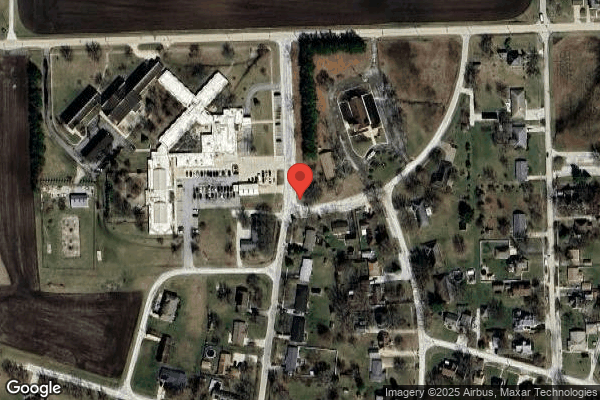
403 NORTH FOURTH STREET, DANFORTH, IL 60930 (815) 269-2970
Non profit - Corporation 90 Beds Independent Data: November 2025
Trust Grade
85/100
#78 of 665 in IL
Last Inspection: November 2024

Within standard 12-15 month inspection cycle. Federal law requires annual inspections.

Overview

Prairieview Lutheran Home has received a Trust Grade of B+, indicating it is above average and recommended for families considering care options. It ranks #78 out of 665 nursing homes in Illinois, placing it in the top half of facilities in the state, and is the best option among the four nursing homes in Iroquois County. The facility is improving, with the number of issues decreasing from 6 in 2023 to 3 in 2024, and it has no fines on record, which is a positive sign. Staffing is also a strength, with a 5-star rating and a turnover rate of 31%, which is well below the state average. However, there are concerns, including incidents where the facility did not maintain sanitary kitchen equipment, risking foodborne illness, and a failure to ensure adequate pain management for a resident reliant on a pain pump. Additionally, there were lapses in maintaining accurate medical records for some residents. Overall, while there are strengths in staffing and management of fines, families should be aware of specific care issues that need addressing.

Trust Score
B+
85/100
In Illinois
#78/665
Top 11%
Safety Record
Low Risk
No red flags
Inspections
Getting Better
6 → 3 violations
Staff Stability
○ Average
31% turnover. Near Illinois's 48% average. Typical for the industry.
Penalties
✓ Good
No fines on record. Clean compliance history, better than most Illinois facilities.
Skilled Nurses
✓ Good
Each resident gets 45 minutes of Registered Nurse (RN) attention daily — more than average for Illinois. RNs are trained to catch health problems early.
Violations
⚠ Watch
14 deficiencies on record. Higher than average. Multiple issues found across inspections.
★★★★★
5.0
Overall Rating
★★★★★
5.0
Staff Levels
★★★★★
5.0
Care Quality
★★★★★
5.0
Inspection Score
Stable
2023: 6 issues
2024: 3 issues

The Good

  • 5-Star Staffing Rating · Excellent nurse staffing levels
  • 5-Star Quality Measures · Strong clinical quality outcomes
  • Full Sprinkler Coverage · Fire safety systems throughout facility
  • No fines on record
  • Staff turnover below average (31%)

    17 points below Illinois average of 48%

Facility shows strength in staffing levels, quality measures, fire safety.

The Bad

Staff Turnover: 31%

15pts below Illinois avg (46%)

Typical for the industry

The Ugly 14 deficiencies on record

Nov 2024 3 deficiencies
CONCERN (D)

Potential for Harm - no one hurt, but risky conditions existed

Deficiency F0692 (Tag F0692)

Could have caused harm · This affected 1 resident

Based on interview and record review, the facility failed to accurately obtain weights, obtain daily weights as ordered, and report significant weight changes to appropriate staff for one resident (R2...

Read full inspector narrative →
Based on interview and record review, the facility failed to accurately obtain weights, obtain daily weights as ordered, and report significant weight changes to appropriate staff for one resident (R25) of one resident reviewed for weight loss in the sample list of 27. Findings include: R25's Physician Order Sheet (POS) dated November 2024, documents an order for daily weights every day shift every Monday, Wednesday, Friday, with an order start date of 9/30/24. R25's Electronic Medical Record (EMR) weight tracking from 9/30/24 through 11/11/24, documents various means of obtaining weights which include standing, sitting, and wheelchair. R25's EMR weights dated 10/4/24 is 107 pounds, and R25's weight documented on 11/11/24 is 96.0 pounds. This is an 11.46% weight loss from 10/4/24 and 11/11/24. There is no documentation in R25's medical record of this weight loss being reported to anyone. On 11/13/24 at 2:48 PM, V13 Licensed Dietician stated weights should be consistent with the same scale, around the same time of day, and with similar clothing on. V13 also stated if there is a weight differential it should be reported to a nurse and then followed through. The facility's Resident Weights Policy dated 2011 Edition, documents residents with significant weight changes or questionable weights will be re-weighed for verification and weight change of 5% in one month should be reported to the physician.
CONCERN (E)

Potential for Harm - no one hurt, but risky conditions existed

Deficiency F0697 (Tag F0697)

Could have caused harm · This affected multiple residents

**NOTE- TERMS IN BRACKETS HAVE BEEN EDITED TO PROTECT CONFIDENTIALITY** Based on observation, interview, and record review the facility failed to ensure adequate pain management was available, by fail...

Read full inspector narrative →
**NOTE- TERMS IN BRACKETS HAVE BEEN EDITED TO PROTECT CONFIDENTIALITY** Based on observation, interview, and record review the facility failed to ensure adequate pain management was available, by failing repeatedly to schedule a pain clinic appointment for a medication pump refill. This failure affected one of two residents (R1) reviewed for pain on the sample list of 27. Findings Include: On 11/12/24 at 12:15 pm, R1 was seated in a motorized wheelchair, bedside. R1 stated R1 has a pain pump in her abdomen that has not been filled in months. R1 said R1 is reliant on this pain pump to stop the burning in her feet. R1 stated, I have pain pills but they don't work to relieve the burning pain in feet. My doctor retired and the facility has done nothing to help me find a new doctor to provide refills (surgically implanted pain pump medications). I was going out to my doctor about every six weeks. R1's Medical Device Identification (card) documents R1 had Drug Infusion System implanted on 7/16/24. R1's Physician Order Summary sheet (POS) dated 11/1-11/30/24 documents the following diagnoses: Multiple Sclerosis, Muscle Weakness Generalized, Paralytic Gait, Other Chronic Pain, Presence of Other Devices, Paraplegia, Unspecified, Other Signs and Symptoms, Unspecified Lack of Coordination, Other Reduced Mobility, Dependence on Wheelchair, Other Fatigue, and Contracture Unspecified Joint. R1's same POS documents monitoring as follows: Check pain pump site every day shift notify MD (physician) of any swelling. R1's same POS documents the following medications for pain management Morphine (25.0 mg/ml) infused at 13.552 mg ( milligrams) /day via intrathecal pain pump; managed per (V21, Physician)/Universal Pain Management Institute (clinic), (status Hold), Bupivacaine (3.7 mg/ml) infused at 2.0057 mg/day via intrathecal pain pump; managed per (V21)/Universal Pain Management Institute (status Hold), Hydrocodone-Acetaminophen Oral Tablet 7.5-325 MG (Hydrocodone-Acetaminophen) Give 1 tablet by mouth every 4 hours as needed for pain management, Acetaminophen 500 mg caplet, Give 1 capsule orally every 4 hours as needed for pain, fever, Gabapentin Capsule 400 MG Give 1 capsule by mouth four times a day for nerve pain, Carbamazepine 100 mg tab Chewable, Give 1 tablet orally two times a day for nerve pain, and Baclofen Tablet 10 MG, Give 1 tablet by mouth three times a day for muscle spasms. R1's Medication Administration Record dated 11/1/24-11/30/24 does not document R1 received PRN Acetaminophen, but did receive Hydrocodone -Acetaminophen PRN for a severe pain level of seven out of ten, one time on 11/10/24. R1's Minimum Data Set, dated [DATE] documents the following: Brief Interview of Mental Status score as 15 out of a possible 15, indicating no cognitive impairment. Same MDS documents R1 has pain occasionally at four out of ten level (mild-moderate). R1's Care Plan updated 10/29/24 documents the following: (R1) has chronic pain r/t (related to) MS (Multiple Sclerosis) and Arthritis. She has a implanted pain pump. Interventions include: ·Notify MD PRN (as needed) for increased or uncontrolled pain. ·Notify physician if interventions are unsuccessful or if current complaint is a significant change from residents past experience of pain. ·Follow up with pain clinic, (V21, Pain Clinic Physician) as ordered for pain pump refill (delayed refill appointment scheduling, post insertion of pain pump insertion 7/16/24). · Evaluate the effectiveness of pain interventions every shift and after administration of PRN medication. Review for compliance, alleviating of symptoms, dosing schedules and resident satisfaction with results, impact on functional ability and impact on cognition. ·Monitor/record/report to Nurse resident complaints of pain or requests for pain treatment. R1's Social Service note signed by V9, Social Service Director, dated 9/12/24 at 8:24 am, documents the following: 1:1 (one on one) Resident was a little upset this morning, the pain doctor canceled her appointment. She is waiting for her pain pump to be filled. I explained to her that our scheduler (V19, Certified Nursing Assistant) is aware, and she will be making her a new appointment. R1's Appointment Note signed by V19, Certified Nursing Assistant dated 9/12/24 at 9:02 am, documents the following: Contacted (V21, Pain Clinic Physician) office regarding (R1's) follow up appointment. Office staff stated that the nurses (unidentified) and (V21) were in a procedure at this time and a nurse will be calling me back. Awaiting call back at this time. No other documentation of pain clinic notification to schedule appointment for R1 in R1's medical record. On 11/13/24 at 11:30 am, R1 was seated in her motorized wheelchair in the dining room. R1 motioned for this surveyor to come over to her table. R1 stated Are you going to get me an appointment for my pain pump refill. My feet and spine don't burn all the time, but the pills I take only take the edge off. I really need an appointment. No one has said a word to me about getting my pain pump refill. It doesn't matter who I talk to. No one has scheduled an appointment. It has been months and I was getting refills every 6 weeks or so. On 11/13/24 at 2:10 pm, V2 Director of Nursing (DON) confirmed there has not been a pain clinic appointment made for R1's pain medication pump refills. V2 stated R1's pain pump medication was put on hold, and there was no documentation since 9/12/24. V2 also stated she would have followed-up with the the pain clinic had she known there was a delay in getting the appointment. On 11/14/24 at 10:50 am, V19 Certified Nursing Assistant /Ancillary Clerk acknowledged she had not scheduled R1's appointment at the pain clinic for R1's pain pump refill. V19 also confirmed she had not documented any attempts to contact the pain clinic but had left numerous messages. V19 also stated V19 did not tell V2, Director of Nursing, so V2 could follow-up. The facility's undated Pain Management Policy documents: If the resident's pain is complex or not responding to standard interventions, the attending physician may consider additional consultative support. If a consultant is involved in managing pain, the attending physician will maintain an active role by reviewing the consultant's recommendations, addressing medical issues that affect pain, monitoring for complications related to treatment, and evaluating subsequent progress. The physician should not simply defer to the consultant for all pain-related issues.
CONCERN (E)

Potential for Harm - no one hurt, but risky conditions existed

Medical Records (Tag F0842)

Could have caused harm · This affected multiple residents

2. R25's Physician Progress Notes dated effective date 8/23/24, 9/27/24, and 10/25/24, all document R25's temperature, pulse, respirations, blood pressure, oxygen saturation, and weights, all having a...

Read full inspector narrative →
2. R25's Physician Progress Notes dated effective date 8/23/24, 9/27/24, and 10/25/24, all document R25's temperature, pulse, respirations, blood pressure, oxygen saturation, and weights, all having a November 2024 date. There are no current vital assessments documented for the actual vitals that were completed on the actual assessment dates of 8/23/24, 9/27/24, and 10/25/24. On 11/15/24 at 10:32 AM, V11 Administrator stated the Physician Progress Notes dated effective dates are the dates the actual assessment was completed by the physician (V27), and the vital sign information is not correct for the dates of the completed assessments. Based on record review and interview the facility repeatedly failed to follow their policy to maintain complete and accurate medical records for two (R1, R25) of 18 residents reviewed for medical records on the sample list of 27. Findings include: The facility policy Charting and Documentation dated as revised July 2017, documents the following: Policy Statement All services provided to the resident, progress toward the care plan goals, or any changes in the resident's medical, physical, functional or psychosocial condition, shall be documented in the resident's medical record. The medical record should facilitate communication between the interdisciplinary team regarding the resident's condition and response to care. Charting and Documentation. The same policy documents: 7. Documentation of procedures and treatments will include care-specific details, including: a. the date and time the procedure/treatment was provided; b. the name and title of the individual(s) who provided the care; c. the assessment data and/or any unusual findings obtained during the procedure/treatment; d. how the resident tolerated the procedure/treatment; e. whether the resident refused the procedure/treatment; f. notification of family, physician or other staff, if indicated; and g. the signature and title of the individual documenting. 1.) On 11/14/24 at 1:30 pm, V28 Receptionist provided unsigned R1's SOAP (Subjective, Objective, Assess, and Plan) notes that did not include a full assessment of R1's past medical history, current status, diagnoses, medications, or review of systems. V28 stated V2, Director of Nursing provided the documents and said they were R1's physician progress notes. On 11/15/24 10:10 am, V2 Director of Nursing stated We (the facility) do not have R1's Physician Visit (Progress Notes) documentation, for the last three months. V2 then stated when (V17, Medical Director) assessed (R1) monthly. The nursing (department) just made SOAP (Subjective, Objective, Assess, and Plan) notes. Therefore, there is no full documentation of R1's assessments for the last three months (8/16/24, 9/20/24 and 10/16/24). V2 also confirmed V17 did not sign the nurses SOAP notes of R1's visits (8/16/24, 9/20/24 and 10/16/24), until 11/14/24.
Sept 2023 2 deficiencies
CONCERN (D)

Potential for Harm - no one hurt, but risky conditions existed

Resident Rights (Tag F0550)

Could have caused harm · This affected 1 resident

**NOTE- TERMS IN BRACKETS HAVE BEEN EDITED TO PROTECT CONFIDENTIALITY** Based on observation, interview and record review, the facility failed to ensure that dignity was maintained, by failing to resp...

Read full inspector narrative →
**NOTE- TERMS IN BRACKETS HAVE BEEN EDITED TO PROTECT CONFIDENTIALITY** Based on observation, interview and record review, the facility failed to ensure that dignity was maintained, by failing to respond to a call light in a timely manner. This failure resulted in a delay in meeting toileting needs for a dependent resident and prevented a residents right to participate in a scheduled activity. This failure affected one of 21 residents (R11) reviewed for dignity on the sample list of 21. Findings include: R11's Physician Order Summary Report dated 9/27/23 documents the following diagnoses: Multiple Sclerosis, Muscle Weakness, Spondylosis (Osteoarthritis of the spine), and General Anxiety Disorder. R11's Minimum Data Set (MDS) dated [DATE] documents the following: R11's Brief Interview of Mental Status score of 14 out of a possible 15, indicating R11 has no cognitive impairment. The same MDS documents R11 requires extensive assistance of two people for toileting and is totally dependent on two person for transfers. R11's Care Plan updated 8/23/23 documents the following: Self Care deficient. Needs supervision and/or assistance to provide quality of care, and/or poorly motivated to completed Activities of Daily Living (ADL's) related to weakness. As evidence by requires supervision to total staff dependence to complete ADL's. The same Care Plan documents the following: Strength: (R11) attends many activity programs. As evidenced by regularly attending Bingo and crafts. On 9/27/23 a 2:12 pm, R11's call light was activated by sound and light outside R11's room on the 100 hall. V2, Director of Nursing (DON) and four additional unidentified staff were just outside R11's room in the hall. The five staff were adjusting a low bed that had been moved from an adjacent room. Four additional unidentified staff (total of nine) passed by R11's room as the call light remained activated. The call light above R11's door was on, the call light illuminated and sound was activated at the nurses station and above V2's DON door at the end of the 400 hall. The 400 hall displayed a call light on and had a sign with R11's room number on 100 hall displayed to indicate R11's call light was on. On 9/27/23 continuous observation continued until 2:42 pm (total observed 30 minutes). R11 could be heard from the hall moaning. There was no staff response. R11 stated Please get the girls (CNA's) to take me off this bed pan. It hurts. I have been on it (bedpan) for over an hour. R11 stated It takes two people to help me. I have MS (Multiple Sclerosis). On 9/27/23 at 2:45 pm V2, Director of Nursing acknowledged there should never be a wait time for a resident on a bed pan. (R11's) call light should have been answered right away. V2, DON also stated I will make sure R11 gets the assistance she needs right away. On 9/27/23 at 2:50 pm, R11 was laying in bed, on a bedpan. V9 and V10 Certified Nursing Assistants (CNA) entered R11's room. R11 stated, My call light was on for well over an hour. At 1:40 pm (one hour and two minutes total call light activation), (V7, CNA) and (V8, CNA) were suppose to come back and get me out of bed for bingo at 2:00 pm. That didn't happen. My call light was on the whole time, until now. On 9/27/23 at 4:35 pm V1, Administrator stated he emphasizes to all staff to answer call lights. V1 stated he answers call lights as well. V1 stated, I saw (R11s) light out of the corner of my eye. I was focused on something else. I helped with the move of another resident bed just outside (R11's) room. There should have never been eight or nine staff in the hall that walked by her light, including myself. The facility policy Dignity revised February 2021 documents the following: Policy Statement, Each resident shall be cared for in a manner that promotes and enhances his or her sense of well-being, level of satisfaction with life, and feelings of self-worth and self-esteem. Policy Interpretation and Implementation 1. Residents are treated with dignity and respect at all times. 2. The facility culture supports dignity and respect for residents by honoring resident goals, choices, preferences, values and beliefs. This begins with the initial admission and continues throughout the resident ' s facility stay. 3. Individual needs and preferences of the resident are identified through the assessment process. 4. Residents may exercise their rights without interference, coercion, discrimination or reprisal from any person or entity associated with this facility. 5. When assisting with care, residents are supported in exercising their rights. For example, residents are: a. groomed as they wish to be groomed (hair styles, nails, facial hair, etc.); b. encouraged to attend the activities of their choice, including religious, political, civic, recreational, or social activities; The same policy documents the following: 12. Demeaning practices and standards of care that compromise dignity are prohibited. Staff are expected to promote dignity and assist residents; for example: a. helping the resident to keep urinary catheter bags covered; b. promptly responding to a resident ' s request for toileting assistance; and c. allowing residents unrestricted access to common areas open to the public, unless this poses a safety risk for the resident. The facility policy Call System, Residents dated September 2022 documents the following: Residents are provided with a means to call staff for assistance through a communication system that directly calls a staff member or a centralized work station. Policy Interpretation and Implementation Number 6. Calls for assistance are answered as soon as possible.
CONCERN (D)

Potential for Harm - no one hurt, but risky conditions existed

Incontinence Care (Tag F0690)

Could have caused harm · This affected 1 resident

**NOTE- TERMS IN BRACKETS HAVE BEEN EDITED TO PROTECT CONFIDENTIALITY** Based on observation, interview and record review the facility failed to use proper sequence anterior then posterior technique, ...

Read full inspector narrative →
**NOTE- TERMS IN BRACKETS HAVE BEEN EDITED TO PROTECT CONFIDENTIALITY** Based on observation, interview and record review the facility failed to use proper sequence anterior then posterior technique, perform hand hygiene, remove soiled gloves, and prevent cross contamination during perineal care for a resident with a Urinary Tract Infection (UTI). This failure affected one of four residents ( R11) reviewed for a UTI on the sample list of 21. Findings include: R11's Physician Order Summary Report Sheet (POS) dated 9/27/23 documents the following: Levaquin (antibiotic) Oral Tablet 500 milligrams (mg) (Levofloxacin), Give 500 mg by mouth in morning for UTI (Urinary Tract Infection) for 5 days. R11's Minimum Data Set (MDS) dated [DATE] documents R11's Brief Interview of Mental Status score of 14 out of a possible 15, indicating R11 has no cognitive impairment. The same MDS documents R11 requires extensive assistance of two people for toileting and is totally dependent on two person for transfers R11's Care Plan updated 9/25/23 problem: (R11) is on antibiotic therapy, Levaquin related to Urinary Tract Infection. R11's laboratory Urine Culture dated as collected 9/20/23 documents the following bacterial infection: Enterococcus faecalis greater than one-hundred-thousand colony forming units per milliliter. On 9/27/23 at 2:50 pm R11 was laying in bed, on a bedpan. V9 and V10 Certified Nursing Assistants (CNA) entered R11's room. V9, CNA washed her hands and donned gloves. V10, donned gloves without performing handwashing or using hand sanitizer. V9, and V10, CNA positioned R11 to a left side-lying position. V10, CNA removed the bedpan from under R11's buttocks. V9, CNA assisted R11 to maintain R11's left-side lying position. V10, CNA knocked R11's package of disposable wipes off R11's bedside dresser, onto the floor. V10, CNA picked up the contaminated disposable wipe package, opened the package, and removed the wipes with the contaminated gloves. V10 proceeded with the same contaminated gloves, and performed posterior perineal care. V10 did not complete anterior perineal care first as the facility policy directs. V9 and V10 re-positioned R11 to a back lying position. With the same soiled gloves, V10 reached for the disposable wipes on the edge of the bedside dresser. V10 again dropped the disposable wipes package on the floor. V10 picks up the disposable wipes package and removed disposable wipes from the package with the same contaminated gloves. V10 proceeds to perform anterior perineal care with the contaminated disposable wipes and without removing the same soiled gloves used for R11's posterior perineal care. On 9/27/23 at 3:25 pm V2, Director of Nursing stated V2's expectation is staff wash their hands and don clean gloves during peri-care to prevent cross contamination. On 9/27/23 at 3:35 pm V10, CNA acknowledged cross-contamination during perineal care, failure to provide R11 anterior perineal care before posterior perineal care. The facility policy Handwashing/Hand Hygiene dated revised, August 2019 documents the following: This facility considers hand hygiene the primary means to prevent the spread of infections. The same policy documents: Policy Interpretation and Implementation 1. All personnel shall be trained and regularly in-serviced on the importance of hand hygiene in preventing the transmission of healthcare-associated infections. 2. All personnel shall follow the handwashing/hand hygiene procedures to help prevent the spread of infections to other personnel, residents, and visitors. 3. Hand hygiene products and supplies (sinks, soap, towels, alcohol-based hand rub, etc.) shall be readily accessible and convenient for staff use to encourage compliance with hand hygiene policies. 4. Triclosan-containing soaps will not be used. 5. Residents, family members and/or visitors will be encouraged to practice hand hygiene through the use of fact sheets, pamphlets and/or other written materials provided at the time of admission and/or posted throughout the facility. 6. Wash hands with soap (antimicrobial or non-antimicrobial) and water for the following situations: When hands are visibly soiled; and After contact with a resident with infectious diarrhea including, but not limited to infections caused by norovirus, salmonella, shigella and C. difficile. 7. Use an alcohol-based hand rub containing at least 62% alcohol; or, alternatively, soap (antimicrobial or non-antimicrobial) and water for the following situations: Before and after coming on duty; Before and after direct contact with residents; Before preparing or handling medications; Before performing any non-surgical invasive procedures; Before and after handling an invasive device (e.g., urinary catheters, IV access sites); Before donning sterile gloves; Before handling clean or soiled dressings, gauze pads, etc.; Before moving from a contaminated body site to a clean body site during resident care; After contact with a resident ' s intact skin; After contact with blood or bodily fluids; After handling used dressings, contaminated equipment, etc.; After contact with objects (e.g., medical equipment) in the immediate vicinity of the resident; After removing gloves; Before and after entering isolation precaution settings; Before and after eating or handling food; Before and after assisting a resident with meals; and After personal use of the toilet or conducting your personal hygiene. 8. Hand hygiene is the final step after removing and disposing of personal protective equipment. 9.The use of gloves does not replace hand washing/hand hygiene. Integration of glove use along with routine hand hygiene is recognized as the best practice for preventing healthcare-associated infections. 10. Single-use disposable gloves should be used: before aseptic procedures; when anticipating contact with blood or body fluids; and when in contact with a resident, or the equipment or environment of a resident, who is on contact precautions. The same policy documents: Applying and Removing Gloves 1. Perform hand hygiene before applying non-sterile gloves. 2. When applying, remove one glove from the dispensing box at a time, touching only the top of the cuff. 3. When removing gloves, pinch the glove at the wrist and peel away from the hand, turning the glove inside out. 4. Hold the removed glove in the gloved hand and remove the other glove by rolling it down the hand and folding it into the first glove. 5. Perform hand hygiene The facility Policy Perineal Care updated 9/28/23 (day of survey) documents the following: Purpose. The purposes of this procedure are to provide cleanliness and comfort to the resident, to prevent infections and skin irritation, and to observe the resident 's skin condition. Steps in the Procedure 1. Place the equipment on the bedside stand. Arrange the supplies so they can be easily reached. 2. Wash and dry your hands thoroughly. 3. Fill the wash basin one-half (1/2) full of warm water, if using. Place the wash basin or packaged wipes on the bedside stand within easy reach. 4. Fold the bedspread or blanket toward the foot of the bed. 5. Fold the sheet down to the lower part of the body. Cover the upper torso with a sheet. 6. Raise the gown or lower the pajamas. Avoid unnecessary exposure of the resident ' s body. 7. Put on gloves. 8. Ask the resident to bend his or her knees and put his or her feet flat on the mattress. Assist as necessary. For a female resident: a. Wet washcloth and apply soap, if using. b. Wash perineal area, wiping from front to back. (1) Separate labia and wash area downward from front to back. (Note: If the resident has an indwelling catheter, gently wash the juncture of the tubing from the urethra down the catheter about 3 inches. Gently rinse and dry the area.) (2) Continue to wash the perineum moving from inside outward to the thighs. Rinse perineum thoroughly in same direction, using fresh water and a clean washcloth, if using soap. (3) If the resident has an indwelling catheter, hold the tubing to one side and support the tubing against the leg to avoid traction or unnecessary movement of the catheter. (4) Gently dry perineum. c. Ask the resident to turn on her side with her top leg slightly bent, if able. d. Wash the rectal area thoroughly, wiping from the base of the labia towards and extending over the buttocks. e. Rinse and dry thoroughly.
Aug 2023 4 deficiencies
CONCERN (D) 📢 Someone Reported This

A family member, employee, or ombudsman was alarmed enough to file a formal complaint

Potential for Harm - no one hurt, but risky conditions existed

Notification of Changes (Tag F0580)

Could have caused harm · This affected 1 resident

Based on interview and record review, the facility failed to notify a resident representative of physician appointments for one of three residents (R1) reviewed for notifications in the sample list of...

Read full inspector narrative →
Based on interview and record review, the facility failed to notify a resident representative of physician appointments for one of three residents (R1) reviewed for notifications in the sample list of five. Findings Include: On 8/7/23 at 11:49 am, V6 (R1's Family) stated there have been two incidents where R1 had physician appointments that V6 was not aware of until after the fact. V6 stated because of not knowing of the appointments, V6 then had to follow up with the physician to find out what is going on with R1. V6 stated the last time this happened was with V19 (R1's Cardiologist) a couple of weeks ago. V6 wasn't aware of any appointment until R1 had returned to the facility and staff called V6 to tell V6 when R1's follow up appointment was. V6 stated, I'm a busy person but I will go with R1 to all appointments if able so I should be informed of when they are. R1's Nursing Progress Notes dated 7/11/23 document R1 left the facility accompanied by the van driver for an appointment with V19 and is now back at the facility. Next appointments are on 10/27/23 and 1/2/24. V6 notified. R1's Nursing Progress Notes dated 5/7/23 - 7/11/23 do not document that V6 was notified of R1's physician appointment on 7/11/23. On 8/7/23 at 2:01 pm, V4 Clerk stated that V4 updates families for initial physician appointments but for any additional follow up appointments, the floor nurses do the family notifications and scheduling. On 8/8/23 at 1:12 pm, V2 DON (Director of Nursing) stated the facility uses a computerized system for all physician appointments and that families are invited to be able to log in and see when appointments are scheduled for. V2 stated that R1's family would have known about the appointment on 7/11/23 because they had been on the computer system and saw it was scheduled. V2 stated the facility can see when families log into the system so V2 will provide proof that V6 was aware of the physician appointment ahead of time. ON 8/8/23 at 2:23 pm, V2 stated V2 checked the computer system and was not able to find where V6 had signed in to view R1's appointments, therefore V6 would not have known about it.
CONCERN (D) 📢 Someone Reported This

A family member, employee, or ombudsman was alarmed enough to file a formal complaint

Potential for Harm - no one hurt, but risky conditions existed

Comprehensive Care Plan (Tag F0656)

Could have caused harm · This affected 1 resident

**NOTE- TERMS IN BRACKETS HAVE BEEN EDITED TO PROTECT CONFIDENTIALITY** Based on observation, interview and record review, the facility failed to develop a comprehensive care plan for two of five resi...

Read full inspector narrative →
**NOTE- TERMS IN BRACKETS HAVE BEEN EDITED TO PROTECT CONFIDENTIALITY** Based on observation, interview and record review, the facility failed to develop a comprehensive care plan for two of five residents (R3, R4) reviewed for care plans in the sample list of five. Findings Include: 1.) The facility Elopement Prevention Policy dated 8/7/23 documents an Elopement Risk Assessment will be completed upon admission, quarterly and after each elopement attempt. The IDT (Interdisciplinary Team) will initiate a plan of care for any resident determined high risk for elopement. Facility specific measures as well as resident specific measures will be included in each high risk resident ' s plan of care to minimize risk factors. Communication of these interventions will be made to direct care staff through exposure to the resident ' s plan of care and periodic review. R3's Elopement Risk assessment dated [DATE] documents R3 is at high risk for elopement. R3's Care Plan dated 7/27/23 does not document that R3 is at high risk for elopement or any interventions in place to prevent an elopement. On 8/8/23 at 1:12 pm, V2 DON (Director of Nursing) stated that residents who are at risk for elopement should have a care plan to address that. 2) R4's August 2023 Physician Orders document an order to cleanse the lesion under left breast daily and PRN (as needed) with betadine and apply a dry dressing PRN. On 8/7/23 at 10:35 am, V3 RN (Registered Nurse) stated R4 has an open area under R4's breast that R4 was admitted to the facility with and explained it is suspected breast cancer but not confirmed. On 8/8/23 at 8:55 am, R4 was observed with a gauze dressing to under the left breast. The dressing had a small amount of bloody secretions on it. R4's care plan dated 5/1/23 does not document R4's skin breakdown/suspected cancerous lesion. On 8/8/23 at 1:12 pm, V2 DON (Director of Nursing) stated skin concerns should be care planned.
CONCERN (D) 📢 Someone Reported This

A family member, employee, or ombudsman was alarmed enough to file a formal complaint

Potential for Harm - no one hurt, but risky conditions existed

Quality of Care (Tag F0684)

Could have caused harm · This affected 1 resident

Based on observation, interview and record review, the facility failed to complete weekly wound assessments for a skin lesion for one of three residents (R4) reviewed for wounds in the sample list of ...

Read full inspector narrative →
Based on observation, interview and record review, the facility failed to complete weekly wound assessments for a skin lesion for one of three residents (R4) reviewed for wounds in the sample list of five. Findings Include: R4's August 2023 Physician Orders document an order to cleanse lesion under left breast daily and PRN (as needed) with betadine and apply a dry dressing PRN. On 8/7/23 at 10:35 am, V3 RN (Registered Nurse) stated R4 has an open area under R4's breast that R4 was admitted to the facility with and explained it is suspected breast cancer but not confirmed. On 8/8/23 at 8:55 am, R4 was observed with a gauze dressing to under the left breast. The dressing had a small amount of bloody secretions on it. R4's medical record did not contain any wound assessments. On 8/8/23 at 2:00 pm, V17 Wound RN (Registered Nurse) confirmed R4 did not have any wound assessments, stating I (V17) didn't know I (V17) had to do them for a cancer lesion. The facility Skin Condition Monitoring Policy revised on 8/8/23 documents the facility will provide proper monitoring, treatment, and documentation of any resident with skin abnormalities. Documentation of the skin abnormality must occur upon identification and at least weekly thereafter until the area is healed. Documentation of the area must include the following: Characteristic, Size, Shape, Depth, Color, and Presence of granulation tissue or necrotic tissue.
CONCERN (D) 📢 Someone Reported This

A family member, employee, or ombudsman was alarmed enough to file a formal complaint

Potential for Harm - no one hurt, but risky conditions existed

Accident Prevention (Tag F0689)

Could have caused harm · This affected 1 resident

**NOTE- TERMS IN BRACKETS HAVE BEEN EDITED TO PROTECT CONFIDENTIALITY** Based on observation, interview and record review, the facility failed to provide adequate supervision of a resident and monitor...

Read full inspector narrative →
**NOTE- TERMS IN BRACKETS HAVE BEEN EDITED TO PROTECT CONFIDENTIALITY** Based on observation, interview and record review, the facility failed to provide adequate supervision of a resident and monitoring of the exit doors to prevent an elopement and failed to implement ongoing safety precautions per facility policy post elopement for one of three residents (R1) reviewed for elopement on the sample list of five. Findings Include: The facility's undated Elopement Policy and Procedure documents residents at risk for harm due to wandering are identified through the Elopement Assessment. If a resident is missing, a search begins immediately. Anyone who merits a search will hereafter wear a safety bracelet, if one is not already in place. After the elopement, initiate an every 10 minute check until re-evaluated. Re-evaluations will be done on a quarterly basis. R1's Progress Notes dated 8/1/23 at 7:09 pm by V5 LPN (Licensed Practical Nurse) document, nurse was letting another family member out of the building this evening and R1 followed behind. Facility staff were alerted by that family. A CNA (Certified Nursing Assistant) caught up with R1 and was able to get R1 back to the facility safely and without injuries. 15 minute checks were initiated. POA (Power of Attorney) and DON (Director of Nursing) were notified. R1's MDS (Minimum Data Set) dated 7/26/23 documents R1 has moderately impaired cognition and is independent with ambulation. R1's Elopement Risk assessment dated [DATE] and 7/26/23 documents R1 is at moderate risk for Elopement. R1's medical record contained 15 Minute Observation Sheets dated 8/1/23 - 8/4/23 but nothing after that. On 8/7/23 at 10:15 am, R1 was lying in bed with the walker at the foot of the bed. R1 did not have any safety bracelet in place. On 8/7/23 at 10:30 am, V3 RN (Registered Nurse) stated the unit R1 resides on is a locked/alarmed dementia unit, so anybody coming into or leaving the unit has to be let in, by the nurse clicking the button to unlock/disarm the doors. V3 explained with it being a dementia unit, any resident who is mobile is at risk for elopement, therefore they do not have a book of residents who are at risk for elopement because they all are. On 8/7/23 at 11:28 am, V2 DON stated last week, R1 followed a family member that had been here visiting outside without staff knowing it. The family came back inside and reported R1 was out there. V2 stated the exit door is locked so staff have to buzz visitors in/out of the facility by pushing a button on a key fob. On 8/7/23 at 11:49, V6 (R1's Family) stated R1 got out of the facility on 8/1/23. It is my understanding that (R1) got out of the building by following a visitor of another resident out of the facility. I (V6) don't know how far (R1) got or why the visitor didn't stay with (R1) and try to get (R1) back inside but I (V6) guessed the visitor went back into the facility to ask them {staff} about having a missing resident. I (V6) guess staff came out to assist (R1) but (R1) refused to go with them {staff}. I (V6) was told (V7, family friend) who lives south of the facility there saw (R1) and brought (R1) back to the facility. V6 stated before R1 was able to be redirected back to the facility, R1 got to the blue apartment buildings south of the facility and maybe even past that because V7 lives in the house on the corner there at the T- intersection. On 8/7/23 at 12:34 pm, V1 Administrator stated V1 was off work at the time R1 eloped from the facility so isn't aware of the specific details. V1 did however provide a written witness statement from V8 RN (Registered Nurse) who was on duty at the time of R1's elopement. This undated witness statement documents, the facility nurse was assisting a CNA with another resident. At this time, the front office let the nurses know that there was a visitor on the phone but V8 needed to complete what V8 was doing. Once finished, the visitor was no longer on the phone, so V8 went to assist another resident. At this time, V9 Director of Activities rushed onto the dementia unit to alert staff that V11 RA (Resident Assistant) had called the main office to report V11 was with a resident that had been let out of the facility. An unidentified Agency Nurse and V8 RN then rushed outside and did not see V11 or the resident. The Agency Nurse continued looking outside while V8 returned to the facility to alert other staff of a missing resident. V8 then returned outside and saw staff running towards the missing resident who was identified as R1. When V8 got to R1, R1 was upset but free of injury. R1 did not want to go back to the facility. V7, came outside as we were standing in front of V7's house and R1 agreed to walk back to the facility with V7 and V9. V11 stated that V11 was alerted to R1 being outside of the facility by the visitor that had tried to call the facility. The visitor had just left and R1 followed the visitor out of the building. This statement also documents, every time someone rings the bell to leave, V8 always make sure it isn't R1, but the camera makes it extremely hard to see who is standing at the door. V8 documents, I (V8) saw that it was the (visitor) trying to get out, so I (V8) let them out. Unfortunately, all other staff was busy, and I (V8) could not see the door from the nurses station to see who else was around the door. On 8/7/23 at 1:34 pm, V9 Activity Director stated V9 wasn't there for the first part of the elopement, V11 RA was. V9 explained, It's my understanding though that (V11) was notified that (R1) followed visitors out of the building and the visitor then came back in to tell staff. (V11) went outside at that time but (R1) would not come back in. (V11) called the front office and reported the situation. I (V9) ran down to the unit to alert staff because they didn't know, and I (V9) went out too. I (V9) didn't see them so (V9) called (V11) and (V11) told (V9) where they {V11 and R1} were. V9 stated V11 and R1 were pretty far away, a couple of blocks down on the corner of 5th {street} and the street where it T's off. V9 stated a family friend, V7, came out of their house, after seeing us, and R1 agreed to walk back to the facility with V7 and V9. On 8/7/23 at 2:42 pm, V11 confirmed V9's timeline of events and explained the alarm to the dementia unit was sounding and when V11 went towards the door, there was a visitor standing there, who had actually just left the building, and said that there was a man wearing a brown coat outside. V11 stated V11 knew by the description who it was and went outside, it was R1. V11 stated upon V11 getting outside, R1 was already next to the apartments, at the side of the building. V11 described the distance as half a football field away. V11 stated R1 kept walking and by the time V11 got to R1, he was walking down the gravel road, south of the facility. V11 stated R1 would not return to the facility so V11 called V9 to report what was going on and other staff came to assist in redirecting R1. V11 confirmed that V7 exited V7's house and assisted in getting R1 back to the facility, but that before R1 turned around to come back to the facility, we had walked clear down to the T -intersection. On 8/8/23 at 1:12 pm, V2 DON with V1 present stated, the camera for seeing who is at the door can only see who is coming into the building, not who is exiting the building. Staff should have physically gotten up to see where (R1) was at before unlocking the door with the fob. V1 stated the Elopement Policies are really for the other side of the facility, not the dementia unit, because the skilled part of the facility has a wander alert system, unlike the locked dementia unit. V1 explained the dementia unit doesn't have a wander system because it is locked all the time. V2 confirmed R1 was only placed on 15 minute checks for 72 hours, not until reassessed according to policy.
Oct 2022 5 deficiencies
CONCERN (D)

Potential for Harm - no one hurt, but risky conditions existed

Deficiency F0688 (Tag F0688)

Could have caused harm · This affected 1 resident

**NOTE- TERMS IN BRACKETS HAVE BEEN EDITED TO PROTECT CONFIDENTIALITY** Based on observation, interview and record review, the facility failed to apply a physician ordered palm protector splint to pre...

Read full inspector narrative →
**NOTE- TERMS IN BRACKETS HAVE BEEN EDITED TO PROTECT CONFIDENTIALITY** Based on observation, interview and record review, the facility failed to apply a physician ordered palm protector splint to prevent increased contracture for one (R28) of three residents reviewed for range of motion on the sample list of 28. Findings include: R28's Physician Order Summary Report (POS) dated 10/5/22 documents the following medical diagnoses: Hemiplegia and Hemiparesis Following Nontraumatic Intracerebral Hemorrhage Affecting Right Dominant Side. The same POS documents the following treatment device: Apply R (right) hand palm protector (soft splint) during the daytime, off HS (bedtime). R28's Minimum Data Set (MDS) dated [DATE] documents R28's Brief Interview of Mental Status score of one out of possible 15, indicating severe cognitive impairment. The same MDS documents R28 has impaired range of motion in one upper and one lower extremity, and used a splint or brace five of the previous seven days during the assessment period. R28's Care Plan dated 8/15/22 documents the following: Restorative Nursing Program-Splint or Brace. Problem/Need: Prevent R hand contracture. Resident Specific Information: Apply R (right) hand palm protector on as tolerated during the daytime, off HS (bedtime). Complete R (right) shoulder, elbow, hand and finger PROM (Passive Range of Motion)/ stretch. On 10/5/22 at 9:40 am R28 was seated in a geriatric wheeled chair in the dining room. R28 did not have a palm protector device on the right hand. R28's right hand was contracted evidenced by R28's fingers and thumb bent into R28's palm. R28 was confused and did not respond to V7, Activity Director, request for R28 to open R28's right hand. V7, Activity Director, stated, I don't recall ever seeing (R28) with a splint on (R28's) hand. I think that is a nursing question. On 10/6/22 at 1:05 pm V20, Registered Nurse (RN), entered R28's room. R28 was seated in the geriatric chair. R28's right hand did not have a soft splint device on R28's hand. V20, RN, stated, I have worked here for three years, R28 has never had a splint or any device on his hand. V20, RN, went through all areas of R28's closet and did not find R28's right hand soft splint device. R28 stated It is in my drawer, staff put it their a long time ago. V20, RN, then searched R28's drawers and found a right arm/ hand splint in the back of R28's lowest dresser drawer. R28 did not have a soft right palm protector splint device found. V20, RN, stated, I guess (R28) has a splint, but not a a hand protector. Here it is. I guess it should be on him. I don't think the splint or the palm protector is on the MAR (Medication Administration Record) or TAR (Treatment Administration Record) , but it should be if he is suppose to wear it. R28 stated, I am ok with that. On 10/6/22 at 2:20 pm, V22, Restorative Licensed Practical Nurse (LPN), reviewed R28's range of motion documentation and stated, (R28) is to wear a palm protector on his right hand, as it is ordered through the day and off at night. I (V22, LPN) can see the CNA's (Certified Nursing Assistants) are doing some range of motion, which is documented on their task sheet in minutes. It does not identify the palm protector. (R28) should have it on but I am not sure if that is happening like it should.
CONCERN (D)

Potential for Harm - no one hurt, but risky conditions existed

Accident Prevention (Tag F0689)

Could have caused harm · This affected 1 resident

**NOTE- TERMS IN BRACKETS HAVE BEEN EDITED TO PROTECT CONFIDENTIALITY** Based on observation, interview, and record review, the facility failed to provide safe ambulation assistance for one (R27) of f...

Read full inspector narrative →
**NOTE- TERMS IN BRACKETS HAVE BEEN EDITED TO PROTECT CONFIDENTIALITY** Based on observation, interview, and record review, the facility failed to provide safe ambulation assistance for one (R27) of five residents reviewed for falls on the sample list of 28. Findings include: R27's Physician Order Summary Report dated 10/5/22 documents the following medical diagnoses: Difficulty Walking, Muscle Weakness, Other Fatigue, Localized Swelling, Mass and Lump Lower Limb Bilateral, Unspecified Cerebral Infarction, Unspecified Hemiplegia, and Hemiplegia Following Cerebra Infarction Affecting Right Dominant Side, Other Hammer Toe(s) (Acquired) Right Foot, and Essential Primary Hypertension. On 10/04/22 at 11:17 am R27 was seated in a wheel chair in R27's room. R27 stated R27 has a history of falls. R27's Minimum Data Set (MDS) dated [DATE] documents a Brief Interview of Mental Status score of 15 out of 15 indicating no cognitive impairment. R27's same MDS documents R27 had one fall with no injury, and requires extensive assistance of one person for ambulation in R27's room and in corridor. R27's Care Plan dated as revised 10/03/22 documents (R27) is at risk for falls r/t (related too) Gait/balance problems, and Vision/hearing problems. R27's same Care Plan documents the following fall intervention was added on 07/07/22: Staff educated to ambulate holding the gait belt from the side of resident for more control. R27's electronic medical record documents the following nurses note: 07/6/2022 (at) 12:26 (pm) Resident (R27) was ambulating with CNA (V17, Certified Nursing Assistant) with the use of (gait belt) and followed by WW (wheel walker, later identified as a wheel chair) to the DR (dining room) for lunch. (V17) CNA prompted resident (R27) to turn to sit in wc (wheel chair) and (R27) miss stepped and was assisted to the floor by (V17) CNA. Witnessed by PTA (V21, Physical Therapy Assistant). CNA (V17) and PTA (V21) assisted resident (R27) into wc (wheel chair) and notified LPN (unidentified Licensed Practical Nurse) of fall. Upon assessment, no pain or injury noted. Vitals WNL (within normal limits). ROM (range of motion) per residents (R27's) normal. Resident (R27) able to make needs known and tell her (R27's) story. Family (V23, R27's Family Member) notified at 12:23 (pm). (V11, Medical Director) notified at 12:18 (pm). Resident (R27) currently eating lunch in DR (dining room). Will continue to monitor. On 10/6/22 at 10:50 am, V2, Director of Nursing (DON), and V14, Assistant Director of Nursing (ADON), requested to be interviewed together regarding R27's falls. V2, DON, stated, The facility does not provide the fall investigation. (V14, ADON), does all fall investigations and will provide all the information regarding R27's falls, root cause and interventions. V14, ADON, confirmed R27 fell on [DATE]. V14, ADON stated, The fall on 7/6/22, was a result of unsafe ambulation by (V17, CNA) and was witnessed by (V21, PTA). V14, ADON stated, (V17, CNA) was walking behind (R27's) wheelchair as (R27) walked in front of the same wheel chair. V14, ADON stated, (V17, CNA) was reaching forward over the wheelchair and couldn't prevent (R27's) fall as (R27) leaned to sideways and fell. On 10/6/22 at 2:20 pm V21, PTA, stated, (V17) Certified Nursing Assistant was walking behind (R27's) wheelchair down the hall. I exited a resident's (unidentified) room. V21 stated, I was about 10 feet away from (R27). (V17, CNA) was pushing (R27's) wheelchair from behind the chair while (R27) walked in front of the wheel chair with a gait belt on. V21,stated, (V17) was trying to guide (R27) by reaching forward over the wheelchair to steady (R27) while (R27) walked. V21 also stated, (R27) was very weak at the time and just kinda (kind of) melted as she (R27) leaned right. (V17, CNA) grabbed (R27's) gait belt and guided (R27) the rest of the way down to the floor. (V17, CNA) should never walk a resident and push the wheel chair at the same time. A second person would have made the difference. The CNA's should always use a gait belt placed firmly around the residents waist and walk beside the resident to help them maintain their balance.
CONCERN (E)

Potential for Harm - no one hurt, but risky conditions existed

Deficiency F0710 (Tag F0710)

Could have caused harm · This affected multiple residents

Based on record review, observation, and interview, the facility failed to obtain a physician order for resident consumption of alcoholic beverages (classified as central nervous system depressant dru...

Read full inspector narrative →
Based on record review, observation, and interview, the facility failed to obtain a physician order for resident consumption of alcoholic beverages (classified as central nervous system depressant drug, that slows down brain and neural activity) and failed to ensure pharmacist and nursing staff monitor for adverse reactions related to co-administration of alcohol with other medications. This failure affected four (R15, R20, R26 and R46) of seven residents reviewed for alcoholic beverage consumption on the sample list of 28. Findings include: On 10/05/22 at 9:32 am, V6, Registered Nurse, reviewed the contents of medications in the medication room on 100 - 400 halls. The right lower medication room cabinet contained unlabeled bottles of drinking alcohol: coffee liqueur 750 milliliter bottle that was half full, and a bottle whiskey 750 milliliter was open and half full. There was a half full cola bottle filled with a clear light yellow, straw colored fluid that smelled of drinking alcohol. V6, could not identify which residents the alcohol belongs to. On 10/6/22 at 11:15 am V12, Care Plan /Minimum Data Set Coordinator Registered Nurse (CP/MDS/RN), opened the 100 - 400 Halls medication room to attempt to identify the residents the unlabeled alcohol belonged to. V12 could not confirm the residents the unlabeled alcohol belonged to and was not sure which residents consume alcohol. V12, CP/MDS/RN, stated, (V7), Activity Director, provides some residents with alcohol during special events. V7 would have a list of residents that consume alcohol. On 10/6/22 at V7, Activity Director, reviewed the contents of alcoholic beverages stored in a walk in refrigerator provided for resident consumption during special activities. V7 confirmed a list of residents that routinely drink alcoholic beverages during special events. The list included the following residents: R15, R20, R26, and R46. 1.) R15's Physician Order Summary Report (POS) dated 10/07/22 does not document an order for consumption of alcoholic beverages. R15's same POS documents R15 has the following physician medication orders that have the potential for an adverse reaction when given with an alcoholic beverage: Acetaminophen Tablet, Amiodarone HCl Tablet, Keppra, Melatonin Tablet, Methotrexate Tablet, Metoprolol Tartrate Tablet, Trazodone HCl , and Xarelto Tablet. 2.) R20's Physician Order Summary Report (POS) dated 10/07/22 does not document an order for consumption of alcoholic beverages. R20's same POS documents R20 has the following physician medication orders that have the potential for an adverse reaction when given with an alcoholic beverage: Amlodipine Besylate Tablet, Aspirin Tablet, Atorvastatin Tablet, Clopidogrel Bisulfate Tablet, Furosemide Tablet, Losartan Potassium Tablet, Metoprolol Tartrate Tablet, and Tylenol Extra Strength Tablet. 3.) R26's Physician Order Summary Report (POS) dated 10/07/22 does not document an order for consumption of alcoholic beverages. R26's same POS documents R26 has the following physician medication orders that have the potential for an adverse reaction when given with an alcoholic beverage: Acetaminophen Tablet, Amlodipine Besylate Tablet, Atorvastatin Tablet, Furosemide Tablet, Losartan Potassium Tablet, Melatonin Tablet, Potassium Chloride Extended Release Tablet, and Tramadol HCl Tablet. 4.) R46's Physician Order Summary Report (POS) dated 10/07/22 does not document an order for consumption of alcoholic beverages. R46's same POS documents R46 has the following physician medication orders that have the potential for an adverse reaction when given with an alcoholic beverage: Gabapentin Tablet, Lasix Tablet, Losartan Tablet, Melatonin Capsule, Metformin HCl Tablet, Metoprolol Tartrate Tablet, and Tizanidine HCl Tablet. On 10/07/22 at 8:25 am V2, Director of Nursing, stated, We do not have documentation or assessments for residents that drink alcohol. We don't do assessments or routinely obtain physician orders for residents to drink. I guess we probably should since there is a possibility of a reaction with their meds (medication). On 10/07/22 at 10:20 am V11, Medical Director (Physician), stated, The facility should be following the facility policy for potential medication adverse reactions. V11 also stated A physician order should be obtained from each resident's primary care provider if alcohol is to be administered. Routine pharmacy review should be conducted according to the policy to identify the potential for drug interactions with alcohol. These potential medication adverse reactions could be significant with some medication and should be monitored and reported to the resident primary physician. The facility policy Medication/ Food Interactions dated as revised July 2013 documents, Medication orders shall be reviewed for possible food/ medication interactions. Policy Interpretation and Implementation 1. The consultant pharmacist, nurses, and physician shall review medications ordered for each resident to determine if medications interact with food, beverages, or another medication that has been prescribed for the resident. The same policy documents, Policy Interpretation and Implementation 5. When a resident has an order allowing him/her to drink alcoholic beverages, the pharmacist shall identify any of the residents current medications that interact with alcohol, and shall notify the nursing staff and/or physician with that information.
CONCERN (E)

Potential for Harm - no one hurt, but risky conditions existed

Deficiency F0761 (Tag F0761)

Could have caused harm · This affected multiple residents

Based on record review, observation, and interview, the facility failed to properly store medications by storing unlabeled resident opened drinking alcohol beverages (classified as central nervous sys...

Read full inspector narrative →
Based on record review, observation, and interview, the facility failed to properly store medications by storing unlabeled resident opened drinking alcohol beverages (classified as central nervous system depressant drug, that slows down brain and neural activity) with an opened, potentially hazardous liquid all purpose cleaning product. The facility also failed by not properly securing residents' medications. These failures have the potential to affect six residents (R15, R17, R20, R26, R27 and R46) out of seven reviewed for medication storage on the sample list of 28. Findings include: 1. On 10/05/22 at 9:10 am R17 was seated in the 400 hall dining room at the same table as R27. R27's Medications sat in a medication cup on the right side of R27's food tray. R27's cup contained three different types of unidentified medication tablets. R27's medications were within R17's reach. V5, Certified Nursing Assistant (CNA), intermittently entered from the 400 hall dining room door way to deliver food trays to unidentified residents seated at other dining room tables. There was no licensed nurse present in the dining room or resident 400 hallway. On 10/5/22 at 9:18 am R27's medication cup with three different types of pills remained on R27's food tray. R17 reached for R27's medication cup that contained the three types of medication tablets. V4, Licensed Practical Nurse (LPN), entered the 400 hall dining room doorway and interceded by picking up R27's medication cup off of R27's food tray. V4, LPN asked R27 to take her medications from R27's medication cup. V4, LPN, stated I (V4, LPN) gave (R27) three meds and her (R27's) other meds due (during morning medication pass). V4 stated I don't usually leave resident's meds on their tray. I usually watch them take their meds. I saw (R17) reaching for (R27's) med cup. That is why we aren't suppose to leave resident meds. V4, LPN, confirmed the medications V4, LPN, left on R27's breakfast tray included Bactrim DS Oral Tablet 800-160 milligrams (antibiotic), Senexon-S Tablet 8.6-50 milligrams two tablets (laxative) and a Lactobacillus capsule (probiotic). 2. On 10/05/22 at 9:32 am V6, Registered Nurse, toured the medication room. In the medication room left lower cabinet there were two bottles of drinking alcohol: A coffee liqueur 750 milliliter bottle that was half full and a Whiskey 750 milliliter bottle that was also half full. These two bottles of alcohol did not contain a label to identify which resident the alcohol belonged to. These liquor type alcohol products were co-mingled with two other bottles of liquid. One three-quarter full liquid Citrus all purpose cleaner, and a two liter cola bottle filled half full of a clear straw colored yellow fluid that smelled like liquor. V6, confirmed the odor of drinking alcohol. On 10/05/22 at 9:45 am V6, stated, The cleaner and whatever is in that other bottle should not be in the same cabinet with resident's liquor. I have no idea what is in the soda bottle but it isn't Pepsi, I am sure. It may have been confiscated from a residents room. I really have no idea. I will get rid of that right away. I'll take the citrus cleaner out of here too. On 10/6/22 at V7, Activity Director, confirmed a list of residents that routinely drink alcoholic beverages during special events. The list included the following residents: R15, R20, R26, and R46. The facility policy Administering Oral Medications dated as revised October 2010 documents, The Purpose of this procedure is to provide guidelines for the safe administration of oral medications. 6. Check the label on the medication and confirm the medication name and dose with the MAR (Medication Administration Record). 21. Remain with the resident until all medications have been taken. The facility policy Storage of Medications dated 03/04/22 documents, The facility stores all drugs and biological's in a safe, secure and orderly manner. The same policy documents: 2. Drugs and biologicals are stored in the packaging, containers or other dispensing systems in which they are received. Only the issuing pharmacy is authorized to transfer medications between containers. 3. The nursing staff is responsible for maintaining medication storage and preparation areas in a clean, safe, and sanitary manner. 4. Drug containers that have missing, incomplete, improper, or incorrect labels are returned to the pharmacy for proper labeling before storing. Discontinued, outdated, or deteriorated drugs or biological's are returned to the dispensing pharmacy or destroyed.
CONCERN (F)

Potential for Harm - no one hurt, but risky conditions existed

Food Safety (Tag F0812)

Could have caused harm · This affected most or all residents

Based on observation, interview, and record review, the facility failed to prevent the potential for cross-contamination and food borne illness by failing to maintain a commercial tabletop can opener ...

Read full inspector narrative →
Based on observation, interview, and record review, the facility failed to prevent the potential for cross-contamination and food borne illness by failing to maintain a commercial tabletop can opener and a commercial food processor in a safe sanitary condition. The facility also failed to date two opened leftover food items in the refrigerator. These failures have the potential to affect all 63 residents residing in the facility. Findings include: 1. On 10/4/22 at 10:15 am, the facility commercial table top can opener was corroded with a build-up of thick sticky black substance on the table top plate and the sleeve attachment. The gears of the table top can opener had metal fragments adhering to a dark brown substance. The tip of the can opener blade had the veneer scraped off which exposed raw metal. V10, Assistant Dietary Manager, stated, That sure is dirty and should not have the metal fragments in the gears. 2. On 10/4/22 at 10:20 am there was two one pound stacks of American cheeses slices undated and loosely wrapped in plastic wrap on the top shelf of the refrigerator. V10, Assistant Dietary Manager, stated, I can not be sure when the cheese was opened since it is not dated as it should be. 3. On 10/4/22 at 10:25 am the facility's commercial food processor's plastic lid had numerous deep cracks and gouges containing dark and light brown debris substance embedded in the knife like crevices. V10, Assistant Dietary Manager confirmed the food processor was presumed clean and stated I will take care of that, we shouldn't be using it with all those cracks. The Resident Census and Conditions of Residents report dated 10/04/22 documents 63 residents reside in the facility.
Understanding Severity Codes (click to expand)
Life-Threatening (Immediate Jeopardy)
J - Isolated K - Pattern L - Widespread
Actual Harm
G - Isolated H - Pattern I - Widespread
Potential for Harm
D - Isolated E - Pattern F - Widespread
No Harm (Minor)
A - Isolated B - Pattern C - Widespread

Questions to Ask on Your Visit

  • "Can I speak with families of current residents?"
  • "What's your RN coverage like on weekends and overnight?"

Our Honest Assessment

Strengths
  • • Grade B+ (85/100). Above average facility, better than most options in Illinois.
  • • No fines on record. Clean compliance history, better than most Illinois facilities.
  • • 31% turnover. Below Illinois's 48% average. Good staff retention means consistent care.
Concerns
  • • 14 deficiencies on record. Higher than average. Multiple issues found across inspections.
Bottom line: Generally positive indicators. Standard due diligence and a personal visit recommended.

About This Facility

What is Prairieview Lutheran Home's CMS Rating?

CMS assigns PRAIRIEVIEW LUTHERAN HOME an overall rating of 5 out of 5 stars, which is considered much above average nationally. Within Illinois, this rating places the facility higher than 99% of the state's 100 nursing homes. This rating reflects solid performance across the metrics CMS uses to evaluate nursing home quality.

How is Prairieview Lutheran Home Staffed?

CMS rates PRAIRIEVIEW LUTHERAN HOME's staffing level at 5 out of 5 stars, which is much above average compared to other nursing homes. Staff turnover is 31%, compared to the Illinois average of 46%. This relatively stable workforce can support continuity of care.

What Have Inspectors Found at Prairieview Lutheran Home?

State health inspectors documented 14 deficiencies at PRAIRIEVIEW LUTHERAN HOME during 2022 to 2024. These included: 14 with potential for harm.

Who Owns and Operates Prairieview Lutheran Home?

PRAIRIEVIEW LUTHERAN HOME is owned by a non-profit organization. Non-profit facilities reinvest revenue into operations rather than distributing to shareholders. The facility operates independently rather than as part of a larger chain. With 90 certified beds and approximately 83 residents (about 92% occupancy), it is a smaller facility located in DANFORTH, Illinois.

How Does Prairieview Lutheran Home Compare to Other Illinois Nursing Homes?

Compared to the 100 nursing homes in Illinois, PRAIRIEVIEW LUTHERAN HOME's overall rating (5 stars) is above the state average of 2.5, staff turnover (31%) is significantly lower than the state average of 46%, and health inspection rating (5 stars) is much above the national benchmark.

What Should Families Ask When Visiting Prairieview Lutheran Home?

Based on this facility's data, families visiting should ask: "Can I visit during a mealtime to observe dining assistance and food quality?" "How do you handle medical emergencies, and what is your hospital transfer rate?" "Can I speak with family members of current residents about their experience?"

Is Prairieview Lutheran Home Safe?

Based on CMS inspection data, PRAIRIEVIEW LUTHERAN HOME has a clean safety record: no substantiated abuse findings (meaning no confirmed cases of resident harm), no Immediate Jeopardy citations (the most serious violation level indicating risk of serious injury or death), and is not on the Special Focus Facility watch list (a federal program monitoring the lowest-performing 1% of nursing homes). The facility has a 5-star overall rating and ranks #1 of 100 nursing homes in Illinois. While no facility is perfect, families should still ask about staff-to-resident ratios and recent inspection results during their visit.

Do Nurses at Prairieview Lutheran Home Stick Around?

PRAIRIEVIEW LUTHERAN HOME has a staff turnover rate of 31%, which is about average for Illinois nursing homes (state average: 46%). Moderate turnover is common in nursing homes, but families should still ask about staff tenure and how the facility maintains care continuity when employees leave.

Was Prairieview Lutheran Home Ever Fined?

PRAIRIEVIEW LUTHERAN HOME has no federal fines on record. CMS issues fines when nursing homes fail to meet care standards or don't correct problems found during inspections. The absence of fines suggests the facility has either maintained compliance or corrected any issues before penalties were assessed. This is a positive indicator, though families should still review recent inspection reports for the full picture.

Is Prairieview Lutheran Home on Any Federal Watch List?

PRAIRIEVIEW LUTHERAN HOME is not on any federal watch list. The most significant is the Special Focus Facility (SFF) program, which identifies the bottom 1% of nursing homes nationally based on persistent, serious quality problems. Not being on this list means the facility has avoided the pattern of deficiencies that triggers enhanced federal oversight. This is a positive indicator, though families should still review the facility's inspection history directly.