IROQUOIS RESIDENT HOME, THE
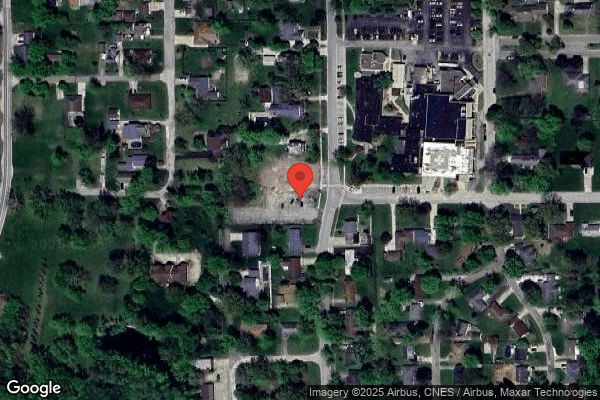
200 FAIRMAN AVENUE, WATSEKA, IL 60970 (815) 432-7768
Non profit - Corporation 35 Beds Independent Data: November 2025
Trust Grade
65/100
#157 of 665 in IL
Last Inspection: June 2024

Within standard 12-15 month inspection cycle. Federal law requires annual inspections.

Overview

Iroquois Resident Home in Watseka, Illinois, has a Trust Grade of C+, indicating it is decent and slightly above average compared to other facilities. It ranks #157 out of 665 in Illinois, placing it in the top half of nursing homes in the state, and #2 out of 4 in Iroquois County, meaning only one local facility performs better. Unfortunately, the facility is showing a worsening trend, as issues reported increased from 4 in 2023 to 9 in 2024. While staffing is a strength with zero turnover, indicating that staff stay long-term, the facility has experienced serious deficiencies, such as a failure to ensure proper transfers for residents, leading to falls, and a lack of an Infection Preventionist, which could risk the health of all residents. Additionally, there are concerns about understaffing during certain shifts, which has been a repeated complaint from residents.

Trust Score
C+
65/100
In Illinois
#157/665
Top 23%
Safety Record
Moderate
Needs review
Inspections
Getting Worse
4 → 9 violations
Staff Stability
○ Average
Turnover data not reported for this facility.
Penalties
✓ Good
No fines on record. Clean compliance history, better than most Illinois facilities.
Skilled Nurses
○ Average
Each resident gets 34 minutes of Registered Nurse (RN) attention daily — about average for Illinois. RNs are the most trained staff who monitor for health changes.
Violations
⚠ Watch
24 deficiencies on record. Higher than average. Multiple issues found across inspections.
★★★★☆
4.0
Overall Rating
★★☆☆☆
2.0
Staff Levels
★★★☆☆
3.0
Care Quality
★★★★☆
4.0
Inspection Score
Stable
2023: 4 issues
2024: 9 issues

The Good

  • Full Sprinkler Coverage · Fire safety systems throughout facility
  • No fines on record

Facility shows strength in fire safety.

The Bad

No Significant Concerns Identified

This facility shows no red flags. Among Illinois's 100 nursing homes, only 0% achieve this.

The Ugly 24 deficiencies on record

1 actual harm
Jun 2024 9 deficiencies
CONCERN (D)

Potential for Harm - no one hurt, but risky conditions existed

Pressure Ulcer Prevention (Tag F0686)

Could have caused harm · This affected 1 resident

Based on observation, interview, and record review the facility failed to assess, treat, and notify the physician of newly acquired pressure ulcers and apply a physician ordered treatment for one of o...

Read full inspector narrative →
Based on observation, interview, and record review the facility failed to assess, treat, and notify the physician of newly acquired pressure ulcers and apply a physician ordered treatment for one of one (R23) resident reviewed for pressure ulcers on the sample list of 18. Findings include: On 6/24/24 at 1:25 PM, R23 was sitting in a recliner in his room. R23 stated he was having terrible pain to his bottom. R23 stated, It's sore! On 6/26/24 at 10:00 AM, V8 Certified Nurse's Assistant stated that she worked on Sunday (6/23/24) and noticed that R23 had open areas to his buttocks and coccyx. V8 stated she notified V10 Licensed Practical Nurse about the open areas. V8 stated she worked Sunday (6/23/24), yesterday (6/25/24), and today (6/26/24) and has not seen a treatment on R23's buttocks or coccyx. On 6/26/24 at 10:10 AM, a dime sized pressure ulcer was present to the left of R23's coccyx, an eraser head sized pressure ulcer was present to the right of R23's coccyx, and a thick, red, raised area of skin containing scattered open areas was present on R23's left buttock along the entire length of the intergluteal cleft. At this time, a treatment was not in place to the coccyx or buttocks. V2 (Director of Nursing) then walked in and assessed the areas and confirmed that R23's buttocks had multiple stage two pressure areas with maceration to the left buttock. R23's medical record did not contain an assessment with measurements or a description of the wounds to R23's buttocks, or that the physician was notified. There is no documentation that a treatment was ordered for the pressure areas that were present to the right and left of the coccyx. R23's Treatment Administration Record form documents an order dated 6/6/24 for an absorbent wound dressing to the left buttock and to change it every three days for Moisture Associated Skin Damage (MASD). This sheet does not document an order or that a treatment was applied to the pressure areas to the right and left of R23's coccyx. On 6/26/24 at 11:20 AM, V2 stated an assessment of R23's wounds should have been documented in R23's medical record. V2 stated on 6/23/24, V10 should have assessed the areas to R23's coccyx and notified the physician after V8 told her about the areas. V2 stated there is a treatment order for the MASD but not for the pressure ulcer to the left and right of R23's coccyx. V2 stated an absorbent wound dressing should have been present to the MASD on R23's buttocks.
CONCERN (D)

Potential for Harm - no one hurt, but risky conditions existed

Accident Prevention (Tag F0689)

Could have caused harm · This affected 1 resident

**NOTE- TERMS IN BRACKETS HAVE BEEN EDITED TO PROTECT CONFIDENTIALITY** Based on interview and record review the facility failed to implement fall prevention interventions, complete thorough fall inve...

Read full inspector narrative →
**NOTE- TERMS IN BRACKETS HAVE BEEN EDITED TO PROTECT CONFIDENTIALITY** Based on interview and record review the facility failed to implement fall prevention interventions, complete thorough fall investigations to determine root causes and failed to complete Neurological Assessments post falls for two (R2, R25) residents out of two residents reviewed for accidents in a sample list of 18 residents. Findings include: 1.) R2's undated Face Sheet documents R2's medical diagnoses as Cellulitis of the Right Lower Limb, Chronic Obstructive Pulmonary Disease (COPD), Atrial Fibrillation, Weakness, Repeated Falls and Altered Mental Status. R2's Minimum Data Set (MDS) dated [DATE] documents R2 as severely cognitively impaired. This same MDS documents R2 as requiring moderate assistance for toileting, bed mobility and transferring. R2's Fall Risk assessment dated [DATE] documents R2 as a high risk for falling. R2's Care Plan intervention dated 3/22/24 instructs staff to anticipate and meet the needs of the resident. This same care plan documents R2 should be offered toileting every two hours and as needed. R2's Fall investigation dated 5/31/24 at 6:10 AM documents R2 had an unwitnessed fall from his wheelchair while sitting in his room. This same report documents R2 was observed laying on his Right side with his wheelchair sitting next to him. This same report documents sensor alarms were to be initiated for R2's recliner and wheelchair. This same report does not include the last time staff observed R2. R2's Electronic Medical Record (EMR) documents the last time R2 was toileted or assisted with bed mobility was 5:59 AM 5/30/24. R2's Fall Investigation dated 5/31/24 at 6:40 AM documents R2 was sitting at the nurses station when he leaned forward causing himself to fall out of his wheelchair. This same report documents R2 hit his head due to falling out of wheelchair. This same fall report documents R2's sensor alarm in his wheelchair was not in place. R2's Fall Investigations dated 5/31/24 at 6:10 AM and 5/31/24 at 6:40 AM do not include a root cause of falls. R2's Electronic Medical Record (EMR) documents Neurological Assessments were initiated but not completed for R2's 5/31/24 fall at 6:31 AM nor R2's fall on 5/31/24 at 6:59 AM. R2's Nurse Progress Note dated: -5/31/2024 at 6:31 AM documents (R2) observed on the floor on his Right side and wheelchair nearby (R2). -5/31/2024 at 6:59 AM documents (R2) went forward out of wheelchair. (R2) landed on Left side, hit head. (R2) was sent to emergency room (ER). -5/31/24 at 12:11 PM documents (R2) returned from emergency room. No fractures. (R2) has skin tear on top of Right hand from fall. Area is 2 1/2 inches long by 3 1/2 inches wide. Area cleansed and steri stripped. Band aid covering. On 6/26/24 at 11:20 AM V1 Administrator stated R2's two falls on 5/31/24 could have been prevented with closer supervision and implementing fall care plan interventions. V1 Administrator stated We (facility) have a lot of work to do with our fall program. We are going to start with inservicing. On 6/26/24 at 1:15 PM V2 Director of Nurses (DON) stated anytime a resident has an unwitnessed fall the staff should assume there is a possibility of the resident hitting their head and complete Neurological Assessments for three days. V2 DON stated I don't think that is in our fall policy but that is what the standard of care is and that is what our nurses should do. I obviously have some fall training to do with our staff. 2.) R25's undated Face Sheet documents R25's medical diagnoses of history of Right Radius fracture, Cerebral Infarction, Cardiomyopathy and Dementia R25's Minimum Data Set (MDS) dated [DATE] documents R25 as severely cognitively impaired. This same MDS documents R25 is dependent on staff for bathing, dressing, personal hygiene, bed mobility and transfers. R25's Care Plan intervention dated 5/22/24 documents R25 is to use a scoop mattress. This same care plan documents a fall intervention dated 4/16/24 instructing staff to anticipate R25's needs. R25's Fall Risk assessment dated [DATE] documents R25 as a high risk for falling. R25's Fall Investigations dated 6/21/24 at 5:40 AM and 6/21/24 at 11:10 PM do not include a root cause of falls. R2's Nurse Progress Note dated: -6/21/24 at 5:40 AM documents (R25) found on floor. Assisted (R25) with lift (total body mechanical lift) back in bed. Ensure bed in low position and call light in reach. -6/21/2024 at 11:10 PM documents (R25) was found on the floor face down on Left side of bed. Slight scrape on Right knee slightly pink in color. Left knee also pink. Lower Left Rib area pink. (R25) apparently flipped self out of bed. R25's Fall Investigation dated 6/21/24 at 5:40 AM documents R25 had an unwitnessed fall while trying to get out of bed. This same report documents R25 did not have any injuries due to unwitnessed fall. This same fall investigation does not document R25 was laying on a scoop mattress. R25's Fall Investigation dated 6/21/24 at 11:10 PM documents R25 had an unwitnessed fall in his room trying to get out of bed. This same investigation does not document the last time R25 was observed/assisted. R25's Electronic Medical Record (EMR) does not document any Neurological Assessments completed for R25's 6/21/24 at 5:40 AM fall. This same EMR documents incomplete Neurological Assessments for R25's 6/21/24 11:10 PM fall. This same EMR documents the last time R25 had been observed prior to his 6/21/24 at 5:40 AM fall was 10:00 PM on 6/20/24 and the last time R25 had been observed prior to his 6/21/24 at 11:10 PM fall was 8:03 PM. On 6/26/24 at 11:20 AM V1, Administrator stated R25 fell in his room twice the same day on 6/21/24. V1 stated That is on us. We (facility) should have seen that one coming since (R25) is cognitively impaired and he did not have his fall interventions in place. V1 stated the facility does not really know what happened because the fall investigation was not thorough and there are no root causes determined. V1 Administrator stated when a resident falls and hits their head that resident should be assessed Neurologically for three days total. V1 stated if a resident falls while on Neurological Assessments, then the Neuro's start all over again. V1 Administrator stated We (facility) have a lot of work to do with our fall program. We are going to start with inservicing. On 6/26/24 at 1:15 PM V2 Director of Nurses (DON) stated anytime a resident has an unwitnessed fall the staff should assume there is a possibility of the resident hitting their head and complete Neurological Assessments for three days. V2 DON stated I don't think that is in our fall policy but that is what the standard of care is and that is what our nurses should do. I obviously have some fall training to do with our staff. The facility policy titled 'Fall Prevention Program' reviewed March 2024 documents the facility will identify and implement related care link interventions. The facility will review and discuss potential root cause of fall. The facility policy titled 'Head Injury' reviewed March 2024 documents the facility will complete Neurological Assessments on all residents who have suffered from a head injury.
CONCERN (D)

Potential for Harm - no one hurt, but risky conditions existed

Incontinence Care (Tag F0690)

Could have caused harm · This affected 1 resident

Based on observation, interview, and record review the facility failed to position urinary drainage bags in a manner that prevented potential cross contamination for two of two residents (R23, R230) r...

Read full inspector narrative →
Based on observation, interview, and record review the facility failed to position urinary drainage bags in a manner that prevented potential cross contamination for two of two residents (R23, R230) reviewed for catheters on the sample list of 18. Findings include: The facility's Catheter Care Handling policy with a revision date of August of 2022 documents to ensure catheter tubing and drainage bags are kept up off of the floor. 1. On 6/24/24 at 1:25 PM, R23's urinary drainage bag was clipped to the side of a trash can. This drainage bag was not covered and the bottom of the bag was sitting directly on the floor. On 6/26/24 at 11:16 AM, V2 Director of Nursing (DON) stated all urinary drainage bags should be covered and not touching the floor. 2. On 6/24/24 at 2:02 PM, R230 was sitting in a recliner. R230's urinary drainage bag was hooked to the side of the recliner. The urinary drainage bag was not covered and the bottom of the bag was touching the floor. On 6/26/24 at 11:16 AM, V2 DON stated that urinary drainage bags should be below the bladder but not touching the floor.
CONCERN (D)

Potential for Harm - no one hurt, but risky conditions existed

Deficiency F0700 (Tag F0700)

Could have caused harm · This affected 1 resident

**NOTE- TERMS IN BRACKETS HAVE BEEN EDITED TO PROTECT CONFIDENTIALITY** Based on observation, interview and record review the facility failed to assess one (R2) resident for the use of side rails out ...

Read full inspector narrative →
**NOTE- TERMS IN BRACKETS HAVE BEEN EDITED TO PROTECT CONFIDENTIALITY** Based on observation, interview and record review the facility failed to assess one (R2) resident for the use of side rails out of one resident reviewed for side rails in a sample list of 18 residents. Findings include: R2's undated Face Sheet documents R2's medical diagnoses as Cellulitis of the Right Lower Limb, Chronic Obstructive Pulmonary Disease (COPD), Atrial Fibrillation, Weakness, Repeated Falls and Altered Mental Status. R2's Minimum Data Set (MDS) dated [DATE] documents R2 as severely cognitively impaired. This same MDS documents R2 as requiring moderate assistance for toileting, bed mobility and transferring. R2's Electronic Medical Record (EMR) does not document a side rail assessment for R2. On 6/25/24 at 2:00 PM R2 was laying in his bed with both siderails in the up position. On 6/26/24 at 10:35 AM V5 Minimum Data Set (MDS) Coordinator stated R2 has never been assessed for siderails. V5 stated (R2) should not have those side rails on his bed. We (facility) are taking them off. The facility policy titled 'Side Rails' revised March 2024 documents all residents who utilize side rails will have a side rail rationale screening completed.
CONCERN (D)

Potential for Harm - no one hurt, but risky conditions existed

Medication Errors (Tag F0758)

Could have caused harm · This affected 1 resident

**NOTE- TERMS IN BRACKETS HAVE BEEN EDITED TO PROTECT CONFIDENTIALITY** Based on interview and record review the facility failed to obtain psychotropic medication consents, assess the need for psychot...

Read full inspector narrative →
**NOTE- TERMS IN BRACKETS HAVE BEEN EDITED TO PROTECT CONFIDENTIALITY** Based on interview and record review the facility failed to obtain psychotropic medication consents, assess the need for psychotropic medications, determine symptoms or behaviors warranting use, utilize nonpharmacological interventions, monitor for adverse reactions, establish a psychotropic care plan, and establish parameters for the use of an as needed antianxiety medication for three (R230, 231, 232) of three residents reviewed for psychotropic medications on the sample list of 18. Findings include: The facility's Psychotropic Medication Protocol policy dated 8/31/2022 documents psychotropic/psychoactive medications will not be prescribed without the informed consent of the resident, the resident's guardian, or other authorized representatives, and will be provided with and have signed an Informed Consent for Psychotropic Medications. Information will also be provided with given information regarding the need for, the desired effects and the potential side effects of the medication. Residents will not be given unnecessary medications and shall only be given antipsychotic drugs when clinically indicated according to appropriate diagnosis and physician order. The care plan will include alternatives interventions. 1.) R231's physician order summary (POS) dated 6/26/24 documents that R231 was admitted to facility on 6/17/24 from the hospital on hospice care. This POS includes an order for Lorazepam (antianxiety medication) two milligrams per milliliter (ml), give 0.25 ml sublingual every two hours as needed for anxiety. This POS also includes an order for Chlorpromazine Hydrochloride (antipsychotic medication) 0.25 ml by mouth every one hour as needed for restlessness. This POS does not document parameters for the use of the as needed Lorazepam. On 6/26/24 at 9:50 AM, R231 stated she takes a lot of medications but doesn't know what they are and what they are for because no one has talked to her about her medications. R231 stated she was unaware that there are medications available to her if she has pain, feels anxious, and/or is short of breath. R231 stated she doesn't really have any pain but she does feel anxious sometimes and also short of breath which increases her anxiety. On 6/26/24 at 10:15 AM, V2 Director of Nursing stated R231 is alert and oriented and can make needs known. V2 stated that she is aware that R231 is on psychotropic medications but that either hospice or V5 Care Plan Coordinator does the psychotropic assessments and consents. On 6/26/24 at 10:20 AM, V5 stated that she does not complete the psychotropic assessments and that nursing and social services touch on that and that any assessments and consents would be uploaded into the miscellaneous files on R231's chart. On 6/26/24 at 10:50 AM, V6 Social Service Coordinator stated the only assessments she completes with the residents is the new admission packet which does not include any consents for psychotropic medications. R231's medical record did not contain an assessment for the use of the Lorazepam or the Chlorpromazine Hydrochloride. The medical record did not identify what symptoms R231 was experiencing for the use of the Lorazepam or Chlorpromazine. This medical record did not contain what nonpharmacological interventions should be attempted. R231's Care Plan Record dated 6/26/24 does not include a care plan for psychotropic medications. 2.) R230's medical record documents R230 was admitted on [DATE]. R230's physician order dated 6/21/24 documents an order for Citalopram Hydrobromide Tablet 40 milligrams once a day and Trazodone hydrochloride 50 milligrams at bedtime for depression. R230's medical record does not contain a consent for the Citalopram Hydrobromide or the Trazodone. R230's medical record does not contain what symptoms of Depression R230 has or nonpharmacological interventions for R230's symptoms of Depression. R230's medical record does not document that potential side effects of the Citalopram Hydrobromide or Trazodone Hydrochloride are monitored. On 6/26/24 at 11:01 AM, V2 Director of Nursing stated that R230's medical record does not contain consent for his antidepressant medications. V2 stated antidepressants should not be given without a consent. V2 stated there is no documentation that potential side effects of the medication was monitored. V2 stated there is not an assessment documented for the use of R230's antidepressant medications. V2 stated there is no documentation of behaviors/symptom monitoring or the nonpharmacological interventions that could be used for R230. 3.) R232's physician order dated 6/21/24 documents an order for Xanax Oral Tablet 0.5 milligrams as needed every night for anxiety. R232's medical record does not contain an assessment for the use of the Xanax. R232's medical record does not document the symptoms of R232's anxiety or which nonpharmacological interventions should be attempted for R232's anxiety. On 6/26/24 at 11:23 AM, V2 Director of Nursing stated Xanax was ordered on 6/21/24 for R232's anxiety. V2 stated an assessment was not completed for the use of the Xanax. V2 stated R232's medical record does not document the symptoms of R232's anxiety or the nonpharmacological interventions that should be used for R232's symptoms of anxiety. V2 stated there is no monitoring for potential side effects in R232's medical record.
CONCERN (D)

Potential for Harm - no one hurt, but risky conditions existed

Infection Control (Tag F0880)

Could have caused harm · This affected 1 resident

Based on observation, interview and record review the facility failed to implement Enhanced Barrier Precautions (EBP) for three residents (R23, R25, R230) out of four residents reviewed for Infection ...

Read full inspector narrative →
Based on observation, interview and record review the facility failed to implement Enhanced Barrier Precautions (EBP) for three residents (R23, R25, R230) out of four residents reviewed for Infection Control in a sample list of 18 residents. Findings include: 1. R25's Physician Order Sheet (POS) dated June 2024 documents a physician order starting 4/17/24 for Jevity 1.5 calorie/Fiber liquid. Give 355 milliliters (ml) via Gastrostomy tube (G-Tube) every shift for nutritional supplement. Flush with 50 milliliter (ml) water before and after each feeding. On 6/24/24 at 10:30 AM R25's Electronic Medical Record (EMR) documents R25 has a Gastrostomy tube (G-tube) in use. R25's room was not identified with an Enhanced Barrier Precaution sign. There was no Personal Protective Equipment (PPE) available to enter R25's room. No isolation disposal bins were located in or near R25's room. On 6/25/24 at 2:45 PM V9 Licensed Practical Nurse (LPN) completed R25's Gastrostomy tube (G-tube) dressing change. V9 LPN did not wear Personal Protective Equipment (PPE) gown during R25's G-tube dressing change. 2.) R230's Electronic Medical Record (EMR) documents R230 has a urinary catheter drainage system. On 6/24/24 at 10:40 AM R230's room was not identified with an Enhanced Barrier Precaution (EBP) sign. There was no Personal Protective Equipment (PPE) available to enter R230's room. No isolation disposal bins were located in or near R230's room. 3.) R23's Electronic Medical Record (EMR) documents R23 has a urinary catheter drainage system. On 6/24/24 at 11:00 AM R23's room was not identified with an Enhanced Barrier Precaution (EBP) sign. There were no Personal Protective Equipment (PPE) available to enter R23's room. No isolation disposal bins were located in or near R23's room. On 6/25/24 at 1:00 PM V2 Director of Nurses (DON) stated the facility has not implemented Enhanced Barrier Precautions (EBP). V2 DON stated R23 and R230 have urinary catheter drainage system and R25 has a Gastrostomy tube (G-tube) that would all require EBP. V2 DON stated if EBP were to be implemented for all residents with a history of Multi Drug Resistant Organism (MDRO) 'all of the residents would need to be placed on EBP.' V2 DON stated the facility does not have a policy for EBP.
CONCERN (D)

Potential for Harm - no one hurt, but risky conditions existed

Antibiotic Stewardship (Tag F0881)

Could have caused harm · This affected 1 resident

**NOTE- TERMS IN BRACKETS HAVE BEEN EDITED TO PROTECT CONFIDENTIALITY** Based on interview and record review the facility failed to follow their Antibiotic Stewardship Protocol by administering a prop...

Read full inspector narrative →
**NOTE- TERMS IN BRACKETS HAVE BEEN EDITED TO PROTECT CONFIDENTIALITY** Based on interview and record review the facility failed to follow their Antibiotic Stewardship Protocol by administering a prophylactic antibiotic for one of four residents (R10) reviewed for Infection Control in a sample list of 18 residents. Findings include: R10's undated Face Sheet documents R10's medical diagnoses as: Alzheimer's Disease, Dementia and a personal history of Urinary Tract Infections (UTI). R10's Minimum Data Set (MDS) dated [DATE] documents R10 as severely cognitively impaired. R10's Physician Order Sheet (POS) dated June 2024 document a physician order starting 12/24/23 for Cephalexin 250 milligrams (mg) daily for recurrent Urinary Tract Infections (UTI). R10's Medication Administration Record (MAR) dated June 2024 documents R10 was administered Cephalexin 250 mg daily for the month of June, 2024. The facility antibiotic tracking log dated January-June 2024 documents R10 was on Cephalexin 250 mg daily prophylactically for a history of UTI's. On 6/25/24 at 1:30 PM V2 Director of Nurses (DON) stated R10 has been on an antibiotic for a history of frequent Urinary Tract Infections (UTI). V2 DON stated Normally the Infection Preventionist (IP) would catch that and make sure the documentation is complete but we (facility) don't have an IP so that got missed. V2's Family insisted that we (facility) put (R10) on the antibiotic long term. I don't think it has helped though because (R10) had a UTI a few months ago when she was already on the prophylactic antibiotic. The facility policy dated November 28, 2017 titled 'Antibiotic Stewardship Program' documents review of laboratory reports for susceptibility and the need to change the current antibiotic will be used. Antibiotic stewardship requires the right antibiotic for the right indication at the right dose and the right duration.
CONCERN (D)

Potential for Harm - no one hurt, but risky conditions existed

Deficiency F0909 (Tag F0909)

Could have caused harm · This affected 1 resident

**NOTE- TERMS IN BRACKETS HAVE BEEN EDITED TO PROTECT CONFIDENTIALITY** Based on observation, interview and record review the facility failed to ensure bed rails were safely attached to a bed for one ...

Read full inspector narrative →
**NOTE- TERMS IN BRACKETS HAVE BEEN EDITED TO PROTECT CONFIDENTIALITY** Based on observation, interview and record review the facility failed to ensure bed rails were safely attached to a bed for one of one resident (R2) reviewed for side rails in a sample list of 18 residents. Findings include: R2's undated Face Sheet documents R2's medical diagnoses as Cellulitis of the Right Lower Limb, Chronic Obstructive Pulmonary Disease (COPD), Atrial Fibrillation, Weakness, Repeated Falls and Altered Mental Status. R2's Minimum Data Set (MDS) dated [DATE] documents R2 as severely cognitively impaired. This same MDS documents R2 as requiring moderate assistance for toileting, bed mobility and transferring. R2's Physician Order Sheet (POS) dated June 2024 documents a physician order starting 3/15/24 for bed rails for bed mobility and positioning. R2's Fall Risk assessment dated [DATE] documents R2 as a high risk for falling. On 6/24/24 at 9:35 AM R2 was laying in bed with both legs hanging off of mattress from knees to feet. R2's quarter bed rail on the same side of bed was hanging at a 45 degree angle. On 6/24/24 at 9:36 AM V4 Certified Nurse Aide (CNA) and V3 Licensed Practical Nurse (LPN) both confirmed R2's bed rail was not in place. V4 CNA stated This siderail wiggles back and forth and is not safe for (R2). V3 LPN stated That should have been on a maintenance order and been fixed by now. On 6/26/24 at 10:35 AM V5 Minimum Data Set (MDS) Coordinator stated R2's siderails could be a trip hazard for him causing him to fall. On 6/26/24 at 11:10 AM V7 Maintenance Director stated R2's side rails were not safe for R2 and should be removed.
CONCERN (F)

Potential for Harm - no one hurt, but risky conditions existed

Deficiency F0882 (Tag F0882)

Could have caused harm · This affected most or all residents

Based on observation, interview and record review the facility failed to employ an Infection Preventionist. This failure has the potential to affect all 27 residents residing in facility. Findings inc...

Read full inspector narrative →
Based on observation, interview and record review the facility failed to employ an Infection Preventionist. This failure has the potential to affect all 27 residents residing in facility. Findings include: The facility Daily Midnight Census dated 6/24/24 documents 27 residents residing in the facility. Observations were made during Annual Licensure and Certification survey from 6/24/24/-6/26/26 with no Infection Preventionist onsite. On 6/25/24 at 12:45 PM V2 Director of Nurses (DON) stated the facility does not currently have an Infection Preventionist (IP). V2 DON stated the previous IP left the facility a month ago. V2 stated V2 is planning on signing up for the IP class but has not yet. On 6/26/24 at 9:05 AM V1 Administrator confirmed the facility does not currently have an Infection Preventionist. V1 Administrator stated I know we (facility) are small but having an IP would be a great benefit. We (facility) do have residents who are prescribed antibiotics, who are on contact isolation and staff who need education and monitoring for proper Personal Protective Equipment (PPE). The 'Facility Assessment' revised January 2024 documents the facility will include an Infection Preventionist (IP) as a staff member to provide support and care for residents.
May 2023 3 deficiencies
CONCERN (D)

Potential for Harm - no one hurt, but risky conditions existed

Assessment Accuracy (Tag F0641)

Could have caused harm · This affected 1 resident

**NOTE- TERMS IN BRACKETS HAVE BEEN EDITED TO PROTECT CONFIDENTIALITY** Based on interview and record review, the facility failed to accurately complete a comprehensive resident assessment for one (R2...

Read full inspector narrative →
**NOTE- TERMS IN BRACKETS HAVE BEEN EDITED TO PROTECT CONFIDENTIALITY** Based on interview and record review, the facility failed to accurately complete a comprehensive resident assessment for one (R20) resident reviewed for resident assessments on the sample list of 21. Findings include: R20's Face Sheet dated 5/4/23 documents diagnoses including Type 2 Diabetes Mellitus and End Stage Renal Disease. R20's Minimum Data Set (MDS) quarterly assessment dated [DATE] documents the following: Section O- Special Treatments, Procedures, and Programs: J. Dialysis 2. While a Resident- Yes and was signed by V4 Assistant Director of Nursing (ADON). R20's MDS Summary documents R20's 2/9/23 MDS was accepted on 2/17/23. R20's Electronic Medical Record does not document R20 on dialysis or receiving dialysis while a resident at the facility. On 5/2/23 at 10:51am, R20 stated R20 has never been on dialysis. On 5/2/23 at 10:57am, V2 Director of Nursing stated R20 has not been on dialysis since V2's starting working there. V2 stated the facility does not have any residents on dialysis and does not accept dialysis residents. On 5/4/23 at 11:20am, V4 ADON confirmed V4 completed R20's 2/9/23 MDS, Section O. V4 stated, I must have clicked on that section by mistake and will submit a significant correction.
CONCERN (F) 📢 Someone Reported This

A family member, employee, or ombudsman was alarmed enough to file a formal complaint

Potential for Harm - no one hurt, but risky conditions existed

Deficiency F0725 (Tag F0725)

Could have caused harm · This affected most or all residents

Based on interview and record review, the facility failed to ensure the facility was sufficiently staffed to meet the needs of the residents. This failure affects five residents (R5, R14, R20, R23, R2...

Read full inspector narrative →
Based on interview and record review, the facility failed to ensure the facility was sufficiently staffed to meet the needs of the residents. This failure affects five residents (R5, R14, R20, R23, R28) on the sample list of 21. This failure has the potential to affect all 28 residents residing in the facility. Findings include: The facility's Resident Council Meeting Minutes documents the following nursing concerns: 4/19/22 residents would like more Certified Nursing Assistants (CNA's) on evening shift. On 5/19/22 residents would like more CNA's. 6/16/22 one resident stated was not getting their bath today because not enough staff. Residents say we are understaffed for CNA's on early evenings and weekends. 7/14/22 one resident stated sits too long when going to the bathroom around meal times and residents state would like more CNA's. 9/26/22 residents have concerns that there are not enough to help out in case of an emergency and complaints that CNA's like to stand around and visit when they hear call lights go off. 10/13/22 residents stated they need more CNA's. Resident stated they have had to wait on the toilet for 25-30 minutes several times before a CNA could come help. 11/13/22 residents stated they need more help on the weekend due to long call light wait times. 12/5/22 residents stated there are not enough CNA's. 2/6/23 residents raise concerns about the number of CNA's per shift. Residents stated lack of CNA's is affecting their care. 4/4/23 residents raised concerns about number of CNA's per shift. 5/2/23 a resident questioned staffing on weekends. On 5/2/23 at 9:39am, R28 stated R28 receives showers every three to four days. R28 stated, they are under staffed. On 5/2/23 at 2:45pm during the Resident Council Meeting with the State Surveyor, R20 stated the facility is short staffed CNA's on weekends. R20 stated R20 takes a diuretic which causes the need to use the bathroom frequently and R20 needs assistance to use the bathroom. R20 stated call light wait times are longer at night. During this same meeting, R5, R14, and R23 all agreed call light wait times were longer at night and on weekends. R5 stated R5 is not receiving showers twice a week due to not enough staff. R5's Electronic Medical Record (EMR) under Tasks-ADL (Activities of Daily Living) - Bathing Prefers: Bath on Monday and Thursday Day shift documents R5 received a shower and/or bed bath on 4/8/23, 4/12/23, 4/19/23, and 5/3/23. R5's CNA Bathing Observation and Duties Sheet documents R5 received a shower and/or bed bath on 4/2/23 and 4/8/23. R5 did not receive a shower and/or bed bath twice a week during the weeks of 4/9/23, 4/16/23 and 4/23/23. There is no documentation is R5's EMR that R5 refused showers and/or bed baths during the weeks of 4/9/23, 4/16/23, or 4/23/23. R28's EMR under Tasks-ADL-Prefers: Shower Wednesday and Saturday PM shift. This task sheet document R28 not available or not applicable. There is no documentation in R28's EMR or a CNA Bathing Observation and Duties Sheet in EMR noting refusal or R28 not available. On 5/4/23 10:48am, V1 Administrator stated the facility is working on hiring staff. V1 stated V1 and V2 determine staffing hours. On 5/4/23 11:45am, V2 Director of Nursing stated the facility has hired some night shift hires and have new hires going through the process. V2 stated it does not help when they do not show up and call off. V2 confirmed staff work 12 hour shifts. The Resident Census and Conditions of Residents report dated 5/2/23 document 28 residents reside in the facility.
CONCERN (F)

Potential for Harm - no one hurt, but risky conditions existed

Food Safety (Tag F0812)

Could have caused harm · This affected most or all residents

Based on observation, record review, and interview, the facility failed to ensure the dishwashing machine was operating in a manner to sanitize residents food service dishes, wares, and utensils. This...

Read full inspector narrative →
Based on observation, record review, and interview, the facility failed to ensure the dishwashing machine was operating in a manner to sanitize residents food service dishes, wares, and utensils. This failure has the potential to affect all 28 residents residing in the facility. Findings include: On 5/3/23 at 9:06 am, V12, Dietary Aide, stated, The dishwasher is a high temp (temperature) machine, I check it every morning. V12 then placed a facility digital thermometer onto a dishwashing rack and ran the rack through a cycle in the dishwasher. The thermometer displayed the maximum temperature during the dishwashing cycle of 144 degrees Fahrenheit (F). The facility's 'Commercial Rack Conveyor Dish Machine Manufacturer Instructions' dated 6/15/1999 documents the minimum wash temperature for hot water sanitization should be 150 degrees F, the pumped rinse minimum temperature should be 160 degrees F, and the final rinse minimum temperature should be 180 degrees F. On 5/3/23 at 9:09 am, V12, Dietary Aide, stated to V11, Dietary Aide, When I checked the temperature this morning it was 152 (degrees F). V12 then placed the same facility digital thermometer back into the dishwashing rack and ran the rack through another dishwashing cycle. The digital thermometer displayed the maximum temperature during the dishwashing cycle of 146 degrees F. On 5/3/23 at 9:15 am, V10, Registered Dietician, stated, Actually this machine uses chlorine to sanitize, not the high temp (temperature). V10 then ran a dishwashing rack through the machine and used an orange test strip material (actually designed to test quaternary ammonium sanitizer) to check the chlorine content of the rinse water. The orange test strip did not change color at all to indicate the presence of any chlorine during the dishwashing cycle. V10 then stated to V12, We should have the test strips that turn blue. V10 obtained a different container of white test strip material to test the water from the dishwashing cycle and the test strip turned a light gray color to indicate approximately 10 parts per million (ppm) of chlorine. The facility's 'Commercial Rack Conveyor Dish Machine Manufacturer Instructions' dated 6/15/1999 documents the chemical sanitizer required is 50 ppm of chlorine. The facility's dishwasher test log dated from 4/14/23 through 5/3/23 documents the dietary staff only record a check mark in the column for the chlorine test strip, rather than the actual number measured. Neither V12 nor V10 could state how long the dishwashing machine had been too low on chlorine to sanitize the dishes. On 5/3/23 at 9:20 am, V10, Registered Dietician, stated, It's frustrating, (dishwasher maintenance company) fixed this machine about a month and a half ago for the same issue. V10 further stated, We can definitely start recording the number for the chlorine. The facility's 'Resident Census and Conditions of Residents' dated 5/2/23 documents 28 residents reside in the facility.
Apr 2023 1 deficiency 1 Harm
SERIOUS (G) 📢 Someone Reported This

A family member, employee, or ombudsman was alarmed enough to file a formal complaint

Actual Harm - a resident was hurt due to facility failures

Accident Prevention (Tag F0689)

A resident was harmed · This affected 1 resident

**NOTE- TERMS IN BRACKETS HAVE BEEN EDITED TO PROTECT CONFIDENTIALITY** 2. R3's Physician Order Sheet (POS) dated April 2023 documents R3 is diagnosed with Paraplegia, Muscle Weakness, and Falls. The ...

Read full inspector narrative →
**NOTE- TERMS IN BRACKETS HAVE BEEN EDITED TO PROTECT CONFIDENTIALITY** 2. R3's Physician Order Sheet (POS) dated April 2023 documents R3 is diagnosed with Paraplegia, Muscle Weakness, and Falls. The same POS documents starting 1/4/23, R3 was to be transferred with a full mechanical lift. R3's Morse Fall Scale dated 12/29/22 documents R3 is a high risk for falls related to him fallen before, uses ambulatory aides, and he overestimates or forgets limits. R3's Post Fall assessment dated [DATE] documents R3 was being transferred from the bedside commode to the recliner and when he was unhooked from the sit to stand mechanical lift he slid out of the recliner to the floor. On 4/4/23 at 12:00 PM, R3 stated he fell onto the floor from the recliner when he was unhooked from the sit to stand mechanical lift. R3 stated he was sitting too close to the edge of the chair. On 4/5/23 at 10:32 AM V11 (CNA) stated on 3/10/23 that she and V9 (CNA) transferred R3 using the sit to stand mechanical lift. V11 stated R3 started to get weak and pass out and they lowered him to the recliner. V11 stated as soon as they began to unhook the support strap on the lift, R3 slid to the floor. V11 stated they must have sat R3 down too close to the edge of the chair which caused him to slip off. V11 stated as far as V11 knew, R3 was to be transferred with the sit to stand mechanical lift at the time. On 4/5/23 at 10:51 AM V9 (CNA) stated on 3/10/23 she and V11 (CNA) transferred R3 using the sit to stand mechanical lift. V9 stated R3 started to get weak and pass out and they lowered him to the recliner. V9 stated when they unhooked the support strap on the lift, R3 slid to the floor. V9 confirmed they must have sat R3 down to close to the edge of the chair which caused him to slip off. V9 stated as far as V9 knew, R3 was to be transferred with the sit to stand mechanical lift at the time. On 4/7/23 at 2:10 PM V2 (DON) confirmed R3 had an order to be transferred with a full mechanical lift and on 3/10/23 R3 was transferred with a sit to stand mechanical lift. V2 also confirmed that V9 and V11 should have made sure R3 was sitting back safely in the recliner before unhooking the support strap on the mechanical lift. This might have prevented him sliding onto the floor. The facility's Fall Prevention Program dated 8/29/22 documents staff should provide ongoing risk reducing interventions, initiate physician orders as needed, identify and implement related care link interventions, and provide ongoing evaluation of resident response to interventions. Based on interview and record review, the facility failed to adequately supervise a cognitively impaired resident and maintain a bed alarm in proper working condition. This failure resulted in R1 sustaining Thoracic-10 and Lumbar-2 (spinal) fractures. The facility also failed to utilize the Physician Ordered full mechanical lift to provide a safe transfer for a R3, resulting in a fall. R1 and R3 are two of three residents reviewed for falls on the sample list of six. Findings include: 1. R1's Physician Order Sheet (POS) dated 4/7/23 documents the following diagnoses: Altered Mental Status, Long Term Current Use of Aspirin, Repeated Falls, Unspecified Dementia Unspecified Severity, Osteoporosis and Anxiety. The same POS documents: Bed sensor pad on bed at HS (Bedtime) d/t (due to) poor sitting balance in bed/awareness, weakness, unsteady gait, inability to transfer self. Check every shift to ensure sensor pad is working. Start date 01/18/2021. R1's Minimum Data Set (MDS) dated [DATE] documents the following: R1 has a Brief Interview for Mental Status score of 2 out of 15 indicating severe cognitive impairment. The same MDS documents R1 requires physical staff assistance with transfers, ambulation and toileting. R1's Nurses Note dated 12/24/2022 at 03:32 am documents the following: Note Text: Roommate (unidentified) alerted staff of resident (R1) fall (,) resident on floor in bathroom (,) on right side (.) residents alarm did not sound (.) no injuries present (,) neuros (neurological assessment) and vitals initiated (,) resident (R1) assisted to bed (,) alarm replaced and working (.) resident reminded to use call light. R1's Health Status Note dated 12/28/2022 at 10:15 am documents the following: Note Text: Resident (R1) ambulated to shower room with staff assist-writer called to shower room per CNA (Certified Nursing Assistant) (unidentified)-noted purple/yellow fading bruising across mid chest to top of breasts-resident denies discomfort. Had last fall 12/24/22 which was unwitnessed. DON (V2/Director of Nursing) notified. R1's Nurses Note dated 12/29/2022 at 11:54 am documents the following: Note Text: Follow up on C-Xray (Chest X-ray). (V20/Physician) notified of new compression fracture of T10 and L2 (thoracic and lumbar region of the spine). (V20) would like the family (V27) POA to give a go-ahead for the treatment. (V20) states fosamax (Fosamax) 70 mg wkly (weekly) will be given for treatment of osteoporosis. (V27/R1's Family Member) notified and he gave a go-ahead for the said treatment. (V20) notified. R1's Post Fall Assessment dated 12/24/22 documents the following: Resident observed on the floor in the bathroom on right side. [NAME] nearby. Roommate (unidentified) saw resident (R1) melt into the floor. She (R1) did not hit her head. The same Post Fall Assessment documents: Bed Alarm did not sound during event. Not working. Got new alarm. On 4/7/23 at 10:15 am V2 (Director of Nursing/DON) stated, (R1's) chest bruise 12/28/22 was determined to be from her fall 12/24/22 and not of an unknown origin. The X-ray done 12/28/22 showed she suffered the fractures (Thoracic-10 and Lumbar-2). The root cause of the fall was ambulating without assistance, and malfunction of the bed alarm. The staff know she (R1) has a history of falls, putting her at high fall risk for subsequent falls and requires frequent visuals. On 4/7/23 at 12:50 pm V2 (DON) provided a copy of the facility Sensory Alarm Checklist. V2 reviewed the list and stated, There is really no way to determine if the bed alarm was confirmed to be in working order before the fall. The 'Sensor Alarm Checklist' only has the staff check off if the resident has an alarm. I will be updating the form to make sure it identifies if the alarm was working or if the batteries were changed. It was determined (R1's) bed alarm had to be replaced. It was not a battery issue. The facility Sensor Alarm Checklist dated 1/4/23 documents the following: Please check to make sure alarms are in place and are functioning properly. If alarm is not functioning, replace batteries and cord to sensor pad. Replace immediately if not working. The same 'Sensor Alarm Checklist' documents check-boxes that are labeled Bed, Recliner, Chair to indicate the presence of the alarm. There is not a designated box to indicate if the alarm is functioning properly or if there was a need to replace the batteries.
Apr 2022 11 deficiencies
CONCERN (D)

Potential for Harm - no one hurt, but risky conditions existed

Deficiency F0578 (Tag F0578)

Could have caused harm · This affected 1 resident

**NOTE- TERMS IN BRACKETS HAVE BEEN EDITED TO PROTECT CONFIDENTIALITY** Based on record review and interview the facility failed to obtain and document Physician Orders for resident advance directives...

Read full inspector narrative →
**NOTE- TERMS IN BRACKETS HAVE BEEN EDITED TO PROTECT CONFIDENTIALITY** Based on record review and interview the facility failed to obtain and document Physician Orders for resident advance directives. This failure has the potential to affect one of three residents (R83) reviewed for advanced directives in the sample of 23. Finding include: R83's Current Physician's Orders (POS) do not document an order for Do Not Resuscitate (DNR) or Cardiopulmonary Resuscitation (CPR). R83's electronic medical record does not include an Illinois Department of Public Health (IDPH) Uniform Practioner Order for Life-Sustaining Treatment (POLST) Form. This form is used to document a resident's preference for life sustaining treatment. R83 has not completed this form since being admitted to the facility. The facility's policy with the revision date of 3/2020 titled Advance Directives and Psychiatric Advance Directives states section labeled POLICY: It is our policy to comply with these laws by honoring the treatment preferences expressed by our patients in their Advance Directives. Staff (inpatient and outpatient) will honor those preferences supported by a physician order which is written during the stay or visit. Staff also have the authority to honor a do not resuscitate order presented on the IL Department of Public Health form titled Uniform Do Not Resuscitate (DNR) Advance Directive, when presented during the patient stay or visit. This document must become a permanent part of the patient's medical record. On [DATE] at 11:30 am V1, Administrator and V2 , Director of Nurses both stated Yes the resident should have a physician's order and or POLST form completed upon admission because the form is in our admission packet.
CONCERN (D)

Potential for Harm - no one hurt, but risky conditions existed

Deficiency F0582 (Tag F0582)

Could have caused harm · This affected 1 resident

Based on record review and interview, the facility failed to provide required Advanced Beneficiary Notices to residents having their Medicare Part A services terminated, precluding residents from sele...

Read full inspector narrative →
Based on record review and interview, the facility failed to provide required Advanced Beneficiary Notices to residents having their Medicare Part A services terminated, precluding residents from selecting the options to continue these services by billing Medicare for an appeal, or at their own expense. This failure affects two residents (R6 and R29) out of three reviewed for Beneficiary Protection Notification on the sample list of 23. Findings include: 1) R6's Census Detail dated 4/21/22 documents R6 began to receive services under Medicare Part A benefits on 1/6/22, and subsequently had Medicare Part A services terminated on 1/17/22. This same Census Detail documents R6 remained in the facility after the termination of Part A services and was a current resident at the time of the survey. R6's Beneficiary Protection Notification Review Form, undated, completed by the facility's Social Services Designee, V9, documents R6's Medicare Part A services were terminated by the facility 1/17/22, and R6 was not issued an Advance Beneficiary Notice (ABN) because (R6) was At prior level, no request for added services, no skilled nursing, no therapy. On 4/21/22 at 9:14 am, V1, Administrator, stated, We did not give an ABN to (R6), I looked at the rules and I thought we did not have to give the ABN unless the resident made a request for continued services. 2) R29's Census Detail dated 4/21/22 documents R29 was admitted to the facility 3/16/22, began to receive Medicare Part A services upon admission, and R29's Medicare Part A benefits were subsequently terminated 4/9/22. This same Census Detail documents R29 remained in the facility after the termination of Medicare Part A benefits and was a current resident at the time of the survey. R29's Beneficiary Protection Notification Review, undated, completed by V9, Social Services Designee, documents R29 did not receive an Advance Beneficiary Notice because, New in my position, did not complete ABN. On 4/21/22 at 9:14 am, V1 confirmed the ABN notice was not provided to R29, stating, We are all new in our positions, we are all trying to pick up pieces and learn the processes.
CONCERN (D)

Potential for Harm - no one hurt, but risky conditions existed

Deficiency F0625 (Tag F0625)

Could have caused harm · This affected 1 resident

Based on record review and interview the facility failed to provide resident (R14) a facility Bed Hold Policy when being discharged to the hospital. R14 is one of one resident reviewed for Bed Hold No...

Read full inspector narrative →
Based on record review and interview the facility failed to provide resident (R14) a facility Bed Hold Policy when being discharged to the hospital. R14 is one of one resident reviewed for Bed Hold Notices in the sample of 23. Findings include: R14's Diagnosis Sheet dated 4/22/22 includes the following diagnosis: Atherosclerotic Heart Disease of Native Coronary Artery without Angina Pectoris and Acute Respiratory Failure with Hypoxia. R14's progress note dated 4/8/22 documents R14 was sent to emergency room for shortness of breath and chest tightness oxygen saturation was 48% DuoNeb given oxygen applied at 4 liters nasal cannula was able to get oxygen saturation to 59%. The Census for R14 shows R14 was transferred to the hospital on 4/8/22. R14's electronic medical record does not have any bed hold form available documenting R14 was transferred to the hospital and offered bed hold. The facility's policy titled Discharge or Transfer of Resident dated November 2003 documents. Section F : Hold Bed/readmission: 1. Hold bed a) Family or Resident will notify staff that bed is to be held. b) Family will sign Hold Bed Form. If family is not present and resident is alert and responsible, the form will be taken to the Resident for signature. c) Hold Bed Form will be signed in the Resident Home and a copy forwarded to the Business Office. d) If family unavailable, a telephone order can be taken to hold bed. V1, Administrator and V2 Director of Nurses stated on 4/22/22 at 11:30 am The bed hold policy and the notice of transfer is in the admission packet. The nurse that discharged R14 should of completed the forms.
CONCERN (D)

Potential for Harm - no one hurt, but risky conditions existed

MDS Data Transmission (Tag F0640)

Could have caused harm · This affected 1 resident

**NOTE- TERMS IN BRACKETS HAVE BEEN EDITED TO PROTECT CONFIDENTIALITY** Based on record review and interview, the facility failed to encode, format, and transmit a resident's Minimum Data Set for disc...

Read full inspector narrative →
**NOTE- TERMS IN BRACKETS HAVE BEEN EDITED TO PROTECT CONFIDENTIALITY** Based on record review and interview, the facility failed to encode, format, and transmit a resident's Minimum Data Set for discharge from the facility. This failure affects one resident (R1) out of 12 reviewed for Minimum Data Sets on the sample list of 23. Findings include: R1's Nurse's Progress Note dated 11/8/21 document a care plan meeting with the resident's (2 family members, V13 and V14), the facility's Therapy Staff (un-named), Assistant Director of Nursing, Registered Dietician, Social Services Designee, and Activity Director, to arrange home services for R1's pending discharge from the facility. R1's Nurse's Progress Note dated 11/10/21 documents nursing staff arranged a post-discharge follow-up appointment for R1. R1's Nurse's Progress Note dated 11/11/21 documents R1 was discharged from the facility and left the building accompanied by V14, Family Member. R1's Census Detail documents and confirms R1 was discharged from the facility 11/11/21. R1's Minimum Data Set List dated 4/20/22 documents there was not a discharge Minimum Data Set (MDS) initiated, encoded, formatted, nor transmitted for R1's discharge from the facility on 1/11/21. On 4/21/22 at 10:55 am, V3, Assistant Director of Nursing, stated, Our current MDS person works as a consultant. I am in a certification class right now. On 4/21/21, V3 Assistant Director of Nursing, stated, and V1 Administrator, and V2 Director of Nursing, agreed and confirmed, A discharge MDS should have been completed for R1's discharge on [DATE], and the MDS was not completed.
CONCERN (D)

Potential for Harm - no one hurt, but risky conditions existed

Comprehensive Care Plan (Tag F0656)

Could have caused harm · This affected 1 resident

**NOTE- TERMS IN BRACKETS HAVE BEEN EDITED TO PROTECT CONFIDENTIALITY** Based on record review and interview, the facility failed to develop and implement a resident's comprehensive care plan, documen...

Read full inspector narrative →
**NOTE- TERMS IN BRACKETS HAVE BEEN EDITED TO PROTECT CONFIDENTIALITY** Based on record review and interview, the facility failed to develop and implement a resident's comprehensive care plan, documenting resident needs and services required to meet those needs. This failure affects one resident (R29) out of 12 reviewed for care plans on the sample list of 23. Findings include: R29's Census Detail dated 4/21/22 documents R29 was admitted to the facility on [DATE] under Medicare Part A services. This same Census Detail documents R29 had changed payer source to Medicaid on 4/9/22 and remained in the facility as a resident. R29's Minimum Data Set (MDS) list documents R29 entered (entry MDS) the facility 3/16/22. This same MDS List documents a comprehensive resident assessment completed on 3/22/22. R29's Care Plan dated 4/20/22 documents one Focus area for: The resident has a nutritional problem or potential nutritional problem r/t (related to) potential decrease in intake due to environment change. R29's Medical Diagnoses List includes Iron Deficiency Anemia, Urinary Tract Infection, Alzheimer's Disease, Syncope and Collapse, Muscle Weakness, Difficulty Walking, Acute on Chronic Heart Failure, Ulcerative Colitis, Anxiety Disorder, Diverticulosis, Gout, Gastro-Esophageal Reflux Disease, and Osteoarthritis. On 4/21/22 at 10:55 am, V1, Administrator, stated, and V2 Director of Nursing, and V3 Assistant Director of Nursing, agreed, We have had a lot of staff changes and while I know all of us weren't here during that time period, we own it, it (R29's care plan) wasn't done.
CONCERN (D)

Potential for Harm - no one hurt, but risky conditions existed

Pressure Ulcer Prevention (Tag F0686)

Could have caused harm · This affected 1 resident

Based on record review, interview and observation, the facility failed to monitor a resident's (R20) pressure ulcer and failed to complete a proper dressing change of R20's pressure ulcer. R20 is one ...

Read full inspector narrative →
Based on record review, interview and observation, the facility failed to monitor a resident's (R20) pressure ulcer and failed to complete a proper dressing change of R20's pressure ulcer. R20 is one of one resident reviewed for pressure ulcers in the sample of 23. Findings include: R20's Diagnoses Sheet (current) includes the following diagnoses: Hospice, Congestive Heart Failure, End Stage Renal Disease and Diabetes Mellitus. R20's Physician Order Sheet (POS) dated April 2022 documents the following order: Cleanse Wound with Normal Saline and pat dry, Apply Misoprostol 0.0024% / Lidocaine 2% / Phenytoin 5% Cream topically to affected area daily and cover with primapore dressing. R20's Care Plan (current) documents the following: (R20) has Potential for Skin Breakdown: Stage 2 (Right) Buttock, Weekly Treatment documentation to include measurement of each area of skin breakdown's width, length, depth, type of tissue and exudate with any other notable changes and observations. Skin/Wound Assessments for R20 are documented as follows: 2/12/22 - Coccyx - Superficial loss of skin, Pink Bed (no measurements or stage is documented). 3/3/22 - Pink Area on Buttock - 0.5 centimeters by 0.5 centimeters (cm) (documentation does not discern what buttock or stage) 3/10/22 - Coccyx - Sheared area (no measurements or stage is documented). 3/21/22 (11 days later)- Right Buttock - 0.8 cm by 0.8 cm x 0.1 cm (no stage is documented). 3/28/22 - Right Buttock - 0.8 cm by 0.8 cm by 0.1 cm, Stage two. 4/8/22 - Right Buttock - No description or measurements 4/15/22 - Right Buttock - No description or measurements 4/18/22 - (21 days later) - Right Buttock - 1.0 cm by 1.0 cm by 0.1 cm, Stage two (worsened since 3/28/22) On 4/21/22 at 2:10 pm V2, Director of Nursing Confirmed that the area listed in the above measurements as coccyx was actually R20's right buttock, not the coccyx. V2 also confirmed that R20's pressure ulcer should have been measured weekly. On 4/21/22 at 3:15 pm, V2 and V11 Licensed Practical Nurse positioned R20 in the bathroom standing over the sink. V11 washed V11's hands and applied a clean pair of gloves. R20's buttocks were exposed and a dressing (undated) was removed from the upper right buttock by V11, revealing a stage two pressure ulcer. V11 also identified two new open areas below the upper right buttock pressure wound. Using the same gloves, V11 then cleansed the original upper open wound and the two new identified open areas with wound cleaner. V11 did not wash V11's hands, nor did V11 change V11's gloves after cleaning the three open wounds. V11 then measured all three open wounds by placing a clear plastic graph sheet over all three open areas, drawing an outline of each wound on the graph sheet. V11 did not wash V11's hands or change V11's gloves at this time either. V11 then proceeded to apply the Misoprostol 0.0024% / Lidocaine 2% / Phenytoin 5% Cream to the right upper open wound with V11's contaminated gloved fingers, contaminating the upper pressure wound. V11 then picked up the primapore dressing with V11's contaminated gloves and placed the contaminated dressing on R20's upper wound. At this time R20 verbalized R20 was getting tired and needed to sit down. R20 was assisted down into R20's wheelchair by V11, contaminating the uncovered two new open areas. V2 left the room to retrieve additional supplies for the two new identified areas and returned with the supplies. V11 washed V11's hands and applied clean gloves. V11 then stood R20 back up contaminating V11's gloves. V11 did not change V11's gloves nor did V11 re-clean R20's contaminated wounds after they had come in contact with the contaminated wheelchair seat bottom. V11, using contaminated gloves, applied the Misoprostol 0.0024% / Lidocaine 2% / Phenytoin 5% Cream with V11's fingers and then covered both new open wound areas with the primapore dressing, again contaminating the wounds with dirty gloves. On 4/21/22 at 3:15 pm, the above open wounds measured as follows: #1 Right Upper Buttock Stage 2 - 1.3 cm by 1.3 cm by 0.1 cm (worsened since 4/18/22) #2 Right Upper Buttock (middle) Stage 2 - 0.8 cm by 0.5 cm by 0.1 cm (new area) #3 Right Upper Buttock (distal) Stage 2 - 1.1 cm by 2.0 cm by 0.1 cm (new area) On 4/21/22 at 3:35 pm, V11 confirmed V11 had not used proper hand hygiene and glove usage during R20's wound care. V11 stated I change (R20's) dressing every day and the two new identified areas were not there yesterday (4/20/22). (R20) does not sleep in the bed, (R20) sleeps upright in the recliner and therefore doesn't get pressure off (R20's) bottom. On 4/21/22 at 3:40 pm, V2 confirmed R20's wound care was incomplete by V11 not using proper hand hygiene and glove usage. V2 also confirmed that R20 sleeps upright in a recliner. On 4/21/22 at 3:50 pm, R20 stated I know I need to get off my bottom, but I just don't like sleeping in the bed maybe I'll try again.
CONCERN (E)

Potential for Harm - no one hurt, but risky conditions existed

Deficiency F0567 (Tag F0567)

Could have caused harm · This affected multiple residents

Based on observation, record review, and interview, the facility failed to obtain written authorization to manage resident's personal funds, and failed to deposit resident's, whose care is funded by M...

Read full inspector narrative →
Based on observation, record review, and interview, the facility failed to obtain written authorization to manage resident's personal funds, and failed to deposit resident's, whose care is funded by Medicaid, personal funds over $50.00 in an interest bearing account. This failure affects six residents (R3, R6, R15, R19, R31, and R233) out of six reviewed for personal funds management on the sample list of 23. Findings include: On 4/20/22 at 3:55 pm, V1, Administrator, stated, We don't really have a resident trust fund, with the exception of one of our residents, (R6), who has a trust account managed by the fiscal department from the hospital side of the building. (R6) is a Medicaid recipient and is under a state guardianship. V1 continued, What we do have is money we keep locked in the safe inside the medication room for residents who want to be able to use cash for something while they are here. V1 further stated, We are not the representative payee for any resident. The families do bring in money for some of our residents and we accept those funds for them, and we do provide that money to residents when they request cash. 1) On 4/20/22 at 3:59 pm, the facility's Personal Cash Box Inventory (individual accounting sheets) documents R3 had a balance of cash in the amount of $16.94, R6 had a cash balance of 45 cents, R15 had a cash balance of $26.00, R19 had a cash balance of $286.40, R31 had a cash balance of $80.00 on 11/19/21, and R233 had a cash balance of $65.00. Each of these Cash Inventory Sheets documented a variety of deposits and withdrawals for each resident recorded by a variety of facility personnel. On 4/20/22 at 4:04 pm, V1, Administrator, with witness V8, Licensed Practical Nurse, made a physical accounting of these resident's personal funds. On 4/21/22 at 10:23 am, V1, Administrator, stated, We do not have written authorizations to manage the resident's personal funds. A written authorization is not part of the admissions contract. V1 further stated, We are not managing the resident's funds, we are just holding their funds for safekeeping in case a resident wants to spend something on their own. V1 did affirm the facility does safeguard, accept deposits, disperse withdrawals, and was acting as a fiduciary for, these resident's personal funds. 2) R31's Personal Cash Box Inventory documented R31 received a deposit of $80.00, and subsequently withdrew this same $80.00, on 11/19/21. R31's Census Detail dated 4/21/22 documents R31's care in the facility is funded by Medicaid. On 4/21/22 at 10:23 am, V1, Administrator, stated, (R31) has a Medicaid Payer source. (R31) has a zero balance, but those funds ($80.00) were not placed in an interest bearing account. 3) R19's Personal Cash Box Inventory documented R19 had maintained a cash balance consistently in amounts between $102.00 and $311.00 since 9/4/20, with a current balance (4/20/22) of $286.40. R31's Census Detail dated 4/21/22 documents R19's care in the facility is funded by Medicaid. On 4/20/22 at 3:55 pm, V1, Administrator, stated, (R19) is a Medicaid recipient. What is it then, anything over $100.00 should be in an interest bearing account?
CONCERN (E)

Potential for Harm - no one hurt, but risky conditions existed

Deficiency F0568 (Tag F0568)

Could have caused harm · This affected multiple residents

Based on observation, record review, and interview, the facility failed to provide quarterly statements to residents or their representatives to account for resident's personal funds entrusted to the ...

Read full inspector narrative →
Based on observation, record review, and interview, the facility failed to provide quarterly statements to residents or their representatives to account for resident's personal funds entrusted to the facility on the resident's behalf. This failure affects six residents (R3, R6, R15, R19, R31, and R233) out of six reviewed for personal funds on the sample list of 23. Findings include: On 4/20/22 at 3:55 pm, V1, Administrator, stated, We don't really have a resident trust fund, with the exception of one of our residents, (R6), who has a trust account managed by the fiscal department from the hospital side of the building. (R6) is a Medicaid recipient and is under a state guardianship. V1 continued, I receive statements for (R6's) Trust Account. V1 further stated, The facility is not a representative payee for any resident. On 4/20/22 at 3:59 pm, the facility's Personal Cash Box Inventory (individual accounting sheets) documents R3 had a balance of cash in the amount of $16.94, R6 had a cash balance of 45 cents, R15 had a cash balance of $26.00, R19 had a cash balance of $286.40, R31 had a current zero balance, however, did have a cash balance of $80.00 on 11/19/21, and R233 had a cash balance of $65.00. Each of these Cash Inventory Sheets documented a variety of deposits and withdrawals for each resident recorded by a variety of facility personnel. On 4/20/22 at 4:04 pm, V1, Administrator, and witness V8, Licensed Practical Nurse, made a physical accounting of these resident's personal funds. On 4/21/22 at 10:23 am, V1, Administrator, stated, I have not sent out any quarterly statements for these resident's funds. I am sure (V10), Fiscal Manager, sends statements to the State Guardian for (R6). The (facility) Resident Trust Account Bank Statement dated 3/31/22 documents a current balance of $2,857.91. On 4/21/22 at 10:55 am, V10, Fiscal Manager, confirmed by stating, (R6) is the only resident who has money in this trust account. At 11:20 am, V10 stated, I have not sent any quarterly statements to (R6's) State Guardian. If someone was to give me that information, I could start doing that. On 4/22/22 at 9:38 am, R19 stated, I know if I put any money in with what they keep for me, they write it down on the sheet and give me a receipt like a little ticket, but they don't ever give me a statement like a bank would send. R19's Personal Cash Box Inventory (sheet) documents the most recent transaction from R19's cash balance was 1/28/21. On 4/22/22 at 10:15 am, V12, Power of Attorney for R15, stated, As far as I know (R15) doesn't have any money at the facility. The statements I receive are when the bill comes, they have never sent me anything like a bank statement showing (R15) has a cash balance.
CONCERN (E)

Potential for Harm - no one hurt, but risky conditions existed

Deficiency F0570 (Tag F0570)

Could have caused harm · This affected multiple residents

Based on observation, record review and interview, the facility failed to maintain a surety bond, or other financial security, in an amount sufficient to protect all resident funds deposited with the ...

Read full inspector narrative →
Based on observation, record review and interview, the facility failed to maintain a surety bond, or other financial security, in an amount sufficient to protect all resident funds deposited with the facility. This failure affects six residents (R3, R6, R15, R19, R31, and R233) out of six reviewed for personal funds on the sample list of 23. Findings include: On 4/20/22 at 3:55 pm, V1, Administrator, stated, We don't really have a resident trust fund, with the exception of one of our residents, (R6), who has a trust account managed by the fiscal department from the hospital side of the building. V1 further stated, We do have some resident's money locked in our safe in the medication room for safekeeping for when a resident wants to spend something for themselves. On 4/20/22 at 3:59 pm, the facility's Personal Cash Box Inventory (individual accounting sheets) documents R3 had a balance of cash in the amount of $16.94, R6 had a cash balance of 45 cents, R15 had a cash balance of $26.00, R19 had a cash balance of $286.40, R31 had a current zero balance, however, did have a cash balance of $80.00 on 11/19/21, and R233 had a cash balance of $65.00. Each of these Cash Inventory Sheets documented a variety of deposits and withdrawals for each resident recorded by a variety of facility personnel. (These resident personal cash balances, including R31's $80.00, equal $474.79.) On 4/20/22 at 4:04 pm, V1, Administrator, and witness V8, Licensed Practical Nurse, made a physical accounting of these resident's personal funds. The (facility) Resident Trust Account Bank Statement dated 3/31/22 documents a current balance of $2,857.91. On 4/21/22 at 10:55 am, V10, Fiscal Manager, confirmed by stating, (R6) is the only resident who has money in this trust account. The total of the resident cash balances plus the resident trust account equal $3,332.70. The facility's Resident Fund Bond, number ****1109, dated as in effect 11/14/21 through 11/14/22, documents a bond amount of $2,000.00, insufficient to secure the total resident personal funds entrusted to the facility. On 4/21/22 at 1:55 pm, V1, Administrator, stated, I saw that bond. I am in communication right now to get the bond increased to $3,000.00. V1 then stated, I guess it really needs to be increased to $5,000.00.
CONCERN (F)

Potential for Harm - no one hurt, but risky conditions existed

Food Safety (Tag F0812)

Could have caused harm · This affected most or all residents

Based on observation, record review, and interview, the facility failed to maintain kitchen equipment to prevent the potential for cross contamination of food. This failure has the potential to affect...

Read full inspector narrative →
Based on observation, record review, and interview, the facility failed to maintain kitchen equipment to prevent the potential for cross contamination of food. This failure has the potential to affect all 32 residents residing in the facility, all of whom consume food prepared in the facility kitchen. Findings include: On 4/19/22 at 10:51 am, the facility's cooking range vent hood had more than fifteen dark brown greasy streaks with grease trails down the metal slats of the vent hood. These greasy streaks each terminated on the bottom edge of the vent hood with hanging drops and drips of the dark brown grease. The vent hood, and hanging grease drops, were directly over the cooking surfaces, burners, and grill surface of the cooking range. The vent hood and hanging grease drops were also directly over heating and warming ovens. On 4/19/22 at 10:51 am, V4, Kitchen Coordinator/ Manager, touched a fingertip to one of the hanging grease drops and rubbed the dark brown greasy material between two fingers and stated, I have never noticed that. The range vent hood had a sticker placed on the outside edge which documented, Last clean date 8/2021, cleaning next due 3/2022. V4 stated, The cleaning guy did not come in March so I expect he should be due any time now. The facility's Centers for Medicare and Medicaid Services Form 802 Matrix, dated 4/19/22, documents 32 residents reside in the facility, all of whom consume food prepared by cooking in the kitchen, including items prepared on the range, grill, and warming ovens.
MINOR (C)

Minor Issue - procedural, no safety impact

Staffing Information (Tag F0732)

Minor procedural issue · This affected most or all residents

Based on observation, record review, and interview, the facility failed to post the required nurse staffing data on a daily basis and failed to maintain the required nurse staffing data for 18 months....

Read full inspector narrative →
Based on observation, record review, and interview, the facility failed to post the required nurse staffing data on a daily basis and failed to maintain the required nurse staffing data for 18 months. This failure has the potential to affect all 32 residents residing in the facility. Findings include: On 4/19/22 at 2:45 pm, there was not a daily nurse staffing posting anywhere in the facility. On 4/19/22 V1, Administrator, stated, I am going to be honest with you, we are not real good about getting the posting up there, but this is the plastic holder where it should be. V1 pointed to a plastic holder on the wall next to a large bulletin board and stated, Today it is empty. On 4/22/22 at 12:35 pm, the daily nurse staffing posting was dated from 4/21/22. On 4/22/22 at 12:35 pm, V1, Administrator, stated, My ADON (Assistant Director of Nursing) called in sick today so I am looking for the blank posting sheets on her desk. I don't know if we have kept 18 months of those postings because I have only worked here since January. I know there is about 4 boxes of all kinds of paperwork but I don't know if those are in there. On 4/22/22 at 3:30 pm, V1 did not provide the 18 months of required maintained daily nurse staffing documentation. The facility's Centers for Medicare and Medicare Services Form 802 dated 4/19/22 documents 32 residents reside in the facility.
Understanding Severity Codes (click to expand)
Life-Threatening (Immediate Jeopardy)
J - Isolated K - Pattern L - Widespread
Actual Harm
G - Isolated H - Pattern I - Widespread
Potential for Harm
D - Isolated E - Pattern F - Widespread
No Harm (Minor)
A - Isolated B - Pattern C - Widespread

Questions to Ask on Your Visit

  • "Can I speak with families of current residents?"
  • "What's your RN coverage like on weekends and overnight?"

Our Honest Assessment

Strengths
  • • No fines on record. Clean compliance history, better than most Illinois facilities.
Concerns
  • • 24 deficiencies on record, including 1 serious (caused harm) violation. Ask about corrective actions taken.
Bottom line: Mixed indicators with Trust Score of 65/100. Visit in person and ask pointed questions.

About This Facility

What is Iroquois Resident Home, The's CMS Rating?

CMS assigns IROQUOIS RESIDENT HOME, THE an overall rating of 4 out of 5 stars, which is considered above average nationally. Within Illinois, this rating places the facility higher than 99% of the state's 100 nursing homes. This rating reflects solid performance across the metrics CMS uses to evaluate nursing home quality.

How is Iroquois Resident Home, The Staffed?

CMS rates IROQUOIS RESIDENT HOME, THE's staffing level at 2 out of 5 stars, which is below average compared to other nursing homes.

What Have Inspectors Found at Iroquois Resident Home, The?

State health inspectors documented 24 deficiencies at IROQUOIS RESIDENT HOME, THE during 2022 to 2024. These included: 1 that caused actual resident harm, 22 with potential for harm, and 1 minor or isolated issues. Deficiencies causing actual harm indicate documented cases where residents experienced negative health consequences.

Who Owns and Operates Iroquois Resident Home, The?

IROQUOIS RESIDENT HOME, THE is owned by a non-profit organization. Non-profit facilities reinvest revenue into operations rather than distributing to shareholders. The facility operates independently rather than as part of a larger chain. With 35 certified beds and approximately 25 residents (about 71% occupancy), it is a smaller facility located in WATSEKA, Illinois.

How Does Iroquois Resident Home, The Compare to Other Illinois Nursing Homes?

Compared to the 100 nursing homes in Illinois, IROQUOIS RESIDENT HOME, THE's overall rating (4 stars) is above the state average of 2.5 and health inspection rating (4 stars) is above the national benchmark.

What Should Families Ask When Visiting Iroquois Resident Home, The?

Based on this facility's data, families visiting should ask: "Can you walk me through typical staffing levels on day, evening, and night shifts?" "Can I visit during a mealtime to observe dining assistance and food quality?" "How do you handle medical emergencies, and what is your hospital transfer rate?" "Can I speak with family members of current residents about their experience?" These questions are particularly relevant given the below-average staffing rating.

Is Iroquois Resident Home, The Safe?

Based on CMS inspection data, IROQUOIS RESIDENT HOME, THE has a clean safety record: no substantiated abuse findings (meaning no confirmed cases of resident harm), no Immediate Jeopardy citations (the most serious violation level indicating risk of serious injury or death), and is not on the Special Focus Facility watch list (a federal program monitoring the lowest-performing 1% of nursing homes). The facility has a 4-star overall rating and ranks #1 of 100 nursing homes in Illinois. While no facility is perfect, families should still ask about staff-to-resident ratios and recent inspection results during their visit.

Do Nurses at Iroquois Resident Home, The Stick Around?

IROQUOIS RESIDENT HOME, THE has not reported staff turnover data to CMS. Staff turnover matters because consistent caregivers learn residents' individual needs, medications, and preferences. When staff frequently change, this institutional knowledge is lost. Families should ask the facility directly about their staff retention rates and average employee tenure.

Was Iroquois Resident Home, The Ever Fined?

IROQUOIS RESIDENT HOME, THE has no federal fines on record. CMS issues fines when nursing homes fail to meet care standards or don't correct problems found during inspections. The absence of fines suggests the facility has either maintained compliance or corrected any issues before penalties were assessed. This is a positive indicator, though families should still review recent inspection reports for the full picture.

Is Iroquois Resident Home, The on Any Federal Watch List?

IROQUOIS RESIDENT HOME, THE is not on any federal watch list. The most significant is the Special Focus Facility (SFF) program, which identifies the bottom 1% of nursing homes nationally based on persistent, serious quality problems. Not being on this list means the facility has avoided the pattern of deficiencies that triggers enhanced federal oversight. This is a positive indicator, though families should still review the facility's inspection history directly.