ACCOLADE HEALTHCARE DANVILLE

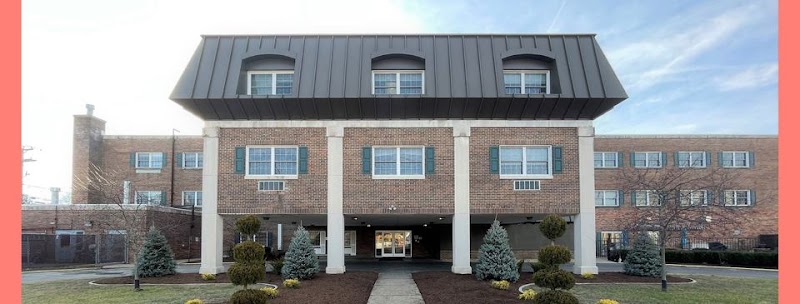
801 NORTH LOGAN AVENUE, DANVILLE, IL 61832 (217) 443-3106
For profit - Corporation 108 Beds ACCOLADE HEALTHCARE Data: November 2025
Trust Grade
0/100
#302 of 665 in IL
Last Inspection: May 2025

Inspected within the last 6 months. Data reflects current conditions.

Overview

Accolade Healthcare Danville has received a Trust Grade of F, indicating significant concerns about the quality of care provided. They rank #302 out of 665 facilities in Illinois, placing them in the top half, and #3 out of 5 in Vermilion County, meaning only two local options are better. The facility appears to be improving, with a decrease in reported issues from 20 in 2024 to 14 in 2025. Staffing is a concern, receiving a 2 out of 5 stars, with a turnover rate of 45%, which is slightly below the state average. However, there are serious incidents documented; for example, one resident developed a serious pressure ulcer due to a lack of proper care and monitoring, while another experienced an infection from a bruise that was not adequately assessed post-surgery. Despite these weaknesses, the facility has an average level of RN coverage, which can help catch potential issues.

Trust Score
F
0/100
In Illinois
#302/665
Top 45%
Safety Record
High Risk
Review needed
Inspections
Getting Better
20 → 14 violations
Staff Stability
⚠ Watch
45% turnover. Above average. Higher turnover means staff may not know residents' routines.
Penalties
✓ Good
$120,139 in fines. Lower than most Illinois facilities. Relatively clean record.
Skilled Nurses
✓ Good
Each resident gets 47 minutes of Registered Nurse (RN) attention daily — more than average for Illinois. RNs are trained to catch health problems early.
Violations
⚠ Watch
57 deficiencies on record. Higher than average. Multiple issues found across inspections.
★★☆☆☆
2.0
Overall Rating
★★☆☆☆
2.0
Staff Levels
★★★☆☆
3.0
Care Quality
★★☆☆☆
2.0
Inspection Score
Stable
2024: 20 issues
2025: 14 issues

The Good

  • Full Sprinkler Coverage · Fire safety systems throughout facility
  • No fines on record

Facility shows strength in fire safety.

The Bad

2-Star Overall Rating

Below Illinois average (2.5)

Below average - review inspection findings carefully

Staff Turnover: 45%

Near Illinois avg (46%)

Higher turnover may affect care consistency

Federal Fines: $120,139

Well above median ($33,413)

Significant penalties indicating serious issues

Chain: ACCOLADE HEALTHCARE

Part of a multi-facility chain

Ask about local staffing decisions and management

The Ugly 57 deficiencies on record

8 actual harm
May 2025 8 deficiencies
CONCERN (D)

Potential for Harm - no one hurt, but risky conditions existed

Deficiency F0688 (Tag F0688)

Could have caused harm · This affected 1 resident

**NOTE- TERMS IN BRACKETS HAVE BEEN EDITED TO PROTECT CONFIDENTIALITY** Based upon observation, interview and record review, the facility failed to maintain or improve range of motion and contractures...

Read full inspector narrative →
**NOTE- TERMS IN BRACKETS HAVE BEEN EDITED TO PROTECT CONFIDENTIALITY** Based upon observation, interview and record review, the facility failed to maintain or improve range of motion and contractures following recommended restorative program for one (R76) of four residents reviewed in a sample size of 38. Findings include: The facility's policy titled Functional Maintenance Program dated April 2025 documents therapy will provide recommendations for maintenance programing based on therapy outcomes or screenings. Individual tasks will be documented in the Point of Care (POC) in the electronic health record (EHR). Measurable objectives, goals and interventions will be documented in the care plan. On 05/18/25 09:09 AM R76 was in bed and R76's right hand appeared contracted. On 5/20/25 at 9:22 AM R76 used hands and arms in the hallway. R76's left hand appeared contracted in a semi-fist position. R76 did not flex fingers on left hand. R76's face sheet dated 5/20/25 documents an admission date of 3/29/24 with a history of down syndrome, and adult failure to thrive. R76's MDS dated [DATE] documents R76 has limited range of motion (ROM) in bilateral lower extremities and no impairment in upper extremities ROM. R76's care plan dated 4/24/25 documents R76 has a deficit in activities of daily living related to down syndrome and cognitive impairments. Care plan does not document range of motion, contractures, or restorative program. R76's physical therapy discharge date d 1/16/25 documents Restorative Programs Established/Trained for range of motion, transfer program, and bed mobility all educated. On 5/19/25 at 9:42 AM V21 Director of Rehab/Certified Occupational Therapy Assistant stated R76 was discharged from physical therapy on 1/16/25. R76's transfer status was max assist with 75% cues, 2-person transfer. R76 was only able to walk with very maximum assistance and would not be safe for certified nurse aides (CNAs) to walk with her. R76 complained of knee pain which is partly why we stopped doing the walking. R76 stated restoratives were recommended for range of motion (ROM), transfers, and bed mobility, which can all be completed during activities of daily living (ADLs). On 5/20/25 at 11:45am V11 Assistant Director of Nursing stated the facility does not have a restorative program, they have a functional maintenance program. On 5/20/25 at 12:16pm V11 stated V11 did not have any documentation for functional maintenance program for R76 since it is provided by the CNAs as part of ADLs.
CONCERN (D)

Potential for Harm - no one hurt, but risky conditions existed

Tube Feeding (Tag F0693)

Could have caused harm · This affected 1 resident

Based on observation, interview, and record review the facility failed to check gastric residual volume during gastrostomy tube (g-tube) medication administration for one of two residents (R26) review...

Read full inspector narrative →
Based on observation, interview, and record review the facility failed to check gastric residual volume during gastrostomy tube (g-tube) medication administration for one of two residents (R26) reviewed for g-tubes in the sample list of 38. Findings include: The facility's Tube Feeding (Administration of Medication) policy dated April 2025 documents to stop the feeding, disconnect the tubing, and check the tubing for placement before administering medications. R26's Care Plan dated 2/10/25 documents R26 has a g-tube and to monitor gastric residual volume prior to administering nutrition and medications. On 5/19/25 at 3:06 PM V17 Registered Nurse stopped R26's feeding, disconnected the tubing, and checked g-tube placement using air rush technique with syringe. V17 did not check gastric residual volume prior to administering water flushes, Tylenol, and Vitamin D3 into R26's g-tube. V17 confirmed V17 did not check gastric residual at this time. V17 stated V17 checked R26's gastric residual earlier, at the beginning of his shift. On 5/20/25 at 12:16 PM V11 Assistant Director of Nursing confirmed gastric residual volume should be checked at the time of g-tube medication administration.
CONCERN (E)

Potential for Harm - no one hurt, but risky conditions existed

Assessment Accuracy (Tag F0641)

Could have caused harm · This affected multiple residents

**NOTE- TERMS IN BRACKETS HAVE BEEN EDITED TO PROTECT CONFIDENTIALITY** Based on observation, interview and record review, the facility failed to accurately code the minimum data sheet (MDS) for three...

Read full inspector narrative →
**NOTE- TERMS IN BRACKETS HAVE BEEN EDITED TO PROTECT CONFIDENTIALITY** Based on observation, interview and record review, the facility failed to accurately code the minimum data sheet (MDS) for three (R24, R38, R76) of 17 residents reviewed for MDS accuracy in a sample size of 38. Findings include: 1.) R76's MDS dated [DATE] documents R76 has limited range of motion (ROM) in bilateral lower extremities and no impairment in upper extremities ROM. R76's prior MDS dated [DATE] documents no impairment in upper and lower extremities. On 05/20/25 at 09:22 AM R76 used both hands and arms in the hallway. R76 had left hand contracture in a semi-fist position. R76 did not flex fingers on the left hand. 2.) R38's MDS dated [DATE] documents one sided impaired ROM to upper and lower extremity. R38's 10/22/24 and 1/6/25 MDS does not document impaired ROM. R38's 7/1/24 MDS documents one sided impaired ROM to upper and lower extremity. On 05/20/25 at 09:31 AM V19 CNA, stated she does ROM with R38 every morning. V19 stated R38 has been totally dependent on staff for activities of daily living since time of admission and no changes have been seen. V19 stated R38 has upper and lower extremity impaired ROM. 3.) R24's MDS dated [DATE] documents one sided impairment for ROM to upper and lower extremities. R24's previous MDS dated [DATE] documents no impairment to upper and lower extremities. On 05/19/25 at 11:19 AM V5 CNA stated V5 has always used a mechanical lift for R24 for transfer since he admitted to the facility. R24 can move his arms and legs just fine. R24 helps with feeding. R24 can hold his legs up to dress him when he's in bed. On 05/19/25 at 12:58 PM V22 CNA, and V5 CNA entered R24's room. R24 was leaning forward and left in the wheelchair, pillow positioned beside R24. V22 and V5 used a mechanical lift to transfer R24 into bed. R24 demonstrated ability to move legs and left arm. R24's right arm remained at his side. V22 and V5 stated R24 can move both arms. On 05/20/25 at 09:29 AM R24 was holding a coffee cup with his right hand and drinking unassisted. On 5/20/25 at 10:00 AM V16 on 5/20/25, V16 MDS Coordinator stated V16 misunderstood what impaired ROM meant when previously coding MDS's and V16 has since had education regarding what ROM assessments entailed. At 2:00 PM V1 Administrator stated V16 should have completed corrections to any MDS submitted that were inaccurate. The facility's policy titled Resident Assessment Instrument dated August 2017 documents the purpose is to provide guidelines for identifying resident care needs, strengths, and assisting the resident to attain their highest practical level of mental and physical function and well-being. It is the responsibility of all resident care providers under the supervision of the attending physician to ensure that the resident is accurately and thoroughly assessed per MDS 3.0 Manual guidelines.
CONCERN (E)

Potential for Harm - no one hurt, but risky conditions existed

ADL Care (Tag F0677)

Could have caused harm · This affected multiple residents

**NOTE- TERMS IN BRACKETS HAVE BEEN EDITED TO PROTECT CONFIDENTIALITY** Based on observation, interview and record review, the facility failed to provide assistance with fingernail care, eating, and s...

Read full inspector narrative →
**NOTE- TERMS IN BRACKETS HAVE BEEN EDITED TO PROTECT CONFIDENTIALITY** Based on observation, interview and record review, the facility failed to provide assistance with fingernail care, eating, and shaving for four of four residents (R24, R26, R190, R38) reviewed for Activities of Daily Living in the sample list of 38. Findings include: 1.) On 05/18/25 at 2:26 PM R24's fingernails were long, approximately 1/4 inch past fingertips, and jagged. On 5/19/25 at 11:01 AM R24's fingernails remained long and jagged. On 5/19/25 at 1:12 PM V11 Assistant Director of Nursing (ADON) confirmed R24's fingernails were long and jagged. V11 stated the Certified Nursing Assistants (CNAs) are supposed to trim and clean fingernails as needed and V11 will have the CNAs trim R24's fingernails. R24's Minimum Data Set (MDS) dated [DATE] documents R24 has moderate cognitive impairment and is dependent on staff assistance for personal hygiene. R24's active care plan does not document R24 refuses nail care. 2.) On 5/18/25 at 8:41 AM R26 was lying in bed and R26's fingernails were long, approximately 1/4 inch past fingertips, and jagged. There was a dark substance underneath R26's fingernails. On 5/19/25 at 2:49 PM R26's fingernails were long, jagged, and had a dark substance underneath. V11 ADON checked R26's fingernails and confirmed they were long, jagged and dirty. V11 stated V11 will follow up with the CNAs to provide nail care. R26's MDS dated [DATE] documents R26 has severe cognitive impairment and is dependent on staff assistance for personal hygiene. R26's active care plan does not document R26 refuses nail care. 3.) On 5/18/25 at 8:48 AM R190 was in bed and had facial hair stubble to upper lip, chin, and cheeks. R190 stated R190's family member was supposed to be bringing R190 a razor since the facility has not offered to shave R190 or provided a razor. R190 stated he would like to be shaved. On 5/19/25 at 10:57 AM R190 still had facial hair stubble. R190 stated R190 is supposed to have a shower today. On 5/19/25 at 2:49 PM V11 ADON stated residents should be shaved on shower days. At 3:04 PM V11 stated R190 had a shower today. V11 entered R190's room and asked R190 if R190 wanted to be shaved. R190 still had facial hair stubble. R190 told V11 that R190 had not been shaved since admitting to the facility and R190 prefers to be clean shaven. R190's Care Plan dated 5/15/25 documents R190 admitted to the facility on [DATE] and requires extensive assistance of one staff person for bathing/showering. R190's Shower Sheet dated 5/19/25 documents R190 received a shower and R190 was not shaved. 4.) On 5/18/25 at 12:15 PM, 12:25 PM, 12:40 PM and 12:50 PM R38 was lying in bed and R38's meal tray was covered on an overbed table in R38's room near the foot of the bed. There was no staff present in R38's room. On 5/18/25 at 12:51 PM V5 CNA stated R38 is not able to feed himself and requires staff to feed R38. V5 stated V5 had not attempted to feed R38 lunch and V7 CNA is assigned to R38's hall. V6 CNA entered R38's room. V6 stated V6 is going to feed R38 lunch now. V6 confirmed V6 had not attempted to feed R38 lunch earlier. V6 uncovered R38's meal, which was untouched, and began feeding R38. At 1:52 PM V7 CNA stated V7 had not served R38's lunch meal tray and had not assisted R38 with lunch. V7 confirmed V7 was assigned to R38's hall and should have been notified when R38's meal was served. On 5/19/25 at 2:49 PM V11 ADON stated the CNAs should assist residents with eating at the time the meal tray is delivered to the resident's room. R38's MDS dated [DATE] documents R38 has severe cognitive impairment and is dependent on staff assistance for eating. The facility's Nail Care (Finger and Toes) policy dated April 2025 documents resident's nails will be kept clean and neat in order to provide cleanliness, prevent spread of infection and skin problems, and for comfort. This policy documents resident refusal of nail care will be documented in the resident's care plan. The facility's Shaving Resident policy dated August 2017 documents facial hair will be shaved by the CNAs on shower days and as needed or requested; and the charge nurse is responsible for ensuring residents who prefer to be shaved are free of facial hair. The facility's Feeding the Dependent Resident policy dated 8/2/17 documents to take the meal tray into the resident's room, place the tray directly in front of the resident, cut the food into small portions, give the resident your complete attention, sit at the same level as the resident while assisting with the meal, and remove the meal tray when the resident is finished eating.
CONCERN (E)

Potential for Harm - no one hurt, but risky conditions existed

Pressure Ulcer Prevention (Tag F0686)

Could have caused harm · This affected multiple residents

**NOTE- TERMS IN BRACKETS HAVE BEEN EDITED TO PROTECT CONFIDENTIALITY** Based on observation, interview, and record review the facility failed to implement interventions to prevent and treat pressure ...

Read full inspector narrative →
**NOTE- TERMS IN BRACKETS HAVE BEEN EDITED TO PROTECT CONFIDENTIALITY** Based on observation, interview, and record review the facility failed to implement interventions to prevent and treat pressure ulcers and failed to complete initial wound assessments for three residents (R24, R84, R140) of five residents reviewed for pressure ulcers in a sample list of 38. Findings include: 1. R140's current diagnoses list includes the following diagnoses: Type II Diabetes, Morbid Obesity, Congestive Heart Failure, Chronic Kidney Disease Stage III, History of Cerebral Infarction, Major Depression, Difficulty in Walking, Anemia, and Pilonidal Cyst with abscess. R140's Minimum Data Set (MDS) dated [DATE] documents R140 is mildly cognitively impaired and requires a wheelchair for mobility. R140's Care Plan reviewed 4/21/25 documents R140 requires a specialized air mattress and is to be turned and repositioned every two hours and as needed. On 5/18/25 at 10:00AM R140 was seated in his wheelchair beside his bed. R140's sweat pants were soaked down to his knees in the front. R140's bed was stripped and there was no air mattress in place to the bed. R140 stated he hadn't had an air mattress for a while. R140 stated I stay up in the wheelchair from breakfast until after lunch. On 5/19/25 at 12:00PM R140 was again seated beside his bed. R140's bed again did not have a specialized mattress in place. R140 was eating his lunch. V26, R140's family member was assisting and encouraging R140 to eat. V26 stated I visit (R140) at least two or three times a week. (R140) is always constantly up in the wheel chair from before breakfast until after lunch. (R140) has that sore spot on his butt and he hasn't had an air mattress since he got back from the hospital. R140's treatment order dated 4/24/25 documents a current physician's treatment order for Sacrum: Cleanse area with wound cleanser, pat dry, apply Medihoney to wound bed, and cover with dry clean dressing daily and PRN (as needed). R140's Wound Assessment Detail Report dated 5/13/25 at 2:12PM by V11, Assistant Director of Nursing (ADON) documents R140 has a facility acquired infectious full thickness wound on his sacrum measuring 0.50 x 0.30 x 0.10 (Length x Width x Depth) Centimeters. On 5/20/25 at 10:30AM R140's wound was observed during the daily dressing change and noted to appear unchanged from the 5/13/25 assessment. On 5/19/25 at 1:00PM V11 verified (R140) should have a special mattress and hasn't had one for some time and (R140) should be repositioned at least every two hours and kept clean and dry to prevent skin breakdown. 2.) On 5/18/25 at 9:11 AM R24 was lying in bed. R24 stated R24 has a sore on his bottom that isn't getting better. At 10:50 AM, 12:15 PM, 12: 25 PM, 12:50 PM, and 2:26 PM R24 was sitting in his wheelchair. On 5/19/25 at 11:01 AM R24 was sitting in his wheelchair near the third floor elevator. At 12:06 PM R24 was in his wheelchair in the first floor dining room. On 5/19/25 at 1:00 PM R24 was sitting in his wheelchair in his room, R24 was leaning forward and to the left. V22 and V5 Certified Nursing Assistants (CNAs) transferred R24 into bed using a full mechanical lift. On 5/19/25 at 1:30 PM V5 CNA stated R24 was assisted into the wheelchair at 9:30 AM and had not been laid down or offered to lay down prior to 1:00 PM. V5 confirmed R24 is supposed to be repositioned every two hours to offload pressure from R24's bottom. V5 stated usually R24 stays in bed, but R24 was in activities this morning and R24's family likes for R24 to get out of bed. On 5/19/25 at 1:12 PM V11 Assistant Director of Nursing (ADON) and V15 Registered Nurse (RN) entered R24's room and administered R24's pressure ulcer treatment. R24 had a linear, backwards L shaped wound, that contained pink and white/yellow tissue. V11 stated R24's wound is a stage three pressure ulcer that had recently healed in April and then reopened as a stage three. R24's Minimum Data Set (MDS) dated [DATE] documents R24 has moderate cognitive impairment, is dependent on staff assistance for toileting, bed mobility, and transfers; and R24 is always incontinent of bowel and bladder. R24's active Care Plan documents R24 has a stage three coccyx pressure ulcer and includes an intervention dated 2/5/25 for turning and repositioning every two hours and as needed. This care plan does not document that R24 refuses repositioning. R24's May 2025 Treatment Administration Record documents the following: On 5/10/25 a treatment was initiated to cleanse and dry coccyx wound and apply dry dressing daily and as needed (entered by V15 RN). On 5/12/25 R24's coccyx wound treatment was changed to cleanse and dry wound, apply medicated honey, and cover with a dry dressing daily and as needed. R24's Wound Assessment Detail Report dated 4/4/25 documents R24's stage four facility acquired coccyx pressure ulcer was healed. R24's Wound Assessment Detail Report dated 5/12/25 documents R24's facility acquired stage three coccyx pressure ulcer measured 6 centimeters (cm) long by 2.5 cm wide by 0.1 cm deep, and 30% of the wound bed was white, fibrinous slough (dead tissue). There is no documentation in R24's medical record that this wound was measured/assessed on 5/10/25, when first identified, prior to 5/12/25. R24's Wound Assessment and Plan dated 5/14/25, recorded by V24 Wound Physician, documents R24's stage three coccyx pressure ulcer measured 5 cm by 4 cm by 0.1 cm. This plan includes recommendations to offload per facility policy. R24's Wound Assessment and Detail Report dated 5/19/25 documents R24's pressure ulcer measured 6 cm by 2 cm by 0.1 cm, and 40% of the wound bed contained white slough. On 5/20/25 at 10:31 AM V15 RN stated R24's coccyx wound reopened the day V15 entered the order for the dry dressing. V15 stated V15 did not document an assessment of the wound as it was towards the end of his shift. V15 described the wound as being smaller but deeper than it is now. On 5/19/25 at 11:43 AM V11 stated the facility has had prior discussions with R24's family regarding hospice care or a feeding tube. V11 stated R24's family wanted to see what R24's weight is this week before deciding on whether to move forward with hospice. R24's family is leaning more towards hospice since R24 does not want a feeding tube. On 5/20/25 at 12:16 PM V11 stated the floor nurses notify nurse management/wound nurse of newly identified pressure ulcers and the floor nurse should document an initial assessment of the wound in the nursing notes if the wound nurse is not available. V11 stated V11 thought the facility has 72 hours to document a wound assessment for a newly identified wound. At 12:55 PM V11 confirmed there was no documented assessment of R24's reopened coccyx wound prior to 5/12/25. 3.) On 5/18/25 at 2:22 PM V10 CNA Coordinator removed R84's socks. R84 had a small dark scabbed area on the left heel. On 5/19/25 at 1:32 PM R84 was lying in bed and was not wearing pressure relieving boots. R84's heels were directly on the mattress. R84's heel boots were in the wheelchair beside R84's bed. On 5/19/25 at 3:00 PM V25 CNA stated today was the first time V25 was assigned to R84 and V25 was unsure if R84 has a pressure ulcer. V25 stated R84's pressure relieving interventions are turning and repositioning in bed every two hours and using pillows behind R84's back to position R84 on her side. V25 was unsure of any pressure relieving interventions for R84's feet and was unsure if R84 uses pressure relieving boots. V25 stated V25 has access to resident care plans and would look there to determine what pressure interventions should be used. V25 entered R84's room and confirmed R84's heels were directly on the mattress and R84's pressure relieving boots were in R84's wheelchair. R84 allowed V25 to apply R84's boots. R84's MDS dated [DATE] documents R84 is dependent on staff assistance for lower body dressing and uses substantial/maximal assistance for turning in bed. R84's active Care Plan documents R84 has a deep tissue injury of the right heel, and interventions include the use of pressure relieving boots and to monitor and document wound assessments. This care plan does not document R84 refuses pressure relieving boots. R84's Nursing Notes document the following: On 2/7/2025 R84 admitted to the facility following a fall with right femur fracture. R84 discharged home on 4/30/25 and readmitted to the facility on [DATE]. R84's Wound Assessment and Plan dated 3/27/25, recorded by V24 Wound Physician, documents R84's right heel pressure ulcer measured 2 cm by 2 cm and was 100% eschar, dead tissue. This plan includes recommendations for offloading per facility policy and offloading boot was in place. R84's Wound Assessment and Plan dated 4/3/25 documents this pressure ulcer measured 2 cm by 1.5 cm. R84's Wound Assessment and Plan dated 4/24/25 documents this pressure ulcer measured 1 cm by 1 cm and was 100% covered in eschar. This plan documents the facility is contacting R84's family regarding possible hospice as R84 is overall declining. R84's Wound Assessment Detail Report dated 5/5/25 documents R84's right heel pressure ulcer was present on readmission on [DATE]. The wound measured 1 cm by 2 cm by 0.1 cm and the wound photograph shows a dark scabbed area. R84's Wound Assessment Detail Report dated 5/12/25 documents R84's right heel pressure ulcer measured 1 cm by 1 cm by 0.1 cm. R84's Wound Assessment and Plan dated 5/14/25, recorded by V24, documents R84's right heel unstageable pressure ulcer was 1 cm by 1 cm and 100% covered in eschar. R84's Nutrition/Dietary Notes dated 3/30/25, 4/2/25 and 4/16/25 document R84 had significant weight loss with supplements and medications in place to address this weight loss. These notes document R84 had no skin breakdown. R84's March, April and May 2025 Medication and Treatment Administration Records document the following: Pressure relieving boots were initiated 3/12-4/30/25 and 5/5/25. Daily skin protectant to right heel initiated 4/4-4/30/25 and 5/6/25. Multivitamin daily, Zinc 50 milligrams (mg) daily, Prostat 30 milliliters twice daily, and Vitamin C 500 mg twice daily for wound healing scheduled to begin on 4/24/25, but not implemented, and initiated on 5/2/25. On 5/20/25 at 12:16 PM V11 ADON confirmed R84 is supposed to have heel boots on when in bed. V11 stated R84 has had an overall decline related to failure to thrive and there is an upcoming care plan scheduled with R84's family to discuss hospice. V11 stated the facility discussed hospice with R84's family previously, but R84's family decided to take R84 home. V11 stated Vitamin C, Zinc, Multivitamin and Prostat should have been implemented as it is the facility's standard protocol for wound care. At 12:55 PM V11 confirmed there was no documented assessment of R84's right heel pressure ulcer on 5/2/25 when R84 readmitted to the facility, prior to 5/5/25. V11 confirmed R84's right heel wound was initially facility acquired, had not healed, and was present on readmission on [DATE]. On 5/20/25 at 12:42 PM V23 Registered Dietitian stated if V23 was aware of R84's right heel pressure ulcer it would be documented in V23's notes. V23 stated V23 would have ordered Vitamin C, Zinc, Multivitamin with minerals and liquid Prostat to aid in wound healing if V23 was aware of R84's pressure ulcer. The facility's Skin Care Prevention policy dated April 2025 documents residents identified as being at increased risk for skin breakdown shall be repositioned as needed and based on the resident's assessment, and pillows or positioning devices may be used between skin surfaces or to elevate bony prominences and pressure areas off of surfaces. This policy documents pressure redistribution mattresses may be used on beds and in chairs for residents identified to be at risk for skin breakdown. The facility's Pressure Ulcer, Lower Extremity Ulcer Treatment and Documentation policy dated April 2023 documents to notify the wound nurse upon identified skin impairment, and if the wound nurse is not available the floor nurse will document the open area and notify the provider for orders. The wound nurse is responsible for assessing, measuring, and photographing the wound; reviewing the orders; ad updating notes and care plans as appropriate.
CONCERN (E)

Potential for Harm - no one hurt, but risky conditions existed

Unnecessary Medications (Tag F0759)

Could have caused harm · This affected multiple residents

Based on observation, interview, and record review the facility failed to administer medications as ordered for three of nine residents (R24, R50, R78) reviewed for medication administration in the sa...

Read full inspector narrative →
Based on observation, interview, and record review the facility failed to administer medications as ordered for three of nine residents (R24, R50, R78) reviewed for medication administration in the sample list of 38. This failure resulted in three medication errors out of 25 opportunities, a 12% medication error rate. Findings include: 1.) R24's May 2025 Medication Administration Record (MAR) documents to administer Novolin Regular Insulin per blood glucose (milligrams per deciliter) based sliding scale, with meals, scheduled at 8:00 AM, 12:00 PM, and 5:00 PM. On 5/19/25 at 12:06 PM R24 was in the main dining room eating lunch. On 5/19/25 at 12:30 PM R24 was in R24's room. V15 Registered Nurse (RN) administered 6 units of Novolin Regular Insulin into R24's abdomen. V15 stated V15 checked R24's blood sugar just a few minutes prior, which was 280. V15 confirmed R24 already ate lunch prior to R24's blood glucose check and insulin administration. On 5/20/25 at 1:50 PM V1 Administrator stated blood glucose should be checked prior to meals. V1 confirmed sliding scale insulin should be administered based on blood glucose results obtained prior to meals, unless ordered differently. 2.) R78's May 2025 MAR documents to administer Metoprolol Tartrate 25 milligrams (mg) one half tablet by mouth twice daily, hold for systolic blood pressure less than 130 and heart rate less than 90 beats per minute. On 05/19/25 at 3:45 PM V17 RN checked R78's blood pressure and heart rate which was 136/80 and 72. V17 administered R78's medications, including Metoprolol Tartrate 25 milligrams one half tablet by mouth. The medication card indicated to check blood pressure and heart, hold for systolic blood pressure less than 130 or if heart rate less than 90. At 3:52 PM V17 verified R78's Metoprolol card and physician ordered parameters. V17 confirmed V17 should not have administered this medication since R78's heart rate was less than 90. 3.) R50's May 2025 MAR documents to administer Carvedilol 3.125 mg one tablet by mouth twice daily. Hold for systolic blood pressure less than 110 or heart rate less than 60. On 5/19/25 at 4:02 PM V3 RN administered R50's medications, including Carvedilol 3.125 mg one tablet by mouth. V3 did not check R50's blood pressure or pulse prior to administering this medication. At 4:09 PM V3 stated R50's blood pressure is checked daily. V3 confirmed R50's physician's ordered parameters for Carvedilol. V3 confirmed V3 did not check R50's heart rate and blood pressure prior to administering Carvedilol. The facility's pharmacy policy titled Administration Procedures for All Medications, dated 10/25/14, documents to check the MAR for the order and not any contraindications the resident may have prior to administering the medication. This policy documents to check the label against the order on the MAR and obtain/record any vital signs or other ordered monitoring parameters prior to medication administration.
CONCERN (E)

Potential for Harm - no one hurt, but risky conditions existed

Deficiency F0761 (Tag F0761)

Could have caused harm · This affected multiple residents

**NOTE- TERMS IN BRACKETS HAVE BEEN EDITED TO PROTECT CONFIDENTIALITY** Based on observation, interview and record review, the facility failed to appropriately label and store medications and account ...

Read full inspector narrative →
**NOTE- TERMS IN BRACKETS HAVE BEEN EDITED TO PROTECT CONFIDENTIALITY** Based on observation, interview and record review, the facility failed to appropriately label and store medications and account for controlled medications for five of 16 residents (R40, R61, R71, R192, R63) reviewed for medication storage in the sample list of 38. Findings include: The facility's pharmacy policy titled Administration Procedures for all Medications, dated 10/25/14, documents to check the expiration date on package and container prior to medication administration and to label an opened date on multi-dose containers. The facility's Narcotic Count policy dated 9/5/22 documents a physical count of narcotics will be done by the oncoming and off-going nurses at each change of shift to identify discrepancies and to ensure controlled medications are handled, stored, disposed of and accounted for properly. This policy documents the controlled medication record will accompany the controlled medication. The facility's Storage of Medications policy dated April 2025 documents all resident medications should be stored in a locked cabinet, locked medication room, or locked medication cart. The facility's Self Administration of Medication policy dated April 2025 documents the care plan will reflect self-administration of medications and there will be a physician's order. This policy documents medications kept in a resident's room must be done in a way that prevents access by other residents, and only medications approved for self-administration may be left at the bedside. 1.) On 5/18/25 at 2:41 PM the short hall medication cart on the second floor was reviewed with V4 Licensed Practical Nurse. R40's Glargine insulin pen was opened, dated with dispensed date of 3/2/25, and was not labeled with an opened date. R61's Lispro insulin vial was labeled with an opened date of 4/13/25 and discard date of 5/11/25. R71's Lispro insulin vial was labeled with opened date of 4/13/25 and discard date of 5/11/25. V4 confirmed the labeling of these medications. There was a bottle of Clonazepam (controlled medication) 1 milligram tablets labeled with R192's name. The controlled medication binder on the cart did not contain a controlled count sheet for this bottle of Clonazepam. V4 stated R192's bottle of Clonazepam was brought in from home yesterday or the day prior, but there was no count sheet for this medication. V4 stated the nurses are suppose to count the controlled medications and complete a count sheet. On 5/20/25 at 12:16 PM V11 Assistant Director of Nursing (ADON) stated controlled medications brought from home or an outside pharmacy should be counted and documented on a controlled medication form. R40's May 2025 Medication Administration Record (MAR) documents to administer Insulin Glargine 100 units/milliliter (u/ml) give 10 units subcutaneously daily at 6:00 AM as of 3/31/25. R61's May 2025 MAR documents to administer Insulin Lispro 100 u/ml subcutaneously per blood glucose based sliding scale four times daily as of 4/16/25. R71's May 2025 MAR documents to administer Insulin Lispro 100 u/ml 8 units subcutaneously three times daily as of 1/17/25. R192's Census documents R192 admitted to the facility on [DATE]. R192's May 2025 MAR documents to administer Clonazepam 1 mg one tablet by mouth three times daily as of 5/15/25. The Insulin Glargine Highlights of Prescribing Information dated November 2018 documents vials/pens are good for 28 days once opened. The Insulin Lispro Highlights of Prescribing Information dated September 2023 documents vials are good for 28 days once opened. 2.) On 5/18/25 at 8:12 AM and 8:23 AM R63 was in bed asleep with a medication cup in R63's hand that contained several pills. At 8:23 AM V14 Licensed Practical Nurse entered R63's room. V14 stated V14 gave those medications to R63 earlier this morning and usually R63 takes the medications, but R63 must have fallen asleep. V14 woke R63 and instructed R63 to take the medications. R63 stated the nurses leave her medications for her to take because they know R63 will take them. R63's active physician orders and care plan do not document self administration and bedside storage of medications. On 5/20/25 at 12:16 PM V11 ADON confirmed nurses should observe residents consume medications during medication administration and nurses should not leave the medications at the bedside. V11 stated there are currently no residents who are approved to self administer medications.
CONCERN (E)

Potential for Harm - no one hurt, but risky conditions existed

Infection Control (Tag F0880)

Could have caused harm · This affected multiple residents

**NOTE- TERMS IN BRACKETS HAVE BEEN EDITED TO PROTECT CONFIDENTIALITY** Based on observation, interview, and record review the facility failed to initiate contact droplet precautions for two residents...

Read full inspector narrative →
**NOTE- TERMS IN BRACKETS HAVE BEEN EDITED TO PROTECT CONFIDENTIALITY** Based on observation, interview, and record review the facility failed to initiate contact droplet precautions for two residents (R36, R69) and failed to sanitize a blood glucose meter following use to prevent cross contamination for one resident (R24) of 17 residents reviewed for infection control in a sample list of 38. Findings Include: The facility's Glucose Meter Cleaning policy dated July 2019 documents clean and disinfect the blood glucose meter after each use with an Environmental Protection Agency approved cleaner. The facility's policy Transmission Based Precautions revised April of 2025 documents In order to prevent the spread of communicable diseases isolation will be initiated according to CDC (Center for Disease Control) transmission based guidelines. Transmission based guidelines will be used in all cases in which standard precautions does not provide adequate barrier protection. Transmission based guidelines will be used to determine whether airborne, droplet, or contact isolation precautions will be implemented. The CDC's Transmission Based Precautions guidance dated 4/3/24 documents to use contact precautions for patients with known or suspected infections that represent an increased risk for contact transmission, including use of gown and gloves for cares, limiting patient transport, placing the patient in a private room, using dedicated or disposable medical equipment or disinfecting shared medical equipment, and frequent cleaning/disinfection of rooms. This guidance documents to use droplet precautions for patients with known or suspected respiratory pathogens that can be spread through respiratory droplets by coughing, sneezing or talking. These precautions include having the patient wear a mask and follow respiratory hygiene/cough etiquette, preferably placing the patient in a single room, wearing a mask when entering the patient's room, and limiting transportation/movement of the patient. 1. R69's care plan updated 5/16/25 includes the following diagnoses: Mild Persistent Asthma, Type II Diabetes, and Morbid Obesity. R69's Minimum Data Set (MDS) dated [DATE] documents R69 is cognitively intact. R69's Care Plan dated 5/16/25 documents (R69), has Pneumonia, an infection of the respiratory system and receiving Antibiotic therapy thru 05/20/25. On 5/18/25 at 10:15AM R69 was lying in her bed. R69 was coughing frequently with a moist sounding cough. R69 stated, I have pneumonia and I have a bad cough. I cough so hard it hurts and I am worn out. R69's family member was at the bedside and confirmed R69 has pneumonia. R69 was observed to fail to cover her cough. There was no transmission based precaution sign on R69's door and no Personal Protective Equipment was placed outside near R69's room. R69's Advanced Practice Nurse's note dated 5/20/25 at 9:35AM documents, (R69) was sent to the Emergency Department (ED) yesterday due to coughing up blood. Reviewed (R69's) ED paperwork; (R69) received a CT (computed tomography) without contrast, CBC/CMP (Complete Blood Count/Complete Metabolic Panel), D-Dimer, PT/INR (Protime and International Normalized Ratio) and was diagnosed with pneumonia and prescribed azithromycin which she was already diagnosed with and taking. Patient was referred to a local nurse practitioner for follow up. Will refer provider to a local pulmonologist for follow up. 2. R36 is documented on the facility census of 5/18/25 as R69's roommate. R36's's Minimum Data Set (MDS) dated [DATE] documents R36 is severely cognitively impaired. R36's Nurse's Note dated 05/15/2025 at 2:19AM documents (R36) has a non-productive cough and is running a fever 101.6 F (degrees Fahrenheit). Tylenol 650 mg suppository was administered. (R36) refused cough syrup. Given sips of water. Will have Nurse Practitioner assess (R36) in the AM. On 5/18/25 at 10:15AM R36 was lying in her bed. R36 was coughing frequently with a moist sounding cough. R36 was unable to practice any kind of respiratory hygiene and was seen wiping her nose with her right hand and then touching bed linens. There was no transmission based precaution sign on R36's door and no Personal Protective Equipment was placed outside near R36's room. On 5/19/25 at 12:00PM and on 5/20/25 at 12:15PM R36 was seated in a wheelchair at a large table with other residents in the main dining room. R36 was noted to continue to cough. On 5/20/25 V11, Assistant Director of Nursing (ADON) verified that both (R36, R69) are roommates, and both are currently exhibiting respiratory signs and symptoms. V11 stated V11 would place both on contact droplet precautions. 4.) On 5/19/25 at 4:13 PM V3 Registered Nurse used a blood glucose meter, labeled with R24's name, to obtain R24's blood glucose level. V3 did not disinfect R24's blood glucose machine after use. V3 placed R24's blood glucose machine on top of the medication cart, contaminating the top of the cart. On 5/19/25 at 4:26 PM R24's blood glucose meter remained on top of the medication cart. V3 stated V3 was unsure how often blood glucose meters are disinfected. V3 confirmed V3 did not disinfect R24's blood glucose meter after use. On 5/20/25 at 12:16 PM V11 Assistant Director of Nursing stated a bleach wipe should be used to disinfect blood glucose meters after each use.
Apr 2025 2 deficiencies
CONCERN (D) 📢 Someone Reported This

A family member, employee, or ombudsman was alarmed enough to file a formal complaint

Potential for Harm - no one hurt, but risky conditions existed

Report Alleged Abuse (Tag F0609)

Could have caused harm · This affected 1 resident

**NOTE- TERMS IN BRACKETS HAVE BEEN EDITED TO PROTECT CONFIDENTIALITY** Based on observation, interview, and record review, the facility failed to report an injury of unknown origin to the state agenc...

Read full inspector narrative →
**NOTE- TERMS IN BRACKETS HAVE BEEN EDITED TO PROTECT CONFIDENTIALITY** Based on observation, interview, and record review, the facility failed to report an injury of unknown origin to the state agency (Illinois Department of Public Health) in the required two hour time frame. This failure affects one resident (R1) out of three reviewed for injuries on the sample list of three. Findings include: On 4/10/25 at 11:24 AM, R1 was lying in bed and did not make any verbal responses to a greeting by name and made no verbal responses to questions. R1's Census Detail dated 4/10/24 documents R1 was admitted to the facility 1/14/25, with a subsequent admission 3/7/25. R1's Diagnoses List dated 4/10/25 documents R1 had surgical repair of a right trochanter (hip) fracture which was present on R1's admission of 1/14/25, and surgical repair of a displaced spiral fracture of the right distal femur (knee area) present on R1's admission of 3/7/25. R1's Minimum Data Set, dated [DATE] documents R1 received a score of 4 out of a possible 15 during a brief interview for mental status, indicating severe cognitive impairment, inattention, and disorganized thinking. This same Minimum Data Set documents R1 is dependent on staff for toileting, lower body dressing, putting on footwear, all bed mobility, and transfers. R1's Progress Notes dated 2/20/25 documented a facility nurse (V6, Registered Nurse) contacted R1's Power of Attorney (V22) with notification that R1's right leg was shortened and rotated, and that the Nurse Practitioner (V21) had ordered x-rays. R1's Progress Note dated 2/20/25 documents V21, Nurse Practitioner, had assessed R1 at 9:35 AM due to a report from the facility nursing staff that R1 was experiencing a shortened and rotated right leg, wouldn't allow staff to move her leg, and screamed out in pain when V21 manipulated R1's leg. V21 included in this note that R1 had not experienced any falls or trauma and did have the previous surgery of the right hip. V21 also documented she had ordered x-rays for R1. R1's radiological (x-ray) report dated 2/20/25 documents the facility had been informed of the x-ray results at 2:41 PM on 2/20/25. This report documents R1 had experienced a new comminuted (broken pieces) fracture of the distal (by the knee) femur, and that the prior hip fracture was stable and the hip repair hardware intact. R1's Diagnoses List (4/10/25) and hospital Discharge Report (3/7/25) further document this new fracture was a displaced spiral fracture. This hospital Discharge Report documents R1 was at the hospital for surgical repair of the new fracture from 2/21/25 through 3/7/25. On 4/10/25 at 11:52 AM, V3, Assistant Director of Nursing, related the time line of events involved with R1's assessment, x-ray, and results as documented in the nurses notes. V3 further stated the nursing managerial staff, including herself, had not been able to ascertain any cause associated with R1's fracture. V3 stated R1 could not explain anything except to say she had not fallen. V3 stated R1's physician (un-named) had stated the new fracture was pathological related to osteopenia (low bone density). V3 stated V21 thought there might be a fracture associated with the previous surgery site of R1's right hip. On 4/10/25 at 11:52 AM, V1 Administrator, she had conducted an investigation by interviewing staff and there was no evidence that R1 had fallen or twisted her leg. V1 stated the fracture was not reported to the Illinois Department of Public Health at all because the Nurse Practitioner (V21) examined R1 and since there was no bruising there was not a suspicion of abuse. V1 further stated the timeframe from when the nurse first noticed the right leg shortened and rotated to the Nurse Practitioner assessing R1, to the x-rays, to the doctor (un-named) saying the fracture was pathologic, was immediate. R1's Progress Notes dated 2/21/25 document the Director of Nursing (V2) entered a note to document R1's Physician (un-named) had made a statement that the new fracture experienced by R1 was pathological at 9:36 AM on 2/21/25, nineteen hours after the facility received the x-ray report, and 24 hours after V21's assessment. The facility's Abuse Prevention policy dated as revised January 2025 documents injuries should be classified as an injury of unknown source if there was no person who observed the source of the injury or if the resident could not explain the source of the injury, and if the injury is suspicious because of the extent of the injury.
CONCERN (D) 📢 Someone Reported This

A family member, employee, or ombudsman was alarmed enough to file a formal complaint

Potential for Harm - no one hurt, but risky conditions existed

Accident Prevention (Tag F0689)

Could have caused harm · This affected 1 resident

Based on observation, interview, and record review, the facility failed to implement a fall prevention intervention according to a resident's care plan. This failure affects one resident (R1) out of t...

Read full inspector narrative →
Based on observation, interview, and record review, the facility failed to implement a fall prevention intervention according to a resident's care plan. This failure affects one resident (R1) out of three reviewed for fall prevention on the sample list of three. Findings include: On 4/10/25 at 11:24 AM, R1 was lying in bed and did not make any verbal responses to a greeting by name and made no verbal responses to questions. There was an alarm sensor pad underneath R1 with a wire cord leading towards the foot end of R1's bed, however the cord was not plugged in to anything. There was an alarm box module on top of a four drawer bureau across the room approximately eight feet away from R1's bed. On 4/10/25 at 11:29 AM, V5, Registered Nurse, confirmed the alarm sensor was not plugged into the module as it should be. V5 further stated he had knowledge of R1's Care Plan containing a fall prevention intervention that R1 was to have the bed alarm and it should be maintained in a functional condition. R1's Care Plan documents a fall prevention intervention dated as initiated on 3/28/25 for a bed alarm placed for safety, and R1 needs increased supervision when in her room dated as initiated 3/27/25. On 4/10/25 at 11:52 AM, V3, Assistant Director of Nursing, stated she would make sure the nursing staff check R1's alarm. V1 Administrator stated something should be placed on R1's Physician Order Sheet to make sure the nurses check the alarm. V1 stated facility staff do 'Angel Rounds' every morning to check things like alarms. V1 stated R1 will occasionally unplug alarms, but then confirmed R1 would not be able to get the module across the room and on top of the bureau.
Feb 2025 4 deficiencies 1 Harm
SERIOUS (G) 📢 Someone Reported This

A family member, employee, or ombudsman was alarmed enough to file a formal complaint

Actual Harm - a resident was hurt due to facility failures

Pressure Ulcer Prevention (Tag F0686)

A resident was harmed · This affected 1 resident

**NOTE- TERMS IN BRACKETS HAVE BEEN EDITED TO PROTECT CONFIDENTIALITY** Based on observation, interview, and record review the facility failed to develop and implement skin and pressure relieving inte...

Read full inspector narrative →
**NOTE- TERMS IN BRACKETS HAVE BEEN EDITED TO PROTECT CONFIDENTIALITY** Based on observation, interview, and record review the facility failed to develop and implement skin and pressure relieving interventions, evaluate nutritional status, maintain wound dressings, and accurately document wound assessments for three (R1, R3, R4) of three residents reviewed for pressure ulcers in the sample list of four. These failures resulted in R4 developing a stage two pressure ulcer that deteriorated into an unstageable pressure ulcer. Findings include: The facility's Skin and Wound Management Guidelines dated April 2023 documents preventative measures will be implemented for residents who are at risk for developing wounds and aggressive wound management will be initiated for wounds/pressure ulcers. This guide documents to complete Braden assessments upon admission and then weekly for four weeks, ensure the resident is added to the shower schedule and review shower documentation and weekly skin checks to ensure compliance and identify new wounds at an early stage. This guide documents to assess, measure, photograph and document wounds in the electronic software system, refer to the dietitian for recommendations for wound healing, obtain an order for wound physician consult and update the resident's care plan. The facility's Pressure Injury Preventions Guidelines and Suggested Interventions dated April 2023 documents poor diet may cause pressure injuries and nutrition should be evaluated. This guide documents residents who are dependent on staff for assistance should e assisted to reposition at least every two hours or per plan of care, position the resident at a 30 degree angle when turning on one side or the other, and residents at risk should avoid sitting in a chair for long periods without repositioning. 1.) On 2/18/25 at 10:37 AM V10 and V15 Certified Nursing Assistants (CNAs) entered R4's room and transferred R4 with a full mechanical lift from the bed to the shower chair. R4 had an open, pink/yellow wound, approximately quarter sized, that was not covered with a dressing. V15 stated R4 did not have a dressing over the wound since V15 came on shift and the dressing must have come off sometime on night shift. On 2/18/25 at 11:26 AM V16 Licensed Practical Nurse stated no one had reported that R4's wound dressing had come off prior to R4's shower. V16 stated V16 would expect the CNAs to notify V16 when a dressing has come off so that a new one can be applied. R4's admission Minimum Data Set (MDS) dated [DATE] documents R4 has moderate cognitive impairment, impaired range of motion to one upper and one lower extremity, is dependent on staff transfers, requires substantial/maximal assistance from staff for turning in bed and bathing/showering, is always incontinent of urine. R4 has no pressure ulcers and is not on a turning and repositioning program. This MDS lists pressure relieving device for chair as the only skin/ulcer intervention. R4's MDS dated [DATE] documents R4 has moderate cognitive impairment, R4 is dependent on staff for turning in bed, transfers and bathing, and R4 has one stage three facility acquired pressure ulcer. R4's Braden assessment dated [DATE] documents R4 is at moderate risk for developing pressure ulcers. R4's Care Plan with initiated date of 12/24/24 and revised date of 2/5/25 documents R4 has potential for skin impairment related to decreased mobility, incontinence, and cerebrovascular accident, and R4 has a coccyx stage three pressure ulcer as of 1/16/25. This care plan documents an intervention dated 2/5/25 for turning and repositioning every two hours and as needed. R4's diagnoses include vascular dementia, type two diabetes mellitus, hemiplegia and cerebrovascular accident. There are no documented implementation of pressure relieving interventions on R4's care plan or in R4's medical record prior to R4 developing a pressure ulcer. R4's ongoing weight log documents R4's weights as follows: 12/23/2024 160.2 pounds (Lbs.) 12/31/2024 150.6 Lbs. (5.99% loss) 1/7/2025 147.5 Lbs. 1/14/2025 145.0 Lbs. (9.49% loss since 12/23/24) 1/21/2025 147.6 Lbs. 1/28/2025 145.4 Lbs. 2/4/2025 150.4 Lbs. 2/11/2025 148.8 Lbs. R4's shower documentation for December 2024 and January 2025 was requested on 2/19/25. R4's Shower Sheets, provided by V2 Director of Nursing (DON) document showers were given/offered on 12/31/24 and then not again until 1/21/25 (3 weeks later). R4's Weekly Skin Assessments dated 12/31/24 and 1/7/25 document R4 had no new skin issues and there are no preventative interventions marked as indicated, which includes a turning schedule, specialized mattress, positioning devices, and seating surface. R4's Weekly Skin assessment dated [DATE] documents R4 had no new skin issues and heels floated was the only preventative intervention documented. R4's Weekly Skin assessment dated [DATE] documents R4 had a 3 centimeter (cm) wide by (x) 1 cm long open sacral wound. R4's Wound Assessment Details Reports document the following: On 1/17/25 R4's coccyx stage two pressure ulcer measured 2.7 cm x 1 cm x 0.1 cm deep. On 1/24/25 R4's stage two pressure ulcer was 1.9 cm x 0.8 cm x 0.1 cm. On 2/6/25 R4's coccyx pressure ulcer as a stage three that measured 2 cm x 0.7 cm x 0.1 cm with 70% slough (dead tissue). On 2/13/25 R4's pressure ulcer as unstageable with 100% slough and the wound measured 1.6 cm x 1 cm x 0.1 cm. There is no documentation that R4's wound was assessed by V4 Wound Physician prior to 1/27/25, when R4's wound had declined to an unstageable pressure ulcer. R4's Wound Assessment and Plan dated 1/27/25, recorded by V4, documents R4's coccyx wound as an unstageable pressure ulcer with 100% slough and the wound measured 2 cm x 1 cm. R4's Wound Assessment and Plan dated 2/10/25, recorded by V4, documents R4's unstageable pressure ulcer was 100% covered with slough and measured 1.6 cm x 1 cm. R4's Physician Order dated 1/28/25 documents to cleanse coccyx wound, pat dry, apply medicated honey gel and cover with a dressing daily and as needed. R4's Albumin (protein found in the blood) level was 3.1 grams per deciliter (normal range 3.5-5) on 12/11/24. There is no documentation in R4's medical record that R4's nutritional status was evaluated by a Registered Dietitian (RD) prior to and after 1/16/25 (when R4's pressure ulcer was identified). R4's Dietary Note dated 1/16/25 at 8:56 PM documents V7 RD evaluated R4's nutritional status and weight loss. This note documents R4 had no skin concerns, R4 was on health shakes twice daily, V7 had no new recommendations and to notify V7 with any significant changes. On 2/18/25 at 11:37 AM V3 Assistant DON/Wound Nurse stated R4's wound was facility acquired and classified as a stage two on 1/17/25 and it worsened on 1/24/25 with slough present, but the 1/24/25 wound assessment incorrectly documents the wound was a stage two. V3 stated the wound was a stage three on 1/24/25, but the electronic software system does not allow amendments to V3's assessments. V3 stated R4's wound is currently an unstageable pressure ulcer. V3 stated R4's poor appetite was the cause of the wound and has contributed to R4's wound decline. On 2/19/25 at 9:58 AM V3 stated R4 should be turned and repositioned every two hours and this should be documented on the CNA task charting and on R4's care plan. V3 stated R4 should have an at risk care plan with pressure relieving interventions if R4's Braden identified R4 to be at risk for pressure ulcers. V3 stated we review wounds weekly with V2 DON and follow up with the RD when wounds decline. V3 stated the RD is sent an electronic mail with any changes in condition. V3 was unsure if R4 has been evaluated by an RD after 1/16/25. V3 stated the facility recently changed RDs within the last month. On 2/19/25 at 1:03 PM V3 stated V3 has been the facility's wound nurse since January 2025. On 2/18/24 at 3:47 PM V18 CNA stated the CNAs can view how much assistance residents need and pressure relieving interventions in their electronic charting system. V18 stated there is also a binder at the nurse's station that documents pressure relieving interventions. This binder was viewed with V18 and confirmed it did not contain information regarding R4. On 2/18/24 between 4:04 PM and 4:13 PM V20 and V21 CNAs stated they would look at the resident's care plan to determine what pressure relieving interventions are used. On 2/19/25 at 10:58 AM V6 MDS/Care Plan Coordinator stated if the Braden determines the resident to be at risk for pressure ulcers, then there should be a care plan for pressure ulcer risk and pressure relieving interventions. V6 viewed R4's care plan and confirmed there were no documented pressure relieving interventions prior to R4's pressure ulcer. V6 confirmed the turning and repositioning intervention was not added until 2/5/25, after R4's wound had deteriorated to an unstageable pressure ulcer. On 2/19/25 at 11:17 AM V2 DON stated V2 has not followed up with the RD for R4's wounds after 1/16/25. V2 confirmed 1/16/25 was the only documented RD evaluation for R4. At 1:45 PM V2 stated V2 had no other shower documentation to provide for R4 and confirmed missed showers between 12/31/24 and 1/22/25. V2 confirmed showers would be part of pressure ulcer prevention. At 3:50 PM V2 stated V4 Wound Physician was at the facility on 1/20/25, but we did not have a consent that day for R4 to be evaluated by V4, so R4 was seen by V4 on 1/27/25. V2 stated V2 would expect a wound consult to be ordered when wounds are showing a decline and no improvement. On 2/19/25 at 11:40 AM V5 Nurse Practitioner stated the facility's RD makes nutritional recommendations and a wound physician for wound evaluation and orders. V5 stated pressure relieving interventions would be individualized and based on the resident's mobility and if they get out of bed. V5 stated R4 should have had turning and repositioning by using wedge/pillows to offload pressure and laid down between meals, and R4's nutrition should have been evaluated prior to R4 developing the pressure ulcer. V5 stated the facility should develop a care plan once a stage one pressure ulcer is identified. V5 stated V5 believes R4's wound deteriorating so quickly into a stage three and unstageable pressure ulcer could have been avoidable. V5 stated not maintaining wound dressings can contribute to wound decline. On 2/19/25 at 12:28 PM V4 Wound Physician stated the facility should follow their protocol when residents are at risk for pressure ulcers, they should develop a care plan and implement pressure relieving interventions. V4 stated it is better to prevent than to treat and pressure relieving interventions should be implemented ahead of time. V4 stated nutrition should be assessed and referred to the dietitian. V4 stated when wounds aren't covered urine and feces can get into the wound which could pose a risk of infection, and the potential of sheering from sheets that could cause a wound to worsen. On 2/19/25 at 1:09 PM V7 RD stated V7 has been the facility's RD from June 2024 until the first week of February 2025. V7 works remotely and does not round at the facility. V7 stated V7 questioned whether there was a change in wound nurses since V7 used to receive updates from the former wound nurse, but in February V7 had to run a wound report and V7 thought R4's wound had improved. V7 stated V7 would appreciate being updated and notified of changes and declines in wounds. V7 confirmed R4's 1/16/25 nutritional evaluation was the only documented nutritional assessment. V7 stated V7 documents nutritional assessments in a progress note. V7 stated if V7 had been notified of R4's wound decline, V7 would have recommended adding double portions of protein during meals and additional protein snacks/foods since V7 was already on protein supplement, zinc, multivitamin, and health shakes. 2.) On 2/19/25 at 9:30 AM V23 CNA assisted V3 Assistant DON with R3's pressure ulcer treatment administration. R3 had one open, pink/yellow wound to the left buttock with two small superficial wounds next to it. R3 had a wound on the coccyx that was deep, and the wound bed had pink and yellow tissue. R3's Wound Summaries dated 2/18/25 document R3's coccyx pressure ulcer and left buttock pressure ulcers were unstageable between 12/18/24 and 2/13/25. These assessments do not match R3's wound assessments completed by V26 and V4 Wound Physicians. R3's Wound Assessment and Plan dated 12/31/24, recorded by V26, documents R3 had a right buttock unstageable pressure ulcer and R3's coccyx wound was initially a stage two that had declined to a stage three. R3's Wound Assessment and Plan dated 1/6/25, recorded by V4, documents R3 had a left buttock unstageable pressure ulcer and R3's coccyx wound was a stage three. On 2/19/25 at 9:58 AM V3 stated R3's coccyx wound was staged by prior wound nurse as unstageable on 12/18/24, but that was incorrect as V4 staged the wound as a stage two on 12/19/24. V3 stated the wound declined to a stage three on 12/31/24. V3 stated V3 completed R3's 12/27/24 coccyx wound assessment and it was a stage two at that time, but because it was previously entered as an unstageable the electronic software system would not allow V3 to change the assessment. V3 stated V26 had R3's left buttock pressure ulcer incorrectly documented as the right buttock. 3.) R1's Wound Assessment and Plan dated 1/6/25 documents an order from V4 wound doctor, to initiate a low air loss mattress on R1's bed. R1's Wound Assessment and Plan dated 1/20/25 documents a preventative wound recommendation for an air mattress. R1's Wound Assessment and Plan dated 1/27/25 documents that an air mattress is recommended for wound prevention. R1's electronic medical record does not include any documentation that the low air mattress was initiated for R1. On 2/18/25 at 11:20 AM, V11, Certified Nursing Assistant (CNA) stated that she cared for R1 on a couple of occasions and doesn't recall if R1 had an air mattress on his bed. On 2/19/25 at 9:19 AM, V12 CNA stated she doesn't remember if there was an air mattress on R1's bed. On 2/19/25 at 2:00 PM, V2 Director of Nursing confirmed there was no documentation that an air mattress was implemented for R1.
CONCERN (D) 📢 Someone Reported This

A family member, employee, or ombudsman was alarmed enough to file a formal complaint

Potential for Harm - no one hurt, but risky conditions existed

ADL Care (Tag F0677)

Could have caused harm · This affected 1 resident

Based on observation, interview, and record review the facility failed to ensure a dependent resident received repositioning for one (R2) of three residents reviewed for repositioning on a sample list...

Read full inspector narrative →
Based on observation, interview, and record review the facility failed to ensure a dependent resident received repositioning for one (R2) of three residents reviewed for repositioning on a sample list of 4. Findings include: On 2/18/25 at 9:49 AM, 10:35 AM, 10:48 AM, 11:12 AM, 11:49 AM, 12:01 PM, and 12:30 PM, R2 was in his room sitting upright in a reclining geriatric chair. On 2/18/25 at 1:54, V8 Certified Nursing Assistant stated she did not lay R2 down this morning because he got up later than usual, around 9:30 AM to 9:45 AM and wasn't laid down until 1:15/1:30PM. V8 confirmed R2 was in reclining geriatric chair from around 9:30/9:45 AM to 1:15/1:30 PM. Resident/Family Concern Grievance Form documents that a grievance was made on 1/10/25 by V9 spouse of R2. V9 reported she had concerns that R2 was not being repositioned throughout the day. R2's Care Plan dated 1/17/25 documents R2 requires total assist from staff with transfers and requires repositioning every two hours and as needed.
CONCERN (D) 📢 Someone Reported This

A family member, employee, or ombudsman was alarmed enough to file a formal complaint

Potential for Harm - no one hurt, but risky conditions existed

Deficiency F0692 (Tag F0692)

Could have caused harm · This affected 1 resident

**NOTE- TERMS IN BRACKETS HAVE BEEN EDITED TO PROTECT CONFIDENTIALITY** Based on observation, interview, and record review the facility failed to identify and assess for significant weight loss and en...

Read full inspector narrative →
**NOTE- TERMS IN BRACKETS HAVE BEEN EDITED TO PROTECT CONFIDENTIALITY** Based on observation, interview, and record review the facility failed to identify and assess for significant weight loss and ensure nutrition/weight loss was evaluated by the physician and dietitian for one (R3) of three residents reviewed for weight loss in the sample list of four. Findings include: On 2/18/25 at 12:07 V24 Certified Nursing Assistant (CNA) was feeding R3's meal which consisted of creamed corn, mashed potatoes, ground country fried steak and cake. At 12:25 PM V24 brought R3's meal tray to the hall cart and stated R3 only ate about 10% of the meal and R3 didn't like the food. V24 stated V24 offered to order R3 alternative food, but R3 declined. R3's meal tray showed R3 ate a few bites of corn, meat and cake. On 2/19/25 at 9:30 AM V23 CNA assisted V3 Assistant Director of Nursing with R3's pressure ulcer treatment administration. R3 had one open, pink/yellow wound to the left buttock with two small superficial wounds next to it. R3 had a deep coccyx wound and the wound bed had pink and yellow tissue. R3's Minimum Data Sets (MDS) dated [DATE] and 2/10/25 documents R3 has not had a significant weight loss within the last six months. R3's active care plan does not document R3 has had significant weight loss. R3's active physician's orders documents orders for Trulicity (diabetic medication) since 3/22/24, Protein supplement 30 milliliters twice daily since 12/18/24, mechanical soft diet as of 12/26/25, and health shakes twice daily since 11/27/24. R3's meal intakes ranging from 1/22/25-2/19/25 document percentages of meal consumed with 18 entries for 0-25%, 18 refusals, and 15 entries for 25-50% out of 86 meals. There are 26 meals that are not recorded during this time frame. R3's active weight log documents R3's weights as follows: 5/8/24 295.5 pounds (Lbs.) 6/5/35 295.4 Lbs. 7/9/24 284 Lbs. 8/6/24 280.2 Lbs. 9/10/24 281.8 Lbs. 10/8/24 270 Lbs. 11/5/24 265.4 Lbs. (10.19% loss in six months) 11/27/24 257 Lbs. 12/10/24 252.4 Lbs. 12/31/24 237 Lbs. 1/7/25 236.4 Lbs. 1/14/25 237.8 Lbs. 2/4/25 234.6 Lbs. (11.61% loss in three months) 2/11/25 230.8 Lbs. 2/18/25 232 Lbs. (20.61% total loss from 5/8/24) R3's Albumin level was 3.1 grams per deciliter on 11/29/24. Normal range is 3.4-4.8. The facility's Weight Report dated 2/18/25 documents R3 has an unstageable pressure ulcer of the left buttock that was identified on 12/27/24 and an unstageable pressure ulcer of the coccyx identified on 12/18/24. R3's Nurse Practitioner Note dated 2/19/25 at 3:15 PM, recorded by V5 Nurse Practitioner, documents R3's weight loss is stable, continue health shakes, continue Trulicity for Diabetes Mellitus which is likely the cause of R3's weight loss. R3's Dietary Note dated 2/4/2025 at 8:22 PM documents review of nutrition and weight loss, and R3 is above R3's ideal body weight. R3 is dependent on staff for eating assistance, R3 consumes approximately 25% of meals and refuses meals at times, has pressure ulcers and receives health shakes twice daily and protein supplement. There is no documentation in R3's medical record that R3's ongoing weight loss/nutrition has been evaluated by a dietitian prior to 2/4/25 or evaluated by a physician/practitioner after 11/26/24. On 2/18/25 at 2:08 PM V17 Registered Nurse stated R3 is not on a prescribed weight loss regimen. R3 stated R3 had facial fractures due to a fall a few months ago and has had a poor appetite since and V17 did not think the physician had been notified of R3's weight loss. V16 Licensed Practical Nurse stated administered R3's health shake today and R3 drank all of it. On 2/19/25 at 11:17 AM V2 Director of Nursing confirmed R3's weight loss and stated it is believed to be related to Trulicity use. V2 stated R3 was started on health shakes on 11/27/24 and speech therapy upgraded R3's diet from puree to mechanical soft in December 2024. V2 stated V2 was unable to locate any documentation that R3's weight loss/nutrition was evaluated by a physician/nurse practitioner or that R3 was evaluated by a dietitian prior to 2/4/25. At 1:45 PM V2 reviewed R3's care plan and confirmed it does not document R3's significant weight loss. V2 stated V6 MDS/Care Plan Coordinator is responsible for updating the care plan problem since V2 only updates interventions. On 2/29/25 at 11:40 AM V5 Nurse Practitioner stated V5 started working for the facility in November 2024, V5 was full time but recently cut back to rounding in the facility two days per week. V5 stated R3 is on Trulicity for Diabetes Mellitus, which is approved for weight loss and beneficial for R3. V5 stated this medication was prescribed for R3 for weight loss. V5 stated R3 hasn't been eating well and health shakes were implemented. V5 stated V5 didn't see documentation where a provider was aware of R3's weight loss and V5 was not notified prior to today. V5 stated the facility has a registered dietitian who makes nutritional recommendations. On 2/19/25 at 12:53 PM V6 reviewed R3's 11/12/24 and 2/10/25 and R3's weight report and confirmed R3's MDS assessments do not document R3's significant weight loss. On 2/19/25 at 1:09 PM V7 Registered Dietitian stated V7 was the facility's dietitian from June 2024 through the first week of February 2025. V7 stated V7 completes nutritional assessments remotely and does not round at the facility. V7 stated V7 evaluated R3 on 2/4/25 and noted R3's significant weight loss, R3 was on health shakes started in November 2024, and R3 was on a protein supplement. V7 stated R3's last documented nutritional assessment note prior to 2/4/25 was in February 2024. V7 stated residents with significant weight loss at one, three, and six months should have a nutritional evaluation by a dietitian and recommends that the physician be notified to evaluate as well. V7 stated V7 was not notified of R3's significant weight loss prior to 2/4/25 and V7 would have recommended to increase R3's health shakes or determined R3's food preferences. The facility's Weights policy dated August 2024 documents weekly weights should be done with significant changes in condition and food intake decline that has persisted for more than one week, and weights will be given to the Director of Nursing to determine if reweighs are needed. This policy documents any resident with unexplained significant weight loss will have a supplement ordered until they are reviewed during the risk meeting when appropriate interventions will be determined. This policy documents dietary recommendations will be forwarded to the nurse practitioner or physician for approval. The facility's Skin and Wound Management Guidelines dated April 2023 documents to refer resident wounds to the dietitian for recommendations for wound healing.
CONCERN (D) 📢 Someone Reported This

A family member, employee, or ombudsman was alarmed enough to file a formal complaint

Potential for Harm - no one hurt, but risky conditions existed

Infection Control (Tag F0880)

Could have caused harm · This affected 1 resident

Based on observation, interview, and record review the facility failed to implement Enhanced Barrier Precautions (EBP) for three (R1, R3, R4) of three residents reviewed for pressure ulcers in the sam...

Read full inspector narrative →
Based on observation, interview, and record review the facility failed to implement Enhanced Barrier Precautions (EBP) for three (R1, R3, R4) of three residents reviewed for pressure ulcers in the sample list of four. Findings include: The facility's Enhanced Barrier Precautions policy dated 10/21/22 documents EBP expands the use of gloves and gowns to be worn during high-contact care activities that provides opportunities for Multidrug Resistant Organisms (MDROs) to be transferred between staff hands or clothing and between residents during these high-contact cares. This policy documents residents with wounds and indwelling medical devices are at high risk of acquisition and colonization of MDROs. This policy documents to wear gown and gloves when assisting residents on EBP with high-contact care activities, including dressing, bathing/showering, transferring, providing hygiene, changing linens, changing briefs or assisting with toileting, providing device care or wound care. The Centers for Disease Control and Prevention Consideration for Use of Enhanced Barrier Precautions in Skilled Nursing Facilities dated June 2021 documents Facilities should develop a method to identify residents with wounds or indwelling medical devices, and post clear signage outside of resident rooms indicating the type of PPE (Personal Protective Equipment) required and defining high risk resident care activities. Gowns and gloves should be available outside of each resident room, and alcohol-based hand rub should be available for every resident room (ideally both inside and outside of the room). 1.) R3's Wound Summaries dated 2/18/25 documents R3 has pressure ulcers to the left buttock since 12/27/24 and coccyx since 12/18/24. R4's active care plan and physician's orders do not document R3 is on EBP. On 2/18/25 at 9:50 AM, 10:32 AM, 11:52 AM, 12:25 PM there was no EBP signage posted on R3's room door and there was no cart containing PPE near R3's room. At 11:52 AM V16 Licensed Practical Nurse (LPN) and V11 Certified Nursing Assistant (CNA) were in R3's room and were not wearing gowns during repositioning of R3. At 12:25 PM V24 CNA removed R3's meal tray from R3's room. On 2/19/25 at 8:47 AM there was a sign posted on R3's room door that documented EBP and to wear gown and gloves for high-contact care activities listed. On 2/19/25 at 9:48 AM V24 CNA confirmed R3 did not have an EBP sign posted on 2/18/25. V24 stated V24 was not aware that R3 was on EBP. V24 stated the staff aren't told who is on EBP, but V24 would look for a posted sign to determine if EBP is needed. On 2/19/25 at 8:49 AM V16 LPN confirmed V16 and V11 were not wearing gowns during R3's repositioning observed on 2/18/25. V16 stated there used to be a cart containing PPE outside of R3's room, but there isn't one. V16 stated V16 usually obtains gowns from those carts which are supposed to be near the resident's room door. V16 stated EBP signs are supposed to be posted as well and she was unsure when R3's EBP signs were posted. V3 stated there should be a physician's order for EBP. On 2/19/25 at 8:56 AM V3 Assistant Director of Nursing (ADON) confirmed R3's room door did not have EBP signage posted on 2/18/25. V3 stated the sign was posted that evening since an unidentified resident had removed the signs. V3 confirmed staff should be wearing gowns for any of the high-contact care activities listed on the signs. V3 stated there doesn't have to be a cart of PPE near the resident's room door, the staff can get gowns from the linen rooms and other isolation carts. At 9:04 AM V3 confirmed R3 did not have a physician's order for EBP. V3 stated R3 was on contact isolation that ended the beginning of February 2025, and the order probably wasn't reinstated to resume EBP when the contact isolation ended. 2.) The facility's Wound Report dated 2/18/25 documents R4 has a coccyx pressure ulcer that was identified on 1/16/25. R4's care plan does not document EBP. R4's physician's orders do not document orders for EBP prior to 2/19/25. On 2/18/25 at 9:56 AM and 10:37 AM there was no EBP signage posted on R4's room door and there was no PPE cart near R4's room. At 10:37 AM V10 and V15 CNAs entered R4's room and were not wearing gowns. V10 and V15 removed R4's incontinence brief and R4 had an open wound that was not covered with a dressing. V10 and V15 transferred R4 with a full mechanical lift from the bed into the shower chair and transported R4 into the shower room. On 2/18/25 at 8:47 AM R4's doorway contained an EBP sign that indicated to wear gown and gloves during the high-contact care activities listed. There was no PPE cart near R4's doorway. On 2/19/25 at 8:49 AM V16 LPN stated EBP signs are supposed to be posted and was unsure when the sign was posted on R4's door. V3 stated there should be a PPE cart near R4's room which is where V16 would obtain gowns. On 2/19/25 at 8:56 AM V3 ADON confirmed R4 did not have EBP signage posted on 2/18/25. V3 stated the sign was posted on R4's doorway last night since an unidentified resident had removed the signs. At 9:04 AM V3 confirmed R4 did not have an order for EBP prior to 2/19/25. 3.) R1's Electronic Medical Record (EMR) shows no documentation for Enhanced Barrier Precautions (EBP). On 2/19/25 at 2:00 PM, V2 Director of Nursing confirmed that she couldn't find any documentation that showed EBP was initiated for R1. On 2/18/25 at 11:20 AM, V11 Certified Nursing Assistant (CNA) stated she provided care for R1 a few times. V11 stated she would reposition R1 in his bed. V11 reported she gave R1 a bed bath on two occasions. V11 stated, I think R1 had a spot on his bottom, but it always had a bandage on it. V11 stated she wore a mask and gloves when providing care to R1 but can't recall if she wore a gown. V11 didn't remember if an EBP sign was posted for R1. On 2/19/25 at 9:19 AM, V12 CNA stated she provided feeding, bathing, and repositioning care to R1. When V12 was asked about EBP for R1, V12 said, what's that? V12 stated she can't remember if R1 was on EBP. V12 stated she thinks she wore gloves and a face shield when providing cares to R1. On 2/19/25 at 10:21 AM, V13 stated she had provided care for R1. V13 reported she had fed, bathed and checked urinary catheter for output for R1. V13 recalls repositioning R1 at least three times on V13'a shift. V13 stated, I put on gloves and a mask but nothing else that I can recall. V13 stated that there is usually a sign posted for EBP with a supply cart at that resident's door but V13 doesn't remember if there was a EBP sign posted or a cart with PPE supplies.
Jul 2024 3 deficiencies 1 Harm
SERIOUS (G) 📢 Someone Reported This

A family member, employee, or ombudsman was alarmed enough to file a formal complaint

Actual Harm - a resident was hurt due to facility failures

Quality of Care (Tag F0684)

A resident was harmed · This affected 1 resident

**NOTE- TERMS IN BRACKETS HAVE BEEN EDITED TO PROTECT CONFIDENTIALITY** Based on interview and record review the facility failed to routinely assess and monitor a bruise/hematoma (bruising with blood ...

Read full inspector narrative →
**NOTE- TERMS IN BRACKETS HAVE BEEN EDITED TO PROTECT CONFIDENTIALITY** Based on interview and record review the facility failed to routinely assess and monitor a bruise/hematoma (bruising with blood pooling underneath the skin), update the physician, and assess and measure post-surgical wounds upon readmission for one of three residents (R1) reviewed for wounds in the sample list of four. This failure resulted in R1's left foot bruise/hematoma becoming infected and requiring hospital operative incision and draining (I&D). Findings include: R1's Care Plan dated as reviewed 5/13/24 documents R1's diagnoses include Peripheral Vascular Disease and Type 2 Diabetes Mellitus. R1's Nursing Note dated 6/1/2024 at 9:48 AM documents a fresh, purple bruise was found on the top of R1's left foot that measured 3 centimeters (cm) by 1 cm. R1 reported that R1's foot was likely bumped during R1's mechanical lift transfer yesterday. R1's Weekly Skin assessment dated [DATE] documents R1's anterior foot bruise measured 5 cm by 2.5 cm and there was no break in skin. R1's Weekly Skin Assessments dated 6/11/24 and 6/18/24 document there were no new or worsening skin conditions, but there is no documentation of R1's left foot bruising or a description of this area. R1's electronic medical record (EMR) does not contain documentation that R1's foot bruising was reported to a physician after 6/1/24 or assessed by a physician until R1's hospitalization on 6/19/24. There are no documented assessments or monitoring of this bruise after 6/4/24 until after R1 was hospitalized on [DATE]. R1's Hospital History & Physical dated 6/20/24 documents on 6/19/24 R1 presented with left foot swelling, fluctuance (boggy feeling due to buildup of fluid), redness and warmth. R1's admitting diagnoses included septic shock and left foot abscess, and intravenous antibiotics were initiated. R1's Infectious Disease Note dated 6/26/25 documents R1 was in septic shock secondary to gram negative bacteria and the source of the infection is gastrointestinal versus left foot infection. This note documents on 6/23/24 purulence was expressed from R1's abscessed hematoma and a large hematoma was operatively removed. R1's readmission Nursing assessment dated [DATE] documents R1 had multiple stage one pressure ulcers on the right outer foot. There is no documentation to indicate how many wounds, wound characteristics, or measurements. R1's Weekly Skin assessment dated [DATE] documents three pressure sores to left lateral foot/ankle and sutures to the top left foot where a hematoma was prior to hospitalization. This assessment does not document measurements or wound descriptions for these wounds. There are no other documented assessments for these wounds after 7/6/24 until 7/9/24 when R1 was evaluated by V3 Registered Nurse (RN)/Wound Nurse. R1's Wound Assessment Details Report dated 7/9/24 documents the following: R1's left dorsal (top) foot full thickness surgical wound measured 1.5 cm by 1.3 cm. R1's left proximal dorsal vascular wound measured 1.9 cm by 1.3 cm. R1's left distal, lateral (side) unstageable pressure ulcer measured 2.2 cm by 0.9 cm. R1's left proximal, lateral foot unstageable pressure ulcer measured 2.5 cm by 1.3 cm. R1's Wound Assessment and Plan dated 7/11/24, recorded by V18 Wound Physician, documents these wounds are related to an avulsion injury (skin tear), and this was the initial consultation by V18 for R1's left foot hematoma. On 7/29/24 at 10:35 AM V4 RN stated on 7/17/24 R1 had open areas to the left foot and one with sutures due to a hematoma that was lanced during R1's prior hospital stay in June 2024. On 7/29/24 at 11:56 AM V4 confirmed V4 completed R1's skin assessment on 7/7/24. V4 stated at that time R1's left foot wounds were red with callous like tissue and were not open. V4 stated V3 Wound Nurse is responsible for obtaining and documenting wound measurements and assessments. On 7/29/24 at 1:04 PM V4 stated R1's left foot bruising was red/purple in color, was swollen with blood collected forming a bump. V4 stated the area stayed the same from when it was first identified until R1 was hospitalized in June, and the area had not shown any signs of improvement. V4 stated there should be documented monitoring and assessments for this area recorded on the Treatment Administration Record or progress notes. On 7/29/24 at 12:00 PM V5 RN confirmed V5 completed R1's readmission assessment on 7/6/24. V5 stated V5 incorrectly documented R1's left foot wounds as the right foot. V5 stated V5 did not obtain measurements of the wounds which V5 described as multiple stage one pressure ulcers that were reddened and not open. V5 stated V5 was unsure how many wounds were present since V5 did not document that information. V5 stated V5 reported these wounds to V3. V5 stated wounds should be documented on the readmission assessment, but usually V3 obtains and documents the wound assessment. V5 stated if V3 is not here, then V3 completes the assessment the next day. V5 confirmed V3 was not on duty when R1 readmitted to the facility and V5 did not document a thorough assessment of R1's foot wounds. On 7/29/24 at 12:49 PM V3 RN/Wound Nurse stated the nurses should notify V3 of newly identified wounds and when V3 is not in the facility the nurses should notify the physician and document a description/assessment of the wound. V3 stated the protocol is the same for when residents are new admissions or readmissions to the facility. On 7/29/24 at 1:24 PM V3 stated R1 returned from the hospital with two wounds on the lateral and two wounds on the dorsal sides of her foot, which were closed when R1 readmitted . V3 stated R1 also had sutures to the top of her left foot where the hematoma was. V3 stated V3 evaluated R1's wounds on 7/9/23 since R1 readmitted on a Saturday. V3 stated V3 initially thought the wounds were pressure ulcers that were scabbed areas, but V18 classified them as vascular. V3 stated the bruise/hematoma was not in (wound monitoring software) for monitoring prior to R1's return from the hospital, and V3 was not aware of R1's bruise/hematoma since V3 had been on vacation until 6/10/24. V3 stated the nurses should have been monitoring the area and documenting a weekly description on the weekly skin assessments, including color and other characteristics, until it was resolved. V3 confirmed the nurses should have notified the physician if the area was not improving or if it had worsened. V3 stated physician notification is documented in the nursing notes. On 7/29/24 at 3:43 PM V15 Nurse Practitioner stated R1 was hospitalized in June for sepsis that was caused either from the hematoma or bowel related. V15 stated the facility staff should have been monitoring and assessing R1's hematoma, including characteristics, measurements/assessments, and monitoring for fever. V15 stated the area should have been monitored daily and the staff should have made sure it was healing and had no signs of infection. V15 stated V15 was not aware of R1's left foot hematoma prior to R1's hospital I&D and V15 relies heavily on the nurses to report things. V15 stated V18 should have been notified as well of any decline in the wound or if no signs of improvement. V15 would have referred R1 to be seen by V18 if V15 was made aware, and it is a strong possibility that R1's hospital I&D may have been prevented if R1 was evaluated by V18 and antibiotics were ordered. On 7/29/24 at 3:55 PM V18 Wound Physician stated 7/11/24 was V18's initial evaluation of R1's foot wounds and R1 had four left foot wounds at that time. V18 stated R1 had been previously hospitalized for the left foot hematoma and R1's wounds were not pressure related. V18 stated V18 coded the wounds as avulsions which were the result of the hospital I&D. V18 stated the facility should have been monitoring the hematoma and notified V18. V18 stated V18 would have lanced and drained the hematoma at the facility, which could have prevented R1's hospital I&D. R1 stated the nurses should be documenting thorough wound assessments at the time of admission/readmission. On 7/30/24 at 1:00 PM V2 Director of Nursing stated V2 looked through the medical records and has no additional documentation to provide. The facility's Bruises and Rashes policy dated April 2023 documents significant bruises will be monitored in (wound monitoring software) weekly until healed and physician notification will be completed. The facility's (wound monitoring software) policy dated April 2023 documents the admitting nurse will document the presence of wounds on the nursing admission form and obtain a treatment order. This policy documents the wound nurse is responsible for documenting the wound measurements/description and interventions and reviewing treatment orders within 72 hours. The facility's Physician Notification of Resident Change Of Condition dated 8/2/24 documents the charge nurse is responsible for notifying the resident's physician of changes in the resident's condition, and documenting the change and notification in the resident's medical record. This policy documents the resident will be placed on the 24 hour report for close monitoring of condition each shift.
CONCERN (D) 📢 Someone Reported This

A family member, employee, or ombudsman was alarmed enough to file a formal complaint

Potential for Harm - no one hurt, but risky conditions existed

ADL Care (Tag F0677)

Could have caused harm · This affected 1 resident

**NOTE- TERMS IN BRACKETS HAVE BEEN EDITED TO PROTECT CONFIDENTIALITY** Based on observation, interview, and record review the facility failed to provide fingernail care for one of three residents (R3...

Read full inspector narrative →
**NOTE- TERMS IN BRACKETS HAVE BEEN EDITED TO PROTECT CONFIDENTIALITY** Based on observation, interview, and record review the facility failed to provide fingernail care for one of three residents (R3) reviewed for hygiene in the sample list of four. Findings include: R3's Minimum Data Set, dated [DATE] documents R3 has moderate cognitive impairment and requires substantial/maximal assistance from staff for bathing and personal hygiene. R3's Care Plan with reviewed date 7/26/24 documents R3's diagnoses include right sided Hemiplegia/Hemiparesis following Cerebral Infarction and Type 2 Diabetes Mellitus. On 7/29/24 at 9:45 AM V6 Certified Nursing Assistant entered R3's room, provided incontinence cares, and washed R3's face and under arms. R3's fingernails were long, past R3's fingertips, and a black substance was visible underneath. V6 did not offer or provide nail care for R3. On 7/29/24 at 10:04 AM R3 stated the staff trim/clean R3's fingernails about every three days and they have been this long/dirty for about two days. R3 stated R3 would like R3's fingernails cleaned and trimmed. On 7/29/24 at 1:08 PM R3 was lying in bed and R3's fingernails remained long and dirty. At 1:30 PM V6 stated fingernail care is done twice per week as part of bathing/showers. V6 confirmed R3's fingernails were long and dirty. V6 stated V6 will clean R3's nails. V6 asked V4 Registered Nurse if R3 is diabetic. V4 and V6 stated the nurses are responsible for trimming nails of diabetic residents. The facility's Nail Care (Finger & Toes) policy dated February 2024 documents: Nail care will be provided for all residents in order to provide cleanliness, prevent spread of infection, for comfort, and to prevent skin problems. Resident nails will be kept neat and clean.
CONCERN (D) 📢 Someone Reported This

A family member, employee, or ombudsman was alarmed enough to file a formal complaint

Potential for Harm - no one hurt, but risky conditions existed

Pressure Ulcer Prevention (Tag F0686)

Could have caused harm · This affected 1 resident

**NOTE- TERMS IN BRACKETS HAVE BEEN EDITED TO PROTECT CONFIDENTIALITY** Based on observation, interview, and record review the facility failed to implement pressure relieving interventions to prevent ...

Read full inspector narrative →
**NOTE- TERMS IN BRACKETS HAVE BEEN EDITED TO PROTECT CONFIDENTIALITY** Based on observation, interview, and record review the facility failed to implement pressure relieving interventions to prevent the development of pressure ulcers, and failed to measure, assess, and report pressure ulcers for two of three residents (R2, R3) reviewed for wounds in the sample list of four. Findings include: 1.) On 7/29/24 at 8:47 AM R2 was lying in bed on R2's back. R2 stated staff change R2 once per day. R2 has a sore on R2's bottom that has been there for about a month, and the staff apply cream to the area. At 10:00 AM R2 was lying in bed. At 10:58 AM R2 was lying in bed on R2's back. R2 stated R2 is currently incontinent of urine, but no one has come in recently to check R2 or reposition R2. On 7/29/24 at 12:16 PM V17 and V10 Certified Nursing Assistants (CNAs) entered R2's room to provide incontinence cares. R2 was lying in bed on R2's back, and there were no pillows positioned underneath of R2 to offload pressure. R2's brief was wet with a moderate amount of urine. There was a small open wound to R2's coccyx and a superficial open wound to R2's right buttock. V10 referred to R2's right buttock wound and stated, That wasn't there on Saturday when V10 last worked. V10 asked R2 how long the wound had been there and R2 replied, two days. V10 stated the right buttock wound has been there for at least a week and staff have been applying barrier cream. V10 left the room to notify the nurse. V3 Wound Nurse entered R2's room to cleanse, assess, and measure R2's wounds. V3 stated the coccyx wound measured 2.1 centimeters (cm) long by 0.4 cm wide by 0.01 cm deep and the right buttock wound measured 2.4 cm by 0.3 cm. V3 told R2 that V3 would enter a daily treatment order for the nurses to administer. R2's Minimum Data Set (MDS) dated [DATE] documents R2 is cognitively intact, requires substantial/maximal assistance from staff for toileting and bed mobility, and is always incontinent of bowel and bladder. R2's Care Plan dated 2/1/24 documents a focus area for Activities of Daily Living (ADLs) self-care deficit related to activity intolerance and limited mobility and includes interventions for incontinence checking/changing and turning/repositioning every two hours and as necessary. This Care Plan includes a focus area for impaired skin integrity related to obesity, Type 2 Diabetes Mellitus, and cognitive decline, and includes interventions to follow the facility's protocol for preventing skin breakdown; observe/document/report any changes in skin status: appearance, color, wound healing, signs of infection, wound size, and stage; and to provide incontinence care after each incontinence episode/per toileting plan. This Care Plan does not include R2's wounds, any new pressure relieving interventions after 2/2/24, or that R2 is resistive with cares or repositioning. R2's July 2024 Treatment Administration Record (TAR) documents Venelex External Ointment (Balsam Peru Castor Oil) is applied to right buttock three times daily for open area since 2/5/24. This is the only current wound treatment documented on this TAR. R2's last recorded Weekly Skin assessment dated [DATE] documents no new or worsening skin conditions were identified. There is no documentation in R2's medical record that R2's right buttock and coccyx wounds were identified, assessed, or reported to the physician prior to 7/29/24. R2's Skin/Wound Note dated 7/29/2024 at 12:30 PM documents the following: R2 was found to have a stage two pressure ulcer to coccyx and moisture associated skin damage (MASD) to right buttock. The physician was notified, and treatment orders were received. R2 was encouraged to allow staff to turn with pillows and R2 was agreeable. On 7/29/24 at 12:49 PM V3 Wound Nurse stated R2's right buttock wound is MASD, and the coccyx wound is a stage two pressure ulcer, related to moisture/incontinence, immobility, and friction/sheering. V3 stated R2 requires staff assistance for ADLs including incontinence cares and repositioning/turning, which should be done every two hours. V3 stated the staff should be using pillows or shifting R2's hip to offload pressure from R2's back/buttocks. V3 stated V3 was not aware of R2's wounds prior to today and the nurses should report wounds to V3. V3 stated during V3's off hours the nurses should notify the physician and document a description/assessment of the wound. At 1:24 PM V3 stated the CNAs are supposed to notify the nurse when residents are resistive to cares so that a note can be documented. V3 confirmed V3 was not aware of R2 being resistive to cares/repositioning. V3 stated physician notification is documented in the nursing notes. On 7/29/24 at 12:59 PM V10 CNA confirmed V10 is R2's assigned CNA today. V10 stated R2 was last changed around 10:00 AM and R2 prefers not to get out of bed until after lunch. V10 was asked about R2's repositioning. V10 stated, we can put pillows alongside of (R2), but she refuses. V10 confirmed pillows were not used to reposition R2 while R2 was in bed during V10's shift today. V10 stated we are supposed to notify the nurses of refusal of cares. V10 stated V10 had previously reported R2's right buttock wound to an unidentified nurse and barrier cream was being applied during incontinence cares. On 7/30/24 at 10:00 AM V2 Director of Nursing stated there was no documentation that R2 refuses repositioning. V2 stated V2 spoke with the CNAs, and it was only reported that R2 will refuse to get out of bed, but nothing about repositioning or refusing to use pillows to offload pressure. At 1:00 PM V2 stated V2 looked through the medical records and had no additional documentation to provide (regarding R2's pressure ulcer assessments and physician notification). 2.) On 7/29/24 at 9:45 AM V6 CNA entered R3's room and provided incontinence cares and dressing assistance. R3 was lying in bed with a wedge cushion positioned underneath of R3's knees/upper legs, R3's heels were in direct contact with the mattress and not floated. There was a dressing covering R3's right heel. On 7/29/24 at 1:08 PM and 2:40 PM R3 was lying in bed. At 2:42 PM V7 RN stated R3's heels should be floated/offloaded. V7 entered R3's room and confirmed the wedge cushion was positioned underneath R3's knees causing R3's heels to rest on the mattress and not offloaded. V3 stated additional education will need to be done with the CNAs on positioning of the wedge cushion to float R3's heels. R3's MDS dated [DATE] documents R3 has moderate cognitive impairment, has a facility acquired stage three pressure ulcer, and requires substantial/maximal assistance of staff for bed mobility. R3's Care Plan with reviewed date 7/26/24 documents R3's diagnoses include Type 2 Diabetes Mellitus, Peripheral Vascular Disease (PVD), and right sided Hemiparesis/Hemiplegia following Cerebral Infarction. This Care Plan documents R3 is at risk for impaired skin integrity related to Diabetes, PVD, incontinence, and Hemiplegia; and R3 has a right heel stage three pressure ulcer as of 4/3/24. This care plan includes an intervention to encourage floating heels through use of pillows or wedge cushion. There is no documentation that R3 is resistive to repositioning/offloading. R3's initial Wound Assessment and Plan dated 4/4/24, recorded by V18 Wound Physician, documents R3's right heel stage three pressure ulcer measured 3.1 cm by 3.8 cm with undetermined depth, and had 80% eschar (dead tissue). R3's Wound Assessment and Plan dated 7/25/24 documents R3's right heel stage three pressure ulcer measured 2.7 cm by 1.2 cm by 0.1 cm with 80% epithelial and 20% granulation tissue. On 7/29/24 at 3:30 PM V3 Wound Nurse stated a positioning cushion is used to float R3's heels and the CNAs are notified of interventions which are pulled from the care plan and documented on the [NAME] for the CNAs to view. On 7/29/24 at 3:55 PM V18 Wound Physician stated compromised blood flow/vascular issues contributed to the development of R3's right heel pressure ulcer, and the staff should be offloading R3's heels. V18 stated the wedge cushion is supposed to be positioned underneath of R3's calves to elevate R3's heels; and it isn't helping R3 if the cushion isn't positioned correctly and R3's heels are touching the mattress. V18 stated the CNAs need to be educated to make sure R3's heels are floated at least a half inch off the mattress. The facility's Skin and Wound Management Guidelines dated April 2023 documents the following: When a new facility acquired wound is identified the wound nurse will be notified, the physician will be notified to obtain treatment orders, a wound physician consult is ordered, and ensure pressure relieving interventions are immediately implemented. Monitor wounds weekly and ensure residents are positioned correctly and heels are floated. The wound nurse is responsible for assessing, measuring, and photographing wounds in the (wound monitoring software), ensuring treatment orders are in place, and updating the resident's care plan with wound location and interventions. The facility's Skin Care Prevention policy dated April 2023 documents residents with increased risk for potential breakdown should be repositioned based on the resident's assessment and pillows or positioning devices may be used to elevate bony prominences, including ankles, offload pressure from surfaces and prevent potential pressure injuries.
Apr 2024 3 deficiencies
CONCERN (D) 📢 Someone Reported This

A family member, employee, or ombudsman was alarmed enough to file a formal complaint

Potential for Harm - no one hurt, but risky conditions existed

Notification of Changes (Tag F0580)

Could have caused harm · This affected 1 resident

**NOTE- TERMS IN BRACKETS HAVE BEEN EDITED TO PROTECT CONFIDENTIALITY** Based on interview and record review the facility failed to timely notify the physician of newly developed, draining wounds for ...

Read full inspector narrative →
**NOTE- TERMS IN BRACKETS HAVE BEEN EDITED TO PROTECT CONFIDENTIALITY** Based on interview and record review the facility failed to timely notify the physician of newly developed, draining wounds for one (R1) of four resident reviewed for wounds in the sample list of six. Findings include: R1's ongoing census documents R1 readmitted from the hospital on 3/1/24. R1's Nurses Weekly Skin assessment dated [DATE] documents R1 had bruising to the groin and abdomen. There is no documentation that R1 had wounds to the abdomen when R1 readmitted on [DATE]. R1's Nursing Note dated 3/3/24 at 1:41 PM documents, CNA (Certified Nursing Assistant) found 3 new open areas just above resident's penis. [NAME] pus coming out of all 3 open areas. Cleaned and dressing placed. Wound nurse notified. R1's Nursing Note dated 03/04/2024 at 5:49 PM documents, Order received for Doxycycline (antibiotic) BID (twice daily) today r/t (related to) open areas on abdominal area. There is no documentation that R1's Physician (V11) was notified of R1's abdominal wounds found on 3/3/24 prior to 3/4/24 when antibiotics were ordered. On 4/25/24 at 1:20 PM V4 Registered Nurse/Wound Nurse stated the facility has standing orders to follow when new wounds are found, and the nurses should notify the physician and document in the progress notes. V4 stated V4 was off work for the first 10 days of March 2024. V4 reviewed R1's nursing notes and stated V4 did not see that the physician was notified of R1's wounds on 3/3/24. V4 confirmed green puslike drainage is a sign of infection. The facility's Physician Notification of Resident Change of Condition policy dated 8/1/18 documents the physician will be notified of changes in resident's condition including symptoms of infection and pressure sores. The facility's Skin and Wound Management Guidelines dated April 2023 documents to report wounds to the wound nurse and if the wound nurse is not in the facility, then the nurse is responsible for notifying the physician to obtain treatment orders.
CONCERN (D) 📢 Someone Reported This

A family member, employee, or ombudsman was alarmed enough to file a formal complaint

Potential for Harm - no one hurt, but risky conditions existed

Quality of Care (Tag F0684)

Could have caused harm · This affected 1 resident

**NOTE- TERMS IN BRACKETS HAVE BEEN EDITED TO PROTECT CONFIDENTIALITY** Failures at this level requires more than one deficient practice statement: A. Based on observation, interview, and record revie...

Read full inspector narrative →
**NOTE- TERMS IN BRACKETS HAVE BEEN EDITED TO PROTECT CONFIDENTIALITY** Failures at this level requires more than one deficient practice statement: A. Based on observation, interview, and record review the facility failed to culture a residents' draining wound prior to initiating antibiotics, assess a residents' surgical incision upon admission to include measurements/description of the surgical wound, and accurately transcribe wound treatment orders for three (R1, R2, R6) of four residents reviewed for wounds in the sample list of six. Findings include: A1.) R1's ongoing census documents R1 readmitted from the hospital on 3/1/24. R1's Nursing Weekly Skin assessment dated [DATE] documents R1 had bruising to the groin and abdomen and this note does not document open abdominal wounds. There is no documentation in R1's electronic medical record that R1 had abdominal wounds when R1 readmitted on [DATE]. R1's Nursing Note dated 3/3/24 at 1:41 PM documents, CNA (Certified Nursing Assistant) found 3 new open areas just above resident's penis. [NAME] pus coming out of all 3 open areas. Cleaned and dressing placed. Wound nurse notified. R1's Nursing Note dated 03/04/2024 at 5:49 PM documents, Order received for Doxycycline (antibiotic) BID (twice daily) today r/t (related to) open areas on abdominal area. There is no documentation that a wound culture was ordered/obtained prior to antibiotic treatment on 3/4/24 or that R1 was evaluated by V10 Wound Physician prior to 3/14/24. R1's March 2024 Medication Administration Record documents R1 received Doxycycline 100 milligrams (mg) by mouth twice daily from 3/4/24-3/13/24. There are no documented wound measurements/descriptions on 3/3/24 when R1's wounds were identified to be open and draining. R1's Wound Summary with date range 3/4/24-4/17/24 documents on 3/4/24 the wound had partial thickness with 100% loose slough, moderate serosanguineous drainage, and measured 6.1 centimeters (cm) by 10.2 cm by unknown depth. This summary documents on 3/15/24 the wound was full thickness, 100% bright pink/red tissue, had heavy purulent (pus) drainage, and measured 6.1 cm by 10.2 cm by 6 cm deep. This summary documents R1's wound was present on admission on [DATE] and infection was present 3/4/24-4/17/24. R1's Nursing Note dated 3/13/2024 at 2:30 PM documents, Resident (R1) continues with abscess to R (right) groin and penial area. Copious amounts of greenish drainage noted. Per wound nurse assessment resident to be sent to ED (Emergency Department) for evaluation of abscess. R1's emergency room Notes dated 3/13/24 at 7:00 PM documents R1 presents with groin pain and abscess for two weeks and there are multiple abscesses to the pannus (excess abdominal skin) and groin that had thick and odorous drainage. R1's emergency room laboratory results dated [DATE] documents a white blood cell count of 13.1 (normal range 4-12), indicating infection. R1's emergency room Note dated 3/13/24 documents R1 was given intravenous Meropenem (antibiotic) and Vancomycin (antibiotic) for abdominal wall cellulitis and was discharged to the facility with orders for Bactrim DS (Double Strength) 800-160 mg twice daily for 10 days. R1's Wound Assessment & Plan dated 3/14/24 recorded by V10 documents V10's initial evaluation of R1's suprapubic abscess and that this wound was treated with incision and drainage (I&D) in the ED. On 4/25/24 at 10:36 AM V1 Administrator provided copies of R1's wound cultures (dated 3/13/24, 4/13/24 and 4/18/24) that were requested for March and April 2024. V1 stated those are the only cultures that were done between the facility and the hospital. On 4/25/24 at 10:50 AM V10 stated V10 did not see R1 until after the I&D was done at the hospital, and there were four wounds to the suprapubic area. V10 stated V10 was not the physician who ordered the antibiotic on 3/4/24 and V10 would not have ordered Doxycycline as the antibiotic of choice unless the skin was red/inflamed. V10 stated the antibiotic ordered would be based on symptoms including fever and elevated white blood cell count, and a culture is ordered if there are additional signs of infection besides purulent drainage as they will often show growth of Escherichia Coli, Enterobacter, or Pseudomonas (bacteria). On 4/25/24 at 12:47 PM V11 Physician stated V11 was not treating R1's wound, V10 was. V11 stated V11 did not recall ordering antibiotics for R1's wound or if a wound culture was warranted. V11 stated generally if a wound is draining V11 refers to V10 and to determine the need for a culture. On 4/25/24 at 1:20 PM V4 Registered Nurse/Wound Nurse stated the facility has standing orders to follow when new wounds are found, and the nurses should notify the physician and document in the progress notes. V4 stated the nurses should assess and document in a progress note or assessment new identified wounds and upon admission and include measurements. V4 stated V4 was off work for the first 10 days of March 2024 and V4 is the one who usually refers a resident to V10. V4 stated V4 would have probably referred R1 to V10 or a general surgeon when R1's wounds were first identified. V4 stated V10 rounds weekly on Thursdays, and confirmed V10 could have evaluated R1's wounds on 3/7/24 (Thursday). V4 reviewed R1's nursing notes and stated V4 did not see documentation that the wound was assessed/measured prior to 3/4/24. V4 confirmed green puslike drainage is a sign of infection and the draining wound should be cultured. On 4/25/24 at 2:30 PM V3 Infection Preventionist stated wound cultures are left up to V10 to determine, and if the resident has not been seen by V10 then V3 leaves it up to V4 to follow up with the physician. A2.) On 4/25/24 at 8:50 AM V4 and V10 entered R2's room. V4 unwrapped and removed R2's left leg dressing where R2 had surgical above knee amputation. The incision line contained staples and some open blisters, and blood tinged drainage was on the dressing. V4 cleansed the wound and administered R2's wound treatment. R2's ongoing census documents R2 was readmitted from the hospital on 4/15/24. R2's Nurses Weekly Skin assessment dated [DATE] documents R2 has a left AKA (above knee amputation) surgical incision. There are no description/characteristics of this wound or the number of staples present documented in R2's medical record until 4/16/24. R2's Wound Summary with date range 4/16/24-4/24/24 documents on 4/16/24 the wound was 40% non-granulating tissue, 50% slough, and 10% necrotic (dead tissue), had moderate serosanguineous drainage, and measured 18 cm by 0.5 cm. On 4/25/24 at 1:20 PM V4 stated there is an initial assessment of R2's wounds on 4/15/24, but it does not document measurements/description of the surgical wound. V4 stated V4 has told the nurses to measure wounds, even if they reference nickel size for example. V4 confirmed wounds should be assessed and measured upon admission. A3.) On 4/25/24 at 9:12 AM V4 and V10 entered R6's room. V4 removed R6's dressing to the right heel which contained a moderate amount of blood tinged/brown drainage. R6 had a red circular wound to the right outer heel. V10 measured the wound and stated it measured 1.9 cm by 1.7 cm by 0.2 cm. V10 stated the wound was almost 3 cm when V10 first started seeing R6. V4 cleansed the wound and administered R6's wound treatment. R6's Wound Summary with date range 3/4/24-4/24/24 documents Right Lateral Heel vascular wound measurements as follows: 4.5 cm by 3.6 cm by 0.3 cm on 3/4/24. 3 cm by 2.6 cm by 0.3 cm on 3/14/24. 3 cm by 2.5 cm by 0.3 cm on 3/20/24 2.8 cm by 2.5 cm by 0.3 cm on 3/27/24 2.8 cm by 2.5 cm by 0.3 cm on 4/3/24 R6's Wound Assessment and Plan dated 3/14/24 and recorded by V10 documents R6's right heel wound was 10% Epithelial/ 50% Granulation/40% Slough and includes a daily treatment order to cleanse the wound, apply alginate and cover with a clean/dry dressing. R6's Wound Assessment and Plan dated 3/21/24 and 3/28/24 document the same treatment order for R6's right heel wound as noted on 3/14/24. R6's Wound Assessment and Plan dated 4/4/24 documents to cleanse the wound, apply alginate with silver and cover with dry dressing three times weekly. R6's March and April 2024 Treatment Administration Records document R6's wound treatment was transcribed to be administer three times weekly (3/21/24-4/4/24), and not daily as ordered. On 4/25/24 at 1:30 PM V4 stated V4 goes by V10's written orders, and sometimes when the order is changed V4 forgets to uncheck the frequency of three times per week when updating the order in the electronic medical record. V4 confirmed R6's wound treatments were not transcribed correctly to administer daily as ordered on 3/21/24. The facility's Antibiotic Stewardship policy dated August 2023 documents, The Facility encourages licensed independent practitioners to use current Centers of Disease Control and Prevention's (CDC) guidelines and published recommendations regarding: 1. Appropriate and effective prescribing of antibiotics, including but not limited to: a. Availability of culture and sensitivity results prior to antibiotic administration, when medically appropriate and prudent. b. Limiting patient/resident exposures to empirically administered broad-spectrum antibiotics without cultures or medical necessity. 2. Consultation with pharmacy or epidemiology experts to determine most effective treatment regimens. 3. Prescription of antibiotics based on culture results, rather than symptomology alone- when prudent and medically appropriate. The facility's Skin and Wound Management Guidelines dated April 2023 documents upon admission/readmission the nurse is responsible for documenting a complete admission assessment in the resident's electronic medical record, including thorough and descriptive documentation of altered skin integrity. This policy documents to report wounds to the wound nurse and if the wound nurse is not in the facility, then the nurse is responsible for notifying the physician to obtain treatment orders. This policy documents the wound nurse is responsible for obtaining and referring wound care consult with the facility's wound physician, and ensuring wound care orders are implemented and appropriate. B. Based on interview and record review the facility failed to monitor and record fluid intake for one (R1) of three residents reviewed for nutrition in the sample list of six. B1.) R1's ongoing census documents R1 readmitted to the facility on [DATE] and discharged on 4/18/24. R1's Care Plan revised 4/16/24 documents R1's diagnoses include Type 2 Diabetes Mellitus, Diabetic Chronic Kidney Disease Stage 4, Chronic Obstructive Pulmonary Disease, and Peripheral Vascular Disease. R1's Dietitian assessment dated [DATE] documents 2100 milliliters (ml) as R1's total fluid needs per day. There is no documentation that R1's fluid intake is routinely recorded, besides the HS (hour of sleep) snack intake. R1's March and April 2024 HS Snack intakes document R1's fluid intake varies from 120 ml- 980 ml, R1 refused fluids for three entries, and Not Applicable for five entries. R1's Nursing Note dated 04/09/2024 at 10:39 AM documents a care conference was held with V18 (R1's Family) and R1's poor oral intakes were reviewed during this meeting. On 4/25/24 at 1:44 PM V2 Director of Nursing stated V2 thinks fluid intake is recorded as part of the meal intake. V2 reviewed R1's meal intakes and confirmed they document percentage consumed and does not document fluid intake amounts. V2 reviewed R1's HS intake and stated that is recording the evening snack intake. The facility's Hydration and Prevention of Dehydration policy dated August 2017 documents: 5. Nurse's Aides will provide and encourage intake of bedside, snack and meal fluids, on a daily and routine basis as part of daily care. Intake will be document in the medical records. 6. If potential inadequate intake and or signs and symptoms of dehydration are observed the Physician will be informed and individual preferences, habits, and cognitive and medical status will be considered for possible interventions. 7. Laboratory tests may be ordered to assess hydration if intake and symptoms indicate possible significant dehydration. 8. If laboratory results are consistent with actual dehydration, the physician may initiate IV hydration. Hospitalization will be recommended as necessary. 9. Nursing will monitor, and document fluid intake and the Dietitian will be kept informed of status. Interdisciplinary Team will update care plan and document resident response to interventions until team agrees that fluid intake and relating factors are resolved.
CONCERN (D) 📢 Someone Reported This

A family member, employee, or ombudsman was alarmed enough to file a formal complaint

Potential for Harm - no one hurt, but risky conditions existed

Pressure Ulcer Prevention (Tag F0686)

Could have caused harm · This affected 1 resident

**NOTE- TERMS IN BRACKETS HAVE BEEN EDITED TO PROTECT CONFIDENTIALITY** Based on observation, interview, and record the facility failed to assess and measure a pressure ulcer upon admission for one (R...

Read full inspector narrative →
**NOTE- TERMS IN BRACKETS HAVE BEEN EDITED TO PROTECT CONFIDENTIALITY** Based on observation, interview, and record the facility failed to assess and measure a pressure ulcer upon admission for one (R2) of four residents reviewed for wounds in the sample list of six. Findings include: R2's ongoing Census documents R2 readmitted from the hospital on 4/15/24. R2's Nurses Weekly Skin assessment dated [DATE] documents R2 has an unstageable coccyx wound. There are no measurements or description/characteristics of this wound documented in R2's medical record until 4/16/24. R2's Wound Summary with date range 4/16/24-4/24/24 documents on 4/16/24 R2's unstageable pressure ulcer was 75% non-granulating tissue and 25% deep maroon, had moderate drainage, and measured 6 centimeters (cm) by 4 cm with unknown depth. On 4/25/24 at 8:50 AM V4 Wound Nurse and V10 Wound Physician entered R2's room. V4 removed R2's coccyx wound dressing. The wound was pink with some dark tissue in the center of the wound. V10 measured the wound and stated it measured 4.8 cm by 2.1 cm. V4 cleansed the wound and administered the wound treatment as ordered. On 4/25/24 at 1:20 PM V4 stated there is an initial assessment of R2's wounds on 4/15/24, but it does not document measurements/description of the coccyx wound. V4 stated V4 has told the nurses to measure wounds, even if they reference nickel size for example. V4 confirmed wounds should be assessed and measured upon admission. The facility's Skin and Wound Management Guidelines dated April 2023 documents upon admission/readmission the nurse is responsible for documenting a complete admission assessment in the resident's electronic medical record, including thorough and descriptive documentation of altered skin integrity.
Apr 2024 10 deficiencies
CONCERN (D)

Potential for Harm - no one hurt, but risky conditions existed

Assessment Accuracy (Tag F0641)

Could have caused harm · This affected 1 resident

**NOTE- TERMS IN BRACKETS HAVE BEEN EDITED TO PROTECT CONFIDENTIALITY** Based on observation, interview and record review, the facility failed to accurately encode a resident's health status on the Re...

Read full inspector narrative →
**NOTE- TERMS IN BRACKETS HAVE BEEN EDITED TO PROTECT CONFIDENTIALITY** Based on observation, interview and record review, the facility failed to accurately encode a resident's health status on the Resident Assessment Instrument (Minimum Data Set) regarding dialysis. This failure affects one of two residents (R92) reviewed for dialysis on the sample list of 24. Findings include: On 04/16/24 at 12:48 PM R92 had a dressing on R92's left upper arm. R92 stated the dressing is covering his dialysis port. R92 stated R92 goes to an outside facility for dialysis treatment three times per week. R92's Physician order Sheet dated 4/19/24 documents: Dialysis: Monday -Wednesday -Friday at (a local) Dialysis Center. R92's Minimum Data Set (MDS) dated [DATE] documents R92's Brief Interview of Mental Status score as 14 out of a possible 15, which indicates R92 has no cognitive impairment. The same MDS fails to document that R92 receives dialysis treatments. Dialysis coded incorrectly. On 4/19/24 at 1:12 pm V1, Administrator/ Registered Nurse acknowledged R92's MDS is not accurately encoded to reflect R92's current status of receiving dialysis treatments.
CONCERN (D)

Potential for Harm - no one hurt, but risky conditions existed

Quality of Care (Tag F0684)

Could have caused harm · This affected 1 resident

**NOTE- TERMS IN BRACKETS HAVE BEEN EDITED TO PROTECT CONFIDENTIALITY** Based on observation, interview, and record review, the facility failed to provide PRN (as needed) dressing changes for a reside...

Read full inspector narrative →
**NOTE- TERMS IN BRACKETS HAVE BEEN EDITED TO PROTECT CONFIDENTIALITY** Based on observation, interview, and record review, the facility failed to provide PRN (as needed) dressing changes for a resident. This failure affects one resident (R7) reviewed for dressing changes in the sample list of 24. Findings include: R7's undated Medical Diagnoses Page documents R7's diagnoses as: Pyogenic Arthritis, unspecified, aftercare, following joint replacement surgery, Type 2 Diabetes Mellitus without complications, Morbid (severe) Obesity due to excess calories, Methicillin susceptible Staphylococcus Aureus Infection, Unspecified site, and presence of left artificial knee joint. R7's Physicians Order Sheet (POS) dated April 1, 2024 through April 30, 2024, documents R7's orders as: left knee: cleanse with wound cleanser, pat dry, then loosely pack with 1/4 inch iodoform packing strip, apply abdomen pad and wrap with gauze bandage roll, may secure dressing with elastic wrap daily and PRN if soiled or dislodged. R7's Minimum Data Set (MDS) dated [DATE], documents R7 is cognitively intact. On 4/17/24 at 9:15 AM, R7's left knee dressing appeared saturated with a light red and brown substance leaking through two abdominal pads, gauze wrap, and an elastic wrap. On 4/18/24 at 8:56 AM, R7's left knee dressing appeared saturated with a light red and brown substance leaking through two abdominal pads, gauze wrap, and an elastic wrap. At this same time, V14 Registered Nurse (RN) stated R7's (left knee) dressing is scheduled once a day and as needed but should have been changed before now since it appears saturated. On 4/18/24 at 10:33 AM, V12 Registered Nurse (RN) stated R7's left knee dressing appears saturated with fluids and should have been changed prior to now. V12 RN stated the order stated to change the dressing once a day and as needed but should be changed to more often. The facility's Dressing Change Policy dated Revised 2/24, documents the purpose of a dressing change is to protect the open wound from contamination, absorb and contain drainage, prevent infection, and promote healing.
CONCERN (D)

Potential for Harm - no one hurt, but risky conditions existed

Accident Prevention (Tag F0689)

Could have caused harm · This affected 1 resident

**NOTE- TERMS IN BRACKETS HAVE BEEN EDITED TO PROTECT CONFIDENTIALITY** Based on observation, interview and record review the facility failed to provide and implement fall interventions to prevent fal...

Read full inspector narrative →
**NOTE- TERMS IN BRACKETS HAVE BEEN EDITED TO PROTECT CONFIDENTIALITY** Based on observation, interview and record review the facility failed to provide and implement fall interventions to prevent falls for a resident. These failures affect one of one resident (R29) reviewed for accidents/supervision on the sample list of 24. Findings include: R29's Current (multiple dates) Diagnoses Sheet documents the following diagnoses: Malignant Neoplasm of the Head of the Pancreas, Secondary Malignant Neoplasm of Liver and Intrahepatic Bile Duct, Spinal Stenosis Lumbosacral Regions, Spinal Stenosis Cervical Region, Unspecified Abnormalities of Gait and Mobility, Other Abnormalities of Gait and Mobility. R29's Functional Assessment-Admission dated 02/29/24 documents R29 requires supervision and touching assistance with toileting and chair to bed transfers. 29's Minimum Data Set (MDS) dated [DATE] documents the following: R29's Brief Interview of Cognitive status score of 13 out of a possible 15, indicating no cognitive impairment. The same MDS documents: Supervision or touching assistance - Helper provides verbal cues and/or touching/steadying and/or contact guard assistance as resident completes activity. Assistance may be provided throughout the activity or intermittently. R29's Care Plan updated 4/11/24 documents (R29) is at high risk for falls related to Gait/balance problems and unaware of safety needs. R29's same Care Plan documents the following interventions to prevent further falls: recorder alarm to bed and check function every shift, stool softener daily, resident moved closer to the nurse's station, resident to wear non-skid socks, anticipate and meet the resident's needs, be sure the resident's call light is within reach and encourage the resident to use it for assistance as needed, and the resident needs prompt response to all requests for assistance. On 4/19/24 at 9:50 am V2, Director of Nursing (DON) reviewed R29's Fall Investigations dated 4/8/24, 3/28/24, 3/22/24, 3/18/24, and 3/2/24. V2, DON confirmed R29's falls were all unwitnessed. V2, DON stated R29's had no apparent injury until R29's fall on 4/8/24. R29's fall investigation dated 3/2/24 at 11:46 pm documents, Res (R29) was observed by staff on the floor in room between bedside and sink area. Room was appropriately lit. Res stated, 'I put myself here because I was waiting for you.' Res denied any pain and denied hitting head. Neuros (neurological assessment) started. No change in LOC (level of consciousness) to note. ROM (range of motion) x4 (bilateral upper and lower extremities) is equal and strong. IDT (Interdisciplinary Team) reviewed. Root cause was resident ambulating without her walker. Resident moved across from nurses' station so we can see when she is up ambulating. Care plan updated. On 4/19/24 at 9:50 am V2 stated, We know (R29) does not wait for assistance. R29's fall investigation dated 3/18/24 at 2:24 am documents: Went to answer call light, resident (R29) was sitting on floor next to bed. Predisposing Situation factor: Improper footwear. IDT reviewed. Root cause was resident slid off the side of the bed. Intervention is to place non-skid socks on resident. Care Plan updated. R29's fall investigation dated 3/22/24 at 5:10 am documents, Resident (R29) was very anxious trying to get her roommate up. This nurse (V23, Registered Nurse) heard her (R29) from around the corner calling her roommate's name. Shortly after there was a loud thump. Resident had fallen in the walkway next to her TV (television) and was lying on her left side. Resident's (R29) walker was behind her left shoulder. The same investigation documents R29 originally complained of left shoulder pain that subsided by the next time vital signs were obtained. IDT reviewed. Root cause was resident was ambulating in her room without assistance. Intervention to place alarm to bed d/t (due to) impaired cognition to alert staff when resident is ambulating. Care plan updated. R29's fall investigation dated 3/28/24 at 4:05 am documents R29 had improper footwear on and was found sitting on her bottom by the sink in resident room after washing her hands. Root cause was resident standing at sink washing her hands and feeling weak. Intervention is for the resident to have baby wipes to wash her hands. Care plan updated. On 4/19/24 at 9:50 am V2, Director of Nursing stated, I should have addressed the improper footwear as part of the root cause. All ambulatory residents with a history of falls should have non-skid footwear when up and ambulating. R29's fall investigation dated 4/8/24 documents on 4/8/24 at 11:32 pm R29 had an unwitnessed fall. R29 was found on the floor laying on her left side with her head in the bathroom doorway. R29 hit her head, had a raised area on her forehead and a nose bleed. Sent to the hospital. IDT document root cause of fall as follows: (R29) was ambulating to the bathroom without assistance. Resident stated she had been to the bathroom multiple times trying to have a bowel movement. Intervention is to place resident on stool softener per (V7, Physician) ambulated to the bathroom without assist of staff. R29's hospital emergency room notes dated 04/8/24 document R29 was evaluated post-fall at the facility. R29's Hospital records document R29 was positive for Facial Swelling, Forehead Hematoma, Dizziness and Constipation and R29 returned to the facility with head injury instructions due to Hematoma, and direction to follow-up with resident complaint of constipation. On 4/19/24 at 9:50 am V2 DON, stated V2 should have included an intervention for staff to assist R29 with toileting, more frequently to address R29 getting up on her own to go to the bathroom on 04/08/24. On 4/19/24 at 11:15 am V25, Occupational Therapist stated V25 completed R29's initial assessment on 3/1/24 the day after R29 admitted to the facility. V25 stated R29 was somewhat confused at first as she was admitted from the hospital. V25 stated, She used a walker at the time. She has never been independent with ambulation. She should have always had assistance. We continued to work with (R29). She started Chemotherapy and just got weaker and weaker. She has to use a wheelchair now. We discharged her from Occupational and Physical therapy 3/27/24. She continues to be one assist with transfers and uses a wheelchair for mobility. On 4/19/24 at 11:30 am V26, Physical Therapy Assistant stated, (V26) provided (R29's) therapy. At first, she had some hallucinations. Within the first couple sessions, she had clear cognition. As therapy continued, she was weaker and weaker due to Chemotherapy. She had reached her maximum potential. She always needed physical staff assistance. On 4/19/24 at 12:35 pm V7, Physician acknowledged R29 has had five falls. V7, Physician stated, Residents as (R29) at high risk for falls should be supervised more closely, to prevent further falls and more serious injury. On 4/18/24 at 11:00 am R29 was lying in bed. R29 had purple and green bruising around R29's eyes, and on R29's forehead and the bridge of R29's nose. R29's feet were outside the blanket and R29 had on regular socks. Both room call lights were on the floor, three feet away from R29 and the bed alarm was not attached to resident bed pad. The bed alarm box was on the floor under R29's bed. R29's wheelchair was four feet away from her bed and unlocked. R29 stated she has had several falls including one at home before she admitted to the facility 2/29/24. R29 stated, The call light isn't usually within my reach. It wouldn't matter anyway. When I put my call light on, I wait forever. The last fall I had, a girl (unidentified) took me in the bathroom and put me on the stool. She told me to put my call light on when I finished. I turned my bathroom call light on and waited thirty minutes. No one came back. I waited and waited till my butt was sore. I went to get up, the wheelchair was not locked. As it (wheelchair) slid, I got dizzy and fell. The staff were in the hall picking up meal trays. I could hear them. I know that is a busy time. I can't remember which meal it was. I don't remember much after the fall. ER (Hospital Emergency Room) did a scan of my head. I had a goose egg in the middle of my forehead. It was almost as big as my fist and still has not gone away completely. It took three days for me to think straight after that fall. R29 stated, The fall before that, I had just gone into the bathroom by myself, because I had the bedroom call light on for a very long time and no one came. I put my bathroom call light on when I was finished. No one came. I know they are busy, but I don't want to set on the stool all night. No one came. I fell at the bathroom door, doing the best I could at the time. That fall I ended up on my bottom. The third fall I was going to get undressed and ready for bed. I fell in the middle of my room and landed on my hand. My wrist was hurt and so was my thumb. I get therapy for (because of) that fall. R29 stated she does not have non-slip socks, but someone mentioned getting some for her to wear at night when she isn't wearing shoes. On 4/18/24 at 11:20 am V6 Registered Nurse (RN) assessed R29's room. V6 RN confirmed R29's bed alarm is under her bed unplugged, R29 does not have any non-skid socks on, or in her room, and both call lights are too far for R29 to reach. V6, RN stated, As far as her (R29's) wheelchair, it is not locked, and positioned away from her bed because she is a high fall risk. Some residents are fall risk, we don't put their wheelchairs by their bed, because we want them to use the call light and wait for help. It is personalized for each resident. (R29) is a high fall risk. On 4/19/24 at 9:50 am V2, DON stated she was not aware R29's bed alarm was under her bed and not plugged in. V2 stated she will talk to nursing staff to ensure they are checking R29's alarm is functioning when R29 is in bed. V2 stated her expectation is that all R29 interventions, are implemented according to her care plan. The facility Call Light Answering (No Pager) policy, dated as revised 7/2023, documents the following: PURPOSE: To respond to the resident's request and needs. POLICY: All residents will have a staff member that is able to answer/and or see to the resident request and/or needs. RESPONSIBILITY: 1. It is the responsibility of the CNA, and or Nurses to answer the call lights/pagers to see what requests or needs the resident may have. 2. It is the responsibility of the Charge Nurse to ensure that the CNA answer the call lights/pager so that the needs and request of the resident have been met. 3. It is the responsibility of the Director of Nurses or Designee to ensure that the call lights/pages are answered in a reasonable time frame.
CONCERN (D)

Potential for Harm - no one hurt, but risky conditions existed

Deficiency F0760 (Tag F0760)

Could have caused harm · This affected 1 resident

**NOTE- TERMS IN BRACKETS HAVE BEEN EDITED TO PROTECT CONFIDENTIALITY** Based on interview and record review, the facility failed to administer two physician ordered intravenous antibiotic medications...

Read full inspector narrative →
**NOTE- TERMS IN BRACKETS HAVE BEEN EDITED TO PROTECT CONFIDENTIALITY** Based on interview and record review, the facility failed to administer two physician ordered intravenous antibiotic medications on two consecutive days resulting in a delay in treatment for one resident (R7) of one resident reviewed for significant medication errors in the sample list of 24. Findings include: R7's undated Medical Diagnoses Page documents R7's diagnoses as: Pyogenic Arthritis, unspecified, aftercare, following Joint Replacement surgery, Type 2 Diabetes Mellitus without complications, Morbid (severe) Obesity due to excess calories, Methicillin susceptible (resistant) Staphylococcus Aureus infection, Unspecified site, presence of left artificial knee joint. R7's Minimum Data Set (MDS) dated [DATE], documents R7 is cognitively intact. R7's Physicians Order Sheet (POS) dated April 1, 2024 through April 30, 2024, documents R7's orders as: Vancomycin Hydrochloride (HCl) Intravenous (IV) Solution, use 1000 milligrams (mg) intravenously one time a day related to Pyogenic Arthritis, unspecified aftercare following joint replacement surgery until 05/08/2024, administer via peripherally inserted central catheter (PICC) at 100 milligrams (mg)/200 milliliter (ml) at 200/hour and Ertapenem Sodium Injection Solution Reconstituted 1 gram (GM) Ertapenem Sodium use 1 gram intravenously one time a day related to Unilateral Primary Osteoarthritis, Left Knee, Pyogenic Arthritis, unspecified until 05/06/2024. R7's Medication Administration Record (MAR) dated April 1, 2024 through April 30, 2024, documents Ertapenem Sodium Injection Solution Reconstituted 1 GM (Ertapenem Sodium) Use 1 gram intravenously, one time a day as see nursing notes which documents on 4/9/24 at 7:04 PM, PICC line infiltrated. IV not given. R7's Medication Administration Record (MAR) dated April 1, 2024 through April 30, 2024, documents Vancomycin HCI IV solution on 4/10/24 at 8:00 AM as see progress notes which documents at 1:13 PM, awaiting PICC replacement. This same MAR for Vancomycin IV has no documentation at all for the 8:00 AM dose showing if it was given or not and/or why it was not given. R7's Aerobic Culture (gram stain reflex) dated 3/13/24, documents culture site from left knee synovial tissues, positive for Staphylococcus Aureus-Methicillin-Resistant Staphylococcus Aureus (MRSA). R7's Nursing Notes dated 4/10/24 at 1:13 PM, documents use 1000 mg intravenously one time a day related to Pyogenic Arthritis, unspecified aftercare following joint replacement surgery until 05/06/2024, administer via PICC, 1000mg/250ML at 250ML/hour, awaiting PICC replacement. R7's nursing notes dated 4/10/2024 at 2:37 PM, documents isolation precautions continue for MRSA, treatment continue to left knee as ordered, awaiting PICC replacement. R7's Administration Note 4/10/2024 at 4:14 PM, documents Ertapenem Sodium Injection Solution Reconstituted 1 GM, use 1 gram intravenously one time a day related to Unilateral Primary Osteoarthritis, left knee for Pyogenic Arthritis unspecified until 05/06/2024, awaiting new PICC line. R7's Nursing Note dated 4/11/2024 10:23 AM, documents writer contacted V28 orthopedic medical doctor regarding resident missing prior doses of antibiotic and unknown time entity to place PICC line, awaiting call back from nurse. R7's Nursing Note dated 4/11/2024 1:25 PM, documents writer contacted entity regarding PICC line placement, entity states that they have no order. Order, face sheet, and consent form faxed. On 4/17/24 at 10:33 AM, V12 Registered Nurse (RN) stated R7 missed a few IV antibiotic doses. On 4/18/24 at 8:56 AM, R7 stated the facility had missed some doses of R7's IV antibiotic medication but doesn't know the exact dates. On 4/18/24 at 1:32 PM, V2 Director of Nursing stated R7's peripherally inserted central catheter (PICC) line was removed on 4/9/24 due to the PICC line being infiltrated and R7's arm being swollen. V2 stated forms were faxed to entity that comes to do PICC line placement and on 4/10/24 this entity still had not received the request. V2 stated the entity stated they did not have anyone to come out to place the PICC line at this time. V2 stated V6 Registered Nurse (RN) contacted the entity and that they would be out on 4/11/24 which they did at 3:00 PM. V2 stated the PICC line is for two antibiotics for a wound infection. V2 confirmed R7 did not receive the IV antibiotic Ertapenem on 4/9/24 or 4/10/24 and R7 did not receive IV Vancomycin on 4/10/24 or 4/11/24. V2 stated R7 should have been sent to the hospital for a new PICC line so R7 could continue to receive the ordered IV antibiotics. Best practice written by a Doctor of Pharmacy (V29) dated 10/24/23, documents the effectiveness of antibiotic treatment depends on a person taking it correctly and missing several doses of an antibiotic can result in ineffective treatment and potentially contribute to antimicrobial resistance. This best practice also states antibiotics are essential medications that doctors prescribe to help prevent and treat bacterial infections and missing several doses of antibiotics may negatively affect the effectiveness of the treatment.
CONCERN (D)

Potential for Harm - no one hurt, but risky conditions existed

Medical Records (Tag F0842)

Could have caused harm · This affected 1 resident

**NOTE- TERMS IN BRACKETS HAVE BEEN EDITED TO PROTECT CONFIDENTIALITY** Based on observation, record review and interview the facility failed to maintain complete and accurate medical records for one ...

Read full inspector narrative →
**NOTE- TERMS IN BRACKETS HAVE BEEN EDITED TO PROTECT CONFIDENTIALITY** Based on observation, record review and interview the facility failed to maintain complete and accurate medical records for one of two residents (R92) reviewed for dialysis/medical records on the sample list of 24. Findings include: R92's Minimum Data Set (MDS) dated [DATE] documents R92's Brief Interview of Mental Status score as 14, out of a possible 15, which indicates R92 has no cognitive impairment. On 04/16/24 at 12:48 pm, R92 had an undated gauze wound dressing on R92's left upper arm. R92 stated the dressing is covering his dialysis fistula port. R92 stated R92 goes to an outside facility for dialysis treatments, three times per week. R92 also stated the facility nurses do not assess R92's dialysis port fistula patency by thrill (feel for a vibration) and bruit (listen with a stethoscope). R92's Physician Order Sheet (POS) dated 4/19/24 documents: Dialysis: Monday -Wednesday -Friday at (a local) Dialysis Center R92's POS documents: Dialysis: Check Dialysis Site Q (every) Shift for s/s of infection, every shift. R92's same POS documents: Dialysis: Palpate AV (Artery/Vein connection) Shunt - Check for Bruit & Thrill, Order Date- 03/25/2024 at 4:39 pm. (incomplete physician order for how often R92's thrill and bruit checks are to be completed.) R92's Treatment Administration Record (TAR) dated 4/1/24- 4/30/24 documents: April 1 -16, 2024 there are no nurse initials to indicate R92's Bruit and Thrill assessments for patency were completed. An X symbol populates the entire TAR 4/1/24 through 4/30/24). On 4/17/24 at 11:05 am V2, Director of Nursing (DON) stated the nurses are supposed to sign off the TAR. This has not been signed off when they checked R92's dialysis port for thrill and bruit. V2 said the physician put the order in to the electronic medical record wrong, leaving nowhere for the nurses to initial the assessments. The facility policy DIALYSIS PROTOCOL revised August 2022 documents the following: PURPOSE: To provide guidance to the facility on how to care for the dialysis resident within the facility. POLICY: All residents who need dialysis will be properly cared for within the facility. RESPONSIBILITY: It is the responsibility of nursing to provide care for the dialysis resident.
CONCERN (D)

Potential for Harm - no one hurt, but risky conditions existed

Infection Control (Tag F0880)

Could have caused harm · This affected 1 resident

Based on observation, interview and record review the facility failed to wear a gown during high-contact resident wound care activities in accordance with the physician order, and the infection contro...

Read full inspector narrative →
Based on observation, interview and record review the facility failed to wear a gown during high-contact resident wound care activities in accordance with the physician order, and the infection control enhanced barrier precaution policy. This failure affected one of three residents (R9) reviewed for pressure ulcers/wounds on the sample list of 24. Findings include: R9's Diagnosis Sheet dated 4/18/24 documents the following diagnoses: Type II Diabetes Mellitus with Diabetic Neuropathy, Type II Diabetes Mellitus with Diabetic with Polyneuropathy, Atherosclerosis of Native Artery with Intermittent Claudication, Bilateral Legs, Gangrene Not elsewhere Classified, Acquired Absence of Unspecified Finger(s), Acquired Absence of Unspecified Left Leg Below Knee, Acquired Absence of Right Leg Below Knee, and Phantom Limb Syndrome with Pain. R9's Physician Order Sheet (POS) dated 4/17/24 documents the following: Enhanced Barrier Precautions (EBP) in place during high-contact care activities that provides opportunities for transfer of MDROs (Multi-Resistant organisms that are resistant to multiple antibiotics and antifungal) from/to high risk residents with wounds and/or indwelling medical device that are at especially high risk for both acquisition of and colonization of MDROs, every shift for wound. The same POS documents: Coccyx (Stage II Pressure Ulcer): Cleanse with wound cleanser, apply Medihoney and calcium alginate, cover with DCD (dry contact dressing), Daily and PRN (as needed) if soiled or dislodged, one time a day for wound and every 24 hours as needed. The same POS documents: Left AKA (further amputation, Left Above Knee amputation of the previous Left Below Knee Amputation): Cleanse with wound cleanser pat dry, apply non adherent gauze, wrap with kerlix and secure with (name brand elastic) wrap. Daily and PRN if soiled or dislodged, one time a day for surgical wound. LAKA: Monitor dressing. Ensure that dressing is clean, dry, and intact, every shift for wound management until 04/18/2024 11:59 pm. On 4/17/24 at 1:04 pm R9 had an infection control enhance barrier precautions sign on R9's bedroom door. R9 had a small dresser outside his room that contained personal protection equipment. The personal protective equipment included paper gowns. V12, Registered Nurse/Wound Nurse (RN) and V13, Certified Nursing Assistant Coordinator entered R9's room after using hand sanitizer and donning gloves. V12 and V13 did not don the gowns. R9 laid in a back lying position. R9 had a healed, right below knee amputation. R9 had a fresh, new, left above knee amputations that was wrapped in an elastic bandage. V12, RN removed R9's visibly soiled, bloody elastic bandage and the underlying saturated gauze dressing. R9 had approximately 15 metal staples present that closed R9's surgical wound. R9 had two blisters superior to the staples. V12, RN stated the blisters are new. V12 completed R9's Left AKA with surgical dressing without cross contamination. V12, RN used hand sanitizer and donned new gloves. V12 did not put on a gown. R9 used the bed rail and was assisted by V13 and V12 to a left side lying position. V13 held R9's side lying position, placing her hands on R9's hip and back. V12 removed R9's coccyx pressure ulcer dressing. R9 had a moist red coccyx stage pressure ulcer approximately quarter in size. V12 completed R9's coccyx treatment as the physician orders stated, without cross contamination. V12 completed hand hygiene and stepped out of R9's room. V12 stated, I always wear a gown when I do my wound treatments. We (V12 and V13) should have during (R9's) treatment. I realized a little too late that I forgot to put one (gown) on when I did (R9's) treatment. I have never been watched by a surveyor before. I was a little nervous. That is all I can say. That still doesn't make it ok. I know it (wearing a gown) is a big infection control issue. All residents with wounds are on enhanced barrier precautions. I am aware, I should have had a gown on. The facility policy IC (Infection Control) - Enhanced Barrier Precautions (EBP) dated as revised 10-21-2022, documents the following: GENERAL: EBP expand the use of PPE (Personal Protective Equipment) and refers to the use of gown and gloves during high-contact resident care activities that provide opportunities for transfer of MDROs to staff hands and clothing. MDROs may be indirectly transferred from resident-to-resident during these high-contact care activities. Nursing home residents with wounds and indwelling medical devices are at especially high risk of both acquisition of and colonization with MDROs. The use of gown and gloves for high-contact resident care activities is indicated, when Contact Precautions do not otherwise apply, for nursing home residents with wounds and/or indwelling medical devices, regardless of MDRO colonization, as well as, for residents with MDRO infection or colonization. RESPONSIBLE PARTY: Infection Preventionist, DON, Nursing. POLICY: EBP requires the use of gown and gloves during high-contact resident care activities that provide opportunities for transfer of MDROs to staff hands and clothing. Use of eye protection may be necessary when splash or spray may occur but is not necessary in other situations. High-contact resident care activities requiring gown and glove use among residents that trigger EBP use include: * Dressing. * Bathing/showering. * Transferring. * Providing hygiene. * Changing linens. * Changing briefs or assisting with toileting. * Device care or use: central line, urinary catheter, feeding tube, tracheostomy/ventilator. * Wound care: any skin opening requiring a dressing. Gown and gloves are not required for resident care activities other than those listed above, unless otherwise necessary for adherence to standard precautions. Residents on EBP are not restricted to their rooms or limited from participation in group activities.
CONCERN (E)

Potential for Harm - no one hurt, but risky conditions existed

Resident Rights (Tag F0550)

Could have caused harm · This affected multiple residents

**NOTE- TERMS IN BRACKETS HAVE BEEN EDITED TO PROTECT CONFIDENTIALITY** 3. On 4/16/24 at 2:04 PM, there was a prominent odor of feces in the room of R77. On 4/16/24 at 2:04 PM, V27, Family member of R...

Read full inspector narrative →
**NOTE- TERMS IN BRACKETS HAVE BEEN EDITED TO PROTECT CONFIDENTIALITY** 3. On 4/16/24 at 2:04 PM, there was a prominent odor of feces in the room of R77. On 4/16/24 at 2:04 PM, V27, Family member of R77, stated, I think they (facility) are short of help. Nights and weekends are the worst, and the contract workers are bad too. The contract workers come in to work and then say they don't have to do this or that and end up walking out. I see a lot of the staff in here hiding in a corner or empty room and they will be on their phones. There have been times when I come in at 9:00 or 9:30 in the morning and my mom will be a smelly, poopy mess. When I go say something to the staff about it, they tell me they have to pass the food trays. Well, I say they should have gotten her cleaned up before breakfast. Today I came in later after lunch to give them a break from me saying stuff to them, but she was the same mess and so I cleaned her up when I got here. On 4/17/24 at 11:41 AM, there was a strong odor of feces in R77's room. On 4/18/24 at 2:50 PM, V27 stated, I see they are keeping (R77) clean today, they are just doing that because you are here, you should come out here at night or the weekend. 4. On 4/17/24 at 10:09 AM, R38 stated, I don't think they have enough help, sometimes when I push the call light, I wait for over 30 minutes and that affects our care. R38's Minimum Data Set, dated [DATE] documents R38 received a score of 13 out of a possible 15 during a Brief Interview for Mental Status (BIMS), rating R38 as cognitively intact. 5. On 4/17/24 at 10:43 AM, R73 stated, Sometimes it takes hours for someone to come when I push the button to help change me and I don't want to sit in my own stuff when I push my call button it takes long times for someone to come answer. R73's Minimum Data Set, dated [DATE] documents R73 received a score of 13 out of a possible 15 during a BIMS, indicating R73 is cognitively intact. 6. On 4/17/24 at 11:21 AM, R2 stated, I sat in my wheelchair for 3 or 4 hours waiting for them to put me in bed. I started to feel weak and like I was going to pass out when I am up that long. They use the lifting machine to put me in bed or into the chair. I haven't been getting into the wheelchair much at all because I am afraid, they won't get me back out of it. R2's Minimum Data Set, dated [DATE] documents R2 received a score of 12 out of a possible 15 during a BIMS, rating R2 as between cognitively intact and moderately cognitively impaired. Based on observation, interview, and record review, the facility failed to ensure residents' rights to dignified activities of daily living. This failure affects six of six (R2, R38, R49, R72, R73, R77) residents reviewed for dignity on the sample list of 24. Findings include: The facility policy Resident Privacy and Dignity dated revised 3/2/24 documents the following: PURPOSE: To provide all residents with a home like environment that promotes dignity and respect to the residents of the facility. POLICY: To ensure that all residents are provided with dignity and privacy. RESPONSIBILITY: It is the responsibility of all staff to ensure that all residents have privacy and dignity. PROCEDURE: 1. All residents will be addressed and spoken to with dignity and respect at all times. All residents will be addressed by their preferred name during conversation. 2. Staff will knock on the resident's door prior to entering the resident's room. Staff will be invited into the resident's room if the resident is capable of the invitation. The staff will announce their presence after knocking to any resident that is unable to respond the the request for entrance. 3. Privacy will be maintained for all the resident's receiving ADLs such as bathing, dressing and peri care with the resident room/shower room door closed and curtain drawn. 4. Medically necessary procedures will be conducted in the resident's room/private setting. 5. Activities of daily living such as grooming, nail care, and hair care will be conducted in the resident's room/shower room unless the care has been initiated as a planned activity such as nail polishing and beauty day. 6. All resident's rights will be honored throughout the resident's daily routine as listed on the Resident Rights for People in Long term Care Facilities. The facility Call Light Answering (No Pager) dated as revised 7/2023 documents the following: PURPOSE: To respond to the resident's request and needs. POLICY: All residents will have a staff member that is able to answer/and or see to the resident request and/or needs. RESPONSIBILITY: 1. It is the responsibility of the CNA (Certified Nurse's Aide), and or Nurses to answer the call lights/pagers to see what requests or needs the resident may have. 2. It is the responsibility of the Charge Nurse to ensure that the CNA answer the call lights/pager so that the needs and request of the resident have been met. 3. It is the responsibility of the Director of Nurses or Designee to ensure that the call lights/pages are answered in a reasonable time frame. 1. R49's Minimum Data Set (MDS) dated [DATE] documents the following: R49's Brief Interview of Mental Status (BIMS) score of 14 out of a possible 15, indicating no cognitive impairment. The same MDS documents R49 is always incontinent of bowel and bladder. R49's Care Plan dated 1/26/24 documents R49 requires one person physical staff assistance with bed mobility and directs staff to perform incontinence care every two hours as needed. 04/16/24 12:52 pm: R49 and R72 are roommates. R49 stated, The staff leave (R49's) call light on sometimes for hours. The longest was four hours, on evening shift. I had only been changed one time on day shift. They said evening shift would be in later to change me. Many times, they leave me lay for hours incontinent. One time my (V17, Family Member) came in and saw how filthy my bed was. I was covered in BM (feces). I'm frustrated when I lay like that. I was totally embarrassed when my (V17) saw all that. He (V17) went directly to the nurse and told them to take care of me as they would their own mother. It got better for a short while. I still have to go through it. Some days are worse than others. I get depressed after episodes like that. On 4/16/24 at 1:20 pm V6, Registered Nurse acknowledged R49 and R72 have been incontinent and not changed in a timely manner. V6 stated she believed it was because the residents refused, and staff were just honoring their resident rights. On 4/16/24 at 1:24 pm V5, Nurse Practitioner stated, Absolutely, a resident laying in incontinence for any length of time is a dignity issue, absolutely. On 4/18/24 at 12:00 pm V18, Activity Director stated the residents in the council group have complained several times in group that call lights take too long to be answered. On 4/18/24 at 12:25 pm V17 (R49 Family Member) stated, I can tell you it has happened several times. I have come in to visit and find my mother (R49) completely soiled. Her call light will be on. Her roommates (R72) call light too. They tell me it has been an hour sometimes. I have talked to the nurses several times. They always apologize and go in and get them cleaned up. I am not sure why this continues to happen. I don't know who the nurses are. I just know it shouldn't have happened again, after I have already made it clear. When they turn on their call light, they need help. No one should have to lay in their own excretions like that. 2. R72's (MDS) dated [DATE] documents the following: R72's BIMS score of 15 out of a possible 15, indicating no cognitive impairment. The same MDS documents R72 is always incontinent of bowel and bladder. R72s Care Plan dated 1/26/24 documents R72 requires one person physical assistance with bed mobility. The same care plan directs staff to keep resident clean and dry and provide incontinence care every two hours as needed. On 04/16/24 at 1:07 PM R72 (R49's roommate) was lying in bed. R72 stated, (R49) is not exaggerating. We (R49 and R72) can't walk. We put on our call light and wait hours to be changed (receive incontinence care). We only get changed once a shift. I can't tell you how bad it makes me feel. I can't stress enough to staff we need changed more than once a shift. On 4/16/24 at 1:20 pm V6, Registered Nurse acknowledged R49 and R72 have been incontinent and not changed in a timely manner. V6 stated she believed it was because the residents refused, and staff were just honoring their resident rights. The facility Resident Council Group Meeting Notes dated March 28, 2024 document the following: New Concerns for the month of March Third concern: Call lights being turned off, and CNA (Certified Nursing Assistant) say they will be back to assist but does (do) not return timely.
CONCERN (F)

Potential for Harm - no one hurt, but risky conditions existed

Deficiency F0801 (Tag F0801)

Could have caused harm · This affected most or all residents

Based on observation, record review and interview, the facility failed to employ a clinically, qualified Director of Food and Nutrition Services. This failure has the potential to affect all 96 reside...

Read full inspector narrative →
Based on observation, record review and interview, the facility failed to employ a clinically, qualified Director of Food and Nutrition Services. This failure has the potential to affect all 96 residents residing in the facility. Findings include: On 4/16/24 at 10:10 am V8, Dietary Manager (DM) was actively supervising dietary operations in the facility kitchen. V8 stated the facility has had a lot of staff turnover in the kitchen and V8 has not had time to even compete the first module of the required DM education. On 4/16/24 at 10:15 am V8 assessed the commercial table top mixer and confirmed there is a buildup of rust, grease, and food debris on the under-plate directly over the multi-gallon commercial bowl. V8 stated, This will be addressed. It definitely needs attention. V8 confirmed the commercial can opener has a build-up on grease, metal fragments and rust in the gears, silver laminate coating peeling off the can opener blade and upper shaft of the can opener. The sleeve, that hold the table top commercial can opener shaft, has a build-up of brown and black grease-like substance. On 4/16/24 at 10:30 am V1, Administrator stated is aware V8, DM does not have her Dietary Manager course, does not have a bachelor's degree or the experience to qualify as the dietary manager. V1 stated V8, DM has been enrolled since last year, in an on line Dietary Manager classes. The facility Long-Term Care Facility Application for Medicare and Medicaid date 4/16/24 documents 96 residents reside in the facility.
CONCERN (F)

Potential for Harm - no one hurt, but risky conditions existed

Food Safety (Tag F0812)

Could have caused harm · This affected most or all residents

Based on observation, record review and interview, the facility failed to maintain facility kitchen equipment in a clean, sanitary condition, to prevent potential cross-contamination and food-borne il...

Read full inspector narrative →
Based on observation, record review and interview, the facility failed to maintain facility kitchen equipment in a clean, sanitary condition, to prevent potential cross-contamination and food-borne illness. This failure has the potential to affect all 96 residents residing in the facility. Findings include: On initial tour of the facility kitchen at 9:30 am. V9, [NAME] stated both the facility commercial sized, table top mixer and commercial table-top can opener were considered clean. 1. On 4/16/24 at 10:15 am V8, Dietary Manager joined the initial tour of the kitchen and assessed the commercial table top mixer. V8 confirmed there is a buildup of rust, grease, and food debris on the underplate directly over the multi-gallon commercial mixing bowl. V8 stated, This will be addressed. It definitely needs attention. 2. On 4/16/24 at 10:25 am V8, DM confirmed the commercial can opener has a build-up on grease, metal fragments and rust in the gears, silver laminate coating peeling off the can opener blade and upper shaft of the can opener. Rust was also present on both the can opener blade and upper shaft. The can opener shaft holder sleeve had a build-up of a brown and black grease- like sticky substance, throughout the walls of the can opener sleeve. V8 stated, This needs cleaned up too. The facility Long-Term Care Facility Application for Medicare and Medicaid (4/16/2024) documents 96 residents reside in the facility.
CONCERN (F)

Potential for Harm - no one hurt, but risky conditions existed

Deficiency F0868 (Tag F0868)

Could have caused harm · This affected most or all residents

Based on interview and record review the facility failed to have required members attend Quarterly Quality Assurance (QAA) meetings. This failure has the potential to affect all 96 residents residing ...

Read full inspector narrative →
Based on interview and record review the facility failed to have required members attend Quarterly Quality Assurance (QAA) meetings. This failure has the potential to affect all 96 residents residing in the facility. Findings include: The Long-Term Care Facility Application for Medicare and Medicaid dated 4/16/24, documents 96 residents reside in the facility. The facility provided quarterly QAA meeting attendance forms dated 6/6/23 through 4/20/24, documents no Infection Preventionist present on 6/26/23, and verbal review only by the Medical Director on 11/21/23 and 4/20/24. On 4/17/24 at 11:47 AM, V1 Administrator stated V1 she did not know the Medical Director. The MD couldn't do a verbal review and did not know the MD had to be present in person or video. V1 confirmed the April QAA done 4/20/23, only had a verbal review from the medical director and the June 6/26/23 QAA did not have the Infection Preventionist present 11/21/23 and only had the MD's verbal review. On 4/19/24 at 1:00 PM, V1 Administrator stated the facility's QAA Committee list documents the following members need to be present for the QAA meetings: Administrator, Director of Nursing, Assistant Director of Nursing, Infection Preventionist, Medical Director, Consultant Pharmacist, Minimum Date Set (MDS)/Care Plan Coordinator, Human Resource Director, Business Office Manager, Community Liaison, Social Service Director, Activity Director, Social Service and Activity Consultant, Maintenance Director, Dietary Supervisor, Registered Dietician, Director of Rehabilitation, and Medical Records Designee.
Jan 2024 4 deficiencies 1 Harm
SERIOUS (G) 📢 Someone Reported This

A family member, employee, or ombudsman was alarmed enough to file a formal complaint

Actual Harm - a resident was hurt due to facility failures

Accident Prevention (Tag F0689)

A resident was harmed · This affected 1 resident

**NOTE- TERMS IN BRACKETS HAVE BEEN EDITED TO PROTECT CONFIDENTIALITY** Based on observation, interview and record review, the facility failed to provide a safe, functional air mattress to prevent a f...

Read full inspector narrative →
**NOTE- TERMS IN BRACKETS HAVE BEEN EDITED TO PROTECT CONFIDENTIALITY** Based on observation, interview and record review, the facility failed to provide a safe, functional air mattress to prevent a fall from bed; failed to thoroughly investigate the environment to determine a targeted root cause to repair or replace the air mattress for R2; and failed to safely transfer a resident (R5) by full mechanical lift, from a wheelchair to recliner chair. These failures resulted in R2 sustaining a head injury and laceration requiring emergency medical care at a local hospital and R5 to get hit in forehead with mechanical lift equipment causing mild swelling and abrasion. R2 and R5 are two of five residents reviewed for accidents/accidents on the sample list of 11. Findings Include: 1.) R2's admission Record documents R2's initial admission date as 11/20/23. It includes the following diagnoses for R2: Diffuse Traumatic Brain Injury with Loss of Consciousness Unspecified Duration, Subsequent Encounter 6/23/23, History of Falling 6/23/23, Post concussion Syndrome dated 11/13/23, Idiopathic Normal Pressure Hydrocephalus 11/13/23 and Ataxia 11/13/23, and Weakness 10/01/23. R2's Skin/Wound Note dated 11/20/2023 at 4:19 pm documents the following: Note Text: Resident is a new admit today. Skin assessment complete. Resident has multiple pressure injuries to bilateral feet/heels, and a pressure injury to her left hip and ischial tuberosity. See wound rounds for full assessments. Resident is on a low air loss mattress; she has contractures to both legs in which she keeps her legs up in a fetal position. Resident does moan in pain when providing care. Will verify that resident has pain medication ordered. Resident also has a g-tube (gastrostomy feeding tube) noted as well and a PIV (Peripheral Venous Intravenous) noted in the left forearm. Areas to feet were swabbed with betadine and left OTA (open to air). Areas to hip were cleansed and a Duoderm applied. Will Consult (V38, Wound Physician). R2's Minimum Data Set, dated [DATE] documents, R2 had moderate cognitive impairment, one upper and both lower extremity impaired range of motion and required substantial/maximal assistance bed mobility to role from back to side. R2's Care Plan dated 11/20/23 documents: (R2) has an ADL (activity of daily living) selfcare performance deficit r/t (related/to) Confusion, Traumatic Brain Injury, Osteoarthritis, and Post-concussion Syndrome. BED MOBILITY: The resident requires extensive assistance x2 (of two) staff to turn and reposition in bed per facility protocol and as necessary. TRANSFER: The resident requires full mechanical lift, large sling, and 2x staff to move between surfaces as necessary. The same Care Plan documents: (R2 is high risk for falls r/t Confusion, Deconditioning, New Admission. R2's Nursing Note dated 11/24/2023 at 09:45 am signed by V3, Licensed Practical Nurse (LPN) documents the following: Note Text: Alerted to (sic) fall by RA (V27, Hall Assistant). Upon entering the room, resident was noted to be laying on her right side between her bed and the window. Full body assessment completed approx. 1 (one) inch laceration noted to resident's right forehead, bleeding copiously (large quantity). Pressure dressing applied to stop bleeding. EMS (Emergency Medical Service) called for transport. The same note documents a report called to the local hospital emergency department. R2's ED (Emergency Department) Progress Note dated 11/24/23 documents the following: Chief Complaint, Pt (patient) presents with Laceration. The ED (Emergency Department) Progress Note documents: Pt presents to the ED by EMS for head laceration after a falling out of her bed at the nursing home. Patient has significant health history as well as history of TBI (Traumatic Brain Injury). Bleeding is controlled on right forehead laceration. The ED (Emergency Department) Progress Note documents: Patient is severely contracted. The ED (Emergency Department) Progress Note documents R2 required laboratory test and a Computed Tomography (CT scan) diagnostic imaging of R2's head. R2's CT results document R2 sustained a small scalp hematoma in the right frontal region measuring approximately 2.5 centimeters width and 4.4 millimeters in the AP dimension (front to back). Clinical Impression: Fall: Acute, Laceration of Head, Acute, Leukocytosis Unspecified Acute, Thrombocythemia, Acute, Anemia, Unspecified. Leukocytosis Unspecified, Acute. R2's right forehead laceration was cleaned; blood controlled a pressure dressing was applied and R2 was transferred back to the facility. On 01/04/24 at 1:30 pm V27, Hall Assistant stated V27 was down the hall passing water to the residents. R2 was not in her bed. V27 saw R2 on the floor. V27 came out and reported to a V14 LPN. V14 and another nurse (unidentified) came to the resident room. They went in and examined her. Some CNAs (unidentified) went in to help (R2) first. (V27 did not recall if the mattress was deflated. On 01/04/24 at 3:15 pm V3, LPN stated V3, LPN was R2's nurse when R2 fell 11/24/23. V3 stated R2's air mattress was already deflated when V3 got to her room. V3 stated, It had happened before, where the cord was pulled out of the socket. V3 stated She (R2) was very contracted and did not generally move much in bed, and for sure could not role over on her own. On 01/5/24 at 9:25 am V2, Director of Nursing (DON) stated, (R2) was in a low bed with a low-air flow mattress. She (R2) could become fidgety when in bed. Though, I had never seen her roll on her own. I was told she rolled out of bed. I don't know if (R2) had side rails. Likely, not since she had an air mattress. I did not check to see if her air mattress was inflated. My investigation should have covered these (air mattress and side rails) as part of the environment assessment. I could have been more thorough. Her fall was not witnessed. I think it was just assumed she rolled on her own, since she was found on the floor next to her bed. I don't recall any staff reporting issues with the mattress. (V21, Certified Nursing Assistant) would have been the last CNA to do bed check and reposition (R2). On 1/5/24 at 10:14 am V17, Licensed Practical Nurse (LPN) stated, I V17 could not figure out how (R2) she fell out of bed. She did not hardly move when I saw her on my shifts. She could not roll without assistance. I worked several shifts before her fall when CNA's (unidentified) reported (R2's) air mattress was deflating. They would alert me. I would assess the mattress. I found her air mattress was not plugged in. The first time it happened I could not figure it out for several minutes. (R2) air mattress was never completely deflated but was deflating fast that night (first unidentified). After that, the plugs were the first place I checked each time the air mattress was deflated. It was not as far as it was that first time. I think (V34, and V35) have both reported (R2) mattress was not holding air. I think it was them. Not for sure. The first time it was (V18, CNA) pretty sure. On 1/5/24 at 10:56 am V21, Certified Nursing Assistant stated, (R2's) feet were wrapped. She was in bed all the time. Therapy was just starting to work with her. (R2) did not roll in bed at all. She was small but it still took two people to reposition her. Her legs were very contracted, and she could not move them at all on her own. She would lay in a fetal position. When we would reposition her, she was always in the same fetal position we left her in. She did not like to be touched. We had to be very easy with her. She could move her arms a little and would put her hands down by her depends on when we changed her. I did have her mattress deflate a couple times. It was never all the way deflated but it was obvious it was not staying plugged in. I started checking the plug when I would come on my shift. On 1/5/24 at 12:55 pm V30, Certified Nursing Assistant stated, (R2's) Air Mattress was problematic and reported several times to nurses before she fell. It was an agency nurse. I can't remember her name. Pretty much when I would come in to work, (R2's) mattress would be deflating. Twice it was almost totally deflated. Several times it was partially deflated. It was not the plug. It was the hose attached to the air mattress machine, at the foot of (R2's) bed. The hose would be pulled away where it is supposed to attach. If not attached tight, the air did not go into the mattress like it was supposed to. Her bed was always in the low position. (R2) could not roll by herself. Rarely would she even move. We needed two people to reposition her and change her. She had contracted legs, so I know she had not knocked the hose off the machine herself. My guess is the hose detached with staff rolled her to do peri-care. I was not here the night (only fall occurred on day shift 11/24/23) she (R2) fell. I do know if the air mattress was a problem before that fall. I know I had warned the nurses before that she was going to fall. It was just a matter of time. I also told them we needed to put floor mats down. That did not happen until after she fell. On 1/5/24 at 3:09 pm V36, Certified Nursing Assistant (CNA) stated, I was the first person in the room after (R2) fell. The Hall Aide (V27) said she (R2) fell. Hall Aides can't give any kind of care to the residents. She just let us know when someone needs something. (R2's) mattress was deflated. We had problems with that mattress deflating all the time. Everybody knew it. It was reported a couple of times by me, and I know by other CNA's (unidentified) too. (R2) was on the floor with her head bleeding. Two CNA's, (V21 and V31) came in right after me. Then I think it was (V3, LPN), (V14, LPN) and (V15, RN wound Nurse). (R2) could not change position on her own. She barely moved from one bed check to the next. The whole two hours between, she was always where we left her. On 1/5/24 at 3:15 pm V31, CNA stated, I saw (R2's) mattress when she fell. It was mostly deflated. (R2's) air mattress deflated many times. It had a short in the cord. It would go off and on. We knew it for several days. We had to move the cord to get it inflated. When she fell, I don't think she rolled but that is what they said was the caused the fall. That didn't make sense because she never changed positions on her own. She just laid in a fetal position all the time. R2's Fall investigation did not document R2's air mattress was assessed as part of the environmental review. The root cause was documented as R2 rolled out of bed. Therefore, R2's Care Plan dated 11/20/23 documents the post-fall 11/24/23 intervention was a fall mat next to bed. The care plan does not document a targeted intervention related to R2's air deflated air mattress. A facility Work Order list dated 11/20/23 at 12:49 pm documents: (R2's room-bed number) needs air mattress and work order was completed. On 01/5/24 at 8:20 am V32, Maintenance Department provided the above work order. V32 stated V32 has had no work orders indicating R2 air mattress needed repaired or replaced. 2.) R5's Diagnoses Sheet dated R5's 9/6/22 documents the following: Unspecified Sequela Cerebral Infarction and Hemiplegia, Unspecified Affecting Left Dominant Side. R5's Minimum Data Set (MDS) dated [DATE] documents R5's Brief Interview of Mental Status score as 12 out of 15 indicating moderate cognitive impairment. The same MDS documents R5 is dependent on staff for transfers. R5's Care Plan dated 12/11 documents the following: (R5) has an ADL (Activity of Daily Living) self-care performance deficit r/t (related to) CVA (Cerebral Vascular Accident). TRANSFER: The resident is totally dependent on 2 (two) staff with full mechanical lift and large lift sling for transferring. Please place (R5) in (special brand wheeled) chair for positioning. R5's Incident Note dated 12/31/23 at 5:01 PM documents: Resident struck in L (left) forehead by (full body, mechanical lift) boom during transfer to recliner. Mild swelling and abrasion were noted L forehead. Mild Pain 2/10 9 two out of 10) reported. Immediate Action taken: Resident offered ice for forehead but refused. Injury Type: Abrasion, Top of scalp. The same note documents IDT (Interdisciplinary Team) reviewed. Root cause was resident being transferred to recliner via mechanical lift and the hit him in the head. Intervention is to complete and (sic) with CNA's (Certified Nursing Assistants) on mechanical transfers. There are no documented measurements of left forehead injury. R5's facility Quick Pic dated 1/2/24 documents, Incident and has a picture of a measuring strip laid up against R5's left forehead. The picture displays eight small areas clustered together, that measure approximately four centimeters by three centimeters. Unable to determine if the areas are opened or closed. On 01/04/24 2:25 pm R5 was lying in bed, on an air mattress. R5's left forehead had a pencil eraser sized, red divot area with a thin layer of skin over areas. The reddened area had dry peeling edges. R5 stated, (V16) and (V33), both are CNA's. They were transferring me from my wheelchair to my recliner with the (full body- mechanical lift). They lowered the bar with the hooks on it. They lowered it fast. The bar and hook hit my forehead hard. It was a quick thump. It happened in the evening. I got Norco (narcotic pain medication), scheduled at bedtime, that took care of the pain. On 01/5/24 at 11:12 am V16, Certified Nursing Assistant stated, I was one of the CNA's transferring (R5) with the (full body mechanical lift). (V33) was the other CNA. (V33) was managing the controls. I was holding onto the sling to guide (R5). I think there was too much weight on one side of the sling to balance him (R5). The (full body mechanical lift) totally tilted to one side as we lower (R5) down into his recliner. It was going down real fast. When it tilted. The bar hit his (R5's) head. It all happened in seconds. I have never seen a (full body mechanical lift) do that before. He (R5) had real red scrap on his forehead where it (full body mechanical lift) bar hit. At first, he (R5) said it hurt. Then he said he was fine and gets pain meds (medications) routinely, so he be okay. We felt so bad. On 01/09/24 at 2:55 pm V2, Director of Nursing stated the CNA's that transferred R5 have been educated on safe mechanical lift transfers. V2 stated, The incident should have never happened.
CONCERN (D) 📢 Someone Reported This

A family member, employee, or ombudsman was alarmed enough to file a formal complaint

Potential for Harm - no one hurt, but risky conditions existed

Resident Rights (Tag F0550)

Could have caused harm · This affected 1 resident

**NOTE- TERMS IN BRACKETS HAVE BEEN EDITED TO PROTECT CONFIDENTIALITY** Based on observation, interview and record review the facility failed to maintain residents' dignity by failing to provide timel...

Read full inspector narrative →
**NOTE- TERMS IN BRACKETS HAVE BEEN EDITED TO PROTECT CONFIDENTIALITY** Based on observation, interview and record review the facility failed to maintain residents' dignity by failing to provide timely incontinence care for two of six residents (R9 and R10) reviewed for delay in treatment/abuse/dignity on the sample list of 11. Findings include: 1.) R9's Diagnoses Sheet last updated 11/15/23 document the following: Unspecified Urinary Incontinence, Type II Diabetes with Neuropathy, Morbid Obesity Due To Excess Calories and Mood Disorder due to Known Physiological Condition With Depressive Features. R9's Minimum Data Set (MDS) dated [DATE] documents R9's Brief Interview of Mental Status (BIMS) score as 13, out of a possible 15, indicating no cognitive impairment. The same MDS documents R9 is always incontinent of bowel and bladder. The same MDS documents: OBRA Interim section GG0130, Toileting hygiene: The ability to maintain perineal hygiene, adjust clothes before and after voiding or having a bowel movement. If managing an ostomy, include wiping the opening but not managing equipment. (02 is marked) Substantial/maximal assistance - Helper does more than half the effort. Helper lifts or holds trunk or limbs and provides more than half the effort. R9's Care Plan dated 12/05/23 documents the following: (R9) has bladder incontinence at times. Check (R9) frequently for incontinence. Wash, rinse and dry perineum. Change clothing PRN (as needed) after incontinence episodes. R9's same Care Plan documents: (R9) has the potential for impairment to skin integrity (and) 9/20/2023- MASD (Moisture Associated Skin Damage). (R9) will remain free from skin breakdown due to incontinence and brief use. R9's same Care Plan documents Toilet Use: (R9) requires (sic) total dependent of 2 (two) staff and full mechanical lift for toileting. R9's (Private Company) Wound Assessment Plan dated 10/26/23 documents the following: (R9) Bilateral Buttocks MASD, Onset 10/12/23, in the recovery phase. At Risk for Reopening Due to Diabetes, Incontinence Limited Mobility and Obesity. 2.) R10's (Private Company) Psychiatric note dated 12/28/23 documents: Childhood Trauma Post Traumatic Stress Disorder, and Generalized Anxiety Disorder that required: Med (medication) Changes: Increase Lorazepam (antianxiety medication) back to 1 mg (milligram) PO (by mouth) QHS (every bedtime)- failed GDR (Gradual dose reduction). The same psychiatric note documents: Medication List: - Escitalopram (antidepressant) 20 mg PO q AM (every morning). Lorazepam 1mg PO QHS (DX General Anxiety Disorder) Melatonin 5mg PO QHS (Dx: Insomnia related to PTSD). R10's MDS dated [DATE] documents R10's BIMS score of 12 out of 15, moderate cognitive impairment. R10's Care Plan dated 01/06/24 documents the following: (R10) has an ADL (Activities of Daily Living) self-care performance, deficit associated with Spinal stenosis and disc degeneration. Toilet Use: (R10) requires moderate assist of one staff with gait belt and wheeled. walker with toileting She still utilizes a bed pan at times. Bed Mobility: (R10) requires moderate assist of 1 staff with turning and repositioning every 2 hours and as needed. R10's same Care Plan documents: (R10) is at risk for and has an actual impairment of skin integrity related to age related osteoporosis and spinal stenosis. admitted with Stage 2 (Stage II pressure Ulcer) on sacrum, and rash to the groin, abdominal fold and bilateral breasts. Apply barrier cream with incontinence care. On 1/04/24 at 3:15 pm V3, Licensed Practical Nurse stated R9 and R10 complained they were left soaked in urine for hours, a few days before they reported to V3, but could not remember the Certified Nursing Assistant (CNA) name but gave V3, LPN a description of the CNA. On 1/04/24 at 3:45 pm V1, Administrator stated V1 goes and talks to R9 several times a week. R9 had mentioned to V1 about waiting to have her call light answered, to be changed. V1 also stated staff have been educated on timely response to call lights. On 1/4/23/at 3:50 pm R10 was seated in a wheelchair bedside. R10 stated an unidentified Certified Nursing Assistant failed to provide R10 incontinence care for five hours one evening shift. R10 stated she was last changed about 3:30 pm, before dinner. R10 stated R10 felt very uncomfortable laying in a wet bed for hours. I felt this was belittling to say the least. I did not get changed until bedtime, somewhere close to 9:00 pm. On 01/04/23 at 3:55 pm, R9 was lying in bed watching television. R9 stated one night about three or four weeks ago, R10 and R9 both waited more than five hours to get out of our wet diapers. R9 stated R9 told V1, Administrator, and V1, Administrator said R9 and R10 were supposed to get changed every two hours. R9 stated, It made me feel humiliated to lay in my own urine for hours. R9 stated she had been sore and red after the incident; her skin has healed now. On 1/5/24 at 8:25 am V15, Registered Nurse (RN)/Wound Nurse stated R9 has ongoing MASD (moisture associated skin damage). On 1/5/24 at 9:25 am V2, Director of Nursing (DON) stated they identified V20, Certified Nursing Assistant (CNA) as the staff member involved in R9 and R10's care. V2, DON confirmed R9 and R10 should have received incontinence care in a timely manner. V2 clarified the acceptable time frame for incontinence care as two to two and a half hours on routine rounds, and five to ten minute response to call lights. V2 stated, Waiting five hours for incontinence care would be a dignity issue. On 1/5/23 at 10:40 am V20, CNA stated R9 and R10, one night about a week ago (time frame different that R9 and R10's recall) did complained to V20 that it was taking too long to get them changed after dinner. V20 stated V20 was busy. V20 said V20 helped R10 first around 8:00 pm, and went to answer a call light, and told R9 she would come back and change R10. V20 stated V20 got busy and returned the first chance she could, somewhere around 8:30 pm. Neither resident skin was red, but they were both wet. On 1/5/24 at 12:55 pm V30, Certified Nursing Assistant (CNA) stated R9 and R10 had told V30, a couple weeks ago, that R9 and R10 waited five hours to get changed. V30 has seen R9's buttocks red and applies barrier cream after incontinence.
CONCERN (D) 📢 Someone Reported This

A family member, employee, or ombudsman was alarmed enough to file a formal complaint

Potential for Harm - no one hurt, but risky conditions existed

Report Alleged Abuse (Tag F0609)

Could have caused harm · This affected 1 resident

Based on record review and interview, the facility Administrator failed to recognize and timely report an allegation of staff to resident physical abuse to a law enforcement agency for one of six resi...

Read full inspector narrative →
Based on record review and interview, the facility Administrator failed to recognize and timely report an allegation of staff to resident physical abuse to a law enforcement agency for one of six residents (R4) reviewed for abuse on the sample of 11 Findings include: The facility policy Abuse Prevention Program dated January 2022 directs the staff as follows: PURPOSE: This facility is committed to protecting our residents from abuse by anyone including, but not limited to, facility staff, other residents, consultants, volunteers, staff from other agencies providing services to the individual, family members or legal guardians, friends, or any other individuals. This facility will not knowingly employ individuals who have been convicted of abusing, neglecting, or mistreating individuals. PROCEDURE: VIII. External Reporting of Potential Abuse 1. Initial Reporting of Allegations. If mistreatment has occurred, the resident's representative and Department of Public Health shall be informed as soon as possible of any allegation of abuse. In the events that cause the reasonable suspicion results in serious bodily injury or criminal sexual abuse, the report must be made immediately after forming the suspicion (NO LATER THAN 2 hours). The police department will also be notified. Time frames on reporting are the same for off business hours (evenings or weekends) or during business hours. Therefore, Public Health shall be informed that an occurrence of potential mistreatment has been reported and is being investigated. R4's Nurses Note dated 12/26/2023 at 03:51 am documents the following: Note Text: CNA (Certified Nursing Assistant) reports resident (R4) complaint of pain. Upon assessment, 5/10 sharp pain to right side of body near bottom of ribcage, worse with deep inspiration and movement. Not made worse with palpation. No bruising visible or bony abnormality felt. Resident reports onset of pain at the end of second shift during incontinence care, and she did not report immediately due to thinking it may subside. PRN (as needed) Tylenol (analgesic pain medication) administered. States worried. (V29, Physician/Medical Director) notified and 2x view (dimensional), X-Ray order obtained. (Private X-Ray Company) contacted and X-ray scheduled STAT (urgent or rush). Administrator (V1, Abuse Prevention Coordinator/Administrator) notified. The Facility Reported Incident Smartsheet report to the state survey agency dated 12/26/23 documents: Incident Category, Resident Abuse (R4) reported to a nurse at approximately 3:30 am that the female CNA (Certified Nursing Assistant) was rough with (R4) during evening care 12/25/23. CNA immediately suspended upon investigation (sic). Investigation initiated immediately. The facility alleged abuse investigation documents a typed, unsigned witness statement by R4 that V28, Certified Nursing Assistant came in to change R4, rolled R4 over, pushed down on R4 and R4 felt like R4's ribs cracked. On 1/5/24 at 9:00 am V1, Administrator/Abuse Prevention Coordinator confirmed R4's allegation of physical abuse by V28, CNA was not reported to the police department, as it should have been. On 1/5/24 at 9:20 am V1, Administrator/ Abuse Prevention Coordinator stated V1 had now notified the local police department, at 9:10 am (eleven days after the facility became aware 12/26/23), of R4's allegation of abuse by V28. They will be coming to the facility to investigate.
CONCERN (D) 📢 Someone Reported This

A family member, employee, or ombudsman was alarmed enough to file a formal complaint

Potential for Harm - no one hurt, but risky conditions existed

Medical Records (Tag F0842)

Could have caused harm · This affected 1 resident

**NOTE- TERMS IN BRACKETS HAVE BEEN EDITED TO PROTECT CONFIDENTIALITY** Based on record review and interview the facility failed to maintain complete and accurate medical records by failing to documen...

Read full inspector narrative →
**NOTE- TERMS IN BRACKETS HAVE BEEN EDITED TO PROTECT CONFIDENTIALITY** Based on record review and interview the facility failed to maintain complete and accurate medical records by failing to document R10's history of abuse on R10's abuse risk assessment. These failures affected one of eight residents (R10) reviewed for accidents /abuse on the sample list of 11. Findings include: R10's (Private Company) Psychiatric note dated 12/28/23 documents: Childhood Trauma= Mom left them. She lived with her stepdad. Was raped by 2 (two) men. Later, she moved to live with her mom again. PTSD (Post-Traumatic Stress Disorder) = Stepdad used to beat her with a leather trap. She denies flashbacks. She occasionally has flashbacks of the rape by 2 (two) men. One of the men had a sexual intercourse with her. She said they were crazy men who thought she was their girlfriend in the past and broke their heart. Patients denies such accusations and said she didn't know those 2 strange men. (Private Company) note: F41.1: Generalized anxiety disorder, F43.10: Post traumatic stress disorder (PTSD), PLAN Med Changes: INCREASE Lorazepam back to 1mg PO qHS - failed GDR - Medication List: - Escitalopram 20mg PO qAM (Dx. MDD)- Lorazepam 1mg PO qHS (Dx. GAD, PTSD) Melatonin 5mg PO qHS (Dx: Insomnia rt PTSD). R10's Abuse Risk assessment dated [DATE] documents R4's score as zero, indicating R4 is at low risk of abuse. The same assessment documents: Scoring and Categories section, 0-10 (zero to ten) equals minimal/low risk (abuse). On 01/09/24 at 11:55 am V1, Administrator/Registered Nurse/Abuse Prevention Coordinator reviewed the above documents. V1 stated R10 has suffered extensive childhood abuse and that information should have been recorded accurately on R10's Abuse Risk Assessment to show R10 is at risk of abuse.
Sept 2023 1 deficiency
CONCERN (D) 📢 Someone Reported This

A family member, employee, or ombudsman was alarmed enough to file a formal complaint

Potential for Harm - no one hurt, but risky conditions existed

Deficiency F0697 (Tag F0697)

Could have caused harm · This affected 1 resident

**NOTE- TERMS IN BRACKETS HAVE BEEN EDITED TO PROTECT CONFIDENTIALITY** Based on interview, and record review, the facility failed to follow an order for pain medication as written by the pain special...

Read full inspector narrative →
**NOTE- TERMS IN BRACKETS HAVE BEEN EDITED TO PROTECT CONFIDENTIALITY** Based on interview, and record review, the facility failed to follow an order for pain medication as written by the pain specialist for one (R1) of three residents reviewed for pain in a sample of three residents. Findings include: The facility's Management of Pain policy last reviewed by the facility on August 2019 states, Resident and family are encouraged to report resident pain early so pain management can be more effective. Resident and family will be asked periodically measure satisfaction related to pain and it's management. This policy further states As a part of our approach to pain assessment and management, pain will be considered the fourth (sic) vital sign at the facility along with temperature, pulse, respirations, and blood pressure. For the purpose of this policy pain is defined as whatever the experiencing person says it is and existing whenever the existing person says it does. R1's Care Plan dated 8/1/23 includes the following diagnoses: Osteoporosis, Osteoarthritis, Morbid Obesity, Spondylosis, Impingement Syndrome of the Left Shoulder, History of Hip Fracture, Major Depression, Type II Diabetes with Neuropathy, and Generalized Anxiety Disorder. This Care Plan also documents, Anticipate the resident's need for pain relief and respond immediately to any complaint of pain. R1's Minimum Data Set (MDS) dated [DATE] documents R1 scored 15/15 on the Brief Interview for Mental Status (BIMS) which indicated R1 is cognitively intact. This MDS also documents R1 receives PRN (as needed) pain medication and does not receive scheduled pain medication for moderate pain. R1's After Visit Summary dated 9/19/23 includes an order for Percocet (Narcotic Analgesic) 7.5/325 milligrams. Take one tablet two times daily PRN (as needed) for pain. On 9/27/23 at 1:00PM R1 was in bed resting. R1 stated, I was very upset this past weekend. My pain pill is ordered two times a day as needed I think they call it PRN. I take it whenever I get ready to go to sleep and when I get up. That time can be a little different depending on how I feel that day. I go to the pain clinic and V5, the pain doctor orders my pain pills. On second shift Saturday (9/23/23) ((V9), Registered Nurse (RN)) gave me my pain pill at 10:30 PM. I woke up Sunday (9/24/23) and asked for my morning pain pill at 8:00AM. (V11) Registered Nurse (RN) stated my pain pill was ordered for every twelve hours and I couldn't have it until 10:30AM because it was ordered for every 12 Hours not twice daily as needed. I got so upset and had a panic attack. I cried. If I don't take my pain pill when I wake up the pain gets a lot worse. (V3), Registered Nurse (RN) came to the facility and talked to me Sunday. (V3) told me the order had been changed to scheduled twice a day, so I had to wait 12 hours because I begged for pain pills. I called the pain clinic at 7:45AM on 9/25/23 and they checked, and the order had not been changed. I definitely did not ask for this to be changed. This was very upsetting to me. R1's Medication Administration Record (MAR) for Saturday 7/23/23 documents R1 got a dose of Percocet at 10:24PM. R1's MAR for Sunday 7/24/23 documents R1 was given a dose of Percocet at 10:24AM. R1 was provided the PRN medication almost two and a half hours past the requested time.
Aug 2023 1 deficiency 1 Harm
SERIOUS (G) 📢 Someone Reported This

A family member, employee, or ombudsman was alarmed enough to file a formal complaint

Actual Harm - a resident was hurt due to facility failures

Accident Prevention (Tag F0689)

A resident was harmed · This affected 1 resident

**NOTE- TERMS IN BRACKETS HAVE BEEN EDITED TO PROTECT CONFIDENTIALITY** Based on interview and record review the facility failed to safely transfer one (R1) of three residents reviewed for transfers f...

Read full inspector narrative →
**NOTE- TERMS IN BRACKETS HAVE BEEN EDITED TO PROTECT CONFIDENTIALITY** Based on interview and record review the facility failed to safely transfer one (R1) of three residents reviewed for transfers from a total sample list of three. This failure resulted in R1 sustaining a left proximal fibula fracture. Findings include: The facility Transfer Policy dated 1/2020 documents that it is the responsibility of all nursing staff to ensure the use of safe transfer techniques when transferring a resident. To promote the safe transfer for the residents, as well as the staff; gait belts and mechanical lifts will be used unless otherwise specified. The facility Transfer Belts/Gait Belts policy dated 7/2020 documents that if two staff are required for a transfer and a mechanical lift is not required, a gait belt should used. Do not attempt to transfer/lift/ambulate a resident who requires assist, without a gait belt. R1's diagnosis sheet documents diagnoses including; Right Above Knee Amputation, Congestive Obstructive Pulmonary Disease, Type II Diabetes Mellitus, Gastroesophageal Reflux Disease, Chronic Kidney Disease Stage IV requiring Hemodialysis, Fracture of the Left Fibula, and Morbid Obesity. R1's Minimum Data Set, dated [DATE] documents R1 is cognitively intact and a two person assist for transfer. On 8/15/23 at 1:50PM, V4 Certified Nursing Assistant (CNA) said that on the day of R1's incident, V4 and V6 CNA were taking residents outside to an activity near the front driveway. V4 said, We jumped into the van because the van driver said that (R1) needed to have her (mechanical lift) sling adjusted before she could go back to have dialysis. V4 said they placed their arms under R1's under arms and lifted R1 while she was supposed to put her weight on her left leg. V4 said, We were trying to fix her sling and her knee buckled and she dropped to the floor. We didn't use a gait belt. On 8/16/23 at 9:45AM, V6 CNA confirmed a gait belt was not used during R1's transfer. On 8/15/23 at 2:34PM, V7 Dialysis Registered Nurse said when R1 returned to the facility on the 22nd (July 22) for dialysis, (R1) said they were having her stand on her left leg while they (V4, V6) adjusted the sling and R1 can't stand very long. R1 just normally stands and pivots, so she fell onto her knee. R1 said it hurt and that she knew it was going to swell. V7 stated, We let our doctor know what happened before we went ahead with her treatment. She was completely alert and oriented. R1's fall investigation dated 7/22/23 documents R1 was assisted in the transport van by V4 and V6 Certified Nursing Assistants (CNAs) to adjust a mechanical lift sling underneath of R1 so dialysis could transfer R1 using a mechanical lift. R1 could not sustain standing on her left foot and she went to the floor. V5 Medical Doctor recommended pain medication as needed with continued monitoring. On 8/16/23 at 1:10PM, V12 CNA stated, After she fell, she said that she couldn't stand and pivot, so we used the (mechanical lift). After that, she just complained of occasional pain. On 8/16/23 at 1:20PM, V13 Registered Nurse stated while waiting for the dialysis bus on 7/28/23, R1 mentioned to someone in the lobby that she thought she might need an x-ray. V13 said, They let me know that she said that and I ordered it that day. R1's facility provided x-ray dated 7/28/23, documents an acute proximal fibular fracture of the left leg. R1's emergency room notes dated 7/29/23 document, The patient is a [AGE] year-old female sent here from the nursing home after an x-ray that was done yesterday showed a proximal fibular fracture from a fall one week ago. Patient states, 'They dropped me'. R1's orthopedic surgery appointment note, dated 8/10/23 documents (R1) fell from standing 11 days ago. (R1) was seen in the emergency department and was referred to orthopedics', complaining of knee and ankle pain on the left side with a 4/10 throbbing. This is improved with a non-weight-bearing status. (R1) reports no shortness of breath, or chest pain. (R1's) fall pain is improved with (non-steroidal anti-inflammatory medications) and rest and is worse with activity. On 8/15/23 at 2:00PM, V3 Assistant Director of Nursing stated, No, they didn't use a gait belt and that made it an unsafe transfer. On 8/16/23 at 9:25AM, V2 Director of Nursing said V4 and V6 CNAs should have brought R1 into the facility with more people to help them transfer her and to use a gait belt for leverage. V2 said, It was an unsafe transfer.
May 2023 3 deficiencies
CONCERN (D) 📢 Someone Reported This

A family member, employee, or ombudsman was alarmed enough to file a formal complaint

Potential for Harm - no one hurt, but risky conditions existed

Notification of Changes (Tag F0580)

Could have caused harm · This affected 1 resident

Based on interview and record review the facility failed to notify Physician of change in condition of a resident following a fall for one of three residents (R1) reviewed for falls in the sample list...

Read full inspector narrative →
Based on interview and record review the facility failed to notify Physician of change in condition of a resident following a fall for one of three residents (R1) reviewed for falls in the sample list of seven. Findings include: The facility's Physician Notification of Resident Change of Condition policy with a revised date of 8/1/18 documents, Purpose: To provide guidelines for facility staff to follow to ensure that there is appropriate physician notification of any change in a resident's condition. It is the responsibility of the Charge Nurse to notify the physician of any change in a resident's condition. When a change has been noted in a resident's condition, the Charge Nurse must assess the resident, document the change in the resident's medical record and notify residents attending physician. R1's Care Plan with an admission date of 2/24/23 documents diagnoses including Unspecified Dementia, Dizziness and Giddiness and Fracture of Superior Rim of Right Pubis. This Care Plan documents R1 is a risk for falls related to prior falls with fracture dated 2/27/2023 with interventions to keep the call light in reach and ensure R1 is wearing appropriate footwear. This Care Plan documents R1 has had an actual fall with major injury related to Poor Balance dated 5/09/2023 with interventions to have therapy evaluate R1, encourage R1 to ask for assistance and place frequently used items in reach. R1's Nurse's note dated 4/23/23 at 12:26 PM by V6 Licensed Practical Nurse documents, This nurse witnessed resident sitting on side of bed, resident bent over to pick up paper on floor and slid down to (R1's) knees onto floor. Resident did bump (R1's) forehead on wall and has a small bump/bruise on forehead. ROM (Range of motion) WNL (within normal limits). No other skin issues noted. Vitals wnl (within normal limits). Notified (V2 Director of Nursing), (V7 Physician), called poa (power of attorney) with no answer and left voicemail to call back. Awaiting a call back at this time. Neuros (Neurological checks) were started. Resident (has) no complaints of new pain at this time. R1's Medication Administration Record (MAR) dated 4/1/23 through 4/30/23 documents an order for Oxycodone-Acetaminophen 5-325 mg (milligrams), give one tablet by mouth every eight hours as needed for pain. This MAR documents R1 received one Oxycodone-Acetaminophen 5-235 mg on 4/23/23 at 10:02 PM for pain rated a 5/10. There is no documentation that the Physician was notified of this new complaint of head pain after the fall earlier this day. On 5/10/23 at 2:01 PM, V8 Licensed Practical Nurse stated R1 told V8 that R1's head hurt and V8 gave R1 some of the as needed pain medication. On 5/10/23 at 2:47 PM, V8 confirmed V8 did not contact the physician of the new complaints of head ache. On 5/10/23 at 3:26 PM, V7 Physician stated that the nurse should have called V7 and let V7 know about the new complaints of a head ache for R1. V7 stated V7 would have asked a lot more questions to try to determine what kind of a head ache it was. V7 stated V7 could not say what V7 would have done without having more information at that time from the nurse.
CONCERN (D) 📢 Someone Reported This

A family member, employee, or ombudsman was alarmed enough to file a formal complaint

Potential for Harm - no one hurt, but risky conditions existed

Pressure Ulcer Prevention (Tag F0686)

Could have caused harm · This affected 1 resident

Based on observation, interview and record review the facility failed to prevent potential cross contamination while cleaning a pressure ulcer, failed to implement pressure ulcer interventions, failed...

Read full inspector narrative →
Based on observation, interview and record review the facility failed to prevent potential cross contamination while cleaning a pressure ulcer, failed to implement pressure ulcer interventions, failed to label dressing with date changed and failed to complete the treatment according Physician's Orders for one of three residents (R4) reviewed for pressure ulcers in the sample list of seven. Findings include: The facility's Treatment Administration policy dated April 2023 documents, Review the physician's order in the EHR (Electronic Health Record) and place all necessary supplies in treatment cart. Complete treatment as ordered utilizing stringent infection prevention and control measures. R4's Medication Administration Record (MAR) dated 5/1/23 through 5/31/23 documents diagnoses including Cognitive Communication Deficit, Extended Spectrum Beta Lactamase (ESBL) Resistance, Unspecified Severe Protein-Calorie Malnutrition, Pressure Ulcer of Sacral Region, Stage 4 and Adult Failure to Thrive. This MAR documents an order dated 4/28/23 for Contact Isolation for MRSA (Methicillin Resistant Staphylococcus Aureus) of wound every shift with a discontinue date of 5/9/23, an order dated 4/10/2023 to maintain contact isolation for ESBL of the wound every shift with a discontinue date of 5/5/23, and a treatment order for the Sacral wound dated 4/28/23 to cleanse area with wound cleanser, pat dry, apply skin prep to peri wound, collagen sheet to wound bed then place betadine soaked gauze over collagen, calcium alginate with silver over collagen sheet, cover with (abdominal dressing), secure with retention tape. Change daily and PRN (as needed) if soiled or dislodged. R4's Wound Physician documentation dated 4/28/23 documents a treatment order for the sacrum for a Collagen sheet to wound bed, gauze soaked with betadine solution over that apply once daily for 23 days; Calcium alginate with silver over collagen sheet apply once daily for 23 days; (gel wound dressing) to wound bed apply once daily for 23 days. This wound note documents that R4 also has an unstageable Deep Tissue Injury to the right ankle and recommends bilateral heel protectors when in bed. On 5/3/23 at 12:51 PM, 5/3/23 at 3:15 PM and 5/9/23 at 9:36 AM, R4 was in R4's bed with a heel protector on the right foot only. The left foot did not have a heel protector on and on 5/3/23 at 12:51 PM and 3:15 PM R4's left foot was laying directly on the mattress, not on a pillow as ordered. On 5/9/23 at 9:36 AM, V4 prepared to change R4's Sacrum dressing. V4 opened R4's incontinent brief to expose the wound dressing and the dressing was not dated or initialed with the date it was changed or indicating who changed it. V4 stated that V4 changed it yesterday and V4 does not sign or date the dressing that way V4 knows that it was V4 that changed it. V4 removed the old dressing, removed V4's gloves, sanitized V4's hands, applied new gloves and dipped dry gauze into a cup of wound cleanser. V4 took the wet gauze and wiped the inside of the wound back and forth in a twisting motion over the same area repeatedly. V4 used a new piece of gauze dipped in the wound cleanser and wiped the peri wound repeating over the same area of skin with the same area of the gauze two and three times. V4 then ripped a piece of collagen and placed it inside the wound, then betadine saturated gauze, then placed the calcium alginate with silver over that, then placed a folded abdominal pad over that and secured it with retention tape. V4 did not use a gel wound dressing on the wound bed as ordered. On 5/3/23 at 3:15 PM, V4 Wound Nurse confirmed R4 has a wound infection and was currently on contact isolation. On 5/10/23 at 3:50 PM, V2 Director of Nursing confirmed that the interventions that are on the care plan should be in place every shift. V2 stated that they have had issues with staff making sure interventions are implemented.
CONCERN (D) 📢 Someone Reported This

A family member, employee, or ombudsman was alarmed enough to file a formal complaint

Potential for Harm - no one hurt, but risky conditions existed

Accident Prevention (Tag F0689)

Could have caused harm · This affected 1 resident

**NOTE- TERMS IN BRACKETS HAVE BEEN EDITED TO PROTECT CONFIDENTIALITY** Based on observation, interview and record review the facility failed to implement fall interventions and failed to develop a fa...

Read full inspector narrative →
**NOTE- TERMS IN BRACKETS HAVE BEEN EDITED TO PROTECT CONFIDENTIALITY** Based on observation, interview and record review the facility failed to implement fall interventions and failed to develop a fall prevention care plan with interventions to prevent falls for two of three residents (R3, R4) reviewed for falls in the sample list of seven. Findings include: The facility's Fall Prevention Program policy with a revised date of January 2023 documents, Complete the fall assessment initially on admission, and then quarterly. A score of 14 or above indicates resident at risk for falls. Individualized Care Plan 1. Identify problem or need 2. State measurable goal 3. Specify target date 4. List interventions 5. Provide resident and family education as appropriate. 1.) R3's Care Plan documents an admission date of 1/4/23 and documents diagnoses including Cerebral Infarction, Protein Calorie Malnutrition, Repeated Falls, Reduced Mobility, Displaced Intertrochanteric Fracture of Left Femur and Fracture of Left Pubis. This Care Plan documents R3 had an actual fall with no injury due to poor balance, unsteady gait, and chronic pain in left hip and is dated 4/17/23. This Care Plan documents interventions implemented on 4/17/23 after a fall on 4/15/23. This Care Plan did not document that R3 was at risk for falls nor did it document any interventions to prevent falls prior to the 4/15/23 fall. On 5/3/23 at 1:05 PM, R3 was in R3's bed with a bordered edge mattress and the bed was in a low position. R3's Fall Risk assessment dated [DATE] documents R3 is at risk for falls. R3's Minimum Data Set (MDS) dated [DATE] documents R3 had falls within the last month prior to admission. This MDS documents on the Care Area Assessment that Falls were triggered and should have been carried over and addressed on R3's Care Plan. On 5/9/23 at 2:58 PM, V2 Director of Nursing confirmed that R3's risk of falls was not on R3's Care Plan prior to the fall on 4/15/23 and confirmed there were no fall prevention intervention on the Care Plan prior to the fall on 4/15/23. 2.) R4's Care Plan updated on 5/5/23 documents diagnoses including Unsteadiness on Feet, Abnormalities of Gait, Cognitive Communication Deficit, Other Congenital Varus Deformities of Feet, Displaced Intertrochanteric Fracture of Right Femur and Adult Failure to Thrive. This Care Plan documents R4 is at high risk for falls related to Impaired Balance secondary to Osteoarthritis in the Right Knee, Right Femur Fracture Without Surgical Intervention and Adult Failure to Thrive dated 6/21/2021. This Care Plan documents interventions of a (raised edge bordered) low air mattress to R4's bed on 4/8/23 with bed in low position, be sure call light is within reach and encourage (R4) to use it for assistance as needed dated 6/21/21, (R4) has a Right Femur Fracture without surgical intervention related to fall dated 5/05/2023, modify environment as needed to meet current needs: Non-slip surface for bath/shower, Bed in lowest position with wheels locked, Floors that are even and free from spills, clutter, adequate, glare-free light dated 5/05/2023. On 5/3/23 at 12:51 PM, R4 was in bed and the bed was not in a low position. R4's bed was approximately three feet up off the floor. On 5/3/23 at 3:15 PM, V3 Assistant Director of Nursing entered R4's room and lowered R4's bed to the floor. On 5/10/23 at 3:50 PM, V2 confirmed if interventions are on the Care Plan they should be in place. V2 stated that R4's bed should be in the lowest position with R4's recent rolling out of bed.
Mar 2023 12 deficiencies 4 Harm
SERIOUS (G)

Actual Harm - a resident was hurt due to facility failures

Pressure Ulcer Prevention (Tag F0686)

A resident was harmed · This affected 1 resident

**NOTE- TERMS IN BRACKETS HAVE BEEN EDITED TO PROTECT CONFIDENTIALITY** Based on observation, interview and record review the facility failed to prevent the development of residents pressure ulcers, a...

Read full inspector narrative →
**NOTE- TERMS IN BRACKETS HAVE BEEN EDITED TO PROTECT CONFIDENTIALITY** Based on observation, interview and record review the facility failed to prevent the development of residents pressure ulcers, administer treatments as ordered, develop/implement pressure relieving interventions, accurately assess risk for developing pressure ulcers, accurately assess pressure ulcers, timely notify the physician to obtain treatment orders, and notify the resident representative of pressure ulcers. These failures affect three of five residents (R37, R64, R51) reviewed for pressure ulcers in the sample list of 55 residents. These failures resulted in R37 developing a left hip deep tissue injury (DTI) that deteriorated to an unstageable wound. Findings include: The facility's Wound Prevention, Identification & Treatment policy revised February 2021 documents: A pressure ulcer is caused from unrelieved pressure and causes damage to underlying tissue. A prevention plan will be implemented for residents who are at high risk for developing wounds and an aggressive treatment plan will be implemented for residents with pressure ulcers. The Charge Nurse/designee is responsible for administering pressure ulcer treatments and obtaining/documenting weekly measurements. Pressure ulcer risk assessments are to be completed upon admissions, then weekly for four weeks, and then quarterly. Pressure ulcers will have assessments and treatments initiated when identified. The physician should be notified when a pressure ulcer develops and when pressure ulcers deteriorate. A deep tissue injury is described as purple/maroon discolored intact skin or a blood filled blister that is due to underlying soft tissue damage from a pressure ulcer or shearing. An unstageable pressure ulcer is described as full thickness tissue loss and the wound is covered by slough and/or eschar. 1. R37 was sitting in a wheelchair on 2/27/23 at 10:30 AM, 10:49 AM, 11:44 AM, 12:05 PM, 2:16 PM, and 2:49 PM. There was a wound vacuum attached to the back of the wheelchair. At 4:06 PM R37 was asleep in bed and lying on R37's right side. R37's bed contained an air mattress. On 2/28/23 at 12:22 PM R37 was lying in bed on R37's back. On 3/01/23 11:29 AM V8 Wound Nurse removed R37's dressing and wound packing from R37's left hip wound. The wound was open, red, and circular with undermining. V8 cleansed the wound, packed the wound with foam, applied an adhesive dressing and attached the wound vacuum. R37 was lying on R37's right side during and after the wound treatment. R37 did not voice complaints of lying on R37's right side or request to be repositioned onto R37's left side. R37's Minimum Data Set (MDS) dated [DATE] documents R37 required assistance of two staff for transfers and bed mobility, had no behaviors of rejecting care in the last 7 days, and had a significant weight loss in 1 or 6 months. R37's MDS dated [DATE] documents: R37 had no behaviors of rejecting care during the 7-day review period, has moderate cognitive impairment, is dependent on the assistance of two staff for bed mobility and transfers, had a significant weight loss in 1 or 6 months, and has one stage 2 and two unstageable pressure ulcers that were facility acquired. R37's Skin Risk Assessments dated 7/15/22 and 10/15/22 document R37 is at high risk for developing pressure ulcers. The 10/15/22 assessment does not correctly identify R37's nutritional risk of poor appetite/weight loss, and records R37's nutrition as adequate. R37's Care Plan dated as revised 2/17/23 documents R37 is at risk for impaired skin integrity related to a history of poor nutrition, history of alcoholism, impaired mobility and aspirin use. R37 has a history of a left shoulder stage 2 pressure ulcer and as of 12/29/22 R37 has a left hip DTI and left hip stage 4 pressure ulcer. The interventions listed do not include frequent turning/repositioning or when R37's air mattress was implemented. R37's Care Plan dated 1/20/23 documents R37 is resistive to care and refuses to reposition off of R37's left side and does not document refusal of care prior to 1/20/23. R37's Nursing Note dated 11/4/22 at 10:37 AM documents R37 has an open area below the left shoulder that measured 1 centimeter (cm) by 1.2 cm surrounded by a red area and measured 4.5 cm by 3.7 cm. R37's Wound Summaries document: On 12/9/22 R37 had a stage II pressure ulcer of the left knee that measured 1.7 cm by 1.3 cm by 0.1 cm, and a Stage II Pressure Ulcer of the right knee that measured 1.5 cm by 2.4 cm by 0.1 cm. These wounds healed on 1/27/23. On 1/6/23 R37's left shoulder wound was a Stage II Pressure Ulcer that measured 1.5 cm long by 0.6 cm wide by 0.1 cm deep and healed on 2/9/23. On 12/29/22 R37 left hip DTI measured 4.2 cm by 5.2 cm and was 100% deep maroon tissue. On 1/6/23 the wound contained 60% slough, is incorrectly staged as a DTI instead of unstageable, and measured 3.3 cm by 3.5 cm. On 1/13/23 the DTI measured 4 cm by 3.5 cm by 1.8 cm and was 80% slough and 20% eschar. On 1/20/23 the DTI measured 3.5 cm by 3.8 cm by 1 cm deep and contained 90% slough. These summaries do not stage R37's wound until 2/10/23, when R37's wound is described as a Stage 4 Pressure Ulcer. There is no documentation that R37 was evaluated by V33 Wound Physician after R37 developed three stage 2 Pressure Ulcers and the left hip DTI until 1/19/23. R37's Wound Evaluation & Management Summaries recorded by V33 document: On 1/19/23 R37's left upper hip pressure ulcer was unstageable, measured 0.3 cm by 1.5 cm and was covered with necrotic (dead) tissue. V33 mechanically debrided (removed dead tissue) the DTI and the wound was Stage 4 after debridement. R37 also had a left lower hip Stage 4 Pressure Ulcer that measured 4 cm by 3.5 cm by 2.5 cm. On 1/20/23 R37's left upper hip Stage 3 Pressure Ulcer, measured 0.5 cm by 1.5 cm by 0.1 cm. The Stage 4 measured 3 cm by 2 cm by 1 cm and contained undermining (open space underneath tissue) of 2.5 cm at 9 o'clock. On 2/24/23 the left upper hip stage 3 healed. The left hip Stage 4 measured 2.5 cm by 2.5 cm by 1 cm with 1.5 cm undermining at 6 o'clock. There is no documentation that a physician was notified and a treatment was initiated for R37's DTI until 1/1/23, 3 days after identified, or that the physician was updated and the treatment was altered when R37's wound deteriorated to an unstageable wound on 1/6/23, until 3 days later 1/9/23. There is no documentation in R37's medical record that V30 (R37's Power of Attorney) was notified of R37's bilateral knee and left hip pressure ulcers at the time they were identified. On 3/01/23 at 9:57 AM V8 Wound Nurse stated R37's left hip wound was facility acquired, started on 12/29/22 as a DTI, and R37 had Stage II Pressure Ulcers to bilateral knees and left shoulder that were facility acquired and present prior to the DTI. V8 stated R37 prefers to lay on R37's left side and does not like to turn off R37's left side, and this was a contributing factor in the development of R37's wounds. V8 did not feel that R37's nutrition was a contributing factor since R37 eats well. V8 acknowledged that R37 had significant weight loss between August and September 2022 and again in November 2022. V8 stated the facility uses the (Skin Risk Assessment) to determine the resident's risk for developing pressure ulcers and confirmed R37's Skin Risk assessment dated [DATE] does not correctly assess R37's nutrition/weight loss. V8 stated residents are referred to V33 depending on the stage of the wounds and the resident's history. If they have a stage 2 or greater facility acquired pressure ulcer then they are referred to be seen by V33. R37's air mattress was implemented after R37's left hip wound declined and should be documented on the care plan when it was implemented. V8 stated air mattresses are implemented when recommended by V33 or when the resident has two or more Stage 2 pressure ulcers. R37's DTI was intact on 12/29/22 and deteriorated to Stage 4 when V33 debrided the wound on 1/19/23. V33 did not evaluate R37's wounds prior to 1/19/23. V8 stated the physician should be notified when wounds are identified. On 3/01/23 at 12:39 PM V8 stated we notify the physician if there is a decline in the wound and confirmed R37's DTI deteriorated to an unstageable wound when slough was noted on 1/6/23. V8 confirmed R37's wound summary incorrectly classified the slough covered wound as a DTI. V8 stated: The physician was notified on 1/9/23 and the treatment was changed to apply collagen. If a resident is determined to be at high risk for developing pressure ulcers, we ensure they have adequate intake, implement a turning and repositioning program, and implement nutritional supplements/vitamins. The repositioning should be documented on the Treatment Record or Certified Nursing Assistant documentation. On 3/01/23 at 12:00 PM V2 Director of Nursing stated V29 Physician was notified of R37's DTI on 1/1/23 and the treatment was implemented at that time. V2 confirmed there was no treatment initiated on 12/29/22 when the wound was identified. V2 stated the air mattress was applied to R37's bed on 1/5/23 and confirmed there is no documentation of this in R37's medical record. On 3/1/23 at 10:55 AM V29 Physician stated: When a resident develops a pressure ulcer the facility should implement interventions such as frequent turning and repositioning and have them evaluated by V33. An air mattress could have possibly prevented R37's DTI, but the facility also should have gotten R37 out of bed as much as possible. On 3/1/23 at 2:33 PM V23 Regional Nurse stated there was no documentation that V30 (R37's Power of Attorney) was notified when R37's knee wounds and DTI were identified. V23 confirmed there was no documentation of turning/repositioning prior to R37's 1/20/23 care plan of refusing to be turned off left side. On 3/02/23 at 9:30 AM V33 stated: R37's risk factors for developing pressure ulcers include rigidity, dementia, and being combative/resistive to care. For someone like R37 who is at high risk for pressure ulcers, the facility should have implemented pressure relieving interventions such as an air mattress, pillows between R37's knees, and repositioning. When V33 first saw the left hip pressure ulcer it was covered with necrosis and unstageable. V33 debrided the wound and it became a Stage 4. If the facility had implemented an air mattress after R37 developed prior Stage 2 pressure ulcers it may have delayed R37 from developing the left hip DTI and have avoided the severity of the wound deteriorating to an unstageable pressure ulcer. 2. On 3/1/23 at 12:28 PM, V19 Licensed Practical Nurse and V3 Registered Nurse assisted R64 with a treatment change. There was a dime size blister to the side of R64's left outer foot. V19 stated she was going to use the skin protectant wipe around the outside edges of the wound. V19 then wiped the outside of the blister but did not wipe the blister itself. V19's Physician order dated 2/25/23 documents an order to, Cleanse area, pat dry, apply skin prep to area, cover with border foam, change every other day and PRN (as needed) if soiled or dislodged one time a day every other day. R64's initial wound assessment dated [DATE] documents R64's wound is a facility acquired deep tissue injury that was caused by pressure. On 2/28/23 at 10:00 AM, V8 Wound Nurse stated R64's wound to the left foot is caused from pressure. V8 stated it is a quarter size blood blister. V8 stated R64 likes to draw her leg up and tuck it under the other leg. The side of her foot lays on the bed and the pressure of it lying on the bed caused the area. V8 stated that she put in an intervention for pressure relieving boots after the area developed. 3. R51's Care Plan dated 12/12/22 documents R51 was admitted to the facility on [DATE] with diagnoses including Schizoaffective Disorder, Pressure Ulcer of Sacral Region Stage 4, Type 2 Diabetes Mellitus, Obstructive Sleep Apnea and Unsteadiness on Feet. This Care Plan documents R51 has actual impairment to skin integrity of the coccyx with an intervention dated 4/8/21 to provide treatments as ordered by the Physician. R51's Physician's Orders documents an order dated 2/7/23 for the Sacrum wound to cleanse wound with wound cleanser, pat dry, lightly pack wound with Povidone-iodine moistened gauze, cover with an abdominal dressing, and secure with retention tape. Change twice a day and as needed if soiled or dislodged. R51's Treatment Administration Record (TAR) dated 1/1/23 through 1/31/23 documents the treatment order for the Sacrum wound to cleanse wound with wound cleanser, pat dry, apply collagen sheet to wound bed, then lightly pack wound with Povidone-iodine moistened gauze, cover with an abdominal dressing and secure with retention tape. Change twice a day and as needed if soiled or dislodged. Order date 11/14/2022 and discontinued date of 2/07/2023. This TAR documents this treatment was not signed off as completed on 1/1/23 evening shift, 1/7/23 evening shift, 1/19/23 day shift, 1/20/23 evening shift and 1/23/23 day and evening shift. R51's TAR dated 2/1/23 through 2/28/23 documents the treatment order for the Sacrum wound to cleanse wound with wound cleanser, pat dry, apply collagen sheet to wound bed, then lightly pack wound with Povidone-iodine moistened gauze, cover with abdominal dressing, and secure with retention tape. Change twice a day and as needed if soiled or dislodged, dated 11/14/2022 and discontinued on 2/07/2023. This TAR documents this treatment was not signed off as completed on 2/5/23 on the evening shift. R51's TAR dated 2/1/23 through 2/28/23 documents the treatment order for the Sacrum wound to cleanse wound with wound cleanser, pat dry, lightly pack wound with Povidone-iodine moistened gauze, cover with an abdominal dressing, and secure with retention tape. Change twice a day and as needed if soiled or dislodged dated 2/7/2023. This TAR documents this treatment was not signed off as completed on 2/10/23 day shift, 2/13/23 evening shift, 2/15/23 evening shift, 2/17/23 day shift and evening shift, 2/18/23 evening shift and 2/21/23 evening shift. On 2/27/23 at 10:45 AM, R51 stated they don't change R51's wound dressing on R51's bottom when there is only one nurse on the floor. R51 stated they have a nursing shortage and have a hard time keeping nurses. On 3/1/23 at 9:40 AM, V8 Licensed Practical Nurse/Wound Nurse completed R51's Sacrum pressure ulcer dressing change. The wound was pink with some white edges, but appeared to have new skin forming. On 3/2/23 at 8:49 AM, V2 Director of Nursing confirmed there were missing treatment signatures on R51's TAR.
SERIOUS (G)

Actual Harm - a resident was hurt due to facility failures

Accident Prevention (Tag F0689)

A resident was harmed · This affected 1 resident

**NOTE- TERMS IN BRACKETS HAVE BEEN EDITED TO PROTECT CONFIDENTIALITY** Based on observation, interview, and record review the facility failed to provide supervision to prevent a fall, implement fall ...

Read full inspector narrative →
**NOTE- TERMS IN BRACKETS HAVE BEEN EDITED TO PROTECT CONFIDENTIALITY** Based on observation, interview, and record review the facility failed to provide supervision to prevent a fall, implement fall interventions, and complete post fall neurological assessments for one resident (R23) reviewed for falls in the sample list for 55 residents. This failure resulted in R23 falling, causing head and facial trauma/bruising, and an emergency room evaluation. Findings include: The facility's Accidents & Incidents policy dated 8/2/17 documents: Resident accidents and incidents will be investigated and immediate, appropriate, interventions will be implemented by the charge nurse. The resident will be monitored for 72 hours following the incident. The facility's undated Neurological Screening Guidelines documents: Neurological assessments should be completed following an unwitnessed fall or when a resident hits their head during a fall. The assessments are completed and documented on the neurological flow sheet every 15 minutes times 4, then hourly times 4, then every 8 hours times nine for a minimum of 72 hours. Abnormal findings should be reported to the physician. R23's Diagnoses List dated 3/2/23 documents R23 has Alzheimer's Disease. R23's Physician's Orders dated 3/2/23 document R23 receives Eliquis (blood thinner) 2.5 milligrams twice daily. R23's Minimum Data Set, dated [DATE] documents R23 has severe cognitive impairment, requires extensive assistance of two staff for transfers and assistance of one for walking in the corridor. R23 has impaired balance with walking, turning, and surface to surface transfers and requires staff assistance for stabilizing. R23's Care Plan revised on 11/7/22 documents R23 has a self-care deficit with activities of daily living and attempts to self-transfer and ambulate. This care plan includes an intervention for minimal assist to contact guard assist of one for transfers. R23's Care Plan dated 1/18/23 documents R23 has impaired cognition related to Dementia and has disorientation. This care plan includes an intervention to provide cues, reorientation, and supervision as needed. R23's Care Plan dated 12/16/22 documents R23 had a fall without injury related to poor balance. Interventions include the use of a nonskid mat in R23's wheelchair implemented on 1/30/23. R23's Care plan has not been updated with R23's falls and post fall interventions for falls on 1/31/23 and 2/14/23 or include the use of blood thinning medications. R23's Fall Investigation dated 1/27/23 documents R23 was found on the floor of the lounge by an unidentified CNA at 3:18 PM. R23's fall was unwitnessed and R23 stated R23 slid out of R23's wheelchair. The intervention was to use a nonskid mat in R23's wheelchair seat. R23's Fall Investigation dated 1/31/23 at 6:30 AM documents R23's fall was witnessed. R23 stood from R23's wheelchair unassisted, turned, and fell over R23's wheelchair landing head first on the floor. The root cause of the fall was R23's cognitive impairment and the intervention was for Speech Therapy to evaluate for poor safety awareness and impaired cognition. R23's Neurological Assessment form with a start date of 1/28/23 documents neurological assessments were not completed per facility policy and only documented on 1/28/23 at 1:00 PM, 3:00 PM, and 11:00 PM; on 1/29/23 at 7:45 AM, evening shift; and on dayshift and evening shift on 1/30/23. R23's Fall Investigation dated 2/14/23 at 10:25 AM documents R23 had an unwitnessed fall and was found on the floor in front of R23's wheelchair. R23 had a hematoma and swelling noted to the right eye and was sent to the emergency room for evaluation. The root cause of R23's fall is not documented and the post fall intervention was for Occupational Therapy to assess and treat for strengthening and safe transfers. R23's Neurological Assessment form with a start date of 2/14/23 documents neurological assessments are only documented per shift for days, evenings, and nights from 2/14/23-2/16/23, and not per the frequency listed in the facility's policy. R23's Hospital After Visit Summary dated 2/14/23 documents fall as the reason for R23's hospital visit, diagnoses of head and facial trauma, and that a Computed Tomography of the head was completed. On 2/27/23 at 9:47 AM R23 was sitting in a wheelchair in R23's room. R23 had large dark purple bruising to R23's right eye socket, face, and cheek, and a protruding golf ball sized knot to the right forehead. On 2/27/23 at 2:19 PM R23 was lying in bed and R23's wheelchair did not contain a nonskid device (mat on seat). On 2/27/23 at 10:23 AM V39 Registered Nurse was asked what caused R23's facial bruising/hematoma. V39 stated R23 fell in the lounge/dining area on 2/14/23, hit R23's head on the table, and R23's fall was unwitnessed. On 2/27/23 at 2:23 PM V39 stated: V39 has told staff that R23 needs increased supervision, R23 has dementia and fluctuates with R23's ability to self transfer. R23 is very impulsive at times and attempts to self transfer, and R23 uses assistance of one staff person to safely transfer. R23 does not use a nonskid mat in R23's wheelchair. V39 immediately assessed R23 after R23's fall on 2/14/23, transferred R23 to the local emergency room for a head Computed Tomography, which had no abnormalities, and R23 returned to the facility. On 2/28/23 at 4:14 PM V2 Director of Nursing stated: V2 completes fall investigations, and fall interventions are to be updated on the care plan. R23 had an unwitnessed fall on 1/27/23 and was found on the floor in the lounge. The root cause was R23 slid out of the wheelchair and the post fall intervention was a nonskid mat in R23's wheelchair seat. The nonskid mat is a current intervention and should be on top of R23's wheelchair cushion. Neurological assessments should be completed for unwitnessed falls and if the resident hits their head and should be completed every 15 minutes for 4 times, every 30 minutes for 4 times, hourly for 4 times, and then every shift for a total duration of 72 hours post fall. R23 had a witnessed fall on 1/31/23 and the root cause was R23's impaired cognition. Speech Therapy was the post fall intervention. R23 had an unwitnessed fall on 2/14/23 and the intervention was Occupational Therapy. V2 confirmed R23 requires supervision, there was no staff present in the lounge when R23 fell, and if staff were present, it may have prevented R23's fall. V2 reviewed R23's Neurological Assessment forms and confirmed the documented assessments did not follow the frequency per facility policy.
SERIOUS (G) 📢 Someone Reported This

A family member, employee, or ombudsman was alarmed enough to file a formal complaint

Actual Harm - a resident was hurt due to facility failures

Deficiency F0692 (Tag F0692)

A resident was harmed · This affected 1 resident

**NOTE- TERMS IN BRACKETS HAVE BEEN EDITED TO PROTECT CONFIDENTIALITY** Based on observation, interview and record review the facility failed to prevent weight loss, record meal intakes, implement nut...

Read full inspector narrative →
**NOTE- TERMS IN BRACKETS HAVE BEEN EDITED TO PROTECT CONFIDENTIALITY** Based on observation, interview and record review the facility failed to prevent weight loss, record meal intakes, implement nutritional recommendations, ensure weight loss was timely evaluated by the dietitian, notify the physician and family, and evaluate the effectiveness of nutritional supplements for three (R37, R18, R50) of five residents reviewed for nutrition in the sample list of 55. This failure resulted in R37 experiencing a significant weight loss of 13.59 % between August and September 2022 and an additional significant weight loss of 8.37% between 11/23/22 and 11/30/22. Findings include: The facility's Weights policy dates as revised July 2021 documents: A resident weight loss of 5% in 1 month or 10% in 6 months will be reported to the Care Plan Coordinator, Dietary Manager, physician, and Registered Dietitian. The Director of Nursing/Designee is responsible for reviewing/monitoring weights and ensuring weight loss is reported to the physician and Registered Dietitian. Dietary should implement an immediate intervention for weight loss. The facility's Hydration policy dated 8/2017 documents, 8. Nursing will monitor and document fluid intake and the Dietitian will be kept informed of the status. 1. On 11/28/23 at 11:40 AM V24 Certified Nursing Assistant was feeding R37 lunch in R37's room. R37's meal tray included ice cream, apple dessert, spaghetti with meat sauce, vegetable blend and lemonade. At 12:01 PM V24 brought R37's meal tray out of R37's room. R37's ice cream was unopened. V24 stated R37 ate 75% of R37's meal. V24 stated V24 did not open/offer R37 the ice cream since R37 drank all of R37's health shake. On 3/01/23 at 11:29 AM V8 Wound Nurse Manager administered R37's left hip stage IV pressure ulcer treatment. R37 appeared thin and R37's hip bone was visible underneath R37's skin. R37's Minimum Data Set (MDS) dated [DATE] documents R37 has moderate cognitive impairment, requires setup/supervision of one staff person for eating, and R37 had a significant weight loss within the last month or six months. R37's Care Plan dated as revised 2/13/23 documents to offer R37 ice cream twice daily. R37's meal intakes dated 9/29/22-12/31/22 document 46 meal intakes were left blank and not recorded. R37's February 2023 meal intake report documents 11 meal intakes were left blank and not recorded. R37's Weight Log documents R37's weights as follows: 130.6 lbs (pounds) on 4/6/22. 130.2 lbs. on 8/5/22. 112.5 lbs on 9/28/22 (13.59% loss since 8/5). 113.5 lbs on 11/23/22. 104 lbs on 11/30/22 (8.37% in one week). 102.5 lbs on 12/22/22. 99.5 lbs on 1/19/23. 98.5 on 2/28/23 (13.22% loss in 3 months and 24.35% loss in 6 months). R37's Dietary Notes document: V27 Registered Dietitian evaluated R37's weight on 8/22/22 and notes weight gain at 3 months and 6 months. R37's weight was stable for the month and R37's health shake was reduced from twice daily to daily. R37 was not evaluated again for nutrition/weight loss until 10/17/22, almost 3 weeks after R37's significant weight loss on 9/28/22. V27 documents R37's weight as stable x 1 month, with significant weight loss of 11% at 3 months and 10.7% at 6 months. R37's diet includes ice cream twice daily and health shake daily. V27 did not recommend any new nutritional interventions. On 10/26/22 V27 noted R37 had a significant weight loss of 14.7 % since August and 11.2 % since May. V27 recommended increasing health shakes to twice daily. On 11/14/22 R37 had a significant weight loss of 11.9% since June, and V27 again recommended to increase health shakes to twice daily. V27 did not assess R37's nutritional status again until 12/22/23, 3 weeks after R37's additional significant weight loss noted between 11/23/22 and 11/30/22. On 12/22/22 V27 again recommended to increase health shakes to twice daily. On 1/16/23 R37 has skin breakdown to bilateral knees, left scapula, and left hip and R37's diet includes ice cream and health shakes twice daily. R37's October, November, and December 2022 Medication Administration Records document R37 received health shakes daily and does not document the percentage/amount consumed. There is no documentation in R37's medical record that V27's recommendation to increase R37's health shake to twice daily was implemented until 1/1/23. There is no documentation that V29 Physician was notified of R37's significant weight loss identified on 9/28/22 and 11/30/22 until 12/19/22. There is no documentation that R37's Power of Attorney (V30) was notified of R37's significant weight loss between September and December 2022 prior to 12/28/22. On 2/28/23 at 4:06 PM V2 Director of Nursing stated V2 is responsible for notifying the resident's family and physician of weight loss and it should be recorded in a progress note. V2 stated V2 would expect staff to open and offer R37's ice cream. On 3/1/23 at 9:32 AM V2 stated: V2 did not have documentation that R37's significant weight loss identified on 9/28/22 and 11/30/22 was reported to the physician and family. Nutritional supplements are recorded on the Medication Administration Record and the amount consumed is not recorded. On 3/1/23 at 1:25 PM V2 confirmed R37's meal intakes are missing entries. On 3/01/23 at 11:13 AM V27 Registered Dietitian stated V27 runs a weekly weight report each week on Mondays to identify weight loss and records residents with significant weight loss. V27 stated V27 is not always able to see all of the residents on V27's list each visit. V27 confirmed V27 did not identify R37's significant weight loss noted 9/28/22 for R37's assessment completed on 10/17/22. V27 stated at that time V27 thought R37's weight had stabilized for the month. V27 ran the weight report the following week and identified R37's significant weight loss on 10/26/22. V27 stated V27 recommended to increase R37's health shake to twice daily on 10/26/22, 11/14/22, and 12/29/22. V27 confirmed V27 did not re-evaluate R37's nutrition/weight loss after 11/14/22 until 12/29/22. V27 stated R37 likes ice cream and the health shakes, and both were recommended for weight loss. The facility is responsible for reporting weight loss and V27's recommendations to the physician, and V27's recommendations should be implemented within a week. V27 confirmed if R37's nutritional shakes were increased as recommended on 10/26/22, R37's weight may have stabilized. On 3/1/23 at 10:55 AM V29 Physician stated: R37's dementia and overall decline contributed to R37's weight loss. The facility should notify the Registered Dietitian of resident weight loss and implement nutritional supplements such as ice cream and shakes. It depends on how well R37 accepted the health shakes on whether it would have prevented R37's additional weight loss. 2. R18's Minimum Data Set, dated [DATE] documents R18 has moderate cognitive impairment and R18 is dependent on assistance of one staff for eating. R18's weight log documents R18's weights as follows: 139.8 lbs on 8/2/22 and 11/6/22. 132.2 lbs on 1/19/23. 125.5 lbs on 2/2/23 (5.07% loss in 1 month) and 2/22/23 (10.23% loss in 3 and 6 months). 123.6 lbs on 2/22/23 (11.59% since 11/6/22). R18's Dietitian Notes recorded by V27 Registered Dietitian document: On 9/12/22 R18 triggered for a significant weight loss and V27 recommended a frozen nutritional supplement three times daily. On 1/16/23 R18 had sacral skin breakdown and R18's diet includes a frozen nutritional supplement three times daily. On 2/13/23 R18 triggered for a significant weight loss at 1, 3, and 6 months. R18's diet includes a frozen nutritional supplement three times daily. V27 recommended to consider an appetite stimulant for R18. R18's Dietary Card only lists a frozen nutritional supplement for the supper meal, and not for breakfast and lunch. On 02/28/23 at 11:52 AM V34 Certified Nursing Assistant was feeding R18 lunch in R18's room. R18's meal did not include a frozen nutritional supplement. At 12:06 PM V34 removed R18's meal tray from R18's room and stated R18 ate 100% of R18's lunch. V34 confirmed that R18's meal did not include a frozen nutritional supplement. V34 stated sometimes R18 gets a frozen nutritional supplement, but not at every meal. On 3/1/23 at 9:32 AM V2 Director of Nursing stated there is no documentation that R18's Legal Guardian (V36) was notified of R18's significant weight loss identified in February 2023. On 3/1/23 at 11:13 AM V27 stated R18's diet includes a frozen nutritional supplement three times daily for weight loss/nutrition. On 03/01/23 at 2:00 PM V37 Dietary Manager stated the frozen nutritional supplements are served by dietary staff on the meal trays, and R18 only receives the frozen nutritional supplement at supper. V37 checked R18's Diet Card and confirmed it had not been updated to provide the frozen nutritional supplement with breakfast and lunch as recommended by V27 on 9/12/22. 3. On 2/27/23 at 11:53 AM, R50 was sitting up on the side of the bed. There was a Styrofoam container on the bedside table. There was eggs and a bagel barely eaten in the container. On 2/27/23 at 11:30 AM, V35 Certified Nurse's Assistant was taking a lunch tray into R50's room. R50's breakfast was still on the bedside table. R50's eggs in the container and the bagel appeared untouched. V35 stated R50 does not require help with eating or supervision when eating. R50's Quarterly Minimum Data Set assessment dated [DATE] documents R50 requires supervision with meals. R50's Nutrition plan of care with a revision date of 2/6/23 documents R50 has had a significant weight loss but does not document that R50 requires supervision with meals. R50's weight log documents R50 weighed 134.6 on 10/6/22 and weighed 114 pounds on 2/22/23. R50's Nutrition/Dietary Note dated 2/13/23 at 11:01 AM, documents Registered Dietitian weight Note: Ht (height): 62 in (inches), Current Body Weight: 116.5 pounds, Body Mass Index: 21.3 within normal limits. Triggered for significant weight loss (-15.0%, -20.5#) x 3 months and (-13.4%, -18.1#) since October - may be related to varied oral intakes. Diet: regular diet with health shake daily. Per documentation, feeds self with some assist, no chewing/swallowing issues noted. No edema or pressure-related areas noted. Meds reviewed. No recent labs to review. Registered Dietitian recommends increasing health shake to twice a day related to significant weight loss and varied intakes. Current diet with supplement is appropriate to meet estimated needs and support skin integrity. Refer to Registered Dietitian as needed. R50's Medication Administration sheet dated 2/1/23 through 2/28/23 does not document the percentage of health shake that R50 consumed. On 3/1/23 at 9:50 AM, V2 Director of Nursing stated the nurses should be marking whether R50 is drinking her supplement. V2 stated the facility would not be able to evaluate the health shakes effectiveness if this was not documented.
SERIOUS (G)

Actual Harm - a resident was hurt due to facility failures

Deficiency F0697 (Tag F0697)

A resident was harmed · This affected 1 resident

**NOTE- TERMS IN BRACKETS HAVE BEEN EDITED TO PROTECT CONFIDENTIALITY** Based on observation, interview and record review the facility failed to provide pain control to one (53) of two residents revie...

Read full inspector narrative →
**NOTE- TERMS IN BRACKETS HAVE BEEN EDITED TO PROTECT CONFIDENTIALITY** Based on observation, interview and record review the facility failed to provide pain control to one (53) of two residents reviewed for pain from a total sample list of 55. This failure resulted in severe pain for R53 during a wound dressing change. Findings include: The undated facility census sheet documents that R53 was admitted to the facility on [DATE]. R53's undated diagnosis sheet includes diagnoses of: encephalopathy, hemiparesis, hemiplegia, history of a cerebral vascular accident, diabetes mellitus type two, chronic kidney disease, anxiety, pulmonary hypertension and congestive heart failure. R53's Minimum Data Set, dated [DATE] documents R53 as cognitively intact. R53's Minimum Data Set, dated [DATE] documents R53's skin as without any foot ulcers or wounds. R53's electronic medical record does not document a daily, weekly or monthly pain assessment. On 2/27/23 at 2:36 PM R53 stated, I didn't have a wound when I came in here, my feet were fine. I got an infection and this happened (pointed to the covered right foot wound) and when it did, it was excruciating. R53's progress notes dated 2/3/23 document R53 reported to the Certified Nursing Assistant (CNA) that his right leg was in pain. The nurse then assessed the resident's right lower leg and it was becoming larger than his baseline with excessive dry skin, redness, and warmth noted. (R53) said that the pain began in his right leg on Monday, but by 2/3/23 it was throbbing, unbearable, his pain was an 8 out of 10, and it interfered with transferring from the bed to the wheelchair and the wheelchair to the bed. The nurse administered pain medication per (R53's) request. R53's progress notes dated 2/7/23 document that R53 was sent to the hospital for evaluation and treatment of the right foot wound. On 3/2/23 at 10:00 AM, V8 Wound Nurse stated, I sent R53 to the hospital on the 7th of February because of the amount and color of the wound drainage. He was hospitalized for several days and given (intravenous antibiotics). R53's care plan dated 2/13/23 does not document pain assessments or evaluations related to the right foot wound and dressing changes. R53's initial wound physician note dated 2/17/23 documents that the wound measures 1 x 2 x 0.8 centimeters. The ordered wound treatment is calcium alginate with silver, covered with gauze and a large pad. On 2/24/23, R53's wound physician note documents that the wound has deteriorated and now measures 1.6 x 2 x 0.1 centimeters. The ordered wound treatment was then changed to packing the wound with gauze moistened with 1/4 bleach solution and covering with a large pad. On 2/28/23 at 9:15 AM V8 Wound Nurse provided wound care to R53. During the dressing change, the packed wound was cleansed with wound cleanser and gauze. The wound had a yellow layer of crust that began bleed while being cleansed out of the wound. During this procedure, R53 took deep breaths and winced while grabbing the wheel chair handles tightly and clenching his jaw. While observing R53's pain, V8 wound nurse stated, Hang on (R53) we are almost done. V8 wound nurse then wiped the bleeding wound with dry gauze and pushed bleach moistened gauze into the wound to pack it. After the wound care was completed, R53 continued to reposition himself, attempting to get comfortable and continuing to wince. On 2/28/23 at 9:25 AM, R53 stated, I didn't have any pain medication before that (wound dressing change) but I would have liked some and I would like some now, my pain is an 8 of 10. On 2/28/23 at 9:30 AM, V8 Wound Nurse stated, I will make sure that he gets pain medication right away. On 3/1/23 at 3:40 PM, R53 stated, I never get pain medicine before my dressing change with the nurse but I would really like that. There were times in the past when they were changing my dressing that it was just excruciating and I am glad to know that I can get some now. On 3/2/23 at 10:03 AM, V8 wound nurse stated, I know that V33 Wound Physician always sprays the wounds with Lidocaine before doing dressing changes, so yes, in the future I will offer premedication, especially if I'm packing it. On 2/28/23 at 11:13 AM, V2 Director of Nursing stated, I would expect pain medication to be offered before every dressing change. The facility Management of Pain policy revised date March 2023 documents that their mission is to facilitate resident independence, promote resident comfort and preserve resident dignity. The purpose of this policy is to accomplish that mission through an effective pain management program, providing out residents the means to receive necessary comfort, exercise greater independence and enhance dignity and lift involvement. We will achieve these goals through promptly and accurately assessing and diagnosing pain.
CONCERN (D)

Potential for Harm - no one hurt, but risky conditions existed

Quality of Care (Tag F0684)

Could have caused harm · This affected 1 resident

**NOTE- TERMS IN BRACKETS HAVE BEEN EDITED TO PROTECT CONFIDENTIALITY** Based on interview and record review the facility failed to follow physician orders and weigh a resident at risk for rapid weigh...

Read full inspector narrative →
**NOTE- TERMS IN BRACKETS HAVE BEEN EDITED TO PROTECT CONFIDENTIALITY** Based on interview and record review the facility failed to follow physician orders and weigh a resident at risk for rapid weight fluctuations due to dialysis treatment. This failure affects one (R40) of seven residents reviewed for weights from a total sample list of 55. Findings include: R40's progress notes document admission to the facility on [DATE]. R40s undated diagnosis sheet documents the following diagnoses: end stage renal disease, moderate calorie malnutrition, chronic obstructive pulmonary disease and anxiety. R40's physician orders dated 12/30/21 document R40 is to have renal dialysis three times a week. R40's progress notes document on 12/10/22 R40 was transferred to the hospital with fluid overload. R40's physician orders dated 12/13/22 document R40 to have daily weights recorded. The facility provided weight sheet and the dialysis weight sheets document weights are not recorded on 12/25/22, 12/27/22, 12/29/22, 1/3/23, 1/14/23, 1/28/23, 1/29/23, 1/31/23, 2/2/23, 2/4/23, 2/5/23, 2/7/23, 2/8/23, 2/9/23, 2/12/23, 2/14/23, 2/16/23, 2/18/23, 2/19/23, 2/21/23, 2/25/23, and 2/26/23. R40's dialysis weight sheets documents pre-weights of 110 pounds on 12/14/22 and 117 pounds on 2/27/23. The facility provided Physician Notification of a Resident Change of Condition policy revised date 8/1/18 documents, It is the responsibility of the charge nurse to ensure (Medical Doctor) orders are followed as written. On 2/28/23 at 2:55 PM, V2 Director of Nursing stated, The dialysis weights and what we have documented are all that we've got for (R40's) weights. On 3/2/23 at 1:50 PM, V2 Director of Nursing stated, We monitor residents with end stage renal disease weights daily so that we can make sure that they aren't swelling, gaining more than three pounds in a day so that they don't have to go to the hospital with pneumonia or fluid overload.
CONCERN (D)

Potential for Harm - no one hurt, but risky conditions existed

Respiratory Care (Tag F0695)

Could have caused harm · This affected 1 resident

**NOTE- TERMS IN BRACKETS HAVE BEEN EDITED TO PROTECT CONFIDENTIALITY** Based on observation, interview, and record review the facility failed to store respiratory equipment in a sanitary manner, obta...

Read full inspector narrative →
**NOTE- TERMS IN BRACKETS HAVE BEEN EDITED TO PROTECT CONFIDENTIALITY** Based on observation, interview, and record review the facility failed to store respiratory equipment in a sanitary manner, obtain order for oxygen administration, and obtain an order for respiratory equipment changes for two of two residents (R5, R47) reviewed for respiratory equipment on the sample list of 55. Findings include: The facility's Oxygen Administration policy with a revision date of 01/23 documents under section B. that all orders must include the following: C. oxygen order. 1. R5's Care Plan dated 2/7/23 documents R5 has a diagnosis of Chronic Obstructive Pulmonary Disease, acute and chronic respiratory failure, history of COVID, sleep apnea with BIPAP (bilevel positive airway pressure), history of pleural effusion, and shortness of breath. On 2/27/23 at 10:55 AM, there were two BIPAP masks lying on the bedside table unbagged. There was oxygen tubing lying on the floor. The end of the oxygen tubing was unbagged and lying on the floor. On 2/27/23 at 2:06 PM, R5 stated the BIPAP masks continued to lie on the table unbagged. R5 was lying in bed and wearing oxygen. 2. R47's Order Summary dated 2/28/23, documents R47 was admitted to the facility on [DATE] with diagnoses including Gastrostomy status, Hemiplegia and Hemiparesis Following Cerebral Infarction, Presence of Cardiac Pacemaker, Chronic Diastolic Heart Failure and Acute Respiratory Failure with Hypoxia. This Order Summary does not document an order for Oxygen Administration or orders to change oxygen tubing and hydration bottle. R47's Care Plan dated 12/22/22 does not document the use of oxygen. On 2/27/23 at 9:34 AM, R47 was in R47's bed with oxygen on via nasal cannula. An oxygen concentrator was running with a hydration bottle attached and the concentrator was set at 2 liters. There was no date on the oxygen tubing and no date on the hydration bottle to indicate when the tubing or bottle had last been changed. On 3/1/23 at 11:38 AM, R47 still had oxygen on via the nasal cannula and an oxygen concentrator with a hydration bottle attached. The hydration bottle and the tubing did not have dates on them to indicate when they had last been changed. On 3/2/23 at 8:49 AM, V2 Director of Nursing confirmed that R47 did not have an order for oxygen administration and confirmed that R47's oxygen tubing probably had not been changed since there was no order to do so.
CONCERN (E)

Potential for Harm - no one hurt, but risky conditions existed

Deficiency F0657 (Tag F0657)

Could have caused harm · This affected multiple residents

**NOTE- TERMS IN BRACKETS HAVE BEEN EDITED TO PROTECT CONFIDENTIALITY** Based on interview and record review the facility failed to invite residents and their family members to care conferences for ca...

Read full inspector narrative →
**NOTE- TERMS IN BRACKETS HAVE BEEN EDITED TO PROTECT CONFIDENTIALITY** Based on interview and record review the facility failed to invite residents and their family members to care conferences for care planning purposes in four (R28, R53, R68, R74) of 24 residents reviewed for care plans from a total sample list of 55. Findings include: 1. R28's Minimum Data Set, dated [DATE] documents R28 as cognitively intact. R28's progress note dated 10/20/21 documents admission to the facility. On 2/27/23 at 2:48 PM, R28 stated that he had not been invited to care conferences, that he could recall. R28's progress notes document that R28's last quarterly care conference was held on 9/22/22. 2. R53's Minimum Data Set, dated [DATE] documents R53 as cognitively intact. R53's progress note dated 12/16/20 documents admission to the facility. On 2/27/23 at 2:31 PM, R53 stated that he had not been asked to a care conference. R53's progress notes document that R53's last quarterly care conference was held on 8/31/22. 3. R68's Minimum Data Set, dated [DATE] documents R68 as moderately cognitively intact. R68's progress notes document that R68 was admitted on [DATE] and has had no care conferences since admission. 4. R74's Minimum Data Set, dated [DATE] documents R74 as cognitively intact. R74's progress notes document that R74 was admitted to the facility on [DATE] and that his last care plan was held on 8/30/22. On 2/27/23 at 3:41, R74 said that he had not had a care plan meeting and that he wanted to talk to someone about discharge. On 2/28/23 at 9:00 AM, V11 Social Services Director stated, I haven't had time to get quarterly care plans done. I have already told (V1 Administrator). They (residents) should have progress notes indicating that they were invited to the care plan, if they are there.
CONCERN (E) 📢 Someone Reported This

A family member, employee, or ombudsman was alarmed enough to file a formal complaint

Potential for Harm - no one hurt, but risky conditions existed

ADL Care (Tag F0677)

Could have caused harm · This affected multiple residents

Based on observation, interview, and record review the facility failed to assist with nail care for four (R11, R3, R18, and R37) of 24 residents reviewed for assistance with ADLs (Activities of Daily ...

Read full inspector narrative →
Based on observation, interview, and record review the facility failed to assist with nail care for four (R11, R3, R18, and R37) of 24 residents reviewed for assistance with ADLs (Activities of Daily Living) on the sample list of 55. Findings include: 1. On 2/27/23 at 4:06 PM, R37 was lying in bed on right side, fingernails long, with dark substance underneath. On 2/28/23 at 9:10 AM, R37 was lying in bed on right side, fingernails long past fingertips, and dirty. On 2/28/23 at 12:19 PM, V39 Registered Nurse stated R37 currently has a fungus to his nails that he is receiving treatment for. V39 stated he is not diabetic and the CNAs should be trimming them. R37's 11/17/23 Quarterly Minimum Data Set (MDS) documents R37 is totally dependent for personal hygiene. 2. On 02/27/23 at 9:31 AM, R11 stated it would be nice if my fingernails were shorter, and the staff have only trimmed them once for me. R11's fingernails were one half inch past the fingertips. R11's 11/30/22 MDS documents R11 requires extensive assistance with personal hygiene. 3. On 2/27/23 at 11:04 AM, R3 was lying in bed. R3's fingernails were long, approximately one half inch past fingertips. R3 stated they need to be trimmed and staff do not offer to trim his fingernails. On 2/28/23 11:55 AM, R3 was lying in bed and R3's fingernails were long. R3's 1/27/23 Quarterly MDS documents R3 requires extensive assistance with personal hygiene. 4. On 2/28/23 at 11:56 AM, R18's fingernails were long and grown past R18's fingertips. V34 Certified Nursing Assistant (CNA) stated R18's fingernails are trimmed by the CNAs. V34 confirmed R18's nails are long and extend past R18's fingertips. R18's 1/15/23 Quarterly MDS documents R18 is totally dependent on staff for personal hygiene. On 2/28/23 at 4:06 PM, V2 Director of Nursing stated R11, R18, R3, and R37 should have their nails trimmed. The facility's Nail Care policy dated 8/2/17 documents, Nail care will be provided for all residents in order to provide cleanliness, prevent spread of infection, for comfort, and to prevent skin problems. Resident nails will be kept neat and clean.
CONCERN (E)

Potential for Harm - no one hurt, but risky conditions existed

Unnecessary Medications (Tag F0759)

Could have caused harm · This affected multiple residents

**NOTE- TERMS IN BRACKETS HAVE BEEN EDITED TO PROTECT CONFIDENTIALITY** Based on observation, interview, and record review the facility failed to administer medications in accordance with Physician's ...

Read full inspector narrative →
**NOTE- TERMS IN BRACKETS HAVE BEEN EDITED TO PROTECT CONFIDENTIALITY** Based on observation, interview, and record review the facility failed to administer medications in accordance with Physician's Orders and failed to administer Gastrostomy tube medications separately for two of four residents (R47, R138) reviewed for medication administration in the sample list of 55. The facility had 4 medication errors out of 25 opportunities resulting in a 16% (percent) medication error rate. Findings include: The facility's Administration of Medications policy with a revised date of July 2022 documents, Purpose: To provide licensed personnel with guidelines for proper administration of medications. Policy: Residents shall receive their medications on a timely basis in accordance with state and federal guidelines, and within established facility policies. Procedure: 1. Drugs and biologicals may be administered only by licensed physicians, licensed registered or practical nursing personnel, and must be administered in accordance with the written orders of the attending physician. The facility's Tube Feeding (Administration of Medication) policy with an Issue date of 8/2017 documents, Purpose: To provide guidelines to Licensed nursing staff for providing medication as ordered through a tube, into the stomach. It is the responsibility of the D.O.N. (Director of Nursing)/Designee to provide education and training to ensure knowledge of procedure. Procedure: 7. Draw medication into syringe and gently administer into tube. Flush, if possible, before and after each medication administration with amount of water prescribed in physician order. 1. R47's Order Summary Report dated 2/28/23 documents R47 was admitted to the facility on [DATE] with Diagnoses including Gastrostomy Status and Hemiplegia and Hemiparesis Following Cerebral Infarction. R47's Order Summary Report dated 2/28/23 documents orders to flush with 30 cc (cubic centimeters) of water before medications and 30 cc after medications. May cocktail all medications dated 2/27/23. R47's Order Summary Report dated 2/28/23 documents orders for Apixaban (1) tablet (anticoagulant) 2.5 mg (milligrams), give one tablet via G-tube (Gastrostomy) two times a day for history of CVA (Cardio Vascular Accident) dated 1/3/23, Docusate Sodium (stool softener) Liquid, give 10 ml (milliliters) via G-tube one time a day for constipation dated 12/10/22, Escitalopram Oxalate (anti-depressant) tablet 10 mg, give 0.5 tablet via G-tube one time dated 1/27/23, Furosemide (diuretic) Solution 10 mg/ml, give 4 ml via G-tube one time a day dated 12/11/22, Klor-Con (2) (potassium chloride) packet 20 MEQ (milliequivalents), give 20 meq via G-tube two times a day dated 12/11/22, Metoprolol Tartrate (beta blocker) oral tablet 25 mg, give 25 mg via G-tube one time a day dated 1/10/23, Polyethylene Glycol Powder (laxative), give 17 grams via G-tube one time a day dated 10/29/22, Pantoprazole Sodium (proton pump inhibitor) 40 mg, give 1 tablet by mouth (3) dated 1/27/23 and Senna-Docusate Sodium tablet 8.6-50 mg (stimulant laxative), give two tablets via G-tube two times a day. On 2/28/23 at 8:39 AM, V13 Registered Nurse prepared R47's medications. V13 poured MiraLax 17 gram powder into a cup. V13 poured 10 ml of the Docusate Sodium liquid into another cup. V13 crushed the Senna-Docusate Sodium Tablet 8.6-50 mg two tablets, Pantoprazole 40 mg tablet, Metoprolol Tartrate 25 mg, Escitalopram 10 mg tablet and Eliquis 2.5 mg tablet together and dumped them into the cup with the MiraLax powder in it. V13 then poured 4 ml of Furosemide oral solution 10 mg/ml into a medication cup then combined it with the Docusate Sodium liquid. V13 looked into the medication cart for the Klor-Con packet and stated V13 could not find it and will have to call pharmacy for it since they are out. V13 filled the cup with the MiraLax and crushed medications with water and stirred. V13 entered R47's room and after checking placement of the G-tube V13 dumped approximately 20 ml of water into the G-tube, then dumped the combined liquid medications (Docusate Sodium and Furosemide) into the G-tube, then dumped some water into the G-tube. V13 then dumped the combination of MiraLax and crushed medications into the G-tube. The medications did not drain. V13 had to push the medications through with the syringe and they still did not drain. V13 then started squeezing the G-tube tubing. There was a visible white clump in the tubing that V13 squished and then pushed the syringe again and the medication combination began to drain. V13 then poured the rest of the water from the cup into the G-tube and it drained. 2. R138's Order Summary dated 2/28/23 documents R138 was re-admitted to the facility on [DATE] with diagnoses including Presence of Cardiac Pacemaker, Other Malaise, Peripheral Vascular Disease, Acute Kidney Failure and Type 2 Diabetes Mellitus. R138's Order Summary dated 2/28/23 documents an order for Aspirin Oral Tablet (4) Chewable 81 mg, give one tablet by mouth one time a day related to Heart Failure dated 2/25/23. On 2/28/23 at 9:10 AM, V13 prepared R138's medications. V13 opened a bottle of Aspirin EC (Enteric Coated) 81 mg and removed one tablet from the bottle. V13 administered the Enteric Coated 81 mg Aspirin to R138 with R138's other medications. On 3/2/23 at 8:49 AM, V2 Director of Nursing confirmed that they do cocktail (combine) R47's medications and stated they will change R138's aspirin order to an Enteric Coated Aspirin instead of a chewable Aspirin.
CONCERN (E)

Potential for Harm - no one hurt, but risky conditions existed

Deficiency F0761 (Tag F0761)

Could have caused harm · This affected multiple residents

Based on observation, interview and record review the facility failed to store residents medications separately from food. This failure affects 10 residents (R338, R47, R6, R36, R43, R82, R53, R138, R...

Read full inspector narrative →
Based on observation, interview and record review the facility failed to store residents medications separately from food. This failure affects 10 residents (R338, R47, R6, R36, R43, R82, R53, R138, R76, R40) with medications in the medication room refrigerator in the sample list of 55. Findings include: On 3/1/23 at 1:35 PM, V38 Registered Nurse completed the medication storage room tour of the second-floor medication room. At this time there was yogurt, protein shakes and dill pickle bites in the medication refrigerator. In this same refrigerator there was medication for individual residents and stock medications for back up supply. On 3/1/23 at 2:52 PM, V2 Director of Nursing supplied a list of items in the medication refrigerator in the second-floor medication room. This list documents the refrigerator contains Lorazepam (antianxiety) concentrate for R338, R47 and R6, Insulin Glargine for R36, R43, R82 and R138, Lispro (insulin) for R43, R53, R138 and R76, Lantus (insulin) for R82 and R53, Humulin R (insulin) for R82 and Latanoprost eye drops for R40. This list documents that the medication refrigerator also contains stock supply of Tylenol Suppositories, Bisacodyl (laxative) Suppositories, Lispro insulin and Arformoterol Tartrate inhaler solution. This list documents that the medication refrigerator contained yogurt, protein shakes and pickle bites along with the medications. On 3/1/23 at 2:05 PM, V23 Regional Nurse and V2 Director of Nursing confirmed that food is not supposed to be stored in the same refrigerator as medications.
CONCERN (F)

Potential for Harm - no one hurt, but risky conditions existed

Deficiency F0868 (Tag F0868)

Could have caused harm · This affected most or all residents

Based on interview and record review the facility failed to have the required members of the Quality Assessment and Assurance Committee in attendance at its quarterly Quality Assurance meetings. This ...

Read full inspector narrative →
Based on interview and record review the facility failed to have the required members of the Quality Assessment and Assurance Committee in attendance at its quarterly Quality Assurance meetings. This failure has the potential to affect all 88 residents residing in the facility. Findings include: The facility's Quality Assurance sign in sheets dated 3/15/22 has no documentation of the Director of Nursing, Infection Preventionist or Medical Director being in attendance, 7/28/22 has no documentation of the Infection Preventionist and Medical Director being in attendance, 9/19/22 has no documentation of the Infection Preventionist being in attendance, 12/22/22 has no documentation of the Director of Nursing and Medical Director being in attendance, and 1/23/23 has no documentation of the Director of Nursing and Medical Director being in attendance. On 3/1/23 at 9:55 AM, V1 Administrator stated there was not a Director of Nursing at the Quality Assurance meetings held on 4/21/22, 10/20/22 or 1/31/23. The facility's Resident Census and Conditions of Residents report dated 2/27/23 provided by V14 Licensed Practical Nurse/Minimum Data Set Coordinator documents there are 88 residents residing in the facility.
CONCERN (F)

Potential for Harm - no one hurt, but risky conditions existed

Infection Control (Tag F0880)

Could have caused harm · This affected most or all residents

**NOTE- TERMS IN BRACKETS HAVE BEEN EDITED TO PROTECT CONFIDENTIALITY** Based on observation, interview, and record review, the facility failed to implement infection control practices to prevent the ...

Read full inspector narrative →
**NOTE- TERMS IN BRACKETS HAVE BEEN EDITED TO PROTECT CONFIDENTIALITY** Based on observation, interview, and record review, the facility failed to implement infection control practices to prevent the spread of disease to other residents. Failures include display of proper signage for COVID-19 (Human Coronavirus); wearing appropriate Personal Protective Equipment (PPE) into infectious resident rooms; wearing PPE as indicated during staff and resident testing for COVID-19; educate/encourage COVID-19 positive resident about measures to prevent infecting others, and pulling curtains during respiratory care in rooms with two residents. These failures affect 13 residents (R3, R9, R10, R16, R19, R30, R39, R66, R67, R79, R81, R142, R238) reviewed for infection control on the total sample of 55. These failures have the potential to affect all 88 residents residing in the facility. Findings include: R9's undated Face Sheet documents R9 admitted to the facility on [DATE]. The facility's undated room roster presented on 2/27/23, documents R9 as a COVID positive contact to R16 (they share a room). R10's undated Face Sheet documents R10 admitted to the facility on [DATE]. R10's Physician Order Sheet (POS) dated 3/2/23, documents Ipratropium-Albuterol Solution 0.5-2.5 (3) milligrams (mg)/3 milliliters (ml), 1 vial inhale orally four times a day for shortness of breath. R16's undated Face Sheet documents R16 admitted to the facility on [DATE]. R16's Laboratory Report documents positive results for COVID 19, collection date of 2/20/23. R19's undated Face Sheet documents R19 admitted to the facility on [DATE]. R19's Laboratory Report documents positive result for COVID 19, collection date of 2/20/23. R30's undated Face Sheet documents R30 admitted to the facility on [DATE]. R30's Laboratory Report documents positive result for COVID 19, collection date of 2/23/23. R39's undated Face Sheet documents R39 admitted to the facility on [DATE]. The facility's undated room roster presented on 2/27/23, documents R39 as a COVID positive contact to R66 (they share a room). R66's undated Face Sheet documents R66 admitted to the facility on [DATE]. R66's Laboratory Report documents positive result for COVID 19, collection date of 2/20/23. R67's undated Face Sheet documents R67 admitted to the facility on [DATE]. R67's Laboratory Report documents positive result for COVID 19, collection date of 2/20/23. R79's undated Face Sheet documents R79 admitted to the facility on [DATE]. R79's Laboratory Report documents positive result for COVID 19, collection date of 2/20/23. R81's undated Face Sheet documents R81 admitted to the facility on [DATE]. R81's Laboratory Report documents positive result for COVID 19, collection date of 2/20/23. R142's undated Face Sheet documents R142 admitted to the facility on [DATE]. R142's Laboratory Report documents positive result for COVID 19, collection date of 2/20/23. R238's undated Face Sheet documents R238 admitted to the facility on [DATE]. R238's Laboratory Report documents positive result for COVID 19, collection date of 2/20/23. On 2/27/23 at 10:54 AM, R142 had an isolation cart outside R142's room, the bedroom was door open, and a sign on the bedroom door which says droplet precautions. The facility's Droplet Precautions sign documents everyone must make sure their eyes, nose, and mouth are fully covered before entering the room. On 2/27/23 at 2:11 PM, R142 was in R142's room, the door open, sign on door says droplet precautions, Everyone must clean their hands, including before entering and when leaving the room. Picture of hand sanitizer, make sure their eyes nose and mouth are fully covered before room entry. Picture of face shield or picture of goggles both with a mask, remove face protection before exiting room. V5 Certified Nursing Assistant (CNA) put a gown on that was already hanging in the doorway, a surgical mask, face shield and gloves. R142 was coughing V5 was in R142's room. R142 was not wearing a mask. The cart outside of R142's room has gowns, gloves, surgical masks, disinfecting wipes and N95s in it. On 2/27/23 at 2:23 PM, V5, CNA stated V5 usually wears a mask, face shield, gown and gloves, usually with an N95. At this same time, V5 confirmed V5 only wore a surgical mask and did not change it when leaving. On 2/27/23 at 9:42 AM, R79, COVID-19 positive, was observed sitting in the doorway of R79's room not wearing mask, the door was open. At this same time, multiple staff walked past and did not instruct R79 to wear a mask. At this same time, R79's room door was open, the curtain was not pulled, and only droplet precaution signs were posted on R79's bedroom door. On 2/27/23 at 9:53 AM, R39 and R66 (COVID-19 positive) had the room door open, there was a droplet precaution sign posted on door, no contact precaution sign was posted. On 2/27/23 at 10:00 AM, V17 (contracted employee) was testing residents for COVID. At this same time, V17 was wearing V17's gown backwards, and not changing gowns between residents and staff. On 2/27/23 at 10:00 AM, V17 stated V17 is conducting resident and staff testing (for covid). On 2/27/23 at 10:03 AM, V18 (contracted employee) confirmed V18 is collecting resident COVID tests. At this same time, V18 entered R61's room wearing a surgical mask, gown backwards, open in front, to test R61 for COVID. V18 left R61's room and did not change V18's gown with the gown still open in the front. On 2/27/23 at 11:08 AM, R10 was administering R10's nebulizer. At this same time, R10's bedroom door was open, there was no sign posted on R10's door regarding COVID in the facility and precautions to follow, roommate R1 was in the room and the curtain was not pulled. On 2/27/23 between 3:00 PM and 3:30 PM, resident rooms on the 2nd and 3rd floors were observed for signs on doors regarding COVID-19 in the building. The following were observed: R81's room had droplet and enhanced barrier precaution signs on the bedroom door, no contact precautions sign; R9, R16, R19, R30, R39, R66, R67, R79, R142, R238 all had droplet precaution signs on the bedroom doors, no contact precautions signs. On 2/27/23 at 3:15 PM, V15 and V16, both CNA's, went into R3's room, which had a sign on R3's bedroom door entitled contact precautions, must wear gloves and gown before entering R3's room. V15 and V16 were only wearing surgical masks, no gowns and no gloves. On 3/1/23 at 9:55 AM, V1 Administrator stated V15 and V16 should both have worn the appropriate PPE into R3's room. On 2/28/23 at 2:20 PM, V3 Registered Nurse/Infection Preventionist, stated droplet and contact precaution signs should be on all the COVID positive rooms. V3 also stated V17 and V18 (contracted to do COVID tests) should have worn N95 masks while testing for COVID, should have worn their gowns ties in the back and not open in the front, and should have changed gowns when testing each person. V3 stated all staff is expected to wear eye wear, N95 mask, gown, gloves, in COVID positive rooms. V3 stated during the nebulizer treatment (for R10), the door should have been closed. V3 stated staff should be encouraging residents who are positive for COVID to wear a mask in their doorway and keep their bedroom doors close. On 3/1/23 at 9:55 AM, V1 Administrator stated all the signs on the resident's doors (for COVID) should have been correct and after looking at it (the signs) the signs were not correct and needed both contact precautions and droplets precautions signs on the doors. The facility's Infection Control: Isolation Categories of Transmission-Based Precautions Policy dated Revised 2/21, documents transmission-based precautions shall be used when caring for residents who are documented or suspected to have a communicable disease or infections that can be transmitted to others. The facility's Resident Census and Conditions of Residents report dated 2/27/23 documents 88 residents reside in the facility.
Feb 2023 5 deficiencies
CONCERN (D) 📢 Someone Reported This

A family member, employee, or ombudsman was alarmed enough to file a formal complaint

Potential for Harm - no one hurt, but risky conditions existed

Resident Rights (Tag F0550)

Could have caused harm · This affected 1 resident

Based on observation, interview, and record review the facility failed to ensure a resident (R10) was treated with dignity and respect. R10 was one of 11 residents reviewed for call lights in the samp...

Read full inspector narrative →
Based on observation, interview, and record review the facility failed to ensure a resident (R10) was treated with dignity and respect. R10 was one of 11 residents reviewed for call lights in the sample of 11 residents. Findings include: On 2/1/23 at 9:28 AM R10 was lying in bed when V18 Assistant Director of Nursing (ADON) entered R10's room. R10 told V18 the staff treat R10 terrible and tell R10 that R10 must wait to be changed. R10 stated last night (1-31-23) V19 Certified Nursing Assistant (CNA) yelled at R10 when R10 had the call light on requesting to be changed and V19 told R10 I can't stand this. I'm going to quit. On 2/1/23 at 9:40 AM R10 stated the CNAs tell R10 that R10 must wait and that there are other residents ahead of R10 when R10 requests to be changed. R10 stated it usually happens on night shift and at times R10 must wait two hours for R10's call light to be answered and to be changed. Last night (1-31-23) V19 argued with R10 about R10's call light usage and tossed R10's call light onto R10's chest. R10 stated, I'm not sure if (V19) did it on purpose, and it didn't hurt. On 2/1/23 at 9:46 AM V1 Administrator entered R10's room. V1 told R10 that V1 was following up on R10's concerns reported to V18. V1 stated, We can't allow that (staff behavior) to happen. R10 told V1 that staff turn off R10's call light and tell R10 that R10 must wait because they have other residents to take care of. This usually happens on the evening shift before 10:00 PM. R10 told V1 that last night (1-31-23) V19 was yelling and screaming at R10, We get tired of you ringing that bell all night, I'm going to quit. I'm not going to start this again; it's only been an hour. R10 told V1 that V19 tossed the call light onto R10's chest. R10 stated R10 takes two water pills and urinates a lot. V1 told R10 that staff should not be saying those things and arguing with R10. On 2/1/23 at 10:26 AM V22 Registered Nurse stated R10 is alert and oriented to person, place, and time, and has intermittent impaired short-term recall. R10's Nursing Note dated 2/1/23 documents R10 has a Brief Interview for Mental Status Score of 9, indicating moderate cognitive impairment. The facility's Daily Staffing sheet dated 1/31/23 documents V19 worked night shift. The facility's Contract Between Resident and Family provided by V1 Administrator documents residents have rights that include: The right to live in an environment that promotes and supports each resident's dignity, individuality, independence, self-determination, privacy, and choice and to be treated with consideration and respect.
CONCERN (D) 📢 Someone Reported This

A family member, employee, or ombudsman was alarmed enough to file a formal complaint

Potential for Harm - no one hurt, but risky conditions existed

Report Alleged Abuse (Tag F0609)

Could have caused harm · This affected 1 resident

Based on interview and record review the facility failed to timely report an allegation of verbal abuse to the State Survey Agency for one (R7) of ten residents reviewed for administration in the samp...

Read full inspector narrative →
Based on interview and record review the facility failed to timely report an allegation of verbal abuse to the State Survey Agency for one (R7) of ten residents reviewed for administration in the sample list of 11 residents. Findings include: The facility's Abuse Prevention Program dated October 20, 2022 documents, Verbal Abuse is the use of oral, written, or gestured language that willfully includes disparaging and derogatory terms to residents or families, or within their hearing distance, regardless of an individuals' age, ability to comprehend, or disability. Allegations of abuse will be reported to the Illinois Department of Public Health (IDPH) immediately, but within two hours of the allegation. On 1/31/23 at 2:17 PM V13 (R7's Spouse) stated about 3 weeks ago R7 and R7's roommate (R9) had their call lights on. R7 told V13 that an unidentified male Certified Nursing Assistant on second shift told R7/R9, I'm about ready to shove those call lights up your (expletive). V13 reported the incident to V1 Administrator and V16 Social Services Director. On 1/31/23 at 4:13 PM V1 stated V13 reported that V20 CNA was rude to R7 but did not give details other than V20 was sitting at the nurse's station on V20's phone and not answering R7's call light. V1 confirmed V1 was not aware of an allegation that a CNA told R7/R9, I'm about ready to shove those call lights up your (expletive). At this time V1 was notified of the verbal abuse allegation involving R7 and R9. On 1/31/23 at 4:20 PM V16 (Social Services Director) stated R7 and V13 reported that a staff person was rude to R7 but did not give any additional details or description of the employee or incident. V16 confirmed V16 was not aware of an allegation of verbal abuse involving a male CNA regarding R7's call light use. On 2/1/23 at 8:40 AM V1 stated V1 had not submitted an initial report of R7's verbal abuse allegation to IDPH. I (V1) will initiate that now. On 2/1/23 at 11:50 AM V1 stated when there is an allegation of abuse it is reported to IDPH immediately, within 4 hours or sooner. The facility's IDPH Report dated 2/1/23 documents R7's allegation of verbal abuse by a CNA was reported to IDPH at 8:30 AM.
CONCERN (D) 📢 Someone Reported This

A family member, employee, or ombudsman was alarmed enough to file a formal complaint

Potential for Harm - no one hurt, but risky conditions existed

Investigate Abuse (Tag F0610)

Could have caused harm · This affected 1 resident

Based on interview and record review the facility failed to initiate an investigation for an allegation of verbal abuse for one (R7) of ten residents reviewed for administration in the sample list of ...

Read full inspector narrative →
Based on interview and record review the facility failed to initiate an investigation for an allegation of verbal abuse for one (R7) of ten residents reviewed for administration in the sample list of 11 residents. Findings include: The facility's Abuse Prevention Program dated October 20, 2022 documents, Verbal Abuse is the use of oral, written, or gestured language that willfully includes disparaging and derogatory terms to residents or families, or within their hearing distance, regardless of an individuals' age, ability to comprehend, or disability. Abuse allegations result in an investigation. Steps will be taken to prevent potential abuse during the investigation of the allegation including immediately removing accused employees from resident contact until the investigation is completed. On 1/31/23 at 2:17 PM V13 (R7's Spouse) stated that about 3 weeks ago R7 and R7's roommate (R9) had their call lights on. R7 told V13 that an unidentified male Certified Nursing Assistant on second shift told R7/R9, I'm about ready to shove those call lights up your (expletive). V13 reported the incident to V1 Administrator and V16 Social Services Director. On 1/31/23 at 4:13 PM V1 stated V13 reported that V20 CNA was rude to R7 but did not give details other than V20 was sitting at the nurse's station on V20's phone and not answering R7's call light. V1 confirmed V1 was not aware of an allegation that a CNA told R7/R9, I'm about ready to shove those call lights up your (expletive). At this time V1 was notified of the verbal abuse allegation involving R7 and R9. On 1/31/23 at 4:20 PM V16 stated R7 and V13 reported that a staff person was rude to R7 but did not give any additional details or description of the employee or incident. V16 confirmed V16 was not aware of an allegation of verbal abuse involving a male CNA regarding R7's call light use. On 2/1/23 at 8:40 AM V1 stated V1 had not initiated an investigation into R7's abuse allegation. V1 stated, I (V1) will initiate that (the investigation) now. At 9:01 AM V1 stated V1 placed V20 CNA on suspension pending the results of the investigation. At 11:50 AM V1 stated when there is an allegation of abuse an investigation is immediately initiated and the alleged employee is immediately removed from work. The facility's IDPH Report dated 2/1/23 at 8:30 AM documents R7 had concerns of verbal abuse by a CNA, and the CNA was suspended. There was no documentation that an investigation was initiated prior to 2/1/23.
CONCERN (D) 📢 Someone Reported This

A family member, employee, or ombudsman was alarmed enough to file a formal complaint

Potential for Harm - no one hurt, but risky conditions existed

Incontinence Care (Tag F0690)

Could have caused harm · This affected 1 resident

**NOTE- TERMS IN BRACKETS HAVE BEEN EDITED TO PROTECT CONFIDENTIALITY** Based on observation, interview, and record review the facility failed to provide timely and proper incontinence care for three ...

Read full inspector narrative →
**NOTE- TERMS IN BRACKETS HAVE BEEN EDITED TO PROTECT CONFIDENTIALITY** Based on observation, interview, and record review the facility failed to provide timely and proper incontinence care for three (R2, R4, R10) of six residents reviewed for incontinence care in the sample list of 11. Findings include: 1.) On 1/31/23 at 9:22 AM R2 stated that on 1/22/23 V5 Certified Nursing Assistant (CNA) worked first shift on R2's hallway, and R2 was left incontinent of urine from 1:00 PM-4:00 PM. V5 turned off R2's call light around 1:00 PM-2:00 PM. R2 requested incontinence care and V5 left R2's room and did not return to provide care. V7, second shift CNA, had to change R2's bed linens due to R2 urinating several times. R2 stated V5 had provided incontinence care to R2 earlier that morning and V5 barely wiped R2's perineal area. V5 did not wash, rinse and dry R2 during incontinence care. On that same day (1/22/23), V6 was supposed to be R2's CNA at 2:30 PM. V6 works 2-3 days per week and doesn't come in to work until 4:30 PM. R2 turned on R2's call light on 1/22/23 at approximately 3:00 PM. V8 Registered Nurse (RN) answered the call light and told R2 that V8 would get someone to provide R2's incontinence care. R2 stated no staff came to assist R2 so R2 turned on R2's call light and R2 called the nurse's station at approximately 4:00 PM. R2 spoke with V8 again, and that is when V7 CNA came to provide R2's care. On 1/31/23 at 9:25 AM V3 CNA and V4 CNA Student entered R2's room to provide incontinence care. R2's brief was wet with a moderate amount of urine and large soft brown bowel movement. V3 washed, rinsed, and dried R2's abdominal folds, groin, and frontal pubic area. R2 turned onto R2's side and V3 washed R2's buttocks moving the cloth both front to back and back to front. V3 did not wash between R2's labia. V3 applied a clean brief and R2 instructed V3 to clean between R2's labia. V3 used disposable wipes to wash R2's labia/vaginal area moving in up and downward motions, washing front to back and back to front. R2's skin was red between R2's abdominal folds. R2's Minimum Data Set (MDS) dated [DATE] documents R2 is cognitively intact, dependent on two staff for toileting assistance, and incontinent of bowel and bladder. The facility's Daily Staffing dated 1/22/23 documents V5 was assigned to work dayshift on R2's unit, and V6 was assigned to work evening shift on R2's unit. V5's time card documents V5 clocked out of work at 2:11 PM. V6's time card documents V6 clocked in to work at 5:08 PM. On 1/31/23 at 2:55 PM V7 CNA stated V7 was working on another hallway on R2's unit on 1/22/23. V6 did not show up to work that day until 5:15 PM and V6 was assigned to R2's hallway. V8 RN told V7 that R2 needed to be changed. V7 stated R2's call light was on and R2's bed was soaked with urine and required a complete bed change. R2 told V7 that V5 did not change R2. R2 usually calls to be changed about every hour to hour and 30 minutes due to R2 drinking a lot of water. At 3:33 PM V7 stated V7 changed R2's brief and bed linens at approximately 3:00 PM/3:30 PM on 1/22/23. On 1/31/23 at 3:10 PM V8 RN stated that on second shift on 1/22/23 R2's call light was on and R2 told V8 that R2's call light had been on since before change of shift. R2 told V8 that R2 needed incontinence care, and the dayshift CNA had not changed R2. V8 told V7 that R2 needed assistance. R2 called the nurse's station to tell V8 that R2's call light was on. V7 was in the middle of providing another resident's care, so R2 had to wait until V7 was available. R2 told V8 that R2 was wet from head to toe. 2.) On 1/31/23 at 10:08 AM R5 stated R4 has Alzheimer's and about 3 hours prior R5 told an unidentified staff person that R4 was incontinent, needed to be changed, and needed a shower. R5 stated R4 has been sitting in wet pants since after breakfast. R4 was sitting in R4's/R5's room asleep in the recliner. On 1/31/23 at 10:48 AM V10 CNA stated V10 does not usually work R4's hallway, R4 toilets R4's self and staff only toilet R4 upon R5's requests. V10 was unsure when R4 was last toileted. R5 told V10 that R5 told an unidentified staff person 3 hours ago that R4 was wet. V9 and V10 CNAs assisted R4 to a standing position and walked with R4 into the bathroom. R4's incontinence brief was wet with a large amount of urine. V9 and V10 changed R4's brief and provided incontinence care. R4's scrotum and penis were pink/red. V9 stated V9 was not assigned to R4's hallway and was unsure when R4 was last toileted/changed. At 1:02 PM V21 CNA stated V21 did not provide toileting or incontinence care for R4 today. On 1/31/23 at 11:18 AM V15 RN stated that R5 is alert and oriented to person, place, and time. R4 has confusion and incontinence. R4 tries to toilet R4's self and R5 tries to assist R4. V15 has encouraged R5 to use the call light so staff can assist R4. R4 needs help with changing R4's incontinence brief. R4's dementia is getting worse, to the point where staff need to go in and regularly provide toileting/incontinence care. R5's MDS dated [DATE] documents R5 is cognitively intact. R4's MDS dated [DATE] documents R4 requires limited assistance of one staff person for toileting and R4 is frequently incontinent of urine and occasionally incontinent of bowel. 3.) On 2/1/23 at 9:28 AM V5 CNA entered R10's room. R10 stated R10 was incontinent and needed to be changed. V5 washed, rinsed, and dried R10's frontal perineal/vaginal area. R10's brief was wet with a large amount of urine. R10 turned onto R10's side and V5 applied a clean incontinence brief. V5 did not wash and dry R10's buttocks. V5 confirmed V5 did not clean R10's buttocks during incontinence care. On 2/1/23 at 9:40 AM R10 stated the CNAs tell R10 that R10 must wait, and that there are other residents ahead of R10 when R10 requests to be changed. R10 stated it usually happens on night shift, and at times R10 must wait two hours to be changed. On 2/1/23 at 10:26 AM V22 RN stated R10 is alert and oriented to person, place, and time with some intermittent impaired short-term recall. R10's MDS dated [DATE] documents R10 requires extensive assistance of one staff person for toileting, and R10 is frequently incontinent of bowel and bladder. R10's Care Plan dated 11/7/22 documents R10 had a urinary tract infection and includes an intervention to encourage adequate fluid intake. On 2/1/23 at 3:48 PM V2 Director of Nursing stated call lights should be answered within 10-15 minutes and care requests should be provided as soon as staff are available, within 10 minutes. On 2/1/23 at 10:45 AM V2 stated: Residents are to be checked for incontinence/changed at least every two hours. During incontinence care staff should wash, rinse, and dry the perineal area and buttocks, washing in a front to back motion. The facility's Perineal Care policy revised December 2022 documents, Perineal care will be provided to all residents in order to clean the perineum to prevent infection and odor. It is the responsibility of the nursing staff to ensure that all residents, who are in need of perineal care receive it as needed. For female peri care 2. Begin at the inner legs and outer perineal area. Use a gentle circular motion. Always wash from front to back to prevent transferring bacteria to the urethra.3. Cleanse the outer skin folds, from front to back using a gentle circular motion. Open all skin folds. Cleanse from front to back using gentle circular motions. 4. Cleanse the anal area using gentle circular motions. 5. Rinse the perineal area beginning with the innermost area and working outward. Pat the skin dry. 6. Cleanse any area affected by incontinence.
CONCERN (F) 📢 Someone Reported This

A family member, employee, or ombudsman was alarmed enough to file a formal complaint

Potential for Harm - no one hurt, but risky conditions existed

Deficiency F0725 (Tag F0725)

Could have caused harm · This affected most or all residents

**NOTE- TERMS IN BRACKETS HAVE BEEN EDITED TO PROTECT CONFIDENTIALITY** Based on observation, interview, and record review the facility failed to sufficiently staff Certified Nursing Assistants (CNAs)...

Read full inspector narrative →
**NOTE- TERMS IN BRACKETS HAVE BEEN EDITED TO PROTECT CONFIDENTIALITY** Based on observation, interview, and record review the facility failed to sufficiently staff Certified Nursing Assistants (CNAs). This failure has the potential to affect all 98 residents residing in the facility. Findings include: The facility's Facility assessment dated [DATE] documents the facility has an average daily census of 87 residents with an average maximum daily census of 96 residents. Staffing is Continually adjusted to accommodate increasing census and heavily increasing acuity. Licensed or Certified Staff ratios of 1 per 10 residents for dayshift and 1 per 11 residents for a total of 10 staff per shift on days and evenings. The certified staff ratio for night shift is 1 per 20 residents. The facility's Detailed Census Report dated 1/10/23-1/31/23 documents the census ranged between 96 and 100 residents. On 1/31/23 the facility's census was 98. The Daily Census reports dated 1/10/23 - 1/31/23 document 2nd floor census was between 46 and 50, and the 3rd floor census was between 49 and 51. The facility's Daily Staffing sheets dated 1/10/23-1/31/23 documents that there were less than 5 CNAs on dayshift (a ratio of greater than 10 residents per CNA) on 2nd or 3rd floors on 5 days. There were 4 CNAs or less (a ratio of greater than 11 residents per CNA) on 2nd or 3rd floors on 20 days. Less than 3 CNAs (a ratio of greater than 20 residents per CNA) on night shift for 2nd or 3rd floors on 20 days. 1.) On 1/31/23 at 9:22 AM R2 stated: On 1/22/23 R2 was left incontinent of urine from approximately 1:00 PM until 4:00 PM when V7, second shift CNA, changed R2. R2's bed linens had to be changed due to R2 urinating several times. V6 was supposed to be R2's CNA at 2:30 PM that day. V6 works 2-3 days per week and doesn't come in to work until 4:30 PM. V6's assigned residents do not get their call lights answered when V6 is not here. R2 turned on R2's call light on 1/22/23 at approximately 3:00 PM, V8 Registered Nurse (RN) answered the call light and told R2 that V8 would get someone to provide R2's incontinence care. R2 stated no staff came to assist R2, so R2 turned on R2's call light and R2 called the nurse's station at approximately 4:00 PM. R2 spoke with V8 again, and that is when V7 CNA came to provide R2's care. R2's Minimum Data Set (MDS) dated [DATE] documents R2 is cognitively intact, dependent on two staff for toileting assistance, and incontinent of bowel and bladder. The facility's Daily Staffing dated 1/22/23 documents there were 4 CNAs assigned to R2's unit, including V6. V6's time card documents V6 clocked in to work at 5:08 PM on 1/22/23, and V6 clocked in at least 30 minutes late on 9 days during January 2023. The Daily Census dated 1/22/23 documents there were 50 residents residing on R2's unit. On 1/31/23 at 2:55 PM V7 CNA stated V7 was working on another hallway on R2's unit on 1/22/23. V6 did not show up to work that day until 5:15 PM, and V6 was assigned to R2's hallway. V8 RN told V7 that R2 needed to be changed. V7 stated R2's call light was on, and R2's bed was soaked with urine and required a complete bed change. R2 usually calls to be changed about every hour to hour and 30 minutes due to R2 drinking a lot of water. We work with 4 CNAs and sometimes less than that on 2nd shift, and V7 was told that is all that the budget allows. V7 stated we used to have 5 CNAs, with less staff it becomes chaotic and call lights are not able to be answered timely. V7 stated a lot of residents require 2 assist on this floor (3rd). V6 is frequently late, and it increases the burden and workload of the other CNAs which pulls us away from our assigned halls to cover V6's hallway. At 3:33 PM V7 stated V7 changed R2's brief and bed linens at approximately 3:00 PM/3:30 PM on 1/22/23. On 1/31/23 at 3:10 PM V8 Registered Nurse (RN) stated that on second shift on 1/22/23 R2's call light was on, R2 told V8 that R2's call light had been on since before change of shift. R2 told V8 that R2 needed incontinence care, and V8 told V7 that R2 needed assistance. R2 called the nurse's station to tell V8 that R2's call light was on. V7 was in the middle of providing another resident's care, so R2 had to wait until V7 was available. R2 told V8 that R2 was wet from head to toe. We work with 4 CNAs on 2nd shift, and V6 sometimes comes in to work an hour late. The nurses must help answer V6's call lights and V6's hallway is divided up between the other CNAs. 2.) R5's MDS dated [DATE] documents R5 is cognitively intact. R4's MDS dated [DATE] documents R4 requires limited assistance of one staff person for toileting and R4 is frequently incontinent of urine and occasionally incontinent of bowel. On 1/31/23 at 10:08 AM R5 stated sometimes we wait quite a while for our call light to be answered, 30 minutes or more. They are short of CNAs. Weekends are rough, but all shifts. R5 stated R4 has Alzheimer's and 3 hours prior R5 told an unidentified staff person that R4 was incontinent, needed to be changed, needed a shower, and R5 wanted R4's /R5's bed made. R5 stated the staff person has not returned, and R4 has been sitting in wet pants since after breakfast. R4 was sitting in R4's/R5's room asleep in the recliner, and R4's/R5's bed was not made. At 1:18 PM V23 CNA walked with R4 from the shower room back to R4's room. On 1/31/23 at 10:48 AM V9 and V10 CNAs entered R4's room to provide incontinence care. R5 told V9/V10 that R4 needs a shower, is incontinent of urine, and that R5 had told someone these requests 3 hours ago. V9 told R5 that R4's shower would be given after lunch. R5 stated no one has made R4's/R5's bed, and R5 has turned on the call light several times to have the bed made. R4's/R5's bed was not made. V9 and V10 CNAs assisted R4 to a standing position and walked with R4 into the bathroom. R4's incontinence brief was wet with a large amount of urine. V9 and V10 changed R4's brief and provided incontinence care. R4's scrotum and penis were pink/red. V10 CNA stated: V21 CNA was assigned to showers today, V21 got pulled to work the floor due to a call off, and now we are behind on showers. When there are 4 CNAs and no shower aide it makes it difficult to answer call lights, change residents, and do showers especially if we have 4 showers assigned to each CNA. It's a lot. On 1/31/23 at 11:18 AM V15 RN stated R5 is alert and oriented to person, place, and time. On 1/31/23 at 1:02 PM V21 CNA stated V21 answered R5's call light this morning, and R5 asked about R4's shower. V21 told R5 that R4 would be showered after breakfast. V21 did not provide toileting or incontinence care for R4 today. V21 was initially assigned to showers today but got pulled to work the floor due to a call off. 3.) R7's Grievance/Complaint Form dated 1/10/23 documents V13 (R7's Spouse) stated, resident's (R7's) call light is not being answered in a timely manner. On 1/31/23 at 2:17 PM V13 stated call light response times varied throughout the day. There was one day that R7's call light was on for two hours between 12:00 PM and 2:00 PM. R7 was incontinent and R7 would regularly turn on R7's call light to request to be changed. R7 stated, I know they are short staffed and have 40 plus residents to care for. On 1/31/23 at 3:38 PM R9 stated R9 waits an hour at times for R9's call light to be answered. R7, R9's former roommate, would use the call light frequently and would also have to wait a long time. R7 needed round the clock care and more assistance than R9. On 1/31/23 between 2:45 PM and 3:40 PM there were 4 CNAs working second shift on the 3rd floor. On 1/31/23 at 2:47 PM V24 CNA stated: There are 4 CNAs working evening shift for 3rd floor. We work with 3-4 CNAs for this floor, and that is not enough for the number of residents on this unit. Some residents require two assist, and they have to wait for cares until a second CNA is available to assist with care. I (V24) want more help in the building, it is hard with the number of residents who require two person assist. 4.) On 1/31/23 at 8:59 AM R1 was lying in bed, and R1 stated R1 requested a shower this morning and has been waiting for R1's shower. At 10:46 AM V9 and V10 CNAs entered R1's room. R1 told V9/V10 that R1 wants a shower. At 1:21 PM V12 Resident Assistant told V9 that R1 had turned on R1's call light and was requesting R1's shower. R1 was lying in bed. At 1:51 PM V9 stated V9 was getting ready to give R1 a shower but was waiting on V23 CNA to assist. Five hours later, but it isn't (R1's) fault. 5.) On 1/31/23 at 1:07 PM V8 RN told V10 that R8 was requesting to be transferred out of bed. V10 was standing at the nurse's station and did not go to R8's room. At 1:15 PM R8 was lying in bed. At 1:38 PM R8 was lying in bed. R8 stated R8 called a while ago for someone to transfer R8 out of bed, R8 uses one to two staff for transfers, and R8 usually gets out of bed on dayshift. R8 stated no one has come back to my room to get me up. At 2:50 PM and 3:33 PM R8 was lying in bed. On 1/31/23 at 2:50 PM V8 RN stated R8 told V8 that R8 wanted to get out of bed and V8 told V10 to transfer R8. V8 stated, They (CNAs) never got (R8) up. 6.) On 1/31/23 at 8:56 AM R3 stated call light response times vary depending on the shift, and R3 waits anywhere from 2 minutes up to 2 hours for R3's call light to be answered. R3 stated, They are understaffed and need more CNAs. 7.) On 2/1/23 at 9:40 AM R10 stated the CNAs tell R10 that R10 has to wait, and that there are other residents ahead of R10 when R10 requests to be changed. R10 stated it usually happens on night shift. At times R10 has to wait two hours for R10's call light to be answered and to be changed. On 2/1/23 at 3:48 PM V2 Director of Nursing stated staffing is determined based on census. We staff dayshift with 5 CNAs for each floor, evening shift with 4 on each floor, and night shift with 5 with one floor having two and the other floor with 3. V2 stated, We rotate every other night which floor has 3 CNAs for night shift. Call lights should be answered within 10-15 minutes and care requests should be provided as soon as staff are available, within 10 minutes. Residents should be transferred out of bed per their preference/request.
Dec 2022 1 deficiency
CONCERN (F) 📢 Someone Reported This

A family member, employee, or ombudsman was alarmed enough to file a formal complaint

Potential for Harm - no one hurt, but risky conditions existed

Infection Control (Tag F0880)

Could have caused harm · This affected most or all residents

Based on observation, interview, and record review the facility failed to implement measures to prevent the spread of Influenza and Human Coronavirus during an outbreak by failing to monitor/investiga...

Read full inspector narrative →
Based on observation, interview, and record review the facility failed to implement measures to prevent the spread of Influenza and Human Coronavirus during an outbreak by failing to monitor/investigate employee and resident infections; failing to timely identify symptoms of Influenza, notify the physician, initiate transmission based precautions, test for Influenza, restrict symptomatic employees from working, discard/disinfect Personal Protective Equipment and perform hand hygiene upon leaving an isolation room. These failures have the potential to affect all 84 residents residing in the facility. Findings include: 1) The facility's COVID-19 (Human Coronavirus Infection) testing logs dated 11/24/22-12/5/22 document 18 employees and 31 residents (R5-R31) had symptoms and tested positive for COVID-19. The facility's Influenza Surveillance for Congregate Setting Outbreak Log documents R3, R22, R23, R36-R45 and 6 employees have tested positive for Influenza A between 11/26/22 and 12/5/22. There is no documentation that the facility determined where these employees worked in the facility to determine contact tracing for possible exposure and identify any trends/patterns. This list does not document if the COVID-19 and Influenza A positive residents have room mates and does not document where the COVID-19 positive residents reside in the facility. The facility's Infection Control Logs for November and December 2022 document the following: COVID-19 positive residents R5, R6, R7, R12, R13, R18, R22- R31 and Influenza positive residents R3, R23, R36-R39, and R41-R45 are not listed on the logs. These logs do not include the residents' symptoms, symptom onset, when transmission-based precautions were implemented, and if these residents had room mates. On 12/6/22 at 1:35 PM a tour was conducted of the 2nd floor of the facility. Twelve rooms had isolation signage posted on the resident room doors. On 12/6/22 at 2:16 PM a tour was conducted of the 3rd floor of the facility, and thirteen rooms had isolation signage posted on the resident room doors. On 12/7/22 at 10:00 AM V4 Registered Nurse (RN)/Infection Preventionist (IP) stated V4 has been the facility's IP since 11/14/22 and V4 oversees the infection control logs. The Influenza and COVID-19 outbreaks started on 11/24/22. V4 stated V4 reviews new orders and logs any resident who has an order for an antiviral or antibiotic treatment. V4 confirmed V4 hasn't been tracking employee infections and monitoring for trends/patterns, contact tracing, and the areas the employees had worked. V4 confirmed resident infection logs do not identify if ill residents had room mates, and only documents residents with infections who received treatment for the infection. The facility's Daily Census dated 12/6/22 documents 84 residents reside in the facility. 2.) On 12/6/22 at 1:36 PM V5 Housekeeping Supervisor was working on the 2nd floor of the facility and was heard coughing multiple times. V5 stated V5's cough started this morning. V5 tested negative for COVID-19 this morning and was allowed to work. V5 stated V5 has not been tested for Influenza but was planning to get tested later tonight. On 12/7/22 at 11:24 AM V5 stated V5 received V5's Influenza test results today and it was positive. V5 stated V5 worked on all floors of the facility on 12/6/22 and worked until 4:30 PM. V5 told V1 Administrator about V5's cough yesterday, and was not sent home from work early. On 12/7/22 at 10:00 AM V4 RN/IP stated: Staff are to report to nurse management if they have Influenza-like/COVID-19 symptoms. Employees are sent home if symptomatic and we recommend they get tested for Influenza. Employees are not allowed to return to work until they are fever free for 24-72 hours without fever reducing medication use and symptoms have improved. V4 was aware yesterday that V5 had a cough. V5 was sent to go get tested, and V4 was unsure of V5's test results. On 12/7/22 at 10:41 AM V1 Administrator stated V1 knew V5 had a cough yesterday and V5 did not have any other symptoms. V1 had V5 check V5's temperature multiple times yesterday. V5 did not have a fever and therefor V5 was not sent home from work. On 12/7/22 at 11:08 AM V20 Local Health Department RN stated if employees have COVID-19 or Influenza symptoms they should be restricted from work until tested for Influenza and COVID-19. V5's Time Card Report documents V5 worked on 12/6/22 from 8:00 AM until 4:00 PM. 3.) On 12/6/22 at 3:35 PM R2 and R3 resided in the same room, and there was a sign on R2's and R3's door that documented contact/droplet precautions. R2 and R3 were both lying in their beds. R2 and R3 were heard coughing. There was no curtain or barrier between R2's and R3's beds. R2 stated: I don't have Influenza, but my roommate (R3) does. I had this cough for a while now. That's my only symptom. R3 has had a cough for a while now, and they tested R3. R2 thought they should have tested R3 sooner. I don't understand why they didn't move (R3) or me to a different room. On 12/7/22 at 8:46 AM there was no isolation signage posted on R2's/R3's doorway. The facility's Influenza Surveillance for Congregate Setting Outbreak Log documents: R3 tested positive for Influenza on 11/28/22 and had symptoms of cough, sore throat, and myalgias (body aches). R2 had symptoms of cough and sore throat beginning on 11/29/22 and does not document that R2 was tested for Influenza. The facility's Daily Census dated 11/28/22 and 12/6/22 documents R2 and R3 reside in the same room. R3's Temperature log documents: On 11/27/22 at 8:38 AM R3's temperature was 100.3 F (degrees Fahrenheit.) R3's prior temperatures between 11/1/22 and 11/26/22 ranged from 96.2 - 98.2 F. There is no documentation that R3's physician was notified of R3's fever or Influenza like symptoms, or documentation that R3 was placed on isolation precautions prior to 11/28/22 when R3 tested positive for Influenza A. There is no documentation in R2's medical record that R2 has been tested for Influenza or that transmission-based precautions were implemented for R2's symptoms. On 12/6/22 at 1:42 PM V9 Licensed Practical Nurse (LPN) stated if residents develop respiratory symptoms, we notify the physician and implement orders. If the resident tests positive then they are placed on isolation. V9 confirmed isolation is not implemented until a positive test result is received. On 12/6/22 at 1:58 PM V11 LPN stated if residents have respiratory symptoms, we test for COVID-19, notify the physician, and monitor symptoms and vital signs. Residents are tested for Influenza if they are symptomatic including fever, body aches, nausea, vomiting, and cough. Isolation is implemented once they test positive, not when symptoms develop. On 12/7/22 at 10:00 AM V4 IP/RN stated: The resident is placed on contact/droplet isolation precautions as soon as they are symptomatic (for COVID-19/influenza). If they have a roommate, then the entire room is placed on isolation. We are monitoring residents' vital signs and reporting symptoms of fever, shortness of breath, or diarrhea. Floor nurses report to nurse management if anyone is symptomatic. If the resident is having symptoms, then we notify the physician, rapid test for COVID-19, and test for Influenza if the COVID-19 test is negative. The resident is on isolation pending the test results. Physician notification should be documented in a progress note. R3's symptoms began on 11/28/22 and R3 was placed on isolation that day. The facility is isolating residents in place with their exposed roommates. On 12/7/22 at 12:20 PM V3 Regional Clinical Consultant stated R3's Influenza was identified as part of facility wide testing, and R3 had no symptoms prior to testing. R2 has not been tested for Influenza. At 1:18 PM V3 was asked about measures taken to prevent the spread of COVID-19/Influenza when positive and exposed residents are sharing rooms. V3 stated curtain dividers should be pulled between the residents and masks should be offered to the residents. 4.) On 12/6/22 at 1:44 PM R4 was sitting in the hallway outside of R4's doorway. R4 was coughing and complained of R4's chest hurting. R4 was not wearing a face covering. There was a sign on R4's door that documented contact/droplet precautions and a Personal Protective Equipment (PPE) container on R4's door. V9 asked R4 how R4 was. R4 told V9 that R4 was having pain and pointed to R4's chest. V9 stated, I heard you (R4) coughing. V9 did not instruct R4 to apply a face covering. At 1:50 PM V9 and V10 Auxiliary Aid directed R4 to R4's room. At 3:35 PM R4 was sitting up in bed. R4 had a wet cough. R4 stated R4 has had a cough for a while now. R4 stated R4 is not instructed to wear a mask when R4 is out of R4's room. On 12/7/22 between 9:20 AM and 9:23 AM V18 CNA was wearing an N95 mask and eye protection. V18 applied gown and gloves and entered R4's room. There was contact/droplet isolation signage and a PPE container on R4's door. V18 talked to R4 and was within approximately 3 feet of R4. V18 removed V18's gown and gloves and did not perform hand hygiene upon leaving R4's room. V18 did not change V18's N95 mask or change/disinfect V18's eye protection. V18 then entered R42's/R47's and R46's rooms. There was no signage posted on these resident room doors, indicating these rooms were isolation rooms. At 9:32 AM V18 stated V18 did not know why R4 was on isolation. V18 stated V18 does not change N95 mask and eye protection between isolation rooms, only when coming out of the COVID-19 rooms. V18 confirmed V18 did not perform hand hygiene after leaving R4's room There is no documentation in R4's medical record that R4's cough was reported to R4's physician or that R4 has been tested for Influenza. On 12/6/22 at 2:30 PM V14 Certified Nursing Assistant (CNA) states gown, gloves, N95 and eye protection are worn into the contact/droplet precaution rooms. We remove all our Personal Protective Equipment upon leaving the room. The same eye protection is worn and not changed. We disinfect eye protection at the beginning/end of shifts and when visibly soiled. On 12/7/22 at 8:57 AM V21 LPN stated: V21 worked 12/3/22 and 12/4/22, and R4 did not have a cough at that time. R4 will initially wear a mask when instructed by staff. R4 will wear the mask for a few minutes, but then R4 will remove the mask. On 12/7/22 at 10:00 AM V4 RN/IP stated staff should perform hand hygiene before entering and after leaving contact/droplet isolation rooms. Staff should change their masks and face shields upon leaving the contact/droplet isolation rooms and disinfect the face shields with bleach wipes. This should be done for both COVID-19 and Influenza positive rooms. On 12/7/22 at 12:20 PM V3 Regional Clinical Consultant stated R4 was on isolation that ended today due to R4's former roommate being positive for Influenza. R4 has not been tested for Influenza. The facility provided Influenza Outbreak Policy and Procedure dated as revised August 2021 documents: Collect Influenza swab specimens from approximately 5-10 residents and within 72 hours of the illness onset. Prevention and control measures should be implemented immediately. Daily surveillance should be conducted until one week has passed since the last confirmed Influenza case. Standard and droplet precautions should be implemented for all residents with suspected or confirmed Influenza. Symptomatic residents should stay in their rooms as much as possible. Residents who are confirmed/suspected to have Influenza should receive antiviral treatment immediately, the treatment works best when initiated within two days of symptom onset, and do not wait for laboratory confirmation of Influenza. Monitor employees and educate on Influenza signs and symptoms. Exclude employees from work who have Influenza-like symptoms until fever free for at least 24 hours. The facility's Physician Notification of Resident Change of Condition policy dated as revised 8/1/18 documents to notify the physician of changes noted in a resident's condition, including a temperature of 100 F. or higher and symptoms of infectious process. The facility's Surveillance & Baseline Calculations for Nosocomial Infections policy dated as revised March 2020 documents: Surveillance for infections will be done to provide guidelines and format for the surveillance of infections occurring within the facility. The facility will establish and maintain the program in order to provide a safe and sanitary environment in order to help prevent the development and transmission of disease and infection. Infections will be investigated, controlled and prevented, and isolation precautions will be determined on an individual basis. Individual Infection Control Reports will be kept on those residents who are receiving antibiotics or have an infection. It is the responsibility of the Infection Control Nurse or Designee to monitor infections in order to establish baseline criteria and determine incidences of infection, outbreaks and probable causes, and prevention. 1. Surveillance and monitoring of residents for evidence of infection will be ongoing. 2. All suspected infections will be reported to the Infection Control Nurse and precautions will be instituted as necessary to prevent the spread of infection. 5. A monthly infection incidence report will be completed monthly, quarterly and annually. 6. Information will be obtained from lab records, skin care sheets, infection control rounds, temperature logs, pharmacy records, infection signs and symptoms sheet, and staff. The Centers for Disease Control and Prevention (CDC) Interim Guidance for Influenza Outbreak Management in Long-Term Care and Post-Acute Care Facilities dated as reviewed 11/21/22 documents: Influenza can be introduced into a long-term care facility by newly admitted residents, healthcare personnel and by visitors. Spread of influenza can occur between and among residents, healthcare personnel and visitors. Residents of long-term care facilities can experience severe and fatal illness during influenza outbreaks. When there is influenza activity in the local community, active daily surveillance (defined below) for influenza illness should be conducted among all new and current residents, healthcare personnel, and visitors of long-term care facilities, and continued until the end of influenza season. Healthcare personnel, and visitors who are identified with any illness symptoms should be excluded from the facility until their illness has resolved. Older adults and other long-term care residents, including those who are medically fragile and those with neurological or neurocognitive conditions, may manifest atypical signs and symptoms of influenza virus infection (e.g., behavior change), and may not have fever. Ill residents should be placed on droplet precautions with room restriction and exclusion from participating in group activities as described below. Even if it ' s not influenza season, influenza testing should occur when any resident has signs and symptoms of acute respiratory illness or influenza-like illness. When there is a confirmed or suspected influenza outbreak (2 or more ill residents): If one laboratory-confirmed influenza positive case is identified along with other cases of acute respiratory illness in a unit of a long-term care facility, an influenza outbreak might be occurring. Active surveillance for additional cases should be implemented as soon as possible once one case of laboratory-confirmed influenza is identified in a facility. When 2 cases of laboratory-confirmed influenza are identified within 72 hours of each other in residents on the same unit, outbreak control measures should be implemented as soon as possible. Droplet Precautions are intended to prevent transmission of pathogens spread through close respiratory or mucous membrane contact with respiratory secretions. Droplet Precautions should be implemented for residents with suspected or confirmed influenza for 7 days after illness onset or until 24 hours after the resolution of fever and respiratory symptoms, whichever is longer, while a resident is in a healthcare facility. Examples of Droplet Precautions include: Placing ill residents in a private room. If a private room is not available, place (cohort) residents suspected of having influenza residents with one another; Wear a facemask (e.g. (for example), surgical or procedure mask) upon entering the resident ' s room. Remove the facemask when leaving the resident ' s room and dispose of the facemask in a waste container. If resident movement or transport is necessary, have the resident wear a facemask (e.g., surgical or procedure mask), if possible. Have symptomatic residents stay in their own rooms as much as possible, including restricting them from common activities, and have their meals served in their rooms when possible. The CDC Testing and Management Considerations for Nursing Home Residents with Acute Respiratory Illness Symptoms when SARS-CoV-2 (Human Coronavirus) and Influenza Viruses are Co-circulating dated as reviewed 11/22/22 documents: Test any resident with symptoms of COVID-19 or influenza for both viruses because SARS-CoV-2 and influenza virus co-infection can occur, a positive influenza test result without SARS-CoV-2 testing does not exclude SARS-CoV-2 infection, and a positive SARS-CoV-2 test result without influenza testing does not exclude influenza virus infection. If single room isolation or cohorting of residents with SARS-CoV-2 and influenza virus co-infection is not possible, consult with public health authorities for guidance on other management options (e.g., transferring the resident; placing physical barriers between beds in shared rooms and initiating antiviral chemoprophylaxis for roommates to reduce their risk of acquiring influenza). Residents confirmed with influenza only should be placed in a single room, if available, or housed with other residents with only influenza. If unable to move a resident, he or she could remain in the current room with measures in place to reduce transmission to roommates (e.g., optimizing ventilation, antiviral chemoprophylaxis). Residents with only influenza should be placed in Droplet Precautions, in addition to Standard Precautions. As part of Standard Precautions, eye protection should be worn if splashes or sprays are anticipated (e.g., the resident is coughing or sneezing). Because it can be difficult to anticipate potential for coughs and sneezes, facilities might consider having healthcare personnel routinely wear eye protection for the care of residents with influenza.
Understanding Severity Codes (click to expand)
Life-Threatening (Immediate Jeopardy)
J - Isolated K - Pattern L - Widespread
Actual Harm
G - Isolated H - Pattern I - Widespread
Potential for Harm
D - Isolated E - Pattern F - Widespread
No Harm (Minor)
A - Isolated B - Pattern C - Widespread

Questions to Ask on Your Visit

  • "Can I speak with families of current residents?"
  • "What's your RN coverage like on weekends and overnight?"

Our Honest Assessment

Strengths
  • • Licensed and certified facility. Meets minimum state requirements.
Concerns
  • • Multiple safety concerns identified: 8 harm violation(s), $120,139 in fines. Review inspection reports carefully.
  • • 57 deficiencies on record, including 8 serious (caused harm) violations. Ask about corrective actions taken.
  • • $120,139 in fines. Extremely high, among the most fined facilities in Illinois. Major compliance failures.
  • • Grade F (0/100). Below average facility with significant concerns.
Bottom line: Trust Score of 0/100 indicates significant concerns. Thoroughly evaluate alternatives.

About This Facility

What is Accolade Healthcare Danville's CMS Rating?

CMS assigns ACCOLADE HEALTHCARE DANVILLE an overall rating of 2 out of 5 stars, which is considered below average nationally. Within Illinois, this rating places the facility higher than 0% of the state's 100 nursing homes. A rating at this level reflects concerns identified through health inspections, staffing assessments, or quality measures that families should carefully consider.
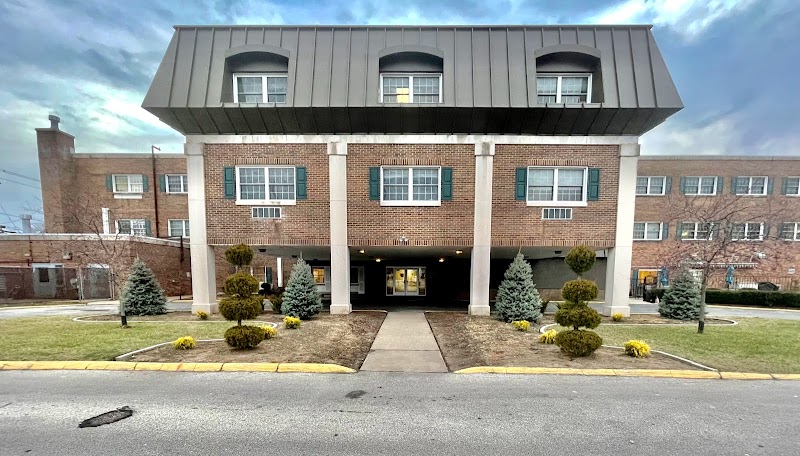
How is Accolade Healthcare Danville Staffed?

CMS rates ACCOLADE HEALTHCARE DANVILLE's staffing level at 2 out of 5 stars, which is below average compared to other nursing homes. Staff turnover is 45%, compared to the Illinois average of 46%. This relatively stable workforce can support continuity of care.

What Have Inspectors Found at Accolade Healthcare Danville?

State health inspectors documented 57 deficiencies at ACCOLADE HEALTHCARE DANVILLE during 2022 to 2025. These included: 8 that caused actual resident harm and 49 with potential for harm. Deficiencies causing actual harm indicate documented cases where residents experienced negative health consequences.
Who Owns and Operates Accolade Healthcare Danville?

ACCOLADE HEALTHCARE DANVILLE is owned by a for-profit company. For-profit facilities operate as businesses with obligations to shareholders or private owners. The facility is operated by ACCOLADE HEALTHCARE, a chain that manages multiple nursing homes. With 108 certified beds and approximately 90 residents (about 83% occupancy), it is a mid-sized facility located in DANVILLE, Illinois.
How Does Accolade Healthcare Danville Compare to Other Illinois Nursing Homes?

Compared to the 100 nursing homes in Illinois, ACCOLADE HEALTHCARE DANVILLE's overall rating (2 stars) is below the state average of 2.5, staff turnover (45%) is near the state average of 46%, and health inspection rating (2 stars) is below the national benchmark.

What Should Families Ask When Visiting Accolade Healthcare Danville?

Based on this facility's data, families visiting should ask: "Can you walk me through typical staffing levels on day, evening, and night shifts?" "Can I visit during a mealtime to observe dining assistance and food quality?" "How do you handle medical emergencies, and what is your hospital transfer rate?" "Can I speak with family members of current residents about their experience?" These questions are particularly relevant given the below-average staffing rating.

Is Accolade Healthcare Danville Safe?

Based on CMS inspection data, ACCOLADE HEALTHCARE DANVILLE has a clean safety record: no substantiated abuse findings (meaning no confirmed cases of resident harm), no Immediate Jeopardy citations (the most serious violation level indicating risk of serious injury or death), and is not on the Special Focus Facility watch list (a federal program monitoring the lowest-performing 1% of nursing homes). The facility has a 2-star overall rating and ranks #100 of 100 nursing homes in Illinois. While no facility is perfect, families should still ask about staff-to-resident ratios and recent inspection results during their visit.

Do Nurses at Accolade Healthcare Danville Stick Around?

ACCOLADE HEALTHCARE DANVILLE has a staff turnover rate of 45%, which is about average for Illinois nursing homes (state average: 46%). Moderate turnover is common in nursing homes, but families should still ask about staff tenure and how the facility maintains care continuity when employees leave.

Was Accolade Healthcare Danville Ever Fined?

ACCOLADE HEALTHCARE DANVILLE has been fined $120,139 across 5 penalty actions. This is 3.5x the Illinois average of $34,280. Fines at this level are uncommon and typically indicate a pattern of serious deficiencies, repeated violations, or failure to correct problems promptly. CMS reserves penalties of this magnitude for facilities that pose significant, documented risk to resident health or safety. Families should request specific documentation of what issues led to these fines and what systemic changes have been implemented.

Is Accolade Healthcare Danville on Any Federal Watch List?

ACCOLADE HEALTHCARE DANVILLE is not on any federal watch list. The most significant is the Special Focus Facility (SFF) program, which identifies the bottom 1% of nursing homes nationally based on persistent, serious quality problems. Not being on this list means the facility has avoided the pattern of deficiencies that triggers enhanced federal oversight. This is a positive indicator, though families should still review the facility's inspection history directly.