FAIR HAVENS SENIOR LIVING
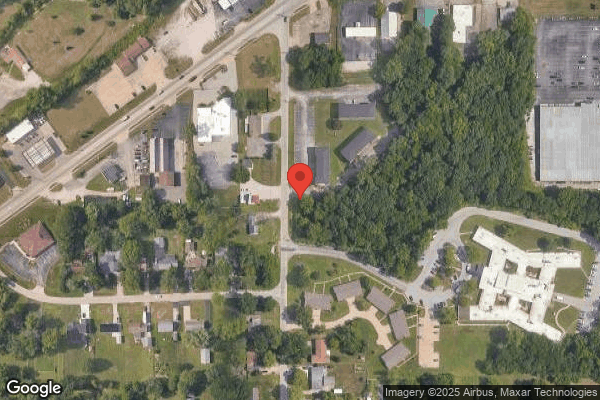

1790 SOUTH FAIRVIEW AVENUE, DECATUR, IL 62521 (217) 429-2551
For profit - Limited Liability company 154 Beds Independent Data: November 2025
Trust Grade
0/100
#521 of 665 in IL
Last Inspection: August 2024

Within standard 12-15 month inspection cycle. Federal law requires annual inspections.

Overview

Fair Havens Senior Living in Decatur, Illinois, has a Trust Grade of F, indicating significant concerns and poor performance. It ranks #521 out of 665 facilities in Illinois, placing it in the bottom half of the state, and #4 out of 7 in Macon County, meaning only three local options are worse. Despite an improving trend, with issues decreasing from 44 in 2024 to 12 in 2025, the facility still has notable problems. Staffing is a concern, with a rating of 2 out of 5 stars and only 36% turnover, which is better than the state average but still indicates instability. The facility has incurred $121,611 in fines, which is average; however, they also have less RN coverage than 98% of Illinois facilities, raising concerns about oversight. Specific incidents include a resident experiencing embarrassment due to a washcloth being left in their incontinence brief and another resident suffering from verbal abuse by staff, indicating serious issues with resident dignity and safety. While the quality measures received a good rating of 4 out of 5 stars, families should weigh these strengths against the significant weaknesses in care and oversight.

Trust Score
F
0/100
In Illinois
#521/665
Bottom 22%
Safety Record
High Risk
Review needed
Inspections
Getting Better
44 → 12 violations
Staff Stability
○ Average
36% turnover. Near Illinois's 48% average. Typical for the industry.
Penalties
✓ Good
$121,611 in fines. Lower than most Illinois facilities. Relatively clean record.
Skilled Nurses
⚠ Watch
Each resident gets only 13 minutes of Registered Nurse (RN) attention daily — below average for Illinois. Fewer RN minutes means fewer trained eyes watching for problems.
Violations
⚠ Watch
92 deficiencies on record. Higher than average. Multiple issues found across inspections.
★☆☆☆☆
1.0
Overall Rating
★★☆☆☆
2.0
Staff Levels
★★★★☆
4.0
Care Quality
★☆☆☆☆
1.0
Inspection Score
Stable
2024: 44 issues
2025: 12 issues

The Good

  • 4-Star Quality Measures · Strong clinical quality outcomes
  • Full Sprinkler Coverage · Fire safety systems throughout facility
  • No fines on record
  • Staff turnover below average (36%)

    12 points below Illinois average of 48%

Facility shows strength in quality measures, fire safety.

The Bad

1-Star Overall Rating

Below Illinois average (2.5)

Significant quality concerns identified by CMS

Staff Turnover: 36%

Near Illinois avg (46%)

Typical for the industry

Federal Fines: $121,611

Well above median ($33,413)

Significant penalties indicating serious issues

The Ugly 92 deficiencies on record

6 actual harm
Sept 2025 1 deficiency
CONCERN (D) 📢 Someone Reported This

A family member, employee, or ombudsman was alarmed enough to file a formal complaint

Potential for Harm - no one hurt, but risky conditions existed

ADL Care (Tag F0677)

Could have caused harm · This affected 1 resident

Based on interview and record review, the facility failed to provide timely incontinence care for a resident dependent on staff for hygiene. This failure affects one (R7) of three residents reviewed f...

Read full inspector narrative →
Based on interview and record review, the facility failed to provide timely incontinence care for a resident dependent on staff for hygiene. This failure affects one (R7) of three residents reviewed for Activities of Daily Living in the sample list of eleven. Findings include:The facility's Policy and Procedure: Call Light System (undated) documents it is the policy of this facility to provide a means of communication to meet the needs of each resident. Staff will follow established procedures to respond to the resident's requests and needs. Procedure: Respond promptly when the call light is activated. Identify self, determine the resident's need and turn off the call light. Respond to the residents needs or request and if unable to meet the need, find the staff member who can meet the need.R7's Face Sheet (9/2/25) documents R7 has the following diagnoses: Paraplegia, lack of coordination, weakness, and need for assistance with personal care.R7's Quarterly Assessment (7/23/25) documents R7 is cognitively intact, has bilateral lower extremity impairment, and dependent on staff for toileting.R7's Care Plan (current) documents R7 is at risk for ADL (activities of daily living) self-care deficiency and requires staff assistance with personal hygiene, dressing, toileting, and bed mobility. Further documents encourage and assist in using the restroom upon rising/before bed, before/after meals, and upon request in order to promote current level of bowel continence and decline.R7's Bowel Movements and Continence Point of Care Task does not document any incontinence cares provided to R7 on 8/25/25.On 8/29/25 at 1:28pm, R7 stated in the early morning of 8/25/25, R7 asked the CNA (V15 Certified Nursing Assistant) to clean R7 up and was told they would be back to help. R7 stated could hear V15 in another room talking for around 45 minutes while R7 sat in feces. R7 stated R7 advised multiple staff [V8 Registered Nurse, V14 CNA, and V15] that R7 was dirty and needed cleaned up. R7 stated day shift (the next shift) cleaned R7 up.On 9/2/25 at 10:59am, V3 Wound Nurse stated staff should have changed R7 instead of just leaving R7's room to go finish getting other residents up for the day. V3 stated staff need to prioritize cares better.On 9/2/25 at 11:31am, V14 CNA V14 stated it was overnight shift on Sunday 8/24/25 into Monday 8/25/25, R7's call light was on and V14 answered it. V14 stated, I checked on [R7] to see if there was something I could do for [R7]. R7 stated R7 had been waiting 45 minutes for V15 to return. V14 stated V14 advised V15 of R7 waiting on V15. V14 stated V14 and V15 entered R7's room and R7 asked V14 to clean R7 up. V14 stated V15 interjected stating we had to finish getting this other resident up first. V14 stated R7 cursed at V15 telling V15 to take *** (expletive) out of here. V14 stated they both walked out at that time. V14 stated V14 went to finish getting residents up and V15 went to talk with the nurse (V8). V14 confirmed neither cleaned R7 up at that time. V14 stated went back into R7's room with V8 RN and they both exchanged words. V14 stated R7 said some things R7 shouldn't have said to staff but R7 can be that way. V14 stated R7 requested again to be changed at that time, but R7 did not get changed at that time. On 9/2/25 at 12:38pm, V8 RN stated V8 went to answer R7's call light to see what the problem was. V8 stated V8 was in the middle of morning medication pass and the two aides were getting residents up for the day. V8 stated V8 advised R7 to not cuss out staff. V8 stated R7 stated R7 wanted to get up and was dirty. V8 stated, I told [R7] I was going to find someone to help and would be back as soon as I can. V8 stated V8 advised oncoming nurse of R7's behaviors (cussing out staff) and then went to finish medication pass. V8 stated, I don't know if [R7] was changed. My shift ends at 6am and at that point (after finishing medication pass) my shift was over. V8 stated, I don't know what time they got to change [R7].
Aug 2025 4 deficiencies 1 Harm
SERIOUS (G) 📢 Someone Reported This

A family member, employee, or ombudsman was alarmed enough to file a formal complaint

Actual Harm - a resident was hurt due to facility failures

Quality of Care (Tag F0684)

A resident was harmed · This affected 1 resident

**NOTE- TERMS IN BRACKETS HAVE BEEN EDITED TO PROTECT CONFIDENTIALITY** Based on interview and record review, the facility failed to remove a washcloth from the adult incontinence brief after cares we...

Read full inspector narrative →
**NOTE- TERMS IN BRACKETS HAVE BEEN EDITED TO PROTECT CONFIDENTIALITY** Based on interview and record review, the facility failed to remove a washcloth from the adult incontinence brief after cares were provided. This failure resulted in R2 experiencing a foul odor causing R2 to feel humiliated and embarrassed while in public. R2 was one of three residents reviewed for quality of care on a sample list of nine.Findings include:On [DATE] at 2:30PM, Employee handbook dated revised [DATE], documents on page 3: We count on you, our employees, to focus on the provision of quality care and excellent services for our residents and to do so with a high level of dignity, compassion, and responsiveness to their physical, medical, and emotional needs.R2's Clinical Census, undated, documents an original admission date of [DATE]. Minimum Data Set completed on [DATE], document a Brief Interview for Mental Status (BIMS) score of 12 of 15. A score of 12 indicates R2 has moderate cognitive impairment. R2's Care plan dated [DATE] documents diagnosis of: End Stage Renal Disease, Essential (Primary) Hypertension, Hereditary and Idiopathic Neuropathy, Paraplegia. The same care plan documents: Usual ADL (Activities of Daily Living) Performance: R2 is independent for eating with set up help. Max A (maximum assistance) of one to two is needed for personal hygiene, dressing, toileting & bed mobility, dependent with transfers with a total body mechanical lift of two. On [DATE] at 10:30am, R2 stated on [DATE] R2 activated his call light at 07:00am to get help from the nursing staff to get cleaned up and dressed for dialysis. R2 stated the transportation bus picks him up at 08:00am for dialysis. R2 stated two (2) certified nursing assistants (CNA) came into the room at 07:50am to get R2 ready for dialysis and were very hurried in trying to get him ready for the bus. R2 stated R2 made the bus and went to dialysis, upon completion on his dialysis treatment R2 stated he smelled something on himself and was now upset because he does not like being dirty or smelling.R2 stated that he asked the dialysis nurse if she smelled something, she replied yes, she does. R2 stated he asked the bus driver if he smelled something, R12 stated the bus driver stated he did when the bus driver leaned over to secure the wheelchair. R2 stated he was humiliated and did not talk the ride from the dialysis center to the facility.R2 stated that upon arriving back to the facility he asked the staff to lay him down and help him get cleaned up, to which the second shift CNAs did. Upon opening up the incontinence brief, the CNA behind him exclaimed Oh my God and held up a washcloth she stated was from inside the brief and causing the odor.R2 stated he was humiliated at the smell and could not believe someone left a washcloth in his brief.On [DATE] at 12:00 pm, V8 LPN (License Practical Nurse), stated that she was the nurse on duty on [DATE] and sometime in the afternoon a CNA reported to her that when providing cares to R2 and the CNA removed the brief there was a washcloth in the brief. V8 stated that R2 was very mad and upset and refused an assessment of the area and wanted to be left alone.On [DATE] at 12:35pm, V9 CNA stated she was told there was a washcloth in the incontinence brief, but unsure how that happened.On [DATE] at 1:38pm, V10 CNA stated she assisted V9 CNA in getting R2 ready for dialysis but R2 was very upset and yelling at staff. V10 stated she was told there was a towel in the brief but does not know how it got there.On [DATE] at 1:48pm, V11 CNA stated when R2 returned from dialysis R2 requested help in getting cleaned up due to having a smell from his body. V11 stated R2 was transferred to the bed via the total mechanical body lift, rolled over and removed the brief and discovered a wet washcloth in the intergluteal cleft, (skin fold between the buttocks). V11 stated R2 was very upset at the smell and that a washcloth was left inside the brief. V11 stated R2 requested to be left alone once cares were completed. Example 2Based on interview and record review the facility failed to notify the primary care physician of a change in condition when the onset of multiple episodes of diarrhea began for one (R7) of three residents reviewed for death on the sample list of nine.1 This failure resulted in R7 having multiple episodes of untreated diarrhea for eight consecutive days. Findings Include:On [DATE] at 11:30 AM, Record review of Notification of Resident Change in Condition Policy, Undated, states: It is the policy of this facility to promptly notify the resident, their legal representative and attending physician of changes in the resident's health condition. The same document states under Standards: 2. The licensed nurse is to use professional judgment in determining changes in condition based on assessment and findings or signs and symptoms of change which could lead to deterioration if not treated. 3. Clinical change in condition is determined by resident visualization, medical record review, clinical assessment findings and care plan review. Review of high-risk clinical issue such as skin breakdown, falls, weight loss, dehydration and others are conducted on a daily basis. 7. Changes in the resident's condition will be communicated to the direct care staff by verbal shift-to-shift report, revision in resident assignments and by use of the 24 hour written shift report.On [DATE] at 2:00 pm, R7's care plan dated [DATE] documents an admission date of [DATE] with the diagnosis of Heart Failure and Type 2 Diabetes Mellitus with Hyperglycemia. R7 admitted to the facility for therapy with the discharge plan to return home. This care plan documents R7 is incontinent. This care plan does not document that R7 has a history of diarrhea.R7's Bowel Movement and Continence Look Back record for the last 30 (days) documents by nursing staff that R7 was incontinent of bowels and had loose/diarrhea on [DATE] at 8:51 pm and 11:25 pm, on [DATE] at 7:45 am and 11:12 pm, on [DATE] at 10:38 am, and on [DATE] at 10:59 pm.R7 Bowel Movements and Continence Look Back record is incomplete from [DATE] thru [DATE]. On [DATE] at 1:32 pm, V19 Certified Nursing Assistant stated V19 cared for R7 most nights V19 worked. V19 stated R7 was incontinent of her bowels and had loose/diarrhea stools at least every other night. V19 stated V19 documented in the medical record the loose/diarrhea stools and V19 stated V19 informed the nurse on duty when R7 had loose stools. R7's Nurse's Note dated [DATE] at 5:30 pm, written by V22 Licensed Practical Nurse documents R7 had three (3) episodes of diarrhea after returning from dialysis.On [DATE] at 10:36 am, V22 stated R7 had three loose/diarrhea stools on [DATE] after returning from the dialysis clinic at 5:15 pm. V22 stated V22 filled out an SBAR (Situation, Background, Assessment, and Recommendation form) and faxed it to the physician (V16) at 5:30 pm due to a concern for C Diff (Clostridium Difficile) and requested an antidiarrheal medication. V22 stated V22 does not recall if R7 had loose/diarrhea stools on other days. V22 stated she did not provide R7 with antidiarrheal medication due to no order. R7's medical record does not document that R7's physician was notified of R7's diarrhea or that R7 was treated for diarrhea which started on [DATE]. On [DATE] at 1:25 pm, V21 stated V21 took care of R7. V21 stated R7 was incontinent of bowel and bladder at nighttime. V21 stated V21 recalled, R7 having loose/diarrhea stools once or twice for sure. V21 stated on the morning of [DATE] at 6:00 am, V21 went into R7's room to do the blood glucose and R7 was not acting herself. V21 stated she proceeded to do the blood glucose, and it did not register on the meter, it stated high. V21 stated V21 proceeded to send R7 to the emergency room. V21 stated R7 blood glucose reading were elevated at times. V21 doesn't recall being informed by staff that R7 was having frequent loose/diarrhea stools. R7's Laboratory Report documents a stool sample collected on [DATE] at 10:46 PM was positive for Clostridium Difficile (C-Diff).On [DATE] at 10:27am, V16 Primary Care Physician stated that V16 was not notified of R7 having multiple loose/diarrhea stools documented as starting on [DATE] in the medical record. V16 stated V16 expects the nursing staff to notify him when a resident is having multiple and frequent loose/diarrhea stools. On [DATE] at 11:18am, V26 registered nurse stated V26 was the nurse on duty [DATE] from 11:00pm to 06:00am. V26 stated she does not recall being told by the CNA (Certified Nursing Assistant) that R7 had a loose/diarrhea stool.On [DATE] at 09:54am, V28 License Practical Nurse V28 stated the expectation is that the CNA will inform the nurse when a resident is having loose stools, and the nurse will inform the physician. V28 stated that the nurses have access to bowel and bladder charting and can look to see how the residents are being charted on. V28 confirms the documentation of loose/diarrhea stools in the medical record of R7. V28 confirmed V22 should have called the physician on the telephone after completing the SBAR. V28 confirms there is no SBAR (Situation, Background, Assessment, and Recommendation form) completed by V22 in the medical record. Example 3Based on interview and record review, the facility failed to ensure physician orders were accurately transcribed and implemented for one (R7) of one resident reviewed for blood glucose monitoring in a sample list of nine residents. These failures resulted in R7 being hospitalized for Diabetic Ketoacidosis.Findings include:On [DATE] at 2:00 pm, R7's care plan dated [DATE] documents an admission date of [DATE] with the diagnosis of Heart Failure and Type 2 Diabetes Mellitus with Hyperglycemia. R7 admitted to the facility for therapy with the discharge plan to return home.R7's Discharge Plan dated [DATE] at 8:59:32 documents on page three (3) under section Discharge Instructions: * Blood Glucose monitoring - check blood sugar before meals and at bedtime. On [DATE] at 2:00pm, R7 Record review documents a physician order for Insulin Glargine Subcutaneous Solution 100 UNIT/ML (Insulin Glargine) Inject 10 units subcutaneously one time a day related to TYPE 2 DIABETES MELLITUS WITH HYPERGLYCEMIA (E11.65) -Start Date [DATE] at 0900.On [DATE] at 2:00pm, R7 Record review does not contain a physician order for blood glucose monitoring- check blood sugar before meals and at bedtime. On [DATE] at 2:22pm, R7 Record review of nursing progress notes documents on [DATE] at 06:17am, V21 LPN (Licensed Practical Nurse) documents R7 exhibited symptoms of altered mental status with a blood glucose over 500mg/dl (milligrams per deciliter). On [DATE] at 2:22pm, the next progress note entered in the R7's Record review of nursing progress notes documents V22 LPN, called the local hospital in regard to the condition of R7 and was told R7 was admitted to the hospital with Diabetic Ketoacidosis and Urinary Tract Infection. On [DATE] at 2:25pm, hospital record review documents R7 arrived at the local hospital emergency room on [DATE] at 6:31am.On [DATE] at 2:25pm, Record review of hospital notes V23 Registered Nurse (RN), documents Nursing home reports altered mental status. That patient was sweating and clammy with a temp of 102.4 and R7 blood glucose was over 600. Laboratory results obtained in the hospital document a blood sugar of 738mg/dl.On [DATE] at 10:27am, V16 Primary Care Physician stated R7's elevated blood glucose level on [DATE] at 06:00am was secondary to infection and likely would have been elevated at bedtime. On [DATE] at 1:25pm, V21 LPN stated on the morning of [DATE] at 06:00am, V21 went into R7's room to do the blood glucose and R7 was not acting herself. V21 stated she proceeded to do the blood glucose, and it did not register on the meter, it stated high. V21 stated V21 proceeded to send R7 to the emergency room. V21 stated R7's blood glucose readings were elevated at times.On [DATE] at 10:22am, V3 DON and V4 ADON, confirm R7's transfer physician orders dated [DATE] document Blood Glucose monitoring - check blood sugar before meals and at bedtime. V3 DON and V4 ADON confirm R7's medical record physician orders section does not contain the physician order for Blood Glucose monitoring - check blood sugar before meals and at bedtime.
CONCERN (D) 📢 Someone Reported This

A family member, employee, or ombudsman was alarmed enough to file a formal complaint

Potential for Harm - no one hurt, but risky conditions existed

Deficiency F0557 (Tag F0557)

Could have caused harm · This affected 1 resident

**NOTE- TERMS IN BRACKETS HAVE BEEN EDITED TO PROTECT CONFIDENTIALITY** Based on interview and record review the facility failed to ensure the dignity of two residents (R4, R2) out of two reviewed for...

Read full inspector narrative →
**NOTE- TERMS IN BRACKETS HAVE BEEN EDITED TO PROTECT CONFIDENTIALITY** Based on interview and record review the facility failed to ensure the dignity of two residents (R4, R2) out of two reviewed for dignity in a sample list of nine.Findings include:1) On 08/04/2025 at 2:30 PM, Employee handbook dated revised [DATE], documents on page 3: We count on you, our employees, to focus on the provision of quality care and excellent services for our residents and to do so with a high level of dignity, compassion, and responsiveness to their physical, medical, and emotional needs. Our residents deserve nothing less than your best each and every day. On 7/28/25, R4's record review documents a Minimum Data Set (MDS) completed on Jun 24, 2025, documents a Brief Interview for Mental Status (BIMS) score of 14. A score of 14 indicates R4 is cognitively intact.On 7/28/25, R4's Care plan record review documents an admission date of 08/25/2023 with diagnosis of Heart Failure, Non-st Elevation (nstemi) Myocardial Infarction, Acute Kidney Failure, Hypokalemia, and Type 2 Diabetes Mellitus without complications among others.On 7/24/25 at 12:30 PM, V15 CNA (Certified Nursing Assistants) reported that V1, Administrator, had thrown R4 out of the facility after roughly/rudely taking the silverware from R4's hand while R4 was taking a bite from the lunch plate. V15 stated V1 then pulled R4 from the table and took R4 to the front of the facility. On 7/28/25 at 2:35pm, V12 CNA stated that V2 [NAME] President of Operations had instructed all staff to pack R4's personal belongings. V1 was very unprofessional and snatched the fork from R4 while she (R4) was eating lunch. V15 stated that a garbage bag containing R4's personal belongings fell from the cart onto the ground, and V15 was instructed to leave it on the ground and to return into the building. V12 stated that R4 was taken into the facility van and R4 kept asking why she was leaving, and where she was going as R4 had not been told what was going on and why. 2) On 07/24/25 at 10:30am, R2 stated on 07/12/25 R2 activated his call light at 07:00am to get help from the nursing staff to get cleaned up and dressed for dialysis. R2 stated the transportation bus picks him up at 08:00am for dialysis. R2 stated two (2) certified nursing assistants (CNA) came into the room at 07:50am to get him ready for dialysis and were very hurried in trying to get him ready for the bus. R2 stated he made the bus and went to dialysis, upon completion on his dialysis treatment R2 stated he smelled something on himself and was now upset because he does not like being dirty or smelling. R2 stated that he asked the dialysis nurse if she smelled something, she replied yes, she does. R2 stated he asked the bus driver if he smelled something, R12 stated the bus driver stated he did when the bus driver leaned over to secure the wheelchair. R2 stated he was humiliated and did not talk during the ride from the dialysis center to the facility. R2 stated that upon arriving back to the facility he asked the staff to lay him down and help him get cleaned up, to which the second shift CNAs did. Upon opening up the incontinence brief, the CNA behind him exclaimed Oh my God and held up a washcloth she stated was from inside the brief and causing the odor. R2 stated he was humiliated at the smell and could not believe someone left a washcloth in his brief. On 7/24/25 at 12:00 pm, V8, LPN (License Practical Nurse), stated that she was the nurse on duty on 7/12/25 and sometime in the afternoon a CNA reported to her that when providing cares to R2 and when the CNA removed the brief there was a washcloth in the brief. V8 stated that R2 was very mad and upset and refused an assessment of the area and wanted to be left alone. On 07/24/25 at 1:48pm, V11 CNA stated when R2 returned from dialysis R2 requested help in getting cleaned up due to having a smell from his body. V11 stated R2 was transferred to the bed via the total mechanical body lift, rolled over and removed the brief and discovered a wet washcloth in the skin fold between the gluteus maximus (butt cheeks). V11 stated R2 was very upset at the smell and that a washcloth was left inside the brief. V11 stated R2 requested to be left alone once cares were completed. On 08/04/2025 at 2:30 PM, Employee handbook dated revised [DATE], documents on page 3: We count on you, our employees, to focus on the provision of quality care and excellent services for our residents and to do so with a high level of dignity, compassion, and responsiveness to their physical, medical, and emotional needs. Our residents deserve nothing less than your best each and every day.
CONCERN (D) 📢 Someone Reported This

A family member, employee, or ombudsman was alarmed enough to file a formal complaint

Potential for Harm - no one hurt, but risky conditions existed

Free from Abuse/Neglect (Tag F0600)

Could have caused harm · This affected 1 resident

**NOTE- TERMS IN BRACKETS HAVE BEEN EDITED TO PROTECT CONFIDENTIALITY** Based on interview and record review, the facility failed to protect one resident (R11) from verbal abuse for one of three resid...

Read full inspector narrative →
**NOTE- TERMS IN BRACKETS HAVE BEEN EDITED TO PROTECT CONFIDENTIALITY** Based on interview and record review, the facility failed to protect one resident (R11) from verbal abuse for one of three residents reviewed for verbal abuse on a sample list of nine.Findings Include: Facility Abuse Prevention Program policy effective 10/2022, documents this facility affirms the right of their residents to be free from abuse, neglect, exploitation, misappropriation of property, and deprivation of goods and services. This policy documents abuse as the willful infliction of injury, unreasonable confinement, intimidation, or punishment with resulting physical harm, pain, or mental anguish to a resident. The same policy documents Verbal Abuse is the use of oral, written, or gestured language that willfully includes disparaging and derogatory terms to residents or families, or within their hearing distance, regardless of an Individuals' age, ability to comprehend, or disability. Examples of verbal abuse include, but are not limited to, threats of harm, saying things to frighten a resident. The policy documents as part of the resident's life history on the admission assessment, comprehensive care plan, and MDS assessments, staff will identify residents with increased vulnerability for abuse, neglect, exploitation, mistreatment, history of trauma or misappropriation of resident property, who have needs, triggers and behaviors that might lead to conflict. Through the care planning process, staff will identify any problems, goals, and approaches, which would reduce the chances of abuse, neglect, exploitation, mistreatment, or misappropriation of resident property for these residents. Staff will continue to monitor the goals and approaches on a regular basis and update as necessary.R2's Clinical Census, undated, documents an original admission date of 8/31/23. Minimum Data Set completed on July 23, 2025, documents a Brief Interview for Mental Status (BIMS) score of 12 of 15. A score of 12 indicates R2 has moderate cognitive impairment.R2's Care plan dated 09/01/2023 documents diagnosis of: End Stage Renal Disease, Essential (Primary) Hypertension, Hereditary and Idiopathic Neuropathy, Paraplegia. The same care plan documents: Usual ADL (Activities of Daily Living) Performance: R2 is independent for eating with set up help. Max A (maximum assistance) of one to two is needed for personal hygiene, dressing, toileting & bed mobility, and is dependent with transfers with a total body mechanical lift of two.R11's Clinical Census, undated, documents an original admission date of 5/8/2025. Minimum Data Set completed on May 14, 2025, documents a Brief Interview for Mental Status (BIMS) score of 15 of 15. A score of 15 indicates R11 is cognitively intact.R11's Care plan dated 05/21/2025 documents diagnosis of Alcohol Abuse, Calculus of Gallbladder without Cholecystitis without Obstruction, Hypertensive Heart Disease without Heart Failure, Hypothyroidism, Gastro-Esophageal Reflux Disease without Esophagitis, Hyperlipidemia, Peripheral Vascular Disease, Essential (primary) Hypertension, Pain in Right Wrist, Osteoarthritis, Alcohol Dependence with Alcohol-Induced Persisting Dementia.On 8/11/25 at 10:30am, R2 stated that he received a new roommate (R11) on 8/8/25, with whom R2 stated he did not get along with. R2 stated R11 wanted the room dark, curtains pulled and R11 turned up the television really loud. R2 stated R11 began cussing R2 so R2 began yelling and threatened to beat up R11 with bodily injury.On 8/11/25 at 10:45am, R11 stated his belongings were moved to room [ROOM NUMBER] without his knowledge on 8/8/25 and that R2 had yelled at R11 and R2 threatened R11 with bodily injury.On 8/13/25 at 11:43am, V32, housekeeper, stated she was at the nurse's station and heard R2 and R11 yelling at each other and heard R2 threaten R11 with bodily harm. V32 stated staff went to room [ROOM NUMBER] and moved R11 back across the hall to room [ROOM NUMBER]. V32 stated R11 has had multiple residents and is hard to get along with.
CONCERN (D) 📢 Someone Reported This

A family member, employee, or ombudsman was alarmed enough to file a formal complaint

Potential for Harm - no one hurt, but risky conditions existed

Deficiency F0804 (Tag F0804)

Could have caused harm · This affected 1 resident

**NOTE- TERMS IN BRACKETS HAVE BEEN EDITED TO PROTECT CONFIDENTIALITY** Based on interview and record review the facility failed to ensure hot food was served to for three residents (R1, R2, R3) out o...

Read full inspector narrative →
**NOTE- TERMS IN BRACKETS HAVE BEEN EDITED TO PROTECT CONFIDENTIALITY** Based on interview and record review the facility failed to ensure hot food was served to for three residents (R1, R2, R3) out of three reviewed for dietary services in a sample list of nine.Random observations were completed on 7/24/25 through 8/4/25 related to dietary services, during observations the hall tray cart was delivered to the hallway and nursing staff would deliver trays to the residents. The trays contained the afternoon meal on a plate with a cover. No hot plate under the ceramic plate to keep the food warm. The trays also contained cold food and the drinks. On 7/24/25 at 12:00 PM, the lunch food cart was delivered to the 300 hall by kitchen employee, nursing staff did not pass the trays for 12 minutes to residents. On 8/4/25 at 12:07pm the lunch cart was delivered to the 300 hall, nursing staff passed the meals from the cart at 12:18pm. R1's Clinical Census, undated, documents an original admission date of 4/14/22. Minimum Data Set completed on [DATE], documents a Brief Interview for Mental Status (BIMS) score of 13. A score of 13 indicates R1 is cognitively intact.R2's Clinical Census, undated, documents an original admission date of 8/31/23. Minimum Data Set completed on July 23, 2025, documents a Brief Interview for Mental Status (BIMS) score of 12 of 15. A score of 12 indicates R2 has moderate cognitive impairment. R3's Clinical Census, undated, documents an original admission date of 1/21/25. Minimum Data Set completed on July 1, 2025, documents a Brief Interview for Mental Status (BIMS) score of 14. A score of 14 indicates R3 is cognitively intact. On 7/24/25 at 10:00am, R1 stated the food always arrives cold. R1 stated R1 has told staff about the cold food before. On 7/24/25 at 10:05am, R3 stated the food is delivered cold and often tasteless. R3 stated that R3 has asked staff to warm her food in a microwave to warm it up.On 7/24/25 at 10:15am, R2 stated the food is not very good or warm and R2 often eats out especially on dialysis days. On 7/24/25 at 12:22pm, R1 stated the lunch food on R1's plate is cold.On 7/24/25 at 12:25pm, R3 stated the food was cold. On 8/4/25 at 12:30pm, R1 stated the lunch was cold and bland. On 8/4/25 at 12:33pm, R3 stated R3's lunch plate was cold. On 8/4/25 at 12:35pm, R2 stated he did not eat the lunch because it was cold and didn't taste good. On 8/5/25 record review of Resident Council minutes dated 4/24/25 documents the residents stated the food is cold. Resident Council minutes dated 5/26/25 document the residents stated the food is cold.
Jun 2025 6 deficiencies 1 Harm
SERIOUS (G) 📢 Someone Reported This

A family member, employee, or ombudsman was alarmed enough to file a formal complaint

Actual Harm - a resident was hurt due to facility failures

Accident Prevention (Tag F0689)

A resident was harmed · This affected 1 resident

Deficiency Text Not Available

Read full inspector narrative →
Deficiency Text Not Available
CONCERN (D) 📢 Someone Reported This

A family member, employee, or ombudsman was alarmed enough to file a formal complaint

Potential for Harm - no one hurt, but risky conditions existed

Deficiency F0761 (Tag F0761)

Could have caused harm · This affected 1 resident

Based on observation, interview, and record review, the facility failed to ensure controlled medications were stored appropriately and destroy controlled medications when discontinued for two (R3, R15...

Read full inspector narrative →
Based on observation, interview, and record review, the facility failed to ensure controlled medications were stored appropriately and destroy controlled medications when discontinued for two (R3, R15) of seven residents reviewed for controlled medications in the sample list of 24. Findings include: The facility's Medication Ordering, Receiving, and Storage of Controlled Substances policy dated 5/1/14 documents controlled substances will be stored in the medication room separate from non-controlled medications, in a locked container, which will be locked at all times except when accessed with a key or code to obtain resident medications. This policy documents the charge nurse will maintain the keys to the controlled substance medications, and two licensed nurses will destroy controlled medications as soon as possible when discontinued. 1.) R3's Physician Order dated 4/2/25 documents Morphine Sulfate 20 milligrams per milliliter (mg/ml) give 0.25 ml by mouth every hour as needed for shortness of breath or wheezing. R3's Controlled Drug Receipt/Record/Disposition Form dated 4/2/25 documents 5/11/25 at 7:00 PM as the only dose signed out for R3's 30 ml bottle of Morphine Sulfate. On 6/2/25 at 10:22 AM the Station 1 medication cart was viewed with V18 Licensed Practical Nurse (LPN). R3's Morphine was the only Morphine located in this medication cart, which was stored in the locked controlled medication compartment. Approximately 30 ml of Morphine remained in the bottle, and the corresponding controlled drug record dated 4/2/25, documented 29.75 ml as the remaining amount. V18 stated R3 was the only resident with Morphine for this medication cart. On 6/2/25 at 12:18 PM V27 Registered Nurse (RN) stated V7 Wound Nurse/LPN called V27 on 5/25/25 to ask where R3's bottle of Morphine was. V27 instructed V7 to search the medication cart and the Morphine was found in the bottom drawer of the Station 1 medication cart where inhalers are kept. On 6/2/25 at 2:40 PM V7 stated V7 was doing her own narcotic count on 5/25/25 and that is when V7 was unable to find R3's Morphine. V7 stated the night nurse, V13 RN, had done narcotic count with the other night nurse, V12 LPN, and V13 left prior to V7 arriving for her shift. V7 stated V7 found R3's Morphine in the bottom drawer of the medication cart where the inhalers are kept. V7 confirmed this drawer is not a locked compartment for controlled medication storage. On 6/3/25 at 3:40 PM V6 Assistant Director of Nursing stated controlled medications are suppose to be stored in the locked compartment of the medication cart. The May-June 2025 Controlled Substance Shift Change Count Sheets for the facility's medications carts were requested on 6/3/25 and provided by V2 DON. There were only two forms for the station 1 medication cart ranging 5/16/25-6/3/25. There is no recorded entry for 5/25/25. On 6/3/25 at 11:20 AM V2 DON confirmed controlled medication count should be done with two nurses at each change of shift/nurse and signed out on the form in the binder for that medication cart. V2 stated there should be a form for this in each controlled medication binder for each cart. On 6/4/25 at 10:00 AM V2 stated V2 provided all of the May and June 2025 controlled substance shift count forms that V2 could locate for all three medication carts. 2.) R15's Hospital Discharge Plan dated 5/30/25 documents to stop taking Norco 5-325 mg. R15's May 2025 Medication Administration Record (MAR) documents R15's order for Norco 5-325 mg one tablet every eight hours was discontinued on 5/20/25. R15's June 2025 MAR does not document an active order for Norco 5-325 as of 6/2/25. On 6/2/25 at 1:39 PM there was a card of R15's Norco 5-325 mg with 19 tablets remaining located inside inside the locked compartment of the station 2 medication cart. V19 LPN verified the count of this medication comparing the card to the controlled record form. On 6/3/25 at 3:20 PM V2 Director of Nursing confirmed R15's Norco order was discontinued on 5/30/25. V2 stated this medication should have been pulled from the medication cart and destroyed since the order was discontinued.
CONCERN (E) 📢 Someone Reported This

A family member, employee, or ombudsman was alarmed enough to file a formal complaint

Potential for Harm - no one hurt, but risky conditions existed

ADL Care (Tag F0677)

Could have caused harm · This affected multiple residents

Based on observation, interview and record review the facility failed to provide showers for five residents (R1, R7, R19, R21, R22) of eight residents reviewed for Activities of Daily Living (ADLs) in...

Read full inspector narrative →
Based on observation, interview and record review the facility failed to provide showers for five residents (R1, R7, R19, R21, R22) of eight residents reviewed for Activities of Daily Living (ADLs) in a sample list of 24. Findings Include: On 6/2/25 at 12:37PM, the Resident Counsel President, [NAME] President and residents that normally attend Resident Counsel Meetings were at the table in the activities room. R1, R7, R19, R21 and R22 all had food on their shirts, oily appearing hair, and dirt under their nails. R19 had food on his beard. On 6/2/25 at 12:37PM a Resident Council Meeting was conducted with R1, R7, R19, R21 and R22. During this meeting, R1, R7, R19, R21 and R22 stated they have not had showers in the past week, and staff are stating to residents there are no linens. The residents stated there has been no improvement and grievances have been filed after every monthly resident council meeting. R19 stated residents are to get a shower two days a week. All residents present stated they do not receive showers twice a week. R1's Medical Record documents R1's last shower was 5/23/25. R7's Medical Record documents R7's last shower was 5/21/25. R19's Medical Record documents R19's last shower was 5/19/25. R21's Medical Record documents R21's last shower was 5/21/25. R22's Medical Record documents R22's last shower was 5/23/25. On 6/2/25 at 8:50AM, V15 Housekeeping Aide stated the Certified Nursing Assistants ask for more linens, but sometimes they run out especially on the weekends. On 6/2/25 at 1:50PM, V2, DON (Director of Nursing) stated the facility has a shortage of linens and staff in housekeeping, and staff is pulled from the floor to complete laundry. V2 stated this causes the CNA's not to look for linens and residents don't get showers. On 6/3/24 at 10:50AM V32, Corporate Nurse Consultant stated the CNAs are putting towels and linens inside residents drawers. The Facility Skin/Bath/Shower Policy dated August 2022 states resident are to get showers two times a week. The Shower Sheets dated 6/2/25 state residents are scheduled to receive a shower two times a week either on morning shift or night shift and if a resident refuses the resident or Power of Attorney must sign the refusal and indicate why the resident refused.
CONCERN (E) 📢 Someone Reported This

A family member, employee, or ombudsman was alarmed enough to file a formal complaint

Potential for Harm - no one hurt, but risky conditions existed

Pharmacy Services (Tag F0755)

Could have caused harm · This affected multiple residents

Based on observation, interview, and record review, the facility failed to accurately account for controlled medications and document shift to shift controlled medication counts for seven (R3, R4, R5,...

Read full inspector narrative →
Based on observation, interview, and record review, the facility failed to accurately account for controlled medications and document shift to shift controlled medication counts for seven (R3, R4, R5, R9, R15, R16, R22) of seven residents reviewed for controlled medications in the sample list of 24. Findings include: The facility's Medication Ordering, Receiving, and Storage of Controlled Substances policy dated 5/1/14 documents nurses will count controlled medications at the end of each shift, with both the nurse coming on duty and the nurse going off duty counting together. This will be documented and discrepancies will be reported to the Director of Nursing (DON). The facility's Medication Administration policy dated 11/3/14 documents to review the medication and dosage on the Medication Administration Record (MAR) and medication label prior to administering medications, and document administration on the MAR directly after the medication is given. 1.) On 6/2/25 at 10:07 AM the station 3 medication cart was viewed with V20 Licensed Practical Nurse (LPN). The locked compartment contained controlled medications, including R22's Clonazepam 0.5 milligrams (mg) 14 tablets, R9's Tramadol 50 mg 26 tablets, R16's Tramadol 50 mg 28 tablets, and R4's Norco 5-325 mg 11 tablets. On 6/2/25 at 1:06 PM and on 6/3/25 at 11:38 AM the controlled medication binder for this medication cart did not contain a Controlled Substance Shift Change Count Sheet. This was confirmed with V20 on 6/2/25 at 1:15 PM. 6/2/25 at 10:22 AM the station 2 medication cart was viewed with V18 LPN. The locked compartment contained controlled medications, including a bottle of R3's Morphine 100 mg per milliliter, R3's Tramadol 50 mg 12 tablets, and R3's Lorazepam 0.5 mg 17 tablets. This was confirmed with V18. V18 stated controlled medications are counted between the nurses at each shift change and recorded on the form in the binder. At 1:00 PM the station 1 controlled medication binder was reviewed with V18. V18 confirmed the Count Sheet with date range 5/26/25-6/3/25 does not document two nurse signatures as indicated on 5/28/25, 5/29/25, and 6/2/25. V18 stated V18 completed shift count this morning with V30 LPN night shift nurse, but had not signed the form. The May-June 2025 Controlled Substance Shift Change Count Sheets for the facility's medications carts were requested on 6/3/25 and provided by V2 DON. There were no forms for the station 3 medication cart. There were only two forms for the station 1 medication cart ranging 5/16/25-6/3/25. There is no recorded entry for 5/25/25. The forms for station 2 with date range of 4/29/25-5/25/25 do not document count was completed on 5/3/25 or two nurse signatures on seven of these days. On 6/3/25 at 11:20 AM V2 DON confirmed controlled medication count should be done with two nurses at each change of shift/nurse and signed out on the form in the binder for that medication cart. V2 stated there should be a form for this in each controlled medication binder for each cart. On 6/4/25 at 10:00 AM V2 stated V2 provided all of the controlled substance shift count forms that V2 could locate for all three medication carts for May and June 2025. V2 confirmed none provided for station 3. 2.) R3's April, May and June 2025 MARS document R3 has not had an active order for Lorazepam since 4/16/25. R3's Controlled Drug Receipt/Record/Disposition Form dated 4/2/25, documents Lorazepam 0.5 mg 30 tablets were received. Dispensed doses are signed out on seven days between 5/7/25 and 6/1/25. R3's Controlled Drug Receipt/Record/Disposition Forms with date range of 4/25/25 through 6/1/25 for Tramadol 50 mg tablets, document doses were dispensed at 9:00 PM on 5/2/25, 5/3/25, 5/9/25, 5/13/25, at 10:15AM on 5/7/25, and 9:00 AM on 5/14/25. Four of these are signed out by V30 LPN. R3's May 2025 MAR documents to give Tramadol 50 mg one tablet every eight hours as needed from 4/3/25 until 5/14/25 when the order was changed to scheduled every eight hours. This MAR does not document Tramadol was given on 5/2/25, 5/3/25, 5/7/25, 5/9/25, 5/13/25 or at 9:00 AM on 5/14/25. On 6/2/25 at 2:09 PM V18 LPN confirmed R3 does not have an active Lorazepam order. V18 consulted with V35 Hospice RN (Registered Nurse). V35 stated R3 was admitted to hospice on 4/3/25 and R3's hospice orders include Lorazepam 0.5 mg one tablet every six hours as needed and there is no stop date for this medication. On 6/3/25 at 12:20 PM V30 LPN stated she had been giving R3 Ativan at bedtime due to R3 not sleeping through the night and complaints of leg spasms. V30 stated it was passed on in report to try the medication on a trial basis and follow up with hospice to get the order scheduled. V30 confirmed she administered doses on 5/30/25, 5/31/25, and 6/1/25. V30 stated V30 did not notice until the morning of 6/1/25 that R3 did not have an order for Ativan in the computer, so the medication was not able to be signed out on the MAR. V30 stated V30 had not looked in R3's electronic medical record to verify the Lorazepam order prior to 6/1/25. On 6/4/25 at 11:02 AM V36 LPN stated V36 administers the medications as signed out on R3's controlled medication records and V36 may have forgot to sign out the MAR. V36 stated V36 administered R3's Ativan, it was passed on in report that hospice wanted us to try giving it night due to anxiety, leg spasms, and R3 not sleeping well. V36 stated it should have been recorded on the MAR. On 6/3/25 at 11:20 AM V2 DON confirmed Controlled Drug Record form should match and coincide with the resident's MAR, with entries noted on both the count sheet and the MAR. 3.) R5's May 2025 MAR documents to give Norco 5-325 mg one tablet by mouth every six hours as needed for pain. R5's Controlled Drug Receipt/Record/Disposition Form dated 4/1/25 documents 21 tablets of Norco 5-325 mg were dispensed. This form documents doses were dispensed on 5/2/25, 5/3/25, 5/4/25, 5/24/25, 5/15/25, and 5/18/25. These doses are not signed out on R5's MAR. On 6/3/25 at 3:20 PM V2 DON confirmed R5's Norco controlled form entries do not match R5's MAR. 4.) R15's May 2025 MAR documents to give Norco 5-325 mg every eight hours. This order was discontinued on 5/30/25 per R15's Hospital Discharge Plan dated 5/30/25. R15's Controlled Drug Receipt/Record/Disposition Form dated 5/6/25 document doses were dispensed on 5/8/25 and 5/13/25 at 8:00 PM, and on 5/30/25 at 9:00 PM. These doses are not signed out on R15's MAR. On 6/3/25 at 9:30 PM V12 LPN stated there were two days in May that the facility had power issues and V12 was unable to sign out R15's Norco administration on R15's MAR. V12 stated R15's Norco was still listed as an active order on 5/30/25 since the prior shift nurse had not entered R15's hospital discharge orders including stopping Norco. V12 stated V12 administered the medication because it popped up on the MAR. .
CONCERN (E) 📢 Someone Reported This

A family member, employee, or ombudsman was alarmed enough to file a formal complaint

Potential for Harm - no one hurt, but risky conditions existed

Deficiency F0760 (Tag F0760)

Could have caused harm · This affected multiple residents

**NOTE- TERMS IN BRACKETS HAVE BEEN EDITED TO PROTECT CONFIDENTIALITY** Based on interview and record review the facility failed to administer medications timely and as ordered and timely reorder medi...

Read full inspector narrative →
**NOTE- TERMS IN BRACKETS HAVE BEEN EDITED TO PROTECT CONFIDENTIALITY** Based on interview and record review the facility failed to administer medications timely and as ordered and timely reorder medications resulting in significant medication errors for four (R3, R15, R16, R25) of five residents reviewed for medications in the sample list of 24. Findings include: The facility's Medication Administration policy dated 11/3/14 documents the following: Verify the medication and order with the MAR prior to administration, and medications should be administered according to the physician's order. If a current ordered medication is unavailable then contact the pharmacy to obtained from the night box/emergency kit. Administer medications within 60 minutes of the scheduled time, unless otherwise ordered. Record medication administration on the MAR directly after giving the medication. Enter an explanatory note when withholding scheduled medications and notify the physician of consecutive withheld doses. Document the notification and physician response. 1.) R3's May and June 2025 Medication Administration Records (MARs) document an order dated 4/3/25 for Tramadol 50 milligrams (mg) one tablet every eight hours as needed (PRN). This order was discontinued and changed to Tramadol 50 mg scheduled three times daily 6:00 AM, 2:00 PM, and 8:00 PM on 5/14/25. R3's May MAR documents Tramadol was not administered on 5/21/25 at 6:00 AM and 2:00 PM, 5/22/25 at 6:00 AM and 10:00 PM, and on 5/23/25 at 6:00 AM. R3's Tramadol 50 mg Controlled Drug Receipt/Record/Disposition Form dated 4/3/25 documents 30 tablets were dispensed and the last tablet was dispensed on 5/20/25 at 10:00 PM. R3's Tramadol 50 mg Controlled Drug Receipt/Record/Disposition Forms dated 5/22/25 document 45 tablets were dispensed and the first recorded entry is dated 5/23/25 at 12:30 PM. R3's Tramadol is signed out four times on 5/31/25 and 6/1/25, not three times as ordered. R3's Nursing Note dated 5/22/25 at 7:47 PM documents still waiting on pharmacy for R3's Tramadol. R3's Nursing Note dated 5/23/25 at 5:15 AM documents an electronic facsimile was sent to the physician about needing to refill R3's Tramadol. Hospice was notified on 5/20/25 that R3 would be out of Tramadol on 5/21/25, and the facility was still waiting for this medication. On 6/2/25 at 2:09 PM V18 Licensed Practical Nurse (LPN) stated R3's medications come from the facility's pharmacy and not hospice. On 6/2/25 at 2:09 PM V35 Hospice Registered Nurse stated R3's Tramadol order was changed from PRN to scheduled three times daily on 5/14/25. On 6/3/25 at 11:53 AM V37 LPN confirmed V37 administered R3's Tramadol on 5/31/25 and 6/1/25 at 12:00 PM and 6:00 PM. V37 stated R3 had requested pain medication at those times and V37 thought R3 still had a PRN Tramadol order. On 6/3/25 at 3:20 PM V2 Director of Nursing (DON) stated the nurses should notify the physician, resident/representative and document in a progress note when a medication is not given. V2 stated the nurses should be reordering medications when supply is low to avoid running out of the medication. V2 confirmed R3's Tramadol Controlled Drug Forms do not document doses on 5/21/25 and 5/22/25. On 6/4/25 at 10:15 AM V20 LPN stated R3 was out of Tramadol on 5/21/25, R3's hospice nurse was here that day and said the Tramadol would be ordered. V20 stated V20 told the hospice nurse that the facility's pharmacy does not deliver medications until morning. V20 stated the pharmacy did not send R3's Tramadol because a signed prescription was needed, Tramadol is in the backup medication system but the nurses aren't able to access it for controlled medications without a signed prescription. V20 stated R3's Tramadol order had been changed around that time from as needed to scheduled three times daily. On 6/4/25 at 11:49 AM V34 Pharmacist stated on 4/3/25 pharmacy sent 30 Tramadol tablets for R3, which was ordered as every eight hours at that time. V34 stated on 5/22/25 pharmacy sent 30 tablets that arrived at the facility on 5/23/25. V43 stated there were no doses of Tramadol dispensed from the facility's backup medication system in May 2025 for R3. V34 stated the pharmacy received the signed prescription from the facility on 5/22/25 and the only other signed script on file was dated 4/3/25 for 45 tablets. 2.) On 6/2/25 at 11:06 AM R15 stated the facility ran out of R15's Norco recently. R15's May and June 2025 MARs document to administer Norco 5-325 mg one tablet every eight hours. R15's Norco 5-325 mg Controlled drug Receipt/Record/Disposition Form dated 5/16/25 documents 30 tablets were delivered and the last tablet was signed out on 5/17/25 at 2:00 PM. R15's Norco 5-325 mg Controlled drug Receipt/Record/Disposition Form dated 5/18/25 documents 30 tablets were delivered and the first dispensed dose is signed out on 5/19/25 at 5:00 AM. R15's Nursing Note dated 5/17/25 at 9:01 PM documents a new signed script is needed for R15's Norco, per pharmacy. R15's Nursing Note dated 5/18/25 at 5:15 AM documents still waiting on pharmacy for Norco. R15's May and June 2025 MARs document to administer the following: Lantus insulin 10 units at 9:00 AM and 8 units at 5:00 PM. Gabapentin 200 mg twice daily. Hydralazine 25 mg three times daily. Isosorbide 20 mg three times daily. R15's Medication Administration Audit Report with date range of 5/1/25-6/4/25 documents between 5/20/25 and 6/4/25 there were eight occasions where these listed medications were given more than over an hour and thirty minutes past the scheduled time. This report documents additional occasions of this between the referenced date range. R15's nursing notes do not document communication with the physician in regards to R15's delayed medication administration times. On 6/3/25 at 12:20 PM V30 LPN stated R15 did not have a supply of Norco for the 6:00 AM dose on 5/18/25. V30 stated pharmacy was suppose to send it, but it may have arrived after her shift ended. V30 stated V30 tries to notify the physician if a medication isn't available or obtain the medication from the backup medication system. V30 stated controlled medications can only be obtain from the backup medication system if there is a signed script on hand. V30 was unsure if there was a signed script on file that day. On 6/4/25 at 11:30 AM V2 DON stated the expectation is for medications to be administered within the hour window before/after the scheduled medication time. V2 stated the standard of practice is to document at the time the medication is given. V2 stated if medications are given past that window, then the nurse should notify the physician and document this in a nursing note. On 6/4/25 at 11:49 AM V34 Pharmacist stated pharmacy sent out 30 tablets of Norco for R15 on 5/6/25. Another 60 tablets were sent out on 5/18/25, and the facility had placed this reorder on 5/18/25. V34 stated Norco was not removed from the facility's backup medication system for R15 in May 2025. V34 stated R15's script dated 5/14/25 was for 80 tablets, but the facility did not send this script to the pharmacy until 5/18/25. 3.) R16's May 2025 MAR documents to administer Amlodipine 2.5 mg by mouth daily and administer Metoprolol Extended Release 25 mg daily. This MAR documents Amlodipine wasn't given on 5/17/25, 5/18/25, and 5/31/25. This MAR documents Metoprolol was not given on 5/14/25 and 5/17/25-5/19/25. R16's physician's orders do not include blood pressure or pulse parameters for withholding these medications. There is no documentation in R16's nursing notes that a physician was notified that these medications were held. On 6/4/25 at 9:43 AM V20 LPN confirmed V20 did not sign out R16's Amlodipine and Metoprolol as given on the dates listed above. V20 stated V20 was probably waiting for R16's blood pressure before giving the medications. V20 stated the facility only has one vital sign cart and it is difficult to find a blood pressure cuff. V20 stated V20 holds the medication for blood pressure less than 120/60, which is what R16's physician prefers. V20 confirmed R16's MAR does not document blood pressure and pulse for the dates V20 withheld these medications. On 6/4/25 at 10:00 AM V2 DON stated the nurses should notify the physician when holding a medication based on blood pressure without an order to do so, and the nurse should obtain orders for parameters. At 11:30 AM V2 confirmed R16 did not have physician ordered parameters for withholding Amlodipine and Metoprolol prior to today. 4.) On 6/3/25 at 10:18 AM R25 stated there were three nights in a row about a week or two ago, that R25 did not receive her 7:00 PM scheduled medications until 9:00 PM-10:15 PM. R25 stated the nurses get behind due to being new or if another resident falls. R25's Minimum Data Set, dated [DATE] documents R25 as cognitively intact. R25's May 2025 and June 2025 MARs document to administer Duloxetine 60 mg twice daily at 9:00 AM and 7:00 PM, administer Lisinopril 5 mg twice daily at 9:00 AM and 9:00 PM, and administer Metformin 500 mg twice daily at 9:00 AM and 7:00 PM. R25's Medication Administration Audit Report with date range of 4/1/25-6/4/25 documents between 5/20/25 and 6/4/25 these medications were administered over an hour and thirty minutes after the scheduled times on eight occasions. This report documents additional repeated occasions of this during the referenced date range. On 6/4/25 at 11:02 AM V36 LPN stated some nights are busier than others which can make it difficult to get medications administered within the hour window. On 6/4/25 at 11:30 AM V2 DON stated the expectation is for medications to be administered within the hour window before/after the scheduled medication time. V2 stated the standard of practice is to document at the time the medication is given. V2 stated if medications are given past that window, then the nurse should notify the physician and document this in a nursing note.
CONCERN (F) 📢 Someone Reported This

A family member, employee, or ombudsman was alarmed enough to file a formal complaint

Potential for Harm - no one hurt, but risky conditions existed

Safe Environment (Tag F0921)

Could have caused harm · This affected most or all residents

Based on Observation, Interview and Record Review the facility failed to provide sufficient linens to ensure a safe sanitary environment for residents. This failure has the potential to affect all 98 ...

Read full inspector narrative →
Based on Observation, Interview and Record Review the facility failed to provide sufficient linens to ensure a safe sanitary environment for residents. This failure has the potential to affect all 98 residents who reside in the facility. Findings Include: The facility's Daily Census dated 6/2/25 documents a total of 98 residents reside at the facility. On 6/2/25 at 8:50AM, one washing machine was working out of three in the facility and two driers were running and two were broken. In a locked cabinet in the laundry room and on 100 East Hall approximately three dozen each hand towels and washcloths where stored. On 6/2/25 at 8:50AM, V15, Housekeeping Aide stated that most of the time V15 hears the Certified Nursing Assistants asking for more linens and they run out especially on the weekend. On 6/2/25 at 8:55AM, V17, Laundry Aide stated laundry is short staffed with one aide in morning from 6am-2pm and one aide on the afternoon shift from 2-10p. V17 stated she tries to keep up and passes linen every hour and cleans the laundry room every hour, but sometimes V17 can't keep up. On 6/2/25 at 12:37PM, Resident Council was conducted with R1, R7, R19, R21 and R22. During this meeting R1, R7, R19, R21 and R22 stated they have not had showers in the past week, and staff state to the residents there are no linens and laundry is short staffed. The residents stated there has been no improvement and grievances have been filed after every monthly resident council meeting. R19 stated residents are to get a shower two days a week. All residents that were present stated that they do not. On 6/2/25 at 1:50PM, V2, DON, (Director of Nursing) stated they have a shortage of linens and staff in housekeeping, and they have to pull staff from the floor to complete laundry. The facility's policy for bathing dated August 2022 states equipment needed to prepare for shower/Tub Bath are face cloth, bath towels, and bath blanket.
Feb 2025 1 deficiency
CONCERN (E) 📢 Someone Reported This

A family member, employee, or ombudsman was alarmed enough to file a formal complaint

Potential for Harm - no one hurt, but risky conditions existed

Unnecessary Medications (Tag F0759)

Could have caused harm · This affected multiple residents

Based on observation, interview and record review the facility failed to administer medications according to physicians orders and manufacturer recommendations for five of 15 residents (R1, R2, R3, R4...

Read full inspector narrative →
Based on observation, interview and record review the facility failed to administer medications according to physicians orders and manufacturer recommendations for five of 15 residents (R1, R2, R3, R4 and R14) reviewed for medication administration on the sample of 15. The facility had five medication errors out of 37 opportunities resulting in a medication error rate of 13.51 percent. Findings include: 1.) R1's February 2025 Physician Order Sheet (POS) documents an order for Flonase Allergy Relief Nasal Suspension 50 MCG (microgram) 2 puffs each nostril one time a day. On 2/14/25 at 5:33 am V10, LPN (License Practical Nurse) administered R1's medication. V10 did not administer R1's Flonase. On 2/14/25 at 9:43 am V11, LPN stated R1 has an order for Flonase but the medication was not available in the medication cart to give. V1, Administrator stated on 2/14/25 at 11:30 AM This is a stock drug the nurse should have gotten the medication out of the stock medications. 2.) R2's February 2025 POS documents an order for Hydrocodone-Acetaminophen Oral Tablet 5-325 mg (milligram) 1 tablet every 8 hours for pain. On 2/14/25 at 5:43 am V10 did not administer R2's Hydrocodone-Acetaminophen Oral Tablet because there was none available to give. V10, LPN stated, The pharmacy has not arrived to deliver medications so I will not to be able to give it to R2 at this time. At 6:30 am R2 stated This has happened to me before, I receive the medication late because they don't have it available. On 2/14/25 at 11:30 am V1, Administrator stated I will put these items on my list to in-service the nurses about to ensure enough medications are available for the residents especially pain medications. 3.) R3's February 2025 POS documents an order for Trolley Lepta Aerosol Powder Breath Activated 100-62.5-25 MCG/ACT 1 puff every day in AM. Rinse mouth with water and spit back into cup after use. On 2/14/25 at 5:59 am V10 gave R3 the medication and did not instruct R3 to rinse R3's mouth with water and spit back into the cup after using. On 2/14/25 at 9:50 AM V11 confirmed the order stated for R3 to rinse mouth after using the medication. 4.) R14's February 2025 POS documents R14 is to receive Tylenol Oral Tablet 325 mg 1 tablet three times a day. May use stock mediation. On 2/14/25 at 6:04 am V10 gave R14 Tylenol 500 mg 1 tablet from stock medication. On 2/14/25 at 9:50 am V11, confirmed the order states to give Tylenol 325 mg three times a day. 5.) R4's Physicians Order Sheet for February 2025 documents the medication Budesonide Formoterol Fumarate Aerosol 160-4.5 MCG/ACT 2 puffs inhale orally twice a day, rinse mouth with water and spit back into cup after use. On 2/14/25 at 5:58 am V10, LPN did not give the medication to R4 during medication pass. On 2/14/25 at 9:52 AM V11 confirmed R4's medication was on the medication cart. V10, failed to administer per physician's orders. The facility's Medication Administration Policy dated March 2014 documents #1 Drugs will be administered in accordance with orders of licensed medical practitioners of the State in which the facility operates.
Dec 2024 3 deficiencies 1 Harm
SERIOUS (G) 📢 Someone Reported This

A family member, employee, or ombudsman was alarmed enough to file a formal complaint

Actual Harm - a resident was hurt due to facility failures

Free from Abuse/Neglect (Tag F0600)

A resident was harmed · This affected 1 resident

**NOTE- TERMS IN BRACKETS HAVE BEEN EDITED TO PROTECT CONFIDENTIALITY** Based on observation, interview, and record review the facility failed to protect a resident from staff verbal abuse for one of ...

Read full inspector narrative →
**NOTE- TERMS IN BRACKETS HAVE BEEN EDITED TO PROTECT CONFIDENTIALITY** Based on observation, interview, and record review the facility failed to protect a resident from staff verbal abuse for one of three residents (R1) reviewed for abuse in the sample of 36. These failures resulted in R1 feeling intimidated and verbally abused by V4 (RN/Registered Nurse) and R1 experiencing ongoing mental anguish, fear, and anxiety. Findings include: The facility's Abuse Prevention Program policy dated October 2022 documents, The facility affirms the right of our residents to be free from abuse, neglect, exploitation, misappropriation of property, deprivation of goods and services by staff, or mistreatment. This facility prohibits abuse, neglect, exploitation, misappropriation of property, and mistreatment of residents. This will be done by establishing and environment that promotes resident sensitivity, resident security, and prevention of mistreatment. Abuse means any physical or mental injury or sexual assault inflicted upon a resident other than by accidental means. Abuse is the willful infliction of injury, reasonable confinement, intimidation, or punishment with resulting physical harm, pain, or mental anguish to a resident. Verbal abuse is the use of oral, written, or gestured language that willfully includes disparaging and derogatory terms to residents or families, or within their hearing distance, regardless of an individuals' age, ability to comprehend, or disability. R1's admission Record documents R1 was admitted to the facility on [DATE] with the diagnosis of Paraplegia. R1's MDS (Minimum Data Set) assessment dated [DATE] documents R1 is cognitively intact and has no behaviors. On 12-27-24 at 10:00 AM R1 was sitting up in his bed. R1's eyebrows were raised and R1's eyes were wide open when he stated in a high-pitched, shaky voice, Last Tuesday (12-17-24) around 7:30 PM I was in my room and had just sprayed room spray. The room stunk. I told (V5/CNA/Certified Nursing Assistant) to close the door so the stink from the hallway did not come into my room. V4 (Registered Nurse) was out in the hallway and came storming into my room like the Tasmanian Devil, got in my face, and yelled at me, 'Let me school you on when you can and cannot call the state in here. You do not get to tell us when the state can come in here.' (V4) looked like she wanted to fight me. I told (V4) that I said the stink not the state. I am paralyzed and cannot defend myself. (V4) scared me and I yelled at (V4) to get the f*** out of my room. (V5) was in the room and witnessed (V4) yelling at me. (V5) told me she could not believe that (V4) yelled at me like that and felt like (V4) wanted to Whip my a**! My heart rate was up and I have had so much anxiety over this since (V4) did this. I text (V1/Administrator-In-Training) right after that and told (V1) that I felt threatened and abused and I was scared of (V4). (V1) just disciplined me and said she (V1) heard I had been acting up that night so I need to be nice. (V4) continued to work that night and even came back into my room later and said, I am here to offer an apology. You can either except it yes, or no? I told her to get out of my room and I did not want her taking care of me. I have been scared of (V4) ever since. I do not feel safe in my own room, and nobody has even talked to me since this. You would think (V1) would talk to me to see if I am alright. On 12-27-24 at 10:40 AM V1 (Administrator-In-Training) stated, I am going to just be honest with you. (R1) has a history of being ridiculous. (R1) text me on 12-17-24 and told me (V4) was being rude to him. I called (R1) and he said (V4) overheard (R1) saying that the door needs to be shut or state would be called in. (R1) reported (V4) went into (R1's) room and said to (R1) the door does not have to be shut just because (R1) wanted to shut the door and the state would not come in just because the door was open. (R1) told me he did not say state he said stink and (V4) did not have to be rude. (R1) may have said he felt threatened by (V4). On 12-27-24 at 12:25 PM V5 (CNA) stated, I was in the room on 12-17-24 when (V4) came into (R1's) room. (R1) was talking to me about making sure the door was shut to keep the stink from the hallway out of his room. (V4) was out in the hallway when (R1) was talking to me. Next thing I knew (V4) barged into (R1's) room and was in (R1's) face screaming and threatening (R1) by yelling, Let me school you on when the state can and cannot be called. (V4's) body language looked like she wanted to fist fight (R1). I could not believe how (V4) was acting. (R1) told (V4) he said stink not state and then yelled at (V4) to get the f*** out of his room. I do not know why (V4) even felt like it was her place to come into (R1's) room over a conversation (R1) and I were having. (R1) was definitely scared of (V4) and has told me he does not feel safe having (V4) take care of him.
CONCERN (D) 📢 Someone Reported This

A family member, employee, or ombudsman was alarmed enough to file a formal complaint

Potential for Harm - no one hurt, but risky conditions existed

Report Alleged Abuse (Tag F0609)

Could have caused harm · This affected 1 resident

Based on interview and record review the facility failed to implement their Abuse Policy to immediately report an allegation of abuse to the State Agency for one of three residents (R1) reviewed for A...

Read full inspector narrative →
Based on interview and record review the facility failed to implement their Abuse Policy to immediately report an allegation of abuse to the State Agency for one of three residents (R1) reviewed for Abuse in the sample of 36. Findings include: On 12-27-24 at 10:00 AM R1 stated that on 12-17-24 around 7:30 PM V4 (Registered Nurse) threatened and verbally abused R1. R1 stated he immediately reported feeling threatened and abused to V1 (Administrator-In-Training). On 12-27-24 at 10:40 AM V1 (Administrator-In-Training) stated, (R1) text me on 12-17-24 and told me (V4) was being rude to him. I called (R1) right away and do not remember exactly what (R1) reported. (R1) may have said he felt threatened by (V4). I am going to be honest with you. I did not report (R1's) allegation to the state agency. On 12-27-24 at 11:47 AM V4 stated, On 12-17-24 around 7:30 PM (V1) called me while I was at the facility and said (R1) had called (V1) and reported I threatened him. The facility's Abuse Investigations and R1's Electronic Medical Record dated 12-1-24 through 12-27-24 were reviewed and do not include evidence of R1's abuse allegation, that was reported to V1 on 12-17-24, being reported to the State Agency. The facility's Abuse Prevention Program policy dated October 2022 documents, Internal Investigation: Any allegation of abuse or any incident that results in serious bodily injury will be reported to the Illinois Department of Public Health immediately, but not more than two hours of the allegation of abuse.
CONCERN (E) 📢 Someone Reported This

A family member, employee, or ombudsman was alarmed enough to file a formal complaint

Potential for Harm - no one hurt, but risky conditions existed

Investigate Abuse (Tag F0610)

Could have caused harm · This affected multiple residents

Based on interview and record review the facility failed to implement their Abuse Policy to thoroughly investigate an allegation of abuse for one residents (R1) and protect residents from the alleged ...

Read full inspector narrative →
Based on interview and record review the facility failed to implement their Abuse Policy to thoroughly investigate an allegation of abuse for one residents (R1) and protect residents from the alleged perpetrator until an investigation was completed for 36 of 36 residents (R1-R36) reviewed for protection from abuse in the sample of 36. Findings include: On 12-27-24 at 10:00 AM R1 stated, On 12-17-24 around 7:30 PM V4 (Registered Nurse) threatened and verbally abused me, and I immediately reported feeling threatened and abused to (V1/Administrator-In-Training). (V4) continued to work that night and even came back into my room later and said, I am here to offer an apology. You can either except it yes, or no? I told (V4) to get out of my room and I did not want her taking care of me. On 12-27-24 at 10:40 AM V1 (Administrator-In-Training) stated, I am going to just be honest with you (R1) text me on 12-17-24 and told me (V4) was being rude to him. I called (R1) right away and do not remember exactly what (R1) reported. (R1) may have said he felt threatened by (V4) and did not want (V4) to take care of him anymore. I told (V4) to go in and apologize to (R1). I had another nurse (V8/LPN/Licensed Practical Nurse) take care of (R1) after (V4) apologized to (R1). I did not immediately remove (V4) from (R1). (V4) worked until the next morning and took care of all the other residents on 300-hallway. I did not suspend (V4). I did not do an investigation about (R1's) allegations. I only spoke to (R1) and (V4). On 12-27-24 at 11:47 AM V4 stated, On 12-17-24 around 7:30 PM (V1) called me while I was at the facility and said (R1) was stating I threatened him. (V1) asked me to apologize to (R1). I was not suspended and continued to take care of all the residents on 300-hallway. On 12-27-24 at 12:25 PM V5 (CNA/Certified Nursing Assistant) stated, I witnessed how (V4) was treating (R1) on 12-17-24. (V1) has never questioned me about it. V4's Time-Card Report documents V4 worked 6:40 PM to 6:06 AM from 12-17-24 to 12-18-24. On 12-28-24 at 9:30 AM V1 provided a list of residents (R2-R36) that V4 continued to take care of on 12-17-24 from 7:30 PM (after R1's abuse allegation) through 12-18-24 at 6:06 PM. The facility's Abuse Investigations and R1's Electronic Medical Record dated 12-1-24 through 12-27-24 were reviewed and do not include evidence of R1's abuse allegations on 12-17-24 being investigated. The facility's Abuse Prevention Program policy dated October 2022 documents, This facility prohibits abuse, neglect, exploitation, misappropriation of property, and mistreatment of residents. This will be done by establishing and environment that promotes resident sensitivity, resident security, and prevention of mistreatment; Immediately protecting residents involved in identified report of possible abuse exploitation, misappropriation of property, and mistreatment; implementing systems to promptly and aggressively investigate all reports and allegations of abuse, exploitation, misappropriation of property, and mistreatment; and filing accurate and timely investigative reports.
Dec 2024 7 deficiencies
CONCERN (D) 📢 Someone Reported This

A family member, employee, or ombudsman was alarmed enough to file a formal complaint

Potential for Harm - no one hurt, but risky conditions existed

Assessment Accuracy (Tag F0641)

Could have caused harm · This affected 1 resident

**NOTE- TERMS IN BRACKETS HAVE BEEN EDITED TO PROTECT CONFIDENTIALITY** Based on observation, interview, and record review, the facility failed to accurately assess residents for their smoking status,...

Read full inspector narrative →
**NOTE- TERMS IN BRACKETS HAVE BEEN EDITED TO PROTECT CONFIDENTIALITY** Based on observation, interview, and record review, the facility failed to accurately assess residents for their smoking status, and failed to accurately encode minimum data sets for tobacco use. This failure affects three residents (R11, R12, R13) out of five reviewed for smoking status on the sample list of 24 residents. Findings include: The facility's (undated) smoking schedule documented R9, R10, R11, R12, and R13 as current smokers. This schedule documents the activity department and laundry department are the staff responsible for supervising resident smokers. On 12/4/24 at 2:20 PM, V10, Activity Director, confirmed the current resident smokers. On 12/4/24 at 2:30 PM, V11, Laundry Aide, confirmed the list of resident smokers. 1. R11's Minimum Data Set, dated [DATE], Section J1300 documents R11 as no current tobacco use. R11's Care Plan dated with the most recent revisions on 12/5/24 and which is informed by the minimum data set, does not document any focus area for smoking. R11's Smoking assessment dated [DATE] documents R11 does not light her own cigarettes safely and requires assistance to light her cigarettes. 2. R12's Minimum Data Set, dated [DATE] Section J1300 documents no for current tobacco use. R12's Smoking assessment dated [DATE] is incomplete but does document R12 does not light his own cigarette safely. 3. R13's Minimum Data Set, dated [DATE] Section J1300 documents no for current tobacco use. R13's Smoking assessment dated [DATE] documents R13 as a non-smoker. On 12/7/24 at 3:15 PM, V4, Infection Preventionist/ Wound Nurse, confirmed the names on the smoking schedule as current smokers residing in the facility. V4 stated R13 was admitted as a non-smoker but did have a history of smoking and had picked up the habit since her admission. V4 stated R13 should have been re-assessed when she started smoking again.
CONCERN (D) 📢 Someone Reported This

A family member, employee, or ombudsman was alarmed enough to file a formal complaint

Potential for Harm - no one hurt, but risky conditions existed

Pressure Ulcer Prevention (Tag F0686)

Could have caused harm · This affected 1 resident

**NOTE- TERMS IN BRACKETS HAVE BEEN EDITED TO PROTECT CONFIDENTIALITY** Based on interview and record review, the facility failed to timely assess residents for risk of developing pressure ulcers, and...

Read full inspector narrative →
**NOTE- TERMS IN BRACKETS HAVE BEEN EDITED TO PROTECT CONFIDENTIALITY** Based on interview and record review, the facility failed to timely assess residents for risk of developing pressure ulcers, and to complete pressure ulcer treatments according to physician orders. These failures affect three residents (R4, R5, R6) out of three reviewed for wound care on the sample list of 24 residents. Findings include: 1. On 12/6/24 at 2:30 PM, R6's Braden Scale assessment dated [DATE] was the most recent located in R6's Electronic Medical Record (EMR). R6's Treatment Administration Record (TAR) dated for November 2024 documents R6 had a physician ordered treatment for a pressure ulcer on the sacrum to be completed twice daily. This treatment was not documented as completed on 11/1/24, 11/11/24, 11/12/24, 11/14/24, 11/18/24 and 11/20/24. This TAR documents R6 had physician ordered ointment to be applied to R6's buttocks twice daily which was not documented as completed on 11/12/24, 11/14/24, 11/18/24, and 11/20/24. This TAR documents R6 had a physician ordered treatment to offload (elevate off the bed) R6's right heel which was nor documented as completed on 11/12/24, 11/14/24, 11/17/24, 11/18/24, and 11/20/24. R6's TAR dated for October 2024 documents R6 had a physician ordered treatment for a pressure ulcer on the sacrum to be completed twice daily. This treatment was not documented as completed on 10/7/24 and 10/28/24. 2. On 12/6/24 at 11:28 AM, R5's Braden Scale assessment dated [DATE] was the most recent located in R5's EMR. R5's TAR dated for October 2024 documents a physician ordered pressure ulcer treatment for R5's sacrum to be completed from 10/8/24 through 10/14/24. This treatment was not documented as completed on 10/11/24. This TAR documents R4 is to receive physician ordered daily skin checks which was likewise not completed on 10/11/24. R5's TAR dated for September documents R5 had a physician ordered treatment for a pressure ulcer on the sacrum to be completed from 9/24/24 through 9/30/24 which was not documented completed on 9/27/24 and 9/29/24. 3. On 12/5/24 at 10:30 AM, R4's Braden Scale assessment dated [DATE] was the most recent located in R4's EMR. R4's TAR dated for October 2024 documents R4 had a physician ordered treatments for pressure ulcers on the left outer ankle and sacrum each shift (twice daily). These treatments were not documented completed on 10/2/24 and 10/11/24. R4's TAR dated for November 2024 documents the treatment for R4's sacrum was not completed on 11/5/24 and 11/17/24. On 12/5/24 at 10:54 AM, V1, Administrator, stated that the facility policy for Braden Assessments is to do them on admission, weekly times four, then quarterly. The facility policy Braden Pressure Ulcer Risk Assessment Tool dated January 2017 documents these pressure ulcer risk assessments should be completed upon a resident's admission to the facility, weekly for one month, then at least quarterly, and with any significant change in condition. The facility policy Medication/ Treatment Administration Record (undated) documents the facility nursing staff are to promptly document each treatment administered in the record with the name and position of the administering personnel.
CONCERN (E) 📢 Someone Reported This

A family member, employee, or ombudsman was alarmed enough to file a formal complaint

Potential for Harm - no one hurt, but risky conditions existed

Accident Prevention (Tag F0689)

Could have caused harm · This affected multiple residents

Based on observation, interview, and record review, the facility failed to maintain door alarms and computer based door monitoring systems in functional condition to operate as designed. This failure ...

Read full inspector narrative →
Based on observation, interview, and record review, the facility failed to maintain door alarms and computer based door monitoring systems in functional condition to operate as designed. This failure has the potential to affect all 102 residents residing in the facility. Findings include: On 12/4/24 at 3:58 PM, V12, Maintenance Director, stated the facility utilizes a black box system connected through a centralized monitor screen located at the 400 hall nurses station. V12 stated the system is supposed to connect to additional monitors located at each of the facility's other three nurses stations on the 100, 200, and 300 halls. V12 stated the screen will display a floor map of the facility with each door of the facility located by a colored dot on the screen. V12 stated the system was not functioning to emit a sound when a door was opened. On 12/4/24 at 3:58 PM, the black box system monitor screen was black and not showing the floor plan on the screen. V12 manipulated some controls on the system and did get the screen to display the facility floor plan with green dots at each door location. There were two dots which turned red to indicate a door had opened but there was no audible alert activated. On 12/4/24 at 4:05 PM, V12 stated a staff member would need to be watching the screen to know that a door was opened and which door to go check. V12 stated he was not a tech guy and had been unable to fix the system. On 12/4/24 at 4:15 PM, the door leading into an outside courtyard from the small dining room did not have an audible alarm when the door was opened. This was the door where the residents would go outside to smoke, as observed on multiple occasions during the survey including 12/4/24 at 3:00 PM, and 12/7/24 at 1:00 PM. V12 pointed out a blue blinking light on the ceiling above the door and stated this was connected to the black box system and confirmed that a staff member would need to be present in the small dining room to see the light to know this door had been opened. On 12/4/24 at 4:20 PM, the black box door monitoring system monitor located at the 300 hall nurses station was black and not displaying the facility floor map. V12 attempted to manipulate some buttons on the side of the monitor, but the screen did not activate. On 12/4/24 at 4:25 PM, the double doors leading outside to a loading dock approximately four feet up from ground level and an associated ramp, had a small plastic sensor alarm which was non-functional. V12 stated the alarm was supposed to sound when the door was opened. The right side door opened with a simple push. V12 stated he had attempted to repair the alarm but would need to get someone else into the facility to repair it. V12 stated that the keypad at this door for the employees to enter a code to go outside had been disabled as well, and the only part of this door system that was functioning was the (electronic bracelet monitoring alarm). V12 confirmed that not every resident in the facility utilized a (electronic monitoring bracelet). During this tour of the facility doors, it was confirmed that the (electronic bracelet) monitoring alarms were functional. On 12/4/24 at 4:30 PM, the door leading to a second outside courtyard from the large dining room did not emit an audible sound when the door was opened. V12 stated no one every goes out that door. The door could be opened with a simple push. The door leading outside into a third courtyard from the activity room did not have an audible alarm when the door was opened. V12 stated there are always staff present in the activity room, however, there were subsequent multiple occasions of observing residents in the activity room engaged in coloring and cutting activities without staff present, including during scheduled resident smoking times when the activity staff was responsible for supervising the smoking residents. On 12/5/24 at 10:54 AM, V1, Administrator, stated she was aghast at the number of door alarms that were not functional. V1 stated that V12 and V13, Maintenance Assistant, were supposed to check the door alarms daily. V1 stated they needed some better communication so that as soon as there is a problem like that they can get someone to address it and get it fixed. V1 stated she told V12 the facility can not have things like this running half-as**d. V1 confirmed there is not always staff present in the activity room including during the scheduled resident smoking times and at night. V1 didn't know an exact number of residents who did not use (electronic bracelets) but estimated around 10 out of the current census of 102, and another 10 who were either bed bound or could not propel their own wheelchairs. V1 stated if V12 could not fix this black box system then he needed to get the company that installed it back here to fix it. On 12/5/24 at 12:40 PM, there was an audible announcement coming from the black box door monitoring system next to the 200 hall nurses station, door ajar. The monitor screen was black and the facility floor plan was not displayed. V9, Licensed Practical Nurse, V14 Certified Nursing Assistant, and V15 Certified Nursing Assistant, all stated they did not know which door was ajar or which door to go check because the screen wasn't working. On 12/5/24 at 12:53 PM, the black box door monitoring system next to the nurse station at the 300 hall had the same audible announcement door ajar, and the monitor screen was likewise black and not displaying the facility floor map. V8 Licensed Practical Nurse stated she did not know which door was ajar because the screen was not working. None of the aforementioned staff members made any effort to go check doors to locate if a door was actually open. The facility Resident Roster and Form 802 Resident Matrix, both dated 12/3/24, document 102 resident reside in the facility.
CONCERN (F) 📢 Someone Reported This

A family member, employee, or ombudsman was alarmed enough to file a formal complaint

Potential for Harm - no one hurt, but risky conditions existed

Safe Environment (Tag F0584)

Could have caused harm · This affected most or all residents

**NOTE- TERMS IN BRACKETS HAVE BEEN EDITED TO PROTECT CONFIDENTIALITY** Based on observation, interview, and record review, the facility failed to maintain the shower rooms in a homelike and functiona...

Read full inspector narrative →
**NOTE- TERMS IN BRACKETS HAVE BEEN EDITED TO PROTECT CONFIDENTIALITY** Based on observation, interview, and record review, the facility failed to maintain the shower rooms in a homelike and functional condition. This failure has the potential to affect all 102 residents residing in the facility. Findings include: On 12/4/24 at 4:20 PM, the facility's shower room on the 200 hall was in state of disarray. There was a plastic 5 gallon bucket approximately four inches full of hardened cured cement tile mastic with a steel mixing blade stuck inside. There was a pile of one inch square tiles from the demolition of the shower floor. The shower floor had 15 twelve inch square tiles installed with another 15 needing to be installed including the cut tiles to form a border. There was a four foot long 30 inch wide construction roller cart with boxes of the 12 inch tiles. There was an electric cutting tool laying on the floor. There was a two pound [NAME] hammer on the floor. On 12/4/24 at 4:20 PM, V12, Maintenance Director stated the facility had a guy working on the shower room but had not shown back up to finish the job. V12 further stated the replacement of the tile floor had not been 6 months in duration. V12 stated the shower rooms on the 300 hall was also not in functional condition but the shower rooms on the 100 and 400 halls were in working order. On 12/4/24 at 4:30 PM, the shower room on the facility's 300 hall was in obvious use as a storage room. There was 2 cushioned recliners, a full body mechanical lift, a sit to stand mechanical lift, two housekeeping carts, two mop buckets, two wheelchairs, and two walkers. One shower area had the valve handles removed to make it non-functional. The second shower stall had approximately 50 missing one inch square floor tiles in total from several areas. On 12/5/24 at 10:54 AM, V1 Administrator, repeated that there are 2 working shower rooms in the facility, one on the 100 hall and one on the 400 hall. V1 stated the 200 and 300 hall shower rooms had to be shut down for safety. V1 informed that the floor tiles had been coming up for years but it had always been just one or two tiles that could be set back in place, but the occurrence had been happening more and more and water was getting underneath the tiles. V1 explained the shower rooms on 200 and 300 halls had been shut down approximately two months. V1 further stated she had a company come out to look at the shower rooms to give and estimate, but then stated she could not provide the estimate because the company never sent one. V1 also stated the facility Human Resources employee (V16) had a brother (V17) who did this type of work but lived out of town and was not available but did have a local friend (V18) who did handyman type of work and also came to look at the shower room, but V18 was not licensed or bonded sop the facility could not use him. V1 then stated she thought it was V12, Maintenance Director, and V13, Maintenance Assistant, who had started to work on the shower floor but had too much other work in the facility to keep on doing the work in the shower room. On 12/5/24 at 1:15 PM, R15 stated he had been going to other halls when he gets his shower. R15 stated he had heard the other shower rooms had mold in them. R15 stated the floors in the showers he had been using were black. R16 (R15's roommate) stated he had lived at the facility for about a year and a half and the shower room on 300 hall had been non-functional for about a year. R16 stated there had been a lot of discussion about the shower rooms in the resident council meeting about 7 or 8 months prior. The managers keep telling us that they have gotten estimates but they are too expensive. R16 confirmed he thought the showers had mold in them but he was not a mold expert . On 12/7/24 at 11:15 AM, in addition to the aforementioned disarray in the 200 and 300 shower rooms, the shower room on the 100 hall had a shower stall which had blackened areas in the rear corner covering both adjacent walls and the floor in a 3 foot triangle shape. These blackened areas were in spotted arrangement with radiating strands and resembled mold. There were approximately one dozen flying insects approximately three sixteenths of an inch long with opaque wings, commonly referred to as sewer flies or fruit flies around the shower drain and along the walls. The shower room on the 200 hall was unchanged from the previous description with demolition and construction debris, tools, and carts. The shower room on the 300 hall was noted to have a bathing tub which was full of items such as 2 metal folding chairs, a plastic laundry basket, several plastic hangers, food wrappers, and a plastic 3 drawer bureau kit. There was also yellow plastic caution ribbon tied around one of the shower valve handles and the handle was leaking water. The floor of this shower stall had blackened areas along the floor wall junction in an area approximately 6 feet by 2 feet on the floor and up the wall. The entry door to the 400 hall shower room did not close completely, having a bolt plate protruding from the door which was coming in contact with the door frame. One of the shower stalls did not have a handle on the valve which rendered this stall non-functional. The second shower stall had a valve handle which would not turn on the water with a simple turn, the handle needed to be pulled outwards approximately one and one half inches, then turned to get the water to come out. The chrome face plate around the valve handle had loosened screws to allow the movement of the handle required to make the water turn on. The floor of this shower stall had blackened areas in the rear corner along the floor and wall in an area approximately 4 feet by 1 foot. On 12/7/24 at 1:40 PM, R19 stated she had noticed the hammer and the piles of tile in the shower room and would not have that at her house. On 12/7/24 at 1:50 PM, R20 stated in the shower room where he usually goes (on the 200 hall) he would not have his house look like that but did not want to complain about it. On 12/7/24 at 2:00 PM, R22 stated she noticed a hammer in the shower room on the 200 hall and only has a small area of tile that is finished. R22 stated she would not have her house looking like that before she was admitted to this facility. On 12/7/24 at 2:10 PM, R23, communicating with simple utterances of mmm-hmm (yes), uh-uh (no), hand gestures, and head nods, emphatically expressed she had been in the shower room under construction and had seen the hammer and broken up tiles, didn't like it (was vigorously shaking her fist), and would not have had her house in this condition. On 12/7/24 at 2:20 PM, R24 stated they were still working on the shower room and she had been asking frequently when this project was going to be completed. R24 expressed she was tired of having to be dragged to another hall to be able to have a shower. R24 stated there were buckets and hammers and who knows what all in there. R24 stated the construction going on in the shower room had been about a year in duration and maybe the facility needed more than 2 maintenance men. The facility Resident Roster and Form 802 Resident Matrix, both dated 12/3/24, document 102 resident reside in the facility.
CONCERN (F) 📢 Someone Reported This

A family member, employee, or ombudsman was alarmed enough to file a formal complaint

Potential for Harm - no one hurt, but risky conditions existed

Food Safety (Tag F0812)

Could have caused harm · This affected most or all residents

Based on observation, interview, and record review, the facility failed to maintain dishwasher water temperatures at a level to sanitize dish wares. These failures have the potential to affect all 102...

Read full inspector narrative →
Based on observation, interview, and record review, the facility failed to maintain dishwasher water temperatures at a level to sanitize dish wares. These failures have the potential to affect all 102 residents residing in the facility. Findings include: On 12/4/24 at 4:35 PM, V12, Maintenance Director, operated the facility dishwasher which reached a final rinse temperature of 156 degrees Fahrenheit (F). A second running cycle resulted in a final rinse temperature of 161 F, and a third cycle resulted in a final rinse temperature of 163 F. There was a metal plate on the front of the dishwasher directly below the digital temperature display which informed the user that the final rinse temperature must be 180 F to sanitize dish wares. On 12/5/24 at 10:18 AM, V21 was operating the facility dishwasher to wash the dishes from the residents' breakfast meal. V22, Dietary Manager, present upon request, stated that dishwasher is supposed to wash at a temperature of 150 F, and rinse at 180 F. The first observed cycle of the dishwasher resulted in a final rinse temperature of 168 F. A second and third cycle of the dishwasher resulted in final rinse temperatures of 177 F and 178 F, respectively. V22 stated the only thing she could do would be to serve residents on paper disposable plates and disposable plastic utensils until the dishwasher could be repaired. V12 stated he had called a service company but they would not be able to come to the facility until tomorrow morning (12/6/24). V12 stated he thought the dish machine had a bad solenoid. On 12/5/24 at 10:54 AM, V1, Administrator, stated she just became aware of the dishwasher failing to get hot enough to sanitize dishes. V1 stated there had to be better communication between V12, V22, and herself in order to get things fixed when there is a problem. V1 stated she had sent someone to obtain plastic wares and utensils to serve residents. V1 stated she was aware that the dietary staff could utilize the 3 compartment sink to wash, rinse, and sanitize dishes but that the staff did not want to do that because it took too long. The facility's Dishwashing Machine Manufacturer Specifications (undated) documents the final rinse temperature should be a minimum of 180 F. On 12/6/24 at 11:50 AM, V20, Dishwasher Service Company Technician, stated the facility had a contract with (competitor company) and it would be a breech of contract for him to service the facility dishwasher. V20 stated that with as busy as the service industry is at the present time, it would be unlikely that the (competitor company) would be able to get a service technician to the facility within the expected duration of this survey. The facility Resident Roster and Form 802 Resident Matrix, both dated 12/3/24, document 102 resident reside in the facility.
CONCERN (F) 📢 Someone Reported This

A family member, employee, or ombudsman was alarmed enough to file a formal complaint

Potential for Harm - no one hurt, but risky conditions existed

Social Worker (Tag F0850)

Could have caused harm · This affected most or all residents

Based on interview and record review, the facility failed to provide the services of a qualified Social Worker for their facility with a bed capacity of 154. This failure affects all 102 residents res...

Read full inspector narrative →
Based on interview and record review, the facility failed to provide the services of a qualified Social Worker for their facility with a bed capacity of 154. This failure affects all 102 residents residing in the facility. Findings include: On 12/17/24 at 11:50 AM, V1, Administrator, stated the facility does not have a Social Worker with a degree and has not had one for a long (undetermined) time. V1 stated the former Social Services Director (V31) does not have a degree. V1 stated as of this past Friday (12/13/24), V31 has been moved to the position of Business Office Manager and there was no one in the vacant Social Services position The facility's Illinois Department of Public Health License dated 12/10/23 documents the facility has a total skilled bed capacity of 154. The facility's current Staff Roster (undated) does not document any person in the position of Social Services. This Roster documents V31 as the Business Office Manager. On 12/18/24 at 8:55 AM, V31, Business Office Manager, stated he was formerly the Social Services Director, a position he started 10/28/24. V31 stated he began as the Business Office Manager on 12/10/24. V31 stated he has no bachelor's degree in Social Work nor in a Human Services Field. V31 stated the only supervision he had as the Social Service Director was a consultant who came to the facility for two hours on 11/10/24. The facility Resident Roster and Form 802 Resident Matrix, both dated 12/3/24, document 102 resident reside in the facility.
CONCERN (F) 📢 Someone Reported This

A family member, employee, or ombudsman was alarmed enough to file a formal complaint

Potential for Harm - no one hurt, but risky conditions existed

Deficiency F0925 (Tag F0925)

Could have caused harm · This affected most or all residents

**NOTE- TERMS IN BRACKETS HAVE BEEN EDITED TO PROTECT CONFIDENTIALITY** Based on observation, interview, and record review, the facility failed to maintain an effective pest control program by failing...

Read full inspector narrative →
**NOTE- TERMS IN BRACKETS HAVE BEEN EDITED TO PROTECT CONFIDENTIALITY** Based on observation, interview, and record review, the facility failed to maintain an effective pest control program by failing to control of dishwasher sewer surges of water, and sink drain sewer water leakage to prevent to infestation of pests. These failures have the potential to affect all 102 residents residing in the facility. Findings include: On 12/4/24 at 4:35 PM, V12, Maintenance Director, while operating the facility dishwasher, noted a live cockroach on the trash can next to the dishwasher. V12 smacked at the roach, knocking it to the floor, and stepped on the cockroach. There were also numerous small flying insects approximately three-sixteenths of an inch long with opaque wings, commonly referred to as sewer flies or fruit flies. These flies were hovering around the drains in the floor around the dishwasher, and along the stainless steel counters where soiled dishes were stationed prior to going through the dishwasher. and landed on the floor. The floor in the dishwasher area, approximately 12 feet by 12 feet square, was saturated with water. V12 stated the dishwasher sprays out water when the cycle starts. As V12 operated the dishwasher, a large [NAME] of water came out from under the dishwasher door in a spectacular fashion. There was a 2 compartment stainless steel sink directly adjacent to the stainless steel food preparation counters. The drain from the 2 compartment sink was leaking underneath both compartments of the sink, resulting in sewage water on the floor. On 12/5/24 at 10:18 AM, V22, Dietary Manager, stated she was aware of the flies and had noticed them especially around the floor drains and dishwasher drain. V22 stated the facility does have (pest control company) services. V22 further stated the kitchen staff try to keep the floor as dry as possible, and has chemicals to flush down the drain to try to eliminate the flies. V22 stated she had noticed, this past Monday (12/2/24) that the 2 compartment sink drains were leaking onto the floor and had turned in a maintenance work order. The facility's Resident Council Meeting Minutes dated from February 2024 documents resident complaints about fruit flies. The facility Resident Roster and Form 802 Resident Matrix, both dated 12/3/24, document 102 resident reside in the facility.
Nov 2024 6 deficiencies
CONCERN (D) 📢 Someone Reported This

A family member, employee, or ombudsman was alarmed enough to file a formal complaint

Potential for Harm - no one hurt, but risky conditions existed

Resident Rights (Tag F0550)

Could have caused harm · This affected 1 resident

**NOTE- TERMS IN BRACKETS HAVE BEEN EDITED TO PROTECT CONFIDENTIALITY** Based on observation, interviews, and record review, the facility failed to ensure a resident's right to dignified care by faili...

Read full inspector narrative →
**NOTE- TERMS IN BRACKETS HAVE BEEN EDITED TO PROTECT CONFIDENTIALITY** Based on observation, interviews, and record review, the facility failed to ensure a resident's right to dignified care by failing to provide timely incontinence care. This failure affected one of three residents (R7) reviewed for dignity/incontinence care on the sample list of 14. Findings include: R7's Diagnoses list dated 11/07/24 documents the following: Gullian' Barre Syndrome (serious autoimmune disorder that aggressively attacks all nerve cells within the peripheral nervous system, that leads to partial or complete paralysis), Muscle Weakness, Morbid (Severe) Obesity, and Unspecified Abnormalities of Gait and Mobility. R7's Minimum Data Set (MDS) dated [DATE] documents R7's Brief Interview of Mental status score as 15 out of a possible 15, indicating no cognitive impairment. The same MDS documents R7 is frequently incontinent of bladder and always incontinent of bowel. R7's same MDS documents: Toileting hygiene: The ability to maintain perineal hygiene, adjust clothes before and after voiding or having a bowel movement. If managing an ostomy, include wiping the opening but not managing equipment. 01. (marked as number one) Dependent - Helper does ALL of the effort. Resident does none of the effort to complete the activity. Or, the assistance of 2 (two) or more helpers is required for the resident to complete the activity. On 11/20/24 at 11:40 am R7 stated The Call lights, I can cut them a little slack. I know they are busy. I was upset last week. I put on my call light after breakfast, and it was answered within 15 minutes. I had a bowel movement. I told the CNA (unidentified, Certified Nursing Assistant). She said she would be right back. I know they have to get the (name brand full-body mechanical lift) and extra people to transfer me. Therapy (unidentified staff) came in about 11:00 am. I had been waiting a good hour to an hour and a half by then. I told therapy I was waiting for staff to change me, so I couldn't do therapy yet. I had put my call light on again. No one answered it. Therapy returned about 25 minutes later. (V17, Physical Therapy) and (V18, Occupational Therapist) changed ( provided incontinence care) me, so I could do my therapy. I have never been more humiliated in my life. I had (expletive for bowel excretions) everywhere. That same day, I put on my call light about 3:30 pm. The evening CNA (unidentified) did the same thing. She said she would be back. I had another bowel movement and had to lay in it until after supper. Dietary staff brought me my supper tray. That girl (unidentified dietary staff) said she would tell my CNA that I needed changed. I couldn't eat very much. I lost my appetite. I did not get changed until close to 8:00 pm. My skin gets irritated easily. Laying in (expletive for bowel excretions) makes it breakdown. On 11/20/24 at 11:50 pm V17, Physical Therapist confirmed V17 and V18 Occupational Therapist attempted to provide R7's therapy one day last week, and found R7 incontinent of bowel and bladder. V17 also stated Her (R7's) CNA (unidentified) did not respond to (R7) request to be changed. We (V17 and V18, Occupational Therapist) came back and the CNA had still not changed (R7). We changed her (R7) and completed our therapy evaluation. She was quite embarrassed. I reported this delay to the nurse (unidentified) I documented the event in my assessment note. R7's Physical Therapy Treatment Encounter Note dated 11/13/24 (time not specified), signed by V17, documents R7 is dependent on staff for mobility and all activities of daily living. The same note documents Noted (R7's) complaint about waiting for CNA (unidentified) for (name brand incontinent brief) and toileting hygiene but clinician ( V17, Physical Therapist) and (V18) Occupational Therapist completed the activity at this time. On 11/20/24 at 12:30 pm V1, Administrator stated (R7) is very special to me. That is Definitely a dignity issue. No one (resident) should have to wait that amount of time to be changed. This will be fixed today. Staff need so more education. The facility RESIDENTS ' RIGHTS for People in Long-Term Care Facilities pamphlet dated as revised November 2018, documents the following: Rights to dignity and respect · You have a right to make your own choices. · Your facility must treat you with dignity and respect and must care for you in a manner that promotes your quality of life. · Your facility must provide equal access to quality care regardless of diagnosis, condition, or payment source.
CONCERN (D) 📢 Someone Reported This

A family member, employee, or ombudsman was alarmed enough to file a formal complaint

Potential for Harm - no one hurt, but risky conditions existed

Safe Environment (Tag F0584)

Could have caused harm · This affected 1 resident

**NOTE- TERMS IN BRACKETS HAVE BEEN EDITED TO PROTECT CONFIDENTIALITY** Based on observation, interview, and record review, the facility failed ensure a resident's right to a clean, safe, comfortable ...

Read full inspector narrative →
**NOTE- TERMS IN BRACKETS HAVE BEEN EDITED TO PROTECT CONFIDENTIALITY** Based on observation, interview, and record review, the facility failed ensure a resident's right to a clean, safe, comfortable homelike bathroom. This failure affects one of nine residents (R8) reviewed for resident rights/environment on the sample list of 14. Findings include: R8's Minimum Data Set, dated [DATE] documents R8's Brief Interview of Mental Status score as 13, out of a possible 15, indicated no cognitive impairment. On 11/22/24 at 12:25 pm R8's stated I don't see bugs or anything like that. The housekeepers do a good job cleaning my room. The bathroom is a problem. I have to hold my breath every time I go in there. It is bad, check it out. It is filthy. The housekeepers don't go in there either. You know its bad if they can't stand the smell. There is not a garbage can in there or it would probably be worse. I wear a (incontinence brief) in the case I don't make it and leak. Those (soiled incontinence brief) would end up in the garbage, and increase the bad odors. On 11/22/24 at 12:30 pm V23, Licensed Practical Nurse (LPN) entered R8's bedroom, and was approximately three feet from R8's bathroom door. V23, LPN stated I can smell it (bathroom foul odors) already. V23, LPN then entered R8's bathroom and confirmed the following: R8's bathroom had a strong-foul odor of feces and urine that permeated the room. R8's bathroom had a short, six inch long call light pull cord, with the call light outlet box on the wall behind the toilet. The call light outlet box was approximately two feet away from the toilet, and approximately head height of a person in a seated position. There was no exhaust ventilation fan running, and no fan activation switch. There was no suction of the solo exhaust vent on the bathroom ceiling. R8's toilet had a build-up of feces-like debris in and around the toilet bowl and around the rim of the toilet. R8's bathroom wall, around the toilet had visible, dried brown debris of feces-like splatters and yellow-brown urine-like splatters. R8's bathroom had a solo fluorescent light fixture that had a dim and blinking fluorescent light bulb resulting in poor lighting. The sink in R8's bathroom was pulled away from wall approximately two inches, and had loose chunks of a caulking-like substance in the space. V23, LPN stated This (R8's) bathroom really needs maintenance and housekeeping attention. The facility RESIDENTS' RIGHTS for People in Long-Term Care Facilities pamphlet dated as revised, November 2018 documents the following: ·Your facility must be safe, clean, comfortable and homelike.
CONCERN (D) 📢 Someone Reported This

A family member, employee, or ombudsman was alarmed enough to file a formal complaint

Potential for Harm - no one hurt, but risky conditions existed

Report Alleged Abuse (Tag F0609)

Could have caused harm · This affected 1 resident

**NOTE- TERMS IN BRACKETS HAVE BEEN EDITED TO PROTECT CONFIDENTIALITY** Based on record review and interview, the facility failed to report an injury of unknown origin in a timely manner, to the State...

Read full inspector narrative →
**NOTE- TERMS IN BRACKETS HAVE BEEN EDITED TO PROTECT CONFIDENTIALITY** Based on record review and interview, the facility failed to report an injury of unknown origin in a timely manner, to the State Agency. This failure affects one of three residents (R1) reviewed for bruises/injury of unknown origin on the sample list of 14. Findings include: The facility Long-Term Care Facility and IID-Serious Injury Incident Report form to Illinois Department of Public Health dated 11/22/24 (five days after the identification of R1's bruise documented below) documents R1's Initial report of R1 had a Serious Injury of Unknown Origin incident (type/bruise not identified) with a date of occurrence as 11/17/24 at 2:32 pm. R1's Minimum Data Set, dated [DATE] documents R1's Brief Interview of Mental Status score as four, out of a possible 15, indicating severe cognitive impairment therefore was not interviewable. R1's Nursing Note dated 11/17/2024 at 1:55 pm, signed by V10, Registered Nurse (RN)documents the following: Late Entry (bruise-11/17/24): Note Text: Res. (Resident) noted to use restroom and sit uncomfortably on toilet, per aide (V9, Certified Nursing Assistant) caring for res; writer assessed res. and noted raised blood blister. Discoloration slightly pink with dark center. (approximately). 1x1 in (one inch long by one inch wide) size. Loose skin noted to inner thighs, area appears to have been between res. and toilet during transfer. Continuing to monitor at this time. POA/MD (V28, Power of Attorney/ unidentified Physician) notified. R1's Nursing Note dated 11/18/2024 at 11:56 am, signed by V10, RN documents the following: Note Text: Writer assessed inner thigh (right) and noted area no longer raised and is flush to skin. Bruising/discoloration noted to be reddish purple in color and approx. (approximately) 2x3in. (two inches long by three inches wide). Has no c/o (complaint/of) pain with touch. Continuing to monitor at this time. On 11/19/24 at 3:25 pm V9, Certified Nursing Assistant ( CNA) stated V9, CNA reported a bruise two days ago (11/17/24) on R1's right, upper, inner thigh. R1 had jerked when V9 sat R1 down on the toilet. V9 stated R1's had a bruised spot was on the back part of her inner upper leg, just below her private parts. V9 CNA also stated she reported R1's bruise right away to V10, RN who reported R1's bruise to V1, Abuse Prevention Coordinator/Administrator. On 11/22/24 at 12:45 pm V10, Registered Nurse (RN) stated the following: V10 RN was R1's nurse when R1's bruise on R1's upper inner thigh was identified. V10 stated V10 reported it to V1, Administrator/Abuse Prevention Coordinator, because V10 did not know what happened. V10, RN stated I reported it as an injury of unknown origin. The bruise was high up on (R1's) back inner thigh, close to her (R1's) who-hah. Because of the location of the bruise, I thought it would be considered suspicious, so I reported to (V1, Abuse Prevention Coordinator). On 11/20/24 at 2:00 pm V1 Administrator/Abuse Prevention Coordinator/Registered Nurse, confirmed she was informed of R1's bruise of unknown origin on 11/17/24. V1 stated V1 should have reported R1's right upper, inner thigh bruise, as an injury of unknown origin to Illinois Department of Public Health, immediately. On 11/22/24 at 2:05 pm V1, Administrator / Abuse Prevention Coordinator stated Even after talking about it (R1's bruise) Wednesday (documented above,11/20/24), I still haven't reported (R1's) bruise of unknown origin (identified 11/17/24) to IDPH. I will do that now (see late report above). The facility policy Abuse Prevention Program dated October 2022 includes staff direction as follows: VII. Internal Investigation Any allegation of abuse or any incident that results in serious bodily injury will be reported to the Illinois Department of Public Health immediately, but not more than two hours of the allegation of abuse, Any incident that does not involve abuse and does not result in serious bodily injury shall be reported within 24 hours. 3. For resident injuries not involving an allegation of abuse or neglect, the administrator will appoint a person to gather further, facts to make a determination as to whether the injury should be classified as an injury of unknown source. An injury should be classified as an injury of unknown source when both of the following conditions are met: 1. The source of the injury was not observed by any person or the source of the injury could not be explained by the resident; and 2. The injury is suspicious because of the extent of the injury or the location of the injury (e.g., the injury is located in an area not generally vulnerable to trauma) or the number of injuries observed at one particular point in time or the incidence of injuries over time.
CONCERN (D) 📢 Someone Reported This

A family member, employee, or ombudsman was alarmed enough to file a formal complaint

Potential for Harm - no one hurt, but risky conditions existed

Investigate Abuse (Tag F0610)

Could have caused harm · This affected 1 resident

**NOTE- TERMS IN BRACKETS HAVE BEEN EDITED TO PROTECT CONFIDENTIALITY** Based on observation, interview, and record review, the facility failed to thoroughly investigate an injury of unknown origin fo...

Read full inspector narrative →
**NOTE- TERMS IN BRACKETS HAVE BEEN EDITED TO PROTECT CONFIDENTIALITY** Based on observation, interview, and record review, the facility failed to thoroughly investigate an injury of unknown origin for one of three residents (R1), reviewed for injury of unknown/bruises on the sample list 14. Findings include: R1's Minimum Data Set, dated [DATE] documents R1's Brief Interview of Mental Status score as four, out of a possible 15, indicating severe cognitive impairment, and therefore was not interviewable. R1's Nursing Note dated 11/17/2024 at 1:55 pm, signed by V10, Registered Nurse (RN)documents the following: Late Entry (bruise-11/17/24): Note Text: Res. (Resident) noted to use restroom and sit uncomfortably on toilet, per aide (V9, Certified Nursing Assistant) caring for res; writer assessed res. and noted raised blood blister. Discoloration slightly pink with dark center approx. 1x1 in (one inch long by one inch wide) size. Loose skin noted to inner thighs, area appears to have been between res. and toilet during transfer. Continuing to monitor at this time. POA/MD (V28, Power of Attorney/ unidentified Physician) notified. R1's Nursing Note dated 11/18/2024 at 11:56 am, signed by V10, RN documents the following: Note Text: Writer assessed inner thigh (right) and noted area no longer raised and is flush to skin. Bruising/discoloration noted to be reddish purple in color and approx. (approximately) 2x3in. (two inches long by three inches wide). Has no c/o (complaint/of) pain with touch. Continuing to monitor at this time. R1's Skin and Wound Evaluation dated 11/19/24 (two days after right, upper, inner thigh bruise was identified 11/17/24) documents: 1. Area, 9.8 cm 2. Length, 2.8 cm 3. Width, 4.4 cm 4. Depth, not applicable R1's same Skin and Wound Evaluation fails to document the onset, location and type skin impairment. The same evaluation does not document that a full-body skin assessment was completed as directed by the facility Abuse Prevention Program policy documented below as part of a thorough investigation. On 11/19/24 at 3:25 pm V9, Certified Nursing Assistant (CNA) stated I reported a bruise two days ago (11/17/24) on (R1's) right, upper, inner thigh. I don't know if it was there prior, but I know it hurt her when she sat down on the toilet. She (R1) jerked when I sat her down on the toilet. I could tell it hurt her to sit. I stood her up and repositioned her on the toilet. Her toilet seat does have bars. I did not bump the bars when I sat her down. The bruised spot was on the back part of her inner upper leg, just below her private parts. It looked like it may have been pinched. It was a dime size, dark red mark. I was careful and set her back down, taking extra caution. I reported to (V10, Registered Nurse). (V10, RN) came in and assessed the red area. Later in my shift the spot had gotten bigger and was dark purple. It had fluid in it. It was about nickel in size or a little more. I got the nurse again. When (V10, RN) looked at it again, She (V10) pushed around it (the bruised skin), (R1) flinched. She had pain around it when (V10) touched it. I have no idea how she got the bruise. I don't know if it was there before I sat her down. I did not see any skin tucked under the toilet seat, but I heard that was what they think happened. I did not see (V10) or anyone check the seat. So, I am not sure how that was determined. I did not see any way it could get caught. I don't know how it happened. I reported right away as we do with all new skin issues. (V10, RN) reported to the Administrator, as we do with all unexplained bruises. On 11/20/24 at 8:15 am V8, Licensed Practical Nurse (LPN)/Wound Nurse stated (R1) has a bruise on her right, upper inner thigh, acquired in the facility, that would be considered an injury of unknown origin because of the location, size and we don't really know what happened. I did not assess it until yesterday (occurred 11/17/24). I did not do a full skin assessment, so I don't know if she has any other bruises, I guess really, I should have. (V1, Administrator/Abuse Prevention Coordinator/Registered Nurse) was notified when it happened. She (V1) said it happened when (R1's) loose skin got caught under the toilet seat. I did not check the toilet seat, I assumed (V1) did, since she (V1) would be the one investigating (R1's) injury of unknown origin. I put an order in yesterday (two days after R1's bruise was identified) to monitor it every day. The care plan is now updated. On 11/20/24 at 1:00 pm V16, Restorative Aide and V11, Certified Nursing Assistant assisted R1 to the bathroom via wheelchair. While R1 was standing during transfer to the toilet, R1 had a dark purple and red bruise on R1's posterior aspect, of the right upper, inner thigh. R1's bruise measured approximately the size of a silver dollar coin. R1 stated Oh, that thing back there hurts. I don't know what happen. I just know it is tender. The bruise does not line up with the toilet seat opening. The toilet seat is secured and does not move. The toilet seat has bilateral grab bars that are anchored firmly to the toilet base. There is an approximate two-inch overhang of the toilet seat, between R1's thighs. The toilet seat space between R1's upper legs,does not line up with the base of the toilet. R1 has minimal upper inner leg skin that lays flat on the seat of the toilet. R1's has no excessive skin to reach the two inches under the seat to the base of the toilet. V11, CNA and V16, both stated they do not believe the bruise was caused by the toilet seat because it does not line up with the R1's bruise. On 11/20/24 at 1:19 pm V4, Hospice CNA stated It (R1's bruise) had to occur between last Thursday (11/14/24) and when I saw the bruise Monday (11/18/24). It had to have happened between my (Hospice care) visits. I check her (R1) skin every day I come. (R1's) bruise was really big. I would not have missed it. It was about four inches across and dark purple. V4 Hospice CNA also stated I do not believe (R1's) could have caught her thigh skin between the seat and the toilet rim. Myself and her (R1's Family Member V28) both agreed it looked more like (R1) was pinched by someone. Maybe overnight when she gets changed in bed. We were pretty sure it was not from the toilet seat like the facility said it was. V4, Hospice CNA went in (R1's) bathroom and showed (R1's) toilet seat overlaps the toilet by approximately two inches V4 stated It (toilet seat) does not make contact with the toilet where (R1's) bruise is. It could not have caused her (R1's) bruise. (R1) does not have enough excessive skin to reach under the toilet seat two inches, and get pinched. No one asked me anything about (R1's) bruise, or I would have showed them the toilet. I would have told them, I think that it (toilet) likely, did not cause the bruise on her thigh. It did not line up. On 11/22/24 at 12:45 pm V10, Registered Nurse (RN) stated the following: I was (R1's) nurse when the bruise on her thigh was identified. A Hospice nurse (V3) and (V9) CNA (Certified Nursing Assistant) told me (R1) got a bruise during transfer to the toilet. I looked at it. It looked more like a blood blister. (V9, CNA) told me again later it was spreading, and I looked at it again. It was flat then and had gotten a lot bigger. I reported it to (V1, Administrator/Abuse Prevention Coordinator), because I did not know what happened. I reported it as an injury of unknown origin. The bruise was high up on the back inner thigh, close to her (R1's) 'who-hah'. Because of the location of the bruise, I thought it would be considered suspicious, so I reported to (V1, Abuse Prevention Coordinator/Administrator). That is what we do when there is anything that could be abuse. It may have been from friction from the toilet seat. She has some loose skin on her upper inner thighs, that may have rubbed the toilet seat. She (R1) does not have a lot of loose skin there. It could have gotten caught as she moved back on the seat. I think it was likely that her skin got rubbed or pinched together onto itself, like folded together. I did not check the toilet seat for cracks or check to see how (R1's) bruise lined up with the toilet seat. I did not do a full body check to see if she had any other bruises or skin issues. The CNA's usually say something if there is anything new. On 11/20/24 at 2:00 pm V1 Administrator/Abuse Prevention Coordinator/Registered Nurse and V8, Wound Nurse/Licensed Practical Nurse (LPN) were interviewed together. V1 and V8, Wound Nurse/LPN both stated they did not assess the toilet seat or the environment to determine what caused R1 bruised right posterior, upper, inner thigh. V8 reiterated V8 did not complete a full skin assess to determine if R1 had any other bruises. V1 stated, I asked questions when (V10, Registered Nurse) called me to the report the bruise. I asked if the toilet could have pinched (R1). (V10, RN) said that it is possibly what happened. I did not interview anybody like I should have. V1 also stated I should have reported this as an IUO to IDPH immediately. I should have done a thorough investigation myself. I am a nurse. I did not even look at it. It falls on me. I should have looked at everything instead of taking (V10, RN) word for it. I should have gotten some interviews to complete a thorough investigation. The facility policy Abuse Prevention Program dated October 2022 includes staff direction as follows: POLICY This facility affirms the right of our residents to be free from abuse, neglect, exploitation, misappropriation of property, deprivation of goods and services by staff or mistreatment. This facility therefore prohibits abuse, neglect, exploitation, misappropriation of property, and mistreatment of residents. In order to do so, the facility has attempted to establish a resident sensitive and resident secure environment. The purpose of this policy is to assure that the facility is doing all that is within its control to prevent occurrences of abuse, neglect, exploitation, misappropriation of property, deprivation of goods and services by staff and mistreatment of residents. Internal Reporting Requirements and Identification of Allegations Supervisors shall immediately inform the administrator or person designated to act in the administrator's absence of all reports of incidents, allegations or suspicion of potential abuse, neglect, exploitation, mistreatment or misappropriation of resident property. Upon learning of the report, the administrator or a designee shall initiate an incident investigation. VII. Internal Investigation Any allegation of abuse or any incident that results in serious bodily injury will be reported to the Illinois Department of Public Health Immediately, but not more than two hours of the allegation of abuse, Any incident that does not involve abuse and does not result in serious bodily injury shall be reported within 24 hours. 3. For resident injuries not involving an allegation of abuse or neglect, the administrator will appoint a person to gather further, facts to make a determination as to whether the injury should be classified as an injury of unknown source. An injury should be classified as an injury of unknown source when both of the following conditions are met: * The source of the injury was not observed by any person or the source of the injury could not be explained by the resident; and * The injury is suspicious because of the extent of the injury or the location of the injury (e.g., the injury is located in an area not generally vulnerable to trauma) or the number of injuries observed at one particular point in time or the incidence of injuries over time. If classified as an 'injury of unknown source, the person gathering facts will document the injury, the location and time it was observed, any treatment given and notification of the resident's physician, responsible party. The Department of Public Health will be notified. Time frames for reporting and investigating abuse will be followed. The appointed investigator will, at a minimum, attempt to interview the person who reported the incident, anyone likely to have direct knowledge of the incident and the resident, if interviewable. Any written statements that have been submitted will be reviewed, along with any pertinent medical records or other documents. The same policy documents: 4. Investigation Procedures. The appointed investigator will, at a minimum, attempt to interview the person who reported the incident, anyone likely to have direct knowledge of the incident and the resident, if interviewable. Any written statements that have been submitted will be reviewed, along with any pertinent medical records or other documents. Residents to whom the accused has regularly provided care, and employees with whom the accused has regularly worked, will be interviewed.
CONCERN (D) 📢 Someone Reported This

A family member, employee, or ombudsman was alarmed enough to file a formal complaint

Potential for Harm - no one hurt, but risky conditions existed

Accident Prevention (Tag F0689)

Could have caused harm · This affected 1 resident

**NOTE- TERMS IN BRACKETS HAVE BEEN EDITED TO PROTECT CONFIDENTIALITY** Based on interview and record review, the facility failed to provide a safe transfer with a mechanical stand lift. This failure ...

Read full inspector narrative →
**NOTE- TERMS IN BRACKETS HAVE BEEN EDITED TO PROTECT CONFIDENTIALITY** Based on interview and record review, the facility failed to provide a safe transfer with a mechanical stand lift. This failure affected one of three residents (R2) reviewed for injury of unknown origin/bruises on the sample list of 14. Findings include: R2's Diagnoses sheet last updated 11/14/24 documents the following: Cerebral Infarction, Unspecified, Other Disorders of Meninges, Not Otherwise Classified, Anxiety, Generalized, Repeated Falls, Difficulty Walking, Not Elsewhere Classified, Unsteadiness on Feet, Muscle Weakness Generalized, Other Lack of Coordination, and Need For Assistance With Personal Care. R2's Minimum Data Set (MDS) dated [DATE] documents R2's Brief Interview of Mental Status (BIMS) score of eight, out of a possible 15, which indicates moderate cognitive impairment. R2's same MDS documents the following: Safety and Quality of Performance - If helper assistance is required because resident ' s performance is unsafe or of poor quality, score according to amount of assistance provided. 01. Dependent - Helper does ALL of the effort. Resident does none of the effort to complete the activity. Or, the assistance of 2 or more helpers is required for the resident to complete the activity. R2's Toilet transfer: The ability to get on and off a toilet or commode is documented as 01. Dependent. R2's Care Plan last updated 11/14/24, documents the following: R2 has actual or risk for impairment. Bruise to right middle finger. Intervention: Use caution during transfers and bed mobility to prevent striking arms, legs, and hands against any sharp or hard surface. R2's Nursing Note dated: 10/27/2024 at 3:54 pm signed by V27, Licensed Practical Nurse (LPN) documents the following: CNA (V13, Certified Nursing Assistant, previously employed by the facility) alerted nurse (V27, LPN) that resident (R2) was being toileted in the bathroom with a sit to stand lift and resident's middlem right finger got caught between the grab bar and sit to stand handle. Writer observed finger tip had bruised and began to swell. Resident (R2 was not avaible for interview, discharged from the facility. BIMS 8/15 as noted above) stated, 'It was an accident while I was going to the toilet. It doesn't hurt'. R2's Bruise/Discoloration (Risk Report) dated 10/27/24 at 3:30 pm documents the same incident above and included Predisposing Environmental Factors: Crowding. R2's Skin /Wound Note dated 10/28/24 at 9:35 am, signed by V8, Licensed Practical Nurse (LPN)/Wound nurse documents the following: Writer evaluated resident's (R2's) R (right) middle finger. Resident has a bruise on her finger. Bruise is dark purple in color. Measurements: 7.44cm (centimeters, long) x 4.77cm (wide) x 1.94cm (depth).Intervention: Use caution during transfers and bed mobility to prevent striking arms, legs, and hands against any sharp or hard surface. Resident aware and agreeable to intervention. PMD (Primary Medical Doctor, unidentified) updated. The facility Training Sign-in Sheet dated 10/28/24 documents Training Provided: Proper transfer - where to find transfer status, locking lifts, amount of people assisting etc (etcetera), making sure all extremities are in proper '(safe)' position before transferring, and during transfers. On 11/20/24 at 8:15 am V8, LPN/Wound Nurse stated (R2) smashed her finger between the bar on the toilet, and the sit to stand lift. V8 also stated There is not a lot of room in the bathroom. Staff were educated on safe transfers. V8 also stated I think sometimes they (staff transferring residents) get rushed and don't pay close attention. They should always be watching the residents close when using the lifts. I think (V27, LPN) was her (R2) nurse. On 11/22/24 at 1:00 PM V27, LPN stated I was in another residents (unidentified) room when CNA (V13 Certified Nursing Assistant previously employed by the facility) came and said (R2's) finger got caught between the handle of the sit to stand (lift) and the toilet grab bar, because there was not enough room in the bathroom to maneuver the lift. I went in right away and checked her (R2) finger. The top of her (R2's) finger was already swelled up like a balloon. It was black and dark purple. She (R2) said it did not really hurt. It looked painful though. (R2) said it was just an accident. On 11/19/24 at 10:20 am V1 Administrator/Abuse Prevention Coordinator/Registered Nurse stated R2' injured her finger during a transfer with at mechanical stand lift, while toileting. V1 stated the CNA should have made sure R2's hands were placed properly during transfer.
CONCERN (F) 📢 Someone Reported This

A family member, employee, or ombudsman was alarmed enough to file a formal complaint

Potential for Harm - no one hurt, but risky conditions existed

Deficiency F0727 (Tag F0727)

Could have caused harm · This affected most or all residents

Based on observation, interview and record review the facility failed to employ a full-time Director of Nursing. This failure affects all 109 residents residing in the facility. Findings include: On 1...

Read full inspector narrative →
Based on observation, interview and record review the facility failed to employ a full-time Director of Nursing. This failure affects all 109 residents residing in the facility. Findings include: On 11/19/24 at 9:15 am, V1, Administrator stated the facility has not had a full-time Director of Nursing in six months. Throughout the survey, 11/19/24 - 11/22/24, there was no Director of Nursing (DON) working in the facility. The facility CMS-802 Matrix form dated 11/19/24 documents 109 residents reside in the facility.
Nov 2024 1 deficiency
CONCERN (D) 📢 Someone Reported This

A family member, employee, or ombudsman was alarmed enough to file a formal complaint

Potential for Harm - no one hurt, but risky conditions existed

Transfer Requirements (Tag F0622)

Could have caused harm · This affected 1 resident

Based on interview and record review the facility failed to document the danger of a resident's transfer or discharge would impose on the safety of other residents nor the specific resident needs that...

Read full inspector narrative →
Based on interview and record review the facility failed to document the danger of a resident's transfer or discharge would impose on the safety of other residents nor the specific resident needs that cannot be met at the facility. This failure affects one (R1) of three residents reviewed for readmission. Findings Include: On 9/6/2024 at 11:34 PM progress note documents increasing agitation and behaviors by R1. Same note documents that R1 had hit and punched staff, then was transferred to a local hospital by EMS (Emergency Medical Services), police and fire department assisting in the transfer. On 9/6/2024 R1's medical record documents Discharge Return Anticipated MDS (Minimum Data Set) completed, submitted and accepted. On 10/31/2024 at 4:06 PM the nursing home hotline received a complaint that facility refuses to re-admit R1 to the facility. On 11/6/24 at 11:30 AM R1 medical record review does not document why R1 is not being re-admitted to the facility as requested on 10/31/24 by the hospital. The facility Transfer and Discharge policy dated March 2014 documents that the facility will Document the provision of such notice in the resident's clinical record. R1's medical record documents R1 has been at the facility since 5/19/23. R1's hospital record dated 9/16/24 documents R1 is a threat to self and others based on repetitive behaviors with violence. On 11/12/2024 at 09:10 AM V3 MDS coordinator states the facility is not going to re-admit R1 due to behaviors and concern over aggressive behaviors towards others including residents and staff. V3 acknowledges R1's medical record documents that the MDS states Discharge Return Anticipated. On 11/12/2024 at 09:39 AM V4 admission coordinator states R1 is not being re-admitted to the facility out of concern for the residents and staff due to increasing violent behaviors from R1. V4 acknowledges the medical record does not contain an explanation why R1 is not being re-admitted . On 11/12/2024 at 09:57 AM V1 administrator acknowledges that R1 is not being re-admitted to facility due to increasing aggression and violent behaviors including hitting of others. V1 acknowledges R1's medical record does not contain documentation of reasoning for non-readmission.
Aug 2024 4 deficiencies
CONCERN (D) 📢 Someone Reported This

A family member, employee, or ombudsman was alarmed enough to file a formal complaint

Potential for Harm - no one hurt, but risky conditions existed

Free from Abuse/Neglect (Tag F0600)

Could have caused harm · This affected 1 resident

**NOTE- TERMS IN BRACKETS HAVE BEEN EDITED TO PROTECT CONFIDENTIALITY** Based on interview and record review the facility failed to protect the resident's right to be free from physical abuse by anoth...

Read full inspector narrative →
**NOTE- TERMS IN BRACKETS HAVE BEEN EDITED TO PROTECT CONFIDENTIALITY** Based on interview and record review the facility failed to protect the resident's right to be free from physical abuse by another resident. This failure affects two of three residents (R8, R2) residents reviewed for abuse in a sample list of eight residents. Findings include: The facility Abuse Policy dated October 2022 documents Abuse is the willful infliction of injury, unreasonable confinement, intimidation, or punishment with resulting physical harm, pain or mental anguish to a resident. The term willful in the definition of abuse means the individual must have acted deliberately, not that the individual my have intended to inflict injury or harm. Physical abuse is the infliction of injury on a resident that occurs other than by accidental means and that requires medical attention. Physical abuse includes hitting, slapping, pinching, kicking and controlling behavior through corporal punishment. R8's undated Face Sheet documents R8's medical diagnoses as Left Artificial Knee Joint, Cerebral Infarction, Muscle Weakness, Morbid Obesity and Difficulty in Walking. R8's Minimum Data Set (MDS) dated [DATE] documents R8 as cognitively intact. This same MDS documents R8 requires staff assistance for bed mobility and transfers. R2's Minimum Data Set (MDS) dated [DATE] documents R2 as severely cognitively impaired. R2's Careplan intervention dated 7/2/24 documents R2 requires the assistance of one staff for ambulation and transfers. R8 and R2's shared Final Incident Report to the State Agency dated 8/1/24 documents R8 was hollering due to level of pain. R8 stated he thinks that is what caused R2 to get upset because R2 thought R8 was hollering at R2. In R2's state of confusion, R2 struck out at the source of the yelling. On 8/30/24 at 1:00 PM R8 stated R2 and I share a room. R2 has something about him that makes him get mad for no reason and just hit people. That night (7/25/24) R2 walked into our room mad as h*** (expletive). I had been hollering because I needed a pain pill and needed my bed adjusted. I think R2 must have thought I was yelling at him and that just made him more mad. R2 walked over to me and hit me twice in the mouth with his open hand and once on the side of my head over my Left ear with the bed remote. It surprised me. I didn't get hurt from it. I was just shocked. Then the staff came in and took R2 out of our room. On 8/30/24 at 1:30 PM V3, Licensed Practical Nurse (LPN) stated I had R2 at the nurses desk with me about 12:30 AM on 7/25/24. R2 was eating a snack and talking to me. I had to go help someone so I left R2 sitting in his wheelchair at the nurses desk. About 1:00 AM I heard R8 yelling out from his room so I went down to investigate. R2 was standing over R8 with R8 laying in R8's bed. R2 was very agitated. R8 told me that R2 hit him in the face. R2 told me that R2 hit R8 but couldn't remember why. On 8/30/24 at 1:40 PM V1, Administrator in Training (AIT) stated The staff have to keep a close eye on R2. R2 did hit R8 the early morning of 7/25/24. We (facility) think it is because R2 thought R8 was yelling at R2. If the staff would have been there to assist R2 with walking like they should have been, then this whole mess could have been prevented. R8 would not have been hit.
CONCERN (D) 📢 Someone Reported This

A family member, employee, or ombudsman was alarmed enough to file a formal complaint

Potential for Harm - no one hurt, but risky conditions existed

ADL Care (Tag F0677)

Could have caused harm · This affected 1 resident

**NOTE- TERMS IN BRACKETS HAVE BEEN EDITED TO PROTECT CONFIDENTIALITY** Based on observation, interview and record review the facility failed to provide timely incontinence care for three (R4, R6, R7)...

Read full inspector narrative →
**NOTE- TERMS IN BRACKETS HAVE BEEN EDITED TO PROTECT CONFIDENTIALITY** Based on observation, interview and record review the facility failed to provide timely incontinence care for three (R4, R6, R7) of seven residents reviewed for incontinence care in a sample list of eight residents. Findings include: 1.) R4's Minimum Data Set (MDS) dated [DATE] documents R4 as severely cognitively impaired. This same MDS documents R4 requires assistance with transferring, toileting and personal hygiene. On 8/23/24 at 3:45 AM R4 was fully dressed, sitting up in her wheelchair at the nurses station. R4 was observed multiple times from 3:45 AM-7:30 AM self propelling about the facility with no staff intervention. R4 was escorted to the main dining area at 7:30 AM and sat in the main dining area throughout breakfast. On 8/23/24 at 8:12 AM V19 Certified Nurse Aide (CNA) assisted R4 from the main dining area to the nurses station. V19 did not provide incontinence care. On 8/23/24 at 8:21 AM V14 and V20 Certified Nurse Aide (CNA) and V21 Restorative CNA transferred R4 from her wheelchair to her bed using a total body mechanical lift. V14, V20 nor V21 provided incontinence care. On 8/23/24 at 8:43 AM V22 and V24 Restorative Certified Nurse Aides (CNA's) provided incontinence care for R4. On 8/23/24 at 8:13 AM V19 Certified Nurse Aide (CNA) stated I just put R4 there sitting by the nurses desk. I am assigned to the dining room, not the hall. Somebody else will help R4 to the bathroom when they (staff) get time. I have not changed R4 all morning. Nobody has. They (staff) get her up and then change her (provide incontinence care) after breakfast. That is how we do it. 2.) R6's Minimum Data Set (MDS) dated [DATE] documents R6 as moderately cognitively impaired. This same MDS documents R6 as requiring maximum assistance for transfers, toileting and personal hygiene. R6's Electronic Medical Record (EMR) documents R6 was provided incontinence care at 10:24 AM on 8/23/24. There is no other documentation of R6 being provided incontinence care prior to 10:24 AM. On 8/23/24 at 6:05 AM-8:45 AM R6 was fully dressed sitting at a dining room table in the main dining room. On 8/23/24 at 9:15 AM R6 stated R6 was assisted out of bed at 5:45 AM. R6 stated The staff don't change (provide incontinence care) to me until after breakfast. I usually have to wait a long time at meal time to get help. Sometimes it's three or four hours. My back hurts from sitting in the same place. 3.) R7's Minimum Data Set (MDS) dated [DATE] documents R7 as cognitively intact. This same MDS documents R7 requires maximum assistance for toileting and personal hygiene. R7's Incontinence Documentation dated 8/23/24 documents R7 was toileted at 11:35 AM. There was no other documentation of R7 being assisted with toileting on 8/23/24. R7's Nurse Progress Note dated 8/29/24 at 2:47 PM documents R7 incontinent of bowel and bladder at times and requires assistance with all Activities of Daily Living (ADL's) and incontinent care. R7 had a shower and still had a urine smell so mattress was switched. On 8/23/24 at 6:05 AM-8:45 AM R7 was fully dressed sitting at a dining room table in the main dining room. On 8/23/24 at 10:20 AM R7 stated It takes hours to get any help. If you can't do it by yourself then you might as well give up. I had a stroke and need some help. They (staff) think its ok for me to sit around in my own p*** (expletive) for hours at a time. They (staff) help me get up and go to bed and that is about it. I don't like to sit around in urine. On 8/30/24 at 12:45 PM V3 Infection Preventionist (IP)/Licensed Practical Nurse (LPN) stated residents are supposed to be repositioned at least every two hours if they are dependent on staff to help them. V3 IP/LPN stated R4, R6 and R7 all should not have to wait that long to have been repositioned and provided incontinence care. V3 IP/LPN stated Waiting that long means the urine is sitting against the resident's skin and increases the risk for skin breakdown and Urinary Tract Infections (UTI's). The undated facility training packet titled Extended Care Clinical Incontinence Care Educational Training documents the Certified Nurse Aide (CNA) will provide incontinence care every two hours and as needed.
CONCERN (D) 📢 Someone Reported This

A family member, employee, or ombudsman was alarmed enough to file a formal complaint

Potential for Harm - no one hurt, but risky conditions existed

Incontinence Care (Tag F0690)

Could have caused harm · This affected 1 resident

**NOTE- TERMS IN BRACKETS HAVE BEEN EDITED TO PROTECT CONFIDENTIALITY** Based on observation, interview and record review the facility failed to prevent cross contamination during incontinence care fo...

Read full inspector narrative →
**NOTE- TERMS IN BRACKETS HAVE BEEN EDITED TO PROTECT CONFIDENTIALITY** Based on observation, interview and record review the facility failed to prevent cross contamination during incontinence care for one (R4) resident out of seven residents reviewed for incontinence care in a sample list of eight residents. Findings include: R4's undated Face Sheet documents R4's medical diagnoses as Alzheimer's Disease, Difficulty in Walking, Protein-Calorie Malnutrition, Disorientation, Dementia, Need for Assistance with Personal Cares, and Lack of Coordination. R4's Minimum Data Set (MDS) dated [DATE] documents R4 as severely cognitively impaired. This same MDS documents R4 requires assistance with transferring, toileting and personal hygiene. On 8/23/24 at 8:43 AM V22 and V24 Restorative Certified Nurse Aides (CNA's) provided incontinence care for R4. V22 wore gloves to place a washcloth in a tub of soapy water, then used the washcloth to cleanse R4's perianal area, then placed the same contaminated washcloth in a tub of rinse water. V22 then used the same contaminated washcloth to rinse the soap off of R4's perianal area. V22 and V24 then assisted R4 onto her back where V22 provided incontinence care with the same contaminated washcloths. R4's soiled incontinence brief showed a dark yellow area saturating about one third of the brief. R4's incontinence brief had a strong foul odor. A two inch by six inch long dark red line was present on R4's skin beneath the area where R4's incontinence brief elastic edge would have been. On 8/23/24 at 9:15 AM V22 Restorative Certified Nurse Aide (CNA) stated she should have used clean towels and /or wash and rinse water when providing R4's incontinence care. V22 stated That red mark on (R4's) buttock is new. That is from sitting in her incontinence brief for so long it left a red mark. R4 should have been changed every two hours but it is easy to see that didn't happen. R4's urine smelled awfully strong. I am going to tell R4's nurse. On 8/23/24 at 3:00 PM V2 Assistant Director of Nurses (ADON) stated cross contaminating during incontinence care can cause a Urinary Tract Infection (UTI). V2 stated Our staff have been trained multiple times on how to properly cleanse a resident during incontinence care. They (staff) should all know this. I will inservice the staff involved and address this at our next staff meeting as well. The facility policy titled Perineal Care dated August 2008 documents staff are to instruct the female resident to bend her knees and put her feet flat on the mattress. Assist as necessary. Wash perineal area, wiping from front to back. Wash the perineum moving from inside outward to and including thighs, alternating from side to side, and using downward strokes. Instruct or assist the resident to turn on her side with her top leg slightly bent, if able. Wash the rectal area thoroughly, wiping from the base of the labia towards and extending over the buttocks. Do not reuse the same washcloth or water to clean the labia.
CONCERN (F) 📢 Someone Reported This

A family member, employee, or ombudsman was alarmed enough to file a formal complaint

Potential for Harm - no one hurt, but risky conditions existed

Deficiency F0727 (Tag F0727)

Could have caused harm · This affected most or all residents

Based on observation, interview and record review the facility failed to employ a Director of Nurses. This failure has the potential to affect all 98 residents residing in the facility. Findings inclu...

Read full inspector narrative →
Based on observation, interview and record review the facility failed to employ a Director of Nurses. This failure has the potential to affect all 98 residents residing in the facility. Findings include: The Facility Assessment updated 8/6/24 documents the facility will provide a full time Director of Nursing. On 8/23/24 and 8/30/24 during first, second and third shifts there was no Director of Nursing observed during the survey timeframe. On 8/30/24 at 4:50 PM V1 Administrator in Training (AIT) and V2 Assistant Director of Nurses (ADON) stated the former Director of Nurses stepped down from the DON role. V2 stated the programs that had been previously managed by the DON are now scattered everywhere. V2 ADON stated It would be great if we could hire another DON. All of our programs are not getting the attention they need because we (facility) are all trying to do too many jobs. V1 stated We (facility) do not have an acting DON. We have put advertisements out but not had any luck. The Resident Roster dated 8/23/24 documents 98 residents reside in the facility.
Aug 2024 10 deficiencies
CONCERN (D)

Potential for Harm - no one hurt, but risky conditions existed

Deficiency F0554 (Tag F0554)

Could have caused harm · This affected 1 resident

2. On 8/11/24 at 8:27 AM a medication cup was sitting on R90's bedside table with three unknown pills. There were two white circular pills and one yellow oval pill. R90 is in a private room and was no...

Read full inspector narrative →
2. On 8/11/24 at 8:27 AM a medication cup was sitting on R90's bedside table with three unknown pills. There were two white circular pills and one yellow oval pill. R90 is in a private room and was not in his room. R90's Physician Orders Set dated August 2024 does not contain a physician order for self-administration of medications Based on observations, interview, and record review the facility failed to ensure a resident was deemed appropriate to self-administer medications before leaving medications unattended for residents to self-administer. This failure affected two of two residents (R72, R90) reviewed for self-administration of medications in the sample list of 39. Findings Include: The Medication Administration Policy dated March 2014 documents the same licensed nurse or QMA (Qualified Medication Aides) who prepare the medications shall also administer those medications to residents for whom they are ordered. The same policy documents residents will be positively identified (i.e. arm band, facial recognition, face sheet photograph, Medication Administration Record photograph, confirmation of identity from another direct care provider) prior to medication administration and shall not be left alone until the medication is consumed or refused. 1. On 8/11/24 at 8:35 AM V10 Registered Nurse entered R72's room with a medication cup containing several unidentified medications. V10 then set the medication cup on R72's bedside table with a small cup of water and left the room before R72 consumed the medications. R72's Physician Orders Set dated August 2024 does not contain a physician order for self-administration of medications. R72's Care Plan dated 9/20/23 documents staff are to give R72's medications as ordered and monitor/document for side effects and effectiveness. On 8/14/24 at 10:42 AM V4 Infection Control Nurse/Wound Nurse stated nurses are not supposed to leave medications at the bedside. The nurse is supposed to watch the residents consume the medications before leaving.
CONCERN (D)

Potential for Harm - no one hurt, but risky conditions existed

Notification of Changes (Tag F0580)

Could have caused harm · This affected 1 resident

Based on interview and record review the facility failed to notify the physician and dietician of a change in condition (significant weight change) for one of one resident (R10) reviewed for weights o...

Read full inspector narrative →
Based on interview and record review the facility failed to notify the physician and dietician of a change in condition (significant weight change) for one of one resident (R10) reviewed for weights on the sample list of 39. Findings Include: The facility's undated Weight Assessment and Intervention Policy documents any weight change of greater than five pounds within 30 days will be retaken for confirmation. If the weight is verified, nursing will immediately notify the dietitian in writing. Verbal notification must be confirmed in writing. The facility's undated Notification Of Resident Change In Condition Policy documents a licensed nurse shall promptly inform the resident, consult the resident's physician, notify the resident's legal representative or an interested family member of a significant change in the resident's physical, mental or psychosocial status. For example a deterioration in health, mental or psychosocial status. The same policy documents a clinical change in condition is determined by resident visualization, medical record review, clinical assessment findings and care plan review. Review of high-risk clinical issues such as skin breakdown, falls, weight loss, dehydration and others are conducted on a daily basis. R10's Physician Order Sheet (POS) dated August 2024 documents an order that started on 7/12/24 for daily weights before breakfast, every day shift and notify physician of weight gain of more than three pounds (lbs) in one day and more than five pounds (lbs) in one week. R10's Weight Log documents weight fluctuations for the following dates: ~ 7/18/2024 217.1 lbs to 7/19/2024 211.0 lbs = 6.1 lbs weight loss ~ 8/01/2024 216.8 lbs to 8/02/2024 231.4 lbs = 14.6 lbs weight gain ~ 8/05/2024 231.0 lbs to 8/06/2024 235.6 lbs = 4.6 lbs weight gain ~ 8/06/2024 235.6 lbs to 8/07/2024 225.0 lbs = 10.6 lbs weight loss ~ 8/08/2024 226.6 lbs to 8/09/2024 231.8 lbs = 5.2 lbs weight gain ~ 8/09/2024 231.8 lbs to 8/10/2024 224.1 lbs = 7.7 lbs weight loss R10's electronic medical record does not include documentation of physician or dietician notification of R10's significant weight fluctuations. On 8/12/24 at 11:22 AM V4 Wound Nurse confirmed nursing should verify significant weight changes are accurate and if so, notify the resident's physician and the facility's dietician.
CONCERN (D)

Potential for Harm - no one hurt, but risky conditions existed

Free from Abuse/Neglect (Tag F0600)

Could have caused harm · This affected 1 resident

Based on interview and record review the facility failed to protect the residents' right to be free from verbal abuse by another resident. This failure affects two of three residents (R72, R253) revie...

Read full inspector narrative →
Based on interview and record review the facility failed to protect the residents' right to be free from verbal abuse by another resident. This failure affects two of three residents (R72, R253) reviewed for abuse in sample list of 39. Findings Include: The facility's Abuse Prevention Program dated October 2022 documents the facility affirms the right of it's residents to be free from abuse, neglect, exploitation, misappropriation of property, deprivation of goods and services by staff or mistreatment. One way this will be done is by identifying occurrences and patterns of potential mistreatment. Verbal abuse is the use of oral, written, or gestured language that willfully includes disparaging and derogatory terms to residents or families, or within their hearing distance, regardless of an individuals' age, ability to comprehend, or disability. Examples of verbal abuse include, but are not limited to, threats of harm or saying things to frighten a resident. R72's Care Plan dated 6/5/2024 documents R72 is alert and oriented. The same Care Plan documents R72 has a behavior problem related to refusing care, cursing and hollering at staff, noncompliance, and making inappropriate comments about other residents in a joking manner. R253's Care Plan dated 8/01/2024 documents R253 is alert and oriented. The same Care Plan documents R253 uses anti-anxiety medications related to anxiety disorder. On 8/12/24 at 9:07 AM R72 stated he had just returned from the hospital and had a new roommate (R253) that had a cough and would holler/yell for the nurse on a regular basis. R72 stated it got on his nerves and he lashed out at R253 and the staff by yelling and cursing at them. On 8/13/24 at 10:39 AM R253 stated that R72 yelled and cursed at him when R72 returned from the hospital on night of 7/31/24. R253 stated that R72 was very loud and upset. R253 stated that R72 made him upset by yelling and cursing at him. The Facility Reported Incident dated 7/31/24 documents a verbal altercation occurred between R72 and R253 on 7/31/24 at 10:22 PM. Both R72 and R253 are cognitively intact. After conducting an investigation and interviewing staff and residents it was found that R72 was upset because his new roommate was coughing and hollering out. R72 then began yelling and cursing at R253 and staff. On 8/14/24 at 10:42 AM V4 Wound Nurse stated there was an incident of verbal abuse between R72 and R253. V4 stated that R72 returned from the hospital and had a new roommate (R253) which made R72 unhappy. V4 stated R72 began yelling and swearing at R253. V4 stated that staff separated the residents and moved R253 to another room. V4 confirmed this incident would be considered verbal abuse.
CONCERN (D)

Potential for Harm - no one hurt, but risky conditions existed

Deficiency F0645 (Tag F0645)

Could have caused harm · This affected 1 resident

Based on interview and record review the facility failed to submit information for Preadmission Screening and Resident Review (PASARR) for a Level I evaluation for one of two residents (R2) reviewed f...

Read full inspector narrative →
Based on interview and record review the facility failed to submit information for Preadmission Screening and Resident Review (PASARR) for a Level I evaluation for one of two residents (R2) reviewed for PASARR on a sample list of 39. Findings Include: The facility's undated admission Policy documents all potential admissions will have participated in the Pre-Screening process or will have wavered rights for Medicaid funds for one year, or be approved as an emergency admit by the PASARR agency. The Facility Census Report dated 8/14/24 documents R2's admission date was 3/26/21. R2's Medical Diagnoses List dated August 2024 documents R2 is diagnosed with Delusional Disorder. On 8/12/24 at 11:46 AM V6 Social Service Director stated that no Level I or Level II PASARR had been completed for R2.
CONCERN (D)

Potential for Harm - no one hurt, but risky conditions existed

Quality of Care (Tag F0684)

Could have caused harm · This affected 1 resident

Based on observation, interview, and record review the facility failed to complete dressing changes as ordered by the physician for one of four residents (R90) reviewed for wounds in the sample list o...

Read full inspector narrative →
Based on observation, interview, and record review the facility failed to complete dressing changes as ordered by the physician for one of four residents (R90) reviewed for wounds in the sample list of 39. Findings Include: The facility's Pressure/Skin Breakdown-Clinical Protocol policy dated January 2017 documents, The Physician will authorize pertinent orders related to wound treatments, including pressure redistributing surfaces, wound cleansing and debridement, dressings and topical agents. The facility nursing staff will carry out treatments as ordered by Physician. R90's Physician Order dated 7/16/24 documents Cleanse R (right) medial foot and R heel with wound cleanser/NS (Normal Saline), pat dry, apply gauze moistened betadine to wound beds, cover with (padded dressing), wrap with (gauze wrap), and secure with retention tape. Every shift (twice daily) for wound care. On 8/11/24 at 9:45 AM R90's right foot wound dressing was dated 8/9/24. The dressing was visibly soiled with a dark brown substance. On 8/11/24 at 10:15 AM V4 Wound Nurse stated R90 is supposed to have a dressing change to the right medial foot twice daily. On 8/11/24 at 11:15 AM V17 Licensed Practical Nurse stated R90 has a twice daily dressing change to the right foot. V17 stated she ran out of time last night and passed on to the night shift nurse that she would need to complete dressing change. V17 stated, I guess she didn't do it either. On 8/13/24 at 1:10 PM V14 Physician's Assistant for Vascular Surgery stated if the dressing on R90's right foot wound is not being changed as ordered it would be a concern for R90 because the wound can worsen quickly. On 8/13/24 at 1:38 PM V4 Wound Nurse stated if the dressing is not being changed as ordered by the physician the wound can worsen.
CONCERN (E)

Potential for Harm - no one hurt, but risky conditions existed

Resident Rights (Tag F0550)

Could have caused harm · This affected multiple residents

**NOTE- TERMS IN BRACKETS HAVE BEEN EDITED TO PROTECT CONFIDENTIALITY** Based on observation, interview, and record review the facility failed to protect the resident's right to a dignified existence ...

Read full inspector narrative →
**NOTE- TERMS IN BRACKETS HAVE BEEN EDITED TO PROTECT CONFIDENTIALITY** Based on observation, interview, and record review the facility failed to protect the resident's right to a dignified existence by failing to knock and gain permission before entering a resident's room and by failing to provide timely care. These failures affected five of five residents (R36, R4, R19, R40 and R78) reviewed for Dignity on the sample list of 39. Findings Include: The facility's Resident Rights Protocol for All Nursing Procedures policy dated August 2008 documents residents have the right to dignity and respect. When staff needs to enter a resident's room, the staff must first knock and gain permission before entering the resident's room. The staff must also introduce themselves if the resident is unfamiliar with them and explain the reason for their visit. 1. R36's Medical Diagnoses list dated August 2024 documents R36 has Cataracts and Anxiety. R36's Minimum Data Set, dated [DATE] documents R36 is cognitively intact. On 8/11/24 at 10:30 AM V8 Licensed Practical Nurse stated R36 recently had cataract surgery on one eye and is scheduled to have the other eye done in a week or so. V8 stated R36 still has some trouble with his vision. On 8/11/24 at 11:05 AM R36 stated he is tired of staff coming in his room without knocking. R36 stated he cannot see very well and they often come in and are standing right next to his bed before they say anything and he gets startled when they start talking. R36 stated this causes him to feel anxious and uneasy and he already struggles with Anxiety. R36 stated most of the older staff knock but everyone else just comes in no matter if he is in bed, using the urinal, or using the bathroom. On 8/11/24 at 11:25 AM V8 LPN walked into R36's room without knocking or asking permission. On 8/12/24 at 3:25 PM V1 Administrator stated staff should knock on resident's room doors prior to entry, introduce themselves, and ask permission to enter. 2. On 8/13/24 at 11:00 AM, a group of four residents (R4, R19, R40, and R78) met for the Resident Council group meeting task for the facility's annual certification survey. R78 is the facility's President of the Resident Council. During the group meeting, when asked about the timely answering of the call lights, all four residents (R4, R19, R40, R78) stated it takes staff a very long time to answer call lights. Sometimes it takes over an hour. All four residents stated they have waited so long for call lights to be answered that they ended up soiling themselves. This makes them feel frustrated and embarrassed. On 8/13/24 at 11:10 AM R4 stated sometimes her call light will be on and a staff member will come in and shut the light off and tell her they will tell her assigned Certified Nurses Assistant (CNA). R4 stated the issues is, your assigned CNA never comes and you have to turn the light back on and continue to wait. On 8/13/24 at 11:12 AM R78 President of Resident Council stated many residents have brought this issue to the attention of facility staff during the monthly resident council meetings, however it only gets better for about a week and then staff go back to not timely answering the call lights. Resident Council Meeting Minutes and Grievance logs were reviewed from January 2024 to July 2024. Both the minutes and log document many concerns from residents regarding the timely answering of call lights. On 8/14/24 at 2:00 PM V1 Administrator stated she has trained and educated staff over and over about answering call lights in a timely fashion however it is obvious they are not following her direction. V1 confirmed call lights need to be answered timely in order to provide quality care and meet the needs of the residents.
CONCERN (E)

Potential for Harm - no one hurt, but risky conditions existed

Respiratory Care (Tag F0695)

Could have caused harm · This affected multiple residents

2. R34's Face Sheet dated 8/13/24 documents R34 is diagnosed with Chronic Obstructive Pulmonary Disease, Chronic Respiratory Failure with Hypoxia, and Congestive Heart Failure. R34's Physician Order S...

Read full inspector narrative →
2. R34's Face Sheet dated 8/13/24 documents R34 is diagnosed with Chronic Obstructive Pulmonary Disease, Chronic Respiratory Failure with Hypoxia, and Congestive Heart Failure. R34's Physician Order Sheet (POS) dated August 2024 documents an order for oxygen at two liters every shift and as needed to keep oxygen saturation above 92 percent. The same POS documents an order for oxygen tubing and humidifier bottle to be changed every seven days while on oxygen, on the night shift, every Sunday and to date the tubing when changed. On 8/11/24 at 11:53 AM R34 was wearing oxygen by nasal cannula and the tubing was not dated. 3. R37's Face Sheet dated 8/13/24 documents R37 is diagnosed with Chronic Obstructive Pulmonary Disease, Shortness of Breath, and Chronic Respiratory Failure with Hypoxia. R37's Physician Order Sheet (POS) dated August 2024 documents and order for oxygen at three liters via nasal cannula continuous for Shortness of Breath. The same POS documents an order for oxygen tubing and humidifier bottle to be changed every seven days while on oxygen, on the night shift, every Sunday and to date the tubing when changed. On 8/11/24 at 10:22 AM R37's oxygen tubing was laying on R37's bed. R37's oxygen tubing was not dated. R37's humidifier bottle was dated 6/9/24. On 8/12/24 at 10:56 AM R37's oxygen tubing was laying on R37's bed and the oxygen tubing was not dated. There was no humidifier bottle present in oxygen concentrator. 4. R41's Face Sheet dated 8/13/24 documents R41 is diagnosed with Chronic Obstructive Pulmonary Disease, Heart Failure, Congestive Heart Failure, and Respiratory Failure with Hypercapnia. R41's Physician Order Sheet (POS) dated August 2024 documents an order for oxygen at two to four liters via nasal cannula as needed. The same POS documents an order for oxygen tubing and humidifier bottles to be changed every seven days while on oxygen, on the night shift, every Sunday and to date the tubing when changed. On 8/11/24 at 10:46 AM R41 was laying in bed wearing two liters of oxygen via nasal cannula. R41's oxygen tubing was not dated. R41's humidifier bottle was dated 7/23/24 and was empty. On 8/11/24 at 10:55 AM V8 Licensed Practical Nurse stated humidifier bottles and oxygen tubing are to be changed by staff on Sunday nights. On 8/12/24 at 3:25 PM V1 confirmed staff should be changing and dating oxygen tubing every Sunday night and tubing should be stored in a bag. Based on observation, interview and record review the facility failed to properly clean and maintain a Continuous Positive Airway Pressure (CPAP) mask and failed to maintain and store respiratory equipment in a clean sanitary manner, off the floor and failed to date respiratory equipment when changed. These failures affect four of six residents (R14, R34, R37, R41) reviewed for respiratory/oxygen on the sample list of 39. Findings Include: The facility's Departmental (Respiratory Therapy) Prevention of Infection Policy with a revision date of August 2008 documents the following: Change pre-filled humidifier when the water level becomes low. Change the oxygen cannula and tubing every seven (7) days, or as needed. Keep the oxygen cannula and tubing in a plastic bag when not in use. 1. R14's Physician Order Sheet (POS) dated August 2024 documents an order for a Continuous Positive Airway Pressure (CPAP) mask applied at 19 millimeters of water (mmH2O) at bedtime and remove in the morning. There is no order to clean the CPAP mask. On 8/11/24 at 10:42 AM R14's Continuous Positive Airway Pressure (CPAP) mask was on the bedside table. R14's mask appeared very soiled with white and red dots all over the inside of the mask. R41's CPAP mask was not stored in a sanitary way. On 8/11/24 at 10:45 AM V8 Licensed Practical Nurse (LPN) confirmed the mask appeared very dirty and stated she believes nursing staff clean CPAP masks on Sunday nights but that she will clean the mask now since it appears it hasn't been cleaned in a while. On 8/12/24 at 3:27 PM V1 Administrator stated CPAP masks should be cleaned per policy or as needed. If a mask appears dirty it should definitely be cleaned.
CONCERN (F)

Potential for Harm - no one hurt, but risky conditions existed

Food Safety (Tag F0812)

Could have caused harm · This affected most or all residents

Based on observation, interview, and record review, the facility failed to maintain sanitary food storage areas and failed to maintain sanitary food service areas (floors, walls, equipment surfaces). ...

Read full inspector narrative →
Based on observation, interview, and record review, the facility failed to maintain sanitary food storage areas and failed to maintain sanitary food service areas (floors, walls, equipment surfaces). These failures have the potential to affect all 98 residents in the facility. Findings Include: 1. On 8/11/24 at 8:31 AM the kitchen walk-in cooler floor had food debris and packets of unopened butter on the floor. 2. On 8/11/24 at 8:40 AM a fan facing the drain board area was soiled with accumulations of gray colored dust. 3. On 8/11/24 at 8:40 AM the floor areas throughout the kitchen and adjacent dishwashing areas were heavily soiled with accumulations of decomposing food and grease deposits. Thick deposits of dark grease and decomposed food covered all areas of the baseboards and adjacent floor and wall areas of the dishwashing area and kitchen. The drain board area where staff remove clean dishes from the dishwasher was heavily soiled with food particles, dirt and grease deposits. 4. On 8/12/24 at 9:12 AM the food prep table had an open package of butter, miscellaneous empty packages, and food debris on top. 5. On 8/12/24 at 9:12 AM the garbage cans in the kitchen area were full and uncovered. On 8/12/24 at 9:12 AM the floor areas remained as above. V7 Dietary Manager was present and stated dietary staff have a daily cleaning schedule and the kitchen needs a deep clean. V7 confirmed the food prepared in the kitchen is available for all residents to consume. The Long-Term Care Facility Application for Medicare and Medicaid report dated 8/12/24 documents 98 residents reside in the facility.
CONCERN (F)

Potential for Harm - no one hurt, but risky conditions existed

Safe Environment (Tag F0921)

Could have caused harm · This affected most or all residents

Based on observation, interview and record review the facility failed to ensure resident living spaces and resident rooms were organized, clean, and free of debris, with walls and furniture in good re...

Read full inspector narrative →
Based on observation, interview and record review the facility failed to ensure resident living spaces and resident rooms were organized, clean, and free of debris, with walls and furniture in good repair. These failures have the potential to affect all 98 residents residing in the facility. Findings Include: The facility's undated Infection Prevention and Control Manual/ Environmental Services/ Housekeeping/ Laundry policy documents the facility shall be maintained in a clean and sanitary condition with a written schedule of cleaning and decontamination based on the area in the facility, type of surface to be cleaned, type of soil present and tasks being performed in the area. On 8/11/24 and 8/12/24 at 9:15 AM the dining room floors were sticky. The main hallway from the entry way to the conference room was sticky and dirty with multiple small debris items present and food debris and napkins were on the dining room floor. On 8/11/24 during the facility tour, between 10:30 AM and 11:00 AM three bedside tables with peeling, cracking sharp edges were observed in resident rooms. One bedside dresser with broken drawers and a drawer face hanging off was observed in a resident room. Boxes and other resident care items were piled in corners and on the floor in resident rooms. Multiple resident bathrooms and rooms had debris on the floor and under the bed. Resident room bathrooms had sticky floors, wire containers hanging off the walls with one screw, and trash cans without liners that had dirt and grime stuck to the bottom of the cans. Peeling and torn drywall and paint, small holes and scrapes were observed on the walls throughout the facility. The facility court yard area which is visible to residents, had broken chairs on the ground and the grass was un-mowed with weeds approximately 12- 18 inches high. On 8/13/24 at 11:30 AM V1 Administrator confirmed she has had complaints from residents and families regarding housekeeping and other staff not doing a thorough job cleaning the facility. V1 stated she has talked with her staff, but it is still not getting done right. V1 acknowledged the facility appears dirty and is in need of repairs. On 8/14/24 at 1:30 PM V9 Maintenance/Housekeeping Director stated housekeepers are trained on what to do when they are hired. V9 stated each housekeeper has an assigned area that they clean and it is usually the same area each time. V9 stated currently the facility only has three housekeepers and V9 is trying to hire three more. V9 stated he has not been doing cleaning audits because he has been busy fixing things in the facility. On 8/12/24 at 10:26 AM V16 (R91's family member) stated R91's room isn't very clean, and staff do not sweep the floors in the rooms. V16 stated there is always food and dirt on the floor and under R91's bed. V16 stated stuff is piled all over the room and along the walls, wipes are stacked on the bedside table and boxes are on the floor. V16 stated he has made the facility aware and they say they will get to it but it looks the same every time he visits. The facility's Quality Assurance Grievance Log dated 7/25/24 documents residents have concerns with rooms not being dusted, clothing being put on the wrong side of the room, and beds not being made. The facility's February Quality Assurance Grievance Log dated 2/29/24 documents housekeeping is not sweeping, mopping and cleaning bathrooms and staff are not making beds. The Long-Term Care Facility Application for Medicare and Medicaid report dated 8/12/24 documents 98 residents reside in the facility.
CONCERN (F)

Potential for Harm - no one hurt, but risky conditions existed

Deficiency F0925 (Tag F0925)

Could have caused harm · This affected most or all residents

Based on observation, interview, and record review the facility failed to maintain an effective pest control program by failing to prevent drain flies and flies in the kitchen area. This failure has t...

Read full inspector narrative →
Based on observation, interview, and record review the facility failed to maintain an effective pest control program by failing to prevent drain flies and flies in the kitchen area. This failure has the potential to affect all 98 residents in the facility. Findings Include: On 8/11/24 at 8:40 AM the floor areas throughout the kitchen and adjacent dishwashing areas were heavily soiled with accumulations of decomposing food and grease deposits. Thick deposits of dark grease and decomposed food covered all areas of the baseboards and adjacent floor and wall areas of the dishwashing area and kitchen. The drain board area where staff remove clean dishes from the dishwasher was heavily soiled with food particles, dirt and grease deposits. Live drain flies and flies were observed in the area of the mechanical dishwasher. On 8/12/24 at 9:12 AM the floors remained as previously stated with live drain flies and flies present. On 8/12/24 at 9:12 AM the garbage cans in the kitchen area were full and uncovered. Live flies were observed in the food prep area. V7 Dietary Manager stated maintenance handles the pest control for the kitchen. On 8/12/24 at 9:45 AM V9 Maintenance Director stated the pest control company comes out monthly. V9 stated he was not aware of any current fly issues in the kitchen. The Long-Term Care Facility Application for Medicare and Medicaid report dated 8/12/24 documents 98 residents reside in the facility.
Jul 2024 1 deficiency
CONCERN (E) 📢 Someone Reported This

A family member, employee, or ombudsman was alarmed enough to file a formal complaint

Potential for Harm - no one hurt, but risky conditions existed

Safe Environment (Tag F0584)

Could have caused harm · This affected multiple residents

**NOTE- TERMS IN BRACKETS HAVE BEEN EDITED TO PROTECT CONFIDENTIALITY** Based on observation, interview, and record review, the facility failed to provide adequate linens including; towels, washcloths...

Read full inspector narrative →
**NOTE- TERMS IN BRACKETS HAVE BEEN EDITED TO PROTECT CONFIDENTIALITY** Based on observation, interview, and record review, the facility failed to provide adequate linens including; towels, washcloths, and bed sheets, and failed to mop dirty resident room floors for four (R1, R2, R3, R4) of four residents reviewed for a clean and homelike environment. Findings include: The undated facility provided Laundry Services Policy documents it is the policy of this facility to provide and in-house laundry service for linens and resident personal laundry in a safe and sanitary manner. Additionally, the laundry service will maintain sufficient inventory of clean linen and personal laundry in good repair to meet the needs of the residents. The undated facility provided Housekeeping Services Policy documents it is the policy of this facility to maintain a clean, order free, comfortable and orderly environment in all healthcare and public areas, which meet the sanitation needs of the facility and residents' rights for a safe, clean, comfortable home-like environment. The department shall routinely clean the environment of care, using accepted practices, to keep the facility free from offensive odors, the accumulation of dust, rubbish, dirt and hazards. 1. R1's Minimum Data Set, dated [DATE], documents R1 is moderately cognitively intact, and is dependent for assistance with personal care. On 7/18/24 at 9:00AM, R1 was sitting up in a wheelchair next to his stripped bed. R1's resident room floor had trash on it, and sticky spots were seen under his overbed table. On 7/18/24 at 9:31AM, R1 said he wanted to lay down, but they didn't have sheets to make his bed, so he had to sit up. R1 said this happens several times a month. R1 also said they run out of towels and washcloths frequently, so he has to use wipes to wash with. R1 said he would like to have a washcloth, but the staff tell him they have to wait until they get washed. R1 also said he would like to have his floor washed because it was dirty. 2. R2's Minimum Data Set, dated [DATE], documents R2 is cognitively intact and is dependent for assistant with personal care. On 7/18/24 at 9:45AM, R2 was laying in bed with a sheet covering him. His resident floor had food and trash on it, and R2 said it had not been mopped for days. On 7/18/24 at 9:46AM, R2 said there were often times when they were out of towels, sheets, and washcloths. R2 said he would like to have his room mopped. 3. R3's Minimum Data Set, dated [DATE], documents R3 is cognitively intact and is dependent for care. On 7/18/24 at 9:40AM, R3 was sitting in a wheelchair next to his bariatric bed. On 7/18/24 at 9:41AM, R3 said two to three times a week, they run out of towels and washcloths. R3 said it was very frustrating not being able to feel clean. R3 said there were times when he wanted to go to bed but had to wait because they didn't have clean sheets. R3 said they will sweep the floor, but rarely mop it. 4. R4's Minimum Data Set, dated [DATE], documents R4 as cognitively intact. On 7/18/24 at 12:20PM, R4's resident room had dirty clothes on the floor in a pile. On 7/18/24 at 12:21PM, R4 said she had asked all morning to have the clothes taken to the laundry. They won't mop my floor if the clothes are on it, and it is really dirty. On 7/18/24 at 12:15PM, R4 said there is always a lack of towels and washcloths, to the degree that she wasn't getting her ordered showers on Saturdays because the staff said they didn't have washcloths and towels. On 7/18/24 at 12:17PM, R4 said when they don't have towels or washcloths, she has to wash and dry her face with paper towels and that just doesn't feel good. R4 said it is hard to get them to change her sheets because they don't have enough. On 7/18/24 at 9:00AM, V5, Housekeeping Supervisor, stated he orders the towels, washcloths, and wipes, and occasionally they run out. On 7/18/24 at 9:10AM, there was one batch of towels and washcloths being dried in the laundry room. On 7/18/24 at 9:05AM, the linen closet on hall three was empty of sheets, towels, and washcloths. On 7/18/24 at 9:20AM, the linen closet on hall two was empty of sheets, towels, and washcloths. On 7/18/24 at 9:25AM, the linen closet on hall one was empty of sheets, towels, and washcloths. On 7/18/24 at 9:20AM, V8, Certified Nursing Assistant (CNA,) said it was common to run out of towels, washcloths, and sheets. On 7/18/24 at 9:22AM, V9, CNA, said the facility runs out of linens sometimes. On 7/18/24 at 9:33AM, V10, Licensed Practical Nurse, said there aren't enough linens and the staff need more to do their jobs. On 7/18/24 at 9:35 AM, V11, CNA, said there is often a shortage of linens and towels. On 7/18/24 at 10:45AM, V14, Housekeeper, said they don't have enough washcloths, towels, or sheets, and some of the housekeeping staff do the job and others don't. On 7/18/24 at 1:00PM, V5, Housekeeping Supervisor, said he didn't know how many towels and washcloths they were supposed to have in the building, but he would have to order more because there weren't enough in the facility.
Jul 2024 2 deficiencies 1 Harm
SERIOUS (G) 📢 Someone Reported This

A family member, employee, or ombudsman was alarmed enough to file a formal complaint

Actual Harm - a resident was hurt due to facility failures

Quality of Care (Tag F0684)

A resident was harmed · This affected 1 resident

Based on interview and record review, the facility failed to complete wound treatments,wound measurements, and wound monitoring for a resident as ordered by the primary care physician. This failure af...

Read full inspector narrative →
Based on interview and record review, the facility failed to complete wound treatments,wound measurements, and wound monitoring for a resident as ordered by the primary care physician. This failure affects one resident (R4) out of three reviewed for wound care on a sample of five. This failure resulted in R4's facial wound becoming infested with parasitic fly larvae (maggots). Findings include: R4's Census Detail and Minimum Data Set List (undated) documents R4 was originally admitted to the facility 02/13/2019. R4's current Diagnosis List (undated) documents R4 experiences medical diagnoses including Cognitive Communication Deficit, Age-Related Cognitive Decline, Repeated Falls, Need For Assistance With Personal Care, Alzheimer's Disease, Dementia, Unspecified Severity, With Psychotic Disturbance, and Disorder Of The Skin And Subcutaneous Tissue. R4's Primary Care Physician Progress Notes from V14, Primary Care Physician, dated 3/22/2024, documents R4 was experiencing a lesion on the right cheek which was progressively increasing in size. The same note has the lesion size listed as approximately 2 in (inches) by 1.5 in with necrotic tissue. R4's wound assessment notes provided from 3/22/2024 through 6/28/2024 do not include consecutive weekly wound assessment measurement notes recorded in the clinical record. R4's wound assessment notes dated: 3/22/2024, 4/12/2024, 4/25/2024, 5/6/2024, 5/22/2024 6/7/2024, 6/13/2024, 6/20/2024 and 6/28/2024 do not contain wound measurements. R4's Physician order, dated 4/19/24, documents apply warm compress to R(right) cheek to loosen any dried blood. Cleanse cheek with soap and water every shift as needed. R4's Treatment sheet schedule for Jun (June) 2024 is missing treatment documentation for: warm compress order - 6/8/24, 6/20/24, 6/21/24, 6/22/24 and 6/28/24. R4's Treatment sheet schedule for Jun (June) 2024 is further missing documentation for: monitoring cancer lesion to R lateral face for 6/8/24, 6/20/24, 6/21/24, 6/22/24 and 6/28/24. There were no orders in R4's record documenting therapeutic use of maggots for any wound treatment. R4's Nurses note, dated 7/1/2024 11:43 AM, states R4 is awake and restless. V13 (Nurse) went in cleaned R4 up changed bed linen and gown. R4 was moaning and grunting so V13 gave R4 morphine then cleaned the wound to R4 face and surrounding covered with wet to dry dressing to slow bleeding and eliminate/slow unwanted fly and gnat attention. R4's Physician order, dated 7/2/24, documents cleanse R(right) cheek with generic wound cleanser/ND, pat dry. Apply gauze moistened in Dakin's (treatment diluted bleach solution used to prevent and treat skin and tissue infections) ¼ strength to wound bed. Cover with ABD (dressing) and secure with retention tape. On 7/3/2024 at 1:30 PM, V16, Nurse, states the maggots were noticed on 6/30/24, and that everyone (Doctor, Nurse Management and family) was notified including hospice team. V16 states the Wound Nurse (V12) helped remove the maggots from the wound. On 7/8/2024 at 11:05 AM, V12 states V12 was informed of the maggots in R4's wound on 7/1/24. V12 states V12 and V13 cleaned the wound and removed the maggots from the wound. On 7/8/2024 at 11:05 AM, V12, Licensed Practical Nurse/Wound Nurse, stated R4's wound to the right side of the face was measured in the past, but has not been measured in last few weeks. V12 states the clinical record (EMR) shows the last measurement was taken. On 7/8/2024 at 11:53AM, V3, Assistant Director of Nursing, states V3 was informed of the maggots in R4's wound on 7/1/24, and V12 and V13 had cleaned and removed them from the wound.
CONCERN (D) 📢 Someone Reported This

A family member, employee, or ombudsman was alarmed enough to file a formal complaint

Potential for Harm - no one hurt, but risky conditions existed

Assessment Accuracy (Tag F0641)

Could have caused harm · This affected 1 resident

Based on interview and record review, the facility failed to keep accurate measurements of resident wounds and skin conditions. This failure affects two residents (R2, R4) out of four reviewed for wou...

Read full inspector narrative →
Based on interview and record review, the facility failed to keep accurate measurements of resident wounds and skin conditions. This failure affects two residents (R2, R4) out of four reviewed for wound care on a sample of five. Findings include: Policy for Measurement of Alterations in Skin Integrity, dated January 2017, states: 1. At first observation of any skin condition, the charge nurse or treatment nurse is responsible to measure and/or describe skin condition in the clinical record. 2. All measurements will be recorded in centimeters. All wounds/ulcers (i.e. pressure, arterial, diabetic, venous) will be measured weekly and results recorded in the clinical record. 1. R2's Census Detail and Minimum Data Set List (undated) documents R2 was originally admitted to the facility 08/31/2023. R2's current Diagnosis List (undated) documents R2 experiences medical diagnoses including Abnormalities Of Gait And Mobility, Paralysis, Paralytic Gait, Weakness, Need For Assistance With Personal Care, Muscle Weakness (Generalized), Moisture-associated skin damage (MASD). R2's wound assessment notes provided from 3/5/2024 through 6/28/2024 do not include consecutive weekly wound assessment measurement notes recorded in the clinical record. R2's wound assessment notes dated: 3/5/2024, 4/25/2024, 5/22/2024, 6/7/2024, 6/13/2024, and 6/28/2024 do not contain wound measurements. R2's wound assessment note dated 03/22/2024 4:41 PM state R2 has MASD area to his buttocks that measure: 1.5cm x 1 cm x 1.2cm. R2's Physician wound assessment note dated 6/24/2024 includes a measurement of the MASD area on his buttocks as 3.5cm x 1.7cm x 0.1 cm. On 7/8/2024 at 11:05 AM, V12, Wound Nurse, stated R2's Moisture Associated Skin Disorder (MASD) covers entire left and right buttocks. V12 doesn't recall last measurements or when it was measured last. 2. R4's Census Detail and Minimum Data Set List (undated) documents R4 was originally admitted to the facility 02/13/2019. R4's current Diagnosis List (undated) documents R4 experiences medical diagnoses including Cognitive Communication Deficit, Age-Related Cognitive Decline, Repeated Falls, Need For Assistance With Personal Care, Alzheimer's Disease, Dementia, Unspecified Severity, With Psychotic Disturbance, Disorder Of The Skin And Subcutaneous Tissue. R4's Primary Care Physician Progress Notes from V14, Primary Care Physician, dated 3/22/2024, documents R4 was experiencing a lesion on the right cheek which is progressively increasing in size. The same note has the lesion size listed as approximately 2 in by 1.5 in with necrotic tissue. R4's wound assessment notes provided from 3/22/2024 through 6/28/2024 do not include consecutive weekly wound assessment measurement notes recorded in the clinical record. R4's wound assessment notes dated: 3/22/2024, 4/12/2024, 4/25/2024, 5/6/2024, 5/22/2024 6/7/2024, 6/13/2024, 6/20/2024 and 6/28/2024 do not contain wound measurements. On 7/8/2024 at 11:05 AM, V12 stated R4's wound to the right side of the face was measured in the past, but has not been measured in last few weeks. V12 states the clinical record (EMR) shows the last measurement was taken 4/1/2024.
Jun 2024 3 deficiencies
CONCERN (D) 📢 Someone Reported This

A family member, employee, or ombudsman was alarmed enough to file a formal complaint

Potential for Harm - no one hurt, but risky conditions existed

Free from Abuse/Neglect (Tag F0600)

Could have caused harm · This affected 1 resident

Based on interview and record review, the facility failed to protect the resident's right to be free from sexual abuse by another resident for two (R10, R11) of four residents reviewed for abuse on th...

Read full inspector narrative →
Based on interview and record review, the facility failed to protect the resident's right to be free from sexual abuse by another resident for two (R10, R11) of four residents reviewed for abuse on the sample list of 8. Findings include: R10's Care Plan, with a revision date of 6/6/24, documents R10 is alert and oriented. This Care Plan documents R10 has a diagnosis of Cerebral Palsy and requires staff assistance to transfer out of bed and to turn and reposition in the bed. R11's Care Plan, with a revision date of 4/21/24, documents R11 has a diagnosis of Dementia and has impaired thought processes and impaired decision making. This care plan documents R11 has the ability to transfer self from the bed to the wheelchair. On 6/21/24 at 9:56 AM, R10 stated, (R11) came over to my bed and pulled out her breast, and asked me if I wanted to have i,t and I told her no and that I don't do that. R10 stated this happened about a week ago. R10 stated she told a Certified Nurse's Assistant (CNA) about it. R10 stated she is not sure who the CNA was. R10 stated the CNA took R11 back to her bed. R10 stated a couple days later, R11 came back and asked again. R10 stated she told the nurse that time. R10 stated it might have been V3, Licensed Practical Nurse. R10 stated a couple days later, she did it again. R10 stated R10 told the nurse about it. R10 stated it makes her feel icky. R10 stated she thinks R11 is confused. R10 stated R10 does feel abused by it. R10 stated R10 is not scared of R11, but R10 doesn't want R11 asking R10 to do those things. R10's Incident note, dated 6/16/2024 at 7:24 AM, written by V3, Licensed Practical Nurse/LPN, documents, (R10) had been lying in bed when (R11) came over to her and asked her to suck on her breast. (R10) notified aide, aide notified writer when writer went to (R10's) room (R11) was observed lying in bed with her breast out. Writer asked (R11) to not make offensive comments to (R10). Privacy curtain was pulled between both parties, but (R11) on multiple occasions pulled the curtains back. (R11) was then observed standing over (R10) asking her to touch her and (R10) was heard stating, 'I don't want to touch you'. Writer notified administrator(V1) about incident and a one on one stayed in the room for the remainder of the shift. On 6/21/24 at 9:35 AM, V3, LPN, stated, On 6/15/24, towards the end of 2nd shift around 8:00 to 9:00 PM, one of the CNAs came to me and stated (R11) just got done asking (R10) if she would suck on her breast and had her shirt lifted up. V3 stated she went in the room and got R11 away from R10. V3 stated, I heard this wasn't the first incident, so we pulled the curtain. Then (R11) kept pulling the curtain back open. (R11) got up and was standing over (R10). V3 stated she then called V1, Administrator, at a little after ten. V3 stated R11 can get up on her own, but R10 can not. On 6/21/24 at 12:20 PM, V9 stated, On 6/15/24 between 8:00 and 9:00 PM, (R10) needed assistance and (R10) told me that (R11) came over there and was wanting (R10) to lick her breast. V9 stated V9 went and got V3, and had R10 tell V3 what happened. V9 stated V3 came down there, and R10 told V3 exactly what V3 told V9. On 6/21/24 at 9:45 AM, V4, Certified Nursing Assistant/CNA, stated on 6/15/24, she walked into the room and R11 was standing over R10. V4 stated R10 told her R11 was trying to get R10 to touch her, and she didn't want to. V4 stated later in the night, R11 was found out of bed standing in the middle of the room. On 6/21/24 at 1:15 PM, V1, Administrator, stated she talked to R10, and she told V1 that there were three incidents. V1 stated R10 told her on the first occasional, R11 pulled out her breast and made a motion to her mouth, and R10 told R11 she doesn't do that, and R11 went back to her bed. V1 stated R10 stated a couple nights later, R11 pulled out her breast again and kind of motioned to it, and R10 could tell what R11 wanted, and R10 told R11 again that R10 doesn't do that. V1 stated R10 said R11 went back to her bed, and that was it for that instance. V1 stated R10 said then it happened a third time, and R10 said that was the last time. V1 stated R10 told her R11 was trying to pull the covers back to try to get to R10's breast. V1 stated R10 told her R10 turned the light on and a CNA responded, then the CNA went and got the nurse. V1 stated R10 told her that the nurse got R11 and put her back to bed and pulled the curtain, but R11 had gotten back up. V1 stated when they found her on 6/15/24, R11's breast was exposed. The facility's Abuse Prevention Program policy, dated 10/2022, documents, Sexual Abuse includes, but is not limited to, sexual harassment, sexual coercion, or sexual assault including non-nonconsensual or non-competent to consent sexual activity.
CONCERN (D) 📢 Someone Reported This

A family member, employee, or ombudsman was alarmed enough to file a formal complaint

Potential for Harm - no one hurt, but risky conditions existed

Report Alleged Abuse (Tag F0609)

Could have caused harm · This affected 1 resident

Based on interview and record review, the facility failed to report an allegation of abuse to the State Agency within two hours for two (R10, R11) of four residents reviewed for abuse on the sample li...

Read full inspector narrative →
Based on interview and record review, the facility failed to report an allegation of abuse to the State Agency within two hours for two (R10, R11) of four residents reviewed for abuse on the sample list of eight. Findings include: The facility's Initial Report to the state agency documents on 6/16/24, an allegation of sexual abuse was reported to V1, Administrator. This report documents the State Agency was notified on 6/17/24 at 12:42 PM by V, Administrator. On 6/21/24 at 1:15 PM, V1, Administrator, stated she received an allegation of abuse on 6/15/24 at 10:00 PM. V1 stated the report to the State Agency should have stated the date of occurrence as 6/15/24 not 6/16/24. V1 confirmed the report to the State Agency was not sent until 6/17/24, and the report was sent late.
CONCERN (D) 📢 Someone Reported This

A family member, employee, or ombudsman was alarmed enough to file a formal complaint

Potential for Harm - no one hurt, but risky conditions existed

Investigate Abuse (Tag F0610)

Could have caused harm · This affected 1 resident

Based on interview and record review, the facility failed to remove an alleged perpetrator from further resident contact when an allegation of abuse was received for two (R10, R11) of four residents r...

Read full inspector narrative →
Based on interview and record review, the facility failed to remove an alleged perpetrator from further resident contact when an allegation of abuse was received for two (R10, R11) of four residents reviewed for abuse on the sample list of eight. Findings include: On 6/21/24 at 9:56 AM, R10 stated R11 made sexually comments to her and exposed herself to R10 on three different occasions. R10 stated staff were notified. R10 stated the last night that R11 did this, it occurred twice in one night. R10's Incident Note written by V3, Licensed Practical Nurse, dated 6/16/2024 at 7:24 AM, documents R11 made sexually comments to R10, and exposed self to R10. This note documents R11 was put back to bed and the curtain was pulled between R10 and R11, but that R11 kept pulling the curtain back, and R11 was later found standing over R10 asking R10 to touch her. On 6/21/24 at 9:35 AM, V3 stated on 6/15/24 between 8:00 PM and 9:00 PM, it was reported to her R11 was making sexual comments to R10 and exposed self to R10. V3 stated she put R11 in bed and closed the curtain between them. V3 stated R11 kept pulling the curtain back. V3 stated later R11 was found standing over R10 making sexual comments to R10. V3 stated it was then she called V1, Administrator, and was told to put a one on one in the room. V3 stated V3 didn't remove R11 from the room or start the one on one after the first occurrence. On 6/21/24 at 1:15 PM, V1, Administrator, stated V3 should have put a one on one in place after R11 was found making sexual comments and exposing self to R10 on 6/15/24.
May 2024 2 deficiencies
CONCERN (D) 📢 Someone Reported This

A family member, employee, or ombudsman was alarmed enough to file a formal complaint

Potential for Harm - no one hurt, but risky conditions existed

Resident Rights (Tag F0550)

Could have caused harm · This affected 1 resident

**NOTE- TERMS IN BRACKETS HAVE BEEN EDITED TO PROTECT CONFIDENTIALITY** Based on interview and record review, the facility failed to protect the resident's right to privacy by discussing a private per...

Read full inspector narrative →
**NOTE- TERMS IN BRACKETS HAVE BEEN EDITED TO PROTECT CONFIDENTIALITY** Based on interview and record review, the facility failed to protect the resident's right to privacy by discussing a private personal matter in front of floor staff. This failure affects one of three residents (R1) reviewed for privacy in the sample list of nine. Findings include: R1's Care Plan, dated 3/19/24, documents diagnoses including End Stage Renal Disease, Paraplegia, Morbid Obesity and Need for Assistance with Personal Care. R1's Minimum Data Set, dated [DATE] documents R1 is cognitively intact with a BIMS (Brief Interview for Mental Status) score of 15/15. R1's Nurse's Note, dated 5/23/24 at 3:21 PM by V6, Registered Nurse, documents R1 stated R2 always has something in her mouth, and then R1 made the comment about her being good at something, and made a motion with his hand in front of his mouth. V6 documented R1 and R2 were in the hall and laundry staff member (V12) witnessed the comment. On 5/29/24 at 10:38 AM, R1 stated on 5/23/24, R1 had just gotten back from dialysis and was on his way back to his room when he made a comment to an employee about another resident that the employee (V12, Laundry Aide) thought was inappropriate. R1 stated he continued to his room and V5, Certified Nursing Assistant (CNA), transferred him into bed and completed personal care. R1 stated V5 had just finished care and sat down in a chair in R1's room, when V2, Director of Nursing, and V4, Licensed Practical Nurse/Infection Preventionist, entered his room. R1 stated they said they were there to talk to him about something he had said to V12, and they stated it was inappropriate. R1 stated they discussed this in front of V5 in R1's room, and R1 stated he was very embarrassed by it. R1 stated he did not think V2 and V4 should have discussed his private matters in front of staff that it did not concern. On 5/29/24 at 10:58 AM, R3 stated staff have talked about other residents in front of R3. R3 stated sometimes in her room, and sometimes in other areas of the facility. R3 stated it is not right and staff need more training about privacy. On 5/29/24 at 11:12 AM, R4 stated everybody talks about everybody, but they don't usually use the resident's names. On 5/29/24 at 12:10 PM, V6, Registered Nurse, stated V6 was working on R1's hall on 5/23/24, and confirmed V2 and V4 went to R1's room to talk to him about an inappropriate comment he had made. On 5/29/24 at 12:23 PM, V4 confirmed V4 went with V2 to R1's room on 5/23/24 to talk to him about an inappropriate comment he had made. V4 confirmed V5 was sitting in R1's room when they knocked on the door and entered the room. V4 stated V5 had just gotten done with R1's care and was sitting in a chair in R1's room. V4 confirmed V5 was not asked to leave the room before V2 started telling R1 what he said was inappropriate. On 5/29/24 at 12:36 PM, V2, Director of Nursing, stated V6 informed her of the situation regarding R1. V2 stated she asked V4 to go to R1's room with her. V2 stated her and V4 went to R1's room. V2 confirmed V5 was sitting in a chair in R1's room, and they did not ask him to leave. V2 stated she told R1 that they needed to talk to him about a situation, and told him what he said and did was inappropriate. On 5/29/24 at 12:50 PM, V1, Administrator, stated she was not made aware of the incident until a few minutes ago. V1 stated she went home sick on 5/23/24, and did not receive a voicemail or text message about the situation, and confirmed she should have been notified. V1 stated she would have asked V5 to leave the room before they discussed the incident with R1. On 5/29/24 at 2:13 PM, V5, Certified Nursing Assistan,t confirmed on 5/23/24 that he was in R1's room and had just finished providing personal care and sat down in the chair for a minute, and V2 and V4 knocked on the door and walked in the room. V5 stated they did not ask him to leave, and did not ask R1 if they minded V5 being in the room while they discussed the situation. V5 stated they had the whole conversation in front of him, and he did feel awkward. V5 stated R1 got a little upset during their conversation.
CONCERN (D) 📢 Someone Reported This

A family member, employee, or ombudsman was alarmed enough to file a formal complaint

Potential for Harm - no one hurt, but risky conditions existed

Report Alleged Abuse (Tag F0609)

Could have caused harm · This affected 1 resident

**NOTE- TERMS IN BRACKETS HAVE BEEN EDITED TO PROTECT CONFIDENTIALITY** Based on interview and record review, the facility failed to report an allegation of abuse for two of three residents (R1 and R2...

Read full inspector narrative →
**NOTE- TERMS IN BRACKETS HAVE BEEN EDITED TO PROTECT CONFIDENTIALITY** Based on interview and record review, the facility failed to report an allegation of abuse for two of three residents (R1 and R2) reviewed for abuse in the sample list of nine. Findings include: The facility's Abuse Prevention Program policy, dated October 2022, documents, Internal Reporting Requirements and Identification of Allegations Employees are required to report any incident, allegation or suspicion of potential abuse, neglect, exploitation, mistreatment or misappropriation of resident property they observe, hear about, or suspect to the administrator immediately, to an immediate supervisor who must then immediately report it to the administrator or to a compliance hotline or compliance officer. R1's Care Plan, dated 3/19/24, documents diagnoses including End Stage Renal Disease, Paraplegia, Morbid Obesity and Need for Assistance with Personal Care. R1's Minimum Data Set, dated [DATE] documents R1 is cognitively intact with a BIMS (Brief Interview for Mental Status) score of 15/15. R2's Care Plan, dated 4/11/24, documents diagnoses including Difficulty Walking, Unspecified Dementia Moderate with Other Behavioral Disturbances, Unspecified Dementia Moderate with Psychotic Disturbance, Dementia in other Disease Classified Elsewhere Unspecified Severity with Other Behavioral Disturbance and Alzheimer's Disease. R1's Nurse's Note dated 5/23/24 at 3:21 PM by V6, Registered Nurse, documents R1 stated R2 always has something in her mouth, and then R1 made the comment about her being good at something and made a motion with his hand in front of his mouth. V6 documented R1 and R2 were in the hall and laundry staff member (V12) witnessed the comment. On 5/29/24 at 12:10 PM, V6, Registered Nurse, stated she was told by a Certified Nursing Assistant (V13) the Laundry Aide (V12) saw R2 with something in her mouth, and heard R1 make an inappropriate comment and hand motion within hearing range of R2. V6 stated she reported it to her supervisor the Director of Nursing (V2). On 5/29/24 at 12:23 PM, V4, Licensed Practical Nurse/Infection Control Nurse, stated she was at station three on 5/23/24, because she is the Nurse Manager for that unit. V4 stated V6 reported to her R1 made an inappropriate comment and hand gesture regarding R2. V4 stated V6 had already reported it to V2, Director of Nursing. V4 stated her and V2 interviewed R1, and then V2 went to interview V12, Laundry Aide. On 5/29/24 at 12:36 PM, V2 stated V6 notified her of the incident between R1 and R2. V2 stated V2 and V4 interviewed R1, and then V2 interviewed V12. V2 stated she told V12 that he needed to contact V1, Administrator. V2 stated she was off for the next five days and does not know if he ever got a hold of V1. On 5/29/24 at 12:50 PM, V1, Administrator, stated no one reported the abuse allegation regarding R1 and R2, so V1 never reported or investigated it. On 5/29/24 at 2:18 PM, V12, Laundry Aide, confirmed he heard R1 make an inappropriate comment regarding R1 and made an inappropriate hand gesture. V12 confirmed he did not contact V1 and report the allegation.
Apr 2024 1 deficiency
CONCERN (D) 📢 Someone Reported This

A family member, employee, or ombudsman was alarmed enough to file a formal complaint

Potential for Harm - no one hurt, but risky conditions existed

ADL Care (Tag F0677)

Could have caused harm · This affected 1 resident

**NOTE- TERMS IN BRACKETS HAVE BEEN EDITED TO PROTECT CONFIDENTIALITY** Based on observation, interview, and record review, the facility failed to provide oral care to a resident, provide supplies for...

Read full inspector narrative →
**NOTE- TERMS IN BRACKETS HAVE BEEN EDITED TO PROTECT CONFIDENTIALITY** Based on observation, interview, and record review, the facility failed to provide oral care to a resident, provide supplies for the resident to do self-oral care, and ensure oral care supplies were within reach of the resident. These failures affects two (R1, R2) dependent residents of three residents reviewed for oral care in the sample list of three. Findings include: The facility's Mouth Care Policy, dated Revised April 2007, documents the purpose of this procedure is to keep resident's lips and oral tissue moist, to cleanse and freshen resident's mouths and to prevent infections of the mouth. 1. R1's undated Medical Diagnoses Sheet documents R1's diagnoses as: Acute Embolism and Thrombosis of Deep Veins of Left Upper Extremity, other Dysphagia, Altered Mental Status, Unspecified, Obstructive Sleep Apnea (Adult) (Pediatric), Acute Respiratory Failure with Hypoxia, Hemiplegia and Hemiparesis following Cerebral Infarction affecting right dominant side. R1's Physician Orders (POS), dated March 1- March 31, 2024, documents speech to evaluate and treat two-four times a week for 41 days to address oral pharyngeal dysphagia, Nystatin Mouth/Throat Suspension 100000 unit/milliliter (ml) (Nystatin (mouth-throat), give 5 ml by mouth four times a day for thrush for 10 Days, Contiguous Positive Airway Pressure (CPAP)- check placement during hours of sleep, nothing by mouth (NPO) diet, NPO texture, NPO consistency, Enteral Feed, Oxygen 3 Liters/min per nasal cannuala continuous. R1's Care Plan, dated 3/23/24, documents R1 has nutritional problem or potential nutritional problem related to polyneuropathy, hemiplegia & hemiparesis, history Cerebral Vascular Accident (CVA) affecting right side, has hemiplegia/hemiparesis related to CVA, requires tube feeding relating to resisting eating, poor nutritional intake prior to hospitalization, NPO diet, diagnosis dysphagia and to monitor for dehydration. On 3/27/24 at 1:30 PM, R1 shook R1's head no when asked if staff is cleaning her mouth. R1 had a bag of mouth swabs on R1's bedside table, but the bedside table was about 5 feet away from R1 and out of R1's reach. On 3/29/24 at 10:00 AM, R1 was in R1's room in bed. R1's shook R1's head no when asked if the staff had provided oral care for R1 this morning. R1's tongue appeared covered with a white substance and a white substance was all around R1's lips/mouth. No oral swabs observed on R1's bedside table for R1 to reach or for staff to use for R1. On 3/29/24 at 10:27 AM, V10. Licensed Practical Nurse (LPN). verified R1's tongue is covered with a white substance. and there is a white substance around R1's lips/mouth. V10 stated V10 was in R1's room at 5:50 AM on 3/29/24 to give R1 meds per gastrostomy tube. and there were no mouth swabs in R1's room. and V10 did not perform any oral care on R1. V10 verified at this time, there are no oral swabs in R1's room, and there should be. 2. R2's undated Medical Diagnoses Sheet, documents R2's diagnoses as: Acute Respiratory Failure with Hypoxia, Chronic Obstructive Pulmonary Disease (COPD) with acute exacerbation, unspecified asthma, uncomplicated, need for assistance with personal care, hypoxemia, and shortness of breath. R2's POS, dated 3/1/24-3/31/24, documents Advair Diskus Inhalation Aerosol Powder Breath Activated 100-50 micrograms (MCG)/actuation(ACT) (Fluticasone-Salmeterol), pratropium-Albuterol Inhalation Solution 0.5-2.5 (3) milligrams (MG)/3ML (Ipratropium-Albuterol), oxygen 2 liters as needed to keep saturation above 90%. R2's Care Plan, dated 3/8/24, documents R2 is at risk for Activities of Daily Living (ADL) Self care deficiency - maximum of 1 is needed for personal hygiene, R2 has an ADL self-care performance deficit related to Congestive Heart Failure, COPD, Asthma, Acute Respiratory Failure with Hypoxia. R2 has altered respiratory status/difficulty breathing related to acute respiratory failure with hypoxemia, history of smoking, COPD, asthma. R2's MDS, dated [DATE], documents R2 is dependent for oral hygiene. On 3/27/24 at 1:45 PM, R2 stated R2 does not have any teeth, has dentures, but they are at home because they don't fit right, but R2 can eat okay without teeth. R2 also stated R2 does not do oral care, does not have a toothbrush, and no staff helps R2 with oral care. R2 stated R2 does not have any swabs anywhere in R2's room to clean R2's mouth out, and R2's mouth gets dry often. At this same time, no mouth swabs were observed in R2's room or bathroom to cleanse R2's mouth.
Mar 2024 2 deficiencies 1 Harm
SERIOUS (G) 📢 Someone Reported This

A family member, employee, or ombudsman was alarmed enough to file a formal complaint

Actual Harm - a resident was hurt due to facility failures

Accident Prevention (Tag F0689)

A resident was harmed · This affected 1 resident

**NOTE- TERMS IN BRACKETS HAVE BEEN EDITED TO PROTECT CONFIDENTIALITY** Based on interview and record review, the facility failed to supervise and assist a resident (R1)with a transfer and ambulation ...

Read full inspector narrative →
**NOTE- TERMS IN BRACKETS HAVE BEEN EDITED TO PROTECT CONFIDENTIALITY** Based on interview and record review, the facility failed to supervise and assist a resident (R1)with a transfer and ambulation which resulted in a fall and subsequent injuries. R1 was sent to the emergency room and diagnosed with a left comminuted displaced oblique humeral diaphyseal fracture, a right displaced olecranon fracture, a right angulated impacted distal radial fracture, and a right displaced base of fifth proximal phalanx fracture which required emergency treatment, overnight hospitalization, and subsequent surgery. R1 is one of three residents reviewed for accidents/falls on the sample list of four. Findings Include: The facilities Falls and Fall Risk Managing policy, dated August 2008, documents the facility will identify interventions related to a resident's specific risks in an attempt to prevent the resident from falling and minimize complications from falling. R1's Medical Diagnoses list, dated March 2024, documents R1 is diagnosed with Chronic Obstructive Pulmonary Disease, Heart Failure, Chronic Respiratory Failure, Cerebral Infarction, Lung Cancer, Protein Calorie Malnutrition, and Chronic Pain. R1's Minimum Data Set (MDS), dated [DATE], documents R1 is cognitively intact and requires Supervision or Touching Assistance (Helper provides verbal cues and/or touching/steadying and/or contact guard assistance as resident completes activity. Assistance may be provided throughout the activity or intermittently) for all transfers and ambulation. R1's discharge MDS, dated [DATE], documents R1 required Supervision or Touching Assistance for all ambulation. R1's ADL (Activity of Daily Living) Restorative Assessment and Progress Note, dated 1/20/24, documents R1 is full weight bearing and has safety risk factors which include oxygen use, glasses, shortness of breath or trouble breathing. R1 requires supervision or touching assistance for all transfers and walking. R1 requires the use of a walker for ambulation. R1 required a restorative walking program. R1 is able to transfer with supervision and set up. R1 is able to walk with a four wheeled walker with supervision and verbal cues as needed. R1's Care Plan, dated 10/4/23, documents R1 is at risk for falls related to weakness, Chronic Obstructive Pulmonary Disease, Cerebral Infarction, and Lung Mass. Staff are educated to assist R1 with all transfers and use a gait belt. The same Care Plan also documents R1's transfer status is one assist. The same Care Plan documents R1 has ADL and self-care deficiency and requires requires supervision of one staff for balance support during ambulation with wheeled walker. The same Care Plan documents R1 has a Ambulation ADL Self Care Performance Deficit and staff should use a gait belt and assist R1 to transfer and stand and walk with wheeled walker. Staff should remind R1 to look up, take steps and lift feet, monitor for fatigue, dizziness, or shortness of breath, and keep room free of clutter and safety hazards. The Facility Reported Incident, dated 2/25/24, documents at 11:25 AM, R1 was seen in her room ambulating towards the bathroom by a staff member (V9, Certified Nurses Assistant CNA), who was walking down the hall. At 11:30 AM, V5, Licensed Practical Nurse, heard R1 yelling for help and found R1 on the floor. R1 complained of pain in her arms, and R1 was sent to the emergency room for evaluation, diagnosed with multiple fractures, and underwent surgical repair. On 3/10/24 at 12:55 PM, V5, Licensed Practical Nurse/LPN, stated she takes care of R1 all of the time. V5 stated she does not consider R1 a fall risk, and R1 often walked to the bathroom and down to the dining room on her own using her walker. V5 stated on 2/25/24 at 11:30 AM, she found R1 laying on the floor of her room face down and yelling for help. V5 stated R1 stated she was coming back from the bathroom and got her feet tangled in her oxygen tubing. R1 complained of arm pain and was sent to the ER for evaluation. On 3/12/24 at 4:13 PM, V9, Certified Nurses Assistant/CNA, stated she observed R1 on 2/25/24 at about 11:25 AM in her room. V9 stated she (V9) was telling residents it was time for lunch and helping them to the dining room. V9 stated she was not aware R1 required supervision or cueing or assistance for transfers or walking, and did not offer to assist her. On 3/12/24 at 2:57 PM, R1 was in her bed with a cast on her right arm and sling on her left. R1 appeared melancholy and had a flat affect. R1 stated she was very frustrated that when she attempted to walk back from the bathroom, she got her feet tangled in her oxygen tubing and fell and broke both arms. R1 stated this fall has set her back so far, and she is not happy about having to go through therapy and not being able to walk or do things for herself anymore. R1 stated before the fall, she walked in her room and down the hallway to the dining room without any supervision or assistance from staff. R1 stated she thought staff felt she was safe to walk on her own, and no one ever told her she needed assistance or supervision. R1 stated if staff had told her to use her call light for help before getting up, she would have done so. On 3/13/24 at 11:00 AM, V1, Administrator, confirmed R1's Assessments and Care Plan prior to her fall on 2/25/24 document R1 required at least supervision/cueing/assistance/gait belt while walking and ambulating. V1 confirmed there is no documentation R1 refused to use call light for help. V1 stated staff need education on providing ambulation assistance for R1 and being with her at all times. V1 confirmed R1 is a fall risk due to Chronic Obstructive Pulmonary Disease (COPD), recent lung cancer treatments, continuous oxygen use, and required walker use, even if she hasn't had prior falls. On 3/13/24 at 12:30 PM, V18, Medical Director and R1's Primary Physician, confirmed R1 is a fall risk due to her COPD, Shortness of Breath, continuous use of oxygen, intermittent weakness, and use of a walker for ambulation. V18 confirmed R1 fell due to tripping over oxygen tubing, which caused multiple fractures which required surgical repair. V18 confirmed staff should make sure they have accurate assessments and staff are educated on resident needs. V18 stated R1 was more likely to need assistance after laying down, and staff should have instructed R1 to use the call light for assistance.
CONCERN (D) 📢 Someone Reported This

A family member, employee, or ombudsman was alarmed enough to file a formal complaint

Potential for Harm - no one hurt, but risky conditions existed

Incontinence Care (Tag F0690)

Could have caused harm · This affected 1 resident

Based on interview and record review, the facility failed to obtain a physician ordered urine diagnostic test in a timely manner. This failure affected one of three residents (R4) reviewed for urinary...

Read full inspector narrative →
Based on interview and record review, the facility failed to obtain a physician ordered urine diagnostic test in a timely manner. This failure affected one of three residents (R4) reviewed for urinary tract infections in the sample of four. Findings Include: R4's Medical Diagnoses list, dated April 2023, documents R4 was diagnosed with Type II Diabetes, Urine Retention, Neuromuscular Dysfunction of the Bladder, and Malignant Neoplasm of Bladder. R4's Physician Communication and Progress Note, dated 3/1/23, documents R4 began to have Hematuria (blood in urine), R4's physician V18 was notified, and ordered a urine sample to be collected and sent to the lab for testing. R4's Lab Services Urine Microbiology Results, dated 3/5/23, documents R4's urine was collected and sent to the lab on 3/3/23. R4's urine's microbiology results detected Klebsiella Pneumoniae and Enterococcus Faecalis. On 3/20/24 at 11:32 AM, V3, Infection Control Nurse, confirmed R4 had Hematuria and a chronic urinary catheter. V3 confirmed V18 ordered a urinalysis to be completed on 3/1/23, and staff should have collected and sent the urine sample to the lab the same day or next day at the latest. Staff should not have waited two days to collect urine sample. V3 confirmed this delay subsequently delayed the urinalysis results and treatment for R4's urinary tract infection.
Feb 2024 2 deficiencies
CONCERN (D) 📢 Someone Reported This

A family member, employee, or ombudsman was alarmed enough to file a formal complaint

Potential for Harm - no one hurt, but risky conditions existed

Free from Abuse/Neglect (Tag F0600)

Could have caused harm · This affected 1 resident

Based on interview and record review, the facility failed to protect the right to be free from physical abuse by failing to prevent R2 from hitting R1 on the face. This failure had the potential to af...

Read full inspector narrative →
Based on interview and record review, the facility failed to protect the right to be free from physical abuse by failing to prevent R2 from hitting R1 on the face. This failure had the potential to affect two (R1, R2) of three residents reviewed for abuse on the sample list of eight. Findings include: The facility's incident report, dated 1/3/24 at 5:20 PM, documents while at the dining room table, the aggressor (R2) walked over to R1 and slapped R1 twice on the cheek. On 2/3/23 at 8:50 AM, R1 stated R1 and R2 were in the dining room sitting at the same table, eating supper. R1 stated R2 got up from the table and was walking around and then someone told him to sit down. R1 stated R2 came back to the table and whapped R1 on the cheek. R1 stated R2 hit him with the back of his hand. R1 stated the reason R2 got mad and hit him was because they were telling R2 to sit down. At 10:34 AM, V18, Activity Aide, stated in regards to the incident occurring on 1/3/24 that R2 was walking towards the activity room and there was no one in there. V18 stated she was in the dining room passing out the drinks. V18 stated she went up to R2 and told him that he could sit down and eat supper. V18 stated she then walked R2 to the table. V18 stated she asked R1 if R2 was sitting in a wheelchair parked at the table. V18 stated R1 who was sitting at the table stated, Yeah he was sitting there. V18 stated R2 then walked around the wheelchair and gave R1 a nudge on the shoulder. V18 stated R1 didn't say or do anything, and then R2 backhanded R1 in the face. The facility's Abuse Prevention Program policy, dated 10/2022, documents the facility affirms the right of the residents to be free from abuse. This policy documents that physical abuse includes hitting and slapping.
CONCERN (D) 📢 Someone Reported This

A family member, employee, or ombudsman was alarmed enough to file a formal complaint

Potential for Harm - no one hurt, but risky conditions existed

Accident Prevention (Tag F0689)

Could have caused harm · This affected 1 resident

Based on observation, interview, and record review, the facility failed to provide redirection when wandering behaviors occurred for one (R3) of three residents reviewed for elopement on the sample li...

Read full inspector narrative →
Based on observation, interview, and record review, the facility failed to provide redirection when wandering behaviors occurred for one (R3) of three residents reviewed for elopement on the sample list of eight. This failure resulted in R3 exiting the facility unattended and then falling onto the ground. Findings include: R3's careplan, dated 6/30/21, documents R3 is an elopement risk and wanderer. R3 is disoriented to place. R3 has impaired safety awareness. R3 wanders aimlessly. This care plan includes an intervention to redirect resident when wandering or exit seeking. R3's Incident Note, dated 12/13/2023 at 11:25 PM, documents at shift change (10 PM) resident (R3) was seen walking towards nurse's station, minutes later the alarm sounded. R3 was then found outside lying on the ground. On 2/2/23 at 3:56 PM, V23, Certified Nurse's Assistant, stated (on 12/13/23) V23 was at the nurse's station. V23 stated they were giving report and R3 walked past the nurse's station. V23 stated R3 walked down the hall and got past the double doors and turned right walking to the outside door. V23 stated when she saw R3 turn right to go outside, she decided to go down there. V23 stated she then heard the alarm sound. V23 stated R3 got out the door and she fell before V23 got to her. V23 stated R3 was too far ahead of her to reach her before R3 got outside and fell. V23 stated she did not try to redirect R3. V23 stated she did not go towards R3 until she tuned the corner to go out the side door of the facility. V23 stated she fell due to the ground being uneven and it being dark outside. V23 stated R3 was lying on the grass. V23 stated R3's walker was lying to the side of her on the grass. On 2/2/24 at 3:20 PM, V18, Assistant Director of Nursing, stated she investigated R3's fall outside. V18 stated she found out R3 was lying in bed right before the incident. V18 stated the incident occurred at shift change between 9:50 PM and 10:00 PM on 12/13/23. V18 walked the path R3 had taken the night of 12/13/23. V18 pointed to R3's room and stated R3 had gotten up went down the hallway. V18 then turned a corner and walked past the nursing station. V18 stated R3 would have passed the nurse's station. V18 then walked down a hallway, then turned right after a set of double doors. V18 stated after R3 walked past the double doors and R3 turned right and walked to the exit door and walked out of the facility. Outside of the exit door was a partial sidewalk and a sloped grassy area. V18 stated R3 was not redirected when walking down the hall in which she does not reside. V18 stated the staff did not intervene until R3 was seen turning right to go outside.
Sept 2023 5 deficiencies
CONCERN (D)

Potential for Harm - no one hurt, but risky conditions existed

Deficiency F0645 (Tag F0645)

Could have caused harm · This affected 1 resident

Based on observation, interview, and record review, the facility failed to obtain a determination of any required specialized mental health services for a resident by failing to conduct a Level 2 Pre-...

Read full inspector narrative →
Based on observation, interview, and record review, the facility failed to obtain a determination of any required specialized mental health services for a resident by failing to conduct a Level 2 Pre-Admissoin Screen and Record Review (PASARR Level 2). This failure affects one resident (R2) out of two reviewed for Pre-admission Screening on the sample list of 36. Findings include: R2's Electronic Medical Record including diagnosis lists, Minimum Data Sets, census detail, and physician orders, document R2 admitted to this facility 11/2/22, with medical diagnoses including Paranoid Schizophrenia and Bipolar Disorder. On 9/5/23 at 9:59 AM, R2 was seated on the bed in R2's own room. R2 was wearing pants which were not pulled up completely, exposing R2's buttocks. R2 spoke with a matter-of-fact speech pattern, and did not exhibit any apparent bodily or social self-awareness. R2's Interagency Certification of Screening Results (Level 1 PASARR), dated 1/12/18, (from R2's former nursing facility) documents a reasonable basis to suspect Mental Illness or Developmental Disability. The portion of the screening for Mental Illness is completed, and documents R2 has a formal mental illness diagnosis (Schizophrenia and Bipolar), a history of psychiatric hospitalization, a history of outpatient mental health services, and other indicators of mental illness. This same screening documents a referral for a Mental Health Pre-admission screening (MH PAS, Level 2 PASARR). This referral is documented R2 meets the criteria for a level 2 screen on the basis of Bipolar Depression. R2's Electronic Medical Record did not include any documentation the Level 2 Mental Health Pre-admission Screening had been obtained or completed. On 9/5/23 at 10:17 AM, V4, Social Services Director, stated, I do not do any of the screens, usually our admissions person does those but our admissions person left (no longer works here), so I will get with the administrator (V1) to see if we have any of the level 2 PASARR. On 9/5/23 at 4:15 PM, V4 stated, I spoke with (V5, Admissions Coordinator) and she looked in the Maximus System (state operated PASARR website database) and (V5) said there wasn't a Level 2 in there, so that situation has been corrected. On 9/6/23 11:45 AM, V5, Admissions Coordinator, stated, I did see the initial screen for (R2) completed in 2018 at the previous facility which pretty clearly made a referral for a level 2 to be done, but after investigation I found that it (the Level 2 screen) was not done, so I just did the level 2 yesterday.
CONCERN (D)

Potential for Harm - no one hurt, but risky conditions existed

Quality of Care (Tag F0684)

Could have caused harm · This affected 1 resident

Based on interview and record review, the facility failed to have a hospice plan of care for one (R301) of two residents reviewed for hospice on the sample list of 36. Findings include: R301's physic...

Read full inspector narrative →
Based on interview and record review, the facility failed to have a hospice plan of care for one (R301) of two residents reviewed for hospice on the sample list of 36. Findings include: R301's physician orders, dated 8/31/23, documents an order for hospice care. On 9/05/23 at 10:52 AM, R301's medical record did not contain a plan of care for hospice. R301's plan of care, dated 8/31/23, does not include a plan of care for hospice. On 9/6/23 at 1:52 PM, V6, Infection Preventionist, stated she was here when hospice came in and evaluated R301 for hospice. V6 stated there is a signed hospice agreement (contract) with physician orders in her office. V6 stated R301 does not have a hospice plan of care.
CONCERN (D)

Potential for Harm - no one hurt, but risky conditions existed

Deficiency F0917 (Tag F0917)

Could have caused harm · This affected 1 resident

Based on observation, interview, and record review, the facility failed to ensure clothing in a closet was accessible for one (R8) of 24 residents reviewed for environment on the sample list of 36. F...

Read full inspector narrative →
Based on observation, interview, and record review, the facility failed to ensure clothing in a closet was accessible for one (R8) of 24 residents reviewed for environment on the sample list of 36. Findings include: R8's Minimum Data Set assessment, dated 5/27/23, documents it is very important for R8 to take care of her personal belongings. On 9/5/23 at 2:40 PM, R8 stated she would like to be able to get to all her clothes but can't due to her roommates clothes and bed being in the way. At that time, a shelf with a rod that had clothes hanging from it was blocking R8's closet door. A bed was along the same wall as the closet. The foot of the bed and the shelf hanging on the wall blocked R8's path to the closet. On 9/7/23 at 8:25 AM, V13, Maintenance Director, walked into R8's room and confirmed the closet door and R8's clothing in the closet was not accessible to R8.
CONCERN (F)

Potential for Harm - no one hurt, but risky conditions existed

Deficiency F0727 (Tag F0727)

Could have caused harm · This affected most or all residents

Based on observation, interview, and record review, the facility failed to provide the services of a Registered Nurse for 8 consecutive hours 7 days per week. This failure has the potential to affect ...

Read full inspector narrative →
Based on observation, interview, and record review, the facility failed to provide the services of a Registered Nurse for 8 consecutive hours 7 days per week. This failure has the potential to affect all 95 residents residing in the facility. Findings include: The facility's nurse staffing schedules, dated 8/5/23 through 9/11/23, document on Wednesday 8/9/23, there was not a Registered Nurse (RN) on duty, on Thursday 8/10/23 there was one Registered Nurse on duty for 7 hours, on Saturday 8/12/23 and Sunday 8/13/23, there was one Registered Nurse on duty for 4 hours. On 9/7/23 at 11:47 AM, during medication administration observations, R15 was receiving an intravenous normal saline flush and an intravenous antibiotic (Cefepime) through a peripherally inserted central catheter (PICC line), requiring the services of a registered Nurse. The Facility Assessment, dated 6/15/23, documents the facility provides services including intravenous medications, and needs the resource of a Registered Nurse to provide competent support and care for the residents. On 9/8/23 at 12:03 PM, V2, Director of Nursing, stated, We don't let our LPN's (Licensed Practical Nurses) do any IV (intravenous) medications or (normal saline) flushes, only the RNs can do the IVs. I would say that any resident has the potential to have an IV, anybody can have one at any time. The facility's Resident Assessment and Conditions of Residents, dated 9/7/23, (Form 672) documents a total census of 95 residents. The Medicare and Medicaid Certification and Transmittal dated from the most recent prior survey (11/1/22), documents all 154 beds in the facility are certified for Title 18 (Medicaid) and Title 19 (Medicare) as a skilled nursing facility (SNF).
CONCERN (F)

Potential for Harm - no one hurt, but risky conditions existed

Food Safety (Tag F0812)

Could have caused harm · This affected most or all residents

Based on observation, interview, and record review, the facility failed to maintain sanitary food service equipment, failed to maintain sanitary food storage areas, and failed to maintain sanitary foo...

Read full inspector narrative →
Based on observation, interview, and record review, the facility failed to maintain sanitary food service equipment, failed to maintain sanitary food storage areas, and failed to maintain sanitary food service areas (floors, walls, equipment surfaces). These failures have the potential to affect all 95 residents in the facility. Findings include: 1. On 9/5/2023 at 10:00AM, a chemical sanitizer dispenser was located to the left side of the kitchen three-basin sink. A residential-grade garden hose supplied water to the dispenser and was connected to a wall mounted spigot on the right side of the three-basin sink. Several residential Y (wye) adapters designed for residential outdoor use were installed between the spigot outlet and the water supply inlet of the dispenser. Neither the garden hose nor the Y adapters were labeled or marked by the manufacturer, as required, for indoor or food service use. On 9/6/2023 at 12:02PM, V9 (Dietary Manager) was present and reported being not sure if the garden hose and Y adapters supplying water to the three-basin chemical sanitizer dispenser were approved for indoor or food service use. V9 reported the facility's previous Maintenance Director had installed the hose and adapters. 2. On 9/5/2023 at 10:00AM, the ice dispenser drip tray located at the beverage bar in the dining room was heavily soiled with dark biological growth completely covering the tray which was full of discolored water. V9 was present, and reported staff have been pouring discarded beverages into the drip tray and should be discarding beverages elsewhere. 3. On 9/5/2023 at 10:16AM, the kitchen walk-in cooler wire food storage shelves were soiled throughout, with a fuzzy light gray colored substance resembling mold growth, and the condenser fan blade guard was soiled with accumulations of gray colored dust. Food was stored on all areas of the shelves. The evaporator line set (the refrigerant supply lines connecting the cooler evaporator to the condenser) was continuously dripping condensate onto the floor of the cooler. On 9/6/2023 at 12:02PM, the cooler shelves remained as above. V9 was present and stated the shelves need power washed and they are (ready to clean). 4. On 9/5/2023 at 10:26AM, the entire dishwashing room floor area was wet and heavily soiled with accumulations of food debris. Thick deposits of dark grease and decomposed food covered all areas of the baseboards and adjacent floor and wall areas around the entire perimeter of the dishwashing room and kitchen. The undersides of the mechanical dishwasher drainboards were heavily soiled with accumulations of grease, dirt, and food particles. The drainboard where staff remove clean dishes from the dishwasher was heavily soiled with food debris and stagnant discolored water. Multiple sections of baseboard were missing or severely damaged throughout the kitchen areas. Several sections of wall near the floor had large holes into the wall cavity. The tiles beneath the two-basin sink in the kitchen were covered with a thick layer of black grime completely obscuring the surfaces of the tiles. The dishwasher and two-basin sink areas in the kitchen had a strong fetid odor of decomposed food. On 9/6/2023 at 12:02PM, the floor areas remained as above. V9 was present and reported the food prepared by the kitchen is available for all residents to consume. The Resident Census and Conditions of Residents report (9/7/2023) documents 95 residents reside in the facility.
Jun 2023 1 deficiency
CONCERN (E) 📢 Someone Reported This

A family member, employee, or ombudsman was alarmed enough to file a formal complaint

Potential for Harm - no one hurt, but risky conditions existed

Deficiency F0559 (Tag F0559)

Could have caused harm · This affected multiple residents

**NOTE- TERMS IN BRACKETS HAVE BEEN EDITED TO PROTECT CONFIDENTIALITY** Based on interview and record, review the facility failed to provide written notices of room changes for three residents (R2, R3...

Read full inspector narrative →
**NOTE- TERMS IN BRACKETS HAVE BEEN EDITED TO PROTECT CONFIDENTIALITY** Based on interview and record, review the facility failed to provide written notices of room changes for three residents (R2, R3, R4), and failed to provide prior notification of two residents (R3, R5) receiving a new roommate, for five residents reviewed for resident rights in a sample list of six residents. Findings include: 1.) R2's Minimum Data Set (MDS), dated [DATE], documents R2 as cognitively intact. R2's Census data in the Electronic Medical Record (EMR) documents R2's admission date of 1/6/23. This same report documents R2's room changed on 1/13/23, 5/17/23, and 6/1/23. R2's Electronic Medical Record (EMR) does not document written notification of room changes. On 6/24/23 at 11:45 AM, R2 stated, This place has moved me around from room to room a few times. I do not get any notice at all written or otherwise. The last time, two men just came into my room and started moving my dresser and furniture out. I thought they (facility) were kicking me out or something. They don't ask me first or anything. They just move me. 2.) R3's Minimum Data Set (MDS), dated [DATE], documents R3 as cognitively intact. R3's Census line in the Electronic Medical Record (EMR) documents an admission date of 10/8/21. This same census line documents R2's room changed on 5/17/23 and 6/13/23. R3's Electronic Medical Record (EMR) does not document written notification of room changes. On 6/24/23 at 12:30 PM, R3 stated, No one ever told me I was moving. They (facility) should have told me. I don't like to change my room around. I like it the way it was. I am lucky to have moved in with a nice lady (R5), but no one told me I was going to be moving in with someone. 3.) R4's Minimum Data Set (MDS), dated [DATE], documents R4 as cognitively intact. R4's Census line in the Electronic Medical Record (EMR) documents R4 admitted to the facility on [DATE]. This same census line documents R4's room changed on 6/14/23. R4's Electronic Medical Record (EMR) does not document notification of the room move. On 6/24/23 at 12:40 PM, R4 stated, They (staff) don't tell my nothing. I didn't even know I was moving until they started moving my (expletive) out of my room. I didn't do nothing wrong. They (staff) just started in on my room. 4.) R5's Minimum Data Set (MDS), dated [DATE], documents R5 as cognitively intact. R5's Electronic Medical Record (EMR) does not document prior notification of gaining a roommate. On 6/24/23 at 12:35 PM, R5 (R3's roommate) stated, I have been in this room for a long time but they (facility) have changed my room in the past without telling me. I didn't even know I was getting a roommate until they (staff) brought in (R3). Nobody ever tells you anything here. The facility policy titled 'Room to Room Transfers', revised April 2007, documents, Residents will be provided with an advance notice of the room transfer. Such notice will include the reason(s) why the move is recommended. A roommate will be informed of any new transfer into his/her room. Such information will include why the transfer is being made and any information that will assist the roommate in accepting his or her new roommate. Documentation of a room transfer is recorded in the resident's medical record.
May 2023 3 deficiencies
CONCERN (D) 📢 Someone Reported This

A family member, employee, or ombudsman was alarmed enough to file a formal complaint

Potential for Harm - no one hurt, but risky conditions existed

Report Alleged Abuse (Tag F0609)

Could have caused harm · This affected 1 resident

**NOTE- TERMS IN BRACKETS HAVE BEEN EDITED TO PROTECT CONFIDENTIALITY** Based on interview and record review, the facility Administrator/ Abuse Prevention Coordinator failed to recognize and report R4...

Read full inspector narrative →
**NOTE- TERMS IN BRACKETS HAVE BEEN EDITED TO PROTECT CONFIDENTIALITY** Based on interview and record review, the facility Administrator/ Abuse Prevention Coordinator failed to recognize and report R4's verbal/ mental abuse allegation, in a timely manner to the State Agency. This failure affects one of nine residents (R4) reviewed for abuse on the sample list of nine. Findings include: The facility Illinois Department of Public Health facsimile, dated 5/25/23 (during the survey, 21 days after the incident 5/1/23), documents the following: Facility Incident Report Form documents the 5/01/23 alleged abuse comment. The individual (s) allegedly involved: R4 and R5. INITIAL: CNAs (Certified Nursing Assistants, not identified) reported to (V1) Abuse Coordinator that (R5) had made an inappropriate comment regarding (R4). An investigation was immediately initiated. (R5) was sent to ER (emergency room) for evaluation. MD (unidentified) notified, Police (unidentified) notified and Psychiatrist (unidentified) notified. POAs (unidentified) notified as well. The same report documents the following: FINAL: Investigation was completed. Interviews with staff and residents were conducted. It was determined that (R5) was being transferred to his (R5's) chair per 2 (two) CNA's using a (mechanical) lift. (R5) noticed that (R4) was rolling by in the hallway and commented that (R4) always rolls by (in) her (R4) w/c (wheelchair), in the hallway and looks in at him (R5) so he (R5) should just rape (R4). (R5) immediately clarified that he was just joking around, and he (R5) knew that was inappropriate to joke about. Abuse Coordinator (V1, Administrator/Abuse prevention Coordinator) immediately put (R5) on 1:1 (one-on-one) supervision until (R5) could be sent to ER (Emergency room) a few minutes later, and upon his (R5) return until his medication changes were instituted. (R5) expressed remorse for the joke. CNAs present said that (R4) did not (contrary to interviews) hear (R5), and (R4) has had no changes in mood or behavior following the incident. (R5) continues to be monitored with no new incidents. (R5) is physically unable to ambulate or transfer himself without assistance which limits his accessibility to others. MD and POAs updated. Care plans were updated accordingly. IDT (Interdisciplinary Team) reviewed. On 5/23/23 at 2:00 PM, V1, Administrator/Abuse Prevention Coordinator, acknowledged R5 made a sexual comment regarding raping of R4, and in R4's presence. V1 stated the allegation was not reported to Illinois Department of Public Health because R4 is cognitively impaired, and likely did not understand what was stated. V1 also stated V1 did not consider this as abuse that needed to be reported, until the time of this survey. On 5/24/23 at 10:37 AM, V12, Certified Nursing Assistant (CNA), stated the following: We (V11, CNA and V12, CNA) were [NAME] into get (R5) dressed and out of bed. (R4) is really confused and follows us into other residents' rooms. (R4) followed us that morning but did not come in (R5's) room. (R4) parked her wheelchair in (R5's) doorway and waited for us (V11 and V12). We did (R5's) peri-care, got him dressed, and were transferring him (R5) by (full mechanical lift) to his wheelchair (motorized). (R5) said 'She (R4) is always roaming the halls. One of these days, I am going to grab her and rape her, and she couldn't tell anybody because of her Alzheimer's. V12, CNA also stated, (R5) said it loud enough for (R4) to hear. She (R4) was not that far from his (R5) wheelchair. I don't think she (R4) could understand what he said. I looked at her when (R5) said it. She (R4) was her normal confused self. I (V12, CNA) reported the threat of sexual abuse to (V10, Licensed Practical Nurse/ LPN) and she (V,10) reported to (V1, Administrator/Abuse prevention Coordinator). On 5/25/23 at 11:05 AM, V11, Certified Nursing Assistant (CNA), stated, I was with (V12, CNA) giving peri-care and transferring (R5). (R4) was in the doorway. (R5) said something like 'If she (R4) keeps rolling past my room, I (R5) could rape her and no body would know, because she can tell.' (R4) may not have understood what he (R5) was saying, but I (V11, CNA) am pretty sure, as close as she (R4) was, she probably heard what he said. She has a hard time understanding or maybe hearing what staff say. I told him right away not to talk that way. He said he was only joking. The facility policy Abuse Prevention Program, dated October 2022, includes staff direction as follows: Internal Reporting Requirements and Identification of Allegations Supervisors shall immediately inform the administrator or person designated to act in the administrator's absence of all reports of incidents, allegations or suspicion of potential abuse, neglect, exploitation, mistreatment or misappropriation of resident property. Upon learning of the report, the administrator or a designee shall initiate an incident investigation. Any allegation of abuse or any incident that results in serious bodily injury will be reported to the Illinois Department of Public Health Immediately, but not more than two hours of the allegation of abuse, Any incident that does not involve abuse and does not result in serious bodily injury shall be reported within 24 hours.
CONCERN (D) 📢 Someone Reported This

A family member, employee, or ombudsman was alarmed enough to file a formal complaint

Potential for Harm - no one hurt, but risky conditions existed

Medical Records (Tag F0842)

Could have caused harm · This affected 1 resident

Based on interview and record review, the facility failed to maintain complete medical records by failing to document R4 was verbally/mentally abused by R5. R4 and R5 are two of nine residents reviewe...

Read full inspector narrative →
Based on interview and record review, the facility failed to maintain complete medical records by failing to document R4 was verbally/mentally abused by R5. R4 and R5 are two of nine residents reviewed for abuse on the sample list of nine. Findings include: The facility Illinois Department of Public Health facsimile, dated 5/25/23, documents the following: Facility Incident Report Form occurrence date 5/01/23, alleged inappropriate comments. The individual (s) allegedly involved: (R4) and (R5) The same report documents: FINAL: Investigation was completed. Interviews with staff and residents were conducted. It was determined that (R5) was being transferred to his (R5's) chair per 2 (two) CNA's using a (mechanical) lift. (R5) noticed that (R4) was rolling by in the hallway and commented that (R4) always rolls by (in) her (R4) w/c (wheelchair), in the hallway and looks in at him (R5) so he (R5) should just rape (R4). (R5) immediately clarified that he was just joking around, and he (R5) knew that was inappropriate to joke about. Abuse Coordinator (V1, Administrator/Abuse prevention Coordinator) immediately put (R5) on 1:1 (one-on-one) supervision until (R5) could be sent to ER (Emergency room) a few minutes later, and upon his (R5) return until his medication changes were instituted. (R5) expressed remorse for the joke. CNAs present said that (R4) did not hear (R5) and (R4) has had no changes in mood or behavior following the incident. (R5) continues to be monitored with no new incidents. (R5) is physically unable to ambulate or transfer himself without assistance which limits his accessibility to others. MD and POAs updated. Care plans were updated accordingly. IDT (Interdisciplinary Team) reviewed. R4's medical record does not include R5 verbal threat of rape/mental abuse. On 5/25/23 at 12:50 PM, V1, Administrator/ Abuse Prevention Coordinator, confirmed R4 had no documentation in R4's medical record of the verbal/mental abuse incident on 5/1/23. V1 stated V1 has directed V20, Licensed Practical Nurse, to complete a 'late entry' (5/1/23 incident) progress note, today (5/25/23), and notify R4's family member (unidentified).
CONCERN (E) 📢 Someone Reported This

A family member, employee, or ombudsman was alarmed enough to file a formal complaint

Potential for Harm - no one hurt, but risky conditions existed

Free from Abuse/Neglect (Tag F0600)

Could have caused harm · This affected multiple residents

**NOTE- TERMS IN BRACKETS HAVE BEEN EDITED TO PROTECT CONFIDENTIALITY** Based on observation, interview, and record review, the facility failed to ensure R1 was not subjected to mental and physical ab...

Read full inspector narrative →
**NOTE- TERMS IN BRACKETS HAVE BEEN EDITED TO PROTECT CONFIDENTIALITY** Based on observation, interview, and record review, the facility failed to ensure R1 was not subjected to mental and physical abuse by R2. The facility also failed to ensure R4 was not subjected to verbal and mental abuse by R5. R1, R2, R4 and R5 are four of nine residents reviewed for abuse on the sample list of nine. Findings include: 1). A Facility Reported Incident, dated 5/13/23, document the following: Nurse (unidentified) contacted administrator and stated that (R1) became aggravated when (R2) entered her (R1's) room. (R1) followed (R2) out of (R1's) room and told (R2) not to come back in (R1's) room, ever again. (R2) turned around and tapped (R1) on the right hand. (R1) denied any pain and no injury found on assessment. (R1) told the nurse that (R2) had tapped (R1's description below) her on her R (right) hand after trying to come into (R1's) room and (R1) said that she does not want (R2) in there ever again. Residents were separated and (R2) put on 1:1's (one-on-one supervision). All appropriate parties were notified. MD (unidentified physician), Administrator (V1), and POA (unidentified Power of Attorney) notified. Investigation immediately initiated and final to follow. R1's Minimum Data Set (MDS), dated [DATE], documents R1's Brief Interview of Mental Status (BIMS) score of 15, out of a possible 15, which indicates R1 has no cognitive impairment. The same MDS documents R1 has had no behaviors towards self or others. R2's MDS, dated [DATE], documents BIMS score of 2, out of a possible 15, indicating severe cognitive impairment. The same MDS documents R2 had verbal behaviors directed towards others, and wandered 1-3 days in frequency, over look back period. R2's Care Plan, dated 5/12/23, documents the following: (R2) is an elopement risk/wanderer as evidenced by disoriented to place, impaired safety awareness, wanders aimlessly, and significantly intrudes on the privacy and activities. R1's SBAR (Situation, Background, Assessment, Request/Report) Physician /NP (Nurse Practitioner) /PA (Physician Assistant) Communication and Progress Note written by V15, Registered Nurse (RN), dated 5/13/23 at 8:30 PM, documents the following: Situation 1. The problem I am calling about is victim of physical aggression. Request, I suggest Provider visit. On 5/23/23 at 12:50 PM, R1 stated the following: The situation with me, happened a couple weeks ago (5/13/23). (R2) opened my door. I told him (R2) to leave. He initially closed my door. (V15, Registered Nurse) was in the hall and saw him (R2) swinging. (R2) opened my door a second time, and charged towards me with (R2) swinging. Usually, he (R2) has a shuffling gait, but ran towards me that evening. Though he only grazed my hand as I backed away from him, the situation scared me terribly. (V15, RN) immediately got him (R2) out of here. Anybody would feel unsafe if it happened to them. There are other residents more vulnerable than me. I worry about how he (R2) treats them and what he might do to other residents. He goes all over the facility and staff must watch him constantly. I think they should restrain him. I am told the state won't let facilities do that. I don't know what they can possibly do to get him to stop going into resident rooms, or possibly attacking people. They need to find something, that I know. He (R2) still watches me as I walk by him in the hallway during therapy, or when I go to get something to drink. I feel very anxious, every time I see him. On 5/24/23 at 12:20 PM, V15, Registered Nurse (RN), stated the following: I was passing (distributing to residents) medication. I was in the hall and saw (R1) upset and pointing her finger at (R2), telling him to get out of (R1's) room. I was walking towards (R2) to redirect him. He (R2) got agitated and turned around and swung at (R1). He didn't hurt, but slapped her hand as she (R1) backed up. I directed (R2) away from (R1's) room, and told him he could stay with me while I pass medication. (R1) said 'it was barely a tap' and 'didn't hurt her, but did really scare her'. (R1) said she was ok. There were no marks on her hand. I took (R2) with me and notified (V1, Administrator/Abuse Prevention Coordinator) and (V2, Director of Nursing), and CNA's (Certified Nursing Assistants, unidentified) took over with (R2), when I had to go in other resident rooms. He (R2) remained a 1:1 (one-on-one supervision) for several days and had no behaviors like that again. 2). R5's Minimum Data Set (MDS), dated [DATE], documents R5's Brief Interview of Mental Status (BIMS) score as 15 out of a possible 15, indicating R5 has no cognitive impairment. R4's MDS, dated [DATE], documents R4's Brief Interview of Mental Status score of three, out of a possible 15, indicating severe cognitive impairment. R5's SBAR (Situation, Background, Assessment, Request/Report) Physician /NP (Nurse Practitioner) /PA (Physician Assistant) Communication and Progress Note written by V10, Licensed Practical Nurse (LPN), dated 5/1/23, documents the following: Situation 1. The problem I am calling about is (R5) made a verbal abuse statement. R5's Hospital Emergency Department (ED) Triage note, entered on 05/01/23 at 08:44 AM documents the following: Chief Complaint: Pt (R5) arrives from (long term care facility) after making a sexual assault comment towards another resident. Pt (R5) sts (states) to writer (unidentified ED staff) that another resident was sitting at the doorway of his (R5) room while staff (facility CNA's) was changing (providing incontinence care) him (R5) and he (R5) stated, Maybe she (R4) wants to rape me. The same report documents: EMS (Emergency Medical Service) reports 'Comment that staff stated, he (R5) made a comment referring to 'maybe I (R5) should rape her (R4)' and the other resident (R4) 'would not remember it because she has dementia.' Pt (R5) is AOx4 (Alert and oriented to self, time, place and situation). R5's Medical Professional Progress Note, dated 5/2/2023 at 2:58 PM, signed by V9, Nurse Practitioner, documents the following: Chief Complaint/Reason for this Visit 'Sexual inappropriate comments.' The same note documents according to the staff, R5 made inappropriate sexual comments about a resident. It was stated that he (R5) said that he wanted to 'rape' a resident that was unable to tell anyone. He is a registered sex offender. When discussed with the patient he commented that he was just joking. Nursing sent the patient to the ED (Emergency Department) for evaluation. On 5/23/23 at 9:30 AM, V1, Administrator/ Abuse Prevention Coordinator, stated, The facility did an internal investigation and sent (R5) (the alleged perpetrator), to the hospital (5/1/23), medications were adjusted, and he (R5) had a psych (psychiatric) evaluation. V1 also stated: (R5) was reported by staff immediately to have said he (R5) was going to rape (R4), who was sitting in (R5's) doorway, while staff provided (R5's) a (mechanical lift) transfer. On 5/23/23 at 1:45PM, R5 was seated in an motorized wheelchair, and freely moving the motorized wheelchair about in the dining room with ease. R5 stated Let me tell you the whole story. Yes, I said something about rape when (R4) was seated about three feet away from me, in my (R5) doorway. (R4) is always staring in my room or seated just outside my door. Two CNA's (Certified Nursing Assistants, unidentified) were getting me dressed and transferring me to my wheelchair that morning (5/1/23). My door was wide open. (R4) sat in the doorway watching the whole time. As they put me in the wheelchair, what I said to the CNA's (unidentified) was, 'by the way, she (R4) was stalking me. She's probably going to rape me.' I know she (R4) can't comprehend a thing I said, though I am sure she heard me. My (R5) door was open and she (R4) in my doorway. My room is small. I am in a private room. I get transferred with a (mechanical lift). There isn't much room in there. (R4) couldn't have been three feet from me when I said it. I was only joking with the CNA's. I shouldn't have said it. I reported myself to the office. If the CNA's would have closed the door, none of this would have happened. I had to have staff with me constantly, until they were sure the increase in my antipsychotic was working. On 5/24/23 at 10:37 am V12, Certified Nursing Assistant (CNA) stated the following: We (V11, CNA and V12, CNA) were going into get (R5) dressed and out of bed. (R4) is really confused and follows us into other residents' rooms. (R4) followed us that morning but did not come in (R5's) room. (R4) parked her wheelchair in (R5's) doorway and waited for us (V11 and V12). We did (R5's) peri-care, got him dressed, and were transferring him (R5) by (full mechanical lift) to his wheelchair (motorized). (R5) said 'She (R4) is always roaming the halls. One of these days, I am going to grab her and rape her, and she couldn't tell anybody because of her Alzheimer's. V12, CNA, also stated, (R5) said it loud enough for (R4) to hear. She (R4) was not that far from his (R5) wheelchair. I don't think she (R4) could understand what he said. I looked at her when (R5) said it. She (R4) was her normal confused self. I (V12, CNA) reported the threat of sexual abuse to (V10, Licensed Practical Nurse/ LPN) and she (V,10) reported to (V1, Administrator/Abuse prevention Coordinator). On 5/25/23 at 11:05 AM, V11, Certified Nursing Assistant (CNA), stated, I was with (V12, CNA) giving peri-care and transferring (R5). (R4) was in the doorway. (R5) said something like 'If she (R4) keeps rolling past my room, I (R5) could rape her and no body would know, because she can't tell.' (R4) may not have understood what he (R5) was saying, but I (V11, CNA) am pretty sure, as close as she (R4) was, she probably heard what he said. She has a hard time understanding or maybe hearing what staff say. I told him right away not to talk that way. He said he was only joking. The facility policy Abuse Prevention Program dated October 2022 documents the following: Definitions, The following definitions are based on federal and state laws, regulations and interpretive guidelines. Abuse: Abuse means any physical or mental injury or sexual assault inflicted upon a resident other than by accidental means (210 ILCS 4511-103). Abuse is the willful infliction of injury, unreasonable confinement, intimidation, or punishment with resulting physical harm, pain, or mental anguish to a resident (42 CFR 483.5). This also includes the deprivation by an individual, including a caretaker, of goods or services that are necessary to attain and/or maintain physical, mental, and psychosocial well-being. This assumes that all instances of abuse of residents, even those in a coma, cause physical harm or pain or mental anguish (42 CFR 483.12 Interpretive Guidelines). The term willful in the definition of abuse means the individual must have acted deliberately, not that the individual must have intended to inflict injury or harm. (42 CFR 483.5).
Jan 2023 4 deficiencies
CONCERN (D) 📢 Someone Reported This

A family member, employee, or ombudsman was alarmed enough to file a formal complaint

Potential for Harm - no one hurt, but risky conditions existed

Deficiency F0554 (Tag F0554)

Could have caused harm · This affected 1 resident

**NOTE- TERMS IN BRACKETS HAVE BEEN EDITED TO PROTECT CONFIDENTIALITY** Based on record review, observation, and interview, the facility failed to ensure residents were assessed to self administer med...

Read full inspector narrative →
**NOTE- TERMS IN BRACKETS HAVE BEEN EDITED TO PROTECT CONFIDENTIALITY** Based on record review, observation, and interview, the facility failed to ensure residents were assessed to self administer medications for two of eight residents (R2 and R4) reviewed for medication administration in a sample list of 12 residents. Findings include: 1. R2's Minimum Data Set (MDS), dated [DATE], documents R2 as being cognitively intact. R2's Physician Order Sheet (POS), dated January 1-31, 2023, does not document a physician order for [NAME]. R2's Electronic Medical Record (EMR) does not document a self administration of medications assessment. On 1/17/23 at 2:10 PM, a partially used bottle of [NAME] was sitting on R2's bedside table. On 1/17/23 at 2:12 PM, R2 stated, I use that [NAME] every night when my nose runs. It helps with congestion. On 1/17/23 at 3:30 PM, V2, Director of Nurses (DON), stated, Only residents who have been deemed to be safe to self administer medication can have their own medications kept at bedside and even those should have a physician order. If (R2) would use that wrong, if another resident would take it and use it that could cause major damage. That other resident may be allergic, or what if it were used incorrectly by (R2). The point is that that should never have happened and our staff should have seen this before today. 2. R4's Physician Order Sheet (POS), dated January 1-31, 2023, documents a physician order for Pantoprazole 40 milligrams (mg) daily for Gastro Esophageal Reflux Disease without Esophagitis. R4's Electronic Medical Record (EMR) does not document a self administration of medications assessment. R4's Medication Administration Record (MAR), dated January 1-31, 2023, documents V22, Licensed Practical Nurse (LPN), signed off R4's Pantoprazole 40 mg as being administered on 1/17/23 at 5:00 AM. On 1/17/23 at 8:45 AM, R4 was sitting on the side of the bed in R4's room with the bedside table in front of R4. R4's medicine cup was sitting on the table with one small oblong yellow tablet (152) in the cup. On 1/17/23 at 8:50 AM, R4 stated, I don't take that crap. All of those drugs will kill ya. The nurses do not watch me take my pills. On 1/18/23 at 12:05 PM, V2, Director of Nurses (DON), stated, (V22) LPN (Licensed Practical Nurse) is a night shift nurse. (R4's) Protonix was scheduled at 5:00 AM daily. (V22) Left (R4's) Protonix sitting on (R4's) bedside table. (V22) should not have left (R4's) medication on the bedside table and then documented it as administered. (V22) should have made sure (R4) actually took the medication or refused it and documented accurately. I have already educated (V22) on those errors. On 1/18/23 at 2:30 PM, V22, LPN, stated R4's Protonix 40 mg was left on R4's bedside table. V22 stated R4 was awake when medication was delivered to R4. V22 stated, I thought (R4) would take it. When I left the room the pill cup was sitting on (R4's) bedside table. I should not have left it there and also should not have marked it off as given, but I thought (R4) would take the pills. (R4) refuses medications frequently, but not usually the early morning ones. The undated facility policy titled 'Medication Administration' documents the following: Residents will be positively identified prior to medication administration and shall not be left alone until the medication is consumed or refused. Residents who indicate a desire to self-administer medications will be assessed by the interdisciplinary care team using an assessment tool. Assessment results will be provided to the physician for approval. Residents will be allowed to self-administer medications only when the attending physician has written an order. Self-administered medications use and response will be monitored by licensed nurses.
CONCERN (D) 📢 Someone Reported This

A family member, employee, or ombudsman was alarmed enough to file a formal complaint

Potential for Harm - no one hurt, but risky conditions existed

Deficiency F0659 (Tag F0659)

Could have caused harm · This affected 1 resident

**NOTE- TERMS IN BRACKETS HAVE BEEN EDITED TO PROTECT CONFIDENTIALITY** Based on record review, observation, and interview, the facility failed to ensure (R2's) [NAME] nasal spray decongestant medicat...

Read full inspector narrative →
**NOTE- TERMS IN BRACKETS HAVE BEEN EDITED TO PROTECT CONFIDENTIALITY** Based on record review, observation, and interview, the facility failed to ensure (R2's) [NAME] nasal spray decongestant medication had a physician order. R2 is one of eight residents reviewed for medication administration in a sample list of 12 residents. Findings include: R2's Minimum Data Set (MDS), dated [DATE], documents R2 as being cognitively intact. R2's Physician Order Sheet (POS), dated January 1-31, 2023, does not document a physician order for [NAME]. On 1/17/23 at 2:10 PM, a partially used bottle of [NAME] was sitting on R2's bedside table. On 1/17/23 at 2:12 PM, R2 stated, I use that [NAME] every night when my nose runs. It helps with congestion. On 1/17/23 at 2:13 PM, V8, Licensed Practical Nurse (LPN), instructed R2 every medication needs to have a physician order. V8 stated to R2 You are not supposed to have that. You do not have a physician order for [NAME]. On 1/17/23 at 2:14 PM, V8, LPN, stated all medications need a physician order. I don't know how we (staff) did not see that. It was sitting right on (R2's) bedside table. That could make (R2) sick or someone else sick if another resident got hold of that. On 1/17/23 at 3:30 PM, V2, Director of Nurses (DON), stated, Every single medication is supposed to have a doctor's order. The undated facility policy titled 'Medication Administration' documents the following: The Medication Administration Record (MAR) will be verified against physician orders. Residents who indicate a desire to self-administer medications will be assessed by the interdisciplinary care team using an assessment tool. Assessment results will be provided to the physician for approval. Residents will be allowed to self-administer medications only when the attending physician has written an order. Self-administered medications use and response will be monitored by licensed nurses.
CONCERN (D) 📢 Someone Reported This

A family member, employee, or ombudsman was alarmed enough to file a formal complaint

Potential for Harm - no one hurt, but risky conditions existed

ADL Care (Tag F0677)

Could have caused harm · This affected 1 resident

**NOTE- TERMS IN BRACKETS HAVE BEEN EDITED TO PROTECT CONFIDENTIALITY** Based on record review and interview, the facility failed to provide scheduled showers for one dependent resident (R3) out of th...

Read full inspector narrative →
**NOTE- TERMS IN BRACKETS HAVE BEEN EDITED TO PROTECT CONFIDENTIALITY** Based on record review and interview, the facility failed to provide scheduled showers for one dependent resident (R3) out of three residents reviewed for showers in a sample list of 12 residents. Findings include: R3's undated Face Sheet documents an admission date of 8/11/22. This same Face Sheet documents R3's medical diagnoses of Right Above the Knee Amputation, Morbid Obesity, Low Back Pain, Unsteady on Feet and Muscle Weakness. R3's Minimum Data Set (MDS), dated [DATE], documents R3 as cognitively intact. This same MDS documents R3 as requiring extensive assistance of two people for bed mobility, transfers, toileting and personal hygiene. R3's Grievance Concern Form, dated 1/15/23, documents, (R3) stated was not getting showers. (R3) was told by CNA's that we (facility) did not have a shower chair or bed. R3's Certified Nurse Aide (CNA) Skin Attention Form, dated 11/30/22, 12/7/22, 12/31/22, 1/4/23 and 1/14/23, does not document a shower was given, bedbath was given, or R3 refused. These same forms were signed by nursing staff as completed. R3's Certified Nurse Aide (CNA) Skin Attention Form, dated 12/3/22, 12/10/22, 12/14/22, 12/17/22, 12/21/22, 12/24/22, 12/28/22, 1/7/23, and 1/11/23, document R3 was given a bed bath. These same forms were signed by nursing staff as completed. On 1/17/23 at 10:55 AM, R3 stated, I have not had a shower or a bath since I arrived at this facility in August until recently. They (staff) give me a gray bucket with soap and water to wash up with. I complained about this last weekend and finally got a shower. They (staff) told me that they didn't have any way to get me to the shower. But they finally got a shower bed for my size on wheels so that I could take a shower. Before that, the staff just bring me in a wash basin and set me up and then leave. No one has ever washed my feet or butt or anywhere I can't reach until this weekend. It is gross. I have always kept myself clean until I came here. It is embarrassing to think I probably smell that bad. On 1/17/23 at 12:00 PM, V2, Director of Nurses (DON), stated, Residents are supposed to receive their showers twice a week. The staff fill out the shower sheets whether the resident gets them or not, and then the nurse and wound nurse signs off. (R3) has shower sheets completed; some say bed bath and others don't say whether a shower was given or a bed bath. It is not clear from these shower sheets whether (R3) had a bath or not. (R3) is alert and oriented. I just heard over the weekend that there was a problem with (R3) not getting showers. That is why (R3) got a shower on 1/15/23. We (facility) do not have a policy on this. Providing showers is a standard of care that should be provided to all residents. On 1/17/23 at 12:50 PM, V20, Wound Nurse, stated, (V19, Certified Nurse Aide/CNA) falsified shower sheets by writing that (R3) received showers when (R3) actually did not. (V19) should not have falsified resident records. I am going to give (V19) a final warning for this. I went down and spoke with (R3), who said he had not received showers. (R3) is right. (R3) did not receive the showers as they were scheduled. What happened was that the facility did not have a bariatric shower bed, so we (facility) purchased one a few months ago. Apparently the staff did not know we (facility) had the larger shower bed for bariatric patients. I have inserviced the staff and now they know we (facility) have this bariatric shower bed available. That is why (R3) was not getting his showers. V20, Wound Nurse, stated, The shower sheets that were marked as bedbaths were not complete bedbaths. The staff would set (R3) up with a wash basin and encourage (R3) to wash himself. The staff would provide incontinence care as needed, but apparently they were not providing a full bed bath. I am inservicing now on how to give a full bed bath, documenting showers/bed baths, and how staff will be written up if they are falsifying records.
CONCERN (D) 📢 Someone Reported This

A family member, employee, or ombudsman was alarmed enough to file a formal complaint

Potential for Harm - no one hurt, but risky conditions existed

Respiratory Care (Tag F0695)

Could have caused harm · This affected 1 resident

**NOTE- TERMS IN BRACKETS HAVE BEEN EDITED TO PROTECT CONFIDENTIALITY** Based on record review, observation, and interview, the facility failed to provide the correct amount of physician ordered Albut...

Read full inspector narrative →
**NOTE- TERMS IN BRACKETS HAVE BEEN EDITED TO PROTECT CONFIDENTIALITY** Based on record review, observation, and interview, the facility failed to provide the correct amount of physician ordered Albuterol Sulfate nebulizer solution for one (R2) resident out of eight residents reviewed for medication administration in a sample list of 12 residents. Findings include: R2's Minimum Data Set (MDS), dated [DATE], documents R2 as being cognitively intact. R2's Physician Order Sheet (POS), dated January 1-31, 2023, documents a physician order for Albuterol Sulfate 2.5 milligrams (mg)/three milliliters (ml) inhale two vials per nebulizer every four hours as needed for Chronic Obstructive Pulmonary Disease (COPD). On 1/17/23 at 1:55 PM, V8, Licensed Practical Nurse (LPN), administered one vial of Albuterol Sulfate 2.5 milligrams (mg)/3 milliliters (ml) via nebulizer machine to R2. On 1/17/23 at 2:15 PM, V8, Licensed Practical Nurse (LPN) ,stated R2 should have been administered two vials of Albuterol Sulfate through the nebulizer machine. V8 stated, That is a medication error. I read the order, but sure did not see the part about giving six ml. Normally residents only get three ml not six. I should have given the full six ml. I messed up. On 1/18/23 at 12:00 PM, V2, Director of Nurses (DON), stated all nurses should read the entire order for every medication administered to residents. V2 stated, When a nurse does not read the entire order or assumes what an order is going to say without reading it thoroughly, the resident is at higher risk for receiving the wrong dose. In this case of (R2), (V8, LPN) gave an incorrect dose of medication because (V8) did not read the order thoroughly. We (facility) are lucky this medication error was not any worse. Nurses not reading orders could really hurt someone. The undated facility policy titled 'Medication Administration' documents the following: Drugs will be administered in accordance with the orders of licensed medical practitioners of the state in which the facility operates.
Nov 2022 2 deficiencies
CONCERN (D) 📢 Someone Reported This

A family member, employee, or ombudsman was alarmed enough to file a formal complaint

Potential for Harm - no one hurt, but risky conditions existed

Abuse Prevention Policies (Tag F0607)

Could have caused harm · This affected 1 resident

**NOTE- TERMS IN BRACKETS HAVE BEEN EDITED TO PROTECT CONFIDENTIALITY** Based on record review and interview, the facility failed to implement their abuse policy by not investigating a resident (R1) i...

Read full inspector narrative →
**NOTE- TERMS IN BRACKETS HAVE BEEN EDITED TO PROTECT CONFIDENTIALITY** Based on record review and interview, the facility failed to implement their abuse policy by not investigating a resident (R1) injury caused by staff for one resident in a sample list of eight residents. Findings include: R1's undated Face Sheet documents medical diagnoses of Parkinson's Disease, Cerebral Infarction, Hemiplagia and Hemiparesis following Cerebral Infarction affecting Left Non-Dominant Side, Dysphagia, Schizoaffective Disorder/Bipolar Type, Chronic Diastolic Heart Failure, Chronic Pain, Anxiety Disorder and Major Depressive Disorder. R1's Minimum Data Set (MDS), dated [DATE], documents R1 as being cognitively intact. This same MDS documents R1 as requiring extensive assistance of one person for bed mobility, transfers, dressing, toileting and personal hygiene. R1's Care Plan, dated 4/8/22, documents R1 has an Activities of Daily Living (ADL) self care performance deficit. This same care plan instructs staff to allow ample time to perform task. R1's Nurse Progress Note, dated 4/13/22 at 1:08 AM, documents, (V4) Certified Nurse Aide (CNA) reports (R1) bumped head on wall while being repositioned, (R1's) nose is red in color, no break in tissue noted at this time, (R1) shows no s/s of pain, no difficulty breathing noted. On 11/22/22 at 12:05 PM, V5, Licensed Practical Nurse (LPN), stated, I do not recall that exact incident on 4/13/22. V5 stated anytime a resident has a head injury a neurological assessment should be initiated and continued for three days. V5 stated the neurological assessments are completed on paper and then scanned into the resident's Electronic Medical Record (EMR) when they are completed. V5 stated, I should have reported this incident with (R1) on 4/13/22 to the Abuse Coordinator. Anytime a staff caused an injury to a resident I am to report it. I do not know why I didn't but it should have been reported so they (facility administration) could do an investigation. On 11/22/22 at 12:45 PM, V1, Administrator, stated, The incident with (R1) from 4/13/22 was never reported to Illinois Department of Public Health (IDPH). It was never investigated because it was never reported to me as Abuse Coordinator. I was not aware that (R1) had any bruising/redness or any other injuries. (R1) was being repositioned by staff and (R1's) head was bumped into the wall. (R1) had minor injury from that. The facility policy titled 'Abuse Prevention Program and Policy', dated November 22, 2017, documents the following: As soon as possible after an allegation of mistreatment, the administrator or designee will initiate an investigation into the allegation which may include the following elements: interview all person who may have knowledge of the incident, review the medical record, review all circumstances surrounding the event and notify Physician. The investigation shall conclude whether the allegation of mistreatment can likely be sustained. Records of the investigation shall be maintained.
CONCERN (D) 📢 Someone Reported This

A family member, employee, or ombudsman was alarmed enough to file a formal complaint

Potential for Harm - no one hurt, but risky conditions existed

Accident Prevention (Tag F0689)

Could have caused harm · This affected 1 resident

**NOTE- TERMS IN BRACKETS HAVE BEEN EDITED TO PROTECT CONFIDENTIALITY** Based on record review, observation, and interview, the facility failed to prevent a resident (R1) injury during repositioning i...

Read full inspector narrative →
**NOTE- TERMS IN BRACKETS HAVE BEEN EDITED TO PROTECT CONFIDENTIALITY** Based on record review, observation, and interview, the facility failed to prevent a resident (R1) injury during repositioning in bed, and failed to complete thorough pain and neurological assessment after the incident. The facility also failed to ensure a bed alarm was in the on position to alert staff for assistance for a cognitively impaired resident (R3), which resulted in a fall. R1 and R3 are two of three residents reviewed for incident/accidents on the sample list of eight. Findings include: 1.) R1's undated Face Sheet docuements medical diagnoses of Parkinson's Disease, Cerebral Infarction, Hemiplagia and Hemiparesis following Cerebral Infarction affecting Left Non-Dominant Side, Dysphagia, Schizoaffective Disorder/Bipolar Type, Chronic Diastolic Heart Failure, Chronic Pain, Anxiety Disorder and Major Depressive Disorder. R1's Minimum Data Set (MDS), dated [DATE], documents R1 as being cognitively intact. This same MDS documents R1 as requiring extensive assistance of one person for bed mobility, transfers, dressing, toileting and personal hygiene. R1's Care Plan, dated 4/8/22, documents R1 has an Activities of Daily Living (ADL) self care performance deficit. This same care plan instructs staff to allow ample time to perform task. R1's Nurse Progress Note, dated 4/13/22 at 1:08 AM, documents, (V4) Certified Nurse Aide (CNA) reports (R1) bumped head on wall while being repositioned, (R1's) nose is red in color, no break in tissue noted at this time, (R1) shows no s/s of pain, no difficulty breathing noted. R1's Electronic Medical Record (EMR) does not document ongoing pain or neurological assessments for R1 from 4/13/22-4/14/22. On 11/22/22 at 12:05 PM, V5, Licensed Practical Nurse (LPN), stated anytime a resident has a head injury, a neurological assessment should be initiated and continued for three days. V5 stated R1's pain and neurological assessments should have been initiated and ongoing and were not. On 11/22/22 at 12:45 PM, V1, Administrator, stated, (V4) CNA should have been more careful with (R1). It is not our intention to ever harm a resident in any way. (R1) was being repositioned by staff and (R1's) head was bumped into the wall. (R1) had minor injury from that. Anytime a resident hits their head the staff should be assessing the neurological status and pain level of the resident. I can not find any neurological assessments or pain assessments completed for (R1) from the 4/13/22 incident. On 11/22/22 at 1:35 PM, V2, Assistant Director of Nursing (ADON), stated any resident who obtains an injury to the head should have neurological assessments done for three days. V2 stated, I was not aware that (R1) had any injury to (R1's) head but the neurological assessments should been completed anyway. The staff should also assess the resident for pain initially and ongoing while the neurological assessments are being completed. Those assessments are how we (staff) might be able to see if there was any internal damage. The undated facility policy titled 'Accident and Incident Investigation Guidelines' documents the following: Investigation process: As soon as an incident is known, a licensed nurse will investigate causative factors and as soon as possible remove any person which would cause further harm or injury. The nurse should request a written statement of what occured from any staff assigned to resident's care. Interventions: No investigation is complete unless corrective action is implemented. If an injury occurred: ensure resident is properly protected during the investigation, staff suspension after conferring with Director of Nursing, schedule appropriate timely assessments. Prevent further occurences and timely report to management and State Agencies. 2.) R3's Current Electronic Medical Record, Physician Order Sheet documents R3's diagnoses as follows: Unspecified Dementia Other Behavioral Disturbance and Secondary Malignant Neoplasm of Bone. R3's Minimum Data Set (MDS), dated [DATE], documents R3's Brief Interview of Mental Status score as 3 out of a possible 15, indicating severe cognitive impairment. R3's same MDS documents R3 is dependent on extensive staff of assistance on one person for toileting and transfers. The same MDS documents R3 is occasionally incontinent of urine and frequently incontinent of bowel. R3's Care Plan documents a fall intervention for a bed alarm was added to R3s plan of care on 09/04/22. R3's Fall Risk Assessment, dated 11/08/22, documents R3 is at high risk for falls and has had three falls in the past three month. On 11/22/22 at 9:30 AM, V2, Assistant Director of Nursing (ADON), provided a fall log which documents the following root cause for R3's 11/8/22 fall. Resident got up without assistance transferred into w/c (wheelchair), bed alarm not sounding to alert staff. Resident attempted to get on toilet without assistance, lost balance and fell backwards. The same fall log documents an intervention for the 11/08/22 fall as follows: Staff educated to ensure bed alarm is on and working properly. R3's Fall Investigation report, dated 11/08/22 at 2:40 PM, signed by V8, Licensed Practical Nurse (LPN), documents the following: Nursing Description: Writer heard pt (patient) screaming in the bathroom, writer went into the bathroom and pt was laying down on the bathroom floor, writer assessed pt and assisted (R3) onto the toilet. Resident description: pt said she was going to get onto the toilet lost balance and fell backwards, denies hitting head. R3's same Fall Investigation report documents the following: Root cause: Res (resident) got up without assistance transferred into w/c (wheelchair), bed alarm was not sounding to alert staff. Res attempted to get on toilet without assistance lost balance and fell backwards onto the floor. Intervention: Staff educated to ensure bed alarm is on and working properly. R3's Fall Investigation, dated 11/8/22, included a disciplinary report that documented (V7), CNA failed to check resident (R3's) alarm resulting in resident falling. On 11/22/22 at 2:25 PM, V8, LPN, acknowledged V8, LPN, was working when R3 fell on [DATE]. V8, LPN, stated V7, CNA, was also taking care of R3 the day R3 fell. V8, LPN, confirmed the details of R3's falls as documented in R3's fall investigation. V8, LPN, also stated, (R3's) bed alarm did not sound, come to find out it was not turned on. V8 also stated, I educated CNA (V7, Certified Nursing Assistant) to check every time she comes on her (V7, CNA) shift and anytime (R3) is laid in bed. All other CNA's were also reminded when they came into work. On 11/22/22 at 3:10 PM, V7, CNA stated V7, CNA, was R3's CNA the day R3 fell (11/08/22). V7, CNA stated, When I came in at 2:00 PM, all my people were safe. (R3) was in bed. I started passing ice water to my people. (V6,CNA) told me (R3) was on the bathroom floor. (R3's) alarm did not go off like it is meant to do. All I can figure is day shift did not turn it on when they laid her (R3) down in bed. After (V7, LPN) came in to evaluate (R3), I went to see why (R3's) alarm did not trigger. It was not turned on. The facility Falls and Fall Risk , Managing Policy, dated revised August 2008, documents the following: Based on previous evaluations and current data, the staff will identify interventions related to the resident's specific risk and causes to try to prevent the resident from falling and to try to minimize complications from falling.
Nov 2022 21 deficiencies 1 Harm
SERIOUS (G)

Actual Harm - a resident was hurt due to facility failures

Quality of Care (Tag F0684)

A resident was harmed · This affected 1 resident

**NOTE- TERMS IN BRACKETS HAVE BEEN EDITED TO PROTECT CONFIDENTIALITY** A.2.) On 10/24/22 at 10:57 AM, R8 stated R8 has pain due to edema to R8's bilateral lower extremities. R8 stated R8 readmitted t...

Read full inspector narrative →
**NOTE- TERMS IN BRACKETS HAVE BEEN EDITED TO PROTECT CONFIDENTIALITY** A.2.) On 10/24/22 at 10:57 AM, R8 stated R8 has pain due to edema to R8's bilateral lower extremities. R8 stated R8 readmitted to the facility about a week ago, after being hospitalized for a heart condition and edema. At 11:04 AM, V9, Certified Nursing Assistant, pulled back R8's blankets. R8's bilateral lower extremities were edematous and swollen from feet to calves. R8's undated Diagnosis List documents R8's diagnoses include Diastolic Congestive Heart Failure (CHF), Hypertension, and Chronic Kidney Disease Stage III. R8's Care Plan revised on 5/25/22 documents R8 has CHF and includes interventions:Check breath sounds and monitor/document for labored breathing. Monitor/document for the use of accessory muscles while breathing. Give cardiac medications as ordered. Monitor/document/report to MD (physician) PRN (as needed) any s/sx (signs/symptoms) of Congestive Heart Failure: dependent edema of legs and feet, periorbital edema, SOB (shortness of breath) upon exertion, cool skin, dry cough, distended neck veins, weakness, weight gain unrelated to intake, crackles and wheezes upon auscultation of the lungs, Orthopnea, weakness and/or fatigue, increased heart rate (Tachycardia) lethargy and disorientation. R8's 10/25/22 Order Summary Report documents an order for daily weights, and to notify the physician of weight gain of 3 lbs. (pounds) or more in 1 day or 5 lbs. or more in 1 week. This report documents R8's diet order as NAS (No Added Salt) diet Regular texture, Regular consistency, Avoid high cholesterol foods, offer diet condiment and diet drinks for diet. R8's October 2022 Treatment Administration Record documents R8's weights as 272.3 lbs. on 10/14, 297 lbs. on 10/15 (26.7 lb gain in 1 day), 297.6 on 10/16, and 297.7 on 10/17. There are no documented weights in R8's medical record for 10/8, 10/11, 10/18, and 10/20/22. R8's Nursing Notes document: On 10/17/2022 at 11:32 AM, R8 had weight gain with worsening swelling to left breast, and 3+ pitting edema to bilateral lower extremities. This information was faxed to R55's Physician (V16). There are no documented assessments of R8 on 10/15/22, 10/16/22, or after 10/17/22 at 11:32AM, until 10/18/22 at 9:20 AM. There is no documentation R8's physician was notified of R8's edema and weight gain prior to 10/18/22. On 10/18/2022 at 9:20 AM, V28 (Cardiologist) office was notified of R8's weight gain, 3+ pitting edema to R8's bilateral upper and lower extremities, and left breast and facial edema. R8 complained of having a wheezing feeling in R8's chest and shortness of breath off and on. Lung sounds were diminished on the left side. On 10/18/22 at 10:58 AM, orders were received to give additional doses of Lasix (diuretic) for the next two days and obtain Brain Natriuretic Peptide (BNP), Magnesium, and Basic Metabolic Panel (BMP). There are no documented assessments of R8 until 10/19/22 at 6:23 PM, when R8 complained of nausea and not feeling well, and R8 was transferred to the local hospital. R8's BMP, dated 9/23/22, documents R8's BUN (Blood Urea Nitrogen) was 51 (high), and Creatinine was 2.3 (high). There is no documentation R8's physician was notified of these laboratory results. R8's Nursing Notes document: On 9/24/2022 at 10:14 PM, R8 complained of chest pain/tightness and was transferred to the hospital. R8's After Visit Summary for hospital stay 9/25/22-10/3/22 documents Acute Exacerbation of CHF (Congestive Heart Failure) and Acute Kidney Injury as the reason for R8's hospital admission. This summary documents orders to obtain CBC and BMP by 10/9/22. There is no documentation these laboratory orders were implemented prior to 10/12/22. R8's CBC (Complete Blood Count) and BMP, dated 10/12/22, document R8's Hemoglobin was 9.1 (low), Hematocrit was 30 (low), [NAME] Blood Cell count 2.7 (low), BUN was 37 (high), Creatinine was 2.3 (high), and Estimated Glomerular Filtration Rate was 21 (low). There is no documentation R8's physician was notified of the laboratory results on 10/12/22. R8's Renal Panel on 10/18/22 documents R8's Sodium was 129 (low), BUN was 54 (high) and Creatinine was 2.3 (high). R8's After Visit Summary, dated 10/22/22, documents CHF Exacerbation as R8's hospital diagnosis. This summary documents discharge instructions for a 2000 milliliter (ml) fluid restriction. There is no documentation that R8's order for a fluid restriction was implemented. On 10/25/22 at 12:54 PM, V7, Registered Nurse ,reviewed R8's weights and nursing notes. V7 confirmed R8's weight gain noted on 10/15/22. V7 stated V7 was the nurse on 10/17/22, and obtained R8's weight on 10/17/22. V7 stated V7 believed R8's weight was accurate, and there were no reported problems with the scale. R8 had general weight gain and edema to bilateral lower extremities and left breast that day. V7 did not hear back from R8's physician on 10/17/22, so V7 passed the information on in report. V7 stated physician notification is documented in a nursing note and daily weights are recorded on the Treatment Administration Record. V7 confirmed there was no documentation V28, Cardiologist, or V16, Physician, were notified of R8's weight gain identified on 10/15/22 until 10/18/22 (3 days later.) On 10/31/22 at 11:58 AM, V2, Director of Nursing, stated, (R8) is not on a fluid restriction, and the nurses are to review hospital discharge orders to ensure implementation of the orders. The nurse managers are suppose to follow up on the orders. V2 stated nurses should assess symptoms of CHF, document assessments in the nursing notes, and notify the physician the day the weight gain is identified. V2 confirmed there are no assessments of R8's CHF symptoms/monitoring from 10/15/22 until 10/17/22, and no documentation the physician was notified of R8's symptoms prior to 10/18/22. On 11/01/22 at 11:05 AM, V2 confirmed R8's CBC and BMP ordered to be completed by 10/9/22 were not drawn until 10/12/22. V2 stated there is no documentation R8's physician was notified of R8's laboratory results on 9/23/22 and 10/12/22. On 11/1/22 at 11:58 AM, V25, Physician Assistant (at V28 Cardiologist office), stated: (V25) evaluated (R8) on 10/22/22, while (R8) was in the hospital. Ideally, the facility should be monitoring (R8's) weight daily, and reporting a gain of 2 lb or more in a 24 hour period. (R8) has been having problems with keeping fluid off. A fluid restriction of 2000 ml per day was started during hospital stay in October, and should still be a current order. (R8) goes into acute kidney injury when we try to diurese (R8), so we thought a fluid restriction may help. The facility should be monitoring/assessing (R8's) labs regularly, and (R8's) weight, edema, and oxygen saturation at least daily to identify fluid volume overload and CHF exacerbation. Ideally they should notify our office the same day (R8's) symptoms/changes are identified. It may have been too late when the diuretic was increased in order to take effect and prevent (R8's) hospitalization (on 10/19/22). If notified sooner, it is hard to say, but may have prevented (R8's) hospitalization. (R8) has bad kidneys, HTN (Hypertension), and Renal Disease that affects (R8's) kidney function and contributes to CHF exacerbation. B.1) On 10/24/22 at 1:58 PM, R47 was wearing a foam boot to R47's left foot. R47 stated R47 has a pressure point to R47's heel, and complained of pain to the area. R47 stated R47 was suppose to be getting Lidocaine two weeks ago, but that never happened and Tylenol doesn't cut it. R47 stated about two weeks ago, R47 bumped R47's right ankle on R47's wheelchair causing a skin tear. R47's right posterior ankle contained an adhesive dressing. R47 removed the dressing exposing a small pea sized open area. There was a scabbed area to R47's right outer ankle. R47 stated R47 just received the foam boot today. R47's Minimum Data Set, dated [DATE], documents R47 is cognitively intact, and requires extensive assistance of one staff person for dressing. R47's Care Plan revised 9/22/22 documents R47 Has actual or risk for impairment to skin integrity related to: COPD (Chronic Obstructive Pulmonary Disorder), DM 2 (Type 2 Diabetes Mellitus), Chronic respiratory failure with hypoxia, emphysema, sleep apnea with Bipap, usage, fragile skin, bruises easily from chronic steroid use for COPD. Dry calloused feet. Hx (history) of or actual DTI (Deep Tissue Injury) to heel. Interventions include: (R47) to wear offloading boot while in bed as tolerated. Treat per orders. R47's Skin & Wound Evaluations document: On 9/2/22 R47 asked the nurse to look at R47's foot and R47 said that it felt like R47 had stepped on a nail. A left heel Deep Tissue Injury (DTI) was noted, and measured 2.7 centimeters (cm) long by 3.6 cm wide. Skin protectant was applied and R47 was given an offloading boot. On 9/19/22 R47 was compliant with wearing the pressure reliving boot. On 9/27/22 the DTI was callous like and measured 0.4 cm by 0.5 cm. On 10/24/22 the wound measured 0.7 cm by 0.5 cm. R47's Wound Evaluation & Management Summaries, recorded by V27, Wound Physician, document the following: On 10/3/22 V47's initial evaluation of R47's wound documents the left heel wound as a partial thickness diabetic wound that measured 3 cm by 2 cm. V27 ordered a foam dressing to be applied twice weekly. On 10/11/22 R47 had neuropathic pain to the heel. V47 ordered a Lidocaine 4 % patch to be applied to the left heel daily, on for 12 hours then off for 12 hours. On 10/17/22, the wound measured 0.6 cm by 0.4 cm by 0.1 cm deep. Lidocaine 4 % patch is listed as the primary dressing. There is no documentation R47 is noncompliant with wearing a pressure relieving boot, or R47's skin injuries to the right ankle were identified, assessed, and reported to V16, Physician, to obtain treatment orders. R47's October 2022 Treatment Administration Record (TAR) documents R47's skin was assessed twice weekly and R47's skin was intact. The twice weekly wound dressing was not implemented until 10/13/22 (10 days after ordered). V27's Lidocaine order was not initiated as ordered on 10/11/22 until 10/25/22 (14 days later.) R47's October 2022 Medication Administration Record (MAR) documents R47's pain was rated 5/6 on a 1-10 scale on 6 days, 8 on 1 day, and 9 on 1 day between 10/5/22 and 10/24/22. R47's September 2022 MAR documents R47's pain was rated 0 daily between 9/3 and 9/30/22. On 10/31/22 at 10:22 AM, R47 was lying in bed. R47 was wearing a foam boot to the right foot, and there was no boot on the left foot. V7, Registered Nurse, pulled back the Lidocaine patch on R47's left heel exposing a dry, dark, scabbed area. V7 stated V7 was not aware R47 has any other wounds. V7 confirmed R47 has scabbed areas to the right outer and posterior ankle. On 10/31/22 at 10:24 AM, V7 stated, Generally, if there is an open wound we notify the physician, obtain treatment orders, and document an assessment of the area. V7 confirmed there is no documentation or treatment orders for R47's right ankle wounds. On 10/31/22 at 3:28 PM, V27, Wound Physician, stated, The primary cause of (R47's) left heel wound is diabetes and not pressure. (R47) should be wearing a pressure relieving boot to the left foot. (R47) has neuropathic pain to the wound and the Lidocaine has helped. The facility has access to (V27's) notes within 24 hours of (V27's) visit, and (V27) expects the orders to be implemented within 24 hours. On 11/1/22 at 11:31 AM, V8, Registered Nurse, stated V8 rounds with V27, Wound Physician, weekly, and V20, Wound Nurse, had previously been rounding with V27. V20 has been working from home, and implements the wound treatment orders. V20 updates the residents' record and then notifies V8. V8 stated R47's left heel wound started as a callous, and a wound dressing was initiated on 10/13/22. V8 confirmed there was no treatment order for R47's left heel wound prior to 10/13/22. V8 confirmed the Lidocaine patch was ordered on 10/11/22, and not implemented until 10/25/22. V8 stated: R47 is suppose to wear a boot to the left foot, but (R47) does (R47's) own thing. I (V8) have educated (R47). Skin assessments are done by the nurses twice weekly and recorded on the TAR. The floor nurses are responsible for identifying wounds and notifying the physician to obtain treatment orders. V8 was not aware R47 has skin tears to the right ankle. R47 is alert and oriented times 3 (person, place, time). The facility's Pressure Ulcers/Skin Breakdown- Clinical Protocol revised August 2008 documents: The nurse shall document an assessment of residents' skin conditions including wound stage, measurements, and characteristics. The physician will authorize pertinent orders related to wound treatments, including pressure redistribution surfaces, wound cleansing and debridement approaches, dressings (occlusive, absorptive, etc. (etcetera), and application of topical agents. These Failures require more than one deficient practice statement. A. Based on observation, interview, and record review, the facility failed to follow physician orders, promptly notify the physician of an acute change in condition, complete additional monitoring, and notify the physician of abnormal lab results for residents with a known history of Congestive Heart Failure. This failure affects two of three residents (R93 and R8) reviewed for hospitalizations on the total sample list of 50. These failures resulted in a delay of subsequent treatment, resulting in a 5 day hospitalization for (R93) and a 4 day hospitalization for (R8). B. Based on observation, interview, and record review, the facility failed to identify, assess ,and treat a skin injury, and implement physician orders for a diabetic wound for one resident (R47) reviewed for skin conditions in the sample list of 50. This failure resulted in a delay in treatment and R47 experiencing periodic unrelieved pain. Findings include: The facility's undated policy, titled Post Dialysis Monitoring and Observation with Implanted A-V Shunt, documents, Policy: rounds will be conducted by the charge nurse at least two times per shift. Procedure: 5- Monitor for excess edema and degree of pitting. Monitor for Congestive Heart Failure. The facility's policy, with a revision date of August 2008, titled Change in Condition or Status documents: Policy statement: Our facility shall promptly notify the resident, his or her attending physician and representative of changes in the residents medical/mental condition and/or status. Policy interpretation and Implementation: 1. The Director of Nursing or designee will notify the residents attending physician or On-call Physician when there has been: d- A significant change in the residents physical/emotional/mental condition; e- a need to alter the residents medical treatment significantly; i- instructions to notify the physician of changes in the residents condition. 2: A significant change of condition is a decline or improvement in the residents status that: 1- will not normally resolve itself without intervention by staff or by implementing standard disease related clinical interventions. 4: Notification will be made as soon as possible (within 24 hours of a change occurring in the residents medical/mental/condition or status). In medical emergencies notification should be made as soon as possible after occurrence of the event. 5: The DON or designee will record in the residents medical record information relative to changes in the residents medical/mental condition or status. A. 1) R93's diagnoses include: Acute on Chronic Combined Systolic (Congestive) and Diastolic (Congestive) Heart Failure, Chronic Kidney Disease stage 5, Dependence on Renal Dialysis, End Stage Renal Disease, Localized Edema, Unspecified Atrial Fibrillation, Atherosclerotic Heart Disease of Native Coronary Artery without Angina Pectoris. R93's medical record documents on 6/11/2022, alerted by Certified Nursing Assistant that resident was observed on the floor, resident lying on side gasping for air, lips were blue in color, was cold and clammy, unable to respond to command eyes were wide open, did eventually verbalize help and I can't breathe. 6/11/2022 Resident admitted to (local hospital), diagnosis Acute Respiratory Failure. R93's Emergency Department provider notes, dated 6/11/22, documents, Chief Complaint: patient presents with shortness of breath, Clinical impression: Acute on Chronic Congestive Heart failure. R93 readmitted to the facility on [DATE]. R93's medical record documents under physician orders: daily weight every day shift for monitoring, start date: 6/17/22, Fluid Restriction of 1,000 milliliters, start date: 6/17/22. R93's Treatment Administration Records dated September 2022 document under Daily weight every day shift for monitoring 6:00 AM to 2:00 PM: 9/1/22: 201.6 (pounds) 9/2/22: 201(pounds) 9/3/22 and 9/4/22 (NA is documented) no weight recorded 9/5/22: 201.8 (pounds) 9/6/22: 201 (pounds) 9/7/22: 201 (pounds) 9/8/22: (NA is documented) no weight recorded 9/9/22: 202.4 (pounds) 9/10/22: 202.4 (pounds) 9/11/22: 201.5 (pounds) 9/12/22: 201.5 (pounds) 9/13/22: 202 (pounds) 9/14/22: (blank) No weight recorded 9/15/22: 202.2 (pounds) 9/16/22: 209.6 (pounds) 9/17/22 (NA is documented) no weight recorded 9/18/22: 210.2 (pounds) 9/19/22: 210 (pounds) 9/20/22: 210 (pounds) 9/21/22: 209.5 (pounds) 9/22/22: (NA is documented) No weight recorded 9/23/22: (X is documented) No weight is recorded R93's medical record documents on 9/24/2022 at 5:49 AM, has had a sudden change of condition this morning, alerted writer that patient appeared to have trouble breathing. Patient was anxious, grunting, gurgling, very abnormal lung sounds noted, red in color, breathing fast. Blood pressure: 174/109, Respirations 24, Pulse: 107, Oxygen saturation: 79% Room Air at time of assessment. Patient continued to say hurry help me. Ambulance called. 9/24/22 at 2:06 PM, admitted to the hospital for Acute Chronic Congestive Heart Failure. R93's medical record does not contain documentation R93's physician (V16) was notified of R93's weight gain of 7.4 pounds on 9/16/22, or that R93's weight continued to average 209 to 210 pounds from 9/16/22 through 9/21/22. R93's medical record did not contain documentation R93's lung sounds were being monitored or if R93 was being assessed or monitored for edema from 9/16/22 through 9/23/22, after R93 had a 7 to 8 pound weight increase from normal average weight. R93's Emergency Department provider notes, dated 9/24/22, document, Chief Complaint: patient presents with shortness of breath, Clinical impression: 1- Acute on Chronic Congestive Heart Failure, Unspecified Heart Failure type. On 10/31/22 at 3:03 PM, V16, Physician, stated A 3-5 pound weight gain in one day for patient with CHF (Congestive Heart Failure) should be reported to me. Assessments for CHF/symptoms is variable for each patient, but (staff) should be reporting weight changes, edema, and shortness of breath. On 11/01/22 at 11:00 AM, V2, Director of Nursing, stated, When a resident is a daily weight it should be documented on the Treatment Administration Records. V2 confirmed if weights are not documented, the staff forgot to record or complete the task. V2 confirmed weights were not recorded for R93 on 9/3/22, 9/4/22, 9/8/22, 9/14/22, 9/17/22, 9/22/22 and 9/23/22. V2 stated the physician should have been notified of (R93's) 7 to 8 pound weight gain and additional monitoring of (R93's) lung sounds and monitoring for edema should have been done, due to R93's history of Congestive Heart Failure.
CONCERN (D)

Potential for Harm - no one hurt, but risky conditions existed

Deficiency F0554 (Tag F0554)

Could have caused harm · This affected 1 resident

**NOTE- TERMS IN BRACKETS HAVE BEEN EDITED TO PROTECT CONFIDENTIALITY** Based on observation, interview, and record review, the facility failed to assess for the ability to safely self administer medi...

Read full inspector narrative →
**NOTE- TERMS IN BRACKETS HAVE BEEN EDITED TO PROTECT CONFIDENTIALITY** Based on observation, interview, and record review, the facility failed to assess for the ability to safely self administer medications for three (R8, R72, R35) of three residents reviewed for self administration of medications in the sample list of 50. Findings include: The facility's Self-Administration & Medication Storage Policy, dated February 2014, documents: Residents who request to self-administer drugs will be assessed at the time of admission or thereafter, to determine if the practice is safe, based on the results of the Self-Administration of Medication form. The assessment results will be communicated with the attending physician and an order obtained to self-administer, if appropriate. The facility's Bedside Medication Storage policy, dated 10/27/14, documents, All nurses and aides are required to report to the charge nurse on duty any medications found at the bedside not authorized for bedside storage and to give unauthorized medications to the charge nurse for return to the family or responsible party. 1.) On 10/24/22 at 10:58 AM, Aspercreme with Lidocaine 4% aerosol spray, Diclofenac 1 % topical gel, and Stop Pain Extra Strength (contains Menthol 8%) roll on application were on top of R8's dresser. A Vicks' vapostick was on R8's overbed table near R8's bed. R8's Minimum Data Set (MDS), dated [DATE], documents R8 has moderate cognitive impairment. R8's Order Summary Report, dated 10/25/22, does not document orders for Aspercreme, Diclofenac, Vicks vapostick and Stop Pain to be kept at the bedside prior to 10/24/22. There is no documentation in R8's medical record R8 is able to self administer medications. R8's Nursing Note, dated 10/24/2022 at 2:29 PM, (R8) was found to have medications in (R8's) room including Vicks vapor rub. (R8's) family was notified to speak with a nurse when any over the counter medications are brought in. Physician was notified and gave orders for Vicks to be kept at bedside and self administered at bedtime. (R8's) family is to pick up (R8's) medications found in (R8's) room. On 10/24/22 at 1:44 PM, V5, Infection Preventionist, stated residents may have some medications such as inhalers and nebulizers at bedside, and no oral or topical medications should be kept at the bedside. On 10/24/22 at 1:55 PM, V5 stated, When medications are approved to be kept at the bedside there will be an order for the medication and that the medication can be kept at the bedside. V5 confirmed R8 does not have orders to self administer medications and keep the listed medications in R8's room. 2.) On 10/24/22 at 10:24 AM, there was a white pill on R72's overbed table. R72 stated the pill was Colace, and R72 did not want the medication. There is no documentation in R72's medical record R72 is able to self administer medications. On 10/24/22 at 10:34 AM, V6, Licensed Practical Nurse, entered R72's room and confirmed there was a pill on R72's overbed table. V6 stated V6 usually observes residents take their medications. This morning V6 handed R72 her medications, got called away, and did not observe R72 take R72's medications. On 10/31/22 at 11:58 AM, V2, Director of Nursing, stated: Medications stored at the bedside should be stored a locked drawer of the bedside table. Nurses are to stay with the resident during medication administration, and observe the residents take their medications. 3.) R35's Order Summary, dated 10/31/22, documents diagnoses of Chronic Obstructive Pulmonary Disease (COPD), Dyspnea and Generalized Anxiety Order. This Summary documents orders for Albuterol Sulfate HFA (hydrofluoroalkane) Aerosol Solution 108 mcg/act (micrograms/actuation) two puffs, inhale orally every four hours as needed for wheezing, Symbicort Aerosol 160-4.5 mcg/act two puffs inhale orally two times a day, and Tiotropium Bromide Monohydrate Capsule 18 mcg one puff inhale orally in the afternoon. R35's Minimum Data Set, dated [DATE], documents R35 is cognitively intact. R35's Care Plan, dated 5/4/22, documents R35 has a diagnosis of COPD, with an intervention of administering aerosol or bronchodilators as ordered and document any side effects. On 10/24/22 at 10:17 AM, there were three inhalers left on R35's bedside table. On 10/24/22 at 10:32 AM, V21, Registered Nurse, confirmed R35 had three inhalers on the bedside table in R35's room. V21 stated R35 gets real anxious when the inhalers are not with R35. R35's medical record does not document a self administration of medication assessment, nor does R35's Order Summary document an order to self administer inhalers or any other medications. On 11/1/22 at 11:17 AM, V2, Director of Nursing, stated, If residents are able to self administer medications they have to have a self administration of medication assessment, nurse's need to notify the Physician, and the medications are supposed to be stored in the night stand with a lock on the drawer. V2 stated residents are educated to store medications in there and they are supposed to keep them in there. V2 stated the medications can't be laying out on the bedside tables.
CONCERN (D)

Potential for Harm - no one hurt, but risky conditions existed

Notification of Changes (Tag F0580)

Could have caused harm · This affected 1 resident

**NOTE- TERMS IN BRACKETS HAVE BEEN EDITED TO PROTECT CONFIDENTIALITY** Based on interview and record review, the facility failed to notify a resident representative when a resident was transferred to...

Read full inspector narrative →
**NOTE- TERMS IN BRACKETS HAVE BEEN EDITED TO PROTECT CONFIDENTIALITY** Based on interview and record review, the facility failed to notify a resident representative when a resident was transferred to the hospital for replacement of a feeding tube for one of one resident (R11) reviewed for feeding tubes in a sample list of 50 residents. Findings Include: R11's hospital Discharge summary, dated [DATE], documents R11 has the following diagnoses: Abdominal Hematoma, Anemia Related to Blood Loss, Aspiration Pneumonia Both Lobes, Catheter Associated Urinary Tract Infection, History of Cerebral Vascular Accident, Status Post Gastrostomy. R11's Progress note, dated 1/9/22 at 4:00PM, documents R11 was admitted to the facility at that time. R11's Progress note, dated 8/17/22 at 1:33PM, documents, Resident left for appointment at (hospital) interventional radiology to replace broken (Gastrostomy) tube with staff member transporting. R11's progress note, dated 8/17/22 at 3:00PM, documents, (R11) returned from (hospital) Interventional Radiology for appointment to replace Gastrostomy Tube. No distress observed. Patent placement and soft abdomen with active bowel sounds x 4 quadrants. (R11) in bed, Head of Bed elevated and call light within reach. Continued tube feeding as ordered. Continue to monitor. There is no documentation V31, R11's family member/Power of Attorney, was notified of this procedure. On 10/24/22 at 4:25PM, V31 stated, (R11) had a hole in his feeding tube and it had to be replaced at the hospital and the facility did not notify me. On 11/1/22 at 2:00PM, V2, Director of Nursing, stated, (R11's) Power of Attorney should have been called when they replaced (R11's) feeding tube. The facility's policy Change in Resident's Condition/Status, revised August 2008, states, Our facility will promptly notify the resident, his or her attending physician, and representative (sponsor) of changes in the resident's medical/mental condition and/or status. This policy further states The DON (Director of Nursing) or designee will notify the resident/legal representative when it is necessary to transfer the resident to a hospital/or treatment center.
CONCERN (D)

Potential for Harm - no one hurt, but risky conditions existed

Safe Environment (Tag F0584)

Could have caused harm · This affected 1 resident

Based on observation, interview, and record review, the facility failed to ensure a safe, homelike environment for one resident (R14) of 25 residents reviewed for environment in a sample of 50 residen...

Read full inspector narrative →
Based on observation, interview, and record review, the facility failed to ensure a safe, homelike environment for one resident (R14) of 25 residents reviewed for environment in a sample of 50 residents. Findings include: R14's Care plan, updated 10/24/22, includes the following diagnoses: Type II Diabetes, Parkinson's Disease, Repeated Falls, and history of Cerebral Vascular Accident. On 10/24/22 at 9:50AM, R14 was resting in her bed watching TV (television). R14's roommate was not present in the room. The room had clothing laying around, the over the bed table was covered with various lotions and personal care items, an oxygen concentrator, blankets and other personal items were cluttering the roommate's side of the room and encroaching on R14's side of the room. The view from the window was obstructed on both sides with personal items. R14 stated, I like to spend time in my room, but I can't even see out the window with all my roommate's stuff. I think she's a hoarder, but I want my room to be neater. That's how I like it. Look her stuff is all over my side. On 10/24/22 at 10:00 AM, V3, Licensed Practical Nurse/LPN stated, We try to keep the rooms neater, but it is a problem for (R14) that her roommate insists on having so many personal items. On 11/1/22 at 1:30PM, V1, Administrator, stated, I did have an inservice with employees last Friday concerning lotions and personal items cluttering resident rooms.
CONCERN (D)

Potential for Harm - no one hurt, but risky conditions existed

Assessment Accuracy (Tag F0641)

Could have caused harm · This affected 1 resident

**NOTE- TERMS IN BRACKETS HAVE BEEN EDITED TO PROTECT CONFIDENTIALITY** 2.) On 10/24/22 at 10:48 AM, R55 was lying in bed and wearing oxygen at 4 liters/minute per nasal cannula. There was no date on ...

Read full inspector narrative →
**NOTE- TERMS IN BRACKETS HAVE BEEN EDITED TO PROTECT CONFIDENTIALITY** 2.) On 10/24/22 at 10:48 AM, R55 was lying in bed and wearing oxygen at 4 liters/minute per nasal cannula. There was no date on the tubing or humidification bottle. On 10/25/22 at 10:46 AM, R55 was lying in bed wearing oxygen at 4 liters/minute per nasal cannula. R55's Oxygen Saturation Summary, dated 5/28/22-10/24/22, documents R55's use of oxygen began on 7/28/22, and R55 used oxygen on 7 days between 8/22/22 and 9/2/22. R55's nursing note, dated 7/28/22 at 3:35 PM, documents R55 readmitted to the facility from the hospita,l and oxygen was administered at 2 liters/minute per nasal cannula. There are no orders for oxygen administration in R55's medical record. R55's Minimum Data Set (MDS), dated [DATE], does not document R55 used oxygen during the 14 day lookback period. On 10/25/22 at 11:20 AM, V4, Care Plan Coordinator, stated V4 typically looks to see if the resident has orders for oxygen. If (R55) does not have an order for oxygen then that is probably how it got missed on the MDS. V4 confirmed oxygen use should be coded on the MDS if used within the 14 day lookback period, and confirmed R55's MDS does not document oxygen use. Based on record review, observation, and interview, the facility failed to accurately assess and input Minimum Data Set (MDS) (information for two residents (R11, R55) of 25 residents reviewed for assessments in a sample list of 50. Findings Include: 1. R11's hospital Discharge summary, dated [DATE], documents R11 has the following diagnoses: Abdominal Hematoma, Anemia Related to Blood Loss, Aspiration Pneumonia Both Lobes, Catheter Associated Urinary Tract Infection, History of Cerebral Vascular Accident, Status Post Gastrostomy. R11's Progress note, dated 1/9/22 at 4:00PM, documents R11 was admitted to the facility at that time. On 10/24/22 at 1:00PM, R11 is observed sitting in his wheelchair. R11 understands when spoken to, and responds appropriately with gesture and facial expression, but is not able to speak. V3, Licensed Practical Nurse (LPN), stated, (R11) understands, but can't speak. R11's Minimum Data Set (MDS), dated [DATE], documents R11's speech is Clear. On 10/24/22 at 2:00PM, V1, Administrator, verified R11 is not able to speak. The facility's policy Resident Assessment Instrument (RAI) (not dated) states, (The MDS) will provide information about a resident's functional status, strengths, weaknesses, and preferences, as well as offering guidance on further assessment once problems have been identified.
CONCERN (D)

Potential for Harm - no one hurt, but risky conditions existed

Comprehensive Care Plan (Tag F0656)

Could have caused harm · This affected 1 resident

**NOTE- TERMS IN BRACKETS HAVE BEEN EDITED TO PROTECT CONFIDENTIALITY** 2.) On 10/24/22 at 10:48 AM, R55 was lying in bed and wearing oxygen at 4 liters/minute per nasal cannula. There was no date on ...

Read full inspector narrative →
**NOTE- TERMS IN BRACKETS HAVE BEEN EDITED TO PROTECT CONFIDENTIALITY** 2.) On 10/24/22 at 10:48 AM, R55 was lying in bed and wearing oxygen at 4 liters/minute per nasal cannula. There was no date on the tubing or humidification bottle. On 10/25/22 at 10:46 AM, R55 was lying in bed wearing oxygen at 4 liters/minute per nasal cannula. R55's Oxygen Saturation Summary, dated 5/28/22-10/24/22, documents R55's use of oxygen began on 7/28/22, and R55 has used oxygen on 40 days between 7/28/22 and 10/24/22. R55's nursing note, dated 7/28/22 at 3:35 PM, documents R55 readmitted to the facility from the hospital, and oxygen was administered at 2 liters/minute per nasal cannula. There are no orders for oxygen administration in R55's medical record. R55's Care Plan, with a reviewed date of 10/12/22, does not document a problem area, goals, and interventions, for oxygen use. On 10/25/22 at 11:20 AM, V4, Care Plan Coordinator, confirmed R55's care plan does not address oxygen use. V4 stated V4 typically looks to see if the resident has orders for oxygen. If (R55) does not have an order for oxygen then that is probably how it got missed on the care plan. Based on observation, interview, and record review, the facility failed to develop/implement comprehensive care plans for two resident (R11, R55) of 25 residents reviewed for care plans in a sample list of 50. Findings Include: 1. R11's hospital Discharge summary, dated [DATE], documents R11 has the following diagnoses: Abdominal Hematoma, Anemia Related to Blood Loss, Aspiration Pneumonia Both Lobes, Catheter Associated Urinary Tract Infection, History of Cerebral Vascular Accident, Status Post Gastrostomy. R11's Progress note, dated 1/9/22 at 4:00PM, documents R11 was admitted to the facility at that time. On 10/24/22 at 1:00PM, R11 is observed sitting in his wheelchair. R11 understands when spoken to, and responds appropriately with gesture and facial expression, but is not able to speak. V3. Licensed Practical Nurse (LPN) stated, (R11) understands, but can't speak. On 10/24/22 at 2:00PM V1, Administrator, verified R11 is not able to speak. R11's Care Plan does not include a problem, goal, or resident centered interventions, to address R11's communication deficit. The facility's policy Care Plan, revised August 2007, states, Our facility develops a comprehensive care plan for each resident that includes measurable objectives and timetables to meet the resident's medical nursing, and psychological needs.
CONCERN (D)

Potential for Harm - no one hurt, but risky conditions existed

Deficiency F0657 (Tag F0657)

Could have caused harm · This affected 1 resident

Based on interview and record review, the facility failed to update a care plan for one of 25 residents (R93) reviewed for plans of care in a sample list of 50 residents. Findings include: R93's med...

Read full inspector narrative →
Based on interview and record review, the facility failed to update a care plan for one of 25 residents (R93) reviewed for plans of care in a sample list of 50 residents. Findings include: R93's medical record documents diagnoses of Chronic Kidney Disease Stage 5 and Congestive Heart Failure. R93's care plan documents focus concerns of: Hemodialysis related to renal failure, date initiate: 10/21/2019, and nutritional problem or potential for nutrition problem related to hypotension of hemodialysis, obesity, and diabetes mellitus. R93's Physician orders document: 1000 milliliters (ml) fluid restriction every shift start date: 6/17/2022, end date: 9/26/2022 and Fluid restriction of 360 ml -240 ml start date: 9/30/2022. On 11/01/22 at 9:14 AM, V4, Care Plan Coordinator, stated, (R93's) fluid restriction should be on (R93's) dietary careplan. V4 confirmed R93's full plan of care did not document R93's fluid restriction. The facility's policy, with a revision date of August 2007, titled Care Plan documents, Our facility develops a comprehensive care plan for each resident that includes measurable objectives and timetables to meet the residents' medical, nursing and psychological needs. Policy interpretation and Implementation: 6- Care plans are revised as changes in the residents condition dictate.
CONCERN (D)

Potential for Harm - no one hurt, but risky conditions existed

ADL Care (Tag F0677)

Could have caused harm · This affected 1 resident

**NOTE- TERMS IN BRACKETS HAVE BEEN EDITED TO PROTECT CONFIDENTIALITY** Based on observation, interview, and record review, the facility failed to assist a resident with personal hygiene for one of tw...

Read full inspector narrative →
**NOTE- TERMS IN BRACKETS HAVE BEEN EDITED TO PROTECT CONFIDENTIALITY** Based on observation, interview, and record review, the facility failed to assist a resident with personal hygiene for one of two residents (R79) reviewed for Activities of Daily Living in the sample list of 50. Findings include: The facility's Shaving the Resident policy, with a revised date of March 2004, documents, The purpose of this procedure is to promote cleanliness and to provide skin care. Preparation 1. Review the resident's care plan to assess for any special needs of the resident. 2. Assemble the equipment and supplies as needed. R79's Care Plan, dated 6/8/21, documents R79 is at risk for ADL (Activities of Daily Living) self care deficiency related to confusion and hospice care with an intervention of grooming and hygiene requires assist of one, dated 5/7/21. R79's Minimum Data Set (MDS), dated [DATE], documents R79 has moderately impaired cognition and requires extensive assistance of one staff for personal hygiene, and R79 is totally dependent on one staff assistance for bathing. On 10/24/22 at 12:03 PM, R79 had dark visible hair on the upper lip approximately 1/4 inch long. On 10/31/22 at 10:00 AM, R79 had visible dark hair growth on R79's upper lip. On 10/31/22 at 10:02 AM, V26, Certified Nursing Assistant, stated they usually shave R79's whiskers on shower days. V26 stated they should shave it twice a week. On 11/1/22 at 11:17 AM, V2, Assistant Director of Nursing, stated residents should be shaved twice a week and more often if needed.
CONCERN (D)

Potential for Harm - no one hurt, but risky conditions existed

Pressure Ulcer Prevention (Tag F0686)

Could have caused harm · This affected 1 resident

**NOTE- TERMS IN BRACKETS HAVE BEEN EDITED TO PROTECT CONFIDENTIALITY** Based on observation, interview, and record review, the facility failed to implement pressure relieving interventions, identify,...

Read full inspector narrative →
**NOTE- TERMS IN BRACKETS HAVE BEEN EDITED TO PROTECT CONFIDENTIALITY** Based on observation, interview, and record review, the facility failed to implement pressure relieving interventions, identify, assess, and obtain treatment orders for a pressure ulcer for one (R100) of four residents reviewed for pressure ulcers in the sample list of 50. Findings include: R100's Minimum Data Set, dated [DATE], documents R100 has severe cognitive impairment, requires extensive assistance of at least two staff for transfers, bed mobility, and toileting, is always incontinent of bowel and bladder, and has two stage III pressure ulcers (one facility acquired). R100's Care Plan, revised 5/26/22, documents R100 has a history of a left heel unstageable pressure ulcer and a right ankle pressure ulcer. Interventions include for R100's heels to be up when in bed as tolerated, monitor/document wound size and characteristics, notify the physician as needed, and follow physician orders for wound treatments. R100's Care Plan, revised 6/29/22, documents R100 has a history of a sacral unstageable pressure injury, right ankle stage III pressure ulcer, and Stage II pressure ulcer to coccyx and right buttock. R100's Physician's Order, dated 8/16/22, documents to cleanse the left buttock wound, apply silver alginate, and cover with an abdominal dressing every shift. This order documents to cleanse the right ankle wound, apply silver alginate, and cover with a bordered foam dressing daily and as needed. There is no documentation that R100's right buttock wound was assessed and reported to V16 Physician to obtain treatment orders. R100's Skin & Wound Evaluations, dated 10/24/22, document: R100's right lateral malleolus stage III facility acquired pressure ulcer began on 5/25/22 and measures 0.9 centimeters (cm) long by 0.5 cm wide. The wound has 100 % granulation tissue. R100's left buttock Stage III pressure ulcer measures 0.8 cm long by 1 cm wide by 0.2 cm deep. The wound has 70 % epithelial tissue and 30 % granulation tissue. On 10/25/22 at 1:28 PM, V9, Certified Nursing Assistant, and V7, Registered Nurse, transferred R100 into bed and provided incontinence care. R100 left lower leg was amputated above the knee. R100 had small circular, open wounds to R100's right and left buttocks, and there were no dressings covering the wounds. V9 and V7 were unsure how long the wounds had been uncovered. V7 cleansed each wound, applied silver alginate, and covered each wound with a dressing. There was an undated old dressing in R100's bed. V9 stated R100 must have had a dressing in place that came off, and V9 confirmed the dressing was undated. R100 had a dressing intact to R100's right outer ankle. V7 placed a pillow underneath of R100's right side. R100's heel was not floated during the treatment. Neither V9 or V7 elevated R100's heel after the treatment administration and prior to leaving R100's room. On 10/31/22 at 10:16 AM, V7 cleansed R100's right lateral ankle wound, applied silver alginate, and covered with a bordered foam dressing. On 11/01/22 at 11:31 AM, R100's medical record did not contain treatment orders for R100's right buttock wound. V8, Registered Nurse, stated V8 is not aware R8 has an open area to the right buttock. V8 stated V8 took R100's wound pictures on 10/24/22, and there was not an open area to R100's right buttock at that time. V8 stated V8 rounds with V27, Wound Physician, weekly, and V20, Wound Nurse, had previously been rounding with V27. V20 enters the treatment orders, updates the resident's chart and notifies V8. Skin assessments are done by the nurses twice weekly and recorded on the Treatment Administration Record. The floor nurses are responsible for identifying wounds and notifying the physician to obtain treatment orders. On 11/1/22 at 11:45 AM, V8, Registered Nurse, confirmed R100's care plan documents an intervention to float R100's heel, and confirmed the intervention is still current. The facility's Pressure Ulcers/Skin Breakdown- Clinical Protocol revised August 2008 documents: The nurse shall document an assessment of residents' skin conditions including wound stage, measurements, and characteristics. The physician will authorize pertinent orders related to wound treatments, including pressure redistribution surfaces, wound cleansing and debridement approaches, dressings (occlusive, absorptive, etc. (etcetera), and application of topical agents.
CONCERN (D)

Potential for Harm - no one hurt, but risky conditions existed

Incontinence Care (Tag F0690)

Could have caused harm · This affected 1 resident

Based on observation, interview, and record review, the facility failed to ensure a urinary catheter was changed regularly as ordered for one (R52) of two residents reviewed for urinary catheters in t...

Read full inspector narrative →
Based on observation, interview, and record review, the facility failed to ensure a urinary catheter was changed regularly as ordered for one (R52) of two residents reviewed for urinary catheters in the sample list of 50. Findings include: On 10/24/22 at 12:50 PM, R52 was sitting in a wheelchair in R52's room, and R52 had an indwelling urinary catheter. R52 stated R52 recently completed an antibiotic for a urinary tract infection. R52's October 2022 Physician's Orders document an order for R52's urinary catheter to be changed every 30 days and as needed. R52's August, September, and October 2022 Treatment Administration Records (TARs) do not document R52's catheter was changed as scheduled on 8/2/22, 9/1/22, and 10/2/22. R52's Nursing Notes document the following: On 8/21/22 at 5:50 PM, R52 complained of dysuria (painful urination). V16 Physician was notified and ordered a urinalysis and urine culture. R52's urine culture was reported on 8/23/2022 at 6:49 PM, and Keflex (antibiotic) was ordered. On 8/30/2022 at 8:17 AM, R52's urinary catheter was changed due to a tear in the catheter tubing. There is no documentation R52's catheter was changed again until 10/4/2022. On 10/4/2022 at 3:40 PM, R52's catheter was draining dark yellow urine that contained sediments. R52 complained of burning with urination. V16 was notified and ordered a urine sample to be collected. On 10/4/2022 at 5:08 PM, R52's urinary catheter was changed due to the inability to obtain urine from the tubing port and no urine output in the collection bag. On 10/7/22, Macrobid (antibiotic) 100 milligrams (mg) by mouth twice daily for 7 days was ordered for treatment of Urinary Tract Infection. On 10/31/22 at 11:58 AM, V2, Director of Nursing, stated R52's urinary catheter is to be changed every 30 days by the nurses and recorded on the TAR. V2 confirmed R52's August and September 2022 TARs do not document R52's catheter was changed. On 11/1/22 at 11:05 AM, V2 Director of Nursing confirmed there was no additional documentation R52's catheter was changed as ordered between 8/1 and 10/4/22. The facility's Foley Catheter Insertion, Female Resident policy, revised August 2008, documents to record the date and time the urinary catheter was inserted, the person who inserted the catheter, and how the resident tolerated the procedure or refusal of the procedure.
CONCERN (D)

Potential for Harm - no one hurt, but risky conditions existed

Tube Feeding (Tag F0693)

Could have caused harm · This affected 1 resident

**NOTE- TERMS IN BRACKETS HAVE BEEN EDITED TO PROTECT CONFIDENTIALITY** Based on observation, interview, and record review, the facility failed to safely maintain a tube feeding for one resident (R11)...

Read full inspector narrative →
**NOTE- TERMS IN BRACKETS HAVE BEEN EDITED TO PROTECT CONFIDENTIALITY** Based on observation, interview, and record review, the facility failed to safely maintain a tube feeding for one resident (R11) of one resident reviewed for tube feedings in a sample list of 50 residents. Findings Include: R11's hospital Discharge summary, dated [DATE], documents R11 has the following diagnoses: Abdominal Hematoma, Anemia Related to Blood Loss, Aspiration Pneumonia Both Lobes, Catheter Associated Urinary Tract Infection, History of Cerebral Vascular Accident, Status Post Gastrostomy. R11's Progress note, dated 1/9/22 at 4:00PM, documents R11 was admitted to the facility at that time R11's Care Plan, updated 9/27/22, documents: Problem: (R11) requires tube feeding related to Swallowing problem, NPO (nothing by mouth). Goal: (R11) will be free of aspiration through the review. Intervention: (R11) needs the Head of Bed elevated 45 degrees during and thirty minutes after tube feed. R11's Progress note, dated 1/25/22 at 7:05 PM, documents, Staff informed (nurse) of (R11) experiencing an aspiration episode. Mucus phlegm noted in resident's mouth and nose. Short of Breath, Wheezing noted in Left and Right bilateral lungs. Lungs assessed, Head of Bed elevated, suctioned . R11's progress note, dated 1/26/22 at 4:43 PM, documents, Resident admitted to (hospital) -Diagnoses: Aspiration Pneumonia and Covid-19. R11's Progress note, dated 4/7/2022 at 6:28PM, documents gastrostomy tube came out during transfer. (Physician) notified. (R11) was sent to (local Hospital) emergency room at that time via ambulance. Gastrostomy tube replaced and 24 (French) in place. Tube is flushing at this time. No pain noted. Residual zero. Power of Attorney is made aware. (R11) returned to facility via (ambulance service). R11's Progress note, dated 8/17/22 at 1:33 PM, documents, Resident left for appointment at (hospital) interventional radiology to replace broken (Gastrostomy) tube with staff member transporting. R11's Progress note, dated 8/19/22 at 1:33AM, documents (V29) CNA (Certified Nurse's Aide) stated while giving perineal care to (R11), (R11) started to vomit. (V29) stated she laid resident flat and turned resident to side. While lying on his side (V29) had projectile vomiting. (V29) then screamed for help. When nurse arrived into the room (V29) was lying on his side flat while feeding was still running. Writer elevated the head of bed, stopped feeding, and took vitals. blood pressure and pulse were elevated. lung sounds clear to auscultation. (V16) Medical Director advised to keep head of bed elevated at all times and continue to monitor. R11's Progress note, dated 8/19/22 at 2:24 PM, documents (Nurse) called daughter about new orders for chest X-ray to rule out aspiration. Chest x-ray results, dated 8/21/22, documents, Interstitial infiltrates in left lung. On 10/24/22 V2, Acting Director of Nursing (DON) stated, Residents with a tube feeding should have the head of the bed elevated at 30 to 45 degrees at all times when tube feeding is running and thirty minutes following tube feeding. This is to prevent aspiration. V2 confirmed if care is being provided correctly when transferring a resident a gastrostomy tube should not come out or be damaged.
CONCERN (D)

Potential for Harm - no one hurt, but risky conditions existed

Respiratory Care (Tag F0695)

Could have caused harm · This affected 1 resident

**NOTE- TERMS IN BRACKETS HAVE BEEN EDITED TO PROTECT CONFIDENTIALITY** Based on observation, interview, and record review, the facility failed to obtain physician orders for oxygen use, routinely cha...

Read full inspector narrative →
**NOTE- TERMS IN BRACKETS HAVE BEEN EDITED TO PROTECT CONFIDENTIALITY** Based on observation, interview, and record review, the facility failed to obtain physician orders for oxygen use, routinely change oxygen tubing, and routinely clean a BIPAP (Bilevel positive airway pressure) for two (R55, R47) of two residents reviewed for oxygen use in the sample list of 50. Findings include: 1.) R55's Oxygen Saturation Summary, dated 5/28/22-10/24/22, documents R55's use of oxygen began on 7/28/22, and R55 has used oxygen on 40 days between 7/28/22 and 10/24/22. R55's nursing note dated 7/28/22 at 3:35 PM documents R55 readmitted to the facility from the hospital, and oxygen was administered at 2 liters/minute per nasal cannula. There are no physician orders for oxygen use or oxygen tubing changes documented in R55's medical record. On 10/24/22 at 10:48 AM, R55 was lying in bed and wearing oxygen at 4 liters/minute per nasal cannula. There was no date on the tubing or humidification bottle. On 10/25/22 at 10:46 AM, R55 was lying in bed wearing oxygen at 4 liters/minute per nasal cannula. On 10/25/22 at 10:57 AM, V8, Registered Nurse (RN), stated V8 thought R55 admitted from the hospital with oxygen, and R55 wears oxygen continuously. V8 stated there should be a physician order for oxygen use, and oxygen tubing is changed weekly and recorded on the TAR (Treatment Administration Record). V8 confirmed R55 does not have an order for oxygen or to change the oxygen tubing regularly. The facility's Oxygen Administration policy, dated as revised March 2004, documents to verify there is a physician order for oxygen administration, ensure proper flow of oxygen is being administered, document the rate of flow/route of oxygen, and label the humidification jar. 2.) On 10/24/22 at 10:10 AM, there was a BIPAP machine sitting on R47's bed. On 10/24/22 at 12:29 PM, R47 stated R47 has a history of pneumonia and has had a productive cough with thick phlegm for the past 3 weeks. R47 stated R47 uses the BIPAP machine daily and staff provide the care/maintenance of the machine. R47's Minimum Data Set, dated [DATE], documents R47 is cognitively intact. R47's Care Plan, dated 1/26/22, documents R47 uses a BIPAP machine and does not include interventions for cleaning or care of the machine. R47's September and October 2022 Medication and Treatment Administration Records document BIPAP at night IPAP (inspiratory positive airway pressure), 15 Epap (expiratory positive airway pressure) 6 with back up rate of 11, O2 (oxygen) at 4L (liters) at bedtime. There is no documentation R47's BIPAP machine is cleaned regularly. R47's Nursing Note, dated 10/27/2022 at 2:14 PM, documents R47 complained of a productive cough with yellow phlegm. Physician was notified and orders received for Breo inhaler one puff daily, Zpak (Zithromax), and Prednisone taper from 30 mg (milligrams) to 20 mg, to 10 mg daily for 3 days each. On 10/31/22 at 10:11 AM, V7, Registered Nurse, stated R47 started on Zithromax (antibiotic) on 10/27/22 for a respiratory infection. At 10:29 AM, V7 stated usually the night shift staff cleans the CPAP/BIPAP machines and this is documented on the Treatment Administration Record (TAR). V7 confirmed R47 does not have an order for routine cleaning of R47's BIPAP, and R47's TAR does not document BIPAP care/cleaning. R47's (BIPAP) User Guide dated July 2018 documents: You should clean the device weekly as described. 1. Wash the water tub and air tubing in warm water using mild detergent. Do not wash in a dishwasher or washing machine. 2. Rinse the water tub and air tubing thoroughly and allow to dry out of direct sunlight and/or heat. 3. Wipe the exterior of the device with a dry cloth. Check the air filer and replace it at least every six months. Replace if more often if there are any holes or blockages by dirt or dust.
CONCERN (D)

Potential for Harm - no one hurt, but risky conditions existed

Deficiency F0698 (Tag F0698)

Could have caused harm · This affected 1 resident

2.) R100's Care Plan, dated 1/26/22, documents R100 requires hemodialysis related to renal failure and R100 has a port to the right chest. Interventions include to Monitor/document/report to the physi...

Read full inspector narrative →
2.) R100's Care Plan, dated 1/26/22, documents R100 requires hemodialysis related to renal failure and R100 has a port to the right chest. Interventions include to Monitor/document/report to the physician any signs or symptoms of infection such as redness, swelling, warmth or drainage to the access site, hemorrhage, bacteremia, and septic shock. There is no order to monitor R100's dialysis access site routinely and there is no documentation in R100's medical record that R100's dialysis access site is routinely assessed/monitored. On 10/31/22 at 10:16 AM, R100 had a dialysis access catheter to the right chest. On 10/25/22 at 1:56 PM, V7, Registered Nurse (RN), stated R100 goes to dialysis three times per week. R100 has a dialysis catheter to R100's chest that is monitored every shift to ensure it is clean, dry, intact, and not bleeding. This (assessment) is documented on the TAR (Treatment Administration Record). V7 stated V7 does not see R100's dialysis catheter monitoring is recorded on R100's TAR. 11/1/22 9:47 AM, V30, Dialysis RN, stated the facility should be monitoring R100's dialysis access site to ensure R100 has not pulled out the catheter and for signs of infection. Based on observation, interview, and record review, the facility failed to monitor a dialysis access cite for two of four residents (R93 and R100) reviewed for dialysis on the total sample list of 50. Findings include: 1. R93's care plan documents: Focus: (R93) needs hemodialysis related to renal failure, fistula to left arm with an initiation date of: 10/21/2019. Interventions/Tasks: Monitor bruit and thrill, date initiated: 10/21/2019. R93's medical record did not document physician orders or documentation on the Medication Administration Records for the completion of monitoring R93's fistula access site for bruit and thrill from readmission to the facility on 9/30/2022 through 10/30/22. On 11/01/22 at 11:00 AM, V2, Director of Nursing, stated, Residents who have fistula sites and are receiving dialysis should have fistula sites monitored and charted each day. V2 confirmed R93 did not have orders for fistula site monitoring since readmitting on 9/30/22. V2 stated, Monitoring of the fistula should occur every shift. The facility's undated policy, titled Post Dialysis Monitoring and Observation with Implanted A-V Shunt, documents: Policy: rounds will be conducted by the charge nurse at least two times per shift. Procedure: The A-V access site will be monitored during rounds. To monitor site: 1- check shunt area for bruit with stethoscope. Palpation over site should reflect a thrill, chart on Medication Administration Records. 2- Monitor site daily for redness or signs of inflammation.
CONCERN (D)

Potential for Harm - no one hurt, but risky conditions existed

Deficiency F0825 (Tag F0825)

Could have caused harm · This affected 1 resident

**NOTE- TERMS IN BRACKETS HAVE BEEN EDITED TO PROTECT CONFIDENTIALITY** Based on observation, interview, and record review, the facility failed to provide rehabilitative services and rehabilitation eq...

Read full inspector narrative →
**NOTE- TERMS IN BRACKETS HAVE BEEN EDITED TO PROTECT CONFIDENTIALITY** Based on observation, interview, and record review, the facility failed to provide rehabilitative services and rehabilitation equipment for two (R37, R11) of three residents reviewed for rehabilitation services from a total sample list of 50. Findings include: The facility Equipment-General Use for All Resident's Policy documents, Our facility shall provide routine equipment for the general use of the resident population. 1. R37's progress notes document admission to the facility on 8/11/22. R37's undated diagnoses sheet includes the following diagnoses: orthopedic aftercare of surgical right above knee amputation, sleep apnea, morbid obesity, hypertension, gastroesophageal reflux disease, and depression. On 8/12/22, R37's weight is documented in the medical record as 370 pounds. R37's physical therapy plan of care, dated 8/12/22, documents, The patient shows impaired function in bed mobility, transfers and functional locomotion and requires training for management of right above knee residual limb. Skilled therapy is necessary to improve transfers, care of residual limb, and use of adaptive equipment to maintain independence in household setting. R37's Minimum Data Set, dated [DATE], documents R37 as cognitively intact. On 9/6/22, R37's physical therapy daily treatment note documents, Patient transferred to a 24 inch wide wheel chair with sit to stand mechanical lift. Patient will require a wider wheel chair. On 10/12/22 R37's occupational therapy progress note documents, complicating factors include the need for bariatic commode, sliding board, and morbid obesity prevent the patient from achieving all established goals. On 10/25/22 at 8:50 AM, R37 stated There is no slide board here that will hold me, so I can't get into the wheelchair. I was taught at the hospital how to slide. I have been in my bed since I got here, and hell yes, I would like to get up. How else am I going to get home? On 10/31/22 at 10:05AM, V22, Occupational Therapist, stated, He needs a slide board to get into a wheelchair and we just received it today. He isn't able to get out of the bed except to lay down and scoot over to the commode. The facility provided delivery order form, dated 10/13/22, documents an order for a bariatric wheelchair, received on 10/17/22. On 11/1/22 at 11:00AM, V23, Therapy Director, stated, We didn't have a bariatric slide board. We ordered one and it arrived on Friday of last week. He would have been better off if we could have continued his therapy. 2. R11's hospital Discharge summary, dated [DATE], documents R11 has the following diagnoses: Abdominal Hematoma, Anemia Related to Blood Loss, Aspiration Pneumonia Both Lobes, Catheter Associated Urinary Tract Infection, History of Cerebral Vascular Accident, Status Post Gastrostomy. R11's Progress note, dated 1/9/22 at 4:00PM, documents R11 was admitted to the facility at that time. On 10/24/22 at 1:00PM, R11 is observed sitting in his wheelchair. R11 understands when spoken to, and responds appropriately with gesture and facial expression, but is not able to speak. V3, Licensed Practical Nurse (LPN), stated, (R11) understands, but can't speak. (R11) gets nothing by mouth. (R11) requires a (sling type mechanical lift) to transfer because of his stroke. R11 had a tube feeding running at 75 milliliters per hour per physician's order. On 10/24/22 at 2:00PM, V1, Administrator, verified R11 is not able to speak. There is no documentation R11 has been screened by therapy for the possibility of Speech Therapy related to his inability to swallow/speak or other therapies to address his mobility issues. On 10/31/22 at 2:00PM, V23, Physical Therapy Assistant (PTA) Therapy Director, stated, (R11) should have been screened for therapy when he was admitted , but I don't see it documented. I think maybe it had something to do with his age and lack of Medicare benefits, but the screening should have at least been documented.
CONCERN (D)

Potential for Harm - no one hurt, but risky conditions existed

Deficiency F0883 (Tag F0883)

Could have caused harm · This affected 1 resident

**NOTE- TERMS IN BRACKETS HAVE BEEN EDITED TO PROTECT CONFIDENTIALITY** Based on interview and record review, the facility failed to offer and administer the pneumonia vaccine to one of five residents...

Read full inspector narrative →
**NOTE- TERMS IN BRACKETS HAVE BEEN EDITED TO PROTECT CONFIDENTIALITY** Based on interview and record review, the facility failed to offer and administer the pneumonia vaccine to one of five residents (R47) reviewed for immunizations in the sample list of 50. Findings include: The facility's Vaccination of Residents, with a revised date of August 2008, documents, All residents will be offered vaccinations that aid in preventing infectious diseases unless the vaccine is medically contraindicated or the resident has already been vaccinated. 5. All new residents shall be assessed for pneumococcal vaccines status upon admission. 6. Residents shall be offered one (1) dose of Prevnar13 (PCV13) one (1) dose of Pneumovax23 (PPSV23) unless medically contraindicated or the resident has already been vaccinated. 7. Before receiving the Prevnar13 or Pneumovax23, the resident or legal representative shall receive information and education regarding the benefits and potential side effects of the pneumococcal vaccines. 10. If vaccinations are refused, the refusal shall be documented in the resident's medical record. 11. If the resident receives a vaccination(s), at least the following information shall be documented in the resident's medical record: a. Site of administration; b. Date of administration; c. Lot number of the vaccine (located on the vial); d. Expiration date (located on the vial); and e. Name of person administering the vaccine. The facility's Pneumococcal Vaccine policy, with a revised date of 2009, All residents will be offered the Prevnar13 and/or the Pneumovax23 (Pneumococcal vaccines) to aid in preventing Pneumococcal infections (e.g., {example} pneumonia). 1. Prior to or upon admission, residents will be assessed for eligibility to receive the Prevnar13 or Pneumovax23 (Pneumococcal vaccine), and when indicated, will be offered the vaccination thirty (30) days of admission to the facility unless medically contraindicated or the resident has already been vaccinated. Administration of the Pneumococcal vaccination or revaccinations will be made in accordance with current Centers for Disease Control and Prevention (CDC) recommendation at the time of the vaccination. R47's Minimum Data Set, dated [DATE], documents R47 is cognitively intact and documents R47 was admitted to the facility on [DATE]. R47's Diagnosis list, dated 11/1/22, documents R47 has diagnoses including Chronic Obstructive Pulmonary Disease, Acute and Chronic Respiratory Failure with Hypoxia, Emphysema, Diabetes and Acute Bronchitis. R47's Physician's Orders, dated 7/4/22, document may administer Prevnar13 or Pneumovax23 pneumonia vaccine as indicated per CDC (Centers for Disease Control) recommendations. On 10/24/22 at 12:29 PM, R47 stated R47 has had a productive cough for three weeks. R47 stated R47 has not had the Pneumococcal vaccination and it has not been offered. R47 stated R47 wants the Pneumococcal vaccine. On 10/31/22 at 1:40 PM, V5, Infection Preventionist, stated residents are offered Pneumococcal vaccine upon admission. On 11/1/22 at 11:17 AM, V2, Assistant Director of Nursing, stated the facility can get the Pneumococcal vaccine whenever they need it. On 11/1/22 at 1:30 PM, V5, Infection Preventionist, provided R47's signed Pneumococcal consent form, dated 10/14/22, requesting the Pneumococcal vaccine. V5 confirmed there is no other consent form in the medical record for R47. R47's immunization record printed on 11/1/22 documents no Pneumococcal vaccinations.
CONCERN (D)

Potential for Harm - no one hurt, but risky conditions existed

Deficiency F0886 (Tag F0886)

Could have caused harm · This affected 1 resident

**NOTE- TERMS IN BRACKETS HAVE BEEN EDITED TO PROTECT CONFIDENTIALITY** Based on interview and record review, the facility failed to perform COVID-19 (Human Coronavirus) testing for a resident with sy...

Read full inspector narrative →
**NOTE- TERMS IN BRACKETS HAVE BEEN EDITED TO PROTECT CONFIDENTIALITY** Based on interview and record review, the facility failed to perform COVID-19 (Human Coronavirus) testing for a resident with symptoms of COVID 19 for one of two residents (R47) reviewed for COVID-19 testing in the sample list of 50. Findings include: The facility's Testing Plan and Response Strategy for SARS-CoV-2 (COVID-19) Policy & Procedure with a revised date of 10/1/21 documents, Residents who have signs or symptoms of COVID-19 (Human Coronavirus), vaccinated or not vaccinated, must be tested immediately. While test results are pending, residents with signs or symptoms should be placed on transmission-based precautions (TBP) in accordance with CDC (Centers for Disease Control) guidance. R47's Minimum Data Set, dated [DATE], documents R47 is cognitively intact. R43's undated Census documents R43 has resided in the same room as R47 since 6/27/22. R43's undated Diagnoses list documents R43's diagnoses include Chronic Obstructive Pulmonary Disorder, Congestive Heart Failure, Type 2 Diabetes Mellitus, End Stage Renal Disease, and Atherosclerotic Heart Disease. On 10/24/22 at 12:29 PM, R47 stated R47 has a productive cough that started about 3 weeks ago. R47 had asked the nurse for cough syrup. R47 was observed coughing. There was no isolation signage or indicators R47 was on contact/droplet precautions on 10/24/22 at 12:29 PM and 10/31/22 at 10:04 AM. On 10/31/22 at 10:22 AM, V7 Registered Nurse, stated R43 shares a room with R47. R47's Nursing Notes document the following: R47 had a cough first noted on 10/11/2022 at 12:55 PM. R47's cough is described as wet and producing clear mucus. On 10/13/2022 at 7:30 PM, R47 had a productive cough with yellow/white phlegm and coarse lung sounds. New orders were received for tapering dose of Prednisone. On 10/25/22 at 10:36 AM R47 had a cough, shortness of breath at rest and labored breathing. On 10/27/22 at 2:14 PM, R47 has been c/o (complaining of) yellow productive cough. LUL (Left Upper Lobe lung) sounds diminished and lungs clear in all other lobes. New orders received for Breo inhaler, Zpak (Zithromax) antibiotic, and tapered dose of Prednisone. There is no documentation in R47's medical record R47 has been tested for COVID-19 after exhibiting symptoms of COVID-19, first noted on 10/11/22. On 10/31/22 at 10:11 AM, V7 stated R47 started on Zithromax (antibiotic) on 10/27/22 for a respiratory infection. R47's cough with sputum production is a new symptom, and V7 was not sure when R47 was last tested for COVID-19 (Human Coronavirus Infection). On 10/31/22 at 1:40 PM, V5, Infection Preventionist, stated, Residents with COVID-19 symptoms are tested on a case by case basis. The residents have to have more than one symptom to test for COVID-19. Upon a change in condition an SBAR (Situation, Background, Assessment, and Recommendation) is completed, and if the physician asks for a COVID-19 test then we test the resident. R47 was last tested for COVID-19 in September 2022.
CONCERN (E)

Potential for Harm - no one hurt, but risky conditions existed

Accident Prevention (Tag F0689)

Could have caused harm · This affected multiple residents

**NOTE- TERMS IN BRACKETS HAVE BEEN EDITED TO PROTECT CONFIDENTIALITY** Failures at this level required more than one deficient practice statement. A. Based on observation, interview, and record revie...

Read full inspector narrative →
**NOTE- TERMS IN BRACKETS HAVE BEEN EDITED TO PROTECT CONFIDENTIALITY** Failures at this level required more than one deficient practice statement. A. Based on observation, interview, and record review, the facility failed to ensure a broken commode was not used for resident care for one of ten residents (R37) reviewed for accidents in a total sample list of 50. B. Based on observation, interview, and record review, the facility failed to safely store chemicals. This failure has the potential to affect four (R8, R55, R74, R24) of ten residents reviewed for accidents in the sample list of 50. C. Based on observation, interview, and record review, the facility failed to fully investigate and determine the root cause of a fall and failed to implement a post fall intervention for two of ten residents (R11 and R52) reviewed for accidents in a sample list of 50. Findings include: A.1.) R37's progress notes document admission to the facility on 8/11/22. R37's undated diagnoses sheet includes the following diagnoses: orthopedic aftercare of surgical right above knee amputation, sleep apnea, morbid obesity, hypertension, gastroesophageal reflux disease, and depression. R37's Minimum Data Set, dated [DATE], documents R37 as cognitively intact. On 10/25/22 at 8:49 AM, R37 stated, I have cuts on the backs of my legs from the commode. It broke and they still had me use it and it cut my legs. One of the sores is healing and they are still working on the other ones. I'm not getting therapy right now and I need it. I was doing really well in the hospital and they don't have a slide board for me to use here so I just have to wait until they get one for me. R37's physician orders, dated 9/28/22, document,Cleanse right posterior thigh with normal saline, pat dry, cover shearing with foam dressing, change every three days and as needed. R37's physician orders, dated 10/18/22, document, Apply collagen to open areas on right posterior thigh and cover with bordered foam twice a day and as needed until resolved. Notify the physician with any changes. On 10/24/22 at 2:17 PM, V12, Certified Nursing Assistant, stated, (R37) got some wounds on his legs from a broken commode and they do wound care on them for that. R37's wound evaluation, dated 10/3/22, documents a new left thigh medial wound size 3.21 centimeters by 1.78 centimeters and a new right thigh lateral wound size 2.57 centimeters by .89 centimeters. R37's wound evaluation, dated 10/10/22, documents a new right ischial tuberosity wound size 1.92 centimeters by .79 centimeters and a new right thigh rear wound size 1.74 centimeters by .52 centimeters. R37's wound evaluation, dated 10/17/22, documents R37 states a rough edge on commode seat is causing areas on the back of his thighs when he slid over to transfer on and off of the commode and a new commode has been ordered. On 10/25/22 at 2:30PM, V14, Licensed Practical Nurse, provided wound care for R37's wounds. The right thigh medial wound and the ischial tuberosity wound. Both of these wounds were cleansed and covered with collagen and foam dressings. On 10/25/22 at 2:35PM, R37 stated, It hurts when I have to roll around for these dressing changes. I had to use the broken commode for I don't know how long before they fixed it. It is on them that I even got these wounds. R37's physical therapy treatment note, dated 9/29/22, documents the clinician discussed with patient not participating further in sit to stand transfers and/or standing tolerance at this time due to using the residential limb to push off. The patient has several wounds located on the posterior thigh from sliding up in the bed and onto the commode. R37's occupational therapy progress and updated plan of care note, dated 10/7/22, documents, The patient has a new bariatric commode outside his room but it is not drop arm and R37 cannot slide on this. Will have to continue to use the current commode at this time. On 10/31/22 at 10:10 AM, V17, Maintenance Director, stated he repaired R37's old commode on October 13th. On 10/31/22 at 11:26 AM, V20, Wound Nurse, stated all of the wounds she was aware of were from the broken commode seat. On 11/1/22 at 11:00AM, V23, Therapy Director, stated, We held off on his transfers because the wounds on his backside were getting worse from the sliding. He would have been better off if we could have continued his therapy. On 10/31/22 at 10:15AM, V1, Administrator, stated, There shouldn't have been anything broken in his room. I don't know why it has taken us so long to get the equipment. I am so frustrated. B.1.) On 10/24/22 at 10:58 AM, an aerosol can of disinfectant spray was on R8's windowsill. On 10/24/22 at 1:44 PM, V5, Infection Preventionist, stated disinfectant aerosol sprays should not be left in resident rooms. I (V5) will need to remove that (Lysol) from (R8's) room. R8's Minimum Data Set (MDS), dated [DATE], documents R8 has moderate cognitive impairment. R8's Nursing Note, dated 10/24/2022 at 2:29 PM, documents: R8 had aerosol spray in R8's room. R8 was notified that the aerosol spray can not be kept in the R8's room. R8's family was notified to speak with a nurse when brining anything into the facility including aerosol sprays. B.2.) R55's MDS, dated [DATE], documents R55 has severe cognitive impairment. On 10/24/22 at 10:49 AM, two bottles containing (bleach solution) quarter strength (bleach solution used for wounds), one bottle containing wound cleanser, and one bottle containing betadine solution were on R55's dresser next to R55's bed. R55 was lying in bed and these chemicals were within R55's reach. On 10/24/22 at 1:44 PM, V5 confirmed at this time wound cleanser, (bleach solution used for wounds) Solution, and Betadine were on R55's dresser, and within R55's reach. V5 stated wound supplies are not typically left in the residents' rooms. I'm not sure if the wound nurse just brought the supplies in, because (the nurse) is rounding with the wound physician (V27). On 10/24/22 between 10:14 AM and 10:20 AM, R74 and R24 were self propelling their wheelchairs on the 300 hallways (where R8 and R55 reside). The facility's undated list of residents who have elopement risk/wanders includes R74 and R24. The facility's undated Safety Policy documents, All chemicals and hazardous equipment shall be properly stored in a secure area or cabinet to prevent resident or employee incidents. Hazardous materials and wastes are handled and stored in a manner to protect residents, the public, employees and the environment. C.1.) R11's hospital Discharge summary, dated [DATE], documents R11 has the following diagnoses: Abdominal Hematoma, Anemia Related to Blood Loss, Aspiration Pneumonia Both Lobes, Catheter Associated Urinary Tract Infection, History of Cerebral Vascular Accident, Status Post Gastrostomy. R11's Progress note, dated 1/9/22 at 4:00PM, documents R11 was admitted to the facility at that time. R11's progress note, dated 7/17/22 at 4:38AM, documents, (R11) observed on floor. Assessed with no injuries. Attempted to notify daughter but voicemail not set up. Will attempt again later. Medical Doctor notified. Supervisor notified. Neurological checks initiated. Within Normal Limits for (R11). R11's Fall investigation Report, dated 7/17/22, documents, Nurse heard noise and resident observed on the floor beside bed. On 11/1/22 at 1:30PM, V1, Administrator, stated, (R11) has an air mattress and the root cause was probably that he was left by staff after care too close to the side of the bed and he slid off. There is no documentation of a root cause analysis. The facility's policy Falls Clinical Protocol, revised August 2008, states, For an individual who has fallen, staff will attempt to define possible causes within 24 hours of the fall. C.2.) On 10/24/22 at 12:48 PM, R52 stated R52 fell twice out of R52's wheelchair, and R52 is supposed to have a nonskid mat in R52's wheelchair. R52 stated R52 does not currently have a nonskid mat in R52's wheelchair, and R52 was concerned R52 will slide out of the wheelchair again. On 10/24/22 at 12:57 PM, V10, Certified Nursing Assistant, stated R52 does not use a nonskid mat in the wheelchair. R52 requested V10 obtain a nonskid mat for R52's wheelchair. On 10/24/22 at 1:30 PM, V10 returned with a nonskid mat for R52's wheelchair. V10 assisted R52 to stand and confirmed R52's wheelchair did not contain a nonskid mat on top of or under R52's cushion. V10 placed the nonskid mat underneath of R52's pressure relieving cushion, and assisted R52 back into the wheelchair. R52's Care Plan, dated 3/15/22, documents R52 is at risk for falls and includes interventions for the use of nonskid mats on the top and bottom of R52's wheelchair cushion. R52's Fall investigation, dated 8/22/22 at 1:44 PM, documents R52 was found on the floor in front of R52's wheelchair with the wheelchair on the floor. The post fall intervention was to use a nonskid mat between the cushion and the wheelchair. R52's Fall Investigation, dated 9/3/22 at 6:00 PM, documents R52 was found on the floor in front of the wheelchair. R52 slid out of the wheelchair as R52 rolled away from the table in the dining room. R52 complained of left arm pain and impaired range of motion. The post fall interventions was to use a nonskid mat on top of R52's wheelchair cushion. There is no documentation that a nonskid mat was in use when R52 fell on 9/3/22. On 10/31/22 at 11:58 AM, V2, Director of Nursing, confirmed R52's post fall intervention for 8/22/22 fall was a nonskid mat underneath of R52's wheelchair cushion. V2 stated R52 slid from R52's wheelchair for both of the falls on 8/22/22 and 9/3/22. V2 stated the interventions in place at the time of falls are not always documented. V2 confirmed there was no documentation a nonskid mat was in R52's wheelchair when R52 fell on 9/3/22. V2 stated the post fall intervention for the fall on 9/3/22 was to apply a nonskid mat on top of R52's wheelchair cushion. V2 stated the nonskid mats on top of and underneath R52's wheelchair cushion are current interventions.
CONCERN (E)

Potential for Harm - no one hurt, but risky conditions existed

Pharmacy Services (Tag F0755)

Could have caused harm · This affected multiple residents

Based on interview and record review, the facility failed accurately account for controlled medication on the medication administration record for one (R37) of two residents reviewed for controlled me...

Read full inspector narrative →
Based on interview and record review, the facility failed accurately account for controlled medication on the medication administration record for one (R37) of two residents reviewed for controlled medication administration from a total sample list of 50. Findings include: R37's physician orders, dated 8/11/22, document Hydrocodone-Acetaminophen tablet 5-325 milligrams, take one to two tablets every four hours as needed for pain management. The Controlled Drug Receipt/Disposition Forms, dated from August 16, 2022 to October 24, 2022, document 118 Hydrocodone/APAP 5-325 milligram tablets were signed out as dispensed and of those 118 tablets, only 53 tablets were documented on the medication administration record as administered to R37. On 11/1/22 at 10:45AM, V2, Director of Nursing, stated, The staff are not following protocol if they aren't documenting the medications given in the (medication administration record). I just trust that the medications are being given correctly. The facility Medication Administration Policy, dated February 201,4 documents, Medications shall be recorded on the (Medication Administration Record) promptly after each administration by the individual who administered the drug.
CONCERN (E)

Potential for Harm - no one hurt, but risky conditions existed

Medication Errors (Tag F0758)

Could have caused harm · This affected multiple residents

4.) R56's medical record documents physician orders for the following: Quetiapine (Anti-psychotic medication) tablet 12.5 milligrams by mouth twice a day, start date: 7/19/22; Ambien (hypnotic) 5 mg b...

Read full inspector narrative →
4.) R56's medical record documents physician orders for the following: Quetiapine (Anti-psychotic medication) tablet 12.5 milligrams by mouth twice a day, start date: 7/19/22; Ambien (hypnotic) 5 mg by mouth at bedtime, start date: 9/15/2020; Citalopram (Anti-depressant medication) tablet 10 mg by mouth one time a day, start date: 9/16/20; Lorazepam (Anti-anxiety medication) 0.5 mg tablet by mouth every 2 hours as needed for anxiety, start date: 10/20/22. The last completed psychotropic medication assessment in R56's medical record was dated June 2022. R56's medical record did not include any psychotropic medication assessment prior to the initiation of as needed Lorazepam. On 11/01/22 at 11:02 AM, V2, Assistant Director of Nursing, confirmed R56 has no psychotropic assessments completed for R56 since June 2022. V2 stated, Assessments should be completed prior to the initiation of any psychotropic medication and then quarterly. 5.) R74's medical record documents physician orders for the following: Seroquel (Anti-Psychotic medication) tablet 50 mg by mouth two times a day, start date: 2/23/22; Remeron (Anti-depressant medication) tablet 7.5 mg by mouth at bedtime, start date: 6/11/21. R74's medical record did not contain psychotropic medication assessments completed in the year 2022 for Seroquel or Remeron. On 11/01/22 at 11:02 AM, V2, DON, confirmed R74 has had no psychotropic assessments completed for Seroquel or Remeron in 2022. V2 stated, The system was not prompting for them to be completed, and they were not done. Based on interview and record review, the facility failed to complete Psychotropic Medication Assessments and failed to document justification for duplicate drug therapy for five of five residents (R34, R56, R68, R74, R29) reviewed for unnecessary medications in the sample list of 50. Findings include: The facility's Psychotropic Medication policy, dated February 2014, documents, Policy: To establish the process for monitoring the use of and the reduction of doses of psychotropic medication without compromising the resident's health and safety, ability to function appropriately, or the safety of others. Definitions: Duplicative drug therapy: any drug therapy that duplicates a particular drug effect on the resident without any demonstrative therapeutic benefit. For example, any two or more drugs, whether from the same category or not, that has a sedative effect. Gradual Dose Reduction (GDR): the process of tapering a psychotropic medication to determine if the medication can be decreased/discontinued. Clinically contraindicated dose reduction: the presence of target symptoms that have returned or worsened or for which the physician has documented the clinical rationale for why a dose reduction would be likely to impair the resident's function or cause psychiatric instability by exacerbating an underlying medical or psychiatric disorder. 3. Residents who receive antipsychotic drugs shall receive gradual dose reductions and behavior interventions, unless clinically contraindicated. 1.) R34's Order Summary, dated 10/31/22, documents diagnoses including Major Depressive Disorder and Unspecified Dementia, Moderate, with Psychotic Disturbance. This Order Summary documents an order for Divalproex Sodium Capsule (anticonvulsant) 125 mg (milligrams), give two capsules by mouth two times a day related to Unspecified Dementia with Behavioral Disturbance, with a start date of 12/31/21. This Order Summary documents an order for Seroquel tablet (antipsychotic) give 6.25 mg by mouth two times a day related to Unspecified Dementia with Behavioral Disturbance, with a start date of 5/10/22. This Order Summary also documents an order for Trazadone HCL (hydrochloride) (antidepressant) 100 mg give one tablet by mouth at bedtime related to Unspecified Dementia with Behavioral Disturbance, with a start date of 12/31/22. R34's medical record does not document any psychotropic medication assessments. 2.) R68's Order Summary Report, dated 10/31/22, documents diagnoses including Anxiety Disorder and Major Depressive Disorder. This Order Summary documents an order for Buspirone HCL (antianxiety) 2.5 mg by mouth at bedtime related to Major Depressive Disorder, with a start date of 9/14/22, an order for Buspirone HCL 5 mg by mouth one time a day related to Major Depressive Disorder, with a start date 9/12/22, an order for Escitalopram Oxalate 10 mg give one tablet by mouth one time a day for Depression; Give with one 10 mg tablet for total of 15 mg. This Order Summary Report documents an order for Escitalopram Oxalate 5 mg give one tablet by mouth one time a day for Depression, give with 10 mg tablet for a total of 15 mg. R68's medical record does not document any psychotropic medication assessments. 3.) R29's Order Summary Report, dated 10/31/22, documents diagnoses including Generalized Anxiety Disorder, Other Insomnia, Major Depressive Disorder, Recurrent, Severe with Psychotic Symptoms, Cognitive Communication Deficit, Other Alzheimer's Disease and Unspecified Dementia, Moderate, with Psychotic Disturbance. This Order Summary documents orders for Ativan tablet 0.5 mg (antianxiety) by mouth two times a day for Anxiety Disorder, with a start date of 11/12/21; Celexa tablet 10 mg (antidepressant) give 15 mg one time a day related to Major Depressive Disorder, recurrent, Severe with Psychotic Symptoms, with a start date of 12/5/20; Haloperidol Lactate Injection (antipsychotic) 5 mg/ml (milligram/milliliter) inject 0.5 mg intramuscularly every eight hours as needed for agitation/anxiety related to Generalized Anxiety Disorder, with a start date of 10/31/22; Haloperidol Oral tablet give 0.5 mg by mouth every eight hours as needed for agitation/anxiety related to Generalized Anxiety Disorder for 14 days, with a start date of 10/31/22; Hydroxyzine HCL (antianxiety) tablet give 12.5 mg by mouth three times a day related to Generalized Anxiety Disorder, with a start date of 9/8/20; Seroquel Oral tablet (antipsychotic) 12.5 mg by mouth three times a day related to Unspecified Dementia, Moderate with Psychotic Disturbance, with a start date of 10/31/22; Trazadone HCL tablet (antidepressant) give 25 mg by mouth at bedtime related to Other Insomnia, Major Depressive Disorder, Recurrent Severe with Psychotic Symptoms, with a start date of 6/18/21. R29's medical record documents the last psychotropic medication assessment is dated 7/30/20. R29's medical record does not document any justification for the three separate orders for an antipsychotic medication, two different orders for an antidepressant medication, and two different orders for an antianxiety medication. On 10/25/22 at 3:02 PM, V2, Director of Nursing, stated when V2 took over V2's current position, it was not communicated to V2 that V2 was responsible for completing the psychotropic medication assessments, so they have not been completed for at least a year.
CONCERN (F)

Potential for Harm - no one hurt, but risky conditions existed

Deficiency F0868 (Tag F0868)

Could have caused harm · This affected most or all residents

Based on interview and record review, the facility failed to conduct quarterly Quality Assurance Performance Improvement meetings and ensure the medical director attended the meetings. This failure ha...

Read full inspector narrative →
Based on interview and record review, the facility failed to conduct quarterly Quality Assurance Performance Improvement meetings and ensure the medical director attended the meetings. This failure has the potential to affect all 107 residents in the facility. Findings include: The facility's Quality Assurance & Performance Improvement Plan & Program (QAPI), revised November 2019, documents: The purposes of QAPI includes identifying and resolving negative outcomes related to resident care and safety and developing systems for correcting deficiencies and monitoring the effectiveness. The QAPI meetings are held monthly. The Administrator is responsible for assuring that the facility's QAPI program complies with federal, state, and local regulatory agency requirements. V1, Administrator, provided the facility's sign in sheets for QAPI meetings conducted from October 2021 through October 2022. These sign in sheets document the following: Monthly meetings were held on 10/29/21, 12/8/21, 3/28/22, 4/15/22, 5/20/22, 6/23/22, and 7/22/22. There were no quarterly meetings held in October 2021 and January 2022. The 2/18/22 Quarterly QAPI meeting reviewed October, November, December 2021 and January 2022 information. A quarterly meeting was held on 4/25/22. There was no quarterly meeting again until 10/14/22, which reviewed April, May and June information. A quarterly meeting was held on 10/21/22. There is no documentation V16, Medical Director, attended the quarterly meetings on 4/25/22 and 10/21/22, or monthly meetings in March, June, July. On 11/01/22 at 10:45 AM, V1, Administrator, confirmed all of the QAPI meeting sign in sheets were provided for the last year. V1 confirmed the QAPI meeting sign in sheets do not document V16 was in attendance for the 4/25/22 and 10/14/22 quarterly QAPI meetings. V1 stated V1 took over as Administrator in January/February 2022, and couldn't find the prior 4 months of QA meetings at that time. We held a quarterly QAPI meeting in February 2022 to cover October, November, December, and January. We now have monthly QAPI meetings, but (V16) does not usually attend the monthly meetings. The July Quarterly QAPI Meeting was missed so we reviewed April, May, and June on 10/14/22. We got behind. The facility's Resident Census and Conditions of Residents, dated 10/24/22, documents 107 residents reside in the facility.
CONCERN (F)

Potential for Harm - no one hurt, but risky conditions existed

Infection Control (Tag F0880)

Could have caused harm · This affected most or all residents

**NOTE- TERMS IN BRACKETS HAVE BEEN EDITED TO PROTECT CONFIDENTIALITY** 4. R37's physician orders, dated 9/2/22, document, to cleanse right above knee amputation with normal saline/wound cleanser and ...

Read full inspector narrative →
**NOTE- TERMS IN BRACKETS HAVE BEEN EDITED TO PROTECT CONFIDENTIALITY** 4. R37's physician orders, dated 9/2/22, document, to cleanse right above knee amputation with normal saline/wound cleanser and cover with a gauze dressing and tape to secure. R37's physician orders, dated 9/28/22, document to cleanse right posterior thigh with normal saline, pat dry, cover shearing with foam dressing, change every three days and as needed. R37's physician orders, dated 10/18/22, document to apply collagen to open areas on right posterior thigh and cover with bordered foam twice a day and as needed until resolved. Notify the physician with any changes. On 10/25/22 at 2:30PM, V14, Licensed Practical Nurse (LPN), performed wound care on R37's three wounds. After removing R37's right lateral thigh surgical dressing, V14, LPN, cleansed the wound in a top to bottom fashion, contaminating the wound. V14, LPN, then failed to replace the right lateral thigh dressing and pulled R37's dirty hospital gown over the open wound. While cleansing the right rear wound and the right ischial tuberosity, V14, LPN, cleansed from the top to bottom, again contaminating the wounds. V14, LPN, then cut collagen material for the right rear thigh dressing and while doing so, dropped the scissors on the floor. V14, LPN, picked the scissors up with gloved hands and cleansed the scissors, but then used the same gloved hands to place the dressing material into the wound bed. The facility wound care policy, revised date 8/2008, documents to remove soiled gloves and then wash hands. Apply clean gloves, apply prescribed treatment and dressing per physician order and secure dressing in place. In the event that more than one wound is present, each wound site is considered a separate treatment. A new pair of non-sterile gloves will be used for the cleansing of each site, as well as disinfecting hands using hand gel between each site. On 10/25/22 at 2:35PM, V2, Director of Nursing, said wound care would be reviewed with all staff, and cleaning of wounds should not be done from top to bottom, but rather in a clean to dirty, circular fashion, and dressing changes should be done in a clean fashion to prevent wound contamination. 2.) R47's Minimum Data Set, dated [DATE], documents R47 is cognitively intact. R47's Nursing Notes document the following: R47 had a cough first noted on 10/11/2022 at 12:55 PM. R47's cough is described as wet and producing clear mucus. On 10/13/2022 at 7:30 PM, R47 had a productive cough with yellow/white phlegm and coarse lung sounds. New orders were received for tapering dose of Prednisone. On 10/25/22 at 10:36 AM, R47 had a cough, shortness of breath at rest and labored breathing. On 10/27/22 at 2:14 PM, R47 has been c/o (complaining of) yellow productive cough. LUL (Left Upper Lobe lung) sounds diminished and lungs clear in all other lobes. New orders received for Breo inhaler, Zpak (Zithromax) antibiotic, and tapered dose of Prednisone. There is no documentation in R47's medical record R47 has been placed on Transmission Based Precautions between 10/11/22 and 10/31/22 while exhibiting symptoms of COVID-19. R43's undated Census documents R43 has resided in the same room as R47 since 6/27/22. R43's undated Diagnoses list documents R43's diagnoses include Chronic Obstructive Pulmonary Disorder, Congestive Heart Failure, Type 2 Diabetes Mellitus, End Stage Renal Disease, and Atherosclerotic Heart Disease. On 10/24/22 at 12:29 PM, R47 stated R47 has a productive cough that started about 3 weeks ago. R47 had asked the nurse for cough syrup. R47 was observed coughing. There was no isolation signage or indicators R47 was on contact/droplet precautions on 10/24/22 at 12:29 PM and 10/31/22 at 10:04 AM. On 10/31/22 at 10:22 AM, V7, Registered Nurse, entered R47's room and did not don Personal Protective Equipment prior to entering R47's room to assess R47's right ankle and left heel wounds. V7 stated R43 shares a room with R47. On 10/31/22 at 10:11 AM, V7 stated R47 started on Zithromax (antibiotic) on 10/27/22 for a respiratory infection. R47's cough with sputum production is a new symptom, and V7 was not sure when R47 was last tested for COVID-19 (Human Coronavirus Infection). At 10:29 AM, V7 stated Transmission Based Precautions (TBP) would be implemented immediately upon signs of COVID-19 symptoms and pending COVID-19 test results. If the resident has a roommate, the roommate would be moved out of the room. V7 stated TBP would be documented in an order or nursing note. On 10/31/22 at 10:57 AM, V5, Infection Preventionist, stated, Residents are placed on contact/droplet precautions if they are COVID-19 symptomatic. The resident's roommate is not moved or placed on quarantine if they are fully up to date with COVID-19 vaccinations. 3.) R100's Physician's Order, dated 8/16/22, documents: Cleanse the left buttock wound, apply silver alginate, and cover with an abdominal dressing every shift. Cleanse the right ankle wound, apply silver alginate, and cover with a bordered foam dressing daily and as needed. On 10/25/22 at 1:28 PM, V9, Certified Nursing Assistant, and V7, Registered Nurse, transferred R100 into bed and provided incontinence care. R100 had small circular, open wounds to R100's right buttock and left buttock. V7 cleansed the left and right buttock wounds. V7 removed scissors from V7's pocket, cut silver alginate and placed it on the right and left buttock wound beds. V7 did not disinfect the scissors prior to cutting the silver alginate. V7 cut a piece of silver alginate, applied to the left buttock wound, and covered with a dressing. V7 did not perform glove changes or hand hygiene between wound treatments or when moving from dirty to clean areas. On 10/31/22 at 10:16 AM, V7 removed the dressing to R100's right outer ankle, cleansed R100's wound, applied silver alginate and covered with a bordered foam dressing. V7 did not change gloves or perform hand hygiene during the treatment. On 10/25/22 at 1:51 PM, V7 confirmed V7 did not perform glove changes and hand hygiene during R100's wound treatments. V7 stated scissors are disinfected with a bleach wipe before and after treatments. V7 confirmed V7 did not disinfect the scissors after removing the scissors from V7's pocket. On 11/1/22 at 11:31 AM, V8, Registered Nurse, stated, Hand hygiene should be performed before and after wound treatments, and when changing gloves during the treatment. Each wound treatment should be done separately, with gloves changed and hand hygiene performed in order to prevent possible cross contamination. Based on observation, interview, and record review, the facility failed to prevent potential cross contamination during wound care (R37, R100); failed to place a resident on transmission based precautions with COVID-19 (Human Coronavirus) symptoms (R47); and failed to ensure staff don proper PPE (Personal Protective Equipment) in the facility. These failures have the potential to affect all 107 residents residing in the facility. Findings include: The facility's Policy and Procedure for SARS-CoV-2 (COVID-19) policy, with a revised date of 8/18/21, documents, It is the policy of this facility to minimize exposures to respiratory pathogens, promptly identify residents or healthcare personnel with signs or symptoms of COVID-19 and implement interventions based upon Federal and State/Local recommendations. Ongoing, frequent, active screening for COVID-19 signs and symptoms (i.e. {for example} should be assessed for symptoms and actively have their temperature taken). Identification of these symptoms should prompt isolation and further evaluation for COVID-19. Suspected of Known COVID-19 Implement Transmission-based Precautions (COVID-19) Droplet and Contact - with the door closed for 10 days from onset of symptoms or when the nasal swab was collected. When possible then place in a Convalescent zone for 10 days for continued monitoring - See the COVID-19 Cohorting Policy & Procedure. Implement transmission-based precautions to designated room/unit per plan. The Resident Census and Condition of Residents report, dated 10/24/22, documents 107 residents residing in the facility. 1.) On 10/24/22 at 9:30 AM, upon entry into the facility, the facility staff were not wearing any PPE (Personal Protective Equipment). On 10/24/22 at 9:38 AM, V1, Administrator, stated they no longer have to wear any PPE according to what their corporation told them. At this time, V1 was not wearing any PPE, V2 Assistant Director of Nursing was not wearing any PPE, and V5, Infection Preventionist, was not wearing any PPE. The CDC COVID tracker, dated 10/24/22, documents [NAME] county as high community transmission.
Understanding Severity Codes (click to expand)
Life-Threatening (Immediate Jeopardy)
J - Isolated K - Pattern L - Widespread
Actual Harm
G - Isolated H - Pattern I - Widespread
Potential for Harm
D - Isolated E - Pattern F - Widespread
No Harm (Minor)
A - Isolated B - Pattern C - Widespread

Questions to Ask on Your Visit

  • "What safeguards are in place to prevent abuse and neglect?"
  • "Can I speak with families of current residents?"
  • "What's your RN coverage like on weekends and overnight?"

Our Honest Assessment

Strengths
  • • 36% turnover. Below Illinois's 48% average. Good staff retention means consistent care.
Concerns
  • • Multiple safety concerns identified: Federal abuse finding, 6 harm violation(s), $121,611 in fines, Payment denial on record. Review inspection reports carefully.
  • • 92 deficiencies on record, including 6 serious (caused harm) violations. Ask about corrective actions taken.
  • • $121,611 in fines. Extremely high, among the most fined facilities in Illinois. Major compliance failures.
  • • Grade F (0/100). Below average facility with significant concerns.
Bottom line: This facility has a substantiated abuse finding. Extreme caution advised. Explore alternatives.

About This Facility

What is Fair Havens Senior Living's CMS Rating?

CMS assigns FAIR HAVENS SENIOR LIVING an overall rating of 1 out of 5 stars, which is considered much below average nationally. Within Illinois, this rating places the facility higher than 0% of the state's 100 nursing homes. A rating at this level reflects concerns identified through health inspections, staffing assessments, or quality measures that families should carefully consider.
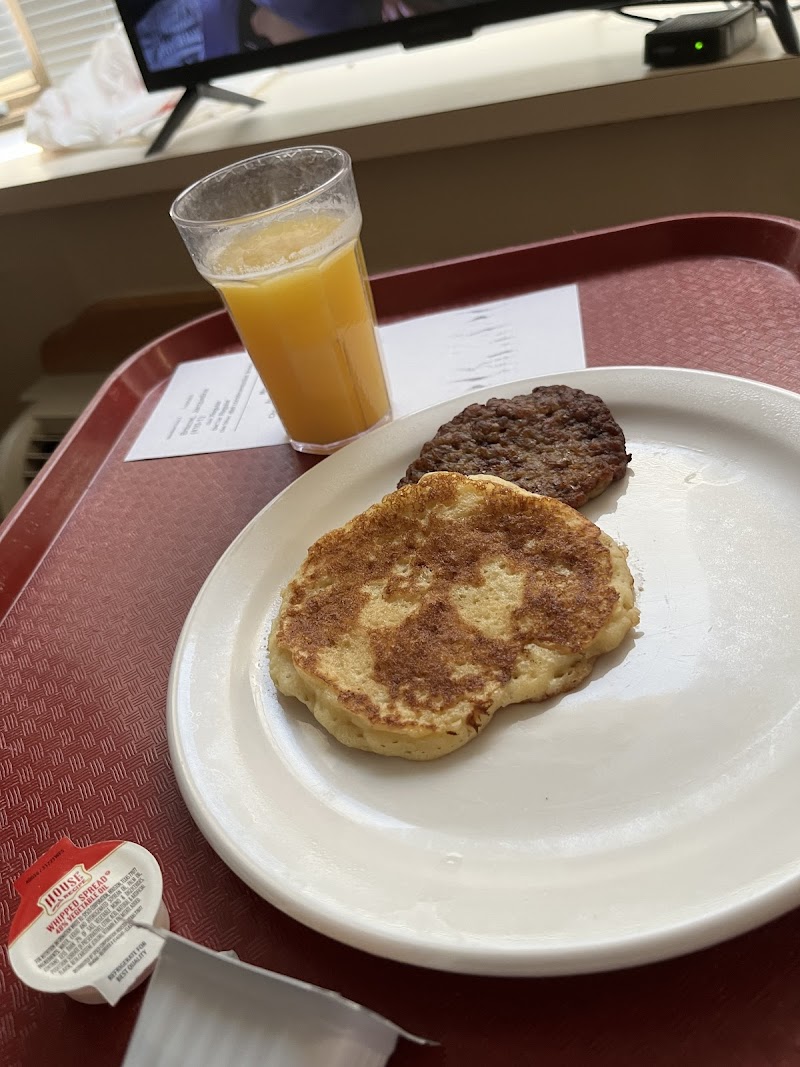
How is Fair Havens Senior Living Staffed?

CMS rates FAIR HAVENS SENIOR LIVING's staffing level at 2 out of 5 stars, which is below average compared to other nursing homes. Staff turnover is 36%, compared to the Illinois average of 46%. This relatively stable workforce can support continuity of care.

What Have Inspectors Found at Fair Havens Senior Living?

State health inspectors documented 92 deficiencies at FAIR HAVENS SENIOR LIVING during 2022 to 2025. These included: 6 that caused actual resident harm and 86 with potential for harm. Deficiencies causing actual harm indicate documented cases where residents experienced negative health consequences.
Who Owns and Operates Fair Havens Senior Living?

FAIR HAVENS SENIOR LIVING is owned by a for-profit company. For-profit facilities operate as businesses with obligations to shareholders or private owners. The facility operates independently rather than as part of a larger chain. With 154 certified beds and approximately 94 residents (about 61% occupancy), it is a mid-sized facility located in DECATUR, Illinois.

How Does Fair Havens Senior Living Compare to Other Illinois Nursing Homes?

Compared to the 100 nursing homes in Illinois, FAIR HAVENS SENIOR LIVING's overall rating (1 stars) is below the state average of 2.5, staff turnover (36%) is near the state average of 46%, and health inspection rating (1 stars) is much below the national benchmark.

What Should Families Ask When Visiting Fair Havens Senior Living?

Based on this facility's data, families visiting should ask: "What safeguards and monitoring systems are in place to protect residents from abuse or neglect?" "Can you walk me through typical staffing levels on day, evening, and night shifts?" "Can I visit during a mealtime to observe dining assistance and food quality?" "How do you handle medical emergencies, and what is your hospital transfer rate?" These questions are particularly relevant given the substantiated abuse finding on record and the below-average staffing rating.

Is Fair Havens Senior Living Safe?

Based on CMS inspection data, FAIR HAVENS SENIOR LIVING has documented safety concerns. The facility has 1 substantiated abuse finding (meaning confirmed case of resident harm by staff or other residents). The facility has a 1-star overall rating and ranks #100 of 100 nursing homes in Illinois. Families considering this facility should ask detailed questions about what corrective actions have been taken since these incidents.

Do Nurses at Fair Havens Senior Living Stick Around?

FAIR HAVENS SENIOR LIVING has a staff turnover rate of 36%, which is about average for Illinois nursing homes (state average: 46%). Moderate turnover is common in nursing homes, but families should still ask about staff tenure and how the facility maintains care continuity when employees leave.

Was Fair Havens Senior Living Ever Fined?

FAIR HAVENS SENIOR LIVING has been fined $121,611 across 3 penalty actions. This is 3.5x the Illinois average of $34,295. Fines at this level are uncommon and typically indicate a pattern of serious deficiencies, repeated violations, or failure to correct problems promptly. CMS reserves penalties of this magnitude for facilities that pose significant, documented risk to resident health or safety. Families should request specific documentation of what issues led to these fines and what systemic changes have been implemented.

Is Fair Havens Senior Living on Any Federal Watch List?

FAIR HAVENS SENIOR LIVING is not on any federal watch list. The most significant is the Special Focus Facility (SFF) program, which identifies the bottom 1% of nursing homes nationally based on persistent, serious quality problems. Not being on this list means the facility has avoided the pattern of deficiencies that triggers enhanced federal oversight. This is a positive indicator, though families should still review the facility's inspection history directly.