MT ZION HEALTH & REHAB CENTER
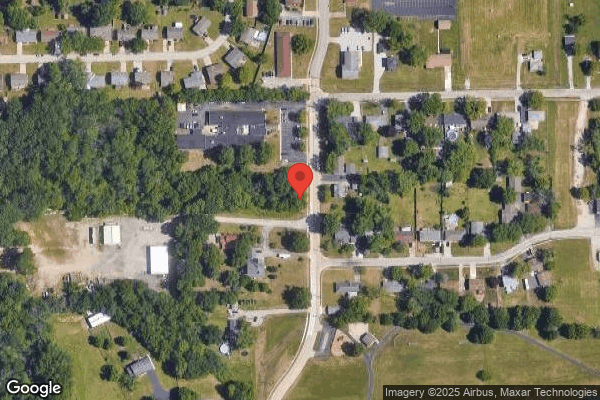
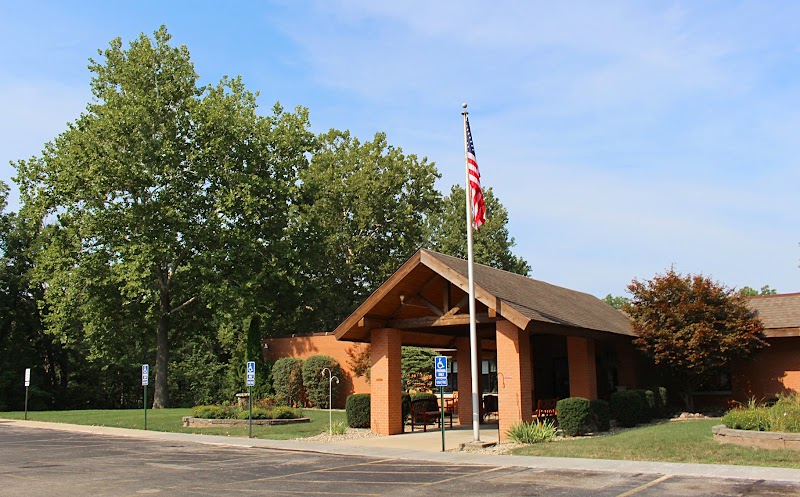
1225 WOODLAND DRIVE, MOUNT ZION, IL 62549 (217) 864-2356
For profit - Limited Liability company 71 Beds SUMMIT HEALTHCARE CONSULTING Data: November 2025
Trust Grade
35/100
#387 of 665 in IL
Last Inspection: February 2024

Within standard 12-15 month inspection cycle. Federal law requires annual inspections.

Overview

Mount Zion Health & Rehab Center has received a Trust Grade of F, indicating significant concerns about the quality of care provided; this means they are performing poorly compared to other facilities. They rank #387 out of 665 nursing homes in Illinois, placing them in the bottom half of the state, but they are #2 out of 7 in Macon County, which is a slightly better position locally. While the facility is improving, with the number of issues decreasing from 10 in 2024 to just 1 in 2025, there are still serious staffing concerns, as they have less RN coverage than 75% of other facilities in Illinois. Although they have not incurred any fines, which is a positive sign, the facility has faced serious issues such as allowing unlicensed personnel access to medication storage and failing to have a clinically qualified Director of Food and Nutrition Services, which could affect all residents. On the positive side, the turnover rate is average at 48%, meaning staff are relatively stable, but the overall star ratings and inspector findings highlight the need for significant improvements in care quality.

Trust Score
F
35/100
In Illinois
#387/665
Bottom 42%
Safety Record
High Risk
Review needed
Inspections
Getting Better
10 → 1 violations
Staff Stability
⚠ Watch
48% turnover. Above average. Higher turnover means staff may not know residents' routines.
Penalties
✓ Good
No fines on record. Clean compliance history, better than most Illinois facilities.
Skilled Nurses
⚠ Watch
Each resident gets only 29 minutes of Registered Nurse (RN) attention daily — below average for Illinois. Fewer RN minutes means fewer trained eyes watching for problems.
Violations
⚠ Watch
38 deficiencies on record. Higher than average. Multiple issues found across inspections.
★★☆☆☆
2.0
Overall Rating
★★☆☆☆
2.0
Staff Levels
★★☆☆☆
2.0
Care Quality
★★☆☆☆
2.0
Inspection Score
Stable
2024: 10 issues
2025: 1 issues

The Good

  • Full Sprinkler Coverage · Fire safety systems throughout facility
  • No fines on record

Facility shows strength in fire safety.

The Bad

2-Star Overall Rating

Below Illinois average (2.5)

Below average - review inspection findings carefully

Staff Turnover: 48%

Near Illinois avg (46%)

Higher turnover may affect care consistency

Chain: SUMMIT HEALTHCARE CONSULTING

Part of a multi-facility chain

Ask about local staffing decisions and management

The Ugly 38 deficiencies on record

Apr 2025 1 deficiency
CONCERN (D) 📢 Someone Reported This

A family member, employee, or ombudsman was alarmed enough to file a formal complaint

Potential for Harm - no one hurt, but risky conditions existed

Free from Abuse/Neglect (Tag F0600)

Could have caused harm · This affected 1 resident

**NOTE- TERMS IN BRACKETS HAVE BEEN EDITED TO PROTECT CONFIDENTIALITY** Based on interview and record review the facility failed to protect a resident's right to be free from physical abuse for one of...

Read full inspector narrative →
**NOTE- TERMS IN BRACKETS HAVE BEEN EDITED TO PROTECT CONFIDENTIALITY** Based on interview and record review the facility failed to protect a resident's right to be free from physical abuse for one of four residents (R3) reviewed for abuse in the sample list of eight. Findings Include: The facility's Abuse Policy dated 1/9/24 documents it is the responsibility of the facility staff to assure that all residents remain free from abuse. The facility affirms the right of its residents to be free from abuse. Abuse means any physical or mental injury inflicted upon a resident other than by accidental means. Abuse is the willful infliction of injury. Physical abuse is the infliction on a resident that occurs other than by accidental means. Physical abuse includes hitting, slapping, pinching, and kicking. The facility's Final Report and Conclusion of Incident form dated 3/7/25 documents on 3/2/25 at 12:30 PM R3 reported she was sitting in the dining room in her normal spot at the table when R2 came over in her wheelchair and told her to get out of her spot. R3 did not move and R2 swung and hit R3 in her left arm with a closed fist. R3 yelled out for staff and staff intervened and separated R2 from R3. R2's Medical Diagnoses Sheet dated April 2025 documents R2 is diagnosed with Dementia. R2's Minimum Data Set, dated [DATE] documents R2 is severely cognitively impaired. R3's Medical Diagnoses Sheet dated April 2025 documents R3 is diagnosed with Depression, General Anxiety Disorder and Post Traumatic Stress Disorder (PTSD). R3's Minimum Data Set, dated [DATE] documents R3 is cognitively intact. R3's Care Plan dated 6/12/24 documents R3 has the potential for abuse/neglect due to a personal history of: Depression, Physical Vulnerability such as poor ambulation or inability to ambulate/propel wheelchair, frailty/weakness, prior physical abuse, prior sexual abuse, and prior verbal abuse. R3 has a history that indicates she has experienced significant trauma during her lifetime. Specifically, trauma related to experience flashbacks, involvement in a major accident, a life event that has caused lasting significant anxiety, depression, sleeplessness or fear, PTSD, as well as an unexpected loss of a loved one, victim of domestic violence, victim of sexual assault, and victim of verbal assault. On 4/17/25 at 1:50 PM V7 Certified Nurse Assistant stated on 3/2/25 R3 yelled out that R2 had just hit her. V7 stated she went over to see what was happening and separated R2 from R3. R3 stated R2 was trying to get her to move because R2 thought R3 was in R2's spot. R2 reached out and punched R3 in the left arm. R3 did appear to be visually upset about the situation. On 4/18/25 at 11:08 AM R3 stated R2 had punched her in the left upper arm and attempted to pull her out of her chair. R3 stated on 3/2/25 right around 12:30 PM, R2 began to wheel her wheelchair over close to R3. R2 told R3 to move out of her spot and when R3 tried to explain this was where she always sat, R2 began to punch R3 in the arm and pulled on her clothes to get her out of the chair. R3 stated if she had not moved her head back, R2's swing would have hit her in the face instead of the arm. R3 stated she realizes R2 has some cognitive decline but R3 was very upset after the situation and did not feel safe for a few days. R3 stated she began to avoid R2 however realized if she kept R2 in front of her line of site she would be able to see if R2 was coming, and she would not have to be caught off guard and could alert staff before R2 were to become physical again. R3 stated she no longer has a concern because she has since moved to a new facility. On 4/18/25 at 12:30 PM V1 Administrator confirmed R9 witnessed the incident on 3/2/25 and was able to confirm R2 hit R3 when R9 was interviewed directly after it happened. On 4/18/25 at 11:44 AM V2 Director of Nurses confirmed abuse of any kind should not occur and intentionally hitting or punching another resident would be considered physical abuse.
May 2024 1 deficiency
CONCERN (D) 📢 Someone Reported This

A family member, employee, or ombudsman was alarmed enough to file a formal complaint

Potential for Harm - no one hurt, but risky conditions existed

Accident Prevention (Tag F0689)

Could have caused harm · This affected 1 resident

**NOTE- TERMS IN BRACKETS HAVE BEEN EDITED TO PROTECT CONFIDENTIALITY** Based on record review and interview the facility failed to provide a dependent resident, who is a two-person assist, a safe tra...

Read full inspector narrative →
**NOTE- TERMS IN BRACKETS HAVE BEEN EDITED TO PROTECT CONFIDENTIALITY** Based on record review and interview the facility failed to provide a dependent resident, who is a two-person assist, a safe transfer in order to prevent a fall. This failure affected one of seven residents (R1) reviewed for falls/safe transfer on the sample list of seven. Findings include: R1's Minimum Data Set, dated [DATE] documents the following: R1's usual activity performance is 5. C (coded 2), Toileting Hygiene- current level of care, Substantial to Maximal Assistance-Helper does more than half the effort. Helper lifts or holds trunk or limbs and provides more than half effort and 5. D (coded 2) Sit to stand: The ability to come to a standing position from sitting in a chair, wheelchair, or on the side of the bed, Substantial to Maximal Assistance-Helper does more than half the effort. Helper lifts or holds trunk or limbs and provides more than half effort. R1's Hospice Care Plan dated 3/16/24 documents the following: R1's Hospice Plan of Care documents: Brief Narrative Statement '(Review the individual's clinical circumstances and synthesize (combine) the medical information to provided clinical justification for Hospice Serviced)'. (R1) for initial hospice primary diagnosis is Chronic Myelocytic Leukemia (Cancer). Significant comorbidities include COPD (Chronic Obstructive Pulmonary Disease) with oxygen dependency, Diabetes, and Hypertension.(R1) was diagnosed with Chronic Myelocytic Leukemia in November 2023. R1 was initiated on Chemotherapy but had a rapid decline. 6 (Six) months ago, she was able to care for herself. She is no longer able to bear weight. She is now discontinued care with chemotherapy and wishes to enroll in Hospice. She has had a 42 pound weight loss over the last 6 (six) months. She is on oxygen at 2.5 l (liters per minute) by nasal cannula continuously. Patient has had worsening appetite and is currently sleeping most of the day. She is DNR (Do Not Resuscitate) This Care Plan and narratives are signed by V9, Hospice Physician on 3/21/24. R1's same Care Plan documents: Safety Measures For Dyspnea, Fall Prevention, Impaired Vision, Infection Control, Medication Safety, Oxygen Safety, and Diabetic Precautions. R1's same 3/16/24 Hospice Plan of Care documents: Patient/Caregiver will demonstrate safe transfers using proper body mechanics and equipment throughout the episode. Patient/Caregiver will verbalize demonstrate effective home safety and fall prevention measures and strategies as evidenced by patient will remain free from injury throughout this episode. along with Activities Permitted: Complete Bedrest. as well as Mental Status: Forgetful and Lethargic. R1's Facility Care Plan dated 4/8/24 documents the following: Focus: I have (sic) I am at risk for an ADL (Activity of Daily Living) Self Care Performance Deficit r/t (related to) Fatigue, Impaired balance, Pain. Goal: I will maintain current level of function in bed mobility, transfers, eating, dressing and toilet use and personal hygiene; through next review date. Interventions: Toilet Use: (R1) requires two staff participation to use toilet. Date initiated 11/23/22. Transfer: (R1) two person assist with transfers. Date initiated 11/23/22. R1's Witnessed Fall investigation report: signed by V3 (Licensed Practical Nurse), whom no longer works for the facility, dated 4/14/24 at 1:15 am. documents the following: Incident Description, Nursing Description: Resident lying on floor face on the floor, bleeding from nose, bruise to forehead and skin tear to left forearm resident reports requesting to get in chair and go to restroom. Resident Description: Resident reports requesting to get in chair and go to bathroom, V5 (Certified Nursing Assistant) assisted R1 into wheelchair, while sitting up in wheelchair R1 felt dizzy and fell forward, R1 c/o (complained of) headache, reports no longer feeling dizzy. The same report documents R1's Mobility: Wheelchair bound. The same report documents the pre-disposing factors identified with a checkmark included R1 was Drowsy and Weakness/Fainted. The final interdisciplinary note at the bottom of the Witnessed Fall Investigation Report, dated 4/15/24, documents the following: Current interventions in place and staff was present during the incident but were unable to prevent the fall safely. The resident was attempting to get out of bed and use the restroom with a (solo) member. R1 has not gotten out of bed much recently due to her declining condition and end of life care. Staff member assisted but resident fell forward related to her poor trunk strength and being dizzy. Staff assisted her with completing toileting needs as the immediate intervention. IDT determined that two staff members will assist R1 with cares as an intervention r/t (related to) decline in strength and condition. V20 (Primary Care Physician), V19 (Power of Attorney) and V8 (Hospice Registered Nurse) aware. Care Plan updated. R1's facility care plan 4/8/24 had already documented R1 required two person assist with transfers and toileting on R1's ADL care, which was initiated 11/23/22. R1's fall prevention on the same facility care plan, did not have a transfer status documented until 4/15/24. On 4/30/24 at 2:10 pm V19 (Power of Attorney) confirmed she was notified of R1's fall 4/14/24. V19 stated they were informed R1 fell forward out of her wheelchair while being changed and landed on her face. V19 also stated R1 had been incontinent for over a year. R1 was on Hospice and was very weak. R1 stayed in bed. V19 said they did not know why the facility did not provide incontinence care in bed at that time of night (midnight). R2's Minimum Data Set, dated [DATE] documents R2's Brief Interview of Mental Status score of 15, out of a possible 15, which indicates no cognitive impairment. On 4/30/24 at 3:47 pm R2 confirmed R1 resided in R2's room at the time of R1's fall 4/14/24. R2 stated I saw it all. R1 was my best friend before we moved in here (into the facility). It was 12:00 o ' clock at night when R1 fell. I don't know that I have ever known V5's(Certified Nursing Assistant) name. I don't think we had our call light on. R1 usually got changed in bed. That night V5 put R1 on the side of the bed. We never had our privacy curtain closed. Usually, if R1 was dizzy, she would put her hands down on each side of herself. That night she put her hands down, she was dizzy. Rarely would she say anything. She did not tell V5 that she was dizzy. There was only one CNA(Certified Nursing Assistant) assisting her. Prior to the fall they used two people most of the time. That night it was just one girl. So, V5 stood R1 up, and walked R1 backwards, and attempted to put R1 in the wheelchair. V5 did not have the wheelchair locked. As she tried to put R1 in the wheelchair, the wheelchair was going backwards. V5 did get her into the wheelchair, but R1 was not all the way back on the wheelchair seat. She was more forward in the chair then back where should have been. V5 turned away from R1, and no sooner did V5 turn away, R1 fell face forward out of the wheelchair onto the floor just a few feet from R1's bed. There's still blood from R1's nose on the floor. At this time, the surveyor observed as R2 moved her motorized wheelchair and pointed to a dark burgundy half -dollar to silver dollar sized spot on the light brown carpet. R2 stated The spot is just outside the closed bathroom door. R2 also stated The bathroom door was not open at the time of the fall. R1 had gone to bed between 9:00 pm and 10:00 pm. She usually sleeps through the night and staff check us to see if we are wet. During the day, before she got sick, she could use the bathroom, but she did not get up at night. They changed her in bed. V5 got another CNA(Certified Nursing Assistant), (unidentified), after R1 fell. They were stepping over R1. They were just laughing and talking to each other, not to R1. It was so inappropriate. They were so disrespectful. That is the worst of it all. R1 was such a kind person. I was so upset I was crying. I think they brought the mechanical lift in. I was really upset. It is all a blur to me after that. After that fall she just laid in bed. Before that, she might be put in her chair to change her bed linens then put her right back in the bed. Just to look at R1 with her face, all bruised, broke my heart. I can block things out of my mind, but I don't remember anyone asking me what I saw happen. I would have told them exactly as I am telling you. On 5/2/24 at 1:17 pm V17 ( Director of Business Development/Liaison) was the manager on duty when R1 fell. R2, was on her scooter (motorized wheelchair). I had R2 come to her room for privacy. She had asked to speak to me that next morning. It was around 9:30 am on 4/14/24. R2 told me that R1 had fallen. R1 was in bed, drifting in and out of sleep while I was talking to R2. R2 was crying and said that R1 and R2 were like sisters. R2 said she saw R1's fall. R2 was not sure if V5 locked R1's wheelchair. V5 was having a hard time getting R1 in the wheelchair and the wheelchair kept moving. R2 said because of the wheelchair moving, R1 got really dizzy. I asked R2 how she knew R1 was dizzy. R2 said R1 had her hands on each side of herself, on the bed, before the transfer. On 5/2/24 at 1:55 pm V2 (Director of Nursing) reviewed R1's fall investigation dated 4/14/24 and associated care plan interventions. V2 confirmed V5 was the only CNA that completed R1's transfer, R1 was supposed to be on complete bedrest according to plan of care due to lethargy and should have had two staff assist with any necessary transfers prior to R1's fall 4/14/24. On 4/5/2024 at 3:20 pm V1 stated Hospice plan of care is incorporated into the resident facility care plan. The facility policy Accidents and Incidents dated dated 07/01/2023 documents the following related to implemented appropriate interventions: 4. Investigate and follow up Action: E. The D.O.N, IDT, and/or Designee will conduct an investigation of the accident/incident as well. Findings will be indicated in the appropriate area. The IDT will review with in 24 hour or next business day and discuss and attempt to find out the root cause and implement an appropriate intervention to attempt to prevent further falls.
Feb 2024 9 deficiencies
CONCERN (D)

Potential for Harm - no one hurt, but risky conditions existed

Resident Rights (Tag F0550)

Could have caused harm · This affected 1 resident

**NOTE- TERMS IN BRACKETS HAVE BEEN EDITED TO PROTECT CONFIDENTIALITY** Based on observation, interview, and record review, the facility failed to provide privacy during incontinence care for one (R5)...

Read full inspector narrative →
**NOTE- TERMS IN BRACKETS HAVE BEEN EDITED TO PROTECT CONFIDENTIALITY** Based on observation, interview, and record review, the facility failed to provide privacy during incontinence care for one (R5) resident out of one resident reviewed for resident rights in a sample list of 28 residents. Findings include: R5's Minimum Data Set (MDS), dated [DATE], documents R5 as moderately cognitively impaired. This same MDS documents R5 as requiring maximum assistance for bathing, dressing, personal hygiene, bed mobility and toileting. This same MDS documents R5 requires the use of a total mechanical lift for transfers. On 2/6/24 at 11:30 AM, V11, Certified Nurse Aide (CNA), performed incontinence care for R5 with R5's room door open. R5's privacy curtain was not pulled. R10 (R5's roommate) had full visual site of R5's perineal area. R5's perineal area was not covered. On 2/6/24 at 11:52 AM, V11, Certified Nurse Aide (CNA), stated R5's privacy curtain should have been pulled. V11, CNA, stated V11 was aware R10 was in the room and could see 'everything'. V11, CNA, stated R5 does not like to have perineal care completed. V11 stated, Sometimes you just have to do what you can do to get (R5) as clean as possible even when (R5) fights you. That is why I forgot to pull the curtain for (R5). I was busy trying to not get hit. On 2/6/24 at 2:30 PM, V2, Director of Nurses (DON), stated all residents should be provided privacy during incontinence cares. V2 stated R5's privacy curtain should have been pulled to provide privacy for R5. V2, DON, stated V2 was not aware of any policy about dignity. V2 stated, That should just be assumed for every resident.
CONCERN (D)

Potential for Harm - no one hurt, but risky conditions existed

Deficiency F0661 (Tag F0661)

Could have caused harm · This affected 1 resident

**NOTE- TERMS IN BRACKETS HAVE BEEN EDITED TO PROTECT CONFIDENTIALITY** Based on interview and record review, the facility failed to complete a discharge summary/recapitulation of stay for one (R64) r...

Read full inspector narrative →
**NOTE- TERMS IN BRACKETS HAVE BEEN EDITED TO PROTECT CONFIDENTIALITY** Based on interview and record review, the facility failed to complete a discharge summary/recapitulation of stay for one (R64) resident out of one resident reviewed for discharge in a sample list of 28 residents. Findings include: R64's undated Face Sheet documents R64 admitted to the facility on [DATE], and discharged to an Assisted Living Facility on 11/13/23. This same Face Sheet documents medical diagnoses of Pneumonia due to other Bacteria, Acute Respiratory Failure with Hypoxia, Chronic Obstructive Pulmonary Disease, and Hypertension. R64's Physician Order Sheet (POS), dated November 2023, documents a physician order, dated 11/13/23, of OK to discharge to assisted living with current orders. R64's Minimum Data Set (MDS), dated [DATE], documents R64 was moderately cognitively impaired. R64's Nurse Progress note, dated 11/13/23 at 2:59 PM, documents, (R64) discharged to Assisted Living Facility to start hospice services. Transportation was provided by family. Vitals are stable. No complaints of pain. Report given to facility. R64's Electronic Medical Record (EMR) does not document a recapitulation of stay progress note or discharge summary assessment. On 2/9/24 at 8:35 AM, V1, Administrator, stated R64 admitted to the facility intending to be a short term resident. V1 stated R64 had previously stayed at the same Assisted Living Center and had a decline in condition. V1 stated R64's family thought R64 would improve by being at this facility but quickly changed their mind and discharged (R64) back to the assisted living center to start hospice. V1 confirmed the facility did not complete a recapitulation of stay or discharge summary assessment. The facility policy titled 'Discharge/Transfer Policy', dated 7/2/2023, documents when the facility transfers or discharges residents under any circumstances appropriate documentation will be made in the resident's clinical record. If a resident is to be transferred or discharged to another health care facility upon order of the Physician, a transfer/discharge assessment will be completed in the Electronic Medical Record (EMR). A copy is sent with the resident, a copy is mailed to the responsible party and a copy is filed in the resident record.
CONCERN (D)

Potential for Harm - no one hurt, but risky conditions existed

Accident Prevention (Tag F0689)

Could have caused harm · This affected 1 resident

Based on observation, interview, and record review, the facility failed to implement post-fall nursing interventions according to a resident's care plan for fall prevention. This failure affects one r...

Read full inspector narrative →
Based on observation, interview, and record review, the facility failed to implement post-fall nursing interventions according to a resident's care plan for fall prevention. This failure affects one resident (R26) out of five reviewed for accidents on the sample list of 28. Findings include: R26's Care Plan for fall prevention, dated initiated 4/11/16, documents, I am at risk for falls r/t (related to) unaware of safety needs, Confusion, Psychoactive drug use, Gait/balance problems. I will often transfer myself even though I know I am not supposed to. The nursing intervention documented, initiated 12/28/23, documents floor mat added next to the bed for safety. R26's Fall Risk Assessments, dated 1/27/24, 1/18/24, 12/8/23, and 10/2/23, all document R26 as a high risk for falls with scores of 19, 19, 17, and 15, respectively, with 10 and higher being rated as high risk. R26's Nursing Progress Notes, dated 1/27/2024, document, CNA (Certified Nursing Assistant) alerted this writer that resident was on the floor. When arrived to resident's room, found resident lying on the floor between w/c (wheelchair) and bed. CNA states that w/c was next to bed, and she turned her back to get something out of resident's closet, and behind her heard a noise, and turned around and saw that resident had self-transferred from w/c to bed, but was not securely sitting on the bed. CNA then lowered resident to floor, and alerted this nurse. R26's Nursing Progress Notes, dated 1/6/2024, document, Resident noted on floor laying on her left side next to bed. Resident attempted to transfer herself to bed. Skin tear noted to right forearm. Wound cleaned, skin approximated, and (adhesive strips) applied. ROM (range of motion) completed with no c/o (complaint of) pain. R26's Nursing Progress Note, dated 2/2/2024, documents, Resident continues with (company) hospice. Takes medications crushed, incontinent of bowel and bladder, needs extensive assistance with ADL's (Activities of Daily Living), and is two assist with (full body mechanical) lift. Resident is currently resting comfortably in no apparent distress noted. Due to high risk for falls has bed/chair alarm in place for safety, and d/t (due to) impaired judgement resident known to self-transfer from w/c (wheelchair) to bed w/o (without) staff assistance, this behavior has resulted in resident's history of falls, and she continues to remain a high-risk for falls. On 2/7/24 at 1:21 PM, there was not a floor mat next to R26's bed. There was a floor mat folded and standing upright next to R26's recliner, in plain sight approximately 7 feet away from R26's bed. V10, Licensed Practical Nurse, stated, (R26) was up for lunch and she just got laid down about 2 minutes ago. On 2/9/24 at 9:28 AM, V5, Care Plan Coordinator, stated, (R26's) floor mat was initiated 12/28/23 and it is a current intervention.
CONCERN (D)

Potential for Harm - no one hurt, but risky conditions existed

Incontinence Care (Tag F0690)

Could have caused harm · This affected 1 resident

**NOTE- TERMS IN BRACKETS HAVE BEEN EDITED TO PROTECT CONFIDENTIALITY** Based on observation, interview, and record review, the facility failed to change the urinary catheter every 28 days for one res...

Read full inspector narrative →
**NOTE- TERMS IN BRACKETS HAVE BEEN EDITED TO PROTECT CONFIDENTIALITY** Based on observation, interview, and record review, the facility failed to change the urinary catheter every 28 days for one resident (R315) out of two residents reviewed for urinary catheters in a sample list of 28 residents. Findings Include: 1. R315's undated Face Sheet documents an admission date of 1/9/24. This same Face Sheet documents R315's medical diagnoses of Urinary Tract Infection, Benign Prostatic Hyperplasia Without Lower Urinary Tract Symptoms, Type 2 Diabetes Mellitus Without Complications, Bladder-Neck Obstruction, Obstructive And Reflux Uropathy, Hydronephrosis With Renal And Ureteral Calculous Obstruction. R315's Minimum Data Set (MDS), dated [DATE], documents R315 as cognitively moderately impaired. This same MDS documents R315 as requiring maximum one person assist for toileting, bathing, and catheter/perineal care. R315's Physician Order Sheet (POS), dated January 2024, documents a physician order starting 1/09/24 to change the urinary catheter every 28 days. On 2/7/24 at 11:00 AM, R315's urinary catheter drainage bag was attached to the underside of the wheelchair in a dignity bag. R315 stated he is unable to recall if his (R315's) urinary catheter was changed the night of 2/6/24. On 2/7/24 at 10:52 AM, V2, Director of Nursing (DON), stated, The Treatment Administration Record is not signed by the nurse indicating the task was not completed. V2 stated there is no progress note in the medical record indicating the urinary catheter was changed every 28 days as ordered by the physician. The Catheter Insertion/Maintenance Policy and Procedure, dated 07/01/23, documents the procedure (changing of urinary catheter) will be documented in the residents medical record by staff when completed.
CONCERN (E)

Potential for Harm - no one hurt, but risky conditions existed

Drug Regimen Review (Tag F0756)

Could have caused harm · This affected multiple residents

Based on interview and record review, the facility failed to obtain Physician responses to Registered Pharmacist recommendations, failed to implement physician responses, and failed to maintain record...

Read full inspector narrative →
Based on interview and record review, the facility failed to obtain Physician responses to Registered Pharmacist recommendations, failed to implement physician responses, and failed to maintain records of medication regimen review reports. This failure affects three residents (R14, R31, and R48) out of five reviewed for unnecessary medications on the sample list of 28. Findings include: 1. R31's Pharmacy Medication Regimen Review (MRR), dated 9/14/23, documents a Registered Pharmacist (V20) recommendation, This resident started the anti-psychotic Prochlorperazine 10 milligrams (mg) every 6 hours as needed (PRN) on 7/23/23. This medication has never been used. According to regulatory guidelines, anti-psychotic medications on a PRN basis must be limited to 14 days. R31's Physician (V9) responded to the recommendation to discontinue the medication Prochlorperazine, signed and dated this order 10/6/23. R31's historical Physician Order Sheet, dated (printed) 2/8/24, documents the medication Prochlorperazine was not discontinued by the facility until 11/28/23. R31's Medication Administration Report (MAR) dated for October 2023 documents R31 was administered the medication Prochlorperazine one time on 10/18/23, after the physician had ordered to discontinue. 2. R31's MRR, dated 12/18/23, documents, See report for any noted irregularities or recommendations. On 2/8/24 at 10:22 AM, V2, Director of Nursing, reviewed R31's 12/18/23 MRR and noted the documented status that a report had been made with noted irregularities or recommendations by the Registered Pharmacist (V20). V2 stated, What the pharmacy sent me is what I gave you (9/14/23 report), but this all happened before I worked here. I have been here about a month and I have a lot of ideas to integrate these separate systems, so if you come back next year things will be better. 3. R14's MRR, dated 10/20/23, documents a recommendation from the Registered Pharmacist to check R14's Vitamin B-12 level now and annually, due to receiving the diabetic medication Metformin. There was not a documented physician response from this MRR recommendation. On 2/8/24 at 1:35 PM, V2, Director of Nursing, stated, I just faxed this to the doctor (V9) today and waiting to see what he wants to do. R14's Laboratory Report, dated 12/20/23, documents R14 did not have a B-12 level checked until this date, 2 months after the recommendation. 4. R14's MRR, dated 12/18/23, documents a recommendation from the Registered Pharmacist (V20), This resident receives the following medication for Depression, Zoloft 100 mg every morning. This resident continues also on Seroquel (anti-psychotic) 25 mg every bedtime and has had multiple reported falls. CMS (Centers for Medicare and Medicaid Services) requires attempts at dose reductions on medications taken for depression. The Pharmacist provided options for the physician to mark The continued use is in accordance with accepted standards, or The resident's targeted symptoms worsened after the most recent dose reduction, or Accept the Pharmacist recommendation for dose reduction from Zoloft 100 mg every morning, to Zoloft 100 mg in the morning Monday Through Friday and Zoloft 75 mg Saturday and Sunday. This MRR, dated 12/18/23, does not document any physician response. On 2/8/24 at 1:35 PM, V2, Director of Nursing, stated, That is the same thing I said, I just faxed this to the doctor today and am waiting to see what he wants to do. 5. R48's MRR, dated 9/15/23, documents a Registered Pharmacist (V20) recommendation, This resident has an order for the medication Pantoprazole 40 mg twice daily since 3/17/23. The recommended duration of therapy with this medication is 4 - 6 weeks due to an increased risk of gastro-intestinal infections, pneumonia, osteoporosis, and B-12 deficiency. R14's Physician (V9) marked the selection to discontinue the medication Pantoprazole and start the new medication Famotidine (Pepcid) 10 mg twice daily, ordered, signed and dated 10/6/23. R48's current Physician Order Sheet (2/8/24) documents R48 continues to have a physician order for Pantoprazole 40 mg twice daily. R48's historical Physician Order Sheet documents R48 has never had the order for Famotidine (Pepcid) recorded into the physician orders nor implemented. 6. R48's MRR, dated 9/15/23, documents a Registered Pharmacist recommendation to check R48's laboratory levels of glycosylated hemoglobin at the next lab draw and every 4 months, comprehensive metabolic panel at the next lab draw and every 6 months, vitamin D at the next lab draw and annually, and lipids at the next lab draw and annually. R48's Physician (V9) accepted the recommendations, signed and dated as orders on 10/6/23. R48's MRR, dated 10/24/23, documents the same Registered Pharmacist (V20) recommendation for the same laboratory levels to be checked as recommended on 9/15/23 as the laboratory level checks were not documented in R48's medical record. There was no documented physician response to this MRR recommendations. R48's Laboratory Report, dated 11/15/23, documents R48 did not have these lab values and levels checked until 11/15/23. On 2/9/23 at 12:07 PM, V2, Director of Nursing, stated, Our lab comes here every Monday, Wednesday, and Friday. 7. R48's MRR, dated 12/18/23, documents a Registered Pharmacist (V20) recommendation, This resident receives the anti-psychotic medication Seroquel (Quetiapine) added 12/5/23. This medication is associated with Extrapyramidal side effects (abnormal involuntary movements). Please consider performing an AIMS (abnormal involuntary movement scale) assessment every 6 months and with any dosage increases while this resident receives this anti-psychotic medication. R48's current Physician Order Sheets (printed 2/8/24) confirm R48 has taken the anti-psychotic medication Quetiapine since 12/5/24. R48's AIMS (Abnormal Involuntary Movement Scale) assessment was dated 1/30/24, nearly 2 months after R48 began taking the medication. The facility's policy Psychotropic Medications Protocol Chemical Restraints, dated 9/15/19, documents, All residents who receive anti-psychotic medications will have an AIMS assessment completed every 6 months and as needed.
CONCERN (E)

Potential for Harm - no one hurt, but risky conditions existed

Medication Errors (Tag F0758)

Could have caused harm · This affected multiple residents

**NOTE- TERMS IN BRACKETS HAVE BEEN EDITED TO PROTECT CONFIDENTIALITY** 5. R27's Minimum Data Set (MDS), dated [DATE], documents R27 as cognitively intact. R27's Care plan intervention, dated 9/27/23...

Read full inspector narrative →
**NOTE- TERMS IN BRACKETS HAVE BEEN EDITED TO PROTECT CONFIDENTIALITY** 5. R27's Minimum Data Set (MDS), dated [DATE], documents R27 as cognitively intact. R27's Care plan intervention, dated 9/27/23, instructs staff to attempt Gradual Dose Reduction (GDR) when appropriate, ensuring lowest strength is utilized when continuing to adequately treat diagnosis. This same care plan documents medical diagnoses of Post Traumatic Stress Disorder (PTSD), Major Depressive Disorder, General Anxiety Disorder, Sleep Disorder and Chronic Pain Syndrome. R27's Physician Order Sheet (POS), dated February 2024, documents physician orders for Celexa (Antidepressant) 40 milligrams (mg) daily starting 9/1/2023 with no end date, Buspirone Hydrochloride (Anti-anxiety) 15 mg twice daily starting 8/31/23 with no end date, Lorazepam 0.5 mg twice daily with no end date and Trazodone 50 mg daily with no end date. R27's POS does not document a dose reduction of R27's Celexa. R27's Note to Attending Physician from Pharmacy, dated 9/15/23, documents R27 takes more than one anti-depressant: Celexa 40 milligrams (mg) daily and Trazodone 50 mg daily. This same note documents Please consider a trial reduction to Celexa 20 mg daily. This same note included a comment section that was hand written Will Gradual Dose Reduction (GDR) Celexa and then look at other medications signed by V9 Physician on 10/6/23. R27's Electronic Medical Record (EMR) does not document Psychotropic Assessments nor Gradual Dose Reductions (GDR) for R27's Psychotropic medications. 6. R8's Minimum Data Set (MDS), dated [DATE], documents R8 as cognitively intact. R8's Care Plan documents R8's medical diagnoses of Anxiety Disorder, Delusional Disorders, Hemiplegia Affecting Left non-dominant side, and Parkinson's Disease. R8's Physician Order Sheet (POS), dated February 2024, documents physician orders for Zoloft 25 milligrams (mg) daily for Major Depressive Disorder starting 7/10/22 with no end date and Xanax 0.25 mg twice per day for Anxiety starting 9/20/22 with no end dated. R8's Electronic Medical Record (EMR) documents Psychotropic Assessments being completed on 7/5/23 for R8's Zoloft and Xanax. This same EMR does not document any further assessments for R8's Psychotropic medications as being completed. On 2/7/24 at 4:00 PM, V2, Director of Nurses (DON), stated the facility has undergone management changes along with new ownership. V2 stated V2 is working on getting all of the programs back in compliance. V2, DON, stated, All Psychotropic medications should have assessments completed with any new order and then quarterly. There is no documentation that the Psychotropic Assessments have been completed. The resident's Electronic Medical Record (EMR) would contain all of the required information. If the EMR does not contain the Gradual Dose Reductions (GDR) or Psychotropic Assessments for Psychotropic medications, then they just were not done. The facility policy titled 'Psychotropic Medications Policy Chemical Restraints', dated 7/1/2023, documents, In accordance with federal and state regulations, it is the facility's policy that residents will not be given unnecessary medications. Psychotropic/psychoactive medication will not be prescribed without the informed consent of the resident, the resident's guardian or other authorized representative. Residents shall only be given Antipsychotic drugs when clinically indicated according to appropriate diagnosis and physician's order. Residents who receive Antipsychotic/psychoactive medications shall have gradual dose reductions attempted in accordance with state and federal regulation and behavior interventions reviewed, unless clinically contraindicated. Each resident taking Antipsychotic/psychoactive medications shall have their medications reviewed and documented by a physician two times a year, monthly by the Pharmacy Consultant and quarterly or as needed by the Interdisciplinary Team. Residents who use Antipsychotic, Antianxiety, or sedative/hypnotic medication will be reviewed as appropriate for a gradual dose reduction, as per federal and state regulations, unless the physician documents in the medical record the need to maintain the resident's regimen. All residents who receive Antipsychotic medication will have an Abnormal Involuntary Movement Scale (AIMS) assessment completed every six months and as needed. Should the gradual dose reduction cause an adverse effect on the resident, and the gradual dose reduction is discontinued, documentation of the is decision and the reasons for it must be included in the medical record. The care plan will include objectives for gradual dose reduction as well as alternative interventions to assist in gradual dose reduction in accordance with state and federal guidelines. 3. R31's current Physician Order Sheet, dated 2/8/24, documents R48 has taken psychotropic medications including Alprazolam (anti-anxiety) since 12/19/22, Sertraline (anti-depressant) since 12/20/22, and Seroquel (anti-psychotic) since 6/24/23. R31's Electronic Medical Record as of 2/8/24, did not include any psychotropic medication assessments to determine targeted behaviors and decline or improvement in these behaviors. The facility's policy Psychotropic Medications Protocol Chemical Restraints, dated 9/15/19, documents, Each resident taking psychoactive medications shall have their medications reviewed and documented by a physician 2 times a year, monthly by the Pharmacy Consultant, and quarterly or as needed by the interdisciplinary Team. 4. R48's current Physician Order Sheets, dated 2/8/24, document R48 has taken the anti-psychotic medication Quetiapine (Seroquel) since 12/5/24. R48's AIMS assessment was dated 1/30/24, nearly 2 months after R48 began taking the medication. The facility's policy Psychotropic Medications Protocol Chemical Restraints, dated 9/15/19, documents, All residents who receive anti-psychotic medications will have an AIMS assessment completed every 6 months and as needed. Based on interview and record review, the facility failed to complete initial and quarterly psychotropic medication assessments, psychotropic Abnormal Involuntary Movement Scale (AIMS), and psychotropic gradual dose reductions for six of seven residents (R8, R27, R29, R31, R48, R168) reviewed for psychotropic medications on the sample list of 28. Findings Include: 1. R29's Medical Diagnoses List, dated February 2024, documents R29 is diagnosed with Dementia, Anxiety, and Major Depression. R29's Physician Order Sheet, dated February 2024, documents orders for Trazodone (Sedative) 50 milligrams at bedtime for Major Depression, Sertraline (Anti-depressant) 25 milligrams daily for Major Depression, and Lorazepam (Anti-anxiety) 0.5 milligrams daily for Anxiety. R29's Medical Record had no record of any Psychotropic Medication Assessments completed for these medications since March 2023. 2. R168's Medical Diagnoses List, dated February 2024, documents R168 is diagnosed with Dementia with Behavioral Disturbance, Adjustment Disorder with Mixed Anxiety and Depressed Mood, Anxiety, Depression, and Post Traumatic Stress Disorder. R168's Physician Order Sheet dated February 2024 documents orders for Olanzapine (Anti-Psychotic) 2.5 milligrams at bedtime every other day for Adjustment Disorder with Mixed Anxiety and Depressed Mood and Sertraline (Anti-depressant) 25 milligrams daily for Depression. R168's Medical Record had no record of any Psychotropic Medication Assessments completed for R168's Sertraline medication. On 2/8/24 at 1:30 PM, V2, Director of Nurses, confirmed both R29 and R168 should have had Psychotropic Medication Assessments completed and did not.
CONCERN (F)

Potential for Harm - no one hurt, but risky conditions existed

Deficiency F0761 (Tag F0761)

Could have caused harm · This affected most or all residents

Based on observation, interview, and record review, the facility failed to ensure the proper storage of medications and biologicals by allowing non-licensed personnel access to nurses medication rooms...

Read full inspector narrative →
Based on observation, interview, and record review, the facility failed to ensure the proper storage of medications and biologicals by allowing non-licensed personnel access to nurses medication rooms and not ensuring nurses medication cart was supervised by a licensed nurse. This failure has the potential to affect all 62 residents residing in facility. Findings include: The facility policy titled 'Mediation Storage Policy', dated 7/1/2023, documents the facility drugs and biologicals used in the facility are stored in locked compartments under proper temperature, light and humidity controls. Only persons authorized to prepare and administer medications may have access to locked medications. Compartments (including but not limited to, drawers, cabinets, rooms, refrigerators, carts, and boxes ) containing drugs and biologicals shall be locked when not in use. Unlocked medications carts are not left unattended. The facility Room Roster, dated 2/6/24, documents 62 residents reside in facility. 1. On 2/7/24 at 8:15 AM, V18, Maintenance Director, exited the locked nurses medication storage room alone. V18, Maintenance Director, handed V17, Licensed Practical Nurse (LPN), the keys to V17's medication cart, which included the keys to the nurses medication storage room. On 2/7/24 at 8:25 AM, V18, Maintenance Director, stated V18 obtains nurses keys to medication rooms on both sides of the facility and checks the temperatures on the refrigerators in the medication rooms every morning. V18 stated, I just go in and check the temperatures and then leave. The nurses give me the keys. I don't bother anything else. I do this everyday. I am responsible for checking the temperatures for all the refrigerators, so that is why I do it. On 2/7/24 at 8:25 AM, V17, Licensed Practical Nurse (LPN), stated, I gave (V18) Maintenance Director the keys to the nurses medication room. (V18) goes in the med room to check the temperature on the refrigerator and then brings me my keys back. I give (V18) my keys every day. I think all the nurses do it. 2. On 2/7/24 at 7:50 AM, a medication cart was sitting in the resident South hallway unattended by the Licensed Nurse and unlocked for five minutes. A laptop computer was sitting on top of the unlocked medication cart with a list of all resident names for residents assigned to V10, Licensed Practical Nurse (LPN). At that time, staff were walking by medication cart assisting other residents in the hallway. V10, LPN, exited a resident room where the door had been closed and V10 walked up to the unlocked medication cart. On 2/7/24 at 7:55 AM, V10, Licensed Practical Nurse (LPN), stated V10's medication cart should have been locked when not in her full view. On 2/7/24 at 12:20 PM, V2, Director of Nurses (DON), stated all medications should be under lock and key. V2, DON, stated the nurses medication carts should always be supervised by a licensed nurse. V2, DON, stated V10, LPN, should have locked the medication cart before walking away and assisting another resident in another room. V2, DON, stated only the licensed nurses should be in possession of the keys to the medication carts or to the nurses medication rooms. V2, DON, stated V2 will inservice staff to ensure all of the medications are stored properly.
CONCERN (F)

Potential for Harm - no one hurt, but risky conditions existed

Deficiency F0801 (Tag F0801)

Could have caused harm · This affected most or all residents

Based on observation, interview, and record review, the facility failed to provide the services of a clinically qualified Director of Food and Nutrition Services. This failure has the potential to aff...

Read full inspector narrative →
Based on observation, interview, and record review, the facility failed to provide the services of a clinically qualified Director of Food and Nutrition Services. This failure has the potential to affect all 62 residents residing in the facility. Findings include: On 2/6/24 at 9:55 AM, V3, Dietary Manager, was actively managing kitchen personnel and directing the food sanitation and preparation activities in the facility's kitchen. On 2/6/24 at 9:55 AM, V3 stated, I am the Dietary Manager. I have a CFM (Certified Food Manager, sanitation) certificate. This certificate was done online and I answered 120 questions. It took one day. V3's certificate for Certified Food Manager was dated issued 11/1/21, and documented valid for 3 years from that date. On 2/6/24 at 10:00 AM, V3 further stated, I do not have a CDM (Certified Dietary Manager) nor CFPP (Certified Food Protection Manager) certificate. I do have a Food Sanitation (Cook) certificate since 1994. V3 then stated, I do not have any military experience. I started at this facility as Dietary Manager 7/23/21. On 2/7/24 at 2:51 PM, V3 stated her qualifications as related to CMS (Centers for Medicare and Medicaid Services) requirements by stating, I am not an RD (Registered Dietician). We have an RD who works as a consultant. I enrolled in the CDM course in January 2024 through (national university), but I have not yet completed any of the course work modules because they say they have a back order on books. I am a CFM. I also have a 2-year Chef certificate from (local community college). I have been Dietary Manager at other places like assisted living facilities from 1999 until 2018, and Assistant Dietary Manager at another nursing home from 2018 until 2021 when I started here. V3 then confirmed she did not meet the state requirements as a Director of Food Services, or Dietetic Service Supervisor, by stating, I am not a graduate of a dietetic and nutrition school or program authorized by the Accreditation Council for Education in Nutrition and Dietetics, the Academy of Nutrition and Dietetics, or the American Clinical Board of Nutrition. I did not graduate from any course prior to 1990, my first job was 1994. I have not completed a CDM course. I do not have a CDM certificate. I don't have any military experience. During the course of the survey, there were infection control issues identified among the kitchen service personnel such as the touching and readjusting of face masks followed by the touching and handling of cups, glasses, lids, and conducting food service, without benefit of any hand hygiene, and reaching in pockets for writing utensils followed by handling cups, glasses, and lids, without benefit of hand hygiene . The facility's Line List for Covid-19 Outbreaks in Long Term Care facilities, dated 1/29/24 through 2/8/24, documents 19 residents tested positive for Covid-19. The facility's current Resident Roster (undated) documents 62 residents reside in the facility, all of whom consume food prepared by the facility's kitchen service personnel.
CONCERN (F) 📢 Someone Reported This

A family member, employee, or ombudsman was alarmed enough to file a formal complaint

Potential for Harm - no one hurt, but risky conditions existed

Infection Control (Tag F0880)

Could have caused harm · This affected most or all residents

**NOTE- TERMS IN BRACKETS HAVE BEEN EDITED TO PROTECT CONFIDENTIALITY** B. R12's Minimum Data Set (MDS), dated [DATE], documents R12 as cognitively intact. This same MDS documents R12 requires maximum...

Read full inspector narrative →
**NOTE- TERMS IN BRACKETS HAVE BEEN EDITED TO PROTECT CONFIDENTIALITY** B. R12's Minimum Data Set (MDS), dated [DATE], documents R12 as cognitively intact. This same MDS documents R12 requires maximum assistance with toileting, bathing and dressing. R12's Physician Order Sheet (POS), dated February 2024, documents a physician order, dated 12/11/23, for contact isolation due to Carbapenem Resistant Enterobacteriaceae (CRE) in urine. R12's Care Plan intervention, dated 12/11/23, documents R12 was placed on contact isolation due to CRE in urine. On 02/06/24 at 12:00 PM, R12 was laying in bed in R12's room. R12's room did not have isolation barrels, isolation supply set up outside of room, or signs posted indicating R12 was on contact precautions. R12's indwelling urinary drainage system was visible from R12's doorway. On 2/6/24 at 12:10 PM, V10, Licensed Practical Nurse (LPN), assessed R12's indwelling urinary drainage system. V10, LPN, did not wear personal protective gown when assessing R12's indwelling urinary catheter system. V10, LPN's, scrub top touched R12's blankets and sheets as V10 adjusted R12's urinary catheter at tip of penis and manipulated R12's urinary catheter tubing. V10, LPN, did not wash hands or use hand hygiene when exiting R12's room. On 2/8/24 at 1:00 PM, V10, Licensed Practical Nurse (LPN), stated R12 was previously on Contact Isolation in another room for CRE in his urine. V10, LPN, stated, (R12) was moved rooms on 2/4/24 and his isolation set up did not get set up in his new/current room. (R12's) room should have had the Contact Isolation sign up, the isolation supply bin outside his room, and the red barrels in his room to dispose of soiled linens and garbage. V10, LPN, stated V10 knew of R12's previous room's isolation, and should have worn the correct Personal Protective Equipment (PPE) when caring for R12. The facility policy titled 'Transmission Based Precautions', dated 7/1/2023, documents, Transmission Based Precautions are initiated when a resident develops signs and symptoms of a transmissible infection; arrives for admission with symptoms of an infection; or has a laboratory confirmed infection; and is at risk of transmitting the infection to other residents. It is the reasonability of all staff and agents of the facility to adhere to the transmission-based precaution guidelines. A sign is placed on the room entrance door so that personnel and visitors are aware of the need for and the type of precaution. The signage informs the staff of the type of Centers for Disease Control and Prevention (CDC) precautions, instructions for use of Personal Protective Equipment (PPE), and/or instructions to see a nurse before entering the room. Staff and visitors will wear a disposable gown upon entering the room and remove before leaving the room and avoid touching potentially contaminated environmental surfaces or items in the resident's room after gloves are removed. The facility policy titled 'Initiating Isolation Precautions Policy', dated 7/2/2023, documents Transmission-Based Precautions remain in effect until the Attending Physician or Infection Preventionist (IP) discontinues them, which occurs after criteria for discontinuation are met. Failures at this level required more than one deficient practice statement. A. Based on observation, interview, and record review, the facility failed to maintain infection prevention procedures to provide a sanitary environment during dietary meal services. This failure has the potential to affect all 62 residents residing in the facility. B. Based on observation, interview, and record review the facility failed to follow a physician order for Contact Isolation Precautions for one (R12) resident of one resident reviewed for infection control in a sample list of 28 residents. Findings Include: A. On 2/6/24 at 9:50 AM, V1, Administrator, stated the facility is in outbreak status for Covid-19. On 2/6/24 at 3:15 PM, V2, Director of Nursing/ Infection Preventionist, confirmed the facility was in outbreak status with residents, and staff, testing positive for Covid-19. The facility's Line List for Covid-19 Outbreaks in Long Term Care facilities, dated 1/29/24 through 2/8/24, documents 19 residents tested positive for Covid-19. On 2/6/24 during the noon meal service beginning at 11:55 AM, V15, Cook, was touching the outside of her face mask to adjust and readjust the mask, then handling resident drinking cups, glasses, and lidded cups without performing hand hygiene. V15 was touching, adjusting and readjusting her face mask then handling resident plates and insulated covers to stack on service carts without benefit of performing hand hygiene. V15 was touching, adjusting, and readjusting her face mask and eye protection glasses, then scooping and plating food from the steam table onto plates, then handling the plates of food to be served to residents. On 2/6/24 during the noon meal service beginning at 11:55 AM, V14, Dietary Aide, was reaching into her apron pocket to retrieve a writing utensil, then handling cups, glasses, and lids for the resident meal service, without benefit of performing hand hygiene, then returning the writing utensil to her pocket. V14 was reaching into her pocket to retrieve the writing utensil multiple times and then handling cups, glasses, and lids without performing hand hygiene. On 2/6/24 at 2:51 PM, V3, Dietary Manager, acknowledged the outside of a face mask is considered a contaminated surface. On 2/6/24 at 3:21 PM, V2, Director of Nursing/ Infection Preventionist, acknowledged and confirmed the outside of a face mask is considered contaminated and hand hygiene should be done after touching a face mask. On 2/6/24 at 3:21 PM, V16, Regional Nurse, stated, Our written policies probably wouldn't have anything that specific, but our policies follow the recommendations of the CDC (Centers for Disease Control and Prevention). The facility's policy Handwashing, dated 7/1/23, documents, To provide guidelines for adequate handwashing in order to reduce the transmission of organisms from resident to resident, staff to resident, and from resident to nursing staff. This facility considers hand hygiene the primary means to prevent the spread of infections. All staff will properly wash their hands after direct contact with any contaminated surface, after direct resident care, and as instructed. It is the responsibility of all staff to ensure they properly wash their hands after direct contact with residents, contaminated surfaces, and as needed. The CDC current guidelines (2/8/24) document, HCP (Health Care Personnel) must take care not to touch their medical mask. If they touch or adjust their mask, they must immediately perform hand hygiene. The facility's current Resident Roster (undated) documents 62 residents reside in the facility, all of whom consume food prepared by the facility's kitchen service personnel.
May 2023 1 deficiency
CONCERN (E)

Potential for Harm - no one hurt, but risky conditions existed

Infection Control (Tag F0880)

Could have caused harm · This affected multiple residents

Based on observation, interview, and record review, the facility failed to follow their COVID-19 (Coronavirus Disease) Response Plan by failing to ensure doors to isolation rooms were closed for four ...

Read full inspector narrative →
Based on observation, interview, and record review, the facility failed to follow their COVID-19 (Coronavirus Disease) Response Plan by failing to ensure doors to isolation rooms were closed for four (R4, R5, R6, and R7) of eight residents reviewed for isolation on the sample list of 10. Findings include: The facility's COVID-19 Testing and Response Plan policy, with a revision date of 11/21/22, documents, Place a resident with suspected or confirmed SARS-CoV-2 (severe acute respiratory syndrome Coronavirus 2) in a single person room using Transmission Based Precautions (isolate). The door should be kept closed (if safe to do so). Ideally the resident should have a dedicated bathroom. At 9:58 AM, R4 was sitting in his room watching a television. There was a Contact and Droplet isolation sign hanging on the door frame. The door to the room was open. At 9:59 AM, R6 was lying in bed. A Contact/Droplet isolation sign was hanging on the door. The door to the room was open. At 10:02 AM, R7 was sitting in chair in her room. R7's door was open. A Contact/Droplet isolation sign was on the door. At 10:03 AM, R5 was sitting up in a wheelchair in the room. A Contact/Droplet isolation sign was hanging on the door. The door to the room was open. The facility's COVID-19 testing logs documents R5 tested positive for COVID-19 on 5/8/23 and R4, R6 tested positive for COVID-19 on 5/9/23, and R7 tested positive for COVID-19 on 5/15/23. On 5/19/23 at 3:00 PM, V1, Administrator, stated the residents' doors should be shut when they are in isolation, except for those residents who are a significant fall risk. V1 stated R4, R5, R6, and R7's doors should be shut while they are in isolation.
Dec 2022 16 deficiencies
CONCERN (D)

Potential for Harm - no one hurt, but risky conditions existed

Free from Abuse/Neglect (Tag F0600)

Could have caused harm · This affected 1 resident

**NOTE- TERMS IN BRACKETS HAVE BEEN EDITED TO PROTECT CONFIDENTIALITY** Based on interview and record review, the facility failed to ensure one resident (R16) was not subjected to verbal/mental abuse ...

Read full inspector narrative →
**NOTE- TERMS IN BRACKETS HAVE BEEN EDITED TO PROTECT CONFIDENTIALITY** Based on interview and record review, the facility failed to ensure one resident (R16) was not subjected to verbal/mental abuse by a staff member. R16 is one of two residents reviewed for abuse from a sample list of 29 residents. Findings include: R16's Care Plan, initiated 9/19/22, includes the following diagnoses: Unsteadiness on Feet, Dementia, Psychotic Disturbance, Anxiety, and Dysphasia. This Care Plan does include interventions related to R16's vulnerability to abuse related to R16's physical weakness and hearing impairment. R16's Minimum Data Set (MDS), dated [DATE], documents R16 is Severely cognitively impaired and requires hearing aides to understand when spoken to and could not be interviewed. The facility's investigation of incident involving (R16), dated 11/6/22, documents There are two eye witnesses from the dietary department who report V20, Certified Nurse's Assistant (CNA) told (R16) to 'sit the F*** (expletive) down when (R16) stood up from wheelchair. One eye witness reported that (V20) also said 'I told you to sit the F*** (expletive) down. I can't do this S*** (expletive) today.' The other witness stated (V20) said 'why the F*** (expletive) are you standing up? I told you not to get up. You (R16) done P***** (expletive) me off. I'm going home early today. V20 could not be reached for interview. The two witnesses named in the report were not available for interview. However, on 12/5/22 at 11:00AM, V8, Corporate Consultant, stated, I am familiar with the 11/6/22 incident. (V20) (employment) was terminated. The witnesses were found to be credible and their statements were consistent enough to give us reason to terminate (V20). As I recall (V20) overall had a bad attitude. The facility's Policy and Procedure Regarding Abuse and Neglect, dated 3/15/18, states, All residents have the right to be free from verbal, sexual, physical, mental abuse, corporal punishment, involuntary seclusion, neglect, misappropriation of property, and exploitation. This policy defines verbal abuse as the use by an employee or agent of oral, written or gestured language that includes disparaging and derogatory terms to a resident or within his or her hearing distance, regardless of the resident's age, ability to comprehend or disability.
CONCERN (D)

Potential for Harm - no one hurt, but risky conditions existed

Deficiency F0604 (Tag F0604)

Could have caused harm · This affected 1 resident

**NOTE- TERMS IN BRACKETS HAVE BEEN EDITED TO PROTECT CONFIDENTIALITY** Based on observation, interview, and record review, the facility failed to complete a physical restraint assessment demonstratin...

Read full inspector narrative →
**NOTE- TERMS IN BRACKETS HAVE BEEN EDITED TO PROTECT CONFIDENTIALITY** Based on observation, interview, and record review, the facility failed to complete a physical restraint assessment demonstrating medical necessity, and failed to attempt less restrictive interventions before applying a physical restraint to one resident (R34) of one resident reviewed for restraints in a sample list of 29 residents. Finding Include: R34's Care Plan, updated 11/2/22, includes the following diagnoses: Generalized Anxiety Disorder, Dementia, Muscle weakness, Psychotic Disturbance, and Gait Abnormalities. R34's Minimum Data Set (MDS), dated [DATE], documents (R34) is severely cognitively impaired and able to walk with assistance of one staff. R34's Care Plan, revised 1/2/22, documents as an intervention under falls, May have (lap top cushion) in place while in wheelchair for safety. R34's most recent restraint evaluation is dated 7/4/22. There is no documentation to indicate that less restrictive interventions were attempted prior to placing the lap top cushion. On 12/04/22 at 10:42 AM, R34 was seated in a wheelchair with lap top cushion in place. (R34) did not respond to verbal stimuli and was unable to remove lap top cushion. V3, Licensed Practical Nurse (LPN), confirmed R34 is unable to remove the lap top cushion without assistance. On 12/5/22 at 10:00AM, V2, Director of Nursing, stated, (R34) has had several falls and her family feels she needs the (lap top cushion) for her safety. (R34) is not able to remove the (lap top cushion) without assistance. There should be a restraint evaluation at least quarterly. The facility's Policy and Procedure Regarding Abuse and Neglect ,dated 3/15/18, states, All residents have the right to be free from verbal, sexual, physical, mental abuse, corporal punishment, involuntary seclusion, neglect, misappropriation of property, and exploitation. This includes but is not limited to Corporal punishment, and involuntary seclusion and physical or chemical restraints not required to treat the residents symptoms. When the use of restraints is indicated, the facility must use the least restrictive alternative for the least amount of time with ongoing documentation of the need for restraints.
CONCERN (D)

Potential for Harm - no one hurt, but risky conditions existed

Deficiency F0657 (Tag F0657)

Could have caused harm · This affected 1 resident

Based on record review and interview, the facility failed to address a significant weight loss for one resident (R16) and a physical restraint for another resident (R34). This failure effects two of t...

Read full inspector narrative →
Based on record review and interview, the facility failed to address a significant weight loss for one resident (R16) and a physical restraint for another resident (R34). This failure effects two of twelve residents reviewed for Care Plans in a sample list of 29. 1.) R16's Care Plan, initiated 9/19/22, includes the following diagnoses: Unsteadiness on Feet, Dementia, Psychotic Disturbance, Anxiety, and Dysphasia. R16's weight tracking, dated 09/19/2022, documents R16 weighed 114 lbs. R16's weight tracking, dated 11/02/2022, documents R16 weighed 107 pounds. This is a 6.14 % weight loss. R16's Care Plan does not address significan weight loss. 2.) R34's Care Plan, updated 11/2/22, includes the following diagnoses: Generalized Anxiety Disorder, Dementia, Muscle weakness, Psychotic Disturbance, and Gait Abnormalities. On 12/04/22 at 10:42 AM, R34 was seated in a wheelchair with lap top cushion in place. R34 does not respond to verbal stimuli, and is unable to remove lap top cushion. V3, Licensed Practical Nurse (LPN), confirmed R34 is unable to remove the lap top cushion without assistance. R34's Care Plan does not address the use of a physical restraint. On 12/6/22 at 1:00PM, V1, Administrator, stated R34 should have a Care Plan specific to restraints, and (R16) should have a Care Plan in place for her significant weight loss. The facility's policy Care Plan Process, revised 11/17/22, states, A comprehensive person-centered care plan shall be developed and implemented to meet the resident's preferences and goals , and address the resident's medical, physical, mental, and psychosocial needs, while honoring the resident's right to choice.
CONCERN (D)

Potential for Harm - no one hurt, but risky conditions existed

Pressure Ulcer Prevention (Tag F0686)

Could have caused harm · This affected 1 resident

Based on observation, interview, and record review, the facility failed to cleanse a wound during treatment for one resident (R40) of one resident reviewed for Pressure ulcers in a sample list of 29 r...

Read full inspector narrative →
Based on observation, interview, and record review, the facility failed to cleanse a wound during treatment for one resident (R40) of one resident reviewed for Pressure ulcers in a sample list of 29 residents. Findings include: R40's Care Plan, reviewed 11/2/22, includes the following diagnoses: Morbid Obesity, Muscle Weakness, and Pressure Ulcer of Left Heel stage III. R40's Treatment Administration Record (TAR) for 12/1/22 through 12/31/22 includes a treatment order for: Cleanse Left heel pressure injury with Normal Saline, apply skin prep to surrounding skin, apply collagen sheet with silver, Calcium Alginate over collagen, cover with foam dressing and secure with retention tape daily. every day shift for wound healing. On 12/6/22 at 11:01 AM, V14, Licensed Practical Nurse (LPN), completed wound care for R40. At this time, there was no dressing in place to R40's heel wound. R40 stated, It probably came off when they dressed me and changed my socks. V14 applied skin prep, but did not cleanse wound prior to skin prep. V14 dabbed the center of the wound with a saline gauze, but failed to cleanse the peripheral wound or the skin surrounding the wound. V14 then completed the dressing as ordered. Following the procedure, V14 stated, I should have cleansed the wound before the skin prep and cleaned from the center of the wound out. On 12/6/22 at 11:10AM, V5, Licensed Practical Nurse (LPN), verified R40's pressure ulcer was a long standing facility acquired pressure ulcer. On 11/6/22 at 1:00PM, V1, Administrator, stated, (V14) should have thoroughly cleansed (R40's) pressure ulcer from the center with Normal Saline before applying the skin prep to the periwound.
CONCERN (D)

Potential for Harm - no one hurt, but risky conditions existed

Accident Prevention (Tag F0689)

Could have caused harm · This affected 1 resident

Based on interview and record review, the facility failed to investigate the root cause of an incident resulting in a skin tear for one of three residents (R6) reviewed for accidents on the total samp...

Read full inspector narrative →
Based on interview and record review, the facility failed to investigate the root cause of an incident resulting in a skin tear for one of three residents (R6) reviewed for accidents on the total sample list of 29. Findings include: R6's medical record documents on 10/10/2022 at 9:41 PM, Certified Nursing Assistant gave resident shower and noticed a skin tear following transfer to bed from chair, skin tear to lower left leg appears to have resulted from leg contact with shower chair, resident has signs and symptoms of pain only to touch at site. R6's Ulcer/Wound form documents, skin tear 4 centimeters in length to left lower extremity identified on 10/10/22. R6's medical record did not include revisions to R6's care plans to prevent future occurences after the skin tear occurred on 10/10/22. On 12/05/22 at 1:30 PM, V2, Director of Nursing, stated, I am not able to locate an investigation for the skin tear on 10/10/22; there was no investigation completed.
CONCERN (D)

Potential for Harm - no one hurt, but risky conditions existed

Respiratory Care (Tag F0695)

Could have caused harm · This affected 1 resident

Based on observation, interview, and record review, the facility failed to develop written resident care policy and procedures for aerosol drug delivery system storage in residents rooms, and failed t...

Read full inspector narrative →
Based on observation, interview, and record review, the facility failed to develop written resident care policy and procedures for aerosol drug delivery system storage in residents rooms, and failed to ensure personal aerosol drug delivery system equipment was stored properly to prevent cross-contamination for two of two residents (R8 and R15) reviewed for respiratory therapy on the total sample list of 29. Findings include: 1.) On 12/4/22 at 8:47 AM and on 12/5/22 at 10:35 AM, R8 had an aerosol generating delivery system (mask and tubing) lying directly on top of R8's nightstand beside with other personal articles in close proximity. On 12/06/22 at 10:00 AM, V2, Director of Nursing, stated nebulizer masks and tubing (aerosol drug delivery system equipment) should be stored inside of clear bags in resident rooms while not in use. On 12/06/22 at 10:45 AM, V1, Administrator, stated we have no written policy for nebulizer mask storage. 2.) On 12/04/22 at 8:30 AM, R15's nebulizer mouth piece was lying directly on top of a table beside R15's bed and was not bagged. On 12/5/22 at 10:20 AM, R15 was lying in bed. R15's nebulizer mouth piece was lying on a table. This table had dried liquids on the surface of the table and the mouth piece was lying directly on top of the dried liquids. On 12/6/22 at 11:00 AM, V1, Administrator, stated the nebulizer mouth piece should not be lying on the table with dried substances, and the facility policy does not include how to properly store nebulizer equipment. The facility's undated Nebulizer Treatment policy does not include a policy or procedure regarding the storage of nebulizer equipment after use.
CONCERN (D)

Potential for Harm - no one hurt, but risky conditions existed

Deficiency F0883 (Tag F0883)

Could have caused harm · This affected 1 resident

Based on interview and record review, the facility failed to offer one resident (R40) the opportunity to receive pneumococcal pneumonia vaccination. R40 is one of five residents reviewed for immunizat...

Read full inspector narrative →
Based on interview and record review, the facility failed to offer one resident (R40) the opportunity to receive pneumococcal pneumonia vaccination. R40 is one of five residents reviewed for immunizations in a sample list of 29 residents. Findings include: R40's Care Plan, revised 12/2/22, documents R40 was admitted to the facility 4/19/22, and is over the age of 65. R40's Immunization Flow Sheet, printed 12/6/22, does not document R40 was offered either the PPSV 23 (Pneumococcal polysaccharide vaccine) or the PCV 13 (Pneumococcal conjugate vaccine) or the Prevnar 20 (Pneumococcal 20-valent congugate vaccine PPSV 23, as required. There is no documentation to support (R40) was educated regarding any of these vaccines and no documentation to support R40 refused the vaccine. On 12/6/22 at 11:00AM, V2, Director of Nursing, stated We do not have any documentation (R40) was offered or refused any of the pneumonia vaccines. The facility's policy Pneumococcal Pneumonia Vaccination Policy, dated April 2022, states, All residents admitted will be screened to determine eligibility for the pneumococcal pneumonia vaccines (PPSV 23 (Pneumococcal polysaccharide vaccine) or the PCV 13 (Pneumococcal conjugate vaccine) or the Prevnar 20 (Pneumococcal 20-valent congugate vaccine PPSV 23)
CONCERN (E)

Potential for Harm - no one hurt, but risky conditions existed

Notification of Changes (Tag F0580)

Could have caused harm · This affected multiple residents

Based on interview and record review, the facility failed to notify the physician of elevated blood glucose levels on 31 separate occurrences for one of two residents (R37) reviewed for insulin use on...

Read full inspector narrative →
Based on interview and record review, the facility failed to notify the physician of elevated blood glucose levels on 31 separate occurrences for one of two residents (R37) reviewed for insulin use on the total sample list of 29. Findings include: R37's medical record documents under physician orders, Start date: 7/28/22, Call V19 (Physician) with finger sticks (blood glucose levels) above 300. R37's medical record documents under physician orders, Start date: 9/6/22, Insulin Aspart Solution Pen, inject as per sliding scale, Notify Doctor if (blood glucose level) is less than 60 or greater than 350. R37's Medication Administration Records dated October 2022 documents the following Blood Glucose Level results: At 11:30 AM on 10/2/22- 358, 10/9/22 - 385, 10/17/22- 361, 10/19/22 - 394, 10/20/22 - 363, 10/21/22 - 352, 10/24/22 - 370, 10/25/22 - 366, 10/26/22 - 378, 10/27/22 - 375, 10/30/22 - 375, and 10/31/22 - 414. At 4:30 PM on 10/7/22 - 384, 10/9/22 -403, 10/12/22 - 371, 10/21/22 - 380 and 10/31/22 - 368. At 8:00 PM on 10/1/22 - 354, 10/16/22 - 450 and 10/22/22 -390. R37's Medication Administration Records dated November 2022 documents the following Blood Glucose Level results: At 7:30 AM on 11/6/22 - 400. At 11:30 AM on 11/1/22 - 403, 11/6/22 -438, 11/14/22- 425, 11/16/22- 360 and 11/24/22- 391. At 4:30 PM on 11/27/22- 359. R37's Medication Administration Records, dated November 2022, documents the following Blood Glucose Level results: At 11:30 AM on 12/1/22 - 374, 12/3/22 - 354 and 12/4/22 - 374. And at 4:30 PM on 12/4/22 - 395. R37's medical record did not document physician notification for elevated blood glucose level occurrences, per physicians order on 10/1/22, 10/2/22, 10/7/22, 10/9/22, 10/16/22, 10/17/22, 10/19/22, 10/21/22, 10/22/22, 10/24/22, 10/25/22, 10/26/22, 10/27/22, 10/30/22, 10/31/22, 11/1/22, 11/6/22, 11/14/22, 11/16/22, 11/24/22, 11/27/22, 12/1/22, 12/3/22 and 12/4/22. On 12/6/22 at 10:00 AM, V2, Director of Nursing, stated, Physicians should be notified by phone if blood glucose levels are elevated per order and documented in the medical record. V1, Administrator, and V2 confirmed R37's medical record did not document physician notification was completed for elevated blood glucose level occurrences on 10/1/22, 10/2/22, 10/7/22, 10/9/22, 10/16/22, 10/17/22, 10/19/22, 10/21/22, 10/22/22, 10/24/22, 10/25/22, 10/26/22, 10/27/22, 10/30/22, 10/31/22, 11/1/22, 11/6/22, 11/14/22, 11/16/22, 11/24/22, 11/27/22, 12/1/22, 12/3/22 and 12/4/22. The facility's policy, with a revision date of April 2019, titled Guidelines for Physician Notification of Change in Resident Condition documents, Purpose: to define resident care situations that require physician notification. Standard: Staff observe, document and communicate to the physician changes in a resident condition promptly. Notification of changes: C- a need to alter treatment significantly. When making a notification, the facility must ensure that all pertinent information is available and provided upon request to the physician.
CONCERN (E)

Potential for Harm - no one hurt, but risky conditions existed

Medication Errors (Tag F0758)

Could have caused harm · This affected multiple residents

**NOTE- TERMS IN BRACKETS HAVE BEEN EDITED TO PROTECT CONFIDENTIALITY** 4) R39's physician orders, dated 11/1/22, document, Ativan .5 milligrams, give every six hours as needed for anxiety. R39's Nov...

Read full inspector narrative →
**NOTE- TERMS IN BRACKETS HAVE BEEN EDITED TO PROTECT CONFIDENTIALITY** 4) R39's physician orders, dated 11/1/22, document, Ativan .5 milligrams, give every six hours as needed for anxiety. R39's November 2022 medication administration record documents Ativan .5 milligrams administered on 11/2/22 at 3:12PM and on 11/5/22 at 10:18AM. R39's electronic medical record does not contain a physician assessment or re-evaluation (including medical necessity/rationale for use beyond 14 days) of the Ativan .5 milligrams order between November 1, 2022 and December 5, 2022. The facility Psychotropic Medication policy, revised date 11/28/17, documents, The intent of this policy is for residents to be free from unnecessary psychotropic medication use including antianxiety, hypnotic, and antidepressant medication. Psychotropic medication that is used on an as needed basis. 1) Initial as needed order of above listed medication should not exceed 14 days unless the attending physicians or prescribing practitioner believes that to extend beyond 14 days and has documented the rationale and indicated the duration. 3.) R17's medical record documents physician orders, dated 8/16/22, for Risperdal (Anti-psychotic medication) tablet 0.25 milligrams by mouth one time a day at noon and an order on 3/16/22 for Risperidone tablet 0.5 milligrams by mouth two times a day by mouth at 8:00AM and 8:00 PM. R17's medical record documents a physicians order, dated 11/4/22, to increase Risperidone tablet to 0.5 milligrams three times a day by mouth related to Psychotic Disorder with delusions due to known Psychological Condition. R17's last completed Physical Device/Psychoactive Medication Evaluation form in R17's electronic health record was dated 10/31/22. R17's medical record did not contain completed Abnormal Involuntary Movement Scale (AIMS) assessments. On 12/05/22 at 1:30 PM, V2, Director Of Nursing, stated psychotropic medication assessments should be completed with any changes in psychotropic medication doses, and confirmed AIMS assessments should be completed for anti-psychotic medications. On 12/6/22 at 10:50 AM, V1, Administrator, confirmed not able to locate any AIMS assessments for R17. Based on interview and record review, the facility failed to document the medical necessity/rationale for the use of a PRN (as needed) psychotropic medication for two residents (R16,R39), failed to complete timely psychotropic assessments for two residents (R17,R97) and failed to ensure one resident (R97) was not administered duplicative psychotropic medication. This failure affects four of five residents reviewed for psychotropic medication in a sample list of 29. Findings Include: 1.) R16's Care Plan, initiated 9/19/22, includes the following diagnoses: Dementia, Psychotic Disturbance, and Anxiety. R16's Medication Administration Record for December 1, 2022 through December 31,2022, documents R16 has a physician's order for, Lorazepam Tablet Give 0.5 milligrams by mouth every 24 hours as needed for anxiousness. The original date of this order was 11/7/22. R16's MAR documents R16 got this medication 11/9/22, 11/29/22, 12/1/22, 12/2/22, and 12/5/22. There is no documentation for the rationale by the prescriber related to the extension of this antianxiety medication past 14 days. On 12/6/22, V1, Administrator, stated, A PRN psychotropic should not be ordered for longer than 14 days without evaluation by a physician or Nurse Practitioner. 2.) R97's Medication Administration Record (MAR), dated December 2022, documents R97 receives Amitriptyline Hydrochloride (antidepressant) 25 Milligrams (mg) one tablet by mouth in the evening, Citalopram Hydrobromide (antidepressant) Tablet 20 mg one tablet by mouth in the morning, Seroquel (anti-psychotic) 25 mg two tablets by mouth at bedtime. This MAR documents that these medications are being used for Depression. R97's electronic medical record documents R97 was admitted to the facility on [DATE]. R97's medical record does not contain documentation for the medical rationale of the use of duplicative medications for Depression, or an initial evaluation of R97's use of psychotropic medications. On 12/5/22 at 11:17 AM, V2, Director of Nursing, stated R97's psychotropic medications are for Depression. V2 stated they had not completed an assessment or initial evaluation for the use of R97's psychotropic medications. V2 stated she is not sure why they are using duplicative therapy or an antipsychotic for R97's diagnosis of Depression.
CONCERN (F)

Potential for Harm - no one hurt, but risky conditions existed

Deficiency F0727 (Tag F0727)

Could have caused harm · This affected most or all residents

Based on interview and record review, the facility failed to provide the services of a Registered Nurse for eight consecutive hours a day. This failure has the potential to affect all 43 residents res...

Read full inspector narrative →
Based on interview and record review, the facility failed to provide the services of a Registered Nurse for eight consecutive hours a day. This failure has the potential to affect all 43 residents residing in the facility. Findings include: The facility's November 2022 schedule, dated 11/24/22, does not document a Registered Nurse working eight consecutive hours for the day. On 12/6/22 at 9:30 AM, V2, Director of Nursing, stated the facility did not have a Registered Nurse in the facility on 11/24/22, and the facility provides skilled nursing care. The facility's Census and Condition report, dated 12/4/22 signed by V3, Care Plan Coordinator, documents there are 43 residents residing in the facility.
CONCERN (F)

Potential for Harm - no one hurt, but risky conditions existed

Pharmacy Services (Tag F0755)

Could have caused harm · This affected most or all residents

Based on observation, interview, and record review, the facility failed to ensure an expired over the counter cough syrup was discarded and not available for use. This failure had the potential to aff...

Read full inspector narrative →
Based on observation, interview, and record review, the facility failed to ensure an expired over the counter cough syrup was discarded and not available for use. This failure had the potential to affect all 43 residents residing in the facility. Findings include: On 12/05/22 at 3:00 PM, the medication cart on the 100 hallway was reviewed. This cart had a bottle of Dextromethorphan (cough syrup) that had an expiration date of August of 2022. At that time, V13, Licensed Practical Nurse, looked at the expiration date and confirmed the medication was expired. On 12/6/22 at 10:10 AM, V2, Director of Nursing, stated the cough syrup is a stock medication, and stock medications can be used for any resident in the facility. The facility's Census and Condition report, dated 12/4/22 signed by V3, Care Plan Coordinator, documents there are 43 residents residing in the facility. The Undated Storage of Medication policy documents, V. All discontinued/expired medications are to be removed from the active storage medication use area.
CONCERN (F)

Potential for Harm - no one hurt, but risky conditions existed

Food Safety (Tag F0812)

Could have caused harm · This affected most or all residents

Based on observation, interview, and record review, the facility failed to ensure that chemical sanitizing agent was being dispensed accurately in the low temperature dish washer to ensure that dishes...

Read full inspector narrative →
Based on observation, interview, and record review, the facility failed to ensure that chemical sanitizing agent was being dispensed accurately in the low temperature dish washer to ensure that dishes were properly sanitized. This failure has the potential to affect all 43 residents in the facility. Findings include: The facility's Census and Condition report, dated 12/4/22 signed by V3, Care Plan Coordinator, documents there are 43 residents residing in the facility. On 12/5/22 at 3:30PM, V2, Director of Nursing, stated there are no residents in the facility who do not eat by mouth, and all eat food served from the kitchen. The facility provided document, Dishwasher Temperature Log for Low Temp/Chemical Sanitizing Machines, dated December 2022, document was not filled out on 12/5/22 at 10:50AM. On 12/5/22 at 11:00AM, V11, Dietary Aide, tested the automatic dishwasher for sanitizer level after three completed cycles. The chemical test tape did not react when testing was completed. The test strip did not show any chemical residual in the sanitizing rinse water. V11, Dietary Aide, stated, There doesn't appear to be any chemical in the water. I guess we had better get some. On 12/5/22 at 11:30AM, V12, Maintenance Director, stated, They didn't have the chemical tubing primed and so I did it. I showed them because they didn't know how to do it. I showed them what to do and I guess the dishes from this morning need to be cleaned again. I don't know when they changed out the chemical last and I know that they don't have a log for that. On 12/6/22 at 9:00AM, V16, Dietary Manager, stated, The chemical was about half full on Friday when I left (12/2/22). It usually takes about a week to use it up. I don't know exactly when it was last changed. We don't have a formal training for chemicals, it is just done on the fly in the kitchen. On 12/6/22 at 11:45AM, V15, Cook, stated, The real problem with the dishwasher was that the tubing was clogged and the chlorine couldn't get out. It was likely clogged for a month. We use that machine to wash all of our dishes and pots and pans. I showed all these girls in here how to unclog the tubing this morning, they are all pretty new. We have a log for testing the chemicals for the dishwasher and the three compartment sink. (The log) couldn't have been right because no chemical was coming out of the tubing.
CONCERN (F)

Potential for Harm - no one hurt, but risky conditions existed

Infection Control (Tag F0880)

Could have caused harm · This affected most or all residents

Based on observation, interview, and record review, a facility employee failed to self report an illness and continued to work in the kitchen, handling ready to eat food products, putting residents at...

Read full inspector narrative →
Based on observation, interview, and record review, a facility employee failed to self report an illness and continued to work in the kitchen, handling ready to eat food products, putting residents at risk for food borne illness. This failure has the potential to affect all 43 residents in the facility. Findings include: The facility's Census and Condition report, dated 12/4/22 signed by V3, Care Plan Coordinator, documents there are 43 residents residing in the facility. On 12/5/22 at 3:30PM, V2, Director of Nursing, stated there are no residents in the facility who do not eat by mouth, and all eat food served from the kitchen. The facility provided November dietary schedule documents V11, Dietary Aide, was scheduled to work 6:00AM to 2:00PM on 11/25/22. V11's facility provided time card documents V11 worked from 5:48AM until 7:30AM. On 12/6/22 at 1:15PM, V15, Cook, stated, I was working the day (11/25/22) when (V11, Dietary Aide) was sick. She (V11) complained that she had been vomiting and had diarrhea and that she had a fever. On 12/6/22 at 1:55PM, V17, Dietary Aide, stated, I was working the day (11/25/22) that (V11, Dietary Aid) was sick. I saw her make a fruit tray for the residents before they made her leave. The facility provided menu, dated 11/25/22, documents strawberries on the dinner meal menu. On 12/6/22 at 9:00AM, V16, Dietary Manager, stated that gastrointestinal illness has been affecting the dietary staff over the past several weeks. We've all had similar symptoms; nausea, vomiting, and diarrhea. On 12/6/22 8:15 AM, V4, Infection Preventionist, said that a preliminary report was sent to IDPH and the local health department regarding 4 cases of resident nausea and vomiting 2 cases of nausea and vomiting of dietary staff. The previous two dietary employee illnesses were not reported to the health department. The two additional residents will be reported to the health department later today, along with the additional two staff. When V4 was given the dates of the dietary staff absences coupled with the dates worked and symptoms exhibited, V4, Infection Preventionist, stated, I didn't realize. I know that the screenings are incomplete. The facility policy Personal Hygiene: Illness, Shoes, Hair Restraints, dated 2/2022, documents, If you are sick, do not come to work, but you must notify your manager. The folowing symptoms or conditions should be reported: diarrhea or vomiting, sore throat with a fever, an infected cut or wound on hands or arms, Jaundice, Diagnosis with a food borne illness, exposure to a foodborne illness. A restriction means employee tasks are limited to prevent the risk of transmitting a disease through food. A restricted employee cannot handle food, clean equipment or utensils.
CONCERN (F)

Potential for Harm - no one hurt, but risky conditions existed

Deficiency F0882 (Tag F0882)

Could have caused harm · This affected most or all residents

Based on interview and record review, the facility failed to designate an individual as Infection Preventionist in the facility who has completed specialized training in infection prevention and contr...

Read full inspector narrative →
Based on interview and record review, the facility failed to designate an individual as Infection Preventionist in the facility who has completed specialized training in infection prevention and control. This failure has the potential to affect all 43 residents in the facility. Findings include: The facility's Census and Condition report, dated 12/4/22, signed by V3, Care Plan Coordinator, documents there are 43 residents residing in the facility. On 12/4/22 at 9:10AM, V1, Administrator, stated V4, the facility Infection Preventionist, has not completed infection control training. On 12/6/22 at 9:54 AM, V4, Infection Preventionist, said she was responsible for keeping the log on employee illness for the facility. However, V4, Infection Preventionist, had not followed up on employee illness, timelines, symptoms or the relationship between employee and resident illness. V4 reviewed the November and December 2022 employee infection control screening log and stated, I keep logs of the employee illness that I know about, but I can see that it is incomplete. On 12/6/22 at 12:30 PM, V5, Nurse Manager, stated, I haven't been in charge of infection control for the last three weeks or so. (V4) is the Infection Preventionist Nurse. On 12/6/22 at 12:40 PM, V1 stated, We intended to get (V4, Infection Preventionist) training but it just hasn't happened yet. It was one of those things that you write down on a piece of paper, and it just didn't get done.
MINOR (C)

Minor Issue - procedural, no safety impact

Deficiency F0575 (Tag F0575)

Minor procedural issue · This affected most or all residents

Based on observation and interview, the facility failed to provide information and post information for contacting the State Survey Agency. This failure has the potential to affect all 43 residents re...

Read full inspector narrative →
Based on observation and interview, the facility failed to provide information and post information for contacting the State Survey Agency. This failure has the potential to affect all 43 residents residing in the facility. Findings include: Resident Census and Condition Report signed and dated by V3 (Care Plan Coordinator) on 12/4/22 documents a total resident census of 43. On 12/5/22 at 10:15 AM, R8 (Resident Council President) stated, I do not know how to contact the State Survey Agency, R8, R20, R42, R97 and R1 were unaware of where information was located on how to contact the State Survey Agency. There was no accessible posted contact information on how to contact the State Survey Agency located inside the facility for residents. On 12/05/22 at 11:00 AM, V7 (Corporate Clinical Educator) stated, The State Agency information is posted outside the secured doorway of the main entrance. On 12/05/22 at 11:06 AM, V1 (Administrator) stated the State Survey Agency poster was taken down at some point in time, so the sign could be laminated, and had not been put back up (for residents viewing).
MINOR (C)

Minor Issue - procedural, no safety impact

Deficiency F0577 (Tag F0577)

Minor procedural issue · This affected most or all residents

Based on observation, interview, and record review, the facility failed to post notice of availability of survey results, and failed to post the most up to date survey inspection results in an area ac...

Read full inspector narrative →
Based on observation, interview, and record review, the facility failed to post notice of availability of survey results, and failed to post the most up to date survey inspection results in an area accessible to residents and families. This failure has the potential to affect all 43 residents residing in the facility. Findings include: Resident Census and Condition Report signed and dated by V3 (Care Plan Coordinator) on 12/4/22 documents a total resident census of 43. On 12/05/22 at 10:15, AM R8 (Resident Council President), R20, R42, R97 and R1 were not aware of where survey inspection results were kept for viewing. The facility's Survey Inspection Results binder was located at the main entrance on a shelf. The last survey inspection results inside of the binder were dated 6/29/22. The facility's last standard annual survey inspection results for 10/26/21 were not located inside the binder. The results of substantiated survey inspection results for surveys dated 7/7/22, 9/22/22 and 10/4/22 were not located inside the binder. There was no notice posted for the availability of survey results location for viewing. On 12/05/22 at 11:10 AM, V1, Administrator, confirmed the facility's Survey Inspection Results binder was not up to date with most recent survey results, and last standard survey was not located inside the binder, and no signage was posted. V1 stated, We have been working on getting this updated.
Oct 2021 10 deficiencies
CONCERN (D)

Potential for Harm - no one hurt, but risky conditions existed

Transfer Notice (Tag F0623)

Could have caused harm · This affected 1 resident

**NOTE- TERMS IN BRACKETS HAVE BEEN EDITED TO PROTECT CONFIDENTIALITY** 2.) R10's Census form documents R10 was discharged to the hospital on 7/18/21. R10's Minimum Data Set (MDS), dated [DATE], docu...

Read full inspector narrative →
**NOTE- TERMS IN BRACKETS HAVE BEEN EDITED TO PROTECT CONFIDENTIALITY** 2.) R10's Census form documents R10 was discharged to the hospital on 7/18/21. R10's Minimum Data Set (MDS), dated [DATE], documents the following: Discharge Assessment - Return Anticipated. On 10/20/21 at 9:45 AM, R10 stated R10 had no recall of receiving any transfer/discharge information on 7/18/21 when R10 was sent to the hospital for breathing problems. R10's Health Status Note, dated 7/18/2021 at 08:05 AM, documents the following: Text: (R10 C/O (complained of) 'trouble breathing'; up in w/c (wheel chair); Alert; (with) some confusion noted; requiring staff weight bearing support in w/c; skin-pale, dusky gray; warm and dry; R24-26 (respirations) with use of accessory muscles; Lungs-diminished throughout; 1+ (plus one) BLE (bilateral lower extremities) edema '(chronic)'; SpO2 (oxygen saturation) -81-83% (percent) RA (room air); O2 (Oxygen) applied per 10L (liters) per NRB (non-rebreather) mask; Accu Chek (blood glucose monitor check) -118, VS (vital signs)- 97.9 Temperature), 155/90 (blood Pressure); (local ambulance service ) notified of need to transport. On 10/21/21 at 3:20 PM, V5, Social Service Director (SSD), submitted a report titled Admission/Discharge To/From Report that identified resident discharges from 7/1/21- 7/31/21. The same report documents the report was submitted August 2, 2021. V5, SSD, stated this was the list V5, SSD, submitted to Office of the State Long-Term Care Ombudsman, Illinois Department of Public Health of the Discharge for July 2021. R10's facility initiated hospital transfer is not documented on the report. V5, SSD, then stated V5 did not provide a written notice of discharge to R10, and R10's family members of the facility-initiated transfer/discharge. V5, SSD, also stated V5, SSD, usually provides the written notices of all discharges to the Office of the State Long-Term Care Ombudsman at the end of each month. V3 acknowledged R10 was not on the list August 2, 2021, but should have been. Based on record review and interview, the facility failed to provide a written notice of discharge prior to the facility-initiated Hospital Transfer/Discharge. The facility also failed to provide written notice to the Office of the State Long-Term Care Ombudsman of the Discharge. These failures affected two of four residents (R3 and R10) reviewed for hospitalization/discharge on the sample list of 36. Findings include: 1.) R3's Diagnosis Sheet, dated 10/22/21, includes the following diagnosis: Chronic Kidney Disease Stage 3, Diabetes Mellitus, and Muscle Wasting and Atrophy- Multiple Sites. R3's Minimum Data Set, dated [DATE], documents R3 being discharged to the hospital with anticipated return to the facility. The facility's Census for R3 shows R3 was transferred to the hospital on [DATE]. The progress notes for R3, dated 10/8/21, by V12, LPN ( Licensed Practical Nurse) documents (R3) was covid tested prior to leaving the facility to ER (emergency room) for evaluation and treatment with test results negative. The progress notes for R3, dated 10/8/21 at 9:19 AM, by V5, Social Services Designee, documents (R3) was sent out to the hospital. (R3) is expected to return. (R3) has been having shortness of breath and some edema. On 10/21/21 at 1:30 PM, V5, Social Services Designee, stated, I did not notify (R3) or family of the discharge to the hospital. No paperwork was sent out or given to (R3). R3's Medical Record does not contain any form of a Notice of Transfer or Discharge or documentation the form for Transfer or discharge was provided to (R3), who was responsible for himself.
CONCERN (D)

Potential for Harm - no one hurt, but risky conditions existed

Deficiency F0625 (Tag F0625)

Could have caused harm · This affected 1 resident

**NOTE- TERMS IN BRACKETS HAVE BEEN EDITED TO PROTECT CONFIDENTIALITY** Based on record review and interview, the facility failed to provide a resident (R3) a facility Bed Hold Policy when being disch...

Read full inspector narrative →
**NOTE- TERMS IN BRACKETS HAVE BEEN EDITED TO PROTECT CONFIDENTIALITY** Based on record review and interview, the facility failed to provide a resident (R3) a facility Bed Hold Policy when being discharged to the hospital. R3 is one of four residents reviewed for hospitalizations in the sample list of 36. Findings include: R3's Diagnosis Sheet, dated 10/22/21, includes the following medical diagnoses: Chronic Kidney Disease Stage 3, Diabetes Mellitus, and Muscle Wasting and Atrophy- Multiple Sites. R3's Minimum Data Set, dated [DATE], documents R3 being discharged to the hospital, with anticipated return to the facility. The facility's Census for R3 shows R3 was transferred to the hospital on [DATE]. R3's Medical Record does not contain any form of a notice for Bed Hold or documentation the Notice for Bed Hold was provided to R3 or a family member. On 10/21/21 at 3:20 PM, Social Service Director, V5, stated, I did not notify the family or ombudsman of the facility transfer discharge or the Bed Hold Policy for (R3). The facility's undated Bed Hold Policy documents, When a resident is transferred to a hospital, or when the resident takes a therapeutic leave of absence, they have the right to request that their bed be held until their return. Such a request is called a bed-hold. If a facility is holding the bed, the resident will be charged the prevailing bed hold rate which is usually 100% of the room and board rate unless otherwise noted on the rate schedule. The bed -hold notification will be issued at the time of transfer and in cases emergency transfer; notice will be given within 24 hours of the leave.
CONCERN (D)

Potential for Harm - no one hurt, but risky conditions existed

Deficiency F0657 (Tag F0657)

Could have caused harm · This affected 1 resident

**NOTE- TERMS IN BRACKETS HAVE BEEN EDITED TO PROTECT CONFIDENTIALITY** Based on record review, observation, and interview, the facility failed to revise a care plan to reflect a current diet downgrad...

Read full inspector narrative →
**NOTE- TERMS IN BRACKETS HAVE BEEN EDITED TO PROTECT CONFIDENTIALITY** Based on record review, observation, and interview, the facility failed to revise a care plan to reflect a current diet downgrade with increased level of assistance in interventions for one of seven residents (R6) reviewed for nutrition on the sample list of 36. Findings Include: The facility policy Resident Care Policy and Procedure, dated revised November 2017, documents the following Subject: Care Plan Process, Regular Reviews; The comprehensive care plan is prepared and reviewed by the Interdisciplinary Team (IDT). The team includes but is not limited to the resident and their representative, representatives of the food department, direct care staff, the social service department, the activity department, and the resident physician. Other disciplines may be involved, based on the residents need or request. All plans of care must be reviewed and revised by Interdisciplinary Team (IDT) after each assessment, including both the comprehensive and quarterly assessments. R6's Minimum Data Set (MDS), dated [DATE], documents a Brief Interview for Mental Status score of 11 out of 15, rating R6 as moderately cognitively impaired. R6's MDS also documents R6 requires physical assistance of one staff member while eating. R6's Physician Order Summary Report Sheet (POS), dated 10/22/21, documents the following diagnoses: Dysphagia (swallowing problem) Oropharyngeal Phase (mouth and throat), and Acute and Chronic Respiratory Failure with Hypoxia. The same POS documents on 6/15/21 R6's diet order was initiated. Diet Regular diet, pureed texture, thin consistency (liquids). R6's care plan, dated 10/15/21, documents the following: I am at risk for Activities of Daily Living (ADL's) Performance Deficit related to Stroke. Eating, I am able to hold a cup, feed self, eat finger foods (POS, documents pureed diet as noted above) independently (MDS above documents R6 requires physical staff assistance of one with eating) and I use a two handled cup for my fluids. On 10/22/21 at 8:55 AM, R6 was laying in bed eating a pureed diet from R6's overbed table. R6 stated R6 eats in bed just about every meal, without staff assistance. On 10/22/21 at 10:45 AM, V2, Director of Nursing (DON), acknowledeged R6's care plan was not updated to reflect R6's pureed diet and needed level of assistance. V2, DON, stated R6 was hospitalized [DATE] and the care plan was not updated when R6 returned to the facility on 6/15/21.
CONCERN (D)

Potential for Harm - no one hurt, but risky conditions existed

Deficiency F0685 (Tag F0685)

Could have caused harm · This affected 1 resident

Based on observation, record review, and interview, the facility failed to assist a resident to make a vision appointment, and failed to maintain visual assistive devices. This failure affects one res...

Read full inspector narrative →
Based on observation, record review, and interview, the facility failed to assist a resident to make a vision appointment, and failed to maintain visual assistive devices. This failure affects one resident (R2) out of two reviewed for communication and sensory services on the sample list of 36. Findings include: On 10/19/21 at 11:10 AM and 1:16 PM, R2 was seated in R2's room in a wheelchair not wearing glasses. R2 remained without glasses throughout the survey, observed 10/20/21 at 11:40 AM and 12:35 PM, on 10/21/21 at 1:10 PM, and 10/22/21 at 1:14 PM. R2's care plan, dated 10/18/19, documents R2 has medical diagnoses including Glaucoma, has impaired vision, and requires glasses. This care plan documents facility interventions are to arrange consultations with an eye care practitioner. R2's Medical Diagnoses List confirms the medical diagnosis of Glaucoma. This care plan documents other interventions such as, encourage me to have adaptive devices (glasses) present during activity functions to support my participation. R2's care plan also documents the need to monitor R2 for side effects of anticoagulant (blood thinner) medication such as headaches and blurred vision. On 10/21/21 at 1:10 PM, V6, Registered Nurse (RN), stated, I see (R2) is wearing glasses in the picture in (electronic medical record) in the computer. V6 then searched R2's room and stated, There are no glasses in the room. On 10/21/21 at 1:14 PM, V7, Certified Nursing Assistant Scheduler, stated, I have been working here since December 2019 and I have not seen (R2) wear glasses. R2's Electronic Medical Record contained an Authorization for Optometric Services, signed by R2's Power of Attorney on 9/21/20. R2's Electronic Medical Record did not include any report from an optometrist examination. R2's Electronic Medical Record documents R2 was admitted to the facility 10/17/19. On 10/21/21 at 2:39 PM, V2, Director of Nursing, stated, I have never seen (R2) wear glasses. V1, Administrator, stated, (R2) may have had glasses when (R2) first got here. V1 then requested for V13, Medical Records Representative, to check if (R2) had been seen by the optometrist. On 10/21/21 at 2:54 PM, V8, Power of Attorney for R2, stated, I have not seen my grandmother wearing (R2's) glasses at all this year. I know (R2) was wearing them when (R2) first went to live there (10/17/19) and up until the start of 2020, well then the Covid hit, and I didn't see (R2) very much for a while. When I did get back in to see (R2), (R2) wasn't wearing the glasses and I asked the nurse about it. The nurse found the glasses in another residents room. Then during the Covid in the summer of 2020, I saw (R2) outside several times and (R2) was wearing the glasses sometimes and sometimes not, but I have not seen (R2) wearing them this year (2021) at all. V8 continued, It would be nice of they could find the glasses because (R2) might wear them on a good day. I did sign a consent for (R2) to see the optometrist about a year ago (September 2020), and I talked to the social service worker (V5) this last spring, who told me (R2) had not seen the optometrist yet. It would be nice if the optometrist saw (R2) because the nurses have told me (R2) has been not wanting to take (R2's) eye drops all the time. On 10/22/21 at 1:53 PM, V1, Administrator, stated, (R2) has no record of being seen by the optometrist.
CONCERN (D)

Potential for Harm - no one hurt, but risky conditions existed

Accident Prevention (Tag F0689)

Could have caused harm · This affected 1 resident

**NOTE- TERMS IN BRACKETS HAVE BEEN EDITED TO PROTECT CONFIDENTIALITY** Based on record review, observation, and interview, the facility failed to provide dining supervision and assistance for one of ...

Read full inspector narrative →
**NOTE- TERMS IN BRACKETS HAVE BEEN EDITED TO PROTECT CONFIDENTIALITY** Based on record review, observation, and interview, the facility failed to provide dining supervision and assistance for one of seven residents (R6) with known swallowing deficit, reviewed for nutrition on the sample list of 36. Findings include: R6's Physician Order Summary Report Sheet (POS), dated 10/22/21, documents the following medical diagnoses: Dysphagia (swallowing problem) Oropharyngeal Phase (mouth and throat) and Acute and Chronic Respiratory Failure with Hypoxia. The same POS documents on 6/15/21 R6's diet order was initiated as follows: Diet; Regular diet, pureed texture, thin consistency (liquids). R6's Minimum Data Set (MDS), dated [DATE], documents R6 was re-admitted to the facility on [DATE]. The same MDS documents a Brief Interview of Mental Status score of 11 out of 15, rating R6 as moderately cognitively impaired. R6's same MDS documents R6 requires physical assistance of one staff member while eating. R6's ADL (Activity of Daily Living) - Eating Task sheet documents R6 consumed 30 meals between 10/09/21 -10/18/21. The same ADL-Eating Task sheet documents R6 ate independently without supervision or assistance for 16 out of the 30 meals documented. On 10/22/21 at 8:55 AM, R6 was laying in bed eating a pureed diet from R6's overbed table. R6 stated the following: I eat in my bed just about every meal, and staff do not help me. I do pretty well on my own. It would be nice if they check on me when I eat, because some times I (R6) get to coughing. My call light is always within reach but I would feel more comfortable if staff would come in. It can take five or ten minutes for them to answer my call light. On 10/22/21 at 9:00 AM, V10, Licensed Practical Nurse, stated, I (V10) was not aware (R6) needed assistance with eating. I am agency and am not here (in the facility) very often. I see (R6's) orders for a pureed diet. That in itself means at least supervision should be provided when (R6) eats. (R6's) CNA (Certified Nursing Assistant) is (V11). (V11, CNA) probably knows more since (V11, CNA) is here (in the facility) caring for residents routinely. On 10/22/21 at 9:15 AM, V11, Certified Nursing Assistant, stated the following; (R6) likes to stay in bed when (R6) eats. We encourage (R6) to get up in the wheelchair and let us take (R6) out to the dining room. We honor (R6's) request. We serve (R6's) food in (R6's) room. (R6) does feed herself, but we do not stay in (R6's) room and help (R6) or come back (to R6's room) in until we clear (remove) (R6's) tray when (R6) is done eating. We always record (R6's) intake after she eats. We keep (R6's) call light close to (R6) in bed if (R6) needs us (staff) (R6) does turn on (R6's) call light. On 10/22/21 at 10:45 AM, V2, Director of Nursing (DON), stated the following: (R6 's) care plan was not updated to a pureed diet after (R6) went to the hospital in June (6/11/21). (R6) was on finger foods before that. (R6's) care plan is wrong, but we are fixing that. I (V2) see the potential problem with (R6) not being assisted with meals. I (V2, DON) am educating staff all residents on pureed or mechanical altered diet have to be supervised and assisted as needed, in their room or in the dining room.
CONCERN (E)

Potential for Harm - no one hurt, but risky conditions existed

Deficiency F0678 (Tag F0678)

Could have caused harm · This affected multiple residents

Based on interview and record review, the facility failed to provide emergency medical equipment, airway management, and rescue breathing during a respiratory medical emergency for one of three reside...

Read full inspector narrative →
Based on interview and record review, the facility failed to provide emergency medical equipment, airway management, and rescue breathing during a respiratory medical emergency for one of three residents (R260) reviewed for basic life support, and has the potential to affect ten (10) additional residents (R10, R11, R14, R21, R24, R28, R29, R30, R39, and R56) who have chosen to be a Full Code. R260 was one of three residents reviewed for emergency medical care on the sample list of 36. Findings include: The facility Report to Illinois Department of Public Health, dated 10/7/21 by V2, DON (Director of Nursing), documents, (R260) was in the dining room, but had not eaten, when a CNA (Certified Nursing Assistant) noted (R260) had an ashen tint to (R260's) skin. This CNA notified the nurse. The nurse entered the dining room and completed an assessment on (R260), and removed (R260) from the dining room and took (R260) to (R260's) room to further assess. During the assessment, (R260) became unresponsive and subsequently CPR (cardio pulmonary resuscitation) was initiated and 911 was called, due to (R260) being a full code (full CPR during a life threatening emergency). EMS (Emergency Medical Service) arrived on scene and took over CPR for facility staff. Physician and POA (Power of Attorney) notified. Final Report to Follow. R260's POLST (Physician Orders for Life Sustaining Treatment), dated 8/24/21, documents R260 is a Full Code, which means R260 has elected to have full life sustaining measures attempted, including cardiopulmonary resuscitation, in the event of a medical emergency. The facility provided an undated list of all residents with Full Code Status, which included R10, R11, R14, R21, R24, R28, R29, R30, R39, and R56. On 10/12/21 at 11:12 AM, V14, RN (Registered Nurse), stated V14 gave R260, R260's medications that morning and R260 was fine at that time. Then at lunch time, R260 was being brought down the hall in R260's wheelchair by V15, LPN (Licensed Practical Nurse), and an unidentified CNA. R260 had been in the Dining Room. R260 was pale, leaning to the right side, and drooling from the mouth. V14 stated, You could hear (R260's) lungs were full by the way (R260) was breathing. V14 explained V14 wanted R260 in R260's room to further assess R260, so the unidentified CNA and V14 transferred R260 from the wheelchair to the bed using a mechanical lift, while V15, LPN, went to check R260's code status. V14 stated during the transfer into bed, R260 went into cardiac arrest and stopped breathing. V14 explained, We immediately laid (R260) into bed and I (V14) got into bed with (R260) and started {chest} compressions. V14 stated V14 was yelling out orders for the crash cart and backboard. The backboard was brought into the room, so R260 was rolled onto R260's side, the backboard was placed under R260, then chest compressions resumed. V14 explained the staff were only doing compressions, no rescue breaths, because V15, LPN, was checking the crash cart, and said V15 couldn't find an ambu bag (manual emergency rescue breathing device). V14 stated another nurse, later identified as V12, Restorative Nurse, entered the room and took over doing compressions for a bit while V14 continued shouting orders to call 911. V14 stated V14 then took back over doing compressions until EMS arrived. V14 explained V14 had checked R260's mouth and there was no food in R260's mouth or around R260's face, but R260 had a lot of saliva in R260's mouth and was drooling a lot. On 10/12/21 at 11:28 AM, V12, Restorative Nurse, stated V12 was coming down the hall and someone told V12 staff were in R260's room due to a code situation. V12 explained V12 went into R260's room to help until EMS arrived, and when V12 walked in, V14, RN, was already doing chest compressions on R260. V12 stated V12 offered to give V14 a break with the CPR, and took over for a bit, then V14 started again until EMS arrived. V12 stated chest compressions were being given, R260 had drool coming from R260's mouth, and V12 never saw rescue breaths being delivered. V12 stated during the time that CPR was ongoing at the facility, R260 never regained a heart beat or respirations. On 10/12/21 at 12:04 PM, V15, LPN, stated V15 was sitting at the desk when V16, CNA, said R260 wasn't being R260's normal self, so V15 went to check on R260. V15 explained, R260 Didn't look okay, he was leaning to one side, and wouldn't respond to me when I (V15) talked to (R260). V15 stated at that time, V15 did not check for a pulse or respirations, My main priority was getting (R260) out of the Dining Room and to (R260's) room to be assessed. V15 stated V15 did check R260's mouth since R260 was in the Dining Room with R260's food tray in front of R260, but R260 didn't have any food in R260's mouth. V15 stated on the way to R260's room, with R260 in the wheelchair, V15 passed R260's nurse, V14, who followed to R260's room. V15 stated once in R260's room, V15 left to check R260's medical record for R260's code status, and by the time V15 finished that, Things were getting hectic, so V15 grabbed the crash cart on the way to R260's room. V15 explained upon entering R260's room, chest compressions had already been initiated. V15 explained V15 had to leave the room again to get oxygen but once back in the room, realized the 02 (oxygen) connectors were not in the crash cart, so V15 had to leave R260's room again to get the needed supplies. V15 stated once back to R260's room, V15 took over doing chest compressions for about 15 seconds until EMS arrived. V15 stated no rescue breaths were being delivered, only chest compressions. V15 stated, The contents of the {crash} cart had been emptied onto the floor and people were grabbing what they needed, but I (V15) did not see an ambu bag. On 10/12/21 at 12:28 PM, V12, Restorative Nurse, stated V12 knows rescue breathing is an important part of CPR but, There was no ambu bag in the cart or in (R260's) room to my knowledge. I (V12) was just focused on the {chest} compressions. On 10/12/21 at 12:32 PM, V14 confirmed the contents of the crash cart where emptied. Everything was everywhere. V14 stated V14 did not see an ambu bag, but V14 was on the bed with R260 and V15 was the nurse looking for it, and no mouth to mouth was provided. due to the large amount of secretions coming from R260's mouth, and there not being a suction machine on the cart to clear the secretions. V14 explained, We did the best we could with the supplies we had. On 10/12/21 at 1:02 PM, V16, CNA, stated V16 was in the Dining Room with R260 and V18, R260's wife. V16 stated R260 was talking to V18, and then V18 left the facility, so V16 gave R260, R260's lunch tray and asked R260 if R260 was going to eat. V16 explained V16 attempted to give R260 a bite of food, but R260 pushed V16's hand and the tray away, and said R260 didn't want anything. V16 then left to gather drinks for other residents and came back a couple seconds later to find R260 leaning to the side in R260's wheelchair, with R260's arm dangling over the side. V16 stated R260's Eyes looked different; they were half open. V16 explained at that time, R260's color was normal, and R260 hadn't had any changes in R260's breathing, but knew that something wasn't right, so V16 went and got the nurse. The facility undated Crash Cart Checklist documents Emergency Care Items that are to be in the Crash Cart, which consists of an Ambu Bag, Suction Machine, Oxygen Tank, Oxygen Key, Pocket Mask, Suction Tubing, Suction Catheters, as well as other emergency care equipment items. On 10/12/21 at 2:58 PM, V2, DON, stated when a resident goes unresponsive from cardiac arrest, nurses are expected to initiate CPR & call 911. V2 explained CPR consists of opening the airway, performing rescue breathing and chest compressions. V2 stated R260 should have been suctioned, due to the secretions, but the suction machine was not on the cart. V2 also stated R260 should have received rescue breaths via an ambu bag, On 10/12/21 at 3:12 PM, V17, Physician, explained R260 had a history of cardiac disease, and with R260 drooling that much, R260 Could have been choking on (R260's) saliva, it can happen so fast, they {facility} should have suctioned (R260) to ensure an open airway. V17 also stated rescue breathing should have been attempted with an ambu bag if R260 wasn't or couldn't be intubated. On 10/13/21 at 10:35 AM, V1, Administrator, stated the crash cart should be checked at least a couple times a week and after each use by the night shift nurse, to ensure all the equipment is available and restocked for the next medical emergency. The facility did not provide any documentation of the crash cart being checked and restocked. The facility undated and untitled CPR Policy documents staff must provide basic life support, including CPR, to a resident who requires emergency care prior to emergency medical services arriving, consistent with resident's advance directives (POLST Form).
CONCERN (E)

Potential for Harm - no one hurt, but risky conditions existed

Room Equipment (Tag F0908)

Could have caused harm · This affected multiple residents

**NOTE- TERMS IN BRACKETS HAVE BEEN EDITED TO PROTECT CONFIDENTIALITY** Based on interview and record review, the facility failed to provide and properly maintain essential lifesaving medical equipmen...

Read full inspector narrative →
**NOTE- TERMS IN BRACKETS HAVE BEEN EDITED TO PROTECT CONFIDENTIALITY** Based on interview and record review, the facility failed to provide and properly maintain essential lifesaving medical equipment during a respiratory medical emergency for R260. R260 did not have the benefit of essential lifesaving equipment including an oral suctioning device and mechanical ventilation device for responding medical staff to use during a respiratory medical crisis. As a result R260 was not provided airway management and rescue breathing. This failure has the potential to affect ten (10) additional residents (R10, R11, R14, R21, R24, R28, R29, R30, R39, and R56) who have chosen to be a Full Code. Findings include: The facility Report to Illinois Department of Public Health, dated [DATE], by V2, DON (Director of Nursing), documents R260 was in the dining room, but had not eaten when a CNA (Certified Nursing Assistant) noted R260 had an ashen tint to R260's skin. This CNA notified the nurse. The nurse entered the dining room and completed an assessment on R260, and removed R260 from the dining room and took R260 to R260's room to further assess. During the assessment, R260 became unresponsive and subsequently CPR (Cardiopulmonary Resuscitation) was initiated and 911 was called, due to R260 being a full code. R260's POLST (Physician Orders for Life Sustaining Treatment), dated [DATE], documents R260 is a Full Code, which means R260 has elected to receive full life sustaining measures in the event of a medical emergency, including but not limited to CPR. On [DATE] at 11:12 AM, V14, RN (Registered Nurse), stated on [DATE] around lunch time, R260 was being brought down the hall in R260's wheelchair by V15, LPN (Licensed Practical Nurse), and an unidentified CNA. R260 was pale, leaning to the right side, and drooling from the mouth. V14 stated, You could hear (R260's) lungs were full by the way (R260) was breathing. V14 stated V14 and an unidentified CNA (Certified Nursing Assistant) were in the process of transferring R260 from the wheelchair to the bed, via a mechanical lift, when R260 went into cardiac arrest. V14 stated V14 sent staff to check R260's code status and gather medical supplies. V14 stated V15, LPN (Licensed Practical Nurse), brought the crash cart (emergency response equipment/supply cart) to R260's room, but was not able to find an ambu bag on the cart. On [DATE] at 12:04 PM, V15, LPN, stated on [DATE], V15 was sitting at the desk when V16, CNA, said R260 wasn't being R260's normal self, so V15 went to check on R260. V15 explained, R260 Didn't look okay, he was leaning to one side, and wouldn't respond to me when I (V15) talked to (R260). V15 stated V15 propelled R260 to R260's room in the wheelchair, and once to R260's room, V15 left R260 with V14, RN, and V15 went to check R260's code status and grabbed the crash cart. V15 explained upon entering R260's room, chest compressions had already been initiated. V15 explained V15 had to leave the room to get oxygen, but once back in the room, realized the 02 (oxygen) connectors were not in the crash cart, so V15 had to leave R260's room again to get the needed supplies. V15 stated no rescue breaths were being delivered, only chest compressions. V15 stated, The contents of the {crash} cart had been emptied onto the floor and people were grabbing what they needed, but I (V15) did not see an ambu bag. V15 explained V15 is an agency nurse, so V15 has only been in the crash cart once or twice, and that was just to check where it was and that it was stocked, but never needed anything out of it. V15 stated V15 does not Recall ever seeing an ambu bag in the cart. On [DATE] at 12:28 PM, V12, Restorative Nurse, stated V12 knows rescue breathing is an important part of CPR but There was no ambu bag in the cart or in (R260's) room to my knowledge. I (V12) was just focused on the {chest} compressions. On [DATE] at 12:32 PM, V14 confirmed the contents of the crash cart where emptied. Everything was everywhere. V14 stated, V14 did not see an ambu bag, but V14 was on the bed with R260, and V15 was the nurse looking for it, and no mouth to mouth was provided due to the large amount of secretions coming from R260's mouth, and there not being a suction machine on the cart to clear the secretions. V14 explained, We did the best we could with the supplies we had. The facility undated Crash Cart Checklist documents Emergency Care Items that are to be in the Crash Cart, which consists of an Ambu Bag, Suction Machine, Oxygen Tank, Oxygen Key, Pocket Mask, Suction Tubing, Suction Catheters, as well as other emergency care equipment items. On [DATE] at 2:58 PM, V2, DON, confirmed the crash cart should be stocked with a suction machine and materials, oxygen tank and ambu bag. V2 stated V2 was aware there was not a suction machine on the crash cart at the time of R260's code, but was not aware the cart didn't contain an ambu bag. On [DATE] at 10:35 AM, V1 Administrator stated the crash cart should be checked at least a couple times a week, and after each use by the night shift nurse to ensure all the equipment is available, working and restocked for the next medical emergency. The facility did not provide any documentation of the crash cart being checked and restocked. The facility provided an undated list of all residents with a Full Code status, who could potential require the contents of the crash cart in case of a medical emergency, which includes R10, R11, R14, R21, R24, R28, R29, R30, R39, and R56.
CONCERN (F)

Potential for Harm - no one hurt, but risky conditions existed

Deficiency F0801 (Tag F0801)

Could have caused harm · This affected most or all residents

Based on observation, interview, and record review, the facility failed to employ a qualified Director of Food and Nutrition Services. This failure has the potential to affect all 56 residents residin...

Read full inspector narrative →
Based on observation, interview, and record review, the facility failed to employ a qualified Director of Food and Nutrition Services. This failure has the potential to affect all 56 residents residing in the facility. Findings include: On 10/19/21 at 11:00 AM, V9 (Dietary Manager) was actively supervising dietary operations in the facility kitchen. V9 reported being the full-time manager of the facility food service, with the facility's consulting dietitian working in the building a couple days per month. V9 acknowledged not being a certified food service manager, or having a national certification for food service management. V9 acknowledged not having an Associate's degree or higher for food service management or in hospitality, and also not meeting the State requirements for a Dietary Manager. On 10/19/21 at 11:00 AM the facility had the potential for cross-contamination and foodborne illness by failing to maintain sanitary food preparation areas from paint debris, accumulated dust, grease-like substance, food debris and rust. The facility also stored food service trays and bowls wet, and failed to maintain a can opener in a sanitary condition. On 10/20/21 at 9:15 am V1, Administrator, submitted V9's Health Care Worker Registry, Background Check which documents V9's start date was 7/23/21. V1, Administrator, stated V9 began working as the Dietary Manager in the kitchen 7/23/21. V1 acknowledged V9 does not meet the qualifications of a qualified Director of Food and Nutrition Services. The Resident Census and Conditions of Residents report, dated 10/19/21, documents 56 residents reside in the facility, all or most of whom consume food prepared in the kitchen.
CONCERN (F)

Potential for Harm - no one hurt, but risky conditions existed

Food Safety (Tag F0812)

Could have caused harm · This affected most or all residents

Based on observation, interview, and record review, the facility failed to prevent the potential for cross-contamination and foodborne illness by failing to maintain sanitary food preparation and food...

Read full inspector narrative →
Based on observation, interview, and record review, the facility failed to prevent the potential for cross-contamination and foodborne illness by failing to maintain sanitary food preparation and food processing equipment free from cross contamination including paint debris, accumulated dust, grease-like substance, food debris and rust. The facility also failed to properly store food service trays and bowls, and failed to maintain a can opener in a sanitary condition. These failures have the potential to affect all 56 residents residing in the facility. Findings include: On 10/19/21 at 11:00 AM, V9, Dietary Manager, toured the facility kitchen and acknowledged the kitchen equipment and food contact surfaces were not maintained in a clean and sanitary manner. V9 confirmed the following observations: *Three metal food preparation counters and shelves, the metal kitchen island, range and grill cook top, oven walls, inside and outer aspect of the oven doors and the overhead exhaust hood filters above the range were each soiled with an accumulation of dried dark brown grease-like substance, and sticky yellow colored grease-like substance. *The metal shelf above the range had torn pieces of aluminum foil covering parts of the shelf. *Numerous pieces of the aluminum foil dangled from the shelf and were actively dripping yellow, clear oil to the underside of the range shelf and onto the grill section of the range. *The facility range left-side oven had one inch of loose, flaking, charcoal-like build-up of debris across the floor of the oven. *The underside of the metal shelf above the puree food preparation area had strands of dust hanging down from thick dark brown grease like substance directly over the food preparation table, above the food processor and microwave. *There were six ceiling light fixtures and a ceiling cold air return screen with dangling strands of dust-like debris hanging over food surface areas including the steam table, free standing island, three well sink, puree preparation station, table top can opener food preparation table and resident food trays storage. *The wall and wood shelf above the three well sink had chipped paint particles in the well of the first sink. The third sink well had loose cracked caulking dangling toward the sink well. *Three oven mitts had burn holes and were soiled with a build-up of dried food particles. *The table-top can opener had rust and food debris in the gears. The same can opener had chipped silver plating missing on parts of the can opener blade and exposed rust at the blade tip. *The facility had 24 clean resident food trays stacked together with water pooled between each tray. *The facility also had 30 plastic dessert bowls stacked together and upright. The dessert bowls held water that dripped as they were separated and removed from the storage shelf. *There were four large metal storage drawers with rust and accumulated food-like debris. The drawers each contained presumably clean food scoops, ladles, and rubber spatulas. *The facility had six plastic cutting boards each with deep grooved cut-like marks that had visible food like substances imbedded in the crevices. The facility kitchen cleaning protocol dated June 2018 documents: Wiping Cloths To prevent cross contamination, an established sanitizing routine is used to clean and maintain food and non-food contact surfaces. Wiping cloths are maintained in a sanitizing solution when not in use: test strips are available and used; solution is maintained at the proper concentration; solution is changed as needed throughout the day. Food Contact Surfaces: a. Daily Cleaning, freshly laundered wiping clothes will be used only on food contact surfaces, ie work tables, steam table. The Resident Census and Conditions of Residents report, dated 10/19/21, documents 56 residents reside in the facility, all or most of whom consume food prepared in the kitchen.
MINOR (C)

Minor Issue - procedural, no safety impact

Staffing Information (Tag F0732)

Minor procedural issue · This affected most or all residents

Based on observation and interview, the facility failed to post their required daily nurse staffing data and retain these data records for the required time period of 18 months. This failure has the p...

Read full inspector narrative →
Based on observation and interview, the facility failed to post their required daily nurse staffing data and retain these data records for the required time period of 18 months. This failure has the potential to affect all 56 residents residing in the facility. Findings include: On 10/20/21 at 3:25 PM, the facility's daily nurse staffing was not displayed within the facility. On 10/20/21 at 3:34 PM, V1, Administrator, stated, The staffing is usually posted on the ledge of the window of the business office. V1 further stated, Our CNA (Certified Nursing Assistant) Scheduler has the posting sheet to make corrections for the second shift staffing. On 10/20/21 at 3:40 PM, V1 Administrator, V2, Director of Nursing, and V7, CNA Scheduler, searched through the office of V2 and V7, but could not locate the 18 months of retained records of the daily nurse staffing. V7 stated, I do not know where the posting sheets are. On 10/20/21 at 3:45 PM, V1, Administrator, stated, We have had a couple of staffing transitions so we don't know where certain staff members kept certain files. At 3:51 PM, V1 stated, I can not find the remainder of the postings since February 2021, so at this point it is what it is. At this time, V2, Director of Nursing, stated, I have the sheet for today filled out and I was going to post it on the window ledge but I can not find the little plastic display holder. The facility's Resident Census and Conditions of Residents form, dated 10/19/21, documents 56 residents reside in the facility.
Understanding Severity Codes (click to expand)
Life-Threatening (Immediate Jeopardy)
J - Isolated K - Pattern L - Widespread
Actual Harm
G - Isolated H - Pattern I - Widespread
Potential for Harm
D - Isolated E - Pattern F - Widespread
No Harm (Minor)
A - Isolated B - Pattern C - Widespread

Questions to Ask on Your Visit

  • "What safeguards are in place to prevent abuse and neglect?"
  • "Can I speak with families of current residents?"
  • "What's your RN coverage like on weekends and overnight?"

Our Honest Assessment

Strengths
  • • No fines on record. Clean compliance history, better than most Illinois facilities.
Concerns
  • • Multiple safety concerns identified: Federal abuse finding. Review inspection reports carefully.
  • • 38 deficiencies on record. Higher than average. Multiple issues found across inspections.
  • • Grade F (35/100). Below average facility with significant concerns.
Bottom line: This facility has a substantiated abuse finding. Extreme caution advised. Explore alternatives.

About This Facility

What is Mt Zion Health & Rehab Center's CMS Rating?

CMS assigns MT ZION HEALTH & REHAB CENTER an overall rating of 2 out of 5 stars, which is considered below average nationally. Within Illinois, this rating places the facility higher than 0% of the state's 100 nursing homes. A rating at this level reflects concerns identified through health inspections, staffing assessments, or quality measures that families should carefully consider.

How is Mt Zion Health & Rehab Center Staffed?

CMS rates MT ZION HEALTH & REHAB CENTER's staffing level at 2 out of 5 stars, which is below average compared to other nursing homes. Staff turnover is 48%, compared to the Illinois average of 46%.

What Have Inspectors Found at Mt Zion Health & Rehab Center?

State health inspectors documented 38 deficiencies at MT ZION HEALTH & REHAB CENTER during 2021 to 2025. These included: 35 with potential for harm and 3 minor or isolated issues.

Who Owns and Operates Mt Zion Health & Rehab Center?

MT ZION HEALTH & REHAB CENTER is owned by a for-profit company. For-profit facilities operate as businesses with obligations to shareholders or private owners. The facility is operated by SUMMIT HEALTHCARE CONSULTING, a chain that manages multiple nursing homes. With 71 certified beds and approximately 61 residents (about 86% occupancy), it is a smaller facility located in MOUNT ZION, Illinois.
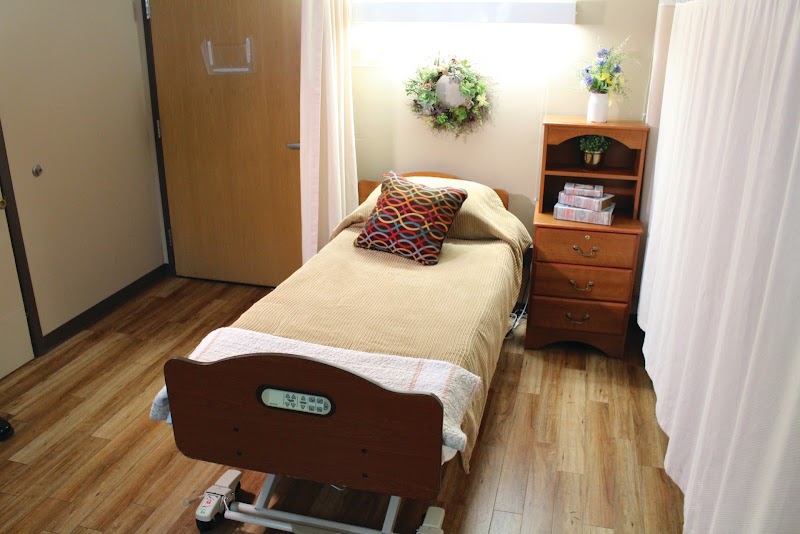
How Does Mt Zion Health & Rehab Center Compare to Other Illinois Nursing Homes?

Compared to the 100 nursing homes in Illinois, MT ZION HEALTH & REHAB CENTER's overall rating (2 stars) is below the state average of 2.5, staff turnover (48%) is near the state average of 46%, and health inspection rating (2 stars) is below the national benchmark.

What Should Families Ask When Visiting Mt Zion Health & Rehab Center?

Based on this facility's data, families visiting should ask: "What safeguards and monitoring systems are in place to protect residents from abuse or neglect?" "Can you walk me through typical staffing levels on day, evening, and night shifts?" "Can I visit during a mealtime to observe dining assistance and food quality?" "How do you handle medical emergencies, and what is your hospital transfer rate?" These questions are particularly relevant given the substantiated abuse finding on record and the below-average staffing rating.

Is Mt Zion Health & Rehab Center Safe?

Based on CMS inspection data, MT ZION HEALTH & REHAB CENTER has documented safety concerns. The facility has 1 substantiated abuse finding (meaning confirmed case of resident harm by staff or other residents). The facility has a 2-star overall rating and ranks #100 of 100 nursing homes in Illinois. Families considering this facility should ask detailed questions about what corrective actions have been taken since these incidents.

Do Nurses at Mt Zion Health & Rehab Center Stick Around?

MT ZION HEALTH & REHAB CENTER has a staff turnover rate of 48%, which is about average for Illinois nursing homes (state average: 46%). Moderate turnover is common in nursing homes, but families should still ask about staff tenure and how the facility maintains care continuity when employees leave.

Was Mt Zion Health & Rehab Center Ever Fined?

MT ZION HEALTH & REHAB CENTER has no federal fines on record. CMS issues fines when nursing homes fail to meet care standards or don't correct problems found during inspections. The absence of fines suggests the facility has either maintained compliance or corrected any issues before penalties were assessed. This is a positive indicator, though families should still review recent inspection reports for the full picture.

Is Mt Zion Health & Rehab Center on Any Federal Watch List?

MT ZION HEALTH & REHAB CENTER is not on any federal watch list. The most significant is the Special Focus Facility (SFF) program, which identifies the bottom 1% of nursing homes nationally based on persistent, serious quality problems. Not being on this list means the facility has avoided the pattern of deficiencies that triggers enhanced federal oversight. This is a positive indicator, though families should still review the facility's inspection history directly.