WHITEHALL OF DEERFIELD

300 WAUKEGAN ROAD, DEERFIELD, IL 60015 (847) 945-4600
For profit - Corporation 190 Beds LEGACY HEALTHCARE Data: November 2025
Trust Grade
70/100
#197 of 665 in IL
Last Inspection: April 2025

Within standard 12-15 month inspection cycle. Federal law requires annual inspections.

Overview

Whitehall of Deerfield has a Trust Grade of B, indicating it is a good choice for families looking for care, as it reflects solid performance. With a state rank of #197 out of 665 facilities in Illinois, this places it in the top half, and it ranks #11 out of 24 in Lake County, meaning only a few local options are better. However, the facility is trending worse, with issues increasing from 6 in 2024 to 10 in 2025. Staffing is rated at 4 out of 5 stars, which is a strength, but the turnover rate is 50%, which is average for the state. Notably, there have been no fines, suggesting compliance is generally good, and RN coverage is higher than 89% of Illinois facilities, which is beneficial for resident care. On the downside, recent inspections revealed several concerns, including food safety issues where staff failed to follow proper food handling procedures and did not consistently change gloves while working with dishes. Additionally, there were reports that recipes were not followed correctly, which could impact residents' dietary needs. These findings highlight the need for improvements in operational practices while the facility maintains several positive aspects.

Trust Score
B
70/100
In Illinois
#197/665
Top 29%
Safety Record
Low Risk
No red flags
Inspections
Getting Worse
6 → 10 violations
Staff Stability
⚠ Watch
50% turnover. Above average. Higher turnover means staff may not know residents' routines.
Penalties
✓ Good
No fines on record. Clean compliance history, better than most Illinois facilities.
Skilled Nurses
✓ Good
Each resident gets 84 minutes of Registered Nurse (RN) attention daily — more than 97% of Illinois nursing homes. RNs are the most trained staff who catch health problems before they become serious.
Violations
⚠ Watch
23 deficiencies on record. Higher than average. Multiple issues found across inspections.
★★★★☆
4.0
Overall Rating
★★★★☆
4.0
Staff Levels
★★★★☆
4.0
Care Quality
★★★★☆
4.0
Inspection Score
Stable
2024: 6 issues
2025: 10 issues

The Good

  • 4-Star Staffing Rating · Above-average nurse staffing levels
  • 4-Star Quality Measures · Strong clinical quality outcomes
  • Full Sprinkler Coverage · Fire safety systems throughout facility
  • No fines on record

Facility shows strength in staffing levels, quality measures, fire safety.

The Bad

Staff Turnover: 50%

Near Illinois avg (46%)

Higher turnover may affect care consistency

Chain: LEGACY HEALTHCARE

Part of a multi-facility chain

Ask about local staffing decisions and management

The Ugly 23 deficiencies on record

Apr 2025 10 deficiencies
CONCERN (D)

Potential for Harm - no one hurt, but risky conditions existed

Resident Rights (Tag F0550)

Could have caused harm · This affected 1 resident

**NOTE- TERMS IN BRACKETS HAVE BEEN EDITED TO PROTECT CONFIDENTIALITY** Based on observation, interview, and record review, the facility failed to treat a resident in a dignified manner for one of 27 ...

Read full inspector narrative →
**NOTE- TERMS IN BRACKETS HAVE BEEN EDITED TO PROTECT CONFIDENTIALITY** Based on observation, interview, and record review, the facility failed to treat a resident in a dignified manner for one of 27 residents (R51) reviewed for dignity in the sample of 27. The findings include: R51's admission Record shows he was admitted to the facility on [DATE] with diagnoses including Parkinson's Disease, pneumonitis, difficulty in walking, need for assistance with personal care, dysphagia, depression, and anxiety disorder. On April 21, 2025 at 12:17 PM during the lunch meal, R51 was sitting in his high back recliner. V21 Activity Coordinator was standing in front of R51 spooning thickened liquids and pureed food into R51's mouth. V21 was not sitting down within eye to eye level of R51. On April 23, 2025 at 9:13 AM, V1 Administrator said staff should be sitting down while feeding residents so they are able to engage with the residents. V1 said an inservice was provided to staff in regards to sitting while feeding residents. The facility's Privacy and Dignity Policy revised August 16, 2024 shows, It is the facility's policy to ensure that resident's privacy and dignity is respected by the staff at all times.
CONCERN (D)

Potential for Harm - no one hurt, but risky conditions existed

Quality of Care (Tag F0684)

Could have caused harm · This affected 1 resident

2. On 4/21/25 at 1:23 PM, R5 was brought to her room from the dining room. R5 was assisted to bed for incontinence care. R5 did not have compression stockings on her legs. On 4/22/25 at 2:17 PM, R5 w...

Read full inspector narrative →
2. On 4/21/25 at 1:23 PM, R5 was brought to her room from the dining room. R5 was assisted to bed for incontinence care. R5 did not have compression stockings on her legs. On 4/22/25 at 2:17 PM, R5 was in bed in her room. V11 Licensed Practical Nurse (LPN), with this surveyor, lowered R5's blankets and lifted R5's pant legs. R5 did not have compression stockings on her legs. V11 said she was not sure if R5 wears stockings or not. On 4/23/25 at 9:09 AM, V2 Director of Nursing said the expectation is to follow all physician orders including treatments, medications, and compression hose. R5's Physician Orders dated 11/13/23 shows, Apply bilateral knee high stockings in the AM and remove at HS. R5's Physician Progress Note dated 3/14/25 shows, Right lower extremity deep vein thrombosis status post Inferior Vena Cava filter, apply bilateral knee high stockings in AM and remove at HS. Based on observation, interview, and record review the facility failed to monitor weights for a resident with weight loss and failed to apply compression stockings for a resident with a history of blood clots which applies to 2 of 2 residents (R96, R5) reviewed for quality of care in a sample of 27. The findings include: 1. R96's Facesheet printed on 4/23/25 showed R96 is an eighty-three year old female resident readmitted to the facility from a hospital stay on 3/24/25 with diagnoses which included: Parkinson's disease, acute post hemorrhagic anemia, stage 3 sacral pressure ulcer, dysphagia, mild protein-calorie malnutrition, and malignant neoplasm of pancreas. R96's medical record showed a readmission weight of 160 pounds on 3/24/25. R96's previous weight of 2/8/25 was 171 pounds. This is a 6.4% difference. On 4/21/25 R96's weights were reviewed. These were the only 2 weights in R96's vitals section. R96's Order Summary Report printed on 4/22/25 showed an order for weekly weights to be done every Monday. The order start date is 3/24/25. On 4/22/25 at 1:46 PM, V18 Clinical Nutrition Manager (Dietitian) stated R96 has multiple issues which could cause weight loss. Weight need to be done to monitor a resident for weight loss. If you do not know a resident is losing weight you will not know to do anything about it. Orders should be done as ordered which is usually daily, weekly, or monthly. The facility's Weights Policy revised on 8/19/24 showed weights should be obtained monthly unless otherwise ordered differently by the physician.
CONCERN (D)

Potential for Harm - no one hurt, but risky conditions existed

Pressure Ulcer Prevention (Tag F0686)

Could have caused harm · This affected 1 resident

**NOTE- TERMS IN BRACKETS HAVE BEEN EDITED TO PROTECT CONFIDENTIALITY** 3. R51's admission Record shows he was admitted to the facility on [DATE] with diagnoses including Parkinson's Disease, pneumoni...

Read full inspector narrative →
**NOTE- TERMS IN BRACKETS HAVE BEEN EDITED TO PROTECT CONFIDENTIALITY** 3. R51's admission Record shows he was admitted to the facility on [DATE] with diagnoses including Parkinson's Disease, pneumonitis, difficulty in walking, need for assistance with personal care, dysphagia, depression, and anxiety disorder. R51's Risk assessment dated [DATE] shows he is at a high risk for developing pressure injuries. R51's Care Plan intitiated November 29, 2024 shows, [R51] is at risk for impairment to skin integrity due to disease process, diagnosis of Parkinson's Disease with fluctuation, decreased mobility, incontinence of bowel and bladder, and fragile skin. Off load heels. On April 21, 2025 at 10:48 AM, R51 was sitting in the facility's dining room in a high back wheeled recliner. R51's heels and feet were on the recliners foot rest. On April 22, 2025 at 11:13 AM, R51 was sitting in his high back wheeled recliner. There was no pillow or protective heel boots. R51's feet and heels were directly on the foot rest of the high back wheeled recliner. On April 23, 2025 at 9:13 AM, V2 Director of Nursing (DON) said resident's heels should be offloaded. Residents' heels should be elevated and can be offloaded with pillows or heel protective boots. The facility's Wound Care Guidelines Policy reviewed January 24, 2024 shows, Residents may be properly positioned in bed using pillows or other supportive devices to help protect bony prominence areas susceptible to pressure. Offload elbows and heels as needed. Elevate resident heels off the bed as indicated. 2. On 04/21/25 at 12:46 PM, V20 Certified Nursing Assistant (CNA) wheeled R26 from the lunch room to her room. R26 had a padded heel boot on her right left only. V20 said R26 does not have any wounds on her heels, the boots are for protection. R26's Physician Orders dated 12/4/23 shows an order heel suspension boots when in bed or up in the wheelchair every shift. On 04/23/25 at 10:18 AM, V15 Wound Nurse Manager said R26 has an arterial wound on her right great toe. V15 said R26 likes to her cross legs which impairs her circulation, so the heel boots reduce pressure and to prevent new wounds. V15 said if R26 is refusing the heel boots, staff should let the nurse know and chart the refusal. R26's Treatment Administration Record shows on 4/21/25 heel suspension boots were applied, there is no documentation of refusal. On 04/23/25 at 9:09 AM, V2 Director of Nursing said the expectation is to follow all physician orders including treatments, medications, and pressue reducing boots. Based on observation, interview, and record review the facility failed to ensure pressure relieving interventions were in place for residents at risk for developing pressure injuries for three of six residents (R276, R26, R51) reviewed for pressure injuries in a sample of 27. The findings include: 1. R276's Facesheet printed on 4/22/25 showed R276 is an eighty-five year old male resident admitted to the facility on [DATE] with diagnoses which include: type 2 diabetes mellitus, peripheral vascular disease, unstageable sacral pressure ulcer, and needing assistance with personal care. R276's Braden Skin Assessment summary printed on 4/23/25 showed R276 has been at High Risk for developing pressure injuries since his initial assessment on 4/10/25. On 4/21/25 at 11:20 AM and 1:20 PM R276 was lying in with his legs/heels directly on the mattress. On 4/22/25 at 9:50 AM R276 was in the same possition with no heel offloading devices in place. R276's legs had reddened areas along the calf area. R276 stated the reddened areas were abrasions sustained from a fall prior to being admitted . R276 stated it had been a while since the staff had offered to have anything placed under his legs. On 4/22/25 at 2:20 PM, V19 (R276 family) stated they had not been told R276 had ever refused to have his feet offloaded while in bed. On 4/23/25 at 10:00 AM V15 Wound Nurse Manager stated off loading heels is a preventative intervention for pressure injuries. If a resident refuses an intervention they should be reapproached later to attempt to put the intervention in place. on 4/23/25 at 10:15 AM V17 Scheduler/Certified Nursing Assistant (CNA) stated the devices we use for heel protection and off-loading are our green boots (padded) and pillows which are placed under a residents heels/legs to relieve the pressure on the heels. If a resident refuses cares or repositioning (includes off-loading) we need to reapproach the resident to try again. R276's Careplan printed on 4/22/25 showed R276 having a focus for poor skin integrity and having a pressure injury with an intervention of off-loading R276's heels when in bed.
CONCERN (D)

Potential for Harm - no one hurt, but risky conditions existed

Deficiency F0688 (Tag F0688)

Could have caused harm · This affected 1 resident

**NOTE- TERMS IN BRACKETS HAVE BEEN EDITED TO PROTECT CONFIDENTIALITY** Based on observation, interview, and record review, the facility failed to ensure interventions were in place to prevent a contr...

Read full inspector narrative →
**NOTE- TERMS IN BRACKETS HAVE BEEN EDITED TO PROTECT CONFIDENTIALITY** Based on observation, interview, and record review, the facility failed to ensure interventions were in place to prevent a contracture from getting worse for one of 27 residents (R69) reviewed for range of motion in the sample of 27. The findings include: R69's admission Record shows he was admitted to the facility on [DATE] with diagnoses including hemiplegia and hemiparesis, dysphagia, and pressure injury of sacral region. R69's facility obtained picture shows that R69 had a rolled wash cloth to his left contracted hand. On April 21, 2025 at 10:08 AM, 10:52 AM, and 1:11 PM R69's left hand was contracted and bent up on his chest. There were no devices in place to R69's contracted hand. On April 23, 2025 at 9:13 AM, V2 Director of Nursing (DON) said R69 should have a rolled washcloth in place to his contracted hand. V2 said the rolled wash cloth is used to help prevent further injury to his left hand. The facility's Restorative Nursing Program revised August 19, 2024 shows, Appropriate nursing and restorative services consistent to the resident's functional needs must be provided. Nursing and Restorative Services may include the following: Contracture Prevention and Management: passive range of motion, active range of motion, and splint/orthotic management.
CONCERN (D)

Potential for Harm - no one hurt, but risky conditions existed

Pharmacy Services (Tag F0755)

Could have caused harm · This affected 1 resident

Based on observation, interview, and record review the facility failed to ensure medications were administered according to professional standards. This applies to 1 of 27 residents (R380) reviewed fo...

Read full inspector narrative →
Based on observation, interview, and record review the facility failed to ensure medications were administered according to professional standards. This applies to 1 of 27 residents (R380) reviewed for pharmacy services in the sample of 27. The findings include: On 4/22/25 at 9:02 AM, R380 was lying in bed watching television. On R380's bedside table on the right side of R380's bed there was a small plastic cup that contained two pills. R380 said the pills were mycophenolate and R380 has to take them on an empty stomach. R380 said she did not eat breakfast until almost 9:00 AM on 4/22/25 and was holding them to take around 9:30 AM. R380's Order Summary Report dated 4/23/25 shows R380 has an order for mycophenolate, take two tablets by mouth one time a day for organ transplant. R380's Order Summary Report does not show R380 has orders to self-administer medications. On 4/23/25 at 9:13 AM, V2 (Director of Nursing) said the normal procedure of providing a resident medications includes introducing themselves to the resident, answering any questions about the medications that the resident may have, and provide the resident with the medication. If a resident does not want to take the medication at that time, the nurse is to take the medication with them and not leave the medication in the room with the resident. V2 said there are no known residents at this time in the facility that are able to self-administer medications. Facility Medication Pass policy dated 8/16/24 states, It is the policy of the facility to adhere to all Federal and State regulations with medication pass procedures.
CONCERN (D)

Potential for Harm - no one hurt, but risky conditions existed

Deficiency F0883 (Tag F0883)

Could have caused harm · This affected 1 resident

**NOTE- TERMS IN BRACKETS HAVE BEEN EDITED TO PROTECT CONFIDENTIALITY** Based on interview and record review the facility failed to administer a pneumococcal vaccine to 1 of 5 residents (R26) reviewed...

Read full inspector narrative →
**NOTE- TERMS IN BRACKETS HAVE BEEN EDITED TO PROTECT CONFIDENTIALITY** Based on interview and record review the facility failed to administer a pneumococcal vaccine to 1 of 5 residents (R26) reviewed for immunizations in the sample of 27. The findings include: R26's face sheet shows she was admitted to the facility on [DATE]. R26's Immunization Report shows she was administered a Pneumococcal Conjugate Vaccine 13 (PCV13) on 10/20/18. There are no additional documented Pneumococcal vaccines in R26's Immunization report or any documented refusals of Pneumococcal vaccines in her Electronic Medical Record. On 4/23/25 at 12:22 PM, V14 (Assistant Director Of Nursing) said R26's second dose of her Pneumococcal vaccine a Pneumococcal Polysaccharide Vaccination 23 (PPSV23) should have been administered 1 year after her dose given on 10/20/18 but it was missed. The facility provided Pneumococcal Vaccination Policy last revised on 9/16/24 shows after receiving a PCV13 a person over age [AGE] should also receive a PPSV23 1 year after the PCV 13, or they could receive newer option (added after 2019) a PCV20. The policy also shows the facility should screen residents and administer Pneumococcal vaccinations as recommended by the CDC.
CONCERN (E)

Potential for Harm - no one hurt, but risky conditions existed

Deficiency F0761 (Tag F0761)

Could have caused harm · This affected multiple residents

**NOTE- TERMS IN BRACKETS HAVE BEEN EDITED TO PROTECT CONFIDENTIALITY** Based on observation, interview and record review the facility failed to ensure insulin pens and tuberculin purified protein der...

Read full inspector narrative →
**NOTE- TERMS IN BRACKETS HAVE BEEN EDITED TO PROTECT CONFIDENTIALITY** Based on observation, interview and record review the facility failed to ensure insulin pens and tuberculin purified protein derivative (PPD) were labeled with open and with expiration dates, and failed to ensure medications were stored securely for 5 of 10 residents ( R78, R16, R384, R385 and R386) reviewed for medication labeling/storage in the sample of 27. The findings include: On [DATE] at 11:03 AM, in the 2nd floor medication cart there were 2 insulin pens open that were not dated and 1 insulin pen that had expired on [DATE]. These were identified as flextouch insulin pens belonging to R78 which included one expired pen and one unlabeled pen, and a unlabeled Humalog kwik pen belonging to R16. At 11:03 AM while checking the medication cart V10 (Registered Nurse/ RN) said insulin pens should be labeled when they are opened and have the expiration date also, which would be 28 days later. V10 said all expired pens or medications should be immediately removed from the medication cart and disposed of. On [DATE] at 11:18 AM, while the surveyor was checking a second medication cart with V11 (Licensed Practical Nurse/LPN), V10 showed the surveyor that she had put dates on the insulin pens and was going to put them back inside the medication cart. The surveyor asked how she determined when the pens were opened as one of the pens was dated for [DATE]. V10 then placed the insulin pens on the top of her medication cart and walked down to the medication room leaving the pens unsecured and sitting out. At 11:25 AM the insulin pens were still sitting on the top of the medication cart. R16's Medication Administration Record (MAR) shows he has an order with a start date of [DATE] for a Humalog kwik pen which is being administered twice a day. R78's MAR shows he has an order for Tresiba Flex touch injector-pen which is given once a day. On [DATE] at 11:38 AM, the 2 North medication room was observed with the surveyor and V13 (RN) inside the refrigerator were 2 open not dated Tuberculin PPD solution vials, one was half full and the second a quarter full. V13 said those are used when new admission come in to 2 North and they administer the vials to do TB skin tests. V13 said the vials should be dated when open and he thinks they are good for 30 days. When the surveyor asked V13 how he would know that the vials are still good if there is no date to identify when it was opened he replied good point. V13 said a couple residents just had TB tests from the vial a couple days ago. V13 then placed both vials back in the refrigerator and locked it. The facility provided a list of residents recently admitted to 2 North which included R385 and R386 both were admitted on [DATE], and R384 who was admitted on [DATE]. R384's MAR shows he received 2 doses of Tuberculin PPD on [DATE] and [DATE]. R385 and R386's MAR's show they both received doses of the Tuberculin PPD on [DATE]. On [DATE] at 9:58 AM, V2 (Director of Nursing) said insulin pens and Tuberculin solution should all be dated when opened and have an expiration date on them. V2 said tuberculin solution and most insulin pens are good for 28 days but they follow pharmacy recommendation guidance for the expiration dates. V2 said expired medication should be immediately removed from the medication carts and all medication should be secured and not left sitting out on the top of medication carts. The facility provided Medication pass policy last revised [DATE] shows all opened medication vials should be labeled with the date opened and expires in 28 with the exception of one insulin and an eye drop medication. The facility provided Medication, Storage, Labeling and Disposal policy last revised on [DATE] shows that medication will be secured in a locked storage area and medications should be labeled with the name of the medication, and the expiration date.
CONCERN (E)

Potential for Harm - no one hurt, but risky conditions existed

Infection Control (Tag F0880)

Could have caused harm · This affected multiple residents

**NOTE- TERMS IN BRACKETS HAVE BEEN EDITED TO PROTECT CONFIDENTIALITY** Based on observation, interview, and record review, the facility failed to ensure enhanced barrier precautions (EBP) were in pla...

Read full inspector narrative →
**NOTE- TERMS IN BRACKETS HAVE BEEN EDITED TO PROTECT CONFIDENTIALITY** Based on observation, interview, and record review, the facility failed to ensure enhanced barrier precautions (EBP) were in place and failed to change gloves and perform hand hygiene in a manner to prevent cross contamination for five of 27 residents (R30, R51, R383, R382, R376) reviewed for infection control in the sample of 27. The findings include: 1. R30's admission Record dated April 22, 2025 shows she was admitted to the facility on [DATE] with diagnoses including dysphagia, osteomyelitis, cognitive communication deficit, pressure injury of sacral region, and attention to gastrostomy (Percutaneous endoscopic gastrostomy tube/feeding tube/G tube). R30's Order Summary Report shows she has an indwelling catheter drainage bag and has a wound dressing change to her sacrum. R30's orders do not include an order for enhanced barrier precautions. R30's Care Plan initiated on February 20, 2025 shows, [R30] is on enhanced barrier precaution related to g-tube. On April 22, 2025 at 11:20 AM, R30 was observed in her bed. R30 tube feeding was infusing. There was a urinary drainage bag noted to R30's right side of her bed. There was no enhanced barrier precaution sign outside of R30's door, nor was there a cart with personal protective equipment. On April 23, 2025 at 9:13 AM, V2 Director of Nursing (DON) said R30 should be on enhance barrier precautions. V2 said there should be a sign outside of R30's door, and there should be a cart with personal protective equipment outside of her room. 2. R51's admission Record shows he was admitted to the facility on [DATE] with diagnoses including Parkinson's Disease, pneumonitis, difficulty in walking, need for assistance with personal care, dysphagia, depression, and anxiety disorder. On April 21, 2025 at 1:23 PM, V20 Certified Nursing Assistant (CNA) provided incontinence care to R51. V20 folded R51's incontinence brief in between R51's legs from the front. V20 wiped R51's front peri area. There was urine in R51's incontinence brief. R51 then helped R51 to turn onto his right side by touching R51's body. V20 then wiped a stool smear from R51's buttocks. V20 then retrieved a new clean incontinence brief placed it under R51 then help R51 turn back onto his back. V20 applied the clean incontinence brief, replaced R51's clean shorts, placed a pillow in between R51's legs, and applied R51's protective heel boots. V20 did not change his gloves or perform hand hygiene when going from dirty to clean items. On April 23, 2025 at 9:13 AM, V2 DON said hand hygiene should be performed and gloves should be changed after removing dirty items and before touching clean items. 3. R382's Facesheet shows R382 was admitted to the facility on [DATE]. R382's Risk Evaluation for Isolation form dated 4/12/25 shows R382 has an indwelling catheter and should be on enhanced barrier precautions (EBP) until the device is discontinued. R382's Order Summary Report dated 4/22/25 does not have orders for R382 to be on EBP. On 4/22/25 at 9:31 AM, R382's was lying in bed with the indwelling catheter tubing and collection bag hanging from R382's bed. On the wall next to R382's entrance door, no EBP signage was posted indicating R382 was on EBP and there was no personal protective equipment (PPE) cart outside of R382's room. On 4/23/25 at 10:36 AM, R382's door still did not have any EBP signage and there was no PPE cart outside of R382's room. 4. R376's Facesheet shows R378 was admitted to the facility on [DATE]. R376's Risk Evaluation for Isolation form dated 4/19/25 states R376 does not have any indwelling medical devices. R376's admission Progress Note dated 4/18/25 states, . Resident has a foley (indwelling catheter) that was placed on 4/16/25 . R376's Order Summary Report dated 4/22/25 does not have orders for R376 to be on EBP. On 4/21/25 at 10:27 AM, R376 was sitting in R376's wheelchair with an indwelling catheter tube running to a collection bag hanging from R376's bed. On the wall next to R376's entrance door, no EBP signage was posted indicating R376 was on EBP and there was no PPE cart outside of R376's room. R376 said staff would wear gloves when providing care to R376 but staff were not wearing gowns. On 4/23/25 at 10:35 AM, on the wall next to R376's entrance door, an EBP sign was posted indicating R376 was on EBP and there was a PPE cart outside of R376's room. 5. R383's Facesheet dated 4/22/25 shows R383 originally admitted to the facility on [DATE]. R383's Risk Evaluation for Isolation form dated 4/22/25 shows R383 has an IR (Interventional Radiology) drain and should be placed on EBP until the device is discontinued. R383's Order Summary Report dated 4/22/25 does not have orders for R383 to be on EBP. On 4/22/25 at 9:26 AM, R383 was lying in bed with a drainage tube running into a collection bag that was hanging from R383's bed. On the wall next to R383's entrance door, no EBP signage was posted indicating R383 was on EBP and there was no PPE cart outside of R383's room. On 4/23/25 at 10:34 AM, on the wall next to R383's entrance door, an EBP sign was posted indicating R383 was on EBP and there was a PPE cart outside of R383's room. On 4/23/25 at 9:16 AM, V2 (Director of Nursing) said the Risk Evaluation for Isolation form is completed by the admitting nurse at the time of an admission. The form is conducted to assess whether a resident may need any isolation procedures. If the resident has an indwelling medical device, the resident should be placed onto EBP. V2 said examples of indwelling medical devices include, but are not limited to, PICC (peripherally inserted central catheter) lines, midline catheters, foley (indwelling) catheters, IR drains, gastrostomy tubes, and PEG (percutaneous endoscopic gastrostomy) tubes. V2 said if a resident is placed on EBP, there should be a sign indicating they are on EBP and a PPE cart will be placed outside of the resident's door. V2 said both the sign and cart can and should be applied as soon as possible once it is determined EBP is needed. The facility's Gloves Usage policy revised on March 23, 2023 shows, If the resident needs EBP, the facility will provide care following the EBP policy. A transmission based precaution set up will be provided outside the resident's room to provide personal protective equipment like gown and gloves to staff including contracted workers and visitor entering the residents' room. A sign will be provided outside the room for resident on transmission based precaution indicating the type of the precaution (contact, droplet, or EBP). Hand hygiene will be performed by staff and contracted workers before and after direct patient contact and after each situation that necessitates hand hygiene. The facility's Enhanced Barrier Precaution policy revised on July 26, 2024 shows, The facility will use EBP to reduce transmission of multi-drug resistant organisms in the nurse homes. EBP involves the use of gowns and glove to reduce transmission of resistant organisms during high contact resident care activities for residents known to be colonized or infected with multi-drug-resistant organisms as wall as residents with wounds and/or indwelling medical devices. EBP will be used for any resident in the facility with open wounds and/or has indwelling medical devices including central line, urinary catheter, feeding tubes.
CONCERN (F)

Potential for Harm - no one hurt, but risky conditions existed

Menu Adequacy (Tag F0803)

Could have caused harm · This affected most or all residents

Based on observation, interview, and record review the facility failed to ensure facility recipes were followed. This has the potential to effect all residents receiving food from the kitchen. The fi...

Read full inspector narrative →
Based on observation, interview, and record review the facility failed to ensure facility recipes were followed. This has the potential to effect all residents receiving food from the kitchen. The findings include: The Centers for Medicare and Medicaid Services form 671 shows there are 131 residents residing in the facility. Facility provided list of residents that have an order of NPO (Nothing by Mouth) show there are three residents with an order of NPO that do not receive food from the kitchen. Facility provided menu week at a glance shows on 4/21/25 the noon meal includes beef barley soup, turkey and Swiss cheese sandwich, three bean salad, and mandarin oranges. 1. On 4/21/25 9:48 AM, dietary staff were seen scooping three bean salad from a bulk container into portion cups for the noon meal. The staff member was using a 4 ounce (oz) slotted spoodle with a green handle. On 4/21/25 at 11:20 AM, the mandarin orange portion in the portion cups being placed on resident trays appeared small. On 4/21/25 at 12:02 PM, V3 (Food Service Director) measured both the mandarin orange and three bean salad portion sizes provided on the trays at lunch. V3 used a slotted 4oz spoodle with a green handle to measure and both the mandarin orange portion and three bean salad portion did not fill the 4oz spoodle. V3 said the approximate portion sizes of the mandarin oranges was 2oz and the approximate portion of three bean salad was 3oz, respectively. V3 said the menu that is posted on the bulletin board in the kitchen does not indicate portion sizes and staff would have to ask V3 to get the recipe binder to review the correct portion sizes for each meal. Facility Diet Spreadsheet shows the correct serving utensil for both the three bean salad and mandarin oranges should be a #8 scoop, which provides 4oz. 2. On 4/21/25 at 12:18 PM, the facility provided test tray of both a regular meal and a puree meal included pureed soup. The pureed soup was in a coffee mug with a plastic lid. When the plastic lid was removed, a dark, beef broth-like liquid was revealed and was a thin-liquid consistency. On 4/21/25 at 12:10 PM, R76 was sitting up in his wheelchair in the hall outside of R76's room. R76's lunch tray was delivered and R76 tasted the brown colored thickened liquid in the mug on R76's tray. Loudly, and very upset, R76 proclaimed, This is not beef barley soup! Look at the menu, it's supposed to be beef barley soup! What is this? I'm not eating this! On 4/21/25 at 12:10 PM, V3 (Food Service Director) said the cook will remove a portion of the cooked soup for the day, strain the solids from the liquid, and serve the liquid in coffee mugs. Kitchen staff will provide a thickening packet on resident trays that have orders for thickened beverages and nursing staff will thicken the soup before delivery. On 4/23/25 at 9:09 AM, V1 (Administrator) said after talking with V3 and V18 (Clinical Nutrition Manager- Registered Dietitian) the proper process of making the pureed soup is taking a portion of the regular soup, including the liquid and solids, puree the mixture, then strain the pureed mixture through a strainer to ensure a smooth, uniform consistency that is free of chunks. Facility provided recipe for pureed beef barley soup, provided on 4/21/25, shows that it was redacted with white-out stating, Place prepared beef barley soup in [sic] strain to get a broth. Facility provided recipe for pureed beef barley soup, provided on 4/23/25 without white-out, states, Place prepared beef barley soup in food processor and blend to a smooth consistency.
CONCERN (F)

Potential for Harm - no one hurt, but risky conditions existed

Food Safety (Tag F0812)

Could have caused harm · This affected most or all residents

Based on observation, interview, and record review the facility failed to ensure safe food handling procedures were being practiced. This has the potential to effect all residents receiving food from ...

Read full inspector narrative →
Based on observation, interview, and record review the facility failed to ensure safe food handling procedures were being practiced. This has the potential to effect all residents receiving food from the kitchen. The findings include: The Centers for Medicare and Medicaid Services form 671 shows there are 131 residents residing in the facility. Facility provided list of residents that have an order of NPO (Nothing by Mouth) show there are three residents with an order of NPO that do not receive food from the kitchen. 1. On 4/21/25 at 9:53 AM, V4 (Dietary Aide) and V5 (Dietary Aide) were breaking down breakfast trays on one side of the dirty side of the dish machine counter. V6 (Dietary Aide) was wearing gloves and was placing plates, utensils, trays, and other items into dish racks and running them through the dish machine on the opposite side of the dish machine counter from V4 and V5. V6 went over to the clean and sanitized of the dish machine, moved dish racks out of the way to allow more dish racks to run through the dish machine, then went to the sink attached to the dirty side of the dish machine counter, rinsed his hands while still wearing the same gloves, returned to the clean and sanitized dish racks and removed a food service pan from the rack and placed it on the shelf above the counter. V6 returned to the dirty side of the dish machine and continued to load dish racks with the same gloves. On 4/21/25 at 11:39 AM, it was observed that there are no soap dispensers where V6 rinsed V6's gloved hands. On 4/21/25 at 11:52 AM, V3 (Food Service Director) said V3 prefers that kitchen staff do not wear gloves when washing dishes so the kitchen staff know when their hands become soiled and need to be washed. V3 said staff should remove their gloves and wash their hands after handling dirty dishes and before handling clean dishes. Facility Kitchen Policy dated 8/16/24 states, . e. Staff will was hands after handling soiled items, after using the toilet, after removing gloves, and after switching from working with raw food items to working with ready to eat food. 2. On 4/21/25 at 11:16 AM, V7 (Cook's Helper) removed a food service pan of mashed potatoes from the warmer. V7 grabbed a scoop that was sitting on top of the warmer atop a piece of aluminum foil, scooped out a portion of mashed potatoes, and placed the scoop back onto the warmer on the aluminum foil. The scoop was not covered. On 4/21/25 at 11:37 AM, V7 removed a food service pan of meat sauce from the warmer. V7 grabbed a scoop that was sitting in a clean food service pan on top of the warmer, scooped out a portion of meat sauce, and placed the scoop back into the food service pan on top of the warmer. The scoop was not covered. On 4/21/25 at 11:58 AM, V3 said the scoops should be covered to prevent cross contamination or V7 should have washed the scoops immediately after use. 3. On 4/21/25 at 11:49 AM, V22 (Cook) grabbed multiple soup base containers from a shelf below the prep counter and placed them onto the counter. V22 opened the soup containers, pulled out portion cups that were stored inside the soup base containers, and scooped some of the contents into a pot. V22 placed the portion cups back into the soup base containers, placed the lids back onto the soup base containers, and placed the containers back onto the shelf for storage. On 4/21/25 at 11:51 AM, V3 said the portion cups should not be stored inside the soup base containers and V22 should have removed them. Facility Food Handling Policy, dated 7/26/24 states, Food will be stored, prepared, handled and served so that the risk of foodborne illness is minimized.
Dec 2024 1 deficiency
CONCERN (D) 📢 Someone Reported This

A family member, employee, or ombudsman was alarmed enough to file a formal complaint

Potential for Harm - no one hurt, but risky conditions existed

Deficiency F0657 (Tag F0657)

Could have caused harm · This affected 1 resident

**NOTE- TERMS IN BRACKETS HAVE BEEN EDITED TO PROTECT CONFIDENTIALITY** Based on interview and record review the facility did not inform/invite a resident's representative to a care plan meeting for 1...

Read full inspector narrative →
**NOTE- TERMS IN BRACKETS HAVE BEEN EDITED TO PROTECT CONFIDENTIALITY** Based on interview and record review the facility did not inform/invite a resident's representative to a care plan meeting for 1 of 3 residents (R1) reviewed for care plans in the sample of 3. The findings include: R1's face sheet showed he was admitted to the facility on [DATE] and V8 (R1's Mother) was R1's guardian. The same document showed R1 was diagnosed with lack of expected normal physiological development in childhood and autistic disorder. On 12/2/24 at 11:15 AM, V8 said she was R1's Power of Attorney and had not been informed by the facility of a care plan meeting, care planning process, or attended any care plan meeting/conference. On 12/3/24 at 11:03 AM, V7 (Director of Social Services) was asked when R1's care plan meeting was. V7 did not give an exact date and said R1's care plan meeting took place throughout his stay at the facility. V7 said residents and their representatives are verbally informed when care plan meetings are scheduled. On 12/3/24 at 11:20 AM, V2 (Director of Nursing) said families and residents are verbally notified of care plan meetings. V2 added there may be documentation in the resident's progress notes that the resident/family have been informed of the care plan meetings. On 12/3/24 at 11:55 AM, there was no progress notes in R1's electronic medical record indicating V8 was informed of a care plan meeting. R1's progress note dated 11/7/24 showed the initial plan of care was reviewed with R1 and V8. The same progress note showed V8 was R1's Power of Attorney. R1's Baseline Care Plan Conference/Care Plan Summary document dated for 11/25/24 had two attendees signatures on the form. The signatures did not match R1's Consent for Psychotropic Medication Use document signed by V8. On 12/3/24 at 12:03 PM, V7 reviewed R1's Baseline Care Plan Conference/Care Plan Summary form dated 11/25/24 and said that form is filled out when there is a care plan meeting. The facility was unable to provide a care plan meeting policy.
May 2024 5 deficiencies
CONCERN (D)

Potential for Harm - no one hurt, but risky conditions existed

Accident Prevention (Tag F0689)

Could have caused harm · This affected 1 resident

**NOTE- TERMS IN BRACKETS HAVE BEEN EDITED TO PROTECT CONFIDENTIALITY** Based on observation, interview, and record review the facility failed to ensure residents followed smoking contracts for 2 of 2...

Read full inspector narrative →
**NOTE- TERMS IN BRACKETS HAVE BEEN EDITED TO PROTECT CONFIDENTIALITY** Based on observation, interview, and record review the facility failed to ensure residents followed smoking contracts for 2 of 2 residents (R24 & R27) reviewed for safety, supervision, and smoking in the sample of 28. The findings include: 1. On 5/30/24 at 10:18 AM, R27 was in a covered area, outside, sitting in a wheelchair wearing gray sweats, black tennis shoes and a hat. R27 did not have a smoking apron on. V4 (Life Enrichment Director) was standing outside observing R27 while she was smoking. V4 stated the smoking schedule was on the arm pad of R27's wheelchair. R27 moved her arm, and it showed the smoking times were 10:00 AM, 1:30 PM, and 4:15 PM. R27 stated she keeps her cigarettes in the bottom drawer in her room. V4 stated the nurse keeps R27's lighter. V4 stated R27 is supposed to wear a smoking apron and should have one on. R27 stated she would wear a smoking apron. R27 stated she has not refused to wear a smoking apron. The Smoking Contract dated 3/21/24 for R27 showed, if facility determines that the undersigned requires supervision, all tobacco products and lighters shall be held by nursing staff when not in use. Resident/patient who intends to smoke has been made aware that when smoking he/she must wear a protective apron, which can be obtained at any nurse's station throughout the building. The Care Plan dated 4/2/24 for R27 showed, the resident is a smoker and expresses desire to smoke at this facility. Provide a copy of the facility safe-smoking policy and explain the policy so the resident is fully aware of all obligations and the consequences of violating the rules. Require the resident's signature on the policy or a safety contract, as appropriate. Remind the resident that staff will be observing and supervising smoking related behavior. Non-compliance is to be documented in the medical record. The Progress Notes on 5/30/24 did not show any documentation on non-compliance with the smoking contract. The Face Sheet dated 5/30/24 for R27 showed medical diagnoses including dementia without behavioral disturbance, type 2 diabetes mellitus, protein calorie malnutrition, hypertension, hyperlipidemia, gastro-esophageal reflux disease, and osteoarthritis. The MDS (Minimum Data Set) dated 3/22/24 showed a BIMS (brief interview for mental status) score of 14, no cognitive impairment. The facility's Smoking Policy (7/28/23) showed, Residents that do not abide by the facility's smoking policy will be re-educated about safe smoking practices. Facility may keep the resident's smoking materials when not being used by the resident. Those who are assessed as unsafe smokers will be provided supervision during smoking. 2. On 5/29/24 at 9:27 AM, R24 dressed with a sling on her right arm and propelling herself into her room in her wheelchair. R24 stated she is a smoker and goes outside to the covered area to smoke. R24 stated she goes out and smokes alone and does not have any designated time to smoke. R24 stated her smoking materials are kept by the nurse and she just asks for them when she goes outside to smoke. On 5/30/24 at 10:26 AM, R24 was sitting in her room in her wheelchair. R24 stated she can go outside to smoke whenever she wanted, doesn't have to have anyone with her, and has to get smoking materials from the nurse. R24 stated she has never worn a smoking apron. V9 (Registered Nurse) was outside of R24's room and stated she was R24's nurse for the day. V9 stated that she doesn't give R24 a smoking apron and that the facility does not have them. On 5/30/24 at 12:05 PM, V1 (Adminstrator) stated the facility has smoking aprons available. The Admit/Readmit Follow Up Note dated 5/10/24 for R24 showed she has dementia; she is alert and oriented 1-2 (person & time); forgetful. Requires frequent reorientation to reality and redirection by staff. Fall precautions observed at all times. The Smoking Contract dated 5/8/24 for R24 showed, a resident who intends to smoke has been made aware that they have to wear a smoking apron. The Smoking assessment dated [DATE] for R24 showed poor judgement or decision making skills are present. The assessment showed R24 is considered a safe smoker and may use/access smoking materials consistent with the facility policy. Staff is not required to remain in attendance while resident is smoking. Resident agrees to follow smoking rules. The Care Plan dated 5/16/24 for R24 showed, the resident is a smoker and expresses the desire to smoke at this facility. The resident is aware of the following rules and his/her responsibility to fully abide by these rules. The Care Plan Note dated 5/28/24 for R24 showed, R24 is status post hospitalization due to a fall at her memory care facility. R24 was diagnosed and treated for a right shoulder fracture and dislocation. R24 shows decreased safety awareness and her level of assist needed fluctuates. She is recommended assist with activities of daily living when she discharges. Discharge planner present to review discharge date .as well as recommendation for 24-hour supervision upon discharge. The Face Sheet dated 5/30/24 for R24 showed medical diagnoses including chronic obstructive pulmonary disease, centrilobular emphysema, metabolic encephalopathy, atrial fibrillation, peripheral vascular disease, aortic valve stenosis, right shoulder dislocation, and right humerus fracture.
CONCERN (D)

Potential for Harm - no one hurt, but risky conditions existed

Incontinence Care (Tag F0690)

Could have caused harm · This affected 1 resident

**NOTE- TERMS IN BRACKETS HAVE BEEN EDITED TO PROTECT CONFIDENTIALITY** Based on observation, interview, and record review the facility failed to ensure indwelling urinary catheter tubing was not layi...

Read full inspector narrative →
**NOTE- TERMS IN BRACKETS HAVE BEEN EDITED TO PROTECT CONFIDENTIALITY** Based on observation, interview, and record review the facility failed to ensure indwelling urinary catheter tubing was not laying or dragging on the floor for 1 of 3 residents (R434) reviewed for indwelling urinary catheters in the sample of 28. The findings include: On 5/28/24 at 11:48 AM, R434 was sitting in a high back wheelchair in the common area of the dining room. R434 had an indwelling urinary catheter, and the tubing was laying on the floor. R434 was propelling his wheelchair back and forth and the tubing was dragging on the ground. At 11:56 AM, V5 (Registered Nurse) pushed R434 to the dining room table with his catheter tubing dragging on the floor. On 5/29/24 at 11:01 AM, V2 (Director of Nursing) stated the catheter tubing should not be on the floor for infection control. V2 stated there would also be a chance that the tubing would get pulled out. The Face Sheet dated 5/29/24 for R434 showed medical diagnoses including chronic obstructive pulmonary disease, atherosclerosis, sick sinus syndrome, hypertension, hypercholesterolemia, and right femur fracture. The Nurse Practitioner's Note dated 5/28/24 for R434 showed additional diagnoses including dementia with other behavioral disturbance, mitral regurgitation, paroxysmal atrial fibrillation, and stage 3 chronic kidney disease. R434 has in indwelling urinary catheter in place. De-catheterization trial scheduled at the facility on 6/4/24 however patient is constantly pulling at catheter especially overnight. The Physician Orders dated 5/29/24 for R434 showed, indwelling catheter change, change bag with catheter. The Care Plan dated 5/18/24 for R434 showed, R434 is on enhanced barrier precaution due to presence of indwelling urinary catheter. Ensure that gown and gloves are used during high-contact resident care activities R434's care plan did not have any other catheter concern in place or interventions. The admission summary dated [DATE] for R434 showed Resident presented with a surgical incision to the right hip and catheter size 16 French. Resident post hip repair surgery. Resident alert and oriented x 1 (to person), calm, and cooperative. The facility's Indwelling Catheter policy (7/28/23) did not show any procedure related to keeping the catheter tubing from dragging or laying on the floor.
CONCERN (D)

Potential for Harm - no one hurt, but risky conditions existed

Pharmacy Services (Tag F0755)

Could have caused harm · This affected 1 resident

**NOTE- TERMS IN BRACKETS HAVE BEEN EDITED TO PROTECT CONFIDENTIALITY** Based on observation, interview, and record review the facility failed to ensure a resident took their medications. This applies...

Read full inspector narrative →
**NOTE- TERMS IN BRACKETS HAVE BEEN EDITED TO PROTECT CONFIDENTIALITY** Based on observation, interview, and record review the facility failed to ensure a resident took their medications. This applies to 1 of 1 resident (R79) reviewed for medication administration in the sample of 28. The findings include: R79's face sheet showed she was admitted to the facility on [DATE] with diagnoses to include rheumatoid arthritis, neurocognitive disorder with Lewy bodies, dementia without behavioral disturbance, hypertension, chronic kidney disease, cardiac arrhythmia, and anxiety disorder. R79's facility assessment 4/19/24 showed she has moderate cognitive impairment. R79's current Physician Order Sheet showed an order for Telmisartan 40 MG, Give 1 tablet by mouth two times a day for hypertension . On 5/28/24 at 10:50 AM, R79 was in her room sitting on her bed. R1 had a medication cup on her bedside table that had a white pill in it. There were powdery pill fragments in the cup as well. R79 said, I had a bunch of pills, this is the only one left. There were two white ones, I had one that was broken, and I need to know which one I swallowed. I need a nurse to come talk to me. On 5/28/24 at 11:00 AM, V10 (Registered Nurse) came and retrieved the pill cup. V10 said, This isn't from me. This might be from night shift nurse because I stay and watch her take them 1 by 1 to make sure she takes them. V10 looked through R79's medications in the nursing medication cart and determined the pill that was left in R79's medication cup was Telmisartan 40 mg (a blood pressure medication). V10 said R79's Telmisartan is scheduled twice a day, once in the morning and once in the evening. On 5/30/24 at 11:04 AM, V2 (Director of Nursing), I would expect the nurses to stay with the resident while they take their medications to make sure they take them all. The facility's policy and procedure with revision date of 7/28/23 showed, Medication Pass . Policy Statement: It is the policy of the facility to adhere to all Federal and State regulations with medication pass procedures .
CONCERN (D)

Potential for Harm - no one hurt, but risky conditions existed

Deficiency F0805 (Tag F0805)

Could have caused harm · This affected 1 resident

Based on observation, interview, and record review the facility failed to ensure a resident's soup was nectar thick for 1 of 4 residents (R68) reviewed for thickened liquids in the sample of 28. The f...

Read full inspector narrative →
Based on observation, interview, and record review the facility failed to ensure a resident's soup was nectar thick for 1 of 4 residents (R68) reviewed for thickened liquids in the sample of 28. The findings include: On 5/29/24 at 11:38 AM, R68 was sitting in his wheelchair at the dining room table and V6 CNA (Certified Nursing Assistant) put R68's tray in front of him and removed the lids to his food and soup. V6 walked away and R68 began feeding himself. R68 had garden vegetable soup in a coffee cup that appeared to be a thin liquid. At 11:49 AM, V6 was asked to check R68's soup. The thickener was at the bottom of the coffee cup and not mixed into the soup to make it nectar thick. V6 stirred the soup, and it did not become nectar thick. V6 stated he had additional thickener available, went and got the thickener and added more to R68's soup. V6 stated he did not know why R68 was on nectar thick liquids. R68 was asked if he knew why he had thickened liquids and he stated, Because I eat a lot. R68 was asked if he had any problems swallowing and he stated, No. The meal ticket dated 5/29/24 for lunch on R68's tray showed he is on a regular diet, chopped with ground meat, and nectar thick liquids. The meal ticket showed he was supposed to have nectar thick garden vegetable soup. On 5/29/24 at 2:23 PM, V7 (Registered Dietician) stated R68 was on the nectar thick liquids because he is not swallowing properly. V7 stated V8 (Speech Therapist) had upgraded R68's liquids and then downgraded them. R68 stated she thought because R68 is cognitively impaired he is holding his food and not swallowing properly. V8 probably noted a cough when he was swallowing. Because of cognitive issues R68 needs maximum cues and has dysphagia. R68 is at his maximum potential; a mechanical soft nectar thick diet is his desired diet. R68 was put on the diet to prevent aspiration. The facility's Face Sheet dated 5/29/24 for R68 showed medical diagnoses including neurocognitive disorder with Lewy bodies, Parkinson's disease, gastro-esophageal reflux disease, hypertension, hyperlipidemia, paroxysmal atrial fibrillation, and atherosclerotic heart disease. The Physician Order Review Report dated 5/29/24 for R68 showed a diet order entered on 4/19/24 for mechanical soft chopped with ground meat texture and nectar thick liquids. R68's Care Plan dated 4/16/24 showed he is at risk for alteration in nutritional status. A general pureed diet with nectar thick liquids was on his care plan on 4/11/24. R68's diet on his care plan was changed as follows: 4/13/24 - ground; 4/15 - chopped; 4/12 - thin liquids. R68's care plan was not updated on or after 4/19 to show he is on nectar thick liquids. The Speech Therapy Evaluation and Plan of Treatment dated 5/20/24 for services from 4/12/24 - 5/10/24 and 5/15/24 - 5/20/24 for R68 showed diagnoses including dysphagia, neurocognitive disorder with Lewy bodies, and cognitive communication deficit. Clinical Impressions: Patient appears slightly below cognitive baseline and with moderate oral-pharyngeal dysphagia. Speech therapy warranted to determine safest and least restrictive diet and return to prior level of function. Patient will tolerate the safest and least restrictive diet . mechanical soft, chopped, and nectar thick liquids. The facility's Dysphagia and Aspiration Clinical Guidelines policy (7/17/23) showed, Downgrading diet consistency (for example, from thin to thickened liquids or mechanical soft to pureed) will only occur after a review and discussion with the physician and consideration of all relevant factors. If it is decided that alterations in food of fluid consistency are indicated, the physician and/or staff will document why such alterations are right for the resident given the various risks and relevant factors involved for that individual and show that pertinent medical conditions or medication side effects have been considered. The staff and physician will identify individuals whose swallowing capabilities decline, fluctuate, or result in clinically significant complications and will adjust diet and food consistency where relevant and make the appropriate interventions.
CONCERN (F)

Potential for Harm - no one hurt, but risky conditions existed

Food Safety (Tag F0812)

Could have caused harm · This affected most or all residents

Based on observation, interview, and record review the facility failed to change gloves while using the dishwasher and failed to sanitize food thermometers in a manner to prevent cross contamination. ...

Read full inspector narrative →
Based on observation, interview, and record review the facility failed to change gloves while using the dishwasher and failed to sanitize food thermometers in a manner to prevent cross contamination. This applies to all residents residing in the facility. The findings include: The CMS 671 form dated 5/28/24 showed 139 residents residing in the facility. 1. On 5/28/24 at 10:31 AM, V14 (Dietary Aide) was wearing gloves while loading dirty dishes into the dishwasher. V14 wore the same gloves to dip a test strip into the 3-compartment sink. V14 returned to the dishwasher and continued loading dirty dishes. V14 was observed repeatedly loading and unloading dishes while wearing the same contaminated gloves. On 5/29/24 at 1:47 PM, V12 (Dietary Manager) stated dirty dishes should be rinsed and loaded into the dishwasher by one person then another person puts the clean items away. If the same person is loading and unloading, they need to change gloves or wash their hands in between. It prevents the dishes from getting dirty. The items can get contaminated with bacteria. Staff need clean hands and clean gloves whenever they are touching food and other surfaces. The facilities undated Cleaning Dishes/Dish Machine policy states: 2. The person loading dirty dishes will not handle the clean dishes unless they change into a clean apron and wash hands thoroughly before moving from dirty to clean dishes. 2. On 5/28/24 at 10:45 AM, V13 (Cook) took temperatures of the food items on the steam table. V13 pulled a metal-type thermometer out of the holder and stuck it into the pureed pork. V13 used a brown paper towel to wipe it off between each food he was testing, including pulled pork, pureed vegetables, mashed potatoes, and soup. A second reading was required for the pureed pork, vegetables, and potatoes. V13 used the same thermometer to test the foods but ran it under the water before using it. At 11:19 AM, V15 (Cook) tested the temperature of the baked chicken. V15 wiped the thermometer off with a brown paper towel, once after using it. V13 and V15 did not sanitize the thermometers before, during or after use. On 5/29/24 at 1:50 PM, V12 (Dietary Manager) stated food thermometers need to be cleaned before using them. Wiping it down with a paper towel is fine. We don't use anything special, but it should be sanitized prior to use. At least wash it between foods to be sure it is clean. The facility's undated Taking Accurate Temperatures policy states: 1. To take temperatures, a clean, rinsed, sanitized, and air-dried thermometer that is the metal stem type .is needed. **Thermometers should be sanitized according to manufacturer's instructions. Bimetallic thermometers may be sanitized using a dish washer or three sink method. In between uses at one meal, an alcohol swab may be used to sanitize. (Use a new swab for each sanitizing.)
Oct 2023 1 deficiency
CONCERN (D) 📢 Someone Reported This

A family member, employee, or ombudsman was alarmed enough to file a formal complaint

Potential for Harm - no one hurt, but risky conditions existed

Investigate Abuse (Tag F0610)

Could have caused harm · This affected 1 resident

**NOTE- TERMS IN BRACKETS HAVE BEEN EDITED TO PROTECT CONFIDENTIALITY** Based on interview and record review, the facility failed to ensure an injury of unknown origin was investigated for 1 of 4 resi...

Read full inspector narrative →
**NOTE- TERMS IN BRACKETS HAVE BEEN EDITED TO PROTECT CONFIDENTIALITY** Based on interview and record review, the facility failed to ensure an injury of unknown origin was investigated for 1 of 4 residents (R2) reviewed for injuries in the sample of 11. The findings include: On 10/30/23 at 2:40 PM, V9 (R2's caregiver) said R2 had a bruise about the size of a quarter to the middle of R2's forehead which wasn't there the previous day. V9 said she has a picture of the bruise, and she reported it to the nurse. V9 stated she doesn't remember nurse's name, but she was not a regular nurse, she was agency on 9/10/23. V9 said the wound was definitely a bruise, not a scratch, and it took weeks to heal. V9 said the nurse told her she was going to make a report. V9 said R2 was nonverbal and couldn't tell what happened. On 10/30/23 at 12:37 PM, V4 (Registered Nurse/RN) said R2's caregiver told her there was a bruise to R2's head. V4 said the nurses who work in the facility all the time said the bruise had been there on the evening shift the day prior, but there wasn't anything documented in progress notes. V4 said she did not fill out an incident report. V4 said she sent a message about R2's forehead wound to the wound care team. On 10/20/23 at 11:22 AM V3 (RN) said if a resident has a bruise/injury, the nurse needs to do an incident report, and notify the supervisor, the resident's family, and doctor. On 10/30/23 at 1:46 PM, V1 (Administrator) said no allegations or concerns about a possible injury or bruise were brought to her or investigated by her or the facility regarding R2. V1 said a wound could be caused by an injury. V1 said she, V2 (Director of Nursing/DON), and the wound care team would investigate to determine if a wound of unknown origin was caused by an injury or caused by a medical condition. On 10/20/23 at 12:04 PM, V2 (DON) said if a bruise is reported, the nurse would assess the patient and talk to the resident about possible causes of the bruise. V2 said the nurse would notify the doctor, and if no cause is found, the nurse would notify the supervisor and that supervisor would initiate an investigation. V2 said if no cause is known and the resident was unable to tell what happened, then it's considered an injury of unknown origin, and an abuse investigation is initiated by the Administrator who is the Abuse Coordinator. The nurse makes an incident report for all skin related issues, such as bruises. V2 said she reviews all incident reports and she and V1 sign off that it has been reviewed. The facility's Incident (Skin, Bruise, Other) Report Audit was reviewed for September and October 2023, and no incident was listed for R2. The facility's Abuse and Neglect Policy (reviewed 11/2/21) shows indications of abuse include a suspicious injury because the source of injury is not observed, or the resident is unable to explain how the injury occurred. If abuse is suspected, the facility will conduct a careful and deliberate investigation. R2's Progress Notes dated 9/10/23 at 7:46 AM shows the following: At the start of my shift caregiver notified nurse about wound on the right side of patient head that was not there yesterday. No previous documentation related to this new wound. R2's Minimum Data Set, dated [DATE] shows R2 does not speak and has severe cognitive impairment. R2's Wound Care notes were reviewed, and no wounds were identified on or after 9/10/23.
Jun 2023 6 deficiencies
CONCERN (D)

Potential for Harm - no one hurt, but risky conditions existed

Quality of Care (Tag F0684)

Could have caused harm · This affected 1 resident

Based on interview and record review the facility failed to record daily weights per physician orders for a resident with congestive heart failure for 1 of 25 residents (R2) reviewed for quality of ca...

Read full inspector narrative →
Based on interview and record review the facility failed to record daily weights per physician orders for a resident with congestive heart failure for 1 of 25 residents (R2) reviewed for quality of care in the sample of 25. The findings include: R2's Care Plan showed R2 had congestive heart failure (CHF) and was at risk for altered cardiovascular functioning related to CHF. The same care plan showed under interventions to, Obtain labs and weights as ordered. R2's Order Summary Report showed an order for daily weights. R2's Weights and Vitals Summary and Treatment Administration Record showed from 5/3/23-6/5/23 weights were not recorded for 8 days (5/6/23, 5/9/23, 5/10/23, 5/15/23, 5/20/23, 6/3/23, 6/4/23, and 6/5/23). On 06/06/23 at 09:29 AM, R2 said she had CHF and did not get weighed every day. On 06/06/23 at 11:47 AM, V5 (Licensed Practical Nurse) said for a resident with CHF weights are done as ordered. V5 added the reason for tracking weights is to monitor for fluid overload.
CONCERN (D)

Potential for Harm - no one hurt, but risky conditions existed

Pressure Ulcer Prevention (Tag F0686)

Could have caused harm · This affected 1 resident

**NOTE- TERMS IN BRACKETS HAVE BEEN EDITED TO PROTECT CONFIDENTIALITY** Based on observation, interview, and record review the facility failed to ensure pressure relieving interventions were in place ...

Read full inspector narrative →
**NOTE- TERMS IN BRACKETS HAVE BEEN EDITED TO PROTECT CONFIDENTIALITY** Based on observation, interview, and record review the facility failed to ensure pressure relieving interventions were in place for 1 of 5 residents (R7) reviewed for pressure wounds in a sample of 25. The findings include: R7's Facility assessment dated [DATE] showed R7 is a [AGE] year-old female resident with a history of pressure wounds and needing extensive assistance with bed mobility and transfers. On 6/5/23 at 10:45 AM, R7 was lying in bed on her back. R7 stated she had previously broken her leg and has a difficult time moving in bed. R7's heels were resting directly on the mattress with no pillow or offloading device present. R7 stated she had previously had pressure wounds and they took a while to heal. At 1:10 PM R7 was in the same position. On 6/6/23 at 10:45 AM, V13 (Physical Therapist/Wound Team) stated R7 has had wounds in the past. R7's skin is thin and needs to be protected. R7's Braden assessment dated [DATE] showed R7 is at risk for developing pressure wounds. R7's Physician Orders printed on 6/6/23 showed Bilateral heels floating on pillows while in bed every shift. R7's Care plan printed on 6/6/23 showed R7's pressure ulcer development interventions include elevate heels on pillows and follow policies/protocols for the prevention/treatment of skin breakdown.
CONCERN (D)

Potential for Harm - no one hurt, but risky conditions existed

Deficiency F0697 (Tag F0697)

Could have caused harm · This affected 1 resident

Based on observation, interview, and record review the facility failed to offer additional pain medication for a resident with pain for 1 (R405) of 25 residents reviewed for pain in the sample of 25. ...

Read full inspector narrative →
Based on observation, interview, and record review the facility failed to offer additional pain medication for a resident with pain for 1 (R405) of 25 residents reviewed for pain in the sample of 25. The findings include: 1. R405's Face Sheet shows diagnoses of: Multiple fractures of ribs, left side, and hemothorax. R405's Physician's Order Sheet shows orders for Tylenol extra strength 500 milligrams (MG) every 6 hours as needed for pain and tramadol 50 MG every 6 hours as needed for moderate pain. On 6/5/23 at 10:05 AM, R405 complained of pain at a level 7 on a pain scale of 0-10. R405 said that the pain was located at her back left rib area. V10 (Registered Nurse/RN) gave R405 Tylenol 500 milligrams (MG) for the pain. At 1:45 PM, R405 said that her pain was at a level 7. At that time, V10 entered the room and said that she can only have Tylenol every 6 hours and she just gave her some with her morning medications. V10 did not offer any additional pain medications. R405 was then provided Physical Therapy. On 6/6/23 at 1:05 PM, V8 (RN) said that pain medication is administered per the physician's order. V8 said that if an as needed pain medication is administered, the nurse should re-assess the resident's pain after 45 minutes to ensure that it was effective. If it was not effective, the Medication Administration Record (MAR) should be checked to see if the resident has any additional pain medications that could be administered. If they do not have anything else ordered, the physician needs to be notified. R405's Physical Therapy Notes dated 6/5/23 shows, MOD A (moderate assist) with BLEs (bilateral lower extremities) with back pain complaints Complexities/Barriers Impacting session: L (left) back pain. R405's MAR shows that she did not receive any tramadol on 6/5/23. R405's Pain Care Plan shows, Medicate prior to therapy/treatment Provide analgesic as ordered . The facility's Pain Policy revised on 7/28/22 shows, After the administration of prn (as needed) pain medication, the resident will be assessed for the effectiveness of the pain medication. If the resident is still unrelieved of pain despite pharmacological and nursing measures, the resident's physician will be called to refer the lack of relief.
CONCERN (D)

Potential for Harm - no one hurt, but risky conditions existed

Unnecessary Medications (Tag F0759)

Could have caused harm · This affected 1 resident

Based on observation, interview, and record review, the facility failed to administer medications at the ordered time and ordered dosage. There were 31 opportunities with 2 errors resulting in a 6.45 ...

Read full inspector narrative →
Based on observation, interview, and record review, the facility failed to administer medications at the ordered time and ordered dosage. There were 31 opportunities with 2 errors resulting in a 6.45 % error rate. This applies to 1 of 5 residents (R405) observed in the medication pass. The findings include: 1. R405's June Medication Administration Record (MAR) shows an order for slow-release iron 50 milligrams (MG) daily at 9:00 AM and an order for acyclovir 800 MG five times a day for viral infection for 7 days with a start date of 6/5/23 at 9:00 AM. On 6/5/23 at 10:05 AM, V10 (Licensed Practical Nurse) administered R405 her 9:00 AM medications. V10 administered iron 65 MG and did not administer acyclovir. On 6/6/23 at 1:05 PM, V8 (Registered Nurse) said that all medications should be given at the ordered time (one hour before to one hour after). V8 said that the nurse should verify with the MAR on dosage of all medications before administering.
CONCERN (D)

Potential for Harm - no one hurt, but risky conditions existed

Infection Control (Tag F0880)

Could have caused harm · This affected 1 resident

Based on observation, interview, and record review facility staff failed to wear appropriate PPE (personal protective equipment) in a contact isolation room for a resident and failed to place a reside...

Read full inspector narrative →
Based on observation, interview, and record review facility staff failed to wear appropriate PPE (personal protective equipment) in a contact isolation room for a resident and failed to place a resident on contact isolation with a suspected shingles outbreak. This applies to 2 of 25 residents (R356, R405) in the sample of 25. The findings include: 1. On 6/5/2023 at 11:50AM, V6 (Certified Nursing Assistant/CNA) was observed in R356's room assisting the R356 out of the bathroom. V6 was observed to be wearing gloves only, with no gown present on V6. There was a contact isolation sign observed which was posted to the right side of the resident's door. A black cart with isolation supplies was observed to the right of the resident's door blow the contact isolation sign. On 6/5/2023 at 11:56AM, V6 said she was assisting R356 out of the bathroom. V6 said she only had gloves on. V6 said she did not know why R356 was on isolation. V6 said she did not see a sign outside of the resident's room. V6 said gown and gloves should be worn when entering a contact isolation room. On 6/7/2023 at 9:40AM, V2 (Director of Nursing/DON) said staff should wear a gown and gloves when caring for a resident on contact isolation. R356's Order Summary Report as of 6/5/2023 shows an order for isolation - contact precautions, reason for isolation: ESBL (Extended Spectrum Beta-Lactamase) in urine - every shift started on 5/29/2023. The facility's Infection Prevention and Control policy, revised 3/10/23, states . Contact precaution. Use of Gown and gloves is necessary for all interactions.2. On 6/5/23 at 10:05 AM, R405's room did not have a sign on the door alerting staff that R405 was on isolation. V10 (Licensed Practical Nurse) administered R405 her 9:00 AM medications. V10 was not wearing PPE (Personal Protective Equipment). On 6/5/23 at 2:18 PM, V11 (Wound Nurse) was in R405's room performing a dressing change to R405's left lower back area (previous chest tube insertion site). V11 did not have any PPE on. R405's room did not have a sign up showing that she was on isolation. R405's Nurse Practitioner Notes dated 6/2/23 shows, Noted to have red spots/rash to sacral area . R405's Physician's Orders do not show that a dressing was ordered to cover the red spots/rash. R405's Physician's Orders show that acyclovir for a viral infection was ordered on 6/4/23 to start on 6/5/23 at 9:00 AM. R405's Physician's Orders show that contact precautions for shingles was ordered on 6/5/23 at 2:20 PM. R405's Nurse Practitioner Notes dated 6/5/23 at 2:00 PM shows, rashes to sacral noted with worsening blisters/vesicles, likely shingles, started on acyclovir this morning . On 6/5/23 at 2:41 PM, V12 (Nurse Practitioner) said that she saw R405 on Friday (6/2/23) and thought that she might have shingles on her buttock area. V12 said that she then called on Sunday (6/4/23) and ordered acyclovir to be started to be proactive. V12 said that she looked at the area again today (6/5/23) and it is shingles. On 6/6/23 at 1:12 PM, V9 (Infection Control Licensed Practical Nurse) said that isolation should be started on anyone who is suspected of having shingles or has lesions. V9 said that it was not communicated to her until 6/5/23 that it was suspected that R405 had shingles. On 6/6/23 at 1:12 PM, V3 (Assistant Director of Nursing) said that R405 was started on isolation about 10 minutes before being discharged to the hospital. R405's Change in Condition Form shows that she was sent out to the hospital on 6/5/23 at 2:45 PM. The facility's Infection Prevention and Control Policy revised on 3/10/23 shows, If a resident develops signs or symptoms of infection, the nurse will notify the DON (Director of Nursing) or designee, so that the occurrence of infection can be recorded and monitored .
CONCERN (E)

Potential for Harm - no one hurt, but risky conditions existed

Menu Adequacy (Tag F0803)

Could have caused harm · This affected multiple residents

Based on observation, interview, and record review, the facility failed to follow the facility's menu and recipe for residents on puree diet for eight of eight residents (R21, R22, R27, R43, R50, R72,...

Read full inspector narrative →
Based on observation, interview, and record review, the facility failed to follow the facility's menu and recipe for residents on puree diet for eight of eight residents (R21, R22, R27, R43, R50, R72, R82, and R357) reviewed for pureed diets in the sample of 25. The findings include: The facility's Diet Type Report dated 6/7/23 shows R21, R22, R27, R43, R50, R72, R82, and R357 are on a puree texture diet. The facility's Week 1 Daily Spreadsheet shows residents on pureed diets are to receive pureed beef barley soup, pureed turkey, and cheese, pureed hot vegetable, pureed peach cobbler, and two slices of pureed bread. The recipe for pureed beef barley soup shows, Place prepared beef barley soup in food processor and blend to a smooth consistency. The recipe for pureed turkey sandwich, no lettuce/tomato shows, place portion of turkey sandwich filling in food processor with cold milk. Do not add lettuce or tomato. Blend to smooth consistency. On 6/5/23 at 10:30 AM, V7 (Cook) took turkey deli meat and pureed it. V7 added a small amount of hot water to thin out the pureed deli turkey meat. At 10:55 AM, V7 began plating pureed trays. V7 placed pureed turkey, pureed green beans, gravy, pureed dessert, and a cup of pureed beef barley soup. There was no bread option served to residents on pureed diets. On 6/5/23 at 12:00 PM, a pureed tray was requested and tested. There was no pureed bread option. The beef barley soup had no vegetables in it and was a watery consistency. On 6/5/23 at 1:00 PM, V7 said he drained the vegetables out of the beef barley soup and added thickener and mashed potato powder to the broth and that is what was served. V7 said he did not know why the vegetables and broth were not mixed together and served to the residents on pureed diets. V7 said to make the turkey, he pureed the deli turkey meat and added hot water to thin it. V7 said he did not serve a bread option to the residents on the pureed diets. On 6/7/23 at 9:47 AM, V4 (Food Director) said, residents on pureed diet are to receive two slices of soaked bread with pureed turkey. V4 said the beef barley is cooked, then the soup is strained the vegetables are removed. Instant mashed potatoe mix is added to the broth to make it a creamy consistency. V4 said the beef barley soup was not blended with the vegetables. V4 said the pureed beef barley soup should have been similar to nectar consistency. V4 said if recipes are not followed, then it could potentially affect weight loss or weight gain. The facility's Puree Texture Diets policy not dated shows, Puree all foods on daily menu per recipe or residents' choice.
Understanding Severity Codes (click to expand)
Life-Threatening (Immediate Jeopardy)
J - Isolated K - Pattern L - Widespread
Actual Harm
G - Isolated H - Pattern I - Widespread
Potential for Harm
D - Isolated E - Pattern F - Widespread
No Harm (Minor)
A - Isolated B - Pattern C - Widespread

Questions to Ask on Your Visit

  • "Can I speak with families of current residents?"
  • "What's your RN coverage like on weekends and overnight?"

Our Honest Assessment

Strengths
  • • No major safety red flags. No abuse findings, life-threatening violations, or SFF status.
  • • No fines on record. Clean compliance history, better than most Illinois facilities.
Concerns
  • • 23 deficiencies on record. Higher than average. Multiple issues found across inspections.
Bottom line: Mixed indicators with Trust Score of 70/100. Visit in person and ask pointed questions.

About This Facility

What is Whitehall Of Deerfield's CMS Rating?

CMS assigns WHITEHALL OF DEERFIELD an overall rating of 4 out of 5 stars, which is considered above average nationally. Within Illinois, this rating places the facility higher than 99% of the state's 100 nursing homes. This rating reflects solid performance across the metrics CMS uses to evaluate nursing home quality.
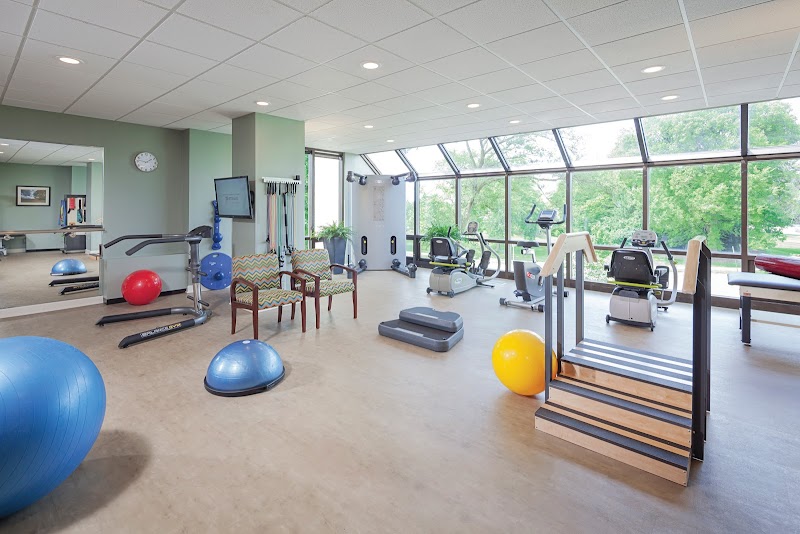
How is Whitehall Of Deerfield Staffed?

CMS rates WHITEHALL OF DEERFIELD's staffing level at 4 out of 5 stars, which is above average compared to other nursing homes. Staff turnover is 50%, compared to the Illinois average of 46%.

What Have Inspectors Found at Whitehall Of Deerfield?

State health inspectors documented 23 deficiencies at WHITEHALL OF DEERFIELD during 2023 to 2025. These included: 23 with potential for harm.

Who Owns and Operates Whitehall Of Deerfield?

WHITEHALL OF DEERFIELD is owned by a for-profit company. For-profit facilities operate as businesses with obligations to shareholders or private owners. The facility is operated by LEGACY HEALTHCARE, a chain that manages multiple nursing homes. With 190 certified beds and approximately 131 residents (about 69% occupancy), it is a mid-sized facility located in DEERFIELD, Illinois.

How Does Whitehall Of Deerfield Compare to Other Illinois Nursing Homes?

Compared to the 100 nursing homes in Illinois, WHITEHALL OF DEERFIELD's overall rating (4 stars) is above the state average of 2.5, staff turnover (50%) is near the state average of 46%, and health inspection rating (4 stars) is above the national benchmark.

What Should Families Ask When Visiting Whitehall Of Deerfield?

Based on this facility's data, families visiting should ask: "Can I visit during a mealtime to observe dining assistance and food quality?" "How do you handle medical emergencies, and what is your hospital transfer rate?" "Can I speak with family members of current residents about their experience?"

Is Whitehall Of Deerfield Safe?

Based on CMS inspection data, WHITEHALL OF DEERFIELD has a clean safety record: no substantiated abuse findings (meaning no confirmed cases of resident harm), no Immediate Jeopardy citations (the most serious violation level indicating risk of serious injury or death), and is not on the Special Focus Facility watch list (a federal program monitoring the lowest-performing 1% of nursing homes). The facility has a 4-star overall rating and ranks #1 of 100 nursing homes in Illinois. While no facility is perfect, families should still ask about staff-to-resident ratios and recent inspection results during their visit.

Do Nurses at Whitehall Of Deerfield Stick Around?

WHITEHALL OF DEERFIELD has a staff turnover rate of 50%, which is about average for Illinois nursing homes (state average: 46%). Moderate turnover is common in nursing homes, but families should still ask about staff tenure and how the facility maintains care continuity when employees leave.

Was Whitehall Of Deerfield Ever Fined?

WHITEHALL OF DEERFIELD has no federal fines on record. CMS issues fines when nursing homes fail to meet care standards or don't correct problems found during inspections. The absence of fines suggests the facility has either maintained compliance or corrected any issues before penalties were assessed. This is a positive indicator, though families should still review recent inspection reports for the full picture.

Is Whitehall Of Deerfield on Any Federal Watch List?

WHITEHALL OF DEERFIELD is not on any federal watch list. The most significant is the Special Focus Facility (SFF) program, which identifies the bottom 1% of nursing homes nationally based on persistent, serious quality problems. Not being on this list means the facility has avoided the pattern of deficiencies that triggers enhanced federal oversight. This is a positive indicator, though families should still review the facility's inspection history directly.