ASBURY COURT NURSING & REHAB
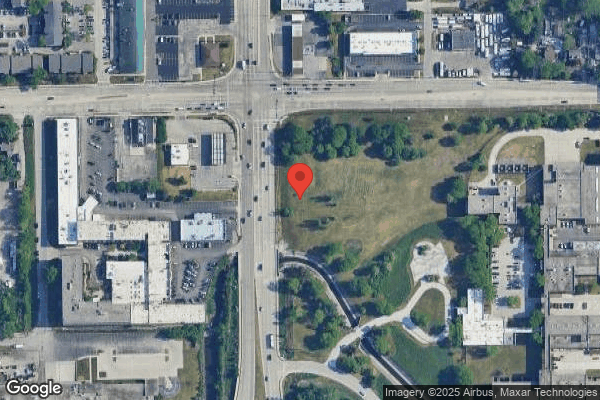

1750 ELMHURST ROAD, DES PLAINES, IL 60018 (847) 228-1500
For profit - Individual 79 Beds Independent Data: November 2025
Trust Grade
25/100
#449 of 665 in IL
Last Inspection: May 2025

Inspected within the last 6 months. Data reflects current conditions.

Overview

Asbury Court Nursing & Rehab has received a Trust Grade of F, indicating significant concerns and a poor overall performance. They rank #449 out of 665 nursing homes in Illinois, placing them in the bottom half, and #147 out of 201 in Cook County, meaning there are many local options that may be better. The facility is improving, having reduced its number of issues from four in 2024 to just one in 2025. Staffing is a strength with a rating of 4 out of 5 stars and a turnover rate of 46%, which is on par with the state average. However, there are concerning incidents, such as a resident who fell and suffered a serious injury without adequate documentation of the incident's cause, and failures in properly monitoring dishwasher temperatures, which could affect food safety for all residents.

Trust Score
F
25/100
In Illinois
#449/665
Bottom 33%
Safety Record
High Risk
Review needed
Inspections
Getting Better
4 → 1 violations
Staff Stability
⚠ Watch
46% turnover. Above average. Higher turnover means staff may not know residents' routines.
Penalties
✓ Good
No fines on record. Clean compliance history, better than most Illinois facilities.
Skilled Nurses
✓ Good
Each resident gets 60 minutes of Registered Nurse (RN) attention daily — more than 97% of Illinois nursing homes. RNs are the most trained staff who catch health problems before they become serious.
Violations
⚠ Watch
15 deficiencies on record. Higher than average. Multiple issues found across inspections.
★☆☆☆☆
1.0
Overall Rating
★★★★☆
4.0
Staff Levels
★☆☆☆☆
1.0
Care Quality
★★☆☆☆
2.0
Inspection Score
Stable
2024: 4 issues
2025: 1 issues

The Good

  • 4-Star Staffing Rating · Above-average nurse staffing levels
  • Full Sprinkler Coverage · Fire safety systems throughout facility
  • No fines on record

Facility shows strength in staffing levels, fire safety.

The Bad

1-Star Overall Rating

Below Illinois average (2.5)

Significant quality concerns identified by CMS

Staff Turnover: 46%

Near Illinois avg (46%)

Higher turnover may affect care consistency

The Ugly 15 deficiencies on record

1 actual harm
Jan 2025 1 deficiency
CONCERN (D) 📢 Someone Reported This

A family member, employee, or ombudsman was alarmed enough to file a formal complaint

Potential for Harm - no one hurt, but risky conditions existed

Free from Abuse/Neglect (Tag F0600)

Could have caused harm · This affected 1 resident

**NOTE- TERMS IN BRACKETS HAVE BEEN EDITED TO PROTECT CONFIDENTIALITY** Based on interview and record review, the facility failed to protect a resident (R4) from sexual abuse by another resident. This...

Read full inspector narrative →
**NOTE- TERMS IN BRACKETS HAVE BEEN EDITED TO PROTECT CONFIDENTIALITY** Based on interview and record review, the facility failed to protect a resident (R4) from sexual abuse by another resident. This failure affects one of two residents (R4) reviewed for abuse in a total sample of five residents. Findings include: R4 is a [AGE] year-old female. R4's diagnoses are but not limited to dementia without behaviors, adult failure to thrive, Parkinson's disease, vascular dementia, and high blood pressure. R4's BIMS (Brief Interview for Mental Status) dated [DATE], notes R4 is not alert. R4's care plan notes R4 has impaired cognitive function and Alzheimer's disease. R5 is a [AGE] year-old male. R5's diagnoses are but not limited to Alzheimer's disease, depression, major depression, anxiety disorder, and dementia without behaviors. R5's BIMS (Brief Interview for Mental Status) dated [DATE], notes R5 is alert. R5's care plan notes R5 needs behavior management due to episodes of physical and verbal aggression. R5 has poor impulse control. R5 displays behavioral symptoms related to socially being inappropriate and touching others inappropriately. R5 has impaired cognitive function related to dementia and short-term memory defects. Nurse's note dated [DATE], notes R4 was involved in an inappropriate interaction with another resident. R4 was immediately separated from another resident. R4 not in any mental or physical distress. Behavior notes dated [DATE], notes at around 4:40 PM, it was brought to this writer's attention that R5 was observed acting inappropriate towards another resident in hallway. R4 and R5 were immediately separated from each other, and R5 was placed on 1:1 observation. Police, doctor, family, DON (Director of Nursing) and Administrator all notified. On [DATE], at 12:42 PM, R5 stated, I do not remember this incident. I do not have any other concerns. On [DATE], at 12:55 PM, R4 was in the dining room eating lunch. R4 did not respond to surveyor ' s questions. On [DATE], at 2:53 PM, V2 (Director of Nursing) stated, I did a lot of the investigation with R4 and R5. I was here and staff informed me of the incident. I do not think this was willful abuse. R5 is attracted to R4, and R5 stated she likes him to. R5 is alert but he has impaired judgment. The residents were separated, and R5 was put on a one to one. Law enforcement was contacted. He was sent to behavioral health. According to R5's statement, R4 reminds R5 of his deceased girlfriend that used to reside in the facility. R4 did not have any injuries of any kind and she was smiling. R5 lives on the first floor now instead of the second floor. He is allowed to go to activities when he goes up, but someone is always watching him. There was no harm done. Her family was informed. No other incidents have happened like that since then. On [DATE], at 4:01 PM, V1 (Administrator) stated, R4 looks like R5 ' s former girlfriend. He has some confusion. He told me that when he sees her, he is seeing his girlfriend because it reminds him of his girlfriend. He has not done this to anyone else. He has not done this again to R4. He is attracted to her due to her similarities to his former girlfriend. He was brought downstairs due to the incident. He is being closely monitored to make sure he does not have any interaction. On [DATE], at 9:56 AM, V8 (Registered Nurse) stated, I mainly work on the 1st floor. I was the nurse on duty when this incident occurred. My aide was the first one who saw the incident and reported it to me. We rushed right over. R5 reached under R4 ' s sweater. They were facing against each other. R5 ' s left hand was already underneath R4 ' s sweater. It was around R4's chest area. I presumed it was on R4's chest. Upon seeing this, I grabbed R5's hand and stopped what happened. R4 is non-verbal and not alert. R4 always smiles. The police officer asked her if she tried to scream or ask for help. The officer was trying to find out if there was any consent. He asked if there was any resistance. First, thing I did was inform my manager right away, the co-director of nursing, and the administrator. R5 is alert but it is hard to understand what he is saying. I worked with him two to three times. Interventions put in place were putting R5 on and a one to one and separate them. Since then, this incident has not occurred again. On [DATE], at 10:19 AM, V9 (Social Services Director) stated, I know R5 very well. He does have issues with short term memory and recall. I did talk to him after this incident occurred. R5 said, I know I should not have touched her. He did not say why he did it. He admits to it, but it does not know why he did it. R4 has always had some cognitive issues. After R4's hospital stay she has declined. R4's family was alright with her having a relationship. R5 has only had this with R4, no one else. Prior to R5 coming to us, he had a girlfriend in supportive living. She passed away and he declined to where he needs skilled care. He is used to having a girlfriend. R4 was flirtatious with R5 before she declined. There have not been any issues with other residents. Just these two. She would smile at him and had a few boyfriends before coming to us. I do not know if they had a relationship before because I do not work on the other side. Facility Abuse Policy dated 11/2017, notes sexual abuse is non-consensual contact of any type with a resident.
Sept 2024 2 deficiencies
CONCERN (D) 📢 Someone Reported This

A family member, employee, or ombudsman was alarmed enough to file a formal complaint

Potential for Harm - no one hurt, but risky conditions existed

Free from Abuse/Neglect (Tag F0600)

Could have caused harm · This affected 1 resident

**NOTE- TERMS IN BRACKETS HAVE BEEN EDITED TO PROTECT CONFIDENTIALITY** Based on interview and record review, the facility failed to prevent a resident from physically abusing two other residents in t...

Read full inspector narrative →
**NOTE- TERMS IN BRACKETS HAVE BEEN EDITED TO PROTECT CONFIDENTIALITY** Based on interview and record review, the facility failed to prevent a resident from physically abusing two other residents in the facility. This failure applied to three of three (R1, R2, R3) residents reviewed for abuse. Findings include: R1 is a [AGE] year-old male with medical diagnoses that include: Unspecified Dementia, Hemiplegia affecting left side, Unsteadiness on feet, Need for assistance with personal care, and Reduced mobility. MDS (minimum data set) assessment dated [DATE] documents that R1 has severe cognitive impairment. R2 is a [AGE] year-old female with medical diagnoses that include: Heart failure, COPD, Palliative Care, Osteoarthritis, Parkinson's Disease, and Gout. MDS, dated [DATE], documents that R2 has a BIMS (brief interview of mental status) score of 11 (moderately impaired). R3 is a [AGE] year-old female with medical diagnoses that include Chronic A-fib, Alzheimer's Disease, Bipolar Disorder, Dementia, and Unspecified anxiety disorder. MDS dated [DATE], documents that R3 has a BIMS (brief interview of mental status) score of 11 (moderately impaired). A review of facility reportable documents shows that on 8/17/24, R1 was transferred to a local hospital for evaluation of aggressive behavior. On 9/13/24 at 2:54PM, V4 (RN) stated that on the date of the incident (8/17/24), R1 was not his baseline starting around dinner time. V4 said that R2 told him that R1 hit her. Upon assessment, R2 had some redness on her neck. No bruising. R3 was trying to diffuse the situation with R1 and R1, then hit R3 on the forearm, and she got a skin tear. R1 was transferred to the hospital and diagnosed with a UTI. Now he's back to normal. They had their back to me so I couldn't see R3's arm (during the incident). Upon assessment, R3's skin tear looked fresh, it was pink. On 9/13/24 at 1:14PM, V1 (Administrator) stated that R1 was displaying physical aggression towards R2 in the dining room. He has dementia, and he hit R2 or attempted to, but staff separated them. We sent R1 out via a 911 call and had him assessed. He has dementia, but we sent him out, and he had a UTI. Upon return, we had him assessed by psychiatry. This is not his normal behavior at all. He had a UTI. He has dementia, but he doesn't normally hit residents. He's not aggressive and has no history of behaviors. There were a couple of staff in the dining room right after dinner. Staff witnessed this in the dining room. Review of R1's hospital records from 8/17 to 8/20 (admitted ). admitted for aggressive behavior; found to have pyuria in urine; UTI dx; afebrile; Started on Cephalexin 500mg (1) capsule 4x/day. Witness statement provided and signed by V11 (CNA), regarding this incident, documents that R2 was heard screaming in the dining room and that R2 reported being hit in the back by R1. Nursing Progress Note written 8/17/2024 19:37 Behavior Note by V4 (RN) reads: Note Text: (R1) sent out to (local hospital) ER, transported using a stretcher, via an ambulance. Resident profile and order summary given, and an involuntary petition to the paramedic's team leader, as well as a brief behavioral history of the resident and medical condition. A Police officer came after a few minutes and investigated the incident. This writer informed the officer of what happened in the incident and also provided a brief summary of the patient's behavior and medical condition. POA made aware, NP informed through text message. DON informed. Nursing Progress Note written 8/17/2024 17:30 Behavior Note by V4 (RN) reads: Note Text: (R1) noted displaying physical aggression by repeatedly punching resident repeatedly and landed on the face that caused redness on the resident's face. Resident has ongoing physical aggression toward staff and other resident. PCP made aware, POA made aware regarding the behavior and was informed that an involuntary petition was filled out and will be sent to (local hospital) for further evaluation and treatment. DON informed. The resident is currently being monitored by staff until paramedics arrive. Nursing Progress Note written 8/18/2024 10:01 Nurses Note by V4 (RN) reads: Note Text: (R2) observed after the incident, calm and pleasant, denies pain or discomfort. Still has good appetite, able to take due medication and tolerated well. Plan of care ongoing. Nursing Progress Note written 8/18/2024 06:38 Nurses Note by V14 (RN) reads: Note Text: S/P incident: (R2) is alert and Ox1-2. Denied pain/discomfort to L cheek, no redness/swelling noted. Nursing Progress Note written 8/17/2024 17:30 Nurses Note by V4 (RN) reads: Note Text: (R2) was punched in the left side of her face while eating her dinner at the dining area. This writer immediately responded and de-escalated the situation. Resident stated that he punched her, but it was not serious and was not strong punch. Assessment was made, neuro check was made no swelling no bruising was present however a redness was noted on the left side of her mandible was observed. Resident denies pain. Immediately sent to her room and made comfortable. POA made aware and came to check the resident. Hospice made aware and stated they will send a nurse to evaluate the patient. MD made aware; DON made aware. Nursing Progress Note written 8/17/2024 20:27 Nurses Note by V4 (RN) reads: Note Text: at around 5:40pm (R3) was hit by another resident on her right forearm. a skin tear was noted having a skin tear on her right forearm, measuring 1.5cm x 0.5cm. MD notified treatment orders in place. POA notified however wasn't able to get a hold of her, a voicemail was left stated what happened and a call back number was also given. Provided comfort and sent to her room, made comfortable, call light in easy reach. bed set to lowest setting. DON made aware. Nursing Progress Note written 8/17/2024 18:42 Nurses Note by V4 (RN) reads: Late Entry: Note Text: (R3) was reporting to this writer that a resident hit her in her arm, and she had a skin tear. Resident was calm not in distress and composed while reporting the incident. That guy hit me as verbalized. Immediately responded and assessment completed, a skin tear was noted measuring 1.5cm x .5cm on her right arm. Skin tear is not bleeding, pinkish in color. Patient was escorted to her room and provided therapeutic communication and calm approach throughout the conversation. Resident was not displaying signs of distress after the incident. Immediately notified PCP with treatment orders in place. Several attempt to contact POA however she was unavailable and just left a voicemail regarding the incident and also left with a good callback number for further questions or concerns. DON made aware. Facility abuse policy, last revised 10/2022, reads: Policy: It is the policy of this facility to provide protections for the health, welfare and rights of each resident by developing and implementing written policies and procedures that prohibit and prevent abuse, neglect, exploitation and misappropriation of resident property . I. Prevention of Abuse, Neglect and Exploitation The facility will implement policies and procedures to prevent and prohibit all types of abuse, neglect, misappropriation of resident property, and exploitation that achieves: A. Establishing a safe environment that supports, to the extent possible, a resident's consensual sexual relationship and by establishing policies and protocols for preventing sexual abuse. This may include identifying when, how, and by whom determinations of capacity to consent to sexual contact will be made and where this documentation will be recorded, and the resident's right to establish a relationship with another individual, which may include the development of or the presence of an ongoing sexually intimate relationship; B. Identifying, correcting and intervening in situations in which abuse, neglect, exploitation, and/or misappropriation of resident property is more likely to occur with the deployment of trained and qualified, registered, licensed, and certified staff on each shift in sufficient numbers to meet the needs of the residents, and assure that the staff assigned have knowledge of the individual residents' care needs and behavioral symptoms; C. Assuring an assessment of the resources needed to provide care and services to all residents is included in the facility assessment; D. The identification, ongoing assessment, care planning for appropriate interventions, and monitoring of residents with needs and behaviors which might lead to conflict or neglect; E. Ensuring the health and safety of each resident with regard to visitors such as family members or resident representatives, friends, or other individuals subject to the resident's right to deny or withdraw consent at any time and to reasonable clinical and safety restrictions; F. Providing residents, representatives, and staff information on how and to whom they may report concerns, incidents and grievances without the fear of retribution; and providing feedback regarding the concerns that have been expressed; G. Addressing features of the physical environment that may make abuse, neglect, exploitation, and misappropriation of resident property more likely to occur; and H. Assigning responsibility for the supervision of staff on all shifts for identifying inappropriate staff behaviors. II. Identification of Abuse, Neglect and Exploitation A. The facility will have written procedures to assist staff in identifying the different types of abuse - mental/verbal abuse, sexual abuse, physical abuse, and the deprivation by an individual of goods and services. This includes staff to resident abuse and certain resident to resident altercations. B. Possible indicators of abuse include, but are not limited to: 1. Resident, staff or family report of abuse 2. Physical marks such as bruises or patterned appearances such as a handprint, belt or ring mark on a resident's body 3. Physical injury of a resident, of unknown source 4. Resident reports of theft of property, or missing property 5. Verbal abuse of a resident overheard 6. Physical abuse of a resident observed 7. Psychological abuse of a resident observed 8. Failure to provide care needs such as comfort, safety, feeding, bathing, dressing, turning & positioning 9. Evidence of photographs or videos of a resident that are demeaning or humiliating in nature, regardless of whether the resident provided consent and regardless of the resident's cognitive status. 10. Sudden or unexplained changes in behaviors and/or activities such as fear of a person or place, or feelings of guilt or shame . III. Protection of Resident The facility will make efforts to ensure all residents are protected from physical and psychosocial harm, as well as additional abuse, during and after the investigation. Examples include but are not limited to: A. Responding immediately to protect the alleged victim and integrity of the investigation; B. Examining the alleged victim for any sign of injury, including a physical examination or psychosocial assessment if needed; C. Increased supervision of the alleged victim and residents; D. Room or staffing changes, if necessary, to protect the resident(s) from the alleged perpetrator; E. Protection from retaliation; F. Providing emotional support and counseling to the resident during and after the investigation, as needed; G. Revision of the resident's care plan if the resident's medical, nursing, physical, mental, or psychosocial needs or preferences change as a result of an incident of abuse.
CONCERN (D) 📢 Someone Reported This

A family member, employee, or ombudsman was alarmed enough to file a formal complaint

Potential for Harm - no one hurt, but risky conditions existed

Deficiency F0760 (Tag F0760)

Could have caused harm · This affected 1 resident

**NOTE- TERMS IN BRACKETS HAVE BEEN EDITED TO PROTECT CONFIDENTIALITY** Based on the interview and record review, the facility failed to ensure that a resident was free of a significant medication err...

Read full inspector narrative →
**NOTE- TERMS IN BRACKETS HAVE BEEN EDITED TO PROTECT CONFIDENTIALITY** Based on the interview and record review, the facility failed to ensure that a resident was free of a significant medication error. This failure resulted in a resident receiving the incorrect dose of Hydromorphone and applied to one (R4) of four residents reviewed for medication administration. This past non-compliance occurred from 7/5/2024 to 7/21/2024. Findings include: R4 is an [AGE] year-old male admitted to the facility with medical diagnoses that include: Parkinson's Disease, Dementia, Repeated falls, and Other low back pain. R4 is currently on hospice. A review of medical records documents that on 7/5/24, R4 Physician Orders included an order for Hydromorphone 0.25ml. Current Physician Orders for R4 include: HYDROmorphone HCl Oral Liquid 1 MG/ML (Hydromorphone HCl) Give 1 mg/ml by mouth every 2 hours as needed for Breakthrough Pain, Active 08/31/2024. The facility provided a copy of the Employee Corrective Action Notice dated 7/16/24 for V5 (RN). Notice documents the following Corrective Action Issue: On 7/5/24, a dosage of 1ml of Hydromorphone was given to a resident. The correct dosage should have been 0.25ml. It is expected that the correct dosage will be checked before administering the medication. Also, the dressing was not changed for resident BM as scheduled. It is expected that treatments will be performed as scheduled. In an interview with V5 (RN) on 9/14/24 at 2:29PM, V5 was asked about the incorrect medication dose given to R4. V5 said, Usually, he would get 1mL. I gave him the correct dose but wrote the wrong amount on the file. I told the DON, but he gave me the correction. I have not had any issues with medication administration. I'm sure I gave him the right dosage, but I just wrote it down wrong. In an interview with V2 (Director of Nursing) on 9/13/24 at 4:12PM, V2 said There was one person, V5 (RN), who got written up because they gave the wrong medication. She gave too much of the medicine. We caught it by looking at the NARC sheet. I did write her up and sat down with her. The order was written wrong - it was 4g/mL, and we changed the order to get it corrected. It was hospice, so they gave us that particular dosage. The way the order was written, it should have been the 0.25mL. We are going over all the skills with new hires and, then every six months with existing staff. The co-DON (new position), we watch the staff and go through the checklist to make sure that they are doing all the right things. No other staff have had issues with medication administration. R4 did not have any side effects. We didn't even notice until we went back and looked at the NARC count after the fact. The facility provided Medication Administration policy last revised 02/2023, which reads: Policy: Medications are administered by licensed nurses, or other staff who are legally authorized to do so in this state, as ordered by the physician and in accordance with professional standards of practice, in a manner to prevent contamination or infection. Policy Explanation and Compliance Guidelines: .Ensure that the six rights of medication administration are followed: a. Right resident b. Right drug c. Right dosage d. Right route e. Right time f. Right documentation 1. Review MAR to identify medication to be administered. 2. Compare medication source (bubble pack, vial, etc.) with MAR to verify resident name, medication name, form, dose, route, and time. a. Refer to drug reference material if unfamiliar with the medication, including its mechanism of action or common side effects. b. Administer within 60 minutes prior to or after scheduled time unless otherwise ordered by physician. c. If other than PO route, administer in accordance with facility policy for the relevant route of administration (i.e., injection, eye, ear, rectal, etc.) . 6. Sign MAR after administered. For those medications requiring vital signs, record vital signs onto the MAR. 7. If medication is a controlled substance, sign narcotic book. 8. Report and document any adverse side effects or refusals. 9. Correct any discrepancies and report to the nurse manager. Prior to the survey date, the facility took the following actions to correct the non-compliance. 1. The Director of Nursing (DON) conducted one-to-one education with staff involved V5 (RN) on 7/16/2024. 2. The Director of Nursing (DON) and/or designee completed in-service training with nursing staff starting on 7/16/2024 regarding facility policy and procedure regarding medication administration. The training of nursing staff was completed on 7/21/2024. At the time of this survey, there onsite observations and/or concerns were identified related to current non-compliance with F760.
Jul 2024 2 deficiencies
CONCERN (D)

Potential for Harm - no one hurt, but risky conditions existed

Respiratory Care (Tag F0695)

Could have caused harm · This affected 1 resident

Based on observation, interview, and record review the facility failed to place the nebulizer mask in a plastic bag after use for 2 of 8 (R24, R39) residents in a sample of 24. Findings include: On 7/...

Read full inspector narrative →
Based on observation, interview, and record review the facility failed to place the nebulizer mask in a plastic bag after use for 2 of 8 (R24, R39) residents in a sample of 24. Findings include: On 7/23/24 at 11:10 AM, R24's nebulizer mask was observed on top of the bedside counter without any covering. On 07/23/24 at 11:20 AM, observed R39's nebulizer mask inside the drawer without a covering. On 07/25/24 at 11:41 AM, observed R39's nebulizer mask inside the drawer without a covering. On 7/23/24 at 11:24 AM, V15 (Licensed Practical Nurse) opened the drawer and said R39's nebulizer mask should be covered and not just placed inside the drawer. On 7/23/24 at 11:26 AM, V15 (Licensed Practical Nurse) said R24's nebulizer mask should be covered in a bag when not in use. On 07/25/24 at 11:43 AM, V2 (Director of Nursing) opened R39's drawer and the nebulizer mask was without a covering. V2 said the nebulizer mask should be covered when not in use. Facility's policy on Nebulizer Therapy- Revised 5/2023. Policy: It is the policy of this facility for nebulizer treatments, once ordered, to be administered by nursing staff as directed using proper technique and standard precautions. Policy Explanation and Compliance Guidelines: Care of the Equipment 7. Once completely dry, store the nebulizer cup and the mouthpiece in a zip lock bag.
CONCERN (F)

Potential for Harm - no one hurt, but risky conditions existed

Food Safety (Tag F0812)

Could have caused harm · This affected most or all residents

Based on observation, interview and record review, the facility failed to correctly check the dishwasher temperature using the recommended testing label. The facility also failed to keep a daily recor...

Read full inspector narrative →
Based on observation, interview and record review, the facility failed to correctly check the dishwasher temperature using the recommended testing label. The facility also failed to keep a daily record of the dishwasher temperature. This deficiency has the potential to affect all 67 residents receiving food from the facility's kitchen. Findings include: On 7/24/24 at 10:15 am during the tour of the kitchen, the dish machine log was noted with no recorded temperature from July 18th to July 23, 2024. V3 (Food Service Director) was asked to perform a temperature check on the dishwasher using the recommended dishwasher temperature sensor label. V3 placed the label on a dishwasher rack and ran it through the dishwasher. There was no change of color from silver to black. At 10:30 am, V4 (Area Manager) also performed a temperature check by placing the sensor on a plate and ran it through the dishwasher. The strip did not change from silver to black. During an interview at 10:20am, V3 stated that temperature should be recorded daily. V3 also said I do not understand why the color did not change. It's supposed to change colors. During an interview at 10:30am V4 stated that the color should completely turn black. V4 stated I will have (proper name) to come and check. Facility policy dated 9/1/21 Reads; Manual: Food & Nutrition Services, Section: Nutrition Quality. Standard: all dishware, service ware, and utensils will be cleaned and sanitized after each use. Guideline: 2. All dish machine water temperature will be maintained in accordance with manufacturer's recommendation for high temperature or low temperature machines. Dish machine will be checked periodically for correct PPM (Parts Per Million). 3. Temperature and /or sanitizer concentration logs will be completed, as appropriate.
Jun 2023 10 deficiencies 1 Harm
SERIOUS (G)

Actual Harm - a resident was hurt due to facility failures

Accident Prevention (Tag F0689)

A resident was harmed · This affected 1 resident

**NOTE- TERMS IN BRACKETS HAVE BEEN EDITED TO PROTECT CONFIDENTIALITY** Based on interview and record review the facility failed to complete a root cause analysis of falls and develop effective interv...

Read full inspector narrative →
**NOTE- TERMS IN BRACKETS HAVE BEEN EDITED TO PROTECT CONFIDENTIALITY** Based on interview and record review the facility failed to complete a root cause analysis of falls and develop effective interventions to prevent falls and injury for one resident (R49) of six residents reviewed for falls in the sample of 19. This failure resulted in R49 falling and sustaining fractures to the left 6th, 7th, and 8th ribs. Findings include: R49's medical record indicates that he had a fall on 11/27/22. The progress notes of 11/27/22 at 12:48 PM indicates that R49 was found on the bathroom floor in lying position, leaning against the wall. 911 was called and R49 was transferred to a hospital. He returned to the facility on [DATE]. A progress note by V31 (Nurse Practitioner) indicates that a CT (computerized axial tomography) scan revealed a small acute subdural hematoma on the right measuring two mm (millimeters). Repeat CT at 9PM revealed stable right frontal and left parietal infarcts, decreased density periventricular white matter bilaterally consisted with chronic small vessel ischemic changes. The previously noted two mm small subdural hematoma seen on the previous CT was not seen on the follow up study. The documentation of the fall provided by the facility did not contain a root cause analysis. The root cause analysis was requested. On 6/22/23 at 12:00 PM V22 (Care Plan Coordinator) said we discuss the falls in the morning meeting. The Director of Nursing, Assistant Director of Nursing, and Nurse Consultant update the Care Plan. I do not update those Care Plans. I do the initial Care Plan. I do not do the root cause analysis. On 6/22/23 at 12:20 PM V28 (Nurse Consultant) said we did not identify the root cause for R49 for the falls. That could impact the interventions. The interventions added to the Care Plan on 11/28/22 are neuro (neurological) checks per protocol, assist with ADLs (activities of daily living) as indicated. Monitor for seizures and follow seizure precautions. PT/OT (Physical Therapy/Occupational Therapy) evaluate and treat. A progress notes of 11/28/22 at 2:56 PM indicates a Fall Risk Evaluation score of 15 which means that R49 is at high risk for falls and should be on the fall prevention program. R49's medical record indicates that he had a fall on 5/11/23. The progress notes of 5/11/23 at 11:01 AM indicates that R49 was found on the floor of his room at around 8 AM. He was grimacing and shaking while up in the wheelchair. R49 was sent to the hospital for evaluation and treatment. V30 (Registered Nurse) said that she was in report and had not made rounds on R49. A (Certified Nursing Assistant/CNA) notified her that R49 was on the floor. A CT scan of the chest was performed at the hospital. IMPRESSION: 1. Acute fractures involving the posterior aspects of the left sixth, seventh, and eighth ribs. 2. Hemorrhagic left pleural effusion. No pneumothorax. 3. Air noted within the subcutaneous tissues of the left posterior chest wall at the fracture sites. 4. Nonspecific left upper lobe lung nodule. The intervention added to the Care Plan R49 returned to the facility on 5/14/23 is sent to the ER (Emergency Room) for evaluation c/o (complains of) pain increased shaking. Date initiated 5/22/23 On 6/23/23 at 10:20 AM V2 (Director of Nursing) said that the fall prevention program was to put a yellow tag on the name plate for his room and put a yellow tag on his walker. On 6/23/23 at 10:10 AM V30 (Registered Nurse) said (R49) has a yellow tag on his door which means he's a fall risk. He is ambulatory but we check on him often, every two to three hours. Policy: Fall Prevention Program revised [DATE] Each resident will be assessed for fall risk and will receive care and services in accordance with their individualized level of risk to minimize the likelihood of falls. 6. High Risk protocols: a. The resident will be placed on the facility's Fall Prevention Program. c. Provide interventions that address unique risk factors measured by the risk assessment tool: d. Provide additional interventions as directed by the resident's assessment, including but not limited to: i. Assistive devices ii. Increased frequency of rounds iii. Sitter if indicated iv. Medication regimen review v. Low bed vi. Alternate call system vii. Scheduled ambulation or toileting assistance viii. Family caregiver or resident education ix. Therapy services referral 9. When any r3esident experiences a fall, the facility will: e. Review the resident's care plan and update as indicated.
CONCERN (D)

Potential for Harm - no one hurt, but risky conditions existed

Deficiency F0583 (Tag F0583)

Could have caused harm · This affected 1 resident

Based on observation, interview, and record review, the facility failed to provide privacy during administration of topical medication for one (R34) of two residents observed for topical medication ad...

Read full inspector narrative →
Based on observation, interview, and record review, the facility failed to provide privacy during administration of topical medication for one (R34) of two residents observed for topical medication administration in a sample of 19. Findings include: On 06/20/23 at 12:00 PM during medication administration observation, V13 (Licensed Practical Nurse) was observed applying topical Diclofenac sodium 1% gel to R34's left shoulder while R34 is in the dining room during lunch time with other residents at the table. On 06/22/23 at 1:20PM, V2 (Director of Nursing) stated that she expects the nurses to provide privacy before applying any topical ointments on residents. Facility Policy: Title: Medication Administration Date Reviewed/Revised: February 2023 Policy Explanation and Compliance Guidelines: 7. Provide privacy.
CONCERN (D)

Potential for Harm - no one hurt, but risky conditions existed

ADL Care (Tag F0677)

Could have caused harm · This affected 1 resident

Based on observation, interview and record review, the facility failed to provide necessary services to maintain personal hygiene for a resident who is unable to carry out toileting needs for one (R2)...

Read full inspector narrative →
Based on observation, interview and record review, the facility failed to provide necessary services to maintain personal hygiene for a resident who is unable to carry out toileting needs for one (R2) of one resident reviewed for activities of daily living in a sample of 19. Findings include: On 06/21/2023 at 1:19PM during wound care observation, R2 was observed with two disposable briefs. R2 said that most of the time, staff put two disposable briefs on her because they said she wets fast and heavily. On 06/21/2023 at 1:27PM, V18 (Registered Nurse) stated that there should only be one disposable brief on the resident. On 06/21/2023 at 1:37PM, V2 (Director of Nursing) said that she expects staff to place only one disposable brief on incontinent residents. R2's Order Summary Report dated 6/21/2023 indicated admission date of 5/2/2023, diagnoses including anxiety disorder and retention of urine. Minimum Data Set Section G dated 5/8/2023 indicated R2 needs extensive assistance with toilet use. Braden Scale for Predicting Pressure Ulcer Risk dated 5/10/2023 indicated score of 13 with category of moderate risk, and clinical suggestions including utilize incontinent products after each incontinence period. Care plan reviewed and did not indicate rationale for placing two disposable briefs on R2. Facility unable to provide policy.
CONCERN (D)

Potential for Harm - no one hurt, but risky conditions existed

Respiratory Care (Tag F0695)

Could have caused harm · This affected 1 resident

Based on observation, interview and record review, the facility failed to follow physician orders by failing to provide prescribed oxygen administration for one resident (R39) of two residents reviewe...

Read full inspector narrative →
Based on observation, interview and record review, the facility failed to follow physician orders by failing to provide prescribed oxygen administration for one resident (R39) of two residents reviewed for oxygen administration in a sample of 19 residents. Findings include: On 6/20/23 and 6/21/23 at 10:00am, R39 was observed sitting in her room watching television. R39 was observed at rest with 5 liters of oxygen through nasal cannular attached to a humidifier. On 6/21/23 at 10:00am, V18 (Registered Nurse) stated that R29 should be on 3 liters of oxygen when at rest. On 6/21/23 at 12:00pm, V2 (Director of Nursing) stated that the nurses should follow the physician orders. Physician orders dated 5/2/23 reads, continuous oxygen at 3L per nasal cannula at rest, 5L per nasal cannular with activity. Facility policy dated 2/2023 reads: Policy: Oxygen is administered to residents who need it, consistent with professional standards of practice, the comprehensive person-centered care plan, and the resident's goals and preference. 1.Policy Explanation and Compliance Guidelines: Oxygen is administered under orders of a physician, except in the case of an emergency. 4. The resident's care plan shall identify the intervention for oxygen therapy, based upon the resident's assessment and orders . Care plan initiated 5/3/23 reads R39 has oxygen therapy related to diagnosis of hypoxemia. Interventions: administer oxygen as ordered. Follow oxygen precautions per facility protocol. Care plan initiated 5/17/23 reads, R39 has diagnosis of Congestive Heart Failure; recent diagnosis of Pleural Effusion; at risk for complications. Intervention: Administer Oxygen as ordered - see Electronic Medication Administration Record (EMAR). Observe for signs and symptoms of poor oxygen absorption. Notify MD of abnormal findings promptly.
CONCERN (D)

Potential for Harm - no one hurt, but risky conditions existed

Unnecessary Medications (Tag F0759)

Could have caused harm · This affected 1 resident

Based on observation, interview and record review, the facility failed to ensure that it is free of medication error rate of five percent or greater. This deficiency applies to two (R11, R20) of eight...

Read full inspector narrative →
Based on observation, interview and record review, the facility failed to ensure that it is free of medication error rate of five percent or greater. This deficiency applies to two (R11, R20) of eight residents observed for medication administration. Findings include: During medication administration observation, two medication errors were observed out of 25 opportunities that resulted in an eight percent medication error rate. On 06/21/2023 at 11:15 AM during medication administration observation, V25 (Registered Nurse) was observed preparing to administer insulin aspart pen to R11 without priming it, and immediately pulling out the needle from the skin after pressing the plunger during administration of insulin. At 11:25 AM, V25 was again observed preparing to administer insulin aspart pen to R20 without priming it, and immediately pulling out the needle from the skin after pressing the plunger during administration of insulin. On 06/21/2023 at 3:40 PM, V2 (Director of Nursing) stated that during injection of insulin, pen needles should be held under the skin for a few seconds before removing it. On 06/22/2023 at 12:12 PM, V23 (Pharmacy Director of Clinical Services) stated that insulin pens should be primed with 2 units then the needle should be kept under the skin for 10 seconds before pulling out. She also added that if the needle was pulled out immediately after pressing the plunger, the resident could possibly not receive the correct dose. Facility Policy: Title: Insulin Pen Date Reviewed/Revised: February 2023 Policy: It is the policy of this facility to use insulin pens in order to improve the accuracy of insulin dosing, provide increased resident comfort, and serve as a teaching aid to prepare residents for self-administration of insulin therapy upon discharge. Policy Explanation and Compliance Guidelines: 6. Insulin pens will be primed prior to each use to avoid collection of air in the insulin reservoir. 11. Procedure: h. Prime the insulin pen: i. Dial 2 units by turning the dose selector clockwise. ii. With the needle pointing up, push the plunger, and watch to see that at least one drop of insulin appears on the tip of the needle. If not, repeat until at least one drop appears. j. Injecting the insulin: v. While still pressing the plunger, keep the needle in the skin for up to 6-10 seconds and then remove the needle from the skin.
CONCERN (D)

Potential for Harm - no one hurt, but risky conditions existed

Deficiency F0760 (Tag F0760)

Could have caused harm · This affected 1 resident

Based on observation, interview and record review, the facility failed to ensure that residents are free of significant medication errors for two (R11, R20) of eight residents observed for medication ...

Read full inspector narrative →
Based on observation, interview and record review, the facility failed to ensure that residents are free of significant medication errors for two (R11, R20) of eight residents observed for medication administration in a sample of 23. Findings include: On 06/21/2023 at 11:15 AM during medication administration observation, V25 (Registered Nurse) was observed preparing to administer insulin aspart pen to R11 without priming it, and immediately pulling out the needle from the skin after pressing the plunger during injection of insulin. At 11:25 AM, V25 was again observed preparing to administer insulin aspart pen to R20 without priming it, and immediately pulling out the needle from the skin after pressing the plunger during injection of insulin. On 06/21/2023 at 3:40 PM, V2 (Director of Nursing) stated that during injection of insulin, pen needles should be held under the skin for a few seconds before removing it. On 06/22/2023 at 12:12 PM, V23 (Pharmacy Director of Clinical Services) stated that insulin pens should be primed with 2 units then the needle should be kept under the skin for 10 seconds before pulling out. She also added that if the needle was pulled out immediately after pressing the plunger, the resident could possibly not receive the correct dose. R11's Order Summary Report dated 06/21/2023 indicated admission date 05/21/2023, diagnoses including type 2 Diabetes Mellitus without complications, and order for Insulin Aspart 100 unit/milliliters (ml) inject 8 units subcutaneously (under the skin) with meals with order date of 05/21/2023. R20's Order Summary Report dated 06/21/2023 indicated admission date 01/12/2022, diagnoses including type 2 Diabetes Mellitus without complications, and order for Insulin Aspart FlexPen Subcutaneous Solution Pen-Injector 100 units/ml inject 5 units subcutaneously before meals with order date 05/26/2023. Facility Policy: Title: Insulin Pen Date Reviewed/Revised: February 2023 Policy: It is the policy of this facility to use insulin pens in order to improve the accuracy of insulin dosing, provide increased resident comfort, and serve as a teaching aid to prepare residents for self-administration of insulin therapy upon discharge. Policy Explanation and Compliance Guidelines: 6. Insulin pens will be primed prior to each use to avoid collection of air in the insulin reservoir. 11. Procedure: h. Prime the insulin pen: i. Dial 2 units by turning the dose selector clockwise. ii. With the needle pointing up, push the plunger, and watch to see that at least one drop of insulin appears on the tip of the needle. If not, repeat until at least one drop appears. j. Injecting the insulin: v. While still pressing the plunger, keep the needle in the skin for up to 6-10 seconds and then remove the needle from the skin.
CONCERN (D)

Potential for Harm - no one hurt, but risky conditions existed

Deficiency F0790 (Tag F0790)

Could have caused harm · This affected 1 resident

Based on interview and record review, the facility failed to ensure that one resident (R59) of 3 three residents reviewed for dental care in a sample of 19 received acute care for teeth pain. This fai...

Read full inspector narrative →
Based on interview and record review, the facility failed to ensure that one resident (R59) of 3 three residents reviewed for dental care in a sample of 19 received acute care for teeth pain. This failure resulted in resident experiencing teeth pain for at least 4 months without any treatment. Findings include: On 06/20/23 12:08 PM R59 was sitting in the dining room waiting to be served dinner and stated he has pain and pointed to his bottom left teeth. Observed resident self-feeding a pureed diet. On 6/22/23 at 11:10 AM R59 stated his teeth hurt. On 6/22/23 at 10:51 AM V2 (DON) stated the dentist came in May of 2023 and didn't see anyone on the second floor. We will be looking for a new dentist to see residents. Review of Email by V2 on May 5th documents resident's on 2nd floor were not seen by Dentist. On 06/22/23 at 11:12 AM V25 (RN) stated R59 never complains of anything, except once he complained about 3-4 months ago about dental issues. He had pain in the mouth. V25 stated she referred R59 for a dental appointment. On 06/22/23 at 12:31 PM V15 (Social Service Director) stated usually the resident, family, or nurse would tell her if someone needs dental services. V15 stated she sent a referral about 6 months ago for R59 to be seen. V15 stated she doesn't remember who or why R59 was referred to the dentist. At the time he didn't have Medicaid and he didn't have a benefit for Dental. V15 stated R59 did not see a dentist. Normally, follow up would be with the dentist if someone who was supposed to be seen and not seen. V2 stated, the dental offices said they couldn't see him because they didn't accept his insurance. We usually give family an option to pay for dental care, however, V15 stated R59's family is not involved. On 06/22/23 02:38 PM V15 states she doesn't know why R59 was not seen in May. Review of R59's progress notes from June 2023 is absent of any nurses note about teeth pain. ` R59 orders document for the following order dated 1/27/23: Dental care as needed. Review of R59's care plan is absent of a dental care plan. On 6/23/23 at 9:52 AM V2 (DON) stated when a resident has tooth pain her expectations are to call the Doctor and inform them and refer to be seen by dentist. V2 stated she Expect the nurse to write a progress note indicating the level of pain and location of pain, and a consent to be seen by dentist. V2 stated even if there is a standing order for the dentist, the expectation would be for staff to notify the doctor. Teeth pain would be considered a change of condition. V2 stated a dental emergency depends on the level of pain. V2 stated, it would be significant for someone to have tooth pain for months. V2 stated, the resident should be assessed to determine urgency. V2 stated, at first notification of tooth pain a care plan would be warranted. The facility's Dental Services policy dated February 2023 document the following: It is the policy of this facility to assist residents in obtaining routine (to the extent covered under the State plan) and emergency dental care. Emergency Dental services includes services needed to treat an episode of acute pain in teeth, gums or palate; broken, or otherwise damaged teeth or any other problem of the oral cavity that required immediate attention by a dentist.
CONCERN (E)

Potential for Harm - no one hurt, but risky conditions existed

Transfer Notice (Tag F0623)

Could have caused harm · This affected multiple residents

Based on interview and record review the facility failed to provide written notice of transfer to four residents (R8, R12, R36, and R49) of four residents reviewed for hospital transfer in the sample ...

Read full inspector narrative →
Based on interview and record review the facility failed to provide written notice of transfer to four residents (R8, R12, R36, and R49) of four residents reviewed for hospital transfer in the sample of 19. Findings include: The progress notes for R8 on 4/14/23 at 12:33 AM indicates that she was transferred to a hospital due to shortness of breath and low oxygen levels. There is no indication that a notice of transfer was provided or sent. The progress notes for R12 on 3/22/23 at 10:00 PM indicates that she was transferred to a hospital for hyperventilating. There is no indication that a notice of transfer was provided or sent. The progress notes for R36 on 7/24/22, 12/11/22, and 3/25/23 indicates that he was transferred to a hospital for respiratory distress. There is no indication that a notice of transfer was provided or sent. The progress notes for R49 on 11/27/22 at 12:48 PM and 5/11/23 at 11:01 AM indicates that he was transferred to a hospital for evaluation after falls. There is no indication that a notice of transfer was provided or sent. On 6/22/23 at 11:49 AM V2 (Director of Nursing) said the family is notified by phone call of a hospital transfer. There is no written notice sent. On 6/23/23 at 10:10 AM V30 (Registered Nurse) said we do not send a notice of transfer we notify the family verbally.
CONCERN (E)

Potential for Harm - no one hurt, but risky conditions existed

Deficiency F0625 (Tag F0625)

Could have caused harm · This affected multiple residents

**NOTE- TERMS IN BRACKETS HAVE BEEN EDITED TO PROTECT CONFIDENTIALITY** Based on interview and record review the facility failed to provide written notice of bed hold to four residents (R8, R12, R36, ...

Read full inspector narrative →
**NOTE- TERMS IN BRACKETS HAVE BEEN EDITED TO PROTECT CONFIDENTIALITY** Based on interview and record review the facility failed to provide written notice of bed hold to four residents (R8, R12, R36, and R49) of four residents reviewed for hospital transfer in the sample of 19. Findings include: The progress notes for R8 on 4/14/23 at 12:33 AM indicates that she was transferred to a hospital due to shortness of breath and low oxygen levels. There is no indication that a notice of bed hold was provided or sent. The progress notes for R12 on 3/22/23 at 10:00 PM indicates that she was transferred to a hospital for hyperventilating. There is no indication that a notice of bed hold was provided or sent. The progress notes for R36 on 7/24/22, 12/11/22, and 3/25/23 indicates that he was transferred to a hospital for respiratory distress. There is no indication that a notice of bed hold was provided or sent. The progress notes for R49 on 11/27/22 at 12:48 PM and 5/11/23 at 11:01 AM indicates that he was transferred to a hospital for evaluation after falls. There is no indication that a notice of bed hold was provided or sent. On 6/21/23 at 10:50 AM V1 (Administrator) said we never give a notice of bed hold. We must hold the bed for 10 days for Medicaid residents. We don't bill them. I think the notice of bed hold is in the contract. On 6/22/23 at 11:49 AM V2 (Director of Nursing) said there is no notice of bed hold. On 6/23/23 at 10:10 AM V30 (Registered Nurse) said we do not send a notice of bed hold; we notify the family verbally. Policy Bed Hold Notice Upon Transfer revised [DATE] At the time of transfer for hospitalization or therapeutic leave, the facility will provide to the resident and/or the resident representative written notice which specifies the duration of the; bed-hold policy and addresses information explaining the return of the resident to the next available bed. 1.Before a resident is transferred to the hospital or goes on therapeutic leave, the facility will provide to the resident and/or representative written information that specifies: a. The duration of the state bed -hold policy, if any, during which the resident is permitted to return and resume residence in the nursing facility: b. The reserve bed payment policy in the state plan policy, if any. c. The facility policies regarding bed-hold periods to include allowing a resident to return to the next available bed. d. Conditions upon which the resident would return to the facility. 2. In the event of an emergency transfers of a resident, the facility will provide within 24 hours written notice of the facility's bed-hold policies as stipulated in the State's plan.
CONCERN (E)

Potential for Harm - no one hurt, but risky conditions existed

Food Safety (Tag F0812)

Could have caused harm · This affected multiple residents

Based on observation, interview, and record review, the facility failed to monitor in-room refrigerator temperatures for 4 residents (R21, R24, R34, and R63) of 4 reviewed for in-room refrigerators te...

Read full inspector narrative →
Based on observation, interview, and record review, the facility failed to monitor in-room refrigerator temperatures for 4 residents (R21, R24, R34, and R63) of 4 reviewed for in-room refrigerators temperatures in a sample of 19. Findings include: On 6/20/23 at 11:04 AM R63 and R24's refrigerator was observed with no temperatures recorded on the log for the month of June 2023. On 6/20/23 at 11:15 AM R34's refrigerator was observed with one temperature recorded on the log for today and nothing from 6/1/23 through 6/19/2023. The mini refrigerator log is in a clear sleeve on the front of the refrigerator. R34 states she shares the refrigerator with R21 who her roommate is. On 6/21/23 at 9:55 AM in R63's room with V17 (Certified Nurse Assistant/CNA), V17 stated the CNAs don't check the refrigerator temperatures. Surveyor observed a temperature recorded for today and yesterday only. R63 states her and R24 share the refrigerator. On 6/21/23 09:59 AM with V5 (Staffing Coordinator) in R21 and R34's Room. Observed in-room refrigerator has a temperature recorded on the log for today and yesterday only. Observed food and drinks in the refrigerator. On 6/22/23 at 11:03 AM with V17 (CNA) in R63 and R24's room, observed no recording for temperatures for the night shift for refrigerators for today on R63 and R24's refrigerator that they share. Observed food and drinks in the refrigerator. On 6/22/23 at 11:45 AM V2 (DON) stated CNAs and nurses during night shift fill out temperature logs on refrigerators daily. On 6/22/23 at 11:03 AM V12 (Nurse) stated in-room refrigerators should be checked daily by night shift. On 6/22/23 at 2:45 PM V2 (DON) stated they do not have a policy for in-room resident refrigerators. V2 stated they will be working on a policy. The facility's Date marking for Food safety Policy documents the following: The facility adheres to a date marking system to ensure the safety of ready to eat, time/temperature control for safety food. Policy Explanation and Compliance Guidelines for Staffing: 1) refrigerated, ready to eat, time/temperature control for safety (i.e., perishable food) shall be held at a temperature of 41-degree Fahrenheit or less for a maximum of 7 days.
Understanding Severity Codes (click to expand)
Life-Threatening (Immediate Jeopardy)
J - Isolated K - Pattern L - Widespread
Actual Harm
G - Isolated H - Pattern I - Widespread
Potential for Harm
D - Isolated E - Pattern F - Widespread
No Harm (Minor)
A - Isolated B - Pattern C - Widespread

Questions to Ask on Your Visit

  • "What safeguards are in place to prevent abuse and neglect?"
  • "Can I speak with families of current residents?"
  • "What's your RN coverage like on weekends and overnight?"

Our Honest Assessment

Strengths
  • • No fines on record. Clean compliance history, better than most Illinois facilities.
Concerns
  • • Multiple safety concerns identified: Federal abuse finding, 1 harm violation(s), Payment denial on record. Review inspection reports carefully.
  • • 15 deficiencies on record, including 1 serious (caused harm) violation. Ask about corrective actions taken.
  • • Grade F (25/100). Below average facility with significant concerns.
Bottom line: This facility has a substantiated abuse finding. Extreme caution advised. Explore alternatives.

About This Facility

What is Asbury Court Nursing & Rehab's CMS Rating?

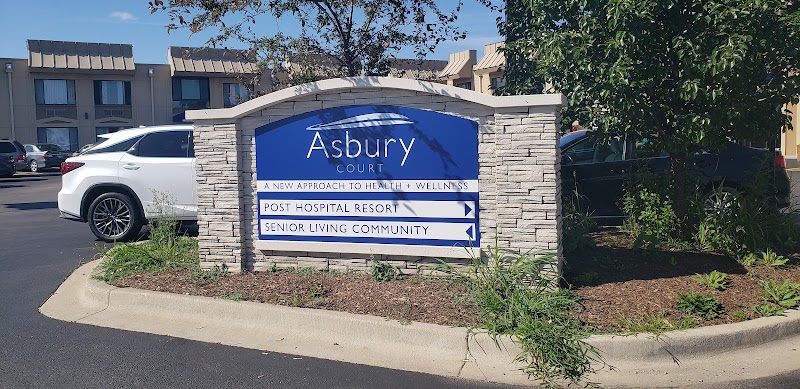
CMS assigns ASBURY COURT NURSING & REHAB an overall rating of 1 out of 5 stars, which is considered much below average nationally. Within Illinois, this rating places the facility higher than 0% of the state's 100 nursing homes. A rating at this level reflects concerns identified through health inspections, staffing assessments, or quality measures that families should carefully consider.
How is Asbury Court Nursing & Rehab Staffed?

CMS rates ASBURY COURT NURSING & REHAB's staffing level at 4 out of 5 stars, which is above average compared to other nursing homes. Staff turnover is 46%, compared to the Illinois average of 46%.

What Have Inspectors Found at Asbury Court Nursing & Rehab?

State health inspectors documented 15 deficiencies at ASBURY COURT NURSING & REHAB during 2023 to 2025. These included: 1 that caused actual resident harm and 14 with potential for harm. Deficiencies causing actual harm indicate documented cases where residents experienced negative health consequences.
Who Owns and Operates Asbury Court Nursing & Rehab?

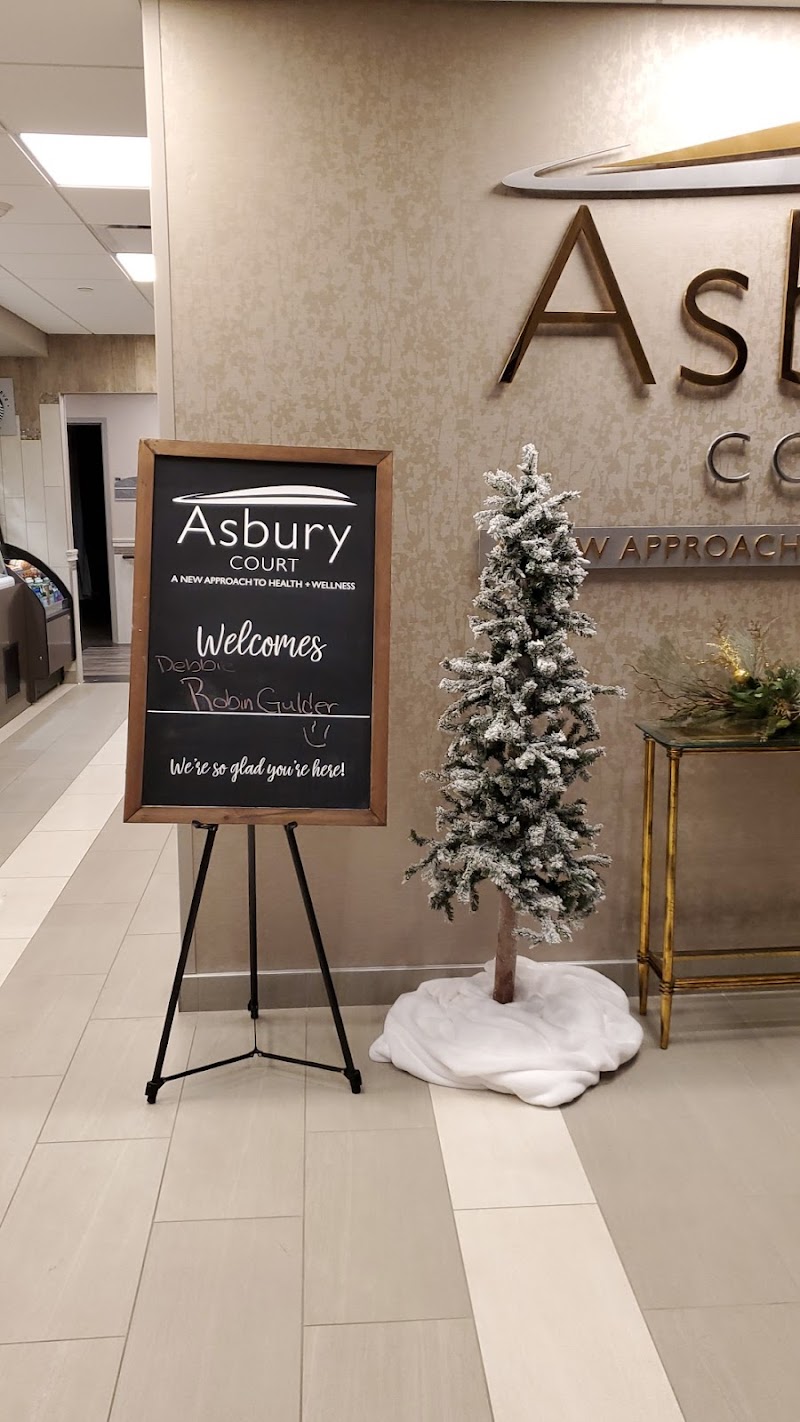
ASBURY COURT NURSING & REHAB is owned by a for-profit company. For-profit facilities operate as businesses with obligations to shareholders or private owners. The facility operates independently rather than as part of a larger chain. With 79 certified beds and approximately 66 residents (about 84% occupancy), it is a smaller facility located in DES PLAINES, Illinois.
How Does Asbury Court Nursing & Rehab Compare to Other Illinois Nursing Homes?

Compared to the 100 nursing homes in Illinois, ASBURY COURT NURSING & REHAB's overall rating (1 stars) is below the state average of 2.5, staff turnover (46%) is near the state average of 46%, and health inspection rating (2 stars) is below the national benchmark.

What Should Families Ask When Visiting Asbury Court Nursing & Rehab?

Based on this facility's data, families visiting should ask: "What safeguards and monitoring systems are in place to protect residents from abuse or neglect?" "Can I visit during a mealtime to observe dining assistance and food quality?" "How do you handle medical emergencies, and what is your hospital transfer rate?" "Can I speak with family members of current residents about their experience?" These questions are particularly relevant given the substantiated abuse finding on record.

Is Asbury Court Nursing & Rehab Safe?

Based on CMS inspection data, ASBURY COURT NURSING & REHAB has documented safety concerns. The facility has 1 substantiated abuse finding (meaning confirmed case of resident harm by staff or other residents). The facility has a 1-star overall rating and ranks #100 of 100 nursing homes in Illinois. Families considering this facility should ask detailed questions about what corrective actions have been taken since these incidents.

Do Nurses at Asbury Court Nursing & Rehab Stick Around?

ASBURY COURT NURSING & REHAB has a staff turnover rate of 46%, which is about average for Illinois nursing homes (state average: 46%). Moderate turnover is common in nursing homes, but families should still ask about staff tenure and how the facility maintains care continuity when employees leave.

Was Asbury Court Nursing & Rehab Ever Fined?

ASBURY COURT NURSING & REHAB has no federal fines on record. CMS issues fines when nursing homes fail to meet care standards or don't correct problems found during inspections. The absence of fines suggests the facility has either maintained compliance or corrected any issues before penalties were assessed. This is a positive indicator, though families should still review recent inspection reports for the full picture.

Is Asbury Court Nursing & Rehab on Any Federal Watch List?

ASBURY COURT NURSING & REHAB is not on any federal watch list. The most significant is the Special Focus Facility (SFF) program, which identifies the bottom 1% of nursing homes nationally based on persistent, serious quality problems. Not being on this list means the facility has avoided the pattern of deficiencies that triggers enhanced federal oversight. This is a positive indicator, though families should still review the facility's inspection history directly.