COUNTRYSIDE NURSING & REHAB CTR
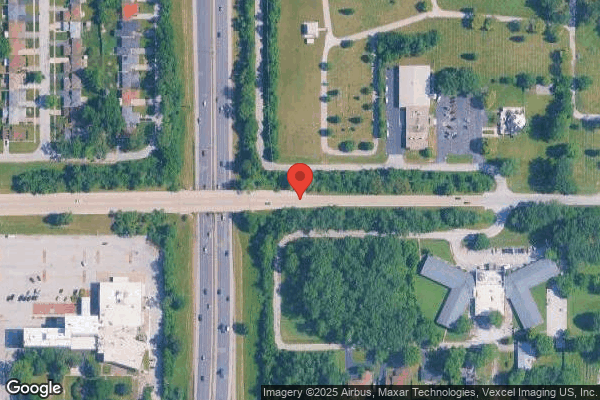

1635 EAST 154TH STREET, DOLTON, IL 60419 (708) 841-9550
For profit - Individual 197 Beds EXTENDED CARE CLINICAL Data: November 2025
Trust Grade
0/100
#497 of 665 in IL
Last Inspection: September 2024

Within standard 12-15 month inspection cycle. Federal law requires annual inspections.

Overview

Countryside Nursing & Rehab Center has received a Trust Grade of F, which indicates significant concerns regarding its operations and care quality. It ranks #497 out of 665 facilities in Illinois, placing it in the bottom half, and #164 out of 201 in Cook County, meaning there are many better options available locally. The facility's trend is improving, with issues decreasing from 19 in 2024 to 10 in 2025; however, it still faces serious problems, including incidents of drug use among residents and failures in monitoring high fall-risk individuals, which have resulted in serious injuries. Staffing is a weakness, reflected in a poor rating of 1 out of 5 stars and less RN coverage than 85% of Illinois facilities, but the turnover rate is relatively low at 36%, which is better than the state average. Additionally, the facility has incurred $84,533 in fines, suggesting ongoing compliance issues that families should be aware of.

Trust Score
F
0/100
In Illinois
#497/665
Bottom 26%
Safety Record
High Risk
Review needed
Inspections
Getting Better
19 → 10 violations
Staff Stability
○ Average
36% turnover. Near Illinois's 48% average. Typical for the industry.
Penalties
○ Average
$84,533 in fines. Higher than 53% of Illinois facilities. Some compliance issues.
Skilled Nurses
⚠ Watch
Each resident gets only 16 minutes of Registered Nurse (RN) attention daily — below average for Illinois. Fewer RN minutes means fewer trained eyes watching for problems.
Violations
⚠ Watch
44 deficiencies on record. Higher than average. Multiple issues found across inspections.
★☆☆☆☆
1.0
Overall Rating
★☆☆☆☆
1.0
Staff Levels
★★★★☆
4.0
Care Quality
★★☆☆☆
2.0
Inspection Score
Stable
2024: 19 issues
2025: 10 issues

The Good

  • 4-Star Quality Measures · Strong clinical quality outcomes
  • Full Sprinkler Coverage · Fire safety systems throughout facility
  • No fines on record
  • Staff turnover below average (36%)

    12 points below Illinois average of 48%

Facility shows strength in quality measures, fire safety.

The Bad

1-Star Overall Rating

Below Illinois average (2.5)

Significant quality concerns identified by CMS

Staff Turnover: 36%

Near Illinois avg (46%)

Typical for the industry

Federal Fines: $84,533

Well above median ($33,413)

Moderate penalties - review what triggered them

Chain: EXTENDED CARE CLINICAL

Part of a multi-facility chain

Ask about local staffing decisions and management

The Ugly 44 deficiencies on record

4 actual harm
Jul 2025 3 deficiencies
CONCERN (E) 📢 Someone Reported This

A family member, employee, or ombudsman was alarmed enough to file a formal complaint

Potential for Harm - no one hurt, but risky conditions existed

Accident Prevention (Tag F0689)

Could have caused harm · This affected multiple residents

**NOTE- TERMS IN BRACKETS HAVE BEEN EDITED TO PROTECT CONFIDENTIALITY** Based upon observation, interview, and record review the facility failed to provide supervision, failed to implement fall preven...

Read full inspector narrative →
**NOTE- TERMS IN BRACKETS HAVE BEEN EDITED TO PROTECT CONFIDENTIALITY** Based upon observation, interview, and record review the facility failed to provide supervision, failed to implement fall prevention interventions, and/or failed to address safety hazards for five of 68 residents (R2, R139, R141, R144, R161) in the sample. Findings include: R144 is [AGE] years old and have resided at the facility since 2014, past medical history includes, but not limited to chronic obstructive pulmonary disease, unspecified dementia, type 2 diabetes, Parkinson’s disease, delusional disorder, etc. 07/28/2025 3:32 PM R144 was observed in his room at the end of the hall, awake, alert and oriented with confusion, stated he just came back from the hospital but does not know why. R144 was naked with his dirty diaper on the bed, G-tube plunger noted at the bedside table, resident's bed was unplugged from the wall, another cord not attached to anything was lying close to resident's bed. There was no call light close to resident or any floor mats noted. 07/28/2025 3:36 PM 11 (LPN) said that she is the assigned nurse for the resident, R144 has a lot of behavior and must have unplugged the bed from the wall and now V11 cannot get it back to the wall, she will get maintenance to fix it. V11 said that resident went to the hospital for altered mental status, he had a fall recently but did not go out the same day. V11 added that resident do not have a G-tube, the g-tube plunger is not supposed to be in his room, resident has a habit of picking stuff from another room and bringing it back to his room, he is currently the only resident in the room. Fall risk evaluation dated 4/3/2025 scored R144 as 11, high risk for fall. Minimum Data Set (MDS) assessment dated [DATE] indicate a BIMs score of 10 for residents’ cognitive pattern, section GG (functional status) indicated that resident requires supervision/ staff assistance for all Activities of Daily Living (ADLS). Per record review, R144 has had 3 falls this year, on 3/17/2025, resident had an unwitnessed fall in the hallway in the B wing. On 5/17/2025 resident was observed in his room on the floor at 11:30PM in a sitting position with clothes on the floor. At 0100, resident was noted in the hallway and was redirected to his room, then at 0300 the nurse aide reported that resident was bleeding, and the nurse documented a laceration to left lateral eyebrow and bruising to the left elbow. Resident was sent to the hospital for further observation. On7/20/2025 resident had a witnessed fall while ambulating in the hallway without assistive device and sustained a skin tear on the left side of forehead. R144 was again sent out to the hospital for aggressive behavior. 07/29/2025 9:35 AM, Resident was not in his room, room noted to be deserted, one pair of shoes and 3 tubs of deodorant on the dresser, there was a garbage can and an isolation bin at the entrance of the room. At 9:40AM surveyor asked staff about the resident, and she said that he was moved to another rom this morning. Resident was observed in his new room at the end of another hall. Care plan dated 7/28/2025 stated that resident is a high risk for fall related to shuffled gait, dementia, use of psychotropic medication, Parkinson, etc. Interventions include keep call light in reach, keep bed in lowest position, assure floor is free of glare, liquids, foreign objects, keep personal items within reach, floor mats x2, etc. On 07/30/2025 10:00 AM, surveyor asked V35 (Restorative Nurse) if R144 have a fall care plan prior to 7/28/2025 and what type of interventions were in place. V35 said that R144 has an initial fall care plan but it was updated on 7/28/2025 with additional interventions. Resident did not have a floor mat prior to the last fall, they included toileting as needed, educated resident watching the pathway, report when there is a fall, etc. V35 was unable to identify the interventions in place for R144 prior to 7/28/2025. Fall policy revised August 2008 stated in that as part of the initial assessment, the physician will help identify individuals with a history of falls and risk factors for subsequent falling. Under monitoring and follow up, #2 The staff and physician will monitor and document the individual’s response to interventions intended to reduce falling or the consequences of falling. 4. If the individual continues to fall, the staff and physician will re-evaluate the situation and consider other possible reasons for the resident falling (besides those that have already been identified). Findings include: The (7/28/25) facility census includes 158 residents. R161’s (7/26/25) care plan states resident is high risk for falls due to limited mobility, weakness, and missing limbs, interventions: bed to the lowest position, floor mats in place x2. On 7/28/25 at 10:10am, R161 affirmed “I (R161) arrived Saturday (7/26/25), I need Physical Therapy. I had this leg (right leg) amputated so I need to be fitted for the prosthesis.” R161 was lying in bed however assistive devices to turn/reposition in bed were not in place. Surveyor inquired about facility concerns R161 stated “The biggest concern is that I (R161) don’t have side rails, this table is the only thing preventing me from falling from the bed. A rail would make a big difference because that’s the only way I can move.” A floor mat was adjacent R161’s bed (near the window) however the other floor mat present was leaning against the footboard. R161’s bed was not in low position and the floor was notably wet (under the bedside table). On 7/28/25 at 10:19am, surveyor inquired about R161’s fall prevention interventions V11 (LPN/Licensed Practical Nurse) stated “Lower bed, the mat on the floor and the call light within reach.” Surveyor inquired about concerns with R161’s floor mats V11 responded “He (R161) doesn’t have a mat on this side because the tray is there” (referring to the bedside table). Surveyor inquired what was spilled on R161’s floor V11 responded “It’s wet but I can’t tell you what it is.” Surveyor inquired if R161’s bed was in the lowest position V11 replied “No, it’s not” and proceeded to lower the bed. Surveyor relayed concerns with R161’s bed (without side rails) V11 stated “That would be something I (V11) would have to communicate with someone, I would need to go to the DON (Director of Nursing) and I would ask her (DON).” On 7/30/25 at 10:05am, surveyor inquired about R161’s functional status and fall prevention interventions V35 (Restorative Nurse) stated “He (R161) requires some max assist and dependent on staff as far as moving, sitting up. He requires staff assistance with transfers, he’s missing limbs on the lower extremity. He’s missing the right leg and left ankle, foot. I have him for fall mats, bed in lowest position, call light within reach, toileting needs addressed.” Surveyor inquired if R161 was offered side rails V35 responded “He was not because we (facility) do not do side rails here. He asked when I saw him and it was the weekend, I said I would speak to administration about side rails.” Surveyor inquired if V35 spoke to administration about R161’s siderails V35 replied “No, we (staff) were busy doing other things. I could probably do a overhead trapeze if he (R161) wants to use it” (R161 was admitted 4 days prior). Surveyor inquired if it was appropriate to use only 1 floor mat when R161 was lying in bed V35 stated “They should have both been put down while he was in bed.” R2’s (7/1/25) functional assessment affirms partial/moderate assistance is required for putting on footwear. R2’s (4/5/25) care plan states resident is at risk for falls due to lower extremity weakness and unsteady balance, intervention: encourage resident not to attempt self-transfer or self-ambulation. ADL (Activities of Daily Living) care includes the following intervention: ensure proper fitting shoes are being worn. On 7/28/25 at 10:31am, R2 was observed in the dining room seated in a wheelchair. The back of R2’s shoes were folded downward, and both heels were on top of the shoes. Surveyor inquired if R2 can walk V11 (LPN) stated, “With assistance.” Surveyor inquired about concerns with R2’s shoes V11 refrained from responding and proceeded to pull the back R2’s upward then placed both feet in the shoes correctly. On 7/30/25 at 10:11am, surveyor inquired about R2’s functional status and fall prevention interventions V35 stated “He (R2) requires assistance, contact while he’s walking. He’s currently in a wheelchair now because he’s weak. He’s encouraged not to self-transfer.” Surveyor inquired if R2 requires assistance with placing shoes on V35 responded “Yes, properly making sure they’re on all the way, laced.” On 7/28/25 at 10:40am, ten (10) residents were noted to be unsupervised in the dining room (with soda/snack machines). V23 (Medical Records) subsequently entered the dining room, surveyor inquired who was supposed to be monitoring the dining room V23 (Medical Records) stated, “I’m not sure, they (facility) have a list on the front board.” Surveyor inquired if staff were present in the dining room V23 responded “No ma am.” On 7/28/25 at 12:33pm, water was noted to be dripping from the main dining room ceiling onto the floor. Surveyor inquired why the water was leaking from the ceiling V7 (Maintenance Director) stated “It’s been coming from the HVAC (Heating Ventilation Air Conditioner) it’s fixed” and affirmed “I just repaired that.” On 7/29/25 at 9:38am (the following day), a large puddle of water was observed on the main dining room floor with a bath blanket present. Water was noted to be dripping from the ceiling and a wet floor sign was near the puddle however collection containers were not in use – to prevent hazards. R141’s (11/25/24) care plan states resident is limited in his functional abilities due to left sided weakness without full range of motion to left shoulder, intervention: provide required level of assistance and support. On 7/29/25 at 1:00pm, R141 was in the dining room wearing a shoe on the left foot and a sock (with holes) on the right foot. V11 (LPN) directed R141 to go to his room for medication administration and failed to address the footwear. Surveyor inquired why R141 was not wearing both shoes V11 stated “He (R141) refuses to put the other one on” and failed to offer any assistance with ambulation and/or footwear. On 7/30/25 at 10:21am, surveyor inquired about R141’s functional status and fall prevention interventions V35 stated “He’s (R141) able to provide his own dressing assistance and uses a roller walker for ambulation but he doesn’t like to wear shoes on one of his feet but he does put on non-skid footwear.” Surveyor inquired why R141 wears only 1 shoe V35 responded “His foot is actually swollen, he just doesn’t want to, he’s very difficult to manage.” Surveyor inquired if R141 was offered different shoes (due to identified swelling) V35 replied “I’m not sure.” R139’s (5/1/25) BIMS (Brief Interview Mental Status) determined a score of 7 (severe cognitive impairment). R139’s (2/3/25) care plan states resident receives limited to extensive assist with dressing, intervention: allow extra time to complete ADLS (Activities of Daily Living). On 7/29/25 at 1:26pm, R139 was observed seated in a wheelchair (in the hallway) with his pants pulled down (a pullup and both thighs were exposed). R139 was wearing a sock on the right foot however the left foot was exposed, and both feet were on the floor. V26 (LPN) was in the hallway (standing next to surveyor) during observation however failed to address concerns with R139’s privacy and/or safety until surveyor inquired about the resident. On 7/30/25 at 10:17am, surveyor inquired about R139’s functional status and fall prevention interventions V35 stated “He (R139) uses a wheelchair, he can walk with an assistive device with staff. Keep areas free of obstacles, ensure positioning, items within reach, provide toileting assistance as needed.” Surveyor inquired if R139 can dress himself V35 responded “Yes, he can put his clothes on with cueing.” Surveyor relayed concerns regarding R139 observed in a wheelchair without shoes and/or non-slip socks on V35 replied “Everyone should have on shoes unless he has on slippers.” The falls clinical protocol (revised 8/08) states as part of the initial assessment, the physician will help identify individuals with a history of falls and risk factors for subsequent falling. Based on the preceding assessment, the staff and physician will identify pertinent interventions to try to prevent subsequent falls and to address risk of serious consequences of falling.
CONCERN (E) 📢 Someone Reported This

A family member, employee, or ombudsman was alarmed enough to file a formal complaint

Potential for Harm - no one hurt, but risky conditions existed

Deficiency F0725 (Tag F0725)

Could have caused harm · This affected multiple residents

Based upon observation, interview, and record review the facility failed to ensure that sufficient nursing staff were available to meet the needs for 20 of 68 dependent residents (R2, R3, R5, R7, R8, ...

Read full inspector narrative →
Based upon observation, interview, and record review the facility failed to ensure that sufficient nursing staff were available to meet the needs for 20 of 68 dependent residents (R2, R3, R5, R7, R8, R14, R23, R36, R46, R51, R66, R76, R109, R114, R127, R139, R140, R141, R150, R161) in the sample and failed to ensure a licensed nurse had the required training/coursework to manage the facility restorative program. These failures have the potential to affect 158 residents. Findings include: Review of facility assignment sheet for 7/20/2025 on third shift documents that V39 (Certified Nursing Assistant) was assigned to A/B unit and V40 (Certified Nursing Assistant) was assigned to the C/D unit. The sheet also documents that V39 and V40 were responsible for the following activities “Answer all call lights, ADLs, POC (point of care)”. On 7/29/2025 at 12:35 AM, V2 (Director of Nursing) affirmed that on 7/20/2025 only 2 certified nursing assistants were assigned to care for the residents in the facility. V2 explained that V2 was not notified of the staffing issues until the morning, when V3 (Infection Preventionist) arrived to the facility at around 4:00 AM. V2 affirmed that no other staff were called or arrived to assist the staffing shortage. V2 affirmed that the usually staffing for the unit for 3rd shift was around 5-6 CNAs. On 7/30/2025 at 10:14 AM, V34 (MDS Nurse, Licensed Practical Nurse) stated that V34 was working on 3rd shift on 7/20/2025. V34 stated that there were only 2 CNAs scheduled for the facility during that shift. V34 stated that management was notified but no other certified nursing assistants arrived prior to the end of the shift. V34 stated that the unit that V34 was assigned to was “mainly residents that were ambulatory and didn’t need as much assistance with ADLs so with the nurses performing the work of the aides, we were able to get by”. V34 was unsure if only having 2 certified nursing assistants was a safe ratio for the facility’s care needs. V34 affirmed that the aides had to care for around 75 residents per aide. On 7/30/2025 at 12:34 PM, V39 (Certified Nursing Assistant) affirmed that V39 worked on 7/20/2025 and was the only certified nursing assistant working on the C/D unit for 3rd shift. V39 explained that there was usually 3-4 nursing assistants working on the C/D unit at night. When asked if the residents needs were able to be met, V39 replied, “It wasn’t an ideal situation”. V39 stated that V39 reported that there was only 1 nursing assistant to the staff nurses who told the management of the facility. V39 affirmed that V39 did not go to the A/B unit. On 7/30/2025 at 1:03 PM, V40 (Certified Nursing Assistant) affirmed that V40 was the only certified nursing assistant assigned to the A/B unit on 7/20/2025 on 3rd shift. V40 explained that the majority of the residents on the A/B unit are in need of assistance with activities of daily living and are incontinent. V40 recalled the night and explained that the assignment was “not doable, but I had to make it doable. All I could do was try to check and change them as best I could. No one was called in to help, it was just me. Management was aware. I couldn’t go to the C/D unit to help, we couldn’t afford to leave and help each other”. V40 affirmed that the staffing ratio for that night was unsafe and inappropriate. On 7/31/2025 at 11:43 AM, V1 (Administrator) affirmed that the facility’s census on 7/20/2025 was 153 residents. This affirms that the ratio of certified nursing assistants to residents is 1:76.5. Facility provided list of incontinent residents documents in part that 57 residents in the facility are incontinent and 54 residents require assistance with activities of daily living. Facility assessment (4/4/2025) identifies that approximately 9 certified nursing assistants are needed on to meet the facility’s resident needs on night shift. Findings include: The (7/28/25) facility census includes 158 residents. On 7/28/25 at 9:44am, gnats were observed flying in R127’s room. Surveyor inquired about facility concerns R127 stated “There’s gnats all over the place. The bathroom is a s**t show with gnats in there. The showers are filthy and smell bad. The food here sucks, the food in prison is better than this place.” R127’s CPAP (Continuous Positive Airway Pressure) mask was uncontained. Surveyor inquired if staff keep the CPAP mask in a bag (to prevent infection) when not in use R127 stated “No.” On 7/28/25 at 9:56am, surveyor inquired about the gnats observed flying in the (Unit B) hallway V9 (Housekeeping) stated “I ain’t been here in a couple days so I don’t know about that.” Surveyor inquired what was hanging on the walls in R139’s room V9 responded “That’s a fly thing, I see gnats on there.” Surveyor inquired why so many gnats were flying around in R139’s room V9 replied “I see what you’re talking about. He (R139) always has food in his drawer or food in his room and I don’t know why.” V9 inspected R139’s room and dresser drawers (as requested) however there was no food present. A urinal was noted on R139’s dresser - with a tan crusty substance inside the container. Surveyor inquired about concerns with R139’s urinal V9 stated “They’re (staff) supposed to be pouring the urine out they’re (gnats) attracted to that pee. They (staff) need to get a new jug (urinal) and pour that stuff out.” On 7/28/25 at 10:01am, a pullup was observed on R140's bedroom floor and a thick clump of dirt was lying next to it. The pullup appeared to be stepped on (smeared dirt was noted on the outside). Trash was covering R140’s dresser and was also noted on the floor. Surveyor inquired what was on R140’s floor V10 (CNA/Certified Nursing Assistant) subsequently entered the room and responded, “There’s a brief right here, and a piece of paper” then picked up several items from the floor and stated “This looks like dirt ma am, he (R140) doesn’t let anybody come into his room” however nobody was in the room prior to observation. Surveyor inquired about the trash on R140’s dresser V10 replied “I see a lot of cups and pieces of paper.” Surveyor inquired about staffing concerns V10 stated “I (V10) usually work on the C/D side, they (facility) put me on B hall today because were short due to call ins I’m guessing. [The 7/28/25 schedule affirms V15 (CNA) scheduled for dayshift (7am-3:30pm) called off]. On 7/28/25 at 10:10am, R161 affirmed “I (R161) arrived Saturday (7/26/25), I need Physical Therapy. I had this leg (right leg) amputated so I need to be fitted for the prosthesis.” R161 was lying in bed however assistive devices to turn/reposition in bed were not in place. Surveyor inquired about facility concerns R61 stated “The biggest concern is that I (R161) don’t have side rails, this table is the only thing preventing me from falling from the bed. A rail would make a big difference because that’s the only way I can move.” A floor mat was adjacent R161’s bed (near the window) however the other floor mat present was leaning against the footboard. R161’s bed was not in low position and the floor was notably wet (under the bedside table). R161’s CPAP mask was lying on the bed and uncontained. On 7/28/25 at 10:19am, surveyor inquired about R161’s fall prevention interventions V11 (LPN/Licensed Practical Nurse) stated “Lower bed, the mat on the floor and the call light within reach.” Surveyor inquired about concerns with R161’s floor mats V11 responded “He (R161) doesn’t have a mat on this side because the tray is there” (referring to the bedside table). Surveyor inquired what was spilled on R161’s floor V11 responded “It’s wet but I can’t tell you what it is.” Surveyor inquired if R161’s bed was in the lowest position V11 replied “No, it’s not” and proceeded to lower the bed. Surveyor relayed concerns with R161’s bed (without side rails) V11 stated “That would be something I (V11) would have to communicate with someone, I would need to go to the DON (Director of Nursing) and I would ask her (DON).” Surveyor inquired if R161’s CPAP mask was dated and/or contained in a bag V11 inspected the mask and stated, “It’s not in a bag and there’s no date on there.” On 7/28/25 at 10:31am, R2 was up in a wheelchair however the back of R2’s shoes were folded downward, and both heels were on top of the shoes. Surveyor inquired if R2 can walk V11 (LPN) stated, “With assistance.” Surveyor inquired about concerns with R2’s shoes V11 refrained from responding and proceeded to pull the back R2’s upward then placed both feet in the shoes correctly. On 7/28/25 at 10:40am, ten (10) residents were noted to be unsupervised in the dining room (with soda/snack machines). V23 (Medical Records) subsequently entered the dining room, surveyor inquired who was supposed to be monitoring the dining room V23 (Medical Records) stated, “I’m not sure, they (facility) have a list on the front board.” Surveyor inquired if staff were present in the dining room V23 responded “No ma am.” On 7/28/25 at 12:20pm, the (Unit B) hallway floors were notably soiled with dirt and grime. V9 (Housekeeping) was observed mopping the floor however the dirt and grime remained on the floor. On 7/28/25 at 12:22pm, R161 stated “I have not gotten my morning eye drops, the Simbrinza for my glaucoma.” On 7/28/25 at 12:31pm, surveyor inquired why R161 did not receive prescribed eye drops V11 (LPN) reviewed the EMAR (Electronic Medication Administration Record) and stated “He (R161) gets them at 9pm” however was referring to Latanoprost on the screen. Surveyor inquired if R161 has another eye drop prescribed V11 affirmed “He does not.” [R161’s (7/26/25) physician orders include Simbrinza to the left eye three times a day - scheduled for 9am administration]. On 7/28/25 at 12:50pm, R161 affirmed that he received Simbrinza “A few minutes ago” (roughly 3 hours late). On 7/28/25 at 12:33pm, water was noted to be dripping from the main dining room ceiling onto the floor. Surveyor inquired why the water was leaking from the ceiling V7 (Maintenance Director) stated “It’s been coming from the HVAC (Heating Ventilation Air Conditioner) it’s fixed” and affirmed “I just repaired that.” On 7/29/25 at 8:52 am, V11’s (LPN) stated that she’s a new graduate (1 month ago) and assigned to “44” residents. Surveyor advised that the residents’ 9am medication administration would be observed at this time V11 responded “I (V11) have 4 residents left” and affirmed she (V11) passed 9am medications to 40 of the assigned residents - since 8am (within 52 minutes) however a total of 22 minutes transpired during R75’s medication administration observation. [Considering reasonable person concept, assigned workload, and R75’s medication administration observation V11 likely administered 9am medications prior to 8am - therefore not within regulatory requirements]. On 7/29/25 at 9:11am, V25 (RN/Registered Nurse) was assigned to “26” residents. Surveyor inquired about the 9am medication administration V25 stated “I only have 1 left, 1 more person to give meds to.” Surveyor inquired when V25 started medication administration V25 responded “We (staff) start it when I (V25) came in, I got here at 7am so about 7:30 it was.” Surveyor inquired about the regulatory requirements for 9am medication administration V25 replied “You have to start between 8am and 10:00 for the morning shift.” Surveyor inquired why seven (7) residents (R7, R14, R51, R109, R114, R127, R140) assigned to V25 were highlighted red and marked “late” on the EMAR (Electronic Medical Administration Record] V25 replied “It needs to be completed, I (V25) just need to click it out” and affirmed the highlighted residents received prescribed medications however they were not documented immediately after administration. On 7/29/25 at 9:23am, V25 (RN) left the (Unit B) medication cart (unlocked and unattended) while administering medications to R41 in the room (behind a curtain). When V25 returned to the medication cart surveyor inquired if it was locked V25 stated “No.” Surveyor inquired why the medication cart was left unlocked and unattended V25 responded “I could see it from the door” however V25 stood behind R41’s curtain during medication administration and the medication cart was in the hallway. On 7/29/25 at 9:25am, surveyor inquired about the appearance of the (Unit B) hallway floor V16 (Housekeeping) stated “It looks like dirt and paint. You gotta use the stripper, buff it, and wax.” V16 affirmed that the night shift staff is assigned to buff the floors (due to residents in the hallway during the day) however it was not getting done. On 7/29/25 at 9:28am, V26 (LPN) was assigned to “31” residents and affirmed that all but one (1) assigned resident (R112) who was currently receiving therapy received their medications. Surveyor inquired why five (5) additional residents (R5, R23, R46, R66, R76) assigned to V26 were highlighted green and marked “due” on the EMAR V26 stated “I (V26) just gotta sign all of the stuff, the meds and stuff.” Surveyor inquired about the regulatory requirement for medication administration V26 responded “Chart it as you give.” On 7/29/25 at 9:36am, V27 (Registered Nurse) stated that the 9am medications were passed to all her (V27’s) assigned residents. Surveyor inquired why R3 and R150 were highlighted green and marked “due” on the EMAR V27 responded “These residents are assigned to the other Nurse” and affirmed they were assigned to V26 (on the split assignment). On 7/29/25 at 9:38am, a large puddle of water was observed on the main dining room floor with a bath blanket present. Water was noted to be dripping from the ceiling and a wet floor sign was near the puddle however collection containers were not in use - to prevent hazards. On 7/29/25 at 12:28pm, the (Unit C) medication cart was unlocked and unattended. Surveyor inquired if the (Unit C) medication cart (assigned to V11/Licensed Practical Nurse) was locked V33 (Certified Nursing Assistant) inspected the medication cart and responded, “Oh my God.” Surveyor inquired again if the (Unit C) medication cart was locked V33 proceeded to lock the cart and replied, “It wasn’t.” On 7/29/25 at 12:32pm, (4 minutes later) surveyor inquired why V11’s cart was left unlocked and unattended V11 stated “That was an error that I made.” On 7/29/25 at 12:34pm, surveyor inquired about R36’s (left lower leg) lidocaine patch which was dated 7/24 (5 days prior). V11 (LPN) reviewed R36’s EMAR and stated, “He (R36) gets that at 6am, so that’s before I get here.” R36’s physician orders state – apply Lidocaine patch to right hip - not the leg. On 7/29/25 at 1:00pm, R141 was in the dining room wearing a shoe on the left foot and a sock (with holes) on the right foot. V11 (LPN) directed R141 to go to his room for medication administration and failed to address the footwear. Surveyor inquired why R141 was not wearing both shoes V11 stated “He (R141) refuses to put the other one on” and failed to offer any assistance with ambulation and/or footwear. On 7/29/25 at 1:26pm, R139 was observed seated in a wheelchair (in the hallway) with his pants pulled down (a pullup and both thighs were exposed). R139 was wearing a sock on the right foot however the left foot was exposed, and both feet were on the floor. V26 (LPN) was in the hallway (standing next to surveyor) during observation however failed to address concerns with R139’s privacy and/or safety until surveyor inquired about the resident. On 7/30/25 at 10:05am, surveyor inquired about R161’s functional status and fall prevention interventions V35 (Restorative Nurse) stated “He (R161) requires some max assist and dependent on staff as far as moving, sitting up. He requires staff assistance with transfers, he’s missing limbs on the lower extremity. He’s missing the right leg and left ankle, foot. I have him for fall mats, bed in lowest position, call light within reach, toileting needs addressed.” Surveyor inquired if R161 was offered side rails V35 responded “He was not because we (facility) do not do side rails here. He asked when I saw him and it was the weekend, I said I would speak to administration about side rails.” Surveyor inquired if V35 spoke to administration about R161’s siderails V35 replied “ No, we (staff) were busy doing other things. I could probably do a overhead trapeze if he (R161) wants to use it.” Surveyor inquired if it was appropriate to use only 1 floor mat when R161 was lying in bed V35 stated “ They should have both been put down while he was in bed.” On 7/30/25 at 10:11, surveyor inquired if R2 requires assistance with placing shoes on V35 responded “Yes, properly” making sure they’re on all the way, laced.” On 7/30/25 at 10:17am, surveyor inquired if R139 can dress himself V35 responded “Yes, he (R139) can put his clothes on with cueing.” Surveyor relayed concerns regarding R139 observed in a wheelchair without shoes and/or non-slip socks on V35 replied “Everyone should have on shoes unless he has on slippers.” On 7/30/25 at 10:21am, surveyor inquired why R141 wears only 1 shoe V35 responded “His (R141) foot is actually swole, he just doesn’t want to, he’s very difficult to manage.” Surveyor inquired if R141 was offered different shoes (due to identified swelling) V35 replied “I’m not sure.” On 7/30/25 at 11:00am, surveyor inquired if V35 was certified in restorative V35 stated “No, I’m working on getting enrolled today” however failed to provide (requested) documentation to affirm she was enrolled in a restorative nursing program. R8's (7/14/25) MRR (Medication Record Review) states Please take the following action described below however actions and/or instructions were excluded from the document. On 7/30/25 at 2:34pm, surveyor inquired about R8's (7/14/25) pharmacist recommendations which were excluded from the MRR V2 (Director of Nursing) stated He (pharmacist) checked off a recommendation for her (R8) but didn't send us (facility) a recommendation and presented (7/30/25) email (sent to consultant pharmacist) which states for (R8’s name) in the chart you (pharmacist) documented a pharmacy recommendation for med (medication) change but there is not recommendation attached. Can you email me (V2) this information [16 days after the recommendation was made]. The (11/2017) staffing policy states our facility provides adequate staffing to meet the needed care and services for our resident population. In addition, staffing will meet all operational activities as required. Our facility maintains adequate staffing on each shift to ensure that our resident’s needs are met. Licensed registered nursing and licensed nursing staff are available to provide and monitor the delivery of resident care services and provide supervision to CNAS and other support staff in the absence of the Administrator and/or department heads. Certified Nursing Assistants are available on each shift to provide the needed care and services of each resident as outlined on the residents’ comprehensive care plan. Other operational support staff are adequately staffed to ensure that resident needs are met, and that the operation of this facility is conducted. The facility periodically reviews its staffing needs using census, resident assessments, skill level required, and the Facility Assessment process to determine adequate and minimal staffing levels. When the facility drops below minimal staffing levels the facility will follow this course of action: call all line staff to augment staff shortage. Call contracted agency / temp placements to fill staff shortage with administrator approval.
CONCERN (F) 📢 Someone Reported This

A family member, employee, or ombudsman was alarmed enough to file a formal complaint

Potential for Harm - no one hurt, but risky conditions existed

Infection Control (Tag F0880)

Could have caused harm · This affected most or all residents

Based on interview and record review, the facility failed to follow their water management policy by 1. Failed to implement the facility's water management program by failing to educate team members o...

Read full inspector narrative →
Based on interview and record review, the facility failed to follow their water management policy by 1. Failed to implement the facility's water management program by failing to educate team members on the principles of an effective water management program, 2. failed to maintain documentation that describes the facility's water system, 3. failed to annually conduct a risk assessment and identify control points to identify where Legionella and other opportunistic waterborne pathogens could grow and spread in the water system, 4. failed to ensure control measures were applied to address potential hazards at each control point, 5. failed to evaluate the effectiveness of the water management program annually using infection control surveillance data, water quality data, and rounding data, 6. failed to report relevant information to the QAPI (Quality Assurance and Performance Improvement) committee, and 7. failed to document all activities related to the water management program and maintain the documentation for a minimum of three years. This failure affects all 158 residents residing in the facility.Findings include:On 07/30/2025 at 12:40 PM, V7 Maintenance Director was inquired of completing the water testing per the facility policy. V7 said, We don't test no water here. The city has come and checked the water before. The previous administrator has handled all the paperwork since I've been here three years. On 07/30/2025 at 2:30 PM, V36 Assistant Administrator was inquired of completing the water testing per the facility policy. V36 said, We don't have any documents for water testing.V7 provided a blank environmental assessment of water systems to this surveyor for review. V7 and V36 were unable to provide any documentation on implementation of the risk assessment.The 03/2023 Water Management Policy states in part: Policy: It is the policy of this facility to establish water management plans for reducing the risk of Legionellosis and other opportunistic pathogens (e.g., ASHRAE, CDC, EPA). Policy Explanation and Compliance Guidelines:1. A water management team has been established to develop and implement the facility's water management program, including facility leadership, the Infection Preventionist, maintenance employees, safety officers, risk and quality management staff, and Director of Nursing.a. Team members have been educated on the principles of an effective water management program, including how Legionella and other water-borne pathogens grow and spread. Education is consistent with each team member's role.b. The water management team has access to water treatment professionals, environmental health specialists, and state/local health officials.2. The maintenance director maintains documentation that describes the facility's water system. A copy is kept in the water management program binder.3. A risk assessment will be conducted by the water management team annually to identify where Legionella and other opportunistic water-borne pathogens could grow and spread in the facility's water systems. The risk assessment will consider the following elements:a. Premise plumbing: This includes water system components as described in the documentation of the facility's water system.b. Clinical equipment: This includes medical devices and other equipment utilized in the facility that can spread Legionella through aerosols or aspiration.c. At-risk population: This facility's entire population is at risk. High risk areas shall be identified through the risk assessment process. Supporting documentation of any areas or resident population that exhibit greater risk than the general population shall be kept in the water management program binder.4. Data to be used for completing the risk assessment may include, but are not limited to:a. Water system schematic/descriptionb. Legionella environmental assessmentc. Resident infection control surveillance data (i.e. culture results)d. Environmental culture resultse. Rounding observation dataf. Water temperature logsg. Water quality reports from drinking water provider (i.e. municipality, water company)h. Community infection control surveillance data (i.e. health department data)5. Based on the risk assessment, control points will be identified. The list of identified points shall be kept in the water management program binder.6. Control measures will be applied to address potential hazards at each control point. A variety of measures may be used, including physical control points temperature management, disinfectant level control, visual inspections, or environmental testing for pathogens. The measures shall be specified in the water management program action plan.7. Testing protocols and control limits will be established for each control measure.a. Individuals responsible for testing or visual inspections will document findings.b. When control limits are not maintained, corrective actions will be taken and documented accordingly.c. Protocols and corrective actions will reflect current industry guidelines (i.e., ASHRAE, OSHA, CDC, EPA).8. The water management team shall regularly verify that the water management program is being implemented as designed. 9. The effectiveness of the water management program shall be evaluated no less than annually. Routine infection control surveillance data, water quality data, and rounding data shall be utilized to validate effectiveness.12. The facility will conduct an annual review of the water management program as part of the annual review of the infection prevention and control program, and as needed such as when any of the follow events occur: a. Data review shows control measures are persistently outside of control limits, b. A major maintenance or water service change occurs (including replacing tanks, pumps, heat exchangers, distribution piping, or water service disruption from the supplier to the building), c. One or more cases of disease are thought to be associated with the facility's systems, or d. Changes occur in applicable laws, regulations, standards, or guidelines.14. Documentation of all the activities related to the water management program shall be maintained with the water management program binder for a minimum of three years.15. The water management team shall report relevant information to the QAPI committee.
Jun 2025 1 deficiency
CONCERN (D) 📢 Someone Reported This

A family member, employee, or ombudsman was alarmed enough to file a formal complaint

Potential for Harm - no one hurt, but risky conditions existed

Free from Abuse/Neglect (Tag F0600)

Could have caused harm · This affected 1 resident

**NOTE- TERMS IN BRACKETS HAVE BEEN EDITED TO PROTECT CONFIDENTIALITY** Based on interview and record review the facility failed to follow their abuse policy by failing to keep a resident (R2) free fr...

Read full inspector narrative →
**NOTE- TERMS IN BRACKETS HAVE BEEN EDITED TO PROTECT CONFIDENTIALITY** Based on interview and record review the facility failed to follow their abuse policy by failing to keep a resident (R2) free from being hit with a tool by another resident, failing to keep a resident (R5) free from being hit in the face, and a resident (R6) from being pushed by another resident, for three residents out of seven reviewed for abuse in a total sample of seven. Findings Include: A. R1 is a [AGE] year-old male admitted on [DATE] with diagnosis not limited to bipolar disorder, hemiplegia affecting the left side, and dementia. R2 is a [AGE] year-old male admitted on [DATE] with diagnosis of but not limited to dementia, heart failure, and Parkinson's disease. On 6/17/25 at 11:49AM, R1 was sitting in a separate dining room from R2 waiting for the lunch meal. When first asked, R1 denied having any physical altercations but then remembered once the surveyor gave R1 more details. R1 was unable to remember when the altercation occurred but reported R1 hit R2 in the arm with a pair of wire pliers in the arm. R1 stated R1 hit R2 because R2 hit R1 in the head first, and accused R2 of sizing up R1 to see how well R1 could fight. R1 reported this happened in front of the nurse's station but was not able to remember if any other staff or residents were present as witnesses. R1 stated staff separated R1 and R2 and R1 was sent to the hospital for a week because this is the punishment when you fight. R1 reported staff told R1 that R1 can't fight anyone in the facility. R1 reported R1 found the pilers in the hallway a couple days before and hid them in R1's room just in case R1 would need to defend R1's self. R1 stated the pilers were taken away by staff on the day of the altercation. The surveyor assessed R1's mental status and R1 is alert and oriented times two. R1 stated the date as June 1st and refused to state a year, the location as Chicago, IL, and R1's name correctly. On 6/17/25 at 11:55AM, R2 was sitting in a dining room waiting for the lunch meal. R2 stated R2 was hit by R1 in March 2025. R2 reported R1 and R2 were standing at the nurse's station when R1 approached R2 and hit R2 with a pair of pliers on the right wrist. R2 stated the incident was unprovoked and R2 said nothing to R1 before the incident occurred. R2 reported R2 yelled out to stop and R1 stopped hit R2 and staff came to assist. R2 denied hitting R1 before or after R1 hit R2. R2 stated R1 was sent to the hospital after the altercation. R2 denied having any other incidents with R1. R2 stated staff just told R2 to tell staff when there is any issues between R2 and any other residents before it gets physical. The surveyor assessed R2's mental status and R2 is alert and oriented times two. R2 stated the date as June 9, 2025, the location as Chicago, IL, and R2's name correctly. On 6/17/25 at 1:26PM, V3 (LPN) stated V3 was at the nurse's station. V3 reported hearing a yell and looked up to see R1 hitting R2. V3 confirmed R1 hit R2 in the arm with a pair of pliers that R1 pulled from R1's pocket. V3 denied knowing how R1 got the pliers. V3 stated this incident would be physical abuse because R1 hit R2. On 6/18/25 at 12:05PM, V10 (PRSC) stated the nurses reported to V10 that R1 hit R2 with pliers. V10 denied knowing how R1 obtained the pliers. V10 stated residents cannot have tools for safety reasons. V10 reported abuse is a form of taking advantage of people which can be verbal, physical, financial, and abuse of power. V10 stated this incident would have been physical abuse because an object was used to hit another individual. On 6/18/25 at 12:19PM, V14 (LPN) stated V14 was passing meds near the nurse's station when V14 heard commotion down the hall. V14 reported when V14 looked down the hall R1 hit R2 with some kind of tool in R2's arm. V14 defined abuse as someone physically or mentally causing harm to someone. V14 reported this incident would be physical abuse because of the hitting. V14 stated resident should not have tools because they could potentially harm themselves or someone else. On 6/18/25 1:57PM, V1 (Administrator) stated R1 hit R2 with an instrument. V1 reported staff told V1 that R1 hit R2 with a tool. V1 reported residents are not allowed to have tools in the facility. A Social Service note dated 3/7/25 documents R1 was observed being physically and verbally aggressive toward another resident. R1 was counseled and monitored for further behaviors. A Nursing note dated 3/7/25 documents at approximately 6:00 PM, R1 and R2 were coming down the hallway from the dining area after dinner. Before reaching the nurses station, R1 showed physical aggression towards R2 by hitting R2 with a tool that R1 took from maintenance. This tool was not visible during, before, or after dinner. R2 yelled and stated that R1 hit R2 gaining the attention of peers and staff. R1 was asked why R1 hit R2 and R1 stated because R2 had hit R1 first. R2 denied hitting R1. R1 received redirection and was escorted to the room. The physician ordered to send R1 to the hospital for an evaluation. The Hospital Records dated 3/8/25 document R1 admitted to the hospital for aggressive behavior. When asked what the reason for the visit was, R1 stated R1 was fighting with another guy. R1 admitted to being petitioned to the emergency department from a local nursing home for aggression. The Aggression Risk Review dated 3/10/25 documents R1 has a history of physical aggression. R1 hit R2 with a tool. Risk factors to increase aggression include change in mental status, increase or change in symptoms, and restlessness/ fidgety behavior. R1 also has a diagnosis of dementia and/ or serious mental illness. The Care Plan for R1 dated 3/10/25 documents R1 may exhibit or threaten physical aggression as R1 was involved in an incident with a peer on 3/9/25. The Minimum Data Set for R1 (MDS) dated [DATE] documents a Brief Interview for Mental Status score as 13 (no cognitive impairment). Section E of the MDS documents R1 had not exhibited physical, verbal, or other behavioral symptoms directed towards others since the last assessment. R1 also does not experience hallucinations or delusions. A Nursing note dated 3/7/25 documents R2 was at the nurse's station when R2 was hit by another resident in the right arm. Both residents were separated and an x-ray was ordered for the right arm/hand. The Abuse Risk review dated 3/10/25 documents R2 experienced physical abuse by being hit in the arm with a tool. Continue current care plan. The Care Plan for R2 dated 4/5/25 documents R2 may be at risk for abuse living in close proximity of others. R2 may wander into the personal space of others potentially increasing the risk for abuse. R2 was involved in an incident on 3/9/25. The Minimum Data Set (MDS) dated [DATE] documents a Brief Interview for Mental Status score as 10 (moderate cognitive impairment). Section E of the MDS documents R2 does not exhibit physical, verbal, or other behaviors towards others since the last assessment. R2 does not have delusions or hallucinations. The Facility Reported Incident Form dated 3/14/25 documents R1 struck R2 with an instrument. Both were separated and evaluated. R1 was sent to the hospital for a psychiatric evaluation. Staff heard a brief verbal exchange and staff began to approach R1 and R2. Upon approaching, R1 found an instrument and struck R2. R2 was x-rayed and it was negative for fracture or dislocation. R1 will be reevaluated upon admission. B. R3 is a [AGE] year old with the following diagnosis: schizoaffective disorder, epilepsy, and unspecified psychosis. R5 is a [AGE] year old with the following diagnosis: dementia, Parkinson ' s disease, heart failure, and delusional disorder. R6 is a [AGE] year old with the following diagnosis: heart failure, chronic obstructive pulmonary disease, and psychosis. R3 no longer resides in the facility. On 6/17/25 at 11:33AM, R5 was walking down the hallway with a walker. R5 was unable to communicate. On 6/17/25 at 11:45AM, R6 was sitting in the dining room waiting for lunch. R6 was unable to answer any surveyor questions. R6 was only able to spell R6's name. On 6/18/25 at 11:23AM, V8 (LPN) stated R5 had a red mark on R5's face because R5 was hit by R3. V8 reported R3 was impulsive and had behaviors of being aggressive. V8 stated R3 then went and had some kind of altercation with R6. V8 couldn't elaborate more on what happened with R6. V8 reported R3 was sent to the hospital and didn't return because the facility didn't want to keep putting other residents at risk. On 6/18/25 at 11:49AM, V9 (PRSC) stated R6 reported to V9 that R6 was in line to go smoke when R3 came up and pushed R6 unprovoked. V9 confirmed R3, R5, and R6 are alert residents that know what they are doing. V9 defined abuse as hitting someone, being aggressive, getting their money or misappropriating their funds, or not being there for them when you need them. V9 reported this incident is an aggressive physical abuse because pushing is abuse. On 6/18/25 1:57PM, V1 (Administrator) stated R3 hit R5 and then immediately went over to the dining room and pushed R6. V1 reported R3 has a history of behaviors so R3 was not welcome back at the facility after this incident. A Nursing note dated 4/14/25 documents the nurse told the ADON that R3 was physically aggressive with a peer. The nurse assessed the peer while the ADON attempted to speak with R3. The ADON was told by staff that R3 was physically aggressive with another peer in the dining room. The physician ordered to petition R3 out to the hospital for behavior management. A Social Service note dated 4/14/25 documents R3 was involved in physical aggression towards peers on separate occasions earlier in the day. R3 was provided supervision and guidance until transported out for a psychiatric evaluation. R3 was issued a thirty day notice of involuntary discharge. The Aggression Risk Review dated 3/17/25 documents R3 was involved in a physical altercation with a peer. R3 also was involved in altercations on 1/27/25 and 2/16/25. R3 is at risk for aggressive behavior due to delusions and restlessness/fidgety behavior. R3 also has a diagnosis of schizophrenia and bipolar disorder. The Care Plan dated 2/27/25 documents R3 has a history of physical behavioral symptoms towards others. R3 underwent a mental status change characterized by physically aggressive towards peers. An intervention includes staff will provide R3 1:1 sessions during periods of increased agitation. This care plan also documents R3 is at risk for abuse and neglect due to poor insight to boundaries of others related to a diagnosis of schizoaffective and bipolar disorder. The Minimum Data Set (MDS) dated [DATE] documents Brief Interview Status score of 15 (no cognitive impairment). A Nursing note dated 4/14/25 documents R5 complained that a co-peer (R3) hit R5 unprovoked. R5 had a red area to the lateral face. R5 denied any pain. Physician was notified with no new orders. The Facility Incident Report Form dated 4/18/25 documents R3 was physically aggressive towards R5 and R6. R3 was petitioned for a psychiatric evaluation. R5 was sitting on R5's bed when R3 entered the room and without provocation hit R5 in the face. Staff intervened and separated the residents immediately. R3 left the room as staff attempted to alert the nurse of the situation. R3 proceeded to the dining room area and then pulled R6 from the wheelchair and pushed R6. No injuries were reported by any nursing staff. R5 did have some redness under the right eye. R3 was sent to the hospital for further evaluation and placed on immediate supervision until transportation arrived. The Abuse Risk Review dated 4/3/25 documents R5 is at risk for neglect. R5 does not have any documented risk factors for being abused. The Full Body Observation dated 4/14/25 documents R5 had a body assessment post altercation. R5 has bruising to the right side of the forehead. The Care Plan dated 4/4/25 documents is at risk for abuse due to living in a close proximity to peers in a health care setting. R5 was involved in an altercation with a roommate on 4/14/25. An intervention includes staff will remind R5 to follow instructions to avoid potential of being exposed to possible abuse situations. A Minimum Data Set (MDS) dated [DATE] documents a Brief Interview for Mental Status score as 10 (moderate cognitive impairment). Section E of the MDS documents R5 does not exhibit physical, verbal, or other behaviors towards other since the last assessment. R5 does not have delusions or hallucinations. The Care Plan dated 12/12/24 documents R6 may be at risk for abuse due to impulsive behavior, verbal outbursts, and confusion. R6 was involved in an altercation with a peer on 4/14/25. The Minimum Data Set (MDS) dated [DATE] documents a Brief Interview for Mental Status score as a 12 (moderate cognitive impairment). Section E of the MDS documents R6 does not exhibit physical, verbal, or other behaviors towards other since the last assessment. R6 does not have delusions or hallucinations. A Nursing note dated 4/14/25 documents the nurse was notified by other staff that R6 had an exchange of words with a male peer (R3). Staff separated the residents and R3 was sent to the counselor ' s office to be monitored. R6 denied any pain. The Abuse Risk review dated 3/11/25 documents R6 is at risk for neglect. R6 does not have any documented risk factors for being abused. The Trauma Informed Care Observation dated 4/14/25 documents R6 was involved in an altercation. R6 was pushed by a peer. The policy titled, Abuse Prevention Policy, that is not dated documents, This facility affirms the right of our residents to be free from abuse, neglect, exploitation, misappropriation of property, deprivation of goods and services by staff or mistreatment. This facility therefore prohibits abuse, neglect, exploitation, misappropriation of property, and mistreatment of residents. The purpose of this policy is to assure that the facility is doing all that it is within it's controlled to prevent occurrences of abuse, neglect, exploitation, misappropriation of property, deprivation of goods and services by staff and mistreatment of residents . Abuse: abuse means any physical or mental injury or sexual assault inflicted upon a resident other than by accidental means. Abuse is the willful infliction of injury, unreasonable confinement, intimidation, or punishment with resulting physical harm, pain, or mental anguish to a resident . Physical abuse is the infliction of an injury on a resident that occurs other than by accidental means and that requires medical attention. Physical abuse includes hitting, slapping, pinching, kicking, and controlling behavior through corporal punishment.
May 2025 3 deficiencies 1 Harm
SERIOUS (G) 📢 Someone Reported This

A family member, employee, or ombudsman was alarmed enough to file a formal complaint

Actual Harm - a resident was hurt due to facility failures

Accident Prevention (Tag F0689)

A resident was harmed · This affected 1 resident

**NOTE- TERMS IN BRACKETS HAVE BEEN EDITED TO PROTECT CONFIDENTIALITY** Based on interviews and record reviews the facility failed to follow their policy and procedures for behavior and substance abus...

Read full inspector narrative →
**NOTE- TERMS IN BRACKETS HAVE BEEN EDITED TO PROTECT CONFIDENTIALITY** Based on interviews and record reviews the facility failed to follow their policy and procedures for behavior and substance abuse management by not adequately monitoring and communicating suspected or observed substance use in the facility; not conducting room searches per the facility's protocol of reported suspicion of substance abuse; not referring suspected substance abuse to law enforcement; and not identifying or implementing personalized care plan interventions for prevention of suicidal/self-harming behavior and substance use. This failure applied to two of two (R1, R4) residents reviewed for supervision and resulted in R1 and R4 testing positive for drug use while in the facility and R1 engaging in self-harming behavior. Findings include: 1. R1 is a [AGE] year-old male with a diagnosis history of Severe Bipolar Disorder with Psychotic Features, Generalized Anxiety Disorder, Hypertensive Heart Disease Without Heart Failure, Cannabis Use, and Nicotine Dependence who was admitted to the facility 04/11/2025. R1's admission Hospital Records dated 04/08/2025 document he was admitted for psychiatric evaluation 04/01/2025 due to suicidal ideations with plan to walk into traffic, burning himself with a lighter and was noted with a history of severe mental illness, previous suicide attempts and hospitalizations and cannabis use; he had 5 prior hospitalizations with the last one being at a Behavioral Health Facility in 2024; he shared that he began burning himself on Sunday because it provided relief of his symptoms; he has a history of three prior suicide attempts via overdosing and walking into traffic with the most recent attempt within the last year, a history of self-harm including burning and cutting; reported using cannabis daily and last cocaine use of 15 years ago; noted with poor insight, judgment, and impulse control; he has a substance abuse history of cannabis and reported last using cocaine 15 years ago. R1's PASRR I (Preadmission Screening and Resident Review) dated 04/08/2025 documents his current Mental Health Diagnoses include Recurrent Severe Major Depressive Disorder, Anxiety Disorder, Schizophrenia, and Cannabis Use; he exhibited self-injurious behavior within the past 30 days and reports depressive symptoms including hopelessness, helplessness, worthlessness, guilt, anhedonia (lack of pleasure or interest in doing things that used to be pleasurable), apathy, lack of motivation, lack of energy, concentration difficulties, anxiety symptoms within the past 30 days. R1's PASRR II (Preadmission Screening and Resident Review) dated 04/10/2025 documents he was admitted to the hospital on [DATE] for thoughts of ending his own life; his long term goal is placement where he is able to receive mental health support; a wellbeing assessment indicated he may have depressive symptoms; he has a history of psychiatric hospitalizations; he enjoys anything that has to do with nature and the outdoors, hiking and going for long walks and a good day is when the sun is shining; he may benefit from a plan to keep himself and others safe and he may benefit from psychotherapy to decrease mental health symptoms. R1's admission Hospital Records dated 04/11/2025 document a diagnoses history of Depressive Type Schizoaffective Disorder, Cannabis Use Disorder, Non-Suicidal Self Harm, and Thoughts of Self Harm. R1's admission Progress Notes dated 04/11/2025 documents he is a [AGE] year-old male with a history of Marijuana and cigarette use. R1's admission progress note dated 04/22/2025 he has a history and current diagnosis of drug/alcohol abuse, and has a history of Suicidal Ideations with intent, as well as mental health diagnosis. He also has a history of non-suicidal self-harm. Staff will continue to monitor and encourage him to comply with recommended and prescribed treatments across all disciplines. R1's Community Access assessment dated [DATE] documents he does not desire independent access to the community. R1's Substance Use History assessment dated [DATE] documents he has no history of using Cocaine. R1's Suicidal Risk assessment dated [DATE] documents he has no history of suicide attempts. R1's Current Care Plan (initiated 04/16/2025) documents he has chronic health conditions, challenges, and bipolar disorder with current episode severe and depressed with psychotic features and factors that will require monitoring; social services will provide support and case management services and referral will be made to psychotherapeutic service providers with interventions of conducting appropriate assessments to promote knowledge and interventions to address identified areas of interest and follow person-centered care models that afford him as much initiative, control, and self-determination as possible. R1's Current Care Plan (initiated 04/24/2025) documents he is at moderate risk for suicidal ideation due to the last suicidal ideation hospitalization being prior to admission to this facility with interventions including social services to provide one to one counseling as needed and will continue to assess his risk level quarterly. R1's current care plan does not include personalized interventions for suicidal ideations or attempts or self-harm; does not include a history of substance abuse or interventions for substance abuse; does not include activities or personalized interventions based on past interests and preferences; and does not include a daily routine. R1's progress note dated 05/04/2025 at 4:52 PM documents the PRSC (Psychosocial Rehabilitation Services Coordinator) found him with 4 other residents huddled in a room violating facility rules. Resident was counseled and placed on monitoring. No documentation of attempt to conduct a room search, notification to the physician of suspicious behavior, request for specimen collection, referral to law enforcement, nor his response to interventions were noted. R1's progress note dated 05/05/2025 at 6:22 PM documents he eloped from facility and ran down the road. Staff attempted to get him to return to facility, resident refused; at 06:27 PM Writer was notified by staff that he had aggressive behavior and verbalized he had thoughts of harming himself. Assistant Director of Nursing was notified, resident to be transferred the hospital for evaluation. R1's Hospital Record dated 05/05/2025 documents he attempted to run away from the nursing home today because he did not feel he was getting the help he needed there; he stated he was able to get a lighter into the facility and continue burning himself, and watched as other patients were able to smoke crack; he states he began smoking marijuana again while there; Urine drug screen was positive for both cannabinoids and cocaine; he did not admit to using cocaine but stated that others at the nursing home were smoking it; R1 expressed suicidal ideations and exhibited self-harming behavior; he has a history of marijuana use disorder; R1 reported he wanted to leave the facility this evening stating I was there for help and I do not get help.; R1 also reports persistent drugs in the facility, and he acknowledges that he smoked marijuana at the facility; R1 stated he is not receiving the help he needs. R1's progress notes and medical records from admission [DATE] until he transferred to the hospital 05/05/2025 do not include any documented counseling or conversations regarding substance use. Psychiatric Progress Notes for R1 requested by surveyor 05/13/2025 were not provided during the survey. 2. R4 is a [AGE] year-old male with a diagnosis history of Hypertensive Heart Disease, Psychoactive Substance Use, Suicidal Ideations, Bipolar Disorder, and Unspecified Convulsions who was admitted to the facility 09/11/2024. R4's admission Hospital Records dated 09/05/2024 documents he tested positive for Cocaine and has a Past Psychiatric History of Depression, Bipolar Disorder and Polysubstance Use Disorder including a history of using Cocaine and Alcohol; urinary drug screening results were positive for Cocaine; he was brought in for psychiatric evaluation due to complaints of depression and suicidal ideation with a plan to jump from a bridge with a chief complaint of nobody to talk to, they just throw the pills,; Severity of Illness Criteria includes severe/incapacitating substance abuse. R4's Current Care Plan Initiated 09/18/2025 documents he is an adult living with chronic health conditions, challenges, and psychoactive substance abuse and bipolar disorder that require monitoring with interventions including Staff to conduct appropriate assessments to promote knowledge and understanding of my past and to be able to formulate person-centered treatment interventions to address identified areas of interest; Identify if there are behaviors or factors from my past that should be considered in formulating my treatment plan. R4's current care plan does not include personalized interventions to address identified behaviors or factors from his past including triggers of substance abuse; does not include diversions from substance use or goals to achieve sobriety; and does not include an established routine. R4's Community Access Observation assessment dated [DATE] documents he may not access the community independently related to safety factor. R4's Behavioral progress note dated 01/14/2025 at 05:59 PM documents during a random room check, it was observed that he had cigarettes in an opened pack and more cigarettes with rolling paraphernalia on his bed. He had denied having these items upon initial questioning and remained in his room while the room search was completed. R4's progress note dated 01/25/2025 at 10:57 AM documents: Purpose of visit: Psychiatry follow up and medication management HPI: Patient report overall he has been doing well and describes current mood as good however reports disturbed sleep but not related to depressive mood, psychosis or anxiety and was demanding Seroquel to help me sleep R4 was educated there is no indication for Seroquel to be prescribed and was re-educated on sleep hygiene, he verbalized understanding and agreed; at 01:20 PM notes document R4 was sleep during the entire shift. Writer went to the room several times to encourage resident to allow them to take his blood pressure, but resident continued to sleep. No notification to the physician of suspicious behavior, nor implementation of interventions or his response to interventions were noted. R4's Behavioral progress note dated 01/28/2025 07:00 PM documents social services entered his room to initially speak with his roommate but smelled smoke among entry. Social Services will continue to monitor the resident's behaviors. No response to interventions were noted. R4's Behavioral progress note dated 01/31/2025 10:41 PM documents residents were observed in the main hall acting a bit strange and unusual prompting a wing room search. R4 was not in his room or on his wing; found in another resident's room on another wing and he appeared to have contraband cuffed in his hand. PRSC (Psychosocial Rehabilitation Services Coordinator) asked him to relinquish items and he refused only giving up the lighter that he had in his hand. The other items remained. PRSC asked resident to go to the nurses station to get his vitals checks as his pupils appeared dilated; at 12:09 AM [Recorded as Late Entry on 02/01/2025 at 01:01 AM] R4 was petitioned to the hospital per physician's orders for a Psychiatric evaluation. R4's Hospital Record dated 02/02/2025 documents he was admitted [DATE] and he was involuntarily petitioned to the emergency department from the local nursing home for psychiatric evaluation; per the nursing home report he was suspected of bringing in contraband to the nursing home and his toxicology screen was positive for cocaine. R4's Behavioral progress note 05/04/2025 at 04:51 PM [Recorded as Late Entry on 05/06/2025 at 03:49 PM] Documents PRSC (Psychosocial Rehabilitation Services Coordinator) found resident with 4 other residents huddled in a room violating facility rules. Resident was counseled and placed on monitoring. No documentation of attempt to conduct a room search, notification to the physician of suspicious behavior, request for specimen collection, referral to law enforcement, nor his response to interventions were noted. Behavior Report Form dated 05/04/2025 documents R1, R5, R6, and R7 were observed huddled in a room together smoking and exhibiting behaviors of violating rules; they will continue to be monitored for behavior. No documentation of attempt to conduct a room search, notification to the physician of suspicious behavior, referral to law enforcement, nor their response to interventions noted. R4's progress notes and medical records from 01/14/2025 until 05/13/2025 when the survey was concluded, did not include any documented counseling or conversations regarding substance use, nor participation in substance abuse groups. Handwritten social services progress notes for R4 requested by surveyor 05/12/2025 were not provided during the survey. On 05/06/2025 at 1:52 PM R1 stated his main issue with the facility is all the partying. On 05/06/2025 at 2:10 PM V9 (Psychosocial Rehabilitation Services Coordinator) stated on 05/04/2025 she observed R1, R4, R5, R6 and R7, and in a room smoking and she forgot to add R4's name on the behavioral report form. V9 stated she notified V4 (Clinical Director). V9 stated when doing room searches, they found marijuana gummies in a female resident's room approximately 6-7 months ago, however that resident is no longer in the facility, they have received reports of marijuana smoking a few months ago and those residents are no longer in the facility. On 05/06/2025 between 9AM - 4PM in separate interviews V12 (Anonymous staff) reported on 05/04/2025 they observed R1, R4, R5, R6, and R7 smoking and the smell was not of cigarettes or marijuana; V14 (Anonymous Staff) reported they occasionally smell marijuana when monitoring residents rooms. On 05/07/2025 at 9:27 AM R1 stated he saw so much partying going on at the facility the night of 05/04/2025 he had to get out of the facility. On 05/07/2025 at 12:05 PM R4 stated he had been in the facility since September, and he sees residents high in the facility. R4 stated it's easy to get drugs or alcohol through the room windows. R4 stated he does not use outside pass privileges. R4 stated he feels the facility does not monitor residents behaviors adequately. On 05/07/2025 between 9AM - 4PM in separate interviews V13 (Anonymous Staff) reported that they have seen Marijuana paraphernalia on multiple units including where R4, R5, and R6's rooms are located and has smelled pipes burning, they have seen behaviors that indicate residents might be under the influence of substances such as red partially closed eyes, on Sunday 05/04/2025 they smelled a burning pipe in the facility, and multiple residents have used drugs in the facility; V15 (Anonymous Staff) reported they have smelled Marijuana in the halls; V16 (Anonymous Staff) reported they have smelled Marijuana in the halls and it's difficult to determine the source; V17 (Anonymous Staff) reported they have smelled marijuana in the facility and nurses have also reported smelling it, residents have also reported other residents drug use in the facility; V18 (Anonymous Staff) reported that they have observed a marijuana smell in the halls near residents rooms and in residents rooms and sometimes they report this to the nurse or social worker and sometimes they don't because when they do report it no one does anything about it. On 05/12/2025 at 2:26 PM V4 (Clinical Director) stated R1 had not met the outside pass criteria because he hadn't attended any programming. V4 stated if residents show signs suspicious of substance use, they will want to alert the physician, might do a specimen draw and follow whatever the physician recommends. V4 stated signs of drug use include unusual odors, glassy eyes, unsteady gait, flight of speech, a lot of anxiety, and sometimes delusions. V4 stated odors of marijuana or other illegal substances would be cause for alarm and rooms should be searched. V4 stated if residents have not been outside and test positive for illegal substances that does indicate they got it somehow while in the facility. V4 stated the facility monitors residents behaviors through clinical rounds in the building looking out for safety issues which includes room searches. V4 stated social services documents soft notes when there are observations of potential substance use or room searches due to protection of the residents rights. On 05/13/2025 at 11:23 AM V4 (Clinical Director) agreed it is the facility's responsibility to monitor drug use while in the facility even if visitors are bringing in drugs or paraphernalia. V4 stated if they do find contraband or signs of substance use, they inform the physician or follow any recommendations the physician may have. V4 stated behaviors are documented once they're observed. V4 stated on 05/03/2025 when R1 received snacks from his friend staff were present, they received the snacks for him because there were too many for his room and there were no concerning items found. V4 stated yes when asked by surveyor if residents showing signs of substance use should receive increased monitoring which he stated would include performing room checks with these individuals more regularly. V4 stated the response to this behavior includes trying not to look at them as being targeted. V4 stated the approach is always to be positive and try to get the resident to look at the times in which they're sober and try to express we're concerned about their safety and wellbeing and encourage sobriety. V4 stated if residents are found with contraband or show signs of drug use searches are commenced. V4 stated increased monitoring would consist of routine room checks likely on a daily basis which they encourage residents to be present for. V4 stated he wouldn't say it is normal for R4 to be found with contraband. V4 stated the rolling paper R4 was found with on 01/14/2025 was cigarette rolling paper. V4 stated R4 doesn't usually exhibit any unusual behaviors. V4 stated R4 doesn't go outside the facility, he has back spasms and doesn't normally like to venture out. V4 stated R4 had not had any visitors that he is aware of. V4 stated the concern with the cigarette rolling paper R4 was found with would be it is contraband and smoking material. V4 stated none of the residents are permitted to use Marijuana, that the facility is a drug and alcohol-free facility, and use of marijuana is illegal in the facility. V4 stated yes when asked by surveyor if a resident has a history of self-harm do they require specialized services. V4 stated specialized services would include involving the resident in psychosocial groups, they would also receive one to one social services counseling, would see the psychiatrist on a regular basis, as well as receive required medications. V4 stated care planned interventions for residents with a history of self-harm would include monitoring for any mood changes, encouraging them to take advantage of any open-door policies they have, clinical rounds from social services staff to assess residents mood and behavior which is ongoing. V4 stated these interventions would also include talking to the residents, monitoring them, interacting, asking them about their state of mind and reminding them staff do care and are available to talk. V4 stated there may not be documentation of these interactions and attempts unless there's an intense episode because some interactions only require minor conversation and interaction. V4 stated to his knowledge R1 did not have a history of refusing psychosocial services. V4 stated we do complete psychosocial progress notes that are not necessarily documented in the electronic health record system. The facility did not provide documentation of law enforcement notification of potential drug use in the facility at any time during the course of the survey. The facility's Managing Behavior Policy dated 10/01/2023 and received 05/12/2025 states: This policy is designed to provide guidance for managing challenging behaviors in residents while ensuring their safety, and well-being. The facility is committed to providing a safe and therapeutic environment for all residents. Behavioral interventions will be individualized, evidence based, and focused on identifying and addressing the underlying causes of behaviors. Behavioral Care Plan Development: if a resident exhibits challenging behaviors, an individualized behavioral care plan will be developed. This plan will be based on the resident's history, preferences, and identified triggers and will include specific interventions aimed at reducing the behavior. Personalized Activities: The resident will be offered therapeutic activities tailored to their preferences. Routine and Familiarity: Establishing consistent daily routines and using familiar caregivers can help reduce behaviors triggered by anxiety or confusion. Documentation and Reporting: Behavioral Incidents: All behavioral incidents, interventions used, and the resident's response will be documented in the residents medical record. The facility's Substance Use History Policy dated 04/08/2024 and received 05/12/2025 states: The purpose of the policy is To create an environment as free of accidents and hazards as possible for residents with history of substance abuse. When substance use is suspected, (in the facility) which could lead to overdose, facility staff should implement care plan interventions, which includes notification of the resident's physician or provider. If the facility determines through observation that a resident may have access to illegal substances that they have brought into the facility or secured from an outside source, these cases may warrant a referral to local law enforcement. Care Planning interventions will address risks by providing appropriate diversions for residents and encouraging residents to seek out facility staff to discuss their plan of care, including discharge planning, rather than leaving to seek out substances which could endanger the resident's health and/or safety. Residents with SUD (Substance Use Disorder) may try to continue using substances during their stay in the nursing home. Facility staff will assess the resident for the risk for substance use in the facility and have knowledge of signs and symptoms of possible substance that include, but are not limited to: Odors; Changes in residents behaviors including Unexplained Drowsiness. The facility's Residents Possession and Use of Illegal Substance Policy dated 04/08/2024 and received 05/12/2025 states: The possession and use of illegal substances by residents will not be tolerated. Facility staff will have knowledge of signs, symptoms, and triggers of possible illegal substance use, which includes but is not limited to: Changes in resident behavior; Increased, unexplained drowsiness. If the facility determines through observation that a resident may have access to illegal substances that they brought into the facility or secured from an outside source, the facility will not act as an arm of law enforcement. In accordance with state laws, a referral will be made to local law enforcement. To protect the health and safety of residents the facility will provide additional monitoring and supervision. The facility's Policy on Contraband Materials, Inspection of Rooms and Use of Recording Devices Policy received 05/12/2025 states: This organization reserves the right to conduct inspections if there is reason to suspect/believe that a resident has contraband items/materials in his/her possession. These items include, but are not limited to illicit (street or over the counter) drugs. In situations where illegal activity appears to have taken place appropriate authorities will be notified. Again, safety and security are of the utmost concern. The facility may choose, at its discretion, to involve drug sniffing dogs if residents are suspected to be trafficking drugs inside the facility.
CONCERN (D) 📢 Someone Reported This

A family member, employee, or ombudsman was alarmed enough to file a formal complaint

Potential for Harm - no one hurt, but risky conditions existed

Resident Rights (Tag F0550)

Could have caused harm · This affected 1 resident

**NOTE- TERMS IN BRACKETS HAVE BEEN EDITED TO PROTECT CONFIDENTIALITY** Based on interviews and record reviews the facility failed to follow their behavior management policy and procedures for ensurin...

Read full inspector narrative →
**NOTE- TERMS IN BRACKETS HAVE BEEN EDITED TO PROTECT CONFIDENTIALITY** Based on interviews and record reviews the facility failed to follow their behavior management policy and procedures for ensuring a resident's safety by attempting to physically restrain an alert and oriented resident who refused to return to the facility after eloping. This failure applies to one of one resident (R1) reviewed for resident rights. Findings include: R1 is a [AGE] year-old male with a diagnosis history of Severe Bipolar Disorder with Psychotic Features, Generalized Anxiety Disorder, Hypertensive Heart Disease (04/11/2025) Without Heart Failure, Cannabis Use, and Nicotine Dependence who was admitted to the facility 04/11/2025. R1's Current Care Plan initiated 04/24/2025 documents he was at low risk for elopement, he will remain on supervised access to the community. R1's admission progress note dated 04/22/2025 documents he was admitted on [DATE] alert and oriented to person, place, and time and currently does not exhibit elopement risk. R1's progress note dated 05/05/2025 at 06:22 PM documents he eloped from facility and ran down the road. Staff attempted to get him to return to facility, resident refused. R1's Hospital Record dated 05/05/2025 documents he attempted to run away from the nursing home today because he did not feel he was getting the help he needed there; he states he was restrained attempting to leave and thrown to the ground on his chest and is complaining of sternal chest pain; it was suspected that elevated troponins were related to minor blunt chest trauma; Clinical Impression included elevated troponin, chest wall injury, R1 arrived via EMS (Emergency Medical Service) from the nursing facility and per EMS he tried to elope from the facility with suicidal ideations and became short of breath, and the nursing facility stated the patient was brought to the ground by staff causing chest and rib pain; patient was fully alert and oriented upon arrival to the hospital; R1 stated staff slammed him to the ground today. The facility's Initial Abuse Investigation report dated 05/07/2025 documents V5 (Certified Nursing Assistant) reported while sitting in the lobby R1 began to walk out of the facility, she verbally asked the resident to not go out of the double doors, he continued to exit the building and she called a code, a staff member followed R1 out the doors, she got in her car and while on the phone with social services was advised to stop following the resident, at that time noticed R1 was on the ground and staff was approaching him and began assisting him to his feet; V7 (Certified Nursing Assistant) reported she arrived to the scene of the incident late and observed R1 sitting down on the ground with staff around and another staff member told her to stop following him then she and another staff got in the car; V8 (Certified Nursing Assistant) reported R1 left the facility against medical advice and was acting abnormal, she got in her car to see what was going on and saw R1 running backwards waving his middle fingers then trip over a rock, then staff told them to stop following the resident and she got back in her car with another staff member and returned to the facility. On 05/06/2025 at 1:52 PM R1 stated when he left the faciity on [DATE] he ran away from the facility between 4-5PM, the nurses were chasing him, he got halfway down the block, a lady nurse caught him, and he told her he had to sit down because he was winded. R1 stated he sat down and crossed his legs Indian style. R1 stated just before he ran away from the facility, he was in the hall just thinking and then walked through the double doors and left the facility. R1 stated he ran away because he was just upset with everything going on in the facility. R1 stated one of the female nursing staff wouldn't let him get his phone, R4 was holding onto his phone and using it because he owes him money for coffee etc . R1 stated they were yelling that he escaped like some kind of inmate or something. R1 stated after being slammed on the ground he heard nurses say V4 (Clinical Director) said let him go and let's go. On 05/06/2025 at 2:10 PM V9 (Psychosocial Rehabilitation Services Coordinator) stated on 05/05/2025 she was notified that R1 walked out of the facility. V9 stated V5 (Certified Nursing Assistant) and V7 (Certified Nursing Assistant) went out to get R1. On 05/06/2025 at 2:18 PM V4 (Clinical Director) stated V9 (Psychosocial Rehabilitation Services Coordinator) notified him by phone that R1 left the facility. V4 stated he advised that R1 is alert and oriented if he doesn't return and if he does return, he would need to be sent out for evaluation. On 05/06/2025 at 3:45 PM V7 (Certified Nursing Assistant) stated she responded when she heard a code called while in the facility, went down the street to where R1 was, saw R1 sitting on the ground, and saw V8 (Certified Nursing Assistant) and V11 (Housekeeping) were standing by him. V7 stated she observed a lot of cars stopped on both sides of the street where R1 and staff were located. V7 stated one of the other CNA's (Certified Nursing Assistants) called V4 (Clinical Director) who advised since R1 was so far away to let him go. V7 stated she and V5 (Certified Nursing Assistant) then left together in V5's car and returned to the facility. V7 stated V8 and V11 remained with R1 at this time. On 05/06/2025 at 3:53 PM V8 (Certified Nursing Assistant) stated before R1's elopement incident she was assigned to the wing he was located on and was about to go on break. V8 stated she was heading to her car in the parking when she saw R1 running across the parking lot. V8 stated she then called the facility phone and V5 (Certified Nursing Assistant) answered and had already called the elopement code. V8 stated she headed towards R1 and calmed him down and he sat down, then she observed V11 (Housekeeping) and V5 come outside during that time. V8 stated V11 attempted to catch R1 and he was still near the building in the grassy area and he was on the ground sitting there saying he didn't want to come back in and wanted to go to the hospital for psych. V8 stated V11 reached R1 before she did and R1 was waving his middle fingers on both hands at V11 and then tripped and fell. V8 stated while R1 was waving his hands V11 tried to grab R1 by the shirt however he only has one arm, and it was difficult to grab him so she reached out and caught him. V8 stated V11 couldn't catch R1, he was about to run out in the street, so she grabbed his shirt and R1 sat down. On 05/06/2025 at 4:17 PM V11 (Housekeeping) stated prior to R1's elopement incident he was in the dining room, heard a code, and by the time he arrived at the door R1 was already at the stop sign outside the building. V11 stated he ran after R1 and attempted to tap him on the shoulder and ask him sir can I bring you back to the facility, however R1 took off running. V11 stated maybe R1 ran because he didn't know who he was. V11 stated when R1 initially took off running, he caught up to R1 and asked him to return to the facility but was out of breath and R1 took off running again. V11 stated during the process of fleeing R1 rolled a couple of times and kept getting back up. V11 stated R1 took off running again and fell backwards right next to the street and cars were stopping out of concern. V11 stated R1 was 10-15 feet away from him when he fell and V8 pulled up and got out of the car and she kind of grabbed his arm to try and get him out of the street. V11 stated after that R1 was on the gravel by the apartments and by the time he walked up to V8, R1 was sitting down and cooperative and saying he didn't want to return to the facility. V11 stated a couple of other aides pulled up to the scene and were on the phone with V4 (Clinical Director) who told them just let R1 be. On 05/07/2025 at 4:02 PM V5 (Certified Nursing Assistant) stated prior to R1's elopement incident she was sitting at the front lobby looking down and looked up and asked R1 where he was going. V5 stated R1 responded he was going home and proceeded to walk out of the building. V5 stated she called a code W and V11 (Housekeeper) responded and went out to get R1. V5 stated she went out to assist along with other staff. V5 stated when she arrived R1 was on the ground and staff reported he tripped and was almost hit by a car. V5 stated when she arrived, she observed a long line of cars that seemed to be wanting to know what was going on. V5 stated R1 got up and fell again. V5 stated she spoke with a social services staff that sat in her place at the front desk during the incident and they informed her that V4 (Clinical Director) instructed them to just let R1 go, he had a right to leave and them trying to make him come back was against his rights. On 05/12/2025 at 2:26 PM V4 (Clinical Director) confirmed R1 was not an elopement risk and had made no request for outside pass privileges. V4 stated R1 had not been outside the facility independently since he never made the request. V4 stated R1 had not met the outside pass criteria because he hadn't attended any programming. V4 stated if R1 wished to leave for fresh air he could have inquired with staff or let someone know. V4 stated if residents attempt to leave the facility unauthorized, they try to encourage residents, go talk to them to find out what is the problem and how can we solve it. V4 stated R1 was calm and never exhibited the behavior of attempting to leave the facility without authorization before and it was appropriate for staff to run to catch up to him to assess his state of mind and show concern for his safety. V4 stated if when staff caught up to R1 he didn't want to engage they have to respect that. V4 stated if the resident is waving their hands in defiance when staff are attempting to get them to return to the facility after leaving unauthorized, we should respect that because that could create a worse outcome. V4 stated when staff notified him of R1 leaving the facility unauthorized he advised they can't force him to return to the building. The facility's Managing Behavior Policy dated 10/01/2023 and received 05/12/2025 states: This policy is designed to provide guidance for managing challenging behaviors in residents while ensuring their dignity, safety, and well-being. Behavioral interventions aim to prevent and de-escalate situations without resorting to restraint. These guidelines help staff address the needs of the residents with mental health conditions or other behavioral challenges in a person-centered and respectful manner. De-Escalation Techniques: Staff will be trained in de-escalation methods including verbal redirection, distraction, and active listening, to prevent escalation of behaviors.
CONCERN (D) 📢 Someone Reported This

A family member, employee, or ombudsman was alarmed enough to file a formal complaint

Potential for Harm - no one hurt, but risky conditions existed

Deficiency F0745 (Tag F0745)

Could have caused harm · This affected 1 resident

**NOTE- TERMS IN BRACKETS HAVE BEEN EDITED TO PROTECT CONFIDENTIALITY** Based on interviews and record reviews the facility failed to follow their policy and procedures for behavior and substance use ...

Read full inspector narrative →
**NOTE- TERMS IN BRACKETS HAVE BEEN EDITED TO PROTECT CONFIDENTIALITY** Based on interviews and record reviews the facility failed to follow their policy and procedures for behavior and substance use management by not ensuring residents with a significant history of self-harm, suicidal behavior, and substance use received therapeutic mental health or substance abuse counseling or services; not establishing personalized care planned interventions for these behaviors based on identified causes of behaviors, preferences and individual interests; and not performing timely assessment of substance abuse history to apply knowledge and understanding of past and development of person-centered treatment interventions. This failure applies to two of two residents (R1 and R4) reviewed for behavioral health services. Findings include: 1. R1 is a [AGE] year-old male with a diagnosis history of Severe Bipolar Disorder with Psychotic Features, Generalized Anxiety Disorder, Hypertensive Heart Disease (04/11/2025) Without Heart Failure, Cannabis Use, and Nicotine Dependence who was admitted to the facility 04/11/2025. R1's admission Hospital Records dated 04/08/2025 document he was admitted for psychiatric evaluation 04/01/2025 due to suicidal ideations with plan to walk into traffic, burning himself with a lighter and was noted with a history of severe mental illness, previous suicide attempts and hospitalizations and cannabis use; he present to the emergency department on 04/01/2025 for suicidal ideations and self-harming behavior of burning himself with a lighter on Sunday; he shared that he began burning himself on Sunday because it provided relief of his symptoms; he reported depressive symptoms including hopelessness, helplessness, worthlessness, guilt, and anhedonia (ability to experience pleasure or enjoyment from activities that would normally be pleasurable), apathy, no motivation, no energy, concentration difficulties, anxiety symptoms including excessive worrying, difficulty relaxing, racing thoughts, and intermittent panic and a history of self-harm including burning and cutting; he had 5 prior hospitalizations with the last one being at a Behavioral Health Facility in 2024; he has a history of three prior suicide attempts via overdosing and walking into traffic with the most recent attempt within the last year and a history of self-harm including burning and cutting; he has a substance abuse history of using cannabis and reported using cannabis daily and reported last using cocaine 15 years ago; he was noted with poor insight, judgment, and impulse control; he was noted to express feeling he received significant benefit from being hospitalized and receiving treatment and wanted to remain hospitalized for the full duration of his acute series ECT (Electroconvulsive Therapy), was anxious about discharging too soon due to fear of decompensating and resuming intrusive thoughts and was worried he may self-harm again if he left treatment too soon; Education and Therapeutic Programming recommendations included Participation in psychotherapeutic groups, individual counseling and encouragement to participate in groups; R1 expressed he normally attends groups and was noted to attend groups; R1 expressed he felt he had significant benefit from being hospitalized and receiving treatment. R1's PASRR I (Preadmission Screening and Resident Review) dated 04/08/2025 documents his current Mental Health Diagnoses include Recurrent Severe Major Depressive Disorder, Anxiety Disorder, Schizophrenia, and Cannabis Use; he exhibited self-injurious behavior within the past 30 days and reports depressive symptoms including hopelessness, helplessness, worthlessness, guilt, anhedonia (lack of pleasure or interest in doing things that used to be pleasurable), apathy, lack of motivation, lack of energy, concentration difficulties, anxiety symptoms within the past 30 days. R1's PASRR II (Preadmission Screening and Resident Review) dated 04/10/2025 documents he was admitted to the hospital on [DATE] for thoughts of ending his own life; his long term goal is placement where he is able to receive mental health support; a wellbeing assessment indicated he may have depressive symptoms; he has a history of psychiatric hospitalizations; he enjoys anything that has to do with nature and the outdoors, hiking and going for long walks and a good day is when the sun is shining; he may benefit from a plan to keep himself and others safe and he may benefit from psychotherapy to decrease mental health symptoms. R1's admission Hospital Records dated 04/11/2025 document a diagnoses history of Depressive Type Schizoaffective Disorder, Cannabis Use Disorder, Non-Suicidal Self Harm, and Thoughts of Self Harm; Discharge Instructions including Electroconvulsive Therapy and a referral to Human Resource Development Institute with details regarding programming/services of the Division for Addiction and Mental Health Treatment. R1's admission Progress Notes dated 04/11/2025 documents he is a [AGE] year-old male from local Hospital Patient with a diagnosis of Bipolar, schizophrenia and Vitamin D insufficiency. On examination patient is partially cooperative, with poor concentration and focus. Patient denies feeling depressed at this time but seems somewhat irritable and guarded. Patient currently denies any suicidal or homicidal ideations but appears to be impulsive. Resident has a habit of cutting himself for gratification. Resident has history of Marijuana and cigarette usage. R1's admission Minimal Data Set assessment dated [DATE] documents an active diagnosis of Non-Suicidal Self Harm, and Other Symptoms and Signs Involving Emotional State. R1's admission progress note dated 04/22/2025 documents he is a [AGE] year-old Caucasian male, admitted on [DATE] with admitting diagnoses of Bipolar disorder, current episode depressed, severe, with psychotic features, Vitamin D deficiency, Other symptoms and signs involving emotional state, Generalized anxiety disorder, Nicotine dependence, cigarettes, Cannabis use, Non suicidal self-harm and other medical diagnosis; he was admitted from the Hospital where he was seen for a psych evaluation due to Suicidal Ideations and Non suicidal self-harm; He also scored an 11/27 on the PHQ-9 (Patient Health Questionnaire) indicating moderate depression; Signs and symptoms of mood distress may be manifested by staying in room for long periods of time and lack of conversing with staff/fellow residents; he has a history and current diagnosis of drug/alcohol abuse and has a history of Suicidal Ideations with intent, as well as mental health diagnosis; He also has a history of non-suicidal self-harm; Staff will continue to monitor and encourage R1 to comply with recommended and prescribed treatments across all disciplines. R1's Substance Use History assessment dated [DATE] documents he has no history of using Cocaine. R1's Suicidal Risk assessment dated [DATE] documents he has no history of suicide attempts. R1's Current Care Plan (initiated 04/16/2025) documents he has chronic health conditions, challenges, and bipolar disorder with current episode severe and depressed with psychotic features and factors that will require monitoring; social services will provide support and case management services and referral will be made to psychotherapeutic service providers with interventions of conducting appropriate assessments to promote knowledge and interventions to address identified areas of interest and follow person-centered care models that afford him as much initiative, control, and self-determination as possible. R1's Current Care Plan (initiated 04/24/2025) documents he is at moderate risk for suicidal ideation due to the last suicidal ideation hospitalization being prior to admission to this facility with interventions including social services to provide one to one counseling as needed and will continue to assess his risk level quarterly. R1's current care plan does not include personalized interventions for suicidal ideations or attempts or self-harm based on underlying causes of behaviors; does not include a history of substance abuse or interventions for substance abuse; does not include activities or personalized interventions based on past interests and preferences; and does not include a daily routine. R1's Current Physician Order History did not include orders for referral to the Human Resource Development Institute or any other substance abuse programming. R1's Behavioral Progress Note dated 05/04/2025 at 4:52 PM documents PRSC (Psychosocial Rehabilitation Services Coordinator) found him with 4 other residents huddled in a room violating facility rules. R1's Behavioral Progress Note dated 05/05/2025 at 06:22 PM documents he eloped from facility and ran down the road. Staff attempted to get him to return to facility, resident refused; at 06:27 PM writer was notified by staff that he had aggressive behavior and verbalized he had thoughts of harming himself. Referred to counselor, redirected and no further aggressive behavior noted. Assistant Director of Nursing was notified, and he was to be transferred to the hospital for evaluation; at 07:00 PM R1 was petitioned out for psych evaluations due to Suicidal Ideations. R1's Hospital Record dated 05/05/2025 documents he was admitted last month for treatment of schizoaffective disorder/depression/ and suicidal ideation which included at least 4 separate ECT (Electroconvulsive Treatments) which seem to be helping; he attempted to run away from the nursing home today because he did not feel he was getting the help he needed there; he stated he was able to get a lighter into the facility and continue burning himself, and watched as other patients were able to smoke crack and verbally abuse him; he states he began smoking marijuana again while there; Urine drug screen was positive for both cannabinoids and cocaine; he did not admit to using cocaine but stated that others at the nursing home were smoking it; Clinical Impression included, self -harm, cocaine abuse, depression, and essential hypertension; R1 arrived via EMS (Emergency Medical Service) from the nursing facility and per EMS he tried to elope from the facility with suicidal ideations; Per petition completed by the nursing facility R1 expressed suicidal ideations and exhibited self-harming behavior; he has a history of marijuana use disorder; R1 reported he wanted to leave the facility this evening stating I was there for help, and I do not get help.; Type of Treatment Recommendation included Mental Health with Reasons for Level of Treatment including R1 having ineffective coping skills, inability to maintain stability without sessions, support; therapeutic contact required to achieve/maintain treatment goals, and requiring application of recovery skills in a structured therapeutic environment. Initial Abuse Investigation report dated 05/07/2025 documents a nurse notified V2 (Director of Nursing) that R1 had aggressive behavior and verbalized having thoughts of harming himself, and he was transferred to the Hospital for evaluation; V8 (Certified Nursing Assistant) reported R1 left the facility against medical advice and was acting abnormal. R1's progress notes and medical records from his admission [DATE] until he was transferred to the hospital 05/05/2025 did not include documentation of referral to a psychiatrist or psychotherapist, group therapy participation, or any substance abuse programming or whether he was offered or refused these services, nor attempts to provide activities based on identified preferences and interests and the facility could not provide any record of this information when requested 05/12/2025. Psychiatric Progress Notes for R1 requested by surveyor 05/13/2025 was not provided during the survey. 2. R4 is a [AGE] year-old male with a diagnosis history of Hypertensive Heart Disease, Psychoactive Substance Use, Suicidal Ideations, Bipolar Disorder, and Unspecified Convulsions who was admitted to the facility 09/11/2024. R4's admission Hospital Records dated 09/05/2024 documents he tested positive for Cocaine and has a Past Psychiatric History of Depression, Bipolar Disorder and Polysubstance Use Disorder including a history of using Cocaine and Alcohol; he was brought in for psychiatric evaluation due to complaints of depression and suicidal ideation with a plan to jump from a bridge with a chief complaint of nobody to talk to, they just throw the pills,; Severity of Illness Criteria including suicidal, self-injurious threats, gestures or behaviors, and severe/incapacitating substance abuse; urinary drug screening results were positive for Cocaine. R4 PASRR Level I Screening Dated 09/05/2024 documents he has a history of cocaine use with last use within less than 7 days of the assessment. R4's PASRR Level II Screening Dated 09/08/2024 documents he has a diagnosis history of Bipolar Disorder; his mental health symptoms include hopelessness, increased worries, behaviors others find unpredictable, suicidal ideations, a history of using cocaine with last known use less than seven days of assessment, and alcohol; a behavior management plan could help the nursing home staff if you have thoughts of hurting yourself; One on one meetings with a psychiatrist or social worker can help you talk about and understand why you may feel depressed and anxious and will help you find ways to cope with your symptoms and group therapy led by a social worker will allow you to be around others who share similar experiences as you; it is important for staff to recognize the presence of depressive symptoms, increased anxiety, or changes in behaviors as early signs that he may need to be seen by his doctor or psychiatrist; services needed if returning to the community include Substance Use (Outpatient, Day Treatment, Detox, Residential, etc.); Substance use counseling can provide support and help him learn coping skills that eliminate the need for substance use. R4's Current Care Plan Initiated 09/18/2025 documents R4 is an adult living with chronic health conditions, challenges, and psychoactive substance abuse, and bipolar disorder that require monitoring. Social services will provide support and case management services and referral will be made to psychotherapeutic service providers as required to address areas of identified needs in order to maintain highest practicable level of stabilization with interventions initiated of connect him to psychosocial group programming so that he may acquire skills and address his psychopathology; and his social services advisors will meet with him to provide him with individual support to discuss and address needs and overall case management services; Refer him /connect him to mental health care through individual and/or psychosocial group programming as required; Staff to conduct appropriate assessments to promote knowledge and understanding of his past and to be able to formulate person-centered treatment interventions to address identified areas of interest; Identify if there are behaviors or factors from my past that should be considered in formulating my treatment plan. R4's current care plan does not include personalized interventions to address identified behaviors, underlying causes of substance use, or factors from his past including triggers of substance abuse; does not include diversions from substance use, goals for sobriety, or alternatives to any substance use; and does not include an established routine. R4's Behavioral Progress Note dated 01/14/2025 at 05:59 PM documents he had cigarettes in an opened pack and more cigarettes with rolling paraphernalia on his bed. He had denied having these items upon initial questioning and remained in his room while the room search was completed. His smoking privileges will be suspended. No redirection, education or response to interventions were noted. R4's progress note dated 01/25/2025 at 10:57 AM documents: Purpose of visit: Psychiatry follow up and medication management: Patient reported overall he has been doing well and describes current mood as good however reports disturbed sleep but not related to depressive mood, psychosis or anxiety and was demanding Seroquel to help me sleep. R4 was educated there is no indication for Seroquel to be prescribed and was re-educated on sleep hygiene, he verbalized understanding and agreed; at 01:20 PM notes document R4 was sleep during the entire shift. Writer went to the room several times to encourage resident to allow them to take his blood pressure, but resident continued to sleep. R4's Behavioral Progress Note dated 01/28/2025 at 07:00 PM documents social services entered his room to initially speak with his roommate but smelled smoke among entry. Caseworker explained behavioral expectations while admitted to this facility to the resident and social services alerted the Clinical Director regarding this matter. Social services will continue to monitor the resident's behaviors. R4's Behavioral Progress Note dated 01/31/2025 10:41 PM documents residents were observed in the main hall acting a bit strange and unusual prompting a wing room search. R4 was not in his room or on his wing and was found in another resident's room on another wing. R4 appeared to have contraband cuffed in his hand. PRSC (Psychosocial Rehabilitation Services Coordinator) asked resident to relinquish items and he refused only giving up the lighter that he had in his hand. The other items remained. PRSC asked resident to go to the nurses station to get his vitals checks as his pupils appeared dilated; at 12:09 AM [Recorded as Late Entry on 02/01/2025 01:01 AM] it notes he was petitioned to the Hospital per physician's orders for a psychiatric evaluation. R4's Behavioral Progress Note dated 05/04/2025 at 04:51 PM [Recorded as Late Entry on 05/06/2025 03:49 PM] documents PRSC (Psychosocial Rehabilitation Services Coordinator) found resident with 4 other residents huddled in a room violating facility rules. Resident was counseled and placed on monitoring. R4's progress notes and medical records from 01/14/2025 until 05/13/2025 when the survey was concluded, did not include any documented counseling or conversations regarding substance use, nor participation in substance abuse groups or outside therapeutic substance abuse programs. Handwritten social services progress notes for R4 requested by surveyor 05/12/2025 were not provided during the survey. R4's Substance Use assessment dated [DATE] documents he has a history of Cannabis use, Cocaine Use, and Alcohol Use; Substance Use Treatment he has participated in include Detox, Outpatient Counseling, and Inpatient Treatment; his most recent substance use treatment took place at an outside Treatment Center and he reported being able to speak on mental health issues and usage was very helpful; he currently participates in multiple psychosocial groups within the facility; he feels his substance use needs to be worked on. On 05/06/2025 at 1:52 PM R1 stated Just before he ran away from the facility, he was in the hall just thinking and then walked through the double doors and left the facility. R1 stated he ran away because was just upset with everything going on in the facility. On 05/07/2025 at 11:13 AM V8 (Certified Nursing Assistant) stated on the day R1 left the facility unauthorized 05/05/2025 he was screaming he wanted to kill himself and burning his hand with cigarettes. On 05/07/2025 at 12:05 PM R4 stated he had been in the facility since September, and he sees residents high in the facility. R4 stated it's easy to get drugs or alcohol through the room windows. R4 stated the facility just recently began offering substance abuse class. R4 stated the facility's favorite thing to do is send you to the hospital. On 05/12/2025 at 2:26 PM V4 (Clinical Director) stated residents have to be in compliance with medications, room care, diet, behavior, receive a community assessment, and attend some psychosocial groups to improve anxiety, communication skills, safety awareness, and symptom management to be eligible for outside pass privileges. V4 stated R1 had not met the outside pass criteria because he hadn't attended any programming. V4 stated he will check his notes on whether R1 was offered services and what his responses to those offers were. V4 stated interventions for residents with a substance abuse history include counseling/psychosocial programming, rounds, supervising them, encouraging them to set goals for sobriety, and identifying alternatives to any substance use. V4 stated social services has been doing a lot of one-on-one counseling and an alternative lifestyle choices program which is for substance abuse has been in effect for close to a month. V4 stated prior to this program the facility would refer residents to community partners programs that offer supportive counseling for substance abuse, however, they are scarce, and some have to be paid for. V4 stated one to one social services counseling is provided by the facility's PRSC's (Psychosocial Rehabilitation Services Coordinators). V4 stated the PRSC's are not licensed in substance abuse counseling. V4 stated at one point in time the facility did have licensed substance abuse counselors come in to provide services however this hasn't been available due to these resources being limited and due to some of them requiring payment. On 05/13/2025 at 11:23 AM V4 (Clinical Director) stated yes when asked by surveyor if a resident has a history of self-harm, they do require specialized services. V4 stated specialized services would include involving the resident in psychosocial groups, they would also receive one to one social services counseling, would see the psychiatrist on a regular basis, as well as receive required medications. V4 stated care planned interventions for residents with a history of self-harm would include monitoring for any mood changes, encouraging them to take advantage of any open-door policies they have, clinical rounds from social services staff to assess residents mood and behavior which is ongoing. V4 stated these interventions would also include talking to the residents, monitoring them, interacting, asking them about their state of mind and reminding them staff do care and are available to talk. V4 stated there may not be documentation of these interactions and attempts unless there's an intense episode because some interactions only require minor conversation and interaction. V4 stated to his knowledge R1 did not have a history of refusing psychosocial services. V4 stated we do complete psychosocial progress notes that are not necessarily documented in the electronic health record system. V4 stated R4 was offered emotional anxiety, management, and communications and the soft approach for sobriety groups as well. V4 stated R4 is participating in the new group for substance use that is nearly a month old. V4 stated the activities department assesses residents for past activities and hobbies and this would be included in their care plan. V4 stated this information would be pretty important to include in a residents care plan who has a history of self-harm and substance abuse. V4 stated if residents refuse psychosocial programs and one to one counseling other options include participation in resident counsel, games or activities would be offered, and they would make resources available for more choices in their interests. The facility's Managing Behavior Policy dated 10/01/2023 and received 05/12/2025 states: This policy is designed to provide guidance for managing challenging behaviors in residents while ensuring their dignity, safety, and well-being. The facility is committed to providing a safe and therapeutic environment for all residents. Behavioral interventions will be individualized, evidence based, and focused on identifying and addressing the underlying causes of behaviors. Behavioral Care Plan Development: if a resident exhibits challenging behaviors, an individualized behavioral care plan will be developed. This plan will be based on the resident's history, preferences, and identified triggers and will include specific interventions aimed at reducing the behavior. Personalized Activities: The resident will be offered therapeutic activities tailored to their preferences. Routine and Familiarity: Establishing consistent daily routines and using familiar caregivers can help reduce behaviors triggered by anxiety or confusion. Documentation and Reporting: Behavioral Incidents: All behavioral incidents, interventions used, and the resident's response will be documented in the residents medical record. The facility's Substance Use History Policy dated 04/08/2024 and received 05/12/2025 states: Care Planning interventions will address risks by providing appropriate diversions for residents and encouraging residents to seek out facility staff to discuss their plan of care, including discharge planning, rather than leaving to seek out substances which could endanger the resident's health and/or safety. Provide substance use treatment services such as behavioral health services, MAT (Medication Assisted Treatment - a treatment approach for substance use disorders that combines medication with counseling and behavioral therapies), as well as working with the resident and the family.
Feb 2025 1 deficiency
CONCERN (F) 📢 Someone Reported This

A family member, employee, or ombudsman was alarmed enough to file a formal complaint

Potential for Harm - no one hurt, but risky conditions existed

Abuse Prevention Policies (Tag F0607)

Could have caused harm · This affected most or all residents

Based on interview and record review, the facility failed to follow the facility policy on conducting background and fingerprint checks for four employees (V11, V12, V13, V14) at time of hire. This fa...

Read full inspector narrative →
Based on interview and record review, the facility failed to follow the facility policy on conducting background and fingerprint checks for four employees (V11, V12, V13, V14) at time of hire. This failure has the potential to affect 144 residents currently residing in the facility. Findings include: Per census report there are 144 residents currently residing in the facility. On 2/10/2025, at 2:10 PM, V3 (Human Resource) brought requested files to surveyor for review. V3 stated, what is in the file is what I have. I do not have the background checks for V11 (Maintenance) or the Illinois Sex Offender check for V13 (Certified Nursing Assistant). V14 (Maintenance) does not work here he is on the termination list with a termination of employment date of 4/18/2023. Regarding V12 (Activity Aide), I just checked the IDPH website, and his application shows not yet determined. Fingerprints for V12 were done 8/13/2024 and his hire date was 5/16/2024. On 2/11/2025, at 9:25 AM, V3 Human Resource stated regarding V14 we looked in the old records and could not find any of the background checks for him. For V13, I ran the Illinois Sex Offender check yesterday (2/10/2025) as I could not find it in her file. Regarding V11, I did not have any of the background checks in the file, so I ran them yesterday (2/10/2025). Nothing came up in the search for V11 on the IDPH website so I entered his information in the system so he can get fingerprinted. For V12, he said he had the fingerprint receipt but could not find it. I told him he had to go again, and he said he would. His supervisor is aware. On 2/11/2025, at 12:58 PM, V3 Human Resource stated, applicants come in and fill out the application, then receptionist asks for social security card and driver's license and adds it to the paperwork. While they are doing the application she checks the registry. After the application is given to her, she forwards it to the department head. The department head decides if they want to give them an interview. If they decide to hire, they keep the application until interview, then checks references. They do the interview and if hired we keep the application packet and set up orientation date. This is usually on Thursdays. When they come in for orientation they get an orientation packet. I put them in IDPH website the same day as orientation. If they need fingerprints, we send them for fingerprints. If for some reason they don't have one of the id's they are made aware to bring to orientation and a sticky note is put on the front of the folder for me to follow up. Normally I just wait for administrator to forward the email from IDPH letting us know if they are eligible to work after fingerprints are processed. In the meantime, staff is allowed to work until determined ineligible. On 2/11/2025, at 1:56 PM, V1 Administrator stated my expectation for my staff is that background checks are done in a timely manner according to regulations. In a perfect world all background checks should be done prior to hire. I could not tell you why the indicated background checks were not done prior to hire as I was not here, and it was a different HR person. My current HR person could not even explain it to me. I am told the results that come after fingerprinting come to the administrator email. I did check it and did not find the email regarding V11 and V12. I have seen delays in the past but not for months. If they don't come in a few weeks, we should be following up on them. In my opinion HR should not file the folder until everything comes back. My current HR was never sent for training, so I have already reached out to a sister building to get trained on all of this. Review of facility employee documents: V11 Date of Hire: 4/20/2023 V12 Date of Hire: 5/16/2024 V13 Date of Hire: 1/16/2025 V14 Date of Hire: 9/20/2022 Background Screening Investigations Policy (undated) documents the following: Policy Statement Our facility conducts employment background screening checks including but not limited to criminal background checks, sex offender database, OIG exclusion database, reference checks and criminal conviction investigation checks on individuals making application for employment with our facility. Policy Interpretation and Implementation 1. The Personnel/Human Resources Director, or other designee, will conduct employment background checks, reference checks and criminal conviction checks (including fingerprinting as may be required by state law) on persons making application for employment with this facility. Such investigation will be initiated in accordance with state regulatory guidelines pertaining to employment or offer of employment. 2. For any individual applying for a position as a Certified Nursing Assistant, the state nurse aid registry will be contacted to determine if any findings of abuse, neglect, mistreatment of individuals, and/or theft of property have been entered into the applicant's file. 3. For any licensed professional applying for a position that may involve direct contact with residents, his/her respective licensing board will be contacted to determine if any sanctions have been assessed against the applicant's license. 4. Should the background investigation disclose any misrepresentation on the application form or information indicating that the individual has been convicted of abuse, neglect, mistreatment of individuals, and/or theft of property, or other exclusions as identified by state or federal requirements, the applicant will not be employed and/or will be terminated for employment.
Jan 2025 2 deficiencies
CONCERN (E) 📢 Someone Reported This

A family member, employee, or ombudsman was alarmed enough to file a formal complaint

Potential for Harm - no one hurt, but risky conditions existed

Deficiency F0760 (Tag F0760)

Could have caused harm · This affected multiple residents

Based on interviews and record reviews, the facility failed to follow its medication administration policy and consistently monitor the effectiveness of pain medication and accurately document the adm...

Read full inspector narrative →
Based on interviews and record reviews, the facility failed to follow its medication administration policy and consistently monitor the effectiveness of pain medication and accurately document the administration of controlled substances for four of residents (R3, R17, R18, and R19) out of four reviewed for receiving high alert medications in a sample of 19. Findings include: On 1/16/25 at 11:45AM, V7 (nurse) stated that the nurse is expected to sign out in the resident's MAR (medication administration record) and controlled substance sheet when a high alert medication is administered. V7 stated that if a pain medication is administered, the nurse is expected to follow-up with resident regarding the medication's effectiveness. On 1/17/25 at 11:00AM, V2 DON (director of nursing) stated that the nurse is expected to make sure all high alert medications are signed out on resident's controlled substance sheet and MAR. V2 stated that the nurse is expected to follow up with the resident every time an as needed medication is administered to monitor the medication's effectiveness. V2 stated that the nurse is expected to document in the resident's MAR at the time the medication is administered to the resident. 1. R3: R3's MAR, dated 12/21/24-1/16/25, notes hydrocodone-acetaminophen 5-325mg oral three times a day as needed for pain. R3 received this medication on 12/24/24 at 9:46PM; 12/27/24 at 8:41AM; 12/31/24 at 11:23AM; 1/6/25 at 9:22PM; 1/7/25 at 9:56AM; 1/8/25 at 8:31PM; 1/10/25 at 8:26PM; 1/11/25 at 9:00AM; 1/13/25 at 1:01PM and 8:20PM; 1/15/25 at 8:17PM; and 1/16/25 at 9:20AM. R3's controlled substance sheet for hydrocodone-acetaminophen 5-325mg notes this medication was signed out on 12/21/24 at 9:00AM and 9:00PM; 12/22/24 at 9:00AM and 9:00PM; 12/24/24 at 9:00AM and 9:00PM; 12/25/24 at 9:00AM and 9:00PM; 12/26/24 at 9:00AM and 9:00PM; 12/27/24 at 9:00AM and 9:00PM; 12/31/24 at 9:00AM and 9:00PM; 1/1/25 at 9:00AM and 9:00PM; 1/2/25 at 9:00AM and 9:00PM; 1/3/25 at 9:00AM and 9:00PM; 1/4/25 at 9:00AM, 3:00PM, and 10:00PM; 1/5/25 at 9:00AM and 9:00PM; 1/6/25 at 9:00AM and 9:00PM; 1/7/25 at 9:00AM and 9:00PM; 1/8/25 at 9:00AM and 9:00PM; 1/9/25 at 9:00AM and 9:00PM; 1/10/25 at 9:00AM and 9:00PM; 1/11/25 at 9:00AM and 9:00PM; 1/12/25 at 9:00AM and 9:00PM; 1/13/25 at 9:00AM; and 1/14/25 at 9:00AM and 9:00PM. 2. R17: R17's MAR (medication administration record), dated 12/21/24-1/16/25, notes hydrocodone-acetaminophen 10-325mg (milligrams) oral every 4 hours as needed for pain. This medication was administered and documented on 12/23/24 at 10:33AM; 12/26/24 at 10:25AM and 8:43PM; 12/31/24 at 9:08AM; 1/2/25 at 2:16AM; 1/3/25 at 7:29PM; 1/4/25 at 7:29AM; 1/5/25 at 10:43AM; 1/6/25 at 8:29AM and 6:36PM; 1/7/25 at 6:00AM; 1/8/25 at 6:00AM; 1/10/25 at 9:38PM; 1/13/25 at 8:31PM; and 1/16/25 at 9:48AM. R17's controlled substance sheet for hydrocodone-acetaminophen 10-325mg notes this medication was signed out on 12/21/24 at 9:00AM and 6:00PM; 12/22/24 at 9:00AM and 6:00PM; 12/23/24 at 9:00AM and 6:00PM; 12/24/24 at 9:00AM and 6:00PM; 12/25/24 at 9:00AM and 6:00PM; 12/26/24 at 9:00AM and 9:00PM; 12/27/24 at 9:00AM and 6:00PM; 12/28/24 at 9:00AM and 6:00PM; 12/29/24 at 9:00AM; 12/30/24 at 1:00AM, 9:00AM, and 6:00PM; 12/31/24 at 9:00AM; 1/11/25 at 9:00AM and 9:00PM; 1/12/25 at 9:00AM and 6:00PM; 1/13/25 at 9:00AM, 6:00PM, and 11:30PM; 1/14/25 at 9:00AM and 5:00PM; and 1/15/25 at 9:00AM. 3. R18: R18's MAR, dated 12/21/24-1/16/25, notes hydrocodone-acetaminophen 10-325mg oral twice a day as needed for pain. This medication was administered and documented on 12/31/24 at 12:46AM; 1/2/25 at 10:05AM; 1/3/25 at 8:57PM; and 1/7/25 at 9:19PM. R18's controlled substance sheet for hydrocodone-acetaminophen 5-325mg notes this medication was signed out on 12/27/24 at 10:50AM and an illegible time; 12/28/24, 12/29/24, and 12/30/24 4 tablets were signed out but no time is noted; 12/30/24 at 11:30PM; 12/31/24 at 10:00AM and 9:00PM; 1/1/25 at 9:00AM and 9:00PM; 1/2/25 at 9:00AM and 9:00PM; 1/3/25 at 9:00AM and 9:00PM; 1/4/25 at 9:00AM and 7:00PM; 1/5/25 at 9:00AM and 9:00PM; 1/6/25 at 10:00AM and 9:00PM; 1/7/25 at 10:00AM and 9:00PM; 1/8/25 at 10:00AM and 6:00PM; 1/9/25 at 9:00AM and 9:00PM; 1/10/25 at 9:00AM and 9:00PM; 1/11/25 at 10:00AM and 6:00PM; 1/12/25 at 10:00AM and 6:00PM; 1/13/25 at 10:00AM and 9:00PM; 1/14/25 at 9:00AM and 9:00PM; 1/15/25 at 9:00AM and 9:00PM; and 1/16/25 at 10:00AM. 4. R19: R19's MAR, dated 1/5/25-1/16/25, notes hydrocodone-acetaminophen 5-325mg oral every 6 hours as needed for pain. This medication was administered and documented on 1/12/25 at 5:32AM and 1/16/25 at 10:30AM. R19's controlled substance sheet for hydrocodone-acetaminophen 5-325mg notes this medication was signed out on 1/5/25 at 7:00PM; 1/6/25 at 7:00AM and 6:00PM; 1/7/25 at 5:30AM and 6:00PM; 1/8/25 at 6:00AM and 6:00PM; 1/9/25 at 9:00AM and 6:00PM; 1/10/25 at 9:00AM and 6:00PM; 1/11/25 at 10:00AM and 6:00PM; 1/12/25 at 5:30AM and 6:00PM; 1/13/25 at 6:00AM and 6:00PM; 1/14/25 at 5:00AM and 6:00PM; 1/15/25 at 9:00PM; and 1/16/25 at 10:50AM. The facility's medication administration policy, dated 3/2022, notes only authorized personnel are permitted access to the drug storage areas, medication room and/or cart. The same licensed nurse who prepares the medications shall also administer those medications to residents for whom they were ordered.
CONCERN (F) 📢 Someone Reported This

A family member, employee, or ombudsman was alarmed enough to file a formal complaint

Potential for Harm - no one hurt, but risky conditions existed

Deficiency F0725 (Tag F0725)

Could have caused harm · This affected most or all residents

Based on interviews and record reviews, the facility failed to follow its staffing policy by not having four nurses working on the overnight shift on 12/31/24. There was no nurse present in this facil...

Read full inspector narrative →
Based on interviews and record reviews, the facility failed to follow its staffing policy by not having four nurses working on the overnight shift on 12/31/24. There was no nurse present in this facility from 2:00AM until 6:04AM on 1/1/25. This failure resulted in 4 residents (R8, R9, R10, and R16) not receiving 6:00AM scheduled medications until more than one hour later or not at all; 5 diabetic residents (R7, R11, R13, R14, and R15) not having 6:00AM blood sugar level checked, and insulin administered; none of the residents received scheduled assessments and/or vital sign monitoring on the night shift. This failure has the potential to affect all 155 residents residing in this facility. Findings include: On 01.15.2025 the facaility roster indicated there were 155 residents residing in the facility. On 1/15/25 at 1:30PM, V4 LPN (licensed practical nurse) stated that she worked day shift on 1/1/25 on C wing. V4 stated that when V4 was doing med pass on 1/1/25, there were overdue documentations in all her assigned residents' MARs from night shift. V4 stated that she needed to document reason why medications and assessments were overdue so that the computer program would allow her to document in the MAR for day shift. V4 stated that is the reason she noted done on previous shift for each overdue medication and assessment. 1/15/25 at 3:05PM, V6 LPN (licensed practical nurse) stated that V6 works the evening shift at this facility. V6 stated that on 12/31/24 V6 was asked to stay until 2:00AM. V6 stated that from 11:00PM until 2:00AM, V6 did not document in any resident's chart, V6 just walked from unit to unit rounding on residents. V6 stated that V6 notified V2 DON (director of nursing) via telephone call when V6 was leaving the building. On 1/16/25 at 11:50AM, V8 RN (registered nurse) on 1/1/25, there was no nurse in present in the facility when she came in to work at 7:00AM. V8 stated that she had to document a reason for the overdue medications and assessments, so that she could document in the MAR for her shift. V8 stated that the computer system does not allow the nurse to document medication administration and assessments in MAR until the overdue items from the previous shift are addressed. On 1/17/25 at 9:50AM, V15 LPN stated that worked 12/31/24 evening shift. V15 stated that there was a nurse in the building when she left. On 1/17/25 at 11:00AM, V2 DON stated that V2 was notified at 5:00AM on 1/1/25 that there was no nurse present and V2 came in and was present in facility at 5:30AM. V2 stated that V1 (administrator) came in also right after her. V2 stated that the nurse consultant did not come in but was made aware of the situation. V2 stated that V2 made rounds on all the residents when V2 arrived. V2 stated that V2 asked the CNAs if residents were okay during the night. V2 stated that V2 in-serviced all staff present that if anything out of norm happens to call V2 immediately. V2 stated that this in-service is on-going. V2 stated that V16 and V17 called off or were no shows to work on 12/31/24. V2 stated that it is important for diabetic residents to have blood glucose levels monitored and insulin administered if needed. V2 stated that medication prescribed to be given before breakfast is because the medication is absorbed better on empty stomach. V2 stated that medications should be administered as ordered. V2 acknowledged that all residents' have a pain assessment that needs to be documented on by the nurse every shift. V2 stated that V2 notified the residents' physicians and completed a medication error details report for each resident on 1/1/25 regarding medications not administered on 12/31/24 11:00PM-7:00AM shift. V2 showed this surveyor the text message she received on her phone. It notes at 6:04AM, V2 sent a text message to V1 that V2 was on her way to facility now. R5's MAR notes to monitor and record vital signs once a day on the 11:00PM - 7:00AM shift. It also notes pain scale/evaluation every shift. There is no documentation noting R5's vital signs or pain assessment were performed. R6's MAR notes to monitor anti-psychotic medication use every shift. It also notes to assist R6 to elevate head of bed to prevent shortness of breath when lying flat due to COPD (chronic obstructive pulmonary disease), document oxygen saturation level. It also notes pain scale/evaluation every shift. On 01/01/25 at 9:25AM, V4 documented these assessments were performed on the previous shift. R7's MAR notes blood glucose monitoring three times a day (6:00AM, 11:00AM, and 4:00PM). Notify physician if blood glucose level is below 60 or above 300. Head of bed to be elevated to prevent shortness of breath due to bronchitis, document oxygen saturation level every shift. Administer short acting insulin per sliding scale three times a day. It also notes pain scale/evaluation every shift. On 01/01/25 at 9:28AM, V4 documented the above were done on the previous shift. R8's MAR notes budesonide-formoterol aerosol inhaler, 80-4.5 mcg (micrograms)/actuation, administer two puffs daily at 6:00AM and 6:00PM. Indwelling catheter, monitor output every shift. Head of bed to be elevated to prevent shortness of breath due to diagnosis of COPD, document oxygen saturation level. Levothyroxine 100mcg, administer one tablet once a day at 6:00AM. Monitor temperature, pulse, and respirations and record every shift. Pain scale/evaluation every shift. Pantoprazole 40mg (milligrams), administer one tablet daily at 6:00AM. Peripheral intravenous catheter, assessment every shift and as needed, document and notify physician of any abnormalities. There is no documentation noting the above were administered or assessed. R9's MAR notes levothyroxine 25mcg, administer one tablet once a morning at 6:00AM. On 01/01/25 at 12:31PM, R9 was administered this medication by V8. Pain scale/evaluation every shift. R9's pain was assessed by V8 on 01/01/25 at 1:39PM. R10's MAR notes levothyroxine 50mcg, administer one tablet once a morning at 6:00AM. On 01/01/25 at 1:39PM, PD was administered this medication by V8. R11's MAR notes fast acting insulin per sliding scale three times a day (6:00AM, 11:00AM, and 9:00PM). If blood glucose level is less than 60 or greater than 300, notify physician. R11's blood glucose level documentation on 01/01/25 notes the same level as documented on 12/31/24 at 9:00PM. Pain scale/evaluation every shift. On 01/01/25 at 12:38pm, R11's night shift pain assessment was documented by V8. R12's MAR notes one liter fluid restriction daily, monitor every shift. On 01/01/25 at 10:07AM, R12's night shift documentation was done by V8. Indwelling catheter, monitor output every shift. On 01/01/25 at 12:36PM, R12's 12/31/24 night shift documentation was done by V8. Pain scale/evaluation every shift. On 01/01/25 at 12:36PM, R12's 12/31/24 night shift documentation was done by V8. R13's MAR notes blood glucose monitoring twice a day (6:00AM and 5:00PM). Notify physician if blood glucose level is below 60 or above 400. Fast acting insulin, administer 5 units subcutaneously once a day at 6:00AM. On 01/01/25 at 1:30PM, V8 documented R13 refused to have 6:00AM blood glucose level checked and insulin administered. Pain scale/evaluation every shift. On 01/01/25 at 1:30PM, V8 documented R13's night shift pain assessment was 0 out of 10. R14's MAR notes Novolin regular insulin 5 units subcutaneously three times a day (6:00AM, 11:00AM, and 5:00PM). On 01/01/25 at 12:28PM, V8 documented R14's 6:00AM dose of insulin was administered. Pain scale/evaluation every shift. On 01/01 at 12:28PM, V8 documented R14's night shift pain assessment was 0 out of 10. R15's MAR notes blood glucose monitoring three times a day (6:00AM, 11:00AM, and 5:00PM). R15's documented blood glucose level on 01/01/25 notes the same level as documented on 12/31/24 at 5:00PM. Fast acting insulin per sliding scale. Pain scale/evaluation every shift. On 01/01/25 at 2:34PM, V8 documented R15's night shift pain assessment was 0 out of 10. R16's MAR notes blood glucose monitoring three four a day (6:00AM, 11:00AM, 4:00PM, and 5:00PM). R16's documented blood glucose level on 01/01/25 notes the same level as documented on 12/31/24 at 9:00PM. Fast acting insulin per sliding scale. V8 documented R16 was administered 8:00AM at 12:03PM. Levothyroxine 100mcg, administer one tablet once a day at 6:00AM. Pantoprazole 40mg, administer one tablet once a day at 6:00AM. On 01/01/25 at 12:03PM, R16 was administered these medications by V8. Pain scale/evaluation every shift. On 01/01 at 2:34PM, V8 documented R16's night shift pain assessment was 0 out of 10. V6's timecard notes V6 clocked out at 1:59AM. The facility's staffing sheet notes V6 LPN, V16 LPN, and V17 LPN were scheduled to work 12/31 at 11:00PM until 1/1 at 7:00AM. V16 and V17's timecards do not note that they were in the facility on 12/31 as scheduled. V2 presented a medication error detailed report for each resident residing in this facility on 12/31/24 noting medication not administered on 12/31 11:00PM-7:00AM shift. This facility's staffing policy, dated 11/2017, notes our facility maintains adequate staffing on each shift to ensure that our residents' needs and services are met. Licensed registered nursing and licensed nursing staff are available to provide and monitor the delivery of resident care services and provide supervision to CNAs. This facility's department duty hours, nursing services policy, dated 8/2008, notes nursing service is provided 24 hours per day, seven days per week. The facility assessment for staffing notes that licensed nurses providing direct care on the night shift is one RN and 3 LPNs.
Oct 2024 2 deficiencies
CONCERN (D) 📢 Someone Reported This

A family member, employee, or ombudsman was alarmed enough to file a formal complaint

Potential for Harm - no one hurt, but risky conditions existed

Notification of Changes (Tag F0580)

Could have caused harm · This affected 1 resident

**NOTE- TERMS IN BRACKETS HAVE BEEN EDITED TO PROTECT CONFIDENTIALITY** Based on interview and record review, the facility failed to notify resident's representative of a change in condition. This fai...

Read full inspector narrative →
**NOTE- TERMS IN BRACKETS HAVE BEEN EDITED TO PROTECT CONFIDENTIALITY** Based on interview and record review, the facility failed to notify resident's representative of a change in condition. This failure applied to one (R1) of five residents reviewed for change in condition. Findings include: R1 is a [AGE] year-old male admitted to the facility on [DATE] with past medical history of Rheumatoid arthritis, Hypertensive heart disease, dysphasia oral phase, coagulation defect, epistaxis, gastro -esophageal reflux disease with esophagitis without bleeding, dependent on supplemental oxygen, dyspnea, difficulty walking, etc. Progress note written by V13 (Licensed Practical Nurse / LPN) dated 08/10/2024 03:02 PM, reads: code blue was called on resident for being unresponsive, staff started chest compressions and continued until emergency services arrived. Resident was transported to a local hospital around 9:35AM, MD and nursing administration notified, unable to reach family. Surveyor review of medical records did not include any documentation of any endorsement to the next shift to follow up with family or any documentation that another attempt was made to reach the family by the facility. R1 was also sent to the hospital on 7/5/2024 for complaint of chest pain, returned the same day and there was no documentation that family was notified of the transfer or return. 10/7/2024 at 2:27PM, V11 (Family Member) said that she came to the facility to visit resident on Friday, 8/9/2024 and (R1) was not feeling well, he was having breathing problems and staff were talking about giving him a breathing treatment. On Sunday, 8/11/2024 at 6:07PM, V11 received a call from the hospital telling her that R1 had a heart attack on Saturday, his heart was stopped for 25 minutes and by the time he got to the hospital, he was brain dead due to lack of oxygen to the brain. V11 never received any call from the facility and when she tried to call them, she could not reach anyone. V11 added that R1 was in the hospital sometime in July and it was the hospital that notified her. V11 added that the facility does not call her for anything. 10/7/2024 at 4:28PM, V3 (Director of Nursing /DON) said that she does not think she was notified when R1 coded at the facility. She became aware of it when she came back to work on that Monday because the incident happened on a Saturday. V3 stated that she was told that staff found R1 unresponsive or having difficulty breathing. V3 added that she is not quite sure, she has to look at the records again. The facility protocol when there is an emergency is to notify the physician after assessing the resident and follow orders, then notify the family and nursing management. If the staff is not able to reach the family at that time, it should be endorsed to the on-coming shift to follow up. A document presented by V1(Administrator) with an effective date of September 2016, states in part, to assure resident transfers and discharges will be conducted in accordance with resident's rights, physician orders, and in such manner as to maintain continuity of care for the resident. Under definitions, inter facility transfer (b) stated from facility to hospital. Policy specifications #2 states: when the facility transfers or discharges a resident under any circumstance, the resident/authorized representative must be notified verbally and in writing at least 30 days prior to the intended discharge.
CONCERN (D) 📢 Someone Reported This

A family member, employee, or ombudsman was alarmed enough to file a formal complaint

Potential for Harm - no one hurt, but risky conditions existed

Quality of Care (Tag F0684)

Could have caused harm · This affected 1 resident

**NOTE- TERMS IN BRACKETS HAVE BEEN EDITED TO PROTECT CONFIDENTIALITY** Based on interview and record review, the facility failed to ensure that a follow-up appointment was scheduled with specialists ...

Read full inspector narrative →
**NOTE- TERMS IN BRACKETS HAVE BEEN EDITED TO PROTECT CONFIDENTIALITY** Based on interview and record review, the facility failed to ensure that a follow-up appointment was scheduled with specialists physician for a resident as ordered; they failed to administer prescribed medications and monitor and document resident's respiratory and oxygen status per physician orders and plan of care; and failed to ensure that staff accurately assess and document emergency response for a resident. This failure applied to one (R1) of one resident reviewed for nursing care. Findings include: R1 is a [AGE] year-old make admitted to the facility on [DATE] with past medical history of Rheumatoid arthritis, Hypertensive heart disease, dysphasia oral phase, coagulation defect, epistaxis, gastro -esophageal reflux disease with esophagitis without bleeding, dependent on supplemental oxygen, dyspnea, difficulty walking, etc. R1 had a cardiac arrest at the facility on [DATE], facility called a code blue, resident was later transferred to a local hospital where he died two days later. Primary cause of death was listed as anoxic brain injury, non-traumatic. Per record review, R1 was sent to the hospital on [DATE] for complaint of chest pain and returned to the facility. Nursing notes dated [DATE] 10:12 PM, states resident returned from ER via stretcher accompanied by ambulance attendants. No acute distress noted. V/S: blood pressure 130/78 T98.9 P69 R22 O2 sats 99% on 2 liters per n/c. Resident is to follow up with Pulmonologist ASAP around [DATE]. No complaints offered. Review of resident's record did not show that the appointment was scheduled or that resident saw the pulmonologist as ordered. Hospital Discharge summary dated [DATE] stated that R1 is to follow up with a pulmonologist as soon as possible, for a visit in 2 days (within [DATE]). On [DATE] at 4:28PM, V3 (Director of Nursing / DON) said that when a resident returns from the hospital the clinical supervisor reviews the discharge summary and makes appropriate follow up appointments, and social services helps with that too. On [DATE] at 4:34PM, V12 (Licensed Practical Nurse / LPN) said that she is familiar with R1 but cannot remember if she made any appointment for him after he came back from the hospital, she has to look in her records. V12 later presented a documentation of facility July and [DATE] appointments, showing that R1 had a radiology appointment on [DATE], but did not have any pulmonologist appointment in the month of July or August. V12 was presented a discharge summary for R1 dated [DATE] that stated that R1 needed to see a pulmonologist as soon as possible within 2 days. V12 said that she did not schedule the appointment because under the instruction, it stated as needed, if symptoms worsen. [DATE] at 10:46AM, V13 (LPN) said that R1 came to the nursing station (on [DATE]) and told her that he needed a breathing treatment between 8:30 and 9:30AM after breakfast, she told resident to go and wait in his room, V13 got to the room, set up the breathing treatment (Albuterol) and hooked resident up. V13 stayed in front of the room because she was giving medication to other residents. R1 was doing okay, then he slumped over, V13 called (R1's) name but he was not responding. V13 then called a code and 911; private ambulance company responded and the staff (V13 and a CNA) started chest compressions for about 30 to 40 minutes. V13 is not sure if they gave R1 any medication. V13 said that R1 had not received any medications from her prior to the code and she did not have any vitals on the resident before or during the code, the EMS took vitals. V13 and the CNA were the only people doing the chest compressions, one nurse from another unit came to the room and another one called 911. V13 stated that R1 did not have his oxygen on when he came to the nursing station to ask for breathing treatment, he is non-compliant with his oxygen and always takes it off. R1 was seen earlier that morning in the dining room but V13 is not sure if he had his oxygen on. Progress note documented by V13 (LPN) on [DATE] at 3:02PM, stated in part that R1 requested a breathing treatment, writer stayed at room door giving other residents in same room medication. R1 then started to fall to side of bed, his name was called several times with no response, writer then started chest compressions. Certified Nursing Assistant (CNA) close by called code blue another nurse called 911, chest compression's continued until EMS arrived. Resident transferred to hospital at 9:35 am. Review of physician order dated [DATE] showed Albuterol sulphate 2.5 mg/3 ml via inhalation twice a day, 6:00AM and 6:00PM, there is no order for as needed breathing treatment noted in the physician orders. [DATE] at 2:25PM, V16 (LPN) said that she is not very familiar with R1 but was working the day he was sent to the hospital. One of the nurses came and asked if she can help her assess R1, they thought it was his usual oxygen problem and adjusted his oxygen and (R1) was fine. (R1) went to his room and laid himself down, 10 to 15 minutes later, the nurse found him unresponsive and called V16 to come and help her assess the resident. R1 was unresponsive, they called a code and V16 went to get the crash cart. V16 said she was taking blood pressure and blood sugar but not sure who was recording them and that she did not record them herself. [DATE] at 10:58AM, V18 (Registered Nurse / RN) said that she is not so familiar with R1 but was at work the day they called a code on the resident. By the time V18 got to the resident's room they were already doing CPR, V18 felt a pulse and told the assigned nurse that there is a pulse, she also obtained a blood pressure which she showed to the nurse, the EMS arrived and took over and V18 left the room. V18 stated that she does not know if the nurse documented the blood pressure or if anyone else did. Physician order dated [DATE] for R1 stated: monitor blood pressure, temperature, pulse, and respiration and record every shift, oxygen 3-4 liters related to chronic obstructive pulmonary disease, oxygen saturation (pulse oximetry) every shift. R1 also has the following medication orders: Amiodarone 200mg, 1 tablet by mouth daily at 9:00AM, Carvedilol 6.25 mg 1 tablet by mouth twice a day at 9:00AM and 5:00PM, Hydrocodone-Acetaminophen 5-325mg, 1 tablet by mouth twice a day, 9:00AM and 5:00PM. Review of medication administration record for [DATE] showed that R1 did not receive any scheduled medications that day. Also, there were no documented vital signs for the resident prior to the code blue or during the code. Care plan dated [DATE] states that R1 has potential for complications, has been noted with shortness of breath when lying flat and requires oxygen therapy R/T Dx of COPD, Dyspnea, etc. Interventions include Monitor and document respiratory/oxygenation status as scheduled/needed, Provide medications per MD's order. Explain medication regimen, actions, and side effects. Monitor effectiveness and report, administer oxygen as ordered, etc. Medication administration policy (undated) states in part; it is the policy of the facility to authorize licensed .to prepare and administer medications. #14, medications shall be administered within one hour (1) hour of medication schedule unless specifically ordered otherwise. A document provided by V1 (Administrator) titled Cardiopulmonary Resuscitation (CPR) and Basic Life Support (BLS) (undated), reads: The facility's procedure for administering CPR shall incorporate the steps covered in the American Heart Association most recent published guidance for cardiopulmonary resuscitation and emergency cardiovascular care or facility BLS training material. Under documentation, document the following in resident's medical record (if victim is a resident): the condition in which the resident was found, or the witnessed event, the sequence of resuscitation efforts, including approximate times, the victim's response to resuscitation efforts, the approximate time that the EMS team took over, time of death or time resident was transported.
Sept 2024 7 deficiencies
CONCERN (D)

Potential for Harm - no one hurt, but risky conditions existed

Deficiency F0658 (Tag F0658)

Could have caused harm · This affected 1 resident

**NOTE- TERMS IN BRACKETS HAVE BEEN EDITED TO PROTECT CONFIDENTIALITY** Based on observation, interview and record review, the facility failed to follow a professional standard during G-Tube medicatio...

Read full inspector narrative →
**NOTE- TERMS IN BRACKETS HAVE BEEN EDITED TO PROTECT CONFIDENTIALITY** Based on observation, interview and record review, the facility failed to follow a professional standard during G-Tube medication administration for one (R27) of one resident observed for G-Tube medication administration in a sample of 29 residents. Findings Include: On 9/11/2024 at 01:15 PM - Observed V16 (LPN) administer medication to R27 via G-Tube. V27 did not check the G-Tube placement before administering the medication. On 9/11/2024 at 1:21 PM, V16 said that she checks the placement by observing and palpating G-Tube placement site. On 9/11/2024 01:38 PM, V2 (Director of Nursing/DON) said that she expects the staff to check G-Tube placement either by auscultation or residual before administering medication. R27 is a [AGE] year-old female admitted on [DATE] with a diagnosis not limited to multiple sclerosis-end stage, anxiety disorder, essential (primary) hypertension, and hyperlipidemia. Policy: Enteral Tube Medication Objective: 1. To safely and accurately administer oral medications through an enteral tube. Procedure: 5. Check placement and patency of the tube. If tube is not adequately placed, do not give the medication, adjust placement of feeding tube or insert a new one.
CONCERN (D)

Potential for Harm - no one hurt, but risky conditions existed

ADL Care (Tag F0677)

Could have caused harm · This affected 1 resident

**NOTE- TERMS IN BRACKETS HAVE BEEN EDITED TO PROTECT CONFIDENTIALITY** Based on observation, interview, and record review the facility failed to provide feeding assistance, nail care and foot care fo...

Read full inspector narrative →
**NOTE- TERMS IN BRACKETS HAVE BEEN EDITED TO PROTECT CONFIDENTIALITY** Based on observation, interview, and record review the facility failed to provide feeding assistance, nail care and foot care for resident who need assistance with Activity of Daily Living (ADL). This deficiency affects one (R91) of three residents in the sample of 29 reviewed for ADL care. Findings include: On 9/10/24 at 12:17PM, Observed R91 in bed on left side lying position facing the door. V7 Social Worker (SW) said that she is on hospice care. Lunch tray untouched was left on bedside tray table on the right side of the bed towards the window. R91 said that she needs help in eating. V7 SW said that R91 eats by herself, and she does not need assistance from the staff. R91 said she is in pain and showed her swollen right arm. Noted dressing on right upper arm and right chest. Noted right fingernails long, thick, discolored and curved inward pressing the skin. On 9/10/24 at 1:00PM, V9 LPN (Licensed Practical Nurse) said that R91 does not need assistance in eating she eats by herself. V9 added that R91 is on hospice care. On 9/11/24 at 10:21AM, Rounds made with V2 DON (Director of Nursing) to R91's room. Informed of observation made yesterday to V2. Showed to V2 R91's swollen right arm and fingers. Noted right fingernails discolored, thick and curved inward pressing the skin. V2 said that R91 needs assistance in eating. V2 said that R91's fingernails should be trimmed. V2 DON removed the top linen to check the R91's bilateral legs. Observed bilateral toenails were discolored, thick and long. The toenails were curved in and pressing the skin. V2 said that she is not aware that nail care and foot care is not rendered to R91. V2 said that nail and toe care is part of daily assessment. The CNA should report to the nurse observation of long, thick, and discolored nails that were curved and pressing the skin. The nurse should notify the physician to be referred to podiatrist. On 9/11/24 at 10:25AM, V14 CNA (Certified Nurse Assistant) said that she is the regular assigned CNA for R91. V14 said that R91 does not need assistance during mealtime, R91 eats by herself. R91 said that she always has pain in her right swollen arm. R91 added that she needs assistance in eating. Surveyor asked V14 is she is aware of R91's right fingernails and bilateral toenails with long, thick, and discolored nails that were curved and pressing the skin. Surveyor showed observation to V14 CNA. V14 said that she did not take care of R91 today and the last time she took of care of her was last month. V14 said that she noticed it and reported to the nurse, but she forgot the name of the nurse. On 9/11/24 at 12:30PM, V9 LPN said that she is aware that R91 has right fingernails and bilateral toenails with long, thick, and discolored nails that were curved and pressing the skin. V9 said that she notified the physician and podiatrist but did not document it. R91 is admitted on [DATE] with diagnosis listed in part but not limited to Malignant neoplasm of right female breast-cancer lesion, Severe protein calorie malnutrition, Palliative Care. MSD/Resident assessment done on 7/2/24 Section GG 0130 indicated: Supervision or touch assistance marked for eating. Partial moderate assistance marked for personal hygiene. Comprehensive care plan indicates that she is reliant on staff to help/assist with completing her ADLs. Interventions: Provide required level of staff assistance and support to complete ADLs. Facility's policy on ADL (Activity of Daily living) updated 1/2022 indicates: A program of ADL is provided to prevent disability and return or maintain at their maximal level of functioning based on their diagnosis. Purpose: 2. A program of assistance and instructions in ADL skills is care planned and implemented. C. Feeding d. Adaptive equipment, assistance and instruction are given as required. Facility's policy on Care of Fingernails/Toenails revised April 2007 indicates: Purpose: To clean the nail bed, to keep nails trimmed and to prevent infections. Preparation: 1. Review the resident's care plan to assess for any special needs of the resident. General Guidelines: 1. Nail care includes daily cleaning and regular trimming 2. Proper nail care can aid in the prevention of skin problems around the nail bed 5. Watch for and report any changes in the color of the skin around the nail bed, blueness of the nails, any signs of poor circulation, cracking of the skin between the toes, any swelling, bleeding, etc. 6. Stop and report to the nurse supervisor if there is evidence of ingrown nails, infections, pain or if nails are too hard or too thick to cut with ease. Documentation: The following information should be recorded in the resident's medical record, if applicable: 3. The condition of the resident's nails and nail bed Reporting: 2. Report other information in accordance with facility policy and professional standards of practice.
CONCERN (D)

Potential for Harm - no one hurt, but risky conditions existed

Accident Prevention (Tag F0689)

Could have caused harm · This affected 1 resident

**NOTE- TERMS IN BRACKETS HAVE BEEN EDITED TO PROTECT CONFIDENTIALITY** On 9/11/2024 at 1:30pm R141 was observed in his room with slide open toe shoes on feet. R141 said I fell a week ago in water in ...

Read full inspector narrative →
**NOTE- TERMS IN BRACKETS HAVE BEEN EDITED TO PROTECT CONFIDENTIALITY** On 9/11/2024 at 1:30pm R141 was observed in his room with slide open toe shoes on feet. R141 said I fell a week ago in water in the hallway, it was not a wet sign down, the nurse told me it was my fault because I had on these slides, I was not using a cane until I fell, the facility did not give me any shoes and I do not have any extra money for shoes. On 9/11/2024 at 1:45pm V6 (Licensed Practical Nurse-LPN) said R141 wears whatever shoes he wants; he knows he should wear proper shoes. On 9/11/2024 at 2:00pm V2(Director of Nursing-DON) said R141 should have non-skid shoes for fall prevention. I will make sure he's provided some tennis shoes. An event report dated 9/4/2024 at 8:25pm indicates that R141 had a witnessed fall while ambulating with flip flops on and did not see the water on the floor and slid due to improper footwear. A care-plan dated 9/5/2024 indicates a problem of at risk for falls and intervention for staff will encourage to wear proper footwear. A after visit summary from the local hospital dates 9/4/2024 indicates R141 has a diagnosis of Sprain of the left knee, unspecified ligament. Facility Policy: Fall-Clinical Protocol dated 2008. Assessment and recognition 2. b. Recent injury, especially fracture or head injury c. Musculoskeletal function, observing for change in normal range of motion, weight bearing, etc. Cause: 1. For an individual who had fallen staff will attempt to define possible causes within 24 hours of the fall. Treatment: 1. Based on the preceding assessment the staff and physician will identify pertinent interventions to try to prevent subsequent falls and to address risks of serious consequences of falling. Monitoring and follow up. 2. The staff and physician will monitor and document the individual's response interventions intended to reduce falling or the consequences of falling. Based on observation, interview, and record review the facility failed to implement fall preventive measures to resident who is at high risk for falls. This deficiency affects two (R91 and R141) of three residents in the sample of 29 reviewed for Fall Prevention Program. Findings include: On 9/10/24 at 12:17PM, Observed R91 in bed on left side lying position facing the door. The bed is in high position. On 9/11/24 at 10:21AM, Observed R91 in bed on left side lying facing the door. Her bed is in high position. Showed observation to V2 DON (Director of Nursing), V2 said that the bed should be in the lowest position when resident in bed for safety. The bed control is hanging underneath the bed frame, unable for the resident to reach. V2 took the bed control and placed the bed in the lowest position. On 9/11/24 at 10:25AM, V14 CNA (Certified Nurse Assistant) said that she is the regular assigned CNA for R91. V14 said that R91 is not high risk for falls, her bed should not be in the lowest position. V2 DON informed V14 that R91's bed should be in the lowest position when in bed for safety. On 9/11/24 at 1:19PM, V15 ADON (Assistant Director of Nursing) said that she is the fall coordinator in the facility. V15 said that she is responsible for fall investigation/root cause analysis of the fall incident. Discussed the fall incident with (IDT Interdisciplinary Team) and develop new fall intervention to prevent falls. V15 said that some of the fall intervention measures are frequent rounding, place the bed in the lowest position when resident in bed, scheduled toileting, call light within reach, free from clutter, etc. V15 said that R91 is at high risk for fall and her bed should be at lowest position when she is in bed. V15 said that R91 had recent fall incident last July 2024. Review R91 most recent unwitnessed fall incident dated 7/7/24 with V15 ADON indicated that she fell in her room attempted to get out from bed to the bathroom without assistance. R91 sustained cut on the left side of her forehead and was sent to the hospital for evaluation. R91 was admitted on [DATE] with diagnosis of Malignant neoplasm of right female breast-cancer lesion, Severe protein calorie malnutrition, Seizures disorder, Palliative care. admission fall assessment indicated that he she is at high risk for fall. Comprehensive care plan indicated that she is at high risk for falls due to requiring use of assistive device and unsteady gait and balance. R91 most recent unwitnessed fall dated 7/7/24 indicated that she fell in her room attempted to get out from bed to the bathroom without assistance. R91 sustained cut on the left side of her forehead and was sent to the hospital for evaluation. Facility's policy on Safety and Supervision of residents revised July 2017 indicates: Policy statement: Our facility strives to make the environment as free from accident hazards as possible. Resident safety and supervision and assistance to prevent accidents are facility-wide priorities. Individualized, Resident- Centered Approach to safety: 1. Our individualized, resident centered approach to safety addresses safety and accidents hazards for individual residents. 4. Implementing interventions to reduce accident risk and hazard shall include the following Systems Approach to Safety: 1. The facility-oriented and resident -oriented approaches to safety are used together to implement a systems approach to safety, which considers the hazards identified in the environment and individual resident risk factors and then adjust interventions accordingly. 2. Resident supervision is a core component of the system approach to safety. The type and frequency of resident supervision is determined by the individual resident's assessed needs and identified hazards in the environment. Resident Risks and Environmental Hazards: 1. Due to their complexity and scope, certain risk factors and environment hazards are addressed in dedicated policies and procedures. These risk factors and environment hazards include: a. Bed safety. Facility's Falls- Clinical Protocol revised August 2008 indicates: 1. Based on the preceding assessment, the staff and physician will identify pertinent interventions to try to prevent subsequent falls and to address risks of serious consequences of falling.
CONCERN (D)

Potential for Harm - no one hurt, but risky conditions existed

Tube Feeding (Tag F0693)

Could have caused harm · This affected 1 resident

**NOTE- TERMS IN BRACKETS HAVE BEEN EDITED TO PROTECT CONFIDENTIALITY** Based on observation, interview, and record review the facility failed to follow physician order in administration of enteral fe...

Read full inspector narrative →
**NOTE- TERMS IN BRACKETS HAVE BEEN EDITED TO PROTECT CONFIDENTIALITY** Based on observation, interview, and record review the facility failed to follow physician order in administration of enteral feeding. This deficiency affects one (R108) of three residents in the sample of 29 reviewed for Enteral feeding management. Finding include: On 9/10/24 at 12:16PM, Observed R108 up in high back wheelchair by the hallway in front of nursing station. No enteral feeding was attached. On 9/12/24 at 10:37AM, Observed R108 in the Restorative gym for his restorative exercise treatment. No enteral feeding tube attached. On 9/12/24 at 10:40AM, Informed V2 DON that R108 was observed intermittently not receiving continuous enteral tube feeding. Reviewed R108's medical records with V2 DON and V9 LPN. V2 said that they should be following physician order for R108's enteral feeding instruction. R108 has ordered of continuous G-tube feeding Osmolite 1.2 at 70ml/hour x 24 hours with FWF (Free water flushes) 200ml every shift (TID /3x/day). V19 RD (Registered Dietitian) ordered it on 8/15/24 due to recent weight loss. V9 LPN said that R108's feeding tube was off during ADLs and treatment. R108 feeding tube was also off when he went to dental appointment from 10am to 2pm yesterday (9/11/24). R108's primary care physician was not notified of time that the enteral feeding was not given continuously as ordered. On 9/12/24 at 11:30AM, V20 Restorative Aide (RA), V21 RA, and V22 RA said that they provide restorative treatment exercises to R108 in the restorative gym 6-7 times per week. R108 was disconnected to his feeding tube when providing treatment in the gym. R108 is re-admitted on [DATE] with diagnosis listed in part but not limited to Cerebral infarction, Dysphagia, Gastrotomy. Active physician order sheet indicates continuous feed Gastrotomy tube feeding Osmolyte 1.2 at 70ml/hour x 24 hour with FWF 200ml every shift (TID/three times a day). R108's dietary documentation dated 8/15/24 indicated that he was seen by V19 RD. V19 recommended and ordered Osmolite 1.2 at 70ml/ hour with FWF 200ml every shift due to 12% weight loss past 6 months, 11.8% loss past 3 months, 6% loss past month. Comprehensive care plan indicated that he requires tube feeding due to history of CVA (Cerebral Vascular Accident). He is NPO (nothing by mouth) and requires tube feeding related to dysphagia. Care plan interventions is not updated. Reviewed R108's progress notes from 8/15/24 to 9/10/24 indicated that R108 was receiving Osmolite 1.2 two cans bolus were administered instead of Osmolite 1.2 continuously at 70ml/hour on the following dates: 8/16/24, 8/19/24, 8/31/24, 9/1/24, 9/2/24 and 9/9/24. Facility's policy on Enteral Nutrition revised April 2007 indicates: Policy Statement: Adequate nutritional support through enteral feeding will be provided to residents unable to consume adequate nutritional intake by mouth. Policy interpretation and implementation: 1. A dietitian will assess residents who are dependent on tube feeding and will make appropriate recommendations for interventions to enhance tolerance and nutritional adequacy of enteral feeding. 5. Enteral feeding orders will be written to ensure consistent volume infusion. The following information will be included to ensure that any necessary interruption of feeding will not decrease volume infused.
CONCERN (D)

Potential for Harm - no one hurt, but risky conditions existed

Deficiency F0697 (Tag F0697)

Could have caused harm · This affected 1 resident

Based on observation, interview and record review the facility failed to follow its pain management policy and reassess for pain for 1 of 3 resident's (R141) reviewed for pain management in a sample o...

Read full inspector narrative →
Based on observation, interview and record review the facility failed to follow its pain management policy and reassess for pain for 1 of 3 resident's (R141) reviewed for pain management in a sample of 29. Findings Include: On 9/11/2024 at 1:30pm R141 said that his left knee is very painful from a fall in the hallway and the nurses will only give him acetaminophen. On 9/11/2024 at 1:40pm V6 (Licensed Practical Nurse-LPN) said that R141 does not ask for pain medication and the only thing he has ordered is acetaminophen, I'll call the physician for a stronger pain medication. On 9/11/2024 at 2:10pm V2 (Director of Nursing-DON) said I expect the nurses to assess for pain every shift and as needed, and if a resident complains of pain, I expect for the nurses to follow up with the physician. An event report dated 9/4/2024 at 8:25pm indicated that R141 had a witnessed fall in water on the floor due to improper footwear. A local hospital after visit summary dated 9/4/2024 indicted that R141 sustained a sprain of the left knee, unspecified ligament. A medication list dated 9/5/2024 indicated a physician order for acetaminophen 325mg tablet for pain was recommended. A physician order report dated 8/12/2024-9/12/2024 indicates an as needed order for acetaminophen 325mg 2 tablets every six hours for pain. A medication administration record dated 8/20/2024 - 9/11/2024 indicates an order for acetaminophen 325mg 2 tablets for pain every six hours no pain medication given and no assessment for pain observed. Facility Policy: Pain-Clinical Protocol Revised 2008 Assessment and Recognition 2. Identify the nature and severity of pain including characteristic's (location, intensity, frequency, duration, etc.) 3. Evaluate how pain is affecting mood, activities of daily living, sleep, and selected quality of life measures, including complications such as deconditioning, gait disturbances, social isolation. Cause: 1. For example, hospital discharge summary may indicate that the resident has a painful condition or was receiving medication that may cause of exacerbate pain. Treatment: A. Any pain medication should be selected based on pertinent guidelines. Monitoring: The staff will reassess the individual's pain and consequences of pain at regular intervals. Pain Assessment: Revised 2008 Purpose: The purposed of this procedure is to assess the resident's pain level and provide optimal comfort through a pain control plan which is mutually established with the resident, family, and members of the health care team. General guidelines: 3. Continuing assessment of pain management will occur daily and will focus on the effectiveness of the program and the comfort level of the resident. 4. Pain will be assessed and documented at regular intervals. Evaluation of the effectiveness of analgesic medication in relieving pain should be performed consistent with facility protocol. Reporting: 2. Notify the physician of any unrelieved pain.
CONCERN (D)

Potential for Harm - no one hurt, but risky conditions existed

Deficiency F0849 (Tag F0849)

Could have caused harm · This affected 1 resident

**NOTE- TERMS IN BRACKETS HAVE BEEN EDITED TO PROTECT CONFIDENTIALITY** Based on observation, interview, and record review the facility failed to collaborate coordinated care by failure to ensure that...

Read full inspector narrative →
**NOTE- TERMS IN BRACKETS HAVE BEEN EDITED TO PROTECT CONFIDENTIALITY** Based on observation, interview, and record review the facility failed to collaborate coordinated care by failure to ensure that resident's updated hospice medical records are available and accessible to all interdisciplinary team (IDT) in the facility. This deficiency affects one (R91) of three residents in the sample of 29 reviewed for Hospice care services. Findings include: On 9/10/24 at 12:17PM, Observed R91 in bed on left side lying position facing the door. The bed is in high position. V7 Social Service (SW) said that she is on hospice care. R91 as swollen right arm. Noted right fingernails long, thick, discolored and curved inward pressing the skin. On 9/10/24 at 1:10PM, Reviewed R91's hospice record binder with V2 DON (Director of Nursing). Noted plan of care (POC) dated 9/28/22. No updated POC in chart. Interdisciplinary progress notes documented in white bond paper without properly identification of IDT documenting. The dates notes for last 2 pages indicated 1/20/24, 2/1/24, 2/3/24, 8/5/24 and 8/14/24. V2 said that the hospice POC should be updated indicating frequency of IDT visits. V2 added that the hospice staff should use appropriate hospice progress notes not just a piece of white paper. On 9/11/23 at 1:48PM, Informed V1 Administrator of above concern. R91 is admitted on [DATE] with diagnosis listed in part but not limited to Malignant neoplasm of right female breast-cancer lesion, Severe protein calorie malnutrition, Palliative Care. Active physician order sheet indicates R91 is admitted to Chicago Hope Hospice. Comprehensive care plan indicates that R91 has diagnosis of Malignant neoplasm of the breast as the admitting medical condition for hospice care. She is admitted to hospice for palliative care due to overall decline in health. Interventions: Coordinate plan of care with hospice agency. Communicate with hospice team any changes in resident condition. Facility's policy on Hospice Services indicates: Policy: It is the policy of this facility to honor the advance directives and care alternatives residents may desire when terminally ill and to afford residents with care that allows for dignity and comfort during the end stage of their lives. Standards: 1. Residents will be provided hospice care upon physician's order indicating need and related terminal illness diagnosis has been documented. The physician will confirm the need for hospice services at least every 60 days by signing the re-cap physician orders indicating same. 5. Hospice service will conduct assessments and develop a hospice plan of care which will be integrated with the resident's overall plan of care and maintained in the medical record or other location with the interdisciplinary care plan. 6. All hospice service staff will write a progress note for each resident visit indicating treatment provided and pertinent information related to the resident's condition which is available in the medical record for all interdisciplinary staff to access. 8. Hospice staff involved in direct resident care will be responsible for reviewing the care plan, CNA assignment sheets and physician's order as applicable to assure care is provided in accordance with the resident's individual needs. Facility's contact with hospice service provider documents faxed on 9/10/24 indicates: g. Hospice services means those services that hospice would provide to a hospice patient if such hospice patient were residing in his or her personal residence that are related to and medically necessary for the palliation and management of such hospice patient's terminal illness as specified in a hospice patient's hospice plan of care or resident plan of care. m. Resident plan of care means a written care plan established, maintained, reviewed, and modified, if necessary, at intervals identified by the hospice IDG in coordination with the facility and each hospice patient's attending physician if any. 2. Responsibilities of Facility. d. Coordination of care i. General. Hospice and facility shall communicate with one another regularly and as needed for each particular hospice patient. Each party is responsible for documenting such communications in its respective clinical records to ensure that the needs of Hospice Patients are met 24 hours per day. 3. Responsibilities of Hospice f. Provision of information. Hospice shall promote open and frequent communication with facility and shall provide facility with sufficient information so that the provision of facility services under this agreement is in accordance with each hospice patient's resident plan of care, assessments, treatment planning and care coordination. At a minimum, hospice shall provide the following information to facility's designated interdisciplinary team member for each hospice patient residing at facility. i. Resident Plan of Care, Medications, and orders. The most recent resident plan of care, medications information and physician orders specific to hospice patient residing at facility.
CONCERN (D)

Potential for Harm - no one hurt, but risky conditions existed

Infection Control (Tag F0880)

Could have caused harm · This affected 1 resident

**NOTE- TERMS IN BRACKETS HAVE BEEN EDITED TO PROTECT CONFIDENTIALITY** Based on observation, interview, and record review the facility failed to implement infection control policy for resident who is...

Read full inspector narrative →
**NOTE- TERMS IN BRACKETS HAVE BEEN EDITED TO PROTECT CONFIDENTIALITY** Based on observation, interview, and record review the facility failed to implement infection control policy for resident who is on Enhanced Barrier Precaution (EBP). This deficiency affects one (R108) of three residents in the sample of 29 reviewed for infection control. Findings include: On 9/10/24 at 12:16PM, Observed R108's room without signage posted of Enhanced Barrier Precaution at the door. V7 Social Worker said that R108 is not on isolation. There is no sign at the door. R108 is re-admitted on [DATE] with diagnosis listed in part but not limited to Cerebral infarction, Dysphagia, Gastrotomy. Physician order sheet indicates continuous feed Gastrotomy tube feeding Osmolyte 1.2 at 70ml/hour x 24 hour with FWF (Free water flushes) 200ml every shift (TID/three times a day). No order for Enhanced Barrier Precaution in active physician order sheet. On 9/10/24 at 12:25PM, Rounds made with V4 Infection Coordinator to R108's room. V4 said that R108 is on EBP because of enteral feeding/GT feeding. There should be signage of EBP posted at the door. Informed V4 that there is no order of EBP in R108's chart. V4 said that it does not need an order just signage at the door and isolation set up. On 9/10/24 at 1:00PM, V9 LPN (Licensed Practical Nurse) said that R108 is on EBP due to his Tube feeding. There should be posting outside the door. V9 said she did not notice that it was not posted when she made round this morning. V9 said that there should be order in the chart for EBP. On 9/11/24 at 1:26PM, V2 DON (Director of Nursing) said that R108 is on EBP because of enteral feeding. R108 should have a written physician order for EBP and EBP signage posted at the door. On 9/12/24 at 11:30AM, V9 LPN wheeled R108 to room. R108 is on EBP. V9 donned gloves and disconnect the GT feeding. V20 Restorative Aide (RA), V21 RA and V22 RA weighed R108 donned gloves and used mechanical lift to weigh R108. During the procedure, they worked close contact with R108. On 9/12/24 at 11:48AM, V4 Infection Control Coordinator said that the staff should wear gloves and gown for resident on EBP when handling GT feeding such as disconnecting it, when working in close contact with resident such as taking weight. Facility's policy on Enhanced Barrier Precaution (EBP) indicates: EBP is designed to reduced transmission of multidrug -resistant organism (MDROs) and extensively drug-resistant organism (XDROs) in nursing homes. It is the policy of this facility that EBP, in addition to standard and contact precautions will be implemented during high contact resident care activities when caring for residents that have an increased risk for acquiring a multidrug-resistant organism (MDRO) such as a resident with wounds, indwelling medical devices or residents with infection or colonization with an MDRO or XDRO. Overview: The purpose of EPB is to prevent opportunities for transfer of MDROs to employee's hands and clothing during cares, beyond situations in which staff anticipate exposure to blood or body fluids. Procedure: 2. In addition to Standard Precautions, residents will be assessed to determine whether contact precautions or EBP will be implemented. 3. EBP will be used for residents with MDRO, XDRO and resident had covered wounds, contained drainage, and can maintain adequate hygiene. 8. Post clear signage on the door/wall outside resident room a. Type of precautions: IV EBP (Enhanced Barrier Precaution) Facility's policy on Infection Prevention and Control Manual indicates: Personal Protective Equipment ( PPE) Policy: It it's the policy of this facility that the appropriate personal protective equipment will be worn to protect the potential routes of exposure such as inhalation, skin contact, ingestion, contact with mucous membranes of other areas of the body or clothing from any hazards that can cause injury and to protect the employee, residents and visitors from the transmission of infection.
Aug 2024 1 deficiency
CONCERN (D) 📢 Someone Reported This

A family member, employee, or ombudsman was alarmed enough to file a formal complaint

Potential for Harm - no one hurt, but risky conditions existed

Deficiency F0573 (Tag F0573)

Could have caused harm · This affected 1 resident

**NOTE- TERMS IN BRACKETS HAVE BEEN EDITED TO PROTECT CONFIDENTIALITY** Based on interview and record review, the facility failed to follow their policy and ensure that medical records were released i...

Read full inspector narrative →
**NOTE- TERMS IN BRACKETS HAVE BEEN EDITED TO PROTECT CONFIDENTIALITY** Based on interview and record review, the facility failed to follow their policy and ensure that medical records were released in a timely manner when requested by legal representative for one (R4) resident. This failure affected one resident (R4) in a sample of 5 residents reviewed for policy and procedures. Findings include: R4 is an [AGE] year-old resident initially admitted to the facility on [DATE] with diagnoses including but not limited to: Dementia, Alzheimer's disease, and bipolar disorder. Brief Interview for Mental Status (BIMS) dated 08/15/2024 documents score of 6 which suggests severe cognitive impairment. Complaint dated 08/15/2024 provides document signed by legal guardian of R4 on 04/30/2024 which gives authorization to a law office to request medical records on his behalf for R4. Complaint dated 08/15/2024 also provides fax transmission result showing success on 04/30/2024 for fax requesting medical records for R4. On 08/19/2024 V4 (Quality Assurance/Medical Records) assistant produced documentation dated 05/17/2024 from said law office requesting for second time the medical records for R4. Request included the HIPAA right of Access to my Designated Record Set form authorizing the law office to request records signed by legal guardian for R4. V4 also provided email dated 05/23/2024 from their legal team stating that legal will fill the request. On 08/19/2024 at 11:12 AM V1 (Administrator) stated, V10 (Medical Records) is in charge of medical records. V10 is off today but V4 helps him. She is on her way up to answer any questions you may have. On 08/19/2024 at 1:20 PM V1 stated, V10 started May 16, 2024. I did not receive a first request for medical records for R4 either from family or their lawyers. In the interim before V10 started and after 04/29/2024 it was just V4 doing medical records and if she received any requests she would send to our legal department. On 08/19/2024 at 11:15 AM V4 stated, family members have to be POA or guardian to request records. They sign the release of information form. The resident also may sign if they are able to make that decision. I haven't had any residents ask me for medical records recently. The ones I get are usually from insurance companies. R4's attorney requested medical records for the family. We sent our attorney the medical records requested for them to forward to the family's attorney. I think was a couple month's back. I can look through my email and verify. The family did not request the medical records through me, but I am not the only one that deals with medical requests. V10 also deals with these requests, and he is not here today. On 08/20/2024 at 9:26 am V1 Administrator forwarded an email from their legal team dated 08/19/2024 stating the following: I personally copied the chart and date stamped it - 6,151 pages. I keep trying to dropbox it to the law office, but it is having some kind of technical difficulty and will not go through. I told the law office I will try breaking it down into smaller pieces to see where the issue is. This really is for a lawsuit and not for continuity of care. On 08/19/2024 at 11:25 AM attempted to call V10 from medical records. No answer. Left message to call facility back and ask to speak with surveyor. Notified administrator of above. No response. Release of Medical Record Information Policy dated 02/2016 states: Policy: It is the policy of this facility that a release of medical information will be in accordance with applicable state rules and federal laws and regulations. Responsibility: Administrator, Director of Nursing, Medical Records Coordinator, Nursing Staff, Social Services Staff, Activity Director or Activities Staff, Therapist, Food Service Personnel Attending Physicians, Consultants and Contract Services. Release of Medical Information 4 a. The resident - Medical and personal records shall be immediately accessible to the resident or their legal representative upon oral or written request following proper written authorization of the resident or their legal representative. The resident will be encouraged to review the record in the presence of a professional healthcare representative so that the record may be protected and when necessary, terminology may be explained. If the resident has been declared legally incompetent, the resident's legal representative may exercise the above right on the resident's behalf. The resident or legal representative may receive a copy of the record within two (2) working days of the advanced notice to the facility, and at the resident's expense in accordance with state regulations. i. Attorneys - 1) The resident's authorization must be obtained to release information to attorneys except the facility's attorney in charge of a lawsuit, when one exists.
Aug 2024 1 deficiency
CONCERN (D) 📢 Someone Reported This

A family member, employee, or ombudsman was alarmed enough to file a formal complaint

Potential for Harm - no one hurt, but risky conditions existed

Free from Abuse/Neglect (Tag F0600)

Could have caused harm · This affected 1 resident

Based on observations, interviews, and record reviews, the facility failed to prevent an incident of resident to resident abuse. This affected two of three residents (R1, R2) reviewed for abuse. This ...

Read full inspector narrative →
Based on observations, interviews, and record reviews, the facility failed to prevent an incident of resident to resident abuse. This affected two of three residents (R1, R2) reviewed for abuse. This failure resulted in R1, with a history of aggressive behavior, exhibiting verbal aggression towards R2 which escalated to physical aggression with R1 swinging his arms at R2 and pushing R2 onto the floor. Findings include: On 8/14/24 at 10:00 AM, this surveyor observed the men's shower room located 8 feet from the nurses' station. The shower stalls are located immediately to the left of the door. On 8/14/24 at 1:30 PM, V4 LPN (licensed practical nurse) stated that V4 was at the nurses' station at time of incident on 6/20/24. V4 stated that R2 kept opening shower room door while R1 was taking a shower. V4 stated that R1 asked R2 to shut the door. V4 stated that attempts to re-direct R2 were unsuccessful. V4 stated that R2 then held the shower room door open. V4 stated that R1 asked R2 again to shut door, then R1 came out of shower and tackled R2, both residents fell to floor. On 8/14/24 at 1:35 PM, V3 LPN stated that V3 was at nurses' station with other nurse, V4, at the time of the incident. V3 stated that V3 heard yelling from the men's shower room. V3 stated that V3 observed R2 outside of shower room and R1 telling R2 to close the door. V3 stated that then V3 observed R1 lunge at R2 and both residents fell onto the floor. V3 stated that V3 heard R1 tell R2 a few times to close the door. V3 stated that V3 did not hear R2 respond to R1. On 8/15/24 at 11:05 AM, V6 CNA (certified nurse aide) stated V6 was supervising R1 taking a shower on 6/20/24. V6 stated that R2 kept coming in and out of shower room and V6 attempted to re-direct R2. V6 stated that R1 was telling R2 to close the door. V6 stated that V6 called out to the nurse to call a counselor to assist him. V6 stated that V6 was standing in the shower room when R1 got out of the shower and went out the door and hit R2. V6 stated that R1 swung at R2 and pushed him down, R1 also fell with R2. V6 stated that V6 does not recall R2 saying anything to R1 throughout this incident. On 8/15/24 at 1:10 PM, V8 PRSC (psychiatric rehabilitation services coordinator) stated that V8 assessed R1 when he was first admitted to this facility in April 2024. V8 stated that R1 was always agitated. V8 stated that R1 would become more agitated if he felt he was being crowded in. V8 stated on 6/20/24, R1 was taking a shower and R2 kept opening the shower room door. V8 stated that she arrived at facility after the incident occurred and R1 and R2 were already separated. V8 stated that R1 was transported to the hospital after this incident due to aggression. V8 stated that she interviewed R1 upon R1's return from the hospital. V8 stated that R1 informed her that he kept telling R2 to shut the shower room door. R1 was becoming more agitated because R2 would not shut the door. R1 lunged at R2 and both fell to floor. V7 CNA was working on 6/20/24 when the incident occured. Attempts to interview V7 CNA during this survey were unsuccessful. R1 was admitted to this facility on 4/10/24 with diagnoses including, but not limited to, schizophrenia, violent behavior, paranoid personality disorder, and bipolar disorder. R1's pre-admission hospital record, dated 4/3/24-4/10/24, notes R1's chief complaint was homicidal ideations, aggression, and paranoia. R1's verbal behaviors care plan, initiated 5/29/24, notes R1 displays verbal behavioral symptoms directed toward peers and staff as evidenced by: using foul language and making threats of harm when refusing re-direction. Interventions implemented on 5/29/24 include staff will attempt to anticipate R1's needs in order to decrease verbal behavioral symptoms; staff will separate R1 from others as needed; staff will attempt to safely re-direct and intervene during periods of increased agitation; staff will refer to psychologist/psychiatrist for behavior management as needed; and social services and other staff will assess for aggression. R1's physical behaviors care plan, initiated 5/29/24, notes R1 displays physical behavioral symptoms directed toward others and staff. R1 is aggressive and lacks control to take re-direction. Interventions implemented on 5/29/24 include staff will attempt to anticipate R1's needs in order to decrease physical behavioral symptoms; staff will separate R1 from others as needed; staff will attempt to safely re-direct and intervene during periods of increased agitation; refer to psychologist/psychiatrist for behavior management as needed; and social services and other staff will assess for aggression. The facility's abuse prevention policy, dated February 2017, notes the facility is committed to protecting its residents from abuse by anyone including, but not limited to, other residents. Abuse means any physical injury upon a resident other than by accidental means.
Aug 2024 2 deficiencies
CONCERN (D) 📢 Someone Reported This

A family member, employee, or ombudsman was alarmed enough to file a formal complaint

Potential for Harm - no one hurt, but risky conditions existed

Free from Abuse/Neglect (Tag F0600)

Could have caused harm · This affected 1 resident

**NOTE- TERMS IN BRACKETS HAVE BEEN EDITED TO PROTECT CONFIDENTIALITY** Based on observation, interview, and record review, the facility failed to keep a resident (R3) free from abuse by another resid...

Read full inspector narrative →
**NOTE- TERMS IN BRACKETS HAVE BEEN EDITED TO PROTECT CONFIDENTIALITY** Based on observation, interview, and record review, the facility failed to keep a resident (R3) free from abuse by another resident (R5) and failed to keep a resident (R5) free from verbal abuse by staff. These failures applied to two (R3, R5) of five residents reviewed for abuse. Findings include: 1. R3 is a [AGE] year-old male with a diagnoses history of Vision Loss in Right Eye, History of Falling, Abnormal Posture, Unsteadiness on Feet, Prostate Cancer, Hypertensive Heart Disease, and Type 2 Diabetes Mellitus who was admitted to the facility 05/20/2024. R5 is a [AGE] year-old male with a diagnoses history of Multiple Fractures, Unspecified Psychosis, Psychoactive Substance Use, and Cerebral Infarction who was admitted to the facility 06/26/2023. On 08/05/2024 from 11:55 AM - 12:03 PM Observed R3 sitting in the nursing office with a large bump on the top of his head. Observed V4 (Assistant Director of Nursing) placing ice on top of R3's bump. V4 stated R3's bump resulted from the physical altercation he was in with R5 and he was being sent to the hospital for evaluation. On 08/05/2024 at 12:36 PM From the facility's video recordings observed V10 (Certified Nursing Assistant) alone in the dining area intervening in an altercation between R3 and R5; Observed R5 leave the dining area after the altercation; Observed R5 return to the dining room while V8 (Certified Nursing Assistant) was sitting alone in a doorway in between two dining rooms monitoring multiple residents with her back to R3 and R5; observed R5 picking up a chair while sitting in his wheelchair; observed V8 walk over and redirect R5 to put the chair down then return to the chair in the doorway in between dining rooms, observed moments later R5 grabbed the back of R3's wheelchair wheel and R3 responded by repeatedly attacking R5 with a cane; Observed V8 with a delay in intervening in the altercation after it began then struggle to restrain R3 and R5; Observed V7 (Certified Nursing Assistant) then intervene moments after V8 to assist her in stopping the altercation; observed V7 restrain R5 after he repeatedly punched R3 in the head; observed V5 (MDS Coordinator I) respond moments after V7 began restraining R5 from punching R3; observed multiple staff then enter the dining room moments after V5 to assist. R3's progress note dated 08/05/2024 at 11:45 AM documents he was involved in an altercation with another resident and sustained a bump on the top of his head. Physician called and updated stated to send resident out for acute evaluation. On 08/05/2024 at 1:11 PM V8 (Certified Nursing Assistant) stated she has worked at the facility for four days. V8 stated she did three days of orientation last week and started working at the facility today. V8 stated she was assigned to sit in the dining area to monitor the residents from 11:30 AM - 12:00 PM and she was the only staff present during that time. V8 stated there were more than 10 residents between the two dining rooms. V8 stated she doesn't know the residents because it's her first day. V8 stated she didn't hear any arguing before the fighting began, she just heard the noise of something hitting the table and when she turned around, she saw R5 and R3 fighting each other. V8 stated if she hears residents arguing she is trained to take one to the nurses station and report. V8 stated she has not yet received training on what to do when she witnesses residents in an altercation or fighting. V8 stated she will receive a class training tomorrow on what to do when residents are fighting. V8 stated she was not given any information about any of the residents having a history of aggressive behavior. On 08/05/2024 at 2:37 PM V10 (Certified Nursing Assistant) stated she has worked at the facility for two months. V10 stated when she was in the dining room monitoring the residents from 11:14 - 11:30 in both dining rooms, R5 was arguing with another resident, then he and R3 began arguing. V10 stated she then turned around and redirected them and asked R5 to calm down. V10 stated R5 then moved away back to his table. V10 stated she then turned around and R5 approached R3 again and they were both standing in each other's face as if they were going to fight so she got up and intervened. V10 stated she redirected both residents, helped R3 to his chair and pushed him towards the table and R5 left the dining area. V10 stated V8 (Certified Nursing Assistant) relieved her in the dining area at 11:30 AM. V10 stated she was trained to deescalate residents when arguing by separating and redirecting them. V10 stated if residents get involved in a physical altercation, she was trained to separate them and make sure they are both safe, then report to the nurse or supervisor and the administrator. On 08/06/2024 at 12:45 PM R3 stated R5 bullies people. R3 stated R5 hit him in his head and pointed out the bump on his head for surveyor. On 08/06/2024 2:12 PM V1 (Administrator) stated it would be better for more than one staff to be present and respond during physical altercations among residents. V1 stated generally social services would assess the residents after a verbal altercation and provide interventions as needed. V1 stated V10 (Certified Nursing Assistant) reported she broke up a verbal altercation between R5 and R3 prior to their physical altercation and R5 left the dining room. V1 stated V10 should have reported the verbal altercation to social services as soon as possible. V1 stated staff should respond and intervene immediately when residents are engaged in a physical altercation. V1 stated some form of communication should have been had with V8 about the verbal altercation between R3 and R5 but she doesn't believe V10 had a chance to. V1 stated CPI (Crisis Prevention Intervention) training is usually done during orientation. On 08/06/2024 at 2:54 PM V14 (Human Resource Director) stated V8 (Certified Nursing Assistant) was hired 07/25/2024 and had orientation from 07/30/2024 - 08/01/2024. V14 stated V8 was supposed to have CPI (Crisis Prevention Intervention) training on Tuesday 07/30/2024 but the director over the training V15 (Social Services Worker) who is certified in CPI training was on vacation. V14 stated V8 is scheduled to have CPI training on Tuesday 08/13/2024. 2. On 08/05/2024 at 11:44 AM Observed V7 (Certified Nursing Assistant) swearing at R5 while restraining him by holding his arm after a physical altercation with R3. V7 stated she has worked for the facility for six years. V7 stated she heard a commotion coming from the dining area while outside monitoring another resident for a smoke break and responded to the dining area to assist another staff in breaking up a fight between R5 and R3. V7 stated she observed R5 hitting R3 in his wheelchair and attempted to intervene. V7 confirmed the surveyors observation of her stating to R5 you must be out of your mother F'n mind. V7 stated this was inappropriate because it is considered abusive. The facility's Policy on Techniques in De-Escalating Behavior received/reviewed on 08/06/2024 states: Your behavior is the ONLY thing you can Control when providing intervention. Please be reminded that, as professional health care personnel, we assume the role of providing supervision on behalf of those for whom we provide care, each day. Because the health and safety of all residents, staff and visitors are a Priority, we provide CPI (Crisis Prevention Intervention) training to all personnel as a strategy to de-escalate behaviors, as may become necessary in a manner designed to provide safe interventions. Do not try to exert dominance or influence. Speak courteously and calmly. Observe - Separate Conflicting Parties. Do not approach incidents of behavior alone by ensuring to do so with at least one other staff person. Recognize the individual as a person deserving of respect and understanding. Speak calmly with assurance the situation will be resolved. Continue to provide any supporting supervision that may be needed. Be certain to make a verbal report. The facility's Abuse Prevention Program Facility Policy and Procedure received/reviewed on 08/06/2024 states: Abuse is defined as the willful infliction of injury with resulting physical harm, pain, or mental anguish. Instances of abuse of all residents, irrespective of any mental or physical condition, cause physical harm or mental anguish. It includes verbal abuse and physical abuse. Willful, as used in this definition of abuse, means the individual must have acted deliberately, not that the individual must have intended to inflict injury or harm. Physical abuse is the infliction of injury that occurs other than by accidental means and requires medical attention. Examples include hitting, slapping, punching, and handling roughly. Verbal abuse is the use of oral, written, or gestured language/communication that includes disparaging and derogatory terms to residents within their hearing/seeing distance. Examples include swearing, yelling, threatening harm, trying to frighten the resident, etc. During orientation of employees, the facility will cover at least the following topics: How to assess, prevent and manage aggressive, violent and/or catastrophic reactions of residents in a way that protects both residents and staff. Employees are required to report any incident of potential abuse they observe to the administrator immediately or to an immediate supervisor who must then immediately report it to the administrator. Incidents will be reviewed, investigated and documented, whether or not abuse occurred. Residents who allegedly abused another resident will be removed from contact with other residents during the course of the investigation. The accused resident's condition shall be immediately evaluated to determine the most suitable therapy, care approaches, and placement, considering his or her safety, as well as the safety of other residents.
CONCERN (D) 📢 Someone Reported This

A family member, employee, or ombudsman was alarmed enough to file a formal complaint

Potential for Harm - no one hurt, but risky conditions existed

Report Alleged Abuse (Tag F0609)

Could have caused harm · This affected 1 resident

**NOTE- TERMS IN BRACKETS HAVE BEEN EDITED TO PROTECT CONFIDENTIALITY** Based on interview and record review, the facility failed to follow their policy and procedures for identifying and reporting an...

Read full inspector narrative →
**NOTE- TERMS IN BRACKETS HAVE BEEN EDITED TO PROTECT CONFIDENTIALITY** Based on interview and record review, the facility failed to follow their policy and procedures for identifying and reporting an injury of unknown origin to the State agency. This failure applied to one (R3) of five residents reviewed for resident injuries. Findings include: R3 is a [AGE] year-old male with a diagnoses history of Vision Loss in Right Eye, History of Falling, Abnormal Posture, Unsteadiness on Feet, Prostate Cancer, Hypertensive Heart Disease, and Type 2 Diabetes Mellitus who was admitted to the facility 05/20/2024. Grievance form dated 05/22/2024 documents V12 (Family Member) reported another family member observed R3 earlier that day with a swollen left eye when visiting, and asked if he had a fall or was hit by someone, Investigation revealed he had a swollen left eye, he was unsure of what happened and his roommate reported he had a fall, R3 was assessed by nursing and was sent to the emergency room for an evaluation and returned. The grievance form did include any record that R3's roommate reported witnessing or observing R3 fall. R3's progress note dated 05/22/2024 at 12:52 PM documents R3 was sent to the hospital related to a possible unwitnessed fall. On 08/06/2024 at 11:52 AM V3 (Director of Nursing) stated the report from V12 (Family Member) documented on a grievance form 05/22/2024 should have been reported to the state agency based on the information in the report. Review of the facility's reportable incidents from May - August 2024 did not include a report regarding R3's swollen eye. The facility's Abuse Prevention Program Facility Policy and Procedure received/reviewed on 08/06/2024 states: For resident injuries not involving an allegation of abuse, the administrator will appoint a person to gather further facts to make a determination as to whether the injury should be classified as an injury of unknown source. An injury should be classified as an injury of unknown source when both of the following conditions are met: The source of the injury was not observed by any person, or the source of the injury could not be explained by the resident and The injury is suspicious because of the extent of the injury of the location of the injury (for example the injury is located in an area not generally vulnerable to trauma). If the injury is classified as an injury of unknown source, the procedures and time frames for reporting and investigating abuse will be followed. When an allegation of abuse has occurred, the Department of Public Health's regional office shall be informed by telephone or fax. Public Health shall be informed that an occurrence of potential abuse has been reported and is being investigated. Within five working days after the report of the occurrence, a complete written report of the conclusion of the investigation, including steps the facility has taken in response to the allegation, will be sent to the Department of Public Health.
May 2024 1 deficiency 1 Harm
SERIOUS (G) 📢 Someone Reported This

A family member, employee, or ombudsman was alarmed enough to file a formal complaint

Actual Harm - a resident was hurt due to facility failures

Accident Prevention (Tag F0689)

A resident was harmed · This affected 1 resident

**NOTE- TERMS IN BRACKETS HAVE BEEN EDITED TO PROTECT CONFIDENTIALITY** Based on observation, interview, and record review, the facility failed to monitor a high fall risk resident (R2) while in bed, ...

Read full inspector narrative →
**NOTE- TERMS IN BRACKETS HAVE BEEN EDITED TO PROTECT CONFIDENTIALITY** Based on observation, interview, and record review, the facility failed to monitor a high fall risk resident (R2) while in bed, failed to put in additional interventions to address R2's behavior of moving/wiggling around the bed, and failed to keep the call light within reach. This affected one of three residents (R2) reviewed for fall prevetion interventions. This failure resulted in R2 suffering a brain bleed in two areas of the brain after the fall. Findings Include: R2 is a [AGE] year old with the following diagnoses: chronic obstructive pulmonary disease, and nontraumatic intracranial hemorrhage. The admission Hospital Records, dated 2/17/24, documents R2 was sent to the hospital for altered mental status. R2 was noted with elevated blood pressure, has poor attention, span, and has severe encephalopathy. A CT (Computed Tomography) scan of the brain was completed on 2/13/24 and no brain bleeds are documented on this scan. A Nursing note, dated 2/23/24, documents R2 is a new admission. R2 often yells out but when staff approaches, R2 is not able to verbalize what R2 needs. R2 educated on the use of the call light but continues to yell out. The Fall Risk Observation, dated 2/23/24, documents a score of 17, indicating R2 is a high fall risk. R2 is a high fall risk due to having intermittent confusion, being confined to a chair, needing assistance with elimination, being newly admitted to the facility, and has had a recent decline and functional status. The Full Clinical/Body Observation, dated 2/23/24, indicates R2 was admitted on this day from the hospital and is easily distractible, has impaired memory, and disorganized thinking. A Nursing note, dated 2/24/24, documents R2 is alert to self only. R2 ' s behavior remains anxious at intervals. R2 is not able to make needs known and is dependent and all areas of ADL care. A Nursing note, dated 2/25/24, documents R2 is not ambulatory. R2 ' s behavior of yelling out and asking for help from staff, but when staff responds, R2 cannot say what is needed. R2 ' s behavior remains anxious at intervals. R2 is not able to make needs known clearly. R2 is dependent in all areas of ADLs. A Nursing note, dated 2/27/24, documents R2 is noted on the left side of the bed lying on the floor by the wall. The bed was in the lowest position and the call was attached to the bed, which R2 did not pull for assistance. A small amount of blood was noted from the left forehead. The physician ordered to send R2 to the hospital for a medical evaluation. R2 was placed in a wheelchair to the nurse's station for observation. The Fall Event, dated 2/27/24, documents the form was not completed post fall and to see progress note for fall information. The Fall Risk Observation, dated 2/27/24, documents a score of 15 indicating R2 is still a high fall risk. The Care Plan, dated 2/27/24, documents R2 has a history of falls due to altered mental status and lower extremity weakness. Documented interventions on this day include observe R2 frequently and place in supervised areas when out of bed, keep call light within reach at all times, and place R2 in a fall prevention program. The intervention for fall mats was not placed until 3/5/24. The Minimum Data Set, dated [DATE], documents Section GG, R2 is a substantial/maximal assist for rolling in the bed, dependent for all transfers, and cannot ambulate. The Hospital Records, dated 2/28/24, documents R2 presented to the emergency department status post fall. The nursing home reported R2 fell and hit R2's head. R2's baseline is alert and oriented times one and is currently acting normal. Upon assessment, a 2 cm superficial, lateral abrasion was noted to the left lateral brow. No exposed subcutaneous tissue was noted. The CT of the head documents there is a combination of a subdural and intraparenchymal hemorrhage in the bilateral, parasagittal parieto - occipital lobes with adjacent edema. Neurosurgery was consulted and R2 was admitted to the intensive care unit for observation. The Facility Reported Incident, dated 2/28/24, documents R2 admitted to the facility on [DATE] after a recent hospitalization. At the hospital, R2 was treated for altered mental state and hypertensive encephalopathy. R2 was also diagnosed with polysubstance abuse, drug induced seizures, and generalized weakness. On 2/27/24, R2 had an unwitnessed fall in R2 ' s room. Upon entering the room, R2 was noted lying on the left side of the bed. The nurse performed to a head to toe assessment and noted a laceration above the left eyebrow with minimal bleeding. R2 was asked what happened and how did R2 fall, R2 responded, I don't know. The nurse received orders to send R2 the hospital for medical evaluation. The facility was notified R2 was being admitted with a diagnosis of brain bleed. The IDT (Interdisciplinary Team) met and believed the fall may be related to acute medical change. R2 returned to the facility on 3/3/24 with a diagnosis of UTI (urinary tract infection), sepsis, and bilateral intracranial bleeds. A Nursing note, dated 2/28/24, documents the hospital called the facility to notify R2 had brain bleed and is being transferred to the intensive care unit. A Nursing note, dated 2/28/24, documents the IDT (Interdisciplinary Team) met to discuss the fall that was not witnessed and occurred yesterday. R2 was found in R2's room lying on the floor on the left side of the bed. When asked why did R2 fall, R2 was not aware. A laceration was noted to the left eyebrow. The physician ordered to send R2 to the hospital for acute medical evaluation. A Nursing note, dated 3/4/24, documents the IDT met today after R2 returned from the hospital. R2 had a room closer to the nurse's station, frequent monitoring, bed in the lowest position in mats placed on both sides of the bed for interventions related to the root cause of the previous fall. The Minimum Data Set, date 3/5/24, documents a Brief Interview for Mental Status score as 12 (moderate cognitive impairment). On 5/2/24 at 12:55PM, R2 was lying in bed awake. R2's bed was low to the floor and had one side of the bed pushed against the wall completely, so R2 is only able to exit the bed from one side. There is one fall mat in place that is the length of the bed. The call light was clipped to the comforter of the bed that was at R2 ' s feet. When asked to sit up and reach the call light to see if R2 was able to reach, R2 only stared at the surveyor and did not move. R2 is alert and oriented times one at the time of this interview. R2 was only able to state R2's full name. R2 was not able to state date, R2's birthdate, where R2 was, or who the president is. R2 did not remember any having any falls or being injured in any falls. At 1:04PM, V6 (Assistant Director of Nursing/ADON) was called into the room and showed the position of the call light. V6 stated the call lights are normally clipped up on residents' pillows but R2 had the call light placed by R2 ' s feet because the position of the bed needed to be up against the wall for R2's safety. V6 reported R2 needed to be facing the doorway so staff could check on R2 as they passed R2 ' s room. On 5/2/24 at 1:30PM, V4 (Restorative Nurse) stated interventions are put into place based on resident behaviors. V4 reported R2 is part of the fall program in the facility due to having recent falls and being a high fall risk. V4 stated all the interventions that are in place should be charted in the care plan the day they were initiated. V4 reported R2 can move a little bit in bed but cannot ambulate. V4 reported the call light should be clipped where R2 can reach it and not the the feet. On 5/2/24 at 2:05PM, V6 stated when R2 was interviewed about the fall, R2 did not remember falling and was not able to verbalize what R2 was doing to cause the fall. V6 reported R2 was agitated and moving a lot when R2 first arrived to the facility. V6 stated restorative will do an assessment and put in interventions for a resident based on the assessment. V6 reported all interventions are documented in the care plan. V6 stated, It would have made sense to put the bed low and falls mats in place, due R2 moving around a lot. V6 reported R2 is alert and oriented times one. On 5/3/24 at 8:07AM, V9 (CNA) stated when R2 first arrived to the facility, R2 had a behavior of yelling out and wiggling around the bed or wheelchair. V9 reported R2 was always trying to get out of bed. V9 stated R2 was not able to move around in bed a lot, but the moving R2 was able to do would change R2's position in bed. V9 was not able to remember if the fall mat was put in place before or after the fall. V9 reported R2 is now safe because R2 has R2's bed placed against the wall. On 5/3/24 at 8:18AM, V10 (Nurse) stated R2 was admitted back from the hospital after a fall and R2 had a brain bleed. V10 described R2 as a restless person in bed but was never able to ambulate. V10 reported R2 did a lot of crying and yelling out and could not keep still. V10 stated R2's bed was low and a mat was in front of the bed when R2 returned from the hospital, but V10 was not able to remember what interventions were in place at the time of the fall. V10 reported R2 was a high fall risk before and after the fall. V10 stated R2 is alert and oriented times one. V10 reported intervention should be in place when it is noticed a resident is having a behavior to try and stop the fall. V10 reported the call light should always be within reach of a resident even if they cannot use it to help to keep the resident safe. On 5/3/24 at 12:19PM, V12 (Nurse) stated when R2 was first admitted , R2 was not very active, but became more active on the next day and yelled more. V12 reported R2 was moving around more in the bed. V12 stated the fall happened in the evening and V13 (CNA) told V12 about the fall. V12 was not able to remember time frames but stated the last time R2 was checked R2 was awake but not moving around. V12 reported R2 fell off the side of the bed and was between the bed and the air conditioning unit. V12 stated R2 had a small laceration and was sent to the hospital for an evaluation because R2 hit R2's head. V12 was unaware of why R2 is a high fall risk. V12 stated a resident is a high fall risk if they have previous falls, and unsteady gait, or keep trying to get up on their own. V12 reported R2's room at the time of the fall was in the middle of the hallway and staff tried to check on R2 as they walked on the hall. V12 denied being aware of any increased monitoring on R2 on the day of the fall. V12 stated a fall mat was down in front of the bed at the time of the fall, but was not on the other side of the bed where R2 fell. V12 reported fall mats were placed on both sides of the bed when our to return from the hospital. V12 denied being aware of why fall mats were not on both sides of the bed. On 5/3/24 at 1:23PM, V13 (Certified Nursing Assistant/CNA) stated R2 was fed around 5:30 PM and was taken back to bed on the day of the fall. V13 reported R2 was found around 6-7 PM. V13 stated R2 was acting like normal and was all over the place. V13 reported R2 is able to roll all around the bed. V13 stated R2 was found in between the bed and the radiator on the floor after yelling out for help. V13 reported a fall mat was down on the opposite side of the bed from where R2 fell. V13 stated R2 is a smaller, thinner person and can fit into small places, like the space between the bed and the radiator. V13 reported R2 was a high fall risk and staff just kept checking on R2 when they walked on the hall. V13 was not aware why the fall mats were on both sides of the bed at the time of the fall. On 5/6/24 at 2:40PM, V14 (Primary Physician) stated a brain bleed can occur from a lot of things, especially if someone is on blood thinners. V14 reported a brain bleed can happen spontaneously, with a slight bump to the head, or something more severe. V14 stated interventions are put in place based off the residents risk of fall. V14 reported if all the proper interventions were place then this incident could not have been prevented. V14 stated if interventions are needed, they should be put in place for the safety needs of the resident. V14 reported R2 had a behavior of getting on a bed and yelling. The policy titled, Falls - Clinical Protocol, dated 08/2008 documents, . Treatment/Management: 1. Based on the proceeding assessment, the staff and physician will identify permanent interventions to try to prevent subsequent falls into address risks of serious consequences of falling . 2. If underline causes cannot be readily identified or corrected, staff will try various relevant interventions, based on assessment of the nature of category of falling, until falling, reduces or stops, or until the reason is identified for its continuation (for example, if the individual continues to try to get up and walk without waiting for assistance).
Mar 2024 4 deficiencies
CONCERN (D) 📢 Someone Reported This

A family member, employee, or ombudsman was alarmed enough to file a formal complaint

Potential for Harm - no one hurt, but risky conditions existed

Free from Abuse/Neglect (Tag F0600)

Could have caused harm · This affected 1 resident

**NOTE- TERMS IN BRACKETS HAVE BEEN EDITED TO PROTECT CONFIDENTIALITY** Based on observation, interview, and record review, the facility failed to ensure a resident was not physically abused by anothe...

Read full inspector narrative →
**NOTE- TERMS IN BRACKETS HAVE BEEN EDITED TO PROTECT CONFIDENTIALITY** Based on observation, interview, and record review, the facility failed to ensure a resident was not physically abused by another resident for 1 of 5 residents (R10) reviewed for abuse in the sample of 11. The findings include: R10's Face Sheet, printed 3/17/24, shows diagnoses to include: Type 2 diabetes mellitus, Schizophrenia, Major depressive disorder, Anxiety disorder, and Psychotic disorder with delusions due to known physiological condition. R10's facility assessment, dated 1/11/24, shows R10 has no cognitive impairment and has no behaviors. R10's Progress Note, dated 2/28/24 at 4:11PM, shows, Resident was standing at the nurses station when another resident pushed resident causing resident to fall to the ground hitting her left shoulder and left knee. Resident has complaint of pain scheduled pain medication administered. MD (Medical Doctor) called gave order to send resident to hospital for acute evaluation .Resident is own POA (Power of Attorney). R10's Behavioral Incident of Resident to Resident, dated 2/28/24 at 6:49PM, shows, Resident was standing at the nurse's station waiting for ice, when she [was] pushed from behind. She fell to the floor on her left shoulder and indicated that she felt pain from the fall. She remained calm and coherent and was able to describe the incident. An Abuse Assessment was completed and appropriate care plan will be reviewed accordingly. R10's Progress Noted, dated 2/29/24 at 1:21AM, shows, Resident return to facility from [hospital] with diagnoses of left shoulder contusion related to fall no new orders. R10's Progress Note, dated 2/29/24 at 11:00AM, shows, IDT (interdisciplinary team) met to discuss a fall that occurred 2/28/24. Resident was standing at nurse's station waiting for ice when another resident came from behind and pushed her. Resident fell to the floor on left side. Nurse performed head to toe assessment. Resident complain of pain to her left shoulder and left knee. No open wounds noted .It was determined that resident was pushed by another resident and lost her balance and fell . R11's face sheet, printed 3/17/24, shows diagnoses to include: Bipolar disorder, Major depressive disorder, Violent behavior, and Schizoaffective disorder. R11's facility assessment dated [DATE] shows R11 has moderate cognitive impairment and disorganized thinking. R11's care plan, dated 2/6/24, shows, I present with wandering behaviors, wandering with or without a purpose. Goal Target Date 5/6/24: I will wander safely and will accept redirection from staff when observed wandering into the resident rooms or trying to leave their designated units. Interventions include: staff will provide opportunities for safer wandering throughout the unit . and staff will provide redirection when resident is observed wandering into unsafe areas or situation . R11's care plan, dated 2/8/24, shows, I am not always aware that I may exhibit behaviors which may be perceived as wandering, wandering without a purpose, pacing, [themed] or exit-seeking . The Goal target Date of 5/8/24 shows I will wander safely and will accept redirection from staff when observed wandering into other peers' rooms or trying to leave designated unit daily, through next review. Interventions include: staff will provide opportunities for safe wandering, and staff will redirect when observed wandering into unsafe areas or situations. R11's care plan dated 2/12/24 shows I have mental illness conditions, including Major Depression Disorder, Recurrent, Schizo Affective Disorder and Violent Behavior. I may become loud, anxious, agitated verbally or physically towards others. This Care Plan goal with target date of 5/6/24 shows I will avoid incidents of verbal aggression and talk to someone to prevent coming upset. Interventions include: Encourage compliance with medication, and encourage interaction with staff when feeling anxious. R11's Behavior Noted, dated 2/9/24 at 7:35PM, shows, resident displayed behavior as presented by getting into other people's faces and hard to be redirected. She was redirected several times not to [invade] other's space .Dr paged .ordered Thorazine (antipsychotic medication) 25MG IM every 6 hours PRN. R11's 2/14/24 at 11:57AM Behavior Charting note shows, Resident was met due to her displaying socially inappropriate behavior (gesturing towards staff, visitor/peers and comments about her genitals). Resident behavior was strongly discouraged . R11's 2/15/24 at 6:49AM note shows, resident noted displaying delusional behaviors. Stating her room is on fire. She's walking up to peers and staff invading their personal space .PRN Thorazine was given. R11's 2/17/24 at 5:40PM Behavior Charting states, Resident noted demonstrating aggressive behavior with delusional statements. During dinner resident scratched CNA staff on arm in dining room .resident remains in room at this time, frequent monitoring initiated. R11's Behavior Charting, dated 2/19/24 at 12:30PM (entered as late entry on 3/4/24 at 12:38PM), shows, Resident requires frequent prompts and redirection for wandering and invasive behaviors over the course of the day. Monitoring is on-going. Resident does not process counsel for respecting boundaries and personal space. R11's Progress Note, dated 2/28/24, shows, Behavior: resident came to nursing station and then pushed co-peer causing peer to fall to the ground .Psych MD called explained that resident is non-redirectable MD gave order to send to [hospital] for aggressive and delusional behavior . R11's Behavior Notice, dated 2/28/24 at 6:47PM by Social Services, shows, resident exhibited physical aggression toward a peer who was standing at the nurse's station. The peer fell to the floor, was assisted in regaining her balance. [R11] was petitioned for a psychiatric evaluation. Additionally it was determined that [R11] would receive a Notice of Involuntary Discharge based on [her needs are not able to be met by the facility and that her behavior is a threat to the safety of others .Resident was petitioned for psychiatric evaluation .Other office of State Guardian was contacted and advised of the behavior, and petition and Notice of Involuntary Discharge .The documents were emailed R11's 2/28/24 Physician noted entered as a late entry on 3/5/24 at 11:25AM shows, Pt (patient) has multiple psychiatric hospital admissions due to his psychosis and bipolar diagnosis of psychiatric illness pt. level of treatment and supervision required for the safety of the resident and other resident {nursing home] Is unable to meet his needs and requirements. On 3/17/24 at 1:25PM, R10 was standing at her bed in her room. R10 was moving around her bedside without difficulty. R10 denied having any problems with a resident. R10 said it was a simple mistake and she lost her balance and fell. R10 removed her jacket and showed a scar to her left upper arm from a previous injury. No bruising was noted to R10's arm. On 3/17/24 at 4:00PM, V4 (Nurse) said she was at the nurse station charting the day R11 pushed R10. V4 said R11 came down the hall, and R10 was standing at the nurse station asking for a pitcher of ice. R11 ran and pushed R10 with two hands in the back, and R10 fell down and hit her shoulder and elbow. V4 said R11 is delusional, one minute she is perfectly fine, and the next minute she will be delusional. V4 said R11 said R10 cut her baby out of her. V4 said they petitioned R11 out, and she was sent to the hospital. She belonged somewhere she couldn't hurt herself or other people. V4 said she could not get R11 to yield to direction, she was so delusional. She went to the hospital with a petition (for admission) because she was a danger to herself and others. She was not physically aggressive, but had a history of being verbally aggressive with nursing staff. She would scream in Spanish and did not believe in personal space. This placed her at risk for abuse from other residents. She would yell and accuse residents, but not touch them. V4 said R11 would get up in staff faces and this would become threatening to staff. On 3/17/24 at 4:07PM, V24 (Registered Nurse-RN) said R11 would talk excessively. She would talk inappropriately in Spanish, was delusional, and talked about killing. V24 said R11 would jump out at residents and staff and start talking. V24 said she never saw R11 be physically aggressive, but she would invade your personal space. On 3/17/24 at 4:15PM, V22 and V23 (Certified Nurse Assistants-CNA's) were interviewed together. V22 said R11 was real antsy, and she would raise her shirt (exposing herself). She would talk like a gang member. V22 said R11 got physical with R10. V22 and V23 said R11 hit a staff member before when she was trying to redirect R11 from leaving out a door. She reached up and slapped the staff member twice. V23 said R11 had a real problem with intrusion of personal space. She would get in your personal space, and you would have to make sure she was safe from the other residents and make sure they didn't hurt her. V22 and V23 said if R1 was on 1:1 you would sit with her and try to calm her down. It didn't really work, she would be right back at those behaviors. On 3/18/24 at 2:20PM, V25 (Social Service) said R11 had behaviors of anxiety, delusions, and intrusiveness. V25 said R11 had multiple psychiatric hospitalizations prior to the day she pushed R10. V25 gave examples of resident to resident physical abuse as a resident punching, kicking, slapping, pushing another resident, or hitting someone with an object. On 3/18/24 at 2:37PM, V1 (Administrator) said resident to resident physical abuse would be residents hitting each other, pushing each other, and any inappropriate physical interaction between residents. The Facility Abuse Prevention Policy, dated February 2017, shows This facility affirms the right of our residents to be free from abuse, neglect, exploitation, misappropriation, of property of mistreatment. This facility therefore prohibits abuse, neglect, exploitation, misappropriation of property, and mistreatment of residents. In order to do so, the facility has attempted to establish a resident sensitive and resident secure environment. This policy shows Abuse: Abuse means any physical or mental injury or sexual assault inflicted upon a resident other than by accidental means .Abuse is the willful infliction of injury, unreasonable confinement, intimidation, or punishment with resulting physical harm, pain, or mental anguish to a resident (42 CFR 483.5) Physical Abuse is the infliction of injury on a resident that occurs other than by accidental means and that requires medical attention (77 Ill. Adm. Code 300.330). Physical abuse includes hitting, slapping, pinching, kicking, and controlling behavior through corporal punishment 942 CFR 483.12 Interpretive Guidelines).
CONCERN (D) 📢 Someone Reported This

A family member, employee, or ombudsman was alarmed enough to file a formal complaint

Potential for Harm - no one hurt, but risky conditions existed

Report Alleged Abuse (Tag F0609)

Could have caused harm · This affected 1 resident

Based on observation, interview, and record review, the facility failed to ensure an allegation of staff to resident physical abuse was reported immediately to the Administrator for 1 of 5 residents (...

Read full inspector narrative →
Based on observation, interview, and record review, the facility failed to ensure an allegation of staff to resident physical abuse was reported immediately to the Administrator for 1 of 5 residents (R1) reviewed for abuse in the sample of 11. The findings include: R1's resident face sheet shows diagnosis to include: Major depressive disorder, Generalized anxiety disorder, Impulse disorder, and Anxiety disorder due to physiological condition. R1's Facility Assessment, dated 12/13/23, shows R1 has moderate cognitive impairment and disorganized thinking. This assessment showed R1 required supervision with ambulating and transfers. On 3/19/24 at 9:20AM, R1 said she was in the hall waiting for a snack and had her toes on the strip in the room on the floor. A male CNA took her arm and twisted it, hurting her arm. R1 said that was when I first got here. R1 said the CNA said she couldn't leave her room and he is no longer here (at the facility). R1 said, I can leave my room, this is my home. He pulled me and twisted it (R1 moved her arm where it was bent at the elbow and demonstrated a twisting motion towards her back ). R1 said yes' when asked if he meant to twist it, and he told her to get back into her room. R1 said it happened about 8:00 PM at night, at snack time. R1 was asked if she had any injuries and she said some marks, finger marks from him grabbing her, towards her shoulder. She told staff right away and they sent him home. R1's progress note on 1/21/24 at 7:09 AM documented by V18, shows, Resident noted with agitation and repeatedly slamming the door, when redirected she became verbally aggressive by using profanity towards staff and threatening physical aggression. Resident counseled and was asked if she needed something but declined. The 1/21/24 Progress note at 9:37AM documents, Notified by Social Service Director that resident made a complaint of alleged abuse. Body assessment was completed by me and noted to have 2 small red marks on the front of her upper arm, and 2 dark marks which look older on the anterior of the right upper arm. No other marks on her body. (first physical assessement completed hours after the initial allegation was made) R1's Progress Note, dated 1/21/24, shows .While resident out with family, I spoke with [doctor] who states to send resident to [hospital] have her checked out when she returns. R1's Facility Reported Incident, dated 1/21/24, shows, (R1) said [identified as V17] grabbed her and shoved her into her bedroom. During a body check of R1 some bruises were observed. Police report was filed .Investigation Initiated. There was no time the allegation was reported documented in the report. V16's statement, signed 1/23/24, shows around 5:00AM, R1 woke up and was slamming the door very hard and like 4 or 5 or 6 times. The nurse [V18] and [V17] came to the hall to see what was going on. V17 said he was sorry she was woke up, but she shouldn't be slamming the door because other people were sleeping. She said don't fuc---'tell me what to do nig*** (racial slur). V17 said Ok go back to your room. R1 responded don't Fuc**** tell me what to do nig*** (Racial Slur) V17 grabbed her hand and said let's go. I didn't' see him use force. V18's 1/22/24 statement shows the incident occurred around 6:35AM. [R1] continuously slammed her room door causing noise. Writer asked resident to stop slamming her door. Resident started to get aggressive and used racial profanity. CNA (V17) came out and tried to prevent the door from slamming by using his arm to push it open. CNA then tried to redirect aggressive resident. The CNA held the resident arm and took her in the room. R1 came out of the room and began accusing the CNA of abuse. On 3/17/24 at 12:35PM, V16 (CNA) said yes she remembered the incident that happened with R1 making an allegation against V17. V16 said she was working with V17 that night and heard a lot of noise. She heard so much noise and went to see what was going on. V16 said V17 was talking to R1 and asking her why she was making so much noise. V16 said R1 was saying someone woke her up. V16 said V17 said let's go to your room and R1 said she didn't want to. V17 then grabbed her and she went with him to her room. R1 then started yelling you grabbed me, you grabbed me, that's abuse. V17 said she cannot say what happened after V17 took R1 to her room because she went back to giving patient care. V16 said R1 was yelling he grabbed me, that's abuse. V16 said the nurse was there while this was happening, she said she had to make a report. V16 said later, before she left she saw a bruise on R1's arm, but she was not sure if she had it there before. V16 said, No, it was not aggressive how he (V17) grabbed her. He did not do it with force. It did not appear that way to me. She was not sure how long V16 was in the room with R1. V16 said her, R1, V17, and the nurse were there when it happened and when V17 said let's go to your room. On 3/17/14 at 12:48PM V14 (LPN) said she was working the morning of the incident with R1 on the opposite wing. V14 said she recalled R1 coming over and sitting in the lounge. She told V14 a black man grabbed her arm and she took R1 back to her unit. V14 said she thinks it was about 4-5 (AM) in the morning. V14 said, (R1) did seem agitated and she does get like that. (R1) will slam doors etc. On 3/17/24 at 2:24 PM, V18 said she was the nurse the morning the incident occurred with R1. V18 said she was passing meds between 5 and 6 AM. R1 came out angry because a CNA was playing music (V17). She was slamming the door (to her room). V18 said she asked V17 to stop the music because it was upsetting R1. He finally shut the music off, but R1 was already upset. V18 said V17 took R1 by her hand and took her to her room and sat her down on the bed and shut her door. At the time, R1 was cussing them out, using profanity, and he told her to go calm down because she was very angry. At the time, R1 was causing a disturbance with the other residents and he just took her to her room and left right away. R1 then said her arm hurt, right above her elbow, he held it tight. There were no bruises or redness on her arm. V18 said she wasn't sure how tight V17 was holding R1, but he wasn't moving too fast and wasn't yelling. V18 said she reported the incident in the computer and to [V4] nurse later on, around 7:30AM. On 3/17/24 at 2:23PM, V6 (LPN) said Social Services came to her and said R1 made an allegation against a staff member but she couldn't remember who. V6 said R1 is alert, not sure how oriented. They don't have many who are totally cognitively intact. Most are impaired in some way. V6 said she did the assessment after R1 made the allegation of abuse against V17. On 3/18/24 at 12:35PM, V25, Social Services, said he was working the morning the incident occurred. He was the manager on duty. He was notified by a CNA of R1's allegation of abuse against another staff member. V25 said he notifed the Administrator and notifed the police. He was not sure of the exact time. It was 9:00AM or a little later. V25 said R1 reported she was standing in her doorway and the CNA told her to go into her room. He grabbed her forcefully into her room. V25 said R1 is alert and oriented and reliable. He said R1 has behaviors. Becomes agitated. Angry at times. She has behaviors given her psychosis and history. On 3/18/24 at 1:54PM, V2 (Assistant Director of Nursing) said yes after R1 made the allegation against [V17] it should have been reported immediately to the Administrator, and V17 should have been sent home. V2 said the night shift for CNA's is 12PM - 8:30AM. V2 said she was not sure what time the allegation was reported. On 3/18/24 at 2:37PM, V1 (Administrator) said she should have been notified immediatley, after they provided safety, of the allegation made by R1.V1 said she was not notified until V25 let her know. V1 said, Yes, technically (V18, night nurse) should have notified me at the time the allegation was made. V1 said the allegation was made sometime towards the end of (night) shift between 6 and 6:30AM. V1 said when V18 received the report of abuse, V17 should have been sent home. The Facility Abuse Prevention Policy, dated February, 2017, shows, This facility affirms the right of our residents to be free from abuse, neglect, exploitation, misappropriation, of property of mistreatment. This facility therefore prohibits abuse, neglect, exploitation, misappropriation of property, and mistreatment of residents. In order to do so, the facility has attempted to establish a resident sensitive and resident secure environment. This policy shows Abuse: Abuse means any physical or mental injury or sexual assault inflicted upon a resident other than by accidental means .Abuse is the willful infliction of injury, unreasonable confinement, intimidation, or punishment with resulting physical harm, pain, or mental anguish to a resident (42 CFR 483.5) Physical Abuse is the infliction of injury on a resident that occurs other than by accidental means and that requires medical attention (77 Ill. Adm. Code 300.330). Physical abuse includes hitting, slapping, pinching, kicking, and controlling behavior through corporal punishment 942 CFR 483.12 Interpretive Guidelines). V. Internal Reporting Requirements and Identification of Allegations Employees are required to report any incident, allegation or suspicion of potential abuse, neglect, exploitation, mistreatment or misappropriation of resident property they observe, hear about, or suspect to the administrator immediately, to an immediate supervisor who must then report it to the administrator or to the compliance hotline or compliance officer. In the absence of the administrator, reporting can be made to an individual who has been designated to act in the administrator's absence.
CONCERN (D) 📢 Someone Reported This

A family member, employee, or ombudsman was alarmed enough to file a formal complaint

Potential for Harm - no one hurt, but risky conditions existed

Accident Prevention (Tag F0689)

Could have caused harm · This affected 1 resident

**NOTE- TERMS IN BRACKETS HAVE BEEN EDITED TO PROTECT CONFIDENTIALITY** Based on observation, interview, and record review, the facility failed to ensure the safety of a resident by transferring him w...

Read full inspector narrative →
**NOTE- TERMS IN BRACKETS HAVE BEEN EDITED TO PROTECT CONFIDENTIALITY** Based on observation, interview, and record review, the facility failed to ensure the safety of a resident by transferring him with a mechanical lift for 1 of 5 residents (R2) reviewed for injuries of unknown origin the sample of 11. The findings include: R2's facility assessment of [DATE] shows R2 has had no behaviors, and has impairment of both upper and lower extremities, both sides. This assessment shows R2 requires substantial/maximal assistance with shower/bathing, and personal hygiene. This assessment shows R2 is dependent on staff (helper does all the work) for chair to bed transfers. R2's facility electronic record shows R2 has diagnoses to include: hemiplegia, Major Depressive Disorder, Aphasia, Left leg amputation, Right below the knee amputation, and Femur fracture. R2's ADL Skills Analysis for Restorative Program shows the ability to come to a standing position from sitting in a chair, wheelchair, or side of the bed - not applicable-not attempted and the resident did not perform this activity prior to the current illness, exacerbation, or injury. This assessment shows R2 is dependent on staff to transfer from bed to the chair. R2's [DATE] at 7:06PM progress note shows R2's current weight is 193.8 pounds. R2's progress notes dates, dated [DATE] at 9:23AM, shows: Resident received in room lying in bed. Alert and oriented x 1-2. Resident c/o [complain of] pain during AM care with facial grimacing and grunting noted. Resident has speech barrier and can't verbalize where pain is. Physical assessment completed, with no visible injury, swelling, or trauma noted. Resident is on scheduled Gamabintin which was given at 8:15AM and noted ineffective at present time. MD called and updated; gave order to send resident to [hospital] ER for evaluation of intolerable pain. On [DATE] at 9:45AM, R2 was dressed, sitting in his wheelchair. R2 had a blue sling under him. R2 did not have an immobilizer to his right leg. R2 had a right below the knee amputation, and a left above the knee amputation. R2 did not have pants on and his legs were visible. R2 was asked if he had a problem with his leg and he shook his head yes and pointed to right thigh. R2 shook his head yes when asked if it just started hurting out of the blue. R2 shook his head no when asked if he ever fell out of the lift and no when asked if staff hurt him. R2 shook his head no when asked if he knew how he got hurt. R2 shook his head yes that he had a brace and no when asked if he wants to wear it. R2 had a hinged brace/immobilizer in his room on top of his shelf/dresser. At 2:50PM, R2 was sitting in his wheelchair in the hall. 2 CNA's were in R2's room with a mechanical lift. R2 was asked if he wanted to lay down and R2 shook his head no. On [DATE] at 2:50PM V5 (Licensed Practical Nurse-LPN) said R2 is transferred with two people using a mechanical lift. On [DATE] at 3:53PM, V20 (LPN) said she cared for R2 the morning he went to the hospital ([DATE]). V20 said, The night shift CNA (Certified Nursing Asssitant) was still working and came and told me he wasn't going to get (R2) up because he was having pain in his leg. (R2) denied he was having pain to me at first because he wanted to get up and smoke. When I touched his left side, he yelled out in pain. I gave him his scheduled pain med (medication) and he stayed in bed. About 45minutes later, I called the doctor and let him know the pain med wasn't effective. I wasn't sure where the pain was; I told the doctor all over. I touched his left and right side and he yelled out. I asked him if he bumped his leg, if he fell out of the chair, and he was shaking his head no and shrugging his shoulders. V20 said, (R2) was a mechanical lift transfer, always with two or more staff. (R2's) last transfer would have been by the PM (3-11PM shift) because the night shit CNA did not get him up and he was still in bed. On [DATE] at 8:09AM, V28 (CNA-certified nurse assistant) said she took care of R2 before, and he was complaining of leg pain. They didn't have a working [mechanical lift] at that time. They made us get him up at that time without a working lift. I only did it once. We were without a working [mechanical lift] for about a month. We transferred him as best we could. V28 said they would transfer him with 4 or 5 people. V28 was asked how they transferred him without a lift and said how do you think? V28 said she did notice R2 was in pain, but that could have been any time he was transferred without the lift. V28 said she helped transfer him from the wheelchair and it took 4-5 of them to get him into bed. It was somewhere around January, I don't know when it was. It was on the 3-11 shift and I let the nurse know he was having pain. V28 said administration knew they did not have a working lift. On [DATE] at 8:29AM V16 (CNA) said she has provided care for R2. R2 is transferred with a mechanical lift and two assist. V16 said she did have to transfer R2 from his wheelchair to his bed without a mechanical lift one time. The battery was dead while we were transferring him to bed and they were looking for the charger. I called for help and four of us used the blue thing and white sheet. Two of us took the top and two of us took the bottom and moved him from the chair to the bed. It wasn't difficult, he was partially up. We only had to hold the sheet to make sure we got him to the bed. He was already in the lift when it died. V16 said she did not know who helped her, she doesn't usually work the PM shift. She usually works nights. On [DATE] at 8:40AM, V30 (CNA) said she has cared for R2. V30 said he is a two person assist with a mechanical lift. V30 said if the mechanical lift is down, he stays in bed. V30 said yes the mechanical lift was broke before, for about a week. On [DATE] at 8:51AM, V29 (CNA) said, At one point, there was no working mechanical lift. They always instruct us if the mechanical lift is not working, we should leave the resident in bed. The lift was down for a little bit, it was only down for about a week. V29 said R2 shows signs of pain by showing frustration, moaning, groans, and trying to point to the area. On [DATE] at 9:20 AM, V17 (CNA) said a while ago there was a problem with the mechanical lift. V17 said he didn't remember when, and it lasted maybe a month. He said there was a problem with the battery. V17 said he did not transfer R2 without the lift, he just left him bed. There was no documenation in R2's record that he was left in bed due to an inability to transfer him from 1/2024 to 3/2024 On [DATE] at 3:40PM, V2 (Assistant Director of Nursing) said she was not aware of a time the facility was without a mechanical lift. If it's a battery issue, they would just charge it. No, they would not transfer a resident without a mechanical lift. As the ADON, they should notify me if there is a problem with the lift. I believe that one (on R2's wing) is fairly new. We always want to ensure we have one working at all times. If the battery is dead or the lift is not operational, we could choose not to transfer the resident. Especially if it's a big resident, that's why we have to have a functioning lift at all times. (V4, QA- Quality Assurance/Infection Control Nurse) would handle charging the lift. All the nurses can charge it as well, the lift is located behind the nurse station.
CONCERN (D) 📢 Someone Reported This

A family member, employee, or ombudsman was alarmed enough to file a formal complaint

Potential for Harm - no one hurt, but risky conditions existed

Deficiency F0740 (Tag F0740)

Could have caused harm · This affected 1 resident

Based on observation, interview, and record review, the facility failed to ensure appropriate interventions were implemented for a resident experiencing a behavior, and failed to identify a trigger fo...

Read full inspector narrative →
Based on observation, interview, and record review, the facility failed to ensure appropriate interventions were implemented for a resident experiencing a behavior, and failed to identify a trigger for a resident's behaivor for 1 resident (R1) reviewed for behaviors in the sample of 11. The findings include: R1's resident face sheet shows diagnosis to include: Major depressive disorder, Generalized anxiety disorder, Impulse disorder, and Anxiety disorder due to physiological condition. R1's Facility Assessment, dated 12/13/23, shows R1 has moderate cognitive impairment and disorganized thinking. This assessment showed R1 required supervision with ambulating and transfers. R1 was observed walking in her room, and throughout the facility. R1 was pleasant and well groomed, her hair was combed and she was smiling. R1 said she was in the hall waiting for a snack and had her toes on the strip in the room on the floor. A male CNA (Certified Nursing Assistant) took her arm and twisted it, hurting her arm. R1 said that was when I first got here. R1 said the CNA said she couldn't leave her room and he is no longer here (at the facility). R1 said, I can leave my room, this is my home. He pulled me and twisted it (R1 moved her arm where it was bent at the elbow and demonstrated a twisting motion). R1 said yes' when asked if he meant to twist it, and he told her to get back into her room. R1 said it happened about 8:00PM at night, at snack time. R1 was asked if she had any injuries and she said some marks, finger marks from him grabbing her, towards her shoulder. She told staff right away and they sent him home. R1's progress note on 1/17/24 at 10:56AM, shows, Psych NP (Nurse Practitioner) in facility and writer explained that resident continues to show increased anxiety and continues to slam doors and is pulling out her hair and current anti-anxiety med is not effective. NP increased medication. R1's progress note on 1/21/24 at 7:09AM documented by V18 show, Resident noted with agitation and repeatedly slamming the door, when redirected she became verbally aggressive by using profanity towards staff and threatening physical aggression. Resident counseled and was asked if she needed something but declined. The 1/21/24 Progress note at 9:37AM documents, Notified by Social Service Director that resident made a complaint of alleged abuse. Body assessment was completed by me and noted to have 2 small red marks on the front of her upper arm, and 2 dark marks which look older on the anterior of the right upper arm. No other marks on her body. R1's Progress Note, date 1/21/24, shows .While resident out with family, I spoke with [doctor] who states to send resident to [hospital] have her checked out when she returns. R1's Progress Note noted, dated 1/22/24 at 2:20AM, shows, Resident returned from hospital. Was seen for shoulder pain with no new orders and no findings. The nurse notes from 1/22/24 to1/24/24 document R1 was noted with three small dark marks to her right upper arm. R1's Progress Note, dated 1/24/24 at 11:45AM, and 1/25/24 at 1:44PM, shows R3 has three small circular bruises to RUA (right upper arm) with no pain noted upon touch area. Bruises are light purple in color. R1's care plan, initiated on 1/21/24, shows verbal aggression directed towards others as evidence by past anxiety, also anxious and not wanting to stay in the facility and wanting to go and see her family due to her Impulse disorder and been able to be redirected by staff. Interventions include to redirect and intervene during periods of agitation, separate resident from others as needed, staff will provide redirection as necessary to ensure safety to reduce potential abuse. Anticipate her needs in order to decrease verbal behavior. There were no other behavior care plans in place for R1 prior to 1/21/24 when this on was initiated. R1's Facility Reported Incident, dated 1/21/24, shows (R1) said [identified as V17] grabbed her and shoved her into her bedroom. During a body check of R1 some bruises were observed. Police report was filed .Investigation Initiated. On 3/17/24 at 9:50AM, V5 said R1 has behaviors, but not with particular staff. She displays aggressive behavior sometimes when they need to do room checks and see what in the drawer/closets. R1 will slam the doors and drawers. On 3/17/24 at 12:35PM, V16 (CNA) said yes she remembered the incident that happened with R1 making an allegation against V17. V16 said she was working with V17 that night and heard a lot of noise. She heard so much noise and went to see what was going on. V16 said V17 was talking to R1 and asking her why she was making so much noise. V16 said R1 was saying someone woke her up. V16 said V17 said let's go to your room and R1 said she didn't want to. V17 then grabbed her and she went with him to her room. R1 then started yelling you grabbed me, you grabbed me, that's abuse. V17 said she cannot say what happened after V17 took R1 to her room because she went back to giving patient care. V16 said R1 was yelling he grabbed me, that's abuse. V16 said the nurse was there while this was happening, she said she had to make a report. V16 said later, before she left, she saw a bruise on R1's arm, but she was not sure if she had it there before. V16 said her, R1, V17, and the nurse were there when it happened, and when V17 said let's go to your room. On 3/17/14 at 12:48PM, V14 (Licensed Practical Nurse/LPN) said she was working the morning of the incident with R1 on the opposite wing. V14 said she recalled R1 coming over and sitting in the lounge. She told V14 a black man grabbed her arm and she took R1 back to her unit. V14 said she thinks it was about 4-5 in the morning. V14 said, (R1) did seem agitated and she does get like that. (R1) will slam doors etc. On 3/17/24 at 1:05PM, V17 said he worked the morning of the incident with R1. V17 said she [R1] was irate and cursing at the nurse. He tried to verbally redirect her and she called me the n word. That's the way he remembered it, yes, there were other staff around during the incident, but he doesn't remember who. He said he stepped past the threshold of R1's door, but didn't go all the way in her room. V17 said he told her (R1) to go in her room, sit down, and calm down. V17 said he was trying to redirect her, he doesn't remember what she was yelling about. She was so loud, yelling at the nurse, so he stepped out and asked her what was wrong. He said once she started name calling he realized she needed to calm down and he left and closed the door. On 3/17/24 at 1:53PM, V27, R1's daughter, said she came to the facility after the incident occurred (with V17). V27 said her understanding was that a staff member told her mom to stay in her room, and she was very angry and she told him she was in her room. She did call him a racial slur. At this point he came at her, grabbed her and pushed in her room. Her shoulder was sore and you see hand prints on her arm. She was shaken up. V27 said she saw bruises on her arm, they looked like what a hand would look like. Could see finger tips around the side and upper arm could see the thumb in what looked like where someone grabbed her. V27 said, There are no other concerns since then. [R1] hasn ' t said anything to me. She has mental and memory issues. I feel like her facial recognition is good and if she saw him she would have an outburst and say something to me. On 3/17/24 at 2:24 PM, V18 said she was the nurse the morning the incident occurred with R1. V18 said she was passing meds between 5 and 6 AM. R1 came out angry because a CNA was playing music (V17). She was slamming the door (to her room). R1 asked the CNA (V17) to turn off the radia. V18 said she asked V17 to stop the music because it was upsetting R1. He finally shut the music off but R1 was already upset. V18 said V17 took R1 by her hand and took her to her room and sat her down on the bed and shut her door. At the time, R1 was cussing them out, using profanity, and he told her to go calm down because she was very angry. At the time, R1 was causing a disturbance with the other residents and he just took her to her room and left right away. R1 then said her arm hurt, right above her elbow, he held it tight. There were no bruises or redness on her arm. V18 said she wasn't sure how tight V17 was holding R1, but he wasn't moving too fast and wasn't' yelling. On 3/17/24 at 2:23PM, V6 (Licensed Practical NurseLPN) said Social Services came to her and said R1 made an allegation against a staff member but she couldn't remember who. V6 said, (R1) has erratic behaviors at times. Will come out naked, and will find pills you can tell were in her mouth and taken out. (R1) will usually turn around when you tell her to. She is alert, not sure how oriented. We don't have many who are totally cognitively intact. Most are impaired in some way. V6 said she did the assessment after R1 made the allegation of abuse against V17. On 3/18/24 at 12:35PM, V25, Social Services, said he was working the morning the incident occurred. He was the manager on duty. V25 said R1 reported she was standing in her doorway, and the CNA told her to go into her room. He grabbed her forcefully into her room. V25 said R1 is alert and oriented and reliable. He said, (R1) has behaviors. Becomes agitated. Angry at times. She has behaviors given her psychosis and history. V17's signed statement, dated 1/21/24, shows {V17} was providing patient care when he heard [R1] yelling and acting out. I attempted to verbally redirect her at which time she proceeded to slam the door. I put my hands up to protect myself. At that time she proceeded to call me Nig***) and call the nurse a bit**. After being unsuccessful with verbal redirection I went back to caring for my patients. V16's statement, dated 1/23/24, shows around 5:00AM, R1 woke up and was slamming the door very hard and like 4 or 5 or 6 times. The nurse [V18] and [V17] came to the hall to see what was going on. V17 said he was sorry she was woke up but she shouldn't be slamming the door because other people were sleeping. She said don't fuc---'tell me what to do nic*** (racial slur). V17 said Ok go back to your room. R1 responded don't Fuc**** tell me what to do nig**** (Racial Slur) V17 grabbed her hand and said let's go. I didn't' see him use force. V18's 1/22/24 statement shows the incident occurred around 6:35AM. (R1) continuously slammed her room door causing noise. Writer asked resident to stop slamming her door. Resident started to get aggressive and used racial profanity. CNA (V17) came out and tried to prevent the door from slamming by using his arm to push it open. CNA then tried to redirect aggressive resident. The CNA held the resident arm and took her in the room. (R1) came out of the room and began accusing the CNA of abuse. On 3/19/24 at 2:25 PM, V25 (Social Service Director) said his department deals with behavior management. V25 said they need to determine the etiology of a behavior and what is causing the behavior to deescalate it. V25 said, You can move a resent to quiet area, attempt to calm them down, if its anxiety, attempt to identify why they are nervous. If a resident is arguing with someone (staff) of course we separate them who they are upset with. Staff are trained on CPI (Crisis Prevention Intervention) training multiples times a year. If it's an acute behavior, and the staff members is escalating a resident's behavior, they are not be involved with desecration the resident. They should always remove the source of aggravation. V25 said, Yes, if a resident was agitated with staff (swearing, cussing at them) they would use the phase in phase out strategy. This strategy is taught to staff. If a resident is upset with a staff they are encouraged to step away phase out and a new person would help phase in. V25 said behavior care plans should be implemented when a resident comes in with a history of something. When a behavior occurs or if a resident acts aggressive a care plan will be implemented immediately. R1's first behavior care plan for anxiety was not implemented until 1/21/24. On 3/19/24 at 3:40PM, V2 (Assistant Director of Nursing) said, A care plan should be initiated immediately after a behavior is identified. If a resident is agitated with staff, you want to separate the resident from staff. Take to a quiet location. Yes, if a resident is having verbal aggression (yelling, cursing) at a staff and the staff member is agitating them it is absolutely ok to have someone else help. Don't want to keep triggering the resident. It's possible the person (staff) can be a trigger to the resident.
Jan 2024 1 deficiency
CONCERN (D) 📢 Someone Reported This

A family member, employee, or ombudsman was alarmed enough to file a formal complaint

Potential for Harm - no one hurt, but risky conditions existed

Free from Abuse/Neglect (Tag F0600)

Could have caused harm · This affected 1 resident

Based on interview and record review, the facility failed to prevent physical resident to resident abuse for 2 of 3 residents (R1 and R11) reviewed for abuse in the sample of 13. The findings include...

Read full inspector narrative →
Based on interview and record review, the facility failed to prevent physical resident to resident abuse for 2 of 3 residents (R1 and R11) reviewed for abuse in the sample of 13. The findings include: A Behavioral Incident Notation, dated 11/9/23 at 8:54 PM, was documented in R11's chart. The documentation shows R11 was involved in a verbal exchange that escalated into a physical altercation, when a peer entered his room and refused to leave when asked. A Psychosocial Wellbeing admission note documented in R11's chart on 11/18/23 at 9:14 AM, shows the writer met with R11 regarding his involvement in a physical altercation with his peer. A Behavioral Incident Notation, dated 11/9/23 at 8:45 PM, was documented in R1's chart. The documentation shows R1 was involved in an altercation with a peer whose room he entered a verbal altercation escalated into a physical exchange. The facility's Facility Reported Incidents documentation (undated) show on 11/9/23, R1 pushed R11 and R11 reacted by striking R1. On 1/5/24 at 11:33 AM, R11 said R1 was constantly coming into his room and smoking. R11 said he told R1 to get out and R1 pushed past R11, so R11 pushed him. An altercation began, and R11 said he ended up punching R1 (on 11/9/23). On 1/5/24 at 11:44 AM, R12 said he was in his room and heard arguing and cursing between R1 and R11 (on 11/9/23), but did not see anything. R12 said R1 would come into his and R11's room and smoke. On 1/5/24 at 10:35 AM, V6, Licensed Practical Nurse (LPN), said after dinner (on 11/9/23), R1 went to R11's room. R11 told R1 to get out of his room, and not to smoke in his room. R1 pushed R11, and R11 punched R1. On 1/5/24 at 12:13 PM, V9, Social Sevice Director, said he responded directly to an overhead page for SS (Social Service) to come to R11's room (on 11/9/23). V9 said he interviewed both R1 and R11, and R11 told him R1 went into R11's room. R11 asked R1 to leave, but R1 tried to push past R11, and R11 felt like he had to defend himself. V9 said R1 had an injury, but R11 did not. V9 said R1 had a history of a prior physical altercation, but R11 did not. On 1/5/24 at 12:37 PM, V1, Administrator/Abuse Coordinator, said she investigated the altercation between R1 and R11. V1 said R11 said R1 came into his room and was trying to smoke. R11 asked R1 to leave, R1 pushed R11 which resulted in a physical altercation. V1 said R1 had aggressive behaviors, but R11 did not. On 1/5/24 at 1:06 PM, V13, CNA (Certified Nursing Assistant), said she was at nurse's station around dinner time (on 11/9/23) and heard commotion like a door slamming and she went down the hall. V13 said she heard R11 telling R1 to get out of his room, and she saw R11 pushing R1 out of his room. V13 said R1's face was swollen, but she did not see any marks on R11.
Oct 2023 2 deficiencies
CONCERN (D)

Potential for Harm - no one hurt, but risky conditions existed

Deficiency F0645 (Tag F0645)

Could have caused harm · This affected 1 resident

Based on interview and record review, the facility failed to initiate a new Level I screen for a resident who stayed longer than the approved stay, for one of two residents (R133) reviewed for Pre-adm...

Read full inspector narrative →
Based on interview and record review, the facility failed to initiate a new Level I screen for a resident who stayed longer than the approved stay, for one of two residents (R133) reviewed for Pre-admission Screening and Record Review (PASARR) in a sample of 29. Findings include: On 10/04/2023 at 2:30PM during record review, R133 was noted to have a PASARR level II, dated 09/07/2022, indicating short term approval without specialized services and short term approval, end date of 12/07/2022. It also indicated if R133 needs to stay after that date, a nursing facility staff member must submit a new Level I screen to Maximus, and should be submitted no later than 10 days before the Date Short Term Approval Ends. On 10/05/2023 at 11:44AM, V7 (Clinical Service Director) stated if the PASARR level II for R133 was for short term approval and indicated an end date, a new PASARR level I should have been submitted before it ended on 12/07/2022. V7 also said there was no PASARR level I initiated for R133 when it ended on 12/07/2022. R133's Physician Order Report, dated 09/06/2023 to 10/06/2023, indicated admit date of 09/09/2022, and diagnoses including unspecified psychosis.
CONCERN (D)

Potential for Harm - no one hurt, but risky conditions existed

Infection Control (Tag F0880)

Could have caused harm · This affected 1 resident

Based on observation, interview, and record review, the facility failed to sanitize equipment before obtaining blood pressure for two residents (R79 and R119), and failed to perform hand hygiene befor...

Read full inspector narrative →
Based on observation, interview, and record review, the facility failed to sanitize equipment before obtaining blood pressure for two residents (R79 and R119), and failed to perform hand hygiene before obtaining a blood glucose measurement for one resident (R98), of eight residents reviewed for infection control in the sample of 29. Findings include: 1. On 10/4/23 at 8:29 AM, V5 (Licensed Practical Nurse/Restorative Nurse) measured the blood pressure of R79. V5 did not sanitize the cuff of the blood pressure machine before or after measuring R79's blood pressure. At 8:50 AM, V5 measured R119's blood pressure. V5 did not sanitize the cuff of the blood pressure machine before or after measuring R119's blood pressure. On 10/4/23 at 9:45 AM, V5 said, I probably should have cleaned the blood pressure cuff. 2. On 10/4/23 at 9:22 AM V6 (Licensed Practical Nurse/Quality Assurance Nurse) donned gloves, prepared and administered Lispro Insulin 1 unit to R98. V6 did not perform hand hygiene before donning gloves, preparing, or administering Insulin. On 10/4/23 at 9:23 AM, V6 said, Yes, I should have used hand sanitizer. On 10/5/23 at 3:00 PM, V2 (Director of Nursing) said the nurses should wash their hands or use hand sanitizer before putting on gloves and after taking off gloves. They should be cleaning the blood pressure cuff. Policy: Standard Precautions 2002 5. Resident-Care Equipment b. Ensure that reusable equipment is not used for the care of another resident until it has been appropriately cleaned and reprocessed and single use items are properly discarded. Hand Washing Policy March 2020 4. When hands are not visibly soiled, employees may use an alcohol-based hand rub (foam, gel, liquid) containing at least 60% alcohol in all of the following situations: a. before direct contact with residents; c. before donning gloves; d. before performing any non-surgical invasive procedures; e. before preparing or handling medications h. before and after putting on and upon removal of PPE (personal protective equipment), including gloves; I. after contact with a resident's intact skin; 6. The use of gloves does not replace compliance with hand-washing/hand hygiene procedures.
Aug 2023 1 deficiency
CONCERN (E) 📢 Someone Reported This

A family member, employee, or ombudsman was alarmed enough to file a formal complaint

Potential for Harm - no one hurt, but risky conditions existed

Safe Environment (Tag F0584)

Could have caused harm · This affected multiple residents

**NOTE- TERMS IN BRACKETS HAVE BEEN EDITED TO PROTECT CONFIDENTIALITY** Based on observation, interview, and record review, the facility failed to ensure that the temperature in resident's rooms and c...

Read full inspector narrative →
**NOTE- TERMS IN BRACKETS HAVE BEEN EDITED TO PROTECT CONFIDENTIALITY** Based on observation, interview, and record review, the facility failed to ensure that the temperature in resident's rooms and common areas were maintained at adequate levels; failed to have a procedure in place to monitor the temperature inside the facility; and failed to restrict access to outside and the patio when outside temperature is in the 90s as indicated in their hot weather policy. These failures applied to 76 residents currently residing on the C and D units of the facility. Findings include: 8/24/2023 at 12:18PM while conducting observation in the units, noted the hallways in the C and D wing to be very hot and humid, no ceiling fans were noted in the area, the only visible ceiling fan observed was located above the C/D wing nursing station. Some staff were observed passing water to residents in the A/B wing, but no such observation in the C/D wing; residents were noted going out and coming in, some were dressed in sweatshirt and hoodies; no staff was observed offering or applying sunscreen to residents who were going out to smoke. 8/24/2023 at 12:25PM, R1 said he eats his meals in his room because the dining room is so hot and crowded. At 12:50PM, R6 came out of his room and R6 said the air conditioner in his room is working okay, but the hallway is very hot; the dining room is unbearable and very uncomfortable to sit and eat. R6 stated, They could at least have fans in the hallway and dining room, just the type they have at the nursing station. 8/24/2023 at 12:58PM, R5 was observed in her room, awake, alert and oriented, and stated the air condition in her room is working now, they just fixed it this morning. R5 said it has been broken for a while and was not working the previous day and the weather was very hot. R5 was asked if the facility provided her with a fan, and she said no. 8/24/2023 at 1:15PM, R7 was in his room. The face of the air conditioning was laying on the floor, unit was leaking, blowing slightly cold air, but not a lot. V5 (Maintenance) come in and said, I am working on it because it is not working, sometimes when it gets this hot, the compressors will break because it is running constantly and cause it to leak water. V5 said he found out today about it, and is working on fixing it currently. Monthly Accu-weather reading for [NAME] for the month of August documented the temperature for Wednesday 8/23/2023 as high of 95 degrees and low of 70; 8/24/2023 Thursday, the readings were 96 and 74 degrees. 8/24/2023 at 1:00PM, V3 (Maintenance Director) said, The air condition units in the roof have been working overtime, we have several broken units that we've have been working on. We have about 2 units that are down right now. V3 stated they do not have/or use a temperature gun to check the temperatures, they are using the thermostats located in various places in the facility. V3 located a thermostat on the wall very close to the nursing station that was reading 65 degrees, but agreed the temperature has to be higher than 65 in the hallway, and said that sometimes they have to check the thermostat and reset them if the reading appears to be wrong. V3 checked the thermostat located in the main dining room, and all three has the following reading, 82, 81 and 82 degrees respectively. The room was noted to be very hot and humid; there is no way of measuring the actual temperature in the facility except the thermostat readings. V3 said these thermostats are controlled by the unit on the roof and the reading will come down soon. V3 said the room is so hot because residents are going in and out to smoke, and are letting in hot air from outside. He added a company that repairs their air condition system was there this morning and checked the units on the roof, as well as any thermostat they are having issues with. The maintenance log noted no documentation for the whole month of August on the C/D wing, and about 4 entries in August for the A/B wing. There were no documented air conditioner concerns in the C/D wing, and two entries regarding air conditioner in the A/B wing. V3 said the issues with air conditioner were not documented because the maintenance department takes care of it once it is reported by the staff. V3 also said they do not keep an air temperature log; they only keep a log for water temperature. On 8/24/23 at 2:50PM, V1(Administrator) said, During lunch is a smoking time, and when they keep opening the door it gets hot inside. They check the thermostats on the walls and visibly look; we do not have any temperature 'guns' that they use to check the temperature, they visibly look at the thermostats on the walls to determine the temperature. The maintenance department said they are not logging down the temperatures, they did not know that this was a requirement. We in serviced the maintenance department today, and started implementing this today. 8/24/2023 at 4:00PM, V1 (Administrator) stated staff are now checking the temperature inside the facility with a temperature gun. V1 said, We just got them (temperature guns). I sent them to go and buy some from the store. Policy, titled Hot Weather policy, (reviewed 1/22) states, To ensure the comfort and well-being of our residents during hot weather season, the following protocol will be implemented: item 2. Ensure that all air conditioning units are working properly. 4. Discourage residents from going out when unnecessary. 5. Ensure that residents are attired for the weather (i.e. light airy clothing). 6. Sunscreen must be available for any resident who must go out in the hot weather. Under purpose, the document states; should the temperature in this facility increase above 90 degrees for a twelve (12) hour period, the administrator or designee shall initiate an evacuation in coordination with the public health department.
Jun 2023 1 deficiency
CONCERN (D) 📢 Someone Reported This

A family member, employee, or ombudsman was alarmed enough to file a formal complaint

Potential for Harm - no one hurt, but risky conditions existed

Free from Abuse/Neglect (Tag F0600)

Could have caused harm · This affected 1 resident

Based on record review and interview, the facility failed to follow their abuse policy by not immediately intervening in situations before a resident became physically abusive towards her peers for tw...

Read full inspector narrative →
Based on record review and interview, the facility failed to follow their abuse policy by not immediately intervening in situations before a resident became physically abusive towards her peers for two residents (R2,R3,) out of four residents reviewed abuse. Findings Include: R2's care plan denotes R2 may exhibit poor impulse control, grandiose delusions and aggressive bx (behaviors) towards others (staff and peers) r/t (related to) to his diagnosis of schizophrenia and delusional D/O (disorder), which may put him at risk abuse. Related behaviors may include wandering or rummaging while pretending to visit peers. R2's 05/15/2023 at 10:02 AM Resident-to-resident Altercation/Aggressor note reads: At approximately 9:30 am writer was made aware by staff that resident was involved in a resident-to-resident altercation with peer. Residents were immediately separated and checked for injuries. No injuries noted. Resident was observed prior to the altercation in the hallway during medication administration. Resident was calm and compliant on the unit. Resident continues to be with SS (Social Service) on 1:1 supervision. R2's 05/15/2023 at 11:13 AM Incident Behavioral Note, note reads: (R2) was involved in a confrontation with a roommate, which he states was prompted by his sentiments of being bossed around and being called names. He became upset and became physically aggressive toward the roommate. He is being monitored by SS and is being petitioned for a psychiatric evaluation. R2's 05/15/2023 at 12:24 PM Notification note reads: Resident transported to (local hospital) via (ambulance service) x 3 attendants. Resident calm and compliant and placed on the stretcher with ease. 10 day bed hold remains in place. All necessary paperwork given to paramedics. R2's 05/25/2023 02:43 PM Medicare/re-admission note reads: Received 63 y/o African American male from (local hospital) with diagnosis of aggressive behavior, Hallucinations, delusional disorder, UTI (urinary tract infection) and HLD (hyperlipidemia). Allergies to clozapine and fluoxetine. R3's care plan denote exhibits s/s (signs/syptoms) of mood distress r/t SMI (serious mental illness) dx AEB (as evidenced by) scoring 14 of 27, indicating moderate depression. Symptoms are manifested by verbally aggressive towards staff, wandering in unauthorized areas, delusions rejection of redirection. On 05/15/2023 at 10:45 AM, Resident was involved in a resident to resident altercation with another resident roommate, verbal aggression and delusional statements were made toward roommate and then roommate became physical with resident, resident has visible red areas to right eye, forehead and forearm. No first aid needed. Resident separated and staff continued to deescalate resident verbal aggression toward peer. Writer attempted to contact emergency person (person's name) no answer will continue to follow up. Psych MD (Medical Doctor) called updated gave order to send resident to (local hosptial) with petition, resident given 10 day hold ETA (estimated time of arrival) for ambulance is one hour. Staff will continue to monitor until discharge. R3's 05/15/2023 at 6:01 PM Incident Notation note reads: (R3) reported that he had an incident involving physical aggression with his roommate. He stated that he made a comment to his roommate about something he said that made him feel uncomfortable. There was a short verbal exchange that upset his roommate. The roommate then charged and started hitting him. He was able to leave the room and report what happened to Social Services. He was petitioned psychiatric evaluation. (sic) R3's 05/25/2023 05:07 PM Readmit note reads: Resident returned from Hospital with no c/o (complaints of) pain nor discomfort voiced at this time. Resident requires a wheelchair for locomotion which resident is able to propel self with no problems. Resident is alert and oriented able to make needs known. Resident shows no unusual behaviors at this time. Resident skin shows no open areas however resident has bruising to both arms, Right side of chest back and flank area. Resident also shows dry flaky feet with swelling noted to left lower extremity. Attempted to contact at (phone number) no answer left message to contact facility in regard to resident returning. Dr. also made aware of residents return. vs (vital signs). 130/78 (blood pressure), 78 (pulse), 20 (respirations), 98.6 (temperature), 99%RA (room air). R3's 05/26/2023 at 10:47 AM Medicare/Readmit note reads: Resident observed sitting up in wheelchair alert and oriented x3 with no c/o pain or discomfort. Resident receiving skilled nursing care for present diagnosis; requires limited assistance with ADLs (activities of daily living) and hygiene. Resident requires re-directing at times. Compliant with all meds per MD orders. Safety precaution maintained. On 6/22/23 at 4:45 PM, V4 (Social Worker Director) stated, (R2) does have a lot of delusions and about space aliens. (R2) is coherent but his thought pattern is off sometimes. (R2) is not an aggressive person and if something gets in his head he could lash out. (R3) can be demanding and delusional, thinks he is rabbi. (R3) can be medication noncompliant at times and refuse his meds. (R3) can be loud and boisterous because he thinks he is smarter than others. (R3) told him that he got into altercation with (R2). V4 stated when R3 came up to him, V4 saw no bleeding or bruises on him at that time. V4 stated told his nurse, then the Administrator. V4 stated R2 and R3 were roommates at that time, but since the incident were moved to different rooms. On 6/22/23 at 5:10 PM, V1 (License Practical Nurse) stated V1 was working the day shift when social service (V4) came to her, and told her R2 verbalized he was hit by R3. V1 stated R3 told her he was talking to R2, when R2 hit him and scratched his arm. V1 stated assessed R2, and only remembered some scratches on his arm. V1 stated V1 was surprised because V1 did not hear anything. V1 stated V1 notified the doctor, and both resident were sent out to the hospital to be evaluated. V1 stated R3 can be antagonist at times, and verbally aggressive with staff. V1 stated R3 is not aggressive but does get into other residents personal business when he shouldn't. V1 stated R2 can be delusional at times, and usually not an aggressive person. On 6/22/23 at 5:25 PM, V2 (Certified Nurse Aide) she stated R2 and R3 were roommates. V2 stated V2 did morning rounds and both were in their room talking. V2 stated heard R3 to talking to R2 and being bossy. V2 stated V2 told R3 to calm down and do things differently. V2 stated V2 walked with R3 down the hall, and he seemed to calm down. V2 stated R3 went back to their room. V2 stated a little while later, R3 came out of their room and told them that R2 had hit him. V2 stated R3 looked like he had been in a little tussle, and noticed a few scratches on his arm. V2 stated they were separated then placed on 1:1 until they were taken to the hospital. On 6/22/23 at 5:45 PM, R2 stated he hit R3 because he had to because he got at him for calling him names. On 6/22/23 at 5:50 PM, R3 stated R2 hit him after he called him names. R3 stated he called R2 names because he was saying crazy things. R3 stated he was hit; it did not hurt and R3 is feeling okay. On 6/28/23 at 5:50 PM, V3 (Administrator) stated the facility is abuse free, and staff do not let residents abuse each other. Facility's abuse policy denotes facility affirms the right of our residents to be free from abuse, neglect, exploitation, misappropriation of property or mistreatment. This facility therefore prohibits abuse, neglect, exploitation, misappropriation of property or mistreatment of residents. This facility is committed to protecting our residents from abuse by anyone including, but not limited to, facility staff, other residents, consultants, volunteers and staff from other agencies providing services to the individual. Abuse means any physical or mental injury or sexual assault inflicted upon a resident other than by accidental means in a facility.
May 2023 1 deficiency 1 Harm
SERIOUS (G) 📢 Someone Reported This

A family member, employee, or ombudsman was alarmed enough to file a formal complaint

Actual Harm - a resident was hurt due to facility failures

Free from Abuse/Neglect (Tag F0600)

A resident was harmed · This affected 1 resident

**NOTE- TERMS IN BRACKETS HAVE BEEN EDITED TO PROTECT CONFIDENTIALITY** Based on observation, interview, and record review, the facility failed to follow its abuse prevention policy and to prevent inc...

Read full inspector narrative →
**NOTE- TERMS IN BRACKETS HAVE BEEN EDITED TO PROTECT CONFIDENTIALITY** Based on observation, interview, and record review, the facility failed to follow its abuse prevention policy and to prevent incidents of staff to resident verbal and physical abuse. This failure affected two residents (R1 and R7) reviewed for abuse. V4 yelled, pulled R1's hair, and hit R1's arms, and V4 grabbed R7 by the left wrist resulting in bruising. Findings include: R1's BIMS (brief interview of mental status) score, dated 4/17/23, notes R1's score is 13 out of 15. R1 is able to make needs known. R1's behavior assessment summary, dated 4/17/23, notes R1 does not exhibit any behaviors. R1's quarterly assessment, dated 4/17/23, by V11, PRSC (Psychiatric Rehabilitation Services Coordinator), noted R1 is an active speaker that communicates her concerns and desires when the need arises. For the most part, R1 gets along well with staff and her peers. R1 demonstrated she is alert and oriented as evidenced by a score of 13out of 15 on the BIMS, and a mood score of 11 out of 27, indicating moderate depression. R1 has a medical and psychiatric diagnosis that impacts mood and stability. 1:1 psychosocial programming addresses R1's need for increasing life management skills, symptom awareness, behavior management to maintain compliance and stability, and also improving communication skills. R1's behaviors care plan, initiated 2/27/2023, notes R1 likes having people pay attention to her. This includes spending time in the hallway, even when there may not be anyone else there. When what R1 says does not get immediate attention, R1 tries harder to get attention by yelling, crying, or cursing demanding to be heard and taken more seriously. R1's psychosocial well-being care plan, initiated 1/27/2022, notes R1 may be at risk for abuse related to attention seeking behaviors, interfering in peers' affairs, anxiety, agitation, or restlessness. R1's mood state care plan, initiated 2/16/2021, notes R1 exhibits signs/symptoms of mood distress related to diagnosis. R1's mood score is 11 out of 27, indicating severe moderate depression. R1 expresses feeling down, depressed, or hopeless and trouble falling or staying asleep most days of the week. R7's BIMS score, dated 4/4/23, notes R7's score is 14 out of 15. R7 is able to make needs known. R7's annual assessment, dated 4/4/23, by V11, PRSC, noted V11 met with R7 to conduct an annual assessment and discuss the goals of her care plan. R7 is alert and oriented to places, persons, and time. R7 was diagnosed with unspecified schizoaffective disorder, a single episode of major depressive disorder, alcohol abuse with alcohol abuse hallucinations, and other medical conditions. At the interview session, R7 presented with a receptive affect and congruent mood. R7's speech is clear and her hearing appears to be with in normal range. R7's thought process is goal oriented and logical. R7's mood score is 13 out of 27 indicating moderate depression. R7 is encouraged to ventilate feelings with staff whenever R7 is experiencing an increase in agitation or sadness. R7 has a history of becoming verbally aggressive when she experiences increased agitation when provoked. R7 has not expressed aggressive behavior during the last review. R7's behaviors care plan, initiated 1/3/23, notes R7 exhibits signs/symptoms of depression. Before admission, R7 experienced hallucinations. R7's mood score is 10 out of 27, indicating moderate depression. R7's psychosocial well-being care plan, initiated 1/3/2023, notes R7 may be at risk for abuse related to diagnosis of schizoaffective disorder. On 5/8/23 at 10:00am, R1 stated R1 wanted to take a bubble bath on 4/23/23. R1 stated R1 went to the nurses' station to get towels. R1 stated V4, RN (Registered Nurse), instructed R1 to go back to R1's room. R1 stated V4 was yelling at R1. R1 stated V4 came from behind the nurses' station and stood behind R1's wheelchair. R1 stated V4 pulled R1's hairm and hit R1 in the arms before staff came and took R1 to R1's room. On 5/9/23 at 3:30pm, R1 was re-interviewed regarding the incident. R1's story remained unchanged from previous day. On 5/9/23 at 1:45pm, R7 stated staff is mean to R7. R7 stated three weeks ago, R7 threw her medications on the floor because R7 did not want to take them. R7 stated V4, RN, grabbed R7's left wrist, causing R7 to sustain bruising to that area. R7 stated R7 did not report this incident to any staff. On 5/10/23 at 10:00am, R2 stated R1 will leave R1's room [ROOM NUMBER]-4 times, starting about 10:00pm sometimes. R2 stated R2 can hear V4, RN, yelling at R1 to get back in R1's room, and V4 is tired of (R1). R2 stated the facility makes residents sign a form that residents can be restrained if out of control. R2 stated the restraint is an injection that will make you sleep all day or night. R2 stated R1 was given an injection, and R1 went to sleep. On 5/8/23 at 6:30am, V4, RN, stated on 4/23/23, R1 returned to facility early from being out on pass with family. V4 stated R1 was supposed to be out on pass with R1's family for a couple of days. V4 stated R1's family informed her that they could not control R1 at home, and brought R1 back to the facility. V4 stated R1 was in wheelchair at nurses' station between 9:30pm and 10:00pm, requesting a can opener to open can of soup. V4 stated she informed R1 they didn't have a can opener; R1 became agitated. V4 stated she attempted to move R1's wheelchair, R1 pushed her wheelchair backwards and locked the brakes on it. V4 stated R1 hit her in left leg with the wheelchair when R1 pushed wheelchair backwards. V4 stated she leaned over the right side of wheelchair to unlock brake. V4 stated R1 was positioned at the front of the nurses' station with wheelchair facing C wing, she was standing behind wheelchair facing C wing with back to main lobby. V4 stated V8, CNA, was sitting in nurses' station at the time of this incident, and came to assist V4. V4 stated there were no other residents in hallway at the time of the incident. On 5/8/23 at 9:10am, V5, DON (Director of Nursing) stated when R1 goes out on pass with R1's family, R1 will exhibit behaviors upon returning because R1 wants to stay at home with family. V5 stated R1 was supposed to be with family for 3 days; family brought R1 back on day 2 due to R1's behaviors at home. V5 stated R1's family was unable to control R1 at home. On 5/8/23 at 10:00am, R1 was sitting in her wheelchair with her hair neatly pulled back in a ponytail. When questioned, R1 was observed to be fearful to discuss incident that occurred on 4/23/23. R1 was observed to frequently remove her hairband and comb her hair with fingers and then reapply hairband. On 5/9/23 at 1:45pm, R7 was observed lying in bed in R7's room with covers pulled over cheeks. When questioned, R7 was observed to be fearful to discuss incident and the staff involved. Review of R1's medical record notes on 4/22/23, R1 is going home for overnight pass today 04/22/23 at 10:00am will be back tomorrow 04/23/2023 by 5:00pm. On 5/8/23 at 9:20am, V6, ASSD (Assistant Social Services Director) stated V6 was present in the facility until 8:00pm on 4/23/23. V6 stated the incident occurred after V6 left the facility. V6 stated R1 was fine and not exhibiting any behaviors. On 5/8/23 at 10:00am, V9, CNA (Certified Nurse Aide) stated V9 was in the front lobby at time of incident. V9 stated V9 heard R1 and V4, RN, yelling at each other. V9 stated R1 was self-propelling in wheelchair in hallway prior to the incident. V9 stated R1's hair looked tousled after the incident. V9 stated R1 cares about her appearance and fixes her hair frequently throughout the day, about every 2 hours. V9 stated her hair appeared to have been pulled. V9 stated V9 brought R1 back to R1's room and fixed R1's hair. On 5/8/23 at 10:30am, V8, CNA, stated R1 was coming down the hall, complaining she wanted towels to take a bubble bath. V8 stated R1 was informed R1 would have to wait a minute because there were no towels available at that time. V8 stated then R1 wanted a can of soup opened. V8 stated R1 became upset and started yelling when R1 was informed the kitchen was closed, and V8 could not get a can opener for R1. V8 stated she was at nurses' station charting with her back to R1. V8 stated V4, RN, asked R1 to leave the nurses' station and go to R1's room. V8 stated when V8 turned around, V8 observed V4's hands on R1's wheelchair armrest, and V4 was attempting to re-direct R1. V8 stated when V4 touched her wheelchair, R1 became more upset. V8 stated 2 staff members came and escorted R1 back to her room. V8 stated R1's hair was not tousled prior to the incident. On 5/8/23 at 10:50am, V7 (security) stated on the evening shift on 4/23/23, she was working at the front desk. V7 stated V13, LPN (Licensed Practical Nurse), was standing at the double doors separating main lobby from nursing units. V7 stated V13 was holding the door open while speaking with V7. V7 stated there was music playing, and V7 observed R1 self-propel past the double doors. V7 stated V7 heard V4 and R1 yelling. V7 stated V7 could hear V4, RN, stating, If I count to 5 and have to get up, then she heard V4 counting. V7 stated when V7 heard V4 say '5', V7 got up immediately and ran towards C-D nurses' station. V7 stated she observed V4 with her hand wrapped in R1's hair, R1 was screaming and crying. V7 stated she yelled out R1's name. V7 stated V4 turned around, and saw V7 coming down the hallway to assist R1. V7 stated V8, CNA, was standing at nurses' station with hands in her pockets, not providing assistance during incident. V7 stated R1 had a clip in her hair, and V7 observed the clip dented/broken in R1's hair. V7 stated V9, CNA, was also in the front lobby at the time of incident, and followed V7 to the C-D wing. V7 stated V9, CNA, took R1 to R1's room to fix R1's hair. V7 stated V7 reported this incident to V3 (Assistant Administrator) immediately. On 5/9/23 at 12:20pm, V10, PRSC (Psychiatric Rehabilitation Services Coordinator), stated R1 exhibits behavior such as attention seeking. V10 stated sometimes R1 just wants to talk to someone. V10 stated R1 goes out on pass with R1's family for overnight visits. V10 denied R1 going on longer visits with family. V10 stated R1 goes with R1's family on Saturdays at 10:00am, and returns the following day between 4:00pm and 5:00pm. V10 stated R1 usually gets upset when R1 returns because R1 wants to stay at home with family. On 5/9/23 at 12:40pm, V11 PRSC stated that R1 reported incident to him on 4/24/23. V11 stated that R1 was trying to get some of R1's clothes to laundry and V4 RN was trying to prevent R1 from doing that due to time of day. V11 stated that R1 informed him that V4 stood up came to R1 trying to make sure R1 went to her room. V11 stated that R1 showed V11 some redness on R1's right arm that resulted from the incident the previous evening. V11 stated that R1 informed him that V4 grabbed the back of R1's neck and hit her arms. On 5/9/23 at 12:50pm, V12, CNA, stated R1 informed V12 on 4/24/23 that R1 had an incident the night before. V12 stated R1 mentioned R1 was scolded and yelled at. V12 stated R1 would not tell V12 the name of the staff member involved or any further details of the incident. On 5/9/23 at 1:20pm, V13, LPN, stated V13 is not sure exactly what happened on 4/23/23 between V4 and R1. V13 stated V13 was on a break at the time of the incident. V13 stated V13 did a wellness check on R1; R1 would not tell V13 what happened. V13 stated R1 looked upset. V13 stated R1 does get agitated on Sundays after being with R1's family because R1 does not want to come back. V13 stated R1 returned to facility at 4:30pm on 4/23/23. V13 stated R1 was calm and cooperative by 7:00pm. On 4/23, V13, LPN, noted: (recorded as late entry on 04/24/2023 10:24pm). V13 was away from the unit and when V13 returned, V13 was made aware of an allegation of abuse between R1 and V4. V13 immediately went to R1's room to assess R1. R1 was in room sitting in wheelchair. R1 was calm and safety was maintained. Review of this facility's investigation into an allegation of abuse involving R1 and V4 notes this event occurred on 4/23/23 at 10:00pm. Review of V4's timecard, dated 4/23/23, notes V4 did not clock out and exit this facility until 11:45pm. Review of this facility's abuse prevention policy, dated 02/2017, notes this facility affirms the right of its residents to be free from abuse. This will be done by immediately protecting residents involved in identified reports of possible abuse and implementing systems to promptly and aggressively investigate all reports and allegations of abuse. Verbal abuse includes, but is not limited to, threats of harm, saying things to frighten a resident.
Feb 2023 1 deficiency 1 Harm
SERIOUS (G) 📢 Someone Reported This

A family member, employee, or ombudsman was alarmed enough to file a formal complaint

Actual Harm - a resident was hurt due to facility failures

Accident Prevention (Tag F0689)

A resident was harmed · This affected 1 resident

**NOTE- TERMS IN BRACKETS HAVE BEEN EDITED TO PROTECT CONFIDENTIALITY** Based on interview and record review, the facility failed to have effective interventions in place to prevent or reduce the risk...

Read full inspector narrative →
**NOTE- TERMS IN BRACKETS HAVE BEEN EDITED TO PROTECT CONFIDENTIALITY** Based on interview and record review, the facility failed to have effective interventions in place to prevent or reduce the risk of falling for a high risk fall resident for one 1 of 3 residents (R1) reviewed for fall prevention in a total sample of 3. This failure resulted in R1 falling and getting a laceration to the back of the head requiring 17 staples. Findings Include: R1 is a [AGE] year old with the following diagnoses: dementia with behavioral disturbance, weakness, history of falling, hypertensive heart failure, and transient ischemic attacks. R1 admitted to the facility on [DATE]. The Hospital admission Records, dated 11/21/22, document R1 was brought to the emergency room by a family member for progressive worsening of altered mental status and gait instability over the last four weeks. R1 has had one episode of falling down where stitching was required at the hospital. R1 has been having falls that are mostly backwards. The physical therapy assessment during this hospitalization shows R1 continues to demonstrate decreased safety awareness and impaired functional mobility due to cognitive deficits. R1 is retropulsive and needs frequent queuing to perform activity. The Care Plan, dated 11/29/22, documents R1 is a high risk for falls related to a diagnosis of difficulty in walking, unsteadiness on feet, history of falling and weakness and poor safety awareness. On 12/8/22, the following interventions were documented: R1 was placed on the Falling Star program, the bed is kept in the lowest position, encourage R1 to use call light and ask for assistance, and staff to anticipate R1's needs. On 12/17/22, the only intervention documented is to send R1 out for an acute evaluation due to a fall. There are no other interventions documented after the fall on this day. On 1/20/23, the following interventions were documented: move R1 closer to the nursing station, increased, staff, supervision, and skilled therapy services to evaluate. The Physical Therapy Evaluation, dated 12/5/22, documents R1 requires physical therapy for gait training, safety awareness, and transfer skills. Due to the documents physical impairments and associated functional deficits, R1 is at risk for falls, decline in function, and increased dependency on caregivers. The Fall Risk Assessment, dated 12/7/22, documents R1 scored a 9, which indicates R1 is it a low risk for falls. R1 is documented to be alert and oriented at all times, up ad lib, and has not had any falls in the last three months. This assessment is incorrectly documented based on other facility charting and interviews. The Fall Event ,dated 12/17/22, documents R1 was noted standing up out of the wheelchair and fell to the side landing on R1's side and bumping the head against the wall. R1 is unable to state why the fall occurred. R1 was sitting in a high visual area and stood up before R1 could be reached by staff. R1 when was sent to the hospital for R1 was sent to the hospital for an evaluation but return with no injuries. R1 is ambulatory but does not have a steady gait and is noted with impulsivity. Nursing note, dated 12/17/22, documents R1 was observed sitting in the wheelchair at the nurse's station. R1 stood up out of the wheelchair and fell over onto the left side. R1 did bump the back of the head on the wall. R1 was alert and responsive. R1 was sent to the hospital for further evaluation. R1 was sent back to the facility later in the day with no findings. Nursing note, dated 12/26/22, documents R1 is sitting at the nurse's station due to requiring frequent redirection. R1 makes attempts to ambulate with an unsteady gait. Nursing note, dated 12/28/22, documents R1 requires constant redirection due to walking with an unsteady gait without assistive devices. R1 is often noncompliant with redirection. The Fall Event, dated 1/20/23, documents R1 was sitting in the bathroom on the floor. R1 was assisted to the bed and a body assessment was completed. Blood was noted at the base of the head. R1 was unable to state how the laceration occurred. On the day of the occurrence, R1 was initially observed, sitting on the toilet. R1 was sent to the emergency room and returned with 17 staples at the head and negative imaging. R1 is ambulatory but unsteady. R1 will work with therapy and gait training. Staff have been encouraged to check frequently to provide necessary assistance and meet all needs. Nursing note, dated 1/20/23 at 6:52AM, documents R1 had an unwitnessed fall in the room. The body assessment revealed a laceration to the back of R1's head. R1 was transferred to the hospital for medical evaluation. R1 was on 1:1 monitoring while awaiting hospital transfer. Nursing note, dated 1/20/23 at 11:19AM, documents the hospital called the facility to notify that imaging was being completed on R one. R1 will be receiving 17 staples to the back of the scalp. Nursing note, dated 1/20/23 at 12:33PM, documents R1 received back from the hospital status post fall. R1 had a bandage wrapped around the head. Upon assessment, 17 staples were noted to the back of the scalp in the shape of U. The Final Facility Incident Report, dated 1/26/23, documents R1 was observed sitting on the toilet in assisted back to bed. Upon assessment, the nurse observed blood on the back of R1's head. R1 is alert but confused at times and was unable to articulate what had occurred. However, R1 stated that R1 did not fall. R1 was transferred to the emergency department for an evaluation and returned with a negative CT scan and 17 staples to the posterior head. Upon investigation, blood was noted on the back of the toilet bowl tank. Staff believed R1 pushed back and hit head on the tank. R1 is noncompliant with seeking staff assistance for toileting and transfers. R1's room has been moved closer to the nurse's station to provide increased supervision. R1's plan of care has been updated, including wound and pain regimen. The Minimum Data Set (MDS), dated [DATE], documents a Brief Interview for Mental Status score as 12 (moderate cognitive impairment). Section G of this MDS documents R1 is an extensive two person physical assist with transfers. R1 needs supervision of a one person physical assist with walking in the room and in the corridor. R1 is an extensive one person physical assist for toilet use. On 2/21/23 at 3:14PM, R1 and V3 (Family member) showed this surveyor the healed laceration to the back of R1's head. The healed laceration is pink/red in color and is open to air. It is located directly in the middle of the back of the head in a V shape. It is approximately 3 inches long. R1 reported remembering falling, but was unable to say how many times R1 fell, and was not able to give any details about the falls. R1 was able to state R1's name. R1 stated the date was September 23, 2022, and the president was (previous president). When asked where R1 was, R1 responded in (another city in a casino). R1 stood up to readjust in the bed, and when R1 stood up, R1 kept swaying back and forth until V3 held onto R1. On 2/21/23 at 3:14PM, V3 stated, (R1's) always trying to get up out of the bed, and (R1's) equilibrium is off. (R1) will fall down almost as soon as (R1) gets up. (R1) is not steady and has not been for a while, which is why I brought (R1) to live here. (R10 is confused. Sometimes yes means yes and no means no, but other times, (R1) has no clue what is going on. The last time (R1) fell, (R1) cut the back of (R1's) head and needed staples. They told me that they can't do 1:1 with (R1) here, but they haven't told me anything else that they are doing for (R1).I just want to make sure (R1) doesn't have any more falls where (R1's) hurting herself. On 2/21/23 at 3:43PM, V4 (Restorative Nurse) stated, We put a new interventions anytime there's a new fall or certain interventions are working. We assess interventions quarterly or the time of a new fall. (R1) has poor safety awareness, and it takes a while for certain age things to come together for (R1) to understand. Either myself or the QA (Quality Assurance) nurse is responsible for putting in interventions. An intervention should always be put in after a fall. There's never a reason an intervention should not be put in. The intervention put in depends on the situation. (R1's) a high fall risk because of the lack of safety awareness, unsteady gait and balance, some medications, and the score on (R1) fall risk assessment indicates (R1's) a high fall risk. When a resident is admitted , we will go through the hospital paperwork and put interventions then depending on what they are admitted for . I don't know if (R1) was a high fall risk when (R1) first came in. V4 was asked why R1 scored as not a fall risk on the admission fall risk assessment, and V4 was not able to to answer the quesion. When a resident has a fall, the nurse will also put in interventions that are not as specific. After we meet, then we will update the care plan as needed. Like I said, I was on vacation for that fall (12/17 fall). If no other intervention was put in after she went to the hospital then I can't speak on that. There should always be another intervention put in after they come back. We put in interventions to help prevent falls so they are less likely to occur. On 2/21/23 at 4:03PM, V5 (Physical Therapist) stated, We found out that (R1) can walk, but has poor safety awareness with an unsteady gait. (R1) had some in proper techniques with sequencing issues. (R1) also had poor cognition. It would fluctuate, but usually (R1) was alert and oriented to self, but sometimes it would be times two. With (R1's) cognition, (R1) can't learn anything new, but (R1) can be retrained on what (R1's) body was already able to do. We focus on always having someone with you when getting up or transferring. Sometimes (R1) would respond and do what we asked immediately, but other times you would have to initiate through verbal or tactile cues for (R1) to follow through. During the time we worked with (R1), (R1) had no changes to (R1's) safety awareness. It still remained poor, and that's why we couldn't keep (R1) in therapy. On 2/21/23 at 4:16PM, V6 (MDS (Minimum Data Set)/Care Plan Nurse) stated, Every department head is responsible for updating the care plans individually. I then do an audit once a month to make sure everything in the care plan is up to date. If I find something is missing, then I would go to that department manager and let them know what is missing. If a resident has a fall and they are missing an intervention, then I would let restorative know. When a resident first comes back from the hospital, they need a new intervention as soon as they come back. I would tell them verbally or write note and leave it for them that they need to update the care plan. If there isn't a new care plan then they forgot or thought someone else put it in. It should always be put in. On 2/21/23 at 5:26PM, V7 (Nurse) stated, We had (R1) sitting in the chair at the nurse's station with us, and (R1) stood up and fell over to the left side out of the chair. (R1) didn't stand all the way up, but (R1) had (R1's) butt off the back of the chair, and just fell over to the side. (R1) thinks (R1's) more independent than (R1) is, and that (R1) can walk, but (R1) can't. A couple of us were sitting there, but we yelled for (R1) to sit down, but (R1) didn't listen, and we couldn't get to her in time. (R1) has an unsteady gait and is just very wobbly. Yes, (R1) is a high fall risk. (R1) is a high fall risk because of the unsteady gait, and being confused. I would say (R1) is alert and oriented to her name. (R1) can follow directions for a while, and then (R1) forgets what you said. I don't know who puts in interventions. I am only there PRN (as needed) every other weekend. I'm not sure how to find what gets put into place for residents. I don't know what was put into place after this fall. No, I did not enter in any interventions after the fall that night. On 2/21/23 at 8:53PM, V8 (Nurse) stated, I went to (R1's) room just after around 5 in the morning to start passing medications. I noticed (R1) was not in the bed. I went into the bathroom and I saw (R1) sitting on the toilet pulling on the brief. I went to bring (R1) back to bed, and saw blood around (R1's) neck. I asked (R1) if (R1) fell, and (R1) told me no, that (R1) picked a scab on (R1's) face. I told (R1) there would not be that much blood from a scab like that. I started looking through (R1's) hair, but (R1's) hair was very dense, and I did see blood on the back of (R1's) head. I told (R1's) CNA (Certified Nursing Assistant); we got (R1) dressed and brought (R1) out to the nurse's station, and I assessed (R1) again; in the light and I saw the laceration. (R1) likes to keep trying to walk around alone. (R1) has dementia, so (R1) will repeat the directions that you give her, but (R1) will still do what (R1) wants. I know management will have full meetings to put in interventions. We just know who is a high fall risk for the residents that have been here a while. The managers put in the intervention after the fall. We just let them know that the resident had a fall. I know she had to get 17 staples to the back of (R1's) head. We are updated on new interventions from what we get in report. I know (R1) had a fall before, but I don't know what new interventions were put in place. On 2/22/23 at 11:13AM, V9 (Quality Assurance/ QA Nurse) stated, We have a meeting with the IDT (Interdisciplary Team) after every fall. If the fall happens over the weekend or when we aren't here, we will have it the morning the next day, or first thing that Monday. I do put in interventions along with the other department heads. We all try to communicate with each other on when and what interventions are being put in so we know as a team. We agree as a team on what interventions are being put in for people. I do know that (R1) has had a couple falls. The first intervention we normally put in is sending people to the emergency room for an evaluation. After they come back, that is when we will add an intervention that is specific to the fall. The intervention we come up with depends on who the resident is and what caused the fall. We are trying to make sure that we prevent another fall from happening, so we make sure the intervention matches what caused the fall. Per the progress note, (R1) had a fall on 12/17. On 12/19, an intervention was put in place by me that (R1) was sent out to the hospital for an evaluation. Interventions are usually put into place that same day or the next day by the IDT. Usually the nurse will put in a general intervention, and then we will assess what they put in and add anything else that is needed. We are usually pretty good about it, and normally only takes us two or three days before we get an intervention in the care plan. An intervention should be added after every new fall. There is no reason an intervention should not be added after a fall. The only intervention after that fall was what I put in the 19th of her being sent out to the hospital for an evaluation. I don't see anything in (R1's) care plan added after that until the second fall happened. I'm gonna be honest with you. I was out sick a couple days after that fall, so it's probably something that was just missed on our end. There was no new interventions put in place after (R1) came back from the hospital. Normally, we would've put an intervention that was related to the reason (R1) fell. We put in interventions to try to help from the same fall occurring twice. (R1) did have a fall again after this. I don't know what happened with that fall, but (R1) was sent to the hospital again and I believe had some injury. I can't remember what the injury was. On 2/22/23 at 11:30AM, V10 (CNA/Certified Nursing Assistant) stated, I know the nurse came to tell me that (R1) fell, and (R1) had a cut on the back of (R1's) head, so I sat and watched (R1) while the nurse got everything ready for (R1) to go out. I do know that (R1) is always trying to get up on (R1's) own and never really listens to what we are telling (R1). (R1) can't walk very good either. (R1) is always falling down when (R1's) trying to stand back up and just is not steady. I don't know what (R1's) interventions were added after the first fall. We just know who is a higher fall risk because we've been working with them. On 2/22/23 at 2:15PM, V2 (Assistant Director of Nursing/ADON) stated, I just make sure that there is documentation in place after a fall. I make sure that the calls were made to who they were supposed to go to. I make sure the assessments are done after the fall, and I make sure that the interventions are documented after we decide what to put in place. As a team we meet each morning Monday through Friday to discuss anything that has happened with the resident. Interventions are put in usually immediately after the fall. A nurse on the floor who is taking care of the resident at that time of the fall will put in an intervention. They always call to notify us about the fall, so I will always follow up to make sure they put an intervention. After we meet with the team, we then put in another intervention if we feel we need one. The only reason we wouldn't put in an intervention is if they're at the hospital and not in the facility. We always make sure we do some thing when they come back. I don't remember what we put into place for (R1) after each fall. The expectation is that an intervention is put in after the fall either by the team or the nurse.(R1) is not safe to ambulate alone due to (R1's) overall status. That is how (R1) came to us. (R1) came to us from the hospital because (R1's) family could not take care of (R1) anymore at home. (R1) kept falling at home. (R1) was a high fall risk on admission because of this. I would say (R1) is normally alert one to two, but no more than that. We have a care plan team of different nurses, and it would be their responsibility to put in the intervention in the care plan. They discuss amongst themselves who put in the intervention for each specific resident and fall. If no intervention was put in after the first fall, then I don't know what each staff member was doing to monitor (R1). It's better when we have then in place on the care plan so everyone can follow the same interventions. On 2/22/23 at 2:58PM, V11 (Primary Physician) stated, I remember (R1), but I cannot remember this situation. I am not responsible for putting in interventions. That would be whoever they want in the facility to do that. They should be following their policies the best they can. I don't remember how this resident walks. I believe she uses a wheelchair or some other assistive device. Falls aren't something that can be prevented, but we try to make sure that they are as safe as possible to prevent any serious injuries. The policy titled, Falls and Fall Risk Managing, dated 08/2008, documents, Policy Statement: Based on previous evaluations and current data, the staff will identify interventions related to the resident specific risks and causes to try to prevent the resident from falling and to try to minimize complications from falling. Prioritizing approaches to managing falls and fall risk: 1. The staff, with the input of the attending physician, will identify appropriate interventions to reduce the risk of falls. If a systemic evaluation of a resident fall risk identify several possible interventions, the staff may choose to prioritize interventions . 6. Staff will identify an implement relevant (e.g., hit padding or treatment of osteoporosis, as applicable) to try to minimize serious consequences of falling. Monitoring, subsequent falls and fall risk: 1. The staff will monitor and document each resident response to interventions intended to reduce falling or the risks of falling. The policy titled, Falls- Clinical Protocol, dated 08/2008, documents, . Treatment/Management: 1. Based on the preceding assessment, the staff and physician will identify pertinent interventions to try to prevent subsequent falls into address risks of serious consequences of falling . 2. If underlying causes cannot be readily identified or corrected, staff will try various relevant interventions, based on assessment of the nature or category of falling, until falling reduces or stops, or until a reason is identified for its continuation (for example, if the individual continue to try to get up and walk without waiting for assistance) . monitoring, and follow up: . 2. The staff and physician will monitor and document the individual's response to interventions intended to reduce falling or the consequences of falling. a. Frail elderly individuals are often at greater risk for serious adverse consequences of falls. b. Risks of serious adverse consequences can sometimes be minimized, even if falls cannot be prevented.
Nov 2022 1 deficiency
CONCERN (D) 📢 Someone Reported This

A family member, employee, or ombudsman was alarmed enough to file a formal complaint

Potential for Harm - no one hurt, but risky conditions existed

Transfer Notice (Tag F0623)

Could have caused harm · This affected 1 resident

**NOTE- TERMS IN BRACKETS HAVE BEEN EDITED TO PROTECT CONFIDENTIALITY** Based on interview and record review, the facility failed to notify resident/resident's representative of a facility initiated d...

Read full inspector narrative →
**NOTE- TERMS IN BRACKETS HAVE BEEN EDITED TO PROTECT CONFIDENTIALITY** Based on interview and record review, the facility failed to notify resident/resident's representative of a facility initiated discharge, the reasons for the discharge in writing; the facility also failed to have a record the Ombudsman was notified of the hospital transfers and facility initiated discharge. This failure affected one (R1) of four residents reviewed for transfer and discharge. Findings include: R1 is a [AGE] year-old male who was originally admitted to the facility on [DATE], with past medical history including, but not limited to: aphasia following unspecified cerebrovascular disease, unspecified dementia, unspecified severity without behavioral disturbance, psychotic disturbance, mood disturbance and anxiety, hypertensive chronic kidney disease stage 3, hyperlipidemia, depression, weakness, etc. Per record review, R1 was transferred to the hospital on [DATE] for altered mental status, was readmitted to the facility on [DATE], and then transferred again to the hospital on [DATE]. Review of medical record includes progress note documentation R1's family member was upset the facility did not notify her before the resident was transferred to the hospital as documented by V3 (Social Service Director) on 11/15/2022 at 1:00PM. On 11/17/2022 at 12:36PM, V3 (Social Service Director) said they did not send any written notice to the family or the Ombudsman because they are not supposed to send anything; the transfer was not confirmed. V3 added they know the protocol, they attempted to notify the family before the transfer, but she was not available; the Ombudsman has not been notified because they don't need to. On 11/17/2022 at 1:36PM, V1 (Administrator) said she does not do the Ombudsman notification; Social Services does that. No documentation was provided to surveyor during the course of this survey to show that Ombudsman or family were notified in writing of the facility initiated discharge.
Oct 2022 8 deficiencies
CONCERN (D)

Potential for Harm - no one hurt, but risky conditions existed

Report Alleged Abuse (Tag F0609)

Could have caused harm · This affected 1 resident

**NOTE- TERMS IN BRACKETS HAVE BEEN EDITED TO PROTECT CONFIDENTIALITY** Based on observation, interview, and record review, the facility failed to investigate, document, and report the incident of res...

Read full inspector narrative →
**NOTE- TERMS IN BRACKETS HAVE BEEN EDITED TO PROTECT CONFIDENTIALITY** Based on observation, interview, and record review, the facility failed to investigate, document, and report the incident of resident-to-resident verbal altercation to IDPH (Illinois Department of Public Health). This deficiency affects one (R62) of three residents in the sample of 31 reviewed for Abuse Prevention. Findings include: R398 is admitted on [DATE] with diagnosis to include Bipolar Disorder, Schizophrenia, Type 2 Diabetes Mellitus, Hypertension. R398 was discharged on 9/29/22 AMA. R398's care plan indicated he has risk for self-harm/injury to self or others related to Bipolar Depression. R398 did not have admission abuse/neglect assessment done. R63 is re-admitted on [DATE], with diagnosis to include Major Depression, Severe Psychotic symptoms, Unspecified Psychosis, Suicidal Ideations, Chronic Kidney Disease. R62's care plan indicates at risk for abuse due to exhibited lack of insight into his mental and medical health illness. He displays verbally aggressive behaviors by responding to others in an inappropriate manner as it relates to psychosis. He experiences delusions. He displays verbal behavioral symptoms directed toward staff characterized by yelling and cursing. He is an identified offender, and he has been informed of his risk. He is moderate risk and requires closer supervision and more frequent observation than standard or routine peers in an open facility. On 10/4/22 at 10:45am, V1 (Administrator) and V2 (DON - Director of Nursing) said R398 was discharged Against Medical Advice (AMA) on 9/29/22 because he does not want to be petitioned to be admitted to the hospital for psychiatric evaluation, due to a verbal resident to resident altercation with R62. Requested for a copy of the incident report of the resident-to-resident verbal altercation. On 10/5/22 at 11:54am, V6, LPN (Licensed Practical Nurse), said she was the nurse on duty when R398 was discharged AMA. V6 said R398 had a verbal resident to resident altercation incident with R62 when she arrived to work. Both V5, RN (Registered Nurse), and V6, LPN, do not know what happened. Reviewed e-chart of R398, no incident report found. R398's progress notes, dated 9/29/22, documented by V13, LPN, indicated, Writer came into the facility, resident ( R398) was screaming and yelling and throwing his cane on the floor and attempting to become physically aggressive with co-peer (R62). Residents were separated, staff continued to de-escalate the resident (R398) even after placing (R62) in a different area of the facility. (R398) still screaming and threatening and making statements of causing bodily harm to peer (R62). Reviewed e-chart of R62 with both V5 and V6; no documentation of the resident-to-resident verbal altercation that occurred with R398. Both V5 and V6 said if there is a resident to resident altercation, they will separate the residents, notify the supervisor, document, and complete an incident report. On 10/5/22 at 1:30pm, V1 (Administrator) said they did not do an incident report for a verbal resident to resident altercation. It's only completed if the residents' have a physical altercation. On 10/6/22 at 12:22pm, V1 said when a resident to resident altercation occurs, both residents should be separated, staff should notify the nursing supervisor or the social service director, an incident report should be completed, and it is reported to IDPH (Illinois Department of Public Health). V1 said in the past, they only report to IDPH physical resident to resident altercations, but moving forward they need to report any resident-to-resident altercation incidents. V1 said she was not notified of R398 and R62's resident to resident altercation that occurred on 9/29/22. V1 said she did not complete a resident to resident verbal altercation incident, and did not report to IDPH. Facility's policy on Abuse Prevention Policy indicates: The facility affirms the right of our residents to be free from abuse, neglect, exploitation, misappropriation of property or mistreatment. This facility therefore prohibits abuse, neglect, exploitation, misappropriation of property and mistreatment of residents. In order to do so, the facility has attempted to establish a resident sensitive and resident secure environment. The purpose of this policy is to assure that the facility is doing all that is within its control to prevent occurrences of abuse, neglect, exploitation, misappropriation of property and mistreatment of residents. V. Internal reporting requirements and identification of allegations: *Employees are required to report any incident, allegation or suspicion or potential abuse , neglect, exploitation, mistreatment or misappropriation or resident property they observe, hear about, or suspect to the administrator immediately, to an immediate supervisor who must then immediately report it to the administrator or to a compliance hotline or compliance officer. In the absence of the administrator, reporting can be made to an individual who has been designated to act in the administrator's absence. *Reports will be documented, and a record kept of the documentation. *Supervisors shall immediately inform the administrator or person designated to act in the administrator's absence of all reports of incidents, allegations or suspicion of potential abuse, neglect, exploitation, mistreatment or misappropriation of resident property. Upon learning of the report, the administrator or a designee shall initiate an incident investigation. VI. Protection of Residents: The facility will take steps to prevent potential abuse while the investigation is underway. *Resident who allegedly abused another resident shall be immediately evaluated to determine the most suitable therapy, care approaches and placement, considering his or her safety as well as the safety of other residents and employees of the facility. In addition, the facility shall take all steps necessary to ensure the safety of residents including, but no limited to the sepreation of the residents. VII. Internal Investigation 1. All incidents will be documented, whether or not abuse, neglect, exploitation, mistreatment or misappropriation of resident property occurred, was alleged or suspected. 2. Any incident or allegation involving abuse, neglect, exploitation, mistreatment or misappropriation of resident property will result in an investigation. 4.InvestigationProcedures: The appointed investigator will at a minimum, attempt to interview the person who reported the incident, anyone likely to have direct knowledge of the incident and the resident, it interviewable. Any pertinent medical records or other documents will be reviewed. Residents to whom the accused has regular provided care and employees with whom the accused has regularly worked, will be interviewed and a summary will used for reporting purposes. VIII. External Reporting: 1.Initial Reporting of Allegations. When an allegation of abuse, exploitation, neglect, mistreatment or misappropriation of resident property has been made, the administrator or designee, shall notify Department of Public Health's regional office immediately by telephone or fax. Public health shall be informed that an occurrence of potential abuse, neglect, exploitation, mistreatment or misappropriation of resident property has been reported to the administrator and is being investigated.
CONCERN (D)

Potential for Harm - no one hurt, but risky conditions existed

Deficiency F0657 (Tag F0657)

Could have caused harm · This affected 1 resident

**NOTE- TERMS IN BRACKETS HAVE BEEN EDITED TO PROTECT CONFIDENTIALITY** Based on observation, interview, and record review, the facility failed to develop and implement a care plan on a resident with ...

Read full inspector narrative →
**NOTE- TERMS IN BRACKETS HAVE BEEN EDITED TO PROTECT CONFIDENTIALITY** Based on observation, interview, and record review, the facility failed to develop and implement a care plan on a resident with a suprapubic catheter, a resident with wandering behaviors, and a resident identified as a moderate elopement risk for three (R30, R110, R122) of three residents reviewed for care plans in a sample of 31. Findings include: 1. R122's Social Service Progress Note, dated 09/30/2022, indicated R122 exhibits moderate elopement risk. R122's Elopement Risk Review, dated 06/21/2022, indicated a total score of 5.0; a score of 4 or more indicates risk and requires interventions/care plan. R122's Resident Face Sheet indicated admit date of 08/15/2022 and diagnoses of Schizoaffective Disorder and Schizophrenia. Care plan reviewed and did not indicate elopement risk. 2. R110's Social Service Progress Note, dated 09/20/2022, indicated R110 is always wandering the hallway . R110's Resident Face Sheet indicated admit date of 01/04/2022 and diagnoses Dementia with behavioral disturbances, Schizophrenia, Psychosis and Major Depressive Disorder. Care plan reviewed and did not indicate wandering behavior. On 10/05/2022 at 2:10pm, V8 (Social Service Director) stated if a resident is identified to have a wandering behavior and is at risk for elopement, there should be a care plan addressing those needs. Facility Policies: Title: Policy on Elopement Prevention and Location of Missing Residents [DATE] Policy Statement: . Residents are routinely assessed for cognitive impairment, behavior symptoms or other conditions that may place the person at risk for elopement. Care plans are developed accordingly with an emphasis on prevention of problematic or difficult behavior. Procedures to Prevent Resident Elopement - Residents identified as being at risk shall have care plans in place . 2. R30 is a [AGE] year old admitted on [DATE] with a diagnosis of acquired absence of kidney, Hydronephrosis, and Acute Kidney Failure. On 10/4/2022 at 10:30am, R30 was observed in his room sitting in his wheelchair. R30 had an indwelling supra-pubic catheter. On 10/4/2022 at 2:10pm, V2 (Director of Nursing) reviewed with surveyor R30's care plans, and both noted R30 had no care plan for a supra-pubic catheter. V2 said there should be a care plan for R30's supra pubic catheter. Title: Care Plans (Comprehensive) Effective Date: April 2015 (updated) Policy: An individualized Comprehensive Care Plan that includes measurable objectives and timetables to meet the resident's medical, nursing, mental and/or psychological needs is developed for each resident. Policy Specifications: 3. Each resident's Comprehensive Care Plan has been designed to: a. Incorporate identified problem areas b. Incorporate risk factors associated with identified problems e. Identify the professional services that are responsible for each element of care.
CONCERN (D)

Potential for Harm - no one hurt, but risky conditions existed

Deficiency F0688 (Tag F0688)

Could have caused harm · This affected 1 resident

Based on observation, interview, and record review, the facility failed to apply a hand splint on 1 resident (R7) out of 7 residents reviewed for range of motion in a sample of 31. Findings include: ...

Read full inspector narrative →
Based on observation, interview, and record review, the facility failed to apply a hand splint on 1 resident (R7) out of 7 residents reviewed for range of motion in a sample of 31. Findings include: A Physician Order Report, dated 9/4/2022 to 10/4/2022, indicates R7 has a diagnosis of Hemiplegia and Hemiparesis following non-traumatic subarachnoid hemorrhage affecting the left dominant side with abnormalities of the gait and mobility. An order, dated 5/21/2022, for Resident to wear resting hand splint to left hand daily while during awake hours, check skin integrity every two hours and as needed. A care-plan problem, dated 7/5/2022, indicates R7 requires use of resting hand splint to left hand. An approach date on 7/5/2022: staff to assist with donning of splint, check skin integrity every two hours and as needed. On 10/4/2022 at 10:30am, R7 was observed with a left-hand contracture. R7 said, I have a splint in my room and the staff applies it when they have time. It has not been on in days and I haven't refused at all this week; sometimes I do say no. On 10/4/2022 at 10:40am, V5 (Registered Nurse) said, (R7) moved from D-wing and did not come with a splint. I think the nurses should apply the splint if its an order. On 10/4/2022 at 10:45am, V2 (Director of Nursing-DON) said, If he has an order for a splint, then the Certified Nursing Assistants should apply the splint or the restorative staff. He does refuse a lot; it's care planned. The staff should offer to apply the splint daily and chart his refusal. Facility Policy: Splint Policy: Adaptive devices will be used as ordered by the physician/Nurse PRactioner-NP to prevent deformities or further contractures. Procedure: 3. Splints will be applied per physicians'/Nurse Practioner-NP orders.
CONCERN (D)

Potential for Harm - no one hurt, but risky conditions existed

Incontinence Care (Tag F0690)

Could have caused harm · This affected 1 resident

**NOTE- TERMS IN BRACKETS HAVE BEEN EDITED TO PROTECT CONFIDENTIALITY** Based on observation, interview, and record review, the facility failed to obtain a physician order for a supra-pubic catheter f...

Read full inspector narrative →
**NOTE- TERMS IN BRACKETS HAVE BEEN EDITED TO PROTECT CONFIDENTIALITY** Based on observation, interview, and record review, the facility failed to obtain a physician order for a supra-pubic catheter for 2 residents (R30, and R45) out of 2 residents reviewed for catheter management in the sample of 31. Findings include: 1. R30 is a [AGE] year old admitted on [DATE] with a diagnosis not limited to acquired absence of kidney, Hydronephrosis, and Acute Kidney Failure. On 10/4/2022 at 10:30am, R30 was observed in his room sitting in his wheelchair. R30 has an indwelling supra-pubic catheter. On 10/4/2022 at 2:10pm, V2 (Director of Nursing) reviewed with surveyor R30 physician orders, and both noted R30 had no order or indication for a supra-pubic catheter. V2 said there should have been a physician order. On 10/5/2022 at 9:40am, V12 (Licensed Practical Nurse) reviewed with surveyor R30's physician orders, and both noted R30 had no order or indication for a supra pubic catheter. V12 said he was not aware of order being needed. 2. R45 is a [AGE] year old admitted with a diagnosis not limited with Paraplegia, Chronic Kidney Disease, and Benign Prostatic Hyperplasia with Lower Urinary Tract Infection. On 10/5/2022 at 9:30am, surveyor observed V12 performing catheter dressing change on R45. At 9:35am, V12 reviewed R45's physician orders with the surveyor, and both noted R45 had no order or indication for a supra pubic catheter. V12 said he was not aware of an order being needed. On 10/4/2022 at 2:10pm, V2 said there should be a physician order. Facility unable to provide policy for catheters and Physician Orders.
CONCERN (D)

Potential for Harm - no one hurt, but risky conditions existed

Infection Control (Tag F0880)

Could have caused harm · This affected 1 resident

**NOTE- TERMS IN BRACKETS HAVE BEEN EDITED TO PROTECT CONFIDENTIALITY** Based on observation, interview, and record review, the facility failed to post signage to identify an isolation room for 1 resi...

Read full inspector narrative →
**NOTE- TERMS IN BRACKETS HAVE BEEN EDITED TO PROTECT CONFIDENTIALITY** Based on observation, interview, and record review, the facility failed to post signage to identify an isolation room for 1 resident (R248) out of 1 resident reviewed for COVID-19 isolation precaution in a sample of 31. FIndings Include: R248 is an [AGE] years old admitted on [DATE], with a diagnosis not limited to malignant neoplasm of right breast, and contact with and (suspected) exposure to other viral communicable diseases. R248's physician orders indicates R248 is on contact and droplet isolation related to new admission/readmission. On 10/4/2022 from 10:00am until 2:30 pm, R248 was in her room with isolation cart by her door, but there was no signage on her door to indicate what type of isolation she was on. On 10/5/2022, at 9:45am, this writer observed with V12 (Licensed Practical Nurse) R248 had an isolation cart by the door, but no signage. V12 said he believes the isolation cart is because R248 must not have been vaccinated, but he has to find out for sure. On 10/6/2022 at 9:15am, V2 (Director of Nursing) said R248 is a person under investigation (PUI) for infection, and the Infection Preventionist nurse is supposed to put the signage at the door. On 9/6/2022 at 9:30am, V14 (Infection Preventionist) said there should be a sign at the door to indicate the type of isolation R248 is on. Facility Policy: Coronavirus Disease (COVID-19) Policy and Procedure Effective: 2/4/2020 Policy: The facility will follow and implement recommendations and guidelines in accordance with the Centers for Disease Control and Prevention (CDC), the State Department of Public Health and County Department of Public Health. Facility Guidance Post signage to identify quarantine rooms for possible exposure to COVID-19.
CONCERN (E)

Potential for Harm - no one hurt, but risky conditions existed

Safe Environment (Tag F0584)

Could have caused harm · This affected multiple residents

Based on observation, interview, and record review, the facility failed to maintain the resident's room in good repair and functional. This deficiency affects all six (R13, R37, R109, R138, R141 and R...

Read full inspector narrative →
Based on observation, interview, and record review, the facility failed to maintain the resident's room in good repair and functional. This deficiency affects all six (R13, R37, R109, R138, R141 and R399) residents in the sample of 31 reviewed for safe and homelike environment. Findings include: On 10/4/22 at 10:28am, R109's closet sliding door was broken; it came off the hook. V6 (Licensed Practical Nurse/LPN) said she did not notice the closet door was broken earlier this morning. She said she will have maintenance fix it. On 10/4/22 at 10:36am, R399 said his room has mold on the sides of his windows and underneath the air-conditioning vent. R399 said the smell of mold in his room is bad for his health. Observed brownish discoloration with paint peeling surrounding the windows and underneath the vent. There is a musty smell in resident's room. R399 said his closet door is broken; he cannot open it completely. Observed one of the closet's sliding doors cannot open completely. R399 said there is a hole at the corner of his room. Observed approximately 6 inch x 6 inch square shaped hole in the corner of his room proximal to the head of his bed, with a wire exposed. R399 said the framed mirror is placed on the floor against the wall, instead of hanging on the wall. Observed framed mirror slanting against the wall towards the foot of the bed. R399 said he informed the staff, but nothing was done. R399 cannot remember the name of the staff he reported to. On 10/4/22 at 10:42am, R37 also said his room has mold and it smells musty. R37 said his bathroom light switch plate is broken exposing wires. He said the bathroom ceiling light does not have a covering, exposing the bulb. On 10/4/22 at 11:05am, informed V5 (Registered Nurse/RN) of concerns presented by R399 and R37, and observations made in the resident rooms. V5 said V6 (LPN) is the assigned nurse to both residents. Observed the closet sliding door broken and missing half of the door for R13, R138, and R141. V5 said the residents complained of a broken closet last week, and reported it to maintenance. R13 said the closet door has been broken for 2 weeks. On 10/4/22 at 11:22am, V9 (Maintenance Director) said they have a maintenance binder placed on each unit that staff can place requisition orders for repair. The maintenance staff addresses it as they make rounds to the unit daily. He denied he was notified of above concerns. On 10/5/22 at 10:15am, review of Facility's Maintenance worksheet binder was done for C and D wing for month of September 2022. Noted V5, RN, documented on 9/13/22, the closet door needed repair. V3, Maintenance/Painter, documented completion dated as 9/13/22. On 10/5/22 at 10:55am, V6 (LPN) said R399 and R37 did not report any problems in their room such as mold, broken closet, framed wall mirror not hung, broken bathroom switch plate, and no ceiling light bulb covering. V6 said she will write requisition in the maintenance binder located at the front desk. On 10/6/22 at 11:45am, V9 (Maintenance Director) said V3 (Maintenance/Painter) is not working today, and is unavailable for interview. Informed V9 of above concerns regarding documenting repair requisitions completed when it was not addressed. Made rounds with V9 with all the above resident rooms that needed to be repaired. V9 said he was not aware of the needed repairs, and no one notified him. V9 said he will take care of all the concerns presented. Facility's policy on Maintenance indicates: It is the policy of this facility to provide a safe accessible, effective and efficient environment of care that is consistent with mission, services and law and regulations. Policy specifications: To ensure that the building (interior and exterior) grounds and equipment are maintained in a safe operable manner. Standards: 5. Preventative Maintenance Programs shall include the periodic inspection, general maintenance procedures and repair or replacement of at least the following: c. Resident room and public area furniture and fixtures 6. The Maintenance Director is responsible for maintaining the following record/reports and his /her office: b. Work order requests Facility's policy on Resident Rights Statement indicates: All residents have a right to a dignified existence, self-determination and communication with access to persons and services inside and outside the facility. The facility will protect and promote the rights of each resident
CONCERN (F)

Potential for Harm - no one hurt, but risky conditions existed

Deficiency F0577 (Tag F0577)

Could have caused harm · This affected most or all residents

Based on observation, interview, and record review, the facility failed to have the State inspection survey results be available and accessible for the residents to see. This deficiency has the potent...

Read full inspector narrative →
Based on observation, interview, and record review, the facility failed to have the State inspection survey results be available and accessible for the residents to see. This deficiency has the potential to affect all the residents living in the facility. Findings include: On 10/5/22 at 10:30 AM, Resident council meeting with 6 residents in attendance: R79, R86, R91, R109, R118 and R399. During the resident council meeting, all 6 residents said they don't know where the results of the State inspection are located. All said they have not seen the signage or posting for the location of the survey results on the facility's bulletin board. On 10/5/22 at 11:05am, informed V8 (Social Services Director) of above residents' concern. V8 said the signage for the survey results is posted outside by the front door. Went outside with V8, observed signage posted indicating Survey results located at front desk. V8 said the residents have to ask for the receptionist or call him to show to them the survey results. On 10/5/22 at 11:15am, informed V1 (Administrator) of above concern during the resident council meeting. V1 said survey results location is posted outside at the front door. V1 said surveys are in the front desk counter visible to the residents. V1 , V8, and surveyor went to front desk. No visible survey results binder was at the front desk counter. V1 Asked V10 (Receptionist) for the survey binder results. V10 pulled the survey binder from behind the receptionist desk. V1 said it should be located by the front desk counter visible for the residents. Facility's policy on Resident Rights Statement indicates: All the residents have the right to a dignified existence, self-determination and communication with and access to persons and services inside and outside the facility. This facility will protect and promote the rights of each resident, including each of the following rights: 21. The resident has the right to examine the results of the most recent surgery conducted by Federal or State surveyors and any plan pf correction in effect. The results of the survey will be made available for examination in a place readily accessible to residents. The resident ahs the right to receive information from agencies acting as client advocates and be afforded the opportunity to contact these agencies
CONCERN (F)

Potential for Harm - no one hurt, but risky conditions existed

Food Safety (Tag F0812)

Could have caused harm · This affected most or all residents

2. On 10/04/2022 at 10:30am, during initial tour of the kitchen, an undated opened bag of beef patties were observed in the freezer. On 10/04/2022 at 10:35am, V11 (Dietary Manager) stated all opened ...

Read full inspector narrative →
2. On 10/04/2022 at 10:30am, during initial tour of the kitchen, an undated opened bag of beef patties were observed in the freezer. On 10/04/2022 at 10:35am, V11 (Dietary Manager) stated all opened items should have an open date and use by date on the bag or cover. Facility's policy on Food storage indicates: Policy: Sufficient storage facilities are provided to keep foods, safe, wholesome and appetizing. Food is stored, prepared and transported at an appropriate temperature and by methods designed to prevent contamination. Procedure: 16. Frozen Foods: C. Food should be covered, labeled and dated Based on observation, interview, and record review, the facility failed to maintain and safely store food at resident's bedside. The facility also failed to label and date opened food items in the kitchen freezer. This deficiency has the potential to affect all 149 residents in the facility. Findings include: 1. On 10/4/22 at 11:04am, Observed an opened bottle of feta cheese olive, onions, an apple and lime on top of the air-conditioning vent in R91's room. All the foods are exposed to sun rays. The bottle of feta cheese olive labeled 'keep refrigerated after opening'. On 10/4/22 at 11:30am, informed V5, RN (Registered Nurse), of above observation. V5 said she saw last week that R91 kept his food at bedside. V5 said she instructed R91 to keep it inside his drawer. V5 said when family brought food for the resident, they should put the food in a container, label it, and keep it in the refrigerator. On 10/5/22 at 2:15pm, informed V2, Director of Nursing/DON of above concerns. V2 said she would get back to the surveyor regarding food at bedside policy. V2 said she will talk V1, Administrator. On 10/5/222 at 2:19pm, informed V1 Administrator of above concerns. V1 said no resident has a refrigerator at bedside to keep their food in, but they can use the common resident refrigerator. V1 said resident food should be in a sealed container or plastic bag , dated, and placed in the refrigerator. Facility's policy on Use and Storage of outside foods in resident's room indicates: To ensure that food brought into the facility is stored, handled and consumed safely, these instructions must be followed: 2. Any food or beverage must be dated and labeled with the resident's name. 3. Unlabeled food will be discarded 4. Food must be stored in a sealed container or food storage bag 5. Any perishable food or leftover foods not consumed after 3 days, will be discarded. 7. Resident, resident's representatives and visitors must ensure safe use and storage of food. For any resident unable to maintain and safely store food in the resident 's room alternative arrangements will need to be made with facility's administration.
Understanding Severity Codes (click to expand)
Life-Threatening (Immediate Jeopardy)
J - Isolated K - Pattern L - Widespread
Actual Harm
G - Isolated H - Pattern I - Widespread
Potential for Harm
D - Isolated E - Pattern F - Widespread
No Harm (Minor)
A - Isolated B - Pattern C - Widespread

Questions to Ask on Your Visit

  • "What safeguards are in place to prevent abuse and neglect?"
  • "Can I speak with families of current residents?"
  • "What's your RN coverage like on weekends and overnight?"

Our Honest Assessment

Strengths
  • • 36% turnover. Below Illinois's 48% average. Good staff retention means consistent care.
Concerns
  • • Multiple safety concerns identified: Federal abuse finding, 4 harm violation(s), $84,533 in fines, Payment denial on record. Review inspection reports carefully.
  • • 44 deficiencies on record, including 4 serious (caused harm) violations. Ask about corrective actions taken.
  • • $84,533 in fines. Extremely high, among the most fined facilities in Illinois. Major compliance failures.
  • • Grade F (0/100). Below average facility with significant concerns.
Bottom line: This facility has a substantiated abuse finding. Extreme caution advised. Explore alternatives.

About This Facility

What is Countryside Nursing & Rehab Ctr's CMS Rating?

CMS assigns COUNTRYSIDE NURSING & REHAB CTR an overall rating of 1 out of 5 stars, which is considered much below average nationally. Within Illinois, this rating places the facility higher than 0% of the state's 100 nursing homes. A rating at this level reflects concerns identified through health inspections, staffing assessments, or quality measures that families should carefully consider.

How is Countryside Nursing & Rehab Ctr Staffed?

CMS rates COUNTRYSIDE NURSING & REHAB CTR's staffing level at 1 out of 5 stars, which is much below average compared to other nursing homes. Staff turnover is 36%, compared to the Illinois average of 46%. This relatively stable workforce can support continuity of care.

What Have Inspectors Found at Countryside Nursing & Rehab Ctr?

State health inspectors documented 44 deficiencies at COUNTRYSIDE NURSING & REHAB CTR during 2022 to 2025. These included: 4 that caused actual resident harm and 40 with potential for harm. Deficiencies causing actual harm indicate documented cases where residents experienced negative health consequences.

Who Owns and Operates Countryside Nursing & Rehab Ctr?

COUNTRYSIDE NURSING & REHAB CTR is owned by a for-profit company. For-profit facilities operate as businesses with obligations to shareholders or private owners. The facility is operated by EXTENDED CARE CLINICAL, a chain that manages multiple nursing homes. With 197 certified beds and approximately 160 residents (about 81% occupancy), it is a mid-sized facility located in DOLTON, Illinois.

How Does Countryside Nursing & Rehab Ctr Compare to Other Illinois Nursing Homes?

Compared to the 100 nursing homes in Illinois, COUNTRYSIDE NURSING & REHAB CTR's overall rating (1 stars) is below the state average of 2.5, staff turnover (36%) is near the state average of 46%, and health inspection rating (2 stars) is below the national benchmark.

What Should Families Ask When Visiting Countryside Nursing & Rehab Ctr?

Based on this facility's data, families visiting should ask: "What safeguards and monitoring systems are in place to protect residents from abuse or neglect?" "Can you walk me through typical staffing levels on day, evening, and night shifts?" "Can I visit during a mealtime to observe dining assistance and food quality?" "How do you handle medical emergencies, and what is your hospital transfer rate?" These questions are particularly relevant given the substantiated abuse finding on record and the below-average staffing rating.

Is Countryside Nursing & Rehab Ctr Safe?

Based on CMS inspection data, COUNTRYSIDE NURSING & REHAB CTR has documented safety concerns. The facility has 1 substantiated abuse finding (meaning confirmed case of resident harm by staff or other residents). The facility has a 1-star overall rating and ranks #100 of 100 nursing homes in Illinois. Families considering this facility should ask detailed questions about what corrective actions have been taken since these incidents.

Do Nurses at Countryside Nursing & Rehab Ctr Stick Around?

COUNTRYSIDE NURSING & REHAB CTR has a staff turnover rate of 36%, which is about average for Illinois nursing homes (state average: 46%). Moderate turnover is common in nursing homes, but families should still ask about staff tenure and how the facility maintains care continuity when employees leave.

Was Countryside Nursing & Rehab Ctr Ever Fined?

COUNTRYSIDE NURSING & REHAB CTR has been fined $84,533 across 1 penalty action. This is above the Illinois average of $33,924. Fines in this range indicate compliance issues significant enough for CMS to impose meaningful financial consequences. Common causes include delayed correction of deficiencies, repeat violations, or care failures affecting resident safety. Families should ask facility leadership what changes have been made since these penalties.

Is Countryside Nursing & Rehab Ctr on Any Federal Watch List?

COUNTRYSIDE NURSING & REHAB CTR is not on any federal watch list. The most significant is the Special Focus Facility (SFF) program, which identifies the bottom 1% of nursing homes nationally based on persistent, serious quality problems. Not being on this list means the facility has avoided the pattern of deficiencies that triggers enhanced federal oversight. This is a positive indicator, though families should still review the facility's inspection history directly.