MEDINA NURSING CENTER
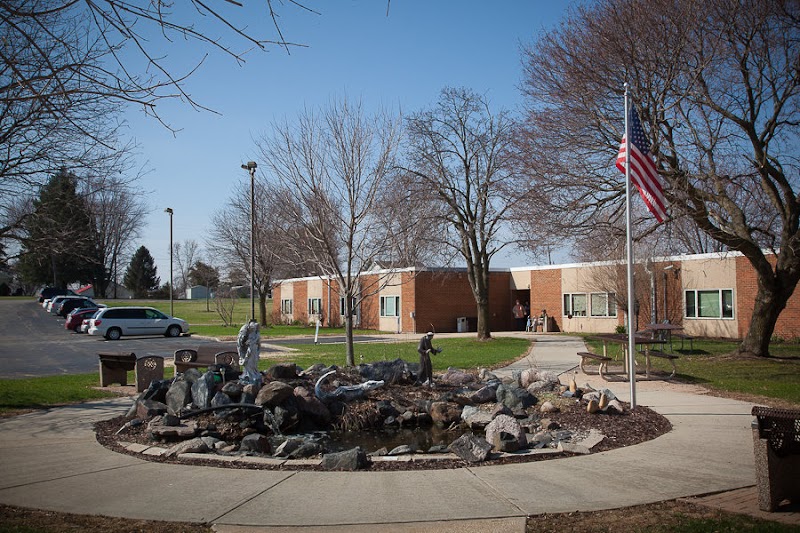
402 SOUTH CENTER STREET, DURAND, IL 61024 (815) 248-2151
For profit - Corporation 89 Beds Independent Data: November 2025
Trust Grade
48/100
#264 of 665 in IL
Last Inspection: April 2025

Within standard 12-15 month inspection cycle. Federal law requires annual inspections.

Overview

Medina Nursing Center has a Trust Grade of D, which indicates below-average care and some concerns for families considering this facility. It ranks #264 out of 665 nursing homes in Illinois, placing it in the top half, and #6 out of 15 in Winnebago County, meaning only five local facilities are rated higher. The facility's performance is stable, having reported six issues in both 2024 and 2025, with an average staffing rating and a turnover rate of 54%, which is consistent with the state average. However, families should be aware of serious incidents, such as a resident experiencing a fall during a mechanical lift transfer that resulted in a hematoma, and another resident suffering a hip fracture after a fall, indicating potential safety concerns. While the nursing home has some strengths, including an average health inspection score of 4 out of 5, these serious incidents highlight the need for caution.

Trust Score
D
48/100
In Illinois
#264/665
Top 39%
Safety Record
High Risk
Review needed
Inspections
Holding Steady
6 → 6 violations
Staff Stability
⚠ Watch
54% turnover. Above average. Higher turnover means staff may not know residents' routines.
Penalties
✓ Good
$8,824 in fines. Lower than most Illinois facilities. Relatively clean record.
Skilled Nurses
✓ Good
Each resident gets 54 minutes of Registered Nurse (RN) attention daily — more than average for Illinois. RNs are trained to catch health problems early.
Violations
⚠ Watch
18 deficiencies on record. Higher than average. Multiple issues found across inspections.
★★★☆☆
3.0
Overall Rating
★★★☆☆
3.0
Staff Levels
★☆☆☆☆
1.0
Care Quality
★★★★☆
4.0
Inspection Score
Stable
2024: 6 issues
2025: 6 issues

The Good

  • Full Sprinkler Coverage · Fire safety systems throughout facility
  • No fines on record

Facility shows strength in fire safety.

The Bad

3-Star Overall Rating

Near Illinois average (2.5)

Meets federal standards, typical of most facilities

Staff Turnover: 54%

Near Illinois avg (46%)

Higher turnover may affect care consistency

Federal Fines: $8,824

Below median ($33,413)

Minor penalties assessed

The Ugly 18 deficiencies on record

3 actual harm
Apr 2025 5 deficiencies
CONCERN (D)

Potential for Harm - no one hurt, but risky conditions existed

Deficiency F0604 (Tag F0604)

Could have caused harm · This affected 1 resident

Based on observation, interview and record review the facility failed to assess the need for a pommel cushion in a resident's reclining wheelchair prior to use, failed to obtain a physician's order fo...

Read full inspector narrative →
Based on observation, interview and record review the facility failed to assess the need for a pommel cushion in a resident's reclining wheelchair prior to use, failed to obtain a physician's order for the use of the cushion and failed to document the intervention in R21's care plan. This applies to 1 of 12 residents (R21) reviewed for restraints in the sample of 12. The findings include: On 4/8/25 at 8:24 AM R21 was sitting in her reclining wheelchair in the activity room. R21's chair was tilted back and R21 was seated on a pommel cushion. R21 was making sounds but was not forming words. R21 then fell asleep in the chair. On 4/8/25 at 9:08 AM V3 (Certified Nursing Assistant-CNA) was assisting R21 to lay down in the bed. As R21 was lifted with the mechanical lift there was also a non-slip fabric noted on her pommel cushion. V3 was asked why R21 has the pommel cushion in the wheelchair. V3 stated, She tends to scoot forward in her chair so this keeps her from falling out. On 4/8/25 at 11:47 AM, V2 (Director of Nursing) stated, I was not aware of that (pommel cushion). I don't know if that was hospice or it came from us. I do the care plans so it wouldn't be in there because I was not aware of it. On 4/8/25 at 2:45 PM V2 stated, I talked to the restorative aid and she said they added the cushion because (R21) has a seizure disorder and she tends to scoot down in her chair. She also has this behavior of throwing her arms up in the air. This is the 4th chair we have tried with her and so we trialed this cushion. It is not a restraint because it doesn't restrict her movement. The hospice nurse is aware it is there and she offered to get us one. R21's Physician's Order Sheet dated 4/1/25 shows no orders for the pommel cushion. R21's Care Plan dated 3/5/25 states, (R21) is at risk for falls r/t her fall assessment score of 7. She is no longer ambulatory, there are times when she slides/scoots forward in her wheelchair and will call out I'm falling. Her Dx (diagnoses) include; Epilepsy, Pseudobulbar affect, Delusional disorder, Abnormal breathing, Sleep apnea, Hypothyroidism, Down syndrome, Pain disorder, and Depression. There are no interventions related to the use of the pommel cushion listed on the care plan. The undated facility policy titled Physical Restraints states, Definition of a Physical Restraint: Any manual method physical or mechanical device, material or equipment attached or adjacent to the resident's body that he/she cannot easily remove, that restricts freedom of movement or normal access to one's body. Restraints will only be used after all other alternatives less restrictive measures have been attempted unsuccessfully, and after informed consent from the resident and/or representative (Sponsor) and orders from the physician have been obtained and Inquiries concerning the use of a restraint should be referred to the care plan team.
CONCERN (D)

Potential for Harm - no one hurt, but risky conditions existed

Medication Errors (Tag F0758)

Could have caused harm · This affected 1 resident

2. R43's current order summary report printed on April 8, 2025 shows, lorazepam oral tablet 0.5 mg (milligrams), give 1 tablets by mouth every 4 hours as needed for anxiety, agitation, restlessness . ...

Read full inspector narrative →
2. R43's current order summary report printed on April 8, 2025 shows, lorazepam oral tablet 0.5 mg (milligrams), give 1 tablets by mouth every 4 hours as needed for anxiety, agitation, restlessness . The medication was ordered on March 13, 2025 and has no stop/end date. 3. R28's current order summary report printed on April 8, 2025 shows, lorazepam PLO (Pluronic Lecithin Organogel) 1 mg/ml (milligram/mililiter) administer topically as needed if not accepting Ativan tablet every 6 hours as needed for anxiety, agitation. The medication was ordered April 12, 2025 and has no stop/end date. R28's current order summary report printed on April 8, 2025 shows, lorazepam tablet 1 mg, give 1 mg by mouth every 8 hours as needed for anxiety . The medication was ordered on March 31, 2025 and has no stop/end date. On April 9, 2025 at 8:56 AM, V2 Director of Nursing stated, PRN (as needed) psychotropic medications should have a stop date since it's the regulation. The facility's psychotropic medication policy did not show any information about stop/end dates for psychotropic medications. Based on interview and record review the facility failed to ensure stop dates were in place for psychotropic/antianxiety medications prescribed for 3 of 6 residents (R9, R43, R28) reviewed for unnecessary medications in the sample of 12. The finding include: 1. R9's Physician's Order Sheet dated 4/1/25 shows that R9 has an order for Ativan (antianxiety) Tablet 0.5mg (milligrams) every 4 hours as needed for agitation, repetitive chanting. This order is dated 6/29/24. R9's Pharmacy Consultant Medication Regimen Reviews dated 1/7/25, 2/6/25, 3/6/25 and 4/2/25 all show a request sent to R9's physician requesting a stop date for the as needed Ativan. On 4/8/25 at 2:00 PM V2 (Director of Nursing) stated, We have talked to the physician about her medications and he will not touch her meds. Now we have the new psychiatric Nurse Practitioner (NP) and she is addressing her medications. She is actually trying to decrease the psychotropic medications. The facility policy entitled Psychotropic Medication Policy dated 3/20/25 does not address the need for stop dates on PRN (as needed) psychotropic medications.
CONCERN (D)

Potential for Harm - no one hurt, but risky conditions existed

Deficiency F0761 (Tag F0761)

Could have caused harm · This affected 1 resident

**NOTE- TERMS IN BRACKETS HAVE BEEN EDITED TO PROTECT CONFIDENTIALITY** Based on observation, interview and record review the facility failed to ensure opened insulin pens were labeled and expired ins...

Read full inspector narrative →
**NOTE- TERMS IN BRACKETS HAVE BEEN EDITED TO PROTECT CONFIDENTIALITY** Based on observation, interview and record review the facility failed to ensure opened insulin pens were labeled and expired insulin was discarded. This applies to 2 of 2 residents (R1 & R10) reviewed for medication labeling/storage in the sample of 12. The findings include: On [DATE] at 8:46 AM, R1's lispro insulin (fast acting) vial in the medication storage cart was opened and labeled, [DATE] (over a 30 days ago). R10's novolog insulin (fast acting) vial was labeled [DATE] (over 30 days ago). R10 also had an opened tresiba insulin (long acting) pen that was not dated with an open date. V15 Registered Nurse stated, insulin is only good for 27 days and they should be labeled with an open date. R1's current order summary report printed on [DATE] shows, a physician order for admelog solution (insulin lispro). R10's current order summary report printed on [DATE] shows, a physician order for novolog solution (insulin aspart) and tresiba flex touch subcutaneous solution pen-injector. The facility's insulin administration policy and procedure (no date) shows, Objectives: It is the policy of the facility to use insulin as ordered to control the blood sugar of our residents. Pre-Procedure considerations: .Once insulin is open it must be clearly labeled with date opened. Insulin is too be disposed of after 28 days or according to manufacturer's recommendations.
CONCERN (D)

Potential for Harm - no one hurt, but risky conditions existed

Deficiency F0883 (Tag F0883)

Could have caused harm · This affected 1 resident

**NOTE- TERMS IN BRACKETS HAVE BEEN EDITED TO PROTECT CONFIDENTIALITY** Based on interview and record review, the facility failed to ensure 1 of 5 residents (R9) reviewed for immunizations in the samp...

Read full inspector narrative →
**NOTE- TERMS IN BRACKETS HAVE BEEN EDITED TO PROTECT CONFIDENTIALITY** Based on interview and record review, the facility failed to ensure 1 of 5 residents (R9) reviewed for immunizations in the sample of 12 was offered and/or received the recommended pneumococcal immunizations. The findings include: On 4/8/25 at 9:18 AM, V4, Assistant Director of Nursing/Infection Prevention Nurse, said vaccines are offered to residents upon admission and yearly. V4 said they offer all types of the Pneumococcal vaccines. R9's admission Record dated 4/9/25 shows she is a [AGE] year-old female who was most recently admitted to the facility on [DATE]. R9's Immunization Report dated 4/9/25 shows R1 received pneumococcal vaccines on 1/20/16 (PCV-13) and 11/20/17 (PPV23). Per current U.S. Centers for Disease Control and Prevention (CDC), R9 was eligible and recommended shared clinical decision making to decide whether to administer one dose of PCV20 at least 5 years after the last pneumococcal vaccine dose. No consent or refusal for the PCV20 for R9 was provided by the facility. The facility's Influenza & Pneumonia vaccinations Policy and Procedures (updated 12/20) shows Pneumonia vaccines will be offered upon admission and annually to all residents. Residents or their representatives will be asked to indicate whether or not they wish to receive the pneumonia vaccine along with information about the vaccine.
CONCERN (F)

Potential for Harm - no one hurt, but risky conditions existed

Food Safety (Tag F0812)

Could have caused harm · This affected most or all residents

Based on observation, interview, and record review, the facility failed to ensure foods were discarded on or before their use by date, failed to ensure employee food was not stored with food to be use...

Read full inspector narrative →
Based on observation, interview, and record review, the facility failed to ensure foods were discarded on or before their use by date, failed to ensure employee food was not stored with food to be used for residents, and failed to label and date foods in the refrigerator. These failures have the potential to affect all 46 residents residing in the facility. The findings include: The facility's CMS-671 dated 4/7/25 shows there are 46 residents in the facility. During the kitchen tour on 4/7/25 at 8:55 AM, the front fridge contained an open bag of turkey breast and an open bag of ham neither of which were labeled with an open date or a use by date. There was a reusable container of a white substance labeled with V14's (Dietary Manager) first name and 3-25, a metal container labeled potato salad with a use by date of 4/6, and a whipped topping container with no labels or dates which was full of black olives. V14 said the container with her name on it is her personal container, she had no idea now long the olives had been there and said the deli meats and potato salad need to be discarded since there was no date on the meats and it was past the use by date on the potato salad. V14 said all foods should have an open date and a use by date, which is seven days after opening/preparing the item. V14 said she goes through the refrigerators every other day to remove outdated items. V14 said the cooks should be looking every morning and afternoon for outdated items in the refrigerator or items that need to be used prior to being past the use by date. The facility's Storing & Handling of Perishable Foods Policy (undated) shows all items within the cooler will be properly labeled with the item, initials, date and use by date. Any food items not properly stored will be disposed of immediately.
Mar 2025 1 deficiency
CONCERN (D) 📢 Someone Reported This

A family member, employee, or ombudsman was alarmed enough to file a formal complaint

Potential for Harm - no one hurt, but risky conditions existed

Infection Control (Tag F0880)

Could have caused harm · This affected 1 resident

**NOTE- TERMS IN BRACKETS HAVE BEEN EDITED TO PROTECT CONFIDENTIALITY** Based on observation, interview, and record review the facility failed to implement infection control interventions for a reside...

Read full inspector narrative →
**NOTE- TERMS IN BRACKETS HAVE BEEN EDITED TO PROTECT CONFIDENTIALITY** Based on observation, interview, and record review the facility failed to implement infection control interventions for a resident with a communicable disease for 1 of 8 residents (R7) reviewed for infection control in the sample of 8. The findings include: R7's face sheet showed she was admitted to the facility on [DATE] with diagnoses to include Type 2 Diabetes, obesity, hyperlipidemia, depression, anxiety disorder, hypertension, and peripheral vascular disease. R7's facility assessment dated [DATE] showed moderate cognitive impairment and is dependent on staff for all cares. R7's 3/9/25 Initial Antibiotic Therapy Note showed, Diagnosis: Shingles, not getting an abx (antibiotic), getting an antiviral . Symptoms: Clear fluid filled blisters to left side. Resident does state that the site burns and itches . Isolation precautions initiated? . Contact . R7's 3/9/25 Infection Note showed, Diagnosis: shingles . Symptoms: rash on back . Isolation precautions in place? Standard . R7's 3/10/25 Infection Note showed, Diagnosis: shingles . Isolation precautions in place? Contact with cares . R7's 3/11/25 Infection Note showed, Diagnosis: shingles . Small red rash area to back . Isolation precautions in place? Contact with cares . R7's 3/12/25 Infection Notes showed, Diagnosis: shingles . Erythematous rash (small patches) to the back . Isolation precautions in place? Standard Precaution . R7's 3/13/25 Infection Note showed, Diagnosis: Shingles . Isolation precautions in place? Precaution . On 3/13/25 at 12:08 PM, there was a sign posted on R7's door that showed, Contact Precautions. R7's two daughters were in the room with no PPE (personal protective equipment). R7's roommate was brought back to the room by a staff member and with a visitor. No PPE was donned. There was no PPE located outside R7's room. On 3/13/25 at 12:08 PM, V6 CNA (Certified Nursing Assistant) said, [R7] is on isolation for shingles. We usually have bins with PPE (personal protective equipment) by the door. We can get PPE from the closet or the room by the nursing station. No PPE is required. Precautions are with cares. On 3/13/25 at 12:32 PM, V2 DON (Director of Nursing) said, [R7] is on contact precautions for shingles . Only need PPE with cares. We don't always put a bin with PPE outside of the room because we don't want to make it obvious. You don't need PPE if you aren't touching her. On 3/13/25 at 1:33 PM, V3 (Infection Preventionist) said there is no PPE required unless they are going to touch R7's shingles because R7 is on contact precautions and no contact isolation. On 3/13/25 at 3:47 PM, V2 DON said, Per the policy, I suppose they should be using PPE. Usually [the Nurse Practitioner] would tell us if she wanted someone on isolation. V2 checked R7's record and said, [the NP] noted that she started precautions on 3/9/25 due to possible shingles and started [an antiviral] at the same time. The facility's policy and procedure showed, Infection Prevention and Control Policy and Procedure (updated February 2025), Policy Statement: [the facility] is committed to prudent infection control measures Appendix A: If the resident as: . shingles . Instructions for Precautions . Contact Precaution . Until lesions are crusted or healed . Appendix B: Setting Up Contact/Droplet Precautions for resident's with Shingles . Get isolation bins from housekeeping storage room . Contact Precautions: . In addition to Standard Precautions, use Contact Precautions (e.g. gloves, gown, masks, etc) for specified residents known or suspected to be infected with epidemiologically important microorganisms that can be transmitted by direct contact with the resident or environment surfaces or resident-care items in the resident's environment. Examples include: . Herpes Zoster . Resident Placement: The resident should be placed in a private room .
Mar 2024 4 deficiencies 1 Harm
SERIOUS (G)

Actual Harm - a resident was hurt due to facility failures

Accident Prevention (Tag F0689)

A resident was harmed · This affected 1 resident

**NOTE- TERMS IN BRACKETS HAVE BEEN EDITED TO PROTECT CONFIDENTIALITY** Based on interview and record review, the facility failed to perform a safe mechanical lift transfer for 1 of 3 residents (R12) ...

Read full inspector narrative →
**NOTE- TERMS IN BRACKETS HAVE BEEN EDITED TO PROTECT CONFIDENTIALITY** Based on interview and record review, the facility failed to perform a safe mechanical lift transfer for 1 of 3 residents (R12) reviewed for safety/supervison in the sample of 15 . This failure resulted in R12 experiencing a fall from the mechanical lift and sustaining a hematoma. The findings include: R12's electronic face sheet printed on 3/13/24 showed R12 has diagnoses including but not limited to Alzheimer's disease, dementia with behaviors, congestive heart failure, acute respiratory failure with hypoxia, acute pulmonary edema, major depressive disorder, and repeated falls. R12's facility assessment dated [DATE] showed R12 has severe cognitive impairment and is dependent on staff for all transfers. On 3/12/24 at 9:58AM, R12 was laying in her bed with a yellow, purple, black hematoma to her right forehead and eye. R12's progress notes dated 3/7/24 showed, Witnessed fall at 1400. Resident found on right side, legs over (mechanical lift) sling, (mechanical lift) sling with one strap not correctly fastened CNA's (Certified Nursing Assistants) state that resident slid out while trying to rotate (mechanical lift) towards bed, resident slid out of sling. CNA's stated that it was so fast they are not sure if she hit but they did try to grab her and slow the fall .hematoma developing to right front forehead. R12's care plan dated 9/26/23 showed, (R12) is at risk for falls, she no longer ambulates and has started using a (reclining wheelchair) for proper positioning. Her diagnoses includes: anxiety, depression, dementia with behaviors, Alzheimer's disease, and osteoarthritis. (R12) has a low bed which is left in the lowest position when she is left unattended while in bed, floor mat while in bed, and (mechanical lift) with assist of 2 with all transfers. On 3/14/24 at 8:27AM, V6 (Certified Nursing Assistant) stated, (V4-Certified Nursing Assistant) and I were transferring (R12) with the (mechanical lift) and we pushed the button to lift her up and she just fell out. I don't know exactly what happened because I hooked my side of the lift so (V4) must not have done her side. They have never done any previous competencies for me to watch me use the lifts. On 3/14/24 at 9:40AM, V4 (Certified Nursing Assistant) stated, The incident with (R12) happened very fast. We were transferring her from the reclining wheelchair to her bed and I remember there was a lump in her bed from the mattress. I hooked up the left top hook and I thought (V6) hooked up the other 3. When I was over at her bed I wasn't looking and was fixing her bed and (V6) started lifting her. It was both of our faults for not checking to ensure all of the straps were hooked. I had my back turned to (R12) and when I turned around she was falling out of the sling and landed on top of the base of the lift on her side. (V10-Restorative Nurse) told me she wanted to watch me do a (mechanical lift) transfer but she hasn't done that yet. I don't know when she is going to do my training. On 3/14/24 at 10:31AM, V10 (Restorative Nurse) stated, (R12) has been a (mechanical lift) transfer since I started here in January. There have never been any issues. I don't recall any competencies being done with staff for mechanical lift transfers that I know of. I reacted right away with the investigation. I checked (mechanical lift) policies and made sure everyone was re-educated on our policy. I looked at the (mechanical lift) checkoff and made sure I started training staff on the 8th (one day after it happened). Every day I go around and make sure I am getting the staff trained right away. I posted the (mechanical lift) policy at each nurse's station and have asked the staff that next time they do a (mechanical lift) transfer to let me know so that I can see the transfer. Once the resident's bottom comes off the surface, the transfer should be paused to make sure it's going to be a safe transfer. All I can do is try to re-educate them. I am trying to remind them that the black straps on the slings are not for using, they are for safety. I didn't know that so I learned that as well. They are there and should be hooked up as well so that if the colored straps fail, the black straps catch the sling. Both staff members should have their eyes on the resident so one can run the lift and the other one can ensure safety. I don't know if I even did (V4's) training yet. I haven't been doing anyone since you guys have been here since we have been busy. I still have to catch her to do it. On 3/14/24 at 10:47AM, V2 (Director of Nursing) stated, I would expect all straps on the (mechanical lift) to be hooked for safety. I would expect that both staff have eyes on the resident when doing a transfer to ensure the transfer occurs in a safe manner. Occasionally they may turn their back to fix something quick but they should know what's going on. (V10) has been re-educating CNA's and observing transfers to ensure the aides know how to perform the transfers. Both staff should have been trained immediately to prevent this from happening to anyone else. I'm not sure why they haven't been. Employee in-service records from 2/204-3/14/24 showed no documentation of in-services on fall prevention/safe mechanical lift transfers. Competencies for V4 and V6 were requested and not received. The facilities nursing schedule for March 2024 showed V4 (CNA) worked 3/9/24 and 3/11/24 and V6 (CNA) worked 3/7/24, 3/8/24, 3/10/24, and 3/12/24 without receiving any training on safe mechanical lift transfers. The facility's policy titled, Mechanical Lift Policy/Procedure dated 3/8/2024 showed, (Mechanical lifts) are used to enable staff to safely transfer a resident from once surface to another. A minimum of two appropriate staff members is required .Attach the straps of the (mechanical lift) sling to the swivel bar, and check for proper placement prior to lifting the resident up off the bed as one staff member manages the (mechanical lift) to raise the resident up, the second staff member provides support to the resident as needed, guiding legs to avoid injury, and guiding the resident to/from the bed to over the wheelchair, all while observing the resident for safety .
CONCERN (D)

Potential for Harm - no one hurt, but risky conditions existed

Incontinence Care (Tag F0690)

Could have caused harm · This affected 1 resident

**NOTE- TERMS IN BRACKETS HAVE BEEN EDITED TO PROTECT CONFIDENTIALITY** Based on observation, interview, and record review the facility failed to ensure a urinary drainage bag was kept below the level...

Read full inspector narrative →
**NOTE- TERMS IN BRACKETS HAVE BEEN EDITED TO PROTECT CONFIDENTIALITY** Based on observation, interview, and record review the facility failed to ensure a urinary drainage bag was kept below the level of the bladder and failed to ensure a urinary drainage bag was kept off the floor for 1 of 2 resident (R18) reviewed for catheters in the sample 15. The findings include: R18's face sheet showed a [AGE] year-old female with diagnosis of retention of urine, heart failure major depressive disorder, dyspnea, anxiety disorder, hypertension, and cardiac murmur. On 03/12/24 at 09:34 AM, V5 Certified Nursing Assistant (CNA) and V6 CNA transferred R18 from her chair to bed using a total mechanical lift. V5 lifted R18's urinary drainage bag above the level of the bladder and placed it in her (R18's) lap during the transfer. After R18 was in bed, V5 put R18's urinary drainage bag on the floor while showing this surveyor the tubing anchor on R18's left thigh. On 03/13/24 at 12:10 PM, V2 Director of Nursing (DON) said it's important to keep a urinary drainage bag below the level of the bladder and keep it off the floor for infection control purposes. Cross contamination could occur, and germs could migrate causing a urinary tract infection. R18's care plan showed she had a indwelling urinary catheter. This care plan showed do not allow tubing or any part of the drainage system to touch the floor and to position the drainage bag below the level of the bladder. R18's 12/26/23 facility assessment showed her cognition was severely impaired. This assessment showed R18 was dependent for eating, toileting, bathing, dressing, hygiene, and chair to bed transfer. The facility's undated Foley Catheter Care Policy showed always keep the collection bag below bladder level and keep the collection bag and tubing off the floor.
CONCERN (D)

Potential for Harm - no one hurt, but risky conditions existed

Infection Control (Tag F0880)

Could have caused harm · This affected 1 resident

**NOTE- TERMS IN BRACKETS HAVE BEEN EDITED TO PROTECT CONFIDENTIALITY** Based on observation, interview, and record review the facility failed to prevent cross contamination when providing incontinenc...

Read full inspector narrative →
**NOTE- TERMS IN BRACKETS HAVE BEEN EDITED TO PROTECT CONFIDENTIALITY** Based on observation, interview, and record review the facility failed to prevent cross contamination when providing incontinence care and failed to ensure gloves were worn when an injection was given for 2 of 2 residents (R26 & R4) reviewed for infection control in the sample of 15. The findings include: 1. On 3/12/24 and 10:10 AM, V7 CNA (Certified Nursing Assistant) and V5 CNA assisted R26 to the bathroom. V7 and V5 had gloves on and helped R26 stand in front of the toilet. V5 pulled R26's pants down and incontinence brief. R26 was wet and soiled with a large amount of soft, mushy stool. V5 removed the soiled incontinence brief and discarded it in the trash. R26 was placed on the toilet and urinated. V7 removed R26's wet pants and put them in a bag. V7 changed her gloves and put a clean incontinence brief and pants on around R26's lower legs. V5 changed her gloves and then V5 and V7 stood R26 up from the toilet. V5 took a wet wash cloth and wiped feces from R26's buttocks, folded the washcloth over, wiped more feces from the resident, and discarded the wash cloth. V5 picked up a clean wet washcloth from the sink area, washed more stool off R26's buttocks and anus, folded the washcloth over, and wiped the residents buttocks. V5 discarded the washcloth. V5 picked up a wet washcloth from the sink area, rinsed R26's buttocks and discarded the washcloth. V5 picked up another wet washcloth from the sink area and rinsed R26's buttocks. V5 discarded the washcloth. V5 picked up a clean towel from the sink area and patted R26's buttocks dry. V5 pulled up R26's clean incontinence brief and pants. V5 adjusted R26's shirt and then removed her gloves. V5 and V7 transferred R26 to her wheelchair. On 3/13/24 at 12:51 PM, V2 DON (Director of Nursing) stated staff are to change their gloves if they become soiled and when staff are done providing care. V2 stated if staff have cleaned a dirty area the gloves should be changed before they grab clean stuff to continue the care. V2 stated during incontinence care for R26 they could change their gloves at least three times when cleaning her bowel movement. The Physician Order Sheet dated 3/14/24 for R26 showed diagnoses including dementia, hypertension, lymphedema, chronic kidney disease, paroxysmal atrial fibrillation, congestive heart disease, cardiomyopathy, vitamin D deficiency, hyperlipidemia, and nonrheumatic valve disorder. The Minimum Data Set, dated [DATE] for R26 showed substantial/maximal assistance needed for toileting hygiene and transfers; frequently incontinent of urine and bowel. The Care Plan dated 1/19/24 for R26 showed severe cognitive impairment placing her at risk for declines in her ADL (activity of daily living) status. The facility's Policy & Procedure for the Care of the Incontinent Resident (no date) showed, Proper perineal care will help prevent infection, odors & skin breakdown. Incontinence care will include all skin surface exposed to urine or feces. Procedures: Wash hands & put on gloves. Cleanse area with no rinse cleanser or soap & water. Repeat cleansing if necessary, using each cloth or wipe just once and then use new cloth/wipe until the area is cleansed, (do not fold cloth/wipe to use a different part of it). Pat dry. Remove gloves (Do not touch resident or linens), wash hands & re-glove. Remove & discard soiled gloves & wash hands. Assist resident as needed to re-apply clothing. 2. On 3/13/24 at 10:57 AM, V11 RN (Registered Nurse) drew up 6 units of novolog insulin for R4. V11 lifted R4's shirt, cleaned her abdomen area with an alcohol prep pad and then gave an injection of insulin. V11 was not wearing gloves. V11 stated she noticed that she did not wear gloves. V11 stated, We are supposed to wear gloves with any possible contact with body fluids/ blood. It is for infection control. On 3/13/24 at 12:51 PM, V2 DON (Director of Nursing) stated staff are supposed to wear gloves when giving an injection to protect themselves and others to prevent a possible bloodborne transmission. The facility's Insulin Administration policy (no date) showed, perform hand hygiene. [NAME] gloves. Cleanse skin with alcohol. Gently pinch up the skin at injection site. Inject needle straight at a 90 degree angle to the skin. Fully depress plunger, keep needle in skin for up to 6-10 seconds and then remove. Dispose of needle in sharps container. Remove gloves, perform hand hygiene. The facility's Gloves policy (no date) showed, all employees must wear gloves when touching blood, body fluids, secretions, excretions, mucous membranes, and/or non-intact skin. The use of gloves will vary according to the procedure involved. The use of disposable gloves is indicated for procedures where blood, body fluids, secretions If it is likely that the employee's hands will come in contact with blood, body fluids, secretions, excretions, mucous membranes, and/or non-intact skin while performing the procedure. The Face Sheet dated 3/14/24 for R4 showed diagnoses including type 2 diabetes mellitus, dementia, hypertension, sick sinus syndrome, acute kidney failure, chronic pulmonary embolism, and chronic pulmonary edema. The Medication Administration Record dated March 2024 for R4 showed she received 6 units of novolog insulin subcutaneously on 3/13/24 for a blood sugar reading of 273.
CONCERN (D)

Potential for Harm - no one hurt, but risky conditions existed

Antibiotic Stewardship (Tag F0881)

Could have caused harm · This affected 1 resident

**NOTE- TERMS IN BRACKETS HAVE BEEN EDITED TO PROTECT CONFIDENTIALITY** Based on observation, interview and record review the facility failed to implement their antibiotic use criteria and monitor the...

Read full inspector narrative →
**NOTE- TERMS IN BRACKETS HAVE BEEN EDITED TO PROTECT CONFIDENTIALITY** Based on observation, interview and record review the facility failed to implement their antibiotic use criteria and monitor their use for 1 of 1 resident (R19) reviewed for antibiotics in the sample of 15. The findings include: R19's face sheet showed a [AGE] year-old male admitted to the facility on [DATE] with diagnosis of heart failure, hypertension, kidney failure, long term use of anticoagulants, cerebral infarction and benign prostatic hyperplasia (enlarged prostate). On 03/13/24 at 10:03 AM, R19 was in a recliner in his room. He was alert and oriented to person, place, time, and situation. R19 did not have a urinary catheter. R19's color was flesh tone and he was in no distress. R19 said he had dark red almost a [NAME] color urine last night. R19 said he usually urinates in the toilet and the nurse took a urine specimen. R19 said he does take a blood thinning medication and denied any urinary complaints or abnormality other than the color. On 3/13/24 at 1:20 PM, V2 Director of Nursing (DON) said we are supposed to wait until urine culture results are back before starting antibiotics. It's important because we might have to change antibiotics when the sensitivity results are in. We need to ensure the correct treatment, or we can increase antibiotic tolerance and encourage the growth of antibiotic resistant organisms, which is the purpose of antibiotic stewardship. On 3/14/24 at 10:34 AM, V12 hospice nurse said R19 is on antibiotics due to blood in his urine and we're on the right track as his urine is pink in color now. On 03/14/24 at 10:49 AM, V3 Assistant Director of Nursing (ADON)/Infection Preventionist (IP) said R19's last two urinalysis did not show signs of a UTI. He shouldn't be on antibiotics now or in December and January. V3 acknowledged the facility utilizes the McGreer criteria and his urine tests did not support antibiotic use. R19's most recent urine culture result was reported 3/13/24 and the antibiotic should have been stopped. I should have caught that. V3 said she saw there was a need for additional education to ensure the Antibiotic Stewardship Policy was followed. R19's 12/20/23 progress note showed he was admitted on hospice with a primary diagnosis of congested heart failure. A 12/21/23 note showed he was alert and oriented X4. A 12/28/23 progress note showed a urinalysis with culture & sensitivity (C & S) was ordered. There was no documentation in R19's medical record to show a rationale why it was ordered. There was no documentation in R19's record showing any urinary complaints or abnormalities. R19's progress notes showed he denied back, flank and suprapubic pain. R19's 12/29/23 order showed to administer an antibiotic two times daily for seven days for a urinary tract infection (UTI). A 12/30/23 communication showed the provider was notified the urine specimen was never picked up to process and the antibiotic had been started. The provider responded to discontinue the urinalysis order and to continue the antibiotics as he (R19) was being treated empirically. Merriam-Webster (dictionary).com showed empirical means originating in or based on observation or experience and relying on experience or observation alone often without due regard for system and theory. R19's December 2023 and January 2024 medication administration records (MAR) showed he received seven days of the antibiotic (no urinalysis or culture was done). R19's 1/4/24 order showed to obtain a urinalysis with C & S, collect 1/9/24 and send to lab 1/10/24. There was no documentation in R19's record showing any urinary complaints or abnormalities. R19's progress notes showed he denied back, flank and suprapubic pain. R19's 1/12/24 order showed to administer an antibiotic two times daily for seven days for a UTI. R19's urine culture resulted 1/13/24 showed 4,000 colony forming units (CFU) per milliliter (ml) (cfu/ml) of mixed flora-multiple colony types suggestive of urethral or collection contamination. R19's 1/13/24 lab notification note showed the provider was notified of the urine culture results and no new orders were received. R19's January 2024 MAR showed he received the antibiotic from 1/12-1/19/24. R19's 3/10/24 order showed a urinalysis with C & S for burning and dysuria UTI. R19's 3/12/24 3:05 AM progress note showed 300 ml of dark red urine in the urinal. R19 denied pain with urination or palpation of abdomen/pelvic area. R19's 3/12/24 3:13 AM order showed to give an antibiotic three times daily for hematuria (blood in urine). R19's 3/13/24 12:51 PM (reported) urine culture results showed no growth. R19's 3/13/24 lab notification showed the provider was notified of the urine culture results (no growth). No new orders were received. R19's March 2024 MAR showed the antibiotic continued through at least two doses on 3/14/24 (exit date). The facility's October 2018 Antibiotic Stewardship Policy showed the facility is committed to improving the use of antibiotics in healthcare to our residents as part to reducing the threat of antibiotic resistance. It has established directives and actions designed to optimize the treatment of infections while reducing the adverse effects associated with antibiotic use. Antibiotic use protocols by this facility includes assessment of resident for infection using standardized tools and criteria. The criteria used by this facility is the revised McGreer Criteria, reassessing of antibiotics after 2-3 days for appropriateness and necessity, factoring in results of diagnostic tests, lab reports and/or changes in the clinical status of the resident. The facility provided McGreer Criteria showed UTI should be diagnosed when there are localizing genitourinary signs and symptoms and a positive urine culture result. Both criteria 1 and 2 must be present: 1. At least 1 of the following sign or symptom subcriteria: acute dysuria or acute pain, swelling, or tenderness of the testes, epididymis, or prostate. Fever or leukocytosis AND At least 1 of the following urinary tract subcriteria: Acute costovertebral angle pain or tenderness, suprapubic pain, gross hematuria, new or marked increase in incontinence, new or marked increase in urgency or frequency. In absence of fever or leukocytosis, then 2 or more of the following localizing urinary tract criteria: suprapubic pain, gross hematuria, new or marked increase in incontinence, urgency or frequency. AND 2. 1 of the following microbiologic subcriteria: At least 10 cfu/ml of no more than 2 species of microorganisms in a voided urine sample, at least 10 cfu/ml of any number of organisms in a specimen collected by in-and-out catheter. The National Institute of Health -NIH website showed UTI is the most common reason for antimicrobial use in older adults, and inappropriate use of antibiotics leads to the development of multidrug-resistant organisms (MDROs). The high rate of ASB (asymptomatic bacteria) in older adults, particularly long-term care residents, often leads to overtreatment with antibiotics, and thus fosters the development of resistant pathogens in this population. A recent study in long-term care residents found a significant association between an increase in episodes of observed bacteriuria and isolation of multidrug resistant gram-negative rods. Although MDROs are more common in health care settings, the prevalence of resistant urinary pathogens in community populations is also growing. R19's 12/28/23 facility assessment showed he was occasionally incontinent of urine and did not have a catheter in place.
Jan 2024 2 deficiencies 1 Harm
SERIOUS (G) 📢 Someone Reported This

A family member, employee, or ombudsman was alarmed enough to file a formal complaint

Actual Harm - a resident was hurt due to facility failures

Accident Prevention (Tag F0689)

A resident was harmed · This affected 1 resident

**NOTE- TERMS IN BRACKETS HAVE BEEN EDITED TO PROTECT CONFIDENTIALITY** Based on interview and record review the facility failed to ensure a resident was supervised and assisted as needed by staff whi...

Read full inspector narrative →
**NOTE- TERMS IN BRACKETS HAVE BEEN EDITED TO PROTECT CONFIDENTIALITY** Based on interview and record review the facility failed to ensure a resident was supervised and assisted as needed by staff while ambulating which contributed to R1 falling in the facility and sustaining a right hip fracture. This failure applies to 1 of 3 residents (R1) reviewed for safety and supervision in the sample of 6. The findings include: The facility's Fall-Initial Documentation note dated 1/7/24 showed R1 fell while walking, by herself, in the dining room of the facility. The note showed R1's fall was witnessed by V7 Dietary Aide and V8 Nurse Manager. The note showed R1 was walking with a walker when she was trying to move her legs but legs would not move. Resident then lost her balance and fell on her right side. Upon examination, R1's right leg appeared shortened and rotated. R1 complained of pain to her right hip. 911 was called. R1 was sent emergently by ambulance to a local hospital. R1's hospital records dated 1/7/24-1/11/24 were reviewed. The records showed R1 was admitted to the hospital, on 1/7/24, with a diagnosis of an intertrochanteric fracture of her right hip. R1 had surgery on 1/8/24 to fix/treat her right hip fracture. R1 was discharged from the hospital, back to to the facility, on 1/11/24. R1's Fall Risk assessment dated [DATE] showed R1 was at risk for falls due to her history of previous falls, diagnoses of dementia, Alzheimer's disease, psychotic disturbance, and her impaired cognition. R1's electronic medical records showed R1 had sustained previous falls in the facility on 11/15/23, 3/1/23, and 2/7/22. The records showed R1 fractured her right ankle as a result of her fall on 2/7/22. R1's care plan dated 10/2/23 showed R1 was at risk for falls due to her unsteady gait and impaired balance. The care plan showed R1 will participate in a Walk N' Dine program by walking to and from the bathroom and from her room to the elevator prior to meals with the use of her front wheeled walker, stand by assist of one (staff) and wheelchair to follow by her . On 1/16/24 at 9:15 AM, this surveyor attempted to interview R1 about her fall on 1/7/24 but was unable to complete the interview due to R1's impaired cognition. On 1/16/24, two attempts to contact V7 Dietary Aide for an interview related to R1's fall were unsuccessful. On 1/16/24 at 12:10 PM, V8 Nurse Manager stated, Stand by assist with a wheelchair means staff are to stand next to the resident, with a wheelchair, when the resident is walking, in case the resident needs help or needs to sit down. I didn't realize (R1's) care plan showed that (R1) needed that assistance when walking. No one was walking with (R1) when she fell (on 1/7/24). She was in the dining room when she fell. I was right outside the dining room, passing medications to another resident, when it happened. I heard (V7 Dietary Aide) yell, 'She's going to fall.' I turned around and saw (R1). Her legs were twitching, she stopped walking, and she went down. I couldn't get to her in time. (R1) was using her walker when she fell. The only staff around when (R1) fell was me and (V7) . On 1/16/24 at 12:47 PM, V9 Nurse Practitioner stated, (R1) has had previous falls in the facility. In fact, I know she broke her ankle one time due to a fall. I really have never seen her walk. When I see her, she is always in her wheelchair. I know she requires staff assistance with transfers. Her care plan should be followed. For her safety, if her care plan says she should walk with staff walking by her with a wheelchair, then that's what staff should be doing.
CONCERN (D) 📢 Someone Reported This

A family member, employee, or ombudsman was alarmed enough to file a formal complaint

Potential for Harm - no one hurt, but risky conditions existed

Free from Abuse/Neglect (Tag F0600)

Could have caused harm · This affected 1 resident

**NOTE- TERMS IN BRACKETS HAVE BEEN EDITED TO PROTECT CONFIDENTIALITY** Based on observation, interview and record review the facility failed to ensure a resident was free from verbal abuse for 1 of 4...

Read full inspector narrative →
**NOTE- TERMS IN BRACKETS HAVE BEEN EDITED TO PROTECT CONFIDENTIALITY** Based on observation, interview and record review the facility failed to ensure a resident was free from verbal abuse for 1 of 4 residents (R4) reviewed for abuse in the sample of 6. The findings include: The facility's Abuse Report Form dated 1/12/24 showed V4 Medical Records and V6 Dietary Aide observed V5 Resident Helper pushing R4, in her wheelchair, into an elevator, when R4 called V5 a jackass. The form showed V5 then got into (R4's) face and began yelling at (R4). (V5) stated to (R4), 'This is what I am talking about. This is why I am mad at you and don't want to talk to you'. The form showed V5 also had her hands in (R4's) face. The form showed R4 became upset and agitated due to the incident. Upon completion of the investigation into this incident, V5's employment was terminated due to the allegation of verbal abuse being substantiated. On 1/16/24 at 9:30 AM, video surveillance footage of the incident dated 1/12/24, was reviewed by this surveyor and V1 Administrator. The video showed (no time stamp noted) V5 Resident Helper pushing R4 into an elevator with V4 Medical Records and V6 Dietary Aide standing by the elevator. As V5 pushes R4 into the elevator, R4 states, I don't like her. R4 then calls V5 a jackass. V5 immediately starts pointing her finger at R4 and begins yelling at R4. V5 states, That's why I am mad at you. This is why I am not talking to you. R4 attempts to say something in a raised voice but this surveyor is unable to clearly hear what R4 says. V4 Medical Records gets into the elevator. V5 then stands behind R4, wraps her arms around R4's head (not physically touching R4), and places both of her hands directly in front of R4's face. V5 begins shaking her hands, up and down, directly in front of R4's face. The elevator door then closes and the video ends. V1 Administrator stated, I definitely feel what (V5 Resident Helper) did to (R4) was verbal abuse. (V5) was terminated because of the way she spoke to (R4) and the hand gestures she used caused (R4) to get upset. The whole incident was inappropriate. We have a zero-tolerance policy related to this behavior. (R4) has multiple sclerosis but also quite a psychiatric history including depression and anxiety. I am not sure why (V5) put her hands in (R4's) face. R4's resident assessment dated [DATE] showed R4 was moderately cognitively impaired. R4's current care plan showed R4 had diagnoses including multiple sclerosis, depression, anxiety, and an adjustment disorder. The care plan showed R4 required staff assistance for activities of daily living. On 1/16/24 at 10:23 AM, this surveyor attempted to interview R4 in regards to the 1/12/24 incident. When R4 was asked if she remembered the incident, R4 stated, No. When R4 was asked if she remembered V5 Resident Helper, R4 stated, No. When R4 was asked if anyone had ever yelled at her in the facility, R4 stated, No. R4 appeared calm and in no distress. Upon completion of the interview, R4 was taken into the lounge to participate in a group activity. On 1/16/24 at 9:54 AM, V6 Dietary Aide stated she witnessed the incident between V5 Resident Helper and R4 on 1/12/24. V6 stated, (V5) snapped on (R4). (R4) called (V5) a name and (V5) started yelling at (R4). (V5) pointed her finger at (R4) and said, 'This is what I am talking about. This is the crap I don't like!' (V5) put her hands in front of (R4's) face and started waving them up and down. She was trying to make fun of (R4) and get her more worked up. (R4) was upset. This was most definitely abuse. I would have never spoken to a resident like that. On 1/16/24 at 8:25 AM, V4 Medical Records stated she witnessed the incident between V5 Resident Helper and R4 on 1/12/24. V4 stated after R4 called V5 Resident Helper a jackass, V5 began pointing her finger at R4 and yelling at her. V4 stated, (V5) put her hands in (R4's) face, trying to get (R4) more worked up. I had to intervene because (R4) was so upset. It seemed like (V5) was trying to antagonize (R4) . On 1/16/24 at 11:00 AM, V5 Resident Helper stated, I got upset at (R4) because she called me a name. I started yelling at her and pointing my fingers at her. I was mad. I was trying to get the last word in. I got mad and lost it. I was wrong. I shouldn't have done it . On 1/16/24, V5's (Resident Helper) employee file was reviewed. The file showed V5 had been disciplined twice for Improper Conduct and/or Carelessness during her employment at the facility. An Employee Disciplinary Action Report dated 9/20/21 showed V5 was disciplined for yelling and swearing at a co-worker, creating a hostile work environment. An Employee Disciplinary Action Report dated 7/11/23 showed V5 was disciplined for yelling and using inappropriate language when speaking to coworkers. The facility's Abuse, Neglect, and Exploitation policy dated 2/1/23 showed, It is the policy of this facility to provide protections for the health, welfare and rights of each resident by developing and implementing written policies and procedures that prohibit and prevent abuse, neglect, exploitation and misappropriation of resident property . Verbal Abuse means the oral, written or gestured communication or sounds that willfully includes disparaging and derogatory to residents or their families, or within their hearing distances regardless of their age, ability to comprehend, or disability .
May 2023 5 deficiencies
CONCERN (D)

Potential for Harm - no one hurt, but risky conditions existed

Deficiency F0604 (Tag F0604)

Could have caused harm · This affected 1 resident

**NOTE- TERMS IN BRACKETS HAVE BEEN EDITED TO PROTECT CONFIDENTIALITY** Based on observation, interview and record review the facility failed to develop and implement interventions for reducing and po...

Read full inspector narrative →
**NOTE- TERMS IN BRACKETS HAVE BEEN EDITED TO PROTECT CONFIDENTIALITY** Based on observation, interview and record review the facility failed to develop and implement interventions for reducing and possible discontinuation of a seat belt restraint for 1 of 2 residents (R15) reviewed for restraints in the sample of 12. The findings include: On 5/17/23 at 12:49 PM, R15 was brought into the dining room in her wheelchair that had a partially reclined backrest. R15 had a seatbelt in place. A tray table was placed in front of R15 with food and a drink with a lid on it. V9 CNA (Certified Nursing Assistant) was in the dining room feeding residents. V4 CNA went over to a table next to R15, sat down and started feeding a resident. At 12:55 PM, V10 LPN (Licensed Practical Nurse) went and sat next to R15 and was feeding her. R15's seatbelt was never released during the supervised dining. On 5/17/23 at 1:05 PM, V2 DON (Director of Nursing) stated the facility did not have anyone that they release restraints on. V2 stated they would not release the seatbelt on R15 even when she is supervised because they don't want to have to pick R15 up off of the floor. V2 stated they were supposed to be assessed quarterly and reductions attempted. V2 stated she understands that a reduction cannot be done if restraint is never released when resident is out of bed. The last Restraint Reduction Assessment for R15 was dated 1/10/23 and showed, R15 has poor trunk control and slides forward in her wheel chair. It was determined she would benefit from a seat belt. R15's Care Plan dated 3/28/23 did not show a plan in place for the use of a restraint that included interventions for the reduction and possible discontinuation of the seat belt. R15's Care Plan showed, R15 is at risk for falls, she has been sliding forward in her high back reclining wheel chair, despite it being tilted back. She requires frequent repositioning to keep her positioned correctly, her diagnoses include: Anxiety, Depression, Dementia with behaviors, Alzheimer's, & Osteoarthritis. R15 is also on an Antidepressant which does trigger her to be at risk for falls. When R15 is up in her wheelchair attempt to keep her occupied with meaningful activities. When R15 is up in her wheelchair make sure her lap belt is snug and secure. On 5/18/23 at 9:07 AM, V11 LPN (Licensed Practical Nurse/MDS Care Plan Coordinator) stated R15 has a seat belt restraint. V11 stated the seat belt keeps R15 in her chair because she pushes up in her chair to get out. V11 stated the seatbelt was used to keep R15 from falling. V11 stated the interventions and attempts at reduction should be in the care plan. V11 stated R15 should have a restraint care plan in place. V11 stated the restraint maybe under falls in the care plan but she wasn't sure. R15's Progress Notes from 1/1/23 through 5/18/23 were reviewed and showed no documentation of any attempts at the reduction of R15's seat belt. The facility's Physical Restraint policy (no date) showed a restraint was any manual method physical or mechanical device, material or equipment attached or adjacent to the resident's body that he/she cannot easily remove, that restricts freedom of movement or normal access to one's body. Physical restraints include the use of such devices as leg restraints .seat belts and trays that the resident cannot remove. Restraints shall be released every two hours and as needed. The need for a restraint will be re-evaluated at least quarterly to determine their continued need and efforts will be made to eliminate their continued use. The Minimum Data Set, dated [DATE] for R15 showed severe cognitive impairment; total dependence on staff for bed mobility, transfers, dressing, toilet use, personal hygiene, and bathing.
CONCERN (D)

Potential for Harm - no one hurt, but risky conditions existed

Incontinence Care (Tag F0690)

Could have caused harm · This affected 1 resident

**NOTE- TERMS IN BRACKETS HAVE BEEN EDITED TO PROTECT CONFIDENTIALITY** Based on observation, interview and record review the facility failed to complete catheter care in a manner to prevent infection...

Read full inspector narrative →
**NOTE- TERMS IN BRACKETS HAVE BEEN EDITED TO PROTECT CONFIDENTIALITY** Based on observation, interview and record review the facility failed to complete catheter care in a manner to prevent infection (R30 R18), failed to change gloves, failed to secure a urinary drainage bag and failed to ensure a urinary drainage bag was below the resident's bladder (R26). This applies to three of three residents in the sample of 12 reviewed for catheter care. The findings include: 1. The facility face sheet for R30 shows diagnosis to include chronic obstructive pulmonary disease, hypertension, chronic pain syndrome and urinary retention. The facility assessment dated [DATE] shows R30 to be cognitively intact and requires the assistance of one staff for his care. On 5/18/23 at 9:04 AM, V4 Certified Nursing Assistant was assisting R30 with morning care. R30's urinary drainage bag was emptied of tea colored urine. V4 helped R30 into the bathroom and was providing peri care after R30 had a bowel movement. V4 washed R30's bottom and then with the same gloves on cleaned R30's penis around the urinary catheter. On 5/18/23 at 10:15 AM, V3 Registered Nurse (RN) said R30 gets a urinary tract infection (UTI) maybe every 2-3 months and said R30 is on a prophylactic antibiotic for them. V3 said R30 currently is being treated for a UTI. Foley care should be always be done by using clean gloves. On 5/18/23 at 10:25 AM, V2 Director of Nursing (DON) said when catheter care is being completed, clean gloves must always be worn to prevent infection. The nursing progress notes for R30 shows he was being treated for a UTI in August 2022, November 2022, February 2023, April 2023 and May 2023. 2. On 5/16/23 at 10:15 AM R26 was laying in bed on her back. R26 had an indwelling urinary catheter bag attached to the lower side of the bed. The urine was tea colored. V8 CNA was at bedside and was asked what catheter care she provided for the resident and when she would be providing care. V8 stated the only catheter care she gives is emptying the drainage bag. V8 stated if R26 had a bowel movement she would have to clean her. V8 stated R26 had a vaginal catheter. V8 pulled down R26's pants and R26 had an incontinence brief on. R26's catheter tubing was not anchored. V8 stated she gave R26 a bed bath that morning, washed her, changed her, put a new incontinence brief on and transferred her to a wheelchair. V8 stated R26's catheter bag was empty when she did rounds with the night shift. V8 stated she figured the catheter care had already been done because night shift did care. V8 stated when care is provided they are supposed to clean the catheter tubing. V8 grabbed the drainage bag and sat it on R26's bed. V8 then pulled R26's pants the rest of the way off. V8 lifted the catheter bag up in the air, above the level of the residents bladder to remove her pants. Once R26's pants were removed V8 attached the drainage bag to the lower side of the bed. V8 stated the drainage bag was to be kept low. On 5/16/23 at 10:32 AM, V2 DON stated staff were to empty drainage bags every shift and record the output. V2 stated staff were to clean the catheter tubing when they do care in the morning and when they put them to bed at night. V2 stated staff do a partial bed bath and they clean the catheter tubing with alcohol prep pads. V2 stated catheter securing devices were to be in place and the device should be checked anytime care was provided. The catheter secure device was to be replaced as needed. V2 stated the catheter secure device was to be used to secure the catheter tubing so the catheter doesn't get pulled out or cause damage. V2 stated the drainage bag should always be kept below the bladder. V2 stated they don't want a backflow of urine that could potentially cause an infection. V2 stated R26 has a history of urinary tract infections. The Physician Orders for R26 dated 5/17/23 showed she has a 16 french indwelling urinary catheter with a 10 cc balloon. Change catheter bag/leg bag/secure device monthly and as needed. R26's care plan dated 4/18/23 showed she has an indwelling urinary catheter related to urine retention. Do not allow tubing or any part of the drainage system to touch the floor. Keep catheter system a closed system as much as possible. Manipulate tubing as little as possible. Position drainage bag below level of bladder. Provide catheter care every shift and as needed. Use a catheter strap. Assure enough slack is left in the catheter between the meatus and strap. The facility's Catheter Care Policy (no date) showed always keep the collection bag below the level of the bladder. Secure catheter tubing Cleaning around the catheter insertion site is very important. Perform catheter care daily and if soiled with feces. The Face Sheet dated 5/17/23 for R26 showed medical diagnoses including severe sepsis with septic shock, pulmonary embolism, pneumonia, deep venous thrombosis, obstructive sleep apnea, hypothyroidism, pericarditis, gastro-esophageal reflux disease, obsessive compulsive disorder, epilepsy, down syndrome, acute cystitis without hematuria, hypotension, and depression. 3. On 5/16/23 at 9:58 AM V7 CNA (Certified Nursing Assistant) and V8 CNA were providing incontinence care for R18 who was incontinent of bowel and bladder. V7 and V8 both had gloves on and turned R18 onto her right side to pull her pants down and unhook her incontinence brief. They turned R18 onto her left side to pull her pants down and undo her incontinence brief. R18 was incontinent of feces and urine. V7 grabbed some disposable wipes and wiped R18's groin and discarded the wipes. V7 grabbed more wipes and cleaned her vaginal area that had feces in it. V7 did not change her soiled gloves, grabbed R18's pants and pulled them down more. V7 and V8 turned R18 onto her side. V7 used disposable wipes to clean feces off her buttocks. V7 picked up the container of wipes and set it on the night stand. V7 then opened the jar of cream, stuck her soiled gloved hand in the jar and applied the cream to R18's buttocks. V7 stated she should have changed her gloves after cleaning the soiled area and before going to a clean area. V7 stated she should have changed her gloves before putting her hand in the jar of cream because of cross contamination. On 5/17/23 at 12:22 PM, V2 DON (Director of Nursing) stated staff should change their gloves after providing care. V2 stated staff were to change their gloves when they are dirty or soiled and before they touch anything else for infection control reasons. The Face Sheet dated 5/17/23 for R18 showed medical diagnoses including dementia, major depressive disorder, lumbar disc degeneration, osteoarthritis of the left knee, chronic fatigue, history of urinary tract infection, history of falling, Vitamin B and D deficiency. The MDS (minimum data set) dated 3/13/23 for R18 showed severe cognitive impairment; total dependence on staff for activities of daily living. The Care Plan dated 3/29/23 for R18 showed she is at high risk for skin breakdown. R18 is incontinent of bowel and bladder and wears disposable briefs. R18 is extensive assist with toileting. R18 has excoriation to her gluteal crease with treatment in place. Disposable brief on when up to maintain personal hygiene and dignity. Keep resident as clean and dry as possible. Wash, rinse and dry soiled areas after each incontinent episode. Apply barrier cream as needed. The facility's Policy & Procedure for the Care of Incontinent Resident (no date) showed, Wash hands and put on gloves. Cleanse the skin area that was exposed to urine or feces Remove gloves (Do not touch resident or linens), wash hands and re-glove. Apply protective barrier cream if the resident is incontinent, and/or is susceptible to moisture. Remove & discard soiled gloves & wash hands.
CONCERN (D)

Potential for Harm - no one hurt, but risky conditions existed

Respiratory Care (Tag F0695)

Could have caused harm · This affected 1 resident

**NOTE- TERMS IN BRACKETS HAVE BEEN EDITED TO PROTECT CONFIDENTIALITY** Based on observation, interview and record review the facility failed to have an authorized staff start and stop a residents oxy...

Read full inspector narrative →
**NOTE- TERMS IN BRACKETS HAVE BEEN EDITED TO PROTECT CONFIDENTIALITY** Based on observation, interview and record review the facility failed to have an authorized staff start and stop a residents oxygen. This applies to one of two residents (R30) in the sample of 12 reviewed for oxygen. The findings include: The facility face sheet for R30 shows diagnosis to include chronic obstructive pulmonary disease, hypertension, chronic pain syndrome and depression. The facility assessment dated [DATE] shows R30 to be cognitively intact and requires the assistance of one staff for his care. On 5/16/23 at 12:18 PM, V5 Certified Nursing Assistant (CNA) was transferring R30 from his recliner to his wheelchair for lunch. V5 turned off R30's oxygen concentrator, removed the tubing and attached it to the portable oxygen canister and then turned on the oxygen. On 5/17/23 at 12:50 PM V3 Registered Nurse said a CNA is not allowed to switch over a residents oxygen. They are to call for the nurse to do it. On 5/17/23 at 2:50 PM, V6 CNA said the CNA's are not allowed to switch over the residents oxygen, they should get the nurse. On 5/17/23 at 3:15 PM, V2 Director of Nursing said only the nurses are to switch over a residents oxygen. The nurses must do this to assure the resident is getting the proper amount. The Physician Order Sheet for R30 dated May 2023 shows an order for 2 liters of oxygen at all times. The undated oxygen administration policy shows oxygen is administered to residents who need it, consistent with professional standards of practice . and only personnel authorized to initiate oxygen therapy include physicians, RN's LPN (Licensed Practical Nurses) and respiratory therapists.
CONCERN (D)

Potential for Harm - no one hurt, but risky conditions existed

Deficiency F0887 (Tag F0887)

Could have caused harm · This affected 1 resident

**NOTE- TERMS IN BRACKETS HAVE BEEN EDITED TO PROTECT CONFIDENTIALITY** Based on interview and record review, the facility failed to offer COVID-19 vaccinations for 1 of 4 residents (R41) reviewed for...

Read full inspector narrative →
**NOTE- TERMS IN BRACKETS HAVE BEEN EDITED TO PROTECT CONFIDENTIALITY** Based on interview and record review, the facility failed to offer COVID-19 vaccinations for 1 of 4 residents (R41) reviewed for immunizations in the sample of 12 and 1 resident (R95) outside of the sample. The findings include: 1) R41's electronic face sheet printed on 5/18/23 showed R41 was admitted to the facility on [DATE]. R41's immunization records printed on 5/18/23 showed R41 had not received the COVID-19 vaccine. R41's nursing progress notes showed no documentation related to R41 being educated or offered the COVID-19 vaccination. On 5/17/23 at 3:13PM, V1 (Administrator) stated, We do not have any documentation related to R41 or R95 receiving any education or consenting to their COVID vaccinations. I'm not sure why we don't have any documentation but we should have the information for both of them and they should have been offered this vaccination. On 5/18/23 at 10:22AM, V2 (Director of Nursing) stated, Every resident in our building should be offered and educated on the COVID-19 vaccine. When a resident is admitted to the facility, we educate and offer the vaccine and if they consent we obtain their consent; however, if they refuse we must also have that documentation that they were educated and refused the vaccine. These documents should be uploaded into the resident's electronic medical record and I don't see that for either of these residents. The facility's undated policy titled, COVID-19 Vaccine Policy & Procedure showed, When the COVID-19 vaccine is available to the facility, each resident and staff member is offered the COVID-19 vaccine unless the resident or staff member has already been immunized .The resident or resident representative receives education regarding the benefits and risks and potential side effects associated with the COVID-19 vaccine. 2) R95's electronic face sheet printed on 5/18/23 showed R95 was admitted to the facility on [DATE]. R95's immunization records printed on 5/18/23 showed R95 had not received the COVID-19 vaccine. R95's nursing progress notes showed no documentation related to R95 being educated or offered the COVID-19 vaccine.
CONCERN (E)

Potential for Harm - no one hurt, but risky conditions existed

Pharmacy Services (Tag F0755)

Could have caused harm · This affected multiple residents

**NOTE- TERMS IN BRACKETS HAVE BEEN EDITED TO PROTECT CONFIDENTIALITY** Based on observation, interview, and record review, the facility failed to maintain a system to account for controlled medicatio...

Read full inspector narrative →
**NOTE- TERMS IN BRACKETS HAVE BEEN EDITED TO PROTECT CONFIDENTIALITY** Based on observation, interview, and record review, the facility failed to maintain a system to account for controlled medications for 2 of 2 residents (R26,R30) reviewed for controlled medications in the sample of 12 and 8 residents (R6,R21,R28,R29,R33,R39,R40,R48) outside of the sample. The findings include: 1) A review of both of the facility's medication carts and medication refrigerators showed R6,R21,R26,R28,R29,R30,R33,R39,R40,R48 all had Lorazepam present in the medication carts or refrigerators. All resident's with Lorazepam present in the facility had no controlled drug count sheet present nor were there any records showing how much Lorazepam had been received for these residents from the pharmacy. On 5/17/23 at 10:27AM, V2 (Director of Nursing) stated, We do not have any controlled drug records for any of our resident's using Lorazepam. We have never kept track of that. On 5/18/23 at 9:34AM, V10 (Registered Nurse) stated, All of our Lorazepam is delivered with a controlled drug record but we just discard the sheets. We don't use the forms and we never have since I have been here. I'm not sure why but that's just how we have always done it. I guess it makes sense that we should be counting it because people could take it and we would never know. On 5/18/23 at 10:13AM, V2 (Director of Nursing) stated, We haven't ever tracked our Lorazepam for as long as I have worked here. Every time lorazepam gets delivered it comes with a controlled drug record but we just throw them away. I've always wondered why we don't track it but we should be because there is a risk of it being diverted. As of 5/18/23, the facility was unable to provide any documentation or logs related to the amount of Lorazepam received or the amount of doses remaining for any of the above residents. The facility's undated policy titled, Controlled Substance Administration and Accountability showed, It is the policy of this facility to promote safe, high quality patient care, compliant with state and federal regulations regarding monitoring the use of controlled substances. This facility will have safeguards in place in order to prevent loss, diversion, or accidental exposure .The Controlled Drug Record (or other specified form) serves the dual purpose of recording both narcotic distribution and patient administration. 2. The facility face sheet for R30 shows diagnosis to include chronic obstructive pulmonary disease, hypertension, chronic pain syndrome and depression. The facility assessment dated [DATE] shows R30 to be cognitively intact and requires the assistance of one staff for his care. On 5/18/2023 at 9:04 AM, a medication cup containing 9 pills was observed on R30's table in his room. R30 was observed still in bed on the other side of his room. On 5/18/23 at 10:15 AM, V3 Registered Nurse (RN) said the medication cup containing the pills were brought to her by the CNA. V3 said these pills were R30's medications from the night before. V3 said she had not given R30 his medications yet today as he was sleeping. V3 said the medications looked like the medications he should have gotten on second shift yesterday. V3 said medications should never be left at the bedside for the resident to take later. The resident must be observed taking the medication to ensure they have been administered. On 5/18/23 at 10:25 AM, V2 Director of Nursing (DON) said medications should not be left at the bedside for any resident, the nurse needs to make sure the medications are taken. The medication administration record for May 2023 for R30 shows his evening medications to include medications for pain, urinary retention, an antibiotic for current urinary tract infection, and a blood pressure medication. The undated facility policy for medication administration shows the nurse is to remain with the resident until all med's are taken.
Mar 2023 1 deficiency 1 Harm
SERIOUS (G) 📢 Someone Reported This

A family member, employee, or ombudsman was alarmed enough to file a formal complaint

Actual Harm - a resident was hurt due to facility failures

Accident Prevention (Tag F0689)

A resident was harmed · This affected 1 resident

Based on observation, interview, and record review the facility failed to ensure a warm pack was not too hot for a residents skin. This resulted in a resident receiving a second degree burn to his lef...

Read full inspector narrative →
Based on observation, interview, and record review the facility failed to ensure a warm pack was not too hot for a residents skin. This resulted in a resident receiving a second degree burn to his left upper back. This applies to 1 of 3 residents (R1) reviewed for safety. The findings include: On 3/24/23 at 9:30 AM, R1 was fully dressed, laying in bed on his right side. R1 had several blankets, and 3 shirts on. R1 had a dressing on his left upper back that had writing on it indicating the dressing was done on 3/23/23. No drainage was visible through the dressing. The dressing order is for the dressing to be changed every 3 days. On 3/24/23 at 9:30 AM, R1 said he doesn't remember who applied the warm pack that caused the blister, and he doesn't remembering it hurting when it was applied, but it hurt when the blisters broke and it's still tender if it gets bumped. R1's Care Plan shows his diagnoses to include: Hemiplegia and Hemiparesis following a CVA (cerebral vascular accident) affecting the left side, dysphagia (difficulty swallowing food or liquids), weakness, history of falling and lower back pain. On 3/24/23 at 10:00 AM, V4 RN (Registered Nurse) said R1 likes warm packs on him because he is cold all the time. V4 said sometime between the night of 11/8/22 and the early morning of 11/9/22, her assumption was that V3 Agency CNA (Certified Nursing Assistant) put a warm pack on R1's back that was too warm and it caused a blister. V4 said the day shift CNA found the blister when she removed the old warm pack and told V4 right away. V4 said it was several different blisters (not one big blister) within the size of the warm pack. V4 said R1 did not complain of pain. V4 said she told V12 (the previous Director of Nursing), the POA (Power of Attorney) and V5 NP (Nurse Practitioner) to get a treatment order for R1's blister. V4 said V12 no longer works at the facility. On 3/24/23 at 9:40 AM, V8 (CNA) said R1 was V3's resident at the time of the incident. V8 said V3 warms the cloth for the warm pack in the microwave and it was too hot and left a blister on R1. On 3/24/23 at 9:45 AM, V9 (CNA) said R1 was V3's resident at the time of the incident. V9 said V3 warms the cloth for the warm pack in the microwave and it was too hot and left a blister on R1. On 3/24/23 at 1:30 PM, V5 NP (Nurse Practitioner) said a blister caused by a warm pack is a second degree burn caused by the warm pack being too hot and on the skin for a prolonged amount of time. An attempt to contact V3 was not successful. V5 no longer is employed at the facility. The 11/9/22 wound assessment shows the initial blistered area measured 15.0 x 9.0 x 0.0 cm (centimeters) and 9.0 x 9.0 x 0.0 cm. R1's 11/9/22 Progress Notes shows R1 received a burn to the left side of his back going down to center of his back. The burn was 2 blisters, the upper left back measured 15.0 x 7.0 cm (centimeters) and the one closer to the middle of R1's back was 7.0 x 7.0 cm. The same Progress Note shows the treatment order is for Silvadene twice daily until resolved, the warm packs for R1 are to be discontinued and staff is to be re-educated on the correct usage of warm packs. The root cause analysis for R1 burn is from the hot packs. R1's MDS (Minimum Data Sheet) shows R1 is cognitively intact, and requires extensive assistance with all of his ADL's (activities of daily living). The Facility Bulletin Board for V1 (Administrator) shows on 11/9/22 NO WARM PACKS TO (R1)-If doing warm packs on other residents in the future, only do from faucet temp, no microwaves.
Understanding Severity Codes (click to expand)
Life-Threatening (Immediate Jeopardy)
J - Isolated K - Pattern L - Widespread
Actual Harm
G - Isolated H - Pattern I - Widespread
Potential for Harm
D - Isolated E - Pattern F - Widespread
No Harm (Minor)
A - Isolated B - Pattern C - Widespread

Questions to Ask on Your Visit

  • "Can I speak with families of current residents?"
  • "What's your RN coverage like on weekends and overnight?"

Our Honest Assessment

Strengths
  • • Licensed and certified facility. Meets minimum state requirements.
Concerns
  • • Multiple safety concerns identified: 3 harm violation(s). Review inspection reports carefully.
  • • 18 deficiencies on record, including 3 serious (caused harm) violations. Ask about corrective actions taken.
  • • Grade D (48/100). Below average facility with significant concerns.
Bottom line: Trust Score of 48/100 indicates significant concerns. Thoroughly evaluate alternatives.

About This Facility

What is Medina Nursing Center's CMS Rating?

CMS assigns MEDINA NURSING CENTER an overall rating of 3 out of 5 stars, which is considered average nationally. Within Illinois, this rating places the facility higher than 99% of the state's 100 nursing homes. This mid-range rating indicates the facility meets federal standards but may have areas for improvement.
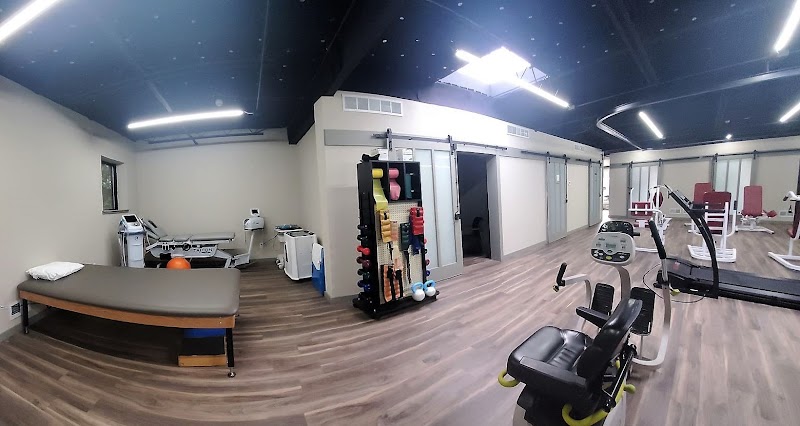
How is Medina Nursing Center Staffed?

CMS rates MEDINA NURSING CENTER's staffing level at 3 out of 5 stars, which is average compared to other nursing homes. Staff turnover is 54%, compared to the Illinois average of 46%.

What Have Inspectors Found at Medina Nursing Center?

State health inspectors documented 18 deficiencies at MEDINA NURSING CENTER during 2023 to 2025. These included: 3 that caused actual resident harm and 15 with potential for harm. Deficiencies causing actual harm indicate documented cases where residents experienced negative health consequences.
Who Owns and Operates Medina Nursing Center?

MEDINA NURSING CENTER is owned by a for-profit company. For-profit facilities operate as businesses with obligations to shareholders or private owners. The facility operates independently rather than as part of a larger chain. With 89 certified beds and approximately 46 residents (about 52% occupancy), it is a smaller facility located in DURAND, Illinois.
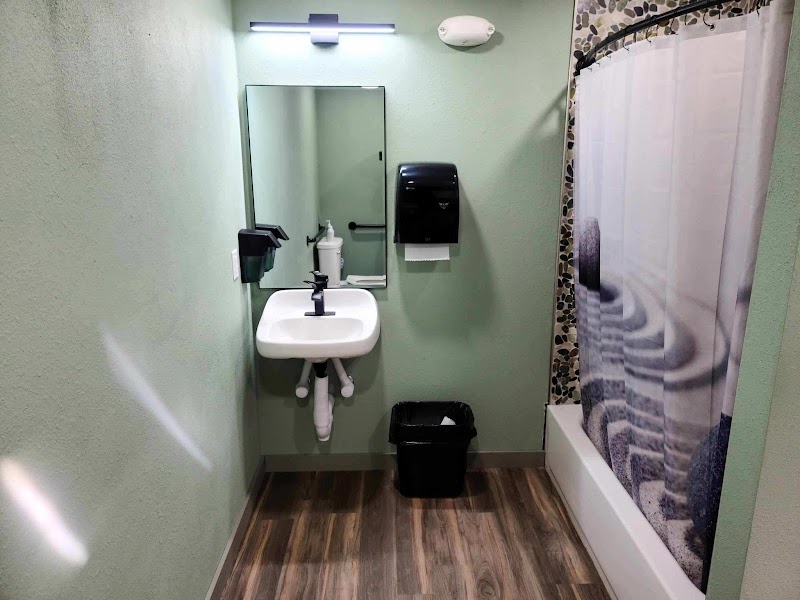
How Does Medina Nursing Center Compare to Other Illinois Nursing Homes?

Compared to the 100 nursing homes in Illinois, MEDINA NURSING CENTER's overall rating (3 stars) is above the state average of 2.5, staff turnover (54%) is near the state average of 46%, and health inspection rating (4 stars) is above the national benchmark.

What Should Families Ask When Visiting Medina Nursing Center?

Based on this facility's data, families visiting should ask: "Can I visit during a mealtime to observe dining assistance and food quality?" "How do you handle medical emergencies, and what is your hospital transfer rate?" "Can I speak with family members of current residents about their experience?"

Is Medina Nursing Center Safe?

Based on CMS inspection data, MEDINA NURSING CENTER has a clean safety record: no substantiated abuse findings (meaning no confirmed cases of resident harm), no Immediate Jeopardy citations (the most serious violation level indicating risk of serious injury or death), and is not on the Special Focus Facility watch list (a federal program monitoring the lowest-performing 1% of nursing homes). The facility has a 3-star overall rating and ranks #1 of 100 nursing homes in Illinois. While no facility is perfect, families should still ask about staff-to-resident ratios and recent inspection results during their visit.

Do Nurses at Medina Nursing Center Stick Around?

MEDINA NURSING CENTER has a staff turnover rate of 54%, which is 8 percentage points above the Illinois average of 46%. Moderate turnover is common in nursing homes, but families should still ask about staff tenure and how the facility maintains care continuity when employees leave.

Was Medina Nursing Center Ever Fined?

MEDINA NURSING CENTER has been fined $8,824 across 1 penalty action. This is below the Illinois average of $33,167. While any fine indicates a compliance issue, fines under $50,000 are relatively common and typically reflect isolated problems that were subsequently corrected. Families should ask what specific issues led to these fines and confirm they've been resolved.

Is Medina Nursing Center on Any Federal Watch List?

MEDINA NURSING CENTER is not on any federal watch list. The most significant is the Special Focus Facility (SFF) program, which identifies the bottom 1% of nursing homes nationally based on persistent, serious quality problems. Not being on this list means the facility has avoided the pattern of deficiencies that triggers enhanced federal oversight. This is a positive indicator, though families should still review the facility's inspection history directly.