EVERCARE AT EDWARDSVILLE
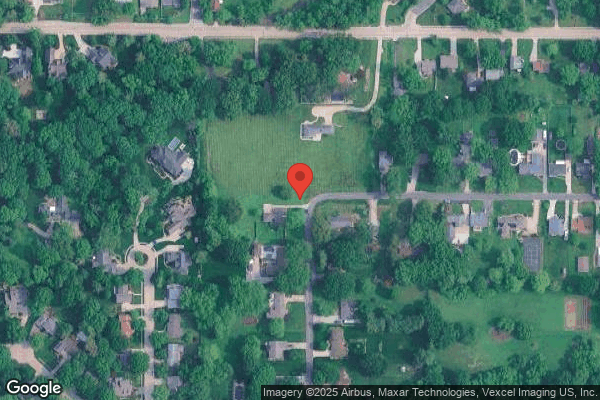
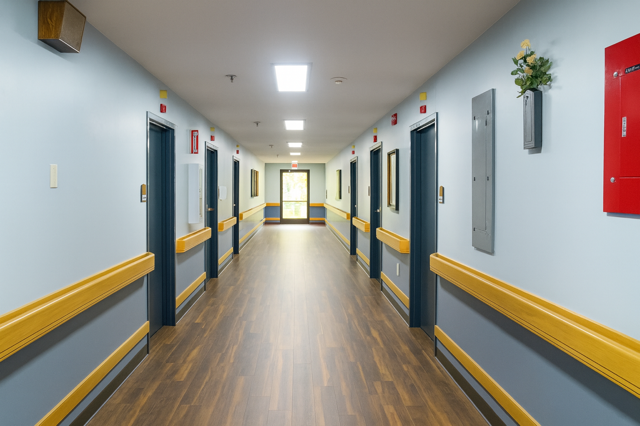
401 ST MARY DRIVE, EDWARDSVILLE, IL 62025 (618) 692-1330
For profit - Corporation 120 Beds EVERCARE SKILLED NURSING Data: November 2025 1 Immediate Jeopardy citation
Trust Grade
0/100
#514 of 665 in IL
Last Inspection: February 2025

Within standard 12-15 month inspection cycle. Federal law requires annual inspections.

Overview

Evercare at Edwardsville has received a Trust Grade of F, indicating significant concerns about the facility's care and management. It currently ranks #514 out of 665 nursing homes in Illinois, placing it in the bottom half, and #11 out of 17 in Madison County, suggesting limited quality options in the area. While the facility's trend is improving, with issues decreasing from 16 in 2024 to 4 in 2025, it still faces serious challenges. Staffing is a particular concern, with a 61% turnover rate and only 1 out of 5 stars in staffing quality, which is well below the state average. Additionally, the facility has incurred $214,208 in fines, indicating compliance issues that are higher than 84% of other Illinois facilities. Specific incidents of concern include a critical failure to monitor a resident with respiratory distress, resulting in the resident's death. There was also a serious incident of resident-to-resident abuse, where one resident physically attacked another, causing injury and fear. Furthermore, there was a serious deficiency where a resident's care plan was not followed, leading to feelings of disrespect and neglect. While there are areas of improvement, families should weigh these significant weaknesses against any strengths when considering this facility for their loved ones.

Trust Score
F
0/100
In Illinois
#514/665
Bottom 23%
Safety Record
High Risk
Review needed
Inspections
Getting Better
16 → 4 violations
Staff Stability
⚠ Watch
61% turnover. Above average. Higher turnover means staff may not know residents' routines.
Penalties
✓ Good
$214,208 in fines. Lower than most Illinois facilities. Relatively clean record.
Skilled Nurses
⚠ Watch
Each resident gets only 15 minutes of Registered Nurse (RN) attention daily — below average for Illinois. Fewer RN minutes means fewer trained eyes watching for problems.
Violations
⚠ Watch
30 deficiencies on record. Higher than average. Multiple issues found across inspections.
★☆☆☆☆
1.0
Overall Rating
★☆☆☆☆
1.0
Staff Levels
★★★☆☆
3.0
Care Quality
★★☆☆☆
2.0
Inspection Score
Stable
2024: 16 issues
2025: 4 issues

The Good

  • Full Sprinkler Coverage · Fire safety systems throughout facility
  • No fines on record

Facility shows strength in fire safety.

The Bad

1-Star Overall Rating

Below Illinois average (2.5)

Significant quality concerns identified by CMS

Staff Turnover: 61%

15pts above Illinois avg (46%)

Frequent staff changes - ask about care continuity

Federal Fines: $214,208

Well above median ($33,413)

Significant penalties indicating serious issues

Chain: EVERCARE SKILLED NURSING

Part of a multi-facility chain

Ask about local staffing decisions and management

Staff turnover is elevated (61%)

13 points above Illinois average of 48%

The Ugly 30 deficiencies on record

1 life-threatening 9 actual harm
Aug 2025 1 deficiency 1 Harm
SERIOUS (G) 📢 Someone Reported This

A family member, employee, or ombudsman was alarmed enough to file a formal complaint

Actual Harm - a resident was hurt due to facility failures

Free from Abuse/Neglect (Tag F0600)

A resident was harmed · This affected 1 resident

**NOTE- TERMS IN BRACKETS HAVE BEEN EDITED TO PROTECT CONFIDENTIALITY** Based on observation, interview, and record review, the facility failed to prevent resident to resident abuse in 1 of 5 resident...

Read full inspector narrative →
**NOTE- TERMS IN BRACKETS HAVE BEEN EDITED TO PROTECT CONFIDENTIALITY** Based on observation, interview, and record review, the facility failed to prevent resident to resident abuse in 1 of 5 residents (R2), reviewed for abuse in the sample of 5. This failure resulted in R2 being hit in the face by R1, which resulted in redness and R2 feeling fearful of R1.Findings Include:On 8/6/25 at 3:35 PM, R1 was observed, when surveyor knocked on his door, R1 cracked the door, the surveyor asked if she could come into his room, he stated no, when asked if she could talk with him, he stated no and shut the door. R1 appeared paranoid.On 8/6/25 at 3:37 PM, R2 was observed in his room, in a wheelchair, calm, and pleasant. R2 stated he had an incident with R1 a while ago, he had opened R1's room door for him, to be nice, and R1 was cussing at him and hit him upside the head in the face and scratched his arms. R2 stated his head bled where R1 had hit him. Stated he feels fairly safe in the facility but doesn't feel safe around R1. R2 stated he is around R1 sometimes and staff are around so he can get them if needed. R1's Face Sheet, undated, documents R1 has the following diagnoses: Obsessive Compulsive Disorder, Alzheimer's Disease, Psychosis, Obsessive Compulsive Personality Disorder, Unspecified Mental Disorder, and Dementia with Behavioral Disturbance.R1's MDS (Minimum Data Set), dated 6/14/25, documents R1 has a BIMS (Brief Interview of Mental Status) score of 13, indicating R1 is cognitively intact and rejects care.R1's Care Plan, dated 6/14/25, documents R1 has a history of inappropriate contact with his peers and staff. R1 had an encounter with another resident. R1 was placed on 15-minute checks with no further occurrence. Social Service Director to follow up and make sure both residents remain feeling safe at the facility. Behavior tracking updated, in-service on behavior, abuse and neglect completed. R1's Care Plan, dated 12/27/24, documents R1 has the potential to be physically aggressive related to anger, depression and poor impulse control.R1's Care Plan, dated 1/15/21, documents R1 becomes easily annoyed by fellow residents and will attempt physical aggression to get his point across, such as raising his fist at them.R1's Care Plan, dated 7/17/19, documents R1 doesn't like his personal space invaded or staff looking at him related to Paranoia.R1's Progress Note, dated 6/16/2025 at 9:03 AM, documents the following: IDT (Interdisciplinary Team) met regarding resident-to-resident allegation. Interviews and investigation initiated. Care plan reviewed and updated. New intervention: Intervene as necessary to protect the rights and safety of others. Approach/speak in a calm manner. Divert Attention.R2's Face Sheet, undated, documents R2 has the following diagnoses: Cerebral Infarction, Major Depressive Disorder, Dementia without Behavioral Disturbance, and Alzheimer's Disease.R2's MDS, dated [DATE], documents R2 has a BIMS score of 15, indicating R2 is cognitively intact and doesn't exhibit any behaviors.R2's Care Plan, dated 11/13/24, has no documentation of R2 having any behaviors.R2's Progress Note, dated 6/16/25 at 9:51 AM, documents the following: IDT met to review resident to resident allegation. Skin and pain assessments complete. Interviews and investigation initiated. Care plan reviewed and updated. New intervention: Educate resident to ask for staff assistance when he notices that other residents are needing help.R1 and R2's Abuse Investigation Final Report, dated 6/18/25, documents the following: Incident date of 6/14/25 at 6:30PM, R2 was attempting to open the door for R1, unaware of any behavioral symptoms, which resulted in R1 reacting to reach out of the door and R1 made contact with R2. R1 was confused by R2's actions resulting in R1 reacting to the movement of the door. Redness was noted to R2's left cheek and left arm. R1 and R2 were placed on 15-minute checks with no further incidents. Conclusion: this allegation is unsubstantiated due to the unintentional interaction between the two residents. On 8/6/25 at 4:34 PM, V15, MD, denied concerns regarding abuse, he was in the facility today, 8/6/25, rounding and did not see anything concerning. V15 stated if an allegation of abuse occurred, he would expect the facility to notify him, investigate the allegation, and protect the resident. The Abuse Prevention Policy, dated 3/2025, documents the following: Each resident has the right to be free from abuse, corporal punishment, and involuntary seclusion. Residents must not be subjected to abuse by anyone, including, but not limited to, facility staff, other residents, consultants, volunteers, staff of other agencies serving the resident, family members or legal guardians, friends, or other individuals. Resident - to - Resident abuse includes the term willful. The word willful means that the individual's action was deliberate (not inadvertent or accidental), regardless of whether the individual intended to inflict injury or harm.
Jul 2025 2 deficiencies 2 Harm
SERIOUS (G) 📢 Someone Reported This

A family member, employee, or ombudsman was alarmed enough to file a formal complaint

Actual Harm - a resident was hurt due to facility failures

Incontinence Care (Tag F0690)

A resident was harmed · This affected 1 resident

**NOTE- TERMS IN BRACKETS HAVE BEEN EDITED TO PROTECT CONFIDENTIALITY** Based on interview and record review the facility failed to perform timely incontinent care for 1 of 3 residents (R3) reviewed f...

Read full inspector narrative →
**NOTE- TERMS IN BRACKETS HAVE BEEN EDITED TO PROTECT CONFIDENTIALITY** Based on interview and record review the facility failed to perform timely incontinent care for 1 of 3 residents (R3) reviewed for incontinent care in the sample of 3. This failure resulted in R3 feeling embarrassed, ashamed, demeaned, disrespected, unwanted, and less than a man. Findings include:R3's Care Plan, dated 02/11/2025, documents Problem: I require assist for my ADLs (Activities of Daily Living) r/t (related to) weakness and decreased mobility. Approach: I require extensive assist of 2 staff with toileting tasks for bm (bowel movement) and 1 for urinal use.R3's Minimum Data Set, dated [DATE], documents that R3 is cognitively intact, occasionally incontinent of urine and bowel, and requires Partial/moderate assistance with toileting. R3's Progress Note, dated 07/20/2025 at 09:18 PM, documents Resident called 911 while CNA (Certified Nurse's Assistant) was in there attending to his roommate. Resident was aware that cna will assist him next. 911 stated that resident called them 5 times within a short span of time. In between resident calling 911, resident was also calling and ordering food for himself. Once food arrived, cna stated resident threw food and wasted drink on his bed after he was cleaned up.The facility Grievance/Complaint Log, dated June 2025, documents on 6/27/2025 R3 filed a grievance regarding call light response. The facility Grievance/Complaint Form, dated 6/27/2025, documents that R3 feels that nursing staff has poor response time to call light. It documents that the complaint was partially substantiated and corrective actions taken call light response audit.The Police Report, dated 7/2025, documents on 7-20-25 at 7:38 PM V9, Police officer, responded to facility in reference to patient R3 calling the police to get the nursing staff to help him. Upon arrival met with V10, Charge Nurse. V10 stated that R3 is a problem patient and falsely calls for help and uses up resources even though he doesn't need help. V9 explained to V10 why he was called. V10 stated that her staff will get to R3 when they can, because of shift change and other nursing duties. V9 then found R3 in his room. Overwhelming smell of feces, R3 had feces leaking out of R3's diaper all over his waist area. R3 stated that he turns on the patient signal light for help, but staff comes and turns it off but do not help him. V7 (CNA) was present in room helping another patient. V7 seemed overwhelmed and stated that she cannot change R3 by herself. When V7 started her shift, she was supposed to have help, but no one was coming to help her. Advising that the facility was understaffed. After approximately 15 minutes of V9 presence in the room, the staff arrived to help R3. On 7/28/2025 at 11:52 AM R3 stated that he received horrible care at the facility. R3 stated that he laid in urine for 45 minutes. R3 stated that a friend came to visit, and he smelled of strong urine. R3 stated that he was embarrassed and ashamed. R3 stated that he couldn't look his friend in the eyes. R3 stated that he was sitting in his own crap for so long that he called the police for help. R3 stated he had a bowel movement. R3 stated that he put the light on and nothing. R3 stated that there have been multiple times that the staff come in and turn the light out and never come back. R3 stated that he was covered with bowel. R3 stated that I am a man. Who wants to live like that. R3 stated that he felt it was demeaning and disrespectful too. R3 stated that he doesn't deserve that. R3 stated that he felt like he doesn't matter and less than a man. R3 stated that he was treated like a caged animal. R3 stated that he was treated less than a dog. On 7/28/2025 at 11:55 AM V5, R3's friend, stated that she has been at the facility on multiple occasions when R3 had to wait 45 minutes. V5 stated that she was told by the staff that there is only 1 staff on the hall at that time. V5 stated that R3 shouldn't have sit in filth that long that is ridiculous. V5 stated that R3 was embarrassed that he was wet and that she had to say something for the staff to respond. On 7/28/2025 at 1:17 PM, V6, Licensed Practical Nurse, LPN, stated that she entered R3's room around 8:00 PM and gave R3 his medication. V6 stated at that time R3 said he had an accident and needed to be cleaned. V6 stated that she notified the CNA and was told that she was the only one down on the hall and would have to wait to get someone to help with cleaning up R3. V6 stated that she notified another staff and was informed that they could not go in the room with R3. V6 stated that R3 did call the police. V6 stated that she is not sure of what time approximately 8:15 PM but not for sure. V6 stated that the police did come. V6 stated that she was not sure when the police got to the facility, V6 stated that the police spoke with the resident and the CNA. V6 stated that then the Officer told her that R3 had a bowel movement and needed to be changed. V6 stated that R3 was changed at that time. On 7/28/2025 at 1:54 PM V7, CNA, stated that she was the aide assigned to R3. V7 stated that she is an agency with this being her first time at the facility. Upon entering the facility, she was informed what hall she was on and that she would get help at 6pm from oncoming staff. V7 stated that she was informed to not provide care to R3 alone or you will get in trouble. V7 stated that she did clean R3 prior to supper before 5pm. V7 stated that R3 was incontinent of bowel. V7 stated that she was then informed to feed in the dining room, and she did and stayed in there until about 7:10 PM. V7 stated that she checked her hall, and no lights were on, and she went to lunch returning around 7:40 PM. V7 stated that when she returned the light to R3's room was on. V7 stated that R3 was incontinent of bowel with stool up his side. V7 stated that she left the room to find the other aide that was supposed to have arrived at 6 PM. V7 stated that she was informed that no one came in and no one was scheduled. V7 stated that she could not change R3 at that time because she didn't have help, so she went and helped another resident. V7 stated that by the time someone came to help the police were there. V7 stated that she was interviewed by the police and informed him that she was the only one on the hall. V7 stated that she informed the police that she was informed that she would have help on the hall, but this was not case. V7 stated that she cannot care for R3 alone and had to wait for someone to help her. V7 stated that she was informed that R3 is continent and can ask for help. V7 stated that it is possible that he pushed his button, and it was turned off. V7 stated that she was the only one on the hall and stated that someone could have turned it off and not returned. V7 stated that she was not on the hall from 5:00 PM to 7:40 PM. V7 stated that R3 is alert and oriented and can speak for himself. V7 stated that she would have helped R3 before, but she didn't have any help. On 7/29/2025 at 12:20 PM V2, Director of Nursing, stated that it is the expectation of the staff to round at least every 2 hours and more frequent if needed. V2 stated that if the staff identifies a resident is incontinent, they are to address it immediately. V2 stated that R3 requires 2 CNAs to be in room when providing care. V2 stated that this is to give the staff a witness for allegations. V2 stated that the CNA is to respond to the call light, go ask for help then start gathering supplies and start the process while the other staff is coming. V1 stated that this should take no more than 5 minutes. The facility's Incontinence Policy, dated 6/17/25, documents that the purpose is to prevent excoriation and skin breakdown, discomfort and maintain dignity. Guidelines: Incontinent residents will be checked periodically in accordance with the assessed incontinent episodes or approximately every two hours and provide perineal and genital care after each episode.
SERIOUS (G) 📢 Someone Reported This

A family member, employee, or ombudsman was alarmed enough to file a formal complaint

Actual Harm - a resident was hurt due to facility failures

Deficiency F0725 (Tag F0725)

A resident was harmed · This affected 1 resident

**NOTE- TERMS IN BRACKETS HAVE BEEN EDITED TO PROTECT CONFIDENTIALITY** Based on interview and record review, the facility failed to provide sufficient nursing staff to assist residents with incontine...

Read full inspector narrative →
**NOTE- TERMS IN BRACKETS HAVE BEEN EDITED TO PROTECT CONFIDENTIALITY** Based on interview and record review, the facility failed to provide sufficient nursing staff to assist residents with incontinent needs to attain or maintain the highest practical physical, mental, and psychosocial well-being of each resident for 1 of 3 (R3) reviewed for staffing in a sample of 3. This failure resulted in a delay in incontinent care for R3 causing him to feel embarrassment, ashamed, demeaned, disrespected, and unwanted. Findings include:R3's Minimum Data Set, dated [DATE], documents that R3 is cognitively intact, occasionally incontinent of urine and bowel, and requires Partial/moderate assistance with toileting. The Police Report, dated 7/2025, documents on 7-20-25 at 7:38 PM V9, Police officer, responded to facility in reference to patient R3 calling the police to get the nursing staff to help him. Upon arrival met with V10, Charge Nurse. V10 stated that R3 is a problem patient and falsely calls for help and uses up resources even though he doesn't need help. V9 explained to V10 why he was called. V10 stated that her staff will get to R3 when they can, because of shift change and other nursing duties. V9 then found R3 in his room. Overwhelming smell of feces, R3 had feces leaking out of R3's diaper all over his waist area. R3 stated that he turns on the patient signal light for help, but staff comes and turns it off but do not help him. V7, CNA, was present in room helping another patient. V7 seemed overwhelmed and stated that she cannot change R3 by herself. When V7 started her shift, she was supposed to have help, but no one was coming to help her. Advising that the facility was understaffed. After approximately 15 minutes of V9 presence in the room, the staff arrived to help R3. On 7/28/2025 at 11:52 AM R3 stated that he received horrible care at the facility. R3 stated that he laid in urine for 45 minutes. R3 stated that a friend came to visit, and he smelled of strong urine. R3 stated that he was embarrassed and ashamed. R3 stated that he couldn't look his friend in the eyes. R3 stated that that he was sitting in his own crap for so long that he called the police for help. R3 stated he had a bowel movement. R3 stated that he put the light on and nothing. R3 stated that there have been multiple times that the staff come in and turn the light out and never come back. R3 stated that he was covered with bowel. R3 stated that I am a man. Who wants to live like that. R3 stated that he felt it was demeaning and disrespectful too. R3 stated that he doesn't deserve that. R3 stated that he felt like he doesn't matter and less than a man. R3 stated that he was treated like a caged animal. R3 stated that he was treated less than a dog. On 7/28/2025 at 11:55 AM V5, R3's friend, stated that she has been at the facility on multiple occasions when R3 had to wait 45 minutes. V5 stated that she was told by the staff that there is only 1 staff on the hall at that time. V5 stated that R3 shouldn't have sit in filth that long that is ridiculous. V5 stated that R3 was embarrassed that he was wet and that she had to say something for the staff to respond. On 7/28/2025 at 1:17 PM, V6 LPN, stated that she entered R3's room around 8:00 PM and gave R3 his medication. V6 stated at that time R3 said he had an accident and needed to be cleaned. V6 stated that she notified the CNA and was told that she was the only one down on the hall and would have to wait to get someone to help with cleaning up R3. V6 stated that she notified another staff and was informed that they could not go in the room with R3. V6 stated that R3 did call the police. V6 stated that she is not sure of what time approximately 8:15 PM but not for sure. V6 stated that the police did come. V6 stated that she was not sure when the police got to the facility, V6 stated that the police spoke with the resident and the CNA. V6 stated that then the Officer told her that R3 had a bowel movement and needed to be changed. V6 stated that R3 was changed at that time. On 7/28/2025 at 1:54 PM V7, CNA, stated that she was the aide assigned to R3. V7 stated that she is an agency with this being her first time at the facility. Upon entering the facility, she was informed what hall she was on and that she would get help at 6pm from oncoming staff. V7 stated that she was informed to not provide care to R3 alone or you will get in trouble. V7 stated that she did clean R3 prior to supper before 5pm. V7 stated that R3 was incontinent of bowel. V7 stated that she was then informed to feed in the dining room, and she did and stayed in there until about 7:10 PM. V7 stated that she checked her hall, and no lights were on, and she went to lunch returning around 7:40 PM. V7 stated that when she returned the light to R3's room was on. V7 stated that R3 was incontinent of bowel with stool up his side. V7 stated that she left the room to find the other aide that was supposed to have arrived at 6 PM. V7 stated that she was informed that no one came in and no one was scheduled. V7 stated that she could not change R3 at that time because she didn't have help, so she went and helped another resident. V7 stated that by the time someone came to help the police were there. V7 stated that she was interviewed by the police and informed him that she was the only one on the hall. V7 stated that she informed the police that she was informed that she would have help on the hall, but this was not case. V7 stated that she cannot care for R3 alone and had to wait for someone to help her. V7 stated that she was informed that R3 is continent and can ask for help. V7 stated that it is possible that he pushed his button, and it was turned off. V7 stated that she was the only one on the hall and stated that someone could have turned it off and not returned. V7 stated that she was not on the hall from 5:00 PM to 7:40 PM. V7 stated that R3 is alert and oriented and can speak for himself. V7 stated that she would have helped R3 before, but she didn't have any help. On 7/29/2025 at 12:20 PM V2, Director of Nursing, stated that if the staff identifies a resident is incontinent, they are to address it immediately. V2 stated that R3 requires 2 CNAs to be in room when providing care. V2 stated that this is to give the staff a witness for allegations. V2 stated that the CNA is to respond to the call light, go ask for help then start gathering supplies and start the process while the other staff is coming. V1 stated that this should take no more than 5 minutes. The facility's Staffing Policy, not dated, documents that It is the policy of the (facility) to provide sufficient nursing staff on each shift of the day to attain or maintain the highest practical physical, mental, and psychosocial well-being of each resident.
Feb 2025 1 deficiency
CONCERN (D)

Potential for Harm - no one hurt, but risky conditions existed

Free from Abuse/Neglect (Tag F0600)

Could have caused harm · This affected 1 resident

**NOTE- TERMS IN BRACKETS HAVE BEEN EDITED TO PROTECT CONFIDENTIALITY** 3.) R40's Face Sheet undated documents his pertinent diagnosis as Other Specific Personality Disorder, Alzheimer's Disease with ...

Read full inspector narrative →
**NOTE- TERMS IN BRACKETS HAVE BEEN EDITED TO PROTECT CONFIDENTIALITY** 3.) R40's Face Sheet undated documents his pertinent diagnosis as Other Specific Personality Disorder, Alzheimer's Disease with late Onset, Unspecified Psychosis not due to a substance or known Physiological Condition; Unspecified Mental disorder due to known Physiolocal Condition and Unspecified Dementia with Behavioral Disturbance. R40's Minimum Data Set (MDS) dated [DATE] documents he is cognitively intact and has not exhibited any verbal or physical behaviors toward others. R40's Care Plan dated 12/27/24 documents R40 has the potential to be physically aggressive r/t anger, depression and poor impulse control. The interventions place are 1:1 with male staff, social service worker to visit with R40 2 times a week for 3 weeks and prn; move room closer to the nurses desk for closer monitoring for aggressive behaviors and request the psych medical providers to include R40 in their rotation. On 02/21/25 at 11:25 AM Facility Reported Incident (FRI) dated 12/27/24 documents R40 pushed a resident (R80) as (R80) stopped in his (R40's) doorway. (R80) lost his balance and fell to his buttocks, into a sitting position. (R80) was transferred to an area hospital. The abuse was Unsubstantiated due to R40's Personality disorder and Alzheimers. On 2/18/25 at 9:30 AM Licensed Practical Nurse (LPN) stated R40 is a loner does not bother anyone, and does not want anyone in his room. (R40) does come out of his room to walk the halls for exercise and to eat in the dining room but he sits away from everyone and eats alone. R40 is not a problem until you try to provide care, give him medication or go in his room. Stated she was not in the facility the day of the incident . On 2/21/25 at 1:45 PM V1 (Administrator) stated the incident was not viewed as abuse as R40 just has peculiar ways. Even though his behavior was viewed as inappropriate, it was not viewed as with malicious intent. The facility attempts to protect all its residents, R40 has never had a roommate because of of his isolationist behavior, but he does not have a history of being aggressive with anyone. On 2/21/25 at 2:30 PM V2 Director of Nursing (DON) stated staff monitor all the residents but pay particular attention to R40 because he does like being alone, does not like being touched and avoids all activities. R40 has his rights and we honor that. R80's Face Sheet undated documents his diagnosis as Vascular dementia, unspecified severity, without behavioral disturbance, psychotic disturbance, mood disturbance, and anxiety, Unspecified dementia, unspecified severity, with other behavioral disturbance and Generalized anxiety disorder. R80's Minimum Data Set (MDS) dated [DATE] documents severe cognitive impairment and wandering behavior occurs daily. R80's Hospital Records dated 12/27/24 documents R80 was seen at an area hospital for a ground level fall abdominal pain and head injury. R80's Computed Tomography (CT) scan of cervical spine without contrast dated 12/27/24 documents no fracture but severe spondolysis. R80's Computed Tomography (CT) scan of brain without contrast documents right posterior soft tissue swelling but normal aging brain. On 2/21/25 at 1:48 V1 (Administrator) stated R80 just wanders around the building trying to be friendly. (R80) is not a problem but does require monitoring to prevent someone from harming him. This was the first time I have known him to go into anyone's room. Both (R40) and (R80) have been Care Planned and are on Behavior Tracking. The facility's Abuse and Neglect Prohibition Policy dated 3/1/2020 documents All residents have the right to be free from verbal, sexual, physical, mental abuse, corporal punishment, involuntary seclusion, neglect, misappropriation of property, exploitation Based on interview and record review, the facility failed to prevent resident to resident abuse for 3 of 3 residents (R71, R77, R78, R80) reviewed for abuse in the sample of 44. This failure resulted in R80 being pushed by R40 causing R80 to be sent out to the hospital. Finding include: 1.) R80's Face Sheet, undated, documents R80 has the following diagnoses: Unspecified dementia, unspecified severity, with other behavioral disturbance, Vascular dementia, unspecified severity, without behavioral disturbance, psychotic disturbance, mood disturbance, and anxiety, and Generalized anxiety disorder. R78's Face Sheet, undated, documents R78 has the following diagnosis: anxiety disorder. R80's MDS (Minimum Data Set), dated 2/11/25, documents R80 is severely cognitively impaired. R78's MDS, dated [DATE], documents R78's cognition is intact. R80's Care Plan, date initiated 2/7/25, documents R80 has a potential for physical harm towards others related to personal space, dementia and poor impulse control. R78's Care Plan, date initiated 2/7/25, documents R78 has a behavior problem related to descriptive accounts of occurrence involving her and/or others. R80's Progress Note dated 2/5/25 at 4:31 PM documents This nurse was standing at the nurses' station when R80 was observed striking R78 in the face in the dining room. This nurse separated residents immediately and placed R80 on one-on-one monitoring. R78 who was struck has a reddened area to her left eye and states she was just sitting at the table when R80 approached her and struck her in the eye. Medical Psychiatrist notified of event and ordered R80 to be sent to hospital for evaluation. Emergency Medical Services and family contacted at this time. R78's Progress Note, dated 2/5/25 at 4:55 PM, documents R78 sitting in dining room, another resident (R80) walked up to her and struck her in the left eye, Redness noted. Nurse Practitioner in facility assessed R78. No new orders received. POA (Power of Attorney) and Medical Doctor aware. IDPH (Illinois Department of Public Health) notified. The facility's Final Report, dated 2/5/25 at 4:45 PM, documents the following, Investigation: R78 was observed sitting at the dining room table, she was approached by R80. R80 was observed wandering. R80 was observed near R78. Staff stated it appeared that R80 had struck R78 near the eye, slight redness noted to area, no other discoloration noted. R80 was removed immediately from the dining area and placed one on one. R78 stated she was sitting at her table and R80 had struck her. When asked if R78 knew who R80 was, she did not. When asked if R78 had any issues with R80 prior, R78 stated no. When asked if R78 feels safe in the facility R78 stated she does. R78 denied pain. R80 when questioned denied the incident, there was noted confusion on assessment. Medical psychiatrist was notified of incident and change of condition. Orders given to send R80 to hospital for evaluation for new onset of behaviors/confusion. Conclusion: Due to the nature of R80's diagnosis it has been concluded that this was an isolated incident and not an act of aggression/targeting. R80 has not displayed aggressive physical behaviors in the past as his baseline is pleasantly confused. 2.) R77's Face Sheet, undated, documents R77 has the following medical diagnoses: Unspecified dementia, unspecified severity, with other behavioral disturbance, Aphasia, Cerebrovascular disease, and Depression. R71's Face Sheet, undated, documents R71 has the following medical diagnoses: Wernicke's encephalopathy, Dementia, Alzheimer's Disease, Major depressive disorder, Generalized Anxiety disorder. R77's MDS, dated [DATE], documents R77 is severely cognitively impaired. R71's MDS, dated [DATE], documents R71 is mildly cognitively impaired. R77's Care Plan, date initiated 1/20/25, documents R77 was in an altercation with another resident due to a misunderstanding. R71's Care Plan, date initiated 1/20/25, documents R71 as a history of inappropriate contact and becoming agitated with peers. R71 became upset with another resident causing harm to him, staff removed me from him, placing me on one-on-one in my room. R77's Progress Note, dated 1/20/25 at 7:05 AM, documents Administration notified of incident with another resident (R71). R77 was observed approaching dining room table where 2 other residents were present, started to interrupt them and was attempting to take something off the table. R77 was told to stop by R71 at the table and then continued to try and remove items from the table. R71 that was sitting at the table then swung his cup at R77 attempting to throw his iced tea on him. During this R77 was struck by the cup resulting in a small abrasion to right cheek. R71 and R77 immediately separated and placed on one-on-one monitoring. Both parties POA (Power of Attorney) notified of event as well as MD (Medical Doctor). Event reported to IDPH (Illinois Department of Public Health) R71's Progress Note, dated 1/20/25 at 7:05 AM, documents R71 involved in incident with another resident, R77. R71 was sitting at dining room table when another resident, R77 approached the table and attempted to take some items from the table. R71 told other resident, R77 to stop trying to take his things. R77 did not listen and continued trying to remove items from the table. R71 then took his cup of iced tea and struck R77, resulting in a small abrasion to R71's right cheek. R71 and R77 separated immediately and placed on one-on-one monitoring, POA and MD notified of event. Event reported to IDPH. The facility's Final Report dated 1/20/25 at 7:00 AM, documents R71 was sitting at dining room table when R77 approached the table and attempted to take some items from the table. R71 told R77 to stop trying to take his things. R77 did not listen and continued trying to remove items from the table. R71 then took his cup of iced tea, while trying to dump the iced tea on R77, contact was made with the cup resulting in a small abrasion to R77's right cheek. R71 and R77 were separated and placed on one-on-one monitoring, POA and MD notified of event. R77 has the diagnosis of dementia and behaviors of wandering/bother others property. R71 also has the diagnosis of dementia with behaviors. R71's story had changed a few times during the interview process, however it remains the same that R71 did not premeditate or target R77. R77 does not recall what happened to full capacity. Both have remained behavior free and staff acted appropriately. In an abundance of precaution both R71 and R77 were monitored for 24 hours. Frequent monitoring of the dining room while multiple residents are in the area. On 2/21/25 at 11:32 AM, V9, Certified Nursing Assistant Coordinator, stated R71, R77, R78, and R80 usually do not have aggressive behaviors. V9 stated R80 does need to be re-directed sometimes in the evenings. V9 stated R77 can be resistant with care and aggressive during care at times, but just needs re-approached and is usually fine. V9 stated R77 does wander at times, and she thinks some people may think he is being intimidating or aggressive. V9 denied hearing of any other altercations or incidents involving R71, R77, R78, or R80. V9 stated she did not personally see either incident that happened on 1/20/25 or 2/5/25 but if she would see an incident of abuse, she would make sure all residents are safe, remove the residents involved, and then report the incident to the administration. On 2/21/25 at 12:27 PM, V2, Director of Nursing, stated R78 and R80 have never had any prior aggressive behaviors towards anyone before the incident on 2/5/25. V2 stated R78 was immediately seen by the Nurse Practitioner that was in the facility at the time of the incident. V2 stated R80 was removed from the dining area after incident, the psychiatrist was then contacted, and R80 was sent to the hospital for evaluation. V2 stated R71 has not had any previous aggressive behaviors before incident on 1/20/25 and after incident R71 was placed on one-on-one in his room. V2 stated R80 does not have aggressive behaviors, however he does get a little more agitated in the afternoon and can be harder to re-direct. V2 stated R77 was placed in his room after incident and monitored one-on-one. V2 stated both R71 and R77 saw the psychiatrist the next day following the incident.
Dec 2024 4 deficiencies 2 Harm
SERIOUS (G) 📢 Someone Reported This

A family member, employee, or ombudsman was alarmed enough to file a formal complaint

Actual Harm - a resident was hurt due to facility failures

Deficiency F0697 (Tag F0697)

A resident was harmed · This affected 1 resident

**NOTE- TERMS IN BRACKETS HAVE BEEN EDITED TO PROTECT CONFIDENTIALITY** Based on interview and record review, the Facility failed to ensure pain medications were readily available for administration i...

Read full inspector narrative →
**NOTE- TERMS IN BRACKETS HAVE BEEN EDITED TO PROTECT CONFIDENTIALITY** Based on interview and record review, the Facility failed to ensure pain medications were readily available for administration in order to prevent increasing pain/discomfort for 1 (R1) of 3 residents reviewed for opioid medications, in the sample of 6. Findings include: On 11/26/2024 at 9:20 AM, a staff member who wishes to remain anonymous, stated, Sometimes (R1) runs out of pain meds (medication). I am not sure if it's the pharmacy or the doctors fault. It tells you on the card when to re-order so we should all be observant of that. I don't know where the disconnect it. The Nurse Practitioner (NP) can't write those scripts (Controlled substance prescriptions). (R1) was out the other day (pain medication not available). It was 11/22 (2024) and she was out a day or two. She claims her pain is 5-10 on the pain scale. On 11/26/2024 at 10:03 AM, R1 stated she takes Oxycodone because her hip deteriorated. R1 stated, Every month, it's no surprise- I need another script (prescription). They make phone calls. The doctor is either on vacation or whatever else and the nurse practitioner can't write the script, but they put her in charge. I have a history of rehab (rehabilitation) and withdraw. I dry heave, get hot then cold. It's no fun to deal with. I can't even make it from here (the bed) to the bathroom. I don't leave my room. I shut down completely. They don't give me a 'heads up' that I'm going to run out, but every month I'm dealing with it. They go through a whole sheet (medication card) and no one thinks to re-order it- I mean come on! Last week I was out. I just got it back Monday. I went 7 days without it. I told (V2, Director of Nursing, DON) and (V12, Licensed Practical Nurse (LPN). They call and leave messages but still here I sit in agony. I was almost to the point of causing myself 'an accident' just so I could go to the hospital to get my medicine. Not suicide or anything, just a fall or something. R1's Minimum Data Set (MDS) dated [DATE] documents R1 is cognitively intact. It further documents R1 had not received scheduled or PRN (as needed) pain medications nor received non-medication interventions for pain. It further documents a Pain Assessment Interview should be conducted. R1's Physician's Orders dated 7/30/2024 documents, Oxycodone 5 mg (milligrams)- take one tablet by mouth twice daily. R1's Care Plan dated 11/13/2024 documents R1 has potential for pain/discomfort and Approach: Observe the effectiveness of pain interventions q (every) shift. Review for compliance alleviating of symptoms, dosing schedules and resident satisfaction with results, impact on functional ability and impact on cognition. R1's Care Plan dated 11/27/2024 documents, (R1) has complaints of chronic pain r/t (related to) right hip and rt (right) knee. Administer analgesic medications as ordered by pcp (primary care physician). R1's Medication Administration History dated 10/27/2024-11/26/2024 documents R1 did not receive Oxycodone 5 mg on 11/18/2024, 11/19/2024, 11/20/2024, and 11/21/2024 due to Drug/item unavailable. It further documents R1 received Oxycodone 5 mg on 11/17/2024 and rated her pain at 8 on a 1-10 pain scale. It continues to document R1 received her Oxycodone 5 mg on 11/22/2024 and rated her pain at 10 on the 1-10 pain scale. R1's Medication Administration History dated 10/1/2024-10/31/2024 documents, 10/11/2024- not administered: need script for both 7 AM and 7 PM doses. It further documents, 10/12/2024-Drug/Item Unavailable. Awaiting script from M.D (Medical Doctor). It continues to document, 10/18/2024-Drug/Item Unavailable. Awaiting script from M.D. On 11/26/2024 at 2:36 PM, V3, Assistant Director of Nursing (ADON) stated, All I'm going to say is I can't make someone do something. I notified the doctor we needed a script. That's all I can tell you. She (R1) told me she had been without her medicine. I reached out again and finally got her meds (medication) in. On 11/26/2024 at 2:41 PM, V2, stated he was aware R1 was out of her medicine. V2 stated, (V3) reached out to the doctor. I am not sure how many doses she missed. (V13) is our Nurse Practitioner (NP) but she does not have her DEA (Drug Enforcement Agency) number (required to write controlled substance medications). On 11/27/2024 at 8:49 AM, V12, LPN, stated, I know (R1) missed one dose for me, but they told me when I was off for a couple days she had missed some too. I got the script from (V14, NP). We kept calling pharmacy. If the doctor doesn't send the script to pharmacy-they won't send it. They have to have the script re-newed or else we could get it from the Ekit (Emergency medicine kit). It's a script thing. (R1) gets very upset about it. (V3) checks but sometimes it happens. She runs out. It's not right if she didn't get her medicine. R1's Quarterly Pain assessment dated [DATE] is incomplete. On 11/27/2024 at 1:55 PM, V2 stated, (R1) doesn't really have a diagnosis for the pain. We've done multiple X-rays of her knee and hip but they don't show much. She had her last quarterly pain assessment in June. It is not complete and she should have had one done again in September. We should probably refer her to pain management. On 11/27/2024 at 2:26 PM, V14, NP, stated R1 has been on oxycodone long term for neuropathy and chronic pain syndrome. V14 stated. As long as she is not going through withdraw, Tylenol can cover the pain. The relief won't be like receiving an Opioid pain killer, but can provide short term relief. On 12/2/2024 at 10:18 AM, V1, Administrator, stated, I'm sure if (R1) was complaining about pain, staff would have offered her Tylenol. R1's Current (12/2/2024) Physician's Orders does not include an order for Tylenol as needed. On 12/2/2024 at 12:09 PM, V2 Director of Nursing stated, I know she went without her oxy (oxycodone) but she didn't go without completely. She also has a lidocaine patch. She doesn't have PRN Tylenol though. The Facility's Pain Management Policy undated, documents, Purpose: To ensure accurate assessment and management of the resident's pain. Policy: A licensed nurse will assess residents for pain on admission and routinely as indicated by the resident's health and functional status. Facility staff is responsible for helping the resident attain or maintain their highest level of well-being while working to prevent or manage the resident's pain. It further documents, The IDT (Interdisciplinary Team) committee review the pain assessment for each newly admitted resident identified by the licensed nurse to have pain and at least quarterly thereafter. A licensed nurse will reassess the resident for pain quarterly and eventfully. Pain Management: The licensed nurse will administer pain medication as ordered, and document medication administered on the Medication Administration Record (MAR). It further documents, Nursing staff will implement timely interventions to reduce the increase in severity of pain. The licensed nurse will update the care plan for pain management with any change in treatment and/or medication.
SERIOUS (G) 📢 Someone Reported This

A family member, employee, or ombudsman was alarmed enough to file a formal complaint

Actual Harm - a resident was hurt due to facility failures

Pharmacy Services (Tag F0755)

A resident was harmed · This affected 1 resident

**NOTE- TERMS IN BRACKETS HAVE BEEN EDITED TO PROTECT CONFIDENTIALITY** Based on interview and record review, the Facility failed to ensure the availability of scheduled opioid medication for 1 of 3 r...

Read full inspector narrative →
**NOTE- TERMS IN BRACKETS HAVE BEEN EDITED TO PROTECT CONFIDENTIALITY** Based on interview and record review, the Facility failed to ensure the availability of scheduled opioid medication for 1 of 3 residents (R1) reviewed for pharmacy services, in the sample of 6. This failure caused R1 to miss several doses of pain medication, resulting in discomfort and experiencing symptoms of withdraw. Findings include: On 11/26/2024 at 9:20 AM, an anonymous staff member stated, Sometimes (R1) runs out of pain meds (medication). I am not sure if it's the pharmacy or the doctors fault. It tells you on the card when to re-order so we should all be observant of that. I don't know where the disconnect it. The Nurse Practitioner (NP) can't write those scripts (Controlled substance prescriptions). (R1) was out the other day (pain medication not available). It was 11/22 (2024) and she was out a day or two. She claims her pain is 5-10 on the pain scale. On 11/26/2024 at 10:03 AM, R1 stated she takes Oxycodone because her hip deteriorated . R1 stated, Every month, it's no surprise- I need another script (prescription). They make phone calls. The doctor is either on vacation or whatever else and the nurse practitioner can't write the script, but they put her in charge. I have a history of rehab (rehabilitation) and withdraw. I dry heave, get hot then cold. It's no fun to deal with. I can't even make it from here (the bed) to the bathroom. I don't leave my room. I shut down completely. They don't give me a 'heads up' that I'm going to run out, but every month I'm dealing with it. They go through a whole sheet (medication card) and no one thinks to re-order it- I mean come on! Last week I was out. I just got it back Monday. I went 7 days without it. I told (V2, Director of Nursing, DON) and (V12, Licensed Practical Nurse (LPN). They call and leave messages but still here I sit in agony. I was almost to the point of causing myself 'an accident' just so I could go to the hospital to get my medicine. Not suicide or anything, just a fall or something. R1's Minimum Data Set (MDS) dated [DATE] documents R1 is cognitively intact. R1's Physician's Orders dated 7/30/2024 documents, Oxycodone 5 mg (milligrams)- take one tablet by mouth twice daily. R1's Care Plan dated 11/13/2024 documents R1 has potential for pain/discomfort and Approach: Observe the effectiveness of pain interventions q (every) shift. Review for compliance alleviating of symptoms, dosing schedules and resident satisfaction with results, impact on functional ability and impact on cognition. R1's Care Plan dated 11/27/2024 documents, (R1) has complaints of chronic pain r/t (related to) right hip and rt (right) knee. Administer analgesic medications as ordered by pcp (primary care physician). R1's Medication Administration History dated 10/27/2024-11/26/2024 documents R1 did not receive Oxycodone 5 mg on 11/18/2024, 11/19/2024, 11/20/2024, and 11/21/2024 due to Drug/item unavailable. It further documents R1 received Oxycodone 5 mg on 11/17/2024 and rated her pain at 8 on a 1-10 pain scale. It continues to document R1 received her Oxycodone 5 mg on 11/22/2024 and rated her pain at 10 on the 1-10 pain scale. R1's Medication Administration History dated 10/1/2024-10/31/2024 documents, 10/11/2024- not administered: need script for both 7 AM and 7 PM doses. It further documents, 10/12/2024-Drug/Item Unavailable. Awaiting script from M.D (Medical Doctor). It continues to document, 10/18/2024-Drug/Item Unavailable. Awaiting script from M.D. R1's Progress Notes dated 10/17/2024 document the medical doctor was made aware of the need for R1's oxycodone prescription. R1's Progress Notes dated 10/18/2024 documents V3 Assistant Director of Nursing (ADON) spoke with the pharmacy regarding the need for R1's oxycodone prescription. On 11/26/2024 at 2:36 PM, V3, (ADON) stated, All I'm going to say is I can't make someone do something. I notified the doctor we needed a script. That's all I can tell you. She (R1) told me she had been without her medicine. I reached out again and finally got her meds (medication) in. On 11/26/2024 at 2:41 PM, V2, stated he was aware R1 was out of her medicine. V2 stated, (V3) reached out to the doctor. I am not sure how many doses she missed. (V13) is our Nurse Practitioner (NP) but she does not have her DEA (Drug Enforcement Agency) number (requires to write controlled substance medications). On 11/27/2024 at 8:49 AM, V12, LPN, stated, I know (R1) missed one dose for me, but they told me when I was off for a couple days she had missed some too. I got the script from (V14, NP). We kept calling pharmacy. If the doctor doesn't send the script to pharmacy-they won't send it. They have to have the script re-newed or else we could get it from the Ekit (Emergency medicine kit). It's a script thing. (R1) gets very upset about it. (V3) checks but sometimes it happens. She runs out. It's not right if she didn't get her medicine. On 11/27/2024 at 2:26 PM, V14 stated she was aware of issues with getting opioid medications refilled. V14 stated there is a special process/protocol and sometimes the pharmacy doesn't get the order. V14 stated the Facility staff will call for refills and she will tell them to contact the pharmacy. V14 stated the pharmacy tells them to contact the doctor. V14 stated sometimes a day or two will go by and the patients still has not received their medication. V14 stated she will start the re-ordering process when the resident is down to a week or two left of the medication, but there is not guarantee the pharmacy will fill it early because they have to follow regulations. The Facility's Controlled Substance Prescription Policy dated 10/25/2024 documents, Before a controlled drug can be dispensed, the pharmacy must be in receipt of a clear, complete, and signed written prescription from a person lawfully authorized to prescribe. A chart order is not equivalent to a prescription for controlled drugs. Therefore, the prescriber issuing the chart order must also provide the pharmacist with a valid prescription. The written prescription may be faxed to the pharmacy for long-term care facility residents. It continues, The prescriber and/or nurse are contacted for direction when delivery of a medication will be delayed or the medication is not or will not be available. It continues, If only one refill remains (C111-Vs?) or only a partial fill quantity remains (C11) the pharmacy will simultaneously dispense the remaining refill, contact the facility to verify the continuation of the medication is necessary and if necessary proactively seek out a new, complete prescription from the prescriber for future use. If a prescription is not obtained by the pharmacy before the medication would be 'due again', the facility is notified. In this situation, the facility may be asked to contact the prescriber for a new prescription prior to the medication running out.
CONCERN (D) 📢 Someone Reported This

A family member, employee, or ombudsman was alarmed enough to file a formal complaint

Potential for Harm - no one hurt, but risky conditions existed

Assessment Accuracy (Tag F0641)

Could have caused harm · This affected 1 resident

**NOTE- TERMS IN BRACKETS HAVE BEEN EDITED TO PROTECT CONFIDENTIALITY** Based on observation, interview and record review, the Facility failed to ensure assessments were accurately completed to reflec...

Read full inspector narrative →
**NOTE- TERMS IN BRACKETS HAVE BEEN EDITED TO PROTECT CONFIDENTIALITY** Based on observation, interview and record review, the Facility failed to ensure assessments were accurately completed to reflect the residents' current status for 2 of 3 (R1, R4) residents, reviewed for Resident Assessments, in the sample of 6. Findings include: 1. On 11/26/2024 at 9:20 AM, V4, Licensed Practical Nurse (LPN) stated R1 rates her pain between a 5-10 on the pain scale. On 11/26/2024 at 10:03 AM, R1 stated she takes Oxycodone because her hip deteriorated. R1's Minimum Data Set (MDS) dated [DATE] documents R1 is cognitively intact. It further documents R1 had not received scheduled or PRN (as needed) pain medications nor received non-medication interventions for pain. It further documents a Pain Assessment Interview should be conducted. R1's Physician's Orders dated 7/30/2024 documents, Oxycodone 5 mg (milligrams)- take one tablet by mouth twice daily. R1's Care Plan dated 11/13/2024 documents R1 has potential for pain/discomfort and Approach: Observe the effectiveness of pain interventions q (every) shift. Review for compliance alleviating of symptoms, dosing schedules and resident satisfaction with results, impact on functional ability and impact on cognition. R1's Care Plan dated 11/27/2024 documents, (R1) has complaints of chronic pain r/t (related to) right hip and rt (right) knee. Administer analgesic medications as ordered by pcp (primary care physician). R1's Medication Administration History dated 10/27/2024-11/26/2024 documents R1 received Oxycodone 5 mg on 11/17/2024 and rated her pain at 8 on a 1-10 pain scale. It continues to document R1 received her Oxycodone 5 mg on 11/22/2024 and rated her pain at 10 on the 1-10 pain scale. On 11/26/2024 the Facility Matrix was reviewed and R1 was not listed as receiving Opioids. R1's Quarterly Pain assessment dated [DATE] is incomplete. On 11/27/2024 at 1:55 PM, V2 Director of Nursing (DON) stated, (R1) doesn't really have a diagnosis for the pain. We've done multiple X-rays of her knee and hip but they don't show much. She had her last quarterly pain assessment in June. It is not complete and she should have had one done again in September. We should probably refer her to pain management. On 11/27/2024 at 2:26 PM, V14, NP (Nurse Practitioner), stated R1 has been on oxycodone long term for neuropathy and chronic pain syndrome. R1's Face Sheet dated 12/2/2024 does not include these diagnoses. On 12/2/2024 at 12:09 PM, V2 (DON) stated, No, that's not right (R1's MDS related to pain). I would definitely expect it to reflect the residents current status. 2. R4's Minimum Data Set (MDS) dated [DATE] documents R4 does not have any potential indicators of psychosis including hallucinations or delusions. It further documents R4 does not reject evaluation or care, nor does R4 wander. R4's Care Plan dated 4/11/2024 documents, I walk throughout facility all day long without purpose. On 11/26/2024 at 11:24 AM, R5 stated, She (R4) has 6 people that she talks to inside her head. On 11/26/2024 at 1:15 PM, R4 was observed walking around anxiously throughout the building with several staff members following her- trying to redirect her. At this time, the anonymous staff member whispered to the surveyor, She's (R4) on the war path. R4's Care Plan and Behavior Tracking documents R4 has the following behaviors: Resident walks through-out the facility cursing to herself and at times at staff as she passes by It further documents, Remind resident her cursing is disruptive to other residents. R4's Behavior Tracking dated November 2024 documents R4 had 4-5 episodes of walking through the facility cursing on 11/20/2024-11/25/2024 on day and evening shift. It further documents the interventions attempted were not successful and the behavior continued. On 12/2/2024 at 10:18 AM, V1 stated the Facility has a behavioral health counsler, but R4 refused to see her. On 12/2/2024 as of 1:17 PM, the Facility had not provided a policy related to accuracy of assessments.
CONCERN (E) 📢 Someone Reported This

A family member, employee, or ombudsman was alarmed enough to file a formal complaint

Potential for Harm - no one hurt, but risky conditions existed

Deficiency F0740 (Tag F0740)

Could have caused harm · This affected multiple residents

**NOTE- TERMS IN BRACKETS HAVE BEEN EDITED TO PROTECT CONFIDENTIALITY** Based on observation, interview and record review, the Facility failed to ensure the Pre-admission Screen Resident Review (PASRR...

Read full inspector narrative →
**NOTE- TERMS IN BRACKETS HAVE BEEN EDITED TO PROTECT CONFIDENTIALITY** Based on observation, interview and record review, the Facility failed to ensure the Pre-admission Screen Resident Review (PASRR) recommendations were completed for a resident with a qualifying diagnosis and disruptive behaviors, ensure the resident assessments were accurate, as well as ensure the interventions for behaviors were successful for 1 of 3 residents (R4) reviewed for behavioral health services, in the sample of 6. Findings include: R4's Face sheet dated 12/2/2024 documents R4 has a diagnosis of Mild intellectual disabilities, Schizoaffective disorder, and bipolar disorder. R4's Pre-admission Screening and Resident Review (PASRR) dated 12/21/2024 documents, Determination: Short term approval without specialized services. Date of approval ends June 18th 2024. It further documents the nursing Facility should complete a Resident Review when the residents short term approval is ending soon. R4's Minimum Data Set (MDS) dated [DATE] documents R4 does not have any potential indicators of psychosis including hallucinations or delusions. It further documents R4 does not reject evaluation or care, nor does R4 wander. R4's Care Plan dated 4/11/2024 documents, I walk throughout facility all day long without purpose.: R4's Care Plan dated 12/22/2023 documents, My goal is to remain in facility for long-term care. Provide me with care and services based on specific needs. Provide me with services to meet my psychosocial and physical needs. 1. On 11/26/2024 at 11:10 AM, R1 stated, I am concerned about the safety and well-being of other residents. (R4) is out of control. I am afraid she will hurt other residents. She scares the s*** out of them. Feeling safe should be the last of these old (elderly) peoples' worries. The amount of people they are shoving in here (Facility)- It's just too much. R1's Minimum Data Set (MDS) dated [DATE] documents R1 is cognitively intact. 2. On 11/26/2024 at 11:24 AM, R5 stated, They (staff) don't tell her (R4) not to use that language. She says all kinds of nasty words. It bothers me. A lot of people haven't heard the kind of language she uses. She says dirty s***. She has 6 people that she talks to inside her head. Also, her a** hangs out. It makes people uncomfortable. R5's MDS dated [DATE] documents R5 is cognitively intact. On 11/26/2024 at 12:39 PM, a staff member who wishes to remain anonymous stated, I know you saw (R4). We assumed that's why you were here. She has been sent out (to the hospital) a couple times for behavior issues. We all feel like she doesn't belong here. She walks around cussing. She says some things that are really scary. She's scary. If I was a family member with someone here, I'd definitely be scared. At first I thought she was a CNA (Certified Nursing Assistant) and was mortified and thought, 'They let their staff talk like that?' You never know how she is going to react. You have to tip-toe around her. I don't feel like this is the place for her. This is a nursing home. Her behaviors are scary. She'll say 'What the f*** Bob?' and 'that f****** white b****.' The cops have been here twice to take her away. On 11/26/2024 at 12:48 PM, V5, CNA stated, (R4) will say little things that aggravate the other residents. You never know when she's going to snap. I try to keep the ones that don't know any better away from her. On 11/26/2024 at 1:15 PM, R4 was observed walking around anxiously throughout the building with several staff members following her- trying to redirect her. At this time, the anonymous staff member whispered to the surveyor, She's (R4) on the war path. On 11/26/2024 at 1:47 PM, V7, Registered Nurse (RN) stated, (R4) does use foul language. I have heard multiple residents say, 'Please stop. We don't want to hear that' and she'll (R4) tell them to 'Go to your f****** room'. It's not fair to the other residents. It is not the best placement for (R4). We have sent her out (to local hospital) several times but they just send her back. On 11/26/2024 at 1:50 PM, V10, Activity Director, stated she has heard residents' (R3 and R6) complain about R4's behaviors. 3. On 11/26/2024 at 2:00 PM, R3 stated, The one girl, she's tall and chunky. She calls everyone a b****. Mostly when we are out in the dining room. She scares me. R3's MDS dated [DATE] documents R3 is cognitively intact. 4. On 11/26/2024 at 2:03 PM, R6 stated, One girl, I think her name is (R4). She's a loose cannon. Goes from high to low. She means well, she's just dangerous. Sent her out twice with the cops in two weeks. A lot of people here, especially the elderly, don't know what to do about her. She gets in their face and says, 'Boo' and then 'I love you'. She walks around recklessly all time time, doesn't stop, especially in the dining area. R6's MDS dated [DATE] documents R6 is cognitively intact. On 11/26/2024 at 3:45 PM, V11, CNA stated, I can see how R4's behaviors affect the other residents. She yells at staff. Some residents are sensitive to loud noises and vulgarity. On 11/26/2024 at 2:54 PM, V2, Director of Nursing (DON) stated, Our sister facility in (nearby state) shut down and they had to find placement. We have put out referrals, but no one will accept her. We send her to (local psychiatric facility) and they just send her back. She is care planned for cussing to herself and has other behaviors. On 11/27/2024 at 8:49 AM, V12, LPN (Licensed Practical Nurse), stated, (R1) is new and young. I can see how she would be intimidating to some of the residents. On 11/27/2024 at 11:57 AM, R4 was observed on a stretcher at the nurses station, using the vulgar language (F***). R4 was then observed leaving the Facility with Emergency Medical Technicians. On 11/27/2024 at 1:55 PM, V2 stated, (R4) is gone for good. (Another Facility) accepted her. Honestly, we had to do a lot of 1:1 with her. I tried to keep her away from the general population (other residents). R4's Care Plan and Behavior Tracking documents R4 has the following behaviors: Resident walks through-out the facility cursing to herself and at times at staff as she passes by It further documents, Remind resident her cursing is disruptive to other residents. R4's Behavior Tracking dated Novemeber 2024 documents R4 had 4-5 episodes of walking through the facility cursing on 11/20/2024-11/25/2024 on day and evening shift. It further documents the interventions attempted were not successful and the behavior continued. On 12/2/2024 at 10:18 AM V1 was asked what kind of training staff received related to residents with behavioral issues. V1 responded, We have the behavior tracking. If we receive a resident who has behaviors staff get report on them and their behaviors are in their care plans. We will have a inservices on behaviors. V1 stated she was not the administrator at the Facility when R4 was admitted , therefore, V1 was unsure about R4's PASRR. V1 stated the Facility has a behavioral health counsler, but R4 refused to see her. On 12/2/2024 at approximately 11:45 AM, V1 provided another PASRR dated 6/21/2024. This PASRR documents R4 received short term approval without specialized services for 60 days. On 12/2/2024 at 12:09 PM, when asked about staff training related to behavioral health services, V2 stated, That's a good question. I know we do inservices quarterly, outside of that we don't do behavioral health inservices. We will definitely do one soon for sure. That'll take over what we planned for next month. On 12/2/2024 at 1:11 PM, V1 stated the Facility does not have a policy related to behavioral health services.
Oct 2024 1 deficiency
CONCERN (D) 📢 Someone Reported This

A family member, employee, or ombudsman was alarmed enough to file a formal complaint

Potential for Harm - no one hurt, but risky conditions existed

Pharmacy Services (Tag F0755)

Could have caused harm · This affected 1 resident

**NOTE- TERMS IN BRACKETS HAVE BEEN EDITED TO PROTECT CONFIDENTIALITY** Based on interview and record review, the facility failed to administer ordered medications to 1 of 5 residents (R2) reviewed fo...

Read full inspector narrative →
**NOTE- TERMS IN BRACKETS HAVE BEEN EDITED TO PROTECT CONFIDENTIALITY** Based on interview and record review, the facility failed to administer ordered medications to 1 of 5 residents (R2) reviewed for pharmacy services in the sample of 9. Findings include: R2's Face sheet documents an admission date of 1/11/2024 with diagnoses of Metabolic encephalopathy, Alzheimer's, Interstitial Cystitis (chronic) with Hematuria, Dysphagia. R2's Minimum Data Set (MDS) dated [DATE] documents R2 is severely cognitively impaired. R2 is dependent on staff for activities of daily living (ADL's) and requires substantial assist for mobility and transfers. R2's Care Plan dated 10/2/2024 documents Problem: I have potential for pain/discomfort related to diagnosis of pain, Gastroesophageal Reflux Disease, GERD, Interstitial cystitis (chronic) with hematuria and constipation. Interventions include: Record/report to Nurse any signs/symptoms of non-verbal pain: Changes in breathing, vocalizations, mood/behavior changes, eyes, face, body. Observe the effectiveness of pain interventions every shift. Review for compliance alleviating of symptoms, dosing schedules and resident satisfaction with results, impact on functional ability and impact on cognition. R2's order sheet dated 7/25/2024 documents oxycodone - Schedule II. Tablet; 5 mg (milligrams); amt: (amount) 1 tablet; oral. Four Times A Day to be administered at 5:00 AM - 06:00 AM, 11:00 AM - 12:00 PM, 05:00 PM - 06:00 PM, 11:00 PM - 12:00 AM. R2's September 2024 Medication Administrator Record (MAR) document for R2's oxycodone 9/17/2024 5:00 AM - 6:00 AM Not Administered: Drug/Item Unavailable. 9/17/2024 11:00 AM - 12:00 PM Not Administered: Drug/Item Unavailable Comment: waiting on script. 9/17/2024 5:00 PM - 6:00 PM Not Administered: Drug/Item Unavailable. 9/17/2024 11:00 PM - 12:00 AM Not Administered: Drug/Item Unavailable. 9/18/2024 5:00 AM - 6:00 AM Not Administered: Drug/Item Unavailable. 9/18/2024 11:00 AM - 12:00 PM Not Administered: Drug/Item Unavailable. 9/18/2024 11:00 PM - 12:00 AM Not Administered: Drug/Item Unavailable. 9/19/2024 5:00 AM - 6:00 AM Not Administered: Drug/Item Unavailable. 9/19/2024 11:00 AM - 12:00 PM Not Administered: Drug/Item Unavailable. 9/19/2024 11:00 PM - 12:00 AM Not Administered: Drug/Item Unavailable. 9/20/2024 5:00 AM - 6:00 AM Not Administered: Drug/Item Unavailable. 9/20/2024 11:00 AM - 12:00 PM Not Administered: Drug/Item Unavailable. R2's progress notes dated 9/19/2024 at 12:13 PM Call placed to Hospice letting them know that we need R2's pain medicine sent out as soon as possible. On 10/9/2024 at 12:00PM V3, Assistant Director of Nursing (ADON), stated I am going to be honest with you. We have been having trouble with the hospice company (R2) is enrolled in. It looks like on 9/19/2024 we ran out of oxycodone for (R2), and hospice did not refill it. On 10/9/2024 at 9:30AM V11, (R2's family), stated Supposedly they were out of hydrocodone, and she was switched to oxycodone. We have trouble getting them to give her meds in the evening. I don't know what they give her now. The meds are just in pudding. On 10/10/2024 at 11:07AM V2, Director of Nursing (DON), stated V20, Registered Nurse (RN), called hospice several times about R2 needing a script for oxycodone. V20 (RN), did not chart that she had been calling so I knew nothing about it. On 10/9/2024 at 5:00PM V16 (RN) stated (R2's) oxycodone is not in the drawer. I will have to talk to (V2). We will have to call pharmacy. We cannot get in the E (Emergency) kit without a prescription. On 10/9/24, At 5:10PM V16 (RN) stated V2 already called for a script to get into the E kit. I have to wait to get approval to get the oxycodone out of the E kit. At 5:30PM V16 (RN) was approved to get an oxycodone out of E kit and administered oxycodone 5mg to R2. V16 (RN) stated R2's oxycodone will arrive tonight with pharmacy. Facility medication policy with a revision date of 4/2019 states Medications are administered in a safe and timely manner, and as prescribed. Medications are administered in accordance with prescriber orders, including any required time frames.
Oct 2024 1 deficiency
CONCERN (D) 📢 Someone Reported This

A family member, employee, or ombudsman was alarmed enough to file a formal complaint

Potential for Harm - no one hurt, but risky conditions existed

Incontinence Care (Tag F0690)

Could have caused harm · This affected 1 resident

**NOTE- TERMS IN BRACKETS HAVE BEEN EDITED TO PROTECT CONFIDENTIALITY** 2. On 10/01/2024 at 9:50 AM R5 states when she and her roommate want to get up and out of bed the staff will not get them up. R5...

Read full inspector narrative →
**NOTE- TERMS IN BRACKETS HAVE BEEN EDITED TO PROTECT CONFIDENTIALITY** 2. On 10/01/2024 at 9:50 AM R5 states when she and her roommate want to get up and out of bed the staff will not get them up. R5 states that she has not been checked or changed since 5:15 AM and staff has only came into her room to serve her breakfast tray. R5 pressed call light button for nursing staff to help assist with incontinence care and to get up in wheelchair. On 10/01/2024 at 10:04 AM V9 CNA came into R5's room to provide incontinent care for R5. V9 proceeded to go into R5's restroom and placed multiple washcloths in the sink under running water and stated that he had poured a whole bottle of no rinse peri wash on top of the washcloths. V9 cleansed R5's right and left groin area with washcloth and then turned R5 onto left side without spreading R5's labia and without cleaning R5's inner vaginal folds. V9 cleansed moderate amount of brown stool from R5's rectum and right and left buttocks. V9 then put on a new adult diaper on R5 with feces still visible on R5's left buttock. V9 failed to dry any areas on V5. V9 continued to dress R5 in street clothes. V9 later showed this writer the bottle of DermaKleen body soap that he stated was no rinse and the bottle states to wash, rinse, and repeat. R5's MDS dated [DATE] documents R5 is alert and oriented. The MDS documents that R5 requires substantial/maximal assistance with toilet hygiene. The MDS documents that R5 is frequently incontinent of urine. R5's Care Plan dated 05/20/2024 documents I have episodes of bladder incontinence, resident is at risk for irritant contact dermatitis due to fecal, urinary, or dual incontinence, and I have the potential for alterations in bowel patterns due to constipation. An approach in the care plan documents to provide incontinent care after each incontinent episode. The facility's policy, Perineal Care, undated, documents, Purpose: To maintain cleanliness of the genital area, to reduce odor, and to prevent infection or skin breakdown. Policy: Perineal care is provided as part of a resident's hygienic program, a minimum of once daily and per resident need. Procedure: A. For female residents: i. Separate the labia. Wash with soapy washcloth/cleansing wipe, moving from front to back, on each side of the labia and the center over the urethra and vaginal opening, using a clean washcloth/cleansing wipe for each stroke. ii. Rinse area, moving from front to back, using a clean washcloth/cleansing wipe for each stroke. iii. Dry area moving from front to back, using a blotting motion with towel. Based on observation, interview and record review, the facility failed to provide timely and thorough incontinent care for 2 of 4 residents (R1 and R5) reviewed for incontinent care in the sample of 6. Findings include: 1. On 10/1/24 at 9:45 AM R1 stated it sometimes takes 2 hours to get changed when she is incontinent. She stated she has not been changed today and is wet. She stated the last time she was changed was last night sometime, but does not know what time. She stated she only gets changed one time on night shift on most nights, but she has to wait a long time to get changed on all shifts. R1 stated the only time her Certified Nursing Assistant (CNA) had been in her room was to deliver her breakfast tray. On 10/1/24 at 10:25 AM V9, CNA came in to provide incontinent care for R1. He stated he had not changed R1 yet today because she was not dirty earlier. When V9 went into the bathroom to put washcloths into the sink under running water, R1 stated, He didn't check to see if I was wet at all today. V9 came back from the bathroom and was wearing gloves and carrying a handful of wet wash cloths. He provided a bottle of body soap which documented rinsing was required. V9 stated it was no-rinse peri-wash. V9 opened R1's adult diaper which was visibly saturated with brown colored urine. There was an extra pad tucked into the diaper that was also saturated with brown colored urine. R1's lower half of her hospital gown was saturated with urine and the incontinent pad under her was saturated with urine. V9 stated, (R1) is a heavy wetter. V9 took a wash cloth and wiped under R1's abdominal fold which was red and R1 yelled out ouch. V9 then cleansed R1's right and left groin and then rolled R1 onto her left side without rinsing or drying areas he had cleansed. V9 did not spread R1's labia to clean her inner vaginal folds. R1's right and left groin and vaginal area were red. After rolling R1 onto her left side, V9 cleansed her right buttock and rectum with soapy wash cloths then turned her to the right side to cleanse her left buttock. V9 did not rinse or dry any of the areas he washed. R1 had redness and deep wrinkles on her buttocks and the backs of her thighs. After putting a new adult diaper on R1, V9 put a shirt on top of her, partially covering her wet gown. R1's Hospital Discharge summary dated [DATE] documents she was hospitalized from [DATE] to 9/26/24 with the diagnosis of Sepsis and Urinary Tract Infection (UTI). R1's Physician Order dated 9/26/24 documents the order: Nitrofurantoin 100 mg (milligrams) Q12H (every 12 hours) (urinary anti-infective) with start date of 9/26/24 and end date of 10/2/24. R1's Minimum Data Set (MDS) dated [DATE] documents R1 is alert and oriented and is dependent on staff for toileting and perineal hygiene. This assessment documents R1 is always incontinent of bowel and bladder. R1's Care Plan does not address her urinary incontinence, Urinary Tract Infection or antibiotic use. On 10/1/24 at 2:52 PM V2, ADON (Assistant Director of Nurses) stated he would expect staff to thoroughly cleanse all areas on a resident's body that was touched by urine or feces. He stated if staff use regular body soap they should rinse and dry all areas that were cleansed with soap and water. He stated incontinent residents should be checked and changed at least every two hours and as needed in between. He stated staff should be giving showers to residents on their regular shower days or as requested.
Mar 2024 9 deficiencies 2 Harm
SERIOUS (G)

Actual Harm - a resident was hurt due to facility failures

Accident Prevention (Tag F0689)

A resident was harmed · This affected 1 resident

**NOTE- TERMS IN BRACKETS HAVE BEEN EDITED TO PROTECT CONFIDENTIALITY** 2. R53's Face sheet documented an admission date of 6/6/2023. Diagnoses included Dysphasia, Chronic Atrial Fibrillation, Lymphed...

Read full inspector narrative →
**NOTE- TERMS IN BRACKETS HAVE BEEN EDITED TO PROTECT CONFIDENTIALITY** 2. R53's Face sheet documented an admission date of 6/6/2023. Diagnoses included Dysphasia, Chronic Atrial Fibrillation, Lymphedema, Type 2 Diabetes. R53's Minimum Data Set, MDS, dated [DATE], documented that R53 is significantly cognitively impaired. R53 is dependent on staff for rolling left to right, sitting to lying and sitting up on bedside. R53's Care Plan, dated 3/13/2024, documented, I have experienced an actual fall on 8/19/23, 1/2/24, 1/25/24, 3/12/24. Interventions include geri care to be ordered by hospice, dycem added to wheelchair, interdisciplinary to review fall and provide interventions as indicated, increased supervision, laid down after meals. R53's fall risk assessments, dated 3/12/2024, documented, (R53) is at high risk for falls. R53's fall risk assessments, dated 1/2/2024, documented that R53 was at high risk for falls. R53's progress notes, dated 3/12/2024 at 1:50PM, Called to room by Certified Nursing Assistant, CNA. (R53) laying on the floor beside bed on her right side. The over bed table legs under (R53) had a large amount of blood noted from (R53's) head. (R53) alert and oriented to person. Complains of difficulty breathing through nose. Oxygen saturation 99% on room air. (R53) denies pain. Complains being cold and wanted off floor. 911 called. (R53) repositioned to remove table legs from under her. (R53) slowly rolled on her back supporting head and neck. Area to middle of forehead cleaned. Bleeding stopped and cool ice pace on forehead and bridge of nose. Nose purple in color and crooked. Power of Attorney called hospital. Called report to emergency room nurse. Emergency Medical Services, EMS, came and transported (R53) to hospital. (R53) was previously in bed resting with call light within reach. (R53) recently returned from lunch. (R53) is on hospice. Call placed to hospice nurse. R53's progress notes, dated 3/12/2024 at 6:54PM documented, (R53) returned to facility via EMS. Dressing intact to middle of forehead. Swelling and discoloration noted to bridge of nose and under both eyes. Denies pain currently. Awaiting delivery of new mattress. Will continue to monitor. R53's hospital discharge paperwork, dated 3/12/2024, documented, There is frontal scalp soft tissue swelling. There are likely changes of ocular lens replacement surgeries. There are fractures of the nasal bones and nasal process of maxilla, new from 1/25/2023. There is mild mucosal thickening in the paranasal sinuses. The mastoid air cells are normal. On 3/14/2024 at 1:45PM, V2, Director of Nursing, (DON) entered R53's room. R53 in room in geri chair with door closed. R53's room is several doors down from nurse's station. V2 stated, When (R53) fell the other day, she rolled out of bed and her face hit the bedside table leg. We assessed her immediately and called 911. I would expect (R53's) door to always be open. On 3/14/2024 at 11:00AM, V26, CNA, stated, I don't know of anything new we have to watch for on (R53) since she fell. On 3/14/2024 at 3:30PM, V27, CNA, stated, I wasn't here the day (R53) fell. I don't know of any new precautions we are taking with (R53). R53 did not have dycem in Geri chair. When asked about dycem not being in R53's Geri chair, V27, stated, We lose dycems a lot and we have to get new ones from therapy. On 3/14/2024 at 3:45PM, V16, CNA Coordinator, stated, I wasn't here when (R53) fell. I was told she rolled out of bed. I would expect her door to always be open. On 3/14/2024 at 2:15PM, V28, Advanced Practice Nurse, (APN), stated that she would expect R53, a resident with a high risk of falling, to be monitored more closely and not in room alone. She continued to state that monitoring is very important in a resident that is not alert and oriented. The facility's Fall policy, with a revision date of 7/2022, documented, The facility is committed to maximizing each resident's physical, mental, and psychosocial wellbeing. While preventing all falls is not possible, the facility will identity and evaluate those residents at risk for falls, plan for preventative strategies, and facilitate as safe an environment as possible. All residents' falls shall be reviewed, and the and the residents existing plan of care shall be evaluated and modified as needed. Based on interview and record review the Facility failed to ensure safe transfers were being performed for 2 of 7 residents (R31, R53) reviewed for accidents and hazards, in the sample of 38. This failure resulted in R31 and R53 both being sent out to the hospital after sustaining injuries. Findings include: 1. On 3/14/2024 at 9:54 AM, R31 was sitting in her wheelchair, oxygen on and looking out the window. On 3/14/2024 at 9:56 AM, R31 stated, I remember the fall, I was going to the bathroom and tripped and fell and had to go to the hospital. I am not sure why I tripped. There was no staff with me when I fell. R31's Physician Order Sheet (POS) for March 2024 documented diagnoses of Heart failure, Chronic Kidney Disease, Gastrointestinal hemorrhage, unspecified (History of); Hyperlipidemia, unspecified; Age-related Osteoporosis without current pathological fracture; Dependence on renal dialysis; Type 2 diabetes mellitus without complications; Vitamin D deficiency, unspecified; Chronic Obstructive Pulmonary Disease, unspecified; Iron deficiency Anemia, unspecified; Anxiety disorder, unspecified; Chronic systolic (congestive) heart failure; Gastro-Esophageal Reflux Disease without Esophagitis; Essential (primary) Hypertension; Anemia in chronic kidney disease. R31's Minimum Data Set (MDS), dated [DATE], documented that she was moderately impaired for cognition of activities of daily living, requires partial/moderate assistance, helper does more than half the effort, helper lifts, holds, trunk or limbs, but provides less than half the effort. The MDS also documented that R31 used a wheelchair. The ability to move from sitting on side of bed to lying flat on the bed requires substantial/maximal assistance. R31's Care Plan with a target date of 6/9/2024 documented, Resident will be free from falls. R31's Care Plan also documented, Problem: Resident is at risk for falls due to Age-related Osteoporosis without current pathological fracture. I am at risk for decline in my ability to transfer due to weakness, with start date of 9/15/2022. R31's Progress Notes, dated 1/4/2024 documented, Resident was transferring to toilet with CNA while wearing slippers, slipped on the ground and fell face first into ground. Actively bleeding from forehead, pressure dressing applied, skin tear to right hand, bruising to nose. 911 notified of transport. R31's Progress Notes [Recorded as Late Entry on 01/08/2024 12:34 PM],IDT (intradisciplinary team): FALL: on 1/4/24 resident was walking to the bathroom with a walker and assist of one CNA (certified nursing assistant). Resident was wearing slippers and her foot slipped on the ground and resident fell face first into the ground. Active bleeding noted to forehead, pressure dressing applied, bruising to nose. 911 notified of transfer to hospital. Upon further review and discussion with IDT (intradisciplinary team, resident will be wearing non-skid socks. MD (medical doctor) and POA (power of attorney) updated. R31's Progress Notes, dated 1/4/2024 at 6:15 PM, documented, Resident came back from ER (emergency Room) this evening. C/o (complain of) head and neck pain. PRN (As needed) Tylenol given as ordered with little relief. MD (Medical Doctor) notified. Bruising noted underneath both eyes and bridge of nose. Abrasion noted to left knee. Skin tear to right wrist. CT (computerized tomography) scan negative per (Hospital) ER (Emergency Room). Appetite poor. PO fluids (by mouth) encouraged. Respirations even and unlabored. No s/s (signs and symptoms) of distress. Call light within reach. Will continue to monitor. R31's Progress Notes dated 1/8/2024 at 1:14 PM, [Recorded as Late Entry on 01/09/2024 11:21 AM] documented, Resident is noted to have a laceration to the forehead that she received in a fall in an attempt to transfer herself to the toilet. Resident received 4 stitches to her forehead. Site is clear from redness and infection. No bleeding noted. Resident has no s/s (signs and symptoms) of discomfort. Will continue to monitor. Stitches will be removed on 01/11/24. MD, POA, Resident notified. R31's Incident Report dated 1/4/2024 at 1:03 PM, documented, What resident was doing just prior to fall, transferring to toilet, with severe pain to the head and neck, bleeding from forehead, skin tear to right hand, bruising to nose. Interventions: non-skid footwear. On 3/15/2024 at 10:04 AM, V3, Assistant Director of Nursing, stated, (R31) was using a walker and was walking to the bathroom when (R31) slipped and fell requiring her to have stitches. (V36) was the certified nursing assistant that was with her. I did not witness it. On 3/15/2024 at 10:14 AM, V36, Certified Nursing Assistant (CNA), stated, I was taking (R31) to the bathroom, she fell in the bathroom. (R31) had a gait belt on her and she had on some slipper shoes and one shoe fell off. We were getting ready to go on the toilet. I was holding on to the gait belt, (R31) was holding on to the walker, I was trying to help her turn and then she fell and hit her head. I never lowered her to the floor, she just fell. I did not fall with her. It just happened so fast. On 3/15/2024 at 10:32 PM, V37, Physical Therapist stated, If a resident is being transferred with a walker and a gait belt and the resident was starting to fall, the resident would fall forward usually on their knees and staff should be holding on to them and lowering them to the ground.
SERIOUS (G)

Actual Harm - a resident was hurt due to facility failures

Deficiency F0697 (Tag F0697)

A resident was harmed · This affected 1 resident

**NOTE- TERMS IN BRACKETS HAVE BEEN EDITED TO PROTECT CONFIDENTIALITY** Based on interview and record review the facility failed to provide consistent pain relief and timely management of pain pump fo...

Read full inspector narrative →
**NOTE- TERMS IN BRACKETS HAVE BEEN EDITED TO PROTECT CONFIDENTIALITY** Based on interview and record review the facility failed to provide consistent pain relief and timely management of pain pump for 1 of 2 residents (R138) reviewed for pain management in the sample of 38. This failure resulted in R138's pain not being managed properly. Findings Include: R138's Face sheet documented that he was admitted on [DATE]. R138's Minimum Data Set (MDS), dated [DATE], documented that R138 was moderately cognitively impaired. R138's Pain Care Plan, dated 3/9/24, documented, Problem: I have potential for pain/discomfort R/T (Related to) Acute and chronic respiratory failure with hypoxia and weakness. Approach: Record/report to Nurse any s/sx (signs and symptoms) of non-verbal pain: Changes in breathing (noisy, deep/shallow, labored, fast/slow); Vocalizations (grunting, moans, yelling out, silence); Mood/behavior (changes, more irritable, restless, aggressive, squirmy, constant motion); Eyes (wide open/narrow slits/shut, glazed, tearing, no focus); Face (sad, crying, worried, scared, clenched teeth, grimacing) Body (tense, rigid, rocking, curled up, thrashing). Approach: Observe the effectiveness of pain interventions q shift. Review for compliance alleviating of symptoms, dosing schedules and resident satisfaction with results, impact on functional ability and impact on cognition. Approach: Notify MD if interventions are unsuccessful or if current complaint is a significant change from my past experience of pain. R138's Pain Care Plan did not document anything about R138's Morphine Pain Pump nor did the Pain Care Plan document anything about side effects of Morphine. It also did not document the use of Narcan. 03/12/24 09:30 AM R138 complained of pain in his right arm and butt pain. He stated, I haven't got anything for pain yet. R138's Medication Administration Record for the month of March, documented an order for, Acetaminophen 325 mg 2 tabs q 6 hours PRN (whenever necessary). The Acetaminophen was only given on the March 9, 10, and the 12. R138's Medication Administration Record for the month of March also documented an order for, Ibuprofen 400mg every 8 hours PRN for three days and it was not given at all. R138's Physician Order Sheet (POS), dated 3/13/24, documented, Nurse to go down to residents' room to help him deliver bolus pain medication 4 times a day. R138's Progress Note, dated 3/13/24, documented, Med (Medicare) A charting for muscle weakness, unsteadiness on feet, gait and mobility, dysphagia, cognitive and OT (Occupational Therapy) still evaluating. Glucose monitored and controlled. O2 as ordered. No signs/symptoms of respiratory distress. Helped resident to administer pain pump dose. Says he feels his pain is in much better control when he uses pain pump around the clock. Treatment completed to buttocks. Resting in bed with call light in reach. Will monitor. On 3/13/24 at 1:30 PM V38, Pain Doctor, stated, (R138) was on the morphine pump for lower back pain and ridicular. His (R138) was a continuous morphine pump totaling 450mcg per 24 hours including bolus. He should only get the bolus unless he complains of pain, after the fourth dose the machine locks out after 4 bolus. The dosage is Morphine 18.8 mcg continuous. The facility was unaware of the continuous dosing and the dosages of morphine. On 3/14/24 at 3:00 PM, V2, Director of Nursing stated, We are going down and helping him to use his Morphine pump every 6 hours at 12:00, 6:00, 12:00, 6:00PM. He is supposed to be able to administer it himself, but he cannot. No, I was not aware of the dosage for that (the morphine) or that it (the morphine) was continuous. We called (the local respiratory hospital) and they only had the information that it was for pain, and it was loaded 2 days before his discharge. My Nurse did call the pain clinic, but they did not say it was continuous. 03/13/24 02:44 PM, V15 LPN, stated, It's a pain control pump. It's given at 12AM, 6AM, 12PM 6PM. We have to open the app on his telephone so he can administer pump for self. On 3/13/24 at 3:00 PM, V35, RN, stated, It's implanted pump with morphine you go on his cell phone. You go on the cell phone you lay it on the pump and then it is administered. We don't change it (the pain pump). On 3/14/24 at 2:20 PM, V28, Nurse Practitioner, stated, He is on Morphine. (R138) was ordered Tylenol and Ibuprofen (which he did not receive). So I ordered him Tramadol 50mg every six hours, because his POA (power of attorney) said it worked well for him at home. He receives the Morphine every six hour per pump. No, I did not know it is also continuous. That was not clarified to me. No, I didn't know the dosage was 18.8 micrograms. I have not been in contact with the pain clinic. The facility's policy entitled Pain-Clinical Protocol dated March 2018 documents the physician and staff will identify individual who have pain or whom are risk for having pain. The nursing staff will assess each individual for pain upon admission to the facility. The physician will help identify causes of pain.
CONCERN (D)

Potential for Harm - no one hurt, but risky conditions existed

Pressure Ulcer Prevention (Tag F0686)

Could have caused harm · This affected 1 resident

**NOTE- TERMS IN BRACKETS HAVE BEEN EDITED TO PROTECT CONFIDENTIALITY** Based on observation, interview and record review, the facility failed to identify and have a treatment in place to a new pressu...

Read full inspector narrative →
**NOTE- TERMS IN BRACKETS HAVE BEEN EDITED TO PROTECT CONFIDENTIALITY** Based on observation, interview and record review, the facility failed to identify and have a treatment in place to a new pressure ulcer for 1 of 5 residents (R40) reviewed for pressure ulcers in the sample of 38. Findings include: On 3/13/24 at 4:26 PM observed R40's coccyx with V2, Director of Nursing (DON) and V22, Certified Nursing Assistant (CNA), who assisted R40 to turn onto her right side. R40 had a Stage 2 pressure ulcer with no dressing in place to her coccyx. It was about the size of a quarter and had a pink base. V2 stated she was not aware R40 had a pressure ulcer and would be taking measurements and putting a treatment on R40's wound. V2 stated she would consider R40's wound to be a Stage 2 pressure ulcer. She stated whoever the nurse is who first observed the pressure ulcer should have measured the area and notified the Medical Doctor (MD) and family. V2 stated she would be putting a treatment on the pressure ulcer now. R40's Face Sheet, undated, documented that she was admitted to the facility on [DATE] with the diagnoses to include Unspecified Fracture of Lower End of Right Femur; Type 2 Diabetes Mellitus, Unspecified Severe Protein-Calorie Malnutrition; Hypertension; Mild Cognitive Impairment of Uncertain or Unknown Etiology; Cerebral Infarction; End Stage Renal Disease; and Hemiplegia and Hemiparesis following Unspecified Cerebrovascular Disease affecting the Right Dominant Side; and Paroxysmal Atrial Fibrillation. R40's Physicians order, dated 3/1/24, documented, Clean coccyx and right buttock with wound cleanser or normal saline, apply calcium alginate and boarder dressing daily until healed. R40's progress notes did not include any documentation of any skin impairment in R40's medical record other than the treatment order. R40's Minimum Data Set (MDS), dated [DATE], documented that she was alert and oriented, required partial to moderate assist with turning and positioning in bed, and substantial to maximal assist with transfers, and she is always incontinent of bowel and bladder. This assessment documents R40 did not have any unhealed pressure ulcers at the time of the assessment. R40's Care Plan does not include any documentation of her Stage 2 pressure ulcer or any interventions for pressure ulcer care or prevention. The facility's policy, Pressure Ulcer/Skin Breakdown-Clinical Protocol, revised April 2018, documented, 1. The nursing staff and practitioner will assess and document an individual's significant risk factors for developing pressure ulcers; for example, immobility, recent weight loss, and a history of pressure ulcer. 2. In addition, the nurse shall describe and document/report the following: a. Full assessment of pressure sore including location, stage, length, width and depth, presence of exudates or necrotic tissue. b. Pain assessment; c. Resident's mobility status; d. Current treatments, including support surfaces; and e. All active diagnoses.
CONCERN (D)

Potential for Harm - no one hurt, but risky conditions existed

Medication Errors (Tag F0758)

Could have caused harm · This affected 1 resident

**NOTE- TERMS IN BRACKETS HAVE BEEN EDITED TO PROTECT CONFIDENTIALITY** Based on observation, interview and record review, the facility failed to ensure a resident who is prescribed antipsychotic medi...

Read full inspector narrative →
**NOTE- TERMS IN BRACKETS HAVE BEEN EDITED TO PROTECT CONFIDENTIALITY** Based on observation, interview and record review, the facility failed to ensure a resident who is prescribed antipsychotic medications has specific, targeted behaviors warranting a need for that medication for 1 on 5 residents (R70) reviewed for unnecessary medications in the sample 38. Findings include: On 3/12/24 at 12:00 PM, R70 was sitting in her wheelchair in the dining room waiting for her lunch meal. She was alert and oriented to self, pleasant, and cooperating with V10, Certified Nursing Assistant (CNA) who was getting her set up for lunch. V10 stated she had never observed R70 have any types of behaviors or resistance to care. On 3/12/24 at 12:15 PM V12, Registered Nurse (RN) stated (R70) is cooperative with care and does not have any behaviors. She continued to state that R70 has been on Seroquel 25 milligrams (mg) since she was admitted . She stated R70 just had a party for her 100th birthday. R70's Face Sheet, printed on 3/14/24 documented her diagnoses to include Unspecified dementia, unspecified severity, without behavioral disturbance, psychotic disturbance, mood disturbance, and anxiety, and Other recurrent depressive disorders. R70's Physician Order Report, dated 3/14/24, documented an order, dated 9/4/23, Seroquel 25 mg one tablet twice a day. It also documented orders for Sertraline 50 mg once a day, Alprazolam 0.5 mg daily at bedtime. R70's Minimum Data Set (MDS), dated [DATE], documented that R70 was moderately cognitively impaired and had no type of behaviors during the look back period for that assessment. R70's Care Plan did not include any care plan documenting her use of antipsychotic medications or targeted behaviors warranting the use of Seroquel, which is an antipsychotic. On 3/13/24 at 4:15 PM V7, Social Service Director, stated, (R7) does not have any behavior tracking in place. V7 asked, When did she start on Seroquel? After acknowledging that R70 was on Seroquel since she was admitted on [DATE], V7 stated that there will be behavior tracking for R70 by the end of the day. She stated that she was not aware of R70 having any behaviors. On 3/14/24 at 8:37 AM V2, Director of Nursing (DON) stated that V7 just missed that R70 was on Seroquel when she was first admitted . V2 stated that R70 did have some behaviors when she was first admitted , but she could not remember what they were. She stated R70 doesn't have any behaviors now and they should have looked at possibly decreasing her Seroquel or discontinuing it. On 3/14/24 at 2:00 PM V7, Social Service Director, stated that she goes through a newly admitted resident's orders when they are first admitted seeing if they have any psychotropic medication and then she develops a care plan and behavior tracking related to the use of those medications. She stated that the only behaviors she has observed from R70 is she has had a few episodes of tearfulness. V7 stated that when this happens, she calls R70's daughter for her and this helps R70 a lot. V7 stated that R70 does not have these episodes very often. V7 continued to state that R70 came from home where she lived with her daughter, and she brought her medications with her. She stated that she would consider R70's tearfulness a sign of her depression, not psychosis. V7 stated that she thinks R70 was absolutely a candidate for a dose reduction of her Seroquel because she has not had any type of behaviors other than tearfulness. V7 stated that she started R70's behavior tracking for her tearful episodes on 3/13/24 and will refer her to the psychiatrist and she would recommend a gradual dose reduction be done for R70's Seroquel. The facility's policy, Psychotropic Medication Program, reviewed 2/2022 documented, The purpose is to promote the safe and effective use of psychotropic medications. To ensure the lowest dose of medication is used, for the shortest timeframe. To guarantee a resident's quality of life is enhanced by the medication usage. The second purpose of this process is to ensure the resident is evaluated and the indication for the medication is documented within the medical record including but not limited to the nursing staff, social services, activities, and the physician. Also, the resident and/or resident representative are aware of the potential side effects and the facility obtains an informed consent for the use of the psychotropic medication. The third purpose of this guideline is once a resident is placed on a psychotropic medication the facility monitors the resident for side effects and adverse reactions, addresses the use of the medications in a comprehensive plan of care, and assesses the resident for a GDR (Gradual Dose Reduction). It continues, Guideline: 2. Every attempt will be made to utilize the lowest possible dose of the psychotropic medication to assist with managing mood and behavior symptoms. 3. Upon admission and Quarterly each resident will have psychotropic medications reviewed utilizing the Psychotropic Medication Assessment Form initiated by the program champion. This form will identify time period the resident has been taking the medication, the diagnosis for the medication, behaviors associated with the need for the medication, behaviors associated with the need for the medication, and non-pharmacological interventions. a. Behaviors associated with medications will be noted from resident/family interview and medical record documentation from previous facility and/or hospital. b. Non-pharmacological interventions are defined as interventions to assist with de-escalating behaviors without the use of medications. These interventions will be personalized for the resident and will be obtained through resident/family interview, social services and activity assessments, and staff interaction with residents. Completion of this form, discussion with the IDT (Interdisciplinary Team), pharmacy review, and/or a visit from Psychiatrist/APN (Advanced Practice Nurse)/Primary Physician will determine the need for the medication and if a gradual dose reduction is indicated. It continues, 16. When a resident's clinical condition has improved or stabilized, the underlying causes of the original target symptoms have resolved, and/or non-pharmacological interventions, including behavioral interventions, have been effective in reducing the symptoms, the resident is evaluated for the appropropriateness of a taper or gradual dose reduction (GDR) of the medication. Care Planning: 1. Once the resident is placed on a psychotropic medication, the team will review and revise the plan of care. 2. The care plan will be developed with input from the resident, family, or resident's representative and include participation from the IDT. 3. The care plan will be initiated upon the start of the psychotropic medication and will be reviewed at least quarterly as the resident's condition dictates. 4. The care plan will include current psychotropic medication regimen, diagnosis for medication use, targeted symptoms/behaviors, individualized non-pharmacological interventions along with additional interventions. Monitoring: Residents receiving psychotropic medications will be monitored for behaviors using the Behavior Monitoring task in POC (Point of Care) every shift. Additional behaviors may be documented using the Behavior Assessment form as noted above and/or documented as a progress note in the medical record.
CONCERN (E)

Potential for Harm - no one hurt, but risky conditions existed

Deficiency F0847 (Tag F0847)

Could have caused harm · This affected multiple residents

Based on interview and record review, the facility failed to provide/ensure the arbitration agreements were complete before the residents or resident representatives signed them for 5 of 5 residents (...

Read full inspector narrative →
Based on interview and record review, the facility failed to provide/ensure the arbitration agreements were complete before the residents or resident representatives signed them for 5 of 5 residents (R28, R53, R70, R73 and R78) reviewed for arbitration in the sample of 38. Findings include: 1. R28's Arbitration and Limitation of Liability Agreement Between Resident and Facility dated 1/11/24, signed by V30, R28's guardian, did not include Section III with instructions of how to contact the facility if she wished to rescind the arbitration agreement in 30 days after she signed the agreement. 2. R53's Arbitration and Limitation of Liability Agreement Between Resident and Facility dated 6/6/23, signed by V31, R53's Healthcare Power of Attorney (HCPOA), did not include Section III with instructions of how to contact the facility if he wished to rescind the arbitration agreement in 30 days after he signed the agreement. 3.R70's Arbitration and Limitation of Liability Agreement Between Resident and Facility dated 9/4/23, signed by V32, R70's HCPOA, did not include Section III with instructions of how to contact the facility if she wished to rescind the arbitration agreement in 30 days after she signed the agreement. 4. R73's Arbitration and Limitation of Liability Agreement Between Resident and Facility dated 2/17/23, signed by R73, did not include Section III with instructions of how to contact the facility if he wished to rescind the arbitration agreement in 30 days after he signed the agreement. 5. R78's Arbitration and Limitation of Liability Agreement Between Resident and Facility dated 12/16/23, signed by V33, R78's guardian, did not include Section III with instructions of how to contact the facility if she wished to rescind the arbitration agreement in 30 days after she signed the agreement. On 3/15/24 at 8:30 AM V7, Social Service Director, stated that she does not know why there was a page missing from the arbitration agreements presented to the residents along with admission paperwork. V7 stated that the corporate office usually sends new admission packets for her to use at the start of each year. She continued to state that the arbitration agreement she uses now is the one they sent in 2023 because she has not received a new packet for 2024 yet. V7 then pulled up the program she stated she uses for admission packets on her computer and checked the arbitration documents and stated, That page is not here either and these are the forms I use when the residents or their representative sign their admission paperwork, including the arbitration agreement. On 3/15/24 at 9:26 AM V1, Administrator stated that she does not have a policy regarding Arbitration Agreements. She stated that they just go by whatever forms are sent as part of the admission packet from their corporate office. V1 stated that all the sister facilities receive the same admission contract, including the arbitration agreements from corporate and she thinks V7, Social Service Director, somehow misplaced a page of the agreement. She confirmed that there was a page missing from the arbitration contracts signed by R28, R53, R70, R73 or R78 or their responsible parties. The facility's document, Arbitration and Limitation of Liability Agreement Between Resident and Facility documented, Subsections: I. Voluntary Execution; II. Arbitration Provision; there is no section III. IV Severability; V. Rescission Period. This section documented, The Arbitration Agreement may be rescinded by resident for any reason within 30 calendar days after signature of the Arbitration Agreement by sending notice in writing to the facility in the manner set forth in Section B., 6 above. There was no Section B. It continues, 6 in the Arbitration Agreement example provided by facility.
CONCERN (E)

Potential for Harm - no one hurt, but risky conditions existed

Antibiotic Stewardship (Tag F0881)

Could have caused harm · This affected multiple residents

Based on interview and record review the facility failed perform antibiotic stewardship for 4 of 4 (R143, R142, R64, R28) residents reviewed for antibiotic stewardship in the sample of 38. Findings In...

Read full inspector narrative →
Based on interview and record review the facility failed perform antibiotic stewardship for 4 of 4 (R143, R142, R64, R28) residents reviewed for antibiotic stewardship in the sample of 38. Findings Include: 1. The facility's December Infection Control Log, documented that R143 was diagnosed with a Urinary Tract Infection UTI, and he was placed on Cipro 500mg twice daily (BID) from 12/8/23 through 12/22/23. The Organism was not documented on the December Infection Control Log so surveillance could be completed. R143's Physician Order Sheet (POS), dated from 12/1/23 through 12/31/23, documented, Cipro 500mg Twice daily from 12/9/23 through 12/11/23 at 8:00AM and 8:00PM. R143's Medication Administration Record for the month of December, documented that Cipro was given from 12/8/23 through 12/11/23. 2. The facility's January Infection Control Log, documented that R28 was diagnosed with a UTI, and her Urine Culture and Sensitivity documented that there was no growth per the hospital lab. R28 was given Amoxicillin-Pot Clavulanate 875 mg-125mg BID from 1/15/24 through 1/22/24. R28's POS (Physician Order Sheet) documented, Amoxicillin-Pot Clavulanate 875-125mg BID at 8:00 AM and 8:00PM. R28's MAR (Medication Administration Record) for the month of January, documented that R28 was given Amoxicillin-pot Clavulanate 875-125mg from January 11 through January 15. 3. The facility's January Infection Control Log, documented, R142 was diagnosed with an UTI and was started on Cipro 500mg BID, but the culture and sensitivity was not completed and the organism was not documented. R142's POS, dated 1/17/24, documented, (R142) is on Cipro 500mg BID from 1/17/24 through 2/13/24. R142's MAR for the month of January documented that R142 was given Cipro 500mg from 1/17/24 through 1/22/24. 4. The facility's February Infection Control Log, documented that R64 had a diagnosis of UTI and was given Cefdinir 300mg QD (daily) from 2/18/24 through 2/23/24. The February Infection Control Log did not document the organism and surveillance was not completed. R64's MAR for the month of February, documented that R64 was given Cefdinir 300mg on February 18, 19, 21, and 23. On 3/14/24 at 12:00 PM, V3, Assistant Director of Nurses, stated that they did not have them (organisms), and they would try and get them. The facility's policy, Antibiotic Stewardship-Review and Surveillance of Antibiotic Use and Outcomes, undated, documented, Antibiotic usage and outcome data will be collected and documented using a facility-approved antibiotic surveillance tracking form. The data will be used to guide decisions for improvement of individual resident antibiotic prescribing practices and facility wide antibiotic stewardship.
CONCERN (F)

Potential for Harm - no one hurt, but risky conditions existed

Deficiency F0727 (Tag F0727)

Could have caused harm · This affected most or all residents

Based on interview and record review, the facility failed to provide the services of a Registered Nurse (RN) for at least 8 consecutive hours a day, 7 days a week. This has the potential to affect all...

Read full inspector narrative →
Based on interview and record review, the facility failed to provide the services of a Registered Nurse (RN) for at least 8 consecutive hours a day, 7 days a week. This has the potential to affect all 85 residents who reside in the facility. Findings include: After reviewing Licensed Nurse schedules, dated February 2024 and March 2024, RN timecards for the time period of 2/1/24 to 3/12/24, and daily staffing sheets dated 2/1/24 to 3/13/24, it was determined there was not an RN working 8 consecutive hours a day on 2/2/24, 2/9/24, 2/17/24, 3/2/24, 3/3/24 or 3/8/24. On 3/13/24 at 11:05 AM V2, Director of Nursing stated that she thought if an RN worked 10:00 PM to 6:00 AM that would count as RN coverage for that date when she started her shift at 10:00 PM. On 3/13/24 at 12:43 PM V1, Administrator, stated that they do not have a specific policy for RN coverage and they just try to follow the regulations. The document, Long Term Care Facility Application for Medicare and Medicaid, dated 3/13/24 documents the total number of residents in the facility on that date was 85.
CONCERN (F)

Potential for Harm - no one hurt, but risky conditions existed

Food Safety (Tag F0812)

Could have caused harm · This affected most or all residents

Based on observation, interview and record review the facility failed to ensure food is stored and prepared in a manner which prevents potential contamination. This has the potential to affect all 85 ...

Read full inspector narrative →
Based on observation, interview and record review the facility failed to ensure food is stored and prepared in a manner which prevents potential contamination. This has the potential to affect all 85 residents living in the facility. Findings include: On 3/12/2024 at 8:08 AM, the ice machine in the kitchen had no air gap present. The gray drainage hose in the back of the ice machine from the ice machine went directly into the drain with no air gap present. The hose was directly in the drain. This allows for potential backflow into the ice machine from the sewage drain. On 3/12/2024 at 8:15 AM, V5, Dietary Manager stated, I am not sure why there is no air gap present. We recently got an ice machine for just the kitchen. We use the ice for everything we need for preparing and storing food. I know it is important for preventing contamination and there should be a separation and air gap to prevent any backflow. On 3/12/2024 at 4:02 PM, V1, Administrator stated, We had some issues with the ice machine, and we now have a designated ice machine just for kitchen use. I will make sure the air gap is fixed and up to code. The facility provided a Policy for the Air Gap undated that documents, Section 750.290 Ice dispensing for consumer use shall be dispensed only with scoops, tongs, or other ice-dispensing utensils or through automatic self-service- ice dispensing equipment. Ice dispensing utensils shall be stored on a clean surface or in the ice with the dispensing utensil's handle extended out of the ice. Between uses, ice transfer receptacles shall be stored in a way that protects them from contamination, Ice storage bins shall be drained through and air gap. Section 750.1080 Backflow: The portable water system shall be installed to preclude the possibility of backflow. Devices to protect against backflow and back siphonage shall be installed at all fixtures and equipment where an air gap at least twice the diameter of the water inlet is not provided between the water outlet from the fixture and the fixture's flood-level rim and whenever else backflow or back siphonage may occur. A hose shall not be attached to a faucet unless a backflow prevention device is installed. The Illinois Plumbing Code Section 890.1040, The air gap between an indirect waste and the drainage system shall be at least two (2) times the diameter of the fixture drain or drainage pipe serves, but shall never be less than one (1) inch. The CMS 671 form, dated 3/12/2024, documented a census of 85 residents living in the facility.
CONCERN (F)

Potential for Harm - no one hurt, but risky conditions existed

Infection Control (Tag F0880)

Could have caused harm · This affected most or all residents

Based in interview and record review the facility failed to adequately develop an ongoing infection control program that adequately collects data to calculate and analyze infection rates and failed to...

Read full inspector narrative →
Based in interview and record review the facility failed to adequately develop an ongoing infection control program that adequately collects data to calculate and analyze infection rates and failed to operationalize infection control policies to adequately define infection control practice in the facility. This has the potential to affect all 85 residents living in the facility. Findings Include: The facility's February 2024 Infection Log documented that R64 had a diagnosis of UTI (Urinary Tract Infection) and was given Cefdinir 300mg (milligrams) QD (daily) from 2/18/24 through 2/23/24. The February Infection Control Log did not document the organism and surveillance was not completed. The facility's January 2024 Infection Control Log documented that R142 was diagnosed with an UTI and was started on Cipro 500mg BID, but the culture and sensitivity was not completed and the organism was not documented on the Infection Control Log. The facility's December 2023 Infection Control Log documented R143 was diagnosed with a Urinary Tract Infection UTI, and he was placed on Cipro 500mg twice daily (BID) from 12/8/23 through 12/22/23. The Organism was not documented on the December Infection Control Log and surveillance was not completed. The facility's Monitoring Compliance with Infection Control policy, dated 2019, documented, Routine monitoring and surveillance of the workplace are conducted to determine compliance with infection prevention and control policies and practice. The Infection Preventionist conducts all infection surveillance data. The facility's 671 form, dated 3/12/24, documented the facility had a census of 85 residents.
Jan 2024 1 deficiency
CONCERN (D) 📢 Someone Reported This

A family member, employee, or ombudsman was alarmed enough to file a formal complaint

Potential for Harm - no one hurt, but risky conditions existed

Notification of Changes (Tag F0580)

Could have caused harm · This affected 1 resident

Based on interview and record review, the facility failed to notify the residents representative/POA (Power of Attorney) with a change in condition in 1 of 4 residents (R2) reviewed for Physician/Fami...

Read full inspector narrative →
Based on interview and record review, the facility failed to notify the residents representative/POA (Power of Attorney) with a change in condition in 1 of 4 residents (R2) reviewed for Physician/Family notification in the sample of 4. Findings include: R2's Face Sheet, undated, documents R2 has the following diagnoses: Dysphagia, Hypomagnesemia, Vascular Dementia, Hypertension, Chronic Obstructive Pulmonary Disease, Low Back Pain, Peripheral Vascular Disease and Depression. V3 was listed as R2's POA. R2's Progress Note, dated 12/7/23 at 11:10 AM, documents resident is to wear a mask related to COVID exposure when out of his room. He has to be reminded related to his Dementia. There is no documentation in R2's Progress Notes indicating V3, R2's POA, was notified that he was exposed to COVID. On 1/4/24 at 8:10 AM, V1, Administrator, stated V3, R2's POA, was notified of R2's exposure to COVID by V12, Social Service Director, and she documented it on their COVID log. Stated V10, R2's Daughter, came in when R2 was on isolation for COVID exposure and was upset because she wasn't notified. V1 stated they explained to V10 that they notified V3, R2's POA. On 1/4/24 at 9:55 AM, V5, LPN (Licensed Practical Nurse), stated she did not notify R2's POA of his exposure to COVID and does not remember if she was here when the exposure occurred or if they were notified. On 1/4/24 at 10:00 AM, V3, R2's POA, stated she and V11 are both R2's POA, she (V3) is primary and V11 is secondary. V3 stated the facility has phone numbers for all of the siblings but she notifies her siblings when she is notified of changes with R2. V3 stated she was not notified of R2's exposure to COVID and didn't find out until 12/21/23 when she came to see R2. V3 stated she is either not notified of changes or there is a delay in notifying her. Stated she has spoken to V1, Administrator, and V2, DON (Director of Nurses), because of the problems with communication. Stated R2 has Alzheimer's and doesn't always remember things so she needs to be notified when things change. On 1/4/24 at 10:10 AM, V12, Social Service Director, stated she did not notify R2's family of his COVID exposure. V12 stated the nurses are to notify them if the resident is exposed or tests positive for COVID. The Change in a Resident's Condition or Status policy, dated 5/2017, documents the facility shall promptly notify the resident, his or her attending physician, and representative of changes in the resident's medical/mental condition and/or status.
Sept 2023 4 deficiencies 1 IJ
CRITICAL (J) 📢 Someone Reported This

A family member, employee, or ombudsman was alarmed enough to file a formal complaint

Immediate Jeopardy (IJ) - the most serious Medicare violation

Quality of Care (Tag F0684)

Someone could have died · This affected 1 resident

**NOTE- TERMS IN BRACKETS HAVE BEEN EDITED TO PROTECT CONFIDENTIALITY** Based on interview and record review the facility failed to monitor, assess, and notify the physician of an acute change in cond...

Read full inspector narrative →
**NOTE- TERMS IN BRACKETS HAVE BEEN EDITED TO PROTECT CONFIDENTIALITY** Based on interview and record review the facility failed to monitor, assess, and notify the physician of an acute change in condition to ensure timely medical treatment for 1 of 3 residents (R3) reviewed for quality of care in the sample of 5. This failure resulted in an Immediate Jeopardy when R3 began having ongoing respiratory distress with no medical monitoring resulting in death from pneumonia and acute respiratory failure. The Immediate Jeopardy began on [DATE] at 9:51 AM, when staff identified that R3 was having respiratory distress, failed to provide ongoing assessment/monitoring to address respiratory distressed caused by pneumonia. At 7:10 PM, R3 was found unresponsive, and the facility called 911. R3 expired at the hospital. V1, Administrator, and V2, Director of Nursing, were notified of the Immediate Jeopardy on [DATE] at 2:05 PM. Confirmed by observation, interview, and record review that the Immediate Jeopardy was removed on [DATE], but noncompliance remains at Level Two because additional time is needed to evaluate the implementation and effectiveness of the in-service training. Findings include: R3's Face Sheet, undated, documented R3's was admitted on [DATE] with primary diagnosis as acute respiratory failure with hypoxia. R3's Care Plan, dated [DATE], documents PROBLEM: (R2) is at risk for SOB (shortness of breath) r/t (related to) DX (Diagnosis) of COPD (Chronic obstructive pulmonary disease). R3's Care Plan goal documents I will have no c/o (complaint of) SOB thru next review. R3's Care Plan approaches documented Document any difficulty breathing (Dyspnea) on exertion, Document S&S (signs & symptoms) of Acute respiratory insufficiency: Anxiety, Confusion, Restlessness, SOB at rest, Cyanosis, Somnolence; Document S&S of Respiratory infection: Fever, Chills, increase in sputum (document the amount, color and consistency), chest pain, increased difficulty breathing (Dyspnea), increased coughing and wheezing; Head of bed to be elevated r/t SOB when lying flat; Inhaler as ordered-see MAR (Medication Administration Record) and; O2 (oxygen) at 2 liters (L) and O2 SAT's (saturation levels) as ordered. R3's Progress Note, dated [DATE], documented CXR (Chest Xray) results received, showing linear opacities in the right mid and lower lung field likely reflecting scar atelectasis on [sic] likely pneumonia. Call placed to (V9, R3's physician) results reported, N.O. (new order) for Augmentin (antibiotic) 875-125 mg (milligrams) po (by mouth) bid (twice daily) x 7 days plus probiotic entered as ordered. R3's Progress Note, dated [DATE] at 9:51 AM, written by V3, Licensed Practical Nurse/LPN, [Recorded as Late Entry on [DATE] 09:51 AM], documents Charge Nurse came to Nursing station, informed this writer was having difficulty administering meds to resident and asked this writer to assist. Entered room, resident noted in bed with HOB (head of bed) elevated to facilitate breathing, O2 continuous @ (at) 2L via nasal cannula. Resident not easily aroused by verbal stimuli, sternal rub administered, resident aroused, with meds given without difficulty. Resident stated she was hot, ac (air conditioner) turned on for comfort. Upon further assessment resident noted diaphoretic. VS (vital signs) 98 (temperature)-106 (pulse) -22 (respirations) 121/64 (blood pressure) O2 sats 89% on 2L oxygen increased to 3-4L sats remained at 89% BS 189. Occasional audible wheezing with lung assessment completed with wheezing heard bilaterally. On ABT (antibiotic) for Pneumonia, no rash or anaphylaxis noted. Appetite poor, assist x 1 for consumption. Standing order entered for DuoNeb q (every) 6 hours prn (as needed), administered x1 with assist of Charge Nurse. O2 sats rechecked after completion stats 83% on 4L. DON made aware with further assessment completed, O2 sats increased to 92%. On [DATE] at 1:30 PM V3, stated that on [DATE] she was working when R3 had her change in condition. V3 stated that she was assigned to the hall. V3 stated that V6, LPN, came to her and told her that she was having a difficult time giving R3 her medications approximately 8:15 AM. V3 stated that when she went down to the room R3 was lying in bed. V3 stated that R3's oxygen was on, and her head of bed was up. V3 stated that when she called R3's name or tried to arouse R3 she would not respond. V3 stated that she then performed the sternal rub and R3 was able to arouse. V3 stated that this was not normal for R3. V3 stated that R3 was diaphoretic. V3 stated that she performed an assessment and found that R3's vitals were abnormal, and her oxygen level was low. V3 stated that they increased her oxygen to 4 liters and there was no change. V3 stated that R3 had wheezing bilateral in her lungs. V3 stated that all of this was new for R3. V3 stated that R3 was newly diagnosed with pneumonia. V3 stated that R3 did wear oxygen but that her oxygen levels had remained in the high 90s until this event. V3 stated that at approximately 8:30 AM they got an order for a breathing treatment and gave it to her. V3 stated that her oxygen levels did not improve in fact they got worse. V3 stated that V2, Director of Nursing/DON, was notified. V3 stated that unsure of time but per V2, R3's oxygen level did increase. V3 stated that this was the only time she cared for R3. V3 stated that she was not assigned to that hall. V3 stated that V9, Medical Director, was in the facility doing rounds and was not notified of R3's condition. V3 stated that a resident with an acute change in condition can be sent out to the hospital regardless of their code status. V3 stated that they send residents with DNRs to the hospital. V3 stated that just because you have a DNR does not mean you can't go to the hospital. On [DATE] at 5:52 PM V6, LPN, stated that she is new to the facility and on [DATE] she worked from 6AM to 6PM. V6 stated that she worked with R3 before. V6 stated that on [DATE], she went into R3's room to give her meds at approximately 8 AM. V6 stated that she couldn't wake R3. V6 stated that R3 was in a deep sleep with snoring respirations. V6 stated that she had never had this much trouble waking R3. V6 stated that she went and got V3. V6 stated that V3 had been there for years. V6 stated that V3 was able to get R3 awake enough to take her pills. V6 stated that R3 was awake but not really. V6 stated that V3 checked R3's O2 sats and it was 83. V6 stated that she knew something was not right. V6 stated that V2 was at the facility. V6 stated that she told V2 that R3 had a change in condition and that her O2 sats was 83 and not coming up. V6 stated that she was told by V2 that if there is something that can be done in the building then the resident stays in the building. V6 stated that V2 told her to get the fan out of the breakroom and put it on R3. V6 stated that V3 gave R3 a breathing treatment and after the treatment V6 rechecked R3's O2 sat, and it had dropped to 80. V6 stated that she again told V2 that R3 needed to go to the hospital because R3's O2 sats kept dropping. V6 stated that she was told no that V2 would go down to R3's room. V6 stated that shortly after V2 notified her that R3's O2 sat was up to 92%. V6 stated that R3's O2 continued to drop. V6 stated that she continued to talk with V2 and was told that R3 would stay at the facility. V6 stated that she knew that R3's change of condition was serious and that R3 needed to go to the emergency room. V6 stated that she notified the V2 and was told to keep R3 in the building. V6 stated that she did not notify the physician. V6 stated that she notified her DON and followed the instructions given. V6 stated that she notified the oncoming nurse in report of R3's change of condition, oxygen levels in the low 80's, and being given the direction of keeping R3 in the facility. V5 works day shift 6AM to 2 PM. On [DATE] at 1:44 PM V5, Certified Nursing Aide (CNA), stated that she worked with R3 when she got sick. V5 stated that R3 was responding and that she needed total care. V5 stated that R3 needed help with care but she would help some like hold the rail when turning over. V5 stated that R3 would yell out and liked being in her wheelchair and wanted you to push her around. V5 stated that on this day R3 was lethargic and did not help at all. V5 stated that they kept R3 in the bed. V5 stated that R3 did not eat and remain lethargic. V5 stated that her shift ends at 2:00 PM. V5 stated that R3 was lethargic when she left. On [DATE] at 3:48 PM V7, CNA Coordinator, stated that she worked the day that R3 had the change in condition. V7 stated that she came in at 2:00 PM. V7 stated that she went down and did a walkthrough of her hall. V7 stated that during that time she noticed that R3 did not look like herself. V7 stated that R3 was different than she was yesterday. V7 stated that the day before R3 was up and moving around in her wheelchair. V7 stated that when she went in the room R3 was lying in bed with a fan and a mask on. V7 stated that R3 was cold and R3's breathing wasn't right. V7 stated that she notified V6 and told V6 that R3 was not right. V7 stated that she told V6 that R3 needed to go to the hospital. V7 stated that V2 was in the facility as well. V7 stated that she was concerned about R3. V7 stated that at around 6:00 PM V10, LPN, came in. V7 stated that she told V10 about R3 and shortly after V10 sent R3 out. R3's Electronic Health Record (EHR) documents an abnormal O2 sat on [DATE] at 9:51 AM. There was no documentation in R3's Progress Notes or medical record regarding if the facility was assessing R3's respiration from 9:51 AM through 7:10 PM. As of [DATE], at 3:00 PM the facility failed to provide any additional documentation of vitals and or oxygen levels obtained on [DATE]. R3's [DATE] Medication Administration Record (MAR), documented O2 sat. q shift R/T COPD to be completed every shift. On [DATE], R3's O2 sat was documented as 87% on the day shift. There were no other documented O2 saturation levels in R3's medical record. R3's Progress Note, dated [DATE] 07:10 PM, written by V10, LPN, documents Resident found unresponsive. Not responding to verbal or painful stimuli. No response to sternal rub. Resident cold to touch. Nailbeds cyanotic, mottling noted to BLE (Bilateral lower extremities) Gurgling noted. Right pupil dilated. RESP (Respirations) 8 AND PULSE 38-42. Unable to obtain SAO2 or B/P (blood pressure) at this time. 911 called. 1925 Ambulance here to transport resident to ED (Emergency Department) and request POA (Power of Attorney) be notified to meet or call (local ED) resident probably is not going to make it. (V4), (R3's) POA notified, report called to (Local ED) and (V2) DON notified.: R3's Progress Note, dated [DATE] 10:16 PM, documents Call placed to (Local) ed for update on resident. ED nurse states she is 'still holding on' condition remains guarded. Resident being admitted with DX (diagnosis) of PNE (pneumonia) and Acute UTI (urinary tract infection). R3's Progress Notes, dated [DATE] at 12:30 AM, documents Call received from (local hospital). They Report that resident has expired. R3's History and Physical from (Local Hospital), dated [DATE] at 11:09 PM, documents This a [AGE] year-old female who is presenting from local nursing home with worsening altered mental status. She is a DNR (Do Not Resuscitate), DNI (Do not Intubate), no Bipap (bilevel positive airway pressure). She was bagged for hypoxia in the ambulance en route. She was found minimally responsive by the nursing home staff. Her DNR comfort measures state that she does not want any intervention beyond basic comfort measures, per ER. The pt.'s (patient's) recent history includes recent pneumonia, found to be hypoxic, treated with assisted ventilation with bag valve mask until she arrived in the ER. In the ER the patient was noted to have a WBC (white blood cell count) 25.5 with 10 bands. Her CO2 (Carbon Dioxide) is high to > (greater than) 40, her cl (chloride) is low, and her bun (blood urea nitrogen)/cr (creatinine) are elevated 24/1.40. BNP (Brain Natriuretic Peptide) 1830, [NAME] pending, UA (urinalysis) + UTI (urinary tract infection). She looks very poor in the ER. Her SPO2 is < 50% on nonrebreather at 15L/min. Her RR (respiration rate) is <10. Just now her B/P dropped to 90's/50's. She looks to be in the process of passing away soon, possibly tonight. She is unresponsive to voice, light touch, and barely responds to noxious stimulus. R3's Death Certificated, dated [DATE], documents date of death [DATE]. It also documents the cause of death Acute Respiratory Failure with Hypoxia and Pneumonia. On [DATE] at 8:30 AM V2, Director of Nursing, stated that she became aware of R3's change in condition around 4:00 PM. V2 stated that she was told that R3 was having problems breathing and oxygen levels were low. V2 stated that the nurse wanted to send the resident to the hospital. V2 stated that she wanted to make sure that they did everything they could at the facility first. V2 stated that when she went into the room, she noted that R3 was mouth breathing. V2 stated that she put a mask on R3 and monitored R3. V2 stated that R3's oxygen level improved to 92% with the mask and 4 liters of oxygen. V2 stated that R3 was lethargic. V2 stated that R3 was diagnosed with pneumonia a day or so before and thought this was causing the lethargy. V2 stated that she felt that R3 was stable and did not need to go to the hospital or notify the physician up until she left at about 4:30 PM. V2 stated that R3 was sent to the emergency room by the night nurse. V2 stated that she is a firm believer of doing things in the building instead of sending R3 out. R3's EHR does not document any assessment performed by V2. R3's EHR does not document the application of a nonrebreather mask or physician notification of assessment and treatment performed by V2. On [DATE] at 10:56 AM V9, Medical Director, stated that the facility is usually pretty good about notifying him of change in conditions. V9 stated that his notification would be documented in the resident's chart. V9 stated that he was not aware of R3's ongoing respiratory distress. V9 stated that if he was made aware of R3's condition he would have sent R3 out. V9 stated that he may not have sent R3 out initially but if her condition continued to change or not improve, he would have sent her to the hospital. V9 stated that he expects the facility to monitor changes of condition and notify him of the patient's condition. V9 stated that he did not exam and was not notified of R3's ongoing condition on [DATE]. The facility's Change in Condition policy, dated 9/2022, documents 1. Nursing will notify the resident's physician or nurse practitioner when b. there is a significant change in the resident's physical, mental or emotional status. c. It is deemed necessary or appropriate in the best interest of the resident. The Policy documents 3. The communication with the resident and their responsible part as well as the physician will be documented in the resident's medical record or other appropriate documents. The facility's Change in a Resident's Condition or Status, dated [DATE], documents 2. A significant change of condition is a major decline or improvement in the resident's status that: a. Will not normally resolve itself without intervention by staff or implementing standard disease-related clinical interventions. b. impacts more than one area of the resident's health status. The Immediate Jeopardy that began on [DATE] was removed on [DATE] when the facility took the following action to remove the immediacy: Immediate Corrective Action: -Review of Change of Condition Policy as well as implementation of MD communications will be completed by [DATE] by V21, Director of Clinical Operations. -DON and Nursing staff have been educated on [DATE] for the change of condition policy as well as new MD communication by V21. -DON and licensed nursing staff have been educated on performance improvement tool on [DATE] by V21. Identifying other resident with potential for being affected and interventions to prevent this from occurring in the future: Whole house audit completed to determine all residents with potential for change of condition are care planned with appropriate interventions completed by V21 on [DATE]. Measures put in place to prevent reoccurrence. System revision: -DON and all licensed nursing staff have been educated on change of condition policy and procedures as well as MD Communication on [DATE] by V21. -All new licensed staff will be in-serviced on new hire orientation for MD form of communication, change of condition policy and procedure, and change of condition improvement tool by V22, Human Resource (HR) director. How Facility will Monitor System and corrective Action: -All change of condition in resident will be reviewed to ensure appropriate measures are taken. These reviews will take place by the V21 when auditing the performance tool and 24-hour nursing report 2 times weekly for 4 weeks, 1 time a week for 4 weeks, 1 time a month for 3 months starting on [DATE]. QAPI (Quality Assurance Performance Improvement): -All audit on change of condition will be reviewed by the facility's Quality Assurance Performance Improvement Committed to determine if any further staff education or facility policy changes are needed. Any deficiency will be corrected immediately and reviewed again by the Quality Assurance Performance Improvement Committee monthly. All above measures will be subject to review, assessment, and modification 2 times weekly for 4 weeks, 1 time a week for 4 weeks and time a month for 3 months. On [DATE], abatement plan reviewed, and the education provided the abatement had not been completed. The facility failed to educate all nursing staff by [DATE] on the change of condition policy as well as new MD communication, and the performance improvement tool. V1 was notified and V21 educated the nursing staff, modified the abatement plan, and changed the completion date to [DATE]. The surveyors reviewed all in-services. The last day in-services were provided to staff were on [DATE] and were completed by V21. The surveyors reviewed the facility's policies. R2's, R4's and R5's charts were reviewed for change in conditions. R2's, R4's and R5's EHR documents the change in condition, assessment, follow up documentation and physician notification. Surveyors observed V3 performing assessment on R2 and documenting this assessment. The MD communication and performance improvement tool was reviewed for all residents with a change in condition and included observations and assessments. Surveyors reviewed care plans of those residents who have been identified at risk for change in condition and verified they had been updated. Employees were interviewed to ensure that they were aware of current policies and procedures and had been in-serviced.
SERIOUS (G) 📢 Someone Reported This

A family member, employee, or ombudsman was alarmed enough to file a formal complaint

Actual Harm - a resident was hurt due to facility failures

Notification of Changes (Tag F0580)

A resident was harmed · This affected 1 resident

**NOTE- TERMS IN BRACKETS HAVE BEEN EDITED TO PROTECT CONFIDENTIALITY** Based on interview and record review, the facility failed to notify the Primary Care Physician of ongoing respiratory distress f...

Read full inspector narrative →
**NOTE- TERMS IN BRACKETS HAVE BEEN EDITED TO PROTECT CONFIDENTIALITY** Based on interview and record review, the facility failed to notify the Primary Care Physician of ongoing respiratory distress for 1 of 3 residents (R3) reviewed for notification in the sample of 5. This failure resulted in R3 having a delay in treatment and subsequent death. Findings include: R3's Face Sheet, undated, documented R3's was admitted on [DATE] with primary diagnosis as acute respiratory failure with hypoxia. R3's Progress Note, dated [DATE] at 9:51 AM, [Recorded as Late Entry on [DATE] 09:51 AM], documents Charge Nurse came to Nursing station, informed this writer was having difficulty administering meds to resident and asked this writer to assist. Entered room, resident noted in bed with HOB (head of bed) elevated to facilitate breathing, O2 (oxygen) continuous @ (at) 2L (liters) via nasal cannula. Resident not easily aroused by verbal stimuli, sternal rub administered, resident aroused, with meds given without difficulty. Resident stated she was hot, ac (air conditioner) turned on for comfort. Upon further assessment resident noted diaphoretic. VS (vital signs) 98 (temperature)-106 (pulse) -22 (respirations) 121/64 (blood pressure) O2 sats (oxygen blood saturation levels) 89% on 2L oxygen increased to 3-4L sats remained at 89% BS (blood sugar) 189. Occasional audible wheezing with lung assessment completed with wheezing heard bilaterally. On ABT (antibiotic) for Pneumonia, no rash or anaphylaxis noted. Appetite poor, assist x 1 for consumption. Standing order entered for duoneb q (every) 6 hours prn (as needed), administered x1 with assist of Charge Nurse. O2 sats rechecked after completion stats 83% on 4L. DON (Director of Nursing) made aware with further assessment completed, O2 sats increased to 92%. There was no documentation that V9, R3's physician was notified of R3's respiratory distress. On [DATE] at 1:30 PM V3, stated that on [DATE] she was working when R3 had her change in condition. V3 stated that she was assigned to the hall. V3 stated that V6, LPN, came to her and told her that she was having a difficult time giving R3 her medications at approximately 8:15 AM. V3 stated that R3's oxygen was on, and her head of bed was up. V3 stated that when she called R3's name or tried to arouse R3 she would not respond. V3 stated that she then performed the sternal rub and R3 was able to arouse. V3 stated that this was not normal for R3. V3 stated that R3 was diaphoretic. V3 stated that she performed an assessment and found that R3's vitals were abnormal, and her oxygen level was low. V3 stated that they increased her oxygen to 4 liters and there was no change. V3 stated that R3 had wheezing bilateral in her lungs. V3 stated that all of this was new for R3. V3 stated that R3 was newly diagnosed with pneumonia. V3 stated that R3 did wear oxygen but that her oxygen levels had remained in the high 90s until this event. V3 stated that at approximately 8:30 AM they got an order for a breathing treatment and gave it to her. V3 stated that her oxygen levels did not improve in fact they got worse. V3 stated that V2, Director of Nursing/DON, was notified. V3 stated that unsure of time but per V2, R3's oxygen level did increase. There was no documentation in R3's medical record that V3 contacted R3's physician regarding R3's respiratory distress. On [DATE] at 5:52 PM V6, LPN, stated that she is new to the facility and on [DATE] she worked 6AM to 6PM. V6 stated that she worked with R3 before. V6 stated that on [DATE], she went into R3's room to give her meds at approximately 8 AM. V6 stated that she couldn't wake R3. V6 stated that R3 was in a deep sleep with snoring respirations. V6 stated that she had never had this much trouble waking R3. V6 stated that she went and got V3. V6 stated that V3 had been there for years. V6 stated that V3 was able to get R3 awake enough to take her pills. V6 stated that R3 was awake but not really. V6 stated that V3 checked R3's O2 sats and it was 83. V6 stated that she knew something was not right. V6 stated that V2 was at the facility. V6 stated that she told V2 that R3 had a change in condition and that her O2 sats was 83 and not coming up. V6 stated that she was told by V2 that if there is something that can be done in the building then the resident stays in the building. V6 stated that V2 told her to get the fan out of the breakroom and put it on R3. V6 stated that V3 gave R3 a breathing treatment and after the treatment V6 rechecked R3's O2 sat, and it had dropped to 80. V6 stated that she again told V2 that R3 needed to go to the hospital because R3's O2 sats kept dropping. V6 stated that she was told no that V2 would go down to R3's room. V6 stated that shortly after V2 notified her that R3's O2 sat was up to 92%. V6 stated that R3's O2 continued to drop. V6 stated that she continued to talk with V2 and was told that R3 would stay at the facility. V6 stated that she knew that R3's change of condition was serious and that R3 needed to go to the emergency room. V6 stated that she notified the V2 and was told to keep R3 in the building. V6 stated that she did not notify the physician. V6 stated that she notified her DON and followed the instructions given. V6 stated that she notified the oncoming nurse in report of R3's change of condition, oxygen levels in the low 80's, and being given the direction of keeping R3 in the facility. There was no documentation in R3's medical record that V6 notified V9. On [DATE] at 3:48 PM V7, CNA Coordinator, stated that she worked the day that R3 had the change in condition. V7 stated that she came in at 2:00 PM. V7 stated that she went down and did a walkthrough of her hall. V7 stated that during that time she noticed that R3 did not look like herself. V7 stated that R3 was different than she was yesterday. V7 stated that the day before R3 was up and moving around in her wheelchair. V7 stated that when she went in the room R3 was lying in bed with a fan and a mask on. V7 stated that R3 was cold and R3's breathing wasn't right. V7 stated that she notified V6 and told V6 that R3 was not right. V7 stated that she told V6 that R3 needed to go to the hospital. V7 stated that V2 was in the facility as well. V7 stated that she was concerned about R3. V7 stated that at around 6:00 PM V10, LPN, came in. V7 stated that she told V10 about R3 and shortly after V10 sent R3 out. R3's Progress Note, dated [DATE] 07:10 PM, written by V10, documents Resident found unresponsive. Not responding to verbal or painful stimuli. No response to sternal rub. Resident cold to touch. Nailbeds cyanotic, mottling noted to BLE (Bilateral lower extremities) Gurgling noted. Right pupil dilated. RESP (Respirations) 8 AND PULSE 38-42. Unable to obtain SAO2 or B/P (blood pressure) at this time. 911 called. 1925 Ambulance here to transport resident to ED (Emergency Department) and request POA (Power of Attorney) be notified to meet or call (local ED) resident probably is not going to make it. (V4), (R3's) POA notified, report called to (Local ED) and (V2) DON notified. R3's Progress Notes, dated [DATE] at 12:30 AM, documents Call received from (local hospital). They Report that resident has expired. R3's Death Certificated, dated [DATE], documents date of death [DATE]. It also documents the cause of death Acute Respiratory Failure with Hypoxia and Pneumonia. On [DATE] at 8:30 AM V2 stated that she became aware of R3's change in condition around 4:00 PM. V2 stated that she was told that R3 was having problems breathing and oxygen levels were low. V2 stated that the nurse wanted to send the resident to the hospital. V2 stated that she wanted to make sure that they did everything they could at the facility first. V2 stated that when she went into the room, she noted that R3 was mouth breathing. V2 stated that she put a mask on R3 and monitored R3. V2 stated that R3's oxygen level improved to 92% with the mask and 4 liters of oxygen. V2 stated that R3 was lethargic. V2 stated that R3 was diagnosed with pneumonia a day or so before and thought this was causing the lethargy. V2 stated that she felt that R3 was stable and did not need to go to the hospital or notify physician up until she left at about 4:30 PM. V2 stated that R3 was sent to the emergency room by the night nurse. V2 stated that she is a firm believer of doing things in the building instead of sending R3 out. On [DATE] at 10:56 AM V9, R3's Physician/Medical Director, stated that the facility is usually pretty good about notifying him of change in conditions. V9 stated that his notification would be documented in the resident's chart. V9 stated that he was not aware of R3's ongoing respiratory distress. V9 stated that if he was made aware of R3's condition he would have sent R3 out. V9 stated that he may not have sent R3 out initially but if her condition continued to change or not improve, he would have sent her to the hospital. V9 stated that he expects the facility to monitor changes of condition and notify him of the patient's condition. V9 stated that he did not exam and was not notified of R3's ongoing condition on [DATE]. The facility's Change in a Resident's Condition or Status policy, dated May/2017, documents that 1. Nursing will notify the resident's Attending physician or physician on call there has been d. a significant change in the resident's physical, mental or emotional status. e. need to alter the resident's medical treatment significantly. g. need to transfer the resident to a hospital/treatment center.
SERIOUS (G) 📢 Someone Reported This

A family member, employee, or ombudsman was alarmed enough to file a formal complaint

Actual Harm - a resident was hurt due to facility failures

Free from Abuse/Neglect (Tag F0600)

A resident was harmed · This affected 1 resident

**NOTE- TERMS IN BRACKETS HAVE BEEN EDITED TO PROTECT CONFIDENTIALITY** Based on interview and record review, the facility failed to protect the resident's right to be free from neglect for 1 of 3 res...

Read full inspector narrative →
**NOTE- TERMS IN BRACKETS HAVE BEEN EDITED TO PROTECT CONFIDENTIALITY** Based on interview and record review, the facility failed to protect the resident's right to be free from neglect for 1 of 3 residents (R3) reviewed for neglect in the sample of 5. This failure resulted in R3 having ongoing respiratory distress from 8:00 AM until 7:10 PM without physician consultation and medical treatment. R3 expired from pneumonia and acute respiratory failure. Findings include: The facility's Abuse and Neglect-Clinical Protocol policy, dated [DATE], documents Neglect as the failure of the facility, its employees or service providers to provide goods and services to a resident that are necessary to avoid physical harm, pain, mental anguish or emotional distress. The Policy documents The facility management and staff will institute measures to address the needs of residents and minimize the possibility of abuse and neglect. The Policy documents The medical director will advise facility management and staff about ways to ensure that basic medical, functional, and psychosocial needs are being met and that potentially preventable or treatable conditions affecting function and quality of life are addressed appropriately. R3's Face Sheet, undated, documented R3's was admitted on [DATE] with primary diagnosis of acute respiratory failure with hypoxia. R3's Progress Note, dated [DATE], documented CXR (Chest Xray) results received, showing linear opacities in the right mid and lower lung field likely reflecting scar atelectasis on [sic] likely pneumonia. Call placed to (V9, R3's physician) results reported, N.O. (new order) for Augmentin (antibiotic) 875-125 mg (milligrams) po (by mouth) bid (twice daily) x 7 days plus probiotic entered as ordered. R3's Progress Note, dated [DATE] at 9:51 AM, written by V3, Licensed Practical Nurse/LPN, [Recorded as Late Entry on [DATE] 09:51 AM], documents Charge Nurse came to Nursing station, informed this writer was having difficulty administering meds to resident and asked this writer to assist. Entered room, resident noted in bed with HOB (head of bed) elevated to facilitate breathing, O2 continuous @ (at) 2L (liters) via nasal cannula. Resident not easily aroused by verbal stimuli, sternal rub administered, resident aroused, with meds given without difficulty. Resident stated she was hot, ac (air conditioner) turned on for comfort. Upon further assessment resident noted diaphoretic. VS (vital signs) 98 (temperature)-106 (pulse) -22 (respirations) 121/64 (blood pressure) O2 sats (blood saturation levels) 89% on 2L (liters) oxygen increased to 3-4L sats remained at 89% BS (blood sugar) 189. Occasional audible wheezing with lung assessment completed with wheezing heard bilaterally. On ABT (antibiotic) for Pneumonia, no rash or anaphylaxis noted. Appetite poor, assist x 1 for consumption. Standing order entered for DuoNeb q (every) 6 hours prn (as needed), administered x1 with assist of Charge Nurse. O2 sats rechecked after completion stats 83% on 4L. DON (Director of Nursing) made aware with further assessment completed, O2 sats increased to 92%. On [DATE] at 1:30 PM, V3 stated that she was working when R3 had her change in condition. V3 stated that she was assigned to the hall. V3 stated that V6, LPN, came to her and told her that she was having a difficult time giving R3 her medications at approximately 8:15 AM. V3 stated that when she went down to the room R3 was lying in bed. V3 stated that R3's oxygen was on, and her head of bed was up. V3 stated that when she called R3's name or tried to arouse R3 she would not respond. V3 stated that she then performed the sternal rub and R3 was able to arouse. V3 stated that this was not normal for R3. V3 stated that R3 was diaphoretic. V3 stated that she performed an assessment and found that R3's vitals were abnormal, and her oxygen level was low. V3 stated that they increased her oxygen to 4 L and there was no change. V3 stated that R3 had wheezing bilateral in her lungs. V3 stated that all of this was new for R3. V3 stated that R3 was newly diagnosed with pneumonia. V3 stated that R3 did wear oxygen but that her oxygen levels had remained in the high 90s until this event. V3 stated that they got an order for a breathing treatment at around 8:30 AM and gave it to her. V3 stated that her oxygen levels did not improve in fact they got worse. V3 stated that V2, Director of Nursing (DON), was notified. V3 stated that unsure of time but per V2 R3's oxygen level did increase. V3 stated that this was the only time she cared for R3. V3 stated that she was not assigned to that hall. V3 stated that V9, Medical Director, was in the facility doing rounds and was not notified of R3's condition. There was no documentation in R3's medical record that V3 contacted V9 regarding R3's respiratory distress during her shift. On [DATE] at 5:52 PM V6, LPN, stated that she is new to the facility and worked from 6AM to 6 PM on [DATE]. V6 stated that she worked with R3 before. V6 stated that she went into R3's room to give her meds at approximately 8:00 AM. V6 stated that she couldn't wake R3. V6 stated that R3 was in a deep sleep with snoring respirations. V6 stated that she had never had this much trouble waking R3. V6 stated that she went and got V3. V6 stated that V3 had been there for years. V6 stated that V3 was able to get R3 awake enough to take her pills. V6 stated that R3 was awake but not really. V6 stated that V3 checked R3's O2 sats and it was 83. V6 stated that she knew something was not right. V6 stated that V2 was at the facility. V6 stated that she told V2 that R3 had a change in condition and that her O2 sats was 83 and not coming up. V6 stated that she was told by V2 that if there is something that can be done in the building then the resident stays in the building. V6 stated that V2 told her to get the fan out of the breakroom and put it on R3. V6 stated that V3 gave R3 a breathing treatment and after the treatment V6 rechecked R3's O2 sat, and it had dropped to 80. V6 stated that she again told V2 that R3 needed to go to the hospital because R3's O2 sats kept dropping. V6 stated that she was told no that V2 would go down to R3's room. V6 stated that shortly after V2 notified her that R3's O2 sat was up to 92%. V6 stated that R3's O2 continued to drop. V6 stated that she continued to talk with V2 and was told that R3 would stay at the facility. V6 stated that she knew that R3's change of condition was serious and that R3 needed to go to the emergency room. V6 stated that she notified the V2 and was told to keep R3 in the building. V6 stated that she did not notify the physician. V6 stated that she notified her DON and followed the instructions given. V6 stated that she notified the oncoming nurse in report of R3's change of condition, oxygen levels in the low 80's, and being given the direction of keeping R3 in the facility. There was no documentation in R3's medical record that V6 notified V9 of R3's respiratory distress and low oxygen saturation levels during her shift. On [DATE] at 3:48 PM V7, CNA Coordinator, stated that she worked the day that R3 had the change in condition. V7 stated that she came in at 2:00 PM. V7 stated that she went down and did a walkthrough of her hall. V7 stated that during that time she noticed that R3 did not look like herself. V7 stated that R3 was different than she was yesterday. V7 stated that the day before R3 was up and moving around in her wheelchair. V7 stated that when she went in the room R3 was lying in bed with a fan and a mask on. V7 stated that R3 was cold and R3's breathing wasn't right. V7 stated that she notified V6 and told V6 that R3 was not right. V7 stated that she told V6 that R3 needed to go to the hospital. V7 stated that V2 was in the facility as well. V7 stated that she was concerned about R3. V7 stated that at around 6:00 PM V10, LPN, came in. V7 stated that she told V10 about R3 and shortly after V10 sent R3 out. R3's Electronic Health Record documents an abnormal O2 sat on [DATE] at 9:51 AM. There was no documentation in R3's Progress Notes or medical record regarding that the facility was assessing R3's respiration from 9:51 AM through 7:10 PM and no documentation that V9 was notified of R3's condition by V2, V3 and V6. R2's [DATE] Medication Administration Record (MAR), documented O2 sat. q shift R/T COPD to be completed every shift. On [DATE], R3's O2 sat was documented as 87% on the day shift. There were no other documented O2 saturation levels in R3's medical record. R3's Progress Note, dated [DATE] 07:10 PM, documents Resident found unresponsive. Not responding to verbal or painful stimuli. No response to sternal rub. Resident cold to touch. Nailbeds cyanotic, mottling noted to BLE (Bilateral lower extremities) Gurgling noted. Right pupil dilated. RESP 8 AND PULSE 38-42. Unable to obtain SAO2 or B/P (blood pressure) at this time. 911 called. 1925 Ambulance here to transport resident to ED (Emergency Department) and request POA be notified to meet or call (local ED) resident probably is not going to make it. (V4), R3's POA notified, report called to (Local ED) and (V2) DON notified. R3's Progress Note, dated [DATE] 10:16 PM, documents Call placed to (Local) ed FOR UPDATE ON RESIDENT. ED nurse states SHE IS STILL HOLDING ON CONDITION REMAINS GUARDED. Resident being admitted with DX (diagnosis) of PNE (pneumonia) and Acute UTI (urinary tract infection). R3's Progress Notes, dated [DATE] at 12:30 AM, documents Call received from (local hospital). They Report that resident has expired. R3's Death Certificated, dated [DATE], documents date of death [DATE]. It also documents the cause of death Acute Respiratory Failure with Hypoxia and Pneumonia. On [DATE] at 8:30 AM V2 stated that she became aware of R3's change in condition around 4:00 PM. V2 stated that she was told that R3 was having problems breathing and oxygen levels were low. V2 stated that the nurse wanted to send the resident to the hospital. V2 stated that she wanted to make sure that they did everything they could at the facility first. V2 stated that when she went into the room, she noted that R3 was mouth breathing. V2 stated that she put a mask on R3 and monitored R3. V2 stated that R3's oxygen level improved to 92% with the mask and 4 liters of oxygen. V2 stated that R3 was lethargic. V2 stated that R3 was diagnosed with pneumonia a day or so before and thought this was causing the lethargy. V2 stated that she felt that R3 was stable and did not need to go to the hospital or notify the physician up until she left at about 4:30 PM. V2 stated that R3 was sent to the emergency room by the night nurse. V2 stated that she is a firm believer of doing things in the building instead of sending R3 out. R3's EHR does not document any assessment performed by V2. R3's EHR does not document the application of a nonrebreather mask or physician notification of assessment and treatment performed by V2. On [DATE] at 10:56 AM V9, Medical Director, stated that the facility is usually pretty good about notifying him of change in conditions. V9 stated that his notification would be documented in the resident's chart. V9 stated that he was not aware of R3's ongoing respiratory distress. V9 stated that if he was made aware of R3's condition he would have sent R3 out. V9 stated that he may not have sent R3 out initially but if her condition continued to change or not improve, he would have sent her to the hospital. V9 stated that he expects the facility to monitor changes of condition and notify him of the patient's condition. V9 stated that he did not exam and was not notified of R3's ongoing condition on [DATE].
CONCERN (F) 📢 Someone Reported This

A family member, employee, or ombudsman was alarmed enough to file a formal complaint

Potential for Harm - no one hurt, but risky conditions existed

Deficiency F0727 (Tag F0727)

Could have caused harm · This affected most or all residents

Based on interview and record review, the facility failed to provide Registered Nurse (RN) coverage 8-hours daily, 7 days per week in the facility. This has the potential to affect all 82 residents in...

Read full inspector narrative →
Based on interview and record review, the facility failed to provide Registered Nurse (RN) coverage 8-hours daily, 7 days per week in the facility. This has the potential to affect all 82 residents in the facility. Findings include: On 8/29/2023 at 3:00 PM, the Nursing Working staffing schedule from 6/1/23 through 8/29/23 was reviewed with V2, Director of Nurses (DON). There was no consecutive 8-hour RN coverage in 24 hours in the Month June 2023 for the following dates: 6/22, 6/24, 6/25, and 6/26/23. There was no consecutive 8-hour RN coverage in 24 hours in the Month July 2023 for the following dates: 7/10, 7/14, 7/27, and 7/28/23. There was no consecutive 8-hour RN coverage in 24 hours in the Month August 2023 for the following dates: 8/1, 8/4, 8/5, 8/9, 8/10, 8/14, 8/15, 8/16, 8/17, 8/22, 8/23, 8/24, 8/25, and 8/29/23. On 8/29/2023 at 8:30 AM V1, Administrator, stated that the Census is 82. On 8/29/2023 at 2:45 PM V1 stated that they are actively recruiting staff. V1 stated that they have had interviews. V1 stated that they have hired 1 RN for Monday thru Thursday. V1 stated that they are continuing to recruit. On 8/29/2023 at 3:00 PM V2 stated that the facility does have residents with intravenous therapy (IV) that require RNs. V2 stated that she schedules the RNs so that the IV's are covered. V2 stated that the RNs may be in the facility to manage the IV and then leave. V2 stated that she stays and works the floor when needed, outside of her DON duties, as well. V2 stated that they have hired a RN and are continuing to look. On 8/30/2023 at 3:07 PM V2 stated that the facility does not have a staffing policy. V2 stated that the facility follows the State Regulations.
Jul 2023 1 deficiency
CONCERN (E) 📢 Someone Reported This

A family member, employee, or ombudsman was alarmed enough to file a formal complaint

Potential for Harm - no one hurt, but risky conditions existed

Incontinence Care (Tag F0690)

Could have caused harm · This affected multiple residents

**NOTE- TERMS IN BRACKETS HAVE BEEN EDITED TO PROTECT CONFIDENTIALITY** Based on observation, interview, and record review, the facility failed to provide timely and complete incontinent care for 4 of...

Read full inspector narrative →
**NOTE- TERMS IN BRACKETS HAVE BEEN EDITED TO PROTECT CONFIDENTIALITY** Based on observation, interview, and record review, the facility failed to provide timely and complete incontinent care for 4 of 4 residents (R7, R8, R10, R11) reviewed for incontinence care in the sample of 12. Findings include: R7's Care Plan, dated 7/5/23, documents Interventions: Provide individualized toileting interventions based on needs/patterns. On 7/3/23 at 2:53 PM, V13, Certified Nursing Assistant. CNA, and V14, Licensed Practical Nurse, LPN entered R7's room for incontinence care. Supplies were already sitting on the bedside table. R7 was lying in bed as V13 unfastened R7's incontinence brief, which was heavily saturated with urine, and tucked the brief between R7's legs. V13 started with disposable wipes, wiping R7's groins, then left the room to get wash cloths. V13 returned and donned gloves with no hand hygiene completed, wet a few washcloths, and wiped both of R7's groins. V13 then briefly wiped R7's penis once down the shaft of the penis, and once down toward the testicles. V14 rolled R7 to his right side and a large amount of soft/loose stool noted. V13 used the same gloves throughout wiping R7's perineal and anal area with visible feces on her gloves. V13 doffed soiled gloves and donned clean ones without hand hygiene done between glove changes. V13 again wiped R7's buttocks, anal area, and under scrotum, now with disposable wipes, as she ran out of washcloths. R7 rolled to his back side and V14 pointed out some feces remaining on R7's inner thigh. V13 wiped the feces off and then, using the same soiled gloves, got a clean incontinence brief and placed under R7 and then fastened it. R7 was not rolled to his left side to clean that side. V13, used the same soiled gloves and covered R7 with a blanket. When V13 was asked about the large urine stain on the incontinence pad that R7 is lying on, V13 took off her gloves and felt the pad without any gloves on and said, See it's dry. On 7/3/23 at 10:32 AM, V8, CNA Coordinator, stated I know our CNAs will get the residents up for breakfast and then after breakfast, usually the residents will get assisted back to bed. If we are having Bingo, it seems like everyone is up until after Bingo. We always check the resident to see if they are incontinent when getting them up and when getting them back to bed and will clean them up if needed. On 7/3/23 at 3:14 PM, R7 stated I think the last time someone checked me or cleaned me up was either last night or before breakfast this morning. I don't normally sit in it, but they are really slow today. On 7/3/23 at 3:18 PM, V1, Administrator, stated I made (V13) go back in and change that pad under (R7). 2. R8's Care Plan, dated 6/1/23, documents (R8) is incontinent of urine r/t overactive bladder and incontinent of bowel. Interventions: Assist to bathroom before and after meals and as needed. If incontinent, provide incontinence care and assess skin with all care and report issues to nurse. It continues (R8) require assist with ADLs (Activities of Daily Living) due to H/O (history of) multiple rib fractures, H/O CVA (stroke) with left sided weakness and Debility. R8's MDS, dated [DATE], documents R8 is cognitively intact with a BIMS (Basic Interview for Mental Status) of 15. R8's MDS documents R8 requires total dependence of two staff members for transfers, and toileting, and extensive assistance from one to two staff members for all other ADLs. R8's MDS documents R8 is always incontinent of both bowel and bladder. On 7/5/23 at 8:45 AM, R8 was requesting help, stated I pooped, and need cleaned up. V15, CNA, entered room, obtained a few washcloths and a towel, donned gloves with no hand hygiene done prior to. V15 wet the washcloths in the restroom sink and brought them out and placed on R8's bedside table. V15 unfastened R8's incontinence brief and tucked it between her legs. V15 rolled R8 over to her left side, used the saturated incontinence brief to wipe the feces off R8's buttock/anal area, then rolled it and tucked it under R8. V15 used a wet washcloth to wipe R8's anal area and then, using same soiled gloves with visible feces on them, obtained a second wet washcloth and wiped the buttocks and anal area again. V15 used the dry towel to pat dry R8's buttock one tine, then rolled R8 to her right side and pulled out the soiled incontinence brief and pad. V15 rolled R8 to her back. V15 used a peri-cleaner spray on a dry washcloth and wiped R8's vaginal area, using same soiled gloves, sprayed a second dry washcloth and wiped R8's groins with no drying of either afterwards. Using same soiled gloves, V15 put a new incontinence brief on R8, pulled up sheet and blanket and pulled the bedside table over to her bed. V15 doffed gloves, picked up plastic bag of soiled linen and exited the room. 3. R10's Electronic Medical Record, documents R10's diagnoses include overactive Bladder. R10's Care Plan, dated 7/3/23, documents (R10) has the potential for alterations in bowel patterns due to constipation. It continues (R10) unable to dress/groom independently related to Rheumatoid arthritis and will maintain a restorative dressing/grooming program to maintain/improve their current level of function. It continues (R10) unable to dress/groom independently related to Rheumatoid Arthritis and will maintain a restorative dressing/grooming program to maintain/improve their current level of function. R10's MDS, dated [DATE], documents R10 is cognitively intact with a BIMS of 15. R10's MDS documents R10 requires extensive assistance from one to two staff members for all ADLs and is always incontinent of both bowel and bladder. On 7/5/23 at 10:23 AM, R10 lying in bed wanting cleaned up after incontinence episode. V17, CNA, and V18, CNA/Infection Control Monitor, entered to do incontinence care on R10. V17 donned gloves with no hand hygiene performed prior to. V17 unfastened R10's incontinence brief, which appeared to be soaked in urine, and tucked it between R10's legs. V17 then used disposable wipes and wiped R10's exterior vagina from the back to front with no spreading of the labia or cleansing of R10's groins. V17 turned R10 to her right side, where a moderate amount of feces was seen. Using the same gloves, V17 began to wipe the feces from back to front (anal to vagina). R10's soiled incontinent brief was pulled out from under her and using the same soiled gloves, V17 obtained a new incontinence brief and placed under R10. V17 rolled R10 over to her back and secured the brief. V17 then doffed her gloves and did not do hand hygiene prior to leaving the room. V18 was standing in the room watching V17 and did not assist in R10's care. On 7/5/23 at 10:32 AM, V18, CNA/Infection Control Monitor, stated I saw how (V17) was cleaning (R10), and all I have to say is, we have a lot of in-servicing to do. 4. R11's Care Plan, dated 4/29/23, documents (R11) is at risk for declines in their ability to complete bed mobility due to inability to sit statically. R11's MDS, dated [DATE], documents R11 is cognitively intact with a BIMS of 15. R11 MDS documents requires total dependence from one staff member for toileting and bathing, requires extensive assistance from one to two staff members for all other ADLs. R11's MDS documents R11 is always incontinent of bowel and bladder. On 7/5/23 at 10:35 AM, R11 had an incontinence episode while in bed. V18, CNA, entered to perform incontinence care. All supplies were already on the bedside table, including wet washcloths, basin of water, towels, and clean linen. V18 poured peri-wash cleaner into water basin, and unfastened R11's incontinence brief, which was very saturated in urine, and tucked between R11's legs. V18 used a wet washcloth and spread R11's vagina and wiped downwards once and then wiped bilateral groins using the same washcloth. V18 rolled R11 to her left side and the soiled brief pulled out. V18 wiped R10's buttocks and anal area, rolled the soiled linen under R10, put down a clean pad and brief onto bed and under R10, rolled back over and brief fastened. R11 was not turned to her right side to complete the cleaning of R11's left buttock and hip area. On 7/5/23 at 10:37 AM, R11 stated This is the first time that I have been cleaned up today. They did not do it before breakfast this morning. On 7/5/23 at 1:25 PM, V2, Director of Nursing, DON, stated I would expect the staff to perform timely and complete incontinent care to the residents. I would expect them to perform hand hygiene before, during glove changes, and after care. I would expect the staff to check on each resident at least every two hours for incontinence. On 7/5/23 at 2:17 PM, V13, CNA, stated We are supposed to check on all residents at least every two hours. I am to do hand hygiene before care, during care, and after care. Incontinent care has to be complete; all parts get cleaned. If it is a female, I wipe from the front to the back. I'm a female so should know that. On 7/5/23 at 2:20 PM, V16, CNA, stated I just went through an Inservice on incontinent care. We have to check on our residents every two hours and if they need it, perform incontinent care. For females, we need to wipe from front to back always. Hands should be washed before, during glove changes, and after care is done. The Facility's Perineal Care Policy, dated 2/2018, documents The purpose of this procedure are to provide cleanliness and comfort to the resident, to prevent infections and skin irritation, and to observe the resident's skin condition. The following equipment and supplies will be necessary when performing this procedure: 1. Wash basin; 2. Towels; 3. Washcloth; 4. Soap (or other authorized cleansing agent); and 5. Personal protective equipment (e.g., gowns, gloves, mask, etc., as needed). Steps in the procedure: 2. Wash and dry your hands thoroughly. 7. Put on gloves. 8. For a female resident: a. Wet washcloth and apply soap or skin cleansing agent. b. Wash perineal area, wiping from front to back. (1) Separate labia and wash area downward from front to back. (2) Continue to wash the perineum moving from inside outward to the thighs, rinse perineum thoroughly in same direction, using fresh water and a clean washcloth. (4) Gently dry perineum. e. Wash the rectal area thoroughly, wiping from the base of the labia towards and extending over the buttocks. For a male resident: b. Wash perineal area starting with urethra and working outward. e. Wash and rinse urethral area using a circular motion. f. Continue to wash the perineal area including the penis, scrotum, and inner thighs. i. Gently dry perineum.
Jun 2023 1 deficiency
CONCERN (D) 📢 Someone Reported This

A family member, employee, or ombudsman was alarmed enough to file a formal complaint

Potential for Harm - no one hurt, but risky conditions existed

Infection Control (Tag F0880)

Could have caused harm · This affected 1 resident

**NOTE- TERMS IN BRACKETS HAVE BEEN EDITED TO PROTECT CONFIDENTIALITY** Based on observation, record review and interview, the facility failed to perform hand hygiene and glove changes during catheter...

Read full inspector narrative →
**NOTE- TERMS IN BRACKETS HAVE BEEN EDITED TO PROTECT CONFIDENTIALITY** Based on observation, record review and interview, the facility failed to perform hand hygiene and glove changes during catheter care to prevent the spread of potential infection for 3 of 4 residents (R1, R3 and R4) reviewed for infection control in a sample of 5. Findings include: 1. On 6/6/23 at 1:15 PM, V4, Certified Nurse Assistant (CNA) and V5, CNA entered R1's room to assist R1 with incontinent/catheter care. V4 and V5 performed hand hygiene, donned gloves. V5 pulled privacy curtain, opened personal cleansing wipes with her gloved hands and V4 closed blinds with her gloved hands. V5 pulled the bed covers away from R1, unfastened R1's adult incontinent brief and moved it away from R1's body. V5, without benefit of hand hygiene or glove change, took a personal cleansing wipe, cleansed R1's right groin, flipped wipe to clean side, cleansed the left groin. She then took another personal wipe and wiped from the top of the indwelling urinary catheter tubing away from the resident downward. V5 took separate wipes and cleansed the labia and peri rectal area. With the same gloved hands, V4 and V5, assisted R1 to roll onto her right side. V5 then took another personal cleansing cloth and cleansed R1's peri anal area and R1's buttocks. V4 removed her gloves and use alcohol-based hand rub and V5 removed her gloves and left the room. R1's Resident Face Sheet, undated, documented diagnoses of Urinary Tract Infection, Dementia and Major Depressive Disorder. R1's Minimum Data Set (MDS) dated [DATE], documented that her cognition was intact and that she had and indwelling urinary catheter. R1's Care Plan, dated 12/17/21, documented, Provide catheter care as per facility policy. 2. On 6/6/23 at 1:30 PM, V6, CNA performed hand hygiene, donned gloves, and entered R3's room. V6, took the personal care wipes off the bedside dresser, explained to R3 what he was going to do. V6 then moved R3's covers off him, with his same gloved hands, unfastened R3's incontinent brief, to expose R3's penis and indwelling urinary catheter, opened the personal care wipe container and removed wipes with the same gloved hands. V6 then cleansed around the head of R3's penis with a wipe, discarded, cleansed bilateral groins. Then took a separate wipe and cleansed from the urethral opening down the indwelling urinary catheter tubing and away from the resident with the same gloved hands and without benefit of hand hygiene. V6 doffed his gloves and exited R3's room without benefit of hand hygiene. R3's Resident Face Sheet, undated, documented diagnoses of Acute Kidney Failure and Sepsis. R3's MDS, dated [DATE], documents that his cognition was intact that he requires extensive assist of 2 staff members for toileting and that he is frequently incontinent of bowel. R3's Care Plan, dated 1/10/23, documented, Provide catheter care as per facility policy. 3. On 6/7/23 at 9:30 am, V7, CNA, performed hand hygiene, donned gloves, and retrieved wash cloths that were in the sink with soap. V7, explained to R4 what she was going to do and proceeded to pull R4's covers back and unfastened his incontinent brief with gloved hands. With the same gloved hands, V7 took a soapy washcloth cleansed around the indwelling urinary catheter and downward. She then took another soapy washcloth and cleansed around the head and the shaft of R4's penis without benefit of hand hygiene or glove changes. R4's Resident Face Sheet, undated, documented diagnoses of Urinary Tract Infection and Cerebral Infarction. R4's MDS, dated [DATE], documented that he had a moderately impaired cognition, required extensive assist of 1 for toileting, was always incontinent of his bowels and has an indwelling catheter. R4's Physician's order sheet, dated 5/23/23, documented, Foley- Perform catheter care per facility policy Special Instructions: Every shift. On 6/8/23 at 10:35 AM, V2, Director of Nurses stated that she would expect staff to perform hand hygiene and change gloves during indwelling catheter care. On 6/8/23 at 10:40 AM, V10, CNA stated that she would do hand hygiene and don gloves after she would prepare a resident for catheter care. On 6/8/23 at 10:45 AM, V11, CNA stated that in a perfect world, after she would set up a resident for catheter care and pull back their blankets, she would perform hand hygiene and don gloves. The Facility's policy, Hand Hygiene, dated 2/18/14, documented, 5. Before and after providing personal care for a resident (peri-care, bathing, oral cares). 6. After removing gloves. 7. After touching any item or surface that may have been contaminated with blood or body fluids, excretions, or secretions (e.g., measuring graduate, commode). 8. After caring for a resident with an active infection. The Facility's policy, Catheter Care, dated 9/2014, documented, 1. Place the clean equipment on the bedside stand or overbed table. Arrange the supplies so they can be easily reached. 2. Wash and dry your hands thoroughly. It continues, 5. Put on gloves.
May 2023 1 deficiency
CONCERN (D) 📢 Someone Reported This

A family member, employee, or ombudsman was alarmed enough to file a formal complaint

Potential for Harm - no one hurt, but risky conditions existed

Pressure Ulcer Prevention (Tag F0686)

Could have caused harm · This affected 1 resident

**NOTE- TERMS IN BRACKETS HAVE BEEN EDITED TO PROTECT CONFIDENTIALITY** Based on observation, interview, and record review, the facility failed to assess and monitor and treat pressure ulcers per phys...

Read full inspector narrative →
**NOTE- TERMS IN BRACKETS HAVE BEEN EDITED TO PROTECT CONFIDENTIALITY** Based on observation, interview, and record review, the facility failed to assess and monitor and treat pressure ulcers per physician's order for 2 of 3 (R3 and R10) residents reviewed for pressure ulcers in a sample of 14. Findings include: 1. R10's Physician Order Sheet (POS), dated 5/1/2023, documents, diagnoses of COVID-19, Pneumonia, Acute Myocardial Infarction, HTN, Type 2 diabetes, Cerebral Palsy, Mild intellectual disabilities, and Autism. R10's Hospital Records, dated 4/20/2023, documented R10 had a pressure ulcer. The Record documented Coccyx, Peri wound, (Surrounding tissue), warmth. It continues, Additional Wound Comments. Appears to be deep tissue. It is purple and non-blanchable. The Hospital Record documented he was discharged back to the facility on 4/24/23. R10's Progress Note, dated 4/24/2023 at 9:24 PM, documented, Resident arrives to facility via ambulance with 2 attendants. Transfer from stretcher to bed with assist x (times)1. A & O X 2 (Alert and oriented times 2). Crackles noted to all lobes, Exp (expiration) wheezing noted. ABD (Abdomen) Soft, BS (bowel sound) + X 4 Quads (quadrants). There was no documentation R10 had any pressure ulcers. There was no assessment of R10's skin. R10's Progress Notes, dated 04/28/2023 at 9:36 AM, V13, Wound Care Nurse documented, Weekly Skin Assessment: No new abnormal findings other than, (Skin Tear), to (Right Forearm), has stable scab. Resident does pick scab off and has been educated on leaving scab alone to heal. No, s/s, (signs or symptoms), of infection. Resident refuses to wear dressing or allow cleaning of, (skin tear), and removes dressing. Will continue to monitor. R10's medical record did not document any further skin assessments. R10's Minimum Data Set, dated [DATE], documented, that his cognition was intact, that he required limited to extensive assistance of staff for Activities of Daily Living, (ADL's), and that he was occasionally incontinent of urine and frequently incontinent of feces. It also, documents, that he was not at risk for pressure ulcers or injuries. Nor did it document, that he had any stageable or unstageable pressure ulcers. R10's Progress Note, dated 5/3/23, written by V11, Registered Nurse (RN) documented R10 was coughing and unable to catch breath. The Note documented R10 was sent to local hospital. R10's Hospital Records, dated 05/03/2023, documented 2 photos of R10's bilateral buttocks and in each photo showed multiple opened pressure areas to R10 's buttocks. R10's Braden Assessment for Pressure Ulcers, dated 02/10/2023, documented, that he was at risk for developing pressure ulcers. There was not a Braden, Assessment for Pressure Ulcers, completed at the time of his readmission to the facility on [DATE]. On 05/16/2023 at 11:00 AM, V2, Director of Nurses, (DON), stated, that R10's bottom was just excoriated, because he refused to let them clean him up, after having a bowel movement, but he did not have any open areas when he was sent out on 05/03/2023. On 05/17/2023 at 9:40 AM, V13, Wound Nurse stated, that R10 did not have any open areas on his bottom, when he came back from the hospital in the end of April. He had a skin tear on his arm, and he would take off the dressing and would refuse, for us to put a dressing on it. V13 continued, to state, that when R10 returned from the hospital in April, she assessed his skin on the 28th, and he did not have any open areas to his bottom. On 05/17/2023 at 10:30 AM, V2, DON, stated, that she worked the floor on either April 30th or May 1st, in the afternoon and that R10 allowed her to clean him up and that his bottom, was only reddened and excoriated and not opened. The facility's policy, Wound Prevention. undated, documented, 1. Each resident will have a skin assessment completed on admission. 2. Each resident will have a pressure ulcer assessment completed upon admission. 2. On 05/17/2023 at 8:50 AM V13, Wound Nurse, removed R3 dressing from her left foot. The inner medial left heel measured approximately. 2cm x 0.5cm with some scabbed area. V13 placed, betadine solution on a gauze pad, and cleansed it, allowing it to air dry. V13 then took a piece of xeroform gauze, applied it to the wound bed and wrapped it with Kling. R3's Physician Order, dated 04/17/2023, documented, Clean, (with normal saline/wound cleaner), left medial ankle pressure injury, (with), betadine, place xeroform nonstick dressing cover, (with), Kling daily, (and as needed) R3's Care Plan, dated 10/19/2022, documented, Administer treatments as ordered and monitor for effectiveness. On 05/18/2023 at 2:10 PM, V1, Administrator stated, that she would expect the nurses to follow Physicians' Orders for wound care. The facility's policy, Dressing Change, Clean undated, documented under the section Procedure 10. Cleanse wound with prescribed solution.
Feb 2023 2 deficiencies
CONCERN (D)

Potential for Harm - no one hurt, but risky conditions existed

ADL Care (Tag F0677)

Could have caused harm · This affected 1 resident

**NOTE- TERMS IN BRACKETS HAVE BEEN EDITED TO PROTECT CONFIDENTIALITY** Based on interview and record review, the facility failed to provide showers, twice weekly for 1 of 1 resident (R5) reviewed for...

Read full inspector narrative →
**NOTE- TERMS IN BRACKETS HAVE BEEN EDITED TO PROTECT CONFIDENTIALITY** Based on interview and record review, the facility failed to provide showers, twice weekly for 1 of 1 resident (R5) reviewed for Activities of Daily Living, (ADL), Care in the sample of 31. Findings include: V3, R5's Daughter, states R5 has not been getting her showers and she is concerned with R5's hygiene. V5's Face Sheet, undated, documents R5 has a diagnosis of Metabolic Encephalopathy. R5's Minimum Data Set, (MDS), dated [DATE], documents R5 has severe cognitive impairment, requires extensive assistance with hygiene and bathing did not occur. R5's Care Plan, dated 04/01/22, documents R5's goal is to remain at the facility for long-term care with an intervention to provide her with care and services based on her specific needs. R5's Shower Sheets, document the following: February 2023 - showers were given on 02/02/23; 02/09/23; 02/13/23 (only had 1 the week of 02/02/23 - 02/09/23); December 2022 - showers were given on 12/01/22; 12/05/22; 12/08/22; 12/12/22; 12/19/22; 12/22/22; 12/29/22 (only had 1 shower the week of 12/12/22 - 12/19/22 and 12/22/22 - 12/29/22); November 2022 - showers were given on 11/03/22; 11/10/23; 11/17/22; 11/28/22 (only had 1 per week all month). On 02/16/23 at 9:33AM, V2, Director of Nurses, (DON), states residents are to receive two showers per week. The Bath, Shower/Tub policy, dated 02/2018, document The purposes of this procedure are to promote cleanliness, provide comfort to the resident and to observe the condition of the resident's skin.
CONCERN (D)

Potential for Harm - no one hurt, but risky conditions existed

Deficiency F0757 (Tag F0757)

Could have caused harm · This affected 1 resident

**NOTE- TERMS IN BRACKETS HAVE BEEN EDITED TO PROTECT CONFIDENTIALITY** Based on interview and record review, the facility administered unnecessary antibiotics to 2 of 5 residents (R5, R55) reviewed f...

Read full inspector narrative →
**NOTE- TERMS IN BRACKETS HAVE BEEN EDITED TO PROTECT CONFIDENTIALITY** Based on interview and record review, the facility administered unnecessary antibiotics to 2 of 5 residents (R5, R55) reviewed for unnecessary medications in the sample of 31. Findings include: 1. On 02/14/23 at 11:46AM, V3, R5's Daughter, states that R5 has had several urinary tract infections, (UTI). The facility Infection Control Log documents the following: 02/2023 - UTI, 01/2023 - UTI; 12/20/22 - UTI; 12/14/22 - UTI and 11/06/22 - UTI. R5's Face Sheet, documents R5 has a diagnosis of UTI. R5's Physician Order Sheet, documents orders dated 01/06/23 for Macrobid (Nitrofurantoin) 100 milligrams (mg) daily for long term antibiotic therapy and an order dated 06/07/22 through 01/06/23 for Macrobid (Nitrofurantoin) 100mg daily for long term antibiotic therapy. R5's Urine Culture Reports, document the following: 11/03/22 - Klebsiella Pneumoniae, (resistant to Nitrofurantoin); 12/14/22 - Klebsiella Pneumoniae, (resistant to Nitrofurantoin) and 02/09/23 - Proteus Mirabilis (resistant to Nitrofurantoin). R5's Medication Administration Record, (MAR), documents R5 received the Macrobid, (Nitrofurantoin) in November 2022, December 2022, January 2023, and February 2023. 2. The facility Infection Control Log, documents R55 was admitted on [DATE] with a UTI and was treated with Cephalexin 500mg every 12 hours for 5 days. R55's POS, documents an order dated 11/28/22 through 12/03/22 for Cephalexin 500mg twice daily. R55's MAR, documents R55 received the Cephalexin on 11/28/22, 11/29/22, 11/30/22, 12/01/22, 12/02/22 and 12/03/22. R55's Urine Culture Report, dated 11/24/22, documents R55's urine had no growth and no indication of infection. On 12/16/23 at 1:05PM, V4, LPN/Infection Control Preventionist, states R5 and R55 were admitted to the facility with those antibiotics. V4 states. R5 is on the Macrobid long term for chronic UTIs and bladder health. V4 states. all culture reports are sent to the Nurse Practitioner and/or Physician and if the bacteria is not above 10,000, they will not prescribe an antibiotic, they will normally prescribe cranberry capsules or encourage fluids. V4 states. the Nurse Practitioner or Physician decides if the antibiotics are necessary. The Antibiotic Stewardship policy, dated 12/2016, documents 1. The purpose of our Antibiotic Stewardship Program is to monitor the use of antibiotics in our residents. 11. When a culture and sensitivity, (C&S), is ordered, lab results and the current clinical situation will be communicated to the prescriber as soon as available to determine if antibiotic therapy should be started, continued, modified or discontinued.
Feb 2023 1 deficiency
CONCERN (D) 📢 Someone Reported This

A family member, employee, or ombudsman was alarmed enough to file a formal complaint

Potential for Harm - no one hurt, but risky conditions existed

Accident Prevention (Tag F0689)

Could have caused harm · This affected 1 resident

**NOTE- TERMS IN BRACKETS HAVE BEEN EDITED TO PROTECT CONFIDENTIALITY** Based on interview and record review the Facility failed to provide supervision to prevent elopement for 1 of 3 residents (R2) r...

Read full inspector narrative →
**NOTE- TERMS IN BRACKETS HAVE BEEN EDITED TO PROTECT CONFIDENTIALITY** Based on interview and record review the Facility failed to provide supervision to prevent elopement for 1 of 3 residents (R2) reviewed for supervision to prevent accidents in the sample of 13. Findings include: R2's February 2023 Physician Order Sheet (POS) for February 2023 document a diagnosis of unspecified dementia, unspecified severity, with other behavioral disturbance, Alcoholic hepatitis without ascites, and Alcohol dependence. R2's Minimum Data Set (MDS) dated [DATE] documents R2 was moderately impaired for cognition for activities of daily living and has delusions. R2's Care Plan with a start dated of 1/25/2023 documents, Problem: I am on antipsychotic medications related to unspecified behaviors related to Wernicke's encephalopathy. This diagnosis was not documented on the POS). R2's Nurse's Notes dated 1/31/2023 at 8:00 PM, documents. This writer (DON) received call that resident walked out of end hall door walked around building and came in front door. This writer arrived to facility at 8pm. Resident was immediately assessed with no injuries or complaints voiced. VS (vital signs): 97.0 (temperature), 72 (pulse), 20 (respirations), 122/68 (blood pressure), 98% (oxygen saturation level) on room air. Res (Resident) was assisted into wheelchair and taken to room to be changed. NP (Nurse Practitioner) notified; messages left with emergency contacts with no response, messages left with contacts to call facility for update on resident. Administrator made aware and is on way to facility. R2's Social Service Notes dated 2/1/2023 at 10:43 AM, documents, SSD (Social Service Director) made aware of residents' multiple behaviors, including going out one facility door and coming in the other on 01/31/2023. On 2/3/2023 at 8:07 PM, V4, Registered Nurse (RN) stated, We did have a resident that eloped the other night. I have only been here for a month. I was working. (R2) I believe was the resident. We found her and she was not hurt. They had to send her out for a psych consultation because she was having behaviors. They watched the cameras and (V1, Administrator) said she gotten out on the B hall. No alarms were sounding, and the B hall alarm was not working. They had the alarms fixed the next day. On 2/3/2023 at 8:25 PM, V8, Certified nursing assistant (CNA) stated, I was here working the night (R2) got out. I never heard or seen any alarm going off. I heard (R2) got out on the B hall when (V1) came and looked at the camera they saw she got out on the B hall. Nobody ever said anyone was missing and we never did a head count or anything. They did find her, and she was back in the building. I went up to the front because there was a delivery, and someone had brought (fast food establishment) food and when I came back, I heard staff talking about (R2) getting out. That is about all I can remember. On 2/3/2023 at 9:44 PM, V1 stated, (R2) did get out of the building. (R2) ambulates independently and she had been at our sister facility before coming here and they did not have any issues with her. We were not even aware that she was exit seeking until the incident occurred. She started not sleeping and started fighting with the staff. (R2) is young and on 1/31/2023 about 7:25 PM, I watched the camera and saw her go out the door on the B hall. I went and tested the door, and the alarm was not working. (R2) did not have a (wandering monitoring device). (R2) was not assessed as even being exit seeking. Dietary staff saw her and alerted us, and we followed her and made sure she got safely back in the building. She was never off the property. We assessed her and checked all the doors, and I had staff man the doors all night long until the technician could get in here and figure out why the alarm did not go off alerting staff. The next morning the Technician came and fixed the alarm. The only door that was affected was the B hall. (R2's) behaviors were increasing and we finally sent her out to Gateway for a psyche evaluation. She is still here. We updated her Care Plan and assessed all of the residents in the building. On 2/3/2023 at 10:02 PM, V2, Director of Nursing, stated, (R2) went out the door on the B hall. We were alerted by staff that she was outside, and we were able to talk her into coming back inside. She was only outside for about 8 to 9 minutes. She never left the property. We were not aware that she was even exit seeking before that night (1/31/2023). The door alarm was not working properly. The Final Investigation of R2 documents, On 1-31-2023 at 7:33 PM, resident went out of B hall door pushing her wheelchair, walked around ½ of the building and came in the front door. Resident stated, 'I just wanted to go for a walk.' Resident was fully dressed with a light jacket. Resident was fully assessed, no injuries and no voiced complaints. Per elopement Policy resident was placed on 30-minute checks, resident remained at Nurse's station. Resident was agitated most of the night, yelling, cursing at staff, and throwing things. Resident's behaviors continued she was sent to (Psychiatric Hospital) for evaluation and was admitted . All facility doors were checked, B hall was locked but alarm did not sound when opening. Immediately assigned staff to monitor door. (Contractor) was there at 9:00 AM to fix the door. Resident was not an elopement risk on admission. Placed resident on elopement and reassessed all residents for elopement. The Alarm Service Company Report documents, The Facility Service Order dated 2/1/2023 documents, Door Monitor System failing, B-Wind- Front Hall timer. Test and analysis indicated sounder within door annunciator was not operating. B-wing was not operating, and a push button (on/off) within the front door hall monitor timer was failing. Reseated circuit board modules in old door monitor control panel. Improved a couple wiring junctions within same. Tested all doors in system thoroughly numerous times without failure, installed a switch within the front hall timer. For therapy staff to arm and disarm front hall monitor. It is strongly suggested that customer test all door monitors at minimum weekly or every couple of days and log the results. The Wandering Resident Elopement Policy dated 2/12/2020 documents, It is the policy of this Healthcare Accounting Service and/or its facilities to provide a safe environment for all residents. The facility will properly assess residents and plan their care to prevent accidents related to wandering behavior or elopement. Wandering is defined as movement about the area with a fixed goal, and eloping is defined as slipping away secretly, running away, leaving without accompaniment or knowledge of the staff.
Understanding Severity Codes (click to expand)
Life-Threatening (Immediate Jeopardy)
J - Isolated K - Pattern L - Widespread
Actual Harm
G - Isolated H - Pattern I - Widespread
Potential for Harm
D - Isolated E - Pattern F - Widespread
No Harm (Minor)
A - Isolated B - Pattern C - Widespread

Questions to Ask on Your Visit

  • "What changes have you made since the serious inspection findings?"
  • "What safeguards are in place to prevent abuse and neglect?"
  • "Why is there high staff turnover? How do you retain staff?"
  • "Can I speak with families of current residents?"
  • "What's your RN coverage like on weekends and overnight?"

Our Honest Assessment

Strengths
  • • Licensed and certified facility. Meets minimum state requirements.
Concerns
  • • Multiple safety concerns identified: Federal abuse finding, 1 life-threatening violation(s), 9 harm violation(s), $214,208 in fines. Review inspection reports carefully.
  • • 30 deficiencies on record, including 1 critical (life-threatening) violation. These warrant careful review before choosing this facility.
  • • $214,208 in fines. Extremely high, among the most fined facilities in Illinois. Major compliance failures.
  • • Grade F (0/100). Below average facility with significant concerns.
Bottom line: This facility has a substantiated abuse finding. Extreme caution advised. Explore alternatives.

About This Facility

What is Evercare At Edwardsville's CMS Rating?

CMS assigns EVERCARE AT EDWARDSVILLE an overall rating of 1 out of 5 stars, which is considered much below average nationally. Within Illinois, this rating places the facility higher than 0% of the state's 100 nursing homes. A rating at this level reflects concerns identified through health inspections, staffing assessments, or quality measures that families should carefully consider.
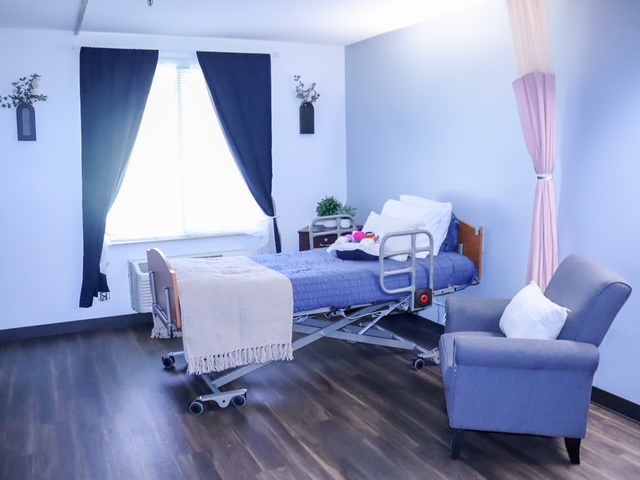
How is Evercare At Edwardsville Staffed?

CMS rates EVERCARE AT EDWARDSVILLE's staffing level at 1 out of 5 stars, which is much below average compared to other nursing homes. Staff turnover is 61%, which is 15 percentage points above the Illinois average of 46%. High turnover can affect care consistency as new staff learn residents' individual needs. RN turnover specifically is 60%, which is notably high. RNs provide skilled clinical oversight, so turnover in this role can affect medical care quality.

What Have Inspectors Found at Evercare At Edwardsville?

State health inspectors documented 30 deficiencies at EVERCARE AT EDWARDSVILLE during 2023 to 2025. These included: 1 Immediate Jeopardy (the most serious level, indicating potential for serious harm or death), 9 that caused actual resident harm, and 20 with potential for harm. Immediate Jeopardy findings are rare and represent the most serious regulatory concerns. They require immediate corrective action.
Who Owns and Operates Evercare At Edwardsville?

EVERCARE AT EDWARDSVILLE is owned by a for-profit company. For-profit facilities operate as businesses with obligations to shareholders or private owners. The facility is operated by EVERCARE SKILLED NURSING, a chain that manages multiple nursing homes. With 120 certified beds and approximately 96 residents (about 80% occupancy), it is a mid-sized facility located in EDWARDSVILLE, Illinois.
How Does Evercare At Edwardsville Compare to Other Illinois Nursing Homes?

Compared to the 100 nursing homes in Illinois, EVERCARE AT EDWARDSVILLE's overall rating (1 stars) is below the state average of 2.5, staff turnover (61%) is significantly higher than the state average of 46%, and health inspection rating (2 stars) is below the national benchmark.

What Should Families Ask When Visiting Evercare At Edwardsville?

Based on this facility's data, families visiting should ask: "What changes have been made since the serious inspection findings, and how are you preventing similar issues?" "What safeguards and monitoring systems are in place to protect residents from abuse or neglect?" "How do you ensure continuity of care given staff turnover, and what is your staff retention strategy?" "Can you walk me through typical staffing levels on day, evening, and night shifts?" These questions are particularly relevant given the facility's Immediate Jeopardy citations, the substantiated abuse finding on record, the facility's high staff turnover rate, and the below-average staffing rating.

Is Evercare At Edwardsville Safe?

Based on CMS inspection data, EVERCARE AT EDWARDSVILLE has documented safety concerns. The facility has 1 substantiated abuse finding (meaning confirmed case of resident harm by staff or other residents). Inspectors have issued 1 Immediate Jeopardy citation (the most serious violation level indicating risk of serious injury or death). The facility has a 1-star overall rating and ranks #100 of 100 nursing homes in Illinois. Families considering this facility should ask detailed questions about what corrective actions have been taken since these incidents.

Do Nurses at Evercare At Edwardsville Stick Around?

Staff turnover at EVERCARE AT EDWARDSVILLE is high. At 61%, the facility is 15 percentage points above the Illinois average of 46%. Registered Nurse turnover is particularly concerning at 60%. RNs handle complex medical decisions and coordinate care — frequent RN changes can directly impact care quality. High turnover means new staff may not know residents' individual needs, medications, or preferences. It can also be disorienting for residents, especially those with dementia who rely on familiar faces. Families should ask: What is causing the turnover? What retention programs are in place? How do you ensure care continuity during staff transitions?

Was Evercare At Edwardsville Ever Fined?

EVERCARE AT EDWARDSVILLE has been fined $214,208 across 3 penalty actions. This is 6.1x the Illinois average of $35,221. Fines at this level are uncommon and typically indicate a pattern of serious deficiencies, repeated violations, or failure to correct problems promptly. CMS reserves penalties of this magnitude for facilities that pose significant, documented risk to resident health or safety. Families should request specific documentation of what issues led to these fines and what systemic changes have been implemented.

Is Evercare At Edwardsville on Any Federal Watch List?

EVERCARE AT EDWARDSVILLE is not on any federal watch list. The most significant is the Special Focus Facility (SFF) program, which identifies the bottom 1% of nursing homes nationally based on persistent, serious quality problems. Not being on this list means the facility has avoided the pattern of deficiencies that triggers enhanced federal oversight. This is a positive indicator, though families should still review the facility's inspection history directly.