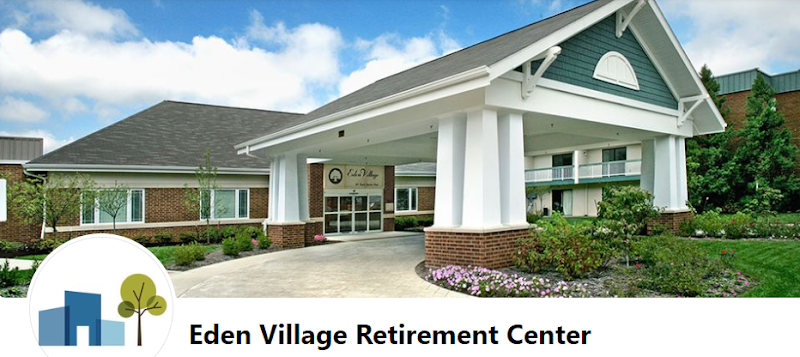
EDEN VILLAGE CARE CENTER
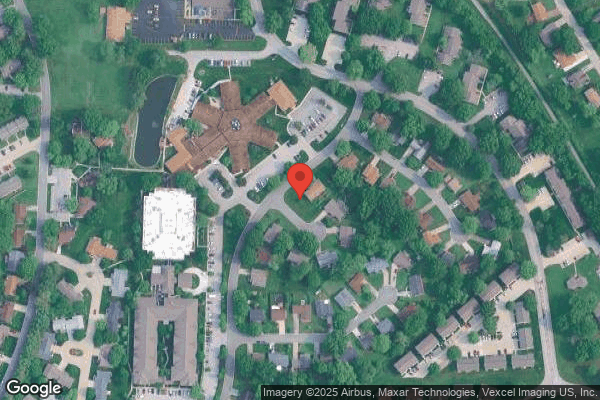
400 SOUTH STATION ROAD, GLEN CARBON, IL 62034 (618) 288-5014
Non profit - Corporation 107 Beds Independent Data: November 2025
Trust Grade
90/100
#28 of 665 in IL
Last Inspection: February 2025

Within standard 12-15 month inspection cycle. Federal law requires annual inspections.

Overview

Eden Village Care Center in Glen Carbon, Illinois, has an excellent Trust Grade of A, indicating it is highly recommended and performs well compared to other facilities. It ranks #28 out of 665 in Illinois, placing it in the top half of the state, and is the #2 facility out of 17 in Madison County, showing limited local competition. The facility's trend appears stable with 4 issues reported in both 2024 and 2025, suggesting consistent performance. Staffing is a strong point, with a 5/5 rating and a turnover rate of 40%, which is better than the state average, indicating that staff are experienced and familiar with residents' needs. While there are no fines recorded, there have been some concerns noted in inspections, such as food not being labeled with use-by dates and potential contamination risks in food storage, as well as incidents of incomplete personal care for residents, which families may want to consider when evaluating the facility.

Trust Score
A
90/100
In Illinois
#28/665
Top 4%
Safety Record
Low Risk
No red flags
Inspections
Holding Steady
4 → 4 violations
Staff Stability
○ Average
40% turnover. Near Illinois's 48% average. Typical for the industry.
Penalties
✓ Good
No fines on record. Clean compliance history, better than most Illinois facilities.
Skilled Nurses
✓ Good
Each resident gets 51 minutes of Registered Nurse (RN) attention daily — more than average for Illinois. RNs are trained to catch health problems early.
Violations
○ Average
10 deficiencies on record. Average for a facility this size. Mostly minor or procedural issues.
★★★★★
5.0
Overall Rating
★★★★★
5.0
Staff Levels
★★★★☆
4.0
Care Quality
★★★★☆
4.0
Inspection Score
Stable
2024: 4 issues
2025: 4 issues

The Good

  • 5-Star Staffing Rating · Excellent nurse staffing levels
  • 4-Star Quality Measures · Strong clinical quality outcomes
  • Full Sprinkler Coverage · Fire safety systems throughout facility
  • No fines on record
  • Staff turnover below average (40%)

    8 points below Illinois average of 48%

Facility shows strength in staffing levels, quality measures, fire safety.

The Bad

Staff Turnover: 40%

Near Illinois avg (46%)

Typical for the industry

The Ugly 10 deficiencies on record

Feb 2025 4 deficiencies
CONCERN (D)

Potential for Harm - no one hurt, but risky conditions existed

Pressure Ulcer Prevention (Tag F0686)

Could have caused harm · This affected 1 resident

**NOTE- TERMS IN BRACKETS HAVE BEEN EDITED TO PROTECT CONFIDENTIALITY** Based on record review, interview, and observation the facility failed to prevent skin breakdown for 2 of 4 residents, (R1 and R...

Read full inspector narrative →
**NOTE- TERMS IN BRACKETS HAVE BEEN EDITED TO PROTECT CONFIDENTIALITY** Based on record review, interview, and observation the facility failed to prevent skin breakdown for 2 of 4 residents, (R1 and R10) reviewed for pressure ulcers in a sample of 30. Findings include: 1. R10 was admitted on [DATE] with diagnosis of, in part, Parkinsonism, Alzeimer's disease, and cerebral atherosclerosis. R10's Care Plan dated 12/11/24, documented she is at risk for altered skin integrity r/t disease processes, incontinence, increased weakness, changes in mobility, fair/poor appetite. It is difficult to get her to off load heels because of her cognitive status, she does not comprehend why it must be done. Difficult to get her to keep heel protectors or pressure reducing boots on as well. 11/5/24; deep tissue injury (DTI) on left heel; provide assist with repositioning as needed; continue to provide assist with incontinence care and with changing incontinence (inc) briefs when needed, keep skin clean and dry. Low air loss (LAL) mattress with bolsters on bed. Float heels when in bed to offset pressure. Apply heel protectors as often as resident will allow. Pressure reducing cushion in reclining chair; weekly skin check to assess for possible alterations in skin integrity; check heels also; help keep R10 clean, dry every shift and prn. R10's Progress Notes dated 11/16/24 documents, while helping CNA toilet resident, nurse noticed 7cm x 8cm pressure ulcer to right buttock with shearing of skin pressure reducing pad applied to reclining chair, no complaints of (c/o) pain or discomfort. R10's record fails to document any additional measure or treatment for Pressure ulcer to right buttock. R10's skin assessment dated [DATE], documented R10 at moderate risk for skin breakdown. R10's skin assessment dated [DATE], documentsed R10 moderate risk for skin breakdown. On 2/5/2024 at 1:10PM, V17, Licensed Practical Nurse (LPN) stated R10 did have an open area on her buttock, but it had been resolved. The Facility Wound summary report dated 8/1/2024 -1/31/2025 fails to document any type of wound or pressure area to 10's buttocks. R10's care plan fails to document pressure sore to right buttock or any type of interventions for right buttock. On 2/6/25 at 9:50 AM, during transfer to the toilet R10's buttock region was red and had darkened discoloration to the coccyx On 2/6/25 at 9:55 AM, V17 stated she looked at R10's buttocks and it definitely had redness, darkened discoloration with hardened areas and that this was new for her. V17 stated R10 did not have any concerns previously with her coccyx. V17 stated she would monitor R10's skin and notify hospice of her findings. 2.R1 was admitted to the facility on [DATE] with diagnosis of, in part, unspecified severe protein-calorie malnutrition, edema and pain. R1's Minimum Data Set (MDS) dated [DATE] documented she is moderately cognitively impaired and is dependent on staff for putting on/taking off footwear, toileting hygiene, bathing self and all transfers. R1's Care Plan dated 11/20/24 documented she is at risk for altered skin integrity due to decreased mobility, incontinence, weakness; on hospice at this time secondary to (s/t) protein/calorie malnutrition diagnosis (dx); has an ulcer on lateral right foot/heel and right foot/bunion area; refer to Medication Administration Record (MAR) for treatment to right outer heel and lateral right foot wounds; monitor for any signs of healing progress; check Right foot wound dressings every shift to assure placement. R1's care plan continued to document R1 having a problem with Activities of Daily Living (ADL)s Functional Status/Rehabilitation Potential, R1's ability to safely perform daily care tasks has changed related to (r/t) changes in condition, weakness. R1 is on hospice at this and needs more help with her care now. Pressure reducing boots discontinued because R1 keeps trying to 'fix' them on her feet causing falls. When R1 is in her wheelchair (w/c) her feet are not resting on any hard surfaces due to the calf rests on leg rests. When R1 is in bed, she is to have gripper socks on with her heels floated. Provide assist with bed mobility as needed; assist with transfer with mechanical lift and using 2 staff assist; W/C used for mobility, she needs some assist with locomotion; assist with dressing tasks; assist with toileting/incontinence care as needed; assist with showers; assist with grooming; bilateral Knee-High compression hose on in morning, off at hour of sleep for edema. R1 had a Braden Scale for Predicting Pressure Sore Risk completed on 8/2/24 scoring her to be a mild risk and again on 11/8/24 scoring her to be a moderate risk. There were no other documented Braden Assessments completed upon discovering pressure ulcers on R1. R1's wound documentation details that she had a coccyx pressure ulcer identified on 9/4/24 and was unstageable with moderate amounts of drainage, the Right top of foot medial right foot (bunion area) wound was identified on 10/18/24 and her Right top of foot lateral wound was identified on 10/24/24; all facility acquired pressure ulcers. R1's wound care orders on 11/3/24, documented the following cleanse open area to right outer foot with wound cleanser then apply wound gel and cover with foam daily and prn; Right lateral foot wound: cleanse with wound cleanser, apply wound gel and absorbent dressing. Change daily and prn. On 2/4/2025 at 10:59 AM, V9, License Practical Nurse (LPN), performed wound care. V9 was observed sitting in wheelchair with feet dangling with compression stockings and socks in place. V9 removed the sock to R1's right foot revealing dried yellow drainage to the wound to the inner right foot next to bunion and outer right side of the foot. V9 attempted to remove the stocking and noted that the stocking was dried to the wound on the inner and outer aspect of the right foot. Upon removal of the stocking, observed open wounds and no dressings in place. During the removal of her stocking, R1 was grimacing and stated it is painful when her bunion is being touched. V9 stated he had no concerns with R1's wounds at this time other than there not being a dressing in place. R1's Progress Notes on 8/8/24 at 2:52 PM documented, New order for bilat Knee-high compression hose for edema, on in (morning) AM, off at (hour of sleep) HS. Tolerated well. Two assist for transfers. As needed (PRN) Norco given this AM for right lower extremity (RLE) pain, helpful. Feeds self with set-up. Continues routine nebulizer. R1's Progress Notes on 9/01/2024 11:42 PM documented, Took meds as ordered, including nebs treatment. Confused, she wandered some this afternoon, trying to go to main dining room (MDR) early and then to leave during supper. She took her meds and went to bed early. Certified Nursing Assistant (CNA) reported that her bottom looked bad, so we checked it out together late this evening. I noted large areas of redness on coccyx and sacrum most of which blanche, although not strongly. There are apparently two very small open areas to coccyx area. Foam dressing applied over area. Hospice should be notified with possible request for sacral foam dressing. Staff reports that she is usually continent during the day but very incontinent overnight. She does try to turn herself while in bed at night but sits on her bottom all day. R1's Progress Notes on 9/04/2024 at 1:43 PM documented, Hospice called to provide low air loss mattress related to (r/t) 1.5-centimeter (cm) by (x) 2 cm unstageable wound to coccyx area. Slough area noted. Wound gel and foam dressing applied to region. Tolerated well. R1's Progress Notes on 9/08/2024 2:29 PM documented, CNA notified writer that resident has red areas to feet. Noted 0.5 cm x 0.2 cm red blanchable area to right bunion region, 1 cm x 0.5 cm red blanchable are to right dorsal foot, also 1cm x 0.6 cm red blanchable region to left inner heel. Patient (Pt) has less edema to (bilateral lower extremity) BLE from diuretic therapy and compression hose. Shoes are not too tight with compression hose and shoes, does occasionally wear fuzzy thick socks with the compression hose. Order for skin prep every (q) shift to bilateral (bilat) feet and heel protector boots in bed. Power of Attorney (POA) updated about status of feet, also pt had removed right hearing aid after lunch for the second time and hearing aid dropped on the floor during transfer from chair to bed during transfer. Hearing aid pieces put in container for pick-up for POA. Coccyx wound dressing changed, nickel size amount of serosang drainage (drng). Continues wound gel and foam dressing. Patient (Pt) is on low air loss mattress now for bed and has wheelchair and recliner seat pads. On 2/6/25 at 12:37 PM, V3, Director of Nursing (DON), stated she expects wound dressings to stay in place especially if it is draining. V3 stated she would find it very hard for a resident to completely remove a dressing from under a compression stocking. V3 stated after a pressure ulcer is found, she expects the nurse to measure and clean it, notify the doctor and get orders, consult the wound nurse and notify the family. V3 stated she does not know why the nurse for R10 documented her having a pressure ulcer to her buttock or why nothing else was documented on it further. V3 stated the facility has daily meetings, including the wound nurse, to discuss a resident's change in skin condition and assess their situations then but we do not document them. The facility's Pressure Ulcer Prevention and Treatment Policy and Procedure documented, It is their objective to provide nursing standards for accurate assessment, prevention, treatment, and implementation of protocols including documentation to help manage residents at any level of risk for skin breakdown. To cleanse, inspect and protect all residents' skin. The policy continued to document any new areas identified will be assessed and documented in the Electronic Medical Record (EMR) by the licensed nurse using observation Skin Integrity Condition, progress note and/or other assessments as appropriate. Physician will be notified of the change in the resident's condition.
CONCERN (E)

Potential for Harm - no one hurt, but risky conditions existed

Incontinence Care (Tag F0690)

Could have caused harm · This affected multiple residents

**NOTE- TERMS IN BRACKETS HAVE BEEN EDITED TO PROTECT CONFIDENTIALITY** 2. On 2/5/2024 at 1:16PM incontinent care observed. V25, CNA and V26 CNA both sanitized hand prior to donning gloves. R52 on bac...

Read full inspector narrative →
**NOTE- TERMS IN BRACKETS HAVE BEEN EDITED TO PROTECT CONFIDENTIALITY** 2. On 2/5/2024 at 1:16PM incontinent care observed. V25, CNA and V26 CNA both sanitized hand prior to donning gloves. R52 on back in bed. V25 removed adult diaper. Diaper saturated with urine and diaper dark yellow in color and strong smell of urine. V25 stated she is a heavy wetter I changed her earlier.V25 then removed gloves sanitized hands and donned new glove. With disposable washcloth cleanses right groin, then new cloth and left groin new cloth the separated labia and cleanse. V25 did not cleanse inner thighs or dry R52. V25 and V26 then turned R52 to left side and V25, removed gloves sanitized hands and cleans buttock and rectal area, removed gloves and sanitized hand and donned gloves applied barrier cream. Placed adult diaper under R52 then tuned to right side and secured diaper. Did not dry R52 or cleanse right buttocks. R52's Care plan dated revised 11/8/2024 documents R52 episodes of incontinence, and needs assistance with incontinence care. R52's care plan documents intervention dated 11/7/2024: Provide incontinence care after incontinent episodes. R52's face sheet dated 10/31/2024 documents in part R52 has a history of Urinary Tract Infection (UTI) and urinary retention R52's Brief Interview Mental Status (BIMS) dated 12/5/2024 documents R52 has severe cognitive impairment. 3. R4's Care Plan, dated 12/31/2024, documents that Problem: I am incontinent of b/b R/T (related to) weakness, disease progression. I need assist with changing inc briefs , hygiene, skin care. Unable to retain new information for bladder re-training s/t dementia dx (diagnosis) and cognitive loss. 2/10/2024 Approach: Provide incontinence care after each incontinent episode. Check/change my incontinence briefs approx (approximately) every 2hrs (hours) and prn (as needed). R4's MDS, dated [DATE], documents that R4 is severely impaired, always incontinent of bowel and bladder and dependent on staff for toileting. On 2/5/2025 at 10:05 AM observed V27, CNA, and V28, CNA, perform incontinent care. R4 was incontinent of urine. V27 and V28 opened the heavily urine soiled incontinent brief and V27 rolled the incontinent brief beneath R4. V27 then took a wipe and cleansed R4's groin and vaginal area, V27 and V28 then assisted R4 onto her right side. V28 then using wipes cleansed R4's entire left buttock and partial right. V27 and V28 then applied the clean incontinent brief. V27 and V28 did not cleanse R4's entire right buttock and inner thighs. 4. R41's Care Plan, dated 1/23/2025, Problem: Senior is incontinent of B/B (bowel/bladder). Needs assist with inc (incontinent) care. Unable to care for herself. She is unaware of when she is wet/soiled. Approach: Provide incontinence care after each incontinent episode. Apply moisture barrier to skin after inc episodes. Assist with changing inc briefs. as needed. R41's Minimum Data Set (MDS), dated [DATE], documents that R41 is severely cognitively impaired, frequently incontinent of urine and bowel and dependent on staff for toileting. On 2/5/2025 at 9:00 AM V27 and V28 provided incontinent care. R41 was heavily incontinent of urine. V27 and V28 assisted R41 into the bed using a mechanical lift. V27 opened the incontinent brief and pushed it beneath R41. V28 then opened right side of the soiled brief, pulled it from between R41's legs. V27 and V28 assisted R41 onto her left side and removed the heavily urine soiled incontinent brief. V28 then removed wipes from package and wiped between R41's buttocks. V28 then applied the clean incontinent brief and placed the cover on top of R41. V28 did not cleanse R41's vaginal area, inner thighs and buttocks. V28 did not apply barrier after incontinent care. The facility's Perineal Care/Catheter Policy & Procedure, dated 2/28/2024, documents Policy: The following procedure should be followed when cleansing the external genitalia and surrounding area. Procedure: 3.) Steps for female residents: a. Position the resident to lie on her back b. use one hand to retract the labia and with the other hand wash front to back. c. Use a separate section of the cleansing cloth for each wipe in a downward motion. d. Cleanse the urethral to the vagina orifice, then wash the labia. e. Cleanse the perineum. f. Place the resident on her side and cleanse the rectal area and buttock from front to back. Based on observation, interview, and record review, the facility failed ensure timely and complete incontinent care was done for 4 of 4 residents (R3, R4, R41, and R52) reviewed for incontinent care in a sample of 30. Findings Include: 1. R3's Face Sheet, current admit date of 04/29/2021, documented R3 has diagnoses of but not limited to Urinary tract infection, Unspecified urinary incontinence, Full incontinence of feces, and Severe sepsis with septic shock. R3's Minimum Data Set (MDS), dated [DATE], documented R3 is severely cognitively impaired and is dependent on staff for toileting hygiene, bed mobility, and transfers. R3's Care Plan, last review date of 11/18/2024, documented R3 has been incontinent of bowel and bladder, and she doesn't know when she is wet or soiled. R3 needs assistance from staff for toileting and peri care. R3 has progressing dementia and Multiple Sclerosis (MS). Interventions include but are not limited to report signs of UTI (acute confusion, urgency, frequency, bladder spasms, nocturia, burning, pain/difficulty urinating, nausea, emesis, chills, fever, low back/flank pain, malaise, foul odor, concentrated urine, blood in urine) and provide incontinence care after each incontinent episode. Check/change incontinent briefs approximately every 2 hours and as needed. Apply moisture barrier to skin after giving peri care. Monitor for signs of potential skin breakdown. R3's Physician's Orders, dated 12/20/24, documented Certified Nursing Assistant (CNA) may apply moisture barrier after each incontinent episode. Every shift; Days 7:00-3:00, Evenings 3:00-11:00, and Nights 11:00-7:00. On 02/05/25 at 01:41 PM, V29, CNA and V30, CNA transferred R3 back to be via mechanical lift. No hand hygiene was done prior to V29 and V30 applying their gloves. With the same gloves V29 and V30 unfastened R3's incontinent brief. They rolled R3 onto her left side. R3's incontinent brief was wet with urine her buttocks were red and had indentations from where the elastic on the incontinent brief had been. V29 then took a disposable wipe and cleansed R3's gluteal fold and when she was done, she was done with the wipes she threw the wipes onto the floor. She then took another wipe with the same gloves and cleansed R3's right buttocks, placed the wipe in the brief and tucked the brief under R3. V29 and V30 then assisted R3 onto her back with no hand hygiene or glove change done before V29 took another wipe from the pack and cleansed down the right and left crease by the pubic area on R3. V29 then took another disposable wipe and cleansed R3's outer labia. She did not separate the outer labia and cleanse the inner labia. V29 and V30 then assisted R3 onto her right side and V29 cleansed R3 left buttocks. R3 was then placed on her back and her incontinent brief was fastened. V29 and V30 did not clean all areas of incontinence and they did not dry any of the areas. No barrier cream was applied prior to placing R3's clean incontinent brief. V29 and V30 did not do any glove changes or hand hygiene during the incontinent care. On 02/06/25 at 12:27 PM, V2, Director of Nursing (DON) stated she would expect the CNAs to do incontinent care correctly and to follow the policy. She would expect them to wash all areas wet with urine and to change their gloves and use hand gel when going from dirty to clean. V2 stated she expects the CNAs to check and change the residents at least every two hours and changed if the resident is suspected to be soiled. On 02/06/25 at 12:50 PM, V1 Administrator said she would expect the staff to follow the policy and do what is supposed to be done when it comes to incontinent care and all areas of incontinence to be cleaned. She said she would the staff to do hand hygiene appropriately when doing incontinent care.
CONCERN (E)

Potential for Harm - no one hurt, but risky conditions existed

Infection Control (Tag F0880)

Could have caused harm · This affected multiple residents

3. On 2/4/2025 at 8:00 AM V8, Registered Nurse, applied a gown, gloves and a N95. V8 then entered R14 room and placed the glucometer on the overbed table without a barrier. V8 then performed a fingers...

Read full inspector narrative →
3. On 2/4/2025 at 8:00 AM V8, Registered Nurse, applied a gown, gloves and a N95. V8 then entered R14 room and placed the glucometer on the overbed table without a barrier. V8 then performed a fingerstick and placed the glucometer back on the table without a barrier. V8 then discarded the used strip and placed it in the trash along with the used PPE. V8 then placed the glucometer in his pocket and left the room. V8 then removed the glucometer from his pocket and placed it in the top drawer of the medication cart. V8 did not cleanse the glucometer. On 2/4/2025 at 8:00 AM V8 stated that R14 was on contact isolation for a stomach virus and that R14 was having vomiting and diarrhea. On 2/4/2025 at 8:11 AM The Sign on door of R14's door documents CONTACT PRECAUTIONS EVERYONE MUST: Use dedicated or disposable equipment. Clean and disinfect reusable equipment before use on another person. On 2/4/2025 at 11:41 AM V8 applied gloves, removed glucometer from the top of the cart, applied strip. V8 then entered R35's room and performed R35's Fingerstick blood sugar (FSBS) with 317 results. V8 then removed the strip and placed the glucometer on top of the medication cart without a barrier. V8 removed gloves and applied alcohol gel. V8 did not clean or sanitize the glucometer. On 2/4/2025 at 11:47 AM V8 applied gloves, removed uncleaned glucometer from top of cart applied strip and performed R14's Fingerstick blood sugar (FSBS) in the doorway of her room. V8 then removed the strip and placed the glucometer in the top drawer of the cart. V8 removed gloves and applied alcohol gel. V8 did not clean or sanitize the glucometer. On 2/3/25 at 11:33 AM, V9, LPN, stated the facility uses disinfecting wipes with a contact time of 2 minutes for the glucometers. On 2/6/2025 at 12:20 PM V1, Administrator, provided a list of residents who receive fingerstick on 400 Hall R3, R35, R14. On 2/6/2025 at 12:35 PM V2, Director of Nurse, stated that the multi dose vial expiration date is different when opened. V2 stated that the nurse is to place an open date and this date is what they go by for expiration date. V2 stated that the glucometer is to be clean after each use with the wipes. The facility's Infection Control Policy, dated 2/28/24, documents Infection Control - Hand Hygiene Policy: (Facility) recognizes proper hand hygiene to be one of the most important elements of an effective infection control program and one of the best ways to prevent the spread of infection and illness. (facility) will follow the C.D.C. (Center for Disease Control) guidelines regarding hand hygiene. Perform hand hygiene: Before and after providing resident care including bathing, oral care, incontinence care, catheter care and any direct contact with the resident (such as taking a blood pressure/pulse, transferring the resident, etc.). Before and after assisting a resident with toileting. After contact with body fluids or excretions or mucous membranes. After handling soiled or used linens, bedpans, catheters and urinals. It also documents Infection Control Standard Precautions Standard precautions apply to all residents, regardless of their diagnosis or presumed infectious status. It continues f. Resident care equipment should not be used for the care of another resident until it has been cleaned and disinfected. Based on observation, interview, and record review, the facility failed perform proper hand hygiene and glove changes were done during incontinent care and failed to sanitize glucometer between residents during medication pass for 4 of 4 residents (R3, R15, R14, R35) reviewed for infection control in a sample of 30. Findings include: 1. On 02/05/25 at 01:41 PM, V29, Certified Nursing Assistant (CNA) and V30, CNA transferred R3 back to be via mechanical lift with no issues noted. No hand hygiene was done prior to glove placement to put R3 to bed. With the same gloves V29 and V30 unfastened R3's incontinent brief. R3's incontinent brief was wet with urine her buttocks were red and had indentations from where the elastic on the incontinent brief had been. V29 then took a disposable wipe and cleansed R3's gluteal fold and there was a smear of bowel movement (BM) on the wipe. When she was done with the wipes she threw the wipes onto the floor. She then took another wipe with the same gloves and cleansed R3's right buttocks, V29 and V30 then assisted R3 onto her back with no hand hygiene or glove change done before V29 took another wipe from the pack and cleansed R3's pubic area. V29 then took another disposable wipe and cleansed R3's outer labia. She did not separate the outer labia and cleanse the inner labia. V29 and V30 then assisted R3 onto her right side and V29 cleansed R3 left buttocks. R3 was then placed on her back and her incontinent brief was fastened. V29 and V30 did not do any glove changes or hand hygiene during the incontinent care. On 02/05/25 at 01:41 PM, V2, Director of Nursing (DON) said she would expect the CNAs to change their gloves and use hand gel when appropriate. On 02/06/25 at 12:50 PM, V1 Administrator she would expect the staff to follow the policy and do what is supposed to be done when it comes to incontinent care and all areas of incontinence to be cleaned. She said she would the staff to do hand hygiene appropriately when doing incontinent care. 2. On 2/4/2024 at 9:00AM V13, CNA donned gloves ,V13 CNA did not sanitize hands prior to donning gloves prior to entering R15's room Sign on wall pocket attached to R15's door documents, stop contact precautions, everyone must: clean their hands, including before entering and when leaving the room. R15's physician orders dated 2/3/2025 documents contact isolation due to nausea vomiting and diarrhea.
CONCERN (F)

Potential for Harm - no one hurt, but risky conditions existed

Food Safety (Tag F0812)

Could have caused harm · This affected most or all residents

Based on observation, interview, and record review, the facility failed to label food items in the refrigerator with use by dates and dispose of outdated food items in the refrigerator. This failure h...

Read full inspector narrative →
Based on observation, interview, and record review, the facility failed to label food items in the refrigerator with use by dates and dispose of outdated food items in the refrigerator. This failure has the potential to affect all 52 residents residing at the facility. Findings include: On 02/03/24 at 8:06 AM, The initial tour of the kitchen was completed. During inspection of the walk-in refrigerator, it contained the following items: 1. A metal container of Chopped bacon, a metal container of diced tomatoes, a metal container of chopped onions, a metal container of shredded cheese, a metal container of cut up eggs, a metal container of pickle spears, and a metal container of shredded lettuce all of them covered with cling wrap with perpetration (prep) date of 2/2 and no date listed on the use by section. 2. Sliced ham in a meatal container, covered with cling, with a prep date of 1/27 and no date listed on the use by section. 3. Half a ham wrapped in cling wrap with a prep date of 1/24 and a use by date of 1/31. 4. There was a plastic container of tropical fruit covered with cling wrap and there was writing on the top in marker with a prep date of 2/2 and there is no use by date. 5. A plastic container of red and orange Jello covered with plastic wrap and the date of 1/22 written on the plastic wrap and no use by date. 6. There was a pitcher of red and pink juice and two pitchers of tea with the prep date of 2/2 and no use by date. 7. A gallon of milk with about a 1/4 left in the jug with no open date on the jug. On 02/03/25 at 08:15 AM, The walk-in freezer was inspected and contained the following items: 8. A metal pan containing spaghetti sauce was covered with plastic wrap that wasn't secured and the date of 1/13 and no use by date. 9. A metal container of polish sausages covered with cling wrap and dated 1/28 written with a marker, and no use by date. 10. A container of broccoli covered in cling wrap dated 1/30 written with marker and use by date. 11. A container with meat loaf written on the cling wrap dated 1/22 and no use by date. The meat loaf was noted to have freezer burn on it. 12. A container covered with cling wrap with pork roast and the date 1/27 written on it with a marker and no use by date. 13. Plastic container of soup covered with cling wrap; date of 1/28 wrote on it with a marker and no use by date noted. On 02/05/25 at 09:30 AM, V7 Dietary Manager said she has educated her staff on the proper labeling of food. She said she would expect when they open something for them to label it with an open date and an out date so they will know when it's not good anymore. On 02/06/25 at 12:50 PM, V1 Administrator stated she would expect the food to be labeled and dated appropriately. The facility's safe storage of food policy, issue date of 08/08/24, documented Standard: All time/temperature control for safety (TCS) foods, frozen and refrigerated, will be appropriately stored in accordance with guidelines of the FDA (Food and Drug Administration) Food Code.
Mar 2024 4 deficiencies
CONCERN (D)

Potential for Harm - no one hurt, but risky conditions existed

Incontinence Care (Tag F0690)

Could have caused harm · This affected 1 resident

**NOTE- TERMS IN BRACKETS HAVE BEEN EDITED TO PROTECT CONFIDENTIALITY** Based on interview, observation and record review, the facility failed to ensure an indwelling urinary catheter drainage bag was...

Read full inspector narrative →
**NOTE- TERMS IN BRACKETS HAVE BEEN EDITED TO PROTECT CONFIDENTIALITY** Based on interview, observation and record review, the facility failed to ensure an indwelling urinary catheter drainage bag was placed below the level of the bladder to prevent back flow of urine into the bladder and proper drainage of urine in 1 of 1 residents (R2) reviewed for catheters in the sample of 25. Findings include: On 3/21/24 at 9:45 AM, R2 was observed in bed lying on her back with her feet and head slightly elevated with an indwelling urinary catheter in place. The drainage bag was full with urine, backing up in the tubing going into the urethra. The urine drainage leg bag was secured to the top of R2's left knee, not below the level of the bladder causing urine to back flow into the bladder and not allowing for proper drainage. Incontinent/Catheter care was observed with V10, CNA (Certified Nurses Assistant), and V5, CNA. After care was provided, R2 was covered up with her blanket and V10 and V5 left the room, leaving R2's urinary catheter bag in the same position, not below the level of the bladder. R2's Face Sheet, undated, documents R2 has a diagnosis, in part, of Multiple Sclerosis (MS), Need for Assistance with Personal Care, Full Bowel Incontinence, Chronic Obstructive Pyelonephritis, History of Urinary Tract Infections and Neuromuscular Dysfunction of the Bladder. R2's Minimum Data Set (MDS), dated [DATE], documents R2 has severe cognitive impairment, has an indwelling urinary catheter and is incontinent of bowel. R2's Care Plan, dated 5/23/23, documents R2 requires an indwelling urinary catheter due to MS and Neurogenic Bladder with an intervention to provide catheter care every shift and as needed. Keep drainage system closed as much a possible. Keep collection bag below bladder level. Empty bag every shift. Continue to encourage fluids when possible. Remains on enhanced precautions per infection control policy. R2's Physician Order Sheet (POS), documents an order dated 7/8/22, to provide catheter care every shift. R2's POS, documents an order dated 8/4/23, for a urinary catheter due to a diagnosis of Neuromuscular Dysfunction of the Bladder. R2's Progress Note, dated 1/2/24 at 12:07 AM, documents the following: Resident c/o (complaining of) being cold and did not want to get up for her shower or supper, she did agree to a bed bath after supper. CNA (Certified Nurses Assistant) reported that the resident's catheter leaked. Resident's catheter had just been changed three days ago. Noted that staff had left resident's leg bag on while she was in bed all evening, which probably contributed to leaking Foley. Resident cleaned up and a large drainage bag was applied to the catheter. R2's Progress Note, dated, 1/30/24 at 12:50 AM, documents the following: Staff noted that when the leg bag is left on resident in bed, the catheter does not drain properly and instead the leaks. Staff teaching done again. R2's Progress Note, dated 1/30/24 at 2:05 AM, documents the following: CNA informed this writer that the resident's catheter was leaking as the bag was empty and her brief was saturated with urine. New catheter placed using sterile procedure and 16 French catheter. Received good urine return and resident tolerated procedure well. No s/s (signs/symptoms) of distress noted. On 3/22/24 at 8:45 AM V2, DON, stated residents with catheters that are laying down can have their leg bag on for a short time. If they are going to be in bed longer or at night then their leg bag is changed over to the bigger bag. V2 stated their leg bags resist back flow of urine. The Perineal Care/Catheter Care Policy & Procedure, with a review date of 2/28/24, documents for catheter care, at no time should the drainage bag be placed above the bladder; this prevents back flow of urine into the bladder which may cause infection.
CONCERN (D)

Potential for Harm - no one hurt, but risky conditions existed

Infection Control (Tag F0880)

Could have caused harm · This affected 1 resident

**NOTE- TERMS IN BRACKETS HAVE BEEN EDITED TO PROTECT CONFIDENTIALITY** Based on observation, interview and record review, the facility failed to provide incontinent care utilizing infection control p...

Read full inspector narrative →
**NOTE- TERMS IN BRACKETS HAVE BEEN EDITED TO PROTECT CONFIDENTIALITY** Based on observation, interview and record review, the facility failed to provide incontinent care utilizing infection control practices to prevent infection and use appropriate personal protective equipment on a resident that was on enhanced barrier precautions in 1 of 2 residents (R2) reviewed for catheters/urinary tract infections in the sample of 25. Findings include: On 3/21/24 at 9:45 AM, There was a sign on R2's door indicating R2 is on enhanced barrier precautions. R2 was observed in bed lying on her back with her feet and head slightly elevated. An indwelling urinary catheter in place. The urine drainage bag was contained in a leg bag that was secured to the top of R2's left knee, causing urine back flow into the bladder and improper drainage of urine. Incontinent/Catheter care was observed with V10, CNA (Certified Nurses Assistant), and V5, CNA, with the following noted: Neither V10 or V5 had a gown on due to resident being on enhanced barrier precautions. V10 put gloves on with no hand hygiene observed prior to. R2's depend was soiled with urine. V10 used pre-packaged wipes to clean R2's front perineum, then discarded the wipe, V10 then used his dirty hand to grab a clean wipe from the package and wiped R2 again. V10 did this several times without maintaining a clean/dirty field. V10 removed his gloves and donned new gloves without performing hand hygiene. R2 was then turned onto her left side, V10 took a wipe and wiped in a downward motion towards R2's urethra, noting resident had stool in the anal area. V10 then cleaned R2's buttock crease and buttocks without maintaining a clean/dirty field. V10 then changed gloves to apply a clean incontinence brief without performing hand hygiene. R2 was then covered up with her blanket and V10 and V5 left the room, leaving R2's urinary catheter bag in the same position causing back flow of urine into the bladder and improper drainage. R2's Face Sheet, undated, documents R2 has a diagnosis, in part, of Multiple Sclerosis (MS), Need for Assistance with Personal Care, Full Bowel Incontinence, Chronic Obstructive Pyelonephritis, History of Urinary Tract Infections and Neuromuscular Dysfunction of the Bladder. R2's Minimum Data Set (MDS), dated [DATE], documents R2 has severe cognitive impairment, has an indwelling urinary catheter and is incontinent of bowel. R2's Care Plan, dated 5/23/23, documents R2 requires an indwelling urinary catheter due to MS and Neurogenic Bladder with an intervention to provide catheter care every shift and as needed. Keep drainage system closed as much a possible. Keep collection bag below bladder level. Empty bag every shift. Continue to encourage fluids when possible. Remains on enhanced precautions per infection control policy. R2's Physician Order Sheet (POS), documents an order dated 7/8/22, to provide catheter care every shift. R2's POS, documents an order dated 8/4/23, for a urinary catheter due to a diagnosis of Neuromuscular Dysfunction of the Bladder. R2's Progress Note, dated 12/24/23 at 1:04 PM, documents the following: Catheter in place & patent. Draining thick amber urine with foul odor & moderate amount of mucus. Fluids encouraged but she is a poor drinker. Appetite fair. Catheter care given. Resident denies pain or discomfort. R2's Progress Note, dated 1/2/24 at 12:07 AM, documents the following: Resident c/o (complaining of) being cold and did not want to get up for her shower or supper, she did agree to a bed bath after supper. CNA (Certified Nurses Assistant) reported that the resident's catheter leaked. Resident's catheter had just been changed three days ago. Noted that staff had left resident's leg bag on while she was in bed all evening, which probably contributed to leaking Foley. Resident cleaned up and a large drainage bag was applied to the catheter. R2's Progress Note, dated, 1/30/24 at 12:50 AM, documents the following: Staff noted that when the leg bag is left on resident in bed, the catheter does not drain properly and instead leaks. Staff teaching done again. R2's Progress Note, dated 1/30/24 at 2:05 AM, documents the following: CNA informed this writer that the resident's catheter was leaking as the bag was empty and her brief was saturated with urine. New catheter placed using sterile procedure and 16 French catheter. Received good urine return and resident tolerated procedure well. No s/s (signs/symptoms) of distress noted. R2's Urine Culture dated 5/21/23 documents the following bacteria was identified, Klebsiella Pneumoniae ESBL (extended spectrum beta-lactamase), Proteus Miribillis ESBL and Citrobacter Freundii Complex. On 3/22/24 at 8:45 AM V2, DON, stated residents with catheters that are laying down can have their leg bag on for a short time. If they are going to be in bed longer or at night then their leg bag is changed over to the bigger bag. V2 stated their leg bags resist back flow of urine. V2 stated when a resident is on enhanced barrier precautions for an MDRO (multi-drug resistant organism), staff are to wear a gown and gloves when providing incontinent care. V2 stated staff should perform hand hygiene before incontinent care, during and after care. The Perineal Care/Catheter Care Policy & Procedure, with a review date of 2/28/24, documents for catheter care, perform hand hygiene and apply gloves. At no time should the drainage bag be placed above the bladder; this prevents back flow of urine into the bladder which may cause infection. The Infection Control Policy, with a review date of 2/28/24, documents standard precautions apply to all residents, regardless of their diagnosis, shall use appropriate hand hygiene after touching blood, body fluids, excretions, secretions and contaminated items, regardless of whether gloves are worn. Hand hygiene immediately after gloves are removed and between tasks and procedures on the same resident to prevent cross contamination of body sites. Enhanced barrier precautions will be used for residents during high contact resident care activities that provide opportunities for a transfer of multi-drug resistant organisms which include ESBL. Under enhanced barriers staff will wear a clean, disposable, non-sterile gown and gloves when providing high contact resident care areas which include dressing, clothing, showering, transferring, changing linens and providing hygiene.
CONCERN (E)

Potential for Harm - no one hurt, but risky conditions existed

Safe Environment (Tag F0584)

Could have caused harm · This affected multiple residents

Based on interview, observation and record review, the facility failed to ensure the resident's sink water temperature was at a comfortable level for hand or facial washing for 4 of 4 residents (R36, ...

Read full inspector narrative →
Based on interview, observation and record review, the facility failed to ensure the resident's sink water temperature was at a comfortable level for hand or facial washing for 4 of 4 residents (R36, R258, R27, R7) reviewed for safe, clean and comfortable environment in the sample of 25. Findings include: On 3/19/2024 at 9:15 AM, R36 reported there was no hot water in the bathroom since 2021. R36 stated she reported it to staff (unknown) with no results. The water in R36's bathroom sink was observed after running the hot water for 15 minutes, the temperature measured at 40 degrees Fahrenheit. 3/19/24 10:30 AM, R27 Alert and oriented x1, not able to interview. No hot water at the bathroom sink, cold to touch after 15 minutes of running hot water. 3/19/24 11:12 AM, R7 Alert and oriented x1. Not able to interview. No hot water at the bathroom sink, very cold to touch after 15 minutes of running hot water. On 3/20/2024 at 11:30 AM, V11, Director of Facility Services, stated that the water valve is broken, and he called the plumber to replace it and is just waiting on them to come and do it. V11 stated there's no hot water on 600 hall, so they will probably move those residents off the hall. On 3/21/2024 at 8:55 AM, the water temperature recordings were reviewed with no temperature's documented on 3/19/24, 3/20/24 or 3/21/24. On 3/21/2024 at 9:30 AM, V11, Director of Facility Services, stated he hasn't checked the water temperature today. V11 stated he will usually check a couple of times a week. V11 stated he thought it was the water valve yesterday, but the water pump went out. V11 stated they have been having problems for a little while, so hopefully the plumber will get it fixed by this Friday 3/22/2024. On 3/21/2024 at 9:45 AM, V11, Director of Facility Services, was observed going into bathrooms on Hall 600 to check the temperatures of the bathroom sink water. Temperatures were checked at the bathroom sink of R36, recording the water temperature at 68 degrees Fahrenheit after 15 minutes. On 3/21/24 at 10:05 AM, V11, Director of Facility Services, was observed checking the water temperature in R258's bathroom sink, recording the water temperature at 70 degrees Fahrenheit after 15 minutes. On 3/21/24 at 11:55 AM, V4, LPN (Licensed Practical Nurse) reported he knew that maybe sometimes they (maintenance) will work on the water heater for the halls. On 3/21/24 at 12:00 PM, V10, CNA (Certified Nursing Aide) reported when he works hall 600, he will get his water to wash residents on hall 600 from the breakroom. On 3/21/24 at 12:20 PM, V2, Director of Nurses, stated they don't have a policy for water temperatures.
CONCERN (E)

Potential for Harm - no one hurt, but risky conditions existed

Accident Prevention (Tag F0689)

Could have caused harm · This affected multiple residents

**NOTE- TERMS IN BRACKETS HAVE BEEN EDITED TO PROTECT CONFIDENTIALITY** Based on observation, interview and record review, the Facility failed to supervise residents, properly tranfer residents, and e...

Read full inspector narrative →
**NOTE- TERMS IN BRACKETS HAVE BEEN EDITED TO PROTECT CONFIDENTIALITY** Based on observation, interview and record review, the Facility failed to supervise residents, properly tranfer residents, and ensure progressive fall interventions were implemented in 4 of 10 residents (R12, R34, R41, R44) reviewed for accidents and hazards in the sample of 25. Findings include: 1. R12's Face Sheet documents R12 was admitted to the facility on [DATE] with diagnoses including unspecified dementia, Parkinson's disease, type 2 diabetes mellitus, psychotic disorder with hallucinations, post-traumatic stress disorder, difficulty in walking, and history of falling. R12's Minimum Data Set (MDS) dated [DATE] documented R12 was severely cognitively impaired and required substantial assistance with rolling from side to side, sitting to standing, and transfer. R12's Care Plan revised 3/11/24 documents R12 is at risk for falls due to Parkinson's disease, periods of confusion, and history of falls. R12's Fall Risk assessment dated [DATE] documents R12 is at high risk of falls. R12's Progress Note dated 10/30/23 at 1:30 AM documents R12 was found on the floor in his room with buttocks in the air, face on the ground and most of his weight on his left side. The incontinence pad was next to the bed. R12's left eye was puffy and discolored purple/blue, his nose was puffy, his left side and left foot were reddened, and his left knee had small abrasion. R12's Fall Report dated 10/29/23 documents R12 was found lying on the floor in his room by staff. His left eye was puffy, purple, and blue, his left side and left foot were reddened, and his left knee had a small abrasion. R12 complained of pain everywhere at a 10 out of 10 rating. R12's Care Plan revised 3/11/24 documents low bed with floor mats as the intervention for R12's 10/29/23 fall. On 3/20/24 at 1:47 PM, V12, Certified Nursing Assistant (CNA), stated, (R12) is a fall risk, so when he is in bed we lower his bed to the floor and put pads (floor mats) down on each side. On 3/21/24 at 7:32 AM, R12 was resting in bed with a floor mat to his left side. There was no floor mat on his right side, but there was a floor mat propped against the wall. V15, CNA, entered the room and stated R12 normally has two floor mats, but he refused to get out of bed this morning and staff probably forgot to put it back down. 2. R44's Face Sheet documents R44 was admitted to the facility on [DATE] with diagnoses including unspecified dementia, type 2 diabetes mellitus, need for assistance with personal care, muscle weakness, unspecified psychosis, and unspecified abnormalities of gait and mobility. R44's MDS dated [DATE] documented R44 was severely cognitively impaired and used wheelchair, but was independent with rolling from side to side, lying to sitting, and sitting to standing. He required supervision with transfer and walking. R44's Care Plan dated 8/31/23 documents R44 is at risk for falls due to weakness, history of falls, attempts to self-transfer, impulsivity, quick movements, poor memory, and failure to use call light. R44's Fall Risk assessment dated [DATE] documents R44 is at high risk for falls. R44's Progress Note dated 10/26/23 documents R44 was found on his knees in dining room attempting to return to his wheelchair and stated he slid from his wheelchair while propelling himself. There were no injuries. The intervention was placement of a non-skid seat cushion in R44's wheelchair. R44's Fall Report dated 10/26/23 documents R44 had an unwitnessed fall in the dining room while propelling himself in his wheelchair. There were no injuries. A non-skid seat cushion was added to the seat of R44's wheelchair. R44's Care Plan revised 12/5/23 documents non-skid seat cushion as R44's 10/26/23 fall intervention. On 3/20/24 at 9:45 AM, R44 was sleeping in bed in his room. V10, CNA, stated R44 does not have a non-skid seat cushion. V10 lifted R44's wheelchair cushion from the seat of his wheelchair, and there was no non-skid seat cushion on the seat. On 3/20/24 at 1:47 PM, V12, CNA, stated she was unsure whether R44 was supposed to have a non-skid seat cushion in his wheelchair. On 3/20/24 at 3:38 PM, V13, CNA, stated she was unsure whether R44 had a non-skid seat cushion in his wheelchair. On 3/20/24 at 3:43 PM, V14, Licensed Practical Nurse (LPN), stated she was unsure whether R44 has a non-skid seat cushion in his chair. 3. R34's Minimum Data Sheet (MDS) dated [DATE] documents V34 is cognitively intact but requires substantial/maximal assistance with personal hygiene, toilet transfer and tub/shower transfer. R34's Physician Order Summary (POS) undated documents Alzheimer's disease with late onset; Hereditary and idiopathic neuropathy, unspecified; Unsteadiness on feet; Osteoarthritis of knee, unspecified, bilateral; History of falling; Abnormal posture; Muscle weakness (generalized); Dependence on wheelchair; Need for assistance with personal care. R34's admission Fall assessment dated [DATE] documents R34 is a HIgh Risk for Falls. R34's Fall Investigation dated 3/20/24 documents Resident is A&O X 3 with some forgetfulness and confusion noted at times. She requires assist with all ADLs and usses (sic) wheelchair for mobility. On this date staff went in to assist her in getting up. They changed and provided percare (sic) and assist her in getting dress. The they stood her with gait belt to transfer her to wheelchair they forgot to lock wheelchair brakes and w/c moved. Staff lowered her to the floor to prevent her from falling and injury. Staff was educated and reminded to always ensure that brakes are locked before transferring resident. R34's Care plan dated 4/4/23 documents R34 is at risk for falls due to history of falls at home, increased weakness, glaucoma/macular degeneration, neuropathy. I have reduced mobility at this time. Tends to lean forward slightly, when sitting in wheelchair with head down slightly. Poor standing balance. When standing, she has knees bent slightly making her leg muscles hold her up rather than bearing weight thru her bones. Interventions: I will continue to be assisted with transfers in the most safe and appropriate manner during this review period - Approach: Fall intervention 3/14/24; Staff reminded/re-educated to always make sure the w/c brakes are locked when transferring her. On 3/21/24 at 9:45 AM, R34 stated she did not fall she just slid to the floor. 2 CNAs were holding her up under her (V34) arms and her (V34 ) legs just gave away. (V34 ) did not recall if her wheelchair was locked. On 3/22/24 at 8:48 AM, V2, DON stated in-service training is provided to all staff periodically on the use of any transfer equipment. Therapy provides transfer education to all staff and all staff are encouraged to ask questions if needed. On 3/22/24 at 9:45 AM, V21 CNA stated she and another CNA were involved in the transfer of R34. V21 CNA stated we forgot to lock the wheelchair and yes we did have in-service training on the use of wheelchair. 4. R41's Minimum Data Set (MDS) dated [DATE] documents R41 has severe cognitive impairment, requires partial/moderate assistance with sit to stand, chair to bed transfer and toilet transfer. R41's Physician Order Summary (POS) undated documents pertinent medical diagnosis as history of falling; Unspecified fall, subsequent encounter; Need for assistance with personal care; Weakness R41's admission Fall Risk assessment dated [DATE] documents he is high risk for falls R41's Fall investigation dated 2/1/24 documents, (R41) was on floor at 1450. He was assisted to bed at PM and inc care/brief was last changed at 1435. He was fully dressed with gripper socks on that time and when found at 1450 he had removed all clothing/socks except shirt. He was apparently trying to toilet self. Laceration to back of head requiring 5 staples in ER. Alert with confusion,forgetfulness. Weak s/tmultiple myeloma. On hospice. Has cognitive deficits. Diabetic with neuropathy. Poor safety awareness. Impulsive. Given a low bed with mats, alarm placed on bathroom door R41's Fall Investigation dated 3/11/24 documents Resident is alert with confusion. diagnosis include multiple myeloma, cognitive communication deficit, muscle weakness, Hypertension, Diabetes Mellitus, and history of falls. He has poor insight to self deficits, poor memory, and poor safety awareness. He requires assist with transfers and uses a reclining wheelchair for mobility. Staff anticipates his needs. On this date he was up in reclining wheelchair in common area, staff were getting people up. When staff member came back to common area resident was on the floor, with the back wheels off the ground. The reclining wheelchair was propped up on leg rest and front wheels. Resident looked like he tried to stand up at the railing and went down to the foot rest, tipping over the chair. Resident states that he was trying to get a drink. A cup holder for his reclining wheelchair was ordered. On 3/21/24 at 1:45 PM, V2, DON stated R41's reclining wheelchair was provided by Hospice without operations manual. On 3/21/24 at 2:30 PM, V23 Restorative CNA stated she arrived at work around 6:00 AM , R41 was not in his reclining wheelchair chair in the hallway leading to common area upon her arrival. At approximately 6:30 AM she (V23) stated the residents were gathered around the coffee carafe for their morning cup of coffee. Upon her (V23)return (R41) was in the reclining wheelchair and parked to the right side of the hall near the hand rail. Upon her return to the area (R41) was found on the floor and his reclining wheelchair was resting on its front wheels and the hind wheels were up in the air near the the left side of the hall. At the time of the fall R41 stated he was trying to get something to drink. (V23) Restorative CNA stated (R41) was known to be restless at times. Cannot recall if other staff were in the area or if all other residents had been returned to their rooms. R41 was unable to be interviewed at this time as his illness had progressed and he (R41) was in the active stage of dying. On 3/21/24 at 2:36 PM, V18, Hospice RN stated her company did order a reclining wheelchair for (R41) from a medical supply company and they would have provided the paperwork upon delivery to the facility. She (V18) had no concerns regarding R41's care. (V18) stated she was notified of his fall but not that it was from the reclining wheelchair. V18 Hospice RN did know R41 to be occasionally restless and occasionally reaching for objects not within his immediate reach. On 3/21/24 at 2:40 PM, V20, Hospice Team Leader provided the operations manual of the reclining wheelchair supplied by the medical supply company. On 3/22/24 at 8:48 AM, V2, DON stated in-service training is provided to all staff periodically on the use of any mechanical equipment. However, there is no specific training for use of the reclining wheelchair. The wheel locks are the same as on other reclining wheelchairs. According to the CNA (V23) there were other residents in the area and a nurse (V26) was at the end of the hall who had the the area within sight. On 3/22/24 at 10:00 AM, efforts to reach V26 unsuccessful. On 3/22/24 at 10: 01 AM, V25, LPN stated in all of her 23 years of being a nurse she had never received in-service training on the use of a reclining wheelchair. The Operating Manual for the Centric Tilt Semi- Recliner documents 2.5.3 Location of Chair - Danger of Tipping or Falling Objects. We recommend that when a resident has been moved to their destination, the chair is placed where the resident cannot reach handrails or other objects, fixed or movable. This is to prevent the resident from pulling the chair over or pulling themselves off the seating surface and to prevent the resident from pulling movable objects onto the chair and themselves. We recommend that the chair be used in a supervised area to prevent untrained residents, caregivers, or third parties from unauthorized operation, movement, or unsafe actions such as sitting or leaning on the reclined back, elevated footrest, or the armrests. These actions, if not prevented, put the chair at risk of tipping or damage to the chair. Care Plan dated 3/12/24 documents Resident is at risk for falls due to weakness, decreased functional mobility, DM with neuropathy, history of cerebral infarct, multiple myeloma. Forgetful. Periods of confusion. Poor safety awareness. Decreased reasoning and safe judgement. Impulsive. Poor insight to his own deficits. Has tried to get up unassisted at times. Has tried to toilet self. Staff has found him in bathroom after he covered urine with paper towels. Does not use call light. Does not recall falling. Has worn gripper socks, but has removed them at random. INTERVENTIONS: Fall intervention 3/11/24; Because senior is usually c/o being thirsty therefore he is given a water bottle to keep with him on the reclining wheelchair for ready access to water. - Provide 2 assist with transfers. Reclining wheelchair for mobility with staff assist. Keep floor clean, dry. Keep bed brakes locked. Call light in reach at all times when he is in bed. Remind him to use it. 'Call don't fall' signs in room. Utilize 2 half side rails while in bed for bed mobility and repositioning. Gripper socks on at all times. - Fall intervention 2/19/24; low bed with mats now, alarm placed on bathroom door. - He will wear his glasses as needed. Make sure he is wearing his hearing aid so he can communicate better. Can be up in reclining wheelchair as tolerated. Keep in common areas when up in chair. On 3/22/24 at 8:45 AM V2, Director of Nurses (DON), stated when a resident falls the nurse will assess the resident, then the nurse and CNAs on the hall have a fall huddle to discuss the cause of the fall and will try something else to prevent future falls. V2 stated the the fall committee meets weekly to discuss the falls, causes, if the interventions are working or if something different needs to be done. V2 stated she will in-service the staff on the new interventions if it is something they are not familiar with. V2 stated the interventions for fall prevention are documented on the care plan, [NAME] and on the incident report. The Fall Prevention Policy & Procedure, with a review date of 2/28/24, documents the interdisciplinary team shall review each resident's fall risk prevention plan at a minimum of quarterly and after a fall occurrence, during care conference and modify the plan as needed based upon the resident's functional status during the review process.
Jan 2023 2 deficiencies
CONCERN (E)

Potential for Harm - no one hurt, but risky conditions existed

Accident Prevention (Tag F0689)

Could have caused harm · This affected multiple residents

**NOTE- TERMS IN BRACKETS HAVE BEEN EDITED TO PROTECT CONFIDENTIALITY** Based on observation, interview and record review, the Facility failed to implement and follow progressive fall interventions an...

Read full inspector narrative →
**NOTE- TERMS IN BRACKETS HAVE BEEN EDITED TO PROTECT CONFIDENTIALITY** Based on observation, interview and record review, the Facility failed to implement and follow progressive fall interventions and utilize safety devices for 4 of 14 residents (R32, R34, R53, R163) reviewed for falls in the sample of 39. Findings include: 1. R53's January 2023 Physician Order Sheet (POS) documents R53 has diagnoses including unspecified severe protein-calorie malnutrition; unspecified dementia without behavioral disturbance, psychotic disturbance, mood disturbance, and anxiety; unspecified convulsions; restlessness and agitation; spondylosis without myelopathy or radiculopathy, cervical region; and spondylosis without myelopathy or radiculopathy, thoracic region. R53's Minimum Data Set (MDS) dated [DATE] documents R53 is moderately cognitively impaired, requires extensive one person assistance with bed mobility and transfer, and requires total dependence with one person assistance for toileting. R53's Fall Risk assessment dated [DATE] documents R53 is at high risk for falls. The Facility's All Falls for Facility Report dated 1/17/23 documents R53 had falls on 6/29/22, 7/31/22, and 8/1/22. R53's Care Plan with Problem Start Date of 4/1/22 documents, I am at risk for falls due to increased weakness from a recent UTI (Urinary Tract Infection). Care Plan approaches dated 4/1/22 include Call Don't Fall signs in room. R53's Event Report dated 6/29/22 documents resident had unwitnessed fall while attempting to self-transfer. The Evaluation Notes document, Resident trying to get out of bed to urinate however, resident does (have) a Foley cath (catheter) in place. Resident was reminded of Foley and call light use. Staff was educated to keep bed low when (R53) is laying down and mat was placed at bedside. R53's Care Plan documents 6/30/22 Fall Intervention, Low bed with mats on floor at bedside. R53's Event Report dated 7/31/22 documents resident had unwitnessed fall. The Evaluation Notes document, Resident was trying to get up to empty Foley, per resident, 'so my wife didn't have to'. After investigation it was found resident's Foley was full. Intervention was presented to staff to empty Foley at a minimum twice a shift by nursing staff. R53's Care Plan documents 7/31/22 Fall Intervention, Keep Foley (catheter) bag emptied to avoid possible tugging/pulling on catheter from wt (weight) of urine in bag. R53's POS documents, Catheter care every shift. Every Shift; days, evenings, midnights with start date of 4/27/22. R53's Vitals Report does not document R53's catheter bag was emptied on 1/5/23 or 1/11/23. Documentation from 1/1/23 and 1/3/23 through 1/18/23 document R53's catheter bag was emptied only one or two times per day. On 1/18/23 at 8:52 AM, R53 was sleeping in bed in his room. There were no floor mats on either side of R53's bed. Two floor mats were lying against the wall across the room from resident. R53's catheter bag was filled past the 2000 mL (milliliters) mark with amber colored liquid. There was a Call Don't Fall sign on a table several feet away from R53's bed that was out of R53's vision. On 1/18/23 at 10:19 AM, R53's catheter bag was filled to the top of the bag and appeared taut and heavy. V13, Certified Nursing Aid (CNA), stated, It should have been emptied already from the midnight shift, but if it's already that full I'm sure it wasn't emptied. V13 filled up a urinal from the catheter bag, then clamped bag and stated, This was 1000 (mL). V13 then disposed of the urine, filled another urinal, and stated, That was another 1000 (mL). V13 again disposed of the urine and emptied the catheter bag into a third urinal. V13 stated, This is another 300 (mL). Two floor mats remained against the wall, and the Call Don't Fall sign remained face up on the table out of R53's vision. On 1/20/23 at 9:02 AM, V1, Administrator, stated she would expect staff to be following progressive fall interventions and empty catheter bag at least once a shift. 2. On 1/18/2023 at 2:03 PM, R163 was in her wheelchair with no anti roll back's on wheelchair. R163's Face Sheet documents she was admitted to the facility on [DATE] with the diagnoses which include: Repeated falls, hypertension, dementia, bipolar disorder, hemiplegia and hemiparesis following cerebral infarction affecting right dominant side (History of), foot drop right foot, polyneuropathy, major depressive disorder, and polyosteoarthritis. R163's Fall Risk Assessment, dated 1/9/23 documents she was a high risk for fall. R163's MDS dated [DATE] documents she has severely impaired cognition and requires limited assistance for transfers, locomotion on unit, and toileting. According to this MDS, R163's balance during transitions and walking is not steady. The facility's document, All Falls for Facility dated 1/17/23 documents R163 had falls on 1/11/2023, 1/14/2023, and 1/16/2023. R163's Care Plan, dated 1/16/2023 documents the focus Falls : I am at risk for falls due to having repeated falls at home, weakness, spinal stenosis with lower back pain (LBP), neuropathy, right foot drop. Mild right lower extremity weakness from old stroke. Forgets safety precautions. Has made self transfer attempts with resulting falls. She has stated that there are other people here that need more help than she does, so she tries to do things on her own. Interventions dated 1/16/2023 include fall intervention encourage resident to eat meals in Main Dining Room (MDR) for safety and supervision, increased staff supervision with intensity based on resident need ankle foot orthosis (AFO) on right foot when out of bed. Intervention added after R163's fall on 1/14/23 is: anti - roll back device applied to resident's wheelchair and resident educated to use call light when needing assistance. R163's Progress Note, dated 01/14/2023 at 07:40 AM, documents therapy reported resident was sitting on floor next to bed. Elder is alert. Denies pain. ROM (range of motion) good to extremities. No injury reported. Up in wheelchair (w/c) dressed per therapy. Reminded to call for help. On 01/18/23 at 10:18 AM, V14, Certified Nurse Assistant (CNA), stated that R163 fell a couple times in this last week. V14 stated, (R163) gets up by herself and is supposed to have help. We tell her to use her call light but sometimes she doesn't. She uses a wheelchair and propel's herself. She's in therapy right now, sometimes she will use her call light and sometimes not. She uses her wheelchair. On 1/18/2023 at 10:18 AM, V15, CNA, stated, (R163) just fell a couple times this week. She uses her call light at times but she sometimes she does not. We make sure her call light is where she can reach it. On 1/18/2023 at 10:20 AM, R163 was observed in therapy using a bicycle. R163 stated she has fallen several times trying to go to the bathroom. She stated she tries to get to the wheelchair from her bed but will fall sometimes. R163 stated she will turn her light on but they don't answer the light in time and and she needs to use the bathroom so she tries to get to the bathroom on her own. On 1/18/2023 at 10:22 AM, V16, Physical Therapist Assistant (PTA), stated, (R163) is getting therapy but she hasn't had any falls that I know of in the facility. They didn't tell me if she fell recently. On 1/19/2023 at 12:55 PM, V21, Restorative Aide stated and confirmed there was no anti roll back device on R163's wheelchair. On 1/19/2023 at 1:02 PM, V20, MDS/Care Plan Coordinator, stated and confirmed there was no anti roll back device on R163's wheelchair and stated she does not know why the anti-rollback is not on R163's w/c because they are included on her care plan. V20 stated a work order for maintenance should have been done to ensure the anti-rollback device was put on R163's w/c. V20 stated V2, Director of Nursing (DON), or V3, Assistant DON, usually do the work orders. On 1/19/2023 at 1:07 PM, V2 stated she thought the work order was turned in to the maintenance department for the anti roll back to be put on R163's wheelchair. On 1/19/2023 at 1:10 PM, V3 stated she or V2 usually put the work order in to maintenance after their morning meetings when they have investigated the falls and discussed them in the morning meeting, She stated sometimes even V20 will put the order in to maintenance. At times, the floor nurse will put in the work orders in to maintenance. V3 stated she is not sure why the anti roll back was not put on R163's wheelchair. On 1/19/2023 at 1:18 PM, V2 stated she is putting in another work order to maintenance for the anti roll back to be put on R163's wheelchair. V2 stated she does not know why they didn't get put on the wheelchair when first ordered. 3. The facility's document , All Falls for Facility dated 1/17/23 documents R32 had falls on 1/17/22, 5/26/22, and 8/4/22. R32's Face Sheet documents her diagnoses to include Cerebral Infarction, Polyosteoarthritis, Other Malaise, Unsteadiness on Feet, Wedge Compression Fracture of Third Lumbar Vertebra, and Generalized Anxiety Disorder. R32's MDS dated [DATE] and 5/5/22 both document R32 is severely impaired cognitively and requires extensive assist of staff for transfers, walking and toileting. R32's Care Plan dated 10/12/22 (revised 1/5/23) documents: Problem: I am at risk for falls with dementia progression. poor safety awareness. Poor insight to my own deficits. History of falls. Has history of suddenly getting up to go to bathroom when she needs to have a BM (bowel movement). Now on hospice s/t (secondary to) condition decline. R32's Care Plan intervention dated 10/12/22 documents: Approach: One assist with all transfers. Make sure she is wearing gripper socks at all times. Make sure she is covered with blankets when in bed. Keep bed in lowest position. Check on her frequently when she is in bed. Up in Broda chair as tolerated. R32's Fall Risk assessment dated [DATE] documented her score as 17, indicating she is at high risk of falls. R32's Fall Event dated 1/17/22 at 5:13 PM documents, Resident is alert with confusion. Her diagnoses include Alzheimer's Disease, Dementia, HTN (hypertension), Depressive Disorder, and Anxiety Disorder. She is ambulates ad lib (as desired), without device. Her gait is slowly declining. Staff walked with her to restroom, staff turned around to get depend out of closet and resident fell onto her knees. Staff was educated on sitting resident safely down on toilet before turning around. Staff should keep a handful of depends in bathroom so resident is not left unattended. R32's Fall Event dated 5/26/22 at 12:03 PM documents, Resident is A&O (alert and oriented) x 0-1 with confusion noted. Her diagnoses include Alzheimer's, Dementia, HTN (hypertension), Cerebral Infarction, Hyperlipidemia, Major Depressive Disorder, GERD (Gastroesophageal Reflux Disease), Unsteadiness on Feet, Low Back Pain, and Generalized Anxiety Disorder. Staff toileted resident and was walking resident to dining room for lunch. Resident was holding onto the handrail and staff let go and stepped away to throw something away and resident tripped over her own feet and landed on buttocks. ROM was WNL (within normal limits) and resident did not hit head. Resident has c/o (complaint of) pain daily so resident was watched closely. Per [NAME] resident is to be walking with staff and have a gait belt on. Staff walking with resident at the time was disciplined accordingly. Inservice was done with nursing staff that resident is to have gait belt on during any ambulation and not to be left unattended for any reason until resident is safely sitting or resting in bed. Resident was given her own gait belt, so she has one at all times. 4. The facility's document , All Falls for Facility dated 1/17/23 documents R34 had falls on 5/9/22, 10/2/22, and 11/24/22. R34's Face Sheet documents her diagnoses to include: Difficulty in Walking, Not Classified Elsewhere R34's MDS dated [DATE] documents R34 is severely cognitively impaired and she requires extensive assist from staff for transfers and toileting. R34's Care Plan dated 5/5/22 ( last reviewed 1/5/23) documents, Problem: I am at risk of additional falls due to a history of falling. No safety awareness due to dementia progression. No insight to my deficits. I have Alzheimer's with history of some behaviors. I might try to transfer myself and try to walk unassisted. I do not use the call light. I have wandered around on the secured unit before. I have deliberately sat myself on the floor at times. History of falls. R34's Fall Risk assessment dated [DATE] documents a score of 13. This document states a fall risk score of 10 or higher represents a high risk of falls. R34's Fall Event dated 11/24/22 at 6:07 PM documents, Resident is pleasantly confused with poor safety awareness and no insight to own deficits. Diagnoses include Alzheimer's, Schizoaffective Disorder, MDD (Major Depressive Disorder), and Generalized Anxiety. Resident takes psychotropic medications. At 1720 (5:20 PM) resident fell in restroom with CNA present. Resident was hesitant to ambulate, lost balance, shifted, and fell onto buttocks and hit back of head on bathtub. Small abrasion to back of head with no bleeding. No other injuries noted and ROM WNL. Resident did not get sent to ER (emergency room) due to neuro checks WNL and no change in condition. Resident did not have a gait belt on while being transferred/assisted with ambulating. Education and in service given to staff that residents need gait belts while transferring and while being assisted with ambulation. R34's Care Plan documented a progressive care plan intervention following her fall on 11/24/22 as: Approach: Fall intervention 11/24/22; Education and in service given to staff that residents need gait belts while transferring and while being assisted with ambulation. On 1/20/23 10:00 AM, V1, Administrator, stated she would expect a gait belt to be used while transferring or walking any resident who is unsteady or needs assist. She stated she would expect staff to ensure a resident is safe before leaving that resident unattended to retrieve an adult diaper or any other needed items. The facility's policy, Gait Belt Policy and Procedure revised 5/21/19 documents, Policy: To protect the safety of residents requiring assist with transfer and to proactively participate in risk management initiative, it is the policy of the (facility) to require the use of gait belts by certified nursing personnel according to the following procedure: It continues, 4) Gait belts will be used during the transfer and/or ambulation of residents requiring assist unless contraindicated by the resident's diagnosis.
CONCERN (F)

Potential for Harm - no one hurt, but risky conditions existed

Food Safety (Tag F0812)

Could have caused harm · This affected most or all residents

Based on observation, interview, and record review, the Facility failed to ensure food was stored and prepared in a manner which prevents potential contamination. This has the potential to affect all ...

Read full inspector narrative →
Based on observation, interview, and record review, the Facility failed to ensure food was stored and prepared in a manner which prevents potential contamination. This has the potential to affect all 59 residents living in the Facility. Findings include: On 1/17/23 at 7:33 AM, the walk in freezer had a small amount of ice on the bottom of the fan. There was a box on a shelf labeled stew vegetables. The plastic bag inside the box was open and not sealed with vegetables exposed to the air. There was no date on the package to denote when it was opened. On 1/17/23 at 7:35 AM, the fan in the walk in refrigerator had a significant amount of dust. There were 3 stainless steel containers of food that were dated, but none were labeled to identify the contents inside. There was one half of a circular shaped cake that was wrapped in plastic wrap and dated, but did not have a label. There was a cart containing approximately 48 individual servings of coleslaw that were not labeled or dated. The entire cart was covered with a plastic sheet, but the individual items inside were not labeled, dated, or wrapped. V7, Dietary Manager, stated, Those will be used for lunch. On 1/17/23 at 7:40 AM, there was dust and dirt behind the ice machine and along the edge of the flooring. The hood above the stove near the dietary office was greasy with black, flaky residue on the metal part of the light. On 1/17/23 at 7:42 AM, there was a fan near the beverage table that was not in use, but covered in dust. V7, Dietary Manager, stated, Maintenance must have put that there. On 1/17/23 at 7:44 AM, the hood above the cook top beside the tray line had grease and dust on the metal part of the lights. V7, Dietary Manager, stated, We are just about due for our 6 month cleaning. We have a specialist that comes in every 6 months to clean the hoods. On 1/17/23 at 7:52 AM, on the shelf below the steam table there were two tubs of cereal that were not labeled or dated. There was also a bag of toasted oats cereal that was sealed up, but not dated. On 1/17/23 at 7:54 AM, there were two 22 quart containers on the counter next to the beverage refrigerator. One container had yellow liquid filled to the 8 quart mark. The other container had red liquid filled to the 8 quart mark. Neither container was labeled or dated. On 1/17/23 at 7:55 AM, the standing beverage refrigerator had 6 trays with individual glasses of yellow liquid that were not labeled or dated. On 1/20/22 at 9:02 AM, V1, Administrator, stated she would expect food service staff to follow the Facility's policy for dating and labeling. The Facility's Safe Storage of Food Policy issued 9/1/21 documents, All foods will be stored wrapped or in covered containers, labeled and dated, and arranged in a manner to prevent cross contamination. All packaged and canned food items will be kept clean, dry, and properly sealed. All foods will be stored wrapped or in covered containers, labeled and dated, and arranged in a manner to prevent cross contamination. The Facility's Resident Census and Conditions of Residents Form (CMS 672) dated 1/17/23 documents there are 59 residents living in the Facility.
Understanding Severity Codes (click to expand)
Life-Threatening (Immediate Jeopardy)
J - Isolated K - Pattern L - Widespread
Actual Harm
G - Isolated H - Pattern I - Widespread
Potential for Harm
D - Isolated E - Pattern F - Widespread
No Harm (Minor)
A - Isolated B - Pattern C - Widespread

Questions to Ask on Your Visit

  • "Can I speak with families of current residents?"
  • "What's your RN coverage like on weekends and overnight?"

Our Honest Assessment

Strengths
  • • Grade A (90/100). Above average facility, better than most options in Illinois.
  • • No major safety red flags. No abuse findings, life-threatening violations, or SFF status.
  • • No fines on record. Clean compliance history, better than most Illinois facilities.
  • • 40% turnover. Below Illinois's 48% average. Good staff retention means consistent care.
Concerns
  • • No significant concerns identified. This facility shows no red flags across CMS ratings, staff turnover, or federal penalties.
Bottom line: Generally positive indicators. Standard due diligence and a personal visit recommended.

About This Facility

What is Eden Village's CMS Rating?

CMS assigns EDEN VILLAGE CARE CENTER an overall rating of 5 out of 5 stars, which is considered much above average nationally. Within Illinois, this rating places the facility higher than 99% of the state's 100 nursing homes. This rating reflects solid performance across the metrics CMS uses to evaluate nursing home quality.

How is Eden Village Staffed?

CMS rates EDEN VILLAGE CARE CENTER's staffing level at 5 out of 5 stars, which is much above average compared to other nursing homes. Staff turnover is 40%, compared to the Illinois average of 46%. This relatively stable workforce can support continuity of care.

What Have Inspectors Found at Eden Village?

State health inspectors documented 10 deficiencies at EDEN VILLAGE CARE CENTER during 2023 to 2025. These included: 10 with potential for harm.

Who Owns and Operates Eden Village?

EDEN VILLAGE CARE CENTER is owned by a non-profit organization. Non-profit facilities reinvest revenue into operations rather than distributing to shareholders. The facility operates independently rather than as part of a larger chain. With 107 certified beds and approximately 47 residents (about 44% occupancy), it is a mid-sized facility located in GLEN CARBON, Illinois.

How Does Eden Village Compare to Other Illinois Nursing Homes?

Compared to the 100 nursing homes in Illinois, EDEN VILLAGE CARE CENTER's overall rating (5 stars) is above the state average of 2.5, staff turnover (40%) is near the state average of 46%, and health inspection rating (4 stars) is above the national benchmark.

What Should Families Ask When Visiting Eden Village?

Based on this facility's data, families visiting should ask: "Can I visit during a mealtime to observe dining assistance and food quality?" "How do you handle medical emergencies, and what is your hospital transfer rate?" "Can I speak with family members of current residents about their experience?"

Is Eden Village Safe?

Based on CMS inspection data, EDEN VILLAGE CARE CENTER has a clean safety record: no substantiated abuse findings (meaning no confirmed cases of resident harm), no Immediate Jeopardy citations (the most serious violation level indicating risk of serious injury or death), and is not on the Special Focus Facility watch list (a federal program monitoring the lowest-performing 1% of nursing homes). The facility has a 5-star overall rating and ranks #1 of 100 nursing homes in Illinois. While no facility is perfect, families should still ask about staff-to-resident ratios and recent inspection results during their visit.

Do Nurses at Eden Village Stick Around?

EDEN VILLAGE CARE CENTER has a staff turnover rate of 40%, which is about average for Illinois nursing homes (state average: 46%). Moderate turnover is common in nursing homes, but families should still ask about staff tenure and how the facility maintains care continuity when employees leave.

Was Eden Village Ever Fined?

EDEN VILLAGE CARE CENTER has no federal fines on record. CMS issues fines when nursing homes fail to meet care standards or don't correct problems found during inspections. The absence of fines suggests the facility has either maintained compliance or corrected any issues before penalties were assessed. This is a positive indicator, though families should still review recent inspection reports for the full picture.

Is Eden Village on Any Federal Watch List?

EDEN VILLAGE CARE CENTER is not on any federal watch list. The most significant is the Special Focus Facility (SFF) program, which identifies the bottom 1% of nursing homes nationally based on persistent, serious quality problems. Not being on this list means the facility has avoided the pattern of deficiencies that triggers enhanced federal oversight. This is a positive indicator, though families should still review the facility's inspection history directly.