EVERCARE AT UNIVERSITY
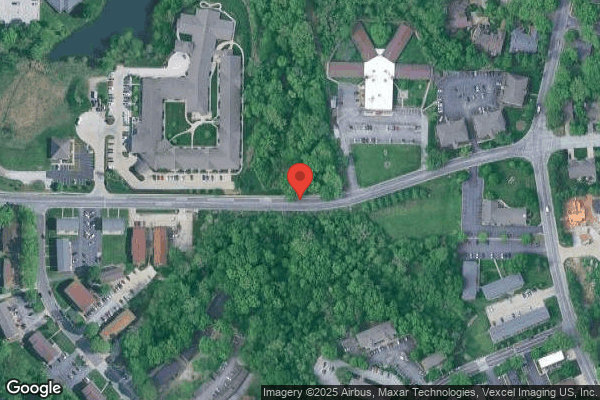
1095 UNIVERSITY DRIVE, EDWARDSVILLE, IL 62025 (618) 656-1081
For profit - Corporation 118 Beds EVERCARE SKILLED NURSING Data: November 2025 2 Immediate Jeopardy citations
Trust Grade
0/100
#515 of 665 in IL
Last Inspection: February 2025

Within standard 12-15 month inspection cycle. Federal law requires annual inspections.

Overview

Evercare at University has received a Trust Grade of F, indicating significant concerns about the quality of care provided at this facility. Ranking #515 out of 665 nursing homes in Illinois places it in the bottom half, and #12 out of 17 in Madison County suggests only a few local options are better. The facility is worsening, with the number of issues increasing from 22 in 2024 to 24 in 2025. Staffing is a major concern here, with a low rating of 1 out of 5 stars and a high turnover rate of 69%, far exceeding the state average of 46%. Additionally, the facility has incurred $196,872 in fines, which is higher than 82% of Illinois facilities, indicating ongoing compliance issues. RN coverage is also troubling, as they have less RN presence than 97% of facilities in the state, which could mean care quality suffers. Specific incidents include a resident who suffered respiratory issues and was not sent to the hospital in a timely manner, as well as a CNA who misused a resident's debit card, resulting in over $11,000 in unauthorized charges. Overall, while there are serious weaknesses in care and compliance at Evercare at University, families should weigh these concerns carefully against any potential strengths.

Trust Score
F
0/100
In Illinois
#515/665
Bottom 23%
Safety Record
High Risk
Review needed
Inspections
Getting Worse
22 → 24 violations
Staff Stability
⚠ Watch
69% turnover. Above average. Higher turnover means staff may not know residents' routines.
Penalties
○ Average
$196,872 in fines. Higher than 72% of Illinois facilities. Some compliance issues.
Skilled Nurses
⚠ Watch
Each resident gets only 11 minutes of Registered Nurse (RN) attention daily — below average for Illinois. Fewer RN minutes means fewer trained eyes watching for problems.
Violations
⚠ Watch
65 deficiencies on record. Higher than average. Multiple issues found across inspections.
★☆☆☆☆
1.0
Overall Rating
★☆☆☆☆
1.0
Staff Levels
★☆☆☆☆
1.0
Care Quality
★☆☆☆☆
1.0
Inspection Score
Stable
2024: 22 issues
2025: 24 issues

The Good

  • Full Sprinkler Coverage · Fire safety systems throughout facility
  • No fines on record

Facility shows strength in fire safety.

The Bad

1-Star Overall Rating

Below Illinois average (2.5)

Significant quality concerns identified by CMS

Staff Turnover: 69%

22pts above Illinois avg (46%)

Frequent staff changes - ask about care continuity

Federal Fines: $196,872

Well above median ($33,413)

Significant penalties indicating serious issues

Chain: EVERCARE SKILLED NURSING

Part of a multi-facility chain

Ask about local staffing decisions and management

Staff turnover is elevated (69%)

21 points above Illinois average of 48%

The Ugly 65 deficiencies on record

2 life-threatening 9 actual harm
Jun 2025 3 deficiencies
CONCERN (D) 📢 Someone Reported This

A family member, employee, or ombudsman was alarmed enough to file a formal complaint

Potential for Harm - no one hurt, but risky conditions existed

Notification of Changes (Tag F0580)

Could have caused harm · This affected 1 resident

**NOTE- TERMS IN BRACKETS HAVE BEEN EDITED TO PROTECT CONFIDENTIALITY** Based on interview and record review, the facility failed to notify resident's representatives of a fall in 1 of 4 residents (R3...

Read full inspector narrative →
**NOTE- TERMS IN BRACKETS HAVE BEEN EDITED TO PROTECT CONFIDENTIALITY** Based on interview and record review, the facility failed to notify resident's representatives of a fall in 1 of 4 residents (R3) reviewed for accidents in the sample of 4. Findings include: 1.R3's Face Sheet documents R3 was admitted to the facility on [DATE] with diagnoses including osteoporosis, pain and dementia. V4, R3's Family, is listed as R3's Emergency Contact and Durable Power of Attorney. R3's Minimum Data Set (MDS) dated [DATE] documented R3 was severely cognitively impaired and required partial assistance with bed mobility and transfer. R3's Fall Report dated 5/27/25 documents R3 had an unwitnessed fall. R3's Progress Note dated 5/27/25 at 10:31 AM by V5, Licensed Practical Nurse (LPN), documents R3 was found on the floor with a hematoma (bruise) on the right side of (her head). R3's Progress Note dated 5/28/25 at 4:07 PM by V6, Social Services Director, documents V4, R3's family, was not notified of R3's fall, and it was determined that the contact number for V4 was incorrect. On 6/10/25 at 11:20 AM, V1, Administrator, stated V5 tried to call V4 when R3 fell, but the voicemail box was not set up. V4 came to the Facility later and noticed R3's face was bruised and was upset that nobody had contacted her. V1 followed up with V5, and they discovered the phone number V5 used was not correct. On 6/10/25 at 1:18 PM, V5 stated she tried to contact R3's family after her fall, but the number she dialed was not the correct number. On 6/10/25 at 1:24 PM, V6, Social Services Director, stated V4's contact number was not listed correctly, so V4 was not aware of R3's fall until she came to the Facility to visit. On 6/10/25 at 2:35 PM, V4 stated when she came to visit R3, the entire side of her face and eye were black and blue. She was shocked and upset that the Facility did not contact her regarding R3's fall. On 6/11/25 at 12:30 PM, V2, Director of Nursing (DON), stated she expects staff to notify resident representatives of falls and would expect them to ensure the contact information is accurate. The Facility's Undated Change of Condition Policy documents medical care problems will be communicated to the resident's family or responsible party in a timely, efficient and effective manner, and the Facility will inform the resident's legal representative when there has been an accident involving the resident.
CONCERN (D) 📢 Someone Reported This

A family member, employee, or ombudsman was alarmed enough to file a formal complaint

Potential for Harm - no one hurt, but risky conditions existed

Quality of Care (Tag F0684)

Could have caused harm · This affected 1 resident

**NOTE- TERMS IN BRACKETS HAVE BEEN EDITED TO PROTECT CONFIDENTIALITY** Based on interview and record review, the Facility failed to completed physician's ordered wound care for 1 of 3 residents (R2) ...

Read full inspector narrative →
**NOTE- TERMS IN BRACKETS HAVE BEEN EDITED TO PROTECT CONFIDENTIALITY** Based on interview and record review, the Facility failed to completed physician's ordered wound care for 1 of 3 residents (R2) reviewed for wound care in the sample of 4. Findings include: 1. R2's Face Sheet documents R2 resides in the Facility with diagnoses including paraplegia, pressure ulcer, and acquired absence of both left and right leg below the knee. R2's Minimum Data Set (MDS) dated [DATE] documented R2 was cognitively intact, dependent for mobility, and had two pressure ulcers that were present on admission. R2's Care Plan dated 6/8/21 documents R2 is at risk for impaired skin integrity. R2's Care Plan dated 5/29/24 documents R2 has wounds to left thigh/buttock region and right thigh. R2's Wound Consultant Company Report dated 5/27/25 documents R2 had a wound to left posterior thigh measuring 17 cm (centimeters) x 8.9 cm x 0.3 cm. The previous treatment prescribed by V8, Wound Nurse Practitioner, was continued which consisted of cleansing with normal saline or wound cleanser, applying collagen and silver alginate, covering with silicone superabsorbent foam, and changing daily and as needed. R2's Physician Order with start date of 4/10/25 documents cleanse left posterior upper thigh with normal saline or wound cleanser, apply collagen sheet and silver alginate with silicone bordered foam, and change daily and as needed, if soiled. R2's Treatment Administration Record (TAR) does not document R2 received the treatment to the left posterior upper thigh on 5/16/25, 5/20/25, 5/26/25, 6/1/25, 6/3/25, or 6/4/25. R2's Physician Order starting 4/3/23 documents skin prep to bilateral stumps daily. R2's TAR does not document skin prep to bilateral stumps was completed on 4/5/25, 4/6/25, 4/11/25, 4/19/25, 4/20/25, 4/28/25, 5/16/25, 5/19/25, 5/20/25, 5/26/25, 6/1/25, 6/3/25, or 6/4/25. On 6/11/25 at 8:10 AM, V2, Director of Nursing (DON), stated complete treatments should be documented in the TAR. R2's Wound Consultant Company Note, dated 5/14/25 documented new surgical wounds to abdomen measuring 2 cm x 2 cm x 0.2 cm and 1 cm x 1 cm x 0.2 cm. The treatment V8 prescribed for both areas were cleanse with normal saline or wound cleanser, apply silver alginate, and cover with dry dressing daily and as needed. R2's Physician Orders dated 6/10/25 do not document any treatments for abdominal wounds. R2's TAR reviewed since 5/14/25 and does not document any treatments for abdominal wounds. On 6/11/25 at 9:30 AM, V8, Wound Nurse Practitioner, stated R2 does not have any orders for wound treatments to his abdomen, but should. She ordered silver alginate on her last visit, but the order was never entered by nursing. On 6/11/25 at 12:30 PM, V2 stated V9, Former Wound Nurse, would have been responsible for entering V8's wound care orders. She would expect nurses to enter orders in a timely fashion, provide treatments as ordered, and document treatments as given, when completed. The Facility's Undated Documentation - Nursing Policy documents the purpose is to provide documentation of resident status and care given by nursing staff. Documentation will be concise, clear, pertinent and accurate. Treatment administration records are completed with each treatment completed and are completed and documented per physician order.
CONCERN (D) 📢 Someone Reported This

A family member, employee, or ombudsman was alarmed enough to file a formal complaint

Potential for Harm - no one hurt, but risky conditions existed

Pressure Ulcer Prevention (Tag F0686)

Could have caused harm · This affected 1 resident

**NOTE- TERMS IN BRACKETS HAVE BEEN EDITED TO PROTECT CONFIDENTIALITY** Based on interview and record review, the Facility failed to treat resident's pressure ulcers per physician's orders for 1 of 3 ...

Read full inspector narrative →
**NOTE- TERMS IN BRACKETS HAVE BEEN EDITED TO PROTECT CONFIDENTIALITY** Based on interview and record review, the Facility failed to treat resident's pressure ulcers per physician's orders for 1 of 3 residents (R2) reviewed for pressure ulcers in the sample of 4. Findings include: 1.R2's Face Sheet documents R2 resides in the Facility with diagnoses including paraplegia, pressure ulcer, and acquired absence of both left and right leg below the knee. R2's Minimum Data Set (MDS) dated [DATE] documented R2 was cognitively intact, dependent for mobility, and had two pressure ulcers that were present on admission. R2's Care Plan dated 6/8/21 documents R2 is at risk for impaired skin integrity. R2's Care Plan dated 5/29/24 documents R2 has wounds to left thigh/buttock region and right thigh. R2's Wound Consultant Report dated 5/27/25 documents R2 had a Stage 3 pressure ulcer to left proximal thigh measuring 2.9 centimeters (cm) x 1.9 cm x 0.2 cm. The previous treatment prescribed by V8, Wound Nurse Practitioner, was continued which consisted of cleansing with normal saline or wound cleanser, applying collagen and silver alginate, covering with silicone superabsorbent foam, and changing daily and as needed. R2's Physician Order, PO, starting 2/12/25 documents cleanse proximal thigh with normal saline, apply gentamycin and silver alginate, and cover with silicone bordered foam dressing daily and as needed. R2's Treatment Administration Record (TAR) does not document R2 received treatment to the left proximal thigh on 3/10/25, 3/28/25, 3/29/25, 5/16/25, 5/20/25, 5/26/25, 6/1/25, 6/3/25, or 6/4/25. On 6/11/25 at 8:10 AM, V2, Director of Nursing (DON), stated complete treatments should be documented in the TAR. On 6/11/25 at 12:30 PM, V2 stated V9, Former Wound Nurse, would have been responsible for entering V8's wound care orders. She would expect nurses to enter orders in a timely fashion, provide treatments as ordered, and document treatments as given, when completed. The Facility's Undated Documentation - Nursing Policy documents the purpose is to provide documentation of resident status and care given by nursing staff. Documentation will be concise, clear, pertinent and accurate. Treatment administration records are completed with each treatment completed and are completed and documented per physician order. The Facility's Undated Medication Administration Policy documents the time and type of treatment administered to the resident will be recorded.
May 2025 1 deficiency 1 IJ
CRITICAL (J) 📢 Someone Reported This

A family member, employee, or ombudsman was alarmed enough to file a formal complaint

Immediate Jeopardy (IJ) - the most serious Medicare violation

Quality of Care (Tag F0684)

Someone could have died · This affected 1 resident

**NOTE- TERMS IN BRACKETS HAVE BEEN EDITED TO PROTECT CONFIDENTIALITY** Based on interview and record review the Facility failed to assess and treat a change of condition for 1 of 3 residents (R2) rev...

Read full inspector narrative →
**NOTE- TERMS IN BRACKETS HAVE BEEN EDITED TO PROTECT CONFIDENTIALITY** Based on interview and record review the Facility failed to assess and treat a change of condition for 1 of 3 residents (R2) reviewed for change of condition. This failure resulted in R2 having a significant change in condition for several hours without interventions that ultimately required an emergency transfer in which her family called 911 and R2 experienced respiratory distress, was intubated en route to the hospital and placed on a mechanical ventilator. The Immediate Jeopardy began on 5/2/2025 when R2 began to experience respiratory/breathing issues and was not sent to the hospital in a timely manner. On 5/8/2025 at 12:43 PM, V1, Administrator, V2, Director of Nursing (DON), V3, Assistant Director of Nursing (ADON), V17, Regional Nurse Consultant/ VP Clinical Services and V18, RDO/CEO (Regional Director of Operations) and CEO were notified of the Immediate Jeopardy. The surveyor confirmed by observations, record review and interview, that the Immediate Jeopardy was removed on 5/9/2025 but non-compliance remains at Level Two because additional time is needed to evaluate the implementation and effectiveness of in-service training. Findings include: R2's Physician Order Sheets (POS) for May 2025 document, a diagnosis of Urinary tract infection, site not specified; Type 2 diabetes mellitus with diabetic neuropathy, unspecified; End stage renal disease; Dependence on renal dialysis; Heart failure, unspecified; Presence of cardiac pacemaker; and Essential (primary) hypertension. R2's POS also documents an order with a start date of 4/23/2025 for Oxygen up to 4 L (liters) Continuous. R2's Minimum Data Set (MDS) dated [DATE] document R2 was cognitively intact for decision making of activities of daily living. R2's Care Plan does not address any oxygen use and/or respiratory issues or her dialysis. R2's Progress Notes dated 4/4/2025 at 10:15 AM, 95 yo (year old) female readmitted to (Facility) on 4/3/25 from (Hospital) for pulm (pulmonary) edema. Res (Resident) returned with on O2 (oxygen) 2L/NC (2 liters nasal cannula). Per facility nurses' notes, resident vitals were stable with O2 sats (saturations) at 91%, no cough, pain or discomfort, A&O X2-3 (alert and orientated x 3) with intermittent confusion. On 5/7/2025 at 11:00 AM, V5, Family of R2 stated, I got a call from the facility around 7:00 PM, I was in my pajamas. They told me my mom was having a panic attack. When I got there at the facility my mom was not having a panic attack, she was gasping for air, and she was in distress. It was unimaginable seeing her like that. I got to the facility about 8:00 PM and seeing my mom gasping for air I tried to find a nurse, and could not find anyone, so I called 911 because something was not right. My mom is still at the hospital, but she is on a ventilator now and we have to decide if we want to keep her on it. I don't know why (Facility) did not send my mom out when she started having problems, I am at loss. R2's Progress Notes dated 5/2/2025 at 8:45 PM, This writer was doing med (medication) pass and CNA's (certified nursing assistants) on the hall attempted numerous times to reposition resident to get resident comfortable, and with no success. CNA took O2 (oxygen) and was stating at 76% on 2L (liters). This nurse tried 4L of Oxygen with no success of bringing O2 stats above 76%. Call was placed to daughter to see if she could come out and help. Daughter could not calm resident down and finally called 911 for her mother. At approximately 8:50 PM EMS (Emergency Medical Services) arrived to transport resident to (Hospital). R2's Progress Notes does not document the Physician was notified. On 5/6/2025 at 8;44 AM, V4, Emergency Medical Service Staff stated, (V5, Family of R2) called EMS yesterday on 5/2/25 around 9 PM. She reported (R2) had been complaining of shortness of breath since the afternoon and the nurse (V6) did nothing for her and just told her to 'calm down'. No information was provided him upon arrival, and we did not get a handoff report. When EMS arrived, (R2) was in respiratory distress, not arrest, and did not go into arrest because they gave her a lot of ketamine. We did attempted intubation x 2 unsuccessful, and then had to use an I-gel for airway. R2 was transferred to (Hospital). R2's EMS (Emergency Medical Services) report dated 5/2/2025 at 9:07 PM, documents, Dispatch reason: breathing problems, primary symptoms: Shortness of breath, Providers primary impression: Respiratory failure, unspecified. Narrative documents was dispatched to (Facility) for a [AGE] year old F (female) with shortness of breath. EMS responded emergent and arrived on scene without incident. EMS went inside the building and was directed to the PT (Patient's) room by the PT's daughter. PT's daughter reports that she called 911 after she found her mother lying in bed struggling to breathe. Pt's daughter reports the PT received dialysis earlier in the day. EMS found the PT sitting semi-Fowlers (lying in bed with the head and upper body elevated to an angle of 30 to 45 degrees) in her bed. PT was a & o (alert and orientated) x 2 with a weak radial pulse, shallow and rapid respirations, and an open airway. PT's skin was flush and blue in extremities. PT was wearing a nasal cannula set at 6 lpm O2 (oxygen). EMS obtained a pulse Ox reading of 50. (Normal 92 or higher). EMT went to find the PT's nurse to obtain a report for the PT. Nurse came by to tell EMS that she is printing the PT's demographics and states that PT has been struggling to breathe for several hours. Nurse reports she came into the PT's room several times to tell her to calm down and slow her breathing for several hours. Nurse left the room, and EMS placed the PT on the stretcher and NRB at 15 lpm. EMS never received a throughout PT care report from the nurse nor was given the PT demographics. PT demographics were obtained from the hospital. EMS brought the PT to the ambulance and obtained vitals, attempted IV (intravenous) access 3x with 1 success, obtained 4-lead DKG, and placed the PT on CPAP with albuterol in line, EMS left the scene en route to (Hospital) emergent. PT began to become more lethargic and slowed her respirations while on CPAP. EMS determined the PT would inevitably go into respiratory arrest and began prepping for intubation. EMS estimated the PT weighed roughly 80 kg (kilograms). EMS began ventilating the PT via BVM and administrated 150 mg (milligrams) Ketamine. EMS attempted intubation 2x without success and placed a size 4 I-gel with success. EMS contacted (hospital) with their inbound report and received no questions or orders. EMS shortly arrived after without incident. (all times are approximate). On 5/7/2025 at 2:12 PM, V7, Certified nursing assistant (CNA) stated she works full time in the facility. She only takes vitals if a nurse would ask her, as usually they like to do it themselves. Vitals would be blood pressure, temperature, pulse, and oxygen. Anything like that. If she would chart vitals then they would be in the electronic medical records under vitals. On 5/8/2025 at 2:17 PM, V9, CNA stated she has been working here in the facility for two years. CNA's can take vitals, but don't normally take vitals. She will take vitals if a nurse asks her to, but the nurses usually do not ask her. Vitals would include temperature, blood pressure, pulse and oxygen. All vitals are documented in the resident's electronic records under the vitals tabs. On 5/8/2025 at 2:19 PM, V10, CNA stated, she had been working in the facility for over a year now. If a nurse asks me I will take vitals, but the nurses usually take their own vitals. If I would ever take a vital, I would put it in the computer under vitals. I am not aware of (R2) ever having panic attacks. On 5/7/2025 at 10:33 AM, V11, Licensed Practical Nurse (LPN) stated she likes to take her own vitals, blood pressure, temperature, pulse oxygen. If a resident is experiencing a change of condition, she will always take their vitals. Vital are then charted in the computer under the vital section. (R2) would yell at a lot and scream if she wanted something. She was cognitively intact and was redirectable. I am not aware of her refusing care or needing her family to get her in order for her to do something. She was on dialysis on Mondays, Wednesdays, and Fridays, and she was on oxygen. I am not aware of her ever having panic attacks. On 5/7/2025 at 4:04 PM, V12, CNA stated, (R2) was able to tell you what she wanted. She would yell and scream if she wanted something. She likes to try and stay up until 7:30 PM most nights and then she would fall asleep in her wheelchair and not want to lay down. She was on oxygen and dialysis. I never saw her have any panic attacks. I don't usually take vitals. On 5/7/2025 at 4:14 PM, V13, CNA stated, I will take a vital if the nurse asks me to. Otherwise, I normally do not take vitals. If I take vitals I record it in the computer under the vital spot. (R2) was on dialysis and normally did not get back until later. (R2) is in the hospital right now. Her old roommate passed away. I am not aware of (R2) having any behaviors and/or panic attacks. R2's Oxygen Vitals for May 2025 do not document any vitals were taken for R2 and/or documented as being performed. R2's emergency room Visit Hospital Records dated 5/2/2025 document, On EMS arrival patient the patient was cyanotic with a SPO2 of 50% with labored breathing. She was placed on a non-re-breather mask and then CPAP with an increase of her SPO2 to the 70's. Eventually an LMA (laryngeal mask airway) was placed, and she was bagged on arrival. Due to high probability of clinically significant, life-threatening deterioration, the patient required my highest level of preparedness to intervene emergently, and I personally spent this critical care time directly and personally managing the patient. The patient was evaluated by myself in the emergency department. History obtained from EMS report along with patient's daughter who arrived shortly after EMS and physical exam was performed/ external medical records were reviewed at this time. IV (intravascular) was established and pertinent tests were ordered. EMS did attempt to intubate the patient prior to arrival to the emergency department and they were unsuccessful, an I-gel was placed at this time and patent is currently bagged. Shortly after arrival to the emergency department, patient was intubated due to hypoxic respiratory failure and severe respiratory distress. Shortly after intubation, patient's blood pressure dropped, and patient is currently mapping less than 65. Patient was administrated 1 L (liter) IV fluid bolus with normal saline without any improvement of her blood pressure and at this time she was started on pressors with norepinephrine due to concern for shock. Review of Systems was unable to be obtained as R2 was on mechanical ventilation. On 5/7/2025 at 9:25 PM, V14, Wound Nurse Licensed Practical Nurse (LPN) stated, I remember that night because I got called in because another nurse did not show up. When I walked in the door, they handed me the keys to the med cart and then the phone rang, and I was on the phone for over 30 minutes. (R2) was hollering and yelling all night. 'I can't breathe, I can't breathe' we were telling her to calm herself down and I am in the middle of a medication pass. Her oxygen level was 76% but I think she was in a panic attack, and we were trying to get her to calm down. I did not take her oxygen, but I watched (V15, CNA) take it and it was at 76 %. I am not sure if I contacted the doctor. We normally send residents out to the hospital when the oxygen is 84% or less. I did not send (R2) out because it was a crazy night, and I thought (R2) was having a panic attack and just wanted someone to sit with her. We contacted her daughter and she came and she was the one that called 911. On 5/7/2025 at 9:55 PM, V15, Certified Nursing Assistant (CNA) stated, (R2) started yelling out for help, she was yelling I can't breathe, I can't breathe. I went into her room to check on her. It seemed like (R2) was having a panic attack. I had to answer a few more call lights, and (R2) continued to yell out. I called her daughter, and she came out because I thought she was having a panic attack. We got two admits back-to-back that night, so we were busy. Then, I think her daughter called 911. We did not call 911. I did take vitals on (R2) but I can't remember what they were. I wrote them down a piece of paper and gave them to (V14). I did not put them in the computer. On 5/8/2025 at 7:46 AM, V16, Medical Director stated, I would expect all oxygen levels to be at 92% or higher. If a resident was stating they could not breathe and their oxygen levels were 76 % I would expect staff to ensure the resident was not in distress, maybe change the tank, make sure everything was working, if the levels did not improve then I would have them send them out immediately. If they were in distress, I would want them sent out immediately. I was not aware of (R2) I get so many calls I cannot say if I was or was not contacted. Nothing is coming to my mind, but if she was distressed and the levels were not improving, I would of wanted her sent out immediately. On 5/8/2025 at 12:24 PM, V2, Director of Nursing stated, I expect all vitals to be charted and, in the resident's, medical records. I was not aware (R2) was in distress with her oxygen levels. The Facility undated Change of Condition Policy documents, To ensure that medical care problems are communicated to the attending physician or authorized designee and family/ responsible party in a timely, efficient, and effective manner. A significant change in the residents' physical, mental, or psychosocial status (i.e.) deterioration in health, mental, or psychosocial status in either life- threatening conditions or clinical complications); A decision to transfer or discharge the resident from the facility. IJ Abatement: 1. R2 is no longer in facility. 5-8-25 2. Admin/DON were inserviced by VP of Clinical 3. Admin inserviced IDT team 4. Current staff inserviced on change of condition and notifying nurse. Change of condition, notifying MD, document vitals, SBAR, head to toe assessment, full set of vitals, and continued vitals. Completed by 5-8-25 2.Completed by VP of Clinical Services. 3.Completed by Administrator. 4. Completed by IDT team, DON, & administrator. 5. Last 30 days of change of conditions in residents have been reviewed to ensure that no other issues have been identified. 6. All residents with change of condition reviewing medical records. 7. Review of policy and procedures have been completed with MD. Reviewed & updated. 8. Initial change of conditions in residents nurse will notify MD and follow MD orders at the time of change of condition. 9. Noted change of condition where oxygen levels are below 92%, titrate it up 1L, recheck q 30 mins until O2 can reach 92%, if distress is noted notify MD. If no, change in condition MD is to be notified again. Standing order provided by MD. Being completed by VP of clinical, Director of Nursing, MD, and administrator by 5/9/25. 10. All working staff have been in -serviced on change of condition policy and procedure. Currently all staff on shift have been in-serviced. Total facility staff in-serviced at 75%. 100% completion will be done by 5/9/25. Being Completed by IDT team, DON, administrator, and/or designee by start of next worked shift. 11. No staff will work before being in serviced on change of condition. Ongoing - Beding completed by IDT team, DON, administrator, and/or designee by start of next working shift. 12. A Quality assurance tool was implemented; daily audit of the 24 hour report and dc notices for change of conditions, vitals, dc notes, and MD notification if there is a noted change of condition. Audits to continue daily x4 weeks to ensure that change of condition is documented. 5/9/25 Audits complete by: DON/Designee 13. Root Cause Analysis completed for Change of Condition Deficiency: Failed to assess change of condition. Root Cause: Attached Initiated: 5/8/2025
Mar 2025 3 deficiencies
CONCERN (D) 📢 Someone Reported This

A family member, employee, or ombudsman was alarmed enough to file a formal complaint

Potential for Harm - no one hurt, but risky conditions existed

Report Alleged Abuse (Tag F0609)

Could have caused harm · This affected 1 resident

**NOTE- TERMS IN BRACKETS HAVE BEEN EDITED TO PROTECT CONFIDENTIALITY** Based on interview and record review, the Facility failed to report a hip fracture of unknown origin for 1 of 3 residents (R7) r...

Read full inspector narrative →
**NOTE- TERMS IN BRACKETS HAVE BEEN EDITED TO PROTECT CONFIDENTIALITY** Based on interview and record review, the Facility failed to report a hip fracture of unknown origin for 1 of 3 residents (R7) reviewed for abuse in the sample of 13. Findings include: 1-R7's Face Sheet documents R7 was admitted to the facility on [DATE] with diagnoses including quadriplegia, muscle contractures, protein calorie malnutrition, and dementia. R7's Minimum Data Set, dated [DATE] documented R7 was moderately cognitively impaired and required substantial/maximal assistance with bed mobility and transfer. R7's Progress Note dated 3/7/25 at 1:58 PM documents R7 experienced a change of condition and was sent to the hospital. R7's (Local Hospital) emergency room (ER) Records by V30, ER Physician, on 3/7/25 at 10:47 PM document, Nursing staff noticed abnormal movement of the knee. Imaging shows fracture of the distal femur. Orthopedic surgery please patient needs higher level of care where this traumatic injury can be managed. Unsure when patient's injury may have occurred, it may be why she was diaphoretic when she was initially brought in here as she had not been that way since then. R7's Progress Note by V27, Licensed Practical Nurse (LPN), dated 3/8/25 at 4:53 AM documents (Local Hospital) called Facility stating R7 will need transfer to a different hospital for femur fracture. V2, Direction of Nursing (DON), and V6, Assistant Director of Nursing (ADON) were notified. The Facility's Initial Report dated 3/10/25 at 12:00 PM documents (Local Hospital) reported to the Facility that R7 has an acute oblique displaced fracture of the left femur. The date of the incident was 3/9/25 in the Hospital ER. Law enforcement was not notified. V1, Administrator, provided an electronic mail receipt documenting the Initial Report was actually sent on 3/9/25 at 12:50 PM. On 3/11/25 at 3:20 PM, V27 stated the hospital called and stated R7 had a femur fracture, so she contacted V2 and V6. On 3/12/25 at 9:02 AM, V6 stated R7's hip fracture was reported to her on 3/8/25, so she reported it to V1 and V2, and they said they would take care of the investigation. On 3/12/25 at 9:18 AM, V2 stated she was informed of the fracture on 3/8/25, but was waiting on the hospital to send X-rays before reporting it in case it was pathological. On 3/11/25 at 4:19 PM, V1 stated they might have told us R7 had a fracture, but they did not send us the X-ray until 3/9/25 at noon. She stated they wait for the X-rays to come back to determine if it is pathological, but usually report abuse within 2 hours and all other reportables within 24 hours. On 3/7/25 at 3:20 PM, V14, Regional Nurse, stated in the past they have reported fractures that turn out not to be fractures; therefore, they do not take verbal confirmation on fractures, but they did report it when they finally got the X-ray results. The Facility's Undated Abuse Prevention and Prohibition Policy documents, Purpose To ensure the Facility establishes, operationalizes, and maintains an Abuse Prevention and Prohibition Program designed to screen and train employees, protect residents, and to ensure a standardized methodology for the prevention, identification, investigation, and reporting of abuse, neglect, mistreatment, misappropriation of property, and crime in accordance with federal and state requirements. The Facility will report known or suspected instances of physical abuse, including sexual abuse, and criminal acts to the proper authorities by telephone or through a confidential internet reporting tool as required by state and federal regulations. Immediately, but no later than 2 hours after forming the suspicion - if the alleged violation involves abuse or results in serious bodily injury to the state survey agency, adult protective services, law enforcement, and the Ombudsman. Reporting requirements are based on real (clock) time, not business hours.
CONCERN (D) 📢 Someone Reported This

A family member, employee, or ombudsman was alarmed enough to file a formal complaint

Potential for Harm - no one hurt, but risky conditions existed

Respiratory Care (Tag F0695)

Could have caused harm · This affected 1 resident

**NOTE- TERMS IN BRACKETS HAVE BEEN EDITED TO PROTECT CONFIDENTIALITY** Based on observation, interview, and record review the facility failed to provide tracheostomy care as ordered and appropriate t...

Read full inspector narrative →
**NOTE- TERMS IN BRACKETS HAVE BEEN EDITED TO PROTECT CONFIDENTIALITY** Based on observation, interview, and record review the facility failed to provide tracheostomy care as ordered and appropriate tracheostomy supplies for 1 of 1 resident (R4) reviewed for Quality of Care in a sample of 13. Findings Include: R4's Face Sheet, undated, documents R4 was admitted [DATE] with a medical diagnosis of chronic respiratory failure with hypoxia. R4's Minimum Data Set (MDS) dated [DATE], documents R4 is cognitively intact, needs substantial/maximal assistance with personal and oral hygiene, and requires intermittent oxygen therapy, suctioning and tracheostomy (trach) care. R4's Care Plan does not address R4's tracheostomy needs. R4's Progress Note by V10, Licensed Practical Nurse (LPN), dated 3/5/25 at 4:50 AM, documents R4 was sent to hospital. R4 had pulled out trachea. On 3/11/25 at 12:50 PM, V10, LPN, stated she was rounding when she first saw R4's trach was removed. V10, LPN, stated she looked around the room from the trach that came out but couldn't find it. V10, LPN, stated she was just talking to R4 about letting her put it back in and didn't even get to the point of looking to see if there was another trach to replace it with. V10, LPN, stated she called EMS. (Local) Fire Department Emergency Medical Services Report dated 3/5/25 at 3:53 AM, documents Emergency Medical Service (EMS) attempted to locate the trach tube but could not locate the original or a replacement tube. Staff did not assist EMS and stated they did not know if there was a spare trach tube. On 3/7/25 at 3:31 PM, V21, Local Assistant Fire Chief, stated EMS was called to the facility due to R4 pulling out his trach. V21, Local Assistant Fire Chief, stated upon arrival the resident did not have an inner cannula inserted in his trach, and the facility did not have another cannula to replace the one the resident took out. V21, Local Assistant Fire Chief, stated the facility informed EMS they did not have a replacement cannula for R4. R4's Hospital Records dated 3/5/25 at 4:41 AM, documents tracheostomy was replaced using uncuffed 5.5 mm tracheostomy tube as the patient's stoma has decreased in size. R4's Progress Notes by V10, LPN, on 3/5/25 at 6:19 AM, documents this nurse received report from [NAME], Registered Nurse at local hospital that resident is set to return from. Trach was replaced with a new 5 mm cannula. On 3/11/25 at 12:50 PM, V10, LPN, stated the nurse at the hospital told her they changed R4's trach to a size 5 mm cannula in report. V10, LPN, stated she does not know if trach size should be a physician order, but normally when residents come back the accepting nurse at the facility looks through the record to see if any orders have change. V10, LPN, stated V2, Director of Nursing (DON), and V6, Assistant Director of Nursing (ADON), also review the charts. V10, LPN, stated she did not recall being the receiving nurse when R4 was readmitted to the Facility. R4's Progress Note by V6, ADON, on 3/5/25 at 11:40 AM, documents resident returned from hospital at approximately 9:25 AM by EMS. On 3/12/25 at 9:00 AM, V6, ADON, stated she was unaware R4's trach size had changed while he was at the hospital. V6, ADON, stated if the facility would be informed that a resident's trach size changed, the facility would need order the correct supplies. On 3/11/25 at 11:04 AM, a total of 4 size 7.6 mm inner cannulas and 2 size 7.6 mm inner cannulas observed on top of R4's dresser along with trach cleaning supplies. On 3/12/25 at 11:04 AM, V13, LPN, stated she was informed by one of the Certified Nursing Assistants (CNA) that R4's trach was out. V13, LPN, stated she was able to re-insert R4's trach which was a size 5 mm. V13, LPN, found size 7.6 mm inner cannulas and size 7.5 mm cannulas on R4's dresser. On 3/12/25 at 11:08 AM, V13, LPN, stated she found the tracheostomy replacement kit in R4's roommate's dresser. V13, LPN, stated the size of the replacement trach kit that the facility has in R4's room is a size of 8.5 mm and is too big for R4's tracheostomy and would not fit in R4's stoma. V13, LPN, stated she thinks the facility ordered the correct size today for R4. V13, LPN, stated if R4's tracheostomy would come out again and the facility would be unable to replace it, R4 would have to be sent to the hospital. On 3/12/25 at 3:15 PM, V2, DON, stated there was a delay in getting R4's complete discharge orders from the hospital, but the hospital placed a size 5.5 mm inner cannula in R4's tracheostomy. On 3/12/25 at 10:47 AM, V9, Facility's Current Medical Director, stated the tracheostomy size matters due to the size of the resident's stoma. V9, Facility's Current Medical Director, stated if you have a bigger cannula or trach that you are trying to put into a resident's trach site, the hole of the site will not allow a bigger size to be put in. V9, Facility's Current Medical Director, stated a 7.6 mm cannula is bigger than a 5.5 mm cannula and would not fit into a resident's tracheostomy hole if the resident needs a 5.5 mm cannula. On 3/7/25 at 9:37 AM, R4 stated the facility staff does an okay job at taking care of his trach, but they do not clean his trach every day and he sometimes get suctioned daily. On 3/11/25 at 11:04 AM, R4 stated the hospital had put in a smaller cannula than he previously had and is now needing a size 5 mm cannula for his trach. R4 stated the facility told him that they do not have any inner cannulas for his tracheostomy. R4 stated with the facility not having the correct cannula size he needs; the facility cannot provide the care he needs. R4's Physician Orders dated 2/28/25 documents trach care and change collar daily and prn. R4's Medication Administration Record documents trach care was performed 1 out of 13 days. On 3/12/25 at 2:28 PM, V2, DON, stated once tracheostomy care is completed for R4, R4's Treatment Administration Record or Medication Administration Record should be updated with the time and date it was completed. On 3/12/25 at 3:33 PM, V1, Administrator, stated it is expected of staff to document a treatment is completed or medication has been given as soon as it is done. V1, Administrator, stated it is not acceptable for staff to document care was performed days after it was done. The facility's undated Tracheostomy Care Policy documents, guidelines are to remove secretions from trachea-bronchial tree. To maintain an unobstructed airway for the maintenance of ventilation. To maintain clean environment around tracheostomy opening.
CONCERN (D) 📢 Someone Reported This

A family member, employee, or ombudsman was alarmed enough to file a formal complaint

Potential for Harm - no one hurt, but risky conditions existed

Deficiency F0712 (Tag F0712)

Could have caused harm · This affected 1 resident

**NOTE- TERMS IN BRACKETS HAVE BEEN EDITED TO PROTECT CONFIDENTIALITY** Based on interview and record review, the Facility failed to ensure physician visits were completed within 30 days of admission ...

Read full inspector narrative →
**NOTE- TERMS IN BRACKETS HAVE BEEN EDITED TO PROTECT CONFIDENTIALITY** Based on interview and record review, the Facility failed to ensure physician visits were completed within 30 days of admission and at least every 60 days thereafter for 3 of 3 residents (R1, R2, R5) reviewed for physician visits in the sample of 13. Findings include: 1-R1's Face Sheet documents R1 was admitted to the facility on [DATE] with diagnoses including hypothyroidism, hypertension, and type 2 diabetes mellitus with diabetic chronic kidney disease. On 3/7/25 at 12:28 PM, V1, Administrator, stated she has no documentation to show R1 was seen by a physician during the first 30 days of admission. 2-R2's Face Sheet documents R2 was admitted to the facility on [DATE] with diagnoses including cerebrovascular disease, epilepsy, and intellectual disabilities. On 3/7/25 at 12:28 PM, V1 provided documentation that R2 was seen by V7, Physician, on 2/2/25, and stated that has been R2's only physician visit in the past six months. 3-R5's Face Sheet documents R5 was admitted to the facility on [DATE] with diagnoses including vascular dementia, protein calorie malnutrition, and cerebral infarction. On 3/7/25 at 12:28 PM, V1 provided documentation that R5 was seen by V7 on 1/8/25 and stated that has been V5's only physician visit over the last six months. On 3/7/25 at 9:35 AM, V1 stated, We have a new medical director for a reason. (V7) used to be our medical director, and he was subpar. (V9) started seeing patients in the Facility, and some residents were expressing interest in him that they wanted a change because they were not happy with (V7). The Facility's Undated Physician Visits Policy documents, Purpose: To ensure that residents are established care with primary care provider while at the nursing facility. The initial comprehensive visit in a SNF (Skilled Nursing Facility) is the initial visit during which the physician completes a thorough assessment, develops a plan of care and writes or verifies admitting orders for the resident, the initial comprehensive visit must occur no later than 30 days after a resident's admission into the SNF. Once the physician has completed the initial comprehensive visit in the SNF, the physician may then delegate alternate visits to a Physician Assistant (PA), Nurse Practitioner (NP), or Clinical Nurse Specialist (CNS) who is licensed as such by the State and performing within the scope of practice in that State. Residents of a nursing facility must be seen by a physician at least once every 30 days for the first 90 days after admission and at least once every 60 days thereafter.
Feb 2025 9 deficiencies
CONCERN (D)

Potential for Harm - no one hurt, but risky conditions existed

Quality of Care (Tag F0684)

Could have caused harm · This affected 1 resident

Based on interview and record review, the Facility failed to ensure blood sugar levels were documented for tracking, trending and monitoring of a chronic condition for 1 of 32 residents (R78) reviewed...

Read full inspector narrative →
Based on interview and record review, the Facility failed to ensure blood sugar levels were documented for tracking, trending and monitoring of a chronic condition for 1 of 32 residents (R78) reviewed for medications, in the sample of 59. Findings include: 1. On 2/25/2025 at 8:30 AM, R78 stated she had issues with her insulin. R78 stated she did not receive her insulin shot at lunch on Sunday, 2/23/2025 and her blood sugar level was 189. R78 stated she told V11, Licensed Practical Nurse (LPN). On 2/25/2025 at approximately 8:45 AM, V11 checked R78's Medication Administration Record and stated it shows that R78 did receive her insulin at lunch on 2/23/2025. V11 stated R78 gets her blood sugar level checked 3 times on day shift (6 AM-6 PM) and has parameters depending on what the level is. V11 stated, Maybe it wasn't high enough to give (the insulin). V11 then looked to see if R78's blood sugar level was documented but V11 could not find the results. V11 then stated, The order wasn't in (the Electronic Medical Record). We had to modify the order so now there is a place to document it. Before there was no where to plug it in. R78's Face Sheet dated 2/26/2025 documents R78 has a diagnosis of type 2 diabetes. R78's Prescription Order dated 2/25/2025 (revised) documents R78 is prescribed a fast acting insulin prior to meals. It further documents, Hold insulin if blood sugar level is below 80. Call if blood sugar level is above 350. On 2/26/2025 at 11 AM V2, Director of Nursing (DON) stated R78's blood sugar levels should have been being documented as that would be the standard of practice in order to track and trend blood sugar levels. As of 2/27/2025 at 11:30 AM, The Facility had not provided a policy for documenting blood sugar levels.
CONCERN (D)

Potential for Harm - no one hurt, but risky conditions existed

Incontinence Care (Tag F0690)

Could have caused harm · This affected 1 resident

**NOTE- TERMS IN BRACKETS HAVE BEEN EDITED TO PROTECT CONFIDENTIALITY** 2.V5, CNA, performed incontinent care on R27, and during care she cleansed R27's right groin, then took a new wipe cleansed R27'...

Read full inspector narrative →
**NOTE- TERMS IN BRACKETS HAVE BEEN EDITED TO PROTECT CONFIDENTIALITY** 2.V5, CNA, performed incontinent care on R27, and during care she cleansed R27's right groin, then took a new wipe cleansed R27's left groin and then took another wipe and cleansed down the center of her labia without spreading the labia apart. V5 did not dry washed areas nor did she cleanse the R27's bilateral thighs. V5 then rolled R27 on to her right side and cleansed her rectal area from front to back. V5 repeated this pattern 2 more times. V5 did not cleanse R27's bilateral hips or thighs nor did she dry R27's rectal area. R27's MDS, dated [DATE], documented that her cognition was intact and that she was always incontinent of her bowels and bladder. R27's Care Plan, dated 6/22/2021, documented an intervention, Provide incontinence care per facility protocol. R27's Physician's order sheet, dated 2/2025, documented diagnoses of Retention of Urine and Parkinsonism. On 02/27/2025 at 11:15 AM, V26, CNA, stated that she cleanses and dry all areas when performing incontinent care. On 02/27/2025 at 11:20 AM, V7, CNA, stated that he cleanses and dry all areas when performing incontinent care. On 02/27/2025 at 11:20 AM, V20, CNA, stated that she cleanses and dry all areas when performing incontinent care. The facility's policy, Perineal Care, undated, documented, VI. Wash the pubic area. A. For female residents: i. Separate the labia. Wash with soapy washcloth, moving from front to back on each side of the labia and in the center over the urethra and vaginal opening, using a clean area of the washcloth for each stroke. ii. Rinse area, moving from front to back, using a clean area of the washcloth for each stroke. iii. Dry area moving from front to back, using a blotting motion with towel. It continues, VII. Wash, rinse and dry buttocks and peri-anal area without contaminating perineal area. Based on observation, interview and record review the facility failed to perform complete incontinent care for 2 of 4 (R27, R94) residents reviewed for incontinent care, in a sample of 59. Findings include: 1. R94's Minimum Data Set (MDS), dated [DATE], documents that R94 requires assistance with toileting. It also documented that he was always incontinent of his bowels and bladder. On 2/25/2025 at 9:00 AM observed V7, Certified Nurse Assistant, (CNA), perform incontinent care. R94 was incontinent of urine. V7 assisted R94 into bed and then removed urine soiled pants and heavily soiled incontinent brief. V7 then using a wet wipe cleansed R94's penis wiping in a back-and-forth motion. R94 then using a wet wipe each side of R94's penis. V7 then assisted R94 with applying a dry brief. R94 did not cleanse R94's scrotum, inner thighs and buttocks.
CONCERN (D)

Potential for Harm - no one hurt, but risky conditions existed

Medication Errors (Tag F0758)

Could have caused harm · This affected 1 resident

Based on interview and record review, the Facility failed to monitor/document episodes of behaviors for which psychotropic medications were prescribed, as well as follow up on pharmacy recommendations...

Read full inspector narrative →
Based on interview and record review, the Facility failed to monitor/document episodes of behaviors for which psychotropic medications were prescribed, as well as follow up on pharmacy recommendations for 1 of 3 residents (R83) reviewed for unnecessary medications in the sample of 59. Findings include: 1. R83's Behavior Tracking dated February 2025 documents it was initiated 10/17/2024 for Physical Aggression is completely blank. R83's Behavior Tracking dated February 2025 documents it was initiated 10/17/2024 for receiving psychotropic medications to decrease symptoms of anxiety is completely blank. The Facility's Psychotropic & Sedative/Hypnotic Utilization Form dated 12/1/2024-12/10/2024 documents R83 receives an Anxiolytic Lorazepam 0.5 milligrams (mg) ordered 11/5/2024. It documents it is given PRN (as needed) and a recommendation was sent. R83's Care Plan dated 10/17/2024 documents R83 receives psychotropic medications related to dementia and the goal is to remain free of drug related complications. It further documents, Consult pharmacy, MD (Medical Director) to consider dosage reduction when clinically appropriate as well as, Observe me every shift for effectiveness of medications. It continues, Resident is on a behavior management program with (specify: alternatives to prn medication use). R83's Care Plan dated 10/17/2024 documents R83 receives antianxiety medications related to dementia as to attempt interventions prior to administering PRN medication as well as complete behavior tracking. On 2/26/2025 at 10:52 AM, V10, Social Services Director (SSD) stated R83 does have physical aggression and had medications changes, but she is not sure why his February behavior tracking was incomplete. On 2/26/2025 at 2:10 PM, V2, Director of Nursing (DON) stated she was aware residents should not have ongoing PRN antipathetic medications. On 2/27/2025 at 10:30 AM, V2 stated she did not have the pharmacy recommendation that was requested on 2/26/2025. V2 stated she thinks hospice has it because they manage R83's medications. R83's Medication Administration Record (MAR) documents R83's Lorazepam PRN Lorazepam was ordered 2/3/2025 for agitation. The Facility's Psychotherapeutic Drug Management Policy, undated, documents, PRN orders for psychotropic drugs are limited to 14 days. If the attending belies that it is appropriate for the PRN order to be extended beyond 14 days, he or she should document their rationale in the resident's medical record and indicate the duration for the PRN order. PRN orders for anti-psychotic drugs are limited to 14 days and cannot be renewed unless the attending physician evaluates the resident, in person, for the appropriateness of that medication. The Facility's Drug Regimen Review Policy, undated, documents, The Medical Director and DON will also review the pharmacist's report if any irregularities are identified. The DON is responsible for following up with the attending physician as indicated. The Facility's Behavior-Management Policy, undated, documents, The concept of behavior management is an interdisciplinary process. It further documents a key component of this process is ongoing assessment, monitoring and evaluation of the effectiveness of the behavior management program including the effectiveness of psychoactive drugs.
CONCERN (D)

Potential for Harm - no one hurt, but risky conditions existed

Deficiency F0883 (Tag F0883)

Could have caused harm · This affected 1 resident

Based on interview and record review, the Facility failed to ensure preventative health vaccines such as Respiratory Syncytial Virus (RSV) and Pneumonia (PNU) were administered to those who gave cons...

Read full inspector narrative →
Based on interview and record review, the Facility failed to ensure preventative health vaccines such as Respiratory Syncytial Virus (RSV) and Pneumonia (PNU) were administered to those who gave consent and wished to receive them for 2 of 5 residents (R8 and R78), reviewed for immunizations, in the sample of 59. Findings include: 1. R8's RSV Vaccine Consent Form and Pneumococcal Vaccine Consent Form documents, I give consent and was signed by R8's Power of Attorney (POA) on 10/22/2024. The second pages of the Forms are not completed/blank. R8's Face sheet dated 2/25/2025 documents R8 has a diagnosis of Chronic Obstructive Pulmonary Disease (COPD). 2. On 2/25/2025 at 9:30 AM, R78 stated she was admitted to the Facility in October 2024. R78 stated she was asked about receiving the PNU vaccination, she wanted and agreed to receive it, but has not heard anything else about it. R78's Pneumococcal Vaccine Consent Form documents, I give consent and was signed by R78 on 10/23/2024. The second page of the Forms are not completed/blank. On 2/25/2025 at 10:15 AM, V3, Assistant Director of Nursing (ADON) stated R8 has a signed consent for the PNU/RSV vaccination but has not received either of them yet. V3 stated there was a RSV/PNU clinic held in January 2025. V3 stated if a resident receives the vaccination, the second page of the consent will be filled out have a stamp (a label with the lot number and manufacturer). V3 stated the PNU vaccine was the only one R78 consented to receiving. On 2/27/2025 at 9:06 AM, V2, Director of Nursing (DON) stated the Facility had a RSV/PNU clinic on 1/9/2025 and came back on 1/28/2025. V2 stated she believe R78 was sick at the time of the clinic and that is why she did not receive it. V2 stated she is unsure why R8 did not get the PNU/RSV vaccine at the January clinic, but would find out. The Facility's Influenza/Pneumococcal/RSV Immunizations Policy, undated, documents, Purpose: To minimize the risk of residents acquiring, transmitting, or experiencing complications from influenza and pneumococcal pneumonia. It continues to document the residents medical record includes documentation that indicates, at a minimum, that the resident either received or did not receive the immunizations due to medical contraindications or refusal.
CONCERN (E)

Potential for Harm - no one hurt, but risky conditions existed

Food Safety (Tag F0812)

Could have caused harm · This affected multiple residents

Based on observation and interview, the facility failed to label and store foods appropriately, failed to wear hair restraints, perform hand hygiene in between glove changes and keep personal open dri...

Read full inspector narrative →
Based on observation and interview, the facility failed to label and store foods appropriately, failed to wear hair restraints, perform hand hygiene in between glove changes and keep personal open drink containers away from where food was being prepared. This has the potential to affect all 99 residents living in the facility. Findings includes: 02/24/25 09:00 AM pork roast was thawing out on the bottom shelf in the refrigerator. Refrigerator door was slightly open and temperature was reading 43.4F. a tray of chocolate pudding cups were covered by not labeled and dated, V12, Dietary Manager was asked if it was pudding and she stated yes. On 02/25/2025 at 11:25 am, V14, Maintenance Director, with long dread locks, was not wearing a hair restraint of any kind, walked through the kitchen where food was being prepared on the stove top that was not covered and went through the break room door at the other end. On 02/25/2025 at 11:30 am there was an opened energy drink can and a tumbler, with a lid and straw sitting on the counter in the food preparation area. V12, Dietary manager the came past the counter, picked up the open energy drink container, drank from it and then threw the container away. On 02/25/2025 at 11:45 am V12, Dietary Manager started meal service, performed hand hygiene removed lids and foil off of top of food off of the steam table and then she donned her gloves. At 12:00pm, V12 with gloved hands, opened the cooler door, retrieved item out of cooler and shut the door. She then doffed her dirty gloves and donned a pair of clean gloves without benefit of hand hygiene. V13, Evening cook, entered kitchen without appropriate hair restraint on. V13 did not performe hand hygiene nor did he don gloves and brought plates to V12 for the lunch service. V13 entered the refrigerator, with a plate and took precooked hamburgers. V13 then warmed the hamburger in the microwave up to 110F. V13 still did not have a hair restraint on. V13 placed hamburgers on the plates with a gloved hand. V13 then opened the cooler and took a piece a sliced cheese out of a container that was not covered nor was it labled. V13, did not perform hand hygiene nor did he change his gloves. At 12:30 pm, V13 was cooking grilled cheese and boiling noodles on the stove without a proper hair restraint on. On 02/25/2025 at 12:55 pm V12 opened the cooler door and covered the cheese slices and the lid was not dated. On 02/25/2025 at 1:00 pm V14, Maintainence Director, with long dread locks, was not wearing a hair restraint, walked through the kitchen where food was being prepared on the stove top that was not covered and went through the break room door at the other end. On 02/27/25 at 11:15 AM, V12, Dietary Manager, stated that all food should be covered, labeled and dated. She also stated that when they change gloves they should wash their hands in between glove changes. V12 continued to state that hair restraints need to be worn by all staff if they are in the kitchen. V12 also stated that no staff beverages, not even hers should be consumed in the food preparation area. The facility's policy, Food and Supplies: Storage, undated, documented, 4. Prepared foods stored in the refrigerator until service will be covered, labeled, and dated with and expiration date. It continues, 6. All foods will be covered, labeled, and dated. If there is no expiration date on the package or container, a use-by date must be written on the product. The facility's policy, Staff Hygiene/Hair Nets, undated, documented, D. Hairnets or coverings shall be worn at all times in the Dietary Department and applied appropriately to keep hair from contacting exposed food, clean utensils and single-service/use items, if unwrapped. It continues, 3. Hygiene practices include the following in addition to those identified in Section I for all facility personnel: a. Employees shall eat, drink or use an form of tobacco only in designated areas outside the food preparation, storage or serving area. It continues, 4. Dietary employees will adhere to the facility hand hygiene policy and will perform hand hygiene as follows: a. Before preparing food or putting on gloves . The facility's Long-term Care facility Application for Medicare and Medicaid, dated 2/26/2025, documented that there was 99 residents residing in the facility.
CONCERN (E)

Potential for Harm - no one hurt, but risky conditions existed

Infection Control (Tag F0880)

Could have caused harm · This affected multiple residents

**NOTE- TERMS IN BRACKETS HAVE BEEN EDITED TO PROTECT CONFIDENTIALITY** 5. On 02/25/2025 3:10 PM V6, LPN retrieved medication for R60. V6 performed hand hygiene and donned gloves. V6, LPN, during medi...

Read full inspector narrative →
**NOTE- TERMS IN BRACKETS HAVE BEEN EDITED TO PROTECT CONFIDENTIALITY** 5. On 02/25/2025 3:10 PM V6, LPN retrieved medication for R60. V6 performed hand hygiene and donned gloves. V6, LPN, during medication administration, stopped and stated I have to change my gloves. V6 went to the medication cart, discarded gloves and donned a new pair of gloves without benefit of hand hygiene. On 02/27/2025 at 11:36 AM, V15, Registered Nurse, stated that when she changes gloves, during a medication pass, she will wash her hands in between glove changes. On 02/27/2025 at 11:40 AM, V26, Licensed Practical Nurse, stated that if she has to change her gloves during the medication pass, she will wash her hands before putting on new gloves. The facility's policy, Medication Administration, undated, documented, II. Wash hands before and after medication administration. III. Gloves will be worn to administer medication when contact with blood or potentially infectious body fluid is anticipated. 6. On 02/25/2025 at 8:50 am, V5, CNA, performed incontinent care on R27. V5 did not dry washed areas nor did she cleanse the R27's bilateral thighs. V5 then rolled R27 on to her right side, tucked the dirty bedding underneath R27. V5 changed gloves without benefit of hand hygiene, V5 donned gloves, took a care wipe out of the package, laid it down on R27's mattress to fold it and then picked it up and cleansed R27, rectal area from front to back. V5 repeated this pattern 2 more times. V5 then rolled R27 onto her her right side, again, took and care wipe, laid it on the bare mattress and folded it over, then picked it up and cleansed R27's rectal area again. R27's MDS dated [DATE], documented that her cognition was intact and that she was always incontinent of her bowels and bladder. R27's Care Plan, dated 6/22/2021, documented an intervention, Provide incontinence care per facility protocol. R27's Physician's order sheet, dated 2/2025, documented diagnoses of Retention of Urine and Parkinsonism. On 02/27/2025 at 11:15 AM, V26, Certified Nurse Assistant, (CNA) stated that she would wash her hands in between changing gloves when performing incontinent care. On 02/27/2025 at 11:20 AM, V7, CNA, stated that he would wash his hands in between changing gloves when performing incontinent care. On 02/27/2025 at 11:20 AM, V20, CNA, stated that she would wash her hands in between changing gloves when performing incontinent care. The facility's policy, Perineal Care, undated, documented, XII. Remove gloves. Wash hands or use alcohol-based hand sanitizer. XIII. Put on clean gloves. Based on observation, interview and record review the Facility failed to follow their policy and prevent the potential spread of infection by not utilizing Personal Protective Equipment (PPE) while providing direct care, as well as complete hand hygiene between glove changes for 5 of 5 residents (R52, R8, R45, R27 and R60) reviewed for Transmission Based Precautions (TBP) in the sample of 59. Findings include: On 2/24/2024 at approximately 9 AM, the B hall of the Facility was toured. Upon observation, there were no rooms with signage of TBP nor were there any Personal Protective Equipment (PPE) present. 1. The Facility's Matrix provided on 2/24/2025 documents R52 a pressure ulcer (open wound), catheter and a Gastroenteric tube (G tube- a tube in the stomach to deliver nourishment/medications). R52's Face sheet dated 2/25/2025 documents R52 has a pressure ulcer and a G-tube. On 2/24/2025 at 10:19 AM, V16, Wound Nurse, was observed exiting R52's room and stated she had just completed R52's dressing changes to her wounds. V16 did not have any PPE on her person. On 2/26/2025 at 10:35 AM, V8, Certified Nursing Assistant (CNA) and V17, CNA were observed performing catheter care to R52. Neither V8 or V17 donned PPE prior to or during catheter care. On 2/26/2025 at 2:30 PM, V16 stated she was not familiar with EBP in relation to wounds. On 2/26/2025 at 2:35 PM, V17 stated she was not familiar with EBP, but she does have residents with G-tubes, wounds and catheters on her hall and under her care. 2. The Facility's Matrix provided on 2/24/2025 documents R8 has a pressure ulcer, tube feeding and catheter. On 2/25/2025 at 9:30 AM, V8 was observed providing R8 incontinent care and in direct contact. V8 did not have a gown on. 3. The Facility's Matrix provided on 2/24/2025 documents R45 has a pressure ulcer and catheter. On 2/24/2025 at approximately 9:00 AM, R45 was observed with a catheter bag draining clear yellow urine. R45 stated the Facility staff clean his catheter every day, but do not wear a gown while performing the procedure. 4. The Facility's Matrix provided on 2/24/2025 documents R60 has a pressure ulcer (open wound) and a Gastroenteric tube (Gtube- a tube in the stomach to deliver nourishment/medications). On 2/25/2025 at 1:30 PM, V27, Certified Nursing Assistant (CNA) and V28, CNA were observed providing incontinence care. R60 was also receiving his feeding via G-tube. Neither V27 or V28 wore a gown during the procedure. V27 was observed using the same gloves after providing urine and bowel incontinent care, to apply a new clean adult brief and repositioning. V27 did not perform hand hygiene after providing incontinent care and removing gloves. V27 then performed oral care to R60 without gloves. On 2/26/2025 at 1:40 PM, V2, Director of Nursing/Infection Preventionist stated the Facility does not have any residents on EBP currently. At this time, V18, Regional Nurse Consultant, asked V2, We don't have anyone with G-tubes? V18 then continued to inform V2 that any resident with wounds, g-tubes and catheters require TBP. At this time, V2 stated she will provide a list of residents she will initiate EBP for. On 2/26/2024 at 3:10 PM, V2 provided a list of residents she is going to initiate EPB on and includes R8 due to her G-tube, R60 for his G-tube, R45 for his catheter and R52 for her catheter, G-tube and wounds. On 2/27/2025 at 1:22 PM, V2 stated she would expect hand hygiene to be performed in between clean and dirty surfaces and she was aware that V27 did not. V2 stated it was unacceptable. The Facility's Policy EBP policy, undated documents, Enhanced Barrier Precautions (EBP): recommendations now include use of EBP for residents with chronic wounds or indwelling medical devices during high-contact resident care activities regardless of their multidrug- resistant organism status. Personnel: Personnel providing direct care. Personal Protective Equipment: gown and gloves. Policy: EBP may be considered and implemented for: wounds and/or indwelling medical devices (central line, feeding tube, tracheotomy, drains, etc.). It continues to document, Sign will be posted to door to notify that on EBP to notify family and visitors.
CONCERN (E)

Potential for Harm - no one hurt, but risky conditions existed

Smoking Policies (Tag F0926)

Could have caused harm · This affected multiple residents

**NOTE- TERMS IN BRACKETS HAVE BEEN EDITED TO PROTECT CONFIDENTIALITY** Based on observation, interview and record review, the facility failed to provide storage that locks for residents smoking mater...

Read full inspector narrative →
**NOTE- TERMS IN BRACKETS HAVE BEEN EDITED TO PROTECT CONFIDENTIALITY** Based on observation, interview and record review, the facility failed to provide storage that locks for residents smoking materials, including vapes, lighters and tobacco and failed to provide supervision during smoking times for 8 of 8 (R32, R38, R68, R69, R76, R82, R148 and R149) residents reviewed for smoking. Findings include: 1. On 02/25/2025 at 10:00 am, R32 was outside of the facility, smoking. No staff was outside at this time. On 02/26/2025 at 1:40 PM, R32 was coming inside the facility from having a cigarette. R32 was asked where he stores his cigarettes and lighter when he is not smoking, he stated, In my pocket. We don't lock up our cigarettes and lighters. We don't have anywhere to lock them up so other residents can't get to them. R32's Smoking assessment, dated 10/17/2024, documented that he was independent with smoking. R32's MDS, dated [DATE], documented that his cognition was intact. R32's Physicians order sheet, dated 2/2025, documented diagnoses of Peripheral Vascular Disease and Hypertension. R32's Care plan, dated 2/5/2025 does not document interventions for safe smoking. 2. On 2/26/2025 at 12:45PM, R38 went outside of the facility, in his wheelchair down the ramp and at the end of the ramp, removed his nasal cannula, put it on top of his head, and covered it with a towel. R38 then took a lighter and cigarette, out of his pocket and lit his cigarette. R38 was asked where he kept his lighter and cigarettes when he isn't smoking, he stated that he keeps them in his pocket and at night on his table. R38 stated, No, when asked if he has been provided a lock box or a locked cabinet to store his cigarettes and lighter in when he wasn't smoking. There were no staff members outside during this time. R38's Smoking Assessment, dated 9/15/2024, documented that he was independent for smoking but the assessment did not document any questions about if a resident was on oxygen. R38's MDS, dated [DATE], documented that his cognition was intact. R38's Physician's orders, dated 2/2025, documented diagnoses of Acute Respiratory Failure with Hypoxia and Type 2 Diabetes. R38's Care plan, dated 9/6/2024, did not document interventions for safe smoking. 3. On 2/26/2025 at 1:45 PM, R68 stated that he keeps his cigarette and lighter in his room or in his pocket when he goes out and stated that they do not have a locked box or locked cabinet in their room to store their cigarettes and lighters. R68's Smoking Assessment, dated 3/12/2024, documented that he was independent for smoking. R68's MDS, dated [DATE], documented that his cognition was intact. R68's Physicians order sheet, dated 2/2025, documented diagnoses of Emphysema, COPD and Bipolar Disorder R68's Care plan, dated 2/20/2025 did not document interventions for safe smoking. 4. On 02/24/2025 at 01:55 PM, R69 and her roommate, who was also a smoker were outside smoking. There was not a staff member outside at this time. On 2/25/2025 at 1:40 PM, R69 stated that she don't smoke, and that she needs to keep herself clean. R69's MDS dated [DATE] documented that her cognition was intact. R69's Smoking Assessment, dated 12/4/2024 documented that she was independent for smoking. R69's Physicians Order, dated 2/2025, documented diagnoses of Bipolar Disorder and Depressing. R69's Care Plan, dated 12/13/2024 does not document interventions for safe smoking. 5. On 2/26/2025 at 1:30 PM R76 was lying in bed asleep with a electronic cigarette on a string hanging around his neck. On 2/26/2025 at 2:00 PM R76 was awake lying in bed with the electronic cigarette, on a string, hanging around his neck. R76 does not have fingers on any of his hands. R76 stated that he does not keep his vape (electronic cigarette) locked up in his room because it stays around his neck and he also stated that he does not use it in his room. Also stated that he does not have a lock box or a locked cabinet in his room. R76's Minimum Data Set, dated [DATE] documented that his cognition was intact. R76's Smoking Assessment, dated 7/11/2024, documented that he was independent with smoking. R76's Physician's orders, dated 2/2025, documented diagnoses of Type 2 Diabetes, Bipolar Disorder and Anxiety Disorder. R76's Care plan, undated, did not have smoking interventions in place. 6. On 02/25/25 at 10:10 AM R82 was outside of the facility, smoking. There were no staff outside at this time. On 2/26/2025 at 1:40 PM, R82 was coming in from outside of the facility, he stated that he just got done smoking. R82 stated that he keeps his cigarettes and lighters on him and that he doesn't have anyway of locking them up. R82's Smoking assessment, dated 10/4/2024, documented that he was independent for smoking. R82's MDS, dated [DATE], documented that his cognition was moderately impaired. R82's Physicians order sheet, dated 2/2025, documented diagnoses of Metabolic Encephalopathy, Anxiety Disorder and altered mental Status. R82's Care Plan, dated 10/0/2024 did not document interventions for safe smoking. 7. 02/27/25 08:26 AM 02/24/25 01:55 PM R44 and her roommate, who was also a smoke were outside smoking. There were no staff members outside during this time. 02/25/25 09:09 AM R44 stated that she smokes and that she keeps her lighter and cigarettes in her coat pocket in her room. R44 stated that she can go outside at anytime and smoke when she wants to and no one has to be outside with her. MDS dated [DATE] documented that her cognition was intact R44's care plan dated 2/4/2025 did not document interventions for smoking. R44's Smoking assessment dated [DATE] documented that she was independent for smoking. R44's Physician order sheet dated 2/2025, documented diagnoses of Paranoid Schizophrenia and Type 2 Diabetes. 8. On 2/24/2025 at 8:20 AM, R149 was outside of the facility smoking a cigarette. There were no staff members outside during this time. On 02/25/25 at 1:35 PM R149 stated, I keep my cigarettes and lighter in my pocket. R149 was asked when he is asleep at night where does he put his cigarettes and lighter, R149 stated on my table. R149 was asked if he has a lock box or a lock for a cabinet in his room, he stated, No. R149's Smoking assessment, dated 1/28/2025, documented that he was independent. R149's Minimum Data Set, dated [DATE], documented that his cognition was intact. R149's Physician's order sheet, dated 2/2025, documented diagnoses of Cardiomyopathy and Acute Kidney failure. R149's Care Plan, 2/5/2025, does not document interventions for safe smoking. On 2/26/2025 at 12:10 PM, V10, Social Services Director, stated that she does the smoking assessments and they are not scanned into the computer system and that she keeps them in her office. On 2/26/2025 at 2:20 PM, V10, Social Services Director, stated that none of them are smoking in their rooms and that the CNA's when they do their rounds they check on it. She continued to stated that all these guys go out and smoke together and it is at their leisure. State agency surveyor then asked her about what if they have any residents who wonders in and out of the rooms that may take items out of residents rooms. She stated, No one wonders and if they were that bad and demented we would send them to their other facility that is a locked facility. she was then again asked her when she fills out this safety assessment how does she determine how the residents will store their cigarettes, lighters and vapes in their room and she said, Well they are all cognitive enough and we trust them. On 02/27/2025 at 11:15 AM, V26, Certified Nursing Assistant, (CNA), stated that when they do rounds they check on the smokers and make sure they aren't smoking in their rooms. On 02/27/2025 at 11:20 AM, V7, CNA, stated that when they do rounds they check on the smokers and make sure they aren't smoking in their rooms. On 02/27/2025 at 11:25 AM, V20, CNA, stated that when they do rounds they check on the smokers and make sure they aren't smoking in their rooms. The facility's policy,Smoking by Residents, undated, documented, X. All smoking materials will be stored in a secure area to ensure they are kept safe. Based on the individual resident smoking safety assessment, Facility Staff shall determine the most appropriate method of secure storage. A. Examples of secure areas include but are not necessarily limited to: i. Locked drawers or cupboards in the resident's room. ii. locked box in a resident's room. iii. Labeled box in a locked medication room and clearly identified with the resident' name and room number. It continues, XII. All smoking sessions will be supervised by facility staff members.
CONCERN (F)

Potential for Harm - no one hurt, but risky conditions existed

Deficiency F0727 (Tag F0727)

Could have caused harm · This affected most or all residents

Based on record review and interview, the facility failed to ensure a Registered Nurse (RN) was scheduled in the facility for at least 8 consecutive hours a day, 7 days a week. This had the potential ...

Read full inspector narrative →
Based on record review and interview, the facility failed to ensure a Registered Nurse (RN) was scheduled in the facility for at least 8 consecutive hours a day, 7 days a week. This had the potential to affect all 99 residents who reside in the facility. Findings include: On 2/27/25 at 8:15 AM, V1, administrator, provided copies of nursing staff schedules for dates February 1 to February 27, 2025. On 2/1/25, 2/2/25, 2/3/25, 2/4/25, 2/7/25, 2/10/25, 2/14/25, 2/15/25, 2/16/25, 2/17/25, 2/18/25, 2/19/25, 2/20/25, 2/21/25, 2/24/25, and 2/25/25 there was no RN coverage for 8 consecutive hours. On 2/27/25 at 12:10 PM, V1 stated that she was aware there should be eight hours of consecutive RN coverage per day. She stated that they should be calling in an RN when this coverage is not present. V1 stated there are times when V2, director of nurses (DON) will come in, if there is no RN coverage. On 2/27/25 at 1:40 PM V1 confirmed the facility did not have a policy specific to RN coverage. The facility's Long-term Care facility Application for Medicare and Medicaid, dated 2/26/25, documented that there were 99 residents residing in the facility.
CONCERN (F)

Potential for Harm - no one hurt, but risky conditions existed

Deficiency F0761 (Tag F0761)

Could have caused harm · This affected most or all residents

**NOTE- TERMS IN BRACKETS HAVE BEEN EDITED TO PROTECT CONFIDENTIALITY** 2. On [DATE] at 3:10 pm, V6, LPN, retrieved R60's medication from the medication cart. Once the medication was retrieved V6 did ...

Read full inspector narrative →
**NOTE- TERMS IN BRACKETS HAVE BEEN EDITED TO PROTECT CONFIDENTIALITY** 2. On [DATE] at 3:10 pm, V6, LPN, retrieved R60's medication from the medication cart. Once the medication was retrieved V6 did not lock the medication cart and was not in her line of sight during medication administration due to pulling the privacy curtain. On [DATE] at 11:15 AM, V2, Director of Nurses, stated that they do not use multi dose vials or injection pens and that every resident should have their own medication labeled and dated. V2 also stated that all vials opened should have the residents name and date opened so they know when to discard it. On [DATE] at 11:36 AM, V15, Registered Nurse, stated that when she gives medication she locks her medication cart. On [DATE] at 11:40 AM, V26, LPN, stated that when she passes medication, she locks the medication cart. The facility's policy, Medication Storage, undated, documented, 2. Facility should ensure that all medications and biologicals, including treatment items, are securely stored in a locked cabinet/cart locked medication room that is inaccessible by residents and visitors. It continues, 4. Facility should ensure that medication and biologicals that:(1.) have an expired date on the label; (2) have been retained longer than recommended by manufacturer or supplier guidelines; or (3) have been contaminated or deteriorated, are stored separate from other medications until destroyed or returned to the supplier. It continues, 5. Once any medication or biological package is opened, Facility should follow manufacturer/supplier guidelines with respect to expiration dates for opened medication. Facility staff should record the date opened on the medication container when the medication has a shortened expiration date once opened. The facility's policy, Medication Administration, undated, documented, II. No medication will be used for any resident other than the resident for whom it was prescribed. The Resident's Census and Conditions of Resident, CMS 671, dated [DATE], documents that the facility has 99 residents living in the facility. Based on observation, interview, and record review, the facility failed to properly store medication, label insulins vials, and discard expired medication. This has the potential to affect all 99 residents living in the facility. Findings include: 1. On [DATE] at 9:50 AM the facility's Medication Storage Room was inspected and contained the following: 1. 1 open bottle of Meclizine 12.5mg with expiration date [DATE]. 2. 1 open bottle of Meclizine 12.5mg with expiration date 9/2025. 3. 2 bottles of Meclizine 12.5mg with expiration date 2/2025. On [DATE] at 9:55 AM V6, Licensed Practical Nurse (LPN) stated that the Meclizine was open and in use. V6 confirmed that the medication was a stock medication and that it was expired and should be discarded. V6 stated that the medication can be used for anyone in the facility if they have an order. V6 stated that the insulin pen should have an open date. On [DATE] at 9:59 AM 400 hall Medication Cart was inspected. The medication cart contained the following: 4. 1 open partially used bottle of Sodium Bicarb. The expiration date 01/2025. Open date [DATE]. 5. R89's open and partially used multi dose Lispro vial. No open date on the multidose vial. The multidose vial is labeled discard after 28 days. Expiration Date: (blank) 6. 1 open and partially used multidose Lispro Vial. The multidose vial was not labeled with a name of resident and no open date on the multidose vial. 7. 1 open and partially used Lispro pen. No open date and not labeled. On [DATE] at 10:00 AM V4, LPN, stated that the insulins were open and in use. V4 stated that lispro Multidose vial and pen are stock medications and are used for anyone with an order.
Feb 2025 3 deficiencies 2 Harm
SERIOUS (G) 📢 Someone Reported This

A family member, employee, or ombudsman was alarmed enough to file a formal complaint

Actual Harm - a resident was hurt due to facility failures

Quality of Care (Tag F0684)

A resident was harmed · This affected 1 resident

**NOTE- TERMS IN BRACKETS HAVE BEEN EDITED TO PROTECT CONFIDENTIALITY** Based on the interview and record review, the facility failed to monitor and assess blood sugar levels for residents with diabet...

Read full inspector narrative →
**NOTE- TERMS IN BRACKETS HAVE BEEN EDITED TO PROTECT CONFIDENTIALITY** Based on the interview and record review, the facility failed to monitor and assess blood sugar levels for residents with diabetes, for 1 of 3 residents (R2) were reviewed for quality of care in the sample of 14. This failure resulted in R2 requiring emergency intervention for blood glucose level 24 and hospitalization. Findings include: R2's Face Sheet, undated, documents she was admitted to the facility on [DATE] with diagnoses to include metabolic encephalopathy, vascular dementia, diabetes, and unspecified calorie protein malnutrition. R2's Minimum Data Set (MDS) dated [DATE] documented that she was cognitively alert and oriented. R2 has an active diagnosis for diabetes. R2's Care Plan, dated 8/12/24, documents, Problem: I have a diagnosis of diabetes mellitus, which places me at risk for medical complications. The goal for this care plan documents, I will experience no medical complications related to their diabetes through the next review. Interventions for this care plan include HgbA1c (Hemoglobin A1c is a blood test that measures the average blood sugar level over the past 2-3 months) as ordered by a physician, follow protocol per facility for low blood sugars, administer my medications as ordered MD (medical doctor), and accu checks as ordered by a physician. R2's Physician's Order, dated 8/12/2024, documented that R2 is to receive Humalog (lispro) insulin 20 units subcutaneously before meals three times per day. R2's Medication Administration Record (MAR), dated 12/1/24-12/27/24 documented R2 did not receive the scheduled insulin ordered by the physician 13 times in a six-day span including 12/1/24 (morning), 12/1/24 (afternoon), 12/1/24 (evening), 12/2/24 (morning), 12/2/24 (afternoon), 12/2/24 (evening), 12/3/24 (morning), 12/5/24 (morning), 12/5/24 (afternoon), 12/5/24 (evening), 12/6/24 (morning), 12/6/24 (afternoon) and 12/6/24 (evening). The reason documented that these insulins were not given is documented as Not Administered: Other or Not Administered: another comment with the blood glucose level documented. R2 also did not receive her scheduled insulin on 12/7/24 (morning), and the reason was that R2 was sleeping. R2's Progress Notes did not document that R2's Physician, V22, was not notified when R2's insulin was not given as ordered on the above dates. R2's Progress Note, dated 12/8/24 at 4:33 PM, documents, Resident was sent out to the (local) hospital at 4:33 PM for Change of condition. The resident was not responding to verbal cues. Vitals 98% (oxygen saturation level), 86 (pulse), 86/56 (blood pressure), 20 (respirations). POA (Power of Attorney) notified, Left message with (V22's, medical doctor) on-call nurse. R2's progress notes and December 2024 Medication Administration Record (MAR) did not document that R2's blood glucose level was checked at the time of condition change. R2's Emergency Medical Services (EMS) report printed on 2/18/25 documents that EMS arrived at the facility on 12/8/24 at 4:41 PM to find R2 unresponsive with an altered level of consciousness (LOC). Per this report, EMS obtained R2's vital signs and noted her blood glucose level was 24. The report also documented that EMS administered Glucagon to treat R2's critically low blood glucose level and transported her to the local hospital. R2's Hospital Record, dated 12/8/24 - 12/12/24, document under Assessment and Plan, Type 2 Diabetes Mellitus with hypoglycemia- long term (current) use of insulin: Status: acute; Assessment and Plan: HgbA1c 5.6%, blood sugar in 20's in nursing home, 60 on arrival to the ER (emergency room), currently trending 70-100. Hold insulin for now; she may not need insulin with her A1C. On 2/18/25 at 10:30 AM, V2, Director of Nursing (DON), provided a document that she stated was V22's standing order for his residents in the facility. This document stated that for residents with the following diagnoses/conditions: Endocrine: Diabetes Mellitus. The standing orders documented that glycated hemoglobin (HgbA1C) is to be drawn every three months, hold insulins if blood sugar levels are below 80 (Recheck in one hour), call provider for any blood sugar above 350, and hypoglycemic protocol: May use fingerstick glucose checks as needed (PRN) for signs and symptoms of hypoglycemia. Give a glass of orange juice (OJ) with sugar or glucose gel, 1 ounce, squeezed into mouth PRN hypoglycemia. If unable to give OJ, give one glucagon injection subcutaneously (SQ) or intramuscularly (IM). On 2/13/25 at 11:15 AM, V10, Registered Nurse (RN), stated that the physician was made aware of a resident's blood sugar by the staff calling him. V10 noted that if a resident is to receive insulin, there should be a range of blood sugars for when the insulin should be given and when it should be held. If there is not a range of blood sugars listed, V10 stated that the physician should be called. On 2/13/25 at 11:20 AM, V11, a Licensed Practical Nurse (LPN), stated that she remembers R2's blood sugars being fine. V11 stated that R2 typically did not receive her scheduled insulin because her blood sugars weren't high enough. V11 stated that she would document this, but the physician was not always notified. On 2/13/25 at 2:50 PM, V13, LPN, stated that she had only worked at the facility for two weeks. V13 does not remember taking R2's blood sugar prior to sending her out with emergency services. She stated that she kind of remembers that R2 was seated in a high-back reclining chair. V13 stated that she did remember the EMS checking R2's blood sugar. On 2/13/25 at 3:09 PM, V14, LPN, stated that she was vaguely familiar with R2. V14 stated that she usually worked on the B hall, and R2 resided on the C hall. V14 remembered working with the nurse who sent her out. V14 thought she may have been an agency nurse, and she remembers printing the face sheet for her. V14 doesn't remember R2 being unresponsive or any blood sugars that may have been taken. On 2/18/25 at 8:50 AM, V2 stated that if a resident's blood glucose is out of range or if the Resident's insulin is not given as ordered, the nurse should call or text the physician. V2 would expect this to be documented in the progress notes. V2 stated that staff are not good at documenting this in the progress notes, but she said they are getting better. On 2/18/2025 at 2:00 PM, V11 was shown a copy of R2's December 2024 MAR documentation regarding R2's insulin administration. V11 reviewed R2's original insulin order in the presence of surveyors and stated that there were not any parameters included in the insulin order of when the insulin should be held. V11 stated that she uses nursing judgment when deciding to hold a resident's insulin. V11 stated that she was not comfortable giving that amount of insulin with a blood sugar that was 90-100. V11 stated that each time she holds the insulin is very situational and dependent on the individual Resident and the amount of insulin they are supposed to receive. V11 stated anytime a resident's insulin is held, the physician should be notified. V11 stated she did not notify the physician when she held R2's insulin, but she should have. V11 stated that she has not had any conversation with any physician or nurse practitioner regarding the frequency with which she held R2's insulin on the days prior to R2 being sent to the hospital with low blood sugars. V11 stated that she had never seen any real change in R2's condition, which she had recalled. V11 stated that the physician should be notified when the insulin is held, especially when it is being held as often as R2's was being held. On 2/18/25 at 2:30 PM, V2 was shown the hard copy of the standing orders that she had provided. V2 stated that these orders are entered into the computer when the nurses need to use them. She stated that the nurses all have access to these at the desk. V2 stated that standing orders are not entered until the physician says to use them. V2 stated that these orders can be used as soon as the Resident is admitted . On 2/18/25 at 3:00 PM, V11 was shown V22's standing orders and asked if she was familiar with these. V11 stated that she was and that they were available in the nursing binder at the desk. V11 stated that if a resident's blood sugar is low, she would pull out the standing orders and follow them. She stated she would hold the insulin based on the standing order. Still, she would not necessarily enter that standing order into the resident's orders into their Electronic Medical Record (EMR) because she has the standing order hard copy to follow. On 2/19/25 at 8:23 AM, V21, Nurse Practitioner (NP), stated that she was not aware that R2's insulin was held 13 times in a six-day span from 12/1/24 to 12/6/24 due to the nurse determining R2's blood sugar was too low to receive that much insulin. V21 stated she remembered receiving a couple of texts from the nurse caring for R2 informing her that she had held the dose of insulin, and V21 stated she told the staff that it was okay. V21 added that she is aware that sometimes a resident may not eat and will have random low blood sugar. V21 stated that the nurses should notify her every time a dose of insulin is held. V21 stated that she had seen R2 in October, and no changes were made to her insulin. V21 stated that if she is notified that the insulin is being held frequently and is aware of this, she can make the necessary changes to the ordered insulin dose. V21 stated that R2 should have had a HgbA1C in November, three months after she was admitted , but there was no HgbA1C result found in the R2's EMR for November 2024. V21 stated she would have adjusted the current insulin dose based on a recent A1C result. She also stated that if she was made aware of multiple insulin doses being held, she would have ordered an HgbA1C. V21 stated that if an HgbA1C had been done as ordered in November 2024, the results may have resulted in a decreased insulin dose if appropriate. V21 stated that if the HgbA1C result had been lower, there was no way she would have continued the current insulin dose. V21 added that she cannot adjust the Resident's insulin based on a couple of texts or calls that a nurse had held the insulin. Still, if she had been aware that they had held the insulin 13 times in six days, she would have ordered an HgbA1C and adjusted R2's insulin according to the results. V21 stated that the standing orders provided to the facility are based on current evidence-based practice and diabetic, heart health, and specific diagnoses recommendations. The standing orders are reviewed annually according to these guidelines. The labs in the standing orders are essential because they are based on these guidelines. V21 expects that on admission, the pertinent standing orders should be entered for each Resident. V21 stated she couldn't guestimate (guess/estimate) what is happening when they have only received a couple of notifications that insulin has been held on the Resident. V21 stated that when they are in the facility, she and V22 review the physician order sets for the last couple of months, along with any lab results available. V21 stated that they depend on the staff to notify them if the blood glucose results are abnormal. V21 also stated it should be documented in the progress notes every time a nurse contacts the physician/ nurse practitioner. V21 was asked if she was aware that R2 had a significant weight loss from 170 pounds to 136 pounds in a four-month period. V21 stated she was not aware of the weight loss, and if V22 was aware of it, he would have addressed it in his progress notes. V21 stated she last saw R2 in October 2024. V21 stated this weight loss would have most definitely influenced the hypoglycemia as the weight loss has a direct effect on the metabolic system. There was no documentation in R2's EMR that R2 was seen by V21 or V22 after October 2024. The facility's undated policy, Medication Administration, documents, Purpose: To provide practice standards for safe administration of medications for residents in the facility. Whenever a medication is held for any reason, the licensed nurse will initial the appropriate area on the MAR and circle their initials. The licensed nurse will document the reason the medication was held on the back of the Mar. If medication is not given, licensed personnel should document the medication was not given, notify the MD (medical doctor), and make a note in the resident's chart.
SERIOUS (G) 📢 Someone Reported This

A family member, employee, or ombudsman was alarmed enough to file a formal complaint

Actual Harm - a resident was hurt due to facility failures

Deficiency F0692 (Tag F0692)

A resident was harmed · This affected 1 resident

**NOTE- TERMS IN BRACKETS HAVE BEEN EDITED TO PROTECT CONFIDENTIALITY** Based on the interview and record review, the facility failed to implement interventions to address a significant weight loss fo...

Read full inspector narrative →
**NOTE- TERMS IN BRACKETS HAVE BEEN EDITED TO PROTECT CONFIDENTIALITY** Based on the interview and record review, the facility failed to implement interventions to address a significant weight loss for 1 of 3 residents (R2) who were reviewed for weight loss in a sample of 14. This failure resulted in R2 experiencing a significant weight loss of 20% over a four-month period. Findings include: R2's Face Sheet, undated, documents she was admitted to the facility on [DATE] with diagnoses to include metabolic encephalopathy, vascular dementia, diabetes, and unspecified calorie protein malnutrition. The R2 medical record did not document how the facility obtained R2's initial weight upon admission on [DATE]. R2's Care Plan, dated 8/12/2024, documents the problem: Adult failure to thrive related to anorexia. The goal for this care plan documents (R2) will not exhibit signs of malnutrition or dehydration. The interventions for this care plan include assess for dehydration (dizziness on sitting/standing change in mental status, decreased urine output, concentrated urine, poor skin turgor, dry, cracked lips, dry mucus membranes, sunken eyes, constipation fever, infection, electrolyte imbalance), encourage and record intake of food and fluids, monitor and record output, monitor for signs of malnutrition (pale skin; dull eyes; swollen lips; swollen and/or dry tongue with [NAME] or magenta hue; poor skin turgor; cachexia; bilateral edema; muscle wasting. R2's care plan was not updated to address her significant weight loss. R2's Physician's Order (PO), dated 8/13/2024, documented an order for pureed diet with thin liquids. R2's Nutrition Assessment, dated 9/12/2024, documented R2 being observed turning her head as staff attempted to feed her oral intake of less than 50% at most meals. R2 is taking fluids well. Her weight and body mass index (BMI) indicate obesity. Recent glycated hemoglobin (HgbA1C) is at a good level for diabetes. R2 is at high risk for weight loss. Continue the Pureed diet. Recommend Health Shake with all meals. R2's weight record, dated 9/12/24, documented her weighing 170 pounds. On 10/12/24, she weighed 168 pounds. On 10/28/24, she weighed 162 pounds. On 11/6/24, she weighed 152 pounds, and on 12/5/24, she weighed 136 pounds. These weights calculate a 20 % weight loss in three months from 9/12/24 to 12/5/24 and a 10.5 % weight loss over the last month from 11/6/24 to 12/5/24. R2's PO, dated 10/18/24, documented that R2 should receive health shakes with all meals. This was 36 days after V23; the Dietician recommended that R2 receive health shakes. R2's PO, dated 11/21/24, documented monthly weights to be performed on the fifth of the month to monitor weight loss. R2's meal intake record from 8/20/24 to 12/1/24 documented that of the 52 meals where the intake was recorded, 30 meals had an intake of none to 25%. There was no documentation in R2's medical record that the Dietician assessed R2 after the initial assessment of 9/12/25 or that the facility implemented any interventions to address R2's insidious weight loss after 10/18/24. On 2/13/25 at 11:25 AM, V2, Director of Nursing, DON, stated once the weights are obtained and these fluctuate from the normal for the resident, either herself or the nurse caring for the resident will notify the physician. V2 stated that they have until the tenth month to obtain the weights. V2 stated she would pull a weight report and review back to when the resident was admitted , and if there were any variations, she would notify the physician. V2 stated that the dietitian can obtain the report and view the weights. On 2/18/25 at 12:12 PM, V19, a Certified Nursing Assistant (CNA), stated that R2 was fed her meals, and she would usually eat about 25% of the meal. V19 stated that R2 liked her health shakes and would drink all of them. On 2/18/25 at 1:10 PM, V20, the CNA, stated she remembered assisting R2 with eating her meals and that she ate horrible. V20 stated that R2 always ate less than 25%, but she would always drink her health shakes or any beverage offered. On 2/19/25 at 8:23 AM, V21, Nurse Practitioner (NP), was asked if she was aware R2 had a significant weight loss from 170 pounds to 136 pounds in a four-month period. V21 stated she was not aware of R2's weight loss, but she only saw her in October and did not see her again. She stated that V22, R2's medical doctor, was aware of R2's weight loss; he would have addressed it in his progress notes. A review of R2's electronic medical record (EMR) did not include documentation that R2 was seen by V21 or V22 after V21 saw her on October 23, 2024. There was no documentation or plan in V21's progress notes regarding R2's weight loss, and there was no documentation in R2's progress notes that V21 or V22 had been notified of R2's significant weight loss. V21 stated this weight loss would have most definitely influenced the hypoglycemia as the weight loss has a direct effect on the metabolic system. On 2/20/25 at 11:19 AM, V23, the Registered Dietitian, stated she is rarely notified by the facility when a resident needs to be seen. She stated that she would run her own reports- like tube feedings and weight records, which tell her a lot. V23 stated that a resident should be weighed 24-48 hours after admission. She stated that she has not been contacted regarding new admissions or significant weight changes but figured it out herself. V23 stated that if a resident has a substantial weight change, they should notify her. V23 reviewed the initial nutritional assessment performed on 9/12/24 for R2. V23 stated she didn't know why R2 did not receive orders for the recommended health shake until over a month later. V23 stated that the process followed her recommendation to V1, Administrator; V2, Director of Nursing; and V5, Dietary Manager. From there, the recommendation should be sent to the physician for an order, placed in the resident's physician's orders, and implemented by the dietary staff. V23 stated this process should not take over a month. V23 stated she doesn't know why R2 was not seen and reviewed regarding her weight loss at the facility. V23 added she could not explain it. She doesn't understand why she missed it. V23 added that in comparison to her other facilities, this facility does not reach out to her with concerns. The facility's undated policy, Significant Weight Gain or Loss, documents, Purpose: To ensure that insidious/significant weight gain or loss will be identified so that nutritional needs can be evaluated, and appropriate intervention provided. Standards: All admissions will have a baseline weight obtained. If weight loss is noted, the family and resident will be notified in addition to the physician. Interdisciplinary Team (IDT) team will review monthly to assure appropriate plan of care and interventions for those with significant weight gain or loss.
CONCERN (D) 📢 Someone Reported This

A family member, employee, or ombudsman was alarmed enough to file a formal complaint

Potential for Harm - no one hurt, but risky conditions existed

Notification of Changes (Tag F0580)

Could have caused harm · This affected 1 resident

**NOTE- TERMS IN BRACKETS HAVE BEEN EDITED TO PROTECT CONFIDENTIALITY** Based on the interview and record review, the facility failed to notify the physician of changes in condition related to weight ...

Read full inspector narrative →
**NOTE- TERMS IN BRACKETS HAVE BEEN EDITED TO PROTECT CONFIDENTIALITY** Based on the interview and record review, the facility failed to notify the physician of changes in condition related to weight loss and blood glucose readings for 1 of 3 residents (R2) reviewed for change in condition in the sample of 14. Findings include: R2's undated Face Sheet documents she was admitted to the facility on [DATE] with diagnoses to include metabolic encephalopathy, vascular dementia, diabetes, and unspecified calorie protein malnutrition. R2's weight record, dated 9/12/24, documented her weighing 170 pounds. On 10/12/24, she weighed 168 pounds. On 10/28/24, she weighed 2 pounds. On 11/6/24, she weighed 152 pounds, and on 12/5/24, she weighed 136 pounds. These weights calculate a 20 % weight loss in three months from 9/ 2/24 to 12/5/24 and a 10.5 % weight loss over the last month from 11/6/24 to 12/5/24. There was no documentation in R2's medical record that V22, R2's Physician, was notified of R2's significant weight loss. On 2/13/25 at 11:25 AM, V2, Director of Nursing, DON, stated that once the weights are obtained and these fluctuate from the Resident's normal, either she or the nurse caring for the Resident will notify the physician. R2's Care Plan, dated 8/12/24, documents, Problem: I have a diagnosis of diabetes mellitus which places me at risk for medical complications. The goal for this care plan documents, I will experience no medical complications related to their diabetes through the next review. Interventions for this care plan include HgbA1C as ordered by a physician, follow protocol per facility for low blood sugars, administer my medications as ordered MD (medical doctor), and accuchecks as ordered by a physician. R2's Progress Note, dated 12/8/24 at 4:33 PM, documents, Resident was sent out to the (local) hospital at 4:33 PM for Change of condition. The Resident was not responding to verbal cues. Vitals 98% (oxygen saturation), 86 (pulse), 86/56 (blood pressure), 2 (respirations). POA (Power of Attorney) notified, Left message with (V22's, Medical D ctor) on-call nurse. There was no documentation that R2's blood sugar level was obtained. R2's Emergency Medical Services (EMS) report printed on 2/18/25 documents that EMS arrived at the facility on 12/8/24 at 4:41 PM to find R2 unresponsive with an altered level of consciousness (LOC). Per this report, EMS obtained R2's vital signs and noted her blood glucose level was 24. The report also documented that EMS administered Glucagon to treat R2's critically low blood glucose level and transported R2 to the local hospital. R2's hospital records dated 12/8/24 - 12/12/24 document under Assessment and Plan, Type 2 Diabetes Mellitus with hypoglycemia—long term (current) use of insulin: Status: acute; Assessment and Plan: HgBA1C 5.6, blood sugar in the 20s in nursing home, 60 on arrival to the ER (emergency room), currently trending 70-100. Hold insulin for now; she may need insulin with her A1C. R2's Physi Ian's Order, dated 8/12/2024, documented that R2 is to receive Humalog (lispro) insulin 20 units subcutaneously before meals three times per day. R2's Medication Administration Record (MAR), dated 12/1/24-12/27/24, documented that she did not receive the scheduled insulin ordered by the physician 13 times in a six-day span including 12/1/24 (morning), 12/1/24 (afternoon), 12/1/24 (evening), 12/2/24 (morning), 12/2/24 (afternoon), 12/2/24 (evening), 12/3/24 (morning), 12/5/24 (morning), 12/5/24 (afternoon), 12/5/24 (evening), 12/6/24 (morning), 12/6/24 (afternoon) and 12/6/24 (evening). The reason documented that these insulins were not given is reported as Not Administered: Other or Not Administered: another comment with the blood glucose level documented. R2 also did not receive her scheduled insulin on 12/7/24 (morning), and the reason was that R2 was sleeping. R2's Progress Notes did not document that R2's physician was not notified when R2's insulin was not given as ordered on the above dates. On 2/13/25 at 11:15 AM, V10, Registered Nurse (RN), stated that the physician was made aware of a resident's blood sugar by the staff calling him. If a resident is to receive insulin, there should be a range of blood sugars, such as when the insulin should be given and when it should be held. If there is not a range of blood sugars listed, V10 stated that the physician should be called. On 2/13/25 at 11:20 AM, V11, a Licensed Practical Nurse (LPN), stated that she remembered R2's blood sugars being fine. V11 stated that R2 typically did not receive her scheduled insulin because her blood sugars weren't high enough. V11 stated that she would document this, but the physician wasn't always notified. On 2/18/25 at 8:50 AM, V2, Director of Nursing, DON, stated that if a resident's blood glucose is out of range or if the Resident's insulin is not given as ordered, the nurse should call or text the physician. V2 stated that she would expect this to be documented in the progress notes. V2 stated that staff are not good at documenting this in the progress notes, but she said that they are getting better. On 2/18/2025 at 2:00 PM, V11 was shown a copy of R2's December 2024 MAR documentation regarding R2's insulin administration. V11 reviewed R2's original insulin order in the presence of surveyors and stated that there were not any parameters included in the insulin order of when the insulin should be held. V11 stated that she uses nursing judgment when deciding to hold a resident's insulin. V11 stated that she was not comfortable giving that amount of insulin with a blood sugar that was 90-100. V11 stated that each time she holds the insulin is very situational and dependent on the individual Resident and the amount of insulin they are supposed to receive. V11 stated anytime a resident's insulin is held, the physician should be notified. V11 stated she did not notify the physician when she held R2's insulin, but she should have. V11 stated that she had not had any conversation with any physician or nurse practitioner regarding the frequency with which she held R2's insulin on the days prior to R2 being sent to the hospital with low blood sugars. V11 stated that she never saw any real change in R2's condition that he recalled. V11 stated that the physician should be notified when the insulin is held, especially when it is being held as often as R2's was being held. On 2/19/25 at 8:23 AM, V21, Nurse Practitioner (NP), stated that she was not aware that R2's insulin was held 13 times in a six-day span from 12/1/24 to 12/6/24 due to the nurse determining R2's blood sugar was too low to receive that much insulin. V21 stated she did remember receiving a couple of texts from the nurse caring for R2 informing her that she had held the dose of insulin, and V21 stated she told the staff that it was okay. V21 stated that the nurses should notify her every time a dose of insulin is held. V21 stated that she had seen R2 in October, and no changes were made to her insulin. V21 stated that if she is notified that the insulin is being held frequently and is aware of this, she can make the necessary changes to the ordered insulin dose. V21 stated that R2 should have had an HgBA1C in November, three months after she was admitted , but there was no HgbA1C result found in R2's EMR for November 2024. V21 stated she would have adjusted the current insulin dose based on a recent A1C result. She also stated that if she had been made aware of multiple insulin doses being held, she would have ordered an HgbA1C. V21 stated if a HgbA1C had been done as ordered in November 2024, the results may have resulted in a decreased insulin dose if appropriate. V21 stated that if the HgbA1C result had been lower, there was no way she would have continued the current insulin dose. V21 added that she could not adjust the Resident's insulin based on a couple of texts or calls that a nurse had held the insulin. Still, if she had been aware that they had held the insulin 13 times in six days, she would have ordered an HgbA1C and adjusted R2's insulin according to the results. A V21 stated that the standing orders provided to the facility are based on current evidence-based practice and recommendations for diabetic and heart health issues, as well as specific diagnoses. The standing orders are reviewed annually according to these guidelines. The labs in the standing orders are important because they are based on these guidelines. V21 expects that pertinent standing orders should b entered for each Resident on admission. V21 stated she couldn't guestimate (guess/estimate) what is happening when they have only received a couple of notifications that insulin has been held on the Resident. V21 stated that when they are in the facility, she and V22 review the physician order sets for the last couple of months and any available lab results. V21 stated that they depend on the staff to notify them if the blood glucose results are abnormal. V21 also stated it should be documented in progress notes every time a nurse contacts the physician/ nurse practitioner. V21 was asked if she was aware that R2 had a significant weight loss from 170 pounds to 136 pounds in a four-month period. V21 stated she was not aware of the weight loss, and if V22 was aware of it, he would have addressed it in his progress notes. V21 stated she last saw R2 in October 2024. V21 stated that this weight loss would have influenced hypoglycemia, as weight loss directly affects the metabolic system. There was no documentation in R2's EMR that she was seen by V21 or 22 after October 2024. The facility's undated policy, Change of Condition, documents Purpose: To ensure that medical care problems are communicated to the attending physician or authorized designee and family/ responsible party in a timely, efficient, and effective manner. Guidelines: The facility will inform the Resident, consult with the R sident's physician or authorized designee such as Nurse Practitioner; and if known, notify the Resident's legal representative or an interested family member when there is: A significant change in the residents' physical, mental, or psychosocial status (i.e., (for example) a deterioration in health, mental, or psychosocial status in either life- threatening conditions or clinical complications); Life-threatening conditions are such things as a heart attack or stroke; Clinical complications are such things as development of a stage 2 pressure sore, onset or recurrent periods of delirium, recurrent urinary tract infection, or onset of depression; A need to alter treatment significantly (i.e. a need to discontinue an existing form of treatment due to adverse consequences, or to commence a new form of treatment); A need to alter treatment significantly means a need to stop a form of treatment because of adverse consequences (e.g., an adverse drug reaction), or commence a new form of treatment to deal with a problem (e.g., (example) the use of any medical procedure, or therapy that has not been used on that Resident before). The facility's undated policy, Significant Weight Gain or Loss documents, If weight loss noted: family and resident will be notified in addition to physician.
Jan 2025 4 deficiencies
CONCERN (D) 📢 Someone Reported This

A family member, employee, or ombudsman was alarmed enough to file a formal complaint

Potential for Harm - no one hurt, but risky conditions existed

Safe Environment (Tag F0584)

Could have caused harm · This affected 1 resident

Based on interview and record review the facility failed to locate and/or replace missing clothing for 1 of 1 resident reviewed for loss of property in the sample of 17. On 1/22/2025 at 1:40PM V19, R1...

Read full inspector narrative →
Based on interview and record review the facility failed to locate and/or replace missing clothing for 1 of 1 resident reviewed for loss of property in the sample of 17. On 1/22/2025 at 1:40PM V19, R10's family member, stated Dad lost clothes, jackets, a brand-new pair of white leather shoes, hearing aids, and two blankets. I took him a blanket and the blanket disappeared. I took him another blanket and the next day that blanket was gone. It was unbelievable. On 1/22/2025 at 2:00PM V16, Social Services Director, stated I don't know anything about R10's missing clothes. I thought we found everything and returned it. On 1/22/2025 at 2:30PM V1, Administrator, stated I thought his items were found. I'm not sure. I don't think they filed a grievance. On 1/23/2025 at 2:00PM V19 stated We didn't get any missing items back from the facility. They have not contacted us for reimbursement either. On 1/23/2025 at 3:00PM V1 stated We have a grievance filled out for the missing items. A family member picked the items up, but I don't know who it was. Grievances for the past 3 months were asked for and the grievance regarding R10's missing items was not given by facility. Grievance records dated 1/7/2025 documents Resident's daughter stated that resident had some clothes missing. Gray zip up jacket, gray and white fleece blanket, socks. Steps of Investigation: checked laundry and resident's room. Summary/findings: Resident's items were found in laundry. Returned to resident's room. Grievance records dated 1/17/2025 documents Resident's daughter stated that her dad's white shoes were missing. Steps of Investigation: Checked laundry and resident's room. Checked all other rooms in facility. Summary/Findings: Shoes were not located. Informed resident's daughter to get receipt or information regarding cost of shoes. Facility policy undated states The facility recognizes and respects the resident's ability to keep personal belongings within reason during their stay at the facility. Report missing items directly to the Social Service Department or appropriate charge nurse or manager. If necessary, the resident visitor or employee shall fill out a Concern Report. These forms should be available at the reception desk or at each nursing station on each floor. The concern Report shall be sent to the Administrator or Designee by the Reception or appropriate floor. After receiving the report of the missing item, the facility will proceed to address the issues brought to their attention.
CONCERN (D) 📢 Someone Reported This

A family member, employee, or ombudsman was alarmed enough to file a formal complaint

Potential for Harm - no one hurt, but risky conditions existed

Free from Abuse/Neglect (Tag F0600)

Could have caused harm · This affected 1 resident

**NOTE- TERMS IN BRACKETS HAVE BEEN EDITED TO PROTECT CONFIDENTIALITY** Based on interview and record review the Facility failed to ensure abuse did not occur for 1 of 3 residents (R9) reviewed for ab...

Read full inspector narrative →
**NOTE- TERMS IN BRACKETS HAVE BEEN EDITED TO PROTECT CONFIDENTIALITY** Based on interview and record review the Facility failed to ensure abuse did not occur for 1 of 3 residents (R9) reviewed for abuse in the sample of 17. Findings include: R9's Physician Order Sheet for January 2025 documents a diagnosis of aftercare following joint replacement surgery, acute osteomyelitis, left ankle and foot, bipolar disorder, anxiety disorder, type 2 diabetes, diabetes mellitus without complications, unspecified protein calorie malnutrition, morbid obesity due to excess calories, hyperlipidemia, gangrene, not elsewhere classified, chronic viral hepatitis, hyperglycemia, neuropathy, frost bite of the foot. R9's Minimum Data Set (MDS) dated [DATE] documents R9 was cognitively intact for decision making of activities of daily living. R9's Progress Notes dated 11/15/2024 at 8:00 PM, Resident and staff member arguing in dining room. Resident and staff member separated, and resident went to room. Resident feels safe. MD (Medical Doctor) notified. On 1/22/2025 at 2:43 PM, R9 stated, Last month that Dietary Aid (V10) was foul to me, and I mean foul. She had an attitude, and she was coming at me, screaming at me, calling me names, telling me to shut up. She kept coming and coming and then she picked up a glass and was going to throw it in my face, but staff stopped her. I should not have to worry about staff trying to hurt me. No staff should try and hurt anybody living here. At that time, I was fearful. I know I have an attention deficit, and some issues but no staff should be trying to hurt anybody. She no longer works here. They fired her. On 1/22/2025 at 3:03 PM, V12, Licensed Practical Nurse (LPN) stated, I remember the Dietary Aid was screaming at (V9) and they were both upset, and I told her to clock out and go home and she ignored me. I found out later she had quit that same day. I don't remember anything else. She no longer works here. R9's Incident Report: Date of occurrence 11/15/2024, (R9) was in the dining room when (R9) and (V10, Dietary Aid) got into an alleged verbal disagreement. (R9) was interviewed and stated that he had arrived in the dining room and informed (V10) that he was in the dining room and not in his room. (R9) stated that (V10) proceeded to get an attitude and told me that I will have to wait. (R9) stated that he started getting upset because he just wanted to inform the staff he was in the dining room. (R9) and (V10) proceeded to start arguing. Staff came and intervened. (R9) stated he feels safe. (V10, Dietary Aid) stated that (R9) had entered the dining room and came up and asked for his food. I let (R9) know that he would need to wait. (R9) told me you do not talk to me like that and told me to shut up. I then told (R9) he needed to stop we were aware he was here. (R9) continued to get loud with me and I told him I was just doing my job. (R9) told me to shut up and go home and I told him he needs to stop speaking about the situation and to stop speaking to me about the situation and to stop speaking to me. He called me a bitc* and I told him he doesn't need to speak to me like that. Other staff members were interviewed and stated they had heard commotion coming from the dining room and saw (R9) and (V10) speaking very loudly in close proximity of each other, the dining room table was placed between the two. Staff intervened and removed (R9) from the dining room with his permission and staff member was asked to leave the dining room, which she did without hesitation. Staff members reported in a timely manner and when further questioned knew who to report allegations of abuse and neglect. Other residents were interviewed, they stated they have never been yelled at or threatened by (V10) nor by any other member of the staff. Conclusion: We have concluded that this allegation of abuse was unsubstantiated based off the interview process with (R9), other residents and staff members, The facility has concluded that the verbal disagreement was initiated due to (R9's) behavior towards staff members, we have also concluded that (V10) would benefit from customer service education and how to handle confrontational residents. A statement by V12, Licensed Practical Nurse (LPN) dated 11/15/2024 documents, Resident and Dietary staff got into an argument in the dining room. Resident asked the Dietary Aid if he could have his tray early and the dietary aid replied with a smart remark. Both dietary and Resident was going back and forth with words. Dietary Aid began to call resident out to his name and threatening to hit the resident with a glass. I as the nurse asked the dietary aid to clock out for the day and she refused. A statement made undated by R9's statement documents, I come in from being outside about 5 PM. I asked if she can tell them I am here. She got an attitude saying I will have to wait. I was getting upset because I just wanted to have my food sent to my table and not my room. We started yelling at each other and I smacked my hand on the table. Staff came and intervened. I called her a bitc*. I feel safe, I just wanted my food. V10's (Dietary Aid) statement dated 11/15/2024 documents, I was serving trays and (R9) came up and asked for food. I let him know he would need to wait. (R9) said you don't talk to me like that and told me to shut up, I said no, you need to shut up, I am doing my job. He told me to stop talking about the situation and if he wants respect he needs to give it. I told him to stay over there and stop talking to me. He was calling me a bitc* and I told him don't talk to me like that. A statement from R11 undated documents, I saw the dietary aid and (R9) yelling at each other. Staff came and separated them. A Statement from V14, Licensed Practical Nurse (LPN) undated documents, I heard commotion coming from the dining room. When I went out the aide and resident were yelling at each other. I intervened and separated the two. On 1/22/2025 at 3:39 PM, R11 stated, This all happened in the cafeteria and (R9) and (V10) were both screaming at each other it was a big blow out. They were both yelling at shouting at each other. It was not nice at all. The Abuse Prevention and Prohibition Program undated documents, The ensure the Facility establishes, operationalizes, and maintains an Abuse Prevention and Prohibition Program designed to screen and train employees, protect residents, and to ensure a standardized methodology for the prevention, identification, and reporting of abuse, neglect, mistreatment, misappropriation of property, and crime in accordance with federal and state requirements. Each resident has the right to be free form mistreatment, neglect, abuse, involuntary seclusion, and misappropriation of property. The Facility has zero tolerance for abuse, neglect, mistreatment, and/or misappropriation of resident property. Staff must not permit anyone to engage in verbal, mental, sexual, or physical abuse, neglect, mistreatment, or misappropriation of resident property.
CONCERN (D) 📢 Someone Reported This

A family member, employee, or ombudsman was alarmed enough to file a formal complaint

Potential for Harm - no one hurt, but risky conditions existed

Investigate Abuse (Tag F0610)

Could have caused harm · This affected 1 resident

Based on interview and record review the facility failed to initiate and thoroughly investigate alleged violations of abuse for 1 of 3 residents (R9) reviewed for abuse in the sample of 17 Findings i...

Read full inspector narrative →
Based on interview and record review the facility failed to initiate and thoroughly investigate alleged violations of abuse for 1 of 3 residents (R9) reviewed for abuse in the sample of 17 Findings include: On 1/22/2025 at 2:43 PM, R9 stated, Last month that Dietary Aid (V10) was foul to me, and I mean foul. She had an attitude, and she was coming at me, screaming at me, calling me names, telling me to shut up. She kept coming and coming and then she picked up a glass and was going to throw it in my face, but staff stopped her. I should not have to worry about staff trying to hurt me. No staff should try and hurt anybody living here. At that time, I was fearful. I know I have an attention deficit, and some issues but no staff should be trying to hurt anybody. She no longer works here. They fired her. On 1/22/2025 at 3:03 PM, V12, Licensed Practical Nurse (LPN) stated, I remember the Dietary Aid was screaming at (V9) and they were both upset, and I told her to clock out and go home and she ignored me. I found out later she had quit that same day. I don't remember anything else. She no longer works here. R9's Incident Report: Date of occurrence 11/15/2024, (R9) was in the dining room when (R9) and (V10, Dietary Aid) got into an alleged verbal disagreement. (R9) was interviewed and stated that he had arrived in the dining room and informed (V10) that he was in the dining room and not in his room. (R9) stated that (V10) proceeded to get an attitude and told me that I will have to wait. (R9) stated that he started getting upset because he just wanted to inform the staff he was in the dining room. (R9) and (V10) proceeded to start arguing. Staff came and intervened. (R9) stated he feels safe. (V10, Dietary Aid) stated that (R9) had entered the dining room and came up and asked for his food. I let (R9) know that he would need to wait. (R9) told me you do not talk to me like that and told me to shut up. I then told (R9) he needed to stop we were aware he was here. (R9) continued to get loud with me and I told him I was just doing my job. (R9) told me to shut up and go home and I told him he needs to stop speaking about the situation and to stop speaking to me about the situation and to stop speaking to me. He called me a bitc* and I told him he doesn't need to speak to me like that. Other staff members were interviewed and stated they had heard commotion coming from the dining room and saw (R9) and (V10) speaking very loudly in close proximity of each other, the dining room table was placed between the two. Staff intervened and removed (R9) from the dining room with his permission and staff member was asked to leave the dining room, which she did without hesitation. Staff members reported in a timely manner and when further questioned knew who to report allegations of abuse and neglect. Other residents were interviewed, they stated they have never been yelled at or threatened by (V10) nor by any other member of the staff. Conclusion: We have concluded that this allegation of abuse was unsubstantiated based off the interview process with (R9), other residents and staff members, The facility has concluded that the verbal disagreement was initiated due to (R9's) behavior towards staff members, we have also concluded that (V10) would benefit from customer service education and how to handle confrontational residents. A statement by V12, Licensed Practical Nurse (LPN) dated 11/15/2024 documents, Resident and Dietary staff got into an argument in the dining room. Resident asked the Dietary Aid if he could have his tray early and the dietary aid replied with a smart remark. Both dietary and Resident was going back and forth with words. Dietary Aid began to call resident out to his name and threatening to hit the resident with a glass. I as the nurse asked the dietary aid to clock out for the day and she refused. A statement made undated by R9's statement documents, I come in from being outside about 5 PM. I asked if she can tell them I am here. She got an attitude saying I will have to wait. I was getting upset because I just wanted to have my food sent to my table and not my room. We started yelling at each other and I smacked my hand on the table. Staff came and intervened. I called her a bitc*. I feel safe, I just wanted my food. V10's (Dietary Aid) statement dated 11/15/2024 documents, I was serving trays and (R9) came up and asked for food. I let him know he would need to wait. (R9) said you don't talk to me like that and told me to shut up, I said no, you need to shut up, I am doing my job. He told me to stop talking about the situation and if he wants respect he needs to give it. I told him to stay over there and stop talking to me. He was calling me a bitc* and I told him don't talk to me like that. A statement from R11 undated documents, I saw the dietary aid and (R9) yelling at each other. Staff came and separated them. A Statement from V14, Licensed Practical Nurse (LPN) undated documents, I heard commotion coming from the dining room. When I went out the aide and resident were yelling at each other. I intervened and separated the two. On 1/22/2025 at 3:24 PM, V2, Director of Nursing stated, I was not in the building when this incident occurred. When I came back, I know (V10) was put on suspension. I am not sure if she still works here. I think she was a no show and never came back to work after this incident. I only did the initial report. I cannot tell you why it was not substantiated. On 1/22/2025 at 3:39 PM, R11 stated, This all happened in the cafeteria and (R9) and (V10) were both screaming at each other it was a big blow out. They were both yelling at shouting at each other. It was not nice at all. On 1/22/2025 at 3:49 PM, V1, Administrator stated, I did not substantiate this because I felt it was more of any issue with customer service. I reviewed the cameras and (V10) never had a cup in her hand. She was arguing in the dining room, (R9) and (V10) were both separated but no harm occurred. We felt it was more of an issue with customer service than abuse. (R9) stated he felt safe, and no glass was thrown at him. (V10) was pulled aside and was in the break room so she did not clock out until later, but she was not around any resident. The Abuse Prevention and Prohibition Program undated documents, The ensure the Facility establishes, operationalizes, and maintains an Abuse Prevention and Prohibition Program designed to screen and train employees, protect residents, and to ensure a standardized methodology for the prevention, identification, and reporting of abuse, neglect, mistreatment, misappropriation of property, and crime in accordance with federal and state requirements. Each resident has the right to be free form mistreatment, neglect, abuse, involuntary seclusion, and misappropriation of property. The Facility has zero tolerance for abuse, neglect, mistreatment, and/or misappropriation of resident property. Staff must not permit anyone to engage in verbal, mental, sexual, or physical abuse, neglect, mistreatment, or misappropriation of resident property.
CONCERN (D) 📢 Someone Reported This

A family member, employee, or ombudsman was alarmed enough to file a formal complaint

Potential for Harm - no one hurt, but risky conditions existed

Pharmacy Services (Tag F0755)

Could have caused harm · This affected 1 resident

**NOTE- TERMS IN BRACKETS HAVE BEEN EDITED TO PROTECT CONFIDENTIALITY** Based on Interview and Record Review, the facility failed to administer ordered medications to 1 of 1 resident reviewed for medi...

Read full inspector narrative →
**NOTE- TERMS IN BRACKETS HAVE BEEN EDITED TO PROTECT CONFIDENTIALITY** Based on Interview and Record Review, the facility failed to administer ordered medications to 1 of 1 resident reviewed for medications in the sample of 17. R2's Facesheet documents an admission date of 3/2/2024. Diagnosis include Osteomyelitis, Gastroesophageal Reflux Disease, Peripheral Vascular Disease, Acquired absence of other right toe(s), Chronic Kidney Disease, Acute Embolism and Thrombosis of unspecified deep veins of left lower extremity, Type 2 Diabetes. R2's Minimum Data Set, MDS, dated [DATE] documents R2 has no cognitive deficits. R2's Care Plan updated 10/24/2024 documents I have chronic pain related to Gastroesophageal Reflux Disease, Neuropathy, and Idiopathic gout. Interventions include: Report to Nurse my complaints of pain or requests for pain treatment. Pain Assessments quarterly and as needed. R2's order sheet dated 9/12/2024 documents oxycodone - Schedule II tablet; 5 mg; amount: 1 tab; oral Twice A Day. Open ended. 7:00AM-10:00AM, 4:00PM-6:00PM. R2's medication administration sheets dated 10/1/2024-10/31/2024 document Oxycodone -Schedule II tablet 5mg. Amount to administer1 tablet, oral. Time 7:00AM-10:00AM. 4:00PM-6:00PM. MAR documents oxycodone not administered on the following dates: 10/2/2024 PM dose, 10/3/2024 AM and PM dose, 10/4/2024 PM dose, 10/5/2024 AM and PM dose, 10/6/2024 PM dose, 10/7/2024 PM dose, 10/8/2024 AM and PM dose, 10/9/2024 AM and PM dose, 10/10/2024 PM dose, 10/11/2024, 10/12/2024, 10/13/2024, 10/14/2024, 10/15/2024, 10/16/2024, 10/17/2024 AM and PM doses. Comment sections lists reasons as Item unavailable, Medical Doctor, MD, to send prescription to pharmacy, waiting on prescription, medication not in. On 1/22/2025 at 7:30AM V7, Registered Nurse, stated most medications are in our stock medication. Occasionally there will be a medication that is not in stock, and it takes a little longer to get here. I remember R2 had an insurance issue with pain meds. On 1/22/2025 at 3:00PM V2, Director of Nursing, DON, stated most medications are in stock medications. If a medication is not in the ekit then we would put a rush to pharmacy. Most pain medications are in the ekit. I do not know why R2 did not get her oxycodone. I had just started working here when that happened. We have new policies and procedures in place now that would prevent medications from getting missed. Facility's undated Medication Administration policy states Medication will be administered by a Licensed Nurse per the order of an Attending Physician or licensed independent practitioner or as consistent with state law.
Jan 2025 1 deficiency
CONCERN (D) 📢 Someone Reported This

A family member, employee, or ombudsman was alarmed enough to file a formal complaint

Potential for Harm - no one hurt, but risky conditions existed

Deficiency F0760 (Tag F0760)

Could have caused harm · This affected 1 resident

**NOTE- TERMS IN BRACKETS HAVE BEEN EDITED TO PROTECT CONFIDENTIALITY** Based on interview and record review the facility failed to provide medication as ordered by the Physician. This applies to 1 re...

Read full inspector narrative →
**NOTE- TERMS IN BRACKETS HAVE BEEN EDITED TO PROTECT CONFIDENTIALITY** Based on interview and record review the facility failed to provide medication as ordered by the Physician. This applies to 1 resident (R1) of three reviewed for medication administration in a sample of three. Findings include: R1's medical diagnosis from the electronic medical record documents R1 as an [AGE] year-old with diagnoses to include Vascular Dementia with severe agitation. On 01/09/2025 at 12:29 PM V2 (Director of Nursing) stated On the second, (01/02/2024) in the afternoon (R1) was having a meltdown. He was striking staff and asking who we are going to murder. The nurse asked me to assist her with drawing up his PRN (as needed) medication. It was an intense situation. Instead of going to the MAR (medication administration record) I asked her what dose of Haldol he was receiving. Her response was 2ml (milliliters). I went to the med cart drew up the 2ml and gave it. It calmed him down eventually. He had a seat and kept busy with adjusting and messing with a wheelchair. There was no drowsiness or sedation. The Physician was present during the interaction and witnessed the resident before and after the medication administration. On 01/09/2025 at 1:59 PM at 10:53 AM V7 (Licensed Practical Nurse/LPN) stated (R1) was very violent and redirection was not changing his demeanor. Once (V2 Director of Nursing) gave him the medication he quit striking us. He remained up on the unit the entire afternoon and evening. The Physician Order for R1 dated 12/31/2024 lists haloperidol lactate solution, 5 mg (milligrams)/mL; amt: 2 MG; injection every six hours as needed. (The drug classification for this medication is miscellaneous antipsychotic agent.) The Medication Administration Record for R1 dated 01/02/2025 at 3:18 PM documents the PRN (as needed) being administered. The Medication Administration policy which is not dated documents under VIII; Compare the licensed practitioners prescription/order with MAR (medication administration record). Listed under iX; Compare the licensed practitioners order with the pharmacy label on the medication package. Listed under X; Compare the pharmacy label and MAR. XI; Any discrepancies identified during the first, second, and /or third check must be resolved prior to the administration of any medication. On 01/09/2025 at 2:44 PM V13 (Nurse Practitioner) stated Yes, this was a medication error. The doctor was there during (R1's) outburst. He witnessed the entire episode and yes, we did speak of the situation. The amount of Haldol (R1) received was not enough to cause any harm. In fact, it barely slowed his behaviors.
Nov 2024 3 deficiencies 1 Harm
SERIOUS (G) 📢 Someone Reported This

A family member, employee, or ombudsman was alarmed enough to file a formal complaint

Actual Harm - a resident was hurt due to facility failures

Deficiency F0697 (Tag F0697)

A resident was harmed · This affected 1 resident

Based on observation, record review, and interview, the facility failed to assess and provide medication for pain management for 2 of 3 residents (R4 and R7) reviewed for pain in the sample of 9. This...

Read full inspector narrative →
Based on observation, record review, and interview, the facility failed to assess and provide medication for pain management for 2 of 3 residents (R4 and R7) reviewed for pain in the sample of 9. This failure resulted in R4 being in pain and R7 being unable to participate in therapy. Findings include: 1. On 11/13/2024 at 1:17 PM, R4 stated he did not receive pain medication for several days after admission. R4 stated, That was not good for me, as my pain was at an 8. R4 stated they were administered Tylenol, but that was not effective. R4's Medication Administration Record(MAR) History dated 11/1/2024-11-13-2024 documents Hydrocodone -acetaminophen -Schedule 2 table 5-325 Milligram (mg) administer 1 tablet every 8 hours as needed (prn). R4's MAR history documents start date 11/1/2024. R4's MAR history does not document R4 receiving pain medication until 11/8/2024. R4's Face sheet dated 10/29/2024 documents a diagnosis in part of low back pain, and pressure ulcer of sacral region stage 4. R4's progress notes dated 10/29/2024 at 10:51 AM document R4 arrived at the facility per ambulance. R4's progress notes dated 10/30/2024 at 1:53 PM documents a call placed to the hospital regarding the hard script required for the Norco order that was sent with R4 upon discharge. R4's progress notes document the hospitalist that discharged R4 on 10/29/2024 is not available. R4's progress notes document order will be entered once a hard script is provided or hospital escribes. R4's progress notes dated 11/1/2024 at 1:10 PM document a call placed to the hospital about the Norco script. 2. On 11/13/2024 at 2:21 PM, R7 was sitting in the dining room in a wheelchair, moaning. R4 stated being in pain. R4 described pain at a 7 on a scale of 1-10. R7 indicated his pain was in his belly. R7 said he gets pain medication once in a while. On 11/13/2024 at 2:50 PM, R7 was being pushed into the therapy room in a wheelchair, moaning. 2:54 PM, V9, COTA (Certified Occupational Therapy Aid) has a heat pack on his abdomen in the therapy room. Stated trying to relieve cramping stated they gave him pain medication before I brought him down. R7 continues to moan in pain. On 11/13/2024 at 2:55 PM, V9 pushed out of the therapy room to his room R7, continually moaning in pain. On 11/13/2024 at 2:58 PM, V9 reported to the nurse R7 reported pain 7 out of 10. the nurse enters the room and asks if in pain R7 says belly. And asks if R7 needs to go to the Bathroom or wants a drink. No type of abdominal assessment was performed when the surveyor asked if the nurse had done any assessment and stated that I had been in there a couple of times. I gave him Tylenol 30 minutes ago. 3:03 PM remains up in wheelchair in room moaning in pain. The nurse then goes to the nurses' station where (V16), the Medical Director, is across from the station. nurse is V11, LPN. 3:12 PM placed in bed by mechanical lift by V12, Certified Nursing Assistant (CNA), V13 CNA, V12, and V14 CNA. V13, CNA stated, He is yelling for no apparent reason. R7's care plan dated 1/26/2023, documents R7 has the potential for pain related to diagnosis of polyneuropathy, interstitial pulmonary disease, venous insufficiency, Gastroesophageal Reflux Disease (GERD), Pulmonary Vascular Disease (PVD), old meniscus bucket tear, derangement of unspecified lateral meniscus due to an old tear or injury, and chronic. R7's Care plan documents the following interventions 10/27/2024 administer pain medications as per orders 10/27/2024 Assess for pain every shift and document results, observe and report to the nurse changes in the usual routine, sleep patterns, decrease in functional abilities, decrease ROM, withdrawal or resistance to care, record/report to nurse any signs/symptoms of non-verbal pain. Changes in breathing (noisy, deep/shallow, labored, fast/slow; vocalizations (grunting, moans, yelling out, silence); mood/behavior changes(more irritable, restless, aggressiveness, squirmy, constant motion, refer to physician for adjustment in pain management as needed. R7's undated medication list documents hydrocodone0acetaminiophen 5-325mg i tab twice daily, starting on 11/8/2024. However, the list fails to document the last dose administered. R7's prescription order Norco 5/325 one by mouth twice a day script documents faxed 11/13/2024 with note at top of script please fil. On 11/13/2024 at 2:15 PM, V2, DON stated (R7's) pain medication was not available as the script had not been received from a physician. On 11/13/2024 at 1:20 PM, V2, the Director of Nursing (DON), stated she expected residents to have pain medication as ordered. The facility policy for pain management undated policy documents the purpose of ensuring accurate assessment and management of the resident's pain. The policy documents that facility staff is responsible for helping the resident attain or maintain their highest level of well-being while working to prevent or manage the resident's pain. The policy documents the licensed nurse will administer pain medication as ordered, and documents medication administered on the Medication Administration Record (MAR). The policy documents that if there is a new onset of pain or if the pain has changed, the licensed nurse will notify the physician to review the medication. The policy documents that nursing staff will implement timely interventions to reduce the increase in the severity of pain.
CONCERN (D) 📢 Someone Reported This

A family member, employee, or ombudsman was alarmed enough to file a formal complaint

Potential for Harm - no one hurt, but risky conditions existed

Accident Prevention (Tag F0689)

Could have caused harm · This affected 1 resident

-- Based on observation, interview, and record review, the facility failed to implement fall interventions for 1 of 3 residents (R2 ) reviewed for falls in the sample of 9. Findings include: R2's prog...

Read full inspector narrative →
-- Based on observation, interview, and record review, the facility failed to implement fall interventions for 1 of 3 residents (R2 ) reviewed for falls in the sample of 9. Findings include: R2's progress notes, dated 11/1/2024 at 6:16 pm, document that R2 arrived at the facility by ambulance on a stretcher. The notes document that R2 is alert and orientated x4. R2 uses a manual lift with all transfers, is able to let needs be known, has no skin issues, and has a history of CVA. The notes document weakness on the left side due to the previous stroke. R2's progress notes dated 11/2/2024 at 6:54 pm document the Certified Nursing Assistant (CNA) notifying the nurse resident was lying on the ground next to his bed. R2's progress notes document that the nurse observed the resident lying on the left side of the floor with his left hip propped up on the bedside table. R2's notes document resident stated was trying to pick up his phone off the floor when he lost his balance on his weaker side (left). R2's notes document that upon inspection, there was no bleeding. The right hip has some bruising from falling on the bedside table and also on the left elbow. R2's notes docuemnt on blood thinnners, ambulance called and en route. R2's notes document R2 alert and oriented times 4. R2's notes document that R2 has a limited Range Of Motion (ROM). There is no fall event available for this fall, and no interventions documented in place after this fall. R2's progress notes dated 11/3/2024 at 10:37 am document that the nurse called down to the resident's room. R2's notes document resident noted to be lying on left side, no c/o of pain, no active bleeding. resident takes blood thinners. sending out to hospital 911 notified of transfer. R2's event report, dated 11/3/2024 at 10:40 a.m., documents a fall out of bed and immediate interventions: fall mats. R2's general admission information, provided to the surveyor as the initial care plan, is undated and blank. R2's general admission information failed to document the musculoskeletal history and physical observation, which would include any type of extremity weakness or any risks for falls. On 11/13/2024 at 10:15 am, V2 Director of Nursing (DON) stated she did not see any fall interventions in place for R2. On 11/14/2024, at 12:06 p.m., the V2 Director of Nursing stated that no fall event/investigation was completed for R2's fall on 11/2/2024. The facility policy Fall Evaluation and Prevention, undated documents the purpose is to ensure that the resident's environment remains as free of accident hazards as possible and that each resident receives adequate supervision and assistance to prevent accidents. The policy documents the facility will evaluate residents for their fall risk and develop interventions for prevention. The policy documents upon admission, the nursing staff/interdisciplinary care team should determine if a resident is at risk for falls and develop appropriate interventions based on the evaluation. The policy documents the goal is to prevent falls if possible and avoid any injuries related to falls. The policy documents that the care plan should only specify a few interventions at a time so that the staff can determine what intervention is not successful and needs to be changed. The policy documents that following a fall, the following steps should be undertaken: evaluate the environment where the fall occurred, nothing about any factors that may have contributed to the fall, and ask the resident what happened prior to the fall or what may have caused the fall. Root Cause. The policy documents to complete the accident /incident report and notify the physician.
CONCERN (D) 📢 Someone Reported This

A family member, employee, or ombudsman was alarmed enough to file a formal complaint

Potential for Harm - no one hurt, but risky conditions existed

Pharmacy Services (Tag F0755)

Could have caused harm · This affected 1 resident

- Based on observation interviews and record reviews, the facility failed to provide medications as ordered for 2 of 3 residents (R4 and R7) who were reviewed for medications in the sample of 9. Findi...

Read full inspector narrative →
- Based on observation interviews and record reviews, the facility failed to provide medications as ordered for 2 of 3 residents (R4 and R7) who were reviewed for medications in the sample of 9. Findings include: 1. On 11/13/2024 at 1:17 PM, R4 stated he did not receive pain medication for several days after admission. R4 stated, That was not good for me, as my pain was at an 8. R4 stated the was administered Tylenol but that was not effective. R4's Medication Administration Record (MAR) History dated 11/1/2024-11-13-2024 documents Hydrocodone -acetaminophen -Schedule 2 table 5-325 Milligram (mg). Administer 1 tablet every 8 hours as needed (prn). R4's MAR history documents stator date 11/1/2024. R4's MAR history does not document R4 receiving pain medication until 11/8/2024. R4's Face sheet dated 10/29/2024 documents a diagnosis in part of low back pain, and pressure ulcer of sacral region stage 4. R4's progress notes dated 10/29/2024 at 10:51 AM document R4 arrived at the facility per ambulance. R4's progress notes dated 10/30/2024 at 1:53 PM document a call placed to the hospital regarding the hard script required for the Norco order sent with R4 upon discharge. R4's progress notes document the hospitality that discharged R4 on 10/29/2024 is not available. R4's progress notes document order will be entered once a hard script is provided or hospital escribes. R4's progress notes dated 11/1/2024 at 1:10 PM document a call placed to the hospital about the Norco script. 2. On 11/13/2024 at 2:15 PM, V2 2 DON stated that R7's pain medication was not available because the script had not been received from the physician. On 11/13/2024 at 1:20PM V2, the Director of Nursing (DON) stated she expected residents to have pain medication as ordered. The facility policy medication administration, undated documents to provide practice standards for safe administrating of medication for residents in the facility. The policy documents medication will be administered per the order of attending physician or licensed independent practitioner or as consistent with the law.
Oct 2024 1 deficiency
CONCERN (E) 📢 Someone Reported This

A family member, employee, or ombudsman was alarmed enough to file a formal complaint

Potential for Harm - no one hurt, but risky conditions existed

Deficiency F0692 (Tag F0692)

Could have caused harm · This affected multiple residents

**NOTE- TERMS IN BRACKETS HAVE BEEN EDITED TO PROTECT CONFIDENTIALITY** - A-Based on observation, interview, and record review the Facility failed to provide additional nourishment when ordered for 1 ...

Read full inspector narrative →
**NOTE- TERMS IN BRACKETS HAVE BEEN EDITED TO PROTECT CONFIDENTIALITY** - A-Based on observation, interview, and record review the Facility failed to provide additional nourishment when ordered for 1 of 3 residents (R15) reviewed for weight loss in the sample of 20. Findings include: R15's Physician Order Sheet (POS) for October 2024 documents a diagnosis of vascular dementia, severe, with agitation; unspecified protein-calorie malnutrition; cerebral infarction, unspecified; constipation, unspecified; and cerebral atherosclerosis. Ensure( protein shake) at breakfast, lunch, and dinner. R15's Minimum Data Set, dated [DATE] documents she is severely impaired for cognition for activities of daily living and decision making. R15's Care Plan documents, Problem: I am at risk for alteration in nutrition r/t (related to) vascular dementia. R15's weight on 10/12/2024 at 2:43 PM documented that R15 weighed 76 pounds, and her BMI (Body mass index) was 15.88. R15's weight on 7/5/2024 at 8:55 AM was 83 lbs (pounds), and her BMI was documented as 16.93. (-8.43 difference, less than 10% for significant weight loss however R15 only weighs 76 pounds). On 10/23/2023 at 12:42 PM, R15's Dietary Card does not document ensure supplement(protein shake) on her dietary ticket. R15's tray did not contain any ensure supplement. On 10/23/2024 at 3:52 PM, V6, Family of R15 stated, my wife was a wonderful person before this dementia hit her. I know she does not weigh much, and she has a wound, and we think it is very important that she eats. They are supposed to give her Ensure (protein shake supplements) at each meal, but they do not always do that. My son comes in the morning, and I come in at night, and sometimes it is on her tray, and sometimes it is not on her tray. I know it is supposed to be on her tray, but it was not on her tray yesterday. Sometimes, they have different people working in the kitchen, and if it is not on her dietary card, how is the staff supposed to know she gets the drink? I looked at the ticket, and it was not on her ticket. I don't understand why. On 10/24/2024 at 9:34 AM, V7, [NAME] stated, I am not sure why the ensure was not written on the dietary card, but when I work, I know (R15) is always supposed to get it and put it on her tray. On 10/24/2024 at 10:07 AM, V8, Dietary Manager stated, I am not sure why (R15's) dietary card did not list her supplement. It was a glitch in the system. I noticed a few weeks ago that whenever I get ready to print the dietary cards, I now have to sign in again for the second time, which I had never done before. I noticed the dietary cards were printed differently, but I did not notice the Ensure (protein shake) was not on (R15's) card until it was brought to my attention today. The House Supplement Policy undated documents, To ensure that the facility provides house supplements to residents that meet nutritional guidelines. B- Based on observation, interview and record review the Facility failed to ensure ice water was being passed out in a timely manner for 4 of 4 residents (R17, R18, R19 and R20) reviewed for hydration in the sample of 20. Findings include: On 10/20/2024 at 7:55 PM, R17's cup at his bedside table was empty and did not have any ice and/or water in it. On 10/20/2024 at 7:57 PM, R17 stated, No staff had come by tonight and given anyone on his hall fresh water and/or ice. I have not been given anything since this morning, and I am thirsty. On 10/20/2024 at 7:59 PM, R18's bedside table did not have a cup on it, and R19's cup was empty, with no ice and/or water inside. On 10/20/2024 at 8:02 PM, V11, Family of R18, stated, (R18) cannot hear very well. There is only one staff on this hall, and I know she is working really hard, but (R18) does not have any water or cup in case he wants a drink. I mentioned something earlier about two hours ago and the nurse said they would try and get to it. I think there was a call off tonight. On 10/20/2024 at 8:04 PM, R20 stated, No staff member has passed out any water or ice since this morning. On 10/20/2024 at 8:09 PM, V12, Certified Nursing Assistant (CNA), stated, I started my shift at 6 PM tonight. I am working from 6 PM to 6 AM. I have been doing the best I can do. I have not had a chance to pass out any water and/or ice water yet tonight I have been going back and forth on these two halls. On 10/20/2024 at 8:11 PM, V13, CNA stated, I started at 6:00 PM today. I work from 6 PM to 10 PM tonight. We had a call off and I have been working two halls. I have not had the time to pass out any ice water tonight. On 10/20/2024 at 8:15 PM, V14, a Licensed Practical Nurse (LPN), stated, I have not passed out any hydration tonight. On 10/20/2024 at 8:18 PM, V15, CNA, stated she had been changing residents and had not had time to pass out any water and/or ice water to the residents. On 10/20/2024 at 8:32 PM, V3, the Regional Corporate Nurse, stated, I would expect all hydration to be passed out at the beginning of each shift. I was not aware that no hydration has been passed out yet tonight. Resident/Family Council Minutes dated 10/7/2024: Needs more ice pass. The undated House Supplement Policy documents, Purpose: To ensure that the facility provides house supplements to residents that meet nutritional guidelines. House supplements require a physician order.
Oct 2024 2 deficiencies
CONCERN (D) 📢 Someone Reported This

A family member, employee, or ombudsman was alarmed enough to file a formal complaint

Potential for Harm - no one hurt, but risky conditions existed

Deficiency F0697 (Tag F0697)

Could have caused harm · This affected 1 resident

**NOTE- TERMS IN BRACKETS HAVE BEEN EDITED TO PROTECT CONFIDENTIALITY** Based on observation, interview and record review, the facility failed to have pain medication available as ordered for one of t...

Read full inspector narrative →
**NOTE- TERMS IN BRACKETS HAVE BEEN EDITED TO PROTECT CONFIDENTIALITY** Based on observation, interview and record review, the facility failed to have pain medication available as ordered for one of three residents (R3) reviewed for pain in the sample of 5. This resulted in R3 not receiving his narcotic pain medication as ordered for 10 out of 30 days in September 2024. Findings include: R3's undated Face Sheet documents that R3 was admitted on [DATE] with diagnoses that include Stable Burst Fracture of First Lumbar Vertebra, Unstable Burst Fracture of Second Lumbar Vertebra, Initial Encounter for Closed Fracture, pain, and Unspecified Osteoarthritis. R3's Minimum Data Set (MDS) dated [DATE] documents that R3 is alert and oriented and has moderate difficulty hearing. R3's Care Plan dated 4/7/23 documents: I have potential for pain/discomfort r/t (related to) dx (diagnosis) of non-infective gastroenteritis and colitis, unspecified osteoarthritis, stable burst fracture of first lumbar vertebrae, unstable burst fracture of 2nd lumbar vertebrae and unspecified pain. The goal for this care plan is that I will have no side effects from the use of analgesia through the next review date. Interventions for this care plan include: Record/report to nurse any s/sx (signs or symptoms) of non-verbal pain: Changes in breathing (noisy, deep/shallow, labored, fast/slow); Vocalizations (grunting, moans, yelling out, silence); Mood/behavior (changes, more irritable, restless, aggressive, squirmy, constant motion); Eyes (wide open/narrow slits/shut, glazed, tearing, no focus); Face (sad, crying, worried, scared, clenched teeth, grimacing) Body (tense, rigid, rocking, curled up, thrashing). Observe the effectiveness of pain interventions q (every) shift. Review for compliance alleviating of symptoms, dosing schedules, and resident satisfaction with results, impact on functional ability, and impact on cognition. R3's Physician Order dated 1/3/24 documents: Hydrocodone-Acetaminophen Schedule 2 (narcotic) tablet 5-325 milligrams (mg) one tablet three times a day at 7:00 AM, 2:00 PM, and 8:00 PM. R3's Medication Administration Record (MAR) dated 9/1/24 to 9/30/24 documents R3's Hydrocodone-Acetaminophen 5/325 mg that was ordered to be given three times a day was not available from 9/1/24 through 9/4/24 and from 9/21/24 at the 8:00 PM dose until 9/26/24 at the 8:00 PM dose. Under Reason as to why this scheduled pain medication was not administered as ordered, it was documented the medication was not available. According to the MAR, R3 also had an order for Acetaminophen 650 every 6 hours PRN (as needed), but this was not administered to R3 while his Hydrocodone-Acetaminophen was not available. R3's Treatment Administration Record (TAR) dated 9/1/24 to 9/30/24 also included an order for Voltaren Arthritic Pain Gel prn, but this was not administered for R3 any time during September either. On 10/2/24 at 1:35 PM, V12, R3's daughter, stated that R3 takes Hydrocodone every day for arthritic pain, and he ran out of the medication. She noted that the staff stated they had to get a script for the medication and were waiting for the doctor to call the facility back. V12 stated she is not sure how long the script was out for but she is frustrated that her father is in pain because they are not giving his pain medication as ordered. V12 stated when she visited R3 on 9/26/24, he was having spasms and jerking motions when she visited him, and he said he was hurting. V12 stated they do give the resident Tylenol but it does not do anything for him. On 10/3/24 at 11:05 AM, R3 was in bed feeding himself breakfast. Due to R3 being very hard of hearing, a communication board was used to communicate with him and ask questions. R3 stated, Yes, a little, when asked if he had any pain. He stated, Yes, a little, that he gets pain meds but stated, I don't know, when asked if the facility has ever told him they don't have his pain medications. On 10/3/24 at 11:33 AM V8, Certified Nursing Assistant ( CNA) and V9 CNA transferred R3 from his bed to his high backed wheelchair using a full body mechanical lift. During the transfer R3 did grunt and moan and had facial grimacing with generalized discomfort during transfer. After he was seated in the wheelchair, V8 and V9 placed pillows under R3's legs and head and positioned him for comfort. On 10/3/24 at 8:32 AM, V6 Licensed Practical Nurse (LPN) stated they really don't have any problems with the pharmacy getting medications out for residents, but it is more of an issue of getting the necessary prescriptions from the physician. She stated it is the nurse's responsibility to get medications refilled as needed. V6 stated sometimes they have to call the physician several times and the pharmacy will also help in trying to reach the doctor when a script is needed for a refill. V6 stated they start trying to refill the medications before the resident runs out to give enough time to get it refilled. On 10/3/24 at 1:05 PM, V4, Regional Nurse Consultant, stated she had addressed R3's Hydrocodone with V11, R3's physician, when it ran out. She stated R3 had been in the hospital, and when he returned, he did not have the appropriate diagnosis for the Hydrocodone, but then when she reminded V11 that R3 is [AGE] years old with osteoarthritis, V11 was agreeable to R3 continuing on Hydrocodone-Acetaminophen for his pain. When it was clarified that per R3's MAR, he received Hydrocodone-Acetaminophen when he was readmitted from the hospital on 9/18/24 until he ran out, and it was not available on 9/21/24, V4 stated she was not sure why he continued to receive the medication if he didn't have the appropriate diagnosis. When asked if there was any documentation of R3's MD notification of the need for a refill, V4 stated she did not document when she talked to him or when he was notified of the need for the refill, but she assumes it was on 9/26/24 because that was when the medication was refilled. V4 stated the facility is working on putting processes in place and educating the nurses because it is not ideal for R3 to have gone so many days without his pain medication. She stated he had regular Tylenol available for pain when he was out of his Hydrocodone-Acetaminophen. The facility's undated policy, Pain Management, documents, Purpose: To ensure accurate assessment and management of resident's pain. Policy: A licensed nurse will assess each resident for pain upon admission and routinely as indicated by the resident's health and functional status. Facility staff is responsible for helping resident attain or maintain their highest level of well-being while working to prevent or manage the resident's pain. Procedure: Pain Management: A. The licensed nurse will administer pain medications as ordered, and document medication administered on the Medication Administration Record (MAR).
CONCERN (E) 📢 Someone Reported This

A family member, employee, or ombudsman was alarmed enough to file a formal complaint

Potential for Harm - no one hurt, but risky conditions existed

Accident Prevention (Tag F0689)

Could have caused harm · This affected multiple residents

**NOTE- TERMS IN BRACKETS HAVE BEEN EDITED TO PROTECT CONFIDENTIALITY** -- Based on observation, interview, and record review the Facility failed to implement current interventions and initiate progre...

Read full inspector narrative →
**NOTE- TERMS IN BRACKETS HAVE BEEN EDITED TO PROTECT CONFIDENTIALITY** -- Based on observation, interview, and record review the Facility failed to implement current interventions and initiate progressive interventions to prevent falls for 4 of 4 (R1, R2, R4, R5) residents reviewed for falls in the sample of 5. Findings include: 1. On 10/03/2024 at 10:40 AM, R2 was observed sitting in the dining room in his wheelchair. R2 states that he had a fall on 09/06/2024 when he was in the bathroom. R2 states he was trying to pull down his pants, and he fell forward and hit his head on the bathtub. R2 states he was sent to the emergency room and received 6 stitches by his right eye. R2 states that he is pretty independent, gets up on his own, and goes to the bathroom. R2 denies any other recent falls. R2 states that he knows how to use his call light when he needs help, has learned his lesson the hard way, and always wears shoes when he gets up. On 10/03/2024 at 10:47 AM, a Call don't fall sign was observed on R2's wall, along with a sign stating transfer 1 assist on R2's side wall. There were no non-skid strips noted on R2's floor. On 10/04/2024 at 7:58 AM, there were still no non-skid strips noted on R2's floor. R2's Minimum Data Set (MDS) dated [DATE] documents that R2 is alert and oriented. The MDS documents that R2 requires substantial/maximal assistance with sitting to standing. R2 is dependent for toilet transfers, tub/shower transfers, and chair/bed to chair transfers. R2's Fall Risk assessment dated [DATE] documents that R2 has a fall risk score of 21 and is at risk for falls. The facility's fall log dated 07/01/2024 thru 10/03/2024 documents R2 had falls on 07/08/2024, 08/16/2024, 08/19/2024, 09/06/2024. R2's fall report dated 09/06/2024 documents that R2 had an unwitnessed fall in the bathroom and sustained a laceration above his right eye, requiring him to be sent to the emergency room and receiving 5 sutures. R2's care plan, reviewed/revised 09/30/2024, documents, I have issues with non-compliance with leaving my seatbelt on for my safety. I have experienced an actual fall on 1/21/23, 2/23/23, 2/25/23, 3/3/23, 3/6/23, 3/31/23, 4/19/23, 5/10/23, 5/14/23, 5/18/23, 5/20/23, 5/25/23, 6/4/23, 6/5/23, 6/15/23, 6/28/23, 7/8/23, 8/8/23, 8/21/23, 9/1/23, 9/2/23, 9/8/23, 9/15/23, 9/20/23, 7/10/29/23, 1/21/24, 1/29/24, 2/14/24, 4/8/24, 5/4/24, 7/8/24. Requires assist with activities of daily living. Has balance issues. Has the potential for falls related to balance issues and psychoactive drug use. Needs assistance with transfers. Attempts to fall purposefully and recurrent falls prior to admission. R2's care plan documents that the last intervention was added on 7/10/2024. Interventions include Physical therapy to evaluate for positioning and transfer training. When up, make sure the resident has shoes on with laces, a bed alarm when in bed, and a chair alarm in place when in a wheelchair. Re-education with the resident on call button usage; resident performed return demonstration and verbalized understanding. Call before you fall sign in room as added reminder to use call light and allow staff to assist. Continued education on the use of seatbelts while in a wheelchair. Colored tape around the call light as a reminder to use the call light. Non skid strips applied to floor by bed. There was no documentation of R2's fall on 9/6/24 and no progressive intervention after R2's fall with laceration on 09/06/2024. On 10/03/2024 at 10:50 AM, V8, a Certified Nursing Assistant (CNA), stated that R2 usually uses his call light when he needs help getting up. V8 states that R2 stands with one assist, and staff always likes to have 1 person to help with R2. V8 states that the staff always reminds R2 that he needs to use the call light and wait for help before he gets up, but he does like to take it upon himself and get up on his own. On 10/03/2024, at 11:50 AM, V4 Regional Registered Nurse Consultant discussed R2's care plan with her. When the plan was reviewed, no intervention was in place for the fall that occurred on 09/06/2024. V4 states that she just went into R2's care plan and updated it on 10/03/2024. V4 states that ideally, the care plan needed to be updated at the time of the fall. V4 states that their care plan coordinator is off-site. On 10/03/2024 at 12:40 PM, the V5 licensed practical nurse stated that R2 is usually up and in the dining room at the beginning of her shift, but she is still sitting there when her shift is over. V5 states that R2 usually lets staff know when he needs help using the restroom and that R2 is a 2 assist because he is a heavy guy. 2. R1's MDS dated [DATE] documents R1 is cognitively impaired. MDS documents R1 requires partial/moderate assistance with chair/bed-to-chair transfer and sit-to-stand. R1's Fall Risk assessment dated [DATE] documents that R1 has a total fall risk score of 19 and is at risk for falls. The facility's fall log, dated 07/01/2024 through 10/03/2024, documents R1's falls on 07/04/2024, 07/12/2024, and 09/09/2024. R1's care plan, reviewed/revised on 09/30/2024, documents I am at risk for decline in my ability to transfer due to Cerebral infarction due to embolism of left middle cerebral artery, Rheumatoid arthritis, unspecified. I am at risk for a decline in my ability to transfer due to Cerebral infarction due to an embolism of the left middle cerebral artery, Rheumatoid arthritis, unspecified. I have experienced an actual fall on 7/24/23, 8/17/23, 8/20/23, 8/21/23, 8/24/23, 8/29/23, 9/19/23, 9/25/23, 10/20/23, 2/7/24, 6/10/24,7/4/24. The resident is at high risk for falls due to my diagnosis of muscle weakness, a disorder of gait and mobility with muscle weakness, arthritis, Alzheimer's disease, unspecified dementia, and anxiety.R1's care plan documents the last intervention for falls was added on 07/11/2024. Interventions include Physical Therapy and Occupational Therapy to evaluate for bed positioning and safety awareness. Place in a reclining high back wheelchair, keep the bed in the lowest position with brakes locked, keep personal items frequently used within reach, keep call light in reach at all times, mattress to floor next to the bed and encourage resident use of call light for assistance. R1's fall report, dated 06/10/2024, documents that R1 had an unwitnessed fall with no injuries noted. R1's care plan, updated 06/10/2024, documents that R1's bed will be in the lowest position with the brakes locked. R1's fall report, dated 07/04/2024, documents that R1 was lying on the floor next to the bed holding his head, with a right elbow contusion. The report documents that R1 be placed in a reclining high-back wheelchair to promote safe positioning. R1's fall report, dated 09/09/2024, documents that CNA reported R1 on the floor next to his bed on his left side. The report also documents that R1's wheelchair will be kept in the hall at bedtime. On 10/03/2024 at 1:45 PM R1 observed lying in bed. R1's bed was observed not to be in the lowest bed position and there was no floor mat next to R1's bed. R1 had a regular wheelchair in his room and R1 stated that is my wheelchair that I use. There was no reclining high back wheelchair observed in R1's room. 3. R5's MDS, dated [DATE], documents that R5 is cognitively impaired and needs substantial/maximal assistance for lying to sitting on the side of the bed, sitting to stand, and chair/bed-to-chair transfer. R5's care plan, reviewed/revised 09/25/2024, documents I have experienced an actual fall on 07/23/2024. No progressive interventions documented after R5's fall on 07/23/2024. R5's Fall Risk assessment dated [DATE] is incomplete and no fall risk score noted. The facility's fall log dated 07/01/2024 thru 10/03/2024 documents R5 had falls on 07/23/2024 and 09/26/2024. R5's fall report dated 07/23/2024 documents that R5 was found on the bathroom floor. However, the report does not document any interventions for R5's fall on 07/23/2024. R5's progress note dated 07/23/2024 at 8:05 AM documents R5 in the bathroom laying supine on the floor with their head near the entrance to his bedroom and feet near the toilet. R5 appears to be coming out of a seizure, moaning softly, blood noted to left elbow. Abrasion noted to left elbow. R5 is not answering questions at this VS 143/77, 76, 18, 96% on RA. Pupils are equal, round and reactive to light and accommodation, responds to touch. R5 is taking aspirin daily. Sending R5 to Emergency Room. R5's fall report dated 09/26/2024 documents an unwitnessed fall with no injuries. The fall report does not document any updated fall interventions for R5. R5's care plan was not revised after R5's fall on 09/26/2024. On 10/4/2024 at 8:03 AM, R5 was observed lying in bed in a locked and low position. A Call before you fall was observed on R5's wall. A wheelchair and cane were observed next to R5's bed. R5 states that he gets up on his own with the use of his cane. R5's call light found under pillow. - 4. R4's MDS dated [DATE] documents R4 is alert and oriented and requires partial to moderate assist with sit to standing, lying to sitting on side of bed, chair to bed/bed to chair, and toilet transfers. R4's Care Plan dated 2/28/23 documents: Problem: Resident is at risk for falls due to multiple healed fractures, diagnosis of MDD (Major Depressive Disorder), HTN (Hypertension), and insomnia. 8/20/24- Fall Unwitnessed- Self Reported Fall Unwitnessed- 10/3/24 - self-reported. Last Reviewed/Revised 10/03/2024 03:20 PM. Interventions for this care plan include: 1. 4/24/24: Chair removed from resident room [ROOM NUMBER]. 2/28/23: Provide individualized toileting interventions based on needs/patterns. 3. 2/28/23: Implement an exercise program that targets strength, gait, and balance. 4. 10/3/24: IDT team reviewed and sent to ER due to being on blood thinner; upon return, will refer to therapy. 5. 10/3/24: Resident will have decreased falls when he asks for assistance. Remind resident to use call light for assistance. There was no progressive intervention added to R4's Care Plan after his fall on 8/20/24. R4's Fall Risk assessment dated [DATE] documents a score of 9, indicating he is not at risk for falls. There were no updated fall risk assessments done after R4's falls on 8/20/24 or 10/3/24. On 10/3/24 at 1:40 PM, R4's room was observed (he was not in there due to being sent to the hospital this morning after a fall) with a recliner chair next to his bed. There were multiple books on the seat of the chair. The facility's Fall Log dated 7/1/24 through 10/3/24 documents R4 had falls on 10/3/24 and 8/20/24. R4's Fall Report dated 8/20/24 at 11:15 PM documents, res (resident) propelled self in wc (wheelchair). states he fell in bathroom landing on knees and r (right) elbow. states he just lost balance and fell. denies hitting the head. neuro check wdl (within normal limits). is on aspirin and policy dictates a trip to er. patient refused to go to ER. DON (Director of Nursing) and MD (Medical Doctor) aware. neuro checks cont (continue). call light in reach. abrasion cleaned and covered with dry drsg (dressing). no c/o (complaint of) pain R4's Fall Report dated 10/3/24 at 4:02 AM documents, res self reported a fall to the floor. states he fell to his knees and then crawled back to bed. abrasion to r knee. Later states he was on floor trying to do push ups. confused to time and situation. denies pain. ROM (range of motion) wdl. ems (emergency medical services) dispatched to transfer to ER per policy of on blood thinner. ems en route to (local hospital) er On 10/4/24 at 11:48 AM, V8, CNA, stated there was no toileting plan in place for R4. She stated he was pretty independent and would do his own thing. She stated he used a w/c to come down to the dining room but would be up independently in his room and take himself to the bathroom. However, she did not have a scheduled time or plan for staff to assist him in the bathroom. V8 stated that R4 was not in any exercise programs. She stated he used to get therapy, but that has been done for some time. She stated he would pick and choose what activities to do, which may include some physical activity, but he did not attend routinely. The facility's undated policy, Fall Evaluation and Prevention, documents, Purpose: To ensure that the resident's environment remains as free of accident hazards as is possible, and that each resident receives adequate supervision and assistance to prevent accidents. Policy: The facility will evaluate residents for their fall risk and develop interventions for prevention. Upon Admission, the nursing staff/interdisciplinary care team should determine if a resident is at risk for falls and develop appropriate interventions based on the evaluation. The goal is to prevent falls if possible and avoid any injury related to falls. The care plan should only specify a few interventions at a time so that the staff can determine what intervention is not successful and needs to be changed. Procedure: Residents should be evaluated for their fall risk on admission/re-admission to the home, following any change of status that may affect balance, mobility, or safety, following a fall, and quarterly. Following a fall, the following steps should be undertaken: The IDT (interdisciplinary team) will review the plan of care and update the interventions as appropriate.
Sept 2024 3 deficiencies
CONCERN (D) 📢 Someone Reported This

A family member, employee, or ombudsman was alarmed enough to file a formal complaint

Potential for Harm - no one hurt, but risky conditions existed

Quality of Care (Tag F0684)

Could have caused harm · This affected 1 resident

**NOTE- TERMS IN BRACKETS HAVE BEEN EDITED TO PROTECT CONFIDENTIALITY** - Based on the interview and record review, the Facility failed to document necessary assessments of wound conditions per its po...

Read full inspector narrative →
**NOTE- TERMS IN BRACKETS HAVE BEEN EDITED TO PROTECT CONFIDENTIALITY** - Based on the interview and record review, the Facility failed to document necessary assessments of wound conditions per its policy, complete treatments as prescribed by a physician, and ensure the resident was assessed in a timely manner after a referral for one of three residents (R2) reviewed for wound management in the sample of 8. Findings include: On 8/29/2024 at 9:05 AM, R2 stated he had been at the Facility for a month and had not been seen by a doctor about his foot wound. R2 stated his foot bandage was changed on 8/28/2024, but prior to that, it had not been changed since the Thursday before. R2 stated his wound should be getting better, but it is not. R2's Face Sheet dated 9/3/2024 documents that R2 has a diagnosis of Stiff Man Syndrome, Cerebral Palsy, Tinea Pedis (fungal infection), Cellulitis (unspecified part of limb), and an open foot wound. It further documents that R2 was admitted to the facility on [DATE]. R2's Care Plan dated 7/20/2024 does not address the monitoring of R2's foot wound but does document that R2 has potential for pain/discomfort related to his wound to his Right Great toe. R2's Treatment Administration Record (TAR) dated 8/1/2024-8/30/2024 documents, Cleanse R (Right) Great toe lateral area with wound cleanse or normal saline. Apply xerofoam gauze and cover with dry dressing. Change on Monday, Wednesday, Friday, and PRN (as needed). R2's TAR is missing documentation that R2's treatment was completed on 8/9/2024, 8/12/2024, 8/14/2024, 8/16/2024 and 8/23/2024. On 9/3/2024 at 9:20 AM, V2, Director of Nursing (DON), verified that several days on the TAR were missing the required documentation of R2's foot treatment being performed. V2 stated she changed R2's dressing on 8/19/2024 because R2 asked her to. V2 stated, It looked angry (inflamed), so she referred R2 to Wound Management because she did not think R2's current order was working/effective for healing. On 9/3/2024 at 2:48 PM, V21, a Licensed Practical Nurse (LPN), stated that the Facility does not have a steady wound nurse, but they are working on hiring one. V21 stated she was unsure what type of wound R2 had, and the Wound Log is the only documentation regarding R2's foot wound. V21 stated that R2 had not yet been seen by Wound Management but would be on 9/4/2024. On 9/3/2024 at 3:01 PM, V2 stated R2 was referred to Wound Management on 8/22/2024, but they did not get the referral, so V10 (Assistant Director of Nursing) sent them an email for R2 to be seen by Wound Management on 9/4/2024. V2 continued to state that the wound log was lacking documentation such as: onset date, how the wound was acquired, and classification of the wound. V2 stated that R2 had not seen a doctor related to his foot wound; it is not getting better and will probably need to be debrided. V2 added, It's more than what we (Facility staff) can do. The Facility's Wound Report for Quality Assurance, dated 8/4/2024- 8/10/2024, documents that R2 has a wound to his right great toe measuring 0.8 cm by 0.2 cm by 0.1 cm and is being treated with xeroform three times a week. The Facility's Wound Report for Quality Assurance, dated 8/16/2024, documents that R2 has a wound to his right great toe measuring 0.8 cm by 0.2 cm by 0.1 cm and is being treated with xeroform three times a week. The Facility's Wound Report for Quality Assurance, dated 8/24/2024, documents that R2 has a wound to his right great toe measuring 0.7 cm by 0.7 cm by 0.0 cm and is being treated with xeroform three times a week. The Facility's Wound Report for Quality Assurance, dated 8/30/2024, documents that R2 has a wound to his right great toe measuring 0.7 cm by 0.7 cm by 0.0 cm and is being treated with Xeroform three times a week. R2's Wound Management visit note dated 9/4/2024 documents, Initial consult of (R2), who was admitted to the facility on 7/19 (2024) and noted to have a right great toe wound, origin unknown, but his hospital H&P (History and Physical) suggests that the wound is secondary to tinea. It continues to document the measurements 1.5 cm (centimeters) by 1.5 cm by 0.3 cm with moderate serosanguineous (a light pink to red color. It's a combination of blood and serum, a clear yellow liquid found in the body) drainage and mechanical debridement of the area was completed with normal saline and gauze. It further documents the goal is to complete adequate wound hygiene with dressing changes to prevent infection and display healing by a reduction in measurement/characteristic every 2 weeks of modify the plan of care. The visit note also documents the treatment was changed to silver alginate. The Facility's Wound Management Policy, dated October 24th, 2022, documents, Purpose: To provide a system for the treatment and management of residents with wounds including pressure and non-pressure areas. A resident who has a wound will receive necessary treatment and services to promote healing and prevent infection. It further documents the documentation should include the appearance of the wound base, drainage amount, appearance of wound edges, description of the peri-wound condition, presence of absence of new epithelium at wound rim and presence of pain. IDT (Inter-Disciplinary Team) will document discussion and recommendation for: wounds that do not respond to treatment.
CONCERN (D) 📢 Someone Reported This

A family member, employee, or ombudsman was alarmed enough to file a formal complaint

Potential for Harm - no one hurt, but risky conditions existed

Deficiency F0697 (Tag F0697)

Could have caused harm · This affected 1 resident

**NOTE- TERMS IN BRACKETS HAVE BEEN EDITED TO PROTECT CONFIDENTIALITY** - Based on observation, interview, and record review, the Facility failed to ensure medications were readily available for admin...

Read full inspector narrative →
**NOTE- TERMS IN BRACKETS HAVE BEEN EDITED TO PROTECT CONFIDENTIALITY** - Based on observation, interview, and record review, the Facility failed to ensure medications were readily available for administration per physician's orders to ensure residents' highest well-being, comfort, and pain control for 3 of 7 residents (R1, R4, and R8) reviewed for medications in the sample of 8. Findings include: 1. On 8/29/2024 at 10:00 AM, R1 stated she was admitted to the Facility after having a back surgery. R1 stated she went without her pain and sleep medications. R1 stated she had staff tell her several different stories about why she did not receive her medications. R1 stated a nurse (unknown) asked R1 if R1 had called the pharmacy about her medication. R1 stated, I thought they were supposed to do that. R1 stated it finally got straightened out when the facility staff got a handwritten prescription for the doctor. R1 stated she did experience quite a lot of pain. R1 stated she went from Tuesday (8/20/2024) until Friday (8/23/2024) without her pain and sleep pills. R1's Facesheet dated 9/5/2024 documents R1 had a diagnosis of acute pain due to trauma as well as a wedge compression fracture of the T11-T12 vertebra (mid back) and was admitted to the facility on [DATE] at 5:55 PM. R1's Progress Notes dated 8/22/2024 document R1 had Major orthopedic surgery: repair of fracture and rated her pain at a 5 on the 1-10 pain scale, indicating a moderate pain level. R1's Baseline Care Plan dated 8/21/2024 documents that R1 is cognitively intact. R1's Pain observation for Cognitively Aware dated 8/21/2024 documents, Is resident currently expressing pain? No- analgesics currently in use to control pain. Have you had pain or hurting at any time in the last 5 days? Yes. Location of pain- back. It further documents that R1's frequency of pain is occasional and is classified as moderate aching that comes and goes in the evening. It continues, Over the past 5 days, has pain made it hard for you to sleep at night? Yes. It further documents analgesics as an intervention to alleviate the pain. R1's Medications Administration History, dated 8/20/2024-8/30/2024, documents, Oxycodone 5 mg every 6 hours for pain-start date 8/20/2024. It further documents that R1 received the first dose for back pain on 8/23/2024 at 9:32 AM. R1's Packing Slip (Form documenting medications were delivered) dated 8/21/2024 does not include Oxycodone. On 9/3/2024 at 3:00 PM, V2, Director of Nursing (DON), stated that R1 came from the hospital with a prescription for Oxycodone due to having recently had back surgery. V2 stated that the nurse should have contacted the doctor and got a prescription sent to the pharmacy right away and documented that they did. On 9/5/2024 at 10:30 AM, V9, Regional Consultant, provided an electronic mail message dated 9/3/2024 documenting the pharmacy's delivery of Oxycodone on 8/23/2024 at 12:07 AM. V9 confirmed this was R1's medication and wrote R1's name on the email. 2. On 9/3/2024 at 12:00 PM, V22, a Licensed Practical Nurse (LPN) stated that R4 was out of her scheduled pain medication and did not receive it that morning when it was due. V22 stated she had to hold it while they waited for a script. V22 stated she called V20 (the Medical Director) and left him a voicemail. On 9/3/2024 at 1:40 PM, R4 stated she was experiencing pain in her right shoulder but didn't know how she would rate it. She was not aware of missing any pain medication doses. R4's Face Sheet, dated 9/5/2024, documents that R4 has a diagnosis of arthritis and cervical spinal stenosis. R4's Care Plan, dated 3/4/2020, documents that R4 has the potential for pain related to R4's diagnosis. If further documents, Administer analgesia (pain medication) as per orders. R4's MAR dated 8/5/2024-9/5/2024 documents R4's Hydrocodone is ordered to be given twice daily (7 AM-10 AM and 7 PM-10 PM). It further documents R4's Hydrocodone was Not administered: Drug/Item Unavailable on 8/25/2024, 8/26/2024, 8/27/2024, 8/28/2024, 8/29/2024, 8/30/2024, 8/31/2024, 9/1/2024, 9/2/2024, 9/3/2024, and 9/4/2024. R4's Prescription Order dated 4/24/2024 documents R4's doctor ordered Hydrocodone 5/325 mg one tablet twice a day. It further documents this prescription was filled on 7/26/2024. On 9/5/2024 at 2:33 PM, V2 stated she was not aware R4 was out of her scheduled Hydrocodone, but after being informed and checking on it, she confirmed R4 did not have her medication. V2 stated medications should be given as prescribed, and R4's pain medication was scheduled to be given twice a day. V2 stated even PRN (as needed) medications should be here and available. 3. On 9/4/2024 at 9:30 AM, V23, a Licensed Practical Nurse (LPN), stated that R4 and R8 were out of their pain medications during her morning med pass. V23 stated that she gave R8 one of the last pain pills they had at the Facility for him on August 16th because R8's wife requested he have it. V23 stated that R8 complains about pain all over, mostly his legs. R8's Face Sheet, dated 9/4/2024, documents that he has chronic pain and an old tear/injury to his knee. R8's Prescription Order dated 5/7/2024 documents R8's doctor (V20) Hydrocodone 5/325 mg one tablet as needed every 8 hours as needed for pain. It further documents this prescription was filled on 7/9/2024. R8's Care Plan dated 1/26/203 documents that R8 has the potential for pain related to R8's diagnosis. If further documents, Administer analgesia (pain medication) as per orders. R8's MAR dated 8/6/2024-9/5/2024 documents V23 administered R8 his Hydrocodone on 8/16/2024 for a pain level of 7. On 9/3/2024 at 10:05 AM, V10, the Assistant Director of Nursing (ADON), stated that sometimes getting controlled medications (e.g., Oxycodone, Clonazepam, and Hydrocodone) is difficult because the doctor has to send a handwritten script. On 9/3/2024 at 10:28 AM, V9, Regional Consultant, stated, Part of the issue is (R1) was supposed to come with a hard script, and we were going back and forth with the hospital. We just went through starting a new process with our Medical Director (V20). We initiate getting the prescription filled 7 days prior to running out. On 9/5/2024 at 2:22 PM, V10 stated she would expect all medications, including those ordered as needed, to be available. V10 stated if a resident is out of medication, she would notify the doctor for a script and pull the medication out of the Ekit (Emergency Medication Kit). V10 stated that someone post-surgical should have something stronger than Tylenol for pain. The Facility's Pain Management Policy dated 6/2020 documents, Purpose: to ensure accurate assessment and management of the resident's pain. It continues, Facility staff is responsible for helping the resident attain or maintain their highest level of well-being while working to prevent or manage the resident's pain. It further documents, The licensed nurse will administer pain medication as ordered and document medication administered on the Medication Administration Record (MAR). It continues, Nursing staff will implement timely interventions to reduce the increase in severity of pain.
CONCERN (D) 📢 Someone Reported This

A family member, employee, or ombudsman was alarmed enough to file a formal complaint

Potential for Harm - no one hurt, but risky conditions existed

Pharmacy Services (Tag F0755)

Could have caused harm · This affected 1 resident

**NOTE- TERMS IN BRACKETS HAVE BEEN EDITED TO PROTECT CONFIDENTIALITY** Based on observation, interview, and record review, the Facility failed to ensure medications were readily available for adminis...

Read full inspector narrative →
**NOTE- TERMS IN BRACKETS HAVE BEEN EDITED TO PROTECT CONFIDENTIALITY** Based on observation, interview, and record review, the Facility failed to ensure medications were readily available for administration per physician's orders for 3 of 7 residents (R1, R4, and R8) reviewed for medications in the sample of 8. Findings include: 1. On 8/29/2024 at 10:00 AM, R1 stated she was admitted to the Facility after having a back surgery. R1 stated she went without her pain and sleep medications. R1 stated she had staff tell her several different stories about why she did not receive her medications. R1 stated a nurse (unknown) asked R1 if R1 had called the pharmacy about her medication. R1 stated, I thought they were supposed to do that. R1 stated it finally got straightened out when the facility staff got a handwritten prescription for the doctor. R1 stated she did experience quite a lot of pain. R1 stated she went from Tuesday (8/20/2024) until Friday (8/23/2024) without her pain and sleep pills. R1's Facesheet dated 9/5/2024 documents R1 had a diagnosis of acute pain due to trauma as well as a wedge compression fracture of the T11-T12 vertebra (mid back) and was admitted to the facility on [DATE] at 5:55 PM. R1's Progress Notes dated 8/22/2024 document R1 had Major orthopedic surgery: repair of fracture and rated her pain at a 5 on the 1-10 pain scale, indicating a moderate pain level. R1's Baseline Care Plan dated 8/21/2024 documents that R1 is cognitively intact. R1's Pain observation for Cognitively Aware dated 8/21/2024 documents, Is resident currently expressing pain? No- analgesics currently in use to control pain. Have you had pain or hurting at any time in the last 5 days? Yes. Location of pain- back. It further documents that R1's frequency of pain is occasional and is classified as moderate aching that comes and goes in the evening. It continues, Over the past 5 days, has pain made it hard for you to sleep at night? Yes. It further documents analgesics as an intervention to alleviate the pain. R1's Medication Administration Record (MAR) dated 8/1/2024-8/31/2024 documents Clonazepam 1 mg (milligram) once a day 7:00 PM-10:00 PM- start date 8/21/2024. It further documents, Not administered: Drug/item unavailable on 8/21/2024 and 8/22/2024. R1's Progress Note dated 8/23/2024 2:30 PM documents, Spoke with (Pharmacy) regarding Clonazepam order, Pharmacist states no script was received, therefore medication cannot be dispensed. R1's Progress Note dated 8/23/2024 at 03:02 PM documents, Spoke with (V20's Nurse). She states the script for Clonazepam was sent to (pharmacy) electronically on 8/22/24. States she will send script again. R1's Progress Note dated 8/23/2024 at 3:06 PM documents, Spoke with (Pharmacy). They have received the script for Clonazepam and will E-Run (Emergency- Run) the medication so patient will receive evening dose. R1's Medications Administration History, dated 8/20/2024-8/30/2024, documents, Oxycodone 5 mg every 6 hours for pain-start date 8/20/2024. It further documents that R1 received the first dose for back pain on 8/23/2024 at 9:32 AM. R1's Packing Slip (Form documenting medications were delivered) dated 8/21/2024 does not include Clonazepam or Oxycodone. R1's Packing Slip dated 8/23/2024 documents 14 pills of Clonazepam were delivered. On 9/3/2024 at 3 PM, V2, Director of Nursing (DON), stated that R1 came from the hospital with a prescription for Oxycodone due to having recently had back surgery. V2 stated she was not aware that R1 did not have Clonazepam and did not come to the Facility with a hard script for it. V2 stated that the nurse should have contacted the doctor and got a prescription sent to the pharmacy right away and documented that they did. On 9/5/2024 at 10:30 AM, V9, Regional Consultant, provided an electronic mail message dated 9/3/2024 documenting the pharmacy delivered Oxycodone on 8/23/2024 at 12:07 AM and Clonazepam on 8/23/2024 at 6:26 PM. V9 confirmed this was R1's medication and wrote R1's name on the email. 2. On 9/3/2024 at 12:00 PM, V22, a Licensed Practical Nurse (LPN) stated that R4 was out of her scheduled pain medication and did not receive it that morning when it was due. V22 stated she had to hold it while they waited for a script. V22 stated she called V20 (the Medical Director) and left him a voicemail. On 9/3/2024 at 1:40 PM, R4 stated she was experiencing pain in her right shoulder but didn't know how she would rate it. She was not aware of missing any pain medication doses. R4's Face Sheet, dated 9/5/2024, documents that R4 has a diagnosis of arthritis and cervical spinal stenosis. R4's Care Plan, dated 3/4/2020, documents that R4 has the potential for pain related to R4's diagnosis. If further documents, Administer analgesia (pain medication) as per orders. R4's MAR dated 8/5/2024-9/5/2024 documents R4's Hydrocodone is ordered to be given twice a day (7 AM-10 AM and 7 PM-10 PM). It further documents R4's Hydrocodone was Not administered: Drug/Item Unavailable on 8/25/2024, 8/26/2024, 8/27/2024, 8/28/2024, 8/29/2024, 8/30/2024, 8/31/2024, 9/1/2024, 9/2/2024, 9/3/2024, and 9/4/2024. R4's Prescription Order dated 4/24/2024 documents R4's doctor ordered Hydrocodone 5/325 mg one tablet twice a day. It further documents this prescription was filled on 7/26/2024. On 9/5/2024 at 2:33 PM, V2 stated she was not aware R4 was out of her scheduled Hydrocodone, but after being informed and checking on it, she confirmed R4 did not have her medication. V2 stated medications should be given as prescribed, and R4's pain medication was scheduled to be given twice a day. V2 stated even PRN (as needed) medications should be here and available. 3. On 9/4/2024 at 9:30 AM, V23, a Licensed Practical Nurse (LPN), stated that R4 and R8 were out of their pain medications during her morning med pass. V23 stated that she gave R8 one of the last pain pills they had at the Facility for him on August 16th because R8's wife requested he have it. V23 stated that R8 complains about pain all over, mostly his legs. R8's Face Sheet, dated 9/4/2024, documents that he has chronic pain and an old tear/injury to his knee. R8's Prescription Order dated 5/7/2024 documents R8's doctor (V20) Hydrocodone 5/325 mg one tablet as needed every 8 hours as needed for pain. It further documents this prescription was filled on 7/9/2024. R8's Care Plan dated 1/26/203 documents that R8 has the potential for pain related to R8's diagnosis. If further documents, Administer analgesia (pain medication) as per orders. R8's MAR dated 8/6/2024-9/5/2024 documents V23 administered R8 his Hydrocodone on 8/16/2024 for a pain level of 7. On 9/3/2024 at 10:05 AM, V10, the Assistant Director of Nursing (ADON), stated that sometimes getting controlled medications (e.g., Oxycodone, Clonazepam, and Hydrocodone) is difficult because the doctor has to send a handwritten script. On 9/3/2024 at 10:28 AM, V9, Regional Consultant, stated, Part of the issue is (R1) was supposed to come with a hard script, and we were going back and forth with the hospital. We just went through starting a new process with our Medical Director (V20). We initiate getting the prescription filled 7 days prior to running out. On 9/5/2024 at 2:22 PM, V10 stated she would expect all medications, including those ordered as needed, to be available. If a resident is out of medication, she would notify the doctor for a script and pull the medication out of the Ekit (Emergency Medication Kit). V10 stated that someone post-surgical should have something stronger than Tylenol for pain. The Facility's Receiving Controlled Substances Policy, dated 10/25/2014, states, Controlled substances are reordered when a four-day supply remains to allow for transmittal of the required written prescription to the pharmacist. The Facility's Controlled Substance Prescriptions Policy dated 10/25/2024 documents, New Controlled Substance Prescriptions: If prescriptions are written by the prescriber while present in the Facility or sent with the resident from an office visit, emergency room visit, or upon hospital discharge, the prescriber is encouraged to document on separate paperwork the fact that a prescription has been provided to ensure accountability on the receiving end. For written prescriptions received by the Facility: If the prescription is from a prescriber other than the attending physician, the order is verified with the current attending physician. The nurse communicates that verification to the pharmacy prior to dispensing. The prescription is faxed to the pharmacy by the prescriber or prescriber's agent. It continues to document, Refill Requests: If one or more refills or a partial quantity remains and medications are not automatically refilled by the pharmacy, refills are: Written on a medication order form and the label and placing it in the appropriate area on the order form provided by the pharmacy for that purpose and requires from the pharmacy four days in advance of need to assure an adequate supply is on hand. It further documents if a refill is needed, the pharmacy will contact the Facility to verify the medication is necessary and proactively seek out a new complete prescription from the prescriber for future use. It continues, If a new prescription is not obtained by the pharmacy before the medication would be 'due' again, the Facility is notified. In this situation, the Facility may be asked to contact the prescriber for a new prescription prior to the medication running out. -
Aug 2024 3 deficiencies
CONCERN (D) 📢 Someone Reported This

A family member, employee, or ombudsman was alarmed enough to file a formal complaint

Potential for Harm - no one hurt, but risky conditions existed

Pressure Ulcer Prevention (Tag F0686)

Could have caused harm · This affected 1 resident

**NOTE- TERMS IN BRACKETS HAVE BEEN EDITED TO PROTECT CONFIDENTIALITY** Based on observation, record review, and interview, the facility failed to ensure wound treatments were completed, physician ord...

Read full inspector narrative →
**NOTE- TERMS IN BRACKETS HAVE BEEN EDITED TO PROTECT CONFIDENTIALITY** Based on observation, record review, and interview, the facility failed to ensure wound treatments were completed, physician orders followed and residents repositioned timely for 1 of 3 (R2) residents reviewed for pressure ulcers. Findings include: R2's Care Plan, dated 6/15/2024, documents Last Reviewed/Revised: 07/25/2024 02:44 PM. PROBLEM: I have acquired an unstageable pressure ulcer to right posterior thigh My comorbidities include malnutrition and bed mobility. Approach: Administer treatments as ordered and monitor for effectiveness. APPROACH: Assess/record/monitor wound healing. Measure length, width and depth where possible. Assess and document status of wound perimeter, wound bed and healing progress. Report improvements and declines to the MD (physician). APPROACH: Follow facility protocols for the prevention/treatment of skin breakdown. APPROACH: Monitor/document/report to MD PRN (as needed) changes in skin status: appearance, color, wound healing, s/sx of infection, wound size (length X width X depth), and stage. R2's Physician Order Sheet, dated 5/23/24, documents Resident must lie after EVERY meal to reduce pressure on buttocks and then back up to eat next meal. R2's Minimum Data Set, dated [DATE], documents that R2 is severely cognitively impaired, totally dependent on staff for all activities of daily living and mobility, and has an unstageable pressure ulcer. R2's weekly Skin Assessment, dated 6/15/2024, documents New Conditions: area to coccyx 0.5x0.5x0.1 and area to posterior right thigh (below buttock) 0.5x0.5xUDT R2's Progress Notes, dated 06/15/2024 at 10:16 AM, documents skin check performed, open area to coccyx noted 0.5x0.5x0.1 scant serous drainage noted, area noted to posterior right thigh (below buttock) 1.3x1.3xudt, resident denies pain, area cleansed with wound cleanser and covered. hospice notified, nurse coming in to evaluate. hospice stated they will call (V15) once they look at it. pt up in (reclining wheelchair), denies pain. awaiting hospice nurse The facility's Wound Report for Quality Assurance/Risk Management Committee, dated 7/14-7/20/2024, documents R2 wound location: Right posterior thigh, current treatment: Santyl, calcium alginate cove with silicon foam. Measurements 1.8x1.8x0.0. Pressure Redux Interventions: reposition every 2 hours, pericare every 2 hours and as needed. No documentation of 3 open areas to R2's coccyx 7/22-7/28/24 documents R2 wound location: Right posterior thigh, current treatment: Santyl, silver alginate, cover with a foam dressing. Measurements 2.3x3.3x unstageable. Pressure Redux Interventions: reposition every 2 hours, peri care every 2 hours and as needed. No documentation of R2's open areas to coccyx. On 7/24/2024 at 9:20 AM R2 sitting, in high back wheelchair, in living area portion of dining room being fed by son. At 10:48 AM R2 in hallway in wheelchair son leaving. At 11:00AM R2 in same position in wheelchair in hallway. At 11:14 AM R2 remains wheelchair in the hallway. At 11:22 AM R2 remains in hallway in same position. At 11:25AM R2 pushed down hall to her room by V4, Wound Nurse, and then left the room. V5, Certified Nurses Assistant (CNA) and V6, CNA, then assisted R2 into the bed. R2's heels were checked and no areas of redness or pressure. R2 adult diaper undid and R2 was not wet as verified by both CNAs. R2 was turned to right side and R2's open area with necrotic center to Right posterior thigh wound was observed and not covered by a dressing and no dressing present in adult diaper as verified by CNAs. Wound approximate size of quarter and deep circular wound with area of black necrotic tissue. V4 never does return. V8, LPN, was asked if the treatment nurse was returning. V8 stated that she would do the treatment and looked up order on the MAR. On 7/24/2024 at 11:57 AM V3, Assistant Director of Nursing, appeared with treatment cart and treatment nurse . V3 stated she was going to do the treatment. V3 put Santyl collagenase ointment in medicine cup, calcium alginate dressing and dressing then entered R2 room cleansed wound with wound cleanser and performed treatment. On 7/24/2024 at 11:57 AM V3 stated that the wound was unstageable. V3 stated that the pressure sores should have dressings on as ordered. On 7/29/2024 at approximately 10:00 AM V2 stated since being notified by surveyor of area and not having a dressing in place the facility completed a Performance Improvement Plan on 7/24/2024. V2 stated that this plan included education provided to the wound nurse, and floor nurses of importance of dcumentation and CNAs of assuring that they notify the nurse when a dressing is removed and not in place. V2 stated that audits were performed as well to assure that the system remained in place. On 8/1/2024 at 7:55 AM V8, stated that when she noted the area it was already necrotic. V8 Stated that she is not sure how the area occurred. V8 Stated that when performing her weekly skin check she noted the area. V8 Stated that the treatment is scheduled for nights but that she has had to perform the treatment on the day shift because the dressing was off. V8 Stated that R2 does scratch and pick. V8 Stated that R2 has not refused the treatment per say but that when trying to remove her pants or perform care sometimes she can swing at you or become combative. V8 Stated that it's not the treatment it's the overall care. On 8/1/2024 at approximately 1:50 PM V4 stated that she started at the facility the week after the fourth. V4 stated that she has been completing and measuring the wounds since starting. V4 stated that she does not have any and have not been able to locate any other other logs or measurements prior to her starting. On 8/5/2024 at approximately 2:15 PM V1, Administrator, stated that she expects the staff follow physician orders and to perform treatments as directed. The facility's Wound Management policy, dated 6/2020, documents Purpose: To provide a system for the treatment and management of residents with and non-pressure injury. Policy: A resident who has a wound will receive necessary treatment and services to promote healing, prevent infection and prevent new pressure injuries from developing. Pressure injury- any lesion caused by unrelieved pressure that results in damage to the underlying tissue. Although friction and shear are not primary causes of pressure injury, friction and shear are important contributing factors to the development of pressure injuries. Pressure injuries usually occur over bony prominences and are graded or staged to classify the degree of tissue damage observed. Ill. Documentation A. New pressure injuries or wounds will be documented on the 24 hour log. B. Wound documentation will occur at a minimum of weekly until the wound healed. Documentation will include: i. Location of wound ii. Length , width, and depth measurements recorded in centimeters iii. Direction and length of tunneling and undermining (if applicable) iv. Appearance of the wound base v. Drainage amount and characteristics including color, consistency, and odor vi. Appearance of wound edges vii. Description of the peri-wound condition or evaluation of the skin adjacent to the wound viii. Presence or absence of new epithelium at wound rim ix. Presence of pain C. IDT will document discussion and recommendations for: i. Pressure injury and wounds that do not respond to treatment. ii. Pressure injuries and wounds that worsen or increase in size. iii. Complaints of increased pain, di comfort or decrease in mobility by a resident. iv. Signs of ulcer sepsis, presence o exudates, odor or necrosis. v. Residents refusing treatment. D. Licensed Nurses will document effectiveness of current treatment in the resident's medical record on a weekly basis. E. Document notifications following a change in the resident's skin condition. F. Update the res dent's care plan as necessary.
CONCERN (D) 📢 Someone Reported This

A family member, employee, or ombudsman was alarmed enough to file a formal complaint

Potential for Harm - no one hurt, but risky conditions existed

Deficiency F0697 (Tag F0697)

Could have caused harm · This affected 1 resident

Based on interview and record review the Facility failed to ensure pain was assessed, recognizing the onset, presence, and duration of pain, and assessing the characteristics of the pain and provide p...

Read full inspector narrative →
Based on interview and record review the Facility failed to ensure pain was assessed, recognizing the onset, presence, and duration of pain, and assessing the characteristics of the pain and provide pain management for 1 of 3 residents (R3) reviewed for pain. This resulted in R3 experiencing pain during dying process. Findings include: R3's Baseline Care Plan, dated 7/9/2024, does not address R3's pain. R3's Pain Assessment, dated 7/9/204, documents that R3 was experiencing pain. Review of R3's Vitals report and no vitals noted. On 7/31/2024 R3's pain assessments requested. As of 8/13/2024 12:00 PM the facility had not provided assessments. R3's Hospice Progress Notes, dated 7/11/2024 at 11:29 PM, Worsening Symptoms Call Back for Additional Questions or Concerns, Call Back for Any New, Change or Worsening Symptoms 2320 - call from (V19) at (facility) asking about scheduling the morphine and lorazepam Asked when last doses were given - both were administered at 2130. She did not know when previous doses were given. States family is concerned over muscle spasms. This RN encouraged nurse (V19) to please administer the morphine and lorazepam for the muscle spasms/ twitching. This RN explained that is something that often happens with kidney failure due to the electrolyte imbalances. (V19) states she is not the patient's nurse and the nurse is in another building and is not wanting to administer the medications unless the patient asks for them. This RN asked that the nurse please give the morphine every three hours and the lorazepam every four hours through the night and then let her know that tomorrow we can get the morphine and lorazepam scheduled and also have prn doses available also. It also documents 7/12/2024 Is death imminent: Yes. Reason for imminence: altered breathing pattern, decreased blood pressure, decreased oral intake, decreased to no urinary output, increased fatigue, increased sleeping, respiratory distress, terminal restlessness 7/12/2024 8:54 AM. T96, P98, Resp 40, SPO2 71% (3L), BP 100/54. It also documents that R3 is having pain determined by observations of waxing and waning and restlessness. 7/12/2024 at 3:48 PM This nurse made another visit to (R3) due to facility stating that the facility nurse is not administering the morphine. The facility nurse reported that (R3) comfortable and respirations were fine. Facility nurse stated she held morphine at 1 pm due to nursing judgment and stated she spoke with the administrator regarding. This nurse assessed (R3). He was non-responsive and drooling. Oxygen increased to 95% on 1OL, HR:88, blood pressure was 80/48, respiration were 50. This nurse asked for morphine and hyoscyamine to be administered due to elevated respirations and drooling. All scheduled medications discontinued besides comfort med's. On 7/31/2024 at 10:00 AM, V18, R3's daughter, stated that R3 was admitted to (facility), on hospice because he was dying on 7/9/2024. V18 stated that when her father first came to the facility he had rallied and was more alert and able to verbalize his needs. V18 stated that this did not last long. V18 stated that they were educated by hospice of the medications and that the pain and anxiety medications were to be given as R3 needed them. V18 stated that the following day R3 changed and he became more weak and less talkative. V18 stated that R3 was in pain. V18 stated that the nurse was notified and initially the pain medication was given. V18 stated that as her fathers condition became worse this changed. V18 stated that her father was breathing heavy and having muscle jerking. V18 stated that R3 would scoul and moan. V18 stated that this was told to the nurse and she refused to give the medication. V18 stated that they called the hospice nurse and the nurse informed the nurse to give the medication. V18 stated that the nurse refused and stated that she was not going to loose her license. V18 stated that the nurse from a different hall came down and gave R3 the medication and R3 began to calm. V18 stated that she spoke with the director of nursing and was informed that the nurse was to be educated. V18 stated that her fathers last 8 hours of life he had to experience pain and this is unacceptable. On 8/1/2024 at 1:54 PM V13, RN, stated that she works for hospice and had been assigned to R3. V13 stated that she was made aware of R3 experiencing pain and the nurse not wanting to give R3 pain medication. V13 stated that she spoke with V13 and she stated that she didn't feel comfortable with giving medication. V13 stated that R3 did have signs of discomfort and would benefit from the morphine. V13 stated that she attempted to educate the nurse on the dying process and pain. V13 stated that she was informed by V17 that she was well aware of hospice. V13 stated that after the education the nurse continued to give the medication. V13 stated that another nurse administered the medication. On 8/5/2024 at approximately 1:30 PM V17, LPN, stated that she took care of R3 at the facility. V17 stated that when R3 first came to the facility he was alert and able to move around. V17 stated that he was able to ask for help and communicate verbally. V17 stated that there was a time when the family wanted R3 to have some pain medication. V17 stated that the family told her that R3 was experiencing some pain. V17 stated that she did not think that R3 was in pain. V17 stated at that time R3 was barely responsive. V17 stated that she did not feel comfortable. V17 stated that she was concern that R3 would choke. V17 stated that she spoke with hospice and the administrator. When asked about R3's pain assessments V17 stated that everyone is assess for pain every shift and the completed assessment would be documented in the nurses notes. The facility's Pain Management policy, dated 6/2020, documents Purpose: to ensure accurate assessment and management of the resident's pain. Policy: A Licensed Nurse will asset residents for pain on admission and routinely as indicated by the resident's health and functional status. Facility Staff is responsible for helping the resident attain or maintain their highest leveI of well-being while working to prevent or manage the resident's pain. Pain Assessment A. A Licensed Nurse will assess each resident for pain upon admission. B. The Licensed nurse will complete a Pain assessment located in PCC under UDAs.) for residents identified as having pain within 8 hours of admission. i. If the resident cannot verbalize the intensity of their pain, the Licensed Nurse will assess the resident's pain based on non-verbal cues such as facial expressions. Pain Management: A. The Licensed Nurse will administer pain medication as ordered and document medication administered in the Medication Administration Record {MAR). B. The Licensed nurse will assess the resident for pain and document results on the MAR the 1-10 pain scale or Painade scale. i. pain score will indicate the highest pain level that occurred on that shift. C. If there is a new onset of pain, if the pain as changed in nature, or the pain has not been relieved with current medication, the Licensed Nurse will notify the Attending Physician. Documentation: Pain Assessments will be maintained in the resident's medical record. i. Document the explanation to the resident/responsible party of how the pain scale works. B. The Licensed Nurse will document resident's pain and response to interventions in the medical record on the weekly summary and as indicated on the progress notes.
CONCERN (F) 📢 Someone Reported This

A family member, employee, or ombudsman was alarmed enough to file a formal complaint

Potential for Harm - no one hurt, but risky conditions existed

Resident Rights (Tag F0550)

Could have caused harm · This affected most or all residents

**NOTE- TERMS IN BRACKETS HAVE BEEN EDITED TO PROTECT CONFIDENTIALITY** Based on observation and interview the facility failed to allow phone access to facility and residents for 2 of 3 residents revi...

Read full inspector narrative →
**NOTE- TERMS IN BRACKETS HAVE BEEN EDITED TO PROTECT CONFIDENTIALITY** Based on observation and interview the facility failed to allow phone access to facility and residents for 2 of 3 residents reviewed for resident rights. This has the potential to affect all 86 residents in the facility. Findings include: R3's baseline Care Plan, dated 7/9/2024, documents that R3 was admitted to the facility on [DATE] for end of life care. On 7/24/2024 at 7:36 PM surveyor called facility number. Telephone rang 6 times and then went to busy signal; phone was not answered. On 7/24/2024 at 7:45 PM surveyor called the facility phone. Rang 5 times and then went to busy signal. staff did not answer the phone. On 7/25/2024 at 8:00 PM surveyor called facility phone. Telephone rang 5 times. Transferred to answering service. On 7/25/2024 at 9:15 PM surveyor called facility phone. Telephone rang 5 times. Then busy signal. On 7/24/2024 at 12:04PM V10, (R1's wife) stated staff do not answer the phone of an evening. V10 stated there is a camera in her husband's room and if she comes to the facility after 5:00PM the staff know there is a problem of something she saw on the camera as phone is not answered. On 7/31/2024 at 10:00 AM V18, R3's daughter stated that after 7 pm you cannot access the facility by phone. V18 stated that the phone rings and then you are sent to an answering machine or its busy. V18 stated that she made attempts to call the facility to check on her father and to talk with him and was not able to do so. On 7/31/2024 at approximately 1:30 PM V1, Administrator, stated that the facility should always be accessed by phone. V1 stated at this time they do not have a receptionist. V1 also stated that they do not have access to the answering machine to retrieve messages. V1 stated that they do not have a phone policy. The Illinois Ombudsman Long-Term Care Program Residents' Rights' for People in Long-Term Care Facilities, dated 11/18, documents As a long-term care resident in Illinois You have the right to make and receive phone calls in private and to have access to the use of a telephone where calls can be made without being overheard.
May 2024 2 deficiencies 1 Harm
SERIOUS (H) 📢 Someone Reported This

A family member, employee, or ombudsman was alarmed enough to file a formal complaint

Actual Harm - a resident was hurt due to facility failures

Pharmacy Services (Tag F0755)

A resident was harmed · This affected multiple residents

**NOTE- TERMS IN BRACKETS HAVE BEEN EDITED TO PROTECT CONFIDENTIALITY** Based on interview and record review the facility failed to administer medications as ordered for residents (R1, R2, R3, R12) of...

Read full inspector narrative →
**NOTE- TERMS IN BRACKETS HAVE BEEN EDITED TO PROTECT CONFIDENTIALITY** Based on interview and record review the facility failed to administer medications as ordered for residents (R1, R2, R3, R12) of 4 residents reviewed in a sample of 12. This failure resulted in R1 and R3 experiencing severe pain. Findings include: R1's face sheet, dated 5/23/24, documented that R1 was admitted on [DATE] with diagnoses of quadriplegia, hypertension, COPD (Chronic Obstructive Pulmonary Disease), spinal stenosis, intervertebral disk degeneration, osteoarthritis, and cirrhosis of the liver. R1's MDS (Minimum Data Set) dated 5/27/24 documented R1 is cognitively intact. On 5/23/24 at 6:40 AM, R1 stated that at the beginning of the week B hall did not have a nurse and that he did not receive any of his morning or noon medications. R1 stated that he went to the facility Administrator around 2 PM on this day and informed her that he had not received any medications all day. R1 stated that (V1) informed him she was aware of that hall not having a nurse and that the other nurses would administer his medication, or they will get fired. R1 stated he never did receive his morning or noon medications on this day. R1 stated he normally takes pain pills every 6 hours and that he had to go from 3:00 AM until 4:00 PM without pain medication. R1 stated that his pain rating was at a level of 10 by the time he finally received the pain medication at 4 PM. R1's MAR (Medication Administration Record) dated 5/23/24 documented that R1 has physician orders to receive the following medications between 7 AM and 10 AM: budesonide-formoterol aerosol inhaler 8-4.5 mcg (micrograms) 2 puffs inhalation, vitamin b-12 250 mcg , fibercon 625 mg (milligrams), finasteride 5mg, baclofen 5mg, arginine-glutamine-calcium 1.5 grams, lidocaine patch 5%, omeprazole 20mg, oxycodone 10 mg every 6 hours as needed, polyethylene glycol 17 grams, senna 8.6 mg, toprol XL 25 mg, venlafaxine 37.5 mg, and vitamin D3 25 mcg. The MAR (Medication Administration Record) does not have a nurse's initials documented for these medications on 5/20/24 indicating they were not administered as ordered by R1's physician. R1's MAR, dated 5/23/24, documented that R1 is to receive gabapentin 600 mg between 11 AM and 1 PM. R1's MAR does not have a nurse's initials documented as administered for this medication on 5/20/24. R1's MAR documented an order for a pain assessment to be completed every shift and as needed. The MAR did not document a pain assessment was completed on the day shift on 5/20/24. R1's MAR did document a pain assessment was completed on the evening shift of 5/20/24 and R1 rated his pain at a level of 10. R2's face sheet, dated 5/28/24, documented R2 was admitted to the facility on [DATE] with diagnoses of chronic kidney disease, COPD, generalized anxiety disorder, depression, anemia, and tachycardia. R2's MDS, dated [DATE], documented that R2 is cognitively intact. On 5/23/24 at 7:40 AM, R2 stated that on Monday, 5/20/24 he did not receive any of his medications all day. R2 stated that he was concerned because he is on a lot of medications, and it is essential he receives them for his high blood pressure and chronic liver disease. R2 stated he asked a nurse on another hall for his medications and that she stated she was not allowed to help him. R2 stated he then went to the Administrator's office and informed (V1) Administrator that he needed someone to give him his morning medications and that she replied okay. R2 stated he never did receive any of his morning nor noon medications. R2's MAR dated 5/23/24 documented that R2 has physician orders to receive the following medications between 7 AM and 10 AM: lidocaine adhesive medicated patch 4% and a steroid inhaler. The MAR does not have a nurse's initials documented for these medications on 5/20/24 indicating they were not administered. R2's MAR dated 5/23/24 documented that R2 has physician orders to receive the following medications every day at 11 AM: aspirin 81 mg, folic acid 1 mg, Lasix 20 mg, spironolactone 50 mg, tamsulosin .4 mg, iron 325 mg, and lactulose 20 mg. R2's MAR does not have a nurse's initials documented for these medications on 5/20/24 indicating the medications were not administered as ordered. R3's face sheet, dated 5/23/24, documented R3 was admitted to the facility on [DATE] with diagnoses of schizoaffective disorder, generalized anxiety disorder, neuromuscular dysfunction of bladder, low back pain, chronic kidney disease, major depressive disorder, cerebral infarction, dementia, hyperlipidemia, anemia, diabetes, and chronic pain. R3's MDS, dated [DATE], documented R3 is moderately cognitively impaired. On 5/23/24 at 8:15 AM, V11, daughter of R3, stated that she received a call from her mother, (V12) on 5/20/24 at noon and that (V12) stated (R3) has not had any medications all day and that no one had checked (R3's) blood sugar. V11 stated that her dad, (R3) was in pain because he had not received any pain medication all day on 5/20/24. On 5/23/24 at 8:25 AM, V12, wife of R3, stated that her husband (R3) did not receive any medications on Monday, 5/20/24. V12 stated that (R3) has chronic back pain and has had 3 failed back surgeries. V12 stated her husband needs pain pills every 6 hours to control his pain and that he didn't receive any pain medication all day on 5/20/24. V12 stated that she went to the Administrator's office after lunch and the Administrator, (V1) stated the nurses out there can pass meds. V12 stated she informed (V1) that the nurses said they can't pass the medications on the B hall. V12 stated (V1) just shrugged her shoulders in response. R3's MAR, dated 5/23/24, documented R3 has physician orders for the following medications to be administered every day between 7 AM and 10 AM: ascorbic acid 1000 mg, Dulcolax 5 mg, duloxetine 30 mg, Eliquis 5 mg, finasteride 5 mg, furosemide 40 mg, guaifenesin 600 mg, hydralazine 25 mg, novolog insulin pen 100 unit/ml amount to administer per sliding scale, tamulosin .4 mg, and protonix 20 mg. R3's MAR does not have a nurse's initials documented as administered on 5/20/24 nor is there a blood sugar documented as ordered for the insulin administration. R3's MAR, dated 5/23/24, documented R3 has physician orders for the following medications to be administered every day between 11 AM and 1 PM: Ativan .5 mg, hydralazine 25 mg, hydroxyzine 25 mg, novolog insulin pen 100 unit/ml administer per sliding scale, and oxycodone 5 mg. R3's MAR does not document that these medications were administered on 5/20/24 nor does it document that a blood sugar test was completed as ordered for the insulin administration. R3's nurses note dated 5/22/24 at 3:38 PM documented We encountered a staffing challenge 5/20/2024. In this case residents' medications ran later than normal. MD (Medical Director) and POA (Power of Attorney) are aware. Crisis management and Inservice education in place. Additional CNA added to B hall for monitoring, VS (Vital Signs) q4 hrs until 5/24/2024. Additional leadership rounding in place. Staff will continue to mx residents for any concerns. This note was signed by V2, Interim Director of Nursing. R12's face sheet, dated 5/28/24, documented R12 was admitted to the facility on [DATE] with diagnoses of type 2 diabetes, congestive heart failure, history of embolisms, hypertension, anemia and chronic kidney disease. R12's MDS, dated [DATE], documented R12 is cognitively intact. R12's MAR, dated 5/23/24, documented R12 has physician orders for the following medications to be administered everyday between 7 AM and 10 AM: amlodipine 10 mg, entrestro 24 mg, famotidine 40 mg ferrous sulfate 324mg, flonase allergy relief spray 50 mcg, folate 1 mg, Humalog insulin 13 units, insulin glargine 60 units, Jardiance 10 mg, Lasix 40 mg, magnesium oxide 400 mg, metformin 50 mg, toprol 100 mg, aspirin 81 mg, and spironolactone 25 mg. R12's MAR does not have these medications documented as administered on 5/20/24. R12's MAR documents an order for blood sugars to be tested every morning between 6 AM and 8 AM. R12's MAR does not document a blood sugar result for 5/20/24 between the times of 6 AM and 8 AM. R12's MAR, dated 5/23/24, documented R12 has an order to receive 13 units of Humalog insulin every day between 11 AM and 12 PM. R12's MAR does not document this insulin was administered on 5/20/24. R12's progress note, dated 5/22/24, documented we encountered a staffing challenge on 5/20/24. In this case residents' medications ran later than normal. MD notified. Resident is own POA and is aware. Crisis management and in-service education in place. Additional CNA added to B hall for monitoring, VS q4 hrs until 5/24/2024. Additional leadership rounding in place. Staff will continue to mx residents for any concerns. On 5/23/24 at 1:45 PM, Administrator, V1 stated she was not made aware of the B hall not having a nurse assigned to it until 10:30 AM on 5/20/24. V1 stated the Interim DON (Director of Nursing) was scheduled to work the floor on 5/20/24 but that she got called in on the evening shift on 5/19/24 so she did not come in on 5/20/24. V1 stated she attempted to call a nurse in but was unsuccessful and that the facility does not have a contract with a staffing agency because the current owner has not paid the bill with the staffing agency. V1 stated on 5/20/24 she called the two floor nurses to her office and told them that this isn't ideal, but she needed them to pass medications to the residents on B hall and that the nurses refused to do so. On 5/28/24 at 10:23 AM, V17, Regional Director stated that she would have expected a licensed nurse to pass the medications to the residents on B hall on 5/20/24. On 5/28/24 at 2:35 PM, V1, Administrator stated that if there are no initials on the MAR then the medications were not administered. The facility's Administering Medications Policy, dated April 2019, documented medications are administered in a safe and timely manner, and as prescribed. 1. Only persons licensed or permitted by this state to prepare, administer, and document the administration of medications may do so. 2. The Director of Nursing Services supervises and directs all personnel who administer medications and/or have related functions. 3. Staffing schedules are arranged to ensure that medications are administered without unnecessary interruptions. 4. Medications are administered in accordance with prescriber orders, including any required time from. It continues, 7. Medications are administered within one (1) hour of their prescribed time, unless otherwise specified.
CONCERN (E) 📢 Someone Reported This

A family member, employee, or ombudsman was alarmed enough to file a formal complaint

Potential for Harm - no one hurt, but risky conditions existed

Deficiency F0725 (Tag F0725)

Could have caused harm · This affected multiple residents

Based on record review and interview the facility failed to provide sufficient staffing on 5/20/24 for 4 of 6 (R1, R2, R3, R4) residents sampled for medications and blood glucose testing. Findings inc...

Read full inspector narrative →
Based on record review and interview the facility failed to provide sufficient staffing on 5/20/24 for 4 of 6 (R1, R2, R3, R4) residents sampled for medications and blood glucose testing. Findings include: The facility daily assignment schedule dated 5/20/24 documented a licensed nurse assigned to A hall and a licensed nurse assigned to C hall. The facility daily assignment schedule dated 5/20/24 did not document a licensed nurse assigned to the B hall. On 5/23/24 at 6:10 AM, V5, CNA (Certified Nurse Assistant) stated the B hall did not have a nurse for the entire day shift on 5/20/24. On 5/23/24 at 6:15 AM, V6, CNA stated she worked on 5/20/24 and that there was no nurse on the B hall that day. On 5/23/24 at 6:30 AM, V7, CNA stated she was assigned to the B hall on 5/20/24 and there was no nurse assigned to the B hall. V7 stated she went to the other two floor nurses on duty to request medications for some of the B hall residents and that the two floor nurses informed her that they were not able to pass the B hall medications and informed her to go to the facility Social Worker for direction. V7 stated the Social Worker went to the Administrator about the B hall not having a nurse but the B hall residents still did not receive any medications all day on 5/20/24. V7 stated that no nurses ever checked on the residents on B hall on 5/20/24 and that the residents were upset, and some were complaining of pain. On 5/23/24 at 6:40 AM, R1 stated that at the beginning of the week the B hall did not have a nurse and that he and the other residents did not receive any medications. R1 stated he went and told V1, Administrator, that he had not received any medications all day. R1 stated that V1 replied to him that the other nurses will pass the meds, or they will get fired. R1 stated he never did receive his morning or noon medications. On 5/23/24 at 6:47 AM, V3, LPN (Licensed Practical Nurse) stated she worked on C hall on 5/20/24 and that the B hall did not have a nurse assigned to it. V3 stated she passed a few medications on the B hall on 5/20/24 but she does not know if anyone checked any of the diabetic residents' blood sugars on the B hall. On 5/23/24 at 7:05 AM, V15, daughter of R4 stated that the facility is very short staffed and that her mom did not receive any medications on 5/20/24 because B hall did not have a nurse. On 5/23/24 at 7:40 AM, R2 stated on Monday, 5/20/24 he did not receive any medications. R2 stated he was very concerned because he is on a lot of medications including medications for high blood pressure and for chronic liver disease. R2 stated he asked one of the nurses on another hall for assistance and she replied that she is not allowed to help him, so he went to the front nurse to ask the Administrator for assistance around 2 PM. R2 stated he informed V1 that he needed someone to give him his morning and noon medications and that she replied okay but no one ever came to administer his morning and noon medications. On 5/23/24 at 8:15 AM, V11, daughter of R3, stated that she received a call on 5/20/24 from her mom around noon time and that her mom stated she had been at the facility all morning and her dad had not received any medications nor had anyone checked his blood sugar. V11 stated her dad (R3) was in pain because he had not received any pain medicine all day. On 5/23/24 at 8:25 AM, V12, wife of R3, stated she was at the facility visiting her husband all day on 5/20/24 and that her husband did not receive any medications on this day. V12 stated her husband has chronic back pain and requires pain pills every 6 hours. V12 stated she went to the Administrator's office after lunch and informed her of her concerns regarding her husband not receiving any medications and that the Administrator, (V1) replied to her the nurses out there can give your husband his medications. V12 stated she informed (V1) that the nurses had already told V12 they can't pass the B hall medications and that (V1) just shrugged her shoulders in response. On 5/23/24 at 9:53 AM, V14, CNA stated she was assigned to the B hall on Monday, 5/20/24 and that they did not have a nurse on the hall all day. V14 stated she did not see any nurses administering medications nor checking blood sugars on the B hall. V14 stated the residents were complaining about not getting their medications and that some of the B hall residents were complaining of pain. On 5/23/24 at 1:45 PM, Administrator, V1 stated she was not made aware of the B hall not having a nurse assigned to it until 10:30 AM on 5/20/24. V1 stated the Interim DON (Director of Nursing) was scheduled to work the floor on 5/20/24 but that she got called in on the evening shift on 5/19/24 so she did not come in on 5/20/24. V1 stated she attempted to call a nurse in but was unsuccessful and that the facility does not have a contract with a staffing agency because the current owner has not paid the bill with the staffing agency. V1 stated on 5/20/24 she called the two floor nurses to her office and told them that this isn't ideal, but she needed them to pass medications to the residents on B hall and that the nurses refused to do so. On 5/28/24 at 10:23 AM, V17, Regional Director stated that she would have expected a licensed nurse to pass the medications to the residents on B hall on 5/20/24. The facility's Staffing, Sufficient and Competent Nursing Policy, dated August 2022, documented Our facility provides sufficient numbers of nursing staff with the appropriate skills and competency necessary to provide nursing and related care and services for all residents in accordance with resident care plans and the facility assessment. Sufficient staff: 1. Licensed nurses and certified nursing assistants are available 24 hours a day, seven (7) days a week to provide competent resident care services including: a. assuring resident safety; b. attaining or maintaining the highest practicable physical, mental and psychosocial well-being of each resident; c. assessing, evaluating, planning and implementing resident care plans; and d. responding to resident needs. It continues, 6. Staffing numbers and the skill requirements of direct care staff are determined by the needs of the residents based on each resident's plan of care, the resident assessments and the facility assessment.
Apr 2024 1 deficiency
CONCERN (D) 📢 Someone Reported This

A family member, employee, or ombudsman was alarmed enough to file a formal complaint

Potential for Harm - no one hurt, but risky conditions existed

Accident Prevention (Tag F0689)

Could have caused harm · This affected 1 resident

**NOTE- TERMS IN BRACKETS HAVE BEEN EDITED TO PROTECT CONFIDENTIALITY** Based on observation, interview, and record review, the facility failed to ensure fall interventions and precautions were in pla...

Read full inspector narrative →
**NOTE- TERMS IN BRACKETS HAVE BEEN EDITED TO PROTECT CONFIDENTIALITY** Based on observation, interview, and record review, the facility failed to ensure fall interventions and precautions were in place for 1 of 3 residents (R7) reviewed for falls in a sample of 7. Findings include: R7's Face Sheet, with an admission date of 02/20/24, documented that R7 had diagnoses of dementia, unspecified severity, without behavioral disturbance, psychotic disturbance, mood disturbance, and anxiety, chronic obstructive pulmonary disease (COPD), hypertension (HTN), Peripheral vascular disease, and Rhabdomyolysis. R7's Minimum Data Set (MDS), dated [DATE], documented that R7 was cognitively intact, and she required supervision or touching assistance with part of dressing, transfer, and walking. R7's Care Plan, with an admission date of 02/20/24, documented, Problem: R7 is at risk for falls due to rhabdomyolysis and history of falls. Goal: Resident will be free of falls. Approaches are but not limited to Bed alarm to bed when in it, educate and encourage resident to use call light for assistance. R7's Fall Risk, dated 02/21/24, documented R7's fall risk score was a 15 and she was a high fall risk. On 04/25/24 at 1:25 PM, R7 was resting in bed with her eyes closed. Bed was observed to be in the low position, a sign was observed on the wall above her bed that documented to call before you fall, and R7's call light was observed to be lying on the floor at the head of the bed and out of R7's reach. On 04/25/24 at 2:20 PM, R7 was still resting in bed with bed in the low position, call light remains on the floor behind the head of her bed, R7 stated that she knows she has had some falls but doesn't remember the falls themselves. She also stated she thought she got her feet tangled up and that is why she fell. R7 also stated she can use her call light when she needs something. R7 was observed to have on regular socks while lying in bed and she had a bed/position alarm on her bed with the cord running from the bed to the bedside table and when she set up and tried to put her shoes on her feet would become tangled up in the cord. She stated, I have to watch out and don't get my feet tangled up in the cord there. On 04/25/24 at 2:24 PM, V15, Certified Nursing Assistant (CNA), stated that R7 can use her call light when she needs something. V15 then picked up R7's call light and gave it to her at this time. On 04/29/25 at 8:55 AM, V1, Administrator stated, I would expect the staff to make sure all interventions and precautions are in place before they leave the room after doing care. The facility's Fall Prevention and Management policy, revised date 2018, documented, Description: To promote resident autonomy by providing an environment that is free as possible of accident hazards. To provide assistance in attaining or maintaining the resident's highest practicable level of function through the provision of adequate supervision, assistive devices and functional programing as appropriate to prevent falls and manage care if a fall occurs. It continues, Prevention: It is the responsibility of the facility to assure that all residents are assessed to determine fall risk and history of falls. Individualized and preventative approaches should be provided to assist with fall prevention.
Jan 2024 7 deficiencies 1 IJ
CRITICAL (J)

Immediate Jeopardy (IJ) - the most serious Medicare violation

Deficiency F0602 (Tag F0602)

Someone could have died · This affected 1 resident

**NOTE- TERMS IN BRACKETS HAVE BEEN EDITED TO PROTECT CONFIDENTIALITY** Based on interview and record review the facility failed to protect residents from employee misappropriation of resident funds a...

Read full inspector narrative →
**NOTE- TERMS IN BRACKETS HAVE BEEN EDITED TO PROTECT CONFIDENTIALITY** Based on interview and record review the facility failed to protect residents from employee misappropriation of resident funds and exploitation for one of 7 residents (R51) reviewed for misappropriation of resident property in the sample of 42. This failure resulted in an Immediate Jeopardy when V22, Certified Nursing Assistant, (CNA), began using R51's debit card without his permission on March 2, 2023, accruing more than $11,000.00 in charges. When R51 became aware, he was upset and worried about taking care of future expenses and needs. The Immediate Jeopardy began on 3/02/23, when V22 began using R51's debit card without R51's permission. On 1/26/24, at 4:00 PM, V1, Administrator, V3, Assistant Director of Nursing (ADON), and V47, Registered Nurse, RN, were notified of the Immediate Jeopardy. The surveyors confirmed by observation, interview and record review, the Immediate Jeopardy was removed on 1/29/24, but remains at Level Two because additional time is needed to evaluate the implementation and effectiveness of the in-service training. Findings include: The facility's Final Facility Reported Incident report, dated 6/26/23, documents On 6/23/23 at 3:00 pm, R51 and V32, R51's family friend, reported possible misappropriation of R51's funds. The Report documented R51 was unable to provide name, description or exact dates and times. R51 and V32 reported R51's checking account was missing $20, 000.00. The Report documented R51's bank was contacted, and bank statements were obtained, and R51's debit card cancelled. The Report documented upon review of the bank statements it was determined that several cash app accounts (financial services platform which allows individuals to quickly receive and send money to other people from their mobile devices) had been making charges using R51's debit card. The Report documented names that appeared on R51's bank statement for cash app were search identifying 3 staff members came up. The Report documented 2 staff members, 1 Certified Nursing Assistant (CNA) and 1 nurse were interviewed about the charge on R51's bank account and they produced proof of where a 3rd staff member had paid them for lunch they had ordered as a group on 2 separate occasions. The Report documented the third staff member was identified as V22, CNA. The Report documented V22 was immediately suspended pending investigation and resigned her position prior to completion of the investigation. The Report documented V22 denied in her written statement of taking any funds from any residents or using their debit cards. The Report documented the local police were called and report was filed with a report under case number (case # identified) by (V48) police officer and they began their investigation. The Report documented V32 friend of R51, took all of R51's credit cards home with him (V32). The Report documented upon interviewing R51 about the incident and if he had given permission to anyone to make these transactions. R51 stated that he only gives his card to the girls to get him a soda or snacks out of the vending machines and nothing else. The Report documented R51 had no knowledge of the funds missing from his account until 6/26/23 when V32 reported it to the Administrator. The Report documented R51 reported he (R51) has not had no other issues involving his bank accounts since being a resident of the facility. The Report documented even though V22 resigned her position with the facility, Administrator and HR Director did notify V22 of her terminated (sic) based on the 2 transactions that can be traced back to V22. The Report documented Police investigation remain on-going, and they will be working with the facility as they subpoenaed items from cash app to determine full extent of misappropriation and to proceed with criminal charges. The Report documented based on the investigation, the facility substantiated misappropriation of resident funds and the police investigation remain on-going. The Police Report dated 6/26/23 documents at approximately 3:57 PM V48, Police Officer was dispatched to nursing home in reference to a fraud report. The Police Report documented V48 met with R51 and V32 friend of R51 who helps manage R51's finances. The Police Report documented R51 and V32 friend of R51 reported they observed odd amounts of currency missing from R51's bank account. The Police Report documented R51 stated he has a debit card which he often handed to nursing staff to purchase snacks for R51 from a vending machine at the nursing home. The Police Report documents R51 reported that someone was using his debit card without permission. The Police Report documents R51 advised the debit card has been deactivated to prevent further fraudulent charges. The Police Report documents beginning on 3-2-23 charges on R51's account from cash app began to accumulate. The Police Report documents R51 provided bank statements from January 2023 to May 2023. The Police Report documents there were approximately 80 fraudulent charges on R51's through Cash App starting in March 2023 totaling at approximately $11,657.36. The Police Report documents R51 stated there were numerous other fraudulent charges in June but the statements were not available yet. The Police Report documents R51 stated he did not give anyone permission to use his debit card other than to purchase him snacks from the vending machine. The Police Report displayed a list the Cash App username/[NAME] of all the recipients who received money from R51's account from March to May. The list consisted of twenty-seven (27) names. V48 Police Officer interviewed V3, Assistant Director of Nursing, ADON who was assisting R51 with his care. The Police Report documents V3 stated she suspected one of her co-workers V22 was the one who used R51's debit card. According to the Police Report, V48 conducted an open-source criminal history on V22 through the county courthouse and discovered V22 has an open case: Case number (case # included)-in an area Municipality: Charges-Aggravated ID Theft; Financial Exploitation of the Elderly (2 counts) [NAME] Trial set for 9-11-23. The Police report documented a search of area County Court documents a case number (case # included) set for trial 2/13/24 regarding V22 Misappropriation of R51's funds. R51's Bank Statements from March 2023 through June 2023 were reviewed. The Cash APP withdrawals began on 3/2/23. On 1/23/24 at 8:00 AM V1, Administrator stated she was unaware of any employees taking money or anything from residents. She stated she was not the administrator during that time and was unaware of the situation. V1 stated in-service training is on-going on all issues regarding resident care with an emphasis on abuse and prevention. V1 stated no resident has reported any theft to her. On 1/23/24 at 9:00 AM, V32, Friend of R51, stated he was reviewing R51's bank statement and discovered there were frequent cash app withdrawals on R51's statement. V32 stated when he questioned R51 about the cash app withdrawals, R51 denied making any withdrawals from his account. V32 stated R51 also denied giving anyone his debit cards. V32 stated the facility staff overheard the encounter between R51 and V32 and informed the Administrator. V32 stated 1 of the girls basically stole money from R51. V32 stated R51 gave her (V22) his debit card to get snacks out of the facility vending machines. V32 stated they contacted the bank and was informed that it was someone making withdrawals using a cash app. V32 stated the police are investigating, and the staff person is being charged. V32 stated The bank is refusing to refund R51's money because they said (R51) gave (V22) the debit card. On 1/23/23 at 10:00 AM V3, stated the staff always get together as a group and orders lunch. V3 stated one person will pick-up the food and each person will reimburse that person. V3 stated V22 reimbursed her with a cash app for the sum of $27.00. V3 stated V22 was assigned to R51 and was always in his room. V3 stated R51 trusted her because she always responded to his call light. V3 stated I was unaware that (V22) was using his debit card to purchase snacks or sodas from the vending machines until (V32) reported money missing from (R51's) account. When (V32) mentioned cash app I immediately thought of (V22). It was confirmed when I was questioned by the police. On 1/25/24 at 12:33 PM V48, Police Officer, stated he was called to the facility on 6/26/23 for a complaint of misappropriation of resident funds by a facility employee. V48 stated R51 and V32 reported that they noticed a lot of unusual transactions on R51's bank statements starting in March 2023. V48 stated R51 stated he had given his debit card to an employee to purchase snacks or sodas from the nursing home. V48 stated R51 did not give permission for his (R51) debit card for any other purchases and was unaware of its continued usage until 6/26/23. V48 stated V32 and the Administrator presented R51's bank statements to verify the unauthorized transactions. V48 stated both R51 and V32 were interviewed and did not appear to be falsifying statements. V48 stated he interviewed V3 and V27, CNA, who gave statements implicating V22. V48 stated V22 had left the premises and was unavailable for interview, but the facility had obtained a written statement from V22, denying the allegations. V48 stated the case was turned over to a detective, V49 for further investigation. On 1/25/24 at 2:30 PM, V32 stated the bank statements were provided to the prior facility Administrator and thought they could be made available. V32 stated initially R51 was upset and worried about the money stolen from him. R51 was worried about not being able to take care of his future needs. On 1/26/24 at 8:00 AM V49, Detective, stated the investigation of the case is on-going. V49 stated V22 was arrested and released pending trial. V49 stated the investigation regarding the misappropriation of funds from R51 and others are on-going. V49 stated at this point because of the on-going investigation, they are unable to prove or disprove if other residents were victimized by V22. V49 stated the police investigation is also including 3 other nursing homes where V22 was employed and has alleged misappropriated resident funds. On 1/26/24 at 8:45 AM R51 stated he had not talked about the money stolen from his account because he tries not to think about it. R51 stated he did give V22 his debit card one or two times to purchase snacks or sodas out of the vending machines. R51 denies giving V22 his debit card for further purchases. On 1/26/24 at 11:00 AM V19, CNA Coordinator, stated, I was unaware of the problem until I was interviewed by the police. They told me that my name was on (R51's) bank statement as receiving a cash app payment of $20.00. I explained that was because a coworker, (V22), reimbursed me for buying her lunch. I had no idea (V22) had set up a cash app using (R51's) bank account. On 1/29/24 at 2:00 PM V53, former facility Administrator, stated when he became aware of the concern expressed by R51 and V32, the bank was contacted with R51's and V32's permission and the bank statements were obtained. V53 stated copies of the bank statements documenting that $20,000.00 was missing from R51's account was included with the investigation. V53 stated R51 was using a flip phone and has no knowledge of how to set up or use a Cash APP. V53 stated the police were called, and they began their investigation. V53 stated he did maintain contact with the police department and the prosecuting attorney for updates on the case until he longer was employed at that facility. V53 stated V22 was not at work that day and was contacted at home that she was being suspended pending the outcome of the investigation. V53 stated V22 denied stealing money from R51 and then resigned from this employment. R51's Face Sheet undated documents diagnosis of Hemiplegia and Hemiparesis following Unspecified Cerebrovascular Disease affecting non-dominant side, Generalized Anxiety Disorder and Major Depression Disorder. R51's Minimum Data Set (MDS) dated [DATE] documents R51 is cognitively intact and does not exhibit disorganized thinking. The facility Policy and procedures Investigating Incidents of Theft and/or Misappropriation of Resident Property revised April 2017 documents residents have the right to be free from theft and/or misappropriation of personal property. The Policy documents Misappropriation of resident property is defined as the deliberate misplacement, exploitation, or wrongful, temporary or permanent use of a resident's belongings or money without the resident's consent. The Immediate Jeopardy that began on 3/02/23 was removed on 1/29/24, when the facility took the following actions: 1. Identification for Residents Affected or Likely to be Affected: -The facility took the following actions to address the citation and prevent any additional residents from suffering an adverse outcome. Completion date: January 29th, 2024. -All staff were in-serviced by V1, Administrator, and V50, Social Services Director. The in-service included that staff will not take money from a resident for any reason, including taking money from the resident to obtain snacks from the vending machine, reporting any suspicion of a fellow employee accepting money or gifts from a resident. Completed 1/29/24. -All staff were given a competency evaluation concerning the in-service material. The evaluation was conducted by V50. Completed 1/29/24. -The facility has appointed a selected group of employees permitted to assist residents with vending machine snacks or drinks, or any other necessary needs of the resident concerning exchange of money between an employee and resident. All residents and employees were informed. V13, Activity Director, V68, Accounts Receivable, V5, Dietary Manager, and V50, SSD. Completion 1/29/24 -The in-service was completed by V1 and V50. Completed on 1/29/24. -All residents are considered at risk for misappropriation of funds. 2. Actions to Prevent Occurrence/Recurrence: The facility took the following actions to prevent an adverse outcome from reoccurring. Completion date 1/29/24. -A QAPI team reviewed the policies regarding misappropriation of funds. -All staff have been in serviced regarding misappropriation of funds. See above. -A competency evaluation was given to each staff member regarding misappropriation of funds. See above. A Resident Council Meeting was called to notify residents of the procedures set forth including the appropriate staff members permitted exchange money with residents. -Residents who did not attend Resident Council were educated on changes on 1/29/24 by V13. -A log has been created that requires V50, V68, V5 and V13 to record any exchange of money between themselves and the residents. -A QAPI has been written addressing each issue listed above. -A Performance Improvement Tool has been created on 1/29/24 that reviews staff knowledge of the above-mentioned policies. -The Administrator will identify concerns during daily meetings. Any concerns identified will be addressed immediately. -The performance improvement (QAPI) monitoring and auditing procedures were initiated, and all findings will be presented at the monthly QAPI meeting. -Monitoring/auditing and reporting will continue for a minimum of four (4) weeks. A weekly ad-Hoc QAPI meeting will be held to discuss results of the monitoring/auditing to determine if addition interventions are necessary to ensure residents safety and compliance. -QAPI team consist of V1, V2, Director of Nursing, V3, Assistant Director of Nursing, V5, V68, V13, V22, Certified Nursing Assistant, V58, Restorative Aide, V18, Registered Nurse/Wounds, V28, Infection Control, V25, Maintenance Supervisor, V50, V20, Human Resource Director, and V69, Marketing Coordinator. The team completed the following from 1/26 through1/31/24 to validate the facility's abatement plan: V2, V3, V36, V57, V58, V64, V65, V66, V67 were interviewed about the in-services they received related to abuse and the Misappropriation of residents' property and that only certain designated management personnel will be allowed to obtain items for residents from vending machines. Among residents R23, R45, R8's, R71, and R54's were interviewed and were aware of the change in obtaining items from the vending machines if they are unable to on their own. The facilities in-services and policies were reviewed.
SERIOUS (G)

Actual Harm - a resident was hurt due to facility failures

Accident Prevention (Tag F0689)

A resident was harmed · This affected 1 resident

**NOTE- TERMS IN BRACKETS HAVE BEEN EDITED TO PROTECT CONFIDENTIALITY** Based on observation, interview, and record review, the facility failed to ensure safe beverage serving temperatures to prevent ...

Read full inspector narrative →
**NOTE- TERMS IN BRACKETS HAVE BEEN EDITED TO PROTECT CONFIDENTIALITY** Based on observation, interview, and record review, the facility failed to ensure safe beverage serving temperatures to prevent thermal burns and adequate supervision to prevent falls for 3 of 9 residents (R60, R62, and R68) reviewed for accidents/hazards in the sample of 42. These failures resulted in R62 and R68 sustaining second degree abdominal burns and R60 falling and sustaining nasal fracture. Findings include: 1.R62's Face Sheet documents R62 was admitted to the facility on [DATE] with diagnoses including major depressive disorder, essential primary hypertension, chronic obstructive pulmonary disease, type 2 diabetes mellitus with hyperglycemia, anxiety, encephalopathy, stage 3 chronic kidney disease, and obesity. R62's Minimum Data Set (MDS) dated [DATE] documented R62 was severely cognitively impaired and required substantial assistance rolling in bed and transferring. R62's 11/2/23 Care Plan documents R62 obtained a burn to her abdomen after spilling hot tea on her abdomen. The Facility's Incident Initial Report sent to IDPH (Illinois Department of Public Health) on 11/2/23 documents, On 11/2/2023 at 9a (9:00 AM) it was reported to (V1, Administrator) from Nurse that (V19, Certified Nurse's Aide/CNA/ Coordinator) went to give (R62) hot tea in the dining room. (R62) asked (V19) for a hug, as (V19) went to hug (R62) she accidentally tapped cup with her elbow as she was hugging resident which made the cup of hot tea spill on the resident's abdomen. Nurse immediately took (R62) to her room and assessed (R62) and noted a blister on (R62)'s abdomen. (R62) was not upset and told (V19) she knew it was an accident and was okay. Nurse contacted MD/POA (Medical Doctor/Power of Attorney). Investigation initiated. R62's Progress Note by V17, Registered Nurse (RN), on 11/2/23 at 9:22 AM documents, resident was sitting in dinning [sic] room when staff member and resident hugged knocking over hot tea onto resident abd (abdomen) and staff arm. Resident taken to room assessed and given first aide to abd are [sic]. skin noted to be red with slight blistering. md (Medical Doctor) and poa (Power of Attorney) notified. n.o. (New Order) for ssd (Silver Sulfadiazine) cream and to keep area covered. On 1/23/24 at 1:00 PM, V17, Registered Nurse/RN, stated she did not witness R62's accident in the dining room. She stated, I guess (R62) had a Styrofoam cup of hot tea, and she went to hug (V19), and their hands kind of got tangled up, and it ended up getting spilled on her. (V19) came and got me. It was red. It was a decent sized area to the lower abdomen. It hurt her. The tea was steaming out of the cup. I very rarely work on that hall, but I notified the daughter and the doctor. V17 stated It got pretty nasty after the first few days and (R62) was seen by (Wound Consultant Company) for quite a while. I can't say if the coffee was always that hot. The Facility had gone back and forth over the coffee; it was too hot for a while, then it was too cold. V19, Certified Nursing Assistant (CNA)'s Hand-Written Statement dated 11/2/23 documents, At breakfast (R62) ask me to get her some hot tea. I went to get (R62) some hot tea took it back to her and sat it in front of her and she reach out to give me a hug forgetting the hot tea for her, and I went to hug he (her) back and my right arm hit the cup of hot tea and it spilled on my arm and also (R62) stomach and I reported to the nurse. On 1/23/24 at 11:12 AM, V19 stated, (R62) asked for a cup of hot tea, so I went and got it for her and set it down on the table. She reached her arms out to hug me and it got her stomach and my right elbow. I got (V17) and we pulled (R62) out (of the dining room) to the shower room. Her stomach was red but didn't blister. I think (V17) got Silvadene for her stomach and also for my arm. I felt so bad, I cried. On 1/23/24 at 11:15 AM, R62 stated, It was an accident. One of the girls dumped hot tea on me and it was steaming hot. It was nasty for a while. It is all healed up now. She felt terrible, she did not mean to do it. The Facility's Incident Final Report submitted to IDPH on 11/2/23 documents, On 11/1/2023 at 9a (9:00 AM) it was reported to (V1) from (V17) that (V19) went to give (R62) hot tea in the dining room. (R62) asked (V19) for a hug, as (V19) went to hug (R62) she accidentally tapped cup with her elbow as she was hugging (R62) which made the cup of hot tea spill on (R62)'s abdomen. (V17) immediately took (R62) to her room and assessed (R62) with interventions in place. (R62) remains at baseline. (V17) contacted MD/POA. Upon investigation, (V17) had applied silver sulfadiazine cream to (R62)'s abdomen. In conclusion, the quality assurance team met, new interventions were discussed: silver sulfadiazine to be applied 2x day to abdomen covered with dry dressing. Kitchen informed to offer lids for hot drinks. R62's Physician Order Report documents 11/3/23 order, Cleanse burn to abdomen with NS (Normal Saline) or wound cleanser, apply SSD (Silver Sulfadiazine) cream and calcium alginate, cover with silicone bordered foam dressing. Change twice daily and PRN (as needed) if soiled. R62's (Wound Consultation Company) documentation dated 11/8/23 documents, Nursing requests that I examine her abdomen, which was noted on 11/2 to have a burn on her abdomen from a spill of hot tea, currently treating with silvadene. The burn to R62's abdomen measured 14 cm (centimeters) x 17cm x 0.3cm and required mechanical debridement. On 1/23/24 at 8:40 AM, V7, Dietary Aide, stated they were previously writing down the temperatures of hot beverages, but she was off work for a couple days and they might have stopped. She stated, It's supposed to be no more than 140° Fahrenheit (F). I didn't calculate it today. On 1/23/24 at 8:43 AM, V5, Dietary Manager, stated, I thought it was supposed to be 145-150°F. V5 stated You want it a little hotter going in to the hall trays, because if you put them on at 140-145°F here (the cart) it'll be down to 120°F when it gets to them, and they are going to complain that it's too cold. 145°F is the goal. On 1/23/24 at 9:52 AM, V7, Dietary Aide, said the department stopped tracking temperatures almost two months ago. On 1/23/24 at 9:56 AM, V1, Administrator, stated the Facility added hot beverage temperatures to QAPI (Quality Assurance Performance Improvement). On 1/23/24 at 10:02 AM, V5, Dietary Manager, provided QAPI notes from 11/8/23 and stated, Apparently they were only supposed to take the temperatures for four weeks. She was unsure if there is a policy on hot beverage temperatures but will check on it. On 1/23/24 at 1:43 PM, V2, Director of Nursing (DON), stated, (R62) had a decent size wound and was treated by (Wound Consultant Company). She was on prophylactic antibiotics. When it first happened, it was not open and had just started to blister at the time. I didn't realize it would be hot enough to cause burns like that. It should be under 140°F. I was not told dietary was no longer checking the temperatures. I thought that was a process they put in place here. On 1/25/24 at 2:39 PM, V1, Administrator, stated she was unaware that staff was no longer taking hot beverage temperatures and would expect staff to be aware of safe serving temperatures and provide beverages to residents at safe temperatures. She stated, The Facility Policy for serving temperatures states staff will follow the guidelines, so I provided the list of our guidelines. For hot beverages, they have to temp at 140°F or below. The Facility's undated Serving Temperatures for Hot and Cold Foods documents, Staff will follow the guidelines below when serving hot and cold beverages and food. It documents hot beverage temperatures are per Facility Guidelines. The Hand-Written document signed by V1, Administrator, on 1/25/24 documents, For hot beverages, they have to temp at 140°F or below. The State Operations Manual Appendix PP - Guidance to Surveyors for Long Term Care Facilities documents a water temperature 155°F can cause a third-degree burn in one second. It documents burns can occur even at water temperatures below those identified in the table, depending on an individual's condition and the length of exposure. 3. R60's Face Sheet, undated, documented R60 was admitted on [DATE] with diagnosis of Congestive Heart Failure, Type 2 Diabetes Mellitus, Idiopathic Progressive Neuropathy, Chronic Kidney Disease, Malignant of Prostrate. R60's MDS, dated [DATE] documents R60 uses manual wheelchair. R60's MDS documents R60 requires substantial/maximum assist with toilet transfers and partial/moderate assist with toilet hygiene. R60's Care Plan with problem start date of 11/12/23, documents R60 is at risk for falls due to diagnosis of idiopathic progressive neuropathy. The Care Plan Interventions include provide individualized toileting interventions based on needs/patterns, order comprehensive medication review by pharmacist, assess for polypharmacy and medications that increase the fall risk, implement exercise program that targets strength, gait, and balance. All Intervention start dates are 11/12/23. R60's Care Plan updated 12/15/2023 documents I have experienced an actual fall on 2/21/2022, 6/26/23, 12/13/23. The Care Plan Interventions include provide me with follow up care as indicated related to my injury until healed, nonskid socks applied to feet, complete post fall assessments and monitoring per facility protocol, notify my provider if any change in condition is observed, Dycem applied to wheelchair, physical/Occupational therapy referral, interdisciplinary team to review fall and provide interventions. R60's Fall Risk assessment dated [DATE] documents R60 has visual impairment, has balance and gait problem while walking, has impaired mobility, and is at risk for falls. The facility's incident report form dated 12/13/2023 at 12:30PM, Nurse advised Administrator that resident was found to be on floor in resident bathroom face first. Nurse immediately assessed Resident. Resident was noted with laceration to nose. Resident stated he was trying to move up on toilet and lost his balance. Nurse immediately called 911 and sent to (local hospital ER) for evaluation. MD (medical doctor)/POA (Power of Attorney notified). Investigation initiated. R60's Progress Note, dated 12/13/2023 at 12:46PM documents Writer heard crash in resident's bathroom. Resident noted to be on floor, face first. Resident able to answer questions and respond appropriately. Laceration noted to nose. Blood coming from nose. Bump noted to forehead. Numerous skin tears noted to BUE (bilateral upper extremities). Resident laying on left arm. Pain noted to left arm. 911 called. R60 transported to (local hospital) ER (Emergency Room). R60's Progress Note, dated 12/13/2023 at 6:30PM documents R60 returned at this time from local hospital. The Note documented R60 returned via ambulance stretcher with x2 emergency medical technicians, EMTs, present. The Note documented R60 had a hematoma noted to forehead, lacerations noted to bridge of nose, and left arm. The Note documented Computerized Tomography (CT) scans note frontal scalp hematoma, fractures to nasal bones, nasal septum, and frontal and ethmoid sinuses. Resident was started on amoxicillin-potclavulanate 875-125mg Q (every) 12 hours for 10 days. Discharge report from hospital ER nurse states resident does have sutures to nasal lacerations which will need to be removed in 7-10 days. R60's CT scan report dated 12/13/2023 at 2:11PM documents Findings: Maxillofacial CT: There is a frontal scalp hematoma. There is a laceration of the nose. There are fractures of the nasal bones, nasal septum, and frontal and ethmoid sinuses including the medial walls of the orbits and the anteroinferior aspect of anterior cranial fossa. There is a small focus of pneumocephalus There is mucosal thickening in the paranasal sinuses. The mastoid air cells are normal. There is extensive dental disease. On 1/24/2024 at 10:45AM V29, Certified Nursing Assistant, CNA, stated I put (R60) on the toilet. I did leave the bathroom. He was able to adjust himself and had the call light. I heard the nurse yell and (R60) was on the floor. He had landed on his face and there was a lot of blood. I'm not sure what he was trying to do. On 1/24/2024 at 11:20AM V30, Licensed Practical Nurse, LPN, stated The day (R60) fell I was out passing meds in the hallway, and I heard him yell out. He was left in the bathroom by himself and fell face first into the sink. (R60) was known to readjust himself when sitting. We called 911 and he went to the hospital. On 1/24/2024 at 3:10PM V3, Assistant Director of Nursing, ADON, stated I would expect a resident with a history of falls to be supervised while in bathroom and not left unattended. On 1/25/2024 at 9:09AM V41, Medical Director, stated If (R60) has history of falls and is at risk for falls I would expect (R60) to need supervision. Fall policy with a revision date of 2018 states University Care Center will provide each resident with appropriate assessment and interventions to prevent falls and minimize complications if a fall occurs. All resident falls that occur within the facility will be tracked, analyzed, and trended. This information will be used to assist facility management and direct care staff in maintaining a safe environment. It is the responsibility of the facility to assure that all residents are assessed to determine fall risk and history or falls. Individualized preventative approaches should be provided to assist with fall prevention. 2. R68's Event Report dated 11/7/23 at 8:15 PM documents, Resident states that hot tea was spilled on her abdomen at breakfast. States it may have happened a day or so ago. She states she can't remember how it got spilled. States she might have bumped her cup. Burn is on right mid quadrant of abdomen, approximately 1.5-inch x (by) 1 inch with popped blister mid region. The Event documents, Partial thickness burn (Second Degree) extend through the epidermis and into the dermis. These burns are typically very painful, red, blistered, moist, soft and blanch when touched. Examples include burns from hot surfaces, hot liquids or flame. On 1/23/24 at 9:33 AM R68 stated the burn on her abdomen is healed now. She stated it happened when the CNA was putting her tray down on the table at breakfast. She stated she could not remember if the CNA had handed her the cup of tea or if it was on the table, but it spilled on her. R68 stated the tea was very hot but it didn't hurt too bad and V15, CNA told her to have the nurse look at it. R68 stated after breakfast she went to the nurse's station and showed the burn to V17, Registered Nurse (RN) who was her nurse that day. R68 stated V17 told her, Yeah, that's a burn but didn't do anything at that time. R68 stated nobody did anything about her burn until V16, RN, came to work that night and looked at it and put a dressing on it and then the wound nurse started seeing her. R68 stated the wound nurse told her she had a third degree burn on her abdomen. R68 stated it seems like the tea is always too hot and she has to wait for it to cool down before she can drink it. She stated she doesn't want to act like she knows more than she does, but she has worked as a dietary aide in the past and she knows they have to check the temperatures of the food and drinks. R68 stated after she was burned the staff did start taking temperatures of the drinks for a while, but she doesn't know if they still do them. She stated the temperatures were cooler for a while, but they are hotter again lately. R68 stated when the incident happened, V15 asked her right away if she was alright, but it didn't hurt too bad, so she kept her same shirt on. R68 stated V17 was standing right there and didn't do anything. R68 stated V17 didn't look at it until she wheeled herself to the nurse's station after she was done with breakfast. On 1/25/24 at 9:00 AM R68 was lying in bed and pulled her blanket back and lifted her shirt to show writer a light pink quarter-sized faint scar that she stated was from her burn that happened when the hot tea spilled on her. R68's MDS dated [DATE] documents she is alert and oriented. R68's Physician Order dated 11/8/23 documents she may be seen by the specialized wound consultant. R68's Wound Consultant progress note dated 11/8/23 documents this was the initial consult for R68 who suffered a burn of her abdomen on 11/5/23. The note documented wound consultant ordered a treatment of: cleanse with normal saline or wound cleanser, apply Santyl and calcium alginate and cover with dry dressing; change daily and as needed. R68's Care Plan dated 11/5/23 documents, I obtained a burn to my abdomen related to spilled hot tea. Interventions for this care plan document, Assess my burn and document weekly on my condition including the size, color, drainage, odor until healed; Avoid giving me warm liquids in cups without a lid. Cool my liquids before providing them to me. May substitute chocolate milk for hot chocolate; Observe my burn for signs and symptoms (s/s) of healing or lack of healing and send report to providers COC (change of condition) if observed; Observed for s/s of pain related to my wound and treat my pain as indicated; Wound nurse to monitor, consult with NP, MD, and hospice (R68 not on hospice). Treat as ordered until healed. On 1/23/24 at 10:00 AM V15, CNA stated on the day R68 was burned with hot tea she was giving R68 her breakfast tray in the dining room. V15 stated she had set the cup of hot tea down on the table and the nurse, V17, spoke to her and she turned around to face the nurse, and when she turned back around, she thinks she may have bumped the table, or R68 bumped the table and the hot tea spilled onto R68's abdomen and thigh. V15 stated she grabbed the bib off the table and blotted the hot tea off R68's shirt and pants right away. She stated the hot tea was in a coffee cup. V15 stated the nurse was standing right there and said she would look at R68's skin after she was finished with breakfast. V15 stated she looked at R68's skin when it happened and her abdomen was very red where the hot tea had spilled on her, and her thigh was red, but not as bad. V15 stated she did not know if the nurse looked at it or not and she (V15) looked at it again before the end of her shift and it was still very red, but she was not sure if there was a blister or not on the area. V15 stated after the incident they (facility) had a meeting about it, and they started checking the temperatures of the hot drinks before they put them out for the CNAs to use. V15 stated they started using different containers to pour from but then residents were complaining the coffee and tea was not hot enough. She stated the kitchen checks the temperatures before they put the water for tea and the coffee out, but she has not seen them actually do it, but the dietary aides had told her they have to check the temperatures now before they put them out. V15 stated she has not known any other residents who have been burned by hot liquids, more often they complain the coffee and tea is not hot enough. On 1/23/24 at 1:03 PM V17, RN stated she was told about R68's burn on a day she was not working. V17 stated she did not know about R68's burn and was not told about it when it happened. V17 stated she wrote a statement that she was not aware of R68's burn and turned it into the Director of Nursing. V17 stated it was a few days later that she heard about the burn on a chat group that was between the nurses, including the DON and Assistant Director of Nursing (ADON). She stated she had never seen R68's burn, but then stated she may have done the treatment a couple of times. She stated the last time she saw it, there was no longer a treatment in place. On 1/23/24 at 1:40 PM V2, Director of Nursing (DON), stated she does not know exactly when R68's burn occurred but she thinks it happened on 11/5/23 but nothing was reported to her until 11/7/23 when the night shift nurse called her. V2 stated the Medical Doctor (MD) was also notified of R68's burn at that time. V2 stated R68's burn was small on her abdomen. She stated she was not even aware that the temperatures of the tea were hot enough to cause that type of burn. On 1/23/24 at 1:50 PM during phone interview, V16, RN stated she works night shift and documented finding R68's burn on 11/7/23. V16 stated she was giving R68 her nighttime insulin and when she pulled her shirt up to give her the injection, she saw the burn on R68's right abdomen. V16 stated R68's answers were vague and iffy about when it occurred. V16 stated she notified the physician of the burn right away but was not sure if he gave her the order that night or the next day for the treatment. V16 stated the burn was open and scabbed over. She stated it was just a little smaller than a half dollar. V16 stated the wound did not look infected but looked like a blister that had popped and was drying up. V16 stated besides the MD, she also reported the burn to the DON and ADON. 01/24/24 10:50 AM V24, Wound Nurse Practitioner returned call and stated she had assessed and treated both R68's and R62's burns and would have considered them both to be second degree burns because they were both blistered and then opened. She stated they both healed without problem. V24 stated she does not know off the top of her head what temperature of hot liquid would cause these second-degree burns, but she knows the facility reconciled the problem with the hot water temperatures because she was concerned other residents could be hurt. V24 stated she discussed concerns with V2, DON and V3, ADON while they were making rounds. On 1/25/24 at 9:06 AM V41, Medical Doctor stated he is familiar with R68 and remembers when she had the burn from the hot tea. He stated sometimes when a person has a burn, they don't have pain right away, but he would expect to be notified right away of the incident. V41 stated the area should be assessed to monitor for changes in the burn.
SERIOUS (G)

Actual Harm - a resident was hurt due to facility failures

Deficiency F0692 (Tag F0692)

A resident was harmed · This affected 1 resident

**NOTE- TERMS IN BRACKETS HAVE BEEN EDITED TO PROTECT CONFIDENTIALITY** Based on interview and record review, the facility failed to adequately assess and ensure a resident receiving continuous Gastro...

Read full inspector narrative →
**NOTE- TERMS IN BRACKETS HAVE BEEN EDITED TO PROTECT CONFIDENTIALITY** Based on interview and record review, the facility failed to adequately assess and ensure a resident receiving continuous Gastrostomy tube (G-tube) feeding did not experience significant weight loss for 1 of 2 residents (R13) reviewed for nutrition in the sample of 42. This failure resulted in R13 having an insidious significant weight loss of 12 pounds in three months while receiving nutrition via G-tube. Findings include: R13's Face Sheet, undated, lists her diagnoses to include Hemiplegia and hemiparesis following cerebral infarction affecting left non-dominant side, Aphasia following unspecified cerebrovascular disease, Dysphasia following cerebral infarction, and Gastrostomy status. R13's Minimum Data Set (MDS) dated [DATE] documents her weight as 198 even though her weight documented under vital signs in her electronic medical record (EMR) documents her weight as 189# on 11/4/23, which was the last weight documented before the MDS was done. According to the MDS, R13 has a feeding tube, and incorrectly documents R13 had no significant weight loss/ gain. R13's Care Plan documents the problem dated 10/12/20: I am at risk for alteration in nutrition r/t (related to) other specified nutritional deficiencies, specified depressive episodes, pure hypercholesterolemia, gastrostomy status, unspecified dementia without behavioral disturbance, hemiplegia and hemiparesis following cerebral infarction affecting left, dysphagia following cerebral infarction, Type 2 diabetes mellitus with hyperglycemia, NPO (Nothing by mouth) status. The goal for this care plan with target date of 4/25/24 documents, I will maintain my weight +/- 5 pounds (lbs) through next review date. The interventions for this care plan include the following: Administer medications as ordered; allow me time to perform task of eating a meal-assist as needed, (R13 is unable to eat anything by mouth); Gastrointestinal tube feeding (Glucerna 1.2 80 ml/hr (milliliters per hour); R13's Physician Order dated 1/4/24 documents, Diet: NPO Glucerna 1.2 65 ml/hr continuous 22 hrs (hours) *hold 2 hrs per day*. Flush with 300 ml H2O every 4 hours. Special instructions: 50 ml before and after each medication administration; Observe and report to MD (medical doctor) s/s (signs and symptoms) of malnutrition: emaciation, muscle wasting, significant weight loss which is 3 pounds in a week, over 5% in one month, over 10% in 3 months, over 10% in 6 months; Observe/document/report to MD (Medical Doctor) if I have signs of dysphagia: (i.e. (for example): pocketing, choking, coughing, drooling, holding food in mouth, several attempts at swallowing, refusing to eat, appearing concerned. (R13 is NPO); RD (registered dietician) to evaluate and make diet change recommendations prn. Weight to be completed monthly and prn. R13's Physician Order dated 1/4/24 document: Diet: NPO Glucerna 1.2 65 ml/hr continuous 22 hrs (hours) *hold 2 hrs. per day*. Flush with 300 ml H2O every 4 hours. Special instructions: 50 ml before and after each medication administration. R13's Registered Dietician (RD) progress note dated 10/31/2023 at 9:11 AM documents Readmit/TF status. readmitted to facility 10/27 from hospital dx (diagnoses) COVID/UTI (Urinary Tract Infection). Weight (10/12)-189 lbs, BMI-30.5. Noted weight has had trend down -2 lbs x 1 month, -4 lbs x 3 months, -7 lbs x 6 months. NPO with Glucerna 1.2 55 ml/hr continuous with 300 ml water flush Q4 and 50 ml flush before/after meds. Provides: 1518 kcals, 76 g pro, and 1018 ml fluid (2818 ml total with flushes). Prostat 30 ml daily ordered. No skin concerns noted at this time. [NAME] meds: mvi (multivitamin), levemir, levetiracetam, reglan, senna, folic acid. Weekly weights in place to monitor nutritional status closely. Current tube feeding fluids/water flushes exceeding estimated fluid needs. RECOMMEND: 1. d/c (discontinue) prostat 30 ml daily as no skin concerns at this time 2. Suggest increase tube feeding to Glucerna 1.2 65 ml/hr continuous (hold 2 hours/day for ADLs) to better meet estimated energy needs. Monitor weights, tube feeding tolerance, and labs as available. R13's last Registered Dietician (RD) progress note was dated 11/16/23 at 3:07 PM and documented: RD consulted due to weight loss. Current weight 182# (pounds), showing trend down. NPO with Glucerna 1.2 55 ml/hr continuous with 300 ml water flush every 4 hours and 50 ml flush before/after meds. Provides: 1518 kcals, 76 g (grams) protein, and 1018 ml fluid (2818 ml total with flushes). Prostat 30 ml daily ordered. No skin concerns noted at this time. Weekly weights in place to monitor nutritional status closely. Recommend: 1. Suggest increase tube feeding to Glucerna 1.2 65 ml/hr continuous (hold 2 hours/day for ADLs (Activities of Daily Living) to better meet estimated energy needs. Monitor weights, tube feeding tolerance, and labs as available. RD to follow up as needed. There were no further RD progress notes documented in R13's EMR after 11/16/23 as of 1/23/24. On 1/25/24 at 10:45 AM V2, Director of Nursing (DON) provided an email document dated 1/2/24 that documents she notified the facility's RD that R13 receives tube feedings for nutrition, her weight was 183# and now it's 177#, and that weight was verified with a re-weight. In the document V2 asks the RD, Is this an intentional decrease in her weight? and requested the RD review and advise with any recommendations she has. On 1/25/24 at 10:45 AM V2 provided a document titled, Weight dated 1/4/24 from the facility's RD that documented, I had noticed that her (R13's) weight was trending down. I also noticed that her TF (tube feeding) was decreased. Here are my recommendations to prevent further weight loss: Increase tube feeding to Glucerna 1.2 65 ml/hr continuous (hold 2 hours/day for ADLs) to better meet estimated energy needs. Monitor weights, tube feeding tolerance, and labs as available. The RD recommendations dated 10/31/23 and 11/16/23 to increase R13's tube feeding to 65 ml/hr was not followed until after another RD recommendation was received on 1/4/24 to increase the tube feedings to 65 ml/hr after R13's Medical Doctor V41 was notified of R13's continued weight loss. On 1/25/24 at 10:45 AM V2 provided a copy of a photocopied text message to V41, Medical Doctor (MD) dated 1/2/24 that documented, (R13) receives tube feeding for nutrition. Was 183 now 177, verified with second. Another message at 1:30 PM documented, The dietician to review. She shouldn't have weight loss with tube feeding. V2 stated this was V41's response to her notification of R13's weight loss and she notified the RD of the need to review R13 for weight loss. V2 stated she could not find any other notifications that V41 had been notified of R13's weight loss prior to this date. R13's Electronic Medical Record was reviewed for weights. R13's weights were documented as: 7/23 (195#); 8/8/23 (192#); 9/12/23 (191#); 10/3/23 (197#); 11/4/23 (189#), 12/23/23 (183#), and 1/4/23 (177#). These weights represent R13 having a 4% weight loss in one month, and 10% weight loss (significant) at both 3 and 6 months. On 1/23/24 at 4:10 PM V3, Assistant Director of Nursing (ADON) provided R13's reweight taken just now as 176.4#. On 1/24/24 at 9:00 AM V2 stated they just got a new dietician, so she does not know if she is aware of R13's additional weight loss. V2 stated she does not know why R13 was not weighed in December as she is just learning the electronic system. V2 stated when tube feeding is running using a generic bag for the formula, the bag should be labeled with the date and time it was hung and the name of the formula should be included since there is no label on a bottle with this information. On 1/25/24 at 9:06 AM V41, MD, stated he was looking back in his notes/emails from the facility and does not see where the facility notified him that R13 continued to lose weight. V41 stated he would expect the facility to notify him of changes and recommendations from the Registered Dietician and would not expect a resident who is consistently receiving tube feeding to have significant weight loss. On 1/25/24 at 11:10 AM V2 stated she does have documentation of some of R13's weekly weights and provided paperwork. She also provided a copy of emails to V41 dated 1/2/24 when facility reported R13's weight loss to him. V2 also provided documentation of assessment by RD dated 1/4/24 that recommends increasing tube feeding to Glucerna 1.2 to 65 ml/hr continuous (hold 2 hours/day for ADLs) to better meet estimated energy needs. Monitor weights, tube feeding tolerance, and labs as available. Writer asked V2 if she was aware that the dietician had recommended these changes on 10/31/23 and again on 11/16/23 and it was not done. V2 stated she was not aware of those recommendations. The facility's policy, Weight Assessment and Intervention, revised September 2008, documents, The multidisciplinary team will strive to prevent, monitor, and intervene for undesirable weight loss for our residents. 1. The nursing staff will measure resident weights on admission, the next day, and weekly for two weeks thereafter. If no weight concerns are noted at this point, weights will be measured monthly thereafter. 3. Any weight change of 5% or more since the last weight assessment will be retaken the next day for confirmation. If the weight is verified, nursing will immediately notify the Dietitian in writing. Verbal notification must be confirmed in writing. 5. The Dietitian will review the unit Weight Record by the 15th of the month to follow individual weight trends over time. Negative trends will be evaluated by the treatment team whether or not the criteria for significant weight change has been met. 6. The threshold for significant unplanned and undesired weight loss will be based on the following criteria [where percentage of body weight loss = (usual weight - actual weight) / (usual weight) x 100]: a. 1 month - 5% weight loss is significant; greater than 5% is severe. b. 3 months - 7.5% weight loss is significant; greater than 7.5% is severe. c. 6 months - 10% weight loss is significant; greater than 10% is severe. 2. The Physician and the multidisciplinary team will identify conditions and medications that may be causing anorexia, weight loss or increasing the risk of weight loss. For example: f. Increased need for calories and/or protein; h. Fluid and nutrient loss.
CONCERN (D)

Potential for Harm - no one hurt, but risky conditions existed

Tube Feeding (Tag F0693)

Could have caused harm · This affected 1 resident

**NOTE- TERMS IN BRACKETS HAVE BEEN EDITED TO PROTECT CONFIDENTIALITY** Based on observation, interview and record review, the facility failed to follow their policy and the resident's care plan to en...

Read full inspector narrative →
**NOTE- TERMS IN BRACKETS HAVE BEEN EDITED TO PROTECT CONFIDENTIALITY** Based on observation, interview and record review, the facility failed to follow their policy and the resident's care plan to ensure proper placement of gastrostomy tubes (g-tubes) and ensure the correct enteral formula is provided for residents with g-tubes for 1 of 2 residents (R13) reviewed for g-tubes in the sample of 42. Findings include: On 1/21/24 at 12:21 PM R13 was lying in her bed with her tube feeding infusing at 65 ml/hr (milliliter per hour) per her g-tube. There was no label documenting what formula is being given per g-tube or when current formula was initially started for R13's tube feeding that was infusing per g-tube. The bag containing the tube feeding formula was a generic bag that formula was added to, not a labeled formula container. There was no documentation on the bag with time or date the tube feeding formula was hung, name of resident, or what formula was contained in the bag. On 1/23/24 at 3:55 PM a bag of tube feeding formula was infusing per R13's g-tube with the date and time of 1/23/24 at 4:00 AM written on bag, but it did not have resident's name or what formula was contained in the bag. The tube feeding was infusing at 65 ml (milliliter) / hour via R13's g- tube. On 1/24/24 at 8:05 AM R13's bag of tube feeding formula was infusing per her g-tube and had the date/time of 1/24/24 at 3:00 AM written on the bag but no other information was documented on the bag regarding what the formula is infusing per the g-tube or the resident's name. On 1/24/24 at 3:10 PM V26, Licensed Practical Nurse (LPN) was observed administering R13's afternoon medication via her g-tube. V26 set up each of the following medications in separate medication cups: Keppra 5 mls/500 mg (milligram), Reglan 10 mg tablet, Atorvastatin 80 mg, Folic Acid 1 mg tablet, and Senna Plus 8.6/50 mg tablet. V26 crushed each of the tablets separately and maintained them in separate medication cups. She then took all medication cups into R13's room and placed them on the bedside table and poured 15 ml of water into 5 separate medication cups. She then placed R13's tube feeding pump on hold and removed the tube feeding tubing from R13's g-tube. V26 pulled up approximately 25 ml of water into syringe, placed her stethoscope on R13's abdomen and pushed the H2O through R13's g-tube while listening. V26 stated, I hear gurgling, so the g-tube is in the right place. V26 then removed the syringe without pulling back on the plunger to check for residual as ordered. V26 then placed syringe without the plunger into R13's g-tube and poured one of the medication cups containing 15 mls of H2O into the tube, followed by R13's crushed Keppra that was still dry. V26 had to add extra water to get the dry medication to flush through the tube. After that initial medication, V26 added water to each of the medications to dissolve the medication so it would flush easier. V26 flushed the g-tube with 15 mls of water after each medication, except R13's Atorvastatin which required extra water to flush it through the tube due to size of the pill. After administering all medications, V26 restarted R13's tube feeding via her g-tube. When asked why she did not check the residual, V26 stated she was not sure if there was an order for that in R13's orders or if it was part of the facility's protocol. R13's Face Sheet, undated, lists her diagnoses to include Hemiplegia and hemiparesis following cerebral infarction affecting left non-dominant side, Aphasia following unspecified cerebrovascular disease, Dysphagia following cerebral infarction, and Gastrostomy status. R13's Minimum Data Set (MDS) dated [DATE] documents her weight as 198 even though her weight documented under vital signs in her electronic medical record (EMR) documents her weight as 189# on 11/4/23, which was the last weight documented before the MDS was done. According to the MDS, R13 has a feeding tube, and had no significant weight loss/ gain. R13's Care Plan dated 10/9/20 documents I require a tube feeding related to dysphagia following cerebral infarction, nutritional deficiencies. The goal for this care plan, with a target date of 4/25/24 documents, I will maintain adequate nutritional and hydration status as evidenced by weight stable, no signs and symptoms of malnutrition or dehydration through review date. The interventions for this care plan include: Check for tube placement and gastric contents/residual every shift; hold feeding if residual is 200 milliliters or greater per facility protocol and record. Discuss with the family/caregivers/myself any concerns about tube feeding, advantages, disadvantages, potential complications. Elevate head of bed (HOB) with tube feedings as per facility policy-specify. I am able to manage the following with tube feeding and water flushes: 60 mph (milliliters per hour) tube feeding with 150 every 4 hours water (H2O) flush. I am dependent with tube feeding and water flushes. See Medical Doctor (MD) orders for current feeding orders. Listen to lung sounds every shift. Notify MD for signs of fluid overload. Observe, document, report to MD prn (as needed): Aspiration-fever, SOB (shortness of breath), tube dislodged, infection of tube site, self-extubation, tube dysfunction, abnormal breath/lung sounds, abnormal lab values, abdominal pain, distension, tenderness, constipation or fecal impaction, diarrhea, nausea/vomiting, or dehydration. Obtain and monitor lab/diagnostic work as ordered. Report results to MD and follow up as indicated. Provide local care to g-tube site as ordered and observe for s/s of infection. Quarterly and prn dehydration assessments. RD (Registered Dietician) to evaluate quarterly and prn. Monitor caloric intake, estimate needs. Make recommendations for changes to tube feeding as needed. Record I&O (Intake and Output) as per facility policy. ST (speech therapy) evaluation and treatment. R13's Physician Orders dated 5/8/23 document: Enteral Feeding: Check tube placement by aspirating stomach contents twice a day and check tube placement prior to use by auscultation and aspiration; monitor residual. Flush with 50 ml of water before and after each med pass. The facility's policy, Enteral Feedings-Safety Precautions, revised November 2018 documents, 1. All personnel responsible for preparing, storing, and administering enteral nutrition formulas will be trained, qualified and competent in his or her responsibilities. Preventing errors in administration: 2. On the formula label document initials, date, and time the formula was hung, and initial that the label was checked against the order. Preventing aspiration: 1. Check enteral tube placement every 4 hours and prior to feeding or administration of medication. 2. Check gastric residual volume as ordered.
CONCERN (E)

Potential for Harm - no one hurt, but risky conditions existed

Free from Abuse/Neglect (Tag F0600)

Could have caused harm · This affected multiple residents

**NOTE- TERMS IN BRACKETS HAVE BEEN EDITED TO PROTECT CONFIDENTIALITY** Based on interview and record review, the facility failed to prevent abuse for 6 of 7 residents (R10, R49, R50, R51, R62, R293) ...

Read full inspector narrative →
**NOTE- TERMS IN BRACKETS HAVE BEEN EDITED TO PROTECT CONFIDENTIALITY** Based on interview and record review, the facility failed to prevent abuse for 6 of 7 residents (R10, R49, R50, R51, R62, R293) reviewed for abuse in the sample of 42. Findings include: 1.The Facility's Incident Initial Report, dated 1/6/24, documented, On 1/6/24 at 740p (7:40 PM) Nurse contacted Administrator and advised that the alleged victim was coming down C hall and tried getting around the alleged perpetrator and accidentally bumped into the victim. Nurse immediately separated the residents. Nurse assessed both residents in their rooms. No injuries noted. MD/POA (Medical Doctor/Power of Attorney) contacted. Police contacted. Investigation initiated. R62's Late Entry Progress Note, dated 1/7/24, by V16, Registered Nurse (RN), on 1/6/24 at 7:30 PM documented, Other res (resident) was attempting to propel self in Wc (wheelchair) by this res. This res began to call other res names and then started to slap other res left arm. Res immediately separated. Res denies pain. No inj (injuries) noted. On 1/24/24 at 5:47 PM, V16, Registered Nurse (RN), stated that she was at the nurse's station when she glanced down the hall and saw residents congregating. She continued to state that R10 had her arm reaching out toward R62 and heard loud voices but was unable to tell what was being said. V16 stated that she called out, Is that friendly? to which R50 said, No. V16 stated that she ran down the hall and saw R62 holding R10's arms and slapping R10's forearm. She stated that R62 was making physical contact with R10. She separated the residents and assessed them for injuries. She stated R62 tends to be quite cantankerous with staff, but she had never witnessed her in a physical altercation before. V31's (R294's Family's) Hand-Written Witness Statement, dated 1/6/24, documented, (R62) started shouting at (R3) get your fingers out of your mouth. Where's (Unknown Person), answer me, get your fingers out of your mouth. Stop chewing on your fingers and answer me. (R62) repeating this several times. Then (R50) tried to get more room in the hallway by asking (R62) if she would move out of way and move back into her room. (R62) shouted no at (R50), and called him fat and she wouldn't move. Then (R10) came out of her room and tried to get by. (R62) then started yelling, why are you so fat. Your the fatest (fattest) in this whole place. (R62) proceded (proceeded) to get her purse and hit (R10), (R10) put her hand up to defend herself when (R10) started yelling no (not) to hit her. It was (R62) that was doing the hitting. (R10) squeezed herself by (R62) and got her supplies from the cart. (R21) then got by (R62) also. (R62) repeatedly yelled you're a fat lady and the fatest (fattest) in this place. While this way (was) all going on (R21) came out into the hallway hearing (R62) shouting negative comments and try to calm (R62) down by shouting hey, hey. That's not right. Then nurse (V31) walked up trying to deescalate the whole situation. Note: When (R50) was trying and moved past (R62), (R62) yelled at (R50), aren't you going to thank me. (R50) then said no, aren't you going to apologize to me for calling me fat. On 1/24/24 at 4:15 PM, V31, stated she witnessed the altercation between R62, R50, and R10. She stated, (R62) was blocking the hall and kept calling (R50) extremely obese, fat, no good, verbally abusing him. (R50) said, Could you move back, please and (R62) said no. (R10) came out, (R62) reached out and whacked (R10) and grabbed her arm. (R62) hit (R10) with her purse a few times and again with her hand. (R62) moved back a little bit and then (R10) got through. Then (R62) was calling (R50) the fattest woman she has ever seen. And he is a man! (R62) has repeatedly gotten into fights with roommates. I think it is worse when the sun goes down. R10's Hand-Written Witness Statement, dated 1/6/24, documented, (R62) was in the hallway, I toad (told) to move back. She hit me. I held her arms so she couldn't hit. She called me big and fat. On 1/24/24 at 9:03 AM, R10 stated that the incident happened a while ago and cannot remember all the details, but R62 was hitting her, and she grabbed R62's arms to keep her from being hit again. R50's Hand-Written Witness Statement, not signed nor dated, documented, I was going back to the dining room and (R10) was in front of me and her and (R62) were arguing then (R62) started smacking. (R10) and (R10) grabbed her to get her to quit. On 1/24/24 at 4:08 PM, R50 stated, I came to get something from my room and (R62) was in the hallway in her wheelchair. She called me a fat*ss, saying I could not get through. I thought to myself I would wait until a nurse came to take care of it, but she ended up letting me through. I went in my room and when I came out (R10) was trying to get past (R62). (R62) was yelling at (R10) saying she was the fattest woman in the world. (R10) asked (R62) to let her through, then (R62) backed up a little bit, so (R10) rolled forward. (R62) then swung at (R10) and hit her arms four or five times until (R10) grabbed (R62)'s arms to block her from getting hit. By that time, the nurse came down and helped and took (R62) back to her room. On 1/23/24 at 11:15 AM, R62 stated, I've not had any problems with anybody. Yes, yes, I have. There is this one lady who always tries to sit in my chair in the dining room. She is just a pain in my butt. She drives me nuts. I don't have her name, but I can tell you who she is. The Facility's Incident Final Report, dated 1/6/24 documented, On 1/6/24 at 740p (7:40 PM) Nurse contacted (V1) and advised that the alleged victim was coming down C hall and tried getting around the alleged perpetrator and accidentally bumped into the alleged perpetrator's wheelchair. The alleged perpetrator got upset and made contact with the alleged victim. Nurse immediately separated the residents. Nurse assessed both residents in their rooms. No injuries noted. MD/POA contacted. Police contacted. During investigation, the alleged victim was trying to propel her wheelchair down the hall so that she could go to her room. As she went past alleged perpetrator the alleged perpetrator made contact with the alleged victim because the alleged perpetrator felt as if she was getting in her space. The alleged perpetrator make (made) contact with the alleged victim. The nurse immediately separated residents, did assessment on both residents with no concerns, police interviewed both residents with no concerns. SSD (Social Services Director) implemented 15 minute intervals to check in on residents, increased activities, SSD contacted (Counseling Company), and behavior tracking was done on both residents. R62's Face Sheet, undated, documented that R62 was admitted to the facility on [DATE] with diagnoses including major depressive disorder, essential primary hypertension, chronic obstructive pulmonary disease, type 2 diabetes mellitus with hyperglycemia, anxiety, encephalopathy, chronic kidney disease stage 3, and obesity. R62's Minimum Data Set (MDS), dated [DATE], documented that R62 was severely cognitively impaired and required substantial assistance rolling in bed and transferring. R62's Care Plan, dated 10/29/23, documented that the resident had episodes of verbal aggression toward staff and peers. R10's Face Sheet, undated, documented that she was admitted to the facility on [DATE] with diagnoses including type 2 diabetes mellitus, hypothyroidism, chronic pain, essential hypertension, osteoporosis, acute kidney failure, and body mass index 50.0-59.9. R10's MDS, dated [DATE], documented R10 was cognitively intact and ambulated via wheelchair. R10's Care Plan did not address risk for abuse. R10's Progress Note, dated 1/6/24 at 7:30 PM, V16, RN, documented, Res (resident) was attempting to propel self in Wc (wheelchair) by other res. Other res began to call this res names and then started to slap this res left arm. Res immediately separated. This res denies pain. No inj (injuries) noted. Head to toe assessment completed. MD police poa and admin notified. R50's Face Sheet, undated, documented, that R50 was admitted to the facility on [DATE] with diagnoses including cellulitis, chronic atrial fibrillation, major depressive disorder, chronic pain, essential primary hypertension, malignant neoplasm of endocrine pancreas, type 2 diabetes mellitus, and obesity. R50's MDS, dated [DATE], documented that R50 was cognitively intact and ambulated via wheelchair. R50's Care Plan, dated 3/1/23 did not address risk for abuse. R50's Progress Notes did not contain documentation regarding the 1/6/24 incident. On 1/26/24 at 8:17 AM, V1, Administrator, stated that she expects the staff to follow its abuse policy. 2. The Facility's Incident Investigation, dated 1/5/24, documented, On 1/5/24, the alleged victim (R51) approached the nurse at Nursing station and advised that the alleged perpetrator (R293) made contact with him in his room. The alleged victim (R51) stated the alleged perpetrator (R293) had come out of the bathroom and tried to grab the alleged victims' belongings off of his bedside table. The alleged victim (R51) told the alleged perpetrator (R293) to not touch his things and the alleged perpetrator (R293) made contact with the alleged victim (R51). Nurses assessed both residents- no injuries noted to either party. There were no witnesses present during this incident. The alleged perpetrator (R293) was moved to a different room on a different hall. (Power of Attorney/Medical Director) and police were contacted. Investigation initiated. The Facility's Final Incident Investigation, dated 1/8/24, documented, SSD contacted (outside) counselling services for the alleged perpetrator, SSD also contacted psychiatrist to review the medications for the alleged perpetrator. Both parties are separated and are safe and away from one another. Quality team implemented 15-minute visuals on both parties and will continue to track both residents' behaviors. R51's Nurse Progress Notes, dated 1/5/24 at 1:00 PM, documented, (R51) came to the nursing station stating that his roommate hit him and was stealing stuff off of table. [NAME] did a head-to-toe assessment and no injury noted at this time (right) shoulder is not red or swollen. (Power of Attorney) was notified, (Medical Doctor) notified, and local police came to take a statement from both parties involved. Room changes were made to separate the two residents at this time. R293's Nurse Progress notes, dated 1/5/24 at 1:47 PM, documented, (R293) came to nursing station stating that roommate called him names and he wanted to be moved at this time. Roommate stated that resident was hitting him in the shoulder and stealing stuff off of his table. (Administrator) was contacted, (Power of Attorney) was contacted, (Medical Doctor) was notified, (Director of Nurses) is aware, and the local police came to take statements from both parties involved. Resident was moved to another room and is being placed on one-hour checks at this time. R293 Care Plan, dated 1/5/24, documented, Problem: Resident has physical behavioral symptoms toward others (e.g., hitting, kicking, pushing, scratching, abusing others sexually). INTERVENTIONS: Resident will not harm others secondary to physically abusive behavior. Resident moved to another hall and room placed on every 1-hour check. Divert resident's behavior by Removing resident from area. Maintain a calm environment and approach to the resident. Assess whether the behavior endangers the resident and/or others. Intervene if necessary. On 1/21/24 at 10:00 AM, R51 stated that his roommate (R293) came out of the bathroom and tried to grab some cookies off his (R51) bedside table. He continued to state that when he resisted the roommate hit him in the face with his fist and that the staff moved him to another room. On 1/23/24 at 1:00 R293 stated that he did not hit R51 and continued to state R51 hit him. On 1/25/24 V50, SSD, stated that R293 was a recent transfer in from a sister facility that abruptly closed down and that R293 had not presented any problems but was an identified offender. R51's Physician Order Summary, undated, documented that R51 was admitted to the facility 4/28/21 with medical diagnosis of Hemiplegia and Hemiparesis following Unspecified Cerebrovascular Disease Affecting Left Non-Dominant side, Generalized Anxiety Disorder, Cerebral Infarction due to Unspecified Occlusion or Stenosis of Left Vertebral Artery, Major Depressive Disorder, recurrent, unspecified, Sacroiliitis, not elsewhere classified, Spondylosis, unspecified and Presence of cardiac pacemaker. R51's MDS, dated [DATE], documented that his cognition was intact, with no behavioral symptoms exhibited. 4. R49's Face sheet, undated, documented an admission date of 3/6/2021 and her diagnoses included Cerebral Infarction, Dysphasia, Hypertension, Type 2 Diabetes Mellitus. R49's MDS, dated [DATE], documented that her cognition was intact and uses a wheelchair for mobility and is dependent on staff for ambulation. R49's Care Plan, updated 8/10/2023, documented, I have a history of verbal altercations with (Specify: my peers, staff, etc.) Interventions include Provide me with a referral for psychiatric care as needed. Encourage my representative to provide input on interventions as indicated. Administer medication as ordered. The Facility's Incident Report, dated 12/28/2023, documented, Activity Director informed the Administrator that while the alleged victim was leaving the dining room that she accidentally bumped into the alleged perpetrator and the alleged perpetrator made contact with the alleged victim by grabbing her left arm. Nurse immediately separated Residents. Nurse assessed both Residents with no injuries noted, Nurse contacted POA/MD. Police notified, Investigation initiated. R49's Progress notes, dated 12/28/23, documented, This writer notified by DON that resident had been involved in a resident-to-resident altercation both verbal and physical. MD made aware. R49 denies any pain or discomfort. Skin assessment complete, no skin issues noted at this time. All parties notified. On 1/23/2024 at 1:25PM, V13, Activity Coordinator, stated, I reported the resident-to-resident altercation between (R49 and R62) to the Administrator, but I did not see anything. My assistant saw it and told me. That is when I reported it. On 1/23/2024 at 1:30PM V35, Activity Assistant, stated, At Bingo last month (R62) rolled up in her wheelchair to (R49). (R49) gently pushed (R62's) wheelchair out of the way and (R62) hit (R49) in the arm. I immediately separated them and told my supervisor. R49's Abuse log file contained an undated interview with R50, that documented, (R62) kept rolling and I told her to stop or (R62) would start running into us. Then (R62) kept rolling. (R62) was running into (R49)'S leg and that's when (R62) smacked the crap out of (R49) in the arm. This was all during bingo. R49's abuse log file contained an undated interview with R49, that documented, On Tuesday December 28th around 10:40AM, I was playing bingo in the dining room when (R62) tried to squeeze her wheelchair between myself and (R50), it was bumping my bad leg, so I reached back and moved her chair off my leg and then (R62) slapped my left arm, then I pushed her back more. (R62) started crying. R49's abuse log file contained an undated interview with R62, that documented I (R62) was trying to play bingo and another resident (R49) slapped me on the arm so I (R62) slapped (R49) back and (R49) got mad at me. I started crying and left the dining room. Facility's abuse policy with a revision date of 7/2017, documented, All reports of resident abuse, neglect, exploitation, misappropriation of resident property, mistreatment and/or injuries of unknown source, shall be promptly reported to local, state, and federal agencies (defined by current regulations) and thoroughly investigated by facility management. Findings of abuse investigation will also be reported.
CONCERN (F)

Potential for Harm - no one hurt, but risky conditions existed

Food Safety (Tag F0812)

Could have caused harm · This affected most or all residents

Based on observation, interview and record review, the facility failed to ensure food was stored, prepared, and distributed in a manner that prevents potential foodborne illness. This has the potentia...

Read full inspector narrative →
Based on observation, interview and record review, the facility failed to ensure food was stored, prepared, and distributed in a manner that prevents potential foodborne illness. This has the potential to affect all 89 residents living in the Facility. Findings include: On 1/21/24 at 8:05 AM in the dry storage room there was a stack of boxes stored directly on the floor, including two boxes of potato chips with a box of saltine crackers on top. There was a box of Styrofoam cups, and a box of food storage covers on the highest shelves that came within 12 inches of the ceiling. The three-door freezer had a cardboard box of frozen uncooked beef that had been placed directly on top of a cardboard box of broccoli florets. The box of beef had a label stating, Uncooked - Must Be Cooked to 160°F (Fahrenheit). On 1/21/24 at 8:12 AM the walk-in refrigerator contained four plastic containers labeled jello that were dated 1/10 with a use by date of 1/17. There was a plastic bag with an item that resembled raw bacon with no label or date. On 1/21/24 at 8:14 AM on top of the microwave there was a one-quart storage tub containing a white powdery substance that was not labeled or dated. On 1/21/24 at 8:17 AM the beverage refrigerator next to the steam table contained an opened 46-ounce carton of mildly thick water and an opened 46-ounce jug of honey thick water that were not dated upon opening. On 1/19/24 at 8:20 AM, V7, Dietary Aide, was rinsing off dishes and stated she would be running the dishwasher soon. Regarding testing of the dishwasher temperatures and sanitizing solution, she pointed at V6 and stated, She could tell you better than me. V6, Cook, stated the dishwashers V8 and V9 are responsible for testing the dish machine. V8, Dietary Aide, stated, I don't know, I just started. On 1/21/24 at 8:54 AM, V7, Dietary Aide, stated the plastic bag in the refrigerator was bacon, and the white powder on the microwave was thickener. V6, Cook, stated, We will get rid of the (gelatin). V5, Dietary Manager, stated, I just started last week, but I'm going to get it organized. On 1/21/24 at 9:24 AM, food temperatures were obtained from the steam table using a metal calibrated thermometer after the last resident tray was served. The oatmeal measured 135° Fahrenheit (F), the pureed eggs measured 91°F, the pureed sausage measured 82°F, the gravy measured 87°F, and the mechanically ground sausage measured 81°F. V6, Cook, stated the steam table may not be working. On 1/23/24 at 4:00 PM, V25, Maintenance, stated the steam table is functioning properly, but V6 did not have it turned on. On 1/23/24 at 11:56 AM, V1, Administrator, stated she expects dietary staff to follow food service policies for storage and serving temperatures. The Facility's Food Preparation and Service Policy revised 4/2019 documents, Food and nutrition services employees prepare and serve food in a manner that complies with safe food handling practices. Appropriate measures are used to prevent cross contamination. These include: Storing raw meat separately and in drip-proof containers, and in a manner that prevents cross-contamination from other foods in the refrigerator. The danger zone for food temperatures is between 41°F and 135°F. This temperature range promotes the rapid growth of pathogenic microorganisms that cause foodborne illness. Potentially hazardous foods include meats, poultry, seafood, cut melon, eggs, milk, yogurt and cottage cheese. Mechanically altered hot foods prepared for a modified consistency diet remain above 135°F during preparation or they are reheated to 165°F for at least 15 seconds. The temperatures of foods held in steam tables are monitored throughout the meal by food and nutrition services staff. The Facility's Food Receiving and Storage Policy revised 7/2014 documents, Foods shall be received and stored in a manner that complies with safe food handling practices. Foods in designated dry storage areas shall be kept off the floor (at least 18 inches) and clear of sprinkler heads, sewage/waste disposal pipes and vents. Dry foods that are stored in bins will be removed from original packaging, labeled, and dated (use by date). All foods stored in the refrigerator will be covered, labeled, and dated (use by date). Uncooked and raw animal products and fish will be stored separately in drip-proof containers and below fruits, vegetables and other ready-to-eat foods. Beverages must be dated when opened and discarded after twenty-four (24) hours. Other opened containers must be dated and sealed or covered during storage. The Facility's Long-Term Care Facility Application for Medicare and Medicaid (CMS 671) dated 1/21/24 documents there are 89 residents living in the Facility.
CONCERN (F)

Potential for Harm - no one hurt, but risky conditions existed

Deficiency F0882 (Tag F0882)

Could have caused harm · This affected most or all residents

Based on observation, interview and record review the facility failed to ensure an Infection Preventionist has the professional training and qualifications to perform in this role. This has the potent...

Read full inspector narrative →
Based on observation, interview and record review the facility failed to ensure an Infection Preventionist has the professional training and qualifications to perform in this role. This has the potential to affect all 89 residents living in the Facility. Findings include: On 1/21/2024 at 9:15AM V1, Administrator, stated V28, Certified Nursing Assistant, CNA, is the Infection Control Preventionist. On 1/30/2024 at 9:45AM V28 stated I really don't remember the training. If I have questions, I go to V18, Registered Nurse, and (V56, Regional Nurse). I do not have an associate degree. I am a Certified Nursing Assistant. I do handwashing and peri care training. I do not do infection control. (V3, Assistant Director of Nursing, ADON), does training on infection control. On 1/30/2024 at 10:25AM V18, Registered Nurse, stated I did the Infection Control training years ago. I have retired since then. I know I do not have a certificate. If (V28) is not here, infection control would refer to me. I usually work three days per week. On 1/30/2024 at 9:45AM V28 provided a certificate dated 3/2/2023 stating Nursing Home Preventionist Training Course. On 1/30/2024 at 10:30AM V3, Assistant Director of Nursing, ADON, stated she has not completed Infection Control Training. On 1/30/2024 at 11:00AM V56, Regional Nurse, stated I am here 3-4 days a week. I review tracking and trending, surveillance, and Antibiotic Stewardship. If I am not here V18 steps in. On 1/30/2024 at 11:00AM V56, provided a training certificate dated 3/2/2023. On 1/21/2024, 1/23/2024, 1/24/2024, 1/25/2024, 1/26/2024, V56 was not observed in the facility. Facility in services dated 3/7/2023 documents V28 conducted in services on Cross Contamination, and Personal Protective Equipment. Facility Infection Surveillance Policy, with a revision date of 2018 states The infection preventionist will be a licensed nurse delegated by the Director of Nursing Services and approved through the facility administrator. The Policy documents The infection preventionist will conduct ongoing surveillance for infections that have substantial impact on potential resident outcomes. Surveillance will include information on the need for transmission-based precautions, ordered treatments, preventative measures in place and newly ordered. Distinction will be made between acquired and admitted with infections as well as regarding of the infection is determined as an actual infection based on guidelines. The Facility's Long-Term Care Facility Application for Medicare and Medicaid, CMS 671, dated 1/21/24 documents there are 89 residents living in the Facility.
Dec 2023 1 deficiency
CONCERN (E) 📢 Someone Reported This

A family member, employee, or ombudsman was alarmed enough to file a formal complaint

Potential for Harm - no one hurt, but risky conditions existed

Deficiency F0761 (Tag F0761)

Could have caused harm · This affected multiple residents

**NOTE- TERMS IN BRACKETS HAVE BEEN EDITED TO PROTECT CONFIDENTIALITY** Based on observation, interview and record review the facility failed to store medication properly for 6 of 7 residents (R2, R4,...

Read full inspector narrative →
**NOTE- TERMS IN BRACKETS HAVE BEEN EDITED TO PROTECT CONFIDENTIALITY** Based on observation, interview and record review the facility failed to store medication properly for 6 of 7 residents (R2, R4, R5, R6, R7, R8) reviewed for medication storage in a sample of 8. Findings include: 1. On 12/4/2023 at 8:42 AM a medication cup with a hydroxychloroquine 200 milligram (mg) pill was on R2's table. R2 was sitting in her chair with the cup, with the hydroxychloroquine, within reach. R2's Physician orders (POS), documents 9/10/23 hydroxychloroquine 200 mg, 1 tab oral once a day 7:00 AM-10:00 AM. The order does not document leave at bedside or resident to self-administer. R2's Minimum Data Set (MDS), dated [DATE], documents that R2 has moderate cognitive impairment. On 12/4/2023 at 12:40 PM V4, Certified Nurse's Aide, CNA, stated that R2 is alert, able to answer questions appropriately and able to verbalize needs. On 12/4/2023 at 8:42 AM R2 stated that the nurse gave her the medication and left the room. R2 stated that the medication was left so that she could take it when she was ready. R2 stated that she is in the process of taking the medication just have a little to go. 2. On 12/4/2023 at 8:46 AM, an open bottle of Vapor Rub was observed on R5's overbed table with no resident name or open date. R5 was sitting in his wheelchair with the bottle of Vapor Rub within reach. R5's MDS, dated [DATE], documents that R5 is cognitively intact. R5 does not have a Physician Order to keep medications at bedside. R5 does not have a Physician Order for the Vapor Rub that was seen sitting on R5's bedside table. On 12/4/2023 at 8:46 AM R5 stated that they leave the vapor rub on his table so that he can use it. R5 stated that the nurses are aware that it is there and that its left on the table. 3. On 12/4/2023 at 8:48 AM, an open bottle of Visine eye drops was observed on R4's bedside table with no resident name or date opened. R4 was sitting in her wheelchair with the bottle of Visine within reach. R4's MDS, dated [DATE], documents that R4 is moderately cognitively impaired. R4 does not have a Physician Order to keep medications at bedside. R4 does not have a Physician Order for the Visine Eye Drops that was seen sitting on R4's bedside table. 4. On 12/4/2023 at 8:59 AM, a vial of ipratropium bromide solution was observed on R6's bedside table with no resident name and directions. R6's MDS, dated [DATE], documents that R6 is moderately cognitively impaired. R6's POS documents 5/1/2023 Ipratropium bromide solution; 0.02 %; amt: 1 vial; inhalation Every 6 Hours - PRN (as needed). The order does not document leave at bedside or resident to self-administer. R6 does not have a Physician Order to keep medications at bedside. 5. On 12/4/2023 at 9:21 AM R7 was sitting in bed with 5 pills on his plate within his reach. R7 does not have a Physician Order to keep medications at bedside. R7's MDS, dated [DATE], documents that R7 is cognitively intact. R7's POS documents 4/10/23 bupropion HCl tablet; 75 mg; amt: 1 tab; oral Once A Day. 4/10/23 finasteride tablet; 5 mg; amt: 1 tab; oral Once A Day. 4/10/23 aspirin [OTC] tablet, chewable; 81 mg; amt: 1 tab; gastric tube Once A Day. 11/3/23 hydrochlorothiazide tablet; 12.5 mg; amt: 1 tab; oral Once A Day. 10/2/23 hydrocodone-acetaminophen - Schedule II tablet; 5-325 mg; amt: 1 TAB; oral Every 6 Hours - PRN The orders do not document leave at bedside or resident to self-administer. On 12/4/2023 at 9:21 AM R7 stated that he did not know what the medication was and was looking them up on his phone to see what they were. R7 stated that the nurse handed him his medication and left. R7 stated that the nurse did not tell him what the medication was. 6. On 12/4/2023 at 9:28 AM R8 was observed with a clear medication cup with a calcium carbonate tablet on the bedside table. R8's POS documents 4/12/23 calcium carbonate tablet; 600 mg calcium (1,500 mg); amt: 1 tab; oral Twice A Day. The order does not document leave at bedside or resident to self-administer. R8 does not have a Physician Order to keep medications at bedside. R8's MDS, dated [DATE], documents that R8 is cognitively intact. On 12/4/2023 at 9:28 AM R8 stated that the medication was her tums and that she will take it eventually. R8 stated that they just leave it on her table, and she will take it at some point. On 12/4/2023 at 1:00 PM V3, Assistant Director of Nursing, stated that she is not aware of nurses leaving medication at the bedside or medication being found in a resident's bed. V3 stated that she expects the medication to be administered to the resident and not left at bedside. V3 stated that medications are to be stored in the medication cart and not at bedside unless they have an order to keep at bedside. On 12/5/2023 at 2:29 PM V2, Director of Nursing, stated that she expects the staff to administer medication to the resident and not leave the room until this is done. V2 stated that medications are stored in the medication cart and or room and not at bedside. The facility's Medication Storage policy dated November 28, 2017, documents A facility is required to secure all medications in a locked storage area and to limit access to authorized personnel consistent with state or federal requirements and professional standards of practice.
Nov 2023 1 deficiency
CONCERN (D) 📢 Someone Reported This

A family member, employee, or ombudsman was alarmed enough to file a formal complaint

Potential for Harm - no one hurt, but risky conditions existed

Incontinence Care (Tag F0690)

Could have caused harm · This affected 1 resident

Based on interview, observation and record review, the facility failed to provide incontinent care per current standards of practice to prevent Urinary Tract Infections (UTI) for 1 of 3 (R2) residents...

Read full inspector narrative →
Based on interview, observation and record review, the facility failed to provide incontinent care per current standards of practice to prevent Urinary Tract Infections (UTI) for 1 of 3 (R2) residents reviewed for UTI's in the sample of 3. Findings include: On 11/22/23 at 8:20 AM, incontinent care was observed on R2 with V6, CNA (Certified Nurse's Assistant) and V7, CNA, with the following noted: V6, cleaned the front of R2's inner pubic area in an up and down motion with a wipe, then without changing gloves, got a clean washcloth and began to wash the R2's anterior pubic area again. Once done with the anterior pubic area, R2 was turned onto his left side, V6 changed her gloves but did not perform hand hygiene between glove changes. V6, then cleaned R2's buttocks and thighs. R2 was then turned onto his left side and incontinent care was performed, V6 changed her gloves approximately 4 times and did not perform hand hygiene between glove changes. R2's Face Sheet, undated, documents R2 has the following diagnoses: UTI, Acute Cystitis with Hematuria and Neuromuscular Dysfunction of the Bladder. R2's MDS (Minimum Data Set), dated 9/20/23, documents R2 has moderate cognitive impairment, is dependent with toileting and is incontinent of bowel and bladder. R2's Care Plan, dated 5/1/23, documents R2 requires assistance with ADLs (Activities of Daily Living). The facility Infection Control Logs document R2 had a UTI on 10/17/23 and 11/14/23 and was treated with antibiotics. R2's Progress Notes were reviewed and document the following: 10/17/2023 at 10:46 AM - Urinalysis (UA) results reviewed by physician, order given for ciprofloxacin 500 mg (milligrams) twice a day for 7 days and probiotic twice a day for 7 days. POA (Power of Attorney) made aware no further concerns at this time; 11/13/2023 at 5:28 AM - Resident returned to facility from the hospital. Resident returns with a new order for an antibiotic for a UTI. Resident alert, no signs of distress; 11/15/2023 at 11:30 AM Writer called in to room by resident's family. Resident noted to be unresponsive. VS as follows: 123/55, 54, 96% room air, blood sugar 173, 16. Sternal rub unsuccessful. No signs of labored breathing. Resident not responding to stimuli. Resident's family would like res seen at ER. 911 called. Transported to hospital at approximately 11:30 AM. 11/15/2023 - 4:58 PM Received call from ER (Emergency Room) Physician at the hospital, he states residents labs are better than they were when he was there a few days ago. His vital signs are stable, his WBC's (White Blood Cells) are greater than 100,000 but MD states his WBC has been that way for years. MD suspects if there is an organism in the urine it is colonized and does not need to be treated. Urine culture being sent out from ER. MD states he will likely send resident back to facility this evening and if urine culture shows any new organisms in 48 hours treatment will be appropriate at that time, otherwise the existing organism is probably colonized, and no treatment is indicated. R2's Hospital History & Physical, dated 11/7/23, documents R2 was admitted to the hospital and Acute UTI. R2's emergency room Visit Note, dated 11/15/23, documents R2 presented to the ER with decreased responsiveness. Patient was discharged from hospital after being treated for UTI. He finished the antibiotics in the hospital and was discharged with an Azithromycin for possible Pneumonia. Clinical impression: Chronic UTI, Episode of Confusion. The urine culture obtained 11/15/23 with a final result date of 11/19/23, documents R2 had Candida Albicans in his urine with no susceptibility testing performed. On 11/22/23 at 12:20 PM, V2, Director of Nurses, stated that R2's recent urine culture was negative. The Incontinence policy, dated 11/28/17, documents a resident who is incontinent of bladder receives appropriate treatment and services to prevent urinary tract infections.
Nov 2023 2 deficiencies
CONCERN (D) 📢 Someone Reported This

A family member, employee, or ombudsman was alarmed enough to file a formal complaint

Potential for Harm - no one hurt, but risky conditions existed

Free from Abuse/Neglect (Tag F0600)

Could have caused harm · This affected 1 resident

**NOTE- TERMS IN BRACKETS HAVE BEEN EDITED TO PROTECT CONFIDENTIALITY** Based on interview and record review, the facility failed to prevent visitor to resident mental abuse for 1 of 6 residents (R1) ...

Read full inspector narrative →
**NOTE- TERMS IN BRACKETS HAVE BEEN EDITED TO PROTECT CONFIDENTIALITY** Based on interview and record review, the facility failed to prevent visitor to resident mental abuse for 1 of 6 residents (R1) reviewed for abuse in the sample of 9. Findings include: The facility Abuse Investigation was reviewed with the following noted: Initial Report, dated 9/7/23, documents that V8, R7's Husband, videotaped R1 while she was in her room having behaviors. V8 then began showing the videotape to other family members in the dining room. Final Report, undated, documents the Administrator and clinical team informed V8, R7's Husband, that he could not tape other residents. V8 immediately deleted the video. The police were contacted and notified V8 that if this happened again, he would not be able to return to the facility. V8 agreed to follow the facility rules. V8's wife, R7, shares a room with R1 and was moved to a different room. V6, Housekeeping, written statement, dated 9/7/23 at 12:34 PM, documents V6 went to tell V8 that they were moving R7, upon doing so she witnessed V8 showing a video of R1 to other family members. She reported it to the Administrator. V7, (R7's Family Member's) statement, undated, documents V8 showed her a part of a video, she saw R1 hollering at them, she didn't hear what she was saying and that was because they stopped it. On 10/31/23 at 10:20 AM, R1 stated that she was not aware of anyone taking pictures or videotaping her, but if it happened, she wouldn't like it, she doesn't like having her picture taken and they should have asked her before doing it. R1's Minimum Data Set, dated [DATE], documents R1 is cognitively intact. On 11/1/23 at 3:20 PM, V6, Housekeeping, stated she saw V8, R7's Husband in the dining room showing a video to other family members, not related to R7, a video that he had taken of R1. V6 stated she told him he could not videotape the residents and then she went and reported it to V1, Administrator. V6 stated she is not aware of V8 taping any other residents, but he will walk down the hallways and look into the other resident rooms. On 11/2/23 at 10:30 AM, V1, Administrator, stated she would expect staff and visitors to respect the resident's rights and privacy. The Resident Rights Policy, dated 2018, documents all residents have rights guaranteed to them under Federal and State laws and regulations. Residents have the right to privacy.
CONCERN (F) 📢 Someone Reported This

A family member, employee, or ombudsman was alarmed enough to file a formal complaint

Potential for Harm - no one hurt, but risky conditions existed

Infection Control (Tag F0880)

Could have caused harm · This affected most or all residents

Based on observation, interview and record review, the facility failed to enforce work restrictions for employees that were positive for COVID-19 to aid in the prevention/progression of COVID-19. This...

Read full inspector narrative →
Based on observation, interview and record review, the facility failed to enforce work restrictions for employees that were positive for COVID-19 to aid in the prevention/progression of COVID-19. This failure has the potential to affect all 90 residents residing in the facility. Findings include: On 11/1/23 and 11/2/23, R4, R8 and R9, were observed in their rooms on isolation for COVID-19. The facility Line List for COVID-19 Outbreaks in Long Term Care Facilities, documents the first resident tested positive for COVID on 10/12/23, which began to place the facility in outbreak status. The first employee tested positive for COVID-19 on 10/13/23. On 10/19/23, V11, Certified Nurse's Assistant (CNA), was having body aches and a sore throat. A COVID-19 test was performed and was positive for COVID-19. The Line Listing continues to show that as of 10/30/23, residents and staff were continuing to test positive for COVID-19, causing the facility to remain in an outbreak status. As of 10/31/23, there have been 42 residents and 18 staff members test positive for COVID-19. Three residents have been hospitalized with COVID-19. On 11/1/23 at 5:30 PM, V11, CNA, stated she tested positive for COVID-19. V11 stated she came to work on 10/19/23 and wasn't feeling well, tested when she got to the facility and, she was positive. V11 stated management told her to go home but she didn't want to lose out on the money so she asked if she could stay, and they let her stay but she could only work with the COVID-19 positive residents. V11 stated she was off the next three days, felt better so they let her come back to work. V11, CNAs Timecard Report documents V11, worked on 10/19/23 from 4:03 PM until 7:48 PM. V11 was off 10/20/23, 10/21/23, 10/22/23 and returned to work on 10/23/23. On 11/2/23 at 9:45 AM, V2, Director of Nurses (DON), stated staff that test positive for COVID-19 are not allowed to return to work until at least 5 days have passed. The CDC (Centers for Disease Control) Interim Prevention and Control Recommendations for Healthcare Personnel During the Coronavirus Disease 2019 (COVID-19) Pandemic, updated 5/8/23, documents on page 25, Appendix A, Table 2: Work Exclusions and Restrictions for HCP (Healthcare Personnel) with COVID-19 Infection: HCP may return to work if at least five days have passed since the date of their first positive viral test. The facility COVID-19 Long Term Care Guidance Policy, updated 11/14/22, documents on HCP with mild to moderate illness who are not moderately to severely immunocompromised may return to work once at least five days have passed since symptoms first appeared. The Daily Census Report, dated 10/31/23, documents there are 90 residents residing in the facility.
Oct 2023 1 deficiency 1 Harm
SERIOUS (G) 📢 Someone Reported This

A family member, employee, or ombudsman was alarmed enough to file a formal complaint

Actual Harm - a resident was hurt due to facility failures

Deficiency F0760 (Tag F0760)

A resident was harmed · This affected 1 resident

**NOTE- TERMS IN BRACKETS HAVE BEEN EDITED TO PROTECT CONFIDENTIALITY** Based on interview and record review, the facility failed to refill medications timely for 1 of 3 (R2) residents reviewed for me...

Read full inspector narrative →
**NOTE- TERMS IN BRACKETS HAVE BEEN EDITED TO PROTECT CONFIDENTIALITY** Based on interview and record review, the facility failed to refill medications timely for 1 of 3 (R2) residents reviewed for medication administration in a sample of 10. This failure resulted in R2 being admitted to the hospital for breakthrough seizure activity. Findings include: On 10/17/2023 at 11:30 AM, R2 stated that she was sent to the hospital because she was having seizures. She continued to state they didn't give her seizure medicine to her for at least a day or 2 and it sent her into full active seizures. She stated that they told her that they didn't have it and it was unacceptable to her. She continued to state that she was on top of her medication and it has happened before when they have run out of different medications for her. R2's Minimum Data Set, dated [DATE], documented that her cognition was intact. R2's Physicians order sheet, dated 10/2023, documented an order for Clonazepam 3 mg, oral, Twice A Day, by mouth twice a day. R2's Care Plan, dated 02/27/2023, documented, Approach: Medications as ordered by MD. R2's Medication Administration Record (MAR), dated, October 2023, documented, that on 10/3/2023 at 8:00 AM, R2 was given 3 milligrams (MG) of Clonazepam. R2's Controlled Substance record dated 10/3/2023 at 8:00 AM R2 received 2 mg of Clonazepam. R2's Medication Administration Record, dated October 2023, documented on 10/3/2023 at 7:28 PM Clonazepam 3mg was not administered/drug item unavailable. R2's Medication Administration Record, dated October 2023, documented on 10/4/2023 at 10:27 AM Clonazepam 3mg was not administered/drug item unavailable. R2's MAR, dated October 2023, documented, that on 10/4/2023 at 7:27 PM, Clonazepam 3mg was not administered/drug item unavailable. The facility's electronic notification application, dated 10/3/2023 at 1:24 PM, documented, (R2) (date of birth ) 07/03/1983 need a script for clonazepam 1 mg tablets, give 3 tablets (twice a day.) It continues, She is completely out. The facility's electronic notification application, dated 10/3/2023 at 5:13 PM, documented, Clonazepam 1mg (by mouth) (twice a day) one hundred eighty #180. It was signed by V6, R2's Physician. R2's Nurses Note, dated 10/04/2023 at 09:15 PM, Called to resident room, resident is in active seizure. Resident laid to left side head is free from clutter. Resident lasted in seizure for 30 seconds. Is now awake and oriented x3. States she had a few seizures earlier in the day but came out of them quickly, doctor notified. (Vital Signs)-120/78, 112 (heart rate), 22 (respirations), 98.4 and 95% (room air). Resident states she feels okay now. Frequent checks initiated. Call light within reach. R2's Nurses notes, dated 10/04/2023 at 09:27 PM, documented, Called to resident room. Resident is having another seizure at this moment. Resident is noted to have emesis on bed, resident is laying on side provided by staff. This nurse calls 911 for transport and (transfer) to (local hospital). doctor and (Power of Attorney) notified. R2's Local Hospital History and Physical, dated 10/5/2023, documented, Plan: (R2) is a [AGE] year-old female with a history of intractable epilepsy presenting for increased seizure frequency. Likely provoked by medication non-compliance and underlying UTI, (Urinary Tract Infection). It continues, Patient takes several anti-seizure medications and resides in a nursing home. Recently they ran out of patient's Klonopin, so she had not been receiving it. She presented yesterday due to increase in baseline seizures. (Emergency Medical Staff) was called and patient received 2 milligrams (MG) Versed en route. On arrival to (local hospital emergency department) she continued to have seizures (described as (Right upper extremity) and right facial twitching.) R2's Regional Hospital History and Physical, dated 10/11/2023, documented, Hospital Course: (R2) is a 40 (year old) woman who presents with provoked seizures in setting of benzodiazepine withdrawal (did not receive Klonopin at her nursing home). Her past medical history is most significant for focal epilepsy and cerebral hemi atrophy . It continues, Provoked seizures (secondary to) benzodiazepine withdrawal (no longer occurring.) Resident Council Meeting minutes, dated 07/05/2023, documented, Resident complained that she has ran out of meds for a few days. On 10/17/2023 at 11:15 AM, V5, Licensed Practical Nurse, (LPN), stated, that there were no issues with getting medications refilled from the pharmacy and that R2 does not refuse her medications. On 10/17/2023 at 11:20 PM, V3, LPN stated, they have no issues with getting refills from the pharmacy. She continued to state that she will call the pharmacy for a refill, she will fax the order for the resident and if she doesn't have a medication, they do have an emergency medication kit and she would check to see if the medication would be in there but not all medications are in there. On 10/17/2023 at 1:15 PM, V3, Assistant Director of Nurses, LPN, stated, that the pharmacy sent a 1/2 card of R2's clonazepam because there was a shortage of that medication. She continued to state that R2 missed the PM dose on Tuesday (10/3/2023) and the AM dose on Wednesday (10/4/2023) she had 2 seizures, and she was sent out to the hospital that night. On 10/17/2023 at 1:39 PM, V2, Director of Nurses, (DON), stated, that R2's Doctor was notified for a new order through the texting application the facility uses. On 10/17/2023 at 4:00 PM, V9, Order Entry Supervisor from the Facility's Contracted Pharmacy, stated, that there was only a shortage of Clonazepam 0.25 mg tablets and that it did not affect R2 because she was dispensed 1 mg tablets. She continued to state that the last supply of 15 days' worth of medication was dispensed on 10/11/2023 but prior to those 60 tablets of 1mg Clonazepam was sent to the facility on 9/14/2023 and that Clonazepam was not refilled until 10/11/2023. On 10/17/2023 at 4:25 PM, V2, DON, stated, that she would expect the nurses to reorder resident medications from the pharmacy in time before the medications run out. The facility's policy, Medication and Treatment Orders, dated 07/2016, documented, 11. Drugs and biologicals that are required to be refilled must be reordered from the issuing Pharmacy not less than three (3) days prior to the last dosage being administered to ensure that refills are readily available.
Oct 2023 3 deficiencies
CONCERN (D) 📢 Someone Reported This

A family member, employee, or ombudsman was alarmed enough to file a formal complaint

Potential for Harm - no one hurt, but risky conditions existed

Safe Environment (Tag F0584)

Could have caused harm · This affected 1 resident

Based on observation and interview, the Facility failed to ensure a safe, comfortable, homelike environment for 2 of 3 residents (R2, R4) reviewed for physical environment in the sample of 12. Finding...

Read full inspector narrative →
Based on observation and interview, the Facility failed to ensure a safe, comfortable, homelike environment for 2 of 3 residents (R2, R4) reviewed for physical environment in the sample of 12. Findings include: On 10/3/23 at 9:53 AM, the D Unit Hallway had an oxygen tank on the floor, a linen cart, a water cooler on a cart, two meal trays on a cart, a bedside table, and two chairs. There was a bottle of bleach spray, a pair of gloves, and a tennis ball placed on the handrail. On 10/3/23 at 9:56 AM, the sides of the C Unit Hallway were lined with a bedside commode, a treatment cart, a linen cart, a sit to stand device, a dining cart, two isolation bins, a specialty wheelchair with a mechanical sling lift and cushion on top, two bedside tables, two chairs, and a regular wheelchair with foot pedals and a hairbrush on top. There was also a plastic glass with water that had been placed on the handrail. On 10/3/23 at 10:01 AM, V2, Director of Nursing (DON), moved the dining cart from one side of the hall to the other side to create a more direct pathway. On 10/3/23 at 10:02 AM, the storage area directly across from the Nurse's Station and between B and C Units contained a chair, a Facility scale, a shower seat, a desk chair, a wheelchair, a mechanical lift, a mop and bucket, and a floor buffer. V2, DON, stated there are no residents on this hallway, but requested that V3 move everything to one side so it isn't so cluttered. This area did not have any physical barrier to prevent resident access. On 10/3/23 at 10:03 AM, the B Unit Hallway was lined with a medication cart, a linen cart, a specialty chair, a bedside table, three isolation bins, and a regular chair. There were two Wet Floor signs propped against the wall. There was a garbage can on the floor in the doorway of room B-1, and there were towels that had been rolled up and placed on the threshold of room B-6. The handrail held a box of tissues and three Styrofoam cups containing creamer, sugar, and sweetener. V2, DON, took the Styrofoam cups and carried them away. On 10/3/23 at 10:06 AM, the A Unit Hallway had a treatment cart, a mechanical lift, a linen cart, two chairs, and a bedside table holding a backpack and plate of covered food. V2, DON, stated she was unsure why the table was there. V4, Certified Nursing Assistant (CNA), stated, CNA's usually sit there and chart so they can keep an eye on their residents. There is one on C Hall too. On 10/3/23 at 10:08 AM, the entire Dining Room was being mopped by three housekeepers. There were Wet Floor cones scattered around the dining room with arrows pointing in different directions. Staff and residents would be required to walk around the tables to the far side of the dining area to avoid the wet floor and signage. On 10/3/23 at 11:24 AM, V5, CNA, stated, mechanical lifts are normally kept in the hallway for residents, and the sit to stand devices are kept in the hallway occasionally. On 10/3/23 at 10:40 AM, R2 stated, I do see a lot of stuff in the hallway. On 10/3/23 at 11:46 AM, R4 stated, there are often chairs in the hallway because there is not enough room for them in the resident rooms. On 10/3/23 at 2:25 PM, V1, Administrator, stated, supplies come in boxes and sometimes they are left in common areas, but housekeeping and maintenance are working together to make sure they are put away timely. On 10/4/23 at 12:50 PM, V1, Administrator, stated, she expects the Facility to be free of clutter and for all environmental policies to be followed. The Facility's Maintenance Service Policy revised 12/2009 documents, Maintenance service shall be provided to all areas of the building, grounds, and equipment. Functions of maintenance personnel include but are not limited to: Maintaining the building in good repair and free from hazards. The Facility also provided their Residents' Rights for People in Long-term Care Facilities Policy from the Illinois Department on Aging which documents, You have the right to safety and good care. Your facility must provide services to keep your physical and mental health, and sense of satisfaction.
CONCERN (D) 📢 Someone Reported This

A family member, employee, or ombudsman was alarmed enough to file a formal complaint

Potential for Harm - no one hurt, but risky conditions existed

Pharmacy Services (Tag F0755)

Could have caused harm · This affected 1 resident

**NOTE- TERMS IN BRACKETS HAVE BEEN EDITED TO PROTECT CONFIDENTIALITY** Based on observation, interview, and record review, the facility failed to administer medication to a newly admitted resident fo...

Read full inspector narrative →
**NOTE- TERMS IN BRACKETS HAVE BEEN EDITED TO PROTECT CONFIDENTIALITY** Based on observation, interview, and record review, the facility failed to administer medication to a newly admitted resident for 1(R2) of 10 residents in the sample of 12. Findings include: R2's Face sheet documents, an admission date of 9/26/2023 at 2:31PM. Diagnosis include Traumatic hemorrhage of cerebrum, unspecified, without loss of consciousness, Subsequent Encounter Unspecified Fracture of Unspecified Lumbar Vertebra, Subsequent Encounter for Fracture with routine healing. Gastroesophageal Reflux Disease, Bipolar Disorder. R2's MDS dated [DATE] documents, R2 has no cognitive impairments. R2's Minimum Data Sheet, MDS not completed due to new admission status. R2's care plan dated 9/29/2023 documents, Problem: I am on antipsychotic medications related to my diagnosis of bipolar disorder (Latuda and quetiapine). R2's care plan dated 9/29/2023 documents I am currently on antidepressant medication related to my diagnosis of depression (sertraline). R2's order sheet dated 9/26/2023 documents, Alprazolam 0.25mg by mouth every night, Latuda 20mg by mouth every night, Tramadol 30mg by mouth as needed. R2's Medication Administration Records dated 9/26/2023, 7:00PM-10:00PM document Alprazolam tablet 0.25mg 1 tablet; oral at bedtime. Not administered: Drug/Item Unavailable. R2's Medication Administration Records dated 9/26/2023, 7:00PM-10:00PM, and 9/27/2023, 7:00PM-10:00PM, document, Tramadol tablet 50mg 1 tablet, oral as needed, every 6 hours. Not administered: Drug/Item Unavailable. R2's Medication Administration Records dated 9/26/2023, 7:00PM-10:00PM, document, Latuda 20mg tablet; oral, at bedtime. Not administered: Drug Unavailable. On 10/3/2023 at 3:30PM Facility provided copy of R2's prescriptions dated 9/27/2023 for Xanax 0.5mg, Tramadol 50mg, Zolpidem 5mg. On 10/3/2023 at 10:40AM R2 stated, it was rough at first. They seemed disorganized here. It has been much better. I didn't get meds for the first day. On 10/3/2023 at 2:30PM V2, Director of Nursing, DON, stated, this is only my second day here. I would expect the meds to be filled no matter what time. I'm not sure what kind of medication dispensary we have here. On 10/3/2023 at 2:30PM V10, Assistant Director of Nursing, stated, any new admit must have a script. We call to confirm the script. We have most meds in the E-kit. We would notify the Doctor if we didn't get a script. For R2 the Doctor didn't get back to us until the next day. That's why he didn't get Xanax, Tramadol, Temazepam, Latuda. I explained to the family we couldn't give the meds that evening. On 10/3/2023 at 4:30PM V12, Licensed Practical Nurse, LPN, stated, there are times when the hospitals do not send scripts when the resident is discharged . If we do not receive scripts, we will call the hospital and ask them to fax to us or pharmacy. If we don't get the scripts our hands are tied. Facility policy dated 2018 states, To ensure safe and accurate administration and recording of medications. To review information regarding the proper procedure related to the following areas of medication administration: Ordering of medication, administration of medication, documentation of medication administration, discrepancy reporting.
CONCERN (E) 📢 Someone Reported This

A family member, employee, or ombudsman was alarmed enough to file a formal complaint

Potential for Harm - no one hurt, but risky conditions existed

Resident Rights (Tag F0550)

Could have caused harm · This affected multiple residents

Based on interview and record review, the Facility failed to answer call lights in a timely manner for 3 of 3(R1, R2, R3) residents reviewed for call lights in the sample of 12. Findings include: The ...

Read full inspector narrative →
Based on interview and record review, the Facility failed to answer call lights in a timely manner for 3 of 3(R1, R2, R3) residents reviewed for call lights in the sample of 12. Findings include: The Facility's Resident Council Meeting Minutes dated 7/5/23 document, Residents complained that their call lights are on for longer than 15 minutes at times. The Facility's Resident Council Meeting Minutes dated 8/1/23 document, Residents complained about being short CNA's (Certified Nursing Assistants) some days and having to wait longer. The Facility's Resident Council Meeting Minutes dated 9/5/23 document, Residents complained about having to wait for help longer (with call light on). R11's Facility Grievance Form dated 6/26/23 documents, Resident stated that on 6/25 he had his call light on for over an hour. The Recommendations/Action Taken was CNAs were in-serviced on timely answering of call lights. On 10/3/23 at 10:40 AM, R2 stated it took staff 30 minutes to respond to his call light the night before. On 10/3/23 at 12:00 PM, R3 stated the call lights are slow to be answered. He added he had to wait for a long-time last week and was told by the CNA Supervisor that staff did not show up for work. On 10/3/23 at 1:30 PM, R1 stated sometimes staff come into her room and tell her they will be right back, then turn off the call light and leave. On 10/4/23 at 2:10 PM, V1, Administrator, stated she expects the Facility to follow their policies and answer call lights as timely as possible. The Facility's Resident Call System Policy updated 2018 documents, The facility will be adequately equipped to allow residents to call for staff assistance through a communication system which relays the call directly to a centralized staff work area. Call lights will be answered in by an employee in as timely a fashion as possible and care will be provided as indicated. All employees will be expected to answer call lights and provide assistance within their scope of practice. If a resident requests assistance that is outside the scope of practice for the employee answering the call, that employee will report to the resident's direct care providers to complete the task.
Sept 2023 2 deficiencies
CONCERN (E) 📢 Someone Reported This

A family member, employee, or ombudsman was alarmed enough to file a formal complaint

Potential for Harm - no one hurt, but risky conditions existed

Safe Environment (Tag F0584)

Could have caused harm · This affected multiple residents

Based observation, interview and record review the facility failed to ensure the facility was clean, comfortable, and homelike for 5 of 5 residents (R7, R8, R16, R17, R19) reviewed for homelike enviro...

Read full inspector narrative →
Based observation, interview and record review the facility failed to ensure the facility was clean, comfortable, and homelike for 5 of 5 residents (R7, R8, R16, R17, R19) reviewed for homelike environment in the sample of 20. Findings include: 1.On 9/9/2023 at 10:50 PM, on the D-hall there was a strong pervasive odor of feces and urine that was very overpowering. 2. On 9/9/2023 at 10:49 PM, R8 was not in his room. Dried feces were on the floor of his room, and on his bed. The smear of feces on the bedsheet was approximately 4 inches long. The room smelled strong of feces and urine. On 9/9/2023 at 10:55 PM, R8 was not in his room but his roommate R16 was sitting on the bed moaning. R16 had a brown ring around his sheet and his diaper was soaking wet and saturated. R8's bed had dried feces on the bed sheet; an area the size of a softball. The floor also had dried feces on it. R16 was not able to communicate. There was a pervasive smell of bowel movement and urine. 3.On 0/9/2023 at 10:58 PM, R7's urinal was sitting on his bedstand and was full of urine. On 9/9/2023 at 11:00 PM, R7 stated, It always stinks here on the weekends because we never have enough staff. The staff that we have are great, but we just do not have enough staff on the weekends. The urinals are not being emptied because there is no staff working on this hall, only the nurse giving out medication. 4.On 9/9/2023 at 11:03 PM, R17 stated, The smells are bad but it's usually because there is not enough help. They need more help. 5. On 9/9/2023 at 11:53 PM, R19 stated the smells are bad here but things are better since they moved R8. R19 stated (R8) uses the floor to pee and s***. The smells are really bad because they do not clean up after him after he s**** on the floor. Resident Council Meeting Minutes dated June 14, 2023, documents, Urinals not being emptied every shift. On 9/9/2023 at 11:50 PM, V2, Director of Nursing stated, I just recently started working here and I came in tonight to do a pop in and can't believe what I am seeing. I came in to check in on staff and I am not happy with what you are showing me and the care the residents were not receiving on the D hall this evening. I am not sure why there was no certified nursing assistant working on this hall and ensuring resident needs were being met. The Resident Right Policy dated 11/28/2016 documents, You have the right to Your facility must treat you with dignity and respect and must care for you in a manner that promotes your quality of life. Your facility must be safe, clean, comfortable and homelike.
CONCERN (E) 📢 Someone Reported This

A family member, employee, or ombudsman was alarmed enough to file a formal complaint

Potential for Harm - no one hurt, but risky conditions existed

ADL Care (Tag F0677)

Could have caused harm · This affected multiple residents

Based on observation, interview and record review, the facility failed to assist residents with hygiene and incontinent/toileting care for 4 of 4 residents (R7, R8, R9, R16) reviewed for assistance wi...

Read full inspector narrative →
Based on observation, interview and record review, the facility failed to assist residents with hygiene and incontinent/toileting care for 4 of 4 residents (R7, R8, R9, R16) reviewed for assistance with activities of daily living (ADLs) in the sample of 20. Findings include: On 9/9/2023 at 10:40 PM, there was no Certified Nurse's Aide (CNA) working on the D-hall. On 9/9/2023 at 10:43 PM, V10, Licensed Practical Nurse (LPN) stated, I am the only one working this hall tonight, there is no CNA only me and I am doing the best I can do. I am passing out medications right now. On 9/9/2023 at 10:45 PM, the facility's staffing schedules were reviewed, and no CNA was documented as working on the D hall. There was a name that was crossed off. On 9/9/2023 at 12:46 AM, V11, CNA stated she was working the A hall but there was no CNA this evening working the D hall. V11 stated she thinks there was a call off but no replacement. 2. On 9/9/2023 at 10:48 PM, R7 had a urinal sitting on his bedstand that was full of urine. On 9/9/2023 at 10:49 PM, R7 stated, (R8) likes to walk around naked and he will squat and urine or poop. He was my roommate, and he would s*** and staff wound not clean it up and it would stink up the room. The smell would be so bad, and I am in bed most of the time, so it was awful. They moved him into a different room and things are so much better now. We have good help, but we just don't have enough help on the weekends. Go around and look and you will see what I am talking about. There is no staff working on this hall except for the LPN who is passing out medication so she can't help you for a couple of hours. We just had a care plan meeting and they said I falsely give information, but the truth is they don't like it when I try and tell them or hold them to a standard. I don't think it is unreasonable to want to have someone not s*** in your room and for staff to clean up messes in a timely manner. They are trying to get back at me because they know I called the state. Nobody's needs are being met tonight because there is not enough staff. 3. On 9/9/2023 at 10:49 PM, R8 was not in his room. Dried feces were on the floor of his room, and on his bed. The feces on the bed were approximately 4 ounces long of dried feces on the sheet. The room smelled strong of feces and urine. On 9/9/2023 at 10:55 PM, R16 was sitting on the bed and rocking back and forth. There was a large brown ring where he was sitting, and his adult brief was saturated and wet and smelled of urine. R16 shared a room with R8. R16 could not communicate and was rocking and moaning. R16 also had a bandage on his stomach, with no clothes on and only an adult brief. R16's dressing on his stomach was soiled, old looking and in need of being changed. The bandage had dried brownish substance on it, and dried blood. On 9/9/2023 at 11:55 PM, V2, Director of Nursing stated, I just recently started working here and I came in tonight to do a pop in and can't believe what I am seeing. I came in to check in on staff and I am not happy with what you are showing me and the care the residents were not receiving on the D hall this evening. I am not sure why there was no certified nursing assistant working on this hall and ensuring resident needs were being met. I would expect staff to be checking on residents, making sure everyone is toileted and clean and dry. I would expect messes to be cleaned up in a timely manner. I was not expecting to see this when I came in tonight. 4. On 9/15/2023 at 4:35 PM, R9's teeth were covered in a sticky, white substance of plaque and her mouth had a strong foul odor. Her gums were inflamed and with bright redness around the gum area. On 9/15/2023 at 4:40 PM, V9, Family of R9, stated, Staff are not good about making sure (R9's) teeth are clean. I come here every day and they are not helping her with her teeth. The Resident Right Policy dated 11/28/2016 documents, You have the right to Your facility must treat you with dignity and respect and must care for you in a manner that promotes your quality of life. Your facility must be safe, clean, comfortable and homelike.
Jul 2023 2 deficiencies
CONCERN (D) 📢 Someone Reported This

A family member, employee, or ombudsman was alarmed enough to file a formal complaint

Potential for Harm - no one hurt, but risky conditions existed

Deficiency F0558 (Tag F0558)

Could have caused harm · This affected 1 resident

**NOTE- TERMS IN BRACKETS HAVE BEEN EDITED TO PROTECT CONFIDENTIALITY** Based on observation, interview, and record review the facility failed to ensure the call light was within resident's reach for ...

Read full inspector narrative →
**NOTE- TERMS IN BRACKETS HAVE BEEN EDITED TO PROTECT CONFIDENTIALITY** Based on observation, interview, and record review the facility failed to ensure the call light was within resident's reach for 1 of 6 residents (R3) reviewed for accommodation of needs in the sample of 8. Findings include: 1. R3's Minimum Data Set, dated [DATE], documents she requires one assistance with activities of daily living and is cognitively intact. On 7/19/23 at 10:07 AM, V3, Licensed Nurse entered R3's room to assist R3 up from her bed. During this time, R3's call light was on the floor located behind the head of the bed board, near a portable oxygen tank, near a recliner and with a white shoe placed on top of the call light cord. On 7/20/23 at 11:00 AM, V1, Administrator, stated he would expect staff to ensure all residents have their call light in reach for the resident at all times. The facility's policy and procedure, entitled, Call Light policy and procedure, dated 1/20/20, documented, each resident will be provided with a call light and call light will be kept within reach of residents.
CONCERN (D) 📢 Someone Reported This

A family member, employee, or ombudsman was alarmed enough to file a formal complaint

Potential for Harm - no one hurt, but risky conditions existed

Incontinence Care (Tag F0690)

Could have caused harm · This affected 1 resident

**NOTE- TERMS IN BRACKETS HAVE BEEN EDITED TO PROTECT CONFIDENTIALITY** Based on observation, interview, and record review the facility failed to provide timely incontinence care and provide intervent...

Read full inspector narrative →
**NOTE- TERMS IN BRACKETS HAVE BEEN EDITED TO PROTECT CONFIDENTIALITY** Based on observation, interview, and record review the facility failed to provide timely incontinence care and provide interventions to address incontinency for 1 of 6 residents (R4) reviewed for incontinence care in the sample of 8. Findings include: 1. On 7/19/23 at 10:42 AM, R4's room had a foul strong smell of urine. R4 was sitting on the side of her bed wearing a hospital gown. The front of the gown, near her perineum area was damp. A large wet area was out lined with a darker yellow on the white fitted bed sheet. Surveyor questioned if R4 was aware she was wet and she said she couldn't tell. R4's, Minimum Data Set, dated [DATE], documented R4 is cognitively intact, requires two assist from staff for toileting and transfers, and is always incontinent of urine only and not documented for a toilet program. R4's Care Plan, initiated on 2/28/23 documents I have potential for complications associated with episodes of bladder incontinence. The Care Plan Approached, dated 2/28/23, documents Provide incontinence care after each incontinence episode; Report changes in bladder status to MD (medical doctor): low urine output, foul smelling urine, hematuria, pain when voids, bladder distention, frequency, urgency, or fever; and ensure pathway to the bathroom is clear. R4's Care Plan, with initiation date of 4/4/22, documented I require assist for by ADLs (activities of daily living). The Care Plan Approach, dated 4/4/23 documented I require one to two staff assist with toileting tasks. R4's Care Plan did not document R4 was resistive to toileting. On 7/19/23 at 3:00 PM, V4, Certified Nurse Aide Coordinator, stated, that R4 is aware when she needs to be toileted, but she holds it and then activates her call light, and she has already urinated. V4 stated when R4 urinates she only prefers to be cleaned by the shower then when she returns from being cleansed and returns to her room, she urinates again. V4 stated not sure what we are to do for her. On 7/19/23 at 2:45PM, V6, Certified Nurse Aide (CNA), stated, she is aware if someone is wet or smells of bowel or bladder, she would check on them and provide incontinent care. V6 stated R4 is non-compliant with toileting. On 7/20/23 at 11:00AM, V1, Administrator stated he would expect staff to timely monitor residents requiring toilet assistance and/or frequent of incontinent. The facility's policy and procedure, entitled, Incontinent Care, dated January 1, 2023, documents, all residents who are incontinent will be provided incontinent care in a timely fashion and Direct care staff will make rounds on all residents approximately every 2 hours and immediately provide care if needed.
May 2023 1 deficiency
CONCERN (D) 📢 Someone Reported This

A family member, employee, or ombudsman was alarmed enough to file a formal complaint

Potential for Harm - no one hurt, but risky conditions existed

Pharmacy Services (Tag F0755)

Could have caused harm · This affected 1 resident

**NOTE- TERMS IN BRACKETS HAVE BEEN EDITED TO PROTECT CONFIDENTIALITY** Based on interview and record review, the Facility failed to ensure medications were transcribed and given as prescribed for 1 o...

Read full inspector narrative →
**NOTE- TERMS IN BRACKETS HAVE BEEN EDITED TO PROTECT CONFIDENTIALITY** Based on interview and record review, the Facility failed to ensure medications were transcribed and given as prescribed for 1 of 4 residents (R2) in the sample of 4. This failure caused R2 to miss one dose of insulin. Findings include: On 5/9/2023 at 10:11 AM R2 stated, When I first came here, they didn't know I was diabetic until I told them. Then they investigated it. On 5/9/2023 at 10:30 AM V3, Assistant Director of Nursing (ADON), stated, (V9) is brand new. She was helping put in orders. The Lantus didn't start until 5/6 unfortunately because the order was put in after midnight. It should have started that morning (5/5). (R2) should have gotten a dose of insulin, but it was started on 5/6. On 5/9/2023 at 10:34 AM V6, R2's son, stated R2 had been hospitalized for not taking his insulin at home. V6 continued, (R2) got there (the facility) Thursday night/early Friday morning. All day Friday they had no idea he is diabetic until I got there about 4:45 PM. They said, 'He is?' R2's Face Sheet dated 5/9/2023 documents R2 was admitted to the facility on [DATE] at 11:00 PM. It also documents R2 has Diabetes Mellitus. R2's Current Discharge Medication List dated 5/4/2023 documents, Insulin Glargine (Lantus-long-acting insulin) inject 50 units subcutaneous every morning- Start taking on May 5, 2023. R2's Medication Administration History dated 5/1/2023-5/9/2023 documents, Insulin Glargine 50 units subcutaneous Once a Day (7 AM-10 AM) for Diabetes Mellitus- Start 5/6/2023. The Facility's Medication Error Report dated 5/5/2023 documents, Resident: (R2). Date 5/5/2023. Time of error: 8 AM. Medication as Ordered: Lantus. Description of Error: Lantus (Insulin Glargine) 50 units subcutaneous. Outcome to Resident: No harm. Resident aware. Blood sugars within limits. No critical highs or lows. Corrective Action: Education to all nurses. Measures taken to prevent reoccurrence of similar error/s: admission orders to be checked by admission nurse. Reason for Error: Transcription Error. On 5/9/2023 at 2:03 PM, V10, Medical Director, stated, Missing a dose of insulin could cause hyperglycemia and blood sugar levels could rise up to 300-400, but it's not life threatening. It should not happen, but (R2) did not have any complications from it. On 5/10/2023 at 9:18 AM, V3 stated, I did a verbal in-service and completed a medication error report. On 5/10/2023 at 9:41 AM, V12, Registered Nurse (RN), stated, (R2) did not come with orders for sliding scale insulin. He did come with long acting. He told me he has always been on sliding scale while at home. I called and got order for sliding scale insulin from our physician. I am not aware of him missing a dose of long acting. I was his nurse Saturday (5/6/2023) and Sunday (5/7/2023) and he got his long-acting doses. At this time R2's MAR was reviewed with V12. V12 confirmed it appears R2 did not get the long acting on 5/5/2023. The Facility's Medication Reconciliation Upon admission Policy dated July 2017 documents, Purpose: The purpose of this procedure is to ensure medication safety by accurately accounting for the resident's medications, routes and dosages upon admission or readmission to the facility. It continues, 2. Medication reconciliation reduces medication errors and enhances resident safety by ensuring that the medications the resident needs and has been taking continue to be administered without interruption, in the correct dosages and routes, during the admission/transfer process. 3. Medication reconciliation helps to ensure that all medications, routes and dosages on the list are appropriate for the resident and his/her condition. and do not interact in a negative way with other medications/supplements on the list.
May 2023 1 deficiency
CONCERN (D) 📢 Someone Reported This

A family member, employee, or ombudsman was alarmed enough to file a formal complaint

Potential for Harm - no one hurt, but risky conditions existed

Incontinence Care (Tag F0690)

Could have caused harm · This affected 1 resident

**NOTE- TERMS IN BRACKETS HAVE BEEN EDITED TO PROTECT CONFIDENTIALITY** Based on observation, interview, and record review, the facility failed to provide proper and complete incontinent care for 2 of...

Read full inspector narrative →
**NOTE- TERMS IN BRACKETS HAVE BEEN EDITED TO PROTECT CONFIDENTIALITY** Based on observation, interview, and record review, the facility failed to provide proper and complete incontinent care for 2 of 4 residents (R1, R3,) reviewed for incontinent care in a sample of 7. Findings include: 1. On 05/03/23 at 9:20 AM, V8, Licensed Practical Nurse, (LPN), and V9, Certified Nurse Aide, (CNA), turned R1 on to her right side. There was a small amount of brown stool, noted to R1's intergluteal cleft, and a smear of stool on the disposable incontinence pad. V8 got a washcloth and wet it in the bathroom. No soap or peri wash was observed to be on the washcloth. V8 wiped from the top of R1's intergluteal cleft, towards R1's perineum area until clean. R1 was then placed on her back, indwelling catheter was observed not to be secured to R1's leg/inner thigh with a leg strap to reduce friction and movement. Neither V8 or V9 did catheter care at this time, nor was any of the perineum area cleansed. R1's Face Sheet, with admission date 01/27/23, documents R1 has a diagnosis of Pressure ulcer of sacral region, stage 4, and Dementia. R1's Minimum Data Set, (MDS), dated [DATE], documents R1 is severely cognitively impaired and requires total dependence, 2 plus person physical assist with bed mobility, transfer, dressing, toilet use, and personal hygiene. She has an indwelling catheter and is always incontinent of bowel. R1's Care Plan, with an admission date of 01/27/23, documents PROBLEM: I have the potential for further impaired skin integrity due to needs assistance with bed mobility/transfers, incontinent of bowels, presence of Foley catheter, and diagnosis of functional quadriplegia. APPROACH: Provide incontinence care per facility protocol. PROBLEM: I currently have an indwelling urinary Foley catheter in place due to ulcer on my coccyx. APPROACH: Provide catheter care as per facility policy. APPROACH: Use a catheter strap. Assure that enough slack is left in the catheter between the meatus and the strap. 2. On 05/03/23 at 9:55 AM, V11, (CNA) placed R3 on his back in bed and removed R3's pants. V11 then turned R3 on to his left side and removed R3's incontinent brief which was observed to be wet. With R3 lying on his left side V11 used a wet washcloth with no soap or peri wash noted to the washcloth and wiped R3's bottom off and then dried R3's bottom with a dry washcloth. V11 then placed R3 on his back and used another wet washcloth to wash the front incontinent area of R3. There was no soap or peri wash observed being used at this time. V11 then dried the area with a dry cloth. No barrier cream or ointment was applied after incontinent care. R3's Face Sheet, with a current admission date of 02/09/22, documents R3 has a diagnosis of Down syndrome and dementia. R3's MDS, dated [DATE], documents R3 is severely cognitively impaired and requires total dependence, one-person physical assist with bed mobility, dressing, personal hygiene, total dependence, 2 plus person physical assist with transfer and toilet use, and is always incontinent of bowel and bladder. R3's Care Plan, with an admission date of 02/09/22, documents PROBLEM: R3 has the potential for impaired skin integrity related to needing assistance with bed mobility/transfers and incontinence of bowel and bladder. APPROACH: Preventive skin care as ordered. APPROACH: Provide incontinence care per facility protocol. R3's Physician's Orders, dated 04/04/23, documents apply mixture of Calmoseptine and peri guard to buttocks after each incontinence episode and PRN, twice a day. R3's Physician's Orders, dated 04/10/23, document apply barrier cream/ointment every shift and after each incontinent episode. The facility's policy and procedure for Perineal Care, with a revised date of February 2018, documents Purpose the purposes of this procedure are to provide cleanliness and comfort to the resident, to prevent infections and skin irritation, and to observe the resident's skin condition. It further documents Equipment and supplies the following equipment and supplies will be necessary when performing this procedure: 1. Wash basin; 2. Towels; 3. Washcloth; 4. Soap (or other authorized cleansing agent); and 5. Personal protective equipment (e.g., gowns, gloves, mask, etc., as needed). Steps in the Procedure 1. Place the equipment on the bedside stand. Arrange the supplies so they can be easily reached. The policy also documents For a female resident: a. Wet washcloth and apply soap or skin cleansing agent. b. Wash perineal area, wiping from front to back. (1). Separate labia and wash area downward from front to back. (Note: If the resident has an indwelling catheter, gently wash the juncture of the tubing from the urethra down the catheter about 3 inches. Gently rinse and dry the area.) (2) Continue to wash the perineum moving from inside outward to the thighs, Rinse perineum thoroughly in same direction, using fresh water and a clean washcloth. (3) If the resident has an indwelling catheter, hold the tubing to one side and support the tubing against the leg to avoid traction or unnecessary movement of the catheter. (4) Gently dry perineum. C. Ask the resident to turn on her side with her top leg slightly bent, if able. d. Rinse washcloth and apply soap or skin cleansing agent. e. Wash rectal area thoroughly, wiping from base of labia towards and extending over the buttocks. f. Rinse and dry thoroughly.
Mar 2023 5 deficiencies 2 Harm
SERIOUS (G)

Actual Harm - a resident was hurt due to facility failures

Deficiency F0558 (Tag F0558)

A resident was harmed · This affected 1 resident

**NOTE- TERMS IN BRACKETS HAVE BEEN EDITED TO PROTECT CONFIDENTIALITY** Based on observation, interview and record review, the facility failed to provide resident bariatric equipment/bedside commode n...

Read full inspector narrative →
**NOTE- TERMS IN BRACKETS HAVE BEEN EDITED TO PROTECT CONFIDENTIALITY** Based on observation, interview and record review, the facility failed to provide resident bariatric equipment/bedside commode needed to promote resident dignity for 1 of 1 resident (R185) reviewed for accommodation of needs in a sample of 35. This failure resulted in R185 having feelings of embarrassment regarding being made to urinate/defecate in an adult incontinent brief instead of toileting. Findings include: R185's Undated Face Sheet, documents he was admitted to the facility on [DATE]. R185's Electronic Medical Record, dated 3/6/2023 at 2:14 PM documents R185 weighed 540.2 pounds and is 5 foot 11 inches tall. R185's admission Minimum Data Set (MDS) dated [DATE] documents R185 is alert, frequently incontinent of bladder and occasionally incontinent of bowel. R185's MDS documents R185 requires supervision with setup assistance for toileting. On 3/16/2023 at 10:00 AM R185 was sitting in his wheelchair. He stood up, leaned against his dresser and showed an incontinence brief under him. R185 stated, I have a wound on my buttocks and staff put cream on it several times a day. There isn't a place for me to poop because I can't fit on the toilet in the bathroom in this room, and the facility doesn't have a bedside commode (BSC) that's big enough for me. When I have to poop staff told me to go in my {adult incontinence brief} and they will clean me up. I push my call light after I am done pooping and staff assist to clean me up within 20 minutes. I know when I have to poop and to have to go in my {adult incontinence brief} and have staff clean me up is embarrassing. No staff have offered to take me to the shower room to poop. I wouldn't be able to walk or propel myself to the shower room. I've talked to the facility social worker and nursing about the need to get a bariatric bedside commode, no one is responding to me. I just want to poop like a regular person, on a toilet/BSC. On 3/16/2023 at 1:50 PM V6 *(Certified Nursing Aide/CNA) stated, I have asked (V28/Maintenance Director), (V27/Housekeeper) and (V12/Social Worker) and they told me to look in the storage room for a BSC for (R185), and I have looked for one in the storage room. There were some there, but not a bariatric one. (R185) has to lay in bed and poop in a {adult incontinence brief} and we clean him up afterwards. (R185) doesn't want to have to poop in a {adult incontinence brief} or even wear a {adult incontinence brief}, but he won't fit on the toilet in his room, and they don't toilet residents in the shower rooms on the halls. On 3/16/2023 at 3:00 PM V24 (CNA) stated, (R185) always gets upset when he has to have a bowel movement. He doesn't have a BSC that fits him and (R185) doesn't fit in his bathroom because he is obese, so he has to lay in bed with a brief on, have a bowel movement, then we get him cleaned up. V24 stated R185 told her time and time again that he wanted a BSC that was big enough for him and she told nurses about it (names unknown), but he had to go potty in his brief because there wasn't a toilet/BSC big enough for R185's use. On 3/16/2023 at 2:30 PM V2 (Director of Nursing/DON) stated at one point R185 had a bariatric BSC but it went missing. V2 stated they have ordered R185 one and put a toilet riser in his bathroom in his room today. V2 wasn't aware R185 was told by staff to have a bowel movement in his pants because the facility didn't have the proper equipment for him. On 3/16/2023 at 3:30 PM R185 was sitting up in his wheelchair playing a video game. (R185) stated staff put a rise over his toilet but he won't fit to sit on it because he is wider than the toilet riser, and he attempted to sit on it already. R18 stated it wasn't wide enough for him; it poked him on both sides, and he was afraid it would cause skin breakdown on both sides. On 3/17/2023 at 9:00 AM V12 (Social Worker) stated no one reported to her that (R185) didn't have a toilet so he could have a bowel movement. V12 stated she ordered a bariatric BSC for him when she became aware of the issue on 3/16/2023. R185's Equipment Invoice, dated 3/16/2023 at 4:39 PM, documents a bariatric commode was ordered. A Written Statement, undated, written by V2 (DON) documents, (V12) and I spoke with (R185) on 3/16/2023 to inform him we had ordered him a larger bedside commode that could accommodate him. Resident was very pleased. Stated he did have a bedside commode when he arrived in facility, but it was removed because it was not large enough. Stated he tried using that toilet, but it was too close in proximity to the wall. He was also given a toilet riser but said it would be too small and therapy felt a bedside commode would be better. Resident stated he uses bedpan and said he has bedside commode; he will still need help cleaning up because he can't reach his buttocks. At home he used a toilet but there was more room in bathroom, and he still needed help wiping. Resident stated he is actively trying to lose weight so he can do these things himself. He said he is pleased with the care and is very outspoken. He stated, 'If there is a problem with care that I will let you and (V12/Social Worker) know myself.' On 3/17/2023 at 12:00 PM V28 (Maintenance Director) stated, (R185) had a BSC when he was initially admitted to the facility. At one point (R185) asked for staff to remove the BSC from his room. V28 stated he didn't know why R185 didn't want the BSC anymore or what size the BSC was. On 3/17/2023 at 1:10 PM, V27 (Housekeeping Director) stated when R185 was initially admitted he had a bariatric bed and a BSC in his room; she didn't know what size it was but one day it was no longer in his room. V27 stated R185 didn't tell her he needed a bigger BSC commode, and no staff told her he needed one either. On 3/17/2023 at 1:48 PM V23 (Nurse Practitioner) stated, It is not dignified to tell a resident to have a bowel movement in his pants because the facility didn't have a bariatric BSC to fit the resident. The Facility's Accommodation of Needs policy, revised 1/2020, documents Our facility's environment and staff behaviors are directed toward assisting the resident in maintaining and/or achieving safe independent functioning, dignity, and well-being. In order to accommodate individual needs and preferences, staff attitudes and behaviors must be directed towards assisting the residents in maintaining independence, dignity, and well-being to the extent possible and in accordance with the residents' wishes. Staff will interact with the residents in a way that accommodates the physical or sensory limitations of the residents, promotes communication, and maintains dignity. Staff will help to keep adaptive devices clean and in working order for the resident.
SERIOUS (G)

Actual Harm - a resident was hurt due to facility failures

Pressure Ulcer Prevention (Tag F0686)

A resident was harmed · This affected 1 resident

**NOTE- TERMS IN BRACKETS HAVE BEEN EDITED TO PROTECT CONFIDENTIALITY** Based on observation, interview and record review, the facility failed to assess, monitor, treat per standards of practice and i...

Read full inspector narrative →
**NOTE- TERMS IN BRACKETS HAVE BEEN EDITED TO PROTECT CONFIDENTIALITY** Based on observation, interview and record review, the facility failed to assess, monitor, treat per standards of practice and implement interventions to prevent the formation and/or worsening of pressure ulcers for 2 of 9 residents (R68 and R282) reviewed for pressure ulcers in the sample of 35. This failure resulted in R282 developing two new unstageable pressure ulcers to bilateral heels. Findings include: 1. R282's Face Sheet, undated, documents diagnoses including Parkinson's disease, pressure ulcer of sacral region, unstageable, dysphagia, oropharyngeal phase, pressure ulcer of left hip, unstageable, mild protein calorie malnutrition, and dementia in other diseases classified elsewhere, severe, with agitation. R282's Minimum Data Set (MDS) dated [DATE] documented R282 was moderately cognitively impaired, required limited 1+ person assistance for bed mobility, required extensive 2+ person assistance with transfer, activity of walking activity did not occur over the previous 7-day period, and had one unstageable pressure ulcer that was present on admission. R282's Care Plan last revised 2/28/23 documents, I was admitted with a pressure ulcer to left hip. My co-morbidities include: malnutrition, repeated falls, atherosclerotic heart disease, dementia. The Care Plan interventions, dated 2/28/23, documented the following: Administer medications as ordered; Administer treatment as ordered and monitor for effectiveness; Assess/record/monitor wound healing, measure length, width, and depth where possible; Assess and document status of wound perimeter, wound bed, and healing progress. Report improvements and declines to the MD (Medical Doctor); Education resident /family/caregivers as causes of skin breakdown including transfer/positioning requirement, importance of taking care during ambulating/mobility, good nutrition and frequent repositioning, follow facility protocols for prevention/treatment of skin breakdown; if resident refuses treatment, confer with resident, IDT (Interdisciplinary Team) and family to determine why and try alternative methos to gain complaint; Monitor/document/report to MD PRN changes in skin status such as appearance, color, wound healing, signs and symptoms of infection, wound size and state, obtain and monitor lab/diagnostic work as ordered, and RD (Registered Dietitian) to review and make recommendations PRN. The Care Plan did not include any new interventions for wound care after 2/28/23. R282's Weekly Skin assessment dated [DATE] documented existing skin conditions/wounds to left hip, buttocks, and bilateral heels that were healing. There were no new skin conditions/wounds listed at that time. R282's Progress Note dated 3/5/23 at 3:18 PM documented, Resident is new to facility. Wound to coccyx. Low air loss mattress with bolsters to help with wound. Areas to skin changed daily. Will monitor. R282's Specialty Physician Wound Evaluation & Management Summary dated 3/7/23 documented, Chief Complaint: This patient has multiple wounds. This summary documented a total of five wounds to include the coccyx, upper left sacrum, right lower buttock, left hip, and left dorsal hand. V22 (Wound Specialist) documented treatment orders and recommended dietary consult, pre-albumin level, and culture of stage 4 pressure ulcer on coccyx. R282's Physician Order dated 3/9/23 documents, Dietitian to evaluate as needed for nutritional interventions. R282's Weekly Skin assessment dated [DATE] documented resident had existing skin conditions/wounds on left hip, buttocks and bilateral hands that were healing. There were no new skin conditions listed at that time. R282's Progress Note dated 03/14/23 at 10:49 AM documented, Coccyx pressure ulcer measuring 5cm (centimeters) x (by) 5 x 2cm. left hip pressure measuring 6 x 4 x 0.2. Left upper sacrum measuring 2 x 1 x UTD (unable to determine). R282's Specialty Physician Wound Evaluation & Management Summary dated 3/14/23 documented the resident had previous wounds to coccyx, upper left sacrum, right lower buttock, left hip, and left dorsal hand. In addition, there was a Focused Wound Exam (Site 6) - unstageable (due to necrosis) of the right heel, full thickness measuring 2.5 cm (centimeters) x 3.5 cm x not measurable cm and a Focused Wound Exam (Site 7) - unstageable DTI (deep tissue injury) of the left heel partial thickness measuring 1.5 cm x 1.5 cm x not measurable cm. R282's Weekly Skin assessment dated [DATE] documented resident had existing conditions/wounds on buttocks, left hip and bilateral hands. There was documentation of new pressure ulcers on R282's bilateral heels. On 3/16/23 at 1:58 AM, R282 was in his wheelchair in the therapy gym wearing tennis shoes with his shoes on the foot pedals of his wheelchair. On 3/16/23 at 1:25 PM, V3 (Assistant Director of Nursing/ADON) stated, (R282) stated he will only allow surveyors to observe wound care if they pay him. On 3/17/23 at 8:00 AM, R282 was sitting in his wheelchair in his room wearing tennis shoes with shoes on the foot pedals of his wheelchair. On 3/17/23 at 8:03 AM, V3 (ADON) stated, (R282)'s pre-albumin is pending. His wound culture is ordered for today. I thought it was done, but the lab said they didn't have it, so it is being done today. It doesn't really look infected, but it has that kind of chronic slough, so I think the doctor wanted to order the culture just to be sure. I could have sworn the heel wounds were here on admission, but it was not on the previous notes, and it was on Tuesday's notes, so I'm treating them as new. I put in orders for the Betadine which is now being treated. Our dietitian usually comes at the end of the month but does work remotely. I will see if she has any documentation for (R282). On 3/17/23 at 10:00 AM, V23 (Nurse Practitioner) stated, If a resident came in with wounds and is at high risk for developing wounds, I would expect preventative measures to be in place. This could include floating heels, heel boots, barrier cream, special mattresses, and things like that. I would expect those to be documented in the Progress Notes. Dietitian consults are important because they review the patient and estimate their nutritional needs. Sometimes they will recommend supplements, vitamin C, (arginine supplement), and extra protein to help rebuild healthy skin tissue. Poor nutrition can cause continued skin breakdown and abscesses. I would expect the dietitian to see the resident on their next visit to facility. If it is going to be a while, I would expect the facility to contact the dietitian, because these interventions need to be implemented right away. On 3/17/23 at 11:45 AM, V3 (Director of Operations/Infection Prevention Nurse Consultant) stated, I don't have any documentation that we did anything to prevent (R282's) wounds. On 3/17/23 at 12:25 PM, V1 (Administrator) stated she would expect facility to take preventative measures to prevent wounds and document all preventative measures. As of 3/17/23 at 2:00 PM, no Registered Dietitian (RD) documentation was received from Facility. The Facility's Nutritional Assessment Policy revised October 2017 documents, As part of the comprehensive assessment, a nutritional assessment, including current nutritional status and risk factors for impaired nutrition, shall be conducted for each resident. The dietitian, in conjunction with the nursing staff and healthcare practitioners, will conduct a nutritional assessment for each resident upon admission (within current baseline assessment timeframes) and as indicated by a change in condition that places the resident at risk for impaired nutrition. The multidisciplinary team shall identify, upon the resident's admission and upon his or her change of condition, the following situations that place the resident at increased risk for impaired nutrition. Increased need for calories and/or protein - onset or exacerbation of diseases or conditions that result in a hypermetabolic state and an increased demand for calories and protein (e.g., cancer, COPD, liver disease; hyperthyroidism, wounds). The Facility's Pressure Ulcers/Skin Breakdown - Clinical Protocol Policy revised April 2018 documents, The nursing staff and practitioner will assess and document an individual's significant risk factors for developing pressure ulcers. The staff and practitioner will examine the skin of newly admitted residents for evidence of existing pressure ulcers or other skin conditions. The physician will order pertinent wound treatments, including pressure reduction surfaces, wound cleansing and debridement approaches, dressings (occlusive, absorptive, etc.), and application of topical agents. The Facility's Wound Care Policy revised October 2010 documents, The purpose of this procedure is to provide guidelines for the care of wounds to promote healing. Wear exam gloves for holding gauze to catch irrigation solutions that are poured directly over the wound. Wear sterile gloves when physically touching the wound or holding a moist surface over the wound. Apply treatments as indicated. 2. R68's Undated Face sheet documents she was admitted to the facility on [DATE]. R68's Hospital Discharge Paperwork, dated 1/27/2023 documents, VRE (Vancomycin -Resistant Enterococci) onset 1/6/2023 in resident's bone on buttocks. R68's Braden Scale for Predicting Pressure Sore Risk, dated 1/28/2023 at 1:58 AM documents, High risk. R68's admission Minimum Data Set (MDS), dated [DATE] documents R68 was severely cognitively impaired, total dependence of two persons physical assist for bed mobility, transfers, dressing, toilet use and personal hygiene. R68's MDS documents R68 is at risk for pressure ulcers and had a Stage IV pressure ulcer (full thickness tissue loss with exposed bone, tendon, or muscle. Slough or eschar may be present on some parts of the wound bed. Often includes undermining and tunneling) present upon admission. R68's MDS documents skin and Ulcer/injury treatments pressure reducing device for chair and bed, pressure ulcer care and application of ointments/ medications. R68's Care Plan, dated 1/31/2023 documents R68 was admitted with stage IV pressure area to coccyx. Goal: pressure ulcer will show signs of healing through the review date. Approaches: administer medications and treatments as ordered, assess/record/monitor wound healing, measure length, width, and depth where possible, assess and document status of wound perimeter, wound bed and healing progress, report improvements and declines to the MD (medical doctor), follow facility protocols for the prevention/treatment of skin breakdown, if the resident refuses treatment, confer with the resident, IDT (interdisciplinary team) and family to determine why and try alternative methods to gain compliance, document alternative methods, inform the resident/family of any new area of skin breakdown, observe the (s/s) signs and symptoms of pain or discomfort, pain management as per MD orders PRN (when necessary), observe for s/s of infection or pain, notify MD/NP (nurse practitioner) as needed, obtain lab/diagnostic testing as ordered and report results to MD/NP, pressure relieving mattress to bed, RD (registered dietitian) to review and make recommendations PRN, sees wound physician wound care specialist and turn and position when providing care as needed or requested. Problem: diagnosis of coccygeal osteomyelitis (VRE) and at risk for medical complications due to this diagnosis. Goal: will have no s/s of complications from my osteomyelitis through the next review. R68's Physician's Order Sheet (POS), dated 1/2023 documents diagnoses included pressure ulcer of sacral region, stage IV. R68's Nursing Progress Note, dated 1/27/2023 at 4:59 PM, documents, Resident arrived via EMS (emergency medical services) from a local hospital. Alert and oriented x1. Per EMS she knows her name and DOB (date of birth ). Assisted from stretcher to bed by nursing staff and EMS. At this time, this nurse assisted CNA (Certified Nursing Aide) in skin check and rolled resident from side to side with little difficulty to remove hospital linens. Resident C/O (complained of) generalized pain. Large sacral wound with slough noted to sacrum. Dressing intact. MD (physician) aware of resident arrival. R68's Focused Observation (admission nursing assessment) dated 1/27/2023 at 6:26 PM written by V3, Assistant Director of Nurses (ADON) documented, alterations in skin? Yes. No assessment of the Stage IV pressure ulcer on R68's coccyx was documented including location, length, width, depth, and drainage and odor. R68's Electronic Medical Record, documents no skin assessment dated [DATE] through 2/2/2023. R68's Nursing Progress Note, dated 2/3/2023 at 3:49 PM, documents, Wound physician here this week to see resident for stage 4 pressure to sacrum measuring 11.5 centimeters (cm) x (by) 12.0 cm x 0.9 cm. moderate serous exudate. 30% necrotic tissue, 20% slough and 50% granulation tissue. post-surgical wound of left lower back measuring 1.0 cm x1.0 cm x 0.6 cm. moderate serous exudate with 100% slough. continue current treatment orders. POA (power of attorney) aware. R68's Nursing Progress Note dated 2/10/2023 at 12:31 PM, documents Wound physician here this week to see resident. stage 4 pressure ulcer to sacrum measuring 10.0 cm x 13.0 cm x 0.9 cm. moderate serous exudate with 30% necrotic tissue, 20% slough and 50% granulation tissue. all tx (treatment) orders are ssd (silver sulfadiazine) cream mix with collagen particles and apply to wound bed, cover with calcium alginate, and dry dressing. continues on LAL (low air loss) mattress. Hospice, MD and POA aware. wounds present on admission. R68's Nursing Progress Note, dated 3/3/2023 at 12:55 PM documents, Wound physician here to see resident this week. sacrum wound measures 7.0 cm x 13.0 cm x 0.9 cm with moderate serous exudate, 20% slough and 50% granulation tissue wound has improved. R68's March 2023 POS documents 3/9/2023 cleanse sacral wound daily with wound cleanser and 4 x 4 gauze. Pat dry. Mix compound (streptomycin, flucytosine, vancomycin) capsules with 15 pumps of [NAME]-gel into mixing container provided. Apply collagen particles to wound bed, cover with calcium alginate, apply silicone bordered dressing daily. May change as needed. On 3/16/2023 at 10:30 AM there was an isolation sign was on R68's door. V25 (Licensed Practical Nurse/LPN) entered R68's room wearing gown, gloves, booties, and gloves. When V25 entered (R68's) room, no handwashing or hand sanitize was observed. When V6 (CNA) turned R68 to her right hip, there was a large wound dressing on R68's sacrum/coccyx and left buttocks. All dressings were saturated with drainage and were not intact. V25 removed the old dressings and stated she's not good at describing the wound drainage, but it was bloody. V25 stated she's not good at describing wound bed, but that it had blood on it. V25 then removed multiple pieces of 4 x 4 gauze from R68's coccyx wound bed. V25 cleansed R68's coccyx wound bed with wound cleanser and patted dry with gauze. V25 dropped the coccyx foam border dressing on the floor. V25 removed her gloves and left the room. She reentered R68's room with gloves on, touching the door and R68's bedside table, then applied collagen wound filler (powder) to same gloved hands and applied the powder directly to the coccyx wound bed. V25 didn't wash her hands or use hand sanitizer when she reentered R68's room. V25 then applied calcium alginate to the coccyx pressure ulcer bed, then covered it with a large silicone foam dressing. V25 removed the non-intact dressing on R68's left lower buttock that had moderate amount of serous drainage and stated she needed to get the wound treatment clarified. V25 didn't cover the pressure ulcer at that time. This area was approximately the size of a quarter. V25 left the room at that time. R68's Nursing Progress Note, dated 3/16/2023 at 12:11 PM, documents Resident seen by (V22) Wound Physician for wound care. Sacral wound measures 8.0 cm x 12.0 cm x 0.9 cm with moderate amount of serous exudate. 30% necrotic 20% slough and 50% granulation. No change to wound. Per MD he believes it is a [NAME] Ulcer. Resident is terminally ill and continues on hospice. There was no assessment of left buttock wound/open area. On 3/16/2023 at 2:00 PM, V6 (CNA) and V25 (LPN) entered R68's room to complete wound treatment. V6 turned R68 to her right hip which showed R68's left lower buttocks pressure ulcer didn't have a wound dressing on it. Observation of the pad under R68 showed serous drainage on it from the left lower buttock open area. V25 cleansed the open area with wound cleanser and gauze. V25 applied SSD ointment, collagen particles mixed in a medication cup and applied it with a q tip applicator. V25 put calcium alginate over the wound bed then applied a silicone foam bordered dressing. The coccyx dressing was lifted on the edges in two sides, and the wound could be seen through the lifted edges at that time. On 3/16/2023 at 2:15 PM, V25 stated she had to get the lower left buttock wound treatment clarified and so she had to wait to get a physician's order for it. When she did the wound treatment on 3/16/2023 morning, the coccyx pressure ulcer and the lower left buttock dressings were not intact, no staff told her the wound dressings were not intact until V6 told her until at approximately 10:30 AM. V25 stated she thinks the dressing aren't intact because of the amount of drainage from the pressure ulcers. V25 stated she noted the wound on R68's left lower buttocks was open but the wound physician would be the one to assess it. V25 stated she always applies the collagen wound filler (powder) with gloved hands, she changes gloves and either uses hand sanitizer and washes her hands before and after pressure ulcer treatment. She didn't recall entering R68's room with gloved hands and applying the collagen wound filler to the wound bed with the gloved hand without washing her hands or using hand sanitizer first. R68's Electronic Medical Record, dated 3/17/2023, did not include documentation or assessment of the open area on R68's lower left buttocks. On 3/16/2023 at 2:30 PM, V2 (Director of Nursing/DON) and V3 (Assistant Director of Nursing/ADON) were interviewed. V2 stated she expected staff to follow physician's orders for pressure ulcer treatments and to notify the resident's physician if the dressing isn't staying on and intact due to the amount of drainage. If staff found a pressure ulcer's dressing was not on or intact, they expected staff to notify the nurse and the dressing should be redone, so it is intact at all times. V3 stated this is to control the infection, control drainage and benefit wound healing. V3 stated staff are expected to sanitize their hands before entering the resident's room and then wash their hands prior to providing pressure ulcer treatment. V3 stated when staff need to get skin/wound care orders clarified, a dry dressing should be applied to the area and a physician's order should be on the POS within 1-2 hours. V2 and V3 stated they didn't know the initial pressure ulcer dressing was done at 10:30 AM and the resident didn't have a dressing on the lower right buttocks until 2:00 PM today. They also were not aware R68's coccyx wound dressing was not intact on all edges. V3 stated if the pressure ulcer dressing isn't intact, and the correct pressure ulcer treatment isn't administered per the POS it would ultimately cause the pressure ulcer to deteriorate. On 3/17/2023 at 10:00 AM, V23 (Nurse Practitioner/NP) stated upon admission a through skin assessment should be documented in the resident medical record including pressure ulcer size, tunneling/undermining, pain, drainage, appearance of the wound bed. This skin assessment should be documented in the resident's medical record within 24 hours so the facility has a baseline of what the pressure ulcer looked like on admission and if the pressure ulcer was facility acquired or if it was present upon admission. V23 stated she expected physician's orders to be followed and if a pressure ulcer dressing isn't intact, she expected staff to replace the dressing as soon as possible. V23 stated if the nurse needed to get pressure ulcer treatment clarification, she expected staff to apply a dry dressing over the area until the physician clarification is obtained because if the pressure ulcer was on the buttocks, that would keep feces out of it and help keep infection out. V23 stated she expected staff to wash their hands or use hand sanitizer prior to starting pressure ulcer treatment. V23 stated entering a resident's room with gloves on and touching items along the way, then providing pressure ulcer treatment (putting powder directly on the dirty gloves and applying it directly to the wound bed) is definitely improper infection control technique and can lead to infection to the wound bed because who knows what was on the items the nurse touched prior to applying the powder to the wound bed. The Facility's Wound Care Policy revised October 2010 documents, The purpose of this procedure is to provide guidelines for the care of wounds to promote healing .Wear exam gloves for holding gauze to catch irrigation solutions that are poured directly over the wound .Wear sterile gloves when physically touching the wound or holding a moist surface over the wound. Apply treatments as indicated.
CONCERN (D)

Potential for Harm - no one hurt, but risky conditions existed

Accident Prevention (Tag F0689)

Could have caused harm · This affected 1 resident

**NOTE- TERMS IN BRACKETS HAVE BEEN EDITED TO PROTECT CONFIDENTIALITY** Based on observation, interview and record review, the Facility failed to develop and implement progressive interventions to pre...

Read full inspector narrative →
**NOTE- TERMS IN BRACKETS HAVE BEEN EDITED TO PROTECT CONFIDENTIALITY** Based on observation, interview and record review, the Facility failed to develop and implement progressive interventions to prevent falls for 3 of 7 residents (R73, R78, and R283) reviewed for falls in the sample of 35. Findings include: 1. R73's Face Sheet documents diagnoses including discitis, unspecified lumbar region, low back pain, repeated falls, syncope and collapse, vascular dementia, unspecified severity, without behavioral disturbance, psychotic disturbance, mood disturbance, and anxiety, and hemiplegia and hemiparesis following cerebral infarction affecting left non-dominant side. R73's Minimum Data Set (MDS) dated [DATE] documents R73 was cognitively intact, required limited one person assistance for bed mobility and transfer, and the activity of walking did not occur during the previous 7-day period. R73's Fall Risk assessment dated [DATE] documented R73 was at risk for falls. R73's Progress Note dated 12/25/22 at 9:50 AM documents, Resident was found on the floor next to his bed. He said that he was trying to get up to get his cake that was on a table by the window, and he lost his balance. No injuries noted. All four extremities are good. No injuries to extremities. Resident did not hit head, though neuro checks started due to being unwitnessed. Resident resting comfortably. Will continue to monitor. MD (Medical Doctor) called. Will notify POA (Power of Attorney) in AM (morning). On 3/15/23 at 1:23 PM, V19 (Director of Operations/Infection Control Prevention Nurse) stated, (R73) did have a fall on 12/25/22, but no fall follow up was done. There was no incident report or intervention. R73's Care Plan documents R73 had another fall on 1/21/23. Interventions were not added to R73's Care Plan until 1/24/23. 2. R78's Face Sheet documents diagnoses including anoxic brain damage; hemiplegia, unspecified affecting right dominant side; traumatic subdural hemorrhage with loss of consciousness of unspecified duration; multiple fractures of ribs, right side; unspecified fracture of unspecified lumbar vertebra, and wedge compression fracture of fourth thoracic vertebra. R78's MDS dated [DATE] documented R78 was significantly cognitively impaired, required extensive one person assistance for bed mobility, required total dependence of two or more persons for transfer, and walk in room occurred with limited one person assistance. Walk in corridor did not occur during the previous 7-day period. R78's Fall Risk assessment dated [DATE] documented R78 was at risk for falls. F78's Event Report dated 2/14/23 documents R78 had an unwitnessed fall in his room. R78 was assessed, and no injuries were sustained. R78's Care Plan last reviewed on 2/15/23 documents, I have experienced an actual fall on 1/26/23, 2/14/23. The intervention approach for the 2/14/23 fall was to place a fall mat next to R78's bed. On 3/14/23 at 4:20 PM, R78 was lying in bed in his room. The left side of the bed was pushed against the wall. There was no floor mat next to the right side of the bed. 3. R283's Face Sheet documents diagnoses including acute respiratory failure with hypercapnia, cervical disc disorder with radiculopathy, cervicothoracic region, morbid (severe) obesity due to excess calories, unspecified dementia, unspecified severity, without behavioral disturbance, psychotic disturbance, mood disturbance, and anxiety, unilateral primary osteoarthritis, right knee, and type 2 diabetes mellitus with hyperglycemia. R283's MDS dated [DATE] documented R283 was moderately cognitively impaired, required extensive two or more-person assistance for bed mobility and transfer, and activity of walking did not occur during previous 7-day period. R283's Fall Risk assessment dated [DATE] documented R283 was at risk for falls. R283's Event Report dated 10/19/22 documents R283 had an unwitnessed fall in his bathroom. R283 was assessed, and no injuries were sustained. R283's Care Plan last revised on 2/25/23 documents intervention on 10/19/22 for maintenance to install non-skid strips from bed to bathroom and in front of bathtub. On 3/15/23 at 11:15 AM, R283 was lying in bed in his room. There were no strips on the floor in his room or in his bathroom. On 3/17/23 at 11:45 AM, V3 (Director of Operations/Infection Prevention Nurse Consultant) stated, (V27/Housekeeping Director) told me she waxed (R283's) room on 2/21/23 and apparently didn't put his strips back on afterwards. (R78's) family is in more than they are out, and they usually move the (floor) mat so they can sit there. On 3/17/23 at 12:30 PM, V1 (Administrator) stated she would expect the facility to implement and follow progressive fall interventions. The Facility's Falls - Clinical Protocol Policy revised March 2018 documents, The staff and physician will document in the medical record a history of one or more recent falls (for example, within 90 days). While many falls are isolated individual incidents, a few individuals fall repeatedly. Those individuals often have an identifiable underlying cause. The Protocol documents The staff will evaluate, and document falls that occur while the individual is in the facility; for example, when and where they happen, any observations of the events, etc. The Policy documents For an individual who has fallen, the staff and practitioner will begin to try to identify possible causes within 24 hours of the fall. The Protocol documents Based on the preceding assessment, the staff and physician will identify pertinent interventions to try to prevent subsequent falls and to address the risks of clinically significant consequences of falling. The Protocol documents The staff and physician will monitor and document the individual's response to interventions intended to reduce falling or the consequences of falling. The Protocol documents If interventions have been successful in fall prevention, the staff will continue with current approaches and will discuss periodically with the physician whether these measures are still needed; for example, if the problem that required the intervention has resolved by addressing the underlying cause. If the individual continues to fall, the staff and physician will re-evaluate the situation and reconsider possible reasons for the resident's falling (instead of, or in addition to those that have already been identified) and also reconsider the current interventions.
CONCERN (D)

Potential for Harm - no one hurt, but risky conditions existed

Incontinence Care (Tag F0690)

Could have caused harm · This affected 1 resident

**NOTE- TERMS IN BRACKETS HAVE BEEN EDITED TO PROTECT CONFIDENTIALITY** Based on observation, interview and record review, the facility failed to provide incontinent care/catheter care in a manner tha...

Read full inspector narrative →
**NOTE- TERMS IN BRACKETS HAVE BEEN EDITED TO PROTECT CONFIDENTIALITY** Based on observation, interview and record review, the facility failed to provide incontinent care/catheter care in a manner that prevents urinary tract infection for 1 of 5 residents (R184) reviewed for incontinent care/urinary tract infections in the sample of 35. Findings include: R184's Face Sheet, undated, documents R184 has a diagnosis of Kidney Failure. R184's Hospital records document, prior to admission to the facility, she was hospitalized from [DATE] to 2/28/23 with diagnoses to include Acute Kidney Injury and Urinary Tract Infection. R184's Minimum Data Set (MDS), dated [DATE], documents R184 requires extensive assistance from staff with toileting and hygiene. On 3/14/23 at 9:45 AM, R184 was sitting in her wheelchair. R184 stated they (staff) won't help her. R184 stated, I am sitting in poop. I put on my call light 30 minutes ago and told them I needed changed. R184 stated that staff told her that they would be right back. R184 stated, I haven't seen anyone yet. At 10:19 AM V6 (Certified Nursing Assistant/CNA) came into R184's room to pass ice water and R184 stated to V6, I need changed. V6 stated, I have to get someone to help me get you into bed. V6 then left the room. On 3/14/23 at 10:43 AM, 58 minutes after R184 noted she had been sitting in feces, V6 (CNA) and V11 (CNA) provided incontinent care/catheter care for R184. V11 assisted with turning R184 while V6 provided care. V11 stated he had gotten R184 up in her chair at around 7:00 AM before breakfast. V11 stated that would have been the last time she (R184) was checked and changed. After transferring R184 from her wheelchair to the bed using a full body mechanical lift, V6 and V11 removed R184's sling from under her and removed her pants which were soiled with fecal material. V6 stated, She must have leaked through. V6 washed her hands with soap and water and donned gloves and unfastened R184's adult diaper which contained a moderate amount of soft brown stool. V6 used disposable wipes to wipe R184's right and left groin, which were red, then spread R184's labia to cleanse fecal material from around her indwelling urinary catheter. V6 used a back-and-forth motion, contaminating clean areas with soiled wipes. V6 then took a clean wipe to clean catheter tubing, using an up and down motion, wiping clean areas on tube with soiled wipe. V6 then removed her visibly soiled gloves. V6 and V11 rolled R184 onto her left side to cleanse fecal material from her rectum and buttocks. R184's skin on her buttocks and backs of her thighs was red with deep wrinkles, but no open areas noted. After cleansing the fecal material from R184's buttocks and rectum, V6 removed her gloves and without performing hand hygiene, put a new adult incontinence brief on R184 without applying any barrier cream. On 3/16/23 at 1:05 PM, V2 (Director of Nurses/DON) stated she would expect staff to maintain clean technique when performing catheter/perineal care. The Catheter Care, Urinary policy, dated 9/2014, documents the purpose of this procedure is to prevent catheter-associated urinary tract infections and to maintain clean technique when handling or manipulating the catheter, tubing, or drainage bag.
CONCERN (F)

Potential for Harm - no one hurt, but risky conditions existed

Infection Control (Tag F0880)

Could have caused harm · This affected most or all residents

Facility failures resulted in two deficient practice statements. A. Based on observation, interview, and record review, the Facility failed to wear required personal protective equipment (PPE) and fol...

Read full inspector narrative →
Facility failures resulted in two deficient practice statements. A. Based on observation, interview, and record review, the Facility failed to wear required personal protective equipment (PPE) and follow infection control precautions to prevent the spread of infectious disease. This has the potential to affect all 82 residents living in the Facility. B. Based on observation, interview, and record review, the facility failed to perform hand hygiene during incontinent/catheter care to prevent the spread of infection for one of 5 residents (R184) reviewed for infection control practices in the sample of 35. Findings include: A. R51's Face Sheet documents diagnoses including type 2 diabetes mellitus with diabetic neuropathy, diffuse large B-cell lymphoma, ventricular tachycardia, essential (primary) hypertension, unspecified atrial fibrillation, anxiety disorder, unspecified, and ulcerative colitis, unspecified, without complications. R51's Laboratory Report completed 2/8/23 documents C. Difficile (Clostridium difficile) Cytotoxin test result was Out of Range/H (High). R51's Physician Order Sheet (POS) for the month of February 2023 documents order for contact isolation related to c. diff (Clostridium difficile) dated 2/23/23 with no end date. On 3/14/23 at 11:11 AM, there was a red sign on R51's door documenting Contact Precautions and the date 1/27/23. R51's door was open, and V7 (Housekeeper) was cleaning R51's room wearing gloves and a mask. V7 was not wearing a gown. On 3/14/23 at 11:14 AM, V8 (Restorative Aide) went inside R51's room wearing gloves and a mask and closed the door behind him. V8 was not wearing a gown. On 3/14/23 at 4:25 PM, V9 (Physical Therapy Assistant/PTA) was sitting on the side of R51's bed assisting R51 with therapy. V9 was wearing a mask, but no gown or gloves. Hand hygiene was not observed. On 3/14/23 at 4:27 PM, V10 (Certified Nursing Assistant/CNA) stated she is currently undergoing Infection Control Preventionist training. V10 stated, (R8) may have been re-tested for c. diff, but gowns and gloves should be worn until c. diff result came back negative. On 3/15/23 at 1:05 PM, V9 (PTA) stated, I see patients on all four halls of the facility. On 3/16/23 at 8:58 AM, V21 (CNA) entered R51's room wearing gloves and a mask. She was not wearing a gown. V21 stated, I went into the room to see if (R51) needed to be toileted. He did not require toileting. V21 did not wear a gown, and handwashing was not observed. On 3/16/23 at 11:07 AM, V7 (Housekeeper) stated, I usually clean the rooms in (numerical) order. On 3/17/23 at 12:25 PM, V1 (Administrator) stated she expects the facility to follow infection control and isolation policies. The Facility's Isolation - Categories of Transmission-Based Precautions revised October 2018 documents, Transmission-Based Precautions are initiated when a resident develops signs and symptoms of a transmissible infection; arrives for admission with symptoms of an infection; or has a laboratory confirmed infection; and is at risk of transmitting the infection to other residents. It documents Transmission-based precautions are additional measures that protect staff, visitors and other residents from becoming infected. It documents When a resident is placed on transmission-based precautions, appropriate notification is placed on the room entrance door and on the front of the chart so that personnel and visitors are aware of the need for and the type of precaution. It documents Contact Precautions may be implemented for residents known or suspected to be infected with microorganisms that can be transmitted by direct contact with the resident or indirect contact with environmental surfaces or resident-care items in the resident's environment. It documents Staff and visitors will wear gloves (clean, non-sterile) when entering the room. It documents Staff and visitors will wear a disposable gown upon entering the room and remove before leaving the room and avoid touching potentially contaminated surfaces with clothing after gown is removed. The Facility's Resident Census and Condition of Residents Form, (CMS 672), dated 3/14/23, documents there are 82 residents living in the Facility. B. On 3/14/23 at 9:45 AM, R184 was sitting in her wheelchair. R184 stated they (staff) won't help her. R184 stated, I am sitting in poop. I put on my call light 30 minutes ago and told them I needed changed. R184 stated they told her they would come back. R184 stated, I haven't seen anyone yet. At 10:19 AM V6 (Certified Nursing Assistant/CNA) came into R184's room to pass ice water and R184 stated to V6, I need changed. V6 stated, I have to get someone to help me get you into bed. V6 then left the room. On 3/14/23 at 10:43 AM V6 (CNA) and V11 (CNA) provided incontinent care for R184 along with catheter care. V11 assisted with turning R184 while V6 provided care. After transferring R184 from her wheelchair to the bed using a full body mechanical lift, V6 and V11 removed R184's sling from under her and removed her pants which were soiled with fecal material. V6 stated, She must have leaked through. V6 washed her hands with soap and water and donned gloves and unfastened R184's adult incontinence brief which contained a moderate amount of soft brown stool. V6 used disposable wipes to wipe her right and left groin, which were red, then spread her labia to cleanse fecal material from around her indwelling urinary catheter. V6 used a back-and-forth motion, contaminating clean areas with soiled wipes. V6 then took a clean wipe to clean catheter tubing, using a up and down motion, wiping clean areas on tube with soiled wipe. V6 then removed her visibly soiled gloves, V6 and V11 rolled R184 onto her left side to cleanse fecal material from her rectum and buttocks. V6 donned new gloves but did not hand sanitize between glove changes. After cleansing the fecal material from R184's buttocks and rectum, V6 removed her gloves and without performing hand hygiene, put a new adult incontinence brief on R184 without applying any barrier cream. V6 then pulled R184's shirt down, pulled her blanket up over R184, and then exited the room and went to the clean linen cabinet to retrieve a clean top sheet, which she proceeded to put on R184. V6 then put R184's nasal cannula in her nose and turned on her oxygen concentrator, moved her TV remote, and pushed R184's bedside table next to her bed and then pushed the mechanical lift out of the room. After exiting R184's room, V6 went to hand sanitizer on hall wall and sanitized her hands. On 3/16/23 at 1:05 PM (V2/Director of Nurses/DON) stated she would expect staff to maintain clean technique when performing catheter/perineal care. The Catheter Care, Urinary policy, dated 9/2014, documents the purpose of this procedure is to prevent catheter-associated urinary tract infections and to maintain clean technique when handling or manipulating the catheter, tubing, or drainage bag.
Understanding Severity Codes (click to expand)
Life-Threatening (Immediate Jeopardy)
J - Isolated K - Pattern L - Widespread
Actual Harm
G - Isolated H - Pattern I - Widespread
Potential for Harm
D - Isolated E - Pattern F - Widespread
No Harm (Minor)
A - Isolated B - Pattern C - Widespread

Questions to Ask on Your Visit

  • "What changes have you made since the serious inspection findings?"
  • "What safeguards are in place to prevent abuse and neglect?"
  • "Why is there high staff turnover? How do you retain staff?"
  • "Can I speak with families of current residents?"
  • "What's your RN coverage like on weekends and overnight?"

Our Honest Assessment

Strengths
  • • Licensed and certified facility. Meets minimum state requirements.
Concerns
  • • Multiple safety concerns identified: Federal abuse finding, 2 life-threatening violation(s), 9 harm violation(s), $196,872 in fines. Review inspection reports carefully.
  • • 65 deficiencies on record, including 2 critical (life-threatening) violations. These warrant careful review before choosing this facility.
  • • $196,872 in fines. Extremely high, among the most fined facilities in Illinois. Major compliance failures.
  • • Grade F (0/100). Below average facility with significant concerns.
Bottom line: This facility has a substantiated abuse finding. Extreme caution advised. Explore alternatives.

About This Facility

What is Evercare At University's CMS Rating?

CMS assigns EVERCARE AT UNIVERSITY an overall rating of 1 out of 5 stars, which is considered much below average nationally. Within Illinois, this rating places the facility higher than 0% of the state's 100 nursing homes. A rating at this level reflects concerns identified through health inspections, staffing assessments, or quality measures that families should carefully consider.

How is Evercare At University Staffed?

CMS rates EVERCARE AT UNIVERSITY's staffing level at 1 out of 5 stars, which is much below average compared to other nursing homes. Staff turnover is 69%, which is 22 percentage points above the Illinois average of 46%. High turnover can affect care consistency as new staff learn residents' individual needs. RN turnover specifically is 73%, which is notably high. RNs provide skilled clinical oversight, so turnover in this role can affect medical care quality.

What Have Inspectors Found at Evercare At University?

State health inspectors documented 65 deficiencies at EVERCARE AT UNIVERSITY during 2023 to 2025. These included: 2 Immediate Jeopardy (the most serious level, indicating potential for serious harm or death), 9 that caused actual resident harm, and 54 with potential for harm. Immediate Jeopardy findings are rare and represent the most serious regulatory concerns. They require immediate corrective action.

Who Owns and Operates Evercare At University?

EVERCARE AT UNIVERSITY is owned by a for-profit company. For-profit facilities operate as businesses with obligations to shareholders or private owners. The facility is operated by EVERCARE SKILLED NURSING, a chain that manages multiple nursing homes. With 118 certified beds and approximately 98 residents (about 83% occupancy), it is a mid-sized facility located in EDWARDSVILLE, Illinois.

How Does Evercare At University Compare to Other Illinois Nursing Homes?

Compared to the 100 nursing homes in Illinois, EVERCARE AT UNIVERSITY's overall rating (1 stars) is below the state average of 2.5, staff turnover (69%) is significantly higher than the state average of 46%, and health inspection rating (1 stars) is much below the national benchmark.

What Should Families Ask When Visiting Evercare At University?

Based on this facility's data, families visiting should ask: "What changes have been made since the serious inspection findings, and how are you preventing similar issues?" "What safeguards and monitoring systems are in place to protect residents from abuse or neglect?" "How do you ensure continuity of care given staff turnover, and what is your staff retention strategy?" "Can you walk me through typical staffing levels on day, evening, and night shifts?" These questions are particularly relevant given the facility's Immediate Jeopardy citations, the substantiated abuse finding on record, the facility's high staff turnover rate, and the below-average staffing rating.

Is Evercare At University Safe?

Based on CMS inspection data, EVERCARE AT UNIVERSITY has documented safety concerns. The facility has 1 substantiated abuse finding (meaning confirmed case of resident harm by staff or other residents). Inspectors have issued 2 Immediate Jeopardy citations (the most serious violation level indicating risk of serious injury or death). The facility has a 1-star overall rating and ranks #100 of 100 nursing homes in Illinois. Families considering this facility should ask detailed questions about what corrective actions have been taken since these incidents.

Do Nurses at Evercare At University Stick Around?

Staff turnover at EVERCARE AT UNIVERSITY is high. At 69%, the facility is 22 percentage points above the Illinois average of 46%. Registered Nurse turnover is particularly concerning at 73%. RNs handle complex medical decisions and coordinate care — frequent RN changes can directly impact care quality. High turnover means new staff may not know residents' individual needs, medications, or preferences. It can also be disorienting for residents, especially those with dementia who rely on familiar faces. Families should ask: What is causing the turnover? What retention programs are in place? How do you ensure care continuity during staff transitions?

Was Evercare At University Ever Fined?

EVERCARE AT UNIVERSITY has been fined $196,872 across 6 penalty actions. This is 5.6x the Illinois average of $35,048. Fines at this level are uncommon and typically indicate a pattern of serious deficiencies, repeated violations, or failure to correct problems promptly. CMS reserves penalties of this magnitude for facilities that pose significant, documented risk to resident health or safety. Families should request specific documentation of what issues led to these fines and what systemic changes have been implemented.

Is Evercare At University on Any Federal Watch List?

EVERCARE AT UNIVERSITY is not on any federal watch list. The most significant is the Special Focus Facility (SFF) program, which identifies the bottom 1% of nursing homes nationally based on persistent, serious quality problems. Not being on this list means the facility has avoided the pattern of deficiencies that triggers enhanced federal oversight. This is a positive indicator, though families should still review the facility's inspection history directly.