LA BELLA OF EDWARDSVILLE
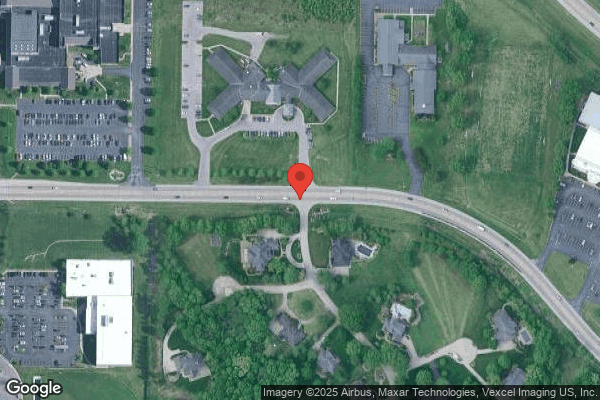

6277 CENTER GROVE ROAD, EDWARDSVILLE, IL 62025 (618) 659-0605
For profit - Limited Liability company 120 Beds Independent Data: November 2025 1 Immediate Jeopardy citation
Trust Grade
0/100
#562 of 665 in IL
Last Inspection: May 2024

Within standard 12-15 month inspection cycle. Federal law requires annual inspections.

Overview

La Bella of Edwardsville has received an F trust grade, indicating significant concerns about the quality of care provided, which places it in the poor category. It ranks #562 out of 665 nursing homes in Illinois, putting it in the bottom half of facilities in the state, and #16 out of 17 in Madison County, meaning there is only one local option that is considered better. While the facility's trend is improving, with the number of issues reported decreasing from 14 in 2024 to 3 in 2025, it still has a high staff turnover rate of 69%, significantly above the state average of 46%. Additionally, the nursing home has incurred $160,024 in fines, which is concerning and suggests ongoing compliance issues, and it has less RN coverage than 96% of similar facilities, meaning residents may not receive the attention they need. Specific incidents of concern include a resident suffering multiple bruises due to abuse, inadequate incontinence care leading to pain and discomfort for another resident, and a critical finding related to emergency care protocols not being followed as per the resident's wishes. Overall, while there are some signs of improvement, the facility still faces serious challenges that families should carefully consider.

Trust Score
F
0/100
In Illinois
#562/665
Bottom 16%
Safety Record
High Risk
Review needed
Inspections
Getting Better
14 → 3 violations
Staff Stability
⚠ Watch
69% turnover. Above average. Higher turnover means staff may not know residents' routines.
Penalties
○ Average
$160,024 in fines. Higher than 58% of Illinois facilities. Some compliance issues.
Skilled Nurses
⚠ Watch
Each resident gets only 13 minutes of Registered Nurse (RN) attention daily — below average for Illinois. Fewer RN minutes means fewer trained eyes watching for problems.
Violations
⚠ Watch
43 deficiencies on record. Higher than average. Multiple issues found across inspections.
★☆☆☆☆
1.0
Overall Rating
★☆☆☆☆
1.0
Staff Levels
★★★☆☆
3.0
Care Quality
★★☆☆☆
2.0
Inspection Score
Stable
2024: 14 issues
2025: 3 issues

The Good

  • Full Sprinkler Coverage · Fire safety systems throughout facility
  • No fines on record

Facility shows strength in fire safety.

The Bad

1-Star Overall Rating

Below Illinois average (2.5)

Significant quality concerns identified by CMS

Staff Turnover: 69%

23pts above Illinois avg (46%)

Frequent staff changes - ask about care continuity

Federal Fines: $160,024

Well above median ($33,413)

Significant penalties indicating serious issues

Staff turnover is elevated (69%)

21 points above Illinois average of 48%

The Ugly 43 deficiencies on record

1 life-threatening 11 actual harm
Apr 2025 2 deficiencies
CONCERN (D) 📢 Someone Reported This

A family member, employee, or ombudsman was alarmed enough to file a formal complaint

Potential for Harm - no one hurt, but risky conditions existed

ADL Care (Tag F0677)

Could have caused harm · This affected 1 resident

**NOTE- TERMS IN BRACKETS HAVE BEEN EDITED TO PROTECT CONFIDENTIALITY** Based on interview and record review the facility failed to provide showers twice a week to 2 of 4 residents (R1 and R8) reviewe...

Read full inspector narrative →
**NOTE- TERMS IN BRACKETS HAVE BEEN EDITED TO PROTECT CONFIDENTIALITY** Based on interview and record review the facility failed to provide showers twice a week to 2 of 4 residents (R1 and R8) reviewed for bathing in the sample of 11. Findings include: 1. R1's Bath and Skin Report sheet dated April 2025 documents bath or shower preference to be done AM on Monday and Thursday. R1's bath and skin report does not document a shower being given from 4/14/2025- 4/23/2025. R1's Face Sheet dated 4/23/2025 documents in part a diagnosis of Quadriplegia, Dysphagia, Speech and Language Deficits following Cardiovascular Disease. R1's Care Plan dated 7/9/2022 documents R1 has an Activity Daily Living (ADL) self-care performance deficit related to Cerebrovascular Accident (CVA), Weakness. R1's care plan documents interventions R1 currently requires assistance for bathing total 2. R1's Care plan documents R1 has bowel incontinence related to immobility. R1's Minimum Data Set (MDS) dated [DATE] document unable to do Brief interview for Mental status due to R1's cognitive impairment. 2. R8's Bath and Skin Report sheet dated April 2025 documents shower preference AM. R8's sheet documents Tuesday and Friday as shower days. R8's Bath and Skin Report Sheet does document R8 had a shower on 4/4/2025, and next documented shower 4/15/2025. R8's Bath and Skin Report does not document R8 receiving a shower from 4/4/2025-4/15/2025. R8's Bath and skin report does not document R8 receiving a shower from 4/15/2025- 4/21/2025 with last documented shower on 4/22/2025. R8's Care Plan dated, 6/19/2024 documents R8 has a ADL self-care performance deficit needs and participation may vary. R8's Care Plan documents the following interventions; R8 currently requires assistance with ADL's , Bathing physical help of one staff On 4/22/2025 at 1:23PM V5, Maintenance stated a circualtion pump had been down at the facility. V5 stated there was no hot water on Friday. V5 stated he did repairs and was called back in on Saturday for no hot water. V5 stated he called (outside contractor) and they helped him trouble shoot. V5 stated parts were ordered and he got them on Monday and installed. V5 stated water temps were not high enough to gives showers at that time. V5 stated after parts installed took about 2 hours for holding tank to fill to get temps up. On 4/23/2025 at 10:25AM V2, Director of Nursing (DON) stated residents are expected to get showers twice a week or more if soiled or incontinent. The facility policy Bath/shower/tub dated revised February 2018 documents the purpose is to promote cleanliness, provide comfort to the resident and to observe the condition of the resident's skin. The policy documents documentation; the date and time the shower/tub bath was performed, if the resident refused the shower/tub bath the reason why and intervention taken. the signature and title of the person recording the data.
CONCERN (D) 📢 Someone Reported This

A family member, employee, or ombudsman was alarmed enough to file a formal complaint

Potential for Harm - no one hurt, but risky conditions existed

Tube Feeding (Tag F0693)

Could have caused harm · This affected 1 resident

Based on observation, interview and record review the facility failed to change dressing and provide skin care daily to Gastrostomy (G ) tube for 1 of 3 residents (R2) reviewed for enteral feeding tub...

Read full inspector narrative →
Based on observation, interview and record review the facility failed to change dressing and provide skin care daily to Gastrostomy (G ) tube for 1 of 3 residents (R2) reviewed for enteral feeding tubes in the sample of 11. Findings include: 1. On 4/22/2025 at 9:03 AM R2's Gastrostomy (G) tube dressing in place with date of 4/18/2025 as verified by V3, Licensed Practical Nurse (LPN). R2's Care plan dated 3/21/2025 documents R2 requires tube feeding related to oropharyngial dysphagia after Cerebrovascular Accident (CVA). R2's care plan documents intervention; provide skin care to insertion site daily and as needed (PRN). R2's Physician Order (PO) dated 4/22/2025 documents G-tube site care - cleanse site and apply dry split gauze dressing every night after 12 AM. On 4/22/2025 at 9:03 AM V3, Licensed Practical Nurse (LPN) stated R2's gtube is to be cleaned and dressing changed daily. The facility policy Gastrostomy/Jejunostomy Site Care dated revised April 2025 documents the purpose of the procedure is to promote cleanliness and to protect the gastrostomy or Jejunostomy irritation, breakdown and infection. The policy documents to verify there is PO for the procedure, review the resident's care plan and provide for any special needs for the resident. The policy documents person performing the procedure should record the following information in the resident's medical record which would include date and time procedure was formed.
Apr 2025 1 deficiency
CONCERN (D) 📢 Someone Reported This

A family member, employee, or ombudsman was alarmed enough to file a formal complaint

Potential for Harm - no one hurt, but risky conditions existed

Free from Abuse/Neglect (Tag F0600)

Could have caused harm · This affected 1 resident

**NOTE- TERMS IN BRACKETS HAVE BEEN EDITED TO PROTECT CONFIDENTIALITY** Based on interview and record review the facility failed to prevent verbal abuse for 1 of 3 residents (R6) reviewed for abuse in...

Read full inspector narrative →
**NOTE- TERMS IN BRACKETS HAVE BEEN EDITED TO PROTECT CONFIDENTIALITY** Based on interview and record review the facility failed to prevent verbal abuse for 1 of 3 residents (R6) reviewed for abuse in the sample of 9. Findings include: R6's (Electronic Medical Records (EMR) undated documents that resident was admitted to the facility on [DATE]. R6's EMR dated 4/4/25 documents R6 has diagnoses of spinal stenosis, lumbar region without neurogenic claudication; chronic obstructive pulmonary disease; major depressive disorder; anxiety disorder; chronic diastolic congestive heart failure; and chronic kidney disease, stage 3B. R6's medical record and Care Plan did not document a care plan for abuse. R6's Minimum Data Set (MDS) dated [DATE] documents a BIMS (Brief Interview for Mental Status) score of 14 out of 15. The MDS documents that the resident requires substantial/maximal assistance with sit to lying. The MDS documents that the resident requires partial/moderate assistance with lying to sitting on side of bed. On 4/9/25 at 1:13 PM, R5 stated that a staff member has been yelling at her roommate, (R6). Tell her to hurry up and I don't have time for this, I got places to go. On 4/9/25 at 2:09 PM, R6 stated that she does not know her name. She stated that she (V7) yelled and was very abrasive. She stated that she told her (V7) that she would feel better changing her clothes in the bathroom. (R6) stated that she was told that she was staying right here (by her bed) and changing her clothes. She stated that she told the staff that she wanted to eat breakfast in her room and was told you have to go to the dining room. On 4/9/25 at 2:40pm, V1, Administrator stated that this is the same staff member that alleged verbal abuse to (R2), V7. He stated that she was educated for abuse and customer service. It was V7 and she was suspended that day. On 4/9/25 at 3:08 PM, R6 stated that the staff yelled at her and that's verbal abuse. She stated that she is not scared or intimidated. She stated that she would not come back here. She stated that the staff member should not be doing this job if she does not know how to talk to people. On 4/10/25 at 8:33 AM, V10, LPN (Licensed Practical Nurse) stated that residents have complained about CNAs (Certified Nursing Assistant) and Therapy. She stated that they complain that they force them to do things or that they rush them to do things. She stated that the residents complain about the way staff talk to them. Facility's Abuse, Neglect, Exploitation, and Misappropriation Prevention Program dated 9/2024 documents Residents have the right to be free from abuse, neglect, misappropriation of resident property and exploitation. This includes but is not limited to freedom from corporal punishment, involuntary seclusion, verbal, mental, sexual or physical abuse, and physical or chemical restraint not required to treat the resident's symptoms.
Nov 2024 1 deficiency 1 Harm
SERIOUS (G) 📢 Someone Reported This

A family member, employee, or ombudsman was alarmed enough to file a formal complaint

Actual Harm - a resident was hurt due to facility failures

Free from Abuse/Neglect (Tag F0600)

A resident was harmed · This affected 1 resident

**NOTE- TERMS IN BRACKETS HAVE BEEN EDITED TO PROTECT CONFIDENTIALITY** Based on interview and record review, the facility failed to ensure residents were free from abuse for 1 of 3 residents (R2) rev...

Read full inspector narrative →
**NOTE- TERMS IN BRACKETS HAVE BEEN EDITED TO PROTECT CONFIDENTIALITY** Based on interview and record review, the facility failed to ensure residents were free from abuse for 1 of 3 residents (R2) reviewed for abuse in the sample of 3. This failure resulted in (R2) sustaining multiple bruises to her face requiring to be evaluated in the emergency room at the local hospital. This past non-compliance occurred on 10/31/2024 through 11/19/2024. R3's Face Sheet dated 11/4/2024, documents she was admitted to the facility on [DATE] with diagnoses including Alzheimer's disease, anxiety, schizophrenia, depression and dementia. R3's Minimum Data Set (MDS) dated [DATE], documents she is cognitively impaired with inattention and disorganized thinking. No indicators of psychosis. Behavioral symptoms not directed toward others. R3's Care Plan, dated 10/31/2024 documents focus: resident at risk for abuse, abusing others demonstrates behaviors that have potential to disturb others. 10/31/2024 altercation with another resident in which (R3) was the perpetrator. Goal: resident will be free from abuse and without abuse behavior. Interventions: 10/31/2024 enhanced supervision 1:1, address resident concerns as they arise, observe for changes in customary routines. Resident moved to sitting room, 1;1 with nurse until EMS (emergency medical services) and police responding to transport resident to local hospital for psych evaluation. R3's Progress Note, dated 10/31/2024 at 11:30 PM, documents there was screaming and yelling down the hall and the CNA (Certified Nurses Assistant) went down and noted it was coming out of res (resident) rm (room) and she was getting back in bed after attacking another res. Res stated that the other res was getting on her nerves. She stated that everything was building up so she got out of bed and started hitting res. R3's Progress Note, dated 10/31/2024 at 11:38 PM, documents res stated that the other res was getting on her nerves and also stated that it kept building up then she got out of bed and started hitting her then went back to get in bed. Res was asked to come out of her rm to go sit in the tv rm and res refuse until this nurse went down to res rm and told her to come up to the tv rm. Res sat in the tv rm until EMS arrived. MD (physician), DON (Director of Nurses) and res family notified of incident. R3's Petition for Involuntary/Judicial Admission, dated 10/31/2024 at 9:30 PM, documents res attacked another res. She has bruising on her hand and bruising to the other pt (patient) neck and face. (R3) stated she was getting on my nerves everything was building up and she got up and went over to the bed and started hitting the other res. R3's Hospital Progress Note, dated 11/1/2024 documents a [AGE] year-old female with history of major neurocognitive disorder admitted [DATE] through the local hospital emergency room after assaulting roommate at the nursing home. The patient has no memory of that. R3 was readmitted to the facility per facility progress note, dated 11/6/2024. On 11/20/2024 at 2:15 PM, R3 was observed laying in bed. (R3) smiled upon approach and when asked about the physical altercation between her and (R2) she stated she never hit anyone in her life and she would never ever do that because that's not the right thing to do. R2's Face Sheet, dated 11/4/2024 documents hemiplegia and hemiparesis following cerebral infarction affecting right dominate side, facial weakness, cognitive communication deficit, dysphagia, expressive language disorder, frontal lobe and executive function deficit following other cerebrovascular disease, mixed receptive-expressive language disorder, pain and osteoarthritis. R2's MDS, dated [DATE], documents resident rarely/never understood, severely cognitively impaired with inattention and disorganized thinking, other behavioral symptoms not directed toward others occurred daily. Dependent with chair/bed-to-chair transfer, sit to lying, roll left and right, sit to stand. Incontinent of bowel and bladder. R2's Late Entry Progress Note, dated 10/31/2024 at 10:00 PM, documents resident is alert and disorientated per usual baseline. Resident denies/exhibits no mental anguish or emotional upset. No new injuries noted on assessment. No pain. Reddish-purple bruising noted. Physician notified of change in condition and responsible party notified. R2's Progress Note, dated 10/31/2024 at 11:54 PM, documents this res was assisted to bed and was not left in rm for about 15 to 20 min (minutes) before hearing screaming and yelling coming up the hall. CNA went down to see what was happening and she notice the other res was getting back in bed and she turned the light on and saw this res leg hanging to the side of the bed like she tried to get up and her face was scratched and bruised up then the CNA called for this nurse to come down to the rm. MD, DON and state representative for this res notified. Res was sent to local hospital to be assessed. R2's Alleged Abuse Report, dated 10/31/2024 at 9:37 PM, documents incident description: there were screaming and yelling coming down the hall and a CNA went down to see what was going on and she noted that this residents legs was hanging out the bed like she wanted to get up and the other res was getting back in bed. This res face was scratched up and a black area under l (left) eye. Resident has aphasia but can explain what's going on and she showed that she hitting her in the face. Immediate action taken: staff stayed in rm for awhile and then the other res was sent to the tv rm until EMS came to take her to psych for evaluation. Level of pain: 4/10, breathing: normal, negative vocalization: none, facial expression: facial grimacing, body language: tensed, consolability: distracted. Injuries observed at time of incident: bruise on face. R2's Hospital Paperwork, dated 10/31/2024, documents she was seen for injury due to physical assault: traumatic periorbital ecchymosis (bruising) of left eye and nose. R2's Progress Note, dated 11/1/2024 at 4:35 AM, documents resident returns to facility via EMS, MD notified. R2's New Identified Skin Condition Form, dated 11/4/2024, documents face - bruising to left eye, nose, left chin, right forehead and right bottom eyelid. On 11/20/2024 at 1:52 PM R2 sat up in a wheelchair in the dining room. Upon approach R2 smiled but didn't respond to IDPH (Illinois Department of Public Health) surveyor's questions regarding the physical altercation between her and R3. R2 had light purple/pink bruising under her left eye at the time of the interview. On 11/20/2024 at 3:07 PM V9, LPN (Licensed Practical Nurse) stated she worked the night of 10/31/2024 and responded to the physical altercation between R2 and R3. R2 doesn't communicate verbally due to post stroke. Prior to the incident R2 was up in the dining room. R3 communicates verbally and is ambulatory and was in bed when staff assisted R2 to bed. A few minutes later I heard screaming and told staff to go down the hall and see what was occurring. R3 was getting back into bed and noted R2's legs were off the side of the bed as if she was trying to get up. Staff turned the light on and saw R2's face was bruised up. Staff called for V9 to come to the room. She observed R2's face bruised and had a sad face and R2 is always happy so she knew R2 was affected by what occurred. R3 was asked why she hit R2 and R3 responded, She was getting on my nerves. R3 didn't respond to V9's additional questions. V9 assessed R2 at that time. Staff stayed in the resident's room. V10 (former DON) and V1 (administrator) were contacted. R3 was moved to the sitting area across the nurse's station and R2 was sent to the hospital for further evaluation and treatment due to the facial bruising. R3 was sent to the hospital for a psychiatric evaluation. On 11/21/2024 at 10:30 AM V11, CNA stated she worked 10/31/2024 2:00 PM - 6:00 AM but was not assigned to R2 and R3, she was assigned to another hall but she heard yelling so she went to the room and when she entered the room she turned the light on and noted R3 was getting back in bed and (R2) was in bed with her legs off the side of the bed which was odd because (R2) is a total lift, she doesn't get out of bed by herself or walk and she immediately noted bruising to (R2's) left eye. (R2) can't verbally communicate but V11 asked her if her roommate, (R3) hit her and (R2) pointed to (R3) yelled and shook her head yes. On 11/21/2024 at 10:50 AM V12, LPN stated she worked night shift on 10/31/2024 and arrived at the facility at around 10:00 PM. The resident to resident altercation occurred between (R2) and (R3) right before she got there. She assisted nursing staff and assessed (R2) when she got to the facility and assessed (R2). R2 was crying and when she asked her if she was in pain (R2) nodded her head, yes. (R2) Sustained bruising to her face from her roommate, (R3) hitting her. V12 also assessed (R3) who was in another room and assessed her to have red and swollen hands at that time. V12 asked (R3) why she hit (R2) and she stated, She deserved it. (R3) was also very agitated and called (R3) a w**** and stated she stole her stuff. On 11/21/2024 at 11:05 AM V13, CNA stated she worked day shift 2:00 PM - 10:00 PM on 10/31/2024. Toward the end of (V13) shift her and V11 were sitting at the nurse's station charting and they heard screaming from the 100 hall. They went to see what was going on and observed (R3) getting back into bed and saw (R2's) legs were off the side of the bed which is abnormal for her because she is a one staff assist lift to get out of bed and she doesn't communicate verbally. V11 asked (R2) if (R3) hit her and (R2) pointed at (R3) and shook her head yes. V13 stated she wasn't assigned to (R2) or (R3) and she didn't assist (R2) to bed that night. V13 stated the nurse came to assess both residents and she left the facility shortly after. On 11/21/2024 at 12:30 PM V14, CNA stated she was assigned to (R2) and (R3) on 10/31/2024 she worked evening shift from 2:00 PM - 10:00 PM. V14 stated (R3) ambulates throughout the facility and has no aggressive behaviors toward other residents, (R3) participated in Halloween activities that day and she was her usual chipper self. (R2) is a total care resident and a sit to stand lift to transfer from wheelchair to bed. V14 stated she worked with V15, CNA and they swapped residents to lay down so V15 assisted (R2) to bed that night. V14 observed the nurse running down 100 hall so she responded to (R2) and (R3's) room and noted (R2) had a bruised face and looked beat up. At that time (R3) was calling (R2) a w****. On 11/20/2024 at 1:45 PM V7, CNA stated roommate (R3) hit R2 on the face a few weeks ago and (R2's) face was all bruised up. R2 is total care resident and requires a sit to stand lift to transfer to and from bed. R2 can't defend herself because she is post stroke and she is unable to communicate verbally. V7 stated she wasn't here when the physical altercation took place but she observed R2 the next day and she looked all black and blue on her face like R3 must have jumped her or something. On 11/20/2024 at 2:00 PM A V8, Social Services Director (SSD) stated she received a call from facility staff on 10/31/2024 at 10:18 PM and staff reported that R3 hit R2 on the face and they were both being sent to the hospital. R3 for a psychiatric evaluation and R2 due to the extent of the injuries she sustained from R3 hitting her on the face multiple times. R3 was admitted to the facility 1/2024, she is pleasant and ambulates throughout the facility and had no behaviors at all until that day. V8 recalled observing R3 up in the dining room participating in Halloween activities that day and there were no signs of upcoming behaviors at that time. On 11/20/2024 at 2:30 PM V1, Administrator stated R3 has a psychiatric diagnosis and has had no bad behaviors since being admitted to the facility. V1 observed R3 participate in Halloween activities in the dining room the day of the incident and there were no signs that anything was off about her that day. V1 stated no other abuse allegation within the last 90 days. Prior to the survey date, the Facility took the following actions to correct the noncompliance on 11/19/2024. Immediate Actions: 1-R1 was assessed, plan of care reviewed and updated. R2 was sent to the hospital for evaluation and treatment of acute psychotic state. 2-Admistrator, Director of Nursing, Assistant Director of Nursing, Staffing Coordinator, Evening Receptionist and a unit manager in-serviced nursing and therapy staff regarding the facility's abuse policy with emphasis on how to prevent abuse. 3-Administrator immediately initiated ongoing audits of abuse immediately addressed upon identification and/or re-education conducted weekly for 4 weeks. After 4 weeks, the audits will be completed monthly for a minimum of 3 months. 4-Any concerns identified from the audits will be addressed immediately and will be reviewed by QAPI team monthly, to determine if current interventions are adequate or additional actions need to be completed to ensure compliance. Ongoing Actions: 1-Education will be provided to new employees prior to being allowed to work in the Facility and all employees at the monthly inservice. 2-Concerns will be addressed immediately and discussed during the monthly QAPI Committee for resolution.
Jul 2024 4 deficiencies 1 Harm
SERIOUS (G) 📢 Someone Reported This

A family member, employee, or ombudsman was alarmed enough to file a formal complaint

Actual Harm - a resident was hurt due to facility failures

Incontinence Care (Tag F0690)

A resident was harmed · This affected 1 resident

**NOTE- TERMS IN BRACKETS HAVE BEEN EDITED TO PROTECT CONFIDENTIALITY** Based on observation, interview and record review, the facility failed to provide timely and complete incontinence care for 1 of...

Read full inspector narrative →
**NOTE- TERMS IN BRACKETS HAVE BEEN EDITED TO PROTECT CONFIDENTIALITY** Based on observation, interview and record review, the facility failed to provide timely and complete incontinence care for 1 of 3 (R4) residents reviewed for improper nursing care. This failure resulted in R4 feeling sad, and unsafe in the facility and experiencing pain to buttocks during incontinent care and obtaining open areas. Findings include: R4's Care Plan, dated 4/30/21, documents (R4) has bowel incontinence cognitive status. It continues, Provide pericare after each incontinent episode, Check resident Q (every) 2-3 hrs (hours) and PRN (as needed) for incontinent episodes. It also documents 4/27/24 (R4) has urinary incontinence. It continues, Provide incontinent/peri-care PRN, Check every 2-3 hours and/or as required for incontinence. Provide incontinent care as needed. R4's Minimum Data Set, dated [DATE], documents that R4 is cognitively intact, occasionally incontinent of urine and always incontinent of bowel. It also documents that R4 is dependent on staff for toileting. R4's Progress note, dated 7/2/2024 at 3:27 PM, documents Health Status Note, Note Text: Noted open sheared areas to right gluteal fold and to back of left thigh. incontinent care provided and skin protected cream applied. (V10) notified and guest requested to notify son because unable to contact daughter. On 7/20/2024 at approximately 11:24 AM, observed R4 lying in bed on her back, in her room. A strong foul-smelling odor in room. R4's top sheet was wet and soiled with a brown stain. Observed brown liquid dripping onto the floor. R4 stated that she needed to be changed and had been waiting since 7pm last night. R4 then pressed the call light button. V11, Certified Nurses Assistant (CNA), answered the call light. V11 pulled back the top sheet and covered R4 up and left the room. At 11:29 AM, V11 and V13, CNA, returned to R4's room with supplies. V11 pulled back the urine and stool-soaked top sheet revealing a heavily soiled and soaked incontinent brief. R4 was lying on top of a fitted sheet, a draw sheet and an incontinent pad. R4 was soaked through each layer of linen. R4's fitted sheet was soaked and had a large brown ring ranging from the back of R4's knees up to the back of R4's neck. V11 then opened R4's incontinent brief and a large amount of soft stool observed covering R4's peri area and lower abdominal fold. V11 then cleansed R4's peri area and abdominal fold. R4 had facial grimacing and yelled out it hurt when being cleaned. V11 and V13 then turned R4 onto her left side that revealed a heavily soaked and saturated incontinent brief stuck to R4's back and buttocks. The incontinent pad, draw sheet and fitted sheet were heavily soaked through with urine and stool. V11 removed the incontinent brief and revealed a large amount of soft foul-smelling stool ranging from R4's buttocks up to the middle of R4's back. V11 then cleansed the stool from R4's buttocks. R4 yelling in pain with each wipe. V11 attempted to calm R4 and paused between wipes. V11 cleansed R4's buttocks and revealed multiple deep red and brown creases in R4 skin that did not fade during incontinent care, and multiple open areas were observed to R4's buttocks and thighs. R4 stated that it was painful when being cleaned. On 7/2/2024 at 11:24 AM, R4 stated that she does not feel safe at the facility and would feel better at home. When asked why does she say that? R4 responded that they leave you alone here. R4 stated that They don't take care of me here. I have been dirty since 7pm last night. I have asked for help and no one helps. They say they will be back and don't come. R4 continued I am alone here, my son works and is not able to take care of me at home. They think its better here but its not. It makes me sad, no one wants to help me. On 7/2/2024 at 11:29 AM, V11 stated that this is unacceptable. V11 stated that (R4) should have been cleaned before now. V11 stated that she was not aware of (R4) having any open areas. V11 stated that (R4) is alert and able to verbalize her needs. V11 stated that she came in the room prior to this and (R4) was sleeping. V11 stated that they got (R4's) roommate up and then proceeded to the other residents. V11 stated that she was not aware that (R4) was in this condition. V11 stated that she prides herself on the care she gives and that this looks like (R4) had been like this for a long time. On 7/3/2024 at approximately 8:28 AM, V12, Licensed Practical Nurse (LPN) stated that she was made aware of (R4's) condition on yesterday. V12 stated that it was unacceptable the condition (R4) was in. V12 stated that she expects the staff to perform incontinent care after each episode of incontinence. V12 stated that the (R4) should have been checked on and if (R4) notified someone that she was incontinent then she expects them to change her. V12 stated that (R4) is alert and tells the staff when she has become incontinent. V12 stated that after the incontinent care was completed she assessed (R4's) skin and applied some cream to it. V12 stated that the areas to (R4's) body are new. V12 stated that the physician and family were notified. V12 stated that (R4) has been changed and repositioned and cream has been applied to (R4's) skin. The facility's Perineal/Incontinent Care Standards and Guidelines, dated 10/24/22, documents Standard: It will be the standard of this facility to provide cleanliness and comfort to the resident, to prevent infections and skin irritation, and to observe the resident's skin condition and provide appropriate care and services required to maintain functional levels while providing perineal/incontinence care. It continues Guidelines: 4. Provide perineal/incontinence care In accordance with physician orders or resident's plan of care, while ensuring to maintain resident preferences as indicated and resident privacy/dignity.
CONCERN (D) 📢 Someone Reported This

A family member, employee, or ombudsman was alarmed enough to file a formal complaint

Potential for Harm - no one hurt, but risky conditions existed

Abuse Prevention Policies (Tag F0607)

Could have caused harm · This affected 1 resident

**NOTE- TERMS IN BRACKETS HAVE BEEN EDITED TO PROTECT CONFIDENTIALITY** Based on interview and record review the facility failed to initiate its abuse policy and report and investigate injuries of unk...

Read full inspector narrative →
**NOTE- TERMS IN BRACKETS HAVE BEEN EDITED TO PROTECT CONFIDENTIALITY** Based on interview and record review the facility failed to initiate its abuse policy and report and investigate injuries of unknown origin for 1 of 3 (R3) residents reviewed for abuse. Findings include: R3's Care Plan, dated [DATE], documents that (R3) has an alteration in hematological status r/t (related to) Anticoagulant side effects, anemia, history of GI bleed. It continues, Report to the physician any S/S (signs/symptoms) abnormal bleeding or hemorrhage. If resident falls must be sent to emergency room due to anticoagulant use: Monitor for signs/symptoms of bleeding, bruising, active bleed, pain and swelling. It also documents [DATE] (R3) is at risk for abnormal bleeding r/t use of anticoagulant therapy for management of embolism and thrombosis of right popliteal vein. It continues, Monitor for and report to nurse any of the following s/s bleeding: Bleeding gums, Nose bleeds, unusual bruising, Tarry, black stools, Pink or discolored urine. Report to the physician any S/S abnormal bleeding or hemorrhage. R3's Minimum Data Set, dated [DATE], documents that R3 is moderately cognitively impaired. Verbal behavior symptoms directed towards others and other behavioral symptom not directed towards others. R3's Progress Note dated [DATE] at 4:30 PM, documents Health Status Note, Note Text:: Resident stating I don't care if I live or die. Resident with bruising on arms from self injurious behavior. R3's Progress Note, dated [DATE] at 1:54 PM, documents Social Services Progress Note, Note Text: SSD (Social Service Director) called behavioral health and spoke with SW (social worker). And they have admitted resident. They stated doctor has not transcribed the admitting DX (diagnosis) yet. She did ask what happened. SSD explained she was having self-harming behaviors. Yelling and screaming. Cussing staff and telling them she hates them. She told nursing she didn't care if she lived or died. R3's Weekly Skin Integrity Review, dated [DATE], documents new skin impairments identified: left antecubital 8.5 x 4cm bruise to left upper arm, left hand 1x1 cm middle finger bruise, 4th finger scab 1x5x0.3 and left lower wrist 1.5 x 3cm bruise. It continues Resident also told me she hits the wall often with her hands and arms. She also wheels herself around in her wheelchair causing bruising to her hands and arms. Resident stated that I hate my life and no one loves me, all you had to do was let me go smoke. Now I want to die and I am calling the abuse hotline. On [DATE] at 10:00 AM, R3's Incident Reports and Investigations were requested. As of [DATE] at 3:00 PM the facility had not provided R3's reports. On [DATE] at approximately 8:40 AM, V1, Administrator stated that the bruises to R3's arms and hands were not investigated only the documentation in the nurses note. On [DATE] at 10:11, V2, Director of Nursing (DON) stated that the nurse on duty was an agency nurse. V2 stated that because of this she handled the situation with (R3). V2 stated that (R3) was having behaviors of yelling, screaming, and cursing at staff. V2 stated that attempts to calm and redirect (R3) was not successful. V2 stated that (R3) stated that she didn't care of she died. When asked what was the self-harming behavior? V2 stated that (R3) stated that she was going to take a bottle of pills and didn't care if she died. When asked did (R3) hit, bite, or scratch herself? V2 stated No. V2 stated that the self-harming act was saying that she would take a bottle of pills and did not care if she lived or died. When asked how did the bruises to (R3's) hands and arms occur? V2 stated that it was from (R3) hitting her arms on the chair. When asked if there was an investigation related to the bruising performed? V2 stated No. V2 stated that they do not complete an investigation if they witness what happened. When asked if the bruising to (R3's) hands and arm were witnessed. V2 stated No. When asked which bruise was from hitting on the wheelchair? V2 did not know. When asked how did she know that the bruises occurred from hitting the wheelchair? V2 did not answer. On [DATE] at approximately 8:28 AM, V12, Licensed Practical Nurse (LPN) stated that (R3) has multiple behaviors. V12 stated that (R3) yells and curses at staff. V12 stated that she will swing at staff. V12 stated that she has not heard of (R3) connecting. V12 stated that (R3) will make up stories and try to get staff fired. V12 stated that she will like you one moment and then in a matter of minutes she is cursing at you and call you out of your name. V12 stated that she has not witness care with (R3). V12 stated that she has not witness any self-harm behavior from (R3). V12 stated that she was here when (R3) was sent out to the hospital. V12 stated that (R3) was yelling and cursing at the staff and was unable to be redirected. On [DATE] at approximately 1:30 PM, V3, Assistant Director of Nursing (ADON) stated that she completed the skin assessment. V3 stated that (R3) did have some bruising. V3 stated that the bruising appeared that they had been there for some time. When asked how did (R3) get the bruising, V3 stated that (R3) hits her hands on her chair but she could not say for certain that this is how (R3) obtained the bruising. V3 stated that she is not aware of (R3) having self-harm behavior. V3 stated that (R3) curses at the staff when she doesn't get what she wants. V3 stated that (R3's) behavior has gotten worse, the yelling and outburst have been more frequent. The facility's Abuse, Neglect, Exploitation or Misappropriation- Reporting and Investigating, dated September2022, documents that All reports of resident abuse (including injuries of unknown origin), neglect, exploitation, or theft/misappropriation of resident property are reported to local, state and federal agencies (as required by current regulations) and thoroughly investigated by facility management. Findings of all investigations are documented and reported. The facility's Accident and Incidents -Investigating and Reporting policy, dated [DATE], documents Policy Interpretation and Implementation Reporting Allegations to the Administrator and Authorities: If resident abuse, neglect, exploitation, misappropriation of resident property or injury of unknown source is suspected, the suspicion must be reported immediately to the administrator and to other officials according to state law. 2. The administrator or the individual making the allegation immediately reports his or her suspicion to the following persons or agencies: a. The state licensing/certification agency responsible for surveying/licensing the facility; b. The resident's representative; c. Adult protective services (where state law provides jurisdiction in long-term care); d. Law enforcement officials for serious injury e. The resident's attending physician; and f. The facility medical director. 3. Immediately is defined as: a. within two hours of an allegation involving abuse or result in serious bodily injury; or b. within 24 hours of an allegation that does not involve abuse or result in serious bodily injury. 4. Verbal/written notices to agencies are submitted via special carrier, fax, e-mail, or by telephone. 5. Notices include, as appropriate: a. the resident's name; b. the resident's room number; c. the type of abuse that is alleged (i.e., verbal, physical, sexual, neglect, etc.); d. the date and time the alleged incident occurred; e. the name(s) of all persons involved in the alleged incident; and f. what immediate action was taken by the facility. 6. Upon receiving any allegations of abuse, neglect, exploitation, misappropriation of resident property or injury of unknown source, the administrator is responsible for determining what actions (if any) are needed for the protection of residents. Investigating Allegations: 1. All allegations are thoroughly investigated. The administrator initiates investigations. 3. The administrator provides supporting documents and evidence related to the alleged incident to the individual in charge of the investigation. The facility's Abuse, Neglect, Exploitation or Misappropriation - Reporting and Investigating policy, dated [DATE], documents Policy Statement: All accidents or incidents involving residents, employees, visitors, vendors, etc., occurring on our premises shall be investigated and reported to the administrator. Policy Interpretation and Implementation: 1. The nurse supervisor/charge nurse and/or the department director or supervisor shall promptly initiate and document investigation of the accident or incident.
CONCERN (D) 📢 Someone Reported This

A family member, employee, or ombudsman was alarmed enough to file a formal complaint

Potential for Harm - no one hurt, but risky conditions existed

Report Alleged Abuse (Tag F0609)

Could have caused harm · This affected 1 resident

**NOTE- TERMS IN BRACKETS HAVE BEEN EDITED TO PROTECT CONFIDENTIALITY** Based on interview and record review the facility failed to initiate its abuse policy and report injuries of unknown origin for ...

Read full inspector narrative →
**NOTE- TERMS IN BRACKETS HAVE BEEN EDITED TO PROTECT CONFIDENTIALITY** Based on interview and record review the facility failed to initiate its abuse policy and report injuries of unknown origin for 1 of 3 (R3) residents reviewed for abuse. Findings include: R3's Care Plan, dated [DATE], documents that (R3) has an alteration in hematological status r/t (related to) Anticoagulant side effects, anemia, history of GI bleed It continues Report to the physician any S/S (signs/symptoms) abnormal bleeding or hemorrhage. If resident falls must be sent to emergency room due to anticoagulant use: Monitor for signs/symptoms of bleeding, bruising, active bleed, pain and swelling. It also documents [DATE] (R3) is at risk for abnormal bleeding r/t use of anticoagulant therapy for management of embolism and thrombosis of right popliteal vein. It continues Monitor for and report to nurse any of the following s/s bleeding: Bleeding gums, Nose bleeds, unusual bruising, Tarry, black stools, Pink or discolored urine. Report to the physician any S/S abnormal bleeding or hemorrhage. R3's Minimum Data Set, dated [DATE], documents that R3 is moderately cognitively impaired. Verbal behavior symptoms directed towards others and other behavioral symptom not directed towards others. R3's Progress Note dated [DATE] at 4:30 PM, documents Health Status Note, Note Text: Resident stating I don't care if I live or die. Resident with bruising on arms from self injurious behavior. R3's Progress Note, dated [DATE] at 1:54 PM, documents Social Services Progress Note, Note Text: SSD (Social Service Director) called behavioral health and spoke with SW (social worker). And they have admitted resident. They stated doctor has not transcribed the admitting DX (diagnosis) yet. She did ask what happened. SSD explained she was having self-harming behaviors. Yelling and screaming. Cussing staff and telling them she hates them. She told nursing she didn't care if she lived or died. R3's Weekly Skin Integrity Review, dated [DATE], documents new skin impairments identified: left antecubital 8.5x4cm bruise to left upper arm, left hand 1x1 cm middle finger bruise, 4th finger scab 1x5x0.3 and left lower wrist 1.5x3cm bruise. It continues Resident also told me she hits the wall often with her hands and arms. She also wheels herself around in her wheelchair causing bruising to her hands and arms. Resident stated that I hate my life and no one loves me, all you had to do was let me go smoke. Now I want to die and I am calling the abuse hotline. On [DATE] at 10:00 AM, R3's Incident Reports and Investigations were requested. As of [DATE] at 3:00 PM the facility had not provided R3's reports. On [DATE] at approximately 8:40 AM, V1, Administrator stated that the bruises to (R3's) arms and hands were not investigated only the documentation in the nurses note. On [DATE] at 10:11 V2, Director of Nursing (DON) stated that the nurse on duty was an agency nurse. V2 stated that because of this she handled the situation with (R3). V2 stated that (R3) was having behaviors of yelling, screaming, and cursing at staff. V2 stated that attempts to calm and redirect (R3) was not successful. V2 stated that (R3) stated that she didn't care of she died. When asked what was the self-harming behavior? V2 stated that (R3) stated that she was going to take a bottle of pills and didn't care if she died. When asked did (R3) hit, bite, scratch herself? V2 stated No. V2 stated that the self-harming act was saying that she would take a bottle of pills and did not care if she lived or died. When asked how did the bruises to (R3's) hands and arms occur? V2 stated that it was from (R3) hitting her arms on the chair. When asked if there was an investigation related to the bruising performed? V2 stated No. V2 stated that they do not complete an investigation if they witness what happened. When asked if the bruising to (R3's) hands and arm were witnessed. V2 stated No. When asked which bruise was from hitting on the wheelchair? V2 did not know. When asked how did she know that the bruises occurred from hitting the wheelchair? V2 did not answer. On [DATE] at approximately 8:28 AM, V12, Licensed Practical Nurse (LPN) stated that (R3) has multiple behaviors. V12 stated that (R3) yells and curses at staff. V12 stated that she will swing at staff. V12 stated that she has not heard of (R3) connecting. V12 stated that (R3) will make up stories and try to get staff fired. V12 stated that she will like you one moment and then in a matter of minutes she is cursing at you and call you out of your name. V12 stated that she has not witness care with (R3). V12 stated that she has not witness any self-harm behavior from (R3). V12 stated that she was here when (R3) was sent out to the hospital. V12 stated that (R3) was yelling and cursing at the staff and was unable to be redirected. On [DATE] at approximately 1:30 PM, V3, Assistant Director of Nursing (ADON) stated that she completed the skin assessment. V3 stated that (R3) did have some bruising. V3 stated that the bruising appeared that they had been there for some time. When asked how did (R3) get the bruising V3 stated that (R3) hits her hands on her chair but she could not say for certain that this is how (R3) obtained the bruising. V3 stated that she is not aware of (R3) having self-harm behavior. V3 stated that (R3) curses at the staff when she doesn't get what she wants. V3 stated that (R3's) behavior has gotten worse, the yelling and outburst have been more frequent. The facility's Abuse, Neglect, Exploitation or Misappropriation- Reporting and Investigating, dated [DATE], documents that All reports of resident abuse (including injuries of unknown origin), neglect, exploitation, or theft/misappropriation of resident property are reported to local, state and federal agencies (as required by current regulations) and thoroughly investigated by facility management. Findings of all investigations are documented and reported. The facility's Accident and Incidents -Investigating and Reporting policy, dated [DATE], documents Policy Interpretation and Implementation Reporting Allegations to the Administrator and Authorities: If resident abuse, neglect, exploitation, misappropriation of resident property or injury of unknown source is suspected, the suspicion must be reported immediately to the administrator and to other officials according to state law. 2. The administrator or the individual making the allegation immediately reports his or her suspicion to the following persons or agencies: a. The state licensing/certification agency responsible for surveying/licensing the facility; b. The resident's representative; c. Adult protective services (where state law provides jurisdiction in long-term care); d. Law enforcement officials for serious injury e. The resident's attending physician; and f. The facility medical director. 3. Immediately is defined as: a. within two hours of an allegation involving abuse or result in serious bodily injury; or b. within 24 hours of an allegation that does not involve abuse or result in serious bodily injury. 4. Verbal/written notices to agencies are submitted via special carrier, fax, e-mail, or by telephone. 5. Notices include, as appropriate: a. the resident's name; b. the resident's room number; c. the type of abuse that is alleged (i.e., verbal, physical, sexual, neglect, etc.); d. the date and time the alleged incident occurred; e. the name(s) of all persons involved in the alleged incident; and f. what immediate action was taken by the facility. 6. Upon receiving any allegations of abuse, neglect, exploitation, misappropriation of resident property or injury of unknown source, the administrator is responsible for determining what actions (if any) are needed for the protection of residents. Investigating Allegations: 1. All allegations are thoroughly investigated. The administrator initiates investigations. 3. The administrator provides supporting documents and evidence related to the alleged incident to the individual in charge of the investigation. The facility's Abuse, Neglect, Exploitation or Misappropriation - Reporting and Investigating policy, dated [DATE], documents Policy Statement: All accidents or incidents involving residents, employees, visitors, vendors, etc., occurring on our premises shall be investigated and reported to the administrator. Policy Interpretation and Implementation: 1. The nurse supervisor/charge nurse and/or the department director or supervisor shall promptly initiate and document investigation of the accident or incident.
CONCERN (D) 📢 Someone Reported This

A family member, employee, or ombudsman was alarmed enough to file a formal complaint

Potential for Harm - no one hurt, but risky conditions existed

Investigate Abuse (Tag F0610)

Could have caused harm · This affected 1 resident

**NOTE- TERMS IN BRACKETS HAVE BEEN EDITED TO PROTECT CONFIDENTIALITY** Based on interview and record review the facility failed to initiate its abuse policy and investigate injuries of unknown origin...

Read full inspector narrative →
**NOTE- TERMS IN BRACKETS HAVE BEEN EDITED TO PROTECT CONFIDENTIALITY** Based on interview and record review the facility failed to initiate its abuse policy and investigate injuries of unknown origin for 1 of 3 (R3) residents reviewed for abuse. Findings include: R3's Care Plan, dated [DATE], documents that (R3) has an alteration in hematological status r/t (related to) Anticoagulant side effects, anemia, history of GI bleed. It continues, Report to the physician any S/S (signs/symptoms) abnormal bleeding or hemorrhage. If resident falls must be sent to emergency room due to anticoagulant use: Monitor for signs/symptoms of bleeding, bruising, active bleed, pain and swelling. It also documents [DATE] (R3) is at risk for abnormal bleeding r/t use of anticoagulant therapy for management of embolism and thrombosis of right popliteal vein. It continues Monitor for and report to nurse any of the following s/s bleeding: Bleeding gums, Nose bleeds, unusual bruising, Tarry, black stools, Pink or discolored urine. Report to the physician any S/S abnormal bleeding or hemorrhage. R3's Minimum Data Set, dated [DATE], documents that R3 is moderately cognitively impaired. Verbal behavior symptoms directed towards others and other behavioral symptom not directed towards others. R3's Progress Note dated [DATE] at 4:30 PM, documents Health Status Note, Note Text: Resident stating I don't care if I live or die. Resident with bruising on arms from self injurious behavior. R3's Progress Note, dated [DATE] at 1:54 PM, documents Social Services Progress Note, Note Text: SSD (Social Service Director) called behavioral health and spoke with SW (social worker). And they have admitted resident. They stated doctor has not transcribed the admitting DX (diagnosis) yet. She did ask what happened. SSD explained she was having self-harming behaviors. Yelling and screaming. Cussing staff and telling them she hates them. She told nursing she didn't care if she lived or died. R3's Weekly Skin Integrity Review, dated [DATE], documents new skin impairments identified: left antecubital 8.5x4cm bruise to left upper arm, left hand 1x1 cm middle finger bruise, 4th finger scab 1x5x0.3 and left lower wrist 1.5x3cm bruise. It continues Resident also told me she hits the wall often with her hands and arms. She also wheels herself around in her wheelchair causing bruising to her hands and arms. Resident stated that I hate my life and no one loves me, all you had to do was let me go smoke. Now I want to die and I am calling the abuse hotline. On [DATE] at 10:00 AM, R3's Incident Reports and Investigations were requested. As of [DATE] at 3:00 PM the facility had not provided R3's reports. On [DATE] at approximately 8:40 AM, V1, Administrator stated that the bruises to (R3's) arms and hands were not investigated only the documentation in the nurses note. On [DATE] at 10:11, V2, Director of Nursing (DON) stated that the nurse on duty was an agency nurse. V2 stated that because of this she handled the situation with (R3). V2 stated that (R3) was having behaviors of yelling, screaming, and cursing at staff. V2 stated that attempts to calm and redirect (R3) was not successful. V2 stated that (R3) stated that she didn't care of she died. When asked what was the self-harming behavior? V2 stated that (R3) stated that she was going to take a bottle of pills and didn't care if she died. When asked did (R3) hit, bite, scratch herself? V2 stated No. V2 stated that the self-harming act was saying that she would take a bottle of pills and did not care if she lived or died. When asked how did the bruises to (R3's) hands and arms occur? V2 stated that it was from (R3) hitting her arms on the chair. When asked if there was an investigation related to the bruising performed? V2 stated No. V2 stated that they do not complete an investigation if they witness what happened. When asked if the bruising to (R3's) hands and arm were witnessed. V2 stated No. When asked which bruise was from hitting on the wheelchair? V2 did not know. When asked how did she know that the bruises occurred from hitting the wheelchair? V2 did not answer. On [DATE] at approximately 8:28 AM, V12, Licensed Practical Nurse (LPN) stated that (R3) has multiple behaviors. V12 stated that (R3) yells and curses at staff. V12 stated that she will swing at staff. V12 stated that she has not heard of (R3) connecting. V12 stated that (R3) will make up stories and try to get staff fired. V12 stated that she will like you one moment and then in a matter of minutes she is cursing at you and call you out of your name. V12 stated that she has not witness care with (R3). V12 stated that she has not witness any self-harm behavior from (R3). V12 stated that she was here when (R3) was sent out to the hospital. V12 stated that (R3) was yelling and cursing at the staff and was unable to be redirected. On [DATE] at approximately 1:30 PM, V3, Assistant Director of Nursing (ADON) stated that she completed the skin assessment. V3 stated that (R3) did have some bruising. V3 stated that the bruising appeared that they had been there for some time. When asked how did (R3) get the bruising, (V3) stated that R3 hits her hands on her chair but she could not say for certain that this is how (R3) obtained the bruising. V3 stated that she is not aware of (R3) having self-harm behavior. V3 stated that (R3) curses at the staff when she doesn't get what she wants. V3 stated that (R3's) behavior has gotten worse, the yelling and outburst have been more frequent. The facility's Abuse, Neglect, Exploitation or Misappropriation- Reporting and Investigating, dated [DATE], documents that All reports of resident abuse (including injuries of unknown origin), neglect, exploitation, or theft/misappropriation of resident property are reported to local, state and federal agencies (as required by current regulations) and thoroughly investigated by facility management. Findings of all investigations are documented and reported. The facility's Accident and Incidents -Investigating and Reporting policy, dated [DATE], documents Policy Interpretation and Implementation Reporting Allegations to the Administrator and Authorities: If resident abuse, neglect, exploitation, misappropriation of resident property or injury of unknown source is suspected, the suspicion must be reported immediately to the administrator and to other officials according to state law. 2. The administrator or the individual making the allegation immediately reports his or her suspicion to the following persons or agencies: a. The state licensing/certification agency responsible for surveying/licensing the facility; b. The resident's representative; c. Adult protective services (where state law provides jurisdiction in long-term care); d. Law enforcement officials for serious injury e. The resident's attending physician; and f. The facility medical director. 3. Immediately is defined as: a. within two hours of an allegation involving abuse or result in serious bodily injury; or b. within 24 hours of an allegation that does not involve abuse or result in serious bodily injury. 4. Verbal/written notices to agencies are submitted via special carrier, fax, e-mail, or by telephone. 5. Notices include, as appropriate: a. the resident's name; b. the resident's room number; c. the type of abuse that is alleged (i.e., verbal, physical, sexual, neglect, etc.); d. the date and time the alleged incident occurred; e. the name(s) of all persons involved in the alleged incident; and f. what immediate action was taken by the facility. 6. Upon receiving any allegations of abuse, neglect, exploitation, misappropriation of resident property or injury of unknown source, the administrator is responsible for determining what actions (if any) are needed for the protection of residents. Investigating Allegations: 1. All allegations are thoroughly investigated. The administrator initiates investigations. 3. The administrator provides supporting documents and evidence related to the alleged incident to the individual in charge of the investigation. The facility's Abuse, Neglect, Exploitation or Misappropriation - Reporting and Investigating policy, dated [DATE], documents Policy Statement: All accidents or incidents involving residents, employees, visitors, vendors, etc., occurring on our premises shall be investigated and reported to the administrator. Policy Interpretation and Implementation: 1. The nurse supervisor/charge nurse and/or the department director or supervisor shall promptly initiate and document investigation of the accident or incident.
May 2024 5 deficiencies 1 IJ
CRITICAL (J)

Immediate Jeopardy (IJ) - the most serious Medicare violation

Deficiency F0678 (Tag F0678)

Someone could have died · This affected 1 resident

**NOTE- TERMS IN BRACKETS HAVE BEEN EDITED TO PROTECT CONFIDENTIALITY** Based on interview and Record Review the facility failed to perform cardiopulmonary resuscitation (CPR) for 1 of 1 resident (R7)...

Read full inspector narrative →
**NOTE- TERMS IN BRACKETS HAVE BEEN EDITED TO PROTECT CONFIDENTIALITY** Based on interview and Record Review the facility failed to perform cardiopulmonary resuscitation (CPR) for 1 of 1 resident (R7) reviewed for CPR in the sample of 48. This failure resulted in R7 not receiving life saving measures according to her Advanced Directives. The Immediate Jeopardy began on [DATE] when R7 did not received CPR. V1, Adminstrator and V2, Director of Nursing were notified of the Immediate Jeopardy on 05//16/24 at 3:14 PM. The surveyor confirmed by interview and record review that the Immediate Jeopardy was removed, and the deficient practice corrected on [DATE]. Findings Include: R7 's Minimum Data Set (MDS) dated [DATE] documents R7 has moderately impaired cognitive skills for daily decision making. R7s Care Plan dated [DATE] documents (R7) Advanced Directives on record Uniform POLST form (R7) goal is If R7 heart stops, or if they stop breathing, CPR WILL be initiated in honor with their FULL code wishes ongoing through next review date. R7's POLST (Uniform Practitioner Order for Life Sustaining Treatment Form) dated [DATE] documents CPR Attempt Cardiopulmonary Resuscitation, full treatment. R7's Physician Order Sheet dated [DATE] documents Advanced Directive: Full Code. R7's Nurses Note dated [DATE] at 22:42 documents nurse assessed guest (R7) at 3:30 PM, guest (R7) had just been laid back down. Nurse gave 4:00 PM med (medication) and pain pill given as well. Guest (R7) drank a cup of boost and stated thank you. At 6:40 PM staff came to nurse and said she believed guest (R7) had passed. Nurse checked and had 100 hall nurse confirm. Time of death 6:45 pm. R7's Nurses Note dated [DATE] at 11:58 AM Skilled Nursing Assessment completed. Vital signs obtained and reviewed. Cognitive assessment indicates resident has no delirium signs or symptoms present. Resident is alert/awake and responsive to verbal stimuli. Resident is able to recall nothing upon prompting. No neurological symptoms present at this time. PT (Physical Therapy) OT (Occupational Therapy), and/or ST (Speech Therapy) being provided. No cardiovascular symptoms noted. No respiratory symptoms noted. Even and unlabored Respirations are even and unlabored. No GI (Gastrointestinal) symptoms noted. Abdomen is soft/normal. No GU (Genitourinary) signs or symptoms noted. No endocrine symptoms noted. Nursing interventions provided throughout the day. Observed for changes in status. Encouraged activity as allowed. Encouraged resident to maintain correct positioning. Changed position for pressure offloading. On [DATE] at 1:45 PM, V11, Certified Nursing Assistant (CNA) stated, No I don't know anything about that she looked like she was going to die. She didn't want to eat. The other girl told me she had passed, They came in the shower room and told me. On [DATE] at 2:30 PM, V14, Registered Nurse (RN) stated, It was last night her nurse came and got me and asked me to be her second ear. I listened with the stethoscope. I don't know what her and the aide did (question if CPR was done). I was on the 100 halls. No, I didn't know her code status. I don't know the exact time. No, I didn't see the resident (V7) at all before. On [DATE] at 3:10 PM, V12, CNA stated, Right after dinner I went to check her. She had a broken hip, and she wasn't doing great. So, I entered the room, and took one look and knew she was gone. I thought she was hospice. So, I wasn't 100% sure. No ma'am we didn't start CPR. No, the nurse didn't do CPR. It's (code status) on the point click care on the chart. I don't know for sure where else it is. They don't have anything posted on the door. It's a HIPPA (Health Insurance Portability and Accountability Act) violation to post things on the door. The day before she threw up. She was declining. The nurse said before dinner. She spoke to the nurse. I didn't see her until after serving in the dining room, when I checked on her. On [DATE] at 3:40 PM, V13, Licensed Practical Nurse (LPN) stated, Well, I was the nurse on duty. I had been on vacation when she fell. I went in and gave medication and a pain pill at 4:00PM. She looked terrible when they laid her down. She drank a cup of boost, and she said thank you. I checked on her 45 minutes later. She look like she was sleeping, about 6:40 PM (V12) said she had passed. I grab my stethoscope. I couldn't find a pulse. I text the doctor and he said to call hospice and give his condolences to the family I really don't know where my head was. She wasn't on hospice. I talked to the son and he said she wasn't on hospice. He said I will be there in 30 minutes. She was completely cold. I didn't do CPR and yes, I'm CPR certified. On [DATE] at 8:10 AM, V15, CNA, stated in the event of an emergency she will notify the nurse or supervisor and find out what is going on with the resident. Stated she is CPR certified. On [DATE] at 8:13 AM, V16, RN, stated in the event of an emergency someone will stay with the resident while another checks code status. If they are a full code, they start CPR and the other person calls 911. Once EMS comes and takes the resident, they notify the doctor and family. If there is no POLST they are automatically a full code. Stated there is a binder that lists code status and you can also find it on the EMR. Stated she is CPR certified. On [DATE] at 8:16 AM, V17, CNA, stated in the event of an emergency she stays with the resident and yell out code to coworker. Nurses do CPR. I can start CPR if they tell me to but I'm agency and usually let the nurse find code status. +CPR certified. Stated she would never pronounce a resident dead. On [DATE] at 8:18 AM, V18, CNA, stated if there is an emergency she would tell her nurse. She is CPR certified and could check code status in the chart but depends on her nurse to tell her the code status. V21 LPN, stated she is CPR certified. V21 stated if she found a resident unresponsive she would call for help and not leave the room. V22 CNA, stated she is CPR certified. V22 stated if she found a resident unresponsive she would call code blue and call the nurse. V23 CNA, stated she is CPR certified and if she found a resident unresponsive she would call for help. V24 LPN, stated she is CPR certified and if she found a resident unresponsive she would start CPR, call for help, and check status. V25 CNA, states she is CPR certified and if she found a resident unresponsive I would check for a pulse and respirations and call for help. The facility's policy entitled Change in Condition dated [DATE] documents Observe resident during routine care and during monthly, quarterly or annual assessment periods to identify significant changes in physical and mental conditions, orientation, change in vital signs, weights. Any resident's condition is considered to life threatening, and the resident requires immediate medical care, notify the emergency medical system (911). Always make every attempt ot honor the resident's wishes regarding hospitalization and end of life issues. Maintain compliance with Advance Directives. The facility's policy entitled Cardiopulmonary Resuscitation dated 2/2018 documents If an individual ( resident, visitor, or staff member) is found unresponsive and not breathing normally a licensed staff member who is certified in CPR shall initiate CPR unless: it is known that a Do Not Resuscitate order that specifically prohibits CPR and or external defibrillation exist for that individual. If The resident's DNR status is unclear, CPR will be initiated until it is determined that there is a DNR or a physician's order not to administer CPR. The team completed the following from [DATE] through [DATE] to validate the facility's abatement plan: V22, V23, V24, V26, V31, V32, V33, and V34 were interviewed about the in-services they received regarding identification of code status in orders and POLST ( IDPH (Illinois Department of Public Health) Uniform Practitioner Order for Life -Sustaining Treatment POLST Form wishes, the need to perform CPR and contact 911 for Full Codes immediately, the need to continue CPR until EMS (Emergency Medical Services) arrives and provide documentation with POLST form to EMS. The facilities in-services, policies, and audits were reviewed. The Immediate Jeopardy that began on [DATE] was removed and the deficient practice corrected on [DATE] when the facility took the following actions to remove the Immediacy and correct the noncompliance. 1. Polst Form, Resident orders, and Resident care plans audited on [DATE] by Social Services Director for accuracy. 2. All nurses in-serviced prior to next working shift by the Administrator (V1), LNHA, DON (V2), RN or ADON (V3), RN beginning on [DATE] and on-going via phone education by Administrator/DON/ADON on the facilities Code Status Policy and Procedures, where to find code status for each resident in the Medical Record in Point Click Care and in the Code Status Book in alphabetical order located on each RED crash cart. 3. All CNAs in-serviced prior to next working shift by the Administrator (V1), LNHA, DON (V2), RN or ADON (V3), RN beginning on [DATE] and on-going via phone education by Administrator/DON/ADON on the facilities Code Status Policy and Procedures, where to find code status for each resident in the medical record in Point Click Care and in the Code Status Book in alphabetical order located on each RED crash cart. 4. Audit all HR (Human Resources) employee files for staff who have provided current CPR cards [DATE] completed by HR Director (V35). 5. Identify on working schedule all current CPR card holders beginning [DATE] and on-going by (V2), DON or (V36), Staffing Coordinator. 6. Continue to collect CPR cards as they become available by HR Director (V35) and communicate with (V2), DON and (V36), Staffing Coordinator daily when new ones become available. 7. In-service Admissions Coordinator (V34) no one to be admitted to the facility without a confirmed code status beginning [DATE] and on-going. 8. Daily QA Audits on Code Status vs POLST vs Orders by Administrator (V1), LNHA or (V2), DON beginning [DATE] and on-going. 9. Next scheduled CPR classes are scheduled on [DATE]rd at 9am and 2pm with futures dates as they become available by (V37), LPN certified by (local ambulance company). 10. CPR Policy reviewed and revised [DATE] by Administrator and approved by Medical Director (V20), MD (completed [DATE]) 11. CPR Policy and Procedure laminated and attached to both RED Crash Carts located at each nurses station (completed by Administrator on [DATE]) Quality Assurance plans to monitor facility performance to make sure that corrections are achieved and permanent: The Administrator (V1) or (V2), DON will conduct a weekly audit/chart review of four residents per week times four weeks and then every two weeks for two months to ensure compliance. (V2), DON or (V3), ADON will conduct mock codes weekly per shift for 4 weeks, mode codes for each shift every other week for 2 weeks and monthly for 3 additional months to assure compliance and understanding of Policies and Procedures. Audits will be reviewed in the next QA/Risk management meeting.
CONCERN (D)

Potential for Harm - no one hurt, but risky conditions existed

Deficiency F0558 (Tag F0558)

Could have caused harm · This affected 1 resident

**NOTE- TERMS IN BRACKETS HAVE BEEN EDITED TO PROTECT CONFIDENTIALITY** Based on Interview and Record Review, the facility failed to respond to resident needs in a timely manner, by not responding to ...

Read full inspector narrative →
**NOTE- TERMS IN BRACKETS HAVE BEEN EDITED TO PROTECT CONFIDENTIALITY** Based on Interview and Record Review, the facility failed to respond to resident needs in a timely manner, by not responding to call lights, and call light not in working order for 2 of 2 residents (R41, R46) in the sample of 48. Findings Include: R41's Facesheet documents an admission date of 12/19/2023. Diagnosis include Polyneuropathy, Chronic Respiratory Failure with hypoxia, Chronic Obstructive Respiratory Disease, Generalized Muscle Weakness. R41's Minimum Data Set, MDS, dated [DATE] documents R41 has no cognitive deficits. R41's MDS dated [DATE] documents R41 requires partial/moderate assist with showering. R41's Care Plan dated 12/19/2023 documents R41 is at risk for falls. Interventions include anticipate and meet R41's needs. Be sure the resident's call light is within reach and encourage the resident to use it for assistance as needed. Check the environment for clutter or trip hazards and area is well lit. Remind to request assistance when getting up if needed. Call Don't Fall sign placed in R41's room. On 5/17/2024 at 9:00AM R41 stated The call lights take a long time to answer. The worst time is the evening shift. The CNA's leave the premises, and we don't know where they go. My call light is broken, and I was given a bell to use. They can't hear the bell. I ask my room mate to push her call light if I need anything. On 5/17/2024 at 10:10AM, R41's call light pushed and not working. R41 had bell on bedside table. On 5/17/2024 at 10:10AM R93, (R41's roommate), stated Her (R41's) call light has not worked in a long time. If she needs anything I push my call light for her. On 5/17/2024 at 1:35PM, V30, Maintenance Worker stated I did not know anything about R41's call light not working. The system was recently down. R46's Facesheet documents an admission date of 10/20/2023. Diagnosis include Sacrolitis, Muscle Weakness, Heart Failure, Polyosteoarthritis, Pain in hips and Knees, Orthostatic Hypotension. R46's MDS dated [DATE] documents R46 has no cognitive deficits. R46 is dependent with showering. R46's care plan dated 10/21/2023 documents R46 is at risk for falls. Interventions include be sure the R41's CALL LIGHT is within reach and encourage R41 to use it for assistance as needed. Check the environment for clutter or trip hazards and area is well lit. Remind to request assistance when getting up if needed. On 5/17/2024 at 9:00AM, R46 stated The call lights take a long time to answer. The worst time is evening shift. The CNA's leave and go to get fast food. If I tell the CNA's that someone's call light is ringing, they tell me not to worry about it. On 5/17/2024 at 2:00PM, V28, CNA, stated I answer a call light as soon as I see it on. I haven't been here very long, but I have heard evenings and nights are longer waits. Resident Council records dated 4/10/2024 document Resident had concerns about call light not being answered. On 5/21/2024 at 2:00PM V1, Administrator, stated that all call lights should be working and answered. We recently had a technician out and all call lights should've been working. If not I want my money back. Facility policy dated 9/1/2021 states The purpose of this policy is to assure the facility is adequately equipped with a call light at each residents' bedside, toilet, and bathing facility to allow residents to call for assistance. Call lights will directly relay to a staff member or centralized location to ensure appropriate response.
CONCERN (D)

Potential for Harm - no one hurt, but risky conditions existed

Deficiency F0883 (Tag F0883)

Could have caused harm · This affected 1 resident

**NOTE- TERMS IN BRACKETS HAVE BEEN EDITED TO PROTECT CONFIDENTIALITY** Based on interview and record review the facility failed to offer Pneumonia vaccinations for 1 of 5 residents (R42) reviewed for...

Read full inspector narrative →
**NOTE- TERMS IN BRACKETS HAVE BEEN EDITED TO PROTECT CONFIDENTIALITY** Based on interview and record review the facility failed to offer Pneumonia vaccinations for 1 of 5 residents (R42) reviewed for Immunizations in the sample of 48 Findings Include: R42's Minimum Data Set (MDS) dated [DATE] documents R42 is severly impaired for cognitive skills for daily decision making. R42's Electronic Health Record (EHR) Influenza vaccine was given on 10/19/23 and COVID vaccine was given on 12/18/23. R42's EHR did not document a Pneumonia Vaccine. On 5/17/24 V4 Infection Control Preventionist (ICP) stated, They haven't had an IP in a while. I'm focusing on the TB (Tuberculosis) tests, But I will start on vaccinations, I have only been here a month. The facility policy Vaccination of Residents dated October 2019 documents all residents will be offered vaccines that aide in preventing infectious diseases. Unless the vaccine is medically contraindicated or the resident has already been vaccinated
CONCERN (F)

Potential for Harm - no one hurt, but risky conditions existed

Deficiency F0727 (Tag F0727)

Could have caused harm · This affected most or all residents

Based on interview and record review, the Facility failed to use the services of a Registered Nurse (RN) for at least eight hours daily. This has the potential to affect all 102 residents living in th...

Read full inspector narrative →
Based on interview and record review, the Facility failed to use the services of a Registered Nurse (RN) for at least eight hours daily. This has the potential to affect all 102 residents living in the Facility. Findings Include: The Facility's Staffing List for RN (Registered Nurse), LPN (Licensed Practical Nurse), and CNA (Certified Nurse Aid) hours scheduled was provided from 4/30/24 through 5/13/24. These document the Facility did not have a RN for eight hours on 5/4/24, 5/7/24, 5/8/24, or 5/12/24. On 5/21/24 at 7:20 AM, V1, Administrator, stated she did not have RN coverage on all of those days. She stated the Facility does not have a policy regarding RN staffing, and they just follow the regulations. The Facility's Long-Term Care Facility Application For Medicare And Medicaid dated 5/14/24 documents there are 102 residents living in the Facility.
CONCERN (F)

Potential for Harm - no one hurt, but risky conditions existed

Food Safety (Tag F0812)

Could have caused harm · This affected most or all residents

Based on observation, interview, and record review, the Facility failed to ensure food was stored, prepared, and served in a manner that prevents potential contamination. This has the potential to aff...

Read full inspector narrative →
Based on observation, interview, and record review, the Facility failed to ensure food was stored, prepared, and served in a manner that prevents potential contamination. This has the potential to affect all 102 residents living in the Facility. Findings include: On 5/14/24 at 9:44 AM, there were plastic containers of dry corn cereal and dry rice cereal on the food preparation counter that were not dated or labeled. There was a plastic container of a brown granular substance that was not labeled or dated. On the same counter next to the microwave, there was a stack of plates with dried crusted food particles on top. On 5/14/24 at 9:46 AM, there was a large industrial sized food bin labeled flour under the food preparation counter across from the oven that was not dated. On 5/14/24 at 9:48 AM, in the walk in refrigerator there was a stainless steel container with slices of meat that was not covered, labeled or dated. V5, Dietary Manager, stated, That is pork, and it's going with me (to be thrown out). There was a box of dinner rolls that had been opened, and the plastic inside was not resealed, leaving the contents open to air. The package was not dated upon opening. There was a large plastic container with an orange liquid substance inside that was not dated or labeled. There were six trays full of cups with various colored liquids that were not individually wrapped and were covered with additional meal trays. These liquids were not labeled or dated. There was a pan with ground meat that was covered in plastic wrap. There was no legible date or label on the plastic wrap. V5 stated, That is sausage. We have had problems getting lids and labels from the company. On 5/14/24 at 9:56 AM, in the standing freezer there were six plastic bags of frozen French fries that were not opened, but were not dated upon delivery or removal from the original box. There was a box of sugar cookies, a box of dinner rolls, and a box of biscuit dough. All three boxes had been opened, and the plastic inside was not resealed, leaving the contents open to air. The boxes were not dated upon opening. On 5/14/24 at 10:00 AM, V6, Dishwasher, tested the sanitizer level with a test strip during the final rinse cycle. The strip turned orange which correlated with 0 ppm (parts per million) on the test strip container. V6 stated the test strip should be green which correlates with 100-150 ppm. He stated they are probably out of cleaner, and it probably just needs to be changed. On 5/13/24 at 10:02 AM, V7, Dietary Aid, went to the dish room to get cups. Several of the cups she was taking away had a dark tint inside. V7 stated, They're stained. Sometimes you have to run them through twice; otherwise they come out looking like this. V7 then took the cups out of the dish room to the kitchen. On 5/14/24 at 10:04 AM, V6, Dishwasher, loaded the dish machine with bowls and ran the machine without changing the cleaner. V6 then rinsed his hands with sanitizing solution from the sink. He did not dry his hands, then went to the bowls that had run through dish machine and put some of them back in the dirty stack. V6 stated, They are still dirty, so I will run them through again. V6 put the remaining bowls from that cycle in the clean stack. On 5/15/24 at 7:53 AM, V7, Dietary Aid, was plating breakfast on the tray line. She handed V5, Dietary Manager, a plate that appeared dirty. V5 took the plate back to dish room. On 5/15/24 at 7:58 AM, V9, Dietary Aid, handed a tray that appeared dirty to V5, Dietary Manager. V5 took the tray to the dish room. On 5/15/24 at 7:59 AM, V7, Dietary Aid, took a tray from the stack of trays being used, then put it back into another stack. She stated, Apparently they didn't wash them good last night. On 5/15/24 at 8:02 AM, V9, Dietary Aid, took a tray with yellow food debris from the stack and put it in the dish room. On 5/15/24 at 8:40 AM, V5, Dietary Manager, stated the repair company is coming in later today to service the dish machine and told him there is probably an issue with the chemicals. V5 stated he was unable to get the sanitizer levels where they needed to be this morning and had to run it three times. On 5/15/24 at 9:55 AM, V5, Dietary Manager, stated the dishwasher is actually a high temperature machine, so it does not use sanitizer, just a detergent. On 5/21/24 at 9:37 AM, V1, Administrator, stated she expects staff to follow all food service policies. The Facility's Food Storage: Cold Policy revised 10/2019 documents, It is the center policy to insure all Time/Temperature Control for Safety (TCS), frozen and refrigerated food items, will be appropriately stored in accordance with guidelines of the FDA (Food and Drug Administration) Food Code. The Dining Services Director/Cook(s) insures that all food items are stored properly in covered containers, labeled and dated and arranged in a manner to prevent cross contamination. The Facility's Ware washing Policy revised 10/2019 documents, It is the center policy that all dishware and service ware will be cleaned and sanitized after each use. The Dining Services Director insures that the nutrition service staff is knowledgeable in proper technique for processing dirty dish ware to clean through the dish machine and proper handling of sanitized dish ware. The Facility's Long-Term Care Facility Application For Medicare And Medicaid dated 5/14/24 documents there are 102 residents living in the Facility.
Apr 2024 1 deficiency
CONCERN (D) 📢 Someone Reported This

A family member, employee, or ombudsman was alarmed enough to file a formal complaint

Potential for Harm - no one hurt, but risky conditions existed

Pressure Ulcer Prevention (Tag F0686)

Could have caused harm · This affected 1 resident

**NOTE- TERMS IN BRACKETS HAVE BEEN EDITED TO PROTECT CONFIDENTIALITY** 2. R4's Face Sheet printed 4/5/2024 lists her diagnosis to include: Pressure Ulcer of Sacral Region Stage 4; Chronic Non-pressur...

Read full inspector narrative →
**NOTE- TERMS IN BRACKETS HAVE BEEN EDITED TO PROTECT CONFIDENTIALITY** 2. R4's Face Sheet printed 4/5/2024 lists her diagnosis to include: Pressure Ulcer of Sacral Region Stage 4; Chronic Non-pressure Ulcer to the right foot with unspecified severity; Unspecified Dementia with Mild Agitation; Type 2 Diabetes Mellitus with foot ulcer; Non Pressure Ulcer to the right foot with necrosis to the muscle; Venous Insufficiency Chronic Peripheral; Irritant Contact Dermatitis due to friction or contact with other specified body fluids. R4's MDS (Material Data Set) dated 1/9/2024 documents she requires extensive assist of 2 staff with bed mobility, transfers, dressing, eating, toilet use and hygiene. R4's Care Plan dated 5/12/2023 and revision of 11/6/2023 stated she was admitted with a pressure injury to the sacrum from the hospital. Interventions for this care plan documents to report any changes in skin status (infections, non-healing, new areas) to the physician/nurse. Wound care as ordered by the physician see TAR (Treatment Assessment Record). Position with pillows to maintain proper body alignments. Low air mattress to bed with bolsters. R4's Wound Physician Progress Note dated 2/27/2024, documents her stage 4 pressure ulcer to sacrum measured 1.8 cm length X 1.2 cm width x 0.2 cm in diameter. Surface area 2.16 cm Stage 4. Duration is greater than 282 days. Wound progress at goal. Exudate is moderate serous. Granulation tissue 100%. On 4/4/2024 at 8:35 AM V5, Wound Nurse, removed R4's adult brief to perform a pressure ulcer treatment to stage 4 pressure ulcer to sacrum. When R4's adult brief was removed there was no dressing in place to her pressure ulcer. R4's adult brief had stool on it. R4's wound bed observed to be about nickel sized red and moist with no foul odor detected. On 4/4/2024 at 8:55 AM V18 CNA, V19, CNA, and V20 were interviewed regarding R4's treatment not being done on her pressure ulcer. V18 stated that she has the resident R4 and checked her this morning and she was dry with no ADL care given at that time. V19 stated that she does not have the resident R4 and has not performed any care on her today. V20 stated that she does not have the resident R4 and works on another hall, and is just helping and denies doing any perineal care to R4 this morning. V5 stated that she was unaware of how long R4's dressing was off on her stage 4 ulcer to sacrum area. The facility's policy, Identification of Changes in Skin Condition, A Quick Reference Tool undated, documents, Assessment and Treatment of Pressure Ulcers: It is important that each existing pressure ulcer be identified, whether on admission or developed after admission, and that factors that influenced its development, the potential for developement of additional ulcers or for the deterioration of the pressure ulcer (s) be recognized, assessed and addressed. Any new pressure ulcer suggests a need to reevaluate the adequacy of the plan for preventing pressure ulcers. The facility's policy, Standards and Guidelines: SG Wound Care, revised 3/27/21 documents, Standard: It will be the standard of this facility to provide assessment and identification of residents at risk of developing pressure injuries, other wounds and the treatment of skin impairment. 6. Wound care procedures and treatments should be performed according to physician orders. Based on observation, interview and record review, the facility failed to obtain a treatment order and have treatments and interventions in place as ordered by the physician to treat pressure ulcers for 2 of 3 residents (R3 and R4) observed for pressure ulcers in the sample of 7. Findings include: 1. On 3/29/24 at 12:50 PM, R3 was lying in bed on a low air loss mattress. The mattress was not on and there were no lights lit up on controls and no alarm sounding. R3's mattress was still firm and inflated. R3 was lying on his back with the head of his bed up. His tube feeding was infusing per a pump. V7, Certified Nursing Assistant (CNA) came into R3's room to check on R3 and was asked about the mattress not being on . She checked the plug and stated it was unplugged and plugged it back in. V7 stated she was surprised it was not alarming since it was unplugged. She stated she was not sure when someone had last been in to see R3. V7 did roll R3 to his left side and a dressing was observed loosely covering his stage 4 sacral pressure ulcer on his coccyx. When V7 rolled him, the dressing partially came off and pressure ulcer was observed. The wound base of the pressure ulcer was observed to be mostly covered with yellow slough and there was a moderate amount of yellowish-green drainage on old dressing and some on his pad on his bed. R3's Face Sheet, printed 4/4/24, documents his diagnoses to include Non-traumatic Intracerebral Hemorrhage, Spastic Quadriplegic Cerebral Palsy, Type 2 Diabetes Mellitus, Anemia, and Unspecified Protein-Calorie Malnutrition. R3's Minimum Data Set (MDS) dated [DATE] documents R3 had no pressure ulcers at that time. R3's MDS dated [DATE] documents R3 had an unstageable pressure ulcer that was present on readmission. R3's current MDS dated [DATE] documents R3 is severely cognitively impaired, is dependent on staff for all Activities of Daily Living (ADLs), is always incontinent of bowel and bladder, and continues to have a Stage 4 pressure ulcer that was present on admission. R3's Care Plan dated 2/16/24 documents: Resident has area of skin impairment. admitted with pressure area from hospital. Goal: · Resident will be free from complications related to skin impairment. · Resident will not develop any new areas of skin breakdown. · Resident's area of skin impairment will remain free from infection. Interventions: · Administer/apply medications, ointments, creams as ordered- see MAR/physician orders. · Assist with turning and positioning if resident is unable. · Consult/make referral for therapy screen as needed. · Consult/make referral for wound specialist as needed. · Encourage good nutrition and hydration in order to promote healthy skin. · Monitor extremity for color, warmth, sensation and/or swelling as needed. · Monitor labs as ordered. · Provide supplemental protein, amino acids, vitamins, minerals as ordered by physician to promote wound healing (see physician's orders). · Report changes in skin status (i.e. s/s infection, non healing, new areas)to nurse/physician. · Low air loss mattress applied to bed. · Position with pillows to maintain proper body alignment as needed. · Sees Wound Physicians R3's readmission Nursing assessment dated [DATE] documents R3 has a wound to coccyx measuring 10 centimeter (cm) x 10.5 cm x 1.5 cm. Under additional comments, this assessment documents, (V13, Wound Physician) to follow. R3 was readmitted to the hospital on [DATE] (the next day) and was hospitalized through 2/13/24. R3's readmission Nursing assessment dated [DATE] documents he had a skin condition to sacrum measuring 10cm x 10.5 cm x 1.5 cm. Under comments it documents, Hospital Acquired. (V13) to follow. R3's Physician Order dated 2/16/24 documents: Silver Sulfadiazine 1% mixed with collagen powder, covered with calcium alginate and border dressing QD (every day) and prn (as needed). No physician orders for pressure ulcer treatment to R3's Stage 4 pressure ulcer were documented from 2/13/24 to 2/16/24 on R3's Physician Order Summary and R3's Treatment Administration Record (TAR) dated February 2024 does not document any treatment being started until 2/17/24, 3 days after R3's readmission to the facility. On 3/29/24 at 1:30 PM V5, Wound Nurse, stated V7, CNA, told her about R3's mattress being unplugged and that is not alright. On 4/2/24 at 10:40 AM V13, Wound Physician, was here to see R3 today. V13 stated because R3 is on a continuous air flow mattress he should not need to be turned and repositioned as often because the bed should be taking care of redistributing his weight for him. V13 stated the down side of the alternating air flow mattresses is that sometimes residents are rolled out of bed by the mattress. He stated that if the bed was unplugged, the machine should have been alarming . On 4/4/24 at 10:15 AM V5, Wound Nurse stated she did not know why there was no order for a treatment to R3's pressure ulcer on his coccyx when he returned from the hospital on 2/13/24 and treatment not started until 2/17/24. She stated the nurse who admitted him on 2/13/24 should have notified the doctor for a treatment order if there was no orders for wound care on the hospital discharge orders. The facility's policy, Identification of Changes in Skin Condition, A Quick Reference Tool undated, documents, Assessment and Treatment of Pressure Ulcers: It is important that each existing pressure ulcer be identified, whether on admission or developed after admission, and that factors that influenced its development, the potential for development of additional ulcers or for the deterioration of the pressure ulcer (s) be recognized, assessed and addressed. Any new pressure ulcer suggests a need to reevaluate the adequacy of the plan for preventing pressure ulcers. The facility's policy, Standards and Guidelines: SG Wound Care, revised 3/27/21 documents, Standard: It will be the standard of this facility to provide assessment and identification of residents at risk of developing pressure injuries, other wounds and the treatment of skin impairment. 6. Wound care procedures and treatments should be performed according to physician orders.
Mar 2024 1 deficiency
CONCERN (D) 📢 Someone Reported This

A family member, employee, or ombudsman was alarmed enough to file a formal complaint

Potential for Harm - no one hurt, but risky conditions existed

Accident Prevention (Tag F0689)

Could have caused harm · This affected 1 resident

**NOTE- TERMS IN BRACKETS HAVE BEEN EDITED TO PROTECT CONFIDENTIALITY** Based on observation, interview, and record review, the facility failed to ensure care plan interventions were appropriately in ...

Read full inspector narrative →
**NOTE- TERMS IN BRACKETS HAVE BEEN EDITED TO PROTECT CONFIDENTIALITY** Based on observation, interview, and record review, the facility failed to ensure care plan interventions were appropriately in place for 2 out of 4 residents (R2, R7) reviewed for accidents in a sample of 18. Findings include: 1. R2's admission Record, dated 3/5/24, documented that R2 was admitted on [DATE]. R2's admission record documented that R2's diagnoses are fracture of T11-T12 vertebra, type 2 diabetes mellitus with diabetic nephropathy, narcolepsy, hypertensive heart disease with heart failure, venous insufficiency, obstructive and reflux uropathy, depression, anemia, chronic kidney disease, obstructive sleep apnea, neuromuscular dysfunction of bladder, essential hypertension, hypothyroidism, mixed hyperlipidemia, benign prostatic hyperplasia and gastro-esophageal reflux disease. R2's MDS (Minimum Data Set), dated 2/1/24 documented that R2 is severely cognitively impaired and is dependent on staff for all ADLS (activities of daily living). R2's Care Plan, dated 11/9/23, documented that R2 requires a mechanical lift for all transfers. R2's Fall Risk Assessment, dated 12/19/23, documented that R2 is at high risk for falls. The facility's Incidents by Incident Type document, dated 3/4/24, documented that R2 had falls on 12/18/23, 1/24/23, and 2/2/24. R2's Care Plan, dated 11/9/23, documented that R2 is at risk for falls and is to have the following interventions in place: anticipate and meet resident's needs, be sure the resident's call light is within reach and encourage the resident to use it for assistance as needed, check the environment for clutter or trip hazards and area is well lit, monitor/encourage appropriate footwear prn (as needed) it continues frequent monitoring of resident to ensure safe positioning and needs are met, keep bed in lowest position acceptable by the resident when the resident is in bed, remind to request assistance when getting up if needed, apply bolsters to bed, mat to right side of bed, it continues scoop mattress to bed. On 3/4/24 at 3:45 pm V10, CPC (Care Plan Coordinator) stated that (R2) is care planned to have a scoop mattress and a floor mat next to the bed. On 3/4/24 at 3:50 pm V10 and writer entered (R2's) room and (R2) was resting on an air mattress without a scoop, nor bolsters. (R2's) floor mat was folded up and leaning against the nightstand. At this time, V10 stated that she would expect (R2) to have a scoop mattress on his bed and that the mat should be on the floor next to the bed. 2. R7's admission record, dated 3/5/24, documented that R7 was admitted to the facility on [DATE] with diagnoses of acute on chronic congestive heart failure, chronic obstructive pulmonary disease, morbid (severe) obesity with alveolar hypoventilation, acute and chronic respiratory failure with hypoxia, fusion of spine, pulmonary hypertension, heart failure, muscle weakness, cardiomegaly, hypothyroidism, hyperlipidemia, major depressive disorder, peripheral vascular disease, gastro-esophageal reflux disease, hepatic fibrosis and hyperkalemia. R7's MDS, dated [DATE], documented that R7 is cognitively intact and requires partial/moderate assistance with toilet transfers. The facility's Incidents by Incident Type document, dated 3/4/24, documented that R7 had falls on 2/19/24 and 3/1/24. R7's Fall Risk Assessment, dated 3/4/24, documented that R7 is at high risk for falls. R7's Care Plan, dated 2/21/24, documented that R7 is at risk for falls and is to have the following interventions in place: anticipate and meet resident's needs, be sure the resident's call light is within reach and encourage the resident to use it for assistance as needed, check the environment for clutter or trip hazards and area is well lit, and remind to use walker during transfers. On 3/4/24 at 2:00 pm R7 stated that she has had a couple of falls but the one the other day was not her fault. Resident stated that she didn't have shoes on, the floor was wet, and the CNA (Certified Nurse Assistant) did not have a gait belt on her. R7 stated that she did not know the name of the CNA. R7's fall report, dated 3/1/24, documented resident observed on knees in bathroom on floor, resident alert and oriented X 3. Resident states to this nurse resident lost balance while attempting to transfer from toilet to wheelchair, resident denies any pain. R7's Health Status Note, dated 3/1/24 at 18:14, documented This evening 3:30 pm this nurse called to resident room per CNA while assisting resident to restroom resident assisted to floor per resident statement resident lost balance during toileting upon nurse assessment resident alert and oriented X3 resident denies any pain ROM (range of motion) Tol. (tolerated) well resident assisted back into WC (wheelchair) and assisted with needs resident VSS (vital signs stable) refer to flowsheet resident currently sitting up in WC in room call light within reach resident emergency contact made aware via phone call MD made aware. On 3/4/24 at 3:55 PM, writer observed V11 CNA in the restroom with R7. R7 was standing and holding onto the handrail. There was no gait belt on resident, nor was there a walker in the restroom. On 3/4/24 at 4:00 PM V10 CPC stated that she would expect R7 to have a walker in the restroom according to her Care Plan interventions. V10 stated that she would expect the CNAS to put a gait belt on R7 during transfers. On 3/4/24 at 2:20 pm, V8 CNA stated that she does not know where to find the fall intervention information for residents but she could ask the nurse. On 3/4/24 at 2:22 pm, V3 LPN (Licensed Practical Nurse) stated that she does not know where the fall intervention information is for the residents. On 3/4/24 at 2:24 pm, V4 LPN stated that she does not know where the fall intervention information is for the residents. On 3/4/24 at 2:26 pm, V9 LPN stated that she is an agency nurse and she does not know where to find what fall interventions the residents are supposed to have in place. On 3/5/24 at 1:25 pm, V2, DON (Director of Nursing) stated that R7 transferred herself to the toilet when she fell on 3/1/24. V2 stated that R7 has periods of confusion. V2 stated that she does not have any witness statements from staff for R7's fall on 3/1/24. V2 stated that she did not know what CNAS were assigned to R7 at the time of the fall on 3/1/24 without looking at the schedules. V2 stated that she would expect the CNAS to use a gait belt when transferring residents and she would expect the fall interventions to be in place according to the Care Plan. The Facility's Fall Policy, dated 6/23/04, documented it will be the standard of this facility to complete an initial assessment, on-going monitoring/evaluation of resident condition and subsequent intervention development in an attempt to prevent fall and injuries related to falls. Guidelines: 1. As part of the initial assessment, the facility will help identify individuals with a history of falls or risk factors for subsequent falling. It continues, 2. In addition, on admission, the nurse should assess and document/report items such as: vital signs, mental status, gait, pain, medications and active diagnoses. 3. The staff will discuss the resident's risk factors for falling and obtain orders from the physician for appropriate fall preventative devices as is needed. 4. The staff will evaluate, and document falls that occur while the resident is active in the facility census. It continues, 5. If a resident sustains a fall while a resident, staff should attempt to identify possible causes of the fall. It continues, if the cause of the fall is unclear, the IDT (Interdisciplinary Team) will attempt to establish reasonable interventions related to the current condition of the resident to attempt to prevent recurrence. 6. Based on evaluation of an existing fall(s) pertinent interventions will be implemented by staff such as, but not limited to: resident education if appropriate, staff re-education regarding transfer techniques and safety during ADL care, resident footwear, appropriate lightning, maintaining close proximity of frequently used items, mediation reviews, toileting programs, use of hip protectors, referral to therapy for strengthening/coordination/ balance. It continues, 8. Residents should be reviewed routinely or upon change of condition, if needed, to monitor for changes in fall risk factors.
Feb 2024 1 deficiency 1 Harm
SERIOUS (G) 📢 Someone Reported This

A family member, employee, or ombudsman was alarmed enough to file a formal complaint

Actual Harm - a resident was hurt due to facility failures

Accident Prevention (Tag F0689)

A resident was harmed · This affected 1 resident

**NOTE- TERMS IN BRACKETS HAVE BEEN EDITED TO PROTECT CONFIDENTIALITY** Based on observation, interview and record review the facility failed to ensure safe transfers for 1 of 3 residents (R2) reviewe...

Read full inspector narrative →
**NOTE- TERMS IN BRACKETS HAVE BEEN EDITED TO PROTECT CONFIDENTIALITY** Based on observation, interview and record review the facility failed to ensure safe transfers for 1 of 3 residents (R2) reviewed for transfers, in the sample of 12. This failure resulted in R2 being transferred incorrectly and resulted in severe bruising on her body covering her right shoulder from the back and underneath side and her entire chest which resulted in her being hospitalized . Findings include: R2's Physician Order Sheet (POS), dated January 2024, documented diagnoses of Atherosclerotic heart disease, hyperlipidemia, hypertension, abnormal finding of lung field, osteoarthritis, diverticulosis, disorder of thyroid, dysphagia, abnormal levels of serum enzymes, complete intestinal obstruction, acute kidney failure, and personal history of (healed) traumatic fracture. R2's POS also documented that she was taking 81 milligrams (mg) of aspirin once a day. R2's Minimum Data Set (MDS), dated [DATE], documented that R2 was severely impaired for cognition. It also documented that they needed assist for sit to stand, transfer chair to bed, toilet transfer, tub/shower transfer. It also documented, Dependent: Helper does all the effort, Resident does none of the effort to complete the activity or the assistance of two plus helpers (staff) are required for the resident to complete the activity. The MDS also documented that R2 uses a wheelchair and has no impairment on the upper or lower extremities. R2's Care Plan, dated 1/18/2024, documented, (R2) has an ADL self-care performance deficit related to confusion. (R2) is a minimum assist of 1 staff for bed mobility and assist of two staff with sit to stand. (R2) has an ADL (activities of daily living) self-care performance related confusion. R2's Progress Notes, dated 1/29/2024 at 7:53 AM, documented, hospitalized /bruising. R2's Initial Report, dated 1/27/2024 documented, (R2) has bruising of unknown origin in the abdominal region possibly caused by a gait belt. (R2) takes blood thinners. (R2) has not exhibited any loss of range of motion. MD (Medical Doctor) and family notified. Resident sent to hospital for further evaluation. Abuse not suspected at this time. Full evaluation and investigation to follow. On 1/30/2024 at 2:12 PM, R2's bruising started from over her right shoulder, approximately a foot wide, purple in color and extended underneath her arm (approximately five inches in width) on her right arm. The bruising was present from R2's right arm both behind and extended to the front of the shoulder, approximately 5 inches in width. From the front the area went from the top of the right shoulder area and extended to the entire chest area all the way across the chest to the left side. On the right side just above the breast area there was large baseball size swelling underneath the skin (hematoma). R2 grimaced when she was transferred and grabbed her left side and stated she did not know what she did, but the area hurt. Resident was asked what had happened and stated, How the he** would I know. There was no bleeding present. V6's, Certified Nursing Assistant (CNA), witness statement, dated 1/30/2024, documented, This writer (V2, Director of Nursing) spoke with (V6) on Saturday 1/27/2024. She stated that she transferred resident from bed to wheelchair after breakfast using gait belt. She then transferred resident again after lunch to toilet using a gait belt. Staff members commented that resident appears to be requiring more assistance, support with transfers as of recently. This writer asked CNA if she noted any grimacing or flinching when providing care or during transfers. (V6) stated that she feels the sit to stand would not be safe and feels that a mechanical lift would be more appropriate. On 1/30/2024 at 1:03 PM, V6, CNA, stated, Saturday morning I came in to work and when I came in (V10, Licensed Practical Nurse (LPN) and (V11, LPN) were working from the night shift and I asked them if they needed any help and they told me (R2) and her roommate (R6) still needed checked on. So, I went to help and change (R2) and (R6). I changed (R6) first because she is a (mechanical lift) and I got help with her. Then afterwards I went to change (R2). (R2) can roll and help out a little during a transfer. I put a gait belt on her and did a stand pivot with the gait belt. I did not have another staff member in the room with me. I did not use the sit to stand for the transfer. If you look on the computer (R2) it says (R2) is a sit to stand with 2 staff. (R2) is not able to hold on with her hands and I felt that it was safer to do the pivot with the gait belt versus the sit to stand. I do not believe it was me that gave her the bruises. I can only say I did not have assistance with (R2's) transfer and I do not feel that I gave her the bruises, but I did not transfer her with another staff member. On 2/1/2024 at 1:23 PM, V8, Registered Nurse (RN) stated, I was called into the room by a CNA (V6) and the CNA was changing (R2) and getting her ready for bed and she called me in because there was some bruising on her. I assessed her and she had extensive bruising, and I called the physician and had her sent out. I did not measure the bruising. The bruising was down her right side, on her ribs, a large hematoma above her chest. I am not aware of any falls prior or why she would have the bruising like she did, so I sent her out. On 2/1/2024 at 4:52 PM, V9, LPN, I was passing meds on 200 hall, (V8, RN) came and got me and said hey, I need you to witness something with me. I followed her to (R2's) room. (R2) was in the bed leaning on left side in bed and she had a lot of bruising from her mid shoulder area and the bruising went all the way across her entire chest. I did not see any visible bleeding, it was not dark in color and some small darker areas it was faint, it looked like a new bruise as there were no yellow or green colors in the bruise. It covered a very large area, and it surprised me because there was so much bruising from her shoulder to across her entire chest. I was not aware of her having any fall or injuries previously and (V8) sent her out. No measurements were taken but it was extensive bruising and covered her entire chest area. V7's, CNA, witness statement, undated, documented, I went to change (R2) into a gown and put her to bed at around 7:45 AM or 7:30 AM and I noticed she was all bruised up and when I took her shirt off while she was laying in the bed I told the nurse to come and look at her and asked if she knew she had bruises on her. On 1/30/2024 at 11:52 AM, V2, Director of Nursing stated, I reviewed (R2's) chart and (R2) was a sit to stand with two staff assist for transfers. I am not sure why (V6) was the only staff member that transferred (R2) and I am not sure why (V6) did not have another staff member assisting when transferring (R2). I would have expected (V6) to get another staff member when transferring (R2). I am not sure why she did not know (R2) required two staff members or why she transferred her by herself. R2's Hospital Records, dated 1/28/2024 at 12:43 PM, documented, Patient was brought from nursing home for evaluation of bruising noticed today. Nursing home facility is unable to give details about this bruising, it was between yesterday and today that she developed bruising on the anterior chest and the right upper extremity, denied fall or trauma, patient is not on blood thinner, does not have recurrent bruising in the past. She was evaluated in the ER (emergency room) and there was no finding of fracture or dislocation, she has leukocytosis and urine sample has not been obtained in the ED (emergency department). Due to the findings of bruising with no explanation, patient is considered not safe to discharge back to same facility at this time and she will be admitted for observation. Hematoma present right anterior shoulder and bruising down left underarm. Exam: Chest wall: Bruising and ecchymosis on the entire anterior chest wall, hematoma on the right anterior chest, tender, no crepitus. Extremities: Bruising and ecchymosis on the right upper extremity involving the right axilla as well, lower extremity contacted. On 2/1/2024 at 4:48 PM, V1, Administrator stated we expect staff to follow the Care Plan for patient care. I do not have a policy for transfers. The Facility Fall Policy with a revision date of 3/27/2021 documents, It will be the standard of this facility to complete an initial assessment, on- going monitoring/evaluation of resident condition and subsequent intervention development in an attempt to prevent falls and injuries related to falls.
Jan 2024 1 deficiency
CONCERN (E) 📢 Someone Reported This

A family member, employee, or ombudsman was alarmed enough to file a formal complaint

Potential for Harm - no one hurt, but risky conditions existed

Resident Rights (Tag F0550)

Could have caused harm · This affected multiple residents

**NOTE- TERMS IN BRACKETS HAVE BEEN EDITED TO PROTECT CONFIDENTIALITY** Based on interviews and record reviews, the facility failed to maintain resident rights and dignity by providing timely care as ...

Read full inspector narrative →
**NOTE- TERMS IN BRACKETS HAVE BEEN EDITED TO PROTECT CONFIDENTIALITY** Based on interviews and record reviews, the facility failed to maintain resident rights and dignity by providing timely care as needed, including answering call lights, for 5 of 10 residents (R1, R3, R5, R9, R10) reviewed for resident rights and dignity in the sample of 10. The findings include: 1. R1's Face Sheet, undated, documents R1 was admitted to the facility on [DATE] with the diagnosis of Malignant Neoplasm of connective and soft tissue, Lymphedema, Obesity, Type 2 Diabetes Mellitus (DM), Neuralgia and Neuritis, Deep Vein Thrombosis (DVT's), Hypothyroidism, Hyperlipidemia, Pulmonary nodule, and Hypertension (HTN). R1's Care Plan, dated 1/5/24, documents R1 has an Activities of Daily Living (ADL) self-care performance deficit. Interventions: Mechanical Lift for transfers, ADL Care: the resident may need assistance x 1 or x 2 for ADL care. This may fluctuate with weakness, fatigue, and weight bearing status, Transfer: the resident is limited to extensive and may need assistance x 1 or x 2 for transfers in and out of chair or bed. This may fluctuate with weakness, fatigue, and weight bearing status, Encourage the resident to use bell to call for assistance. R1's Minimum Data Set (MDS), dated [DATE], documents R1 is cognitively intact and is dependent on staff for transfers, and requires substantial/maximal assistance from staff for toileting, bathing, and dressing. R1 is always continent of bowel and bladder. On 1/10/24 at 9:25 AM, R1 stated I can sometimes know when I have to go, I will use my call light, and they put me on bedpan, otherwise I will be incontinent, and they will clean me up. I had one time at night that (V4, Certified Nursing Assistant/CNA) was working when I had to have a BM (bowel movement). I put my call light on, and (V4), who was the CNA on my hall, did not answer it. Another person came in and cleaned me up and apologized for (V4) not coming in to take care of me. It was about two hours before the other person came in, and I know this because I always have my cell phone and know the time. (V4) just doesn't want to do his job. I wasn't embarrassed but was upset and was wondering why it was taking so long. On 1/10/24 at 2:03 PM, V8, Licensed Practical Nurse (LPN), stated Last Saturday (1/6/24) I was working with (V4, CNA) and the residents were not being taken care of. They were left on bedpans for long periods of time. The biggest thing that day was (V4) was not answering call lights and (R1) was one who had his call light on for a while, maybe around two hours. By the time I got to (R1), he soiled himself and was very upset. (R1) is very alert and with it, but he is bedbound. I went and found (V4) and asked him to go in with me to clean (R1) and adjust him in bed. I explained that (R1) needed a bed bath because he was soiled and all his linen was soiled, and all (V4) wanted to do was put a (incontinence brief) on him, I ended up giving him a bed bath. While we were adjusting (R1) in bed, (R1) started to vomit, (V4) walked out of the room and I thought he was going to get more linen and towels, but never came back. When I went to the nurse's station, (V4) was sitting at the nurse's desk talking to everyone. (V4) stated that he was done with this stuff and stayed at the desk until 10:30 PM when he could clock out. I told (V9), Unit Manager, and his response was Yes, he sucks, and I told him that to his face that he sucks. I'm sorry your shift sucked but it's like that sometimes. I called in on Monday and talked to HR (Human Resources) about my resignation and that I can't witness residents being treated that way. She said thanks for your concerns and that was the end of it. I never heard back from anyone after that. On 1/10/24 at 2:32 PM, V9, LPN/Unit Manager, stated (V8, LPN) was scheduled for a double shift on Saturday (1/6/24) and she only stayed for one. She told me that a resident (R1) was having diarrhea and that she asked (V4, CNA) to help her clean him up and he had told her that it was the end of his shift, and he could not help her. She did talk to me about (V4) and how he didn't want to help and I did tell her that (V4) sucked and that I talked to (V4) about being lazy and that he needs to get better. I told (V8) that it sounded like her shift sucked, but that happens sometimes. 2. R5's Face Sheet, undated, documents R5 was admitted to the facility on [DATE] with diagnosis of Hemiplegia/Hemiparesis, Cerebrovascular Accident (CVA), COVID, Type 2 DM, Frontal lobe and executive function deficit, Visuospatial deficit, Seizures, Congestive Heart Failure (CHF), Atherosclerotic Heart Disease (ASHD), ST Elevation Myocardial Infarction (STEMI), Fusion of cervical spine, Cardiomegaly, Hypothyroidism, Chronic Kidney Disease (CKD)/Acute Kidney Failure (AKF), Glaucoma, Atrial-Fibrillation (A-Fib), Major depressive disorder, Neuralgia, and Cardiomyopathy. R5's Care Plan, dated 12/22/23, documents R5 has an ADL self-care performance deficit, ADL needs and participation vary due to Limited ROM (range of motion) Upper/Lower, One Side, may go to outside appointments unaccompanied by staff. Interventions: ADL Care: the resident may need assistance x 1 or x 2 for ADL care. This may fluctuate with weakness, fatigue, and weight bearing status, Transfer: the resident is limited to extensive and may need assistance x 1 or x 2 for transfers in and out of chair or bed. This may fluctuate with weakness, fatigue, and weight bearing status, Encourage R5 to use bell to call for assistance. R5's MDS, dated [DATE], documents R5 is cognitively intact and requires partial/moderate assistance from staff for all ADLs. R5 is occasionally incontinent of bowel and bladder. On 1/10/24 at 12:58 PM, R5 stated I am the President of Resident Council and there was one time when I was incontinent in bed and it took two hours to get cleaned up when (V4, CNA), was on duty. I've had (V4) take care of me a few times, and he seems very lazy and doesn't want to do his job. 3. R3's Face Sheet, undated, documents R3 was admitted to the facility on [DATE] with diagnosis of Hemiplegia, Hemiparesis, Transient Ischemic Attack (TIA)/CVA, Dysphagia, Pulmonary Edema (PE), Type 2 DM, A-Fib, Alzheimer's Disease, CKD/AKF, Above Knee Amputation (AKA), Anemia, Peripheral Vascular Disease (PVD), CHF, ASHD, Myocardial Infarction (MI), Major Depressive Disorder, Hyperlipidemia, and HTN. R3's Care Plan, dated 11/7/23, documents R3 has an ADL self-care performance deficit. Interventions: Mechanical Lift for transfers, ADL Care: the resident may need assistance x 1 or x 2 for ADL care. This may fluctuate with weakness, fatigue, and weight bearing status, Transfer: the resident is limited to extensive and may need assistance x 1 or x 2 for transfers in and out of chair or bed, encourage the resident to use bell to call for assistance. R3's MDS, dated [DATE], documents R3 has a moderate cognitive impairment and requires substantial/maximal assistance from staff for toileting, bathing, and dressing. R3 is dependent on staff for transfers. R3 uses motorized wheelchair. R3 has urinary catheter in and is always incontinent of bowel. On 1/10/24 at 2:45 PM, R3 stated I did have someone hide my food tray once. He did not give me my tray so I can eat. He also did not give my roommate (R7) a tray, but she won't remember it. On 1/10/24 at 2:03 PM, V8, LPN, stated Last Saturday (1/6/24) I was working with (V4, CNA) and the residents were not being taken care of. At dinner time, around 7:00 PM, I was passing meds to (R3) and asked her how her dinner was. (R3) told me that she never got her dinner and that (V4) held her lunch that day too. (R3) told me that (V4) was holding her lunch and dinner trays because she was asking for too much that day. I had to ask (V4) twice to get (R3) a food tray, he finally got her one. On 1/10/24 at 1:40 PM, V7, LPN, stated (V4, CNA) needs to be told what to do, and he'll eventually do it, but always has to be told what to do first. On 1/10/24 at 2:50 PM, R7 stated I don't remember someone holding my tray and not allowing me to eat. On 1/10/24 at 3:05 PM, V1, Administrator, stated I did not know anything about (V4) not helping out on the floor, or a resident who sat in stool for two hours, and definitely not a CNA withholding a food tray from a resident. That is a reportable and I should have been told this so I could report it. I will do an investigation on both things and (V4) will be suspended pending the investigation. I will educate the staff on reportable and to let me know these things. 4. R9's Face Sheet, undated, documents R9 was admitted to the facility on [DATE] with diagnosis of Spondylosis, COVID, Malignant neoplasm of tonsil, Malnutrition, Antineoplastic chemotherapy induced pancytopenia, Muscular Dystrophy, Gastrostomy, Hemiplegia/Hemiparesis, CVA, Falls, and Dementia. R9's Care Plan, dated 5/15/23, documents R9 has an ADL self-care performance deficit Needs and participation may vary related to Confusion, Fatigue, Impaired balance, Limited Mobility, Weakness. Interventions: ADL Care: the resident may need assistance x 1 or x 2 for ADL care, Transfer: the resident is limited to extensive and may need assistance x 1 or x 2 staff members for transfers in and out of chair or bed, encourage the resident to use bell to call for assistance, resident currently requires assistance with ADLs: Bed Mobility: Limited Assist of one staff member, Transfer: Limited Assist of one staff member, Walking: Limited-Extensive of 1-2 staff members, Locomotion: Limited-extensive in wheelchair, Dressing: Limited Assist of one staff member, Eating: extensive assist of 1 staff member, Toilet Use: limited-extensive assist of one staff member, Personal Hygiene: Extensive Assist of one staff member, Bathing: Dependent for transfer of 1-2 staff members, turn and reposition as needed, shifting weight to enhance circulation. R9's MDS, dated [DATE], documents R9 has severe cognitive impairment and requires substantial/maximal assistance from staff for toileting, partial/moderate assistance from staff for dressing and transfers. R9 is frequently incontinent of urine and always incontinent of bowels. A Facility Grievance, dated 10/27/23, documents V16, R9's Family Member, complaint: Facility smells of urine, when they walked up hall, the smell of urine was strong. Lots of staff at desk and didn't look busy. Findings: Resident had been refusing care in small dining room, and had soiled clothing. Staff was in the middle of shift change and giving report. Resolution: Residents are to be encouraged to be changed, and staff to not be sitting and standing at the nurses desk. Town Hall meeting to be scheduled with new DON (Director of Nursing). Grievance Confirmed: Yes. 5. R10's Face Sheet, undated, documents R10 was admitted to the facility on [DATE] and was discharged on 11/2/23. R10's Care Plan, dated 10/13/23, documents R10 has an ADL self-care performance deficit. Diagnosis of Fibromyalgia, Chronic pain, and recent cholecystectomy being done. Interventions: ADL Care: the resident may need assistance x 1 or x 2 for ADL care, Transfer: the resident is limited to extensive and may need assistance x 1 or x 2 staff members for transfers in and out of chair or bed, encourage the resident to use bell to call for assistance, resident currently requires assistance with ADLs: Bed Mobility: Assist of one staff member, Transfer: Assist of one staff member, Walking: Does in therapy, Locomotion: Assist of one staff in wheelchair, Dressing: Set up for upper body and staff assist with lower body dressing, Eating: Independent, Toilet Use: Assist of one staff, Personal Hygiene: Independent, Bathing: Physical help of one staff, Turn and reposition as needed, shifting weight to enhance circulation. R10's MDS, dated [DATE], documents R10 is cognitively intact and is independent for ADLs with supervision for bathing and transfers. R10 is occasionally incontinent of urine and always continent of bowel. A Facility Grievance, dated 10/16/23, documents R10 complaint that the evening and nights call lights are taking time to be answered. Findings: Verbal in service on call lights continue to be done with staff. Grievance Confirmed: Yes. Resolution: Verbal in service on call lights continue to be done with staff. On 1/16/24 at 2:15 PM, V1, Administrator, stated I would expect all staff to answer a resident's call lights in a timely manner and to provide assistance when needed. The Facility's Resident Rights Policy, dated 11/2018, documents As an individual living in a long-term facility, you retain the same rights as every citizen of Illinois and of the United Stated. Your facility must treat you with dignity and respect and must care fo ryou in a manner that promotes your quality of life. Your facility must provide equal access to quality care regardless of diagnosis, condition, or payment source. You must not be abused, neglected, or exploited by anyone - financially, physically, verbally, mentally, or sexually.Your facility must provide services to keep your physical and mental health, at their hightest practical levels. The Facilty's Incontinence Care Policy, dated 10/24/22, documents It will be the standard of this facility to provide cleanliness and comfort to the resident to prevent infections and skin irritations, and to observe the resident's skin condition and provide appripriate care and services required to maintain functional levels while providing perineal/incontinent care.
Dec 2023 3 deficiencies
CONCERN (D) 📢 Someone Reported This

A family member, employee, or ombudsman was alarmed enough to file a formal complaint

Potential for Harm - no one hurt, but risky conditions existed

Notification of Changes (Tag F0580)

Could have caused harm · This affected 1 resident

**NOTE- TERMS IN BRACKETS HAVE BEEN EDITED TO PROTECT CONFIDENTIALITY** Based on interview and record review, the Facility failed to notify family/resident representative of significant physical chang...

Read full inspector narrative →
**NOTE- TERMS IN BRACKETS HAVE BEEN EDITED TO PROTECT CONFIDENTIALITY** Based on interview and record review, the Facility failed to notify family/resident representative of significant physical change resulting in hospital transfer for 2 of 3 residents (R2, R3) reviewed for notifications in the sample of 4. Findings include: 1. R2's Face Sheet documents R2 was admitted to the facility on [DATE] with diagnoses including acute respiratory failure, atrial fibrillation, type 2 diabetes mellitus, Alzheimer's disease, and multiple compression fractures of vertebra. R2's Progress Note by V20, Licensed Practical Nurse (LPN) on 12/1/23 at 12:34 AM documents, At 2300 (11:00 PM) pt (patient) was transported to (Local Hospital) via (Ambulance) service. Pt displays pitting edema on both hands which has cause(d) rings to become stuck on pts finger causing pain 5/10. Pt requested to go to hospital to have rings removed. (V18), NP (Nurse Practitioner) notified. On 12/15/23 at 9:36 AM, V6, R2's Power of Attorney (POA), stated the Facility did not tell him R2 was going to the hospital for her swollen hand on 11/30/23. On 12/15/23 at 9:45 AM, V2, Director of Nursing (DON) stated she would look for documentation that R2's family was notified of the hospital transfer. On 12/18/23 at 9:00 AM, no documentation was received from Facility. 2. R3's Face Sheet documents R3 was admitted to the facility on [DATE] with diagnoses including atrial fibrillation, type 2 diabetes mellitus with chronic kidney disease, osteoarthritis, diastolic (congestive) heart failure, dysphagia, gout, pain in right leg, muscle weakness, and hemiplegia and hemiparesis following cerebral infarction. R3's Progress Note by V17, LPN, on 8/23/23 at 1:58 AM documents, Resident appears to have broken blood vessels in L (left) eye, reports occasional blurred vision and occasional headaches. Denies feeling pressure in L eye. Provided resident education on side effects of blood thinner. Resident requesting labs and to be sent to ER (Emergency Room). (V18), NP, notified of condition and request. On 12/15/23 at 9:45 AM, V2, Director of Nursing (DON) stated she would look for documentation that R2's family was notified of the hospital transfer. On 12/18/23 at 9:00 AM, no documentation was received from Facility. On 12/15/23 at 2:00 PM, V1, Administrator, stated she expects staff to follow its Change in Condition policy and document physician, family, resident, and/or responsible party notifications. The Facility's Change in Condition Policy revised 3/27/21 documents, It will be the standard of this facility to notify the physician, family, resident, and/or responsible party/resident representative (as applicable) of significant changes in condition and providing treatment(s) according to the resident's wishes and physician's orders. Notify the family or responsible party/resident representative regarding the resident condition change and need to send to hospital or notify emergency services for transport.
CONCERN (D) 📢 Someone Reported This

A family member, employee, or ombudsman was alarmed enough to file a formal complaint

Potential for Harm - no one hurt, but risky conditions existed

ADL Care (Tag F0677)

Could have caused harm · This affected 1 resident

**NOTE- TERMS IN BRACKETS HAVE BEEN EDITED TO PROTECT CONFIDENTIALITY** Based on interview and record review, the Facility failed to provide the necessary ADL's Activities of Daily Living (ADL's) for ...

Read full inspector narrative →
**NOTE- TERMS IN BRACKETS HAVE BEEN EDITED TO PROTECT CONFIDENTIALITY** Based on interview and record review, the Facility failed to provide the necessary ADL's Activities of Daily Living (ADL's) for 2 of 3 dependent residents (R1, R3) reviewed for bathing in the sample of 4. Findings include: 1.R1's Face Sheet documents R1 was admitted to the facility on [DATE] with diagnoses including type 2 diabetes mellitus, hypertension, heart failure, protein calorie malnutrition, chronic obstructive pulmonary disease, bipolar disorder, schizophrenia, muscle weakness, and pain. R1's Minimum Data Set (MDS) dated [DATE] documented R1 was cognitively intact and required substantial/maximal assistance for showering/bathing. R1's Care Plan initiated 11/24/20 documents, (R1) has an ADL self-care performance deficit r/t (related to) Limited Mobility, Weakness, Limited ROM (Range of Motion) LOWER, ONE SIDE. The Care Plan was revised on 9/12/23 to include, (R1) currently requires assistance with ADLs: Bathing: total. R1's Bathing/Showers Report for the month of December 2023 does not document R1 received scheduled bathing/showers on 12/2/23, 12/6/23, 12/9/23, or 12/13/23. R1 had no documented showers from 12/1/23 through 12/14/23. On 12/14/23 at 3:27 PM, V3, Director of Nursing (DON), stated R1 does refuse showers at times, but if a resident refuses to bathe there should be a letter R on the report to indicate the resident refused. R1's Bathing/Showers Report for December 2023 did not document the letter R. R1's Progress Note by V3, DON, on 12/14/23 at 11:01 AM documents, This nurse spoke to resident in regards to showers. Resident states she does not like the actual shower but likes her bed bath twice a week. Resident has a history of declining care including showers. Did accept bed bath yesterday. Resident re-educated on need to keep skin as clean as possible. While she is not required to take a shower, she should at lest [sic] accept her bed bathes [sic]. She can let staff know a better time if the timing is a concern for her when they offer. (R1) is very active and out of room so bathing needs to be offered in between preferred activities. 2.R3's Face Sheet documents R3 was admitted to the facility on [DATE] with diagnoses including atrial fibrillation, type 2 diabetes mellitus with chronic kidney disease, osteoarthritis, diastolic (congestive) heart failure, dysphagia, gout, hemiplegia, and hemiparesis following cerebral infarction, muscle weakness, and pain in right leg. R3's MDS dated [DATE] documented R3 was cognitively intact and required partial/moderate assistance with showering/bathing. R3's Care Plan initiated 4/11/22 documents, (R3) has an ADL self-care performance deficit. The Care Plan was updated 7/7/23 to include, (R3) currently requires assistance with ADLs: Bathing: physical help/one. R3's Bathing/Showers Report for the month of December 2023 does not document R3 received scheduled bathing on 12/4/23 or 12/14/23. The Report does not document R3 refused bathing. On 12/14/23 at 9:55 AM, R3 stated she has been getting bed baths lately, but staff have told her they are out of the caps for hair washing a few times. R3 stated she does not think she has had her hair washed in a few weeks. R3's Progress Note by V3, Director of Nursing (DON) dated 12/14/23 at 11:06 AM documents, This nurse spoke to resident in regards to showers. Resident states she is not always able to tolerate the actual shower due to respiratory needs and poor trunk support. She prefers a bed bath twice a week as well as a shampoo cap for hair. (R3) states lately the staff have reported not having the caps, so it is hard to get her hair washed. Central supply contacted to get shower caps. On 12/14/23 at 3:27 PM, V3, Director of Nursing (DON) stated R3 told her she had been getting her showers but was told a couple of times they were out of the caps to wash her hair. On 12/15/23 at 2:00 PM, V1, Administrator, stated she expects staff to follow their showering and bathing policy. The Facility's Showers/Bathing Policy revised 3/27/21 documents, It will be the standard of this facility to assure that showers/bathing are offered to residents at least 2 times weekly or per resident/resident representative preference unless specifically ordered otherwise by the physician or care planned otherwise.
CONCERN (D) 📢 Someone Reported This

A family member, employee, or ombudsman was alarmed enough to file a formal complaint

Potential for Harm - no one hurt, but risky conditions existed

Quality of Care (Tag F0684)

Could have caused harm · This affected 1 resident

**NOTE- TERMS IN BRACKETS HAVE BEEN EDITED TO PROTECT CONFIDENTIALITY** Based on interview and record review, the Facility failed to monitor residents' vital signs to monitor overall physical/medical ...

Read full inspector narrative →
**NOTE- TERMS IN BRACKETS HAVE BEEN EDITED TO PROTECT CONFIDENTIALITY** Based on interview and record review, the Facility failed to monitor residents' vital signs to monitor overall physical/medical condition per physician orders for 2 of 3 residents (R1, R3) reviewed for quality of care in the sample of 4. Findings include: 1. R1's Face Sheet documents R1 was admitted to the facility on [DATE] with diagnoses including type 2 diabetes mellitus, hypertension, heart failure, protein calorie malnutrition, chronic obstructive pulmonary disease, bipolar disorder, schizophrenia, muscle weakness, and pain. R1's Minimum Data Set (MDS) dated [DATE] documented R1 was cognitively intact and ambulated via wheelchair. R1's Care Plan initiated 4/14/21 documents R1 has an alteration in hematological status related to anticoagulant side effects including anemia and gastrointestinal bleed. The intervention included monitoring vital signs per Facility protocol and as ordered by physician. R1's Care Plan revision on 7/22/21 documents R1 has specific cardiac needs with interventions to including monitoring of vital signs per physician orders. R1's Orders Summary Report documents order to check blood pressure every shift with a start date of 5/27/22 and no end date. The Facility provided R1's Weight and Vitals Report and Medication Administration Report (MAR) for the month of December 2023. The Facility was unable to provide documentation that R1's blood pressure was obtained on first or second shift on 12/7/23. 2.R3's Face Sheet documents R3 was admitted to the facility on [DATE] with diagnoses including atrial fibrillation, type 2 diabetes mellitus with chronic kidney disease, osteoarthritis, diastolic (congestive) heart failure dysphagia, gout, hemiplegia and hemiparesis following cerebral infarction, muscle weakness, and pain in right leg. R3's MDS dated [DATE] documented R3 was cognitively intact and ambulated via wheelchair. R3's Care Plan initiated 4/29/22 documents R3 has specific cardiac needs with interventions to include monitoring vital signs per physician orders. R3's Order Summary Report documents order to check blood pressure daily with start date of 10/9/23 and no end date. The Facility provided R3's Weight and Vitals Report and MAR for the month of December 2023. The Facility was unable to provide documentation that R3's blood pressure, pulse, or oxygen saturation were obtained on 12/6/23. On 12/15/23 at 2:00 PM, V1, Administrator, stated the Facility does not have a policy for monitoring vital signs and they just follow the physician's orders. V1 stated she expects staff to follow physician orders.
Nov 2023 2 deficiencies
CONCERN (D) 📢 Someone Reported This

A family member, employee, or ombudsman was alarmed enough to file a formal complaint

Potential for Harm - no one hurt, but risky conditions existed

Safe Environment (Tag F0584)

Could have caused harm · This affected 1 resident

**NOTE- TERMS IN BRACKETS HAVE BEEN EDITED TO PROTECT CONFIDENTIALITY** Based on interview, observation and record review the facility failed to maintain a clean and sanitary environment for 1 (R7) of...

Read full inspector narrative →
**NOTE- TERMS IN BRACKETS HAVE BEEN EDITED TO PROTECT CONFIDENTIALITY** Based on interview, observation and record review the facility failed to maintain a clean and sanitary environment for 1 (R7) of 16 residents sampled. Findings include: 1. R7's Face Sheet undated documents, R7's was admitted to the facility on [DATE] with pertinent diagnosis of Neuromuscular Dysfunction of Bladder, Benign Prostatic Hyperplasia, (BPH), without Lower Urinary Tract symptoms, Multiple Sclerosis, Morbid (Severe) Obesity due to Excess calories and Lymphedema, not elsewhere classified. R7's Minimum Data Set, (MDS), dated [DATE] documents, R7 is cognitively intact is occasionally incontinent of urine and always continent of bowel. R7 is not part of a toileting program. R7's Physician Order Summary Report undated documents, active orders for pertinent medication of Furosemide tablet 20 milligrams, (mg), once per day, Hydrochlorothiazide 25 mg once per day and Lisinopril 20 mg once per day. R7's Physician Order Summary Report undated documents, that R7 has an active order for neuromuscular re-education. R7's Care Plan dated 3/15/22 documents, R7 has urinary incontinence at times related to Multiple Sclerosis, (MS), use of diuretic medication. R7's Care Plan dated 10/17/23 documents, R7 has impaired visual function. On 11/3/23 at 4:30 PM, R7's bathroom floor was observed urine stained. The entire bathroom floor containing a toilet was stained brown and ends of tile peeling upwards. On 11/7/23 at 8:00 AM, V3 Maintenance Director stated, R7 floor is stained, because R7 often can't make it to the toilet on time and urinates on the floor. On 11/8/23 at 11:15 AM, V26 Housekeeping supervisor stated, R7's floor was brown when she started working at the facility over 1 year ago. V26 Housekeeping Supervisor stated, she did not know how long urine had to be on the floor before it turns brown. On 11/8/23 at 11:20 AM, V26 Housekeeping Supervisor observed scrubbing R7's bathroom floor. On half of the floor, brown stain removed. On 11/8/23 at 4:00 PM, R7 stated, he has problems getting to the toilet on time, because several residents are always in the hallway and blocking his way. R7 did not know how long the floor was brown stained nor did he know if the floor was brown stained when he was placed in the room. R7 also did not recall if housekeeping cleaned his room daily. The facility Policy Standards and Guidelines: SG Housekeeping Issued 1/1/2011, Revised 11/1//2016 documents Standard: It will be the standard of this facility to provide effective and sanitary housekeeping and maintenance services. The facility will maintain staff to provide routine cleaning and sanitation techniques for the facility.
CONCERN (D) 📢 Someone Reported This

A family member, employee, or ombudsman was alarmed enough to file a formal complaint

Potential for Harm - no one hurt, but risky conditions existed

Infection Control (Tag F0880)

Could have caused harm · This affected 1 resident

Based on interview, observation and record review, the facility failed to operationalize their COVID-19 infection control policy and procedures to prevent and/or contain COVID-19, by not wearing appro...

Read full inspector narrative →
Based on interview, observation and record review, the facility failed to operationalize their COVID-19 infection control policy and procedures to prevent and/or contain COVID-19, by not wearing appropriate Personal Protective Equipment, (PPE), when providing care to residents with COVID-19 or suspected COVID-19, not appropriately disinfecting shared medical equipment, and not performing adequate hand hygiene while caring for residents. Findings include: 1. On 11/3/23 at 10:00 AM, V1 Administrator stated that the facility has one resident (R3) that is on isolation precautions, due to testing positive for COVID-19. V1 Administrator stated, (R3) tested positive at the hospital and was admitted to the facility positive for COVID-19 on 10/31/23. The quarantine period was expected to end at 12:00 AM on 11/4/23. Anyone entering the resident room is to wear a disposable gown, gloves and N95 mask. This (PPE) is stored outside the resident's room and is readily accessible to all. On 11/3/23 at 10:15 AM, there was sign on (R3's) door documenting, (R3) is on Transmission-based Precautions. On 11/3/23 at 10:57 AM, (V5) Licensed Practical Nurse, (LPN-agency), stated, there is 1 person (R3) who tested positive for COVID and is on transmission-based precautions, (TBP). That meant that (PPE) must be worn with any contact with resident. On 11/3/23 at 12:36 PM, V7 Certified Nursing Assistant, (CNA), was passing lunch trays on the 500 Hall. V7 entered (R3's) room without donning a gown, gloves or N95 mask, and not performing hand hygiene before entering another resident's room. On 11/3/23 at 2:45 PM, V7 CNA was observed passing out ice and water to the residents on 500 Hall. V7 entered (R3's) room, filled the water pitcher without donning (PPE) and exited the room without performing the proper hand hygiene. On 11/3/23 at 2:47 PM, V7 CNA stated, I have been in-serviced on wearing (PPE) when caring for COVID-19 positive residents. I just was not thinking, I was focused on getting the job done. The facility Policy Standards of Guidelines: COVID-19 Exposure Control Plan Issued 3/17/20, Revised 6/2/23 documents: Procedure when COVID-19 is suspected: Wear gloves, gowns, goggles/face shield and respirators upon entering the room and when caring for the resident.
May 2023 1 deficiency 1 Harm
SERIOUS (G) 📢 Someone Reported This

A family member, employee, or ombudsman was alarmed enough to file a formal complaint

Actual Harm - a resident was hurt due to facility failures

Accident Prevention (Tag F0689)

A resident was harmed · This affected 1 resident

**NOTE- TERMS IN BRACKETS HAVE BEEN EDITED TO PROTECT CONFIDENTIALITY** Based on observation, interview and record review, the facility failed to identify, develop and implement effective fall precaut...

Read full inspector narrative →
**NOTE- TERMS IN BRACKETS HAVE BEEN EDITED TO PROTECT CONFIDENTIALITY** Based on observation, interview and record review, the facility failed to identify, develop and implement effective fall precaution interventions to prevent falls for 2 of 3 residents (R1, R2) reviewed for fall precautions in the sample of 6. This failure resulted in R1 with a un-witnessed fall, with injury's to the face, receiving 7 stitches to the chin, an maxillary sinus, (front of face), fracture, bruising to face and right radius, (thumb side), fracture and R2 Physician Order was for the use of a Full Mechanical Lift for transfers. Findings include: 1. R1's admission Record, documented, vascular dementia, psychotic disturbance, mood disturbance and anxiety, other abnormalities of gait and mobility, frontal lobe and executive function deficit, signs of cognitive functions and awareness, anxiety, repeated falls and major depressive disorder, recurrent. R1's, Initial Report, dated 11/8/22, documents, had fall at facility on 11/8/22. Sent to ER, (Emergency Room), for further evaluation. admitted for abnormal imaging. R1's, Hospital Records, dated 11/8/22, history and physical emergency room report, documented, right radius, (hand), fracture and left maxillary, (face), fracture. Treatment of 7 stitches to chin, and a Velcro wrist splint for immobilize, continue fracture precautions is expected for healing for the next 5-6 weeks and documented, discharge instructions, as, Please Don't Leave Patient Unattended. R1's, typed letter, undated, signed by a Registered Nurse, documents, resident was remitted from (hospital) to facility on 11/9/22 fall with injuries as follows: facial fracture, right wrist fracture, and sutures to chin. R1's, entitled, #816, Fall, dated 11/24/22, documented, fell to floor in her room, no witnesses found. R1's, entitled, #887, Fall, dated 2/3/23, documented, resident in sitting position next to bed, R1 states, I got up and took a fall and tumbled out for bed headfirst into the door. Further documented, injury of abrasion, to right hip. Mental status as confused, impaired memory. Fall un-witnessed. R1's, Care Plan Intervention, dates, 2/3/23 Keep BED IN LOWEST POSITION acceptable by the resident when the resident is in bed. R1's, entitled, #902, Fall, dated 02/16/23, documented, on floor, between bed and wall, discoloration observed to the right shoulder and right hand, sent out to hospital for evaluation and treatment, documented, no witnesses' found. R1's, Care Plan Intervention, does not document a new fall intervention for fall incident of 2/16/23. R1's, entitled, #915, Fall, dated 2/24/23, documented, found laying on her right side with her back against the bed, sent to hospital for evaluation and treatment, injury of bruise to face at time of incident. R1's mental status as confused, orientated to person and impaired memory. R1's, Care Plan Intervention, dates, 02/24/23 SCOOP or PERIMETER MATTRESS to bed. R1's, entitled, #916, Fall, dated 2/25/23, documents, CNA, (Certified Nurse Aide), walked in and found the resident ambulating without assist. CNA stated, she told the resident that she needs to press her call light when she needs help. Mental status documented oriented to person, impaired memory, confused. R1's, Care Plan Intervention, dates, 02/25/23 Refer to THERAPY for screen/evaluation and treatment as indicated. Not an individualized effective intervention for fall. R1's, entitled, #946, Fall, dated 3/24/23, documented, observed sitting on buttocks on floor, between bed and wheelchair. R1's mental status, impaired memory. On 3/24/23, a second fall, same day, documented, CNA found R1 sitting on the floor beside her bed. R1's, Care Plan Intervention, dates, 03/24/23 Anti-roll backs to wheelchair. R1's, entitled, Maintenance Work Order, dated 3/27/23, documents, Work to be done: Install anti-Roll back on guest wheelchair. R1's, entitled, #967, Fall, dated 4/7/23, documented the CNA approaches floor nurse and states resident is on floor laying on left side lying next to bed and between rollator, (a walker with a seat). R1's mental status documented as confused. R1's, Physical Therapy Discharge summary, dated [DATE] through 2/10/23, 3/16/23 through 4/14/23 and 4/13/23 through 4/27/23, documented progress as baseline as requiring; supervision or touch assistance with gait and stand pivot transfers and transfers. On 5/2/23 at 1:00PM, R1 was in her room, sitting in a wheelchair that was identified to not have anti-roll backs to the wheelchair she was sitting in. On 5/2/23 at 1:14PM, V5, Licensed Practical Nurse, stated, R1 should have Anti-roll backs on her wheelchair, and she struggles day to day with memory. On 5/2/23 at 1:30PM, V4 titled as a Corporate Regional Nurse and V1, Administrator both stated, that R1 is to have anti-rollbacks to her wheelchair as that a work order was submitted to have them placed on her wheelchair. V1 stated, she went to R1's room and states, R1 is currently sitting in someone else's wheelchair, must have been taken from the hall by staff, by mistake and R1 was given her correct wheelchair. On 5/3/23 at 9:19AM, V9, Director of Therapy, states, R1 had Covid, as this changed her mobility instability which resulted in R1 having a medical decline. R1 currently is undergoing Therapy, which she is only able to walk 3-4 steps, she has a lot of progressive fatigue and can only sustain 30 seconds with ambulation as V9, had reviewed back to therapy records from 8/2022 through 4/13/23. On 5/3/23 at 10:50AM, V10, CNA stated, R1 is able to activate her call light, but will not, will get up when she wants too, cannot tell you the day of week or month, she only is aware of herself and surroundings. On 5/3/23 at 11:20AM, V1 and V4 both stated, that R1's falls are reviewed with the Interdisciplinary team, (IDT), with each fall, interventions are discussed, evaluated, documented in the Care Plan and implemented. 2. R2's, admission Record, dated 5/1/23, documented, admission date of 4/3/23 and medical diagnosis; hemiplegia and hemiparesis affecting left side of body, muscle weakness, lack of coordination. R2's, Order Summary Report, dated 5/1/23, documented Hoyer (Full Mechanical Transfer Lift of two assist), ordered recommendation from V8 (Physical Therapist) R2's, Nurse Risk Screen, dated 4/5/23, documents, In progress, no Fall Risk Screen Documented. R2's, Nurse Risk Screen, dated 4/14/23, documented, at High Risk for Falls. On 5/2/23 at 1:28PM, surveyor entered R2's, room, V6 and V7 both CNA's, placed a gait belt around R2's waist, transferred R2 from his high back chair into the bed. R2's high back Chair was observed to have a Full Mechanical Lift sling in the chair that R2 was sitting on. R2's, entitled #976 Fall, dated 4/13/23, documented, R2 found lying on floor by fall mat, was lifted back to bed using a Mechanical lift. Notes: Alert to person, place and time, non-ambulatory, transfer dependent with Mechanical lift. On 5/4/23 at 9:15AM, V1 stated, R2 is ordered for a Full Mechanical Lift, and will assure this is addressed with V6 and V7. The facility's policy and procedure, entitled, Falls, dated 3/27/21, documents, It will be the standard of this facility to complete an on-going monitoring/evaluation of resident condition and subsequent intervention development in an attempt to prevent falls and injuries related to falls. After a fall, the interdisciplinary team should review the circumstances surrounding the fall and develop an appropriate intervention (s) and plan of care.
Feb 2023 7 deficiencies 1 Harm
SERIOUS (G)

Actual Harm - a resident was hurt due to facility failures

Resident Rights (Tag F0550)

A resident was harmed · This affected 1 resident

**NOTE- TERMS IN BRACKETS HAVE BEEN EDITED TO PROTECT CONFIDENTIALITY** Based on observation, interview and record review the facility failed to ensure a resident was treated with dignity, and had nee...

Read full inspector narrative →
**NOTE- TERMS IN BRACKETS HAVE BEEN EDITED TO PROTECT CONFIDENTIALITY** Based on observation, interview and record review the facility failed to ensure a resident was treated with dignity, and had needs met timely for 4 of 4 residents (R35, R51, R54, R77) observed for dignity in a sample of 43. This failure resulted in R77 feeling dirty, nasty and embarrassed. Findings include: 1. R77's Minimum Data Set (MDS), dated [DATE], documents that R77 is cognitively intact. On 2/22/2023 at 9:10 AM, R77's wheelchair was heavily soiled with visible caked on food on the foot pedals, cushion, and both sides of the wheelchair. On 2/22/2023 at 8:59 AM, R77 stated that his wheelchair is dirty. R77 stated that he has not had his wheelchair cleaned since being here. R77 stated that he was pissed off and felt embarrassed. R77 stated that he doesn't have any legs and his wheelchair is how he moves round. R77 stated that he feels dirty and nasty. This is what you see when you see me. They don't do nothing. Who wants to be seen like this? This is embarrassing. On 2/22/23 at 9:05 AM, V13, Certified Nurse Assistant (CNA), stated that the day shift does not clean the wheelchairs. V13 stated that the wheelchairs are supposed to be cleaned on the midnight shift. V13 stated that caked on food looks like has been there for some time and does not look like the wheelchair has been cleaned. On 2/22/23 at 9:30 AM, V7, CNA, stated that the day shift does not clean the wheelchairs. V7 stated midnight shift does the wheelchairs. V7 stated that she is not sure about a cleaning schedule because this is not something that she does. On 2/23/2023 at 2:15 PM, V1, Administrator, provided the wheelchair cleaning schedule, date 12/15/22, that documents R77's wheelchair is scheduled to be cleaned on Tuesday. As of 2/24/2023 at 3:00 PM the facility had not provided any documentation of R77's wheelchair being cleaned. 2. R35's MDS, dated [DATE] documents that R35 has moderately impaired cognitively. On 02/22/23 at 03:12 PM, R35 stated the agency staff act as if they don't care, and they are not always respectful. 3. R51's MDS, dated [DATE], documents that R51 is cognitively intact. On 02/22/23 at 03:12 PM, R51 stated the agency staff act as if they don't care, and they are not always respectful. 4. R54's MDS, dated [DATE], documents that R54 is cognitively intact. On 02/22/23 at 03:12 PM, R54, stated the agency staff act as if they don't care, and they are not always respectful. The Residents' Rights for People in Long-Term Care Facilities, not dated, documents Your rights to dignity and respect. Your facility must treat you with dignity and respect and must care for you in a manner that promotes your quality of life.
CONCERN (D)

Potential for Harm - no one hurt, but risky conditions existed

Pressure Ulcer Prevention (Tag F0686)

Could have caused harm · This affected 1 resident

**NOTE- TERMS IN BRACKETS HAVE BEEN EDITED TO PROTECT CONFIDENTIALITY** 2. R85's Face Sheet documents a diagnoses of Diabetes Mellitus type 2, Morbid obesity, mild protein-calorie malnutrition. R85's ...

Read full inspector narrative →
**NOTE- TERMS IN BRACKETS HAVE BEEN EDITED TO PROTECT CONFIDENTIALITY** 2. R85's Face Sheet documents a diagnoses of Diabetes Mellitus type 2, Morbid obesity, mild protein-calorie malnutrition. R85's MDS dated [DATE] documents moderate cognitive impairment. Resident requires extensive assistance of one-person for bed mobility, dressing, toilet use, and personal hygiene. Resident is total dependence of two plus persons for transfer. Resident is total dependence of one-person for locomotion on unit and bathing. R85's Care Plan dated 09/11/22 documents (R85) is at RISK for skin impairment/pressure injury. Interventions: Assist with turning and positioning if resident is unable. Encourage use of enabling device to assist resident with turning and repositioning in bed. Minimize pressure over bony prominences. Monitor lab results as ordered and report abnormal results to physician. Notify nurse immediately of any new areas of skin breakdown, redness, blisters, bruises, discoloration, edema noted during bathing or daily care. Offload pressure to heels as needed. Position with pillows to maintain proper body alignment PRN (as needed). Preventative skin care per house protocols; lotion to dry skin, barrier creams to areas affected by moisture prn. Provide incontinence care after incontinence episodes; apply barrier cream PRN. Report changes in skin status to physician. R85's Physician Order dated 10/19/22 documents Reposition in bed Q (every) 2 hours. On 02/21/23 at 9:30 AM, R85 stated that staff do not encourage her to turn and reposition. Staff do not turn and reposition her. R85's Health Status Note dated 02/19/23 at 12:56 PM documents On 02-19-2023 upon making rounds, nurse and CNA (Certified Nursing Assistant) notice that resident has a new open wound to coccyx area, nurse administered normal saline with dry dressing, physician is aware. R85's Health Status Note dated 02/19/23 at 1:04 PM documents On 02-19-2023 nurse spoke with (V23), Medical Director due to new open wound; nurse ask if he will like for nurse to put an order in, (V23), Medical Director replied back and stated, 'Don't you have a wound nurse to put the order in'. R85's Health Status Note dated 02/19/23 at 3:52 PM documents On 02-19-2023 nurse spoke with (V23) about new open wound to coccyx area on resident, agency nurse ask Dr. (V23) will he like for agency nurse to put a order in, Dr. (V23) stated 'Don't you have a treatment nurse, let her handle the treatment orders', nurse told Dr. (V23), there is no treatment nurse, Dr. (V23) got off the phone, nurse cleanse new open wound and applied a dry dressing, physician and responsible party is aware, nurse awaiting on new wound orders. R85's Health Status Note dated 02/19/23 at 4:06 PM documents On 02-19-2023 at 4:08pm, nurse left a message via text to nurse practitioner (NP) (V24) due to open new wound to coccyx, nurse awaiting on wound orders. R85's Health Status Note dated 02/20/23 at 11:11 AM, documents NP rounding, new orders received for wound. Resident and family are aware of wound and tx (treatment). R85's Physician Order dated 02/20/23 documents Pressure Injury - unstageable to coccyx (3.75 cm x 2 cm) 75% slough. 25% granulation. R85's Physician order dated 02/20/23 documents Clean open area on coccyx with wound cleanser. Apply triple antibiotic to wound and cover dry with (name brand) foam dressing or dry dressing. R85's Physician Order dated 02/20/23 documents Triple Antibiotic Ointment 3.5-400-5000 (Neomycin-Bacitracin-Polymyxin); Apply to per directions topically one time a day for wound care Apply to coccyx once daily and PRN until healed. On 02/23/23 at 10:12 AM, R85's pressure ulcer to coccyx is pink with irregular edges, open and about the size of a half dollar. R85's January 2023 Treatment Administration Record does not document that resident was repositioned in bed Q2 hours every shift for preventative on the day shift on 01/05/23, 01/08/23, and 01/10/23. On the evening shift on 01/02/23, 01/03/23, 01/04/23, 01/05/23, 01/07/23, 01/13/23, 01/16/23, 01/21/23, 01/23/23, 01/25/23, and 01/27/23. On the night shift on 01/03/23, 01/05/23, 01/07/23, 01/08/23, 01/11/23, 01/17/23, 01/21/23, 01/22/23, 01/24/23, 01/25/23, 01/27/23, and 01/31/23. R85's February 2023 Treatment Administration Record does not document that resident was repositioned in bed Q2 hours every shift for preventative on the day shift on 02/02/23, 02/06/23, 02/13/23, 02/15/23, 02/17/23, and 02/18/23. On the evening shift on 02/02/23, 02/03/23, 02/04/23, 02/10/23, 02/16/23, 02/17/23, 02/18/23, and 02/22/23. On the night shift on 02/02/23, 02/03/23, 02/04/23, 02/08/23, 02/10/23, 02/14/23, 02/16/23, 02/16/23, 02/17/23, 02/18/23, 02/19/23, 02/21/23, and 02/22/23. 02/24/23 at 12:42 PM, V2, Director of Nursing (DON), stated that she expects that if a resident has a pressure injury and a physician's order to be turned and repositioned every 2 hours that staff would turn and reposition that resident every 2 hours. The Facility's policy Wound Care dated 03/01/2008 documents, It will be the standard of this facility to provide assessment and identification of residents at risk of developing pressure injuries, other wounds, and the treatment of skin impairment. It continues, 7. Wound care treatment should maintain proper technique as indicated by the type of wound and physician orders. 8. Preventative measures, such as barrier creams, can be employed to help maintain skin integrity, as well as utilization of pressure relieving surfaces, floating heels, protective tools, and use of positioning devices. Use of barrier creams may vary according to product and may be used following incontinent care for additional prevention, provided there is no clinical contraindication. It further documents, 11. Document the progression of the wound being treated. Such observation should include items size, staging (if applicable), odors, exudate, tunneling, etiology, etc. Based on interview, observation, and record review the facility failed to assess, monitor, and provide turning and repositioning for pressure ulcer prevention and treatment for 2 of 6 residents (R17, R85) reviewed for pressure ulcers in the sample of 43. Findings Include: 1. R17's Minimum Data Set (MDS) 1/26/23 documents R17 is at risk for pressure ulcers. R17's MDS also documents R17 requires extensive assist of two for bed mobility. R17's Physician Order Summary (POS) Report dated 1/25/23 documents apply house barrier cream to the buttocks/coccyx as needed for prevention each brief change and or incontinence episode. R17's POS dated 2/23/23 documents R17 has a diagnosis of Mixed Incontinence. R17's Pressure Ulcer Care plan dated 2/8/23 documents R17 is at risk for developing pressure ulcers with goal for R17 to have intact skin, and be free of redness, blisters, or discoloration over bony prominence through next review. On 2/23/23 at 10:30 AM, V2, Director of Nursing (DON), stated, The wound was found on 2/19/23 and (V15) wound consultant saw her on 2/22/23. (R17) was also seen by (V15) Wound Physician on 1/24/23 and 2/7/23, and the wound was not open. R17's Skin Assessment (Braden) dated 11/12/22 documents R17 is a moderate risk for pressure ulcers. R17's Weekly Skin Integrity Review dated 1/27/23 documents open areas on right buttock healing up. R17's Weekly Skin Integrity Review dated 2/1/23 documents right buttock small open areas healing drying up. R17's Weekly Skin Integrity Review dated 2/10/23 documents right buttock open areas healing. There is no documentation of a Weekly Skin Integrity Review performed for the week of 2/13/23-2/17/23. R17's Weekly Skin Integrity Review dated 2/22/23 documents Wound buttocks. There is no documentation of wound measurements or physician notification with orders for treatment with any of Weekly Skin Integrity Review. R17's Specialty Physician Wound Evaluation Management Summary dated 2/22/23 documents chief complaint: This patient has multiple wounds. Site 1 Non pressure wound of the left buttock due to moisture associated skin damage, measuring 1 x 0.5 cm (centimeters). Site 2 Non pressure wound of the right buttock due to moisture associated skin damage measuring 1 x 0.5 cm. R17's POS dated 2/23/23 documents Santyl External Ointment 250 unit/gram apply to sacrum topically every day shift for left and right buttock for 30 days add calcium alginate and cover with a gauze island daily and whenever necessary. R17's POS documents weekly skin assessment chart under evaluations document moisture, color, temperature, integrity, turgor, on every day shift on Wednesday with start date 3/1/22. On 2/23/23 at 10:00 AM, V14, Registered Nurse (RN), performed the treatment for R17's sacrum. R17's wound had two open areas which were hard to visualize surrounded by the larger area of moisture associated damaged skin measuring 3 x 2 cm.
CONCERN (D)

Potential for Harm - no one hurt, but risky conditions existed

Deficiency F0688 (Tag F0688)

Could have caused harm · This affected 1 resident

**NOTE- TERMS IN BRACKETS HAVE BEEN EDITED TO PROTECT CONFIDENTIALITY** 2. R51's diagnosis list on the Face Sheet printed 2/23/23 documents diagnoses: Cerebral Infarction, Unspecified, Hemiplegia and ...

Read full inspector narrative →
**NOTE- TERMS IN BRACKETS HAVE BEEN EDITED TO PROTECT CONFIDENTIALITY** 2. R51's diagnosis list on the Face Sheet printed 2/23/23 documents diagnoses: Cerebral Infarction, Unspecified, Hemiplegia and Hemiparesis following Cerebral Infarction Affecting Left Non-dominant side. R51's Care Plan, dated 8/2/21 documents that (R51) participates in Restorative Nursing Programs: Pt (patient) may participate in AAROM (active assisted range of motion) program for L (left) shoulder including flexion/extension, abduction/adduction and internal/external rotation and L hip, knee and ankle. 2 sets x 20 reps 3-6 x/week. It continues Assist resident only to the extent necessary to ensure adequate completion of task. It also documents (R51) participates in Restorative Nursing Programs: Walking/Ambulation Pt may participate in ambulation program up to 100 feet with gait belt and CGA (contact guard assist) with hemi walker and w/c (wheelchair) follow to maximize safety. 3-6 x week. R51's MDS, dated [DATE], documents that R51 is cognitively intact, has functional limitation in range of motion with impairment on one side of upper and lower extremities. It also documents that R51 received 0 passive and active range of motion for Restorative Nursing Programs. R51's POS, not dated, documents 8/1/21 May participate in restorative program as needed and as tolerated. R51's Electronic Health Record reviewed. No Restorative/Range of Motion Assessment documented. On 2/22/23 at 9:30 AM, R51 stated that he has not received any range of motion. R51 stated that he has not had any therapy and no one does any range of motion or walks him. The facility's Restorative Nursing Program Standards and Guidelines, dated 3/27/2021, documents Standards: It will he standard of this facility to provide nursing restorative services to residents that require them to attempt to maintain or improve function or as ordered by the physician. Restorative Programs include: Range of Motion (active), Range of Motion (passive), Splint or Brace assistance, Bed Mobility, Transfer, Walking, Dressing and/or grooming, Communication, Amputation/Prosthesis care, Eating and/or Swallowing. Based on interview, record review and observation the facility failed to provide adequate services and range of motion to prevent further weakness for 2 of 3 residents (R30, R51) reviewed for range of motion in the sample of 43. Findings Include: 1. R30's Electronic Health Record Documents R30 has a diagnosis of Cerebral Infarction, Muscle Wasting and Atrophy, and Muscle Weakness. R30's Physician Order Sheet (POS) dated 2/3/22 documents cleanse left hand with soap and water, dry, apply rolled up towel to left hand related to contracture daily and whenever necessary. On 2/23/23 at 1:45 PM, R30 was able to open and close both right and left hands, and no contracture was noted to either hand. R30's Minimum Data Set (MDS) dated [DATE] documents R30 has impairment to upper and lower extremities on one side. R30's MDS also documents R30 requires extensive assist of one person for transfer. It also documents that R30 received 0 passive and active range of motion for Restorative Nursing Programs. R30's Care Plan dated 1/30/23 documents R30 has an Activities of Daily Living self-care performance deficit related to left sided Hemiplegia. R30's Care Plan goal documents resident will not experience further decline in functional (ROM) range of motion. R30's Restorative Care Plan dated 1/30/23 documents R30 will participate in restorative nursing programs active range of motion. R30's goal is resident will improve/maintain current self-care abilities related to participation in specified restorative programs as ordered by next review. R30's Physician Order Sheet dated 4/26/21 documents may participate in restorative program as needed, and as tolerated. On 3/23/23 at 1:45 PM, V18, Certified Nursing Assessment (CNA), and V19, CNA, performed a transfer from R30's wheelchair to R30's bed. R30's left foot turned outward during the gait belt transfer. She had weakness to her left leg and left arm, and she was unable to pivot into her chair, and needed the two person assist that she had. On 3/24/23 at 11:00 AM, V2, Director of Nursing (DON), stated, We don't have a restorative program at this time. On 3/24/23 at 11:02 AM, V1, Administrator, stated they didn't have any restorative assessments for V30.
CONCERN (D)

Potential for Harm - no one hurt, but risky conditions existed

Incontinence Care (Tag F0690)

Could have caused harm · This affected 1 resident

**NOTE- TERMS IN BRACKETS HAVE BEEN EDITED TO PROTECT CONFIDENTIALITY** Based on observation, interview and record review, the facilty failed to perform complete and thorough incontinent care for 2 of...

Read full inspector narrative →
**NOTE- TERMS IN BRACKETS HAVE BEEN EDITED TO PROTECT CONFIDENTIALITY** Based on observation, interview and record review, the facilty failed to perform complete and thorough incontinent care for 2 of 5 residents (R19, R79) reviewed for incontinent care in the sample of 43. Findings include: 1. R19's Care Plan, dated 1/26/21, documents (R19) has urinary incontinence r/t (related to) Behaviors. It continues Check every 2-3 hours and/or as required for incontinence. Provide incontinent care as needed. Provide incontinent/peri-care PRN (as needed) R19's Minimum Data Set (MDS), dated [DATE], documents that R19 is cognitively intact, frequently incontinent of urine, always incontinent of bowel and requires extensive assist of 1 staff for toileting. On 02/21/23 at 8:05 AM V6, Certified Nurse's Assistant (CNA), assisted R19 with incontinent care. R19 was incontinent of urine. V6 folded R19's incontinent brief between her legs. Using a premoistened wipe, V6 wiped R19's groin and outer labia. V6 then assisted R19 onto her right side revealing a heavily urine soiled incontinent brief. V6 then removed the soiled brief. Using the same wipe V6 then partially cleansed R19's left and right buttock. V6 then applied R16's clean brief and clothing and assisted her into the wheelchair. V6 did not cleanse R19's inner labia, inner thigh, and entire buttocks. 2. R79's Care Plan, dated 8/4/22, documents (R79) has potential for constipation and/or loose stools. It continues Provide incontinence care after incontinence episodes. R79's MDS, dated [DATE], documents that R79 is severely cognitively impaired, occasionally incontinent of urine and requires limited assist of 1 staff for toileting. On 2/22/23 at 8:49 AM V13, CNA, assisted R79 with incontinent care. R79 was incontinent of urine. V13 removed the urine soiled pull up and applied new one. Using premoistened wipes V13 wiped R79's buttocks and pulled up the incontinent brief and pants. V13 did not clean R79's peri area, groin, inner or outer labia. On 2/23/2023 at 2:00 PM V2, Director of Nursing, stated that she would expect the CNAs when performing incontinent care to cleanse the entire buttock, inner outer labia, inner thighs, and any area that would be touched by the urine. On 2/23/2023 at 2:03 PM V7, CNA, stated that when a resident is incontinent that she would perform incontinent care. V7 stated that she would clean all areas that would have been touched by the urine. V7 stated that this includes the peri area, groin, inner and outer labia, inner thighs, entire buttock and back if needed. On 2/23/2023 at 2:06 PM V20, stated that when a resident is incontinent that she would perform incontinent care. V20 stated that she would clean all areas that would have been touched by the urine. V20 stated that this includes the peri area, groin, inner and outer labia, inner thighs, entire buttock and back if needed. The facility's Perineal/Incontinence Care Standards and Guidelines, dated 10/24/22, documents Standard: It will be the standard of this facility to provide cleanliness and comfort to the resident, to prevent infections and skin irritation, and to observe the resident's skin condition and provide appropriate care and services required to maintain functional levels while providing perineal/incontinence. The Guidelines document 2. Assemble equipment and supplies The Guidance documents 4. Provide perineal/incontinence care in accordance with physician orders or residents plan of care, while ensuring to maintain resident preferences as indicated and resident privacy/dignity. The Guidance documents 6. For a resident with urinary incontinence, based on the resident's comprehensive assessment, the facility must ensure that (iii) A resident who is incontinent of bladder receives appropriate treatment and services to prevent urinary tract infection and to restore continence to the extent possible.
CONCERN (D)

Potential for Harm - no one hurt, but risky conditions existed

Antibiotic Stewardship (Tag F0881)

Could have caused harm · This affected 1 resident

Based on interview and record review, the Facility failed to establish an infection prevention and control program that reduces the risk of adverse events, including the development of antibiotic-resi...

Read full inspector narrative →
Based on interview and record review, the Facility failed to establish an infection prevention and control program that reduces the risk of adverse events, including the development of antibiotic-resistant organisms, from unnecessary or inappropriate antibiotic use for 1of 5 residents (R70) reviewed for antibiotic stewardship in the sample of 43. Findings include: 1.The Facility's Infection Control Monthly Tracking Log for the Month of December 2022 does not document an organism causing R70's UTI (Urinary Tract Infection). The log documents R70 was treated with the antibiotic Cephalexin. R70's Order Summary Report printed 2/23/23 documents order for Cephalexin Capsule 500 mg (milligrams) - Give 500 mg by mouth every 8 hours for UTI until 12/29/2022 with start date of 12/24/22 and end date of 12/29/22. R70's February 2023 Medication Administration Record (MAR) documents R70 received 18 doses of Cephalexin. R70's Culture and Sensitivity (C&S) dated 12/25/22 does not document the organism Escherichia coli (ESBL) is sensitive to the antibiotic Cephalexin. On 2/24/23 at 9:58 AM, V1, Administrator, stated she expects the Facility to follow their policies. The Facility's Standards and Guidelines: Antibiotic Stewardship Policy revised 9/19/22 documents, Antibiotic usage and outcome data will be collected, monitored and tracked using a facility-approved antibiotic use program. The data will be used to guide decisions for improvement of individual resident antibiotic prescribing practices and facility wide antibiotic stewardship. The IP (Infection Preventionist), or designee, will review all antibiotic starts to determine if continued therapy is justified. Therapy is NOT justified if the organism is not susceptible to the antibiotic chosen. If therapy remains NOT justified, proceed with alternative antibiotic regimen or discontinue therapy.
CONCERN (F)

Potential for Harm - no one hurt, but risky conditions existed

Deficiency F0761 (Tag F0761)

Could have caused harm · This affected most or all residents

Based on observation, interview, and record review, the facility failed to properly label, store medication, and discard expired medications. This has the potential to affect all 95 residents living i...

Read full inspector narrative →
Based on observation, interview, and record review, the facility failed to properly label, store medication, and discard expired medications. This has the potential to affect all 95 residents living in the facility. Findings include: 1. On 2/21/2023 at 9:35 AM the 100-Hall medication cart was inspected. The medication cart contained the following: -1 open bottle of Brimonidine 2% eye drops with no open date. The Brimonidine eye drops manufacture recommendations, from website Patient patient.info/medicine/brimonidine-eye-drops-for-glaucoma-alphagan-brymont patient.info/medicine/brimonidine-eye-drops-for-glaucoma-alphagan-brymont, documents that the eye drops should be discarded 4 weeks after open even if there is liquid still in the bottle. The Recommendations documented that the eye drops can be used for four weeks once the bottle has been opened. The Recommendation documents even if there is still some solution remaining after this time, throw it away and use a new bottle as this will help to prevent the risk of eye infections. 2. On 2/21/2023 at 9:40 AM, the 100/200 Medication Room was inspected with V5, Licensed Practical Nurse (LPN). The medication room contained the following medication: - 1 clear bag, not labeled, containing 10 Tylenol 650 milligrams (mgs) Suppositories, 3 Tylenol suppositories with expiration date of 11/2018, 1 Tylenol suppositories with expiration date of 2/2022, and 6 Tylenol Suppositories with expiration date of 9/2022. - 1 clear bag, not labeled, contained 8 Hydrocortisone 25mg Suppositories. On 02/21/23 03:24 PM V5 stated that the Tylenol and Hydrocortisone suppositories were stock medications and in use. V5 stated that the medications without specific resident names are stock medication and are used for everyone with an order. V5 stated that the medications were in use. V5 stated that bags should have had a label on them. V5 stated that the medication should be stored in its original container when the medication is delivered. V5 stated that the medication is delivered with a label and with name of medication, dosage, and expiration date. V5 stated that all medication in the box or bag would have the same expiration date. V5 stated that all expired medication is to be destroyed. On 2/21/23 at 11:15 AM V2, Director of Nursing, stated that the expired medication should be destroyed. V2 stated that the medication room is checked weekly and that the expired medication should be discarded at that time. V2 stated that she was aware of the expired medication that was found in the medication room. V2 stated that the medication should not be in a community bag. V2 stated that the expired medication should have been discarded. V2 stated that she would not expect the stock medication to be in a container that is labeled. V2 stated that because each individual suppository has its name, dosage, and expiration date on it she would not expect it to be in any other container. V2 stated that when the box is open sometimes the box is torn, and the staff place the medication is a plastic bag and this is acceptable. On 2/23/23 at 3:45 PM V21, LPN, stated that insulins and eye drops have a different expiration once open. V21 stated that when they are open an open date is placed on the bottle. V21 stated that this is how they know if the medication has expired or not. On 2/23/23 at 3:50 PM V22, LPN, stated that the eye drops have a different expiration from the manufactures when it is open. V22 stated that when opening the medication that she would put an open date on it. V22 stated that if the medications expire on a specific date, then the expiration date would be put on it. The facility's Medication Storage Standards and Guidelines, dated 10/24/22, documents: Standard: It will be the standard of this facility to store medications, drugs, and biologicals in a safe, secure, and orderly manner. Guidelines: 1. Medications, drugs and biologicals shall be stored in the packaging, containers, or other dispensing systems in which they are received, unless otherwise necessary. 3. Drug containers that have missing, incomplete improper or incorrect labels should be returned to the pharmacy for proper labeling before storing. 4. The facility shall not use discontinued, outdated, or deteriorated medications, drugs, or biologicals. The Resident Census and Condition of Residents form (CMS 672), dated 2/21/2023, documents that the facility has 95 residents living in the facility.
CONCERN (F)

Potential for Harm - no one hurt, but risky conditions existed

Food Safety (Tag F0812)

Could have caused harm · This affected most or all residents

Based on observation, interview, and record review, the Facility failed to ensure food was stored and prepared in a manner which prevents potential contamination and foodborne illnesses. This has the ...

Read full inspector narrative →
Based on observation, interview, and record review, the Facility failed to ensure food was stored and prepared in a manner which prevents potential contamination and foodborne illnesses. This has the potential to affect all 95 residents living in the Facility. Findings include: 1. On 2/21/23 at 7:58 AM, the walk-in cooler contained a tray of condiment cups filled with ketchup that were covered with a sheet of wax paper and were not labeled or dated. There was a stainless-steel container covered with a sheet of wax paper labeled Carrots 2/14. The covering did not make a seal around the container. There was a plastic container of meatballs covered in plastic wrap that was not labeled or dated. There was a plastic tub covered with wax paper labeled Lettuce 2/19 which was not sealed. The lettuce inside the tub was brown around the edges. There were 4 trays of individual containers of mixed fruit on a rack that were not labeled or dated. The containers on the top rack were not covered with the fan above blowing directly on them. On the shelf bedside the cart, there were an additional 8 individual containers of the fruit that were not labeled or dated. There was an approximate 4-inch brick of white cheese that was sealed with plastic wrap but was not labeled or dated. There was a bag of shredded cheddar cheese that was not sealed. There was a bag of whipped cream that had been opened but was not dated or fully sealed with the end of the bag containing the tip not covered. There was a steel container labeled Peas and Carrots that was not dated. On 2/21/23 at 8:04 AM on the preparation table beside the walk-in cooler, there were approximately 60 cups of individual various colored beverages covered with sheets of wax paper, none of which were labeled or dated. On 2/21/23 at 8:05 AM in the dry storage room there was a bag of croutons that was not resealed upon opening with contents open to air. There was a 2-quart tub containing brown powder labeled Coco. There was no date on the tub, and the lid was not sealed. There was an opened 5-pound bag of carrot cake mix that was not resealed or dated with contents open to air. On 2/21/23 at 8:08 AM there was a bin below the prep table beside the walk-in cooler that had several sprouting onions. One of the sprouts measured approximately 12 inches long. On 2/23/21 at 8:10 AM in the two-door standing freezer there were loose green peas and ice on the bottom shelf. There was a bag containing broccoli, carrots, and snap peas that was open to air with no label or date. There were 2 bags of zucchini and 1 bag of green beans that appeared freezer burned due to ice crystals inside the bags. On 2/21 23 at 8:12 AM in the larger standing freezer there was a box of hamburger patties in which the inner plastic bag had been opened, but was not resealed, leaving the patties open to air. There was also a box of pork egg rolls in which the inner plastic bag had been opened, but was not resealed, leaving the egg rolls open to air. There was a plastic bag containing biscuit dough that was open to air. There was a box of cookie dough with the inner plastic bag open to air. On 2/21/23 at 8:15 AM on the preparation counter beside the stove there was a 2-quart container with no label or date containing a piece of bread inside atop of a brown granular substance. On 2/21/23 at 8:17 AM inside a cabinet in the beverage room there was a measuring cup with 8 ounces of a white powder that was open to air with no label and no date. There was also a 2-quart container of white powder that had a lid but was not labeled or dated. 2. On 2/21/23 at 8:18 AM, V9, Cook, cracked 2 shell eggs into a skillet and began cooking them. The eggs were completely white with no visible stamp indicating that they were pasteurized. V9 stated, We do a lot of (eggs) hard cooked, scrambled, over easy, over medium .you name it, they want it. On 2/21/23 at 8:31 AM in the walk-in cooler there was a box labeled Large Fresh Eggs that had been opened. There was a second box labeled Pasteurized Eggs that had not been opened. On 2/23/23 at 1:08 PM, V17, Registered Dietitian, stated, (V8) knew it was not good that the eggs were not pasteurized. You have to use pasteurized eggs if they are not fully cooked to prevent foodborne illness. All foods should be dated and labeled so they can be thrown out in the appropriate time frame to prevent food borne illness, especially in this high-risk population. On 2/24/23 at 9:58 AM, V1, Administrator, stated she would expect the Facility to follow its food service policies and has instructed V8, Dietary Manager, to throw away the unpasteurized eggs. On 2/21/23 at 8:35 AM, V9 placed 2 fried eggs on R16's tray. The card on R16's tray documented, Egg of Choice: Over Medium or Scrambled Eggs with Cheese. On 2/21/23 at 8:43 AM, V8, Dietary Manager, pointed to the box of Large Fresh Eggs in the walk-in cooler and stated, They sent me this brand. I have never got these before. V8 then pointed to the box labeled Pasteurized and stated, I usually order those. They usually have the blue P (stamped) on the eggs for Pasteurized, but these don't, so I will have to check on that. 3. On 2/21/23 at 8:38 AM after the last resident tray was served, the scrambled eggs and ham measured 132 degrees Fahrenheit (F) with metal calibrated thermometer, and the pureed eggs measured 122.7 degrees F. On 2/21/23 at 8:45 AM, V8 stated, Maybe I turned off the steam table a little too soon. The Facility's Standards and Guidelines: Dry Food Storage Policy revised 3/2/21 documents, All dry foods will be covered and labeled with dates and when to be discarded by FNS (Food and Nutrition Services) staff. Keep dry foods in closed containers. The Facility's Standards and Guidelines: Refrigerated Storage Policy revised 3/2/21 documents, Refrigerated items should be properly stored, labeled and maintained by FNS staff. FNS staff will label, date, and monitor refrigerated food, including, but not limited to leftovers to ensure use by dates or frozen (where applicable) are discarded. The Facility's Standards and Guidelines: Final Cooking Temperatures Policy revised 3/2/21 documents, Food is to be cooked to specified temperatures and times to mitigate the presence of dangerous microorganisms. Food and Nutrition Service Staff will routinely monitor food internal temperatures to ensure food is safe for consumption. Food should reach the following internal temperature in the following situations: Poultry and stuffed foods, i.e. turkeys, pork chops, chickens, etc. 165 degrees F (Fahrenheit); Ground meat (e.g. ground beef, ground pork), ground fish, and eggs held for service at least 155 degrees F; Fish and other non-ground meats 145 degrees F; Unpasteurized eggs must be cooked until all parts of the egg are completely firm, regardless of a resident's request for such things as sunny side up. To accommodate residents' choice for items such as sunny side up the facility must use pasteurized eggs only. All non-protein food items should be brought up to a minimum of 141 degrees F for a minimum of 15 seconds. The Facility's Resident Census and Conditions of Residents Form (CMS 672) dated 2/21/23 documents there are 95 residents living in the Facility.
Jan 2023 2 deficiencies 2 Harm
SERIOUS (G) 📢 Someone Reported This

A family member, employee, or ombudsman was alarmed enough to file a formal complaint

Actual Harm - a resident was hurt due to facility failures

Notification of Changes (Tag F0580)

A resident was harmed · This affected 1 resident

**NOTE- TERMS IN BRACKETS HAVE BEEN EDITED TO PROTECT CONFIDENTIALITY** Based on interview and record review, the facility failed to notify the physician of critical lab results for one of 14 resident...

Read full inspector narrative →
**NOTE- TERMS IN BRACKETS HAVE BEEN EDITED TO PROTECT CONFIDENTIALITY** Based on interview and record review, the facility failed to notify the physician of critical lab results for one of 14 residents (R7) reviewed for quality of care in the sample of 14. This failure resulted in R7 continuing to receive the same treatment for his diabetes despite multiple episodes of hypoglycemia, and R7 being admitted to the intensive care unit of local hospital with diagnosis of hypoglycemia. Findings include: R7's Face Sheet documents he was admitted to the facility on [DATE] with the diagnoses of Rhabdomyolysis, Cerebral Infarction Due to Unspecified Occlusion or Stenosis of Unspecified Vertebral Artery, Type 2 Diabetes Mellitus, Generalized Anxiety Disorder, Depression, Gastro-Esophageal Reflux Disease Without Esophagitis, Primary Hypertension, Metabolic Encephalopathy, Acute Kidney Failure, Dysphagia Following Cerebral Infarction, and Cognitive, Social, or Emotional Deficit Following Cerebral Infarction. R7's Physician Order Summary includes an order dated 12/16/22 for lab testing including a CMP (Complete Metabolic Profile) and HgbA1C (a test that measures your average blood sugar levels over the past 3 months). Another order dated 12/21/22 documents an order for another CMP to be done. An order dated 12/16/22 documents, Perform accucheck one time a day related to Diabetes Mellitus with Hyperglycemia. R7's medication orders dated 12/15/22 document orders for Glimepermide 2 milligrams (mg) once a day and Metformin 500 mg twice a day for diabetes mellitus. R7's results of his CMP dated 12/19/22 document his blood glucose level as 33 (normal limits are 65-99). There is a stop sign symbol on the lab indicating this is a critical level. R7's results of his CMP dated 12/22/22 document his blood glucose level as < 31 (less than 31). There is a stop sign symbol on the lab indicating this is a critical level. Review of R7's Progress Notes from 12/15/22 when he was admitted to the facility, through 12/23/22 when he was discharged to the hospital, do not include any documentation of R7's medical doctor being notified of R7's critical lab results. On 1/6/23 at 10:58 AM, V9, staff with the facility's contracted lab, stated the lab staff call any critical labs to the facility, and if there is no answer, they continue to call the facility until someone confirms they received the critical lab results. V9 stated R7's critical glucose level of <31 was called to V2, Director of Nursing on 12/22/22 at 4:24 PM, and R7's critical glucose level of 33 was called to V17, Licensed Practical Nurse (LPN) on 12/19/22 at 5:32 PM. On 1/10/23 at 9:55 AM, V2, Director of Nursing (DON) stated she does not know why there is no documentation of R7's critical lab values being called to the doctor. She stated she took one of the calls from the lab about his low glucose level but by then the nurse had already taken action and corrected his blood sugar after his accucheck was low that morning. V2 stated the critical lab results should still have been called to the medical doctor. She stated on the day that R7 was sent to the hospital, V15, Nurse Practitioner, was on the phone with the nurse and was aware of R7's accucheck of 21 and V15 ordered Glucagon to be given and 911 to be called when R7's blood sugar was still 21 after Glucagon was administered. V2 stated again that all critical lab results should be called to the Medical Doctor (MD). V2 stated she thinks the MD also has access to the electronic medical record but should still be notified by the nurse to be sure it is not missed. V2 stated she was not aware until it was brought to her attention during the survey that R7 had two different critically low blood glucose results. On 1/10/23 at 11:15 AM, V15, Nurse Practitioner (NP), stated she saw R7 once while he was a resident in the facility. She stated she was not notified of R7 having any critical labs, and stated she would definitely have remembered a blood glucose of 33 or less than 31 being reported to her. V15 stated there was no documentation of V16, Medical Doctor (MD), being notified of the critical lab results in their file on R7, which she stated is where V16 would have documented any communication with the facility regarding critical labs. V15 stated V16 did say the facility did report that R7 had a low accucheck result in the morning on the day V16 made rounds (Wednesday, 12/21/22) and that they had taken action to bring it back up, but they did not report R7's critical low glucose of 33 on 12/19/22 on his CMP to V16 or herself. V15 stated she was also not aware of R7's glucose of less than 31 on his CMP lab report on 12/22/22 when she was talking to the nurse about R7's accucheck result of 21 on 12/23/22 that ended up with him being sent to the hospital. V15 stated if she was aware of R7's critical lab results of low glucose levels, she would have held or discontinued his diabetic medications. V15 stated when R7's accuchecks were low on those other mornings, his diabetic medication should not have been given. V15 stated she would have held R7's Glimepermide (diabetic medication) after his first critically low blood glucose on 12/19/22, but because he continued to receive the same medications, he continued to have low blood glucose and ended up in the hospital with hypoglycemia (low blood glucose). On 1/11/23 at 3:55 PM, V1, Administrator, stated the facility does not have a policy regarding reporting critical labs. The facility's policy, Standards and Guidelines: SG Change in Condition revised 3/27/21 documents, Standard: It will be the standard of this facility to notify the physician, family, and/or responsible party/resident representative (as is applicable) of significant changes in condition and providing treatment(s) according to the resident's wishes and physician's orders. It continues, Guidelines: 7. Contact the primary physician to update him/her to the change in condition. In the event the primary physician cannot be notified, attempt to contact the facility's medical director. The facility's undated policy, When to Call/Notify the Doctor documents, 2. Change in Resident Condition: h. results of labs/xrays/diagnostic tests.
SERIOUS (G) 📢 Someone Reported This

A family member, employee, or ombudsman was alarmed enough to file a formal complaint

Actual Harm - a resident was hurt due to facility failures

Quality of Care (Tag F0684)

A resident was harmed · This affected 1 resident

**NOTE- TERMS IN BRACKETS HAVE BEEN EDITED TO PROTECT CONFIDENTIALITY** Based on interview and record review, the facility failed to provide adequate diabetic management for one of 14 residents (R7) r...

Read full inspector narrative →
**NOTE- TERMS IN BRACKETS HAVE BEEN EDITED TO PROTECT CONFIDENTIALITY** Based on interview and record review, the facility failed to provide adequate diabetic management for one of 14 residents (R7) reviewed for quality of care in the sample of 14. This failure resulted in R7 continuing to receive the same treatment for his diabetes despite multiple episodes of hypoglycemia, and R7 being admitted to the intensive care unit of local hospital with diagnosis of hypoglycemia. Findings include: R7's Face Sheet documents he was admitted to the facility on [DATE] with the diagnoses of Rhabdomyolysis, Cerebral Infarction Due to Unspecified Occlusion or Stenosis of Unspecified Vertebral Artery, Type 2 Diabetes Mellitus, Generalized Anxiety Disorder, Depression, Gastro-Esophageal Reflux Disease Without Esophagitis, Primary Hypertension, Metabolic Encephalopathy, Acute Kidney Failure, Dysphagia Following Cerebral Infarction, and Cognitive, Social, or Emotional Deficit Following Cerebral Infarction. R7's Physician Order Summary includes an order dated 12/16/22 for lab testing including a CMP (Complete Metabolic Profile) and HgbA1C (a test that measures your average blood sugar levels over the past 3 months). Another order dated 12/21/22 documents an order for another CMP to be done. An order dated 12/16/22 documents, Perform accucheck one time a day related to Diabetes Mellitus with Hyperglycemia. R7's medication orders dated 12/15/22 document orders for Glimepermide 2 milligrams (mg) once a day and Metformin 500 mg twice a day for diabetes mellitus. R7's Minimum Data Set (MDS) dated [DATE] documents he is severely cognitively impaired, and requires limited assist with bed mobility, transfers, walking in his room, dressing, toileting and eating. The MDS documents he is occasionally incontinent of urine and always incontinent of bowel. R7's Care Plan dated 12/15/22 documents the focus of: Resident has Diabetes and is at risk for high or low blood sugar. The goal for this care plan is: Resident will not experience serious complications related to high or low blood sugar. Interventions for this care plan include: Monitor for and report as needed signs or symptoms of low blood sugar (hyperglycemia) such as irregular heart beat, shakiness, anxiety, sweating, confusion, change in level of consciousnessm or low fingerstick readings. Report consistent unstable blood sugars to physician as needed. (This care plan incorrectly identifies low blood sugar which is hypoglycemia). R7's Medication Administration Record (MAR) dated 12/2022 documents he received his diabetic medications, Glimeperide 2 mg once a day and Metformin 500 mg twice a day despite his accucheck results being below normal on 12/22/22 and his lab reports documenting a critically low glucose level on 12/19/22 and 12/22/22. R7's results of his CMP dated 12/19/22 document his blood glucose level as 33 (normal limits are 65-99). There is a stop sign symbol on the lab indicating this is a critical level. R7's results of his CMP dated 12/22/22 document his blood glucose level as < 31 (less than 31). There is a stop sign symbol on the lab indicating this is a critical level. Review of R7's Progress Notes from 12/15/22 when he was admitted to the facility, through 12/23/22 when he was discharged to the hospital, do not include any documentation of R7's medical doctor being notified of R7's critical lab results. R7's Progress Note dated 12/22/22 at 6:44 AM documents, Perform accucheck one time a day related to Type 2 Diabetes Mellitus with hyperglycemia. Resident BS (blood sugar) was 44 at 5:45 AM. Boost given, he was alert and talking to me saying he did not know if he has had hypoglycemia episodes. Resident consumed the the whole container of Boost and rechecked BS 56 at 6:45 AM. Resident was also given an oatmeal cream cookie. Reported to day nurse. R7's Progress Note dated 12/23/22 at 1:27 PM documents, Resident daughter informed this nurse her dad facial has changed, went to resident room, resident was lying in bed, left hand to his mouth, called resident name, he looked but did not respond . Resident left hand was twitching. Took resident V/S (vital signs) BP (blood pressure) WNL (within normal limits) but HR (heart rate) is irregular. around 9:30 AM, when administer resident medication, resident seem A&O (alert and oriented) 1-2. Now resident is 1-2, AM (morning) medication was administered, but resident medication should crushed due to swallowing precaution, due to alter mental changes. EMS (Emergency Medical Services) was called. Around 1:03 PM BS (blood sugar) was checked, result 21. Glucagon 1 ml (milliliter) given, in the left thigh at 1:11 PM, 1:12 PM EMS was here, gave to EMS. EMS retook BS, BS result 21. IV (intravenous access) was started by EMS, around 1:28 PM resident was on stretcher. Daughter is here. PCP (Primary Care Physician) was called. R7's Hospital Records dated 12/24/22 documented his admitting diagnosis as: Hypoglycemia, likely secondary to oral hypoglycemic adn poor p.o. (by mouth) intake. The hospital summary documents, Patient is a [AGE] year old gentleman came in with hypoglycemia. Likely related to poor p.o. intake and also patient on soft oral diabetic medication. Stopping this medication resolved his blood sugar issues. The hospital History and Physical dated 12/23/22 at 5:45 PM documents, Despite receiving several amps of dextrose and food in the ED (Emergency Department) he remains hypoglycemic and he is being admitted to the ICU (Intensive Care Unit) in this setting on a D10 (dextrose) drip. On 1/6/23 at 10:58 AM, V9, staff with the facility's contracted lab, stated the lab staff call any critical labs to the facility, and if there is no answer, they continue to call the facility until someone confirms they received the critical lab results. V9 stated R7's critical glucose level of <31 was called to V2 on 12/22/22 at 4:24 PM , and R7's critical glucose level of 33 was called to V17, Licensed Practical Nurse (LPN) on 12/19/22 at 5:32 PM. On 1/10/23 at 9:55 AM, V2, Director of Nursing (DON) stated she does not know why there is no documentation of R7's critical lab values being called to the doctor. She stated she took one of the calls from the lab about his low glucose level but by then the nurse had already taken action and corrected his blood sugar after his accucheck was low that morning. V2 stated the critical lab results should still have been called to the medical doctor. She stated on the day that R7 was sent to the hospital, V15, Nurse Practitioner, was on the phone with the nurse and was aware of R7's accucheck of 21 and V15 ordered Glucagon to be given and 911 to be called when R7's blood sugar was still 21 after Glucagon was administered. V2 stated again that all critical lab results should be called to the Medical Doctor (MD). V2 stated she thinks the MD also has access to the electronic medical record but should still be notified by the nurse to be sure it is not missed. V2 stated she was not aware until it was brought to her attention during the survey that R7 had two different critically low blood glucose results. V2 stated she did rounds on 12/23/22 and saw R7 and his roommate and they both stated they were doing alright. She stated about an hour later, R7's daughter notified the nurse that R7 didn't look right and that is when his blood sugar was checked and found to be 21. She stated he was fine just an hour before. V2 stated she told the nurse on duty to check his BS because he had been running low in the mornings. On 1/10/23 at 11:15 AM, V15, Nurse Practitioner (NP) stated she saw R7 once while he was a resident in the facility. She stated she was not notified of R7 having any critical labs, and stated she would definitely have remembered a blood glucose of 33 or less than 31 being reported to her. V15 stated there was no documentation of V16, Medical Doctor (MD) being notified of the critical lab results in their file on R7, which she stated is where V16 would have documented any communication with the facility regarding critical labs. V15 stated V16 did say the facility did report that R7 had a low accucheck result in the morning on the day V16 made rounds ( Wednesday, 12/21/22) and that they had taken action to bring it back up, but they did not report R7's critical low glucose of 33 on 12/19/22 on his CMP to V16 or herself. V15 stated she was also not aware of R7's glucose of less than 31 on his CMP lab report on 12/22/22 when she was talking to the nurse about R7's accucheck result of 21 on 12/23/22 that ended up with him being sent to the hospital. V15 stated if she was aware of R7's critical lab results of low glucose levels, she would have held or discontinued his diabetic medications. V15 stated when R7's accuchecks were low on those other mornings, his diabetic medication should not have been given. V15 stated she would have held R7's Glimepermide (diabetic medication) after his first critically low blood glucose on 12/19/22, but because he continued to receive the same medications, he continued to have low blood glucose and ended up in the hospital with hypoglycemia (low blood glucose). The facility's policy, Standards and Guidelines: SG Diabetes Hypo/Hyperglycemia revised 3/27/21 documents, Standard: It will be the standard of this facility to provide appropriate care to residents with diabetes mellitus. Nursing measures and physician orders will be implemented to minimize the risk of hypo/hyperglycemia. It continues, Guidelines: 4. The physician will order appropriate lab tests (for example, periodic fingersticks or A1C) and adjust treatments based on these results and other parameters such as glycosuria, weight gain or loss, hypoglycemic episodes, etc. It further documents, 14. Document pertinent information regarding medication administration, changes in condition, education, or interventions in clinical record. The facility's policy, Standards and Guidelines: SG Change in Condition revised 3/27/21 documents, Standard: It will be the standard of this facility to notify the physician, family, and/or responsible party/resident representative (as is applicable) of significant changes in condition and providing treatment(s) according to the resident's wishes and physician's orders. It continues, Guidelines: 7. Contact the primary physician to update him/her to the change in condition. In the event the primary physician cannot be notified, attempt to contact the facility's medical director. The facility's undated policy, When to Call/Notify the Doctor documents, 2. Change in Resident Condition: h. results of labs/xrays/diagnostic tests.
Nov 2022 1 deficiency
CONCERN (D) 📢 Someone Reported This

A family member, employee, or ombudsman was alarmed enough to file a formal complaint

Potential for Harm - no one hurt, but risky conditions existed

Safe Environment (Tag F0584)

Could have caused harm · This affected 1 resident

**NOTE- TERMS IN BRACKETS HAVE BEEN EDITED TO PROTECT CONFIDENTIALITY** Based on interview, observation, and record review, the Facility failed to provide a safe, clean, and comfortable environment, i...

Read full inspector narrative →
**NOTE- TERMS IN BRACKETS HAVE BEEN EDITED TO PROTECT CONFIDENTIALITY** Based on interview, observation, and record review, the Facility failed to provide a safe, clean, and comfortable environment, including maintaining a sanitary and orderly room, providing closet space for each resident, and comfortable temperature levels for residents for 3 of 6 residents (R1, R2, R3) reviewed for resident rights in the sample of 9. Findings include: 1. R2's admission Record, dated 11/22/22, documents that R2 was admitted to the facility on [DATE]. R2's Care Plan, dated 11/19/22, documents (R2) Baseline Care Plan: Resident needs assist with ADLs (Activities of Daily Living). It continues (R) Baseline Care Plan: Resident is at risk for falls. It continues (R2) Baseline Care Plan: Resident has an infection and needs an antibiotic to treat it. It continues (R2) Baseline Care Plan: The resident needs medication and/or fluids intravenously (IV therapy). R2's Minimum Data Set (MDS), dated [DATE], documents that R2 has a moderate cognitive impairment and requires limited assistance from one staff member for all of her ADL's. R2 is occasionally incontinent of bladder and always continent of bowel. On 11/22/22 at 1:50 PM, V10, R2's Sister, stated I live out of town and my sister (R2) lives locally and is in bad health. Recently she had a Diabetic ulcer on her foot and had surgery which didn't heal properly and was admitted to a hospital. The hospital discharged her to a Rehab Facility, which turned out to be more of a nursing home. The facility put her with another woman (R1) and the room was a pigsty. The woman was constantly yelling at us telling us this was her room and her stuff. (R2) didn't even have access to her closet, it was on the other lady's side, and we couldn't get to it. I didn't have a chair to sit in because it was on the other side. The shared sink in the room had the other lady's personal hygiene items like lotions and stuff all over the sink. The condition of the restroom was horrible. The trash can wasn't emptied for days, the toilet always had feces on it, there was urine on the floor, and I know that no one came in to clean it for at least 3 days. I did complain and requested that my sister get moved to a different room, so they did move her to another room, however that room did not have any heat. It had a wall heater, like in a hotel room, but it did not even turn on. We were lucky that the first few days in that room the weather was nice, and we didn't need the heat, but it got cold again right as my sister had a doctor's appointment. At that appointment, they ended up admitting her to the hospital and had to amputate her foot. Now she will be discharged to a rehab facility that specializes in amputees. I just had to bring it to someone's attention to have that facility looked at, so others are not experiencing the same thing that we did. On 11/22/22 at 10:35 AM, R1 stated I do have diarrhea a lot and have to get up to go to the restroom quite a bit. On 11/22/22 at 10:55 AM, V4, Maintenance Director, stated I recently replaced the heaters in rooms 204, 210, 517 and 519 recently because they were not working. On 11/22/22 at 11:25 AM, V1, Administrator, stated We have talked to (R1) and her family about the clutter and it will get better for a bit and then gets worse again. We try not to put someone with her because of all her stuff in the room. I didn't know anything about a heater not working in any of the rooms. On 11/22/22 at 1:30 PM, R1 stated I get a new roommate every once in a while. I think they put one in here to see if they are going to complain and once, they do, they move that person out. Every time my family visits me, they bring me something. On 11/22/22 at 1:35 PM, V7, R1's Daughter, stated I'm here every day and I think they keep things clean around here. My mom's room is always clean. She has a lot of her stuff here, but they really have not said anything to me except to make sure things are hung up and off the floor. On 11/22/22 at 2:30 PM, V11, Social Service Director, stated We have talked to (R1) about her personal belongings, and she insists that it is the other residents who are taking up her space. I have it documented in (R1's) chart about the comments that she said to me. We do have a problem with her, and we will probably have to have a care plan meeting with numerous people involved and see what we can do about it. She needs a private room, but they are not going to pay for that. So, this way, she is more or less making her own private room by getting others to complain. On 11/23/22 at 8:30 AM, V1, Administrator, stated (R1) uses the restroom non-stop. You can see in her MAR (Medication Administration Record) and many times she gets medicine for it. We would have to have a housekeeper in there all the time to keep her toilet clean. On 11/23/22 at 9:05 AM, V12, Housekeeper, stated (R1's) toilet and bathroom was already cleaned up by the time I got to her room this morning. Someone had already wiped it down. There are times when I go in there and there is poop all over the toilet and on the floor. I guess she has some problems. Sometimes it looks like she tried to wipe it up herself because it looks like it is smeared all over. They use a lot of toilet paper in this room. I know that if she tells me she just went to the toilet, that it probably needs cleaned. On 11/23/22 at 9:10 AM, V13, CNA (Certified Nursing Assistant), stated I remember that (R7) used to share the room with (R1) but I'm not sure why they moved her. She never talks or complains. I know that (R8) also shared a room with (R1) and she was moved out because she did not get along with (R1). On 11/23/22 at 9:55 AM, R1 stated I have diarrhea and sometimes get it on the seat. I do try to wipe off the toilet seat if I see anything on it because I don't want to go back in and sit on it. On 11/22/22 at 10:30 AM, R1 was seen lying in bed by the window with an empty bed close to door. There presently is no one sharing the room with R1. The room appears very cluttered, and overwhelming upon entrance, with R1's personal belongings spread all over. There is a clothes tree (pole with arms), going from the floor to the ceiling towards the head of R1's bed, that has multiple clothing items hanging from it. There are boxes, bags, and/or containers of miscellaneous items stored under the hanging clothes and under her bed. There is a large four-door closet in the room that is shared between residents, however, is pushed over to R1's side of the room towards the foot of R1's bed. There is a three-drawer side table on each side of R1's bed with a personal refrigerator on top of one of them, then R1 has a bedside table over her bed. The windowsill has multiple personal items sitting on it. The trash cans in the room were empty as the housekeeper had just cleaned the room. The shared sink in the room, which was more towards her roommate's side of the room, appears clean, but cluttered, with a lot of R1's personal items all around the sink. The restroom appears clean with a three-drawer plastic container with R1's incontinence briefs, wipes, and lotion on top. On 11/22/22 at 1:30 PM, R1 resting in bed after just having to use the restroom. R1's toilet had feces spread all over the toilet seat that was not present in the morning. On 11/23/22 at 9:00 AM, R1's restroom and toilet appeared to be recently cleaned. R1's personal belongings still spread around the room. On 11/23/22 at 9:55 AM, R1 was seen in her room and getting back into her bed. R1's Restroom was checked and there was a smear of feces noted to be on the toilet seat. R2's Social Service Progress Note, dated 11/7/22 at 1:38 PM, documents Resident and sister had some concerns over the weekend with roommate. The room is very cluttered and has full trash cans and issues with bathroom. A CNA and DOR (Director of Rehab) went and cleaned room. Today we spoke with sister and resident. And moved resident at her request. She moved from 210D to 517W. R2's Social Service Progress Note, dated 11/8/22 at 2:23 PM, documents Care plan review with sister and resident. The resident got bad news today at appointment. She will have to have surgery on left foot. She is here for a ST stay but will need to return after surgery. And come up with a safe plan for her future. Sister will be in and out of town trying to be support. Resident issue with room over weekend. She was moved first thing Monday morning. She was very happy with are prompt move into a better room. 2. R1's admission Record, dated 11/22/22, documents that R1 was admitted to the facility on [DATE]. R1's Care Plan, dated 11/19/22, documents (R1) has potential fluid imbalance related to chronic loose stool and Environmental Temperatures. It continues (R1) has bowel incontinence related to rectal abscess, daily use of laxative. Interventions: Check resident every two-three hour and PRN (as needed) for incontinent episodes, Monitor bowel movement status - Notify nurse of signs and symptoms of constipation: Fever, acute abdomen pain or cramping, Nausea, Vomiting, Thin watery discharge from rectum, Provide perineal care after each incontinent episode. It continues (R1) Choices: Resident has made the following choice regarding her care: 3-17-22 prefers to have belongings left out where she can reach them. Interventions: Provide education to resident/responsible party related to choices that are not congruent with physician orders, industry standards or acceptable practices in the skilled nursing facility and the risks involved with their choices. R1's MDS, dated [DATE], documents that R1 is cognitively intact and requires supervision with set-up help for all of her ADL's. R1 is occasionally incontinent of both bowel and bladder. On 11/22/22 at 10:35 AM, R1 stated I do have diarrhea a lot and have to get up to go to the restroom quite a bit. On 11/22/22 at 11:25 AM, V1, Administrator, stated We have talked to (R1) and her family about the clutter and it will get better for a bit and then gets worse again. We try not to put someone with her because of all of her stuff in the room. I didn't know anything about a heater not working in any of the rooms. On 11/22/22 at 1:30 PM, R1 stated I get a new roommate every once in a while. I think they put one in here to see if they are going to complain and once, they do, they move that person out. Every time my family visits me, they bring me something. On 11/22/22 at 1:35 PM, V7, R1's Daughter, stated I'm here every day and I think they keep things clean around here. My mom's room is always clean. She has a lot of her stuff here, but they really have not said anything to me except to make sure things are hung up and off the floor. On 11/22/22 at 2:30 PM, V11, Social Service Director, stated We have talked to (R1) about her personal belongings, and she insists that it is the other residents who are taking up her space. I have it documented in (R1's) chart about the comments that she said to me. We do have a problem with her, and we will probably have to have a care plan meeting with numerous people involved and see what we can do about it. She needs a private room, but they are not going to pay for that. So, this way, she is more or less making her own private room by getting others to complain. On 11/23/22 at 8:30 AM, V1, Administrator, stated (R1) uses the restroom non-stop. You can see in her MAR, (Medication Administration Record), how many times she gets medicine for it. We would have to have a housekeeper in there all the time to keep her toilet clean. On 11/22/22 at 10:30 AM, R1 was seen lying in bed by the window with an empty bed close to door. There presently is no one sharing the room with R1. The room appears very cluttered, and overwhelming upon entrance, with R1's personal belongings spread all over. There is a clothes tree, (pole with arms), going from the floor to the ceiling towards the head of R1's bed, that has multiple clothing items hanging from it. There are boxes, bags, and/or containers of miscellaneous items stored under the hanging clothes and under her bed. There is a large four-door closet in the room that is shared between residents, however, is pushed over to R1's side of the room towards the foot of R1's bed. There is a three-drawer side table on each side of R1's bed with a personal refrigerator on top of one of them, then R1 has a bedside table over her bed. The windowsill has multiple personal items sitting on it. The trash cans in the room were empty as the housekeeper had just cleaned the room. The shared sink in the room, which was more towards her roommate's side of the room, appears clean, but cluttered, with a lot of R1's personal items all around the sink. The restroom appears clean with a three-drawer plastic container with R1's incontinence briefs, wipes, and lotion on top. On 11/22/22 at 1:30 PM, R1 resting in bed after just having to use the restroom. R1's toilet had feces spread all over the toilet seat that was not present in the morning. R1's Social Service Progress Note, dated 11/3/22 at 4:04 PM, documents Resident and daughter in room complaining about new roommate. That she is taking up too much space. The resident is taking up almost 75% of the room. She has an extra dresser with fridge on it. And clothing rack. It was explained that she can't move the other residents' things around. Unless she will move her things off of that side also. She often does this with a new resident and often gets people moved. Then will be happy when she is alone. She is tracked for these behaviors by nursing. 3. R3's admission Record, dated 11/23/22, documents that R3 was admitted to the facility on [DATE]. R3's Care Plan, dated 10/11/22, documents (R3) has an ADL self-care performance deficit related to Weakness. It continues (R3) is at risk for falls. It continues (R3) has a perceived or actual mood problem. R3's MDS, dated [DATE], documents that R3 is cognitively intact and requires total dependence of one to two staff members for bathing and transfers. R3 requires extensive assistance from one to two staff members for all other ADL's. R3 is occasionally incontinent of urine and frequently incontinent of bowel. On 11/22/22 at 10:50 AM, R3 stated They have been working on my heater since the weekend. I think they turned it off over the weekend and we tried it again yesterday and it smelled bad so someone just shut it off because it was putting off a terrible smell and with my COPD, I couldn't breathe. The maintenance man has been looking at it. I'm always cold. On 11/23/22 at 9:00 AM, R3 stated They had to replace the heater again. They put in a new one and it works great. It's warm in here finally. On 11/22/22 at 10:55 AM, V4, Maintenance Director, stated I recently replaced the heaters in rooms 204, 210, 517 and 519 recently because they were not working. On 11/22/22 at 10:55 AM, R3 was lying in bed with several blankets on her and around her. The heater in the room was turned off. V4, Maintenance Director, entered to work on R3's heater. Upon turning on the heater, the temperature was reading 69 degrees Fahrenheit. The Facility's General Housekeeping Policy, dated 11/2016, documents It will be the standard of this facility to provide effective and sanitary housekeeping and maintenance services. The Facility will maintain staff to provide routine cleaning and sanitation techniques for the facility. The Facility's Residents' Rights for People in Long-Term Care Facilities, undated, documents Your rights to safety: Your facility must provide services to keep your physical and mental health, at their highest practical levels. Your facility must be safe, clean, comfortable and homelike. The Facility's Patient Rights Standard dated 3/29/22, documents The organization has adopted this Patient Rights Standard in order to recognize the requirement to comply with the Health Insurance Portability and Accountability Act (HIPAA) as amended by Health Information Technology for Economic and Clinical Health (HITEC) Act of 2009 (Title XIII of division A and Title IV of division B of the American Recovery and Reinvestment Act ARRA) and the HIPPA Omnibus Final Rule (Effective Date March 26, 2013). We acknowledge that full compliance with the HIPPA final rule is required by or before September 23, 2013.
Nov 2022 2 deficiencies 2 Harm
SERIOUS (G) 📢 Someone Reported This

A family member, employee, or ombudsman was alarmed enough to file a formal complaint

Actual Harm - a resident was hurt due to facility failures

Quality of Care (Tag F0684)

A resident was harmed · This affected 1 resident

**NOTE- TERMS IN BRACKETS HAVE BEEN EDITED TO PROTECT CONFIDENTIALITY** Based on interview and record review, the facility failed to provide treatment in accordance with professional standards of care...

Read full inspector narrative →
**NOTE- TERMS IN BRACKETS HAVE BEEN EDITED TO PROTECT CONFIDENTIALITY** Based on interview and record review, the facility failed to provide treatment in accordance with professional standards of care for a fall resulting in injury for 1 of 3 residents (R2) reviewed for quality of care in the sample of 3. This failure resulted in a delay in treatment of almost 12 hours for R2 after a fall in which she hit her head and sustained a nondisplaced periprosthetic right femoral fracture which required hospital admission for pain control. Findings include: R2's Minimum Data Set (MDS) dated [DATE] documents R2 has moderately impaired cognitive skills for daily decision making. R2's MDS dated [DATE] documents R2 requires limited assist for transfers, bed mobility and is occasionally incontinent of urine. R2's face sheet documents diagnoses include, ANXIETY, MAJOR DEPRESSIVE DISORDER, MUSCLE WEAKNESS, UNSTEADINESS ON FEET, OTHER ABNORMALITIES OF GAIT AND MOBILITY and COGNITIVE COMMUNICATION DEFICIT. R2's Care Plan, dated 8/23/22, documents R2 is at risk for abnormal bleeding related to use of anticoagulant. Interventions include report to the physician any signs/symptoms abnormal bleeding or hemorrhage. R2's 10/2022 Medication Administration Record (MAR), documents R2 takes Eliquis and Aspirin for anticoagulation. R2's Chart Note dated 10/19/2022 02:44 AM, documents: guest fell, no injury noted, daughter called waiting for call back, message left for gen med (general medicine) in folder. R2's Chart Note, dated 10/19/2022 10:07 AM, documents: Resident continues to complain of pain Tylenol not effective. Dr. notified. Vital sign monitoring continues from being observed on the floor. Neuro checks continue and remain WNL (within normal limits). Afebrile Resident has loss of appetite due to increased pain. Small hematoma noted behind right ear. Unable to move without yelling out. New order received to send to the hospital for evaluation and treatment. POA (Power of Attorney) notified and gave verbal consent to send to hospital. (local) EMS (emergency medical services) notified of order for Resident pick up. R2's Chart Note dated 10/19/2022 3:00 PM, documents: EMS arrived for Resident pick up and transport to (local hospital) ED (emergency department). EMS arrived to facility. Resident left facility accompanied by x2 EMTs (emergency medical technicians) via stretcher. POA in NH (nursing home) sitting with Resident prior to arrival of EMS transport. On 10/27/2022 at 12:00 PM, V4, Licensed Practical Nurse (LPN), stated he received report from night shift nurse on 10/19/22 that R2 had a fall around 2-3am with no injuries and that the doctor and POA were aware. V4 stated he did walking rounds at the beginning of his shift and R2 was in bed. V4 stated around breakfast time the CNA (Certified Nursing Assistant) staff asked him to go to R2's room because they tried to raise the head of R2's bed to eat and she was in pain. V4 stated he entered R2's room and asked R2 what was going on. V4 stated R2 said she had fallen last night and she hurt all over. That her knee, head and shoulder hurt. V4 stated he gave R2 some acetaminophen for her pain and asked her to try and eat. V4 stated he did not do a physical assessment on her at that time. V4 stated around 10:00 am, he called V5, Nurse Practitioner (NP). V4 stated he told V5 that R2 had fallen last night and that she hit her head and was on blood thinners, that R2 was in pain unrelieved by acetaminophen and that her leg was turned outwards. V4 stated he received orders from V5 to send R2 to the hospital. V4 stated he called (local ambulance) transportation and they stated they were running behind. V4 said (local ambulance) transport asked him if this was an emergency and he stated no. V4 stated the (local ambulance) transport stated that they would be at the facility at 12:30-1:00pm for transport. V4 stated R2 did not transport to hospital until 3pm. V4 stated he did not make any additional calls to get R2 to the hospital earlier. V4 stated he felt as if R2 should have been transported to ER (Emergency Room) on night shift. V4 stated he did not notify NP of delay in transfer and he did not request any additional pain medication for R2 due to the acetaminophen not controlling the pain. On 10/27/2022 at 1:00 PM, V5, NP, stated she would expect the facility to transfer R2 immediately to the hospital due to her being on blood thinner and hitting her head during the fall. V5 stated she would have ordered something more for pain if she was aware of R2 not being transferred to ER until 3pm due to her pain not being relieved with acetaminophen. V5 stated she was not a made aware that R2 wasn't transferred to ER until 3pm. R2's hospital records for emergency room visit note dated 10/19/2022 documents per EMS that R2 received 4 milligram (mg) of morphine for pain and that R2's right lower extremity noted to be externally rotated and shortened. This document also documents R2 as having a nondisplaced periprosthetic right femoral fracture and was admitted to hospital for pain control. The Facility standards and guidelines document includes the following: contact the primary physician to update him/her to the change of condition, if the residents condition is considered to be life threatening and the resident requires immediate medical care notify the emergency medical system (911).
SERIOUS (G) 📢 Someone Reported This

A family member, employee, or ombudsman was alarmed enough to file a formal complaint

Actual Harm - a resident was hurt due to facility failures

Deficiency F0697 (Tag F0697)

A resident was harmed · This affected 1 resident

**NOTE- TERMS IN BRACKETS HAVE BEEN EDITED TO PROTECT CONFIDENTIALITY** Based on interview and record review, the facility failed to ensure that pain management was provided for one of three residents...

Read full inspector narrative →
**NOTE- TERMS IN BRACKETS HAVE BEEN EDITED TO PROTECT CONFIDENTIALITY** Based on interview and record review, the facility failed to ensure that pain management was provided for one of three residents (R2) reviewed for pain in the sample of three. This failure resulted in R2 lying in pain for an excess of 5 hours crying out in pain with any movement without transfer to the hospital or receiving pain medication. R2 sustained a nondisplaced periprosthetic right femoral fracture and was admitted to hospital for pain control. Findings include: R2's Minimum Data Set (MDS) dated [DATE] documents R2 has moderately impaired cognitive skills for daily decision making. R2's MDS dated [DATE] documents R2 requires limited assist for transfers, bed mobility and is occasionally incontinent of urine. R2's face sheet documents diagnoses include, ANXIETY, MAJOR DEPRESSIVE DISORDER, MUSCLE WEAKNESS, UNSTEADINESS ON FEET, OTHER ABNORMALITIES OF GAIT AND MOBILITY and COGNITIVE COMMUNICATION DEFICIT. R2's care plan dated 8/23/22 documents R2 has the potential for pain, interventions include notify the resident's physician if they do not state/demonstrate relief or reduction of pain with current pain management regimen. R2's physician order sheet (POS) dated 10/2022 documents the following: monitor for and document pain level and non-pharmacological interventions every shift. Acetaminophen tab 650mg (milligram) by mouth every 6 hours as needed for pain. R2's electronic Medication Administration Record (EMAR) for the date of 10/19/2022 dayshift documents a zero for pain and documents no acetaminophen administration on the dayshift. R2's Chart Note dated 10/19/2022 2:44 AM, documents: guest fell, no injury noted, daughter called waiting for call back, message left for gen med (general medicine) in folder. R2's Chart Note dated 10/19/2022 10:07AM documents: Resident continues to complain of pain Tylenol not effective. Dr. notified. Vital sign monitoring continues from being observed on the floor. Neuro checks continue and remain WNL (within normal limits). Afebrile Resident has loss of appetite due to increased pain. Small hematoma noted behind right ear. Unable to move without yelling out. New order received to send to the hospital for evaluation and treatment. POA (Power of attorney) notified and gave verbal consent to send to hospital. (local) EMS (emergency medical services) notified of order for Resident pick up. R2's Chart Note dated 10/19/2022 3:00 PM, documents: EMS arrived for Resident pick up and transport to (local hospital) ED (emergency department). EMS arrived to facility. Resident left facility accompanied by x2 EMTs via stretcher. POA in NH (nursing home) sitting with Resident prior to arrival of EMS transport. On 10/27/2022 at 12:00 PM, V4, Licensed Practical Nurse (LPN), stated he received report from night shift nurse on 10/19/22 that R2 had a fall around 2-3am with no injuries and that the doctor and POA were aware. V4 stated he did walking rounds at the beginning of his shift and R2 was in bed. V4 stated around breakfast time the CNA (Certified Nursing Assistant) staff asked him to go to R2s room because they tried to raise the head of R2's bed to eat and she was in pain. V4 stated he entered R2's room and asked R2 what was going on. V4 stated R2 said she had fallen last night and she hurt all over. That her knee, head and shoulder hurt. V4 stated he gave R2 some acetaminophen for her pain and asked her to try and eat. V4 stated he did not do a physical assessment on her at that time. V4 stated around 10:00 am, he called V5, Nurse Practitioner (NP). V4 stated he told V5 that R2 had fallen last night and that she hit her head and was on blood thinners, that R2 was in pain unrelieved by acetaminophen and that her leg was turned outwards. V4 stated he received orders from V5 to send R2 to the hospital. V4 stated he called (local ambulance) transportation and they stated they were running behind. V4 said (local ambulance) transport asked him if this was an emergency and he stated no. V4 stated the (local ambulance) transport stated that they would be at the facility at 12:30-1:00pm for transport. V4 stated R2 did not transport to hospital until 3pm. V4 stated he did not make any additional calls to get R2 to the hospital earlier. V4 stated he felt as if R2 should have been transported to ER (Emergency Room) on night shift. V4 stated he did not notify NP of delay in transfer and he did not request any additional pain medication for R2 due to the acetaminophen not controlling the pain. On 10/27/2022 at 1:00 PM, V5, NP, stated she would expect the facility to transfer R2 immediately to the hospital due to her being on blood thinner and hitting her head during the fall. V5 stated she would have ordered something more for pain if she was aware of R2 not being transferred to ER until 3pm due to her pain not being relieved with acetaminophen. V5 stated she was not a made aware that R2 wasn't transferred to ER until 3pm. R2's hospital records for emergency room visit note dated 10/19/2022 documents per EMS that R2 received 4mg of morphine for pain and that R2's right lower extremity noted to be externally rotated and shortened. This document also documents R2 as having a nondisplaced periprosthetic right femoral fracture and was admitted to hospital for pain control.
Mar 2022 8 deficiencies 2 Harm
SERIOUS (G)

Actual Harm - a resident was hurt due to facility failures

Accident Prevention (Tag F0689)

A resident was harmed · This affected 1 resident

**NOTE- TERMS IN BRACKETS HAVE BEEN EDITED TO PROTECT CONFIDENTIALITY** Based on interview, observation and record review, the facility failed to ensure fall interventions were in place for 1 of 2 res...

Read full inspector narrative →
**NOTE- TERMS IN BRACKETS HAVE BEEN EDITED TO PROTECT CONFIDENTIALITY** Based on interview, observation and record review, the facility failed to ensure fall interventions were in place for 1 of 2 residents (R11) reviewed for falls in the sample of 49. This failure resulted in R11 falling and sustaining a subdural hematoma requiring hospitalization. Findings include: R11's Face Sheet, undated, documents R11 has a diagnosis of Muscle Weakness and a History of Falls. R11's Minimum Data Set (MDS), dated [DATE], documents R11 has moderate cognitive impairment, requires an extensive assist of one staff with transfers and has impaired balance. R11's Care Plan, dated 5/18/21, documents R11 is at risk for falls due to impaired cognition and impaired safety awareness with the following interventions implemented on the following dates: 6/30/21, Will provide with sitter while awake; and 7/21/21, self-releasing seat belt. On 3/22/22 at 1:43PM, V8, R11's Family, stated R11 had a fall about 3 to 4 weeks ago, went to the emergency room, had a brain bleed and urinary tract infection. V8 stated R11 is supposed to have a sitter at bedside and alarms. V8 stated when R11 has to go to the bathroom, she will get up and go and doesn't know to ask for help. On 3/22/22 at 1:55PM and 3/23/22 at 9:35AM, R11 was observed sitting up in the wheelchair in hallway. R11 had no seat belt in place and staff not providing one on one care. R11's Fall Report, dated 2/14/22, documents R11 was observed on the floor in her room on her left side. R11 leaned too far over to the left and fell out of the wheelchair. R11 was assessed, a hematoma to R11's face was noted, and she was sent to the emergency room for further evaluation. R11's Hospital History & Physical, dated 2/14/22 documents R11 had an unwitnessed fall and was diagnosed with a Subdural Hemorrhage and Traumatic Cephalohematoma. R11's CT scan, dated 2/14/22, documents a posterior cephalohematoma and suggestion of a small underlying acute subdural hematoma. R11's Therapy Post Fall Assessment, dated 2/18/22, documents Patient had an unwitnessed fall from the wheelchair. Patient has a self-releasing wheelchair belt, however, was not in place at the time of fall. The facility Initial Federal Report, dated 2/21/22, documents R11 had a fall on 2/14/22, which resulted in a subdural hemorrhage. Description of events: R11 was observed on her left side on the floor of her room. Corrective actions: Resident placed on one on one when up in wheelchair. On 3/24/22 at 9:55AM V2, Director of Nurses, stated she would expect fall interventions to be in place but she thinks they stopped providing one on one care for R11 about a week ago. On 3/23/22 at 2:15PM V35, Regional Director of Clinical Operations, acknowledged that R11's care plan was reviewed on 3/23/22 and the intervention initiated on 6/30/21 of providing R11 with a sitter while awake was removed on 3/23/22. The Falls policy, dated 3/27/21, documents pertinent interventions will be implemented by staff.
SERIOUS (G)

Actual Harm - a resident was hurt due to facility failures

Incontinence Care (Tag F0690)

A resident was harmed · This affected 1 resident

**NOTE- TERMS IN BRACKETS HAVE BEEN EDITED TO PROTECT CONFIDENTIALITY** 3. On 3/23/22 at 9:00 AM, R29 stated she gets urinary infections all the time. On 3/23/22 at 9:20 AM, V16, CNA and V17, CNA perf...

Read full inspector narrative →
**NOTE- TERMS IN BRACKETS HAVE BEEN EDITED TO PROTECT CONFIDENTIALITY** 3. On 3/23/22 at 9:00 AM, R29 stated she gets urinary infections all the time. On 3/23/22 at 9:20 AM, V16, CNA and V17, CNA performed incontinent/catheter care on R29. V17 opened the front of R29's incontinence brief and R29 had a bowel movement. V17 took a washcloth, wiped upwards towards R29's urethra, feces was noted on the washcloth, then took the washcloth and threw it on the floor. V16 then took a package of wipes, getting feces on the outside of the package and turned R29 onto her left side, then changed gloves with no hand hygiene performed. V16 then wiped feces off of R29's right buttock and around a dressing in place to R29's left buttock. The dressing was loose and soiled with feces. V16 and V17 turned R29 onto her back and wiped down the catheter. With dirty gloves on V16 and V17 proceeded to place a clean incontinence brief and clean sheet under R29. V16 removed her gloves, picked up the package of wipes with feces still on the outside of the package and placed them in the hallway. V17, with dirty gloves on, then picked up a clean dry towel, wiped R29's left front perineal crease and closed R29's incontinence brief. V17 then picked up the dirty washcloth, turn sheet and towel up off of the floor, proceeded to the door, touched the doorknob and disposed of the dirty linen. R29's Face Sheet, undated, documents R29 has a diagnosis of UTI, Neuromuscular Dysfunction of the Bladder and Retention of Urine. R29's MDS, dated [DATE], documents R29 is cognitively intact, requires an extensive assistance of 2 staff with toileting, has an indwelling urinary catheter and is incontinent of bowel R29's Care Plan, dated 1/28/21, documents R29 has a UTI related to use of a urinary catheter with an intervention to provide catheter care as ordered. R29's Urine Culture, dated 3/7/22, documents R29 has Escherichia Coli, Enterococcus Faecalis, Vancomycin Resistant Enterococcus (VRE) and Group D Enterococcus. R29's Physician's Order Sheet (POS), documents the following orders: 3/19/22 - catheter care every shift; 3/14/22 - ceftriaxone sodium 1 gram intravenously daily for UTI for 3 days; linezolid 600 milligrams twice daily for UTI/VRE for 14 days. 4. On 3/22/22, R71 was observed in bed with the indwelling urinary catheter bag touching the floor. On 3/24/22 at 2:05 PM, incontinent care/catheter care was observed with V16, CNA and V17 CNA. V16 pulled back R71's incontinence brief and R71 had a bowel movement. V17 wiped down the right inner thigh area removing a large amount of feces. V16 and V17 then rolled R71 onto her right side, cleaned R71's right buttocks, then rolled R71 onto the left side but neither V16 nor V17 cleaned R71's left buttock. V16 and V17, with dirty gloves on, then placed a clean incontinence brief and clean bed pad under R71. V16 and V17 then rolled R71 onto her back and still with dirty gloves cleaned R71's anterior perineal area and down the catheter tubing leaving feces on the upper pubic area and right inner thigh area. V16 and V17 then, still with dirty gloves on pulled the clean incontinent brief up and covered the resident up with a blanket. R71's Face Sheet, undated, documents R71 has a diagnosis of Urinary Tract Infection and Urinary Retention. R71's MDS, dated [DATE], documents R71 is dependent with toileting, has an indwelling urinary catheter and is always incontinent of bowel. R71's Care Plan, dated 11/5/21, documents R71 has a Urinary Tract Infection related to the use of an indwelling urinary catheter and to provide catheter care as ordered. R71's Urine Culture, dated 1/11/22, document R71 has Escherichia Coli in the urine. R71's Urine Culture dated 1/24/22, documents R71 has Proteus Mirabilis in the urine. R71's Urine Culture, dated 2/28/22, documents R71 has Proteus Mirabilis with Extended Spectrum Beta Lactamases (ESBL) and Enterococcus Faecalis in the urine. R71's Treatment Administration Records for January 2022, document catheter care was not completed 8 times during that month. R71's Hospital History & Physical, dated 1/28/22, document R71 was admitted to the hospital with a diagnosis of Acute Urinary Tract Infection. On 3/23/22 at 9:55AM V2, Director of Nurses stated she would expect the CNAs to perform catheter/incontinent care completely and appropriately and to change gloves and perform hand hygiene when going from a clean area to a dirty area. The Standards and Guidelines: SG Indwelling Catheters policy, dated 3/27/21 documents, Standards: It will be the standard of this facility to provide appropriate documentation for use and care for indwelling catheters of the resident's that have the indication for use beyond 14 days. Under Guidelines it further documents, 8. Staff will provide daily catheter care or as ordered by the physician and/or needed. Catheter care should be provided in a manner that promotes infection control and maintenance of the insertion site. Based on observation, interview and record review the facility failed to provide incontinent and catheter care in a manner to prevent Urinary Tract Infections (UTI) and discomfort for 5 of 6 residents (R18, R25, R29, R41 and R71) reviewed for Urinary Tract Infections in the sample of 49. This failure resulted in R18, R25, and R71 requiring hospitalizations for treatment of their Urinary Tract Infections. Findings include: 1. On 3/22/22 at 9:36 AM, V7 Certified Nursing Assistant (CNA) came in to provide incontinent care after R18 was incontinent of stool. R18 has an indwelling urinary catheter and when V7 pulled R18's jeans off she pulled on R18's catheter which was not secured with a leg strap. R18 cried out when V7 pulled on her catheter when removing jeans. The urine in R18's catheter bag was murky brown. V7 donned gloves without performing hand hygiene, and using disposable wipes, wiped visible fecal material from R18's buttocks and rectum. V7's gloves were visibly soiled, and she changed gloves without performing hand hygiene. V7 then turned R18 onto her back and wiped fecal material from R18's thighs and groin but did not spread R18's labia to cleanse her meatus or the catheter tubing. V7 then wiped R18's catheter from about an inch from insertion site out, still wearing the same gloves that were soiled with fecal material. V7 stated, I wash my hands out there and she left R18's room without washing her hands and walked to the soiled utility room and pressed several buttons to unlock the door, dumped her trash in a container, then walked to the nurse's station to wash her hands. On 3/23/22 at 10:38 AM, V27 and V28, CNAs, were providing incontinent care for R18 who had been incontinent of bowel movement (BM). R18 was placed on her side. R18's catheter was pulled from her front, stretched between her legs and sitting between her buttocks, soiled with BM. There was a bottle of body shampoo sitting on R18's bedside table, but no basin of water. V28 turned around and wet a washcloth under the faucet, then turned back to wipe the fecal material from R18's buttocks, still with the catheter tubing between her buttocks. When V28 was wiping the fecal material from R18's buttocks, he was pulling on R18's catheter tubing and she yelled out ouch two different times, but he continued to leave the catheter between her buttocks. R18 did not have a leg strap to secure her catheter to her leg. After wiping the feces from R18's buttocks, the CNAs put a clean diaper on R18, and were getting ready to tape it closed, and writer asked to see the catheter. V27 and V28 opened the clean diaper and R18's catheter was still soiled with feces. V28 wet a washcloth with just water from the sink, no soap, and wiped R18's catheter with one swipe then fastened her diaper. V28 did not spread R18's labia to cleanse around the catheter or her meatus. After V27 and V28 left the room, R18 stated, They did not clean me in front, they just wiped the poop off my butt. There was a package of disposable cleansing wipes under R18's bed. On 3/23/22 at 12:04 PM, V28 approached the surveyor and asked why he had been asked questions while he was providing care to R18, and the survey process was explained to him. V28 asked, So how did we do? Explained to him there were concerns with care, including a concern with catheter tubing positioned between her legs and laying between her buttocks in feces, and he stated, Where should it have been? R18's Face Sheet documents she was admitted to the facility on [DATE] and documents her diagnoses to include urinary tract infection. R18's Lab Results Report dated 10/18/21 documents she had a UTI and identified the causative agent as Klebsiella Pneumoniae. R18's Lab Results Report dated 12/3/21 documents she had a UTI and identified the causative organism as Pseudomonas Aeruginosa. R18's Progress Notes dated 12/15/21 document R18 was readmitted from the hospital on IV antibiotics to treat her diagnosis of UTI. She was hospitalized from [DATE] to 12/15/ 21 for treatment of UTI. R18's Progress Notes dated 1/6/22 document she was readmitted from the hospital after being treated for a UTI. She was hospitalized from [DATE] to 1/6/22 for treatment of the UTI. R18's Physician Order dated 3/9/22 documents, Attach leg strap to secure catheter tubing. R18's Lab Results Report dated 3/12/22 documents she had a UTI and identified the causative organism as Escherichia Coli. R18's Progress Notes dated 3/24/22 at 5:47 AM documents she is currently being treated for a UTI. R18's Minimum Data Set (MDS) dated [DATE] documents she has moderate cognitive impairment, requires extensive assist with toileting, has an indwelling catheter and is always incontinent of bowel. R18's Care Plan dated 9/3/21 documents, (R18) has indwelling catheter. Interventions for this care plan include: Retention strap in place to assist in maintaining catheter alignment as tolerated. Another Care Plan focus for R18 dated 3/15/22 documents, (R18) has a urinary tract infection. Interventions for this care plan include, Provide education as needed to resident in good clean hygiene techniques to avoid cross contamination, wash hands frequently and especially after bowel movements. 2. On 3/23/22 at 9:54 AM R25 stated they do not clean him up timely and do not always clean around his catheter. He stated he has had UTIs the last couple of times he went to the hospital. On 3/24/22 at 12:25 PM V5, CNA and V37, CNA positioned R25 onto his back to perform catheter care. R25's indwelling urinary catheter was not secured to his leg with a leg strap and the catheter was pulled taut several times during care when R25 was rolled back and forth for care. R25 stated sometimes the catheter rubs his skin and irritates it. V37 filled a wash basin with water and squirted some body wash into the water. V37 stated she had just finished providing R25 incontinent care to clean him after he was incontinent of bowel just before writer entered the room. V37 stated the nurse had told her to clean him up before she changed his dressing. V37 soaked a washcloth in soapy water and dabbed the sides of R25's penile shaft, then removed gloves and applied new gloves with no hand hygiene and dabbed around the insertion site of R25's catheter. V37 did not retract R25's foreskin from the head of his penis to thoroughly wash the area, or to completely cleanse his catheter tubing. Several of the washcloths V37 used to clean R25's scrotum were soiled with fecal material after she swiped his scrotum. V37 removed her soiled gloves but did not perform hand hygiene before donning a new pair of gloves. When cleansing the underside of R25's scrotum, there was a moderate amount of fecal material noted on the washcloth but V37 did not go back and wipe R25's scrotum a second time to ensure he was completely clean. V37 did not rinse any of the soap from R25's skin, but just patted him dry. V37 put a new diaper under R25, and applied barrier cream to his groin and scrotum, and pulled him up in bed with the same gloves she had used to wipe fecal material from his scrotum. V37 presented the bottle of soap she used to clean R25. The label on the bottle of soap documented the directions: Skin and Hair Cleanser. Pour a small amount onto a wet washcloth or directly onto hands. Rinse thoroughly. R25's MDS dated [DATE] documents he is alert and oriented and has an indwelling catheter. The MDS also documents R25 is always incontinent of bowel, and he has a Stage 4 pressure ulcer. It documents he is dependent on staff for toileting. R25's Care Plan dated 2/12/22 documents the focus, (R25) has a potential for recurrent urinary tract infections related to: history of UTIs. The interventions include, Provide education as needed to resident in good clean hygiene techniques to avoid cross contamination, wash hands frequently and especially after bowel movements. Another focus in R25's care plan, dated 1/22/22, documents, (R25) has an ADL (Activities of Daily Living) self-care performance deficit related to limited mobility, shortness of breath, weakness. The interventions for this care plan include, Toileting, Maximum assist. Another focus of R25's Care Plan dated 1/22/22 documents, (R25) has Indwelling Catheter related to BPH (Benign Prostatic Hyperplasia). Interventions for this care plan include, Retention strap in place to assist in maintaining catheter tubing alignment as tolerated. R25's Physician Orders document the order dated 12/27/21, Attach leg strap to secure catheter tubing, catheter care as needed for soiling or leakage, catheter care every day shift. R25's Lab Result Report dated 1/3/22 documents his urinalysis results as amber colored cloudy urine with greater than 50 red blood cells (normal is less than 6) and greater than 50 white blood cells (normal is less than 6). The report documented that a culture was indicated and completed but did not identify the causative organism. R25's Hospital Discharge Note dated 1/12/22 documents he was admitted on [DATE] with the diagnoses of Sepsis with acute renal failure without septic shock, due to unspecified organism, unspecified acute renal failure type, Chronic congestive heart failure, unspecified heart failure type, Acute urinary tract infection, and Acute renal insufficiency. Discharge instructions included, Routine Foley care-remove foley with patient able to get to a bedside commode. Monitor for urine retention and check bladder scanner if patient has poor urine output. R25's Hospital Discharge Note dated 2/19/22 documents he was admitted to the hospital on [DATE] with CHF (Congestive Heart Failure), Chronic urinary infection-catheter related. His discharge medications included an antibiotic (Cipro) to treat his UTI. 3. On 03/22/22 at 10:06 AM R41 was lying in bed and her catheter is hanging under her wheelchair, not on her bed close to R41. The tubing of R41's urinary drainage bag was stretched between the wheelchair and R41 in bed. On 3/24/22 at 11:20 AM V5 and V7 CNAs provided catheter care for R41. V7 filled a wash basin with water and squirted some body shampoo into the basin. Before V5 and V7 removed R41's pants, her catheter was under her left leg. While they were removing her pants, R41 cried out when her catheter got caught on her pants and was pulled on. R41 did not have a leg strap to secure her catheter to her leg to keep it from getting pulled on during care. V7 washed her hands, then left the room to get a new diaper for R41. Upon returning to R41's room, V7 did not perform hand hygiene again before donning gloves. R41's groin was slightly red, and she verbalized discomfort when V7 cleansed that area. V7 did not rinse the soap from R41's skin after cleansing her. V7 cleansed R41's catheter starting about an inch out from the insertion site. V7 did not spread R41's labia and cleanse around the catheter or urethra. V5 and V7 turned R41 onto her left side and V7 used disposable wipes to remove dried fecal material from R41's buttocks, then resumed using wash cloths to cleanse her buttocks with soapy water but did not rinse the soap off R41's skin. V7 then placed the new diaper under R41 and fastened it, pulled her up in bed, fixed her pillow and covered her with a blanket without changing her gloves or performing hand hygiene. R41's Electronic Medical Record (EMR) documents her diagnoses to include Urinary Tract Infection (UTI) on 2/1/22. R41's Lab Results Report of Urinalysis and Culture and Sensitivity dated 2/28/22 documents she had a UTI with the causative organisms being Escherichia Coli and Enterococcus Faecalis. R41's Physician Orders (PO) dated 3/1/22 document, Insert/maintain indwelling catheter (16 French) No directions specified for order. Attach leg strap to secure catheter tubing. R41's Physician Order dated 3/3/22 documents R41 was treated for a UTI from 3/3/22 to 3/8/22 with Cipro 500 milligrams (mg) BID (twice daily). R41's Physician Order dated 3/24/22 documents the order: UA and C&S (Culture and Sensitivity) one time only for previous UTI and altered mental status.
CONCERN (D)

Potential for Harm - no one hurt, but risky conditions existed

Deficiency F0655 (Tag F0655)

Could have caused harm · This affected 1 resident

**NOTE- TERMS IN BRACKETS HAVE BEEN EDITED TO PROTECT CONFIDENTIALITY** Based on interview, and record review the facility failed to develop baseline care plans for 1 of 20 residents (R278) reviewed f...

Read full inspector narrative →
**NOTE- TERMS IN BRACKETS HAVE BEEN EDITED TO PROTECT CONFIDENTIALITY** Based on interview, and record review the facility failed to develop baseline care plans for 1 of 20 residents (R278) reviewed for baseline care plans in a sample of 49. Findings include: 1. R278's Face Sheet documents she was admitted to the facility on [DATE] with diagnoses of acute renal failure, dependence on renal dialysis, chronic kidney disease, anemia in chronic kidney disease and renal osteodystrophy. R278's Transfer Orders for Receiving Facility, dated 3/11/2022 documents a dialysis center under contact information and after-discharge care. R278's Baseline Care Plan, dated 3/12/2022 documents focus areas dated 3/15/2022 musculoskeletal/skin infection, discharge to community and advanced directives. R278's Care Plan did not address R278's need for dialysis and R278's dialysis schedule at a community-based dialysis center. On 3/23/2022 at 8:30 AM, V11, Registered Nurse (RN) stated the resident goes to dialysis Mondays, Wednesdays and Fridays. On 3/24/2022 at 2:35 PM V35, Regional Director of Clinical Operations, stated when a resident is admitted to the facility a nurse completes an admission nurse assessment that triggers the baseline care plan. She didn't know why R278 that is on dialysis didn't have a baseline care plan. The facility's Baseline Care Plan Policy revised 4/2/2021 documents It will be the standard of this facility that the facility must develop and implement a baseline care plan for each resident that includes the instructions needed to provide effective and person-centered care of the resident that meet professional standards of quality care and the facility must provide the resident and their representative with a summary of the baseline care plan. The baseline care plan must be developed within 48 hours of a resident's admission, include the minimum healthcare information necessary to properly care for a resident including, but not limited to initial goals based on admission orders, physician's orders, dietary orders, therapy orders and social services. The facility may develop a comprehensive care plan in place of the baseline care plan if the comprehensive care plan is developed within 48 hours of the resident's admission.
CONCERN (D)

Potential for Harm - no one hurt, but risky conditions existed

Pressure Ulcer Prevention (Tag F0686)

Could have caused harm · This affected 1 resident

**NOTE- TERMS IN BRACKETS HAVE BEEN EDITED TO PROTECT CONFIDENTIALITY** 3. On 3/23/22 at 9:20AM, incontinent care was observed with V16, Certified Nurse's Assistant (CNA) and V17, CNA, R29's dressing...

Read full inspector narrative →
**NOTE- TERMS IN BRACKETS HAVE BEEN EDITED TO PROTECT CONFIDENTIALITY** 3. On 3/23/22 at 9:20AM, incontinent care was observed with V16, Certified Nurse's Assistant (CNA) and V17, CNA, R29's dressing to the left buttock wound, dated 3/23/22 was soiled with feces and loose at the upper right corner. V17 acknowledged that the dressing was soiled and stated she would let the nurse know. A stage 2 pressure ulcer was noted to R29's right inner buttock measuring approximately 1cm x 1cm, no dressing was in place. A stage 2 pressure ulcer was noted to R29's lower left buttock measuring approximately 0.3 cm x 0.3 cm, no dressing was in place. V16 placed barrier cream on both areas. V16 and V17 were observed in hallway talking to V15, Licensed Practical Nurse (LPN) after incontinent care. V15 stated to V16 and V17 that R29 needed to get up because she had an appointment. V16 and V17 did not tell V15 that R29's dressing was loose or soiled. On 03/23/22 at 10:00 AM V15 stated neither V16 nor V17 told her R29's dressing was loose or soiled. V15 stated if they would have, she would have changed it before they got her out to bed to go to her appointment. V15 stated R29 has an open area to her left buttock, right buttock, left heel, left posterior calf and right upper back. V15 stated R29 resident just finished an antibiotic for a wound infection. When asked about the Stage 2 pressure ulcer to R29's left lower buttock crease, V17 responded she wasn't sure about that one but R29 had barrier and Silvadene cream ordered for her buttocks. R29's Face Sheet, undated, documents a diagnosis of Non-Pressure Chronic Ulcer of Skin. R29's Minimum Data Set (MDS), dated [DATE], documents R29 requires an extensive assistance of 2 staff with bed mobility and has one or more unhealed pressure ulcers. R29's Care Plan, dated 1/28/21, documents R29 has pressure ulcers with interventions to complete a weekly skin review, report any changes in skin status to the physician and to provide wound care as ordered by the physician. R29's Physician's Order Sheet (POS), documents the following orders: 3/11/22 - Cleanse wound with normal saline on right buttock apply silver sulfadiazine 1% and cover with dry dressing and as needed for when dirty; 3/20/22 - Silver sulfadiazine 1 % Cream to buttocks every day. R29's Wound Care Notes dated 2/22/22 and 3/1/22 and 3/15/22 document R29's visit was rescheduled. R29's note, dated 2/15/22, document wounds to the left lower extremity, left upper extremity, Stage 4 to the left heel measuring 5cm x 4cm x 0.3cm; Left hand measuring 0.3cm x 0.5cm and left calf measuring 1.5cm. R29's Weekly Skin Integrity Report, dated 3/19/22, documents skin impairment to the right buttock measuring 4cm x 0.5cm; left heal (no measurements), left back flank (no measurements) and right lower leg (no measurements). There is no documentation on this report that the facility had identified or assessed the stage 2 pressure ulcer to the left lower buttock. There was no other documentation in R29's record that the facility was assessing/measuring R29's wounds weekly or that the facility was aware of the stage 2 pressure ulcer to R29's left lower buttock crease. On 3/23/22 at 9:55AM, V2, Director of Nurses stated she would expect the CNAs to report to the nurses if a dressing is soiled, loose, or not in place and she would expect the nurse to change/replace it. On 3/24/22 at 11:00AM, V31, Registered Nurse (RN) stated she is looking through R29's progress notes for wound measurements but has not found any yet. The Wound Care policy, dated 3/27/21, Wound care treatment should maintain proper technique, as is indicated by the type of wound and physician orders; document the progression of the wound being treated, such observations should include size, staging, odors, exudate, tunneling and etiology. Based on observation, interview and record review the facility failed to apply pressure ulcer treatments as ordered by the physician and failed to identify, assess and treat a new pressure ulcer for 3 of 3 residents (R18, R25 and R29) reviewed for pressure ulcers in the sample of 49. Findings include: 1.R18's Face Sheet documents her diagnoses to include Pressure Ulcer of Sacral Region, Unstageable. R18's Weekly skin notes document R18's Pressure Wound to her coccyx was first noted upon readmission from the hospital on 1/7/22 when it measured 5 centimeters (cm) x 4 cm with no measurable depth and was a stage 2. R18's Care Plan dated 2/12/22 documents, (R18) has pressure injury buttocks Interventions include, Wound care as ordered by physician/see current TAR (Treatment administration Record). R18's current Physician Orders in her Electronic Medical Record (EMR) document her pressure ulcer treatment order dated 2/12/22 as: Cleanse coccyx with W/C (wound cleanser) and apply Santyl to Calcium Alginate sheet and apply to buttocks, cover with dry dressing Q (every) day shift. every evening shift related to pressure ulcer of sacral region, unstageable, and as needed for dislodgement or soiling. R18's Wound Specialist Progress Note dated 3/15/22 documents the order changes as: Add Collagen Powder and Silver Sulfadiazine, Continue Alginate Calcium, Discontinue Santyl and Gentamycin. R18's wound specialist progress note, dated 3/23/22, documents the current treatment order for R18's coccyx pressure ulcer is: Alginate Calcium, Collagen and Silver Sulfadiazine covered with a dry gauze bordered dressing daily. The Note documents (R18's) coccyx pressure ulcer was initially present after readmission from the hospital on 1/11/22 and was unstageable (due to necrosis) at that time. Subsequent wound progress notes document the pressure ulcer (stage 4) to R18's coccyx continues to improve. On 3/23/22 at 12:50 PM V6, Licensed Practical Nurse (LPN), washed her hands and donned gloves, to provide treatment for R18's coccyx pressure ulcer. V6 stated she had already removed the soiled dressing from R18's pressure ulcer on her coccyx. The old dressing was observed in the trash with small amount of drainage on it. V6 cleansed R18's pressure ulcer with wound cleanser, removed gloves, sanitized hands, donned new gloves, applied Santyl ointment and Calcium Alginate to 18's coccyx pressure ulcer wound bed, which was beefy red, then covered with a dry dressing. V6 stated, I am going to have the Certified Nursing Assistants (CNAs) come in and put a clean diaper on R18 because she had some bowel movement (BM) on her front peri area, but none on her buttocks or rectum. During observation of V6 providing pressure ulcer treatment for R18, she did not apply Collagen Powder or Silver Sulfadiazine to R18's pressure ulcer, but did apply Santyl ointment, which had been discontinued on 3/15/22. On 03/23/22 at 3:14 PM V2, Director of Nursing, stated there was a nurse who did rounds with the wound physician yesterday and she would have entered any new orders into the physician orders if the physician changed anything. 2. On 3/23/22 at 10:01 AM, R25 stated he had been bedridden at home for a couple of years and never had a bed sore then came here and he got a bedsore that got so big you could put your fist in it. He stated it is getting better, but they don't change his dressing every day like they are supposed to. R25's Face Sheet documents he was admitted to the facility on [DATE] and documents his diagnoses to include Pressure Ulcer of left buttock, unstageable and sepsis. R25's Nursing Wound Progress Note dated 1/13/22 documents he was readmitted to the facility on [DATE] from the hospital with a new area of skin impairment on his coccyx which was identified as a deep tissue pressure injury which measured 6 centimeters (cm) by 3 cm with no measurable depth. Per the wound note the pressure injury was closed with eschar firmly attached to the wound. R25's Care Plan dated 3/11/22 documents, (R25) has a skin infection wound infection. The interventions for this care plan include, Administer medications as prescribed by physician (see physician orders, MARs (Medication Administration Records), and TARs (Treatment Administration Records). Another focus of R25's Care Plan documents, (R25) has area(s) of skin impairment to left buttock. The interventions for this care plan include, Administer/apply medications, ointments, creams as ordered-see MAR (Medication administration Record)/physician orders. R25's Physician Orders dated 3/14/22 documents, Clean wound with wound cleanser, crush and apply Flagyl to wound bed, apply gentamycin to wound bed, apply Silvadene to wound bed, apply calcium alginate, pack wound with Dakin's-soaked gauzes, apply 4x4 dressing and cover with dry dressing every day and evening shift related to Pressure Ulcer of left buttock, unstageable, left lower medial buttock. R25's Physician Orders dated 3/24/22 document, Clarification-Right buttock wound-cleanse with wound cleanser-apply calcium alginate, collagen powder, SSD (Silvadene) cream with island dry dressing daily. R25's Physician Orders dated 3/24/22 document, Left lower buttock-cleanse wound-apply calcium alginate, collagen powder, SSD-cover with dry dressing daily. On 3/24/22 at 12:00 PM V36, LPN, set up the following in plastic cups on top of the treatment cart in preparation to do R25's treatment to his Stage 4 pressure ulcer on his coccyx: gauze 4x4s soaked in Dakin's Solution, dry gauze 4x4s, gauze 4x4s soaked in normal saline, calcium alginate dressings, Santyl ointment and Silvadene ointment. V36 then removed a Flagyl pill (500 mg) from the medication cart and crushed it into a powder and put it in a plastic medication cup. After preparing all of this, she took everything into R25's room and placed it on his bedside table. V36 then removed a saturated, dripping dressing from the pressure ulcer on R25's coccyx which was dated 3/23/22, and threw it in the trash. V36 removed her visibly soiled gloves and donned another pair of gloves without performing hand hygiene. V36 then cleansed R25's pressure ulcer with wound cleanser, removed her gloves and donned another pair of gloves with no handwashing, and sprinkled crushed Flagyl onto the inside of the pressure ulcer, and then applied Silvadene to the base of the wound with an applicator, and then packed the wound with gauze soaked in Dakin's solution. Without changing gloves or performing hand hygiene, V36 applied calcium alginate dressings to two stage 2 pressure ulcers on R25's right and left buttock. V36 then covered the stage 4 pressure ulcer and the two smaller stage 2 pressure ulcers with two absorbent bandages and taped them in place. During R25's pressure ulcer treatment, V36 failed to apply Gentamycin ointment to R25's stage 4 pressure ulcer as ordered and did not apply collagen powder to the two stage two pressure ulcers on his right and left buttock as ordered. On 3/24/22 at 12:48 PM V38, Wound Nurse, stated V36 should have washed her hands every time she removed her gloves, before putting new gloves on. V38 stated V36 should definitely have washed her hands or used hand sanitizer after removing the heavily soiled dressing from R25's coccyx because she had gotten the drainage on her gloves. V38 stated V36 should have treated each wound separately, changing her gloves and performing hand hygiene in between each new area to avoid cross contamination. On 3/24/22 at 1:30 PM V36 stated she did not apply Gentamycin ointment to R25's wound as ordered because V38 had stated she had audited R25's treatment order and V36 thought she might have discontinued the Gentamycin, but stated she was not sure. R25's Treatment Administration Record (TAR) dated March 2022 did not document his treatments to his stage 4 pressure ulcer on his left buttock, stage 2 pressure ulcer on his right buttock, or his stage 2 pressure ulcer on his left buttock were done as ordered on 3/5/22, 3/7/22, 3/11/22, 3/12/22, 3/15/22, 3/17/22 or 3/19/22.
CONCERN (D)

Potential for Harm - no one hurt, but risky conditions existed

Deficiency F0698 (Tag F0698)

Could have caused harm · This affected 1 resident

**NOTE- TERMS IN BRACKETS HAVE BEEN EDITED TO PROTECT CONFIDENTIALITY** Based on interview and record review, the facility failed to monitor fluid intake and assess for fluid volume balance per plan o...

Read full inspector narrative →
**NOTE- TERMS IN BRACKETS HAVE BEEN EDITED TO PROTECT CONFIDENTIALITY** Based on interview and record review, the facility failed to monitor fluid intake and assess for fluid volume balance per plan of care for 1 of 1 residents (R287) reviewed for dialysis in the sample of 49. Finding includes: R278's Face Sheet, undated, documents she was admitted on [DATE] with diagnoses of Chronic Kidney Disease, Other Acute Kidney Failure and Dependence on Renal Dialysis. R278's Physician's Order Sheet (POS), dated 3/11/2022 documents Fluid Restriction: 1500 milliliter (ML) +/- 300 ml (720 ml provided by dietary). Day shift provides: 300 ml, evening shift provides: 300 ml, night shift provides: 180 ml. R278's Care Plan dated 3/23/2022 (updated during the survey) documents (R278) has a potential fluid imbalance r/t (related to) dialysis. R278's Goal documents (R278) will have adequate fluid volume balance AEB (as evidence by) good skin turgor, pink and moist mucous membranes and sufficient fluid intake through next review. The Care Plan Approaches document Discuss with resident any concerns about fluid intake PRN (as needed); Fluid restriction per physician's orders; Monitor fluid consumption and report abnormalities to nurse; Provide/monitor intake of diet/fluids (see current physician's orders and medication administration record.) Monitor/document/report PRN any s/s of fluid imbalance and report to physician PRN. R278's Medication Administration Record (MAR), dated 3/12/2022 documents fluid restriction was signed off by staff on day, evening and night shift. R278's Electronic Medical Record (EMR) did not document R278's fluid intake. On 3/23/2022 at 2:50 PM, V19, Registered Nurse (RN) and V20, Licensed Practical Nurse (LPN) stated Certified Nurse's Aide (CNA) document resident's intake on the EMR. V19 showed the surveyor R278's fluid restriction flow sheet dated 3/2022 documents staff checked off twice on 3/14/2022 through 3/18/2022 and 3/21/2022 and once on 3/19/2020, 3/20/2022, 3/22/2022. On 3/25/2022 at 10:00 AM, V12, Dietary Manager stated when a resident is on a fluid restriction, she usually receives a dietary department fluid breakdown for each meal. She was aware R278 was on a fluid restriction. V12 stated dietary staff do not put drinks on resident trays, CNAs add drinks per resident preference, so she does not know how much milliliter of fluid R278 was drinking a day. On 3/25/2022 at 9:45 AM V4, Certified Nurse Assistant (CNA) stated she worked day shift from 6:00 AM through 2:30 PM and she took care of R278 often. V4 stated R278 refused to go to the dining room for meals and ate meals in her room. V4 stated CNAs pass hall trays and no drinks were on the trays when they pass them. V4 stated they add drinks as they pass trays per resident preference. V4 recalled R278 loved sodas and Ginger Ale she would get her 3-4 a day from the kitchen which are 120 ml each and would also give her milk and orange juice with breakfast, water at lunch and water with dinner. V4 stated she also filled her water pitcher several times a day as well. V4 stated the drinks that she passed with meals are 240 ml. V4 stated the nurse would be the person to tell her about a fluid restriction. On 3/23/2022 at 3:15 PM, V2 the Director of Nurses (DON) stated she expects Certified Nurse Aides (CNAs) to document what residents drink by 25%, 50% 75% or 100% of meals, they document the intake in the residents' EMR. V2 stated she does not expect nurses to document resident's fluid intake. V2 stated when a resident is on a fluid restriction staff document they are following the fluid restriction on the resident's MAR, but they do not document how many milliliters how much the resident drinks. The facility's Fluid Restriction Policy revised 3/5/2021 documents Fluid restriction may be utilized to assist in controlling body fluid balance when a resident's clinical condition warrants. Fluids are only restricted when clinically necessary, and for a limited time period, when possible, in order to preserve resident quality of life. The Policy Guidelines document 1. A fluid restriction may be instituted for the following reason: prevention of excessive fluid retention/weight gain between dialysis treatments for residents with renal failure. The policy documents 2. A specific physician's order for the amount of fluids to be provided in a 24-hour period is required. The order is written as a range of fluids (i.e.: 1200 +/- 300 ml), in order to accommodate resident preference on a daily basis and promote quality of life. 3. When an order is received for a fluid restriction, the dietary manager or dietitian confers with the nursing department to determine how much fluid each department is to provide. This is based on the number of medications ordered, as well as the total fluid volume permitted. 4. The amount of fluid to be given with medications on each shift documented in the MAR. This will be a part of the POS and the permanent MAR for the length of the ordered restriction. 5. The need for the fluid restriction is reviewed periodically by the physician, dietitian and nursing staff. The Policy documents 7. When at all possible, this restriction is liberalized or discontinued, to promote optimal compliance and the highest practicable quality of life. Fluid restrictions are care planned the interdisciplinary team. Resident and/or family acceptance of the restriction is addressed on the care plan. 8. The facility continues to follow physician's orders as long as they remain in effect.
CONCERN (D)

Potential for Harm - no one hurt, but risky conditions existed

Deficiency F0760 (Tag F0760)

Could have caused harm · This affected 1 resident

**NOTE- TERMS IN BRACKETS HAVE BEEN EDITED TO PROTECT CONFIDENTIALITY** Based on record review and interview, the facility failed to obtain and administer intravenous (IV) medication and an anticoagul...

Read full inspector narrative →
**NOTE- TERMS IN BRACKETS HAVE BEEN EDITED TO PROTECT CONFIDENTIALITY** Based on record review and interview, the facility failed to obtain and administer intravenous (IV) medication and an anticoagulant as ordered by the physician for 1 of 3 residents (R274) reviewed for significant medication error in the sample of 49. Findings include: R274's undated Face Sheet documents she was admitted on [DATE]. Diagnosis included: bacteremia (presence of bacteria in the bloodstream). R274's admission summary dated [DATE] documents resident was admitted on [DATE]. The Summary documents The resident arrived to the facility via stretcher. Resident is alert to person alert to place alert to time. Resident admitted with active infection. A vascular access device is in place. R274's Physician's Order Sheet, dated 3/17/2022, documents R274 should receive Heparin (anticoagulant) lock flush solution, use 5 milliliters (ML) intravenously (IV) every shift related to bacteremia flush each lumen of the Peripherally Inserted Central Catheter (PICC) line with 10 ml normal saline and then 5 ml Heparin 10 units/ml. Observe site for signs and symptoms of infection or infiltration. R274's Physician Order, with start date of 3/17/22, documents Cefepime HCl Solution 2 GM/100ML Use 2000 mg intravenously every 12 hours related to bacteremia. R274's March 2022 Medication Administration Record (MAR), documents Heparin 5 ml documents 18 doses of those 18 doses, 3 have no documentation that the dose was given and 4 document #9 (other/see nurse's note.) Cefepime 2 gm documents 14 doses of those 14 doses, 2 have no documentation that the dose was given and 3 document #9 (other/see nurse's note.) R274's Electronic Medication Record (eMAR) General Note, dated 3/17/2022 at 7:30 AM documents Cefepime 2 gm not available, messaged pharmacy. R274's eMAR General Note, dated 3/17/2022 at 10:07 AM documents Heparin 5 ml medication not available in the backup medication kit, pharmacy notified. R274's eMAR General Note, dated 3/17/2022 at 8:38 PM documents Heparin 5 ml medication not available, awaiting delivery from pharmacy, notification to pharmacy to expedite the delivery of the medication. R274's eMAR General Note, dated 3/17/2022 at 8:39 PM documents IV antibiotic, Cefepime 2 gm medication was not here, awaiting delivery. Please refer to notification to pharmacy to expedite delivery of medication. R274's Health Status Note, dated 3/17/2022 at 12:41 PM documents the nurse practitioner was notified of the resident missing a dose of Cefepime 2 gm this morning. The pharmacy was notified to expedite the delivery of the medication. R274's Pharmacy Packing Slip, dated 3/17/2022, 3/22/2022 and 3/22/2022 documents Heparin 5 ml flush and Cefepime 2 gm were delivered. On 3/22/2022 at 9:35 AM, R274 was alert and stated she admitted to the facility to receive IV antibiotics for an infection, she didn't know what the specifics about the infection. R274 stated she was supposed to receive 2 IV antibiotics a day, but she knows staff didn't give it a few times. R274 stated staff told her they didn't have the right nurse here to set it up or something like that. On 3/24/2022 at 10:20 AM V23, the Nurse Practitioner stated the resident was admitted for a blood infection and was prescribed IV antibiotics. V23 stated the facility notified her that R274's IV antibiotic was not available because there was a delay in pharmacy delivery. She hopes residents' medications will be available at the facility within a few hours of admission so there are no missed doses. V23 stated R274 has a PICC line, and a Heparin flush is ordered as an anticoagulant which keeps the line patent. V23 stated if the Heparin flush is not administered the line could clot off or close. V23 stated she was not aware R274's Heparin flush was not administered per physician's orders. On 3/25/2022 at 10:02 AM, V40, Pharmacist stated the pharmacy received an electronic order for Cefepime 2 mg and Heparin 5 ml on 3/17/2022 at 4:33 AM and the medication was delivered on 3/17/2022 at 9:56 PM. On 3/23/2022 at 11:30 AM V2, the Director of Nurses (DON) stated she expects staff to document when medications, including IV antibiotics are administrated. V2 stated there should be no blank boxes on the MAR, if a medication is not available or the resident refuses the medication staff should document that on the MAR and in the resident's progress notes. V2 stated the IV antibiotic, Cefepime and Heparin were delayed being delivered to the facility, but staff were calling the pharmacy often and sending them message in an effort to get the medication to the facility as soon as possible. The facility's Medication Administration Policy, revised 3/27/2021, documents It will be the standard of this facility to administer medications in a timely manner and as prescribed by the physician, unless otherwise clinically indicated or necessitated by other circumstances such as lack of availability of medication or refusals of medication by the resident. The Policy documents Medications should be administered in a timely manner and in accordance with the physician's orders. Newly admitted residents may receive medications prior to delivery from the facility's medication back up system. In the event the medication for a newly admitted resident is not present in the facility's medication back up system a physician order allowing the medication first dose to be administered upon delivery from the pharmacy (usually to arrive on the following medication delivery run after medications have been ordered) will be required to allow the pharmacy time to deliver the needed medication(s.) If medication is not available beyond the day after admission, the physician should be notified and new orders obtained. The individual administering the medication must initial the resident's MAR on the appropriate line and date for that specific day when administering the next resident's medication. If the facility is utilizing Electronic Health Records (EHR) and eMAR, an electronic signature is appropriate. Should a drug be withheld time individual administering the medication must note the medication as not given in the EHR. Should a medication be unavailable at the time of medication administration, the nurse should check the facility's medication back up system for availability. If medication is not available the nurse should notify the physician for new orders and contact the pharmacy, as needed.
CONCERN (E)

Potential for Harm - no one hurt, but risky conditions existed

Respiratory Care (Tag F0695)

Could have caused harm · This affected multiple residents

**NOTE- TERMS IN BRACKETS HAVE BEEN EDITED TO PROTECT CONFIDENTIALITY** Based on interview, observation and record review, the facility failed to date and store oxygen supplies/equipment appropriately...

Read full inspector narrative →
**NOTE- TERMS IN BRACKETS HAVE BEEN EDITED TO PROTECT CONFIDENTIALITY** Based on interview, observation and record review, the facility failed to date and store oxygen supplies/equipment appropriately in 4 of 4 residents (R14, R25, R60 and R71) reviewed for oxygen/respiratory therapy in the sample of 49. Findings include: 1. On 3/22/22 at 10:40 AM, R14 was observed with oxygen on at 2 liters/minute. The nebulizer tubing was lying out on the bedside table uncovered. The oxygen tubing nor the nebulizer tubing was dated. R14's Face Sheet, undated, documents R14 has a diagnosis of Chronic Obstructive Pulmonary Disease (COPD). R14's Minimum Data Set (MDS), dated [DATE], documents R14 receives oxygen therapy. R14's Care Plan, dated 8/13/21, documents R14 has an altered respiratory status. R14's Physician Order Sheet (POS) documents the following order: 10/4/21 - change oxygen tubing weekly and as needed every 7 days. There were no orders on the POS to change or how often to change the nebulizer tubing. 2. On 3/22/22 at 9:50 AM, R60 was observed with oxygen on at 2 liters, the oxygen tubing was not dated. R60 had a BiPap (bilevel positive airway pressure) at bedside, the tubing and mask were not dated and were lying out on top of the bedside table uncovered. R60's Face Sheet, undated, documents R60 has a diagnosis of COPD, Acute and Chronic Respiratory Failure and Obstructive Sleep Apnea. R60's MDS, dated [DATE], documents R60 utilizes oxygen and BiPap and CPAP (Continuous positive airway pressure). R60's Care Plan, dated 10/15/21, documents R60 has an altered respiratory status. R60's POS, documents the following: 10/22/21 - change the oxygen tubing weekly and as needed every 7 days; 10/22/21 - Oxygen at 2 liters/minute via nasal cannula every shift; C-pap at 6.0 related to sleep apnea at bedtime. 3. On 3/22/22 at 9:21 AM, R71 was observed with oxygen on at 2 liters/minute. The oxygen tubing was not dated. R71's Face Sheet, undated, documents R71 has a diagnosis of Heart Failure and Shortness of Breath. R71's MDS, dated [DATE], documents R71 receives oxygen therapy. R71's Care Plan, dated 11/18/21, documents R71 has an altered respiratory status. R71's POS documents the following orders: 3/1/22 - oxygen at 25 liters/minute via nasal cannula to keep oxygen saturations above 90%; change oxygen tubing weekly and as needed. On 3/24/22 at 2:00 PM, V2, Director of Nurses stated she would expect the oxygen and nebulizer tubing to be dated and the nebulizer tubing and bi-pap/c-pap tubing to be stored appropriately to maintain infection control. 4. On 3/25/22 at10:47 AM, R25's C-Pap mask and tubing were lying directly on his bedside table, not in a bag. R25 stated the staff have never put his C-Pap in a bag. He stated he uses his C-pap most of the time, but stated he is claustrophobic and sometimes it is so tight that it hurts his jaw. R25 stated they rarely clean his C-Pap. R25 stated he has never known them to clean it since he was admitted in December of last year. R41's Face Sheet documents his diagnoses to include: Chronic Respiratory Failure with Hypercapnia R41's MDS dated [DATE] documents he is alert and oriented. R41's Care Plan, undated, documents the focus: (R25) has actual/potential altered respiratory status related to: CHF, Sleep Apnea. Interventions for this care plan include: Apply BIPAP/CPAP per physician orders and settings. R41's Physician Order dated 3/15/22 documents: BiPap 8-30 at bedtime. The Respiratory Care and Oxygen Administration policy, dated 3/27/21, documents bi-pap and c-pap respiratory equipment should be used per physician orders and maintain infection control techniques; Oxygen and nebulizer tubing is changed weekly and dated as verification that the tubing was changed.
CONCERN (E)

Potential for Harm - no one hurt, but risky conditions existed

Infection Control (Tag F0880)

Could have caused harm · This affected multiple residents

**NOTE- TERMS IN BRACKETS HAVE BEEN EDITED TO PROTECT CONFIDENTIALITY** 6. R275's Face Sheet documents he was admitted to the facility on [DATE] with diagnoses of osteomyelitis of vertebra, cervicotho...

Read full inspector narrative →
**NOTE- TERMS IN BRACKETS HAVE BEEN EDITED TO PROTECT CONFIDENTIALITY** 6. R275's Face Sheet documents he was admitted to the facility on [DATE] with diagnoses of osteomyelitis of vertebra, cervicothoracic region and fusion of spine, lumbar region. On 3/23/2022 at 8:45 AM R275 was in the dining room eating breakfast, he was alert and stated he was readmitted to the facility from the hospital on 3/21/2022. He had a bad infection in his back and had recent surgery. On 3/23/2022 at 2:30 PM, V21, Licensed Practical Nurse (LPN) provided wound care to the resident. V21 donned gloves and assisted R275 to sit up in bed. She pulled up his shirt and pulled the tape off the undated dressing. V21 removed gloves and washed her hands and donned gloves. R275 lay back down without a dressing over the incision. V21 went to the treatment cart and touched several drawers, 4 x 4 gauze and dermal wound cleanser (DWC). V21 re-entered the resident's room with the same gloves put a towel down on R275's bed side table and she assisted him to sit up. V21 pulled the cord to turn on the light and touched both sides of the 4 x 4 gauze then she cleansed the incision by spraying DWC along the incision and used the same 4 x 4 gauze to wipe the incision in an upward then with the same 4 x 4 gauze she wiped the surgical incision in a downward motion. Touching both sides of the 4 x 4 gauze she folded 4 4 x 4 gauze in half and line them along his spine then V21 taped the dressing. On 3/23/2022 at 3:15 PM, V2 stated she expects staff to wash their hands or use hand sanitizer throughout wound care. The Hand Hygiene policy, dated 3/27/21, documents hand hygiene shall be performed before moving from a contaminated body site to a clean body site during resident care. The Glove Use policy, dated 3/4/21, documents gloves must be changed often, as soon as they become soiled or torn, and before beginning a new task. 4. On 3/23/22 at 9:00 AM, R29 stated she gets urinary infections all the time. On 3/23/22 at 9:20 AM, V16, CNA and V17, CNA were observed performing incontinent/catheter care on R29. V17 opened the front of R29's incontinence brief, R29 had a bowel movement. V17 took a washcloth, wiped upwards towards R29's urethra, feces was noted on the washcloth, then took the washcloth and threw it on the floor. V16 then took a package of wipes, getting feces on the outside of the package and turned R29 onto her left side, then changed gloves with no hand hygiene performed. V16 then wiped feces off of R29's right buttock and around a dressing in place to R29's left buttock. The dressing was loose and soiled with feces. V16 and V17 turned R29 onto her back and wiped down the catheter. With dirty gloves on V16 and V17 proceeded to place a clean incontinence brief and clean sheet under R29. V16 removed her gloves, picked up the package of wipes with feces still on the outside of the package and placed them in the hallway. V17, with dirty gloves on, then picked up a clean dry towel, wiped R29's left front perineal crease and closed R29's incontinence brief. V17 then picked up the dirty washcloth, turn sheet and towel up off of the floor, proceeded to the door, touched the doorknob and disposed of the dirty linen. 5. On 3/22/22, R71 was observed in bed with the indwelling urinary catheter bag touching the floor. On 3/24/22 at 2:05PM, incontinent care/catheter care was observed with V16, CNA and V17 CNA. V16 pulled back R71's incontinence brief and R71 had a bowel movement. V17 wiped down the right inner thigh area removing a large amount of feces. V16 and V17 then rolled R71 onto her right side, cleaned R71's right buttocks, then rolled R71 onto the left side but neither V16 nor V17 cleaned R71's left buttock. V16 and V17, with dirty gloves on, then placed a clean incontinence brief and clean bed pad under R71. V16 and V17 then rolled R71 onto her back and still with dirty gloves cleaned R71's anterior perineal area and down the catheter tubing leaving feces on the upper pubic area and right inner thigh area. V16 and V17 then, still with dirty gloves on pulled the clean incontinent brief up and covered the resident up with a blanket. On 3/23/22 at 9:55 AM V2, Director of Nurses stated she would expect the CNAs to perform catheter/incontinent care completely and appropriately and to change gloves and perform hand hygiene when going from a clean area to a dirty area. Based on observation, interview, and record review the facility failed to perform hand hygiene, glove changes and maintain adequate infection control practices to prevent cross contamination while providing incontinent care, catheter care and wound treatments for 6 of 16 residents ((R18, R25, R29, R41, R71 and R275) reviewed for infection control in the sample of 49. Findings include: 1.On 3/22/22 at 9:36 AM V7, Certified Nursing Assistant (CNA) came in to provide incontinent care after R18 was incontinent of stool. The urine in R18's catheter bag was murky brown. V7 donned gloves without performing hand hygiene, and using disposable wipes, wiped visible fecal material from R18's buttocks and rectum. V7's gloves were visibly soiled, and she changed gloves without performing hand hygiene. She then turned R18 onto her back and wiped fecal material from R18's thighs and groin but did not spread R18's labia to cleanse her meatus or the catheter tubing. V7 then wiped R18's catheter from about an inch from insertion site out, still wearing the same gloves that were soiled with fecal material. V7 stated, I wash my hands out there, and she left R18's room without washing her hands and walked to the soiled utility room and pressed several button to unlock the door, dumped her trash in a container, then walked to nurse's station to wash her hands. On 3/23/22 at 10:38 AM V27, CNA and V28, CNA were providing incontinent care for R18 who had been incontinent of BM. There was a bottle of body shampoo sitting on R18's bedside table, but no basin of water. V28 turned around and wet a washcloth under the faucet, then turned back to wipe the fecal material from R18's buttocks, still with the catheter tubing between her buttocks. After wiping the feces from R18's buttocks, without changing gloves or performing hand hygiene, V27 and V28 put a clean diaper on R18, and were getting ready to tape it closed, and writer asked to see the catheter. V27 and V28 opened the clean diaper and R18's catheter was still soiled with feces. V28 wet a washcloth with just water from the sink, no soap, and wiped R18's catheter with one swipe then fastened her diaper. V28 did not spread R18's labia to cleans around the catheter or her meatus. After V27 and V28 left the room, R18 stated, They did not clean me in front, they just wiped the poop off my butt. There was a package of disposable cleansing wipes under R18's bed. 2. On 3/24/22 at 12:25 PM V5, CNA and V37, CNA positioned R25 onto his back to perform catheter care. V37 filled a wash basin with water and squirted some body wash into the water. V37 stated she had just finished providing R25 incontinent care to clean him after he was incontinent of bowel just before writer entered the room. V37 stated the nurse had told her to clean him up before she changed his dressing. V37 soaked a washcloth in soapy water and dabbed the sides of R25's penile shaft, then removed gloves and applied new gloves with no hand hygiene and dabbed around the insertion site of R25's catheter. V37 did not retract R25's foreskin from the head of his penis to thoroughly wash the area, or to completely cleanse his catheter tubing. Several of the washcloths V37 used to clean R25's scrotum were soiled with fecal material after she swiped his scrotum. V37 removed her soiled gloves but did not perform hand hygiene before donning a new pair of gloves. When cleansing the underside of R25's scrotum, there was a moderate amount of fecal material noted on the washcloth but V37 did not go back and wipe R25's scrotum a second time to ensure he was completely clean. V37 did not rinse any of the soap from R25's skin, but just patted him dry. V37 put a new diaper under R25, and applied barrier cream to his groin and scrotum, and pulled him up in bed with the same gloves she had used to wipe fecal material from his scrotum. 3. On 3/24/22 at 11:20 AM V5 and V7 CNA provided catheter care for R41. V7 filled a wash basin with water and squirted some body shampoo into the basin. V7 washed her hands, then left the room to get a new diaper for R41. Upon returning to R41's room, V7 did not perform hand hygiene again before donning gloves. R41's groin was slightly red, and she verbalized discomfort when V7 cleansed that area. V7 did not rinse the soap from R41's skin after cleansing her. V7 cleansed R41's catheter starting about an inch out from the insertion site. V5 and V7 turned R41 onto her left side and V7 used disposable wipes to remove dried fecal material from R41's buttocks, then resumed using wash cloths to cleanse her buttocks with soapy water but did not rinse the soap off R41's skin. V7 then placed the new diaper under R41 and fastened it, pulled her up in bed, fixed her pillow and covered her with a blanket without changing her gloves or performing hand hygiene.
Understanding Severity Codes (click to expand)
Life-Threatening (Immediate Jeopardy)
J - Isolated K - Pattern L - Widespread
Actual Harm
G - Isolated H - Pattern I - Widespread
Potential for Harm
D - Isolated E - Pattern F - Widespread
No Harm (Minor)
A - Isolated B - Pattern C - Widespread

Questions to Ask on Your Visit

  • "What changes have you made since the serious inspection findings?"
  • "What safeguards are in place to prevent abuse and neglect?"
  • "Why is there high staff turnover? How do you retain staff?"
  • "Can I speak with families of current residents?"
  • "What's your RN coverage like on weekends and overnight?"

Our Honest Assessment

Strengths
  • • Licensed and certified facility. Meets minimum state requirements.
Concerns
  • • Multiple safety concerns identified: Federal abuse finding, 1 life-threatening violation(s), 11 harm violation(s), $160,024 in fines. Review inspection reports carefully.
  • • 43 deficiencies on record, including 1 critical (life-threatening) violation. These warrant careful review before choosing this facility.
  • • $160,024 in fines. Extremely high, among the most fined facilities in Illinois. Major compliance failures.
  • • Grade F (0/100). Below average facility with significant concerns.
Bottom line: This facility has a substantiated abuse finding. Extreme caution advised. Explore alternatives.

About This Facility

What is La Bella Of Edwardsville's CMS Rating?

CMS assigns LA BELLA OF EDWARDSVILLE an overall rating of 1 out of 5 stars, which is considered much below average nationally. Within Illinois, this rating places the facility higher than 0% of the state's 100 nursing homes. A rating at this level reflects concerns identified through health inspections, staffing assessments, or quality measures that families should carefully consider.

How is La Bella Of Edwardsville Staffed?

CMS rates LA BELLA OF EDWARDSVILLE's staffing level at 1 out of 5 stars, which is much below average compared to other nursing homes. Staff turnover is 69%, which is 23 percentage points above the Illinois average of 46%. High turnover can affect care consistency as new staff learn residents' individual needs. RN turnover specifically is 83%, which is notably high. RNs provide skilled clinical oversight, so turnover in this role can affect medical care quality.

What Have Inspectors Found at La Bella Of Edwardsville?

State health inspectors documented 43 deficiencies at LA BELLA OF EDWARDSVILLE during 2022 to 2025. These included: 1 Immediate Jeopardy (the most serious level, indicating potential for serious harm or death), 11 that caused actual resident harm, and 31 with potential for harm. Immediate Jeopardy findings are rare and represent the most serious regulatory concerns. They require immediate corrective action.

Who Owns and Operates La Bella Of Edwardsville?

LA BELLA OF EDWARDSVILLE is owned by a for-profit company. For-profit facilities operate as businesses with obligations to shareholders or private owners. The facility operates independently rather than as part of a larger chain. With 120 certified beds and approximately 107 residents (about 89% occupancy), it is a mid-sized facility located in EDWARDSVILLE, Illinois.

How Does La Bella Of Edwardsville Compare to Other Illinois Nursing Homes?

Compared to the 100 nursing homes in Illinois, LA BELLA OF EDWARDSVILLE's overall rating (1 stars) is below the state average of 2.5, staff turnover (69%) is significantly higher than the state average of 46%, and health inspection rating (2 stars) is below the national benchmark.

What Should Families Ask When Visiting La Bella Of Edwardsville?

Based on this facility's data, families visiting should ask: "What changes have been made since the serious inspection findings, and how are you preventing similar issues?" "What safeguards and monitoring systems are in place to protect residents from abuse or neglect?" "How do you ensure continuity of care given staff turnover, and what is your staff retention strategy?" "Can you walk me through typical staffing levels on day, evening, and night shifts?" These questions are particularly relevant given the facility's Immediate Jeopardy citations, the substantiated abuse finding on record, the facility's high staff turnover rate, and the below-average staffing rating.

Is La Bella Of Edwardsville Safe?

Based on CMS inspection data, LA BELLA OF EDWARDSVILLE has documented safety concerns. The facility has 1 substantiated abuse finding (meaning confirmed case of resident harm by staff or other residents). Inspectors have issued 1 Immediate Jeopardy citation (the most serious violation level indicating risk of serious injury or death). The facility has a 1-star overall rating and ranks #100 of 100 nursing homes in Illinois. Families considering this facility should ask detailed questions about what corrective actions have been taken since these incidents.

Do Nurses at La Bella Of Edwardsville Stick Around?

Staff turnover at LA BELLA OF EDWARDSVILLE is high. At 69%, the facility is 23 percentage points above the Illinois average of 46%. Registered Nurse turnover is particularly concerning at 83%. RNs handle complex medical decisions and coordinate care — frequent RN changes can directly impact care quality. High turnover means new staff may not know residents' individual needs, medications, or preferences. It can also be disorienting for residents, especially those with dementia who rely on familiar faces. Families should ask: What is causing the turnover? What retention programs are in place? How do you ensure care continuity during staff transitions?

Was La Bella Of Edwardsville Ever Fined?

LA BELLA OF EDWARDSVILLE has been fined $160,024 across 7 penalty actions. This is 4.6x the Illinois average of $34,679. Fines at this level are uncommon and typically indicate a pattern of serious deficiencies, repeated violations, or failure to correct problems promptly. CMS reserves penalties of this magnitude for facilities that pose significant, documented risk to resident health or safety. Families should request specific documentation of what issues led to these fines and what systemic changes have been implemented.

Is La Bella Of Edwardsville on Any Federal Watch List?

LA BELLA OF EDWARDSVILLE is not on any federal watch list. The most significant is the Special Focus Facility (SFF) program, which identifies the bottom 1% of nursing homes nationally based on persistent, serious quality problems. Not being on this list means the facility has avoided the pattern of deficiencies that triggers enhanced federal oversight. This is a positive indicator, though families should still review the facility's inspection history directly.