APERION CARE FOX RIVER
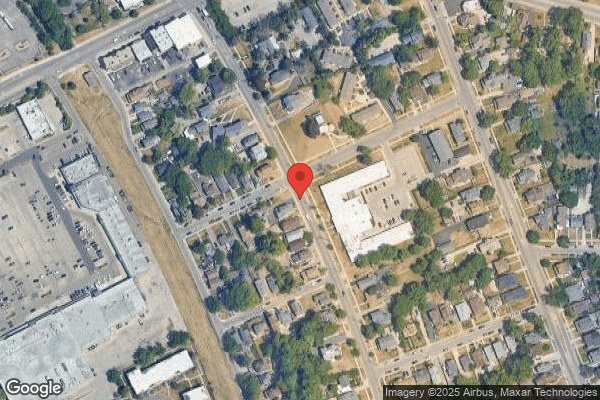
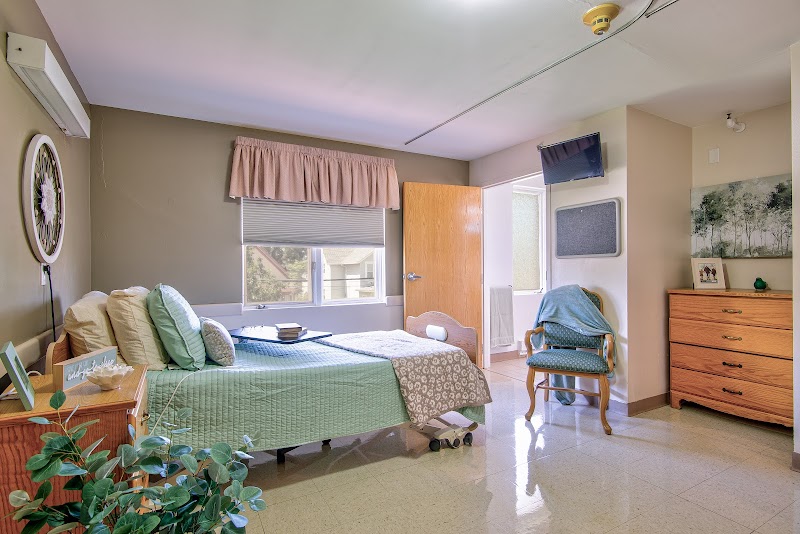
355 RAYMOND STREET, ELGIN, IL 60120 (847) 697-6636
For profit - Corporation 94 Beds APERION CARE Data: November 2025
Trust Grade
95/100
#9 of 665 in IL
Last Inspection: March 2025

Within standard 12-15 month inspection cycle. Federal law requires annual inspections.

Overview

Aperion Care Fox River has received an impressive Trust Grade of A+, indicating it is an elite facility that ranks in the top tier of nursing homes. In Illinois, it holds the #9 position out of 665 facilities, placing it well within the top half, and it ranks #1 out of 25 in Kane County, meaning it is the best local option available. The facility is improving, with the number of issues it faced decreasing from 7 in 2024 to 4 in 2025. Staffing is rated average at 3 out of 5 stars, with a turnover rate of 25%, which is significantly lower than the state average of 46%, suggesting staff stability. Although there have been no fines, recent inspections revealed concerns such as a nurse entering a resident’s room without proper hand hygiene and personal protective equipment, and issues with food storage and labeling in the kitchen. These weaknesses should be considered alongside the facility's strengths, such as strong RN coverage that exceeds 94% of Illinois facilities, ensuring that residents receive appropriate medical attention.

Trust Score
A+
95/100
In Illinois
#9/665
Top 1%
Safety Record
Low Risk
No red flags
Inspections
Getting Better
7 → 4 violations
Staff Stability
✓ Good
25% annual turnover. Excellent stability, 23 points below Illinois's 48% average. Staff who stay learn residents' needs.
Penalties
✓ Good
No fines on record. Clean compliance history, better than most Illinois facilities.
Skilled Nurses
✓ Good
Each resident gets 76 minutes of Registered Nurse (RN) attention daily — more than 97% of Illinois nursing homes. RNs are the most trained staff who catch health problems before they become serious.
Violations
⚠ Watch
12 deficiencies on record. Higher than average. Multiple issues found across inspections.
★★★★★
5.0
Overall Rating
★★★☆☆
3.0
Staff Levels
★★★★★
5.0
Care Quality
★★★★☆
4.0
Inspection Score
Stable
2024: 7 issues
2025: 4 issues

The Good

  • 5-Star Quality Measures · Strong clinical quality outcomes
  • Low Staff Turnover (25%) · Staff stability means consistent care
  • Full Sprinkler Coverage · Fire safety systems throughout facility
  • No fines on record
  • Staff turnover is low (25%)

    23 points below Illinois average of 48%

Facility shows strength in quality measures, staff retention, fire safety.

The Bad

Chain: APERION CARE

Part of a multi-facility chain

Ask about local staffing decisions and management

The Ugly 12 deficiencies on record

Mar 2025 4 deficiencies
CONCERN (D)

Potential for Harm - no one hurt, but risky conditions existed

Accident Prevention (Tag F0689)

Could have caused harm · This affected 1 resident

Based on observation, interview and record review, the facility failed to implement fall interventions for a resident that had a history of a fall. This applies to 1 of 3 residents (R68) reviewed for ...

Read full inspector narrative →
Based on observation, interview and record review, the facility failed to implement fall interventions for a resident that had a history of a fall. This applies to 1 of 3 residents (R68) reviewed for falls in the sample of 18. The findings include: Care Plan, revised February 25, 2024, shows R68's diagnoses included right hip fracture, history of falls, dementia, osteoarthritis, osteopenia. The care plan shows R68 was at risk for falls related to impaired cognition, impaired mobility, and need to for assistance with ADLs (Activities of Daily Living.) The care plan shows R68 had a history of fall at the facility resulting in a right femur fracture. Interventions to prevent further falls include use of a low bed, floor mat to be placed next to the bed while R68 is in bed, and a bed mobility alarm to be in place while R68 is in bed. The care plan shows R68 was moved to a room closer to the nursing station for supervision. Interdisciplinary Team Fall Committee Meeting Note, dated 12/13/24, shows R68 fell when transferring herself and new interventions put into place after her fall included providing R68 with a low bed, bed alarm, and floor mat on the side of R68's bed. On March 10, 2025 at 3:00 PM, R68 was asleep in her bed and no floor mat was located on the floor beside her bed. R68's bed was in the low position and R68 had a bed alarm in place. V4 (Licensed Practical Nurse) stated when R68 fell and fractured her femur R68 transferred herself without assistance in her room which was then located down the hall. R68 fell and broke her hip and the facility implemented interventions which included moving her room closer to the nursing station for closer observation. On March 11, 2025 at 1:58 PM, R68 was asleep in bed which was in the low position. R68 had no floor mat on the floor beside her bed. V4 stated R68 was supposed to have a floor mat at the side of her bed. On March 11, 2025 at 2:27 PM, V5 (Restorative Nurse) stated 68 was supposed to have a floor mat in place beside R68's bed while she was in bed sleeping. Fall Prevention Program, dated November 28, 2012, shows, Safety interventions will be implemented for each resident identified at risk.
CONCERN (D)

Potential for Harm - no one hurt, but risky conditions existed

Deficiency F0692 (Tag F0692)

Could have caused harm · This affected 1 resident

**NOTE- TERMS IN BRACKETS HAVE BEEN EDITED TO PROTECT CONFIDENTIALITY** Based on observation, interview, and record review the facility failed to identify and provide interventions for tube feeding in...

Read full inspector narrative →
**NOTE- TERMS IN BRACKETS HAVE BEEN EDITED TO PROTECT CONFIDENTIALITY** Based on observation, interview, and record review the facility failed to identify and provide interventions for tube feeding intolerance and fluid needs, that meet the nutritional needs of a resident dependent on enteral feeding in accordance with the facility policy. This applies to 1 of 3 residents (R28) reviewed for nutrition in the sample of 18. The findings include: R28's EMR (Electronic Medical Record) showed R28 was admitted to the facility on [DATE], with multiple diagnoses including Wernicke's encephalopathy, attention to gastrostomy, dementia unspecified, gastro-esophageal reflux disease without esophagitis, thiamine deficiency, pressure ulcer of the sacrum and right buttocks and multiple contractures of the upper and lower extremities. R28 physician orders showed R28 was NPO (nothing by mouth). Tube feeding orders initiated on January 1, 2025, showed Jevity 1.2, 500 ml (milliliter) bolus every shift, scheduled for administration at 12 midnight, 08:00 AM and 4:00 PM. V10 (Dietitian) initial assessment dated [DATE], showed R28 was recommended to receive 180cc water flush at and past each feeding with total flush of 1080 ml per day, and Jevity 1.2 ,500 ml per shift for a total 1500 ml per day. R28's progress note dated February 21, 2025, 04:37 showed R28's tube feeding was on hold due to bloating. R28's progress note dated February 21, 2025, 3:25 PM Jevity feeding was restarted at 250 ml with 100 cc water flush each feeding and documented as well tolerated. R28's progress note dated February 22, 2025, 12:46 showed enteral feeding of 500 ml Jevity bolus and 100 ml of water flush was well tolerated, was to be given twice a day. R28's progress note dated February 22, 2025, 20:26 showed enteral feeding Jevity 250 ml bolus with 100 ml water flush given was given and was well tolerated. R28's physician order initiated on February 23, 2025, showed Jevity 1.2 ml 500 ml every 12 hours with 100 ml water flush with each feeding. R28's progress note dated March 7, 2025, at 7:03 AM showed R28 had feeding residual at 200 ml, physician was notified and order to decrease the tube feeding. R28's physician order initiated on March 7, 2025, showed Jevity 1.2 ml 250 ml bolus with 100 cc water flush twice a day and was scheduled for 6:00 AM and 6:00 PM. V10's nutrition note dated March 8, 2025, 2:39 PM showed Tube feeding below resident estimated needs. Receiving 1000 calories daily, 90 grams protein daily and 603.5 cc daily with free water and flush. Resident on hospice care. TF for comfort only and will not maintain nutritional status. R28's intake and output record for the week of March 5, through March 12, 2025, showed R28's intake was 700 cc per 24 hours from March 7 through March 11, 2025. On March 12, 2025, at 2:40 PM, V12 (Physician) stated in response to 700 cc fluid intake per day was not adequate. V12 stated he was told R28's belly was distended as the reason for need to decrease the feeding. V12 stated he will consult with the nursing staff and explore other avenues such as slower rate at continuous feeding as possibility tomorrow. On March 12, 2025, at 1:15 PM, V11 (RN- Restered Nurse) provided the intake and output record for R28 and reviewed the total intake per day as 700 cc and stated for me as an RN, that is not enough fluid for someone. V11 proceeded to empty R28's urinary catheter and noted the color to be dark amber. V11 stated the color indicates someone that needs more fluids. V11 stated since R28's admission no other alternative has been tried, including continuous feeding or lower rate over longer time period to address R28's tube feeding intolerance. V11 stated she was unsure why only that R28 was admitted on bolus feedings and on hospice. On March 12, 2025, at 1:45 PM, V10 (Dietitian) stated the water flush amount was ordered by the physician and was not based on her recommendation. V10 stated a protein supplement was added to address R28's need for wound healing, however the total calorie amount of the current order was not meeting R28's calorie needs. V10 stated R28's fluid intake of 700 cc over 6 days could cause dehydration, drier skin, and decreased urine output. V10 stated for someone with tube feeding intolerance the feeding could be given at a decreased rate over a longer period of time. V10 stated when R28 experienced bloating or high residual feeding she did not ask nursing staff regarding the potential for constipation. V10 stated continuous feeding method was not considered because R28 was on hospice. V10 stated she did not consult with R28's hospice nurse regarding R28's tube feeding. The facility's policy titled Enteral Nutrition (EN)-Tube Feeding dated 2020, showed Procedure: 1. Selection of Enteral Feeding .a. The choice of the EN depends on the medical and nutritional needs of the individual as assessed by the Registered Dietician and Physician .b. when selecting a formula consider an individual's tolerance to fiber, carbohydrate level, and lactose as well as the fat source and protein content. There are a number of formulas specifically designed for digestive and absorptive disorders, stress, trauma, renal, and hepatic disease, diabetes, pulmonary disease, etc .7. Calculating Adequate Fluid for EN: a. To ensure adequate fluids are given, the total volume (ml) of daily fluids required is calculated .Water flushes should be divided and spread out during the day .8. Close monitoring of tube feeding tolerance, intake and output records, nursing notations on physical assessment for characteristics such as skin turgor, available labs, etc. are essential to ensure adequate fluids are being provided .12. Complications: .abdominal distension .cause .lactose intolerance, volume intolerance, possible intolerance to the fiber in the formula .prevention intervention .assess possibility of a lactose or other nutrient intolerance in the content of the enteral product being administered; consider changing to a more concentrated enteral product to reduce the total volume needed Nausea/Vomiting .high residual: .Hold tube feeding .stop feeding if gastric residual volume is greater than 500 cc .evaluate the delivery rate to be sure it is appropriate.
CONCERN (F)

Potential for Harm - no one hurt, but risky conditions existed

Infection Control (Tag F0880)

Could have caused harm · This affected most or all residents

**NOTE- TERMS IN BRACKETS HAVE BEEN EDITED TO PROTECT CONFIDENTIALITY** 2) R179 has a physician order dated January 21, 2025 for Enhanced Barrier Precautions (EBP) due to tracheostomy and Jejunostomy ...

Read full inspector narrative →
**NOTE- TERMS IN BRACKETS HAVE BEEN EDITED TO PROTECT CONFIDENTIALITY** 2) R179 has a physician order dated January 21, 2025 for Enhanced Barrier Precautions (EBP) due to tracheostomy and Jejunostomy feeding tube (J-tube). On March 11, 2025 at 9:11 AM, during observation of medication administration, R179 room door has an EBP sign posted on it that showed the following: Stop. Enhanced Barrier Precautions, Everyone must: Clean their hand, including before entering and when leaving the room. Providers and staff must also wear gloves and a gown for the following High-Contact Resident Care Activities: Device care or use: central line, urinary catheter, feeding tube, and Tracheostomy. There were no personal protective equipment (PPE) on the outside of R179's room or outside any of the rooms that were on EBP. V3 (Registered Nurse/RN) removed 3 medications from her medication cart for R179 then crushed and prepared the medications. V3 grabbed those cups of medication and entered R179's room without performing hand hygiene and without donning a gown. V3 then donned new gloves without performing hand hygiene. V3 listened for placement of R179's Jejunostomy feeding tube then went out of the room with the same gloves on and grabbed a spoon to stir the medication that was in the cups. V3 entered the room with the same gloves on her hands and did not perform hand hygiene, or don a gown. V3 then flushed R179 tubing and administered the medications. 3) On March 12, 2025 at 11:21 AM, during observation of medication administration, V3 prepared and administered oral medication to R180 in the dining room. On the way out of the dining room, V3 pushed the lid to the garbage can to deposit some things into the garbage. However, the medication cup she tried to throw away fell to the floor. V3 picked up the medication cup and pushed the lid again with her hand to place the medication cup into the garbage can. V3 then went to her medication cart in the hallway outside of the dining room and prepared one medication for R40 along with water and applesauce. V3 did not perform hand hygiene after administering medications to R180, touching the garbage can and the medication cart and before preparing and administering medication to R40. On March 12, 2025 at 2:55 PM, V2 (Director of Nursing) stated that Enhanced Barrier Precautions (EBP) is used to prevent residents from contracting infections. V2 stated EBP requires the staff to wear gloves, gown, and mask if necessary when performing direct care, which includes administering medication through a feeding tube. V2 stated the staff should also perform hand hygiene before entering a room where residents are on EBP. V2 stated when leaving the room of someone on EB precautions the staff should take off all personal protective equipment and perform hand hygiene. V2 stated after touching the environment, staff should perform hand hygiene and don new gloves before performing direct care. V2 stated that staff should perform hand hygiene after touching a garbage can and the environment and also before preparing medications for a resident. The facility's Hand Hygiene/Handwashing policy revised July 30, 2024 showed the following: examples of when to perform hand hygiene: at room entry, before exiting room, after contact with inanimate objects (including medical equipment) in the immediate vicinity of the patient, after glove removal . The facility's Enhanced Barrier Precautions Policy revised May 7, 2024 showed the following: Purpose: to reduce risk of transmitting multidrug-resistant organisms (MDRO) and targeted MDRO when contact precautions do not apply for residents identified as higher risk. Guidelines: EBP are used in conjunction with standard precautions and expand to use of PPE to donning of gown and gloves during high-contact resident care activities that provide opportunities for transfer of MDROs to staff hands and clothing. EBP are indicated for residents with any of the following; indwelling medical device examples include: Feeding tubes. Based on observation, interview, and record review, the facility failed to develop control measures for identified internal factors that increase the risk of Legionella growth and failed to have ways to intervene when control measures were not met. The facility also failed to follow their policy for Enhanced Barrier Precautions and hand hygiene. This applies to all 81 residents residing in the facility. The findings include: 1. The facility's Long-Term Facility Application for Medicare and Medicaid dated March 10, 2025, showed the facility census was 81. On March 12, 2025, at 8:32 AM, V6 (Maintenance Director) said for the facility's water management plan for Legionella, V6 performs weekly faucet flushes, periodic eye wash station flushes, daily hot water tank temperature checks, and they clean the ice machine every two weeks. V6 said he does not test for chlorine levels in the water. On March 12, 2025, at 9:11 AM, V1 (Administrator) said the facility's policy titled Water Management Program for Prevention of Legionella Growth is the facility's water management plan for Legionella. V1 said the facility does not regularly test for Legionella. V1 continued to say the facility will test for Legionella if there is a suspected case and corporate says the facility can test. V1 said the facility does not test for chlorine levels in the water. V1 said the facility uses the city's water report to know chlorine levels in the city water coming to the facility. V1 said the most recent water report from the city is from 2023. On March 12, 2025, at 1:36 PM, V8 (Vice President of Operations) said the facility does not test the facility water for chlorine levels. V8 continued to say the facility does not have control measures in place to monitor the disinfectant levels of the water in the facility. The facility's policy titled Water Management Program for Prevention of Legionella Growth dated May 17, 2024, showed Purpose: To identify and reduce the risk of Legionella growth and spread. Guidelines: Definition: Legionella is found naturally in [NAME] environments, like lakes and streams, but generally the low amounts in [NAME] do no lead to disease. Legionella can become a health problem in building water systems. To pose a health risk, Legionella first has to grow (increase in numbers). Then it has to be aerosolized so people can breathe in small, contaminated water droplets . Internal factors that may increase the risk of Legionella growth: Even if the water entering your building is of high quality, it may contain Legionella. In some buildings, processes such as heating, storing, and filtering can degrade the quality, it may contain Legionella. These processes use up the disinfectant the water entered with, allowing the few Legionella that entered to grow into a large number if not controlled . Inadequate disinfectant: Does not kill or inactivate Legionella . The facility's water management plan does not show control measures to monitor disinfectant levels, acceptable ranges of disinfectant levels, or established ways to intervene when control limits are not met.
MINOR (C)

Minor Issue - procedural, no safety impact

Deficiency F0801 (Tag F0801)

Minor procedural issue · This affected most or all residents

Deficiency Text Not Available

Read full inspector narrative →
Deficiency Text Not Available
May 2024 7 deficiencies
CONCERN (D)

Potential for Harm - no one hurt, but risky conditions existed

Deficiency F0558 (Tag F0558)

Could have caused harm · This affected 1 resident

**NOTE- TERMS IN BRACKETS HAVE BEEN EDITED TO PROTECT CONFIDENTIALITY** Based on observation, interview, and record review, the facility failed to provide correct-sized wheelchairs and wheelchair devi...

Read full inspector narrative →
**NOTE- TERMS IN BRACKETS HAVE BEEN EDITED TO PROTECT CONFIDENTIALITY** Based on observation, interview, and record review, the facility failed to provide correct-sized wheelchairs and wheelchair devices for residents who require the use of a wheelchair. The facility also failed to provide a toilet riser to accommodate a resident's toileting needs. This applies to 2 out of 2 (R49 and R41) residents reviewed for assistive devices in a sample of 21. Findings include: 1. The EMR (Electronic Medical Record) showed R49 had multiple diagnoses including weakness, difficulty in walking, unsteadiness on feet, generalized osteoarthritis, history of falls, and vascular dementia. The EMR continued to show R49 was 76 inches tall and weighed 147 pounds. R49's MDS (Minimum Data Set) dated 05/06/2024 showed he required the use of a manual wheelchair mobility device and required substantial to maximal assistance from staff for toileting transfers. On 05/14/2024 at 10:03 AM, R49 was in his room sitting in his wheelchair. R49 appeared uncomfortable in his wheelchair, R49 said he was too tall. R49 was sitting on his wheelchair cushion which was not positioned properly over the seat of his wheelchair, it was positioned halfway off the seat. R49's legs were also awkwardly positioned, his knees were raised and not at level with his hips. R49 was attempting to place his feet on the wheelchair's footrest and maintain his knees in a flexed sitting position but was unable, R49's legs started to extend forward causing his feet to fall off the footrests. Then R49 requested to go to the bathroom. V10 (Certified Nurse Assistant/CNA) and V13 (CNA) used the mechanical sit-to-stand lift to transfer R49 onto the toilet seat. When R49 was lowered into a sitting position on the toilet seat he appeared uncomfortable because the toilet seat was too low for his height. R49 became frustrated and said he was hurting, and then V10 and V13 attempted to assist R49 off the toilet seat with the mechanical sit-to-stand lift. When they started to raise R49 with the lift, R49 said it was too hard for him and became upset. 2. The EMR showed R41 had multiple diagnoses including hemiplegia affecting the right side following a cerebral infarction, osteoporosis, seizures, and generalized osteoarthritis. The EMR continued to show R41 was 62 inches tall and weighed 91 pounds. R41's MDS dated [DATE] showed she required the use of a manual wheelchair mobility device. On 05/14/2024 at 9:40 AM, R41 was in the unit's common area sitting in her high-back wheelchair which had no wheelchair cushion and only had the left footrest attached. R41 was leaning on the right side of the wheelchair resting her head on the right side handrest and R41's feet were resting on the left footrest. R41 appeared uncomfortable in her sitting position because the wheelchair was too wide. On 05/15/2024 at 11:45 PM, R41 was in the dining room. R41 was again observed in her wheelchair resting her head on and off the handrails. R41 continued to have no wheelchair cushion and only the left footrest attached. On 05/16/2024 at 8:30 AM, V6 (Physical Therapy Director) said wheelchairs are provided to the residents based on their height and weight, to ensure the wheelchairs are not too narrow, too low, or too wide. V6 said he was familiar with R49. V6 continued to say R49 was tall and would benefit from a high back tilt wheelchair for proper positioning, and a toilet riser to assist him during toileting transfers based on his height. V6 said he was also familiar with R41, and based on her small body frame size she would benefit from a [NAME] tilt-back wheelchair for positioning and comfort. V6 continued to say footrest should be provided to maintain proper positioning, and also cushions and pillows can be provided for comfort when sitting up in a wheelchair. The facility's document titled Wheelchair Measurement dated 02/2009 showed Following are some guidelines on measuring the parameters when prescribing a wheelchair. Seat Width .measurement should be as narrow as possible to ensure optimal access .Back Height .back height for an individual will vary according to their physical attributes .Consider: Client skills eg balance, Client posture .Seat To Footplate Distance .Consider: Adequate thigh support to ensure optimal seating pressure distribution.
CONCERN (D)

Potential for Harm - no one hurt, but risky conditions existed

ADL Care (Tag F0677)

Could have caused harm · This affected 1 resident

**NOTE- TERMS IN BRACKETS HAVE BEEN EDITED TO PROTECT CONFIDENTIALITY** 2. R40 was admitted to facility on 9/8/2020. Diagnoses includes sequelae of cerebral infarction, dysphagia, right hemiplegia and...

Read full inspector narrative →
**NOTE- TERMS IN BRACKETS HAVE BEEN EDITED TO PROTECT CONFIDENTIALITY** 2. R40 was admitted to facility on 9/8/2020. Diagnoses includes sequelae of cerebral infarction, dysphagia, right hemiplegia and hemiparesis, aphasia, and vascular dementia. R40's MDS (Minimum Data Set) assessment dated [DATE] documents that R40's cognitive function is severely impaired. R40 needs supervision or touching assistance during meals. It is also documented in the MDS that R40 does not exhibit rejection of care. R40's ADL (Activity of Daily Living) care plan dated 3/1/2024 showed interventions of assist with all my ADLs and provide me supervision while I am eating. R40's Progress Notes reviewed from January 2024 to present, no documentation of R40 refusing care during meals noted. On 5/14/2024 at 12:05 PM, R40 was in the dining room for lunch. She had a right-hand splint, and her right hand and arm was resting on an arm trough. R40 was observed eating with left hand, she was having a hard time and was spilling food on herself. R40 was observed eating pasta with her left hand and using her tongue to scoop the fruit out from a bowl. Food particles was noted on her clothing protector. No staff supervision or assistance was observed during meal. On 5/15/2024 at 8:04 AM, R40 was eating breakfast. R40 was observed scooping oatmeal from the bowl with her tongue. Her silverware was still wrapped around the napkin on the left side of her plate. A whole egg was noted on her clothing protector. No staff assistance or supervision noted during meal. On 5/16/2024 at 8:17 AM, R40 was observed licking the bowl to get the oatmeal out. Her silverware was still wrapped around the napkin on the left side of her plate. Food particles observed all over her clothes. No staff observed assisting or supervising her. On 05/16/24 at 09:54 AM, V8 (Rehab Aide) said R40 only needs set-up help with eating, she said she can eat with one hand. She has a splint on her right hand and eats with her left hand. She said if resident spills her food, they make sure they clean her up after meals and help her when she is dropping food or not eating. On 05/16/24 at 10:06 AM, V9 (LPN-Licensed Practical Nurse) said R40 needs supervision with eating. She said occasionally, R40 needed assistance with eating. On 05/16/24 at 10:37 AM V5 (Restorative Nurse) said R40 feeds self. She said R40 needs set-up and supervision during meals. Based on observation, interview, and record review, the facility failed to assist residents needing assistance with eating during meal service. This applies to 2 of 5 residents (R40 and R44) reviewed for activities of daily living when eating in a sample of 21. The findings include: 1. According to the Electronic Health Record (EHR) R44 has diagnoses including hypertensive heart disease, dementia, Alzheimer's Disease, gastro-esophageal reflux disease, and diabetes. The Minimum Data Set (MDS) dated [DATE] showed R44's cognition was severely impaired and was dependent on staff for eating, which means helper does ALL of the effort. A Care Plan dated 04/30/2024 shows staff provides R44 with extensive assistance with eating. The care plan was updated on 05/14/2024, after observations of resident eating with fingers, to include Resident has been observed to be eating with her hands despite staff's encouragement and health teachings to use the utensils. On 05/14/24 at 12:26 PM, R44 was sitting in the dining room during lunch and was eating pork tips in gravy, egg noodles, steamed vegetables. with the fingers of their right hand. Eating utensils were sitting on the table off to R44's right side. R44 was not wearing a clothing protector. V19 (Certified Nursing Assistant/CNA) was seated at the table across from R44 feeding a resident another resident. Nobody offered assistance or reminders to R44 to use utensils. As R44 was eating, R44 would wipe R44's hands on the front of the shirt, at the shirt hemline, and on the pants. R44 had food particles on front of shirt and at hemline in front of shirt. On 05/14/24 at 1:16 PM, V19 (CNA) said R44 can eat by herself with utensils, but sometimes will get confused and not use them. On 05/15/24 at 12:09 PM, R44 was eating lunch independently using utensils but was also using their left fingers to scoop mashed potatoes off plate. V15 (CNA) was sitting at the same table feeding another resident but did not offer prompts or reminders to use utensils. On 05/15/24 at 12:35 PM, V20 (Activity Aide) said R44 can eat independently but will give R44 directions because R44 can be forgetful.
CONCERN (D)

Potential for Harm - no one hurt, but risky conditions existed

Quality of Care (Tag F0684)

Could have caused harm · This affected 1 resident

**NOTE- TERMS IN BRACKETS HAVE BEEN EDITED TO PROTECT CONFIDENTIALITY** Based on observation, interview, and record review, the facility failed to evaluate and treat residents with skin conditions. Th...

Read full inspector narrative →
**NOTE- TERMS IN BRACKETS HAVE BEEN EDITED TO PROTECT CONFIDENTIALITY** Based on observation, interview, and record review, the facility failed to evaluate and treat residents with skin conditions. The facility also failed to ensure a resident with an implanted pacemaker had the pacemaker transmitter functioning at the bedside and failed to ensure all staff were aware of the residents who had a pacemaker. This applies to 3 of 3 residents (R44, R5, R35) reviewed for quality of care in a sample of 21. The findings include: 1. R44's face sheet showed R44 was admitted to the facility on [DATE] with diagnoses including hypertensive heart disease, type 2 diabetes mellitus, congestive heart failure, dementia, gastro-esophageal reflux disease, anemia, osteoarthritis, and Alzheimer's disease. R44's MDS (Minimum Data Set) Assessment showed R44 had severe cognitive impairment. R44's POS (Physician Order Sheet) showed an order on May 15, 2024 (during the survey) for Triamcinolone 0.1% ointment apply to bilateral arms and back twice daily for 10 days. The POS also showed an order for skin check every shift high risk for skin breakdown document weekly and as needed every shift. R44's care plan revised on April 30, 2024 showed Recurrent rash to arms and back will be resolved in 2 weeks. Staff check skin [Every] shift high risk for skin breakdown [Document] weekly and [As Needed]. On May 15, 2024 at 12:21 PM, R44 was observed to have scattered red marks on both of her arms. R44 was itching both her arms and there were reddened areas, pink areas, open areas, and scabbed areas visible on bilateral arms. At 12:28 PM, R44 was still itching her arms. On May 15, 2024 at 02:03 PM, R44 was itching her arms while lying in bed. R44 said she was itching her arms and it was awful. R44 said it hurt her when she scratched her arms, and it was bad. On May 15, 2024 at 02:12 PM, V10 (CNA/Certified Nurse Assistant) and V31 (CNA) provided incontinence care to R44. When R44's posterior skin was observed during incontinence care, R44 had redness and scratch marks behind her left knee. When V10 was asked what happened to R44's knee, V10 said it was a rash and the staff were putting ointment on the back of her knee. V10 said she had seen the rash before, and it was the same rash she had on her arms. On May 16, 2024 at 10:49 AM, R44's skin was observed with V19 (CNA). R44 had redness, open, and scabbed areas over the arms, upper back, right lower leg, left knee, as well as scattered rashes across the chest and stomach. V19, V8 (Restorative Aide), and V24 (Restorative Aide) said they had not seen those rashes and if they had, they would have notified the nurse. On May 15, 2024 at 02:56 PM, V9 (LPN/Licensed Practical Nurse) said R44 had a rash on her bilateral arms and a portion of her upper back. V9 said the CNAs should be doing skin checks every shift. On May 16, 2024 at 11:07 AM, V9 said she had only checked R44's arms. On May 16, 2024 at 11:18 AM, V25 (RN/Registered Nurse) said she assessed R44 and saw the redness on her arms and upper back. V25 said she did not see any other areas of redness. V25 said she did the treatment only on R44's upper back and arms. V25 said the CNAs should do skin checks during incontinence care, every shift, and during showers, and they needed to chart any abnormalities in the EMR (Electronic Medical Record). V25 said she did not notice any skin abnormalities behind R44's knee and it was only on the arms. On May 16, 2024 at 11:34 AM, V2 (DON/Director of Nursing) said the CNAs should be checking the resident's entire body and notifying the nurse of any abnormalities. V2 said the staff's charting should match what the staff are seeing. The progress note dated May 15, 2024 at 01:14 PM showed the following, Observed with some rash on bilateral arms and upper back. [Medical Doctor] informed with new order for Triamcinolone 0.1% ointment apply to both arms and back [Twice Daily] for 10 days. The Weekly Skin Observations dated May 15, 2024 at 07:18 PM, the document showed the section skin problems checked off showing the skin was intact and comments showing Noted recurrent rash to arms and back. The EMR (Electronic Medical Record) showed the Documentation Survey Report for May 2024 showed no skin abnormalities documented for the month of May 2024. The facility's Pressure Injury and Skin Condition Assessment revised on January 17, 2018 showed Each resident will be observed for skin breakdown daily during care and on the assigned bath day by the CNA. Changes shall be promptly reported to the charge nurse who will perform the detailed assessment. 2. R5's facesheet showed she was admitted to the facility on [DATE] and R5's MDS Assessment of May 1, 2024 documents that R5 has moderate cognitive impairment and needs minimum assistance with all ADLs (activities of daily living). R5's MDS (Minimum Data Set) dated 5/1/24 showed, she had moderate cognitive impairment and needed minimum assistance for ADLs. R5 was observed on May 14, 2024 at 11:30AM with maroon-red papules on the dorsum of the right foot and the right calf area. R5 stated she has been getting these papules for the past few weeks. R5 added that she notified the nursing staff but could not recall the specific person. On 5/15/24 at 10:00 AM, Observed maroon-red papules on the dorsum of the right foot and on the right calf area. V13 (CNA-Certified Nursing Assistant) witnessed the observation and stated that she did not know anything about it till now. V13 stated she had provided care to R5 on 5/12/24, 5/13/24 and 5/15/24 during the 7AM to 3PM shift. On 5/15/24 at 10:15 AM, V16 (LPN-Licensed Practical Nurse) stated, she did not know about R5 having any rash. On 5/15/24 at 10:20 AM, V23 (WCN-Wound Care Nurse) stated she did not know anything about R5 having any rash. The Progress Notes for R5 did not show any nursing assessment or documentation of the papules. R5's Care-Plan dated 5/1/24 did not address the papules on the right foot and calf area. R5's POS (Physician Order Sheet) for May 2024 did not include any treatment orders for the papules on the right foot and calf area. Policy on 'pressure injury and skin condition assessment' revised on 1/17/2018 showed, 2. Residents will have weekly skin assessment by a licensed nurse. 4. Each resident will be observed for skin breakdown daily and on the assigned bath day by the CNA. 3. The Electronic Health Record (EHR) shows R35 has diagnoses including hypertensive heart and chronic kidney disease, acute on chronic combined systolic and diastolic congestive heart failure, atrial fibrillation, hypothyroidism, diabetes, morbid obesity, cardiomyopathy, atherosclerosis of coronary artery bypass graft, non-ST elevation myocardial infarction, and presence of cardiac pacemaker. The admission Minimum Data Set (MDS) dated [DATE] showed R35's cognition was moderately impaired and was dependent on staff for rolling in bed, moving from lying to sitting and sitting to stand, and dependent on staff for movement in the wheelchair. The MDS also showed R35 had a cardiac pacemaker and automatic implantable cardiac defibrillator. A Care Plan shows R35 had a cardiac pacemaker with a transmitter at the bedside which reads information from the implanted pacemaker and sends it to a server where the cardiology clinic will call this facility on what to do based on the information transmitted. Interventions include all staff are aware of the transmitter at the bedside. An Electrophysiology Progress Note dated 02/16/2024, written by V21 (Medical Doctor/MD Electrophysiologist) showed R35 was post biventricular ICD (Implantable Cardioverter Defibrillator) implantation and has had episodes of non-sustained atrial as well as ventricular tachycardia. The note showed R35 has had episodes of splenic rupture as well as gastrointestinal bleed making him a candidate for a [NAME] implantation to be scheduled in March. On 05/14/2024 at 4:09 PM, R35 said his cardiac output monitor-transmitter was not working. R35 said the pacemaker should have a full interrogation every three months to check for issues. R35 said he can't call the cardiology clinic because he didn't have a working phone currently. On 05/15/2024 at 2:27 PM, V14 (Certified Nursing Assistant/CNA) said R35 had a pacemaker but did not know what or if she should do anything and would talk to the nurse (V10). On 05/15/2024 at 2:31 PM, V10 (Licensed Practical Nurse/LPN) said the only person with a pacemaker on the unit is R225. V10 said this resident had a transmitter on the bedside table and thought the machine would light up if there was a problem, then V10 would call the phone number listed on the machine. V10 said I am not aware of R35 having a pacemaker. V10 said (V17) MDS coordinator would probably know about R35's pacemaker. On 05/15/2024 at 2:43 PM, V17 (Registered Nurse/RN MDS Coordinator) said R35 had a pacemaker and has a transmitter at the bedside. V17 said R35's transmitter does continuous monitoring to the cardiology office and the cardiology office will call the facility if there was a problem and tell us what to do. V17 with this writer present, looked in R35's room, closet, drawers and could not find transmitter. Later V17 and V4 (RN) said they found R35's transmitter and plugged it in. On 05/15/2024 at 3:57 PM, V18 (Device Tech -Pacemaker Clinic) explained the whole monitor was a transmitting station. If there was an alert of a adverse cardiac event based on the parameters entered, an alert will be triggered to the website. V18 said as long as the transmitter is plugged in, it is paired to the implanted pacemaker and will send a transmittal every 24 hours ONLY if there was an alert. V18 said the transmitter device was set to download a full interrogation every 91 days as long as the machine does not get unplugged. The transmitter device will pair to the pacemaker by plugging in and pressing the start button to pair. V18 said if the machine is unplugged for longer than 30 days, they will receive a notification the transmitter had lost contact with the pacemaker device. V18 said the transmitter must have been unplugged since 02/28/2024 because a notification was received on 03/29/2024 the transmitter has lost contact with the device. When this happens, the clinic would have tried to make contact with R35 to find out if there were issues. R35's transmitter had not paired with the pacemaker device until a short time ago today. Potential problems to not having the transmitter plugged in and paired would be the clinic would not be notified of a cardiac event in real time. Some possible symptoms would depend on what type of event R35 had but could include shortness of breath, lightheadedness, and passing out. V18 said if the clinic had received an event notification, they would call R35 directly to ask questions about what R35 was doing and how he was feeling. If the clinic could not reach R35 for any reason, including if R35's phone was not working or lost, the clinic would call the facility as long as the clinic knew what facility R35 was at. V18 said the last known contact address for R35 was that of the former nursing facility. V18 said when R35 was last in the clinic he did not have a permanent address to update and had also said there was not always have a place to keep the transmitter plugged in. V18 said it would be important to have this information, especially now because this pacemaker clinic offices will be closing 07/31/2024 and the patients will need to find a news electrophysiologist office by 06/15/2024. V18 said V21 (MD/Electrophysiologist) manages the pacemaker clinic. On 05/16/2024 at 8:36 AM, V2 (Director of Nursing/DON) presented a copy of R35's pacemaker care plan showing R35 had a pacemaker transmitter at the bedside which sends the information to the cardiology clinic. V2 said she had called corporate about a facility policy regarding pacemaker care but has not received one. V2 said R35 has a scheduled appointment with cardiology on 07/14/2024. No orders were seen in the Physician Orders provided by V2 regarding R35's cardiology appointment. A Progress Note dated 05/16/2024 at 8:58 AM, written by V4 (RN) showed she spoke to the facility today and noted the next scheduled appointment of 07/11/2024. This note was written after an interview with V2 (DON) at 8:36 AM. On 05/16/2024 at 11:54 AM, V21 (CNA) said he has worked in the facility for 15 years. V21 said he does care for R35 and had just found out yesterday R35 had a pacemaker. V21 said he did not know of anything he would need to do differently when caring for R35.
CONCERN (D)

Potential for Harm - no one hurt, but risky conditions existed

Incontinence Care (Tag F0690)

Could have caused harm · This affected 1 resident

Deficiency Text Not Available

Read full inspector narrative →
Deficiency Text Not Available
CONCERN (D)

Potential for Harm - no one hurt, but risky conditions existed

Respiratory Care (Tag F0695)

Could have caused harm · This affected 1 resident

. Based on Observation, Interview and Record Review the facility failed to ensure the resident received respiratory care and services that is in accordance with professional standards of practice for ...

Read full inspector narrative →
. Based on Observation, Interview and Record Review the facility failed to ensure the resident received respiratory care and services that is in accordance with professional standards of practice for 2 of 2 residents (R7 and R16) reviewed for oxygen therapy in the sample of 21. Findings include: 1. On 5/14/24 at 9:30 AM, observed R7 sitting in the activity room, using oxygen via nasal cannula at 2 lpm (liters per minute) from an oxygen cylinder. Observed oxygen cylinder was empty. On 5/14/24 at 10:45 AM, V12 (CNA- Certified Nursing Assistant) took R7 to the toilet along with the same empty oxygen cylinder. V12 stated, oxygen cylinder was empty. 2. On 5/14/24 at 10:15 AM, observed R16's CPAP (Continuous Positive Airway Pressure) mask is not in use and is lying on his bed next to his pillow and is not contained in a bag. R16 is using oxygen via nasal cannula. On 5/15/24 at 10:10 AM, the CPAP mask is on the bed next to his right hand and is not contained in a bag. R16 is using oxygen via nasal cannula. On 5/15/24 at 11:00 AM, the CPAP mask is on the floor and is not contained in a bag. R16 is using oxygen via nasal cannula. On 5/15/24 at 2:30 PM, the CPAP mask is on the bedside table, not contained in a bag. R16 is using oxygen via nasal cannula. On 5/16/24 at 11:10 AM, the CPAP mask is on the floor. V4 (IP-Infection Preventionist) witnessed the mask on the floor. She said that the CPAP mask must be contained in a bag when not in use to prevent dust collection and potential problem of respiratory infection. On 5/16/24 at 2:00 PM, facility could not provide a policy for oxygen use. R16's POS (Physician's Order Sheet) for May 2024 showed, R16 may use oxygen at 2 lpm continuously. The POS also showed, May use CPAP by mask - on at HS (bedtime) and off in the morning.
CONCERN (E)

Potential for Harm - no one hurt, but risky conditions existed

Accident Prevention (Tag F0689)

Could have caused harm · This affected multiple residents

**NOTE- TERMS IN BRACKETS HAVE BEEN EDITED TO PROTECT CONFIDENTIALITY** Based on observation, interview, and record review, the facility failed to assess a dependent resident's transferring status, fa...

Read full inspector narrative →
**NOTE- TERMS IN BRACKETS HAVE BEEN EDITED TO PROTECT CONFIDENTIALITY** Based on observation, interview, and record review, the facility failed to assess a dependent resident's transferring status, failed to safely use a transfer device, and safely assist residents with positioning when in wheelchairs. This applies to 4 of 4 (R41, R49, R57, and R275) residents reviewed for accidents and hazards in sample of 21. Findings include: 1. The EMR (Electronic Medical Record) showed R41 had multiple diagnoses including hemiplegia affecting the right side following a cerebral infarction, osteoporosis, seizures, and generalized osteoarthritis. R41's MDS (Minimum Data Set) dated 05/01/2024 showed she was severely cognitively impaired and was dependent on staff for transfers and bed mobility. On 05/14/2024 at 9:40 AM, R41 was in the unit's common area sitting in her high-back wheelchair which only had the left footrest attached. R41 was leaning on the right side of the wheelchair resting her head on the right side handrest and R41's feet were resting on the left footrest. R41 appeared fatigued and uncomfortable in her sitting position, R41 requested to go to bed. V11 (Certified Nurse Assistant/CNA) and V12 (CNA) used the mechanical sit-to-stand lift to transfer R41 to the bed. R41 said she could not use the machine because her right hand was not working. They proceeded to assist R41 by placing and securing the machine's belt around her waist area and attaching it to the machine's hooks, then placing her feet on the machine's foot plate, and placing her left hand on the machine's left handle. When the machine started to lift R41 in a standing position R41 said she was hurting. Then when R41 was placed in a sitting position on the edge of the bed, V11 had to assist her by placing her hands over R41's back area to provide physical trunk support. On 05/15/2024 at 11:45 PM, R41 was in the dining room. R41 was again observed in her wheelchair resting her head on and off the handrails and only the left side footrest attached. On 5/15/2024 at 3:53 PM, V5 (Restorative Nurse) said she assessed residents for transfers. V5 said residents who are not able to hold on to the mechanical sit-to-stand lift's handles should not use the machine. V5 said she uses the facility's Transfer Assessment Tool when determining the use of the mechanical sit-to-stand lift. R41's care plan reviewed on 05/17/2024 showed R41 was at risk for injuries related to decreased safety awareness, history of an injury to the head due to poor trunk positioning on 11/11/2023, impaired cognitive skills, poor steadiness, and needed assistance with activities of daily living. The care plan had multiple interventions including Assess me for any environmental safety, fall risk, and review interventions. R41's Restorative Observations-SSL assessment dated [DATE] showed R41 was alert and responsive with confusion had limited mobility on her right upper extremity and requires two staff total assistance with the use of a mechanical sit-to-stand lift for transfers. The facility's document titled Transfer Assessment Tool with a revised date of 02/07/2003 showed Does the resident have independent sitting balance while sitting at the edge of the bed? No The resident can be designated as a full size mechanical or Hoyer lift transfer .Special Considerations: .If the resident cannot follow commands and needs greater than 25 lbs. assistance from the caregiver for transfers, the resident may be more appropriate for a full size total lift transfer as deemed by the transfer status designator. 2. The EMR showed R49 had multiple diagnoses including weakness, difficulty in walking, unsteadiness on feet, generalized osteoarthritis, history of falls, and vascular dementia. R49's MDS 05/06/2024 showed he was severely cognitively impaired and required substantial to maximal assistance from staff for transfers. On 05/14/2024 at 10:03 AM, R49 was in his room sitting in his wheelchair. R49 appeared uncomfortable he was sitting on his wheelchair cushion which was not positioned properly over the seat of his wheelchair, it was positioned halfway off the seat. R49's legs were also awkwardly positioned; his knees were raised not at level with his hips. R49 was attempting to place his feet on the wheelchair's footrest and maintain his knees in a flexed sitting position but was unable, R49's legs started to extend forward causing his feet to fall off the footrests. R49 started to fidget in his wheelchair and requested to go to the bathroom. V10 (CNA) and V13 (CNA) used the mechanical sit-to-stand lift to transfer R49 onto the toilet seat. They placed and secured the machine's belt around his waist area and attached it to the machine's hooks, then placed his feet on the machine's foot plate not using the shin support strap, and assisted him by placing his hands on the machine's handles. When R49 was lowered into a sitting position on the toilet seat he appeared uncomfortable because the toilet seat was too low. R49 became frustrated and said he was hurting, and then V10 and V13 attempted to assist R49 off the toilet seat with the mechanical sit-to-stand lift. When they started to raise R49 with the lift his feet were not fully placed on top of the foot support plate and the shin support strap was not applied. R49 said it was too hard for him and became upset, R49 started to bend his knees positioning himself in a squatting position. On 05/15/2024 at 11:54 AM, R49 was in the unit's common area sitting in his wheelchair. R49 was in a slouched position sliding off the wheelchair's seat. V14 (CNA) and V16 (Licensed Practical Nurse/PN) each pulled underneath R49's armpit area to position him but R49 continued to slide down. Then V11 (CNA) came to assist them, V14 and V11 again each pulled underneath R49's armpit area and gripped and pulled on his pants while V16 held his legs. On 5/15/2024 at 2:56 PM, V7 (Restorative Aide) said when the mechanical sit-to-stand lift is being used the staff need to ensure the resident's feet are fully placed on the footplate and use the shin strap to keep the legs positioned inside and prevent an accident from occurring. On 5/15/2024 at 3:53 PM, V5 (Restorative Nurse) said staff should not use the residents' pants or pull underneath their arms when positioning, it is uncomfortable and may cause an injury to the resident. The facility provided the Lift & Stand Operator's Manual not dated which showed Instruction Lifting patients can be challenging and delicate work. It demands your utmost attention, skill, and care. This manual will show you how to use the Lift and Stand to make lifting easier and safer. It is important that you use the proper lifting and transfer procedures. Learning the proper technique for smooth, efficient lifts and transfers will help maximize the safety and comfort of staff and residents . Stand Lift .Because the Stand was designed as an assistive device, it requires more advanced motor skills than a traditional lift such as our mechanical Lift. It is important to first determine the appropriateness of this piece of equipment for any patient. The Stand lift is intended for resident's who are semi weight-bearing and require some lifting to perform the activities of daily living .Stand Operations Positioning Stand 1 .have the resident place their feet on the foot support plate, (assist the resident if necessary) with their shins against the shin support. The facility's policy titled Sit to Stand Procedure not dated showed Positioning the Stand .4. Have the resident place his/her feet on the foot support plate (assist the resident if necessary) with their shins against the shin support. The heels of the resident's feet should be at the front edge of the foot support plate. The facility's policy titled Transfers-Manual Gait Belt and Mechanical Lifts with a revision date of 01/19/2018 showed Purpose: In order to protect the safety and well-being of the Staff and Residents, and to promote quality care, this facility will use Mechanical lifting devices for the lifting and movement of Residents .Guidelines: .5. The transferring needs of residents will be assessed on an ongoing basis .6. Resident transferring and lifting needs shall be documented in care plans and reviewed via care plan time frame and as needed. 7. Assessment of the resident's transferring needs shall include: a. Mobility status b. Weight bearing ability c. Cognitive status. 3. The EMR showed R275 had multiple diagnoses including seizures, generalized osteoarthritis, and dementia. R275's MDS dated [DATE] showed she was severely cognitively impaired and dependent on staff with mobility and activities of daily living. On 05/14/2024 at 11:28 AM, R275 was sitting in her high-back wheelchair and was being transported to the dining room. R275 was observed slouching down and leaning on her right side not positioned appropriately in a sitting position. R275's care plan was reviewed on 05/17/2024 and showed R275 was at risk for falls and injuries. The care plan had multiple interventions including assess me for any environmental safety, fall risk and review interventions and staff will assist me with all my ADLs. 4. The EMR showed R57 had multiple diagnoses including weakness, seizures, arthropathy, generalized osteoarthritis, and malignant neoplasm of the cerebellum. R57's MDS dated [DATE] showed she was severely cognitively impaired and required substantial to maximal staff assistance with mobility and activities of daily living. On 5/14/2024 at 11:19 AM, R57 was in the common unit area sitting in her wheelchair. R57 was observed slouched down not positioned appropriately in a sitting position. V10 (CNA) told R47 it was time for lunch and proceeded to reposition her. V10 stood behind R57 to position her, and V10 gripped and pulled onto R57's pants. On 5/16/2024 at 8:30 AM V6 (Physical Therapy Director) said residents should be seated fully back when in their wheelchairs and should have both footrests in place for proper positioning. V6 said staff can consider using a non-skid pad between the wheelchair's seat and the cushion to prevent sliding. V6 said residents who scoot down in their chairs should be cued to assist with repositioning or staff can use a pad or cushion to assist with repositioning. V6 said staff should never pull underneath the resident's arms for position because there is a risk for injury. V6 continued to say some residents with deficits can use the mechanical sit-to-stand lift for transfers but if they are unable to grip on the handles they should not. V6 said residents' feet should be fully placed on the machine's platform and the shin strap should be used as an extra precaution for residents that are weaker or fatigued to ensure safety during transfers.
CONCERN (F)

Potential for Harm - no one hurt, but risky conditions existed

Food Safety (Tag F0812)

Could have caused harm · This affected most or all residents

**NOTE- TERMS IN BRACKETS HAVE BEEN EDITED TO PROTECT CONFIDENTIALITY** . Based on observation, interview and record review the facility failed to properly label, date, seal, and store food items in t...

Read full inspector narrative →
**NOTE- TERMS IN BRACKETS HAVE BEEN EDITED TO PROTECT CONFIDENTIALITY** . Based on observation, interview and record review the facility failed to properly label, date, seal, and store food items in the kitchen. This applies to all residents that receive oral nutrition and foods prepared in the facility kitchen. Findings include: The facility's Longterm-Care Facility Application for Medicare and Medicaid (Form CMS-Centers for Medicare and Medicaid Services-671) dated 5/14/24 documents that the total census was 73 residents. On 5/16/24 at 12:14 AM, V2 (DON-Director of Nursing) stated, there are zero NPO (Nothing by Mouth) residents that do not eat from the facility kitchen. On 5/14/24 starting at 8:35 AM, the facility kitchen was toured in the presence of V26 (Dietary Manager) and the following was found: In the walk-in freezer: 2 boxes of beef liver 10 pounds each with a receiving date of 2/28/2020 and no expiration date. V26 (Dietary Manager) & V29 (Cook) stated, those beef [NAME] are expired. In the 'Dry Storage Room': 1. A 32 ounce can of Pumpkin pulp dated as 'best by [DATE]'. 2. One bag of 32 ounce of slivered almonds with a received date of 12/28/22 and an expiry date 9/6/23. In the kitchen cooler: 1. Opened bag of 'Shredded Mozarella Cheese', with date of opening as 4/11/24. V28 (Cook) stated, once opened, cheese can be used for 5 days. V28 (Cook) and V26 (Dietary Manager) stated, that bag of cheese was expired. 2. Opened Bag of shredded cheddar cheese with date of opening as 5/7/24. V28 (Cook) and V26 (Dietary Manager) stated, that bag of cheese was expired on 5/12/24. 3. A slab of leftover meat - Buffet Ham - with date of 5/10/24. V28 (Cook) stated, leftover meat is good for 3 days and that it is expired as of today. On 5/14/24 at 10:00 AM, V26 (Dietary Manager) said all expired items should be discarded, so they are not accidentally given to the residents with the potential to make the residents sick. On 5/16/24 at 12:10 PM, V27 (Dietician) stated, If expired food is served to residents, they could get sick or get food poisoning The facility's policy titled, Food Storage (Dry, Refrigerated and Frozen) last revised in 2020 showed, Procedure: c. Discard food that has passed the expiration date .
Apr 2023 1 deficiency
CONCERN (E)

Potential for Harm - no one hurt, but risky conditions existed

Accident Prevention (Tag F0689)

Could have caused harm · This affected multiple residents

**NOTE- TERMS IN BRACKETS HAVE BEEN EDITED TO PROTECT CONFIDENTIALITY** Based on observation, interview and record review, the facility failed to accurately assess and implement interventions for resi...

Read full inspector narrative →
**NOTE- TERMS IN BRACKETS HAVE BEEN EDITED TO PROTECT CONFIDENTIALITY** Based on observation, interview and record review, the facility failed to accurately assess and implement interventions for residents at risk for elopement. This applies to 5 of 5 residents (R6, R30, R53, R57 and R58) reviewed for wandering in a sample of 16. The findings include: 1. Face sheet, dated 4/19/23, shows R53's diagnoses include dementia. MDSs (Minimum Data Sets), dated 2/28/23, 11/28/22, 8/30/22, all show R53's cognition was severely compromised and R53 was not identified as having wandering behaviors. Dementia care plan, dated 2/28/23, shows R53 wanders into other residents rooms. The care plan shows R53 does not seek facility exits, does not intend on leaving the facility, and is residing on a secure special care wing of the facility. Social Service Note, dated 11/28/22 and 2/27/23, show R53 continued to be observed wandering in other residents rooms but he is easily redirected. R53 did not seek the exits and he did not intend on leaving this facility. R53 was ambulatory without any assistive devices. Exit Seeking/Wandering Screener, dated 7/14/22, 8/30/22, 11/28/22, and 2/27/23 all show V9 (Director of Social Services) completed the forms and answered No to question #1 indicating the resident was unable to physically leave the building on his own. The Screeners show, If the answer to #1 is no, disregard remaining questions. Resident is not at risk. On 04/17/23 and 04/18/23 during observations of the locked unit of the facility, R53 continuously wandered within his locked unit area, in and out of activities, looked outside the window of the unit's locked door, and walked up and down the hallways. R53 engaged in conversations with staff and ambulated independently without an assistive device. R53 was taken off his locked unit during mealtimes to the main dining room of the facility. On 04/17/23 at 11:45 AM, V16 (Licensed Practical Nurse) stated R53 is brought outside the locked unit on which he resides to the main dining room for all meals. V16 stated all of the residents on the secure special care unit leave the unit to go to the dining room for their meals. V16 stated R53 occasionally turns to the right out of the dining room instead of left and walks down the wrong hall but does not seek exits. On 04/18/23 at 10:46 AM, V9 stated she assessed R53 as not being able to physically leave the facility on the Exit Seeking/Wandering Screeners because he does not attempt to exit seek or leave the facility. V9 stated she did not read question #1 as asking if he was only physically able to leave the facility but asking if R53 was seeking exits. V9 stated R53 was not at risk for elopement because he did not exit seek. V9 stated if the residents were assessed on the Exit Seeking/Wandering Screeners as being at risk for elopement, the residents would have their pictures placed in a binder at the front door and other elopement-preventative interventions would be implemented. On 04/19/23 at 10:56 AM, V9 stated she spoke with her consultant who clarified any residents able to physically walk should be assessed as yes on the Exit Seeking/Wandering Screeners. V9 stated she re-assessed all ambulatory residents and identified R53 as well as R6, R30, R57 and R58 as being able to physical leave the facility. V9 stated although the residents were marked yes on two or more of the Screener questions, she did not assess those residents as at risk for elopement or place the residents' information/pictures in the front desk elopement book because the residents had not sought exits and had not yet attempted to elope. Review of R53, R6, R30, R57 and R58's Exit Seeking/Wandering Screeners, all dated 4/19/23, all show the residents were identified as having scored 2 or more on the assessment and therefore were assessed as being at risk for exit seeking. The Screeners show, A score of 2 or greater indicates increased risk for Exit Seeking. On 04/19/23 at 1:16 PM, V2 (Director of Nursing) reviewed the Exit Seeking/Wandering Screeners of R53, R6, R30, R57 and R58 and stated all of the residents were identified by the Screeners as being at risk for Exit Seeking. However, V2 stated the residents were not at risk for elopement because they were not exit seeking and had not already attempted to elope. V2 stated there were no residents identified at elopement risk at the time and no resident's information was located in the elopement risk binders at the facility. After review of the facility policy, V2 stated the five residents should have interventions implemented to prevent elopement from the facility. On 4/19/23 at 1:23 PM V2 stated the five residents re-assessed as being at risk for elopement by the 4/19/23 Exit Seeking/Wandering Screeners (R53, R6, R30, R57 and R58) were all being fitted for wander guards and their information was being placed in the elopement risk book at the front desk and nursing stations per facility policy. Facility policy Wandering Resident / Elopement, revised 10/2011, shows, The facility will properly assess residents and plan their care to prevent accidents related to wandering behavior or elopement Each resident's level of supervision required will be assessed based on observed wandering behaviors. This information will be documented in the resident's medical record and used in the care planning process If a resident is identified at risk for elopement, the following steps will be taken: a. An alarm bracelet may be placed on the resident to audibly alert staff of attempts by the resident to exit, in facilities with this capability c. An ID bracelet containing the facility address and phone number may be placed on the resident for ease of identification should elopement occur. D. A current picture of the resident will be maintained in the facility 2. On 4/19/22 at 3:13 PM, R58 was standing close the front door exit watching two facility employees working. Face sheet, dated 4/19/23, shows R58's diagnoses included Alzheimer's disease, dementia, and a history of falling. MDS, dated [DATE] and 2/24/23, shows R58's cognition was severely compromised and R58 had not exhibited any wandering behavior. Exit Seeking/Wandering Screener, dated 2/22/23, shows R58 was assessed as not being physically able to leave the building on her own and therefore was not at risk for Exit Seeking. Nursing note, dated 4/5/23, shows R58 required constant redirection and reorientation but to no avail. R58 was very argumentative with staff and other residents, was going in other residents' rooms and rummaging in their belongings, and was upset when redirected. Nursing note, dated 3/21/23, shows V9 spoke with R58's family to discuss placement of R58 on the secure special care wing due to her behaviors. Exit Seeking/Wandering Screener, dated 4/19/23, shows R58 was physically able to leave the building on her own, had impaired decision making, had a history of wandering, and was experiencing wandering behaviors at the time of the assessment. Care plan, updated 4/19/23, shows I am ambulatory but I do not actively seek the exit and I am not an elopement risk. Intervention, dated 2/24/23, shows, Redirect me when wandering in other residents rooms . If unable to redirect me, refer me to social services. 3. Face sheet, dated 4/19/23, shows R57's diagnoses included Alzheimer's disease and dementia. Exit Seeking / Wandering Screener, dated 11/18/22 and 2/21/23, both show R57 was assessed as not physically able to leave the building on her own and therefore not at increased risk for exit seeking. Care plan, initiated 2/23/23, shows R57 was observed wandering in other residents rooms but did not seek out the exit and did not intend on leaving the facility. The care plan shows R57 was placed on the secure special care wing of the facility. Social Services notes, dated 11/22/22 and 2/21/23, shows R57's cognition was severely impaired and R57 was ambulatory with no assistive device. Exit Seeking / Wandering Screener, dated 4/19/23, shows R57 was reassessed and identified as able to physically leave the building on her own, having impaired decision making, having a history of wandering, and having a current behavior of wandering. The Screener shows R57 was at increased risk for exit seeking. 4. Face sheet, dated 4/19/23, shows R30's diagnoses included dementia. MDS assessments, dated 11/17/22, 12/20/22, and 3/22/23, all show R30's cognition was severely impaired and R30 was not assessed as having wandering behaviors. Care plan, initiated 3/22/23, shows R30 was observed to be wandering in other residents' rooms but did not seek the exit door and was not intending to leave the facility. Social Service Notes, dated 12/19/22 and 3/21/23, show R30 was observed to continuously wander in and out of resident rooms but was easily redirected. Exit Seeking/ Wandering Screeners dated 12/19/22 and 3/21/23, both show R30 was assessed as being unable to physically leave the building on her own and therefore was not at risk for Exit Seeking. Exit Seeking/Wandering Screener, dated 4/19/23, shows R30 was assessed as being able to physically leave the building on her own and was at risk for Exit Seeking. 5. Face sheet, dated 43/19/23, shows R6's diagnoses included dementia. MDS assessments, dated 9/9/22, 12/6/22 and 3/10/23, all show R6's cognition was severely impaired and R6 was not assessed as having wandering behaviors. Care plan, initiated 3/10/23, shows R6 was observed wandering in and out of resident rooms but did not seek the exit door and had no intention of leaving the facility. Social Services note, dated 3/9/23, shows R6 was frequently observed wandering in other resident's rooms but was easily redirected. Exit Seeking / Wandering Screeners, dated 12/5/22 and 3/9/23, show R6 was assessed as not being physically able to leave the building on her own and therefore was not at risk for Exit Seeking. Exit Seeking / Wandering Screener, dated 4/19/23, shows R6 was able to physically leave the building on her own and was at risk for Exit Seeking.
Understanding Severity Codes (click to expand)
Life-Threatening (Immediate Jeopardy)
J - Isolated K - Pattern L - Widespread
Actual Harm
G - Isolated H - Pattern I - Widespread
Potential for Harm
D - Isolated E - Pattern F - Widespread
No Harm (Minor)
A - Isolated B - Pattern C - Widespread

Questions to Ask on Your Visit

  • "Can I speak with families of current residents?"
  • "What's your RN coverage like on weekends and overnight?"

Our Honest Assessment

Strengths
  • • Grade A+ (95/100). Above average facility, better than most options in Illinois.
  • • No major safety red flags. No abuse findings, life-threatening violations, or SFF status.
  • • No fines on record. Clean compliance history, better than most Illinois facilities.
  • • 25% annual turnover. Excellent stability, 23 points below Illinois's 48% average. Staff who stay learn residents' needs.
Concerns
  • • 12 deficiencies on record. Higher than average. Multiple issues found across inspections.
Bottom line: Generally positive indicators. Standard due diligence and a personal visit recommended.

About This Facility

What is Aperion Care Fox River's CMS Rating?

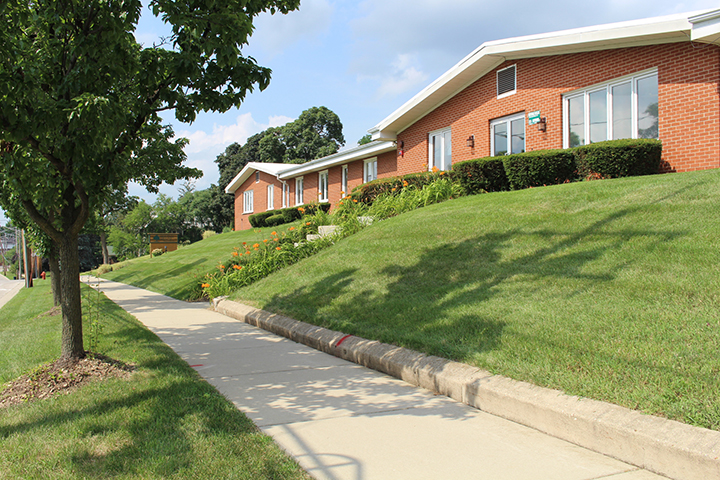
CMS assigns APERION CARE FOX RIVER an overall rating of 5 out of 5 stars, which is considered much above average nationally. Within Illinois, this rating places the facility higher than 99% of the state's 100 nursing homes. This rating reflects solid performance across the metrics CMS uses to evaluate nursing home quality.
How is Aperion Care Fox River Staffed?

CMS rates APERION CARE FOX RIVER's staffing level at 3 out of 5 stars, which is average compared to other nursing homes. Staff turnover is 25%, compared to the Illinois average of 46%. This relatively stable workforce can support continuity of care.

What Have Inspectors Found at Aperion Care Fox River?

State health inspectors documented 12 deficiencies at APERION CARE FOX RIVER during 2023 to 2025. These included: 11 with potential for harm and 1 minor or isolated issues.
Who Owns and Operates Aperion Care Fox River?

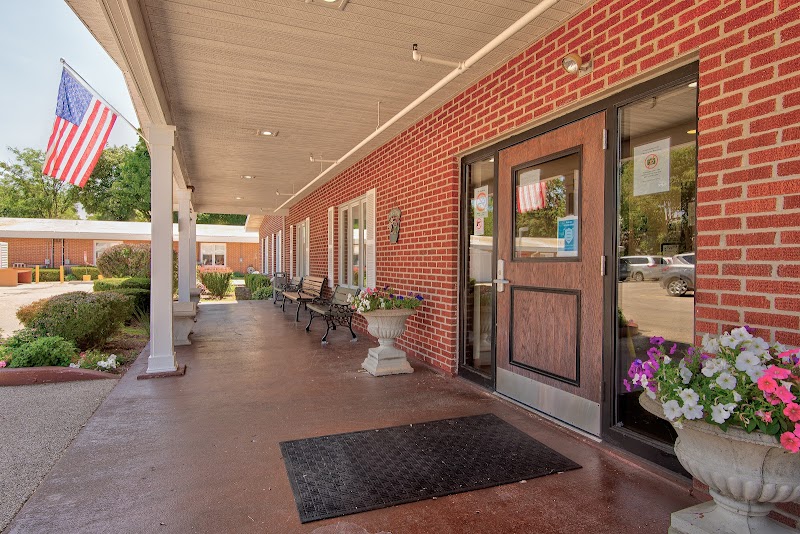
APERION CARE FOX RIVER is owned by a for-profit company. For-profit facilities operate as businesses with obligations to shareholders or private owners. The facility is operated by APERION CARE, a chain that manages multiple nursing homes. With 94 certified beds and approximately 76 residents (about 81% occupancy), it is a smaller facility located in ELGIN, Illinois.
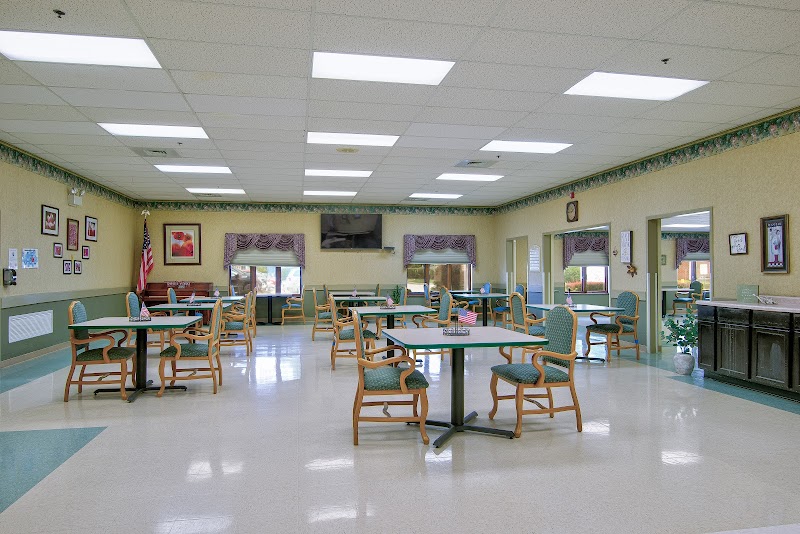
How Does Aperion Care Fox River Compare to Other Illinois Nursing Homes?

Compared to the 100 nursing homes in Illinois, APERION CARE FOX RIVER's overall rating (5 stars) is above the state average of 2.5, staff turnover (25%) is significantly lower than the state average of 46%, and health inspection rating (4 stars) is above the national benchmark.

What Should Families Ask When Visiting Aperion Care Fox River?

Based on this facility's data, families visiting should ask: "Can I visit during a mealtime to observe dining assistance and food quality?" "How do you handle medical emergencies, and what is your hospital transfer rate?" "Can I speak with family members of current residents about their experience?"

Is Aperion Care Fox River Safe?

Based on CMS inspection data, APERION CARE FOX RIVER has a clean safety record: no substantiated abuse findings (meaning no confirmed cases of resident harm), no Immediate Jeopardy citations (the most serious violation level indicating risk of serious injury or death), and is not on the Special Focus Facility watch list (a federal program monitoring the lowest-performing 1% of nursing homes). The facility has a 5-star overall rating and ranks #1 of 100 nursing homes in Illinois. While no facility is perfect, families should still ask about staff-to-resident ratios and recent inspection results during their visit.

Do Nurses at Aperion Care Fox River Stick Around?

Staff at APERION CARE FOX RIVER tend to stick around. With a turnover rate of 25%, the facility is 21 percentage points below the Illinois average of 46%. Low turnover is a positive sign. It means caregivers have time to learn each resident's needs, medications, and personal preferences. Consistent staff also notice subtle changes in a resident's condition more quickly. Registered Nurse turnover is also low at 7%, meaning experienced RNs are available to handle complex medical needs.

Was Aperion Care Fox River Ever Fined?

APERION CARE FOX RIVER has no federal fines on record. CMS issues fines when nursing homes fail to meet care standards or don't correct problems found during inspections. The absence of fines suggests the facility has either maintained compliance or corrected any issues before penalties were assessed. This is a positive indicator, though families should still review recent inspection reports for the full picture.

Is Aperion Care Fox River on Any Federal Watch List?

APERION CARE FOX RIVER is not on any federal watch list. The most significant is the Special Focus Facility (SFF) program, which identifies the bottom 1% of nursing homes nationally based on persistent, serious quality problems. Not being on this list means the facility has avoided the pattern of deficiencies that triggers enhanced federal oversight. This is a positive indicator, though families should still review the facility's inspection history directly.