
BRIA OF GENEVA

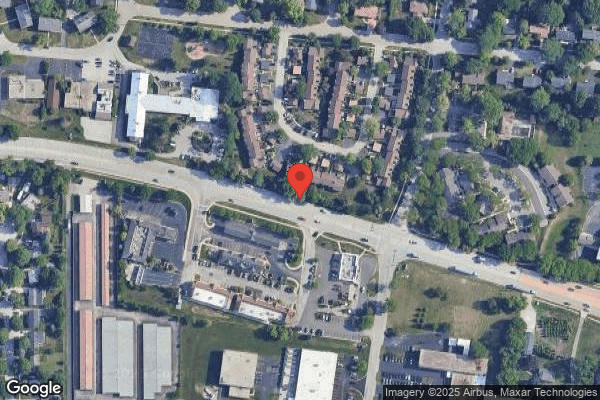
1101 EAST STATE STREET, GENEVA, IL 60134 (630) 232-7544
For profit - Limited Liability company 107 Beds BRIA HEALTH SERVICES Data: November 2025
Trust Grade
70/100
#20 of 665 in IL
Last Inspection: June 2024

Within standard 12-15 month inspection cycle. Federal law requires annual inspections.

Overview

BRIA OF GENEVA has a Trust Grade of B, which means it is a solid choice, generally offering good care. It ranks #20 out of 665 facilities in Illinois, placing it in the top half, and #3 out of 25 in Kane County, indicating that only two local options are better. The facility is improving, with issues decreasing from 12 in 2024 to just 1 in 2025. However, staffing is a concern, with a rating of 2 out of 5 stars and a turnover rate of 57%, which is higher than the state average. On a positive note, there have been no fines, and the nursing coverage is average, meaning residents receive adequate attention from registered nurses. There are some significant weaknesses to note. For instance, the facility failed to implement necessary measures to prevent pressure ulcers in a resident who was considered high-risk, and dietary staff did not follow proper sanitation protocols, such as wearing beard guards while handling food. Additionally, some residents reported that their meals were unappetizing and not served at the right temperature, which can affect their overall satisfaction with the care they receive. Overall, while BRIA OF GENEVA has strengths, families should weigh these concerns carefully when considering this nursing home.

Trust Score
B
70/100
In Illinois
#20/665
Top 3%
Safety Record
Moderate
Needs review
Inspections
Getting Better
12 → 1 violations
Staff Stability
⚠ Watch
57% turnover. Above average. Higher turnover means staff may not know residents' routines.
Penalties
✓ Good
No fines on record. Clean compliance history, better than most Illinois facilities.
Skilled Nurses
○ Average
Each resident gets 34 minutes of Registered Nurse (RN) attention daily — about average for Illinois. RNs are the most trained staff who monitor for health changes.
Violations
⚠ Watch
36 deficiencies on record. Higher than average. Multiple issues found across inspections.
★★★★★
5.0
Overall Rating
★★☆☆☆
2.0
Staff Levels
★★★★★
5.0
Care Quality
★★★★☆
4.0
Inspection Score
Stable
2024: 12 issues
2025: 1 issues

The Good

  • 5-Star Quality Measures · Strong clinical quality outcomes
  • Full Sprinkler Coverage · Fire safety systems throughout facility
  • No fines on record

Facility shows strength in quality measures, fire safety.

The Bad

Staff Turnover: 57%

11pts above Illinois avg (46%)

Frequent staff changes - ask about care continuity

Chain: BRIA HEALTH SERVICES

Part of a multi-facility chain

Ask about local staffing decisions and management

Staff turnover is elevated (57%)

9 points above Illinois average of 48%

The Ugly 36 deficiencies on record

1 actual harm
May 2025 1 deficiency
CONCERN (D) 📢 Someone Reported This

A family member, employee, or ombudsman was alarmed enough to file a formal complaint

Potential for Harm - no one hurt, but risky conditions existed

Deficiency F0806 (Tag F0806)

Could have caused harm · This affected 1 resident

**NOTE- TERMS IN BRACKETS HAVE BEEN EDITED TO PROTECT CONFIDENTIALITY** Based on the interview and record review, the facility failed to ensure a resident was not served a food item to which the resid...

Read full inspector narrative →
**NOTE- TERMS IN BRACKETS HAVE BEEN EDITED TO PROTECT CONFIDENTIALITY** Based on the interview and record review, the facility failed to ensure a resident was not served a food item to which the resident had an allergy. This applies to 1 of 3 residents (R1) reviewed for food concerns in a sample of 9. Findings include: R1 was admitted to the facility on [DATE] with diagnoses including allergy status to unspecified drugs, medications, and biological drugs, irritant contact dermatitis, and disorder of skin subcutaneous tissues, asthma, heart failure, chronic obstructive pulmonary disease, and cirrhosis of the liver. R1's MDS (Minimum Data Set) dated 04/21/2025 showed R1's cognition was severely impaired and required one to two maximum assistance for activities of daily living. R1's allergy status upon admission dated 04/02/2025 showed R1 was allergic to peach and lactose, and R1's face sheet also listed R1's allergy under other information. On 05/13/2025 at 9:00 AM and on 05/14/2023 at 8:20 AM, V10 (R1's family) said the facility served peach on her lunch tray, and she caught it and reported it to the staff. V10 said R1 gets severe skin irritation and her throat closes, and she would have died. The resident/family concerns report dated 04/04/2025 showed that peaches were on R1's meal tray, and R1 is highly allergic to peaches. On 05/13/2025 at 2:39 PM, V11 (Dietary Manager) said the kitchen staff should set up the meal tray by referring to the meal card where food allergies are documented, and the staff who is delivering the tray also should verify that residents are not receiving any food they are allergic to, so that potentially serious consequences could be avoided. V11 said the staff missed it on 04/04/2025 for R1. On 05/13/2025, at 1:00 PM, V8 and V9 (Dietary Aides) said they set R1's lunch tray on 04/04/2025, and it was a very busy day, and they missed it. On 05/13/2025 at 2:00 PM, V2 DON (Director of Nursing) stated there are clear instructions on the meal card and staff should followed the meal card and verify before setting up and delivering the meal tray to residents to avoid any serious consequences. The facility's policy and procedure titled Dining and Food Preference and dated 10/2022 showed that the diet requisition form will notify the dining services department of food allergies upon admission and before any meals served. The individual tray assembly ticket will identify all food items appropriate for the resident based on diet order, allergies and intolerance, and preferences.
Sept 2024 1 deficiency
CONCERN (D) 📢 Someone Reported This

A family member, employee, or ombudsman was alarmed enough to file a formal complaint

Potential for Harm - no one hurt, but risky conditions existed

Respiratory Care (Tag F0695)

Could have caused harm · This affected 1 resident

**NOTE- TERMS IN BRACKETS HAVE BEEN EDITED TO PROTECT CONFIDENTIALITY** Based on observation, interview, and record review, the facility failed to provide a portable oxygen tank that was full for a re...

Read full inspector narrative →
**NOTE- TERMS IN BRACKETS HAVE BEEN EDITED TO PROTECT CONFIDENTIALITY** Based on observation, interview, and record review, the facility failed to provide a portable oxygen tank that was full for a resident. This applies to 1 of 3 residents (R1) reviewed for oxygen in a sample of 3. The findings include: On 9/27/24 at 10:15 AM, surveyor and V2 (DON-Director of Nursing) went to R1's room. R1 was sitting in her wheelchair. At the back of her wheelchair, R1 had a portable oxygen tank that was connected to her nasal cannula. The dial was turned to 3 liters but it read empty. V2 removed the nasal cannula as instructed by the surveyor and put the nasal prongs near her wrist. Then, she passed it to surveyor who did the same thing. Both V2 and surveyor confirmed no air was able to be felt. R1 was asked if she felt any air and she said No! Surveyor asked R1 if she had any problems breathing or if she was in any type of distress. She stated no she was not. R1's oxygen saturation rate was 91%. On 9/27/24 at 10:18 AM, V2 stated that the tank should have been full or changed out. V2 also confirmed that when R1 was brought back to her room from the dining room, she should have been connected to her concentrator. On 9/27/24 at 10:21 AM, V4 (CNA-Certified Nursing Assistant) stated, I'm (R1)'s CNA today. She was on her concentrator last night. Then, I switched her to the portable oxygen tank and took her to the dining room so she can eat her breakfast. It was not empty then. Then I brought her back to her room. The oxygen tank was on yellow. I'm sorry. I should have changed it out. Did they bring a new oxygen tank for her? On 9/27/24 at 10:29 AM, V2 stated, (V3-Hospice Nurse) brought it to my attention that my staff wasn't using the portable oxygen concentrator that was provided by hospice for (R1) when she is in the dining room. Instead, they were using the portable oxygen tank. I inserviced my staff and made sure this was communicated to all the staff. I talked to V5 (LPN/Licensed Practical Nurse) and she told me the portable oxygen concentrator is charging, but it's not turning on. I told (V3) this but she said our staff is not charging it at night. We checked it today and it's not turning on. So, I have to tell hospice again to send a new one. On 9/24/24 at 1:48 PM, telephone interview was done with V3 (Hospice Nurse). V3 stated, The staff there are not using the portable oxygen concentrator when they are taking (R1) to the dining room. Instead, they are using the portable oxygen tank. Today and a couple of days ago, I saw the tank was turned off. I told them they have to get a new tank or (R1) is going to die. She is on hospice and has COPD. They are having problems keeping the tank full. R1's face sheet shows diagnoses of COPD (Chronic Obstructive Pulmonary Disease), Unspecified, cognitive communication deficit, unspecified atrial fibrillation, heart failure, schizophrenia, unspecified dementia, unspecified severity, without behavioral disturbance, psychotic disturbance, mood disturbance, and anxiety, Parkinson's disease without dyskinesia, without mention of fluctuations. R1's MDS (Minimum Data Set) dated 9/23/24 shows a BIMS (Brief Interview for Mental Status) score of 8, which means she is moderately impaired in cognition. R1's POS (Physician Order Sheet) for September 2024 shows the following orders: Admit to hospice with diagnosis of COPD (3/20/24), DNR (Do Not Resuscitate), Plug in portable oxygen at bedtime and apply during the day. Every day and night shift related to COPD. Plug in portable oxygen at bedtime and apply during the day. Progress notes show the following: On 8/20/24 at 6:10 AM (Medical Doctor's Note): [AGE] year old female admitted to facility on 2/24/23. Patient came in to ER (Emergency Room) due to acute hypercapnic and hypoxic respiratory failure. Felt to be due to COPD exacerbation. CT Chest shows extensive COPD with emphysema. 1. Severe COPD, oxygen deprivation. Appears compensated. Patient requires close monitoring, high risk for decompensating. On hospice care. On 9/17/24 at 8:38 AM (Nurse Practitioner Note): Oxygen down to 93% on 9/12, otherwise stable, occasionally forgets to apply oxygen cannula. Watch for respiratory status changes, any new symptoms. V3's (Hospice Nurse) Hospice Communication Log Note dated 9/26/24 shows: Routine visit. Patient SOB (Shortness of Breath) Oxygen tank turned off. This writer turned on and ensured patient comfortable breathing prior to leaving. R1's care plan (Undated) shows: (R1) has potential for difficulty in breathing related to COPD, Chronic Respiratory Failure, CHF (Congestive Heart Failure). Goal: (R1)'s respiratory symptoms will be managed through next review. Interventions: Administer oxygen as ordered. Hospice: (R1) is under the hospice care with terminal diagnosis of COPD. (R1) has oxygen therapy related to congestive heart failure, ineffective gas exchange, respiratory illness to COPD. Goal: The resident will have no signs or symptoms of poor oxygen absorption through the review date. Intervention: Give medication as ordered by physician. Monitor/document side effects and effectiveness. If the resident is allowed to eat, oxygen still must be give to the resident but in different manner (changing from mask to a nasal cannula). Return resident to usual oxygen delivery method after the meal. Oxygen inhalation at 2-5 LPM (Liters Per Minute) PRN (As Needed) related to SOB (Shortness of Breath) and/or respiratory distress. Facility's policy titled oxygen therapy (9/2022) shows the following: Oxygen therapy may be provided through various type of supply and delivery systems. Equipment may include the provision of oxygen through nasal cannulas, trans-tracheal oxygen catheters, oxygen canisters, cylinders or concentrators. Guideline: 1. Residents who require oxygen therapy will have a physician order in their medical record which includes amount of oxygen to be administered, route of administration and indication of use.
Aug 2024 1 deficiency
CONCERN (D) 📢 Someone Reported This

A family member, employee, or ombudsman was alarmed enough to file a formal complaint

Potential for Harm - no one hurt, but risky conditions existed

Report Alleged Abuse (Tag F0609)

Could have caused harm · This affected 1 resident

**NOTE- TERMS IN BRACKETS HAVE BEEN EDITED TO PROTECT CONFIDENTIALITY** Based on interview and record review, the facility failed to report an allegation of abuse to the abuse coordinator and Illinois...

Read full inspector narrative →
**NOTE- TERMS IN BRACKETS HAVE BEEN EDITED TO PROTECT CONFIDENTIALITY** Based on interview and record review, the facility failed to report an allegation of abuse to the abuse coordinator and Illinois Department of Public Health per facility policy. This applies to 2 of 3 residents (R1, R2) reviewed for abuse in a sample of 3. The findings include: Face sheet, printed 8/22/24, shows R1 was admitted to the facility on [DATE] and his diagnoses included acute kidney failure, adjustment disorder, vascular dementia, congestive heart failure, history of falls, depression, transient ischemic attack, and weakness. MDS (Minimum Data Set), dated 7/25/24, shows R1's cognition was moderately compromised. Face sheet, printed 8/22/24, shows R2 was admitted to the facility on [DATE] and his diagnoses included dementia, unspecified psychosis, depression, anxiety, psychoactie substance abuse, and insomnia. MDS, dated [DATE], shows R2's cognition was severely impaired. On 8/21/24 at 11:40 PM, R1 stated R2 was very confused and continuously wandered. R1 stated R2 continuously entered R1's room because the room used to be R2's room prior to R2 moving to another room. R1 stated on 8/18/24, R2 came into his room and tried to move his roommate while in bed. R1 stated he yelled at R2 to stop coming into R1's room and R2 placed his hands on R1's right and left side of R1's upper torso and shoved R1 backward while he was sitting in his wheelchair. R1 stated his wheelchair rolled back, hit his dresser in the back of the room, and R1 fell out of his wheelchair on to the floor. R1 stated staff came to assist him back into the wheelchair. R1 stated he experienced pain in his knee, hip and upper torso and R1 received an X-ray the evening of 8/18/24 to examine his knee. On 8/21/24 at 3:00 PM, V1 (Administrator) stated he was informed by the police that R1 called the police and reported that R2 hit/shoved R1 during their altercation earlier in the day. V1 stated he did not report the allegation to IDPH because he did not think the allegation was credible since the allegation did not surface from R1's nurse at the time of the incident. On 8/21/24 at 10:30 AM, V1 stated on 8/18/24 R1 alleged R2 wandered into R1's room and R2 shoved R1 causing R1 to go backward in his wheelchair. V1 stated there were no witnesses and no injuries and V1 did not believe the incident happened so V1 did not report/investigate the allegation. V1 stated R1 was alert and oriented and desired to go home, so R1 made up the story to convince R1's family to take him out of an unsafe facility. V1 stated he could not be sure the incident actually occurred. Facility document provided by V1, signed 8/21/24, shows, Initially [R1] told the nurse that he was trying to sit in his chair and slid out, but later, when I spoke to [R1] about 8:00 PM [R1] said he was pushed. That [R2] was in the room and had pushed him into his chair as he was trying to stand. I asked why he hadn't said that initially to the nurse and he stated that he just remembered it. There were no injuries and ]R2] left the room immediately. On 8/21/24 at 3:00 PM, V1 stated he had not yet reported R1's allegation of abuse to IDPH. On 8/21/24, V7 (Agency LPN - Licensed Practical Nurse) stated she was first to respond to R1 on the floor on 8/18/24. V7 stated she asked R1 what happened and R1 reported that R2 shoved him while sitting in his wheelchair in his room and R1 fell out of his wheelchair as a result of the push. V7 stated when V5 came into the room to assess R1, V7 told V5 that R1 reported R2 shoved R1 and then left the room because R1 was not assigned to her that day. Progress note, written by V7 on 8/18/24, shows R1 was observed in a sitting position in front of his wheelchair as R2 was walking out of R1's room. The progress note fails to show R1 reported R2 physically touched R1. On 8/21/24 at 1:45 PM, V5 (LPN - Licensed Practical Nurse) stated at the time of the 8/18/24 incident, he located R1 on the floor in his room and stated R1 did not report that he was shoved or touched by R2 during the incident. V5 stated a nurse coworker responded to R1 first at the time of the incident. Progress note written by V5 (LPN - Licensed Practical Nurse), shows no report that R1 was physically touched by R2. The note shows R2 stated R1's chair rolled back and he slid off the chair while yelling at R2. Physician note, dated 8/19/24, shows, R1 received an X-ray of his left knee due to a fall the day prior. The note shows no acute findings were shown. Progress notes, dated 8/18/24, show the facility performed a fall risk evaluation, skin condition form related to R1's fall, and a pain evaluation assessment related to R1's reports of pain in his left front knee. Facility Abuse Policy and Prevention Program 2022 document, dated 10/2022, shows, Employees are required to report any incident, allegation or suspicion of potential abuse, neglect, exploitation, mistreatment or misappropriation of resident property they observe, hear about, or suspect to the administrator immediately, to an immediate supervisor who must then immediately report it to the administrator or the compliance officer. In the absence of the administrator, reporting can be made to and individual who has been designated to act in the administrator's absence Supervisors shall immediately inform the administrator or person designated to act in the administrator's absence of all reports of incidents, allegations, allegations or suspicion of potential abuse, neglect, exploitation, mistreatment or misappropriation of resident property. Upon learning of the report, the administrator or designee shall initiate an incident investigation Any allegation of abuse or any incident that results in serious bodily injury will be reported to the Illinois Department of Public Health immediately but not more than two hours after the allegation of abuse.
Jul 2024 2 deficiencies
CONCERN (D) 📢 Someone Reported This

A family member, employee, or ombudsman was alarmed enough to file a formal complaint

Potential for Harm - no one hurt, but risky conditions existed

Accident Prevention (Tag F0689)

Could have caused harm · This affected 1 resident

Based on observation, interview, and record review, the facility failed to provide secure wheelchair transportation in facility van/bus for a resident. This applies to 1 resident (R1) reviewed for sa...

Read full inspector narrative →
Based on observation, interview, and record review, the facility failed to provide secure wheelchair transportation in facility van/bus for a resident. This applies to 1 resident (R1) reviewed for safe facility van transportation in a sample of 9. The findings include: R1's Face sheet shows diagnoses of morbid sever obesity, abnormalities of gait and mobility, generalized muscle weakness, history of falling, lack of coordination, and peripheral vascular disease. R1's MDS (Minimum Data Set) dated 6/10/24 shows her cognition is intact and she uses a wheelchair. R1's MAR (Medication Administration Record) shows she took PRN (as needed) doses of Tylenol on 7/11/24 at 2224 and again on 7/20/24. On 7/23/24 at 1:50 PM, V7 (Activity Director) said when she was driving the van on 7/11/24, a car drove out in front of her and she braked hard and R1 fell out of her wheelchair. V7 said she parked the van and went back to assess R1, who was sitting on the floor in front of her wheelchair with her left leg extended against the wall of the bus and her right leg extended under the wheelchair of R6, who was sitting right in front of R1. V7 said R1 told her that she was okay but that her feet were hurting. V7 said the other residents on the bus at the time of R1's fall were R6, R7, R8, and R9. On 7/23/24 at 10:48 AM, R1 said she fell out of her wheelchair while being transported in the facility van by V7 (Activity Director) on 7/11/24. R1 said she fell because the seatbelt did not work in the van. R1 said ever since the fall she has had pain in her left foot that she has taken Tylenol for and put ice on to help with the pain. On 7/24/24 at 3:25 PM R1 said she did not have lap belt on when she fell, and she could not recall if she had shoulder belt on. On 7/25/24 at 10:01 AM R1 said it is the facility staff's responsibility to hook everybody in right on the bus and don't cut any corners thinking they're not going to have an accident. On 7/23/24 at 3:10 PM, R7 said on 7/11/24 when he and R1 were on the bus together he recalled hearing V7 (Activity Director) and V13 (Activity Aide) talking and trying to latch R1's seatbelt and having difficulty. R7 said V7 and V13 knew that R1's seatbelt was not latching correctly when they left the facility to go to museum. On 7/25/24 at 12:28 PM, V7 (Activity Director) demonstrated for surveyor on the facility van/bus how she latched R1's seatbelt on 7/11/24 when R1 fell out of her wheelchair. V7 showed surveyor that she fastened the shoulder belt (attached on opposite end to the wall of the van) to the notch on the center of the lap belt by the red button/release, then she attached one side of the lap belt to the notch on the floor of the bus. V7 said the other side of the lap belt was left hanging and was not attached to anything; it was not a three point restraint. V7 said she thought only the shoulder belt was needed. V7 said every time she has taken residents anywhere in the van, she has only restrained the front wheelchair passenger with the 1 piece shoulder belt and the rear wheelchair passenger with a 2 piece shoulder belt attached to lap belt (but only used as a two point shoulder restraint). On 7/24/24 at 2:06 PM, V1 (Administrator) said after R1's fall on 7/11/24 in the van, V7 demonstrated to him how she fastened R1's seatbelt. V1 said V7 did not use the lap belt correctly, it was used as a shoulder belt and there was no additional lap belt used across R1's lap. V1 said after R1's fall, he assumed it was caused by user error and that was why V1 instructed V11 (Maintenance Director) to inservice V7 again how to correctly fasten seatbelt for wheelchair residents. V1 said I did not come away from it with the faith that V7 was using the equipment correctly. On 7/24/24 at 12:25 PM, V11 (Maintenance Director) demonstrated for surveyor in the facility van that V7 told him the lap belt would not latch, so she removed the lap belt piece and used just the shoulder belt to restrain R1. On 7/25/24 at 3:03 PM, V15 (Hospital Liaison) said she has driven the van and she was inserviced on the correct way to secure a wheelchair resident in the facility van. V15 said she has since then inserviced V16 and V17 (CNA Leads) who also transport wheelchair bound residents on the facility bus. V15 said the correct way to secure a wheelchair resident is to first put the lap belt around the resident's waist, under the wheelchair arms and attach both sides of the lap belt to the notches on the floor behind the wheelchair. V15 said that belt then gets adjusted to make sure it is taut. V15 said after the lap belt is on, the shoulder belt gets pulled across the resident's chest from the wall and attached to the notch on the center of the lap belt. V15 said then the shoulder belt is adjusted to make sure it is taut. V15 said after that is done, you take the wheelchair and wiggle it back and forth to make sure the wheelchair and resident are secure. V15 said both the lap belt and shoulder belt need to be used to properly secure a wheelchair resident because that is best practice. The facility provided restraint User Instructions copyright 2014 state, .SECURE PASSENGER 1. Attach Lap Belts- .feed belts through openings in seat backs and bottoms, and/or armrests to ensure proper belt fit around occupant. A. On the aisle side, attach belt .to rear tie down pin connector .b. On the window side, attach belt .to rear tie down pin connector .2. Attach Shoulder Belt- Extend shoulder belt over passenger's shoulder and across upper torso, and fasten pin connector onto lap belt. 3. Ensure belts are adjusted as firmly as possible, but consistent with user comfort. WARNINGS: .Wheelchair Securement System should be used as shown in these instructions .IMPORTANT SAFEGUARDS AND WARNINGS .Compliant Shoulder and Pelvic Belt Restraint must go across occupant's shoulder and pelvis (lap), and not be worn twisted or held away from the occupant's body by wheelchair components. We recommend using both a pelvic and shoulder belt together and not individually since it will compromise the performance of the system .
CONCERN (D) 📢 Someone Reported This

A family member, employee, or ombudsman was alarmed enough to file a formal complaint

Potential for Harm - no one hurt, but risky conditions existed

Room Equipment (Tag F0908)

Could have caused harm · This affected 1 resident

**NOTE- TERMS IN BRACKETS HAVE BEEN EDITED TO PROTECT CONFIDENTIALITY** Based on observation, interview, and record review, the facility failed to provide resident wheelchairs in safe, operating condi...

Read full inspector narrative →
**NOTE- TERMS IN BRACKETS HAVE BEEN EDITED TO PROTECT CONFIDENTIALITY** Based on observation, interview, and record review, the facility failed to provide resident wheelchairs in safe, operating condition. This applies to 2 residents (R1 and R5) reviewed for safe equipment in a sample of 9. The findings include: 1. R5's Face Sheet shows he was recently admitted to the facility on [DATE]. On 7/23/24 at 10:21 AM, R5 showed surveyor that the wheelchair brake on his left wheel was loose and when in locked position the left wheel could still move. R5 said the wheelchair he was using was provided by the facility. 2. On 7/23/24 at 10:48 AM, R1 demonstrated for surveyor locking her wheelchair on both wheels and she was still able to move forwards and backwards while brakes were in lock position. R1 showed surveyor that her right wheel brake handle was also loose. On 7/25/24 at 1:57 PM, V11 (Maintenance Director) said a wheelchair wash was done in either June or July in the facility parking lot when maintenance is provided to wheelchairs in need. V11 said he could not recall if R1 was there and they did not document any maintenance that was done on the wheelchairs that day. On 7/25/24 at 3:32 PM, V11 said the facility did not have a policy that pertained to maintenance of wheelchairs.
Jun 2024 8 deficiencies
CONCERN (D)

Potential for Harm - no one hurt, but risky conditions existed

Deficiency F0604 (Tag F0604)

Could have caused harm · This affected 1 resident

Based on observation, interview and record review the facility failed to provide ongoing monitoring and assessments for the use of a resident's wheelchair seatbelt/physical device. This failure applie...

Read full inspector narrative →
Based on observation, interview and record review the facility failed to provide ongoing monitoring and assessments for the use of a resident's wheelchair seatbelt/physical device. This failure applies to 1 of 1 (R12) residents reviewed for physical restraints in the sample of 19. The findings include: On 6/26/24 at 10:37 AM, R12 was seated in a wheelchair by the front desk of the facility. A seatbelt, attached to R12's wheelchair, was clasped securely around R12's waist. When R12 was asked about the seatbelt, R12 stated, I have had it for awhile. On 6/26/24, R12's electronic medical records dated June 2023-June 2024 were reviewed. R12's current care plan showed R12 had a diagnosis of cerebral palsy with contractures to her bilateral lower extremities and right hand. The care plan showed R12 required staff assistance for all activities of daily living. The care plan showed R12 used a seatbelt while in her wheelchair but showed no documentation as to the medical need for the R12's seatbelt. R12's electronic medical records showed no facility restraint or seatbelt assessments for R12. R12's June 2024 (physician) Order Summary report showed no physician order for R12's seatbelt or documented medical need for R12's belt. On 6/26/24 at 10:49 AM, V2 Director of Nursing stated she was not aware R12 used a seatbelt while in her wheelchair. V2 stated she did not know the reason as to why R12 used the belt. On 6/26/24 at 11:53 AM, V20 Certified Nursing Assistant (CNA) stated, (R12) is dependent on us for everything. She is a hoyer (mechanical lift) transfer. She doesn't move on her own. She doesn't try to get out of her wheelchair on her own. She likes to sit in her wheelchair. She can sit up on her own in it. She doesn't have seizures or sudden (body) movements. (R12) has had the seatbelt on her wheelchair for a long time, for years. I don't know why she has it other than she just wants it. She screams at us if we don't clasp it in place. V20 stated R12 is able to release the belt but is unable to re-clasp/secure the belt in place. On 6/26/24 at 11:43 AM V1 Administrator stated the facility had not done any restraint assessments or assessments of R12's wheelchair seatbelt in the last year. V1 stated, We can't find any assessments of (R12's) seatbelt. Our restorative nurse would be responsible for assessing (R12's) seatbelt use but I just spoke with him (restorative nurse) and he said he didn't know he was responsible for assessing that. On 6/26/24 at 12:02 PM, V19 Restorative Nurse stated any type of resident restraint device is to be reviewed and assessed quarterly to see if the resident still needs to use the device. V19 stated he was new to the position as the restorative nurse and didn't realize he was responsible for R12's seatbelt/physical device assessments. When V19 was asked why R12 needed a seatbelt on her wheelchair, V19 stated, She has had the seatbelt for awhile but was always able to undo it. I believe it is because of her cerebral palsy. She used to have spastic-type movements related to her cerebral palsy but doesn't have those anymore. The facility's Physical Restraint/Device policy dated 10/2021 showed, A Physical Device Observation will be completed by the Restorative Nurse if there is a possibility that a physical device may be considered a restraint . The physical device will be reassessed at least quarterly or with any significant change by the Restorative Nurse .
CONCERN (D)

Potential for Harm - no one hurt, but risky conditions existed

ADL Care (Tag F0677)

Could have caused harm · This affected 1 resident

Based on observation, interview and record review the facility failed to provide ADL (Activities of Daily Living) assistance to residents that require staff assistance for toileting/incontinence care ...

Read full inspector narrative →
Based on observation, interview and record review the facility failed to provide ADL (Activities of Daily Living) assistance to residents that require staff assistance for toileting/incontinence care for 3 of 19 residents (R12, R64, R53) reviewed for ADLs in the sample of 19. The findings include: 1. R12's current care plan showed R12 was completely dependent on staff for incontinence care related to her diagnosis of cerebral palsy. R12 was incontinent of bowel and bladder. The care plan showed, Keep resident clean and dry after each incontinent episode. On 6/24/24 at 8:57 AM and 9:30 AM, R12 was observed sleeping in a wheelchair in the television (TV) area of the facility's memory care unit. On 6/24/24 at 9:40 AM, V4 and V5 Certified Nursing Assistants (CNA) propelled R12 into her room to provide cares. As V4 and V5 transferred R12 into bed, R12 began scratching at her incontinence brief and stated itchy. V5 CNA was asked when R12 was last provided with incontinence care, V5 stated, Around 6 AM, when I got her out of bed. V4 and V5 removed R12's incontinence brief soiled with a large amount of urine. A continuous red, raised rash was noted to R12's buttocks, vaginal area, and down R12's inner thighs. Several creases were noted to the skin of R12's buttocks from R12's wet incontinence brief. As V4 and V5 provided R12 with incontinence care, R12 attempted to scratch the rash to her buttocks, multiple times, while saying itchy repetitively. 2. R64's current care plan showed R64 required staff assistance for toileting related to his diagnosis of dementia. The plan showed, Resident is to be taken to the bathroom every two (hours). R64 was incontinent of bowel and bladder. On 6/24/24 at 8:57 AM, 9:30 AM, and 10:07 AM, R64 was observed sitting in wheelchair by the television on the memory care unit of the facility. On 6/24/24 at 10:53 AM, V4 CNA wheeled R64 into the bathroom. As R64 stood by the toilet and V4 CNA began to unclasp R64's incontinence brief, R64's brief dropped to his knees due to the weight of his brief. R64's brief was saturated with dark yellow urine. R64's buttocks appeared red. V4 CNA stated she had last toileted R64 at 7:00 AM that morning. 3. R53's current care plan showed R53 was dependent on staff for toileting/incontinence care related to his diagnosis of dementia. R53 was incontinent of bowel and bladder. On 6/24/24 at 8:57 AM and 9:50 AM, R53 was observed sitting in a wheelchair by the television on the memory care unit of the facility. On 6/24/24 at 10:00 AM, R53 was taken to his room by V4 and V5 CNA(s) for cares. V4 and V5 transferred R53 into bed and removed R53's incontinence brief. A large amount of urine was noted in the brief. Multiple skin creases were noted to R53's buttocks. A small nickel-sized, red, open area was noted to R53's inner right buttock. V4 CNA stated the open area to R53's buttock was new for him I think. V4 stated she last provided incontinence care to R53 before breakfast, around 7-7:30 AM. On 6/25/24 at 9:24 AM, V10 Wound Nurse stated incontinence care is to be provided, to residents that require staff assistance, every two hours and as needed.
CONCERN (D)

Potential for Harm - no one hurt, but risky conditions existed

Quality of Care (Tag F0684)

Could have caused harm · This affected 1 resident

Based on observation, interview and record review the facility failed to provide the necessary treatments for a resident's rash and for residents with leg edema. These failures apply to 3 of 19 reside...

Read full inspector narrative →
Based on observation, interview and record review the facility failed to provide the necessary treatments for a resident's rash and for residents with leg edema. These failures apply to 3 of 19 residents (R12, R15, R64) reviewed for necessary care and services in the sample of 19. The findings include: 1. R12's current care plan showed R12 was completely dependent on staff for incontinence care related to her diagnosis of cerebral palsy. R12 was incontinent of bowel and bladder. The care plan showed, Keep resident clean and dry after each incontinent episode. R12's Skin and Wound Note dated 6/20/24 showed R12 had a MASD (moisture associated skin damage) fungal rash to her buttocks. The note showed, The patient is at increased risk for developing skin breakdown and moisture associated skin damage due to fecal and urinary incontinence, obesity, inability to perform self-care. On 6/24/24 at 8:57 AM and 9:30 AM, R12 was observed sleeping in a wheelchair in the television (TV) area of the facility's memory care unit. On 6/24/24 at 9:40 AM, V4 and V5 Certified Nursing Assistants (CNA) propelled R12 into her room to provide cares. As V4 and V5 transferred R12 into bed, R12 began scratching at her incontinence brief and stated itchy. V5 CNA was asked when R12 was last provided with incontinence care, V5 stated, Around 6 AM, when I got her out of bed. V4 and V5 removed R12's incontinence brief soiled with a large amount of urine. A continuous red, raised rash was noted to R12's buttocks, vaginal area, and down R12's inner thighs. Several creases were noted to the skin of R12's buttocks from R12's wet incontinence brief. As V4 and V5 provided R12 with incontinence care, R12 attempted to scratch the rash to her buttocks, multiple times, while saying itchy repetitively. On 6/25/24 at 9:33 AM, V10 Wound Nurse stated R12 was currently being treated for a fungal rash to her buttocks. V10 stated, Her rash can get worse if she is sitting in a wet brief for too long. She needs to be changed (incontinence care) every two hours . The facility's Skin Management policy dated 6/2023, The following treatment guidelines have been developed to serve as a general protocol for selecting the type of treatment or dressing to be used . Moisture: avoid prolonged periods of wetness . 2. R15's physician order dated 6/13/24 showed staff were to apply TED hose (compression stockings) to R15's legs, one time a day, related to R15's leg edema; remove hose at night. R15's Vascular Consult Visit Summary note dated 6/20/24 showed R15 had pitting edema to both of his feet related to his diagnoses of peripheral arterial disease and superficial venous disease to his lower extremities. The note showed, Plan of Care . Continue compression therapy . On 6/24/24 at 2:07 PM, R15 was seated in his wheelchair. No compression stockings were noted to R15's lower extremities. R15 wore socks on his feet with leg edema bulging over the top of the socks on both feet. On 6/25/24 at 9:19 AM, R15 was seated in his wheelchair. No compression stockings were noted to R15's lower extremities. Edema was noted to both of R15's lower legs. On 6/25/24 at 9:38 AM, V10 Wound Nurse stated, (R15) is supposed to wear TED hose because of his edema and his history of congestive heart failure. 3. R64's physician order dated 5/31/24 showed, Please ensure patient is wearing compression stockings! R64's Vascular Consult Visit Summary note dated 6/20/24 showed R64 had a vascular foot ulcer and edema to both of his lower legs related to his diagnoses of peripheral artery disease, Type 2 Diabetes Mellitus, and a history of deep vein thrombus to his lower extremities. The note showed, Plan of Care . Continue compression therapy . On 6/24/24 at 8:57 AM, R64 was seated in his wheelchair. R64 wore shoes and socks on both feet. No compression dressings were noted to R64's legs. Edema was noted to R64's right lower leg, bulging over the top of his sock. On 6/24/24 at 12:30 PM, R64 was seated in his wheelchair. No compression dressings were noted to R64's legs. On 6/25/24 at 9:33 AM, V10 Wound Nurse stated, (R64) was recently seen by our vascular consultants. His left ankle wound is a full-thickness, vascular wound. He is to wear compression wraps, to both of legs, during the day to help treat his edema and vascular disease.
CONCERN (D)

Potential for Harm - no one hurt, but risky conditions existed

Pressure Ulcer Prevention (Tag F0686)

Could have caused harm · This affected 1 resident

**NOTE- TERMS IN BRACKETS HAVE BEEN EDITED TO PROTECT CONFIDENTIALITY** Based on observation, interview and record review the facility failed to implement pressure relieving interventions for a reside...

Read full inspector narrative →
**NOTE- TERMS IN BRACKETS HAVE BEEN EDITED TO PROTECT CONFIDENTIALITY** Based on observation, interview and record review the facility failed to implement pressure relieving interventions for a resident at risk for pressure injuries and recently diagnosed with a new sacral injury for 1 of 4 residents (R29) reviewed for pressure injuries in the sample of 19. The findings include: R29's current care plan showed R29 was at risk for skin complications related to her diagnoses of dementia and incontinence. R29's Braden Scale for Predicting Pressure Sore Risk dated 5/19/24 showed R29 was at high risk for developing pressure injuries. A Skin Condition assessment dated [DATE] showed R29 had developed new redness and skin discoloration to both of her buttocks. The note showed, Orders . Resident to be re-positioned every two hours. Low air (loss) mattress to be provided per DON (Director of Nursing). On 6/24/24 at 9:18 AM, R29 was in bed, lying on a standard, hospital-type mattress. On 6/24/24 at 9:22 AM, V5 Certified Nursing Assistant (CNA) provided incontinence care to R29. A large, irregular-shaped, reddened area was noted across R29's sacrum with a dime-sized, open purplish wound noted to her left buttock. V5 stated. (R29) is on a regular mattress. Our low air loss mattresses are connected to a pump that we turn on and off. On 6/24/24 at 10:35 AM, R29 remained in bed, lying on a standard mattress. On 6/25/24 at 9:24 AM, V10 Wound Nurse stated she was not notified of R29's new skin condition found on 6/21/24. V10 stated staff are to notify her, V2 DON, the physician and the resident's family as soon as a new skin condition is found. V10 reviewed R29's Skin Condition assessment dated [DATE]. V10 stated, I see (R29) has a new wound condition. I was not aware of this. Looks like she has a new discoloration to her buttocks. I was not notified she needed a low air loss mattress. It says the DON (V2) was aware of that. I know (R29) doesn't have a low air loss mattress. Myself or hospice should have been notified right away she needed the mattress so there was no delay in getting it. That's not good. That's why I should have been notified so I could have assessed her and put treatments into place . The facility's Skin Management: Pressure Injury Treatment policy dated 6/2023 showed, The following treatment guidelines have been developed to serve as a general protocol for selecting the type of treatment or dressing to be used . Guidelines: Implement prevention protocol according to resident needs . Mobility: turn every two hours, reposition in chair every two hours, provide appropriate pressure reducing devices .
CONCERN (D)

Potential for Harm - no one hurt, but risky conditions existed

Accident Prevention (Tag F0689)

Could have caused harm · This affected 1 resident

**NOTE- TERMS IN BRACKETS HAVE BEEN EDITED TO PROTECT CONFIDENTIALITY** Based on observation, interview and record review the facility failed to supervise a dementia resident, with a history of wander...

Read full inspector narrative →
**NOTE- TERMS IN BRACKETS HAVE BEEN EDITED TO PROTECT CONFIDENTIALITY** Based on observation, interview and record review the facility failed to supervise a dementia resident, with a history of wandering behaviors, in a manner to prevent the resident from eloping from the facility. The facility failed to ensure oxygen tanks were safely secured in place. These failures apply to 2 of 19 residents (R29, R16) reviewed for safety and supervision in the sample of 19. The findings include: 1. R29's admission record showed R29 was admitted to the facility on [DATE] with a diagnosis of dementia. R29's Elopement Evaluations dated 1/5/24 and 2/6/24 showed R29 was at a high risk for elopement due to R29's impaired cognition, physical ability to leave the building, wandering around the facility, and R29 exhibiting behaviors of actively trying to exit the facility. R29's Behavior Note dated 1/28/24 showed R29 tried twice to get into the elevator but was stopped by staff. R29's Behavior Note dated 2/4/24 showed R29 was agitated and wanted to go out of the facility, resident is continuously seeking exit . R29's Behavior Note dated 2/5/24 showed, Resident was still agitated and still adamant on leaving the facility stating the she needs to go to the airport and go back to Italy because the secret service is after her . R29's Behavior Note dated 2/6/24 at 9:02 PM showed R29 was found outside of the facility, in the facility's parking lot, attempting to get into a locked car saying she needs to go to the airport . A nursing note for R29 dated 2/22/24 showed R29 was moved to a secured memory care unit in the facility. On 6/25/24 at 11:33 AM, V7 Certified Nursing Assistant (CNA) stated on 2/6/24, when she arrived at the facility to work, she saw R29 propelling herself in a wheelchair around the front parking lot. V7 stated, I was pulling into work when I noticed (R29) propelling herself around the parking lot, going from car to car. She seemed anxious and upset so I got out of my car and walked up to her. She kept saying she was trying to leave. I just kind of walked with her for a bit. I was finally able to her inside the building within about ten minutes. It seems she somehow got past the front desk. I had never taken care of her before. I didn't know her but she looked confused and out of place so I went up to her. I was not aware she was an elopement risk . V7 stated R29 sustained no falls or injuries during the incident. On 6/25/24 at 11:39 AM, V8 Registered Nurse (RN) stated on 2/6/24 she was the nurse on duty at the time of R29's incident. V8 stated, I didn't see (R29) leave. I was made aware of the incident when staff brought her back inside the building. She had gotten out to the parking lot through the front door. She somehow got past reception. I know she had dementia and was confused. I did not know she was an elopement risk . On 6/25/24 at 12:52 PM, V1 Administrator stated he was unable to find a facility incident report and/or an investigation report into the incident involving R29 on 2/6/29. V1 stated he was out on a leave of absence the entire month of February 2024 and there was a previous employee acting as the administrator in his absence. V1 stated, Prior to today, I did not know (R29) had gotten out to the parking lot. Had I been here when it happened, I would have done a thorough investigation . There is an elopement binder, that is kept at the front desk, that identifies which residents are at risk for elopement. (R29) is listed in the binder. I don't know who the receptionist was at the time of the incident. I don't have the exact time the incident happened but the expectation is that the receptionist and staff are monitoring who is going in and out of the building. The facility's Elopement and Unsafe Wandering Prevention and Management Program policy (undated) showed, Our mission is to provide compassionate care and service, to maintain the safety of our residents, and maximize each resident's physical, mental, and psychosocial well-being . The policy showed, The purpose of our Elopement and Unsafe Wandering Prevention and Management Program is to provide our residents with an interdisciplinary approach to identify the risk of elopement and unsafe wandering . A list of residents identified as at risk for elopement is maintained and updated to remain accurate and current . Staff can identify the presence of residents at risk at the beginning and end of the shift and periodically throughout the shift . 2. R16's Facesheet dated 6/26/24 showed R16 is a [AGE] year old female admitted to the facility on [DATE] with diagnoses which include: unspecified bronchus/lung neoplasm, history of COVID-19, and Bronchiectasis (airway damage). On 6/24/24 at 10:20 AM, R16 stated she uses oxygen at night if she feels short of breath. R16 pointed at the oxygen concentrator next R16's bed. R16 stated she used to use oxygen tanks when she would leave her room and needed oxygen. R16 pointed to an unsecured oxygen tank leaning against R16 small dresser. On 6/24/24 at 10:25 AM, R85 (R16's roommate) stated R16 had not used the oxygen tanks in a long time. R85 stated the oxygen tank against the dresser had been there at least 2 weeks. On 6/26/24 at 11:50 AM, V21 (CNA) stated oxygen tanks need to be in a cart or holder. V21 stated we can let the nurse know and they can open the door to the oxygen tank room. On 6/24/24 at 12:30 PM V2 Director of Nursing stated unsecured oxygen tanks are a hazard. Oxygen tanks need to be in a holder or stored in the oxygen room. V2 opened the oxygen tank storage room. The tank room had 2 tank racks with multiple open slots available. The facility Oxygen Storage Policy dated 12/2018 showed the policy is for the standards for the safe handling of oxygen storage to ensure safety is met, oxygen tanks should be stored in storage areas, and oxygen cylinders must be protected from mechanical shock, falling objects, and other tank hazards.
CONCERN (D)

Potential for Harm - no one hurt, but risky conditions existed

Pharmacy Services (Tag F0755)

Could have caused harm · This affected 1 resident

**NOTE- TERMS IN BRACKETS HAVE BEEN EDITED TO PROTECT CONFIDENTIALITY** Based on observation, interview, and record review the facility failed to ensure medications were administered per standards of ...

Read full inspector narrative →
**NOTE- TERMS IN BRACKETS HAVE BEEN EDITED TO PROTECT CONFIDENTIALITY** Based on observation, interview, and record review the facility failed to ensure medications were administered per standards of practice which applies to 1 of 19 residents (R28) reviewed for medication services in a sample of 19. The findings include: R28's Facesheet printed on 6/26/24 showed R28 is an [AGE] year old male admitted to the facility with diagnoses which include: essential hypertension and heart failure. R28's Order Summary printed on 6/26/24 showed R28 has an order for Metoprolol Succinate ER 25 milligram (mg) tablet related to essential hypertension. On 6/24/24 at 10:25 AM, R28 was lying in bed watching television. R28 had a white oval pill on his chest. The pill had 564 stamped into the pill. The pill was dry and intact. R28 stated the nurse was in about 9 AM with his medications. On 6/24/24 at 10:35 AM, V17 Licensed Practical Nurse (LPN) identified the pill as R28's Metoprolol ER 25 mg dose. V17 stated she thought he took them all. V17 stated R28's medications were given to him about 9 AM. On 6/24/24 at 12:30 PM, V2 Director of Nursing stated when a nurse administers medications they need to go through the rights (resident, med, time, etc) for medications, and make sure the resident takes all of the medications. The facility's mediation administration policy dated 3/2023 showed to remain with the resident to ensure that the resident swallow the medication.
CONCERN (D)

Potential for Harm - no one hurt, but risky conditions existed

Medication Errors (Tag F0758)

Could have caused harm · This affected 1 resident

Based on interview and record review the facility failed to provide R22 with informed consent for psychotropic medication for 1 of 5 residents (R22) reviewed for unnecessary medication in the sample o...

Read full inspector narrative →
Based on interview and record review the facility failed to provide R22 with informed consent for psychotropic medication for 1 of 5 residents (R22) reviewed for unnecessary medication in the sample of 19. The finding include: R22's Physicians Orders on 06/25/2024 shows, sertraline hydrochloride Oral Tablet 25 milligrams. Give 1 tablet by mouth one time a day related to major depressive disorder, single episode, unspecified. On 06/26/24 at 12:42 PM, V3 ADON-Assistant Director of Nursing said, R22 was started on sertraline hydrochloride in January (2024). There was no consent. R22's Psychiatry Note dated 01/26/2024 shows, R22 has multiple diagnosis including amnesia. Unspecified dementia, unspecified severity, without behaviors/psychosis/mood/anxiety. Major Depressive disorder, single episode, unspecified. The facility did not provide a policy for Psychotropic Medication use when requested during the survey.
CONCERN (F)

Potential for Harm - no one hurt, but risky conditions existed

Food Safety (Tag F0812)

Could have caused harm · This affected most or all residents

Based on observation, interview and record review the facility failed to ensure dietary staff wore beard guards during food handling and failed to ensure food was covered to prevent contamination. Thi...

Read full inspector narrative →
Based on observation, interview and record review the facility failed to ensure dietary staff wore beard guards during food handling and failed to ensure food was covered to prevent contamination. This applies to all residents residing in the facility reviewed for food sanitation. The findings include: The facility's resident census provided on 6/24/24 shows 95 residents residing in the facility. On 6/24/24 during initial tour of the kitchen a full tray of mandarin oranges each placed in a serving bowl were in the fridge uncovered. At 11:40 AM, the food cart was in the downstairs dining room. The tray of mandarin oranges were not covered with the food cart open. At 12:04 PM, during the noon meal on the first floor dining room, V14 (dietary staff) was at the steam table plating the noon meal. A patch of outgrown hair was on the middle of V14's chin without a beard guard on. V15 (Dietary Staff) was preparing jelly sandwiches. V15's facial hair beard was outgrown with medium stubble, he was not wearing a beard guard. V13 (Dietary Staff) was in the kitchen cutting watermelon. He had a full thick facial beard without wearing a beard guard. V12 (Interim Dietary Manager) was in the kitchen helping with lunch service, he was placing meal trays in the food cart. V12 had a thin layer of facial hair without wearing a beard guard. On 6/25/24 at 8:52 AM, V12 said the male staff were not wearing beard guards yesterday and should have been. Food should be covered when stored in the fridge and during transport to prevent contamination. The Facility's undated [NAME] Guard and Hair Restraint Policy states, Beard Guards: Food handlers with beards may be required to wear a beard cover, especially if their beard is long. This helps minimize the likelihood of hair contamination in the food service industry. The Facility's Food Storage Policy revised 2023, states, All foods will be stored wrapped or in covered containers, labeled, dated, and arranged in a manner to prevent cross contamination.
Dec 2023 1 deficiency
CONCERN (E) 📢 Someone Reported This

A family member, employee, or ombudsman was alarmed enough to file a formal complaint

Potential for Harm - no one hurt, but risky conditions existed

Safe Environment (Tag F0584)

Could have caused harm · This affected multiple residents

Based on observation, interview and record review, the facility failed to maintain resident rooms in a clean sanitary manner. This applies to 6 of 7 residents (R10, R11, R12, R13, R14 and R15) reviewe...

Read full inspector narrative →
Based on observation, interview and record review, the facility failed to maintain resident rooms in a clean sanitary manner. This applies to 6 of 7 residents (R10, R11, R12, R13, R14 and R15) reviewed for homelike environment in a sample size of 15. Findings include: 1. On 12/7/23 at 11:00 AM, V14 (R10's daughter) stated, on 11/21/23, R10 used the bedside commode. The commode with urine & stool in it was left in the room for 3 days and it was cleaned on Monday, 11/24/23. On 12/7/23 at 11:00 AM, observed R10's walker was dirty and with cleanable stains. V14 stated, she asked the nursing staff and the housekeeping staff to clean it, and nobody did. 2. On 12/7/23 at 11:15 AM, observed R13's soiled clothing - a bedsheet, pajamas, shirt, socks and R13's sling used for mechanical lift, on the floor. 3. On 12/7/23 at 11:40 AM, R15 stated, on 12/5/23, R15 used her bedside commode. The commode with urine and stool in it was left in the room until 12/6/23, when it was cleaned. R15 stated, she asked the CNAs to clean it, yet nobody did. R15's MDS (Minimum Data Set) dated 11/22/23 showed R15 had intact cognition. 4. On 12/7/23 at 11:10 AM, R12 stated, there were dirty washcloths left in the sink most of the days, that is used for another resident and that R12 has to pick it up for her to use the sink. R12's MDS (Minimum Data Set) dated 10/5/23 showed R12 had intact cognition. 5. On 12/7/23 at 11:13 AM, R11 stated, used washcloths were left in her sink by the CNAs. R11 stated she can't use the sink to brush her teeth unless she picks it up. R11's MDS (Minimum Data Set) dated 11/6/23 showed R11 has intact cognition. 6. On 12/7/23 at 11:15 AM, R14 stated, soiled wash cloths are left in the sink after use for more than 24 hrs. R14 states CNAs don't clean up behind them. On 12/7/23 at 11:15 AM, V7 (RN) stated, the CNA who cared for R13 should have picked it up & discarded into the laundry basket. V7 stated, for infection control reasons, linen should not be on the floor. On 12/8/23 at 1:00 PM, V9 (CNA/Certified Nurse Aide) stated, she had seen soiled washcloths left in the sink and on the floor, in some resident's rooms. On 12/8/23 at 3:00 PM, V1 (Administrator) stated, he was not aware of this issue. V1 stated, for hygienic purposes and to prevent transmission of infection, soiled linen must be sent to the laundry when the staff is done providing the care. V1 stated, the CNAs should have cleaned the bedside commode after the residents used it
Nov 2023 1 deficiency
CONCERN (D) 📢 Someone Reported This

A family member, employee, or ombudsman was alarmed enough to file a formal complaint

Potential for Harm - no one hurt, but risky conditions existed

Infection Control (Tag F0880)

Could have caused harm · This affected 1 resident

Based on observation, interview, and record review, the facility failed to ensure that staff donned appropriate personal protective equipment (PPE) when entering an isolation room. The facility also f...

Read full inspector narrative →
Based on observation, interview, and record review, the facility failed to ensure that staff donned appropriate personal protective equipment (PPE) when entering an isolation room. The facility also failed to post isolation signs on doors of residents who had been diagnosed with Covid 19. This applies to 3 of 4 residents (R4, R6, and R9) reviewed for infection control in the sample of 13. The findings include: Review of R4, R6, and R9 Covid 19 laboratory results on 11/22/23 documents they all tested positive for Covid 19 on 11/21/23. Review of the facility's isolation order summary show that R4, R6, and R9 are to be on strict contact/droplet isolation related to Covid. R4 and R9 are to be on Contact/Droplet isolation until December 2, 2023, and R6 until December 1, 2023. On November 28, 2023, at 10:35 AM, there were contact and droplet isolation signs posted on the door of R6's room. The sign shows that an N95, gown, gloves and a face shield or googles should be donned before entering the room. V8 CNA (Certified Nursing Assistant) went into R6's room and talked to R6 and turned his call light off. V8 did not put on a gown, gloves, or a face shield/goggles before entering R6's room. On November 28, 2023, at 11:59 AM, R9 had no isolation signage on the door or outside of the room that alerted what kind of isolation the resident was on. On November 28, 2023, at 12:04 PM, R4's room door was closed. There was no isolation signage on the door or outside the room that showed what kind of isolation R4 was on. On November 28, 2023, at 1:05 PM, the Surveyor walked to R9's room with V4 (Infection Preventionist). There was no sign on the door. V4 stated R9 is on isolation for Covid 19. V4 stated she did not know why there was no signage outside the room to show what kind of isolation the resident is on. V4 stated there should be signs outside of resident's rooms to show what kind of isolation the residents are on. The next day on November 29, 2023, at 8:35 AM, the Surveyor was with V1 (Administrator) and R9's room still had no signage outside the door to show what kind of isolation the resident was on. The facility's Covid 19 Transmission Based Precautions policy dated June 2023 shows that gloves and gown are required upon entering the room of residents on contact and droplet isolation precautions. Signs on the door of residents on contact and droplet isolation are also required.
Sept 2023 1 deficiency 1 Harm
SERIOUS (G) 📢 Someone Reported This

A family member, employee, or ombudsman was alarmed enough to file a formal complaint

Actual Harm - a resident was hurt due to facility failures

Pressure Ulcer Prevention (Tag F0686)

A resident was harmed · This affected 1 resident

**NOTE- TERMS IN BRACKETS HAVE BEEN EDITED TO PROTECT CONFIDENTIALITY** Based on observation, interview and record review, the facility failed to implement specific interventions to prevent pressure u...

Read full inspector narrative →
**NOTE- TERMS IN BRACKETS HAVE BEEN EDITED TO PROTECT CONFIDENTIALITY** Based on observation, interview and record review, the facility failed to implement specific interventions to prevent pressure ulcers from developing to a resident assessed as high risk. This applies to one of three residents (R1) reviewed for pressure ulcers. The findings include: The EMR (Electronic Medical Record) showed that R1, an [AGE] year-old with diagnoses that include but not limited to diabetes mellitus type 2, dementia, hypertension, Alzheimer's disease, cerebral infarction, hyperlipidemia, hyperkalemia, lack of coordination, weakness, kidney failure, metabolic encephalopathy, obesity, psychotic, mood and anxiety disturbance, and cognitive communication deficit. R1 was admitted to the facility on [DATE]. The MDS (Minimum Data Set) dated 7/25/2023 showed that R1 was severely impaired, required extensive to total assistance with ADLs (Activities of Daily Living) such as transfer, bed mobility, hygiene and eating. The MDS also showed that R1 had functional impairment of range of motion on one side of the body of the upper extremity and both sides of the lower extremities. The assessment showed that R1 had no pressure ulcers, no DTI (deep tissue injuries) that were pressure related, no open lesions, diabetic ulcers or any kind of ulcers or tissue injuries of the feet. The initial nursing assessment dated [DATE] showed that R1 was free of skin alteration and had no pressure ulcers. On 9/11/2023 at 2:00 P.M. the Braden Scale skin assessments and current care plan was reviewed with V3 (Director of Nursing) and V4 (Licensed Practical Nurse/Wound Care Nurse). V3 and V4 stated that the Braden Assessment of 7/18/2023 with a score of 17 (at risk for pressure ulcer development) was not accurate. V3 and V4, said that if the Braden Assessment was done correctly, the score should be 11 and that would place R1 as high risk of developing pressure ulcer. The Braden Scale dated 7/26/2023 showed that R1 had a score of 11. The current care plan initiated on 7/19/2023 showed that there were no specific interventions to prevent R1 from development of pressure ulcer. The care plan was discussed with V3 and V4. Both have confirmed that there were no specific interventions to prevent R1 from development of pressure ulcer. In fact, they both said that heel protectors were only applied on 9/5/2023 when R1's daughter had discovered the unstageable pressure ulcer to R1's both heels on 9/5/2023. The care plan was updated on 9/7/2023 for R1 to always have the heel protectors after the discovery of the unstageable pressure ulcer of both heels. V4 said that on 9/5/2023, R1's daughter had complained regarding a skin tear to R1's right lower leg. V4 added that due R1's daughter complaint, V4 did skin assessment on same day with R1's daughter at bedside and V3. Both V3 and V4 said that they assessed R1's heels as black discoloration to both heels which were unstageable pressure ulcer. (V7/Nurse Practitioner) came to see the wounds and categorized it as DTI (deep tissue injury). Both heels were covered with black discolored skin and was unknown what was building inside the wound. The skin /wound assessment shows the wound measurement as follows: The 9/5/2023 wound measurement of the left heel was 6.76 cm. on the affected surface area; length was 3.78 cm x 2.72 cm. in width. The right heel measurement was 2.69 cm on affected surface area; length was 2.54 cm. x 1.4 cm. in width. The 9/8/2023 wound measurement basement of the left heel was 7.2 cm, on the affected surface area; length was 3.64 cm. x 2.71 cm in width. The right heel measurement was 12.06 cm on the affected surface area; length was 5.45 cm x 2.98 cm. in width. The 9/12/2023, the left heel measurement was 22.5 cm in affected surface area, length was 6.7 cm.: x 4.7 in width. The right heel measurement was 19.4 cm in affected surface area, length was 6.0 cm. x 5.5 cm. The measurements from 9/5/223 through 9/12/2023 showed an increased in size for the unstageable pressure ulcers. The progress notes dated 9/7/2023 showed that R1 was sent to the hospital at 1:30 P.M. for evaluation of stroke. R1 returned to the facility on same day at 10:48 P.M. The hospital ER (Emergency Room) record showed that R1's daughter had expressed concern regarding R1's lesions on feet. Does have what appears to be an eschar (dead tissue) are thick callus over the lateral aspect of the right heel and less so to the plantar aspect of the left heel. These do appear to be pressure related. The ER record documents that the clinical impression of the heels was pressure injury of the skin feet, with unspecified stage of injury stage. On 9/11/2023 at 11:45 A.M., R1 was observed sitting in her reclining wheelchair. R1 was in the dining room. R1 was confused and was not conversant. R1's skin was checked with the assistance from V4, V5 (LPN/License Practical Nurse) and V6 (CNA/Certified Nurse Assistant). R1 was transferred via the mechanical transfer lift device. It was noted healed scars noted on the sacrum, right below knee and perineal area was clean and no altered skin. The right mid leg was with an open wound. V4 said it was a skin tear that R1 had acquired when R1 was out from the facility to the hospital on 9/7/2023. There was a gauze dressing to the right mid leg. The dressing was intact, and a date labeled 9/11/2023. The skin tear measured 2.7 in length x 0.9 cm in width and 0.1 cm in depth. R1 was also noted with black discoloration that covered entire areas of both heels. The blackened area looked rubbery and shiny looking. V4 said that these blackened discolorations were DTI due to pressure related injuries. The Nurse Practitioner progress notes dated 9/5/2023 documented by V7(Nurse Practitioner) showed that she examined R1 and called the wound on the heels as unstageable DTI. The notes also showed for a wound physician specialist to check R1 ASAP (as soon as possible) whether in -house or outside the facility. On 9/11/2023 at 3:15 P.M., V7 stated that on 9/5/2023, V7 was called to check R1's blackened/discolored skin of both heels. V7 said she documented the discolored heels as deep tissue injury because of injuries of the tissues. I don't know about wounds, not my specialty, so I refer (R1) to wound physician specialist ASAP to determine what was building inside the unstageable tissue injuries on both heels. Since there was no certainty on what was going on inside the tissue injury that was covered with blackened discoloration. V7 stated I want the wound clinic /wound doctor to see (R1) ASAP whether outside wound clinic or in house wound doctor specialist. Obviously if the wound clinic cannot see (R1) till 9/22/2023, this is far way out of range for R1 to be seen, the tissue injuries must be evaluated and treated ASAP. On 9/12/2023 at 10:00 A.M., V3 said that the in-house wound physician specialist (V9) was not available on 9/5/2023 and therefore R1 was not seen. However, V3 said V9 will evaluate R1 today (9/12/2023.). On 9/12/2023 at 9:30 A.M., V8 (R1's Attending Physician) said that he is not involved with R1's wound management and care since it was not his specialty, and it was up for the wound care team to take of R1's wounds. On 9/12/2023 at 2:46 P.M., V10 (CNA/Certified Nurse Assistant) said that she took care of R1 several times since R1 was admitted to the facility. V10 said that it was only a week ago sometimes around 9/5-7/2023 when staff had been applying the heel protectors to R1's heels. On 9/12/2023 at 2:47 P.M., V11 said that she had helped during R1's transfers using the mechanical transfer lift device. V11 said that she did not know or had seen R1 with heel protectors on. The wound physician specialist (V9) had documentation dated 9/12/2023 that showed the wound assessment were as follows: -right heel categorized as DTI and etiology was pressure injury; measurement of affected area was area of 55.16 cm; length was 5.8 cm x 5.7 cm in width and an unstageable deepness. -left heel measure categorized as DTI and etiology was pressure injury; measurement of affected area was area of 19.95 cm; length was 3.5 cm. x 5.7 cm. in width and an unstageable deepness. On 9/12/2023 at 2:15 P.M., V9 stated that R1 was a high risk for development of pressure ulcer and preventative measures and interventions were a must to be implemented to prevent pressure ulcers from developing. V9 added that he examined R1 on 9/12/2023 and that R1 had an unstageable pressure ulcer to both heels. V9 added that the reason of the DTI was related to pressure related injuries. V9 added that since R1 was highly dependent from staff's assistance for offloading from pressure that would cause pressure ulcers. V9 added that prevention for heel pressure ulcer would include using foam boot protector to offload pressure from the heels. The facility's policy for Skin Care Prevention dated 1/2023 showed that all residents will receive appropriate care to decrease the risk of skin breakdown. The policy also showed that 1. The Nursing Department will review all new admissions/readmissions to put a plan in place for prevention based on the resident's activity level, comorbidities, mental status, risk assessment .2. Dependent residents will be assessed during care for any changes in skin condition including redness (non-blanching erythema), and this will be reported to the nurse. The nurse is responsible for alerting the Health Care Provider .6. Unless contraindicated, elevate heels off bed surface and avoid skin-to-skin contact. The facility's policy for Skin Management; Pressure Injury Treatment /General Wound Treatment dated 1/2023 1. Implement prevention protocol according to resident needs.
May 2023 4 deficiencies
CONCERN (D)

Potential for Harm - no one hurt, but risky conditions existed

Unnecessary Medications (Tag F0759)

Could have caused harm · This affected 1 resident

Based on observation, interview and record review, the facility failed to ensure medications were administered as ordered by the physician. There were 34 opportunities with 2 errors resulting in a 5.8...

Read full inspector narrative →
Based on observation, interview and record review, the facility failed to ensure medications were administered as ordered by the physician. There were 34 opportunities with 2 errors resulting in a 5.88% error rate. This applies to 1 of 6 residents (R59) reviewed for medication administration in the sample of 21. The findings include: On 5/23/23 at 11:49 AM, V4 (LPN-Licensed Practical Nurse) was observed administering Quetiapine Fumarate 100mg (milligrams), 2 tablets and Quetiapine Fumarate 100 mg, half a tablet to R59. On 5/24/2023 at 8:10 AM, V5 (RN-Registered Nurse) was observed administering Olanzapine 5 mg, 1 tablet to R59. Interview with V2 (DON-Director of Nursing) on 5/25/2023 at 8:47 AM, V2 stated there is no order for Quetiapine Fumarate and Olanzapine. She stated the order for each medication was discontinued on March 20,2023. V2 stated she expects the nurse to compare the medication being given with the order. Interview with V8 (NP- Nurse Practitioner) on 5/25/2023 at 10:53 AM stated the orders for Quetiapine Fumarate and Olanzapine were discontinued on 3/20/2023 when resident was admitted to hospice care. Review of R59's POS (Physician Order Sheet) shows on 3/20/2023, Olanzapine 5 mg and Quetiapine Fumarate 250 mg was discontinued. The Facility's Medication Administration Policy dated 6/2015 and reviewed on 3/2022 stated the following . 1. An order is required for administration of all medication.6. Check medication administration record prior to administering medication for the right medication, dose, route, patient/resident time.
CONCERN (D)

Potential for Harm - no one hurt, but risky conditions existed

Deficiency F0805 (Tag F0805)

Could have caused harm · This affected 1 resident

Based on observation, interview, and record review, the facility failed to provide mechanical soft and double portions diet as ordered by physician. This applies to 1 of 5 residents (R31) reviewed for...

Read full inspector narrative →
Based on observation, interview, and record review, the facility failed to provide mechanical soft and double portions diet as ordered by physician. This applies to 1 of 5 residents (R31) reviewed for diet in a sample of 21. The findings include: R31's POS (Physician Order Sheet) shows regular diet mechanical soft texture and double portions all meals. R31's MDS (Minimum Data Set) shows his cognition is intact. On 5/23/23 at 11:11 AM, R31 was observed curled up in bed lying on his side and appeared very thin. On 5/23/23 at 12:59 PM, 5/24/23 at 9:04 AM, and 5/24/23 at 12:55 PM, R31 was served general regular meal trays, instead of the physician ordered mechanical soft diet, and was observed attempting to eat the food from these trays. On 5/23/23 at 12:59 PM, R31 took one bite of the roasted corn and one bite of the Spanish rice and stated, that's all I can eat, I can't chew any of this, it's not soft. It feels like paper cuts in my mouth. R31 did not receive double portions on the 5/23/23 lunch tray. On 5/24/23 at 12:55 PM, R31 took one bite of the beef cubed steak and spit it back out. R31 stated, I can't chew it up. R31 stated he had sharp pain in the back of his mouth when trying to chew the steak and he can't eat the carrots. R31 opened his mouth and showed surveyor that he had no teeth on the bottom to aide in chewing. On 5/23/23 at 11:11 AM, R31 stated he has dentures on the top and no teeth on the bottom. R31 stated he has asked for soft food because he does not have lower dentures, but he doesn't get soft food and the food is tearing his mouth apart. On 5/23/23 at 12:59 PM, R31 stated he talked to V1 (Administrator) about not being able to eat the food on his trays, and V1 stated he would take care of it. On 5/23/23 at 1:03 PM, R31 stated he doesn't get double portions. R31 stated, I am not a picky eater, I will eat anything they put on my plate that I can chew. On 5/24/23 at 12:55 PM, R31 stated there have been times he choked on the food and had to cough it back up. On 5/24/23 at 3:51 PM, V11 (MDS Coordinator) stated she was not aware that R31 had no bottom teeth and difficulty chewing. V11 stated R31 is thin as a rail and she has only observed R31 eating oatmeal and ice cream. On 5/24/23 at 4:04 PM, V10 (Dietician) stated R31 is on a mechanical soft diet with double portions. V10 stated, on a mechanical diet, meat should be chopped up or ground. V10 stated the facility tries to make mechanical diets as liberal as possible, depending on what the resident can tolerate. V10 stated, I think I knew (R31) had no teeth on the bottom. On 5/25/23 at 11:05 AM, V9 (ADON/ Assistant Director of Nursing), said a resident with a mechanical soft diet order should not be given a general tray because of the risk of choking. On 5/25/23 at 12:40 PM, V1 stated R31 did speak with him about his diet concerns and R31 should be receiving a mechanical soft diet with double portions. R31's Face sheet includes diagnoses of severe protein-calorie malnutrition, disease of larynx, and pneumonitis due to inhalation of food and vomit. V10's Dietary note for R31 dated 3/20/23 at 12:35 PM shows double portions added to R31's tray. R31's Dietary Care Plan dated 4/9/23 includes intervention to obtain and honor food preferences and food intolerances. F/W 22/23 Daily Spreadsheet Week 1 Tuesday shows mechanical soft diet Lunch should receive Spanish rice prepared with sauce and creamed corn. F/W 22/23 Daily Spreadsheet Week 1 Wednesday shows mechanical soft diet Lunch should receive ground beef cubed steak and soft carrots. The facility's undated policy titled; Diet Order reads Policy: Each resident will have a diet as ordered by the physician that reflects the standardized diets provided by the facility. Standard Diets Available: Mechanical Soft: A general diet with ground meat, restricting many fresh fruits and vegetables. The facility's undated policy titled; Mechanical Soft Preparation reads Purpose: To provide residents with the consistency needed to tolerate the food. Procedure: 2. All meats are to be mechanically ground to the appropriate consistency.
CONCERN (E)

Potential for Harm - no one hurt, but risky conditions existed

Infection Control (Tag F0880)

Could have caused harm · This affected multiple residents

5. On 5/23/2023 at 10:02 AM, V6 (CNA-Certified Nurse Assistant) was observed applying gloves without doing hand hygiene. V6 proceeded to provide oral care to R20. After providing oral care, V6 (CNA) t...

Read full inspector narrative →
5. On 5/23/2023 at 10:02 AM, V6 (CNA-Certified Nurse Assistant) was observed applying gloves without doing hand hygiene. V6 proceeded to provide oral care to R20. After providing oral care, V6 (CNA) took his gloves off, threw them in the garbage and brought R20 to the dining room. V6 (CNA) did not perform hand hygiene after taking his gloves off. 6. On 5/23/2023 at 11:06 AM, V4 (LPN-Licensed Practical Nurse) applied gloves without hand hygiene and proceeded to check R77's blood sugar level. After checking R77's blood sugar, he took off his gloves and did not perform hand hygiene. V4 (LPN) proceeded to document R77's blood sugar level. 7. On 5/23/2023 at 11;19 AM, V7 (RN-Registered Nurse) applied gloves without hand hygiene. She proceeded to check R5's blood sugar level. After the procedure, V7 (RN) took off her gloves and did not perform hand hygiene. V7 (RN) did not sanitize the glucometer instead V7 left it on top of the 200 Hall medication cart and proceeded to go to the medication room. Interview with V4 (LPN) on 5/24/2023 at 1:15 PM stated that residents with orders for blood sugar checks on the 200 Hall aside from R5 were R19 and R71. Interview with V2 (DON-Director of Nursing) on 5/25/2023 at 8:47 AM, V2 stated staff is expected to perform hand hygiene before putting on gloves and after taking them off. V2 stated hand hygiene can be performed using hand sanitizer or washing hands with soap and water. V2 (DON) stated glucometers should be disinfected after each use with a surface disinfectant cleaner by wiping it down thoroughly and leaving the glucometer to air dry. Interview with V9 (ADON-Assistant Director of Nursing/Infection Preventionist) on 5/25/2023 at 11:53 AM, V9 stated she expects staff to perform hand hygiene before and after applying gloves. She stated glucometers should be disinfected after each use to prevent infection. Review of R5's May 2023 POS (Physician Order Sheet) showed an order to check blood sugar levels before meals and at bedtime. R5's admission record showed diagnosis of Type II Diabetes Mellitus. Review of R19's May 2023 POS showed order to check blood sugar levels before meals. R19's admission record showed diagnosis of Type II Diabetes Mellitus. Review of R71's May 2023 POS showed order to check blood sugar level before meals and at bedtime. R71's admission record showed diagnosis of Type II Diabetes Mellitus. The Facility's Hand Hygiene Policy dated 6/2015 and reviewed on 1/2021 stated the following: . General: Proper hand hygiene is necessary for the prevention and the transmission of infectious disease.1. Hand hygiene is done before and after resident contact, before and after any procedure, after using a Kleenex or the rest room, before eating or handling food, when hands are obviously soiled and regardless of glove use. The Facility's Blood Glucose Machine Cleaning Policy dated 6/2015 and reviewed on 1/2023 stated the following: . General: To provide guidance on how to clean the glucometer machine between residents.3. Take a pre-moistened disinfectant wipe and clean the entire surface of glucose monitor. Inspect to ensure all areas are clean. 6. Repeat process between resident use. The Facility's Transmission Based Isolation Precautions Policy dated 6/2015 and revised on 3/2023 stated the following: . a. Hand Hygiene: Hands are to be washed using soap and water after touching blood, body fluids, secretions, excretions, and contaminated items, whether or not gloves are worn. Hand hygiene must be performed immediately after removing and disposing of PPE (Personal Protective Equipment), between resident contact, and when otherwise indicated to prevent contamination.b. After gloves are removed, hand hygiene must be performed. 2. On May 23, 2023, at 11:02 AM, V6 (CNA/Certified Nursing Assistant) was observed providing peri care to R63. V6 was observed removing R63's top sheet. V6 then unfastened R63's soiled disposable undergarment and wiped his genital area twice with two wash clothes. R63 was rolled to his left side and the soiled undergarment was removed. V6 then wiped R63's buttocks twice with two washcloths. V6 removed his gloves and applied new gloves without performing hand hygiene. V6 then removed the mattress pad and placed a clean mattress pad under R63. R63 was repositioned and covered with his sheet and blanket. V6 removed his soiled gloves and applied new gloves without performing hand hygiene. V6 then bagged the soiled linen and removed the garbage bag from the can. V6 then removed his gloves. 3. On May 23, 2023, at 10:53 AM, V6 (CNA) was observed during peri care to R72. V6 removed his soiled gloves and applied new gloves without performing hand hygiene. V6 then applied a new brief to R72. V6 repositioned the call light and bed control. V6 then removed the trash bag from the waste basket. V6 removed his soiled gloves and applied new gloves without performing hand hygiene. V6 then got a trash bag from another waste basket to bag the soiled linen. V6 removed his soiled gloves and gathered the bags of soiled linen and trash. Surveyor then walked with V6 to the soiled utility room. V6 did not perform hand hygiene after leaving the soiled utility room. V6 then retrieved a clean mattress pad from the clean linen closet. Surveyor walked with V6 back to R72's room. V6 was observed applying clean gloves without performing hand hygiene. V6 then placed the clean mattress pad under R72. V6 then repositioned the resident and his belongings. V6 then removed his gloves and washed his hands. 4. On May 23, 2023, at 11:32 AM, V12 (CNA) was observed providing peri care to R78. V12 pulled R78's pants down to his ankles. V12 unfastened R78's soiled disposable undergarment and removed her left-hand glove and applied a new glove. V12 then wiped R78's genital area with a disposable cloth. V12 then removed her soiled gloves and applied new gloves without performing hand hygiene. V12 wiped R78's buttocks with a disposable cloth and removed the soiled undergarment. V12 then placed a clean undergarment on R78. V12 removed her soiled gloves and applied clean gloves without performing hand hygiene. R78's pants were pulled up and a transfer sling was placed under him. V12 then removed her gloves and performed hand hygiene. When leaving the room, V12 took the package of disposable wipes used for R78 that she identified as community wipes and placed them in her clean linen/supply cart in the hallway. On May 25, 2023, at 9:05 AM, V5 (RN/Registered Nurse) was noted leaving R78's room wearing gloves with the electronic equipment used to obtain vital signs. V5 did not remove her gloves and perform hand hygiene. On May 25, 2023, at 9:10 AM, V5 was noted coming back down the 600 hallway with the electronic equipment to obtain R72's vital signs. V5 was observed wearing gloves as she came down the hall with the equipment. V5 did not remove the gloves and perform hand hygiene before obtaining R72's vital signs. V5 then adjusted R72's indwelling catheter bag to the left side of his bed. V5 then left R72's room with equipment. V5 did not remove her gloves or perform hand hygiene before leaving R72's room. On May 25, 2023, at 8:40 AM, V2 (DON/Director of Nursing) stated hand hygiene should be done between care of residents, after removing soiled gloves and before putting on new gloves. V2 stated hand hygiene is expected every time. V2 also stated hand washing is expected if hands are visibly soiled. Staff should be visibly seen doing hand hygiene and putting on new gloves before going into a resident's room. V2 stated hand hygiene should be done after touching soiled linen and trash, going from the soiled utility to the clean linen, before resident care and after removing gloves. On May 25, 2023, at 9:48 AM, V9 (IP/Infection Prevention Nurse) stated hand hygiene should be done between caring for residents and after removing gloves. On May 25, 2023, at 12:02 PM, V2 (DON) stated the facility does not use disposable wipes and the facility does not have a policy regarding use of disposable wipe packages being used for multiple residents. On May 25, 2023, at 12:08 PM, V9 (IP) stated the facility does not use communal disposable wipes. V9 stated disposable wipes should not be taken from a resident's room and placed on the CNA cart or used for multiple residents because there is a risk of spreading microorganisms. Based on observation, interview and record review, the facility failed to follow contact isolation precautions, follow appropriate hand hygiene and sanitize glucometer after use. This applies to 9 of 9 residents (R5, R19, R20, R63, R71, R72, R77, R78 and R342) in a sample size of 21. Findings include: 1. R342's face-sheet printed on 5/25/23 showed R342 had diagnoses to include traumatic brain injury, respiratory failure, and pseudomonas aeruginosa. R342's Physician Orders for May 2023 included strict contact isolation for positive pseudomonas in the sputum. R342's care plan dated 5/20/23, showed, R342 had pseudomonas in the sputum and the interventions included 'isolation as per Physician Orders'. On 5/23/23 at 1:18 PM, V17 (Physiatrist) examined R342, removed her gown and gloves and left resident's room without doing any hand hygiene. On 5/23/23 at 1:20 PM, V18 (Medical Records personnel) entered R342's room without gown or gloves. On 5/24/23 at 9:40 AM, V16 (Housekeeping Personnel) came out of the room with gloves that he used to clean inside the room and touched the bottles of sanitization solutions and his cart. V7 (RN-Registered Nurse) explained to V16 that he must wear gown and gloves before entering R342's room as he is on contact isolation. V16 picked a gown from the pile of clean gowns with his used gloves in the presence of V7. This surveyor questioned V7 on V16's gesture. V7 then asked V16 to discard the gown and his used gloves and wear new ones. V16 followed V7's directions and did not do any hand hygiene before touching the new gown or gloves. This surveyor again asked V7 if V16's gesture was correct. V7 then explained to V16 about hand hygiene and use of PPE (Personal Protective Equipment) for residents on contact isolation precautions. On 5/25/23 at 11:30 AM, V13 (CNA-Certified Nursing Assistant) stated, PPE must be worn before entering the room of a resident on contact isolation. V13 (CNA) stated, after providing care, PPE must be removed, and hand hygiene done before leaving the room. On 5/25/23 at 12:10 PM, V14 (RN- Registered Nurse) stated, PPE must be worn before entering the room of a resident on contact isolation. V14 (RN) stated, after providing care, PPE must be removed, and hand hygiene done before leaving the room. On 5/25/23 at 12:20 PM, during interview with V2 (DON-Director of Nursing) and V9 (Infection Preventionist), V9 stated, R342 is on contact isolation because he has pseudomonas aeruginosa in his sputum. V9 stated, when a resident is on contact isolation precautions, the staff are expected to wear PPE before providing services. V9 stated, after providing services the staff must remove PPE, do hand hygiene, and then leave the room. V9 stated she conducts in-services and competencies on use of PPE for all staff of the facility once every month. V8 stated, the department heads and the management team are responsible to monitor if the staff are practicing the isolation precautions. Facility policy on 'Transmission Based Isolation Precautions', revision dated 3/2023, showed c. Contact Precautions: are used for residents . with infections . that can be transmitted by direct contact or indirect contact.
CONCERN (F)

Potential for Harm - no one hurt, but risky conditions existed

Deficiency F0804 (Tag F0804)

Could have caused harm · This affected most or all residents

Based on observation, interview and record review, the facility failed to provide food that is appetizing, tasty and at the appropriate temperature. This applies to 5 of 92 residents (R10, R19, R26, R...

Read full inspector narrative →
Based on observation, interview and record review, the facility failed to provide food that is appetizing, tasty and at the appropriate temperature. This applies to 5 of 92 residents (R10, R19, R26, R27, R343 and R344) reviewed for dietary services in a sample of 21. Findings include: Facility Resident Census and Condition of Residents (Form CMS--Centers for Medicare and Medicaid Services--672), dated 5/23/23, documents the total census was 92 residents and that one resident was on tube-feedings. 1. On 05/23/23 at 1:12 PM, surveyor observed R10's lunch plate untouched except for the fruit cup that she ate. R10 gave away the beef taco to another resident as she did not like it. The corn and rice were left on the plate. R10 stated, she cannot eat the corn and the rice as they are carbohydrates, and she is diabetic. R10 stated, she ate some cottage cheese that her daughter had left in the refrigerator. On 5/23/23 at 10:31 AM, V19 (R1's daughter) stated, she asked the facility to take out the carbohydrate from her meal trays, yet they still serve it to R10. V19 stated, if the carbohydrate items are removed, it is not substituted with anything else and that R10 ends up getting a regular tray minus the carbohydrates which is not a complete meal. 2. On 5/23/23 at 1:03 PM, R19's tray was tested for temperature by V15 (Dietary Manager) using a facility owned thermometer. This tray was from the cart that contained trays for residents who eat in their rooms. The temperature readings were as follows: Rice: 120*F (Fahrenheit), ground beef: 110*F, corn: 110*F, fruit cup (canned): 58*F. 3. On 5/23/23 at 11:30 AM, R26 stated, all food is cold. 4. On 5/25/23 at 12:52 PM, R27's tray was tested for temperature by V15 (Dietary Manager) using a facility owned thermometer. This tray was from the cart that contained trays for residents who eat in their rooms. The temperature readings were as follows: meatloaf: 122*F (Fahrenheit), mashed potatoes: 120*F, steamed broccoli: 110*F. 5. On 5/23/23 at 11:04 AM, R343 stated, food here is not tasty and that it is not warm enough. 6. On 5/23/23 at 11:00 AM, R344 stated, food here is not great. R344 stated, the food temperature is room temperature. R344 stated, the hot food is not hot. On 5/23/23 at 09:48 AM, V15 (Dietary Manager) stated, hot food must be maintained at 135*F or above and cold food at 41*F or below. Facility policy on 'Food Temperature', undated, showed, 1. Hot food will be held at a minimum of 135*F during tray assembly. 2. Cold food will be held at a maximum of 41*F. Facility Policy on 'Food Temperature Resident Service', undated, showed 5. Hot food will be presented to the resident within 30 minutes of leaving the steam table at not less than 125*F.
Mar 2023 2 deficiencies
CONCERN (E) 📢 Someone Reported This

A family member, employee, or ombudsman was alarmed enough to file a formal complaint

Potential for Harm - no one hurt, but risky conditions existed

Pharmacy Services (Tag F0755)

Could have caused harm · This affected multiple residents

**NOTE- TERMS IN BRACKETS HAVE BEEN EDITED TO PROTECT CONFIDENTIALITY** Based on observation, interview, and record review, the facility failed to follow their policy for controlled substance disposit...

Read full inspector narrative →
**NOTE- TERMS IN BRACKETS HAVE BEEN EDITED TO PROTECT CONFIDENTIALITY** Based on observation, interview, and record review, the facility failed to follow their policy for controlled substance disposition, including securing controlled substance medications awaiting destruction, and maintaining documentation of controlled substance medication. The facility also failed to ensure controlled substance medications were destroyed in a timely manner. This failure applies to 6 of 9 residents (R3, R9, R11, R13, R14, R15) reviewed for controlled medications in the sample of 15. The findings include: On February 27, 2023, at 1:45 PM, V2 (DON-Director of Nursing) showed surveyor a locked cabinet in her office. V2 stated controlled medications awaiting destruction are not kept in a double locked area. V2 continued to state controlled medications requiring destruction are kept in the locked cabinet in her office until she has a second nurse available to destroy the medications with her as shown on the facility's policy. V2 stated she has not had a second nurse available to destroy controlled medications, and it has been a while since she destroyed controlled medications. The cabinet in V2's office was approximately 2 feet wide, by 2 feet deep, by 6 feet tall. V2 unlocked the cabinet and stated all medications in the cabinet are controlled medications awaiting destruction. The controlled medications were observed sitting in the bottom of the cabinet, with no apparent organization. The medications were piled on top of each other and spilling from the cabinet when the door was unlocked and opened. Many of the controlled medications were missing the Controlled Drug Receipt/Record/Disposition form (narcotic count sheet) coinciding with the medication. The medications awaiting destruction filled the bottom of the cabinet, approximately 2 feet wide, by 2 feet deep, and approximately 2.5 feet high. All medications were removed from the cabinet with V2 (DON) and V11 (Infection Control Nurse) present. The observed controlled medications awaiting destruction dated back to [DATE], including R14's Norco 5/325mg medication dated [DATE]. Facility documentation shows R14 was discharged from the facility on [DATE]. Among the multiple controlled medications awaiting destruction were the following: R3 Hydromorphone 2mg (Milligram) tablet, quantity 8 tablets R9 Alprazolam 0.5mg tablet, quantity 23 tablets R11 Diazepam 5mg tablet, quantity 26 tablets R11 Alprazolam 0.25mg tablet, quantity 28 tablets R13 Lorazepam 0.5mg tablet, quantity 19 tablets R13 Lorazepam 1 mg tablet, quantity 21 tablets R14 Hydrocodone 5/325mg tablet, quantity 25 tablets R15 Pregabalin 25 mg. capsule, quantity 30 tablets R15 Hydrocodone/APAP 7.5mg/325mg tablet, 10 tablets In addition to the above medications, the facility had multiple controlled medications awaiting destruction, including 5 Fentanyl patches, 23 bottles of Morphine Sulfate Oral Solution 30ml (milliliters) per bottle, 15 bottles of Lorazepam Oral Concentrate 30ml per bottle, 3 bottles of Hydrocodone 7.5/325mg solution varying in content from 175ml to 200ml per bottle, and 44 individual punch cards containing controlled medications for various residents. During review of the controlled medications awaiting destruction, discrepancies were found between the dose counts on the narcotic count sheets and what was present in the cabinet. Discrepancies included the following: R13's Lorazepam 1mg tablets, the facility's undated narcotic count sheet shows the amount of R13's Lorazepam medication was 22 tablets remaining. The last dose was given to R13 on February 7, 2023, at which time the narcotic count was 22 tablets. The facility had 21 tablets of R13's Lorazepam stored in the cabinet in V2's office. V2 was unable to account for the one missing Lorazepam tablet. The Electronic Medical Record/EMR shows R13 expired at the facility on February 9, 2023. R15's Hydrocodone 7.5/325mg narcotic count sheet dated [DATE], shows on [DATE], the amount left in R15's individual Hydrocodone medication punch card was 16 tablets. The facility had 10 tablets of R15's Hydrocodone 7.5/325mg stored in the cabinet in V2's office. The narcotic count sheet shows the last dose given to R15 was on [DATE], at 8:35 AM and the narcotic count indicates 16 tablets remaining. The EMR shows R15 discharged from the facility on [DATE]. V2 was unable to account for the missing 6 Hydrocodone tablets. The facility's policy entitled Controlled Substances Disposition dated [DATE] shows: Policy: It is the policy of this facility to comply with federal and state requirements for controlled substances. Procedure: 1. Controlled substances that are no longer needed in the facility must be disposed of in the facility. They cannot be returned to the pharmacy. 2. When a dose Schedule II substance is discontinued or when a resident receiving a Schedule II substance expires, a licensed nurse will record the number of doses that remain and the date of the resident's Controlled Substance Record (count sheet). If the facility uses a count sheet for Schedule III thru V substances, the same procedure will be followed. 3. The medications and accompanying count sheets will be kept in the medication cart until they are surrendered to the Director of Nursing (DON) or his/her designee for destruction. Shift-to-shift counts will be done, and endorsed on the appropriate record, for all controlled substances awaiting destruction for which there are count sheets. 4. The DON, or designee, will then record the name of the drug, dosage form, quantity and resident's name on the Inventory of Control Drugs form all Schedule II controlled substances. Schedule III thru V controlled substances do not require documentation of the resident's name on the Inventory of Control Drugs Form. They can be listed as multiple. 5. The DON will keep the medication and numbered count sheets in a secure, double-locked area. The DON, or designee, and one additional licensed person will destroy medication utilizing the appropriate form for recording the destruction according to accepted standards of practice for disposal and in accordance will sign the disposal record, including their title. The date of destruction should also be documented .
CONCERN (E) 📢 Someone Reported This

A family member, employee, or ombudsman was alarmed enough to file a formal complaint

Potential for Harm - no one hurt, but risky conditions existed

Medical Records (Tag F0842)

Could have caused harm · This affected multiple residents

**NOTE- TERMS IN BRACKETS HAVE BEEN EDITED TO PROTECT CONFIDENTIALITY** Based on interview and record review, the facility failed to follow their policy for administering controlled substance medicati...

Read full inspector narrative →
**NOTE- TERMS IN BRACKETS HAVE BEEN EDITED TO PROTECT CONFIDENTIALITY** Based on interview and record review, the facility failed to follow their policy for administering controlled substance medications to residents and failed to ensure resident's medical records are complete and accurate in the area of medication administration and controlled substance sign out sheets. This applies to 5 of 7 residents (R1, R2, R3, R10, R12) reviewed for controlled medications in the sample of 15. The findings include: 1. The EMR (Electronic Medical Record) shows R1 was admitted to the facility on [DATE]. R1 has multiple diagnoses including, unsteadiness on feet, cognitive communication deficit, disease of jaws, muscle weakness, weakness, history of falling, multiple pelvic fractures, rheumatoid arthritis, COPD (chronic obstructive pulmonary disease), iron deficiency anemia, dementia, and history of healed traumatic fracture. R1's MDS (Minimum Data Set) dated February 24, 2023, shows R1 has severe cognitive impairment, requires extensive assistance with bed mobility, toilet use, personal hygiene, and supervision with transfers between surfaces, locomotion on and off the unit, dressing, and eating. The EMR shows an order for Norco (Hydrocodone-Acetaminophen/narcotic pain medication) 5/325mg (Milligrams), 1 tablet by mouth every 6 hours as needed for pain. The facility's undated Controlled Drug Receipt/Record/Disposition Form for R1's Norco, shows facility staff documented giving the medication to R1 on the following dates and times: 2/18/2023 illegible time, 1 tablet 2/18/2023 1:00 AM, 1 tablet 2/18/2023 8:00 AM, 1 tablet 2/18/2023 12:00 PM, 1 tablet 2/18/23 8:00 PM, 1 tablet 2/20/2023 6:00 PM, 1 tablet 2/21/2023 12:00 AM, 1 tablet 2/21/2023 9:00 PM, 1 tablet 2/23/2023 10:35 AM, 1 tablet 2/24/2023 12:00 PM, 1 tablet 2/27/2023 8:00 AM, 1 tablet The Controlled Drug Receipt/Record/Disposition form also shows, Each dose signed for here requires charting on the medication record. R1's February 2023 MAR (Medication Administration Record) does not show the above narcotics were administered to R1 on the dates and times documented on the Controlled Drug Receipt/Record/Disposition Form. The facility does not have documentation in the medical record to show nursing staff administered the medication they removed from the facility's narcotic box to R1. 2. The EMR shows R2 was admitted to the facility on [DATE], with multiple diagnoses including, unsteadiness on feet, weakness, history of falling, lack of coordination, COPD, major depressive disorder, and hyperlipidemia. R2's MDS dated [DATE], shows R2 is cognitively intact, requires extensive assistance with bed mobility, transfers between surfaces, walking in the room, locomotion on the unit, and bathing, limited assistance with dressing, toilet use, and personal hygiene, and supervision with eating. The EMR shows an order for R2 dated February 14, 2023, for Norco 5/325mg give one tablet, orally at 10:00 AM. The facility's Controlled Drug Receipt/Record/Disposition Form for R2, dated February 15, 2023, shows facility staff documented giving the medication to R2 on the following dates and times: 2/15/2023 1:00 AM, 1 tablet 2/16/2023 7:30 AM, 1 tablet 2/17/2023 7:00 PM, 1 tablet 2/18/2023 2:00 PM, 1 tablet 2/21/2023 7:00 PM, 1 tablet 2/23/2023 7:00 PM, 1 tablet R2's February 2023 MAR does not show the above narcotics were administered to R2 on the dates and times documented on the Controlled Drug Receipt/Record/Disposition Form. The facility does not have documentation in the medical record to show nursing staff administered the medication they removed from the facility's narcotic box to R2. 3. The EMR shows R3 was admitted to the facility on [DATE]. R3 has multiple diagnoses including, alcoholic cirrhosis of the liver with ascites, muscle weakness, unsteadiness on feet, cognitive communication deficit, weakness, anterior soft tissue impingement, left lower quadrant pain, cervical disc degeneration, insomnia, colon cancer, congestive heart failure, Hepatitis C, and pathological hip fracture. R3's MDS dated [DATE], shows R3 is cognitively intact, requires extensive assistance with bathing, and supervision with all other ADLs (Activities of Daily Living). The EMR shows an order for R3 dated January 31/2023 for Norco 5/325mg give one tablet by mouth every 4 hours as needed. The facility's Controlled Drug Receipt/Record/Disposition Forms for R3, dated February 19 and 23, 2023 show facility staff documented giving the medication to R3 on the following dates and times: 2/20/2023 5:00 PM, 1 tablet 2/20/2023 9:00 PM, 1 tablet 2/21/2023 1:00 AM, 1 tablet 2/21/2023 5:00 AM, 1 tablet 2/21/2023 10:35 AM, 1 tablet 2/21/2023 8:00 PM, 1 tablet 2/22/2023 12:00 PM, 1 tablet 2/22/2023 4:00 PM, 1 tablet 2/22/2023 7:00 AM, 1 tablet 2/23/2023 12:00 PM, 1 tablet 2/23/2023 4:00 PM, 1 tablet 2/23/2023 10:00 PM, 1 tablet 2/24/2023 6:00 PM, 1 tablet 2/25/2023 9:00 PM, 1 tablet 2/26/2023 6:00 PM, 1 tablet 2/27/2023 5:00 PM, 1 tablet 2/27/2023 9:00 PM, 1 tablet 2/27/2023 1:00 AM, 1 tablet R3's February 2023 MAR does not show the above narcotics were administered to R3 on the dates and times documented on the Controlled Drug Receipt/Record/Disposition Form. The facility does not have documentation in the medical record to show nursing staff administered the medication they removed from the facility's narcotic box to R3. 4. The EMR shows R10 was admitted to the facility in December 2020 with multiple diagnoses including asthma, anxiety, epilepsy, heart failure, major depressive disorder, and seizures. R10's MDS dated [DATE], shows R10 is cognitively intact and requires extensive assistance with most ADLs. The EMR shows an order dated December 15, 2020, for Norco 10/325mg, give one tablet by mouth every 4 hours as needed for pain. The facility's Controlled Drug Receipt/Record/Disposition Forms for R10, dated February 23, 2023, show facility staff documented giving the medication to R10 on the following dates and times: 2/24/2023 10:30 PM, 1 tablet 2/25/2023 3:00 AM, 1 tablet 2/25/2023 8:00 PM, 1 tablet 2/25/2023 11:00 PM, 1 tablet 2/26/2023 4:00 AM, 1 tablet 2/26/2023 7:45 PM, 1 tablet 2/26/2023 11:00 PM, 1 tablet 2/27/2023 4:00 AM, 1 tablet R10's February 2023 MAR does not show the above narcotics were administered to R10 on the dates and times documented on the Controlled Drug Receipt/Record/Disposition Form. The facility does not have documentation in the medical record to show nursing staff administered the medication they removed from the facility's narcotic box to R10. 5. The EMR shows R12 was admitted to the facility on [DATE]. R12 has multiple diagnoses including hemiplegia, muscle weakness, lack of coordination, weakness, cognitive communication deficit, diabetes, morbid obesity, bipolar disorder, depression, cardiomyopathy, and atrial fibrillation. R12's MDS was not completed at the time of this investigation. The EMR shows an order dated February 23, 2023, for Norco 5/325mg, give one tablet by mouth every 8 hours as needed for moderate to severe pain. The facility's Controlled Drug Receipt/Record/Disposition Forms for R12, dated February 25, 2023, shows facility staff documented giving the medication to R12 on the following dates and times: 2/25/2023 9:00 PM, 1 tablet 2/27/2023 6:00 AM, 1 tablet R12's February 2023 MAR does not show the above narcotics were administered to R12 on the dates and times documented on the Controlled Drug Receipt/Record/Disposition Form. The facility does not have documentation in the medical record to show nursing staff administered the medication they removed from the facility's narcotic box to R12. On February 28, 2023, at 12:29 PM, V8 (Corporate Nurse Consultant) stated, Upon reviewing the documentation, all of the nurses have forgotten to sign the MAR at some point, after giving a narcotic medication. Nurses are supposed to document on the controlled substance sheet and on the MAR after administering any narcotic. The staff are not doing that. On February 28, 2023, at 12:51 PM, V9 (RN-Registered Nurse) stated, Sometimes I forget to sign off the MAR. I can confidently say that I pulled the medication from the narcotics box and administered it to him, but I forgot to document it. On February 28, 2023, at 1:41 PM, V10 (RN) stated, During orientation I was told that I was supposed to chart on both the MAR and the narcotic sheet when I give a narcotic, but I have not been doing that. I can say with confidence that I have administered the medication, I just did not document that I gave it. The facility's policy entitled Controlled Substance, dated 6/2015 and reviewed 9/2022 shows: Policy: .7. While a controlled substance is in use the nursing staff will maintain the following medication records: 8. Record each dose at the time of administration on the following: 9. MAR, a. Date, b. Time, c. Initial of nurse administering dose, d. If PRN (as needed) order, document effectiveness. 10. Controlled Substances Count sheet, a. Date, b. Time, c. Signature (which includes minimum of first initial, last name and title) of nurse who administered dose, d. Number of doses remaining.
Jan 2023 2 deficiencies
CONCERN (D) 📢 Someone Reported This

A family member, employee, or ombudsman was alarmed enough to file a formal complaint

Potential for Harm - no one hurt, but risky conditions existed

Accident Prevention (Tag F0689)

Could have caused harm · This affected 1 resident

Based on observation, interview and record review, the facility failed to ensure a resident was safely transferred with a mechanical lift to prevent injuries. This applies to 2 of 3 residents (R1, R6)...

Read full inspector narrative →
Based on observation, interview and record review, the facility failed to ensure a resident was safely transferred with a mechanical lift to prevent injuries. This applies to 2 of 3 residents (R1, R6) reviewed for safe transfers. The findings include: R1's November 26, 2022, progress note from 1:05 PM (written by V18, Registered Nurse [RN]) showed got report from CNA [Certified Nursing Assistant] that an incident occurred in resident's room. Resident was observed lying on the floor on entering the room. Resident reportedly fell during transfer on a [full-body mechanical] lift while the CNA supervisor and two CNAs were transferring the resident from bed onto her wheelchair . [blood pressure] 191/121 . Resident is alert and oriented x (times) 4. Notified administrator, (Assistant Director of Nursing) ADON and family. Mental status alert. Informed the doctor on call and ordered for resident to be sent out to [local hospital] (Emergency Room) ER. On December 28, 2022, at 9:50 AM, R1 stated I remember being up in the air, and I remember feeling it tilting and my anxiety kicked in and I started screaming, hollering, and panicking. The machine came down after me and hit me in my right shoulder and chest. R1's hospital diagnosis on her November 26, 2022, ER note showed a chest wall contusion with tenderness present. R1's November 26, 2022, progress note from 5:04 PM showed she returned to the facility with no new orders. On January 3, 2023, V1 (Administrator) identified the staff in R1's room at the time of the incident as V3 (CNA), V12 (CNA-on orientation on November 26, 2022), and V19 (former employee and then CNA Supervisor). On January 4, 2023, at 9:30 AM, V3 stated she transferred R1 with the full-body mechanical lift on November 26, 2022, with V12 and V19. V3 stated after the lift sling was placed under R1, V3 had the lift base under the bed, and she put the brakes on, and the legs of the lift were closed. V3 stated she raised R1 up from the bed with the lift legs closed and brakes on. V3 stated with R1 off the bed and in the air, she unlocked the brakes and I started turning [R1] to the right .that's when she flipped/tipped . she didn't fall . [R1's] right leg was on her roommate's bed up to her butt and [we were] holding the machine. V3 stated the metal hook that holds the sling loop was on here, gesturing to her own mid-sternal area. V3 stated the mechanical lift machine also hit R1's roommate (R6) in the head. V3 stated that she did not have the mechanical lift legs open, and staff are supposed to open [lift] legs when ready for the chair. V3 stated she did not open the legs after she pulled the lift out from under the bed and instead turned the mechanical lift with R1 in the air to the right, with the lift legs in the closed position. On January 4, 2023, at 10:10 AM, V3 re-iterated that the lift legs have to be closed and they are not supposed to open them. V3 stated that when the class was given, they do not open the legs until they are ready to use the wheelchair. On January 4, 2023, at 9:37 AM, V3 identified the 600-pound capacity mechanical lift as the lift that was used for R1's transfer on November 26, 2022. On January 3, 2023, at 5:05 PM, V12 stated she started working at the facility three days prior to the incident with R1 and R6. V12 verified she was with V3 and V19 when R1 was being transferred from the bed to her wheelchair with the mechanical lift on November 26, 2022. V12 stated when V3 began turning R1 in the lift with R1 in the air and the lift legs closed, the mechanical lift started tipping to the right toward her roommate's (R6's) bed. V12 stated she tried to push R6 (who was in her own wheelchair) farther out of the way with her foot but R6's wheelchair rolled back and R6 was hit in the head with the falling lift. V12 stated the legs on the mechanical lift should remain open to ensure the lift has a wide base of support. R1 and R6's Face Sheets showed they were roommates on November 26, 2022, the day of the incident. R6's Incident note from November 26, 2022, at 1:33 PM showed got report from CNA that an incident has happened in patients' room. On arrival, patient was observed in her wheelchair, alert and oriented x 3. Complains of pain to her middle head. Patient observed rubbing her head. Hematoma observed to the top of patient's head. Patient states that she got hit on the head by the [mechanical] lift while her roommate was being transferred Patient encouraged not to rub the area. Ice pack offered. MD informed and received instructions to send patient out for evaluation . patient transferred to [local] hospital at 12:05 [PM]. R6's November 26, 2022, progress note from 4:59 PM showed she returned from the hospital with a diagnosis of scalp contusion and no new orders. On January 3, 2023, at 5:25 PM, V2 (Director of Nursing) stated once the legs of the mechanical lift are open, unless you can't maneuver, they should stay open. On January 4, 2023, at 10:30 AM, V1 (Administrator) stated the root cause of the mechanical lift tipping over with R1 in it was that the legs on the lift were closed. Page 9 of the October 18, 2018, User Manual for the facility's 600-pound capacity mechanical lift (downloaded January 3, 2023) showed WARNING When using an adjustable base lift, the legs MUST be in the maximum Open/Locked position before lifting the patient The Manual continued [name brand lift] does not recommend locking of the rear casters of the patient lift when lifting an individual. Doing so could cause the lift to tip and endanger the patient and assistants. [Name brand] does recommend that the rear casters be left unlocked during lifting procedures to allow the patient to stabilize itself when the patient is initially lifted from a chair, bed, or any stationary object. Page 19 of the Manual showed 6.1 Operating the Patient Lift . Closing/Opening the Legs of the Base Assembly- The shifter handle is used to open or close the legs of the base for stability when lifting a patient The legs of the lift must be in the maximum open position and the shifter handle locked in place for optimum stability and safety. If it is necessary to close the legs of the lift to maneuver the lift under a bed, close the legs of the lift only as long as it takes to position the lift over the patient and lift the patient off the surface of the bed. When the legs of the lift are no longer under the bed, return the legs of the lift to the maximum open position and lock the shifter handle immediately. The facility's Mechanical Lift-Hoyer policy (reviewed 10/2022) that was in place for R1's November 26, 2022, tipping incident showed 7.a. In the event when the bed or chair prevents the spreading of the machine legs, the lift can be used safely with the legs closed and then spread away when away from the bed or chair.
CONCERN (D) 📢 Someone Reported This

A family member, employee, or ombudsman was alarmed enough to file a formal complaint

Potential for Harm - no one hurt, but risky conditions existed

Room Equipment (Tag F0908)

Could have caused harm · This affected 1 resident

Based on observation, interview, and record review, the facility failed to maintain and ensure full-body mechanical lifts were in safe operating condition per the manufacturer's guidelines. This appli...

Read full inspector narrative →
Based on observation, interview, and record review, the facility failed to maintain and ensure full-body mechanical lifts were in safe operating condition per the manufacturer's guidelines. This applies to 4 of 5 residents (R3, R7, R8, and R9) reviewed for mechanical lift use. The findings include: On January 4, 2023, at 10:30 AM, the Surveyor and V1 (Administrator) inspected the mechanical lifts located in the facility's first floor hallways for resident use. The 600-pound capacity full-body mechanical lift was against the hallway wall. The shifter handle (lever that opens and closes the lift's legs on the base of the unit to lock them in position) was moved to open the base of the lift. The surveyor was able to easily close the legs of the base with her foot by pushing on the leg that was not against the wall. The shifter handle slid freely from right to left in the mounting slot without being touched as the legs closed. Around the opening where the shifter handle attached to the base of the lift, there was a tapped hole where a screw was missing. Page 18 of the facility's October 18, 2018, User Manual for the facility's 600- and 450-pound capacity mechanical lifts (downloaded January 3, 2023) showed an illustration that included a wide U-shaped bracket that allowed the shifter handle to lock in place when the legs were fully opened or completely closed. There was no bracket present on the facility's 600-pound lift to lock the legs in position and the area that was missing the bracket was dirty. The facility's 450- and 500-pound capacity full-body lifts on first floor were then checked for the ability to lock their legs in place, and both lifts could be closed using external pressure in a similar manner. On January 4, 2023, the facility provided a list that showed R3, R7, R8, and R9 use the full-body mechanical lifts on first floor. On December 29, 2022, at 12:09 PM, V4 (Restorative Nurse) stated regarding the mechanical lift legs, Generally you open them if you're maneuvering [residents] You can lock the legs . On January 4, 2023, at 11:25 AM, V13 (Maintenance Director) stated the dated inspection label on the lift was for the inspection of the scale component only, and not for the mechanical lift itself. At 11:30 AM, V14 (Maintenance Assistant) stated he fills out a paper every month on the mechanical lifts, and he checks the battery and the scale. V14 was unable to provide a maintenance checklist for what is inspected or provide a specific date for the last time the lifts were checked for safety, and stated they were last checked about four weeks ago. On January 4, 2023, at 11:40 AM, V13 stated that no staff members had reported any concerns with any of the mechanical lifts to the Maintenance staff. Under WARNING on page 10 of the Manual, it showed Regular maintenance of patient lifts and accessories is necessary to assure proper operation. Under the 6 OPERATION section on page 20 of the Manual, it showed The shifter handle MUST lock into its mounting slot to lock the legs in the full closed position. WARNING- If the shifter handle is not positioned completely into its mounting slot, DO NOT use the patient lift until the shifter handle is properly seated and the legs of the patient lift are locked in place. Otherwise, injury and or damage may occur The shifter handle MUST lock into its mounting slot to lock the legs and the full open position . Under 10.1 Maintenance Safety Inspection Checklist, page 37 of the Manual showed that the shifter handle should operate smoothly and it locks the adjustable base whenever engaged. The Checklist grid showed the shifter handle should be inspected and adjusted monthly while in use at the facility.
Apr 2022 12 deficiencies
CONCERN (D)

Potential for Harm - no one hurt, but risky conditions existed

Resident Rights (Tag F0550)

Could have caused harm · This affected 1 resident

Based on interview and record review the facility failed to ensure a resident was treated in a dignified manner for 1 of 22 residents (R185) reviewed for dignity in the sample of 22. The findings incl...

Read full inspector narrative →
Based on interview and record review the facility failed to ensure a resident was treated in a dignified manner for 1 of 22 residents (R185) reviewed for dignity in the sample of 22. The findings include: On 04/11/22 at 9:44 AM, R185 stated I'm going home today. I can get better at home. I waited for hours for them to answer the call light one night and when they did, they told me to pee in my pants and they would change me. I feel degraded already having cancer, I don't need to be embarrassed further being told to pee in my pants. On 04/13/22 at 9:20 AM, V15 Licensed Practical Nurse stated it is not acceptable to tell a resident to just pee in their pants, you should assist the resident to use the bed pan or take them to the toilet. On 04/13/22 at 10:30 AM, V2 Director of Nursing stated R185 is alert and oriented and is able to communicate her needs and it is not acceptable for residents to be told to pee in an adult brief. The facility's Concern Form dated 4/11/22 from R185 shows resident stated Certified Nursing Assistant informed/instructed her to go ahead and pee in her pants and will change her later. The Residents' Rights for People in Long-Term Care Facilities Pamphlet shows Your facility must treat you with dignity and respect and must care for you in a manner that promotes your quality of life.
CONCERN (D)

Potential for Harm - no one hurt, but risky conditions existed

Deficiency F0561 (Tag F0561)

Could have caused harm · This affected 1 resident

Based on observation, interview, and record review the facility failed to honor resident choices for 1 of 22 residents (R5) reviewed for choices in the sample of 22. The findings include: On 04/11/22 ...

Read full inspector narrative →
Based on observation, interview, and record review the facility failed to honor resident choices for 1 of 22 residents (R5) reviewed for choices in the sample of 22. The findings include: On 04/11/22 at 10:35 AM, R5 was in bed, in a hospital gown. R5 stated I like to get up early, get dressed, and be up in the dining room for breakfast. I'm still in bed at 25 minutes to 11. I don't like breakfast in bed. I talked to V1 Administrator and my family talked to V1 about my likes. They say so and so didn't show up for work as their excuses. I missed activities this morning because I'm in bed. On 04/11/22 at 12:15 PM, R5 was up in her wheelchair in her room. R5 stated I just got up finally. They said someone didn't show up, but they say that a lot. On 04/12/22 at 9:10 AM, R5 was in bed, in a hospital gown. R5's breakfast tray was on an overbed table. R5 stated here we are again, I am in bed to eat breakfast. I prefer to be up and dressed and at least in my chair. It's so hard to eat in bed, its awkward for me. On 04/13/22 at 10:30 AM, V2 Director of Nursing stated residents should be allowed to get up when they want to. R5's Minimum Data Set shows R5 is cognitively intact and requires extensive assist for transfers and dressing. The Residents' Rights for People in Long-Term Care Facilities Pamphlet shows You have a right to make your own choices.
CONCERN (D)

Potential for Harm - no one hurt, but risky conditions existed

Deficiency F0565 (Tag F0565)

Could have caused harm · This affected 1 resident

Based on interview and record review the facility failed to provide a private and quiet space for the Resident Council monthly meetings. This applies to 1 of 1 residents (R15) reviewed for Resident Co...

Read full inspector narrative →
Based on interview and record review the facility failed to provide a private and quiet space for the Resident Council monthly meetings. This applies to 1 of 1 residents (R15) reviewed for Resident Council in a sample of 22. The findings include: On 4/11/22 at 11:47 AM R15 stated, The resident council meetings are chaotic. They are noisy. This place does not have any private places for us to meet, and it is like I tell them and then the next month it is the same thing, do they forget? We tell them our concerns and people ask questions, but nothing changes, and nothing gets done about it. I have been the Resident Council President for 7 years and it has never been this bad. On 4/13/22 at 11:24 AM R15 stated, The last meeting was a joke. It was so noisy you couldn't hear anything. I finally just stopped talking and sat there. People were coming in and out of the kitchen and pushing carts through the dining room. I don't know if I even want to be President anymore. On 4/13/22 at 09:12 AM V13 (Activity Director) stated, The Resident Council meeting is held every month. The last Monday of the month at 2:45 PM in the dining room. We have about 3 to 7 people that attend. R15 is the President. I read the minutes then we talk about new concerns or comments anyone may have. Lately it has been a little hectic as far as the meeting goes. I try to tell managers not to let staff come into the dining room during the meeting but sometimes they still do. I am going to start using the partitions, like we did for COVID. There is no other place to have the meeting. We have done it in the library but R15's and R67's wheelchair won't fit through the door to the library. After every meeting I meet up with V1 (Administrator) and then I write up the forms and give them to the department heads. The department heads give me the form back with what they are going to do. We never really bring it up again unless a resident still has a complaint about it and then I tell them what the resolution is on the form. R15's Minimum Data Set of 1/20/22 shows that R15 has no cognitive impairment. The Resident Council Minutes date March 28, 2022 do not show where the meeting was held but does show that R15 was present and participated in the meeting.
CONCERN (D)

Potential for Harm - no one hurt, but risky conditions existed

Incontinence Care (Tag F0690)

Could have caused harm · This affected 1 resident

**NOTE- TERMS IN BRACKETS HAVE BEEN EDITED TO PROTECT CONFIDENTIALITY** Based on observation, interview, and record review the facility failed to provide incontinence care for 1 of 7 residents (R184) ...

Read full inspector narrative →
**NOTE- TERMS IN BRACKETS HAVE BEEN EDITED TO PROTECT CONFIDENTIALITY** Based on observation, interview, and record review the facility failed to provide incontinence care for 1 of 7 residents (R184) reviewed for incontinence care in the sample of 22. The findings include: On 04/11/22 at 10:54 AM, R184 stated last night I had a messy adult brief at dinner, and I had to wait until 11 PM to get changed. I got a rash from being in the wet adult brief. Today physical therapy got me up and changed at 8 AM, and at 9 they got me into the chair and at 1030 AM they put me back to bed. I was not changed since I got up. On 04/11/22 at 12:58 PM, V12 Certified Nursing Assistant was providing incontinence care and removed a urine-soaked brief from R184. R184 had redness on both sides of her groin area and vaginal area. On 04/13/22 at 10:30 AM, V2 Director of Nursing said residents are checked and changed every two hours and as needed. R184's Minimum Data Set, dated [DATE] shows R184 is cognitively intact, requires assistance with activities of daily living and is always incontinent of bowel and bladder. The facility's Incontinence Care Policy dated 2/2022 shows incontinence care is provided to keep residents as dry, comfortable and odor free as possible. It also helps in preventing skin breakdown.
CONCERN (D)

Potential for Harm - no one hurt, but risky conditions existed

Respiratory Care (Tag F0695)

Could have caused harm · This affected 1 resident

Based on observation, interview, and record review the facility failed to ensure a resident's oxygen was humidified and administered at the prescribed settings for 1 of 5 residents (R51) reviewed for ...

Read full inspector narrative →
Based on observation, interview, and record review the facility failed to ensure a resident's oxygen was humidified and administered at the prescribed settings for 1 of 5 residents (R51) reviewed for oxygen in the sample of 22. The findings include: On 04/11/22 at 10:22 AM, R51 was in bed with a nasal canula on. R51's oxygen concentrator was set a 4 Liters and the water bottle was empty. V15 Licensed Practical Nurse staff came into room and stated, I will change this. On 04/11/22 at 12:32 PM, R51 was up in her wheelchair in the dining room. R51's portable oxygen tank was set at 3 liters. On 04/11/22 at 01:40 PM, R51 was up in her wheelchair in tv room with the portable oxygen tank still set at 3 liters. On 04/12/22 at 08:45 AM, R51 was in bed on 4 liters of oxygen via nasal cannula. The water bottle on the oxygen concentrator was empty. On 04/12/22 at 12:34 PM, R51's oxygen concentrator water bottle remained empty, resident was on 4 liters oxygen via nasal cannula. On 04/13/22 at 9:17 AM, R51 was in bed on 4 liters oxygen via nasal cannula. The water bottle on the oxygen concentrator was empty. On 04/13/22 at 9:20 AM, V15 Licensed Practical Nurse stated oxygen concentrators should have water to humidify the air, so it is not so dry. R51's Physician Orders shows Oxygen 4 Liter Nasal Cannula Continuous and Change oxygen tubing and humidity bottle every week and as needed. The facility's Oxygen Therapy Policy dated 1/2022 shows residents who require oxygen therapy will have a physician order in their medical record which includes amount of oxygen to be administered, route of administration, and indication of use.
CONCERN (D)

Potential for Harm - no one hurt, but risky conditions existed

Deficiency F0697 (Tag F0697)

Could have caused harm · This affected 1 resident

**NOTE- TERMS IN BRACKETS HAVE BEEN EDITED TO PROTECT CONFIDENTIALITY** Based on observation, interview, and record review the facility failed to ensure that a resident received her pain medication in...

Read full inspector narrative →
**NOTE- TERMS IN BRACKETS HAVE BEEN EDITED TO PROTECT CONFIDENTIALITY** Based on observation, interview, and record review the facility failed to ensure that a resident received her pain medication in a timely manner. This applies to 1 of 22 residents (R67) reviewed for pain in a sample of 22. The findings include: On 4/11/22 at 2:00 PM R67 complained of pain to legs and lower back. R67 stated, They are out of my pain medication. They were out last night, and they are still out this morning. My pain is about an 8 right now. On 4/11/22 at 2:15 PM, V14(LPN) Licensed Practical Nurse confirmed that R67's Norco (Analgesic) was out then stated that she would check on it. V14 worked the PM shift on 4/10/22 and the day shift on 4/11/22. V14 stated, I think some of the nurses are just too lazy to reorder the medication. On 4/13/22 at 9:30 AM V11(RN) Registered Nurse showed Surveyor R67's Norco Medication Card dated 4/12/22. V11 confirmed that R67 was given a dose of Norco at 6:00 AM on 4/13 and stated, she takes it pretty often. R67's April Medication Administration Record shows that R67 has an order for Hydrocodone- Acetaminophen (Norco) tablet 10-325 mg 1 tablet every 4 hours as needed for pain. This Record also shows that R67 had 3 doses on 4/7, 2 doses on 4/8, 2 doses on 4/9, then 0 doses on 4/10, 4/11 and 4/12. R67's Medication Administration Record also shows an order for Pain: Monitor and record every shift. This order shows R67's pain recorded as 0 on 4/10, 4/11 and 4/12. On 4/13/22 at 2:30 PM V1 (Administrator) stated, We have a (Medication Dispensing System) and the nurses all have a code or they just need to call the pharmacy to get the code and they can open it up and get the medication. Norco is in there. R67's Minimum Data Set assessment dated [DATE] shows that R67 has no cognitive impairment. R67's care plan dated 3/10/22 states, (R67) requires pain monitoring and management related to morbid obesity, reduced independent mobility, headaches, lower back (pain). The interventions include: Administer pain medications and treatments as ordered, monitor and record. The facility Policy entitled Pain Management dated 9/2021 states, To facilitate resident independence, promote resident comfort and preserve resident dignity. This will be accomplished through an effective pain management program, providing our residents the means to receive necessary comfort, exercise greater independence and enhance dignity and life involvement.
CONCERN (D)

Potential for Harm - no one hurt, but risky conditions existed

Pharmacy Services (Tag F0755)

Could have caused harm · This affected 1 resident

**NOTE- TERMS IN BRACKETS HAVE BEEN EDITED TO PROTECT CONFIDENTIALITY** Based on observation, interview, and record review the facility failed to accurately enter orders into the electronic medical re...

Read full inspector narrative →
**NOTE- TERMS IN BRACKETS HAVE BEEN EDITED TO PROTECT CONFIDENTIALITY** Based on observation, interview, and record review the facility failed to accurately enter orders into the electronic medical record and failed to administer medication as prescribed for 3 of 22 residents (R57, R74, and R47) reviewed for pharmacy services in the sample of 22. The findings include: 1. R57's Order Summary Report printed on 4/11/22 showed an order for Oseltamivir Phosphate (medication to treat the flu) to be given for 14 days. The order had a start date of 3/21/22 and had no end date. R57's Medication Administration Record (MAR) showed the Oseltamivir Phosphate order was started on 3/21/22 and had a discontinued date of 4/11/22 (21 days after the start date). R57's March and April MAR indicated R57 received 20 doses of Oseltamivir Phosphate. A pharmacy Delivery Manifest showed R57 had 14 doses of Oseltamivir Phosphate delivered to the facility. 2. R74's Order Summary Report printed on 4/11/22 showed an order for Oseltamivir Phosphate to be given for 14 days. The order had a start date of 3/21/22 and had no end date. R74's MAR for March and April showed the Oseltamivir Phosphate was started on 3/21/22 and had no stop date. R74's March and April MAR indicated R74 received 20 doses of Oseltamivir Phosphate. A pharmacy Delivery Manifest showed R74 had 14 doses of Oseltamivir Phosphate delivered to the facility. On 04/12/22 at 10:55 AM, V2 (Acting Director of Nursing) said there was a flu outbreak, and all the residents were placed on Oseltamivir Phosphate for 14 days. V2 stated some nurses entered the Oseltamivir Phosphate order incorrectly. V2 stated nurses entered the medication to be stopped in 14 days into the comment section causing the order to continue beyond 14 days on the MAR. 3. On 04/11/22 9:51 AM, R47 was laying in bed, waving his hands in the air. R47 appeared frustrated. R47 stated Oxybutynin, I can't get it. I'm supposed to get it daily. I haven't gotten it. They have it scheduled at night. I waited up until 12:00 last night and the nurse never brought it. On 04/11/22 at 12:20 PM, V14 Licensed Practical Nurse stated R47 gets Oxybutynin at nights for overactive bladder. He asked me about it, I told him I didn't work last night I don't know. It was ordered for just at night. He told me he didn't' get it. Oh yes, the order changed he can have it any time of day. On 04/13/22 at 09:20 AM, V15 Licensed Practical Nurse said PRN means give as needed based on assessment or resident request. R47's Minimum Data Set, dated [DATE] shows R47 is cognitively intact. R47's Physician Orders shows Oxybutynin Chloride Tablet Extended Release 24 hour give 1 tablet by mouth as needed for overactive bladder dated 4/9/22. The facility's Physician Orders policy dated 10/2021 shows medication orders specify the time or frequency of administration and enter the orders with administration schedule in computer to transmit to pharmacy.
CONCERN (D)

Potential for Harm - no one hurt, but risky conditions existed

Deficiency F0760 (Tag F0760)

Could have caused harm · This affected 1 resident

Based on observation, interview, and record review the facility failed to ensure the needle on an insulin pen was primed prior to administration of the medication to ensure the correct dose was being ...

Read full inspector narrative →
Based on observation, interview, and record review the facility failed to ensure the needle on an insulin pen was primed prior to administration of the medication to ensure the correct dose was being administered. This applies to 1 of 4 residents (R137) reviewed for medications administration in a sample of 22. The findings include: On 4/12/22 at 8:00 AM V14 (LPN) prepared R137's Humalog Insulin dose of 10 units. V14 opened a new Humalog Insulin pen, attached the needle, turned the dial to 10 units and administered the insulin into R137's right abdomen. When completed Surveyor asked V14 why she did not prime the needle prior to administration. V14 replied, I've noticed when I do that (prime) then I see insulin on the skin. This vial was new, and I didn't see any air in the vial, so I didn't think I needed to prime it. V14 then asked Surveyor if she was supposed to prime the needle only when the insulin pen was new. V14 then applied a clean needle to the insulin pen, turned the dial to 2 units, primed the needle, removed and discarded that needle and put the insulin pen back into the medication cart. R137's April Medication Administration Record shows that R137 has an order for Humalog KwikPen 100units/ml, Inject as per sliding scale. R137's blood sugar at 8:00 AM was 351 (High) and this order shows that R137 should receive 10 units of insulin. R137's next blood sugar at 11:30 AM was 356 (High). The facility policy entitled Insulin Pen Usage dated September 2017 states, The insulin penis to be primed prior to each use to prevent the collection of air in the insulin reservoir.
CONCERN (E)

Potential for Harm - no one hurt, but risky conditions existed

ADL Care (Tag F0677)

Could have caused harm · This affected multiple residents

**NOTE- TERMS IN BRACKETS HAVE BEEN EDITED TO PROTECT CONFIDENTIALITY** Based on observation, interview, and record review the facility failed to provide activities of daily living assistance for depe...

Read full inspector narrative →
**NOTE- TERMS IN BRACKETS HAVE BEEN EDITED TO PROTECT CONFIDENTIALITY** Based on observation, interview, and record review the facility failed to provide activities of daily living assistance for dependent residents for 5 of 22 residents (R20, R47, R184, R15, R136) in the sample of 22. The finding include: 1. On 04/11/22 at 9:55 AM, R20 stated there is one Certified Nursing Assistant for the whole floor on nights. It takes two people to do a mechanical lift transfer for me, so I sit in my chair for 4-5 hours waiting for two staff to transfer me. I sat in my dirty adult brief for at least three hours the other night. My shoulders and hips hurt from sitting in my chair for so long. R20's Minimum Data Set, dated [DATE] shows R20 is cognitively intact and requires extensive assistance of two person for transfers and toileting. On 04/13/22 at 10:30 AM, V2 Director of Nursing said residents are checked and changed every two hours and as needed. The facility's Activities of Daily Living Policy dated 5/2021 shows a program of activities of daily living is provided to prevent disability and return or maintain residents at their maximum level of functioning based on their diagnosis Resident self-image is maintained. 2. On 04/11/22 at 9:51 AM, R47 was in bed with frizzy unkempt hair. R47 stated I asked for a shower today, they said no, not even later just no. On 4/13/22 at 9:20 AM, V15 Licensed Practical Nurse (LPN) stated showers happen two times per week and as needed and if a resident requests. R47's Minimum Data Set, dated [DATE] shows R47 is cognitively intact and requires physical help of one person for bathing. On 4/13/22 the facility presented shower sheets for R47. There were no shower sheets for the month of April 2022. The facility's Activities of Daily Living Policy dated 5/2021 shows a program of activities of daily living is provided to prevent disability and return or maintain residents at their maximum level of functioning based on their diagnosis Resident self-image is maintained showers or baths scheduled, and assistance is provided. 3. On 04/11/22 at 10:54 AM, R184 was in bed. R184's hair was unkept and tangled. R184 stated I have not had a shower since I got here just bed baths, but they have not washed my hair at all. On 04/13/22 at 9:20 AM, V15 LPN said resident hair is washed during showers, or by request. Residents are showered two times per week. R184's Minimum Data Set, dated [DATE] shows R184 is cognitively intact, requires assistance with activities of daily living and bathing. The facility's Activities of Daily Living Policy dated 5/2021 shows a program of activities of daily living is provided to prevent disability and return or maintain residents at their maximum level of functioning based on their diagnosis Resident self-image is maintained showers or baths scheduled, and assistance is provided. 4. On 4/11/22 at 9:56 AM R136 stated, When I came in here, I was told I am supposed to have two showers a week. I have been here for two weeks, and I have had one shower. I want a shower and I don't know how I am going to get one. I am supposed to get one on Tuesdays and Thursdays. I might be going home today I would like a shower before I go home. On 4/11/22 at 12:15 PM V12( CNA Supervisor) was seen and heard leaving R136's room saying to R136, She was in here earlier and you refused it. R136 stated to Surveyor as Surveyor entered the room. I did not refuse my shower- if someone came in and asked, I was in the therapy room and was not aware of the asking. I want a shower before I go home, and I am supposed to go home today. My daughters are going to take me home and if they need to, they will call the ambulance and send me back to the hospital and then find me another place to go. They don't think I am doing very well here. That is fine with me, I am not happy here. R136's EMR (Electronic Medical Record) shows that R136 was admitted to the facility on [DATE] and discharged on 4/11/22. R136's Bath and Skin Reports show that R136 received a shower on 4/6/22 and 4/11/22. The facility shower schedule shows that R136 should have received showers on Wednesdays and Saturdays on the evening shift. The facility policy entitled Activities of Daily Living dated 5/2021 states, Showers or baths are scheduled and assistance is provided when required. If a shower is refused/unable to be given a bed bath is offered/provided. The shower/bath is rescheduled for the following day and resident re-approached. 5. On 4/11/22 at 11:45 AM, R15 stated, I would like a shower. I haven't had one in over a week. They don't have any help. The facility shower schedule shows that R15 should receive showers on Tuesdays and Fridays on the evening shift. R15's Bath and Skin Reports show that R15 received a shower on 4/5/22, refused a shower on 4/8/22 and then received a shower on 4/12/22. On 4/13/22 at 11:00 AM, I finally got my shower. I called the Ombudsman and I told her about the fact that I didn't get a shower for a week and that I stink, and she asked me if I was going to call the State. I told her that I didn't have to now because the State is here now. I thought they would do it the day you came in (4/11/22) but they waited until the next day. No CNA has come in here and offered me a shower (before yesterday). Tuesdays and Fridays are my shower days, and it was over a week since I had a shower. I feel much better now.
CONCERN (E)

Potential for Harm - no one hurt, but risky conditions existed

Quality of Care (Tag F0684)

Could have caused harm · This affected multiple residents

**NOTE- TERMS IN BRACKETS HAVE BEEN EDITED TO PROTECT CONFIDENTIALITY** Based on observation, interview, and record review the facility failed to off load a non-pressure wound to promote healing, fail...

Read full inspector narrative →
**NOTE- TERMS IN BRACKETS HAVE BEEN EDITED TO PROTECT CONFIDENTIALITY** Based on observation, interview, and record review the facility failed to off load a non-pressure wound to promote healing, failed to provide wound care to a non-pressure wound as ordered, and failed to address a resident's complaint of nausea for 4 of 22 residents (R57, R184, R15, and R136) reviewed for quality of care in the sample of 22. The findings include: 1. R57's Wound Evaluation document dated 4/4/22 showed a blister to the sole of R57's right foot near her heel. The blister measured 4.04 centimeters (cm) x 2.49 cm. The same document list under Treatment, the use of a heel suspension device. On 04/12/22 at 9:25 AM, V6 (Wound Care Doctor) said the blister on R57's right foot was a non-pressure injury. V6 stated the wound should be offloaded to promote healing. On 04/11/22 at 09:49 AM, R57 was sitting in a reclining wheelchair. The footrest of the reclining wheelchair was a L shape. R57's right foot was resting on the footrest. The sole/heel of R57's right foot was resting directly on the footrest. R57's right foot wound was not being offloaded. On 04/11/22 at 02:10 PM, R57 was sitting in a reclining wheelchair. R57's right foot was resting directly on the footrest. R57's right foot wound was not being offloaded. The facility's Skin and Wound Management Guidelines policy with a revised date of 1/3/22 showed to, Ensure immediate interventions to relieve pressure from the area are in place. 2. On 04/11/22 at 12:58 PM, R184 stated I have an abscess in my armpit. They don't change the dressing every day. On 04/11/22 at 01:20 PM, V2 Director of Nursing lowered R184's gown to show the dressing in R184's left armpit. There was a white gauze dressing in place without a date or initials. R184's Treatment Administration Record (TAR) shows orders dated 4/1/22 Left arm pit calcium alginate every, day shift cleanse with normal saline , pat dry, apply calcium alginate, cover with border gauze. This same TAR shows from 4/1/22 to 4/10/22 the dressing change order was only signed off 4 out of the 10 days. The dressing was not signed off 4/9/22 and 4/10/22 (the weekend prior). On 04/13/22 at 9:20 AM, V15 Licensed Practical Nurse stated dressings are changed and dated with time and initial based on orders. The wound nurse usually does the treatments, but when she is not here the nurses are to do the dressing change. The facility's Skin and Wound Management Guidelines dated 1/3/22 shows Review TARs at least bi-weekly for completeness. 3. On 4/11/22 at 9:57 AM R136 stated, I have cancer and I am supposed to get a medication for nausea every day and the nurse told me it was ordered as needed. I had to call the doctor myself and the doctor faxed an order for me to get the medication. The nurse came in and asked me 'why I was acting like this?' I was about to call 911 when she came in because I didn't know what else to do. I couldn't get anyone to listen to me and I was so nauseous. I vomited 4 times. R136's Progress Notes dated 4/5/22 state, Resident complaining of nausea and vomiting while I witnessed her put the food in her mouth then spit it out during lunch and dinner. When confronted, she stated she was vomiting but I mentioned that she was putting food in her mouth, then spitting it out. She stated she was unable to swallow the food she would vomit it out. I educated her that I would have speech evaluate her to see if her diet was safe. Her daughter called with concerns about her mom not eating and wanting the right fitting depend. I educated the daughter about above issue and that she could call me tomorrow to see how she was doing. Resident walking up and down the hallway, stating she was going to call 911 because she felt sick and was not being taken care of. She walked up and down the hallway with her walker, stopping staff to tell them that she was sick and other items. I was able to redirect her to her room, she continued to state she wanted to call 911, that she wished her daughter would have visited, that she is supposed to take an anti-nausea pill consistently, she stated that she was frustrated that her roommate left and she wasn't well enough to go home. I empathized with her, telling her that I could see where she was frustrated, that being sick was hard especially if family didn't visit. I was able to calm her down. I stated that her daughter would be calling me tomorrow to follow up. She seemed relieved and laid down in her bed. Report given to oncoming nurse. On 4/13/22 at 8:35 AM V2 (Acting Director of Nursing) stated, (R136) was walking up and down the halls saying no one was going to help her. I told her she should go to her room so she could get some help. She was complaining of nausea and vomiting while I saw her eating throughout the day. I had seen her put the food in her mouth and chew it and then spit it out. She said she was vomiting, and I told her she wasn't vomiting because there was no vomit in the garbage can. She stated she was nauseous, and it feels like the food is going to get stuck. I told her I would have speech look at her for swallowing. Her daughter had also called about her mom not eating and she was worried. (R136) was saying something about getting chemotherapy and she takes an anti-nausea pill every 6 hours, but she didn't know the name of it. I went in a talked to her for about 30 minutes she was saying 'I'm so frustrated- my daughter didn't come to visit me'. She was not pushing her call light she was just coming out in the hallway. She was missing her cat. She was wanting to call 911 because she was so nauseated and sated she wasn't getting care. She had brought her own medications in from home. She had two that she said she usually takes one every 6 hours. I found one that was Prochlorperazine- I asked her if that was the medication she takes and she said yes. That medication was ordered for her on 4/6/22 at 6:00 PM. R136's Minimum Data Set assessment dated [DATE] shows that R136 has no cognitive impairment. R136's April Medication Administration Record shows that R136 has diagnoses including Malignant Neoplasm of the Left Breast, Adult Failure the Thrive, Anxiety, Protein-Calorie Malnutrition, and Dysphagia. This same document shows the order for Prochlorperzine (Antiemetic) was received on 4/6/22 (the day after her complaints of nausea) at 1:54 PM and R136 finally received her first dose of the medication at 6:00 PM. 4. On 4/11/22 at 11:46 AM R15 stated, I have sores on the backs of my thighs. They didn't have my cream for 3 days. There was nothing for them to put on it. R15's April Treatment Administration Record shows an order for, Zinc Oxide Cream 10% Apply to Bilateral Rear thighs topically every day and night shift for MASD (Moisture Associated Skin Damage). Cleanse bilateral rear thighs with normal saline, pat dry, apply Zinc Oxide cream every shift and as needed until healed. This order was not signed as given on April 5th, 6th or 7th. On 4/13/22 at 9:38 AM V11 (Wound Care Nurse) stated, Zinc Oxide is house stock- we keep it in the other building and when I need some I tell (V12- CNA Supervisor) and she will go get it for me. I give it to R15 and put her name on it and it is kept at the bedside. I can start giving her more tubes since she is a larger lady but as far as I know we have it. I didn't know she ran out. R15's Initial Wound Evaluation and Management Summary dated 4/12/22 shows that R15 has Diabetic Wounds to right and left thighs and the treatment ordered is Zinc Oxide.
CONCERN (E)

Potential for Harm - no one hurt, but risky conditions existed

Menu Adequacy (Tag F0803)

Could have caused harm · This affected multiple residents

Based on observation, interview, and record review the facility failed to ensure menus were followed for residents on a pureed diet. This applies to 6 of 6 residents (R81, R57, R29, R21, R56, R75) rev...

Read full inspector narrative →
Based on observation, interview, and record review the facility failed to ensure menus were followed for residents on a pureed diet. This applies to 6 of 6 residents (R81, R57, R29, R21, R56, R75) reviewed for menus in the sample of 22. The findings include: The facility provided list shows R81, R57, R29, R21, R56 and R75 receive pureed diets. The facility provided menu for 4/11/2022 shows the following items will be served for the noon meal: Oven Roasted Turkey, Poultry Gravy, [NAME] Pilaf, Warm Spiced Carrots, and Strawberry Banana Pudding Parfait. The facility provided Pureed Strawberry Banana Pudding recipe shows sliced strawberries should be added to the banana pudding and then pureed. The noon meal service was observed continuously on 4/11/2022 from 11:00 AM until 12:47 PM. The Banana Pudding was placed into bowls by V10 (Dietary Aide), and Strawberries were placed on top. A separate batch of the pudding was then left without Strawberries on them while more were thawing to be pureed. Those bowls without Strawberries were then put on the cart and taken to serve to the residents. There were no Strawberries pureed during the continuous observation in the kitchen. At 12:47 PM, V8 (Cook) said food service was complete and everyone had been served. On 4/12/2022 at 8:02 AM, V9 (Dietary Manager) stated she would have to ask the staff what happened and why Strawberries were not pureed for those residents desserts. On 4/12/2022 at 12:35 PM, V9 said that menus should be followed as indicated.
CONCERN (F)

Potential for Harm - no one hurt, but risky conditions existed

Food Safety (Tag F0812)

Could have caused harm · This affected most or all residents

Based on observation, interview and record review the facility failed to ensure resident's food was handled in a sanitary manner. This failure has the potential to affect 87 of 88 residents in the fac...

Read full inspector narrative →
Based on observation, interview and record review the facility failed to ensure resident's food was handled in a sanitary manner. This failure has the potential to affect 87 of 88 residents in the facility reviewed for sanitation. The findings include: The Resident Census and Conditions of Residents form CMS-672 shows on 4/11/2022 the facility census was 88. A facility provided dietary list shows one resident was not receiving food from the kitchen on 4/11/2022 he was NPO (nothing by mouth) On 4/11/2022 at 11:00 AM, V8 (Cook) was slicing Turkey for the noon meal. He had gloves on and picked up the Turkey breast with his gloved hands and began slicing Turkey. He was touching the top of the slicer to run the machine and then picking up the Turkey as it would slice and placing it in another pan for the meal service. He picked up the small pieces of the turkey with the same gloves on and then put them in another container to make the pureed and mechanical soft meats. At 11:40 PM, V8 picked up a pan of mechanical soft Turkey and divided half into another pan, without changing gloves or using utensils. He then used his same gloved hand that had touched the pans and items on the serving line and scooped some of the meat that was stuck in the bottom of the container out and put it into another container. That container was then placed on a cart to be served to residents. At 11:45 PM, V8 went over to the hot water machine touched the spout of the machine and poured hot water into a pitcher. V8 then went and got the container of chicken stock and a measuring spoon and added it to the hot water. V8 then got a whisk and stirred the pitcher to make a Chicken stock. He then carried that over and poured it on the sliced Turkey that was on the serving line. Without changing gloves or using any utensils he then used his hands and pushed the Turkey meat down into the juice. That Turkey was then plated and served to the residents. At 12:30 PM, V8 placed sliced Turkey on a plate and then said, oh she gets mechanical soft meat he then picked up the sliced Turkey with the same gloved hands he had been serving food and touching items on the serving line and placed it on another plate which was then served to the resident. On 4/12/2022 at 8:02 AM, V9 (Dietary Manager) said for sanitary reasons, staff should not be using their hands to serve food and if there is an incident where they have to, they should always change gloves before touching the food and wash their hands first. The facility's undated Meal Assembly, Food Delivery Safety Policy states, Food handlers will practice safe food handling techniques during the meal service.
Understanding Severity Codes (click to expand)
Life-Threatening (Immediate Jeopardy)
J - Isolated K - Pattern L - Widespread
Actual Harm
G - Isolated H - Pattern I - Widespread
Potential for Harm
D - Isolated E - Pattern F - Widespread
No Harm (Minor)
A - Isolated B - Pattern C - Widespread

Questions to Ask on Your Visit

  • "Why is there high staff turnover? How do you retain staff?"
  • "Can I speak with families of current residents?"
  • "What's your RN coverage like on weekends and overnight?"

Our Honest Assessment

Strengths
  • • No fines on record. Clean compliance history, better than most Illinois facilities.
Concerns
  • • 36 deficiencies on record, including 1 serious (caused harm) violation. Ask about corrective actions taken.
  • • 57% turnover. Above average. Higher turnover means staff may not know residents' routines.
Bottom line: Mixed indicators with Trust Score of 70/100. Visit in person and ask pointed questions.

About This Facility

What is Bria Of Geneva's CMS Rating?

CMS assigns BRIA OF GENEVA an overall rating of 5 out of 5 stars, which is considered much above average nationally. Within Illinois, this rating places the facility higher than 99% of the state's 100 nursing homes. This rating reflects solid performance across the metrics CMS uses to evaluate nursing home quality.

How is Bria Of Geneva Staffed?

CMS rates BRIA OF GENEVA's staffing level at 2 out of 5 stars, which is below average compared to other nursing homes. Staff turnover is 57%, which is 11 percentage points above the Illinois average of 46%. High turnover can affect care consistency as new staff learn residents' individual needs.

What Have Inspectors Found at Bria Of Geneva?

State health inspectors documented 36 deficiencies at BRIA OF GENEVA during 2022 to 2025. These included: 1 that caused actual resident harm and 35 with potential for harm. Deficiencies causing actual harm indicate documented cases where residents experienced negative health consequences.

Who Owns and Operates Bria Of Geneva?

BRIA OF GENEVA is owned by a for-profit company. For-profit facilities operate as businesses with obligations to shareholders or private owners. The facility is operated by BRIA HEALTH SERVICES, a chain that manages multiple nursing homes. With 107 certified beds and approximately 93 residents (about 87% occupancy), it is a mid-sized facility located in GENEVA, Illinois.

How Does Bria Of Geneva Compare to Other Illinois Nursing Homes?

Compared to the 100 nursing homes in Illinois, BRIA OF GENEVA's overall rating (5 stars) is above the state average of 2.5, staff turnover (57%) is significantly higher than the state average of 46%, and health inspection rating (4 stars) is above the national benchmark.

What Should Families Ask When Visiting Bria Of Geneva?

Based on this facility's data, families visiting should ask: "How do you ensure continuity of care given staff turnover, and what is your staff retention strategy?" "Can you walk me through typical staffing levels on day, evening, and night shifts?" "Can I visit during a mealtime to observe dining assistance and food quality?" "How do you handle medical emergencies, and what is your hospital transfer rate?" These questions are particularly relevant given the facility's high staff turnover rate and the below-average staffing rating.

Is Bria Of Geneva Safe?

Based on CMS inspection data, BRIA OF GENEVA has a clean safety record: no substantiated abuse findings (meaning no confirmed cases of resident harm), no Immediate Jeopardy citations (the most serious violation level indicating risk of serious injury or death), and is not on the Special Focus Facility watch list (a federal program monitoring the lowest-performing 1% of nursing homes). The facility has a 5-star overall rating and ranks #1 of 100 nursing homes in Illinois. While no facility is perfect, families should still ask about staff-to-resident ratios and recent inspection results during their visit.

Do Nurses at Bria Of Geneva Stick Around?

Staff turnover at BRIA OF GENEVA is high. At 57%, the facility is 11 percentage points above the Illinois average of 46%. High turnover means new staff may not know residents' individual needs, medications, or preferences. It can also be disorienting for residents, especially those with dementia who rely on familiar faces. Families should ask: What is causing the turnover? What retention programs are in place? How do you ensure care continuity during staff transitions?

Was Bria Of Geneva Ever Fined?

BRIA OF GENEVA has no federal fines on record. CMS issues fines when nursing homes fail to meet care standards or don't correct problems found during inspections. The absence of fines suggests the facility has either maintained compliance or corrected any issues before penalties were assessed. This is a positive indicator, though families should still review recent inspection reports for the full picture.

Is Bria Of Geneva on Any Federal Watch List?

BRIA OF GENEVA is not on any federal watch list. The most significant is the Special Focus Facility (SFF) program, which identifies the bottom 1% of nursing homes nationally based on persistent, serious quality problems. Not being on this list means the facility has avoided the pattern of deficiencies that triggers enhanced federal oversight. This is a positive indicator, though families should still review the facility's inspection history directly.