PEARL OF ELK GROVE, THE
1920 NERGE ROAD, ELK GROVE VILLAGE, IL 60007 (847) 301-0550
For profit - Individual 190 Beds PEARL HEALTHCARE Data: November 2025 2 Immediate Jeopardy citations
Trust Grade
0/100
#605 of 665 in IL
Last Inspection: October 2024

Within standard 12-15 month inspection cycle. Federal law requires annual inspections.

Overview

Pearl of Elk Grove has received a Trust Grade of F, indicating significant concerns about the facility's care and operations. With a state rank of #605 out of 665, they are in the bottom half of Illinois nursing homes, and at #187 out of 201 in Cook County, only a few local options are worse. Although they are trending towards improvement, reducing issues from 29 to 6 within a year, the facility still has serious problems, including two critical incidents involving sexual abuse allegations that were not adequately investigated. Staffing is somewhat stable with a 43% turnover rate, which is below the state average, and they have good RN coverage, better than 78% of facilities in Illinois. However, the $130,127 in fines raises concerns about compliance, and serious deficiencies, including inadequate meal service leading to nutritional issues for residents, highlight ongoing challenges at the facility.

Trust Score
F
0/100
In Illinois
#605/665
Bottom 10%
Safety Record
High Risk
Review needed
Inspections
Getting Better
29 → 6 violations
Staff Stability
○ Average
43% turnover. Near Illinois's 48% average. Typical for the industry.
Penalties
✓ Good
$130,127 in fines. Lower than most Illinois facilities. Relatively clean record.
Skilled Nurses
✓ Good
Each resident gets 52 minutes of Registered Nurse (RN) attention daily — more than average for Illinois. RNs are trained to catch health problems early.
Violations
⚠ Watch
80 deficiencies on record. Higher than average. Multiple issues found across inspections.
★☆☆☆☆
1.0
Overall Rating
★★☆☆☆
2.0
Staff Levels
★★★★☆
4.0
Care Quality
★☆☆☆☆
1.0
Inspection Score
Stable
2024: 29 issues
2025: 6 issues

The Good

  • 4-Star Quality Measures · Strong clinical quality outcomes
  • Full Sprinkler Coverage · Fire safety systems throughout facility
  • No fines on record
  • Staff turnover below average (43%)

    5 points below Illinois average of 48%

Facility shows strength in quality measures, fire safety.

The Bad

1-Star Overall Rating

Below Illinois average (2.5)

Significant quality concerns identified by CMS

Staff Turnover: 43%

Near Illinois avg (46%)

Typical for the industry

Federal Fines: $130,127

Well above median ($33,413)

Significant penalties indicating serious issues

Chain: PEARL HEALTHCARE

Part of a multi-facility chain

Ask about local staffing decisions and management

The Ugly 80 deficiencies on record

2 life-threatening 9 actual harm
Jul 2025 1 deficiency
CONCERN (E) 📢 Someone Reported This

A family member, employee, or ombudsman was alarmed enough to file a formal complaint

Potential for Harm - no one hurt, but risky conditions existed

ADL Care (Tag F0677)

Could have caused harm · This affected multiple residents

Based on observation, interview, and record review, the facility failed to assist residents who needed help with toileting, grooming, eating, and transfers.This applies to 5 out of 5 residents (R1, R2...

Read full inspector narrative →
Based on observation, interview, and record review, the facility failed to assist residents who needed help with toileting, grooming, eating, and transfers.This applies to 5 out of 5 residents (R1, R2, R6, R7, and R8) reviewed for activities of daily living. The findings include:1. On 7/29/2025 at 9:30 AM, R1 was in bed. R1 said he required staff assistance with his toileting hygiene because he was incontinent of bowel and had an indwelling urinary catheter. R1 said he filed a grievance concern on 7/25/2025 because he was not assisted with his request for incontinence care. R1 said he then developed skin irritation on his scrotal area and was uncomfortable. At 9:50 AM, V4 (Registered Nurse/RN) assessed R1's catheter and scrotal area. R1's catheter tubing had soiled residue present, was not secured properly and the catheter's port was directly rubbing on his right inner thigh area. R1 also had a gauze dressing on his scrotal area. V4 removed the dressing, and R1 had soiled dry residue and skin irritation on the area. V4 applied a new gauze dressing to R1's scrotal area without cleaning the area and provided no toileting hygiene care.On 7/29/2025 at 1:30 PM, V8 (Wound Nurse) said R1 scrotal irritation was dermatitis related to moisture. V8 said staff was to apply incontinence barrier cream to R1's scrotal area every shift and as needed.R1's care plan, initiated on 2/27/2025, said R1 had an ADL self-care performance deficit, including with personal hygiene and toileting. The care plan's interventions said The resident requires x1 staff assist with personal hygiene and toileting. R1's care plan also said he was at risk for skin impairment, and skin should be kept clean and dry.2. On 7/29/2025 at 9:25 AM, R2 was in bed. R2 said he had been calling for assistance with his morning daily care, including toileting and transferring. R2 said he tried his best to dress himself but was unable to pull his pants up. R2 said he was unsure who his assigned CNA (Certified Nurse Assistant) was because no one had responded to his care request. R2 said he required staff assistance with toileting and transfers because he was incontinent of bowel and required the use of a mechanical transferring lift. At 10:20 AM, V6 (CNA) responded to R2's request for assistance with his ADL care. V6 said she was assigned to R2's care since 6:30 AM but had not assisted him earlier with his ADL care request. V6 then assessed R2's incontinent brief. The brief was soiled with dried feces.R2's care plan initiated on 4/18/2025 said R2 had required extensive to total assistance with his ADLs because he had impaired mobility and was incontinent of bowel. The care plan's interventions said staff were to assist R2 with his ADLs, including dressing, transferring, mobility, and toileting hygiene needs. 3. On 7/29/2025 at 12:00 PM, R8 was sitting in the dining room trying to eat her lunch by herself. R8 was blind and cognitively impaired and was having difficulty eating. R8 used her fingers to try to eat her meal. R8 was served an unopened milk carton and puree food items (non-finger food item). R8's care plan initiated on 7/23/2024, said R8 had an ADL self-care performance deficit, including with eating. The care plan's interventions last updated on 10/10/2024, said Provide finger foods when the resident has difficulty using utensils and The resident requires supervision by staff for her eating needs.R8's ADL documentation report dated 7/29/2025 for eating said R8 required setup and supervision or touching assistance with her meals in the past 30 days. 4. On 7/29/2025 at 12:40 PM, R6 was in bed. R6 was severely cognitively impaired and unable to express his needs. R6's served lunch meal was on his bedside table, covered and untouched. V9 (Unit Manager) said she had difficulty understanding R6 and was unsure why he was not eating. V9 said R6 required staff assistance with eating. R6's care plan initiated on 6/10/2024, said R6 had an ADL self-care performance deficit. R6's ADL intervention for eating assistance last updated on 7/23/2024, said Resident can eat independently.R6's ADL documentation report dated 7/29/2025 for eating said R6 required assistance for his meals varied from independent, setup, supervision or touching assistance, partial to moderate, and substantial to maximal assistance in the past 30 days. 5. On 7/29/2025 at 12:25 PM, R7 was sitting in his wheelchair wearing a hospital gown. R7's beard was long and unkept. R7 said he was upset because he had difficulty receiving assistance with his morning care. R7's memory was impaired and was unable to provide further information regarding his ADL care needs. R7's care plan initiated on 3/14/2023, said R7 had an ADL self-care performance deficit. R7's ADL interventions for dressing and personal hygiene were last updated on 7/20/2024, and said he required assistance choosing clothing and needed setup assistance with hygiene care from staff. R7's care plan also said he had impaired mobility and cognition related to dementia.R7's ADL documentation report dated 7/30/2025 for ADL hygiene care said R7 required substantial to total staff assistance in the past 30 days. R7's ADL documentation did not include ADL care for dressing.R7's MDS (Minimum Data Set) dated 6/10/2025 said R7 was provided with substantial to maximal staff assistance with dressing and personal hygiene in the look-back period. On 7/29/2025 at 2:30 PM, V2 (Director of Nursing) said ADL care should be provided to residents as indicated in their plan of care. V2 said residents were assessed routinely for their mobility and level of function, and their ADL care plans were updated accordingly. V2 said staff were to assist residents with ADL care needs as requested. V2 also said for residents with impaired cognition, they should be assessed and provided with routine ADL care, at a minimum of every two hours. The facility's policy titled Supporting Activities of Daily Living, dated 3/18/2024 said Residents will be provided with care, treatment, and services as appropriate to maintain or improve their ability to carry out activities of daily living (ADLs). Residents who are unable to carry out activities of daily living independently will receive the services necessary to maintain good nutrition, grooming, and personal and oral hygiene.including appropriate support and assistance with: a. Hygiene (bathing, grooming, and oral care); b. Mobility (turning, re-positioning, transfers and ambulation, including walking); c. Elimination (toileting); d. Dining (meals and snacks); and e. Communication.
Jun 2025 1 deficiency 1 Harm
SERIOUS (G) 📢 Someone Reported This

A family member, employee, or ombudsman was alarmed enough to file a formal complaint

Actual Harm - a resident was hurt due to facility failures

Free from Abuse/Neglect (Tag F0600)

A resident was harmed · This affected 1 resident

**NOTE- TERMS IN BRACKETS HAVE BEEN EDITED TO PROTECT CONFIDENTIALITY** Based on interview and record review, the facility failed to protect a resident's (R4) right to be free from sexual abuse by a f...

Read full inspector narrative →
**NOTE- TERMS IN BRACKETS HAVE BEEN EDITED TO PROTECT CONFIDENTIALITY** Based on interview and record review, the facility failed to protect a resident's (R4) right to be free from sexual abuse by a facility staff member. This failure resulted in R4 experiencing psycho-social harm from V13's (Certified Nursing Assistant/CNA) inappropriate sexual touching. The facility also failed to protect a resident's (R2) right to be free from physical abuse by another resident (R1). This applies to 2 of 6 residents (R2 and R4) reviewed for abuse. The findings include: 1. On 6/03/2025 at 10:00 AM, R4 said V13 (CNA) had sexually touched her private vaginal area with his gloved hand and fingers when rendering incontinence care on the early morning of 6/01/2025. R4 said she told V13 to stop touching her because he was causing her pain in her private area. R4 said V13 would take approximately thirty minutes when providing her incontinence care, which was unusual for her. R4 said V13 had done this to her three times prior when rendering incontinence care. R4 said the prior incidents had occurred in the past months after she no longer had a roommate. R4 said she had not reported the prior incidents because she was afraid but after the last incident on 6/01/2025, she decided to report it to her family because it was painful. R4 said she also did not want this to occur to other residents. R4 said she then decided on 6/02/2025 to be transferred to the hospital for a sexual assault exam. R4 said she was told her exam showed trauma and has decided to pursue criminal charges. On 6/04/2025 at 11:00 AM, R4 said V13's inappropriate sexual contact to her vaginal area made her feel sexually violated. R4 said she had been fearful that V13 would continue to care for her after the incidents. R4 said she now felt safe that V13 was no longer at the facility. On 6/02/2025 at 1:55 PM, V14 (R4's Family Member) said R4 called her on the evening of 6/01/2025 and reported V13 had touched her private area inappropriately when providing incontinence care on four different occasions including on 6/01/2025. V14 said she notified V1 (Administrator) immediately. On 6/02/2025 at 12:40 PM, V17 (Social Worker) said she conducted a well-being check on R4 after being informed of R4's reported incident. V17 said R4 was alert and reviewed her care plan. V17 said R4 had no behaviors or history of reporting abuse. On 6/04/2025 at 10:15 AM, V15 (Hospital Sexual Assault Nurse Examiner/SANE) said she interviewed, recorded a physical assessment, and collected samples from R4 after she went to the hospital for sexual assault treatment. V15 said R4 reported V13 had assaulted her on 6/01/2025 at 3 AM when changing her incontinence brief and had done this three times prior in the past months. V15 said R4 reported V13 touched her vaginal and rectal areas with his gloved fingers causing her discomfort and one time he spit saliva in his hand for lubrication. V15 said R4's vaginal exam showed positive uptake of specialized dye which indicates trauma of abrasions or tears. V15 said she also collected swab samples as part of R4's kit. On 6/04/2025 at 10:50 AM, V16 (Local Police Detective) said he had formally interviewed R4 on 6/02/2025. V16 said R4 wanted to proceed with criminal charges. V16 said the criminal investigation was active and could not provide additional information. On 6/04/2025 at 3:30 PM, V11 (Physician) said on 6/04/2025 he interviewed R4 about her reported incident. V11 said R4 was alert and coherent. V11 said R4's statement about being sexually touched inappropriately by a CNA during incontinence care was consistent. On 6/02/2025 at 5:00 PM, V13 (CNA) was interviewed over the phone. V13 denied R4's allegation. V13 said he on 6/01/2025 he had provided R4 incontinence care at 3 AM and 6 AM. V13 said he had provided care to R4 in the past and believed the last time was weeks prior to 6/01/2025 when she had a roommate. On 6/02/2025 at 11:30 AM, V1 (Administrator) said V14 (R4's Family Member) notified him of R4's sexual abuse allegation involving V13 (CNA) on 6/01/2025. V1 said the facility had initiated an investigation and notified all responsible parties including the local police and V11 (Physician). V1 said V13 was immediately suspended from the building. V1 said R4 had refused to be transferred to the hospital on 6/01/2025 but after talking to V12 (Nurse Practitioner/NP) on 6/02/2025 she agreed. V1 said the facility was reviewing R4's hospital records from 6/01/2025 and communicating with the local police. R4's care plan dated 6/04/2025 had a focus problem initiated on 9/24/2024 for being at risk for abuse and trauma. The care plan said R4 should be observed and monitored to mitigate potential abuse. R4's MDS (Minimal Data Sheet) assessment dated [DATE] showed R4 was cognitively intact. The assessment also said R4 was frequently incontinent of bowel and bladder needing partial to moderate assistance with her toileting hygiene. R4's progress note dated 6/02/2025 said Primary MD by phone about resident reported incident on Saturday night. MD ordered to send resident to hospital ER for evaluation of trauma. V12's (NP) progress note dated 6/02/2025 said RN requested patient be seen for alleged sexual abuse. Pt states that CNA touched her inappropriately Saturday night .Appears to be anxious about events .Provided emotional support. R4's hospital records dated 6/02/2025 said R4 was evaluated and treated for sexual assault. The records said R4 reported V13 touched her inappropriately in her private area with his finger on 6/01/2025 at approximately 3 AM during incontinence care. The record said R4 reported V13 had done this three times prior. The record said R4's vaginal physical exam showed there was positive uptake of toluidine blue dye in five areas. Census List report dated 6/03/2025 showed R4 last had a roommate on 4/21/2025. The facility's untitled document showing V13's (CNA) residents assignments showed after 4/21/2025 V13 was assigned R4 on 4/28/2025, 5/01/2025, 5/15/2025, 5/21/2025, 5/22/2025, and 5/31/2025 on the overnight shift (10:30 PM-6:30 AM). 2. On 5/31/2025 at 9:55 AM, R1 was being assisted with his care by V4 (CNA). R1 was not able to engage in the interview. V4 said R1 was confused and had aggressive behaviors towards others. V4 said R1 had been aggressive towards R2 on 2/19/2025 and 5/14/2025 in the dining room. V4 said R2 no longer resided in the memory care unit. On 5/31/2025 at 9:45 AM, R2 was in her room. V5 (Registered Nurse/RN) asked R2 about her incident involving R1 in her preferred language. V5 said R2 was confused and unable to recall the incident because of her dementia. On 5/31/2025 at 12:05 PM, V7 (Agency CNA) said on 2/19/2025 she was supervising the memory care unit's dining room. V7 said R2 was trying to leave the area when R1 stood and started hitting R2 on the face and head. V7 said she intervened and then R1 launched and swung at her but did not hit her. V7 said R1 was redirected to his room and placed on 1-on-1 supervision till he was transferred to the hospital. On 5/31/2025 at 11:40 AM, V9 (Licensed Practical Nurse/LPN) said on 5/14/2025 he heard arguing coming from the memory care unit's dining room. V9 said R2 was on the floor and R1 was over her swinging his hands at her. V9 said R1 hit the back of R2's head. V9 said he had difficulty redirecting R1 but was able to separate them. V9 said R1 was transferred to the hospital for his aggressive behavior. V9 said R2 quickly forgot about the incident because of her dementia. On 5/31/2025 at 12:10 PM, V1 (Administrator) said he investigated R1 and R2's incidents on 2/19/2025 and 5/14/2025. V1 said his abuse investigation process included obtaining witness statements from those present to identify the root cause of the incident. V1 said R1 was petitioned out and admitted for aggressive behavior after both incidents. V1 said both R1 and R2 had dementia and believed R2's loud noises triggered R1 to flare his arms. R2's care plan dated 5/31/2025 said she had impaired cognition and was confused related to her dementia. The care plan also said R2 was at risk for abuse and trauma. R2's progress note dated 2/19/2025 said At approximately 1215 pm, a physical altercation occurred between [R2] and [R1] in the dining room. Witnesses reported that the incident started when [R2] became upset because [R1] was in the way when attempting to leave the dining room. She began to yell at [R1] in her native language. This evoked a response from [R1], where he struck [R2] in the head. V7's Statement form dated 2/19/2025 said she observed R1 approaching R2 when she was trying to leave the dining room. The statement continued to say R1 then hit R2 in the head with an open hand approximately twice. R2's progress note dated 5/14/2025 said Resident was found on the floor in the dining area following an altercation with another resident, who was observed hovering over her. V9's Statement form dated 5/14/2025 said he observed R1 hovering over R2 while she was on the floor. The statement continued to say V9 attempted to move R1 but was resistive and started to slap R2 in the head. R1's care plan dated 5/31/2025 said he had impaired cognition and was confused related to his dementia and schizoaffective diagnosis. The care plan said I am confused and disoriented and may misinterpret interactions/situations I experience. Consequently, I may present with aggression when agitated or frustrated. R1's Petition for Involuntary Judicial admission dated 2/19/2025 said R1 required an emergency inpatient hospital admission because he presented physically aggressive with another resident. The resident is nonredirectable at this time. R1's Petition for Involuntary Judicial admission dated 5/14/2025 said R1 again required an emergency inpatient hospital admission because he presented physically aggressive with another resident. The resident is nonredirectable at this time. The facility's final investigation report for R1 and R2's incident on 2/19/2025 said After review of the incident, contact between residents appears to be an accident R1 was startled by R2 speaking and is best suited in a calm atmosphere away from startling moments. CNAs and nurses educated on techniques of de-escalation and signs to monitor for R1 to encourage a calm atmosphere for him in this setting. The facility's final investigation report for R1 and R2's incident on 5/14/2025 said At this time, it appears that the contact between R1 and R2 was accidental and unintentional. R1 is best suited in a different setting. The facility's policy titled Behavior Management Policy and Procedure dated 12/18/2024 said Purpose- To ensure a safe, respectful, and therapeutic environment by providing consistent guidelines for identifying, preventing, and managing challenging or disruptive behaviors in residents while preserving their dignity and rights. The facility's policy titled Abuse Prevention Training Program undated said The objective of the Abuse Prevention Program is to comply with the seven-step approach to abuse and neglect detection and prevention .I. PREVENTION & SCREENING .II. IDENTIFICATION AND INTERNAL REPORTING .III. PROTECTION .IV. INVESTIGATION .V. REPORTNG & RESPONSE .Abuse means any physical or mental injury or sexual assault inflicted upon a resident other than by accidental means. Abuse is also the willful infliction of injury unreasonable confinement, intimidation, or punishment with resulting physical harm, pain, or mental anguish to a resident .Instances of abuse of all residents, irrespective of any mental or physical condition, cause physical harm, pain or mental anguish. It includes verbal abuse, sexual abuse, physical abuse, and mental abuse .Willful, as used in this definition of abuse, means the individual must have acted deliberately .Physical Abuse includes hitting, slapping, pinching, kicking .Sexual Abuse is non-consensual sexual contact of any type with a resident Mental Abuse is also the use of verbal or nonverbal conduct which causes or has the potential to cause the resident to experience humiliation, intimidation, fear, shame, agitation, or degradation. This includes, but is not limited to, harassing a resident; mocking, insulting, or ridiculing; yelling or hovering over a resident, with the intent to intimate .Abuse is most likely to happen in situations that result in frustration, annoyance, and anger .To prevent these situations from turning into a possibly abusive situation, you must know the causes of why a resident gets agitated or aggressive .Some of those causes could be .Dementia .Sudden movements, startling noises .
May 2025 1 deficiency
CONCERN (D) 📢 Someone Reported This

A family member, employee, or ombudsman was alarmed enough to file a formal complaint

Potential for Harm - no one hurt, but risky conditions existed

Abuse Prevention Policies (Tag F0607)

Could have caused harm · This affected 1 resident

**NOTE- TERMS IN BRACKETS HAVE BEEN EDITED TO PROTECT CONFIDENTIALITY** Based on interview and record review, the facility failed to follow their abuse policy and immediately report an allegation of a...

Read full inspector narrative →
**NOTE- TERMS IN BRACKETS HAVE BEEN EDITED TO PROTECT CONFIDENTIALITY** Based on interview and record review, the facility failed to follow their abuse policy and immediately report an allegation of abuse to the abuse coordinator. This applies to 1 of 3 residents (R1) reviewed for abuse in the sample of 3. The findings include: R1's EMR (Electronic Medical Record) showed R1 was admitted to the facility on [DATE], with multiple diagnoses including chronic obstructive pulmonary disease, peripheral vascular disease, chronic kidney disease, and right below the knee amputation. On May 7, 2025, at 12:16 PM, V4 (CNA/Certified Nursing Assistant) said he was providing incontinence care to R1 on May 6, 2025. V4 said R1 told V4 during the previous shift, when V3 (CNA) was providing care to R1, V3 (CNA) told R1 to shut up multiple times. V4 said he told R1 to report this to his sister or a manager because it was verbal abuse, and staff should not talk to residents that way. V4 said he did not report the allegation to anyone because he doesn't know V3 and didn't know if V3 would do something to V4 for reporting him. On May 7, 2025, at 12:40 PM, V1 (Administrator) said his expectation is facility staff should immediately report any allegation of abuse to either V1 or V2 (DON/Director of Nursing). V1 said he is the abuse coordinator. V1 said V4 did not report an abuse allegation to V1 or V2 on May 6, 2025. V1 said V4 should have reported R1's allegation immediately. The facility's undated policy titled Abuse Prevention Training Program showed, Objective of Abuse Policy: The objective of the Abuse Prevention Program is to comply with the seven-step approach to abuse and neglect detection and prevention. The Abuse Prevention Program will be reviewed on an annual basis or more frequently and will be integrated into the facility Quality Assurance and Performance Improvement (QAPI) program . B. Internal Reporting: Employees are required to report any allegation of potential abuse, neglect, exploitation, mistreatment or misappropriation of resident property they observe, hear about, or suspect to the administrator immediately, to an immediate supervisor who must then immediately report it to the administrator . Any employee who knows or suspects that abuse has occurred and makes and makes an immediate report out of a legitimate concern shall not be penalized or reprimanded for making such report .
Apr 2025 1 deficiency
CONCERN (E) 📢 Someone Reported This

A family member, employee, or ombudsman was alarmed enough to file a formal complaint

Potential for Harm - no one hurt, but risky conditions existed

Pharmacy Services (Tag F0755)

Could have caused harm · This affected multiple residents

Based on observation, interview, and record review the facility failed to ensure medications were given at the correct time for 12 of 13 residents (R1, R2, R4-R13) reviewed for medications in the samp...

Read full inspector narrative →
Based on observation, interview, and record review the facility failed to ensure medications were given at the correct time for 12 of 13 residents (R1, R2, R4-R13) reviewed for medications in the sample of 14. The findings include: 1. On 3/27/25 at 10:20 AM, V4 LPN (Licensed Practical Nurse) gave R4 the following medications: escitalopram, ezetimibe, ferrous sulfate, loratadine, potassium chloride, senna-s, vitamin D3, Coreg, Eliquis, levetiracetam, and sodium bicarbonate. R4's March 2025 MAR (Medication Administration Record) showed these medications were scheduled to be given at 9:00 AM. R4's Face Sheet dated 3/27/25 showed diagnoses including left sided hemiplegia and hemiparesis, cerebral infarction, type 2 diabetes mellitus, hypertension, long term use of anticoagulants, hyperlipidemia, unspecified convulsions, depression, hypokalemia, chronic kidney disease, dysarthria and anarthria. On 3/27/25 at 10:52 AM, V4 LPN gave R5 the following medications: loratadine, senna plus, and sodium chloride. R5's March 2025 MAR showed these medications were scheduled to be given at 9:00 AM. R5's March 2025 MAR showed diagnoses including ischemic cardiomyopathy, atherosclerosis of coronary artery bypass grafts, mild protein-calorie malnutrition, insomnia, heart failure, gastro-esophageal reflux disease, takotsubo syndrome, anemia, and chronic obstructive pulmonary disease. On 3/27/25 at 10:59 AM, V4 gave R2 the following medications: carbamazepine, oxybutynin, vitamin C, aspirin, metoprolol, enoxaparin, multivitamin, metoprolol, baclofen, and Florastor. R2's March 2025 MAR showed all these medications were scheduled to be given at 9:00 AM except the enoxaparin which was scheduled for 10:00 AM. The Face Sheet dated 3/27/25 for R2 showed diagnoses including multiple sclerosis, cellulitis, functional quadriplegia, paroxysmal atrial fibrillation, deep venous thrombosis, trigeminal neuralgia, hydronephrosis, calculus of ureter, hypertension, benign prostatic hyperplasia, neuromuscular dysfunction of the bladder, major depressive disorder, retention of urine, and obstructive sleep apnea. On 3/27/25 at 11:19 AM, V4 gave R6 the following medications: famotidine, isosorbide mononitrate, lisinopril, trelegy ellipta inhaler, Wellbutrin, Zyrtec, Eliquis, metformin HCL, ranolazine, and gabapentin. R6's March 2025 MAR showed these medications were due at 9:00 AM. The Face Sheet dated 3/27/25 for R6 showed diagnoses including malignant neoplasm of lung, type 2 diabetes mellitus, chronic obstructive pulmonary disease, atherosclerotic heart disease, neuropathy, hyperlipidemia, hypertension, and depression. On 3/27/25 at 11:31 AM, V5 RN (Registered Nurse/ MDS Care Plan Coordinator) stated she came to assist V4 with the medication administration because the medications were late. On 3/27/25 at 11:34 AM, V4 LPN stated there is no way possible to get these (medications) done on time; not with 24 residents. V4 stated she was off for two days, came back and the medication cart was not stocked. V4 stated it takes time away from her medication administration to get the medications. V4 stated medications can be given one hour before and one hour after the time they are scheduled. On 3/27/25 at 11:39 AM, V4 gave R7 the following medications: MiraLAX, calcium with vitamin D, celecoxib, meclizine, buspirone, ferrous sulfate, preservision, senna plus, aspirin, cholecalciferol, Ellipta inhaler, and aspirin. R7's March 2025 MAR showed all these medications were due at 9:00 AM except aspirin which was due at 11:00 AM. The Face Sheet dated 3/27/25 for R7 showed diagnoses including chronic obstructive pulmonary disease, anxiety, peripheral vascular disease, hyperlipidemia, major depressive disorder, cerebral aneurysm, hypertension, gastro-esophageal reflux disease, osteoporosis, anemia, and vascular dementia. On 3/27/25 at 11:42 AM, V5 RN gave R8 preservision, multivitamin, senna plus, aspirin, loratadine, sodium chloride, and artificial tears eye drops. The March 2025 MAR for R8 showed these medications were due at 9:00 AM. The Face Sheet dated 3/27/25 for R8 showed diagnoses including pleural effusion, hyperlipidemia, atherosclerotic heart disease, myocardial infarction, personality disorder, delusional disorder, hypertension, monoplegia of lower limb, macular degeneration, transient ischemic attack, and dependence on supplemental oxygen. On 3/27/25 at 11:49 AM, V4 gave R9 duloxetine, gabapentin, and insulin glargine. The March 2025 MAR for R9 showed these were daily medications that were due at 9:00 AM. The Face Sheet dated 3/27/25 for R9 showed diagnoses including fibromyalgia, osteoarthritis, cervical disc degeneration, type 2 diabetes mellitus, hypertensive heart disease, anxiety, depression, gastro-esophageal reflux disease, and congestive heart failure. On 3/27/25 at 11:54 AM, V4 gave R10 the following medications: MiraLAX, aspirin, ferrous sulfate, and multivitamin. The March 2025 MAR for R10 showed these medications were due at 9:00 AM. The Face Sheet dated 3/27/25 for R10 showed diagnoses including chronic respiratory failure with hypoxia, encephalopathy, hypertensive heart disease, congestive heart failure, chronic atrial fibrillation, gastro-esophageal reflux disease, sleep apnea, and hyperkalemia. On 3/27/25 at 12:02 PM, V5 gave R11 the following medications: Aricept, aspirin, ferrous sulfate, ergocalciferol, docusate sodium, metoprolol, Tylenol, and voltaren external gel. The losartan was not available in the medication cart. V5 went to the medication dispensing machine, obtained the losartan, and gave R11 her dose of the medication at 12:17 PM. The March 2025 MAR for R11 showed these medications were due at 9:00 AM. The Face Sheet dated 3/27/25 for R11 showed diagnoses including hypertension, gastro-esophageal reflux disease, hydronephrosis, dementia, anemia, osteoporosis, hypo-osmolality, and hyponatremia. On 3/27/25 at 12:55 PM, V4 gave R12 the following medications: divalproex, allopurinol, Colestipol, furosemide, ferrous sulfate, loratadine, magnesium oxide, primidone, Tylenol, and spironolactone. The March 2025 MAR for R12 showed these medications were due at 9:00 AM. The Face Sheet dated 3/27/25 for R12 showed diagnoses including hypertensive heart and chronic kidney disease, gout, hypothyroidism, type 2 diabetes mellitus, essential tremor, other seizures, iron deficiency anemia, glaucoma, paroxysmal atrial fibrillation, congestive heart failure, hyperuricemia, mixed hyperlipidemia, osteoarthritis, and gastro-esophageal reflux disease. On 3/27/25 at 12:48 PM, V4 gave R13 the following medications: Chlorthalidone, Lisinopril, Bactrim DS, and senna. The March 2025 MAR for R13 showed these medications were due at 9:00 AM. The Face Sheet dated 3/27/25 for R13 showed diagnoses including palliative care, protein-calorie malnutrition, acute respiratory failure, pleural effusion, pneumonia, atherosclerosis of coronary artery bypass graft, dementia, hypertension, hyperlipidemia, and pressure ulcer. On 3/27/25 at 1:53 PM, V2 DON (Director of Nursing) stated if medications are ordered at 9:00 AM they can be given one hour before and one hour after that time. V2 stated that was the facility's standard. V2 stated V4 did not call for assistance giving medications. V5 was the nurse manager assigned to that area, so she asked V5 to help V4. V2 stated the providers were notified of the late medications. V2 stated the night shift nurses are supposed to restock the medication carts. The facility's Medication Administration policy (4/18/24) showed, check medication administration record prior to administering medication for the right medication, dose, route, patient, and time. The policy did not show a policy in place that medications can be given one hour before and one hour after the scheduled time. 2. On 3/27/25 at 2:19 PM, R1 stated he had one day (3/18/25) that he had an agency person trying to give him his morning medications at 3:00 PM. R1 stated he had dinner medications coming up and didn't want to be overdosed. R1 stated he brought it up at resident council yesterday (3/26/25). On 3/27/25 at 3:13 PM, V2 DON (Director of Nursing) stated V3 ADON (Assistant Director of Nursing) noticed the agency nurse on 3/18/25 giving medications late that day and sent someone to help him. The morning medications were being given late in the afternoon. V2 stated that is not the facility's policy. V2 stated the medications can be given 1 hour before, and 1 hour after the scheduled time. On 3/27/25 at 3:30 PM, V3 ADON stated on 3/18/25 she ran into the agency nurse in the hallway that was coming on for the PM shift. That nurse said she couldn't start her shift because the AM nurse was there still giving medications. V3 stated she had a nurse help the AM nurse with the medication pass. V3 stated he was still giving morning medications and it was after 3:00 PM. The Medication Administration Audit Report dated 3/18/25 for R1 showed the following medications were due at 9:00 AM and were given at 3:13 PM/3:14 PM: Systane Balance eye drops, calcium 600/Vitamin D, bumex, Breo Ellipta inhaler, vitamin D3, metoprolol, lidocaine external patch, docusate sodium, acetaminophen, apixaban, finasteride, multivitamin, Jardiance, gabapentin, and Insulin Aspart. The Face Sheet dated 3/27/25 for R1 showed diagnoses including chronic obstructive pulmonary disease, obstructive sleep apnea, type 2 diabetes mellitus, morbid obesity, erythema intertrigo, cellulitis, peripheral vascular disease, chronic kidney disease, atrial fibrillation, osteoarthritis, hypertension, hypokalemia, hyperlipidemia, and benign prostatic hyperplasia. The facility's Medication Administration policy (4/18/24) showed, check medication administration record prior to administering medication for the right medication, dose, route, patient, and time. The policy did not show a policy in place that medications can be given one hour before and one hour after the scheduled time.
Jan 2025 1 deficiency
CONCERN (E) 📢 Someone Reported This

A family member, employee, or ombudsman was alarmed enough to file a formal complaint

Potential for Harm - no one hurt, but risky conditions existed

Deficiency F0558 (Tag F0558)

Could have caused harm · This affected multiple residents

Based on observation, interview, and record review the facility failed to ensure patient care equipment was maintained to ensure residents were able to get out of bed for 4 of 4 residents (R1,R2,R3,R6...

Read full inspector narrative →
Based on observation, interview, and record review the facility failed to ensure patient care equipment was maintained to ensure residents were able to get out of bed for 4 of 4 residents (R1,R2,R3,R6) reviewed for full body mechanical sling lifts in the sample of 4. The findings include: On 01/15/2025 at 9:10AM, the #2 full body mechanical sling lift inspection sticker showed inspection was performed October 2024 and is due for re-inspection January 2025. On the lift arm that supported the resident there was exposed wires and what looked like part of a broken cover. At 9:30AM, there was a sign on lift #2 that showed, OUT of ORDER. The #8 full body mechanical sling lift inspection sticker showed, Preventative Maintenance 05/31/19. On 01/15/2025 at 9:20AM, V3 Maintenance said, I have not received any reports from the Nursing Staff on the need for mechanical lift maintenance or repair. There is a portal in our computer system that generates a workorder, that would be the proper way to request maintenance. Usually staff just call me, leave a voice mail, email, or report directly to me, even leave me a note, all those options work well. On 01/15/2025 at 9:30AM, V3 Maintenance said, Lift #2 has an exposed load cell for the scale. There is a sharp areas exposed, it should be covered up. This equipment is used for people. This does not look pretty; it should be a priority for repair. Equipment used for people comes first. On 01/15/2025 at 9:46AM, R1 said, on 01/12/2025 it took three hours for the staff to find a full body mechanical sling lift to get me out of bed. I wanted to go to the activity room to play cards with my friends. By the time they found a lift, it was too late in the evening, so I just stayed in bed. We need more full body mechanical sling lifts in the facility. On 01/15/2025 at 10:20AM, R3 said, I do not always want to get up for meals, but it would be nice to get up for an activity occasionally. I was told they ordered a piece of equipment and are waiting for it to be delivered before they can get me out of bed. On 01/15/2025 at 10:35AM, R2 said, I do not find it hard to get out of bed when I make the request, it's getting staff to put me back to bed with the full body mechanical sling lift. Usually it is two people to transfer me with the lift .every so often the CNA will do it alo ., .well, we could use some more staff .not agency staff though. On 01/15/2025 at 10:36AM, R6 said, we need more full body mechanical sling lifts in the facility. On 01/15/2025 at 10:44AM, V6 LPN-Licensed Practical Nurse said, R1 is usually up in the evening. He is very active. There is a group of residents that play cards together every evening. They stay up late, usually going to bed sometime before 11:00PM. The facility's Work Order Policy reviewed 10/21/2024 shows, it shall be the responsibility of the staff to report and department supervisors to fill out and forward such work orders to the Maintenance Director.
Jan 2025 1 deficiency 1 Harm
SERIOUS (G) 📢 Someone Reported This

A family member, employee, or ombudsman was alarmed enough to file a formal complaint

Actual Harm - a resident was hurt due to facility failures

Medication Errors (Tag F0758)

A resident was harmed · This affected 1 resident

**NOTE- TERMS IN BRACKETS HAVE BEEN EDITED TO PROTECT CONFIDENTIALITY** Based on interview and record review, the facility failed to monitor for behaviors and report the side effects of a resident's a...

Read full inspector narrative →
**NOTE- TERMS IN BRACKETS HAVE BEEN EDITED TO PROTECT CONFIDENTIALITY** Based on interview and record review, the facility failed to monitor for behaviors and report the side effects of a resident's anti-psychotic medication. This failure resulted in R4 continuing to receive Seroquel and experiencing a hospitalization, increased falls, and inability to participate in his rehab care. This applies to 1 out of 3 (R4) residents reviewed for psychotropics. The findings include: R4's EMR (Electronic Medical Record) showed R4 was admitted to the facility on [DATE] with multiple diagnoses including a history of falls, metabolic encephalopathy, vascular dementia, depression, epilepsy, convulsions, hemiplegia and hemiparesis following cerebral infarction affecting left non-dominant side, urinary tract infections, and left femur fracture. R4's MDS (Minimum Data Set) dated 10/18/2024 showed he was severely cognitively impaired and receiving high-risk medications including antipsychotics, antidepressants, and anticonvulsants. R4's EMR showed he was transferred to the hospital on [DATE] and did not return to the facility. On 12/31/2024 at 8:50 AM, V8 (R4's Wife) said she would visit R4 frequently at the facility and became worried because he started to become overly sedated as if drugged and having multiple falls. On 1/2/2025 at 9:00 AM, V14 (Registered Nurse/RN) said she had been R4's routine morning nurse during his stay at the facility. V14 said R4 was nice but would become agitated when his wife was not present. V14 said R4 was a high risk for falls and had to be redirected frequently. V14 said R4 was hospitalized because he was noted to be too sleepy. V14 said R4 was non-decisional and V8 (R4's Wife) was his representative and decision-maker. On 1/2/2025 at 10:20 AM, V12 (Geriatric Nurse Practitioner/NP) said she had assisted in managing R4's primary care at the facility. V12 said she did not prescribe R4's Seroquel medication but had decreased, held, and discontinued it because she was informed he was too sedated. V12 said R4's behavior was difficult to manage and difficult to find the right balance of treatment. V12 said ultimately V13 (R4's Psychiatric NP) should have been notified as the ordering prescriber for Seroquel. On 1/2/2025 at 11:00 AM, V13 (Psychiatric NP) said she was consulted to treat R4 for behavior of agitation related to his dementia and managing his Seroquel. V13 said she last saw R4 on 11/7/2024 and decreased his Seroquel after she was informed of his fall. V13 said the facility should have called her first to inform her of R4's side effects as practice for managing residents receiving psychotropics. V13 said R4 had a lot of adjustments in a short period of time, which made it harder to identify the right dose for him. V13 said this could have contributed to R4 becoming more unstable and lethargic. V13 said it was always better to be cautious when using antipsychotics and that's why she started to taper his Seroquel in November. V13 said she did not contact R4's wife but discussed her recommendations with the facility's nurses. V13 said R4 was showing signs of sundowning (increased confusion in the evening hours) and would have also benefited from nonpharmacological approaches such as sleep hygiene promotion practices, activities, and family visits in the evenings. R4's comprehensive care plan showed R4 had a focus problem for the use of Seroquel (antipsychotic) medication for Alzheimer's disease initiated and last updated on 6/6/2024. The focus problem included a goal for R4 to reduce the use of psychotropic medications and included the interventions of Monitor for side effects and effectiveness [every] SHIFT. Consult with pharmacy, MD to consider dosage reduction when clinically appropriate at least quarterly. R4's care plan did not show any resident-centered target behaviors or non-pharmacological approaches for the use of Seroquel. R4's Order Summary Report dated 1/2/2025 showed R4 was started on SEROquel Oral Tablet 25 MG [milligrams] Give 1 tablet by mouth two times a day for depression on 6/6/2024. R4's EMAR (Electronic Medication Administration Record) showed R4 received Seroquel 25 mg twice a day until 9/10/2024. The Report showed R4 was started on an additional dose of SEROquel Oral Tablet 25 MG Give 1 tablet by mouth at bedtime related to UNSPECIFIED DEMENTIA on 6/13/2024. R4's EMAR showed R4 received Seroquel 25 mg at bedtime as well until 8/14/2024. R4's Order Summary Report showed R4 was started on an additional as needed dose of SEROquel Oral Tablet 25 MG by mouth every 24 hours as needed for Behavioral disturbances on 7/29/2024. R4's EMAR showed R4 had the order active for Seroquel PRN (as needed) until 10/15/2024 (79 days). The EMAR showed R4 received Seroquel PRN on 8/1/2024, 8/14/2024, and 8/23/2024. R4's Order Summary Report then showed R4's Seroquel at bedtime was increased to 75 mg on 8/15/2024 with the order SEROquel Oral Tablet 25 MG give 3 tablet by mouth at bedtime related to UNSPECIFIED DEMENTIA. R4's Progress Note dated 9/11/2024 said, Informed [V12 (Geriatric Nurse Practitioner/NP)] patient is sleeping most of the time in the morning after breakfast fall asleep again .D/C Seroquel during the day and leave Seroquel at bedtime, hold if sedated. V13's Psychiatric Periodic Evaluation note dated 9/12/2024 said, Nursing staff reported that dosage of Seroquel during the day was discontinued due to excessive daytime sedation. The evaluation said R4 was to continue with Seroquel 25 mg every 24hrs PRN, Seroquel 75 mg at bedtime for agitation/Psychosis, and to monitor for changes in mood and behaviors. R4's Pharmacy Recommendation dated 9/16/2024 said there were recommendations for a GDR (gradual dose reduction) for SEROQUEL 75MG QHS and a need for stop date of 14 days for PRN order for Seroquel. The recommendation was declined by V13 (Psychiatric NP) because the Patient has had good response to treatment and requires this dose for condition stability. R4's EMAR showed R4 received Seroquel 75 mg at bedtime until 9/17/2024. R4's Progress Note dated 9/18/2024 said, Informed [V12 (Geriatric NP)] that patient during the day there are times that patient is just sleeping, doesn't want to participate in the therapy .order reduce seroquel 50mg at bedtime. V13's Psychiatric Periodic Evaluation note dated 9/19/2024 said, The patient was referred to us today due to worsening depression and a lack of motivation. According to nursing staff, the patient has displayed little motivation lately, dragging himself around and showing a disinterest in participating in any activities, indicating worsening depression. The patient was seen sitting around the nursing station, confused at baseline, and was unresponsive during our interaction. Nursing staff recently discontinued his daytime dose of Seroquel, and while the patient is now more alert, he suntil does not engage much which is unusual for him. The evaluation said R4 was started on another psychotropic medication of Bupropion 100mg daily (antidepressant). R4's NP Progress Note from V12 (Geriatric NP) dated 9/20/2024 said, Pt seen for somnolence HPI Pt has been more sleepy. Seroquel reduced. V13's Psychiatric Periodic Evaluation note dated 10/3/2024 said Declined GDR recommendation for Seroquel at bedtime due to risk for decompensation. R4's Progress Note dated 10/14/2024 said, Resident slipped and fell from wheelchair hitting his head on the floor. Resident sustained a cut on his right forehead .Dr on file was reached and ordered resident to be sent out to ER. R4's Progress Note dated 10/15/2024 said, Pt is admitted for altered mental status. R4's Order Summary Report showed R4 was restarted on 50 mg at bedtime on 10/17/2024 with the order SEROquel Oral Tablet 25 MG Give 2 tablet by mouth at bedtime for bipolar disorder. The Report then showed on 10/26/2024, R4 was started on SEROquel Oral Tablet 25 MG Give 1 tablet by mouth two times a day for behavioral disturbances. R4's Progress Note dated 10/17/2024 said, Upon admission, res appeared very sleepy not verbally responsive even with much verbal cuing from staff and paramedics. His eyelids were quivering and throat had visible swallowing reflex. After about 10 minutes with verbal prodding from staff to say something res said hello and opened his eyes. R4's Progress Note dated 10/26/2024 said, Called [V13 (Psychiatric NP)] for patient being restless and keep on standing. Patient is very unsteady to stand up. NP ordered for Seroquel 25mg bid. Informed wife. R4's Progress Note dated 10/27/2024 said, Change in Condition/s reported this CIC Evaluation are/were: Altered mental status .Altered level of consciousness (hyperalert, drowsy but easily aroused, difficult to arouse) Functional Status Evaluation: General weakness .Primary Care Provider responded with the following feedback .Monitor him closely. R4's Progress Note dated 11/2/2024 said SEROquel Oral Tablet 25 MG Give 1 tablet by mouth two times a day for behavioral disturbances patient appears calm and relaxed poa stated not to give. R4's Progress Note dated 11/7/2024 said, Seen by [V13 (Psychiatric NP)] due to sleepy during the day. D/C seroquel on 9am dose. R4's EMAR showed R4 received Seroquel 25 mg twice a day until 11/7/2024, and received Seroquel 50 mg at bedtime until 11/9/2024. R4's Progress Note dated 11/10/2024 said R4 fell and was transferred to the hospital for an evaluation. R4's EMARs from August through November 2024 showed an order for monitoring the use of Anti-Psychotic Medication Use: Observe closely for significant side effects, sedation, drowsiness, dry mouth, constipation, blurred vision, extra pyramidal reaction, weight gain, edema, postural hypotension, sweating, loss of appetite, urinary retention. Enter the number of times side effect noted. (Requires progress note of physician notification for each occurrence) every shift for Monitoring. R4's EMARs showed no side effects were documented for R4. R4's EMARs from August through November 2024 showed an order for Monitor/Record if targeted behavior of Agitation occurs every shift for Monitoring indicate if behavior occurred by indication the number of times observed. R4's EMARs showed R4 had the behavior documented on 11/8/2024 and 11/9/2024. R4's Incidents By Incident Type fall report dated 1/2/2025 said R4 had a total of 20 fall incidents during his stay at the facility. The report showed R4's initial fall was on 6/9/2024 (after starting Seroquel). The report showed R4 also fell on 6/11/2024, 6/14/2024, 6/28/2024, 7/2/2024, 7/6/2024, 7/23/2024, 8/2/2024, 8/19/2024, 8/26/2024, 8/31/2024, 10/5/2024, 10/7/2024, 10/10/2024, 10/11/2024, 10/14/2024, 10/27/2024, 11/2/2024, 11/5/2024, 11/8/2024, and 11/10/2024. V16's (R4's Neurologist) Progress Notes dated 8/29/2024, 9/24/2023, and 10/31/2024 said [reccommend] limit seroquel. The facility's policy titled Psychotropic Drug Use dated 6/11/2024 said, The purpose is to promote the safe and effective use of psychotropic medications that are used in lowest possible dose and time frame and have indication for the use that enhances the resident's quality of life .Initiating the Use of Psychotropic Medications .4. Every attempt will be made to utilize the lowest possible dose of the medication .7. If an order is obtained for a Psychotropic Medication, the resident, family or POA must be informed of the risks and benefits of the medication The care plan will be developed with input from the resident, family, legal representative and include participation from the IDT (Interdisciplinary Team). 3. The care plan will be developed initially upon the start of the medication and be reviewed at least quarterly or more often as the resident's condition dictates .Monitoring and Gradual Dose Reduction .The Psychiatrist/PCP will review the continued need for the medication and monitor for side effects .The Psychiatrist or ANP will also be notified and review changes in the resident's condition and behavior or any side of the medications. The facility's policy titled Behavior and Psychoactive Management Program dated 10/22/2024 said, It is the policy of the facility to provide care and services to promote our resident's quality of life. It is the philosophy of the facility that all resident behavior has meaning. Our facility will work diligently to minimize the use of psychoactive medications in its resident population .a. Program will ensure that staff are monitoring residents' behavior to establish patterns, determine intensity and frequency behavior is exhibited, and identify specific targeted behavior/s that can be distressing to the resident. b. The program will assess the need for psychoactive medication use. Care plans with residents and or resident's representatives will be scheduled as necessary via phone or in person to discuss behaviors, psychoactive drug order/s and treatment, and recommended plan of care .e. Evaluating the effectiveness of pharmacological and non-pharmacological interventions will be performed. f. Monitoring for any adverse side effects of medications .g. Care plan on focus problem will be developed with approaches to address and manage identified behaviors .Tapering and Gradual Dose Reduction a. Facility will attempt to achieve the lowest effective dose, to discontinue the medications that no longer benefit the resident, and to minimize exposer to increased risk of adverse consequences .iii. Daily behavior monitoring. iv. May schedule resident and family meetings as necessary.
Dec 2024 1 deficiency
CONCERN (E) 📢 Someone Reported This

A family member, employee, or ombudsman was alarmed enough to file a formal complaint

Potential for Harm - no one hurt, but risky conditions existed

Grievances (Tag F0585)

Could have caused harm · This affected multiple residents

Based on interview and record review the facility failed to resolve resident grievances for 5 of 6 residents (R1, R3, R4, R5 R6) reviewed for grievances in the sample of 6. The findings include: On ...

Read full inspector narrative →
Based on interview and record review the facility failed to resolve resident grievances for 5 of 6 residents (R1, R3, R4, R5 R6) reviewed for grievances in the sample of 6. The findings include: On 12/17/24 at 9:55 AM, R1 stated he has seen R2 standing at the lunch time steam cart in the hall. R1 said R2 continually touches the trays and removes plate lids with his bare hands. R1 said it is unsanitary and spreads germs. R1 said it has been discussed at group meetings when staff members are present. Nothing is being done about it. On 12/17/24 at 12:37 PM, R4 stated she has seen R2 pick food off resident trays and hovers over the steam carts to find his tray. R4 said she has seen R2 pick food off used trays and then touch fresh food trays. R4 said R2 touches the warming covers with his dirty hands. R4 said it was discussed at the last food focus meeting and staff know about the issue. R4 said no one is doing anything about it. On 12/17/24 at 11:21 AM, V3 (Registered Nurse) said R2 does touch the food trays at mealtimes. R2 is alert and has OCD (obsessive compulsive disorder). Timing is important to him. If his tray is not delivered to his room at the same time each meal, R2 will go to the steam cart and look for it. He touches trays and tickets to find his own. R2 picks up warming lids to see if the trays have been eaten or not. On 12/17/24 at 11:42 AM, V5 (Registered Nurse) said R2 can independently walk up and down the halls. V5 stated he was aware of R2 looking at the food trays in the past but thought that concern had been corrected. V5 said R2 does carry his used tray back to the hall steam cart after he is done eating. On 12/17/24 at 12:17 PM, V6 (Social Service Director) stated he heard R1 and R2 arguing outside his door about one week ago. V6 said R1 was telling R2 to stop touching food trays. V6 said he interviewed both residents and determined the issue had been brought up by several residents at past food focus meetings. On 12/17/24 at 1:35 PM, V7 (Food Service Manager) stated residents have been complaining at food focus meetings regarding R2 picking at food on the steam carts. Residents said he touches the trays and snack items. V7 said R1, R3, R4, R5 and R6 were the residents that had witnessed R2 and voiced their concerns. V7 said they are all alert and oriented with no memory issues. V7 said she reported the complaints to the DON (Director of Nurses) but was not sure how it was followed up. R1, R3, R4, R5 and R6's facility assessments showed no cognitive impairment. The food focus meeting notes dated 12/11/24 (six days ago) showed R2 still messing with the food trays and interfering with staff passing the trays. The notes showed R2 takes snacks, sandwiches, and checks the food trays himself. On 12/17/24 at 2:20 PM, V2 (Director of Nurses) stated residents are not allowed to pass food trays and should not be anywhere near the steam carts. There is the potential for germs to be spread or residents get the wrong food tray. V2 said she was told by V7 about the complaints at past food focus meetings. V2 said she did speak with R2 about the concerns but unfortunately did not document the follow up or resolution anywhere. The facility's Grievance Program policy last review dated 5/15/24 states: 7. b. The grievance will be logged on the facility grievance log .h. All facility grievance investigations will be initiated as soon as possible after the grievance is filed. Completed and timely follow up will be conducted by the department supervisor, the Grievance Office and/or the Administrator.
Nov 2024 4 deficiencies
CONCERN (D) 📢 Someone Reported This

A family member, employee, or ombudsman was alarmed enough to file a formal complaint

Potential for Harm - no one hurt, but risky conditions existed

Notification of Changes (Tag F0580)

Could have caused harm · This affected 1 resident

**NOTE- TERMS IN BRACKETS HAVE BEEN EDITED TO PROTECT CONFIDENTIALITY** Based on the observation, interview, and record review, the facility failed to notify the family, physician, and hospice provide...

Read full inspector narrative →
**NOTE- TERMS IN BRACKETS HAVE BEEN EDITED TO PROTECT CONFIDENTIALITY** Based on the observation, interview, and record review, the facility failed to notify the family, physician, and hospice provider in a timely manner about the change of conditions for a resident. This applies to 1 of 1 resident (R3) who was reviewed for significant change in condition in a sample of 12. Findings include: During the observation on 11/02/2024 at 1:35 PM, R3 was in bed sleeping with noisy breathing, and the meal tray was by his bedside untouched. V15 (Agency- -Certified Nursing Assistant) said he is from the agency and does not know about R3. V15 said that since morning, he has had noisy breathing sounds and hasn't even eaten breakfast. V15 said that V6(Agency Registered Nurse) knows R3's condition. Around 1:45 PM, R6 said they did not feed him to avoid R3 from aspirating on food. When the writer asked R6 whether the family and provider knew about the change in conditions of R3, V6 said she did not get a chance and would notify them soon. On 11/04/2024 at 10:54 AM, V18 (R3's family member) said care and staffing are a big concern in the facility since the new management took over, and around 2:40 PM on 11/02/2024, a nurse from the facility called her to say that R3 was choking, and he will be placed on thin consistency diet. V18 said around 3:36 PM, someone called her and said R3 had passed away. V18 said she is very upset about the way they care for residents. V18 said that it didn't happen right away and asked why they took so long to call her. On 11/04/2024 at 1:45 PM, V19(RN-Hospice) said that the hospice received the call regarding his change in condition around 2:27 PM. Usually, the facility notifies the hospice as soon as the changes are identified so that the hospice can send som to the resident to make him comfortable. R3's Electronic R3'scal Records (EMR) showed R3's diagnoses include paraplegia, congenital hydrocephalus, heart failure, and palliative care. R3's Minimum DatR3'st (MDS) dated [DATE] showed R3 was cognitively moderately impaired and dependent on one to two staff assistants for daily care activities. On 11/04/2024 at 2:30 PM, V2(Director of Nursing) said any change in condition, should be notified to family, physician, and hospice as applicable as soon as a change is identified. On 11/05/2024 at 10:30 AM, V7(Agency- Licensed Practical Nurse) and V8 (Registered Nurse) said any change in resident conditions is notified to the appropriate parties as soon as it occurs. The facility's policy, Change in Condition, revised on 12/18/2023, states that regardless of the resident's current medical and physical conditions, a nurse will inform the resident representative/guardian of any changes in any incident, including medical care or nursing treatment.
CONCERN (D) 📢 Someone Reported This

A family member, employee, or ombudsman was alarmed enough to file a formal complaint

Potential for Harm - no one hurt, but risky conditions existed

ADL Care (Tag F0677)

Could have caused harm · This affected 1 resident

**NOTE- TERMS IN BRACKETS HAVE BEEN EDITED TO PROTECT CONFIDENTIALITY** Based on observation, interview, and record review, the facility failed to provide nail care for residents' dependent on staff. ...

Read full inspector narrative →
**NOTE- TERMS IN BRACKETS HAVE BEEN EDITED TO PROTECT CONFIDENTIALITY** Based on observation, interview, and record review, the facility failed to provide nail care for residents' dependent on staff. This applies to 3 of 8 residents (R2, R4, and R8) reviewed for Activities of Daily Living (ADL) care in a sample of 12. The findings include: 1. R2's EMR showed R2's diagnoses include morbid obesity, acute kidney failure, h/o fracture, osteoarthritis, bipolar, anxiety, and mood disorder. R2's Minimum Data Set (MDS) dated [DATE] showed that R2 was cognitively intact and required one to two extensive assists for most of his daily activities. R2 had quarter inch-long right-hand fingers with blackish dirt under the nails and said that only once the staff cut his nails and they don't care. 2. On 11/02/2024 at noon, observed R4 with about an inch-long nails on both hands, with sharp edges and brownish dirt under the nails. R4 said no one cuts her nails. R4's EMR showed R4 had diagnoses including hypertensive heart disease, acute kidney disease, palliative care, dementia, and cerebrovascular disease. R4's MDS dated [DATE] showed R4 is cognitively moderately intact and requires one to two staff assistance for most daily care activities. 3. On 11/02/2024 around 1:00 PM, R8 was minimally interviewable and had an inch long nail with blackish/brownish discoloration under fingernails with right index fingernails broken with a wrapped dirty band-aid. When the writer asked whether it was painful, R3 said yes and wanted the writer to change her dirty band aid. The writer reported to V7(Agency Licensed Practical Nurse). On 11/05/2024, around 10:00 AM, R8 still had the wrapped falling off band aide, and no nail care was provided. R8's EMR showed R8 had diagnoses including chronic respiratory failure, atrial fibrillation, and heart failure. R8's MDS dated [DATE] showed R8's cognitive abilities were severely impaired and required one to two staff assistance for activities of daily living. On 11/05/2024 at 10:00 AM, V7(Agency-Licensed Practical Nurse) and V8 (Registered Nurse) said that usually, Certified Nursing assistants do the nail care. V7 and V8 said the residents' nails should be short to prevent them from getting dirty and reduce the risk of infection. On 11/05/2024 at 10:30 AM, V2(Director of Nursing) said CNAs are responsible for cutting the residents' nails. V2 said nail care was done as needed, typically on shower days. V2 said nails should be cut short to prevent scratching, inadvertently hurting themselves, and could also accumulate dirt under them. The facility's policy, Activities of Daily Living, revised 05/22/2024, in part states that appropriate care and services will be provided for residents who are unable to carry out ADLs independently, including appropriate support and assistance with the necessary services to maintain good nutrition, grooming, and personal and oral hygiene.
CONCERN (D) 📢 Someone Reported This

A family member, employee, or ombudsman was alarmed enough to file a formal complaint

Potential for Harm - no one hurt, but risky conditions existed

Deficiency F0804 (Tag F0804)

Could have caused harm · This affected 1 resident

**NOTE- TERMS IN BRACKETS HAVE BEEN EDITED TO PROTECT CONFIDENTIALITY** Based on observation, interview, and record review, the facility failed to ensure food was served at palatable temperatures. Thi...

Read full inspector narrative →
**NOTE- TERMS IN BRACKETS HAVE BEEN EDITED TO PROTECT CONFIDENTIALITY** Based on observation, interview, and record review, the facility failed to ensure food was served at palatable temperatures. This applies to 3 of 5 residents (R5-R7) reviewed for meal service. Finding includes: Observation of the lunch meal on 11/02/2024 between 12:10 PM and 1:15 PM at the 100 halls, where the residents were served meals to rooms. A random temperature check of R5, R6, and R7 trays showed that sweet potatoes and beans delivered to residents were below 100 degrees Fahrenheit. On 11/04/2024 at 1:15 PM, V3 (Food Service Director) said the temperature of the meal tray should not be going below 135 degrees Fahrenheit. V3 said she addressed the concerns about cold food due to staff distributing it on time with management several times before the new administrator started, and it continues to be a problem. On 11/02/2024, between 12:15 PM and 1:00 PM, V5(Cook) recorded the temperature of random residents' meal trays and said that during lunchtime meal trays are sent with hot plates, but they sit on the unit for a while and are not distributed to all the residents quickly enough. On 11/02/2024 at 12:30 PM and 11/04/2024, V13-V14(Agency Certified Nursing Assistants) delivered meal trays at 100 Hall and said they were doing it as fast as they could. 1. R5's EMR showed R5 had diagnoses including fibromyalgia, osteoarthritis, abnormal aortic aneurism, and atrial fibrillation. R5's MDS dated [DATE] showed R5 is cognitively intact. A random meal lunch tray temperature on 11/02/2024 at 1:00 PM showed the temperature of sweet potato at 92 degrees Fahrenheit and beans at 97 degrees Fahrenheit. On 11/04/2024 at 1:30 PM, R5 said food trays were not served in a timely manner, and it was always cold. 2. R6's EMR showed R6 had diagnoses including Type 2 diabetes, kidney diseases, anxiety disorder, and dementia. R6's MDS dated [DATE] showed R6 is cognitively moderately intact. The random meal lunch tray temperature on 11/02/2024 at 12:58 PM showed the temperature of sweet potato at 94 degrees Fahrenheit and beans at 87 degrees Fahrenheit. On 11/02/2024 at noon, R6 said food trays are usually given late, and the food is cold. 3. R7's EMR showed R7 had diagnoses including Parkinson's disease, Type 2 diabetes, osteoarthritis, and agitation. R7's MDS dated [DATE] showed that R7 is cognitively intact and requires one to two assistances for most activities of daily living. The random meal lunch tray on 11/02/2024 at 12:55 PM showed a sweet potato temperature of 94 degrees Fahrenheit and beans at 88 degrees Fahrenheit. On 11/02/2024 at 12:05 PM, R7 said food is usually cold and given late. R7 said they have different staff each time and don't have enough help. On 11/05/2024 at 10:30 AM, V1(Administrator) and V2 (Director of Nursing) said residents are expected to get food at a palatable temperature. The facility policy titled Food Temperature with no date in part showed food will be held at 135 degrees or above before serving to maintain food safety.
CONCERN (E) 📢 Someone Reported This

A family member, employee, or ombudsman was alarmed enough to file a formal complaint

Potential for Harm - no one hurt, but risky conditions existed

Deficiency F0725 (Tag F0725)

Could have caused harm · This affected multiple residents

**NOTE- TERMS IN BRACKETS HAVE BEEN EDITED TO PROTECT CONFIDENTIALITY** Based on observation, interview, and record review, the facility failed to provide a sufficient amount of nursing staff/provider...

Read full inspector narrative →
**NOTE- TERMS IN BRACKETS HAVE BEEN EDITED TO PROTECT CONFIDENTIALITY** Based on observation, interview, and record review, the facility failed to provide a sufficient amount of nursing staff/providers to notify family of change in condition, provide grooming needs, and distribute meals in a timely manner. This applies to 7 of 11 residents (R2-R8) reviewed for nursing care. Findings include: 1.R3's Electronic Medical Records (EMR) showed R3's diagnoses include paraplegia, congenital hydrocephalus, heart failure, and palliative care. R3's Minimum Data Set (MDS) dated [DATE] showed R3 was cognitively moderately impaired and dependent on one to two staff assistants for daily care activities. During the observation on 11/02/2024 at 1:35 PM, R3 was in bed sleeping with noisy breathing, and the meal tray was by his bedside untouched. V15 (Agency- Certified Nursing Assistant) said he didn't know about R3. Since morning, he has had noisy breathing and didn't even eat breakfast. V15 said V6(Agency Registered Nurse) is aware of R3's condition. Around 1:45 PM, R6 said he had been having the issues since morning, and when the writer asked R6 whether the family and provider knew about the change in conditions of R3, V6 said she did not get a chance and would notify as soon as she could. On 11/04/2024 at 10:54 AM, V18 (R3's family member) said care and Staffing are a big concern in the facility since the new management took over, and around 2:40 PM on 11/02/2024 a nurse from the facility called her to say that R3 was choking, and he will be placed on thin consistency diet. V18 said around 3:36 PM, someone called her and said R3 had passed away. V18 said she is very upset about the way they care for residents. V18 said that doesn't happen right away and why they took so long to call her. On 11/04/2024 at 1:45 PM, V19(RN-Hospice) said he and the Certified Nursing assistant last saw R3 on 10/28/2024, and he was minimally verbally responsive and appeared to be comfortable. V19 said the hospice received the call regarding his change in condition around 2:27 PM. Usually, the facility notifies the hospice as soon as the changes are identified so that the hospice can send some to the resident to make him comfortable. On 11/04/2024 at 2:30 PM, V2(Director of Nursing) said any change in conditions should be notified to family, physician, and hospice as applicable as soon as a change is identified. On 11/05/2024 at 10:30 AM, V7(Agency- Licensed Practical Nurse) and V8 (Registered Nurse) said any change in resident conditions is notified to the appropriate parties as soon as it occurs. The facility policy titled Change in Condition (revised dated 12/18/2023) states that regardless of the resident's current mental, medical, and physical conditions, a nurse will inform the resident representative/guardian of any changes in any incident, including medical or nursing treatment. 2. R2's EMR showed R2's diagnoses include morbid obesity, acute kidney failure, h/o fracture osteo arthritis, bipolar, anxiety, and mood disorder. R2's MDS dated [DATE] showed that R2 was cognitively intact and required one to two extensive assists for most of his daily activities. On 11/02/2024 at 2:00 PM, two urinals with urine were in R2's drawer. R2 said one urinal had urine before breakfast, and the second one had urine after lunchtime. R2 had quarter inch-long right-hand fingers with blackish dirt under the nails and said that staff only cut his nails once, they do not care. 3. R4's EMR showed R4 had diagnoses including hypertensive heart disease, acute kidney disease, palliative care, dementia, and cerebrovascular disease. R4's MDS dated [DATE] showed R4 is cognitively moderately intact and requires one to two staff assistance for most daily care activities. On 11/02/2024 at noon, observed R4 with more than a quarter inch-long nails on both hands, with sharp edges and brownish dirt under the nails. R4 said no one cuts her nails. 4. R8's EMR showed R8 had diagnoses including chronic respiratory failure, atrial fibrillation, and heart failure. R8's MDS dated [DATE] showed R8's cognitive abilities were severely impaired and required one to two staff assistance for activities of daily living. On 11/02/2024 around 1:00 PM, R8 was minimally interviewable and had more than a quarter-inch nails with blackish/brownish discoloration under fingernails with right index fingernails broken with a wrapped dirty band aid. When the writer asked whether it was painful, R3 said yes and wanted the writer to change her dirty band, Aide. The writer. Reported to V7(Agency Licensed Practical Nurse). On 11/05/2024, around 10:00 AM, R8 still had the wrapped falling off band aide, and no nail care was provided. 5. R5's EMR showed R5 had diagnoses including fibromyalgia, osteoarthritis, abnormal aortic aneurism, and atrial fibrillation. R5's MDS dated [DATE] showed R5 is cognitively intact. A random meal lunch tray temperature on 11/02/2024 at 1:00 PM showed the temperature of sweet potato at 92 degrees Fahrenheit and beans at 97 degrees Fahrenheit. On 11/04/2024 at 1:30 PM, R5 said food trays were not served in a timely manner, and it was always cold. 6. R6's EMR showed R6 had diagnoses including Type 2 diabetes, kidney diseases, anxiety disorder, and dementia. R5's MDS dated [DATE] showed R6 is cognitively moderately intact. The random meal lunch tray temperature on 11/02/2024 at 12:58 PM showed the temperature of sweet potato at 94 degrees Fahrenheit and beans at 87 degrees Fahrenheit. On 11/02/2024 at noon, R6 said food trays are usually given late, and the food is cold. 7. R7's EMR showed R7 had diagnoses including Parkinson's disease, Type 2 diabetes, osteoarthritis, and agitation. R7's MDS dated [DATE] showed that R7 is cognitively intact and requires one to two assistances for most activities of daily living. The random meal lunch tray on 11/02/2024 at 12:55 PM showed a sweet potato temperature of 94 degrees Fahrenheit and beans at 88 degrees Fahrenheit. On 11/02/2024 at 12:05 PM, R7 said food is usually cold and given late. R7 said they have different staff each time and don't have enough help. On 11/02/2024, during lunchtime, V13-V15(Agency- Certified Nursing Assistants) delivered meal trays and said they were doing it as fast as possible. On 11/02/2024 at 12:30 PM and 11/04/2024 at 1:15 PM, V5(Cook) and V3(Food Service Director) said meal trays are sent with hot plates, sit in the unit for a while and are not distributed to all residents on time. V3 said several times she addressed the concerns about cold food with management before the new administrator started, and it continues to be the problem. The review of the facility staffing schedule showed that over the weekend on 11/02/2024 and 11/03/2024, an average of 45 percent of staff was working from the Agency. The review of resident council meeting minutes from August 2024 to the present showed residents complaining about Agency staff's slow response time for their care. On 11/05/2024, around 10:30 PM, V2(Director of Nursing) said the facility management knew the issue. They placed many agency staff on Do Not Rehire (DNR), and the facility ran out of providers. V2 said the facility has a new Administrator and will work with human resources to place regular staff and provide the right training. The facility policy titled 'Staffing) dated 09/01/2024, in part, stated the facility provides sufficient staff members with the skills and competency necessary to provide care and services for all residents per resident care plans and facility assessments.
Oct 2024 7 deficiencies 1 Harm
SERIOUS (G)

Actual Harm - a resident was hurt due to facility failures

Deficiency F0692 (Tag F0692)

A resident was harmed · This affected 1 resident

Deficiency Text Not Available

Read full inspector narrative →
Deficiency Text Not Available
CONCERN (D)

Potential for Harm - no one hurt, but risky conditions existed

Quality of Care (Tag F0684)

Could have caused harm · This affected 1 resident

Based on observation, interview, and record review the facility failed to implement a fluid restriction for a resident with congestive heart failure (CHF) and failed to do daily weights for residents ...

Read full inspector narrative →
Based on observation, interview, and record review the facility failed to implement a fluid restriction for a resident with congestive heart failure (CHF) and failed to do daily weights for residents with CHF. This applies to 3 of 29 residents (R6, R13, and R82) reviewed for quality of care in the sample of 29. The findings include: 1. R6's Face Sheet printed on 10/22/24 showed R6 had a diagnosis of CHF. R6's Order Summary report showed an order for a fluid restriction of 2-2.5 liters per day. The order had a start date of 10/10/24. On 10/22/24 at 10:27 AM, V2 (Director of Nursing) said R6 was on a fluid restriction for CHF. On 10/22/24 at 11:15 AM, R6 said she was not aware if she was on a fluid restriction. On 10/21/24 at 12:18 PM, on R6's bedside table was a large disposable foam cup, two plastic cups, a dietary supplement drink (in its original container), and a container of milk. The large disposable foam cup appeared to be full. One plastic cup was half full. The other plastic cup was three quarters full. The dietary supplement drink appeared full. The container of milk was unopened. On 10/22/24 at 8:45 AM, behind the nurses station was a sign that indicated what residents were on a fluid restriction. The sign did not indicate R6 was on a fluid restriction. On 10/22/24 at 09:43 AM, V4 (Dietary Manager) said if a resident had an order for fluid restriction the nursing staff would notify dietary. The fluid restriction will be placed on the resident's meal ticket. V4 added the kitchen will not send any fluids for a resident on a fluid restriction. V4 said there are fluid stations on each hallway and the nursing staff will be responsible for providing the fluids. On 10/22/24 at 1:02 PM, R6's tray from the kitchen had a cup of juice and coffee on it. The meal ticket on the tray did not indicate R6 was on a fluid restriction. On 10/22/24 at 10:01 AM, V9 (Certified Nursing Assistant - CNA) said she was taking care of R6. V9 said if a resident is on a fluid restriction the nurses will verbally let the CNAs know and it will be on the meal ticket. V9 said R6 was not on a fluid restriction. 2. R82's Face Sheet printed on 10/21/24 showed R82 was diagnosed with heart failure. R82's Order Summary Report printed on 10/21/24 showed an order for daily weights starting on 7/15/24. R82's Medication Administration Record (MAR) for October showed R82 was to be weighed daily. On the MAR there was a, X documented and no numerical number recorded for the weights. R82's Weights and Vitals Summary for 10/1/24 - 10/21/24 had no recorded dates for 10/1/24, 10/2/24, 10/3/24, 10/4/24, 10/7/24, 10/8/14, 10/11/24, 10/12/24, 10/13/24, 10/15/24, 10/17/24, 10/18/24, and 10/19/24 (missing weights for 13 out of 20 days). 3. R13's Face Sheet printed on 10/21/24 showed R13 was diagnosed with CHF. R13's Order Summary Report printed on 10/21/24 showed an order for daily weights starting on 6/3/24. R13's MAR for October and Weights and Vitals Summary for 10/1/24 - 10/21/24 showed missing weights on 10/3/24, 10/5/24, 10/11/24, 10/13/24, and 10/16/24 (missing weights for 5 out of 20 days). On 10/22/24 at 10:27 AM, V2 said for residents with CHF weights are done to monitor for fluid retention. V2 added that weights are recorded on the MAR and Weights and Vitals Summary.
CONCERN (D)

Potential for Harm - no one hurt, but risky conditions existed

Deficiency F0688 (Tag F0688)

Could have caused harm · This affected 1 resident

**NOTE- TERMS IN BRACKETS HAVE BEEN EDITED TO PROTECT CONFIDENTIALITY** Based on observation, interview, and record review the facility failed to ensure a resident's arm was supported by a sling durin...

Read full inspector narrative →
**NOTE- TERMS IN BRACKETS HAVE BEEN EDITED TO PROTECT CONFIDENTIALITY** Based on observation, interview, and record review the facility failed to ensure a resident's arm was supported by a sling during a transfer and while up in the wheelchair for 1 of 6 residents (R105) reviewed for range of motion in the sample of 29. The findings include: On 10/21/24 at 10:30 AM , R105 was in bed. R105's left arm was resting on her stomach. R105 said she had a stroke and was unable to move her left arm or hand. There was a sign on the wall above R105's bed that read Must wear sling when being transported. At 10:32 AM, V15 (Certified Nursing Assistant) and V16 (Occupational Therapy) came into the room and provided incontinence care. V15 and V16 then rolled R105 from side to side to place a mechanical lift sling underneath her. R105 held her left wrist with her right hand while being rolled. V15 and V16 connected the mechanical lift sling the the lift machine and began raising R105 in the air. V16 told R105 to hold her arm. R105 was transferred via the mechanical lift to her wheelchair. R105 was then pushed down the hall to the nurses station. R105's left hand/arm rested in her lap in the wheelchair. R105 did not have a sling on her left arm. On 10/21/24 at 12:21 PM, R105 was sitting up in her wheelchair at the nurses station with her head lowered, sleeping. R105's left arm was resting in her lap with no sling in place. R105's Physician Orders for October 2024 shows R105 was admitted on [DATE] with diagnosis of hemiplegia and hemiparesis following cerebral infarction affecting left non-dominant side. There is no order for a sling to R105's left arm. On 10/22/24 at 12:05 PM, V13 (Certified Nursing Assistant) said R105 transfers with a mechanical lift that requires a sling but she was not sure about any sling for her left arm or what the sign on the wall meant. On 10/22/24 at 12:08 PM, V14 (Registered Nurse/RN) said R105 must be wearing a mechanical lift sling to transfer, but was not sure about an arm sling and had never seen her wearing a sling on her arm since admission. On 10/22/24 at 12:08 PM, V7 (RN/Infection Preventionist) had never seen the sign above R105's bed and was not sure what it meant. V7 said she was not sure about a sling for R105's left arm and was going to call R105's daughter to see if she placed the sign and what it meant. On 10/22/24 at 2:29 PM, V16 (Occupational Therapy) said R105 should have sling on her left arm during transfer with the mechanical lift for support to prevent subluxation of her left shoulder. V16 said when R105 is out of bed and up in her chair, she should have a sling on her left arm. V16 said when R105 was admitted , the sling was the recommendation from R105's admission papers. V16 said nursing adds the admission orders and should have put the order in for the sling to her left arm when out of bed. R105's Occupation Therapy in R105's admission papers is dated 7/23/24 and shows left sling on when out of bed. R105's Physician Progress Note dated 7/31/2024 shows Today's visit (7/31): Patient seen completing therapy and later at bedside. She wears a sling to prevent shoulder subluxation. On exam: Left weakness worse in UE (upper extremity) than LE (lower extremity), UE flaccidity, Right UE and LE moving normally against gravity, shoulder subluxation present on LUE (left upper extremity). - continue orthosis for Left shoulder to reduce impact of flaccidity. The patient is at risk of increased subluxation. A sling is generally useful when the patient is sitting up. She may benefit from a tray or other support to maintain the arm in a position to eliminate gravity from providing traction to the Left shoulder, while allowing range of motion, as possible. While supine, the patient should have pillows, or bolsters, at the shoulder to minimize anterior / posterior traction. Patient was discussed with nursing and therapy.
CONCERN (D)

Potential for Harm - no one hurt, but risky conditions existed

Accident Prevention (Tag F0689)

Could have caused harm · This affected 1 resident

**NOTE- TERMS IN BRACKETS HAVE BEEN EDITED TO PROTECT CONFIDENTIALITY** 2. On 10/21/24 at 9:51 AM, V18 (CNA) was seen leaving R73's room with the Full Lift mechanical (Hoyer) lift. V18 said she just u...

Read full inspector narrative →
**NOTE- TERMS IN BRACKETS HAVE BEEN EDITED TO PROTECT CONFIDENTIALITY** 2. On 10/21/24 at 9:51 AM, V18 (CNA) was seen leaving R73's room with the Full Lift mechanical (Hoyer) lift. V18 said she just used the mechanical lift to get R73 out of bed into his wheelchair by herself. R73 said sometimes two people get him out of bed, but today there was only one. On 10/22/24 at 10:30 AM, V2 (Director of Nursing), said two staff are required to transfer a patient with a Hoyer (mechanical lift) for safety reasons. R73's admission Record dated 10/22/24 shows R73 is a [AGE] year old man and his diagnoses include, but are not limited to, hemiplegia and hemiparesis following cerebral infarction affecting left non-dominant side, dysarthria following nontraumatic subarachnoid hemorrhage, gastrostomy status, and hypertension. R73's current care plan provided by the facility shows he requires a mechanical lift with two staff assistance for transfers. The facility's Resident Handling Limited Lift Policy (last reviewed 4/23/24) shows two caregivers are required for full lift/Hoyer transfers. Based on observation, interview, and record review the facility failed to ensure a resident with a diagnosis of dysphagia (difficulty swallowing) was cued/followed safe swallowing strategies, failed to transfer a resident in a safe manner, and failed to have a fall intervention in place for a resident at risk for falling. This applies to 3 of 29 residents (R3, R73, and R92) reviewed for safety in the sample of 29. The findings include: 1. R3's Face Sheet printed on 10/21/24 showed R3 was diagnosed with adult failure to thrive and dysphagia. On 10/21/24 at 1:10 PM, R3 was eating in her room with no staff present. R3 fed herself three consecutive spoonfuls of mechanical soft chicken. The spoonfuls appeared full with food falling off of the spoon as R3 moved the spoon towards her mouth. R3 did not alternate between food/solids and liquids. On 10/21/24 at 1:18 PM, R3 said she was done eating. Food was falling out of R3's mouth as she was talking. R3 had a cup of water and juice sitting on the meal tray. The cups appeared to be full when R3 said she was done eating. R3's care plan initiated on 9/20/24 showed R3 had cognitive impairments. The care plan initiated on 9/23/24 showed R3 had swallowing problems and pocketed food. Listed under interventions was to alternate between small bites and sips. The same care plan showed all staff were to be informed of R3's special dietary and safety needs. R3's Speech Therapy note dated 9/23/24 showed R3 needed cues to follow safe swallow strategies. The recommendations listed small/single bites and to alternate between food and liquids. The same note showed R3's cognition was severely impaired. On 10/22/24 at 10:06 AM, V10 (Speech Therapist) said R3 was at risk for aspirating and was confused. V10 said Speech recommended for R3 to alternate between small bits and liquids. V10 said alternating solids and liquids would help food go down. V10 added that R3 needed to be reminded to drink with meals. V10 said the recommendations by speech would help limit R3's aspiration risk. On 10/23/24 at 10:08 AM, V11 (Certified Nursing Assistant - CNA) said she was the CNA taking care of R3 and was familiar with R3. V11 said R3 eats on her own and did not need any cuing/reminding. 3. On 10/21/24 at 9:31 AM, R92 was in bed with fall mats on either side of the bed. R92's call light was on the floor under the bed. On 10/22/24 at 9:22 AM, R92's call light was draped over the head of bed under the edge of the mattress, not within reach. On 10/22/24 at 10:44 AM, V7 (RN/Infection Preventionist) said R92 is able to use the call light when she needs help. On 10/22/24 at 10:45 AM, R92's call light remained draped over head of the bed still not in reach. R92's Fall assessment dated [DATE] shows R92 is at high risk for falls. R92's Care Plan dated 9/22/23 shows R92 has had an actual fall and is a high risk for falls due to poor safety awareness, cognitively impaired, poor communication, unable to preposition self, needing assistance from staff for activities of daily living and dependent with transfers with intervention: Be sure the resident's call light is within reach and encourage resident to use it for assistance as needed. The facility's Fall Prevention and Management Policy dated 4/8/24 shows Universal Fall Precautions/Facility Fall Protocol will be implemented to all residents admitted to the facility regardless of risk scores. High risk residents and patients for falls will receive individualized interventions as appropriate for risk factor.
CONCERN (D)

Potential for Harm - no one hurt, but risky conditions existed

Medication Errors (Tag F0758)

Could have caused harm · This affected 1 resident

Based on interview and record review, the facility failed to ensure PRN (as needed) anti-anxiety (psychotropic) medications had a duration/end date for 4 of 8 residents (R66, R40, R299, R106) reviewed...

Read full inspector narrative →
Based on interview and record review, the facility failed to ensure PRN (as needed) anti-anxiety (psychotropic) medications had a duration/end date for 4 of 8 residents (R66, R40, R299, R106) reviewed for unnecessary medications in the sample of 29. 1. R66's Order Summary Report dated 10/22/24 shows an active order for Lorazepam (an anti-anxiety medication) 2mg (milligram)/mL (milliliter) give 0.5mL by mouth every 2 hours as needed for severe anxiety/nausea started on 5/31/24 with no duration listed. On 10/23/24 at 11:04 AM, V2 (Director of Nursing/DON) said PRN (as needed) antipsychotic and psychotropic medications should have a stop date or duration. 3. R299's Order Summary Report printed on 10/22/24 showed an order for Lorazepam (anti-anxiety psychotropic medication) to be given every 2 hours as needed starting on 10/20/24. There was no stop date/duration for the order. 4. R106's order summary report printed on 10/23/24 showed and order for Xanax (anti-anxiety psychotropic medication) to be given as needed twice a day starting on 5/23/24. There was no stop date/duration for the order. On 10/23/24 at 11:04 AM, V2 (Director of Nursing) said psychotropic medications ordered as needed should have a stop date/duration. The facility's Psychotropic Drug Use policy with a revised date of 1/31/24, showed if a resident had as needed psychotropic medication orders, it cannot exceed 14 days. If the attending physician or prescribing practitioner believes that it is appropriate for the as needed order to be extended beyond 14 days, documentation should be included in the patient's chart and indicate the duration of the order. 2. R40's Physician Orders for October 2024 shows an order dated 9/19/24 for Lorazepam Oral Tablet 0.5mg tablet by mouth every 8 hours as needed for restlessness related to anxiety disorder. There is no stop date listed for this order.
CONCERN (D)

Potential for Harm - no one hurt, but risky conditions existed

Deficiency F0761 (Tag F0761)

Could have caused harm · This affected 1 resident

Based on observation, interview, and record review the facility failed to dispose of expired medications in the medication refrigerator for 2 of 29 residents (R120, R89) reviewed for medications in th...

Read full inspector narrative →
Based on observation, interview, and record review the facility failed to dispose of expired medications in the medication refrigerator for 2 of 29 residents (R120, R89) reviewed for medications in the sample of 29. The findings include: On 10/23/24 at 10:17 AM, V7 (Registered Nurse/Infection Preventionist) with this surveyor reviewed the medication room refrigerator. The refrigerator contained R120's used insulin pen with an opened date of 9/3/24 and an expiration date of 10/1/24 (22 days ago). The same refrigerator contained a bottle of liquid medicated mouthwash for R89 with an opened date of 7/12/24 written on the pharmacy sticker. The same pharmacy sticker shows discard after 14 days. V7 said those medications should have been thrown away since they are expired and she will dispose of them. The facility's Storage of Medications Policy dated 10/17/24 shows All expired medications will be removed from the active supply and destroyed in the facility,regardless of amount remaining.
CONCERN (D)

Potential for Harm - no one hurt, but risky conditions existed

Infection Control (Tag F0880)

Could have caused harm · This affected 1 resident

**NOTE- TERMS IN BRACKETS HAVE BEEN EDITED TO PROTECT CONFIDENTIALITY** Based on observation, interview, and record review, the facility failed to ensure staff wore gowns when providing direct patient...

Read full inspector narrative →
**NOTE- TERMS IN BRACKETS HAVE BEEN EDITED TO PROTECT CONFIDENTIALITY** Based on observation, interview, and record review, the facility failed to ensure staff wore gowns when providing direct patient care to 1 of 29 residents (R73) on Enhanced Barrier Precautions (EBP) in the sample of 29 reviewed for infection control. The findings include: On 10/21/24 at 9:51 AM, V18, (Certified Nursing Assistant/CNA), changed R73's shirt and adjusted his neck pillow, wiped saliva from his mouth, and adjusted him in his wheelchair. V18 was not wearing a gown when providing R73's care. R73's room had PPE (personal protective equipment) in a container outside of his room and a sign on his door showing he is on EBP. On 10/22/24 at 1:40 PM, V7, (Registered Nurse/Infection Preventionist), said the staff is expected to wear a gown and gloves when providing high contact care (transferring, repositioning, toileting) a resident on EBP. R73's admission Record dated 10/22/24 shows R73 is a [AGE] year-old man, and his diagnoses include, but are not limited to, hemiplegia and hemiparesis following cerebral infarction affecting left non-dominant side, dysarthria following nontraumatic subarachnoid hemorrhage, gastrostomy status, and hypertension. The facility's Enhanced Barrier Precautions list dated 10/21/24 shows R73 is on EBP for a gastrostomy tube. The facility's Enhanced Barrier Precautions Policy (revised 3/28/24) shows EBP is an approach of targeted gown and glove use during high contact resident care activities, designed to reduce transmission of Multidrug Resistant Organisms (MDRO). EBP are applied when residents have an indwelling medical device such as a feeding tube. Examples of high contact resident care activities includes dressing and providing hygiene.
Sept 2024 4 deficiencies 2 IJ (1 facility-wide)
CRITICAL (J) 📢 Someone Reported This

A family member, employee, or ombudsman was alarmed enough to file a formal complaint

Immediate Jeopardy (IJ) - the most serious Medicare violation

Free from Abuse/Neglect (Tag F0600)

Someone could have died · This affected 1 resident

**NOTE- TERMS IN BRACKETS HAVE BEEN EDITED TO PROTECT CONFIDENTIALITY** Based on interview and record review, the facility failed to protect a resident's right to be free from sexual abuse by a reside...

Read full inspector narrative →
**NOTE- TERMS IN BRACKETS HAVE BEEN EDITED TO PROTECT CONFIDENTIALITY** Based on interview and record review, the facility failed to protect a resident's right to be free from sexual abuse by a resident with known sexual behaviors and public displays of affection. This failure resulted in R2, a [AGE] year old male resident exposing his genitals to R1, a [AGE] year old female resident and attempting to insert his penis into R1's mouth. R1 has severe cognitive impairment and is unable to consent to sexual relations. This failure resulted in immediate jeopardy when the facility lacked interventions and processes to protect female residents from a resident with known sexual behaviors. The immediate jeopardy began on August 6, 2024 when R2 was moved from a secure Dementia Unit after allegedly kissing and hugging R3. R2's new room was located directly next to R1. No interventions were put in place to ensure other female residents were protected from R2 after moving R2's room. V1 (Administrator) was notified of the Immediate Jeopardy on September 24, 2024 at 11:44 AM. The surveyor confirmed by observation, interview, and record review that the Immediate Jeopardy was removed on September 25, 2024 at 1:48 PM, but noncompliance remains at Level Two because additional time is needed to evaluate the implementation and effectiveness of the in-service training. This applies to 1 of 5 residents (R1) reviewed for resident-to-resident sexual assault in the sample of 5. The findings include: On September 18, 2024 at 1:39 PM, and on September 23, 2024 at 2:09 PM, V3 (CNA-Certified Nursing Assistant) said on September 10, 2024 she was walking up and down the corridor, picking up dinner trays. V3 noticed R2 was out of his room. V3 said she approached R1's room and the privacy curtain was closed. V3 said she was surprised by this because the staff never leave R1's privacy curtain closed when they are not in the room because R1 is a high fall risk and requires frequent observation. V3 said she went to pull the privacy curtain back and found R2 standing at R1's bedside with one knee on R1's bed. R2's khaki shorts and belt were down around R2's ankles. V3 could see R2's bare buttocks. V3 continued to say R2 had one hand behind R1's head, and his other hand on his penis, and was trying to put his penis in R1's mouth. V3 said she screamed What are you doing? very loudly and R2 let go of R1 and started to walk back to his room, which was located next to R1's room, with his pants around his ankles. V3 said as R2 shuffled back to his room, his pants remained around his ankles and his belt buckle was clattering on the floor and could be heard as he walked. V3 continued to say she reported the same information to V1 (Administrator) on September 10, 2024. The local police department's report dated September 10, 2024 shows V3 (CNA) provided the same statement to the responding police officer. The EMR (Electronic Medical Record) shows R1 is a [AGE] year old female resident admitted to the facility on [DATE]. R1 has multiple diagnoses including, pelvis fracture, falls, gastrostomy tube, dysphagia, reduced mobility, spinal stenosis, dementia, schizophrenia, generalized anxiety disorder, and fracture of the fifth lumbar vertebra and sacrum. R1's MDS (Minimum Data Set) dated July 30, 2024 shows R1 has severe cognitive impairment, requires setup assistance with eating, is dependent on facility staff for bed mobility and transfers between surfaces, and requires substantial/maximal assistance with all other ADLs (Activities of Daily Living). R1 is always incontinent of bowel and bladder. On September 19, 2024 at 8:41 AM, R1 was sitting at the nurse's station playing a card game with staff and was not able to be interviewed at that time due to the lack of privacy. On September 19, 2024 at 11:30 AM, R1 was sitting at the nurse's station in a wheelchair, sleeping. On September 19, 2024 at 1:38 PM, R1 was lying in bed in her room. R1 was not able to answer questions regarding the incident due to her cognitive status. On September 23, 2024 at 10:21 AM, V8 (Physician) said, [R1] has very advanced dementia. She cannot consent to sex. You cannot even hold a meaningful conversation with her. The EMR shows R2 is a [AGE] year old male resident, admitted to the facility on [DATE]. R2 has multiple diagnoses including, Parkinson's Disease, dementia with behaviors, anxiety, falls, psychotic disorder with delusions, insomnia, and depression. R2's MDS dated [DATE] shows R2 is cognitively intact, requires setup assistance with eating, supervision with oral hygiene, partial/moderate assistance with personal hygiene, bed mobility, and transfers between surfaces, substantial/maximal assistance with toilet hygiene, showers, and lower body dressing, and is occasionally incontinent of bowel and bladder. R2's care plan initiated May 9, 2024 shows, [R2] exhibits inappropriate or overly friendly behavioral symptoms including touching staff members and himself while receiving care and making unwanted contact (hugging) and gestures (blowing kisses towards others. He has also entered the rooms of other residents. He lacks insight, reasoning and judgement related to his medical needs. He responds to staff redirection. Multiple interventions initiated May 9, 2024 include, Communicate assertively that resident exercise control over impulses and behavior, intervene and re-direct when any inappropriate behavior is observed, refer for psychiatric evaluation and utilize psychoactive medications as warranted, remind resident to refrain from hostile remarks and inappropriate touching. The facility does not have documentation to show new interventions were initiated until September 17, 2024. On September 19, 2024 at 8:45 AM, R2 was sitting in his room. V4 (RN-Registered Nurse) was present in the room and a one-to-one sitter was sitting at a table outside of R2's room. V4 said R2 is able to walk without assistance or an assistive device. V4 continued to say a one-to-one sitter was present because R2 kept going in and out of other resident's rooms, and because R2 had inappropriate sexual behaviors. V4 left the room and the interview with R2 continued. R2 said he has had Parkinson's disease since 2011. R2 did not have a noticeable tremor when doing purposeful movements during the interview, including reaching for cups of water and juice on his bedside table, drinking, or when walking in his room. R2 did have a quiet vocal tone, and occasionally stuttered. R2 said he was hospitalized in June 2023 at a psychiatric hospital for mental problems. R2 continued to say one of the medications he takes causes excessive behaviors such as gambling, sexual feelings, and the need to masturbate. R2 spelled out the name of the medication as pramipexole. R2 said he frequently has hallucinations. R2 continued to say on September 10, 2024, he was in his room and his room was feeling, Too tiny, too closed in. That bothers me and makes me anxious. I know I am supposed to just suck it up, but sometimes I cannot. I went in [R1's] room and she was lying in bed. I sat on the end of her bed, right next to the board on the end of the bed (resident motions to footboard on his own bed). [R1] was intensely screaming and I wanted to help her. I thought maybe we could chit chat. She asked me if I was the cook, so I knew she didn't have it all upstairs, if you know what I mean. R2 continued to say his pants were falling down due to being uneven because his sister had not sewn his pants correctly. R2 said his pants were falling off and his penis was exposed. The EMR shows multiple documentations regarding R2 including: May 9, 2024 at 4:14 PM, [R2] received a scheduled shower after lunch. CNA reported inappropriate behavior that happened during assisting resident. CNA reported resident touched her lower back. CNA turned and asked him to remove his hand. Resident removed his hand. Resident turned and touched his front perineal area along with masturbation. May 17, 2024 at 1:30 PM, [R2] was observed taking pictures of residents in shared areas and was told to refrain from doing so in the future. The facility's final report to IDPH (Illinois Department of Public Health), received on August 10, 2024 shows on August 5, 2024, [R3] reported that a male resident (R2) made her feel uncomfortable by giving her a hug and a kiss on the cheek because she is married. On August 6, 2024 at 8:42 AM, V13 (NP) documented, [AGE] year old male at [facility] being seen today for hypersexual behaviors. Patient attempting to kiss other residents. He stated he has his reasons why he was doing so. He would not disclose to me. On August 6, 2024 at 5:20 PM, V7 (SSC-Social Service Coordinator) documented, Writer met with [R2] on nursing unit to discuss room change. Writer explained to patient that he is more appropriately placed on a different nursing unit as he does not directly benefit from the style of dementia-focused activities . He strongly feels that his (self-described) inappropriate behavior on Monday evening is the result of a change to his [pramipexole] dosage. Discussed with guardian and per her request, patient's sister (V33). [V33] recounted patient's history of hypersexual behaviors and expressed understanding as to why relocation may be beneficial for resident. Guardian is also agreeable to room change. Patient ultimately consent to the room change and nursing staff began assisting with relocation to [room close to R1]. On September 16, 2024, V2 (DON) documented a late entry effective September 10, 2024 at 5:15 PM. V2 documented, Received report that resident was observed in another resident's room and appeared partially exposed. On September 11, 2024 at 6:40 AM, V8 (Physician) documented, I was paged by the DON that yesterday [R2] had an episode of hypersexual behaviors. It was reported that yesterday he was found by the CNA in a female resident's room and partially undressed exposing his genitalia to her. The other resident did not come in contact with him, she was sitting on the edge of her bed, according to social services report. In regard to witness's report that patient was partially unclothed, patient notes that he was wearing a pair of shorts which are uneven and have a tendency to sag down but denies any other activities taking place.Patient was seen and examined today. When asked about the incident patient states he was probably behaving inappropriately due to his Parkinson's medications. Patient denies any hypersexual behavior in the past. He ambulates around the facility without an assistive device. A&P (Assessment and Plan): Hypersexual behaviors - discussed in detail with the DON, social services, CNA, and the patient. Refer to psychiatry for psychosis. Refer to neurology for possible change in Parkinson's medications due to possible side effect of hypersexual behaviors, 1-to-1 babysitter advised until further notice. Patient's room changed - advised no shared rooms with other residents. The facility's final report to IDPH (Illinois Department of Public Health) dated September 17, 2024 shows, reported R1 and R2 were in a room. R2 appeared partially undressed. Separated immediately. Abuse cannot be substantiated based on information and facts gathered . On September 19, 2024 at 10:39 AM, V2 (DON-Director of Nursing) said, [V10] (LPN-Licensed Practical Nurse) reported that [R2] was in [R1's] room, which were next to each other. [V3] (CNA) had cared for [R2] all day. They observed [R2] at the bedside of [R1] and [R2's] pants were sagging down. [V3] reported [R2] had his hand on his penis, and his other hand was behind [R1's] head. [R2's] room was moved on August 6, 2024. He was in the Dementia Unit, so he was moved to separate him from [R3]. It was reported he attempted to hug and kiss [R3]. We had psych see him and we made some changes to his pramipexole medication. We were hoping the medication adjustment would help. V2 could not say what other interventions were put in place to protect female residents from R2 after he was moved from the Dementia Unit on August 6, 2024. On September 23, 2024 at 2:09 PM, V32 (CNA) said she had worked the day shift on September 10, 2024 from 6:30 AM to 2:30 PM. V32 said she was assigned to the unit where R2 resided, and he had walked down the hall towards her to ask for a cup of ice. V32 said R2 was wearing khaki pants and a belt. V32 said she did not see R2's pants falling down at any time during her shift, and R2's pants were not falling down while he was walking down the hall to ask for a cup of ice. On September 19, 2024 at 3:42 PM, V9 (Psych NP-Nurse Practitioner) said, I see [R2] at least once a month. The nurses called me at home, and it seemed like his sexual behaviors escalated so I put him on Paxil to lower his libido. We are giving him the medication to make him not want to have sex as much and for his anxiety and his mood. I am not sure he is a good candidate to be in that facility. I don't think he was a good candidate to be in a room near a cognitively impaired female resident who cannot give consent. On September 23, 2024 at 11:30 AM, V7 (SSC) said, During a meeting with [V33] (Sister of R2) on August 6, 2024, [V33] said [R2] has a history of misinterpreting signs from women as being flirtatious or inviting. He made inappropriate gestures to women, and this extended to family members. [R2] made sexual comments to his sister-in-law. It was known that hypersexuality was part of his situation. He was referred to psych after the sister said that, and the staff were made aware of the potential behaviors and to be aware. The facility does not have documentation to show interventions were put in place regarding R2's sexual behaviors after the kissing/hugging allegation on August 6, 2024 or with R2's room change to a new unit to protect female residents. The facility's Abuse Prevention Program - Policy, effective November 22, 2017 shows, Residents have the right to be free from abuse, neglect, exploitation, misappropriation of property or mistreatment. This includes but is not limited to corporal punishment, involuntary seclusion, and any physical or chemical restraint not required to treat the resident's medical symptoms.Definitions: Sexual abuse is non-consensual sexual contact of any type with a resident. The facility presented an abatement plan to remove the immediacy on September 24, 2024 at 5:15 PM. The survey team was unable to accept the plan to remove the immediacy. The abatement plan was returned to the facility for revisions. The facility presented an abatement plan to remove the immediacy on September 25, 2024 at 1:48 PM and the survey team accepted the abatement plan on September 25, 2024 at 2:33 PM. The Immediate Jeopardy that began on September 10, 2024, at approximately 6:00 PM was removed on September 25, 2024 at 1:48 PM when the facility took the following actions to remove the immediacy: • Social Service Director conducted an audit of all residents with hypersexual behaviors on September 24, 2024. No other male resident was identified during the audit. • All female residents were assessed for potential sexual abuse by Social Service Director on September 24, 2024. Care plan review was initiated and completed by September 24, 2024. • Policy was developed by Regional Social Service Consultant to address hypersexual behaviors that are not easily redirectable. • Facility initiated in-services on facility's abuse program and policies to all shifts immediately after the incident and is on-going. All agency staff will receive the same training before the start of the shift. All staff who are not available at this time due to vacation or leave of absence will also receive with the same training prior to start of shift upon return to work. In-services were provided and are being provided by Administrator, DON, and or Social Service and clinical supervisor. • Facility Administrator and Social Service developed a process to ensure facility staff caring for a resident with the potential for abusing other residents are educated on specific interventions to prevent abuse and protect all residents. • Facility Administrator, DON and Social Service provided in-services on all shifts on the following topics: • Facility interventions and processes to ensure every effort will be taken to protect female residents from a resident with known sexual behavior. • All direct patient care staff were educated specifically on interventions for R2 to prevent abuse and protect all residents. • Management of Sexual Behavior policy. Quality Assurance (QA) plans to monitor facility performance to make sure that the corrective actions are achieved and permanent: • Administrator developed and utilized a QA tool to ensure that specific interventions for R2 are implemented by direct patient care staff as noted. This audit will be conducted twice weekly for four weeks. • All residents that are high risk for sexual abuse will be observed twice weekly to ensure that they are free from abuse and remains safe while residing in the facility. Administrator will randomly select five residents twice weekly and observations to be completed for four weeks. • ADHOC QAPI (Quality Assurance Performance Improvement) was initiated on September 18, 2024, and completed on September 24, 2024 to discuss with QA Committee and Medical Director, Plan of Removal and ensure that all corrective actions and safety measures are consistently implemented.
CRITICAL (L) 📢 Someone Reported This

A family member, employee, or ombudsman was alarmed enough to file a formal complaint

Immediate Jeopardy (IJ) - the most serious Medicare violation

Investigate Abuse (Tag F0610)

Someone could have died · This affected most or all residents

⚠️ Facility-wide issue

**NOTE- TERMS IN BRACKETS HAVE BEEN EDITED TO PROTECT CONFIDENTIALITY** Based on interview and record review, the facility failed to follow their policy to conduct a thorough investigation of a sexual...

Read full inspector narrative →
**NOTE- TERMS IN BRACKETS HAVE BEEN EDITED TO PROTECT CONFIDENTIALITY** Based on interview and record review, the facility failed to follow their policy to conduct a thorough investigation of a sexual abuse allegation. This failure resulted in immediate jeopardy when V3 (CNA-Certified Nursing Assistant) reported to V1 (Administrator) that she observed R2 exposing his genitals to R1 and attempting to insert his penis into R1's mouth. The facility unsubstantiated sexual abuse without interviewing all possible witnesses. The immediate jeopardy began on September 10, 2024 when the facility failed to thoroughly investigate an allegation of sexual abuse. V1 (Administrator) was notified of the Immediate Jeopardy on September 24, 2024 at 11:44 AM. The surveyor confirmed by observation, interview, and record review that the Immediate Jeopardy was removed on September 25, 2024 at 1:48 PM, but noncompliance remains at Level Two because additional time is needed to evaluate the implementation and effectiveness of the in-service training. This failure has the potential to affect all 148 residents residing in the facility. The findings include: The Facility Data Sheet dated September 19, 2024 shows the facility census as 148 residents. On September 18, 2024 at 1:39 PM, and on September 23, 2024 at 2:09 PM, V3 (CNA) said on September 10, 2024 she was walking up and down the corridor, picking up dinner trays. V3 noticed R2 was out of his room. V3 said she approached R1's room and the privacy curtain was closed. V3 said she was surprised by this because the staff never leave R1's privacy curtain closed when they are not in the room because R1 is a high fall risk and requires frequent observation. V3 said she went to pull the privacy curtain back and found R2 standing at R1's bedside with one knee on R1's bed. R2's khaki shorts and belt were down around R2's ankles. V3 could see R2's bare buttocks. V3 continued to say R2 had one hand behind R1's head, and his other hand on his penis, and was trying to put his penis in R1's mouth. V3 said she screamed What are you doing? very loudly and R2 let go of R1 and started to walk back to his room, which was located next to R1's room, with his pants around his ankles. V3 said as R2 shuffled back to his room, his pants remained around his ankles and his belt buckle was clattering on the floor and could be heard as he walked. V3 continued to say she reported the same information to V1 (Administrator) on September 10, 2024. The facility's final report to IDPH (Illinois Department of Public Health) dated September 17, 2024 shows, reported R1 and R2 were in a room. R2 appeared partially undressed. Separated immediately. Abuse cannot be substantiated based on information and facts gathered . On September 19, 2024 at 12:40 PM, V1 (Administrator) said interviews of staff members were done on September 16, 2024, six days after the alleged sexual abuse. V1 said the facility's abuse policy shows interviews with possible witnesses should be conducted as soon as possible. V1 continued to say as soon as possible means the staff should be interviewed right away. V1 also said it did not appear the staff that were present in the facility on September 10, 2024 were interviewed as part of the investigation. V1 said, Interviews with residents and staff were done on September 16, 2024. Maybe we were so overwhelmed about what happened that we didn't interview the people that worked that day. V1 continued to say the allegation of sexual abuse was unsubstantiated based on the facility's investigation. Facility documentation shows V2 (DON-Director of Nursing) obtained statements from V3 (CNA) and V10 (LPN) on September 10, 2024. The statements are typed statements. V3 and V10 did not sign their typed statements. The facility does not have documentation to show any other staff provided statements on September 10, 2024. The staffing schedules for September 10, 2024 were reviewed with V1 (Administrator) and compared to the staff statements obtained on September 16, 2024, for the sexual abuse investigation. None of the staff statements obtained on September 16, 2024 were signed by the staff member being interviewed. The staffing schedules show the following staff were present in the facility on September 10, 2024 between 2:30 PM and 10:30 PM, during the alleged sexual abuse. the facility does not have documentation to show the following staff were asked to provide statements during the abuse investigation, including: CNAs: V15, V16, V17, V18, V19, V20, V21, V22, V23, V23, V25, V26 LPNs (Licensed Practical Nurses): V28, V29 RNs (Registered Nurses): V27, V30, V31 On September 23, 2024 at 2:09 PM, V32 (CNA) said she had worked the day shift on September 10, 2024 from 6:30 AM to 2:30 PM. V32 said she was assigned to the unit where R2 resided, and he had walked down the hall towards her to ask for a cup of ice. V32 said R2 was wearing khaki shorts and a belt. V32 said she did not see R2's shorts falling down at any time during her shift, and R2's shorts were not falling down while he was walking down the hall to ask for a cup of ice. V32 said, as of September 23, 2024, she had not been interviewed regarding R2, including asking what clothes he was wearing that day or if she had seen any type of wardrobe malfunction on September 10, 2024. The EMR (Electronic Medical Record) shows R1 is a [AGE] year old female resident admitted to the facility on [DATE]. R1 has multiple diagnoses including, pelvis fracture, falls, gastrostomy tube, dysphagia, reduced mobility, spinal stenosis, dementia, schizophrenia, generalized anxiety disorder, and fracture of the fifth lumbar vertebra and sacrum. R1's MDS (Minimum Data Set) dated July 30, 2024 shows R1 has severe cognitive impairment, requires setup assistance with eating, is dependent on facility staff for bed mobility and transfers between surfaces, and requires substantial/maximal assistance with all other ADLs (Activities of Daily Living). R1 is always incontinent of bowel and bladder. The EMR shows R2 is a [AGE] year old male resident, admitted to the facility on [DATE]. R2 has multiple diagnoses including, Parkinson's Disease, dementia with behaviors, anxiety, falls, psychotic disorder with delusions, insomnia, and depression. R2's MDS dated [DATE] shows R2 is cognitively intact, requires setup assistance with eating, supervision with oral hygiene, partial/moderate assistance with personal hygiene, bed mobility, and transfers between surfaces, substantial/maximal assistance with toilet hygiene, showers, and lower body dressing, and is occasionally incontinent of bowel and bladder. The facility's Abuse Prevention Program - Policy, effective November 22, 2017 shows: IV. Investigation: As soon as possible after an allegation of abuse, neglect, mistreatment, misappropriation of resident property, or exploitation, the administrator or designee will initiate an investigation into the allegation which may include the following elements: Interviewing all persons who may have knowledge of the alleged incident, including, but not limited to: All persons who reported the suspicion, allegation or incident, the alleged victim (if the victim is unable to be interviewed, this shall be documented), the alleged perpetrator (if the alleged perpetrator is a resident who cannot be interviewed, this shall be documented), any witnesses or potential witnesses to the alleged occurrence or incident, any staff having contact with the resident during the period of the alleged incidents, roommates, other residents, family or visitors. The facility's Abuse Prevention Program - Toolkit, reviewed 09/05/2024 shows: Investigation Procedures: Regardless of the specific nature of the allegation (physical, sexual, verbal/mental abuse, theft, neglect, unreasonable confinement/involuntary seclusion or exploitation), the investigation shall consist of: Interview of the person(s) reporting the incident, interview of the alleged victim, if interviewable, interview of the alleged perpetrator, interview of the witnesses to the incident, if any, which includes visitors to the facility, interview of staff members having contact with the alleged victim and alleged perpetrator during the period of the alleged incident. Interview Process: Determine if written statements will be taken of the interviewee. If statements are taken, ensure that the statement is factual and not conclusory (i.e., no assumptions, only facts observed or known to the interviewee). Whether handwritten or typed, the statement must be signed and dated. If the interviewee refuses to sign, the interviewer should document that fact on the statement and sign and date the statement themselves. To the extent possible, all interviews should be conducted with another person present for the interview. The facility presented an abatement plan to remove the immediacy on September 24, 2024 at 5:15 PM. The survey team was unable to accept the plan to remove the immediacy. The abatement plan was returned to the facility for revisions. The facility presented an abatement plan to remove the immediacy on September 25, 2024 at 1:48 PM and the survey team accepted the abatement plan on September 25, 2024 at 2:33 PM. The Immediate Jeopardy that began on September 10, 2024, at approximately 6:00 PM was removed on September 25, 2024 at 1:48 PM when the facility took the following actions to remove the immediacy: • V3 was immediately interviewed regarding the allegation. • All staff that were on the schedule on September 10, 2024, the day of the allegation were reinterviewed on September 19, 2024. • Law Enforcement report was made on September 10, 2024, Case #EGP24-018160 • Facility staff assessed all residents in house with possible similar challenging behaviors to ensure that the safety of individuals is met at all times on September 24, 2024. • Facility has reviewed the policy and procedure on investigating abuse allegations on September 24, 2024. • Facility completed education with V1 (Administrator) regarding investigating abuse allegations on September 24, 2024 by consultant, [NAME] President of Operations. • Facility completed education with V2 (DON) regarding investigating abuse allegations on September 24, 2024 consultant, [NAME] President of Operations. • Facility completed education with V12 (Director of Clinical Services) regarding investigating abuse allegations on September 24, 2024, with V11 (CNO-Chief Nursing Officer). • Facility completed education with clinical staff regarding investigating abuse allegations on September 17, 2024. • Facility created an audit tool to measure thorough investigations of all abuse allegations. • Facility Administrator and/or designee will monitor all abuse allegations for appropriateness to include ensuring all possible witnesses or potential witnesses to abuse allegations are interviewed. • QA (Quality Assurance) plans to monitor facility performance to make sure that the corrective actions are achieved and permanent: • Administrator and/or designee will review audits weekly to ensure compliance with the measures put in place to address thorough investigation of all abuse allegations for four weeks. • AD HOC QAPI (Quality Assurance Performance Improvement) was initiated on September 18, 2024 to discuss with QA Committee and Medical Director, Plan of Removal and to ensure that all corrective actions and safety measures are consistently implemented. Ad HOC QAPI was completed and implemented on September 24, 2024.
CONCERN (D) 📢 Someone Reported This

A family member, employee, or ombudsman was alarmed enough to file a formal complaint

Potential for Harm - no one hurt, but risky conditions existed

Deficiency F0657 (Tag F0657)

Could have caused harm · This affected 1 resident

**NOTE- TERMS IN BRACKETS HAVE BEEN EDITED TO PROTECT CONFIDENTIALITY** Based on interview and record review, the facility failed to update a resident's care plan when a resident exhibited sexual beha...

Read full inspector narrative →
**NOTE- TERMS IN BRACKETS HAVE BEEN EDITED TO PROTECT CONFIDENTIALITY** Based on interview and record review, the facility failed to update a resident's care plan when a resident exhibited sexual behaviors and public displays of affection and required a room change. This applies to 1 of 5 residents (R2) reviewed for resident-to-resident sexual assault in the sample of 5. The findings include: On September 18, 2024 at 1:39 PM, and on September 23, 2024 at 2:09 PM, V3 (CNA-Certified Nursing Assistant) said on September 10, 2024 she was walking up and down the corridor, picking up dinner trays. V3 noticed R2 was out of his room. V3 said she approached R1's room and the privacy curtain was closed. V3 said she was surprised by this because the staff never leave R1's privacy curtain closed when they are not in the room because R1 is a high fall risk and requires frequent observation. V3 said she went to pull the privacy curtain back and found R2 standing at R1's bedside with one knee on R1's bed. R2's khaki shorts and belt were down around R2's ankles. V3 could see R2's bare buttocks. V3 continued to say R2 had one hand behind R1's head, and his other hand on his penis, and was trying to put his penis in R1's mouth. V3 said she screamed What are you doing? very loudly and R2 let go of R1 and started to walk back to his room, which was located next to R1's room, with his pants around his ankles. V3 said as R2 shuffled back to his room, his pants remained around his ankles and his belt buckle was clattering on the floor and could be heard as he walked. V3 continued to say she reported the same information to V1 (Administrator) on September 10, 2024. The EMR (Electronic Medical Record) shows R2 was admitted to the facility on [DATE]. R2 has multiple diagnoses including, Parkinson's Disease, dementia with behaviors, anxiety, falls, psychotic disorder with delusions, insomnia, and depression. R2's MDS (Minimum Data Set) dated July 24, 2024 shows R2 is cognitively intact, requires setup assistance with eating, supervision with oral hygiene, partial/moderate assistance with personal hygiene, bed mobility, and transfers between surfaces, substantial/maximal assistance with toilet hygiene, showers, and lower body dressing, and is occasionally incontinent of bowel and bladder. R2's care plan initiated May 9, 2024 shows, [R2] exhibits inappropriate or overly friendly behavioral symptoms including touching staff members and himself while receiving care and making unwanted contact (hugging) and gestures (blowing kisses towards others. He has also entered the rooms of other residents. He lacks insight, reasoning and judgement related to his medical needs. He responds to staff redirection. Multiple interventions initiated May 9, 2024 include, Communicate assertively that resident exercise control over impulses and behavior, intervene and re-direct when any inappropriate behavior is observed, refer for psychiatric evaluation and utilize psychoactive medications as warranted, remind resident to refrain from hostile remarks and inappropriate touching. The facility does not have documentation to show new interventions were initiated until September 17, 2024. On August 6, 2024 at 8:42 AM, V13 (NP) documented, [AGE] year old male at [facility] being seen today for hypersexual behaviors. Patient attempting to kiss other residents. He stated he has his reasons why he was doing so. He would not disclose to me. On August 6, 2024 at 5:20 PM, V7 (SSC-Social Service Coordinator) documented, Writer met with [R2] on nursing unit to discuss room change. Writer explained to patient that he is more appropriately placed on a different nursing unit as he does not directly benefit from the style of dementia-focused activities . He strongly feels that his (self-described) inappropriate behavior on Monday evening is the result of a change to his [pramipexole] dosage. Discussed with guardian and per her request, patient's sister (V33). [V33] recounted patient's history of hypersexual behaviors and expressed understanding as to why relocation may be beneficial for resident. Guardian is also agreeable to room change. Patient ultimately consent to the room change and nursing staff began assisting with relocation to [room close to R1]. On September 23, 2024 at 11:30 AM, V7 (SSC) said, During a meeting with [V33] (Sister of R2) on August 6, 2024, [V33] said [R2] has a history of misinterpreting signs from women as being flirtatious or inviting. He made inappropriate gestures to women, and this extended to family members. [R2] made sexual comments to his sister-in-law. It was known that hypersexuality was part of his situation. He was referred to psych after the sister said that, and the staff were made aware of the potential behaviors and to be aware. The facility does not have documentation to show interventions were put in place regarding R2's sexual behaviors after the kissing/hugging allegation on August 6, 2024 or with R2's room change to a new unit to protect female residents with dementia. On September 26, 2024 at 4:12 PM, V1 (Administrator) said R2's care plan should have been updated after the hugging/kissing incident on August 6, 2024. The facility's Comprehensive Care Plan Policy, reviewed 12/18/2023 shows, To meet the resident's physical, psychosocial and functional needs, facility will develop and implement a comprehensive, person-centered care plan for each resident that includes measurable objectives and target goals. Procedure: .2. Care plan interventions or approaches will be based on resident or patient health records, comprehensive assessments, resident/patient preferences and reasonable requests from family/legal representative.10. Assessments of residents are ongoing and care plans are revised as information about the residents and the resident's conditions change. 1 The Interdisciplinary Team must review and update the care plan: When there has been a significant change in the resident's condition, when the desired outcome is not met, when the resident has been readmitted to the facility from a hospital stay, and at least quarterly, in conjunction with the required quarterly MDS assessment.
CONCERN (D) 📢 Someone Reported This

A family member, employee, or ombudsman was alarmed enough to file a formal complaint

Potential for Harm - no one hurt, but risky conditions existed

Deficiency F0712 (Tag F0712)

Could have caused harm · This affected 1 resident

**NOTE- TERMS IN BRACKETS HAVE BEEN EDITED TO PROTECT CONFIDENTIALITY** Based on interview and record review, the facility failed to ensure a resident was seen by their attending physician as shown in...

Read full inspector narrative →
**NOTE- TERMS IN BRACKETS HAVE BEEN EDITED TO PROTECT CONFIDENTIALITY** Based on interview and record review, the facility failed to ensure a resident was seen by their attending physician as shown in the facility's policy. This applies to 1 of 5 residents (R2) reviewed for physician visits in the sample of 5. The findings include: The EMR (Electronic Medical Record) shows R2 was admitted to the facility on [DATE]. R2 has multiple diagnoses including, Parkinson's Disease, dementia with behaviors, anxiety, falls, psychotic disorder with delusions, insomnia, and depression. R2's MDS (Minimum Data Set) dated July 24, 2024 shows R2 is cognitively intact, requires setup assistance with eating, supervision with oral hygiene, partial/moderate assistance with personal hygiene, bed mobility, and transfers between surfaces, substantial/maximal assistance with toilet hygiene, showers, and lower body dressing, and is occasionally incontinent of bowel and bladder. The EMR shows V8 (Physician) is R2's primary care physician. On May 23, 2024 at 12:30 PM, V8 (Physician) documented the following late entry note effective April 30, 2024 at 12:29 PM: agree with plan of care, continue current treatment plan therapy notes reviewed, discussed in detail with FNP (Family Nurse Practitioner) [V13] vitals, labs, medications reviewed. As of September 24, 2024, the facility did not have documentation in the EMR to show V8 did a history and physical on R2. The facility does not have documentation to show R2 was seen by V8 (Physician) until September 11, 2024. On September 23, 2024 at 10:36 AM, V8 (Physician) said, We usually see residents every six to eight weeks. He is not an acute patient. I don't know his insurance. I have seen him two or three times since his admission. The NP (Nurse Practitioner) did his initial history and physical. The facility's policy entitled MR Physician Visit Policy revised on 5/15/24 shows: Purpose: Each resident must be seen by a physician at least once every 30 days for the first 90 days after admission, and at least every 60 days thereafter. Must be seen means that the physician must make face-to-face contact with the resident. A complete history and physical must be completed within 72 hours after admission or five days prior. The history and physical must be completed by the physician, labeled H & P and must include a skin assessment. The history and physical cannot be completed by the nurse practitioner or the physician's assistant. A physician visit is considered timely if it occurs no later than 10 days after the date the visit was required. After the initial visit, a qualified nurse practitioner, clinical nurse specialist or physician assistant may make every other required visit. However, the physician must visit resident when the resident's condition makes that visit necessary. If the physician dictates a progress note, a brief note should be entered into the record at the time of the visit stating that dictation will follow. If there has been an acute change in the resident's condition, the physician should write a note for the medical record in addition to the dictated progress note. The dictated progress note should be received by the facility and filed in the medical record within 7 days.
Aug 2024 1 deficiency
CONCERN (D) 📢 Someone Reported This

A family member, employee, or ombudsman was alarmed enough to file a formal complaint

Potential for Harm - no one hurt, but risky conditions existed

Deficiency F0658 (Tag F0658)

Could have caused harm · This affected 1 resident

**NOTE- TERMS IN BRACKETS HAVE BEEN EDITED TO PROTECT CONFIDENTIALITY** Based on interview and record review, the facility failed to ensure a resident was not administered a medication that was not pr...

Read full inspector narrative →
**NOTE- TERMS IN BRACKETS HAVE BEEN EDITED TO PROTECT CONFIDENTIALITY** Based on interview and record review, the facility failed to ensure a resident was not administered a medication that was not prescribed for them, and failed to notify the Director of Nursing, or a nurse manager, regarding a medication error in a timely manner for 1 of 3 residents reviewed for medication error in the sample of 8. The findings include: R1's admission Record, printed by the facility on 8/15/24, showed she had diagnoses including Charcot's Joint, left ankle and foot, Covid-19, Type II diabetes mellitus, Methicillin Susceptible Staphylococcus Aureus infection (MRSA), and displaced comminuted fractures of shafts of left fibula and left tibia. R1's facility assessment dated [DATE] showed she is cognitively intact. R1's care plan initiated on 5/14/24 showed she is on diuretic therapy related to hypertensive heart disease. The care plan showed R1 was on Lasix and hydralazine. The care plan also showed that many other medications may interact with antihypertensive medications to potentiate their effect, and R1 should be monitored for interactions/adverse consequences. On 8/15/24 at 10:24 AM, R1 said about a month prior, an agency Nurse gave her the wrong medication. R1 said the agency nurse brought her medications in and they looked different. R1 said there was a capsule that was green and turquois-blue in color. R1 said she asked the nurse about the capsule and the nurse said she thinks it is an antibiotic that was prescribed for R1. R1 asked the nurse if she was sure and said the nurse told her yes, just take it. R1 said the nurse went out and came back to her room about five minutes later asking R1 if she took the medications. R1 said she told the nurse yes because she told her to. R1 said she asked the nurse why and the nurse said sometimes we make mistakes. R1 said she went to the dining room to visit with her daughter and started feeling nauseous. R1 said she started throwing up and she was dizzy, sweating, and had diarrhea. R1 said her blood pressure had dropped. R1 said she asked the nurse to give her a list of all the medications she gave her, but the nurse did not provide her with a list. R1 said she informed V4 (Registered Nurse-RN/Agency) about the incident and V4 went through the cart looking for a green and turquoise blue capsule. R1 said V4 found one that was the same as what the other agency nurse gave her and it was a medication for depression. R1 said one of the nurse supervisors went through the medication cart with her, and R1 pointed out the same medication. R1 said the nurse supervisor told her that was not one of her medications. On 8/15/21 at 1:32 PM, V3 (Licensed Practical Nurse/Infection Preventionist said R1 reported that she received a capsule that she was not familiar with. V3 said it happened on 6/22/24. V3 said there was a medication error, however, we could not figure out what medication it was. On 8/15/24 at 2:31 PM, V4 (Agency RN) said R1 reported the medication concern to me the same day that she said she got the wrong medication. V4 said R1 was being propelled down the hall in her wheelchair. V4 said R1 told him that she was not feeling well, and she thinks the nurse gave her the wrong medication. V4 said he looked through the medication cart and the only medication he could find like that was Duloxetine 60 milligram (mg) capsules. V4 said R1 identified the Duloxetine 60 mg capsules as the one the nurse gave her. V4 said R1 complained of feeling nauseous and dizzy so he took her into her room to help get her into bed. V4 said the nurse came in after that and said she would take over. V4 said the nurse denied giving the wrong medication. V4 said the nurse assessed R1 and updated the doctor. On 8/20/24 at 8:58 AM, V2 (Director of Nursing-DON) said V12 (RN) was the agency nurse working the PM shift on 6/22/24 when R1 said she received the wrong medication. V2 said she interviewed V12, and V12 did not remember which medication it was, or what the medication looked like. V2 said V12 told her R1 questioned her about the medication and V12 told R1 Okay, hold on, let me review your MAR (medication administration record). V2 said V12 told her she went out to check R1's MAR and when she returned, R1 had already taken the medications. V2 said she was informed about the incident on 6/23/24 when the nurse supervisor informed her. V2 said when she spoke to R1 about the incident, R1 told her it was a white capsule. V2 said she was not able to determine what the medication was that was given. V2 said she would absolutely expect the staff to call her when a medication error is determined. V2 said V12 should not have left the medications with R1. V2 said she educated V12 on that, as well as making sure she (V12) was following the physician's orders based on the eMAR (electronic medication administration record). V2 said V12 was terminated from the facility. When asked if it was because of the medication error, V2 said no. V2 said it was because V12 would wear her ear pods while working and was told several times to not wear them while working. At 1:35 PM, V2 said they have been telling staff if there is a medication discrepancy or concern to call her (V2) or a manager/supervisor right away. V2 said it is important to do this to start an investigation and for guidance on how to proceed forward. On 8/20/24 at 12:54 PM, V12 said there was no medication error. V12 said R1 asked what medications she was getting so she went out to check R1's MAR. V12 said she told R1 to let her go write it out for her. V12 said when she went back into R1's room, she had already taken it. V12 said R1 went off the unit for a couple of hours and came back complaining of nausea. V12 said she checked R1's vitals and her blood pressure was high. V12 said she had given R1 her blood pressure medication before she went off the unit. V12 said she gave R1 Zofran for her nausea, then updated the doctor. V12 said the doctor told her to continue monitoring R1 and update with any changes. V12 said she checked R1's blood pressure later and it was 93/47. V12 said she let the oncoming nurse know to monitor R1 for changes. V12 said she spoke with V2 prior to calling this surveyor back and V2 told her that she does not know why the facility DNR'd (Do Not Return) her. V12 said the agency told her that the facility said she was DNR'd due to a medication error. On 8/20/24 at 11:16 AM, V10 (R1's Physician) said V13 (on-call doctor) was the one that took the call regarding the medication error involving R1. V12 said if there was a real medical emergency, V13 would have had R1 sent out to the emergency room. V10 said she would call and speak to V13 and call back. At 11:40 AM, V10 said V13 does not recall what medication was reported as given in error, or any special concerns associated with the call. V10 said R1's blood pressure had fallen from 160's-170' to below 100, however she had received her blood pressure medication and that would cause it to go down. V10 said R1 also had lab work done that showed she had a low hemoglobin level and a high potassium level. V10 said R1's symptoms could have been due to her potassium and hemoglobin levels. R1's Progress note dated 6/22/24 at 9:24 PM, showed Patients blood pressure was 166/82, hydralazine given as ordered. Patient came back after two hours complaining of nausea. Blood sugar was 162. Blood pressure was rechecked 178/88. Pulse 103. Respiratory Rate 19. Oxygen 95%. Zofran was administered as ordered. MD was notified with an instruction to recheck the blood pressure since Zofran has been administered already. Will continue to monitor. R1's 6/22/24 progress note at 10:39 PM showed Patient blood pressure is 93/47. Pulse 97. Oxygen 96% at room air. Patient denied any form of nausea or discomfort at this time. Will continue to monitor. R1's Progress note dated 6/23/24 at 1:11 PM showed Called and spoke with (V13) on call for (V10) regarding the med (medication) error and reactions happened yesterday and patient's current status. Patient states feels fine today. NNO (no new orders). The facility's incident report dated 6/23/24 showed R1 stated she was given a medication the prior evening that was new to her. Nurse on duty came back to her and told her that was not her medication but R1 had already taken the medication. Patient felt anxious, increased blood pressure, and vomited. The report showed the nurse on duty reported that patient verbalized she received a medication yesterday that she was not familiar with and requested the nurse to look up the medication for her. The report showed the patient had already taken the medication. The facility's policy and procedure titled Medication Administration, with a review date of 4/18/24, showed 1. An order is required for administration of all medications .5. Check medication administration record prior to administering medication for the right medication, dose, patient, and time. 6. Read each order entirely. 7. Remove medication from drawer and read label three times; when removing from drawer, before pouring and after pouring .14. Document as each medication is prepared on the MAR. 15. Identify resident using two resident identifiers. 16. Explain procedure to resident and give the medication. 17. Remain with the resident to ensure that the resident swallows the medication .21. If medication error/s identified, notify MD/NP (Doctor/Nurse Practitioner).
Aug 2024 2 deficiencies
CONCERN (D) 📢 Someone Reported This

A family member, employee, or ombudsman was alarmed enough to file a formal complaint

Potential for Harm - no one hurt, but risky conditions existed

Safe Transfer (Tag F0626)

Could have caused harm · This affected 1 resident

**NOTE- TERMS IN BRACKETS HAVE BEEN EDITED TO PROTECT CONFIDENTIALITY** Based on interview and record review, the facility failed to ensure a resident was permitted to return to the facility following...

Read full inspector narrative →
**NOTE- TERMS IN BRACKETS HAVE BEEN EDITED TO PROTECT CONFIDENTIALITY** Based on interview and record review, the facility failed to ensure a resident was permitted to return to the facility following a behavioral hospitalization for 1 of 3 residents (R2) reviewed for involuntary discharge in the sample of 3. The findings include: R2's electronic medical record accessed on 8/9/24 show R2 was admitted to the facility on [DATE]. R2's diagnoses include Alzheimer disease, schizoaffective disorder, diabetes and cognitive communication deficits. R2's facility assessment dated [DATE] show R2 has moderately impaired cognition. R2's progress notes dated 7/15/24 show R2 was sent out to the emergency room due to aggressive behaviors towards staff via involuntary petition. Daughter was informed A progress notes dated 7/16/24 show R2 was transferred to a behavioral health (in Indiana) A progress noted dated 7/23/24 by V7 (Social Services) show V8 (R2's daughter) reports that the hospital behavioral health is ready to discharge R2. Writer advised daughter to contact social worker at the (facility) to discuss. On 8/9/24 at 1:47 PM, V7 (Social Service) said he was not assigned to R2 so when V8 called the facility that R2 was now ready to be sent back, he told V8 to call back since he was not aware of R2's case. On 8/9/24 at 9 AM. (V8) R2's daughter said the facility refused to take R2 back to the facility after R2 was hospitalized due to his behaviors. V8 said the facility did not give her prior notice. V8 said when the Behavioral Health Hospital located in Indiana informed her that R2 was ready to be discharged , she called the facility but when they found out it was me they would hang up. I was getting the round around, If someone answers the phone, I would be put on hold for a long time or told to call back. I kept calling until I finally got hold of the admission staff (V5). She informed me that per the Administrator, they will not take my dad back due to his aggressiveness to staff. I reminded V5 that she was well aware of my dad's behavior when he was accepted as your patient from day one. R2 was at an Assisted Living but due to his dementia, R2 needed to be moved to a Dementia Unit. V8 said when she did a walk thru at the facility with V5 admission staff prior to R2 being admitted to the facility last 6/24, she told V5 again that R2 wanders, hard to be redirected, R2 has behaviors of being aggressive. V5 assured V8 that they can handle R2's behavior, that they had a dementia locked unit, staff were trained how to handle dementia patients and had psych Nurse available when needed. V8 said due to R2's behavior he was sent to the hospital then transferred to a Behavioral Unit in Indiana for medications adjustment- cocktail V8 said she was told by the hospital staff that if R2 has the right medications, it can stabilize his behavior. V8 said R2 was now being discharged , it meant R2 was now stable V8 said she wanted R2 to go back to Illinois and does not know how to go about this now, no one was assisting her with this. On 8/9/24 at 12:45 PM V5 (Admission) said during one of the morning meetings, it was discussed that R2 would not be accepted back to the facility due to his behaviors. V5 said she did not notify R2's daughter of the decision until the daughter herself called the facility. On 8/9/24 at 8:50 AM V1 (Administrator) said she refused for (R2) to be readmitted to the facility after R2 was sent to the hospital for evaluation due to behaviors. From the hospital, R2 was sent to a psych unit in Indiana. V1 said V8 (R2's daughter) was not provided notice of the facility decision. The facility did not provide R2 or his family (V8) with a discharge or transfer notice when R2 was sent to the hospital. When asked if staff had spoken to the Behavioral Unit for update on R2's behavior improvement and V1 said she did not asked for R2's update as they were not accepting R2 to return to the facility.
CONCERN (D) 📢 Someone Reported This

A family member, employee, or ombudsman was alarmed enough to file a formal complaint

Potential for Harm - no one hurt, but risky conditions existed

ADL Care (Tag F0677)

Could have caused harm · This affected 1 resident

**NOTE- TERMS IN BRACKETS HAVE BEEN EDITED TO PROTECT CONFIDENTIALITY** Based on interview and record review the facility failed to provide incontinence care to a resident who is dependent on staff fo...

Read full inspector narrative →
**NOTE- TERMS IN BRACKETS HAVE BEEN EDITED TO PROTECT CONFIDENTIALITY** Based on interview and record review the facility failed to provide incontinence care to a resident who is dependent on staff for activities of daily living (ADL's) to 1 of 3 residents (R1) reviewed for ADLs in the sample of 4. The findings include: R1's facility assessment dated [DATE] show R1 has no cognitive impairment. The same assessment show R1 is dependent on staff for toileting and R1 is always incontinent for bladder functions. On 8/9/24 at 9:45 AM, R1 was in bed alert and pleasant R1 said, an agency CNA (Certified Nursing Assistant) was assigned to him on day shift last 8/2/24 and 8/3/24. R2 1 said he did not get changed. R1 said last 7/31/24 on PM shift, he again had an agency CNA and he waited long to be changed. R1 said he had to sit on a wet diaper. R1 said he has some redness on his bottom that is why he wanted to be changed sooner. R1 said he already reported his concerns to V2 (Director of Nursing-DON.) that he did not get the care he needed on those three days. On 8/9/24 at 10:10 AM, V2 (DON) said he had spoken to R1 and had DNR (do not return) those agency staff that did not provide incontinence care to R1. A grievance log dated 8/3/24 regarding R1 show R1 not changed in a timely manner by CNA. With resolution that show, (R1) was spoken to on 8/5/24 addressed concern with CNA from agency and was DNR'd. Another grievance for R1 dated 7/1/24 show R1 was not provided timely care with ADLs. Resolution: that the agency provider will no longer return. The facility policy entitled Activity of Daily Living show, Residents will (be) provided with care, treatments and services as appropriate to maintain or improve their ability to carry out activities of ADLs.
Jul 2024 1 deficiency 1 Harm
SERIOUS (G) 📢 Someone Reported This

A family member, employee, or ombudsman was alarmed enough to file a formal complaint

Actual Harm - a resident was hurt due to facility failures

Accident Prevention (Tag F0689)

A resident was harmed · This affected 1 resident

**NOTE- TERMS IN BRACKETS HAVE BEEN EDITED TO PROTECT CONFIDENTIALITY** Based on record review and interview, the facility failed to ensure two staff assisted a dependent resident while providing inco...

Read full inspector narrative →
**NOTE- TERMS IN BRACKETS HAVE BEEN EDITED TO PROTECT CONFIDENTIALITY** Based on record review and interview, the facility failed to ensure two staff assisted a dependent resident while providing incontinent care. This failure resulted in R2 falling from the bed to the floor, sustaining a left eye laceration along her hairline. This applies to 1 of 4 residents (R2) reviewed for falls and accidents in a sample of 9. Findings include: V3's (Registered Nurse) witness statement dated 06/23/2024 showed R2 falling on the floor while V4 (Certified Nursing Assistant) was providing incontinent care. R1's Minimum Data Set, dated [DATE] showed R2 was dependent on most of the activities of daily living, including toileting, hygiene, and rolling left to right, and required two or more assistance to provide incontinent care. The hospital emergency physician progress notes on 06/23/2024 showed R2 fell out of bed with multiple lacerations to the head; CT (Computed Tomography) of the head revealed subdural hematoma, and R2 was admitted for further management to ICU (Intensive Care Unit) V4's incident witness statement dated 06/23/2024 showed he was changing R2 and rolling her to her side. V4 thought R2 attempted to grab the tray or table for stability, which slid away, and R2 lost her balance and fell. A review of the post-fall huddle worksheet showed one Certified Nursing Assistant (V4) was changing R2, and R2 was on her side and left the left side of her bed; the resident appeared to have hit her head on the table and had two lacerations, one on the hair line and other one was on the left eyebrow. On 07/10/2024 at 11:05 AM, V4 (Certified Nursing Assistant) said that on the day of the incident, R2 was soiled, and everyone was busy. V4 said she thought she could help R2 by herself; however, dependent residents need two staff members' assistance, and if she had taken the help of another staff member, she could have probably prevented the fall. On 07/09/2024 at 3:00 PM, V12 (Physical Therapist) said dependent residents should always have at least two staff members assist with bed mobility and incontinent care to prevent falls and injuries. On 07/09/2024 at 12/12/2023 at 11:22 AM, R2 was in bed and was not interviewable. A review of the face sheet showed that R1 was a [AGE] year-old initially admitted on [DATE] with diagnoses including polyarthritis, fall, long-term use of blood thinner, contusion (discoloration) of the left upper arm, heart diseases with a pacemaker, type 2 diabetes, and chronic kidney disease. On 07/09/2024 between 2:38 PM and 3:00 PM, V5 and V6 (Registered Nurses) and V11 (Certified Nursing Assistant) said dependent or bedbound residents' care should be provided with two assists. V11 said R2 always required two assists for incontinent care and mobility. V11 said when he came to work on the morning of the R2's incident and transferred to the hospital, some staff told him that R2 had a fall while changing with one assist while R2 was holding the bedside table, which slid, and R2 lost her balance and rolled down to floor from the bed. On 07/09/2024 at 2:00 PM, V1 (Administrator) said she thought R2 was with one assist for incontinent care and bed mobility but realized R2 was with two assists after reviewing R2's MDS (Minimum Data Set) documents. She said a dependent resident should have two assistants for activities of daily living care to prevent accidents. V1 said the facility follows universal fall prevention precautions. V1 said R2's fall incidents with injuries were reported to IDPH. A review of the facility's fall prevention and management policy, dated October 2021, showed, in part, that all residents and patients considered at risk for falling regardless of fall risk score. Universal fall precaution (Facility protocol) interventions will be implemented to all. High-risk residents for falls will receive individualized intervention as appropriate to risk factors.
Jun 2024 2 deficiencies 1 Harm
SERIOUS (G) 📢 Someone Reported This

A family member, employee, or ombudsman was alarmed enough to file a formal complaint

Actual Harm - a resident was hurt due to facility failures

Deficiency F0692 (Tag F0692)

A resident was harmed · This affected 1 resident

Based on observation, interview, and record review the facility failed to monitor a resident's weight, assess the resident's nutritional status, and assist the resident with eating to prevent signific...

Read full inspector narrative →
Based on observation, interview, and record review the facility failed to monitor a resident's weight, assess the resident's nutritional status, and assist the resident with eating to prevent significant weight loss. This failure resulted in R1 experiencing a weight loss of 11.5% in one month. This applies to 1 out of 3 residents (R11) reviewed for nutrition. The finding includes: R11's EMR (Electronic Medical Record) showed an admission date of 3/15/2024 with multiple diagnoses including metabolic encephalopathy, facial weakness, pneumonia, acute kidney failure, dysphagia, vitamin B12 deficiency anemia, assistance with personal care, pressure ulcer, delirium, dementia, and depression. R11's MDS (Minimum Data Set) dated 5/15/2024 showed R11 was cognitively impaired and required moderate assistance with eating. On 6/12/2024 at 12:34 PM, R11 was in bed sleeping, he appeared thin with dry skin. Then at 1:40 PM R11 was awake and said he was hungry. R11 started to fidget and lean on his right side trying to reach for a cup of water on his bedside table. V27 (Registered Nurse/RN) was alerted and came to assess R11. R11 yelled, I need food, I did not eat. Then V28 (Certified Nurse Assistant/CNA) said R11 had refused breakfast and lunch, and he had been pocketing and spitting his food earlier in the week. Then at 1:50 PM V28 brought R11 two cups of nutritional supplement drinks and proceeded to assist R11. R11 was shaky and sipped one entire cup and did not want to let go of the cup; then V28 continued to assist R11 with the second cup. V27 (RN) said R11 appeared hungry, and staff should have gotten R11 something else if he had refused his meal. On 6/13/2024 at 9:08 AM, V28 (CNA) said she was familiar with R11 and for approximately a week he had been taking a few bites and then spitting them out and his oral intake would vary every meal. V28 said she had been offering R11 different foods and giving nutritional supplement drinks. R11's nutrition care plan was reviewed on 6/12/2024 and showed R11 was overweight. The care plan was updated on 4/29/2024 and showed Current weight shows 3 lb increase in 1 month. The care plan included an intervention to assist at meals as needed/tolerated and obtain weights on [R11], as per orders and monitor per protocol. Notify of any sign weight changes. R11's rehospitalization discharge documents dated 4/29/2024 showed R11 should have received a high calorie and high protein diet, be offered 2 liters of water orally daily, and continue with an oral nutritional frozen supplement dessert twice daily. R11's Medication Review Report dated 6/12/2024 showed a diet order for general diet mechanical soft texture with regular thin consistency and liquid protein for wound healing. The report did not show R11's discharge hospitalization dietary recommendations or weight monitoring orders. R11's EMR showed the following weights: 2/18/2024-202.8 lbs. (Pounds) at the hospital 3/15/2024-203 lbs. at admission 3/16/2024-203 lbs. 4/03/2024-204.5 lbs. 4/24/2024-165.2 lbs. at the hospital 4/29/2024-205.6 lbs. at readmission 4/30/2024-206 lbs. 5/14/2024-167.8 lbs. 6/12/2024-148.4 lbs. On 6/12/2024 at 2:48 PM, V2 (Director of Nursing/DON) said resident weights are monitored weekly for four weeks during admissions and readmissions and then monthly or as ordered. V2 said weight discrepancies should be assessed and residents should be reweighed. V2 said identified weight loss should be referred to the dietician for evaluation. V2 said residents who need assistance with feeding should be fed to meet their nutritional needs. On 6/13/2024 at 10:06 AM, V19 (Registered Dietician Consultant) said R11's readmission nutritional assessment was done based on his weight on 4/30/2024. V19 said she was not notified of R11's identified significant weight loss on 5/14/2024. V19 said R11's medical condition had changed from his admission, and she had reassessed his nutritional needs. V19 said R11 was now started on a high-calorie drink of 120 ml (milliliters) three times a day, gelato frozen supplement dessert with lunch, and pudding with dinner for additional calories. V19 continued to say part of R11's significant weight loss could have been avoided if his weight had been monitored and communicated correctly. On 6/14/2024 at 11:42 AM, V31 (Physician) said she was notified on 6/12/2024 of R11's weights and believed R11's weight from 3/15/2024 was a discrepancy. V31 continued to say R11's significant weight loss from 5/14/2024 to present could have been intervened if caught earlier. V31 said she expected the facility to follow its weight policy protocol to assess residents' nutrition. The facility's policy titled Weight with the reviewed date of 7/14/2023 showed General: To establish a policy for the consistent, timely monitoring and reporting of resident weights Guideline: 1. All residents will be weighed on admission, readmission, weekly for the first 4 weeks and then at least monthly. 2. Weekly weights will also be done with a significant change of condition, food intake decline that has persisted for more than one week, or with a physician order .4. The DON or designee to determine a list of reweighs will review all weights upon completion. 5. Once the reweighs have occurred any resident with an unexplained significant or insidious weight loss will have a weight loss investigation . The facility's policy titled Medication Pass Supplementation Program with the reviewed date of 10/30/2023 showed Guideline: 1. Based on the nutritional assessment the Registered Dietician, Health Care Provider or staff nurse may recommend a calorie dense supplement at med pass. 2. The nurse .will ask for an order. The order will include the amount and frequency of the supplement .
CONCERN (D) 📢 Someone Reported This

A family member, employee, or ombudsman was alarmed enough to file a formal complaint

Potential for Harm - no one hurt, but risky conditions existed

Quality of Care (Tag F0684)

Could have caused harm · This affected 1 resident

Based on interview and record review, the facility failed to ensure neurological assessments were completed accurately for a resident who fell and hit her head, and failed to complete post-fall docume...

Read full inspector narrative →
Based on interview and record review, the facility failed to ensure neurological assessments were completed accurately for a resident who fell and hit her head, and failed to complete post-fall documentation and include it in the resident's medical record. This applies to 1 out of 5 (R1) residents reviewed for falls. The finding includes: R1's EMR (Electronic Medical Record) showed an admission date of 6/03/2024 with diagnoses including cerebral ischemia, refractory anemia, malignant neoplasm of left breast, secondary neoplasm of the bone marrow, antineoplastic chemotherapy-induced pancytopenia, slurred speech, and weakness. R1's admission Minimum Data Set showed R1 was severely cognitively impaired. R1's admission Fall Assessment risk form dated 6/03/2024 showed R1 was at low risk for falls. On 6/07/2024 at 1:00 PM, V2 (Director of Nursing/DON) said R1 had an unwitnessed fall on 6/04/2024 around 10 PM. V2 said the facility staff notified her after the incident and reported R1 was observed on the floor in her room trying to reach for something. V2 said R1 had sustained a small scratch above her left eye, then at the beginning of the following shift at 11 PM, R1's left eye was swollen with purple discoloration. On 6/07/2024 at 1:50 PM, V7 (Certified Nurse Assistant) said she believed she was the aide assigned to R1 on 6/04/2024 evening shift and she was informed after the incident at the end of the shift that R1 had fallen. On 6/11/2024, V21 (CNA) said that instead, she was the aide assigned to R1 on 6/04/2024 on the evening shift. V21 said she heard R1 calling for assistance around 10 PM and R1 was on the bathroom floor on her left side. V21 said V13 (Registered Nurse/RN) went to assess R1. On 6/11/2024 at 10:24 AM, V13 (RN) said she was not assigned to R1, but assisted and assessed R1 after the fall incident around 10:15 PM. V13 said R1 was on the bathroom floor on her left side and had a small cut with slight bleeding on her left eye and a few minutes later it was a larger red bump. V13 said she then notified V12 (Agency RN who was assigned to R1) and instructed her on the facility's post-fall process. V13's June 4, 2024 progress note from10:40 PM showed Patient was observed sitting on the floor in the bathroom patient states she went to use the toilet and when she got up she lost balance and fell hitting her left temporal area against the wall and sustained a small bump on the side of her left eyebrow with slight bleeding . On 6/11/2024 at 12:52 PM, V12 said it was her first time working at the facility, and she was assigned to R1 on 6/04/2024. V12 said around 9-10 PM, V21 (CNA) reported to her R1 had fallen and she went to assess R1. V12 said R1 had a scratch on her left eyebrow with no bleeding. V12 said she believed R1 fell near her bed trying to reach for something. R1's June 4, 2024 progress note from 11:19 PM (written by V12) showed Observed patient on floor. She was trying to reach for something .she has a slight scratch near eye brow. V12 (Agency RN) said V13 (RN) was assisting her with R1's post-fall documentation. There was no further nursing documentation regarding R1's post-fall monitoring. On 6/07/2024 at 4:10 PM, V9 (RN) said he took care of R1 on 6/04/2024 night shift; V9 said he only documented on R1's neurological flow sheet. On 6/07/2024 at 4:20 PM, V14 (RN) said she took care of R1 on 6/05/2024 night shift; V14 said she did not complete R1's post-fall documentation for her shift because R1 was transferred to the hospital. On 6/11/2024 at 11:25 AM, V3 (RN) said she was assigned to R1 on 6/05/2024 morning shift; V3 said she only documented on R1's neurological flow sheet but she forgot to complete the post-fall assessment documentation for her shift. V9, V14, and V3 said R1 remained confused after the fall incident, same as per her baseline orientation. R1's 72 Hour Neurological Flow Sheet showed R1's neurological assessment was started on 6/04/2024 at 10:30 PM and continued until 6/05/2024 at 10:00 PM. The assessment showed throughout that R1's orientation was 1A. Under Orientation in the legend at the bottom of the page, 1 stands for oriented, and 1A indicates the resident is oriented to time, place, and person. For every entry under Pupil, the letter B was written. The legend shows Pupil Response choices as A. Non-PERLA or B. PERLA (with the E in PERLA noting pupils are equal in size). R1's ambulance run report showed the crew was dispatched to the facility at 3:26 AM on June 6, 2024. Under Patient Condition, the report showed R1's primary symptom was altered mental status with a six-hour duration. Under Narrative, the report showed .patient was last normal and talking around 22:00 [10:00 PM]. Nurses state [R1] fell yesterday and was not transported to the hospital. Patient has a large black eye on her left eye which was swollen shut . The report showed R1 was transported to the local hospital. In the Eye Symptoms section in the Assessment Review portion of R1's June 6, 2024 emergency room Nursing Assessment Form from 4:00 AM, a narrative comment showed [Patient] had fall at [nursing home] yesterday (not treated) left eye black, swollen, shut. On 6/13/2024 at 11:50 AM (during the survey and nine days after R1's fall), V2 (DON) said on 6/07/2024, she interviewed staff regarding R1's fall and that she was still getting additional statements. V2 said she had clarified that V7 (CNA) was not assigned R1 on 6/04/2024. V2 said she believed R1 was found on the floor close to her bathroom. V2 said she was unable to locate R1's EMR post-fall event form, post-fall risk assessment, or post-fall follow-up documentation forms per the facility's post-fall process. R1's EMR showed a Follow-up Documentation Falls form dated 6/05/2024 at 10:05 PM showing R1 had bruising to her left eye following the fall event. R1's EMR did not show any additional Follow-up Documentation Fall forms completed. V2 also said she reviewed R1's neurological flow sheet and R1's orientation seemed incorrect based on R1's known baseline orientation. V2 said if neurological assessments were inaccurate, staff could miss a potential significant neurological change. V2 said nurses were expected to follow the facility's fall policy and complete post-fall documentation. R1's EMR did not show a fall assessment risk form after R1's fall incident. R1's care plan was reviewed on 6/07/2024 and did not show any fall intervention for R1's fall incident. R1's unwitnessed fall incident on 6/04/2024 from 10:24 PM (completed by V12, Agency RN) showed R1 was observed on the floor in her room trying to reach for something and slipped. The report showed Patient is stable with small scratch on left eyebrow and listed R1 as oriented to person, place, and time, and that the document was not part of the medical Record. The facility's Fall Prevention and Management policy (reviewed 12/05/2023) showed Policy Statement: Facility is committed to its duty of care to residents and patients in reducing risk, the number and consequences of falls including those resulting in harm . Procedure: 1. Fall Risk Screening .b. Fall risk screening will be used following a fall . The policy showed 3. Procedure for Post-Fall Management a. Post Fall Observation will be completed; b. Perform verbal assessment to the cause of the fall and potential for injury; c. iv. Neurological assessment as indicated g. Nurse with knowledge of the event will document pertinent facts in the medical record. Other staff will be interviewed and or a written witness statement will be completed. Under Section 4 Fall Response, the policy showed 1. Evaluate and monitor resident for 72 hours after the fall. 2. Investigate fall circumstances. Initiate Risk Management/Fall Event .c. Time d. Location .f. Likely cause . h. Staff present . The policy continued 3. Record circumstances, resident outcome and staff response .6. Complete falls assessment and post fall documentation 7. Develop plan of care. 8. Monitor staff compliance and resident response. Section 5 of the policy showed Procedure for fall with potential head injury Falls where patients/residents may have sustained a head injury .will be assessed for neurological check 6. Development of Plan of Care .c. Development of the fall interventions plan is based on results of the Falls Assessment as well as investigation of all circumstances and related resident outcomes .
Jun 2024 6 deficiencies 2 Harm
SERIOUS (H) 📢 Someone Reported This

A family member, employee, or ombudsman was alarmed enough to file a formal complaint

Actual Harm - a resident was hurt due to facility failures

Menu Adequacy (Tag F0803)

A resident was harmed · This affected multiple residents

**NOTE- TERMS IN BRACKETS HAVE BEEN EDITED TO PROTECT CONFIDENTIALITY** Based on observation, interview and record review, the facility consistently failed to serve food items on their facility planne...

Read full inspector narrative →
**NOTE- TERMS IN BRACKETS HAVE BEEN EDITED TO PROTECT CONFIDENTIALITY** Based on observation, interview and record review, the facility consistently failed to serve food items on their facility planned and approved menu to ensure adequate nutritional intake. This failure resulted in weight loss for R3 and R20 due to insufficient calories, prolonged feelings of sadness, anger, frustration, and low self-worth for R1, R2, R4, R13, and R18, and financial hardship to the residents and families of R1, R3, R13, and R21 who brought in food to supplement their food intake. This applies to 19 of 19 residents (R1-R4, R6-R14, R16-R21) reviewed for menus served as planned in a sample of 22. The findings include: Facility Week At A Glance menu, dated 6/2/24 to 6/8/24 and distributed to facility residents, shows the following menu items were planned to be served at the facility: Sunday, 6/2/24 Breakfast: Juice of choice, milk of choice, coffee/tea, hot/cold cereal, pancakes with margarine/syrup, scrambled eggs Lunch: Hot dog on a bun, onion rings, potato salad, lemon cake, milk, beverage Dinner: Tomato Basil Soup, Grilled Cheese and tomato, coleslaw, brownie, milk, beverage Monday 6/3/24 Lunch: Savory ribs, baked sweet potato, scalloped corn, fruit ambrosia, wheat bread, beverage of choice, milk of choice Tuesday 6/4/24 Breakfast: Juice of choice, milk of choice, coffee/tea, hot/cold cereal, waffles, bacon. 1. Face sheet, dated 6/5/24, shows R3's diagnoses included end stage renal disease, dependence on renal dialysis, type 1 diabetes, deficiency of Vitamin K, and depression. POS (Physician Order Sheet), dated 6/5/24, shows R3's diet order included carbohydrate controlled, renal, low concentrated sweets, low potassium. Nutrition progress note, dated 1/22/24, shows R3's weight after dialysis was 174 pounds and R3's appetite varies but is usually good. The note shows R3's weight appeared to be stabilizing after previous weight loss due to fluid being removed in the hospital. Nutrition progress note, dated 4/27/24 shows R3 experienced a significant weight loss of 19.3 pounds in three months. The note shows R3's appetite varies but is usually good. Nutrition progress note, dated 5/29/24, shows R3's post dialysis weight was 153 pounds. The progress note shows R3 had a weight decrease of 9.1 pounds in three months. The note shows R3's appetite varies but is usually good. MDS(Minimum Data Set) Assessment, dated 3/25/24, shows R3 was cognitively intact. On 6/4/24 at 8:35 AM, R3's breakfast ticket showed she was to be served cold cereal, 2 eggs over easy, fresh fruit as available, apple juice, 2 hard boiled eggs, 1 slice of toast, 2 slices of bacon, and milk of choice. R3's tray ticket notes showed, No scrambled eggs. On R3's breakfast tray she received scrambled eggs, 1 sausage link, cereal, 4 ounces of apple juice and 8 ounces of milk. R3 received no eggs over easy or hard boiled eggs and no fresh fruit. On 6/5/24 at 10:33 AM, R3 stated I write on my menu, turn it in, and they give me what they want! This has gone on two years! It makes me feel like they don't care! Pepper hurts my tongue and it makes me made I take the time to fill out the menu and they ignore me! Then they send foods that hurt my tongue! R3 stated she orders food from outside when she can afford to do so approximately twice a month. R3 stated It's a financial hardship because I can't buy shoes or clothes or mouthwash! I get the smaller sizes because I can't afford the economy sizes when I spend money on ordering food! I also buy snacks with my money. I use my social security - that's all I get! So I order twice a month and get stuck with what they give me other meals. I lost weight because I can't stand it! It's nasty! We would rather have something else. And when they send sandwiches, it is no meat and all bread! You're eating a bread sandwich! On 6/3/24 at 12:55 PM during lunch service, R3 received a deli sandwich with 2 slices of thin deli meat and no cheese on 2 slices of bread for lunch. R3 also received tomato, 2 pickles, ice cream, bag of potato chips, and an unsweetened lemon beverage. R3's tray ticket, dated 6/3/24, shows R3 was to be served scalloped corn, and a choice of milk which she did not receive. Grievance, dated 5/29/24, shows R3 complained a nurse refused to bring R3 a snack requested by R3 around 3:00 AM on 5/28/24 The form shows R3 stated she was hungry and could not sleep. On 6/5/24 at 12:37 PM, V14 (Dietitian) stated R3 weighed 172 pounds in January 2024 and R3 lost 18 pounds in 5 months. V14 stated R3 received dialysis and some weight fluctuation could be fluid but not eating enough at meals could contribute to R3's weight loss. V14 stated R3 was not on a planned weight loss program and R3's weights were trending down since December 2023. V14 stated R3 orders food from outside the facility because she does not like the food the facility served. V14 stated R3 did not want to remain on a renal diet because R3 was requesting more food choices. V14 stated R3's appetite may be good, but did not mean she was eating what was served from the facility. V14 stated it was her expectation that the facility followed the planned menu and should not be making changes to the menu unless products did not come in or there was a diet holiday. V14 stated if the facility was not consistently serving 100% fruit juice she was concerned residents may not be meeting their daily Vitamin C and calorie requirements as the fruit juice at breakfast of the planned menu met the requirement for a high quality Vitamin C product. V14 also stated daily 100% fruit juice provided approximately 90 calories each day. V14 stated if the facility was not consistently serving milk as planned, V14 was concerned residents were not meeting their daily protein, calories, Vitamin D, and calcium requirements as the milk helped meet resident daily requirements for the nutrients and provided approximately 240 calories each day as planned. 2. Face sheet, dated 6/5/24, shows R20's diagnoses included low back pain, hypertension, personality disorder, mild cognitive impairment, delusional disorders, and nonspecific abnormal finding of lung field. MDS, dated [DATE], shows R20's cognitive status was moderately impaired. Dietitian note, dated 1/30/24, shows R20 weighed 129 pounds and experienced unintended weight loss R/T (related to) inadequate energy intake AEB (as evidenced by) weight loss and documented intake of 26-100%. The note shows R20 had a significant weight lost of 16.2 pounds in six months, her appetite varied and R20 was being provided a high calorie drink, yogurt at breakfast, and ice cream at lunch and dinner to supplement her intake. Monthly weight report, dated 1/2024 to 6/2024, shows R20's weight was 123.6 May 2024 representing further weight loss of 5.4 pounds. POS, dated 6/5/24, shows R20 received a no added salt diet and received a high calorie drink 120 milliliters twice a day since 9/14/23. On 6/5/24 at 1:40 PM, R20 stated I was surprised I lost so much weight! I'm not eating! R20 stated she loved milk but never receives it on her meal trays. R20 stated once in a while she gets fruit juice, but mainly only receives the unsweetened lemon drink. R20 stated she is provided yogurt at breakfast and ice cream lunch/dinner for calories but is not fond of yogurt and can only eat ice cream once in a while. R20 stated she is able to eat the breakfast most days at the facility but often can not eat the lunches or dinner because the food has no seasoning or taste. R20 stated the facility used to provide seasoning packets that she loved and would put on the food to be able to eat the food but they stopped providing them on her meal trays. R20 stated she did not eat lunch that day because it had no flavor. On 6/5/24 at 12:37 PM, V14 (Dietitian) stated R20's weight loss was due to a lack of calories and was not on a planned weight loss program. V14 stated she had not spoken to R20 about her weight loss and was unsure if she was eating the meals at the facility or taking the supplemental nutritional items she was given. V14 stated she added the high calorie supplement, yogurt at breakfast, and ice cream at lunch and dinner to provide more calories because R20 was losing weight. V14 stated she writes that R20's appetite varied, but meant her intake varied. V14 stated R20 was not mentioned in weight meetings for not eating. V14 stated she was told by the facility diet tech that milk was not being served on trays at dinner approximately a month prior. V14 stated she spoke with a corporate food service representative and V14 stated she was told milk was always available. V14 could not confirm that milk was being consistently served at the facility at meals by food service. 3. On 6/4/24 at 7:48 AM with R13, R4 (Resident Council [NAME] President) stated she lived at the facility 10 years and the food has never been as bad as it was currently. R4 stated the dinners were the worst meal at the facility. R4 and R13 provided a copy of the facility menu of the week, dated 6/2/24 to 6/8/24, and R4 stated, If you look at the menu you get you would say, 'WOW! They are eating well!' But it doesn't come that way! R4 stated the menu is rarely served as it is written and the foods that are served are very small portions. R4 stated most dinners served are only a sandwich and chips and are served at approximately 5:15 PM. R4 stated the sandwich she received a couple nights prior only had one paper thin slice of turkey, no cheese, and no mayonnaise or mustard. R4 stated the sandwich may only come with potato chips and an unsweetened lemon beverage. R4 stated, That's not a real meal! R4 stated she begged for a different sandwich to be served as a night snack but only gets a few cookies or a peanut butter and jelly sandwich. R4 stated she was diabetic and becomes concerned about her blood sugars. R4 stated recently for dinner they were served a grilled cheese and tomato sandwich but residents did not receive the coleslaw that was planned on the menu. R4 stated her son comes to visit and brings food for R4 to supplement the facility food served. At 8:18 AM, R4's breakfast tray was served and R4 agreed to allow her tray to be used as a test tray. R4's tray ticket showed she was to be served orange juice, cold cereal, low-fat milk, 2 fried eggs over easy, a juice of choice, hot or cold cereal, toast, 2 slices of bacon, milk of choice and coffee/tea. R4 was served scrambled eggs, one sausage link, one slice of bacon, toast in a baggie, unsweetened lemon beverage, and skim milk. R4 stated she does not like skim milk and prefers 2% milk. No waffle was served as planned on the menus distributed to residents. R4 failed to receive her orange juice, cold cereal, and 2 fried eggs. R4 stated this was the first time they received toast in a long time. R4 received no butter for her toast. R4 stated the residents had not been served butter in a long time. R4 stated she complained in a resident meeting they were not receiving butter and the food service manager responded, If I give it to you, I can't give you something else. R4 stated the residents are served juice only once in a great while. R4 stated the residents are consistently served the unsweetened lemon beverages and not real fruit juice. R4 stated last week the resident council meeting was canceled because R2 (Resident Council President) came to the meeting a stated, 'I'm going to cancel the meeting because it does no good! Every month the write it down on the paper and nothing is done!' I agreed with him and told the staff I wouldn't do the meeting either! R4 stated she fully supported R2's frustration with the facility not responding to any of the ongoing resident concerns such as menus not served. R4 stated the residents complained but none of the staff were listening. On 6/5/24 at 8:59 AM, R4 received a replacement tray and this time received 2 eggs over easy, 2 sausage, orange juice, cereal and toast. On 6/5/24 at 9:33 AM, R4 stated she lives on food brought from outside by her sons and friends because of the poor food quality and the menus not served properly. R4 stated she has food brought in at least 4 times a week which she pays for. R4 stated she also pays for friends to bring in snacks to eat so she had food when she could not eat the facility food. R4 stated she spends no less than $40 to $50 a week on food to supplement the facility meals. R4 stated she was very upset the facility food quality declined drastically in the last year and stated, What am I, chopped liver!? Everything they have taken away like the food and not resolved! I feel like they don't care about us as human beings. We are just a number. It's not human! R4 stated at resident council some residents say the food is all they have to look forward to every day. R4 stated, It makes me worry about how people in the facility are struggling. That's all they have! That's scary! And we don't ever get a choice about the food! Take it or leave it! If you don't eat your meal, they just pick it up because the staff know there are no options! R4 stated since IDPH (Illinois Department of Public Health) has been in the building watching food service on 6/3/24 and 6/4/24, she began receiving juice and milk as instructed on her tray tickets. R4 stated, In the last 2 months I have received juice only 4 to 5 times! How do you think it makes us feel that they can serve us juice all of a sudden when the state is here!? 4. On 6/5/24 at 9:32 AM, R18 stated she has complained about the food quality and menus for two years. R18 stated It's hard and I am sick and tired of not being able to eat! My sister brings food once a week. There is nothing to eat and it makes me sick! I cry once a day because it's so bad and not enough food! R18 stated she was angry, sad, frustrated daily for months regarding the food served at the facility. 5. On 6/4/24 at 7:48 AM, R13 stated the residents receive scrambled eggs almost every day in spite of what is listed on the breakfast menu. R13 reviewed the weekly menu which showed a version of scrambled egg being served Sunday, Monday, Wednesday, Thursday and Saturday. R13 stated even the days scrambled eggs are not listed the residents are often served scrambled eggs and not the menued item. R13 stated waffles and bacon were planned for 6/4/24 breakfast, but stated there was a great chance they would receive scrambled eggs. R13 stated she gave up trying to select items on her menus or write in substitutions as it did no good because the kitchen served whatever they wished. R13 stated residents are told to call food service prior to 10:00 AM if they want a substitution for the lunch menu, but no staff answer the phone when residents call. On 6/5/24 at 8:20 AM during breakfast service, R13's tray ticket showed she was to be served juice of choice, hot or cold cereal, 2 hard boiled eggs, a donut, 2 slices of bacon, milk of choice and coffee or hot tea. R13 received only unsweetened lemonade beverage, hot cereal, 2 hard boiled eggs, and 1 slice of bacon on her breakfast tray. R13 stated her eggs felt and tasted cold. R13 stated I love milk! But they don't give it to me often. No waffles were served. R13 stated, They give this watered-down sugar free lemon crap! If I get real juice I am thrilled to death! On 6/5/24 at 9:33 AM, R13 stated I have to fight to get a proper meal and it makes me sad all day! Breakfast is important to me. Emotionally it just brings me down the whole day if breakfast is bad or not right. It happens here at least three days a week since December when I came! I get pissed off! Food is important to me! I am Italian! I get angry about the food. When it comes to the food, I don't feel taken care of since I have been here. R13 stated her day was ruined at lest 3-4 times a week because her breakfast is bad or not served correctly. R13 stated, If you have a decent breakfast, you can go on with your day - you have the energy and mindset and you feel satisfied and you can do well with your day! R13 stated she has friends/family bring in food from outside to supplement the meals at the facility. R13 pulled a chicken and tuna salad meal packages out of her dresser drawer. R13 stated she has to eat them 2-3 times a week because she can not eat the food served. R13 stated the only time in the last three months she received milk was if she received cold cereal for breakfast. Otherwise she was never served milk at breakfast, lunch or dinner. R13 stated, I know it's on the menu three times a day! But I never get it! 6. On 6/5/24 at 10:16 AM R21 stated, I used to indicate what I didn't like to eat on the menus and turn them in but I would still get the foods. It makes me mad they don't listen! This has gone on for 6-8 months! It causes me to be frustrated they keep giving me foods I don't eat! I don't like to cause trouble but I gotta eat! I only get $60 each month and it doesn't go very far. If I want to be happy and have something to eat, I have to use all of the $60! I don't feel I should have to pay for food when I give every cent to this place to stay here and already pay for the food served! I should be able to do something else with my $60 other than pay for food I am already paying for! I get anxiety about what they are going to send every day at every meal. I wait to see if they are going to give something I hate! Then they will serve the same thing every day for a week! They make out a menu and don't stick to it! I circle what I want, send it back, and then they send whatever they want! They run out of food on the weekends. I ask CNAs for something and they tell me food service is out of it when they call. It makes me angry and upset! This has gone on every day for at least 6-7 months but probably longer. They only give us a lemon drink at meals - I can't remember the last time I had real juice at breakfast! I like orange juice! But what is on the menu is not what is served! They just serve bug-juice! Koolaid! 7. On 6/3/24 during initial tour of the facility, R1 stated when he asks for a deli sandwich, he receives two pieces of bread and one thin slice of deli meat and one slice of cheese. R1 stated sometimes he is served only potato chips and a dessert with the deli sandwich as his meal. R1 stated there is not enough food at dinner to not be very hungry by breakfast. R1 stated he asked for salad at lunch and dinner several times during resident meetings. R1 stated he still does not get salads and stated he asked over and over again. They don't own the problem. R1 stated the staff only respond to residents with what they think residents want to hear and do not solve the problem. On 6/3/24 at 1:12 PM, R1 was eating one of his two hamburgers served at lunch. On his lunch plate, R1 had cooked corn, canned fruit and an unsweetened lemon beverage. R1's tray ticket showed he was to be served, Daily items: Tossed salad with cucumber if available . Savory ribs, baked sweet potato, scalloped corn, chilled fruit ambrosia, wheat bread, beverage of choice, and choice of milk which he did not receive. On 6/5/24 at 9:20 AM, R1 stated his sister brings in submarine sandwiches for a standby meal when he is unable to eat the food the facility serves. R1 stated he has been extremely disappointed because he and the residents complain at food and resident meetings and there is nothing done about their concerns. R1 stated he attended the food meetings and the facility tells you what they want you to hear and you feel let down! R1 stated, When the staff in the kitchen don't pick up the phone when you try to ask for a substitution, it doesn't make you feel good! My sister pays for the sandwiches because she wants me to have something to eat. I eat one of the sandwiches three to four times a week. I would like to have a decent meal! I don't expect a five star restaurant food but would like something I enjoy eating! It doesn't make me feel good at all and it has been going on for months! 8. On 6/3/24 at 2:00 PM, R2 stated he was the Resident Council President and he canceled the resident council meeting the week prior because he did not want to participate in another meeting listening to the same complaints from residents and the facility promising to address the problems and then doing nothing. R2 stated issues regarding residents not receiving what they ordered, the food service not serving the planned menus, and other food concerns came up frequently at resident council meetings and the facility decided to have a separate food council to discuss the concerns. R2 stated he was tired of discussing the concerns and describing the problems to administration and none of the issues being resolved by administration. R2 stated, They cut and cut and cut. They don't maintain the gardens on the patio, the food is terrible. Same s*** all of the time! We are on the fourth dietary manager! R2 stated he was tired of hearing ongoing concerns about the food with no resolutions from the facility. R2 stated he gave up arguing with the facility about the kitchen because he was tired of the B.S. On 6/4/24 at 8:52 AM, R2's breakfast tray ticket showed he was to be served cranberry juice, hard fried egg, fresh apple, extra toasted English muffin, juice of choice, donut, and coffee or tea. Review of R2's tray showed R2 failed to be served cranberry juice, hard fried egg, fresh apple, English muffin, juice of choice, donut and coffee/tea. R2 stated he never receives eggs any way but scrambled and never receives English muffins at the facility. On 6/5/24 at 9:10 AM, R2 stated he complained to the facility about the food service for two years since the new company took over at the facility. R2 stated, It makes me feel bad. It makes me feel horrible inside. We feel like second class citizens since the new food service took over! Resident council meeting minutes, dated 5/29/24, show the meeting was canceled by R2. Food Focus Group minutes, dated 2/21/24, show residents reported there was not enough coffee and juice available for meals. Food Focus Group minutes, dated 3/20/24, show residents asked for fresh fruits at meals, residents complained snacks were not available at night, that there was still not enough juices available at meals, and the food often did not match the daily menu tickets. Food Focus Group minutes, dated 4/3/24, show residents again asked for fresh fruits at meals, snacks were inconsistently available at night, there was still not enough juice served with meals, some residents asked for double portions, and food service would order English muffins to be available the next week. Food Focus Group minutes, dated 5/8/24, shows residents again asked for fresh fruits at all three meals, fruit juices served were watery and weak, an alternative menu was promised but was not available, food portions were served small, too many hot dogs were served on the menu, English muffins were not available, and cucumbers were requested in salad but residents were told cucumbers were very perishable and did not last long. 9. On 6/3/24 during initial tour of the facility, R6 stated she is usually served food items completely different from the facility weekly menu and different from her tray ticket for the meal. R6 stated the residents rarely receive the menu items listed on the facility menu passed to residents weekly. R6 stated she once received a breakfast sausage patty served on two slices of bread when she was supposed to receive a hamburger. R6 stated when she does receive a hamburger there is usually no onion, lettuce, tomato or other condiments. R6 showed a picture of a meal from her phone which showed a hamburger on a bun with a scoop of mashed potatoes on the plate. The picture showed a mustard packet, a yellow beverage and a piece of unfrosted cake in a plastic baggie. R6 showed a picture of her tray ticket for that meal which showed, No substitute found for deli sandwich with cheese on a bun, lettuce, tomato, onion, macaroni salad, no substitute for carrot cake, choice of milk, unsweetened beverage of choice. R6's tray failed to include macaroni salad, lettuce, tomato, onion, ketchup and milk. R6 also stated the residents received scrambled eggs almost every day in spite of what is listed on the weekly menu they are provided. R6 stated they often did not receive waffles if they were planned on the menu. R6 stated the last milk she was served was a while ago. R6 stated, They don't give a decent meal. R6 stated the residents complained at resident council and food council with no resolutions. R6 stated, We just want a decent meal. 10. On 6/4/24, observations during the breakfast service included: - At 8:22 AM, the beverage cart in the 100 hall had coffee, hot water, and unsweetened lemon beverage on the cart. No 100% fruit juices were present on the cart. - At 8:25 AM, R7's tray ticket showed she was to be served a donut, juice of choice. R7's tray had no donut but was served a small croissant. R7 stated she often did not receive juice and the last time she received 100% fruit juice was a week ago. - At 8:30 AM, R14 had her breakfast tray in her room and was waiting for the nurse to bring milk which she was not served on her meal tray. R14's tray ticket showed she was to to be served orange juice, low-fat milk, donut, and fresh fruit as available. R14's received a small croissant in a baggie that was very hard on the bottom but no orange juice, donut, milk or fresh fruit were served. - At 8:40 AM, R10 stated she only received a little amount of food for breakfast. R10's tray card showed she was to receive orange juice, hot coffee, and milk of choice. Review of R10's tray showed R10 did not receive any juice, milk, or coffee which R10 stated she enjoyed if she receives them. - At 8:43 AM, R11's breakfast tray ticket showed she was to receive orange juice, donut, milk, and coffee. Review of R11's tray showed R11 did not receive juice, coffee, milk or the donut. R11 stated she preferred to receive all of the items. - At 8:45 AM, R16's breakfast tray ticket showed he was to receive juice and a donut. Review of R16's tray showed R16 failed to receive either. - At 8:48 AM, R17's breakfast tray ticket showed she was to receive a toasted English muffin, donut, and juice. None of the items were served to R17 for breakfast on her tray. - At 8:50 AM, when asked if she ever received fruit juice at breakfast, R18 stated, Never! R18's breakfast tray ticket showed she was to be served 2% milk, juice, donut, and coffee or tea. None of the items were served to R18 for breakfast. R18 received skim milk and only one slice of bacon instead of two listed on the tray ticket. R18 stated she liked tea and preferred 2% milk and not skim but did not receive either. - At 8:56 AM, R19's ticket showed he was to receive eggs over easy, bacon, toasted English muffin when available and juice. Review of R19's tray showed R19 received scrambled eggs, no bacon, no juice, and no toast or English muffins. R19 received skim milk and stated he only liked whole milk. - At 9:29 AM, V11 (Activities) had a weekly menu on her activity cart and confirmed the waffles were on the weekly menu for 6/4/24 breakfast. 11. On 6/3/24 all residents were distributed a piece of paper which stated, Date: 6/3/24 Instead of BBQ Ribs for lunch on 6/3/24, we will be serving Salmon Filets and Breaded Fish. Management Observations during the lunch meal included: - At 12:55 R7 stated, I don't want this s***! R7's lunch tray included salmon, a roll, and mashed sweat potato. R7's tray ticket showed R7 was to be served savory ribs (3 ounces), baked sweet potato (1 each), scalloped corn (4 ounces), chilled fruit ambrosia (4 ounces), and wheat bread (1 slice). - At 1:00 PM, R8 received salmon on her lunch tray. R8 stated she wanted the ribs on the planned menu distributed to residents. R8's tray ticket showed she was to be served savory ribs, baked sweet potato, scalloped corn, fruit ambrosia, wheat bread and choice of milk which she did not receive. - At 1:05 PM, R9 stated the facility fails to serve the planned menu more than you would like. R9 stated the food served at the facility was terrible on a normal day. R9 stated the residents were not served cole slaw or macaroni salad when on the menu, and the facility rarely served milk. R9 stated,We don't get a choice. We just have to accept the regular menu. We have no choices on what we eat here at all. R9 was eating a lunch of salmon, cooked plain corn, mashed sweet potato, canned fruit cocktail, and two unsweetened lemon beverages. R9's tray ticket showed she was to receive savory ribs, baked sweet potato, scalloped corn, drained fruit, wheat bread which she did not receive. -At 1:09 PM, R10 and R11 were both eating their lunch which included a piece of breaded fish, corn, fruit cocktail, mashed sweet potato and unsweetened lemon beverage. R10's and R11's tray tickets both showed they were to be served the savory ribs, baked sweet potato, scalloped corn, chilled fruit ambrosia, wheat bread, unsweetened beverage, and choice of milk which they did not receive. - At 1:13 PM, R12's lunch tray ticket showed R12 was to be served ribs, baked sweet potato, diced carrots, fruit ambrosia, buttered wheat bread, unsweetened beverage, and milk. R12 did not receive any of the food items on his meal ticket. On 6/5/24 at 11:56 AM, V15 (Food Service Manager) stated she worked at the facility for three weeks and she witnessed the food service staff were not cooking and/or serving items on the planned menu. V15 stated she was not aware ribs were not available for lunch until the morning they were to be served, was not aware the staff did not prepare the ambrosia salad, and was not sure why the whole baked sweet potatoes were not served. V15 stated she observed the food service staff serving unsweetened lemon beverages on breakfast trays instead of providing the 100% juice and milk as planned on the facility menu. V15 reviewed the menu passed out to the residents and stated the menu they were following in the kitchen was different than the menu which was circulated to the residents. V15 stated there were waffles in house, but the menu she was following the kitchen did not have waffles on the planned menu as written on the menus the residents received. On 6/3/24 at 4:04 PM, V13 (Corporate Food Service Manager) stated the facility orders frozen bread for the residents and the facility had no ribs on hand for lunch. V13 stated there was no cream corn to make the corn casserole and V13 was not sure why the ambrosia salad was not sure. V13 also stated she was unsure why milk was not served during the lunch. Grievances, dated 1/1/24 to 6/2/24, show three grievances (3/11/24, 3/16/24, and 3/25/24) regarding residents not receiving correct menu items from dining services. Review of the menus show juice of choice milk of choice, and coffee/tea were to be served every breakfast. The menus show choice of milk was to be served at every lunch and dinner except Friday. The menus show a variation of scrambled eggs was served on Sunday, Monday, Wednesday, Thursday, and Saturday. Menu extensions, dated 6/3/24 and 6/4/24, show all diets, other than those with physician orders for clear and full liquids, were to be served milk at all three meals. The extensions showed all diets were to be served a choice of juice at breakfast. Policy and Procedure Menu Portion Sizes, revised 3/17/23, shows, Follow 'Serving Instructions' on the Daily Production Sheet versus the Extensions Sheets for portion size and plating instructions for each diet Policy and Procedure Menu Planning, revised 4/1/23, shows Menus will be written to provide nourishing, well-balanced diets . 2. Menus are reviewed by menu committee meetings with input from dietary managers and regional/facility dietitians. 3. M[TRUNCATED]
SERIOUS (H) 📢 Someone Reported This

A family member, employee, or ombudsman was alarmed enough to file a formal complaint

Actual Harm - a resident was hurt due to facility failures

Deficiency F0804 (Tag F0804)

A resident was harmed · This affected multiple residents

Based on observation, interview and record review, the facility consistently failed to provide palatable, appetizing meals to residents. This failure resulted in weight loss for R3 and R20 due to insu...

Read full inspector narrative →
Based on observation, interview and record review, the facility consistently failed to provide palatable, appetizing meals to residents. This failure resulted in weight loss for R3 and R20 due to insufficient calories, prolonged feelings of sadness, anger, frustration, and low self-worth for R1, R2, R4, R13, and R18, and financial hardship to the residents and families of R1, R3, R13, and R21 who bought food to supplement their food intake. This applies to 12 of 12 residents (R1-R4, R6, R9, R13, R14-R15, R18, R20 and R21) reviewed for food palatability a sample of 22. The findings include: 1. Face sheet, dated 6/5/24, shows R3's diagnoses included end stage renal disease, dependence on renal dialysis, type 1 diabetes, deficiency of Vitamin K, and depression. POS (Physician Order Sheet), dated 6/5/24, shows R3's diet order included carbohydrate controlled, renal, low concentrated sweets, low potassium. MDS (Minimum Data Set), dated 3/25/24, shows R3 was cognitively intact. Nutrition progress note, dated 1/22/24, shows R3's weight after dialysis was 174 pounds and R3's appetite varies but is usually good. The note shows R3's weight appeared to be stabilizing after previous weight loss due to fluid being removed in the hospital. Nutrition progress note, dated 4/27/24 shows R3 experienced a significant weight loss of 19.3 pounds in three months. The note shows R3's appetite varies but is usually good. Nutrition progress note, dated 5/29/24, shows R3's post dialysis weight was 153 pounds. The progress note shows R3 had a weight decrease of 9.1 pounds in three months. The note shows R3's appetite varies but is usually good. On 6/4/24 at 8:35 AM, R3's breakfast ticket showed she was to be served cold cereal, 2 eggs over easy, fresh fruit as available, apple juice, 2 hard boiled eggs, 1 slice of toast, 2 slices of bacon, and milk of choice. R3's tray ticket notes showed, No scrambled eggs and R3 received scrambled eggs, 1 sausage link, cereal, 4 ounces of apple juice and 8 ounces of milk. R4 stated her toast was burnt on both sides but soggy on one side. R3's toast was very dark brown. R3 took a bite and stated the toast was chewy. On 6/3/24 at 12:55 PM during lunch service, R3 complained she received a deli sandwich with 2 slices of thin deli meat and no cheese on 2 slices of bread for lunch. On 6/5/24 at 10:33 AM, R3 stated I write on my menu, turn it in, and they give me what they want! This has gone on two years! It makes me feel like they don't care! Pepper hurts my tongue and it makes me made I take the time to fill out the menu and they ignore me! Then they send foods that hurt my tongue! R3 stated she orders food from outside when she can afford to do so approximately twice a month. R3 stated It's a financial hardship because I can't buy shoes or clothes or mouthwash! I get the smaller sizes because I can't afford the economy sizes when I spend money on ordering food! I also buy snacks with my money. I use my social security - that's all I get! So I order twice a month and get stuck with what they give me other meals. I lost weight because I can't stand it! It's nasty! We would rather have something else. And when they send sandwiches, it is no meat and all bread! You're eating a bread sandwich! On 6/5/24 at 12:37 PM, V14 (Dietitian) stated R3 weighed 172 pounds in January 2024 and R3 lost 18 pounds in 5 months. V14 stated R3 received dialysis and some weight fluctuation could be fluid but not eating enough at meals could contribute to R3's weight loss. V14 stated R3 was not on a planned weight loss program and R3's weights were trending down since December 2023. V14 stated R3 orders food from outside the facility because she does not like the food the facility served. V14 stated R3 did not want to remain on a renal diet because R3 was requesting more food choices. V14 stated R3's appetite may be good, but did not mean she was eating what was served from the facility. 2. Face sheet, dated 6/5/24, shows R20's diagnoses included low back pain, hypertension, personality disorder, mild cognitive impairment, delusional disorders, and nonspecific abnormal finding of lung field. The MDS Assessment, dated 3/27/24, shows R20's cognitive status was moderately impaired. Dietitian note, dated 1/30/24, shows R20 weighed 129 pounds and experienced unintended weight loss R/T (related to) inadequate energy intake AEB (as evidenced by) weight loss and documented intake of 26-100%. The note shows R20 had a significant weight lost of 16.2 pounds in six months, her appetite varied and R20 was being provided a high calorie drink, yogurt at breakfast, and ice cream at lunch and dinner to supplement her intake. Monthly weight report, dated 1/2024 to 6/2024, shows R20's weight was 123.6 May 2024 representing further weight loss of 5.4 pounds. POS, dated 6/5/24, shows R20 received a no added salt diet and received a high calorie drink 120 milliliters twice a day since 9/14/23. On 6/5/24 at 1:40 PM, R20 stated I was surprised I lost so much weight! I'm not eating! R20 stated she loved milk but never receives it on her meal trays. R20 stated once in a while she gets fruit juice, but mainly only receives the unsweetened lemon drink. R20 stated she is provided yogurt at breakfast and ice cream lunch/dinner for calories but is not fond of yogurt and can only eat ice cream once in a while. R20 stated she is able to eat the breakfast most days at the facility but often can not eat the lunches or dinner because the food has no seasoning or taste. R20 stated the facility used to provide seasoning packets that she loved and would put on the food to be able to eat the food but they stopped providing them on her meal trays. R20 stated she did not eat lunch that day because it had no flavor. On 6/5/24 at 12:37 PM, V14 (Dietitian) R20's weight loss was due to a lack of calories and was not on a planned weight loss program. V14 stated she had not spoken to R20 about her weight loss and was unsure if she was eating the meals at the facility or taking the supplemental nutritional items she was given. V14 stated she added the high calorie supplement, yogurt at breakfast, and ice cream at lunch and dinner to provide more calories because R20 was losing weight. V14 stated she writes that R20's appetite varied, but meant her intake varied. V14 stated R20 was not mentioned in weight meetings for not eating. 2. On 6/4/24 at 7:48 AM with R13, R4 (Resident Council [NAME] President) stated she lived at the facility 10 years and the food has never been as bad as it was currently. R4 stated the dinners were the worst meal at the facility. R4 and R13 provided a copy of the facility menu of the week, dated 6/2/24 to 6/8/24, and R4 stated, If you look at the menu you get you would say, 'WOW! They are eating well!' But it doesn't come that way! R4 stated the hot food served at the facility was ice cold by the time she received it. R4 stated the sandwich she received a couple nights prior only had one paper thin slice of turkey, no cheese, and no mayonnaise or mustard. R4 constantly has a cheeseburger or grilled cheese substitute for meals because of the poor food quality of food served. R4 stated the dinners were the worst meal at the facility. R4 stated the bread is served tasting stale and the staff respond that the bread is toasted when she complains. R4 stated the facility had not had a working toaster for months and was not sure what the facility was doing to the bread, but she typically had to take the crusts off because they were so hard. R4 stated the facility used to serve a nicer meal on Sundays lunch. R4 stated the prior Sunday, the facility served a hot dog and onion rings with no catchup or other condiments. They were served a small amount of potato salad and small piece of cake. R4 stated the residents preferred to eat in the main dining room because the food was served right from the kitchen to their tables and food is served hotter, but they are no longer able to eat in the dining room and they put the residents in the small dining room away from the kitchen R4 stated her son comes to visit and brings food for R4. On 6/4/24 at 8:18 AM, R4's breakfast tray was served and R4 agreed to allow her tray to be used as a test tray. The eggs tasted grainy and luke warm, the sausage tasted luke warm, and the bacon was dark reddish-brown and looked well cooked but was limp when picked up and left a puddle of grease on the plate. The toast was served in a plastic baggie, appeared brown, and tasted very chewy. R4's tray ticket showed she was to be served orange juice, cold cereal, low-fat milk, 2 fried eggs over easy, a juice of choice, hot or cold cereal, toast, 2 slices of bacon, milk of choice and coffee/tea. R4 was served scrambled eggs, one sausage link, one slice of bacon, toast in a baggie, unsweetened lemon beverage, and skim milk. R4 stated she does not like skim milk and prefers 2% milk. R4 received no butter for her toast and R4 stated the residents had not been served butter in a long time. R4 stated she complained in a resident meeting they were not receiving butter and the food service manager responded, If I give it to you, I can't give you something else. R4 stated the residents are consistently served the unsweetened lemon beverages and not real fruit juice. R4 stated, They give this watered-down sugar free lemon crap! If I get real juice I am thrilled to death! R4 stated last week the resident council meeting was canceled because R2 (Resident Council President) came to the meeting a stated, 'I'm going to cancel the meeting because it does no good! Every month the write it down on the paper and nothing is done!' I agreed with him and told the staff I wouldn't do the meeting either! R4 stated she fully supported R2's frustration with the facility not responding to any of the ongoing resident concerns such as food palatability. R4 stated the residents complained but none of the staff were listening. On 6/5/24 at 8:59 AM, R4 received a replacement tray and this time received 2 eggs over easy, 2 sausage, orange juice, cereal and toast. On 6/5/24 at 9:33 AM, R4 stated she lives on food brought from outside by her sons and friends because of the poor food quality and the menus not served properly. R4 stated she has food brought in at least 4 times a week which she pays for. R4 stated she also pays for friends to bring in snacks to eat so she had food when she could not eat the facility food. R4 stated she spends no less than $40 to $50 a week on food to supplement the facility meals. R4 stated she was very upset the facility food quality declined drastically in the last year and stated, What am I, chopped liver!? Everything they have taken away like the food and not resolved! I feel like they don't care about us as human beings. We are just a number. It's not human! R4 stated at resident council some residents say the food is all they have to look forward to every day. R4 stated, It makes me worry about how people in the facility are struggling. That's all they have! That's scary! And we don't ever get a choice about the food! Take it or leave it! If you don't eat your meal, they just pick it up because the staff know there are no options! R4 stated since IDPH (Illinois Department of Public Health) has been in the building watching food service on 6/3/24 and 6/4/24, she began receiving fried eggs, juice and milk as instructed on her tray tickets. R4 stated, In the last 2 months I have received juice only 4 to 5 times! How do you think it makes us feel that they can serve us juice all of a sudden when the state is here!? 3. On 6/5/24 at 9:32 AM, R18 stated she has complained about the food quality and menus for two years. R18 stated It's hard and I am sick and tired of not being able to eat! My sister brings food once a week. There is nothing to eat and it makes me sick! I cry once a day because it's so bad and not enough food! R18 stated she was angry, sad, frustrated daily for months regarding the food served at the facility. 4. On 6/5/24 at 8:20 AM, R13's tray ticket showed she was to be served juice of choice, hot or cold cereal, 2 hard boiled eggs, a donut, 2 slices of bacon, milk of choice and coffee or hot tea. R13 received only unsweetened lemonade beverage, hot cereal, 2 hard boiled eggs, and 1 slice of bacon on her breakfast tray. R13 stated her eggs felt and tasted cold. R13 stated I love milk! But they don't give it to me often. No waffles were served. R4 stated, They give this watered-down sugar free lemon crap! If I get real juice I am thrilled to death! On 6/5/24 at 9:33 AM, R13 stated I have to fight to get a proper meal and it makes me sad all day! Breakfast is important to me. Emotionally it just brings me down the whole day if breakfast is bad or not right. It happens here at least three days a week since December when I came! I get pissed off! Food is important to me! I am Italian! I get angry about the food. When it comes to the food, I don't feel taken care of since I have been here. R13 stated her day was ruined at lest 3-4 times a week because her breakfast is bad or not served correctly. R13 stated, If you have a decent breakfast, you can go on with your day - you have the energy and mindset and you feel satisfied and you can do well with your day! R13 stated she has friends/family bring in food from outside to supplement the meals at the facility. R13 pulled a chicken and tuna salad meal packages out of her dresser drawer. R13 stated she has to eat them 2-3 times a week because she can not eat the food served. 5. On 6/5/24 at 10:16 AM R21 stated she did not like the taste of most foods at the facility and made attempts to adjust her menus to avoid the unpalatable foods. R21 stated, I used to indicate what I didn't like to eat on the menus and turn them in but I would still get the foods. It makes me mad they don't listen! This has gone on for 6-8 months! It causes me to be frustrated they keep giving me foods I don't eat! I don't like to cause trouble but I gotta eat! I only get $60 each month and it doesn't go very far. If I want to be happy and have something to eat, I have to use all of the $60! I don't feel I should have to pay for food when I give every cent to this place to stay here and already pay for the food served! I should be able to do something else with my $60 other than pay for food I am already paying for! I get anxiety about what they are going to send every day at every meal. I wait to see if they are going to give something I hate! Then they will serve the same thing every day for a week! They make out a menu and don't stick to it! I circle what I want, send it back, and then they send whatever they want! They run out of food on the weekends. I ask CNAs (Certified Nursing Assistants) for something and they tell me food service is out of it when they call. It makes me angry and upset! This has gone on every day for at least 6-7 months but probably longer. They only give us a lemon drink at meals - I can't remember the last time I had real juice at breakfast! I like orange juice! .They just serve bug-juice! Koolaid! 6. On 6/3/24 during initial tour of the facility, R1 stated when he asks for a deli sandwich, he receives two pieces of bread and one thin slice of deli meat and one slice of cheese. R1 stated sometimes he is served only potato chips and a dessert with the deli sandwich as his meal. R1 stated he received a hot dog and did not think the temperature reached 100 degrees Fahrenheit and tasted cold and uncooked. R1 stated , over and over again. They don't own the problem. R1 stated the staff only respond to residents with what they think residents want to hear and do not solve the problem. On 6/5/24 at 9:20 AM, R1 stated his sister brings in submarine sandwiches for a standby meal when he is unable to eat the food the facility serves. R1 stated he has been extremely disappointed because he and the residents complain at food and resident meetings and there is nothing done about their concerns. R1 stated he attended the food meetings and the facility tells you what they want you to hear and you feel let down! R1 stated, When the staff in the kitchen don't pick up the phone when you try to ask for a substitution, it doesn't make you feel good! My sister pays for the sandwiches because she wants me to have something to eat. I eat one of the sandwiches three to four times a week. I would like to have a decent meal! I don't expect a five star restaurant food but would like something I enjoy eating! It doesn't make me feel good at all and it has been going on for months! 7. On 6/3/24 at 2:00 PM, R2 stated he was the Resident Council President and he canceled the resident council meeting the week prior because he did not want to participate in another meeting listening to the same complaints from residents and the facility promising to address the problems and then doing nothing. R2 stated issues regarding the poor food quality, hot foods being served cold, food palatability, and other food issues came up frequently at resident council meetings and the facility decided to have a separate food council to discuss the concerns. R2 stated he was tired of discussing the concerns and describing the problems to administration and none of the issues being resolved by administration. R2 stated, They cut and cut and cut. They don't maintain the gardens on the patio, the food is terrible. Same s*** all of the time! We are on the fourth dietary manager! R2 stated he was tired of hearing ongoing concerns about the food with no resolutions from the facility. R2 stated he gave up arguing with the facility about the kitchen because he was tired of the B.S. R2 stated when residents open up their meal trays, the food is not appetizing. R2 stated on 6/3/24 they received breaded fish and it looked horrible. R2 stated the toaster was broken for months and residents have complained with no resolution. R2 stated he was supposed to receive toast that morning for breakfast but received plain bread instead. On 6/5/24 at 9:10 AM, R2 stated he complained to the facility about the food quality for two years since the new company took over at the facility. R2 stated, It makes me feel bad. It makes me feel horrible inside. We feel like second class citizens since the new food service took over! Resident council meeting minutes, dated 5/29/24, show the meeting was canceled by R2. Food Focus Group minutes, dated 3/20/24, show residents complained hot foods were served cold to residents and the presentation of the meals should be improved. Food Focus Group minutes, dated 4/3/24, show residents complained hot food was served cold to residents. Food Focus Group minutes, dated 5/8/24, show residents complained fruit juices served were watery and weak, food presentation was poor, an alternative menu was promised but was not available,, too many hot dogs were served on the menu, and the pizza was served cold. 7. On 6/3/24 during initial tour of the facility, R6 stated the toaster was broken for at least three months and it seemed like staff were putting bread in the microwave to toast it. R6 stated she once received a sausage patty served on two slices of bread when she was supposed to receive a hamburger. R6 stated when she does receive a hamburger there is usually no onion, lettuce, tomato or other condiments. R6 showed a picture of a meal from her phone which showed a hamburger on a bun with a scoop of mashed potatoes on the place. The picture showed a mustard packet, a yellow beverage and a piece of unfrosted cake in a plastic baggie. R6 showed a picture of her tray ticket for that meal which showed, No substitute found for deli sandwich with cheese on a bun, lettuce, tomato, onion, macaroni salad, no substitute for carrot cake, choice of milk, unsweetened beverage of choice. R6's tray failed to include macaroni salad, lettuce, tomato, onion, ketchup and milk. R6 stated the waffles the facility serve were delivered cold and slimy as if they were just taken out of the freezer and left to thaw on the plate. R6 stated the pancakes were served the same way. R6 stated on 6/2/24 she was served onion rings that were so hard they could cut walls. R6 stated the residents complained at resident council and food council with no resolutions. R6 stated the last milk she was served was a while ago. R6 stated, They don't give a decent meal. R6 stated the residents complained at resident council and food council with no resolutions. R6 stated, We just want a decent meal. 8. On 6/4/24, observations during the breakfast service included: - At 8:30 AM, R14 had her breakfast tray in her room and stated, The bacon looks awful! R14's received a small croissant in a baggie that was very hard on the bottom. -At 8:38 AM, R15 received toast on her tray but stated she could not eat the facility toast because the crusts were too hard. 9. On 6/3/24 all residents were distributed a piece of paper which stated, Date: 6/3/24 Instead of BBQ Ribs for lunch on 6/3/24, we will be serving Salmon Filets and Breaded Fish. Management Observations during the lunch meal included: - At 1:05 PM, R9 stated the food served at the facility was terrible on a normal day. R9 stated the chicken and other meat was served dry, the residents were not served cole slaw/macaroni salad when on the menu, the hot food is served cold, and the facility rarely served milk. R9 stated, We don't get a choice. We just have to accept the regular menu. We have no choices on what we eat here at all. On 6/5/24 at 11:56 AM, V15 (Food Service Manager) stated the toaster was not broken and she was working with the food service staff to improve the palatability of the food served. V15 stated she she had only worked at the facility three weeks and observed the food service staff serving unsweetened lemon beverages for 100% fruit juice and was working to correct the staff. On 6/3/24 at 4:04 PM, V13 (Corporate Food Service Manager) stated the facility orders frozen bread for the residents and the toaster was not broken at the facility. Facility policy and procedure Palatability and Nutritive Value, revised 3/9/23, shows, Food will be prepared, held, and served in a manner that preserves nutritive value and palatability . 3. Best efforts will be made to present hot food hot and cold foods cold at the point of service by using thermal lids and bases, heated or chilled plates and thermal pellets as necessary. 5. Food service staff will monitor palatability of food at point of service by periodic test tray evaluations and review of resident council concerns. Facility policy and procedure Food Temperatures at Point of Service, revised 6/27/23, shows, Food will be prepared, held and served in a manner that preserves nutritive value and palatability .3. Best efforts will be made to maintain nutritional value and hot foods hot and cold foods cold such as batch cooking and keeping foods refrigerated and taking out of refrigeration in small batches. 4. Best efforts will be made to present hot food hot and cold foods cold at point of service by using thermal lids and bases, heated or chilled plates and thermal pellets as necessary. 5. Food service staff will monitor palatability of food at point of service by periodic test tray evaluation and review of resident council concerns.
CONCERN (D) 📢 Someone Reported This

A family member, employee, or ombudsman was alarmed enough to file a formal complaint

Potential for Harm - no one hurt, but risky conditions existed

Pharmacy Services (Tag F0755)

Could have caused harm · This affected 1 resident

**NOTE- TERMS IN BRACKETS HAVE BEEN EDITED TO PROTECT CONFIDENTIALITY** Based on observation, interview and record review, the facility failed to ensure medications were reordered in a timely fashion ...

Read full inspector narrative →
**NOTE- TERMS IN BRACKETS HAVE BEEN EDITED TO PROTECT CONFIDENTIALITY** Based on observation, interview and record review, the facility failed to ensure medications were reordered in a timely fashion to be available for medication administration. This applies to 2 of 3 residents (R1 and R4) reviewed for medications in the sample of 22. The findings include: 1. The EMR (Electronic Medical Record) shows R1 was admitted to the facility on [DATE]. The MDS(Minimum Data Set) Assessment, dated 3/8/24, shows R1 was cognitively intact. MAR (Medication Administration Record), dated 6/2024, shows R1 had physician orders for the following eye medications: 1. Refresh Lacri-Lube Ophthalmic Ointment instill 1 application in both eyes every 8 yours as needed for dry eyes (3/2/24) 2. Refresh Tears Solution instill 1 drop in both eyes every 4 hours as needed for dry eyes (3/13/24) 3. Systane Balance Ophthalmic Solution 0.6% instill 2 drops in both eyes two times a day for dry eyes. (3/29/24) On 6/3/24 during initial tour of the facility, R1 stated he brought eye drops from his eye physician office and gave the bottle to a nurse telling the nurse he was supposed to get eye drops at night before he went to bed. R1 stated the facility lost the drops and he had not been receiving his eye drops. R1 stated his vision gets blurry without the eye drops. Review of R4's MARs (Medication Administration Records), dated 5/2024 and 6/2024, shows no record that R4 received her Refresh Plus ophthalmic solution 0.5% 1 drop in both eyes two times a day for dry eyes on 6/1/24 at 6:00 AM and 5/13/24 at 6:00 AM. On 6/3/24 at 2:00 PM, V8 (Registered Nurse Supervisor) stated on 5/31/24 R1 told her he brought eye drops back from an eye appointment and gave them to a nurse on duty but he had not received the eye drops since he gave them to the nurse. V8 stated she checked the medication cart on 5/31/24 but did not see any eye drops for R1. V8 stated she endorsed R1's concerns to the next shift but did not hear anything further. V8 checked R1's medical record and stated R1 had physician orders for two eye medications to be given as needed/requested by R1 and one eye medication that was to be given to R1 twice a day. V8 stated she was not sure why no staff ordered any of the medications for R1 if he had orders for the medications. On 6/3/24 at 2:32 PM with R1, V9 (LPN - Licensed Practical Nurse) stated R1 gave V9 eye drops from his drawer that were provided by his physician. V9 stated she did receive the eye drops from R1 and put them in the medication cart but were unsure where the eye drops went after she placed them on the cart. V9 stated she reordered the eye medications but they never came. V9 stated she used the last drop of the Systane when she administered R1's medication 6/3/24 in the AM. V9 stated she did not reorder the Systane prior to leaving or shift or endorse to the next shift for reordering. On 6/5/24 at 3:30 PM, V2 (Director of Nursing) stated it was her expectation that nurses refill/reorder any medications necessary as they go through the electronic medical record. MAR, dated 5/2024 and 6/1/24-6/3/24, shows R1 received no doses of his two as needed eye medications. 2. MDS, dated [DATE], shows R4's cognition was intact.On 6/4/24 at 8:48 AM, R4 stated she has a physician order for eye drops but she inconsistently received the drops. R4 stated she will ask the nurse where her eye drops are, when she does not receive them and the nurse states she will go look at the med cart to check the computer. R4 stated the nurse sometimes comes back with the drops and sometimes states she is out of the drops and they need to be reordered. R4 stated the staff frequently forgot to reorder her medications when she required refills. The 5/13/24 MAR also shows no record R4 received her lidocaine patch, pantoprazole sodium 40 mg tablet, or spironolactone 25 mg tablet at 6:00 AM. Policy ordering and Receiving Non-Controlled Medications from the Dispensing Pharmacy, effective 10/25/24, shows, Reorder medication four (4) days in advance of need, as directed by the pharmacy order and delivery schedule, to assure an adequate supply is on hand
CONCERN (D) 📢 Someone Reported This

A family member, employee, or ombudsman was alarmed enough to file a formal complaint

Potential for Harm - no one hurt, but risky conditions existed

Deficiency F0761 (Tag F0761)

Could have caused harm · This affected 1 resident

**NOTE- TERMS IN BRACKETS HAVE BEEN EDITED TO PROTECT CONFIDENTIALITY** Based on interview and record review, the facility failed to properly store resident diabetic medication resulting in a delay of...

Read full inspector narrative →
**NOTE- TERMS IN BRACKETS HAVE BEEN EDITED TO PROTECT CONFIDENTIALITY** Based on interview and record review, the facility failed to properly store resident diabetic medication resulting in a delay of the medication administration. This applies to 1 of 3 residents (R5) reviewed for medications in a sample of 22. The findings include: Face sheet, dated 6/4/24, shows R5's was admitted to the facility on [DATE] and her diagnoses included type 2 diabetes, hypertension, chronic kidney disease, chronic obstructive pulmonary disease, and humerus fracture. MAR (Medication Administration Record) report, dated 4/2024, shows R5 had a physician order (dated 4/9/24) for Ozempic (2mg (milligrams)/dose) once a day every Tuesday for diabetes. The MAR report shows R5 received her scheduled Ozempic dose on 4/30/24. On 6/3/24 during initial tour of the facility, R5 stated the facility lost the Ozempic pen she personally bought and provided to a nurse at the facility. R5 stated she received one of the four doses from the pen at the facility and when the next dose was due the pen was missing. R5 stated she had to pay out of her pocket to replace the missing pen and R5 missed her scheduled dose by a day because the pen was lost. On 6/4/24 at 10:35 AM, V4 (Family) stated R5 missed her scheduled dose of Ozempic by a day because the facility lost her Ozempic pen after receiving the first of four doses from the pen. V4 stated she had to pay privately to replace the lost Ozempic and was waiting for the facility to reimburse her for the cost. On 6/4/24 at 12:13 PM, V6 (Registered Nurse) stated on 5/1/24 she looked for R5's Ozempic pen but could not find it. V6 stated she talked to R5's physician and V4 (Family) and V4 told V6 she was going to bring more Ozempic for R5 later that day. On 6/4/24 at 12:46 PM, V2 (Director of Nursing) confirmed R5 received her weekly dose of Ozempic a day late on 5/1/24 and not on 4/30/24 as scheduled per the physician and as shows on the MAR report. Nursing progress note, dated 5/1/2024 at 10:29 AM, shows the facility called R5's endocrinologist who was managing R5's diabetes and Ozempic medication. The progress note shows the facility notified the physician of the non availability of Ozempic. Nursing progress note, dated 5/1/2024 at 10:38 AM, shows R5's pharmacy was able to provide another Ozempic pen and R5's daughter would bring it to the facility after work. Medication Administration Audit Report, printed 6/4/24, shows R5 had a scheduled dose of Ozempic on 4/30/24 but was administered the dose on 5/1/24 at 17:35 in spite of R5's MAR report showing R5 received her scheduled Ozempic dose on time on 4/30/24. On 6/4/24 at 1:30 PM, V2 (Director of Nursing) stated R5's dose of Ozempic was administered a day late and was unsure how the MAR showed R5's dose was administered as scheduled on 4/30/24. V2 stated she asked corporate IT (Information Technology) investigating why the MAR incorrectly showed R5 receiving her Ozempic dose on 4/30/24. Grievance, dated 5/3/24 shows V4 (Family) reported R5's Ozempic medication was missing after the family provided the medication to the facility, The grievance shows R5's family was forced to pay out of pocket to replace the medication. The grievance shows the facility management searched medication carts and rooms and were unable to locate the medication. The grievance shows the family replaced the missing medication. The grievance included a pharmacy receipt, dated 5/1/24 at 4:03 PM, shows R5's family replaced R5's missing Ozempic by paying privately and the family was requesting reimbursement. Facility policy Medications Brought To the Facility By A Resident Or Responsible Party, dated 10/25/14, shows, B. A licensed nurse: 1) Receives medications delivered to the facility and documents delivery of the medication on the appropriate form, chart, or electronic system 3) Assures medications are incorporated into the resident's specific allocation/storage area.
CONCERN (E) 📢 Someone Reported This

A family member, employee, or ombudsman was alarmed enough to file a formal complaint

Potential for Harm - no one hurt, but risky conditions existed

ADL Care (Tag F0677)

Could have caused harm · This affected multiple residents

**NOTE- TERMS IN BRACKETS HAVE BEEN EDITED TO PROTECT CONFIDENTIALITY** Based on observation, interview and record review, the facility failed to provide timely ADL (Activities of Daily Living) care t...

Read full inspector narrative →
**NOTE- TERMS IN BRACKETS HAVE BEEN EDITED TO PROTECT CONFIDENTIALITY** Based on observation, interview and record review, the facility failed to provide timely ADL (Activities of Daily Living) care to residents who required staff assistance with toileting hygiene. This applies to 6 of 6 residents (R1, R2, R4, R5, R6, and R13) reviewed for ADLs (Activities of Daily Living) in a sample of 22. The findings include: 1. MDS (Minimum Data Set), dated 3/8/24, shows R1 was dependent on staff for toileting hygiene and was always incontinent of bowel and bladder. On 6/3/24 at 2:32 PM with V9 (LPN - Licensed Practical Nurse), and V2 (Director of Nursing) in the library, R1 was sitting in his wheelchair smelled of very strong urine and his red shorts were soaked in urine. V2 and V9 observed R1's urine-soaked shorts and stated R1 should be checked and changed every 2 hours. R1 stated his incontinence brief had not been checked/changed since approximately 9:30 AM that morning. R1 stated he can not feel that he urinates in his brief unless he has a very large rush of urine. R1 stated he never refuses being checked or changed, but has concerns regarding staff placing him in bed for an incontinence brief change and not allowing him to get back into his wheelchair. R1 stated he requires a mechanical lift to be transferred from his wheelchair to the bed for his brief to be changed. R1 stated sometimes staff were not willing to replace him in his wheelchair because it required two staff and another transfer by a mechanical lift. R1 stated staff never check him every two hours and he often soaks through his brief to his clothes. On 6/3/24 during initial tour, R1 stated he waits up to hours when he puts his call light on to request his brief be changed. R1 stated on 5/31/24 he waited from 3:00 AM to 4:45 AM for staff to assist him with changing his brief and finally called the main facility telephone number to talk to a staff member. R1 stated he spoke to a staff and told them he was waiting but no one came to assist. R1 stated at 5:15 AM he called the facility again but received no assistance. R1 stated he called again at 5:45 AM and began yelling at the staff. R1 stated at 6:00 AM a staff came in his room to assist R1. R1 stated he later spoke with other residents who had the same experience that night. Facility Policy/Procedure, revised 8/1/23, shows,Residents who are unable to carry out activities of daily living independently will receive the services necessary to maintain good nutrition, grooming and personal and oral hygiene. 2. MDS, dated [DATE], shows R6 required substantial/maximal assistance for toileting hygiene and required partial/moderate assistance from staff for transferring to the toilet. On 6/3/24 during initial tour of the facility, R6 stated there were not enough CNAs (Certified Nursing Assistants) to provide timely ADL care which was ongoing for months. R6 stated the agency CNAs were usually on the phone or on break and took at least 40 minutes for her to be assisted with toileting. R6 stated she waits the longest on PM and Night shifts. R6 stated she pressed the call light at 8:00 AM and at 8:40 AM staff came in to assist. R6 stated by that time she began throwing up because she waited so long to urinate and her body reacts to delays in urinating by throwing up. R6 stated on 5/31/24, R6 stated she waited from 8:30 PM to 10:30 PM for assistance to get into bed. R6 stated she wheeled out to look for a nurse and told her nurse she already waited 50 minutes. R6 stated the nurse stated she would look for R6's CNA. R6 stated later her CNA came in the room and acted frustrated with R6 and asked if R6 could wait until she retrieved linens for R6's roommate. R6 stated she told the CNA she had already been waiting since 8:30 PM. R6 stated at the time the CNA appeared her roommate's daughter had her call light on for 40 minutes waiting for linens after changing her roommate's soiled briefs and soiling the bed linen. R6 stated after the CNA brought the linens, the CNA began assisting her with her soiled incontinence brief at approximately 10:30 PM. R6 stated the CNA asked R6 why R6 did not put her call light on earlier if R6 knew she needed assistance. 3. MDS, dated [DATE], shows R5 was dependent on staff for toileting hygiene and R5 was always incontinent of bowel and bladder. On 6/3/24 during initial tour of the facility, R5 stated one day she soiled her brief with bowel movement and put her call light on to ask for assistance in changing her brief. R5 stated an agency CNA walked in, looked at her watch, and told R5 that it was her break time and walked out. R5 also stated she had difficulty getting assistance for toileting on both the PM and Night shifts at the facility. R5 stated she usually waited approximately 20 minutes, a CNA will walk in and turn off the call light, tell R5 she will be back to change her brief, and then leave the room. R5 stated after 15 minutes of waiting for the CNA to return to her room, R5 put her call light on again and waits again. R5 stated if she has a facility CNA assigned to care for her, she usually waits approximately 20-30 minutes for toileting assistance, but if there is an agency CNA assigned to R5, she stated she waits much longer for care. 4. MDS, dated [DATE], shows R13 required substantial/maximal assistance for toileting hygiene and R13 was frequently incontinent of bowel and always incontinent of bladder. On 6/4/24 at 8:48 AM, R13 stated she needed staff assistance with her toileting and has sat for 2.5 hours waiting for staff to assist her. 5. MDS, dated [DATE], shows R2 was dependent on staff for toileting hygiene and R2 was occasionally incontinent of bowel and bladder. On 6/3/24 at 2:00 PM, R2 stated after he waits 20 minutes with his call light on to have his incontinence brief changed, he begins yelling for staff for assistance. R2 stated he was the Resident Council President and he canceled the resident council meeting last week because he did not want to participate in another meeting listening to the same complaints from residents and the facility promising to address the problems and then doing nothing. R2 stated residents had complained for months at resident counsel regarding not receiving timely assistance from staff which was worse during the PM and Night shifts. On 6/4/24 at 8:18 AM, R4 stated last week the resident council meeting was canceled. R4 stated R2 came to the meeting a stated, 'I'm going to cancel the meeting because it does no good! Every month we write it down on the paper and nothing is done!' I agreed with him and told the staff I wouldn't do the meeting either! R4 stated she fully supported R2's frustration with the facility not responding to any of the ongoing resident concerns including long wait times for care. Resident council meeting minutes, dated 5/29/24, show the meeting was canceled by R2. Resident council meeting minutes, dated 2/28/24, show residents had concerns regarding agency staff CNAs and facility staff CNAs did not work as a team or share assignments and residents felt the staff were short. Resident council meeting minutes, dated 3/27/24, show residents complained of long wait times when asking staff to respond to their call lights Resident council meeting minutes, dated 4/24/224, show residents complained regarding the agency CNAs not responding to call lights or taking a long time to respond especially on the second shift. 6. Facility grievance, dated 3/25/24, shows a family complained R22 waited a long time for his call light to be answered and R22 took himself to the bathroom due to the long wait. The grievance resolution shows the facility will address call light response and resident assistance with ADLs as of 3/25/24. On 6/5/24 at 2:36 PM, V2 (Director of Nursing) stated the staff should check incontinence residents's incontinence briefs every two hours or as needed for soiling. V2 stated the facility had no policy regarding how often incontinence briefs should be changed and that it was a standard of practice to do so every two hours.
CONCERN (F) 📢 Someone Reported This

A family member, employee, or ombudsman was alarmed enough to file a formal complaint

Potential for Harm - no one hurt, but risky conditions existed

Grievances (Tag F0585)

Could have caused harm · This affected most or all residents

Based on interview and record review, the facility failed to ensure resident grievances were documented and timely resolutions were provided. This applies to all 151 residents residing in the facility...

Read full inspector narrative →
Based on interview and record review, the facility failed to ensure resident grievances were documented and timely resolutions were provided. This applies to all 151 residents residing in the facility. The findings include: Daily Census, dated 6/2/24, shows the facility census was 151 residents. 1. On 6/3/24 at 2:00 PM, R2 stated he was the Resident Council President and he canceled the resident council meeting last week because he did not want to participate in another meeting listening to the same complaints from residents, the facility promising to address the problems and then doing nothing. R2 stated the issues of poor quality of food, residents not receiving what they ordered, palatability, the food service not serving the planned menus, the hot food being served cold came up frequently at resident council meetings. R2 stated the complaints of food service were so numerous the facility decided to have a separate food council to discuss the concerns. R2 stated he was tired of discussing the concerns with administration including poor quality food services, lack of activities, lack of patio availability, laundry services, and none of the issues were being resolved by administration. R2 stated, They cut and cut and cut. They don't maintain the gardens on the patio, the food is terrible. Same s*** all of the time! We are on the fourth dietary manager! R2 stated when residents open up their meal trays, the food was not appetizing. R2 stated the toaster was broken for months and residents have complained for months with no resolution. R2 stated residents have also consistently complained about waiting too long for help at the facility - especially PM and evening shifts. On 6/5/24 at 9:10 AM, R2 stated he complained about the food quality and menus for two years since the new food service company took over at the facility. R2 stated, It makes me feel bad. It makes me feel horrible inside. We feel like second class citizens since the new food service took over! On 6/4/24 at 9:20 AM, R2 stated Things don't get done for us! We are treated like second class citizens. They take away and don't give nothin back to us. They took away the patio with the canopy because it's in the dementia unit! R2 stated they have complained since the dementia unit opened in February 2024 that they were restricted from the only patio they could use because there was a tent/canopy to shade the residents from the sun. R2 stated the now available patio had a small umbrella that would only shade two residents at a time and the residents could not stay out in the sun. R2 stated the residents used to be able to eat in the main dining room for meals and receive hotter food because their food were served from the kitchen adjacent to the dining room, but the facility now uses that room for area-wide corporate meetings due to the aesthetics and size of the room R2 wheeled past the main dining room and a corporate meeting was being held with several staff in the room. R2 wheeled to the patio they were to use since the dementia unit closed and pointed out there were dead trees, no landscaping upkeep, and weeds throughout the garden. R2 then wheeled to the dementia unit and stated the facility was spending money on the new unit and taking away from the other residents. R2 pointed to a large sign in the dementia dining room showing, STOP in front of the door to the patio the residents used prior to the dementia unit opening. R2 pointed to a large canopy tent covering most of the concrete of the outdoor patio no longer accessible to residents. R2 stated the week prior as he canceled the meeting due to his frustration, V1 (Administrator) came in and stated she would look into the patio concern that was brought up for months by the residents. R2 stated he has not heard any follow up information since the conversation. R2 stated, They just don't pay attention. We can talk until we are blue in the face and they don't listen. R2 stated they have consistently brought up complaints about the food quality and temperatures, wanting to eat in the main dining room, staff not following menus, the elimination of night activities, having no shade on the accessible patio, and lack of assistance for residents especially on PM/night shifts and especially by agency staff, for months at resident meetings with no resolution. R2 stated, This is what the facility wants so they don't have to pay activities people. On 6/5/24 in the former resident main dining room, a large staff meeting was being held. On 6/4/24 at 10:00 AM with R2, V12 (Maintenance) stated administration told him to order a large tent for the patio near the activities room the prior week. V12 stated was shopping for the tent and hoping to purchase a tent soon. Resident council meeting minutes, dated 5/29/24, show the meeting was canceled by R2. Resident council meeting minutes, dated 2/28/24, show residents had concerns regarding agency staff CNAs and facility staff CNAs did not work as a team or share assignments and residents felt the staff were short. Resident council meeting minutes, dated 3/27/24, show residents complained of long wait times when asking staff to respond to their call lights, residents were concerned they were losing activities do to the opening of the dementia unit. Resident council meeting minutes, dated 4/24/224, show residents complained regarding the agency CNAs not responding to call lights or taking a long time to respond especially on the second shift, the dietitian was not responding to phone call of voice mails, and an activity aid was hired for the dementia unit. Food Focus Group minutes, dated 2/21/24, show residents reported there was not enough coffee and juice available with meals. Food Focus Group minutes, dated 3/20/24, show residents asked for fresh fruits at meals, residents complained snacks were not available at night, there was still not enough juices available with meals, the food often did not match the daily menu tickets, hot foods were served cold to residents, and the presentation of the meals should be improved. Food Focus Group minutes, dated 4/3/24, show residents again asked for fresh fruits at meals, snacks were inconsistently not available at night, there was not enough juice served with meals, some residents asked for double portions, hot food was served cold to residents, and food service would order English muffins to be available the next week. Food Focus Group minutes, dated 5/8/24, shows residents again asked for fresh fruits at all three meals, fruit juices served were watery and weak, food presentation was poor, an alternative menu was promised but was not available, food portions were served small, too many hot dogs were served on the menu, the pizza was served cold, English muffins were not available, and cucumbers were requested in salad but residents were told cucumbers were very perishable and did not last long. Review of facility grievances, dated 1/1/24 to 6/2/24, show no grievances written on behalf of R2 or as a result of concerns introduced at resident council or food focus group meetings. The grievances fail to show any resident/family concerns regarding lack of night activities, lack of access to the resident shaded patio, or food quality/quantity/menu concerns. Review of grievances show only three grievance (3/11/24, 3/16/24, and 3/25/24) regarding concerns with dining services, and only one grievance regarding staff not responding quickly enough to requests for assistance. The grievance dated 3/11/24 shows diet information was provided to food service, the grievance dated 3/16/24, shows the dietary manager spoke to the family, and grievance dated 3/25/24 shows V2 (Director of Nursing) spoke with the dietary manager to call the family and V2 would address call light response and resident assistance with ADLs. 2. On 6/4/24 at 8:48 AM with R13, R4 (Resident Council [NAME] President) expressed multiple, ongoing concerns regarding the facility food including the hot food served at the facility was ice cold by the time she received it, no working toaster, poor food quality, not serving the planned menu, and not providing food items residents select on menus. R4 stated she lived at the facility 10 years and the food has never been as bad as it was currently. R4 stated she complained in a resident meeting they were not receiving butter and the food service manager responded, If I give it to you, I can't give you something else. R4 stated concerns about the food service were expressed for months but no resolutions were offered. R4 stated last week the resident council meeting was canceled. R4 stated R2 came to the meeting a stated, 'I'm going to cancel the meeting because it does no good! Every month we write it down on the paper and nothing is done!' I agreed with him and told the staff I wouldn't do the meeting either! R4 stated she fully supported R2's frustration regarding the facility not responding to any of the ongoing resident concerns such as poor food quality, menus not served, care concerns, long wait times for care, and the reduction in activity spaces and activities scheduled. R4 stated the facility cut down on activities because they opened the dementia unit in February. R4 stated they no longer have night activities and all activities are scheduled in the activities room because there is less room now that the dementia unit is open. R4 stated the residents used to be offered pizza nights, movie nights, game nights, hors d'oeuvres nights and now activities end at 5:30 PM. R4 stated residents have been complaining about the canceling of activities and lack of activity space since the dementia unit opened in resident council meetings with no resolutions. R4 stated, We have complained but no one is listening. Review of Grievance forms, dated 1/1/24 to 6/2/24, show no concern forms submitted on behalf of R4. 3. On 6/3/24 during initial tour of the facility, R1 expressed concerns the facility lost his eye drops missing over the last week when he requested administration, expressed ongoing concerns regarding waiting for staff for hours to have his brief changed, and ongoing concerns about the quality/quantity of food served have all gone unaddressed and unresolved by the facility. R1 stated he requested additional salads at resident meetings but no resolutions were every provided. R1 stated he has asked over and over again. They don't own the problem. On 6/5/24, R1 stated his sister brings in submarine sandwiches for a standby when he is unable to eat the food the facility serves. R1 stated he has been extremely disappointed because he and the residents complain at food meetings and resident council meetings and there is nothing done about their concerns. R1 stated he attended the food meetings and the facility tells you what they want you to hear and you feel let down! When the staff in the kitchen don't pick up the phone when you try to ask for a substitution, it doesn't make you feel good! My sister pays for the sandwiches because she wants me to have something to eat. I eat one of the sandwiches three to four times a week. I would like to have a decent meal! I don't expect a five star restaurant food but would like something I enjoy eating! It doesn't make me feel good at all and it has been going on for months! On 6/3/24 at 2:00 PM, V8 (Registered Nurse Supervisor) stated on 5/31/24 R1 expressed concern that he provided eye drops to a nurse previously but had not received his eye medications since he delivered the drops to nursing. V8 stated she checked the medication carts for R1's medications on 5/31/24 but did not see any eye drops for R1. V8 stated she endorsed R1's concerns to the next shift but did not hear anything further. Review of facility grievances, dated 2/1/24 to 6/2/24, show no grievances were written on behalf of R1. On 6/3/24, V2 (Director of Nursing) stated she was not aware of any residents not receiving their medications or any medication complaints. 4. On 6/4/24 at 8:35 AM, R3 stated I write on my menu, turn it in, and they give me what they want! This has gone on two years! It makes me feel like they don't care! Pepper hurts my tongue and it makes me made I take the time to fill out the menu and they ignore me! Then they send foods that hurt my tongue! R3 stated she orders food from outside when she can afford to do so approximately twice a month. R3 stated It's a financial hardship because I can't buy shoes or clothes or mouthwash! I get the smaller sizes because I can't afford the economy sizes when I spend money on ordering food! I also buy snacks with my money. I use my social security - that's all I get! So I order twice a month and get stuck with what they give me other meals. I lost weight because I can't stand it! It's nasty! We would rather have something else. And when they send sandwiches, it is no meat and all bread! Your are eating a bread sandwich! R3 stated she has expressed her concerns to the facility staff and no resolutions have been offered. Review of Grievances, dated 1/1/24 to 6/2/24, show no concern forms written on behalf of R3 regarding food services. 5. On 6/3/24 at 1:05 PM, R8 stated the facility fails to serve the planned menu more than you would like. R9 stated the food served at the facility was terrible on a normal day. R9 stated she complains and nothing is resolved by the facility regarding the food quality, menus not followed, and the hot food is served cold. R9 stated, We don't get a choice. We just have to accept the regular menu. We have no choices on what we eat here at all. Review of grievances, dated 1/1/24 to 6/2/24, show no grievances written on behalf of R8. 6 On 6/3/24 during initial tour of the facility R6 stated the facility failed to be able to answer residents' requests for assistance in a timely manner for months. R6 stated she waits the longest for care on PM and night shifts. R6 stated she has reported her concerns to facility staff but no resolutions have been provided and the issues were ongoing. R6 also stated she and other residents have expressed concerns to staff for months regarding poor food quality, menu items not being served at meals, and hot food being served cold. R6 stated the food quality and service was consistently getting worse with no resolutions. Review of facility grievances, dated 2/1/24 to 6/2/24, show no grievances were written on behalf of R6. 7. On 6/4/24 at 8:48 AM, R13 stated The quality of the food sucks! They are serving very cheap, poor quality foods! R13 stated residents complained to staff and administration for months and no resolutions are offered. Review of facility grievances, dated 1/1/24 to 6/2/24, show no concerns were written on behalf of R13 On 6/4/24 at 10:14 AM, V11 (Activities) stated when the dementia unit opened the activities department had to split the activities staff between the all the units and the night activities were canceled. V11 stated the night activities used to include cocktails, movie nights, Pokeno, Pizza nights, hors d'oeuvres. V11 stated all of those activities were historically held in the current dementia dining room. V11 stated the residents expressed they feel like the opening of the dementia unit took away their activities and their use of the patio. V11 stated residents cannot spend long out in the patio near the activities room because there is no shade. On 6/3/24 at 3:24 PM, V2 (Director of Nursing) stated the residents at the facility that participate in activities were upset since the opening of the dementia unit (mid February 2024) because they lost access to the dining room and patio the residents utilized for activities/recreation. V2 stated night activities were canceled for the residents because the activities staff were reassigned to also provide activities to the new unit and the facility needed to hire additional staff to provide night activities. On 6/4/24 at 12:-9 PM, V5 (Social Services) stated he thought the grievance official at the facility was technically the administrator. V5 stated grievances should be filled out if a concern is brought by a resident that is not readily addressed. V5 stated resident dissatisfaction with the facility food was an ongoing issue and stated he presumed he had filled out a grievance for the concern. V5 stated he was not aware of any concerns regarding the residents not being able to access the patio with shade and was not aware of residents concerns about not having activities at night. Facility Policy Grievance Program, reviewed 5/15/24, shows, To promote an environment and culture open to feedback positive and or negative from residents, family members, employees, physicians, and any other visitors. Definition: A grievance is a concern that cannot be resolved to the satisfaction of the person making the objection at the bedside and or immediately. Immediately: For the sake of this document, 'immediately' is defined as within four or less hours. Policy: 1. It is the policy of the facility to ensure that individuals are encouraged to discuss comments and concerns which may be positive or negative and when indicated to bring such to a formal grievance status. 2. Process: a. Grievances - grievances are formal written or verbal complaints made to the facility when prompt or bedside resolution to the satisfaction of the person making the objection was not possible. Grievances can also be made anonymously. When there is a grievance it will be: i. Documented on the facility Grievance Report. ii. Routed to the Grievance Officer. iii. Listed on the facility Grievance Tracking Log. iv. Discussed with the appropriate individuals . v. Investigated accordingly. vi. Reported as required by State and Federal Laws, as warranted. vii. The grievance decisions will include the following: dates, summary statement of resident's grievance and summary of findings, statement confirming or not confirming grievance, correction actions as indicated, and the date that the written decision was issued to the person filing the grievance. viii. Discussed through meetings which may be in person and/or telephone conferences 2. The Director of Social Services is the key contact in the facility responsible to implement the Grievance Procedure 5. When a grievance is received by a staff member they will notify their supervisor and forward the completed report to the Grievance Official. 6. When a grievance is received orally and the resident does not choose to complete a written report; then the staff member receiving the grievance will complete the report and forward it to the Grievance Official. 7. If, at any time, a resident/family member or visitor can not complete the grievance form, the Social Service Director or facility staff member will assist the resident/family member in doing such 7.c. At the time of the grievance, the employee's supervisor will attempt to intervene in a appropriate manner in the effort to resolve the stated grievance as they related to their department and services. If this is accomplished to the satisfaction of the filing party, the interventions will be documented and the completed grievance form will be returned to the Social Services Director or designee. d. If the person filing the grievance is not satisfied with the department manager's interventions, The Grievance Officer will contact them to assist in resolution and ask if the person would like to receive the decision in writing h. All facility grievance investigations will be initiated as soon a as possible after the grievance is filed. Completed and timely follow up will be initiated as soon as possible after the grievance is filed. Completed and timely follow up will be conducted by the department supervisor, the Grievance Officer and/or the Administrator The policy fails to identify a time frame for follow up or resolution to resident grievances.
Mar 2024 1 deficiency 1 Harm
SERIOUS (G) 📢 Someone Reported This

A family member, employee, or ombudsman was alarmed enough to file a formal complaint

Actual Harm - a resident was hurt due to facility failures

Free from Abuse/Neglect (Tag F0600)

A resident was harmed · This affected 1 resident

**NOTE- TERMS IN BRACKETS HAVE BEEN EDITED TO PROTECT CONFIDENTIALITY** Based on observation, interview, and record review the facility failed to ensure a resident was free from physical abuse. This r...

Read full inspector narrative →
**NOTE- TERMS IN BRACKETS HAVE BEEN EDITED TO PROTECT CONFIDENTIALITY** Based on observation, interview, and record review the facility failed to ensure a resident was free from physical abuse. This resulted in R1's left pinky finger being pulled backwards during care and x-ray showed a non-displaced fracture of the left finger. This applies to 1 of 3 residents (R1) reviewed for abuse in the sample of The findings include: R1's face sheet shows she is a [AGE] year-old female with diagnoses including type 2 diabetes, osteoarthritis, macular degeneration, atrial fibrillation and non-displaced fracture of distal phalanx of left little finger. R1's Minimum Data Set assessment dated [DATE] show she is cognitively intact, has no behaviors, rejections of care, or delusions. She requires partial moderate assist with showers/bathing. The facility's Initial Report dated 3/19/24 documents R1 verbalized today, on Saturday March 16, 2024, that CNA (Certified Nursing Assistant) provided her a shower and was not gentle to her. R1's statement dated 3/19/24 documented by V3 states, On Saturday 3/16/24 PM shift, I was scheduled to get my shower. V6 was my CNA. She was not very nice, refused to clean the shower chair as somebody used it before me. She washed me with towel that was on the floor. She did not do a good job with my shower. She grabbed my left arm when I was transferred to a shower chair. She even hurt my left pinky finger while she was getting the towel I was holding. My pinky finger was bent backward . R1's Diagnostic Imaging Results dated 3/20/24 shows a transverse non-displaced fracture at the base of the distal phalanx of the left little finger. On 3/25/24 at 9:05 AM, R1 was observed in her room sitting in her wheelchair. Her left pinky finger was wrapped with elastic bandage. R1 said on 3/16/24 around 8:00 PM, V6 (Agency CNA) said I need to give you a shower. She wheeled me to the shower room. I asked her if she could clean the shower chair because it was used by someone else before me. She said I already cleaned it. I asked her again if she could clean the shower chair and she told me I already told you I cleaned it. She then grabbed me by my upper left arm and transferred me to the shower chair. She set the washcloth on the grab bar and the washcloth fell on the floor. She picked them up, I said I don't want to use them they are dirty. She did not listen to my request and used the dirty washcloth. She washed my face roughly, she then started washing my body. I was trying to get the towel from her, and she grabbed my left pinky and pulled it backwards. She was laughing, I said that hurt me. V6 was a rough lady. I'm not happy. On 3/25/24 at 10:11 AM, V4 (RN) said he was R1's nurse on 3/19/24 when she was complaining of pain to her left pinky finger. Her left pinky finger was red and swollen, I asked if anything happened. She told me on 3/16/24 she received a shower from V6(Agency CNA), and her pinky got pulled. R1 is alert and oriented, I asked her if it was done intentional and she did not answer me. On3/25/24 at 12:18 PM, V9 (Social Services) said I was asked to check on R1 to see how she was doing after an incident with V6 (CNA). R1 told me she was receiving a shower from V6, and it sounded like it was not a good experience. Something about their being a tussle with the washcloth. R1 was visibly upset and said she does not want agency staff to care for her. R1 has not made any complaints about staff in the past. On 3/25/24 at 2:35 PM, V5 (LPN) said on 3/16/24, R1 approached me after V6 gave her a shower. R1 told me she did not like the way V6 gave her a shower. She complained about the washcloth being dropped on the floor and she used the dirty washcloth to clean her. I was not R1's nurse that day, I reported to her nurse that R1 was not happy with the shower and that V6 should not take care of her anymore. Both the nurse and V6 were agency staff. On 3/25/24 at 2:39 PM, V3 (RN Supervisor) said she was notified on 3/19/24, R1 was complaining of pain to her pinky finger. I asked her did any body hurt you, and she said a CNA (V6) was not nice to her during a shower. When I asked her about her finger, she told me it was bent backward. V6 was trying to get the towel from her and R1 got hurt. R1 sustained a fracture to her left finger caused by some trauma. On 3/25/24 at 2:53 PM, V1 (Administrator) said V6 is placed on the DNR (Do Not Return) list for this facility. V1 confirmed R1 sustained a finger fracture, and R1 will be following up with the orthopedic physician. R1's nurses note dated 3/19/24 documents by V2 (DON) per R1 during shower on Saturday 3/16/24, while CNA (V6) was providing care and washing her body, she reported her finger was pulled back. R1's nurses note dated 3/20/24 documents (R1) returned back from a physician appointment. Left hand x-ray shows left hand digit fracture. R1 has swelling, redness and pain 3 out 10. R1's current care plan dated through May 2024 shows my comprehensive assessment reveals factor that may increase my susceptibility to abuse/neglect. I deny any history of abuse or neglect or mistreatment and no indicators of past recipient or a perpetrator of mistreatment .I am considered a vulnerable adult. The facility's undated Abuse Policy states, Residents have the right to be free from abuse, neglect, exploitation, misappropriation of property or mistreatment. This includes but is not limited to corporal punishment, involuntary seclusion, and any physical or chemical restraint .Abuse is the willful infliction of injury .willful, as used in this definition of abuse, means the individual must have acted deliberately .physical abuse if the infliction of injury on a resident that occurs other than by accidental means .
Dec 2023 2 deficiencies 1 Harm
SERIOUS (G) 📢 Someone Reported This

A family member, employee, or ombudsman was alarmed enough to file a formal complaint

Actual Harm - a resident was hurt due to facility failures

Accident Prevention (Tag F0689)

A resident was harmed · This affected 1 resident

**NOTE- TERMS IN BRACKETS HAVE BEEN EDITED TO PROTECT CONFIDENTIALITY** Based on observation, interview, and record review, the facility failed to ensure bed heights were at the lowest level and faile...

Read full inspector narrative →
**NOTE- TERMS IN BRACKETS HAVE BEEN EDITED TO PROTECT CONFIDENTIALITY** Based on observation, interview, and record review, the facility failed to ensure bed heights were at the lowest level and failed to provide two staff assist to prevent injuries. As a result, R1 and R3 sustained left and right hip fractures, respectively, and were admitted to the hospital. This applies to 2 of 5 residents (R1 and R3) reviewed for falls in a sample of 14. Findings include: 1. R1's progress notes showed R1 had two falls on 03/23/2023 and one on 03/24/2023 and 03/30/2023. R1's Minimum Data Set, dated [DATE] showed R1 was dependent on her daily living activities and required two or more assistance for daily living care activities. The universal fall precaution in part showed Place the hospital bed in a low position when a patient (Resident) is resting in bed. On 12/14/2023 at 09:32, V9 (R1's Physician) said he had known R1 for a long time and her health conditions were deteriorating. V9 said R1 was bedbound and required two assists. On 12/14/2023 at 09:55 AM, V19 (Director of Rehab Therapy) said R1 was a total assist and was confused and has a history of high fall risk. V19 said R1 required two staff assistants for all her daily care activities, and her bed should be as low as possible to minimize the impact of falls. On 12/13/2023, V10 (Certified Nursing Assistant) said on 11/23/2023 at night, he changed R1's colostomy bag, and R1's linen was soiled. V10 said when he leaned to reach for clean linen to change her, R1 rolled over the left side of the bed and fell on the floor. V10 said he thought he needed to use two assistances only for mobility/transfer and said, Now I know. On 12/12/2023 at 01:22 PM, R1 was in bed and was not interviewable. R1's bed height was not at a lowest level,writer showed V4 (Registered Nurse) the level of R1's bed, and V4 said R1's bed should have been at a lower level. The Hospital Physician's history and physical report dated 11/23/2023 at 9:28 AM showed R1's colostomy bag was being changed around midnight when she sustained a witnessed fall as she rolled over from her bed to the floor. R1 was admitted to the intensive care unit (ICU), and R1's X-ray of her left femur was positive for hip fracture (intertrochanteric hip fracture), which was acutely displaced. R1 had a surgery on 11/28/2023. A review of the face sheet showed that R1 was a [AGE] year-old initially admitted on [DATE] and readmitted to the facility multiple times, including on 03/10/2022 with diagnoses including colostomy status, diabetes mellitus, hypertension, schizophrenia, anemia with chronic kidney disease, and retention of urine. A review of V18's (Registered Nurse) progress notes on 11/23/2023 at 01:15 AM showed that V18 heard a noise coming from the room; upon entering the room, the resident on her left side and she noted a small amount of blood from the left outer lining of the ear and paramedics were called. Progress noted further showed that when paramedics transferred R1 from the floor to the gurney, R1 said her left leg and back were hurting. On 12/12/2023, V2 (Director of Nursing) at 3:00 PM, and on 12/13/2024 at 9:37 PM, V18(Registered Nurse) said V18 and V10 (Certified Nursing Assistant) were assigned for R1 and V10 should have called for help. V2 said the facility follows universal fall prevention precautions. V18 said bedbound and fall-risk residents' beds should be as low as possible while in bed and use two staff assistance for activities of daily living care. V2 said R1 and R3's fall incidents with injuries were reported to IDPH. 2. R3's hospital Physician progress notes dated 11/24/2023 showed R3 presented to the hospital on [DATE] after a fall, was diagnosed with a right hip displaced femoral neck fracture, and had had surgery. On 12/12/2023 at 01:12 PM, R3 was in bed and was interviewable. V12 (R3's POA, Power of Attorney) was by R3's bedside. R3's bed height was not in the lowest level. R3 and V12 said R3 had a fall a few weeks ago and had a fracture. V12 said he visits R3 frequently and does not see his bed in the lowest level. R3 said during the fire alarm check, he got scared, tried to get up, and fell from the bed to the floor. R3 said he did not think his bed was at a lower level. At 1:12 PM, V3 (Registered Nurse) witnessed the bed height at a higher level and said R3 is a high fall-risk resident, and the bed should be at a lower level while he is in bed. On 12/14/2023 at 09:55 AM. The facility's fall prevention and management policy, dated October 2021, showed in part, All residents and patients considered at risk for falling regardless of fall risk score. Universal fall precaution (Facility protocol) interventions will be implemented to all.
CONCERN (D) 📢 Someone Reported This

A family member, employee, or ombudsman was alarmed enough to file a formal complaint

Potential for Harm - no one hurt, but risky conditions existed

Deficiency F0577 (Tag F0577)

Could have caused harm · This affected 1 resident

Based on interview and record review, the facility failed to ensure that state survey results were available to residents and visitors. This applies to 2 of 4 residents (R1 and R3) reviewed for access...

Read full inspector narrative →
Based on interview and record review, the facility failed to ensure that state survey results were available to residents and visitors. This applies to 2 of 4 residents (R1 and R3) reviewed for accessing survey results in the sample of 14. On 12/12/2023 at 1:16PM, V11(R1's family) said he asked for survey results after he had some concerns about R1's care, and the last survey result available to review was dated 12/12/2022. On 12/12/2023 at 1:45PM, R3 and V12 (R3's family) said he was not aware of the availability of the survey reports. A review of the list of surveys for the facility showed the Department of Health initiated an annual survey on 09/12/2023 and complaints surveys on 01/24/2023, 02/03/2023, 03/16/2023, 04/11/2023, 05/03/2023, 05/30/2023, 06/01/2023, 06/05/2023, 06/20/2023, 06/27/2023, 07/14/2023, 09/29/2023,10/20/2023, and 11/29/2023. On 11/12/2023 at 3:00 PM, V1 (Administrator) indicated she updated the survey binder with the 2023 survey result after V11 (R1's family) called her and asked for it. V1 said she was responsible for ensuring results were posted/updated and available, and she forgot about it due to her busy schedule.
Nov 2023 2 deficiencies
CONCERN (E) 📢 Someone Reported This

A family member, employee, or ombudsman was alarmed enough to file a formal complaint

Potential for Harm - no one hurt, but risky conditions existed

ADL Care (Tag F0677)

Could have caused harm · This affected multiple residents

**NOTE- TERMS IN BRACKETS HAVE BEEN EDITED TO PROTECT CONFIDENTIALITY** Based on interview and record review, the facility failed to provide toileting, bathing/showering and transfer help to residents...

Read full inspector narrative →
**NOTE- TERMS IN BRACKETS HAVE BEEN EDITED TO PROTECT CONFIDENTIALITY** Based on interview and record review, the facility failed to provide toileting, bathing/showering and transfer help to residents who required staff assistance for ADLs. (Activities of Daily Living). This applies to 10 of 12 residents (R1-R3 and R6-R12) reviewed for ADL assistance in a sample of 12. The findings include: 1. MDS (Minimum Data Set), dated 8/25/23, shows R1 required modified independence for cognitive skills for daily decision making. The MDS shows R1 required extensive assistance from staff for toileting and personal hygiene, was totally dependent on staff for transfers and bathing, and was always incontinent of bowel. MDS, dated [DATE], shows R2 was cognitively intact, was totally dependent on staff for toileting, bathing/showering, and transfers, and was frequently incontinent of bowel. On 11/9/23 at 1:30 PM, R1 and R2 were in their room lying in their beds. R1 stated he had only had two showers during the month of 11/2023. R1 stated he and R2 were told by staff that there were not enough people to give showers and they would need another person to give either R1 or R2 a shower. R1 and R2 stated the facility was typically short of staff during the PM shifts. R2 stated once staff delayed her shower all day after repeated requests for a shower by R2. R2 stated at the end of the day, the staff never returned and when R2 reported the incident, R2 was told that the staff reported R2 refused her shower. R2 stated she never refused the shower and R1 witnessed the entire incident which R1 corroborated. R2 stated the number of agency CNAs on the PM shift was too many and on average she waited an hour on PM shifts for staff to answer her call light to have her brief changed. Station B Shower Schedule, updated 6/29/23, shows morning showers were to be given to R1 every Wednesday and Saturday afternoon. The Shower Schedule shows R2 was to receive showers on Tuesday and Friday mornings On 11/9/23 during review of facility shower sheets with V2 (Director of Nursing), dated 10/1/23 to 11/9/23, the records showed R1 received only 3 of his 11 scheduled showers (10/4/23, 10/28/23, and 11/4/23) in the timeframe. On 11/9/23 during review of facility shower sheets with V2, dated 10/1/23 to 11/9/23, the records showed R2 only received 3 of her 11 scheduled showers (10/17/23, 10/31/23, 11/8/23) during the timeframe. Review of care plan summary progress note, dated 11/2/23, shows no mention or R2's request of staff to transfer R2 into her electric wheelchair. On 11/9/23 at 10:56 AM, V11 (LPN- Licensed Practical Nurse) stated when staff give residents baths/showers they were required to fill out and turn in shower sheets for each resident bathed/showered. On 11/9/23 at 2:40 PM, V2 (Director of Nursing) stated the facility residents were scheduled to be showered twice a week. Showering Policy, dated 11/1/18, shows, All residents are showered 2 times per week. 2. On 11/13/23 at 2:25 PM, R1 and R2 stated R2 and not been up in her wheelchair since 8/2023. R1 and R2 stated when they requested to be transferred to their motorized wheelchairs, staff told R1 and R2 that they were not trained on how to operate R2's wheelchair. R2 stated in her care conference a week prior she expressed the concern that she had not been transferred to her wheelchair since 8/2023 and was told she would be asked daily if she wished to get up in her wheelchair daily and could decline if she so chose. R1 and R2 stated they believed the staff did not want to transfer R2 to her wheelchair because it was close to the end of the staff's shift. On 11/13/23, V7 (CNA- Certified Nursing Assistant) stated she did not know how to move R2's electric wheelchair because she had not been specifically trained on the use of the equipment. V7 stated she was supposed to have received training on the wheelchair but the facility had been short of staff and no training had been provided. On 11/13/23, V2 (Director of Nursing) stated the facility staff was provided trainng on the use of the electric wheelchair to several staff months prior. 3. MDS, dated [DATE], shows R6 was cognitively intact, required substantial/maximal assistance for showering/bathing and toileting, and was always incontinent of bowel and bladder. On 11/9/23 at 2:05 PM, R6 stated she waited over an hour the day prior for staff to assist her with her incontinence brief. R6 stated she had not received a shower or bed bath consistently twice a week because there were too many agency staff working in the building and the agency staff switch the days of the scheduled showers. Station B Shower Schedule, updated 6/29/23, shows R6 was scheduled to receive showers on Mondays and Thursdays. Review of shower sheets with V2, dated 10/1/23 to 11/9/23, show R6 received none of her 11 scheduled showers/baths during the timeframe. 4. MDS, dated [DATE], shows R7 was cognitively intact, required substantial assistance from staff for showering/bating and toileting, and was always incontinent of bladder/bowel. On 11/9/23 at 2:10 PM, R7 stated he sometimes waited approximately one hour for staff to come and change his soiled incontinence briefs. Station B Shower Schedule, updated 6/29/23, shows R7 was to receive showers/baths every Tuesday and Friday afternoon. Review of shower sheets with V2, dated 10/1/23 to 11/9/23, show R7 received zero of his 11 scheduled showers/baths during the timeframe. 5. MDS, dated [DATE], shows R8's cognition was severely compromised, R8 required the extensive assistance of staff for toileting, was totally dependent on staff for bathing, and was always incontinent of bowel/bladder. On 11/9/23 at 2:15 PM, R8 stated she had not received a bed bath or shower in at least two weeks. Station B Shower Schedule, dated 6/2923, shows R8 was to receive morning showers/bed baths every Tuesday and Friday. Review of shower sheets with V2, dated 10/1/23 - 11/9/23, showed R8 received only 1 of her 11 scheduled showers/baths (10/17/23) during the timeframe. 6. MDS dated [DATE], shows R9 was cognitively intact, required substantial/maximal assistance of staff for toileting, was totally dependent on staff for bathing/showering, and was always incontinent of bowel/bladder. On 11/9/23 at 2:25 PM, R9 stated she had only been receiving one bed bath a week but preferred, and was scheduled to receive, two baths a week. Station B Shower Schedule, dated 6/29/23, shows R9 was scheduled to receive showers/baths every Monday and Thursday mornings. Review of shower sheets with V2, dated 10/1/23 - 11/9/23, showed R9 received only 2 of her 11 scheduled showers/baths (10/9/23, 10/19/23 and 11/2/23) during the timeframe. 7. MDS, dated [DATE], shows R3 was severely cognitively impaired, was always incontinent of bowel/bladder, and required extensive assistance from staff for toileting and hygiene On 11/9/23 at 1:50 PM, R3 stated she constantly misses her showers and stated she waited over an hour for staff to come change her incontinence brief. Shower Schedule, dated 2/17/23, shows R3 was scheduled to have showers on Tuesdays and Fridays. Review of shower sheets with V2, dated 10/1/23 to 11/9/23, show R3 only had 4 of her 11 scheduled showers (10/6/23, 10/20/23, and 11/7/23) during the timeframe. 8. Resident Council Meeting Minutes, dated 9/17/23, show Residents complain of agency staff CNA and RNs (Registered Nurses) not being kind and responsive. CNAs are changing every day and are not familiar with residents, long waiting time for CNA to answer the call lights. Resident Council Meeting Minutes, dated 8/23/23, shows CNAs are changing every day and are not familiar with residents, long waiting time for CNA to answer the call lights. Resident Council Meeting Minutes, dated 7/26/23, show, Not enough nursing staff, CNA are changing every day and are not familiar with residents, long waiting time for CNA . Grievance, dated 10/9/23, shows R12 was left in bed after breakfast during the weekend. Grievance, dated 8/9/23, shows R11 expressed concerns that the staff response to call lights was inadequate and call light education was given to staff. Grievance, dated 8/10/23, shows R10 expressed concerns regarding staff response to their call light and not being assisted into their wheelchair after breakfast as requested. The grievance shows staff were provided call light response education. On 11/9/23 at 10:58 AM, V6 (CNA-Certified Nursing Assistant) the staffing assignments had been a lot. V6 stated she had a total of 14 residents, all of which got up out of bed in the morning and two residents were on isolation precautions. V6 stated she had not yet given either of her two showers that day. V6 stated had to leave her shifts without giving 2-4 residents showers in a week. V6 stated she was usually unable to give showers when there were only five CNAs assigned to her unit and there were 13-14 residents a piece. On 11/9/23 at 12:50 PM, V7 (CNA) stated she was assigned in the adjoining hall, but had to move down and take additional residents because they only had 5 CNAs on the unit. V7 stated they usually have 6 CNAs but lately they had less CNAs assigned. V7 stated the facility was staffing by head count and not by doing a care count or by the need for specific care. V7 stated when a resident requires two staff for care, it makes a difference in their workloads. V7 stated of her 13 assigned residents, she had 10 that required two staff assistance during their care. On 11/9/23 at 10:45 AM, V4 (Licensed Practical Nurse) stated their unit should have at least 5 CNAs working on their unit, but they had only 4 CNAs about one to two times a week in the past. V4 stated when there are only 4 CNAs, some staff have three showers in a day which was very difficult. V4 stated when agency staff come to fill in, they report to work at approximately 10:00 AM for the 6:30 AM shift and the facility staff had already had to serve breakfast and get residents dressed and out of bed. V4 stated sometimes agency did not show up for the shift.
CONCERN (E) 📢 Someone Reported This

A family member, employee, or ombudsman was alarmed enough to file a formal complaint

Potential for Harm - no one hurt, but risky conditions existed

Deficiency F0725 (Tag F0725)

Could have caused harm · This affected multiple residents

**NOTE- TERMS IN BRACKETS HAVE BEEN EDITED TO PROTECT CONFIDENTIALITY** Based on interview and record review, the facility failed to provide sufficient staffing to assist residents who require help to...

Read full inspector narrative →
**NOTE- TERMS IN BRACKETS HAVE BEEN EDITED TO PROTECT CONFIDENTIALITY** Based on interview and record review, the facility failed to provide sufficient staffing to assist residents who require help to perform ADLs. (Activities of Daily Living). This applies to 10 of 12 residents (R1-R3 and R6-R12) reviewed for ADL assistance in a sample of 12. The findings include: 1. MDS (Minimum Data Set), dated 8/25/23, shows R1 required modified independence for cognitive skills for daily decision making. The MDS shows R1 required extensive assistance from staff for toileting and personal hygiene, was totally dependent on staff for transfers and bathing, and was always incontinent of bowel. MDS, dated [DATE], shows R2 was cognitively intact, was totally dependent on staff for toileting, bathing/showering, and transfers, and was frequently incontinent of bowel. On 11/9/23 at 1:30 PM, R1 and R2 were in their room lying in their beds. R1 stated he had only had two showers during the month of 10/2023 and they were told by staff that there were not enough staff to give showers. R1 and R2 stated the facility was typically short of staff during the PM shifts. R2 stated once staff delayed her shower all day after repeated requests for a shower by R2. R2 stated at the end of the day, the staff never returned and when R2 reported the incident, R2 was told that the staff reported R2 refused her shower. R2 stated she never refused the shower and R1 witnessed the entire incident which R1 corroborated. R2 stated the number of agency CNAs on the PM shift was too many and on average she waited an hour on PM shifts for staff to answer her call light to have her brief changed. Station B Shower Schedule, updated 6/29/23, shows morning showers were to be given to R1 every Wednesday and Saturday afternoon. The Shower Schedule shows R2 was to receive showers on Tuesday and Friday mornings On 11/9/23 during review of facility shower sheets with V2 (Director of Nursing), dated 10/1/23 to 11/9/23, the records showed R1 received only 3 of his 11 scheduled showers (10/4/23, 10/28/23, and 11/4/23) in the timeframe. R2 only received 3 of her 11 scheduled showers (10/17/23, 10/31/23, 11/8/23) during the timeframe. On 11/9/23 at 10:56 AM, V11 (LPN- Licensed Practical Nurse) stated when staff give residents baths/showers they were required to fill out and turn in shower sheets for each resident bathed/showered. On 11/9/23 at 2:40 PM, V2 (Director of Nursing) stated the facility residents were scheduled to be showered twice a week. Showering Policy, dated 11/1/18, shows, All residents are showered 2 times per week. 2. On 11/13/23 at 2:25 PM, R1 and R2 stated R2 and not been up in her wheelchair since 8/2023. R1 and R2 stated when they requested to be transferred to their motorized wheelchairs, staff told R1 and R2 that they were not trained on how to operate R2's wheelchair. R2 stated in her care conference a week prior she expressed the concern that she had not been transferred to her wheelchair since 8/2023 and was told she would be asked daily if she wished to get up in her wheelchair daily and could decline if she so chose. R1 and R2 stated they believed the staff did not want to transfer R2 to her wheelchair because it was close to the end of the staff's shift. Review of care plan summary progress note, dated 11/2/23, shows no mention or R2's request of staff to transfer R2 into her electric wheelchair. On 11/13/23, V7 (CNA- Certified Nursing Assistant) stated she did not know how to move R2's electric wheelchair because she had not been specifically trained on the use of the equipment. V7 stated she was supposed to have received training on the wheelchair but the facility had been short of staff and no training had been provided. On 11/13/23, V2 (Director of Nursing) stated the facility staff was provided trainng on the use of the electric wheelchair to several staff months prior. 3. MDS, dated [DATE], shows R6 was cognitively intact, required substantial/maximal assistance for showering/bathing and toileting, and was always incontinent of bowel and bladder. On 11/9/23 at 2:05 PM, R6 stated she waited over an hour the day prior for staff to assist her with her incontinence brief. R6 stated she had not received a shower or bed bath consistently twice a week because there were too many agency staff working in the building and the agency staff switch the days of the scheduled showers. Station B Shower Schedule, updated 6/29/23, shows R6 was scheduled to receive showers on Mondays and Thursdays. Review of shower sheets with V2, dated 10/1/23 to 11/9/23, show R6 received none of her 11 scheduled showers/baths during the timeframe. 4. MDS, dated [DATE], shows R7 was cognitively intact, required substantial assistance from staff for showering/bating and toileting, and was always incontinent of bladder/bowel. On 11/9/23 at 2:10 PM, R7 stated he sometimes waited approximately one hour for staff to come and change his soiled incontinence briefs. Station B Shower Schedule, updated 6/29/23, shows R7 was to receive showers/baths every Tuesday and Friday afternoon. Review of shower sheets with V2, dated 10/1/23 to 11/9/23, show R7 received zero of his 11 scheduled showers/baths during the timeframe. 5. MDS, dated [DATE], shows R8's cognition was severely compromised, R8 required the extensive assistance of staff for toileting, was totally dependent on staff for bathing, and was always incontinent of bowel/bladder. On 11/9/23 at 2:15 PM, R8 stated she had not received a bed bath or shower in at least two weeks. Station B Shower Schedule, dated 6/2923, shows R8 was to receive morning showers/bed baths every Tuesday and Friday. Review of shower sheets with V2, dated 10/1/23 - 11/9/23, showed R8 received only 1 of her 11 scheduled showers/baths (10/17/23) during the timeframe. 6. MDS dated [DATE], shows R9 was cognitively intact, required substantial/maximal assistance of staff for toileting, was totally dependent on staff for bathing/showering, and was always incontinent of bowel/bladder. On 11/9/23 at 2:25 PM, R9 stated she had only been receiving one bed bath a week but preferred, and was scheduled to receive, two baths a week. Station B Shower Schedule, dated 6/29/23, shows R9 was scheduled to receive showers/baths every Monday and Thursday mornings. Review of shower sheets with V2, dated 10/1/23 - 11/9/23, showed R9 received only 2 of her 11 scheduled showers/baths (10/9/23, 10/19/23 and 11/2/23) during the timeframe. 7. MDS, dated [DATE], shows R3 was severely cognitively impaired, was always incontinent of bowel/bladder, and required extensive assistance from staff for toileting and hygiene On 11/9/23 at 1:50 PM, R3 stated she constantly misses her showers and stated she waited over an hour for staff to come change her incontinence brief. Shower Schedule, dated 2/17/23, shows R3 was scheduled to have showers on Tuesdays and Fridays. Review of shower sheets with V2, dated 10/1/23 to 11/9/23, show R3 only had 4 of her 11 scheduled showers (10/6/23, 10/20/23, and 11/7/23) during the timeframe. 8. Resident Council Meeting Minutes, dated 9/17/23, show Residents complain of agency staff CNA and RNs (Registered Nurses) not being kind and responsive. CNAs are changing every day and are not familiar with residents, long waiting time for CNA to answer the call lights. Resident Council Meeting Minutes, dated 8/23/23, shows CNAs are changing every day and are not familiar with residents, long waiting time for CNA to answer the call lights. Resident Council Meeting Minutes, dated 7/26/23, show, Not enough nursing staff, CNA are changing every day and are not familiar with residents, long waiting time for CNA . Grievance, dated 10/9/23, shows R12 was left in bed after breakfast during the weekend. Grievance, dated 8/9/23, shows R11 expressed concerns that the staff response to call lights was inadequate and call light education was given to staff. Grievance, dated 8/10/23, shows R10 expressed concerns regarding staff response to their call light and not being assisted into their wheelchair after breakfast as requested. The grievance shows staff were provided call light response education. On 11/9/23 at 10:58 AM, V6 (CNA-Certified Nursing Assistant) the staffing assignments had been a lot. V6 stated she had a total of 14 residents, all of which got up out of bed in the morning and two residents were on isolation precautions. V6 stated she had not yet given either of her two showers that day. V6 stated had to leave her shifts without giving 2-4 residents showers in a week. V6 stated she was usually unable to give showers when there were only five CNAs assigned to her unit and there were 13-14 residents a piece. On 11/9/23 at 12:50 PM, V7 (CNA) stated she was assigned in the adjoining hall, but had to move down and take additional residents because they only had 5 CNAs on the unit. V7 stated they usually have 6 CNAs but lately they had less CNAs assigned. V7 stated the facility was staffing by head count and not by doing a care count or by the need for specific care. V7 stated when a resident requires two staff for care, it makes a difference in their workloads. V7 stated of her 13 assigned residents, she had 10 that required two people assistance for care. On 11/9/23 at 10:45 AM, V4 (Licensed Practical Nurse) stated their unit should have at least 5 CNAs working on their unit, but they had only 4 CNAs about one to two times a week in the past. V4 stated when there are only 4 CNAs, some staff have three showers in a day which was very difficult. V4 stated when agency staff come to fill in, they report to work at approximately 10:00 AM for the 6:30 AM shift and the facility staff had already had to serve breakfast and get residents dressed and out of bed. V4 stated sometimes agency did not show up for the shift. On 11/14/23 at 2:28 PM, V12 (Staffing Coordinator) stated during the month of 10/2023, she was staffing a total of 12 CNAs on both the AM and PM shifts. V12 stated sometimes agency workers refuse to do tasks and the facility does not allow them to return if the concern is reported. V12 stated the use of agency staff was typically 8-10 staff out of 12 total on the PM shifts. V12 stated the regular staff are affected by the use of agency because if the agency staff do not come in on time, the regular staff who are present have to cover the absent staff's call lights until the agency arrive. Review of facility schedules, dated 10/26/23 to 11/8/23, shows the facility census ranged from 135 to 143 residents. The schedules show twelve of the fourteen days reviewed had no less than half of their CNA staff working from agency contracts on the PM shifts. The schedules showed the PM shifts were short staffed on PM shift 5/14 days (10/29/30, 10/30/23, 10/31/23, 11/2/23, 11/3/23). The schedules showed the AM shifts were short staffed CNAs five of the fourteen days reviewed.
Oct 2023 1 deficiency
CONCERN (E) 📢 Someone Reported This

A family member, employee, or ombudsman was alarmed enough to file a formal complaint

Potential for Harm - no one hurt, but risky conditions existed

Deficiency F0558 (Tag F0558)

Could have caused harm · This affected multiple residents

**NOTE- TERMS IN BRACKETS HAVE BEEN EDITED TO PROTECT CONFIDENTIALITY** Based on observation, interview and record review, the facility failed to attend to call lights in a timely manner as per facili...

Read full inspector narrative →
**NOTE- TERMS IN BRACKETS HAVE BEEN EDITED TO PROTECT CONFIDENTIALITY** Based on observation, interview and record review, the facility failed to attend to call lights in a timely manner as per facility policy. This applies to 4 of 4 residents (R1-R3, R8) reviewed for improper nursing care in the sample of 10. The findings include: Facility Resident Council meeting minutes for July, August and September 2023 recorded resident concerns with call light response. R8 was the President of the Resident Council. 1.R8's diagnoses on face sheet included MS (Multiple Sclerosis), spastic hemiplegia affecting right dominant side, paraplegia, unspecified, functional quadriplegia, central pain syndrome, personal history of urinary (tract) infections. R8's quarterly MDS (minimum data set) dated 9/13/23 showed that R8 was cognitively intact and required extensive 2 person assist for transfer and toilet use. On 9/29/23 at 9:44 AM, R8 verified the residents concerns about call light response voiced at the Resident Council. R8 stated The aides from the agency turn the call lights off and disappear. It happened last night to me. Most of the time I put the call light to go to bed or when I need a change [incontinence care]. It happens a lot to all of us. I have had so many fights with the agency staff. It doesn't pay to bring it up. R8's care plan revised 6/30/2023 included that R8 has ADL (activities of daily living) self care deficit related to MS & physical limitations, right sided flaccidity. Interventions included to assist with daily hygiene, grooming, dressing, mobility tasks, toileting, incontinence care, cath care, oral care and eating as needed. 2. R1's diagnoses on face sheet included epilepsy, unspecified, not intractable, without status epilepticus, dysarthria and anarthria, neuralgia and neuritis, irritant contact dermatitis due to fecal, urinary or dual incontinence, diaper dermatitis, morbid (severe) obesity due to excess calories. R1's Annual MDS dated [DATE] showed that R1 was severely impaired in cognition and required extensive 2 person assist with toilet use. On 9/29/23 at 10:44 AM, R1's call light monitor outside her door was light up. Call light monitor on wall at the nursing station showed R1's room number and that call light was on for14 minutes. On entering R1's room, R1 stated I need a Styrofoam cup with ice. V5 (Unit Manager) came in shortly and attended to R1's needs. R1 stated Sometimes I have to wait a long time when I have to be changed. Its every day. I have to press and press and press [call light]. It's getting ridiculous. Last night I needed a change [incontinence care] and no one came for a long time. I have sores on my thighs, and they leave me sitting here wet with urine. I am so frustrated. R1 was alert and oriented and was able to communicate very clearly. R1's care plan revised 7/5/23 included that R1 has ADL self care deficit as related to impaired mobility, incontinence, dependent in bed mobility, needing assistance/dependent with staff for mobility, unable to repositioned self and other diagnosis/ comorbidities. Interventions included to assist with daily hygiene, mobility tasks, toilet hygiene/incontinence care, grooming, dressing, oral care and eating as needed. 3. R2's diagnoses on face sheet included unspecified osteoarthritis, heart failure, candidiasis of skin and nail, age-related osteoporosis without current pathological fracture, other idiopathic peripheral autonomic neuropathy. R2's quarterly MDS dated [DATE] showed that R2 was cognitively intact and required extensive 1-2 person physical assist with transfers, locomotion and toilet use. On 9/29/23 at 9:42 AM, R2's call light monitor outside her door was lit up. Call light monitor on wall at the nursing station showed R2's room number and that the call light was on for 22 minutes. V6 (Certified Nursing Assistant) was seen going into R2' s room shortly after 22 minutes. On 9/26/23 at 10:52 AM, R2 stated I don't have CNA's that come on time [to answer call light]. This morning I put the call light on to go to the bathroom and nobody came and my stomach hurts. This girl walked right past my light and doesn't even come in to answer my light or get anybody to help me. I can't get up. I have to rely on everybody. Is the call light on for decoration? The call light should be answered in a timely manner. Not immediately but reasonably on time. I am so tired of complaining as nothing gets done. R2's care plan revised 6/13/23 included that R2 is at risk for complications due to musculoskeletal problems related to arthritis, history of fracture (L4), osteoporosis, history of lumbar radiculopathy, neuropathy. Interventions included assist with bed mobility, transfer, and locomotion as needed. 4. R3's face sheet included diagnoses of hemiplegia and hemiparesis following cerebral infarction affecting right dominant side, cerebral infarction due to unspecified occlusion or stenosis of left middle cerebral artery, aphasia following cerebral infarction, need for assistance with personal care, Parkinson's disease, fall from other furniture, subsequent encounter. R3's Medicare-5 Day MDS dated [DATE] showed that R3 was moderately impaired cognition and required extensive two person for bed mobility, transfer, and toilet use. Grievance forms dated 8/09/23 recorded concerns with call light response for R3 by family member. On 9/29/23 at 9:58 AM, R3 was seen sleeping in low bed with bolster pillows on both sides of the bed. R3's roommate R9 stated that he does not need help, but his roommate does. R9 added One thing they (staff) are sour on is with their response [to call lights]. R9 stated that recently on the night shift, R3 had pushed the call light, and no one came for a long time that he (R9) went out in the hallway and looked for a nurse to assist R3. On 9/29/23 at 1:17 PM, V8 (R3's wife) stated that R3 does not currently put his call light as often because he had a recent stroke. V8 stated that she is at the facility until late everyday and sees many of the residents crying out but the staff are hiding at the back and are on their phones and ignoring call lights. V8 stated that she feels bad for the residents and goes and get the nursing staff to help these residents. R3's care plan revised 7/17/23 included that R3 has an ADL self-care performance deficit related to musculoskeletal impairment, weakness, difficulty of walking, needing assistance with ADL's, Parkinson's disease, gout. Interventions included to encourage the resident to use bell to call for assistance and to provise assistance with ADL's. On 9/29/23 at 2:36 PM, V2 (Director of Nursing) stated Call light response should be done frequently. We have a policy for it. Patients have complained and we have recorded on complaint forms. We don't have a time log printable with the service [for call light monitor]. V2 also verified that the monitor shows the room number and records the minutes the call light is on for. Facility Policy and Procedure titled Call Light Use(dated 6/19/2020) included as follows: Intent: Facility aims to meet residents needs as timely as possible. Call light system is utilized to alert staff of resident's needs. Guideline: 4. Direct care staff will check these residents during check and change, rounds and ADL care.
Sept 2023 8 deficiencies
CONCERN (D)

Potential for Harm - no one hurt, but risky conditions existed

Deficiency F0558 (Tag F0558)

Could have caused harm · This affected 1 resident

**NOTE- TERMS IN BRACKETS HAVE BEEN EDITED TO PROTECT CONFIDENTIALITY** Based on observation, interview, and record review, the facility failed to have call lights accessible to dependent resident. Th...

Read full inspector narrative →
**NOTE- TERMS IN BRACKETS HAVE BEEN EDITED TO PROTECT CONFIDENTIALITY** Based on observation, interview, and record review, the facility failed to have call lights accessible to dependent resident. This applies to 1 of 1 resident (R57) reviewed for accommodation of needs in a sample of 32. The findings include: On 9/12/23 at 11:35 AM, R57 was observed sitting in wheelchair in her room by the window. R57's call light was on the bedside table close to the bed. R57 said she could not reach the call light and would like the call light placed within her reach. R57's face sheet (9/13/23) showed that R57 had the following diagnoses of encounter for orthopedic after care following surgical amputation, cognitive communication deficit, need for assistance with personal care and fall. R57's Minimum Data Set (MDS) dated [DATE] shows R57's cognition is intact, R57 needs extensive assistance with two or more person physical assist with toilet use and extensive assistance with one person physical assist with personal hygiene. R57's care plan (initiated 8/12/23) shows that R57 is at risk for falls and should have call light within reach and encourage the resident to use it for assistance. On 9/13/23 at V2 (DON/Director of Nursing) said call light should be placed within resident reach so they can use it when they need assistance. The facility's Call Light Use policy (reviewed 7/6/23) states residents capable of using the call light system will always have their call light accessible.
CONCERN (D)

Potential for Harm - no one hurt, but risky conditions existed

Deficiency F0676 (Tag F0676)

Could have caused harm · This affected 1 resident

**NOTE- TERMS IN BRACKETS HAVE BEEN EDITED TO PROTECT CONFIDENTIALITY** Based on observations, interviews, and record reviews, the facility failed to effectively communicate with 1 resident (R53) that...

Read full inspector narrative →
**NOTE- TERMS IN BRACKETS HAVE BEEN EDITED TO PROTECT CONFIDENTIALITY** Based on observations, interviews, and record reviews, the facility failed to effectively communicate with 1 resident (R53) that did not speak English, in a sample of 32. The findings include: R53 is a [AGE] year old female admitted to the facility on [DATE], who's primary language is Italian. R53's diagnoses include heart failure, stage 4 kidney disease, pain of joints and lower back, and depression. On 9/12/23 at 2:19 PM R53 was in bed watching TV. The surveyor asked R53 how was the service that she was receiving at the facility, but the surveyor was unable to understand her reply because R53 replied in a foreign language. On 9/14/23 at 9:00 - 9:19 AM, R53 was in bed eating her breakfast. The surveyor asked R53 what she ate for breakfast, V7 (Nurse) was present, R53 replied in her native language. The surveyor asked V7 what R53's reply was, and the nurse said she did not know, but she thought she wanted something. V7 then asked R53, What do you want? V7 showed R53 a piece of paper that had pictures on it (paper was not present on 9/12/23), but R53 just looked at the paper. V7 said she still did not know what R53 wanted and V7 said that the paper with the pictures was never in R53's room before. R53 continued to point at herself and speaking in Italian trying to make her needs known. V7 said she still could not understand R53. V7 said that when staff doesn't know what R53 needs are, they find out when her family comes to visit her. V7 said that she had never called R53's family to find out what R53's needs were, but she could do it now. V7 then placed a call to V9 (R3's son) and asked him to see what his mother wanted. R53 talked to son on the phone but after hanging up, R53 continued to point to her chest and arms and speak in Italian. V7 was asked what R53 was trying to say but V7 said she did not know. V7 said I could try to call R53's 2nd son. V7 was asked had the facility ever called the 2nd son to communicate R53's needs and V7 said no. V7 then placed a call to V10 (R53's 2nd son) and asked him to communicate his mother's needs. When R53 finished talking to V10, V7 spoke with V10 and said that his mother said she is itching on her chest and arms. V7 said she would get an ointment for her itching and put it on her. On 9/14/23 at 8:56 AM, V7 (Nurse) said that R53 does not have, and never has had, a communication board to use to communicate. V7 said that the facility has never used a translator to communicate with R53 and the facility does not have any staff who speak Italian. On 9/14/23 at 9:06 AM, V8 (Certified Nurses' Assistant) said. I normally communicate with R53 through her son, but he said he was leaving out of the country for a week or so. V8 said that she asked R53 this morning how she was, but R53 started talking in her native tongue and she did not understand her, so she just brought her breakfast tray to her. On 9/13/23 at 2:58 PM, V2 (Director of Nursing) said that R53 only speaks Italian, the staff communicate with R53 through her family when they are visiting, and the staff could use pictures/communication board to try to communicate with R53. V2 said that she did not recall R53 having any pictures or communication board. V2 said that R53's family could let the staff know what her needs are when they come and visit her. R53's 7/4/23 MDS (Minimum Data Set) section A shows that R53 needs or wants an interpreter to communicate with a doctor or health care staff, with preferred language Italian. Section B showed that R53 has difficulty understanding some parts or intents of messages. The facility's Communication-Foreign Language/Difficulty Expressing Self policy dated 6/9/22 showed under Policy Statement: The facility will ensure that residents will communicate through assistance from a translator or have a access to use an augmentative communication device like communication book/google translate to improve reception and or expression. The policy showed under Procedure: Utilize appropriate augmentative devices communication boards/flash cards Involve a translator to aid in communication. The facility's Accommodation of Needs/Preference dated 6/9/22 showed under Policy Statement, it is a policy of the facility to accommodate the needs and preferences of the residents that are essential to creating an individualized home like environment. The policy showed under Procedures: The resident's individual needs and preferences will be accommodated aided to the extent possible except when the health and safety of the individual or other residents will be endangered. To ensure access to healthcare information and services for limited English speaking or non-English speaking residents ., facility must do the following: a. use of an interpreter whenever a language or communication barrier exists . b. interpreter service through use of language line assistance or interpreter services .
CONCERN (D)

Potential for Harm - no one hurt, but risky conditions existed

Quality of Care (Tag F0684)

Could have caused harm · This affected 1 resident

**NOTE- TERMS IN BRACKETS HAVE BEEN EDITED TO PROTECT CONFIDENTIALITY** Based on interview and record review, the facility failed to obtain vital information regarding residents' pacemakers and ensure...

Read full inspector narrative →
**NOTE- TERMS IN BRACKETS HAVE BEEN EDITED TO PROTECT CONFIDENTIALITY** Based on interview and record review, the facility failed to obtain vital information regarding residents' pacemakers and ensure that it was readily available in the resident's medical record. This applies to 3 out of 3 residents (R4, R34, R52) reviewed for pacemakers in a sample of 32. Findings include: 1. R4's face sheet documents an admission date of 8/28/2017. R4's face sheet documents the following diagnoses: unspecified diastolic congestive heart failure, anemia, presence of cardiac pacemaker, hyperlipidemia, atherosclerotic heart disease of native coronary artery without angina pectoris, type 2 diabetes mellitus without complications. On 9/13/23 at 2:24 PM, R4's medical record was reviewed with V2 (DON-Director of Nursing). There was no physician order on the POS (Physician Order Sheet) documenting the pacemaker and how often it should be checked. There was nothing in the progress notes, admission assessment or care plans that document the manufacturer, model, and serial number of the pacemaker. It was also unknown as to when the pacemaker was last assessed. R4's care plan dated 9/13/23, which was created only yesterday shows a focus of R1 having an implanted pacemaker for atrial fibrillation. Intervention: Arrange pacemaker checks as ordered. Facility was unable to provide the results of the pacemaker check results. On 9/14/23 at 9:40 AM, surveyor was unable to interview her about the last time her pacemaker was checked because she was transferred to the hospital. 2. R34's face sheet documents an admission date of 10/21/22. R34's face sheet documents the following diagnoses: atherosclerosis of coronary artery bypass graft without angina pectoris, unspecified atrial fibrillation, pulmonary hypertension, hyperlipidemia, essential (primary) hypertension, and presence of cardiac pacemaker. On 9/13/23 at 2:30 PM, R34's medical record was reviewed with V2. There was no physician order on the POS (Physician Order Sheet) documenting the pacemaker and how often it should be checked. There was nothing in the progress notes, admission assessment or care plans that document the manufacturer, model, and serial number of the pacemaker. It was also unknown as to when the pacemaker was last assessed. R34's care plan (unknown date) shows a focus of having a pacemaker related to dysrhythmias. In the intervention, the manufacturer's model number, serial number, date of implantation, and name of cardiologist are left blank. There is intervention that documents pacemaker checks as scheduled and document in the chart: Heart rate, rhythm, and battery check. R34's MDS dated [DATE] documents a BIMS (Brief Interview for Mental Status) score of 13, which means she is cognitively intact. Facility was unable to provide the results of the pacemaker check results. On 9/14/23 at 9:35 AM, R34 stated I don't have the paperwork on my pacemaker. It's at my friend's house. It was tested here 2 to 3 weeks ago and there were no problems with it. 3. R52's face sheet documents an admission date of 9/19/20. R52's face sheet documents the following diagnosis: unspecified atrial fibrillation, peripheral vascular disease, atherosclerotic heart disease of native coronary artery without angina pectoris, chronic diastolic (congestive) heart failure, chronic kidney disease stage 3, anemia, essential hypertension, hyperlipidemia, presence of cardiac pacemaker. On 9/13/23 at 2:36 PM, R52's medical record was reviewed with V2. There was no physician order on the POS (Physician Order Sheet) documenting the pacemaker and how often it should be checked. There was nothing in the progress notes, admission assessment or care plans that document the manufacturer, model, and serial number of the pacemaker. It was also unknown as to when the pacemaker was last assessed. R52's care plan (6/29/23) shows a focus of having a pacemaker related to atrial fibrillation. Intervention: Pacemaker checks as ordered and document in chart: heart rate, rhythm, battery check. Facility was unable to provide the results of the pacemaker check results. R52's MDS dated [DATE] document a BIMS score of 5 which means severe cognitive impairment. On 9/13/23 at 11:36 AM, surveyor went to R52's room to discuss his pacemaker. R52 told surveyor, Get out! I don't want to talk to you. On 9/13/23 at 2:42 PM, V2 stated the following: For residents with pacemakers, we get that information from their history and the hospital information. The MDS (Minimum Data Set) coordinator needs to make a diagnosis of pacemaker. We have a company that comes out to test the pacemakers to see if it is functioning well. Some residents use our company. Other residents have their own doctors and get their pacemaker tested in their doctor's office. There should be a model number and serial number in the chart somewhere and in the care plan. I don't know if these residents use our company to check or if they have their own doctor. I don't see anything in their charts. I can't find the last assessment or report of when their pacemaker was last checked. If our policy says the pacemaker is checked per orders, then it should be written in the POS (Physician Order Sheet). Facility's policy titled Pacemakers (7/2014) documents the following: Guideline: 1. When a resident is admitted with a pacemaker, it will be noted in the medical record. 2. Pacemaker checks are done per manufacturer's instructions and per orders. 3. There is no care for a pacemaker site, unless the site is new. If the site is new, specific orders will be obtained.
CONCERN (D)

Potential for Harm - no one hurt, but risky conditions existed

Deficiency F0694 (Tag F0694)

Could have caused harm · This affected 1 resident

Based on observation, interview, and record review, the facility failed to administer and monitor a resident on intravenous fluid therapy. This applies to 1 of 1 resident (R119) reviewed for intraven...

Read full inspector narrative →
Based on observation, interview, and record review, the facility failed to administer and monitor a resident on intravenous fluid therapy. This applies to 1 of 1 resident (R119) reviewed for intravenous therapy in a sample of 32. The findings include: On 9/14/23 at 09:02 AM, R119 was observed in bed with IV (Intravenous) fluids hung on an IV pole and the tubing attached to an IV on the resident's right hand. R119 was sleeping. R119's IV fluid bag was full and the IV chamber was not dripping or administering the IV fluid therapy to R119. R119's IV fluid bag and tubing also did not have labels on them. At 09:30 AM, the IV fluids were still attached to R119, and the fluids were still not infusing into R119's IV and he was not receiving the IV therapy. At 10:25 AM, R119's IV fluids were still not infusing into R119's IV. At 10:25 AM, V4 entered R119's room and said R119 had not received any fluids from the bag hanging and there was something wrong with R119's IV. R119's EMR (Electronic Medical Record) shows R119 was admitted to the facility with diagnoses including dementia, malignant neoplasm of right kidney, cognitive communication deficit, and heart disease. R119's MDS (Minimum Data Set) dated 7/14/23 showed R119 had moderate cognitive impairment and required supervision from staff for eating, extensive assistance from one staff for transfers, dressing, toileting, and personal hygiene, and extensive assistance from two staff for bed mobility. On 9/14/23 at 09:16 AM, V4 (RN) said R119's IV fluids were started on 9/13/23 and the fluids were ordered to be administered continuously. V4 said the bag connected to R119 would be the second bag of IV fluids R119 was receiving, and it was hung by the night nurse. V4 said the IV should be checked three to four times a shift. At 10:25 AM, V4 said he hung the first bag of fluids for R119 on 9/13/23 at 5:45 PM and the new bag would have been hung around 7:30 AM on 9/14/23. V4 said R119 should have received around 210 ml (Milliliters) from 7:30 AM to 10:30 AM. V4 said the nurse should be observing for three to four minutes to ensure the fluids were infusing. V4 said the IV bag should also have the patient's name, the date and time of when the fluids were started, the rate, and the signature of the nurse who started the fluid administration. V4 said the staff should be checking for infiltration. On 9/14/23 at 9:02 AM, V14 (RN/Registered Nurse) said she was R119's nurse and she had not seen or rounded on R119 since she started her shift. V14 said the last time a nurse was in his room was around 7 AM. At 10:33 AM, V14 said she had still not seen R119. On 9/14/23 at 12:23 PM, V2 (DON/Director of Nursing) said the nurses should be rounding on residents with IV's frequently to check the site and ensure the fluids are infusing. V2 said the nurse must make sure the IV is dripping prior to leaving the room and to ensure the site is not leaking or infiltrated. V2 said it was her expectation the staff checked the resident when doing shift handoff and the bag should be labeled with the resident's name, date, time of start, and initials of who started the IV fluids. R119's progress note dated 9/13/23 at 5:21 PM showed the following: Peripheral line inserted to right forearm for IV hydration. Started [fluids] at 70 cc/hr (Cubic Centimeter Per Hour) continuous. R119's MAR (Medication Administration Record) showed R119's IV fluids were signed as administered on 9/14/23 at 6:30 AM. The facility's IV infusion policy reviewed on 7/20/23 shows Performing ongoing assessments of resident during infusion therapy (at least every 2 hours during a continuous infusion).
CONCERN (D)

Potential for Harm - no one hurt, but risky conditions existed

Respiratory Care (Tag F0695)

Could have caused harm · This affected 1 resident

Based on observations, interviews, and record reviews, the facility failed to contain reusable nebulizer treatment masks, and incentive spirometers. This effects 3 residents (R3, R11, and R68) in a s...

Read full inspector narrative →
Based on observations, interviews, and record reviews, the facility failed to contain reusable nebulizer treatment masks, and incentive spirometers. This effects 3 residents (R3, R11, and R68) in a sample of 32. Findings: 1. On 9/12/23 at 1:45 PM, R3's nebulizer mask was observed on her bedside table not covered. R3's diagnoses included Chronic Obstructive Pulmonary disease and asthma. 2. On 9/12/23 at 11:53 AM, R11's nebulizer mask was observed uncovered in her opened drawer of her bedside table. R11 said, The last time I used it was a week ago. R11's diagnosis included asthma. 3. On 9/12/23 01:27 PM, R68's incentive spirometer was observed uncovered on his bedside table. R68's diagnosis include Chronic Obstructive Pulmonary disease and dementia. On 9/13/23 at 2:52 PM, V2 (Director of Nursing) said incentive spirometer and respiratory equipment including masks should be covered for infection control. The facility Nebulizer therapy policy dated 4/1/23 showed that masks should be stored in a plastic bag.
CONCERN (E)

Potential for Harm - no one hurt, but risky conditions existed

ADL Care (Tag F0677)

Could have caused harm · This affected multiple residents

**NOTE- TERMS IN BRACKETS HAVE BEEN EDITED TO PROTECT CONFIDENTIALITY** 5. On 9/13/23 at 10:53 AM, R43 was lying in bed watching TV. R43 had several short white hairs on her chin. R43 said she asked s...

Read full inspector narrative →
**NOTE- TERMS IN BRACKETS HAVE BEEN EDITED TO PROTECT CONFIDENTIALITY** 5. On 9/13/23 at 10:53 AM, R43 was lying in bed watching TV. R43 had several short white hairs on her chin. R43 said she asked staff to assist with shaving her; R43 said they don't know too much, they haven't done it yet. R43's face sheet (9/13/23) showed R43 has the following diagnoses of vascular dementia, cognitive communication deficit, spinal stenosis, and major depressive disorder. R43's MDS (8/2/23) shows that R43's cognition is moderately impaired and needs extensive assistance with one person physical assist with personal hygiene. R43's care plan (initiated 6/26/18) shows that R43 has ADL self-care deficit as evidenced by needing assistance due to age related physical debility, with interventions for staff to assist with daily hygiene and grooming as needed. On 9/13/23 at 2:07 PM, V2 (DON/Director of Nursing) said the CNAs are responsible for grooming, including shaving the residents. The facility's Activity of Living Policy (reviewed 10/20/21) states to assist the resident to be clean, neat, and well-groomed including nail care. Based on observation, interview, and record review, the facility failed to assist residents with nail care and shaving/trimming facial hair. This applies to 5 of 32 residents (R43, R52, R54, R106, R99) reviewed for ADL's (Activities of Daily Living) in a sample of 32. The findings include: 1. On 9/12/23 at 10:32 AM, R52 was lying in bed talking about random topics that did not make sense. R52 was very confused and was unable to be interviewed. R52's fingernails were long and yellow with an accumulation of a black substance. R52's face sheet documents the following diagnoses: spinal stenosis, lumbosacral region, need for assistance with personal care, other signs and symptoms involving the musculoskeletal system, unspecified osteoarthritis, and idiopathic chronic gout, unspecified shoulder without tophus. R52's MDS (Minimum Data Set) dated 7/20/23 documents a BIMS (Brief Interview for Mental Status) summary score of 2, which means he is severely cognitively impaired. For personal hygiene, he was assessed as 3/2, which means he needs extensive assistance with one person physical assist. R52's care plan dated 7/27/23 documents a focus of having an ADL selfcare deficit as evidenced by an inability to complete tasks independently related to physical limitations, weakness, impaired mobility, and functional decline. Intervention: Bathing/Showering-Check nail length and trim and clean on bath day and as necessary. 2. On 9/12/23 at 10:36 AM, R106 was lying in bed. R106's nails were long and had an accumulation of a black substance underneath them. R106 stated he would like them cut but he said the CNA's (Certified Nursing Assistants) don't care. R106's face sheet documents the following the diagnoses: low back pain, other chronic pain and peripheral vascular disease. R106's MDS dated [DATE] documents a BIMS score of 15, which means he is cognitively intact. As for personal hygiene, R106 was assessed as 3/2, which means extensive assistance with one person physical assistance. R106's care plan dated 1/27/22 documents a focus having a ADL selfcare deficit related to physical limitations, impaired balance, decreased strength and endurance secondary to multiple comorbidities. Intervention: Assist with daily hygiene, grooming 3. On 9/12/23 at 11:22 AM, R54 was lying in bed. R54's fingernails were long and he had a beard. R54 stated he wants his nails cut and wants to be shaved. R54 stated that he has told the CNA's (Certified Nursing Assistants), but they never have time. R54's face sheet documents the following diagnoses: unspecified dementia, unspecified severity, without behavioral disturbance, psychotic disturbance, mood disturbance, and anxiety, personal history of transient ischemic attack (TIA), and cerebral infarction without residual deficits, Schizophrenia, unspecified psychosis not due to a substance or known physiological condition and unspecified sequelae of cerebral infarction. R54's MDS dated [DATE] documents a blank score under the BIMS Summary Score. For personal hygiene, R54 was assessed as 3/2, which means he is extensive assistance with a one person physical assist. R54's care plan shows a focus of having a ADL self-care deficit as evidenced by need for physical assistance to perform daily tasks related to physical limitations, weakens, impaired mobility, needing extensive assistance from staff, unable to reposition self, cognitively impaired. Intervention: Check nail length and trim and clean on bath day and as necessary. Assist with daily hygiene, grooming 4. On 9/12/23 at 11:30 AM, R99 was lying in bed. R99 had a full beard and his fingernails were long with an accumulated black substance underneath. R99 stated he brought a new electric shaver and he told an agency CNA last week to shave him, but she said she would do it, but never returned back to his room. R99 stated he wanted to be shaved and have his nails cut. R99's face sheet documents the following diagnoses: multiple sclerosis, major depressive disorder, trigeminal neuralgia. R99's MDS dated [DATE] documents a blank score the under the BIMS summary score. For personal hygiene, R99 was assessed as 3/3, which means extensive assistance with two person physical assist. R99's care plan shows a focus of having ADL self-care deficit related to physical limitations, impaired mobility decreased ROM (Range of Motion) related to multiple sclerosis, needing total 2 person assist with ADL's and transfer. Intervention: Assist with daily hygiene, mobility tasks, toileting, catheter care, grooming dressing, oral care, and eating as needed.
CONCERN (E)

Potential for Harm - no one hurt, but risky conditions existed

Deficiency F0761 (Tag F0761)

Could have caused harm · This affected multiple residents

13. On 9/13/23 at 10:02 AM, R73 said he had medications at his bedside. R73 said they tried to remove his medication from his room when he was admitted , but he refused to let the staff take it. R73 s...

Read full inspector narrative →
13. On 9/13/23 at 10:02 AM, R73 said he had medications at his bedside. R73 said they tried to remove his medication from his room when he was admitted , but he refused to let the staff take it. R73 said the staff knows he self adminsiters the medication. On 9/14/23 at 08:46 AM, R73's bedside table had medications in it. R73 had Azelastine Hydrochloride nasal spray 0.1%, which he said he took twice a day at 9 AM and 10 PM, Saline Solution, which he had not used in a long time, and a Combivent Respimat inhaler. On 9/14/23 at 01:10 PM, V7 (LPN/Licensed Practical Nurse) said she was aware R73 had his medication at bedside. V7 said R73 took his medication by himself and then tells her. V7 said she was not sure if R73 had been assessed to self-administer medications. R73's EMR (Electronic Medical Record) shows R73 was admitted to the facility with diagnoses including chronic obstructive pulmonary disease, emphysema, congestive heart failure, and abnormal finding of lung. R73's MDS (Minimum Data Set) dated 7/15/23 showed R73 was independent in decision making and required supervision from staff for eating, limited assistance from one staff for bed mobility, toileting, and extensive assistance for personal hygiene. R73's POS (Physician Order Sheet) does not show an order for R73 to store medications at bedside or to self-administer medication. R73 also did not have an assessment completed to keep medication at bedside or to self-administer medications. Based on observation, interview and record review, the facility failed to remove over the counter medications, properly secure resident medications, and obtain physician orders for residents to have medications stored in the resident rooms. This applies to 13 of 13 residents (R3, R11, R12, R19, R23, R24, R34, R49, R53, R64, R73, R95 and R128) reviewed for medications in the sample of 32. The findings include: 1. On 9/12/23 at 10:47 AM, R128 had a bottle of Tums Chewable/Antiacid (Calcium Carbonate 750 mg/milligrams) and a tube of Bengay topical analgesic cream ultra strength on her bedside table. R128 said her stomach hurts sometimes and she takes the Tums for heartburn and uses the Bengay for back pain. R128's face sheet (9/13/23) shows the following diagnoses of low back pain. R128 did not have an order for Tums or Bengay; R128 did not have an order to have medications stored at the bedside. 2. On 9/12/23 at 12:21 PM, R49 was sitting up in bed. R49 was observed pour medications from medication cup to her bedside table and was taking the medications. On R49's bedside table, there were 3 white medium round pills, 3 capsules, 1 small round light pink pill and 1 medium round medium pink pill. R49 said the medications were supplements, and the nurses leaves the medications for her to take. R49 said the nurses are not supposed to leave the medications at the bedside. R49's face sheet (9/13/23) shows the following diagnoses of heart failure, chronic diastolic congestive heart failure, chronic kidney disease and paroxysmal atrial fibrillation. R49 did not have an order to self-administer oral medications or to have oral medications stored at the bedside. 3. On 9/12/23 at 12:46 PM, there was 3 tubes of Gentamicin Sulphate ointment 0.1% and 1 tube Bacitracin ointment on R64's bedside table. On 9/13/23 at 10:45 AM, the ointments were still observed on R64's bedside table. R64's face sheet (9/13/23) shows the following diagnoses, peritonitis, infection and inflammatory reactions due to cardiac and vascular devices, implants and grafts, end stage renal failure and dependence of renal dialysis. R64's current Physician Order Sheet (POS) shows R64 has an order for Gentamicin Sulphate ointment 1% apply to abdominal incisions topically two times a day for skin alteration. R64 did not have an order to store medications at the bedside. On 9/13/23 at 2:00 PM, V2 (DON/Director of Nursing) said residents do not have an order to self-administer medications or to have medications stored in their rooms or bathroom. V2 said the nurses should observe residents while taking their medications; the nurse should not have left the medications with R49. 8. On 9/12/23 at 1:45 PM, one 3 ounce tube of Muscle rub was found in R3's bed side table. R3's physician order sheets did not show an order for the medication, and it did not show an order to self-medicate or to keep medications at bedside. 9. & 10. On 9/12/23 at 11:53 AM, R11 and R24's shared bathroom had one 4 ounce tube of Calmoseptine ointment (used to treat and prevent minor skin irritations), and one 10 ounce bottle of medicated powder with V11's name on the prescription label. R11 and R24's physician orders did not show orders for either of the medications and did not show orders to self-medicate or to have medications in their rooms. 11. On 9/12/23 at 2:19 PM, one tube of Hydrocortisone 2.5% cream was observed on top of R53's bedside table. and one bottle of Alaway antihistamine eye drops 0.34 oz opened on bedside table. R53's physician order sheet showed an order for Hydrocortisone 2.5% cream on 9/12/23, but no order for the antihistamine eye drops and no order to keep medications at her bedside or to self-medicate. 12. On 9/12/23 at 12:23 PM, one bottle of Curad iodoform packing strips 1/4 in x 5 yards (medicated strips used for packing into wounds) and one 4 ounce jar of prescription ordered Minerin crème (with prescription label instructing to apply twice a day bilaterally to dry skin) was found on R95's dresser. R95's physician order sheet did not show any orders for the medicated packing strips or for the medicated cream. R95's order sheets also did not show orders for keeping medications in room or at bedside or an order for resident to self-medicate. 4. On 9/12/23 at 10:29 AM, R34 was lying in bed and eating her breakfast. Next to her tray was a medication cup with 7 oral pills. Surveyor asked R34 who gave her these medications. R34 replied, The girl outside gave it to me in the morning. It was like 15 minutes ago. On 9/12/23 at 10:32 AM, V14 (RN-Registered Nurse) stated, Yes, I am (R34's) nurse this morning. I brought (R34's medications) to her, but she said she would be nauseated if she didn't take it after breakfast. So, I left it there because I thought she would take it after breakfast. It's still there? Review of R34's EMAR (Electronic Medication Administration Record shows the following medications were in R34's medication cup: Sertraline HCL Oral tablet 50 MG (Milligrams), Theragran-M Oral Tablet (Multivitamins with minerals), Vitamin C 500 MG, Vitamin D3 25 MCG (Micrograms), Apixaban 5 MG, Glimepiride 2 MG, and Metformin HCL 1000 MG. 5. On 9/12/23 at 11:10 AM, R23 was not in her room. On top of her end table, there was 2.5 OZ (Ounces) antifungal powder (Miconzale Nitrate 2%) and 5 OZ Inzo antifungal cream (Miconzaole Nitrate 2%). Review of R23's September POS shows there are no orders for these medications and no order for them to be at the bedside. 6. On 9/12/23 at 11:25 AM, R19 was sitting in her wheelchair in her room. On top of R19's bed, there was a tube of Hydrocortisone cream. R19 stated it's always in her room and she uses it for her hemorrhoids. Review of R19's September POS shows there is no order for the Hydrocortisone and for it to be at the bedside. 7. On 9/12/23 at 5:22 PM, R12 was lying in bed. On her table, there was Nystatin Powder. R12 stated it's always in her room and she applies it by herself. Review of R19's September POS shows Nystatin External Powder 100000 Unit/GM (Grams) (Nystatin Topical)-Apply to area of irritation topically every 8 hours as needed for areas of it-caused by moisture (fungal). There is no order for the medication to be at the bedside. Facility's policy titled Medication Administration (1/20/21) documents: 1. An order is required for administration of all medication. 16. Explain procedure to resident and give the medication. 17. Remain with the resident to ensure that the resident swallows the medication. Facility's policy titled Bedside Medication Storage (10/25/2014) documents: Procedures: A. A written order for the bedside storage of medication is present in the resident's medical record. B. Bedside storage of medications is indicated on the resident medication administration record (MAR) and in the care plan for the appropriate medications. E. All nurses and aides are required to report to the charge nurse on duty any medications found at the bedside not authorized for bedside storage and to give unauthorized medications to the charge nurse for return to the family or responsible party. Families or responsible parties are reminded of this procedure and related policy when necessary.
CONCERN (E)

Potential for Harm - no one hurt, but risky conditions existed

Infection Control (Tag F0880)

Could have caused harm · This affected multiple residents

**NOTE- TERMS IN BRACKETS HAVE BEEN EDITED TO PROTECT CONFIDENTIALITY** 11. On 9/13/23 at 12:33 PM, R127 was laying on a mechanical lift sling. V15 (CNA) transferred R127 from the bed to the sling usi...

Read full inspector narrative →
**NOTE- TERMS IN BRACKETS HAVE BEEN EDITED TO PROTECT CONFIDENTIALITY** 11. On 9/13/23 at 12:33 PM, R127 was laying on a mechanical lift sling. V15 (CNA) transferred R127 from the bed to the sling using the lift sling. R127's room was not under any isolation. On 9/13/23 at 12:45 PM, V15 (CNA) said R127 did not have her own sling and she took the sling from another resident's room. V15 pointed to room [ROOM NUMBER], which was across R127's room, and the resident's room was marked to be under Enhanced Barrier Precautions. On 9/13/23 at 01:20 PM, V4 (RN/Registered Nurse) said the residents should have their own sling if they are long term residents. V4 said the staff should not be using a sling for a resident under Enhanced Barrier Precautions on a resident who is not under any isolation. On 9/13/23 at 01:24 PM, V17 (Director of Rehab) said the slings are ok to be shared as long as the resident is not under isolation, and it did not look soiled. On 9/13/23 at 02:12 PM, V2 (DON) said the lift slings are patient specific for infection control. V2 said the slings should not be shared and each resident should have their own sling. R127's EMR (Electronic Medical Record) shows R127 was admitted to the facility with diagnoses including difficulty in walking, need for assistance with personal care, cognitive communication deficit, and osteoarthritis. R127's MDS (Minimum Data Set) dated 6/6/23 shows R127 was cognitively intact and required extensive assistance from two or more staff for bed mobility, transfers, dressing, toileting, and personal hygiene. R127's care plan dated 9/6/2023 shows R127 requires extensive assistance by two staff to move between surfaces. Based on observations, interviews, and record reviews, the facility failed to perform hand hygiene while administering medications, while providing incontinence care, before putting on gloves and removing gloves, failed to properly sanitize a glucometer, failed to provide a resident with a clean, unused mechanical lift sling, failed to empty and store a resident's urinal, and failed to properly dispose of biohazard waste. This effects 12 residents (R6, R12, R32, R80, R106, R110, R125, R88, R11, R24, R66, & R127) in a sample of 32. Findings: 1. On 9/12/23 at 11:53 AM, a paper towel with blood on it was observed in R11 and R24's shared bathroom sink. 2. on 9/12/23 at 1:02 PM V6 (CNA/Certified Nurse Aide) provided incontinence care for R66. V6 put on gloves and provided perineal care, removed soiled brief, applied cream to perineal area, applied clean brief, and repositioned R66 and adjusted R66's bed and never changed her gloves or cleaned her hands. On 9/12/23 at 1:18 PM, V6 said, I forgot to clean my hands, I was not thinking of it. I should have done it to stop the bacteria from spreading to other places. On 9/14/23 at 9:39 AM, V3 (Infection Preventionist) said staff should always clean and change gloves when going from dirty to clean during incontinence care and after removing gloves and putting new ones on. On 09/13/23 at 2:47 PM, V2 (DON/Director of Nursing) said that the paper towel with blood on it should not have been in the sink. The facility's Biohazard Labeling policy dated 6/16/23 showed that all materials contaminated with blood should be labeled and disposed of properly in a red bag labeled Biohazard. The facility's Hand Washing/Hand Hygiene policy dated 7/2/23 showed that hands are to be cleaned before putting on gloves, before moving from a contaminated body site during resident care, after coming in contact with residents' skin, and after removing gloves. 3.On 9/12/23 at 10:49 AM, observed a urinal with about 700 ml of urine on the bedside table of R88, along with water and juice in Styrofoam cups. R88 spoke minimally and said urinals with urine sit there for a few hours and that staff usually take it when caring for him. On 9/12/23 at 11:15 AM, V4 (RN/Registered Nurse) said, urinals should not be placed on the table with the food items to prevent cross-contamination, and staff should check and dispose of them timely. On 9/14/23, at 2:02 PM, V13 CNA said, food and urinal should not be on the same table to avoid infection. The facility revised policy on disposable patient care items dated 09/2023 showed in part, urinals will be emptied and rinsed out after each use and stored in a plastic bag. 4. On 9/12/23 at 10:36 AM, V14 RN prepared R106's medications at her medication cart. V14 put on gloves without performing any hand hygiene. V14 went to R106's room and administered his Senna Plus. V14 did not administer the Breo Ellipta inhaler because she wanted to ask someone if it was still good. V14 left the room and came back. V14 put on new gloves without any hand hygiene. V14 administered the inhaler to R106. Then, she removed her gloves and did not perform any hand hygiene. 5. On 9/12/23 at 4:55 PM, V18 (Agency LPN/Licensed Practical Nurse) went to R110's room and checked his blood glucose level with a glucometer. V19 came back to her medication cart and laid the glucometer on top of it. At 5:44 PM, she took one Swovo medical and commercial disinfecting wipe and wiped the surface of the glucometer for 37 seconds. Then she laid the glucometer on top of another wipe, without covering the top part and therefore the top of the glucometer was not wet because it was not wrapped all the way around. Manufacturer's guidelines for the Swovo documents to keep the surface wet for 2 minutes. 6. On 9/12/23 at 5:00 PM, V18 (LPN) went to R80's room which had a sign that said enhanced barrier precautions. V18 only wore a mask and gloves. V18 did not wear a gown. V18 took R80's blood pressure and administered Gemfibrozil to R80. V18 removed her gloves and did not perform any hand hygiene. 7. On 9/12/23 at 5:22 PM, V18 (LPN) went to R12's room without performing hand hygiene. V18 put on gloves. V18 administered oral pills of Docusate Sodium, Gabapentin, Folic Acid, Omeprazole, Sucralfate, Oxycodone HCL and then a nasal spray of Fluticasone Propionate. Then she removed her gloves and did not perform any hand hygiene. V18 put new gloves on and administered Artificial Tears eye drops in R12's eyes. V18 removed her gloves and did not perform any hand hygiene. 8. On 9/13/23 at 11:33 AM, V4 (RN) put the glucometer and his supplies, which included gauze, alcohol wipes, and [NAME] on a reusable plastic medication tray. V4 went to R6's room and checked her blood glucose level with a glucometer. V4 brought the glucometer and medication tray back to his cart. V4 did not sanitize the medication tray. V4 did not wipe the surface of the glucometer first. Instead, he wrapped the glucometer with 2 bleach wipes of the Microkill. After it dried, he put the clean glucometer on top of the unsanitized medication tray. 9. On 9/13/23 at 11:43 AM, V4 put the glucometer and his supplies on a reusable medication tray. V4 went to R125's room and checked his blood glucose level with a glucometer. V4 brought the glucometer and medication tray back to his cart. V4 did not sanitize the medication tray. V4 did not wipe the surface of the glucometer first. Instead, he wrapped the glucometer with 2 bleach wipes of the Microkill. After it dried, he put the clean glucometer on top of the unsanitized medication tray. 10. On 9/13/23 at 11:48 AM, V4 put the glucometer and his supplies on a reusable medication tray. V4 went to R32's room and checked her blood glucose level with a glucometer. V4 brought the glucometer and medication tray back to his cart. V4 did not sanitize the medication tray and placed it under a unsanitized medication tray. V4 did not wipe the surface of the glucometer first. Instead, he wrapped the glucometer with 2 bleach wipes of the Microkill. Facility's policy titled Blood Glucometer Cleaning and Disinfecting (3/21/21) documents: 3. Check the product label of the disinfectant wipes for the appropriate length of contact time for disinfection. 4. Takes a pre-moistened disinfecting wipe and squeeze out any excess liquid in order to prevent damage to the meter. Wipe down the body of the meter, being careful not to allow any liquid to get inside the battery compartment, strip port, or screen for appropriate length of contact time. 5. Wipes may be wrapped around the machine to wait until the duration of wet contact time. May set on a clean surface/container. Facility's policy titled Medication Administration (1/20/21) documents: Guideline: 3. Cleanse hands before and after administration of medication. On 9/13/23 at 9:20 AM, V2 (DON-Director of Nursing) stated, Nurses are to perform hand hygiene during med pass and before and after when you take gloves off. They should wipe the medication trays off with the wipes if they are reusable. They need to wipe the surface off the glucometer and then wrap it according to the manufacturer's guidelines of which brand of wipe they used. When they go to an enhanced barrier precaution room, they have to follow the instructions on the sign posted outside their door which instructs them to what PPE (Personal Protective Equipment) they should wear.
Jul 2023 2 deficiencies
CONCERN (D) 📢 Someone Reported This

A family member, employee, or ombudsman was alarmed enough to file a formal complaint

Potential for Harm - no one hurt, but risky conditions existed

Deficiency F0602 (Tag F0602)

Could have caused harm · This affected 1 resident

**NOTE- TERMS IN BRACKETS HAVE BEEN EDITED TO PROTECT CONFIDENTIALITY** Based on interview and record review the facility failed to ensure that a resident's controlled medications was protected from p...

Read full inspector narrative →
**NOTE- TERMS IN BRACKETS HAVE BEEN EDITED TO PROTECT CONFIDENTIALITY** Based on interview and record review the facility failed to ensure that a resident's controlled medications was protected from potential diversion. This applies to 1 of 4 residents (R1) reviewed for controlled medications in the sample of 4. The findings include: On July 14, 2023 at 1:40 PM, V2 (Director of Nursing) presented a narcotic investigation sheets documenting that V9 (agency LP/Licensed Practical Nurse) and V12 (RN/Registered Nurse) were sharing the same medication cart during their shift on June 9, 2023. V12 last accessed the shared medication cart at 8:20 PM to get medications for her resident and at approximately 8:25 PM, V9 used the same shared medication cart to pass medications to her residents and left the shared medication cart key on top of the medication cart. The narcotic investigation sheets showed that at approximately 11:00 PM during the narcotic count one resident's Norco medication blister card (no resident mentioned) containing 18 tablets was missing. The same report documented that the facility searched for the missing Norco medications and had interviewed the nurses, but the facility was not able to find the missing controlled medications. The narcotic investigation sheets showed in-part under conclusion, Based on the investigation medication [blister] card not found, I cannot conclude that medication was misplaced or lost. Together with the narcotic investigation sheets was a controlled drug receipt/record/disposition form for R1 showing that on June 9, 2023 at 8:45 PM, 1 tablet of Hydrocodone/Acetaminophen (Norco) 5-325 mg was removed from the said medication blister card and given to the resident. The same controlled drug receipt/record/ disposition form showed that there were 18 tablets left on the Norco blister card. R1 was admitted to the facility on [DATE] and was discharged from the facility on June 19, 2023. R1's primary admission diagnosis was closed fracture with routine healing of displaced trimalleolar fracture of the left lower leg, based on the face sheet. R1's medical records showed that the resident received physical and occupation therapy while at the facility. R1's order summary report dated April 24, 2023 showed an order for Hydrocodone/ Acetaminophen (Norco) 5-325 mg, 1 tablet by mouth every 4 hours as needed for pain. R1's electronic medication administration record showed that the resident received 1 tablet of Norco 5-325 mg on June 9, 2023 at 8:46 PM. On July 14, 2023 at 2:11 PM, V9 (Agency LP) stated that on June 9, 2023 she started her shift at 5:00 PM and she was assigned to take care of the residents at team 3 (three) and half of team 1 (one), while V12 (RN) was assigned at team 2 (two) and the other half of team 1 (one). According to V9, because she was taking care of half of team 1 with V12, she was also sharing the team 1 medication cart with V12. V9 stated that on June 9, 2023 at 8:45 PM, using the team 1 medication cart, she punched out one tablet of R1's Norco 5-325 mg from the resident's medication blister card, signed out the said controlled medication on the drug receipt form and administered the Norco medication to R1. V9 stated that she remembered 18 tablets of Norco 5-325 mg were left in R1's medication blister card after signing out the medication which matched with the remaining Norco 5-325 mg documented in the controlled drug receipt form. According to V9, after giving the Norco to R1, she placed the team 1 medication cart keys, including the controlled medication compartment key (for team 1 medication cart) on top of the shared team 1 medication cart and covered the said keys with a towel. She then placed the shared team 1 medication cart (with the keys on top, covered with a towel) in front of the unit nursing station, retrieved the team 3 medication cart and proceeded to pass the medications for team 3 residents. V9 acknowledged that after leaving the shared team 1 medication cart in front of the unit nursing station, she did not have visual control of the said medication cart and the medication cart keys which she had placed on top of the said cart. V9 stated that at around 10:45 PM on June 9, 2023 while doing controlled substance count with the V14 (incoming RN/) they noticed that R1's entire Norco 5-325 mg blister card containing 18 tablets was missing. V9 stated that she and the incoming nurse (V14) searched for the missing 18 tablets of Norco 5-325 mg blister card but were unsuccessful. V9 stated that they immediately informed their nursing supervisor and more thorough search was conducted, including searching inside all the other medication carts in the facility, medication rooms, garbage containers, all staff purses and pockets but the search was still unsuccessful. On July 14, 2023 at 2:48 PM, V12 (RN) stated that on June 9, 2023 she started her shift at 2:30 PM. V12 stated that she was assigned to take care of residents at team 2 (two) and half of team 1 (one), while V9 (Agency LP) was assigned at team 3 (three) and the other half of team 1 (one). According to V12, because she was taking care of half of team 1 with V9, she was also sharing the team 1 medication cart with V9. V12 stated that on June 9, 2023 she last accessed the team 1 medication cart between 8:00 PM and 8:15 PM to administer medications for her assigned residents (half of team 1) and then gave the team 1 medication cart keys, including the controlled medication compartment key (for team 1 medication cart) to V9. V12 stated that after she handed the team 1 medication keys to V9, she left the unit to take her scheduled break. According to V12, she went back to the unit after her break at around 9:00 PM and she does not remember V9 giving back the keys to the team 1 medication cart because according to V12, all the scheduled medications for her assigned half of the team 1 residents were already administered. V12 stated that before shift change on June 19, 2023 at around 10:55 PM, she was informed by V9 that R1's Norco blister card containing 18 tablets was missing. V12 stated that because of the missing Norco, all the staff purses and pockets were checked by the nursing supervisor and all the nurses searched their respective medication carts, unit medication rooms, nursing stations including garbage containers, but the missing medications were not found. According to V12, the nurses does not and should not leave the medication keys on top of the medication cart to ensure that residents, visitors and unauthorized staff does not get access to the medications, including controlled substances. On July 14, 2023 at 3:01 PM, V14 (RN) stated that she started her shift on June 9, 2023 at 10:30 PM. V14 stated that upon the start of her shift she received endorsement and counted the controlled medications with the outgoing nurse (V9/Agency LP). According to V14, it was during the controlled medication count that they (V14 and V9) found out that R1's Norco 5-325 mg blister card containing 18 tablets was missing. V14 stated that they (V14 and V9) searched for the missing Norco tablets inside the medication cart but were unsuccessful. V14 stated that they informed their nursing supervisor and more thorough search was conducted, including searching inside all the other medication carts in the facility, medication rooms, nursing stations and garbage containers. V14 added that all staff purses and pockets were also searched but were unsuccessful. On July 14, 2023 at 2:30 PM, V2 (Director of Nursing) stated that the medication cart keys, including the controlled substance compartment key should be in the possession of the nurse on duty to ensure that only authorized staff can get access to the medications, including controlled substances. The facility's policy and procedure regarding controlled substance storage dated October 25, 2014 showed under policy, Medications included in the Drug Enforcement Administration (DEA) classification as controlled substances are subject to special handling, storage, disposal and record keeping in the facility in accordance with federal, state and other applicable laws and regulations. The same policy showed in-part, A. The director of nursing, in collaboration with the consultant pharmacist, maintains the facility's compliance with federal and state laws and regulations in the handling of controlled substances. Only authorized licensed nursing and pharmacy personnel have access to controlled substances. B. Scheduled II-V medications and other medications subject to abuse or diversion are stored in a permanently affixed, double-locked compartment separate from all other medications or per state regulation. The access system to controlled medications is not the same as the system giving access to other medications (the key that opens the compartment is different from the key that opens the medication cart). If a key system is used, the medication nurse on duty mains possession of the key to controlled substance storage areas. Back-up keys to all medication storage areas, including those for controlled substances, are kept by the director of nursing or designee.
CONCERN (D) 📢 Someone Reported This

A family member, employee, or ombudsman was alarmed enough to file a formal complaint

Potential for Harm - no one hurt, but risky conditions existed

Report Alleged Abuse (Tag F0609)

Could have caused harm · This affected 1 resident

**NOTE- TERMS IN BRACKETS HAVE BEEN EDITED TO PROTECT CONFIDENTIALITY** Based on interview and record review the facility failed to ensure that the State licensing and law enforcement agencies were no...

Read full inspector narrative →
**NOTE- TERMS IN BRACKETS HAVE BEEN EDITED TO PROTECT CONFIDENTIALITY** Based on interview and record review the facility failed to ensure that the State licensing and law enforcement agencies were notified of potential diversion of a resident's controlled medications. This applies to 1 of 4 residents (R1) reviewed for controlled medications. The findings include: On July 14, 2023 at 1:40 PM, V2 (Director of Nursing) presented a narcotic investigation sheets documenting that V9 (agency LPN/Licensed Practical Nurse) and V12 (RN/Registered Nurse) were sharing the same medication cart during their shift on June 9, 2023. V12 last accessed the shared medication cart at 8:20 PM to get medications for her resident and at approximately 8:25 PM, V9 used the same shared medication cart to pass medications to her residents and left the shared medication cart key on top of the medication cart. The narcotic investigation sheets showed that at approximately 11:00 PM during the narcotic count one resident's Norco medication blister card (no resident mentioned) containing 18 tablets was missing. The same report documented that the facility searched for the missing Norco medications and had interviewed the nurses, but the facility was not able to find the missing controlled medications. The narcotic investigation sheets showed in-part under conclusion, Based on the investigation medication [blister] card not found, I cannot conclude that medication was missed placed or lost. Further review of the facility's narcotic investigation showed no indication that the State licensing agency and the law enforcement agency were notified of the missing controlled medications. Together with the narcotic investigation sheets was a controlled drug receipt/record/disposition form for R1 showing that on June 9, 2023 at 8:45 PM, 1 tablet of Hydrocodone/Acetaminophen (Norco) 5-325 mg was removed from the said medication blister card and given to the resident. The same controlled drug receipt/record/disposition form showed that there were 18 tablets left on the Norco blister card. R1 was admitted to the facility on [DATE] and was discharged from the facility on June 19, 2023. R1's primary admission diagnosis was closed fracture with routine healing of displaced trimalleolar fracture of the left lower leg, based on the face sheet. R1's medical records showed that the resident received physical and occupation therapy while at the facility. R1's order summary report dated April 24, 2023 showed an order for Hydrocodone/Acetaminophen (Norco) 5-325 mg, 1 tablet by mouth every 4 hours as needed for pain. R1's electronic medication administration record showed that the resident received 1 tablet of Norco 5-325 mg on June 9, 2023 at 8:46 PM. On July 14, 2023 at 2:11 PM, V9 (Agency LPN) stated that on June 9, 2023 she started her shift at 5:00 PM and she was assigned to take care of the residents at team 3 (three) and half of team 1 (one), while V12 (RN) was assigned at team 2 (two) and the other half of team 1 (one). According to V9, because she was taking care of half of team 1 with V12, she was also sharing the team 1 medication cart with V12. V9 stated that on June 9, 2023 at 8:45 PM, using the team 1 medication cart, she punched out one tablet of R1's Norco 5-325 mg from the resident's medication blister card, signed out the said controlled medication on the drug receipt and administered the Norco medication to R1. V9 stated that she remembered 18 tablets of Norco 5-325 mg were left in R1's medication blister card, after signing out the medication which matched with the remaining Norco 5-325 mg documented in the controlled drug receipt. According to V9, after giving the Norco to R1, she placed the team 1 medication cart keys, including the controlled medication compartment key (for team 1 medication cart) on top of the shared team 1 medication cart and covered the said keys with a towel. She then placed the shared team 1 medication cart (with the keys on top, covered with a towel) in front of the unit nursing station, retrieved the team 3 medication cart and proceeded to pass the medications for team 3 residents. V9 acknowledged that after leaving the shared team 1 medication cart in front of the unit nursing station, she did not have visual control of the said medication cart and the medication cart keys which she had placed on top of the said cart. V9 stated that at around 10:45 PM on June 9, 2023 while doing controlled substance count with the V14 (incoming RN/) they noticed that R1's entire Norco 5-325 mg blister card containing 18 tablets was missing. V9 stated that she and the incoming nurse (V14) searched for the missing 18 tablets of Norco 5-325 mg blister card but were unsuccessful. V9 stated that they immediately informed their nursing supervisor and more thorough search was conducted, including searching inside all the other medication carts in the facility, medication rooms, garbage containers, all staff purses and pockets but the search was still unsuccessful. On July 14, 2023 at 3:25 PM, V1 (Administrator) and V2 (Director of Nursing) were asked if the facility had reported R1's missing 18 tablets of Norco medications to the State licensing agency. Both V1 and V2 responded, no. On July 14, 2023 at 4:09 PM, V1 (Administrator), V2 (Director of Nursing) and V13 (Nursing Consultant) were asked if the facility had reported R1's missing Norco medications to the law enforcement agency. V1 stated that the police was not notified of R1's missing 18 tablets of Norco. Review of the facility's abuse policy and procedure last reviewed on November 15, 2022 showed under policy statement, Residents have the right to be free from abuse, neglect, exploitation, misappropriation of property or mistreatment. The same policy and procedure documented under reporting and response showed in-part, B. Police. The administrator or designee shall notify the local police of any suspicion of a crime and c. Initial Report. An initial report to the State licensing agency [State] Department of Public Health, shall be made immediately after the resident has been assessed and the alleged perpetrator has been removed.
Jun 2023 2 deficiencies
CONCERN (D) 📢 Someone Reported This

A family member, employee, or ombudsman was alarmed enough to file a formal complaint

Potential for Harm - no one hurt, but risky conditions existed

Quality of Care (Tag F0684)

Could have caused harm · This affected 1 resident

**NOTE- TERMS IN BRACKETS HAVE BEEN EDITED TO PROTECT CONFIDENTIALITY** Based on observation, interview, and record review, the facility failed to follow their policy to administer medications as sche...

Read full inspector narrative →
**NOTE- TERMS IN BRACKETS HAVE BEEN EDITED TO PROTECT CONFIDENTIALITY** Based on observation, interview, and record review, the facility failed to follow their policy to administer medications as scheduled in the EMR (Electronic Medical Record). This failure had psycho-social impact for a resident, when R2 said receiving her medications late in the morning made her feel anxious and afraid facility staff forgot about her. This applies to 2 of 3 residents (R1, R2) reviewed for improper nursing care in the sample of 11. The findings include: 1. On June 15, 2023 at 11:37 AM, R1 was lying in bed. R1 said, Well, here it is almost lunchtime, and they still haven't brought me my morning medications! This is always a problem. I have been waiting all morning for my medications, and they just don't bring them. It is very upsetting. R1 was asked if she had refused to take her medications earlier in the day, and R1 replied, I did not refuse to take my medications earlier today. They are late bringing me my medications, and they know it! On June 15, 2023 at 11:55 AM, V14 (LPN-Licensed Practical Nurse) was asked why R1 had not received her morning medications yet. V14 replied, I am so far behind on giving medications today. I was training a student nurse, and I had two residents go to dialysis, so I got really behind. I have not been able to give medications to [R1] yet. V14 did not say she attempted to give medications earlier in the day to R1 or that R1 refused to take her medications earlier in the day. As of June 15, 2023 at 12:00 PM, the facility did not have documentation to show R1 refused to take her medications at the scheduled time. On June 15, 2023 at 12:21 PM, R1 was lying in bed eating her lunch. V14 (LPN) brought medications to R1. R1 said she was angry V14 had waited so long to bring the morning medications to her, so V14 could wait until she (R1) finished eating. V14 waited just outside of R1's room and at 12:30 PM, V14 reentered R1's room and administered the following medications to R1 with applesauce (scheduled times shown next to the medications were obtained from the EMR): Gabapentin 100 mg. (Milligrams) (for neuropathy) - scheduled at 8:00 AM Sennosides/Docusate Sodium 8.6-50 mg. (for bowel movement) - scheduled at 8:00 AM Potassium Chloride ER (Extended Release) 20 meq. (Milliequivalents) (supplement) - scheduled at 9:00 AM Metoprolol Succinate 12.5 mg. (for hypertension) - scheduled at 10:00 AM Timolol Maleate 0.5% 1 drop each eye (for glaucoma) - scheduled at 10:00 AM Restasis 1 drop each eye (for glaucoma) - scheduled at 10:00 AM Tamsulosin 0.4 mg. (for urine retention) - scheduled at 10:00 AM Vitamin D 2000 iu. (International Units) (supplement) - scheduled at 10:00 AM Sacchoromyces boulardii 250 mg. (Probiotic) - scheduled at 8:00 AM Aspirin 81 mg. (blood thinner) - scheduled at 10:00 AM The EMR shows R1 was admitted to the facility on [DATE]. R1 has multiple diagnoses including, heart failure, chronic kidney disease, obesity, atrial fibrillation, anemia, urine retention, glaucoma, and osteoporosis. R1's MDS (Minimum Data Set) dated April 19, 2023 shows R1 has independent cognitive daily decision making, is able to eat with supervision with one-person physical assistance and requires extensive assistance with all other ADLs (Activities of Daily Living). R1 is always incontinent of bowel and bladder. 2. On June 20, 2023 at 10:25 AM, V12 (LPN) said she was going to administer medications to R2. V12 said she was very busy in the morning and was very late in getting R2's medications to her. V12 administered the following medications to R2 at 10:25 AM (scheduled times shown next to the medications were obtained from the EMR): Amiodarone 200 mg. (antiarrhythmic) - scheduled administration time 8:00 AM Biotin 1000 mcg. (Micrograms) (supplement) - scheduled administration time 8:00 AM Clopidogrel 75 mg. (anticoagulant) - scheduled administration time 8:00 AM Fluticasone nasal spray 50 mcg. (For dryness) - scheduled administration time 8:00 AM Gabapentin 300 mg. (for nerve spasm) - scheduled administration time 8:00 AM Levothyroxine 50 mcg. (For hypothyroidism) - scheduled administration time 8:00 AM Montelukast 10 mg. (for allergies) - scheduled administration time 8:00 AM Artificial Tears 2 drops each eye (for dry eye) - scheduled administration time 9:00 AM Cyclobenzaprine 5 mg. (for fibromyalgia) - scheduled administration time 9:00 AM Miralax 17 gm. (Gram) (for constipation) - scheduled administration time 8:00 AM Pantoprazole 40 mg. (for gastric reflux) - scheduled administration time 8:00 AM Metoprolol 12.5 mg. (hypertension) - scheduled administration time 8:00 AM per The EMR shows R2 was admitted to the facility on [DATE]. R2 has multiple diagnoses including fibromyalgia, spondylosis, diabetes, asthma, atrial fibrillation, anemia, osteoporosis, hypertension, lactose intolerance, and abdominal aortic aneurysm. R2's MDS dated [DATE] shows R2 is cognitively intact, is able to eat with supervision, requires limited assistance with bathing, and extensive assistance with all other ADLs (Activities of Daily Living). R2 is frequently incontinent of urine and always incontinent of stool. On June 20, 2023 at 4:00 PM, R2 was lying in bed. R2 said, I was upset I received my medications late this morning. I do not like getting my medications so late. I even pressed my call light around 10:00 AM to ask where my medications were. My medications are supposed to be given to me at 8:00 AM. I am a person who likes to take my medications at the same time every day and on time, and it seems like lately I keep getting the medications later and later. You know I take a cardiac medication, and I worry about my heart and my blood pressure when the medication is so late. I also have fibromyalgia and wake up stiff every morning. I need to take my Gabapentin and Flexeril (Cyclobenzaprine) to help with that. I sit here all morning and get worried they forgot about me and why am I not getting my medications. This morning I asked my nurse why she did not bring me my medications and she said she was running behind and busy with other residents. That makes me feel nervous and worried, and like I am not important enough. On June 1, 2023, V13 (PMHNP-Psychiatric Mental Health Nurse Practitioner) documented, During today's examination, [R2] was discovered resting in her room. She remains alert and cooperative, still slightly anxious. The nursing staff has observed that the patient may become uncooperative if she does not interact with her regular caregivers. It is evident that she thrives on routine and finds comfort in familiarity. The facility's Medication Administration Policy, effective October 25, 2014 shows, B. Administration: .11. A schedule of routine dose administration times is established by the facility and utilized on the administration records. 12. Medications are administered within [60 minutes] of scheduled time, except before, with or after meal orders, which are administered [based on mealtimes] .
CONCERN (E) 📢 Someone Reported This

A family member, employee, or ombudsman was alarmed enough to file a formal complaint

Potential for Harm - no one hurt, but risky conditions existed

Menu Adequacy (Tag F0803)

Could have caused harm · This affected multiple residents

**NOTE- TERMS IN BRACKETS HAVE BEEN EDITED TO PROTECT CONFIDENTIALITY** Based on observation, interview, and record review, the facility failed to follow their policy to ensure residents received the ...

Read full inspector narrative →
**NOTE- TERMS IN BRACKETS HAVE BEEN EDITED TO PROTECT CONFIDENTIALITY** Based on observation, interview, and record review, the facility failed to follow their policy to ensure residents received the pre-determined portion size, as shown on the facility dietary spreadsheet and as shown on the resident's dietary meal ticket. This applies to 7 of 7 residents (R5, R6, R7, R8, R9, R10, and R11) reviewed for portion sizes in the sample of 11. The findings include: On June 20, 2023 at 11:32 AM, V8 (Dietary Staff) was in the facility's kitchen, plating resident lunch meals for service to residents in the dining room and to residents sitting in their rooms. V8 showed he was using a 4-ounce scoop to serve the pork stir fry. Multiple resident trays were prepared by V8, using the 4-ounce scoop to serve the pork stir fry, and served to R5, R6, R7, R8 R9, R10, and R11. On June 20, 2023 at 11:52 AM, R5, R6, R7, R8, R9, R10, and R11 were served the pork stir fry in the dining room. R11 said, Look at my plate. I am supposed to receive double portion of protein at every meal, and as usual, I did not get the double portion of protein. There are only a couple of pieces of pork on this plate. The portion of pork stir fry served to R11 appeared to be the same four ounces of pork stir fry served to all the other residents. R11's meal ticket showed R11 should have received a consistent carbohydrate carb-controlled diet, and double protein. The facility's list of current resident diets dated June 15, 2023 shows R11's diet as consistent carbohydrate carb-controlled diet with double protein. The facility's dietitian assessment dated [DATE] by V11 (Dietitian) shows, .Recommend to continue on double proteins at all meals . The facility's dietary spreadsheet dated 6/20/2023 shows, residents receiving a regular, cardiac, carb controlled, low sodium, or renal diet should have received 6 ounces of pork stir fry. On June 20, 2023 at 11:55 AM, V5 (FSD-Food Service Manager) said V8 (Dietary Staff) should have used a 6-ounce scoop to serve the pork stir fry to residents, and based on R11's meal ticket, R11 should have received 12 ounces of the pork stir fry. V5 continued to say the residents should have received six ounces of pork stir fry, and because the wrong scoop size was used, residents received only four ounces of pork stir fry. The facility's policy entitled Menu Portion Sizes, last revised 3/17/2023 shows, Policy Daily Production Sheets will be used for all meals.Follow Serving Instructions on the Daily Production Sheet versus the Extension Sheets for portion size and plating instructions for each diet. The extension sheets may say 1 each but the production sheets and serving instructions will have the specified portion of the food items as well as specific plating instructions for how it is served . The facility's undated policy entitled, Large, Small, Double Portions shows, Policy: Menu items shall be served according to pre-determined portion size. Procedure: 1. Portion size on spreadsheet reflects the amount of the menu item required to provide nutrient standards for that item when prepared according to the standardized recipe. a. Standard portion is a level measure using the appropriate serving utensil.d. Double portion is two full servings of the menu item(s). 2. Appropriate serving utensil is used to accurately serve designated portion size .
Jun 2023 1 deficiency
CONCERN (D) 📢 Someone Reported This

A family member, employee, or ombudsman was alarmed enough to file a formal complaint

Potential for Harm - no one hurt, but risky conditions existed

Deficiency F0660 (Tag F0660)

Could have caused harm · This affected 1 resident

**NOTE- TERMS IN BRACKETS HAVE BEEN EDITED TO PROTECT CONFIDENTIALITY** Based on interview and record review, the facility failed to identify a resident's needs for discharge planning prior to dischar...

Read full inspector narrative →
**NOTE- TERMS IN BRACKETS HAVE BEEN EDITED TO PROTECT CONFIDENTIALITY** Based on interview and record review, the facility failed to identify a resident's needs for discharge planning prior to discharge. This applies to 1 of 3 residents (R1) reviewed for discharge planning. Findings include: R1's face sheet shows R1 was admitted to the facility on [DATE]. The facility provided R1 with a Notice of Medicare Non-Coverage on May 4, 2023 that showed skilled services ending on May 7, 2023. R1 was discharged from the facility on May 8 2023 at 10:50 AM, and re-admitted to the facility the same day at 5 PM. R1's EMR (Electronic Medical Record) shows R1 received Medicaid coverage from May 8, 2023 through May 19, 2023. On June 1, 2023 at 12:04 PM, V6 (POA/Power of Attorney) said R1 was initially discharged from the facility on May 8, 2023 and returned to the facility four hours later. V6 said when the group home realized the oxygen supplies were not arriving, they called the facility and notified them R1 was going to be sent to the ER (Emergency Room) because his oxygen was running low, to which the facility said he could return to the facility to avoid a visit to the ER. V6 said he received a call from the oxygen delivery company saying they had never received an order for oxygen supplies. V6 said it also took two weeks for the facility to send R1's medication list and scripts to the group home. V6 said R1 did not receive any services, including therapy, from May 9, 2023 through May 19, 2023. On June 1, 2023 at 12:57 PM, V5 (Insurance Agent) said R1 was discharged on May 8, 2023 and returned to the facility because he did not have the oxygen supplies or scripts. V5 said numerous calls and voicemail's were made by the group home and insurance agent to the facility and social worker. V5 said R1 was left in the facility and although the medication lists were eventually sent, it took an additional eight days for R1 to be sent back to the group home, and V5 said there was no reason for R1 to have been at the facility for those eight days. On June 1, 2023 at 10:15 AM, V3 (Social Services Coordinator) said R1 had been discharged to a group home on May 8, 2023 at 10:50 AM, and then returned to the facility the same day. V3 said R1 required oxygen and the supplies and R1 was discharged with the anticipation of delivery of supplies when he got there. V3 said R1's supplies had not been delivered, and R1's oxygen tank began to run low and as a precaution, decided R1 should return to the facility. V3 said he had called the group home at 7 PM on May 8, 2023 and the supplies had not been delivered. V3 said the supplies did end up arriving at the facility but was unable to provide documentation that the oxygen supplies had been delivered on May 8, 2023. V3 said the group home also requested R1's scripts and medication list and it was another reason why R1 did not return to the group home the following day on May 9, 2023. V3 was not able to give clarification on why R1 remained in the facility until May 19, 2023, when he was discharged back to the group home. V3 was also unable to provide a discharge care plan. On June 1, 2023 at 3:07 PM, V4 (Director of Rehab) said there was a big confusion with R1's discharge and he heard something happened with the oxygen delivery. V4 said he had evaluated R1 for therapy on May 9, 2023 but was told by staff R1 would be returning to the group home on May 10, 2023 and so discharged him from his list. V4 returned to the facility on May 15, 2023 and saw R1 was still in the facility and during an IDT (Inter-Disciplinary Team) meeting held on May 15, 2023, said if R1 was going to be in the facility for these many days, he should have received therapy during his stay. V4 said he was told during the IDT meeting that R1 would be discharged the following day on May 16, 2023. V4 said R1 had an order to evaluate and treat for PT (Physical Therapy) and R1 should have received physical therapy four to six times a week after he returned to the facility on May 8, 2023. V4 said R1 did not receive any physical therapy after his evaluation on May 9, 2023 through May 19, 2023, when R1 was discharged to the group home. On June 1, 2023 at 4:41 PM, V1 (Administrator), V2 (DON/Director of Nursing), and V7 (Regional Nurse Consultant) were unable to provide a discharge care plan for R1. V1, V2, and V7 were unable to provide information as to why R1 remained in the facility until May 19, 2023. The EMR (Electronic Medical Record) shows R1 was admitted to the facility with diagnoses including surgical aftercare following surgery on the skin and subcutaneous tissue, chronic obstructive pulmonary disease, emphysema, and chronic respiratory failure. R1's MDS (Minimum Data Set) dated May 8, 2023 shows R1 had moderate cognitive impairment and required supervision for bed mobility, transfers, walking, dressing, eating, toileting, and personal hygiene. R1's progress notes document the following: On May 8, 2023 at 11:17 AM, Patient was picked up by transport at 10:50 AM. On May 8, 2023 at 7:27 PM, Writer was notified that patient had transitioned home with facility O2 (Oxygen) tanks in anticipation of delivery of home O2 equipment. SSC [Social Services Coordinator] [V8] had advised patient and representatives that delivery had yet to be finalized prior to [discharge]. Writer received call from care coordinator who was concerned that O2 tanks were running low and suggested sending patient to hospital. Writer suggested patient could return to this facility pending O2 delivery and thereby avoid ER visit, to which care coordinator readily agreed and stated she would make transport arrangements. Endorsed to Administrator. NP (Nurse Practitioner) confirmed she will be onsite tomorrow to finalize all orders. On May 8, 2023 at 11:39 PM, Resident came back from home per wheelchair at 5 PM and was brought back by family due to O2 inhalation problem. On May 9, 2023 at 4 PM, Updated [order] signed by NP, and forwarded to [O2 delivery company] for oxygen equipment. Writer contacted [staff] at [O2 delivery company] and requested delivery be arranged for Wednesday. Spoke with case manager [staff at group home] and tentatively targeted Thursday for a transition home date. On May 16, 2023 at 5:30 PM, NP reports she was paged by case manager with request for prescriptions, etc. which NP had submitted to [pharmacy] last week. Writer met with patient and POA at nursing station. Per V6, orders had not yet been received. Writer updated NP. Patient is eager to return home. Writer informed patient and POA that patient could transition home as soon as tomorrow, discharging with an existing supply of medications until the ordered prescriptions have been filled. On May 18, 2023 at 5:30 PM, NP was contacted by patient's community care manager, and it was confirmed that all prescriptions have been received by patient's pharmacy. Care coordinator requested further instructions for patient's supplemental O2 use. The facility's Discharge Summary and Plan policy reviewed October 23, 2022 documents When a resident's discharge is anticipated, a discharge summary and post-discharge plan will be developed to assist the resident to adjust to his/her new living environment, As part of the discharge summary, the nurse will reconcile all pre-discharge medication with the resident's post-discharge medications. The medication reconciliation will be documented. Every resident will be evaluated for his or her discharge needs and will have an individualized post-discharge plan
Apr 2023 1 deficiency
CONCERN (E) 📢 Someone Reported This

A family member, employee, or ombudsman was alarmed enough to file a formal complaint

Potential for Harm - no one hurt, but risky conditions existed

Deficiency F0804 (Tag F0804)

Could have caused harm · This affected multiple residents

**NOTE- TERMS IN BRACKETS HAVE BEEN EDITED TO PROTECT CONFIDENTIALITY** . Based on observation, interview and record review, the facility failed to provide food that is appetizing, tasty, of sufficien...

Read full inspector narrative →
**NOTE- TERMS IN BRACKETS HAVE BEEN EDITED TO PROTECT CONFIDENTIALITY** . Based on observation, interview and record review, the facility failed to provide food that is appetizing, tasty, of sufficient quantity and at the appropriate temperature. This applies to 7 of 7 residents (R1, R2, R3, R4, R5, R6 and R7) reviewed for dietary services in a sample of 7. Findings include: 1. On 4/11/23 at 11:57 AM, R1's lunch plate contained scalloped potatoes, beets, brownie, juice, and milk. Meal ticket showed a peanut butter and jelly sandwich in addition to the mentioned items, which was missing on R1's tray. R1 ate only the scalloped Potatoes as she does not like beets. On 4/11/23 at 12:03 PM, R1 stated the food does not taste good. V7 (R1's daughter) stated R1 is not provided a protein in her regular menu. V7 stated everyone else gets a meat portion. V7 stated R1 is vegetarian, so R1 is served a regular tray minus the 'non-vegetarian' portion, but it is not replaced with a vegetarian source of protein. V7 stated that every day for lunch and dinner, R1 gets boiled vegetables and that there is no variety in the menu. V7 stated R1 is tired of eating boiled vegetables all the time. V7 stated R1's food is not tasty and not hot. V7 stated, they have to bring food from home as R1 does not get any food of her choice. On 4/11/23 at 2:00 PM, R1's current facesheet showed she was admitted on [DATE] with diagnoses including type II diabetes mellitus and kidney failure. R1's Physician's Orders for April 2023 showed R1 is on regular diet, regular texture, and vegetarian diet. R1's care plan printed on 4/11/23 showed R1 is at risk for altered nutritional status with interventions to honor food preferences, to provide diet as ordered and to report diet intolerance. 2. On 4/11/23 at 12:30 PM, R2's lunch tray had all the lunch items remaining uneaten on it (pork, beets, scalloped potatoes, juice and milk) except the brownie. R2 stated, she did not eat her lunch because it was not appetizing. R2 stated, the food served is always unappetizing and not enough in quantity. R2 stated, she ate a bowl of cereal for breakfast. R2 stated, that's all she got for breakfast. R2 stated, she ate part of her dinner last night. R2 stated, since around 6:00 PM last night till now (12:30 PM), all she ate was a bowl of cereal and a piece of brownie, from today's lunch tray. R2 stated she had never asked for a substitute meal because she thought she would not get it. R2 stated she was never offered any meal substitutes. On 4/11/23 at 2:10 PM, R2's facesheet showed she was admitted on [DATE] with diagnoses to include type II diabetes mellitus and vitamin D deficiency. R1's Physician's Orders for April 2023 showed R2 is on Carbohydrate Controlled diet, regular texture, and regular consistency. R2's MDS (Minimum Data Set) dated 2/2/23 showed R2 had lost weight and is not on Physician prescribed weight-loss regimen. R2's weight since December 2022 is as follows: 12/5/22 - 285 lbs (pounds) 1/4/23 - 270 lbs 2/6/23 - 265 lbs 3/2/23 - 263.3 lbs 4/3/23 - 262 lbs In last 4 months, R2 lost 23 lbs. R2's care plan printed on 4/11/23 showed, R2 is at risk for altered nutritional status with interventions to honor food preferences and snacks per patient preference. 3. On 4/11/23 at 12:15 PM, R3 ate approximately half of her meal. R3 poked the meat with her fork and said that the meat is very tough and has no flavor. R3 stated the food provided is not tasty, unappetizing and small in quantity. R3 stated when she asks for a substitute, she rarely gets it. R3 stated no one offered her any meal substitute. On 4/11/23 at 2:25 PM, R3's facesheet showed, she was admitted on [DATE] with diagnoses to include hemiplegia, congestive heart failure and hypertension. R3's Physician's Orders for April 2023 showed R3 is on regular diet, with regular texture. R3's care plan, printed on 4/11/23 showed, R3 is at risk for altered nutritional status with interventions to honor food preferences, snacks per patient preference and to report diet intolerance. 4. On 4/11/23 at 10:53 AM, R4 stated, the food does not taste good. 5. On 4/11/23 at 11:00 AM, R5 stated, the food has no flavor. R5 stated there is no salt and pepper on the meal trays and she is not given a choice or meal preference. R5 stated she prefers to eat in her room because staff does not ensure she is seated with other residents with whom she can talk or communicate and have a pleasant dining experience. 6. On 4/11/23 at 2:30 PM, R6 stated food served is not palatable and is not sufficient in quantity. R6 stated, he does not get fresh fruits and that he gets only canned fruits. R6 stated that the hot food and the cold food is all in one plate and that the trays are sent from the kitchen in a warm cart. R6 stated the juice from the cold food (eg. Coleslaw) gets mixed with the hot food and that he dislikes the food served in this manner. R6 stated he has requested hot food and the cold food to be served separately and that it has not happened yet. 7. On 4/11/23 at 2:40 PM, R7 showed a muffin that she saved from her lunch tray today, which was very tough & hard to touch. R7 stated food has no taste in it and the vegetables are overcooked. R7 stated she never received a snack either during the day or at bedtime. On 4/11/23 at 11:18 AM, V5 (LPN-Licensed Practical Nurse) stated, residents had frequently complained about food not being tasty, insufficient quantity and that the food is not served hot. On 4/11/23 at 12:47 PM, V6 (CNA-Certified Nursing Assistant) stated, since last few months, she had heard residents complain more about food not being appetizing and not tasty. On 4/11/23 at 12:13 PM, V4 (Food Service Manager) brought a lunch tray for a resident per her request. The temperature of the food in that tray was as follows: Scalloped Potatoes - 122 degrees Meat - 109 degrees Beets - 106 degrees The temperature of food in a tray that was in the food cart was as follows: Scalloped Potatoes - 103 degrees Meat - 105 degrees Beets - 100 degrees On 4/11/23 at 12:18 PM, V4 (Food Service Manager) stated for residents who are vegetarian, the meat is removed from a regular tray and that it is not replaced with a vegetarian protein item. V4 stated that the menu is created by the food service company. V4 stated, if resident does not like the regular meal, they should ask for a substitute. V4 stated bedtime snacks are delivered at the nurse's station and the nurses or nursing assistants distribute it to the residents. On 4/11/23 at 2:29 PM, V3 (Dietician) stated that residents had dissatisfaction regarding food in the last 3-4 months and that she had reported this matter to the Administration. V3 stated that she had heard comments from residents like I asked for a food item and I did not get it. V3 stated that the food served to the residents does not look palatable and attractive. V3 stated there is no specific menu available for residents who prefer vegetarian diet. V3 stated if a resident is vegetarian, they get the regular tray minus the 'non-vegetarian' item. V3 stated that her role is to prescribe the type of diet based on the resident's clinical need and that she does not create the menu. On 4/11/23 at 3:50 PM, V1 (Administrator) stated to remove the 'non-vegetarian' item off the plate and serve the rest as a complete tray to a resident who prefers vegetarian diet is not an acceptable standard of practice. V1 stated appropriate food temperature must be maintained so that the food is palatable and it's nutritive value is maintained. V1 stated the hot and cold foods must be served separately. On 4/11/23 at 1:10 PM, Resident Council minutes were reviewed for last 3 months and each month had recorded concerns regarding dietary issues. The facility's 3/17/23 policy on 'Resident Food Preferences' showed that a resident's food preferences will be identified within 72 hours of admission and recorded in the respective clinical chart. The facility's 3/17/23 policy on 'Food Temperatures' showed that hot food should be held at 135 degrees or above throughout the service process.
Mar 2023 6 deficiencies
CONCERN (E) 📢 Someone Reported This

A family member, employee, or ombudsman was alarmed enough to file a formal complaint

Potential for Harm - no one hurt, but risky conditions existed

ADL Care (Tag F0677)

Could have caused harm · This affected multiple residents

**NOTE- TERMS IN BRACKETS HAVE BEEN EDITED TO PROTECT CONFIDENTIALITY** Based on observation, interview, and record review, the facility failed to provide ADL (Activities of Daily Living) care to resi...

Read full inspector narrative →
**NOTE- TERMS IN BRACKETS HAVE BEEN EDITED TO PROTECT CONFIDENTIALITY** Based on observation, interview, and record review, the facility failed to provide ADL (Activities of Daily Living) care to residents who required staff assistance for toileting and bed mobility. This applies to 6 of 8 residents (R7, R10, R12-R14, and R28) reviewed for ADLs in a sample of 28. The findings include: 1. Face sheet, dated 3/22/23, shows R14's diagnoses included chronic obstructive pulmonary disease, emphysema, protein-calorie malnutrition, abnormal gait/mobility, and chronic respiratory failure with hypoxia. MDS (Minimum Data Set), dated 12/14/22, shows R14 was cognitively intact, required extensive assist from staff for toileting use and personal hygiene, and was assessed as always continent of bladder but always incontinent of bowel. ADL Care Plan, dated 10/25/19, shows, Adjust toileting times to meet patient needs Provide incontinent care as needed. On 3/21/23 at 4:00 PM, R14's call light was on above the door to his room. R14 stated his call light had been on for approximately an hour. R14 stated he was waiting for staff to come change his soiled incontinence brief. V17 (Nursing Supervisor) walked to the nursing station and checked the call light timer for R14's room which showed the call light was on for 57 minutes. V17 looked at the staffing assignment at the nursing station which showed V18 (CNA - Certified Nursing Assistant) was assigned R18's room but was scheduled to start her shift late at 4:00 PM. The schedule failed to show any CNAs were assigned to cover R14's room until she arrived. V17 stated the CNAs in the adjacent halls should have helped cover V18's assignment until V18 arrived for her shift. On 3/22/23 at 8:22 AM, V1 (Administrator) stated waiting over 45 minutes to receive ADL care was too long. V1 stated the facility policy states that call light should be answered as soon as possible. Facility policy Call Light Use, reviewed 7/6/22, shows, The facility aims to meet resident's needs as timely as possible. Call light system is utilized to alert staff of resident's needs. Facility policy Activity of Daily Living Support, dated 8/20/22, shows, Residents who are unable to carry out activities of daily living independently will receive the services necessary to maintain good nutrition, grooming, and personal and oral hygiene. 2. Face sheet, dated 3/22/23, shows R28's diagnoses included multiple sclerosis, muscle weakness, and paraplegia. MDS, dated [DATE], shows R28 required the extensive assistance from staff for bed motility, transfers, toileting and personal hygiene. ADL Care Plan, dated 10/22/21, shows R28 required a mechanical lift for transfers and required assistance with ADLs. On 3/16/23 at 4:00 PM, R28 (Resident Council President) stated he had experienced a two hour wait at the facility for staff to assist him with ADLs, but more recently he has waited an hour to get help for repositioning. 3. Face sheet, dated 3/22/23, shows R13's diagnoses included emphysema, chronic respiratory failure, need for assistance with personal care, and pressure ulcer of sacral region and back. MDS, dated [DATE], shows R13 was admitted to the facility on [DATE], was cognitively intact, required extensive assistance staff for toileting, transfers, and bed mobility, was assessed as always continent of bowel (R13 was not assessed for urinary continence). ADL Care Plan, dated 3/6/23, shows R13 required assistance for ADLs and required one staff to assist R13 with transfers. On 3/16/23 at 1:39 PM with V16 (Family) , R13 stated it took an hour or more for staff to come help him when he called for assistance with ADLs. R13 stated, That's why you wear diapers! If they come in time I wouldn't be wearing one. R13 and V16 stated before R13 entered the facility he never used an incontinence brief and did not have accidents at home. 4. Face sheet, dated 3/22/23, shows R10's diagnoses included chronic respiratory failure with hypercapnia, anxiety, weakness, and need for assistance with personal care. MDS, dated [DATE], shows R10 was admitted to the facility on [DATE], was cognitively intact, required the extensive assistance from two staff for toileting and personal hygiene, and was assessed as always incontinent of bladder. ADL Care Plan, dated 3/3/23, shows R10 required two staff to transfer the resident and R10 required staff assistance with toileting. On 3/16/23 at 1:42 PM, R10 stated it took staff on average 45 minutes for staff to arrive to help her to the bathroom. R10 stated by the time staff get to her she has urinated already. R10 stated prior to entering the facility, she only wore a pad at home and not a brief like she must wear at the facility. 5. Face sheet, dated 3/22/23, shows R12's diagnoses included multiple pressure ulcers, need for assistance with personal care, neoplasm of right kidney, and hemiplegia/hemiparesis. MDS, dated [DATE], shows R12 was required the extensive assistance of two staff for toileting, transfers, and bed mobility, and was assessed as always incontinent of bowel. ADL Care Plan, dated 11/14/22, shows R12 required assistance as needed with ADLs and R12 required two staff for transfers. On 3/16/23 at 1:47 PM, R12 was interviewable and stated he sometimes waited an hour or more for staff to come help him with anything including toileting. 6. Face sheet, dated 3/22/23, shows R7's diagnoses included multiple sclerosis, pressure ulcer, protein-calorie malnutrition, and neuromuscular dysfunction of the bladder. MDS, dated [DATE], shows R7 was cognitively intact, required the extensive assistance of two staff for toileting and bed mobility, the extensive assistance of one staff for personal hygiene, and was frequently incontinent of bowels. ADL Care Plan, dated 9/2/21, shows R7 required assistance with ADLs as needed, preferred to have his incontinence briefs changed after 9:30 AM, and will notify staff if he needs his briefs changed thereafter. On 3/16/23 at 9:02 AM, R7 stated he usually waited 45 minutes to two hours for staff to come and change his soiled brief when he requests assistance. Resident council meeting minutes, dated 12/28/22, show residents expressed concerns with call light response times.
CONCERN (E) 📢 Someone Reported This

A family member, employee, or ombudsman was alarmed enough to file a formal complaint

Potential for Harm - no one hurt, but risky conditions existed

Deficiency F0725 (Tag F0725)

Could have caused harm · This affected multiple residents

**NOTE- TERMS IN BRACKETS HAVE BEEN EDITED TO PROTECT CONFIDENTIALITY** Based on observations, interviews and record reviews, the facility failed to provide sufficient nursing staff to meet the needs ...

Read full inspector narrative →
**NOTE- TERMS IN BRACKETS HAVE BEEN EDITED TO PROTECT CONFIDENTIALITY** Based on observations, interviews and record reviews, the facility failed to provide sufficient nursing staff to meet the needs of residents dependent on staff for ADL (Activities of Daily Living) care. This applies to 6 of 8 residents (R7, R10, R12-R14, and R28) reviewed for ADLs in a sample of 28. The findings include: 1. Face sheet, dated 3/22/23, shows R14's diagnoses included chronic obstructive pulmonary disease, emphysema, protein-calorie malnutrition, abnormal gait/mobility, and chronic respiratory failure with hypoxia. MDS (Minimum Data Set), dated 12/14/22, shows R14 was cognitively intact, required extensive assist from staff for toileting use and personal hygiene, and was always continent of bladder but always incontinent of bowel. On 3/21/23 at 4:00 PM, R14's call light was on above the door to his room. R14 stated his call light had been on for approximately an hour. R14 stated he was waiting for staff to come change his soiled incontinence brief. V17 (Nursing Supervisor) walked to the nursing station and checked the call light timer for R14's room which showed the call light was on for 57 minutes. V17 looked at the staffing assignment at the nursing station which showed V18 (CNA - Certified Nursing Assistant) was scheduled to start her shift late at 4:00 PM and no CNA's were assigned on the assignment to cover R14's room until she arrived. V17 stated the CNAs in the adjacent halls should have helped cover V18's assignment until V18 arrived for her shift. On 3/21/23 at 4:09 PM, V18 (CNA) stated she started her shift late at 4:00 PM that day. On 3/21/23 at 4:00 PM, V19 (CNA) stated she was working on the adjacent hall performing her resident rounds during the time R14's call light was on. Facility schedule, dated 3/21/23, shows V20 was scheduled to begin her shift at 4:00 PM and only 5 other CNAs were assigned working on the unit from 2:30 PM-4:00 PM On 3/22/23 at 8:22 AM, V1 (Administrator) stated waiting over 45 minutes to receive ADL care was too long. V1 stated the facility policy states that call light should be answered as soon as possible. On 3/22/23 at 1:33 PM, V1 (Administrator) stated when there are one or two less CNAs on a scheduled shift, a floating staff or a manager (such as V24- Supervisor -who may be scheduled as a floater) will step in and help with the shortage. V1 stated V24 and V17 were present in the building on 3/21/23 when R14 was waiting for his call light to be answered, but no managers stepped in to cover V18's assigned residents until she arrived at 4:00 PM. 2. MDS, dated [DATE], shows R28 required the extensive assistance from staff for bed motility, transfers, toileting and personal hygiene. On 3/16/23 at 4:00 PM, R28 (Resident Council President) stated he has experienced a two hour wait at the facility for staff to assist him with ADLs, but more recently he has waited an hour to get help for repositioning. R28 stated during the PM shift at the facility there was a skeleton crew and the wait time is much longer for assistance from staff. 3. MDS, dated [DATE], shows R13 was admitted to the facility on [DATE], was cognitively intact, required extensive assistance staff for toileting, transfers, and bed mobility, was assessed as always continent of bowel, and was not assessed for urinary continence. On 3/16/23 at 1:39 PM with V16 (Family) , R13 stated it took an hour or more for staff to come help him. R13 stated, That's why you wear diapers! If they come in time I wouldn't be wearing one. R13 and V16 stated before R13 entered the facility he never used an incontinence brief and did not have accidents at home. 4. MDS, dated [DATE], shows R10 was admitted to the facility on [DATE], was cognitively intact, required the extensive assistance from two staff for toileting and personal hygiene, and was assessed as always incontinent of bladder. On 3/16/23 at 1:42 PM, R10 stated it took staff on average 45 minutes for staff to arrive to help her to the bathroom. R10 stated by the time staff get to her she has urinated already. R10 stated prior to entering the facility, she only wore a pad at home and not a brief like she must at the facility. 5. MDS, dated [DATE], shows R12 was required the extensive assistance of two staff for toileting, transfers, and bed mobility, and was assessed as always incontinent of bowel. On 3/16/23 at 1:47 PM, R12 was interviewable and stated he sometimes waited an hour or more for staff to come help him with anything including toileting. 6. MDS, dated [DATE], shows R7 was cognitively intact, required the extensive assistance of two staff for toileting and bed mobility, the extensive assistance of one staff for personal hygiene, and was frequently incontinent of bowels. On 3/16/23 at 9:02 AM, R7 stated he usually waited 45 minutes to two hours for staff to come and change his soiled brief when he requests assistance. 7. Resident council meeting minutes, dated 12/28/22, show residents expressed concerns with call light response times. 8. On 3/16/23 at 10:34 AM, V3 (Scheduler) stated the staffing assignments are based on resident census. V3 stated for the recent facility census, she plans to schedule six CNAs on AM and PM shifts for Brookview and 4 CNAs on AM and PM shifts for Medbridge. V3 stated during night shifts she plans to schedule 4 CNAs for Brookview and 2 CNAs for Medbridge. V3 stated the average census at the facility had not changed in the past couple weeks. Review of facility schedules, dated 3/1/23 to 3/16/23, show 11 of 48 unit shifts reviewed were short of staff: 3/1/23- PM shifts on Brookview and Medbridge 3/2/23- AM and PM shift on Medbridge 3/3/23- AM shift on Medbridge 3/5/23- One of the six CNAs scheduled to work AM on Brookview began her shift at 10:30 AM instead of 6:30 AM 3/6/23- PM shifts on Brookview and Medbridge 3/7/23- AM shift on Medbridge 3/9/23- AM and PM shifts on Brookview 3/10/23- Night shift on Brookview 3/12/23- AM and PM shifts on Brookview On 3/16/23 at 10:40 AM, V7 (Registered Nurse) stated there were sometimes only two CNAs instead of three on her unit and sometimes there were only two nurses instead of three. Facility assessment, dated 3/16/23, shows no specific staffing plan was developed to ensure the facility provided sufficient staff to meet the needs of residents at the facility. Facility assessment, revised 3/22/23 and provided by V1 on 3/22/23 at 12:30 PM, shows the facility was to employ 22 CNAs each day for an average census of 110-130 residents.
CONCERN (E) 📢 Someone Reported This

A family member, employee, or ombudsman was alarmed enough to file a formal complaint

Potential for Harm - no one hurt, but risky conditions existed

Deficiency F0806 (Tag F0806)

Could have caused harm · This affected multiple residents

**NOTE- TERMS IN BRACKETS HAVE BEEN EDITED TO PROTECT CONFIDENTIALITY** Based on interviews and record reviews, the facility failed to offer resident nutritionally similar substitutions for disliked f...

Read full inspector narrative →
**NOTE- TERMS IN BRACKETS HAVE BEEN EDITED TO PROTECT CONFIDENTIALITY** Based on interviews and record reviews, the facility failed to offer resident nutritionally similar substitutions for disliked foods on the planned menus. This applies to 5 of 5 (R5, R6, R14, R15, and R22) residents reviewed for substitutions in a sample of 34. The findings include: 1. Review of resident breakfast tray ticket dislikes, printed 3/21/23, show the following residents had scrambled eggs listed as a dislike for breakfast: R5, R6, R15, R22. On 3/16/23 at 12:14 PM, R6 stated two weeks ago he was served one piece of toast for breakfast and nothing else with the toast. R6 stated, It's really bad. R6 stated he was told the kitchen was out of food. On 3/21/23 at 9:34 AM, R6 stated the day prior he got only one piece of toast for breakfast again and no protien. R6 showed a picutre of a white plate with one piece of toast in the middle of the plate taken on his personal phone and stated the picture was taken on 3/21/23. R6 stated he had not seen yogurt on his tray for approximately a week. On 3/21/23 at 12:01 PM, R15 stated They gave me a slice of bread yesterday for breakfast! R15 stated he received no protein/entree on his breakfast tray but received two bowls of oatmeal. On 3/21/23 at 12:47 PM, R22 stated, Sometimes all I have for breakfast is toast. No egg or anything. R22 stated she often only gets a piece of toast on her breakfast plate and no protein served. On 3/21/23 at 12:52 PM, R5 stated, A lot of times it's just a piece of toast - no egg, no cereal! R5 states often in the mornings he does not receive a protein served. On 3/16/23 at 3:00 PM with V14 (Regional Food Service Director of Operations), V21 (Food Service Director) stated if residents' tray tickets show they dislike scrambled eggs and scrambled eggs are on the menu, the residents are not served eggs. V14 stated the food service company has a person that reviews the resident tray tickets remotely. V14 stated if a resident does not like eggs, it was her expectation there would be a different protein substituted and served instead of the eggs. On 3/16/23, V22 (Registered Nurse) stated, The residents are missing a lot of food. They are getting much less than they should be getting. 2. MDS, dated [DATE], shows R14 was cognitively intact. On 3/21/23 at 11:45 AM, R14 stated his food preferences on his diet tickets indicate he does not eat chicken. R14 provided menu tickets for the following dates that he saved to indicate R14 was served chicken entrees in spite of his tray tickets showing chicken as being disliked: 3/6/23, 3/10/23, 3/13/23, and 3/15/23. R14 showed a ticket dated 3/10/23 which indicated a preference for no fish and R14 stated he was served a fish entree at that meal. R14 showed a tray ticket dated 3/19/23 which showed a preference for no rice but R14 stated he received rice on his tray. Review of R14's saved tray tickets showed R14's dislikes were clearly printed on his tray tickets as indicated. 3. Resident council meeting minutes, dated 12/28/22, show residents expressed concerns with their meal tickets not reflecting what is being served on their trays. Facility policy Food and Nutrition Services, reviewed 11/20/21, shows, The facility will provide each resident with nourishing, palatable, well-balanced diet that meets his or her daily nutritional and special dietary needs, taking into consideration the preferences of each resident. Facility policy Resident Food Preferences, undated, shows, The dietary professional will discuss resident's food preferences with the resident when such preferences conflict with a prescribed diet. The resident has the right not to comply with the prescribed diet or dietary restrictions 6. The Food Services Department will offer a limited number of food substitutions for individuals who do not want to eat the primary meal
CONCERN (E) 📢 Someone Reported This

A family member, employee, or ombudsman was alarmed enough to file a formal complaint

Potential for Harm - no one hurt, but risky conditions existed

Deficiency F0808 (Tag F0808)

Could have caused harm · This affected multiple residents

Based on observations, interviews, and record reviews, the facility failed to provide diets and supplements to residents per physician orders. This applies to 12 of 12 residents (R2, R11, R15-R18, R23...

Read full inspector narrative →
Based on observations, interviews, and record reviews, the facility failed to provide diets and supplements to residents per physician orders. This applies to 12 of 12 residents (R2, R11, R15-R18, R23, and R29-R33) reviewed for physician diet orders. The findings include: 1. Facility Diet Type Report, printed 3/21/23, shows R17's physician-prescribed diet order included CCHO (Consistent Charbohydrate) Carb Controlled Pureed Low Potassium diet, no banana/tomatoes/orange/potatoes. On 3/21/23 at 12:12 PM during lunch meal service, R17's lunch meal was served and included one portion of unpureed spinach lasagna which included tomato sauce. At 12:13 PM, V9 (CNA) read R17's tray ticket stated the diet on the tray ticket included no tomato, Low K+ (Potassium) Mechanical Soft. R17's tray ticket insturctions included CCD (Carbohydrate Controlled Diet) Dys (Dysphagia) Mech (Mechanical) Soft, Low K+. The Special Instructions included: No Tomatoes. On 3/21/23 at 4:20 PM with V1 (Administrator) and V21 (Food Service Director), V14 (Regional Food Service Director of Operations) looked at R17's lunch meal tray ticket and stated R17 should have recieved the menu item planned for lunch on the Liberalized Renal Diet spreadsheet (including spinach lasagna with tomato sauce) in spite of her tray ticket stating no tomatoes because residents with the Low K+ diet orders follow the Liberalized Renal Diet spreadsheet. V21 examined the Liberalized Renal Diet spreadsheet and stated R17 should have been served turkey and noodles at lunch and not spinach lasagna per the spreadsheet. V21 stated he served spinach lasagna to all residents with physician orders for the Liberalized Renal Diet/Low Potassium and did not prepare any turkey and noodles/rice for those on the Liberalized Renal Diet. Review of the facility Diet Type Report, dated 3/21/23, showed R2, R15, R31- R33 all had physician orders for either Liberalized Dialysis diets or for Low Potassium diets. Liberalized Renal Diet spreadsheet, dated 2022-23 Fall Week 4, shows on Tuesday at lunch residents were to be served turkey and noodles or rice. 2. Facility Diet Type Report, printed 3/21/23, shows the following residents had physician orders for the respective supplements: Nutritional Shake: No Sugar Added - R16, R18, R29, R23 Nutritional Treat - R11 House Supplement - R30 On 3/21/23 during lunch meal service at the facility, the following residents did not recieve a nutritional supplement served on their lunch meal trays: R11 - Confirmed by V12 (CNA) at 12:58 PM R16 - Confirmed by V9 (CNA) at 12:09 PM R30 Review of R11, R16, and R30's lunch tray tickets all showed the residents were to have been served their nutritional supplements on their lunch trays. On 3/21/23 during lunch meal service the following residents recieved a regular nutritional supplement instead of a no added sugar supplement on their meal trays: R18 - Confirmed by V20 (CNA) at 12:15 PM. At 12:39 PM, R18 had the supplement in a cup and was drinking the supplement. R29 - Confirmed by V12 (CNA) at 12:43 PM R23 - Convirmed by V12 (CNA) at 1:02 PM Review of R18, R23, and R29's lunch meal tray tickets all showed the residents were to have been served a NSA (No Sugar Added) supplement on their meal trays. On 3/21/23 at 3:11 PM, V8 (Registered Dietitian) stated she put an order into the electronic medical record for R30 to receive a nutritional supplement on 3/20/23. V8 stated the tray tickets were most likely already printed for 3/21/23 prior to R30 receiving his order for his supplement. V8 stated it was her expectation that R30 received his supplement as ordered on 3/21/23. On 3/21/23 at 4:20 PM with V14 (Regional Food Service Director of Operations) and V1 (Administrator), V21 (Food Service Director) stated R30's lunch tray tickets were printed on 3/20/21 and R30 recieved his physician order for a diet supplement after the tray tickets were printed for 3/21/23 service. V21 and V14 stated any changes to physician orders whould be manually changed on already-printed tray tickets so that the physician order changes to diets are followed. V21 stated he recently ran out of frozen nutritional supplements for residents but he had plenty on hand today for lunch service. V14 and V21 both stated the no sugar added nutritional supplements should have been served to residents with physican orders for the supplements. Facility policy Food and Nutrition Services, reviewed 11/20/21, shows, The residents will receive and consume foods in the appropriate form and/or the appropriate nutritive content as prescribed by the physician and/or assessed by the interdisciplinary team
CONCERN (F) 📢 Someone Reported This

A family member, employee, or ombudsman was alarmed enough to file a formal complaint

Potential for Harm - no one hurt, but risky conditions existed

Deficiency F0800 (Tag F0800)

Could have caused harm · This affected most or all residents

Based on observation, interview and resident review, the facility failed to communicate with residents to coordinate changes in resident menus and food preferences served daily. This failure applies t...

Read full inspector narrative →
Based on observation, interview and resident review, the facility failed to communicate with residents to coordinate changes in resident menus and food preferences served daily. This failure applies to all 123 residents receiving oral diets. The findings include: Facility Daily Census, dated 3/15/23, shows there were 124 residents residing in the facility. Facility Diet Type Report, dated 3/21/23, shows one resident had a physician diet order of NPO (not by mouth.) On 3/16/23 at 4:00 PM, R28 (Resident Council President) stated the new food service management told R28 they would give him a copy of the new facility menus prior to implementing the menus so that he could review the new menus for the facility. R28 stated he was never provided the menus in advance. R28 stated the food service began to serve the menus and gave R28 a copy of the week they were serving as the served it. R28 stated the food service stopped serving fresh fruit, daily soups and soda all of a sudden and without warning. R28 stated his dislikes were also removed from his tray ticket without any discussion. R28 stated many of the items he used to consistently receive daily on his trays per his preferences were recently deleted from his tray ticket and he was not recieving the items. R28 stated the facility had not held a resident council meeting since the implementation of the new menus. On 3/21/23 at 1:17 PM, R26 stated she had not been receiving any foods she previously received at each meal since the new menus began. R26 stated she was no longer receiving soup or jello at every lunch per instructions on her tray ticket. Review of R26's tray ticket showed, DAILY: Chicken Noodle Soup, SF (Sugar Free) Jello. R26 stated no one discussed that there would be changes to her meals as previously planned and served to her. R26 stated the facility passed menus out to residents the first two weeks the new menus were implemented but then stopped giving the menus to residents. On 3/21/23 at 9:24 AM, R6 stated he was upset with the sudden changes to the menus and elimination of many foods he was accustom to receiving on a daily basis. R6 stated the facility was no longer serving him apples, yogurt, fresh fruit, bananas, bacon, or cold cereal. R6 stated the facility was not posting the menus or providing residents a copy so he was unaware of what he would be receiving his next meal. On 3/16/23 at 9:02 AM, R7 stated he was upset with the recent changes in the facility menu since the new food service company took over the menu. R7 stated the residents were recently limited from two hot entree choices to only one choice on the menu without discussion or input from residents. R7 stated the portion sizes of the food were much smaller. On 3/21/23 at 11:45 AM, R14 stated he was frustrated the food service removed the ice cream he was receiving daily from his diet ticket without discussing the change with R14. Review of R14's saved tray tickets showed he was to receive ice cream and dinner rolls every lunch and dinner until 3/18/23. Tray tickets 3/19/23 to 3/21/23 showed the ice cream and dinner rolls were removed from his daily food items at lunch and dinner. On 3/21/23 at 12:37 PM, R14 did not receive ice cream or a dinner roll on his lunch tray. On 3/21/23 at 12:18 PM with R9, V23 (Family) stated R9 had not received any soda, tomato juice or soup for a while on his food trays and he was unsure why his father was not receiving the items as he previously did. V23 stated no staff discussed any changes to R9's menu with V23. Review of R9's tray ticket showed, DAILY: Super soup, LS (Low Salt) Tomato Juice, Root Beer. Review of R9's lunch tray failed to show any soup, tomato juice, or root beer was served at lunch. V23 stated, Sometimes he gets nothing to drink on his tray. On 3/16/23 at 12:34 PM, R1 stated she previously received sugar free jello, chips and diet root beer at lunch every day but she no longer recieves the items. R1 stated the items stopped coming on her meal trays without any warning or discussion. Review of R1's tray ticket showed, Daily: SF (Sugar Free) Jello, Diet Root Beer, Chips. Review of R1's lunch tray on 3/16/23 showed none of the items were provided on the tray served as per R1's meal ticket. On 3/21/23 at 12:03 PM during lunch service, R35's tray ticket showed, Daily: Fresh Fruit. R35 was not served any fresh fruit on her lunch tray. On 3/21/23 at 12:12 PM during lunch service, R17's tray ticket showed, Daily: Chicken Noodle Soup, Gelatin 20 Sugar Free. R17's lunch tray showed no soup or gelatin served on her tray. On 3/16/23 at 1:42 PM, R10 stated she was supposed to receive diet soda, juice and milk on her lunch trays as she always had, but now R10 receives only milk. R10 stated she used to be provided diet soda and juice every day with her meals but the items stopped coming without warning. R10 stated she did not recieve diet soda or juice on her lunch tray on 3/16/23. On 3/16/23 at 12:20 PM, V22 (Registered Nurse) stated, The residents are missing a lot of food. They are getting much less than they should be getting. On 3/16/23 at 2:48 PM, V1 (Administrator) stated the previous food service manager offered a wide array of customization to resident menus and was serving many individual items to residents on their meal trays. V1 stated he asked V14 (Regional Director of Food Service Operations) if the customization and individual food items were offered to residents at other facilities and V14 stated it was not. V1 stated from what he knew these offerings were not offered to residents at other facilities, so V1 stated he instructed V14 to stop serving the customized/individual items. V1 stated he never spoke with residents about eliminating their daily customized/individualized preferred items on their trays. V1 stated approximately two weeks prior, I attended the resident council and discussed some changes would occur - I didn't get into specifics. V1 stated he was not sure if the resident council was provided the new facility menus to review in advance or if the new menus were shown to the residents prior to service for input. V1 stated he was not sure if any residents were able to give feedback on the new menus or changes prior to be implemented. V1 stated, I would hope so. V1 stated it was his expectation that the food service find a way to accommodate the residents' individual needs and preferences. V1 stated it was the dietary manager's responsibility to work with the residents to find a way to accommodate their preferences. V1 stated there was no decision that residents could not have ice cream lunch or dinner daily. V1 stated he would expect a resident could have ice cream if it were their preference. On 3/21/23 at 4:20 PM, V14 (Regional Director of Food Service Operations) stated the food service management was aligning the preferences of the residents with the new menus. V14 stated she was moving resident preferences into the correct category on their tray tickets. V14 the food service management had not discussed the aligning of the food preferences on resident tray tickets with the residents. V14 stated the food service would no longer be able to serve additional ice creams at meals without a physician order for Double Portion Dessert. V14 stated she did not discuss eliminating R14's ice creams from his lunches and dinners and did not attempt to get a physician order to continue to serve V14's ice creams at lunch and dinners as he was previously served at the facility. V14 stated the facility no longer carry cans of soda, but she was moving the daily resident requests for the food items into the preferences for the residents that previously received soda daily. V14 stated she had not discussed with any of the residents that received daily soda on their meal trays that they would no longer be receiving the items. V14 stated residents that previously received soups on their meal trays per their preferences would no longer receive daily soup. V14 stated she had not discussed the discontinuation of the offering with any of the residents. V14 stated, We gave the menu to the Resident Council President. On 3/16/23 at 3:00 PM with V21 (Food Service Director), V14 (Regional Food Service Director of Operations) stated their company was contracted with the facility since January 2023 to provide food services for the residents at the facility. V14 stated the previous food service manager resisted making the new menu changes initiated by the new food service company because she did not want to utilize the new menus. V14 stated the previous food service manager was no longer with the facility and they recently implemented the company's menus. V14 stated when they implemented their new menus, they did not speak to residents regarding the changes in the meals. V14 stated she was not sure if there was any discussion with the Resident Council President when the previous food service director provided the him the new menus. V21 stated he followed the tray tickets at meals the best he could, but the food service was no longer providing residents soda or chips. V14 stated the soda was no longer being provided to residents per a discussion with V1 (Administrator). V21 stated they no longer offer two entrees, but substitute resident dislikes with a food item from the always available menu. On 3/21/23, V8 (Dietitian) stated she was not aware if anyone discussed the recent menu changes or the discontinuation of the foods residents were used to receiving daily on their meal tickets. V8 stated she was recently instructed to not take resident food preferences and to stick with clinical. V8 stated some residents have potential for cachexia or are malnourished and she does discuss their food preferences to be able to ensure they are getting the proper nutrition when receiving their meals. Resident Council Meeting Minutes, dated 2/22/23, show V1 spoke with residents regarding new menu alternatives Facility policy Menu Planning, undated, shows, 2. Menus are reviewed by menu committee meetings with input from dietary managers and regional/facility dietitians. 3. Menu planning will consider the cultural backgrounds and food habits of residents. Facility policy Food and Nutrition Services, reviewed 11/20/21, shows, The facility will provide each resident with nourishing, palatable, well-balanced diet that meets his or her daily nutritional and special dietary needs, taking into consideration the preferences of each resident.
CONCERN (F) 📢 Someone Reported This

A family member, employee, or ombudsman was alarmed enough to file a formal complaint

Potential for Harm - no one hurt, but risky conditions existed

Deficiency F0804 (Tag F0804)

Could have caused harm · This affected most or all residents

Based on interviews and record reviews, the facility failed to serve palatable meals to facility residents. This failure applies to all 123 residents receiving oral diets. The findings include: Facili...

Read full inspector narrative →
Based on interviews and record reviews, the facility failed to serve palatable meals to facility residents. This failure applies to all 123 residents receiving oral diets. The findings include: Facility Daily Census, dated 3/15/23, shows there were 124 residents residing in the facility. Facility Diet Type Report, dated 3/21/23, shows one resident had a physician diet order of NPO (not by mouth.) On 3/16/23, R28 (Resident Council President) stated, The kitchen should be fired! R28 stated the food was practically inedible and he has had many residents complaining about the new menus to him. R28 stated when the new food service began the previous month, they would put wet food items on the plate with dry food items and the dry items would become soaked. R28 stated there is no more fresh fruit on the menus and the portions were smaller. On 3/21/23 at 11:45 AM, R14 stated the facility waffles are always served cold and hard, and the eggs are served either crunchy or undercooked (but always cold). R14 stated the day prior he was supposed to receive a cheeseburger and cole slaw which he did not receive. R14 stated the kichen sent a hot dog instead of the cheeseburger. R14 asked staff for the cheeseburger that was on the menu and the staff returned with a hamburger on two slices of regular bread with no cheese. R14 stated he was told by the staff the kitchen was out of hamburger buns and cheese. On 3/21/23 at 9:13 AM, R1 stated she orders food from outside all of the time because the food is not palatable. R1 stated she can't eat the turkey served at the facility and the eggs are dry. On 3/21/23 at 9:34 AM, R6 stated the turkey served at the facility was gelatinous and usually inedible. R6 stated the pancakes are dry, tasteless, but taste processed. R6 stated the day prior he only got a plate of toast for breakfast. R6 stated the rice is mushy and overcooked. R6 stated one day he was served a large mound of plain, overcooked pasta on his plate and no other items. On 3/21/23 at 1:17 PM, R26 stated I pick up the lid, look, and say I guess I'm not eating today. R26 stated the food often looked and tasted bad. R26 stated the scrambled eggs are often not completely cooked. On 3/16/23 at 4:00 PM, V15 (Family) stated he regularly has to go out and order food to bring into the facility for R27 because the food is unpalatable. V15 stated, The food is not edible! Sometimes you don't even know what it is! The pancakes are like a Frisbee - inedible and hard. On 3/16/23, R12 stated, Meals suck! I have been living on ice cream! Resident council meeting minutes, dated 12/28/22, show the residents expressed concerns with cold food. Resident council meeting minutes, dated 1/25/23, show residents expressed concerns that the facility soup was watery, hamburgers look questionable, there were missing items on trays, and the vegetables were not cooked consistently. Facility policy Food and Nutrition Services, reviewed 11/20/21, shows, The facility will provide each resident with nourishing, palatable, well-balanced diet that meets his or her daily nutritional and special dietary needs, taking into consideration the preferences of each resident.
Feb 2023 4 deficiencies
CONCERN (D) 📢 Someone Reported This

A family member, employee, or ombudsman was alarmed enough to file a formal complaint

Potential for Harm - no one hurt, but risky conditions existed

Notification of Changes (Tag F0580)

Could have caused harm · This affected 1 resident

**NOTE- TERMS IN BRACKETS HAVE BEEN EDITED TO PROTECT CONFIDENTIALITY** Based on interview and record review, the facility failed to follow their policy to notify the resident's representative regardi...

Read full inspector narrative →
**NOTE- TERMS IN BRACKETS HAVE BEEN EDITED TO PROTECT CONFIDENTIALITY** Based on interview and record review, the facility failed to follow their policy to notify the resident's representative regarding a change in residents' medical condition. This applies to 1 of 3 residents (R7) reviewed for urinary tract infection treatment in the sample of 7. This applies to 1 of 3 residents (R7) reviewed for urine infection and treatment in the sample of 7. The findings include: The EMR (Electronic Medical Record) shows R7, an [AGE] year-old, was originally admitted on admitted to the facility on [DATE]. R7's most recent readmission to the facility was on 12/22/2022. R7's diagnoses included but not limited to PVD (peripheral vascular disease), dementia, anxiety disorder, surgical incision of right foot, s/p(status post) right third toe amputation, melanoma of right lower limb, neuropathy, absence of right great toe, other ulceration of right foot, melanoma right hip, melanoma skin, AHSD (atherosclerotic heart disease, anemia, neuromuscular dysfunction of the bladder, right third toe with gangrenous changes, osteoarthritis and hemiplegia due to cerebral infarction. R7's laboratory result dated 12/30/2022 shows that R7's urinalysis and culture result was reported to the facility. The result shows that R7 has an infection of the urine with potent bacteria of ESBL (ESBL/Extended Spectrum Beta Lactamase). The progress notes dated 12/30/2022 shows that V20 (Nurse Practitioner) had given a treatment order for R7's UTI. The order was an antibiotic treatment (ABT) of Meropenem 500 mg. every 8 hours for 7 days to be administered via (IV) intravenous line. On 2/6/2023 at 10:48 A.M., V20 said that R7 was given an order on 12/30/2022 due to ESBL infection of the urine. V20 said that it was to be given via IV line The EMAR (Electronic Medication Administration Record) dated from the month of December 2022 shows that ABT of Meropenem was administered to R7 on 12/31/2023 at 10:00 P.M. The EMAR also shows that the order of IV ABT was not given on 12/30/2023, the day it was ordered, and 3 doses were missed. It was missed dose on 12/30/2023 at 10:00 P.M., 6:00 A.M. and 2:00 P.M. of 12/31/2022. An additional interview was held on 2/6/2023 at 12:23 P.M. with V20. V20 said that her expectation was for R7 to have been given the IV ABT treatment the day it was ordered which was 12/30/2022. V20 said she ordered the IV ABT around 3-4 P.M. on 12/30/2022. V20 said that the IV ABT with 3 missed doses were significant medication because it was ordered to treat a significant infection of the urine. V20 also said that she should have been informed when the facility had not implemented her orders timely to provide alternative treatment. V20 said that she expected that the nurse should have informed R7's representative for the UTI and the treatment order when it was identified that R7 tested positive for urine infection on 12/30/2022 and an order for IV ABT. On 2/6/2023 at 10:21 A.M., V21 (LPN/License Practical Nurse) said he informed R7's family on 12/31/2022 around 2:00 P.M. which was a day after the IV ABT was ordered. The facility's policy for notification of medical changes dated 3/20/2021 shows Our facility will ensure and provide appropriate services and treatment to help residents restore or improve bladder function and prevent urinary tract infections to the extent possible .2. Regardless of the resident's current mental, medical, or physical condition, a nurse or healthcare provider will inform the resident and resident's representative/guardian of any changes in his/her condition, any incident or accident, including changes in medical care or nursing treatment.
CONCERN (D) 📢 Someone Reported This

A family member, employee, or ombudsman was alarmed enough to file a formal complaint

Potential for Harm - no one hurt, but risky conditions existed

Deficiency F0760 (Tag F0760)

Could have caused harm · This affected 1 resident

**NOTE- TERMS IN BRACKETS HAVE BEEN EDITED TO PROTECT CONFIDENTIALITY** Based on interview and record review, the facility failed to timely implement intravenous (IV) antibiotic treatment order to a r...

Read full inspector narrative →
**NOTE- TERMS IN BRACKETS HAVE BEEN EDITED TO PROTECT CONFIDENTIALITY** Based on interview and record review, the facility failed to timely implement intravenous (IV) antibiotic treatment order to a resident who tested positive for urine infection. This applies to 1 of 3 residents (R7) reviewed for urine infection and treatment in the sample of 7. The findings include: The EMR (Electronic Medical Record) shows R7, an [AGE] year-old, was originally admitted on admitted to the facility on [DATE]. R7's most recent readmission to the facility was on 12/22/2022. R7's diagnoses included but not limited to PVD (peripheral vascular disease), dementia, anxiety disorder, surgical incision of right foot, s/p(status post) right third toe amputation, melanoma of right lower limb, neuropathy, absence of right great toe, other ulceration of right foot, melanoma right hip, melanoma skin, AHSD (atherosclerotic heart disease, anemia, neuromuscular dysfunction of the bladder, right third toe with gangrenous changes, osteoarthritis and hemiplegia due to cerebral infarction. R7's laboratory result dated 12/30/2022 shows that R7's urinalysis and culture result was reported to the facility. The result shows that R7 has an infection of the urine with potent bacteria of ESBL (ESBL/Extended Spectrum Beta Lactamase). The progress notes dated 12/30/2022 shows that V20 (Nurse Practitioner) had given a treatment order for R7's UTI. The order was an antibiotic treatment (ABT) of Meropenem 500 mg. every 8 hours for 7 days to be administered via (IV) intravenous line. Based on interview and record review, the facility failed to timely implement intravenous (IV) antibiotic treatment order to a resident who tested positive for urine infection. This applies to 1 of 3 residents (R7) reviewed for urine infection and treatment in the sample of 7. The findings include: The EMR (Electronic Medical Record) shows R7, an [AGE] year-old, was originally admitted on admitted to the facility on [DATE]. R7's most recent readmission to the facility was on 12/22/2022. R7's diagnoses included but not limited to PVD (peripheral vascular disease), dementia, anxiety disorder, surgical incision of right foot, s/p(status post) right third toe amputation, melanoma of right lower limb, neuropathy, absence of right great toe, other ulceration of right foot, melanoma right hip, melanoma skin, AHSD (atherosclerotic heart disease, anemia, neuromuscular dysfunction of the bladder, right third toe with gangrenous changes, osteoarthritis and hemiplegia due to cerebral infarction. R7's laboratory result dated 12/30/2022 shows that R7's urinalysis and culture result was reported to the facility. The result shows that R7 has an infection of the urine with potent bacteria of ESBL (ESBL/Extended Spectrum Beta Lactamase). The progress notes dated 12/30/2022 shows that V20 (Nurse Practitioner) had given a treatment order for R7's UTI. The order was an antibiotic treatment (ABT) of Meropenem 500 mg. every 8 hours for 7 days to be administered via (IV) intravenous line. On 2/6/2023 at 10:48 A.M., V20 said that R7 was given an order on 12/30/2022 due to ESBL infection of the urine. V20 said that it was to be given via IV line The EMAR (Electronic Medication Administration Record) dated from the month of December 2022 shows that ABT of Meropenem was administered to R7 on 12/31/2023 at 10:00 P.M. The EMAR also shows that the order of IV ABT was not given on 12/30/2023, the day it was ordered, and 3 doses were missed. It was missed dose on 12/30/2023 at 10:00 P.M., 6:00 A.M. and 2:00 P.M. of 12/31/2022. An additional interview was held on 2/6/2023 at 12:23 P.M. with V20. V20 said that her expectation was for R7 to have been given the IV ABT treatment the day it was ordered which was 12/30/2022. V20 said she ordered the IV ABT around 3-4 P.M. on 12/30/2022. V20 said that the IV ABT with 3 missed doses were significant medication because it was ordered to treat a significant infection of the urine. V20 also said that she should have been informed when the facility had not implemented her orders timely to provide alternative treatment. On 2/6/2023 at 10:48 A.M., V20 said that R7 was given an order on 12/30/2022 due to ESBL infection of the urine. V20 said that it was to be given via IV line The EMAR (Electronic Medication Administration Record) dated from the month of December 2022 shows that ABT of Meropenem was administered to R7 on 12/31/2023 at 10:00 P.M. The EMAR also shows that the order of IV ABT was not given on 12/30/2023, the day it was ordered, and 3 doses were missed. It was missed dose on 12/30/2023 at 10:00 P.M., 6:00 A.M. and 2:00 P.M. of 12/31/2022. An additional interview was held on 2/6/2023 at 12:23 P.M. with V20. V20 said that her expectation was for R7 to have been given the IV ABT treatment the day it was ordered which was 12/30/2022. V20 said she ordered the IV ABT around 3-4 P.M. on 12/30/2022. V20 said that the IV ABT with 3 missed doses were significant medication because it was ordered to treat a significant infection of the urine. V20 also said that she should have been informed when the facility had not implemented her orders timely to provide alternative treatment.
CONCERN (E) 📢 Someone Reported This

A family member, employee, or ombudsman was alarmed enough to file a formal complaint

Potential for Harm - no one hurt, but risky conditions existed

Deficiency F0558 (Tag F0558)

Could have caused harm · This affected multiple residents

**NOTE- TERMS IN BRACKETS HAVE BEEN EDITED TO PROTECT CONFIDENTIALITY** Based on observation and interview, the facility failed to respond to resident call lights in a timely manner to assist resident...

Read full inspector narrative →
**NOTE- TERMS IN BRACKETS HAVE BEEN EDITED TO PROTECT CONFIDENTIALITY** Based on observation and interview, the facility failed to respond to resident call lights in a timely manner to assist residents when requested. This applies to 5 of 6 residents (R1 through R5) reviewed for accommodation of needs in a sample of 7. The findings include: The most recent MDS (Minimum Data Set) show that resident's R1, R2, R3, R5's cognitive statuses were intact. R4's is not cognitively intact, however both R3 and R4 are roommates and R3 trigger the call light for R4. 1. On February 3, 2023, at 11:45 A.M. R1 and R2 were lying in their beds. R1 said: this is always the issues for the staff not answering call lights and we have to wait sometimes for 2 hours. I can show you my notes that I started since October 2022 how long it took for staff to response to call lights. but I got tired of writing it because nothing changes. Like now, I need to be change, I am not comfortable, no one had given me care or attended at least turn me since the night staff left. V9 (CNA/Certified Nurse Assistant) came this morning at 9:30 A.M., just to let my wife (R2, also they are roommates) that (V9) cannot give my wife a shower since she has no help. I need to be at least repositioned but no one came to our room since 9:30 A.M. R2, also lying in her bed said (V9) told me she cannot give me shower since she has no help and then she came in at 11:30 A.M. and said, You want shower now or lunch? (R2) continued to state, I want both, so I don't know if (V9) will come back to give me shower, maybe she will tell me I lost my chance. R1 and R2 triggered their call light at 11:50 A.M. while surveyor was in their room. V9 and V8 (CNA) responded to R1 and R2's call light at 12:20 P.M. This was a 20-minute wait time before staff responded to residents' call light. V8 and V9 changed R2's incontinence brief and it was soaked with very soft loose stool. After they were done providing incontinence care to R2, they proceeded to R1 an incontinence care to R1. R1 was observed with 2 incontinent briefs. R1 said that even if he has a suprapubic catheter, he still leaks urine from his penis because the suprapubic catheter is not the right size. R1 said he will have another appointment with the urologist to have it taken care of. R1's used a whole brief folded into two and was placed on top of his penile area to absorb the urine that leaked through from his penis. R1 also wears an incontinence brief. When V8 and V9 unfastened the incontinence brief, the folded brief used for urine leakage was heavily soaked and that the absorbent gel from the brief had already coagulated. The other incontinence brief that was worn by R2 was also soaked with urine. It was also noted that the suprapubic tubing with 4 round/rings which connect the tubes had embedded to R1's right upper thigh. This had left an indentation mark of 4 rings. R1 said because he was on the same position for prolonged hours. The EMR (Electronic Medical Record) shows that R1, a 57-year male, with diagnoses of multiple sclerosis, pressure ulcer stage 3 of the sacral region, protein calorie malnutrition, BPH (benign prostatic hypertrophy), history of venous thrombosis and embolism, and major depressive disorder. R1 was originally admitted to the facility on [DATE]. The MDS dated [DATE] shows R1's cognition was intact with BIMS score of 14/15 (Brief Interview Mental Status). The functional assessment of the MDS (Minimum Data Set) shows R1 requires extensive assistance from staff for most aspects of ADLs including bed mobility, dressing, toilet needs, and hygiene. The EMR shows that R2, a [AGE] year old female, with diagnoses that includes multiple sclerosis, IBS (irritable bowel syndrome), depression, AHSD (atherosclerotic heart disease), PVD (peripheral vascular disease), anxiety disorder , contracture of the left and right wrists, and left and right ankles. R2 was admitted to the facility on [DATE]. The MDS dated [DATE] shows R2's cognition was intact with BIMS score of 15/15. The functional assessment of the MDS section shows that R2 requires extensive assistance from 2-3 staff for ADLs including bed mobility, dressing, toilet needs, and hygiene. 2. On 2/3/2023 at 10:15 A.M., R3 was sitting in her wheelchair. R3 was in her room together with her roommate R4. R4 is lying in bed and her cognition was not intact. V11 and V12 (R4's daughters) said that we are 5 sisters, and we alternate to come in everyday to visit mom. Our mom (R4) cannot use a call light, does not how because she is confused. It is seldom that staff comes in to check on her. It takes time before they respond to call lights. R3 said I press the call light for her (R4) because she cannot do it. Usually wait for 20-minutes to an hour for staff to come in. The EMR shows that R3, a [AGE] year old with diagnoses of other signs and symptoms involving musculoskeletal system, unilateral primary osteoarthritis of the right and left knee, diabetes mellitus, and obesity. R3 was admitted to the facility on [DATE]. The MDS dated [DATE] shows R3 is cognitively intact with a BIMS score of 15/15. The MDS also shows that R3 requires staff assistance for most aspects of ADLs including shower and hygiene. The EMR shows that R4, a [AGE] year-old with diagnoses of recent fracture of left femur, anxiety disorder, dementia and abnormality of gait and mobility. R4 was admitted to the facility on [DATE] and was discharged home 2/3/2023. The MDS dated [DATE] shows that R4 is confused with BIMS score of 3/15. The MDS also shows that R4 requires staff assistance for all aspects of ADLs including shower/bed bath and hygiene. 3. On 2/3/2023 at 12:30 P.M., at the 230's nursing station (Brookview Nursing Station), together with V6 (Unit Manager, Registered Nurse), the emergency call light was on coming from R5's room. No staff was responding to emergency call light despite of staff passing by. After 5 minutes, V6 called the attention of the nurse in the hallway, to answer the emergency call light. V6 said it was R5's bathroom call light and that R5 needed help with toilet needs. The EMR shows that R5, a [AGE] year-old with diagnoses that included neuropathies, pain to the left and right knees, kyphosis, abnormality of gait and mobility. The MDS dated [DATE] shows that R5's cognition is intact with BIMS score of 14/15. The MDS also shows that R5 requires extensive assistance from staff for most part of ADLs including bed mobility, transfer, and toilet needs. The facility resident council meeting minutes for the past three months was reviewed. The 12/28/2022 shows that residents have voiced a concern regarding prolonged response time from staff for answering residents' call lights.
CONCERN (E) 📢 Someone Reported This

A family member, employee, or ombudsman was alarmed enough to file a formal complaint

Potential for Harm - no one hurt, but risky conditions existed

ADL Care (Tag F0677)

Could have caused harm · This affected multiple residents

**NOTE- TERMS IN BRACKETS HAVE BEEN EDITED TO PROTECT CONFIDENTIALITY** Based on observation, interview, and record review, the facility failed to provide showers, incontinence care, turning and repos...

Read full inspector narrative →
**NOTE- TERMS IN BRACKETS HAVE BEEN EDITED TO PROTECT CONFIDENTIALITY** Based on observation, interview, and record review, the facility failed to provide showers, incontinence care, turning and repositioning for comfort to residents who required staff assistance for ADLs (Activities of Daily Living). This applies to 4 of 5 residents (R1 through R4) reviewed for ADLs in a sample of 7. The most recent MDS (Minimum Data Set) show that resident's R1, R2, R3's cognitive statuses were intact. R4's is not cognitively intact, however R3 and R4 are roommates and R3 trigger the call light for R4's need for assistance. 1. On February 3, 2023, at 11:45 A.M. R1 and R2 were lying in their beds. R1 said: this is always the issues for the staff not answering call lights and we have to wait sometimes for 2 hours. I can show you my notes that I started since October 2022 how long it took for staff to response to call lights. but I got tired of writing it because nothing changes. Like now, I need to be change, I am not comfortable, no one had given me care or attended at least turn me since the night staff left. V9 (CNA/Certified Nurse Assistant) came this morning at 9:30 A.M., just to let my wife (R2, also they are roommates) that (V9) cannot give my wife a shower since she has no help. I need to be reposition but no one came to our room since 9:30 A.M. and have not given care to me. R2, also lying in her bed said (V9) told me she cannot give me shower since she has no help at 9:30 A.M., and then she came in at 11:30 A.M. and said, You want shower now or have your lunch? (R2) continued to state, I want both, so I don't know if (V9) will come back to give me shower, maybe she will tell me I lost my chance. R1 and R2 triggered their call light at 11:50 A.M. while surveyor was in their room. V9 and V8 (CNA) responded to R1 and R2's call light at 12:20 P.M. V8 and V9 changed R2's incontinence brief and it was soaked with very soft loose stool. After they were done providing incontinence care to R2, they proceeded to R1 an incontinence care to R1. R1 was observed with 2 incontinent briefs. R1 said that even if he has a suprapubic catheter, he still leaks urine from his penis because the suprapubic catheter is not the right size. R1 said he will have another appointment with the urologist to have it taken care of. R1's uses a whole brief folded into two and was place on top of his penile area to absorb the urine leakage from his penis. R1 also wears an incontinent brief. When V8 and V9 unfastened the incontinence brief, the folded brief used for urine leakage was heavily soaked and that the absorbent gel from the brief had already coagulated. The other incontinent brief that was worn by R2 was also soaked with urine. It was also noted that the suprapubic tubing with 4 round/rings which connect the tubes had embedded to R1's right upper thigh. This had left an indentation mark of 4 rings. R1 said because he was on the same position for prolonged hours. R1 and R2 both said that they seldom have showers and they were scheduled to have showers 2 times a week. V6 was asked regarding shower scheduled and documentation that showers were proivded to R1 and R2. V6 said that it is faiclity's practive that when a shower was given to a resident, a shower sheet form is also utilized to ensure skin check by both nurse and CNA who provided the shower as a validation that shower was given. V6 was asked to review with him the shower documentation for the month of January1,2023 up to February 3,2023 for both electronic documentation and shower sheet. V6 provided a documentation that R1 had shower on 1/4;14; and 1/11/2023. R1 had 3 showers for a whole month versus 2 times a week which was supposed to be at least 8 showers. R2, however was given on mostly scheduled showers on January and missed two. R2 received 8 showers versus 10 from January 1 through February 2,2023. R2 received shower not on her preferred time on February 3, 2023.The current care plan shows that R2 only wants morning showers. V6 provide documentation that R2's was given showers on January 3,6,10,13,20,24,27 and February 1,2023. V6 said that R2 was supposed to have 10 for the month of January 2023 but R2 sometimes refused when shower is offered when it is not her preffered time. The EMR (Electronic Medical Record) shows that R1, a 57-year male, with diagnoses of multiple sclerosis, pressure ulcer stage 3 of the sacral region, protein calorie malnutrition, BPH (benign prostatic hypertrophy), history of venous thrombosis and embolism, and major depressive disorder. R1 was originally admitted to the facility on [DATE]. The MDS dated [DATE] shows R1's cognition was intact with BIMS score of 14/15 (Brief Interview Mental Status). The functional assessment of the MDS (Minimum Data Set) shows R1 requires extensive assistance from staff for most aspects of ADLs including bed mobility, dressing, toilet needs, and hygiene. The EMR shows that R2, a [AGE] year old female, with diagnoses that includes multiple sclerosis, IBS (irritable bowel syndrome), depression, AHSD (atherosclerotic heart disease), PVD (peripheral vascular disease), anxiety disorder, contracture of the left and right wrists, and left and right ankles. R2 was admitted to the facility on [DATE]. The MDS dated [DATE] shows R2's cognition was intact with BIMS score of 15/15. The functional assessment of the MDS shows R2 requires extensive assistance from 2-3 staff for ADLs including bed mobility, dressing, toilet needs, and hygiene. 2. On 2/3/2023 at 10:15 A.M., R3 was sitting in her wheelchair. R3 was in her room together with her roommate R4. R4 is lying in bed and her cognition was not intact. V11 and V12 (R4's daughters) said that we are 5 sisters, and we alternate to come in everyday to visit mom. Our mom (R4) cannot use a call light, does not how because she is confused. It is seldom that staff comes in to check on her. It takes time before they respond to call lights. R3 said I press the call light for her (R4) because she cannot do it. Usually wait for 20-minutes to an hour for staff to come in. R3 said that she has been at the facility for 4 and 1/2 11months and only had 6 showers. R3 shows to the surveyor a calendar that she marked when shower was given to her. R4's calendar shows that R3 was given showers on November 8,21,2023; December 17, 2023; January 15 and 26,2023 and February 3,2023. R3 said I am not sure why I'm not give a shower twice a week, it was supposed to be 2 times a week, but maybe they do not have enough help or what, but I see staff around. V11 and V12 said that they have to request a bed bath for R4 and that it was only 1 time that R4 was given a bed bath and that was when it was requested to the staff, otherwiseR4 will not have a bed bath. V11 and V12 also said that R4 cannot have a shower because of R4's NWB (non-weight bearing) status and does not get out of bed. V11 and V12 said that staff should at least give R4 a bed bath and not shower since R4 cannot get out of bed. On 2/3/2023 at 11:00 A.M. V5 (Unit Manager/RN) showed shower documentations for both R3 and R4 from electronic charting and shower sheet form. V5 said that both R3 and R4 were scheduled to have showers/bed bath 2 times a week. The electronic charting shows that R4 had a shower on 1/24/2023 and a bed bath on 1/28/2023. There was no shower sheet filled for R4 to validate the bed bath/shower provided to her. When V5 was asked if R4 can have shower with a NWB status, V5 had no explanation why the electronic charting shows that R4 had received a shower. V4 added that it is why a shower sheet is to be used to validate shower was given aside from doing skin check by the nurse and a CNA. Meantime for R3, V5 said that showers were not given twice a week for R3 as scheduled based on the electronic charting and shower sheets. The EMR shows that R3, a [AGE] year-old with diagnoses of other signs and symptoms involving musculoskeletal system, unilateral primary osteoarthritis of the right and left knee, diabetes mellitus, and obesity. R3 was admitted to the facility on [DATE]. The MDS dated [DATE] shows R3 is cognitively intact with a BIMS score of 15/15. The MDS also shows that R3 requires staff assistance for most aspects of ADLs including shower and hygiene. The EMR shows that R4, a [AGE] year-old with diagnoses of recent fracture of left femur, anxiety disorder, dementia and abnormality of gait and mobility. R4 was admitted to the facility on [DATE] and was discharged home 2/3/2023. The MDS dated [DATE] shows that R4 is confused with BIMS score of 3/15. The MDS also shows that R4 requires staff assistance for all aspects of ADLs including shower/bed bath and hygiene. Review of facility's policy dated 11/24/2021 for ADL shows Residents will be provided care, treatment, and services, as appropriate to maintain or improve their ability to carry out activities of daily living. 2. Appropriate care and services will be provided to residents who are unable to carry out ADLs independently, with hygiene, mobility, (transfer, ) elimination (toileting), showers/bathing will be provided at least one a week and as needed, and or based on residents' preferences.Staff will assist residents for showers .
Aug 2022 16 deficiencies
CONCERN (D)

Potential for Harm - no one hurt, but risky conditions existed

Deficiency F0558 (Tag F0558)

Could have caused harm · This affected 1 resident

Based on observation and interview the facility failed to accommodate a longer bed for a tall resident. This applies to 1 of 25 residents (R68) reviewed for accommodation of needs in the sample of 25....

Read full inspector narrative →
Based on observation and interview the facility failed to accommodate a longer bed for a tall resident. This applies to 1 of 25 residents (R68) reviewed for accommodation of needs in the sample of 25. The findings include: On 8/2/22 at 9:08 AM, R68 was in bed. R68's right leg was bent and his right foot was resting on his foot board. R68 said he is tall- 6 foot 3 and his bed is too short. R68 said he does not like his foot resting on the foot board. It's his only foot (R68's left foot has been amputated). V1 (Administrator) was also in the room with this surveyor and saw R68's right foot resting in the footboard. V1 said she will notify the Maintenance Department. V1 said resident's durable medical equipment (DME) should be provided and appropriate to the residents. At 11:00 AM, V13 (Maintenance Director) informed this surveyor that R68's bed was appropriate for R68. This surveyor pointed to V13 that R68 cannot straighten his right leg and R68's right foot was resting in the foot board because the bed was short. V13 said he was aware of that but V13 insisted to this surveyor that R68's bed was right for R68's height. V13 said R68's bed is 80 inches long and that can accommodate residents that are 6'2 or 6'3 tall. This surveyor then requested that R68's bed/mattress be measured. V13 and this surveyor measured R68's bed. R68's bed was only 75 inches and not 80 inches as V13 claimed. The facility did not provide policy on Accommodation of Needs during this investigation.
CONCERN (D)

Potential for Harm - no one hurt, but risky conditions existed

Deficiency F0561 (Tag F0561)

Could have caused harm · This affected 1 resident

**NOTE- TERMS IN BRACKETS HAVE BEEN EDITED TO PROTECT CONFIDENTIALITY** Based on observation, interview and record review the facility failed to honor resident's choices and preferences. This applies ...

Read full inspector narrative →
**NOTE- TERMS IN BRACKETS HAVE BEEN EDITED TO PROTECT CONFIDENTIALITY** Based on observation, interview and record review the facility failed to honor resident's choices and preferences. This applies to 1 of 25 residents (R17) reviewed for choices/preferences in the sample of 25. The findings include: R17's facility assessment dated [DATE] show R17 has no cognitive impairment. The same assessment show that it was important for R17 to choose between bath and showers. On 08/01/22 at 1:25 PM, R17 was in bed. R17 said her preference was to be given a shower not a bedbath on Tuesdays and Fridays in the morning between 9:30 am to 10 am. R17 said the last time she was given a shower it was at 10 pm. R17 said that is too too late for her. On 8/2/22 at 10:30 am, R17 requested to speak to this surveyor. R17 said she was given a bed bath this morning even though she preferred a shower. R17 said V15 (Certified Nursing Assistant-CNA) told her she cannot be wheeled in the hallway because state is here . R17 stated What am I supposed to say? I was left with no choice. At 10:45 AM, V15 (CNA) confirmed she told R17 that state is here so R17 had to get a bedbath. V14 (Registered Nurse) who was with V15 said if a resident prefers a shower they should be given a shower that is their right R17's latest careplan (undated) show, pursuant to resident's rights and the individual's desire to retain control over her care . ADL care offer:- showers .Tuesdays and Fridays .9:00 -10AM.
CONCERN (D)

Potential for Harm - no one hurt, but risky conditions existed

Report Alleged Abuse (Tag F0609)

Could have caused harm · This affected 1 resident

**NOTE- TERMS IN BRACKETS HAVE BEEN EDITED TO PROTECT CONFIDENTIALITY** Based on interview and record review the facility failed to ensure staff immediately reported an alleged allegation of abuse. Th...

Read full inspector narrative →
**NOTE- TERMS IN BRACKETS HAVE BEEN EDITED TO PROTECT CONFIDENTIALITY** Based on interview and record review the facility failed to ensure staff immediately reported an alleged allegation of abuse. This applies to 1 of 25 residents (R89) reviewed for abuse in the sample of 25. The findings include: The Minimum Data Set assessment dated [DATE] shows R89 is cognitively intact, no behaviors, requires extensive assist with toileting, and is always incontinent. On 8/1/22 at 10:10 AM, R89 said some time last week she pressed the call light and requested to be changed. R89 said she waited over an hour for help and when V16 (Agency CNA) came in she said I would have to wait. R89 said V16 went to go assist her roommate with her meal and instead was on the phone talking, not feeding the resident. R89 said when V16 was done assisting her roommate she reminded her she needed to be changed. R89 said she was soiled with stool and V16 said oh my god your such a mess, we are not doing this today it's the Lord's day. R89 said she then threw the blanket on me. R89 said V16 was rude, mean and she made me cry. R89 said she called the front desk and requested to talk to her nurse and she reported the incident to the nurse. R89 said she talked to someone recently and they said they were going to address it. On 8/2/22 at 11:02 AM, V2 (Director of Nursing-DON) said she was not ware of any allegations regarding R89. On 8/3/22 at 9:10 AM, V2 (DON) said they spoke to R89 yesterday and initiated an abuse investigation. On 8/3/22 at 1:02 PM, V2 said V11 (Agency RN) did not report the allegation. V2 said staff should report any allegations immediately and residents should be treated with respect and dignity. The facility's Witness statement dated 8/2/22 shows the date of incident was 7/24/22 (9 days earlier). R89's statement documents she stated that V16 (CNA) took over an hour to change her brief. When V16 came in the room, she went to feed her roommate and V16 was on her phone. R89 said when V16 came over to her she was complaining she was a mess and V16 was rude stating to her that it is Sunday the Lord's day. R89 told V16 she wanted a blanket then V16 said we not doing this and threw the sheet and blanket at her. R89 said she called the front desk and reported to her nurse on duty. The facility's Abuse, Neglect, Mistreatment and Misappropriation Prevention Policy dated 10/21, states, Reporting Allegations of Abuse (c) in response to allegations of abuse, neglect, exploitation, or mistreatment, the facility must: 1) Ensure that all alleged violations involving abuse .are reported immediately, but no later on that two hours after the allegation is made .
CONCERN (D)

Potential for Harm - no one hurt, but risky conditions existed

ADL Care (Tag F0677)

Could have caused harm · This affected 1 resident

**NOTE- TERMS IN BRACKETS HAVE BEEN EDITED TO PROTECT CONFIDENTIALITY** 3. On 08/01/22 at 09:35 AM, R43 was lying in bed watching TV. R43 had a full goatee type beard. R43 said he doesn't like it and ...

Read full inspector narrative →
**NOTE- TERMS IN BRACKETS HAVE BEEN EDITED TO PROTECT CONFIDENTIALITY** 3. On 08/01/22 at 09:35 AM, R43 was lying in bed watching TV. R43 had a full goatee type beard. R43 said he doesn't like it and they won't shave him. R43's room had a picture of him on his wall during a birthday celebration approximately a year and eight months ago which depicted him with a completely shaved face. R43's Minimum Data Set, dated [DATE] shows he is cognitively intact and requires extensive assistance with personal hygiene. R43's current Care Plan provided by the facility and printed 8/3/22 shows R43 has an ADL self-care deficit and staff interventions are to include assist with daily hygiene, grooming, dressing . The facility's Shaving Policy (01/2011) shows, Purpose: To provide for personal hygiene and grooming needs and remove unwanted facial hair. Based on observation, interview and record review the facility failed to ensure residents who require extensive assist were provided assistance with incontinence care and personal hygiene. This applies to 3 of 25 residents (R66, R19, R43) reviewed for activities of daily living (ADL) in the sample of 25. The findings include: 1. On 8/1/22 at 11:02 AM, V19 Agency CNA (Certified Nursing Assistant) said she just changed R66. This surveyor asked V19 to perform a skin check on his bottom. V19 pulled up his gown and his incontinent brief was bulging heavily saturated with urine. V19 unstrapped his incontinent brief, this surveyor said if you need to change the resident, go ahead. V19 said no, it's okay and rolled R66 on his side then secured the soiled incontinent brief back on and did not provide incontinence care. On 8/3/22 at 9:05 AM, V24 (CNA) said if a resident is soiled staff should provide incontinence care right away. The Minimum Data Set assessment dated [DATE] shows R66's cognition is severely impaired, requires extensive assist with toileting and is frequently incontinent. 2. R19's Facility assessment dated [DATE] show R19 has no cognitive impairment. The same assessment show R19 needs extensive assist of 2 staff for ADL's. R19 is also frequently incontinent of urine. On 08/1/22 at 10:10 AM, R19 was in bed. A strong urine odor was coming from R19. R19 said he had not been changed since 5 o'clock this morning from night shift staff (more than 5 hours ago). R19 said he had been needing to be changed. On 8/1/19 at 10:20 AM, V17 CNA removed R19's incontinent pad totally saturated with urine. V17 said she had been so busy and had not provided morning care or incontinence care to R19. On 8/2/22 at 11:30 AM V5 Licensed Practical Nurse (LPN) said residents should be provided incontinence care every 2 hours and as needed. R19's undated latest careplan show R19 has ADL self care deficits related to physical limitations with intervention to include assist with daily hygiene, toileting and incontinence care as needed
CONCERN (D)

Potential for Harm - no one hurt, but risky conditions existed

Deficiency F0679 (Tag F0679)

Could have caused harm · This affected 1 resident

**NOTE- TERMS IN BRACKETS HAVE BEEN EDITED TO PROTECT CONFIDENTIALITY** Based on observation, interview and record review the facility failed to provide activities to support the physical and mental w...

Read full inspector narrative →
**NOTE- TERMS IN BRACKETS HAVE BEEN EDITED TO PROTECT CONFIDENTIALITY** Based on observation, interview and record review the facility failed to provide activities to support the physical and mental wellbeing of residents for 1 of 25 residents (R121) reviewed for Activities in the sample of twenty-five. The findings include: On 08/01/22 at 9:35AM, R121 was lying in bed. The television was out of R121's reach. R121 did not have any books on tape or radio accessible in the room. On 08/01/22 at 9:35AM, R121 said, I am blind. I do not get out of bed here because I cannot navigate around the facility without assistance. The staff do not have time to help me, so I just lay here. The staff is good at sneaking in and sneaking out. I cannot see them, but I hear them moving around. On 08/02/22 at 10:35AM, R121 was lying in bed. The television was not in reach of R121. R121 did not have any books on tape or radio accessible in the room. On 08/02/22 at 10:35AM, R121 said, at home I have the television on for companionship. I love to listen to music. Books on tape would be nice but I am going home in two days so what does it matter. On 08/03/22 at 8:30AM, V2 DON-Director of Nursing said, we do not have an activity director. On 08/03/22 at 8:58AM, V8 Activity Assistant said, as far as I know R121 prefers independent self-activities. I will ask her if she wants a newspaper. I did not do her original assessment. We have not had an activity director since February 2022. R121's MDS-Minimum Data Set, dated [DATE] shows, BIMS-Brief Interview for Mental Status 15/15-Cognitively Intact. Locomotion on unit, Extensive Assistance of one person. Mobility Devices, wheelchair. R121's current Care Plan on 08/03/2022 shows, Needs support from staff to engage in independent leisure activity due to legally blind. The facility's Activity Policy dated 07/19 shows, Role: providing opportunities for patients to perform at maximum functional levels .offering structure, support and assistance .identifies and incorporates each patient's interests .promote or enhance physical, cognitive and emotional health.
CONCERN (D)

Potential for Harm - no one hurt, but risky conditions existed

Pressure Ulcer Prevention (Tag F0686)

Could have caused harm · This affected 1 resident

**NOTE- TERMS IN BRACKETS HAVE BEEN EDITED TO PROTECT CONFIDENTIALITY** Based on observation, interview and record review the facility failed to provide pressure reduction devices for a resident at ri...

Read full inspector narrative →
**NOTE- TERMS IN BRACKETS HAVE BEEN EDITED TO PROTECT CONFIDENTIALITY** Based on observation, interview and record review the facility failed to provide pressure reduction devices for a resident at risk for pressure ulcers for 1 of 9 residents (R113) reviewed for pressure ulcers in the sample of 25. The findings include: On 08/01/22 at 11:40AM, R113 was lying in bed on back. R113's pressure ulcer reduction boots were not on. On 08/01/22 at 11:40AM, R113 said, I have problems with my heels, my boots .I wear them when I am in the bed. On 08/01/22 at 11:45AM, V24 Certified Nursing Assistant (CNA) said, R113 is to wear the pressure reduction boots at all times. On 08/03/22 at 11:36AM, V10 Wound Care Nurse, she is at risk for pressure. She has boots and mattress. Boots are for the heels, she had pressure ulcer when she first came. It was a stage one. When she is in bed she wears the boots. Braden scale for her is 14 moderate risk for pressure ulcer development. R113's MDS-Minimum Data Set, dated , 07/13/22 shows, Risk of Pressure Ulcers/Injuries? Yes. Pressure reducing devices for chair? Yes. Pressure reducing device for bed? Yes. R113's Skin Wound assessment dated [DATE] shows, Pressure type Stage 1 Non-blanchable erythema of intact skin left heel of unknown duration. R113's Care Plan initiated 06/03/22 shows, pressure reduction boots on when in bed. The facility's Skin Management policy dated March 2022 shows, the individualized comprehensive care plan addresses the skin management .goal for prevention and treatment .individualized interventions .and reduction of risk.
CONCERN (D)

Potential for Harm - no one hurt, but risky conditions existed

Accident Prevention (Tag F0689)

Could have caused harm · This affected 1 resident

Based on observation, interview and record review the facility failed to safely transfer a resident. This applies to 1 of 25 residents (R111) reviewed for safe transfers in the sample of 25. The find...

Read full inspector narrative →
Based on observation, interview and record review the facility failed to safely transfer a resident. This applies to 1 of 25 residents (R111) reviewed for safe transfers in the sample of 25. The findings include: On 8/1/22 at 9:34 AM, V6 and V12 both Certified Nursing Assistants (CNA) were in R111's room to get R111 up for dialysis. V6 CNA applied the mechanical lift pad beneath R111 then attached the mechanical lift strings to the lift. V6 was having a difficult time maneuvering the mechanical lift. V6 kept telling R111 to hold on. R111 said I am trying When it was time to place R111 in her wheelchair, V6 was again having a hard time positioning the mechanical lift for R111 to sit well in the wheelchair. This surveyor asked V6 why V12 was not assisting in R111's transfers, V6 said no, V12 was just an orientee so she can only watch. On 9:50 AM, R111 said normally they have 2 staff transferring her in the wheelchair via the lift, she feels safer that way. R111's facility assessment dated 7/6 22 show R111 needs 2+ person assist for transfers. R111's latest careplan (undated) show -[R111] requires assistance for transferring from one position to another as evidenced by inability to safely transfer self related to physical limitations, unsteady gait, weakness, impaired mobility . transfer with assistance of 2 person. At risk for falls due to history of falls, weakness and impaired mobility . On 8/3/22 at 8:30 AM, V2 Director of Nursing (DON) said 2 staff is needed to transfer residents on mechanical lift for safety.
CONCERN (D)

Potential for Harm - no one hurt, but risky conditions existed

Incontinence Care (Tag F0690)

Could have caused harm · This affected 1 resident

**NOTE- TERMS IN BRACKETS HAVE BEEN EDITED TO PROTECT CONFIDENTIALITY** Based on observation, interview and record review the facility failed to ensure staff provided cleansing in manner to prevent ur...

Read full inspector narrative →
**NOTE- TERMS IN BRACKETS HAVE BEEN EDITED TO PROTECT CONFIDENTIALITY** Based on observation, interview and record review the facility failed to ensure staff provided cleansing in manner to prevent urinary tract infections. This applies 1 of 25 (R82) residents reviewed for bladder incontinence in the sample of 25. The findings include: R82's Physician Order Sheets shows she diagnoses including history of urinary tract infections and neuromuscular dysfunction of the bladder. The Minimum Data Set assessment dated [DATE] shows R82 requires extensive assist with toileting. On 8/1/22 at 9:48 AM, R82 was lying in bed. A strong urine smell was present. Her urinary catheter had little output. R82's incontinent brief was soiled with urine. V18 Agency Certified Nursing Assistant (CNA) cleansed her backside from back to front and did not provide cleansing to her peri-area. On 8/3/22 at 9:05 AM, V24 CNA said female residents should be cleansed from front to back prevent and infections. V24 said the residents peri-area and buttock should be cleansed during incontinence care. The facility's Incontinence Care Policy revised 2014 states, To outline a procedure for cleansing the perineum and buttocks after an incontinence episode or with daily care .cleanse peri-area and buttocks with cleansing agent .wiping from front to perineum toward the rectum .
CONCERN (D)

Potential for Harm - no one hurt, but risky conditions existed

Deficiency F0745 (Tag F0745)

Could have caused harm · This affected 1 resident

**NOTE- TERMS IN BRACKETS HAVE BEEN EDITED TO PROTECT CONFIDENTIALITY** Based on observation, interview and record review, the facility failed to ensure medically related social services were provided...

Read full inspector narrative →
**NOTE- TERMS IN BRACKETS HAVE BEEN EDITED TO PROTECT CONFIDENTIALITY** Based on observation, interview and record review, the facility failed to ensure medically related social services were provided to 1 of 6 residents (R11) reviewed for depression in the sample of 25. The findings include: On 08/01/22 at 12:29 PM R11 was lying in bed, not engaged in any activity and not asleep. R11 said she wants therapy for her hand following a stroke. R11 became very tearful and said she wishes her leg infection would have killed her, she is tired of laying in this bed. On 08/03/22 at 09:19 AM, V6 Certified Nursing Assistant (CNA) said R11 cries two to three times a week and wants to go home. V6 said R11 does not do any activities outside her room, does not get many visitors and seems depressed to her. V6 said the facility does not have specific interventions to help R11, so she encourages R11 to pray and eat well. On 08/03/22 at 09:28 AM, V2 Director of Nursing (DON) said R11 ended up having an amputation of her foot and she became depressed. V11 said it's not easy to lose a limb. V2 said R11 was admitted [DATE] and has major depression, cognitive communication deficit, and anxiety. V2 said she does not see any care plan for R11's depression or anxiety. V2 said there should be non-pharmacological interventions in place. On 08/02/22 02:26 PM, V7 Social Services (SS) Coordinator, said R11 is anxious and tearful at times. V7 said R11 did not rehab to a level whereby discharge is a viable option. V7 said he does not know if R11 has interventions for depression, but believes she is on antidepressants. V7 said R11 does not participate in activities and does not leave her room very often. R11's Minimum Data Set (MDS) dated [DATE] shows R11 has been bothered by feeling down, depressed, or hopeless 2-6 out of 14 days, has trouble falling or staying asleep or sleeps too much nearly every day, and feels tired or has little energy half or more of the days. Care Plan printed and provided by the facility on 8/3/22 shows her diagnoses included, but are not limited to major depressive disorder, recurrent, acquired absence of left foot, depression, and anxiety disorder. R11's care plan does not address her depression or anxiety as a focus. No documentation was found to suggest R11 has been offered or received counseling services. The facility's Social Services Guidelines (8/2021) shows, Social services staff can help the patient re-connect to effective coping strategies .Social Services staff are responsible to provide medically related SS to address issues related to the current stay.
CONCERN (D)

Potential for Harm - no one hurt, but risky conditions existed

Pharmacy Services (Tag F0755)

Could have caused harm · This affected 1 resident

Based on observation, interview and record review, the facility failed to ensure a resident was monitored during medication administration for 1 of 25 residents (R10) reviewed for medication administr...

Read full inspector narrative →
Based on observation, interview and record review, the facility failed to ensure a resident was monitored during medication administration for 1 of 25 residents (R10) reviewed for medication administration in the sample of 25. The findings include: On 08/01/22 at 10:42 AM, R10 had a blue pill in a medicine cup on her bedside table, which she said was her antibiotic for a toe infection, and R10 had two white pills in another medicine cup on her bedside table which she said were Tylenol. R10 said they usually watch her take her pills, but the nurse just left them today. V3, Licensed Practical Nurse (LPN), was shown the medications on R10's bedside table and said maybe night shift gave them (the medications) to R10 as she did not leave them. V3 said the nurse is supposed to watch residents take their medicine. V3 said the nurse is not supposed to leave medication on the bedside table. On 08/01/22 at 11:00 AM, V3 LPN said R10 is supposed to get her antibiotic at 6:00 AM, 2:00 PM, and 10:00 PM; night shift must have left it for her (R10). The facility's Medication Administration: Medication Pass Policy (3/2010) shows, 9. Remain with patient until administration of medication complete.
CONCERN (D)

Potential for Harm - no one hurt, but risky conditions existed

Unnecessary Medications (Tag F0759)

Could have caused harm · This affected 1 resident

**NOTE- TERMS IN BRACKETS HAVE BEEN EDITED TO PROTECT CONFIDENTIALITY** 2. On 08/01/22 at 10:57 AM, R3 said she was waiting on her morning medications, it's well beyond the one hour leeway and receivi...

Read full inspector narrative →
**NOTE- TERMS IN BRACKETS HAVE BEEN EDITED TO PROTECT CONFIDENTIALITY** 2. On 08/01/22 at 10:57 AM, R3 said she was waiting on her morning medications, it's well beyond the one hour leeway and receiving her medications late happens fairly frequently. On 08/01/22 at 11:03 AM, V3, Licensed Practical Nurse (LPN) was observed administering the following medications to R3: Amiodarone HCL Tablet 200 mg, Clopidogrel Bisulfate Tablet 75 mg, Cyclobenzaprine HCL Tablet 5 mg, Fluticasone Propionate Suspension 50 mcg/ACT 1 spray in both nostrils, Gabapentin Solution 250 mg/5ml give 6 ml, Metoprolol Tartrate Tablet 25 mg give 0.5 tablet, MiraLax Packet 17 Grams give one packet, Montelukast Sodium Tablet 10 mg one tablet, Naphcon-A Solution 0.025-0.3% instill two drops in both eyes, and Sennalax-S Tablet 8.6-50 mg give two tablets. R3's MAR (Medication Administration Record) for August 2022 shows, Amiodarone HCL Tablet 200 mg one daily at 8:00 AM, Clopidogrel Bisulfate Tablet 75 mg give one tablet daily at 8:00 AM, Cyclobenzaprine HCL Tablet 5 mg one three times a day at 9:00 AM, 4:00 PM, and 9:30 PM, Fluticasone Propionate Suspension 50 mgc/ACT 1 spray in both nostrils one time per day at 8:00 AM, Gabapentin Solution 250 mg/5ml give 6 ml two times a day at 8:00 AM and 8:00 PM, Metoprolol Tartrate Tablet 25 mg give 0.5 tablet two times a day at 8:00 AM and 8:00 PM, MiraLax Packet 17 Grams give one packet daily at 8:00 AM, Montelukast Sodium Tablet 10 mg one tablet daily at 8:00 AM, Naphcon-A Solution 0.025-0.3% instill two drops in both eyes two times a day at 8:00 AM and 4:00 PM, and Sennalax-S Tablet 8.6-50 mg give two tablets daily at 8:00 AM. R3's Minimum Data Set, dated [DATE] shows she is cognitively intact. The facility's Medication Administration: Medication Pass Policy (3/2010) shows, 9. Administer medication in accordance with frequency prescribed by physician-within 60 minutes before or after prescribed dosing time . Based on observation, interview and record review the facility failed to administer medications at ordered times. There were 26 opportunities with 16 errors resulting in a 61.54 % error rate. This applies to 2 of 2 residents (R34 and R3) observed during medication pass. The findings include: 1. R34's Electronic Medication Administration Record shows an order for: Pantoprazole 40 mg for GERD, Ezetimibe 10 mg for cholesterol, Amlodipine 10 mg for blood pressure, ASA 81 mg to prevent stroke, Carvedilol 12.5 mg for blood pressure, Apixaban Tablet 2.5 MG to prevent blood clot all scheduled to be given at 8AM. On 8/1/22 at 11:13 AM, V14 Registered Nurse (RN) administered R34's medications: Pantoprazole 40 mg , Ezetimibe 10 mg , Amlodipine 10 mg, ASA 81, Carvedilol 12.5 mg and Apixaban Tablet 2.5 MG more that 3 hours late. V14 RN said R34's medications were supposed to be given at 8AM as ordered but she was late giving the medications.
CONCERN (D)

Potential for Harm - no one hurt, but risky conditions existed

Deficiency F0760 (Tag F0760)

Could have caused harm · This affected 1 resident

Based on observation, interview and record review the facility failed to ensure residents are free from significant medications error. This applies to 1 of 2 residents (R34) reviewed for medication pa...

Read full inspector narrative →
Based on observation, interview and record review the facility failed to ensure residents are free from significant medications error. This applies to 1 of 2 residents (R34) reviewed for medication pass in the sample of 25. The findings include: R34's Physician Order Sheet dated 8/22 show R34 has an order of Apixaban (Eliquis) Tablet 2.5 MG twice a day to be given at 8AM and 8PM for clot prevention. R34 has diagnosis of Non traumatic intracranial hemorrhage. On 8/1/22 at 11:13 AM during medication pass, V14 Registered Nurse (RN) administered R34's Apixaban 2.5 mg morning dose. V14 said the medications was due at 8AM but she was late (more than 3 hours late) administering R34's medication. On 8/2/22 at 1 pm, V2 Director of Nursing said R34's Apixaban medication should be given at the right time as ordered 8AM and 8PM. V2 said the combination of the 2 doses in a 24 hour period be maintained so that the medication remain to be therapeutic V2 said if medications are given late, they could be less effective. The facility policy entitled Medication Administration dated 3/2010 shows, Administer medication in accordance of the prescribed time, dose and frequency.
CONCERN (E)

Potential for Harm - no one hurt, but risky conditions existed

Deficiency F0688 (Tag F0688)

Could have caused harm · This affected multiple residents

**NOTE- TERMS IN BRACKETS HAVE BEEN EDITED TO PROTECT CONFIDENTIALITY** 5. On 08/01/22 at 12:29 PM, R11 was lying in bed and said she wants therapy for her hand following a stroke. R11 was very tearfu...

Read full inspector narrative →
**NOTE- TERMS IN BRACKETS HAVE BEEN EDITED TO PROTECT CONFIDENTIALITY** 5. On 08/01/22 at 12:29 PM, R11 was lying in bed and said she wants therapy for her hand following a stroke. R11 was very tearful and said I'm tired of laying in this bed. R11's Physician Order Sheet dated 8/2/22 shows an order for OT (occupational therapy) to evaluate and treat and an order for PT (Physical Therapy) to evaluate and treat. Both orders were dated 3/23/22. R11's Medication Administration Record (MAR) shows her diagnoses include, but are not limited to hemiplegia and hemiparesis following non-traumatic intracerebral hemorrhage affecting left non-dominant side. R11's Therapy Discharge Communication dated 4/16/21 shows active range of motion (ROM) of upper extremities during ADLs was recommended. R11's (EMR) electronic medical record shows no documentation she has received any ROM to her upper extremities. On 08/02/22 at 10:52 AM, V4, Director of Rehab, said there is a follow up program for residents no longer in therapy. After therapy is complete, therapy fills out a form Therapy Discharge Communication which is a recommendation to nursing staff and activities on what level and kind of activities the residents can do (stretching, ROM, transfers, orthotics, prosthetics, feeding) which are necessary to maintain their max functioning. V4 said the nursing staff and/or activities perform the activity recommended by therapy. V4 said R11 is currently not on their case load; she was last evaluated in 6/21 for OT, she was seen three times a week and discharged [DATE]. V4 said wearing a brace will not necessarily maintain R11's level of functioning. V4 said there is no dedicated restorative CNA or restorative nurse, it is the responsibility of the CNAs or nurse on the floor to do the ROM and other recommended activities with/for the resident. On 08/02/22 at 11:09 AM, V5 Licensed Practical Nusre (LPN), said the facility does not have a specific restorative nurse or CNA. V5 said he has never received therapy recommendations to perform ongoing activities to maintain function from therapy for a resident. On 08/02/22 at 11:50 AM, V4 Director of Therapy said he was just made aware of R11's orders for PT/OT evaluate and treat from 3/22. V4 said it was not done. The facility's Restorative Nursing Guideline Policy (8/2019) shows, Restorative nursing care includes nursing interventions that help to maintain the patient's highest level of function and prevent unnecessary decline in function. Restorative nursing programs are individualized to specific patient needs and have many tangible positive effects including maintaining or improving function, preventing further decline . Restorative nursing does not require a physician's order . Patients may enter a restorative nursing program .after discharge from a skilled PT, OT, or speech rehabilitation program, upon admission to the facility . and when a restorative need is identified .The patient's goals must be regularly reassessed based on the patient's functional status. Interventions are provided by nursing staff who have completed the appropriate competency evaluation. The nursing assistant providing the daily care documents the care provided . Based on observation, interview and record review the facility failed to ensure residents with limited mobility received assistance to maintain mobility with the maximum practicable independence for 5 of 7 residents (R102,R80,R82,R89,R11) reviewed for restorative nursing in the sample of 25. The finding include: 1.On 08/01/22 at 11:52AM, R102 was sitting in her room in a wheelchair. On 08/01/22 at 11:52AM, R102 said, my insurance ended 2-3 weeks ago. I was doing well with therapy. I am getting stiff and weak. I am having difficulty walking and transferring. I just sit in my room all day with nothing to do. I was told a Certified Nursing Assistant (CNA) can walk me any time, but it is hard to find a CNA that has any time to walk with me. On 08/02/22 at 9:28AM, no one came to walk with me yesterday or today. We are told we cannot walk without assistance. I saw another resident out in the hall walking alone. I was just waiting for someone to come by and scold her for walking without assistance. On 08/02/22 at 9:29AM, V10 Registered Nurse (RN), I do not think we have a restorative nurse. I have worked here for a year. I have not heard about a restorative nurse. On 08/02/22 at 10:00AM, V2 Director of Nursing (DON) said, we do not have a restorative nurse. On 08/02/22 at 1:38PM, V4 Physical Therapist (PT) said, R102 was admitted on [DATE] for strength and activities of daily living training. R102 was not referred to restorative after being discharged from physical therapy and occupational therapy on 07/13/22. R102 was able to ambulate two hundred feet with supervision and transfer with supervision. On 08/02/22 at 2:28PM, V9 CNA-Certified Nursing Assistant said, I have never been directed by the nurse to ambulate R102, physical therapy walks her. R102's MDS-Minimum Data Set (MDS)dated 07/05/2022 shows, Functional Status: Walk in corridor, Activity occurred only once or twice-activity did occur but only once or twice, one-person physical assist. Mobility Devices: Walker. R102's current Care Plan on 08/03/2022 shows, functional mobility with patient to ambulate fifty feet using a rolling walker with modified independence, to be able to return back home; gait training, therapeutic exercises, therapeutic activities, patient caregiver education. Requires assistance potential to restore function for transferring from one position to another, will attain/maintain ability to transfer self safely. Use gait belt to facilitate safe transfer. Provide one person guidance and physical assist. At Risk for falls, minimize Risk for Falls, Provide assist to transfer and ambulate as needed. 2. On 08/01/22 at 9:29AM, R80 was lying in bed. On 08/01/22 at 9:29AM, R80 said, I have not talked to anyone about care planning. I am here for rehabilitation. I have right leg neuropathy. I want to walk. The facility gave me speech therapy and occupational therapy, physical therapy does not come anymore. The most important thing is for me to be able to walk. My daughter and I are moving to a new place. I am staying in the facility until the move is completed then I will return home. On 08/02/22 at 1:39PM, V4 PT said, R80 was able to ambulate 30 feet followed by a wheelchair. R80 was not referred to restorative after being discharged from physical therapy on 07/14/22. R80's MDS dated [DATE] shows, Functional Status: Walk in corridor, Activity occurred only once or twice; one person physical assist. Mobility Device: Walker. R80 current Care Plan on 08/03/2022 shows, Difficulty ambulating, will improve functional mobility as evidenced by set-up assistance in gait seventy-five feet using a rolling walker. At Risk for Falls, minimize Risk for Falls, provide assist to transfer and ambulate as needed. 3. The Physician Order Sheets dated through July 2022 shows R82 is a [AGE] year old female with diagnoses including multiple sclerosis, contractures of the muscle and functional quadriplegia. The MDS assessment dated [DATE] shows R82 is cognitively intact, requires extensive two person assist with bed mobility, transfers, dressing, and has limited range of motion to her lower extremities. The same assessment shows she is not on a restorative program. R82's Occupational Therapy and Plan of Treatment dated 12/2/2021 documents R82 has contractures to the bilateral lower extremities and nursing is managing her contrature impairment. On 8/2/22 at 9:47 AM, R82 was in her room, laying in her bed with her legs contracted. She said the staff do no get her up and she does not get therapy or exercise. R82 said my legs are the problem. On 8/2/22 at 11:12 AM, V20 Certified Nursing Assistant (CNA) said they do not have restorative aides and the CNA's don't have time to do restorative with the residents. V20 said R82's legs were not contracted when she first came to the facility. On 8/2/22 at 2:20 PM, V4 Director of Therapy said R82 is a long term care resident who received therapy in 2020 at that time she did not have contractures. V4 said R82 should be on a restorative program for range of motion. V4 said the facility does not have a restorative nurse. On 8/3/22 at 10:03 AM, V2 Director of Nursing (DON) said she does not know who is responsible for performing the restorative assessments. The facility did not provide documentation of R82's restorative assessments/program or contracture assessment. 4. R89's face sheet shows she is a 56 year female with diagnoses including epilepsy, depression, diabetes and history of traumatic brain injury. The MDS assessment dated [DATE] shows R89 is cognitively intact, the transfer assessment during a seven day period showed the activity only occurred only once or twice with one person assist and she is not on a restorative program. On 8/01/22 at 10:16 AM, R89 was lying in her bed in her gown. She said her legs are so weak, she can't stand. She said she does not get any exercise or therapy. On 8/2/22 at 11:12 AM, V20 CNA said R89 used to stand, but now she can't and they use a mechanical lift to get her out of bed. She wants therapy, but she is a long term care resident and we don't have time to do restorative. V20 said they do not have restorative aides. On 8/2/22 at 2:28 PM, V4 Director of Therapy said R89 was discharged from therapy in December 2021. V4 said they recommended to continue a functional maintain program. V4 said the therapist should put in the recommendations after therapy to refer to restorative and he could not find documentation for R89's restorative program. V4 said she was a two person assist with transfers, staff should be getting her out of bed and engage her to do some physical activity. R89's Physical Therapy Discharge summary dated [DATE] documents she was able to transfer from sit to stand with maximum assistance with discharge recommendations for a functional maintenance program. R89's prognosis to maintain current level of functioning is good with consistent staff follow through. The facility did not provide docmentation of R89's restorative assessment/program.
CONCERN (E)

Potential for Harm - no one hurt, but risky conditions existed

Deficiency F0761 (Tag F0761)

Could have caused harm · This affected multiple residents

Based on observation, interview and record review the facility failed to ensure insulin pens were dated when opened. This applies to 4 of 4 residents (R1, R80, R102, & R275) reviewed for medication st...

Read full inspector narrative →
Based on observation, interview and record review the facility failed to ensure insulin pens were dated when opened. This applies to 4 of 4 residents (R1, R80, R102, & R275) reviewed for medication storage in the sample of 25. The findings include: On August 2, 2022 at 11:14 PM, R1, R80, R102, and R275's insulin pens were in the medication cart. V10 Registered Nurse (RN) verified, they were opened and being used. They were not labeled with the date they were opened. V10 RN stated, the insulin pens have to be labeled when they are opened. Insulin is only good for so long. The facility's medication and treatment administration guidelines last updated March 2018 shows, Medications are administered in accordance with standards of practice and state specific and federal guidelines.
CONCERN (F)

Potential for Harm - no one hurt, but risky conditions existed

Food Safety (Tag F0812)

Could have caused harm · This affected most or all residents

Based on observation, interview, and record review the facility failed to ensure food temperatures were taken prior to serving a portion of the meal and failed to ensure the range hood over the stove ...

Read full inspector narrative →
Based on observation, interview, and record review the facility failed to ensure food temperatures were taken prior to serving a portion of the meal and failed to ensure the range hood over the stove top prep area was free of grease and debris. This applies to all 121 residents residing in the facility. The findings include: The CMS 672 Resident Census and Conditions of Residents dated August 2, 2022 shows, there is 121 residents residing in the facility. 1. On August 1, 2022 at 11:53 AM, V23 [NAME] was serving the noon meal. He took the second pan of green bean casserole from the warmer and placed it in the steam table and continued to serve it. He did not check the temperature prior to serving it. At 12:00 PM, he took carrots from the steamer and served them. He did not check the temperature. At 12:03 PM, he took the second pan of country fried steak from the warmer to the steam table to serve. He continued to serve the country fried steak without checking the temperature. On August 1, 2022 at 2:09 PM, V22 Food Service Director stated, he should have checked the temperature of the food after being pulled from the warmer to ensure that the food is being held at the appropriate holding temperature. The facility's food temperatures during holding policy dated November 2020 shows, Foods are held at temperatures to promote palatability and maintain quality of meats, prevent bacterial grown and retain nutritive value. Guidelines: 1. Food temperatures are checked and recorded: upon completion of cooking, prior to start of meal service, whenever a new pan of food is put to use . 2. On August 1, 2022 at 11:05 AM, the range hood and sprinkler heads over the stove top prep area were covered in grease and dust particles. V23 [NAME] was prepping and serving the noon meal using the stove top. On August 1, 2022 at 2:09 PM, V22 Food Service Director stated, they have an outside company come in to clean the hood grates and they were just here. She did agree that the sprinkler heads and hood above the stove were dirty with grease and dust particles. The staff do have a cleaning schedule they follow. The facility's cleaning schedules policy dated November 2020 shows, Cleaning schedules help frame a plan for cleaning tasks. Staff use and follow cleaning schedules to make sure that all areas, equipment and food contact surfaces are given a thorough cleaning on a routine basis, in addition to the clean as you go approach during day-to-day operations. The facility's range hood and removable filters procedure dated November 2020 shows, the procedure for cleaning the range hood. 3. Remove hard soil from stationary parts with nylon brush. For stubborn soils, use a solution of half grease cutter and half water. Rinse with clear water.
CONCERN (F)

Potential for Harm - no one hurt, but risky conditions existed

Deficiency F0886 (Tag F0886)

Could have caused harm · This affected most or all residents

Based on interview and record review the facility failed to ensure staff were COVID-19 tested per CDC (Centers for Diease Control) and IDPH (Illinois Department of Public Health) guidelines for facili...

Read full inspector narrative →
Based on interview and record review the facility failed to ensure staff were COVID-19 tested per CDC (Centers for Diease Control) and IDPH (Illinois Department of Public Health) guidelines for facilities in an outbreak for COVID-19. This applies to all 121 residents residing in the facility. The findings include: The CMS 672 Resident Census and Conditions of Residents dated August 2, 2022 shows, there are 121 residents residing in the facility. On August 3, 2022 at 12:55 PM, V2 Director of Nursing (DON) stated, the facility has been in outbreak status for COVID-19 since June 19, 2022. On August 2, 2022 at 1:54 PM, V2 DON stated, they are testing staff who are up to date with their COVID-19 vaccinations once a week during outbreak status and those that are not vaccinated or up to date on their COVID-19 vaccinations twice a week. 1. V26 Certified Nursing Assistant (CNA) was tested for COVID-19 on July 1, 2022 and then again on July 12, 2022 (12 days later). 2. V4 Director of Rehab was tested for COVID-19 on July 11, 2022 and then again on July 19, 2022 (8 days later). The facility's CMS Interim Final Rule Related to COVID-19 Testing policy dated September 1, 2020 shows, III. Testing of Staff and Residents in Response to an Outbreak. Action Items & Talking Points (Definition) An outbreak is any new COVID-19 infection in any healthcare personnel or any nursing home-onset COVID-19 infection in a patient/resident. A patient/resident who is admitted to the facility with COVID-19 does not constitute a facility outbreak. Upon identification of a single new case in any staff or patient/resident, all staff and patients/residents should be tested. Staff and patients/residents who test negative should be retested every 3-7 days until testing identifies no new cases of COVID-19 among staff or patients/residents for a period of at least 14 days since the most recent positive test. IDPH (Illinois Department of Public Health) Updated Interim Guidance for Nursing Homes and Other Licensed Long Term Care Facilities last updated March 22, 2022 shows, Newly identified positive case in an HCP (healthcare professional) or Resident: .There are two options for outbreak investigations. It is up to the facility to determine which approach to use . Unit based approach and broad base approach . Unit (or department level)based approach: . If the unit- based approach is used, the facility must test all residents and HCP on the unit (or department) where the HCP worked or the resident resided immediately (but not earlier than 24 hours after exposure), regardless of vaccination status. Continue to test every 3-7 days until there are no more positive cases for 14 days . Broad-based approach: .Conduct facility- wide testing of all residents and HCP immediately (but not earlier than 24 hours after exposure), regardless of vaccination status. Test every 3-7 days until there are no more positive cases for 14 days since the last positive .
Understanding Severity Codes (click to expand)
Life-Threatening (Immediate Jeopardy)
J - Isolated K - Pattern L - Widespread
Actual Harm
G - Isolated H - Pattern I - Widespread
Potential for Harm
D - Isolated E - Pattern F - Widespread
No Harm (Minor)
A - Isolated B - Pattern C - Widespread

Questions to Ask on Your Visit

  • "What changes have you made since the serious inspection findings?"
  • "Can I speak with families of current residents?"
  • "What's your RN coverage like on weekends and overnight?"

Our Honest Assessment

Strengths
  • • 43% turnover. Below Illinois's 48% average. Good staff retention means consistent care.
Concerns
  • • Multiple safety concerns identified: 2 life-threatening violation(s), 9 harm violation(s), $130,127 in fines, Payment denial on record. Review inspection reports carefully.
  • • 80 deficiencies on record, including 2 critical (life-threatening) violations. These warrant careful review before choosing this facility.
  • • $130,127 in fines. Extremely high, among the most fined facilities in Illinois. Major compliance failures.
  • • Grade F (0/100). Below average facility with significant concerns.
Bottom line: Trust Score of 0/100 indicates significant concerns. Thoroughly evaluate alternatives.

About This Facility

What is Pearl Of Elk Grove, The's CMS Rating?

CMS assigns PEARL OF ELK GROVE, THE an overall rating of 1 out of 5 stars, which is considered much below average nationally. Within Illinois, this rating places the facility higher than 0% of the state's 100 nursing homes. A rating at this level reflects concerns identified through health inspections, staffing assessments, or quality measures that families should carefully consider.
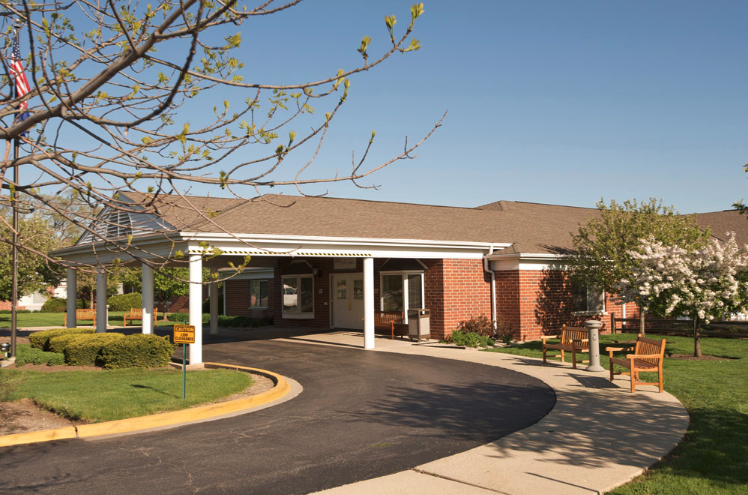
How is Pearl Of Elk Grove, The Staffed?

CMS rates PEARL OF ELK GROVE, THE's staffing level at 2 out of 5 stars, which is below average compared to other nursing homes. Staff turnover is 43%, compared to the Illinois average of 46%. This relatively stable workforce can support continuity of care.

What Have Inspectors Found at Pearl Of Elk Grove, The?

State health inspectors documented 80 deficiencies at PEARL OF ELK GROVE, THE during 2022 to 2025. These included: 2 Immediate Jeopardy (the most serious level, indicating potential for serious harm or death), 9 that caused actual resident harm, and 69 with potential for harm. Immediate Jeopardy findings are rare and represent the most serious regulatory concerns. They require immediate corrective action.
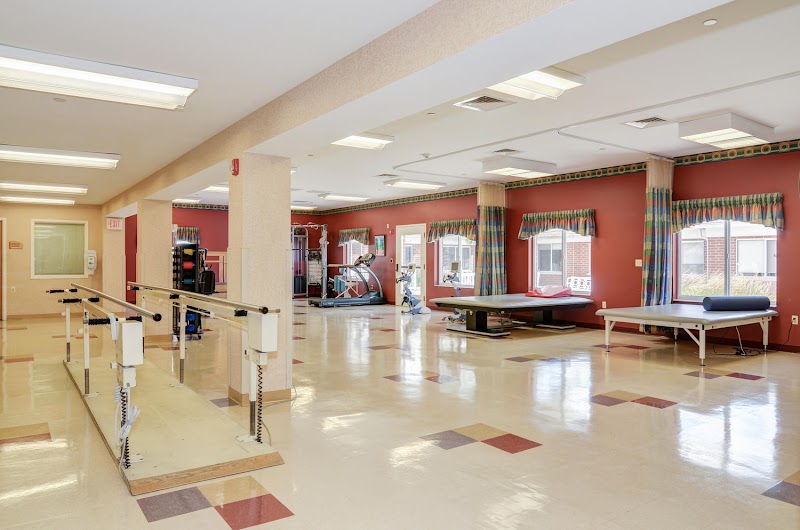
Who Owns and Operates Pearl Of Elk Grove, The?

PEARL OF ELK GROVE, THE is owned by a for-profit company. For-profit facilities operate as businesses with obligations to shareholders or private owners. The facility is operated by PEARL HEALTHCARE, a chain that manages multiple nursing homes. With 190 certified beds and approximately 146 residents (about 77% occupancy), it is a mid-sized facility located in ELK GROVE VILLAGE, Illinois.
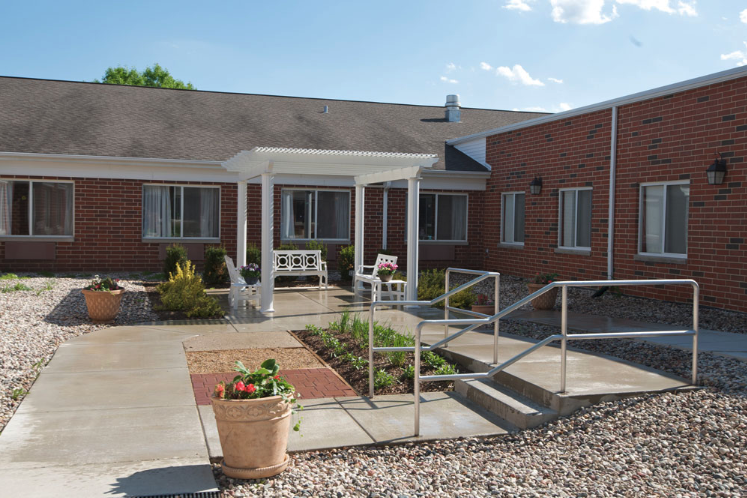
How Does Pearl Of Elk Grove, The Compare to Other Illinois Nursing Homes?

Compared to the 100 nursing homes in Illinois, PEARL OF ELK GROVE, THE's overall rating (1 stars) is below the state average of 2.5, staff turnover (43%) is near the state average of 46%, and health inspection rating (1 stars) is much below the national benchmark.

What Should Families Ask When Visiting Pearl Of Elk Grove, The?

Based on this facility's data, families visiting should ask: "What changes have been made since the serious inspection findings, and how are you preventing similar issues?" "Can you walk me through typical staffing levels on day, evening, and night shifts?" "Can I visit during a mealtime to observe dining assistance and food quality?" "How do you handle medical emergencies, and what is your hospital transfer rate?" These questions are particularly relevant given the facility's Immediate Jeopardy citations and the below-average staffing rating.

Is Pearl Of Elk Grove, The Safe?

Based on CMS inspection data, PEARL OF ELK GROVE, THE has documented safety concerns. Inspectors have issued 2 Immediate Jeopardy citations (the most serious violation level indicating risk of serious injury or death). The facility has a 1-star overall rating and ranks #100 of 100 nursing homes in Illinois. Families considering this facility should ask detailed questions about what corrective actions have been taken since these incidents.

Do Nurses at Pearl Of Elk Grove, The Stick Around?

PEARL OF ELK GROVE, THE has a staff turnover rate of 43%, which is about average for Illinois nursing homes (state average: 46%). Moderate turnover is common in nursing homes, but families should still ask about staff tenure and how the facility maintains care continuity when employees leave.

Was Pearl Of Elk Grove, The Ever Fined?

PEARL OF ELK GROVE, THE has been fined $130,127 across 6 penalty actions. This is 3.8x the Illinois average of $34,380. Fines at this level are uncommon and typically indicate a pattern of serious deficiencies, repeated violations, or failure to correct problems promptly. CMS reserves penalties of this magnitude for facilities that pose significant, documented risk to resident health or safety. Families should request specific documentation of what issues led to these fines and what systemic changes have been implemented.

Is Pearl Of Elk Grove, The on Any Federal Watch List?

PEARL OF ELK GROVE, THE is not on any federal watch list. The most significant is the Special Focus Facility (SFF) program, which identifies the bottom 1% of nursing homes nationally based on persistent, serious quality problems. Not being on this list means the facility has avoided the pattern of deficiencies that triggers enhanced federal oversight. This is a positive indicator, though families should still review the facility's inspection history directly.