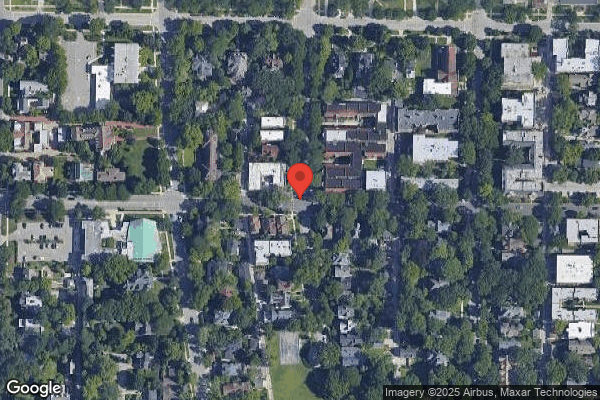
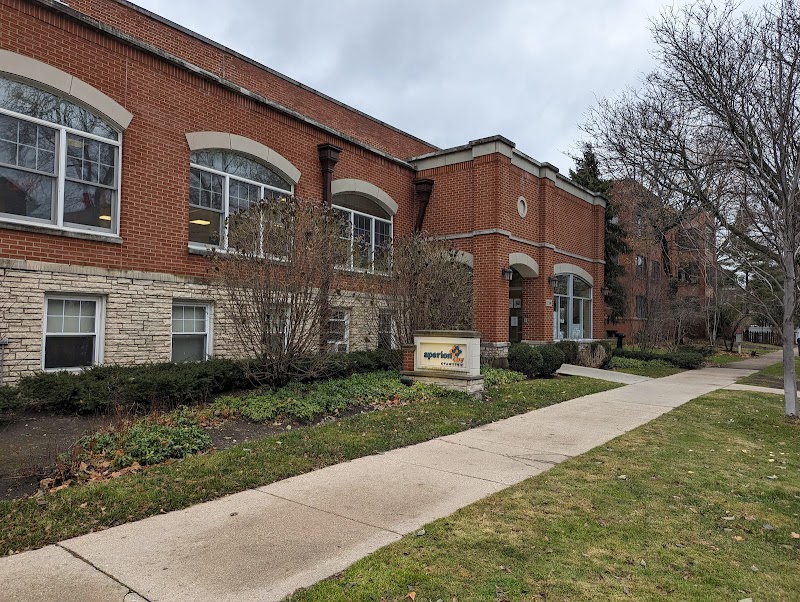
ALIYA OF EVANSTON

1300 OAK AVENUE, EVANSTON, IL 60201 (847) 869-1300
For profit - Corporation 57 Beds ALIYA HEALTHCARE Data: November 2025 1 Immediate Jeopardy citation
Trust Grade
33/100
#208 of 665 in IL
Last Inspection: January 2025

Within standard 12-15 month inspection cycle. Federal law requires annual inspections.

Overview

Aliya of Evanston has received a Trust Grade of F, indicating significant concerns about the facility's overall care and safety. It ranks #208 out of 665 nursing homes in Illinois, placing it in the top half of facilities statewide, but its low trust score suggests serious issues. Unfortunately, the facility is worsening, with the number of reported issues increasing from 9 in 2024 to 14 in 2025. Staffing is a weak point, with only a 2 out of 5-star rating and a turnover rate of 49%, which is about average for the state. On the positive side, the facility has good RN coverage, exceeding 94% of other Illinois facilities, which is important for catching potential problems. However, there have been troubling incidents, including a serious case where a resident suffered second-degree burns after falling near a malfunctioning heater and another incident where a resident with cognitive impairment sustained a serious hip fracture after wandering unsupervised. Additionally, the facility was found to have expired medications, raising concerns about overall safety and compliance. Families should weigh these factors carefully when considering this nursing home.

Trust Score
F
33/100
In Illinois
#208/665
Top 31%
Safety Record
High Risk
Review needed
Inspections
Getting Worse
9 → 14 violations
Staff Stability
⚠ Watch
49% turnover. Above average. Higher turnover means staff may not know residents' routines.
Penalties
⚠ Watch
$52,199 in fines. Higher than 80% of Illinois facilities, suggesting repeated compliance issues.
Skilled Nurses
✓ Good
Each resident gets 65 minutes of Registered Nurse (RN) attention daily — more than 97% of Illinois nursing homes. RNs are the most trained staff who catch health problems before they become serious.
Violations
⚠ Watch
28 deficiencies on record. Higher than average. Multiple issues found across inspections.
★★★☆☆
3.0
Overall Rating
★★☆☆☆
2.0
Staff Levels
★★★★☆
4.0
Care Quality
★★★☆☆
3.0
Inspection Score
Stable
2024: 9 issues
2025: 14 issues

The Good

  • 4-Star Quality Measures · Strong clinical quality outcomes
  • Full Sprinkler Coverage · Fire safety systems throughout facility
  • No fines on record

Facility shows strength in quality measures, fire safety.

The Bad

3-Star Overall Rating

Near Illinois average (2.5)

Meets federal standards, typical of most facilities

Staff Turnover: 49%

Near Illinois avg (46%)

Higher turnover may affect care consistency

Federal Fines: $52,199

Above median ($33,413)

Moderate penalties - review what triggered them

Chain: ALIYA HEALTHCARE

Part of a multi-facility chain

Ask about local staffing decisions and management

The Ugly 28 deficiencies on record

1 life-threatening 1 actual harm
Jul 2025 1 deficiency
CONCERN (D) 📢 Someone Reported This

A family member, employee, or ombudsman was alarmed enough to file a formal complaint

Potential for Harm - no one hurt, but risky conditions existed

Free from Abuse/Neglect (Tag F0600)

Could have caused harm · This affected 1 resident

Deficiency Text Not Available

Read full inspector narrative →
Deficiency Text Not Available
May 2025 1 deficiency
CONCERN (D) 📢 Someone Reported This

A family member, employee, or ombudsman was alarmed enough to file a formal complaint

Potential for Harm - no one hurt, but risky conditions existed

Deficiency F0627 (Tag F0627)

Could have caused harm · This affected 1 resident

**NOTE- TERMS IN BRACKETS HAVE BEEN EDITED TO PROTECT CONFIDENTIALITY** Based on interview and record review the facility failed to follow discharges policy and change in resident condition policy by ...

Read full inspector narrative →
**NOTE- TERMS IN BRACKETS HAVE BEEN EDITED TO PROTECT CONFIDENTIALITY** Based on interview and record review the facility failed to follow discharges policy and change in resident condition policy by not informing the resident in advance of planned hospital transfer (Involuntary Petition), failed to obtain a physicians order for a transfer and failed to document the transfer in the medical record. This failure affects one resident (R1) of three residents reviewed for resident rights. Finding Include: R1 was admitted in the facility on 10/30/24. A [AGE] year old male resident with a BIMS of 15/15. R1 has diagnoses of but not limited to osteoarthritis of Right hip, Type 2 Diabetes, Morbid obesity, and Nicotine Dependence. R1 has a BIMS of 15 (Intact Cognition). On 5/6/25 at 11:32AM, R1 reported that he was sent out last April at 3:30AM, R1 stated he was sound asleep in his room when this night nurse woke him up and said he is going to the hospital. He refused to go because no one told him why he was being transferred to a hospital. R1 reported calling 911 because he wanted the police to get involve and have everything on the record. The police came and explained to him that he is being transferred for a psych evaluation and that R1 can return. R1 changed his mind and ended up going to the hospital. And stated that there was nothing wrong with him and that he was sent right back to the facility. Nursing Progress Note dated 4/13/25 at 3:29AM reads in part: EMS arrived at 2:49am and proceeded to R1's room. They tried convincing R1 to go with them for which R1 blatantly refused. R1 himself went ahead and called 911 and stated that R1 is about to be taken out against R1's own will. The cops called the nurse's station and writer explained the situation to them. They asked if they could come over to help move him out, writer responded in the affirmative. The cops arrived at 3:20am and told R1 that he will have to be restrained if he did not comply. After much talking and convincing, he eventually dressed up and left at 4am this morning. On 5/6/25 at 1PM V1 stated that she received a call on Saturday (4/12/25) afternoon from her Manager on duty and V6 (Receptionist) stating that R1 was verbally aggressive towards other residents in the dining area. V1 stated we followed our protocol, investigated and reported the incident to IDPH (Illinois of Department Health). The Nurse and the Social worker informed the resident, it's just that they forgot to document. On 5/6/25 at 3:45PM V6 (Receptionist) stated that the restorative nurse told V6 that R1 was verbally aggressive towards her and other residents. V6 called V1 (Administrator) and as V6 made V1 aware of the situation, R1 was still aggressive at the time and V1 can even hear R1 in the background when V6 was giving report to V1. V1 said V1 will email V6 the petition. V6 received the petition and gave it to the nurse (V3) before 6pm, R1 was already on one to one monitoring with V3 in the dining room. On 5/6/25 at 12:30PM, V2 (Director of Nursing) stated that their process is that resident's with behaviors, social services will assess the resident and have a talk with the administrator and decide if an involuntary petition is necessary. We'll then get an order from the doctor to send the resident out for evaluation. The nurse is to inform the resident and POA (Power of Attorney) or the responsible party and document in resident's chart. Behaviors shall be documented in the chart also. On 5/6/25 at 2:30PM V3 stated that she called the doctor and received an order to send the resident out via involuntary petition, V3 informed R1 but states I just forgot to document. Facility Reported Incident dated 4/12/25, reads in part: Allegedly R1 made inappropriate statements toward 2 residents. Summary of investigation: on 4/12/25, following scheduled activities, R1 and 2 other residents stayed in the day room waiting for smoke break. The three residents were having conversations about economy and the cost of different items. The discussion became intense between the residents, R1 began to use vulgar language while speaking to the other residents. R1 became verbally aggressive to staff members. Staff immediately separated the other residents from the day room. R1 was placed in 1:1 with staff until transportation arrived. CNA stated we walked in to see what was going on, and R1 just attacked me. Resident interview stated it was a intense conversation but then he just started yelling. Activity Aide interviewed stated that she was in the day room the entire time, R1 became angry at the incoming staff. Resident's Involuntary Petition dated 4/12/25, V6 signed the form, V3 signed as the witness. There was no signature for R1, also the form reads in part: sister was informed and that R1 is experiencing an increase in symptoms. R1 is becoming agitated and verbally aggressive with peers and staff. R1 is difficult to direct. R1 poses a threat to self and others in the facility. On 5/7/25 at 10:30AM, V5 (SSD) stated that R1 does not have a POA (Power of Attorney). R1 is responsible to self. R1 has one emergency contact but not listed as a POA. Reviewed of Progress Note (April 2025) and there is no documentation in R1's chart with any behavior, nor contacting the doctor and getting an order to send the resident out to the hospital. Facility unable to provide nurse's documentation regarding doctor's order and informing R1 of the hospital transfer. Discharge Policy with a review date of 1/2025, reads in part: To establish a plan on how to discharge a resident from the facility to home, another facility or the hospital. Hospital Transfer: notify the physician regarding a change in resident status and obtain an order for transfer to the hospital. This maybe direct admit or an emergency room admission. Inform the resident and resident's responsible party of the transfer. Document in Progress Notes that condition of the resident, who was notified of the transfer, where the resident is going, mode of transportation, disposition of resident belongings and medications, notification to all parties of the discharge. Change in Resident Condition Policy with a review date of 1/2025, reads in part: It is the policy of the facility, except in a medical emergency, to alert the resident, resident's physician and resident's responsible party of a change in condition. POLICY: Nursing will notify the resident's physician or nurse practitioner when: There is a significant change in the resident's physical, mental or emotional. It is deemed necessary or appropriate in the best interest of the resident. Once the physician has been notified and a plan developed, the nursing or social service staff will alert the resident and family of the issue and any physician orders. The communication with the resident and their responsible party as well as the physician will be documented in the resident's medical record or other appropriate documents. Facility provided Resident Rights Booklet, reads in part: As a long-term care resident in Illinois, you are guaranteed certain rights, protections and privileges according to state and federal laws. Your rights to participate in your own care. You may be informed, in advance of changes to the plan of care.
Apr 2025 1 deficiency
CONCERN (D) 📢 Someone Reported This

A family member, employee, or ombudsman was alarmed enough to file a formal complaint

Potential for Harm - no one hurt, but risky conditions existed

Free from Abuse/Neglect (Tag F0600)

Could have caused harm · This affected 1 resident

**NOTE- TERMS IN BRACKETS HAVE BEEN EDITED TO PROTECT CONFIDENTIALITY** Based on interview and record review, the facility failed to prevent and protect a resident from resident-to-resident verbal abu...

Read full inspector narrative →
**NOTE- TERMS IN BRACKETS HAVE BEEN EDITED TO PROTECT CONFIDENTIALITY** Based on interview and record review, the facility failed to prevent and protect a resident from resident-to-resident verbal abuse. This failure affected two (R1, R2) of five residents reviewed for abuse. Findings include: Facility reported incident (FRI) dated 3/29/2025 documents: During activities, R1 made inappropriate comments about R2. R1 [AGE] year-old resident admitted to the facility on [DATE] with diagnoses including but not limited to: sleep apnea, obesity, diabetes, hypertension, and Congestive heart failure. R1's Minimum Data Set (MDS) dated [DATE] documents that R1 has a Brief Interview for Mental Status (BIMS) score of 15, which suggests R1 is cognitively intact. R2 is a [AGE] year-old resident admitted to the facility on [DATE] with diagnoses including but not limited to fibromyalgia, chronic obstructive pulmonary disease, obesity, and diabetes. R2's Minimum Data Set (MDS), dated [DATE], documents that R2 has a Brief Interview for Mental Status (BIMS) score of 15, which suggests that R2 is cognitively intact. On 3/29/2025 at 3:55 PM during smoking activities R1 and R2 made inappropriate comments to each other. R2 could no longer deal with name-calling and became very upset. R1 called R2 names referring to her weight in Spanish and R2 said she could not take it anymore. Both R1 and R2 confirmed that both call out each other inappropriate names. On 3/31/2025 at 3:06 PM, R2 said, I could not take it anymore and I want the name-calling to stop. I don't want to be called fat in English or Spanish. On 4/1/2025 at 9:25 AM R1 said, I usually make joking comments to R2 about her weight and her cleanliness; on 3/29/2025 during smoking activity, I had an argument with R2 and R2 scooted toward me in her wheelchair and R1 placed the ashtray in between to keep them apart from each other. We both made inappropriate comments about being fat to each other. I did use a Spanish word to refer to being fat toward R2. On 3/31/2025 at 3:15 PM, V6 (Activity Aide) said, that R1 and R2 usually call out inappropriate names referring to their weight I was able to redirect them, and both would stop. R1 was watching a movie with other residents that had nudity and violence that R2 did not like and R1 was verbally aggressive towards me when I tried to unplug the television. On 3/31/2025 at 3:32 PM V5 (Activity Director) said, R1 and R2 sometimes call out names to each other. R1 will call R2 fat and R2 will call R1 fat. R1 uses Spanish words toward R2 that I do not understand. But both are redirectable and will stop. During smoking time, there is always someone supervising. On 3/29/2025 R1 got agitated and was calling R2 names and R2 was calling R1 names. R1 pushed the astray towards him and the Aide pushed back R2. Both residents always resolved their differences, and it is an ongoing issue that got worse on 3/29/2025. I had to notify V1(Administrator) and report verbal abuse. On 04/01/2025 at 11:00 AM V7 (Activity Aide) I was doing activities over the weekend on Saturday 3/29/2025 when R1 and R2 were smoking outside. R1 and R2 started calling each name. Both called each other fat. R2 scooted over towards R1 during the argument and R2 grabbed the ashtray and placed it in the middle between them. I called my supervisor and was notified of the name calling and R2 was very upset with the name calling. Both residents have called fat names to each other in the past but would stop after being redirected, but not this time. I separated them and pushed out R2. R1 and R2 never touched themselves or got physical at all, only calling out fat to each other. On 04/01/2025 at 2:35 PM V8 (Registered Nurse) said, R1 was very aggressive after R1 cornered the activity aide during activity, I called V1 and called the nursing practitioner and received orders to transfer R1 out to be evaluated. R1 and R2 usually say profanity to each other, but usually, I can redirect them. That did not happen this weekend. R1 is vocal when someone doesn't agree with him. R1 will belittle others. On 3/31/2025 at 4:00 PM V1(Administrative) said, V5 (Activity Director) reported to me that R1 was verbally abusive to R2 during the smoke outing on 3/29/2025 at 3:45 PM, R2 reported that R1 was yelling and aggressive. I gave directions to separate them and place R1 on one-to-one monitoring. On Sunday 3/30/2025 during the movie, R2 said felt uncomfortable with the movie that was showing and told V6 to intervene. R1 took the remote control and V6 unplugged the television. R1 got out of control and got to V6's face and said, You better watch out. I contacted the nurse and the nurse said that R1's behaviors were escalating and out of control. R1 was evoking fear in others staff and residents and is refusing psychiatric consultations. An involuntary petition was created and R1 went to the hospital in the morning. Transportation was here at 08:00-10:30 AM and R1 was refusing to go to the hospital. R1 started yelling in the community room and the nurse called 911. The police came in and R1 agreed to go to the hospital to be evaluated. On 04/01/2025 at 10:37 R5 said that on 3/29/2025 heard R1 and R2 yelling at each other names like, you are fat, and the other said you are fat too. I was working on my computer when I heard R1 and R2 arguing. On 04/01/2025 at 10:45 AM R3 said, R1 and R2 are an ongoing issue here and the staff try to keep them separated and away from each other. R1 intimidates staff and residents. R1 and R2 call each other inappropriate names. On 04/01/2025 at 10:50 AM R4 said, R1 and R2 call out names to each other all the time and on 3/30/2025, R1 picked a movie with the guys and R2 did not like the movie selection because of the violence and nudity and had a disagreement. R1 calls R2 fat and chicharron in Spanish fat pig and R2 calls R1 fat. On 04/01/2025 at 3:45 PM V9 (Administrator Preceptor) and V1(Administrator) both verbalized that they would have expected the facility staff to have placed interventions in place to separate R1 and R2 during activity to prevent name calling or interaction. On 4/1/2025 at 2:02 PM, V1 provided Facility Policy Titled, Abuse Policy and Prevention Program (dated 10/2022), includes: Verbal Abuse is the use of oral, written, or gestured language that willfully includes disparaging and derogatory terms to residents or families, or within their hearing distance, regardless of an individual ' s age, ability to comprehend, or disability. Examples of verbal abuse include, but are not limited to, threats of harm, and saying things to frighten a resident, such as telling a resident that he/she will never be able to see his/her family again.
Mar 2025 4 deficiencies
CONCERN (D) 📢 Someone Reported This

A family member, employee, or ombudsman was alarmed enough to file a formal complaint

Potential for Harm - no one hurt, but risky conditions existed

Free from Abuse/Neglect (Tag F0600)

Could have caused harm · This affected 1 resident

**NOTE- TERMS IN BRACKETS HAVE BEEN EDITED TO PROTECT CONFIDENTIALITY** Based on interview and record review, the facility failed to ensure resident (R3) was free of abuse from (R2). This failure affe...

Read full inspector narrative →
**NOTE- TERMS IN BRACKETS HAVE BEEN EDITED TO PROTECT CONFIDENTIALITY** Based on interview and record review, the facility failed to ensure resident (R3) was free of abuse from (R2). This failure affected two of two (R2, R3) residents reviewed for abuse causing emotional distress. Findings include: According to the Electronic Health Record (EHR) R3 had diagnoses including osteoarthritis of knee, type 2 diabetes mellitus, morbid obesity, hyperlipidemia, sleep apnea, and long-term use of hypoglycemic agents. The Minimum Data Set (MDS) dated [DATE] showed R3's cognition was intact. On 3/28/2025 at 10:27 AM, R3 stated that sometime in the morning of February 26, 2025, while he was standing by the microwave in the dining room, R2 rolled in his wheelchair right past him so R3 started to move to the side to give way when R2 stated Don't move, it's not something I would have done to you Master. I was just reversing roles. R3 responded saying You mean, I'm supposed to be your slave? R3 stated that R2 alluded to him as a slave. R3 stated he was very upset and distraught about the incident so he went downstairs to the receptionist and was telling the receptionist what happened, and that the receptionist said that V2, Former Administrator, was not in the building yet but that she would inform him as soon as V2 arrives. On 3/28/2025 at 4:14 PM, V5, (Receptionist), confirmed that R3 had reported the incident to her on the same day. V5 stated that upon hearing R3's complaint, she immediately informed V2, (Former Administrator), when he arrived. V5 recalled that V2 assured her that he would speak with both R3 and R2 and address the issue. A progress note by V7, (Registered Nurse), dated 2/26/2025, indicated that R2 had been referred for an inpatient psychiatric evaluation due to escalating non-compliant behaviors and episodes of aggression. The note specifically mentioned that R2 had been vocalizing racial slurs and insults towards other residents, creating a significant safety concern. V7 also documented that R2 had verbalized self-harm and instigated altercations with other residents. The behavior was reported as alarming and required immediate assessment for inpatient psychiatric evaluation. On 3/28/2025 at 1:05 PM, V2, (Former Administrator), acknowledged that he had not been made aware of the allegations regarding R2's comments to R3. V2 stated that, had he known about the incident, it would have been treated as an abuse allegation, and an investigation would have been initiated immediately. However, no formal investigation or report regarding this specific incident was provided by the facility. On 3/28/2025 at 2:28 PM, V7, (Registered Nurse), explained that although she did not witness the altercation between R2 and R3, she had observed R2 vocalizing racial slurs towards other residents and staff members. V7 noted that R2 had a preference for being cared for by specific ethnicities and would make derogatory remarks regarding other ethnicities. V7 stated that she took these comments seriously and that's why team decided to have him referred to in patient psychiatric care. On 3/28/2025 at 4:24 PM, V1, (Administrator), confirmed that no formal report or investigation had been initiated regarding the incident involving R3 and R2. V1 stated that had the incident been reported to her, she would have ensured that an investigation was conducted and appropriate action was taken. R2's history of aggression, including vocalizing racial slurs and engaging in other disruptive behaviors, was well-documented, yet no preventive measures or immediate interventions were put in place to protect R3 or other residents from harm. While the receptionist (V5) reported the incident to the former Administrator (V2), there is no clear documentation that the incident was reported and investigated and effectively addressed, nor was the current Administrator (V1) aware of the incident until after the fact. An undated facility Abuse Policy and Prevention Program policy documents in part: This facility affirms the right of our residents to be free from abuse, neglect, exploitation, misappropriation of property, deprivation of goods and services by staff or mistreatment. This facility therefore prohibits abuse, neglect, exploitation, misappropriation of property, and mistreatment of residents. VII. Internal Investigation 1. All incidents will be documented, whether or not abuse, neglect, exploitation, mistreatment or misappropriation of resident property occurred, was alleged or suspected. 2. Any incident or allegation involving abuse, neglect, exploitation, mistreatment or misappropriation of resident property will result in an investigation.
CONCERN (D) 📢 Someone Reported This

A family member, employee, or ombudsman was alarmed enough to file a formal complaint

Potential for Harm - no one hurt, but risky conditions existed

Report Alleged Abuse (Tag F0609)

Could have caused harm · This affected 1 resident

**NOTE- TERMS IN BRACKETS HAVE BEEN EDITED TO PROTECT CONFIDENTIALITY** Based on interview and record review, the facility failed to report an allegation of abuse to the State Survey Agency. This fail...

Read full inspector narrative →
**NOTE- TERMS IN BRACKETS HAVE BEEN EDITED TO PROTECT CONFIDENTIALITY** Based on interview and record review, the facility failed to report an allegation of abuse to the State Survey Agency. This failure affected one (R3) of one resident reviewed for Abuse. Findings include: According to the Electronic Health Record (EHR) R3 had diagnoses including osteoarthritis of knee, type 2 diabetes mellitus, morbid obesity, hyperlipidemia, sleep apnea, and long-term use of hypoglycemic agents. The Minimum Data Set (MDS) dated [DATE] showed R3's cognition was intact. On 3/28/2025 at 10:27 AM, R3 stated that sometime in the morning of February 26, 2025, while he was standing by the microwave in the dining room, R2 rolled in his wheelchair right past him so R3 started to move to the side to give way when R2 stated Don't move, it's not something I would have done to you Master. I was just reversing roles. R3 responded saying You mean, I'm supposed to be your slave? R3 stated that R2 alluded to him as a slave. R3 stated he was very upset and distraught about the incident so he went downstairs to the receptionist and was telling the receptionist what happened, and that the receptionist said that V2, Former Administrator, was not in the building yet but that she would inform him as soon as V2 arrives. On 3/28/2025 at 4:14 PM, V5, Receptionist, confirmed that R3 had reported the incident to her on the same day. V5 stated that upon hearing R3's complaint, she immediately informed V2, Former Administrator, when he arrived. V5 recalled that V2 assured her that he would speak with both R3 and R2 and address the issue. On 3/28/2025 at 1:05 PM, V2, Former Administrator, stated that he had not been made aware of the allegations regarding R2's comments to R3. V2 stated that, had he known about the incident, it would have been treated as an abuse allegation, and an investigation would have been initiated immediately. No formal investigation or report regarding this specific incident was provided by the facility. On 3/28/2025 at 4:24 PM, V1, Administrator, confirmed that no formal report or investigation had been initiated regarding the incident involving R3 and R2. V1 stated that had the incident been reported to her, she would have ensured that an investigation was conducted and appropriate action was taken. An undated facility Abuse Policy and Prevention Program policy documents in part: Any allegation of abuse or any incident that results in serious bodily injury will be reported to the Illinois Department of Public Health immediately, but not more than two hours after the allegation Any allegation of abuse or any incident that results in serious bodily injury will be reported to the Illinois Department of Public Health immediately, but not more than two hours after the allegation
CONCERN (D) 📢 Someone Reported This

A family member, employee, or ombudsman was alarmed enough to file a formal complaint

Potential for Harm - no one hurt, but risky conditions existed

Investigate Abuse (Tag F0610)

Could have caused harm · This affected 1 resident

**NOTE- TERMS IN BRACKETS HAVE BEEN EDITED TO PROTECT CONFIDENTIALITY** Based on interview and record review, the facility failed to investigate an allegation of abuse. This failure affected one (R3) ...

Read full inspector narrative →
**NOTE- TERMS IN BRACKETS HAVE BEEN EDITED TO PROTECT CONFIDENTIALITY** Based on interview and record review, the facility failed to investigate an allegation of abuse. This failure affected one (R3) of one resident reviewed for abuse. Findings include: According to the Electronic Health Record (EHR) R3 had diagnoses including osteoarthritis of knee, type 2 diabetes mellitus, morbid obesity, hyperlipidemia, sleep apnea, and long-term use of hypoglycemic agents. The Minimum Data Set (MDS) dated [DATE] showed R3's cognition was intact. On 3/28/2025 at 10:27 AM, R3 stated that sometime in the morning of February 26, 2025, while he was standing by the microwave in the dining room, R2 rolled in his wheelchair right past him so R3 started to move to the side to give way when R2 stated Don't move, it's not something I would have done to you Master. I was just reversing roles. R3 responded saying You mean, I'm supposed to be your slave? R3 stated that R2 alluded to him as a slave. R3 stated he was very upset and distraught about the incident so he went downstairs to the receptionist and was telling the receptionist what happened, and that the receptionist said that V2, former Administrator, was not in the building yet but that she would inform him as soon as V2 arrives. On 3/28/2025 at 4:14 PM, V5, Receptionist, confirmed that R3 had reported the incident to her on the same day. V5 stated that upon hearing R3's complaint, she immediately informed V2, Former Administrator, when he arrived. V5 recalled that V2 assured her that he would speak with both R3 and R2 and address the issue. On 3/28/2025 at 1:05 PM, V2, Former Administrator, stated that he had not been made aware of the allegations regarding R2's comments to R3. V2 stated that, had he known about the incident, it would have been treated as an abuse allegation, and an investigation would have been initiated immediately. On 3/28/2025 at 4:24 PM, V1, Administrator, confirmed that no formal report or investigation had been initiated regarding the incident involving R3 and R2. V1 stated that had the incident been reported to her, she would have ensured that an investigation was conducted and appropriate action was taken. No formal investigation or report regarding this specific incident was provided by the facility. An undated facility Abuse Policy and Prevention Program policy documents in part: VII. Internal Investigation 1. All incidents will be documented, whether or not abuse, neglect, exploitation, mistreatment or misappropriation of resident property occurred, was alleged or suspected. 2. Any incident or allegation involving abuse, neglect, exploitation, mistreatment or misappropriation of resident property will result in an investigation.
CONCERN (D) 📢 Someone Reported This

A family member, employee, or ombudsman was alarmed enough to file a formal complaint

Potential for Harm - no one hurt, but risky conditions existed

Deficiency F0624 (Tag F0624)

Could have caused harm · This affected 1 resident

Deficiency Text Not Available

Read full inspector narrative →
Deficiency Text Not Available
Feb 2025 1 deficiency
CONCERN (D) 📢 Someone Reported This

A family member, employee, or ombudsman was alarmed enough to file a formal complaint

Potential for Harm - no one hurt, but risky conditions existed

Resident Rights (Tag F0550)

Could have caused harm · This affected 1 resident

**NOTE- TERMS IN BRACKETS HAVE BEEN EDITED TO PROTECT CONFIDENTIALITY** Based on observation, interview, and record review, the facility failed to adhere to the resident right to privacy by staff not ...

Read full inspector narrative →
**NOTE- TERMS IN BRACKETS HAVE BEEN EDITED TO PROTECT CONFIDENTIALITY** Based on observation, interview, and record review, the facility failed to adhere to the resident right to privacy by staff not knocking on the door before entering a resident's room. This failure affected two (R1, R4) of four residents reviewed for privacy. Findings include: R1 is [AGE] year-old male admitted to the facility on [DATE] with medical diagnosis that includes and not limited to hypertension, sleep apnea, obesity, right hip osteoarthritis, abnormal, gait and mobility, chronic and congestive heart failure. R4 is [AGE] year-old male admitted to the facility on [DATE] with medical diagnosis that includes and not limited to blindness, hypertension, diabetes, right eye surgery, Left eye surgery, Vitrectomy bilaterally. On 2/10/2025 at 12:00PM R1 said, I have concerns with staff coming into my room without knocking on the door or telling who they are. On 2/10/2025 at 12:20PM R4 said, I am blind, and I would like the staff to knock on the door and wait to come in, and when they come in introduce themselves and say their names. Some people I know by their voices, but I don't know everyone in the facility. There is sign on the door and staff still don't knock on the door and wait until I let them in. I like to have my privacy. On 2/10/2025 at 1:13PM V16 (Housekeeping) was removing garbage from R1 and R4's room; it was observed that V16 did not knock on the door before going inside. R4's room has sign posted indicating that R4 prefers to have staff knock on the door before entering. V16 said, I know I am supposed to knock on the door but I did not do it. On record review of facility grievances form dated 11/11/2024, R1 and R4 both had expressed that staff are not knocking on the door and waiting for a response before coming in. On 2/10/2025 at 1:15PM V6 (Nursing Manager) said, I expect the staff to knock on the door and wait for the resident to respond before the staff go in. On 2/10/2025 at 3:15PM V2 (Regional Director of Operations) said, I expect staff to knock on the door and wait for the resident to respond before going in. On 2/10/2025 at 3:15PM V3 (Interim Director of Nursing) said, I expect staff to knock on the door and only go inside when the resident responds. On 2/10/2025 at 3:20PM V3 provided facility policy titled, Illinois Long-term Care Ombudsman Program, Residents' Rights for People in the Long-Term Care Facilities Your rights to Privacy and Confidentiality (undated), which reads in part (but not limited to): Facility staff must knock before entering your room.
Jan 2025 6 deficiencies
CONCERN (D)

Potential for Harm - no one hurt, but risky conditions existed

Deficiency F0645 (Tag F0645)

Could have caused harm · This affected 1 resident

**NOTE- TERMS IN BRACKETS HAVE BEEN EDITED TO PROTECT CONFIDENTIALITY** Based on interview and record review, the facility failed to refer to appropriate state-designated authority for Level II PASARR...

Read full inspector narrative →
**NOTE- TERMS IN BRACKETS HAVE BEEN EDITED TO PROTECT CONFIDENTIALITY** Based on interview and record review, the facility failed to refer to appropriate state-designated authority for Level II PASARR (Pre-admission Screening and Record Review) evaluation and determination for one of five residents (R27) reviewed for PASARR in a sample of 18. Findings include: During record review, R27's Minimum Data Set, dated [DATE] indicated R27 is not currently considered by the state level II PASRR (Pre-admission Screening and Record Review) process to have serious mental illness and/or intellectual disability or a related condition, and active diagnosis of bipolar disorder. On 01/23/2025 at 12:20PM during interview with V17 (Admissions Director), V17 stated all residents coming into the facility must have PASRR Level I from the hospital before being admitted into the facility. V17 stated that she only reviews the determination and if the determination says No Level II Required, she is okay with it. V17 also stated that if the determination says that Refer for Level II Onsite, she informs V9 (Social Service Director) so she can request for Level II because V17 has no access to requesting Level II. On 01/23/2025 at 1:33PM during interview with V9, V9 stated that she reviewed R27's entire Notice of PASRR Level I Outcome. V9 stated that if R27 was found to have a bipolar disorder, a new level I should been requested for R27. Review of R27's Notice of PASRR Level I Screen Outcome dated 10/31/2024 indicated the following: - PASRR Level I Determination: No Level II Required - No SMI/ID/RC (serious mental illness/intellectual disability and/or related condition) - Mental Health Diagnoses: No mental health diagnosis is known or suspected - Substance Related Diagnoses: No - Ascend Outcome Rationale: The Level I scree indicates that a PASRR disability is not present because of the following reason: There is no evidence of an intellectual/developmental disability or a serious behavioral health condition. If changes occur or new information refutes these findings, a new screen must be submitted. Review of R27's Progress Notes indicated admission dated of 11/01/2024, diagnoses of not limited to alcohol use, unspecified with withdrawal and bipolar disorder, current episode depressed, severe, without psychotic features, notes by Medical Practitioner dated 11/04/2024 that indicated R27 has PMHx (past medical history) that includes Hx (history) of ETOH (alcohol) abuse and Bipolar who was recently hospitalized from [DATE] to 11/1/2024 due to alcohol abuse with withdrawal delirium. Review of R27's Progress Notes by Social Service dated 11/06/2024 indicated R27 is being followed up on aggressive behavior towards others/staff and during staff interventions exhibited on 11/05/2024. Review of R27's Progress Notes by Social Service dated 11/08/2024 indicated R27 dx (diagnoses) are bipolar d/o (disorder) unspecified, major depression d/o, cognitive communication deficit, delirium d/o, alcohol abuse unspecified d/o, and other medical conditions. It also indicated that R27 has also displayed behaviors or episodes of anxiety thoughts or actions, aggression towards staffs or during staff interventions, depressive thoughts or mood distress, episodes of cognitive decline or communication deficits, feelings of helplessness/hopelessness, and grieving of loss of control over his community independent lifestyle.
CONCERN (D)

Potential for Harm - no one hurt, but risky conditions existed

Respiratory Care (Tag F0695)

Could have caused harm · This affected 1 resident

**NOTE- TERMS IN BRACKETS HAVE BEEN EDITED TO PROTECT CONFIDENTIALITY** Based on observation, interview and record review, the facility failed to follow physician's order on oxygen administration and ...

Read full inspector narrative →
**NOTE- TERMS IN BRACKETS HAVE BEEN EDITED TO PROTECT CONFIDENTIALITY** Based on observation, interview and record review, the facility failed to follow physician's order on oxygen administration and to replace and safely store oxygen nasal cannula for two of two residents (R7, R35) reviewed for respiratory care in a sample of 18. Findings include: 1. On 01/21/2025 at 10:22AM during unit rounds, R7 was lying flat on bed, and R7's oxygen nasal cannula was on the floor and not in a plastic bag. R7's oxygen nasal cannula was also not dated, and the oxygen humidifier indicated a date of 12/15/2024. On 01/21/2025 at 10:50AM during observation with V3 (Registered Nurse), R7's oxygen nasal cannula was not in a plastic bag and was on the floor. Also, R7's oxygen nasal cannula was not dated, and the oxygen humidifier indicated a date of 12/15/2024. V3 picked up R7's oxygen nasal cannula and put it in a bag without changing it. At 11:19AM during record review with V3, R7's oxygen order is to administer oxygen at 2 liters per minute to maintain O2 (oxygen) saturation at 95% or greater every day and night shift for SOB (shortness of breath). At 11:20AM, V3 proceeded to check R7's oxygen level. Between 11:20AM - 11:25AM, R7's oxygen level is at 87%. V3 did not administer oxygen to R7. On 01/21/2025 at 10:50AM during interview with V3, V3 stated that R7's oxygen nasal cannula should be placed in a bag after each use. V3 stated that R7's oxygen is to be given only as needed by R7. V3 also stated that R7's humidifier and oxygen nasal cannula should be dated and changed weekly. On 01/24/2025 at 9:44AM during interview with V2 (Acting Director of Nursing), V2 stated that all oxygen humidifiers and nasal cannulas are expected to be changed in a weekly basis for infection control. V2 also stated that the nurses are expected to administer the oxygen to the residents as prescribed by the physician. V2 also stated that if the resident had any change in condition during their shift, the nurses are expected to manage the resident first then inform the attending physician for further management and document it in the resident's chart. Review of R7's Order Summary Report dated 01/22/2025 indicated R7 was admitted at 03/04/2020 with diagnoses of not limited to Chronic Respiratory Failure with Hypoxia, Obstructive Sleep Apnea, Morbid (Severe) Obesity with Alveolar Hypoventilation and Chronic Obstructive Pulmonary Disease (COPD), order to change O2 tubing and humidifier weekly every night shift every Sunday for Infection Control with order date of 08/17/2024, and order for oxygen at 2 liter per minute to maintain O2 (oxygen) saturation at 95% or greater every day and night shift for SOB with order date of 09/08/2024. Review of R7's Care Plan revised 11/21/2024 indicated R7 has COPD, sleep apnea, and hx (history) of resp. (respiratory) failure with interventions including to administer O2 as ordered and to HOB (head of bed) elevated when lying flat as R7 has SOB when lying flat. 2. On 01/21/2025 at 10:25AM during unit rounds, R35's oxygen was at 4 liters per minute, nasal cannula was not dated, and the oxygen humidifier indicated a date of 12/15/2024. On 01/21/2025 at 11:15AM during observation with V3 (Registered Nurse), R35's oxygen was at 4 liters per minute, nasal cannula was not dated, and the oxygen humidifier indicated a date of 12/15/2024. On 01/21/2025 at 11:20AM during interview with V3, V3 stated that R35's humidifier and oxygen nasal cannula should be dated and changed weekly. On 01/24/2025 at 9:44AM during interview with V2 (Acting Director of Nursing), V2 stated that all oxygen humidifiers and nasal cannulas are expected to be changed in a weekly basis for infection control. V2 also stated that the nurses are expected to administer the oxygen to the residents as prescribed by the physician. V2 also stated that if the resident had any change in condition during their shift, the nurses are expected to manage the resident first then inform the attending physician for further management and document it in the resident's chart. Review of R35's Order Summary Report dated 01/23/2025 indicated R35 was admitted on [DATE] with diagnoses of not limited to Acute Respiratory Failure with Hypoxia, Acute on Chronic Systolic (Congestive) Heart Failure and dependence on supplemental oxygen, and order for oxygen at 2 LPM (liters per minute) with order date of 12/06/2024. Review of facility's policy entitled Oxygen Safety/Use reviewed on 01/2024 indicated the following: General: 9. Oxygen tubing will be changed weekly and appropriately stored to prevent contamination when not in use. Chart as nursing order on treatment administration record. Procedure: 2. Turn flow control knob on oxygen unit clockwise until prescribed flow rate is visible in the knob window.
CONCERN (D)

Potential for Harm - no one hurt, but risky conditions existed

Infection Control (Tag F0880)

Could have caused harm · This affected 1 resident

**NOTE- TERMS IN BRACKETS HAVE BEEN EDITED TO PROTECT CONFIDENTIALITY** Based on observation, interview, and record review the facility failed to follow transmission-based practices for one of three r...

Read full inspector narrative →
**NOTE- TERMS IN BRACKETS HAVE BEEN EDITED TO PROTECT CONFIDENTIALITY** Based on observation, interview, and record review the facility failed to follow transmission-based practices for one of three residents (R204) reviewed for infection control in a sample of 18. Findings include: On 01/21/2025 at 10:55AM during unit rounds, V18 (Nurse Practitioner) was going out of R204's room with isolation gown on. R204's room has sign that reads Droplet Precaution. On 01/21/2025 at 10:58AM during interview with V18, V18 stated that she left R204's room with isolation gown on but she should have removed it before coming out or R204's room. On 01/23/2025 at 12:40PM during interview with V2 (Acting Director of Nursing), V2 stated that all personal protective equipment should be removed inside the resident's room. V2 stated that R204's room should have both contact and droplet precaution sign. Review of R204's Order Summary Report documents an admission date of 01/17/2025, diagnoses of not limited to influenza due to identified novel influenza A virus with other respiratory manifestations and order of contact/droplet isolation dx (diagnosis) positive influenza A with order date of 01/17/2025 (discontinued on 1/23/25). Review of R204's laboratory results dated [DATE] indicated Influenzae A detected. Review of facility document entitled How to Safely Remove Personal Protective Equipment (PPE) Example 1 indicated to remove all PPE before exiting the patient room except a respirator if worn. Review of facility document entitled How to Safely Remove Personal Protective Equipment (PPE) Example 2 indicated to remove all PPE before exiting the patient room except a respirator if worn.
CONCERN (E)

Potential for Harm - no one hurt, but risky conditions existed

Deficiency F0813 (Tag F0813)

Could have caused harm · This affected multiple residents

Based on observation, interview and record review the facility failed to monitor the temperature of the refrigerator unit in resident's room for four of four residents (R2, R3, R13, R16) reviewed for ...

Read full inspector narrative →
Based on observation, interview and record review the facility failed to monitor the temperature of the refrigerator unit in resident's room for four of four residents (R2, R3, R13, R16) reviewed for food safety in a sample of 18. Findings include: 1. On 1/21/25 at 10:30am during patient encounter, R3's refrigerator was observed with no temperature log. R3's refrigerator was observed with oranges, blueberries, and nuts. During an interview on 1/21/25 at 10:30am, V6 (Restorative Aide) and V7 (CNA-Certifed Nursing Assistant) all stated that housekeeping checks the resident's refrigerator temperature. During an interview on 1/21/25 at 10:30am, V5 (Housekeeping Director) stated that housekeeping monitor the resident's refrigerator in their rooms. V5 stated that the logs are kept in his office downstairs but was unable to produce any logs as requested. 2. On 1/21/25 at 10:30am during patient encounter, R16's refrigerator was observed with no temperature log. R16's refrigerator was observed with peanut butter. During and interview on 1/21/25 at 10:30am, V6 (Restorative Aide) and V7 (CNA) all stated that housekeeping checks the resident's refrigerator temperature. During an interview on 1/21/25 at 10:30am, V5 (Housekeeping Director) stated that housekeeping monitors the resident's refrigerator in their rooms. V5 stated that the logs are kept in his office downstairs but was unable to produce as requested. 3. On 01/21/2025 at 10:23AM during unit rounds, R2's refrigerator did not have temperature log and R2's refrigerator temperature was at 48 degrees Fahrenheit (F). On 01/21/2025 at 10:52AM during observation with V3 (Registered Nurse), V3 was unable to locate R2's refrigerator temperature log and R2's refrigerator temperature was at 48 degrees Fahrenheit. R2's refrigerator had an unlabeled and undated cup with black fluid in it and a bottle of soda. On 01/21/2025 at 10:52AM during interview with V3, V3 stated that R2's refrigerator temperature should be checked daily. On 01/22/2025 at 9:30AM during interview with V1 (Administrator), V1 stated that all the refrigerator temperature logs are in V5's (Maintenance Director) office because sometimes the residents lose it. V1 also stated that R2's refrigerator temperature should be checked daily and the food item in R2's refrigerator should be dated and labeled. V1 also stated that all resident refrigerators should be cleaned by housekeeping daily. Facility unable to provide R2's refrigerator temperature log. 4. On 01/21/2025 at 10:44AM during unit rounds, R13's refrigerator did not have temperature log and R13's refrigerator temperature was at 14 degrees Fahrenheit (F). On 01/21/2025 at 10:48AM during observation with V3 (Registered Nurse), V3 was unable to locate R13's refrigerator temperature log and R13's refrigerator temperature was at 14 degrees Fahrenheit. R13's refrigerator had 3 boxes of 2% milk with sell by date of 01/14/2025, 1 box of 2% milk with sell by date of 01/07/2025, one unlabeled and undated cup with white viscous liquid inside, and unlabeled and undated food item wrapped in a paper towel. On 01/21/2025 at 10:52AM during interview with V3, V3 stated that R13's refrigerator temperature should be checked daily. On 01/22/2025 at 9:30AM during interview with V1 (Administrator), V1 stated that all the refrigerator temperature logs are in V5's (Housekeeping Director) office because sometimes the residents lose it. V1 also stated that R13's refrigerator temperature should be checked daily, and the food items in R13's refrigerator should be dated and labeled. V1 also stated that all resident refrigerators should be cleaned by housekeeping daily. Facility unable to provide R13's refrigerator temperature log. The facility's policy entitled Refrigerator and Resident Appliance Maintenance Service revised on 08/19/2024 documents: Policy Statement: It is the policy of this facility to provide maintenance services for refrigerator units in resident rooms, common areas/dining rooms and nurses station. Procedures: 1. The maintenance department or the facility designee is responsible for maintaining that resident appliance, e.g. refrigerators are safe, clean and operable at all times. a. Refrigerator in resident room 2. The facility will perform the following refrigerator checks: c. Temperature is maintained below 41F and above 32F using a thermometer with +-3 degrees temperature variance. d. Proper labeling, storage and disposition of food items. e. Ensure proper dating and disposition of outdated food items including food brought by family and resident from the outside.
CONCERN (F)

Potential for Harm - no one hurt, but risky conditions existed

Deficiency F0761 (Tag F0761)

Could have caused harm · This affected most or all residents

Based on observation, interview and record review the facility failed to discard expired opened medications from 2nd floor medication room. This failure has the potential to affect all 51 residents re...

Read full inspector narrative →
Based on observation, interview and record review the facility failed to discard expired opened medications from 2nd floor medication room. This failure has the potential to affect all 51 residents residing in the facility. Findings include: On 1/21/24 at 10:00am during medication room inspection on the 2nd floor, surveyor observed an open house stock Tuberculin purified Protein Derivative (TB) (5TU/0.1ml) 5ml (milliliters) vial that was about 75-80% full in the medication fridge on the 2nd floor. The vial had an open date of 9/26/24. During medication cart inspection on the 2nd floor, surveyor also observed a bottle of house stock acetaminophen 500mg (milligrams) with no expiration date. During an interview on 1/21/25 at 10:00am, V4 (Registered Nurse) stated that the opened TB vial should be discarded after 30 days and expired medications should be returned to the return bin for pharmacy to pick it up. Facility policy dated 1/2024 reads, medication storage in the facility. Responsible party: Nursing Procedure: 14. outdated, .drug will be immediately withdrawn from stack by facility. They will be disposed of according to drug disposal procedures and reorder from the pharmacy if a current order exit. Facility's document Medication storage information Best Practices reads. Product: PPD (Tubersol) Storage: Refrigerate Expiration Date: 30 days.
CONCERN (F)

Potential for Harm - no one hurt, but risky conditions existed

Food Safety (Tag F0812)

Could have caused harm · This affected most or all residents

Based on observation, interview, and record review the facility failed to follow their 3 compartment sink policy by not submerging used utensils in the quat (Quaternary Ammonium Compounds) solution fo...

Read full inspector narrative →
Based on observation, interview, and record review the facility failed to follow their 3 compartment sink policy by not submerging used utensils in the quat (Quaternary Ammonium Compounds) solution for 60 seconds and the facility failed to follow the Labeling and Dating Foods (Date Marking) Policy by not ensuring sandwiches were dated. This failure has the potential to affect all residents receiving nutrition from the kitchen. Findings include: 1. On 1-22-25 at 11:05 AM, surveyor observed V13 (Cook) submerge used utensil (scraper) into the 3-compartment sink (water compartment) for approximately 2 seconds. Surveyor observed V13 did not submerge the used utensil for 60 seconds in the quat solution. Surveyor observed V13 place the used utensil back into the workstation and then used it to make pureed stuffing. On 1-23-25 at 9:06 AM, V12 (Dietary Supervisor) said the purpose of submerging items in quat solution for 1 minute and air drying to eliminate any bacteria. On 1-22-25 at 11:20 AM, V13 (Cook) said she did not submerge the utensil in the quat solution for 60 seconds. V13 said she usually sanitizes in the quat solution for 60 seconds but did not do it this time. Three Compartment Sink Policy (no date) documents: Sanitize items in the 3rd sink. Submerge items for at least 60 seconds, or per the manufacturer's guidelines. Washing Procedures dated 2016 documents: 4. After rinsing ware, submerge into sanitizer sink for at least 1 minute. 2. On 1-21-24 at 10:30 AM, surveyor and V12 (Dietary Supervisor) noted 2 individually wrapped Ham and Cheese sandwiches without a label date. V12 immediately pulled the sandwiches and applied a label dated of 1-21-25. On 1-23-25 at 9:06 AM, V12 (Dietary Supervisor) said prepared food is good for 72 hours. V12 said the purpose of labeling food is to know the use by date of the food. Labeling and Dating Foods (Date Marking) Policy (no date) documents: Once opened, all ready to eat, potentially hazardous food will be re-dated with a use by date according to current safe food guidelines or by the manufacturers expiration date.
Feb 2024 8 deficiencies
CONCERN (D)

Potential for Harm - no one hurt, but risky conditions existed

Resident Rights (Tag F0550)

Could have caused harm · This affected 1 resident

Based on observation, interview and record review, the facility failed to ensure privacy is provided to residents receiving insulin administration for two of three residents (R5, R31) observed for ins...

Read full inspector narrative →
Based on observation, interview and record review, the facility failed to ensure privacy is provided to residents receiving insulin administration for two of three residents (R5, R31) observed for insulin administration in a sample of 12. Findings include: 1. On 02/13/2024 at 12:05PM during medication administration observation with V7 (Registered Nurse), V7 administered insulin to R5's right arm while R31, R5's roommate, was in the room, without pulling the privacy curtain. On 02/13/2024 at 12:16PM V7 stated that she should have pulled the privacy curtain and provided privacy to the R5 before she administered the insulin. On 02/16/2024 at 12:26PM V2 (Director of Nursing) stated that she expects all nurses to provide privacy before administration of insulin to residents. Review of R5's order summary report dated 02/16/2024 indicated admission date of 08/04/2011, diagnoses of not limited to type 2 diabetes mellitus with hyperglycemia and long term (current) use of insulin, and order for Humalog solution 100 unit/ml (milliliters) per sliding scale with order date of 11/15/2023. 2. On 02/13/2024 at 12:15PM during medication administration observation with V7, V7 administered insulin to R31's right lower abdomen while R5, R31's roommate, was in the room, without pulling the privacy curtain. On 02/13/2024 at 12:16PM V7 stated that she should have pulled the privacy curtain and provided privacy to the R31 before she administered the insulin. On 02/16/2024 at 12:26PM V2 (Director of Nursing) stated that she expects all nurses to provide privacy before administration of insulin to residents. Review of R31's order summary report dated 02/16/2024 indicated admission date of 03/17/2023, diagnoses of not limited to type 2 diabetes mellitus with hyperglycemia and long term (current) use of insulin and order for insulin aspart with niacinamide 10 units and per sliding scale subcutaneously before meals with order date of 01/31/2024. Review of facility's undated competency entitled Injections - Subcutaneous Competency indicated task #3 as identifies the resident, explains the procedure and provides privacy.
CONCERN (D)

Potential for Harm - no one hurt, but risky conditions existed

Abuse Prevention Policies (Tag F0607)

Could have caused harm · This affected 1 resident

Based on interview and record review, the facility failed to report and initiate an investigation on an allegation of abuse for one of one resident (R3) reviewed for abuse in a sample of 12. Findings...

Read full inspector narrative →
Based on interview and record review, the facility failed to report and initiate an investigation on an allegation of abuse for one of one resident (R3) reviewed for abuse in a sample of 12. Findings include: On 02/13/2024 at 11:07AM during unit rounds, R3 stated that there are staff who mistreats him, pushing him down to bed, giving him cold showers and taking his tray even if R3 is not done eating yet because R3 eats slow. On 02/13/2024 at 11:10AM during interview with R3 with the presence of V1 (Administrator) and V2 (Director of Nursing), R3 again mentioned that there are staff who pushes him down to bed, giving him cold showers and taking his tray even if R3 is not done eating yet because R3 eats slow. On 02/15/2024 at 10:29AM during interview with V1, V1 stated that he did not report the above-mentioned allegation to Illinois Department of Public Health (IDPH) because R3 has a history of making false allegations. On 2/15/2024 at 11:30AM, V1 stated that he went back to R3 with V11 (Minimum Data Set Coordinator) and R3 told him that R3 feels that the staff puts him to bed roughly but still thinks its not an allegation of abuse that needs to be reported. On 02/16/2024 at 1:00PM during interview with V11, V11 stated that R3 told them that staff transfers him to bed, and he feels that it is rough. Review of R3's Order Summary Report dated 02/16/2024 indicated admission date of 11/05/2022. Review of facility's policy entitled Abuse Prevention and Reporting - Illinois revised on 10/24/2022 indicated the following: Internal Investigation: All incidents will be documented, whether or not abuse, neglect, exploitation, mistreatment or misappropriation of resident property occurred, was alleged or suspected. Any incident or allegation involving abuse, neglect, exploitation, mistreatment or misappropriation of resident property will result in an investigation. External Reporting: Initial Reporting of Allegations: When an allegation of abuse, exploitation, neglect, mistreatment or misappropriation of resident property has occurred, the resident's representative and the Department of Public Health's regional office shall be informed by telephone or fax. Public Health shall be informed that an occurrence of potential abuse, neglect, exploitation, mistreatment or misappropriation of resident property has been reported and is being investigated.
CONCERN (D)

Potential for Harm - no one hurt, but risky conditions existed

Deficiency F0760 (Tag F0760)

Could have caused harm · This affected 1 resident

Based on observation, interview and record review, the facility failed to ensure that residents are free of significant medication errors for one (R31) of three residents observed for insulin administ...

Read full inspector narrative →
Based on observation, interview and record review, the facility failed to ensure that residents are free of significant medication errors for one (R31) of three residents observed for insulin administration in a sample of 12. Findings include: On 02/13/2024 at 12:00PM during medication administration observation with V7 (Registered Nurse), V7 was observed checking R31's blood glucose level which came back with a result of 324. V7 was observed preparing to administer 14 units of Aspart with Niacinamide 100 units/ml (milliliters) insulin. V7 checked the electronic Medication Administration Record (eMAR) which indicated order for Aspart with Niacinamide 100 units/ml insulin, 10 units subcutaneously with meals and per sliding scale with blood glucose of between 300 to 349 to give 8 units. At 12:09PM, R31 was observed in her room with lunch tray in front of R31 and V7 was observed administering the prepared 14 units of Aspart with Niacinamide insulin to R31. On 02/13/2024 at 12:00PM during interview with V7, V7 stated that she will only give 14 units of Aspart with Niacinamide insulin to R31 because she does not want R31's blood glucose to drop. V7 also stated that with the current order, she should be giving R31 18 units of Aspart with Niacinamide insulin. On 02/16/2024 at 12:26PM during interview with V2 (Director of Nursing), V2 stated that she expects all nurses will ensure that before administering any medication it is the right resident and the physician's orders are followed as it reflects on the eMAR. Review of R31's order summary report dated 02/16/2024 indicated admission date of 03/17/2023, diagnoses of not limited to type 2 diabetes mellitus with hyperglycemia and long term (current) use of insulin and order for insulin Aspart with Niacinamide 100 units/ml 10 units subcutaneously with meals and per sliding scale if blood glucose is between 150-199 to give 2 units, between 200 to 249 to give 4 units, between 250 to 299 to give 6 units, between 300 to 349 to give 8 units subcutaneously before meals and to notify the NP (Nurse Practitioner) for blood glucose higher than 350 with order date of 01/31/2024. Review of facility's undated competency entitled Injections - Subcutaneous Competency indicated task #2 as verify physician's order.
CONCERN (D)

Potential for Harm - no one hurt, but risky conditions existed

Deficiency F0847 (Tag F0847)

Could have caused harm · This affected 1 resident

Based on interview and record review, the facility failed to explicitly state that neither the resident nor his or her representative is required to sign an agreement for binding arbitration as a cond...

Read full inspector narrative →
Based on interview and record review, the facility failed to explicitly state that neither the resident nor his or her representative is required to sign an agreement for binding arbitration as a condition of admission to, or as a requirement to continue to receive care at, the facility for three of three residents (R3, R35, R46) reviewed for arbitration in a sample of 12. Findings include: On 02/16/2024 at 12:10PM during record review, R3, R35, and R46's arbitration agreements were noted without a statement that neither the resident nor his or her representative is required to sign an agreement for binding arbitration as a condition of admission to, or as a requirement to continue to receive care at, the facility. On 02/16/2024 at 12:28PM, during an interview, V9 (admissions and business office manager) said that there is no explicit statement on the agreement indicating that neither the resident nor his or her representative is required to sign an agreement for binding arbitration as a condition of admission to, or as a requirement to continue to receive care at, the facility. Facility Document: Arbitration Agreement Rider to the admission Contract
CONCERN (D)

Potential for Harm - no one hurt, but risky conditions existed

Deficiency F0883 (Tag F0883)

Could have caused harm · This affected 1 resident

**NOTE- TERMS IN BRACKETS HAVE BEEN EDITED TO PROTECT CONFIDENTIALITY** Based on interview and record review, the facility failed to offer Influenza and Pneumococcal immunization to one of five reside...

Read full inspector narrative →
**NOTE- TERMS IN BRACKETS HAVE BEEN EDITED TO PROTECT CONFIDENTIALITY** Based on interview and record review, the facility failed to offer Influenza and Pneumococcal immunization to one of five residents (R198) reviewed for immunizations in a sample of 12. Findings include: On 02/15/2024 at 11:50AM during record review, R198's electronic health record indicated that R198 was admitted on [DATE] and did not indicate any recent administration of Influenza and/or Pneumococcal vaccine, immunization refusal or contraindication to any immunization. On 02/15/24 at 3:21PM, during interview with V2 (Director of Nursing/Infection Preventionist), V2 stated that R198's hospital records indicated that no Influenza vaccine was given to R198 for 2023-2024 and the last Pneumococcal vaccine (Pneumococcal conjugate 13-Valent) given to R198 was on 10/10/2012. V2 also stated that the Influenza and Pneumococcal vaccine should have been offered to R198 upon admission. Review of R198's hospital records indicated administration of Influenza vaccine on 10/10/2012, and administration of Pneumococcal conjugate 13-Valent on 10/10/2012. Review of R198's order summary report dated 02/16/2024 indicated admission date of 01/08/2024 and diagnoses not limited to chronic respiratory failure with hypercapnia. Review of facility's policy entitled Influenza and Pneumococcal Immunizations revised on 4/21/2022 indicated the following: Purpose: To minimize the risk of residents acquiring, transmitting, or experiencing complications form Influenza and Pneumococcal Pneumonia. Guidelines: Pneumococcal Immunization: - Each resident is offered a Pneumococcal immunization per CDC (Center for Disease Control) recommendations (see CDC Pneumococcal Vaccine Timing for Adults reference table) unless the immunization is medically contraindicated, or the resident has already been immunized. - The resident's medical record includes documentation that indicates, at a minimum, the following: o That the resident either received or did not receive the Pneumococcal immunization due to medical contraindications or refusal.
CONCERN (E)

Potential for Harm - no one hurt, but risky conditions existed

Deficiency F0761 (Tag F0761)

Could have caused harm · This affected multiple residents

Based on observation, interview and record review, the facility failed to ensure inhalers and insulin are dated when opened as manufacturer's recommendation for five of five residents (R2, R28, R35, R...

Read full inspector narrative →
Based on observation, interview and record review, the facility failed to ensure inhalers and insulin are dated when opened as manufacturer's recommendation for five of five residents (R2, R28, R35, R38, R40) reviewed for medication storage and labeling in a sample of 12. Findings include: On 02/15/2024 at 9:50AM during observation with V10 (Registered Nurse), First floor cart was observed with the following: 1. R28's opened and undated fluticasone propionate and salmeterol inhalation powder with manufacturer label that reads Discard the inhaler one month after opening the foil pouch or when the counter reads 0 (after all blisters have been used), whichever comes first. 2. R35's opened and undated fluticasone furoate and vilanterol inhalation powder with manufacturer label that reads Discard the inhaler 6 weeks after opening the moisture-protective foil tray or when the counter reads 0 (after all blisters have been used), whichever comes first. 3. R2's opened and undated umeclidinium inhalation powder with label that reads Discard 6 weeks after foil tray opened or when counter reads 0 whichever comes first. 4. R2's opened and undated fluticasone furoate and vilanterol inhalation powder with label that reads Discard 6 weeks after opening. 5. R40's opened and undated fluticasone propionate and salmeterol inhalation powder with manufacturer label that reads Discard the inhaler one month after opening the foil pouch or when the counter reads 0 (after all blisters have been used), whichever comes first. 6. R40's opened and undated Humalog Kwikpen with label that reads Once opened store at room temperature for 28 days. 7. R38's opened and undated Victoza with label that reads Once opened may store for up to 30 days at room temperature or in refrigerator. 8. R38's opened and undated insulin lispro with label that reads Discard after 28 days. On 02/15/2024 at 10:00AM during interview with V10, V10 stated that R28's, R35's R2's and R40's inhalers should have been dated when opened. V10 also stated that R40's and R38's insulins should also have been dated when opened. On 02/16/2024 at 12:26PM during interview with V2 (Director of Nursing), V2 stated that she expects all nurses to put the date on inhalers and insulins when opened and discard after the expiration date per manufacturer's recommendation Review of R28's order summary report dated 02/16/2024 indicated admission date of 04/03/2020, diagnosis of not limited to chronic obstructive pulmonary disease with (acute) exacerbation, and order for fluticasone propionate and salmeterol inhalation powder with order date of 02/25/2023. Review of R35's order summary report dated 02/16/2024 indicated admission date of 08/23/2023, diagnoses of not limited to emphysema and chronic obstructive pulmonary disease, and order for fluticasone furoate and vilanterol inhalation powder with order date of 06/21/2023. Review of R2's order summary report dated 02/16/2024 indicated admission date of 03/30/2023, diagnoses of not limited to centrilobular emphysema and chronic obstructive pulmonary disease, and orders for fluticasone furoate and vilanterol inhalation powder with order date of 08/14/2023 and umeclidinium inhalation powder with order date of 11/28/2022. Review of R40's order summary report dated 02/16/2024 indicated admission date of 08/22/2023, diagnoses of not limited to type 2 diabetes mellitus, chronic obstructive pulmonary disease and unspecified asthma, and orders for fluticasone propionate and salmeterol inhalation powder with order date of 08/29/2023 and Humalog Kwikpen subcutaneous solution with order date of 11/14/2023. Review of R38's order summary report dated 02/16/2024 indicated admission date of 01/27/2024, diagnosis of not limited to type 2 diabetes mellitus without complications, and orders for insulin lispro subcutaneous solution with order date of 01/12/2024 and Victoza subcutaneous solution with order date of 10/11/2023. Review of facility's policy entitled Medication Storage revised on 7-2-19 indicated the following: Purpose: To ensure proper storage, labeling and expiration dates of medications, biologicals, syringes and needles. 3. General Storage Procedures: 5. Once any medication or biological package is opened, Facility should follow manufacturer/supplier guidelines with respect to expiration dates for opened medications. Facility staff should record the date opened on the medication container when the medication has shortened expiration date once opened.
CONCERN (E)

Potential for Harm - no one hurt, but risky conditions existed

Food Safety (Tag F0812)

Could have caused harm · This affected multiple residents

Based on observation, interview and record review, the facility failed to maintain hand hygiene during puree food preparation for seven of seven residents (R1, R4, R10, R21, R23, R25 and R35) reviewed...

Read full inspector narrative →
Based on observation, interview and record review, the facility failed to maintain hand hygiene during puree food preparation for seven of seven residents (R1, R4, R10, R21, R23, R25 and R35) reviewed for pureed diets in a sample of 12 residents. Findings Include: On 2/15/24 at 10:40AM after preparing starch, V8 (Chef) did not change her gloves, V8 was observed to open the oven, scooped out 8 portions of carrots and poured it in a blender. V8 then picked up the blender lid from the working table, covered the blender and proceeded to blend the carrots. After one minute, V8 opened the blender and proceeded to put her used left gloved hand into the blended carrots to check for smoothness. V8 did not change gloves prior to checking for smoothness. During an interview on 2/15/24 at 11:00AM, V8 stated that, she should have changed gloves before checking for smoothness. During an interview on 2/15/24 at 11:00 AM, V5 (Food Service Director) stated that V8 should have changed her gloves before checking for smoothness. Record review indicates R1, R4, R10, R21, R23, R25, and R35 is on a pureed diet based on Physician's Orders. Facility unable to provide a policy.
MINOR (C)

Minor Issue - procedural, no safety impact

Staffing Information (Tag F0732)

Minor procedural issue · This affected most or all residents

Based on observation and interview, the facility failed to post daily staffing in a prominent place readily accessible to residents and visitors. This failure has the potential to affect all residents...

Read full inspector narrative →
Based on observation and interview, the facility failed to post daily staffing in a prominent place readily accessible to residents and visitors. This failure has the potential to affect all residents in the facility. Findings include: On 2/13/24 at 10:30 AM, and on 2/15/24 at 12:45 PM during observation of the facility lobby and resident floors, no daily nurse staffing posting was displayed. On 2/15/24 at 1:16 PM, during an interview with V2 (Director of Nursing) and V3 (Scheduler), both stated that they do not post daily staffing sheets in the facility. The facility unable to provide posting policy.
Jan 2024 1 deficiency 1 IJ
CRITICAL (J) 📢 Someone Reported This

A family member, employee, or ombudsman was alarmed enough to file a formal complaint

Immediate Jeopardy (IJ) - the most serious Medicare violation

Accident Prevention (Tag F0689)

Someone could have died · This affected 1 resident

**NOTE- TERMS IN BRACKETS HAVE BEEN EDITED TO PROTECT CONFIDENTIALITY** Based on observation, interview, and record review facility failed to provide a hazard free environment by allowing resident to ...

Read full inspector narrative →
**NOTE- TERMS IN BRACKETS HAVE BEEN EDITED TO PROTECT CONFIDENTIALITY** Based on observation, interview, and record review facility failed to provide a hazard free environment by allowing resident to be exposed to a stationary floor block heater near resident's bed after a fall for 1 of 3 residents (R1) reviewed for accidents/hazards in the sample of three. As a result of this failure, R1 laid on the floor for an undetermined amount of time in contact with the heat source. R1 was emergently sent to the hospital, and treated for second-degree burns and pain management. This was identified as an immediate jeopardy. The immediate jeopardy began on 01/02/2024 when R1 fell and came in contact with a heat source as R1 was positioned between the bed and the radiator. The immediacy was removed on 01/09/2024. V1 (Administrator), V10 (Nurse Consultant/acting DON), and V13 (Regional Consultant) were notified on 01/04/2024 at 11:40 AM of the immediate jeopardy. The facility presented the department with an initial removal plan on 01/04/2024. However, an acceptable removal plan was received on 01/09/2024. The surveyor conducted an onsite investigation on 01/09/2024 to confirm the removal plan was implemented. Although the immediacy was removed the facility remains out of compliance at severity level II until the facility can install a permanent protective cover for the radiators within the resident's rooms and evaluate the effectiveness of the removal plan and maintain substantial compliance with this regulation. Findings include: According to R1's face sheet, R1 is a [AGE] year old female admitted to the facility on [DATE] with diagnosis including but not limited to severe dementia, Alzheimer's disease, anxiety, and diabetes. According to R1's MDS (Minimum Data Set) assessment dated [DATE] under section C, R1 has BIMS (Brief Interview of Mental Status) score of 4 indicating severely impaired cognition. According to R1's MDS (Minimum Data Set) assessment dated [DATE] under section GG, show R1's functional ability is Dependent - helper does all of the effort, to roll left and right on the bed. Fall assessments dated 11/24/2023, 11/27/2023, and 01/02/2024 place R1 in category: At Risk For Falls. R1's fall care plan dated 12/01/2021 reads in part, Educate resident/family/caregiver of possible negative outcomes r/t (related to) non-compliance; Encourage resident to be compliant with care. Based on R1's MDS assessments, these interventions may have been inappropriate due to R1's lack of cognitive capability. According to R1's progress note dated 01/02/2024 2:00 AM written by V6 (Licensed Practical Nurse) reads in part, When (V7 CNA) was doing rounds, (V7 CNA) found the resident on the floor close to the heater and called (V6 LPN) attention. (V6 LPN) went to check on resident immediately, head to toe assessment was done noted resident blister formation and redness of the right side of her body. Resident was unable to describe what happened. (V8 NP) was also made aware with new orders made to send out resident to ER (emergency room) for evaluation. According to R1's progress note dated 01/02/2024 10:24 AM written by V11 (MDS Registered Nurse) reads in part, Writer called (local) hospital, and got information that resident was transferred at the Burn Center of (local) Medical Center. The resident is at their Burn Intensive Care Unit. On 01/02/2024 at 11:10 AM Surveyor observed R1's room. Bed in the lowest position, scoop mattress present, fall mat on the left side of the bed, bed placed parallel to the wall underneath the window with radiator adjacent to the right side of the bed frame. Radiator warm to touch. Floor block radiator about 4 inch thick with metal, factory cover in place. Bed positioned about 8 inches away from the radiator, creating about 12 inch gap between wall and R1's bed. Radiator exposed to the environment, no additional cover present at this time to prevent any resident from coming in contact with the surface. R1 currently at the hospital, not available for observation or interview during this investigation. V3 (Plant Operations Manager) presented room and radiator temperature log dated 01/02/2024 (no time) that showed temperature in R1's room at 72 degrees Fahrenheit and radiator temperature at 83 degrees Fahrenheit. On 01/02/2024 at 11:32 AM Surveyor observed V3 checking radiator temperatures with IRT207 infrared thermometer: R1's room radiator temperature: 81 degrees Fahrenheit. Operation Manual for IRT207 infrared thermometer reads in part: The product can only be used to measure body temperature simply for reference. On 01/02/2023 at 11:18 AM Surveyor interviewed V4 (Registered Nurse) who related the following in summary: When I came in this morning (01/02/2024) at 7:00 AM, V5 (Licensed Practical Nurse) relayed in the hand off report that R1 fell to the right side of the bed. V5 (LPN) said they found R1 with superficial redness to the right side and called 911. V5 (LPN) did not specify details of the incident. R1 was sent out to the hospital around 2:30 AM. R1's bed is positioned right against the wall; however, the radiator is somewhat thick and creates a gap between the bed and the wall. R1 has dementia, does not speak fluent English, and generally does not talk. Even when we assess R1 for pain, we go by facial grimacing. R1 is not able to use a call light or call for help, that's why she is in the room across from the nursing station to constantly check on her. Nurses check on R1 throughout the shift, during medication administration, blood glucose checks, tray delivery, and feeding assistance. There is no particular schedule for rounding; however, R1 requires more attention, so we check on her more often than every two hours. R1 was doing just fine when I was leaving yesterday (at 7:00 PM). On 01/02/2024 at 12:01 PM Surveyor interviewed V3 (Plan Operations Manager) who related the following in summary: Our heating system contains of a boiler that is set to ambient temp of 73-80 degrees Fahrenheit. There is a differential of 7 degree, for example, if the temperature outside drops, the differential will go up by 7 degrees. Boiler temperature never goes over 80 degrees Fahrenheit or below 73 degrees Fahrenheit, that's how temperature is maintained in the whole building. When I came in this morning (01/02/2024), and measured temperatures in the whole building, radiator temperatures were somewhere between 75 - 79 degrees Fahrenheit. We just started monitoring radiator temperatures today. On 01/02/2024 at 12:48 PM Surveyor interviewed R2 (R1's roommate) who related the following in summary: R1 moved around in the bed a lot, that's why they have this mat on the floor. R1 can barely talk, and if she does, it's very soft and hard to hear. Even if R1 called for help, I wouldn't be able to hear her. I didn't hear R1 fall, but I had TV on, so that's probably why. I don't remember if there was anybody coming into the room throughout the night to check on us. On 01/02/2024 at 3:02 PM Surveyor requested to review video of the hallway adjacent to R1's room from the night of the incident to verify frequency of monitoring R1 by night staff, V1 (Administrator) said, I cannot let you access our system; you can't review the recording. On 01/03/2023 at 10:05 AM Surveyor interviewed V6 (Licensed Practical Nurse) who related the following in summary: I worked night shift 01/01/2024 to 01/02/2024, at the time of the incident. I worked with one CNA that night. Normally we have two CNA's at night. We had no chance to take a break and neither of us fell asleep that night. I initially saw R1 around 7.30 PM during my rounds. I then saw R1 around 9:00 PM during blood glucose check and insulin administration, and then again around 00:15 AM when I assisted R1's roommate back to bad. At all times, R1 was laying on her back in the middle of the mattress. Generally, R1 sleeps overnight and doesn't move around that much; however, R1 has enough strength to roll off the bed. R1 is at risk for falls, so her bed was in the lowest position. V7 (Certified Nursing Assistant) was doing rounds around 2 AM that night and told me that R1 fell. I went into R1's room and I saw her laying on the floor, on the right side of the bed, between the bed and the radiator with her right side touching the radiator. V6 (CNA) and I pushed the bed further away and moved R1 to prevent her from touching the radiator. I assessed R1 while she was on the floor. I saw redness and blisters on her right side. I quickly notified V2 (DON) and V8 (Nurse Practitioner), and I was instructed to call 911. I also notified R1's Power of Attorney while waited for the ambulance. I don't remember the exact time of 911 call, but it was immediately after I assessed R1 and spoke to V8 (NP). The ambulance arrived around 3:00 AM. There was nothing unusual about positioning of R1's bed on my shift. We always had some space between the bed and the radiator to make sure the bed is not touching it. I'm not sure why the bed was supposed to be away from the radiator. I am not sure how hot was the radiator that night, but we don't control its temperature. On 01/03/2024 11:01 AM Surveyor interviewed V7 (Certified Nursing Assistant) who related the following in summary: I have been working in the facility for five years now. R1 was admitted about 3 years ago. R1 has never been able to talk, and she prefers to speak Polish. Generally, R1 sleeps at night but she has tendency slide off the bed. That is why, R1's bed is always in the lowest position with fall mat on the left side of the bed. There is not enough space on the right of the bed to place a fall mat. The bed is not too close to the wall on the right side because there was a concern that R1 might get burnt from the radiator, that is to the right of the bed. When I came in (on 01/02/2024) at 11:00 PM, R1 was in bed. Then I checked on her around 1:00 AM was in the bed. Both times R1 was in the middle of the bed, laying her back. At around 2:00 AM, I found R1 laying on the floor with her right side touching the radiator. I called V5 (LPN), we picked her up and put her back in the bed. V5 (LPN) then did his assessment and notified V2 (DON), V8 (NP), and R1's Power of Attorney. I am not sure what time the ambulance came, I don't remember; I saw R1's injury, the redness, and imagined the pain she must have been in. I burnt myself while I was cooking, so I know how painful that is. On 01/03/2023 at 12:40 PM Surveyor interviewed V8 (Nurse Practitioner) who related the following in summary: Facility staff called me on 01/02/2024 around 2.30 - 2.45 AM. They said that R1 had fallen out of the bed but had no head injury. I decided to send her to the hospital for further evaluation because, in the past couple of weeks, R1 was dehydrated, needed some IV fluids, and her conditioned declined all together. I wanted to stay on the safe side. I wasn't made aware R1 sustained 2nd degree burns during the fall incident, this is the first time I hear about it. R1 could have sustained 2nd degree burns from touching radiator within 10-15 minutes or even less. R1 had extra fat tissue but not a lot of muscle which would make her more at risk to sustain severe burns. On 01/03/2024 2:32 PM Surveyor interviewed V9 (Burn Intensive Care Unit Nurse Practitioner) who related the following in summary: I have been taking care of R1 since she was admitted to the burn unit earlier today (01/02/2024). R1 was admitted with diagnosis of burn - 2.5% of body surface area. R1 had to be transferred from the local hospital to higher level of care due to the burn injury itself. R1 sustained partial thickness with some full thickness burns and had to be evaluated in our burn unit. R1 has scattered burns to her back side and chest, including right armpit, right breast area, right upper and lower flank. Majority of those are partial thickness with some full thickness burns. R1 did not need to be exposed to the radiator for extended period of time, her age alone and limited mobility would increase her risk to sustain 2nd degree burns. R1's hospital record dated 01/02/2024 reads in part, R1 was taken via ambulance to the emergency room on 1-2-2024 at 3:48 am and was diagnosed with superficial partial thickness burn of the abdominal wall, upper extremity: right shoulder, right arm, right flank, right breast, and right lower flank. Approximately 10% partial thickness thermal burns, (R1) found near the radiator. Pain management:1. At 4:51 am with fentanyl solution 50mcg (micrograms), 2. At 7:28 am Morphine Sulfate 2mg/ml (milligrams/milliliter). R1 was transfer to a local hospital (2) burn Intensive Care Unit at 8:35am (higher level of care). On 01/03/2024 at 2:58 PM Surveyor interviewed V10 (Nurse Consultant/ acting DON) who related the following in summary: I came into the facility on the morning of 01/02/2024. V1 (Administrator) and I spoke to both, V6 (LPN) and V7 (CNA) who were both working at the time of the incident. Our investigation included: log sheet of all radiator and room temperatures including audits; statements from V6 (LPN), V7 (CNA), and family; risk management; facility wide fall risk audit; and blueprint of all the rooms and bed placements. Based on initial investigation there is no conclusion that pertains to what had happened. I have been a nurse for 15 years and I have never come across anything similar in my career. We had R1's bed in low position, fall mat, scoop mattress, and round on her; therefore, interventions that were implement were satisfactory, but something still went wrong. I think it is a tragic accident, but staff fulfilled my expectations. I don't think this is anything we could have been predicted. We try to keep beds away at safe distance from the radiators. If R1 returns to the facility, she will be placed in another room. R1's bed was moved for contractor to have access to the radiator. The family is very upset and doesn't want R1 to come back to the facility. On 01/03/2024 at 3:28 PM Surveyor interviewed V1 (Administrator) who related the following in summary: The incident was brought to my attention yesterday (01/02/2024) at 8:00 AM. I was told that V2 (former DON) was involved and R1 was sent out to the hospital. It was a terrible accident. We don't have any conclusion to our investigation; however, we cannot be in the residents' room all the time or have heat off in the wintertime. I don't think this could have been prevented. My expectation for staff is to continue to monitor residents and radiators' temperatures to make sure this doesn't happen again. V1 (Administrator) said that there is no Radiator Safety and/or Heating System policy per surveyor's request. V1 (Administrator) presented Fall Prevention Program policy dated 11/21/2017 that reads in part, The resident will be checked approximately every two hours, or as according to the care plan, to assure they are in a safe position. The frequency of safety monitoring will be determined by the resident's risk factors and plan of care. The surveyor confirmed via observation, record review, and interview that the facility did the following to remove the immediacy: 1. Nursing staff in serviced on fall policy and interventions - education initiated on 01/02/2024 at 09:00 AM, completed 01/02/2024 at 2:00 PM; staff interview completed on 01/09/2024 at 1:40 PM. 2. Maintenance and Administrator in serviced on checking temperature Radiator every shift Maintenance and or Administrator in serviced on checking Room Temperatures - maintenance logs reviewed. 3. Resident affected will not be returning due to incident family called to inform facility 1/2/24 - interview with R1's family completed on 01/09/2024 at 12:20 PM, family confirmed R1's discharge was initiated upon their request, R1 remains at the local hospital and will have surgical intervention to the burn site today (01/09/2024). 4. Maintenance and or Administrator to check Radiator temp and room temp every shift. Maintenance / Administrator during week, manager on duty on weekends - maintenance logs reviewed. 5. Angel Rounds all mangers are looking and assessing each room to ensure bed placement are correct and radiator temp is accurate and protective covers are in place being done daily This is a daily audit to ensure bed placement radiator covers and temps are being checked - audit tool reviewed. 6. Audit will be conducted daily to ensure fall risk are completed and interventions are in place and after any fall occurs x 6 months and discussed in daily meeting - audit tool reviewed. 7. All Residents will be checked for the 4 Ps every 2 hours and PRN for fall intervention: Pain, Positioning, Potty and Possessions within reach follow care plan accordingly to resident's needs - audit tool and walking rounds reviewed/observed; staff interview completed on 01/09/2024 at 1:40 PM. 8. Nursing management assessed current residents for fall risk precautions and ensured interventions place for residents at risk 47 residents total inhouse - EMR and walking rounds reviewed/observed 9. Nurses and CNA in serviced on high-risk residents and frequent rounding - education log reviewed; staff interview completed on 01/09/2024 at 1:40 PM. 10. Resident with fall will be assessed for injury - assessment reviewed. 11. Emergency QAPI plan has implemented. Any IDT member unavailable will be call via phone. Monthly QAPI meeting will continue will monitor compliance for falls with injury and surface of heaters away from any vulnerable resident for 6 months or until 100 compliance - interview with medical director completed on 01/09/2024 at 12:00 PM, medical director confirmed that emergency QAPI meeting occurred on 01/02/2024. 12. Nurses in serviced on completing new fall risk after fall interventions are updated and care plan is updated DON and Nurse consultant will audit each new fall with record review and observation to ensure in compliance weekly x 6 months - education log reviewed; staff interview completed on 01/09/2024 at 1:40 PM. 13. Additional Daily Random audit being conducted to check bed placement /Gaps / Entrapment risk (One room daily ) - audit tool reviewed. 14. Fall policy updated to ensure residents bed are safe distance from any heat source - fall policy reviewed. 15. Placement of all beds in relation to the heating element have been assessed and addressed/moved as needed. Bed will not be placed against radiator length wise to prevent resident proximity to heat source - bed placement observed and verified on 01/09/2024. 16. Heat protective radiator cover placed on affected residents' room Temporary Heat protective radiators placed in all residents' rooms 1/3 pending custom made radiator covers - temporary radiator protective covers observed and verified on 01/09/2024 including permanent radiator protective cover in R1's room that was installed on 01/08/2024, the rest of the facility radiators remain on pending status; interview with carpenter completed on 01/09/2024 at 11:26 AM, carpenter confirmed radiator assessment provided and work order completion. 17. Nursing staff in serviced on rounding on residents every 2 hours for safety and fall interventions and the 4 Ps (potty pain possessions and positioning) This order added to MAR as record for sign off - order verified; staff interview completed on 01/09/2024 at 1:40 PM.
Nov 2023 1 deficiency
CONCERN (D) 📢 Someone Reported This

A family member, employee, or ombudsman was alarmed enough to file a formal complaint

Potential for Harm - no one hurt, but risky conditions existed

ADL Care (Tag F0677)

Could have caused harm · This affected 1 resident

**NOTE- TERMS IN BRACKETS HAVE BEEN EDITED TO PROTECT CONFIDENTIALITY** Based on observation, interview, and record review, the facility failed to ensure a female resident was shaved and free of facia...

Read full inspector narrative →
**NOTE- TERMS IN BRACKETS HAVE BEEN EDITED TO PROTECT CONFIDENTIALITY** Based on observation, interview, and record review, the facility failed to ensure a female resident was shaved and free of facial hair for one of four residents (R4) reviewed for Activities of Daily Living (ADLs) in the sample of eight. Findings include: On 11/17/23 at 9:49 AM, R4 was in her room lying in bed in her gown. R4 had prominent, long facial (at least one inch) whiskers on her chin. R4 said she does not have a razor to raze the whiskers and would like if the staff would shave them off (of her face). On 11/17/23 at 11:24 AM, V4, Certified Nursing Assistant (CNA), said resident showers include shaving the resident's face; including the female residents. R4's Minimum Data Set (MDS) dated [DATE] shows R4 has moderate cognitive impairment and requires substantial/maximal assistance with personal hygiene (including shaving). R4's current Care Plan provided by the facility shows R4 requires assistance by staff with personal hygiene, has impaired cognitive function, and impaired visual function. The facility's Shaving Male & Female Residents Policy (undated) shows female residents will be assessed weekly and provided assistance in accordance with the resident's preference. Female residents will be asked regarding preference to give consent for the method of removing facial hair.
Apr 2023 2 deficiencies
CONCERN (D) 📢 Someone Reported This

A family member, employee, or ombudsman was alarmed enough to file a formal complaint

Potential for Harm - no one hurt, but risky conditions existed

Deficiency F0740 (Tag F0740)

Could have caused harm · This affected 1 resident

**NOTE- TERMS IN BRACKETS HAVE BEEN EDITED TO PROTECT CONFIDENTIALITY** Based on observation, interview, and record review, the facility failed to ensure a resident with psychosocial adjustment diffic...

Read full inspector narrative →
**NOTE- TERMS IN BRACKETS HAVE BEEN EDITED TO PROTECT CONFIDENTIALITY** Based on observation, interview, and record review, the facility failed to ensure a resident with psychosocial adjustment difficulty received treatment for one (R1) of three residents reviewed for behavioral health services in the sample of three. The findings include: On 4/7/23 at 9:55 AM, R1 was in bed in his room with the door closed. R1 was alert, calm, and able to answer questions appropriately via a tablet which he was able to type his responses. R1 immediately became visible agitated when asked about the care at the facility. R1 typed I can't talk and they treat me like an animal. I throw things when they won't help me. On 4/7/23 at 9:42 AM, V8 Certified Nursing Assistant (CNA) said R1 needs extensive assist and often becomes aggressive with staff during care. V8 said R1 has frequent stools and wants to be changed right away. V8 said that R1 is alert and can't verbally answer questions but can write. V8 said if R1 becomes agitated, R1 will throw things at staff like the urinal with urine or stool. V8 said when R1 behaves like this, the staff just leave the room and they switch CNA. On 4/7/23 at 10:00 AM, V7 Registered Nurse said R1 is alert and can communicate with a tablet. V7 said R1 has behaviors which are triggered when he needs to be changed and staff aren't able to help him right away. V7 said R1's behaviors when triggered are throwing the urinal or stool at staff and banging his hand on the table or wall. V7 said R1 did get sent out to the hospital due to his behaviors and returned to the facility. V7 said the Psych Nurse Practitioner (NP) was made aware and R1 was prescribed new medications but R1 won't consent to them. V7 said R1 is able to make his own decisions. On 4/7/23 at 10:22 AM, V1 Administrator stated, R1 needs a lot of TLC (tender loving care). It's a sad story, he was a singer, independent in the community until he had a stroke, now he's here. R1 has roller coaster behaviors, he wants to be changed right away. When R1 has an outburst, he throws things since he is non verbal. R1 feels like the staff hate him. R1 was sent out for a psych evaluation after one of his outbursts and he returned to the facility. The doctor changed his medications but R1 didn't consent to the medications. On 4/7/23 at 11:01 AM, V4 Unit Nurse Manager said when R1 had behaviors or tantrums the staff just walk out the room. V4 said R1 will refuse medications, and tube feedings. V4 said she feels R1 just wants some one on one attention; someone to be there for him and talk to him. V4 said she could not recall the last time the behavioral health company saw R1 but he would definitely benefit from therapy to help him manage behaviors. On 4/7/23 at 11:25 AM, V9 Staff Clinician for the behavioral health company said she saw R1 one time in February and recommended a neuro psychologist evaluation and a treatment plan for further therapy sessions. V9 said the social worker at the facility would tell her of any new concerns with residents and who needed to be seen. V9 said the old social worker left and she has not been informed of any concerns with R1 since or if treatments orders were obtained from the psychologist. V9 said no one had approached her about R1's behaviors. V9 said if she was made aware, she certainly would have discussed interventions and strategies for the resident and staff to help manage the behaviors. V9 stated, I feel bad not seeing him; he clearly needs help. I will go up now and see him. On 4/7/23 at 11:44 AM, V1 Administrator said he was not aware R1 was not being seen by the behavioral health company. V1 said the Psych NP has seen R1 but the NP just manages medications which R1 refuses; so that is not helpful to R1. R1's Behavioral Health Progress Note dated 2/3/23 shows R1 was referred for psychological services due to observed and stated symptoms of depression .mental status examination: Affect: sad, anxious, stressed .Mood:depressed, anxious, irritable, stressed .treatment plan will address: adjustment, anger, interpersonal problems, stress, anxiety, irritability, depression .Recommendations and Services to be Provided: Psychological consultation : recommended to assist staff in developing and implementing behavior plans to reduce patient's affective and/or cognitive symptoms, individual therapy to reduce patient's affective and/or cognitive symptoms .Service Plan: Estimated frequency and duration of treatment: 4 times per month for 4 months. R1's Physician Progress (Psych NP) Note dated 2/1/23 shows [AGE] year old male .with diagnosis of cerebral infarction, left hemiplegia, aphasia, depression. Patient communicated by writing messages on note pad .Patient seen lying in bed, awake, alert and oriented times 3. Patient is aphasic but able to verbalize his needs. Appeared withdrawn and unengaged. Verbalized feeling depressed and frustrated about his current living condition and loss of independence.
CONCERN (F) 📢 Someone Reported This

A family member, employee, or ombudsman was alarmed enough to file a formal complaint

Potential for Harm - no one hurt, but risky conditions existed

Deficiency F0727 (Tag F0727)

Could have caused harm · This affected most or all residents

Based on observation, interview, and record review, the facility failed to employ a designated Registered Nurse (RN) as its Director of Nursing (DON) on a full time basis. This failure has the potenti...

Read full inspector narrative →
Based on observation, interview, and record review, the facility failed to employ a designated Registered Nurse (RN) as its Director of Nursing (DON) on a full time basis. This failure has the potential to affect all 53 residents residing in the facility. The findings include: The Facility Data Sheet completed by V1, Administrator, and dated 4/7/23 shows the facility's total census to be 53. During this investigation on 4/7/23, a DON was not available onsite in the facility. On 4/7/23 at 10:01 AM, V1 said the facility does not currently have an onsite DON five days a week. V1 said V2, Regional Nurse Consultant, is their acting DON and comes to the facility about three days a week. V1 said the facility has no staffing waivers. V2 said her title is Regional Nurse Consultant. V2 said they walked out the former DON on 3/6/23. V2 said she tries to go to the facility three times a week. The facility was unable to provide documentation of a designated DON employed by the facility on a full time basis.
Feb 2023 1 deficiency 1 Harm
SERIOUS (G) 📢 Someone Reported This

A family member, employee, or ombudsman was alarmed enough to file a formal complaint

Actual Harm - a resident was hurt due to facility failures

Accident Prevention (Tag F0689)

A resident was harmed · This affected 1 resident

**NOTE- TERMS IN BRACKETS HAVE BEEN EDITED TO PROTECT CONFIDENTIALITY** Based on observation, interviews and record reviews, the facility failed follow facility policies and failed to provide adequate...

Read full inspector narrative →
**NOTE- TERMS IN BRACKETS HAVE BEEN EDITED TO PROTECT CONFIDENTIALITY** Based on observation, interviews and record reviews, the facility failed follow facility policies and failed to provide adequate supervision and monitoring of a resident with cognitive impairment and behavior of wandering for one (R1) of four residents reviewed for accidents and supervision. This deficiency resulted in R1wandering into R2's room, was found on the floor and sustained a comminuted displaced right femoral neck fracture. R1 underwent a surgical procedure called right hip hemiarthroplasty. Findings include: R1 is an [AGE] year-old, female, admitted in the facility on 02/21/2020 with diagnoses of Polyosteoarthritis, Unspecified; Unspecified Diastolic (Congestive) Heart Failure; Paranoid Schizophrenia; Alzheimer's Disease with Late Onset; Anxiety Disorder, Unspecified; Age-Related Osteoporosis without Current Pathological Fracture and Paranoid Personality Disorder. Incident report dated 02/16/23, R2 allegedly pushed R1. R1 was wandering and went to R2's room. V3 (Certified Nurse Assistant, CNA) heard R2 saying go to your room. V3 went to R2's room and found R1 on the floor. R1 stated (R2) pushed (R1). R1 was assisted back to (R1's) room and positioned in bed and started complaining of left hip and shoulder pain. On 02/22/23 at 1:50 PM, V3 was asked regarding incident on 02/16/23 between R1 and R2. V3 stated, On 02/16/23, (R1) was not assigned to me. It was V11 (CNA) who was assigned to (R1). I went on break at 1:13PM, came back at 1:43PM. When I came back, (V11) was on break. V8 (Registered Nurse, RN) went on break too. It was only me on the floor. There were no other staff on the floor. (R1) was in (R1's) room. I went to another resident's room for assistance. When I came back, I went to the nurses' station, I heard R2 saying go to your room. When I entered R2's room, I saw R1 on the floor. R2 was standing in front of R1. R2 looked upset at R1. I helped R1 up and brought (R1) to (R1's) room and put (R1) to bed. When V8 came back, I told her about the incident. On 02/22/23 at 3:05 PM, R2 was asked regarding the incident with R1. R2 did not answer. Instead, R2 stated, It is not a good day today. R2 was observed mumbling with words, unable to keep a conversation and was very confused. V8 was interviewed on 02/23/23 at 10:36 AM regarding R1 and R2. V8 replied, On 02/16/23, I was on break. V3 was on the floor, and she told me that she found R1 inside one of the resident's room sitting on the floor. I went to (R1) and did an assessment, took vital signs and assessed for pain. (R1) was touching (R1's) left hip and left shoulder. I gave (R1) pain medication and reported to V1 (Administrator), Social Services, V2 (Director of Nursing), V9 (Nurse Practitioner) and family. V9 ordered for a STAT (immediately) X-ray of the shoulder and hip but V10 (Family Member) wanted R1 to be sent out. Hospital records dated 02/16/23, Emergency Medicine Note: R1 presented to the emergency department s/p (status post) altercation and fall. (R1) was in unwitnessed altercation with another NH (nursing home) resident and fell. Was found on the floor. The following diagnostic procedures were performed on (R1), with results: X-ray of hip: Impression - Findings suspicious for a non-displaced subcapital femoral neck fracture. CT (computed tomography) of hip without contrast: Impression - Displaced, foreshortened and slightly comminuted proximal right femoral neck fracture. X-ray femur right: Acute fracture of the right femoral neck. (R1) underwent a surgical procedure to repair the fracture called right hip hemiarthroplasty on 02/17/23. Per records also, (R1) had history of left hip fracture following fall s/p ORIF (open reduction internal fixation) in 2019. Progress notes dated 12/20/22, it was documented: R1 was noted entering another resident's room and rummaging the other resident's stuff. R1 also tried to take away stuff/things from the room. R1 was told that she cannot go in that room and cannot take other resident's personal belongings, but R1 became combative and angry. R1 is unable to understand instructions and redirections, will continue to monitor behavior. Progress notes dated 09/08/22 also documented: R1 was found sitting on the toilet seat in the common bathroom area, doing nothing. R1 was observed sitting with pants still on. R1 was asked if she's using the toilet to go and needs privacy so door could be closed but R1 replied no and I just want to sit. R1 was told that another resident was waiting to use the bathroom. R1 was assisted back to her room. Progress notes dated 08/23/22 recorded that R1 was observed lying on the bathroom floor by staff. R1 denied falling and stated she was just lying down in order to sleep. She was redirected and reoriented to her room. Staff members were notified to make frequent rounds on R1. V3 (CNA) and V8 (RN) were interviewed regarding R1. 02/22/23 at 1:50PM V3 stated, (R1) is alert but confused. Unable to find her room. When (R1) is redirected she will say that her room was in another area. (R1) walks in the hallway all the time. (R)1 goes from one resident's room to another. When (R1) goes to another room, (R1) refuses to be redirected. (R1) wants to stay in that room. But calmly speaking to (R1) will make her go to her room. Sometimes, (R1) understands me but most of the time, (R1) is confused. When I am not busy, I assist (R1) during walking and redirect to (R1's) room. There are times that I attend to other residents' needs, that I am not able to follow (R1). On 02/16/23, I was the only one on the floor, the other staff were on break. We have to monitor here to check if (R1) is in (R1's) room and not wandering around all the time. At the same time V8 (RN) mentioned, (R1) is alert to person, to self only. She has a wandering history and is physically aggressive. She walks in the hallways, enters other residents' rooms but we were able to redirect her right away. On 02/16/23, I was on my break. R1 is a wanderer and needs to be monitored. We don't have a specific timing for her monitoring. Whenever I see R1 go out in her room, I redirect her. CNAs know about R1's behavior as well. That time, when I asked V3, she said she was inside one of the residents' room. She just heard something and went to room and saw her R1 on the floor. If there was another CNA on the floor, the incident should have been prevented. I was on break, V11 (CNA) and V12 (CNA) were also on break. It was only V3 working on the floor at the time. V11 was supposed to come back from break but she did not. On 02/22/23 at 3:09 PM, V4 (RN), V5 (RN) and V6 (RN) were interviewed regarding monitoring R1. V4 stated during interview, (R1) is alert, oriented to person. (R1) has a behavior of wandering. We try to redirect (R1), offer food, offer snack, engage in activities and ongoing monitoring - rounds every now and then. (R1) has a behavior of going inside other residents' rooms and taking stuff and stuff from nurses' station. (R1) is very confused. During breaks, I make sure that two staff are present on the floor. Like if I am going for a break, I endorse residents who wanders around for monitoring. I heard about the incident that she was allegedly pushed by (R2) when she wandered, and she fell on the floor. The nurse was on break and was only notified after the break. (R2) has a withdrawn behavior, resistive to care, does not want to talk to anyone, (R2) will just ask what (R2) needs. He does not wander. He probably got agitated when he saw (R1) in his room because he is not familiar with (R1). That is why I always make sure that one staff is at the station or roaming around the floor/hallway to monitor (R1). She is our number one priority and she usually sleeps in other residents' bed. And the other residents get agitated with her. V5 also mentioned, I usually ask CNAs regarding break times. There should be one nurse and one CNA on the floor. If I am going to take a break, both CNAs should be on the floor. R1 is confused, violent for no reason. She wanders a lot. Sometimes she goes from one room to another, we have to prevent it because it makes other residents agitated. Whenever I am working on the floor, I will be at the station, do my rounds randomly and have CNA or CNAs do rounds. Usually, CNAs are there to catch (R1), redirect (R1) back to (R1's) room. (R2) is someone not used in hurting people. (R2) has no behavior with me. (R2) is usually in (R2's) room. I think (R2) got agitated when (R1) was in (R2's) room. V6 also stated, When we take breaks, there should be two staff on the floor while the other one is taking a break. Never leave one staff on the floor. (R1) is a wanderer. We redirect (R1), reorient to go back to (R1's) room. (R1) will follow you. Then after 20 minutes, she will wander again, so just redirect her. On 02/23/23 at 11:29 AM, V9 (Nurse Practitioner) was interviewed regarding R1. V9 stated, She is alert to self and to regular staff, disoriented due to Dementia. She does have a history of agitation. She does wander, walks steady. She wanders in the hallways, staff always do a redirection. On 02/16/23, I was told that she went to R2's room.(R2's) room is very close to nurses' station. (R1) should have been stopped by staff from entering the room. She should have been monitored and supervised whenever she is not in her room. V1 was also asked regarding expectations on staff in preventing falls and injury. V1 replied, Staff presence, staff should be visible in the hallway all the time to redirect residents who wanders. If residents have behavior like wandering, identify the triggers. Ideally, there should be at least two staff monitoring residents if other staff went on breaks. If there is only one staff, they are trained to call assistance from supervisors and restorative aides. R1's care plan on Wandering/Elopement, date initiated 11/15/2021 documented: Intervention: Make rounds/room checks per facility protocol to minimize chance of unauthorized leave. R1's care plan on impaired cognitive function possibly related to diagnosis of Alzheimer's, Dementia, Paranoid Personality disorder., Anxiety disorder; Insomnia, revision date 01/18/23: Intervention: Cue, redirect and supervise as needed (revision date 01/25/21). R1's care plan on risk for injury or fall related to dementia, insomnia, impaired mobility, poor safety awareness, osteoporosis, osteoarthritis, wandering behavior, date initiated 03/18/2020: Intervention: Resident has Dementia and has episodes of confusion, redirection provided and redirected to go to her room (date initiated 08/22/22). Facility's policy titled Fall Prevention Program revision date 11/21/17, documented in part but not limited to the following: Purpose: To assure the safety of all residents in the facility, when possible. The program will include measures which determine the individual needs of each resident by assessing the risk of falls and implementation of appropriate interventions to provide necessary supervision and assistive devices are utilized as necessary Quality Assurance Programs will monitor the program to assure ongoing effectiveness. Facility was requested to present policy on Wandering/Elopement but facility has no exiting policy.
Nov 2022 1 deficiency
CONCERN (E)

Potential for Harm - no one hurt, but risky conditions existed

Deficiency F0761 (Tag F0761)

Could have caused harm · This affected multiple residents

11/21/22 at 11:11am Second floor medication room checked with V8 RN surveyor noted two staff book bags stored in the sink, under the cabinet in the medication room is a bath and body works bag with sp...

Read full inspector narrative →
11/21/22 at 11:11am Second floor medication room checked with V8 RN surveyor noted two staff book bags stored in the sink, under the cabinet in the medication room is a bath and body works bag with spoons, lotion and a bag filled with medication that has been prepared for different residents on the unit, A bottle of Lysol cleaner next to residents water cups and water pitcher, In the refrigerator there is one lispro kwick pen not label with the resident name and room number. On 11/21/2022 while conducting the medication storage room observation V 8 RN said We are not supposed to store our belongings in the medication storage room we do it for now because we don't have anywhere to store our things. The medications should not be stored under the sink like that. The refills and house stocks are stored in the medication room. Insulins should be stored in the refrigerator if not open and some eye drops should be refrigerator after opening. Medication should be stored with the residents name, date opened insulin should have the name, date opened and it expire 28 days after opening. Medications should be locked up on the bingo card. No I don't know who those medication belong to. Based on observation, interview and record review, the facility failed to store drugs and biologicals in accordance with current accepted professional practice. This failure affected 4 (R6, R7, R39, R42) of 6 residents in the sample reviewed for medication storage. Findings include: On 11/21/22 at 11:15 AM, Survey team discovered a large plastic bag with separate smaller bags under the medication room sink. The bags were unsecured and contained 15 smaller bags of drugs and biologicals. V8 (RN) was asked about the bags and stated, I'm sorry, those are not mine and I did not store those medications under the sink. They should not be pre-prepared this way and should remain in the medication cart until they are ready to be given to the residents. Surveyor asked if she could identify some of the residents that were labeled on the bags and what medications were in the bags, V8 stated, Yes the bags have names and room numbers and they are for R6, R7, R39 and R42. Some of the bags just have pre-crushed medications but they aren't labeled so I don't even know whether whoever did this can even identify which resident they go to. We should not be doing this. Surveyor asked if she could identify some of the medications that were in the bags, V8 stated, There are pain medications, anti-seizure medications, antidepressants, psychotropics, a lot of supplements such as vitamins, and there are some I cannot identify because they have already been crushed. On 11/21/22 at 11:30 AM, V3 (Acting Director of Nursing) was asked about the medications found pre-prepared and improperly stored under the sink in the medication room, V2 stated, It does look like this is a PM nurse and we can match the hand writing from the MAR (medication administration record). This should not be done this way. We will match the records and find out who this is and will discipline them. On 11/22/22 at 11:00 AM, V2 (acting administrator) stated, We investigated this and discovered the nurse who took all these medications and improperly pre-prepared them and stored them in the medication room. Again this is improper and we took disciplinary action on this nurse. We did ask our human resource department to get involved and we terminated this nurse. Facility policy dated 1/1/2015 titled Medication administration policy, reads in part (but not limited to): Medication storage areas must be locked when not in use by authorized personnel. Medications must be administered in accordance with a physician's order, e.g., the right resident, right medication, right dosage, right route, and right time. Medications may not be pre-poured, e.g., only prepare and administer medications for one resident at a time.
Understanding Severity Codes (click to expand)
Life-Threatening (Immediate Jeopardy)
J - Isolated K - Pattern L - Widespread
Actual Harm
G - Isolated H - Pattern I - Widespread
Potential for Harm
D - Isolated E - Pattern F - Widespread
No Harm (Minor)
A - Isolated B - Pattern C - Widespread

Questions to Ask on Your Visit

  • "What changes have you made since the serious inspection findings?"
  • "Can I speak with families of current residents?"
  • "What's your RN coverage like on weekends and overnight?"

Our Honest Assessment

Strengths
  • • Licensed and certified facility. Meets minimum state requirements.
Concerns
  • • Multiple safety concerns identified: 1 life-threatening violation(s), 1 harm violation(s), $52,199 in fines, Payment denial on record. Review inspection reports carefully.
  • • 28 deficiencies on record, including 1 critical (life-threatening) violation. These warrant careful review before choosing this facility.
  • • $52,199 in fines. Extremely high, among the most fined facilities in Illinois. Major compliance failures.
  • • Grade F (33/100). Below average facility with significant concerns.
Bottom line: Trust Score of 33/100 indicates significant concerns. Thoroughly evaluate alternatives.

About This Facility

What is Aliya Of Evanston's CMS Rating?

CMS assigns ALIYA OF EVANSTON an overall rating of 3 out of 5 stars, which is considered average nationally. Within Illinois, this rating places the facility higher than 99% of the state's 100 nursing homes. This mid-range rating indicates the facility meets federal standards but may have areas for improvement.

How is Aliya Of Evanston Staffed?

CMS rates ALIYA OF EVANSTON's staffing level at 2 out of 5 stars, which is below average compared to other nursing homes. Staff turnover is 49%, compared to the Illinois average of 46%.

What Have Inspectors Found at Aliya Of Evanston?

State health inspectors documented 28 deficiencies at ALIYA OF EVANSTON during 2022 to 2025. These included: 1 Immediate Jeopardy (the most serious level, indicating potential for serious harm or death), 1 that caused actual resident harm, 25 with potential for harm, and 1 minor or isolated issues. Immediate Jeopardy findings are rare and represent the most serious regulatory concerns. They require immediate corrective action.

Who Owns and Operates Aliya Of Evanston?

ALIYA OF EVANSTON is owned by a for-profit company. For-profit facilities operate as businesses with obligations to shareholders or private owners. The facility is operated by ALIYA HEALTHCARE, a chain that manages multiple nursing homes. With 57 certified beds and approximately 53 residents (about 93% occupancy), it is a smaller facility located in EVANSTON, Illinois.

How Does Aliya Of Evanston Compare to Other Illinois Nursing Homes?

Compared to the 100 nursing homes in Illinois, ALIYA OF EVANSTON's overall rating (3 stars) is above the state average of 2.5, staff turnover (49%) is near the state average of 46%, and health inspection rating (3 stars) is at the national benchmark.

What Should Families Ask When Visiting Aliya Of Evanston?

Based on this facility's data, families visiting should ask: "What changes have been made since the serious inspection findings, and how are you preventing similar issues?" "Can you walk me through typical staffing levels on day, evening, and night shifts?" "Can I visit during a mealtime to observe dining assistance and food quality?" "How do you handle medical emergencies, and what is your hospital transfer rate?" These questions are particularly relevant given the facility's Immediate Jeopardy citations and the below-average staffing rating.

Is Aliya Of Evanston Safe?

Based on CMS inspection data, ALIYA OF EVANSTON has documented safety concerns. Inspectors have issued 1 Immediate Jeopardy citation (the most serious violation level indicating risk of serious injury or death). The facility has a 3-star overall rating and ranks #1 of 100 nursing homes in Illinois. Families considering this facility should ask detailed questions about what corrective actions have been taken since these incidents.

Do Nurses at Aliya Of Evanston Stick Around?

ALIYA OF EVANSTON has a staff turnover rate of 49%, which is about average for Illinois nursing homes (state average: 46%). Moderate turnover is common in nursing homes, but families should still ask about staff tenure and how the facility maintains care continuity when employees leave.

Was Aliya Of Evanston Ever Fined?

ALIYA OF EVANSTON has been fined $52,199 across 1 penalty action. This is above the Illinois average of $33,601. Fines in this range indicate compliance issues significant enough for CMS to impose meaningful financial consequences. Common causes include delayed correction of deficiencies, repeat violations, or care failures affecting resident safety. Families should ask facility leadership what changes have been made since these penalties.

Is Aliya Of Evanston on Any Federal Watch List?

ALIYA OF EVANSTON is not on any federal watch list. The most significant is the Special Focus Facility (SFF) program, which identifies the bottom 1% of nursing homes nationally based on persistent, serious quality problems. Not being on this list means the facility has avoided the pattern of deficiencies that triggers enhanced federal oversight. This is a positive indicator, though families should still review the facility's inspection history directly.