GROVE OF EVANSTON L & R, THE
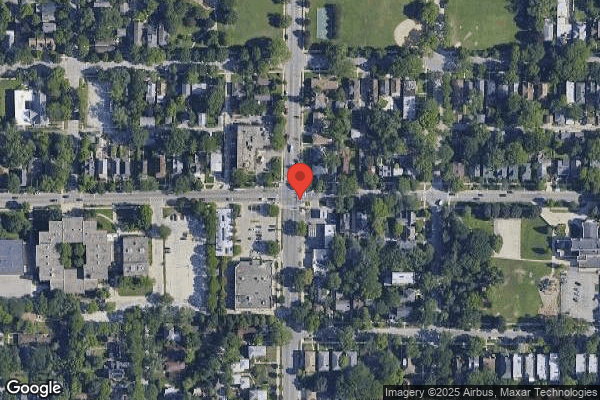
500 ASBURY STREET, EVANSTON, IL 60202 (847) 316-3320
For profit - Limited Liability company 124 Beds LEGACY HEALTHCARE Data: November 2025 1 Immediate Jeopardy citation
Trust Grade
48/100
#148 of 665 in IL
Last Inspection: February 2025

Within standard 12-15 month inspection cycle. Federal law requires annual inspections.

Overview

The Grove of Evanston L & R has a Trust Grade of D, which means it is below average and raises some concerns about care quality. It ranks #148 out of 665 facilities in Illinois, placing it in the top half, and #51 out of 201 in Cook County, indicating that there are only a few local options that are better. The facility's condition is stable, with the same number of issues reported in both 2024 and 2025, though it has a total of 19 issues, including one critical incident where staff failed to recognize an opioid overdose in a resident. Staffing is relatively stable with a turnover rate of 30%, which is good compared to the state average, but the facility has incurred fines totaling $43,719, suggesting some compliance issues. While there is average RN coverage, families should be aware of the serious incidents involving inadequate supervision for residents at high fall risk and the lack of comprehensive care planning for residents with substance abuse histories.

Trust Score
D
48/100
In Illinois
#148/665
Top 22%
Safety Record
High Risk
Review needed
Inspections
Holding Steady
4 → 4 violations
Staff Stability
○ Average
30% turnover. Near Illinois's 48% average. Typical for the industry.
Penalties
✓ Good
$43,719 in fines. Lower than most Illinois facilities. Relatively clean record.
Skilled Nurses
✓ Good
Each resident gets 46 minutes of Registered Nurse (RN) attention daily — more than average for Illinois. RNs are trained to catch health problems early.
Violations
⚠ Watch
19 deficiencies on record. Higher than average. Multiple issues found across inspections.
★★★★☆
4.0
Overall Rating
★★★☆☆
3.0
Staff Levels
★★☆☆☆
2.0
Care Quality
★★★★☆
4.0
Inspection Score
Stable
2024: 4 issues
2025: 4 issues

The Good

  • Full Sprinkler Coverage · Fire safety systems throughout facility
  • No fines on record
  • Staff turnover below average (30%)

    18 points below Illinois average of 48%

Facility shows strength in fire safety.

The Bad

Staff Turnover: 30%

15pts below Illinois avg (46%)

Typical for the industry

Federal Fines: $43,719

Above median ($33,413)

Moderate penalties - review what triggered them

Chain: LEGACY HEALTHCARE

Part of a multi-facility chain

Ask about local staffing decisions and management

The Ugly 19 deficiencies on record

1 life-threatening 2 actual harm
Jul 2025 2 deficiencies
CONCERN (D) 📢 Someone Reported This

A family member, employee, or ombudsman was alarmed enough to file a formal complaint

Potential for Harm - no one hurt, but risky conditions existed

Deficiency F0646 (Tag F0646)

Could have caused harm · This affected 1 resident

**NOTE- TERMS IN BRACKETS HAVE BEEN EDITED TO PROTECT CONFIDENTIALITY** Based on interview and record review, the facility failed to follow their policy in alerting a resident's responsible party of a...

Read full inspector narrative →
**NOTE- TERMS IN BRACKETS HAVE BEEN EDITED TO PROTECT CONFIDENTIALITY** Based on interview and record review, the facility failed to follow their policy in alerting a resident's responsible party of a change in condition for weight loss and new identified wound. This affected one resident (R1) of three residents reviewed for notification of change in condition. Findings include:On 7/16/25 at 12:00PM, V1 (Administrator), said that about one hour before R1 was discharged V5 (Wound Care Nurse) was notified about the new wound identified on R1. When V5 went to see R1 the resident was discharged , did not notify the Physician because the resident had already left the facility.On 7/16/25 at 12:15PM, V2 (Director of Nursing), said if a new wound was observed on the resident, then nurse will notify MD (Medical Doctor) to obtain treatment orders and notify family. V2 said she was made aware of the new wound identified on R1 by V3 (Registered Nurse). V2 said that for weight loss identification the facility will notify Nurse Practitioner, and registered dietitian will be notified. V2 said that family was not notified of changes in weight and the responsible party was not made aware of wound identified prior to discharge. On 7/16/25 at 2:05PM, V3(Registered Nurse) said that he was the nurse who discharged R1 on 7/14/25, R1 had a new wound, said it was about 2cm (centimeters) by 2cm, no discharge and covered the wound with a dressing. V3 said he did not notify the Physician or Nurse Practitioner.R1 is admitted on [DATE] with diagnosis listed in part but not limited to Parkinsonism, difficulty in walking, unspecified lack of coordination, anemia, other specified anxiety disorder, insomnia, vertigo of central origin, spinal stenosis, retention of urine, multiple fractures of ribs. admission Braden Assessment on 6/24/25- Braden/skin assessment indicated R1 is at high risk for developing pressure ulcers/skin impairments. Physician order summary report indicates may use pressure relieving device when indicated, skin-apply house stock topical moisturizer, pressure reducing chair cushion to wheelchair, turning and repositioning at regular intervals, Weights upon admission/readmission x4 weeks, then monthly. Care plan for Impaired mobility function related to weakness, unsteady gait, impaired physical function, neuropathic pain poor safety awareness-. At risk for alteration in nutritional status related to alcohol use disorder- monitor for signs and symptoms of dehydration and weight loss. High Risk for pressure sore development, based on Braden score of 17 and related to diagnosis- apply pressure relieving cushion to the wheelchair, Registered dietician recommendations as needed, skin check every shift. Pay special attention to bony prominences. Assess skin during bed bath/shower and routine care. Facility Policy on Notification for Change of Condition- revised 7/2/25.Policy StatementThe facility will promote care to residents and provide notification of resident change in condition status. Procedures1. The facility must immediately inform the resident; consult with the resident's physician; and if known, notify the residents legal representative or an interested family member when there is:b. A significant change in the resident's physical, mental, or psychosocial status (i.e., a deterioration in health, mental, or psychosocial status in either life-threatening conditions or clinical complications).Facility Policy on Weights-revised 7/3/25.Policy Statement It is the facility's policy to obtain resident's monthly weight unless otherwise ordered differently by the physician. For a resident who is on dialysis, the resident's dry weight will also be obtained monthly. Procedures 1. During the 1st week of the month, the restorative staff or designee will weigh each resident to fulfill the monthly weight requirement. For the dialysis residents, their dry weights will be obtained on the first week of the month immediately after the residents come back from their dialysis. 2. The monthly weights will be reflected on the resident's individual chart. 3. The significant weight changes (monthly (5%), quarterly (7.5%), and every 6 months (10%) will be assessed and addressed by the IDT which includes but not limited to the Dietician, Physician, Medical Specialist, Speech Therapist, Nutritionist, and Nurses.
CONCERN (D) 📢 Someone Reported This

A family member, employee, or ombudsman was alarmed enough to file a formal complaint

Potential for Harm - no one hurt, but risky conditions existed

Pressure Ulcer Prevention (Tag F0686)

Could have caused harm · This affected 1 resident

**NOTE- TERMS IN BRACKETS HAVE BEEN EDITED TO PROTECT CONFIDENTIALITY** Based on interview and record review the facility failed to assess newly identified wound. The facility also failed to notify ph...

Read full inspector narrative →
**NOTE- TERMS IN BRACKETS HAVE BEEN EDITED TO PROTECT CONFIDENTIALITY** Based on interview and record review the facility failed to assess newly identified wound. The facility also failed to notify physician and obtain wound care treatment. This deficiency affects one (R1) of two residents reviewed for Wound/Pressure Ulcer Prevention and management. Findings include:On 7/16/25 at 11:50 AM, V4 (Social Service Director) said if a new wound is identified then we notify our wound care nurse, then she will evaluate and decide if the resident will be able to go home and home health is notified as well.On 7/16/25 at 12:00PM, V1 (Administrator), said that about one hour before R1 was discharged V5 (Wound Care Nurse) was notified about the new wound identified on R1. When V5 went to see R1 the resident was discharged , didn't not notify the Physician because the resident had already left the facility.On 7/16/25 at 12:15PM, V2 (Director of Nursing), said if a new wound was observed on the resident, then nurse will notify MD (Medical Doctor) to obtain treatment orders and notify family. V2 said she was made aware of the new wound identified on R1 by V3 (Registered Nurse).On 7/16/25 at 12:30PM, V6 (Nurse Practitioner) said she was not aware of any new wounds found on R1 early in the morning before discharge, R1 did not complain of any pain or any signs of distress. V6 said she is unaware of the possibilities of R1 developing sepsis and dehydration after discharge.On 7/16/25 at 12:45 PM, V5 (Wound Care Nurse) said she was notified that R1 had a wound to lower back an hour before discharge and did not assess the resident, no measurements were taken. The MD and family were not notified. V5 said that R1 had already been discharged . On 7/16/25 at 2:05PM, V3 (Registered Nurse) said that he was the nurse who discharged R1 on 7/14/25. R1 had a new wound, and it was about 2cm (centimeters) by 2cm with no discharge. He covered the wound with a dressing. V3 said he did not notify the Physician or Nurse Practitioner and did not notify the family. On 7/17/25 at 11:00AM, V7 (Certified Nurse Aide) said she was taking care of R1 getting him changed before he was going home. V7 observed a blister to the lower back. V7 said it was small and black in color not open and informed V3.R1 is admitted on [DATE] with diagnosis listed in part but not limited to Parkinsonism, difficulty in walking, unspecified lack of coordination, anemia, other specified anxiety disorder, insomnia, vertigo of central origin, spinal stenosis, retention of urine, multiple fractures of ribs. admission Braden Assessment on 6/24/25- Braden/skin assessment indicated R1 is at high risk for developing pressure ulcers/skin impairments. Physician order summary report indicates may use pressure relieving device when indicated, skin-apply house stock topical moisturizer, pressure reducing chair cushion to wheelchair, turning and repositioning at regular intervals, Weights upon admission/readmission x4 weeks, then monthly. Care plan for Impaired mobility function related to weakness, unsteady gait, impaired physical function, neuropathic pain poor safety awareness-. At risk for alteration in nutritional status related to alcohol use disorder- monitor for signs and symptoms of dehydration and weight loss. High Risk for pressure sore development, based on Braden score of 17 and related to diagnosis- apply pressure relieving cushion to the wheelchair, Registered dietician recommendations as needed, skin check every shift. Pay special attention to bony prominences. Assess skin during bed bath/shower and routine care. Facility Policy on Wound Care Guidelines- revised 1/24/24OVERVIEW OF THE PROGRAM: This facility adheres to the Federal and State regulatory requirements for wound care management and the care guidelines for wound care established by the National Pressure Injury Advisory Panel. The goal of this care guidelines is to achieve compliance to regulatory requirements and provide evidence-based recommendations for the prevention and treatment of pressure injuries that can be used by the health professionals in the facility. The purpose of the prevention recommendations is to guide evidence-based care to prevent development of pressure injuries, and the purpose of the treatment focused recommendations is to provide evidence-based guidance on the most effective strategies to promote pressure injury/ulcer healing. PROCEDURES: 1. Timely identification of residents assessed to be at risk for skin breakdown. a. The Braden Scale must be completed by a licensed nurse on admission/re-admission and weekly for the first 4 weeks of admission/re-admission in the facility. A re-assessment shall be completed monthly, and as often as needed if there's a significant change in status of MDS. b. The scores from the Braden Scale and Clinical Evaluation should be interpreted/ calculated to determine level of risk: Low Risk High Risk c. Each risk factor and potential cause(s) identified should be reviewed individually and addressed into the resident's care plan. d. Facility shall develop a plan of care and implement intervention according to the resident's Braden Scale and Clinical Evaluation or identified individual risk factors. 10. Pressure Injuries Treatment a. Initiate wound care treatment upon identification of the wound with physician's order. b. Develop a care plan with appropriate interventions. c. Timely referral to the facility's Wound Care Specialist for all pressure injuries and/ or wounds.
Feb 2025 2 deficiencies
CONCERN (D)

Potential for Harm - no one hurt, but risky conditions existed

Accident Prevention (Tag F0689)

Could have caused harm · This affected 1 resident

**NOTE- TERMS IN BRACKETS HAVE BEEN EDITED TO PROTECT CONFIDENTIALITY** Based on interview and record review, the facility failed to provide effective fall interventions and adequate supervision for a...

Read full inspector narrative →
**NOTE- TERMS IN BRACKETS HAVE BEEN EDITED TO PROTECT CONFIDENTIALITY** Based on interview and record review, the facility failed to provide effective fall interventions and adequate supervision for a resident while smoking. This failure applied to one (R21) of one resident reviewed for falls. Findings include: R21 is a [AGE] year old male who was originally admitted to the facility on [DATE] and continues to reside in the facility. R21 has multiple diagnoses including but not limited to the following: dysarthia, lack of coordination, abnormalities of gait and mobility, history of falling, and vertebra fracture. On 2/4/26 at 1:20PM, observed a smoking break and spoke with V19 (Activity Aide). It is to be noted that there were 7 residents present (5 in wheelchairs and 2 with walkers) smoking with 2 staff members supervising. V19 said I was present on 1/11/2025 when R21 fell outside while smoking. I was aware he fell on [DATE] outside while smoking but I was not present during this fall. R21 is in a wheelchair and has a habit of picking things up off the ground. V19 said I did not see R21 fall on 1/11/2025 but it is my understanding that he was in his wheelchair and reached down to grab his cigar. R21 fell out of his wheelchair and his face was on the concrete. I am not trained to transfer residents or evaluate them after a fall. I had to call nursing personnel and leave him in this position until someone came to assist. V19 said we should have as many staff supervising as we have residents in wheelchairs. It is difficult to push them outside, light their smoking material, and ensure they are being adequately supervised. On 2/5/25 at 10:59AM, V17 (Restorative Nurse/Fall Coordinator) said R21 admitted to us due to a mechanical fall at home. R21 was at risk for falls upon admission and requires assistance with his ADLs (activities of daily living). On 12/4/2024 at 9:00AM, R21 fell outside while smoking because he was trying to reach for his cigar that he had dropped on the ground. I provided him with a grab reacher to help assist R21 in grabbing things on the ground. However, R21 only uses this grab reacher in his room. V17 said on 1/11/25 at 4:00PM, R21 had another fall while outside smoking. He had dropped his cigar again and fell out of his wheelchair attempting to pick it up. He did not have his grab reacher with him at this time. V17 said I would have expected the staff to assist him when he dropped his cigar. It would not be appropriate for R21 to use his grab reacher to pick up his cigar, the staff should be providing him with assistance or a new cigar. V17 requires supervision when smoking. On 2/5/25 at 11:42AM, V18 (Vice President of Operations) said my expectation would be that the staff are physically watching and monitoring residents for safety when they are smoking. R21's smoking assessment dated [DATE] states in part but not limited to the following: R21 requires assistance with smoking due to impaired cognition and requires a wheelchair for mobility. Resident is not considered a safe smoker and requires smoking management and supervision consistent with facility policy. Facility policy titled Smoking with revised date of 8/19/2024 states in part but not limited to the following: It is the facility's policy to monitor and assess residents that smoke to promote smoking in a safe manner. Those who are assessed as unsafe smoking will be provided supervision during smoking. Facility policy titled Fall Occurrence with revised date of 7/26/2024 states in part but not limited to the following: It is the policy of the facility to ensure that residents are assessed for risk for falls, that interventions are put in place, and interventions are reevaluated and revised as necessary.
CONCERN (E)

Potential for Harm - no one hurt, but risky conditions existed

Safe Environment (Tag F0584)

Could have caused harm · This affected multiple residents

**NOTE- TERMS IN BRACKETS HAVE BEEN EDITED TO PROTECT CONFIDENTIALITY** Based on observation, interview, and record review the facility failed to ensure resident care areas were maintained in a clean,...

Read full inspector narrative →
**NOTE- TERMS IN BRACKETS HAVE BEEN EDITED TO PROTECT CONFIDENTIALITY** Based on observation, interview, and record review the facility failed to ensure resident care areas were maintained in a clean, safe, and homelike condition by failing to ensure resident's rooms were clean, failing to adequately clean resident's care equipment after use and stored in a clean condition, and failing to keep resident's room furniture free of damage. These failures apply to six of six residents (R5, R10, R60, R62, R81, and R88) reviewed for environment. Findings include: R5 is an [AGE] year-old female with a diagnoses history of Dementia, Parkinson's Disease, Schizophrenia, Age Related Osteoporosis, and History of Falling who was admitted to the facility 06/29/2020. R10 is an [AGE] year-old female with a diagnoses history of Dementia, Parkinson's Disease, and Epilepsy who was admitted to the facility 10/08/2023. R60 is a [AGE] year-old female with a diagnoses history of Dementia, Inner Ear Disorder of Both Ears, and a History of Falling who was admitted to the facility 09/01/2021. R62 is an [AGE] year-old male with a diagnoses history of Dementia, Spinal Fusion, Paralysis of a Single Limb, Heart Failure, and History of Falling who was admitted to the facility 03/26/2020. R81 is a [AGE] year-old male with a diagnoses history of Impaired Brain Function, Severe Muscle Tissue Breakdown, History of Falling, and Need for Assistance with Personal Care who was admitted to the facility 01/16/2023. R88 is an [AGE] year-old male with a diagnoses history of Parkinson's Disease, Heart Failure, and Need for Assistance with Personal Care who was admitted to the facility 12/13/2024. On 02/03/25 at 10:35 AM, there was a PPE (Personal Protective Equipment) bin outside a resident's room on the first-floor hallway soiled with dust, and medical equipment in the hall near the bin soiled with multiple droppings. On 02/03/25 at 10:50 AM, V2 (Director of Nursing/DON) stated the medical equipment sitting in the hall near the PPE bin is a bladder scan machine that is not being used and it should be covered. V2 covered the soiled bladder scan machine with plastic without cleaning it. On 02/03/25 at 10:52 AM, R81's room wall had a cord hanging out of it and nothing hooked up to the cord and his clothes cabinet had a missing drawer, multiple broken drawer handles, and had dust buildup. R81 stated he has reported the condition of his clothes cabinet and staff also see it but nothing has been done. On 02/03/25 at 11:02 AM, R88 was lying in his bed with his oxygen cannula on and his oxygen machine was seen with a heavy amount of dust. On 02/03/25 at 11:05 AM, multiple PPE bins were outside of residents rooms on the 1st floor hallway with a heavy buildup of dust and some residue stains. On 02/03/25 at 11:44 AM, R5's bed railings on both sides were heavily soiled with a brownish red substance, a pillow had a heavily stained personalized pillow case sitting beneath her feet near the foot of her bed, her bedside drawers and vents had a heavy presence of dust and particles, her blinds had a heavy amount of dust, her head board had spots/stains, her bedside table was soiled with substances and dusty, a toothbrush was sitting on top of it with a dark buildup in the bristles, a remote control was sitting on top of it with a residue in between the dials, and her room garbage can was without a bag and had heavy buildup in the bottom. On 02/03/25 at 11:52 AM, R10's tube feeding equipment was attached to her and operating, heavily soiled with substances. Her oxygen cannula on her face and her oxygen machine was seen with a heavy buildup of dust and particles, blind's near her bed had a heavy buildup of dust, the nightstand drawers were left open with several care items sticking out of it, her bed rails were soiled with residue, the footboard pressure relieving machine was seen with a buildup, and her head board and walls behind her had spots and stains. R60's night stand had a heavy amount of dust and residue, and her bed frame underneath the head of her bed had a heavy buildup and trash. R10 and R60's room floor was seen with trash and their shared bathroom with soiled surfaces. On 02/03/25 at 11:59 AM, R62 was in his room lying in his bed, R62's bathroom garbage bin was soiled with a substance running down the side, his room floors were dirty and had trash on them. His bathroom sink had a significantly heavy calcified buildup around the faucet. On 02/04/2025 from 11:50 AM - 12:11 PM, V2 (DON) stated all resident's PPE bins should be kept clean and also their care equipment even when not in use. V2 stated if housekeeping staff are cleaning daily there shouldn't be any visible stains or dust left behind on care equipment or in their rooms. V2 made observations with surveyor of R5's room; surveyor observed R5's room to be in the same unclean condition as observed by surveyor on 02/03/2025 at 11:44 AM and V2 also confirmed these observations. When asked by surveyor if R5's room should be in the observed unclean condition V2 stated housekeeping comes in and cleans daily and confirmed that R5's room and furnishings are not clean and should be. V2 stated R5's pillowcase should have been cleaned in the laundry. V2 made observations with surveyor of R10 and R60's room; surveyor observed R10 and R60's room to be in the same unclean condition as observed by surveyor on 02/03/2025 at 11:52 AM and V2 also confirmed these observations. When asked by surveyor if R10 and R60's room should be in the observed unclean condition V2 stated oxygen equipment should not be found with dust and substances, care items should be placed inside the drawer when not in use, and all of R10 and R60's room furnishings and equipment should be maintained in a clean condition. V2 confirmed that residents rely on staff to keep their rooms in clean condition. V2 made observations with surveyor of R81's room and surveyor observed R81's room to be in the same condition as observed by surveyor on 02/03/2025 at 10:52 AM. V2 also confirmed these observations. V2 confirmed and agreed that staff enter the resident's rooms daily and if they observed R81's furniture damaged they should have addressed it and should have had the cord removed from his wall. V2 stated housekeeping and maintenance are responsible for room cleaning and maintenance. On 02/05/25 at 11:55 AM V2 (DON) stated R62 does use his bathroom and is dependent on staff for showers. V2 stated housekeeping staff are responsible for keeping R62's room clean including cleaning the floors and removing trash. V2 stated R62's bathroom faucet should be cleaned by housekeeping and there shouldn't be any heavy build up around the faucet. The facility's General Housekeeping Policy received 02/04/2025 states: The facility will ensure that the facility and resident rooms will be clean, and sanitary through housekeeping services. The housekeeping staff will clean and sanitize the resident rooms and bathrooms daily. The facility's Medical Care Equipment, Instruments and Health IT Devices Infection Control Plan Policy received 02/04/2025 states: It is the policy of this facility to prevent infection and create/maintain a safe environment for the residents, through proper cleaning and sanitizing of medical care equipment, instruments and or other related health devices. After equipment is properly cleaned, it may be stored in a clean bag and labeled Ready For Use and shall be moved to a clean storage location.
Apr 2024 1 deficiency
CONCERN (D)

Potential for Harm - no one hurt, but risky conditions existed

Abuse Prevention Policies (Tag F0607)

Could have caused harm · This affected 1 resident

**NOTE- TERMS IN BRACKETS HAVE BEEN EDITED TO PROTECT CONFIDENTIALITY** Based on interviews and record reviews, the facility failed to follow their identified offender policy by not complying with sta...

Read full inspector narrative →
**NOTE- TERMS IN BRACKETS HAVE BEEN EDITED TO PROTECT CONFIDENTIALITY** Based on interviews and record reviews, the facility failed to follow their identified offender policy by not complying with state regulations in performing criminal background checks within 24 hours of the admission of a new resident and failed to schedule a fingerprint-based criminal history record inquiry with 72 hours of receiving the initial criminal background results for 4 (R8, R12, R35, R67) of 5 residents reviewed for identified offenders. This failure has the potential to affect the safety and well-being of all 89 residents that currently reside in the facility. Findings include: Per facility census dated [DATE], total in-house census is 89 residents. Per interviews with V17 (Social Services Director) and V18 (Social Services Designee) on [DATE], there are 5 identified offenders who currently reside at the facility. Per record review, the admission dates, criminal background checks including local and national sex offender registries and fingerprinting for 4 (R67, R35, R8, and R12) of 5 identified offenders revealed the following: R8's admission record indicated resident admitted to the facility on [DATE]. R8's initial criminal history inquiry was conducted on [DATE]. R8 consented to fingerprinting on [DATE] and was fingerprinted on [DATE]. R8's sex offender check was conducted on [DATE]. R8's identified offender care plan was initiated on [DATE]. On [DATE] at 3:00 PM, V18 (Social Services Designee) said when she started the process to have R8 fingerprinted on [DATE], she discovered that his initial criminal background results were expired so a new search was completed on [DATE]. R12's admission record indicated resident admitted to the facility on [DATE]. R8's criminal history inquiry was conducted on [DATE]. No fingerprint documentation was provided for R12. R12's sex offender check was attempted on [DATE] but was incomplete; resident birthdate and results were not listed. No identified offender care plan was found on file. R35's admission record indicated resident admitted to the facility on [DATE]. R35's criminal history inquiry was conducted on [DATE] and repeated on [DATE]. R8 consented to and was also fingerprinted on [DATE]. R35's sex offender check was attempted on [DATE] with no results, system was down. The facility made no other search attempts or provided evidence for the check at a later date. R35's identified offender care plan was initiated on [DATE]. R67's admission record indicated resident admitted to the facility on [DATE]. R67's criminal history inquiry was conducted on [DATE] and issued on [DATE]. R67 consented to fingerprinting on [DATE] and was fingerprinted on [DATE]. R67's sex offender check was attempted on [DATE] with no results listed, system was down. No other evidence of search attempts were provided at a later time. R67's identified offender care plan was initiated on [DATE]. R8, R12, R35, and R67 were all previously convicted with criminal offenses. On [DATE], interviews with V17 (Social Services Director) and V18 (Social Services Designee) from 02:26 PM through 03:13 PM revealed that identified offender reviews for new residents upon admission were delayed due to the lack of an admissions director so the facility performed an audit towards end of year in 2023 to initiate these reviews. V17 then said the criminal history information response process (CHIRP) should be done within 24 hours of admission, and she believed fingerprinting should be completed within 30 days if applicable. On [DATE] at 3:30 PM, V1 (Administrator) said that around [DATE], the facility identified that uniform conviction information act (UCIA) checks were not being conducted by the previous admission director. As a result, the admission director was terminated, and the facility then conducted an audit and conducted the UCIA background checks and completed this audit by January of 2024. Identified Offender Policy last revised [DATE] reads as follows: Policy Statement: The facility will comply with the state regulations in addressing residents who are identified offenders. Procedures: 1. The facility shall review the results of the criminal history background checks immediately upon receipt of these checks. 2. The facility shall be responsible for taking all steps necessary to ensure the safety of residents while the results of a name-based background check is pending, while the Identified Offender Report and Recommendation is pending. 3. If the results of a resident's criminal history background check reveal that the resident is an identified offender the facility will: a. Immediately notify the Department of State Police that the resident is an identified offender. b. Within 72 hours, arrange for a fingerprint-based criminal history record inquiry to be requested on the identified offender resident. 4. All name-based and fingerprint-based criminal history record inquires shall be submitted to the Department of State Police electronically in the form and manner prescribed by the Department of State Police. 5. If the identified offender is on probation, parole, or mandatory supervised release, the facility shall contact the resident's probation or parole officer, acknowledge the terms of release, update contact information with the probation or parole office, and maintain updated contact information in the resident's record. The record must also include the resident's criminal history record. 6. A written notice confirming whether identified offenders are residing in the facility shall be posted prominently in the facility. It should include a statement indicating that information regarding sex offenders may be obtained from Illinois State Police website (www.isp.state.il.us) and information regarding persons serving terms of parole or mandatory supervised release may be obtained from the Illinois Department of Corrections website (www.idoc.state.il.us). 7. For current residents who are identified offenders, the facility shall review the security measures listed in the Identified Offender Report and Recommendation provided by the Department of the State Police. 8. The facility shall incorporate the Identified Offender Report and Recommendation into the identified offender's care plan. 9. If the identified offender is a convicted or registered sex offender or if the Identified Offender Report and Recommendation prepared pursuant to Section 2-201.6(a) of the Act reveals that the identified offender poses a significant risk of harm to others within the facility, the offender shall be required to have his or her own room within the facility. 10. The facility shall evaluate care plans at least quarterly for identified offenders for appropriateness and effectiveness of the portions specific to the identified offense and shall document such review. The facility shall modify the care plan, if necessary, in response to this evaluation. The facility remains responsible for continuously evaluating the identified offender and for making any changes in the care plan that are necessary to ensure the safety of residents. 11. Incident reports shall be submitted to the IDPH Division of Long-Term Car Field Operations in the Department's Office of Health Care Regulation in compliance with Section 300.690 of this Part. The facility shall review its placement determination of identified offenders based on incident reports involving the identified offender. In incident reports involving identified offenders, the facility shall identify whether the incident involves substance abuse, aggressive behavior, or inappropriate sexual behavior, as well as any other behavior or activity that would be reasonably likely to cause harm to the identified offender or others. If the facility cannot protect the other residents from misconduct by the identified offender, then the facility shall transfer or discharge the identified offender in accordance with Section 300.3300 of this Part. 12. The facility shall notify the appropriate local law enforcement agency, the Illinois Prisoner Review Board, or the Department of Corrections of the incident and whether it involved substance abuse, aggressive behavior, or inappropriate sexual behavior that would necessitate relocation of that resident.
Feb 2024 3 deficiencies 1 IJ
CRITICAL (J) 📢 Someone Reported This

A family member, employee, or ombudsman was alarmed enough to file a formal complaint

Immediate Jeopardy (IJ) - the most serious Medicare violation

Accident Prevention (Tag F0689)

Someone could have died · This affected 1 resident

**NOTE- TERMS IN BRACKETS HAVE BEEN EDITED TO PROTECT CONFIDENTIALITY** Based on interview and record review, the facility staff failed to recognize a resident was experiencing an opioid overdose and ...

Read full inspector narrative →
**NOTE- TERMS IN BRACKETS HAVE BEEN EDITED TO PROTECT CONFIDENTIALITY** Based on interview and record review, the facility staff failed to recognize a resident was experiencing an opioid overdose and failed to administer Narcan (opioid reversal agent) for a resident with a known history of substance abuse who was currently on opioid pain medication as well as Methadone; the facility failed to have protocols in place were in accordance with recommendations from SAMHSA (Substance Abuse and Mental Health Services Administration). This failure applied to one (R3) of one resident reviewed for overdose and resulted in R3 being emergently transferred to local hospital due to being found unresponsive and requiring administration of opioid reversal agent (Narcan). The Immediate Jeopardy began on 6/13/23 when R3 overdosed while in the facility and V7 (RN) failed to identify R3 was experiencing an overdose and failed to administer opioid overdose reversal agent. V2 (Director of Nursing) and V22 (Regional Director of Clinical Services) were notified on 1/31/24 at 11:50AM of the Immediate Jeopardy. V21 (Vice President of Operations) was also called on phone conference at time the Immediate Jeopardy was called. The immediacy was removed on 1/31/24 but noncompliance remains at Level 2 because additional time is needed to evaluate the implementation and effectiveness of the in-service training. Findings include: R3 is a [AGE] year-old female with history of COPD, substance use disorder, hypertension, failure to thrive, and aphasia. R3 was admitted to the facility on [DATE] and discharged to home on [DATE]. R3 was admitted to the facility on [DATE] after a brief hospital stay, where R3 was admitted for adult failure to thrive. Hospital discharge paperwork includes information related to safe opioid use and includes there is a potential for serious increased sedation and life-threatening respiratory depression when taking an opioid pain product at the same time as a benzodiazepine (such as Xanax, Ativan, Klonopin, etc.). Review of R3's nursing progress notes document the following: 06/13/2023 15:43 Health Status Note Note Text: At 2:20pm resident came back from ER via ambulance on stretcher assisted by 2 staff. A/Ox3, responsive and verbalized feeling nauseated. Vitals checked B/P113/92, P64, R 18, T97.6F O2 sat 89%-91% RA denies difficulty breathing. At 2:27pm NOD called ER to get discharge report and per operator no nurse available to take the call. At 3:20pm NOD f/up called ER and per nurse (name) resident was given Narcan at 12:50pm d/t Opioid overdose with no discharge instructions. At 3:38 pm NOD notified V23 (Primary Physician) of discharge Dx and made aware that resident current orders for Norco and Methadone and asked for parameter orders for B/P and P and Oxygen at 2-3L per NC PRN for SOB. At 3:30pm (son) made aware that resident returned to facility and notified of current condition. On 01/26/24 at 1:58PM, V7 (RN) confirmed she was the nurse on duty when R3 had the overdose on 6/13/23. Surveyor asked V7 what symptoms R3 was exhibiting when she assessed R3. V7 said R3 was unresponsive, cold, clammy, and sweaty. V7 said she does take vitals before giving Methadone and would not have given it if the patient was showing any symptoms like low blood pressure, respiratory rate, or oxygen saturation below baseline. V7 was asked if V7 received any training or in-service related to use of Methadone. V7 stated, Not really, we just follow the protocol from the Methadone clinic. V7 said (overdose) did not cross her mind because R3 took Methadone regularly and if the resident had a history of opioid overdose, then maybe it would have clicked in her mind. V7 added R3's son would visit often and sometimes V7 would hear them argue. Review of Pre-hospital Care Report Summary (ambulance run sheet) documents: Call Received: 12:13:38 On Scene: 12:18:36 Patient Contact: 12:20:13 Left Scene: 12:33:53 At Destination: 12:37:28 Transfer of Care: 12:40:42 Flowchart documents patient's breathing is slow and shallow; capillary refill is delayed, skin temperature is cool and diaphoretic; unresponsive; Vitals at 12:23:13 BP 150/120 Pulse 64 Respirations 2, Effort: shallow; SPO2: 96 with )2 > 3 LPM. Narrative History Text: UOA pt found lying in bed unresponsive. Staff says pt was last seen normal approx. 20 minutes prior to our arrival. Pt is cool and diaphoretic and is having agonal respirations approx. twice per minute and has a weak carotid pulse. Pt has a valid DNR but specifies to use comfort measures only. No change to pt status through duration of the call. Pt moved to MICU. (hospital) contacted without orders. Pt transported without incident. (hospital) contacted without orders. Hospital Encounter Summary includes the following documentation: Reason for Visit - Altered Mental Status Description - Opioid overdose, accidental or unintentional, initial encounter (HCC) (Primary Dx) Vitals Taken: Blood Pressure 92/53, Pulse 88, Respiratory Rate 18, Oxygen Saturation 100% on NRB (non re-breather mask) at 15L, adequate oxygenation. Patient presenting to the emergency department with complaint of altered mental status. Patient was noted to be unresponsive in her nursing home and agonal breathing with her last known well 30 minutes prior to arrival. She is noted to be DNR/DNI with comfort care measures. Patient's glucose was in the 90s. She was agonal breathing on arrival. Methadone and Norco noted to be in her med list so 2mg Narcan given to the patient without symptomatic improvement. Attempted to contact patient's son but unable to so a message was left on his phone answering for his machine. Administered Medications 6/13/23 12:50PM CDT naloxone (Narcan) 2MG/2ML injection given. ED Course / Re-exam . 1347 Patient continues to be alert and responsive. Possible Narcan working and patient is now alert. Discharge Rx: New Prescriptions Naloxone HCL (Narcan) 4MG/0.1ML LIQD Call 911 - Administer single spray in one nostril upon signs of opioid overdose - may repeat in alternating nostril after 2-3 minutes if no response - if repeat is needed, a new container must be used. R3's care plans were noted that there was no physician order or care plan interventions for R3 related to history or risk substance abuse disorder or opioid reversal medication at the time of admission or prior to overdose incident on 6/13/23. 1/29/24 at 1:51PM V2 (DON) said staff were in-serviced on using overdose signs and symptoms and use of Narcan (initiated on) June 22 or 23 and then the Narcan was delivered from the Pharmacy on 6/21/23. V2 said, We did the in-service in June because of the change from the pharmacy to corporate and pharmacy changed to nasal and to be incorporated into the crash cart. So, starting at time, we started keeping it on the crash cart rather than for the individual. We have pharmacy general meds on the 2nd floor, like a house stock. When (R3) was initially sent to the hospital I know the nurse didn't think she was having an overdose. Her Methadone is standard, and the Norco is PRN (as needed), so the nurse didn't think it was an overdose. The nurse was thinking it was more sepsis or something cardiac. At the time of the overdose, we did have Narcan in the convenience box. Surveyor asked why R3 did not have orders for any opioid reversal agents at the time of overdose per their policy dated June 5, 2023. V2 said, I know that's on our policy, but we followed what came on the discharge summary from (hospital). We do relay that information to the doctor and the NP (nurse practitioner). Pharmacy delivery manifest documents delivery for R3 on 6/21/23 at 6:35AM of Naloxone 4MG/0.1ML NASAL SPRAY, Quantity 2. V24 (Pharmacy Representative) on 1/30/24 interviewed from 4:25PM - 4:49PM. V24 confirmed pharmacy sent the Naloxone to the facility for R3 on 6/21/23 at approximately 6:35AM according to manifest. V24 attempted to pull facility transaction report and stated there was nothing on the report because there was no pull for the residents in this building, indicating Naloxone provided by pharmacy had not been used or needed to be replaced due to being used for any resident. It is to be noted the Naloxone for R3 was sent eight days after R3's overdose incident. On 1/31/24 at 11:47AM, V2 said, We did not do an investigation to try to determine the cause of the overdose. V22 (Regional Director of Clinical Services) added, It seemed like her (R3) meds, so we don't know how it happened. Social Services did a room search and didn't find anything. I don't believe the son visited that day and he had visited I think, two days prior. The nurse didn't think of anything related to opioid overdose because she was looking at her medical issues. The nurse thought it was something cardiac related. Surveyor asked how facility could determine if R3 had used illicit drugs versus nurse error without an investigation or review of Controlled Substance logs (Narcotic Count sheet) for R3. V2 did not respond. During this investigation, facility failed to provide documentation a complete and thorough investigation related to overdose for R3 was conducted. Facility was asked to provide documentation of controlled substance count sheet for R3 during her stay at the facility but it was not provided. There was no documentation of room search in R3's medical record or per interviews with social service staff. R3's physician orders were reviewed and include (but not limited to): Methadone HCL Oral Tablet 10 MG (Methadone HCL) Give 1 tablet by mouth one time a day for pain - Order Date 05/01/23, Start Date 05/02/23. Norco Oral Tablet 5-325 MG (Hydrocodone-Acetaminophen) Give 1 tablet by mouth every 4 hours as needed for pain - Order Date 05/01/23, Start Date 05/02/23. Review of R3's MAR (Medication Administration Record) documents on 6/13/23, R3 was given all medications as ordered and vitals taken during mediation administration were within R3's baseline (BP documented on MAR at 0900 is 121/67). There is no documentation of PRN (as needed) Norco being administered on 6/13/23. 1/31/24 at 12:07PM V25 (CAP/Methadone Clinic Representative) stated he could neither confirm nor deny any specifics related to R3 because the patient has not signed a release but can answer general questions. Surveyor asked V25 what is the likelihood of an overdose for patient who has been on the same dose of Methadone for several years? V25 said, It is very unlikely. I would only say if they were taking illicit drugs paired with their methadone then overdose would become more likely. If combined with [NAME] or unprescribed suboxone or any other type of opioid or opiate, then there is a higher chance. Patients can be prescribed Norco while being on Methadone, but the doctor must be aware they are being prescribed Methadone and we have a letter from the doctor being aware. Otherwise, then anything shows up (in urine sample) shows up as illicit. We do check urine monthly and the urine results come back in a week. If urine sample comes back dirty then we keep in mind if they are asking for increase, etc. The only thing we would punish them for would be they would have less available on hand. While in a nursing home, they can pick it up or a worker for the site will come with an ID badge and lock box and they can pick it up for them. 1/31/24 at 12:18PM V22 (Regional Director of Clinical Services) was asked why there was no care plan related to R3's substance abuse risk or use of Naloxone per their Naloxone Clinical Guidelines policy. V22 responded the policy was created on June 5th, but it wasn't started until the in-services were done. So, guideline didn't take effect until it was completed - June 23rd. Prior to this we didn't have a policy. V22 then affirmed they accepted a resident (R3) with a history of substance abuse and on Methadone without having a plan in place if R3 was to overdose. 1/31/24 at 1:47PM, V23 (Medical Director) stated overdoses can happen with use of illegal drugs. V23 said, Maybe we can add random drug tests. There's no way they can overdose on prescribed narcotics because they are giving specific dose. Those doses are all within the recommended doses and they are within the recommended guidelines. On a regular patient with a regular prescription the chance of overdose is zero. Surveyor asked if there is there a concern a resident getting opioids on a regular basis can overdose? V23 said, Everything is documented in the eMAR (electronic medication administration record), so the chance of duplicating a dose is very rare. When this (overdose) happened to her (R3), they (facility) did notify me the patient was sent out. I think no one knew. It looks like someone might have given her something or she took something illicit. I think the nurse thought it was more of a cardiac issue. I have been the medical director there for 25 years and this is the first time something like this happens. The nurses have been there for a long time and can recognize when the patients are inebriated or something. Proactively, I think we will institute in-service for the nurses on recognizing the signs and symptoms of overdose and when to administer the Narcan. Facility provided documented titled, Naloxone Clinical Guidelines, dated June 5, 2023, which reads: I. Purpose: Upon a physician's medication order per resident or facility standing order, naloxone may be administered by a licensed nurse or authorized staff to resident as indicated for the complete or partial reversal of suspected opioid-induced respiratory depression and/or unresponsiveness and/or possible respiratory/ cardiac arrest. Naloxone (Narcan®, Evzio) is a prescription medication can block or reverse the effects of an opioid overdose. Prompt and timely Administration of naloxone can save the life of someone overdosing on opioids, including heroine or prescription medicines like OxyContin® or Percocet®. II. Procedures: 1. Facility will assess a resident on admission who is at risk for opioid abuse or overdose. o Person with recent inpatient hospitalization for suspected opioid use and overdose o Person with diagnosis of opioid use disorder o Person with history of opioid use or dependence, or diagnosed substance use disorder o Person with current prescribed opioid orders o Person with current prescribed opioid and benzodiazepine orders o Past opioid use and justice involved resident o Current or recent registrant of a methadone maintenance program, or a detox program o Visitor: Friends and family members of the above who may visit the resident and provide illicit or prescription opioids o Resident who frequently attempts to elope or leave the facility premises with current prescribed opioid or history of opioid dependence 2. Obtain Standing Order for Naloxone Use and Indication for at risk resident. Standing Order for Use of Naloxone for Resident o Indication: Unresponsiveness and/or difficulty breathing due to suspected opioid-induced respiratory depression. o Exclusions, if known: Comfort care plan, hospice, or end-of-life care; known allergy to naloxone. o Order: Naloxone nasal spray (4mg) or available supply and dosage form, repeat dose in 2 to 3 minutes for unresponsiveness or difficulty breathing (e.g., RR < 8 cycles/min), until individual is breathing (respiratory rate greater than 10). Initiate emergency medical response protocol (call 911) and transfer the individual to the hospital emergency department. Notify the attending physician and/ or appropriate medical practitioner. 3. Signs of Symptoms of Opioid Overdose o Slowed/ dyspnea (RR < 8cycles/min); irregular, or no breathing o Skin, nails turn blue o Extreme sleepiness o Unresponsive to sternal rub or when shaken o Pinpoint pupils o Low 02 Saturation (e.g., <85%) 4. Standardized Procedure for Naloxone Administration 1. Confirm signs and symptoms of potential opioid overdose (see item #3) 2. Call 9-1-1 and administer naloxone as follows (select dispensed dosage form). Start CPR as indicated. A. Single-Step Intranasal Naloxone: ( 2mg/0.1ml or 4mg/0.1 ml) o Peel back the package to remove the device o Hold the device with your thumb on the bottom of the plunger and 2 fingers on the nozzle o Place and hold the tip of the nozzle in either nostril until your fingers touch the bottom of the patient's nose o Press the plunger firmly to release the dose into the patient's nose o Repeat if there is no response after 2-3 minutes B. Auto-Injector Naloxone: (0.4mg/0.4ml) o Pull auto-injector from outer case and pull off red safety guard o Place the black end of the auto-injector against the outer thigh, through clothing if needed, press firmly and hold in place for 5 seconds. Repeat if there is no response after 2-3 minutes. C. Naloxone HCl injection vial 0.4mg/ml (requires a syringe for administration) Naloxone Hydrochloride Injection 0.4 mg/ml 11. o Inspect the solution for injection for any particulate matter or discoloration before use. o Remove cap from vial and clean with alcohol swab. Remove cap from needle of syringe. o Withdraw 1mL (0.4mg) from vial. o A deep intramuscular administration may be used and injected into a large muscle such as the thigh or deltoid muscle or if the subcutaneous route is selected, inject beneath the skin or an initial dose of 0.4 mg (1ml) of Naloxone hydrochloride may be administered intravenously as a push injection. o Response to naloxone may be slower with an intramuscular or subcutaneous injection. o Do not leave the resident and continue to monitor response to the medication. o Start supportive or resuscitative measures until emergency medical assistance arrives. o If the desired degree of counteraction and improvement in respiratory functions are not obtained, repeat the injection at two-to-three-minute intervals. o If no response is observed after a total of 10 mg of Naloxone hydrochloride has been administered, the diagnosis of opioid-induced or partial opioid-induced toxicity should be questioned References: National Library of Medicine 2013; Lippincott Manual in Nursing 2015; IDPH.illinois.gov.opioids 2010; IPRO [NAME]-QIO Resource Library 2021/2023 CMS State Operations Manual requires the following for skilled nursing facilities: According to the Substance Abuse and Mental Health Administration (SAMHSA), opioid overdose deaths can be prevented by administering naloxone, a medication approved by the Food and Drug Administration to reverse the effects of opioids. The United States Surgeon General has recommended naloxone be kept on hand where there is a risk for an opioid overdose. Facilities should have a written policy to address opioid overdoses. The SAMHSA website houses a number of resources related to opioid management including this document intended for prescribers which addresses appropriate prescribing, monitoring for adverse effects, and treating overdoses: SAMHSA Opioid Overdose Prevention Toolkit: Information for Prescribers, https://www.samhsa.gov/resource/ebp/opioid-overdose-prevention-toolkit. The Immediate Jeopardy began on 6/13/23 was removed on 1/31/24 when the facility took the following actions to remove the immediacy. On 2/1/24 the survey team verified by observations, interviews, and record review the facility implemented the following to remove the immediacy. The facility abatement plan includes the following: 1) R3 is no longer a resident of this facility and was discharged to the community in stable condition as planned on 9/11/23. 2) Nurse on duty for R3 was educated on 6/23/23 on Naloxone Clinical Guidelines and has been re-educated 1:1 by DON and/or designee on 1/31/24 regarding Naloxone Clinical Guidelines but not limited to the facility's Naloxone clinical guidelines and identifying signs and symptoms of overdose in residents with a substance use disorders and medication pass policy and procedure with an emphasis on narcotic administration and monitoring adverse reactions. 3) Naloxone spray is available in all crash carts in the facility. Implementation started on 6/23/23 and is ongoing. 4) On 6/23/23 all nurses were re-educated on but not limited to the facility's Naloxone clinical guidelines and identifying signs and symptoms of overdose in residents with a substance use disorders this education is ongoing as of 1/31/24. 5) Current residents with substance use disorders (10 total) were identified on 6/23/23 and updated on an ongoing basis. Updated again on 1/31/24 and this list is available to staff at each nurse's station and reception desk. Staff are being re-educated on the location of this list on 1/31/24. 6) Current 10 residents with substance use disorders were assessed on 1/31/24 to ensure there are no active signs or symptoms of overdose. 7) On 1/31/24, All other residents receiving narcotic medications were identified, total of 22 residents, and will be monitored daily for any signs and symptoms of overdose. 8) All nurses are being re-educated on but not limited to the medication pass policy and procedure with an emphasis on narcotic administration and monitoring adverse reactions on 1/31/24 and will be ongoing. 9) Staff are being re-educated on but not limited to the facility's Naloxone clinical guidelines and identifying signs and symptoms of overdose in residents with a substance use disorder on 1/31/24. This will continue for any newly hired staff or PRN staff. 10) Monitoring for residents with substance use disorders was implemented on or around December 18th, 2023, any residents with a substance use disorder goes out on pass or has a visitor is monitored every hour thereafter for the first 24 hours for any signs and symptoms of overdose. This is ongoing. 11) Quality assurance audit will be conducted daily by the DON and/or designee to ensure staff are identifying any signs or symptoms of overdose timely and administering Narcan timely when indicated. This will start on 1/31/24 and continue for the first month. All identified trends will be reviewed by the monthly QAPI committee, and a plan will be discussed and implemented until resolution. 12) The incident and abatement plan will be discussed and reviewed with the facility medical director on 1/31/24 at 3pm. 13) Emergency QAPI meeting will be conducted on 1/31/24 at 3:30pm.
SERIOUS (G) 📢 Someone Reported This

A family member, employee, or ombudsman was alarmed enough to file a formal complaint

Actual Harm - a resident was hurt due to facility failures

Comprehensive Care Plan (Tag F0656)

A resident was harmed · This affected 1 resident

**NOTE- TERMS IN BRACKETS HAVE BEEN EDITED TO PROTECT CONFIDENTIALITY** Based on interview and record review, the facility failed to have a comprehensive care plan upon admission that included effecti...

Read full inspector narrative →
**NOTE- TERMS IN BRACKETS HAVE BEEN EDITED TO PROTECT CONFIDENTIALITY** Based on interview and record review, the facility failed to have a comprehensive care plan upon admission that included effective interventions to address history and risk of substance abuse for a resident with a history of substance use disorder. This failure applied to one (R3) of four residents reviewed for comprehensive care plans and resulted in R3 having an overdose while in the facility with no related interventions in place; the facility subsequently failed to update R3's plan of care to include interventions for when substance use is suspected or identified upon R3's return to the facility after being hospitalized for overdose. Findings include: R3 is a [AGE] year-old female with history of COPD, substance use disorder, hypertension, failure to thrive, and aphasia. R3 was admitted to the facility on [DATE] and discharged to home on [DATE]. Prior to being admitted into the facility, R3 was discharged from local hospital, where she was admitted on [DATE] for adult failure to thrive, requiring extensive assistance with ADL's (activities of daily living) and rehabilitation to build strength. Hospital reports medical history of cognitive dysfunction, COPD, hypertension, right hemiplegia, and polysubstance abuse, opioid use disorder, depression, and PTSD. Pre-Admission, hospital orders include Methadone 10mg oral daily and Hydrocodone-Acetaminophen (Norco) one tablet oral every 4 hours as needed. Barriers for discharge include abuse/neglect concerns: possible financial abuse. Assessment and Plan: (include) Polysubstance abuse: follows at Center for Addiction Problems (CAP - address/phone number provided) - remotely was on methadone 80mg QD (daily). Dose was checked during last admit 12/2022 w/CAP (phone number) and currently on 10mg. - continued home methadone 10mg QD (daily). Hospital discharge paperwork includes information related to safe opioid use and includes there is a potential for serious increased sedation and life-threatening respiratory depression when taking an opioid pain product at the same time as a benzodiazepine (such as Xanax, Ativan, Klonopin, etc.). Review of R3's nursing progress notes document the following: [DATE] 15:43 Health Status Note Note Text: At 2:20pm resident came back from ER via ambulance on stretcher assisted by 2 staff. A/Ox3, responsive and verbalized feeling nauseated. Vitals checked B/P113/92, P64, R 18, T97.6F O2 sat 89%-91% RA denies difficulty breathing. At 2:27pm NOD called ER to get discharge report and per operator no nurse available to take the call. At 3:20pm NOD f/up called ER and per nurse (name) resident was given Narcan at 12:50pm d/t Opioid overdose with no discharge instructions. At 3:38 pm NOD notified V23 (Primary Physician) of discharge Dx and made aware that resident current orders for Norco and Methadone and asked for parameter orders for B/P and P and Oxygen at 2-3L per NC PRN for SOB. At 3:30pm (son) made aware that resident returned to facility and notified of current condition. R3's care plan includes the following: R3 has been determined by community access assessment to be able to access the community with supervision. Date Initiated: [DATE]. Intervention (includes): I am on supervised access to the community. R3 is receiving Methadone/Norco for pain. Date Initiated: [DATE]. Interventions (include): For respiratory depression: Monitor respirator rate, depth and effort after administration of pain medications. Monitor for altered mental status, anxiety, constipation, depression, dizziness, lack of appetite, nausea, vomiting, pruritus, respiratory distress, sedation, urinary retention. Observer for adverse reactions with every interaction with the resident. Behavioral Symptoms - Narcotic Seeking R3 has a history of substance abuse and chemical dependency and engages in medication seeking behaviors. R3 demands medications be provided to her outside of physician prescription and prior to the time medications are scheduled to be provided to her and makes demands that personnel assist her with obtaining illegal substances. R3 and her son demand to be provided high dosages of medication and then claim that she receives too much medication. When blood pressure is low and the physician orders medications held, R3 and her son demanded that methadone/medications be provided to R3 anyway. R3 is receiving psychological services and participating in substance mitigation programming to address addictions, substance use/abuse, and healthy/productive coping strategies. Date Initiated: [DATE]. Interventions are included in the plan of care with date initiated [DATE]. R3's physician orders upon admission to the facility include Methadone and Norco; both are opioid medications. Physician Orders include: Methadone HCL Oral Tablet 10 MG (Methadone HCL) Give 1 tablet by mouth one time a day for pain - Order Date [DATE], Start Date [DATE]. Norco Oral Tablet 5-325 MG (Hydrocodone-Acetaminophen) Give 1 tablet by mouth every 4 hours as needed for pain - Order Date [DATE], Start Date [DATE]. It is to be noted that there was no physician order or care plan interventions for R3 related to history or risk substance abuse disorder or opioid reversal medication at the time of admission. On [DATE] at 1:58PM, V7 (RN) confirmed she was the nurse on duty when R3 had the overdose on [DATE]. Surveyor asked V7 what symptoms R3 was exhibiting when she assessed R3. V7 said R3 was unresponsive, cold, clammy, and sweaty. V7 said (overdose) did not cross her mind because R3 took Methadone regularly and if the resident had a history of opioid overdose, then maybe it would have clicked in her mind. V7 added R3's son would visit often and sometimes V7 would hear them argue. On [DATE] at 4PM, V1 (Administrator) stated he believed R3 was a drug addict, and he suspected her son was bringing her drugs. Surveyor asked what made V1 think R3's son was bringing her drugs and V1 responded her behavior would change, like she was disconnected when he was here. Surveyor asked what if anything the facility did to act on this suspicion? V1 responded nothing was ever confirmed but if it was, it would have been something social work would have been involved with but V1 didn't think anything was ever confirmed. [DATE] at 4:12PM, V10 (Social Services Director) was asked if she was ever made aware of any concern R3's son was providing R3 with illicit drugs. V10 responded, it was never brought to her attention as a concern. V10 added she was aware R3 had a history of drug use. [DATE] at 4:19PM V11 (Social Service Designee) stated she facilitates care between the facility and CAP (methadone clinic) and is responsible for care planning residents for substance abuse and the Methadone use. It is to be noted there was no physician order or care plan interventions for R3 for any substance abuse disorder or opioid reversal medication at the time of admission. R3's care plan was updated on [DATE] to reflect Behavioral Symptoms - Narcotic Seeking, with Date Initiated: [DATE]. Interventions are included in the plan of care with date initiated [DATE]. On [DATE] at 2:03PM, V11 (Social Service Designee) was asked what changed on [DATE] when R3 had an addition to the care plan related to narcotic seeking behaviors. V11 responded, On this particular day I got a report one of the CNA's went to the nurse and told the nurse the resident (R3) asked her for some type of illicit drug. She (R3) had never done this before. This was a really big surprise to me because she (R3) was always very proud of her sobriety. She (R3) said she's been sober for years, ever since she went to rehab. After the overdose in June, I did talk to her (R3) because she didn't feel well and was wondering what happened. We focused on her blood pressure was maybe low. Surveyor asked V11 if she talked to R3 about the overdose after it happened and if she questioned R3 about taking any illicit substances. V11 responded she did not. V11 said, I did not ask her any questions. (i.e . did you take something, etc.). I did not feel comfortable asking her those questions. That's why I had the psychotherapist come with me; because she had a good rapport with her. It didn't cross my mind she n(R3) had possibly taken anything. [DATE] at 12:18PM V22 (Regional Director of Clinical Services) was asked why there was no care plan related to R3's substance abuse risk or use of Naloxone per their Naloxone Clinical Guidelines policy. V22 responded the policy was created on [DATE]th, but it wasn't started until the in-services were done. So, guideline didn't take effect until it was completed - [DATE]rd. Prior to this we didn't have a policy. V22 then affirmed they accepted a resident (R3) with a history of substance abuse and on Methadone without having a plan in place if R3 was to overdose. [DATE] at 1:47PM, V23 (Medical Director) stated, When this (overdose) happened to her (R3), they (facility) did notify me the patient was sent out. I think no one knew. It looks like someone might have given her something or she took something illicit. I think the nurse thought it was more of a cardiac issue. I have been the medical director there for 25 years and this is the first time something like this happens. The nurses have been there for a long time and can recognize when the patients are inebriated or something. Proactively, I think we will institute in-service for the nurses on recognizing the signs and symptoms of overdose and when to administer the Narcan. Facility provided documented titled, Naloxone Clinical Guidelines, dated [DATE], which reads: I. Purpose: Upon a physician's medication order per resident or facility standing order, naloxone may be administered by a licensed nurse or authorized staff to resident as indicated for the complete or partial reversal of suspected opioid-induced respiratory depression and/or unresponsiveness and/or possible respiratory/ cardiac arrest. Naloxone (Narcan®, Evzio) is a prescription medication can block or reverse the effects of an opioid overdose. Prompt and timely Administration of naloxone can save the life of someone overdosing on opioids, including heroine or prescription medicines like OxyContin® or Percocet®. II. Procedures: 1. Facility will assess a resident on admission who is at risk for opioid abuse or overdose. o Person with recent inpatient hospitalization for suspected opioid use and overdose o Person with diagnosis of opioid use disorder o Person with history of opioid use or dependence, or diagnosed substance use disorder o Person with current prescribed opioid orders o Person with current prescribed opioid and benzodiazepine orders o Past opioid use and justice involved resident o Current or recent registrant of a methadone maintenance program, or a detox program o Visitor: Friends and family members of the above who may visit the resident and provide illicit or prescription opioids o Resident who frequently attempts to elope or leave the facility premises with current prescribed opioid or history of opioid dependence 2. Obtain Standing Order for Naloxone Use and Indication for at risk resident. Standing Order for Use of Naloxone for Resident o Indication: Unresponsiveness and/or difficulty breathing due to suspected opioid-induced respiratory depression. o Exclusions, if known: Comfort care plan, hospice, or end-of-life care; known allergy to naloxone. o Order: Naloxone nasal spray (4mg) or available supply and dosage form, repeat dose in 2 to 3 minutes for unresponsiveness or difficulty breathing (e.g., RR < 8 cycles/min), until individual is breathing (respiratory rate greater than 10). Initiate emergency medical response protocol (call 911) and transfer the individual to the hospital emergency department. Notify the attending physician and/ or appropriate medical practitioner. 3. Signs of Symptoms of Opioid Overdose o Slowed/ dyspnea (RR < 8cycles/min); irregular, or no breathing o Skin, nails turn blue o Extreme sleepiness o Unresponsive to sternal rub or when shaken o Pinpoint pupils o Low 02 Saturation (e.g., <85%) 4. Standardized Procedure for Naloxone Administration 1. Confirm signs and symptoms of potential opioid overdose (see item #3) 2. Call 9-1-1 and administer naloxone as follows (select dispensed dosage form). Start CPR as indicated. A. Single-Step Intranasal Naloxone: ( 2mg/0.1ml or 4mg/0.1 ml) o Peel back the package to remove the device o Hold the device with your thumb on the bottom of the plunger and 2 fingers on the nozzle o Place and hold the tip of the nozzle in either nostril until your fingers touch the bottom of the patient's nose o Press the plunger firmly to release the dose into the patient's nose o Repeat if there is no response after 2-3 minutes B. Auto-Injector Naloxone: (0.4mg/0.4ml) or Pull auto-injector from outer case and pull off red safety guard o Place the black end of the auto-injector against the outer thigh, through clothing if needed, press firmly and hold in place for 5 seconds Repeat if there is no response after 2-3 minutes. C. Naloxone HCl injection vial 0.4mg/ml (requires a syringe for administration) Naloxone Hydrochloride Injection 0.4 mg/ml 11. o Inspect the solution for injection for any particulate matter or discoloration before use. o Remove cap from vial and clean with alcohol swab. Remove cap from needle of syringe. o Withdraw 1mL (0.4mg) from vial. o A deep intramuscular administration may be used and injected into a large muscle such as the thigh or deltoid muscle or if the subcutaneous route is selected, inject beneath the skin or an initial dose of 0.4 mg (1ml) of Naloxone hydrochloride may be administered intravenously as a push injection. o Response to naloxone may be slower with an intramuscular or subcutaneous injection. o Do not leave the resident and continue to monitor response to the medication. o Start supportive or resuscitative measures until emergency medical assistance arrives. o If the desired degree of counteraction and improvement in respiratory functions are not obtained, repeat the injection at two-to-three-minute intervals. o If no response is observed after a total of 10 mg of Naloxone hydrochloride has been administered, the diagnosis of opioid-induced or partial opioid-induced toxicity should be questioned References: National Library of Medicine 2013; Lippincott Manual in Nursing 2015; IDPH.illinois.gov.opioids 2010; IPRO [NAME]-QIO Resource Library 2021/2023.
CONCERN (D) 📢 Someone Reported This

A family member, employee, or ombudsman was alarmed enough to file a formal complaint

Potential for Harm - no one hurt, but risky conditions existed

Medical Records (Tag F0842)

Could have caused harm · This affected 1 resident

**NOTE- TERMS IN BRACKETS HAVE BEEN EDITED TO PROTECT CONFIDENTIALITY** Based on observation, interview, and record review, the facility failed to maintain resident medical records in accordance with ...

Read full inspector narrative →
**NOTE- TERMS IN BRACKETS HAVE BEEN EDITED TO PROTECT CONFIDENTIALITY** Based on observation, interview, and record review, the facility failed to maintain resident medical records in accordance with accepted professional standards and practices by not having complete and readily accessible records available for healthcare oversight activities which included administration of resident medication administration. This failure applied to one of one (R3) resident reviewed for medical records. Findings include: R3 is a [AGE] year-old female with history of COPD, substance use disorder, hypertension, failure to thrive, and aphasia. R3 was admitted to the facility on [DATE] and discharged to home on [DATE]. Review of R3's nursing progress notes document the following: 06/13/2023 15:43 Health Status Note Text: At 2:20pm resident came back from ER via ambulance on stretcher assisted by 2 staff. A/Ox3, responsive and verbalized feeling nauseated. Vitals checked B/P113/92, P64, R 18, T97.6F O2 sat 89%-91% RA, denies difficulty breathing. At 2:27pm NOD called ER to get discharge report and per operator no nurse available to take the call. At 3:20pm NOD f/up called ER and per nurse (name) resident was given Narcan at 12:50pm d/t Opioid overdose with no discharge instructions. At 3:38 pm NOD notified V23 (Primary Physician) of discharge Dx and made aware that resident current orders for Norco and Methadone and asked for parameter orders for B/P and P and Oxygen at 2-3L per NC PRN for SOB. At 3:30pm (son) made aware that resident returned to facility and notified of current condition. On 1/31/24 at 11:47AM, V2 (Director of Nursing) said, We did not do an investigation to try to determine the cause of the overdose. V22 (Regional Director of Clinical Services) added, It seemed like her meds, so we don't know how it happened. Social Services did a room search and didn't find anything. I don't believe the son visited that day and he had visited I think, two days prior. The nurse didn't think of anything related to opioid overdose because she was looking at her medical issues. The nurse thought it was something cardiac related. Surveyor asked how facility could determine if R3 had used illicit drugs versus nurse error without an investigation or review of Controlled Substance logs (Narcotic Count sheet) for R3. V2 did not respond. During this investigation, facility failed to provide documentation that a complete and thorough investigation related to overdose for R3 was conducted. Facility was also asked to provide documentation of controlled substance count sheet for R3 during her stay at the facility and that was not provided. There was no documentation of room search in R3's medical record or per interviews with social service staff. R3's physician orders were reviewed and include (but not limited to): Methadone HCL Oral Tablet 10 MG (Methadone HCL) Give 1 tablet by mouth one time a day for pain - Order Date 05/01/23, Start Date 05/02/23. Norco Oral Tablet 5-325 MG (Hydrocodone-Acetaminophen) Give 1 tablet by mouth every 4 hours as needed for pain - Order Date 05/01/23, Start Date 05/02/23. Review of R3's MAR (Medication Administration Record) documents that on 6/13/23, R3 was given all medications as ordered and vitals taken during mediation administration were within R3's baseline (BP documented on MAR at 0900 is 121/67). There is no documentation of PRN (as needed) Norco being administered on 6/13/23. 01/27/24 at 1:50pm V19 (Medical Records) said the narcotic reconciliation forms were being looked for because forms for the entire 3rd floor are missing, and they might be in storage out of the building. Facility provided document titled, Storage and Destruction of the Designated Record Set, last revised 11/19/23, which reads: Policy Statement I. The Facility will maintain accurate and complete medical and billing records for each Facility resident in a designated record set, in a secure manner, at locations approved by the Facility in accordance with Facility policy. II. PHI is kept in locations approved by Facility administration. Guideline I. Content of Designated Record Set A. The resident's Designated Record Set is comprised of the resident's medical record and billing record. (See HIPAA Glossary) B. The Designated Record Set may be physically maintained in different locations at the Facility (e.g., medical record kept at the Nursing Station and billing, or financial record is kept in the business office). C. Facility staff will ensure that documentation in the resident's medical record complies with the Facility's Medical Records policies and procedures, particularly in relation to accuracy, completion, and legibility. D. Original hard copy documents that have been scanned to Point Click Care PCC) will be retained by the Medical Record Staff for 90days. i. Upon scanning documents to PCC, the Medical Record Staff will view the document within PCC to ensure it was uploaded properly. ii. After the 90-day retention period and prior to destruction of the original document, the Medical Record Staff will validate that the document is present and properly scanned to PCC. E. Copies of all IDPH reports involving residents (incidents, accidents, abuse, neglect) shall be retained for three years. II. Storage of Designated Record Set A. The Facility will follow storage procedures in order to ensure that PHI is accessed by authorized individuals. B. Medical Record Storage Resident medical records will be stored in a secure location for a period of 10 years after discharge. Unless there is notice of a litigation hold which will require maintaining the records indefinitely or until Legal has notified medical records that the litigation hold is concluded allowing destruction of records. i. Active medical records will be stored either in the Medical Records Office or at the Nursing Station. ii. Archived medical records may be stored in the Medical Records Office or at a secured off-site location. iii. The Medical Records Office will be locked when unoccupied. iv. Nursing stations that have paper records will have reasonable physical safeguards to prevent unauthorized access. C. Records which are involved in open investigations/litigation or audit will be safeguarded against loss and destruction, even if the maximum retention period has elapsed .
May 2023 1 deficiency
CONCERN (D) 📢 Someone Reported This

A family member, employee, or ombudsman was alarmed enough to file a formal complaint

Potential for Harm - no one hurt, but risky conditions existed

ADL Care (Tag F0677)

Could have caused harm · This affected 1 resident

**NOTE- TERMS IN BRACKETS HAVE BEEN EDITED TO PROTECT CONFIDENTIALITY** Based on observation, interview, and record review, the facility failed to follow its policy to provide incontinent care to depe...

Read full inspector narrative →
**NOTE- TERMS IN BRACKETS HAVE BEEN EDITED TO PROTECT CONFIDENTIALITY** Based on observation, interview, and record review, the facility failed to follow its policy to provide incontinent care to dependent residents. This applies to 3 of 3 residents (R1, R4, and R5) reviewed for activities of daily living (ADL) in a sample of 5. Findings include: 1. R1 is a [AGE] year-old female with cognition intact as per Minimum Data Set (MDS) assessment dated [DATE]. Record review on MDS indicates that R1 requires extensive two-person assistance for toilet use. On 5/20/23 at 9:10 AM, R1 was observed on her bed with a urine smell. R1 stated, They changed me at six o'clock in the morning, and nobody changed me after that. On 5/20/23 at 9:13 AM, V3 (Certified Nursing Assistant - CNA / Restorative Aide) checked on R1 and R1was observed with a urine-soaked incontinent brief. On 5/20/23 at 9:13 AM, V3 stated, I am not the assigned CNA for R1. We are supposed to provide incontinent care every two hours and as needed. On 5/21/23 at 11:50 AM, R1 stated, They changed me today at around 9:00 AM. I can't tell now if I am wet or not. On 5/21/23 at 11:55 AM, V7 (CNA) checked on R1 per the surveyor's request and observed her incontinent brief soaked in urine. On 5/21/23 at 11:55 AM, V7 stated, I changed R1 at 9:30 AM. I am going to change her now. 2. R4 is a [AGE] year-old female admitted on [DATE] with severely impaired cognition per MDS dated [DATE]. Record review on MDS indicates that R4 requires extensive one-person assistance for toilet use. On 5/20/23 at 9:17 AM, observed R4 on her bed with speech difficulty. R4 stated, I am wet now. They changed me around 8:00 PM last night. On 5/20/23 at 9:20 AM, V4 (Licensed Practical Nurse - LPN) checked R4 for incontinence, and R4 was observed with a double diaper with the inner one soaked in urine. On 5/20/23 at 9:20 AM, V4 stated, R4 should have been changed earlier. Incontinent care is supposed to be every 2 hours and as needed. 3. R5 is a [AGE] year-old female, morbid obese with a body mass index (BMI) of 65.6, with cognition intact as per MDS dated [DATE]. Record review of the MDS assessment indicates that R5 depends on two-person physical assistance for toilet use. On 5/20/23 at 9:35 AM, R5 stated, I am wet; they don't like to be called. I was changed at 6:00 AM by night shift staff. On 5/20/23 at 9:35 AM, V5 (Licensed Practical Nurse - LPN) checked R5 for incontinence, and R5 was observed with a urine-soaked incontinent brief. On 5/20/23 at 11:30 AM, V2 (Director of Nursing - DON) stated, As per our incontinent care policy, the staff are supposed to give incontinent care every two hours and as needed. Noncompliance with the incontinent care policy can cause UTI. I will tell my staff to check R1 more frequently as she urinates frequently and has a history of UTI. The facility presented incontinence and perineal care policy revised on 7/28/22 documents: Do rounds at least every 2 hours to check for incontinence during shift.
Apr 2023 1 deficiency
CONCERN (D) 📢 Someone Reported This

A family member, employee, or ombudsman was alarmed enough to file a formal complaint

Potential for Harm - no one hurt, but risky conditions existed

Accident Prevention (Tag F0689)

Could have caused harm · This affected 1 resident

**NOTE- TERMS IN BRACKETS HAVE BEEN EDITED TO PROTECT CONFIDENTIALITY** Based on observation, interview and record review the facility failed to ensure fall precautions were in place for a resident at...

Read full inspector narrative →
**NOTE- TERMS IN BRACKETS HAVE BEEN EDITED TO PROTECT CONFIDENTIALITY** Based on observation, interview and record review the facility failed to ensure fall precautions were in place for a resident at high risk for falls. This applies to 1 of 3 residents (R1) reviewed for safety in the sample of 4. The findings include: R1's Physician Order Sheet (P.O.S.) shows he is a [AGE] year-old male with diagnosis including muscle wasting and atrophy, unsteadiness on feet, history of falling, metabolic encephalopathy, alcohol abuse, hemorrhoids, hypotension, diverticulosis of intestine, atrial fibrillation. The P.O.S. shows orders for fall precautions. R1's Fall Risk assessment dated [DATE] shows he is a High Risk for falls. R1's Minimum Data Set assessment dated [DATE] shows his cognition is impaired and requires extensive one person assist with transfers, and limited range of motion affecting bilateral upper and lower extremities. On 4/14/23 at 10:04 AM, R1 was observed lying in bed without a call light. There wasn't a fall mat on the floor. R1 was confused to time and place. This surveyor notified V3 (LPN) to come to the room. V3 located R1's call light on the floor, stuck behind R1's headboard. V3 said maybe when the staff changed him his call light fell. Staff should make sure residents have their call light before leaving the room so they can use the call light to call for help. On 4/14/23 at 10:05 AM, V3 (LPN) said R1 is a fall risk and did not know what fall interventions he was supposed to have. On 4/14/23 at 9:26 AM, V4 (CNA-Certified Nursing Assistant) did not know which residents were a fall risk. On 4/14/23 at 10:00 AM, V6 (R1's family member) said his brother has had multiple falls at the facility and he spoke with the staff there and they said there was going to be a pad on the floor. On 4/14/23 at 11:00 AM, V2 (Director of Nursing) said R1 has had several falls and is a high risk for falls, he's confused with moments of lucidness. He should have fall interventions in place. After a resident's fall, updated interventions should be put in place. R1's fall incident reports showed dated 3/4/23 showed he had a fall and was found of the floor. He slid out of his bed. The nurses note dated 3/6/23 documents (R1) had an unwitnessed fall. The fall incident report dated 3/24/23 showed he was found face down on the floor. R1 unable to describe what happened. R1's care plan updated March 2023 shows he is at high risk for falls related to fatigue, weakness, impaired balance, recent fall last month with interventions including ensure call light is within reach, floor mattress, low bed and personal items within reach. The Fall Occurrence Policy revised 5/22 states, It is the policy if the facility to ensure that residents are assessed for risks for falls, that interventions are put in place, and interventions are re-evaluated and revised as necessary .A Fall Risk Assessment form will be completed by the nurse of the Falls Coordinator upon admission, readmission, quarterly .those identified as high risk for falls will be provided fall interventions .the falls coordinator will add the interventions in the resident's care plan .
Feb 2023 9 deficiencies 1 Harm
SERIOUS (G)

Actual Harm - a resident was hurt due to facility failures

Accident Prevention (Tag F0689)

A resident was harmed · This affected 1 resident

Based on observation, interview and record review the facility failed to implement adequate supervision and specific interventions for 2 (R76, R147) of 4 of residents who were identified as a high fal...

Read full inspector narrative →
Based on observation, interview and record review the facility failed to implement adequate supervision and specific interventions for 2 (R76, R147) of 4 of residents who were identified as a high fall risk in a sample of 24. R76 had an unwitnessed fall that resulted in a right femoral fracture. Findings include: On 2/7/2023 at 10:30am R147 was observed in bed with the call light hanging off the side of the bed. On 2/7/2023 at 10:35am V21(Licensed Practical Nurse-LPN) said that R147 is a high fall risk and had a fall on 2/6/2023 without an injury. On 2/8/2023 at 12:00pm V2 (Director of Nursing-DON) said that R147 is a fall risk and should have the call light within reach. An Order Review Report documents a Fall Precaution order for 1/17/2023. An order dated 2/7/2023 to send to local hospital for evaluation status post fall to rule out head injury. A Fall Risk Evaluation dated 1/17/2023 with a score of 3.0. On 2/6/2023 a Fall Risk Evaluation score of 26 which 8 or above indicates high risk for falls. A care plan with an intervention to keep call light in reach. On 2/9/2023 at 12:30pm R76 was observed with bed raised up high off the floor. On 2/9/2023 at 12:35pm V21 said R76 is a high fall risk, and the bed should be lowest to the floor. V21 said R76 had a fall on 12/24/2022 that resulted in her having a right femoral fracture. On 2/9/2023 1:30pm V2 said that R76 is a high fall risk, and all interventions should be in place to prevent further injury. An Order Review Report dated 2/8/2023 indicates that R76 has a diagnosis of a History of Falls. An Order Review Report dated 2/8/2023 that indicates R76 has an order dated on 12/29/2022 for Fall Precautions weakness and history of falls. A care plan that indicates R76 has a right femur fracture related to a fall and a focus of Modify environment as needed to meet current needs, non-slip surface for bath/shower, bed lowest position with wheels locked. Floors that are even and free form spills, clutter, adequate, glare-free light. A care plan for Activity of Daily living-ADL self-care Performance Deficit and Impaired Mobility, stroke, limited mobility and impaired balance, a focus of toilet use -staff to provide prompt peri-care every shift and as needed. A Radiology Results Report dated 12/24/2022. that indicates R76 has an Acute distal, femoral acute fracture A hospital visit on 12/25/2022 that indicates R76 has a Nondisplaced oblique fracture of shaft of right femur, initial encounter for closed fracture. A fall risk evaluation dated 11/21/2022 that indicates a fall risk of 5.0 low risk. A fall risk evaluation dated 12/8/2022 of 5.0 low risk. A fall risk evaluation dated 12/9/2022 of 11.0 no injury. A fall risk evaluation dated 12/22/2022 of 17.0 high risk for falls with injury. A fall risk evaluation dated 4.0 with injury from 12/24/2022. A fall incident report dated 12/25/2022, fall occurred on 12/24/2022 unwitnessed fall with pain to right leg and injury. A post fall investigation dated 12/22/22 unwitnessed fall with injury. Facility Policy: Revised 12/5/2022, Fall Prevention Program Guidelines. Policy Statement: Fall prevention program guidelines shall be implemented to promote safety of all residents in the facility. This program shall include measures to determine the individual needs of each resident by assessing the risks for fall and the implementation of evidence-based prevention interventions. 2. Safety interventions shall be initiated and implemented for each resident identified at risk for fall. 3. All assigned nursing personnel and facility staff shall be responsible for ensuring ongoing precautions are put into place and consistently maintained. 7. a. Place call device within reach always and respond to call light promptly. b. The bed shall be always in the locked position and maintained in a position appropriate for resident transfers.
CONCERN (D)

Potential for Harm - no one hurt, but risky conditions existed

Respiratory Care (Tag F0695)

Could have caused harm · This affected 1 resident

**NOTE- TERMS IN BRACKETS HAVE BEEN EDITED TO PROTECT CONFIDENTIALITY** Based on observation, interview and record review the facility failed to label oxygen tubing and a humidifier for two of two res...

Read full inspector narrative →
**NOTE- TERMS IN BRACKETS HAVE BEEN EDITED TO PROTECT CONFIDENTIALITY** Based on observation, interview and record review the facility failed to label oxygen tubing and a humidifier for two of two residents (R1 and R30) reviewed for oxygen management in a sample of 24 residents. Findings include: On 2/7/23 at 12:30 pm, during a tour of the facility, R1's oxygen tubing and humidifier was observed with no date. During an interview on 2/7/23 at 12:30 pm, V19 (Licensed Practical Nurse - LPN) stated that per the facility's policy, no dates are required on the oxygen tubing or humidifier. During an interview on 2/8/23 at 10:30 am with V2 (DON), V2 stated that oxygen tubing is changed every Sunday and dated by the night (11pm-7am) nurse. Facility Policy Titled: Oxygen Therapy and Administration dated 7/28/22. Purpose: To assure adequate oxygenation to all spontaneously breathing and ventilator dependent patients., procedure; confirm order from physician . date your equipment.C, oxygen setup should be changed every seven days and as needed if heavy soiling is present. Resident admitted on [DATE] as a DNR with a diagnosis of pulmonary fibrosis, muscle wasting, dysphagia, and hypertension. On 2-7-23 at 10:15 AM, R1 was noted with her oxygen nasal canula with no date as verified with V4 (RN) and R1. On 2-7-23 10:15 AM V4 (RN) said the oxygen tubing should be dated so the staff knows when it needs to be changed. Oxygen Therapy and Administration Policy (revised 7-28-22) documents: Procedure: Date your equipment. On 2-9-23 at 10:01 AM, V2 (DON) said the 3rd shift nurses date the oxygen tubing every Sunday. The tubing should be dated to let staff know when to change to it. The nurses are responsible for storing unused tubing in a dated plastic bag. The tubing is kept in a plastic bag to keep the tubing clean.
CONCERN (D)

Potential for Harm - no one hurt, but risky conditions existed

Menu Adequacy (Tag F0803)

Could have caused harm · This affected 1 resident

Based on observation, interview and record review, the facility failed to accommodate food preferences for one (R297) of one resident reviewed for food preferences in a sample of 24. Findings include:...

Read full inspector narrative →
Based on observation, interview and record review, the facility failed to accommodate food preferences for one (R297) of one resident reviewed for food preferences in a sample of 24. Findings include: On 02/07/2023 at 11:55AM during observation, R297 was observed with a plate of salad and a brownie on his lunch tray. R297's meal ticket reads regular vegetarian, parslied white rice, seasoned asparagus cuts, dinner roll, margarine, chocolate brownie, and no fish. On 02/07/2023 at 10:45AM, R297 stated that he is on a vegetarian diet, but he can have eggs with it. He also said that for the past 2 weeks, it is very frequent that his tray comes with meat or fish. He also added that his meal ticket says he is vegetarian and a list of what he can have is already there but it is not being given to him. On 02/07/2023 at 1:53PM, V9 (Kitchen Manager) said that they do not have a menu developed for a vegetarian diet. On 02/07/2023 at 1:53PM, V23 (Registered Dietitian) said a plate of salad is not a balanced diet. She also stated that she has not developed a sample menu for a vegetarian diet. R297's order summary report dated 02/09/2023 indicated admission date of 01/17/2023, diagnosis of but not limited to type 2 diabetes mellitus, and order for vegetarian diet (no meat, chicken, fish) can take milk and eggs with order date of 01/17/2023. Facility Policy: Title: Food Preference Policy. Revised: 07/28/2022. Purpose: The facility will provide food that accommodates .preferences.
CONCERN (D)

Potential for Harm - no one hurt, but risky conditions existed

Infection Control (Tag F0880)

Could have caused harm · This affected 1 resident

Based on observation, interview and record review the facility failed to ensure that Personal Protective Equipment was supplied in the cart at the door for 1 of 10 residents (R76) with Enhanced Barrie...

Read full inspector narrative →
Based on observation, interview and record review the facility failed to ensure that Personal Protective Equipment was supplied in the cart at the door for 1 of 10 residents (R76) with Enhanced Barrier Precautions-EBP in a sample of 24. Findings include: On 2/7/2023 at 10:00am this surveyor observed that R76's Personal Protective Equipment cart at the door had gloves only. On 2/7/2023 at 10:15am V21(Licensed Practical Nurse-LPN) said the cart should be stocked with gloves, gown, and hand sanitizer. On 2/8/2023 at 12:00pm V3 (Infection Preventionist-IP) said all infection control carts should be stocked with Personal Protective Equipment (PPE) supplies. On 2/8/2023 at 1:40pm V2 (Director of Nursing-DON) said all infection control carts should have PPE supplies in the carts before entering the room. On 2/10/2023 An Order Review Report dated 2/8/2023 indicates an Isolation precaution, reason for Isolation: Multi drug resistant organism- Extended-spectrum beta-lactamases-MDRO/ESBL urine dated 12/29/2023. A care plan that indicates R76 requires droplet Precautions related to Multi drug resistant organism- Extended-spectrum beta-lactamases-MDRO/ESBL urine. An intervention that indicates to Use appropriate protective equipment. An Enhanced Barrier precautions sign that indicates for hand sanitizer, gloves and gown must be worn if you will be in contact with the resident. Facility Policy: Infection Prevention and Control revised 7/28/2022. Policy: The facility has established a policy to identify, record, investigate, control, test, and Prevent infections in the facility. Procedures: 7. A transmission-based precaution set up will be provided outside the resident's room to provide Personal protective Equipment (PPE) like gown and gloves to staff and visitors entering the resident's room.
CONCERN (E)

Potential for Harm - no one hurt, but risky conditions existed

Deficiency F0558 (Tag F0558)

Could have caused harm · This affected multiple residents

**NOTE- TERMS IN BRACKETS HAVE BEEN EDITED TO PROTECT CONFIDENTIALITY** On 02/07/2023 at 10:40 am, surveyor observed R67 with V14 (Certified Nursing Assistant) lying in her bed. Surveyor asked R67 to ...

Read full inspector narrative →
**NOTE- TERMS IN BRACKETS HAVE BEEN EDITED TO PROTECT CONFIDENTIALITY** On 02/07/2023 at 10:40 am, surveyor observed R67 with V14 (Certified Nursing Assistant) lying in her bed. Surveyor asked R67 to reach for her call light, and R67 was not able to reach the call light. On 02/7/2023, at 10:40 am, V14 said that the call light should have been within R67's reach. On 02/07/2023 at 10:45 am, V15 (LPN) said that R67's call light should have been within R67's reach. On 02/09/2023 at 02:08 PM, V2 (DON) that said call light should be at the residents reach at all times. R67 is a [AGE] year old female admitted with diagnosis not limited to ag-related osteoporosis without current pathological fracture, history of falling, muscle wasting and atrophy, abnormalities of gait and mobility and other lack of coordination. Review of R67's care plan document: Focus: R67 is at risk for falls related to decrease functional mobility. Poor safety awareness related to diagnoses systemic lupus erythematosus (SLE), cerebral vascular accident (CVA). Goal: R67 will be free from fall related to injury through next review date. Interventions: Keep call light when in bedroom or bathroom. On 02/07/23 at 10:55 AM - Surveyor observed R248 with V15. Surveyor asked R248 to reach for her call light and she was not able to reach it. On 02/07/at 10:55 AM, V15 said that R248's call light should have been within her reach. On 02/09/2023 at 02:08 PM, V2 that said call lights should be at the residents reach at all times. R248 is a [AGE] year old female admitted with diagnosis not limited to personal history of transient ischemic attack, cerebral infarction without residual deficits, and history of falling. Review of R248's care plan document: Focus: R248 is at high risk for falls related to decline in functional status, fatigue, weakness, impaired balance during transitions, incontinence, syncope, transient ischemic attack (TIA), and use of cardiovascular medications. Goal: R248 will be free of falls through the next review date. Interventions: Provide remote control accessible to resident. Provide call light system accessible to resident. Based on observation, interview and record review the facility failed to ensure call lights were within reach and easily accessible for 4 of 12 residents (R67, R147, R148, R248) reviewed for accommodation of needs in a sample of 24. Findings include: On 2/7/2023 at 9:50am R147 was observed in bed with her call light hanging off the side of the bed out of reach. On 2/7/2023 at 9:55am V21(Licensed Practical Nurse-LPN) said R147 is a high fall risk, and the call light should be in reach of the resident and placed the call light in R147 hand. On 2/8/2023 at 1:40pm V2 (Director of Nursing-DON) said I expect all residents to have the call lights in reach. The Order Review Report indicated that R147 has a diagnosis of Multiple Fractures of Pelvis with unstable disruption of Pelvic rings and unspecified abnormalities of gait and mobility. An Order Review Report has an order date of 1/17/2023 for Fall Precautions every shift and a care plan focus of high fall risk with an intervention to keep call light in easy reach. On 2/7/2023 at 9:50am R148 was observed in bed with the call light hanging off the side of the bed. R148 said I want to get out of the bed, I can't find help. On 2/7/2023 at 9:55am V21 said R148 is a fall risk, and the call light should be in reach and placed it in R148's hand. On 2/8/2023 at 1:40pm V2 (Director of Nursing-DON) said I expect all residents to have the call lights in reach. An Order Review Report indicates R148 has a diagnosis of a History of Falling. A care plan with a focus of Activity of daily living-ADL self-care deficit and impaired mobility, an intervention to keep call light within accessible reach. Facility Policy: Call Light Policy Revised on 7/27/2022, Policy Statement: It is the policy of this facility to ensure that there is prompt response to the residents call for assistance. The facility also ensures that the call system is in proper working order. Procedures 5. Be sure call lights are placed within reach of residents who can always use it.
CONCERN (E)

Potential for Harm - no one hurt, but risky conditions existed

Grievances (Tag F0585)

Could have caused harm · This affected multiple residents

Based on interview and record review the facility failed to inform residents on how to file a grievance or concern. This failure affected 6 of 6 residents (R7, R29, R50, R51, R80 and R82) reviewed for...

Read full inspector narrative →
Based on interview and record review the facility failed to inform residents on how to file a grievance or concern. This failure affected 6 of 6 residents (R7, R29, R50, R51, R80 and R82) reviewed for grievances in a sample of 24. Findings Include: On 2/8/2022 at 10:30am R7 said he didn't know what a grievance form was or where to obtain a form or whom to give it to. On 2/8/2023 at 10:30am R29 said she did not know what a grievance form was or where to find them. On 2/8/2023 at 10:30am R50 said she did not know it was a grievance form and she attend the meetings regularly. On 2/8/2023 at 10:30am R51 said he did not know what a grievance form was or where to obtain a form. On 2/8/2023 at 10:30am R80 said he did not know what to do if he needed to use a grievance form or where to obtain a form. On 2/8/2023 at 10:30am R82 said he's been asking for a grievance, and no one said it was called a concern form and he did not know where to file a grievance privately or whom to return it. On 2/8/2023 at 11:15am V11 (Activity Director) said I take note of all concerns and problems and return it to the Social Services Department. On 2/8/2023 at 11:25am V1 (Administrator) said the residents should know where to find a grievance or concern form and whom to return it to which is Social Services Department. On 2/8/2023 at 11:30am V8 (Social Services) said the residents should know where to obtain a grievance or a concern form and whom to return it to after completing. Facility Policy: Residents Rights Handbook. If the rights presented in this booklet are not applied within your facility, the following actions are suggested. 5. File a grievance with the Central Complaint Registry.
CONCERN (E)

Potential for Harm - no one hurt, but risky conditions existed

Pressure Ulcer Prevention (Tag F0686)

Could have caused harm · This affected multiple residents

**NOTE- TERMS IN BRACKETS HAVE BEEN EDITED TO PROTECT CONFIDENTIALITY** On 2/7/23 at 12:30 pm, during a tour of the facility, R45 was observed laying on an air mattress with a fitted sheet, draw sheet...

Read full inspector narrative →
**NOTE- TERMS IN BRACKETS HAVE BEEN EDITED TO PROTECT CONFIDENTIALITY** On 2/7/23 at 12:30 pm, during a tour of the facility, R45 was observed laying on an air mattress with a fitted sheet, draw sheet, bed pad and wearing a brief. During an interview on 2/7/23 at 11:00 am with V19 (LPN), V19 stated I am not sure what type of sheet should be there. During an interview on 2/7/23 at 12:20 pm, V4 (RN) stated that the mattress should only have a flat sheet. During an interview on 2/8/23 at 10:20 am, V2 (DON) stated that the mattress should only have one sheet and one draw sheet. Resident admitted on [DATE] for END STAGE RENAL DISEASE, DEPRESSION and DIABETES MELLITUS and attends Dialysis on M/W/F. Based on observation, interview, and record review, the facility failed to follow the Air Mattress Manufacturer's Operators Manual by not letting a resident directly lie on the mattress or cover with a sheet tucked loosely to increase the comfort of the patient. This failure affected 4 residents (R4, R33, R45, and R65) reviewed for air mattresses in a total sample of 24. Findings include: On 2-7-23 at 10:25 AM, surveyor observed R4 was noted with an air mattress on the bed. R4 had a fitted sheet, draw sheet, bed pad, and R4 was wearing an incontinent brief as verified by V5 (CNA) and V4 (RN). At 10:40 AM, surveyor observed R33 was noted with an air mattress with a fitted sheet, draw sheet, and bed pad with R33 wearing an incontinent brief as verified by V4 (RN). At 10:50 AM, surveyor observed R65 has an air mattress with fitted sheet, draw sheet, and bed pad with R65 wearing an incontinent brief as verified with V4 (RN). On 2-9-23 at 9:39 AM, V6 (Wound Care Nurse) said when using an air mattress, the facility can use a draw sheet or incontinence pad with the incontinence brief, that would be 3 layers. A fitted or flat sheet with a draw sheet, and incontinence pad would be too many layers. There would be too much body heat and moisture that could affect the wound healing and cause the skin to break down. On 2-9-23 at 10:01 AM, V2 (DON) said on the air mattress you may use a fitted sheet, draw sheet or incontinence pad, and diaper. The manufacturers recommend the least amount of layers on an air mattress to prevent further breakdown. The facility had a yearly in-service (computer module) and in person in-service as well. On 2-7-23 at 10:30 AM, V4 (RN) said multiple layers on an air mattress (flat or fitted sheet, draw sheet, bed pad, and an incontinent brief) would interfere with the benefits of using an air mattress. Air Mattress Operator's Manual (no date) documents: Installation Instructions: You may place a thin cotton sheet over the quilted mattress top cover. Operating Instructions: Step 5 Patients can directly lie on the mattress or cover with a sheet and tuck loosely to increase the comfort of the patient. Specialized Mattress and Appropriately Layers of Padding (revised 7-28-22) documents: Procedures: 1) Limit the amount of layers on top of specialized air mattress as Low Air Loss mattress according to the resident's needs and individual's condition in order to manage comfort, positioning, and moisture.
CONCERN (E)

Potential for Harm - no one hurt, but risky conditions existed

Deficiency F0806 (Tag F0806)

Could have caused harm · This affected multiple residents

Based on observation, interview and record review, the facility failed to provide food substitutes for four (R38, R73, R90, R299) of four residents reviewed for food alternatives in a sample of 24. F...

Read full inspector narrative →
Based on observation, interview and record review, the facility failed to provide food substitutes for four (R38, R73, R90, R299) of four residents reviewed for food alternatives in a sample of 24. Findings include: On 02/07/2023 at 12:10PM during observation, R73 was observed with her lunch tray with one scoop of rice, one scoop of fish, a few sticks of asparagus, and bowl of soup still covered. At 12:19PM during observation, R38 was observed with only an empty small plate on his table. At 1:55PM during observation with V9 (Kitchen Manager) and V23 (Registered Dietician), no menu was observed in all of the facility's dining room. On 02/07/2023 at 11:30AM, R299 said that they only know the menu for the day when they receive their tray and see what is on there. He said that he cannot remember being offered alternatives if he does not want the food served, so he just eats whatever they serve. At 11:40AM, R73 said that she never knows what the menu for the days is. She also added that she just sees it when she receives it and just does not eat it if she does not want it. She also mentioned that she was not offered any substitute or alternative. At 11:57AM, R90 mentioned that she has been in the facility for a while and has not seen a menu. She also added that no one offered her food alternatives if she does not want the food. At 12:19PM, R38 said that he does not like the food, so he only ate the brownie. He also mentioned that no one knows what will be served for the day unless you see it. He added that he was not offered any substitutes if he refuses to eat the food. At 1:53PM, V9 said that a month worth of menus and the substitute menu are given to the residents with the admission packet upon admission. He also mentioned that the menu is posted in the dining room area by the activity department. At 1:55PM, V11 (Activity Director) said that they stopped posting the menu because all postings are falling apart. R38's order summary report dated 02/09/2023 indicated admission date of 09/12/2018 and diagnosis of but not limited to type 2 diabetes mellitus. R73's order summary report dated 02/09/2023 indicated admission date of 07/12/2022 and diagnosis of but not limited to type 2 diabetes mellitus. R90's order summary report dated 02/09/2023 indicated admission date of 09/16/2022 and diagnosis of but not limited to gastro-esophageal reflux disease. R299's order summary report dated 02/09/2023 indicated admission date of 01/16/2023 and diagnosis of but not limited to type 2 diabetes mellitus. Facility policy: Title: Food Preference Policy. Revised: 07/28/22. Policy: 3. If the resident refuses the food being served, the facility should offer alternatives that is consistent with the usual food item provided by the facility.
CONCERN (F)

Potential for Harm - no one hurt, but risky conditions existed

Food Safety (Tag F0812)

Could have caused harm · This affected most or all residents

On 02/07/2023 at 10:18AM during observation, R23's room refrigerator was observed with temperature log with last date filled out as September 12, 2022, and after that the log was blank. On 02/07/2023 ...

Read full inspector narrative →
On 02/07/2023 at 10:18AM during observation, R23's room refrigerator was observed with temperature log with last date filled out as September 12, 2022, and after that the log was blank. On 02/07/2023 at 10:30AM, V24 (Licensed Practical Nurse) stated that as far as she knows, the refrigerator temperature is supposed to be checked daily but is not sure who is supposed to check it. On 02/09/2023 at 9:40AM, V2 (Director of Nursing) said that the resident's refrigerator should be checked daily by the assigned department head or the housekeeping director if the assigned person is not available. R23's order summary report dated 02/09/2023 indicated admission date of 12/09/2021 and diagnosis of but not limited to obstructive sleep apnea. Facility policy: Title: Refrigerator and Resident Appliance Maintenance Service. Revised: 07/28/22. Policy Statement: It is the policy of this facility to provide maintenance services for refrigerator units in resident rooms . Procedures: 2. The facility will perform the following refrigerator checks: c. Temperature is maintained below 41F and above 32F using a thermometer with +-3 degrees temperature variance. Based on observation, interview, and record review, the facility failed to prepare food under sanitary conditions and the facility failed to monitor the resident refrigerator for one (R23) of one resident observed for food safety in a sample of 24. These failures have the potential to affect all 96 residents that receive meals from the facility kitchen. Findings include: On 2/7/2023 at 09:45 am, during initial tour of the kitchen with V9 (Kitchen Manager), surveyor observed with V9 that V16 (Dietary Aide) did not cover her hair completely with a hair net. On 2/7/2023 at 09:45 am, V16 said that all her hair should have been completely covered with the hair net. On 2/7/2023 at 09:50 am, surveyor observed with V9 that V17 (Dietary Aide) did not cover his hair completely with a hair net. On 2/7/2023 at 09:50 am, V17 said that he cannot fit all of his hair in the hair net, but he knows that all his hair should be covered with the hair net. On 2/7/2023 at 09:55 am, V9 said that V16 and V17 should have their hair completely covered with the hair net. Facility Policy:Preventing Foodborne Illness. Employee Hygiene and Sanitary Practices. Policy Statement: Culinary Services employees shall follow appropriate hygiene and sanitary procedures to prevent the spread of foodborne illness. Policy Interpretation and Implementation: 12. Hair nets or caps and/or beard restraints must be worn to keep hair from contacting exposed food, clean equipment, utensils and linens.
Understanding Severity Codes (click to expand)
Life-Threatening (Immediate Jeopardy)
J - Isolated K - Pattern L - Widespread
Actual Harm
G - Isolated H - Pattern I - Widespread
Potential for Harm
D - Isolated E - Pattern F - Widespread
No Harm (Minor)
A - Isolated B - Pattern C - Widespread

Questions to Ask on Your Visit

  • "What changes have you made since the serious inspection findings?"
  • "Can I speak with families of current residents?"
  • "What's your RN coverage like on weekends and overnight?"

Our Honest Assessment

Strengths
  • • 30% turnover. Below Illinois's 48% average. Good staff retention means consistent care.
Concerns
  • • Multiple safety concerns identified: 1 life-threatening violation(s), 2 harm violation(s), $43,719 in fines. Review inspection reports carefully.
  • • 19 deficiencies on record, including 1 critical (life-threatening) violation. These warrant careful review before choosing this facility.
  • • $43,719 in fines. Higher than 94% of Illinois facilities, suggesting repeated compliance issues.
  • • Grade D (48/100). Below average facility with significant concerns.
Bottom line: Trust Score of 48/100 indicates significant concerns. Thoroughly evaluate alternatives.

About This Facility

What is Grove Of Evanston L & R, The's CMS Rating?

CMS assigns GROVE OF EVANSTON L & R, THE an overall rating of 4 out of 5 stars, which is considered above average nationally. Within Illinois, this rating places the facility higher than 99% of the state's 100 nursing homes. This rating reflects solid performance across the metrics CMS uses to evaluate nursing home quality.

How is Grove Of Evanston L & R, The Staffed?

CMS rates GROVE OF EVANSTON L & R, THE's staffing level at 3 out of 5 stars, which is average compared to other nursing homes. Staff turnover is 30%, compared to the Illinois average of 46%. This relatively stable workforce can support continuity of care.

What Have Inspectors Found at Grove Of Evanston L & R, The?

State health inspectors documented 19 deficiencies at GROVE OF EVANSTON L & R, THE during 2023 to 2025. These included: 1 Immediate Jeopardy (the most serious level, indicating potential for serious harm or death), 2 that caused actual resident harm, and 16 with potential for harm. Immediate Jeopardy findings are rare and represent the most serious regulatory concerns. They require immediate corrective action.

Who Owns and Operates Grove Of Evanston L & R, The?

GROVE OF EVANSTON L & R, THE is owned by a for-profit company. For-profit facilities operate as businesses with obligations to shareholders or private owners. The facility is operated by LEGACY HEALTHCARE, a chain that manages multiple nursing homes. With 124 certified beds and approximately 94 residents (about 76% occupancy), it is a mid-sized facility located in EVANSTON, Illinois.

How Does Grove Of Evanston L & R, The Compare to Other Illinois Nursing Homes?

Compared to the 100 nursing homes in Illinois, GROVE OF EVANSTON L & R, THE's overall rating (4 stars) is above the state average of 2.5, staff turnover (30%) is significantly lower than the state average of 46%, and health inspection rating (4 stars) is above the national benchmark.

What Should Families Ask When Visiting Grove Of Evanston L & R, The?

Based on this facility's data, families visiting should ask: "What changes have been made since the serious inspection findings, and how are you preventing similar issues?" "Can I visit during a mealtime to observe dining assistance and food quality?" "How do you handle medical emergencies, and what is your hospital transfer rate?" "Can I speak with family members of current residents about their experience?" These questions are particularly relevant given the facility's Immediate Jeopardy citations.

Is Grove Of Evanston L & R, The Safe?

Based on CMS inspection data, GROVE OF EVANSTON L & R, THE has documented safety concerns. Inspectors have issued 1 Immediate Jeopardy citation (the most serious violation level indicating risk of serious injury or death). The facility has a 4-star overall rating and ranks #1 of 100 nursing homes in Illinois. Families considering this facility should ask detailed questions about what corrective actions have been taken since these incidents.

Do Nurses at Grove Of Evanston L & R, The Stick Around?

GROVE OF EVANSTON L & R, THE has a staff turnover rate of 30%, which is about average for Illinois nursing homes (state average: 46%). Moderate turnover is common in nursing homes, but families should still ask about staff tenure and how the facility maintains care continuity when employees leave.

Was Grove Of Evanston L & R, The Ever Fined?

GROVE OF EVANSTON L & R, THE has been fined $43,719 across 2 penalty actions. The Illinois average is $33,516. While any fine indicates a compliance issue, fines under $50,000 are relatively common and typically reflect isolated problems that were subsequently corrected. Families should ask what specific issues led to these fines and confirm they've been resolved.

Is Grove Of Evanston L & R, The on Any Federal Watch List?

GROVE OF EVANSTON L & R, THE is not on any federal watch list. The most significant is the Special Focus Facility (SFF) program, which identifies the bottom 1% of nursing homes nationally based on persistent, serious quality problems. Not being on this list means the facility has avoided the pattern of deficiencies that triggers enhanced federal oversight. This is a positive indicator, though families should still review the facility's inspection history directly.