PEARL OF EVANSTON,THE
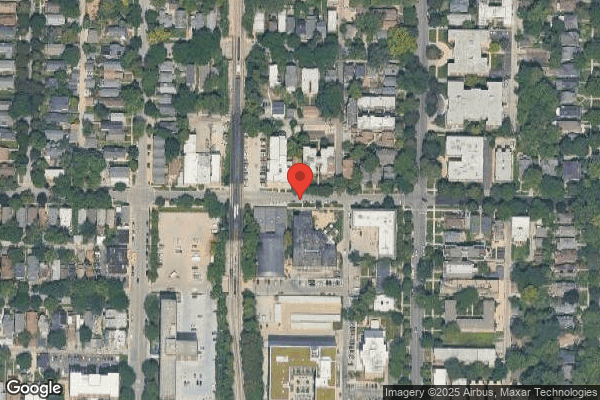
820 FOSTER STREET, EVANSTON, IL 60201 (847) 492-7700
For profit - Limited Liability company 158 Beds PEARL HEALTHCARE Data: November 2025 1 Immediate Jeopardy citation
Trust Grade
33/100
#272 of 665 in IL
Last Inspection: May 2025

Inspected within the last 6 months. Data reflects current conditions.

Overview

Pearl of Evanston has a Trust Grade of F, indicating poor performance with significant concerns. Despite this, it ranks #272 out of 665 nursing homes in Illinois, placing it in the top half of facilities in the state, and #85 out of 201 in Cook County, meaning just a few options are better locally. The facility is improving, having reduced its issues from 10 in 2024 to 4 in 2025, yet it still has a concerning history, including a critical finding where a resident was physically assaulted, resulting in a wrist fracture. On a positive note, staffing is relatively stable with a turnover rate of 22%, well below the state average, which helps foster a familiar environment for residents. However, the facility has incurred $76,068 in fines, which is average but suggests ongoing compliance issues, and while RN coverage is average, specific incidents raise serious red flags about resident safety and care.

Trust Score
F
33/100
In Illinois
#272/665
Top 40%
Safety Record
High Risk
Review needed
Inspections
Getting Better
10 → 4 violations
Staff Stability
✓ Good
22% annual turnover. Excellent stability, 26 points below Illinois's 48% average. Staff who stay learn residents' needs.
Penalties
○ Average
$76,068 in fines. Higher than 53% of Illinois facilities. Some compliance issues.
Skilled Nurses
○ Average
Each resident gets 41 minutes of Registered Nurse (RN) attention daily — about average for Illinois. RNs are the most trained staff who monitor for health changes.
Violations
⚠ Watch
22 deficiencies on record. Higher than average. Multiple issues found across inspections.
★★★☆☆
3.0
Overall Rating
★★★☆☆
3.0
Staff Levels
★★★★☆
4.0
Care Quality
★★★☆☆
3.0
Inspection Score
Stable
2024: 10 issues
2025: 4 issues

The Good

  • 4-Star Quality Measures · Strong clinical quality outcomes
  • Low Staff Turnover (22%) · Staff stability means consistent care
  • Full Sprinkler Coverage · Fire safety systems throughout facility
  • No fines on record
  • Staff turnover is low (22%)

    26 points below Illinois average of 48%

Facility shows strength in quality measures, staff retention, fire safety.

The Bad

3-Star Overall Rating

Near Illinois average (2.5)

Meets federal standards, typical of most facilities

Federal Fines: $76,068

Well above median ($33,413)

Moderate penalties - review what triggered them

Chain: PEARL HEALTHCARE

Part of a multi-facility chain

Ask about local staffing decisions and management

The Ugly 22 deficiencies on record

1 life-threatening 2 actual harm
Aug 2025 2 deficiencies
CONCERN (D) 📢 Someone Reported This

A family member, employee, or ombudsman was alarmed enough to file a formal complaint

Potential for Harm - no one hurt, but risky conditions existed

Quality of Care (Tag F0684)

Could have caused harm · This affected 1 resident

**NOTE- TERMS IN BRACKETS HAVE BEEN EDITED TO PROTECT CONFIDENTIALITY** Based on observation, interview, and record review the facility failed to provide needed care and services in accordance with re...

Read full inspector narrative →
**NOTE- TERMS IN BRACKETS HAVE BEEN EDITED TO PROTECT CONFIDENTIALITY** Based on observation, interview, and record review the facility failed to provide needed care and services in accordance with resident's goals for care and professional standard of practice. This deficiency affects one (R3) of three residents reviewed for Quality of care. Findings include: On 8/26/25 at 9:39AM called V11, Family member of R3, regarding complaint presented to IDPH but unable to leave message due to voicemail being full.On 8/26/25 at 9:45AM, V1 Administrator and V2 Director of Nursing (DON) denied complaint allegation of V11 R3 is being left soiled in bed for prolong periods of time.On 8/26/25 at 10:20AM, Observed R3 lying on bed with enteral feeding connected to gastric tube (GT) in progress. R3 was awake but no verbal response. Observed nystatin powder medication 100,000 units per gram labeled with R3's name and instruction of apply under the breast every day as needed and Nystatin and triamcinolone Acetonide cream USP 60 grams not labeled. Both are on top of bedside drawer. V3 WCC (Wound Care Coordinator) said both medications should not be at bedside and should be kept in medication or treatment cart to be applied by the nurse. V3 said medications are only kept it at bedside due to family request. V3 said they could keep treatment medication at bedside if there is a physician order. V3 added R3's daughter applied the medications to R3 when they come to visits. V3 said it should be in included in R3's care plan. R3 is on EBP due to GT and open wound on left foot. Observed bilateral heel protector in placed. R3 is on bariatric bed with LAL (Low air loss) mattress with flat sheet and cloth pad over the mattress. R3 wears disposable adult briefs. V3 WCC said cloth pad was placed over R3's LAL mattress per family request. V3 added it should be in R3's care plan. On 8/26/25 at 10:26AM, V9 CNA (Certified Nurse Assistant) said she is the CNA assigned for R3. V9 said R3 needs total care with ADLs and transfers. They use mechanical lift on her 1x/week to be up on chair for activity. V9 said they need 2 persons to provide care to R3. V9 is aware family installed surveillance video camera in R3's room. She said she has not provided morning care for R3. V9 has not checked R3 since she came in but R3 was changed late by night shift around 9 am. On 8/26/25 at 10:33AM, Observed R3's disposable brief soaked with large amount of loose brown stools and urine. V9 CNA said she has not checked R3 because the night shift provided her incontinence care around 9am- 9:30am. V9 said she is she is going room to room chronologically to provide morning care. V9 said she was recently hired, and this is only her 1st week to this unit. V3 WCC said they should be checking R3 for incontinence every 2 hours. Observed V9 CNA cleanse perineal area and groin area then R3 was repositioned to her right side. V3 WCC cleansed the sacral area. V9 CNA then applied barrier cream with her soiled gloves. Both V9 and V3 said she should change gloves after providing incontinence care and before applying barrier cream to clean buttocks. V9 then took the soiled brief and cloth pads out of the room without removing her PPE (Personal protective equipment) to look for soiled linen cart. V9 removed her gloves and donned new pair of gloves without performing hand hygiene. On 8/26/25 at 10:49AM, Informed V9 of observations made. Both V9 and V3 said V9 should place the soiled brief and cloth pad in a plastic bag, removed the PPE and performed hand hygiene before getting out of the room. Both added V9 should have performed hand hygiene before donning new pair of gloves. On 8/26/25 at 12:23PM, V16 Family member of R3 showed to surveyor Surveillance video camera they installed inside R3's room showing no CNAs provided care to R3 between 6:30am to 10:30am. V16 said her sister V11, called her to go to the facility when she saw from the surveillance video surveyor came with nursing staff observing them providing care to R3. V16 showed 2 nursing employees (1 female without PPE, only wearing gloves and 1 male wearing PPE- mask, gown, and gloves) providing incontinence care to R3 at 6:05 AM to 6:23AM. No one came to check R3 for incontinence not until surveyor came around 10:30am. Surveyor spoke with V11 family member over the phone regarding concerns she called to IDPH. Both denied they requested nystatin powdered and cream medications at bedside. Both also denied they applied the medications to R3. Both denied they requested cloth pad over the mattress. Both said they are aware multi layers of linen will impede the purpose of the LAL mattress. On 8/26/25 at 1:20PM Informed both V1 Administrator and V2 DON (Director of Nursing) of concerns identified. On 8/27/25 at 9:53AM, V21 CNA said she and V22 CNA provided incontinence care to R3 on 8/26/25 around 6:00AM. Both said they are aware the family installed surveillance video camera inside R3's room. V21 said she forgot to wear proper PPE when providing care to R3. V21 is aware R3 is on EBP, and V21 should wear appropriate PPE when providing incontinence care. On 8/28/25 at 10:30AM, V2 DON presented staff in-services for concerns identified for R3. On 8/28/25 at 1:36PM, reviewed facility's video surveillance camera on 2nd floor hallway of where R3's room is located with V26 admission as requested by V1 Administrator. The surveillance video showed at 6:05am to 6:33am, 2 CNAs and 1 nurse came to R3's room. At 7:00am CNA went inside the room for 15 seconds. At 7:23am Nurse went inside the room for 15 seconds. At 8:15am to 8:22am nurse went inside the room with medications. At 9:04am, CNA went for 15 seconds to bring linens. At 9:23am Housekeeping went inside the room. At 10:08am Housekeeping went inside the room. At 10:26am to 10:49am Surveyor, CNA and WCC went inside the room. Showed also in the video CNA came out from the room with PPE holding on to soiled brief and cloth pad, looking for the soiled linen cart to bring outside R3's room. Informed V26 the video surveillance showed the nursing staff failed to check for incontinence every 2 hours. R3 is nonverbal and incontinence of bowel and bladder. R3 needs total assist with ADLs. R3 needs to be repositioned to be check for incontinence. On 8/28/25 at 2:01PM, Informed V27 VP of clinical operations of concerns identified in facility's surveillance video. V28 said they don't have written policy on checking/rounding resident every 2 hours for incontinence care but it's the standard practice of the facility. R3 is initially admitted on [DATE] and re-admitted on [DATE] with diagnosis listed in part but not limited to hemiplegia and hemiparesis following cerebral infarction affecting right dominant side, Aphasia, Acute embolism thrombosis of deep vein of left upper extremity, Type 2 diabetes mellitus, Peripheral vascular disease, Dysphagia. Active physician order sheet for August 2025 indicated: Nystatin external powder 100,000 unit/gm apply to under breast topically every hour and as needed for redness. No order found for Nystatin and triamcinolone Acetonide cream USP 60 grams. Comprehensive care plan indicated: R3 is nonverbal but can comprehend and understand. She has communication challenges related to expressive aphasia. She has potential/at risk for skin impairment in skin integrity related to incontinent and need of assistance with bed mobility and incontinent care. Intervention: Pressure redistribution mattress. She is on EBP related to left foot wound and gastric tube feeding. She has fungal dermatitis to skin folds (Nystatin powder active). Intervention: Apply medication as ordered. She has an ADL (Activity of Daily living) self-care performance deficit. Care plan indicated R3's family member did not request for treatment medications to be at bedside and application of cloth pad over the Low air loss mattress. Facility's policy on Incontinence care review date 3/9/25 indicated: General: Incontinence care is provided to keep residents as dry, comfortable and odor free as possible. It also helps in preventing skin breakdown. Guideline: 4. Removed soiled clothing and linen. Doff gloves and perform hand washing. 5. Clean peri area with appropriate cleanse and dry. Doff gloves and perform hand hygiene7. Apply barrier cream if appropriate.10. Dispose of soiled clothes and linen in appropriate areas. Remove gloves.11. Wash hands. Facility unable to provide policy on checking for incontinence care every 2 hours. Facility's policy on Medication storage in the facility November 2021 indicated: Procedures: B. Only licensed nurses, pharmacy personnel and those lawful authorized to administer medications permitted to access medications. Medication rooms, carts and medication supplies are locked when not attended by the persons with authorized access. Facility's policy on Physician orders review date 3/20/25 indicated: Policy: 1. Licensed Professional nurses/registered nurses will follow orders from physicians. 2. All completed orders are entered in the HER.Facility's policy on Specialty mattress review date 5/24/25 indicated: Procedure: 1. As per manufacturer guidelines, no more than 1 piece of linen will be placed between the mattress and the resident. Facility's policy on Enhanced barrier precautions (EBP) review date 10/2024 indicated: General: EBP is an approach of targeted gown and gloves use during high contact resident care activities. Examples of high contact resident care activities: *Providing hygiene*Changing briefs or assisting with toileting
CONCERN (D) 📢 Someone Reported This

A family member, employee, or ombudsman was alarmed enough to file a formal complaint

Potential for Harm - no one hurt, but risky conditions existed

Deficiency F0688 (Tag F0688)

Could have caused harm · This affected 1 resident

**NOTE- TERMS IN BRACKETS HAVE BEEN EDITED TO PROTECT CONFIDENTIALITY** Based on interview and record review the facility failed to complete and monitor ongoing Restorative assessment after admission ...

Read full inspector narrative →
**NOTE- TERMS IN BRACKETS HAVE BEEN EDITED TO PROTECT CONFIDENTIALITY** Based on interview and record review the facility failed to complete and monitor ongoing Restorative assessment after admission to attain or maintain resident's individual highest functional level. The facility also failed to follow therapy discharge recommendation to Restorative nursing without comprehensive assessment. This deficiency affects one (R1) of three residents reviewed for Restorative Program. Findings include: On 8/26/25 at 10:01AM and at 2:22PM, V19 Family member called regarding her concerns presented to IDPH and left message but did not call back. R1 was admitted on [DATE] with diagnosis listed in part but not limited to Alzheimer's disease, Chronic kidney disease, Disorder of muscle, Dysphagia, Underweight, Protein calorie malnutrition. Restorative admission assessment done on 8/13/24. No succeeding restorative assessment was done since admission. Therapy Physical and Occupational therapy discharge recommendation to restorative nursing on 2/24/25 indicated: Active range of motion exercise, minimal assist for bed mobility, minimal assist for transfer and minimal assist with rolling walker for at least 1 lap for walking. Physician order form as of 7/24/25 did not indicated that R1 was on restorative program. Most recent MDS/resident quarterly assessment section O Special treatment and programs 0500 Restorative Nursing Programs indicated: Active range of Motion (AROM) marked 6 days Walking marked 6 days. Reviewed R2's restorative log 7 days prior to discharged from the hospital indicated that staff still marked participated in AROM and walking program on 7/25/25 despite R2 was discharged to hospital on 7/24/25. The restorative log indicated that R2 did not participated in program from 7/17/25 to 7/24/25 except for 7/23/25 which staff indicated that he participated for both AROM and walking but there was discrepancy because of nursing progress notes dated 7/23/25 indicated R1 was very weak, lethargic and failure to thrive. Comprehensive care plan indicated R1 needs to maintain ROM trough self-performance related to cognitive deficit and risk of fall. R1 exhibits decreased in ability to dress self-related to decline cognition. R1 has an ADL (Activity of daily living) self-care performance deficit related to Alzheimer's, fall risk, impaired balance. R1 needs assistance to ambulate and would benefit from ambulation program to maintain current abilities related to disorder of muscle. R1 demonstrates cognitive impairment related to dementia. R1 has communication challenges due to dementia. R1 has nutritional problem or potential nutritional problem related to medical history. R1's care plan interventions were not updated since admission. On 8/27/25 at 9:59AM, V4 Restorative Nursing denied complaint allegations presented by V19 Family member/daughter of R1 that the facility failed to maintain mobility post rehab despite of repeated family request and lack of an active restorative /mobility plan in the facility. Reviewed R1's medical records with V4 which indicated that V4 only did initial/admission restorative assessment of R1 on 8/13/24. V4 said he forgot to do follow up assessment as indicated in their policy. V4 said restorative assessment is done upon admission, quarterly, annual, and as needed. R1 was on ROM and walking program during her stay in the facility. V4 said he only selected 2 programs from therapy discharge recommendations to Restorative nursing. V4 said he did not complete restorative assessment when R2 was discharged from therapy to Restorative nursing. On 8/27/25 at 2:00PM, Informed V1 Administrator and V2 DON of concerns identified with Restorative program, On 8/28/25 at 11:30Am, Reviewed facility's policy on Restorative program and informed concerns identified with V4 Restorative Nurse. Facility's policy on Restorative Nursing Program reviewed 8/18/24 indicated: Intent: it is the policy of the facility to assist each resident to attain and or maintain their individual highest most practicable functional level of independence and well-being, in accordance with State and federal regulations. Procedure: 1. Each resident will be screened and or evaluated by the Nurse designated to oversee the Restorative nursing process for inclusion into the appropriate facility restorative nursing program when it has been identified by the interdisciplinary team that the resident is in need or may benefit from such programs. 2. The facility restorative nursing program will include but not limited to the following programs: a. Hygiene- bathing, dressing, grooming and oral careb. Mobility- transfer and ambulation, including walking, prosthetic and or splintc. Elimination- toileting, bowel, and bladderd. Dining- eating, including meals and snackse. Communication- including speech language, other functional communication systems.4. The above program will be documented on the facility designated restorative care forms/tools in the resident's electronic medical record. 5. Based on clinical evaluation and ongoing consideration residents may be placed in one or more of the above listed programs at one time.6. The designated nurse will be responsible for the following: a. Obtaining orders for the resident's restorative programb. Documentation monthly (at a minimum) and c. Initiation and updating restorative care plans7. Once in an appropriate restorative nursing program, the designated nurse will continue to monitor the resident's progress8. The designated nurse will evaluate the restorative documentation monthly to determine if there are any changes needed to the existing program and make a monthly progress note, in the resident's electronic medical record related to this evaluation.
May 2025 1 deficiency 1 Harm
SERIOUS (G)

Actual Harm - a resident was hurt due to facility failures

Accident Prevention (Tag F0689)

A resident was harmed · This affected 1 resident

**NOTE- TERMS IN BRACKETS HAVE BEEN EDITED TO PROTECT CONFIDENTIALITY** Based on interviews and record review the facility failed to supervise a resident at high risk for falls with history of falls; ...

Read full inspector narrative →
**NOTE- TERMS IN BRACKETS HAVE BEEN EDITED TO PROTECT CONFIDENTIALITY** Based on interviews and record review the facility failed to supervise a resident at high risk for falls with history of falls; failed to train nursing staff to recognize resident's physical ability and level of assistance; and failed to implement measures to prevent a fall for 1 of 2 (R17) residents reviewed for falls in the sample of 55. These failures resulted in R17 being emergently transferred to the hospital and admitted with left hip fracture that required surgical intervention. Findings include: R17 is a [AGE] year-old female admitted to the facility on [DATE] with diagnosis including but not limited to Type 2 Diabetes Mellitus with Diabetic Neuropathy; Heart Failure; Restless Legs Syndrome; Generalized Anxiety Disorder; Major Depressive Disorder; Reduced Mobility Difficulty in Walking; Lack of Coordination; Unspecified Fall; Repeated Falls. According to R17's MDS (Minimum Data Set) assessment dated [DATE] under section C, R17 has BIMS (Brief Interview of Mental Status) score of 7 indicating severe cognitive impairment. According to R17's MDS (Minimum Data Set) assessment dated [DATE] under section GG, shows that R17 requires supervision or touching assistance to walk 10 feet, refused to be assisted to walk 50 feet, and requires partial/moderate assistance in toileting hygiene. R17's fall history shows R17 fell on [DATE], 02/04/2025, 03/18/2025, and 03/27/2025. R17's fall risk assessment dated [DATE] shows R17 scored 18 indicating high risk for falls. R17's fall care plan initiated 12/10/2023 reads in part, (R17) has potential for falls, functional deficits, history of falls, muscle weakness, admitted with a diagnosis of non-displaced rib fracture right 4th-7th ribs and left 5th, and 6ht ribs s/p fall, has RLS. Interventions: Anticipate and meet resident needs; Assist resident to get up and out of bed during the night; Check on resident frequently and place resident in visible view of staff when up in chair as resident will allow; Encourage and assist as needed to wear non-slip footwear; Get to know residents habits to anticipate resident's needs; Provide adequate lighting. R17's ADLs care plan initiated 09/10/2024 reads in part, (R17) has an ADL Self Care Performance Deficit r/t Decreased motivation, fall risk, Lack of motivation, Pain, Refusal to complete ADL tasks, weakness/deconditioning. Interventions: TOILET USE: Provide total assistance; TRANSFER: The resident requires total assist (Hoyer lift) with transfer (Date Initiated: 03/11/2025). On 05/12/25 at 12:46 PM R17 sitting in the reclined specialty chair by the room. R17 not interviewable. On 05/13/25 at 01:26 PM V8 (Family Member) said, I visit R17 all the time, I live only few minutes away from the facility. Before R17's fall (on 03/18/2025), R17 was pretty stable with walking with the walker. R17 would always go to the bathroom by herself. I don't know if she should have gone by herself, but she did. At the time of the fall, R17 was residing on the third-floor unit. R17's room was all the way at the end of the hallway, far from the enclosed nursing station. V8 started to cry and said, They ruined mine and her life by not preventing the fall, she's not the same anymore. That day (03/18/2025), I brought in food for R17 and left around 09:30 PM - 10:00 PM. I woke up the following morning and noticed missed call form the facility. V16 (Registered Nurse) said in the voicemail that R17 initiated emergency call light in the bathroom but by the time staff went into R17's room, she already attempted to go back to the bed, and fell in the middle of the room. That made me wonder how long she waited in the bathroom before she decided to attempt to go back to the bed. R17 was sent out to the hospital, had broken the hip, followed by surgery, and came back after 10 days. I tried asking her what happened but R17 doesn't remember. R17 is so different now. R17 only needed minimal assistance before the fall, and now she cannot even sit up in the chair and doesn't really talk either whereas before we talked all the time. R17's condition declined tremendously. On 05/14/25 at 09:29 AM V10 (Certified Nurse Assistant) said, I worked on 3/17/2025 11:00 PM to 7:00 AM. Around 1:15 AM, R17's call light went off. I went to answer it and as I headed down to the room I heard her fall. R17 initiated the emergency bathroom call light. When emergency call light is initiated, it gives different sound, so I recognized it and started walking fast but didn't make it to R17's room before she got off the toilet. When I walked into the room, I saw R17 sitting on the floor with the walker in the front of her. I notified V16 (RN) right away, and he came in to assessed R17. I don't think R17 speaks English, but V16 (RN) asked her if she was in any pain and checked for injuries but there was no injury. We used the sit-to-stand lift to put R17 back in the bed and both, me, V9 (Certified Nurse Assistant), and V16 (RN) waited for an ambulance. I was not assigned to R17 that night, V9 (CNA) was. Everybody was checking on R17 frequently because she is not compliant and goes to the bathroom by herself. Surveyor asked what level of assistance R17 needs when going to the bathroom and what is her cognitive condition, V10 (CNA) said, R17 was supposed to be assisted to go the bathroom. I don't know how her cognitive ability was because she doesn't speak English. When I took care of R17, I used hand gestures. I think the facility uses translators, but I only work night shift, so I don't think they have one who speaks her language at night. R17 was not a high risk fall resident before the fall (03/18/2025) to my knowledge. We just had to watch her when she went to the bathroom. There were no special interventions for R17. V16 (Registered Nurse) not available per V2 (Director of Nursing). Per facility investigation report, V16 (Registered Nurse) who was the nurse caring for R17 at the time of the fall (03/18/2025), stated that he was called by V10 (CNA) to be notified that R17 was found on the floor in her room. V16 (RN) stated that he went immediately to R17's room and saw R17's walker and shoes next to the R17. V16 (RN) assessed R17 and concluded there were no injuries; however, R17 complained of the left leg pain. On 05/14/25 at 12:18 PM V2 (Director of Nursing) /Fall Coordinator) said, R17 was admitted on [DATE], she came into the facility for post fall rehab. R17 walked independently 50 feet with the walker, prior to the fall (03/18/2025). R17 always wants to do everything on her own. On 03/18/2025 she had unwitnessed fall. R17 went to the bathroom by herself and pulled the call light. V10 (Certified Nurse Assistant) headed to the room and found R17 on the floor. V16 (RN) came in immediately and assessed R17. R17 pointed to the pain in the abdomen and a little later in the left leg. R17 was send to the hospital. She suffered left hip fracture and had subsequent surgery. R17 has diagnosis of hypertensive urgency that can cause weakness, dizziness, and syncope. It is hard to determine if R17's blood pressure was elevated right before the fall, so it could have been a contributing factor to R17's fall but it is hard to determine. Some other contributing factors were lack of light in the room and inappropriate footwear, R17 wore sandals. R17 was not able to verbalize what happened. Nursing staff does Purposeful Rounding to anticipate residents' needs. We know R17 likes to do things on her own, so the best way to prevent her from falling would be purposeful rounding. Need anticipation is recognized by purposeful rounding even though she doesn't speak English and her cognition is severely impaired. We determined that the root cause of R17's fall was poor safety awareness, no call for assistance, hypertensive urgency, lack of lighting in the room, and inappropriate footwear. On 05/14/25 at 12:42 PM V9 (Certified Nurse Assistant) said, I worked on 03/17/2025 11:00 PM - 7:00 AM. On 03/18/2025 between 1:00 AM - 2:00 AM, R17 pulled the call light. I was in the nursing station, and as I heard the call light, I headed out to R17's room which was the last room on the hallway. By the time I got to R17's room, V10 (CNA) was already there. V10 (CNA) told me that she found her on the floor. R17 was assigned to me that night. R17 was always independent and did everything for herself. R17 needed only supervision, such as hand her a brief, etc. Normally, we round on assigned residents every hour on the night shift. The last time I saw R17, was around 1:00 AM. I'm not sure what happened. I don't know about any prior falls R17 might have had. She was never at risk for falls before 3/18/2025. There were no special interventions to prevent R17 from falling. I don't know what Purposeful Rounding is, I haven't heard of it. Surveyor asked how she anticipates R17's needs when R17's cognition is severely impaired and she doesn't speak English, V9 (CNA) said, Normally, I would point to the item and R17 would nod her head. There is no other way to communicate with her, I don' know about any interpreting devices. On 05/14/2025 2:27 PM V15 (Nurse Practitioner) said, I'm very familiar with R17. R17 is a loner, alert x2, very independent, and, before the fall, ambulatory. R17 took herself to the bathroom back and forth all the time. I was notified of R17's fall on 3/18/2025. I was told that R17 was using the bathroom and was later discovered on the floor. R17 was complaining of pain in the hip, so I placed an order to send R17 to the hospital. R17 has never fallen like that before. Best interventions to prevent falls is to do rounds and monitor when residents are in bed, also, to let me know right away after each fall. Staff should monitor residents every 4 hours especially at night, or however often the facility fall protocol is. V16's progress note dated 03/18/2025 reads in part, (At) 2:10 AM Writer was notified by CNA who responded to (R17's) bathroom call light. (R17) was found by the CNA on the floor near her walker, a few feet from her bed. (R17) unable to describe events leading to the fall. HTT (head-to-toe) assessment done, claimed to have not hit her head on the floor, no observable bumps or bruises, complained of abdominal pain and was also holding her abdomen with facial grimace observed. BUE (bilateral upper extremities) and BLE (bilateral lower extremities) symmetrical in length, no internal or external rotation observed. Transferred to wheelchair, by 2 person assist and later to bed. Later observed to be having left leg pain but would not verbalize or confirm leg pain. V/S (vital signs) showed elevated BP 202/112. Other VS within normal limits. 2:40 (AM) (V15 (Nurse Practitioner notified and with orders to send patient to ER for further evaluation. Placed 911 Call. 2:50 (AM) (R17) brought to (local) ER. 2:55 (AM) Called (V8 Family Member), did not pick up. Left VM message. (R17) is ambulatory, able to toilet self and able to use the call button. Was last seen in her room [ROOM NUMBER]:15 AM. Per hospital record, progress note written by V12 (ER Physician) dated 03/18/2025 reads in part, (R17) is a 90 y.o. female with PMH of dementia, CHF, HTN, Hyperthyroidism, 4 cm AAA, and internal hemorrhoids, seen for medical co-management and risk stratification following unwitnessed fall c/b femur fracture. L intertrochanteric femur fracture; ground level fall at SNF, unwitnessed; found to have L intertrochanteric femur fracture on imaging; defer to surgical service for management periprocedural abx., analgesia, DVT ppx/AC; bowel regimen; and urinary symptoms. The facility Fall Prevention and Management policy dated 10/29/21 reads in part, The facility is committed to its duty of care to residents and patients in reducing risk, the number and consequences of falls including those resulting in harm and ensuring that a safe patient environment is maintained. Procedures include Fall Risk Screening which include All residents and patients will be considered at risk for falling, regardless of fall risk score. High risk residents and patients for falls will receive individualized interventions as appropriate to risk factors. Fall Interventions include Universal Fall Precautions/Facility Fall Protocol will be implemented to all residents admitted to the facility regardless of risk scores. Fall Focus Program will be implemented to ensure purposeful rounding addresses residents positioning, pain, personal needs, personal items within reach, perils/safety hazards, and peaceful environment upon admission and throughout resident's stay.
Feb 2025 1 deficiency
CONCERN (D) 📢 Someone Reported This

A family member, employee, or ombudsman was alarmed enough to file a formal complaint

Potential for Harm - no one hurt, but risky conditions existed

Pressure Ulcer Prevention (Tag F0686)

Could have caused harm · This affected 1 resident

**NOTE- TERMS IN BRACKETS HAVE BEEN EDITED TO PROTECT CONFIDENTIALITY** Based on interview and record review the facility failed to follow the physician orders to complete wound care daily as ordered ...

Read full inspector narrative →
**NOTE- TERMS IN BRACKETS HAVE BEEN EDITED TO PROTECT CONFIDENTIALITY** Based on interview and record review the facility failed to follow the physician orders to complete wound care daily as ordered by the physician for one of three residents (R3) reviewed for pressure ulcer. Findings include: R3 face sheet shows R3 is [AGE] year-old male with diagnosis of fracture femur, abnormal gait and mobility, dysphagia, cognitive deficits, lack of coordination, hyperlipidemia, thrombocytopenia, BPH, glaucoma, urinary device, asthma, hypertensive heart and chronic kidney disease with heart failure, hypertension, and stage 3 kidney disease. R3 physician order sheet dated 1/2/2025 shows orders for skin sacrum, cleanse area with wound cleanser, pat dry, apply Medi-honey and calcium alginate and cover with dry dressing one time a day for wound care. R3 treatment administration record dated 2/1/2025 for skin sacrum, there is no initials documented denoting that treatment was rendered. R3's treatment record dated 2/2/2025 for skin sacrum shows there is no initials documented denoting treatment was rendered. On 2/21/25 at 11:29am V7 (Wound care nurse) said she does not have documentation denoting wound care was rendered to R3 on 2/1/25 and 2/2/25. V7 said the treatment administration record is signed after treatment is complete. Facility policy procedure for clean dressing change dated 10/2022 denotes in-part it is the policy of the facility to ensure change dressing in accordance with state and federal regulations, and national guidelines. Verify and review physician orders for procedure. Identify the resident and explain he procedure. Cleanse wound with gauze and prescribed cleaning solution using outward stroke. Apply clean dressing as ordered. Documented the completion of dressing change on the treatment record. R3 physician wound care record denotes on 2/4/2025 unstageable pressure injury to sacrum, measures 11x11x 0.8 cm (centimeters) with undermining of 0.5 cm at 12'oclock. Wound is 30% necrotic tissue, 70% devitalized, non-blanchable tissue. Moderate serous exudate. Odor present. Deteriorated in surface area. Request was made to review supporting documentation denoting R3 received wound care treatment on 2/1/25, and 2/2/2025. The facility failed to present documentation denoting wound care treatment was rendered on 2/1/2025 and 2/2/2025 upon exit of this survey. Facility did not present information that R3 refused wound care on 2/1/25 and 2/2/25 upon exit of this survey.
Nov 2024 2 deficiencies
CONCERN (D) 📢 Someone Reported This

A family member, employee, or ombudsman was alarmed enough to file a formal complaint

Potential for Harm - no one hurt, but risky conditions existed

Investigate Abuse (Tag F0610)

Could have caused harm · This affected 1 resident

**NOTE- TERMS IN BRACKETS HAVE BEEN EDITED TO PROTECT CONFIDENTIALITY** Based on interviews and record reviews, the facility failed to investigate thoroughly and report an altercation of potential abu...

Read full inspector narrative →
**NOTE- TERMS IN BRACKETS HAVE BEEN EDITED TO PROTECT CONFIDENTIALITY** Based on interviews and record reviews, the facility failed to investigate thoroughly and report an altercation of potential abuse. This applies to two residents: (R1 and R2) of six residents reviewed for potential abuse. Findings Include: R1 is a [AGE] year old male originally admitted on [DATE] with medical diagnosis that includes but not limited to: Parkinson's disease without dyskinesia, anxiety disorder, obsessive compulsive disorder and spinal stenosis. R1 is ambulatory and independent on all activities of daily living. Minimum Data Set (MDS) reads, BIMS (Brief Interview for Mental Status), dated: [DATE] score of 15/15 indicating intact cognition. R2 is a [AGE] year old male originally admitted on [DATE] with medical diagnosis that includes and but not limited to: epilepsy, Alzheimer's disease, and anxiety disorder R2 is wheelchair dependent and is a total care for all activities of daily living. Minimum data set- reads, BIMS (Brief Interview for Mental Status) score of 5/15 indicating a severe cognitive impairment. On 11-2-2024 at 11:10 am V9 (Housekeeping/ Maintenance Aide) said, On 10-10-2024 after dinner probably about 6:00 pm, I was cleaning the floor in the third-floor dining room. R1 was the only person in the dining room. He was sitting at a table by himself using a computer. R2 came into the dining room. R2 was propelling himself in a wheelchair using both hands. R2 approached R1's table. They (R1 and R2) became very loud, screaming at each other. I did not know what had happened. I became so nervous and scared that I ran out of the dining room. I left them alone. I went to look for any nursing staff to come and assist to de-escalate the situation. I know it was my fault for leaving them alone because they could have hurt each other. I do not know how long it took me to find a female nurse at the end of the hallway. I reported to the nurse that R1 and R3 were arguing, and I did not know what to do. V10 (Licensed Practical Nurse) and I went into the dining room, and we saw that a heavy dining room table was flipped over. R1 and R2 appeared to be ok. I do not know who turned over the table. It happened when I was looking for the nurse. V10 came into the room and separated the residents. R1 left the room very upset and said, I am calling the police. The police came at about 6:40 pm. No manager talked or asked me what had happened or requested for me to write any statement. On 11-2-2024 at 10:25 am V1 (Director of Nursing) said, I was told by V14 (Administrator) that R1 and R2 had a verbal altercation. I did not investigate. I did not interview anyone about it. I do not have any file with any reportable or internal investigation for that incident. V14 is the abuse coordinator and is responsible for investigating any alleged abuse incidents. On 11-2-2024 at 12:45 pm V14 (Administrator) said, on 10-10-2024 R1 had a verbal altercation with R2, with no physical contact. V16 (nurse supervisor) and V10 (nurse), reported that the police were here completing a police report. V14 said, I did not report the incident to IDPH, after an altercation and investigation needs to be done. I did not talk to V9 (housekeeper). I should had spoken and obtain an interview and investigate the incident thoroughly. V1 (Director of Nursing) presented police titled: Abuse Prevention Program, undated. Reads: Residents have the right to be free from abuse. The purpose of this policy and abuse prevention program is to describe the process for identification, assessment, and protection of residents from abuse. This will be accomplished by: 1. Implementing a system to promptly and aggressively investigate all reports and allegations of abuse. 2. Investigation, as soon as possible after the allegation of abuse, the administrator or designee will initiate an investigation into the allegation which may include: a. Interviewing all persons who may have knowledge of the alleged incident. b. Any staff having contact with the resident during the period of the alleged incident. c. Review all circumstances surrounding the incident. 3. Filing accurately and timely investigation reports.
CONCERN (D) 📢 Someone Reported This

A family member, employee, or ombudsman was alarmed enough to file a formal complaint

Potential for Harm - no one hurt, but risky conditions existed

Deficiency F0943 (Tag F0943)

Could have caused harm · This affected 1 resident

**NOTE- TERMS IN BRACKETS HAVE BEEN EDITED TO PROTECT CONFIDENTIALITY** Based on interview and record review the facility failed to follow its abuse policy by not ensuring: 1. All staff are trained an...

Read full inspector narrative →
**NOTE- TERMS IN BRACKETS HAVE BEEN EDITED TO PROTECT CONFIDENTIALITY** Based on interview and record review the facility failed to follow its abuse policy by not ensuring: 1. All staff are trained and are knowledgeable on how to react to a resident-to-resident altercation. 2. All staff upon hire will have the required abuse, neglect and exploitation training. These failures resulted in two residents R1 and R2 being left alone during an altercation. FINDINGS INCLUDE: R1 is a [AGE] year old male originally admitted on [DATE] with medical diagnosis that includes but not limited to: Parkinson's disease without dyskinesia, anxiety disorder, obsessive compulsive disorder and spinal stenosis. R1 is ambulatory and independent on all activities of daily living. Minimum Data Set (MDS) reads, BIMS (Brief Interview for Mental Status), dated: [DATE] score of 15/15 indicating intact cognition. R2 is a [AGE] year old male originally admitted on [DATE] with medical diagnosis that includes but not limited to: epilepsy, Alzheimer's disease, and anxiety disorder R2 is wheelchair dependent and is a total care for all activities of daily living. Minimum data set- reads, BIMS (Brief Interview for Mental Status) score of 5/15 indicating a severe cognitive impairment. On 11-2-2024 at 11:10 am V9 (Housekeeping/ Maintenance Aide) said, On 10-10-2024 after dinner probably about 6:00 pm, I was cleaning the floor in the third-floor dining room. R1 was the only person in the dining room. He was sitting at a table by himself using a computer. R2 came into the dining room. R2 was propelling himself in a wheelchair using both hands. R2 approached R1's table. They (R1 and R2) became very loud, screaming at each other. I did not know what had happened. I became so nervous and scared that I ran out of the dining room. I left them alone. I went to look for any nursing staff to come and assist to de-escalate the situation. I know it was my fault for leaving them alone because they could have hurt each other. I do not know how long it took me to find a female nurse at the end of the hallway. I reported to the nurse that R1 and R3 were arguing, and I did not know what to do. V10 (Licensed Practical Nurse) and I went into the dining room, and we saw that a heavy dining room table was flipped over. R1 and R2 appeared to be ok. I do not know who turned over the table. It happened when I was looking for the nurse. V10 came into the room and separated the residents. R1 left the room very upset and said, I am calling the police. The police came at about 6:40 pm. No manager talked or asked me what had happened or requested for me to write any statement. V9 said, I did not receive any abuse training. I do not know what to do when abuse is taking place or how to manage the situation. I started working here five months ago. On 11-3-2024 at 11:00 am V5 (licensed Practical Nurse) said, I have been working here for 3 months, and I do not remember having any abuse training. On 11-3-2024 at 11:20 am V19 (Licensed Practical Nurse) said, I have been working here for 2 months. I know about abuse because when I went to Certified Nurse Assistant training in 2021, they explained to me. I have not received any abuse training since I have been working here. On 11-3-2024 at 2:00 pm V23 (Housekeeping Supervisor) said, I am responsible for training the new staff members that come into the department. I did not provide an abuse orientation to V9 because he works in the afternoon and my schedule is in the morning. I will make sure to train him now. On 11-2-2024 at 2:45 pm V1 (director of Nursing) said, All new staff members need to be trained on abuse, the kinds of abuse, what to do if an altercation takes place, not to leave the residents unattended, and who to report the abuse. The abuse coordinator is the administrator (V14). The last abuse review we had was on 10-1-2024 during our town meeting. V1 (Director of Nursing) presented police titled: Abuse Prevention Program, undated. Reads: Residents have the right to be free from abuse. The purpose of this policy and abuse prevention program is to describe the process for identification, assessment, and protection of residents from abuse. This will be accomplished by: 1. Orientating and training employees on how to deal with stress and difficult situations 2. Immediately protecting residents involved in identified reports of possible abuse. 3. During orientation and annually thereafter, staff will receive education about resident abuse.
May 2024 7 deficiencies
CONCERN (D)

Potential for Harm - no one hurt, but risky conditions existed

Resident Rights (Tag F0550)

Could have caused harm · This affected 1 resident

**NOTE- TERMS IN BRACKETS HAVE BEEN EDITED TO PROTECT CONFIDENTIALITY** Based on observation, interview, and record review the facility failed to ensure a resident was treated with dignity and respect...

Read full inspector narrative →
**NOTE- TERMS IN BRACKETS HAVE BEEN EDITED TO PROTECT CONFIDENTIALITY** Based on observation, interview, and record review the facility failed to ensure a resident was treated with dignity and respect. This deficiency affects 1 (R107) of 3 residents in the sample of 25 reviewed for Resident's rights. Findings include: On 5/28/24 at 8:44AM, R107 was sitting in resident lounge area. V18 Physical Therapy Assistant (PTA) standing behind the left side of the chair of R107, asked R107 to stand up to do walking exercise. R107 asked her to go in front of him so he could see her and not have difficulty turning his head to see her. V18 did not listen and continue to ask R107 to stand and do walking exercise with her. R107 said he does not want to walk; he wants to sit and talk to her. R107 asked her again, to come in front of him, so he could see her. V18 continue to ask her to stand up and walk. Surveyor approached both and introduced self. Surveyor informed V18 PTA of observation made that R107 has been asking her to talk to him in front of him and instead of talking behind him. V18 said she should stand in front of R107 when communicating to him. On 5/30/24 at 9:58AM, V21 Acting Therapy director said that when they provide therapy services to resident, they usually introduce themselves, stand in front of the resident with eye contact/eye level and explain the procedure. V21 was informed of above observation and concern. R107 was admitted on [DATE] with diagnosis listed in part but not limited to Dementia, Alzheimer's disease, Cognitive communication deficit. Active physician order sheet indicates: Physical Therapy (PT) clarification orders: skilled PT 3-4x/week for functional mobility retraining, therapeutic exercises, balance and coordination exercises, gait training, group/concurrent treatment as needed, set up exercise program as needed. Facility's policy on Resident's rights reviewed 5/8/23 indicates: Policy statement: Each resident has the right to be treated with dignity and respect. All activities and interactions with residents by any staff, temporary agency staff or volunteers must focus on assisting the resident in maintaining and enhancing his or her self-esteem and self-worth and incorporating the resident's goals, preferences, and choices. When providing care and services, staff will respect each resident's individuality, as well as honor and value their input.
CONCERN (D)

Potential for Harm - no one hurt, but risky conditions existed

Deficiency F0554 (Tag F0554)

Could have caused harm · This affected 1 resident

**NOTE- TERMS IN BRACKETS HAVE BEEN EDITED TO PROTECT CONFIDENTIALITY** Based on observation, interview, and record review the facility failed to ensure no medications were kept at resident 's bedside...

Read full inspector narrative →
**NOTE- TERMS IN BRACKETS HAVE BEEN EDITED TO PROTECT CONFIDENTIALITY** Based on observation, interview, and record review the facility failed to ensure no medications were kept at resident 's bedside without a physician order. The facility also failed to assess resident for safe medication self-administration. This deficiency affects 1 (R8) of 3 residents in the sample of 25 reviewed for medication safety. Findings include: On 5/28/24 at 7:43AM, V16 Registered Nurse (RN) said R8 already took his medications around 5:30am for his 6am medications but she did not sign it. V16 said R8 has his medications in bedside drawers. V16 enumerated the following medications are scheduled for 6am: Spiriva Handihaler inhalation capsule is 18mcg 2 puffs inhale orally daily, Budesonide-Formoterol Fumarate inhalation aerosol 160-4.5 mcg/act 2 puff inhale orally two times a day, Fluticasone-Salmeterol inhalation aerosol powder breath activated 250-50mcg/act 1 puff inhale orally every 12 hours, Combivent Respimat inhalation aerosol solution 20-100mcg/act 1 puff inhale orally four times a day and Diclofenac sodium external gel 1% apply to affected joints topically four times a day. On 5/28/24 at 7:45AM, Surveyor and V16 RN went to R8's room. Observed R8 lying in bed. He is alert and oriented, able to express said he has been taking his medications since he was admitted . R8 showed where he keeps his medications. Observed medications at bedside drawer: Allergy relief 25mg opened bottle, Emergen-C 1000mg 1 box, Fluticasone Salmeterol 100mcg/62.5mcg, Fluticasone Salmeterol 250mcg/50mcg and Combivent Respimat inhalation aerosol solution 20-100mcg/act. Both surveyor and V16 RN cannot find the Budesonide- formoterol fumarate inhalation, Spiriva HandiHaler inhalation and Diclofenac Gel listed on R8's medication administration record. Called for V2 Director of Nursing (DON). On 5/28/24 at 7:50AM, above observation showed to V2 DON. V2 said they don't allow resident to keep medication at bedside without physician orders. V2 added if resident wishes to self-administer his medication the interdisciplinary team will evaluate the resident and call the physician for order. R8 was admitted on [DATE] with diagnosis listed in part but not limited to Chronic Obstructive pulmonary disease (COPD), Chronic congestive heart failure, Age related nuclear cataract bilateral, Osteoarthritis (OA). Active physician order sheet indicates: Spiriva Handihaler inhalation capsule is 18mcg 2 puffs inhale orally daily related to COPD, Budesonide-Formoterol Fumarate inhalation aerosol 160-4.5 mcg/act 2 puff inhale orally two times a day related to COPD, Fluticasone-Salmeterol inhalation aerosol powder breath activated 250-50mcg/act 1 puff inhale orally every 12 hours related to COPD, Combivent Respimat inhalation aerosol solution 20-100mcg/act 1 puff inhale orally four times a day related to COPD and Diclofenac sodium external gel 1% apply to affected joints topically four times a day for OA/pain. No order for Allergy relief 25mg opened bottle and Emergen-C 1000mg 1 box found in R306's bedside drawer. No order to have medications at bedside for self-administration. Facility's policy on Self Administration of Medication reviewed 4/20/23 indicates: Policy statement: it is the policy of the facility to allow the resident and or legal representative of the resident the right to self-administer medication when it has been deemed by the interdisciplinary team it is clinically appropriate. Procedure: 1. The facility will allow the resident to self-administer drugs if the interdisciplinary team (IDT), has determined this practice is safe. Nurse will complete a Self-Administration of Medication Assessment. 2. The admitting Nurse will ask the resident and or responsible party if they are interested in participating in the Self-Administration of Medication Program. 3. When the resident and or responsible party request to participate in the program, the admitting Nurse will inform the resident's IDT. 5. If a resident requests to self-administer drugs, it is the responsibility of the IDT to determine it is safe for the resident to self-administer drugs, before the resident may exercise right. 6. When determining if self-administration is clinically appropriate for resident, the IDT will at a minimum consider the following: a. The medication appropriate and safe for self-administration b. The resident's physical capacity to swallow without difficulty and to open medication bottles. c. The resident's cognitive status, including their ability to correctly name their medication and know what conditions they are taken for; d. The resident's capability to follow directions and tell time to know when medications need to be taken. e. The resident's comprehension of instructions for the medications they are taking including the dose, timing, and signs of the side effects and when to report to facility staff. f. The resident's ability to understand what refusal of medication is and appropriate steps taken by staff to educate when this occurs. g. The resident's ability to ensure medication is stored and securely. 7. The admitting nurse or designee will complete the Self Administration of medication evaluation and report the findings to the unit manager or designee. 8. The IDT team must also determine: a. Who will be responsible for storage medications are stored at the resident's bedside, a lockbox or locked drawer must be used to store the medications. b. Who will be responsible for documentation of the administration of drugs. c. The location of the drug administration 9. Once the resident has deemed safe by IDT an order will be obtained from the resident's physician or physician extender listing the medications may be self-administered, where the medications will be stored, will be stored, who will be responsible for documentation and the location of administration. 10. Appropriate documentation of the above determinations will be documented in the resident's care plan. 12. The resident will be re-evaluated on their ability to continue to self-administer medications in conjunction with the resident assessment instrument. Facility's policy on Medication Administration review date 8/10/23 indicates: Intent: All medications are administered safely and appropriately to aid residents to overcome illness, relieve and prevent symptoms and help in diagnosis. Guideline: 1. An order is required for administration of all medication. 2. Medications are administered by licensed personnel only. 25. Medications will not be left at bedside unless with order from physician.
CONCERN (D)

Potential for Harm - no one hurt, but risky conditions existed

Quality of Care (Tag F0684)

Could have caused harm · This affected 1 resident

Based on interview and record review, the facility failed to obtain a copy of hospice plan of care for 1 of 4 residents (R76) reviewed for quality of care in a sample of 25. Findings include: On 05/2...

Read full inspector narrative →
Based on interview and record review, the facility failed to obtain a copy of hospice plan of care for 1 of 4 residents (R76) reviewed for quality of care in a sample of 25. Findings include: On 05/29/2024 at 11:36AM during record review with V17 (Licensed Practical Nurse), R76's hospice binder was did not contain hospice plan of care coordinated with the facility. On 05/29/2024 at 11:59AM during record review with V8 (Director of Social Services), R76's electronic health records were not observed with hospice plan of care. On 05/29/2024 at 11:36AM during interview with V17, V17 stated that all documents for hospice should be in the hospice binder including the hospice coordinated plan of care. On 05/29/2024 at 11:59AM during interview with V8, V8 stated hospice coordinated plan of care should always be in R76's hospice binder or scanned into R76's electronic health records readily available to access for all staff. Review of R76's Order Summary Report dated 05/29/2024 indicated admission date of 10/30/2021, diagnoses of not limited to unspecified dementia and moderate protein-calorie malnutrition, and order for hospice services with order date of 02/13/2024. Review of facility document entitled Hospice Services Agreement dated 7/5/2018 indicated the following: E. Communication and Hospice Plan of Care With the consent of the Resident Hospice Patient (or his/her legal representative), Hospice shall furnish Nursing Facility with a copy f such Plan of Care. Hospice shall also furnish Nursing Facility with a copy of any modifications to such Plan of Care as soon as possible after such modifications are made. Review of facility document entitled Hospice Program reviewed on 6/5/2023 indicated the following: Procedure: 10. Facility designates our Social Services Director/coordinators to coordinate care provided to the resident by our facility staff and the hospice staff. Responsibilities include: d. Obtaining the following information from the hospice: - The most recent hospice plan of care specific to each resident; 12. Coordinated care plans for residents receiving hospice services will include the most recent hospice plan of care as well as the care services provided by the facility. 13. The coordinated plan of care will reflect the resident's goals and wishes, as stated in his or her advance directives and during ongoing communication with the resident or representative. 14. The coordinated plan of care shall be revised and updated as necessary to reflect the resident's current status.
CONCERN (D)

Potential for Harm - no one hurt, but risky conditions existed

Deficiency F0688 (Tag F0688)

Could have caused harm · This affected 1 resident

**NOTE- TERMS IN BRACKETS HAVE BEEN EDITED TO PROTECT CONFIDENTIALITY** 3. On 05/28/24 at 11:07 AM, R41 was in bed with bilateral elbow hand wrist flexion contracture with no hand rolls in place. On ...

Read full inspector narrative →
**NOTE- TERMS IN BRACKETS HAVE BEEN EDITED TO PROTECT CONFIDENTIALITY** 3. On 05/28/24 at 11:07 AM, R41 was in bed with bilateral elbow hand wrist flexion contracture with no hand rolls in place. On 05/28/24 01:57 PM, V6 (RESTORATIVE NURSE) said R41 should have preventative measures in place for her hands to prevent further contractures. V6 added R41 was discharged from therapy on 5/24/24, and on restorative program for bed mobility. On 5/29/24 at 12:11PM, R41 was observed in bed with bilateral elbow and wrist flexion contracture with no rolls in place. V22 (CERTIFIED NURSE AIDE) said he usually does range of motion in morning and the restorative aide will apply hand rolls. On 5/29/24 at 12:12 PM, V23 (LICENSED PRACTICAL NURSE) said R41 should have her preventative measures in place such as hand rolls and right hand elevated with pillow to decrease her swelling. V23 said range of motion is done by restorative aide. V23 verified that no hand rolls where in place for R41 and right hand not elevated on pillow. On 5/31/24 at 11:50 AM, V36 (RESTORATIVE AIDE) said his responsibilities as a restorative aide include Range of motion, bed mobility, transfers, dressing, ADL care (activities of daily living) and helping the CNA (certified nursing aides) if needed. V36 said therapy sees the resident and then gives recommendations to restorative therapy to follow. V36 said he is not aware of any new recommendations from therapy for R41. V36 said he meets with V6 (RESTORATIVE DIRECTOR) daily and will notify if any new therapy recommendations need to be implemented. Review R41 medical records. R41 was admitted on [DATE] with diagnosis listed in part but not limited to Muscle weakness (Generalized), other lack of coordination, spinal stenosis, site unspecified, age-related osteoporosis without current pathological fracture, and metabolic encephalopathy. Comprehensive care plan did not indicate that restorative program care plan for right hand contractures, until surveyor informed restorative nurse of concern. On 5/28/24 resident care plan indicated Resident has a contracture to right hand. Intervention: Apply carrot splint/rolled towel 1-2 hrs. per patients' tolerance. R41's Occupational Therapy (OT) Therapy to Nursing recommendations indicated discharged recommendation date of 5/24/24 to Restorative program recommending towel rolled up in hands or carrot splint per 1-2 hrs. per patient tolerance, elevate Right hand with pillow to decrease/prevent swelling on Right hand. Passive Range of Motion: PROM BUE/BLE. 2. On 05/29/2024 at 11:30AM R3 was observed lying on bed, non-verbal, with right fingers touching the right palm without any hand roll or carrot splint. On 05/30/2024 at 12:20PM during observation with V6 (Restorative Nurse), R3 was observed with right fingers touching the right palm without any hand roll or carrot splint. On 05/30/2024 at 12:20PM V6 stated R3 should have a hand roll or a carrot splint on but will check if there were any most recent occupational therapy (OT) recommendations with R3. V6 stated the current restorative nursing program for R3 includes passive range of motion of left upper extremities and both lower extremities. V6 stated no restorative program currently being provided on right hand. On 05/30/2024 at 3:00PM during interview with V2 (Director of Nursing), V2 stated R3 was not eligible for splint or hand roll at the time of her first admission in the facility but the most recent therapy to nursing recommendations were passive range of motion on both upper and lower extremities as tolerated and active range of motion on both upper and lower extremities as tolerated. Review of R3's Order Summary Report dated 05/29/2024 indicated admission date of 11/29/2022 and diagnoses but not limited to cerebrovascular disease, and hemiplegia and hemiparesis following cerebral infarction affecting right dominant side. Review of R3's Therapy to Nursing Recommendations dated 11/07/2023 indicated Restorative Recommendations of passive range of motion on both upper and lower extremities as tolerated and active range of motion on both upper and lower extremities as tolerated. Review of R3's facility care plan revised 01/30/2024 indicated passive range of motion (PROM) of left upper extremities in planes as tolerated and both lower extremities to hip, knees, ankles within available range of motion (ROM). Based on observation, interview and record review the facility failed to provide services and treatment to maintain and prevent further decrease in range of motion for 3 of 6 residents (R3, R40, R41) reviewed for range of motion in a sample of 25. Findings include: 1. On 5/28/2024 at 10:50am R40 was observed up in wheelchair with left arm sling and left-hand contracture closed in a fist. On 5/28/2024 at 10:55am R40 said, I've been here for a couple of weeks, and I really want something placed in my hand because I do not want my nails to dig into my skin. It's happened before. On 5/28/2024 at 11:00am V16 (Registered Nurse-RN) observed R40's left hand contracture and said R40 has never had any device in his hand to prevent further contracture I'll notify the restorative nurse. On 5/28/2024 at 1:30pm V6 (Restorative Nurse) said he was familiar with R40 and that he should have preventive measures in place for his left-hand contracture and will have the Occupational therapist evaluate R40 for therapy and recommendations. On 5/30/2024 at 9:38am V21 (Occupational Therapist) said V6 informed her about R40 on 5/28/2024 for evaluation and that a recommendation was put in place to have a carrot placed in his left hand to prevent further contracture or maintain his left hand at the current level. On 5/30/2024 V2(Director of Nursing-DON) said the restorative nurse should evaluate all residents and put in for recommendations as needed and assure that they are carried out. An Order Summary Report dated 5/29/2024 indicated that R40 has a history of left side hemiplegia and hemiparesis following unspecified cerebrovascular disease. A therapy recommendation dated 5/28/2024 for restorative to apply a carrot splint for left hand. A care plan dated 2/20/2024 for Physical and Occupational therapy to evaluate and treat as per medical doctor orders. Facility Policy: Restorative Nursing program Review date 08/20/2023 Intent: It is the policy of the facility to assist each resident to attain and or maintain their individual highest most practicable functional level of independence and well-being, in accordance with state and federal regulations. Procedure: 1. Each resident will be screened and or evaluated by the nurse designated to oversee the restorative nursing process for inclusion into the appropriate facility restorative nursing program when it has been identified by the interdisciplinary team that the resident is in need or may benefit from such program.
CONCERN (D)

Potential for Harm - no one hurt, but risky conditions existed

Accident Prevention (Tag F0689)

Could have caused harm · This affected 1 resident

**NOTE- TERMS IN BRACKETS HAVE BEEN EDITED TO PROTECT CONFIDENTIALITY** Based on observation, interview and record review the facility failed to implement its safety smoking policy to resident who is ...

Read full inspector narrative →
**NOTE- TERMS IN BRACKETS HAVE BEEN EDITED TO PROTECT CONFIDENTIALITY** Based on observation, interview and record review the facility failed to implement its safety smoking policy to resident who is a smoker. This deficiency affects 1 (R6) of 3 residents in the sample of 25 reviewed for Safety Smoking Policy. Findings include: On 5/28/24 at 9:48AM, R6 is alert and oriented x 3, able to express self to others. R6 is ambulatory in steady gait. Observed CPAP (Continuous positive airway pressure) machine at bedside. R6 said she smokes five (5) times a day. R6 said she uses CPAP machine at night due to her sleep apnea. On 5/29/24 at 11:51 AM, V8 Social Service Director (SSD) said that smoking assessment are completed upon resident's admission, quarterly and as needed. Smoking care plan is formulated upon completion of smoking assessment. V8 is aware that he did not complete R6's smoking assessment and care plan until yesterday when surveyor asked for it. V8 said he still getting acclimated to the facility, and he has priority assessment to do, but moving forward it will be done. R6 was admitted on [DATE] with diagnosis listed in part but not limited to Obstructive sleep apnea, Post trauma stress disorder, schizoaffective disorder depressive type. Smoking assessment and care plan were only initiated and formulated on 5/28/24 when surveyor asked for it. Facility's policy on Smoking Residents reviewed 1/8/23 indicates: Policy statement: This facility shall establish and maintain safe resident smoking practices. Policy interpretation and implementation: 6. The resident will be evaluated on admission to determine if he or she is a smoker or non-smoker, evaluation will include: a. Current level of tobacco consumption b. Method of tobacco consumption (traditional cigarettes) c. Desire to quit smoking, if a current smoker d. Ability to smoke safely with or without supervision. 9. Any smoking-related privileges, restrictions and concerns shall be noted on the care plan and all personnel caring for the resident shall be alerted to these issues.
CONCERN (D)

Potential for Harm - no one hurt, but risky conditions existed

Infection Control (Tag F0880)

Could have caused harm · This affected 1 resident

**NOTE- TERMS IN BRACKETS HAVE BEEN EDITED TO PROTECT CONFIDENTIALITY** Based on observation, interview, and record review the facility failed to implement enhanced barrier precaution when providing h...

Read full inspector narrative →
**NOTE- TERMS IN BRACKETS HAVE BEEN EDITED TO PROTECT CONFIDENTIALITY** Based on observation, interview, and record review the facility failed to implement enhanced barrier precaution when providing high contact resident care. This deficiency affects 1 (R97) of 3 residents in the sample for 25 reviewed for Infection Control Protocol. Findings include: On 5/28/24 at 9:38AM, Observed R97's room without Enhanced Barrier Precaution sign posted at the door. No commonly share isolation cart outside the door/hallway that was accessible to staff. R97 was lying in bed. V17 Licensed Practical Nurse (LPN) administered medications and bolus feeding via gastrointestinal tube wearing gloves. V17 did not don gloves when providing high contact care. On 5/29/24 at 10:10AM, V2 Director of Nursing presented updated list of residents on enhanced barrier precaution. R97 is not on the list presented. V2 said the R97 should be included on the list on EBP. V2 said that V17 LPN should wear gloves and gown when she administered medications and bolus feeding via GT to R97. R97 is admitted on [DATE] with diagnosis of Dysphagia oropharyngeal phase, Gastrostomy status, Cachexia, Apraxia. Active physician order sheet indicates on Enhanced Barrier Precautions related gastric tube (GT). Care plan indicates R97 is on enhanced barrier precautions related to presence of GT. Intervention: Wear gloves and a gown for high contact resident care activities-device care of use: feeding tube. Facility's policy on Enhanced barrier precautions review date 10/14/22 indicates: General: Enhanced barrier precautions (EBP) is an approach of targeted gown and glove use during high contact resident care activities, designed to reduce transmission of S aureus and Multidrug Resistant Organism (MDRO). Example of High Contact Resident Care Activities: *Device care or use (Feeding tubes) Responsible party: Nursing, All facility personnel Guideline: 3. When a resident is placed in EBP, gown and gloves will be used during high contact resident care activities. 4. Examples of high contact resident care activities requiring gown and glove use for EBP include: g. Device care or use of a device: feeding tube. 7. Make PPE (personal protective equipment) including gowns and gloves, available and accessible.
CONCERN (E)

Potential for Harm - no one hurt, but risky conditions existed

Deficiency F0761 (Tag F0761)

Could have caused harm · This affected multiple residents

Based on observation, interview, and record review the facility failed to ensure controlled substance/narcotic medications are kept locked compartment in the medication cart; failed to keep the medica...

Read full inspector narrative →
Based on observation, interview, and record review the facility failed to ensure controlled substance/narcotic medications are kept locked compartment in the medication cart; failed to keep the medication cart locked during medication administration when cart was out of site; failed to keep the medications refrigerated as manufacturer recommends; and failed to date the ophthalmic medications after opening. This deficiency affects all nine (R32, R37, R43, R48, R54, R59, R62, R98 and R100) in the sample of 25 reviewed for Medication Safety Storage. Findings include: On 5/28/24 at 6:20AM, in 2nd floor medication room with V15 Registered Nurse (RN) observed medication refrigerator not locked. V15 said the medication refrigerator should be locked at all times. On 5/28/24 at 6:51AM, Observed V14 Nursing Supervisor prepare medications for R32. V14 left the 2 controlled substance/narcotic medication bingo cards- (Lorazepam 1mg oral table 1 tab by mouth every 12 hour and Tramadol HCl 50mg oral tablet 1 tab by mouth as needed for pain) inside the narcotic binder on top of the unlocked medication cart. V14 left the unlocked cart and administered medications of R32. At 6:53am, V30 Central Supply called V14 and asked her to open the supply room. V14 left the unlocked medication cart in the hallway with the 2 narcotic medications left on top on the cart and went with V30. V14 left the med cart from 6:53 and to 6:56am. On 5/28/24 at 6:56AM, Informed V14 Nursing Supervisor of observation made. V14 said that she should keep the controlled substance /narcotic medications in locked compartment in the medication cart after using it. V14 said she should lock the cart when it is out of her site during medication administration. On 5/28/24 at 7:03AM, Counted controlled substance/narcotic meds with V16 RN. Observed Hydromorphone 2mg/ml solution bottle for R59, Lorazepam conc 2mg /ml bottle for R62, Morphine Sulfate 20mg/ml for R62 and Lorazepam con 2mg/ml bottle for R48. All 4 medications indicated manufacturer recommendation to keep it in refrigerator. V16 said they keep all narcotics/controlled medications in the medication cart. V16 added that they should follow manufacturer recommendation and should keep the above medications in the refrigerator for storage after using it. Noted discrepancy of medication dose accounted for R59's hydromorphone solution-controlled substance proof of use form indicated 5/27/24 6am quantity remaining 49ml, 5/27/24 time 6pm, 1ml quantity used, 43ml quantity remaining. On 5/28/24 at 7:13AM, Observed V16 RN prepared medications for R100. Both eye medications- Brimonidine tartrate optha solution and Dosol/timolol 2-0.5% optha solution are not dated when it was opened. V16 said eye medications should be dated when it was opened. Observed V16 left medication cart unlocked when she administered medications to R100. On 5/28/24 at 7:27AM, Observed V16 RN left medication cart unlocked when she administered medication to R37. On 5/28/24 at 7:31AM, Observed V16 RN left medication cart unlocked when she administered medications to R98. On 5/28/24 at 7:36AM, Observed V16 RN left medication cart unlocked when she administered medication to R54. On 5/28/24 at 7:38AM, Observed V16 RN left medication cart unlocked when she administered medications to R43. On 5/28/24 at 7:50AM, Informed V2 Director of Nursing (DON) of above concerns. V2 said that medication refrigerator should be kept always locked. They should follow manufacturer's medication for storage. They should keep the medication cart always locked when out of site. They should keep the controlled substance/narcotic medications in locked compartment in medication cart. They should write the date after opening the eye medication. On 5/28/24 at 10:19AM, Checked 5th floor medication room with V6 Restorative Nurse. Observed refrigerator monitoring temperature was not done on 5/28/24. V6 said the 11-7 shift nurse does the monitoring and recording of the refrigerator temperature daily. Also noted that April 2024 monitoring temperature has missing dates of completions- 4/20/24, 4/23/24, 4/25/24, 4/27/24, 4/28/24 and 4/29/24. On 5/28/24 at 11:30AM, V2 DON said that they should monitor and record medication refrigerator daily. Facility's policy on Storage of Medications revision date 5/1/2018 indicates: Policy: Medications and biologicals are stored safely, securely, and properly, following manufacturer's recommendations or those of the supplier. The medication supply is accessible only by licensed nursing personnel, pharmacy personnel or staff members lawfully authorized to administer medications. Procedures: B. Medication rooms, carts, emergency kits/boxes and medication supplies are locked when not attended by persons with authorized access. Temperature A. Medications and biologicals are stored at their appropriate temperatures and humidity according to the United States Pharmacopeia guidelines for temperature ranges. C. Medications requiring refrigeration are kept in a refrigerator at temperatures between 2C (36F) and 8C (46F) with a thermometer to allow temperatures monitoring. Medications requiring storage in a cool place are refrigerated unless otherwise directed on the label. Controlled substances that require refrigeration are stored within a locked box within the refrigerator or a locked refrigerator, at or near the nurses' station or in a refrigerator within a locked medication room per IL Administrative Code section 300.1640 d) labeling and storage of medication. E. The facility should maintain a temperature log in the storage area to record temperature at least once a day. Expiration Dating: E. 1. The nurse shall place a date opened sticker on the medication and enter the date opened and the new date of expiration. Facility's policy on Medication Administration review date 8/10/23 indicates: Guideline: 25. Never leave the medication cart open and unattended.
Feb 2024 1 deficiency
CONCERN (E) 📢 Someone Reported This

A family member, employee, or ombudsman was alarmed enough to file a formal complaint

Potential for Harm - no one hurt, but risky conditions existed

Safe Environment (Tag F0584)

Could have caused harm · This affected multiple residents

Based on observation, interview, and record review the facility failed to provide comfortable water temperature for personal cares for 7 of 7 residents (R4, R7, R9-R13) reviewed for comfortable water ...

Read full inspector narrative →
Based on observation, interview, and record review the facility failed to provide comfortable water temperature for personal cares for 7 of 7 residents (R4, R7, R9-R13) reviewed for comfortable water temperatures in the sample of 13. The findings include: On 2/2/24 at 9:59 AM, the shower room water on the second floor was reading 89 degrees Fahrenheit (F). At 12:10 PM, the second-floor shower room water temperature was reading 86 degrees F and 93 degrees F after 10 minutes of running. On 2/2/24 at 9:50 AM, R10 said the facility has two different showers that can be used and one of them is always cold. On 2/2/24 at 10:00 AM, R11 said, The showers could be warmer, it's not freezing cold, but it is not hot either. On 2/2/24 at 12:51 PM, R7 said the shower room water is cold especially if they do not let it run for a long time before they give you a shower. On 2/2/24 at 11:41 AM, R12 said she just had a shower, and the water was hot and then cold and then hot again and then cold throughout her shower. On 2/22/24 at 12:33 PM, R4's bathroom sink water temperature was reading 90 degrees F. V20 (R4's Spouse) said the water feels warm compared to what it usually is. V20 said it is usually a lot colder than it is now. V20 said it has been a constant problem since December. V20 said when the staff cleans up R4 using the cold water she yells. On 2/2/24 at 12:42 PM, R13's bathroom water temperature was reading 72 degrees F. R13 said the water is always cold and the Certified Nursing Assistants (CNAs) still use it to clean her up. R13 said, I tell them that it is cold and the say, its fine, and continue to use it. R13 said, Have you ever had to get cleaned up with cold water? It's horrible. On 2/22/24 at 12:45 PM, R9's bathroom water temperature was reading 74 degrees F. R9 said the hot water is sometimes freezing cold depending on the time of day. On 2/2/24 at V17 (CNA) said the shower room water does get warm but it has to be on for about 10 minutes or so before it gets warm. On 2/2/24 at 12:07 PM, V18 (CNA) said the shower room water is cold. On 2/2/24 at 10:20 AM, V1 (Administrator) said that in December, they were having trouble with hot water issues, but it was fixed. On 2/2/24 at 1:23 PM, V19 (Maintenance) said water temperatures should be between 100-110 degrees F. V19 said he checks water temperatures randomly and he does see that they fluctuate a lot. The facility's Resident Rooms Policy dated 3/21/21 shows, Resident rooms will be designed and equipped for adequate nursing care, comfort, and privacy of residents. The facility's Safe Environment Policy dated 3/20/20 shows, The facility will provide a safe, clean, comfortable, and homelike environment, which allows the resident to use his or her person belongings to the extent possible. The facility will provide: Housekeeping and maintenance services necessary to maintain a sanitary, orderly, and comfortable interior comfortable and safe temperature levels .
Jul 2023 1 deficiency
CONCERN (E) 📢 Someone Reported This

A family member, employee, or ombudsman was alarmed enough to file a formal complaint

Potential for Harm - no one hurt, but risky conditions existed

Accident Prevention (Tag F0689)

Could have caused harm · This affected multiple residents

**NOTE- TERMS IN BRACKETS HAVE BEEN EDITED TO PROTECT CONFIDENTIALITY** Based on observation, interview, and record review, the facility failed to implement fall care plan interventions and update the...

Read full inspector narrative →
**NOTE- TERMS IN BRACKETS HAVE BEEN EDITED TO PROTECT CONFIDENTIALITY** Based on observation, interview, and record review, the facility failed to implement fall care plan interventions and update the fall care plan to prevent further falls as per its fall policy. This applies to 4 of 8 residents (R3, R4, R7, R8) reviewed for fall. Findings include: 1. R3 is a [AGE] year-old female admitted on [DATE] having severe cognitive impairment as per MDS dated [DATE]. Record review for fall risk assessment dated [DATE] documents that R3 is at high risk for falls. A record review of the last six months' fall log documents falls happened on [DATE] and [DATE] with no major injuries. On [DATE] at 10:05 AM, R3 was observed on a low bed with the call light hanging from the bed. On [DATE] at 10:05 AM, V11 (Registered Nurse - RN) stated, The call light should be within her reach, and I will give her back. On [DATE] at 3:00 PM, R3 was on her bed with a call light on the floor. On [DATE] at 3:00 PM, V13 (Licensed Practical Nurse - LPN) stated, Sometimes certified nursing assistants (CNAs), after changing resident, forgot to give her call light back to the resident. It should be available to residents. 2. R4 is an [AGE] year-old male admitted on [DATE] with moderate cognitive impairment. Record review on admission clinical evaluation with Braden Scale dated [DATE] document R4 is at high risk for falls. A record review of the last six month's fall log documents a series of falls that happened on [DATE], [DATE], and [DATE] without having any major injuries. On [DATE] at 9:30 AM, R4 was in his room with only one-floor padding on his right side. R4 stated that he had a fall last week when he slipped from his wheelchair. On [DATE] at 3:10 PM, observed R4's call light behind the headboard and trapped under the bed wheel. On [DATE] at 3:10 PM, V14 (Certified Nursing Assistant - CNA) stated, The call light is trapped under the wheel. It should be available to the resident, and I will give it to him. On [DATE] at 10:40 AM, V3 (Assistant Director of Nursing - ADON) stated, R4 should have the floor padding on both sides, and I will make sure my staff put it on both sides. 3. R7 is an [AGE] year-old male admitted on [DATE] with severely impaired cognition as per MDS dated [DATE]. The fall risk assessment dated [DATE] documents that R7 is at high risk for falls. A review of the last six months' fall log documents a series of falls that happened on [DATE], [DATE], [DATE], and [DATE] with no significant injury. A review of the fall care plan indicates that no updates to the fall care plan were added after the four recent falls. 4. R8 is a [AGE] year-old female with moderate cognitive impairment per MDS dated [DATE]. A review of the last six months' fall log documents a series of falls that happened on [DATE], [DATE], [DATE], [DATE], [DATE], and [DATE] with no significant injuries. A review of the fall care plan documented any post-fall care plan update following the fall that happened on [DATE], [DATE], and [DATE]. On [DATE] at 12:30 PM, V3 (Assistant Director of Nursing - ADON) stated, Our Director of Nursing (DON) went on maternity leave, and I got behind on updating R7 and R8's post-fall care plan. I will update it to nail down the root cause. On [DATE] at 10:30 AM, observed R8's room with a metal bed frame with no mattress and the blue padding on the floor. On [DATE] at 12:15 PM, R8's room was observed again with an empty metal bed frame and blue padding on the floor. [DATE] at 12:15 PM, V5 (R8's Nurse) stated, R8 can stand up with a walker. I will clean up her floor to be clutter-free. Her roommate expired, and the metal frame shouldn't be there. Record review on R8's fall care plan dated [DATE] document: Environment assessed for any hazard with none identified. The facility presented a Falls Management policy (reviewed 2/23) document: All resident falls shall be reviewed, and the resident's existing plan of care shall be evaluated and modified as needed.
May 2023 1 deficiency
CONCERN (E)

Potential for Harm - no one hurt, but risky conditions existed

Deficiency F0761 (Tag F0761)

Could have caused harm · This affected multiple residents

**NOTE- TERMS IN BRACKETS HAVE BEEN EDITED TO PROTECT CONFIDENTIALITY** Based on observation, interview, and record review, the facility failed to follow pharmacy medication storage and labeling polic...

Read full inspector narrative →
**NOTE- TERMS IN BRACKETS HAVE BEEN EDITED TO PROTECT CONFIDENTIALITY** Based on observation, interview, and record review, the facility failed to follow pharmacy medication storage and labeling policy by not noting and implementing open date labels and by administering medication from soiled bottle. This failure affects 7 of 29 (R2, R6, R7, R55, R74, and R86) residents on unit 3 and 1 of 23 (R9) and remaining 22 residents on unit 4 during the medication storage and labeling task. Findings include: On [DATE] 02:41 PM Surveyor conducted inspection of medication cart on unit 3. Surveyor observed opened and undated medications for: R2 - ProAir HFA Aerosol Solution 108 (90 Base) MCG/ACT (Albuterol Sulfate HFA) - no open date R6 - ProAir HFA Aerosol Solution 108 (90 Base) MCG/ACT (Albuterol Sulfate HFA) - no open date R7 - Symbicort Aerosol 160-4.5 MCG/ACT (Budesonide-Formoterol Fumarate) - no open date R55 - Flonase Suspension 50 MCG/ACT (Fluticasone Propionate) - no open date R74 - Symbicort Aerosol 160-4.5 MCG/ACT (Budesonide-Formoterol Fumarate) and Ventolin HFA Inhalation Aerosol Solution 108 (90 Base) MCG/ACT (Albuterol Sulfate) - no open dates R86 - Insulin Glargine Subcutaneous Solution (Insulin Glargine) - no patient label, no open date On [DATE] at 03:22 PM Surveyor asked V4 (Licensed Practical Nurse) why it is important to date medications upon opening, V4 (LPN) stated, To know how long medication is good for upon opening. That way, we will know when medication is going to be expired and when to stop giving it. On [DATE] at 03:31 PM Surveyor conducted inspection of medication cart 4A on unit 4. Surveyor observed opened and undated medication: Flonase Suspension 50 MCG/ACT (Fluticasone Propionate) - no patient label, no open date (unknown resident) On [DATE] at 03:48 PM Surveyor conducted inspection of medication storage room on unit 4. Surveyor observed opened and undated medication: Tuberculin Purified Protein Derivative (Mantoux) vial - no open date R9 - Lorazepam Oral Concentrate 2 MG/ML (Lorazepam) - box and bottle visibly wet, when turned to the side, medication dripping On [DATE] at 04:10 PM Surveyor interviewed V2 (Director of Nursing), V2 (DON) stated, There are certain medications, per pharmacy, that have to be used within certain time. Every medication has different effectivity time once it's opened. We want to have full effectivity of the medication. Medication Storage in the Facility policy dated [DATE] reads in part, Contaminated or deteriorated medications and those in containers that are cracked, soiled, or without secure closures are immediately removed from inventory, disposed of according to procedures for medication disposal and reordered from the pharmacy. When the original seal of a manufacturer's container or vial is initially broken, the container or vial will be dated, if applicable for medications requiring a shortened expiration date. The nurse shall place a date opened sticker on the medication and enter the date opened and the new date of expiration, if applicable. Examples of medications with shortened expiration dates include insulins and inhalers.
Apr 2023 2 deficiencies 1 IJ
CRITICAL (J) 📢 Someone Reported This

A family member, employee, or ombudsman was alarmed enough to file a formal complaint

Immediate Jeopardy (IJ) - the most serious Medicare violation

Report Alleged Abuse (Tag F0609)

Someone could have died · This affected 1 resident

**NOTE- TERMS IN BRACKETS HAVE BEEN EDITED TO PROTECT CONFIDENTIALITY** Based on interview and record review the facility failed to follow/practice their abuse policy by failing to report an allegatio...

Read full inspector narrative →
**NOTE- TERMS IN BRACKETS HAVE BEEN EDITED TO PROTECT CONFIDENTIALITY** Based on interview and record review the facility failed to follow/practice their abuse policy by failing to report an allegation that staff held and twisted resident's (R1) left arm/wrist. Staff (V2) remained on duty to work with other residents, placing residents at risk for abuse. This failure affects 1 of 4 residents (R1) reviewed for abuse. R1 was sent to hospital for evaluation where R1 was diagnosed with a left wrist hairline fracture. This failure also has the potential to affect the other 86 residents residing in the facility. The Immediate Jeopardy began on 04/05/23 when R1 reported being physically assaulted by V2 and V4 did not report the allegation of abuse. V6 (Administrator) was notified of the Immediate Jeopardy on 04/14/23 at 11.04am. The surveyor confirmed by on site observations, interviews and record reviews that the Immediate Jeopardy was removed on 04/14/23 but noncompliance remains at Level Two because additional time is needed to evaluate the implementation and effectiveness of the in-service training. Findings include: R1 face sheet shows diagnosis of MDS (Minimum Data Set) dated 1/1/23 denotes in-part that R1 has BIMS score of 15 (cognitively intact). R1 Evanston Police Department Report denotes in-part: date and time of report 4/5/23 at 6:39pm, crime/ incident; battery, victim (R1), narrative; on April 5, 2023, at 8:04 pm I (responding officer), spoke with R1 at Symphony of Evanston in regard to a possible battery. R1 stated around 630 pm, after she was done eating her scheduled dinner, she needed to take some medication for her blood pressure, stomach surgery and cholesterol. R1 said when the nurse came into her room to give her the pills, R1 requested it (medications) be left alone with R1 because R1 does not usually take it right away. R1 stated she did not wish to take the pills at that moment, so the nurse came back with a CNA worker to take the pills back. R1 stated the CNA worker walked up to R1 and grabbed her by the left wrist and dragged her by her hair. R1 stated the CNA worker yelled in her face saying, your mother is a hoe. R1 stated she sustained a head injury on her forehead. I (officer) did not observe any fresh injuries on R1's head or pieces of hair on the floor in her room. I observed a small red mark on R1's nose, but the injury seemed inconsistent and not fresh from the altercation. R1 stated she threw her medication on the bed so they could leave, to which they did. R1 identified the nurse that was working and observed the altercation as Nurse (V1 name is noted). R1 stated she did not know the name of the CNA worker, but she described her as a short heavy black female, with long colored hair. R1 advised she will be contacting her lawyer for further help. After I spoke with R1, I (officer) was able to make contact with V1 and advised her the complaint. V1 stated after the residents get done with eating their dinner, they are prescribed their medication for the night. V1 said R1 was acting verbally aggressive after she told her that due to their policy, they could not leave the medication with the residents. V1 stated that R1 was out of control, so she left for a few minutes and came back, but R1 was still aggressive. V1 stated she handed the medication to R1, but she threw it across the room. V1 advised that CNA worker V2 walked in to see if everything was okay. V1 and V2 said upon their policy, if a resident is acting up, you leave their room until the episode was over. Both V1 and V2 advised the floor R1 stays on are for people with dementia disorder and other mental health problems and mentioned that was what the medication was for. V1 stated she did not observe V2 put her hands on R1 and mentioned V2 was not in the room that long for anything to happen. I (officer) spoke with V2 about the incident. V2 stated she did not put her hands on R1. V2 also advised that R1 was having dementia episodes this whole week so far. Both V1 and V2 stated R1 was the aggressor ever since they made contact with R1. Due to the lack of evidence, no arrest was made. No complaints were signed, and no follow up required. No further information. On 4/9/23 at 8:50 am during an observation and interview with R1 at the hospital, R1 was observed to be alert and orient to person, place, time, and situation. R1 was observed to have a dime size yellowish discoloration to the forehead slightly on the right side. R1 was observed to have a quarter size yellowish discoloration to the left wrist. R1 said her wrist was broken, and it was painful. R1 said she does not want to move it too much. R1 said her wrist was broken when the CNA-Certified nursing aide (V2 was identified as the CNA) twisted her wrist. R1 said she don't know why V2 would do such a thing to her. R1 said she has never had any physical altercations with anyone at the facility. R1 said it all started Wednesday evening (4/5/23). R1 said V1 (Nurse) had come to her room to give her (R1), her (R1) medication. R1 said she was not ready to take the medication and asked V1 to leave the medication (R1 said the nurse has left her medications for her in the past). R1 said V1 told her that she would come back in 30 minutes to give her the medications. R1 said V1 mentioned something about the policy and not being able to leave the medication. R1 said she thought this was ridiculous because the nurse has left her medication for her in the past. R1 said she had her medications in the left hand and the milk in the right hand. R1 said as her and V1 were going back and forth about leaving the medication, V2 came in the room. R1 stated, V2 had on gloves, V2 grabbed her left wrist, and twisted her left wrist and said, are you going to take the medication now. R1 said V2 also grabbed her hair and pulled her across the room toward the nurse. R1 said the milk got on V2 because V2 grabbed her left arm twisted it and as a result her right arm was not steady. R1 said she did not purposely throw milk on V2. R1 said when V2 let her wrist go R1 threw her medications on the bed because she was for sure not going to take them (medications) then. R1 said she was upset by what took place. R1 said she called the police that evening. R1 said when the police arrived, she spoke to the police and told them what happened. R1 said she feels like the policeman was making a mockery of her and what happened. R1 said she told the police that she did not want to go to the hospital at that time and that she would wait until tomorrow and see how she felt. R1 said she did not tell the police that the nurse pulled her hair and grabbed her wrist. R1 said she told the police it was the big girl with the reddish [NAME] hair. R1 said she did call V1 an awful name when V1 was going back and forth with her about taking her (R1) medication. R1 said she does not drink the water from the facility and she does not take her medications with the water from the facility because it has too much chlorine in it. R1 said she takes her medication with the milk she gets from the nursing home. On 4/9/23 at 9:00 am V9 (Rounding Hospital Physician) said R1 has an acute hairline fracture to her left wrist. V9 said this kind of fracture is the result of trauma from the wrist being twisted or a fall. V9 said in her opinion R1 did not do this to herself. V9 said she has been working with R1 and she has not observed R1 with any behavior episodes and she has not received any reports of R1 having any behavior episodes while in the hospital. On 4/8/23 at 9:48 am V1 (Nurse) said on Wednesday (4/5/23) during evening medication pass she went to R1's room to give her (R1) medication. V1 said R1 did not want the medication at that time. V1 said she told R1 that she would be back in 5 minutes. V1 said when she went back in 5 minutes R1 was still not ready to take her medication. V1 said R1 asked her to leave the medication and V1 informed R1 that it was not the policy of the facility to leave the medication. V1 said V2 (CNA-Certified Nursing Aide) came into the room to tell her something about another resident. V1 said while her and V2 were in the room, R1 threw the medication at her (V1) and as she went to pick up the medication R1 threw milk on V2. Both V1 and V2 exited R1's room. V1 said later she was putting on her coat to leave the facility for the evening and she got a call from V5 (manager on duty) that R1 had called the police and the police wanted to speak to her (V1). V1 said she told the police the same thing that she told the surveyor. V1 said the police informed her that R1 did not accuse her of pulling her hair. R1 accused V2 of pulling her hair. V2 said the police did not mention anything else to her. V1 denied pulling R1's hair. V1 denied twisting R1's arm. V1 denied having a physical altercation with R1. V1 denied seeing V2 twist R1's wrist. V1 denied V2 had any physical contact with R1. V1 said, no one touched R1. V1 said the milk did not get on her, only on V2. On 4/9/23 at 12:00 pm during a follow up interview V1 denied hearing R1 say that V2 twisted her wrist when V1 was standing there with them (V1 and V2). V1 said she saw milk on V2. (V1) said she figured R1 threw milk on V2, but she doesn't know how the milk got on V2 because she did not see R1 throw milk on V2. V1 said she was bending down to pick up the pills off the floor, she could not see anything. V1 said V2 was standing in one spot in R1's room and when V1 had finished picking up the pills V2 was standing in another spot in R1 room. V1 denied that her and V2 went back in R1's room after they (V1 and V2) exited R1's room. On 4/8/23 at 10:05am V2 (CNA-Certified Nursing Aide) said on Wednesday (4/5/23) she was working with another group of residents. V2 said she exited her residents room to get something for that resident (socks or something). V2 said she heard yelling coming from down the hall. V2 said as she got closer, she heard yelling coming from R1's room. V2 said she went into the room because it's important for the staff to have witnesses when something is going on. V2 said as she entered the room, she saw medication on the table. V2 heard the nurse (V1) telling R1 that she could not leave the medication in the room, and it was against the facility policy. V2 said R1 threw her pills at V1 and then threw her (R1) milk on her (V2). V2 said R1 called V1 a derogatory name. V2 said after R1 threw the milk on her they left the room. V2 denied twisting R1's wrist. V2 denied pulling R1's hair. V2 denied physical altercation with R1. During follow up interview, V2 informed surveyor V2 spoke to the police on 4/5/23 and the police informed her that R1 described her as the person that pulled her (R1) hair. V2 said the police informed her that R1 said the girl with the red hair pulled her hair. V2 said she did have colored hair, her hair was dark purplish red. V2 said the police officer told her that R1 did not appear to be harmed, that R1 just looked disheveled and that the police were not pressing any charges on her (V2) or the nurse (V1). V2 said abuse allegation should be reported immediately. V2 said she had gloves on because she was going to get something for her other resident. On 4/11/23 at 2:47 pm during a follow up interview, V2 said she did not report the occurrence on 4/5/23 because she thought that V1 reported the incident. V2 said she had an extra shirt in her car and so she changed her shirt after it was wet with milk. V2 was asked about the statement she allegedly made to V4 (CNA). V2 responded that V4 came to R1's room door but did not come inside the room. V2 continue to say she did not touch R1. V2 said she did not report the incident of R1 throwing milk on her because she thought V1 was going to report it. On 4/8/23 at 2:51 pm V5 (Manager on Duty/supervisor) said she was notified by the front desk staff that the police were at the facility to respond to a 911 call. V5 said she went downstairs to escort the officers to R1's room. V5 said R1 did not want to speak to her (V5) but she did speak to the officer. V5 said the officer informed her that R1 alleged that a big fat CNA pulled her hair. V5 said she asked V2 about pulling R1's hair and V2 denied pulling R1 hair. V5 said the police did not mention anything about R1 wrist/arm being twisted. V5 said V2 did not inform her that R1 allegedly threw milk on her. V5 said she did not see V2's clothing soiled with milk either. V5 said V1 nor V2 made her aware of any incidents. She (V5) found out when the police arrived at the facility. V5 said she overheard the police officer tell V2 that she was not going to be arrested because he didn't see any marks or signs that R1 was abused. V5 said V2 did not inform her that R1 identified her (V2) as the person that pulled her hair and twist R1's arm. During a follow up interview V5 said V4 did not inform her (V5) that R1 told him (V4) that V2 twisted her arm and that V2 responded and said, because she (R1) tried to throw milk on me (V2). V5 said she was not aware of anything until the police arrived. V5 said she should have been made aware of R1 allegation of V2 twisting her wrist/arm right away. V5 said V1 (Nurse) was suspended pending investigation, and V2 was not allowed to work with R1 for the remainder of the shift per directives of V6 (Administrator). On 4/8/23 at 4:08 pm V6 (Administrator) said he was made aware on the evening of 4/5/23 that R1 alleged that a nurse had pulled her hair. V6 said he reported to the department that R1 alleged that a nurse was physically rough with her because that was his initial report and he wanted to get the report to the department timely. V6 said he was not aware that R1 alleged that her wrist was twisted. V6 was made aware of the allegation that R1's wrist was twisted. V6 was made aware that V2 reported to surveyor that the police informed her (V2) that R1 identified her (V2) as the person that pulled her (R1) hair. V6 said he was not aware of that. V6 said his investigation is ongoing. On 4/9/23 at 1:19pm V6 made aware of V4's admission of acknowledgement of R1 allegation of having her wrist twisted by V2, and V2's response of because she tried to throw milk on me. V6 said he was not aware of that. On 4/9/23 at 11:45am V4 (CNA-Certified Nursing Aide) said he was working on Wednesday (4/5/23) evening. V4 said he was caring for another resident when he heard commotion and yelling so he went to see where it was coming from. V4 said it was coming from R1's room, so he went into the room and he saw V2 face and shirt wet with milk. V4 said he looked at R1 and R1 looked him right in his face, in his eyes, and said she (V2) twisted my arm and V2 then said because she tried to throw milk on me. V4 said R1 said, get this ape out of my room, get out! V4 said all of them (V1, V2, V4) left R1's room. V4 said he saw V2 go back inside R1's room and V1 followed her back into R1's room. V4 said he did not go back in the room with them and he don't know what they (V1, V2) were doing in R1's room at that time. V4 said he could not figure out why V2 was in R1's room because V2 was not working on that side. V4 said V2 was assigned to work in the front. V4 said V1 and V2 were right there when R1 said V2 twisted her (R1's) wrist. V4 said he forgot to report the allegation to V6. V4 said V6 interviewed him on 4/8/23 regarding the situation. V4 said he forgot to tell V6 again what happened. V4 said his mind went blank and that's why he forgot to report what he saw and what R1 and V2 said. V4 apologized and said he was going to report this to V6. V4 said he is supposed to report allegation of abuse right away. V4 said his mind was not clear that's why he did not report it on 4/5/23 and on 4/8/23. On 4/9/23 at 1:52pm V8 (Social Services) said R1 was sent to the hospital on 4/6/23 per her (R1) request to be checked out because she was attacked last night. V8 said R1 has never been physical with anyone at the facility. V8 said R1 was non-compliant with her psychotropic medication because R1 felt that she did not need the medication and she did not agree with the diagnosis. V8 said R1 had episodes of not wanting to be bothered with staff. V8 said after giving R1 time to calm down, R1 would sometimes allow interactions with staff. V8 said the plan was to monitor R1 for behaviors, psychotherapy weekly and consult with the psychiatric nurse practitioner. V8 said she was not aware R1 would refuse to drink the water at the facility. V8 said R1 has the right to refuse to take psychotropic medications. R1 facility nursing home to hospital transfer form dated 4/6/23 denotes in-part, additional relevant information-resident claimed that a staff attacked her last night and continues to call 911 multiple times despite being addressed on 4/5/23. Today resident called 911 3 times and requested to be assessed in the hospital. Resident has bipolar diagnosis and has been refusing psych medications the past few months and is on close monitoring for behaviors, waiting for neuro-psych eval at this time. State guardian aware of the situation. R1 emergency room records dated 4/6/23 denotes in-part, [AGE] year-old with history of schizophrenia, hypertension, and perforated cholecystitis s/p ex lap BIBEMS (brought in by emergency medical services) from SNF with concern for physical assault yesterday. States that a CNA at SNF grabbed her wrist and twisted it several times in an attempt to make her take her medication. Also states that the CNA pulled her hair is complaining of scalp pain. Patient states she reported the incident to officer (name) of Evanston police department. She was sent in by the SNF given concern that she was having paranoid delusions about being assaulted. Hypertensive to the 200s, however afebrile and SATing well on RA (room air). Well appearing. Exam with focal tenderness of the L (left) distal radius with intact ROM (range of motion). XR (Xray) wrist with lucency of distal radius c/f hairline FX (fracture). She is neurovascularly intact. Given evidence of wrist trauma, will d/w (discuss with) SW (social worker) regarding reporting incident to the state. At this time patient is not comfortable returning to the SNF, so will admit for placement. No concern for psychosis. Xray wrist left PA lateral oblique (final result). Clinical location: wrist pain, findings: there is a soft tissue swelling surrounding the wrist. The scaphoid appears intact. Linear lucency runs parallel to the distal diaphysis and metaphysis of the radius and in the setting of acute trauma, hairline fracture cannot be excluded. Correlation patients' site of pain is suggested. Facility policy titled resident rights with created date of 5.22 denotes in-part employees shall treat all residents with kindness, respect, and dignity. Federal and state law guarantee certain basic rights to all residents of this facility. Facility policy titled Abuse Prevention Program policy denotes in-part residents have the right to be free from abuse, neglect, exploitation, misappropriation of property or mistreatment. This includes but is not limited to corporal punishment, involuntary seclusion and any physical or chemical restraints not required to treat the residents' medical symptoms. The facility prohibits abuse, neglect, misappropriation of property and exploitation of its resident, including verbal, mental, sexual, or physical abuse, corporal punishment, and involuntary seclusion. The facility has a no tolerance philosophy; persons found to have engaged in such conduct will be terminated. V6 left message for surveyor that the facility video surveillance is not available and that a ticket was put in to request recording. Review of the police report V1 (nurse) stated to responding officer that R1 threw her medication across the room. V1 told surveyor that R1 threw her medication at her (V1). The police report did not denote any information regarding R1 allegedly throwing milk on V2. The police report denotes V1 and V2 reported to the responding officer that R1 had dementia. Review of R1 face sheet and care plan show there is no diagnosis of dementia noted. R1 MDS dated [DATE] denotes R1 BIMS score of 15 (cognitively intact). Using reasonable concept, V1 and V2 statement to responding officer is inconsistent with the statement they (V2, V1) gave the surveyor. Review of V2 timecard, V2 timecard shows V2 worked on 4/5/23 from 2:42 pm to 10:38 pm. V2 worked 4/7/23 from 3:12 pm to 8:58p m. V2 worked on 4/8/23 from 6:54 am to 6:06 pm. Review of R1 social service potential for abuse and neglect assessment dated [DATE] denotes in-part behavioral challenges- history of self-injurious behavior, no is checked. Review of R1 social service potential for abuse and neglect assessment dated [DATE] denotes in-part behavioral challenges- history of self-injurious behavior, no is checked. On 4/19/23 the surveyor via observation, interview and record review confirmed the following removal plan was implemented by the facility: Plan of removal: 1. R1 was discharged [DATE] and returned 04/10/23. Wellness checks rendered by Social Services. R1 received education on resident's rights and abuse prevention and protection. This was completed on 04/14/23. 2. R1 has been identified to be at risk for abuse. All residents have been assessed as well using our at risk for abuse assessment tool. This was completed on 04/14/23. 3. V2- Has been suspended. The last day of work was 04/08/23. V4 has been suspended last day of work 04/13/23. 4. Staff education has been conducted by the administrator and designees, on all shifts on 04/11/23 which included the below topics as well as education provided to staff on dealing with residents who are resistant to care. Staff won't be allowed to work unless they complete the education on abuse prohibition and timely reporting. Staff will complete a competency test to ensure adequate training and education achieved. The following topics discussed: · Abuse reporting. Discuss the policies in place which need to be followed and to be familiar with those policies when an allegation of abuse is made. Discuss the practice of reporting abuse allegations. · What an allegation of abuse is and how is it recognized. · Types of Abuse (Financial, Sexual, Mental, Verbal, Physical, Misappropriation of funds or property and Involuntary seclusion). 5. The facility will protect all residents when an allegation of abuse is alleged. Resident interviews have been conducted by department managers to ensure that no other resident was affected by the same deficient practice. Residents that are non-interviewable have been given skin assessments w/ no additional findings. Date completed: 04/14/23. 6. Additional steps taken to ensure this incident is not repeated, on-going staff and resident education will be conducted regarding abuse and abuse reporting. Post-education testing for all staff as well to ensure competency on our policy. Date completed: 04/14/23. 7. No changes to policies were made, however the administrator and DON were in-serviced on abuse policy and timely reporting, completed on Friday 04/14. 8. Two QA tools were developed and utilized by the Administrator (Abuse officer) daily. QA tool initiated on 04/14/23. QA Tool #1. Daily, the administrator will use the tool to ensure that if any allegations of abuse are made, they are followed up on by the administrator immediately and thoroughly and a report is filed with IDPH immediately. QA Tool #2. Daily, a random sample of residents will be interviewed to determine if any abuse or neglect has occurred and if it has, an investigation is started immediately. Completed with oversight of the Administrator. Date completed: 04/14/23.
SERIOUS (G) 📢 Someone Reported This

A family member, employee, or ombudsman was alarmed enough to file a formal complaint

Actual Harm - a resident was hurt due to facility failures

Free from Abuse/Neglect (Tag F0600)

A resident was harmed · This affected 1 resident

**NOTE- TERMS IN BRACKETS HAVE BEEN EDITED TO PROTECT CONFIDENTIALITY** Based on observation, interview, and record review the facility failed to protect the resident right to be free from abuse from ...

Read full inspector narrative →
**NOTE- TERMS IN BRACKETS HAVE BEEN EDITED TO PROTECT CONFIDENTIALITY** Based on observation, interview, and record review the facility failed to protect the resident right to be free from abuse from staff. This failure affects 1 of 4 residents reviewed for abuse prevention. R1's left arm/wrist was held and twisted. R1 was subsequently sent to hospital and diagnosed with an acute hair line fracture of the left wrist. R1 has complaints of pain and stated she is afraid to return to the facility. Findings include: R1 face sheet shows diagnosis of MDS (Minimum Data Set) dated 1/1/23 denotes in-part that R1 has BIMS score of 15 (cognitively intact). R1 Evanston Police Department Report denotes in-part: date and time of report 4/5/23 at 6:39pm, crime/ incident; battery, victim (R1), narrative; on April 5, 2023, at 8:04 pm I (responding officer), spoke with R1 at Symphony of Evanston in regard to a possible battery. R1 stated around 630 pm, after she was done eating her scheduled dinner, she needed to take some medication for her blood pressure, stomach surgery and cholesterol. R1 said when the nurse came into her room to give her the pills, R1 requested it (medications) be left alone with R1 because R1 does not usually take it right away. R1 stated she did not wish to take the pills at that moment, so the nurse came back with a CNA worker to take the pills back. R1 stated the CNA worker walked up to R1 and grabbed her by the left wrist and dragged her by her hair. R1 stated the CNA worker yelled in her face saying, your mother is a hoe. R1 stated she sustained a head injury on her forehead. I (officer) did not observe any fresh injuries on R1's head or pieces of hair on the floor in her room. I observed a small red mark on R1's nose, but the injury seemed inconsistent and not fresh from the altercation. R1 stated she threw her medication on the bed so they could leave, to which they did. R1 identified the nurse that was working and observed the altercation as Nurse (V1 name is noted). R1 stated she did not know the name of the CNA worker, but she described her as a short heavy black female, with long colored hair. R1 advised she will be contacting her lawyer for further help. After I spoke with R1, I (officer) was able to make contact with V1 and advised her the complaint. V1 stated after the residents get done with eating their dinner, they are prescribed their medication for the night. V1 said R1 was acting verbally aggressive after she told her that due to their policy, they could not leave the medication with the residents. V1 stated that R1 was out of control, so she left for a few minutes and came back, but R1 was still aggressive. V1 stated she handed the medication to R1, but she threw it across the room. V1 advised that CNA worker V2 walked in to see if everything was okay. V1 and V2 said upon their policy, if a resident is acting up, you leave their room until the episode was over. Both V1 and V2 advised the floor R1 stays on are for people with dementia disorder and other mental health problems and mentioned that was what the medication was for. V1 stated she did not observe V2 put her hands on R1 and mentioned V2 was not in the room that long for anything to happen. I (officer) spoke with V2 about the incident. V2 stated she did not put her hands on R1. V2 also advised that R1 was having dementia episodes this whole week so far. Both V1 and V2 stated R1 was the aggressor ever since they made contact with R1. Due to the lack of evidence, no arrest was made. No complaints were signed, and no follow up required. No further information. On 4/9/23 at 8:50 am during an observation and interview with R1 at the hospital, R1 was observed to be alert and orient to person, place, time, and situation. R1 was observed to have a dime size yellowish discoloration to the forehead slightly on the right side. R1 was observed to have a quarter size yellowish discoloration to the left wrist. R1 said her wrist was broken, and it was painful. R1 said she does not want to move it too much. R1 said her wrist was broken when the CNA-Certified nursing aide (V2 was identified as the CNA) twisted her wrist. R1 said she don't know why V2 would do such a thing to her. R1 said she has never had any physical altercations with anyone at the facility. R1 said it all started Wednesday evening (4/5/23). R1 said V1 (Nurse) had come to her room to give her (R1), her (R1) medication. R1 said she was not ready to take the medication and asked V1 to leave the medication (R1 said the nurse has left her medications for her in the past). R1 said V1 told her that she would come back in 30 minutes to give her the medications. R1 said V1 mentioned something about the policy and not being able to leave the medication. R1 said she thought this was ridiculous because the nurse has left her medication for her in the past. R1 said she had her medications in the left hand and the milk in the right hand. R1 said as her and V1 were going back and forth about leaving the medication, V2 came in the room. R1 stated, V2 had on gloves, V2 grabbed her left wrist, and twisted her left wrist and said, are you going to take the medication now. R1 said V2 also grabbed her hair and pulled her across the room toward the nurse. R1 said the milk got on V2 because V2 grabbed her left arm twisted it and as a result her right arm was not steady. R1 said she did not purposely throw milk on V2. R1 said when V2 let her wrist go R1 threw her medications on the bed because she was for sure not going to take them (medications) then. R1 said she was upset by what took place. R1 said she called the police that evening. R1 said when the police arrived, she spoke to the police and told them what happened. R1 said she feels like the policeman was making a mockery of her and what happened. R1 said she told the police that she did not want to go to the hospital at that time and that she would wait until tomorrow and see how she felt. R1 said she did not tell the police that the nurse pulled her hair and grabbed her wrist. R1 said she told the police it was the big girl with the reddish [NAME] hair. R1 said she did call V1 an awful name when V1 was going back and forth with her about taking her (R1) medication. R1 said she does not drink the water from the facility and she does not take her medications with the water from the facility because it has too much chlorine in it. R1 said she takes her medication with the milk she gets from the nursing home. On 4/9/23 at 9:00 am V9 (Rounding Hospital Physician) said R1 has an acute hairline fracture to her left wrist. V9 said this kind of fracture is the result of trauma from the wrist being twisted or a fall. V9 said in her opinion R1 did not do this to herself. V9 said she has been working with R1 and she has not observed R1 with any behavior episodes and she has not received any reports of R1 having any behavior episodes while in the hospital. On 4/8/23 at 9:48 am V1 (Nurse) said on Wednesday (4/5/23) during evening medication pass she went to R1's room to give her (R1) medication. V1 said R1 did not want the medication at that time. V1 said she told R1 that she would be back in 5 minutes. V1 said when she went back in 5 minutes R1 was still not ready to take her medication. V1 said R1 asked her to leave the medication and V1 informed R1 that it was not the policy of the facility to leave the medication. V1 said V2 (CNA-Certified Nursing Aide) came into the room to tell her something about another resident. V1 said while her and V2 were in the room, R1 threw the medication at her (V1) and as she went to pick up the medication R1 threw milk on V2. Both V1 and V2 exited R1's room. V1 said later she was putting on her coat to leave the facility for the evening and she got a call from V5 (manager on duty) that R1 had called the police and the police wanted to speak to her (V1). V1 said she told the police the same thing that she told the surveyor. V1 said the police informed her that R1 did not accuse her of pulling her hair. R1 accused V2 of pulling her hair. V2 said the police did not mention anything else to her. V1 denied pulling R1's hair. V1 denied twisting R1's arm. V1 denied having a physical altercation with R1. V1 denied seeing V2 twist R1's wrist. V1 denied V2 had any physical contact with R1. V1 said, no one touched R1. V1 said the milk did not get on her, only on V2. On 4/9/23 at 12:00 pm during a follow up interview V1 denied hearing R1 say that V2 twisted her wrist when V1 was standing there with them (V1 and V2). V1 said she saw milk on V2. (V1) said she figured R1 threw milk on V2, but she doesn't know how the milk got on V2 because she did not see R1 throw milk on V2. V1 said she was bending down to pick up the pills off the floor, she could not see anything. V1 said V2 was standing in one spot in R1's room and when V1 had finished picking up the pills V2 was standing in another spot in R1 room. V1 denied that her and V2 went back in R1's room after they (V1 and V2) exited R1's room. On 4/8/23 at 10:05am V2 (CNA-Certified Nursing Aide) said on Wednesday (4/5/23) she was working with another group of residents. V2 said she exited her residents room to get something for that resident (socks or something). V2 said she heard yelling coming from down the hall. V2 said as she got closer, she heard yelling coming from R1's room. V2 said she went into the room because it's important for the staff to have witnesses when something is going on. V2 said as she entered the room, she saw medication on the table. V2 heard the nurse (V1) telling R1 that she could not leave the medication in the room, and it was against the facility policy. V2 said R1 threw her pills at V1 and then threw her (R1) milk on her (V2). V2 said R1 called V1 a derogatory name. V2 said after R1 threw the milk on her they left the room. V2 denied twisting R1's wrist. V2 denied pulling R1's hair. V2 denied physical altercation with R1. During follow up interview, V2 informed surveyor V2 spoke to the police on 4/5/23 and the police informed her that R1 described her as the person that pulled her (R1) hair. V2 said the police informed her that R1 said the girl with the red hair pulled her hair. V2 said she did have colored hair, her hair was dark purplish red. V2 said the police officer told her that R1 did not appear to be harmed, that R1 just looked disheveled and that the police were not pressing any charges on her (V2) or the nurse (V1). V2 said abuse allegation should be reported immediately. V2 said she had gloves on because she was going to get something for her other resident. On 4/11/23 at 2:47 pm during a follow up interview, V2 said she did not report the occurrence on 4/5/23 because she thought that V1 reported the incident. V2 said she had an extra shirt in her car and so she changed her shirt after it was wet with milk. V2 was asked about the statement she allegedly made to V4 (CNA). V2 responded that V4 came to R1's room door but did not come inside the room. V2 continue to say she did not touch R1. V2 said she did not report the incident of R1 throwing milk on her because she thought V1 was going to report it. On 4/8/23 at 2:51 pm V5 (Manager on Duty/supervisor) said she was notified by the front desk staff that the police were at the facility to respond to a 911 call. V5 said she went downstairs to escort the officers to R1's room. V5 said R1 did not want to speak to her (V5) but she did speak to the officer. V5 said the officer informed her that R1 alleged that a big fat CNA pulled her hair. V5 said she asked V2 about pulling R1's hair and V2 denied pulling R1 hair. V5 said the police did not mention anything about R1 wrist/arm being twisted. V5 said V2 did not inform her that R1 allegedly threw milk on her. V5 said she did not see V2's clothing soiled with milk either. V5 said V1 nor V2 made her aware of any incidents. She (V5) found out when the police arrived at the facility. V5 said she overheard the police officer tell V2 that she was not going to be arrested because he didn't see any marks or signs that R1 was abused. V5 said V2 did not inform her that R1 identified her (V2) as the person that pulled her hair and twist R1's arm. During a follow up interview V5 said V4 did not inform her (V5) that R1 told him (V4) that V2 twisted her arm and that V2 responded and said, because she (R1) tried to throw milk on me (V2). V5 said she was not aware of anything until the police arrived. V5 said she should have been made aware of R1 allegation of V2 twisting her wrist/arm right away. V5 said V1 (Nurse) was suspended pending investigation, and V2 was not allowed to work with R1 for the remainder of the shift per directives of V6 (Administrator). On 4/8/23 at 4:08 pm V6 (Administrator) said he was made aware on the evening of 4/5/23 that R1 alleged that a nurse had pulled her hair. V6 said he reported to the department that R1 alleged that a nurse was physically rough with her because that was his initial report and he wanted to get the report to the department timely. V6 said he was not aware that R1 alleged that her wrist was twisted. V6 was made aware of the allegation that R1's wrist was twisted. V6 was made aware that V2 reported to surveyor that the police informed her (V2) that R1 identified her (V2) as the person that pulled her (R1) hair. V6 said he was not aware of that. V6 said his investigation is ongoing. On 4/9/23 at 1:19pm V6 made aware of V4's admission of acknowledgement of R1 allegation of having her wrist twisted by V2, and V2's response of because she tried to throw milk on me. V6 said he was not aware of that. On 4/9/23 at 11:45am V4 (CNA-Certified Nursing Aide) said he was working on Wednesday (4/5/23) evening. V4 said he was caring for another resident when he heard commotion and yelling so he went to see where it was coming from. V4 said it was coming from R1's room, so he went into the room and he saw V2 face and shirt wet with milk. V4 said he looked at R1 and R1 looked him right in his face, in his eyes, and said she (V2) twisted my arm and V2 then said because she tried to throw milk on me. V4 said R1 said, get this ape out of my room, get out! V4 said all of them (V1, V2, V4) left R1's room. V4 said he saw V2 go back inside R1's room and V1 followed her back into R1's room. V4 said he did not go back in the room with them and he don't know what they (V1, V2) were doing in R1's room at that time. V4 said he could not figure out why V2 was in R1's room because V2 was not working on that side. V4 said V2 was assigned to work in the front. V4 said V1 and V2 were right there when R1 said V2 twisted her (R1's) wrist. V4 said he forgot to report the allegation to V6. V4 said V6 interviewed him on 4/8/23 regarding the situation. V4 said he forgot to tell V6 again what happened. V4 said his mind went blank and that's why he forgot to report what he saw and what R1 and V2 said. V4 apologized and said he was going to report this to V6. V4 said he is supposed to report allegation of abuse right away. V4 said his mind was not clear that's why he did not report it on 4/5/23 and on 4/8/23. On 4/9/23 at 1:52pm V8 (Social Services) said R1 was sent to the hospital on 4/6/23 per her (R1) request to be checked out because she was attacked last night. V8 said R1 has never been physical with anyone at the facility. V8 said R1 was non-compliant with her psychotropic medication because R1 felt that she did not need the medication and she did not agree with the diagnosis. V8 said R1 had episodes of not wanting to be bothered with staff. V8 said after giving R1 time to calm down, R1 would sometimes allow interactions with staff. V8 said the plan was to monitor R1 for behaviors, psychotherapy weekly and consult with the psychiatric nurse practitioner. V8 said she was not aware R1 would refuse to drink the water at the facility. V8 said R1 has the right to refuse to take psychotropic medications. R1 facility nursing home to hospital transfer form dated 4/6/23 denotes in-part, additional relevant information-resident claimed that a staff attacked her last night and continues to call 911 multiple times despite being addressed on 4/5/23. Today resident called 911 3 times and requested to be assessed in the hospital. Resident has bipolar diagnosis and has been refusing psych medications the past few months and is on close monitoring for behaviors, waiting for neuro-psych eval at this time. State guardian aware of the situation. R1 emergency room records dated 4/6/23 denotes in-part, [AGE] year-old with history of schizophrenia, hypertension, and perforated cholecystitis s/p ex lap BIBEMS (brought in by emergency medical services) from SNF with concern for physical assault yesterday. States that a CNA at SNF grabbed her wrist and twisted it several times in an attempt to make her take her medication. Also states that the CNA pulled her hair is complaining of scalp pain. Patient states she reported the incident to officer (name) of Evanston police department. She was sent in by the SNF given concern that she was having paranoid delusions about being assaulted. Hypertensive to the 200s, however afebrile and SATing well on RA (room air). Well appearing. Exam with focal tenderness of the L (left) distal radius with intact ROM (range of motion). XR (Xray) wrist with lucency of distal radius c/f hairline FX (fracture). She is neurovascularly intact. Given evidence of wrist trauma, will d/w (discuss with) SW (social worker) regarding reporting incident to the state. At this time patient is not comfortable returning to the SNF, so will admit for placement. No concern for psychosis. Xray wrist left PA lateral oblique (final result). Clinical location: wrist pain, findings: there is a soft tissue swelling surrounding the wrist. The scaphoid appears intact. Linear lucency runs parallel to the distal diaphysis and metaphysis of the radius and in the setting of acute trauma, hairline fracture cannot be excluded. Correlation patients' site of pain is suggested. Facility policy titled resident rights with created date of 5.22 denotes in-part employees shall treat all residents with kindness, respect, and dignity. Federal and state law guarantee certain basic rights to all residents of this facility. Facility policy titled Abuse Prevention Program policy denotes in-part residents have the right to be free from abuse, neglect, exploitation, misappropriation of property or mistreatment. This includes but is not limited to corporal punishment, involuntary seclusion and any physical or chemical restraints not required to treat the residents' medical symptoms. The facility prohibits abuse, neglect, misappropriation of property and exploitation of its resident, including verbal, mental, sexual, or physical abuse, corporal punishment, and involuntary seclusion. The facility has a no tolerance philosophy; persons found to have engaged in such conduct will be terminated. V6 left message for surveyor that the facility video surveillance is not available and that a ticket was put in to request recording. Review of the police report V1 (nurse) stated to responding officer that R1 threw her medication across the room. V1 told surveyor that R1 threw her medication at her (V1). The police report did not denote any information regarding R1 allegedly throwing milk on V2. The police report denotes V1 and V2 reported to the responding officer that R1 had dementia. Review of R1 face sheet and care plan show there is no diagnosis of dementia noted. R1 MDS dated [DATE] denotes R1 BIMS score of 15 (cognitively intact). Using reasonable concept, V1 and V2 statement to responding officer is inconsistent with the statement they (V2, V1) gave the surveyor. Review of R1 social service potential for abuse and neglect assessment dated [DATE] denotes in-part behavioral challenges- history of self-injurious behavior, no is checked. Review of R1 social service potential for abuse and neglect assessment dated [DATE] denotes in-part behavioral challenges- history of self-injurious behavior, no is checked.
Apr 2023 1 deficiency
CONCERN (D) 📢 Someone Reported This

A family member, employee, or ombudsman was alarmed enough to file a formal complaint

Potential for Harm - no one hurt, but risky conditions existed

Free from Abuse/Neglect (Tag F0600)

Could have caused harm · This affected 1 resident

Based on interview and record review the facility failed to ensure a resident was free from physical abuse. This applies to 1 of 6 residents (R1) reviewed for abuse in the sample of 6. The findings i...

Read full inspector narrative →
Based on interview and record review the facility failed to ensure a resident was free from physical abuse. This applies to 1 of 6 residents (R1) reviewed for abuse in the sample of 6. The findings include: R1's physician order sheet show R1 has diagnoses of Parkinson's, diabetes and dementia. R1's Facility Reported Incident-Final dated 3/10/23 (date of incident 3/4/23) sent to the state agency under conclusion: The resident's family member reported that the CNA (V7) was forceful when providing incontinence care. According to the CNA she entered the room and noted the resident to be incontinent of urine and needing to be changed. The resident was resistant to having incontinence care provided. However, the staff member proceeded with the brief change despite resistance. Following interview with the staff member, the facility has concluded that the care provided by the CNA did not comport with the facility's policy on ADL care. The CNA was terminated from employment. On 4/7/23 at 9:04 AM, V6 (R1's family) said R1 has a video surveillance in R1's room. The video show that the CNA [V7] was rough and was forcing R1 to turn to her side. When R1 was taking time to turn to her side, V7 shoved R1 to her side. V6 said that was abuse. V6 said R1 did not deserve to be treated like that. On 4/7/23 at 12:48 PM, V10 (Registered Nurse-RN) said she was the nurse on 3/4/23 when the incident happened. V10 RN said she heard a commotion coming from R1's room. V10 said she also heard V7 (Certified Nursing Assistant-CNA) talking loudly. V10 said she asked V7 what happened. V7 said R1 was refusing to be changed. V7's typewritten statement dated 3/6 show, [V7] stated she entered the room to give ADL care and [R1] stated that she was not wet although she was. V7 stated she used the incontinent pad to roll [R1] on her side. Then V7 changed her, stated that there was no issue other than that. Nurse (V10) questioned V7 that she had heard some commotion from the room. V7 told V10 that R1 didn't want to be changed. When told there was a video surveillance device in the room, V7 stated, I was a little forceful because R1 was wet due to incontinence and when I attempted to change R1 she was resistant to care. On 4/7/23 at 12:10 PM V9 (Registered Nurse-RN) said she was R1's regular nurse. R1 has no behaviors. V9 said when a resident refuses care, reapproach the resident at another time or have another staff provide care. V9 said residents should not be forced to do anything. On 4/7/23 at 12:45 AM, V1 (Administrator) said V7 was rough with R1 and bordered on abuse. V1 said the facility does not tolerate abuse and V7 has been terminated. V1 said the facility gave on all staff in-service again on abuse. R1's care plan dated 3/5/23 shows R1 may be at risk for potential abuse r/t physical and or communication challenges as unable to care for self due to diagnosis of dementia. With intervention to include: Assure resident that they are in a safe and secure environment. The facility's Abuse Prevention Policy undated shows, Resident has the right to be free from abuse, neglect, exploitation, misappropriation of property or mistreatment . The facility prohibits abuse, neglect misappropriation of property and exploitation of its residents including verbal, mental, sexual or physical abuse, corporal punishment and involuntarily seclusion. The facility has no tolerance philosophy, persons found to have engaged in such conduct will be terminated.
Jan 2023 3 deficiencies
CONCERN (D) 📢 Someone Reported This

A family member, employee, or ombudsman was alarmed enough to file a formal complaint

Potential for Harm - no one hurt, but risky conditions existed

Accident Prevention (Tag F0689)

Could have caused harm · This affected 1 resident

**NOTE- TERMS IN BRACKETS HAVE BEEN EDITED TO PROTECT CONFIDENTIALITY** Based on interviews and record reviews, the facility failed to follow and implement interventions during an episode of agitation...

Read full inspector narrative →
**NOTE- TERMS IN BRACKETS HAVE BEEN EDITED TO PROTECT CONFIDENTIALITY** Based on interviews and record reviews, the facility failed to follow and implement interventions during an episode of agitation for a resident with impaired cognition and to prevent further injury. This failure affected one (R1) of three residents reviewed for accidents and supervision. Findings include: R1 is an [AGE] year old, female, admitted in the facility on 07/07/20 with diagnoses of Neurocognitive Disorder with Lewy Bodies; Major Depressive disorder, Recurrent, Unspecified; Anxiety disorder, Unspecified and Unspecified Dementia, Unspecified Severity With Other Behavioral Disturbance. Per MDS (Minimum Data Set) dated 10/15/22, R1 has BIMS (Brief Interview for Mental Status) score of 3 which means severe cognitive impairment. Progress notes dated 12/03/22 at 3:13 PM documented, authored by V5 (Licensed Practical Nurse, LPN): CNA (Certified Nurse Assistant, V11,) called my attention to (R1's room). On getting there, I ask what happened. The CNA (V11) stated that during transfer resident (R1) became aggressive/combative towards them and hit her (R1) leg on her chair. Head to toe assessment done, resident (R1) noted with laceration to left frontal leg. Wound assessed open with minimal bleeding, cleansed with normal saline solution and covered with dressing as ordered. R1 was sent out to the hospital for further evaluation. Hospital records dated 12/03/22 documented: Discharge instructions: Diagnosis: Laceration of the left lower extremity, initial encounter; Cephalexin 500 mg (milligrams) capsule take one capsule by mouth two times per day. ED (emergency department) notes: Triage notes - patient (R1) to the emergency room from the nursing home via ambulance for complaints of left leg laceration. Patient (R1) was being transferred from the bed to the chair when her leg was caught and patient (R1) obtained a laceration to the shin area. Leg wrapped with kerlix, no active bleeding. Patient (R1) is baseline confused, arrived screaming at staff and uncooperative. Xray of Tibia/Fibula left was performed. Result: Impression - soft tissue laceration along the anteromedial mid tibial shaft without acute fracture. ED notes: Wound laceration cleaned, sutured and dressed. Progress notes dated 12/03/22 at 11:25 PM showed that R1 returned from emergency room related to wound laceration with an order for Cephalexin 500 mg. by mouth twice a day, alert and verbally responsive, no pain and discomfort noted, no signs and symptoms of acute distress as verbalized or noted. On 01/09/23 at 2:17 PM, V4 (CNA) stated, I was assisting V11. We were providing bed bath on R1. She (R1) suddenly became agitated during bed baths and as we were finishing, V11 is about to transfer her to the chair. As she (V11) placed her (R1) on the edge of bed to be transferred to the chair, R1 was still agitated. She (R1) was actually agitated the whole time. We tried to calm her down, she was kicking her left foot and as she was kicking her foot, she hit her foot on the reclining chair. V11 was not able to transfer her completely because she was kicking her foot. She (R1) was put back to bed. We saw droplets of blood, dripping from her leg and we wondered where it was coming from. We saw that it was coming from her left leg. We reported it to the nurse right away. V5 was interviewed regarding incident on 12/03/22. V5 stated, I was called by V11. They noticed that R1 was aggressive when they finished changing. They called me, I went to the room and saw a blood on the bed sheet. I checked and found out that the blood was coming from her (R1) left leg. I asked V11 what happened. She (V11) said that she (R1) was aggressive and moving her leg up and down and hit her leg on the reclining chair. The reclining chair was placed on the side of the bed. She had an old wound on that leg. She was sent to the hospital. Her skin was very fragile. As soon as her skin touched or hit by something, it gets opened immediately. In an interview conducted on 01/09/23 at 2:53 PM, V6 (Wound Care Nurse) mentioned that R1 has a skin tear with partial flap loss on her left lower leg. V6 continued, It was first identified on 11/03/2022, unknown origin, measuring 6 cm (centimeters) x 5 cm x 0.5 cm. This was treated with xeroform and dry dressing. The 11/28/22 measurements were noted as 1.3 cm 0.9 cm x 0.1 cm. It reopened on 12/03/22, during care. She was sent to the hospital, came back with sutures and steri strips on the left lower leg. The wound got worse, she had delayed healing. Her skin was very fragile due to age related factors causing delayed healing, that it takes longer. R1's wound notes documented: 11/28/22: Traumatic injury to the left lower leg. Measures 1.3 cm x 0.9 cm x 0.1 cm. 100% granulation tissue. Scant exudate. Improved in surface area. 12/12/22: Post-surgical wound to left lateral lower leg - 7 cm x 3 cm. Sutures and steri strips present. No exudate. Stable. Recommend: cleanse and leave OTA (open to air) daily and PRN (when necessary). 01/06/23: 6.3 cm x 3.5 cm x 0 cm. It is 100% necrotic tissue. Scant serous exudate. Improved in surface area. O 01/10/23 at 10:44 AM, V11 stated, I worked with her (R1) a couple of times. Unpredictable, smiling and laughing and having a good day and then in a second, she will curse you out, having emotional outburst, agitated easily. On 12/03/22 incident, I was with V4. Both of us, we went to her (R1) room to give her a bed bath. She was pleasant during bed bath. Then, as she was dressed up, I placed her and sat her near the towards the foot of the bed. I was going to get the nurse (V5) to come assist with the transfer, then I noticed that she got agitated. I repositioned her back to bed like a laying position. But she continued to move her leg. Then I noticed that there was a blood dripping from her left leg. I calmed her down and called the nurse (V5). The reclining chair was placed near the foot of the bed because she is about to be transferred. The transfer did not happen because she was agitated. If she (R1) gets agitated, I usually calmed her down, saying, 'calm down, it is okay', while patting her shoulder, 'you're going to be fine, we don't want you to be moving your leg and hurt yourself'. I call the nurse normally. She started the agitation when she was already sitting at the edge of the bed and fully dressed. She was saying help, swaying her arms a few times, kicking her feet. She (R1) yelled, You guys are trying to kill me as she continued to yell and kick her feet. V4 and V5 were asked what intervention should be implemented when R1 gets agitated during care. V4 stated, If she is agitated, I will leave her in bed, reposition her and tell the nurse. V5 stated, When she (R1) starts kicking her leg, I have to stop what I am about to do, let her be, calm her down and make sure she is safe in bed. V4 mentioned during interview that R1 was already agitated during provision of bed bath, but the care was continued up to the point of getting her ready for transfer, she started yelling and kicking her left leg, hitting the reclining chair, caused bleeding on her existing wound on the left leg. V2 (Director of Nursing) was asked regarding interventions on residents with agitation. V2 stated, If a resident is manifesting any agitation or behavior issues during provision care, we stop the task immediately and make sure that the patient is safe. Safe environment and provide emotional support. Redirect patient. On R1, with the said incident, she was moving her leg up and down. Staff needs to make sure that environment is free from any items that might get in contact with her during episode of agitation. They should stop what they were about to do or doing, calm her down and prioritize the safety. V10 (Nurse Practitioner) stated, If she (R1) gets agitated, redirect her, sometimes she can't be so leave her alone for a while and come back. R1's care plan documented: 07/10/2020: Has impaired cognitive function related to Lewy Body Dementia: Interventions - Provide with necessary cues - stop and return if agitated. 10/01/20: Has potential to demonstrate verbally abusive behaviors related to dementia. Past behaviors of yelling directed at staff/other residents: Interventions - When the resident (R1) becomes agitated: intervene before agitation escalates. Guide away from source of distress. Engage calmly in conversation; if response is aggressive, staff to walk away calmly and approach later. Facility's policy titled Safety and Behavior Management Guidelines date reviewed 1/23 stated in part but not limited to the following: General: The purpose of this guideline is to provide evidence based, trauma informed and patient specific interventions for those residents/families who are in need of behavior management. It is the mission of the facility to provide an interdisciplinary approach to allow each person to function at his or her highest practicable level based on his or her medical and behavioral health condition. In addition, the facility aims to improve quality of life, improve compliance with the established treatment plan, reduce hospital readmissions and eliminate acute episodes. The staff will establish an individualized treatment plan that addresses the patient's medical, physical, psychosocial and spiritual needs.
CONCERN (F) 📢 Someone Reported This

A family member, employee, or ombudsman was alarmed enough to file a formal complaint

Potential for Harm - no one hurt, but risky conditions existed

Deficiency F0804 (Tag F0804)

Could have caused harm · This affected most or all residents

Based on observation, interview, and record review, the facility failed to ensure that food served was palatable and attractive. This failure affected three (R3, R4, and R11) residents reviewed for di...

Read full inspector narrative →
Based on observation, interview, and record review, the facility failed to ensure that food served was palatable and attractive. This failure affected three (R3, R4, and R11) residents reviewed for dining services and has the potential to affect all 90 residents currently residing in the facility. Findings include: On 1/9/23 at 11:40 AM, R4 was interviewed regarding food service and meals. R4 said, The food here is terrible. One day over the weekend I only received mashed potatoes and a piece of bread. I take pictures of the food sometimes when it is so bad to show the staff. The food is either undercooked or overcooked. I have difficulty chewing and at times the food is so tough at times I cannot eat it. At 12:10 PM, surveyor observed lunch service. Observed ten trays on second floor. Noted all ten trays had the same food items: Pasta with ham and gravy, mixed vegetables, dinner roll, soup, and crushed pineapple. It is to be noted that this surveyor could not originally identify what the entrée was and the meal did not look appetizing. At 2:30 PM, R3 was interviewed regarding the food at the facility. Observed resident to have untouched lunch tray sitting on side table. R3 said she did not like what they had served her for lunch and is not eating. R3 said her family member will bring in food for her since she does not usually eat the food at the facility because she does not like it. On 1/10/23 at 11:36AM, noted lunch cart was delivered to the second floor. Spoke with V5 (Licensed Practical Nurse) and V19 (Certified Nursing Assistant) about lunch service. V19 and V5 were unable to identify what the entrée was for lunch. Vegetable served was broccoli however noted to be light in color and majority stems served. It is to be noted that lunch did not look appetizing. At 1:45PM, V18 (Ombudsman) was interviewed regarding food concerns. I have gotten a lot of complaints about food within the facility. They have had changes recently to administration and within the food service department, however a lot of residents are still not pleased about the quality of the food. I attend all the resident council meetings and food quality is often discussed during this time. At 2:15PM, this surveyor observed the second floor refrigerator. Observed food brought in from the outside for R11. At 2:30 PM, R11 was interviewed regarding the food at the facility. R11 said the food is not good at all. She says she has told multiple staff members about the food being 'gross'. R11 said she was unsure of what lunch was today and it looked as if it was leftovers from something they had served last week. She asked friends and family to bring her food since she does not like most of the meals that are served here. R11 says the food is so bad that she will drink a nutritional supplement at times in place of the meal. Observed three nutritional supplements on R11's side table. Resident Council Minutes dated October 18, 2022 state in part but not limited to the following: Two residents stated that the food is not hot when it is served. Facility Concern Form dated 10/1/22 states in part but not limited to the following: R12 was unhappy with last night's dinner. Family showed pictures of that meal that he was unhappy with. Facility Concern Form dated 10/1/22 states in part but not limited to the following: R13 was unhappy with last night's dinner. Facility Concern Form dated 12/24/22 states in part but not limited to the following: R15's family member expressed concern on food served on 12/24/22. Facility Concern Form dated 1/1/23 states in part but not limited to the following: R14 stated that she did not want powdered eggs for breakfast.
CONCERN (F) 📢 Someone Reported This

A family member, employee, or ombudsman was alarmed enough to file a formal complaint

Potential for Harm - no one hurt, but risky conditions existed

Deficiency F0806 (Tag F0806)

Could have caused harm · This affected most or all residents

Based on observation, interview, and record review, the facility failed to ensure residents were able to make choices regarding their meals and failed to provide substitutions for residents. This fail...

Read full inspector narrative →
Based on observation, interview, and record review, the facility failed to ensure residents were able to make choices regarding their meals and failed to provide substitutions for residents. This failure applied to three (R3, R4, and R11) residents reviewed for food choices and has the potential to affect all 90 residents currently residing in the facility. Findings include: On 1/9/23 at 11:40 AM, R4 was interviewed regarding food service and meals. R4 was observed to have a variety of snacks located in bins in room. R4 said he does not get a menu at all and is unable to choose his own meals. R4 stated, I call the meals 'mystery meals' because I never know what I am going to receive. We do not get any sort of menu or anything to fill out saying what we want. I have to beg for a menu if I want to know what they are serving us. I have all these snacks in my room for when I do not like the meal, I eat these instead. At 12:10 PM, surveyor observed lunch service. Observed ten trays on the first floor. Noted all ten trays had the same food items: Pasta with ham and gravy, mixed vegetables, dinner roll, soup, and crushed pineapple. At 2:30 PM, R3 was interviewed regarding food service and meals. R3 was observed at this time with the lunch try sitting on the side table next to her completely untouched. R3 said she does not often eat the food here because I do not like it. My family will bring me in things to eat instead. We do not get any choice of what we are eating, they just send whatever kind of food they are serving for the day. On 1/10/23 at 11:36 AM, observed lunch meal arrive on second floor. It is to be noted that during observation, surveyor did not see any alternatives being served. This surveyor observed the menu posted on the activity board on the second floor. The menu stated in part but not limited to the following: F/W 22/23 Week at Glance for General Week 1: Tuesday Lunch: Soup of the Day, Entrée: Cook's Choice, Starch of Choice, Vegetable of Choice, Fruit'. Upon lunch observation it was noted that a pulled pork sandwich, mashed potatoes, broccoli, and chocolate pudding was served. No fruit or soup noted. At 12:25PM, V17 (Dietary PM Supervisor) was interviewed regarding food choices for resident. V17 showed this surveyor the meal tickets for dinner 1/10/23. This surveyor observed all meal tickets to be blank for dinner. V17 said for the past three weeks we have been using blank tickets. We send the residents what is on the menu for that day and if they do not like what is being served, they can let us know. At 1:45 PM, V18 (Ombudsman) was interviewed regarding food concerns at the facility. V18 says she attends every resident council meeting and that information regarding food choices has been discussed there. However, the resident council meetings are small, approximately 10 residents. All the residents are not aware of the alternative menu and making choices. I personally do not know the process of how residents make choices regarding their food at this time. I believe the facility is doing away with the paper menus and that may be the problem. At 2:30 PM, R11 was interviewed regarding food service and meals. R11 said she has been a resident here for about six months and has not once seen a menu. R11 stated, It is a mystery of what is going to be served to me every day. Most of the times I do not like what is being served so I have people bring in food for me or I just drink a nutritional supplement instead. I did not eat what was served today at lunch. Resident Council Minutes dated December 20, 2022 state in part but not limited to the following: Three residents asked if there is an alternative menu if they do not like what is being offered. V1 (Administrator) informed residents of the alternative menu posted on each floor on the activity bulletin board.' It is to be noted that no alternative menu was observed on second floor activity board on 1/9/23-1/11/23. Resident Council Minutes Dated November 15, 2022 state in part but not limited to the following: Two residents complained that the menu is still not being followed and they are not getting what they ordered. Two residents asked if there is an alternative menu if they do not like what is being offered.
Understanding Severity Codes (click to expand)
Life-Threatening (Immediate Jeopardy)
J - Isolated K - Pattern L - Widespread
Actual Harm
G - Isolated H - Pattern I - Widespread
Potential for Harm
D - Isolated E - Pattern F - Widespread
No Harm (Minor)
A - Isolated B - Pattern C - Widespread

Questions to Ask on Your Visit

  • "What changes have you made since the serious inspection findings?"
  • "Can I speak with families of current residents?"
  • "What's your RN coverage like on weekends and overnight?"

Our Honest Assessment

Strengths
  • • 22% annual turnover. Excellent stability, 26 points below Illinois's 48% average. Staff who stay learn residents' needs.
Concerns
  • • Multiple safety concerns identified: 1 life-threatening violation(s), 2 harm violation(s), $76,068 in fines. Review inspection reports carefully.
  • • 22 deficiencies on record, including 1 critical (life-threatening) violation. These warrant careful review before choosing this facility.
  • • $76,068 in fines. Extremely high, among the most fined facilities in Illinois. Major compliance failures.
  • • Grade F (33/100). Below average facility with significant concerns.
Bottom line: Trust Score of 33/100 indicates significant concerns. Thoroughly evaluate alternatives.

About This Facility

What is Pearl Of Evanston,The's CMS Rating?

CMS assigns PEARL OF EVANSTON,THE an overall rating of 3 out of 5 stars, which is considered average nationally. Within Illinois, this rating places the facility higher than 99% of the state's 100 nursing homes. This mid-range rating indicates the facility meets federal standards but may have areas for improvement.
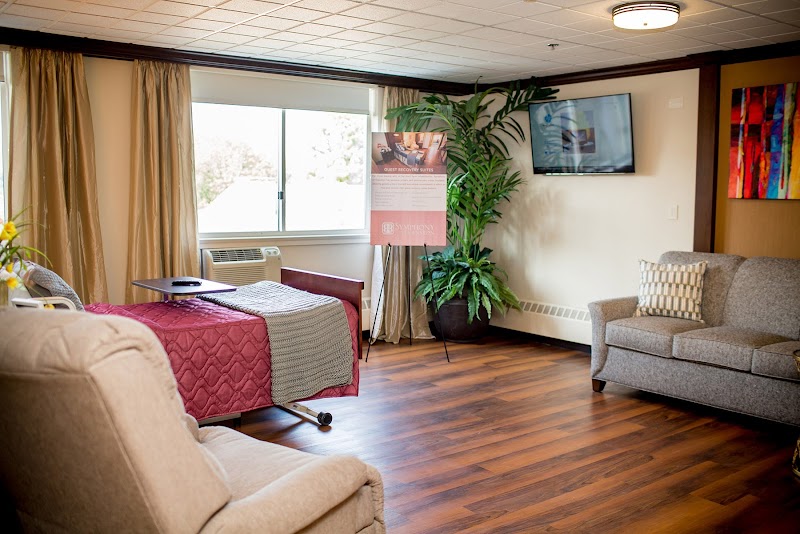
How is Pearl Of Evanston,The Staffed?

CMS rates PEARL OF EVANSTON,THE's staffing level at 3 out of 5 stars, which is average compared to other nursing homes. Staff turnover is 22%, compared to the Illinois average of 46%. This relatively stable workforce can support continuity of care.

What Have Inspectors Found at Pearl Of Evanston,The?

State health inspectors documented 22 deficiencies at PEARL OF EVANSTON,THE during 2023 to 2025. These included: 1 Immediate Jeopardy (the most serious level, indicating potential for serious harm or death), 2 that caused actual resident harm, and 19 with potential for harm. Immediate Jeopardy findings are rare and represent the most serious regulatory concerns. They require immediate corrective action.
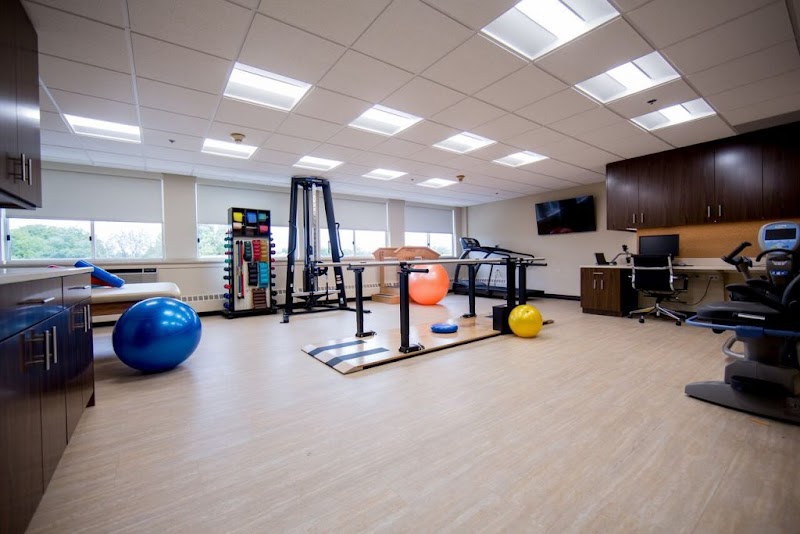
Who Owns and Operates Pearl Of Evanston,The?

PEARL OF EVANSTON,THE is owned by a for-profit company. For-profit facilities operate as businesses with obligations to shareholders or private owners. The facility is operated by PEARL HEALTHCARE, a chain that manages multiple nursing homes. With 158 certified beds and approximately 113 residents (about 72% occupancy), it is a mid-sized facility located in EVANSTON, Illinois.
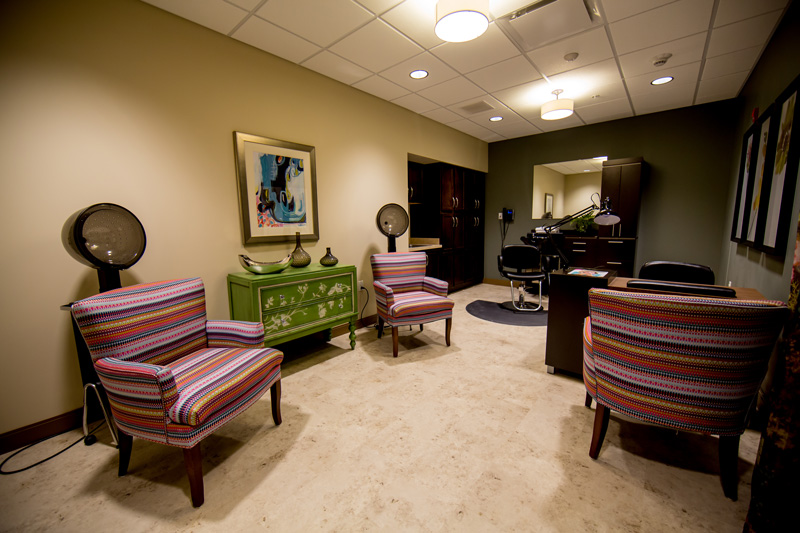
How Does Pearl Of Evanston,The Compare to Other Illinois Nursing Homes?

Compared to the 100 nursing homes in Illinois, PEARL OF EVANSTON,THE's overall rating (3 stars) is above the state average of 2.5, staff turnover (22%) is significantly lower than the state average of 46%, and health inspection rating (3 stars) is at the national benchmark.

What Should Families Ask When Visiting Pearl Of Evanston,The?

Based on this facility's data, families visiting should ask: "What changes have been made since the serious inspection findings, and how are you preventing similar issues?" "Can I visit during a mealtime to observe dining assistance and food quality?" "How do you handle medical emergencies, and what is your hospital transfer rate?" "Can I speak with family members of current residents about their experience?" These questions are particularly relevant given the facility's Immediate Jeopardy citations.

Is Pearl Of Evanston,The Safe?

Based on CMS inspection data, PEARL OF EVANSTON,THE has documented safety concerns. Inspectors have issued 1 Immediate Jeopardy citation (the most serious violation level indicating risk of serious injury or death). The facility has a 3-star overall rating and ranks #1 of 100 nursing homes in Illinois. Families considering this facility should ask detailed questions about what corrective actions have been taken since these incidents.

Do Nurses at Pearl Of Evanston,The Stick Around?

Staff at PEARL OF EVANSTON,THE tend to stick around. With a turnover rate of 22%, the facility is 24 percentage points below the Illinois average of 46%. Low turnover is a positive sign. It means caregivers have time to learn each resident's needs, medications, and personal preferences. Consistent staff also notice subtle changes in a resident's condition more quickly. Registered Nurse turnover is also low at 5%, meaning experienced RNs are available to handle complex medical needs.

Was Pearl Of Evanston,The Ever Fined?

PEARL OF EVANSTON,THE has been fined $76,068 across 2 penalty actions. This is above the Illinois average of $33,840. Fines in this range indicate compliance issues significant enough for CMS to impose meaningful financial consequences. Common causes include delayed correction of deficiencies, repeat violations, or care failures affecting resident safety. Families should ask facility leadership what changes have been made since these penalties.

Is Pearl Of Evanston,The on Any Federal Watch List?

PEARL OF EVANSTON,THE is not on any federal watch list. The most significant is the Special Focus Facility (SFF) program, which identifies the bottom 1% of nursing homes nationally based on persistent, serious quality problems. Not being on this list means the facility has avoided the pattern of deficiencies that triggers enhanced federal oversight. This is a positive indicator, though families should still review the facility's inspection history directly.