APERION CARE FOREST PARK
8200 WEST ROOSEVELT ROAD, FOREST PARK, IL 60130 (708) 488-9850
For profit - Corporation 232 Beds APERION CARE Data: November 2025 6 Immediate Jeopardy citations
Trust Grade
0/100
#433 of 665 in IL
Last Inspection: January 2025

Within standard 12-15 month inspection cycle. Federal law requires annual inspections.

Overview

Aperion Care Forest Park has received a Trust Grade of F, indicating poor performance and significant concerns about the quality of care provided. Ranked #433 out of 665 facilities in Illinois and #142 out of 201 in Cook County, the facility is in the bottom half of options available. Unfortunately, the trend is worsening, with the number of health and safety issues increasing from 21 in 2024 to 23 in 2025. Staffing is a weak point, receiving only 1 out of 5 stars, and with a turnover rate of 54%, which is higher than the state average, suggesting instability among caregivers. The facility has also faced serious compliance issues, with over $644,000 in fines, which is concerning as it is higher than 94% of facilities in Illinois; recent inspector findings included critical incidents where residents were found unresponsive due to substance abuse and failures in properly managing health emergencies, raising serious alarm about resident safety.

Trust Score
F
0/100
In Illinois
#433/665
Bottom 35%
Safety Record
High Risk
Review needed
Inspections
Getting Worse
21 → 23 violations
Staff Stability
⚠ Watch
54% turnover. Above average. Higher turnover means staff may not know residents' routines.
Penalties
○ Average
$644,635 in fines. Higher than 70% of Illinois facilities. Some compliance issues.
Skilled Nurses
○ Average
Each resident gets 37 minutes of Registered Nurse (RN) attention daily — about average for Illinois. RNs are the most trained staff who monitor for health changes.
Violations
⚠ Watch
79 deficiencies on record. Higher than average. Multiple issues found across inspections.
★☆☆☆☆
1.0
Overall Rating
★☆☆☆☆
1.0
Staff Levels
★★★☆☆
3.0
Care Quality
★☆☆☆☆
1.0
Inspection Score
Stable
2024: 21 issues
2025: 23 issues

The Good

  • Full Sprinkler Coverage · Fire safety systems throughout facility
  • No fines on record

Facility shows strength in fire safety.

The Bad

1-Star Overall Rating

Below Illinois average (2.5)

Significant quality concerns identified by CMS

Staff Turnover: 54%

Near Illinois avg (46%)

Higher turnover may affect care consistency

Federal Fines: $644,635

Well above median ($33,413)

Significant penalties indicating serious issues

Chain: APERION CARE

Part of a multi-facility chain

Ask about local staffing decisions and management

The Ugly 79 deficiencies on record

6 life-threatening 16 actual harm
Aug 2025 1 deficiency 1 Harm
SERIOUS (G) 📢 Someone Reported This

A family member, employee, or ombudsman was alarmed enough to file a formal complaint

Actual Harm - a resident was hurt due to facility failures

Accident Prevention (Tag F0689)

A resident was harmed · This affected 1 resident

**NOTE- TERMS IN BRACKETS HAVE BEEN EDITED TO PROTECT CONFIDENTIALITY** Based on observations, interviews and record review, the facility failed to ensure adequate supervision and proper use of assist...

Read full inspector narrative →
**NOTE- TERMS IN BRACKETS HAVE BEEN EDITED TO PROTECT CONFIDENTIALITY** Based on observations, interviews and record review, the facility failed to ensure adequate supervision and proper use of assistive devices for one wheelchair dependent resident (R1) of three residents reviewed, resulting in an injury requiring urgent transport to the hospital for an acute comminuted femur fracture.This past non-compliance occurred from 07/29/2025 to 08/05/2025.Findings include: R1 is a [AGE] year-old resident of the facility with a Brief Interview for Mental Status (BIMS) score of 12, and with pertinent medical diagnosis including but not limited to Displaced Comminuted Fracture of Shaft of Right Femur, Subsequent Encounter for Closed Fracture with Routine Healing; Age-Related Osteoporosis; Type 2 Diabetes Mellitus with Diabetic Chronic Kidney Disease; End Stage Renal Disease; and Dependence on Renal Dialysis. On 08/11/2025 at 1:04 PM, upon request, R1 agreed to speak with this Surveyor in her room. R1's room was dark; the television was on, so R1 turned it off; a wheelchair was located on the right side of R1's bed; one attachable wheelchair footrest was noted on the seat of the wheelchair; and the room appeared clutter-free. R1 said that most of the time, the pain level from her right leg, post-surgery, was a ten out of ten, but, on occasion, it went down to five. R1 said she didn't remember the date, but about two weeks ago, at about 1:00 or 2:00 PM, V4 (CNA) wheeled her outside of her room, while on her wheelchair, in order to take her to get her hair done at the facility's hair salon. R1 said that as V4 was pushing her in the hallway, her right foot rolled under her wheelchair, she hollered, then V4 ran back to her room to get a footrest, fastened it to the wheelchair, and placed her right foot on it. R1 said her knee was hurting so bad. R1 said V4 then wheeled her to her hair appointment; and when she was done, she was wheeled back to her room. On 08/12/2025 at 11:50 AM, R1 reiterated to this Surveyor that on 07/29/2025, V4 was wheeling her on her wheelchair towards the hair salon, and that she had no footrests on either side of the wheelchair at the time she was being pushed down the hallway. R1 said that after her right foot rolled under her wheelchair, V4 went inside her room, got a footrest for her, fastened it to her wheelchair, placed her right foot on it, and wheeled her to her hair appointment. On 08/11/2025 at 11:17 AM, V12 (Family Member) told this Surveyor that about two weeks ago, on a Tuesday, at about 5:50 PM, R1 called her from the long-term care facility, and said V4 rolled her right leg under her wheelchair while she was taking her to the beauty shop, and her wheelchair did not have a leg brace to support her leg. V12 said that R1 told her that, after V4 realized R1's right leg had been rolled under the wheelchair, she put a leg brace on the wheelchair and put R1's right foot on it. V12 said that the hospital doctor told her R1's right leg had been fractured in two places. On 08/14/2025 at 9:29 AM, V4 told this Surveyor that on 07/29/2025, R1's right foot came off her wheelchair's leg rest while she was wheeling her about halfway down the hallway to the hair salon for an appointment. V4 said she did not know how it happened, only that it (R1's right foot) slipped off. V4 said she never looked at R1's feet or legs while she was pushing her wheelchair from behind. V4 said that when she went to the front of the wheelchair after R1 hollered, ow, my leg, R1's leg was under the wheelchair, but she did not know how far it had gone under. In a progress note from 07/29/2025 at 6:28 PM, V13 (RN) stated in part that R1 verbalized pain on her right knee and said that it was during transfer when she went down to the salon this morning. In a progress note from 07/30/2025 at 9:00 AM, V14 (APN) stated in part that R1 presented with very bad knee pain and ten out of ten severity for one to two days. In a progress note from 08/01/2025 at 11:34 AM, V15 (NP) stated in part that R1 complained of pain to her right leg, which was not improving with medication, and the pain had been there since her foot dragged under the wheelchair while she was going for an appointment. On 08/12/2025 at 12:32 PM, V6 (APN, Orthopedic Surgery) told one of the Surveyors that she remembered R1 and her injury while at the hospital; and she believed it would have been unlikely that R1's right foot would have gotten caught underneath the wheelchair if the footrests and her feet were put on properly (if they were put on at all). On 08/12/2025 at 12:40 PM, V5 (Restorative Nurse) told this Surveyor that she assessed residents to determine if they were able to move on wheelchairs unassisted, and in R1's case, she was unable to wheel herself, independently, and needed substantial dependent assistance with locomotion. V5 said she had approved two footrests for R1's wheelchair and had instructed nurses and CNA's to ensure they were attached to R1's wheelchair whenever she was going to any destination. V5 said R1 had minimal strength in her legs, her core strength was weak, she was unable to hold her legs up for a long period of time, and believed that it would always be a safe measure to put both footrests on her wheelchair for long distances, like going to the hair salon. V5 said that due to R1's poor functional abilities in her lower extremities, if she was not positioned well while the CNA was transporting her, there could be a problem; so, the staff should make sure that there was proper resident positioning prior to pushing R1. V5 reiterated that, due to R1's weak lower extremities, it was most important that her feet and body be positioned properly. R1's MDS, section GG, dated 07/18/2025, stated in part that R1 was wheelchair dependent, and, thus, unable to wheel herself fifty feet unassisted. On 08/12/2025 at 2:38 PM, V1 (Administrator) told this Surveyor that the administration did not have a facility policy that addressed the proper supervision and use of wheelchairs on 07/29/2025, when R1's right leg injury happened. V1 said they looked for one but could not find it. V1 also said that no video footage of R1's wheelchair incident on 07/29/2025 existed because it had been erased after seven days, and no one reviewed the footage while it was available because there was a lot of footage to go over in order to locate it. R1's x-ray report, dated 08/01/2025, stated in part that R1 suffered an acute comminuted distal femur fracture and an 11mm lateral displacement with distal fragments. A hospital progress note dated 08/06/2025 at 2:25 PM from V6 stated in part that R1 presented to the hospital with a closed right distal supracondylar femur fracture after getting right leg caught under wheelchair while someone was pushing her.R1's hospital summary report dated 08/06/2025 described R1's operative procedure as closed reduction and intramedullar nailing right distal femur on 8/5.The facility provided documentation to the Survey team on 08/12/2025 that outlined steps the facility began taking on 08/02/2025 to address the acceptable supervision for and proper use of assistive devices, such as a wheelchair, after R1's incident.Prior to the survey date of 08/11/2025 the facility had taken the following actions to correct the noncompliance:conducted an in-service training on the following topics:Proper Placement of Feet on FootrestsEmphasis on correct use of footrestsImportance of proper foot positioning during wheelchair useFall Prevention StrategiesIndividualized interventions and supervision tailored to resident needsReinforcement of fall prevention protocolsSafe Handling and Use of WheelchairsCompetencies and training completed for all nursing staffFocused on proper wheelchair use and resident safety during transfers and transportOn-going monitoring by facility administration
May 2025 1 deficiency
CONCERN (D) 📢 Someone Reported This

A family member, employee, or ombudsman was alarmed enough to file a formal complaint

Potential for Harm - no one hurt, but risky conditions existed

Deficiency F0675 (Tag F0675)

Could have caused harm · This affected 1 resident

**NOTE- TERMS IN BRACKETS HAVE BEEN EDITED TO PROTECT CONFIDENTIALITY** Based on observation, interview, and record review, the facility failed to ensure a resident's comfort by failing to provide a c...

Read full inspector narrative →
**NOTE- TERMS IN BRACKETS HAVE BEEN EDITED TO PROTECT CONFIDENTIALITY** Based on observation, interview, and record review, the facility failed to ensure a resident's comfort by failing to provide a comfortable mattress resulting in R1 lying in a sunken mattress. This failure affect one of three residents (R1) reviewed for comfortable mattresses. Finding includes: R1 was observed lying on bed. R1 mattress observed sunk in. Surveyor observed 3 fans in R1's room. One fan was broken, another fan provided by the facility but not the same kind as the broken fan, the 3rd fan is the same kind as the broken fan. R1 said that his family bought him the fan and he will like the facility to refund the money. R1 is oriented and can make his needs known. R1 said that he told V3 (Maintenance Director) about his mattress not being good. R1 said that V3 said that V3 will replace it but it has not been replaced yet. R1 said that R1 told V4, Licensed Practical Nurse (LPN) about his mattress and V4 wrote it up. On 5/27/2025 at 12:30 PM, V3 (Maintenance Director) said that R1 called V3 either on Thursday or Friday last week and told V3 that something was wrong with his mattress. V3 said that V3 examined the mattress and saw that the mattress is deflated on one side. V3 said that V3 told R1 that R1 mattress will be replaced. On 5/27/2025 at 12:35 PM, V1 (Administrator), V3, and surveyor went to R1 room. V3 asked R1 when he will be out of bed so that his mattress can be replaced. R1 said that he will be ready after lunch for the Certified Nursing Assistant (CNA) to get him out of bed. On 5/27/2025 at 1:06 PM, V4 (LPN) said that R1 told V4, LPN last week that something is wrong about his mattress. V4 said that R1 said that he has been telling them and waiting for something to be done about his mattress. V4 said that R1 did not mention to V4 who R1 notified about his mattress. V4 said that R1 is oriented and takes care of his business. V4 said that she did not report it or document it in the maintenance log because R1 said that R1 reported it and just waiting for it to be replaced. On 5/27/2025 at 1:30 PM, V2 (Director of Nursing) said that she was not aware of R1 mattress. V2 said that she expects staff to write resident's complaints about furniture and equipment in the facility work order. V2 said that Maintenance comes in and check work order daily. On 5/27/2025 at V1 (Administrator)said that if a concern is told directly to a maintenance supervisor, V1 does not expect it to be in the maintenance logbook. V1 said that V1 expects the resident's need to be met as soon as possible and that depend on situation. R1 is a [AGE] year-old male admitted on [DATE]. Review of the facility grievance binder from January 2025 till date has no documented concerns from R1 regarding his mattress. Review of the facility work order from April 2025 till date did not list R1 concern about his mattress. V1 unable to provide facility policy on furniture/equipment.
May 2025 1 deficiency 1 Harm
SERIOUS (G) 📢 Someone Reported This

A family member, employee, or ombudsman was alarmed enough to file a formal complaint

Actual Harm - a resident was hurt due to facility failures

Accident Prevention (Tag F0689)

A resident was harmed · This affected 1 resident

**NOTE- TERMS IN BRACKETS HAVE BEEN EDITED TO PROTECT CONFIDENTIALITY** Based on interview and record review, the facility failed to ensure a resident's safety while providing incontinence care. This ...

Read full inspector narrative →
**NOTE- TERMS IN BRACKETS HAVE BEEN EDITED TO PROTECT CONFIDENTIALITY** Based on interview and record review, the facility failed to ensure a resident's safety while providing incontinence care. This failure affects one of three residents (R2) reviewed for falls in a total sample of six residents. This failure resulted in R2 sustaining left leg fracture to the tibia and right leg fracture to the femur, requiring hospitalization. The past non-compliance occurred from 05/5/2025 to 05/13/2025. Findings include: R2 is a [AGE] year-old female. R2's diagnoses are but not limited to end stage renal disease, chronic pulmonary edema, chronic respiratory failure, dependence on renal dialysis, major depressive disorder, stroke, heart failure, adult failure to thrive, traumatic subdural hemorrhage, and dependence on supplemental oxygen. R2's BIMS (Brief Interview for Mental Status) dated 5/01/2025, notes R2 is alert. R2's MDS (Minimal Data Set) Section GG dated 4/03/2025, notes R2 is dependent with toileting. R2 requires substantial to maximal assistant to roll left and right in the bed. R2's care plan notes R2 is at risk for falls. Interventions include observe and report unsafe conditions and situations. Staff is to ensure proper positioning. Lying to sitting on the side of bed is dependent. Progress note dated 5/5/2025, notes R2 had a witnessed fall on 05/05/2025, at 5:00 PM. The aide informed the nurse that the resident slid down from her bed during a brief change. R2 landed on the floor on her knees. R2 was assessed for pain, injury, wound, and possible fracture -- none noted. R2 had bilateral leg pain. R2 said she fell as she rolled over during a briefs change. Progress note dated 05/07/2025, notes R2 was admitted to the local hospital for left fibula fracture. On 5/17/2025, at 11:54 AM, R6 stated, R2 was in the mechanical lift. The side rail had to be up for her to roll out of bed because she cannot move. The aide that handled her is rough. It was one aide. I was told it was supposed to be two aides. She did not go get any help right away when R2 fell. That aide was standing there in a state of shock. R2 kept saying she was on her knees. R2 landed on her knees. The aide left the resident by herself to go get help instead of calling for help. It was a man aide that came and picked R2 up and put R2 in the bed. R2 was crying out telling the aide please be patient with me. They did not take x-rays until the next day. They did not send R2 out right away either. This place needs to be shut down. R2 laid in bed with those fractures all night. R2 was begging for help. I never heard the aide say anything to the resident. I was told by a person who works here that R2 is in the hospital with broken bones. That aide is too rough, and I told the nurse about it. I want to remain confidential. I feel sad I could not help her that night. On 5/17/2025, at 3:10 PM, V2 (MDS Nurse) stated, R2 is dependent for transfers. This means the staff needs to assist her totally or they might use a mechanical lift. On 5/17/2025, at 4:02 PM, V5 (Fall Coordinator) stated, R2 is more dependent with transfers. She is not able to ambulate. She is a mechanical lift for transfers. I reviewed this incident. From my understanding, it happened during toileting hygiene when the aide was trying to clean her. R2 fell out of the bed; she rolled out of bed. With transfers, R2 requires two people. With mobility, R2 requires maximum assistance with one aide. She can slightly roll over while the aide is changing her. I spoke with the nurse not the aide. The nurse stated she was informed that during toileting hygiene, R2 rolled out of bed and landed on her knees. The root cause of R2's fall was weakness, limited mobility related to functional ability deficits, and degeneration of the joints. R2 stated she rolled out of the bed and could not catch herself. The resident did not say anything else to me. On 5/18/2025, at 9:30 AM, V6 (Assistant Director of Nursing) stated, the nurse told me that she was notified by the aide that during ADL (Activities of Daily Living) care, R2 rolled towards the aide. The aide was not transferring R2 but was just doing regular ADL care. R2 was not able to keep her balance. She rolled and landed on her knees. X-rays were done and she was sent to the hospital. At the hospital, she had fractures to both legs. On 5/18/2025, at 10:00 AM, V8 (Certified Nursing Assistant) stated, R2 is a two person assist with the mechanical lift, or if she needs to be pulled up in bed. When staff is changing her in bed, staff is supposed to put up the bed rail and clean her. R2 can assist you with rolling and holding onto the bar while cleaning her. If staff forget to put the railing up while cleaning her, she is going to fall. The rail must be up because she has poor truck control. I do not see R2 letting staff clean her up without the rail being up or a second assistant being there in front of her. She will say, I'm scared or ask you to go to get some assistance? R2 is very verbal. She will tell staff what she needs, what to do or need to do. I heard about the incident, but I was not there. The aide that was helping told me that she was cleaning R2. When the aide turned R2 over to clean her, R2's head was hanging off the bed. The aide told R2 I got you. R2 said something about her legs. The aide stated she lowered R2 gently to the floor. It took four people to get R2 off the floor. The aide should have the rail up or had a second assistant. Some people just do not listen. If she did not know she could have asked another aide or looked in the POC. There is a care plan book to look in for information as well. On 5/18/2025, at 10:11 AM, V9 (Certified Nursing Assistant) stated, R2 has good bed mobility. She can grab the rail, and she can hold on. She is pretty good about that. She must have the railing to hold on to prevent her from failing. She will tell you make sure the rail is down. Her legs are not good. If there is no railing her legs may slide out. The railing must be up to prevent her from failing out of bed. I do not know what the situation was with that aide. I have worked with that aide, and she was new. I remember talking about the mechanical lift and having two people. If the railing was not up, she should have made sure both were up. Having the railings up is for safety. I was one of the people that helped to get R2 off the floor. On 5/18/2025, at 11:10 AM, V12 (Certified Nursing Assistant) stated, yes, I remember what happened that day. Me and the nurse just got R2 from dialysis and put her to bed. The nurse stepped out and I begin to change R2 on her left side towards the door. I rolled her and her feet began to slide off the bed. As her feet where sliding, I began to push her back into the bed. She kept saying my legs are sore. I stated I needed to go get help because she was sliding out of the bed. She was holding the pole. I yelled for assistance. I had to put her down because she was sliding out of the bed, and she would not allow me to push her out of the bed. I was pushing her legs. The bed was on the floor. She did not fall. It took four of us to put her back in the bed. She did not fall, but I had to lower her down to her knees. She is not good at moving, staff must do all the work. I have only been in the facility for three weeks. Both bed railings were not up. Only the one railing towards us was up. I was never told information if she was a two person or one person. It looks like she required two people assistance. On 5/18/2025, at 11:50 AM, V13 (Registered Nurse) stated, I was the nurse that was on duty. After R2 came from dialysis, we transferred her to the bed with the mechanical lift. We positioned her for comfort. I went to pass medication. The aide called me and told me R2 had a fall. I checked her vitals, and they were normal. R2 had chronic knee pain. She stated the pain was the same. I notified the nurse practitioner (NP). The NP asked me to order bilateral hip and knee x-rays. I ordered them. I informed the relative. I notified the DON. The resident stated when the aide was changing her, she rolled over out of the bed when she turned on her side. The aides must put the railing up for her to hold on. When she turns, she can hold on to turn her upper body. The railing helps with safety and mobility. On 5/18/2025, at 1:06 PM, V23 (Director of Nursing) stated, I was informed about R2's fall. I do not recall when I was informed, but I was informed. She had slipped from the bed during ADL care. The aide assisted her to the floor. The aide stated she was performing peri-care and she felt the resident coming close to her. She tried to reposition the resident, and it was not happening. She assisted the resident to the floor. The resident is alert. I did not get a chance to interview her before she went to the hospital. The IDT (Interdisplinary) team reviews all the falls, the fall risk assessments, description of the falls, factors, root causes analysis and IDT interventions. I expect staff for dependent residents to look at bed mobility, transfers, and ADL care. If they do not know what type of assistance a resident requires, I expect them to ask other nurses or aides. On 5/19/2025, at 10:26 AM, V25 (Nurse Practitioner) stated, I am aware of the patient. They did inform me about the assisted fall. I had treated her for medical problems. Yes, it is possible for the resident to fall out of bed and sustain fractures. Being an elderly frail resident she is an increased risk for fractures. Facility policy titled Fall Prevention Program, dated 11/21/2017, notes to assure the safety of all residents in the facility, when possible. The program will include measures which determine the individual needs of each resident by assessing the risk of falls and implementation of appropriate interventions to provide necessary supervision and assistive devices are utilized as necessary. Safety interventions will be implemented for each resident identified at risk. Direct care staff will be oriented and trained in the Fall Prevention Program. Residents at risk of falling will be assisted with toileting needs as identified during the assessment process and as addressed on the plan of care. Prior to the survey date of 05/19/2025, facility had taken the following action to correct the noncompliance: 1. R1 new fall assessment completed with new interventions and are plan updated. 2. Nursing staff in-serviced on fall policy and interventions from 05/06/2025 to 5/09/2025. Nurses and aides in-serviced on high-risk residents, frequent monitoring and supervision. 3. Aides and nurses in-serviced on proper bed mobility and positioning. 4. Facility wide assessment has been done to identify all residents that are at risk for fall new interventions put in place. The binder was updated, and care plans were updated. Audits will be conducted daily to ensure fall risks are completed and interventions are in place. After any fall occurs for six months and discussed in daily meetings. 5. Nurses in-serviced on completing new fall risk assessments after fall interventions are updated and care plan is updated. The director of nursing and the nurse consultant will audit each new fall with record review and observation to ensure compliance weekly for six months.
Apr 2025 2 deficiencies 1 Harm
SERIOUS (G) 📢 Someone Reported This

A family member, employee, or ombudsman was alarmed enough to file a formal complaint

Actual Harm - a resident was hurt due to facility failures

Quality of Care (Tag F0684)

A resident was harmed · This affected 1 resident

Deficiency Text Not Available

Read full inspector narrative →
Deficiency Text Not Available
CONCERN (D) 📢 Someone Reported This

A family member, employee, or ombudsman was alarmed enough to file a formal complaint

Potential for Harm - no one hurt, but risky conditions existed

Deficiency F0658 (Tag F0658)

Could have caused harm · This affected 1 resident

**NOTE- TERMS IN BRACKETS HAVE BEEN EDITED TO PROTECT CONFIDENTIALITY** Based on interview and record review, the facility failed to provide accepted standards of clinical practice by failing to provi...

Read full inspector narrative →
**NOTE- TERMS IN BRACKETS HAVE BEEN EDITED TO PROTECT CONFIDENTIALITY** Based on interview and record review, the facility failed to provide accepted standards of clinical practice by failing to provide necessary care and services in administering necessary medications, failed to identify signs and symptoms of hypotension, and failed to notify the RN and physician before having dialysis treatment. This failure affects 1 (R2) of 3 residents reviewed for professional standards in the sample of 3. Findings include: R2 was a [AGE] year old with diagnoses including but not limited to pulmonary disease, systemic sclerosis, hypertensive heart and kidney disease, end stage renal disease, dementia, and dependence on renal dialysis. Care plan dated [DATE] reads in part, I am at risk for decreased cardiac output related to hyperlipidemia, carotid stenosis. Primary medical history of Atherosclerosis of Aorta , Cardiomegaly, MI, readmitted to the facility status post acute hospital stay, continue with interventions ([DATE]). Goal: I will maintain hemodynamic stability: No palpitations, no complaints of chest pain nor discomfort, vital signs stable through next review. Interventions: Administer medications as ordered. Assess cardiac system PRN (As Needed). Assess for any chest pain, chest heaviness, chest discomfort, vital signs stable through next review. Assess respiratory system PRN. Assess for any chest pain, chest heaviness, chest discomfort. Inform MD. Encourage participation in activities of choice. Encourage resident to change positions slowly and sit on side of bed for few minutes prior to attempting to stand. Encourage resident to report symptoms If edema present, encourage resident to elevate feet as much as tolerated. Monitor lab values and report to physician. Monitor vital signs as ordered and PRN. Report any abnormalities to MD. Notify physician of any problems. Observe for edema/headache, angina, fatigue, dizziness, lightheadedness/blurred vision, syncope, dyspnea without exertion, pain, tingling or numbness in extremities, palpitations, urinary retention, SOB/general weakness, vomiting and report to MD. On [DATE] at 11:10 AM V4 (LPN Licensed Practical Nurse) said, I was the nurse on duty the day R2 died. I remember her because the husband is always here on (R2's) dialysis days and he was worried because her blood pressure was low that morning. Before the resident went to dialysis, I took the blood pressure myself and It was low when I took it in the morning around 10 AM and can't say exactly but it was under 100. I gave Midodrine because there's a doctor's order for it. I didn't call the doctor because the order was already there to give if it was low. Surveyor asked what the Midodrine medication was for, V4 said, It's to bring the blood pressure up so it's safe to get dialysis. I gave it and told the husband that I took the blood pressure again. It was still low but higher than it was, but I can't say exactly what it was. The husband was worried but I assured him it would be fine for her to get dialysis and he didn't want her to miss her day anyway. Next thing I know is that I got a call from V5 (dialysis nurse) and they told me that the resident coded and and since she was DNR (Do Not Resuscitate) they didn't do CPR or anything. Surveyor asked whether the charge nurse or doctor was contacted regarding the abnormally low blood pressure, V4 said, I did not, I just followed the doctor's order to give the medication when the blood pressure is low. Surveyor asked what the determining factor or level of hypotension (low blood pressure) that would warrant her to give the medication or inform the doctor, V4 said, There's no particular number but if it's not at baseline blood pressure which was around the upper 110's. Surveyor asked if R2's blood pressure was at baseline, V4 said, No, it wasn't. Surveyor asked if the doctor should have been called in this instance, V4 said, Probably. Review of R2's February MAR (medication administration record) and interdisciplinary progress notes showed that the anti-hypotensive medication Midodrine was not administered/provided on [DATE] as indicated in interview by V4. Furthermore, the last time the medication Midodrine was provided to R2 as shown in the MAR was on [DATE] when the resident previously experienced abnormally low blood pressure. There were no documented entries in R2's record showing V4 informed the RN in charge or physician of the low blood pressure prior to receiving dialysis. On [DATE] at 1:38 PM, V2 (director of nursing ) stated, The nurse should be looking at the MAR (medication Administration Record) to see whether blood pressure medications were given or held prior to going to dialysis. If the blood pressure is too low, we would normally give Midodrine or if it's too high than to give blood pressure medications. The nurse should be assessing for vital signs and fill out the communication form that goes with the patient to dialysis. The nurse should check for code status, the last and current vitals and any medication changes and whether the patient is on isolation. All this should be filled out and given to the dialysis nurse We assess the resident before they are taken up for dialysis treatment and are weighed before and after dialysis. Surveyor asked if the doctor should be informed of any changes in condition such as an abnormally low or high blood pressure, V2 said, It depends on nursing judgement whether to call the doctor or not. On [DATE], a facility-to-dialysis communication report dated [DATE] written by V4 (LPN), reads: 10:22 AM prior to receiving dialysis, R2 's blood pressure was 104/52. (There was no indication or communication noted pertaining to having received anti-hypotensive medications prior to dialysis treatment). Treatment Flowsheet dated [DATE] written by V5 reads in part, Patient Alert and Oriented x1, was confused, per V4 patient was hypotensive on the floor before dialysis. Patients pre-dialysis vitals were 106/65 Pulse 128 with a low resting blood pressure and tachycardia. The Illinois General assembly on Professions, Occupations, and Business Operations (225 ILCS 65/) Nurse Practice Act.(225 ILCS 65/55-30) (Section scheduled to be repealed on [DATE]) Sec. 55-30 reads in part, LPN scope of practice. Practice as a licensed practical nurse means a scope of nursing practice, with or without compensation, under the guidance of a registered professional nurse or an advanced practice registered nurse, or as directed by a physician assistant, physician, or other health care professionals as determined by the Department, and includes, but is not limited to, all of the following: Conducting a focused nursing assessment and contributing to the ongoing comprehensive nursing assessment of the patient performed by the registered professional nurse. Collaborating in the development and modification of the registered professional nurse's or advanced practice registered nurse's comprehensive nursing plan of care for all types of patients. Implementing aspects of the plan of care. Participating in health teaching and counseling to promote, attain, and maintain the optimum health level of patients. Serving as an advocate for the patient by communicating and collaborating with other health service personnel. Participating in the evaluation of patient responses to interventions. Communicating and collaborating with other health care professionals. Providing input into the development of policies and procedures to support patient safety. (Source: P.A. 100-513, eff. 1-1-18.)
Mar 2025 4 deficiencies 2 IJ
CRITICAL (J) 📢 Someone Reported This

A family member, employee, or ombudsman was alarmed enough to file a formal complaint

Immediate Jeopardy (IJ) - the most serious Medicare violation

Quality of Care (Tag F0684)

Someone could have died · This affected 1 resident

**NOTE- TERMS IN BRACKETS HAVE BEEN EDITED TO PROTECT CONFIDENTIALITY** Based on observations, interviews, and record reviews, the facility failed to follow its physician orders policy and hypoglycemi...

Read full inspector narrative →
**NOTE- TERMS IN BRACKETS HAVE BEEN EDITED TO PROTECT CONFIDENTIALITY** Based on observations, interviews, and record reviews, the facility failed to follow its physician orders policy and hypoglycemia guidelines and administer emergency medication to treat a resident exhibiting signs and symptoms of severe hypoglycemia (low blood sugar level) for one resident (R1) out of three residents reviewed for diabetes management in a sample of 4. On 2/21/25, R1 was nonresponsive and with a blood sugar level of 29; no treatment initiated prior to EMS (emergency medical services) 911 arrived and transported R1 to the hospital emergently. The immediate jeopardy began on 2/21/25 when R1 was found unresponsive and with a blood glucose level of 29. V1 and V2 were notified of the immediate jeopardy on 03/13/2025 at 9:35 AM. The surveyor confirmed by onsite observations, interviews, and record reviews that the immediacy was removed on 3/13/2025, but remains at level two because additional time is needed to evaluate the implementation and effectiveness of the in-service training. Findings include: On 3/2/25 at 7:49 PM, V7 LPN (licensed practical nurse) stated that V7 does recall R1. V7 stated that V7 was about to leave facility at end of shift on 2/21/25 when the CNA (certified nurse aide) told her that R1 did not look right. V7 went to R1's room and checked R1's blood sugar and it was low. V7 stated that R1 was non-responsive. V7 stated that V7 was alone on nursing unit as the rest of the evening shift staff left. V7 stated that another nurse came to assist her, but does not recall the nurse's name. V7 stated that V7 last saw R1 during evening medication pass. V7 stated that R1 did not have any oral diabetic medications and R1 was not receiving insulin. When questioned if V7 administered any medication to R1 to treat low blood sugar, V7 did not respond. V13 CNA (agency certified nurse aide) worked 3:00 PM - 11:00 PM shift on 2/21/25. V13 was unavailable for interview during this survey. On 3/3/25 at 11:34 AM, V8 ADON (assistant director of nursing) stated that staff are expected to try nursing interventions, call NP (nurse practitioner) on call and follow the orders given. V8 stated that if the resident is alert, give hard candy or a packet of sugar. V8 stated that if the resident is not alert, there is glucose in the crash cart and emergency kit. V8 stated that there is a crash cart and emergency kit located at the nurses' station on each nursing unit. V8 stated that V12 (nursing supervisor) works 10:00 PM until 6:00 AM and should have been called to assist V7 with R1. On 3/3/25 at 11:40 AM, this surveyor and V8 ADON checked emergency box located in medication room on R1's nursing unit. The kit contained two doses of baqsimi (nasal glucagon) nasal spray for treatment of severe hypoglycemia. V8 stated that when a medication is used from emergency kit, the nurse documents on the sign out sheet, so medication can be replaced. V8 stated that on 2/21/25 baqsimi medication was not removed from the emergency kit. On 3/3/25 at 11:50 AM, V8 ADON stated that V8 reviewed R1's progress notes. V8 stated that V7 documented R1's blood sugar was 29, notified V10 NP, and sent R1 out via EMS (emergency medical services) 911. V8 stated that staff are expected to know what is in the emergency kit. V8 stated that after reviewing the policy, V7 LPN did not give R1 anything to treat hypoglycemia. On 3/3/25 at 12:20 PM, V12 (nursing supervisor) stated that V12 worked on 2/21/25. V12 stated that V12 did not receive any calls for a resident with low blood sugar. V12 stated that V12 heard about this event a few days later when staff were talking about it. V12 stated that if V12 had been made aware V12 would have instructed V7 to administer baqsimi nasal spray from the emergency kit and would have gone to R1's bedside to assist. On 3/3/25 at 12:46 PM, V10 NP (nurse practitioner) stated that V10 was not notified by nursing that R1's blood sugar was 29 and R1 was nonresponsive. V10 stated that if a resident has a blood sugar of 29 and is nonresponsive, V10 would expect the nurse to administer medication to treat hypoglycemia while waiting for EMS 911. On 3/3/25 at 1:05 PM, V14 (EMS paramedic) stated that when V14 arrived at R1's bedside V14 and crew were informed that the night shift nurse was making rounds and found R1 nonresponsive. V14 stated that the crew was informed that the evening shift nurse had already left facility. V14 stated that the crew quickly got R1 in to the ambulance to start treatment while in route to the hospital. V14 stated that the crew was informed that no treatment was initiated by the nurse prior to their arrival. V14 stated that the crew checked R1's continuous blood glucose system receiver. V14 stated that R1's blood sugar bottomed out at 7:30 PM and remained that way until their arrival at 11:34 PM. R1's hospital discharge instructions, dated [DATE], notes insulin 70/30, administer 20 units subcutaneously daily in the morning. R1's POS (physician order sheet), dated 2/18/25, notes continuous blood glucose system sensor and receiver. It also notes an order for insulin 70/30 suspension pen-injector, inject 20 units subcutaneously one time a day for high blood sugar. R1's POS, dated 2/19/25 at 00:50 AM, notes an order for insulin 70/30 suspension pen-injector, inject 20 unit intramuscularly three times a day for high blood sugar. V15 LPN (licensed practical nurse) created the order changing R1's insulin from subcutaneous to intramuscular and from daily to three times daily. V15 was unavailable for interview during this survey. R1's medical record, dated 2/19/25, V10 NP noted R1's hospital stay notable for hypoglycemia from poor oral intake. R1's diabetes is stable. Blood sugar level 115 this morning. On insulin 70/30 daily, order blood sugar testing before meals and at bedtime. Baqsimi nasal spray as needed. On 2/21/25 at 11:47 PM, V8 LPN noted CNA (certified nurse aide) notified V8 of R1 not being responsive. V8 observed R1 unresponsive. V8 than obtained vital signs, and blood sugar, pulse 60 beats/minute, respirations 20/minute, oxygen saturation level 90% on room air, and blood sugar 29. R1 transferred to the hospital via stretcher. On 2/22, R1 has been admitted for Hypoglycemia. R1's EMS (emergency medical services) run sheet, dated 2/21/2025, notes EMS crew was dispatched to the facility at 11:27 PM for a resident with a diabetic problem. The crew arrived at R1's bedside at 11:34 PM. Upon arrival R1 was in the room with a CNA, unresponsive, diaphoretic, with a GCS (glascow coma score) of 3. The CNA advised the crew that R1 had low blood sugar. V7 LPN just checked it, but I don't know what it is. R1's continuous blood glucose system receiver just says 'LOW'. The crew looked at R1's continuous blood glucose system receiver and the trends it showed was: blood glucose at a normal level around 3:00 PM with it dropping to LOW around 3:30 PM and continuously being at LOW until the crew's arrival at 11:34 PM. R1 was loaded on to the stretcher and brought down to the ambulance. R1's vital signs were taken, and all were within normal limits with the exception of her blood glucose level which was at 31. Two intravenous catheter insertion attempts were made, one in each forearm but were unsuccessful. IO (intraosseous) equipment was set up, the hospital was called to clear the IO insertion. An IO was established in R1's left tibia. R1 was administered dextrose 10% at a keep open rate. R1's oxygen saturation level was starting to decrease in route. A nasal cannula was placed on R1 and oxygen was delivered at 4 liters. R1's hospital record, dated 2/22/25, was unavailable for review during this survey. R1's care plan, dated 2/19/25, notes R1 is an insulin dependent diabetic. Interventions include, but not limited to, diabetes medication as ordered by physician. Monitor/document for side effects and effectiveness. The facility's physician orders-entering and processing policy, revised 1/31/2024, notes if the medication is needed immediately, it will be removed from the emergency drug kit. All appropriate paperwork will be filled out when a drug is removed from the emergency drug kit. The facility's hypoglycemia guidelines, undated, notes contact physician if blood sugar is below 60. Take vital signs. Repeat finger stick in 15 minutes after intervention. If unable to swallow notify the physician and prepare glucagon from the emergency drug kit for administration as ordered. Document findings, interventions, and physician contact in resident's clinical record. The Immediate Jeopardy that began on 02.21.25 was removed on 03.13.25 when the facility took to remove the Immediacy. Removal Plan: Action Steps Responsible Person(s) Target Date: Change of condition assessment done as soon as change Nurse managers Ongoing is noticed to monitor condition Daily clinical meeting IDT Ongoing Nursing Huddle/CNA DON/ADON Ongoing Change of condition NP / Dr notified Admin/DON/Nurses Ongoing All department Heads to read 24-hour report daily before DON/ADON Ongoing Morning meeting at 9:30am Guardian Angel rounds and sheets to be completed daily DON/ADON Ongoing and turned into and reviewed daily at standdown, don't just report issues, correct as you go. New insulin orders will be discussed daily in morning meeting Weekly insulin Orders checked and verified orders for the last week Nursing 3/4/2025 Nurses including agency inserviced on verifying with repeat DON 3/5/2025 back to NP/physicians when taking orders. All nurses not already inserved they will be inserviced prior to next scheduled shift. Nurses including agency inserviced on following Dr orders DON 3/5/2025 Completed 3/13/25 for agency staff and the five rights of medication and Hypoglycemia protocol (see policy) All nurses not already inserved they will be inserviced prior to next scheduled shift. Facility wide audit completed for residents on Insulin to ensure correct DON /RNC 3/4/2025 orders in place and orders for hypoglycemic treatment Emergency QAPI completed with Medical Director Admin/DON/Medical Director 3/13/2025 Orders written for residents on insulin to monitor for signs DON/RNC 3/13/25 and symptoms of hypoglycemia Facility policy reviewed and revised to include emergency CCO 3/13/25 response and directions for use of baqsimi Pharmacy consultant to review all insulin orders monthly during On going monthly facility visits for 6 months to verify that dose is appropriate Red emergency drug kits will be checked weekly to verify all DON / ADON On going medications are available.
CRITICAL (J) 📢 Someone Reported This

A family member, employee, or ombudsman was alarmed enough to file a formal complaint

Immediate Jeopardy (IJ) - the most serious Medicare violation

Deficiency F0760 (Tag F0760)

Someone could have died · This affected 1 resident

Based on interviews and record reviews, the facility failed to follow professional standards of nursing care and clarify with the physician the frequency and route of administration of insulin 70/30 p...

Read full inspector narrative →
Based on interviews and record reviews, the facility failed to follow professional standards of nursing care and clarify with the physician the frequency and route of administration of insulin 70/30 prior to administering the medication. This failure affected one resident (R1) out of three reviewed for significant medication errors in a sample of 4. Prior to admission, 20 units of insulin 70/30 was administer to R1 subcutaneously once a day. The order was changed on 2/19/25 at 00:50 AM to insulin 70/30, administer 20 units intramuscularly three times a day. This resulted in R1 having severe hypoglycemia with a blood sugar level of 29 and being nonresponsive for unknown length of time. The immediate jeopardy began on 2/21/25 when R1 was found unresponsive and with a blood glucose level of 29. V1 and V2 were notified of the immediate jeopardy on 03/13/2025 at 9:35 AM. The surveyor confirmed by onsite observations, interviews, and record reviews that the immediacy was removed on 3/13/25, but remains at level two because additional time is needed to evaluate the implementation and effectiveness of the in-service training. Findings include: On 3/3/25 at 5:00 PM, V10 NP (nurse practitioner) stated that R1 had an order for insulin 70/30 subcutaneous daily. V10 was not made aware that R1's insulin was changed to three times a day. V10 stated that V10 would not have changed R1's insulin to be given three times daily. V10 stated that insulin should not be administered intramuscularly. V10 stated that insulin should be administered within 30 minutes of when blood sugar is checked. V10 stated that insulin 70/30 is an intermediate-acting insulin and should not be given two doses close together. On 3/4/25 at 9:13 AM, V8 ADON (assistant director of nursing) stated that the nurse is expected to review discharge paperwork sent with new admission from the hospital. V8 stated that if there is a question regarding any physician order, the nurse is expected to clarify the order prior to implementing it. When questioned why insulin administration was changed from subcutaneous to intramuscular, V8 stated that V8 will have to look into this. When questioned reason insulin 70/30 was changed from daily to three times a day, V8 stated that she will have to look into this as well. V8 stated that the nurse is expected to know when insulin peaks and duration of its action. R1's POS (physician order sheet), dated 2/18/25, notes an order for novolin 70/30 insulin, administer 20 units subcutaneously once a day. On 2/19/25 at 00:50 AM, the insulin order was changed to 20 units intramuscularly three times a day. V15 LPN (licensed practical nurse) created the order changing R1's insulin from subcutaneous to intramuscular and from daily to three times daily. V15 was unavailable for interview during this survey. R1's MAR (medication administration record), dated February 2025, notes six nurses administered insulin 70/30 intramuscularly. R1 received a total of 9 doses intramuscularly. It also notes on 2/21/25 the 9:00 AM scheduled dose of novolin 70/30 insulin was administered at 11:31 AM by V11 LPN (licensed practical nurse) and the 12:00 PM scheduled dose was administered at 12:19 PM by V11. R1's EMS (emergency medical services) run sheet, dated 2/21/2025, notes EMS crew was dispatched to the facility at 11:27 PM for a resident with a diabetic problem. The crew arrived at R1's bedside at 11:34 PM. Upon arrival R1 was in the room with a CNA, unresponsive, diaphoretic, with a GCS (glascow coma score) of 3. The CNA advised the crew that R1 had low blood sugar. V7 LPN just checked it, but I don't know what it is. R1's continuous blood glucose system receiver just says 'LOW'. The crew looked at R1's continuous blood glucose system receiver and the trends it showed was: blood glucose at a normal level around 3:00 PM with it dropping to LOW around 3:30 PM and continuously being at LOW until the crew's arrival at 11:34 PM. R1 was loaded on to the stretcher and brought down to the ambulance. R1's vital signs were taken, and all were within normal limits with the exception of her blood glucose level which was at 31. Two intravenous catheter insertion attempts were made, one in each forearm but were unsuccessful. IO (intraosseous) equipment was set up, the hospital was called to clear the IO insertion. An IO was established in R1's left tibia. R1 was administered dextrose 10% at a keep open rate. R1's oxygen saturation level was starting to decrease in route. A nasal cannula was placed on R1 and oxygen was delivered at 4 liters. Per the National Library of Medicine, insulin is absorbed faster after intramuscular injection compared to subcutaneous injection. Intramuscular injections should be avoided as they increase the risk of hypoglycemia. Per the FDA (Food and Drug Administration), novolin insulin 70/30 is an intermediate-acting insulin. The effects of Novolin 70/30 start working 30 minutes after injection. The greatest blood sugar lowering effect is between 2 and 12 hours after the injection. This blood sugar lowering may last up to 24 hours. Symptoms of hypoglycemia may include, but not limited to: sweating, confusion, shakiness. Severe hypoglycemia can cause unconsciousness, seizures, and death. The Centers for Medicare & Medicaid Services requires nurses to verify specific information prior to the administration of medication to avoid errors, referred to as verifying the rights of medication administration. These rights of medication administration are the vital last safety check by nurses to prevent errors in the chain of medication administration that includes the prescribing provider, the pharmacist, the nurse, and the patient. The nurse ensures the route of administration is appropriate for the specific medication and also for the patient. Some medications can only be given safely via one route. Nurses must administer medications via the route indicated in the order. If a nurse discovers an error in the order or believes the route is unsafe for a particular patient, the route must be clarified with the prescribing provider before administration. The Immediate Jeopardy that began on 02.21.25 was removed on 03.13.25 when the facility took to remove the Immediacy. Removal Plan: Change of condition assessment done as soon as change is noticed to monitor condition Nurse managers Ongoing Daily clinical meeting IDT Ongoing Nursing Huddle/CNA DON/ADON Ongoing Change of condition NP / Dr notified Admin/DON/Nurses Ongoing Action Steps Responsible Person(s) Target Date: All department Heads to read 24-hour report daily before Morning meeting at 9:30am DON/ADON Ongoing Guardian Angel rounds and sheets to be completed daily and turned into and reviewed daily at standdown, don't just report issues, correct as you go. DON/ADON Ongoing New insulin orders will be discussed daily in morning meeting Weekly insulin Orders checked and verified orders for the last week Nursing 3/4/2025 Nurses including agency inserviced on verifying with repeat back to NP/physicians when taking orders. All nurses not already inserved they will be inserviced prior to next scheduled shift. DON 3/5/2025 Nurses including agency inserviced on following Dr orders and the five rights of DON 3/5/2025 Completed 3/13/25 for agency staff medication and Hypoglycemia protocol (see policy) All nurses not already inserved they will be inserviced prior to next scheduled shift. Facility wide audit completed for residents on Insulin to ensure correct orders in DON 3/4/25 place and orders for hypoglycemic treatment. Emergency QAPI completed with Medical Director Admin/DON/Medical Director 3/13/25 Orders written for residents on insulin to monitor for signs and symptoms of DON/RNC 3/13/25 hypoglycemia Facility policy reviewed and revised to include emergency response and CCO 3/13/25 directions for use of baqsimi Pharmacy consultant to review all insulin orders monthly during monthly On going facility visits for 6 months to verify that dose is appropriate Red emergency drug kits will be checked weekly to verify all medications are available. DON / ADON On going
SERIOUS (G) 📢 Someone Reported This

A family member, employee, or ombudsman was alarmed enough to file a formal complaint

Actual Harm - a resident was hurt due to facility failures

Notification of Changes (Tag F0580)

A resident was harmed · This affected 1 resident

Based on observations, interviews, and record reviews, the facility failed to follow its physician - family notification - change in condition policy and notify the attending physician/nurse practitio...

Read full inspector narrative →
Based on observations, interviews, and record reviews, the facility failed to follow its physician - family notification - change in condition policy and notify the attending physician/nurse practitioner of a resident having severe hypoglycemia and obtain emergent treatment orders. This failure affected one resident (R1) out of three residents reviewed for diabetes management in a sample of 4. On 2/21/25, R1 was nonresponsive and with a blood sugar level of 29; no treatment initiated prior to EMS (emergency medical services) 911 arrived and transported R1 to the hospital emergently. Findings include: On 3/2/25 at 7:49 PM, V7 LPN (licensed practical nurse) stated that V7 does recall R1. V7 stated that V7 was about to leave facility at end of shift on 2/21/25 when the CNA (certified nurse aide) told her that R1 did not look right. V7 went to R1's room and checked R1's blood sugar and it was low. V7 stated that R1 was non-responsive. V7 stated that V7 was alone on nursing unit as the rest of the evening shift staff left. V7 stated that another nurse came to assist her, but does not recall the nurse's name. V7 stated that V7 last saw R1 during evening medication pass. V7 stated that R1 did not have any oral diabetic medications and R1 was not receiving insulin. When questioned if V7 administered any medication to R1 to treat low blood sugar, V7 did not respond. On 3/3/25 at 11:34 AM, V8 ADON (assistant director of nursing) stated that staff are expected to try nursing interventions, call NP (nurse practitioner) on call and follow the orders given. V8 stated that if the resident is alert, give hard candy or a packet of sugar. V8 stated that if the resident is not alert, there is glucose in the crash cart and emergency kit. V8 stated that there is a crash cart and emergency kit located at the nurses' station on each nursing unit. V8 stated that V12 (nursing supervisor) works 10:00 PM until 6:00 AM and should have been called to assist V7 with R1. On 3/3/25 at 11:40 AM, this surveyor and V8 ADON checked emergency box located in medication room on R1's nursing unit. The kit contained two doses of baqsimi (nasal glucagon) nasal spray for treatment of severe hypoglycemia. V8 stated that when a medication is used from emergency kit, the nurse documents on the sign out sheet, so medication can be replaced. V8 stated that on 2/21/25 baqsimi medication was not removed from the emergency kit. On 3/3/25 at 11:50 AM, V8 ADON stated that V8 reviewed R1's progress notes. V8 stated that V7 documented R1's blood sugar was 29, notified V10 NP, and sent R1 out via EMS (emergency medical services) 911. V8 stated that staff are expected to know what is in the emergency kit. V8 stated that after reviewing the policy, V7 LPN did not give R1 anything to treat hypoglycemia. On 3/3/25 at 12:20 PM, V12 (nursing supervisor) stated that V12 worked on 2/21/25. V12 stated that V12 did not receive any calls for a resident with low blood sugar. V12 stated that V12 heard about this event a few days later when staff were talking about it. V12 stated that if V12 had been made aware V12 would have instructed V7 to administer baqsimi nasal spray from the emergency kit and would have gone to R1's bedside to assist. On 3/3/25 at 12:46 PM, V10 NP (nurse practitioner) stated that V10 was not notified by nursing that R1's blood sugar was 29 and R1 was nonresponsive. V10 stated that if a resident has a blood sugar of 29 and is nonresponsive, V10 would expect the nurse to administer medication to treat hypoglycemia while waiting for EMS 911. On 3/3/25 at 1:05 PM, V14 (EMS paramedic) stated that when V14 arrived at R1's bedside V14 and crew were informed that the night shift nurse was making rounds and found R1 nonresponsive. V14 stated that the crew was informed that the evening shift nurse had already left facility. V14 stated that the crew quickly got R1 in to the ambulance to start treatment while in route to the hospital. V14 stated that the crew was informed that no treatment was initiated by the nurse prior to their arrival. V14 stated that the crew checked R1's continuous blood glucose system receiver. V14 stated that R1's blood sugar bottomed out at 7:30 PM and remained that way until their arrival at 11:34 PM. R1's EMS (emergency medical services) run sheet, dated 2/21/2025, notes EMS crew was dispatched to the facility at 11:27 PM for a resident with a diabetic problem. The crew arrived at R1's bedside at 11:34 PM. Upon arrival R1 was in the room with a CNA, unresponsive, diaphoretic, with a GCS (glascow coma score) of 3. The CNA advised the crew that R1 had low blood sugar. V7 LPN just checked it, but I don't know what it is. R1's continuous blood glucose system receiver just says 'LOW'. The crew looked at R1's continuous blood glucose system receiver and the trends it showed was: blood glucose at a normal level around 3:00 PM with it dropping to LOW around 3:30 PM and continuously being at LOW until the crew's arrival at 11:34 PM. R1 was loaded on to the stretcher and brought down to the ambulance. R1's vital signs were taken, and all were within normal limits with the exception of her blood glucose level which was at 31. Two intravenous catheter insertion attempts were made, one in each forearm but were unsuccessful. IO (intraosseous) equipment was set up, the hospital was called to clear the IO insertion. An IO was established in R1's left tibia. R1 was administered dextrose 10% at a keep open rate. R1's oxygen saturation level was starting to decrease in route. A nasal cannula was placed on R1 and oxygen was delivered at 4 liters. The facility's physician orders-entering and processing policy, revised 1/31/2028, notes if the medication is needed immediately, it will be removed from the emergency drug kit. All appropriate paperwork will be filled out when a drug is removed from the emergency drug kit. The facility's physician - family notification - change in condition policy, revised 11/13/2018, notes the facility will consult with the resident's physician or NP when there is a significant change in the resident's physical, mental, and psychosocial status (deterioration in health, life threatening condition). The facility's hypoglycemia guidelines, undated, notes contact physician if blood sugar is below 60. Take vital signs. Repeat finger stick in 15 minutes after intervention. If unable to swallow notify the physician and prepare glucagon from the emergency drug kit for administration as ordered. Document findings, interventions, and physician contact in resident's clinical record.
SERIOUS (G) 📢 Someone Reported This

A family member, employee, or ombudsman was alarmed enough to file a formal complaint

Actual Harm - a resident was hurt due to facility failures

Deficiency F0658 (Tag F0658)

A resident was harmed · This affected 1 resident

Based on interviews and record reviews, the facility to provide quality care and services in accordance with professional standards of practice for blood sugar monitoring, insulin administration, reco...

Read full inspector narrative →
Based on interviews and record reviews, the facility to provide quality care and services in accordance with professional standards of practice for blood sugar monitoring, insulin administration, recognizing the signs and symptoms of hypoglycemia, and implementing interventions to treat hypoglycemia for one resident (R1) out of three residents reviewed for diabetes management in a sample of 4. This failure resulted in R1 receiving intermediate-acting insulin on 2/21/25 at 11:31 AM and 12:19 PM leading to severe hypoglycemia with a blood sugar level of 29. Findings include: On 3/2/25 at 7:49 PM, V7 LPN (licensed practical nurse) stated that V7 does recall R1. V7 stated that V7 was about to leave facility at end of shift on 2/21/25 when the CNA (certified nurse aide) told her that R1 did not look right. V7 went to R1's room and checked R1's blood sugar and it was low. V7 stated that R1 was non-responsive. V7 stated that V7 was alone on nursing unit as the rest of the evening shift staff left. V7 stated that another nurse came to assist her, but does not recall the nurse's name. V7 stated that V7 last saw R1 during evening medication pass. V7 stated that R1 did not have any oral diabetic medications and R1 was not receiving insulin. When questioned if V7 administered any medication to R1 to treat low blood sugar, V7 did not respond. V13 CNA (agency certified nurse aide) worked 3:00 PM - 11:00 PM shift on 2/21/25. V13 was unavailable for interview during this survey. On 3/3/25 at 5:00 PM, V10 NP (nurse practitioner) stated that R1 had an order for insulin 70/30 subcutaneous daily. V10 was not made aware that R1's insulin was changed to three times a day. V10 stated that V10 would not have changed R1's insulin to be given three times daily. V10 stated that insulin should not be administered intramuscularly. V10 stated that insulin should be administered within 30 minutes of when blood sugar is checked. V10 stated that insulin 70/30 is an intermediate-acting insulin and should not be given two doses close together. On 3/3/25 at 1:05 PM, V14 (EMS paramedic) stated that when V14 arrived at R1's bedside V14 and crew were informed that the night shift nurse was making rounds and found R1 nonresponsive. V14 stated that the crew was informed that the evening shift nurse had already left facility. V14 stated that the crew quickly got R1 in to the ambulance to start treatment while in route to the hospital. V14 stated that the crew was informed that no treatment was initiated by the nurse prior to their arrival. V14 stated that the crew checked R1's continuous blood glucose system receiver. V14 stated that R1's blood sugar bottomed out at 7:30 PM and remained that way until their arrival at 11:34 PM. On 3/4/25 at 9:13 AM, V8 ADON (assistant director of nursing) stated that the nurse is expected to review discharge paperwork sent with new admission from the hospital. V8 stated that if there is a question regarding any physician order, the nurse is expected to clarify the order prior to implementing it. When questioned why insulin administration was changed from subcutaneous to intramuscular, V8 stated that V8 will have to look into this. When questioned reason insulin 70/30 was changed from daily to three times a day, V8 stated that she will have to look into this as well. V8 stated that the nurse is expected to know when insulin peaks and duration of its action. R1's POS (physician order sheet), dated 2/18/25, notes an order for novolin 70/30 insulin, administer 20 units subcutaneously once a day. On 2/19/25 at 00:50 AM, the insulin order was changed to 20 units intramuscularly three times a day. V15 LPN (licensed practical nurse) created the order changing R1's insulin from subcutaneous to intramuscular and from daily to three times daily. V15 was unavailable for interview during this survey. R1's MAR (medication administration record), dated February 2025, notes six nurses administered insulin 70/30 intramuscularly. R1 received a total of 9 doses intramuscularly. It also notes on 2/21/25 the 9:00 AM scheduled dose of novolin 70/30 insulin was administered at 11:31 AM by V11 LPN (licensed practical nurse) and the 12:00 PM scheduled dose was administered at 12:19 PM by V11. R1's EMS (emergency medical services) run sheet, dated 2/21/2025, notes EMS crew was dispatched to the facility at 11:27 PM for a resident with a diabetic problem. The crew arrived at R1's bedside at 11:34 PM. Upon arrival R1 was in the room with a CNA, unresponsive, diaphoretic, with a GCS (glascow coma score) of 3. The CNA advised the crew that R1 had low blood sugar. V7 LPN just checked it, but I don't know what it is. R1's continuous blood glucose system receiver just says 'LOW'. The crew looked at R1's continuous blood glucose system receiver and the trends it showed was: blood glucose at a normal level around 3:00 PM with it dropping to LOW around 3:30 PM and continuously being at LOW until the crew's arrival at 11:34 PM. R1 was loaded on to the stretcher and brought down to the ambulance. R1's vital signs were taken, and all were within normal limits with the exception of her blood glucose level which was at 31. Two intravenous catheter insertion attempts were made, one in each forearm but were unsuccessful. IO (intraosseous) equipment was set up, the hospital was called to clear the IO insertion. An IO was established in R1's left tibia. R1 was administered dextrose 10% at a keep open rate. R1's oxygen saturation level was starting to decrease in route. A nasal cannula was placed on R1 and oxygen was delivered at 4 liters. R1's hospital record, dated 2/22/25, was unavailable for review during this survey. The facility's hypoglycemia guidelines, undated, notes contact physician if blood sugar is below 60. Take vital signs. Repeat finger stick in 15 minutes after intervention. If unable to swallow notify the physician and prepare glucagon from the emergency drug kit for administration as ordered. Document findings, interventions, and physician contact in resident's clinical record. Per the National Library of Medicine, insulin is absorbed faster after intramuscular injection compared to subcutaneous injection. Intramuscular injections should be avoided as they increase the risk of hypoglycemia. Per the FDA (Food and Drug Administration), novolin insulin 70/30 is an intermediate-acting insulin. The effects of Novolin 70/30 start working 30 minutes after injection. The greatest blood sugar lowering effect is between 2 and 12 hours after the injection. This blood sugar lowering may last up to 24 hours. Symptoms of hypoglycemia may include, but not limited to: sweating, confusion, shakiness. Severe hypoglycemia can cause unconsciousness, seizures, and death. The Centers for Medicare & Medicaid Services requires nurses to verify specific information prior to the administration of medication to avoid errors, referred to as verifying the rights of medication administration. These rights of medication administration are the vital last safety check by nurses to prevent errors in the chain of medication administration that includes the prescribing provider, the pharmacist, the nurse, and the patient. The nurse ensures the route of administration is appropriate for the specific medication and also for the patient. Some medications can only be given safely via one route. Nurses must administer medications via the route indicated in the order. If a nurse discovers an error in the order or believes the route is unsafe for a particular patient, the route must be clarified with the prescribing provider before administration.
Feb 2025 3 deficiencies
CONCERN (D) 📢 Someone Reported This

A family member, employee, or ombudsman was alarmed enough to file a formal complaint

Potential for Harm - no one hurt, but risky conditions existed

Notification of Changes (Tag F0580)

Could have caused harm · This affected 1 resident

Based on interview and record review the facility failed to notify a residents Power of Attorney for healthcare (POAH) of a fall with injury that required Emergency treatment for 1 of 3 residents (R1)...

Read full inspector narrative →
Based on interview and record review the facility failed to notify a residents Power of Attorney for healthcare (POAH) of a fall with injury that required Emergency treatment for 1 of 3 residents (R1) reviewed for notification of change in the sample of 5. The findings include: On 2/21/25 at 9:03 AM, V7 (R1's POAH) said she was not informed of R1's fall with injury on 1/8/25 and transport to the hospital. V7 said it was days after the incident that she found out about his Dad's fall (R1) R1 was sent to the ER then sent back to the facility with an Ortho referral. V7 said she did not change her phone number, it was always working and it's the same phone number since R1 got admitted to the facility. V7 also said she works with the Chicago Police Department and there were other ways to get a hold of her. R1's change of condition eval/progress notes dated 1/8/25 by V17 (License Practical Nurse-LPN) documents, (R1) had an unwitnessed fall in his room trying to go to the bathroom by himself. R1 complained of left shoulder pain. R1 had an X-ray STAT (immediate) that show R1 had a left humeral fracture (upper arm bone fracture). R1 was sent to the ER and was sent back to the facility the same day with a sling. Writer attempted to call POA but phone number is not in service. R1's fall incident report under-Family responsible party notified: R1 (the resident), (instead of R1's POAH -V7). On 2/21/25 at 1:12 PM, V12 (Regional Nurse) said resident's family should be notified when a resident had a fall with injury. If unable to get hold through their phone, and if an email was available, then we notify them through email. We can also send a mail that says to call the facility. On 2/21/25 at 2:45 PM, V2 (Director of Nursing) said multiple attempts should be made when notifying family regarding residents change of condition, (fall, transport to the hospital). V2 confirmed that V17 (LPN) was not able to get hold of V7 (R1'S POAH) last 1/8/25. R1's medical record did not show any other attempts of notifying R1's POA after 1/8/25. The facility policy entitled Physician-Family Notification -Change in Condition with revision date of 11/13/18 documents, To ensure that medical care problems are communicated to the physician or authorized designee and family/responsible party in a timely, efficient and effective manner. A.) An accident involving the resident which results in injury and has the potential for requiring physician intervention.
CONCERN (D) 📢 Someone Reported This

A family member, employee, or ombudsman was alarmed enough to file a formal complaint

Potential for Harm - no one hurt, but risky conditions existed

Pressure Ulcer Prevention (Tag F0686)

Could have caused harm · This affected 1 resident

**NOTE- TERMS IN BRACKETS HAVE BEEN EDITED TO PROTECT CONFIDENTIALITY** Based on observation, interview, and record review the facility failed to ensure treatment orders were initiated for a resident ...

Read full inspector narrative →
**NOTE- TERMS IN BRACKETS HAVE BEEN EDITED TO PROTECT CONFIDENTIALITY** Based on observation, interview, and record review the facility failed to ensure treatment orders were initiated for a resident with a stage 2 sacral pressure ulcer. This applies to 1 of 3 (R3) residents reviewed for pressure ulcers in the sample of 5. The findings include: R3's face sheet shows she is a [AGE] year old female admitted to the facility on [DATE]. R3's diagnoses including pressure ulcer of sacral region stage 2, chronic kidney disease, hypertension, type 2 diabetes, lymphedema, COPD, cellulitis of right lower extremity, and morbid obesity. On 2/21/25 at 10:23 AM, R3 was observed lying in her bed. V8 (Registered Nurse-RN) and V9 (Certified Nursing Assistant-CNA) provided incontinence care to R3. A protective dressing was in place to R3's sacrum. V9 said R3 has a pressure ulcer to her sacrum and is dependent on staff for cares. On 2/21/25 at 10:42 AM, V10 (Wound Nurse) said R3 was admitted to the facility with several wounds. She has a stage 2 pressure ulcer to her sacrum. On admission a skin assessment is performed, and treatment orders should be obtained if the resident has wounds. The treatment orders should be transcribed and you should document when the dressing is changed. R3's Wound Assessment Report dated 2/15/25 shows a stage 2 pressure ulcer present on admission measuring 5.0 cm (centimeters) x 7.0 cm x 0.20 cm. The report does include the treatment orders. R3's Treatment Administration Record (T.A.R.) shows order date 2/18/25 (4 days after admission); sacrum clean with wound cleaner, pat dry with gauze and cover with hyrocolloid dressing every Tuesday, Thursday and Saturday. The facility's Skin Condition Assessment & Monitoring -Pressure and Non-Pressure Policy revised 2018 states, To establish guidelines for assessing, monitoring, and documenting the prescience of skin breakdown, pressure injuries and other non-pressure skin conditions and assuring interventions are implemented .physician ordered treatments shall be initiated by the staff on the electronic Treatment Administration Record after each administration .
CONCERN (D) 📢 Someone Reported This

A family member, employee, or ombudsman was alarmed enough to file a formal complaint

Potential for Harm - no one hurt, but risky conditions existed

Deficiency F0760 (Tag F0760)

Could have caused harm · This affected 1 resident

**NOTE- TERMS IN BRACKETS HAVE BEEN EDITED TO PROTECT CONFIDENTIALITY** Based on interview and record the facility failed to ensure a resident was free from significant medication errors by failing to...

Read full inspector narrative →
**NOTE- TERMS IN BRACKETS HAVE BEEN EDITED TO PROTECT CONFIDENTIALITY** Based on interview and record the facility failed to ensure a resident was free from significant medication errors by failing to ensure admission medications were transcribed and administered for 1 of 3 residents (R3) reviewed for medications in the sample of 5. The findings include: R3's face sheet shows she is a [AGE] year-old female admitted to the facility on [DATE]. R3's diagnoses including pressure ulcer of sacral region stage 2, chronic kidney disease, hypertension, type 2 diabetes, lymphedema, COPD, cellulitis of right lower extremity, and morbid obesity. On 2/21/25 at 1:50 PM, V2 (DON) said she was informed on 2/15/25, R3's admission was not done by nursing. She received a call from V15 (Licensed Practical Nurse) that the day shift was nurse upset. V15 reported V16 (LPN) the night shift nurse did not perform R3's admission assessment and orders. V15 said she was not going to do R3's admission and left the facility. V2 said V16 reported she was inexperienced and did not know how to admit a resident. V2 said there was a delay in entering R3's admission orders and confirmed R3's morning and afternoon medications were not administered. V2 said V15 and V16 were terminated after this incident. Staff should admit the resident during their shift, the admission process includes entering the admission orders and medications. R3's Hospital Discharge Summary report dated 2/14/25 shows medications that includes amlodipine 10 mg (milligrams) daily, baclofen 10 mg twice a day as needed for pain, cetirizine 10 mg daily, colace 100 mg daily, duloxetine 20 mg daily, famotidine 20 mg daily, fluticasone inhaler 110MCG (micrograms) inhale 3 puffs twice a day, isosorbide dinitrate 10 mg take one tablet three times a day with meals, lipitor 40 mg daily, carvedilol 12.5 mg every twelve hours, furosemide 40 mg daily, heparin 5000 Unit/ML injectable, inject 1.5 ML every 8 hours, hydralazine 25 MG every 8 hours three times a day for hypertension and insulin lispro inject 8 units before meals for diabetes. R3's Medication Administration Record dated February 2025 shows she was not administered her daily medications on 2/15/25 including Amlodipine 10 mg (milligrams) daily for hypertension, Furosemide 40 mg daily for excess fluid, Cetirizine 10 mg daily for allergies, duloxetine 20 mg daily for depression. R3's M.A.R. for February 2025 shows on 2/15/25, R3 was not administered her morning and afternoon dose for the following mediations: Carvedilol 12.5 mg every 12 hours for hypertension, famotidine 20 mg twice a day for GERD, Fluticasone Inhaler Aerosol 110 MCG/ACT inhale 3 puffs twice a day for COPD, Heparin Injection Solution 5000 units/ML (milliters), inject 1.5 ml three times a day for DVT prophylaxis, hydralazine 25 mg three times a day Insulin Lispro inject 8 units subcutaneously before meals three times a day (all three doses missed on 2/15/25). The facility's Transcription of Physician Orders Procedure dated 2022 states, Transcription of physician order: carefully, review transfer record and discharge summary from the hospital or the transfer record from another health facility, the licensed nurse should notify the physician of the resident's admission, clinical condition and findings, review and clarify transfer orders .
Jan 2025 11 deficiencies
CONCERN (D)

Potential for Harm - no one hurt, but risky conditions existed

Resident Rights (Tag F0550)

Could have caused harm · This affected 1 resident

Based on observation, interview and record review, the facility failed to knock on resident's doors before entering for three of 36 (R5, R62, R207) reviewed for dignity in a sample of 36. Findings inc...

Read full inspector narrative →
Based on observation, interview and record review, the facility failed to knock on resident's doors before entering for three of 36 (R5, R62, R207) reviewed for dignity in a sample of 36. Findings include: 1. On 01/14/2025 at 10:46AM during unit rounds with V32 (Wound Care Coordinator), V32 entered R5's room without knocking. On 01/14/2025 at 10:50AM during interview with V32, V32 stated that she did not knock on the door before entering R5's room. V32 stated that she should have knocked before entering R5's room. Review of R5's care plan for abuse, neglect, exploitation, trauma revised on 11/06/2024 indicated a goal to treat R5 with respect, sensitivity, dignity, and feel safe while living in the facility. Review of R5's care plan also indicated admission date of 06/13/2023 and diagnoses of not limited to obstructive sleep apnea and age-related physical debility. 2. On 01/14/2025 at 10:47AM during unit rounds with V32 (Wound Care Coordinator), V32 entered R62's room without knocking. On 01/14/2025 at 10:50AM during interview with V32, V32 stated that she did not knock on the door before entering R62's room. V32 stated that she should have knocked before entering R62's room. Review of R62's care plan for abuse, neglect, exploitation, trauma initiated on 11/05/2024 indicated a goal to treat R62 with respect, sensitivity, dignity, and feel safe while living in the facility. Review of R62's Order Summary Report dated 01/15/2025 indicated admission date of 04/29/2020 and diagnoses of not limited to Anxiety Disorder, Schizoaffective Disorder, Bipolar type, and Major Depressive Disorder. 3. On 01/14/2025 at 10:48AM during unit rounds with V32 (Wound Care Coordinator), V32 entered R207's room without knocking. On 01/14/2025 at 10:50AM during interview with V32, V32 stated that she did not knock on the door before entering R207's room. V32 stated that she should have knocked before entering R207's room. Review of R207's care plan for abuse, neglect, exploitation, trauma revised on 01/03/2025 indicated a goal to treat R207 with respect, sensitivity, dignity, and feel safe while living in the facility. Review of R207's Order Summary Report dated 01/15/2025 indicated admission date of 12/20/2024 and diagnoses of not limited to Kyphosis, Adult Failure to Thrive, and other Cerebral Infarction due to occlusion or stenosis of small artery. Review of facility's policy entitled Dignity reviewed/revised on 4/23/2018 indicated the following: Guidelines: The facility shall promote care for residents in a manner and in an environment that maintains or enhances each resident's dignity and respect in full recognition of his or her individuality. The facility shall consider resident's lifestyle and personal choices identified through the assessment processes to obtain a picture of his or her individual needs and preferences. Maintaining a resident's dignity should include but is not limited to the following: - Protecting and valuing resident's private space (for example, knocking on doors and requesting permission before entering, closing doors as requested by the resident);
CONCERN (D) 📢 Someone Reported This

A family member, employee, or ombudsman was alarmed enough to file a formal complaint

Potential for Harm - no one hurt, but risky conditions existed

Free from Abuse/Neglect (Tag F0600)

Could have caused harm · This affected 1 resident

Based on interview and record review the facility failed to ensure a resident was free from verbal abuse for 1 of 3 residents (R68) reviewed for abuse in a sample of 36. Findings include: On 1/15/202...

Read full inspector narrative →
Based on interview and record review the facility failed to ensure a resident was free from verbal abuse for 1 of 3 residents (R68) reviewed for abuse in a sample of 36. Findings include: On 1/15/2025 at 9:40am R68 said that R93 was her roommate in December and had accused her of taking a blanket and slapped her twice then scratched her on the nose. R93 was moved to another room on the same unit which she must come pass several times a day to smoke, and other activities, a couple of days ago R93 was blocking the hallway and she asked her can she come pass, and R93 started yelling at her and said go around and don't touch my chair. On another occasion R93 noticed R68 wheeling past by the nurse's station, and yelled out profanity saying get away from me now). R68 said I am not afraid of R93 but would like her to stop yelling at me when I'm wheeling past, I don't know why R93 is still on this floor she had an issue with another roommate. R68 said she spoke with the social worker and informed her about how R93 yells at her and the social worker said, that's just how she is. On 1/16/2024 at 10:30am V28(Social Worker) said she did follow up with R68 to ensure she was ok, and she said she was doing great and never mentioned that R93 was yelling at her. On 1/16/2025 at 12:00pm V35 (Certified Nurse's Assistant), said I am familiar with R68 and R93, R68 is a nice lady very approachable alert and oriented times three she smokes a lot but other than that she is a good resident. R93 is alert with periods of confusion and has been aggressive with several roommates she will accuse them of taking her items and will become aggressive if no-one stops her, she's had several roommates in the past. I was not on duty when R68 and R93 had an altercation on 9/10/2024 or 12/27/2024. On 1/16/2025 at 1:55pm V2(Director of Nurses-DON) said R68 is alert and oriented times three, she likes to smoke. R68 and R93 were roommates until an altercation occurred in December on the 27th and R93 scratched R68 on the nose she was confused and accused R68 of taking her blanket. R93 was sent out to the hospital and upon returning she was placed in a private room up front on the same hallway. R93 did have an altercation with a previous roommate on 9/10/2024, she was not sent out, the roommate said that R93 was confused about her belongings and felt safe. On 1/16/2025 V1(Administrator -Abuse Coordinator) said he was not familiar with R68 or R93 until the altercation on 12/27/2024 that resulted in R68 obtaining a scratch on her nose and R93 being transferred to the hospital and upon returning R93 was placed in a private room on the same hallway. I was not aware that R68 had complained about R93 and launched a full investigation, R93 is now moved to another floor. The altercation on 9/10/2024 was about R93 being confused of her belongings and the roommate said according to the incident that she felt safe, and no move was made. On 1/17/2025, at 9:30am, V45(Certified Nurse's Assistant-CNA), said that she was R93 CNA the day the altercation occurred on September 10, 2024, but was not in the room and that R93 is very confused at times and does accuse her roommates of taking her blanket and other items, she can become argumentative with her roommate and staff. On 1/17/2025, at 9:40am, V44(Certified Nurse's Assistant-CNA), said she is familiar with R68 and R93 and she was their CNA, the evening the altercation occurred on 12/27/2024 she was not in the room, R68 came to the nurse's station saying that R93 had scratched her nose and accused her of taking a blanket. R93 was sent to the hospital and upon returning placed in another room on the same unit. R93 can become confused, R68 is alert and oriented times three. A care plan dated 1/15/2025 indicates R68 has a diagnosis of schizoaffective disorder, anxiety disorder and absence of left and right foot, a focus of abuse and neglect and exploitation trauma, goal to be treated with respect, sensitivity, dignity and feel safe while I live here in the facility. An intervention to report any verbalization of abuse or neglect to administrator immediately revised on 12/30/2024. A care plan dated 12/30/2024 with a focus of R93 has the potential to be physically aggressive related to swing at others and make contact, goal demonstrate effective coping skills, communication to provide physical and verbal cues to alleviate anxiety. A focus I had potential to be verbally aggressive related to I cuss at others and falsely accuse them of taking my belongings, a goal demonstrates effective coping skills, an intervention monitor resident for behaviors and redirect as needed. On 1/16/2025 V3 (Assistant administrator) refused surveyor to have a copy of the incident on 9/10/2024 and 12/27/2024. Facility Policy: Resident's Rights for people in long term care facilities. Your rights to safety: You must not be abused, neglected, or exploited by anyone-financially, physically, verbally, mentally, or sexually. Abuse Prevention and reporting-Illinois Revisions on 10/24/22 This facility affirms the right of our residents to be free from abuse, neglect, exploitation, misappropriation of property, deprivation of goods and services by staff or mistreatment. This facility therefore prohibits abuse, neglect, exploitation, misappropriation or property and mistreatment of residents. The of this policy is to assure that the facility is doing all that is within its control to prevent occurrences of abuse, neglect, exploitation, misappropriation of property, deprivation of goods and services and mistreatment of residents. Protection of Residents: The facility shall take steps necessary to ensure the safety of residents including but not limited to the separation of the residents.
CONCERN (D)

Potential for Harm - no one hurt, but risky conditions existed

ADL Care (Tag F0677)

Could have caused harm · This affected 1 resident

**NOTE- TERMS IN BRACKETS HAVE BEEN EDITED TO PROTECT CONFIDENTIALITY** Based on observation, interview, and record review the facility failed to provide nail care to a dependent resident. This defici...

Read full inspector narrative →
**NOTE- TERMS IN BRACKETS HAVE BEEN EDITED TO PROTECT CONFIDENTIALITY** Based on observation, interview, and record review the facility failed to provide nail care to a dependent resident. This deficiency affects one (R55) of three residents in the sample of 36 reviewed for Activity of Daily Living (ADL) Program. Findings include: On 1/15/25 at 10:18AM, Round made with V2 Director of Nursing and V17 Assistant Director of Nursing to R55. Observed R55 lying in bed with call light within reach. She is alert and responsive but confused. Observed bilateral fingernails are long and dirty. There is black matter underneath the resident's long fingernails. V2 said that CNAs (Certified Nursing Assistant) and Nurses should provide nail care- including cleaning and trimming of fingernails to R55 as part of ADLs program. R55 is admitted on [DATE] with diagnosis listed in part but not limited to non-traumatic intracerebral hemorrhage in hemisphere, subcortical, Type 2 Diabetes Mellitus, Adult failure to thrive. Comprehensive care plan indicated she has an ADL self-care /mobility performance (functional abilities) deficit that may fluctuate with activity throughout the day related to osteoarthritis, weakness. She has impaired cognitive function/impaired thought processes related to difficulty making decisions, impaired decision making. Facility's policy on Nail care revision 1/25/28 indicated: Guidelines: 1. Observe condition of resident nails during each time of bathing. Note cleanliness, length uneven edges, hypertrophied nails. 4. After bathing, use orange stick and clean debris from around and under finger and toenails. 5. Trim toenails carefully in a straight fashion and fingernails in an oval fashion avoiding tissue after bathing or when needed. Be sure nails are soft before trimming. Additional soaking in warm soapy water may be necessary to soften nails. 6. Licensed Nurse is to trim diabetic resident's nails. Activities of Daily Living (ADLS) indicates: Grooming- maintaining personal hygiene, including planning the task and gathering supplies combing and or styling hair, face, and hands, brushing teeth, shaving, or applying makeup, oral hygiene, self-manicure (safety awareness with nail care), and or application of deodorant or powder.
CONCERN (D)

Potential for Harm - no one hurt, but risky conditions existed

Respiratory Care (Tag F0695)

Could have caused harm · This affected 1 resident

Based on observation, interview, and record review the facility failed to follow physician's order for oxygen administration affecting 1 of 2 (R53) residents reviewed for oxygen use in a sample of 36....

Read full inspector narrative →
Based on observation, interview, and record review the facility failed to follow physician's order for oxygen administration affecting 1 of 2 (R53) residents reviewed for oxygen use in a sample of 36. Findings Include: On 01/14/25, at 8:05 AM, R53 was in bed with oxygen (O2) on per nasal cannula (NC) running at 1L per minute. Physician order checked with V4 (Licensed Practical Nurse/LPN) and indicated O2 at 2L/NC and titrate to 4L/NC. V4 said R53's oxygen should be at 2L/NC. On 1/14/2025 at 8:32 AM, V2 (Director of Nursing) said physician's orders should be followed and O2 in use signage should be posted by the door. Order Summary Report: Diagnoses: Metabolic Encephalopathy; Respiratory Failure, Unspecified with Hypoxia; Shortness of Breath; Unspecified Asthma, Uncomplicated; Heart Failure, Unspecified Order Date 12/16/2024 May start O2 at 2L/NC and titrate to 4L/NC to maintain O2 SATS above 90% PRN Care Plan: R53 use oxygen as ordered, R53 at risk for complications related to its use. Intervention: Administer oxygen as ordered. Give medications as ordered by physician. Policy and Procedure Physician Orders-Entering and Processing, Revisions: 1/13/18 Purpose: To provide general guidelines when receiving, entering, and confirming physician or prescriber's orders. Guidelines: 1. When receiving physician's orders by telephone: Enter the order into the resident's chart under order tab and according to the instructions for the type of order that is received. Be sure to include a diagnosis or indication for use. If a diagnosis is not in the resident's clinical record, ask the physician for a diagnosis. Medication orders should include: 1. Route 2. Dose 3. Time (s) 4. Frequency 5. If a treatment, be sure to put in the Directions the specific area(s) to be treated.
CONCERN (D)

Potential for Harm - no one hurt, but risky conditions existed

Medication Errors (Tag F0758)

Could have caused harm · This affected 1 resident

Based on record review and interview the facility failed to ensure that each resident medication regimen was free from unnecessary medication for 1 of 2 resident's (R91) reviewed for unnecessary psych...

Read full inspector narrative →
Based on record review and interview the facility failed to ensure that each resident medication regimen was free from unnecessary medication for 1 of 2 resident's (R91) reviewed for unnecessary psychotropic medication in a sample of 36. Findings include: On 1/17/2025, at 12:00pm, V2, (Director of Nursing-DON), said the assistant director of nursing and the director of nursing is responsible for following up on the pharmacy recommendations. On 1/17/2025, at 12:10pm, this surveyor and V2 reviewed a consult pharmacist recommendation to prescriber document dated 10/1/2024 that indicated R91 Olanzapine 2.5 milligrams for bipolar to be discontinued to minimize somnolence. The physician response agreed and signed. A medication administration record dated October 2024, November 2024, December 2024, and January 2025 all indicated that Olanzapine 2.5mg was signed out daily by the nurse at 9am and administered to R91. An Order Summary Report dated January 16, 2025, indicates that R91 has Olanzapine 2.5 mg ordered on 9/19/2024 for unspecified dementia. Facility Policy: Psychotropic Medication-Gradual Dose Reduction revised on 2-1-2018. Purpose: To ensure that residents are not given psychotropic drugs unless psychotropic drug therapy is necessary to treat a specific or suspected condition as per current standards of practice and are prescribed at the lowest therapeutic dose to treat such conditions. Guidelines: D) Side effects and dosage of the medication shall be described. Monitoring: The licensed pharmacist will review the resident's drug regimen monthly and document findings. The pharmacist will report any irregularities to the Director of Nursing. The director of Nursing will notify the direct licensed staff to notify attending physician as necessary.
CONCERN (D)

Potential for Harm - no one hurt, but risky conditions existed

Infection Control (Tag F0880)

Could have caused harm · This affected 1 resident

**NOTE- TERMS IN BRACKETS HAVE BEEN EDITED TO PROTECT CONFIDENTIALITY** Based on observation, interview, and record review the facility failed to use appropriate infection control practices after usin...

Read full inspector narrative →
**NOTE- TERMS IN BRACKETS HAVE BEEN EDITED TO PROTECT CONFIDENTIALITY** Based on observation, interview, and record review the facility failed to use appropriate infection control practices after using respiratory treatment and when performing high contact resident care to resident on Enhanced barrier precaution. This deficiency affects two (R83 and R261) residents in the sample of 36 reviewed for Infection control Program. Findings include: 1. On 1/14/25 at 7:12AM, rounds made with V9 Nursing supervisor to R261. Observed R261 lying on bed. He has oxygen via nasal cannula at 6 liters per minute. Observed nebulizer machine with tubing connected to nebulizer tubing mask found exposed on the floor. V9 Nursing supervisor said that nebulizer mask should be placed in plastic bag and stored in bedside drawer. R261 is admitted on [DATE] with diagnosis listed in part but not limited to hemiplegia and hemiparesis following non-traumatic intracerebral hemorrhage affecting left non-dominant side, Respiratory failure, Pleural effusion, Type 2 Diabetes Mellitus. Active physician order sheet indicates: Ipratropium-albuterol solution 0.5-2.5 (3) mg/3ml inhales every 4 hours as needed for shortness of breath or wheezing via nebulizer. 2. On 1/14/25 at 7:20AM, Rounds made to R83 with V8 Agency Nurse. Observed R83 lying in bed with tracheostomy tube on room air. She has oxygen at bedside. Observed nebulizer mask connected to machine exposed and uncovered. V8 said that nebulizer mask should be place in plastic bag when not in used. R83 was re-admitted on [DATE] with diagnosis listed in part, but not limited to, Chronic respiratory failure, hemiplegia and hemiparesis following cerebral infarction affecting right dominant side, tracheostomy, and Gastrostomy. Active physician order sheet indicates: Ipratropium-albuterol solution 0.5-2.5 (3) mg/3ml inhale orally every 4 hours as needed for shortness of breath or wheezing via nebulizer. On 1/14/25, at 9:13AM, V2 Director of Nursing (DON) said that nebulizer mask should be placed in plastic bag when not in used for infection control. On 1/14/25, at 10:43AM, V32 Wound Care coordinator informed surveyor to proceed to R83's room because the wound care team are with V10 Wound Care Physician (WCP) providing wound care assessment and treatment. Observed Enhanced Barrier Precaution (EBP)posted outside R83's door. Observed resident lying in bed, uncovered and exposed. She was wearing a gown and an adult brief. V11 Wound Care Nurse and V12 CNA are both wearing gloves preparing R83 for wound care. V12 CNA was holding a clean disposable brief to change R83's soiled brief. V10, WCP, was observed inside the room with his laptop wearing gloves, reviewing his wound notes for R83. Surveyor asked V11, WCN, of their expectation for resident on EBP during wound care. V11 WCN said that they should wear gloves, gown and mask when providing wound care or any direct care/contact of resident on EBP. V11 WCN informed V12 CNA and V10 WCP to wear PPE. On 1/14/25 at 11:11AM, V14 Unit Manager said that nursing staff should wear PPE for contact isolation when providing wound care or any direct contact to resident on EBP. On 1/14/25, at 1:58pm, V16, Infection coordinator, said that staff should be wearing PPE when providing direct care such as wound care to a resident on EBP. Facility's policy on Nebulizer Medication administration review/revisions: 10/9/18 indicated: Guidelines: 23. When nebulizer equipment is completely dry, store in a plastic bag within the resident's name and the date on it. Facility's policy on Enhanced Barrier Precaution review/revisions: 4/8/24 indicated: Purpose: To reduce risk of transmitting multi-drug-resistant organism (MDRO) and targeted MDRO when contact precaution do not apply for residents identified as higher risk. Enhanced Barrier Precaution (EBP) refer to an infection control intervention designed to reduce transmission of multi-drug resistant organism that employs targeted gown and glove use during high contact resident care activities. EBP are used in conjunction with standard precaution and expand the use of PPE to donning of gown and gloves during high contact resident care activities that provide opportunities for transfer of MDROs to staff hands and clothing. For resident for whom EBP are indicated, EBP is employed when performing the following high contact resident care, especially when care is handled: *Providing hygiene *Changing briefs or assisting with toileting *Wound care: any chronic skin opening requiring a dressing
CONCERN (E) 📢 Someone Reported This

A family member, employee, or ombudsman was alarmed enough to file a formal complaint

Potential for Harm - no one hurt, but risky conditions existed

Deficiency F0558 (Tag F0558)

Could have caused harm · This affected multiple residents

**NOTE- TERMS IN BRACKETS HAVE BEEN EDITED TO PROTECT CONFIDENTIALITY** 4. On 1/14/25 at 7:02AM, Observed R191 lying in bed with right arm flexion contracture. His call light is placed on his bedside ...

Read full inspector narrative →
**NOTE- TERMS IN BRACKETS HAVE BEEN EDITED TO PROTECT CONFIDENTIALITY** 4. On 1/14/25 at 7:02AM, Observed R191 lying in bed with right arm flexion contracture. His call light is placed on his bedside dresser, not within reach. Called V9 Nursing supervisor and showed observation made. V9 said that resident's call light should be within reach. She took the call light and placed within R191's reach. R191 is admitted on [DATE] with diagnosis listed in part but not limited to non-traumatic intracerebral hemorrhage in hemisphere subcortical, Hemiplegia and hemiparesis following non traumatic intracerebral hemorrhage affecting right dominant side, Seizures, Cerebral edema, Aphasia, Dysphagia, Gastrostomy. 5. On 1/14/25 at 7:12AM, Rounds made to R261 with V9 Nursing Supervisor. Observed 261 lying in bed with language barrier. He speaks Spanish and making hand gesture to elevate his head. Observed call light is on the floor. V9 said that resident's call light should be within reach. She picked up the call light and placed within R261's reach. R261 is admitted on [DATE] with diagnosis listed in part but not limited to hemiplegia and hemiparesis following non-traumatic intracerebral hemorrhage affecting left non-dominant side, Respiratory failure, Type 2 Diabetes Mellitus. Based on observation, interview, and record review the facility failed to ensure resident call light is within reach. This deficiency affects 5 (R11, R102, R148, R191, R261) of 5 residents in the sample for 36 reviewed for accommodation of needs. Findings include: 1. On 1/14/25 at 7:35 AM, R148 observed in bed alert and verbal with feet touching foot board. R148 said that she could not reach her call light. Call light observed behind bedside dresser on floor. On 1/14/25 at 8:06 AM, V5 (Registered Nurse) said that call light should be kept within reach in case the resident needs assistance. V5 said the call light should not be behind dresser on the floor. R148 is admitted on [DATE] with diagnosis in part but not limited to type 2 diabetes mellitus without complications, generalized anxiety disorder, history of falling, other lack of coordination. A focused care plan for alteration in comfort indicated intervention including call light within reach dated 10/03/24. 2. On 1/15/25 at 10:42 AM, R11 observed in wheelchair alert and verbal, clean and dry no odors in the room. Call light observed behind dresser on the floor. R11 said she could not reach call light, she said usually staff hangs it on side rail. On 1/15/25 at 10:55 AM, V6 (Licensed Practical Nurse) said that staff must have forgot to put call light within reach when they got her up into the wheelchair. V6 said that call light should not be behind dresser, it should be within resident reach in case they need assistance. R11 is admitted on [DATE] with diagnosis in part but not limited to type 2 diabetes mellitus with stable proliferative diabetic retinopathy, difficulty in walking, history of falling, primary osteoarthritis. A focused care plan for at risk for falls and injury related to osteoarthritis, requires assistance with activities of daily living indicated interventions including ensure the resident call light is within reach and encourage the resident to use it for assistance as needed dated 6/1/19. 3. On 1/15/25 at 10:50AM, R102 observed in bed alert and verbal, observed call light on floor under wheelchair. On 1/15/25/ at 10:55 AM, V6 (Licensed Practical Nurse) said that call light should not be on floor under wheelchair, it should be within resident reach in case they need assistance. R102 is admitted on [DATE] with diagnosis in part but not limited to anemia, type 2 diabetes mellitus with other circulatory complications, generalized osteoarthritis, overactive bladder. A focused care plan for potential complications related to cerebral vascular accident with left hemiparesis indicated interventions including call light within reach dated 8/25/22. On 1/16/25 at 12:35 PM, V2 (Director of Nursing) said that all call lights should be placed within residents reach and answered promptly by any staff available. The call light should be within reach in case the resident needs an assistance. Facility's policy on Call light revisions 2/2/18. Purpose: To respond to residents requests and needs in a timely and courteous manner. Guidelines: 1. All residents that have the ability to use a call light shall have the nurse call light system available at all times and within easy accessibility to the resident at the bedside or other reasonable accessible location.
CONCERN (E)

Potential for Harm - no one hurt, but risky conditions existed

Pressure Ulcer Prevention (Tag F0686)

Could have caused harm · This affected multiple residents

**NOTE- TERMS IN BRACKETS HAVE BEEN EDITED TO PROTECT CONFIDENTIALITY** Based on observation, interview, and record review the facility failed to implement manufacturer's recommendation in using low a...

Read full inspector narrative →
**NOTE- TERMS IN BRACKETS HAVE BEEN EDITED TO PROTECT CONFIDENTIALITY** Based on observation, interview, and record review the facility failed to implement manufacturer's recommendation in using low air loss mattress to residents with multiple stage 4 and unstageable pressure ulcer. This deficiency affects all four (R5, R83, R147 and R185) residents in the sample of 36 reviewed for Wound/Pressure ulcer Prevention Management. Findings include: 1. On 1/14/25 at 7:16AM, Rounds made to R147 with V9 Nursing Supervisor. Observed R147 lying in bed with Low air loss mattress. Observed flat sheet with cloth pad over the mattress. V9 said that R147 should only have flat sheet over the mattress. R147 is admitted on [DATE] with diagnosis listed in part but not limited to Respiratory failure with hypoxia, Parkinson disease, Dementia, End stage renal disease, Multiple pressure ulcers to different body parts-sacral/buttocks, elbows, and heels. Active physician order sheet indicated Left anterior leg- clean with wound cleanser, pat dry with gauze, every Tuesday, Thursday, and Saturday and as needed. Left elbow-clean with wound cleanser, pat and dry with gauze, apply xeroform and cover with dry dressing, every Tuesday, Thursday, and Saturday and as needed. Right elbow- clean with wound cleanser, pat and dry with gauze, apply Medi honey and cover with comfort foam, every Tuesday, Thursday, and Saturday and as needed. Right heel- clean with wound cleanser, pat and dry with gauze, apply skin prep and cover with foam border, every Tuesday, Thursday, and Saturday and as needed. Right toe- clean with wound cleanser, pat and dry with gauze, apply skin prep and leave it open to air, every Tuesday, Thursday, and Saturday and as needed. Sacrum and right buttocks- clean with Dakin's, pat and dry with gauze, apply Santyl external ointment 250unit /gm and cover with waterproof foam, daily and as needed. Most recent Braden/skin assessment dated [DATE] indicated that he is at risk for skin impairment. Comprehensive care plan indicated that he has impaired skin integrity. Intervention: Follow facility policies/protocol for the prevention/treatment of skin breakdown. Wound assessment done by V10 WCP dated 1/14/25 indicated: Stage 3 pressure ulcer on left elbow 0.3cmx 0.3cmx 0.2cm. Small amount of serosanguinous drainage noted. The wound is limited to skin breakdown. Unstageable pressure ulcer on right gluteus- 2.8cmx 0.7cmx 0.1cm. Subcutaneous tissue exposed. Small amount of serosanguinous drainage noted. 1-33% granulation within wound bed. 67-100% amount of necrotic tissue within the wound bed including adherent slough. Stage 3 pressure ulcer on right elbow- 0.9cm x 1cmx 0.5cm. Subcutaneous tissue exposed. Small amount of serosanguinous drainage noted. 1-33% granulation within wound bed. 67-100% amount of necrotic tissue within the wound bed including adherent slough. Pressure ulcer on right calcaneus- 2.6cmx 3.6cm x0cm. The wound is limited to skin breakdown. Pressure ulcer on right great toe- 0.4cm x0.5cm x0cm. The wound is limited to skin breakdown. Stage 3 pressure ulcer on Sacrum-1.8cm x0.5cmx 0.5cm. Subcutaneous tissue exposed. Small amount of serosanguinous drainage noted. 34-66% granulation within the wound bed. 1-33% necrotic tissue within the wound bed including adherent slough. Full thickness abrasion to Left posterior lower leg- 1.4cm x0.7cm x0.1cm. The wound is limited to skin breakdown. 2. On 1/14/25 at 7:20AM, Rounds made to R83 with V8, Agency Nurse. Observed R83 lying in bed with tracheostomy tube on room air. She has low air loss mattress with flat sheet and cloth pad over the mattress. R83 said that she has bed sores on her buttocks. V8 said that resident on low air loss mattress should have flat sheet over the mattress. R83 is re-admitted on [DATE] with diagnosis listed in part but not limited to Chronic respiratory failure, hemiplegia and hemiparesis following cerebral infarction affecting right dominant side, tracheostomy, Gastrostomy. Active physician order sheet indicates: Sacrum and Left buttocks, cleanse with Dakin's quarter strength solution and pat dry. Apply calcium alginate and cover with waterproof dressing everyday shift and as needed for wound care. Most recent Braden/skin assessment dated [DATE] indicated he is at risk for skin impairment. Comprehensive care plan indicated she has impaired skin integrity. Intervention: Follow facility policies/protocol for the prevention/treatment of skin breakdown. Wound assessment done by V10 WCP dated 1/14/25 indicated: Stage 4 pressure ulcer on Sacrum- 8.2cm x2.4cm x 2cm. Subcutaneous tissue exposed. Medium amount of serosanguinous drainage noted. 67-100% granulation within the wound bed. Pressure redistribution mattress per facility policy/protocol. On 1/14/25, at 9:13AM, V2, Director of Nursing (DON), said that resident on low air loss mattress should only be on flat sheet over the mattress as per manufacturer recommendation. No multilayer of linen over the mattress. On 1/14/25, at 10:45AM, V10, Wound Care Physician, said that resident on low air loss mattress should only have flat sheet over the mattress as manufacturer recommendation. Multilayer of linens will impede the purpose of low air loss mattress. On 1/15/24, at 10:00AM, V2 DON said that they don't have policy on low air loss mattress usage. Facility unable to provide policy on using Low air loss mattress Facility's policy on Pressure ulcer Prevention revisions: 1/15/18 indicated: Purpose: To prevent and treat sores/pressure injury Guidelines: 9. Specialty mattresses such as low air loss, alternating pressure, etc. may be used as determined clinically appropriate. Specialty mattresses are typically used for resident who have multiple stage 2 wounds or one or more stage 3 or stage 4 wounds. 3. On 01/15/2025 at 8:08AM during observation, R5's low air loss mattress machine did not have any light indicators turned on. On 01/15/2025 at 8:08AM during observation with V6 (Licensed Practical Nurse), R5's low air loss mattress machine did not have any light indicators turned on. On 01/15/2025 at 10:46AM during observation with V32 (Wound Care Coordinator), R5's low air loss mattress machine did not have any light indicators turned on. On 01/15/2025, at 8:08AM, during interview with V6, (Licensed Practical Nurse), V6 stated that R5's low air loss mattress machine should have light indicators turned on to know the current setting of the low air loss mattress. V6 also stated that wound care team checks the low air loss mattresses settings daily and should have noticed that R5's low air loss machine did not have any light indicators turned on. V6 stated that when the low air loss mattress is deflated or the machine is faulty, the maintenance or the wound care team should have been informed to address it. On 01/15/2025, at 10:46AM, during interview with V32, V32 stated that each floor has a wound nurse assigned. V32 stated that the wound nurses check and make sure that all low air loss mattresses are in the right setting. V32 also stated that she was not aware that R5's low air loss mattress machine did not have any light indicators turned on, and if she did, she could have addressed it immediately. Review of R5's Braden Scale for Predicting Pressure Sore Risk dated 12/05/2024 indicated a score of 15 which is at risk for developing pressure wounds. Review of R5's Order Summary Report dated 01/15/2025 indicated admission date of 06/13/2023, diagnoses of not limited to Irritant Contact Dermatitis due to fecal, urinary or dual incontinence and Type 2 Diabetes Mellitus with Diabetic Chronic Kidney Disease, and order for low air loss mattress for wound management with order date of 09/11/2023. Review of R5's care plan revised on 11/19/2024 indicated R5 has impaired skin integrity noted to buttocks and right ischial tuberosity, and interventions including low air loss mattress for wound management. 4. On 01/17/2025, at 7:41AM, during observation, R185 did not have heel protectors, R185's low air loss mattress dial for setting was noted at >350, and R185's low air loss mattress machine had a small written note that reads 136.5 taped on it. On 01/17/2025, at 8:01AM, during observation with V26 (Licensed Practical Nurse), R185 did not have heel protectors, R185's low air loss mattress dial for setting was noted at >350, and R185's low air loss mattress machine had a small written note that reads 136.5 taped on it. V26 proceeded to turning the dial to between 120 and 150. On 01/17/2025, at 8:01AM, during interview with V26, V26 stated that R185 should have heel protectors, R185's low air loss mattress dial for setting should be between 120 and 150 since there is a note that says R185 weighs 136.5. On 01/15/2025 at 10:46AM during interview with V32 (Wound Care Coordinator), V32 stated that each floor has a wound nurse assigned. V32 stated that the wound nurses check and make sure that all low air loss mattresses are in the right setting. Review of R185's Braden Scale for Predicting Pressure Sore Risk dated 11/30/2024 indicated a score of 17 which is at risk for developing pressure wounds. Review of R185's Wound Visit Report dated 01/14/2025 indicated plan for pressure relief/offloading includes pressure redistribution mattress per facility policy/protocol and offload heels with heel protectors. Review of R185's care plan revised on 12/10/2024 indicated R185 has impaired skin integrity, admitted with skin impairment to left heel, right heel and sacrum, and interventions including minimize pressure over boney prominences and pressure reducing mattress. Review of R185's Order Summary Report dated 01/15/2025 indicated admission date of 11/29/2024 and diagnoses of not limited to severe protein-calorie malnutrition, hemiplegia and hemiparesis following cerebral infarction affecting left non-dominant side, pressure ulcer of right heel unstageable, pressure ulcer of sacral region stage 3, and pressure ulcer of left heel stage 3. Facility unable to provide policy on using Low air loss mattress Review of facility's policy on Pressure ulcer Prevention revised on 1/15/18 indicated: Purpose: To prevent and treat sores/pressure injury Guidelines: 9. Specialty mattresses such as low air loss, alternating pressure, etc. may be used as determined clinically appropriate. Specialty mattresses are typically used for resident who have multiple stage 2 wounds or one or more stage 3 or stage 4 wounds.
CONCERN (E)

Potential for Harm - no one hurt, but risky conditions existed

Accident Prevention (Tag F0689)

Could have caused harm · This affected multiple residents

**NOTE- TERMS IN BRACKETS HAVE BEEN EDITED TO PROTECT CONFIDENTIALITY** Based on observation, interview, and record review the facility failed to ensure fall preventive measures were implemented to re...

Read full inspector narrative →
**NOTE- TERMS IN BRACKETS HAVE BEEN EDITED TO PROTECT CONFIDENTIALITY** Based on observation, interview, and record review the facility failed to ensure fall preventive measures were implemented to residents who are at risk for fall and history of falls. The facility also failed to change the fall intervention with each fall incident in a timely manner. This deficiency affects all four (R147, R148, R191 and R261) in a sample 36 reviewed for Fall prevention program. Findings include: 1. On 1/14/25, at 7:02AM, Observed R191 lying in bed on high position (surveyor waistline level) with bilateral floor mat. He has right arm flexion contracture. His call light and bed control are placed on his bedside dresser, not within reach. Called V9 Nursing supervisor and showed observation made. V9 said that R191's call light should be within reach and his bed should be in the lowest position while on bed. She took the call light and placed within R191's reach. She then took the bed control and placed the resident on the lowest position. R191 is admitted on [DATE] with diagnosis listed in part but not limited to non-traumatic intracerebral hemorrhage in hemisphere subcortical, Hemiplegia and hemiparesis following non traumatic intracerebral hemorrhage affecting right dominant side, Seizures, Cerebral edema, Aphasia, Dysphagia, Gastrostomy. Most recent fall assessment dated [DATE] indicated that he is at risk for fall. Comprehensive care plan indicated that she is at risk for fall and injury related falls. Intervention: Ensure the resident call light is within reach and encourage the resident to use it for assistance as needed. Follow fall protocol. Provide floor mats. He has history of witnessed fall incident in his room. 2. On 1/14/25 at 7:12AM, Rounds made to R261 with V9 Nursing Supervisor. Observed R261 lying in bed with language barrier. He speaks Spanish and trying to gesture to elevate his head. Observed call light is on the floor. V9 said that resident's call light should be within reach. She picked up the call light and placed within R261's reach. R261 was admitted on [DATE] with diagnosis listed in part but not limited to hemiplegia and hemiparesis following non-traumatic intracerebral hemorrhage affecting left non-dominant side, Respiratory failure, Type 2 Diabetes Mellitus. Comprehensive care plan indicated that he is at risk for falls and injury related to falls. Intervention: Ensure call light is within reach and encourage resident to use it for assistance as needed. Follow facility fall protocol. Most recent fall assessment dated [DATE] indicated he is at risk for fall. Most recent unwitnessed fall incident dated 1/13/25 indicated he was found lying on the floor beside his bed. 3. On 1/14/25, at 7:16AM, Rounds made to R147 with V9, Nursing Supervisor. Observed R147 lying in bed in high position with a floor mat on right side of his bed. His call light is on the floor. V9 Nursing supervisor said that call light should placed within resident reach and the bed should be in lowest position. She said that there should be a floor mat on both sides of the bed. R147 was admitted on [DATE], with diagnosis listed in part but not limited to: Respiratory failure, Parkinson's disease, Dementia, End stage renal disease, Multiple pressure ulcers. Comprehensive care plan indicated he is at risk for fall and for injury that may result from it. Interventions: Reachable call light and personal items within reach. Floor mats. Most recent fall assessment dated [DATE] indicated that he is at risk for fall. Most recent unwitnessed fall incident dated 12/26/24 indicated he was found lying beside his bed. On 1/14/25, at 9:13AM, V2, Director of Nursing (DON), said that some of the fall prevention interventions for a resident at risk for falling are call light should be within reach, bilateral floor mats and bed on the lowest position. On 1/14/25, at 1:39PM, V15, Fall Coordinator, said that she is responsible for the fall prevention program of the facility and does the fall investigation after each fall with IDT (Interdisciplinary team) to develop new intervention to prevent re-occurrence of fall. Fall preventive measures of the facility are identified resident at risk for fall, bed on the lowest position when resident in bed, Bilateral floor mats, call light, and personal items within reach, rounding every 2 hours. On 1/16/25, at 11:05AM, review medical records of R147, R191 and R261 with V15 Fall coordinator and informed above observations and concerns. V15 said that resident's call light should be within reach, bed should be in the lowest position and R147 should have floor mats on both side of the bed. Facility's Fall prevention Program revision 11/27/17 indicated: Purpose: To assure the safety of all residents in the facility, when possible. The program will include measures which determine the individual needs of each resident by assessing the risk of falls and implementation of appropriate interventions to provide necessary supervision and assistive devices are utilized as necessary. Guidelines: Care Plan incorporates: *Address each fall *Interventions are changed with each fall, as appropriate Standards: *Safety interventions will be implemented for each resident identified at risk. *Accident/incident reports involving falls will be reviewed by the IDT to ensure appropriate care and services were provided and determine possible safety interventions. Fall/safety interventions may include but not limited to: *The nurse call device will be placed within the resident's reach at all times. 4. On 1/14/25, at 10:15 AM, V15 (Fall Coordinator) said that care plans are updated within 24 hours after fall incident occurs, and that the interdisciplinary team fall committee meeting note assessment is completed within 72 hours. V15 said that when an assessment is in progress, or not locked, it means it is not completed and V15 does not know when R148's care plan or fall committee meeting note was completed. V15 was made aware that R148 had a fall on 12/27/24 and care plan had no intervention updated. V15 said that she will look into it and print out care plan. On 1/14/25, at 12:39 PM, V15 presented a fall care plan for R148 with intervention initiated on 12/27/24 with created date on 1/14/25. Also presented fall committee meeting note assessment with completed date 1/14/25. On 1/14/25, at 1:45 PM, V2 (Director of Nursing) was made aware of above findings and said that after a fall incident occurs the care plan is reviewed the next day or within 24 hours and updated with new interventions. The interdisciplinary team reviews for root cause analysis within 24-48 hours for completion. V2 said that R148's care plan should have been updated within 24 hours and not on 1/14/25. On 1/16/25, at 12:09 PM, V38 (MDS nurse) said after reviewing the care plan for R148, the fall care plan intervention was created on 1/14/25. V38 said that the care plan should have been revised within 24 hours after fall. R148 was admitted on [DATE] with diagnosis in part but not limited to type 2 diabetes mellitus without complications, generalized anxiety disorder, history of falling, other lack of coordination. admission fall assessment indicated that he she is at high risk for falls. Comprehensive care plan indicated that she is at high risk for falls due to requiring assistance with activities of daily living, possible medication side effects, history of falls, and incontinence. R148 most recent unwitnessed fall dated 12/27/24 indicated that she was observed on the floor in her room.
CONCERN (E)

Potential for Harm - no one hurt, but risky conditions existed

Deficiency F0761 (Tag F0761)

Could have caused harm · This affected multiple residents

4. On 1/14/2025 at 7:45AM, medications, Geri-lanta (Mylanta) and Artificial tears eye drop on top of R4's bedside table. R4 said staff is aware of medications at bedside. Nurse leaves it for her to ta...

Read full inspector narrative →
4. On 1/14/2025 at 7:45AM, medications, Geri-lanta (Mylanta) and Artificial tears eye drop on top of R4's bedside table. R4 said staff is aware of medications at bedside. Nurse leaves it for her to take. R4 said she takes Geri-lanta after each meal and uses her eye drop when needed. On 1/15/2025 at 12:40 PM, R4's Geri-lanta and Artificial Tears eye drop was on her bedside table. R4 said she takes Geri-lanta at least three times a day with every meal and administer her eye drops at least five to six times daily. R4 said morning nurse is aware of medications at bedside. On 1/15/2025 at 12:42 PM, V24 (Licensed Practical Nurse/LPN) said she is aware of R4's medications at bedside and has an order to keep it at bedside. V24 checked Physician's order and confirmed of medications order but without the order of may keep at bedside. V24 said the medications of R4 should not be at bedside. On 1/14/2025 at 10:25 AM, V2 (Director of Nursing) said medication should not be at bedside unless there is a physician order, assessment, and care plan. admission Record: Diagnosis Information: Gastro-Esophageal Reflux Disease without Esophagitis; Chronic Pain Syndrome; Erythema Intertrigo Order Summary Report: Artificial Tears Solution 0.4%(Hypromellose) Instill 1 drop in both eyes at bedtime for dry eyes (Order date: 10/10/2024) Mylanta Suspension 200-200-20 MG/ML (Alum & Mag Hydroxide-Simeth) Give 15 ml by mouth every 6 hours as needed for Gerd (Order date: 10/15/2020) Medication Self-Administration Assessment completed and signed on 1/14/2025 by V2 Care Plan: Revision date 1/14/2025 Focus: The resident expresses the desire to self-administer her Mylanta and has been assessed as appropriate: Interventions: Obtain order from physician. Policy and Procedure Self- Administration of Medication Purpose: To establish guidelines concerning the self-administration of drugs. General Guidelines: 1. A resident may not be permitted to administer or retain any medication in his/her room unless so ordered, in writing, by the attending physician. 2. Should the resident's attending physician permit the resident to administer his/her medication(s), the following condition should apply: c. A self-administration of medications assessment will be completed that indicates that the resident is capable of self-administering drugs. Based on observation, interview and record review, the facility failed to monitor self-administration medication management, medication refrigerator temperature log, and label insulin with open date and follow pharmacy/manufacturer's recommendation on discarding for one of five medication carts (3rd floor medication cart), and one of two medication room storage (2nd floor medication room) observed for medication storage and labeling. This failure also affected one of one resident (R4) reviewed for medication self-administration. Findings include: 1. On 01/14/25, at 07:15 AM, observed medication cart on 4th floor by nurse's station unlocked with medications on top of cart. On 1/14/25, at 7:20 AM, V33 (Licensed Practical Nurse) said that cart should not be left open and unattended because residents can easily access the medications. 2. On 1/15/25, at 11:05 AM, during observation with V24 (Licensed Practical Nurse) on 3rd floor medication cart and medication storage room had the following: 1. R56's opened Insulin glargine pen with open date 11/14/24. Manufacturer's storage recommendation includes throwing away opened insulin glargine pen after 28 days. 2. R139's opened Insulin Lispro vial with no open date and second Insulin Lispro vial with open date 12/15/24. 3. R139's opened Insulin glargine vial with open date 11/8/24. 4. Expired house stock Aspirin 325mg bottle expiration date 10/2024. 5. Medication storage room refrigerator with 1 container of personal food stored inside. On 1/15/24, at 11:09, V24 said that expired insulin should be removed from cart and discarded, because if administered to residents it will not be effective, and no personal food inside medication refrigerator should be stored. 3. On 1/15/25, at 11:20 AM, during observation with V26 (Licensed Practical Nurse) on 2nd floor medication storage room had the following: 1. R5's Semaglutide pen injector with no open date. 2. Refrigerator temperature log last completed on 1/12/25. On 1/15/25, at 11:24 AM, V26 said that all open medication should have an open date to track when it should be discarded as insulin re good for 28 days after opening date. V26 said refrigerator temperature logs are to be monitored daily and recorded by nurses. On 1/15/25, at 11:45 AM, V2 (Director of Nursing) was made aware of above findings. V2 said that all insulin should have an open date as well as an expiration date, as insulin is good for 28 days after open date. Medication refrigerator temperature logs are to be checked daily by nurses and recorded and no personal food should be stored inside medication refrigerator. All house stock medications should be discarded if expired. V2 said that medication carts should be kept locked, and no medications left on top of cart to avoid any risk of residents or other staff/ family obtaining access to cart. Review of R56's order summary report dated 1/15/25 indicated admission date of 09/17/20 and diagnosis in part but not limited to type 2 diabetes mellitus with other circulatory complications, diabetes mellitus due to underlying condition with hyperglycemia. It also indicated order for Insulin glargine with order date of 11/25/2024. Review of R139's order summary report dated 1/15/25 indicated admission date of 11/27/24 and diagnosis in part, but not limited to, type 2 diabetes mellitus with diabetic chronic kidney disease, unspecified glaucoma, hyperlipidemia unspecified. It also indicated order for Insulin Lispro with order date of 12/05/2024. Review of R5's order summary report dated 1/15/25 indicated admission date of 6/13/23 and diagnosis in part with but not limited to type 2 diabetes mellitus with diabetic chronic kidney disease, hyperlipidemia unspecified, long term (current) use of insulin. It also indicated order for Semaglutide insulin with order date 1/15/25. Facility's Policy on Medication Storage revisions:2-5-18;7-2-19 Purpose: To ensure proper storage, labeling and expiration dates of medications, biologicals, syringes, and needles. Guidelines 3. General Storage Procedures: 3.2 Facility should ensure that all medications and biologicals, including treatment items, are securely stored in a locked cabinet/cart or locked medication room that is inaccessible by residents and visitors. 3.5 Facility should ensure that food is not to be stored in the refrigerator, freezer, or general storage areas where medications and biologicals are stored. 5. Once any medication or biological package is opened, Facility should follow manufacturer/supplier guidelines with respect to expiration dates for opened medications. Facility staff should record the date opened on the medication container when the medication as a shortened expiration date once opened. Facility's Policy on Storage of Medication Policy #4.1 Pharmscript Policy: Medications and biologicals are stored safely, securely, and properly, following manufacturer's recommendations or those of the supplier. The medication supply is accessible only to licensed nursing personnel, pharmacy personnel, or staff members lawfully authorized to administer medications. Procedures: 5. The facility should maintain a temperature log in the storage are to record temperatures at least once a day. Expiration Dating (Beyond -use dating) 2. Drugs dispensed in the manufacturer's original container will be labeled with the manufacture's expiration date. 8. All expired medications will be removed from the active supply and destroyed in the facility, regardless of amount remaining. The medication will be destroyed in the usual manner.
CONCERN (F)

Potential for Harm - no one hurt, but risky conditions existed

Food Safety (Tag F0812)

Could have caused harm · This affected most or all residents

Based on observation, interview, and record review the facility failed to ensure discarding food products before or on expiration date affecting all 196 residents receiving food from the kitchen. The ...

Read full inspector narrative →
Based on observation, interview, and record review the facility failed to ensure discarding food products before or on expiration date affecting all 196 residents receiving food from the kitchen. The facility also failed to ensure resident refrigerators have recorded temperature logs affecting 4 of 6 (R6, R53, R140, R168) residents reviewed for resident refrigerator in a sample of 36. Findings Include: 1. On 1/14/2025 at 6:20AM, during kitchen initial tour, the container of multiple use for Flour, Thickener, and Sugar has the used by date of 9/24/2024. All containers were less than half full. V21 (Cook) said it was recently filled but forgot to change the date on the label. V21 said yesterday was the last time the content of these containers was used. On food shelves, four cartons of Mildly Thick - Nectar Consistency (46 FL OZ) were expired, three cartons with used by date of 12/3/2024 and one carton with used by 11/12/2024. V21 said all should have been removed from the shelf. On another food shelves, individually pack of hot sauce, sweet relish, tartar sauce, and horseradish stored on individual containers with the use by date of 1/6/2025. V21 said the individual packs should have been removed and replaced. On 1/14/2025 at 9:30 AM, V1 (Administrator) said food and food products need to be discarded on or before expiration date. 2. On 1/14/2025 between 7:30 AM - 8:30 AM during the initial facility tour, R53, R140, and R168 all have refrigerator in their room. All refrigerators were without the temperature log to monitor daily. On 1/14/2025 at 9:30 AM, V1 (Administrator) said unit refrigerator in residents' room should have a temperature log monitored daily. Guideline & Procedure Manual 2020 Food Storage (Dry, Refrigerated, and Frozen) Guideline: Food shall be stored on shelves in a clean, dry area free from contaminants. Food shall be stored at appropriate temperatures and using appropriate methods to ensure the highest level of food safety. Procedure: 1. General storage guidelines to be followed: a. All food items will be labeled. The label must include the name of the food and the date by which it should be sold, consumed, or discarded. c. Discard food that has passed the expiration date. Facility unable to provide policy for Resident Refrigerator Monitoring. 3. On 1/14/25 at 7:45 AM, observed R6 in bed alert and verbal. R6 refrigerator observed with temperature log last dated on 1/7/25. R6 said that the staff is the one who checks the refrigerator and said he does not remember when the last time was it was checked. R6's refrigerator contained 1 bottle of mustard, 1 can of parmesan cheese, 2 bottles of ketchup, 1 bottle of ranch sauce, 3 cups of pudding, 1 bottle of cocktail sauce, and 1 container of butter spread. On 1/14/25 at 8:02 AM, V34 (Housekeeper) said that housekeepers are the ones who check the refrigerators to make sure the temperature is within range daily. V34 said the range is between 38-43 degrees Fahrenheit and said does not know why it has not been checked but will fill out the log. V34 opened the refrigerator and check temperature with reading of 30 degrees Fahrenheit. V34 stated that she will need to report it to V25 (Housekeeper Manager) due to it being below the normal ranges and food inside the refrigerator not labeled. On 1/14/25 at 8:18 AM, V25 said that the refrigerator temperature logs are checked daily to ensure proper function and temperature. V25 said that all food inside R6 refrigerator will be discarded due to the temperature below range and does not know how long food has been sitting inside the refrigerator. On 1/14/25 at 9:20 AM, V2 (Director of Nursing) made aware of above findings, V2 said that refrigerator temperature logs are to be checked daily by housekeeping, if the temperature is not within range, then maintenance will check and adjust temperature. V2 said that all food inside R6 refrigerator should be discarded.
Nov 2024 4 deficiencies 1 Harm
SERIOUS (G) 📢 Someone Reported This

A family member, employee, or ombudsman was alarmed enough to file a formal complaint

Actual Harm - a resident was hurt due to facility failures

Free from Abuse/Neglect (Tag F0600)

A resident was harmed · This affected 1 resident

**NOTE- TERMS IN BRACKETS HAVE BEEN EDITED TO PROTECT CONFIDENTIALITY** Based on interview and record review, the facility failed to protect residents from resident to resident physical abuse. This fa...

Read full inspector narrative →
**NOTE- TERMS IN BRACKETS HAVE BEEN EDITED TO PROTECT CONFIDENTIALITY** Based on interview and record review, the facility failed to protect residents from resident to resident physical abuse. This failure affects four of four residents (R1, R2, R3 R4) reviewed for abuse. This failure resulted in R1 getting feces thrown in R1's eye and on R1's body. This physical abuse caused R1 to feel upset, disgusted, abused, and scared R4 would throw more and R4 would try to attack R1. Findings include: 1.) R1 is an [AGE] year-old resident admitted to facility on 2/17/2024 with medical diagnoses including but not limited to: major depressive disorder, moderate protein-calorie malnutrition, adult failure to thrive and age-related osteoporosis. R1 has a Brief Interview for Mental Status (BIMS) score of 9/15 dated 10/30/2024 which suggests moderate cognitive impairment. Minimum data set (MDS) section GG dated 10/30/2024, R1 requires substantial/maximal assistance for shower/bathe self, upper body dressing, lower body dressing, putting on/taking off footwear and personal hygiene. R1 is dependent on staff for toileting hygiene. R1 needs partial/moderate assistance for oral hygiene. R1 needs supervision or touching assistance for eating. R1 reported an allegation of abuse on 11/19/2024 that had allegedly happened on 11/17/2024 to the State Survey Agency. On 11/25/2024, at 09:33 AM, R1 stated, regarding another resident throwing feces/urine at me this happened in R1's old room. R4 was my old roommate. They moved me after that. R4 uses a colostomy bag. Feces got in my eye. The facility did not send me to the doctor. My linens were all a mess, and I was hollering, and the nurse came to my room. The nurse V5 LPN (Licensed Practical Nurse) helped clean me up. The social worker came in and asked me what happened I am not sure if the other resident (R4) is still here. I did have eye drops put in my eyes after that which helped. I do not have any other problems other than my complaint. On 11/25/2024, at 12:31 PM, R1 stated it made me feel awful and scared when R4 threw feces on me. We shared food and stuff before this. I feel safe to stay here now. I don't believe they will allow anyone to come in here and abuse me again. On 11/26/2024, at 11:05 AM, R1 stated I felt just terrible and awful when R4 threw feces at me. It felt disgusting to have feces all over me. It got in my eye and all over my body. I was scared that R4 might throw more or reach over and try to attack me. I called my son right after the nurse (V5) cleaned me up to tell him because I was so upset. My son got upset too. It felt like something was under my eyelid. That was an uneasy feeling. On 11/25/2024, at 12:23 PM, surveyor asked R4 if she got in an altercation with R1 last week. R4 stated, I am a nice person I did not try to throw anything on R1 I have nervous hands. I am a nice person. R1 don't like me. I'm going to stay in this room. I like it here. I am a nice person; I didn't try to do that. R1's Progress note dated 11/17/2024 documents: Late Entry: Narrative: V5 informed by certified nursing assistant that resident roommate bodily fluids made contact with her. V5 immediately intervened, R1 sitting on the own separate bed, close curtains to make sure remain separation. Full head to toe body assessment made and no injuries noted. ADL care performed on R1. V5 remain with resident until certified nursing assistant came and took resident to shower room. R4 progress note dated 11/18/2024 documents in part: Note Text: Resident's behavior/mood noted at times. Resident's behavior noted as was physically aggressive. Other resident specific behaviors not noted above: Bodily fluids making contact to roommate (R1) Reportable initial transmission dated 11/25/2024 for this incident that occurred on 11/17/2024 reviewed. On 11/27/2024, at 12:43 PM, V30 (CNA) stated, regarding the incident that involved R1 and R4 about a week ago, I went down the hall and when I got to that room R4 was upset about not eating her lunch as it ended up on the floor. Both R1 and R4 were arguing back and forth on how the lunch got on the floor. I went to get her a sandwich, cookies and potato chips. She was thankful for that and R1 and R4 were calm. I went to check on R1 and R4 about an hour later. R4 asked if I could help her empty her colostomy bag. R4 said, I can do it, but her hand was shaking really bad. I put two towels under her breast like R4 asked and R4 pushed the bowel movement out of her colostomy bag into the gradual container. I cleaned the gradual. R4 asked me for the gradual container back so she could empty colostomy later. Both residents were calm when I left the room. Later, I was passing down the hall with my dirty linen cart and R1 and R4's room light was on. R1 stated, R4 got bowel movement on me. I had already done rounds on that room. I went in the room to see what R1 needed and seen bowel movement on R1's arm. R4's gradual container to empty R4's colostomy was laying on R1's arm. R1 was starting to make a phone call. R1 was upset and I went and told the nurse. On 11/25/2024, at 1:34 PM V6 (Social Worker) stated, I was notified of the incident with R4 throwing feces at R1 on Monday when I returned. That incident happened on a Sunday from my understanding. I asked how the situation escalated. R1 and R4 had already been separated in different rooms. I interviewed each resident to see what went on. R4 did not have much to say except being upset that she could not discharge home. R4's mom can no longer care for her. R4 stated she had been under some stress over this and kind of reacted. R1 explained R4 was having an episode and R1 was asking if R4 was ok. R4 started calling R1 names and everything escalated from there. R1 said she got feces in her eye and mouth and R1 was screaming. The nurse (V5) and certified nursing assistant got her into the shower chair and went to clean her up and separated R1 and R4 immediately. I have been doing well being checks on R1 and R4 since that incident. On 11/25/2024, at 09:56 AM, V5 Licensed Practical Nurse (LPN) stated I am aware of an incident of R4 throwing feces at R1. It happened last week Sunday (11/17/2024). R4 is still here and on this floor. When I came in that morning, I was informed by certified nursing assistant that R4 threw feces on R1. That happened before I got here. I went straight to that room. Both R1 and R4 were in their bed. I cleaned R1 up and stayed with her until certified nursing assistant came and got her up to go to shower. R1 had already notified her son. I did notify V3 (Director of Nursing). R1 said some feces splashed in her eye so I rinsed them out. V31 (Nurse Practitioner) came later in the week to see her. No new orders. R4 is now in a room by herself. That was the only time R4 ever did something like that. On 11/26/24, at 11:27 AM, V3 Director of Nursing (DON) stated, regarding the situation with R1 and R4, I do recall this was on a Sunday (11/17/2024). The nurse sent me a message that R1 had feces on her. I asked what happened and R1 stated it came from R4 direction. The nurse would get assistance to clean her up. I asked how both residents were. Nurse stated, they were both ok. I told her to ask R4 if she knew how the feces got on R1. R4 initially said, I don't know. I did delegate to nurse to notify family and physicians. I don't recall hearing about R4's family. I do know the nurse got ahold of R1's son. I was made aware there were no injuries. When they cleaned up R1 the staff removed her from the room while we investigated what had happened. I was not made aware that R1 stated she got feces in her eye. I was made aware she had feces in her hair and on left shoulder. Monday morning comes and it is thoroughly investigated, and administration got involved. Monday it was found out that R4 threw feces at R1. R4 did tell a staff member on Monday that her cousins made her do it. R4's cousins were not in the facility at this time. This would be considered abuse. V1 (Administrator) is the abuse coordinator. I did report this to V1 on Sunday (11/17/2024). I do not know when this was reported to the state survey agency. My expectation of staff regarding any type of abuse is to notify V1 the administrator immediately. On 11/25/24, at 2:16 PM, V2 (Assistant Administrator) stated, regarding R1 and R4 incident where R4 threw feces at R1, R4 was sent out by involuntary petition to a local hospital. The hospital held her for a period of time. This incident was not reported to the state because we did not have all the details until Monday morning when we investigated. The incident happened on a Sunday (11/17/2024). This incident as of 11/25/2024 still has not been reported to the state survey agency. On 11/25/2024, at 11:47 AM, V1 (Administrator) stated, we investigated the incident with R4 throwing feces at R1. We did a full investigation. I will bring the whole binder on it. We did not report it right away as we were not aware of the feces hit the resident. This should be reported. We were made aware last Monday (11/18/24) that feces did hit the resident We did put in an action plan and a removal plan in place and did education for full house. We did abuse/neglect screenings on everyone. The resident (R4) that threw feces is still in the facility. R4 had never done anything like this. R4 has an unrealistic view of discharge and was going through some things. We put R4 in a private room. I do not think R1 went out to hospital. I know she was assessed. This should have been reported to the state survey agency once we found out feces hit R1. The staff handled it well. R1 was cleaned up. In this situation the staff handled the situation well even though we were not 100 percent knowledgeable of extent of the incident. I will bring you the whole binder for this investigation. R1 Care plan dated 4/8/24 documents: Focus: ABUSE | NEGLECT | EXPLOITATION | TRAUMA I am an adult living with chronic health conditions, challenges, and comorbidities. Based on the comprehensive facility assessment conducted, there is benefit from placement in a skilled care setting and stability has been demonstrated throughout the admission screening process. Denies having been the perpetrator and/or recipient of mistreatment, abuse, neglect, and/or exploitation. It is determined that symptomatological factors exist that require monitoring. Goals: I will be cared for in a safe manner and verbalize to staff any incidences of abuse or neglect through review date. Interventions: Conduct appropriate screening to determine any history of maltreatment including abuse, neglect, living through trauma or surviving combat/violence. Reach and communicate to the resident that their safety, security and dignified care are the priority. o Ensure safety if feeling unsafe. [certified nursing assistant (CNA), registered nurse (RN), LPN] o Focus on PERSON-CENTERED CARE. Follow person-centered care models affording the resident as much initiative, control and self-determination as possible. Remind the individual that person-centered care or person-first care is a treatment model based upon honesty, sharing valid concerns, integrity and being forthright with care partners. o Observe resident in care situations. [LPN,RN] o Observe resident when in company of peers. [CNA] o Provide reassurance when negative feelings occur. [CNA,LPN] o Recognize that the resident is an adult living with chronic, debilitating comorbidities in a skilled care setting and may experience feelings of lack of control and powerless. Work with the resident to overcome these feelings; advocate for expression of resident rights, autonomy and encourage independent decision making. o Report any verbalization of abuse or neglect to administrator immediately. [certified nursing assistant (CNA)] 2.) R2 is an [AGE] year-old resident admitted to facility on 08/07/2024 with medical diagnoses including but not limited to: moderate protein-calorie malnutrition, diabetes mellitus type 2, dementia severe without behavioral disturbance, and adult failure to thrive. R2 has a Brief Interview for Mental Status (BIMS) score of 6/15 dated 10/01/2024 which suggests severe cognitive impairment. According to minimum data set (MDS) section GG dated 10/01/2024, R2 requires partial/moderate assistance for toileting hygiene, shower/bathe self, upper body dressing, lower body dressing, putting on/taking off footwear and personal hygiene. R2 needs supervision or touching assistance for eating and oral hygiene. R2 Care plan dated 10/3/2024 documents: Focus: ABUSE | NEGLECT | EXPLOITATION | TRAUMA I am an adult living with chronic health conditions, challenges, and comorbidities. MODERATE Based on the comprehensive facility assessment conducted, there is benefit from placement in a skilled care setting and stability has been demonstrated throughout the admission screening process. Denies having been the perpetrator and/or recipient of mistreatment, abuse, neglect, and/or exploitation. It is determined that symptomatological factors exist that require monitoring. Goals: I will be treated with respect, sensitivity, dignity, and feel safe while I live here in the facility Interventions: Conduct appropriate screening to determine any history of maltreatment including abuse, neglect, living through trauma or surviving combat/violence. Reach and communicate to the resident that their safety, security and dignified care are the priority. Focus on PERSON-CENTERED CARE. Follow person-centered care models affording the resident as much initiative, control and self-determination as possible. Remind the individual that person-centered care or person-first care is a treatment model based upon honesty, sharing valid concerns, integrity and being forthright with care partners. Recognize that the resident is an adult living with chronic, debilitating comorbidities in a skilled care setting and may experience feelings of lack of control and powerless. Work with the resident to overcome these feelings; advocate for expression of resident rights, autonomy and encourage independent decision making [social worker (SW)] R2 Progress note dated 10/2/24 documents in part: Note Text: Resident's behavior/mood noted at This shift. Resident's behavior noted as none noted. Other resident specific behaviors not noted above: Behavior triggers: Other resident becoming physically aggressive toward them. R3 Progress note dated 10/2/2024 documents: Note Text: Resident's behavior/mood noted at This shift. Resident's behavior noted as was physically aggressive. On 11/25/2024, at 10:04 AM, R2 stated, I have not gotten in a fight with anyone. No one has hit me. I have not hit anyone. I do not know anyone by that name. I have not had any problems with anyone that I know of. If I need help, I will use call light, but I don't need help right now. I have not had any injuries. The staff comes to help me to the restroom. I like it here. I don't have any issues here. I am not neglected. I broke my glasses; I have to talk to my daughter when she comes maybe tomorrow. They come and take care of my hip. Resident sitting up in wheelchair watching television. Resident is clean and well groomed. Resident is thin. No foul odors noted. On 11/25/2024, at 10:24 AM, R3 stated, I have not gotten in a fight with anyone here. I have not hit anyone, and no one has hit me. No physical abuse or neglect has happened. Staff comes to help me when I hit the call light. I have not had any falls or hurt myself. Resident in bed resting. Resident clean and well groomed. No foul odors noted. R2/R3 Investigation 10/2/24 notes in investigation packet document: R3 - He tried to hit me, but he did not hit me. I did not hit him. I am not happy about the lights being on and the tv being too loud. R2 - He lightly slapped me on the left side/cheek of my face. I did not hit him back. Family notified. Immediately seperated. Room change R3. Statement from V7 Registered Nurse (RN) in investigation packet for incident on 10/2/2024 between R2 and R3 documents: I was informed by a V8 (CNA) that R3 and R2 was arguing about the television. R3 stated that he wants to sleep but R2 won't turn off the lights and doesn't want to lessen the volume of the television. We immediately separated the R2 and R3 and did room change. R3 stated that he slapped R2 because R2 didn't listen to R3. body assessment done, no injuries. Vital signs checked, within normal limits. Both residents didn't complain of pain. (DON), management, (NP) and family notified. Statement from V8 (CNA) in investigation packet for incident on 10/2/2024 between R3 and R2 documents: I heard R2 and R3 yelling at each other about the lights being on and the TV being too loud. R3 wanted R2 to turn his TV down and turn the lights off. I heard R2 say that if R3 hits him again he will hit him back. I separated the residents and informed the nurse who then reached out to the (DON) and administrator. On 11/26/24, at 11:27 AM, V3 Director of Nursing (DON) stated, regarding R2 and R3, I know we separated the residents due to a disagreement over TV volume. R2 and R3 were having a disagreement and R2 stated, R3 became physical with him. That is why we initiated separation. Staff did not witness the physical altercation. During investigation it was found to be that R3 slapped/hit R2 on his cheek. I was called on this incident and I notified V1 (Administrator) but my nurse (V7) also notified the abuse coordinator. R3 got sent out for a psychiatric evaluation and returned within 24 hours. I do not recall if R2 was sent out to the hospital. Normally we send the aggressor to the hospital in a situation like this and assess the other resident to see if there is a need to be sent out to hospital. R2 did not have any injuries upon assessment. Family was notified for both R2 and R3. I did not speak to families, but the nurse (V7) did as it is part of our protocol. On 11/25/24, at 2:16 PM, V2 (Assistant Administrator) stated regarding R2/R3 incident R2 stated he was hit by resident R3, and it made slight contact with his cheek. We did not send out R2 because during the investigation it seemed like the aggressor would have been R3. Our investigation results were that R2 was hit by R3. R3 denied allegations. On 11/26/24, at 09:40 AM, V1 (Administrator) stated, regarding R2 and R3 staff overheard the argument and got the nurse (V7) and separated the R2 and R3. R3 hit R2 so we sent R3 out for psychiatric evaluation. R3 came back stable. We put them in separate rooms. This was the first time R3 had hit anyone. It is hard to gauge intensity, but from what we could tell it was minor but there was contact. On 11/25/2024, at 2:23 PM, V7 RN (Registered Nurse) stated, regarding R2 and R3, I remember V8 (CNA) told me that they were arguing because R3 he wanted to sleep around that time, and he wanted to turn off the lights but R2 wanted to watch TV and leave the lights on. V8 went in because they were arguing, and she heard loud voices. As far as I remember it was just a verbal altercation. When I went in there, I immediately separated R2 and R3 to prevent further incident. I informed V3 (DON) right away and V1 (Administrator). I told them that we could change the room of the one resident. R3 was more aggressive. When I got in the room, they were both in the middle of the room. R2 was sitting in w/c watching the TV. R3 was telling R2 to lessen the volume of the TV because R3 couldn't sleep. I do not think it had progressed to anyone putting hands on the other. On 11/26/2024, at 2:11 PM V8 (CNA) stated, I do recall the incident between R2 and R3. I was next door from their room and was doing my care for the resident there. I heard R2 and R3 talking back and forth. At first, I thought it was the television. It was getting louder. Then I stopped what I was doing and went next door to See what was going on. R2 and R3 were talking at the same time. R2 and R3 were arguing about the television. R2 said, R3 hit him on his face. He told this to me. I did not tell anyone other than my nurse (V7). I talked to R3 and guided him out of the room. R2 was in his bed. I then told the V7 (nurse) when I was in the hallway talking to R3. I don't remember exactly. V7 may have been at the nurse's station because R2 and R3's room was right by the nurses station. V7 talked to R2 and R3 and we decided to change rooms. I did not hear or witness any hits or slaps or sounds like that. Our abuse coordinator is V1 the administrator. This is an allegation of abuse. Our policy states we are to report any abuse to the administrator(V1). I did not call the V1 because I had reported it to the V7 (registered nurse) so I thought V7 would do it. It didn't dawn on me to report it. I remember V7 texting V1 (administrator) at that time. The last time we had an abuse in-service was last week sometime. V2 (Assistant Administrator) is the one that did the in-service and he did go over that we are all to report to V1 (administrator). I am just used to the nurse reporting it. On 11/26/2024, at 12:16 PM, V9 (Social Worker) stated, regarding R3 and R2, I was made aware there was a situation over the TV being too loud. I was told by staff that nobody seen it, but R2 told me that R3 hit him on the cheek. I assessed both residents and followed up with both residents. I moved R3 to a room with a resident that he can better cohabitate with. I gave R2 another roommate that fits well with him. R2 had also told V8 (CNA) that he was hit by R3. Our abuse coordinator I think is V3 (DON). Typically, we go through the DON as well as V22 (Social Worker Director). I was not there when it happened. I did not report to the abuse coordinator. I usually report to my director and my director usually reports to the abuse coordinator from what I know. I know we had abuse training recently; I do not know the exact date but it was about a couple weeks ago. Abuse Prevention and Reporting - Illinois Policy dated 11/28/2016 and with last review dated of 12/17/2021 documents (in part): Guidelines: This facility affirms the right of our residents to be free from abuse, neglect, exploitation, misappropriation of property, deprivation of goods and services by staff or mistreatment. This facility therefore prohibits abuse, neglect, exploitation, misappropriation of property, and mistreatment of residents. In order to do so, the facility has attempted to establish a resident sensitive and resident secure environment. The purpose of this policy is to assure that the facility is doing all that is within its control to prevent occurrences of abuse, neglect, exploitation, misappropriation of property, deprivation of goods and services by staff and mistreatment of residents. This will be done by: Orienting and training employees on how to deal with stress and difficult situations, and how to recognize and report occurrences of abuse, neglect, exploitation, and misappropriation of property: Resident-to-Resident Abuse (Any type): Resident -to-resident altercations that include any willful action that results in physical injury, mental anguish or pain must be reported in accordance with regulations. Internal Reporting Requirements and Identification of Allegations: Any allegation of abuse or any incident that results in serious bodily injury will be reported to the Department of Public Health immediately, but not more than two hours after the allegation of abuse. Any incident that does not involve abuse and does not result in serious bodily injury shall be reported within 24 hours. External Reporting Initial Reporting of Allegations: When any allegation of abuse, exploitation, neglect, mistreatment, or misappropriation of resident property has occurred, the resident's representative and the Department of Public Health's regional office shall be informed by telephone or fax. Public Health shall be informed that an occurrence of potential abuse, neglect, exploitation, mistreatment, or misappropriation of resident property has been reported and is being investigated. Five-day Final Investigation Report: Within five working days after the report of the occurrence, a complete written report of the conclusion of the investigation, including steps the facility has taken in response to the allegation, will be sent to the Department of Public Health.
CONCERN (D) 📢 Someone Reported This

A family member, employee, or ombudsman was alarmed enough to file a formal complaint

Potential for Harm - no one hurt, but risky conditions existed

Report Alleged Abuse (Tag F0609)

Could have caused harm · This affected 1 resident

**NOTE- TERMS IN BRACKETS HAVE BEEN EDITED TO PROTECT CONFIDENTIALITY** Based on observation, interview, and record review the facility failed to report an allegation of resident to resident abuse for...

Read full inspector narrative →
**NOTE- TERMS IN BRACKETS HAVE BEEN EDITED TO PROTECT CONFIDENTIALITY** Based on observation, interview, and record review the facility failed to report an allegation of resident to resident abuse for two residents (R1, R4) reviewed for abuse. Findings include: R1 is an [AGE] year-old resident admitted to facility on 2/17/2024 with medical diagnoses including but not limited to: major depressive disorder, moderate protein-calorie malnutrition, adult failure to thrive and age-related osteoporosis. R1 has a Brief Interview for Mental Status (BIMS) score of 9/15 dated 10/30/2024 which suggests moderate cognitive impairment. According to minimum data set (MDS) section GG dated 10/30/2024, R1 requires substantial/maximal assistance for shower/bathe self, upper body dressing, lower body dressing, putting on/taking off footwear and personal hygiene. R1 is dependent on staff for toileting hygiene. R1 needs partial/moderate assistance for oral hygiene. R1 needs supervision or touching assistance for eating. R1 reported an allegation of abuse on 11/19/2024 that had allegedly happened on 11/17/2024 to state surveying agency. On 11/25/2024, at 11:47 AM, V1 (Administrator) stated, we investigated the incident regarding R4 throwing feces at R1. We did a full investigation. I will bring the whole binder on it. We did not report it right away as we were not aware that feces hit the resident. This should be reported. We were made aware last Monday (11/18/2024) that feces did hit the resident. We did put in an action plan and a removal plan in place and did education for full house. We did abuse/neglect screenings on everyone. R4 remains in the facility. R4 had never done anything like this before. This should have been reported to the state surveying agency once we found out the feces hit the resident. On 11/25/2024, at 2:16 PM, V2 (Assistant Administrator) stated, this incident regarding R4 throwing feces at R1 was not reported to the state because we did not have all the details until Monday (11/18/2024) when we investigated. The incident happened on a Sunday (11/17/2024). This incident still has not been reported to the state surveying agency as of 11/25/24. On 11/26/2024, at 11:27AM, V3 (Director of Nursing/DON) stated, regarding situation with R1 and R4, I do recall this was on a Sunday (11/17/2024). Monday (11/18/2024) morning comes and it is thoroughly investigated, and administration got involved. Monday (11/18/2024) it was found out that R4 threw feces at R1. This would be considered abuse. V1 (Administrator) is the abuse coordinator. I did report this to V1 on Sunday (11/17/2024). I do not know when this was reported to the state surveying agency. My expectation of staff regarding any type of abuse is to notify V1 immediately. On 11/26/2024, at 1:12 PM, Reportable initial transmission dated 11/25/2024 for incident regarding R4 throwing something at R1 that occurred on 11/17/2024 reviewed. This incident was initially reported 8 days after it occurred. Abuse Prevention and Reporting - Illinois Policy dated 11/28/2016 and with last review dated of 12/17/2021 documents (in part): Guidelines: This facility affirms the right of our residents to be free from abuse, neglect, exploitation, misappropriation of property, deprivation of goods and services by staff or mistreatment. This facility therefore prohibits abuse, neglect, exploitation, misappropriation of property, and mistreatment of residents. In order to do so, the facility has attempted to establish a resident sensitive and resident secure environment. The purpose of this policy is to assure that the facility is doing all that is within its control to prevent occurrences of abuse, neglect, exploitation, misappropriation of property, deprivation of goods and services by staff and mistreatment of residents. This will be done by: Orienting and training employees on how to deal with stress and difficult situations, and how to recognize and report occurrences of abuse, neglect, exploitation, and misappropriation of property: Resident-to-Resident Abuse (Any type): Resident -to-resident altercations that include any willful action that results in physical injury, mental anguish or pain must be reported in accordance with regulations. Internal Reporting Requirements and Identification of Allegations: Any allegation of abuse or any incident that results in serious bodily injury will be reported to the Department of Public Health immediately, but not more than two hours after the allegation of abuse. Any incident that does not involve abuse and does not result in serious bodily injury shall be reported within 24 hours. External Reporting Initial Reporting of Allegations: When any allegation of abuse, exploitation, neglect, mistreatment, or misappropriation of resident property has occurred, the resident's representative and the (state surveying agency) regional office shall be informed by telephone or fax. (State surveying agency) shall be informed that an occurrence of potential abuse, neglect, exploitation, mistreatment, or misappropriation of resident property has been reported and is being investigated. Five-day Final Investigation Report: Within five working days after the report of the occurrence, a complete written report of the conclusion of the investigation, including steps the facility has taken in response to the allegation, will be sent to the (state surveying agency).
CONCERN (D) 📢 Someone Reported This

A family member, employee, or ombudsman was alarmed enough to file a formal complaint

Potential for Harm - no one hurt, but risky conditions existed

Transfer Notice (Tag F0623)

Could have caused harm · This affected 1 resident

**NOTE- TERMS IN BRACKETS HAVE BEEN EDITED TO PROTECT CONFIDENTIALITY** Based on interview and record review, the facility failed to send a copy of the involuntary discharge notice to the ombudsman. T...

Read full inspector narrative →
**NOTE- TERMS IN BRACKETS HAVE BEEN EDITED TO PROTECT CONFIDENTIALITY** Based on interview and record review, the facility failed to send a copy of the involuntary discharge notice to the ombudsman. This deficiency affects one (R9) of three residents reviewed for transfers and discharges. Findings Include: R9 is a [AGE] year-old, female, originally admitted in the facility on 07/25/24 with diagnoses of Vascular Dementia, Unspecified Severity, without Behavioral Disturbance, Psychotic Disturbance, Mood Disturbance and Anxiety; Schizophrenia, Unspecified; Bipolar Disorder, Unspecified; and Schizoaffective Disorder, Bipolar Type. MDS (Minimum Data Set) dated 07/29/24 recorded R9's BIMS (Brief Interview for Mental Status) of 9, which means moderate impairment in cognition. Involuntary transfer/discharge notice dated 11/14/24 was issued to R9 due to safety of individuals in the facility is endangered. R9's progress notes documented in part but not limited to the following: 11/14/24 8:00 AM: R9 continues behaviors and unable to redirect her. R9 hitting, throwing items, staff unable to control behaviors and are fearful. Paramedics were called, transferred out to the hospital. 11/14/24 3:06 PM: due to the severity of R9's behavior resulting in psychiatric hospitalization, an immediate notice of discharge was issued. 11/14/24 4:02 PM: V31 (Nurse Practitioner) agreed that R9 was unstable to return to facility and needs to be at a facility that is equipped to manage psychiatric illness. On 11/25/24 at 1:58 PM, V2 (Assistant Administrator) was interviewed regarding R9's involuntary discharge. V2 stated, Last 11/04/24, we sent her out to the hospital for psychiatric evaluation. She was observed with agitation and combativeness. She returned to facility on 11/13/24. The agitation continued as well as the combativeness. She was involuntary petitioned on 11/13/24 where she was sent back to the hospital. She was very, very aggressive to the nurses and staff, but not residents. She came back in stable condition around 5:30 PM. We feel that she was not safe to return, and she was a danger to self and others, so we sent her to another hospital she was sent back to us that evening around 10:30 PM due to not meeting the criteria for admission. That early morning of 11/14/24, V12 (Licensed Practical Nurse/LPN) was unable to redirect her. She (R9) was hitting, throwing items, unable to control behaviors and fearful. Paramedics was called and she was again sent out to the hospital. From there, she was sent to a hospital in another state. That was the time that we issued the involuntary discharge (IVD), meaning she will not be taken back to the facility. We cannot provide interventions for her behavior of violence, aggressiveness. She was with us since July 2024 and absolutely no issues at all with aggression and combativeness. There was no other documentation in her medical record except the IVD notice. I did not give any notice of DC (discharge) to V32 (R9 Representative), only to R9 because there was no address on file. I called the number several times, but he (V32) did not return the call. Per R9's Notice of Involuntary Transfer/DC, V32 is listed as representative's name. On 11/26/24 at 9:05 AM, V1 (Administrator) was asked regarding involuntary discharge issues to R9. V1 replied, On 11/14/24, she was given an involuntary discharge from facility which means we cannot take her back. Because of the severity of her aggression outweighed my staff skills set to address the aggressive behavior. She was so manic at the time, cops were called. I was contacted by V12 on the day that she was transferred to the hospital by local authorities. I was told that she (R9) had attack her (V12) and she (R9) needs to be restrained because of being violent. I could hear her (R9) screaming in the background during the call. From admission to November, there wasn't any significant behavior that warrants hospital consideration but 11/04/24. She came back on 11/13/24 but continued to exhibit the behavior, so she was sent back to the hospital again, then came back. When we sent her back to hospital, we had not yet determined to do immediate notice of discharge. Just to stabilize her. The behavior escalated again on 11/14/24. In that moment, when I said call the local authorities and take her (R9) over to the hospital, that was not the time the involuntary discharge was issued. When we got in and discussed the situation, that was the time we issued the involuntary discharge. There is no need to involve the physician and they are not responsible for the safety. Maybe the hospital found something, however, it is our regulatory responsibility to care plan for any existing behavior in the event that the behavior would occur again. We did not do the revision of the care plan. We don't have the ability to deal with a resident (R9) who will attack staff that needs physical restrain and would aggressively fight the local authorities. A doctor or psychiatrist job is to stabilize the resident. But even then, I need to address the behavior. Then if I cannot do that, I cannot meet the needs of the residents. Our staff are not trained on how to physically intervene with violent residents. We did not give a 30 - day notice, I couldn't take 5 minutes of her (R9) aggression. We were not able to assist R9 in placement to other LTC (long-term care). A review of medical records showed no documentation pertaining to 30-day discharge notice or any notice prior to issuance of involuntary discharge to R9, V32 or V33 (Ombudsman). Progress notes dated 11/15/24 documented: left message to notify V33 of R9 involuntary discharge due to behaviors and going to a facility that can accommodate to her psychiatric illness. On 11/26/24 at 1:52 PM, V22 (Social Services Director) was asked regarding notification of R9 involuntary discharge to V33. V22 replied, I notified the ombudsman via phone, but did not send a copy of the transfer. Facility's policy titled Discharge Planning dated 10-27-22 documented in part but not limited to the following: Discharge planning is the process of creating an individualized discharge care plan, which is part of the comprehensive care plan. It involves the interdisciplinary team working with the resident and resident representative, if applicable, to develop interventions to meet the resident's discharge goals and needs to ensure a smooth and safe transition from the facility to the post-discharge setting. Discharge planning begins at admission and is based on the resident's assessment and goals for care, desire to be discharged , and the resident's capacity for discharge. It also includes identifying changes in the resident's condition, which may impact the discharge plan, warranting revisions to interventions. There were no other policies presented by facility in relation to involuntary discharge.
CONCERN (D) 📢 Someone Reported This

A family member, employee, or ombudsman was alarmed enough to file a formal complaint

Potential for Harm - no one hurt, but risky conditions existed

Deficiency F0740 (Tag F0740)

Could have caused harm · This affected 1 resident

**NOTE- TERMS IN BRACKETS HAVE BEEN EDITED TO PROTECT CONFIDENTIALITY** Based on interviews and record reviews, the facility failed to implement an individualized and person-centered care goals and se...

Read full inspector narrative →
**NOTE- TERMS IN BRACKETS HAVE BEEN EDITED TO PROTECT CONFIDENTIALITY** Based on interviews and record reviews, the facility failed to implement an individualized and person-centered care goals and services addressing maladaptive behavior; and failed to establish appropriate activities and therapy programs for a resident diagnosed with mental disorder. This deficiency affects one (R9) of one resident reviewed for behavior and behavior management. Findings include: R9 is a [AGE] year-old female, originally admitted in the facility on 07/25/24 with diagnoses of Vascular Dementia, Unspecified Severity, without Behavioral Disturbance, Psychotic Disturbance, Mood Disturbance and Anxiety; Schizophrenia, Unspecified; Bipolar Disorder, Unspecified; and Schizoaffective Disorder, Bipolar Type. MDS (Minimum Data Set) dated 07/29/24 recorded R9's BIMS (Brief Interview for Mental Status) of 9, which means moderate impairment in cognition. Involuntary transfer/discharge notice dated 11/14/24 was issued to R9 due to safety of individuals in the facility is endangered. R9's progress notes documented in part but not limited to the following: 11/03/24 at 1:10 PM - behavior as verbally aggressive. 11/03/24 at 10:26 PM - verbally and physically aggressive; resistive to care. 11/04/24 at 6:23 AM - wandering; verbally and physically aggressive; socially inappropriate. Pulled shirt up while at nurses' station and displayed breast. Pulled CNA (Certified Nursing Assistant) hair; poured water on nurse from water pitcher; profanity used towards staff; threw walker; ran down the hall yelling loudly; left floor in the elevator after being asked not to leave; Interventions - 1:1 with staff. 11/04/24 at 1:02 PM - petitioned out to hospital for psychiatric evaluation. Observed R9 with agitation and combativeness throughout shift. 11/12/24 at 3:17 PM - returned to facility. 11/13/24 1:57 PM- had been petitioned out to hospital for psychiatric evaluation. R9 was observed with agitation and combativeness throughout shift. R9 threw her walker across the dining hall, picking up her walker and hitting staff with the walker. R9 attempted to launch out towards staff but was successfully separated by nursing staff and redirected back to her assigned room. 11/13/24 5:30 PM R9 arrived from hospital via wheelchair in stable condition. Transferred to another hospital for further evaluation. 11/13/24 8:43 PM - made a call with hospital, R9 will come back to facility and deferred admission for R9 do not meet the criteria. 11/14/24 8:00 AM: R9 continues behaviors and unable to redirect her. R9 hitting, throwing items, staff unable to control behaviors and are fearful. Paramedics were called, transferred out to the hospital. 11/14/24 3:06 PM: due to the severity of R9's behavior resulting in psychiatric hospitalization, an immediate notice of discharge was issued. 11/14/24 4:02 PM: V31 (Nurse Practitioner) agreed that R9 was unstable to return to facility and needs to be at a facility that is equipped to manage psychiatric illness. In an interview conducted on 11/25/24 at 1:41 PM, V6 (Social Worker) was asked regarding R9's behavior. V6 replied, Weeks ago, around weekend, she was sent out for psych evaluation because she was throwing herself to the floor, throwing things on the floor. She did not come back. I don't know why she is no longer here in the facility. They did not tell me why and I did not ask. Social Services is responsible for the behavior care plan. The first-time behavior, we document it. If it is a consistent behavior, then we care planned. The throwing herself to the floor and throwing things on the floor were first time behavior. We did not do updates or revisions on the care plans. When she came back, we did not do any revisions on the care plan. On 11/25/24 at 1:58 PM: V2 (Assistant Administrator) was also asked regarding R9. V2 stated, Last 11/04/24, we sent her out to the hospital for psychiatric evaluation. She was observed with agitation and combativeness. She returned to facility on 11/13/24. The agitation continued as well as the combativeness. She was very, very aggressive with the nurses and staff, but not residents. She came back in stable condition around 5:30 PM. We feel that she was not safe to return, and she was a danger to self and others so we sent her to another hospital, but she was sent back to us that evening around 10:30 PM due to not meeting the criteria for admission. That early morning of 11/14/24 she was again unable to be redirected. She was hitting, throwing items unable to control behaviors and are fearful. She was again sent out and issued the involuntary discharge, meaning she will not be taken back to the facility. We cannot provide interventions for her behavior of violence, aggressiveness. She was with us since July 2024 and absolutely no issues at all with aggression and combativeness. It just came out that these behaviors were manifested. Per progress notes dated 11/03/24, R9 was already observed with physical and verbal aggression. On 11/26/24 at 10:58 AM, V12 (Licensed Practical Nurse) was asked regarding R9 and R9's behavior. V12 stated, I am her regular nurse. She is alert oriented, knows what is going on, knows her name and knows the place but not time of day. She had some aggression, yelling out a couple of times. She has a behavior of throwing a chair, her gait is not good. She yells and intimidating in a way. The usual intervention for her behavior is one on one, approach her, calm her down, reapproach her, ask for her needs. Redirect her. On 11/14/24, she was sent out to the hospital earlier that day. When I came on duty, I was told that she is returning back because the hospital did not admit her. She came back. Not long after she came back, she started becoming verbally aggressive towards staff, babbling a lot of her birthday. It was her birthday that day, 11/14. She came to the nurses' station, really loud. So, I redirected her back to her room and asked if she want to lay down, but she was very into her birthday. She didn't go back to her room and told us about her birthday again. Me and another staff were there. We were not interested in her birthday, so she got mad again. It was around 1 AM. She got so mad that she was grabbing and throwing things to the floor. I told her to please stop it, but she didn't listen. She continued the aggression and combativeness. At that point, I told her to still stop and cut it out, I fanned my hands to protect myself. But she got so mad again and threw a chair down the hall. There were no residents at the time. She was so violent, and I don't want to get close to her. She didn't listen. We kept on saying stop but she was saying bi*****s, racial slurs, going Spanish and English talking. There was not much anything that I can do except stand there and verbalized to her to stop; give directions not to fall but she won't listen. Other staff from another floor must have heard the commotion so she was taken downstairs for a bit and after a while she came back to her room. Her roommate (was identified as R12) started to yell because she (R9) took her brush and threw it on the floor. At that point, I went to her room. She (R9) was standing there and R12 was so upset. I asked what happened, R12 said her brush was thrown. I asked R9, Did you throw her brush? She (R9) did not answer, stared at me, and then hit me in the face. I had my glasses on, and it got ruined that I cannot see. At that point, we hold her and lowered her to the floor because she was completely out of control. We cannot handle her anymore; she was totally combative and aggressive. I called V1 (Administrator), V3 (Director of Nursing) and V13 (Assistant Director of Nursing). I told V1 everything and was advised to call hospital. I asked him (V1) on what we need to do in case her behavior did not stop, we will call emergency. Ambulance took her to the hospital. I didn't have the chance to see her care plan for behavior. We were not in-serviced/trained to handle violent behaviors. R9's care plans documented the following: Potential for adverse side effects related to antidepressant therapy, potential for exacerbation of signs and symptoms of bipolar disorder: Interventions (initiated 07/26/24, revision 11/22/24): Encourage activities to provide diversion and distraction. Observe for/document/report PRN (when needed) adverse reactions to antidepressant therapy: change in behavior/mood/cognition; hallucinations/delusions; social isolation, suicidal thoughts, withdrawal; decline in ADL(activities of daily living) ability, continence, no voiding; constipation, fecal impaction, diarrhea; gait changes, rigid muscles, balance problems, movement problems, tremors, muscle cramps, falls; dizziness/vertigo; fatigue, insomnia; appetite loss, weight loss, nausea/vomiting, dry mouth, dry eyes. Observe/record/report to MD (Medical Doctor) PRN mood patterns signs and symptoms of depression, anxiety, sad mood as per facility behavior monitoring protocols. Refer to psychiatrist or psychologic for evaluation or follow up as needed. Report unusual behavior. Report change in physical condition. Potential for complications related to use of psychotropic medications, potential for exacerbation of signs and symptoms of Schizophrenia: Interventions (initiated 07/26/24, revision 11/22/24): Encourage activities to provide diversion and distraction. Observe for/document/report PRN any adverse reactions of psychotropic medications: unsteady gait, tardive dyskinesia, EPS (extrapyramidal symptoms) (shuffling gait, rigid muscles, shaking); frequent falls, refusal to eat, difficulty swallowing, dry mouth, depression, suicidal ideations, blurred vision, diarrhea, fatigue, insomnia, loss of appetite, weight loss, muscle cramps, nausea, vomiting, behavior symptoms not usual to the person. Observe for/record occurrence of for target behavior symptoms such as pacing, wandering, disrobing, inappropriate response to verbal communication, violence/aggression towards staff/others etc. and document per facility protocol. Observe/record/report to MD PRN mood patterns signs/symptoms of depression, anxiety, sad mood as per facility behavior monitoring protocols. Refer to psychiatrist or psychologist for evaluation or follow up as needed. Report unusual behavior. Report change in physical condition. Report change in appetite. Have been determined by comprehensive assessment to have care needs that require the support/services provided in this care setting at this time. Discharge (DC) potential and DC planning needs have been assessed by the IDT (interdisciplinary team). Barriers to DC include clinical conditions that require this care setting for highest practical functioning, mobility issues, psych illness and dysfunction, inability to care for self, not having funds for a private duty: Interventions (initiated 08/05/24, revision 10/08/24): I will be provided care to enable me to be able to function at my highest most practical level that will support my stay in a homelike environment. I will be provided opportunity to express any thoughts or feelings that I may have regarding this and work with the clinical team on addressing any concerns that may surface during my stay at the facility. I will meet with my social worker as required to help with my adjustment to the facility and to the LTC (long-term care) environment. If requested/required; Social Services (SS) will send a referral to an alternative skilled home for transfer and/ or if discharging to home, SS will send a referral to the home health care company of my choice, durable medical equipment company, home care services company, meals on wheels, according to orders received from the clinical team to facilitate a successful discharge to the community. While at the present I require the care and support/services that this facility setting provides in order to achieve my highest practical functioning; I am connected to psychological services to address macro and micro areas of dysfunction and will continue to work with psychological services and SS to achieve clinical objectives, eliminate barriers to DC so that when clinically able to DC and successfully reside in the outside community. On 11/26/24 at 12:08 PM, a follow interview was conducted with V6 (Social Worker) regarding R9's behavior care plan. V6 stated, I don't have any behavior care plan for R9. On 11/26/24 at 4:14 PM, V3 was interviewed regarding care plans. V3 replied, We have clinical meetings every day and we discussed risk management like skin concerns, behaviors and falls. It incorporates the IDT, therapy also, we review any incidents and collaboratively decide what intervention in the care plan is added. We try to get to it as soon as we can. We discussed behaviors and we update and revise behavior care plan. We have standard staff meeting every morning and staff informs me of any behavior concerns on residents. We do assessments on residents further evaluate the behavior and then IDT discussed the concern. For R9, she was having behavior issues this November, 2024. We discussed it. I don't recall if we did an update with the care plan. There was no specific behavior care plan in R9's medical record. R9's care plan on activities, revision date 10/08/24 indicated her interest in bingo game. Interventions recorded were as follows: Educate staff, resident, family, and visitors of COVID 19 (Coronavirus 19) signs and symptoms and precautions. Follow facility protocol for COVID 19 screening/precautions. Observe for psychosocial and mental status changes document and report as indicated. Observed for signs and symptoms of COVID 19 document and promptly report signs and symptoms: fever, coughing, sneezing, sore throat, respiratory issues. There were no additional interventions in R9's activity care plan specifically related to activities. On 11/27/24 at 11:17 AM, V29 (Activity Director) was asked regarding R9's activities. V29 stated, She has mental illness, she is still able to participate in activity for a short period of time. It's more like one on one music therapy, reminiscing; nail care; reading and listening books/CDs (compact discs) regarding stories; relaxation activities. She is not on any group therapy or counseling therapy. Hers is more on one on one activities. She is on bingo activities. R9's MDS dated [DATE] also recorded: Sec F - F0500. Interview for Activity Preferences A. How important is it to you to have books, newspapers, and magazines to read? - 2. Somewhat important B. How important is it to you to listen to music you like? - 1. Very important C. How important is it to you to be around animals such as pets - 2. Somewhat important D. How important is it to you to keep up with the news? - 2. Somewhat important E. How important is it to you to do things with groups pf people? - 2. Somewhat important F. How important is it to you to do your favorite activities? - 2. Somewhat important G. How important is it to you to go outside to get fresh air when the weather is good? 2. Somewhat important H. How important is it to you to participate in religious services or practices? 2, somewhat important R9's Preadmission Screening and Resident Review (PASRR) dated 06/24/24 documented the following: Scored 21 on the short blessed cognitive test, which reveals cognitive impairment. Services and supports nursing facility staff required to provide: Rehabilitative services: You will need to be provided the following services and/ or supports: Service or Support Consistent implementation during the resident's daily routine and across settings, of systematic plans which are designed to change inappropriate behaviors. Development, maintenance, and consistent implementation across settings of those programs designed to teach individuals daily living skills necessary to become more independent and self-determining including, but not limited to grooming, personal hygiene, mobility, nutrition, vocational skills, health, drug therapy, mental health education, money management and maintenance of the living environment. Crises intervention services or plan to assist when you have thoughts of hurting others. Individual, group, and family psychotherapy Development of appropriate personal support networks Formal behavior modification programs. Facility's policy titled Behavioral Health Services dated 10/24/22 stated in part but not limited to the following: Purpose: To establish a system for identifying behaviors and implementing appropriate interventions consistent with the individualized plan of care and to ensure that each resident receives appropriate treatment and services to attain the highest practicable mental and psychosocial well-being. Services: Mental health rehabilitative services and behavior management program for mental illness (MI) and Intellectual disabilities (ID) and other related disorders such as Substance Use Disorder and residents with a history of trauma and/or post-traumatic stress disorder may include, but are not limited to the following: Consistent implementation during the resident's daily routine and across settings, of systematic plans which are designed to change inappropriate behaviors while maximizing the resident's dignity, autonomy, privacy, socialization, independence, choice, and safety; Crisis intervention service Individual, group, and family psychotherapy Development of appropriate personal support networks Formal behavior modification programs Suggested Interventions/Approach: The behavior interventions outlined below are intended to be used only as suggested guidelines for behavior management. Each resident and situation should be considered on an individual basis, depending on the nature of the behavior and risk of harm to self or others. When inappropriate or distressed behavior occur, interventions should be implemented by utilizing the least restrictive or least intrusive measures first and evaluating the effectiveness of these interventions before utilizing more restrictive or intrusive interventions. Initial Measures: (Least restrictive/intrusive) 1.If not in a quiet familiar area, consider relocation to appropriate space, own room, or other space. 2.When resident's voice is loud, offer drink, food, toileting, take for a walk or redirect to activity of interest, i.e. TV, tactile, stimulation, music, aromatherapy, or conversation. 3.Observe resident for behavior escalation of anxiety, aggression such as loud voice tone, hand ringing, swearing, yellowing, and/or other irritability. Interventions if Behaviors Escalates and/ or Reoccurs: 4.Remove from problem area, separate from others when necessary. Approach the resident from the front. 5.Allow time to calm down with 1:1 explanation of why behavior is inappropriate and unacceptable in a calm, soft voice. 6.Allow time for resident to voice feelings and frustration. If uncontrolled anger, aggression or anxiety cannot be redirected, i.e. the resident is in danger of harming self or others after attempting the above interventions, the following, may be implemented by or under the direct supervision of a licensed nurse, physician or psychiatrist: (most restrictive/intrusive) 7.Administer physician-ordered PRN medication for the symptoms being exhibited. If there are no PRN medications ordered, notify the physician to obtain appropriate orders. 9.Document all interventions attempted, including medication administered and the resident's response medical interventions. 10.Notify the physician of the resident's signs/symptoms and lack of response to medications and other interventions as indicated. Development and Review of Care Plan: The facility will attempt to identify, to the extent possible, any previous history of mental illness, trauma, abuse, substance abuse, comorbidities, pattern of behaviors, preferences, interests, daily routines, medication use and effective behavior management interventions in developing an individualized care plan. The care plan should include a well-defined problem-statement and should outline the goals of care. It should include measurable objectives and timetables for individualized interventions. It should also identify the responsibilities of various staff to implement the approaches effectively. In developing the plan of care, the interdisciplinary team, in collaboration with the resident or family/representative, reviews the results of the assessment and cause identification above in order to develop individualized, person-centered interventions. Staff should determine, in collaboration with the practitioner, resident, and family/resident representative if and why behaviors should be addressed (e.g. severely distressing to resident and unrelieved by other approaches or interventions). Individualized, person-centered approaches should be implemented to address expressions of distress. The plan of care shall be reviewed and/ or updated at least quarterly and with a change in condition such as new or worsening behavior or a behavior event requiring increased monitoring, reporting to Risk Management or state agencies, or implementation of new interventions. Training Nurse aides are required to complete and provide documentation of training that includes, but is not limited to, competencies in areas such as: Communication and interpersonal skills Promoting residents' independence Respecting residents' rights Caring for the residents' environment Mental health and social service needs and Care of cognitively impaired residents Additional training may be provided for direct care staff and managers upon hire, annually or as deemed necessary. Examples may include, but are not limited to: Dealing with challenging behaviors; appropriate interventions and behavior management techniques for cognitively impaired/dementia or psychiatric residents. Communication techniques (Dementia and non-dementia residents). Facility's policy titled, Comprehensive Care Plan dated 11-17-17 documented in part but not limited to the following: Purpose: To develop a comprehensive care plan that directs the care team and incorporates the resident's goals, preferences, and services that are to be furnished to attain or maintain the resident's highest practicable physical, mental, and psychosocial well-being. Guidelines: The facility will develop and implement comprehensive person-centered care plan for each resident, consistent with the resident rights, that includes measurable objectives and timeframes to meet a resident's medical, nursing, and mental and psychosocial needs that are identified in the comprehensive assessment. The comprehensive care plan must describe the following: Any specialized services or specialized rehabilitative services the nursing facility will provide as a result of PASARR recommendations.
Oct 2024 1 deficiency
CONCERN (D) 📢 Someone Reported This

A family member, employee, or ombudsman was alarmed enough to file a formal complaint

Potential for Harm - no one hurt, but risky conditions existed

Accident Prevention (Tag F0689)

Could have caused harm · This affected 1 resident

**NOTE- TERMS IN BRACKETS HAVE BEEN EDITED TO PROTECT CONFIDENTIALITY** Based on observation, interview, and record review the facility failed to implement fall prevention interventions for one of thr...

Read full inspector narrative →
**NOTE- TERMS IN BRACKETS HAVE BEEN EDITED TO PROTECT CONFIDENTIALITY** Based on observation, interview, and record review the facility failed to implement fall prevention interventions for one of three (R1) residents reviewed for falls. Findings include: R1's diagnosis include but are not limited to Systolic Congestive Heart Failure, Dementia, Anxiety, Alzheimer's Disease, Hemiplegia and Hemiparesis following Cerebral infarction, Osteoarthritis, History of Falling, Glaucoma, and Blindness in One Eye. The facility's List of Incidents includes R1's falls on 8/27/24 and 9/13/24. R1's Fall Risk assessment dated [DATE] notes R1 is at risk for falls. R1's Fall Risk assessment dated [DATE] notes not at risk for falls. R1's Cognitive patterns assessment dated [DATE] identifies R1 as moderately impaired - decisions poor; cues/supervision required. R1's Functional Ability assessment dated [DATE] notes R1 requires partial/moderate assist with toileting hygiene, dressing, personal hygiene, toilet transfer and walking. The facility's Facility Reported Incident documents on 9/13/24 at approximately 5:20AM the nurse was notified that R1 was observed in R1's bathroom, sitting on the floor. Resident noted to have open area to left eyebrow. R1 sent to the hospital for evaluation. R1's hospital records dated 9/13/24 states R1 notable for left maxillary ecchymoses, left eyebrow 2 cm laceration. Repeat CTB, CT C spine without acute injury. No subdural hematoma present. CT face with left cheek soft tissue injury, no fracture, or dislocations. On 10/17/24 at 10:35AM R1 observed in bed, in a gown. A walker observed against the wall, of R1's end of bed, out of R1's reach. On 10/17/24 at 10:46AM V2, CNA, said R1 requires 2 staff to assist her out of bed and into the reclining chair. V2 said R1 requires staff assist with incontinence cares. V2 said I haven't changed her yet today. V2 said that is her walker there (pointed at walker against the wall). On 10/18/24 at 9:58AM V7, Certified Nursing Assistant (CNA), said R1 (before her fall on 9/13/24) generally needs one person assist to get to the bathroom and getting out of bed. V7 said R1 would try to get up on her own and she walks without her walker. V7 said for care, V7 makes sure R1 is toileted, because part of the reason she gets up is to use the bathroom. V7 said R1 will try to get up at night when she is wet and tries to get up unassisted. V7 said R1 can be non-cooperative at times and she won't ask for help. On 10/18/24 at 11:30AM V20, CNA, said on 9/13/24 I was giving care to another resident next door to R1. V20 said I heard something in the hall like someone moving a chair. V20 said I went in R1's room and she was on the floor in the bathroom. V20 said I saw R1 at 3:45AM and she was asleep. V20 said I think she slept all night. V20 said when R1 gets up and walks around, we watch her, she does try to get up a lot by herself. V20 said R1 can't see and R1 did not take her walker to the bathroom. V20 said R1 might have been barefoot, the nurse might have put the socks on her after she fell. V20 said on that shift R1 had not been to the bathroom at night. Everyone we watch is a fall risk. V20 said R1 does not use the call light and R1 can't see if the button is not in her hand so R1 isn't able to use it. On 10/17/24 at 1:21PM V3, Registered Nurse (RN), said I saw R1 in bed and then started medication pass. V3 said a CNA told V3 that R1 fell in the bathroom. V3 said R1 was sitting on her buttocks. V3 said R1 went to the bathroom by herself. V3 said we always have to redirect R1 and R1 doesn't like to use the walker. V3 said R1 is safe to ambulate with a walker. V3 said R1 does not remember to use the walker or the call light. On 10/17/24 at 12:04PM V1, Licensed Practical Nurse (LPN), said R1 is confused and R1 walks with a walker. V1 said R1 leaves her walker and ambulates without it. V1 said on 9/13/24 R1 was trying to go to the bathroom. V1 said it is usual for R1 to try to get up, she is confused and will get up and go by herself. V1 said R1 was considered a fall risk and on 9/13/24 R1 had left the walker at the bedside and R1 does not sleep with non-skid socks on, and she was barefoot, I think. V1 said V1 investigated R1's fall on 9/13/24. On 10/17/24 at 2:10PM V5, Director of Nursing, said prior to 9/13/24 R1 has a history of falls. V5 said R1 was at moderate risk for falls on 9/13/24. V5 read the facility Risk Management report to the surveyor. (Facility would not give the report for review stating the reports are internal records.) V5 read that R1 sustained a laceration to the face. R1's mental status alert x 1 to person. Predisposing environmental factors: no. Pre-disposing physiological: gait imbalance, need to void, vision impaired all selected. Situational factors: wanders. First statement is V20's and the second is V3's statement. V5 said R1 did not have non-skid socks/shoes at the time of the fall. V5 said R1 tends to take off socks and shoes and this increases her risk for falls. V5 said if R1 uses her walker she is safe to ambulate. V5 said R1 is inconsistent with the use of her walker. V5 said the interventions following the fall were to evaluate at emergency room and offer toileting, rounds more frequent, and assist as needed. The surveyor asked V5 what is being done different from before R1's fall that occurred on 9/13/24 to prevent a fall? V5 said I guess we are not doing anything different. On 10/18/24 at 10:32AM V5 said the daily get up list is for residents on dialysis, fall risk , and early birds who get up early. V5 said R1 is an early bird and fall risk. R1's care plan dated 10/11/23 identifies R1 requires substantial to max assist for toilet transfers and partial assist with toilet hygiene. R1's risk for falls care plan initiated on 8/16/23 and revised on 10/4/24 documents R1 requires assist with ADLs (activities of daily living), Dementia, history of fall, visual deficits, possible medication side effects, incontinence, abnormal gait/mobility, and reduced mobility. Interventions include to add resident to get up list/assist to common area on 4/24/24 and to add R1 to the Falling Leaf Program (9/13/24). Assist with toileting upon awakening, before and after meals, during rounds, before bedtime PRN (8/17/23). Ensure the resident is wearing appropriate footwear when ambulating or mobilizing in wheelchair (8/16/23). Ensure the call light is within reach and encourage the resident to use it for assistance as needed. Resident to wear high top gym shoes for additional ankle support (8/21/24). The facility's Document titled Un-witnessed Fall 9/13/24 includes a statement by V20 that V20 did round on R1 at 3:45AM and resident was resting in bed. I checked her for incontinence, noted to be dry. At 5:20AM I was in the room next door. I heard moving around and went into R1's room and observed R1 on the floor. A second statement (DON said is the nurses statement) writer informed by the CNA that resident was observed sitting on the floor in bathroom. Resident sitting on the floor noted with open area to her left eyebrow. Resident assisted back to bed. Non-skid socks applied on both feet. The Fall Committee Meeting Note dated 9/13/24 Summary documents, writer informed R1 sitting on the floor in bathroom. Observed R1 sitting on the floor with laceration to her left eyebrow. R1 verbalized I went to the bathroom to pee and I fell. Contributing factors include Confused, impaired memory, antihypertensive user. Situational factors: using walker and other recent fall. Prior interventions and support provided: non-skid socks/footwear in place (no other intervention marked, options include call light in reach, bed in lowest position, mat at bedside). Comments: Ensure R1 is wearing appropriate footwear when ambulating, to wear proper fitting shoes, on get up list and brought to common area (interventions added April and August 2024). The root cause of the fall determined by team documents R1 is non-compliant with use of assistive device and non-skid footwear. What new interventions were put in place immediately after the fall to prevent further falls? Nonskid footwear (care plan notes this was already a current fall prevention intervention that was previously initiated on 8/16/23). Changes suggested by the team: Sent to hospital for evaluation. Offer toileting during rounds, which was already a current fall prevention in place for R1 and to assist as needed. Facility Fall/Incident Occurrence Assessment and Documentation Guidelines dated 1/4/16 states ensure resident's environment is safe. Fall Prevention Program dated 11/28/12 states the purpose is to assure the safety of all residents in the facility, when possible. The program will include measures which determine the individual needs of each resident by assessing the risk of falls and implementation of appropriate interventions to provide necessary supervision and assistive devices are utilized as necessary. Care plan incorporates preventative measures. Standards include safety interventions will be implemented for each resident identified at risk. Residents at risk of falling will be assisted with toileting needs as identified during the assessment process and is addressed on the plan of care. Footwear will be monitored to ensure the resident has proper fitting shoes and footwear is non-skid
Sept 2024 3 deficiencies
CONCERN (D) 📢 Someone Reported This

A family member, employee, or ombudsman was alarmed enough to file a formal complaint

Potential for Harm - no one hurt, but risky conditions existed

Resident Rights (Tag F0550)

Could have caused harm · This affected 1 resident

**NOTE- TERMS IN BRACKETS HAVE BEEN EDITED TO PROTECT CONFIDENTIALITY** Based on observation, interview, and record review the facility failed to ensure two residents who roomed together were compatib...

Read full inspector narrative →
**NOTE- TERMS IN BRACKETS HAVE BEEN EDITED TO PROTECT CONFIDENTIALITY** Based on observation, interview, and record review the facility failed to ensure two residents who roomed together were compatible. This applies to 2 of 3 (R1, R5) residents reviewed for resident rights in the sample of 8. Findings include: On 9/15/24 at 10:15AM, R1 and R5 were in their room. R1 was asked about her room being cleaned. R1 became upset and started pointing at her roommate's side of the room. R1 pointed at a hamper that had R5's clothes in it. R1 was upset and said, look at the (expletive) clothes. The plastic hamper had a plastic disposable bag inside, open at the top. The hamper was filled with what appeared to be soiled clothes. R5 was sitting on her side of the room. Both R1 and R5 started arguing. R5 said those were her clothes and her stuff. R5 asked to speak to the surveyor and R1 said she wants to talk about me. She has dementia. Look at all the (expletive) clothes. R1 continued to say, don't pay her no mind'. R5 asked again to speak to the surveyor outside of the room away from R1. R5 appeared upset with R1. On 9/15/24 at 10:30AM, R5 said one side of the room is her side. R5 said R1 is so nosy and she [R1] thinks my side is her side. R5 said multiple times she is so nosey, and she has to keep her out of everything. R5 said R1 will find things out about her and then tell her family and friends. On 9/15/24 at 11:15AM, R1 was in her room in her bed. R1 said [R5] drives me crazy. She gets my blood pressure so high. R1 said she suffocates at nights. There are (expletive) things all over the place from her. R1 said I'm not going anywhere; they can move her. On 9/15/24 at 4:19PM, R1 said for 2.5 years they have paid her no mind. They should have moved her [R5] then. R1 said she did not sleep at all last night. She said [R5] has dementia, has her TV loud, she is cussing, and she isn't aware of what she does. On 9/15/24 at 11:30AM, V19 (Certified Nurse Assistant- CNA) said R1 and R5 just don't' get along. They are constantly bickering and fighting. V19 said the staff has said stuff numerous times about them not getting along and nothing happens. V19 said they need separated. They are like night and day, one wants the air on, one wants it off. They are constantly bickering and should have been separated a long time ago. On 9/15/24 at 4:10PM, V2 (Director of Nursing) said she was aware of R1 and R5 having minor disagreements in the past. V2 said she has spoken to both residents and they both have voiced small complaints. V2 said if residents do not get along, they will do a room change and move one of the residents. On 9/15/24 at 3:15PM, V1 (Administrator) said R1 and R5 have been roommates for a while. V1 said on occasion, they have had arguments. They disagree once and awhile. V1 said this is the first he has heard that R1 did not want to be roommates with R5. On 9/15/24 at 1:35PM, V24 (Social Service) said she spoke with R1 yesterday, around 11:40AM. R1 told her she got in a disagreement with her roommate over the television being too loud. R1 told her she always gets into it with her roommate and they always have disagreements. V24 said when residents do not get along, they do an assessment to see if one should be moved. Based off what R1 had to say, V24 said she felt they should have a room change. V24 said she spoke with R5 who did not recall the incident. V24 said R5 said she did not think she needed to change rooms but was ok with the room change. V24 said R5 was moved to a new room. R1's facility assessment dated [DATE] shows R1 does not have any cognitive impairment and does not have behaviors. R5's facility assessment dated [DATE] shows she is cognitively impaired and has no behaviors. The facility Resident Rights policy approved on 1/4/19 shows Exercising rights means that resident have autonomy and choice, to the maximum extent possible, about how they wish to live their every day lives and receive care, subject to the facility's rules, as long as those rules do not violate a regulatory requirement.
CONCERN (D) 📢 Someone Reported This

A family member, employee, or ombudsman was alarmed enough to file a formal complaint

Potential for Harm - no one hurt, but risky conditions existed

Safe Environment (Tag F0584)

Could have caused harm · This affected 1 resident

Based on observation, interview, and record review the facility failed to ensure resident rooms, and the dining room were in a clean, sanitary condition for 2 of 3 residents (R1, R3) reviewed for clea...

Read full inspector narrative →
Based on observation, interview, and record review the facility failed to ensure resident rooms, and the dining room were in a clean, sanitary condition for 2 of 3 residents (R1, R3) reviewed for clean, comfortable, homelike environment in the sample of 8. Findings include: 1. On 9/16/24 at 10:15AM, R1 and R5 were in there room. R1 said they don't clean the room, and said look at the garbage. There was scattered debris on the floor that looked like food particles. The floor appeared dirty on both sides of the room with scattered paper debris on the floor. There was yellow liquid that appeared to be urine sitting in the toilet in the bathroom. On 9/16/24 at 10:30 AM, the fourth floor dining room had food and debris scattered throughout the floor. There were piles of old dried food stuff that appeared to be pushed and left along perimeter of the walls. There were dried liquid spills that were sticky when walking. All tables had pieces of food under them. Residents were in the dining room listening to music. On 9/15/24 at 11:00AM, V21 (Housekeeping) said she was assigned to the fourth floor. V21 said she was assigned to clean the 4th floor by herself. V21 said she cleans every room on the floor everyday if she is not by herself. She also has to clean the dialysis area, dining room, nurse station, common areas, and shower rooms. She will pull the garbage in every room, they can be smelly from the night. She said there used to be three housekeepers per floor, then two, and now one. There is one housekeeper assigned per floor for second, third, and fourth floors. On 9/15/24 at 12:12PM, V15 (Housekeeping Supervisor) was helping clean rooms. V15 said there is a housekeeper on each floor. They should be cleaning the dining room after breakfast and lunch. V15 said each room should be cleaned daily, including under the bed. They should be dusting everything, pulling the garbage, cleaning the bathroom, mopping, and sweeping under the beds, and all around the room. The facility Concern/Compliment form dated 7/23/24 shows R1's sister came to visit and found room dirty. Family requested housekeeping. There were three other Concern Compliment forms completed for rooms on the same floor (4th). These included concerns on 5/21/24 while visiting resident the room was a mess. The mattress smelled like urine and floor was sticky. The dining room was a mess. Requesting that the room be deep clean ASAP. On 5/29/24 the concern form shows called saying room was dirty. I called back and told her the room will be deep cleaned today. Another form shows Residents sister voiced concerns regarding residents floor being dirty on 8/12/24. The facility provided a Housekeeping Cleaning Checklist dated 8/15/24 that shows R1's room was last deep cleaned on 8/15/24. 2. On 9/15/24 at 11:30AM, R3's room had scattered pieces of garbage and debris on the floor. R3's side of the room had what appeared to be broken pieces of dried noodles under the bed, and pieces of chips, and food debris scattered around the bed. There was scatted pieces of paper, and paper towel on the floor by the garbage can inside the door. There was what appeared to be dried food stuck on the floor at the bottom of R3's bed, and the floor was sticky. On 9/15/24 at 11:36AM, V20 was cleaning on R3's floor. V20 said he was the only housekeeper for that floor, and they were short today. V20 said there should be two housekeepers for the floor. V20 said he was staying for a second shift, and yesterday there was no one there at all cleaning that (second) floor. V20 said he would scrape and sweep the floor in every room. He would also empty the garbage in every room. If the floor was bad enough, he would mop it. He also cleans the dining room and nurse station on the floor. On 9/15/24 at 12:02PM, R3's room had been cleaned by housekeeping. There was still dried food stuck to the floor by the foot of the bed, and dried noodles where still under R3's bed. On 9/15/24 at 1:29PM, R3 was in his room, lying in bed. R3 said he had concerns with how they cleaned his room. R3 pointed to where his bed meets the wall, and there was thick dust along the wall. R3 asked the surveyor to look where the bed rests along the closet, and there was thick dust and paper debris. R3 said they do not clean under his bed. He has lived at the facility 6 months and has never seen them move his bed to clean. On 9/15/24 at 4:02PM, V1 (Administrator) said there should be two staff/housekeepers on each of the residential floors (2,3 and 4). There should also be one housekeeper for the first floor, and one floor tech. V1 said daily cleaning would include clearing any garbage, replacing paper products, wiping down bed, counters, and cleaning the bathrooms. They should dust, clean any spills, wipe the bedside tables, and mop in each room. V1 said they should be cleaning under the beds. The facility provided a Housekeeping Cleaning Checklist that shows R3's room was last deep cleaned on 7/31/24. The undated facility Housekeeping Services Policy shows To ensure that the facility, equipment, furnishings, and resident rooms are maintained in a sanitary manner, to provide a comfortable environment, and to prevent the development and transmission of infection. Policy: it is the policy of the facility to maintain a clean, odor free, comfortable, and orderly environment in all health care and public areas, which meet the sanitation needs of the facility and residents right for a safe, clean, comfortable homelike environment. Guidelines: 1. the Housekeeping Department employs and trains sufficient numbers of personnel to meet the residents and to carry out the responsibilities.
CONCERN (D) 📢 Someone Reported This

A family member, employee, or ombudsman was alarmed enough to file a formal complaint

Potential for Harm - no one hurt, but risky conditions existed

Deficiency F0773 (Tag F0773)

Could have caused harm · This affected 1 resident

**NOTE- TERMS IN BRACKETS HAVE BEEN EDITED TO PROTECT CONFIDENTIALITY** Based on interview and record review the facility failed to ensure physician orders for a urinalysis was completed for 1 of 3 re...

Read full inspector narrative →
**NOTE- TERMS IN BRACKETS HAVE BEEN EDITED TO PROTECT CONFIDENTIALITY** Based on interview and record review the facility failed to ensure physician orders for a urinalysis was completed for 1 of 3 residents (R2) reviewed for laboratory services in the sample of 8. Findings include: R2's face sheet showed she was admitted to the facility on [DATE] with diagnoses to include dementia without behavioral disturbance, protein-calorie malnutrition, primary generalized osteoarthritis, mood disorder due to known physiological condition, primary osteoarthritis of left hip, hypertensive heart disease without heart failure, vitamin B deficiency, and hypertension. R2's electronic medical record showed a urinalysis was ordered 8/3/24 after a fall occurrence. R2's 8/6/24 Physician Progress Note showed, . Pt (patient) presents today alert, sitting in dining room & in no acute distress. Pt s/p (status post) fall without injury 8/3/24, UA ordered and not carried out at this time. Staff educated on frequent monitoring, fall and safety precautions . R2's lab results showed no urinalysis was collected until 8/21/24 and the results showed R2 had a urinary tract infection. R2's August 2024 Physician Order Sheet showed a new order for Bactrim (antibiotic) for treatment of a urinary tract infection on 8/23/24. On 9/15/24 at 4:40 PM, V7 Regional Nurse said she reviewed R2's record and said the physician order for a urinalysis should have been completed when ordered 8/3/24. V7 confirmed no urinalysis was completed for R2 until 8/21/24. The facility's policy revised 1/29/18 showed, Laboratory Testing Incident Reporting . Purpose: To outline the responsibilities for reporting and review of incidents associated with laboratory testing as ordered by a resident's physician to safeguard the resident . Laboratory test errors may include: . a. Physician's order is improperly transcribed b. The laboratory service is not notified of the test request . d. The nurse failed to collect the correct specimen .
Aug 2024 1 deficiency
CONCERN (E) 📢 Someone Reported This

A family member, employee, or ombudsman was alarmed enough to file a formal complaint

Potential for Harm - no one hurt, but risky conditions existed

Resident Rights (Tag F0550)

Could have caused harm · This affected multiple residents

Based on observation, interview, and record review the facility failed to ensure residents are treated in a dignified manner by using personal cell phones while monitoring residents for 4 (R6, R8, R12...

Read full inspector narrative →
Based on observation, interview, and record review the facility failed to ensure residents are treated in a dignified manner by using personal cell phones while monitoring residents for 4 (R6, R8, R12, R13) of 6 residents reviewed for resident's rights in the sample of 15. Findings include: On 07/29/2024 at 10:45 AM Surveyor observed V7 (Certified Nursing Assessment) in the 3rd floor unit hallway with white earpiece talking and laughing loudly while gathering patient care items. On 07/29/2024 at 11:10 AM Surveyor interviewed V1 (Administrator) who said that staff is not allowed to be on their phones during work hours. On 07/29/2024 at 11:45 AM Surveyor observed V6 (Certified Nursing Assistant) talking on his cell phone in the 4th floor unit dining room. R6, R8, R12, and R13 were present in the dining room at this time. On 07/29/2024 at 11:47 AM Surveyor interviewed V6 (Certified Nursing Assistant) who said: I'm monitoring residents in the dining room at this time. Surveyor asked if staff is allowed to make personal phone calls during work hours, V6 (CNA) responded, We're not supposed to be on the phone while caring for residents, but I had to take this call. On 07/29/2024 at 12:25 PM Surveyor observed V7 (CNA) observed looking down at the phone screen while collecting trays and monitoring residents in the 3rd floor dining room. On 07/29/2024 at 12:25 PM, R10 reported seeing staff on their phones while providing care at times but could not identify any staff by name. On 07/29/2024 at 12:43 PM, R11 said that staff are always talking on their phones or have an earpiece in their ear talking to someone while providing care or serving meals, especially in the morning. The last time R11 saw this staff behavior was previous day (07/28/2024) but could not identify any staff by name. On 07/29/2024 at 1:19 PM, R8 said staff talk on their phones all the time, some have earpieces in their ears too during cares, meals, basically all the time when providing care. R8 could not identify any staff by name. On 07/29/2024 at 12:37 PM Surveyor asked if staff provides resident care while on the phone, R4 said, I see staff on their phones all the time, both, CNAs and nurses. I don't know their names, there are often from the agency. On 07/29/2024 at 1:00 PM Surveyor asked if staff provides resident care while on the phone, R9 said, Yes, staff is on their cell phones. They are on their cell phones when they watch us smoke and when they watch us in the dining rooms. There are no specific people, it's all of them, nurses and CNAs. On 07/30/2024 at 1:54 PM Surveyor interviewed V22 (Certified Nursing Assistant) who said: Upper management tells us not to use cell phones during work hours. If it's an emergency call, we are supposed to take it in the staff room. Staff room is available on each floor. I see a lot of coworkers on their phones during work hours though. Aperion Care Employee Handbook dated November 2019 reads in part, Telephone Calls and Telephone Cameras: Use of personal cell phones, including photographing and texting during business hours, should only be in designated break rooms. The facility Resident Rights dated 01/04/2029 reads in part, Purpose: To promote the exercise of rights for each resident, including any who face barriers (such as communication problems, hearing problems, and cognition limits) in the exercise of these rights. A resident, even though determined to be incompetent, should be able to assert these rights based on his or her degree of capability. Guidelines: Notice of resident rights will be provided upon admission to the facility. These rights include the resident's rights to: Exercise his or her rights; Privacy and confidentiality.
Jun 2024 5 deficiencies 1 IJ
CRITICAL (J) 📢 Someone Reported This

A family member, employee, or ombudsman was alarmed enough to file a formal complaint

Immediate Jeopardy (IJ) - the most serious Medicare violation

Accident Prevention (Tag F0689)

Someone could have died · This affected 1 resident

**NOTE- TERMS IN BRACKETS HAVE BEEN EDITED TO PROTECT CONFIDENTIALITY** Based on interview and record review, the facility failed to have a written policy to address the response to an opioid overdose...

Read full inspector narrative →
**NOTE- TERMS IN BRACKETS HAVE BEEN EDITED TO PROTECT CONFIDENTIALITY** Based on interview and record review, the facility failed to have a written policy to address the response to an opioid overdose and failed to ensure that staff were trained and competent in monitoring of a resident after administration of Narcan medication. The facility also failed to follow recommendations from SAMHSA (Substance Abuse and Mental Health Services Administration) for the administration and monitoring of a resident assessed to be at risk for substance abuse and who received Narcan medication for a suspected overdose. This failure affects one of one (R11) resident reviewed for overdose treatment. These failures resulted in R11 not being monitored in accordance with SAMHSA recommendations after receiving Narcan while in the facility for a suspected overdose. The Immediate Jeopardy began on 5/6/24 when R11 was administered Narcan for suspected overdose while in the facility and staff failed to provide continuous monitoring for potential recurrence of signs and symptoms of opioid toxicity for at least 4 hours after being administered Narcan. V1 (Administrator) was notified on 6/20/24 at 1:59PM of the Immediate Jeopardy. The immediacy was removed on 6/21/24 but noncompliance remains at Level 2 because additional time is needed to evaluate the implementation and effectiveness of the in-service training. Findings include: R11 is a [AGE] year-old female originally admitted to the facility on [DATE]. R11's medical diagnoses include Schizoaffective Disorder, Bipolar Type, Blindness One Eye, Anxiety Disorder, Personal History of Traumatic Brain Injury, Tobacco Use, Bipolar Disorder, Current episode depressed, Severe w/out, psychotic features, Cannabis abuse, Drug Induced Subacute Dyskinesia, and hyperlipidemia. R11's MDS (Minimum Data Set) assessment dated [DATE], documents that R11 has a BIMS (Brief Interview of Mental Status) score of 09 (moderate cognitive impairment) and uses a wheelchair. R11's Abuse/Neglect Screening effective date 3/15/24 documents that R11 is at moderate risk for abuse/neglect, with a risk measure score of 3 - Screening indicators include: (yes) Factors that increase the resident's vulnerability (e.g., confusion, disorientation, poor insight/poor judgement, history of being exploited, etc .); (yes) history of substance abuse; (yes) diagnosis of depression and/or history of depressive illness. R11's current care plans document the following: - Abuse focus (initiated 12/15/23) documents that R11 is observed/monitored to mitigate potential risk towards becoming a recipient or perpetrator of abuse/neglect or further trauma; given R11's poor and compromised health/mental health status, cognitive issues, physical decline and need for 24-hour care, the interdisciplinary team (IDT) recognizes that I am considered a vulnerable adult. - Supervised access to the community (initiated 10/25/23). - History of substance abuse focus (cocaine, marijuana) (initiated 10/25/23) related to rigid personality traits and ineffective coping and at risk for further episodes of illicit substance abuse as well as adverse side effects/complications that may result from it. - History of persistent substance use/abuse and resultant medical complications from this harmful behavior. I am now living in a skilled facility at a younger age. I have used: marijuana, tobacco, and cocaine (initiated 12/6/23); intervention includes restricted independent pass privileges and requires supervision when accessing the community; there are no noted updates or revisions to R11's care plan after this incident on 5/6/24 until 6/20/24. - Impaired cognition focus (initiated 12/15/23) documents that R11 has impaired cognition/thought process related to diagnosis of mental illness and traumatic brain injury. Symptoms are manifested by poor temporal orientation & difficulty with recall. R11 Nurse Progress Note(s) written by V32 Licensed Practical Nurse (LPN) document: - 5/6/2024 22:03 Note Text: At around 9PM, resident observed sleeping on wheelchair in front of resident's room, resident was hard to arouse, VS (vital signs) are normal BP (blood pressure): 122/74 P (pulse): 78, o2 (Oxygen Saturation): 95% RA (room air), responded to chest rubs, Narcan (Opiate Antagonist) administered r/t (related to) unknown substance intoxication. Resident responded to stimuli after Narcan administration. Resident stated she is fine. NP (Nurse Practitioner) (V33). Awaiting for response. - 5/6/2024 22:23 Note Text: No new orders from (V33 - Nurse Practitioner). R11 was interviewed on 6/20/24 at approximately 6:30PM. R11 was asked if she remembered getting Narcan last month and she said that she had no memory of that event. R11 said the administrator told her about it but she didn't believe it ever happened because she had no memory of it. Surveyor asked if she ever remember getting a nasal spray (medication) and R11 said no, I don't remember that ever. Surveyor asked R11 if she ever took any illicit substances like opioids or marijuana and R11 denied any drug use and added that she only smokes cigarettes. Surveyor asked if she ever gets cigarettes from people outside and R11 said yes, she does and it's possible that someone put something in her cigarette without her permission. Surveyor asked if she remembered being very sleepy in the hall and hard to arouse. R11 denied any recollection of such event. R11 was asked if she is normally a heavy sleeper and difficult to wake up and she said she is a heavy sleeper but will usually wake up easily if someone tries to wake her up. R11 could not provide any other details or information about the incident on 5/6/24. On 6/17/24 at 4:44PM V32 (LPN) said, R11 is alert and knows what's going on. She goes down to smoke independently. She can transfer and eat independently and would say that she needs limited assistance. (On 5/6/24) I remember that day, when I came back from break the other nurse working told me that R11 was difficult to arouse. She was in the hallway in her wheelchair. Vitals were within normal limits. I did a chest rub and she said it hurt. She had pinpoint pupils. I asked staff where she had been and they said her usual, outside. I used my judgement and administered Narcan. I gave her one dose and she became more responsive to stimuli .She looked high that night, but I've never seen that behavior with her. I asked her but she denied taking anything. I was checking on her all through that time. After 40 minutes she was back to herself. She then got annoyed and told me to remove the ice I had put behind her neck. We (other staff and I) stayed in the room for 15 minutes and then I went back and forth finishing med pass. I waited more than an hour and then I let her be. Her vitals and respiratory rate were fine. I notified the administrator and nurse practitioner, who gave no new orders, but the administrator told me to do the urine screen. The urine screen was not done during my shift because R11 said she didn't have to urinate, so I endorsed it to the next nurse. I don't know if they did the test. I didn't call 911 because she responded .I don't remember if the nurse practitioner told me to monitor her, but I would do it regardless because she is under my care .I guess I would monitor for at least an hour. There were no new orders and no restrictions afterwards. What I do now (on my own) is that I watch her when she comes up from smoking. I did get training on administering Narcan. They said only send the resident out if they are unresponsive; give another dose, if they wake up good, if not, then call 911. If they don't respond after two doses, call 911, doctor, administrator, and family. V32 said, I pulled the Narcan from the convenience box. I don't remember if I put it in her chart, but I should have put it in as a one-time order. Review of staffing for 5/6/24 documented that V23 (RN) was the oncoming nurse, after V32's shift. 6/17/24 at 10:40PM V23 Registered Nurse (RN) said, the (previous) nurse endorsed to me about the incident and she told me what happened with R11; she told me to monitor the resident's vitals. During my shift, the resident had good vitals and she asked me to give her some water. In the morning she asked me for an Ensure. I checked her vitals when I first arrived, then I came back about 30 minutes later and checked her again. She was responding. I asked her to press the call light if she needed anything and she agreed. I checked on her around 2am and she told me not to wake her again until the morning. I think it was around 4am when I was back in her room, and she told me she was okay. It's normal for her to fall asleep in the wheelchair and then I usually wake her up to tell her to sleep in her bed. Usually, she is in the morning in the bed. It usually takes her one to two minutes before she wakes up. The evening nurse had endorsed to me to do the drug test, but I was not able to do it during my shift. First, the kit was not in the nursing station or med room, and I didn't know where it was. I think it was somewhere in the office, so we had to wait for someone to arrive, so I just endorsed it to the oncoming morning nurse. I had training during orientation on how to respond to overdose. Procedure is to spray it in the nostril and if they are not responding then we call 911. After you give it, you wait 5-10 minutes and then call 911. I would give another dose while I am waiting for 911. If the person responds, then you monitor them closely. You have to check on them every 30 minutes until they come back to their normal self. If the person responds, then you don't have to send them to the hospital. This was new to me, and she never has this behavior. 6/18/24 at 5:37PM V33 (Nurse Practitioner) said, I don't recall the incident with R11. There's no general protocol; we go based off the nurse's judgement. If they take opioids for chronic pain and there is a change in status, then we would treat giving Narcan to see if that would improve the situation or not. I would have them sent to the hospital for the evaluation but again it depends on the nurse's assessment. Let's say you give the medicine, and the patient improves, then we also based the facility's judgment as well. If it is a medical emergency, then we would send to the hospital. I do recommend the rapid drug test if we suspect the patient is using something that they are not supposed too. Surveyor presented information provided from V1 (Administrator), that after administering Narcan, facility staff should do a rapid drug urine screen and send the resident to the hospital if the screen comes back positive but if the test comes back negative, they don't have to transfer resident to the hospital; surveyor then asked V33 if this seemed like a reasonable practice to follow. V33 said, assuming the patient is stable after getting Narcan and improves, I would say that that is reasonable to follow that protocol. I don't recall the nurse contacting me at all for the results. I may have ordered drug test (for R11). I have seen R11 and followed up with her in person after the incident and there should be Progress Notes. There are no specific guidelines that I follow. Monitoring is just nursing 101 for any clinical issue - any acute mental status change. You always monitor after applying treatment. There's nothing specific that I know that the facility does for suspected overdose. I am not aware of any protocol that the facility follows. 6/17/24 at 5:43PM, V36 (RN) was asked about facility protocol for administering and monitoring residents after being administered Narcan for suspected overdose. V36 said, call 911 five minutes after giving one dose, then give a second dose if resident doesn't respond after 15 minutes. Constantly stimulate and assess the resident. If the resident [NAME] up, then reassess, take vitals, call the doctor. If the doctor gives orders to send the resident to the hospital, then we will transfer them. If they do not give orders to transfer to the hospital, then we would just monitor them in the facility for 72 hours; taking vitals once a shift. If the doctor orders it, then we will do a drug test. 6/18/24 at 4:33PM V14 Director of Nursing (DON) was interviewed about the incident with R11 on 5/6/24. V14 said, when a resident needs Narcan, we administer it, notify the physician, and wait for further orders. We may or may not send them out at the discretion of the provider. I would like to be notified so that we can investigate further as to what happened. It's a case-by-case basis on whether we do the rapid drug test or not, depending on the provider. It's all at the providers discretion. We do monitor as a standard given - for no specific amount of time, just monitor closely and make sure they're at their baseline. I was not the DON at that time, and I am not familiar with the situation. Surveyor asked if there is a written policy or protocol to follow after administering Narcan and V14 said, it's standard practice as a nurse to notify the provider for any change of condition. 6/17/24 at 6:05PM V1 (Administrator) said, there is no specific monitoring (after overdose) because my nurses are not trained for that. They call me and I make the call; I take the decision making out of their hands at that point. If the rapid drug test comes back positive, they're going to the hospital. That's why we have them do the rapid drug test and if it comes back positive, they go out. The nurse did call me (for R11), and I told her to do the drug test. It was done and came back negative, so she didn't get sent out. Surveyor asked when and who completed the rapid drug test since it was not documented and both nurses that worked with R11 immediately after the incident confirmed that they did not conduct the drug test and V1 said, I will find out who did the drug test. Surveyor then asked if the drug test should be part of R11's medical record and V1 said, yes, I suppose the drug test should be part of the medical record. I ask R11 all the time to do a drug test for me and she agrees because she hangs out with the boys; some guys that live next door and they hang out by the side of the building. I don't know if I assume guilt by association. She always comes back negative. Reviewed R11's EMR (electronic medical record); there is no documentation that R11 was closely monitored after administration of Narcan; there is only one set of vitals documented in progress notes for 5/6/24 (during incident) and respiratory rate is not documented; no other vitals noted to be taken on 5/6/24 or 5/7/24. Review of R11's MAR (medication administration record) does not show that R11 was administered any opioid type of medication or that R11 was administered Narcan on 5/6/24. Review of physician orders does not include any orders or results of drug screen for R11. 6/17/24 at 4:27PM V37 (Pharmacist) was asked if they provide the facility with any instructions on monitoring after administration of Narcan and V37 said, We don't include the package insert or anything when we dispense it. The facility will have a specific policy. We only send it if they ask. I can provide the manufacturer insert. Review of Narcan Nasal Spray Package Insert (manufacturer) includes the following: - Risk of Cardiovascular (CV) Effects: .Monitor these patients closely in an appropriate healthcare setting after use of naloxone hydrochloride. - WARNINGS AND PRECAUTIONS - Risk of Recurrent Respiratory and Central Nervous System Depression, The duration of action of most opioids may exceed that of NARCAN Nasal Spray resulting in a return of respiratory and/or central nervous system depression after an initial improvement in symptoms. Therefore, it is necessary to seek emergency medical assistance immediately after administration of the first dose of NARCAN Nasal Spray and to keep the patient under continued surveillance. Administer additional doses of NARCAN Nasal Spray if the patient is not adequately responding or responds and then relapses back into respiratory depression, as necessary [see Dosage and Administration (2.2)]. Additional supportive and/or resuscitative measures may be helpful while awaiting emergency medical assistance. - Precipitation of Severe Opioid Withdrawal - The use of NARCAN Nasal Spray in patients who are opioid-dependent may precipitate opioid withdrawal characterized by the following signs and symptoms: body aches, diarrhea, tachycardia, fever, runny nose, sneezing, piloerection, sweating, yawning, nausea or vomiting, nervousness, restlessness or irritability, shivering or trembling, abdominal cramps, weakness, and increased blood pressure .Abrupt postoperative reversal of opioid depression after using naloxone hydrochloride may result in nausea, vomiting, sweating, tremulousness, tachycardia, hypotension, hypertension, seizures, ventricular tachycardia and fibrillation, pulmonary edema, and cardiac arrest. - Administration Instructions . Monitor patients and re-administer NARCAN Nasal Spray using a new NARCAN Nasal Spray every 2 to 3 minutes, if the patient is not responding or responds and then relapses back into respiratory depression . Surveyor asked facility administration for written policy to address overdose several times throughout the course of this survey, and none was provided. Surveyor was provided with Narcan Instructions for Use (manufacturer) and with Physician-Family Notification-Change in Condition Policy; neither of which specified a protocol for the treatment/monitoring of overdose. On 6/20/24 at 2:45PM surveyor was provided facility Substance Use Disorder Guidelines (Reviewed: 10/25/23) - it is to be noted that review of policy did not include specific written policy to address overdose. This concern was shared with facility administration at this time. SAMHSA Opioid Overdose Prevention Toolkit - Five Essential Steps for First Responders document includes: Step 5: Monitor The Person's Response . All people should be monitored for recurrence of signs and symptoms of opioid toxicity for at least 4 hours from the last dose of naloxone or discontinuation of the naloxone infusion. People who have overdosed on long-acting opioids should have more prolonged monitoring. [2,5,6] Most people respond by returning to spontaneous breathing. The response generally occurs within 2 to 3 minutes of naloxone administration. (Continue resuscitation while waiting for the naloxone to take effect.) [2,5] Because naloxone has a relatively short duration of effect, overdose symptoms may return. [2,5,6] Therefore, it is essential to get the person to an emergency department or other source of medical care as quickly as possible, even if the person revives after the initial dose of naloxone and seems to feel better. CMS State Operations Manual under F689 Interpretive Guidelines, documents the following for skilled nursing facilities: According to the Substance Abuse and Mental Health Administration (SAMHSA), opioid overdose deaths can be prevented by administering naloxone, a medication approved by the Food and Drug Administration to reverse the effects of opioids. The United States Surgeon General has recommended that naloxone be kept on hand where there is a risk for an opioid overdose. Facilities should have a written policy to address opioid overdoses. The SAMHSA website houses a number of resources related to opioid management including this document intended for prescribers which addresses appropriate prescribing, monitoring for adverse effects, and treating overdoses: SAMHSA Opioid Overdose Prevention Toolkit: Information for Prescribers, https://www.samhsa.gov/resource/ebp/opioid-overdose-prevention-toolkit. The Immediate Jeopardy that began on 5/6/24 was removed on 6/21/24 when the facility took the following actions to remove the immediacy. On 6/21/24 the survey team verified by observation, interview, and record review, that the facility implemented the following to remove the immediacy. Removal Plan: 1. R11 has been reassessed and shows no signs of active substance use. DON and ADON, Initiated Date 6/20/24, Completion Date 6/21/24 2. R11's care plan reviewed. Administrator, Initiated Date 6/20/24, Completion Date 6/21/24 3. All residents with a history of substance abuse have been reviewed by the Interdisciplinary Team (IDT) for care plans and interventions. Minimum Data Set (MDS) and Social Services, Initiated Date 6/20/24, Completion Date 6/21/24 4. The facility has updated the substance use disorder policy to include post-Narcan administration monitoring, response to overdose, and when to indicate transfer. Chief Nursing Officer, Initiated Date 6/20/24, Completion Date 6/20/24 5. Nurses are being retrained and competencied on how to respond to emergencies related to substance use including administration and monitoring after giving Naloxone, administering Cardiopulmonary Resuscitation (CPR) when appropriate, and hospital transfer as soon as possible before the start of their next shift. Nurses on vacation or Family Medical Leave (FMLA) will be inserviced and competencied before returning to work. New Nurses will be inserviced and competencied during New Employee Orientation, prior to working directly with residents. Agency Nurses will be provided inservice material in their Orientation Packet that they receive prior to their first scheduled shift at Aperion Care Forest Park. ADON and DON, Initiated Date 6/21/24, Completed date 6/21/24 and Ongoing 6. A Quality Assurance Performance Improvement (QAPI) meeting was held with the medical director to discuss the incident with R11, policy updates, and follow up. Administrator, Initiated Date 6/20/24, Completion Date 6/21/24 7. During the monthly Quality Assurance (QA) Meeting, IDT will review ongoing training of nurses, review competencies and review any incidents of Narcan medication administration. QAPI Team, Initiated Date 6/20/24, Ongoing monthly until 6/21/25 8. The facility will monitor the next 5 uses of Narcan, up until 6/21/25 to ensure staff follow the updated facility policy on substance use. DON and ADON, Initiated Date 6/20/24, Ongoing up until 5 Narcan uses or 6/21/25. 9. The facility will randomly competency 3 nurses a week for the next 12 weeks to ensure they are aware of the proper protocol for Narcan administration and substance use. Competencies will be added to Annual Nursing Competencies. DON and ADON, Initiated Date 6/20/24, Completion Date 9/19/24 and Ongoing
CONCERN (D) 📢 Someone Reported This

A family member, employee, or ombudsman was alarmed enough to file a formal complaint

Potential for Harm - no one hurt, but risky conditions existed

ADL Care (Tag F0677)

Could have caused harm · This affected 1 resident

**NOTE- TERMS IN BRACKETS HAVE BEEN EDITED TO PROTECT CONFIDENTIALITY** Based on observation, interview, and record review the facility failed to provide showers to residents dependent on staff assist...

Read full inspector narrative →
**NOTE- TERMS IN BRACKETS HAVE BEEN EDITED TO PROTECT CONFIDENTIALITY** Based on observation, interview, and record review the facility failed to provide showers to residents dependent on staff assist with bathing and failed to provide timely incontinence care to residents requiring staff assistance. These failures affect three of three (R4, R8, R10) residents reviewed for incontinence care. Findings include: 1. R4 is a [AGE] year-old female, originally admitted on [DATE] with medical diagnoses that include and are not limited to: diabetes, extramedullary plasmacytoma, hypertension, and major depressive disorder. R4's Minimum Data Set documents R4's Brief Interview for Mental Status (BIMS) score of 15/15, which R4 is cognitively intact. Section GG personal hygiene, shower and bathe indicate R4 requires substantial/maximal assistance from staff. R4's Care plan reads: Activities of Daily Living (ADL) self-care deficit, needs assistance in bathing and was initiated 2-9-2024, Bathe/shower two times weekly and as needed bases, rinse well, moisturize skin as needed. On 6-15-2024 at 9:35am V29 (R4's Family Member) said, R4 did not receive the twice a week showers. V14 (Director of Nursing) presented R4's shower sheets, according to task documentation it reads: Activity of Daily Living (ADL), bathing patient Tuesday and Friday Day shift. The documentation for February and March 2024 read: 2-16-2024, 2-23-2024, 2-27-2024, 3-5-2024 and 3-8-2024, no documentation, area observed to be blank on the shower sheet. On 6-15-2024 at 12:30pm V14, said on the shower sheets, B indicates a bed bad 8 activity did not occurred. R4 was receiving a shower twice a week Tuesday and Fridays on 7-3 shift, on 2-23-2024 is documented 8,8,8 indicating that the shower did not occur. On 2-9-2024, 2-20-2024, 3-6-2024 and 3-12-2024 are documented B' R4 received a bed bath not a shower. On 2-16, 2-23-2024, 2-27-2024, 3-5-2024 and 3-8-2024 no documentation is indicated in the sheets. V14 said, I am unable to tell if R4 received the shower or not. My expectation is to have complete documentation, the staff needs to be charting. The nurse needs to be notified of any refusals. 2. R8 is a [AGE] year-old male, originally admitted on [DATE] with medical diagnoses including hemiplegia, diabetes, and major depressive disorder. R8's Minimum Data Set: Brief Interview for Mental Status (BIMS) documents a score of 14/15, which is cognitively intact. Section GG personal hygiene, shower and bath indicate R8 requires substantial/maximal assistance. On 6-16-2024 at 7:15 am R8 said, I do not get my showers twice a week because staff do not have time, they are busy, my showers are scheduled on Tuesdays and Fridays. V14 (Director of Nursing) provided R8's shower sheets. Task documentation sheets document Activity of Daily Living (ADL), bathing patient Tuesday and Friday Evening shift. The Documentation reads for April and May 2024 read:4-5-2024, 4-26-2024,5-3-2024,5-17-2024 and 5-24-2024 no documentation, area observed to be blank in the shower sheet. On 6-16-2024 at 11:00am, V14 (DON) said, on R8's shower form there is no documentation on the following days: 4-5, 4-16, 5-3, 5-17 and 24-20242 for the showers. I cannot tell you if the showers were given or not, my expectation is that the nursing staff documents according to the showers provided. If the patient refuses the nurse needs to be informed. 3. R10 is a [AGE] year-old female originally admitted on [DATE] with medical diagnoses including hemiplegia and hemiparesis following a cerebrovascular disease, diabetes and major depression. R10's Minimum Data Set documents R10's Brief Interview for Mental Status (BIMS) score of 15/15, cognitively intact. Section GG personal hygiene indicates R10 requires substantial/maximal assistance from facility staff. On 6-16-2024 at 7:45am R10 said, I do not get my showers on the days they are scheduled because the people do not have time. I am a clean person and do not like to miss my showers. My schedule days are Saturdays and Wednesdays. V14 (Director of Nursing) provided R10's shower sheets. R10's task documentation documents: Activity of Daily Living (ADL), bathing patient Tuesday and Friday Evening shift. The documentation for April and May 2024 read:4-6-2024, 4-13-2024,4-27-2024, and 5-4-2024 no documentation, area was observed to be blank on the shower sheet. On 6-16-2024 at 11:00am, V14 (DON) on R10 there is no documentation on the following days: 4-6, 4-13, 4-27-2024, and 5-4-2024 for the showers. I cannot tell you if the showers were given or not, my expectation is that the nursing staff documents according to the showers provided. If the patient refuses the nurse needs to be informed. V1 presented policy dated: 11-28-12 titled: Bathing-shower and Tub Bath reads: To ensure resident's cleanliness to maintain proper hygiene and dignity. Document bathing task and assistance provided in the electronic record, including pertinent observations.
CONCERN (F) 📢 Someone Reported This

A family member, employee, or ombudsman was alarmed enough to file a formal complaint

Potential for Harm - no one hurt, but risky conditions existed

Safe Environment (Tag F0584)

Could have caused harm · This affected most or all residents

Based on observation, interview, and record review, the facility failed to ensure the facility is maintained in a clean and sanitary condition by failing to provide a clean, homelike environment. Thes...

Read full inspector narrative →
Based on observation, interview, and record review, the facility failed to ensure the facility is maintained in a clean and sanitary condition by failing to provide a clean, homelike environment. These failures have the potential to affect all 209 residents currently residing in the facility. Findings include: The facility census received upon survey entrance on 6/14/24, documents 209 residents in the building. The following observations were made while touring the facility on 6/14/24: At 4:30PM, on the fourth floor of the facility it was noted that the hallway floors were sticky, with black scuff marks. [NAME] color (appeared as dry liquid) was stained on the floor in front of the soiled utility/biohazard room. The fourth floor dining room walls were splattered with brown, dark spots; edges and corners of floor were noted to have dirt build up; dining room floors were sticky with dried up liquid spill stains on the floor; baseboards were dirty. At 5:03PM, elevator floor was noted to be sticky and dirty, with black marks on the floor. At approximately 5:20PM, the third floor nourishment room refrigerator was noted to have ice buildup in the freezer compartment to the extent that there is no room for items to fit in the freezer; a food container with rice and chicken, red vegetable soup, two open milk cartons, and salad were all noted to be in the refrigerator and not labeled with names and dates. At 5:44PM, third floor dining room floor had a large amount of black crumbs on the floor in front of the dining room sink; the cabinets were sticky and dirty, with dust; the wallpaper on divider was noted to be peeling off with crumbling dents in the drywall. On 6/15/24 at 12:56PM, third floor dining room was noted to be in the same dirty condition that it was noted to be on 6/14/24. V34 (Housekeeping) was in the nourishment room and was asked who is responsible for maintaining the room clear, said that the staff who normally works here keeps it clean but housekeeping and the CNAs are responsible for cleaning the refrigerator. V34 said that there are two staff from housekeeping on each floor and thinks there were three extra people today. On 6/15/24 at approximately 1PM, V1 (Administrator) and V2 (Assistant Administrator) were made aware of concerns related to facility cleanliness and lack of homelike environment by surveyor and V1 said that he would follow up with the individual who is taking over housekeeping; the previous housekeeping supervisor had just resigned the previous Monday. On 6/15/2024 at 1:00PM walking rounds of the nourishment rooms done with V19 (Dietary Manager). On the second floor there was an ice machine with a single push chute for ice dispensing. This ice machine had white stains and black debris attached to the dispenser, under the dispenser, and in the tray holding area. There was a microwave next to the ice machine with the inside noted to have food leftovers and grease splatters. V19 said, the ice machine and the microwave are very dirty; I am not responsible for cleaning them. I assume housekeeping needs to clean them. A kitchen counter in that same room had a greasy substance, black and dark brown residue, three small towels noted on top of the counter with yellow and black stains; the floor was observed to be dirty and run-down in appearance; the baseboards noted to be dusty and with black crumbs. V19 said the rooms need to be clean, it is not acceptable to have the rooms dirty. The third and fourth floor microwave located in the nourishment room, was noted to have crusty paper towels and food splatters inside upon V19 opening the door to the microwave. V19 said, this is so dirty, it should not be like this, it needs to be totally clean. The room floors were noted to have debris all over and the baseboards were noted to be discolored dirty, and dusty. V19 said, I do not know why the nourishment rooms are so dirty; it is not acceptable. 6/15/2024 at 3:45PM walking rounds were completed with V1 (Administrator). The ice-cream room was observed with piece of pizza on the floor, tomato paste, black and dark brown residue, and the tables and chairs were noted to be dirty with red, brown, and black marks. A kitchen counter in the same room had brown-black sticky areas, rust on the corners, and a sink with dry, dusty black areas. V1 (Administrator) said, the room is definitely dirty. I expect the area to be clean. I will call for housekeeping to take care of it. 6/16/2024 at 7:00AM, ice-cream room was noted to be dirty, in the same condition it was previously observed on the previous day (6/15/2024). 6/16/2024 at 8:15AM, R2 said, the housekeeping needs to clean the rooms and the entire building more because they are dirty. V1 (Administrator) presented an updated policy titled: Housekeeping Guidelines reads: provide guidelines to maintain a safe and sanitary environment for residents, facility staff, and visitors.
CONCERN (F) 📢 Someone Reported This

A family member, employee, or ombudsman was alarmed enough to file a formal complaint

Potential for Harm - no one hurt, but risky conditions existed

Deficiency F0725 (Tag F0725)

Could have caused harm · This affected most or all residents

**NOTE- TERMS IN BRACKETS HAVE BEEN EDITED TO PROTECT CONFIDENTIALITY** On 6-16-2024 at 7:10am V20 (LPN) said, I am the nurse working on the fourth floor. I worked with only one Certified Nurse Assist...

Read full inspector narrative →
**NOTE- TERMS IN BRACKETS HAVE BEEN EDITED TO PROTECT CONFIDENTIALITY** On 6-16-2024 at 7:10am V20 (LPN) said, I am the nurse working on the fourth floor. I worked with only one Certified Nurse Assistant last night, it was a busy and rough night. Our current census is 76 patients; this is the dementia unit. R8 is a [AGE] year-old male with medical diagnoses including hemiplegia, diabetes, and major depressive disorder. According to Minimum Data Set: Brief Interview for Mental Status (BIMS) reads score of 14/15, indicating R8 is cognitively intact. Section GG personal hygiene, shower and bathe indicate R8 needs substantial/maximal assistance. On 6-16-2024 at 7:15am R8 said, I need to be changed as soon as possible. The night shift only had one CNA and I was not changed at all after I was placed in bed at 8:00pm. I have urine and poop in the brief. I cannot wait any longer, I do not like to feel dirty and with bad odor. On 6-16-2024 at 7:25am V23 (RN) said, I am a regular nurse on the 4th floor; working with one C.N.A is not acceptable. It is not enough help, we need at least three CNAs to provide the care the residents need. On 6-16-2024 at 7:30am incontinence care was completed by V21 and V22 (CNA's) for R8. V22 removed an undergarment that was visibly soiled with yellow and dark brown substance. V22 said, R8 was very soiled; this happens when the prior shift does not have enough people. It will affect the incoming shift; today is going to be a very busy day. R10 is a [AGE] year-old female originally admitted on [DATE] with medical diagnosis that include and are not limited to: hemiplegia and hemiparesis following a cerebrovascular disease, diabetes, and major depression. According to Minimum Data Set: Brief Interview for Mental Status (BIMS) reads score of 15/15, indicating R10 is cognitively intact. Section GG personal hygiene, shower and bathe indicates R10 needs substantial/maximal assistance. On 6-16-2024 at 7:45am R10 said, last night it was very bad, we had only one CNA and I needed to wait a very long time because it was only one CNA working on the floor. I am very upset because I needed help and they did not come to help me. The issue of not having enough staff happens very frequently. On 6-16-2024 at 8:45am V6 Assistant Director of Nursing (ADON) said, I was not aware that we only have one CNA working on 11pm-7am shift on the 4th floor; having only one CNA is not enough on the floor. Having two CNAs on the 3rd floor is not enough help as they cannot provide the appropriate services. On 6-16-2024 at 10:00am V14 (DON) said, I was not aware that we only have one CNA on the fourth floor and two CNAs on the third floor, having one CNA to 75 patients is not ideal. It is not what we want as they cannot provide the care that the residents need; that is common sense. On 6-16-2024 at 10:55am V2 (Assistant Administrator) said, I am covering for the staffing coordinator since he is on vacation. One CNA on the fourth floor is not enough help to care for the residents, we usually have at least three CNAs. On 6-16-2024 at 11:17pm V30 (C.N.A) said, I worked by myself last night, it is very hard because I was not able to provide the care the patients needed. One CNA is on the floor for more than 75 patients. I can only do what I can do. I know some residents were not attended to last night. On 6-17-2024 at 12:46pm V1 (Administrator) said, we do not have any staffing policy. V1 presented document [NAME]: facility assessment dated : 1-16-2024 under staffing it reads: Overall staffing: 00 activities of daily living: sufficient. Based on observation, interview, and record review, the facility failed to provide sufficient nursing staff to meet the needs of the residents on two different floors. This failure affects 147 residents who reside on the third and fourth floors and has the potential to affect all 209 residents currently residing in the facility. Findings include: Facility census received upon survey entrance on 6/14/24, documents 209 residents reside in the building. 6/14/24 at 4:30PM, V3, Registered Nurse (RN) was asked about scheduling on the unit. R3 said there are abut 74 residents and three nurses; the schedule said five certified nursing assistants (CNA's) but there are four; normally there are five to six CNA's. V3 added that she thinks someone called off. V3 said the fourth floor unit is busy because the residents on this floor have dementia, falls, and elopement risk. V3 said, management was told about this so they are trying to pull someone from another floor. 6/14/24 at 4:47PM, V4 (CNA) said, it's a short day. Normally we have six CNA's; when it's five, it isn't bad but four is short. 6/14/24 at 4:54PM, V5 (CNA) said, normally I work on the third floor but got pulled up to work on the fourth floor today from 3-11PM. I don't know about replacements. 6/14/24 at 4:57PM, V6, Licensed Practical Nurse (LPN)/Assistant Director of Nursing (DON) said, the scheduler is on vacation for two weeks and due back next week. We do use agency if needed and he usually sets it up. 6/14/24 at 5:25PM, V9 (CNA) said, we have four CNA's today; usually there are five, we should have five at least. Today each CNA has 18 residents a piece. We are each supposed to give three showers usually but when there's only four of us working it's not possible. There's only 15-20 people in here (eating in the dining room); the rest of the residents eat in their room, so the CNA's have to take their trays plus we have people who we have to help feed. No one is out there with the residents from CNA staff while we are in here fixing the trays. V10 (CNA) stated, V8 (CNA) and I are both working doubles today - indicating V8 and V10 had already completed a shift this morning (7AM-3PM) and will now work the 3-11PM shift. The Facility Assessment with printed date of 01/16/24 did not include the overall number of facility staff needed to ensure sufficient number of qualified staff are available to meet each resident's needs. Under Staffing section of Facility Assessment, Overall Staffing Number is 00 and number of staff listed under ADL's (activities of daily living) is listed as Sufficient. Section B.1. Acuity - Sufficiency Analysis Summary includes Please document total #/average/range of staff required to ensure sufficient number of qualified staff are available to meet each resident's needs. Refer to the Staffing and Personnel Worksheet spreadsheet above for documentation assistance. It is to be noted that the referenced spreadsheet does not include number of staff needed; it only documents sufficient. 6/17/24 at approximately 4PM, V1 (Administrator) was asked about the facility assessment in regards to how it is used for staffing. V1 said that it is the facility assessment they get from corporate and that is what they use. V1 did not elaborate on how facility assessment is used to determine staffing needs of the facility.
CONCERN (F) 📢 Someone Reported This

A family member, employee, or ombudsman was alarmed enough to file a formal complaint

Potential for Harm - no one hurt, but risky conditions existed

Deficiency F0838 (Tag F0838)

Could have caused harm · This affected most or all residents

**NOTE- TERMS IN BRACKETS HAVE BEEN EDITED TO PROTECT CONFIDENTIALITY** Based on observation, interview, and record review, the facility failed to ensure that their facility assessment included a thor...

Read full inspector narrative →
**NOTE- TERMS IN BRACKETS HAVE BEEN EDITED TO PROTECT CONFIDENTIALITY** Based on observation, interview, and record review, the facility failed to ensure that their facility assessment included a thorough evaluation of the overall number of facility staff needed to ensure sufficient number of qualified staff are available to meet the day-to-day needs of the residents. This failure affects has the potential to affect all 209 residents currently residing in the facility. Findings include: Facility census received upon survey entrance on 6/14/24, documents 209 residents reside in the facility. On 6/14/24 at 4:30PM, V3 Registered Nurse (RN) was asked about scheduling on the unit. V3 said there are abut 74 residents and three nurses; the schedule said five certified nursing assistants (CNA's) but there are four; normally there are five to six CNA's. V3 stated she thinks someone called off. V3 said the fourth floor unit is busy because the residents on this floor have dementia, falls, and elopement risk. V3 said, management was told about this so they are trying to pull someone from another floor. 6/14/24 at 4:47PM, V4 (CNA) said, it's a short day. Normally we have six CNA's; when it's five, it isn't bad but four is short. 6/14/24 at 4:54PM, V5 (CNA) said, normally I work on the third floor but got pulled up to work on the fourth floor today from 3-11PM. I don't know about replacements. 6/14/24 at 4:57PM, V6 Licensed Practical Nurse (LPN)/Assistant Director of Nursing (ADON) said, the scheduler is on vacation for two weeks and due back next week. We do use agency if needed and he usually sets it up. 6/14/24 at 5:25PM, V9 (CNA) said, we have four CNA's today; usually there are five, we should have five at least. Today each CNA has 18 residents a piece. We are each supposed to give three showers usually but when there's only four of us working it's not possible. There's only 15-20 people in here (eating in the dining room); the rest of the residents eat in their room, so the CNA's have to take their trays plus we have people who we have to help feed. No one is out there with the residents from CNA staff while we are in here fixing the trays. V10 (CNA) added a comment and said, V8 (CNA) and I are both working doubles today - indicating V8 and V10 already completed a shift this morning (7AM-3PM) and will now work the 3-11PM shift. On 6-16-2024 at 7:10am V20 (LPN) said, I am the nurse working on the fourth floor. I worked with only one Certified Nurse Assistant last night, it was a busy and rough night. Our current census is 76 patients; this is the dementia unit. R8 is a [AGE] year-old male with medical diagnosis including hemiplegia, diabetes, and major depressive disorder. R8's Minimum Data Set: Brief Interview for Mental Status (BIMS) reads score of 14/15, indicating R8 is cognitively intact. Section GG personal hygiene, shower and bathe indicate R8 requires substantial/maximal assistance. On 6-16-2024 at 7:15am R8 said, I need to be changed as soon as possible. The night shift only had one CNA and I was not changed at all after I was placed in bed at 8:00pm. I have urine and poop in the brief. I cannot wait any longer, I do not like to feel dirty and with bad odor. On 6-16-2024 at 7:25am V23 (RN) said, I am a regular nurse on the 4th floor; working with one CNA is not acceptable. It is not enough help, we need at least 3 C.N.A's to provide the care the residents need. On 6-16-2024 at 7:30am incontinence care observation was made for R8 and was completed by V21 and V22 (CNA's). V22 removed an undergarment that was visibly soiled with yellow and dark brown substance. V22 said, R8 was very soiled; this happens when the prior shift does not have enough people. It will affect the incoming shift; today is going to be a very busy day. R10 is a [AGE] year-old female with medical diagnoses including hemiplegia and hemiparesis following cerebrovascular disease, diabetes, and major depression. According to Minimum Data Set: Brief Interview for Mental Status (BIMS) reads score of 15/15, indicating R10 is cognitively intact. Section GG personal hygiene, shower and bathe indicates R10 requires substantial/maximal assistance. On 6-16-2024 at 7:45am R10 said, last night it was very bad, we had only one CNA. I needed to wait a very long time because it was only one CNA working on the floor. I am very upset because I needed help and they did not come to help me. The issue of not having enough staff happens very frequently. On 6-16-2024 at 11:17pm V30 (C.N.A) said, I worked by myself last night, it is very hard because I was not able to provide the care the residents needed. One CNA is on the floor for more than 75 patients. I can only do what I can do. I know some residents were not attended to last night. On 6-16-2024 at 8:45am V6 (ADON) said, I was not aware that we only have one CNA working on 11pm-7am shift on the 4th floor; having only one CNA is not enough in the floor. Having two CNAs on the 3rd floor is not enough help, they cannot provide the appropriate services. On 6-16-2024 at 10:00am V14 (DON) said, I was not aware that we only have one CNA on the fourth floor and two CNAs on the third floor, having one CNA to 75 patients is not ideal. It is not what we want as they cannot provide the care the residents need; that is common sense. On 6-16-2024 at 10:55am V2 (Assistant Administrator) said, I am covering for the staffing coordinator since he is on vacation. One CNA on the fourth floor is not enough help to care for the residents, we usually have at least three CNAs. On 6-17-2024 at 12:46pm V1 (Administrator) said, we do not have any staffing policy. V1 presented document [NAME]: facility assessment dated : 1-16-2024 under staffing it reads: Overall staffing: 00 activities of daily living: sufficient. 6/17/24 at approximately 4PM, V1 (Administrator) was asked about the facility assessment in regard to how it is used for staffing. V1 said that it is the facility assessment they get from corporate and that is what they use. V1 did not elaborate on how facility assessment is used to determine staffing needs of the facility. Review of Facility Assessment with printed date of 01/16/24 did not include the overall number of facility staff needed to ensure sufficient number of qualified staff are available to meet each resident's needs. Under Staffing section of Facility Assessment, Overall Staffing Number is 00 and number of staff listed under ADL's (activities of daily living) is listed as Sufficient. Section B.1. Acuity - Sufficiency Analysis Summary includes Please document total #/average/range of staff required to ensure sufficient number of qualified staff are available to meet each resident's needs. Refer to the Staffing and Personnel Worksheet spreadsheet above for documentation assistance. It is to be noted that the referenced spreadsheet does not include number of staff needed; it only documents sufficient.
Jun 2024 2 deficiencies
CONCERN (D) 📢 Someone Reported This

A family member, employee, or ombudsman was alarmed enough to file a formal complaint

Potential for Harm - no one hurt, but risky conditions existed

Pharmacy Services (Tag F0755)

Could have caused harm · This affected 1 resident

**NOTE- TERMS IN BRACKETS HAVE BEEN EDITED TO PROTECT CONFIDENTIALITY** Based on observation, interview, and record review the facility failed to ensure a supply of resident medication was available a...

Read full inspector narrative →
**NOTE- TERMS IN BRACKETS HAVE BEEN EDITED TO PROTECT CONFIDENTIALITY** Based on observation, interview, and record review the facility failed to ensure a supply of resident medication was available as prescribed by the physician for 2 of 4 residents (R1, R14) reviewed for medications in the sample of 14. Findings include: 1. R1's admission Profile printed 6/9/24 shows diagnoses to include chronic pain syndrome, paraplegia, and morbid obesity. R1's 4/15/24 facility assessment shows he is cognitively intact, required as needed (PRN) pain medication, had occasional pain, and occasionally had pain that made it difficult for him to sleep. R1's Pain assessment dated [DATE] shows his pain was distressing, that he takes norco (narcotic) 10/325, and medication is what is used to relieve it. R1's care plan initiated 8/15/20, and revised on 4/25/24, shows he has potential alteration in comfort related to chronic pain syndrome and paraplegia. This care plan shows an intervention to administer analgesia as ordered. R1's Physician Orders printed 6/9/24 shows an order for Norco 10/325mg (milligrams) (narcotic pain medication) one tablet by mouth one time a day for pain, started on 4/29/24. This order summary shows a second order, Norco 10/325, give 1 tablet every 4 hours as needed for moderate-severe pain, started on 10/28/23. R1's June Medication Administration Record (MAR) shows Norco 10/325mg give one tab by mouth every day at 9:00AM. This MAR does not show any dose given on 6/3/24, and on 6/4/24, it shows 5 hold, see progress note. R1's medication administration note on 6/4/24 shows waiting for pharmacy to deliver. On 6/9/24 at 9:35AM, R1 was in bed with an air mattress in place, and both side rails in the raised position. R1 was wearing a gown, and was resting on his side. R1 said he recently had to wait three days to get his pain medication because the facility ran out. R1 said he has chronic pain to the back of his neck and his back. R1 said no they didn't give him anything else, he just had to go through the pain. It was kind of vicious, he stayed in bed and tried not to move. R1 said it was real tight around his waist, and rated the pain at that time as an 8 out 10. He said they ran out last Sunday and he didn't get it until Wednesday. On 6/9/24 at 9:45AM V10 (Licensed Practical Nurse-LPN) said the nurses are responsible for reordering resident medications. V10 said it is on the EMAR (electronic medication administration record) when the medication was last ordered. V10 said they also know when to reorder the medication based off the supply of the medication. Usually when there is less than 1/2 of the doses left, we reorder it. On 6/9/24 at 10:20AM V31 (Registered Nurse-RN) said the nurses are responsible for ordering medication from the pharmacy. The medication card tells you when to re-order. V31 said when there are 7 or less medications left, you reorder them from the pharmacy. V31 said some medications require signed scripts from the providers. Once the script is sent to pharmacy, they will send the medication right away. On 6/9/24 at 1:42PM, V3 (Director or Nursing) reviewed R1's electronic medical record (EMR). V3 said the nurse is responsible for reordering medications from pharmacy when the supply is low. When they get to the last row of medication in the supply card, they should reorder the medication. V3 said there is also an estimated refill date ([NAME]) on the medication card which alerts the nurse to reorder the medication. V3 reviewed R1's progress note for 6/4/24 and said yes, the medication (norco) was not available, they were waiting for delivery. On 6/9/24 at 2:17PM, V10 said R1 has moderate to severe chronic pain. V10 said R1 takes pain medication regularly for it. He is alert and oriented, and will request pain medication when he needs it. On 6/10/24 at 12:24PM, V34 (Nurse Practitioner) said R1 has a history of chronic pain and takes norco regularly. V34 verified R1 has a scheduled dose (norco 10/325) every morning and can have it every 4 hours as needed. V34 said the facility is expected to have a daily supply of medication available for the residents. V34 said she thinks the protocol is usually, when there is a three day supply left, the nurse is to reorder the medication from pharmacy. In this situation, they would need to get the provider to either call the pharmacy or come to the facility and get a signed script because it is a controlled substance. R1 did not get his medication because he ran out on a Sunday, Monday was a holiday, and she did not get to the facility until Tuesday (6/4/24). On Tuesday she sent the script to another NP who holds a DEA license to reorder the medication. V34 said R1 should not have gone without his pain med, and the facility should have a supply available. On 6/10/24 at 3:09 PM, V3 said she looked at R3's medication, narcotic log, and administration record. V3 said R1 did not get his medication (6/3/24 and 6/4/24) because it was not ordered in time from the pharmacy. 2. R14's admission Record printed 6/9/24 shows diagnoses to include major depressive disorder-recurrent-moderate, generalized anxiety disorder, and insomnia. R14's Physician Orders shows lorazepam 2mg by mouth every 8 hours for generalized anxiety, started on 5/2/24. R14's April MAR shows Lorazepam 2 mg by mouth at 12:00AM, 8:00AM, and 4:00PM. This MAR shows a 9, other see progress notes indicating the dose was not given on 4/27/24 at 4:00PM and 4/28/24 at 12:00AM. R14's 4/29/24 psycho-therapy note shows His nurse states that there was a pharmacy delay for his Ativan yesterday and he stated he was [going to check himself into the ER] to get a dose. R14's administration note dated 4/27/24 shows the medication was not administered, waiting for pharmacy to deliver, not available in (medication delivery storage machine). R14's June MAR shows Lorazepam 2 mg by mouth at 12:00AM, 8:00AM, and 4:00PM. This MAR shows a 9, other see progress notes indicating the dose was not given on 6/4/24 for the 12:00AM and 4:00PM doses. R14's 6/3/24 psycho-therapy note shows R14 is frustrated that pharmacy does not have his medication in stock. This note shows anxiety: Moderate /chronic, inquiring if his medications can be increased or changed to the highest dose and if anything is new (which is baseline). This note also shows Initial visit: He has been on Ativan 2mg TID [3 times per day] for 50 years, if he runs out or misses a dose he ends up in the ER . R14's administration note dated 6/5/24 at 5:01AM shows lorazepam 2mg will be delivered from pharmacy this morning. R14's administration note dated 6/4/24 at 0001 (12:01AM) shows waiting for delivery from pharmacy. On 6/9/24 at 1:42PM, V3 (DON) said R14 is constantly seeking for ativan (lorazepam). R14 get's upset when the medication is not available. The only time the medication would not be available is if we are waiting on delivery from pharmacy. V3 reviewed R14's MAR and said according to the MAR he was not given his lorazepam on 4/27/24 and 4/28/24. V3 reviewed R14's progress notes, and said the notes show it was not available, and it was not available in the (facility stock). V3 said it appears on 6/4/24 he did not receive his scheduled dose at 12:00AM, and 4:00PM. V3 verified the progress note entered on 6/5/24 at 5:00AM shows they were waiting on delivery [from pharmacy]. V3 said R14 becomes agitated when he knows he doesn't have his medication. V3 said yes, if the medication was reordered on time, they should be able to get the refill before he runs out. That is the standard for all medications. On 6/9/24 at 2:10PM, V31 (RN) said R14 has behaviors of being verbally abusive to others. R14 has anxiety, shakes a lot, and has tremors. V31 said the day R14 did not have his lorazepam, he thought I was lying, and I had to actually show him the script after I got it. V31 said it may have been an agency nurse that tried to reorder the medication from the pharmacy without a script. He was anxious and agitated that day, and upset the medication wasn't available. He called me names. He did not go to the hospital, he waited for the medication to be delivered from the pharmacy. On 6/10/24 at 12:24PM, V34 (NP) said R14 has a history of anxiety and takes lorazepam. V34 said there are some medications the facility has a stock supply of but generally, psychotropic and narcotic medications are not part of this supply. V34 said the facility is expected to have prescribed daily medications available.
CONCERN (D) 📢 Someone Reported This

A family member, employee, or ombudsman was alarmed enough to file a formal complaint

Potential for Harm - no one hurt, but risky conditions existed

Deficiency F0760 (Tag F0760)

Could have caused harm · This affected 1 resident

**NOTE- TERMS IN BRACKETS HAVE BEEN EDITED TO PROTECT CONFIDENTIALITY** Based on observation, interview, and record review the facility failed to ensure a resident received their anticonvulsant medica...

Read full inspector narrative →
**NOTE- TERMS IN BRACKETS HAVE BEEN EDITED TO PROTECT CONFIDENTIALITY** Based on observation, interview, and record review the facility failed to ensure a resident received their anticonvulsant medication immediately following a hospitalization for status epilepticus (prolonged seizure activity) for 1 of 4 residents (R4) reviewed for medications in the sample of 14. Findings include: R4's Physician Order Summary printed 6/9/24 shows diagnoses to include epilepsy, unspecified, not intractable, with status epilepticus. R4's facility assessment dated [DATE] shows he is cognitively intact. R4's progress notes dated 5/28/24 at 10:55AM shows resident had two active seizures . both 5 seconds lasting .MD notified. The next entry at 11:13AM shows the resident had another active seizure lasting 5 seconds . order to send to the hospital. The 5/28/24 at 2:31PM progress note shows R4 is being admitted to [local hospital] for status epilepticus ( a seizure with 5 minutes or more continuous clinical and/or electrographic seizure activity or recurrent seizure activity without recovery between seizures). R4's hospital care notes dated 6/1/24 shows patient presenting with multiple seizure episodes. Reportedly had 3+ seizures at this SNF (skilled nursing facility) this AM. When the patient arrived his glucose was reportedly 37 .In the ED, patient had 2 further seizure episodes and neurology was consulted. Patient had a total of 4 x 1000mg (milligrams) Keppra (levetiracetam) IV (intravenous) . R4's after visit [hospital] summary shows his length of stay was 5/28/24 to 6/3/24. R4's hospital discharge orders dated 6/3/24 shows an order for levetiracetam (Keppra) 500mg take 2 tablets [1000mg] by mouth at bedtime. R4's APN (Advanced Practice Nurse) progress noted dated 6/3/24 shows R4 returned from the hospital with diagnosis of seizures and CHF (congestive heart failure). R4's APN progress note shows Assessment/Plan, Seizures- controlled .continue Keppra (levetiracetam) 1000mg nightly. R4's Care Plan revised on 6/6/24 shows I have a potential for injury related to a seizure disorder. readmitted to the facility post acute hospital stay on 6/3/24, continue interventions. This care plan has an intervention to give seizure medications as ordered by the doctor, and to monitor/document for side effects and effectiveness. R4's Physician Order Summary printed 6/9/24 shows an order date of 6/4/24 for levetiracetam 1000mg give one tablet by mouth at bedtime. The order start date was 6/6/24 (3 days after R4 re-admitted from the hospital). R4's June Medication Administration Record (MAR) shows levetiracetam 1000mg, give one tablet by mouth at bedtime (9:00PM) with a Discontinue date of 6/3/24. The entry for 6/2/24 shows 6, hospitalized . This MAR shows a new order for levetiracetam 1000mg, give one tablet by mouth at bedtime (9:00PM) with a start date of 6/6/24 at 2100 (9:00PM), three days after R4 readmitted from the hospital. The June MAR does not show any documentation of R4 receiving levetiracetam 1000mg on 6/4/24 and 6/5/24. On 6/9/24 at 9:49AM, R4 was sitting in a wheelchair in the hall outside his room. R4 said the other night he didn't get his seizure meds. He thought Friday night. He said the nurse was agency and couldn't find his meds. This was the second time it's happened. At 12:45PM, R4 said about 2 weeks ago he went to the hospital. During breakfast, he had about 5 seizures. R4 said yes it was after he came back from the hospital that he did not get his night seizure meds. R4 said she [the nurse] wasn't familiar with his medication. On 6/9/24 at 2:17PM, V10 (LPN-Licensed Practical Nurse) said R4 has a history of seizures and is on a daily medication to treat his seizures. V10 said R4 just came back from the hospital about a week ago, and was hospitalized for his seizures. V10 said R4 is alert and oriented, and its is important for him to take his daily medication to prevent seizures. On 6/9/24 at 1:42PM, V3 (Director of Nursing) reviewed R4's electronic record. V3 said R4 had an order for levetiracetam 500mg (2 tabs) at bedtime on return from the hospital. V3 said this order was not entered into the computer until 2 days after R4 returned to the facility from the hospital. V3 said the nurse should have reconciled the hospital discharge orders with R4's provider when R4 returned to the facility. This should be done immediately. The nurse should call the physician on admission and reconcile the medications. V3 said R4 should have received a dose of this medication on 6/4/24 and 6/5/24, but it was not entered into the system. On 6/10/24 at 11:35AM, V33 (Nurse Practitioner) said R4 has a seizure disorder, and a history of seizures. This is a chronic condition that is managed with Keppra (medication). V33 said R4 was recently admitted to the hospital with a break through seizure episode, they found him convulsing. V33 said the hospital gives discharge orders when the resident returns to the facility and we continue those orders. The nurse will call and reconcile the medications. V33 said he was not aware R4 did not receive his Keppra for two days after returning to the facility from the hospital. V33 said he would expect the discharge orders to be carried out and the resident should receive all medications as prescribed.
May 2024 2 deficiencies 1 Harm
SERIOUS (G) 📢 Someone Reported This

A family member, employee, or ombudsman was alarmed enough to file a formal complaint

Actual Harm - a resident was hurt due to facility failures

Accident Prevention (Tag F0689)

A resident was harmed · This affected 1 resident

**NOTE- TERMS IN BRACKETS HAVE BEEN EDITED TO PROTECT CONFIDENTIALITY** Based on observation, interview, and record review, the facility failed to provide a safe environment by not adequately assessin...

Read full inspector narrative →
**NOTE- TERMS IN BRACKETS HAVE BEEN EDITED TO PROTECT CONFIDENTIALITY** Based on observation, interview, and record review, the facility failed to provide a safe environment by not adequately assessing, monitoring or supervising residents at risk for falls for 4 of 5 (R1, R3, R4, R5) reviewed for falls; and failed to follow their fall prevention program by not ensuring fall interventions were securely in place for a resident (R1) with a history of and risk for falls. These failures resulted in R1 falling and being hospitalized for laceration to the left ear; R3 falling and being hospitalized for laceration to the left eyebrow; R4 falling and being hospitalized for right femur fracture with surgical repair; and R5 falling and being hospitalized for left femur fracture. Findings include: (R1) 1. On 05/24/2024 at 11:40 AM, R1 said he had a fall incident a few months ago in March. R1 added that after taking his nighttime medication, he sat on the side of his bed and had went out. R1 then said he awoke approximately ten minutes later and was on the floor next to his bed and he was bleeding from his left ear. He said the nurse who came to check him out, sent him to the hospital where he received stitches to his left ear and stayed at the hospital for a few days. On 05/24/2024 at 12:00 PM, reviewed fall leaf program binder located at nursing station on the third floor. R1 was not listed on undated fall leaf program residents. R1 was listed on undated fall intervention log that indicated R1 should have non-skid strips to the floor at bedside to improve traction/prevent slipping and call for assistance. (Non-skid strips were not observed in place during interview with R1 on 05/24/2024 at 11:40 AM or during room observation at 4:01 PM.) On 05/24/2024 at 1:14 PM, V8 (Licensed Practical Nurse) said on day of R1's fall incident, R6 (R1's roommate) went to the doorway around 10:00 PM and said that R1 was on the floor. Upon entering R1's room, V8 saw R1 on the floor with blood coming from his left ear. V8 (LPN) added that R1 is on seizure precautions, is a frequent faller, and seemed confused after the fall. V8 then said that she had previously discussed R1's frequent falls with previous Director of Nursing. On 05/24/2024 at 2:17 PM, V6 (LPN/Restorative Nurse) said R1 takes seizure medications that make him sleepy, so his meds were adjusted a few months ago because R1 was sedated at times. V6 added that R1 had previous falls on 02/24/24 and 03/09/2023. At 02:26 PM, V6 reviewed fall leaf program residents then indicated that R1 was mistakenly not included but will be added due to his history of falls, medical diagnosis, seizure precautions and seizure medications. V6 then said R1 has current fall interventions in place to: call don't fall and non-skid strips to floor near bedside and non-skid footwear. R1's face sheet indicated resident recently admitted to facility on 01/09/2024 and has a past medical history not limited to: hemiplegia and hemiparalysis following cerebral infarction affecting left non-dominate side, seizures, abnormalities of gait and mobility, lack of coordination, weakness, age-related physical debility, unspecified escherichia coli, bipolar disorder, insomnia, and tremors. R1's Fall Risk assessment dated [DATE] indicated R1 is at risk for falls. R1's care plan with last completion date of 04/09/2024 reads in part: risk for falls and injury related to falls. Risk factors: requires assistance with ADL's, possible medication side effects, seizure disorder, tremors, cerebrovascular accident with left hemiplegia (date initiated 12/30/2023). R1's hospital paperwork dated 03/02/2024 indicated resident was treated by V10 (emergency room MD) for laceration to the left earlobe status post unwitnessed fall encounter at facility. R1's facility reported final incident report dated 03/08/2024 indicated R1 had a fall incident on 03/02/2024 in his room and sustained a laceration to his left ear. R1 was emergently transferred to local hospital where he received five stitches to the open area on his left ear. Report also indicated R1 requires supervision to limited assistance with activities of daily living (ADL's), transfers and toileting. (R3) 2. On 05/24/2024 at 12:11 PM, observed V5 (Certified Nursing Assistant) pushing R3 in his wheelchair out of his room. Observed dressing to R3's left outer eye, resident alert to self. V5 said R3 had an injury to his left eye from his fall a few weeks ago. On 05/24/2024 at 2:42 PM, V6 (LPN/Restorative Nurse) said regarding R3's last fall on 05/06/2024, he was observed sitting on the toilet seat with a facial wound and was sent out to a local hospital for a laceration to his left brow. V6 added that R3 has dementia and should be closely monitored by staff. R3's FRI (facility reported incident) final report dated 05/14/2024 indicated resident was observed sitting on the toilet by staff with a bleeding open wound to his left eyebrow on 05/06/2024. R3 self-reported falling to the floor while ambulating to the bathroom, stood himself up from the floor then continued to ambulate himself to the bathroom. R3 was emergently transferred to a local hospital where he received six sutures to the laceration above his left eyebrow. R3's hospital paperwork dated 05/06/2024 indicated that R3 was treated emergently by V11 (Doctor of Osteopathic Medicine) post fall for facial lacerations and received stitches. R3's Fall Risk assessment dated [DATE] indicated R3 is at risk for falls. R3's face sheet indicated resident admitted to facility on 04/01/2024 and has a past medical history not limited to: epilepsy, dementia, generalized osteoarthritis, abnormal posture, lack of coordination, history of falling, syncope and collapse, and insomnia. R3's active physician orders showed order to clean left eyebrow with normal saline, pat dry, apply triple antibiotic ointment then cover with dry dressing daily and as needed (active date 05/09/2024); send resident to [hospital] for further evaluation related to fall and left eyebrow laceration per family request (active date of 05/06/2024). R3's care plan with last completion date of 4/17/2024 reads in part: at risk for falls and injury related to falls. Risk factors: requires assistance with ADL's, possible medication side effects, incontinence, Seizure disorder, syncope, dementia, history of falls, spinal stenosis, osteoarthritis (date initiated 02/17/2023). (R4) 3. R4's face sheet indicated resident admitted to facility on 12/30/2021 and has a past medical history not limited to: abnormalities of gait and mobility, hemiplegia and hemiparalysis following cerebral infarction affecting right dominate side, fatigue, abnormal posture, lack of coordination, right femur fracture, history of falling, vascular dementia, seizures, insomnia, hypertension, and repeated falls. R4's facility reported final incident report dated 02/28/2024 indicated resident had a fall incident while staff was present on 02/27/2024. R4 stood to adjust himself, slipped and fell the complained of right hip pain. Report also indicated that R4 requires assistance with ADL's, transfers and toileting. Fall incident report indicated R4 was transferred into a wheelchair post fall, taken to his room and transferred back to bed. Upon further assessment of range of motion, R4 complained of right hip pain and was then sent out emergently for x-ray of right hip. R4's hospital records dated 2/28/2024 through 03/04/2024 and discharge summary signed by V12 (Medical Doctor) on 03/04/2024 both indicated resident was treated for a right femur fracture post fall in the shower at facility that required surgical repair on 02/28/2024. R4's fall risk assessment dated [DATE] indicated resident is at risk for falls. R4's care plan with last completion date of 03/14/2024 reads in part: at risk for falls and injury related to falls. Risk factors: requires assistance with ADL's, possible medication side effects, cerebrovascular accident with right side weakness, frequent falls, seizure disorder, low back pain, incontinence, abnormal gait/mobility, lack of coordination, abnormal posture, fatigue. readmitted to the facility status post-acute hospital stay 03/04/24 (date initiated 12/31/2021, revision on 03/14/2024). On 05/26/2024 at 4:33 PM, V13 (Certified Nursing Assistant) indicated that after she showered R4, she left the resident unattended to retrieve an incontinence brief from the next shower stall when R4 had a fall incident and complained of right hip pain. V13 (CNA) then indicated that she put him in his chair and took him to the room then went to inform the nurse. (R5) 4. R5's face sheet indicated resident initially admitted to facility on 03/28/2024 with last admission date of 05/07/2024 and has a past medical history not limited to: hemiplegia and hemiparalysis following cerebral infarction affecting left non-dominate side, left femur fracture, end stage heart failure and renal disease, presence of left artificial hip joint, seizures and history of falling. R5's care plan with last completion date of 04/09/2024 reads in part: at risk for falls and injury related to falls. Risk factors: requires assistance with ADL's, incontinence, possible medication side effects, left hemiparalysis, history of falls, seizure disorder, abnormal gait/mobility, unsteadiness, on feet, lack of coordination (date initiated 04/02/2024, revision on 04/08/2024). R5's hospital record/note dated 05/06/2024 by V19 (Internal Medicine Resident) and V20 (Medical Doctor) indicated R5 presented with left femoral fracture post fall at the facility. R5's facility reported final incident report dated 05/07/2024 indicated that resident had a fall incident while ambulating self to the bathroom on 05/02/2024 at 12:20 AM. R5 was emergently sent out to a local hospital for further evaluation and was diagnosed with a mild left femur fracture. R5's fall risk assessment dated [DATE] indicated R5 is at risk for falls and had a recent admission in March for falls. On 05/24/2024 at 11:00 AM, R5 was observed near second floor nurse's station. Resident alert to self and not interviewable at this time. Reviewed fall leaf binder located at nurse's station that indicated R5 is in the program. On 05/25/2024 at 11:30 AM, V6 (Restorative Nurse/LPN) presented nursing in-service dated 05/24-05/25 with topics of fall prevention/falling leaf program. On 05/26/2024 at 3:25 PM, V18 (Licensed Practical Nurse) said she was called to room by V15 (Certified Nursing Assistant) who said R5 was on the floor. Upon her assessment, she noted R5 laying on his side with a bed pad under his head. V18 added that R5 was favoring his left shoulder, he said it was bothering him. She and two other staff members stood resident up and put him into the bed. She completed assessment and noted no range of motion limitations to lower legs. She notified all parties including physician, x-ray was ordered, which she added x-ray of left hip due to fall a few weeks prior in which left side was x-rayed as well. V18 (LPN) added that R5 couldn't tell her how he fell, but he had a history of falls and dementia. R5 transferred into a dialysis chair shortly after incident and was given acetaminophen prior to be transported to dialysis for restlessness with dialysis. When R5 returned from dialysis, V18 (LPN) said she was no longer on duty but was told that R5 was x-rayed between noon and 1:00 PM that day and was found to have a femur fracture. On 05/26/2024 at 3:34 PM, when asked for timeline of R5's post fall evaluation and treatment, V1 (Administrator) said the following: facility called for stat x-ray at 1:17 AM on 05/02/2024, x-ray technician arrived at 11:49 AM and x-rays were completed at 1:30 PM. Resident was not complaining of pain and vitals were stable so 911 wasn't necessary and we were told ambulance would be arriving shortly. It came at 4:15 PM then left 20 minutes later. I feel that my staff addressed the fall in a timely manner. Sending resident to dialysis at the time wasn't the wrong call because the resident was not stating pain or discomfort. Staff did make two follow up calls and were told tech was in route. Resident was stable and not in pain so waiting on x-ray tech made sense. Fall Prevention Program policy last revised 11/21/2017 reads in part: Purpose: To assure the safety of all residents in the facility, when possible. The program will include measures which determine the individual needs of each resident by assessing the risk of falls and implementation of appropriate interventions to provide necessary supervision and assistive devices are utilized as necessary. Quality Assurance Programs will monitor the program to assure ongoing effectiveness. Guidelines: The fall prevention program includes the following components: Methods to identify risk factors, methods to identify residents at risk, care plan incorporates but not limited to the identification of all risk/issue and preventative measures. Safety interventions will be implemented for each resident identified at risk. Fall/Safety interventions may include but are not limited to: Direct care staff will be oriented and trained in the fall prevention program. Nursing personnel will be informed of residents who are at risk for falling. The fall risk interventions will be identified on the care plan.
CONCERN (D) 📢 Someone Reported This

A family member, employee, or ombudsman was alarmed enough to file a formal complaint

Potential for Harm - no one hurt, but risky conditions existed

Quality of Care (Tag F0684)

Could have caused harm · This affected 1 resident

Based on observation, interviews, and record review, the facility failed to accurately transcribe a physician's order for pain medication and failed to follow facility's medication administration poli...

Read full inspector narrative →
Based on observation, interviews, and record review, the facility failed to accurately transcribe a physician's order for pain medication and failed to follow facility's medication administration policy by not clarifying the pain medication dosage for one (R4) of two residents reviewed for medications. Findings include: On 05/24/2024 at 3:30 PM, observed V9 (Licensed Practical Nurse) at her med cart on third floor prepping pain medication for R4. R4's electronic medication administration record (eMAR) was visible on V9's (LPN) computer screen that showed an order for acetaminophen 625 milligram (mg) by mouth every six hours as needed for pain. Surveyor then observed V9 (LPN) place one tablet of acetaminophen 325 milligram (mg) onto a pill cutter and cut the tablet in half. She then placed the two halves into a plastic medication cup then placed a second plastic cup on top. At 3:32 PM, observed V9 (LPN) administer the two halves of acetaminophen to R4. After exiting R4's room, V9 returned to her med cart. Surveyor inquired as to what the dosage of acetaminophen was that she administered to R4. V9 (LPN) said that she administered one 325mg tablet and one half tablet of 325mg (162.5mg). V9 then said she needs to call the physician to clarify the order because 625mg of acetaminophen cannot be dosed correctly. Reviewed R4's active physician orders as of 04/01/2025 dated 05/24/2024 that showed an order for acetaminophen 625 milligram (mg) by mouth every six hours as needed for pain with an order and start date of 03/04/2024. On 05/24/2024 at 4:10 PM, V3 (Director of Nursing) and V4 (Assistant Director of Nursing) were both present during interview and both indicated R4's order for acetaminophen 625mg should have been clarified previously by nursing because that is an uncommon dose. V3 (DON) then said V9 (LPN) informed her that she (V9) administered one 325mg tablet of acetaminophen to R4 during surveyor's observation. V3 added that her expectation of nursing is to clarify all orders and update V3 (DON) and/or V4 (ADON) with any medication concerns. R4's electronic medication administration record (eMAR) for May 2024 with print date of 05/24/2024 16:36 (4:36 PM) showed that R4 was administered acetaminophen 625 mg on the following dates: 5/4, 5/6, 5/12, 5/13, and 5/24. V9 (Licensed Practical Nurse) administered the 5/12, 5/13, and 5/24 doses. R4's eMAR also showed order for 625mg was discontinued on 05/24/2024 at 1628 (4:28 PM) and indicated a new order for acetaminophen 325 mg two tables by mouth every four hours as needed for mild pain (650mg). If no relief in 24 hours, notify medical doctor (MD) with start date of 05/24/2024. Undated Medication Administration policy indicated to administer oral medications in a safe, accurate, and effective manner; review and confirm medication orders for each individual resident on the medication administration record prior to administering medications to each resident.
May 2024 2 deficiencies 1 Harm
SERIOUS (G) 📢 Someone Reported This

A family member, employee, or ombudsman was alarmed enough to file a formal complaint

Actual Harm - a resident was hurt due to facility failures

Free from Abuse/Neglect (Tag F0600)

A resident was harmed · This affected 1 resident

**NOTE- TERMS IN BRACKETS HAVE BEEN EDITED TO PROTECT CONFIDENTIALITY** Based on interview and record review, the facility failed to protect a resident (R2) of 4 residents in the sample (R1, R2, R4 an...

Read full inspector narrative →
**NOTE- TERMS IN BRACKETS HAVE BEEN EDITED TO PROTECT CONFIDENTIALITY** Based on interview and record review, the facility failed to protect a resident (R2) of 4 residents in the sample (R1, R2, R4 and R5) from physical abuse inflicted by his roommate (R3). This failure caused R2 to be struck with a metal rod multiple times to the face resulting in an emergent transfer to the hospital for treatment of his injuries. Findings include: R2 is an [AGE] year old with significant cognitive impairment and diagnoses including dementia, stage 3 chronic kidney disease and otsteoarthritis. R3 is an [AGE] year old with significant cognitive impairment and diagnoses including dementia, hemiplegia and hemiparesis, and aphasia following cerebral infarction. On 4/6/24 at approximately 4:10 AM, R2 was lying awake in bed and was suddenly physically assaulted by his roommate (R3) with a metal rod taken from the closet. R3 used this metal rod to strike R2 multiple times in the face with no apparent provocation. On 5/10/24 at 11:10 AM, V11 (CNA Certied Nurses Aide) stated, I heard screaming when I was in the hallway and went and saw (R3) standing over (R2's) bed and hitting the man. R3 was hitting R2 in the head area as he was sitting in bed. I immediately went to the guy with the pole and tried to calm him. I was successful in calming him down but when the man (R2) tried to get up, R3 said that he was going to hit him again. I called another CNA (V12) and I told her to got some towels to stop the bleeding from R2's head. We both got V10 (Agency LPN Licensed Practical Nurse) , who I think was an agency nurse who came and took over to help with R2's bleeding. I really don't know this man R3 but I know that R2 is a nice guy and that he gets up in the middle of the night and walks around and that's probably what might have got R3 going. On 5/10/24 at 12:10 PM, V1(administrator) stated, V2 (assistant administrator) did most of the investigation as I was off that week. The facility contacted me on that day 4/6/24 to let me know that (R3) had hit his roommate (R2) with a piece of metal in the face and the CNA (V11) was documenting in the hallway close to the room at the time and heard yelling and went in to the room saw R3 standing over R2 who was lying in bed at the time. Staff reported that V11 pulled R3 pulled away from (R2.) V12 CNA entered the room and grabbed a towel to apply first aide on the resident and the other CNA V11 was calming R3 down. The nurse V10 came in and assessed and provided first aide to R2; and R3 was escorted out to the room and he was allegedly calm and did not continue to be aggressive and taken to the dining room to be monitored 1:1. 911 was called and R2 was transported to the ER and R3 was sent to a psychiatric hospital. I was told in the hospital that the family of R2 did not want the resident to come back. I saw R2 in the ER on [DATE] and spoke with ER staff who said he had stitches on right eye and were admitting him for observation. R2 had facial contusions and laceration. one above right eye was stitched up across the eyebrow. As for R3, he was diagnosed with a psychotic episode in the hospital. R3 was experiencing a psychotic episode which led to the resident walking over to R2 and struck the resident multiple times across his face and head. Surveyor asked who provided this information pertaining to R3, V1 indicated that it was the psychiatric hospital staff but did not specificity as to which staff person. On 5/10/24 at 12:15 PM, V2 (assistant administrator) stated, It was reported to me by my administrator what occurred and I did the actual investigation of the incident involving (R2) and (R3). I spoke with (V11/CNA) and she notified me that she heard screaming coming from R2 and R3's room and saw (R3) with a metal object in hand and hit (R2). She mentioned she called for assistance from (V12/CNA) and arrived to help her and that R3 reportedly took the metal pole from the closet rod away from R3. They then called for the nurse V10 to provide first aide and assured everyone was separated and called an ambulance around 4:20 AM. R3 was given 1:1 in the common area in the nursing station. Both CNA's were providing 1:1 to R3 in the nursing station until the police arrived. The police and fire arrived at around 4:30 AM and then R2 was sent to hospital for treatment and we issued an involuntary notice petition for R3 and sent to the psychiatric hospital. It was not reported to me R3 was having a psychotic episode and that the resident just got physically aggressive. There were no occurrences between the two residents and it seemed that it came out of the blue and no antecedent to it all. We couldn't pinpoint any factor in my investigation. Efforts to reach V10 LPN and V12 CNA three times were left with unanswered calls. V1 (administrator) tried to facilitate the efforts and explained that both staff were currently working in alternative facilities at the time. Facility's internal investigation showed an interview with V10 (Agency LPN) which reads, At approximately 4:20 AM, writer was notified of room needing assistance. upon enteringroom patient in bed 2 (R2) was siting at bedside bleeding profusely from face. Assessed patient and applied pressure to bleeding. 911 called and vitals recorded. Nursing assistant stated the patient in bed 3(R3) hit paitent in bed 2 (R2) with metal object. Metal object was confiscated. The aggressor (R3) stated he will hit him again and needs to die. Patient removed from room, while waiting for ambulance. Facility's internal investigation showed interview with V12 (CNA) which reads, At about 4:30 AM, V11 (CNA) called for help. I quickly got up and hurried over to room and helped redirect the resident who hit the resident with the piece of metal. I called the nurse from the hall and told her to call the ambulance. I then took the metal object from the resident. Facility abuse policy and procedures titled Abuse Prevention and Reporting reads in part, The facility affirms the right of our residents to be free from abuse, neglect, exploitation, misappropriation of property, deprivation of goods and services by staff or mistreatment. This facility therefore prohibits abuse, neglect, exploitation, misappropriation of property, and mistreatment of residents. The policy and procedures however did not specifically address the management and/ or handling related to resident-to- resident abuse. Hospital records dated 4/26/24 reads in part, 82yo M with PMH of dementia, DM, HTN, HLD, who is admitted to trauma service after being assaulted at nursing home. Medicine consulted for co-management of chronic medical conditions. Pt unable to provide much history to me - somewhat limited by facial swelling and appears to be confused, trying to get out of restraints/bed. Spoke to son who also was unable to provide much history or medication list. PMH:Patient seen and examined with resident staff; their full history and physical is pending. Patient presented as a trauma level 2, from scene; I was present in the ED soon after patient arrival. 82 yo male, status post assault by roommate at nursing facility, struck by pole. Denies Loss of consciousness. Primary survey with airway intact, bilateral breath sounds, palpable pulses equal pupils. Secondary survey with multiple facial lacerationss and swelling. Labs and imaging reviewed. Hgb 11.5 CT head, c-spine, face pendingA/P: s/p assault, facial lacs and likely fractures- OMFS consulted - if requires admission, will admit to Trauma.
CONCERN (D) 📢 Someone Reported This

A family member, employee, or ombudsman was alarmed enough to file a formal complaint

Potential for Harm - no one hurt, but risky conditions existed

Deficiency F0578 (Tag F0578)

Could have caused harm · This affected 1 resident

**NOTE- TERMS IN BRACKETS HAVE BEEN EDITED TO PROTECT CONFIDENTIALITY** Based on interview and record review, the facility failed to follow advanced directives for DNR (Do Not Resuscitate) orders and ...

Read full inspector narrative →
**NOTE- TERMS IN BRACKETS HAVE BEEN EDITED TO PROTECT CONFIDENTIALITY** Based on interview and record review, the facility failed to follow advanced directives for DNR (Do Not Resuscitate) orders and Emergency Code Blue procedures for 1 (R1) of 5 residents in the sample. Findings include: R1 was a [AGE] year old with diagnosis including Chronic Respiratory Failure with Hypoxia, Atherosclerosis of Coronary Artery Bypass Grafts, Type 2 Diabetes, Acute/chronic Diastolic Heart Failure, and Presence of Automatic (implantable) Cardiac Defibrillator. R1's POLST (Practitioner Order for Life-Sustaining Treatment) form signed by the resident on [DATE] showed resident's wishes for no CPR: Do Not Attempt Resuscitation (DNAR). On [DATE] at 11:46 AM, R1 was discovered on the floor of his bathroom without a pulse, without blood pressure, not breathing and presumed dead. V4 (LPN) the nurse who found the resident in the bathroom, yelled for help, called a code blue, and initiated CPR on R1 for an undetermined amount of time until V3 (Director of Nursing) took over and continued chest compressions. V5 (LPN Manager) responded to the code by obtaining the crash cart discovered that R1 had a DNR status, ran to the room to inform V3 and V4 to stop CPR. On [DATE] at 1:00 PM, V4 (LPN) stated, After so long I noticed I hadn't seen him (referring to R1) and I went to his room and still wasn't in his room and so I opened up the bathroom and he was in the bathroom. He was laying in fetal position. I checked for pulse and had none and he wasn't breathing. Surveyor asked if pupils were checked or whether the resident's skin was cold, V4 stated, No I didn't check his pupils and I don't remember if he was cold to touch. I just yelled down the hall for the other nurse to come help. I started CPR and then V3 (Director of Nursing) came in and took over chest compressions. I started compressions but I can't remember how long. It wasn't long though but the whole thing went so fast. V5 (LPN Manager) went to get the crash cart and she came and told us to stop CPR because R1 was a DNR. Multiple efforts to contact V9 (CNA) assigned to R1 could not be reached for interview. On [DATE] at 11:50 AM, V3 (Director of Nursing) stated, I was up there on 3rd floor doing rounds and was checking on my nurses. V4 told me she couldn't find (R1) and I went to check on this room check on (R1). I went in there and he was in the bathroom by the toilet in fetal position and puddle of blood on floor. It was puddle of fresh blood. The nurse on duty (V4) found the resident on the floor in a fetal position and we positioned him straight on the floor, his color was off. The nurse said he has no pulse. I tried to locate the pulse and no pulse. Surveyor asked the approximate amount of blood loss observed on the floor, V3 stated, I don't know how many cc's (cubic centimeters), it was just a puddle of blood. So I took over CPR on the resident but it wasn't very long because (V5) came and told us to stop because she saw that the resident was a DNR. Surveyor asked how long chest compressions were being conducted on the resident, V3 stated, I don't know it was seconds. Surveyor asked to clarify how many seconds, V3 stated, Yes it probably was more so minutes, less than 5 minutes, I'd have to say. On [DATE] at 1:45 PM, V5 (LPN Nurse Manager) stated, Me and (V3-DON) were making rounds at the time, me and the nurse (V4) went in to (R1's) room and found him on the floor, we yelled for help. The other nurse (V6 LPN) was near and also went to the room, came out to call a code. I grabbed the crash cart and they began CPR. Surveyor asked who did CPR on the resident, V5 stated, (V4) started chest compressions, and then (V3 DON) also did chest compressions and they were alternating. In the meantime I was looking into the DNR binder (black binder) found on the crash cart and I told them to stop CPR because he (referring to R1) was a DNR. They were conducting DPR almost 5 minutes but we stopped the CPR. V4 checked for pulse and didn't get a pulse. They did CPR on the floor and then they put him back in bed. Surveyor asked if she saw blood on the floor, V5 stated, I did see blood on the floor, It was approximately 10 cc. On [DATE] at 3:07 PM, V7 (physician/ medical director) stated, I am the primary for (R1) and medical director of the facility. R1 had coronary artery disease and very advance heart problems. He came here for rehab. A few nights back they found him pulseless and initiated CPR and soon after found out the resident was DNR. I need to go over the chart in detail but they told me the resident was in a fetal position with blood pouring out his nose. I'd give probabilities that he (R1) passed out during a syncopal episode and hit his head on the floor. The blood would have been caused by the fall. Code Blue policy revised [DATE] reads in part, Purpose: to provide basic life support when a resident is observed with absence of respirations and pulse. The following guidelines will be followed when a code is called: 1. assess for pulse and respirations. 2. Verify code status/advanced directives. Advance Directives policy revised [DATE] reads in part, Purpose: To ensure that all residents and/or resident representatives are informed concerning the right to accept or refuse medical or surgical treatment and, at the resident's option, formulate an advance directive. Advanced Directives shall not be required as a provision of service or admission. Guidelines: For purposes of this policy and procedure Advanced Directives means a written instrument, such as living will or life prolonging procedure declaration, appointment of health care representative and power of attorney for health care purposes. These directives are established under state law and relate to the provision of medical care when the individual is incapacitated.
Jan 2024 1 deficiency
CONCERN (E) 📢 Someone Reported This

A family member, employee, or ombudsman was alarmed enough to file a formal complaint

Potential for Harm - no one hurt, but risky conditions existed

Accident Prevention (Tag F0689)

Could have caused harm · This affected multiple residents

**NOTE- TERMS IN BRACKETS HAVE BEEN EDITED TO PROTECT CONFIDENTIALITY** Based on observation, interview and record review, the facility failed to ensure fall prevention interventions were implemented,...

Read full inspector narrative →
**NOTE- TERMS IN BRACKETS HAVE BEEN EDITED TO PROTECT CONFIDENTIALITY** Based on observation, interview and record review, the facility failed to ensure fall prevention interventions were implemented, failed to update fall prevention care plans and implement new post fall care interventions. The facility also failed to document monitoring of residents at a risk for falls. These failures affect five of five residents (R1-R5) reviewed for a history of falls with injuries on the sample list of five. Findings include: 1. R3's medical record indicated that he admitted to the facility on [DATE] and has a past medical history including Parkinson's Disease, psychotic disorder with hallucinations, dementia, lack of coordination, covid-19, osteoarthritis, unsteadiness on feet, abnormalities of gait & mobility, abnormal posture and age-related physical debility. R3's medical record documents R3's date of discharge as [DATE] to hospice. R3's Care Plan dated [DATE] indicates that R3 is at risk for falls related to falls with risk factors including R3 requires assistance with activities of daily living, incontinence, possible medication side effects, Parkinson's, back pain and history of fall. Interventions included to follow facility fall protocol. R3's Fall risk assessment dated [DATE] indicates R3's risk for falls with score of 12, is always disoriented x3, and has a balance problem while standing and walking. Fall initial occurrence note dated [DATE] indicated that R3 had an unwitnessed fall on [DATE] in his room and was observed on the floor, adjacent to bed lying on his side. Precipitating and contributing factors indicated a recent room change. New intervention initiated immediately to prevent further falls indicated behavior-safety check [every] 15 minutes. R3's Nurses Note dated [DATE] 11:07 indicated R3 will be sent out to [hospital via ambulance] due to unwitnessed fall. R3's Nurses Note dated [DATE] 13:21 indicated R3 was in recovery post hip surgery. Nurse unable to determine cause for hip surgery. The State Survey Agency investigation report dated [DATE] indicated R3 was sent to a local hospital on [DATE] and found to have a left femur fracture per nursing report. R3's Hospital records with print date of [DATE] indicated per V8 (Doctor of Osteopathic Medicine) that R3 admitted to hospital on [DATE] with a left femur fracture after presenting with a fall at nursing home that required surgical intervention (left hip hemiarthroplasty) on [DATE]. There was no documentation regarding R3's frequent monitoring and/or safety checks in R3's medical record. The facility was unable to find/provide documentation related to the monitoring/checks for review during the survey. 2. R4's medical record indicated that he admitted to the facility on [DATE] and has a past medical history including hypertension, abnormal posture, abnormalities of gait & mobility, unsteadiness on feet, weakness, lack of coordination, visual disturbance, and history of falling. R4's Care Plan dated [DATE] 2023 indicates R4 is at risk for falls related to vision problems and weakness with interventions including to follow facility fall protocol. R4's Fall risk assessment dated [DATE] indicated R4 is not at risk for falls with score of 6, documents no history of falls, and indicates R4 has a poor vision status, and a balance problem while standing and walking. R4's Fall initial occurrence note dated [DATE] indicates R4 had an unwitnessed fall in his room and was found by staff kneeling on the side of the bed with a laceration to his nasal area that was actively bleeding. New intervention initiated immediately to prevent further falls indicated safety checks with no further direction given or documented. R4's Nurses Note dated [DATE] 03:44 indicates R4 will receive stitches to the bridge of R4's nose at the local emergency room then, will return to the facility. On [DATE] at 1:10 PM, R4 was sitting in his wheelchair near the foot of R4's bed and said he slid out of his wheelchair and fell two days ago. R4 added that his nose was bleeding, so he went to the hospital to get stitched up. At this time, R4's nose noted with intact sutures to the bridge of R4's nose and R4's bed was positioned thigh level in height with R4's call light attached near the head of R4's bed. There was no documentation regarding R4's frequent monitoring and/or safety checks in R4's medical record. The facility was unable to provide documentation related to the monitoring/checks for review during the survey. 3. R1's medical record indicated that he admitted to the facility on [DATE] for palliative care and had a past medical history not limited to: malignant neoplasm of prostate, secondary malignant neoplasm of bone & lymph node, severe protein-calorie malnutrition, covid-19, acute kidney failure, adult failure to thrive. Physician order dated [DATE] indicated R1 was admitted to hospice for diagnosis of metastatic prostate cancer. R1's Care plan with date initiated of [DATE] indicated that R1 was at risk for falls related to weakness with interventions to follow facility fall protocol and bed in low position with side rails as ordered ([DATE]). R1's Fall risk assessment dated [DATE] indicated R1 was at risk for falls with score of 12, had intermittent confusion, was chairbound and had poor vision. The Interdisciplinary Team (IDT) Fall committee meeting note dated [DATE] indicated V7 (Family Member) alerted staff that R1 was sitting up on the side of his bed and was grabbing onto the side rail. Staff assisted R1 back into bed, but shortly after, R1 was noted to have no pulse and he was no longer breathing. Root cause of fall was determined by IDT was resident has been transitioning and became restless at the end and no new interventions were implemented because resident expired minutes after the fall. On [DATE] at 4:10 PM, V1 (Administrator) said to his understanding regarding R1's fall on [DATE] that a family member had found resident on the floor. On [DATE] at 09:46 AM, V6 (Registered Nurse) said regarding R1's fall on [DATE] that she had checked on R1 before 8:00 AM. She added that R1 never moves in bed. V6 then said around 8:45 AM, while at the nursing station, she was told that a resident was on the floor. She continued to say that upon entering R1's room, she saw resident on the floor beside the bed, with his left arm clinging to the side rail that was in the down position (not engaged in upright position), and his head was by his arm resting on the half side rail with his legs bent and his knees were folded under him. V6 added that she was worried when she saw R1 in this position because he was weak and on hospice. 4. R2's medical record indicated that he admitted to the facility on [DATE] and has a past medical history including syncope and collapse, schizophrenia, Covid-19, abnormalities of gait and mobility, osteoarthritis, post-traumatic stress disorder, cerebral infarction, hypertension, & chronic heart failure. The facility's incident list dated [DATE] with date range of [DATE] to [DATE] indicated that R2 had a witnessed fall on [DATE], and two unwitnessed falls on [DATE] and [DATE]. R2's Care Plan dated [DATE] indicated that R2 is at risk for falls related to falls with risk factors including R2 requires assistance with activities of daily living (ADL's), syncope, abnormal gait/mobility, abnormal posture, lack of coordination, and age-related debility. These Care Plans document interventions including to ensure call light is within reach and encourage resident to use, follow fall protocol, and more frequent rounding of resident's environment for spills and clutter ([DATE]). R2's Fall initial occurrence note dated [DATE] indicated R2 had an unwitnessed fall in his room with noted bleeding coming from left eyebrow due to an open area. R2 was sent to local hospital emergently for further evaluation. Precipitating and contributing factors included forgets to use call light and recent fall. There were no new interventions initiated to prevent further falls other than send to ER for evaluation. IDT fall note dated [DATE] indicated under new interventions, more frequent rounding to assess the resident's environment for spills and clutter. R2's Fall risk assessment dated [DATE] indicated that R2 is at risk for falls with a score of 15 and has a history of falls with 3 or more falls in the past 3 months. R2's Fall initial occurrence note dated [DATE] 2023 indicated R2 was walking in the hallway when he dropped a cigarette and while attempting to pick it up, he lost his balance and fell. Under actions/interventions, the intervention of safety checks is indicated with no further direction given or documented. R2's IDT fall note dated [DATE] indicated R2 was walking in the hallway when he dropped a cigarette and while attempting to pick it up, his legs became weak, and he fell to his knees. New intervention indicated rolling walker and lab work to rule out possible medication side effects. Incident note #4049 indicated predisposing environmental factor for R2's fall incident on [DATE] as wet floor and predisposing situation of recent fall. On [DATE] at 1:28 PM, V4 (Licensed Practical Nurse) said R2 is very good with ambulation and that most of his falls were due to clutter or spills on the floor. V4 provided the facility's fall binder that was located at fourth floor nurse's station. V4 said staff in-services related to resident falls are done at random. This binder was reviewed and R2's undated interventions list indicate under other interventions for R2: redirect and remind resident not to push other resident's wheelchairs, more frequent rounding of resident's environment for spills and clutter. V4 (LPN) said we don't document them referring to R2's frequent monitoring. At 1:37 PM, R2's room door was closed with music playing loudly within room. V4 said R2 likes to keep his door closed. At this time, R2 was lying in bed with his call light on the floor beneath the head of R2's bed and not within R2's reach. V4 pointed to bed controller with call light, that was near R2's head of bed, confirming the call light was not within R2's reach. On [DATE] at 3:06 PM, V5 (Restorative Nurse/Fall Coordinator) said the falling leaf program can include residents that can't be re-educated due to cognition and/or who had multiple falls. She also said that all resident's call lights should be within reach. V5 stated R2's three falls ([DATE], [DATE], [DATE]) within 30 days with one fall resulting in facial injuries, were not of concern because residents must have three or more similar falls to be included into the falling leaf program. V5 was unable to identify what interventions are included within the facility's fall protocol. There was no documentation regarding R2's frequent monitoring and/or safety checks in R2's medical record. 5. R5's medical record indicates that he admitted to the facility on [DATE] and has a past medical history including cerebrovascular disease, Parkinson's Disease, Covid-19, hypotension, contractures to right wrist & hand and lower legs, sepsis, and palliative care. R5's Care Plan dated [DATE] indicates R5 is at risk for falls and injury related to falls with risk factors including R2 requires staff assistance with ADL's, possible medication side effects, Parkinson's, cerebrovascular accident with paralysis to right side, hypotension, bowel incontinence, left and right lower leg contracture(s). R5's Care Plans document fall prevention interventions including to ensure call light is reachable and to encourage call light use, position bed in low position at night and when R5 is in bed, educate R5 about safety reminders and to anticipate and meet R5's needs. R5's Fall risk assessment dated [DATE] indicates R5 is at risk for falls with score of 12, has intermittent confusion, and is chairbound. On [DATE] at 1:10 PM, R5 was lying in R5's bed on his left side asleep. R5's bed was at waist level in height. R5's call light was attached to the opposite side of R5's bed and was not within R5's reach. On [DATE] at 1:20 PM, V3 (Agency Licensed Practical Nurse) stated she has worked at the facility prior to current day and is the nurse for R4 and R5. V3 said that R4 is not a fall risk but R5 is a fall risk because he has the floor mats. V3 (Agency LPN) gave no response and did not lower R5's bed when asked about the height of R5's bed. V3 then proceeded to nurses station and said that she was not aware of any fall leaf prevention program, and she only knew of a binder at the desk. V3 provided a binder from the desk that was labeled falling leaf, fall interventions, splints. This binder contained a list of residents dated [DATE] who are currently on the falling leaf program. Noted no residents being reviewed for falls that still reside at facility were included on list. Reviewed undated fall interventions for second floor that only indicated under other interventions that R5 is to have floor mats and be positioned in center of bed. On [DATE] at 5:09 PM, V1 (Administrator) said the falling leaf program is a part of the facility's fall prevention program, but not all fall risks are included in this program. He added that the Interdisciplinary Team (IDT) determines which residents are part of the program. On [DATE] from 10:25 AM to 10:50 AM, V9 (Regional Consultant Nurse) provided documentation and said that fall interventions are revised and/or implemented after each fall incident for each resident. V10 (VP of Clinical Services) said a fall score of 10 or above indicates the resident is at risk for falls. The facility's Fall Prevention Program policy dated [DATE] reads Purpose: To assure the safety of all residents in the facility, when possible. The program will include measures which determine the individual needs of each resident by assessing the risk of falls and implementation of appropriate interventions to provide necessary supervision and that assistive devices are utilized as necessary. Quality Assurance Programs will monitor the program to assure ongoing effectiveness. Guidelines: The fall prevention program includes the following components: Methods to identify risk factors, methods to identify residents at risk, care plan incorporates but not limited to the identification of all risk/issue and preventative measures. Safety interventions will be implemented for each resident identified at risk. Fall/Safety interventions may include but are not limited to: Direct care staff will be oriented and trained in the fall prevention program. Nursing personnel will be informed of residents who are at risk for falling. The fall risk interventions will be identified on the care plan. In addition to the use of standard fall precautions, the following interventions may be implemented for residents identified at risk: The frequency of safety monitoring will be determined by the resident's risk factors and the plan of care. In the event safety monitoring in initiated for 15-30-minute periods, a documentation record will be used to validate observations. Assigned nursing personnel are responsible for completing the safety checks and documenting the same on the record. Safety monitoring will be discontinued when the risk factors requiring monitoring are no longer evident as determined by the supervising nurse or interdisciplinary care team. The facility's Falling Leaf Program policy dated [DATE] reads Guidelines: The Falling Leaf Program may be voluntarily implemented at the discretion of the facility as an additional intervention for the reduction of falls. With this program, the facility interdisciplinary team targets as a select of residents who are at risk for falls. Criteria for choosing residents on the falling leaf program may include Impaired safety awareness, new admissions that have significant risk for falls, Residents with multiple falls in a 6-month time frame, Residents who have sustained serious injury and Acute decline or significant change in condition. The interdisciplinary team will consider each resident meeting any of the above criteria on an individual basis for inclusion in the falling leaf program. The interdisciplinary team will determine which residents are placed on the program with their knowledge and clinical discretion. The fall committee team may place a resident on the falling leaf program at their discretion and may determine the need for each resident to remain on the falling leaf program periodically. If a resident has not fallen in 3 months or exhibited unsafe behavior that may cause a fall, the fall committee team will evaluate residents needs and my remove resident from the falling leaf program.
Nov 2023 8 deficiencies
CONCERN (D)

Potential for Harm - no one hurt, but risky conditions existed

Resident Rights (Tag F0550)

Could have caused harm · This affected 1 resident

Based on observation, interview and record review the facility failed to provide privacy by not closing the privacy curtain or the room door while administering insulin for one resident (R118) of four...

Read full inspector narrative →
Based on observation, interview and record review the facility failed to provide privacy by not closing the privacy curtain or the room door while administering insulin for one resident (R118) of four reviewed for resident's rights in a sample of 36. Findings include: On 11/14/2023 at 11:10am V14 (Licensed Practical Nurse-LPN) was observed administering insulin subcutaneous to R118 in the abdomen while in bed with the privacy curtain open and the room door open. On 11/14/2023 at 11:12am V14 was asked what she should do before administering insulin subcutaneous. V14 said I should have pulled the privacy curtain and closed the door. On 11/15/2023 at 9:40am V3 (Director of Nursing-DON) said I expect all the staff to maintain privacy while administering any injections and the door and privacy curtain should always closed. An Order summary report dated 11/15/2023 indicates R118 have a diagnosis of Diabetes Mellitus due to underlying condition with diabetic neuropathy. A medication order for Novolog Flex pen subcutaneous inject 12 units before each meal. Facility Policy: Resident Rights Revised 1/4/2019. Purpose: To promote the exercise of rights for each resident, including any who face barriers (such as communication problems, hearing problems and cognition limits) in the exercise of these rights. A resident, even though determined to be incompetent, should be able to assert these rights based on his or her degree of capability. Guidelines: Notice of resident rights will be provided upon admission to the facility. These rights include the resident's right to: Privacy and confidentiality
CONCERN (D) 📢 Someone Reported This

A family member, employee, or ombudsman was alarmed enough to file a formal complaint

Potential for Harm - no one hurt, but risky conditions existed

ADL Care (Tag F0677)

Could have caused harm · This affected 1 resident

**NOTE- TERMS IN BRACKETS HAVE BEEN EDITED TO PROTECT CONFIDENTIALITY** Based on observation, interview and record review, the facility failed to perform nail care and follow get up list schedule for ...

Read full inspector narrative →
**NOTE- TERMS IN BRACKETS HAVE BEEN EDITED TO PROTECT CONFIDENTIALITY** Based on observation, interview and record review, the facility failed to perform nail care and follow get up list schedule for three of five residents (R180, R95, R60) reviewed for activities of daily living (ADL) care in a sample of 36. Findings include: 1. On 11/14/2023 at 1:00PM during observation with V4 (Wound Care Nurse) and V3 (Director of Nursing), R180's left hand was observed with fingers against the palm, and R180's left 2nd digit's nail was observed pressing against the middle part of the left 4th digit with observable darkened areas on the middle part of the left 4th digit. R180's both hands were observed with long, uneven edges fingernails. On 11/14/2023 at 1:00PM, V4 said that the darkened areas observed on R180's left 4th digit were caused by the nail pressing on it. On 11/14/2023 at 1:00PM, V2 said that R180's nails should have been cut short. R180's care plan revised 09/21/2023 indicated R180 has impaired skin integrity with risk factors are present which affect healing and puts R180 at risk for further impairment in skin, and interventions including to avoid scratching and keeping hands and body parts from excessive moisture and keep fingernails short. Another R180's care plan revised 05/22/2023 indicated R180 has ADL self-care deficit and needs assistance with personal hygiene. R180's Minimum Data Set (MDS) dated [DATE] Section G indicated R180 requires extensive assistance by 2 persons on personal hygiene. R180's Order Summary Report dated 11/16/2023 indicated R180 was admitted on [DATE] and diagnosed with but not limited to contracture of right hand and right wrist and hemiplegia and hemiparesis following cerebral infarction affecting right dominant side. Facility Policy: Title: Nail Care Revisions: 1-25-2018 Guidelines: 1. Observe condition of resident nails during each time of bathing. Note cleanliness, length uneven edges, hypertrophied nails. 2. R60 is admitted on [DATE] with diagnosis listed in part but not limited to Age related physical debility, Abnormalities of gait and mobility, Morbid obesity, Chronic respiratory failure with hypercapnia. Physician order sheet indicates out of bed as tolerated. Care plan indicates that she has self-care deficit and requires assistance in Activity of daily living (ADL) to maintain the highest possible level of functioning. Intervention: Bed to chair transfer: dependent. On 11/14/23 at 10:10AM, V7 LPN (Licensed Practical Nurse) said that they have residents get up list by 11PM-7AM shift and 7AM-3PM shift posted by the nursing station. R95 is included in the 11PM to 7AM shift get up list. R60 is included in the 7AM to 3PM get up list. On 11/14/23 at 10:17AM V5 2nd floor Unit Supervisor said that she updates that resident get up list on the 2nd floor. V5 said that she just updated the list on 11/11/23. The list is identified by the IDT (Interdisciplinary Team) team based on the clinical needs of the residents. Getting residents up are very important for rehabilitation and to prevent further decline. On 11/14/23 at 10:27AM Observed R60 lying in bed with V8 family member/R60's sister at bedside. R60 is alert and oriented, able to verbalize needs to staff. R60 said that staff is not getting her up in wheelchair daily at least for few hours. R60 said that she did not refuse to get out from bed. She would like to be up in wheelchair. 3. R95 is admitted on [DATE] with diagnosis listed in part but not limited to Hemiplegia and hemiparesis following cerebral infarction affecting right dominant side, Tracheostomy status, Chronic respiratory failure. Care plan indicates that she has decreased ADLs self-performance related to weakness, Cerebral infarction. Intervention: Transfer assistance: 2 persons assist. On 11/14/23 at 10:40AM, Observed R95 lying in bed with tracheostomy tube on room air. R95 is alert and oriented, able to verbalize her needs to staff. R95 said that staff is not getting her up in wheelchair. R95 said that she would like to get up in wheelchair. R95 said that she did not refuse to get out from bed. On 11/14/23 at 12:05PM Informed V5 2nd floor supervisor of above observation made. V7 said that CNAs should follow the get up list posted and should informed the nurse if resident refused. Reviewed both R60 and R95 progress notes, no documentation of resident refusal to get up from bed. On 11/16/23 at 11:11AM V5 2nd floor Nursing Supervisor said that they don't have policy on getting up resident.
CONCERN (D)

Potential for Harm - no one hurt, but risky conditions existed

Deficiency F0688 (Tag F0688)

Could have caused harm · This affected 1 resident

**NOTE- TERMS IN BRACKETS HAVE BEEN EDITED TO PROTECT CONFIDENTIALITY** 3. On 11/14/2023 at 10:33AM during observation, R107 was observed resting on bed without any splint on his right hand. At 12:48P...

Read full inspector narrative →
**NOTE- TERMS IN BRACKETS HAVE BEEN EDITED TO PROTECT CONFIDENTIALITY** 3. On 11/14/2023 at 10:33AM during observation, R107 was observed resting on bed without any splint on his right hand. At 12:48PM during observation with V6 (Registered Nurse), R107 was again observed resting on bed without any splint on his right hand. On 11/14/2023 at 12:48PM, V6 (Registered Nurse) said that she never saw R107 with splint on his right hand and is not aware if R107 is supposed to have one. On 11/16/2023 at 11:15AM, V5 (2nd floor Unit Supervisor) stated that she was not aware that R107 is supposed to have a splint on his right hand. On 11/15/2023 at 11:44AM, V10 (Restorative Nurse) said that R107 should have had the splint on his right hand. R107's Order Summary Report dated 11/16/2023 indicated admission date of 02/22/2022, diagnoses of but not limited to hemiplegia and hemiparesis following cerebral infarction affecting right dominant side, and order for right hand splint on at all times, off during activities of daily living (ADLs) and showers every shift with order date of 04/22/2022. R107's Occupational Therapy (OT) Discharge Summary dates of service 6/7/2023 - 7/13/2023 indicated Discharge Recommendations and Status with functional maintenance program always established/trained included splint and brace program of resting hand splint on right upper extremity (RUE) on and to provide regular skin check, hygiene, and cleaning. R107's care plan revised 05/10/2023 indicated R107 require the use of a prosthesis, splint or brace related to (r/t) muscle weakness and decreased range of motion (ROM) and interventions including right hand splint on at all times, off during activities of daily living (ADLs), showers, hygiene and exercise. Based on observation, interview and record review, the facility failed to implement the Occupational therapy restorative recommendation of splint and brace program. This failure affect three (R107, R195, R467) of three residents reviewed for splint and brace program in a sample of 36. Findings include: 1. On 11/14/23 01:59 PM - Surveyor observed R467 with V34 (LPN). R467 was sitting in his wheelchair in the dining room without a hand splint on his left contracted hand. V34 said that he was not R467 nurse and he does not know if R467 has an order for a splint. At 2:05 PM, surveyor observed R467 with V14 (R467 nurse). V14 said that she was not sure if R467 is supposed to have a splint on. On 11/15/2023 at 10:35 AM, observed R467 sitting on his wheelchair in his room without his splint on. At 10:40 AM, observed with V21 (CNA) that R467 does not have his splint on. R467 said that he supposed to have his splint on. R467 also said that he never refused to have his splint on. At 10:44 AM, V20 (Restorative CNA) assigned to V20 unit said that he did not know that R467 was supposed to have a splint on. On 11/15/2023 at 11:44 AM, V10 (Restorative Nurse) said that R467 is only on range of motion program. V10 said that R467 is not on the facility list of residents on splint program. V10 said that she does not know why the occupational therapy discharge summary recommendation of splint and brace program was not implemented. On 11/16/2023 at 10:27 AM V29 (Director of Rehabilitation), said that when residents are discharged from therapy, the therapist fills out 'Therapy to Nursing Recommendations Form' which is emailed to the restorative department and copy of the recommendation dropped in the mailbox. V29 also said that if anything requires immediate attention, therapy will in-service the restorative aides. V29 said that sometime when schedule permits, the aid will accompany the therapist during discharge visit. V20 said that she expects restorative nursing to implement the splint and brace program recommended for R467. On 11/16/2023 at 10:47 AM, V25 (Minimum Data Set/MDS) said that she was helping with restorative with another young lady. V25 stated we dropped the ball on R467. V25 also said that R467 splint and brace program should have been care planed and implemented as recommended by occupational therapy based on best practice. R467 is a [AGE] year old male admitted not limited to hemiplegia and hemiparesis following cerebral infarction, affecting left non-dominant side, abnormalities of gait and mobility, and unsteadiness on feet. R467's Occupational Discharge summary dated [DATE] documents: Discharge Recommendations: Restorative Programs: Restorative Established/Trained = Not indicated at This Time Functional Maintenance Program: Functional Maintenance Program Established/Trained = Range of Motion Program, Splint and Brace Program. Also documented was that R467 was provided palm guard protector and functional resting hand splint. Facility Restorative Nursing Program Effective 11/28/12 Department: Nursing Restorative Reviewed/Approved by: IDT Review/Revisions: 11-17-17 1-4-19 Purpose: -To promote each resident's ability to maintain or regain the highest degree of independence as safely as possible. -Includes, but not limited to programs in splint or brace assistance. Guidelines: -Each resident will be screened for restorative nursing upon admission, annually, quarterly, and with any significant change in function. To determine a restorative need for a new admission: -Review therapy screen or evaluation 2. R195 is admitted on [DATE] with diagnosis listed in part but not limited to Anoxic brain, Encephalopathy, Contractures of left and right elbow, Acute and chronic respiratory failure. Physician order sheet indicates: Skilled OT (occupational therapy) services 3-5x weeks for 41 days includes any combination of interventions including: Splint assessment and management. Care plan indicates at risk for limited range of motion related to anoxic brain damage. No interventions in placed for range of motion and splint management. Occupational Therapy (OT) evaluation and plan of treatment for certification period of 8/16/23 to 9/28/23 indicates: Goals: Patient will safely wear hand splint on and an elbow extension splint on right elbow and right wrist. OT Discharge summary dated [DATE] indicated: Discharge recommendation for functional maintenance program: Range of motion (ROM), Splint and brace program. Referred to restorative nursing. R195's restorative assessment dated [DATE] indicates: Contracture screen: Marked yes for existing contractures. On restorative program for PROM (passive range of motion). Not on splint program. On 11/14/23 at 11:20AM, Observed both R195's bilateral upper extremities with contractures. He has flexion contractures of both elbow, wrist, and fingers. The left-hand fingers are contracted with nails pressing the palm. No hand splint and elbow splint in placed. No palm protector in placed. V7 (Licensed Practical Nurse) said that R8 does not have order for any kind of splint for his hand and elbow. He does not used splint for his contractures on both hands. V7 said that she has not seen him with splint in his right hand, wrist, or elbow. V7 searched R195's drawers and closet for right hand and elbow splint, unable to locate. On 11/15/23 at 10:48am V29 Therapy Director said that R195 was discharged from OT services on 8/29/23 with recommendation of hand, wrist, and elbow splint. R195 was referred to Restorative nursing for Restorative program for ROM and Splint management. Reviewed R195's Therapy to nursing recommendations dated 8/29/23 given by V29 indicates: Passive range of motion Bilateral upper extremities shoulder, elbow and wrist. Carrot style hand splint bilateral hand. Right elbow orthosis on at all times. Provide regular skin checks, hygiene and cleaning right upper extremities. On 11/15/23 at 11:52AM, V1 Administrator said that they don't have policy/protocol on Splint application/management. On 11/16/23 at 10:01am V10 Restorative Nurse said that she has only been working in the facility for 18 days. V10 said that when resident is discharged from skilled OT services and referred to restorative nursing for functional maintenance. They follow OT recommendation upon discharged . V10 said that she is not aware that R195 had OT recommendation for splint due to his contractures on both upper extremities. R195 does not have any splint for his upper extremity contractures.
CONCERN (D)

Potential for Harm - no one hurt, but risky conditions existed

Accident Prevention (Tag F0689)

Could have caused harm · This affected 1 resident

**NOTE- TERMS IN BRACKETS HAVE BEEN EDITED TO PROTECT CONFIDENTIALITY** Based on observation, interview and record review, the facility failed to assess and follow it's smoking safety policy for a smo...

Read full inspector narrative →
**NOTE- TERMS IN BRACKETS HAVE BEEN EDITED TO PROTECT CONFIDENTIALITY** Based on observation, interview and record review, the facility failed to assess and follow it's smoking safety policy for a smoking resident (R179), one of five residents reviewed for smoking in a sample of 36. Findings include: On 11/16/2023 at 12:50PM during observation, R179 was observed with shaking of his right upper extremity and noted 2 cigarettes on his bedside table. On 11/16/2023 at 12:50PM, R179 said that he is given 3 cigarettes every day in the morning, and he keeps it so he can smoke it after breakfast, lunch, and dinner. On 11/16/2023 at 1:55PM, V9 (Social Service Director) stated that residents who smoke are assessed every year to see if they can hold down their cigarette, not shaking a lot and not presenting with any behaviors like smoking in the room or unauthorized smoking area to determine if they need to be supervised or not. V9 said that R179 can smoke unsupervised. R179's Smoking Safety Risk assessment dated [DATE] indicated R179 requires supervision while smoking. R179's care plan initiated 09/18/2023 indicated R179 is a smoker and desire to smoke and recognize that I may not be allowed to carry any smoking materials. R179's Progress Note dated 11/13/2023 indicated admission date of 09/04/2023, diagnoses of but not limited to tremor, tobacco use and Parkinson's disease, and behavior note R179 was caught smoking weed and marijuana in the facility shower room, tried to go out of the building to smoke on non-smoking hours and stated he was going up to the unit to smoke in the bathroom. Facility's Smokers List revised 11/14/2023 indicated R179 as independent smoker which means may keep their own smoking materials. Facility Policy: Title: Smoking Safety Revisions: 10/24/2022 Purpose: To provide a safe and healthy living environment with respect for the health and well-being needs of each resident, staff member and visitor. It is also the objective of this policy to communicate to each resident that they are responsible for following each rule and on-going compliance with this policy. Safety Measures: - A Smoking Safety Assessment will be completed to determine the level of assistance and supervision needed during smoking, the ability to carry and store smoking materials, and if a smoking apron is indicated. The plan of care shall reflect the results of this assessment. This assessment will be completed upon admission, quarterly and with significant change. The following behaviors and/or conditions will jeopardize and/or cause revocation of the person's independent privileges: - Smoking in any non-designated area, such as resident rooms, bathrooms, hallways, elevators, stairways and/or smoke-free courtyard.
CONCERN (D)

Potential for Harm - no one hurt, but risky conditions existed

Tube Feeding (Tag F0693)

Could have caused harm · This affected 1 resident

**NOTE- TERMS IN BRACKETS HAVE BEEN EDITED TO PROTECT CONFIDENTIALITY** Based on observation, interview and record review the facility failed to check for gastrostomy tube (GT) placement prior to admi...

Read full inspector narrative →
**NOTE- TERMS IN BRACKETS HAVE BEEN EDITED TO PROTECT CONFIDENTIALITY** Based on observation, interview and record review the facility failed to check for gastrostomy tube (GT) placement prior to administer enteral feeding and follow physician order for enteral feeding. This deficiency affects one (R195) of three residents in the sample of 36 reviewed for Enteral/Tube feeding Management. Findings include: R195 is admitted on [DATE] with diagnosis listed in part but not limited to Anoxic brain, Gastrostomy status, Dysphagia oropharyngeal phase. Physician order sheet indicates: Jevity 1.5 at 80ml (milliliters)/hour from 10am to 6am. Total volume 1600ml. Check placement before feeding, flush and meds. Care plan indicates: GT in place and at risk for complications. Intervention: Check for tube placement and gastric contents/ residual volume per day per facility protocol and record. On 11/15/23 at 11:02AM, Observed V7 LPN (Licensed Practical Nurse) flushed 60ml of water to R195's GT without checking for tube placement. After flushing, V7 connected R195's GT to enteral feeding of Jevity 1.5 ml at 75ml/hr. V7 said that she usually checks for placement by auscultation prior to flushing of water and administer GT feeding but she did not have her stethoscope today. On 11/15/23 at 11:30AM, Informed V5 2nd floor Nursing Supervisor of above observation and concerns identified. V5 said that GT placement is verified via auscultation prior to enteral feeding administration. Requested for Enteral feeding policy. On 11/17/23 at 10:04AM, Informed V13 ADON of above observation and concerns identified. R195 has enteral feeding as ordered on 11/8/23, Jevity 1.5 80ml/hour however V7 LPN administered 75ml/hour. V13 ADON said that they should follow physician order. V13 said that GT placement should be check by auscultation prior to administration of enteral feeding. Informed also V13 that R195 care plan is not updated for new feeding orders. Facility's policy on Enteral Nutrition (EN) Tube Feeding indicates: Guideline: EN may be instituted for individuals who have an intact gastrointestinal (GI) tract but are unable or unwilling to take food by mouth in amounts that will support adequate nutrition. Such as individuals with neurological disorders (Strokes, head and neck trauma or surgery), cancer and individuals with difficulty swallowing or ingesting adequate amount of food and gastrointestinal obstructions. Enteral feedings provide nutrients and fluids using the GI tract. Enteral feedings can be used to supplement oral intake or can provide all an individual's nutritional needs. All EN orders should contain the name of the formula, flow rate, hours of administration, route of administration (pump or bolus) and total volume (ml) to be delivered per 24-hour period. Nursing staff will follow the community enteral nutrition policies and guidelines. Procedure: 3. Enteral feedings should not be initiated until proper placement of the tip of the feeding tube has been confirmed. Facility failed to provide policy on proper placement of feeding tube.
CONCERN (D)

Potential for Harm - no one hurt, but risky conditions existed

Respiratory Care (Tag F0695)

Could have caused harm · This affected 1 resident

**NOTE- TERMS IN BRACKETS HAVE BEEN EDITED TO PROTECT CONFIDENTIALITY** Based on observation, interview and record review the facility failed to keep a tracheostomy tube and an obturator at bedside fo...

Read full inspector narrative →
**NOTE- TERMS IN BRACKETS HAVE BEEN EDITED TO PROTECT CONFIDENTIALITY** Based on observation, interview and record review the facility failed to keep a tracheostomy tube and an obturator at bedside for resident with tracheostomy tube. This deficiency affects one (R95) of three residents in the sample of 36 reviewed for Tracheostomy care management. Findings include: R95 is admitted on [DATE] with diagnosis listed in part but not limited to Chronic respiratory failure, Tracheostomy status, Hemiplegia and hemiparesis following cerebral infarction affecting right dominant side. Physician order sheet indicates: Change tracheostomy tie one time a day every 3 days and as needed. Change disposable inner cannula two times a day and as needed. Trach care with normal saline, may use trach kit everyday shift and as needed for excessive drainage. Change trach tube everyday every 3 months on the 15th day. No order for Trach size. Care plan indicates: At risk for complications related to tracheostomy. Intervention: Keep extra trach tube and obturator at bedside. On 11/14/23 at 10:37AM, Observed R95 lying in bed with tracheostomy tube to room air. Surveyor asked V7 LPN (Licensed Practical Nurse) for a spare of tracheostomy tube and obturator at bedside. V7 searched R95's dresser and cabinet. V7 found one opened and exposed (tracheostomy tube) in a bedside cabinet. V7 said that there should be a sterile spare of tracheostomy tube and obturator at bedside in case of emergency. On 11/14/23 at 12:07PM, Informed V5 2nd floor Nursing Supervisor of above observation and concern identified with R95. V5 said that resident on tracheostomy tube should have a spare tracheostomy tube size kit at bedside in case of emergency. Facility's policy on Tracheostomy care indicates: Policy: A replacement tracheostomy tube is to be always kept at bedside, clearly visible. Facility's policy on Tracheostomy Tube change indicates: Procedure: 24. Ensure additional tracheostomy tubes are at bedside (same size, one downsized)
CONCERN (D)

Potential for Harm - no one hurt, but risky conditions existed

Infection Control (Tag F0880)

Could have caused harm · This affected 1 resident

**NOTE- TERMS IN BRACKETS HAVE BEEN EDITED TO PROTECT CONFIDENTIALITY** Based on observation, interview and record review, the facility failed to follow its policy on infection control in storing Nebu...

Read full inspector narrative →
**NOTE- TERMS IN BRACKETS HAVE BEEN EDITED TO PROTECT CONFIDENTIALITY** Based on observation, interview and record review, the facility failed to follow its policy on infection control in storing Nebulizer (Handheld breathing mask) in a plastic bag after completing breathing treatment. The facility also failed to keep the tracheostomy oxygen corrugated tubing and water collection drainage bag off the floor. The facility also failed to implement appropriate standard cleaning and disinfecting of glucometer after use. These failures have the potential to affect four residents (R72, R149 and R195) reviewed for infection control in a sample of 36 residents. Findings include: 1. On 11/17/23 at 10:45 am, R72's breathing mask was observed laying at the bedside table touching a white powdery substance and not in a plastic bag. V16 (Registered Nurse) proceeded by picking up the machine and breathing mask and placed in the R72's drawer with putting it in a bag. On 11/17/23 at 10:45 am, V15 stated that the breath mask should be in the drawer. On 11/18/23 at 10:00 am, V3 (Director of Nursing) stated that the breathing mask should be stored in a plastic bag with the resident's name and date. A physician order sheet dated 2/23/21 indicates that R72 was admitted on [DATE] and has a diagnosis of Chronic Respiratory Failure, Unspecified whether with Hypoxia or Hypercapnia. A care plan initiated 9/19/23 indicates R72 has potential for alteration in Cardiac output and Cardiorespiratory perfusion related to coronary artery disease. Physician order dated 11/12/23 indicates; Ipratropium-Albuterol Inhalation Solution 0.5-2.5 (3) MG/3ML (Ipratropium-Albuterol) 1 inhalation inhale orally three times a day . Facility policy revised 11/28/12 titled, Nebulizer-Medication Administration reads. Guidelines. Nebulizer-Administering Medication through a small volume (Handheld) Nebulizer. 22. When equipment is completely dry, store in a plastic bag with the resident's name and the date on it. 3. On 11/14/2023 at 11:00am V14 was observed obtaining a blood glucose fingerstick on R118 and did not clean the glucose machine after completing the task. An Order summary report dated 11/15/2023 indicates R118 have a diagnosis of Diabetes Mellitus due to underlying condition with diabetic neuropathy. An order to obtain blood glucose before each meal and at bedtime. On 11/14/2023 at 11:05am V14 was observed obtaining a blood glucose fingerstick on R149. An order summary report dated 11/15/2023 that indicates R149 has a diagnosis of Type 2 Diabetes Mellitus without Complications. An order to obtain Blood Glucose Fingerstick Monitoring QID (four times a day) before breakfast, lunch, dinner, and HS (night). On 11/14/2023 at 11:07am V14 was asked what she should have done before obtaining R149 blood glucose fingerstick. V14 said I should have cleaned the glucose machine between residents. On 11/15/2023 at 9:50am V3 (Director of Nursing-DON) said I expect the nurses to follow all infection control guidelines following the cleaning of any resident equipment. Facility Policy: Glucometer Cleaning Revised on 11-17-17. Purpose: To prevent the growth and spread of microorganisms and bloodborne pathogens. Guidelines: The blood glucose monitor should be cleaned and disinfected between each resident test. 2. R195 is admitted on [DATE] with diagnosis listed in part but not limited to Anoxic brain, Encephalopathy, Acute and chronic respiratory failure, Tracheostomy status. Physician order sheet indicates: Contact isolation for ESBL (Extended Spectrum Beta-Lactamase) and E. Coli (Escherichia Coli). Oxygen 6 LPM (liters per minute) at 35% via tracheostomy tube. Care plan indicates: At risk for complications related to tracheostomy. Receiving intravenous (IV) antibiotic therapy related to E. Coli and ESBL in sputum. On 11/15/23 at 11:02AM, Observed R195's tracheostomy oxygen corrugated tubing connected to water collection drainage bag touching the floor. Showed observation to V7 LPN (Licensed Practical Nurse). V7 said that the Trach oxygen tubing and water collection bag should not be touching the floor for infection control. On 11/16/23 at 11:16AM, V5 Infection Coordinator said that the trach oxygen tubing and collection water drainage bag should not be touching the floor. No medical equipment attached to the resident should not be touching the floor. Facility's policy on Oxygen and respiratory equipment 1/7/19 indicates: Purpose: 3. To minimize the risk of infection transmission. Facility's policy on Infection Prevention and Control Program 11/28/17 indicates: Purpose: To comply with a system for preventing, identifying, reporting, investigation and controlling infections and communicable disease for all residents, staff, volunteers, visitors, and other individuals providing services under contractual arrangement. Guidelines: 4. Each department policy and procedure manual include specific infection control measures, sanitation, and aseptic techniques as they relate to the responsibilities and function of the particular department.
CONCERN (E)

Potential for Harm - no one hurt, but risky conditions existed

Deficiency F0761 (Tag F0761)

Could have caused harm · This affected multiple residents

Based on observation, interview and record review the facility failed to ensure safe storage of resident's medication by leaving medication at bedside. The facility also failed to date inhalers, eyedr...

Read full inspector narrative →
Based on observation, interview and record review the facility failed to ensure safe storage of resident's medication by leaving medication at bedside. The facility also failed to date inhalers, eyedrops and insulin when opened and discard after 28 days. The facility also failed to refrigerate unopened eyedrops. This deficiency affects all ten residents (R47, R52, R60, R67, R123, R151, R163, R217 and R267) in the sample of 36 reviewed for Medication storage. Findings include: 1. On 11/15/23 at 10:10AM, Observed topical medication on R60's top bedside dresser. Topical medication: Nystatin topical powder 100,000 units USP labeled from (local) hospital. R60 said that she brought this medication from the hospital. The CNA (Certified Nurse Assistant) apply it under her breast after morning care. R60 said the last time the CNA applied it was yesterday after morning care. R60 showed to surveyor where the topical medication is being applied. Observed white powder under her both breasts. Called V7 LPN (Licensed Practical Nurse) and showed topical medication found at bedside. V7 said that they are not allowed to leave any medications at bedside. V7 said that R60 does not have order to have topical medication at bedside. V7 said that the medication is not from their pharmacy, it was from the hospital where R60 came from. Review R60's active medications orders with V7. V7 said that there is no order for Nystatin powder topical medication. V7 said that Nystatin powder is medicated topical treatment that should be administered by the nurse. R60's Treatment administration Record indicated no order for Nystatin powder to under bilateral breast. On 11/15/23 at 10:17AM, Informed V13 ADON (Assistant Director of Nursing) of above concern identified. V13 said that they are not allowed to leave topical medication at bedside without physician order. On 11/15/23 at 10:30AM, Informed V5 (2nd floor Nursing Supervisor) of above concern identified. V7 said that they are not allowed to leave topical medication at bedside without physician order. Requested for policies. Facility's policy on Medication Storage 7/2/19 indicates: Purpose: to ensure proper storage, labeling and expiration dates of medications, biologicals, syringes, and needles. Guidelines: 2. Facility should ensure that medications and biologicals are stored in an orderly manner in cabinets, drawers, carts, refrigerators/freezer of sufficient size to prevent crowding. General Storage procedures: 3.2 Facility should ensure that all medications and biologicals, including treatment items are securely stored in a locked cabinet cart or locked medication room that is inaccessible by residents and visitors. 3.4 Topical (external) use medications or other medications should be stored separately from oral medications when infection control issues may be considerations. Bedside Medication Storage: 13.1 Facility should not administer provide bedside medications or biological without a Physician prescriber order and approval by the interdisciplinary care team and facility administration. Facility's policy on Medication administration General guidelines: Policy: Medications are administered as prescribed in accordance with good nursing principles and practices and only by persons legally authorized to do so. Personnel authorized to administer medications do so only after they have been properly oriented to the facility's medication distribution (procurement, storage, handling and administration). Procedures: Administration: 1. Medications are administered only by licensed nursing, medical, pharmacy or other personnel authorized by state law and regulations to administer medications. Documentation: 3. Topical medications used in treatments are listed on the treatment administration record (TAR). 2. On 11/16/23 at 1:50 PM a medication cart on the 4th floor contained inhalers not dated when opened. There were two Combivent inhalers for R52. There was a Symbicort inhaler for R47. V35 (LPN-Licensed Practical Nurse) said they should be dated when opened so that you know the date to dispose of them. On 11/16/23 at 2:20 PM a medication cart on the third floor contained two unopened bottles of Latanoprost 0.005% ophthalmic solution for R123 and R151. V36 (LPN) said those should be in the refrigerator if they're not opened. The 3rd floor cart contained opened medications without an opened date one bottle Lumigan 0.01% ophthalmic and one bottle of brim/timol 0.2-0.5% opthalmic solution for R123; one bottle of Latanoprost 0.05% ophthalmic solution, one bottle of dorzol/timol 22.3/6.8 ophthalmic solution for R163; one bottle of brimonidine 0.2% ophthalmic solution for R151; and one 3ml (milliliter) vial Humalog insulin with an opened date of 9/18/23. (V36) LPN said the insulin should be discarded 28 days after it has been opened. On 11/16/23 at 2:40 PM a medication on the 2nd floor contained Albuterol inhalers without opened dates for R67, R267, and R217. V6 (RN-Registered Nurse) said those should have been dated when they were opened. 11/17/23 9:40 AM V13 (ADON) said insulin is good for thirty days after it is opened. Eye drops are good for a month, inhalers are good for 60-90 days. Policy: Medication Storage revisions 7/2/19 3. General Storage Procedures 5. Once any medication or biological package is opened, Facility should follow manufacturer/supplier guidelines with respect to expiration dates for opened medications. Facility staff should record the date opened on the medication container when the medication has a shortened expiration date once opened.
Oct 2023 3 deficiencies 1 IJ (1 affecting multiple)
CRITICAL (K) 📢 Someone Reported This

A family member, employee, or ombudsman was alarmed enough to file a formal complaint

Immediate Jeopardy (IJ) - the most serious Medicare violation

Accident Prevention (Tag F0689)

Someone could have died · This affected multiple residents

**NOTE- TERMS IN BRACKETS HAVE BEEN EDITED TO PROTECT CONFIDENTIALITY** Based on interview and record review the facility failed to prevent the overdose of illicit drugs at the facility for 5 of 12 re...

Read full inspector narrative →
**NOTE- TERMS IN BRACKETS HAVE BEEN EDITED TO PROTECT CONFIDENTIALITY** Based on interview and record review the facility failed to prevent the overdose of illicit drugs at the facility for 5 of 12 residents (R1, R2, R3, R12, and R9) reviewed for substance abuse on the sample list of 13. This failure resulted in an immediate jeopardy. The immediate jeopardy began on [DATE] at 11:23 PM when R1 and R2 who were roommates, were both found unresponsive. R2 required CPR, Narcan, and emergency services. R1 required Narcan and emergency services. On [DATE] at 1:15 PM, R3 was found unresponsive and required Narcan and emergency services. On [DATE] at 4:02 PM, R12 required Cardiopulmonary Resuscitation (CPR), Narcan, and emergency services and again on [DATE] at 1:30 PM, R12 required Narcan and emergency services. All incidents were related to the use of illegal substances. V1 (Administrator) was notified of the Immediate Jeopardy on [DATE] at 10:55 AM. The surveyor confirmed by observation, interview, and record review that the Immediate Jeopardy was removed on [DATE] at 2:45 PM but noncompliance remains at Level Two because additional time is needed to evaluate the implementation and effectiveness of the in-service training. 1. R1's face sheet showed he was admitted to the facility on [DATE] with diagnoses to include paraplegia, Diabetes Mellitus, morbid obesity, chronic pain syndrome, overactive bladder, hyperglycemia, and nicotine dependence. On [DATE] an additional diagnoses was added to R1's record of Poisoning by other opioids, accidental (unintentional). R1's facility assessment dated [DATE] showed he has no cognitive impairment and requires extensive assistance from staff for most cares. R1's care plan initiated [DATE] showed, I have a history of opioid abuse. At risk for withdrawal symptoms. I will be free of withdrawal symptoms and be kept comfortable as possibly by next review date. Interventions: Call light within reach while in room. Monitor for safety. Notify MD (medical doctor) of changes as needed. Observe effectiveness of medications. Psych consult as needed. R1's [DATE] Nurses Note entered at 11:23 PM showed, Resident was found unresponsive, rapid response was initiated. 911 was called, EMTs (Emergency Medical Technicians) arrived and resident was taken to [acute care hospital] . R1's [DATE] Nurses Note entered at 2:15 AM showed, Spoke to ER (emergency room) Nurse of [acute care hospital] resident admitted with Dx (diagnosis) Opioid Overdose. R1's acute care hospital documents from [DATE] through [DATE] showed, . Chief Complaint: Overdose . History of Present Illness: . presents to ED (Emergency Department) via EMS (Emergency Medical Services) from [long term care facility] due to overdose. Per EMS SNF (skilled nursing facility) staff found patient and his roommate unresponsive. Unknown down time. EMS gave 10 mg Narcan with some response . On arrival to the ED patient was minimally responsive with pinpoint pupils, requiring bagging. Patient was given 2 mg (milligrams) intranasal Narcan followed by 4 mg IV (intravenous) Narcan. Patient became more responsive, answering some questions and following some commands. At that time, patient denied taking anything, denied alcohol use, denied intentional overdose. Then stopped answering questions. Patient's roommate reportedly responded to Narcan as well . During interview patient stated he did not remember coming to the hospital or remember what happened prior to coming to the hospital . Urine Drug Screen pending . Results of urine drug screen requested and not received. R1's [DATE] Nurse Practitioner Note showed, . Patient was brought to the ED for unresponsiveness and was admitted for opioid overdose. Was treated and transferred back to [long term care facility] on [DATE] where he resides as a long term care patient . R1's [DATE] Social Service Note showed, Writer spoke to resident to explain that he will be on restriction for 30 days due to previous behavior. Resident was receptive to information. Writer will continue to follow up as needed. R1's [DATE] Social Service Note entered at 2:31 PM by V39 (Social Services Director) showed, Writer spoke to resident who presents to be alert and oriented x 3 and can make his needs known. Writer informed resident he would be placed on a temporary restriction for 30 days due to incident that occurred. Resident was receptive to information stating he does not go out anyway . R1's [DATE] Abuse/Neglect Screening showed R1 to have no history of substance abuse. (20 days after hospitalization for substance abuse overdose) R1's [DATE] Social Service Note showed, Writer met with resident who presents to be alert and oriented x 3. Gave Fentanyl information to resident with known substance use. The information talks about Fentanyl and what it can be found in because of resident substance use history. Resident respectfully declined receiving the information on Fentanyl. Writer will continue to follow up. On [DATE] at 4:13 PM, V6 RN (Registered Nurse) said, We sent out [R1] and [R2]. I was on break and they called me. By the time I was there all nurses were already in the room doing interventions . They found [R2] unresponsive, they started performing CPR (cardiopulmonary resuscitation) and gave Narcan . they were just unresponsive. We did not know why they were unresponsive. Technically Narcan would be for overdose . I can't remember. I don't know how they got the drugs or what they were. I think after that incident they made new rules to check and monitor some people that would usually have something like that. I don't know of any drug use that occurs between the residents . On [DATE] at 10:11 AM, V37 (Restorative Aide) said R1 has had residents from other room overdose in his room. V37 said he has seen R1 with wads of money and flashing it around. V37 said the problem is residents are allowed by Administration to come and go as they please. 2. R2's face sheet showed he was admitted to the facility on [DATE] with diagnoses to include vitamin B12 deficiency anemia, alcohol abuse, polyneuropathy, hypertension, acute post hemorrhagic anemia, and chest pain. On [DATE] diagnoses were added to R2's record including cocaine abuse, cannabis abuse, and poisoning by other opioids, accidental (unintentional). R2's facility assessment dated [DATE] showed he has no cognitive impairment and requires supervision for most cares. R2's [DATE] Physician Order Sheet showed an order started [DATE] for Narcan Nasal Liquid 4 MG . 1 application in nostril as needed for overdose . R2's care plan initiated [DATE] showed, I have a history of drug abuse . I will not show signs and symptoms of distress related to no drug use . Interventions: Allow resident to voice feelings of frustration related to situation, no alcohol use, etc. Encourage resident drink lots of fluids and rest when needed. Give reassurance, redirection, allow resident to vent, offer snack, drink, walk, to call and speak to family etc. R2's [DATE] Nurses Note entered at 9:16 PM showed, Resident was found unresponsive, rapid response was initiated. 911 was called, EMTs arrived and resident was taken to [acute care hospital] . R2's acute care hospital documents from his admission [DATE] through 7/1023 showed, . Chief complaint: Drug Problem, Patient was found unresponsive at nursing home. Patient denies drug or ETOH (alcohol), and patient responded to 2 mg of Narcan . male with medical history as noted below who presents with vomiting brown vomitus . unresponsive episode at home at nursing home after drinking. Denied opioid use but did respond to Narcan given by ems. States last drink at 5:00 PM. Drinks heavily and regularly . Patient is currently residing at a nursing home . Upon my evaluation, patient provides additional history. He had experienced 2 episodes of bright red blood per rectum at around 5 PM. Thereafter he had some shots of vodka and ½ can of natural ice beer. He also smoked a joint. Then he went and took a nap and woke up diaphoretic as he was being transported to our facility via EMS. Upon arrival to our ER he had 2 episodes of nausea and vomiting . He adds that he drinks couple of beers once a week; no history of withdrawals; did have an episode of passing out when he had smoked a joint previously and was dehydrated as it was hot outside . Urine Drug Screen: . cocaine metabolite: detected; . Marijuana/THC (tetrahydrocannabinol): Detected . R2's [DATE] Nurses Note entered at 6:47 PM showed, Resident arrived back to the facility from [acute care hospital] alert and stable. R2's [DATE] Social Services Note showed, Writer spoke to resident to explain that he will be on restriction for 30 days due to previous behavior. Resident was receptive to information. Writer will continue to follow up as needed. R2's [DATE] Elopement Risk & Community Survival Skills Assessment showed R2 was assessed for supervised pass in the community only. On [DATE] at 12:40 PM, V36 LPN (Licensed Practical Nurse) said, We did a code for [R2], got him stabilized, took vitals and probably gave him Narcan . We know to consider Narcan is the resident is unresponsive to pain. The resident's usually have friends that alert us if they have been using substances that day . specifically [R2] we monitor. Friends say he is out smoking and don't know what he was smoking . 3. R3's face sheet showed he was admitted to the facility on [DATE] with diagnoses to include peripheral vascular disease, chronic obstructive pulmonary disease, paraplegia, stage 4 pressure ulcer of sacral region, acquired absence of left and right leg above knee, stage 4 pressure ulcer of left hip, osteoarthritis, hyperlipidemia, major depressive disorder, myelitis, chronic kidney disease, and colostomy. R3's facility assessment dated [DATE] showed R3 has no cognitive impairment and required extensive to total assist from staff for most cares. R3's care plan initiated [DATE] showed, Resident presents with behavior concerns as evidenced by abusing drugs in the facility . Resident will decrease behaviors throughout next review . Encourage resident to participate in facility activities, Staff to complete room search to confiscate any drugs. R3's care plan initiated [DATE] showed, .have a history of substance use/abuse related to mental illness and maladaptive coping . I will not show signs and symptoms of distress related to no drug use . Implement increasingly restrictive interventions in an effort to help me break my addictive cycle including supervision while I am in the community, restricting independent pass privileges, and implementation of money guidance and budget controls to reduce/prevent access to substances . [DATE]: Make sure that I am aware of rules prohibiting use of alcohol, illicit substances, and intoxication . R3's [DATE] at 1:15 PM progress note showed, It was reported to writer that patient was found incoherent out on the patio and may have used an outside controlled substance. Writer went to speak with the patient, patient was responsive but still appeared to be 'out of it'. Patient was given a cool towel and was put in bed. Writer reported incident to doctor. R3's [DATE] at 1:22 PM progress note showed, Writer spoke to [Nurse Practitioner] and was instructed to give resident Narcan. Narcan was administered at approximately 1:40 PM . R3's [DATE] Order Administration Note entered at 1:24 PM showed, Writer did not administer due to OD (overdose) ordeal. This note did not indicate what medication was not administered. R3's [DATE] at 7:43 PM progress note showed, Resident was sent out to [acute care hospital] via lifeline ambulance for further evaluation related to incident which transpired on AM (morning) shift . R3's [DATE] Nurses Note entered at 10:39 PM showed, Resident returned from [acute care hospital] via stretcher with NNO (no new orders) in a stable condition . R3's [DATE] Acute Hospital Documents showed he arrived at the ED at approximately 5:44 PM. These same documents showed, Diagnoses: Fever in adult, Urinary tract infection . heroin abuse . Patient arrived via EMS (emergency medical services) from [long term care facility] after receiving two rounds of Narcan at noon from a drug overdose . At noon he was found unresponsive on the facility patio. After receiving 2nd round of Narcan he was awake and alert. Patient was then transported back to his room Patient initially denied any illicit drug use but states he did receive his Norco and gabapentin at 6AM and 8 AM. After later questioning patient endorsed having $20 worth of heroin around noon. R3's [DATE] Nursing Note entered at 3:19 PM showed, Spoke with resident regarding drug use, resident reports he has a history of heroin use and that he got the heroin in the city while out on pass on Thursday prior to the weekend - he reports he did not take any until Sunday, and he snorted it Sunday around noon. Resident did report that he would be accepting of seeking help for substance abuse, resident informed he is not allowed to leave facility at this time unsupervised that due to substance abuse he needs supervision while out of the facility, he was accepting of this. Asked resident if we could search his person and room, he was agreeable- found bag of powdered substance with a white paper rolled into shape of joint filled with substance in fanny pack. Resident admitted it was heroin . R3's [DATE] Nurse Practitioner Note showed, . On 7/9 he was found to be incoherent, lethargic, with suspicion of using illicit substance; was given Narcan at facility then transferred to ER for evaluation; where he admitted to using heroin . R3's [DATE] Nurses Note showed, TORB (telephone order read back) MD transfer to [acute care hospital] for evaluation and detoxification . R3's [DATE] Social Service Note entered at 4:01 PM by V5 (Social Services Assistant) showed, Writer spoke to resident to explain that he will be on restriction for 30 days due to previous behavior resident was receptive to the information. Writer will continue to follow up as needed. R3's [DATE] Nurse Practitioner Note showed, . (Referencing R3's [DATE] incident) He was found to be incoherent, lethargic; with suspicion of using illicit substance; was given Narcan at facility then transferred to the ER (emergency room) for evaluation; where he admitted to using heroin; he went back and was admitted for detox; now back here for further care . Assessment/Plan: . AMS (altered mental status) due to heroin use - resolved . Has Narcan in the event. Social Service is following the incident . R3's [DATE] Social Services Note entered by V5 at 12:30 PM showed, Writer was notified by staff that resident went out on pass during 30 day restriction. Writer will follow up when resident returns. R3's [DATE] Social Service Note entered by V5 (Social Service Assistant) showed, Writer spoke to resident who presents to be alert and oriented x 3 and can make his needs known. Writer spoke to resident to explain that 30 day restriction was not up yet due to previous behavior . The facility's resident sign in and sign out log showed R3 signed himself out of the facility on [DATE] at 12:20 PM and returned to the facility at 3:40 PM. Additionally, R3 was signed out of the facility on [DATE] at 11:17 AM, [DATE] at 11:25 AM, [DATE] at 11:26 AM, [DATE] at 11:53 AM, [DATE] at 10:17 AM, [DATE] at 2:44 PM, [DATE] at 10:51 AM, and [DATE] at 10:27 AM. R3's [DATE] Nurses Note showed, Resident currently out in community. No distress or discomfort noted upon departure. R3's Social Services Note dated [DATE] entered at 3:41 PM by V5 (Social Services Assistant) showed, Writer was instructed to do a random search in resident room. Writer spoke to resident who presents to be alert and oriented x 3 and can make his needs known and consented to the search. Resident was noted with some white powder substance in his possession. An order to discontinue the patient from going outside was given per Social Service. Resident was told that he could no longer go outside, resident stated that he is grown and he will go outside when he wants to. Staff will continue to redirect and follow up as needed. R3's [DATE] Elopement Risk & Community Survival Skills Assessment completed by V39 Social Services Director (This assessment was not signed as completed until [DATE].) showed R3 to not have a history of illicit drugs while in the community for the previous 3 months. This same assessment showed R3 to require supervision when out in the community on pass. R3's [DATE] Nurse Practitioner Note showed, . Recent AMS (altered mental status) due to heroin use - resolved. Had detox at hospital. Has Narcan in the event. Advised on avoidance of illicit substances . R3's [DATE] nursing note entered at 11:18 PM showed, Obtained clean catch urine sample for drug test. R3's [DATE] Social Service Note showed, Write met with resident who presents to be alert and oriented x 3, gave Fentanyl information to resident with known substance use . 4. R12's face sheet showed he was admitted to the facility on [DATE] with diagnoses to include hemiplegia and hemiparesis following cerebral infarction affecting left non-dominant side, Type 2 Diabetes Mellitus without complications, Chronic Obstructive Pulmonary Disease, gastrostomy, heart failure, schizoaffective disorder, dysphagia, hypertension, major depressive disorder, hyperlipidemia, and tobacco use. R12's [DATE] facility assessment dated [DATE] showed he is mildly cognitively impaired and required extensive assistance from staff for most cares. This same assessment showed R12 requires supervision of 1 staff member for locomotion off the unit. R12's current Physician Order Sheet showed an order dated [DATE] for Naloxone HCl (Hydrochloride) 4 mg . as needed. R12's [DATE] nursing note entered at 11:14 AM by V3 DON (Director of Nursing) showed, Writer received report from social service staff that resident was noted with some white powder substance in his possession. Staff immediately took substance and gave substance to the administrator. Staff instructed to notify provider and ask is drug toxicity is needed. R12's [DATE] Elopement Risk & Community Survival Skills Assessment completed by V5 (Social Service Assistant at 3:31 PM (6 hours after a white substance was found in R12's room that was believed to be an illegal substance.) showed R12 to have no history of self-harm, alcohol, and/or illicit drugs while in the community and is able to avoid persons who constitute a bad influence, and is able to practice 'harm reduction' strategies and verbalizes to ability and has no recent violations in the last 30 days of adhering to pass privilege policies including adhering to local laws. This assessment showed, Resident appears to be capable of outside independent and or supervised pass privileges . R12's [DATE] nursing note entered at 3:46 PM by V7 LPN (Licensed Practical Nurse) showed Around 9:30 AM social service staff reported to this writer that they found a small bag with marijuana in it. Social staff stated they returned it to the administrator. This writer called the on call NP to make aware. Order to discontinue patient from going outside was given per Social Service. Resident was told that he could no longer go outside, resident stated that he is grown that he will go outside when he want to. R12's [DATE] Social Service Note entered at 4:34 PM by V5 (Social Services Assistant) showed, Writer received report at 8:15 AM from Restorative staff that while resident was sleeping there was some white powder substance at bed side. Writer immediately took substance and gave substance to the administrator. Writer notify family and nursing provider and ask if drug toxicity is needed. Writer will continue to follow up. R12's [DATE] Nurse Practitioner Visit Note showed, . Nurse reported he was very sleepy . Nurse reported to me he was very sleepy yesterday, found some white substances next to him with suspect cannabis. He woke up without incident and continues to be his usual self today . Assessment/Plan: Somnolence due to unknown substance, likely cannabis-resolved . Spoke with him today, he denies using any substances, stated that it was nothing, Advised on avoiding illicit substances due to adverse reactions . asked if we can check his urine to rule out other causes; he does not want, Monitor for now . R12's [DATE] Nurse Practitioner Visit Note showed, . Previously seen for lethargy/somnolence, found some white substances next to him with suspect cannabis . Assessment/Plan: . Somnolence due to unknown substance - resolved . previously denied using illicit substances and did not want his urine checked . Order Narcan PRN (as needed) in the event. Monitor . R12's [DATE] nursing note entered at 4:02 PM showed, Resident roommate alerted writer resident was not responding, upon assessment, resident noted sitting up in wheelchair in bathroom, alert, non-verbal . pupils dilated, breathing was shallow, resident was lowered to floor and CPR was initiated, 911 called, will continue to monitor. (blood pressure) 196/88, (pulse) 62, (respirations) 12 . R12's [DATE] acute care hospital records showed, . Brought in by [emergency medical services], was found down on the floor by NH (nursing home) staff. Was given unknown amount of Narcan by NH staff. Arrives alert and oriented x 4, reports taking Heroin today. Spo2 (oxygen saturation) found to be 88% on RA (room air) . Patient presents for overdose from snorting heroin. Resident at [long term care facility] for last 9 months. Responded and awakened after Narcan . ED (Emergency Department) Diagnosis and Impressions: 1. Accidental overdose of heroin . R12's [DATE] nursing note entered at 5:15 PM showed, Resident status post emergency care, resident was given CPR (cardiopulmonary resuscitation) after he was noted unresponsive, resident was transferred to [acute care hospital] via 911 . R12's [DATE] Social Service Note entered at 11:15 AM by V5 (Social Services Assistant) showed, Write did a wellbeing check on resident this morning. Resident stated that he is fine. Writer asked do you feel safe in the environment, resident stated yes. Writer explain to resident I will be doing a room search, resident gave me permission to do the room search. Writer did not find anything in resident's room. Writer expressed that he is NOT allowed any visitors at this time or access to the community. Writer will continue to follow up as needed. R12's care plan initiated [DATE] showed, Community Access Supervised require the support, care, and services of a long-term care facility and has been determine by community access assessment to be able to access the community with supervision . I am on supervised access to the community. Obtain a physician's order for outside pass privilege. Inform me of any restrictions placed by my physician . R12's [DATE] Elopement Risk & Community Survival Skills Assessment completed by V39 (Social Service Director) at 4:35 PM (This assessment was not signed as completed until [DATE]. (6 days after R12 experienced a second overdose requiring emergency medical services.) showed R12 to have no history of self-harm, alcohol, and/or illicit drugs while in the community and is able to avoid persons who constitute a bad influence, and is able to practice 'harm reduction' strategies and verbalizes to ability and has no recent violations in the last 30 days of adhering to pass privilege policies including adhering to local laws. This assessment noted The resident appears to be capable of outside supervised pass privileges only . R12's [DATE] Nursing Note entered by V7 LPN at 2:37 PM showed, Resident is alert and oriented to self. Around 1:30 PM in front of the nurses station resident observed staring at the ceiling, blank stare, eyes and pupil dilated. Resident did not respond to touch or sound. Resident assisted back to his room, resident continue to stare at the ceiling, appear to be under the influence of unknown substance. Narcan 4 mg administered via nostril. Resident started to respond to sound and touch two minutes after the administration of Narcan. Drug screen done which also showed resident was positive . MD (doctor) called new order to send resident out to hospital for evaluation . R12's [DATE] Acute Care Hospital documentation showed, . Chief Complaint: Overdose, Patient overdosed on heroin, found unresponsive by staff. Given Narcan at 1:30 PM. EMS (Emergency Medical Services) just called to patient NH for transport . Patient overdosed on heroin, found unresponsive by staff. Given Narcan at 1:30 PM . Nursing home staff reports that the patient was reported found in an unresponsive state sitting in his wheelchair. No evidence of trauma or paraphernalia noted when found. Patient was given 4 mg intranasal Narcan with appropriate response. Sent to the emergency department afterwards for evaluation. Urine drug screen performed afterward showing positive opiates. Patient reports . was snorted from a friend who gave it to him . Does not know if it was laced with other medications. R12's [DATE] Incident Note entered by V3 DON (Director of Nursing) at 10:30 AM showed, . Resident noted with change of mental status. Lethargic. Slow to arouse. Resident appeared to be under the influence of an illegal substance. Narcan given. Root Cause of the incident: Resident ingested an illegal substance. R12's [DATE] Social Service Note entered by V5 (Social Services Assistant) at 12:46 PM showed, Writer met with resident for a well-being checkup. Resident presented in a pleasant mood. Writer asked resident did they have any questions of concerns. Resident stated he did not. Writer asked resident does he feel safe in his environment. Resident stated yes Writer encouraged resident to seek staff assistance when needed. Resident was receptive to information. Care plans have been updated. Staff will continue to follow up as needed. R12's [DATE] nursing note entered at 2:47 PM showed, Patient refused to give urine sample and to straight cath during AM shift. Will endorse to next shift nurse. R12's care plan initiated [DATE] (15 days after R12's second overdose incident) showed, Substance Abuse, Implement increasingly restrictive interventions in an effort to help me break my addictive cycle including supervision while I am in the community, restricted independent pass privileges and implementation of money guidance and budget controls to reduce/prevent access to substances . R12's [DATE] Social Service Note entered at 4:24 PM by V5 (Social Services Assistant) showed, Writer was instructed to do a random room search in resident room. Writer spoke to resident who presents to be alert and oriented x 3 and can make his needs known and consented to the search. Nothing was found during room search. Writer and staff will continue to redirect resident and follow up as needed. R12's [DATE] Psychiatric Nurse Practitioner Note showed, . Patient did admit to taking illegal substance, I know I shouldn't have done that. It will never happen again. My family got angry at me. R12's [DATE] Social Service Note entered at 4:09 PM by V5 (Social Services Assistant) showed, Writer met with resident who presents to be alert and oriented x 3, gave Fentanyl information to resident with known substance abuse. The information talks about Fentanyl and what it can be found in because of resident substance abuse history. On [DATE] at 11:14 AM, V37 (Restorative Aide) said he was notified by someone in housekeeping that R12 had a small baggie of a white substance on his table. V37 said he notified V5 (Social Services Aide) about the baggie and she handled the situation after that. On [DATE] at 10:50 AM, V7 LPN (Licensed Practical Nurse) said he had to administer Narcan to R12. V7 said R12 was sitting in his motorized wheelchair in front of the nurse's station starting off. V7 said R12 did not respond to touch and his pupils were dilated. V7 said when R12 did not respond to a sternal rub he knew it was time for Narcan. V7 said he considered Narcan because R12 was one of the residents who had been out smoking. V7 said R12 responded to Narcan and he knows his urine drug screen was positive. V7 said sometimes when the residents are out smoking they have symptoms of potentially overdosing. V7 said when they smell marijuana room checks are done by social services. The DON (Director of Nursing) and Administrator gave us a protocol that even if residents respond to Narcan we are having to send them to the ER. V7 said he has been lucky and has never had to give more than one dose of Narcan for the patient to respond. V7 said they treat the resident like a change of condition, bring them back to revival, take vitals, make notifications, and send them to the hospital. 5. R9's face sheet showed he was admitted to the facility on [DATE] with diagnoses to include paraplegia, atherosclerotic heart disease, neuromuscular dysfunction, polyneuropathy, cerebral infarction, and acute kidney failure. R9's facility assessment dated [DATE] showed he has mild cognitive impairment and was dependent with all cares. R9's care plan initiated [DATE] which showed, Substance Abuse, I have a history of substance use/abuse/chemical dependency (marijuana and cocaine) related to rigid personality traits and ineffective coping. Despite education/support to assist with sobriety, I do not exhibit self-awareness and motivation to change .Interventions: Implement increasingly restrictive interventions in an effort to help me break my addictive cycle including supervision while I am in the community, restricted independent pass privileges and implementation of money guidance and budget controls to reduce/prevent access to substances. Meet with my interdisciplinary team to discuss the extent of my illness. Refer to the psychiatrist and clinical psychologist, as indicated. My physician my write an order restricting my outside pass privileges. Provide information related to treatment services/programs. Assist with referral process, as consented to. Provide me with a psychiatric and psychological evaluation, supportive mental health intervention, and treatment recommendations. R9's [DATE] Physician Order Sheet printed [DATE] showed no orders for Naloxone. R9's [DATE] eMAR (electronic Medication Administration Record) showed no Naloxone on order or administered. R9's [DATE] eMAR showed an order started on [DATE] for Naloxone HCl Liquid 4 mg as needed. The Naloxone order was discontinued on [DATE]. This MAR showed no doses of Naloxone given. R9's [DATE] MAR did show on [DATE] and [DATE] Drug Panel 9 Test one time only for suspected OD (overdose). R9's Social Services Assessment for Abuse and Neglect dated [DATE], [DATE] and [DATE] completed by V5 (Social Services Assistant) showed R9 was assessed as having no history of substance abuse. On 8/31 23 at 8:00 PM, V43 LPN (Licensed Practical Nurse) entered a nursing progress note which showed, Resident noted in lobby lethargic and somewhat unresponsive but responds minimally when name is called. Resident suspected to be under the influence of some substance after visiting with other residents. Resident was in a motorized wheelchair which had to be [TRUNCATED]
SERIOUS (H) 📢 Someone Reported This

A family member, employee, or ombudsman was alarmed enough to file a formal complaint

Actual Harm - a resident was hurt due to facility failures

Administration (Tag F0835)

A resident was harmed · This affected multiple residents

**NOTE- TERMS IN BRACKETS HAVE BEEN EDITED TO PROTECT CONFIDENTIALITY** Based on interview and record review, the facility failed to ensure administration operationalizes and oversees facility's polic...

Read full inspector narrative →
**NOTE- TERMS IN BRACKETS HAVE BEEN EDITED TO PROTECT CONFIDENTIALITY** Based on interview and record review, the facility failed to ensure administration operationalizes and oversees facility's policies and procedures regarding substance abuse to ensure the safety of residents with a history of substance abuse. This failure resulted in a delayed response to the facility's substance abuse issue and resulted in 5 residents (R1, R2, R3, R9, and R12) overdosing on illegal substances and requiring Narcan administration, emergency services, and in some cases CPR. The findings include: The facility's records show the first episode of an overdose on illegal substances at the facility occurred on [DATE] and continued to occur through [DATE]. R1's [DATE] Nurses Note entered at 11:23 PM showed, Resident was found unresponsive, rapid response was initiated. 911 was called, EMTs arrived and resident was taken to [acute care hospital] . R2's [DATE] Nurses Note entered at 9:16 PM showed, Resident was found unresponsive, rapid response was initiated. 911 was called, EMTs arrived and resident was taken to [acute care hospital] . R3's [DATE] at 1:15 PM progress note showed, It was reported to writer that patient was found incoherent out on the patio and may have used an outside controlled substance . R3's [DATE] Acute Hospital Documents showed he arrived at the ED at approximately 5:44 PM. These same documents showed, Diagnoses: heroin abuse . R12's [DATE] acute care hospital records showed, . Brought in by [emergency medical services], was found down on the floor by NH (nursing home) staff . reports taking Heroin today. Patient presents for overdose from snorting heroin . Diagnosis and Impressions: 1. Accidental overdose of heroin . R9's [DATE] Nurses Note entered at 12:39 AM showed, Resident assisted to bed x 3 person . resident became responsive after 2 Narcan administration. Resident stated I'm okay. Urine collected, positive for opioid substance . The incidents for R1, R2, R3, R9, or R12's were not reported the local law enforcement or the State Survey Agency. A complete list of residents who experienced an overdose and required Narcan was requested repeatedly and not received throughout this survey. Social Services Assessments were reviewed and were not completed accurately regarding resident drug abuse history to compile an accurate list of residents at risk. On [DATE] at 12:03 PM, V32 CNA (Certified Nursing Assistant) said, I don't know but sometimes the hallways smell like weed . On [DATE] at 11:14 AM, V37 (Restorative Aide) said, There are drugs everywhere, a lot of residents have them. They always smell of marijuana. One day a paralyzed resident was in his bed smoking a joint. Someone had to give that to him. V37 said he saw a resident in a motorized wheelchair drop a bag of marijuana off his lap onto the floor. V37 said he just rolled his wheelchair over it to hide it and another resident picked it up and gave it back to him. V37 said there are a lot of residents that go out in front of the building to smoke and he sees cars pull up to them and get out, they will only be there a couple minutes then leave. I haven't seen a transaction but it's odd. I've reported to the administrator. The nurses have started carrying Narcan in their pocket. On [DATE] at 12:40 PM, V36 LPN (Licensed Practical Nurse) said, We did a code for [R2], got him stabilized, took vitals and probably gave him Narcan . We know to consider Narcan if the resident is unresponsive to pain. The resident's usually have friends that alert us if they have been using substances that day . specifically [R2] we monitor. Friends say he is out smoking and don't know what he was smoking . On [DATE] at 10:50 AM, V7 LPN said he was present when R12 overdosed. V7 said when R12 was not responding to a sternal rub and his pupils were dilated he knew it was time for Narcan. V7 said sometimes when residents are out smoking they have symptoms of potential overdose. V7 said room checks are initiated when they smell marijuana. On [DATE] at 12:14 PM, V41 (Medical Director) said, I was made aware of the issue of overdosing in the facility several weeks into the situation. It was actually brought to my attention by one of my Nurse Practitioners that they had used Narcan on some of our residents. I called the Administrator and he said they were working on it through education . He said they traced it back to just one resident and he was transferred out. I would think the police would have been involved too . Of course I would have expected to have been notified right away. I would have been able to help with the situation, reach out to an addict team, Notify (State Survey Agency), Treat medically whoever was in need, and ensure the regulatory stuff would have been followed through. This is a bizarre situation that looks like someone is bringing drugs in . On [DATE] at 12:44 PM, V1 (Administrator) said, At first we didn't know we had a Fentanyl problem. I thought maybe they were nervous and everyone that was 'out of it' (unresponsive) so they were just giving them Narcan too. When we looked into it and [R12] was positive for cocaine I started looking at Fentanyl. That's when I got a test kit, not a urine test kit. It was a substance test kit. I got the substances to test from a room search. If you go online, it won't let you buy the Fentanyl test kits because of weird political or probably money reasons. In Illinois you can't buy Fentanyl test kits but at 333 State St, in downtown Chicago they have a box on the 3rd floor in the Chicago Department of Public Health office where you can take as many Fentanyl test strips and Narcan as you want. They are there for the drug users who don't want to die from Fentanyl so they can test their own product. I've reached out and I'm getting 500 Fentanyl test strips that I can distribute to other facilities and family members. I said we gotta get ahead of this, so we put an action plan together for people who even smoke a little pot and become unresponsive. I know weight wise it's good to put it (Fentanyl) in heroin but why put it in marijuana. The drug dealers who are cutting the marijuana, the heroin, or the cocaine are using the same surfaces, it's a cross contamination issue. Two people told me that, one was a coordinator we were talking to about NA (Narcotics Anonymous) meetings for our facility and also Dr. Google (Internet search engine). When we were using Narcan like nobody's business, we assessed all residents for a history of substance abuse and updated a list. (List was requested repeatedly and not received until [DATE] upon exit.) One of the people were non-responsive on the patio but our staff monitor that, but that's one set of eyes. If they wheel somebody to the elevator and back that's not a problem they don't have to necessarily be out there. So we set up a camera. We did do training on nurses for drug overdose and responding and Narcan usage . We did start to do some searches of bags and personal things, nothing super harsh because we know if someone wants to sneak something in they can. We initiated random room searches. Those are documented in the resident's records. No checklist. We did a resident council meeting . I told them if they are smoking pot and they are feeling 'out of it' they should let the nurses know because it could be Fentanyl . we have a new company that will be working with our active substance users to look at other underlying mental health issues such as anxiety and depression that could be contributing to their substance use . We did also reach out to [a local company] and they are willing to come in and meet with the residents to discuss overdosing. They are a harm reduction group. They will go over the signs of OD and what they should do (at the time of this survey there was no evidence this had been completed) . [R12] is going to NA meetings because he is somebody that when he is out in the community he goes immediately to get cocaine, like a moth to a flame . Something I still don't know is where the Fentanyl was coming from. Too many different people in and out of the facility. They had to have been getting it from someone. We talked to everybody, I looked at probably 30 hours of video checking to see if staff were going in and out of rooms more frequently . Just because you have community access and are found with drugs on you it doesn't mean that you are sharing. We haven't used Narcan in months (last documented Narcan usage found in resident sample was [DATE].) That's good considering how often we were using it . I tested the drugs myself. [R3] was actually honest about it. Until we Narcan' d him, we didn't even know he had a heroin issue. He told us he was using heroin every day. Now all of a sudden he is out (unresponsive). So when we tested it and found it had Fentanyl in it, he was really upset about it. He said he would get on the bus and go back into the neighborhood or somewhere to get it but that doesn't mean he is being honest. I believe we actually looked at who had a substance abuse history between nursing consultants and our social services team. They did the assessments. (A document was provided by the Administrator with some steps taken by the facility, all undated, all marked 'completed'.) It shows 'completed' but it was varying dates. At one point we sat down and said 'We are outgunned here.' After that multiple Narcan usages. I would say the education started in September. At first we were like 'hmm [R2] just got really drunk or someone overdosed on something they were taking. Maybe it's an isolated incident.' The two residents would have been isolated verses widespread. Then in September is when we realized we had a pattern. It was shocking to me because [R2] is no newbie when it comes to using substances so how in the world are they overdosing. Especially [R3] too. We were absolutely playing defense. Narcan was being given and the resident perked up and they (the nurses) were like 'oh he is good' and let them just go back to their rooms. I flushed the drugs. I did not call the police. I did not report to (State Survey Agency). I don't know what the reasoning would be to report it. We look at harm. (This surveyor asked V1 if he considered a resident overdosing on illegal drugs, requiring CPR (cardiopulmonary resuscitation), emergency services, and in some cases a hospital stay an 'unusual event' that would require reporting and be considered harm?) I guess I'll take your input on that. We were actually expecting IDPH to come out earlier because a lot residents were freaking out I figured someone would call in. We were well expecting you guys. The reality is Fentanyl is a problem. I'm still trying to figure out how this would be reportable. This is uncharted territory and I guarantee you we did some things wrong here. There hasn't been any more Narcan use 'knock on wood' but we are putting things into place where residents are educated and are smarter now. We were going to bring drug sniffing dogs in, not the police though because the police don't want to do it. I called the Chicago police (not the local police department) to see if they take their dogs in to facilities and they said 'If a resident has a bag of heroin and he is in a wheelchair with no legs, we don't want to be on the news 'perp walking' them out of the facility. It's bad PR (Public Relations). The facility's job description titled Administrator created [DATE] showed, Summary: The Administrator directs the day to day functions of the facility in accordance with current federal and local standards, guidelines, and regulations that govern nursing facilities to assure that the highest degree of quality care can be provided to our residents at all times. Essential Duties and Responsibilities: Plan, develop, organize, implement, evaluate, and direct the facility's programs and activities in accordance with guidelines issued by the governing board. Assist department directors in the development, use, and implementation of departmental policies and procedures and professional standards of practice. Ensure that all employees, residents, visitors, and the general public follow the facility's established policies and procedures . Review and check competence of workforce and make necessary adjustments/corrections as required or that may become necessary . Consult with department directors concerning the operation of their departments to assist in eliminating/correcting problem areas .Ensure that all facility personnel, residents, and visitors follow established safety regulations to include fire protection/prevention, smoking regulations, infection control, etc. Review accident/incident reports (e.g. falls, injuries, or an unknown source, abuse, etc Monitor to determine the effectiveness of the facility's risk management program .
CONCERN (E) 📢 Someone Reported This

A family member, employee, or ombudsman was alarmed enough to file a formal complaint

Potential for Harm - no one hurt, but risky conditions existed

Report Alleged Abuse (Tag F0609)

Could have caused harm · This affected multiple residents

**NOTE- TERMS IN BRACKETS HAVE BEEN EDITED TO PROTECT CONFIDENTIALITY** Based on interview and record review the facility failed to ensure a reasonable suspicion of a crime was reported for 5 of 12 re...

Read full inspector narrative →
**NOTE- TERMS IN BRACKETS HAVE BEEN EDITED TO PROTECT CONFIDENTIALITY** Based on interview and record review the facility failed to ensure a reasonable suspicion of a crime was reported for 5 of 12 residents (R1, R2, R3, R9, and R12) reviewed for illegal substance possession and use on the sample list of 13. Findings include: 1. R1's [DATE] Nurses Note entered at 11:23 PM showed, Resident was found unresponsive, rapid response was initiated. 911 was called, EMTs arrived and resident was taken to [acute care hospital] . R1's [DATE] Nurses Note entered at 2:15 AM showed, Spoke to ER Nurse of [acute care hospital] resident admitted with Dx (diagnosis) Opioid Overdose. 2. R2's [DATE] Nurses Note entered at 9:16 PM showed, Resident was found unresponsive, rapid response was initiated. 911 was called, EMTs arrived and resident was taken to [acute care hospital] . R2's acute care hospital documents from his admission [DATE] through 7/1023 showed, . Chief complaint: Drug Problem, Patient was found unresponsive at nursing home. Patient denies drug or ETOH (alcohol), and patient responded to 2 mg of Narcan . denied opioid use but did respond to Narcan given by EMS. States last drink at 5:00 PM. Drinks heavily and regularly . Patient is currently residing at a nursing home . Upon my evaluation, patient provides additional history . he had some shots of vodka and ½ can of natural ice beer. He also smoked a joint. Then he went and took a nap and woke up diaphoretic as he was being transported to our facility via EMS . He adds that he drinks couple of beers once a week; .Urine Drug Screen: . cocaine metabolite: detected; . Marijuana/THC: Detected . 3. R3's care plan initiated [DATE] showed, Resident presents with behavior concerns as evidenced by abusing drugs in the facility . Staff to complete room search to confiscate any drugs. R3's [DATE] at 1:15 PM progress note showed, It was reported to writer that patient was found incoherent out on the patio and may have used an outside controlled substance . R3's [DATE] Acute Hospital Documents showed he arrived at the ED at approximately 5:44 PM. These same documents showed, Diagnoses: . heroin abuse . Patient arrived via EMS (emergency medical services) from [long term care facility] after receiving two rounds of Narcan at noon from a drug overdose . At noon he was found unresponsive on the facility patio. After receiving 2nd round of Narcan he was awake and alert. Patient was then transported back to his room . After later questioning patient endorsed having $20 worth of heroin around noon. 4. R12's [DATE] nursing note entered at 11:14 AM by V3 DON (Director of Nursing) showed, Writer received report from social service staff that resident was noted with some white powder substance in his possession. Staff immediately took substance and gave substance to the administrator. Staff instructed to notify provider and ask if drug toxicity is needed. R12's [DATE] nursing note entered at 4:02 PM showed, Resident roommate alerted writer resident was not responding, upon assessment, resident noted sitting up in wheelchair in bathroom, alert, non-verbal . pupils dilated, breathing was shallow, resident was lowered to floor and CPR was initiated, 911 called, will continue to monitor. (blood pressure) 196/88, (pulse) 62, (respirations) 12 . R12's [DATE] acute care hospital records showed, . reports taking Heroin today . Patient presents for overdose from snorting heroin . Diagnosis and Impressions: 1. Accidental overdose of heroin . R12's [DATE] Acute Care Hospital documentation showed, . Chief Complaint: Overdose, Patient overdosed on heroin, found unresponsive by staff . Urine drug screen performed afterward showing positive opiates. Patient reports . was snorted from a friend who gave it to him . Does not know if it was laced with other medications. 5. R9's [DATE] Nurses Note entered at 12:39 AM showed, Resident assisted to bed x 3 person . resident became responsive after 2 Narcan administration. Resident stated I'm okay. Urine collected, positive for opioid substance . On [DATE] at 2:41 PM, V42 (Regional [NAME] President of Operations) provided a spreadsheet of residents with a history of substance abuse. This list included documentation of substances confiscated from R1 on [DATE], R3 on [DATE], and R12 on [DATE]. This list also showed illegal substances were confiscated from R13 on [DATE]. On [DATE] at 12:44 PM, V1 (Administrator) said, At first we didn't know we had a Fentanyl problem . When we looked into it and [R12] was positive for cocaine I started looking at Fentanyl. That's when I got a kit, not a urine test. It was a substance test kit. I got the substances to test from a room search. If you go online, it won't let you buy the Fentanyl test kits because of weird political or probably money reasons. In Illinois you can't buy Fentanyl test kits but at 333 State St, in downtown Chicago they have a box on the 3rd floor in the Chicago Department of Public Health office where you can take as many Fentanyl test strips and Narcan as you want. They are there for the drug users who don't want to die from Fentanyl so they can test their own product. I've reached out and I'm getting 500 Fentanyl test strips that I can distribute to other facilities and family members. I said we gotta get ahead of this so we put an action plan together for people who even smoke a little pot and become unresponsive. We did start to do some searches of bags and personal things, nothing super harsh because we know if someone wants to sneak something in they can. We initiated random room searches . I told them if they are smoking pot and they are feeling out of it they should let the nurses know because it could be Fentanyl .we have a new company that will be working with our active substance users . [R12] is going to NA meetings because he is somebody that when he is out in the community he goes immediately to get cocaine . Something I still don't know is where the Fentanyl was coming from. Too many different people in and out of the facility . I tested the drugs myself. [R3] was actually honest about it. Until we Narcan' d him, we didn't even know he had a heroin issue. He told us he was using heroin every day. Now all of a sudden he is out (unresponsive). So when we tested it and found it had Fentanyl in it, he was really upset about it. He said he would get on the bus and go back into the neighborhood or somewhere to get it but that doesn't mean he is being honest. At one point we sat down and said 'We are outgunned here.' At first we were like 'hmm [R2] just got really drunk or someone overdosed on something they were taking. Maybe it's an isolated incident.' The two residents would have been isolated verses widespread. Then in September is when we realized we had a pattern. It was shocking to me because [R2] is no newbie when it comes to using substances so how in the world are they overdosing. Especially [R3] too. We were absolutely playing defense. I flushed the drugs. I did not call the police. We were going to bring drug sniffing dogs in, not the police though because the police don't want to do it. I called the Chicago police (not the local police department) to see if they take their dogs in to facilities and they said 'If a resident has a bag of heroin and he is in a wheelchair with no legs, we don't want to be on the news 'perp walking' them out of the facility. It's bad PR (Public Relations). On [DATE] at 1:11 PM, V42 (Regional [NAME] President of Operations) said police should have been notified when substances were found and when overdoses were occurring. The facility's Substance Use Disorder Guidelines with effective date of [DATE] showed, Substance use disorder is defined as recurrent use of alcohol and/or drugs that causes clinically and functionally significant impairment, such as health problems or disability . If an illegal substance is in plain view, the facility may confiscate the item and keep it secured until arrival of law enforcement . Rather, in accordance with state laws, these cases may warrant a referral to local law enforcement. To protect the health and safety of residents, the staff may need to provide additional monitoring and supervision while awaiting the arrival of law enforcement . The facility's Abuse Prevention an Reporting- Illinois policy and procedure with review date of [DATE] showed, . Orientation and Training of Employees, During orientation of new employees, the facility will cover at least the following topics An employee's obligation under the law for reporting a suspected crime to the facility, the state survey agency, and local law enforcement; the time frames for reporting; and management's obligation to prohibit retaliation against anyone who makes a report . A notice will be posted stating an employees; and covered persons' obligation for reporting a suspected crime . If there is a reasonable suspicion that a crime has been committed that results in serious bodily harm, a report shall be made to local law enforcement immediately and Department of Public Health notified within 2 hours .
Oct 2023 3 deficiencies
CONCERN (D) 📢 Someone Reported This

A family member, employee, or ombudsman was alarmed enough to file a formal complaint

Potential for Harm - no one hurt, but risky conditions existed

Safe Environment (Tag F0584)

Could have caused harm · This affected 1 resident

Based on observation, interview and record review the facility failed to provide clean and organized closet for resident clothing. This deficiency affects two (R1, R2) of three residents reviewed for ...

Read full inspector narrative →
Based on observation, interview and record review the facility failed to provide clean and organized closet for resident clothing. This deficiency affects two (R1, R2) of three residents reviewed for home like environment on the sample list of five. Findings include: On 10/3/23 at 11:35AM, V9 CNA (Certified Nurse Assistant) said that R2 is in the dining room. At this time, there were soiled clothing in an open blue plastic bag inside R2's closet. There was a yellow bag on top of the tray table and V9 said that the yellow bag is clean personal clothes of R2 brought by laundry staff. V9 placed the yellow bag with clean folded clothes inside the closet with soiled clothes. V9 said that they can placed both soiled and clean clothes in the resident closet. On 10/3/23 at 11:59AM, V16 Restorative Aide/CNA said that R1 is in dialysis. At this time, R1's room had soiled linen and a disposable adult brief on the floor closer to R1's closet. Linens, gown, towels, and disposable adult brief were on top of R1's bed. R1's closet was disorganized, messy, and overflowing with clothes and had a foul smelling odor. There are 2 yellow bags with crumpled clothes inside the closet. V17 Housekeeping aide said that clean and soiled clothes are placed in the yellow bag. V17 explained the CNA should place the soiled clothes in the yellow bag and send to laundry to be washed. Then the laundry staff will bring the clean and folded clothes in the yellow bag to the resident room. V2 DON (Director of Nursing) said that R1 's room and closet should be clean and organized. R1's clean clothes should be placed and organized in the closet. On 10/3/23 at 12:30PM, V4 Housekeeping Supervisor said that they have outside vendor for laundry services. All soiled linen and resident's personal clothing are sent by CNAs to housekeeping who will send to the outside laundry services. Resident's clean personal clothes are placed folded in a yellow bag and brought in residents' room. The CNA staff is responsible for placing the clean and folded clothes inside the closet. On 10/4/23 at 12:35PM, V26 Assistant Administrator said that they don't have policy on providing Resident clean homelike environment.
CONCERN (D) 📢 Someone Reported This

A family member, employee, or ombudsman was alarmed enough to file a formal complaint

Potential for Harm - no one hurt, but risky conditions existed

Accident Prevention (Tag F0689)

Could have caused harm · This affected 1 resident

**NOTE- TERMS IN BRACKETS HAVE BEEN EDITED TO PROTECT CONFIDENTIALITY** Based on observation, interview and record review the facility failed to implement fall prevention interventions for two of thre...

Read full inspector narrative →
**NOTE- TERMS IN BRACKETS HAVE BEEN EDITED TO PROTECT CONFIDENTIALITY** Based on observation, interview and record review the facility failed to implement fall prevention interventions for two of three residents (R2, R5) reviewed for falls on the sample list of five. Findings include: 1. On 10/3/23 at 8:37AM, V22 Family member said that the facility failed to provide proper fall precautions for R2. R2 is blind, high risk for falls and needs assistance for everything. V22 stated R2 has had 3 falls within 3 months with injuries. R2's last fall incident was on 9/21/23 in the evening. R2 fell off from the wheelchair, hit his face on the ground and was sent to the hospital for further evaluation. On 10/3/23 at 10:59 AM, V11 Activity Aide said that R2 is alert but confused, blind and totally dependent with ADLs (Activity of Daily Living) and transfers. V11 also stated R2 requires constant supervision. On 10/3/23 at 12:55PM, R2 was up in the wheelchair in the dining room being assisted with R2's meal by V19 CNA (Certified Nurse Assistant) said that R2 had a recent fall, and he is at high risk for falling. V19 said that R2 needs constant supervision. At this time, V19 said that R2 does not have nonslip material underneath him. On 10/3/23 at 1:14PM, V2 DON (Director of Nursing) and V5 Care Plan Coordinator (CCP) said that they are both Fall Coordinator in the facility. V2 and V5 said that IDT (interdisciplinary team) review each fall incident, complete the root cause analysis, and formulate new fall interventions. V5 said that she updates the fall care plan intervention after each fall incident. R2's medical records document R2 was admitted on [DATE] with diagnoses including Parkinson's disease, Dementia, Psychotic disorder with hallucinations and History of falling. R2's admission fall assessment indicated that R2 is at risk for falls. R2's Physician Order Sheet indicated that he is on fall precautions. R2's Care Plan indicates that he is at risk for falls and injury related to falls with risk factors including requires assistance with ADLs, possible medication side effects, Parkinson's, Dementia, history of falls, bilateral hip osteoarthritis, incontinence. These Care Plans document interventions to prevent falls including Provide non-slip material. R2 requires assistance with ADLs and transfers. R2's MDS (Minimum Data Set) assessment dated [DATE] documents, Section G Functional Status ADL assistance: Self performance- marked 3 (Extensive assistance) in bed mobility, transfer, locomotion on unit, dressing, eating, toilet use and personal hygiene. Support- marked 3 (two + persons physical assist in transfer. Section B 1000 Vision- marked 3 highly impaired. R2's fall incident reports dated as follows document: 1) 9/3/22 at 6:30am Unwitnessed fall. R2 was observed lying on the floor in his room. R2 stated that he wanted to go to the bathroom. No injury noted. 2) 4/17/23 at 4:45pm R2 has a witnessed fall observed lying on the floor in the hallway. R2 stated he was trying to stand up but lost his balance and fell. Sustained lacerated wound to the right forehead. Cleansed with NSS (Normal saline solution and applied steri-strip. 3) 5/14/23 at 2:57pm, Unwitnessed fall. R2 was found lying next to another patient in the middle of the floor in the day room. R2 stated he does not know what happened. No injury noted. 4) 9/21/23 at 5:01pm, Unwitnessed fall. Observed R2on the floor at nurse's station. Noted bump on forehead. No changes in mental status. R2 was sent out to the hospital for evaluation. R2's hospital records dated 9/21/23 indicated: Diagnosis: Injury of head, Traumatic hematoma of forehead, Facial contusion. History of present illness: [AGE] year-old male patient presents to the emergency department due to a fall. Emergency medical staff reports that the patient was found on the floor about 1-3 feet below his bed. The fall was unwitnessed. He appears to have hematoma on his left forehead/eye which is a new finding after his fall. Assessment: Eyes- positive for pain (left swelling on upper orbit) Skin-Swelling of left forehead and left eye. Plan: Left side hematoma of head- CT (Computerized tomography) head without contrast, CT C-spine without contrast, Assess imaging studies for further work up. The facility's list of residents on their falling leaf program does not document R2 on the list. V5, CCP stated she updated the list on 9/28/23 and forgot to add R2 to the list. On 10/3/23 at 1:40PM Both V2 DON and V5 CCP said that R2 needs constant supervision due to his risk of falls secondary to his medical conditions, including dementia and Parkinson's disease. On 10/3/23 at 1:50PM, V20 CNA and V5 CCP assisted R2 to stand up to check for non-slip material. There was no non-slip material under R2 at this time. V5 said that R2 should have non-slip material placed on top of the seat of the wheelchair cushion as a fall prevention intervention. On 10/3/23 at 2:20PM, V2 DON said the facility staff are expected to implement individualized fall prevention interventions. 2. On 10/3/23 at 11:42AM, R5 was lying in bed with the bed in high position. At this time, V18, LPN said that R5 is on the facility's falling leaf program/fall prevention monitoring. V18 stated R5's bed should be at lowest position when he is in bed. V18 adjusted R5's bed to its lowest position. R5's medical records document R5 admitted to the facility on [DATE] with diagnoses including Hemiplegia and Hemiparesis following cerebral infarction affecting dominant side, Spinal Stenosis, and a history of falling. R5's admission fall assessment indicated he is at risk for falls. R5's Care Plan indicates: He is at risk for falls and injury related to falls. Risk factors: requires assistance with ADLs and transfers, possible medication side effects, incontinence, stoke right side, hemiplegia, neuropathy, spinal stenosis, adult failure to thrive, history of falls, malignant neoplasm of prostate, unsteadiness on feet. Interventions: Falling leaf program, follow facility fall protocol. Fall incident reports: 1) 3/11/23 at 8:01pm Unwitnessed fall. Observed R5 on the floor by the nursing station. R5 stated that he was attempting to sit back in his chair and forgot to lock his wheelchair and it rolled backwards. No injury noted. 2) 3/12/23 at 11:44pm Witnessed fall. R5 was observed sliding from his chair by the nursing station. Observed skin tear on his left lower arm. R5 stated that he was tired and wanted to lay down on the floor. V5, CCP said that R5's bed should be on the lowest position when he is in bed. Facility's policy on Fall prevention Program 11/21/17 indicates: Purpose: To assure the safety of all residents in the facility, when possible. The program will include measures which determine the individual needs of each resident by assessing the risk of falls and implementation of appropriate interventions to provide necessary supervision and assistive devices are utilized as necessary. Guidelines: The fall prevention program includes the following components: *Use and implementation of professional standards of practice Standards: *Safety interventions will be implemented for each resident identified at risk. Fall safety interventions may include but not limited to: *The bed locks will be checked to assure they are in the locked position at all times *Residents will be observed approximately every 2 hours to ensure the resident is safety positioned in the bed or a chair and provide care as assigned in accordance with the plan of care *Malfunctioning /equipment will immediately reported to maintenance for repair or removed from service i.e. bed locks, side rails and grab bars. *Nursing personnel will be informed of residents who are at risk of falling. The fall risk interventions will be notified on the care plan. In addition to the use of Standard fall precaution, the following interventions may be implemented for residents identified at risk: *The resident will be checked approximately every two hours or as according to the care plan, to assure they are in a safe position. The frequency of safety monitoring will be determined by the resident's risk factors and the plan of care. Facility's policy on Falling leaf Program 5/18/23 indicates: Guidelines: The falling leaf program may be voluntarily implemented at the discretion of the facility as an additional intervention for the reduction of falls. With this program, the facility interdisciplinary team targets a select of residents who are at risk for falls: Criteria for choosing residents on the falling leaf program may include: *Impaired safety awareness that has contributed to fall *Resident with multiple falls in a 6 month time frame *Resident who have sustained serious injury *Acute decline of significant change of condition The staff will visually check all residents on the program as determined by the team to: *Ensure safety *Assist with care need *Prevent unsafe self-transfers Staff that identify a resident as needing observation to prevent falls will check to see if the resident is involved in unsafe action, which could lead to falls. The staff member will attempt to determine the resident's need such as toileting, pain relief or change of environment or other need. The team will use the information to determine if the resident has unmet needs, which cause unsafe behavior.
CONCERN (D) 📢 Someone Reported This

A family member, employee, or ombudsman was alarmed enough to file a formal complaint

Potential for Harm - no one hurt, but risky conditions existed

Room Equipment (Tag F0908)

Could have caused harm · This affected 1 resident

Based on observation and interview the facility failed to repair a resident's bed to ensure it was in safe operating condition. This failure affects one (R1) of three residents reviewed for safety on ...

Read full inspector narrative →
Based on observation and interview the facility failed to repair a resident's bed to ensure it was in safe operating condition. This failure affects one (R1) of three residents reviewed for safety on the sample list of five. Findings include: On 10/4/23 at 9:50AM, R1 was sitting in a wheelchair in the hallway. V23 LPN (Licensed Practical Nurse) instructed V24 Certified Nursing Assistant (CNA) and V25 CNA to transfer R1 to bed to be assessed by the wound care nurse. On 10/4/23 at 10:10AM, V25 CNA said that she cannot transfer R1 to bed because the bed control is broken, and the bed cannot be locked. V25 said she did not know that the bed is broken. V25 said R1 was already up in the wheelchair when she came in to work this morning. V16 Restorative Aide said that she worked with R1 yesterday as a CNA, but she is not aware that his bed is broken. V16 said R1 is already up in wheelchair when she came to work, and she did not transfer him to bed during her shift yesterday. V23 LPN was not aware that R1 's bed is broken, it was not endorsed to her. V23 called V7 Maintenance Director. On 10/4/23 at 10:25AM, V7 Maintenance Director said that he was notified yesterday afternoon that R1's bed is broken. V7 said that R1's bed control is broken, and the bed wheels cannot be locked. He said that he did not get a chance to fix it yesterday but will fix it today. On 10/4/23 at 10:30AM, V2 DON said that the facility is to provide a functional safe bed, in working order for the resident. On 10/4/23 at 12:35PM, V26 Assistant Administrator said that they don't have policy on resident's safe operating equipment and that the facility was unable to provide a policy.
Aug 2023 1 deficiency
CONCERN (D) 📢 Someone Reported This

A family member, employee, or ombudsman was alarmed enough to file a formal complaint

Potential for Harm - no one hurt, but risky conditions existed

Accident Prevention (Tag F0689)

Could have caused harm · This affected 1 resident

**NOTE- TERMS IN BRACKETS HAVE BEEN EDITED TO PROTECT CONFIDENTIALITY** Based on interview and record review the facility failed to ensure a resident was safely transferred by not having a two person ...

Read full inspector narrative →
**NOTE- TERMS IN BRACKETS HAVE BEEN EDITED TO PROTECT CONFIDENTIALITY** Based on interview and record review the facility failed to ensure a resident was safely transferred by not having a two person assist when using a mechanical lift. This applies to 1 of 3 residents (R5) reviewed for safety in the sample of 9. The findings include: R5's face sheet shows she is a [AGE] year-old female with diagnosis including hemiplegia and hemiparesis following cerebral infarct affecting the right dominant side, generalized osteoarthritis, age-related debility, and need for assistance with personal care. R5's Minimum Data Set assessment dated [DATE] shows she requires extensive two person assist with transfers. On 8/11/23 at 9:25 AM, R5 was observed lying in bed. She said the staff use a lift machine to get her out of bed. She was hit in the face with the metal bar from the lift. Her right eye was swollen and bruised. It was a young girl, only one person. They don't know how to operate it. I don't want to get in the lift anymore, I might get hit in the face again. On 8/11/23 at 12:16 PM, V6 (RN) said she was R5's nurse on 7/22/23. She was informed by staff to come to R5's room. When she entered the room, R5 was lying in bed and had a black eye to her right eye. She had not been transferred out of bed yet. R5 is alert and oriented with some confusion. She could not tell what happened. On 8/11/23 at 12:35 PM, V16 (Certified Nursing Assistant) said V2 (DON) reported to me R5 was hit in the face with the mechanical lift. I asked R5 what happened, and she reported to me a short white girl transferred her by herself and she got hit in the face with the metal bar. R1 is alert and oriented and I believe what she said. R5 is a two person assist using the mechanical lift. On 8/11/23 at 12:42 AM, V2 (DON) said R5 had a black eye and at first, she couldn't tell me what happened. She later reported to the staff that a young lady transferred her by herself using the mechanical lift and the metal bar hit her in the face. We could not determine who the staff member was so we in-serviced on two-person transfers using the mechanical lift. R5's on blood thinners and more prone to bruising. If the resident transfers using the mechanical lift there should be two staff present to assist for safety. R5's Skin Condition Report dated 7/22/23 shows a new skin concern, bruising to the face. R5's nurses note dated 7/22/23 by V6 documents she was notified to come to R5's room. Discoloration to the skin around the right eye was observed. The facility's Transfers-Manual Gait Belt and Mechanical Lifts Policy revised 1/2018, states, In order to protect the safety and well-being of the staff and residents, and to promote quality care, this facility will use mechanical lifting devices for the lifting and movements of residents .1. Mechanical lifting devices shall be used for any resident needing a two person assist, or who cannot be transferred comfortably and/or safely by normal transfer technique .
Jun 2023 1 deficiency 1 Harm
SERIOUS (G) 📢 Someone Reported This

A family member, employee, or ombudsman was alarmed enough to file a formal complaint

Actual Harm - a resident was hurt due to facility failures

Accident Prevention (Tag F0689)

A resident was harmed · This affected 1 resident

**NOTE- TERMS IN BRACKETS HAVE BEEN EDITED TO PROTECT CONFIDENTIALITY** Based on interview and record review, the facility failed to supervise and provide minimum assistance to prevent falls for 2 of ...

Read full inspector narrative →
**NOTE- TERMS IN BRACKETS HAVE BEEN EDITED TO PROTECT CONFIDENTIALITY** Based on interview and record review, the facility failed to supervise and provide minimum assistance to prevent falls for 2 of 3 residents (R1 and R2) reviewed for falls in a total sample of 11. This failure resulted in R1 suffering from a right tentorial subdural hemorrhage, and R2 suffering from acute fractures of the posterolateral and lateral 5th-9th ribs, left pneumothorax and slight left lung contusion. Finding include. 1. On 5/30/23 at 2:00pm, V8 (RN) stated that she was informed by R2 at the end of her shift that he fell in the bathroom. V8 stated that R2 can walk to the bathroom with one assist. V8 stated that R2 requested to be changed and she sent V36 to go and change R2. V8 stated that she witnessed V36 go into R2's room and was informed by V36 that R2 has been changed. V8 stated that R2 needs were addressed during her shift, and he did not complain or have any concerns during her shift. On 6/1/23 at 2:00pm, V36 (CNA) stated I checked on R2 in his room during rounds and he was dry. He did not tell me he had fallen in the bathroom. V36 stated she checked the second time during rounds after 2pm and R2 had a bowel movement so she changed R2. V36 stated that, the third time she gave him water and R2 did not mention anything about a fall. V36 stated that she had witnessed R2 walk to the bathroom and walk out of the bathroom in the past; V36 stated I have seen him sitting at his bed side by himself and standing. V36 stated that she is not sure of R2's fall status. He would put his call light on for assistance. V36 stated that residents will have a fall band if at risk for falls and all fall risk residents are assisted in the wheelchair if they need to go to the bathroom. On 5/30/23 at 2:30 pm, V9 (2nd Floor Supervisor) stated that she was informed by the outgoing nurse that R2 fell on his side in his room. V9 stated that an x-ray of his ribs was done and R2 was sent to the hospital once x-ray results came back positive. V9 stated that R2 did not inform anybody he needed assistance with toileting. He can walk to the bathroom by himself. On 6/1/23 at 11:15 am, V24 PT (Physical Therapy Assistance) stated that R2 needs a minimum of one assist with bed mobility, turning side to side, sitting at the bedside. V23 (Physical Therapist) and V24 both stated that R2 did not receive a physical therapy evaluation and did not provide a reason. R24 stated that R2 was referred to OT (Occupational Therapy) on 2/27/23 but was picked up by PT on 5/23/23. He is receiving bed mobility from PT due to max assist. On 6/1/23 at 3:15pm, V2 (DON) stated that a fall assessment is done on all residents and the fall interventions are documented in the care plan. V2 stated that a leaf is placed on the resident's door to identify high risk residents. Physician order dated 2/27/23 reads; Physical Therapy (PT) Evaluation and Treatment as Indicated. Fall risk assessment dated [DATE] reads; Score:13 Category: At Risk for Falls. Facility's standing order set reads, PT eval and treat as indicated. Facility's fall incidents show; R2 fell on 4/11/23 and 5/10/23. Facility's document reads; Report to IDPH (Illinois Department of Public Health) [NAME] Office. Initial 5/10/23 and Final 5/10/23. Physician order dated 5/23/2023 reads; Therapy: PT Evaluation and Treatment 3-5 x/week x 41 days, to address ther-ex, ther-ac, neuromuscular re-education, gait training, w/c management, manual therapy. Minimum Data Set Section G. Functional Status reads; I-Toilet use: Self Performance 3 (Extensive assistance) and Support 2 (One-person physical assist). Care plan initiated 2/27/23, reads I am at risk for falls and injury related to falls. PT and OT to evaluate and treat as indicated. 2/28/23 reads; Assist with toileting upon awakening, before and after meals, during rounds, before bedtime PRN. 5/15/23 reads; PT, OT (Occupational Therapy) and RT (Raspatory Therapy) to evaluate upon return from the hospital. Radiology Results Report dated 5/10/23 reads, Impression: (1) Acute facture of posterolateral and lateral left 5-9 ribs, including comminuted segmental fracture of the 6th, 7th, and 8th ribs. (2) 30% or so left pneumothorax and slight left lung contusion. Hospital report dated 5/11/23 reads; Current admission Orders: Diagnosis; Traumatic pneumothorax, initial encounter. Facility's policy titled; Fall Prevention Program; Purpose: To assure the safety of all residents in the facility, when possible. The program will include measures which determine the individual needs of each resident by assessing the risk falls and implementation of appropriate intervention to provide necessary supervision and assistive devices are utilized as necessary . Standards: . Safety interventions will be implemented for each resident identified at risk. . Residents who require staff assistance will not be left alone after being assisted to bath, shower, or toilet. 2. On 05/30/2023 at 2:30PM, R1 stated that she remembers she was being assisted by CNA to the bathroom while walking with her walker when she slipped and fell backwards. On 05/31/23 at 2:50PM, V35 (Agency Certified Nursing Assistant) said while she was assisting R1 with walking to the bathroom with her walker, R1 asked her to adjust the toilet raiser before entering the bathroom, and while she was doing that, R1 suddenly fell backwards. On 06/01/23 at 11:45AM, V24 (Physical Therapy Assistant - PTA) and V25 (Physical Therapy - PT) said that at the time of the fall, R1 needed minimal assistance with rollator, which means staff has to physically hold her while walking. V25 said that he knows R1 because he has worked with her and R1 has the tendency of falling when no one is holding her because she leans backwards, and her hips are very unstable. V24 also clarified that their software does not allow putting in minimal assist so they put partial/moderate assist which could mean minimal to moderate assist. On 06/01/2023 at 1:18PM, V39 (PTA) said that around the time of R1's fall, he was just coming back from leave. He said that during that time, R1 needed minimal help with everything like transfers, and ambulation with rollator. He also mentioned that he told R1 that he felt R1 was not ready for the rollator use yet because she becomes really tired. He described that R1 manifests shakiness when she gets tired. He also said that during the treatment, he was just grabbing the gait belt that was on her because she was becoming really shaky. He also mentioned that minimum assist means constantly touching the resident to give them the 25% of help they need. On 06/02/2023 at 10:30AM, V39 stated that R1's therapy performance fluctuates but the safest assistance she needed is minimum assist by 1 person. R1's face sheet order summary report dated 6/2/2023 indicated admission of 05/23/2023 and diagnoses including repeated falls, presence of right artificial knee joint, presence of right artificial hip joint, dependence on renal dialysis, malignant neoplasm of left kidney, except renal pelvis, malignant neoplasm of colon, hypotension, fracture of coccyx, end stage renal disease, other low back pain, unsteadiness on feet, abnormal posture, other abnormalities of gait and mobility, and other lack of coordination. R1's fall risk assessment dated [DATE] indicated at risk for falls, and gait/balance problem while standing and walking. Skilled evaluation dated 4/27/2023 indicated unsteady gait, poor balance, use of manual wheelchair, and safety concerns. Documentation survey report for April 2023 indicated walking in the room did not occur for 4/24/2023 - 4/26/2023 and 4/28/2023, and extensive assistance with one-person physical assist on 4/27/2023. PT Treatment Encounter Note dated 4/28/2023 indicated R1 was instructed with gait training using rollator with min A x 1 (minimal assist by 1 person) on level surface for x (for) 40 feet each and unsteady gait pattern. PT Discharge Summary for dates of service 3/7/2023 to 4/28/2023 indicated functional skill on ambulation as partial/moderate assistance. Care plan revised 5/24/2023 indicated R1 is at risk for falls and injury related to falls, and risk factors include lack of coordination, abnormal posture and abnormal gait/mobility. Hospital admission record dated 4/29/2023 indicated Neuro ICU H&P (Neurology Intensive Care Unit History and Physical) Note chief concern of R SDH (right subdural hemorrhage), and CT Head without IV (intravenous) contrast final result dated 4/29/2023 indicated findings of stable known right tentorial leaflet subdural hemorrhage, and impression of stable known right tentorial subdural hemorrhage. PT provided a document entitled Suggested Terminology for Objective Data that indicated the following: Minimal (Contact) Assistance - Patient requires small amount of help to accomplish activity; patient requires no more help than touching and expends 75% or more of the effort. Patient is able to assume all of his body weight, but requires guidance for initiation, balance, and/or stability during the activity. Moderate Assistance - Patient requires more help than touching; expends half (50%) or more (up to 75%) of the effort. Patient is able to assume part of his body weight in initiating and performing activity. Facility Policy: Title: Fall Prevention Program: Revisions: 11/21/2017 Purpose: To assure safety of all residents in the facility, when possible. Fall/safety interventions may include but are not limited to: Residents who require staff assistance will not be left alone after being assisted to bathe, shower, or toilet. Monitor gait, balance, and fatigue with ambulation if applicable.
May 2023 9 deficiencies 1 IJ (1 affecting multiple)
CRITICAL (K) 📢 Someone Reported This

A family member, employee, or ombudsman was alarmed enough to file a formal complaint

Immediate Jeopardy (IJ) - the most serious Medicare violation

Deficiency F0886 (Tag F0886)

Someone could have died · This affected multiple residents

Based on interview and record review the facility failed to implement their Coronavirus (Covid-19) testing policy to prevent or reduce the spread of Covid-19 on the third floor nursing unit. This fail...

Read full inspector narrative →
Based on interview and record review the facility failed to implement their Coronavirus (Covid-19) testing policy to prevent or reduce the spread of Covid-19 on the third floor nursing unit. This failure affected 25 of 45 (R16, R18 - R36, and R38- R43) residents reviewed for outbreak testing, and prevention of the spread of Covid-19. This failure resulted in V55 (nursing aide) testing positive on 3.29.23 the facility failed to follow their policy and test the residents who received direct care from V55 (R16, R19 - R36). The failure resulted in R19- R21 testing positive 13 days later. R18 displaying signs and symptoms of Covid-19 on 4.6.23, the facility failed to immediately isolate and test R18 allowing R18 to go out to the dentist. R18 tested positive on 4.7.23, and R38-R43 all on the same unit testing positive for Covid-19 on 4.10.23and 4.11.23. V46 (nurse) and V47 (cna) provide direct care for R18 and tested Covid positive six days later. The Immediate Jeopardy that began on 03.29.23 was removed on 04.28.23. V1 administrator was notified of the Immediate Jeopardy on 04.27.23 at 12:14pm The immediacy was removed on 04/28/23, but the deficiency remains at a level 2 harm, until the facility can do an evaluation of the effectiveness of the interventions implemented. Findings Include: V55 - On 4/20/23 at 3:31pm, V55 (certified nurse aide, C.N.A) said, I tested positive for Covid-19 on 3/29/23. I had body aches and a temperature of 100.4 F. The last scheduled day I worked was 3/28/23. I worked with R16, R19 - R36. On 4/21/23 at 12:46pm V18 (Assistant Director of Nursing A.D.O.N.) said, we do not have the first or the second test for R19 -R21. We follow our Covid-19 policy. On 5/2/23 at 10:45am, V1 (Administrator) there was no changes to the current policy after the Immediate Jeopardy. There was an execution issue on following the current policy that led to Immediate Jeopardy. Staff did not follow the policy. Assignment sheet dated 3/26/23 and 3/28/23 documents V55 had (R16, R19 - R36). Covid-19 staff line list dated 3/29/23 documents: V55 was covid positive with headache and cold-like systems. Last day worked 3/28/23. Facility acquired. No rapid point of care testing report was completed on 3/29/23 and 4/1/23 for (R16, R19-R36). Rapid point of care test report dated 4/10/23 documents: R19-R21 tested positive on 4/10/23. Facility Covid testing- Residents and staff revised 10-21-22 documents under testing of staff and residents: testing trigger a newly identified covid positive staff or resident that can identify close contacts. Under staff: test all staff, regardless of vaccination status, that had a higher risk of exposure with a covid 19 positive individual. Under residents: Test all residents regardless of vaccination status that had close contact with a covid-19 positive individual. Under testing trigger: newly identified covid-19 positive staff or resident in the facility that is unable to identify close contacts; under staff- test all staff regardless of vaccination status, facility wide or at a group level if staff assigned to a specific location where the new case occurred (e.g unit, floor or specific area of the facility), Under residents- test all residents, regardless of vaccination status, facility wide or at a group level (e.g unit, floor or other specific area of the facility). Initial outbreak testing: Test #1 immediately (but not earlier than 24 hour after the exposure), Test 2: if the test was negative, test again 48 hours after the first negative test and Test 3: if the second test was negative, again 48 hours after the second negative test. R18 - Nursing note dated 4/6/23 at 07:05AM (7:05AM) documents: R18 observed with loose cough and not expectorating. No complaint of (c/o) pain. Skin warm/dry (w/d) to touch, Temp. 100.0F. Tylenol 1000mg given. Endorsed to 7-3 nurse to follow up (F/U). On 4/18/23 at 3:27pm, V46 (nurse) said, I did not test or isolate R18. I would not test R18 for twenty four hours nor would I isolate R18. We don't isolate unless a resident has Covid. I treated the symptoms. Nursing note dated 4/6/23 documents: R18 returned from appointment with new orders from Endodontist. Nursing note dated 4/7/23 at 16:11 (4:11PM) documents: Writer observed resident with cough and slight fever of 99.5F, Tylenol and cough medicine given for comfort per NP orders. Rapid covid test performed with positive results. On 4/21/23 at 11:40am, V18 (A.D.O.N.) said, R18 should have been tested when R18 displayed symptoms. V2 (D.O.N.) said, Covid symptoms are loss of taste or smell, sore throat, cough, fever or loose bowels. On 5/2/23 at 10:45am, V1 (Administrator) there was no changes to the current policy after the Immediate Jeopardy. There was an execution issue on following the current policy that led to Immediate Jeopardy. Staff did not follow the policy. Rapid point of care test report dated 4/7/23 documents: R18 was Covid-19 positive. Covid-19 staff line list dated 4/11/23 documents: V47 was covid positive with cough, fever, body aches, sore throat and cold like symptoms. Last day worked 4/9/23. Facility acquired. Assignment sheet dated 4/9/23 documents: V47 worked with R18 on 4/9/23. Covid-19 staff line list dated 4/11/23 documents: V47 (cna) was covid positive with headache and sore throat. Last day worked 4/11/23. Facility acquired. Rapid point of care test report dated 4/10/23 documents: R39-43 tested positive on 4/10/23. R38 tested positive on 4/11/23. Facility Covid testing- Residents and staff revised 10-21-22 documents under testing of symptomatic individuals: Anyone with even mild symptoms of covid-19 regardless of vaccination status should receive a viral test for covid-19 as soon as possible. According to the centers for Medicare and Medicaid services QSO-20-38-NH revised 09/23/22 documents: Residents who have signs or symptoms of COVID-19, regardless of vaccination status, must be tested as soon as possible. While test results are pending, residents with signs or symptoms should be placed on transmission-based precautions (TBP) in accordance with CDC guidance. Once test results are obtained, the facility must take the appropriate actions based on the results. On 05/02/23 the surveyor verified by observations, record review and interview that the facility implemented the following to remove the immediacy. The facility failed to implement their COVID 19 testing policy to prevent or reduce the spread of COVID 19 on the third floor nursing unit ACTION TAKEN: ACTION TAKEN COMPLETION DATE 1. R18 had a COVID test completed on 4/7. He was placed on isolation at that time. 4/7/23 2. R38-R43 were placed on isolation at the time of their positive test. 4/11/23 3. All staff will be educated on Covid 19 Symptoms, reporting, testing and quarantine of symptomatic Residents and staff (Attachment A- Education Handout & Post-Test). Staff on vacation or FMLA will be in-serviced before returning to work by the Director of Nursing . New hires will be in-serviced before beginning work by the Director of Nursing. Staff's knowledge base will be evaluated per their post-test. If staff does not have sufficient knowledge, they will be re-educated and knowledge base will be re-evaluated via the post test. 4/28/23 and ongoing 4.The facility will implement and utilize the COVID-19 Test Tracking Tool (Attachment B-COVID-19 Test Tracking Tool) to ensure that all residents and staff identified are tested according to the testing method used after an outbreak (Contact Trace vs Broad Based vs Facility Wide). 4/27/23 5. The Administrator or designee will audit testing of staff and residents following an outbreak until outbreak is resolved. The audit will be completed at the end of each testing period. The findings of the audit tools will be reviewed in the QA meeting. If the Administrator is not available, the Administrator will appoint the designee to review with QA Committee. 4/27/23 and ongoing 6. The DON or designee will review progress notes at least 5 times per week to ensure any residents identified with symptoms are quarantined and tested upon identification of symptoms according to the guidelines. The audit will continue x 6 months. The findings of the audit tools will be reviewed in the QA meeting. If the Administrator is not available, the Administrator will appoint the designee to review with QA Committee. 4/27/23 7. The DON and ADON or designee will be inserviced on following CMS/CDC guidelines for contact tracing to ensure all staff/residents were properly identified and confirmed through investigation 4/27/23 8.The Administrator or designee will review and verify contact tracing accuracy to ensure if follows CMS/CDC guidelines with each outbreak initiated. The findings of the audit tools will be reviewed in the QA meeting. If the Administrator is not available, the Administrator will appoint the designee to review with QA Committee. 4/27/23
SERIOUS (G) 📢 Someone Reported This

A family member, employee, or ombudsman was alarmed enough to file a formal complaint

Actual Harm - a resident was hurt due to facility failures

Quality of Care (Tag F0684)

A resident was harmed · This affected 1 resident

**NOTE- TERMS IN BRACKETS HAVE BEEN EDITED TO PROTECT CONFIDENTIALITY** Based on interview and record review, the facility failed to manage one residents with type one diabetes by failing to get a con...

Read full inspector narrative →
**NOTE- TERMS IN BRACKETS HAVE BEEN EDITED TO PROTECT CONFIDENTIALITY** Based on interview and record review, the facility failed to manage one residents with type one diabetes by failing to get a continuous blood glucose monitoring device and not following physician orders for Lantus. This affected 1 of 3 residents (R3) reviewed for diabetes. This failure resulted in R3 being hospitalized for diabetic ketoacidosis Findings include: R3 was admitted to the facility on [DATE] with a diagnosis of type I diabetes and gastroparesis. R3's physician progress note dated 2/21/23 documents: Patient states blood sugar this morning was 55. Requesting a continuous blood glucose device to avoid finger sticks. Ordered from pharmacy. Patient states asymptomatic this morning. R3 physician order sheet dated 2/21/23 documents: order for continuous blood glucose system sensor. R3's medication administration record for February 2023 under Dexcom documents: 9 which indicates other /see nursing note on 2/21/23, 2/22/23, 2/24/23 and 2/25/23. R3's progress note documents continuous glucose device placed on 3/21/23. On 4/14/23 12:55PM, R3 who was alert and oriented at time of interview said she requested for continuous blood glucose monitoring device because she had one prior to entering the facility. R3 said she was unsure that she could get the device and when she went out on pass back home she got her equipment and brought it back to the facility. R3 said she knows how to change and monitor device and that the blood glucose reading will alert to her phone if too high or low. R3 said she placed it on 3/21/23. On 4/14/23 at 3:53Pm, V18(ADON) said physician's orders are expected to be followed. V18 said facility was trying to get R3's glucose device from pharmacy but there was an issue wih the insurance. V18 presented email communication with the pharmacy dated 3/22/23. There were no other communications presented. On 4/14/23 at 3:10PM, V67(pharmacy) said pharmacy has continuous blood glucose equipment and device but as part of facility contract, the facility would have needed to call and request for item to be sent. There are certain items and medications that default to profile only and will only be sent if specifically requested. V67 said she was unable to access that far back in the system to see if there were any requests made. R3's medication administration record for February 2023 under insulin lantus : inject 34 unit subcutaneously at bedtime. On 2/20/23, 2/21/23 and 2/23/23 documents: 15. 15 indicates no insulin needed. On 2/25/23 documents 3: 3 absent from home. R3'a blood glucose on 2/20/23 at 21:35 78, 2/21/23 at 22:08 95, 2/23/23 at 21:22 95. There were no documented blood glucose readings for R3 from 2/25/23 at 11:22am was 320 until 2/26/23 at 7:42Am documents: 400. R3's progress note dated 2/25/23 at 10:45: Resident complains of emesis 6-7 times, medication given but not effective, was not able to tolerate her breakfast, latest vitals are blood pressure-115/57, pulse-119, respirations 24, temperature 98.2 Blood sugar 309 mg/dl. Referred to MD, advised to be sent to local hospital, called ambulance for transportation eta given is after 1 hour. R3's local hospital record dated 2/25/23 documents under chief complaint: nauseas and vomiting due to hyperglycemia. Last blood glucose reading documented at 19:08 at 166. There was no documentation of any insulin given during hospital stay. R3's progress note dated 2/25/23 at 23:40 documents: Resident returned to the facility from local hospital in stable condition via stretcher by two EMTs, no signs of distress observed, vitals WNL, no new order given, will continue to monitor. The next progress note was dated 2/26/23 at 23:15 which documents: Writer placed a call to hospital for a follow up and was made aware that the resident was still being evaluated, endorsed to night shift nurse to follow. On 2/27/223 at 23:01 documents: resident admitted for diabetic ketoacidosis. On 4/19/23 at 11:22AM, V18(ADON) said blood sugar should be assessed at time of readmission. On 4/21/23 at 1:41PM, V63(MD) said staff should call to verify if medication like Lantus should be held. V63 said unsure parameters for lantus and if or when it should be held, just base it on the patient at time of administration and staff should call him to make decision. On 4/21/23 at 4:54PM, V59(Nurse) said a low blood sugar would be less then 100 and we would call the doctor if we held any insulin. V59 was unable to recall R3. R3's 911 report dated 2/26/23 documents: call received at 8:29AM, at patient 8:36AM. Under narrative documents: dispatched for breathing problems. R3 was found alert and confused breathing quickly while sitting in bed. Per staff, R3 was seen yesterday for vomiting and returned last night. This morning, staff noted that R3 breathing quickly. R3 was placed on oxygen by nursing staff. Staff reported patient blood glucose reading was high. Assessment of R3 note tachypnea, warm skin and disorientation. Vital signs heart rate 140, blood pressure 108/68, pulse ox 97 %, respirations 36, and glucose was high. R3's hospital record dated 2/26/23 documents under diagnosis: Type I diabetes with ketoacidosis without coma. Upon arrival glucose above 600. R3's after visit summary from V62(MD) documents: always administer lantus to patient. Not administering basal insulin will result in diabetic ketoacidosis.
SERIOUS (G) 📢 Someone Reported This

A family member, employee, or ombudsman was alarmed enough to file a formal complaint

Actual Harm - a resident was hurt due to facility failures

Accident Prevention (Tag F0689)

A resident was harmed · This affected 1 resident

**NOTE- TERMS IN BRACKETS HAVE BEEN EDITED TO PROTECT CONFIDENTIALITY** Based on interview and record review, the facility failed to monitor and supervise the common dining area and failed to follow t...

Read full inspector narrative →
**NOTE- TERMS IN BRACKETS HAVE BEEN EDITED TO PROTECT CONFIDENTIALITY** Based on interview and record review, the facility failed to monitor and supervise the common dining area and failed to follow the Minimum data set for transfers. This affected 2 of 3 residents (R8, R10) reviewed for falls and supervsion. This failure resulted in R8 having an unwitnessed fall sustaining a laceration requiring 4 sutures. Findings include: 1. R8 - R8 was admitted to the facility on [DATE] with a diagnosis of hemiplegia affecting left side, history of falling, anxiety disorder and abnormalities of gait and mobility. R8's brief interview for mental status dated 1/17/23 documents a score of 12/15 which indicates moderately impaired. R8's Minimum Data Set, dated [DATE] under functional status documents: Transfer- how resident moves between surfaces including to or from bed, chair, wheelchair, standing position(excludes bath/toilet) documents a score of 3 under self-performance which indicates extensive assistance- resident involved in the activity, staff provide weight bearing support; under support documents a score of 3 which indicates two person assist. Under balance from surface-to-surface transfer (bed to chair or wheelchair) documents a score of 2- not steady only able to stabilize with staff assistance. R8 fall risk assessment dated [DATE] documents: at risk for falls. R8 incident report dated 1/11/23 at 19:05 documents: resident had unwitnessed fall in the dining room. Observed lying on the floor on his side, has lacerated wound and bleeding to left eyebrow. Under resident description: I was trying to get up from wheel chair but I lost my balance. R8's hospital record dated 1/11/23 documents: patient had unwitnessed fall, Patient was found in dining room on the floor by staff. Laceration noted to left eyebrow. Under procedure documents: 3.5 cm laceration to left eyebrow. Suture repair was done with derma bond and close approximation of wounds. On 4/5/23 at 4:24PM, V7(Nurse) said R8 fell on 1/11/23 and she was alerted by another resident that R8 was on the floor. V7 said she was unable to recall if there were any staff in the dining room at the time of fall but dining room is monitored by staff when residents are present. On 4/8/23 at 4:35PM, V8(CNA) said staff monitor dining room area when residents are present. Each staff is assigned every 30 minutes to monitor residents. On 4/14/23 at 3:53PM, V18(ADON) said common dining rooms are monitored by staff when residents are present. V18 said he is unable to recall if any staff were present in the dining room at the time of R8's fall. V18 said that R8 only requires one to one monitoring if presenting with exit seeking behavior. On 4/14/23 at 3:40PM, V43(CNA) said staff are monitoring the dining room when residents are present. V43 said he was not assigned to the dining room at time of R8's incident but assisted the nurse with transferring R8 back to wheelchair. R8's incident report dated 1/24/23 documents: Resident had witnessed fall in his room, the Certified nursing assistant was preparing the residents bed and instructed to stay still on his wheelchair when suddenly fell to the floor as he was trying to stand from his wheelchair, the resident struck his head in the floor. Under resident description: resident stated he did not know what happened. Under action taken: put pressure to stop bleeding on the lacerated wound. R8 final report dated 2/1/23 documents under occurrence: Resident had a witnessed fall when he suddenly stood up from his wheelchair as the CNA was preparing to transfer him from his wheelchair to his bed at bedtime. Resident stated that he did not know why he self-transferred without waiting for assistance. R8's hospital record dated 1/24/23 documents: witnessed fall from wheelchair. Patient stood up and lost balance, falling forward into floor, laceration to left eyebrow. 3 cm jagged scar above left mid and lateral eyebrow from last time. Has new depth wound 4cm medial to this with bleeding, depth to muscle. Under procedures documents: laceration repair 4 cm laceration was repaired using 4 x 4.0 nylon suture. On 4/8/23 at 4:35PM, V8(CNA) said she was assisting R8 to go to bed. R8 was in his wheelchair next to the bed when he suddenly got up and fell hitting his head in the floor, while she was fixing the bed. V8 said no one else was in the room with her at time of incident. R8's plan of care date initiated 1/12/22 documents chair to bed transfer 1 assist, may require 2 person assist. R8's care plan initiated on 5/3/22 revised 2/6/23 documents: I am wanderer related to exit seeking. Impaired safety awareness. Interventions: one to one with staff. R8 is at risk for falls and injuries related to falls. Risk factors: requires assistance with activities of daily living, possible medication side effects, incontinence, stroke, dementia, history of falls. Low back pain, lack of coordination, abnormal gait and posture initiated on 1/11/22 and revised on 2/3/23; interventions dated 1/13/22: assess for altered cognition, decline in safety awareness, assess for pain; physical therapy and occupational therapy to evaluate and treat, orient to environment, observe, report unsafe conditions, interventions dated 1/13/23 therapy to evaluate upon readmission, continue to educate resident to ask for staff assistance, monitor for syncope, assess for pain. 2. R10 - R10 was admitted to the facility on [DATE] with a diagnosis of chronic obstructive pulmonary disease, abnormalities of gait and mobility, lack of coordination, type II diabetes, arthritis, and pain in left leg. R10 brief interview for mental status score dated 1/3/23 documents a score of 15/15 which indicates cognitively intact. R10s Minimum Data Set, dated [DATE] under functional status documents: Transfer- how resident moves between surfaces including to or from bed, chair, wheelchair, standing position(excludes bath/toilet) documents a score of 3 under self-performance which indicates extensive assistance- resident involved in the activity, staff provide weight bearing support; under support documents a score of 3 which indicates two person assist. Under balance from surface-to-surface transfer (bed to chair or wheelchair) documents a score of 2- not steady only able to stabilize without staff assistance. On 4/6/23 at 11:30AM, R10 who was alert and oriented at time of interview, said staff transferred her without hoyer lift and she fell. R10 said a female staff was going to transfer her to her wheelchair by herself. R10 said she told the staff she needs a hoyer lift but staff did not listen and said they could transfer R10 to the chair by themselves. R10 said she ended up on the floor in pain and was sent to the hospital. R10 said she did not have any serious injuries from fall. On 4/11/23 at 12:18PM, V18(ADON) said they are unable to identify the staff member that was assisting R10 during transfer at time of fall. R10's fall risk dated 1/3/20 documents at risk for falls. R10s incident report dated 2/24/23 documents: Writer was notified by staff after transferring resident to wheelchair her feet started sliding and she slid down; resident description documents: after transferring to my chair I started sliding down. Under mental status documents oriented to place, time , person and situation. R10's physical therapy Discharge summary dated [DATE] documents: Transfer dependent. Under recommendations: transferring to wheelchair using hoyer.
SERIOUS (G) 📢 Someone Reported This

A family member, employee, or ombudsman was alarmed enough to file a formal complaint

Actual Harm - a resident was hurt due to facility failures

Deficiency F0692 (Tag F0692)

A resident was harmed · This affected 1 resident

**NOTE- TERMS IN BRACKETS HAVE BEEN EDITED TO PROTECT CONFIDENTIALITY** Based on interview and record review, the facility failed to ensure a resident drank fluid to stay hydrated. This affected 1 of ...

Read full inspector narrative →
**NOTE- TERMS IN BRACKETS HAVE BEEN EDITED TO PROTECT CONFIDENTIALITY** Based on interview and record review, the facility failed to ensure a resident drank fluid to stay hydrated. This affected 1 of 3 (R4) residents reviewed for hydration. This failure resulted in R4 being hospitalized and treated for hydration with a 1500ml bolus of fluid. Findings include: R4 had the diagnosis of Dementia, hemiplegia and hemiparesis and dysphagia and a lack of coordination. Minimal data set dated [DATE] documents; R4 requires extensive assistance with one person physical assist with eating. R4's laboratory results dated [DATE] documents BUN 127 (Critical) Reference range 7-28mg/dL. On 4/19/23 at 10:43, V75 (Certified Nurse Assistant, C.N.A.) said, I did not measure the amount fluid I gave R4. I was instructed to put the amount of fluid the pitcher held. Point of care charting dated February 20/21, 2023 documents: No fluid was given for the day and evening shift. 400 ml was given on the night shift for 2/20/23 and 200ml was given on the night shift on 2/21/23. Emergency Department notes dated 2/21/22 - Chief complaint lab abnormalities. BUN high. R4 had a blood urea nitrogen (BUN) was 127. R4's mouth: mucous membranes dry. R4 endorsed not feeling well Fluids were given for dehydration. Sodium chloride 500milliters (mL) and Lactated ringers 1000 Ml *fluid bolus* was infused. Water Pass- Hydration dated 11/28/12 documents: To provide fresh drinking water to residents in a clan and sanitary manner to meet hydration needs.
CONCERN (D) 📢 Someone Reported This

A family member, employee, or ombudsman was alarmed enough to file a formal complaint

Potential for Harm - no one hurt, but risky conditions existed

Free from Abuse/Neglect (Tag F0600)

Could have caused harm · This affected 1 resident

**NOTE- TERMS IN BRACKETS HAVE BEEN EDITED TO PROTECT CONFIDENTIALITY** Based on interview and record review, the facility failed to follow their abuse policy and prevent incidents of staff to residen...

Read full inspector narrative →
**NOTE- TERMS IN BRACKETS HAVE BEEN EDITED TO PROTECT CONFIDENTIALITY** Based on interview and record review, the facility failed to follow their abuse policy and prevent incidents of staff to resident mental and verbal abuse . This affected two of three (R9, R12) residents reviewed for abuse. This failure resulted in R9 feeling threatening and unsafe. R12 said she felt disrespected and anger. Findings include: 1) R9 - R9 was admitted to the facility on [DATE] with a diagnosis of paraplegia, diabetes, pressure ulcer and disruptive mood dysregulation disorder. R9's brief interview for mental status score dated 2/22/23 documents a score of 15/15 which indicates cognitively intact. R9's abuse reportable documents: On 2/14/23 at approximately 100pm, R9 stated he heard employee state what you gonna do about it as he clanged 2 pitchers together. Under summary of interview with person involved: V36(dietary aide) said he was going up to R9's room to ask him what he wanted for lunch. R9 responded, Don't ask me that n*****, have the b****** come in here and ask me. V36 left the room and reported it to his supervisor. Staff interviews for V13(Nurse) documents: I saw the dietary aide, walking away from the resident room yelling and cursing. On 4/6/23 at 1030am, R9 said V36 (Dietary aide) was talking crazy and he felt threatened and needed to protect myself because he did not feel safe. On 4/14/23 at 2:29pm, V18(ADON) said he is not aware of R9 making false allegations against staff. On 4/6/23 at 1:08PM, V13(Nurse) said she heard staff yelling in the hallway and walking towards the elevator. V13 said she is unable to recall what was said but that it was not appropriate. At that time V13 was unsure who or what staff was yelling at. V13 later learned it was R9. Facility abuse prevention and reporting policy reviewed 12/17/21 documents: This facility affirms the right of our residents to be free from abuse, neglect, exploitation, misappropriation of property or mistreatment. Under Mental and verbal abuse: Mental abuse is the use of verbal or nonverbal conduct which causes potential to cause the resident to experience humiliation, intimidation, fear, shame agitation or degradation. Verbal abuse may be a type of mental abuse. Verbal abuse includes the use of oral, written, or gestured communication or sounds to residents within hearing distance, regardless of the age, ability to comprehend or disability. Examples include harassing a resident, mocking, insulting; yelling or hovering over a resident; threatening a resident; isolating a resident from activities. 2. R12 - R12 was admitted to the facility on [DATE] with a diagnosis of cerebrovascular accident, type II diabetes, somatoform disorder, major depression and panic disorder. R12's brief interview for mental status dated 2/3/23 documents a score of 13/15 which indicates cognitively intact. R12's facility reportable dated 4/4/23 documents: R12 said that a dietary worker cursed at her when she asked for prune juice. On 4/4/23 at 2:20pm, surveyors observed R12 in the hallway upset and yelling. R12 was asked to come into conference room where surveyors were located. R12 who was alert and oriented at time of interview, said she attempted to call the kitchen and was unable to get through to staff. R12 said she went to the kitchen to ask about R12's prune juice. A male kitchen staff told her that they already brought up the prune juice and to ask one of the certified nursing assistants. R12 said she asked to speak to the manager and staff was unable to find her. Staff said, you are not allowed to be back here. Signs says employees only. R12 said she told the staff she could come down anytime she wanted. R12 said staff responded, Take you're a** upstairs. R12 said she told the staff she will not be taking her a** upstairs. R12 said staff are supposed to speak to her with respect and it made her angry that he spoke to her in that way. On 4/13/23 at 12:53 P.m., R12 said male staff member told her to take her a** upstairs. R12 said she swears on her parents life that is what the staff told her and she felt disrespected and angry after the event. Facility abuse prevention and reporting policy reviewed 12/17/21 documents: This facility affirms the right of our residents to be free from abuse, neglect, exploitation, misappropriation of property or mistreatment. Under Mental and verbal abuse: Mental abuse is the use of verbal or nonverbal conduct which causes potential to cause the resident to experience humiliation, intimidation, fear, shame agitation or degradation. Verbal abuse may be a type of mental abuse. Verbal abuse includes the use of oral, written, or gestured communication or sounds to residents within hearing distance, regardless of the age, ability to comprehend or disability. Examples include harassing a resident, mocking, insulting; yelling or hovering over a resident; threatening a resident; isolating a resident from activities.
CONCERN (D) 📢 Someone Reported This

A family member, employee, or ombudsman was alarmed enough to file a formal complaint

Potential for Harm - no one hurt, but risky conditions existed

ADL Care (Tag F0677)

Could have caused harm · This affected 1 resident

**NOTE- TERMS IN BRACKETS HAVE BEEN EDITED TO PROTECT CONFIDENTIALITY** Based on observation, interview and record review, the facility failed to follow their incontinence care policy by not providing...

Read full inspector narrative →
**NOTE- TERMS IN BRACKETS HAVE BEEN EDITED TO PROTECT CONFIDENTIALITY** Based on observation, interview and record review, the facility failed to follow their incontinence care policy by not providing incontinence care for over 2 hours. This affected 1 of 3 (R13) reviewed for incontinence care. Findings Include: R13 has the diagnosis of bilateral osteoarthritis of knee, severe morbid obesity and abnormalities of mobility. Minimal data set dated [DATE] section C (cognitive pattern) documents a score of fifteen which indicated cognitively intact, Section G (functional status) documents: R13 requires extensive assistance with two person physical assist with toileting. Section H (Bladder and Bowel) documents: Urinary continence: R13 was occasionally incontinent. Bowel continence: R13 was frequently incontinent. On 4/4/23 at 3:36pm, R13 who was assessed to be alert and oriented to person, place and time, said, I pushed the call light at 2:15pm to be changed. I had a bowel movement and I'm soaked with urine. I haven't been changed since this morning. I check the time on my mobile phone each time I push the call light or have a staff interaction. Staff entered my room at 2:35pm, cut the light off, I reported I was soiled and wet, that staff member said, they would be back. No one came back. R13 pulled the call light. On 4/4/23 at 3:44pm, V5 (C.N.A.) said, R13 is always soaked and wet when I report to work for the evening shift. R13's adult brief was observed saturated with yellow strong urine and a large amount of feces was pasted to R13's buttock/depends. The yellow urine covered three forth of the adult depends from the peri-area to the buttock. R13 said, it pisses me off when I need to be changed and staff don't provide the care. Incontinence Care policy dated 11/28/12 documents: Incontinent resident will be checked periodically in accordance with the assessed incontinent episodes or approximately every two hours and provide perineal care genital care after each episode.
CONCERN (D) 📢 Someone Reported This

A family member, employee, or ombudsman was alarmed enough to file a formal complaint

Potential for Harm - no one hurt, but risky conditions existed

Deficiency F0761 (Tag F0761)

Could have caused harm · This affected 1 resident

**NOTE- TERMS IN BRACKETS HAVE BEEN EDITED TO PROTECT CONFIDENTIALITY** Based on interview and record review, the facility failed to ensure one resident's as needed pain medication was available for a...

Read full inspector narrative →
**NOTE- TERMS IN BRACKETS HAVE BEEN EDITED TO PROTECT CONFIDENTIALITY** Based on interview and record review, the facility failed to ensure one resident's as needed pain medication was available for administration for one of three (R17) residents reviewed for medication availability and storage. Findings include: R17 admitted to the facility on [DATE] with a diagnosis of pressure sore, obesity, and venous insufficiency. On 4/18/23 at 12:20Pm, R17 said R17 who was alert and oriented said there was a time in April about a week ago on Thursday that she was without pain medication for one day. R17 said she has pain medication every 6 hours as needed. R17 said they gave her Tylenol in place of norco with some relief and takes medication due to pressure sore. On 4/19/23 at 11:22AM, V18(ADON) said residents should have medications available for use if requested or scheduled. R17's controlled substance sheet for norco 5/325mg, Take 1 tablet by mouth every 6 hours as needed dated 4/4/23 documents: last dose administrated was on 4/12/23 at 4:30AM. There were no additonal doses on medication card. R17 controlled substance sheet for norco 5/325mg, Take 1 tablet by mouth every 6 hours as needed dated 4/12/23 documents: first dose administrated was on 4/13/23 at 12:30AM.
CONCERN (D) 📢 Someone Reported This

A family member, employee, or ombudsman was alarmed enough to file a formal complaint

Potential for Harm - no one hurt, but risky conditions existed

Deficiency F0773 (Tag F0773)

Could have caused harm · This affected 1 resident

**NOTE- TERMS IN BRACKETS HAVE BEEN EDITED TO PROTECT CONFIDENTIALITY** Based on interview and record review, the facility failed to follow their physician notification of laboratory policy by not pro...

Read full inspector narrative →
**NOTE- TERMS IN BRACKETS HAVE BEEN EDITED TO PROTECT CONFIDENTIALITY** Based on interview and record review, the facility failed to follow their physician notification of laboratory policy by not promptly reporting a critical potassium level and blood urea nitrogen (BUN) to the doctor for 1 of 3 (R4) residents reviewed for improper nursing. Findings Include: R4's laboratory results dated [DATE] documents: Potassium (K) 6.8 mEq/L (Critical) reference range (3.6 -5.0). BUN 127 mg/dL (Critical). Critical BUN and K was reported with read back and faxed to V33 (nurse) at 3:13pm on 2/21/23. On 4/6/23 at 1:19pm and 1:22pm, V2 (Director of Nursing, D.O.N.)/V18 (Assistant Director of Nursing A.D.O.N.) said, R4 did not have any intervention for the critically high potassium level prior to being discharged to the hospital on 2/21/23. V18 (A.D.O.N.) said, R4 did not have any interventions put in place for the high potassium level of 5.6 on 2/17/23. V2 (D.O.N.) said, I would have expected the nurse to inform the doctor as soon as they received the critically high level lab result to get an order. On 4/6/23 at 2:10pm, V19 (nurse practitioner) said, I would have expected R4's potassium level to be addressed prior to my notification. I completed my rounds, checked R4's labs after I went home and called back to the facility for the nurse to discharge R4 to the hospital. I was at home when I checked R4's labs which is why my charting was after 4pm. Elevated potassium can cause acute kidney injury and bradycardia. On 4/11/23 at 4:09pm, V33 (nurse) said, I don't recall R4's lab. A potassium level of 6.8 mEq/L is critical. The doctor should be notified as soon as the results are received. Physician Progress note dated 2/21/23 documents (16:58/ 4:58pm): Patient (R4) seen in room. R4 is confused. States that she does not feel well but cannot verbalize what exactly is wrong. Repeat lab values due to elevated potassium, BUN and creatinine. Labs on 2/17/23 were elevated but no notes regarding relaying this to providers were place. R4 is now tachycardic. Will transport to hospital for evaluation of acute kidney injury. Hospital record dated 2//21/2023 documents: Hospital paperwork dated 2/21/23 documents arrival time 1741 (5:41pm). Patient (R4) arrived from nursing home with potassium level of 6.8 and BUN of 127. Sinus tachycardia present heart rate 119bpm (normal range 60-100bpm). R4 was ill-appearing. ED course: Insulin and dextrose ordered. Admit. Physician Notification of Laboratory/Radiology/diagnostic results dated 11/28/12 documents: To assure test results are reported to the physician so that prompt, appropriate, action may be taken in indicated for the resident' care.
CONCERN (D) 📢 Someone Reported This

A family member, employee, or ombudsman was alarmed enough to file a formal complaint

Potential for Harm - no one hurt, but risky conditions existed

Infection Control (Tag F0880)

Could have caused harm · This affected 1 resident

Based on interview and record review, the facility failed to follow their covid infection control policy by not ensuring V47 (cna) was wearing the recommended personal protective equipment when enteri...

Read full inspector narrative →
Based on interview and record review, the facility failed to follow their covid infection control policy by not ensuring V47 (cna) was wearing the recommended personal protective equipment when entering a covid positive room. This failure affected 2 of 3 residents (R29, R37) reviewed for PPE use by staff. Findings Include: On 4/19/23 at 1:06pm, V47 (cna) was observed coming out of R29 and R37's room with only a surgical mask covering the mouth and nose. On the outside of R29/R37's door was red zone droplet and contact precautions sign which documents: Personal protective equipment (PPE) to be used prior to entering room: N95 or KN95 mask, goggles or face shield, gloves and gown (always). V47 said, I was getting a lunch tray. I should have worn a N95 mask and a gown. V18 (adon) said, V47 should have had on a N95 mask going into a Covid positive room. R29's physician order sheet dated 4/14/23 documents: strict isolation- droplet and contact for Covid 19 positive until 4/25/23. R37's physician order sheet dated 4/18/23 documents: strict isolation- droplet and contact for Covid 19 positive until 4/25/23. Infection Control Interim Covid 19 policy revised 10/31/22 documents: Page 10 - PPE use in red and yellow zone: HCP who enter room if a resident with suspected or confirmed SARS-CoV-2 infection should adhere to standard precaution and use NIOSH-approved particulate respirator with N95 filters or higher, gown, gloves and eye protection (i.e., goggles or face shield that cover the front and sides of the face).
Feb 2023 7 deficiencies 1 IJ
CRITICAL (J) 📢 Someone Reported This

A family member, employee, or ombudsman was alarmed enough to file a formal complaint

Immediate Jeopardy (IJ) - the most serious Medicare violation

Accident Prevention (Tag F0689)

Someone could have died · This affected 1 resident

**NOTE- TERMS IN BRACKETS HAVE BEEN EDITED TO PROTECT CONFIDENTIALITY** 2. Based on interview and record review, the facility failed to have fall interventions in place per the resident's plan of care...

Read full inspector narrative →
**NOTE- TERMS IN BRACKETS HAVE BEEN EDITED TO PROTECT CONFIDENTIALITY** 2. Based on interview and record review, the facility failed to have fall interventions in place per the resident's plan of care by not ensuring that bed rails were in place for resident use to aid in repositioning and they failed to ensure that bed and side table were locked to prevent them from sliding. This failure applied to one (R15) of one resident reviewed for bed rails and resulted in R15 falling out of bed and sustaining a laceration to the right eyebrow and continuing to experience pain related to the injury of the left shoulder since the fall. Findings include: R15 is an [AGE] year old male who was originally admitted to the facility on [DATE] and still resides in the facility. R15 has multiple diagnoses including but not limited to the following: hemiplegia, CHF, type II DM, prostate cancer, AFib, HTN, depression, abnormalities of gait and mobility, unsteadiness on feet, intestinal obstruction, hyperlipidemia, anxiety, anemia, and GERD. On 1/30/23 at 12:40 PM, R15 was interviewed regarding the falls he had in the facility. At this time it was observed that two quarter side rails were in place on R15's bed. R15 said he has had two falls while at the facility. R15 said his most recent fall was on 12/28/22, he was reaching for something on his bed side table on the left side of his bed. The bed side table rolled away and he fell off the bed. R15 said, the bed side drawer was open and I hit my head on the side table drawer. I attempted to grab on to something but there was nothing there to grab hold of. R15 demonstrated how he uses the side rails for bed mobility and to assist with transferring. R15 says since this fall he has had pain in his left shoulder and at this time rates his pain 8/10. At night time, his pain will get as bad as a 9-10 and it prevents him from sleeping. R15 said that on 12/16/22 he had another fall where he slid out of the bed. R15 said he was attempting to reposition himself in bed when the bed slid out from underneath him due to the bed not being locked. Review of R15's medical record includes Emergency Department Provider Note, which states in part but not limited to the following: Patient endorses head and neck pain following fall. Patient reports headache and lower back pain. Patient states when he hit the floor he had right-sided head bleeding. Review of systems: Skin: abrasion right side of head. On 2/1/23 at 11:00 AM, V17 (Licensed Practical Nurse) was interviewed regarding R15's fall on 12/28/22. V17 said I was the nurse on duty during R15's fall on 12/28/22. V17 said, I was notified by a staff member that R15 was on the floor. When I went in R15's room he said that he was sitting on the side of his bed, he reached for an item on his bedside table, and the bedside table rolled away. He slid down the bed and hit his head. There was no side rail on the left side of his bed because he had stated that he attempted to grab onto something to stop his fall and there was nothing there. Side Rail assessment dated [DATE] states in part but not limited to the following: Benefits of bed rail use: increased bed mobility, increased transfer ability, increased independence for self-care during rehabilitation; Least restrictive rail device that is appropriate for this resident: quarter rail: right, quarter rail: left R15's care plan with initiation date of 10/25/2022 states in part but not limited to the following: Focus: I have been assessed to need bedrails: quarter rail-right, quarter rail-left. Goal: I will benefit from side rails and have increased bed mobility, no adverse outcomes, safe transfers, independent turn and reposition. Focus: I am at risk for falls and injury related to falls. Goal: I will have interventions in place and reviewed as needed to address risk for falls and injury related to falls through next review. Interventions: Assist with ADLs as needed. Anticipate and meet the resident's needs. Ensure a safe environment with personal items within reach. Ensure the bed is in lowest position with wheels locked. 2/1/23 at 2:26 PM, V37 (Restorative Nurse) was interviewed regarding R15's fall on 12/28/22. V37 said, I am responsible for completing the side rail assessments. From there, if a resident is appropriate for side rails, I let maintenance know and they install them. Side rails are used to help with positioning, transfers, and to provide stability. At 3:00 PM, V23 (Maintenance Director) was interviewed regarding side rails. V23 said when a side rail needs to be installed on a resident's bed, restorative will notify me. This is typically done by word of mouth. We do not keep any logs or records when a side rail needs to be installed. At 3:10 PM, V34 (Certified Nursing Assistant) said side rails are used to help prevent the residents from falling. Side Rails/Bed Rails policy with revision date of 10/24/2022 states in part but not limited to the following: Purpose: To ensure the appropriate, safe and correct installation, use, and maintenance of bed rails. Fall Prevention Program policy with revision date of 11/21/27 states in part but not limited to the following: Purpose: To assure the safety of all residents in the facility, when possible. Fall/safety interventions may include but are not limited to: The bed locks will be checked to assure they are in the locked position at all times. The resident's personal possessions will be maintained within reach when possible. These items include tissues, water, drinking glass, and phone. Based on observation, interview, and record review, the facility failed to identify that an air mattress power cord was damaged while in use (the cord was frayed with exposed wires). After a loss of power in resident room, facility staff proceeded to plug in the damaged cord into another outlet across the room, where the power proceeded to go out a second time after a visitor stepped on the cord that was going across the room floor and experienced electrical shock. The facility failure to identify that the damaged cord was continuing to be used had the immediate potential to affect two (R25 and R26) residents residing in the room, putting them at risk of fire hazard/injury. (R26) is ambulatory and at risk for injury. The Immediate Jeopardy began on 2/7/23. V1 (Administrator) was notified on 2/14/23 at 11am of the Immediate Jeopardy. The facility presented a removal plan on 2/14/23 at 3:57pm. The plan was accepted, and on 2/15/23 the surveyor conducted onsite record reviews and interviews to confirm the removal plan was implemented. V1 (Administrator) was informed that the Immediate Jeopardy was removed on 2/15/23. Although the immediacy was removed, the facility remains out of compliance at severity level II until the facility can evaluate the effectiveness of the removal plan and maintain substantial compliance with this regulation. Findings include: R25 is a [AGE] year old female admitted to the facility on [DATE] with diagnoses that included Morbid obesity, Pressure Ulcer of left heel Stage 3, Major Depressive Disorder, Hypertension and Anxiety Disorder. According to MDS (Minimum Data Set) assessment dated [DATE], R25 requires Extensive physical assistance for bed mobility and transfers. R26 is a [AGE] year old woman admitted to the facility 1/20/23 with diagnoses that include, Immune Thrombocytopenic Purpura, Unsteadiness on Feet and Hypokalemia. R26's medical records were reviewed. MDS dated [DATE] notes that R26 ambulates with supervision without the use of ambulatory devices. According to progress notes dated 2/7/23, R26 was out at appointment during the day shift. R25 and R26 share a room. On 2/7/23 at 11:43AM Surveyor entered R25 and 26's shared room and observed an electrical cord extending from R25's bed to an outlet across the room. R25 was lying in bed on an air mattress and was wearing a nasal cannula via an oxygen concentrator. Once surveyor identified self as an IDPH worker, R25 frantically began speaking about events that occurred just prior to the surveyor entering the room. R25 said, I am very upset! The power went out in my room and was out for an hour, until finally the wound care nurse came in. He had to call maintenance and tell them that I was on an air mattress for my wounds and that it was a medical emergency. While the CNA (Certified Nursing Assistant) was giving me a bed bath, the power went out suddenly. The TV's shut off, the concentrator went out, and the mattress went out. It happened between 10am to 11am. The CNA told the nurse who came in and gave me some medicine. Later, the wound care nurse came in and told maintenance. The power was re-set, and everything came back on. They never moved me off of the bed at all. The mattress is hurting me because it isn't inflated all of the way and it is hurting my back. I wear the oxygen as needed. While still in R25's room at approximately 12:00PM, surveyor was completing interview with R25 and accidentally stepped back on an electrical cord powering R25's air mattress. Immediately, there was a flash of light, small puff of smoke, and surveyor received an electric shock to the body. R25 was lying in bed and power loss was observed to the oxygen concentrator, the television, and the air mattress, which began to deflate. After R25 verbalized she was unharmed, surveyor noted that the electrical cord on the floor had wires that were exposed. Shortly after, V15 CNA entered the room, saying it was because the call light activated outside the room. V15 went to deactivate the call light on the wall in between the beds and said that the light wasn't on in the room but was on outside the room. R25 notified V15 that the power went out again and V15 went to get the nurse. Surveyor went to R26's bed, pressed the remote buttons to move the bed and assessed that there was no power. R26's cords were plugged up behind the bed. At 12:04PM, V49 RN came into the room with V15 saying that V15 CNA notified her of the power outage. R25 informed V49 that the power went out again and mentioned the electrical cord. V49 picked up the cord close to the bed and surveyor informed V49 to be careful and that it had caused a shock. V49 viewed the cord and verbally identified wires were exposed, and hesitantly unplugged from the wall outlet. At 12:05PM V15 CNA said, I was here when the power went out earlier. I told the receptionist and a nurse about it and I didn't follow up to know what happened because I was in another resident's room. V49 RN said, another nurse on the floor let me know about the power outage because I was caring for another resident. By the time I came in to give R25's medication, the power was not out. I saw that the air mattress was back on and I didn't bother with it. We are going to get her up now, so that we can change the mattress and the pump. R25 and V15 prepared to get R25 up, and R25 attempted to sit on the side of the bed to get in the wheelchair but requested to V15 that they get the mechanical lift. At 12:12PM V49 RN said, I am the assigned nurse for R25 today. I knew the power was back on in the room because maintenance came to tell me that it was. At 12:30PM V23 Maintenance Director was asked how often he made rounds to resident rooms and he said, I walk through the units every day and I fix things if a request is made. I get stopped in the hall and am notified verbally, by text message, or by the maintenance request logs. I have one other person working as my assistant. I review the logs daily. V23 was asked about the power outage in R25 and R26's room and V23 said, somehow the power tripped in the room and the breaker went off. I flipped the breaker, and I went into the room and checked for frayed cords. I checked the blow up mattress and TV cords and they were okay. I don't know what caused the issue because I'm not an electrician. The pump was plugged into the outlet by the foot (across the room); No, it was not plugged into the outlets by the headboard behind the bed. The issue has since been resolved because the power came back on. I wouldn't expect for the power to go out twice, if it continued, I would call the electrician. We have already switched the mattress pump out for R25. We do check cords to see if they are damaged and it would be my responsibility to make sure of that. At 2:45PM R25 was observed in room, on a different bed and mattress. At 2:51PM V48 RN was asked about their knowledge of the power outage in R25's room and said, the wound care nurse told me there was no electricity on R25's side. When I went in, I unplugged the cord from the outlet behind the bed, thinking that the outlet was not working and plugged it in across the room. The power was back on, and I called maintenance right away, who told me that it was a short circuit and he had to go to the fuse box to get it working. I didn't notice anything wrong with the electrical cord. At 2:56PM V49 RN was interviewed again and said, after the second power outage, maintenance came to remove the pump and the air mattress. When I was in the room at that time, I saw there were naked wires on the electrical cord and the mattress was deflated so the CNA and I put R25 to the chair, they came and replaced it and we waited for it to inflate. On 2/15/23 at 2:14PM V2 Assistant Administrator said, we don't have any monthly resident room inspection results or inspection schedules available to be reviewed. The facility provided a policy titled Preventive Maintenance and Inspections undated, which stated in part; Preventative maintenance is the care and servicing by personnel for the purpose of maintaining fixture, equipment and facilities in a satisfactory operating condition by providing for systematic inspection, detection, and correction of incipient failures either before they occur or before they develop into major defects. Maintenance includes tests, measurements, adjustment, and part replacements that are performed specifically to prevent faults from occurring; Each resident room will be inspected and documented monthly. Facility provided user manual for air mattress and pump (undated) which states in part; Warning- to reduce the risk of burns, electrocution, fire or injury to persons: 5. Never operate this product if it has a damaged cord or plug, If it is not working properly, if it has been dropped or damaged, or dropped into water. Return the product to a service center for examination and repair. 12. Connect this product to a properly grounded outlet only. Grounding Instructions: Danger- Improper use of the grounding plug can result in a risk of electric shock. If repair or replacement of the cord or plug is necessary, do not connect the grounding wire to either flat blade terminal. The wire with insulation having an outer surface that is green with or without yellow stripes is the grounding wire. Note- If the repair or replacement of the cord is necessary, please contact a qualified electrician or serviceman. To reduce the risk of electric shock, do not modify the cord or plug in any way. Check with a qualified electrician or serviceman if the grounding instructions are not completely understood, or if in doubt as to whether the product is properly grounded. United States Department of Labor - (OSHA) Occupational Safety and Health Administration webpage discussing Electrical - Hazards / Flexible Cords, reads: A flexible cord may be damaged by door or window edges, by staples and fastenings, by abrasion from adjacent materials, or simply by aging. If the electrical conductors become exposed, there is a danger of shocks, burns, or fire. On 2/15/23, the surveyor verified by observations, interviews, and record review that the facility implemented the following to remove the immediacy: 1. Device in question (Air Mattress Pump) was removed from the room immediately following the occurrence. Initiated and Completion Date 2/7/23 2. Preventive Maintenance Policy has been reviewed and revised 2/14/23. Completion Date 2/14/23 3. Staff will be in-serviced by Administrator or designee on recognizing damaged cords, to report them and to remove from power source, and replace with a properly working unit. After the completion date all prn, part time, agency, contract and on leave staff will be re-educated prior to next scheduled shift. Maintenance will be notified of any/all devices that are not properly working. Initiated on 2/14/23 and Completion Date 2/15/23 4. Maintenance will be in-serviced on the preventive maintenance policy by Aperion Care Regional [NAME] President of Operations. Completion Date 2/14/23 5. A facility wide search will be conducted for all air mattresses to ensure all cords attached to the pump are intact with no deficiency's (ex: no cuts, frayed wires, exposed wires) by Maintenance Supervisor or designee. Initiated and Completion Date 2/14/23 6. Facility reviewed its orientation process and verified that all Maintenance Employees will be trained on Preventive Maintenance by the facility Administrator. The orientation program was developed by corporate legal and compliance officer. No Maintenance staff will be allowed to work without preventive maintenance training. Initiated and Completion Date 2/14/23 7. The Facility Maintenance Supervisor will conduct Daily or when in use Audits to ensure that air mattresses are intact with no deficiency per the Preventive Maintenance Policy. Initiated on 2/14/23 and Completion Date Ongoing 8. The Facility Administrator will collect the Daily or when in use audits from the facility Maintenance supervisor to ensure that all air mattresses are intact with no deficiency. QA tool titled Daily/When In Use Preventive Maintenance on Hospital Bed reviewed. Initiated on 2/14/23 and Completion Date Ongoing
SERIOUS (G) 📢 Someone Reported This

A family member, employee, or ombudsman was alarmed enough to file a formal complaint

Actual Harm - a resident was hurt due to facility failures

Incontinence Care (Tag F0690)

A resident was harmed · This affected 1 resident

**NOTE- TERMS IN BRACKETS HAVE BEEN EDITED TO PROTECT CONFIDENTIALITY** Based on observation, interview, and record review, the facility failed to follow professional standards of catheter care by not...

Read full inspector narrative →
**NOTE- TERMS IN BRACKETS HAVE BEEN EDITED TO PROTECT CONFIDENTIALITY** Based on observation, interview, and record review, the facility failed to follow professional standards of catheter care by not emptying the bedside urinary catheter bag for a resident, putting them at risk of urine backing up into the bladder. This failure applied to one (R23) of one resident reviewed for catheter care. Findings include: R23 is a [AGE] year old male who was admitted to the facility 9/3/21 with diagnoses that include Spinal Stenosis, Vascular Dementia, and urine retention. On 1/30/23 at 2:08PM, V25 RN (Registered Nurse) was observed in the hallway outside the room of one resident, R23, with a new urinal in hand and preparing medications. At 2:10PM V25 said, I asked the CNA to empty R23's urinary drainage bag hours ago when I saw it was pretty full. She still hasn't done it and now it is about to burst open. When going into the room with V25, Surveyor noted that the urinary bag was so full that it was tightly expanded, and urine was backed up into the tubing. R23 said, I can feel when the bag is full because it starts pulling and it is uncomfortable. I asked the CNA to empty it earlier because it hasn't been emptied since last shift- about 6AM. I put on my call light, and they came in to turn it off and told me they would be back. They came to give me lunch and removed my tray but didn't empty the bag. Surveyor observed urinary bag to have approximately 2500ml of urine. V25 RN was seen filling up the urinal fully, twice, and then a third time. V25 said, I wasn't really paying attention to the amount because I had to empty it three times, as you saw, but I think it was about 2300ml. At 2:20PM V26 CNA (Certified Nursing Assistant) was observed at the nursing station with a personal bag of food, using a personal cell phone and speaking with coworkers. V26 said I haven't changed R23's urinary bag this shift. I have been in the room several times today. The nurse asked me to empty it earlier but I got busy. I haven't washed him up or cleaned his bed today. I'm about to help with a transfer and then I leave at 3PM. Based on observation, interview, and record review, the facility failed to provide timely incontinence care for residents known to require staff assistance with toileting. This failure affected six of six residents (R11, R12, R14, R22, R24, R25) reviewed for incontinence care and resulted in three residents ( R12, R14 and R24) developing multiple urinary tract infections while in the facility. Findings include: 1. R11 is a [AGE] year old male admitted to the facility 12/27/2019 with diagnoses that include Paraplegia, Morbid obesity and Pressure Ulcer Stage III. Review of R11's medical record MDS (Minimum Data Set) dated 2/3/23 indicates that he is cognitively intact and requires extensive two person physical assistance with toileting as he is always incontinent of bowel and has an indwelling urinary catheter. On 01/30/2023 from 11:59 AM - 12:10 PM R11 stated he has to call down to the nurse's station to get staff to respond to the call light. R11 stated he begs the staff to change him. 2. R12 is a [AGE] year old female admitted to the facility 11/5/2015 with diagnoses that include Arthritis, Morbid obesity, and Urinary Tract Infections. MDS dated [DATE] indicates that R11 is cognitively intact and requires one person physical staff assistance with toileting due to urinary and bowel incontinence. On 01/30/2023 from 11:38 AM - 11:46 AM R12 stated it takes staff hours to answer her call light and there was a couple of times that she wasn't provided with incontinence care timely. R12 stated the excuse staff gives is that they are short of staff. On 01/30/2023 from 11:34 AM - 11:48 AM R12 stated she rang the call light at 8:15 AM because she had urinated and needed to be changed and urinated again at 10 AM. R12 stated at 11:15 AM she notified V6 (Patient Relations) she needed to be changed because no one had responded to her call light and her bed and adult brief were soaked with urine. R12 stated V6 then sent a CNA (Certified Nursing Assistant) to assist her and the CNA told her she wasn't assigned to her but did provide her with incontinence care. Medical Record reviewed for R12. Urinalysis collected 12/1/22, resulted with positive culture results on 12/6/22 and indicated Escherichia coli and Proteus mirabilis bacteria present. Progress notes dated 12/7/22 written by V31 Nurse Practitioner stated that R12 was diagnosed with a UTI (urinary tract infection) and placed orders for antibiotic Ciprofloxacin 250mg every 12 hours for 3 days. Medication Administration Record dated 12/7/22 indicated that R12 received antibiotic Ciprofloxacin 250mg every 12 hours for 3 days for infection. 3. R14 is a [AGE] year old woman admitted to the facility with diagnoses which included Chron's Disease, Heart failure, Polyneuropathy and Anxiety Disorder. According to MDS (Minimum Data Set Assessment) dated 1/5/23 indicates that R14 is incontinent of bowel and bladder functioning and requires extensive two person staff assistance with toileting. On 1/30/23 at 1:00PM, R14 was observed in bed, alert and oriented. R14 said, I usually have to wait a long time to be changed. I have Chron's Disease and have diarrhea frequently sometimes and since I can't get up to the toilet I go in my brief. Sometimes the staff gets mad at me because I have diarrhea but I can't help my body. I haven't been changed since this morning and need to be changed now. I keep getting Urinary Tract Infections because I'm sitting in my stool. At 1:20PM V27 CNA came into the room and removed R14's lunch tray. V27 did not provide incontinence care for R14. During observations on the unit, it was noted that R14 had not received any incontinence care between 1:00PM and 2:45PM. At 2:00PM V21 LPN Unit Manager was seen collecting R14's belongings. V21 said, R14 has a urinary tract infection that requires isolation because it is highly transmissible and may be resistant to some antibiotics. We are moving her room temporarily. She was complaining of symptoms over the weekend and the final results for the culture came back today, positive for E. Coli bacteria with ESBL (extended spectrum of beta lactamase). Urine culture collected 12/6/22 resulted on 12/9/22 and was positive for E. Coli bacteria. Physician orders dated were placed for treatment. On 12/29/22, a follow up culture was obtained via urinary catheter and was negative for bacteria. Urine culture reported 1/28/23 noted that sample was collected on 1/26/23 and was positive for Escherichia coli (E. Coli) bacteria of greater than 100,000 colonies. 4. R22 is an [AGE] year old female admitted to the facility 10/6/22 with diagnoses that included Dementia, Osteoporosis, and Major Depressive Disorder. According to MDS (Minimum Data Set Assessment) dated 12/19/22 R22 is incontinent of bowel and bladder function and requires extensive staff assistance with toileting and hygiene. On 1/30/23 at 2:33PM, R22 was observed lying in bed, on a low air loss mattress with a strong smell of urine. At 2:43PM, V27 CNA (Certified Nursing Assistant) was observed sitting at the nurse's station on the phone. Surveyor asked to check R22 for incontinence care and at 2:45PM V27 and surveyor went to R22's room. When V27 removed the top covers, R22 was observed in a heavily saturated brief. V27 was observed wiping the front genital area and buttocks and placed a new brief. Surveyor asked V27 the proper way of cleaning female genitals while providing incontinence care and V27 cleaned between the legs and labia, after prompted by surveyor. V27 finished providing care and placed a new brief without changing gloves or performing hand hygiene. Surveyor noticed large dark yellow rings on the bed pad. V27 said it could be urine but it's not wet. I haven't changed the bed pad today; it was put there by the night shift. I last checked her this morning. Care plan dated 10/7/22, revised 1/8/23 states that R22 has the potential for complications related to incontinence, with a past medical history of UTI (urinary tract infection). Interventions include that the CNA should wash, rinse and dry perineum; change clothing as needed after incontinence episodes. Assist with toileting before and after meals, upon rising in the AM and before bed at night and as needed. On 2/1/23 at 11:10AM V3 DON (Director of Nursing) said, CNA's should document that they provided incontinence care for every occurrence in the Point of Care section of the chart. Delays in receiving incontinence care may lead to poor results in customer service, skin breakdown and poor hygiene. I can tell if an incontinent resident has not been changed for an extended period of time based on a heavily soiled brief or if they told me. R14 has Chron's Disease and should be changed more frequently because she has frequent stools. I would not expect her to have to wait in a soiled brief for over an hour because a delay in changing could contribute to developing UTIs (urinary tract infection). At 12:59PM V31 NP (Nurse Practitioner) said R14 has been treated for several UTIs while in the facility. Poor incontinence care could be the cause of frequent UTIs. I ordered a urinalysis because she complained to me of painful urination. UTIs can occur with residents who are incontinent because stool has E. Coli and can get in to the urinary hole if the resident is sitting for any time. 5. R24 is a [AGE] year old woman admitted to the facility 12/30/22 with diagnoses that include, Spinal Stenosis, Morbid obesity, Abnormalities of gait and mobility and Urinary Tract Infection. MDS dated [DATE] indicates that R24 has full cognition and requires extensive one person staff assistance with toileting as she is frequently incontinent of bowel and bladder functions. R24's medical record was reviewed. On 1/30/2023, Physicians Order Sheet included an order for urinalysis with a reflex culture. The specimen was collected 1/31/23 and resulted 2/3/2023 and contained E. Coli bacteria. On 2/1/23, an order was placed for antibiotic Ciprofloxacin 250mg by mouth every 12 hours for UTI for 7 days. Care Plan for incontinence initiated 1/2/23 stated R24 had a past medical history of UTI. UTI care plan initiated 2/1/23 included interventions that state Check at least every 2 hours for incontinence. Wash, rinse and dry soiled areas. 6. R25 is a [AGE] year old female admitted to the facility 1/20/23 with diagnoses that included Morbid obesity, Pressure Ulcer of left heel Stage 3, Major Depressive Disorder, Hypertension and Anxiety Disorder. According to MDS (Minimum Data Set) dated 1/25/23, R25 requires Extensive physical assistance for toileting and hygiene and is incontinent of bowel and bladder function. On 2/7/23 at 11:45AM R25 said, On Saturday 2/4/23, it was about 1:15PM when I had a bowel movement and called for help. I was waiting for about 30 minutes or so, and then I called down to the front desk using my cell phone to get some assistance. At about 2pm someone came in but brought the wrong size brief. Shift change is at 3pm. They never came back. Someone on the second shift changed me at 3:50PM. Facility Policy titled Incontinence Care revised 4/20/21 states in part; Purpose: To prevent excoriation and skin breakdown, discomfort and maintain dignity. Guidelines: Incontinent residents will be checked periodically in accordance with the assessed incontinent episodes or approximately every two hours and provided perineal and genital care after each episode. 4. Wash the labia first then groin areas; In the female, separate labia wash with strokes from top downward each side separately with a clean cloth or clean area of the cloth. Keep labia separated with one hand. 9. Change gloves and perform hand hygiene; 10. Apply clean incontinence brief or incontinence pad.
SERIOUS (G) 📢 Someone Reported This

A family member, employee, or ombudsman was alarmed enough to file a formal complaint

Actual Harm - a resident was hurt due to facility failures

Deficiency F0692 (Tag F0692)

A resident was harmed · This affected 1 resident

**NOTE- TERMS IN BRACKETS HAVE BEEN EDITED TO PROTECT CONFIDENTIALITY** Based on interview and record review, the facility failed to provide an individualized, resident-centered, plan of care and inte...

Read full inspector narrative →
**NOTE- TERMS IN BRACKETS HAVE BEEN EDITED TO PROTECT CONFIDENTIALITY** Based on interview and record review, the facility failed to provide an individualized, resident-centered, plan of care and interventions to address significant weight loss for a resident with a history of weight loss and failure to thrive. This failure affected one (R13) of three residents reviewed for nutrition services and resulted in R13 having an unintended weight loss of over 40 pounds in a period of approximately two months. Findings include: R13 is a [AGE] year old woman who was admitted to the facility on [DATE] with diagnoses that include hemiplegia and hemiparesis following cerebral infarction, Adult Failure to Thrive and Vascular Dementia. MDS (Minimum Data Set Assessment) dated 10/26/22 indicated that R13 was cognitively intact and required one person staff supervision with eating. During her stay, R13 lost a total of 43.4 lbs from the date of admission to discharge which calculates to 26.67% percent weight loss. R12 was transferred to the hospital 12/19/22 for evaluation of failure to thrive. On 1/31/23 V51 (Family Member) said, the facility called to inform me that R13 was losing weight, and there was a point where I asked for gastric tube consult because she had one in the past that was effective. Two weeks went by, and she was still losing weight. The next thing they are telling me, is they ordered a palliative care consult that we never discussed. They finally told me they would do the consult and sent her out. On 2/1/23 at 11:10AM, V3 DON (Director of Nursing) said, I believe R13 was determined to have a diagnosis of failure to thrive due to weight loss and poor eating habits. Nursing staff should have been documenting the amount of food that was eaten with each meal. We followed dietary recommendations and reached out to the family. Unfortunately, since the recommendations were not successful, the team sought hospice or palliative care. The Nurse Practitioner would have made the decision to place a consult for hospice or palliative care. I don't recall if there was ever a GI consultation to place a gastric tube. On 2/7/23 at 11:40AM V31 Nurse Practitioner said, I was aware of R13's weight loss and was often refusing the foods and shakes (house supplements) due to psych issues. I remember talking to R13 and the family about increasing portions to double during mealtimes. R13 needed encouragement during meals, but the facility doesn't have enough staff to sit there for a 1:1 feed and watch her eat. I think I asked R13 about a gastric tube but I don't know if it is documented. I usually would document that sort of consult. Later R13's daughter asked about a g-tube consult and I placed the order. On 2/7/23 at 2:24PM V44 Physician said, I was aware of R13's significant weight loss and the interventions we placed were not effective. I tried to speak with her, and she was very depressed. Surveyor asked V44 about the rationale for increasing portions and frequency of house supplements when the medical team was aware that R13 was already not accepting prior orders and V44 said that they weren't sure. V44 was asked if a gastric tube consult would have been appropriate after it was determined that R13 lost 20.8 lbs over 28 days (from 10/22/22-11/19/22) and at what point would it have been appropriate to seek higher level of care for R13 when it was documented that the interventions in place for nutrition status were not effective? In response, V44 abruptly ended the interview without answering the last questions asked. R13's medical record was reviewed from 10/21/22 to 12/19/22. admission progress note 10/21/22 said R13's admitting diagnosis included failure to thrive. Physician Order Sheet dated 10/30/22 included order to give house supplement 3 times daily. October Documentation Survey Report indicates meal intake was not reported 7 times, and R13 ate 17 out of 24 meals reported. Physician Order Sheet dated 11/21/22 added additional nutrition supplements. In November 2022, Documentation Survey Report indicated that meal intake was not reported 26 times and R13 ate 50% or less of 46 out of 73 meals reported. December Medication administration Record indicated that R13 regularly refused all nutritional supplements including house shakes and on 12/12/22, nutritional shakes were increased in frequency from 3 times to 4 times daily. On December 2022 Documentation Survey Report indicated meal intake was not reported for 21 of 54 meals, 19 meals were refused and only 5 meals were reported to have been eaten over 50%. Weight results from admission to discharge were recorded as follows (in lbs): 10/22/2022 162.8 11/6/2022 162.5 11/17/2022 144.5 11/19/2022 142.0 11/25/2022 137.5 12/8/2022 127.0 12/19/2022 119.4 Facility Policy titled Physician-Family Notification-Change in Condition revised 11/13/18 states in part; The facility will inform the resident; consult with the resident's physician or authorized designee such as Nurse Practitioner; and if known, notify the resident's legal representative or an interested family member when there is: (C) A need to alter treatment significantly (i.e., a need to discontinue an existing form of treatment due to adverse consequences, or to commence a new form of treatment; A need to alter treatment significantly means a need to stop a form of treatment because of adverse consequences (e.g., an adverse drug reaction), or commence a new form of treatment to deal with a problem (e.g., the use of any medical procedure, or therapy that has not been used on the at resident before). (D) A decision to transfer or discharge the resident from the facility.
SERIOUS (H) 📢 Someone Reported This

A family member, employee, or ombudsman was alarmed enough to file a formal complaint

Actual Harm - a resident was hurt due to facility failures

Free from Abuse/Neglect (Tag F0600)

A resident was harmed · This affected multiple residents

**NOTE- TERMS IN BRACKETS HAVE BEEN EDITED TO PROTECT CONFIDENTIALITY** 2. R9 is a [AGE] year-old female who was admitted to the facility on [DATE] with past medical history including, but not limited...

Read full inspector narrative →
**NOTE- TERMS IN BRACKETS HAVE BEEN EDITED TO PROTECT CONFIDENTIALITY** 2. R9 is a [AGE] year-old female who was admitted to the facility on [DATE] with past medical history including, but not limited to Hemiplegia and hemiparesis following cerebral infarction affecting left non-dominant side, unspecified dementia, pneumonia due to coronavirus disease, unspecified lack of coordination, dysphagia oropharyngeal phase, hematuria, anxiety disorder, aphasia, etc. 1/29/2023 1:00PM, R9 was observed in her room in bed sleeping and unable to awaken to her name. Room was noted to be cluttered, bed not on low position, no floor mats noted on both sides of the bed, resident had half bed rails on both sides of the bed. No call light was noted by resident or within reach. 1/29/2022 at 2:35PM, R9 was observed in her room, awake, but unable to answer any questions. Resident's call light was still not within reach and still tied under the mattress. Observed a high back wheelchair at the bedside, with urinary catheter, noted in a privacy bag and half side rails were noted on both sides of the bed and lowered. Facility abuse risk assessment dated [DATE] coded resident with a score of 0, indicating low risk for abuse. Facility reportable dated 12/12/2022 documented that R9 was allegedly abused by a staff member identified as V29 (C.N.A) investigation was initiated and will continue. The same reportable stated that resident was interviewed about the incident and she shook her head yes and gestured her hand to her forehead and whispered, the C.N.A, the one that changes me. The document states under actions for other residents who could be affected that staff member is suspended until investigation is completed. The investigation was signed as completed on 12/16/2022. 1/31/2023 at 1:49PM V1 (Administrator) said that the allegation between R9 and V29 (C.N.A) was unfounded, R9 had a bump on her head but the source is undetermined. V1 said he is not sure of resident's need, but she is probably dependent on staff, he is not sure if V29 has been named in another allegation, she was the assigned C.N.A for R9 on the day of the incident, she may have been called back to work before the other incident. Surveyor asked V1 if staff on suspension could be called back before the investigation is over and he said, sometimes you can call them back, it is done on a case-by-case basis. V1 said that V29 no longer work at the facility, she was terminated for breaking rule #7 of the union code. Surveyor pointed out to V1 that the rule #7 was documented as abusing a resident or another staff, so was V29 terminated based on this, he said Yes. V1 added that there is no proof that V29 abused resident, but she was terminated anyway. V1 was asked if it is the facility practice to terminate staff without proof and he said that it is determined on a case-by-case basis. 1/31/2023 at 2:54PM, V8 (Social Services) said that she is aware of the incident involving R9 and a staff, she was informed that the C.N.A supposedly hit the resident, she was shadowing her supervisor (Social Service Director) at that time and helped her with completing the incident report. V8 added that her supervisor spoke to the resident, she was not present and not sure what the resident said. 1/31/2023 at 3:07PM, V10 (Social Service Director) said that the C.N.A involved in the abuse allegation no longer works at the facility, the resident shook her head yes when she was asked about the incident, and she showed how the incident occurred by winging her hand to her head. V10 stated that herself, the nurse practitioner, and the administrator interviewed resident and she confirmed that the incident happened. V10 said that resident had a bruise to her forehead, she spoke to the daughter who was very upset, and said that she was filing a police report due to the incident. 2/2/2023 at 1:13PM, V41 (Wound Care Nurse), said that he went to do an admission assessment with R9's roommate when R9 motioned him to her bed, she was pointing to her head, she asked her if she have a headache and resident said no, he asked her if she was hit she nodded yes, V41 asked R9 by your nurse and she nodded her head no, he then asked by your C.N.A and she nodded yes. V41 said he then reported to the nurse supervisor who told him to report to the administrator (V1). 2/2/2023 at 2:45PM, V42 (Nurse Practitioner) said that she is familiar with R9, her daughter showed V42 a video of what happened that she recorded in the emergency room, the resident nodded yes when she was asked if she was hit by staff. V42 stated that she saw the resident, did not notice any physical evidence, resident is aphasic and does not have a clear speech, she can only nod yes or no. V42 said that yes when herself, the administrator and another staff went to see her, the abuse was founded, the staff no longer work at the facility because that is unacceptable. 3. R18 is a [AGE] year-old male who has resided at the facility since 9/30/2022 with medical history including, but not limited to hemiplegia and hemiparesis following cerebral infarction affecting left non-dominant side, chronic obstructive pulmonary disease, major depressive disorder, lack of coordination, essential primary hypertension, muscle weakness, etc. On 1/30/2023 at 12:45PM, R18 was observed in his room in his motorized wheelchair, awake, alert and oriented and stated that he is doing okay. R18 stated that he recalls having an issue with a staff member, she was angry with him because he had a bowel movement. The staff kept on pouring hot water and cold water on him and pushing him around while in his shower chair. R18 said that he reported the issue to staff and called the police, a police report was done. Facility reportable dated 12/14/2022 documented that the same staff member V29 (C.N.A) was involved in another abuse investigation with R18. R18 alleged that V29 was being rough with him while assisting him with ADL care. Police report (#) documented on the reportable. Further review of the reportable indicated that the C.N.A (V29) was interviewed on 12/14/22 during the investigation. This investigation was concluded on 12/19/2022. 4. R10 is an [AGE] year-old male with a diagnoses history of Dementia, Major Depressive Disorder, Hearing Loss, Epilepsy, History of Falling, and Spinal Stenosis who was originally admitted to the facility on [DATE]. R10's progress note dated 12/6/2022 documents: Around 9PM while V7 (Licensed Practical Nurse) was walking along the hallway, he witnessed two residents up against each other's wheelchair in their room. V7 called the floor staff to separate the two. Assessed both residents for injuries. R6 denies any pain, however when the writer assessed R10, he observed that his right foot has a minor scratch on the dorsal section. Resident was moved temporarily to another room. The family member was notified and explained the situation. R10's Physician progress note dated 12/07/2022 documents: he was seen for right foot pain; Patient was recently struck by another patient in his motorized wheelchair. Patients right foot mildly swollen but no bruising or malformation seen. Will obtain X-rays to verify no fracture or dislocation. Encouraged patient to use analgesic if he feels he needs it; assessment and plan for x-rays of right foot 3 views. R10's Current Care plan initiated 08/26/22 documents he is at risk for abuse/neglect related to Dementia, history of physical abuse with interventions initiated 08/26/22 including observe resident in care situations; Observe resident when in company of peers. R10's care plan initiated 08/17/2022 documents he has cognitive impairment and experiences disorientation to time and has problems with recall/periods of confusion, which is related to a diagnosis of dementia with interventions including: provide me with orientation/grounding information (verbal, description) information throughout the day to help me increase my comfort level and awareness of my environment. On 02/01/2023 from 9:41 AM - 09:43 AM R6 stated in December while he and R10 were both ambulating in their wheelchairs in opposite directions, R10 observed R6 reach for hismcane and stated what are you about to do with that stick? R6 stated R10 then grabbed R6's wheelchair remote control and pulled it. R6 stated he then began pushing R10 out of the room so he can get staff to come and remove R10. R6 stated V7 (Licensed Practical Nurse) had observed him and R10 during this time when their wheelchairs were in contact with each other and had another staff remove R10. R6's Physician Progress note dated 12/08/2022 documents Discussed with patient argument patient had with roommate. R6 states he just made him get away from his belongings. That the other patient kept trying to take his things. He is not normally aggressive. R6's Behavior/Mood Charting assessment dated [DATE] documents he was verbally and physically aggressive, behavior triggers include others entering their personal space (getting too close) or their room; other resident yelling, cursing or verbal aggression directed at them. Mood exhibited included repeated verbalizations, displayed anger with self/others, agitated/easily upset. Location of occurrence was resident's room. Physician and family notified. On 01/31/2023 from 09:19 AM - 09:25 AM V6 (Patient Relations) stated R10 and R6 shared a room and R10 was in bed one. V6 stated R6 was irritated with R10 constantly calling out for the nurse so R10 was moved out of the room. V6 stated R6 has been in the facility for 13 years and has been in his current room the entire time so he feels he has seniority. V6 stated R6 was moved from his room January 12 due to an altercation with another resident. On 01/31/2023 from 10:23 AM - 10:35 AM V7 (Licensed Practical Nurse) stated he found R6 and R10's wheelchair were in contact while facing each other and overheard R10 saying back off, back off. V7 stated he immediately informed V32 (Charge Nurse/Registered Nurse). V7 stated he stayed with R6 and R10 and continued to observe them then V32 came immediately to separate them. V7 stated he advised V32 to immediately remove R10 because he has some confusion and will move around and try to go in the bathroom on his own, so he was moved two doors down to another room. V7 stated R10 doesn't use the call light and will have bowel incontinence and spread feces on floor and walls. V7 stated R10 does go in other residents rooms and bathrooms. V7 stated if he was in charge of making room changes, he would not put someone who is confused or could go in other people's belongings or touching other people's items with a resident who is alert and oriented and independent. V7 stated R6 is very neat and independent. V7 stated R10 does not generally get agitated. On 01/31/2023 from 2:01 PM - 2:17 PM V1 (Administrator) stated it was documented in the medical records that there was an incident with R6 and R10 where one rolled over the other one's foot. V1 stated it was reported that V7 (Licensed Practical Nurse) passed by the room observed R6 and R10's wheelchairs together and one of the resident's foot was rolled over and that resident was sent to the hospital. V1 stated he was not given any additional details about the incident and that's all that he was told. V1 stated if more information was provided, he may possibly have looked further into it. V1 stated if something indicated that an allegation of abuse occurred then an abuse investigation would have been initiated. V1 stated indicators of abuse would include someone reporting a deliberate hit or comment. V1 stated based on the information reported by V7 to the surveyor about this incident there could possibly be a need to determine if R10's foot was ran over intentionally or unintentionally however there were no details to indicate to investigate further at the time. V1 stated once an investigation is initiated it would then be reported to the state. V1 stated if willful intent occurs care plans would be updated, room changes may occur, a resident may be sent out for evaluation, a psychosocial/emotional well-being report and an abuse assessment would be completed, and 72 charting for nursing and social services regarding the incident would be conducted. V1 stated staff need to report an allegation immediately once they feel an allegation is made. On 02/01/2023 at 09:52 AM V39 (Certified Nurse's Assistant) stated she has worked at the facility for seven months. V39 stated R10 becomes confused when leaving the dining area while looking for his room. V39 stated R10 does attempt to use the bathroom by himself and cannot use the bathroom by himself. V39 stated when R10 attempts to use the bathroom by himself he may make a mess and spread his excrements around the bathroom. V39 stated at times, typically in the morning R10 will be extra alert or excited and will attempt to go to the bathroom by himself. V39 stated if she observed R10 in this state she will take him out of his room or have him near her. On 02/01/2023 from 12:33 PM - 12:51 PM V1 (Administrator) stated if R6 pushed R10 out of the room during their incident on 12/06/2022 it was willful and if R6's foot was hurt in the process that would be willful. 5. R12 is a [AGE] year-old female with a diagnoses history of Morbid Obesity due to Excess Calories, Type 2 Diabetes Mellitus, and Recurrent Major Depressive Disorder who was originally admitted to the facility 7/8/2015. R20 is a [AGE] year-old female with a diagnoses history of Schizoaffective Disorder Depressive Type, Vascular Dementia, and Human Immune Deficiency Virus who was admitted to the facility 06/13/2022. On 01/30/2023 from 11:38 AM - 11:46 AM R12 stated in the last room she was in her roommate scratched her and the social worker was informed. R12 stated her roommate was prone to that type of behavior and she asked the facility why they didn't just place her roommate in a room by herself. R12 stated she had two scratches on her hand as a result of the incident. R12 stated her roommate was aiming to scratch her legs and when the nurse saw this she instructed her roommate to leave her alone. R12 stated her roommate called her a profane name, told her to shut up, and told her she wished she was dead. On 02/01/2023 from 10:53 AM - 10:56 AM R12 stated when she shared a room with R20, R20 was always cursing at her and calling her names. R12 stated this did upset her and hurt her feelings. R12 stated she was scared R20 might do something to her in her sleep. R12 stated she expressed these concerns to the Certified Nursing Assistant's but they would always say that R20 won't do anything to her. Abuse Investigation Report dated 01/12/2023 documents: on 01/10/2023 after a comment was made by R12 about R20 being loud, R20 began using profanity at R12 and reached for R12; V21 (Licensed Practical Nurse) was present during the incident and grabbed R20's wheelchair to pull her away from R12. V21 observed redness on R12's foot; R12 reported that when R20 was escorted into the room by V21 she made a statement about R20 being loud leading to a verbal disagreement and during this incident R20 reached over and grazed R12's foot; R17 was present during the incident reported that she heard R20 cursing and going back and forth verbally and R20 has these outburst often; Care plans were updated, and residents 72 hour checks were initiated. Statements attached to abuse investigation report dated 01/12/2023 documents: V21 (Licensed Practical Nurse) reported on 01/10/2023 R20 became upset about a statement that R12 made that Here comes R20 she's so loud, and yelled to R12 shut up (profane word)!; R12 told R20 you need to stop cursing at me.; R20 continued to curse at R12 calling her a profane word and stating to R12 you need to stop stealing my stuff you ugly (profane word).; R20 then turned around from her wheelchair and attempted to reach R12's foot and was pulled away and removed from the room; when R12 was assessed there was redness noted on her right foot but no scratch was seen. R12 reported that when R20 was in her wheelchair she turned around and attempted to grab her foot and when she pulled her foot away R20 told her to get the (profane word) out of her room; when R20 reached and scratched her foot/hand that's when the nurse pulled her away R20 never liked me. R17 Reported she heard R20 cursing and cursed R12 out real bad and told her to stay out of it before she puts me out, R20 also used profanity at R17, R20 curses at everyone. R12's Progress note dated 1/10/2023 documents: Resident was seen having a verbal disagreement with her roommate concerning the inappropriate behavior she expresses such as cursing out loud and accusing her of stealing her personal belongings. Roommate was up in her room in her wheelchair receiving her medication via feeding tube when roommate reached out to resident´s foot and scratched her. Roommate was then removed and re-educated. Resident requested a room change. Social Services made aware. Resident was transferred from to another room oriented to new room belongings in place and medication in cart. R12's Physician Progress note dated 1/11/2023 documents: Patient also upset because she had an altercation with one of her room mates. They ended up moving her to a different room and not all of her possessions are with her yet. R12's progress note dated 1/12/2023 created by V21 (Licensed Practical Nurse) documents: This writer followed up with resident regarding behavior on 1/10 no injury noted only redness on resident's foot at the time. R20's progress note dated 11/28/2022 documents: Resident attempting to get on the elevator alone, when writer tried to detain her, she hit writer & continued to swing at her. Resident calling writer out her name & using profanity, writer attempted to re-direct without success. R20's progress note dated 1/3/2023 documents: Behavior, resident screaming and shouting from the bed, using curse words at roommate, resident stated she is getting out of the (curse word) bed, staff made several attempts to redirect resident, she tried to get out of bed and rolled herself to the floor, writer and certified nursing assistant helped resident back to the bed, when staff departed the room resident rolled herself on the floor a second time, writer and certified assisted resident back to bed for a second time, writer administered psychotropic medication, resident was able to calm herself and fell asleep. R20's progress note dated 1/10/2023 documents: Behavior Note, Resident was seen having a verbal disagreement with her roommate concerning the inappropriate behavior she expresses such as cursing out loud and accusing her roommate of stealing her personal belongings. Resident was receiving her medication via feeding tube when she reached out to roommate´s foot and scratched her. Resident was removed and re-educated regarding her continuous behavior towards her peers. Resident stated, I am sorry. Social Services made aware. R20's progress note dated 1/12/2023 documents: Behavior Note Text, This writer spoke to resident regarding her behavior she did not intend to scratch her roommate. Resident is oriented times two with a Vascular dementia without behavioral disturbances staff will continue to monitor; at 2:10 PM Behavior Note Text: After this writer spoke to resident who had no intentional or act upon intended. No injury noted only redness on roommate's foot staff will continue to monitor as needed. R20's current care plan initiated 07/01/2022 documents she has a mood problem related to admission with interventions including administer medications as ordered; Assist the resident, family, caregivers to identify strengths, positive coping skills and reinforce these; Behavioral health consults as needed (psycho-geriatric team, psychiatrist etc.); Educate the resident/family/caregivers regarding expectations of treatment, concerns with side effects and potential adverse effects, evaluation, maintenance. R20's care plan initiated 01/12/2023 documents she has the potential to be verbally aggressive related to poor impulse control with interventions including: Analyze key times, places, circumstances, triggers, and what de-escalates behavior and document; monitor behaviors (Specify Frequency) Document observed behavior and attempted interventions. R20's medical records do not document that she had a behavior consult, was seen by the psych doctor regarding a pattern of abusive behavior, that a root cause analysis was conducted regarding her behavior, hospitalization for behavior, placed on a 1:1, or an attempt to place her in a private room. On 02/01/2023 from 10:43 AM - 10:51 AM V21 (Licensed Practical Nurse) stated on 01/10/2023 she had brought R20 back to the room she shared with R12 and was preparing to administer medication to her via a tube feeding. V21 stated R20 was impatient and was complaining that she wanted go smoke a cigarette. V21 stated she explained to R20 that she really needed to administer the medication and that as soon as she was done she could continue with her day. V21 stated during this exchange R12 made a comment such as oh boy here comes the loud one which triggered R20 to become verbally aggressive with R12. V21 stated R20 began swearing at R12 and called her profane name. V21 stated R12 responded to R20 that she didn't like being called that term. V21 stated the arguing continued while she was administering medication to R10. V21 stated when she had finished administering medication to R20 she ambulated in her wheelchair towards R12 and reached for R12's foot. V21 stated she pulled R20 back before she could attack R12 however, R20 was able to grip R12's foot briefly causing her foot to turn red. V21 stated she redirected R10 and attempted to deescalate the situation. V21 stated R12 then stated she didn't want to be in a room with R10 anymore because she is consistently cursing at her. V21 stated R20's behavior is considered verbal abuse and it was reported to V2 (Assistant Administrator) and V1 (Administrator). V21 stated R12 did not go out to the hospital and did not report any pain. On 02/01/2023 from 12:33 PM - 12:51 PM V1 (Administrator) stated he believes the incident that occurred between R12 and R20 didn't meet the qualifications for an abuse incident to that needed to be reported to the state agency such as a willful infliction of injury or verbal abuse depending upon the words used. V1 stated the social services staff would be responsible for handling behaviors or incidents between the residents and would report any allegations of abuse to the administrator. V1 stated being called a profane name, being told to shut up using profane words, or being told I wish you were dead would potentially constitute abuse and this would have been investigated if reported. V1 stated if R12 expressed to the certified nursing assistants that she was fearful that R20 may harm her they should have reported it and it may be a sign of some type of potential abuse. V1 stated that R20 scratching R12 while grabbing her was not willful. V1 stated R20 was being verbally aggressive towards her R12 during the incident. V1 If he grabs someone during a disagreement and they pull back they may be scratched in the process, but he didn't intend to scratch them. V1 stated if R6 pushed R10 out of the room that is willful and if R6's foot was hurt in the process that would be willful. 02/02/2023 2:19 PM V1 stated if a resident is exhibiting a pattern of abusive behavior the facility should investigate and find out the root cause, there may be a room change, hospitalization, separating residents, or possibly putting them on a 1:1. V2 (Assistant Administrator) stated this might also include having the psychiatric doctor come in and see the resident. V2 stated a resident may need to be placed in a private room if necessary. V40 (VP Clinical Operations) stated the resident may need to be sent out for a psych evaluation. V40 stated all residents should be assessed to identify who's at risk for being abused, and the facility should ensure dementia residents are not with aggressors. V2 stated that the facility would ensure that residents are appropriately matched with residents to ensure their safety. V40 stated he is not sure that he can say that a minor abrasion from physical contact made between two people can be considered a willful attack because the aggressor in the incident with R12 has dementia. V1 stated that none of the interventions mentioned for a resident exhibiting a pattern of abusive behavior including the investigating the root cause, room changes, hospitalization, separating residents, placing on a 1:1, having the psychiatric doctor come in and see the resident, or placing the resident in a private room was implemented for R20. V1 stated placing R5 in the room with R6 turned out not to be a good match. V40 stated there could have been a better match made in that situation. V2 stated a behavior consult would be initiated when a resident is exhibiting behaviors. The facility's Abuse Prevention and Reporting Policy reviewed 01/31/2023 states: Guidelines: The resident has the right to be free from abuse. Abuse is the willful infliction of injury with resulting physical harm, pain or mental anguish. Instances of abuse of all residents, irrespective of any mental or physical condition, cause physical harm, pain or mental anguish. It includes verbal abuse and physical abuse. During orientation of new employees, the facility will cover at least the following topics: What constitutes abuse or mistreatment of resident. Staff obligations to prevent and report abuse and mistreatment. Dementia management and resident abuse prevention. On an annual basis, staff will receive a review of the above topics. As part of the resident social history evaluation and Minimum Data Set assessments, staff will identify residents with increased vulnerability for abuse and mistreatment, or who have needs and behaviors that might lead to conflict. Through the care planning process, staff will identify any problems, goals, and approaches, which would reduce the chances of abuse or mistreatment. Staff will continue to monitor the goals and approaches on a regular basis. Employees are required to report any incident, allegation or suspicion of potential abuse or mistreatment to the administrator immediately, or to an immediate supervisor who must then immediately report it to the administrator. Employees, without fear of retaliation, may also indpendently report to the state survey agency any allegation of abuse or mistreatment. Reports should be documented and a record kept of the documentation. Employees of this facility who have been accused of abuse, mistreatment, will be removed from resident contact immediately until the results of the investigation have been reviewed by the administrator. All incidents will be documented, whether or not abuse or mistreatment occurred, was alleged or suspected. Any incident or allegation involving abuse or mistreatment will result in an investigation. The appointed investigator will. at a minimum, attempt to interview the person who reported the incident, anyone likely to have direct knowledge of the incident and the resident, if interviewable. The investigator will report the conclusions of the investigation in writing to the administrator or designee within five working days of the reported incident. The administrator or person designated to act as administrator in the administrator's absence will review the report. The administrator or designee is then responsible for forwarding a final written report of the results of the investigation and of any corrective action taken to the Department of Public Health within five working days of the reported incident. The administrator or designee is also responsible for informing the resident or their representative of the results of the investigation and of any corrective action taken. Based on observation, interviews and record reviews, the facility failed to follow their abuse policy and procedure in preventing and protecting residents from verbal and physical abuse. This failure affected seven (R5, R6, R9, R10, R12, R18, and R20) of eleven residents reviewed for abuse. This failure resulted in R5 being hit with a cane by R6 and sustaining a laceration on the left side of head and closed fracture of the distal left ulnar shaft requiring surgical repair; R9 was hit by a staff member and sustained a hematoma to the forehead and was sent to the hospital for further evaluation; R10 was struck by another resident with a motorized wheelchair and sustained a scratch and swelling to his right foot; R12 was cursed out, accused of stealing personal belongings, and was struck on the hand and foot causing an abrasion; and R18 experienced abuse by a staff member who poured hot and cold water on R18, while pushing him around while in his shower chair. Findings include: R5 is a [AGE] year old, male, admitted in the facility on 07/11/2022 with diagnoses of Unspecified Dementia, Unspecified Severity, Without Behavioral Disturbance, Psychotic Disturbance, Mood Disturbance and Anxiety; Schizoaffective Disorder, Bipolar type; Major Depressive Disorder, Recurrent, Unspecified and Anxiety Disorder, Unspecified. According to MDS (Minimum Data Set) dated 01/01/2023, R5 has BIMS (brief interview for mental status) of 13, which means little to no impairment in cognition. Incident report dated 01/12/23 documented that R6 struck R5 with his cane on his left arm and left side of his head. R5 stated his roommate hit him with his cane on his head and arm. R5 stated his roommate's (R6) table was in his way and when he moved it that R6 got up and hit him with his cane. On 01/30/2023 at 1:54 PM, R5 was in his room, lying in bed, with soft cast on left hand covered with a bandage. R5 is alert and oriented, was asked on what happened to his hand. R5 stated he does not remember what happened. R5 was also asked if he had any incident with another resident that he was hit with a cane. R5 stated that there was none. Per R5's progress notes dated 01/12/23, time stamped 8:36 PM, documented: R5 touches roommate's (R6) table ending up things on the floor. Roommate (R6) got upset and had exchange words and roommate (R6) hit him with a cane on the left side of his head and left arm. On 01/31/23 at 3:47 PM, V30 (Licensed Practical Nurse, LPN/Supervisor) was interviewed regarding R5 and incident on 01/12/23. V30 stated, A couple of weeks ago, I was called to the floor, went to their (R5 and R6) room. They were roommates. It was reported that they had a physical altercation. R5 was in the washroom washing his hands and was asked on what happened. He (R5) showed me a cut on the forehead and bruise on his left arm. He said R6 hit him with a cane. I asked why, he said that he tried to get the remote control on the table to turn down the TV. I cleaned his forehead because of the cut and asked if he has any pain. He denied any pain, dried the cut and applied antibiotic. I moved him to another room. I went to R6, asked what happened. He (R6) admitted that he hit R5 with his cane because he (R5) moved his table and everything went to the floor. Then I told him (R6) that if he had issues with another resident to call nurse or call for help. For R6, it was the first time. For R5, he always complained about his roommate's television volume. Progress notes dated 01/14/23 recorded that R5 was experiencing left lower arm pain, X-ray to left arm was taken. X-ray result dated 01/15/23 documented: X ray left radius/ulna, AP (anterior posterior) and lateral Impression: Minimally comminuted acute fracture of the distal left ulnar shaft. Progress notes dated 01/16/23 documented that R5 was sent to the hospital and was admitted with diagnosis of fracture. Hospital records dated 01/15/23 recorded: Diagnoses: Assault, Closed f[TRUNCATED]
CONCERN (D) 📢 Someone Reported This

A family member, employee, or ombudsman was alarmed enough to file a formal complaint

Potential for Harm - no one hurt, but risky conditions existed

ADL Care (Tag F0677)

Could have caused harm · This affected 1 resident

**NOTE- TERMS IN BRACKETS HAVE BEEN EDITED TO PROTECT CONFIDENTIALITY** Based on interviews, and record reviews, the facility failed to ensure received needed assistance with activities of daily livin...

Read full inspector narrative →
**NOTE- TERMS IN BRACKETS HAVE BEEN EDITED TO PROTECT CONFIDENTIALITY** Based on interviews, and record reviews, the facility failed to ensure received needed assistance with activities of daily living by not providing showers per facility protocols and not being provided with timely incontinence care. This failure applied to two (R1 and R15) of two residents reviewed for improper nursing care. Findings include: R1 is a [AGE] year old female who was originally admitted to the facility on [DATE] and was later discharged against medical advice (AMA) on 12/31/22. R1 is noted to have multiple diagnoses including but not limited to the following: hemiplegia, ESRD, type II DM, COPD, depression, aphasia, abnormalities of gait and mobility, lack of coordination, history of falling, aphasia, dysphagia, muscle weakness, HTN, GERD, obesity, anemia, hyperlipidemia, dependence on renal dialysis. On 1/31/23 at 1:50PM, V15 (Certified Nursing Assistant) was interviewed regarding CNA's responsibilities and resident care. V15 said I would come in to the start of my shift and R1 would be full of urine and feces. R1 is on dialysis and experiences a lot of urine and bowel movements. I would see that R1's incontinence brief would be full of urine and feces. On 2/1/23 at 11:00 AM, V11 (Certified Nursing Assistant) was interviewed regarding CNA's responsibilities and resident care. V11 said she will come in on her 3PM-11PM shift and the residents are full of urine and feces like they have not been changed at all the shift prior. R15 is an [AGE] year old male who was originally admitted to the facility on [DATE] and still resides in the facility. R15 has multiple diagnoses including but not limited to the following: hemiplegia, CHF, type II DM, prostate cancer, AFib, HTN, depression, abnormalities of gait and mobility, unsteadiness on feet, intestinal obstruction, hyperlipidemia, anxiety, anemia, and GERD. On 1/30/23 at 12:40 PM, R15 was interviewed regarding the care in the facility. R15 reports that he has to wait a long time for staff to respond to his call light and doesn't feel like he gets enough showers. On 2/1/23 at 11:00 AM, V17 (Licensed Practical Nurse) was interviewed regarding R15's care. V17 says R15 is always requesting a shower even on days he is not scheduled for one. I have never been notified that he has refused a shower. If a resident refuses a shower, my expectation is for the CNA to let me know so that I can encourage the resident, document the refusal, and notify the family. Documentation Survey Report from 12/2022-01/2023 shows in part but not limited to the following: Intervention/Task: ADL - Bathing Monday and Thursday evening shift. Noted scheduled shower days not signed off for: 12/22/22, 12/26/22, 12/29/22, 1/2/23, 1/5/23, and 1/16/23. It is to be noted that no documentation was noted or obtained when R15 allegedly refused showers on 12/19/22, 1/12/23, 1/19/23, 1/26/23, and 1/30/23. On 2/1/23 at 11:20 AM, V3 (Director of Nursing) was interviewed regarding showers. V3 said my expectation from the staff when a resident refuses a shower is for the CNA's to document the refusal and let the nurse know. The nurse then should encourage the resident to take a shower, find out why the resident is refusing, document in a progress note, and notify the family of the refusal. It is conceivable that showers may be missed if staffing is limited. Facility Certified Nursing Assistant Job Description with creation date of 05/02/2017 states in part but not limited to the following: Summary: CNA is responsible for providing resident care and support in all activities of daily living and ensure the health, welfare and safety of all residents. Essential Duties and Responsibilities: Provide assistance in personal hygiene by giving bedpans, urinals, baths, backrubs, shampoos, shaves; assisting with travel to the bathroom; helping with showers and baths. Provide for resident comfort by utilizing resources and materials; answering call lights and requests; reporting observations of the residents to the nursing supervisor. Facility policy titled Bathing - Shower and Tub Bath with revision date of 1/31/18 state in part but not limited to the following: Purpose: To ensure resident's cleanliness to maintain proper hygiene and dignity. Guidelines: A shower, tub bath, or bed/sponge bath will be offered according to resident's preference two times per week or according to the resident's preferred frequency and as needed or requested.
CONCERN (E) 📢 Someone Reported This

A family member, employee, or ombudsman was alarmed enough to file a formal complaint

Potential for Harm - no one hurt, but risky conditions existed

Deficiency F0558 (Tag F0558)

Could have caused harm · This affected multiple residents

**NOTE- TERMS IN BRACKETS HAVE BEEN EDITED TO PROTECT CONFIDENTIALITY** Findings include: 5. On 2/7/23 at 11:43AM, Surveyor observed R25 lying in a standard sized bed with an air mattress. The bed fr...

Read full inspector narrative →
**NOTE- TERMS IN BRACKETS HAVE BEEN EDITED TO PROTECT CONFIDENTIALITY** Findings include: 5. On 2/7/23 at 11:43AM, Surveyor observed R25 lying in a standard sized bed with an air mattress. The bed frame did not have any side rails attached and the bed was positioned with the left side flush to the wall. At 11:45AM R25 said, I asked for side rails on the bed so that I could reposition myself. They said they were going to get me a new bed because this one can't have a side rail attached to it. The staff and I are anxious about turning me because I could fall. I can turn on my own, but with difficulty and I don't because I don't want to fall out. That's why the bed is against the wall now. The power went out in the room earlier today and the mattress deflated. They never moved me, and when the power came back on, the mattress inflated but I feel like I am sunken in the middle because it is not full and it's hurting my back and the back of my legs where I have wounds. I don't have any thing I can use to help pull myself up or reposition to get out of the dipped part of the mattress. At 12:12PM, shortly after speaking with R25, V49 Registered Nurse was asked about R25's bed and side rails. V49 said, I don't know why the bed is against the wall. If a resident needed side rails, there is a request form at the desk that we fill out and then notify maintenance. Review of the Work Orders sheet indicated two requests were written on behalf of R25 requesting for side rails. Request dated 1/27/23, written by, V50 Wound Care Nurse read: (Room Number) -1 needs bed rails. This task was marked completed on 1/27 by V23 Maintenance Director. Request dated 2/3/2023, written by, V50 Wound Care Nurse, documents in the completed column, Don't have rails for bed and did not have a written signature. R25's health record was reviewed. Assessment for side rails was completed on 1/25/23. Care plan initiated 1/25/23 states I have been assessed to need bedrails: Quarter rail-left Quarter rail- right. I will benefit from side rails and have increased bed mobility, no adverse outcomes, safe transfers, independent turn and reposition. On 2/7/23 at 1:05PM V40 VP Clinical Operations said, the proper way to inflate a low air loss mattress is without a patient in it because it has air pillows (chambers) that rise from flat. V4 Assistant Director of Nursing said, the mattress should be inflated prior to the resident getting in it. At 2:15PM V4 ADON said, if a resident is requesting side rails for their bed, we have them assessed by the Restorative Nurse to first determine if the side rails are appropriate. I'm not sure how we would determine if a bigger bed is needed, but we usually have extra beds including bariatric beds in the facility. For a resident that is obese, I suppose a bigger bed would be more comfortable. I will have to go and find out about that. On 2/7/23 at 2:45PM, R25 was observed in a wider bed frame, on a wider air mattress and with two side rails. R25 said, that was fast! I got everything I've been asking for, thank you! Based on observations, interviews, and record reviews the facility failed to follow ensure that residents rights were upheld and their needs were accommodated by not ensuring medical appointments were scheduled as ordered by physician; not ensuring transportation services were provided to medical appointments as needed; and not installing side rails upon resident request and not providing a bariatric bed for improvement of bed mobility. This failure affected five of seven residents (R10, R11, R12, R21, and R25) reviewed for accommodation of needs. 1. R10 is an [AGE] year-old male with a diagnoses history of Dementia, Major Depressive Disorder, Hearing Loss, Epilepsy, History of Falling, and Spinal Stenosis who was originally admitted to the facility 8/1/2022. R10's current physician order sheet documents an active order effective 11/08/2022 for transportation set up and escort and for Audiologists appointment for possible hearing aids referral on November 15, 2022; an active order effective 12/13/2022 to schedule a neurology appointment for seizure management; an active order effective 12/22/22 to schedule a neurology appointment for seizure management. On 02/02/2023 at 10:17 AM V45 (Nurse Practitioner) stated referrals to neurology were made for R10 due to breakthrough seizures and status of seizure medication labs. V45 stated she spoke with the nurses about this as well as V46 (Family Member) who agreed to the referral. V45 stated R10 needed to be seen by neurology for possible medication or treatment changes for seizures. V45 stated it is the facility's responsibility to schedule the appointment. R10's physician progress note dated 11/10/2022 documents: Patient has appointment with audiologist on November 14th at the Veterans Hospital. R10's physician progress note dated 1/15/2022 documents V46 (Family Member) will be taking him to get hearing aides on 11/15/22 this may help with dementia. R10's Progress notes from November 2022 - January 2023 did not document refusals for transportation to medical appointments or refusals to attend medical appointments; did not document that R10 attended audiologist appointment for possible hearing aids on November 15, 2022 ordered 11/08/2022; or neurology appointment for seizure management ordered 12/13/2022 and 12/22/22. 2. R11 is a [AGE] year-old male with a diagnoses history of Paraplegia, Overactive Bladder, and History of Urinary Tract Infection who was originally admitted [DATE]. R11's Current physician orders documents an active order effective 06/02/2022 for ophthalmologist appointment for diabetic eye exam; an active order effective 09/22/2022 for endocrinology appointment for diabetic evaluation; an active order effective 09/30/2022 for dentist appointment for oral surgery on 10/24/22, at 10am; an active order effective 11/07/2022 for dentist appointment for oral surgery on 11/21/22 at 11am; an active order effective 11/24/2022 for Dentist appointment for oral surgery on 12/13/22, at 10:30am, Needs an escort. On 01/30/2023 from 11:59 AM - 12:10 PM, R11 stated he was told to take a rideshare to his dentist appointment. R11 stated the facility states they don't have a med car for his transportation, and he would have to take an ambulance to his appointments. R11 stated that five months ago the dentist referred him to an oral surgeon and he still has not been able to be seen. R11 stated he has some missing teeth and other teeth that need work. Observed R11 with multiple missing and rotting teeth. R11 stated the facility changes schedulers every 30 - 60 days. R11 stated he spoke with V28 (Scheduler) multiple times regarding his appointments and has missed multiple dental appointments because the facility can't get him transportation. R11's progress note dated 6/10/2022 documents: Tried booking an eye appointment for resident but all the facilities contacted do not accept resident's insurance. Will continue to follow up. R11's physician progress note dated 9/22/2022 documents: Requesting to be seen by endocrinology for his diabetes mellitus. Will place order but assured patient that his blood sugar marker is low, and it is well controlled. R11's physician progress note dated 10/20/2022 documents: he requests to see an endocrinologist which an order was placed on 9/22/22. R11's Progress note dated 1/11/2023 23:01 documents the resident has some missing natural teeth noted and requires assistance with his oral hygiene care. R11's Progress notes from June 2022 - January 2023 did not document refusals for transportation to medical appointments or refusals to attend medical appointments; did not document he attended ophthalmologist appointment for diabetic exam ordered 06/02/2022; endocrinology appointment for diabetic evaluation ordered 09/22/2022; dentist appointment for oral surgery on 10/24/22, at 10am ordered 09/30/2022; dentist appointment for oral surgery on 11/21/22 at 11am ordered 11/07/2022; or dentist appointment for oral surgery on 12/13/22, at 10:30am ordered 11/24/2022. 3. R12 is a [AGE] year-old female with a diagnoses history of Morbid Obesity due to Excess Calories, Type 2 Diabetes Mellitus, and Recurrent Major Depressive Disorder who was originally admitted to the facility 7/8/2015. R12's current physician orders document an active order effective 12/13/22 for Transportation: Please schedule transportation, for appointment on 1/4/23 at 08:40am; an active order effective 02/01/2023 to schedule transportation for appointment on 2/2/23 at 9am. (The facility did not provide a current copy of R12's physician order sheet as requested on 02/07/23 and 02/08/23). On 01/30/2023 from 11:34 AM - 11:48 AM R12 stated she was supposed to see her primary care physician on 02/02/2023 and was told to be ready to leave the facility by 7:45 AM. R12 stated she was ready to leave at 7:45 AM but her transportation did not show up. R12 stated the facility decided to have a ride share service pick her up but she was unable to use a regular vehicle to be transported because of her physical limitations. R12 stated the facility told her they would reschedule her appointment. R12 stated she missed an appointment to see her physician on 01/04/2023 because they facility had the wrong address. R12's progress note dated 1/4/2023 documents: Resident's scheduled appointment this morning was canceled per insufficient personal information and transportation. Appointment will be rescheduled staff will continue to monitor. R12's progress note dated 2/2/2023 documents: Resident was up in her wheelchair and well-groomed for her appointment writer reached out to assigned insurance transportation and was told resident did not have any driver assigned to her at this moment. Writer reached out twice to driver assigned and was unsuccessful. Writer attempted to set up alternative transportation with wheelchair accessibility no transportation available at this time. Writer will reschedule appointment reached out to daughter no answer left a brief message staff will continue to monitor. R12's Progress notes from January - February 2023 did not document she attended her appointment originally scheduled for 01/04/2023. R12's medical records from January - February 2023 did not document that her missed appointment scheduled for 02/02/2023 was rescheduled. 4. R21's current physician order sheet documents an active order effective 01/30/2023 for a medical appointment on 02/01/2023 at 1 pm with oncology. On 02/01/2023 at 12:40 PM fellow surveyor observed R21 at the front desk visibly upset stating that she is going to miss her 1PM appointment at a hospital because her transportation is so late. R21 stated she has been asking about her transportation since 10:00 AM this morning and they have been giving her the run around. R21 stated she can't be going through this every time she has an appointment, and she is sick of it. On 01/31/2023 at 1:32 PM V4 (Assistant Director of Nursing/Registered Nurse) stated the facility does not have a written policy regarding scheduling appointments and transportation arrangements. On 02/01/2023 at 12:11 PM V3 (Director of Nursing) stated once the facility becomes aware that a resident needs a medical appointment the nurses enter a physician order for the appointments. V3 stated V28 (Scheduler) then runs an appointment report and consults with the nurses on the floor and any alert and oriented residents on their transportation needs. V3 stated V28 will either request assistance with transportation from families, or set up med car for residents in wheelchairs, or ambulance. V3 stated the facility will use a ridesharing transportation vehicle service as a last result such as when an ambulance is running behind which is paid for by the facility. V3 stated sometimes the med cart or ambulance may run behind. V3 stated there may be issues with setting up the med cart or the ambulance due to insurance. On 02/02/2023 from 11:19 AM - 11:27 AM V3 (Director of Nursing) stated there is currently no documented evidence in medical records that audiology and neurology appointments were scheduled nor transportation arrangements for appointments were made for R10 and no evidence that ophthalmology, endocrinology, nor dental appointments were scheduled nor transportation arrangements for appointments were made for R11. V3 stated when residents attend appointments it should be documented in their medical record and any relevant paperwork should be uploaded to their medical record. V3 stated there was an attempt to schedule transportation for R11 through his insurance and he declined to use the facility's med car transportation. V3 stated R11's refusal of transportation for this appointment was not documented. V3 stated if residents refuse transportation, it should be documented in their medical record. On 02/07/2023 at 11:50 AM V4 (Assistant Director of Nursing) stated the facility mainly uses a specific transportation service for residents and also uses the transportation service provided by resident's insurance. V4 stated the facility attempted to use a ride share vehicle service to transport R12 on 02/02/23 but she was not able to use the service. V4 stated he had asked R12 if she could use the ride sharing service and she agreed so they wanted to attempt to use it. V4 stated the transportation providers usually show up late or not at all and the ride sharing service is used as a last resort. V4 stated the facility is working on rescheduling R12's appointment however she can use the facility's physician and does not require being seen by her physician outside the facility. V4 stated if a resident needs to be seen urgently outside the facility for medical services and are not able to use transportation providers provided by the facility or their insurance nor the ride sharing service the facility will use the private ambulance services which has a fee of approximately $500. V4 stated some residents are not able to use the ride sharing vehicle service due to physical limitations. V4 stated the facility does it's best to make sure residents are able to make it to their appointments, however there are some challenges with the transportation services. V3 (Director of Nursing) and V4 could not provide an explanation for the transportation issue that occurred on 01/04/2023 for R12.
CONCERN (F) 📢 Someone Reported This

A family member, employee, or ombudsman was alarmed enough to file a formal complaint

Potential for Harm - no one hurt, but risky conditions existed

Deficiency F0725 (Tag F0725)

Could have caused harm · This affected most or all residents

Based on observations, interview, and record review, the facility failed to have sufficient nursing coverage to provide adequate resident care and support. This failure has affected multiple residents...

Read full inspector narrative →
Based on observations, interview, and record review, the facility failed to have sufficient nursing coverage to provide adequate resident care and support. This failure has affected multiple residents on the 3rd and 4th floors who were reviewed for lack of staff in relation to timely incontinence care and has the potential to affect all 200 residents residing in the facility. Findings include: On 01/30/2023 from 11:59 AM - 12:10 PM R11 stated he has to call down to the nurses station to get staff to respond to the call light. R11 stated he has to beg the staff to change him. R11 stated he could be dead by the time staff respond to the call light. R11 stated the facility always has a problem keeping staff. R11 stated the 2nd and 3rd shift has the most issue with staffing and care. On 01/30/2023 from 11:38 AM - 11:46 AM R12 stated it takes staff hours to answer her call light and there was a couple of times that she wasn't provided with incontinence care timely. R12 stated the excuse staff gives is that they are short of staff. On 1/30/23 at 1:00PM R14 said, on the weekend, we hardly have any help. Sometimes its only 2 CNAs and one time it was only one. They come in and tell us 'It might be a while before I come back around to you because we only have 1 or 2 CNAs on the whole floor'. I need help to be changed often due to a diagnosis of Chron's Disease. I have to wait a long time sometimes to get changed. Sometimes it's only once per shift that somebody comes and then they don't answer the light- especially at night. On 1/31/23 at 10:35PM V7 LPN said, I am a permanent on the 3rd floor and a good day of staffing would be 3 nurses and 5-6 CNA (Certified Nursing Assistants). I work doubles often and sometimes we have 2-3 CNA's working the evening which makes it difficult for us to get everything accomplished. There are usually 76-78 residents on the 3rd floor and theses are long term care residents some of which have multiple bed sores, need help to be changed and overall residents that can't do for themselves. At 3:19PM V11 CNA said, we are always short (staffed), especially on the 3-11 shift. It happens all the time that there are just two or three CNA's working on the 3rd or 4th floor. These residents are heavy (requiring extensive assitance), most of them need help to be changed and it's hard to be able to get all of the showers done, pass (food) trays, and change everybody. Sometimes I might only see a resident once or twice because its impossible to check on them every two hours like we should. The staffing sheets on the floor are not always accurate because sometimes people call off or don't show up after it has been filled out. On 2/1/23 at 11:10AM V3 DON (Director of Nursing) said, I am responsible for nurse staffing with help from the ADON (Assistant Director of Nursing). A fully staffed day and evening shift should have three CNAs on the second floor and five on the 3rd and 4th floor. It has happened that the 3rd floor has had to operate on more than one occasion with only two CNA's during some shifts. At night, we try to staff two or three CNAs to care for over 70 residents with the focus to be on ADL care. Decreased staffing affects patient care because it delays the ability to provide timely care such as answering call lights and incontinence care. When we are short staffed, it is communicated to the residents that we are doing the best we can, but it may take longer for the nursing staff to get to them. Delay in receiving incontinence care leads to customer satisfaction, skin breakdown and hygiene issues. When we are understaffed, we focus to do the bare minimum to make sure everyone is cared for in a timely manner. The unit managers make the assignment at the start of the shift and should make updates if there are any changes. I don't know if that always happens. On 2/6/23 at 2:43PM V3 DON said, there may be a discrepancy between the staffing sheets and the Daily assignment sheets because the daily assignment may change. Facility Assessment Tool dated 9/1/22 described sufficient staff to be as follows (per shift): Nursing (LPN, RN)- Day shift: 8, Evening Shift: 8, Night Shift: 6; CNA's- Day Shift: 20, Evening shift: 15, Night Shift:9 Daily Assignments reviewed for staffed worked on Saturday 12/31/22. - 3rd Floor: Census 74: o 3pm-11pm shift: 2 nurses, (including V3 Director of Nursing) and 4 CNAs o 11pm-7am shift: one nurse (V3 DON) / 3 CNAs. - The 4th floor: Census 72: o 3pm-11pm Shift: 2 nurses/ 3 CNAs o 11pm-7am: 2 nurses/ 2 CNAs Daily Assignments reviewed for staffed worked on Sunday 1/1/23 - 3rd floor Census: 72 o 3-11PM: 2 Nurses/ 3 CNAs o 11pm-7am: 2 Nurses/ 3 CNAs - 4th Floor Census: 70 o 7am-3pm: 2 Nurses / 4 CNAs o 3pm-11pm: 2 Nurses / 4 CNAs Daily Assignments reviewed for staffed worked on Saturday 1/7/23 - 3rd Floor Census 79: o 3pm-11pm: 2 nurses / 4 CNAs o 11pm-7am: 2 nurses / 2 CNAs Daily Assignments reviewed for staffed worked on Sunday 1/8/23 - 3rd Floor Census 78: o 3pm-11pm: 3 nurses / 4 CNAs Daily Assignments reviewed for staffed worked on Saturday 1/14/23 - 3rd Floor Census: 75 o 7am-3pm: 2 nurses / 4 CNAs o 3pm-11pm: 3 nurses / 4 CNAs o 11am-7am: 2 nurses / 2 CNA - 4th Floor Census: 78 o 3pm-11pm: 2 nurses / 3 CNAs o 11pm-7am: 2 nurses /3 CNAs Daily Assignments reviewed for staffed worked on Saturday 1/28/23 - 3rd floor Census o 3pm-11pm shift 2 Nurses/4 CNAs - 4th floor Census 76 o 3pm-11pm: 2 nurses/ 3CNAs o 11pm-7am: 2 nurses / CNAs Daily Assignments reviewed for staffed worked on Sunday 2/5/23 - 3rd floor Census 72 o 3pm-11pm: 3 Nurses / 3 CNAs o 11pm-7am: 2 nurses / 3 CNAs - 4th floor Census 76 o 3pm-11pm: 3 nurses / 4 CNAs o 11pm- 7am: 2 nurses / 3 CNAs Daily Assignments reviewed for staffed worked on Saturday 2/4/23 - 3rd floor Census 72 o 11pm-7am: 2 nurses / 2 CNAs - 4th floor Census 76 o 3pm-11pm: 3 Nurses / 4 CNAs Observations made throughout the course of this survey were made related to lack of timely incontinence care. Deficiencies cited related to incontinence and ADL (activities of daily living) care.
Dec 2022 3 deficiencies
CONCERN (D) 📢 Someone Reported This

A family member, employee, or ombudsman was alarmed enough to file a formal complaint

Potential for Harm - no one hurt, but risky conditions existed

Quality of Care (Tag F0684)

Could have caused harm · This affected 1 resident

Based on interviews and record reviews the facility failed to ensure physician orders were followed by not ensuring a resident with a history of edema was wearing compression stockings per physician's...

Read full inspector narrative →
Based on interviews and record reviews the facility failed to ensure physician orders were followed by not ensuring a resident with a history of edema was wearing compression stockings per physician's orders. This failure applies to one resident (R108) in a total sample of 40 residents reviewed for quality of care. Findings include: On 12/05/22 at 11:38 AM, Fellow surveyor observed R108 in the day room in a regular chair wearing only socks with no rubber skid proof bottoms. On 12/08/22 from 11:32 AM - 12:06 PM, V4 (Director of Nursing) stated R108 does wear compression stockings. V4 could not explain why R108 was noted to not be wearing her compression stockings. R108's current physician orders document an active order effective 03/16/3033 to apply compression stockings one time a day for bottom lower extremity for edema and remove per schedule. R108's physician progress note dated 11/11/2022 09:34 documents she hasn't been wearing her compression stockings; apply compression stockings as ordered; edema interventions include apply compression stockings in the morning and remove at bedtime.
CONCERN (D) 📢 Someone Reported This

A family member, employee, or ombudsman was alarmed enough to file a formal complaint

Potential for Harm - no one hurt, but risky conditions existed

Accident Prevention (Tag F0689)

Could have caused harm · This affected 1 resident

**NOTE- TERMS IN BRACKETS HAVE BEEN EDITED TO PROTECT CONFIDENTIALITY** Based on observations, interviews, and record reviews the facility failed to follow their policy and procedures for fall prevent...

Read full inspector narrative →
**NOTE- TERMS IN BRACKETS HAVE BEEN EDITED TO PROTECT CONFIDENTIALITY** Based on observations, interviews, and record reviews the facility failed to follow their policy and procedures for fall prevention by not following a resident's fall care plan intervention of ensuring non-skid socks were worn for a resident with a history of falls at the facility related to lack of coordination and abnormal gait/mobility. This failure applies to one resident (R108) in a total sample of 40 residents reviewed for falls/accidents. Findings include: On 12/05/22 at 11:38 AM, Fellow surveyor observed R108 in the day room in a regular chair with no fall precautions in place. Fellow surveyor observed R108 wearing only socks with no rubber skid proof bottoms. R108's progress note dated 8/28/2022 20:24 documents writer observed resident in room, on floor, in right lateral (side lying) position, between bed and bathroom, with forehead facing floor, resident has small bump on right side forehead, writer assisted resident to chair, resident stated she tripped over her foot. R108's quarterly fall risk assessment dated [DATE] documents she is a risk for falls due to intermittent confusion, falls in previous months, ambulatory with use of assistive devices, incontinence, use of one or more medications that may contribute to falls, and one or more predisposing diseases. R108's most current fall risk care plan documents she is at risk for falls and injury related to falls with risk factors including: Alzheimer's/Dementia, history of repeated falls, possible medication side effects, lack of coordination, arthropathy, dementia complaint of behavioral issues, and abnormal gait/mobility with interventions including: room change to be closer to the nurses station, bed in low position at night and when occupied, ensure that The resident is wearing appropriate footwear when ambulating or mobilizing in wheel chair, follow facility fall protocol. R108's Hospital Report dated 11/10/2022 documents she presented to the hospital emergency room with a chief complaint of a fall and was noted with a head injury, the facility reported she experienced a fall last night and sustained a bruise to her left forehead. R108's progress note dated 11/10/2022 12:30 PM documents Resident had an un-witnessed fall 11/10/2022 12:00 AM Location of Fall: unknown on 11/10/2022 12:00 AM. R108's progress note dated 11/11/2022 06:11 documents Resident return from the hospital via stretcher at about 1255am 11/11/22, vitals assessed and documented accordingly, a head-to-toe assessment done and wnl other than the bump noted on forehead from the fall. R108's physician progress note dated 11/11/2022 09:34 documents patient seen today to complete monthly health risk assessment of chronic comorbidities as well as evaluation and treatment of acute conditions. 11/11/22 - patient seen today with recent hospital emergency room visit at (11/10/22-11/11/22) after sustaining a hematoma at her left eye/forehead after a fall on 11/10/22. R108's Final Abuse Investigation Report dated 11/16/2022 documents on 11/11/2022 R108 reported an unwitnessed fall in her room that occurred 11/10/2022, was observed with a bruise that most likely came from the reported fall, was sent to the hospital for evaluation. The facility's fall policy reviewed 12/07/2022 states: Care plan incorporates: Identification of all risk/issue, interventions are changed with each fall as appropriate, preventative measures. Footwear will be monitored to ensure the resident has proper fitting shoes and/or footwear is nonskid.
CONCERN (E)

Potential for Harm - no one hurt, but risky conditions existed

Safe Environment (Tag F0584)

Could have caused harm · This affected multiple residents

Based on observations, interviews and record reviews the facility failed to follow their dialysis cleaning and maintenance policies by not ensuring dialysis chairs are kept clean and in good repair. T...

Read full inspector narrative →
Based on observations, interviews and record reviews the facility failed to follow their dialysis cleaning and maintenance policies by not ensuring dialysis chairs are kept clean and in good repair. This failure includes 8 residents (R8, R62, R64, R74, R87, R104, R133, R188) in a total sample of 40 residents reviewed for environment and applies to all 18 residents receiving dialysis treatment in the facility. Findings include: On 12/05/22 at 11:04 AM, R104 stated all the dialysis chairs are raggedy and he has been telling them that for years. R104 stated he doesn't believe the dialysis equipment is cleaned properly. R104 stated everyone shouldn't be sick after leaving from dialysis. R104 stated he has been sick as recent as Friday and has dialysis on Monday, Wednesday, and Friday. R104 stated on Friday of last week he was sick after dialysis and has been throwing up. On 12/05/22 at 11:40 AM, R62 stated most of the dialysis chairs are broken. On 12/05/22 at11:56 AM, R133 stated the dialysis chairs are busted up and due to many issues with dialysis he would prefer to receive dialysis outside of the facility. R133 stated the dialysis unit is not cleaned thoroughly. R133 stated a resident was placed in a broken dialysis recliner that wouldn't recline and with a broken footrest. R133 stated he told V4 (Assistant Director of Nursing) about the broken dialysis chair and its back again. On 12/07/22 at 09:10 AM, Observed R64 sitting in a dialysis chair with a small garbage can propped underneath the footrest. V17 (Dialysis Registered Nurse) stated the reclining footrest on R64's dialysis chair was holding up the footrest and it had been in that condition for a week or more. V17 stated sometimes it takes 2 people to lower the footrest because it is in disrepair. Observed the dialysis chair R8 was sitting in with white spatter on both sides of chair. Observed the dialysis chair R87 was sitting in with white spatter and some brown spatter on both sides of the chair. Observed R133's dialysis chair with white spatter on both sides of the chair and on the attached side table. V18 (Dialysis Patent Care Technician) stated R8 and R64 are transported to dialysis via mechanical lift and R87 & R133 transport themselves to dialysis. V18 stated the dialysis chairs are cleaned by the facility before returning them to the dialysis unit and in between resident use. V18 stated if dialysis chairs are returned, they may be set outside the dialysis unit for the next use and they would be cleaned by dialysis staff before being used for residents reporting to dialysis. V18 stated there were no dialysis chairs sitting in the hall outside the dialysis unit this morning prior to the dialysis unit being opened. V18 stated it is assumed that dialysis chairs returned to the unit after and in between resident use have been cleaned by the facility. V17 stated the white spatter on the dialysis chairs is from bicarbonate mixed with a powdery substance that sometimes drips on the chairs. Observed R87's dialysis chair to be worn and a taped in some places. On 12/07/22 at 10:11 AM Observed V19 (Certified Nursing Assistant - CNA) and V3 (Director of Nursing) transfer R8 from dialysis chair to his bed. Observed incontinence pad with bowel movement sitting on top of sheet in the dialysis chair R8 was transferred from. Observed V19 wipe the dialysis chair with disinfectant wipes after V3 removed soiled pad and sheet. Observed V19 place R74 in the dialysis's chair that was used by R8. Observed the dialysis chair that R74 was placed in with a large hole in the seat cushion and with white bicarbonate spatter buildup remaining from the previous use by R8. On 12/07/22 at 10:26 AM Observed R188 dialysis chair to be worn and tattered in multiple places and heavily soiled with white spattered buildup on the sides of the chair, and with the attached side table hanging off on one side. Observed R74 brought into the dialysis unit in the dialysis chair with white spatter on both sides and heavy buildup of dust and dirt underneath the back of the chair. Resident Council Meeting Report dated 11/29/2022 documents some of the chairs in dialysis are broken and have missing handles. On 12/07/22 at 01:49 PM, V4 (Assistant Director of Nursing) stated the dialysis staff are responsible for cleaning the dialysis chairs. V4 stated dialysis chairs should be cleaned before being used by residents. V4 stated whenever dialysis chairs become worn or broken-down they should be fixed or replaced. The Dialysis Center Policy and Procedure for Disinfection of Treatment Area and Equipment reviewed 12/07/2022 states: The purpose of the policy is to prevent and control the spread of infection/blood borne pathogens in the dialysis unit through proper disinfection of contaminated surfaces and non-disposable equipment, utilized by patients. Parties responsible for disinfection of treatment area and equipment include: patient care technician and registered nurse if patient care technician is unavailable. Wipe down all non-disposable items and equipment such as dialysis chairs. Equipment including the dialysis chair and side tables will be wiped clean with a 2:100 bleach solution after completion of hemodialysis procedures, before being used on another patient, after each treatment, after each shift, and throughout the working day. Fully recline dialysis chair and clean with the appropriate bleach solution (Wipe all external front-facing and side chair surfaces, including down sides of seat cushion and side tables). With a minimum contact time of one minute. Allow surface to air dry. Maintenance Policy requested 12/07/2022 was not provided by the facility.
Understanding Severity Codes (click to expand)
Life-Threatening (Immediate Jeopardy)
J - Isolated K - Pattern L - Widespread
Actual Harm
G - Isolated H - Pattern I - Widespread
Potential for Harm
D - Isolated E - Pattern F - Widespread
No Harm (Minor)
A - Isolated B - Pattern C - Widespread

Questions to Ask on Your Visit

  • "What changes have you made since the serious inspection findings?"
  • "What safeguards are in place to prevent abuse and neglect?"
  • "Can I speak with families of current residents?"
  • "What's your RN coverage like on weekends and overnight?"

Our Honest Assessment

Strengths
  • • Licensed and certified facility. Meets minimum state requirements.
Concerns
  • • Multiple safety concerns identified: Federal abuse finding, 6 life-threatening violation(s), Special Focus Facility, 16 harm violation(s), $644,635 in fines, Payment denial on record. Review inspection reports carefully.
  • • 79 deficiencies on record, including 6 critical (life-threatening) violations. These warrant careful review before choosing this facility.
  • • $644,635 in fines. Extremely high, among the most fined facilities in Illinois. Major compliance failures.
  • • Grade F (0/100). Below average facility with significant concerns.
Bottom line: This facility has a substantiated abuse finding. Extreme caution advised. Explore alternatives.

About This Facility

What is Aperion Care Forest Park's CMS Rating?

CMS assigns APERION CARE FOREST PARK an overall rating of 1 out of 5 stars, which is considered much below average nationally. Within Illinois, this rating places the facility higher than 0% of the state's 100 nursing homes. A rating at this level reflects concerns identified through health inspections, staffing assessments, or quality measures that families should carefully consider.
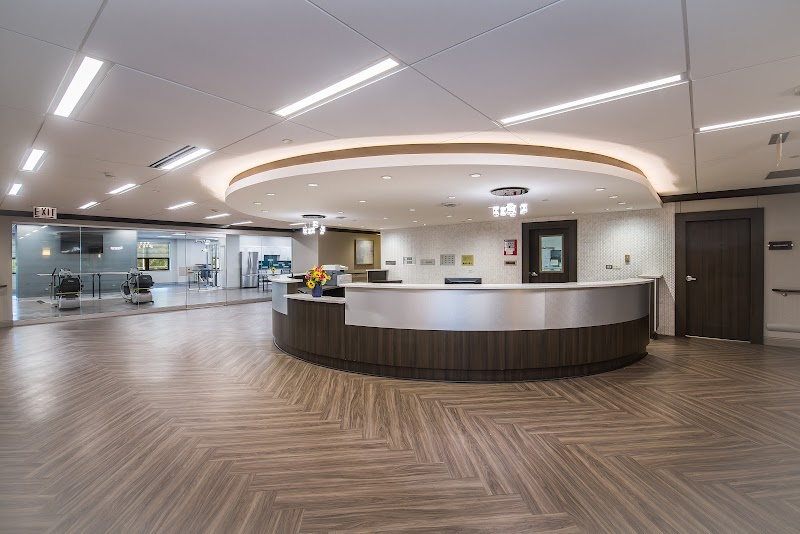
How is Aperion Care Forest Park Staffed?

CMS rates APERION CARE FOREST PARK's staffing level at 1 out of 5 stars, which is much below average compared to other nursing homes. Staff turnover is 54%, compared to the Illinois average of 46%. RN turnover specifically is 60%, which is notably high. RNs provide skilled clinical oversight, so turnover in this role can affect medical care quality.

What Have Inspectors Found at Aperion Care Forest Park?

State health inspectors documented 79 deficiencies at APERION CARE FOREST PARK during 2022 to 2025. These included: 6 Immediate Jeopardy (the most serious level, indicating potential for serious harm or death), 16 that caused actual resident harm, and 57 with potential for harm. Immediate Jeopardy findings are rare and represent the most serious regulatory concerns. They require immediate corrective action.
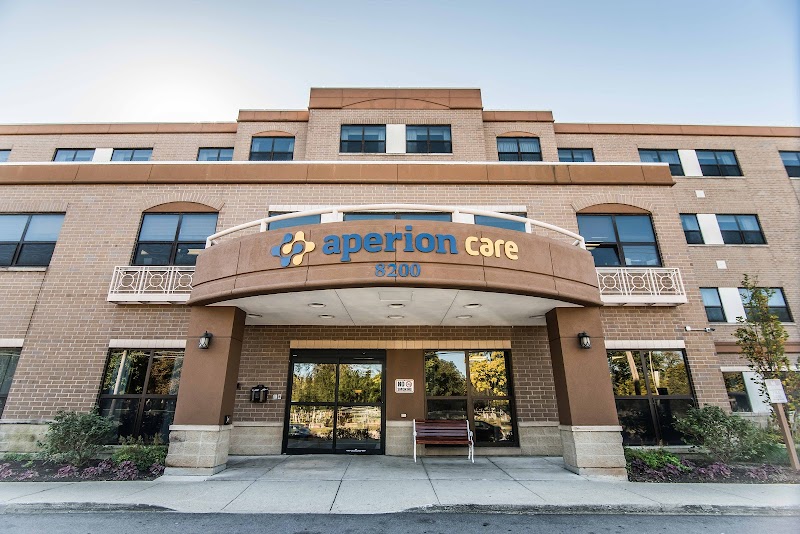
Who Owns and Operates Aperion Care Forest Park?

APERION CARE FOREST PARK is owned by a for-profit company. For-profit facilities operate as businesses with obligations to shareholders or private owners. The facility is operated by APERION CARE, a chain that manages multiple nursing homes. With 232 certified beds and approximately 193 residents (about 83% occupancy), it is a large facility located in FOREST PARK, Illinois.
How Does Aperion Care Forest Park Compare to Other Illinois Nursing Homes?

Compared to the 100 nursing homes in Illinois, APERION CARE FOREST PARK's overall rating (1 stars) is below the state average of 2.5, staff turnover (54%) is near the state average of 46%, and health inspection rating (1 stars) is much below the national benchmark.

What Should Families Ask When Visiting Aperion Care Forest Park?

Based on this facility's data, families visiting should ask: "What changes have been made since the serious inspection findings, and how are you preventing similar issues?" "What safeguards and monitoring systems are in place to protect residents from abuse or neglect?" "Can you walk me through typical staffing levels on day, evening, and night shifts?" "Can I visit during a mealtime to observe dining assistance and food quality?" These questions are particularly relevant given the facility's Immediate Jeopardy citations, the substantiated abuse finding on record, and the below-average staffing rating.

Is Aperion Care Forest Park Safe?

Based on CMS inspection data, APERION CARE FOREST PARK has documented safety concerns. The facility has 1 substantiated abuse finding (meaning confirmed case of resident harm by staff or other residents). Inspectors have issued 6 Immediate Jeopardy citations (the most serious violation level indicating risk of serious injury or death). The facility is currently on the Special Focus Facility watch list (a federal program monitoring the lowest-performing 1% of nursing homes nationwide). The facility has a 1-star overall rating and ranks #100 of 100 nursing homes in Illinois. Families considering this facility should ask detailed questions about what corrective actions have been taken since these incidents.

Do Nurses at Aperion Care Forest Park Stick Around?

APERION CARE FOREST PARK has a staff turnover rate of 54%, which is 8 percentage points above the Illinois average of 46%. Moderate turnover is common in nursing homes, but families should still ask about staff tenure and how the facility maintains care continuity when employees leave.

Was Aperion Care Forest Park Ever Fined?

APERION CARE FOREST PARK has been fined $644,635 across 5 penalty actions. This is 16.3x the Illinois average of $39,525. Fines at this level are uncommon and typically indicate a pattern of serious deficiencies, repeated violations, or failure to correct problems promptly. CMS reserves penalties of this magnitude for facilities that pose significant, documented risk to resident health or safety. Families should request specific documentation of what issues led to these fines and what systemic changes have been implemented.

Is Aperion Care Forest Park on Any Federal Watch List?

APERION CARE FOREST PARK is currently an SFF Candidate, meaning CMS has identified it as potentially qualifying for the Special Focus Facility watch list. SFF Candidates have a history of serious deficiencies but haven't yet reached the threshold for full SFF designation. The facility is being monitored more closely — if problems continue, it may be added to the official watch list. Families should ask what the facility is doing to address the issues that led to this status.