FRANKLIN GROVE LIVING AND REHAB
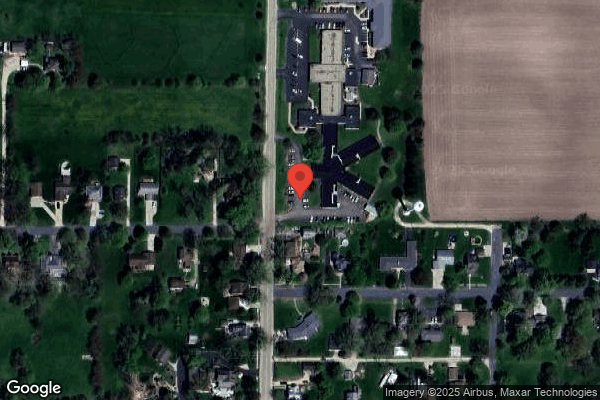
502 NORTH STATE STREET, FRANKLIN GROVE, IL 61031 (815) 456-2374
For profit - Limited Liability company 132 Beds Independent Data: November 2025
Trust Grade
60/100
#144 of 665 in IL
Last Inspection: February 2025

Within standard 12-15 month inspection cycle. Federal law requires annual inspections.

Overview

Franklin Grove Living and Rehab has a Trust Grade of C+, indicating it is slightly above average but not without its concerns. It ranks #144 out of 665 facilities in Illinois, placing it in the top half, and #2 out of 3 in Lee County, meaning only one local option is better. The facility's trend is stable, with the number of issues remaining consistent at four in both 2024 and 2025. Staffing is below average with a rating of 2 out of 5 stars and a turnover rate of 43%, which is slightly better than the Illinois average of 46%. Additionally, the facility has incurred $25,395 in fines, which is average and suggests some compliance issues. However, there are serious concerns regarding resident care. For instance, one resident with a fractured ankle experienced a delay in treatment for three days due to the facility's failure to assess their condition and notify the physician. Another incident involved a resident suffering a femur fracture during a transfer that was not conducted safely. Furthermore, the facility has been on outbreak status for an extended period without appropriate testing protocols, raising concerns about infection control. While there are strengths in overall health inspections and quality measures, families should carefully weigh these issues when considering this facility.

Trust Score
C+
60/100
In Illinois
#144/665
Top 21%
Safety Record
Moderate
Needs review
Inspections
Holding Steady
4 → 4 violations
Staff Stability
○ Average
43% turnover. Near Illinois's 48% average. Typical for the industry.
Penalties
✓ Good
$25,395 in fines. Lower than most Illinois facilities. Relatively clean record.
Skilled Nurses
○ Average
Each resident gets 33 minutes of Registered Nurse (RN) attention daily — about average for Illinois. RNs are the most trained staff who monitor for health changes.
Violations
⚠ Watch
16 deficiencies on record. Higher than average. Multiple issues found across inspections.
★★★★☆
4.0
Overall Rating
★★☆☆☆
2.0
Staff Levels
★★★★☆
4.0
Care Quality
★★★★☆
4.0
Inspection Score
Stable
2024: 4 issues
2025: 4 issues

The Good

  • 4-Star Quality Measures · Strong clinical quality outcomes
  • Full Sprinkler Coverage · Fire safety systems throughout facility
  • No fines on record
  • Staff turnover below average (43%)

    5 points below Illinois average of 48%

Facility shows strength in quality measures, fire safety.

The Bad

Staff Turnover: 43%

Near Illinois avg (46%)

Typical for the industry

Federal Fines: $25,395

Below median ($33,413)

Moderate penalties - review what triggered them

The Ugly 16 deficiencies on record

2 actual harm
May 2025 1 deficiency
CONCERN (D) 📢 Someone Reported This

A family member, employee, or ombudsman was alarmed enough to file a formal complaint

Potential for Harm - no one hurt, but risky conditions existed

Deficiency F0745 (Tag F0745)

Could have caused harm · This affected 1 resident

Based on observation, interview, and record review the facility failed to ensure a physician ordered referral to a specialist was initiated and facilitated for one resident (R1) of three residents rev...

Read full inspector narrative →
Based on observation, interview, and record review the facility failed to ensure a physician ordered referral to a specialist was initiated and facilitated for one resident (R1) of three residents reviewed for community medical appointments. The findings include: On 5/30/25 at 9:45am R1 stated he was set up with an appointment for an Orthopedic appointment at a medical center for his arthritis. R1 stated he couldn't go, and the Administrator told him he had to find his own transportation as it was too far for the facility van to take him. R1 stated he did ask to be transferred to another facility that would be closer to the medical center, however I'm still here. Office Clinic Physician Note dated 3/1/24 indicates R1 was evaluated for bilateral hand issues. Note indicates R1 has a history of a right thumb amputation due to an infection about 2 years ago. R1 reported he is unable to take care of himself due to this impairment. Note indicates R1 questioned the possibility of a transfer to create a thumb and inquired about this procedure as an option. Physical Exam indicates Exam of right hand reveals significant contractures of the four remaining fingers of his right hand. (R1's) thumb was amputated at the level of the MP (metacarpophalangeal) joint. The contractures of the fingers are not passively correctable at this point. (R1) has some significant contractures on the left side as well. Assessment/Plan indicates Physician had an extensive discussion with (R1) explaining that I do not think there is much that can be done at this point regarding his finger contractures given their severity. (R1) would like to have a referral to an academic hand specialist for consideration of great toe transfer/pollicization. I explained to (R1) that I do not think he would be a good candidate for pollicization given his age and overall health but nevertheless (R1) is interested in a referral. Per his request we will go ahead and arrange that. Physician Order Sheet dated 3/1/24 at 11:34am indicates: Referral Management to Orthopedic Surgery (at a medical center), Multiple Finger Contractures; Possible great toe transfer/pollicization at a major medical center (approximately 2-3 hour drive from clinic). Care Plan Note Text dated 12/10/24 at 12pm indicates IDT (Interdisciplinary Team) met with R1 for care plan meeting. R1 is very upset as he needs a ride for a possible procedure to his hands, and the office where he would need to have it done is farther away than the facility will transport. Because of this, there would be a fee for transportation. R1 feels that this facility should pay for his transport to any facility he may need. Social Services Director has sent a referral to a facility of R1's choice, closer to where the procedure would take place. R1 was updated about the referral. Emotional support and encouragement provided. Will continue with current plan of care. Current Care Plan (5/2025) did not include referral to a medical center and/or transportation, insurance or payment issues related to this referral. No other facility progress notes were found or presented regarding efforts by the facility to obtain transportation for the referral made on 3/1/24. On 5/30/25 at 10:45am V6 (Transportation) stated the facility van only takes residents to local appointments. V6 stated the medical center would not be local and would be set up differently by V1 (Administrator). V6 stated she has no knowledge about what was being done for the referral for R1. On 5/30/25 at 11:30am V1 (Administrator) stated V2 (Director of Nursing/DON) is working with insurance the last couple weeks to see if they will help with transportation for R1. V1 stated we don't typically document about referrals and transportation needs. On 5/30/25 at 11:45am V4 (Social Service Director/SSD) stated she was not involved in the referral for R1 to go to the medical center. V4 stated that R1 wanted to be transferred to another long-term care facility closer to the medical center if he could not get assistance with transportation from the facility. V4 stated she had sent out several referrals to different facilities closer to the medical center however all were declined. V4 stated she did not keep the actual referrals sent to the facilities. Social Service Note dated 12/31/24 at 2:41pm indicates In the last month, I have sent referrals out to facilities for R1. The following have refused to take him (four local facilities were named). I talked with (R1) and told him to let me know if there is anywhere else, he would like me to check into. He has not given me any other facilities to check. The above Social Service Note dated 12/31/24 was the last documentation regarding referrals for R1 found or presented. On 5/30/25 at 1:10pm V2 (DON) stated I don't know where we are with (R1's) referral. V2 stated V4 (SSD) took the call from R1's insurance. V2 stated she only deals with clinical issues for residents. V2 stated the surgery R1 wants would be considered Elective and doesn't believe insurance would cover the procedure, but never spoke to anyone so really doesn't know. On 5/30/25 at 1:15pm V4 (SSD) stated I did not contact R1's insurance and never received a call from R1's insurance. On 5/30/25 at 3:30pm V1 (Administrator) acknowledged facilitating medical appointments and referrals to other facilities should be addressed by Social Service and documented as to progress of those referrals. Social Service Designee Job Description indicates: The primary purpose of your job position is to assist in planning, developing, organizing, implementing, evaluating, and directing our facility ' s social service programs in accordance with current existing federal, state, and local standards, as well as our established policies and procedures, to assure that the medically related emotional and social needs of the resident are met/maintained on an individual basis. Job Functions: Every effort has been made to identify the essential functions of this position. However, it in no way states or implies that these are the only duties you will be required to perform. The omission of specific statements of duties does not exclude them from the position if the work is similar, related, or is an essential function of the position. Responsibilities and Duties/Essential Functions: Refer resident/families to appropriate social service agencies when the facility does not provide the services or needs of the resident. Record and maintain regular Social Service progress notes indicating response to the treatment plan and/or adjustment to institutional life. Assist in providing solutions for social and practical environmental problems including seeking financial assistance, discharge planning (including collaboration with community agencies), and referrals to other community agencies when specialized assistance is required.
Feb 2025 3 deficiencies
CONCERN (D)

Potential for Harm - no one hurt, but risky conditions existed

Pressure Ulcer Prevention (Tag F0686)

Could have caused harm · This affected 1 resident

**NOTE- TERMS IN BRACKETS HAVE BEEN EDITED TO PROTECT CONFIDENTIALITY** Based on observation, interview, and record review the facility failed to have interventions in place to prevent a pressure ulce...

Read full inspector narrative →
**NOTE- TERMS IN BRACKETS HAVE BEEN EDITED TO PROTECT CONFIDENTIALITY** Based on observation, interview, and record review the facility failed to have interventions in place to prevent a pressure ulcer, failed to identify an area of pressure before becoming a stage 3 and failed to have a new pressure ulcer assessed by the wound care provider while in the facility. These failures resulted in R39's pressure ulcer worsening. This applies to two of four residents (R39, R27) reviewed for pressure in the sample of 36. The findings include: 1. The facility face shows R39 was admitted to the facility 11/8/2024 with diagnoses to include dementia, chronic pain syndrome and edema. The Braden scale for predicting pressure sores dated 11/29/2024 shows R39 to be at risk. The facility admission assessment dated [DATE] for R39 shows her to have severe cognitive impairment, was able to walk without any mobility aides, was occasionally incontinent of bowel and bladder and required moderate staff assistance with toileting. The same assessment for R39 shows on the date of assessment she did not have any pressure sores but was at risk for them. The observations of R39 on 2/4/2025 to 2/6/2025 shows R39 to not have an air mattress to her bed. On 2/6/2025 in the afternoon an air mattress was added to R39's bed. On 2/06/2025 at 8:45AM, V3 (Licensed Practical Nurse/LPN/Wound Nurse) was observed doing wound care on R39. R39 was lying in bed on her side and V3 cleansed the wound and applied a new dressing. As V3 was doing this R39 could be heard moaning and guarding the area. The wound was irregular in shape and located between the buttock cheeks. The cheeks had to be separated to observe the wound clearly. Slough was observed at the base of the wound and the skin surrounding the wound appeared red and irritated. V3 said she was surprised when she heard R39 had a pressure sore. R39 was ambulatory but is incontinent of her bowel and bladder and needed assistance from staff with getting cleaned up. V3 said the pressure wound should have been found sooner, before becoming a stage 3 wound, but R39 can be combative with care and sometimes refuses care. The location of the wound also makes it harder to see if she is being combative. V3 said R39 will be seen by the NP next week and said she wasn't sure why she wasn't seen on the 4th. V3 said R39 should be on an air mattress for better healing and will get that done today. The weekly skin observation dated 1/13/2024 shows R39 had no skin issues but was extremely uncooperative during the assessment. The note shows the nurse documenting this nurse did the best assessment possible due to resident becoming agitated and combative]. No other nursing documentation was done to show the skin check was attempted again. The wound-weekly observation tool for R39 dated 1/30/2025 shows a stage three pressure ulcer to the sacrum. The date acquired shows 1/27/2025. The note shows there was slough (presence of dead yellow or white tissue) and small amounts of drainage present. The wound measured 3 CM (Centimeters) by 1.5 CM by 0.2 CM and the tissue surrounding the wound was described as maceration (skin softening or breaking down). A treatment for the wound was put in place and a note shows the resident to see the wound NP (Nurse Practitioner) on 2/4/2025. No note from that date by the NP was found. The wound-weekly observation tool dated 2/4/2025 for R39 shows the stage 3 sacral wound continues with slough and macerated tissue surrounding the wound. The wound measurements were unchanged from 1/30/2025. The note on the tool shows the resident will see the wound MD (Medical Doctor) next Tuesday. On 2/06/25 at 10:28 AM, V12 (Wound NP) said, The residents at risk should be repositioned every 2 hours, this is very important. If a new wound is found it should be seen as soon as possible by us, I'm not sure why they didn't have me see her on Tuesday when I was there. She should have been put on an air mattress right away as well. A pressure ulcer can develop quickly but I wouldn't say in one day. Usually, redness is visible for some time before it gets to a stage 3 pressure sore. On 2/06/25 at 9:40 AM, V2 (Director of Nursing/DON) said she did not want to make any excuses for why the pressure ulcer was not found until it was a stage 3, but R39 can be combative at times and does refuse care. R39 came to the facility from another nursing home and did have some issues adjusting to the new routine. V2 said R39 liked to do for herself but the staff learned that she was not doing a good job keeping herself clean. She was incontinent of bladder and bowel and would put the dirty undergarments in her drawer. V2 said the staff are now able to help her more, but she does still get combative. V2 said I would expect the staff to keep trying to observe her skin during skin checks and if one nurse can't get it done maybe the next one can. V2 said R39 has been like that with the staff. V2 said an air mattress will be put on her bed today. On 2/06/25 at 10:00AM, V6 (Certified Nursing Assistant/CNA) said she works with R39 and provides peri care to her. V6 said R39 can get aggressive with them and tries to hit them and pushes them away. V6 said she will just go back later and try again. V6 said she never noticed and redness to R39's sacral area. On 2/05/25 at 1:59 PM, V11 (LPN) said she did not feel like R39 was having a change in her condition. She recently had a flu shot and maybe that's why she was sleepier on that day V11 said R39 decides when she is up and when she stays in bed. V11 said she has not seen any change in her behaviors or condition other than the pressure sore. A nursing progress note dated 2/6/2025 at 09:01 AM shows [Resident noted on dressing to Sacrum increased redness and tenderness to peri wound. Noted slough to wound bed with foul odor, moderate drainage noted. MD notified via phone d/t possible infection. New orders to obtain a wound culture and start resident on Augmentin 500mg BID x10days and Acidophilus probiotic x20 days. Consult with wound NP next Tuesday. Next of Kin called and left voicemail to call facility with any questions or concerns.] A nursing progress notes dated 2/4/2025 at 12:44PM, shows a standard pressure relief mattress was in place for the resident. The note also shows the resident R39 will see the wound NP the following week. (The wound care NP was in the building on 2/4/2025 making wound rounds.) The weekly skin checks for December shows no skin issues. The weekly skin check dated 2/3/2025 (7 days after the stage 3 pressure ulcer was found) shows no skin issues. The POS (Physician Order Sheet) dated February 2025 shows an order dated to start 2/6/2025 for an air mattress due to sacral wound. (10 days after the pressure ulcer was found.) An order for a wound culture was also ordered on 2/6/2025 for suspected wound infection. The same POS also shows an order an antibiotic for wound infection to start 2/6/2025. The care plan for R39 dated 11/21/2024 for potential for impairment to skin integrity shows the interventions for skin checks with care and weekly on her shower day. A care plan for resistance to care dated 1/12/2025 shows if resistant to care reassure her, leave, and return 5-10 minutes later and try again. The facility policy with a review date of 8/29/2024 for skin conditions-Wound policy shows a licensed staff will complete a head-to-toe skin assessment weekly and as needed. The skin assessment will be documented in the clinical record on the weekly skin assessment. The facility policy reviewed on 8/29/2024 for pressure ulcer shows to ensure a proper treatment program has been instituted and is being closely monitored to promote the healing of any pressure ulcer, once identified. 1. Prevention measures are assessed upon admission, any significant changes and at least quarterly based on the resident risk assessment. Implementation of preventive measures are based on the factors specific to each resident. 2. R27's face sheet showed she was admitted to the facility on [DATE] with diagnoses to include metabolic encephalopathy, essential hypertension, chronic pain syndrome, hyperlipidemia, morbid obesity, osteoarthritis, difficulty walking, weakness, and anxiety disorder. R27's Wound Practitioner Note dated 2/4/25 showed, . Referred on 12/17/24 . pressure ulcer of the left buttocks and coccyx . Preventative measures in place . has LAM (air mattress) . weight 268.8 lbs . R27's medical record showed her weight on 2/5/25 as 266.2 lbs. On 2/04/25 at 9:25 AM, R27 was lying in bed. R27's air mattress pump attached to the end of her bed was set on 350 lbs. On 2/05/25 at 12:46 PM, V11 (LPN) said, . [R27's] wounds aren't improving like we want them to . On 2/06/25 at 8:18 AM, V3 (LPN/Wound Care Nurse) said the purpose of R27's air mattress is to alleviate pressure and it gets set by the resident's weight. V3 confirmed the air mattress was set at 350 lbs. V3 said 350 lbs is too high because R27 only weighs about 260 pounds. V3 adjusted the setting on the mattress. On 2/06/25 at 9:55 AM, V5 (Assistant Director of Nursing/ADON) said, It is my understanding is that mattress is supposed to be based on her weight and having it set too high affects the pressure. The heavier the resident is the higher it is set and the more it would be filled. Having it set too high would increase the firmness. It would be important to be set to the resident's weight because it affects how firm the mattress is, and we would like it to be providing the right amount of pressure. On 2/06/25 at 10:11 AM, V2 (DON) said, 350 lbs is too high for her, it won't do its job if it's too firm. The mattress is supposed to reduce pressure and promote wound healing. The air mattress Operations Manual showed, . Indications: [air mattress product name] pump and overlay system . is indicated for the prevention and treatment of any and all stage pressure ulcers when used in conjunction with a comprehensive pressure ulcer management program . Pressure-adjust knob (2) Determine the patient's weight and set the control knob to that weight setting on the control unit .
CONCERN (D)

Potential for Harm - no one hurt, but risky conditions existed

Incontinence Care (Tag F0690)

Could have caused harm · This affected 1 resident

**NOTE- TERMS IN BRACKETS HAVE BEEN EDITED TO PROTECT CONFIDENTIALITY** Based on observation, interview, and record review the facility failed to ensure a dependent resident received timely incontinen...

Read full inspector narrative →
**NOTE- TERMS IN BRACKETS HAVE BEEN EDITED TO PROTECT CONFIDENTIALITY** Based on observation, interview, and record review the facility failed to ensure a dependent resident received timely incontinence care and failed to ensure a resident with an indwelling catheter maintained the drainage bag below the level of the bladder for 2 of 4 residents (R21, R12) reviewed for bowel and bladder in the sample of 36. The findings include: 1. R21's face sheet showed she was admitted to the facility on [DATE] with diagnoses to include Alzheimer's Disease, hypertension, dysphagia, need for assistance with personal care, anxiety disorder, and major depressive disorder. R21's facility assessment dated [DATE] showed she has severe cognitive impairment and is frequently incontinent of bowel and bladder. R21's care plan initiated 3/31/2017 showed, . offer more frequent toileting . Toilet [R21] frequently, especially after meals and before placing in recliner or bed . R21's care plan initiated 1/24/2019 showed, [R21] is at risk of skin breakdown related to needing assistance with ADL's, decreased mobility, frequent incontinence . [R21] is frequently incontinent. Assist with toileting needs/incontinent care needs, every 2 hours and/or per resident request . Keep skin clean and dry as possible . On 2/05/25 at 12:57 PM, R21 was provided incontinence care by V6 and V7 (Certified Nursing Assistants/CNAs). R21 was assisted to a standing position from her wheelchair and there was urine puddled on her wheelchair cushion. R21's pants were saturated with urine from the buttocks area, down the back of the legs to just above the knees. R21's incontinence brief was removed and was completely saturated with urine. R21 had a strong urine smell. On 2/06/25 at 10:07 AM, V2 (Director of Nursing/DON) said, I expect them to do incontinence care every two hours . or sooner if they need it. They should be rounding back there on the memory unit because those are the more confused residents . It is important to keep residents clean and dry to prevent skin breakdown and UTIs (Urinary Tract Infections). The facility's policy and procedure with review date of 8/29/24 showed, Perineal Care; Purpose: The purposes of this procedure are to provide cleanliness and comfort to the resident, to prevent infections and skin irritation, and to observe the resident's skin condition . 2. R12's face sheet indicated that the resident last admitted to the facility on [DATE] with a past medical history not limited to: need for assistance for personal care, hypertension, obstructive and reflux uropathy, hydronephrosis, and artificial openings of urinary tract status. On 02/04/25 at 10:18 AM, R12 was observed in a reclining chair in his room with an indwelling urinary catheter in place with the tubing laid across R12's abdomen and over the arm rest of the recliner to his right side. The urine collection bag was placed next to R12's right lower thigh on the seat of the recliner that was not within a privacy bag, contained small amounts of sediment withing the tubing, and was not below the level of his bladder. R12 said that he has had a catheter for years due to his history of severe urinary tract infections (UTI). On 02/04/25 from 10:30 AM to 12:00 PM, R12 was observed multiple times by survey team self-propelling himself in a powered wheelchair throughout the hallways near the 500 unit with his urinary catheter tubing laid across his upper thighs, and the urine collection bag was hung on the armrest to R12's left side that was level to the arm rest that not hanging below the level of his bladder. The collection bag was partially placed within a privacy bag with the upper and middle portions of the bag clearly visible. During this timeframe, no staff members were observed by surveyor redirecting R12 or attempting to adjust the level of his urinary collection bag so that it was below the level of his bladder. On 02/04/25 at 12:07 PM, observed R12 enter the smaller dining room that is off the 400/500 units with his urinary catheter tubing laid across his upper thighs, and the urine collection bag was hung on the armrest to R12's left side that was hanging level to the arm rest and not below the level of his bladder. Several staff members were present in the dining room at this time. R12 then self-propelled himself out of the dining room approximately 30 minutes after he entered. No staff members were observed by surveyor either redirecting R12 or attempting to adjust the level of his urinary collection bag so that it was placed below the level of his bladder while R12 was in the dining room. Review of R12's active physician orders showed change suprapubic catheter as needed if increase in sediment, blockage, or unable to irrigate. R12's care plan last reviewed on 12/26/2024 reads in part: requires enhanced barrier precautions (EBP) related to suprapubic catheter with date Initiated of 04/09/2024. No further documentation regarding catheter care or monitoring found. On 02/04/25 from 02:00 PM to 03:00 PM, R12 was again observed multiple times by surveyor self-propelling himself with his powered wheelchair throughout the facility and on the 500 unit with his urinary catheter tubing laid across his upper thighs, and the urine collection bag was hung on the armrest to R12's left side that was level to the arm rest and not hanging below the level of his bladder with no staff redirection or education regarding collection bag being hung below the level of his bladder. On 02/05/25 at 12:15 PM, V8 (Licensed Practical Nurse) said that R12 gets verbally aggressive with staff and can be non-compliant but staff redirect and educate him daily regarding the placement level for his urine collection bag below the bladder and of it being in a privacy bag. V8 was unsure if R12's non-compliance and aggression were care planned but indicated that they should be. On 02/05/25 at 09:18 AM, 12:10 PM, and 2:16 PM, R12 was observed in the reclining chair in his room with the urinary catheter tubing laid across his abdomen and over the arm rest of the recliner to his right side. The urine collection bag was observed hanging on a garbage can next to R12 that was not within a privacy bag, and the tubing was observed on the floor between the garbage can and the recliner. On 02/06/25 at 07:56 AM, R12 was observed self-propelling himself with his powered wheelchair to the front lobby area where several staff members were present. R12's urinary catheter tubing was laid across his upper thighs, and the urine collection bag was hung within a privacy bag on the armrest to R12's left side that was level to the arm rest and not hanging below the level of his bladder. No staff members were observed by surveyor redirecting R12 or attempting to adjust the level of his urinary collection bag so that it was hanging below the level of his bladder. On 02/06/25 at 10:13 AM, V2 (Director of Nursing) said R12 likes things where he wants them and has been educated in the past regarding the placement of his collection bag. V2 added that R12 is alert, oriented and can be easily angered so most of the time, staff leave him alone and do not attempt to redirect or re-educate R12 regarding his urine collection bag being in a privacy bag and hung below the level of the bladder to avoid angering resident. V2 (Director of Nursing) also said that the indwelling catheter tubing and collection bag should be below the level of the bladder to avoid backflow of urine and prevent urinary tract infections. V2 then said that she thought these behaviors were care planned for R12 but discovered they weren't, so she revised R12's care plan yesterday (02/05/2025). At 10:25 AM, after interview with V2 (Director of Nursing), surveyor requested documentation regarding the education provided to R12, and of any non-compliance or behaviors related to his catheter care. On 02/06/25 at 10:30 AM, R12's revised care plan (02/05/2025) was reviewed and documented that the resident has suprapubic catheter obstructive and reflux uropathy with interventions not limited to: position catheter bag and tubing below the level of the bladder and away from entrance room door, may move it per his own preference; and provide privacy bag, often refuses to use privacy bag on wheelchair that was created by V2 (Director of Nursing) on 02/05/2025. No documentation was found during review of R12's medical record or provided by facility during course of this survey regarding provided education to R12, or of any non-compliance and behaviors related to his catheter care. Catheters, Emptying a Urinary Bag policy last reviewed 08/29/2024 reads in part: The purposes of this procedure are to prevent the drainage bag from becoming full and allowing urine to flow back into the bladder, to measure output, and to obtain a sterile specimen. General Guidelines not limited to: Always check tubing when emptying a urinary drainage bag to be sure there are no kinks, and that the urine is draining freely. Attach the drainage bag to the bedframe while resident in bed if allows for bag to not touch the floor. Keep the drainage bag below the level of the resident's bladder. Keep the drainage bag and tubing off the floor at all times to prevent contamination and damage.
CONCERN (E)

Potential for Harm - no one hurt, but risky conditions existed

Safe Environment (Tag F0921)

Could have caused harm · This affected multiple residents

**NOTE- TERMS IN BRACKETS HAVE BEEN EDITED TO PROTECT CONFIDENTIALITY** 2. On 2/4/2025 during the initial tour of the facility, in resident rooms for (R1), (R9), (R25), (R5&6), (R69) and (R33&16), the...

Read full inspector narrative →
**NOTE- TERMS IN BRACKETS HAVE BEEN EDITED TO PROTECT CONFIDENTIALITY** 2. On 2/4/2025 during the initial tour of the facility, in resident rooms for (R1), (R9), (R25), (R5&6), (R69) and (R33&16), the base board heating units were observed to have face plates that were not firmly attached to the unit leaving exposed metal grids. The face plates were hanging down onto the floor in front of the units. On 2/5/2025 at 1:00 PM, R25 and R69's visitor said the face plates have been broken for a long time. On 2/5/2025 at 2:40 PM, V4 (Maintenance Director) said he was not aware of the plates being broken on the heating units in those rooms. V4 said he fixes things that are broken as the staff report them to him. V4 said he makes monthly rounds of the rooms and had not noticed this problem. The facility policy with a revision date of 10/17/2024 for preventive maintenance shows the maintenance department is responsible for maintaining the buildings in a safe and operable manner. Functions of the maintenance personnel are to complete monthly and weekly rounds. Based on observations, interviews, and record reviews, the facility failed to provide residents with a safe and comfortable home-like environment that enhanced each resident's overall quality of life by not maintaining an effective preventative maintenance plan due to observing wall in resident's room with areas of visibly scraped paint throughout room; chair railing not secured to the wall that exposed nails and caused drywall dust to accumulate on the floor; multiple bathroom doors with visible deep scrapes and holes to the middle and lower portions; and the heating baseboard cover plates were not firmly attached or were missing. This failure directly affected 14 residents (R1, R5, R6, R9, R14, R16, R25, R33, R49, R50, R59, R65, R69, and R75) within 13 total rooms in a sample size of 36. Findings include: 1. On 02/04/25 at 10:13 AM, R65 said the toilet seat in his bathroom was loose and that he has told staff about the issue several times. R65 added that he feels unsafe when sitting on the toilet and when getting up from the toilet because the seat is not sturdy and moves from side to side. Review of R65's face sheet documented resident admitted to the facility on [DATE]. On 02/04/25 at 12:25 PM, surveyor informed V10 (Housekeeping & Laundry Director) about the loose toilet seat in R65's bathroom who said that resident's toilets are to be cleaned daily by housekeeping. V10 added that when staff find an issue or when residents have a repair request, a staff member should complete a work requisition form and submit the request to maintenance. V10 then said that she would complete and submit a requisition form by end of day for R65's loose toilet seat. On 02/05/2024 at 11:16 AM, during interview with R49 and R50 who are roommates, surveyor observed large areas of scraped paint scattered throughout the wall that is directly behind the head of their beds, and observed a large, scraped area of paint to a portion of wall next to the room closet and across from the bathroom door. At 11:20 AM, R49 said look at the inside of the bathroom door. Surveyor observed to the inner bathroom door, deep scrapes and multiple holes to the middle and lower portions of the bathroom door. R49 said it looks like someone shot up the door and has resided at the facility for about a year with these issues that were present upon her admission. At 11:25 AM, R50 said she has resided at the facility for three years and the scraped paint and holes in the bathroom door have been present since her admission and said, it doesn't look good. Review of R49's face sheet documented resident admitted to the facility on [DATE]. Review of R50's face sheet documented resident admitted to the facility on [DATE]. On 02/05/2024 at 12:35 PM, surveyor observed the wooden chair railing on the wall directly behind R75's bed and recliner, not secured to the wall with exposed nails behind the railing and drywall dust falling to the floor upon slightly touching the railing. Review of R75's face sheet documented resident admitted to the facility on [DATE]. On 02/05/2024 at 12:40 PM, during interview with R59, surveyor observed several areas of scraped paint to the wall directly behind the head of R59's bed and observed to the inner bathroom door, deep scrapes, and multiple holes to the middle and lower portions of the door. R59 said that she has resided at the facility for several months and these issues have been present since her admission. Review of R59's face sheet documented resident admitted to the facility on [DATE]. On 02/05/2024 at 12:45 PM, during interview with R14, surveyor observed to the inner bathroom door of R14's room, deep scrapes, and multiple holes to the lower portions of the door. R14 said that she has resided at the facility for over a year and the holes have been present since her admission. Review of R14's face sheet documented resident admitted to the facility on [DATE]. On 02/05/2024 at 01:05 PM, R65 said the toilet seat in his bathroom is no longer loose and thanked surveyor for the assistance. On 02/05/2025 from 02:40 to 02:55 PM, surveyor performed building walk through with V4 (Maintenance Director) who said the railing to R75's wall was just fixed a few months ago and should be secured to the wall; the walls to R49 and R50's room were just painted a few months ago and should not be scraped then said he was not aware of the scrapes and holes to the bathroom doors in R14, R49, R50, and R59's rooms and that they should not be there. V4 then said he does monthly rounds throughout the facility and to all resident rooms to look for needed repairs or maintenance. Review of Preventative Maintenance policy last reviewed 10/17/2024 reads in part: maintenance department is responsible for maintaining the buildings, grounds, and equipment in a safe and operable manner at all times. It is the job of all staff to identify areas of concern regarding the maintenance of the building. Preventative maintenance will occur throughout the year. Maintenance supervisor is responsible for developing and maintaining a schedule of maintenance to ensure that the buildings, grounds, and equipment are maintained in a safe and operable manner. Functions of maintenance personnel include but are not limited to: providing routinely scheduled maintenance service and repair to all areas. Review of Maintenance Work Request policy last reviewed 03/29/2024 reads in part: when a resident, staff member, or family member recognizes the need for maintenance services, a Maintenance Work Request form will be completed by a staff member, placed in designated place for maintenance personnel who will review work requests daily and prioritize work to be done.
Jan 2024 2 deficiencies
CONCERN (D) 📢 Someone Reported This

A family member, employee, or ombudsman was alarmed enough to file a formal complaint

Potential for Harm - no one hurt, but risky conditions existed

Deficiency F0582 (Tag F0582)

Could have caused harm · This affected 1 resident

**NOTE- TERMS IN BRACKETS HAVE BEEN EDITED TO PROTECT CONFIDENTIALITY** Based on interview and record review the facility failed to ensure a resident's personal funds were refunded upon discharge. Thi...

Read full inspector narrative →
**NOTE- TERMS IN BRACKETS HAVE BEEN EDITED TO PROTECT CONFIDENTIALITY** Based on interview and record review the facility failed to ensure a resident's personal funds were refunded upon discharge. This applies to 1 of 4 residents (R1) reviewed for personal funds in the sample of 4. The findings include: R1's face sheet shows she is a [AGE] year-old female admitted to the facility on [DATE] and discharged on 12/12/23. Medicaid is listed as the payor source. Her diagnoses include Wernicke's Encephalopathy, depression, alcohol dependence, and COPD. On 1/30/24 at 10:33 AM, V7 (R1's family) said R1 was discharged from the facility on 12/12/23. She called the facility to follow up on R1's social security check, it was being directly deposited to the facility when she was there. V3 (Business Office) told her they received R1's Social Security check for January 2024, R1 has not received a refund for her January personal funds. V7 said the facility did not report to Social Security she was discharged and that's why her personal funds were deposited with the facility's management account. On 1/30/24 at 11:00 AM, V3 (Business Office) said she got a call from V7 regarding R1's Social Security check. V7 said, This was my first time experiencing a resident being discharged to the community with her personal funds being deposited with the facility. I did not notify Social Security of (R1's) discharge from the facility. (R1's) January check was deposited to the facility, we switched management systems and the previous company would report to Social Security when a resident was discharged . Someone must report to Social Security when a resident is discharged so the resident can receive their funds. (V7) was a little upset and I told her we were working on it. V3 said she requested a refund from the management company yesterday. R1's Resident Fund Management Service Authorization and Agreement to Handle Resident Funds form dated 8/9/23 shows a signed signature by R1 and elected direct deposit of her social security funds with the facility's management service. R1's Resident Statement Fund provided on 1/29/24 shows a deposit on 1/10/24 (29 days after discharge) from Social Security for $1215.00. On 1/10/24 an auto withdrawal for care cost of $1185.00 (R1 was discharged on 12/12/23). A Check Request form dated 1/29/24 (48 days after R1's discharge) shows a refund was requested due to her discharge. The form shows an area For Office Use Only including account number, check amount approved by and date approved are all blank.
CONCERN (D) 📢 Someone Reported This

A family member, employee, or ombudsman was alarmed enough to file a formal complaint

Potential for Harm - no one hurt, but risky conditions existed

Pharmacy Services (Tag F0755)

Could have caused harm · This affected 1 resident

**NOTE- TERMS IN BRACKETS HAVE BEEN EDITED TO PROTECT CONFIDENTIALITY** Based on interview and record review the facility failed to provide a resident's medications upon discharge. This applies to 1 o...

Read full inspector narrative →
**NOTE- TERMS IN BRACKETS HAVE BEEN EDITED TO PROTECT CONFIDENTIALITY** Based on interview and record review the facility failed to provide a resident's medications upon discharge. This applies to 1 of 3 residents (R1) reviewed for discharge in the sample of 4. The findings include: R1's face sheet shows she is a [AGE] year-old female admitted to the facility on [DATE] and discharged on 12/12/23. Medicaid is listed as the payor source. Her diagnoses include Wernicke's Encephalopathy, depression, alcohol dependence, and COPD. R1's Physician Order Sheets dated December 2023 shows orders to discharge to home with current medications (order date 12/8/23) including buspirone (anti-anxiety) 10 mg (milligram) twice a day for Wernicke's encephalopathy and Zoloft 100 mg one tablet for depression. On 1/30/24 at 10:33 AM, V7 (R1's family) said when R1 was discharged , she was not sent home with her psych medications. V7 said, I called and spoke with the head nurse, and she told me (R1's) medications got sent back to pharmacy. (R1's) payor source is Medicaid and her medications for the month were already paid for when she was in the facility. (R1) was having increased behaviors without her medications and she paid for her medications out of pocket. On 1/30/24 at 1:05 PM, V6 (Licensed Practical Nurse/LPN) said she discharged R1. Medications should be sent home with the resident based on the payor source. She remembers sending R1's inhaler home but does recall if she sent home her psych medications. R1 was alert and had some behaviors and paranoia issues. On 1/30/24 at 10:04 AM, V5 (LPN) said she is not sure if medications are sent home with residents. On 1/30/24 at 1:27 PM, V2 (Director of Nursing) said residents should receive their medications on discharge if they have Medicaid, because they have been charged for those medications for the month. V7 contacted her and reported R1 did not receive her medications on discharge. She was asking about R1's psych medications. V2 said R1's medications were sent back to the pharmacy. R1's Discharge Summary form dated 12/12/23 does not show her medications were sent home upon discharge. The facility did not provide a policy regarding medications upon discharge.
Jan 2024 2 deficiencies
CONCERN (D)

Potential for Harm - no one hurt, but risky conditions existed

Pressure Ulcer Prevention (Tag F0686)

Could have caused harm · This affected 1 resident

**NOTE- TERMS IN BRACKETS HAVE BEEN EDITED TO PROTECT CONFIDENTIALITY** Based on observation, interview and record review the facility failed to have interventions in place to prevent a pressure injur...

Read full inspector narrative →
**NOTE- TERMS IN BRACKETS HAVE BEEN EDITED TO PROTECT CONFIDENTIALITY** Based on observation, interview and record review the facility failed to have interventions in place to prevent a pressure injury for 1 of 4 residents (R57) reviewed for pressure injuries in the sample of 17. The findings include: R57's January 2024 order summary sheet documents he was admitted to the facility on [DATE] with multiple diagnoses including hypertension, gout, muscle weakness, and need for assistance with personal care. R57's nursing progress notes of 12/22/23 document he was on droplet isolation precautions and all meals, cares and therapies were provided in his room. R57 refused to get out of bed even after several attempts were made. The notes show on 12/26/23 a 6.35 cm oval area on his left heel that is hard, purple/black in color from pressure on his mattress. The 12/26/23 weekly wound observation tool documents a facility acquired SDTI (Suspected Deep Tissue Injury) to the left heel. The tissue was necrotic (brown, black, leather, scab-like). The wound measured 4 cm in length by 6 cm wide and a depth of 0.1 cm. The 7/19/22 care plan was revised on 12/26/23 and shows R57 is at risk for impaired skin integrity and pressure ulcer development related to very limited mobility requiring extensive assist with all ADL's (Activities of Daily Living) and total dependence for transfers. The 12/15/23 quarterly facility assessment shows he required substantial/maximal assistance to roll left and right and return to lying on his back on the bed. On 1/4/24 at 9:01 AM, V5 (Certified Nursing Assistant/CNA) said R57 is a mechanical lift transfer, he used to stand and transfer but after he was sick, he had a decline. V5 said the staff have to reposition him every 2 hours. He is unable to move himself in bed, he will stay in the same position if not moved. We have to put pillows under his heels, and boots for protection. On 1/4/24 at 9:09 AM, V3 (Wound nurse/Licensed Practical Nurse) said R57 has a deep tissue injury to his heel. She said he was really sick with influenza and had a lot of edema in his feet. While sick, he was in bed more, and assumes that is how he acquired the wound. V3 said R57 was not able to move himself around in the bed and had an overall decline. He should have had his heels floated when in bed, and he did not have the boots, or other interventions in place until after the wound was identified. On 1/4/24 at 10:33 AM, R57's left heel appears to be swollen, dry and purple/black in color. He has knee high compression socks on with tennis shoes. He was sitting in a recliner with his feet elevated. A mechanical lift sling was observed under him. The facility's 7/28/23 pressure ulcer/pressure injury policy documents 1. Prevention measures are assessed upon admission, any significant changes and at least quarterly based on the resident risk assessment. Implementation of preventative measure are based on the factors specific to each resident.
CONCERN (D)

Potential for Harm - no one hurt, but risky conditions existed

Accident Prevention (Tag F0689)

Could have caused harm · This affected 1 resident

**NOTE- TERMS IN BRACKETS HAVE BEEN EDITED TO PROTECT CONFIDENTIALITY** Based on observation, interview and record review, the facility failed to ensure quarterly smoking assessments were completed fo...

Read full inspector narrative →
**NOTE- TERMS IN BRACKETS HAVE BEEN EDITED TO PROTECT CONFIDENTIALITY** Based on observation, interview and record review, the facility failed to ensure quarterly smoking assessments were completed for 1 of 2 residents (R32) reviewed for smoking safety in the sample of 17. The findings include: R32's admission Record, provided by the facility on 1/4/24, showed he was admitted to the facility on [DATE] with diagnoses including paraplegia (an impairment in motor or sensory function of the lower extremities), chronic obstructive pulmonary disease with acute exacerbation, muscle weakness, gastro-esophageal reflux disease, major depressive disorder, and idiopathic peripheral autonomic neuropathy (damage to the nerves that control automatic body functions. The nerve damage affects the messages sent between the brain and other organs, and areas of the autonomic nervous system, including the heart, blood vessels and sweat glands). R32's Order Summary Report, provided by the facility on 1/4/24, showed the following order: May smoke at specified smoking times. The report showed the order was still active. R32's facility assessment dated [DATE] showed he has a traumatic spinal cord injury and uses a manual wheelchair. R32's smoking care plan, with a revision date of 4/20/23, showed the following interventions Allow (R32) to smoke in designated areas only. Repeated reminders of safety hazards. While smoking, will have supervision by staff. R32's ADL (activities of daily living) care plan, with a revision date of 4/20/23, showed he requires assistance from one staff member for bed mobility, dressing, personal hygiene, toileting, and transfers. The Smoker's List provided by the facility showed R32 was listed as one of the residents in the facility that smoke. On 1/3/24 at 1:05 PM, R32 was outside smoking in the designated smoking area with another resident and a staff member present. A review of R32's electronic medical record on 1/3/24, showed the last smoking assessment for R32 was on 4/10/23. The assessment showed R32 was safe to smoke with supervision. On 1/4/24, all of R32's smoking assessments were requested. The facility provided smoking assessments dated 3/27/19; 4/3/23; 4/10/23; and 1/4/24 (the day the assessments were requested). On 1/4/24 at 1:58 PM, V6 (Regional Nurse Consultant) said the smoking assessments for R32 were not completed quarterly as scheduled. The facility's Smoking Policy, with a review date of 7/25/23, showed b. Residents will be evaluated upon admission, quarterly or more frequently as dictated by any significant changes in condition to ensure that they continue to be capable of smoking and using smoking materials without presenting a danger to themselves or others.
Oct 2023 1 deficiency
CONCERN (F) 📢 Someone Reported This

A family member, employee, or ombudsman was alarmed enough to file a formal complaint

Potential for Harm - no one hurt, but risky conditions existed

Infection Control (Tag F0880)

Could have caused harm · This affected most or all residents

Based on interview and record review the facility failed to perform testing for two weeks after a resident tested positive for Covid 19. This applies to all 73 residents residing at the facility. The ...

Read full inspector narrative →
Based on interview and record review the facility failed to perform testing for two weeks after a resident tested positive for Covid 19. This applies to all 73 residents residing at the facility. The findings include: The Facility Data Sheet dated 10/30/23 show the facility has 73 residents residing at the facility. On 10/30/23 at 9:02 AM, V3 (Health Department Nurse) said the facility was on outbreak status. The facility still had a positive resident all the way up to 9/25/23 and did not do any further testing for staff and residents after this resident had become positive. V3 said she had instructed the Administrator (V1) that testing should continue until there were no more positive staff and residents for 14 days to remove them from outbreak status. An electronic mail (email) correspondence between V1 (Administrator) and V3 (Health Department Nurse) dated 9/25/23 showing V3 instructed V1 that since there was a resident who was positive on 9/25/23 that the facility had to continue to test until 10/9/23. On 10/30/23 at 2:20 PM V2 (Director of Nursing) said the facility was testing the whole facility (wide based) twice a week during the outbreak (9/1/23-9/25/23). On 9/22/23, R4 was admitted to the facility from the hospital. The hospital did not send any Covid testing results to the facility. V2 said the facility did not do any Covid testing on admit (9/22/23). On 9/25/23 the facility was scheduled for wide based testing and R4 tested positive for Covid 19. On 10/31/23 at 1:20 PM V1 (Administrator) and V2 (DON) said the facility switched from wide based to unit-based testing on 10/2/23 but no other testing done after 10/2/23. The facility policy entitled Covid 19 Outbreak Control dated 10/21/21 show-Guidelines: 1. In the event of a facility outbreak institute outbreak management protocols and emergency response: Outbreak Investigation and testing. 1. Determine which approach to use for outbreak investigation. 2. Contact tracing approach is more focused approach and starts with identifying staff and residents who have had exposure to positive case. Testing will continue every 3-7 days until there are no more positive cases for 14 days.
Apr 2023 2 deficiencies 1 Harm
SERIOUS (G) 📢 Someone Reported This

A family member, employee, or ombudsman was alarmed enough to file a formal complaint

Actual Harm - a resident was hurt due to facility failures

Quality of Care (Tag F0684)

A resident was harmed · This affected 1 resident

**NOTE- TERMS IN BRACKETS HAVE BEEN EDITED TO PROTECT CONFIDENTIALITY** Based on observation, interview, and record review the facility failed to assess a resident with a change of condition, failed t...

Read full inspector narrative →
**NOTE- TERMS IN BRACKETS HAVE BEEN EDITED TO PROTECT CONFIDENTIALITY** Based on observation, interview, and record review the facility failed to assess a resident with a change of condition, failed to notify the physician of a change of condition, and failed to implement interventions for a resident with a fractured ankle for 1 of 3 residents (R1) reviewed for care and services in the sample of 7. This failure resulted in R1 experiencing a delay in treatment for her fractured ankle for 3 days and pain. The findings include: R1's face sheet showed she was admitted to the facility on [DATE] with diagnoses to include dementia, other disorders of brain in diseases classified elsewhere, reduced mobility, weakness anemia, amnesia, and osteoarthritis. R1's facility assessment dated [DATE] showed she is severely cognitively impaired and requires extensive assistance of two staff members for bed mobility, transfers, toileting, and dressing. The same assessment showed R1 has an inattention behavior (easily distractible/having difficulty keeping track of what was being said) and disorganized thinking continuously present without fluctuations. R1's care plan initiated 1/25/21 showed, [R1] has impaired cognitive function related to dementia . Interventions: Ask [R1] simple yes or no questions in order to determine her needs. She can be anxious at times so reassure her that we want to help her Present just one thought, idea, question, or command to [R1] at a time. Use task segmentation to support short term memory deficits . R1's Patient Report from the mobile x-ray company with date of service 4/6/23 showed, Right ankle, 2 views Findings there is a nondisplaced acute fracture of the distal fibula . Impression: Acute distal fibular fracture . On 4/13/23 at 9:57 AM, R1 was in her room sitting in her wheelchair. R1 said, My foot hurts, take off my sock. I'd like to go to bed. R1 had a very short attention span while answering questions and repeatedly asked the surveyor to feel how soft her shirt sleeves were. R1 could not maintain focus long enough to give any more than short answers before losing her train of thought and refocusing on the environment around her. On 4/13/23 at 10:03 AM, V3 (Certified Nursing Assistant/CNA Supervisor) and V4 (CNA) were assisting R1 to bed with the mechanical lift and providing incontinence care. R1 expressed pain with movement of her right ankle and requested blankets be removed from her right foot because she was experiencing pain. V3 said, [R1] does have a bruised foot. It is broken. We don't know how it happened. On 4/13/23 at 12:55 PM, V12 (CNA) said, It was after lunch when I went to take [R1's] shoe off. She usually is always saying help me, help me but this time she screamed out in pain. I looked at her ankle and saw bruising and swelling . I reported it to the nurse. I have no idea what happened but I'm sure it did not happen on that day because the bruising was already so set it that day. It was purple. On 4/13/23 at 2:21 PM, V14 (CNA) said, The first time I noticed her ankle was swollen and bruised was on Wednesday (4/5/23). I reported it to V11 (Licensed Practical Nurse/LPN) and she told me it had already been reported the day before (4/4/23) and was being handled. On 4/13/23 at 2:37 PM, V11 LPN said, I think it was last Wednesday (4/5/23) when I found out about [R1's] swelling. I don't remember who reported it to me. Typically, we fax the doctor explaining what we found, measurements, symptoms, and find out what testing they want done. I faxed the doctor. I didn't get a response. I know the DON (V2) had to contact the doctor. I don't know when [V2] called her but I know an x-ray was ordered. V11 said she does not have the fax she sent to the physician, did not complete an incident report, and did not document an assessment on R1. On 4/13/23 at 3:00 PM, V2 said, The ankle injury was discovered on Tuesday (4/4/23). [V11] said she got report of the ankle injury and faxed the doctor. The faxes generally go on the clipboard at the nurse's station. I never did find the copy of the fax. We would typically scan it into the resident's record, but we don't know what happened to that. I looked everywhere. There was an x-ray done Thursday (4/6/23) and when I came in on Friday morning the results had not been received yet, so I contacted the x-ray company for the results. We didn't get the results until Friday afternoon that the ankle was fractured. Generally, if a fax was sent to the doctor, we would follow up with a phone call if we don't hear back. I feel like a fax was an acceptable way to contact the physician in this case because all we knew was, she had a bruise. It was not until Friday when we knew the ankle was fractured. If she had a fall with an injury, we would have called the physician or if there was something emergent. She should have documented a progress note and an assessment. I can't tell you with any certainty when the physician or the family was notified because I have to go with what is documented. I would have probably faxed the physician and if I had not heard back in a couple hours I would have called because of the pain [R1] was having. The nurse was educated on what more she could have done. On 4/5/23 it was reported to V11 again by another CNA but V11 told her it was already handled. On 4/6/23 when we still did not have an answer, we called it in. It is important to follow up with the physician because we need an answer to treat the resident. The incident report was not completed until 4/6/23. We did find problems with nursing care, there was education done. Once we found out it was fractured, we set her up with orthopedics. From 4/4/23 through 4/6/23 there were no changes made to R1's plan of care. No acute treatment done such as ice, elevating, or splinting. There was nothing new until we knew it was fractured. I looked at the documentation though and she was not having pain unless the ankle was manipulated. Taking a sock on and off if you have a fractured leg would hurt. During mechanical lift transfers her foot could get manipulated but not bent or anything. It (ankle) would move with the lift up, at times they have to guide the feet and legs, and then it would move with the lay down. R1's 4/6/23 (2 days after the injury was initially identified) nursing note entered at 11:00 AM showed, Upon assessment by this nurse resident noted to have faded purple/yellow/green bruising to right ankle with moderate swelling to extremity, and treatment in place to monitor area until bruising resolved. Very tender to touch. Measuring 14 cm x 12 cm. When resident asked what happened she said she thinks she banged it on something, but she wasn't sure when or what. MD (physician) and POA (Power of Attorney) updated. New order to obtain 2 view x-ray of right foot and ankle. Resident extremity elevated in bed . Tylenol given with some relief unless touched . R1's 4/6/23 nursing note entered at 8:20 PM showed, . Right ankle area remains swollen and bruised. No complaints of pain unless touched or moved . R1's 4/9/23 nursing note entered at 5:42 AM showed, Updated MD of residents increase of pain in regard to fracture to right fibula. Pain signs include tensing, loud crying out, and facial grimacing. Request was made for PRN (as needed) pain medication . The facility's policy and procedure with review date of 7/20/22 showed, Acute Condition Changes . 3. Direct care staff, including Nursing Assistants will be trained in recognizing subtle but significant changes in the resident (for example, a decrease in food intake, increased agitation, changes in skin color or condition) and how to communicate these changes to the Nurse. Nursing Assistants are encouraged to communicate subtle changes in the resident to the nurse promptly . 7. The nursing staff will contact the physician based on the urgency of the situation. For emergencies, they will call or page the physician and request a prompt response. 8. The attending physician (or practitioner providing back up coverage) will respond in a timely manner to notification of problems or changes in condition and status. a. The staff will notify the Medical Director for additional guidance and consultation if they do not receive a timely or appropriate response . Cause Identification; 1. The nursing staff and physician will discuss possible causes of the condition change based on factors including resident history, current symptoms, medication regimen, and existing test results. If necessary, the physician will order diagnostic tests or evaluate the resident directly . Treatment/Management; 1. The physician will help identify and authorize appropriate treatments . Notification; 1. The nurse will notify the resident's attending physician or on-call physician when there has been: . b. A discovery of injuries of an unknown source . 2. the nurse will notify the resident's family or representative when: a. The resident is involved in any accident or incident that results in an injury including injuries of an unknown source; . 5. The nurse will record in the resident's medical record information relative to changes in the resident's medical/mental condition or status . The facility's policy and procedure with review date of 7/20/22 showed, Bruise Monitoring; . To provide proper monitoring, treatment, and documentation of any resident with skin abnormalities . 1. Identification - Bruising will be identified by the nurse through review of weekly skin assessments and the weekly shower sheets. Additionally, any reports generated verbally by direct care staff will be forwarded to the skin nurse in writing. All information will be reviewed by the DON or designee as the means to identify residents experiencing bruising .
CONCERN (D) 📢 Someone Reported This

A family member, employee, or ombudsman was alarmed enough to file a formal complaint

Potential for Harm - no one hurt, but risky conditions existed

Report Alleged Abuse (Tag F0609)

Could have caused harm · This affected 1 resident

**NOTE- TERMS IN BRACKETS HAVE BEEN EDITED TO PROTECT CONFIDENTIALITY** Based on observation, interview, and record review the facility failed to report an injury of unknown origin to the Illinois Dep...

Read full inspector narrative →
**NOTE- TERMS IN BRACKETS HAVE BEEN EDITED TO PROTECT CONFIDENTIALITY** Based on observation, interview, and record review the facility failed to report an injury of unknown origin to the Illinois Department of Public Health for 1 of 3 residents (R1) reviewed for abuse in the sample of 7. The findings include: R1's face sheet showed she was admitted to the facility on [DATE] with diagnoses to include dementia, reduced mobility, weakness anemia, amnesia, and osteoarthritis. R1's facility assessment dated [DATE] showed she is severely cognitively impaired and requires extensive assistance of two staff members for bed mobility, transfers, toileting, and dressing. On 4/13/23 at 9:57 AM, R1 was in her room sitting in her wheelchair. R1 said, My foot hurts, take off my sock. I'd like to go to bed. R1 had a very short attention span while answering questions and repeatedly asked the surveyor to feel how soft her shirt sleeves were. R1 could not maintain focus long enough to give any more than short answers before losing her train of thought and refocusing on the environment around her. On 4/13/23 at 10:03 AM, V3 (Certified Nursing Assistant/CNA Supervisor) said, [R1] does have a bruised foot. It is broken. We don't know how it happened. The facility provided a document dated 4/7/23 which was signed by V2 (Director of Nursing/DON) that showed, Bruising noted 4/6/23 (Thursday), x-ray revealed fracture. Bruising noted to have some yellowing. Due to the pathology of bruising I interviewed Monday staff. Summary of interviews: Spoke to nurse [V11] that worked the floor Monday. She did not notice any bruising and no reports were made of pain, she did get report of bruising and swelling from CNA on Tuesday (4/4/23) after lunch assessed resident and attempted to notify doctor on Tuesday (4/4/23). On 4/13/23 at 11:05 AM, V2 said, We really have never been able to determine how it happened. On 4/13/23 at 11:15 AM, V1 (Administrator) said she did not report the fracture to IDPH or report an injury of unknown origin to IDPH because the facility knew exactly how it happened. V1 said they knew how it happened because they asked R1 right away on Friday (4/6/23, 2 days after the injury was reported) and she said she must have bumped it. V1 said she did not have to do an investigation because she knew what happened because [R1] told her. On 4/13/23 at 3:00 PM, V2 said, The ankle [injury] was discovered on Tuesday, 4/4/23 . We started an investigation as soon as the results on Friday that showed the ankle was fractured. We made all the calls to staff on 4/7/23 when we knew it was fractured . [R1] is not a good historian. We looked at it and could not come up with a cause. We considered it an injury of undetermined origin. It's still of unknown origin because we can't identify what happened. I didn't report it to IDPH. We contacted corporate, they came in on Friday (4/7/23) and we did some talking and investigating. It was determined it did not need to be reported but I don't why. The facility's policy and procedure dated 10/3/22 showed, Abuse Prevention Program; . Any allegation of abuse or any incident that results in serious bodily injury will be reported to the Illinois Department of Public Health immediately, but no more than two hours of the allegation of abuse. Any incident that does not involve abuse and does not result in serious bodily injury shall be reported within 24 hours . The nursing staff is responsible for reporting the appearance of suspicious bruises, lacerations, or other abnormalities of unknown origin as soon as it is discovered. The report is to be documented on a facility incident report and provided to the nursing supervisor, administrator, or designated individual. Following the discovery of any suspicious bruises, lacerations, or other abnormalities of an unknown origin, the nurse shall complete a full assessment of the resident for other bruises, laceration, or pain . Internal Investigation: . 3. For resident injuries not involving an allegation of abuse or neglect, the administrator will appoint a person to gather further facts to make a determination as to whether the injury should be classified as an injury of unknown source. An injury should be classified as an injury of unknown source when both of the following conditions are met: The source of the injury was not observed by any person, or the source of the injury could not be explained by the resident; and the injury is suspicious because of the extent of the injury or the location of the injury . External Reporting; 1. Initial reporting of allegations .
Mar 2023 4 deficiencies
CONCERN (D)

Potential for Harm - no one hurt, but risky conditions existed

Quality of Care (Tag F0684)

Could have caused harm · This affected 1 resident

**NOTE- TERMS IN BRACKETS HAVE BEEN EDITED TO PROTECT CONFIDENTIALITY** Based on observation, interview, and record review the facility failed to ensure skin treatments were performed at a professiona...

Read full inspector narrative →
**NOTE- TERMS IN BRACKETS HAVE BEEN EDITED TO PROTECT CONFIDENTIALITY** Based on observation, interview, and record review the facility failed to ensure skin treatments were performed at a professional standard for one of one resident (R63) reviewed for non-pressure skin wounds in the sample of 18. The findings include: R63's face sheet printed on 3/22/23 showed diagnoses including but not limited to morbid obesity, stage three kidney disease, anemia, chronic obstructive pulmonary disease, heart failure, and hypertension. R63's facility assessment dated [DATE] showed extensive staff assistance required for transfers, bed mobility, dressing, and toilet use. The same assessment showed R63 is frequently incontinent of urine and has MASD (moisture associated skin damage). R63's March 2023 physician order sheet showed an order for: Apply zinc to coccyx (lower back area) every shift for wound care until healed. There were no other treatment physician orders related to ointments or dressings for R63. R63's Braden Scale for Predicting Pressure Sore Risk report dated 2/26/23 showed she is at risk. On 3/21/23 at 9:42 AM, this surveyor entered R63's room. R63 was standing next to the toilet and V10 (CNA-Certified Nursed Aide) was in the process of applying a dressing to the back of R63's right thigh. V10 wore gloves while attempting to stick a thin, sanitary hygiene pad to the back of R63's thigh. The skin appeared to be covered with a greasy cream and the pad dropped on the floor. V10 placed the pad back onto the skin and said, I am not sure what is usually done here. I am putting A&D (skin cream) on her thigh and covering it with this sanitary pad. She says she is allergic to a lot of glues and stuff, so I am doing it how she wants it done. On 3/21/23 at 9:59 AM, V10 (CNA) said, I was told I am not supposed to be putting that ointment on her, even though the resident wants me too. There isn't any order for a pad over the area either. The nurse (V9) told me not to be doing it, but the resident keeps insisting I do it, so I do. On 3/21/23 at 10:10 AM, V9 (LPN-Licensed Practical Nurse) said R63 has a history of skin breakdown on the backs of her thighs and buttocks. It is an ongoing issue related to her refusals to get off her back side. She sleeps in her recliner and is noncompliant with repositioning. There are no open areas for now, but her thighs heal and reopen a lot due to her larger size and the consistent moisture on that skin. She does have an order for zinc oxide for her coccyx area, but the aides are not allowed to put that on. Only the nurses do it. She should not have any dressings or coverings on her thighs. It could cause that area to break down again. We have repeatedly educated her that the pads are not necessary, but she continues to believe she needs them. The aides have been repeatedly told do not but anything on her skin. Any type of pad can cause moisture to remain against her skin and increases the risk of breakdown. On 3/22/23 at 11:21 AM, V11 (LPN) said R63 did have open skin issues in the past. V11 said she had no idea why a CNA would be applying a sanitary pad to the back of her thighs. It could cause skin tears when it is removed. There is no order for any dressings or pads. On 3/22/23 at 11:29 AM, V12 (CNA) transferred R63 from her wheelchair to the toilet. The back of R63's thighs were observed by this surveyor. A closed, nickel size scar tissue area was on the back of her right thigh. V12 stated R63 asks us aides for ointment and sanitary pads be put on the back of her legs. We have been told to refuse to do it. On 3/22/23 at 11:39 AM, V3 (Wound Care Nurse) said there is no order for R63 to have her thighs covered with a dressing or pad. She has reoccurring skin issues back there. She refuses to get off that area, will not sleep in bed and scoots herself around in her recliner. She is a larger sized resident and frequently incontinent of urine. Covering the area could cause the skin to break open again. The aides should not be doing any wound care or putting pads on there. It could cause infection control issues, skin irritation, or excoriation. R63's care plan showed a focus area last revision dated 3/2/23 related to potential/actual impairment to skin integrity. Interventions included: treatment per MD orders. The facility Skin Condition-Wound Policy review dated 7/20/22 states under the policy statement section: To provide proper monitoring, treatment, and documentation of any resident with skin abnormalities.
CONCERN (D)

Potential for Harm - no one hurt, but risky conditions existed

Accident Prevention (Tag F0689)

Could have caused harm · This affected 1 resident

**NOTE- TERMS IN BRACKETS HAVE BEEN EDITED TO PROTECT CONFIDENTIALITY** Based on observation, interview, and record review the facility failed to ensure a resident exhibiting behavior was supervised t...

Read full inspector narrative →
**NOTE- TERMS IN BRACKETS HAVE BEEN EDITED TO PROTECT CONFIDENTIALITY** Based on observation, interview, and record review the facility failed to ensure a resident exhibiting behavior was supervised to prevent her entering other resident rooms and failed to follow the facility's smoking policy by not having a physician order and not conducting smoking assessments for 2 of 2 residents (R37, R278) reviewed for safety and supervision. The findings include: 1. R278's face sheet showed she was admitted to the facility on [DATE] with diagnoses to include Alzheimer's disease, hyperlipidemia, anxiety disorder, hypertension, and chronic kidney disease. R278's facility assessment dated [DATE] showed she was severely cognitively impaired and required supervision during ambulation. R278's 8/17/22 nursing progress note showed, Since arrival earlier today resident has become very restless and agitated . R278's 8/23/22 nursing progress note showed, Resident is alert x 1 with episodes of confusion and agitation . Patient is not easily redirected . R278's 8/24/22 nursing progress note showed, Following supper meal resident became upset that the kitchen staff were not cleaning to her liking . When nurse went to see she explained that the mess was cleaned. While walking her back to her room she again became angry that whatever wasn't done and slapped this nurse on the back hard in anger. Resident redirected back to bedroom. Short time after she returned to front of building stating that she was leaving and made to go out front door causing alarm to sound. When staff attempted to redirect her into the building, she began to again strike out to slap at staff. Once again returned to room where a second nurse is attempting to reassure her at this time. R278's 9/8/22 nursing progress note showed, Resident observed with signs and symptoms of increased anxiety/agitation, wanting to go home, multiple attempts to leave facility, not easily redirected . R278's 9/11/22 nursing progress note showed, Noted increased signs and symptoms of anxiety this shift . R278's 9/12/22 nursing progress note showed, Increased signs and symptoms of anxiety and agitation this shift. Resident noted to wander into other resident's rooms, when attempted redirection towards own room, resident became agitated . R278's 9/17/22 nursing progress note showed, Resident attempting to leave the facility multiple times this shift. Resident redirected with great difficulty by multiple staff. At times resident becoming physically aggressive towards staff slapping them in the face when attempting to re-direct . R278's 9/26/22 nursing progress note showed, . has been cooperative with cares but at the same time somewhat restless as she has frequently been up wandering about facility. Has not sat for an extended period of time at all today . This afternoon while nurse was walking resident down to activities this resident began to listen to a private conversation. Staff member encouraged resident to continue to walk towards activities. This resident state 'I want to listen'. Again, nurse attempted to encourage her to keep walking and informed her that the conversation was not about her. Once that was said this resident then responded Bullsh*t, you b*tch and would not cooperate with nurse any further . R278's 10/12/22 nursing progress note entered at 1:11 PM showed, . Resident did wake up for breakfast and wandered into another room and slept until right before lunch . R278's 10/12/22 nursing progress note entered at 7:58 PM showed, Resident noted to be very agitated this shift. Resident attempted to leave facility repeatedly . R278's 10/13/22 nursing progress note showed, Resident observed to wander into other rooms, became agitated with staff, yelling out with redirection provided . attempts of redirection and 1:1 found ineffective . R278's 10/15/22 nursing progress note showed, Shortly after supper meal resident became very restless. Attempting to assist peers. Staff needing to intervene multiple times. Due to the face that resident repeatedly attempted to assist others that staff had to redirect her numerous times which began to agitate her . R278's 11/14/22 nursing progress note showed, Resident noted to be anxious and restless this shift, wandering up and down halls attempting to enter other resident's rooms. At supper resident was encouraging another resident to move seats. When nurse asked her to sit down and get ready for supper, resident became verbally aggressive towards nurse and began cussing at her . R278's 11/25/22 nursing progress note showed, When I came on duty, resident was awake already, sitting on couch in lounge area. Began pacing . Not easily redirected. Became argumentative. Attempting to hit at peers and staff . R278's 12/11/22 nursing progress note showed, . became angry again with redirection as she attempted to enter kitchen and staff had to redirect her from there. Resident is under the belief that she works here and needs to be in charge of what is going on in building. CNAs able to redirect her to her room where she picked up baby doll . CNA had made a comment regarding this patient's baby doll and this resident again became agitated and struck at staff . R278's 12/11/22 entered at 9:39 AM, . following meal peer began to lean forward in chair and staff were assisting him when this resident began to attempt to assist as well. Staff intervened and prevented this resident from helping peer. This resident became agitated then offended that staff would not let her assist. She then followed staff to peers' room and entered room with staff. When staff informed resident that she is not allowed in peers room she again became very angry stating you don't know what you're doing with him! She then slapped nurse on arm. Staff then removed peer from room and this resident followed. Staff then returned peer to room and shut door preventing this resident from entering. She then began to kick and slap door as hard as she could . A short time later she began talking with another peer when this nurse overheard her become short with peer and tell peer to stop while pointing index finger at her. This nurse intervened and separated residents from each other . The facility's Incident Report Form sent to Illinois Department of Public Health on 12/26/22 showed, Description of occurrence, [R278] entered another resident's room. [R18] began to attempt to redirect the resident loudly with direction to wear a mask. [R278] reacted by yelling back that she did not need to as she was the boss of this place. [R278] also reacted by striking out at [R18] and came in contact with [R18] glasses. Nurse quickly responded and separated the residents who at that time were each holding the end of a reacher . Occurrence Resolution, while [R278] appears to have willful intent with the striking out at [R18], abuse cannot be substantiated. Facility can not substantiate whether [R278] was reactionary to [R18] forceful redirection and per regulatory guidance no injury physical, mental anguish or pain resulted in the incident. [R18] changed her report of the incident immediately after and upon interview by the Administrator that evening within 2 hours R18's medical record showed she was admitted to the facility on [DATE] and has no cognitive impairment. On 3/21/23 at 12:05 PM, R18 said R278 entered her room in December while they were on quarantine. R18 said R278 was not wearing a mask and she asked her where her mask was. R18 said R278 swung at her with her hand and then was trying to hit her with her reacher device. R18 said the nurse came charging in and helped her right away. On 3/23/23 at 11:08 AM, V13 (LPN-Licensed Practical Nurse) said there was an incident between R278 and R18 back in December. V13 said she was in the hallway and heard R18 scream help. V13 said she went into R18's room and R278 and R18 were both tugging on R18's reacher device. V13 said she separated them and took R278 back into her room across the hall. V13 said R18 told her R278 had hit her so she contacted the administrator right away. V13 said R18 had no redness anywhere and her glasses were still intact. V13 said R278 was easily agitated but had not ever seen her having physically aggressive with other residents. R278's 1/5/23 nursing progress note showed, Resident came out to nurse desk and lounge area again, but this time she was messing with things on the nurse's medication cart and the nurse desk. I requested nicely that she not touch those things as they do not belong to her. She came back aggressively telling this nurse, Well you just think you're a big shot don't you! I explained that I was a nurse who worked here, and she told me, I'm a nurse and I work here too. She then went into the conference room, and I asked her to come out of there and come back to the lounge. Resident put her arm up and attempted to push me out of the doorway . R278's 1/7/23 nursing progress note showed, . Resident was aggressive with staff when they were attempting to re-direct her and slapped a CNA . R278's 2/2/23 nursing progress note showed, . Patient at 9:30 PM was wandering and entering other patient rooms. The patient tried to redirect the patient and the patient (R278) went to slap the CNA in her face . R278's 2/12/23 nursing progress note showed, . Resident observed aggressive towards kitchen staff member. Resident observed forcefully and quickly shoving glasses of liquids and silverware at the staff member who was trying to re-direct her . R278'S 2/14/23 nursing progress note showed, . CNA staff member stated to this nurse that she witnessed [R278] slapping another resident [R51] in the lounge area . [R278] was attempted to redirect to room by nursing staff but was not successful. 1:1 monitoring in place . [R51] was assessed for any injuries. No injuries observed . R51's medical record showed she was admitted to the facility on [DATE] and has severe cognitive impairment. The facility's Incident Report Form sent to Illinois Department of Public Health on 2/17/23 showed, Description of occurrence, CNA in hallway noted two residents in confrontation. Responded immediately and separated individuals. Investigation reveals the following facts. CNA statement she thought she heard contact but could not confirm contact visually. Residents unable to give reliable statement due to their mental acuity. Camera footage reviewed . It appears [R278] indicates to [R51] if she wanted to sit on the couch by tapping her shoulder and pointing to the couch. [R51] then appears to try to push back away from the cough bumping into [R278]. [R278] taps her shoulder and [R51] moves right arm toward [R278] but due to position and range of motion restrictions does not make contact . Neither resident is seen making contact with each other on camera. CNA responds very quickly within 7 seconds . Occurrence Resolution, Abuse cannot be substantiated. Observation of the whole interactions leads it to believe it was a communication failure most likely due to cognition level of residents involved. Residents did make willful action, but it did not cause mental anguish, physical injury or pain and therefore does not meet the regulatory guidance for abuse . On 3/23/23 at 10:55 AM, V14 (Certified Nursing Assistant) said she was working the evening shift on 2/14/23. V14 said she saw R278 pushing R51 up to the couch in the lounge area. V14 said it looked like [R278] was trying to get [R51] to sit on the couch. V14 said she started running to them and from what she could see it looked like she hit her. V14 said they checked the facility cameras and the view from the cameras showed it was more of a near miss. V14 said, [R278] became aggressive with me. V14 said it was not typical for R278 to be aggressive with other residents, but she was frequently aggressive with staff. V14 said she had never witness R278 having issues with her peers before. V14 said R278 would get mad at her peers but never physically aggressive. V14 said R278 required frequent redirection from going into other resident's rooms and she would get angry when redirected. On 3/23/23 at 9:15 AM, V15 (LPN) said, [R278] had her days and moments but most of the time she was pleasant and agreeable. She believed she was still working. She was a former nurse from what I understand. She would become agitated with staff and sometimes peers. She would be thinking she is helping someone, and you would have to intervene, and it would agitate her more. One time we were attempting to assist a resident to his bed, and she followed us into his room. She just slipped right in behind us. We told her we were going to help him, but she insisted she was going to help him. We took her out of the room, and we went back in, she was outside of the room striking the door until another nurse intervened . I didn't see her get aggressive with peers, but she would get agitated. that resident. She was often wandering into other resident's rooms and redirection to get out of other resident's rooms agitated her. R278's care plan initiated 8/24/22 showed, [R278] uses antidepressant . and antipsychotic . medications related to poor adjustment to admission, behavior disturbances, aggression toward staff, and anxiety disorder . [R278] can become verbally and physically aggressive toward staff when offering assistance, provide 1:1 and speak calmly when agitation increases . The facility's policy and procedure titled Behavior Monitoring with review date of 7/20/22 showed, The facility shall utilize a committee to ensure that residents who are prescribed psychotropics are not being chemically restrained and that person centered non-pharmacological behavioral interventions have been implemented to address observed behaviors . The facility's policy and procedure regarding dementia care was requested and not received. 2. R37's face sheet printed on 3/23/23 showed diagnosis including but not limited to paraplegia, depression, neuropathy, chronic obstructive pulmonary disease, hypertension, and history of pulmonary embolism. R37's facility assessment dated [DATE] showed no cognitive impairment. R37's March 2023 physician orders were reviewed. There was no order for smoking. On 3/21/23 at 10:37 AM, R37 said he goes outside by himself to smoke. R37 said he lets himself in and out of the building each time he wants a cigarette. R37 said he goes out one to three times each day. R37 said staff do not go out with him and he has been going out alone for a long time. On 3/22/23 at 1:05 PM, R37 was seated in his wheelchair outside of the building smoking. At 1:09 PM, R37 wheeled himself back into the building. At no time was staff with R37 or near the windows looking out to the smoking patio. On 3/23/23 at 8:58 AM, V2 (Assistant Director of Nurses) stated R37 goes out for smoking several times each day. V2 said she was not sure how often he is assessed for safe smoking but assumed it should be at least quarterly. V2 said it is important to do the assessment to be sure R37 is still safe to smoke alone. R37's electronic record was reviewed with V2 and the surveyor. V2 stated the last smoking assessment was done in March of 2019. V2 said it needs to be done more frequently to be sure there are no cognitive changes or things that could pose a safety risk. R37's care plan showed a focus section for smoking start dated 5/15/19. Interventions included: While smoking, will have supervision by staff. R37's Smoking assessment dated [DATE] stated: Supervision is needed to ensure resident is able to put out and flick cigarette safely. There were no other smoking assessments after that date. The facility Smoking Policy last review dated 3/1/22 states: 1. Residents-a. A physician's order will be required for any resident who wishes to smoke. Residents shall smoke only in designated areas and at times someone may accompany them outside as appropriate .b. Residents will be evaluated upon admission, quarterly or more frequently as dictated by any significant changes in condition to ensure that they continue to be capable of smoking and using smoking materials without presenting a danger to themselves or others.
CONCERN (D)

Potential for Harm - no one hurt, but risky conditions existed

Deficiency F0691 (Tag F0691)

Could have caused harm · This affected 1 resident

**NOTE- TERMS IN BRACKETS HAVE BEEN EDITED TO PROTECT CONFIDENTIALITY** Based on observation, interview, and record review the facility failed to provide care to a resident's nephrostomy tube (a tube ...

Read full inspector narrative →
**NOTE- TERMS IN BRACKETS HAVE BEEN EDITED TO PROTECT CONFIDENTIALITY** Based on observation, interview, and record review the facility failed to provide care to a resident's nephrostomy tube (a tube inserted through the skin into the kidney to drain urine). This applies to one of one resident (R277) in the sample of 18 reviewed for nephrostomy tubes. The findings include: The facility face sheet for R277 shows she was admitted to the facility on [DATE] with diagnoses to include encounter for surgical aftercare following surgery on the genitourinary system, severe septic shock, and calculus (stone) of the ureter (tube that propels urine from the kidneys to the bladder). The facility interim care plan for R277 dated 3/16/23 shows her to have impaired cognitive functioning. The facility assessment dated [DATE] shows R277 requires extensive assistance of 2 staff for all care. The hospital records for R277 shows the tubes were inserted on 3/9/2023 for a kidney infection and kidney obstruction after being admitted for severe septic shock. On 3/21/2023 at 12:57 PM R277 was lying in bed with a urinary drainage bag attached to her bed frame on the left and right side of her body. A gauze bandage was observed taped to her left and right side where the nephrostomy tube entered her body. There were no dates on the dressings. On 3/22/23 at 11:49 AM, V6 (Licensed Practical Nurse/LPN) said she did not see any orders for the care of the nephrostomy tubes. V6 said R277 pulled one of the dressings off and she replaced it with some new gauze dressings. V6 said the Certified Nursing Assistants (CNA) empty the urine from the tubes and document it in the record. V6 said she had never cared for a resident with nephrostomy tubes. On 3/22/23 at 11:57 AM, V3 (LPN) said a doctor's order is needed to charge the dressing on the nephrostomy tubes and she did not see an order for this. On 3/23/23 at 9:20 AM, V4 (LPN) said she has never taken care of anyone with nephrostomy tubes so she didn't know what the care would be for them. V4 said she did not see any orders for the care of the nephrostomy tubes. On 3/23/23 at 8:35 AM, V2 (Assistant Director of Nursing/ADON) said when R277 was admitted to the facility there should have been some orders for the care of the nephrostomy tubes and since there wasn't, the facility should have contacted the doctor for care orders to ensure proper care for R277 and prevent any complications with the nephrostomy tubes. On 3/23/23 at 10:30 AM, V5 (Registered Nurse/RN Nurse Manager at the Urological office for R277's urologist) said if a resident is sent out with nephrostomy tubes there should be an order for the care of the tubes. V5 said usually the tubes are covered with a clear bandage and is changed weekly and as needed. V5 said the nurses need to keep an eye on the insertion site for signs of infection. V5 said if no orders were sent with her from the hospital, the facility should be following up with the hospital or the doctor. V5 said the tubes need to be emptied separately to ensure both tubes are draining. The March 2023 Physician Order Sheet (POS) for R277 does not show any orders regarding the nephrostomy tubes. The March 2023 Treatment Administration Record (TAR) for R277 shows no treatment for the care of the nephrostomy tubes. The point of care (POC) charting dated March 2023 shows the nephrostomy tubes were emptied and recorded as one urinary output. The care plan dated 3/16/2023 for R277's nephrostomy tubes shows to check the tubes for kinks each shift and to monitor and document intake and output as per facility policy. The facility policy with a revision date of 7/20/2022 shows to verify that there is a physician's order for the care of the tubes. Measure the output from the right and left kidneys separately. If dressing is in place, change every 1-3 days or as ordered.
CONCERN (F)

Potential for Harm - no one hurt, but risky conditions existed

Food Safety (Tag F0812)

Could have caused harm · This affected most or all residents

Based on observation, interview, and record review the facility failed to ensure dishwasher sanitation levels were checked and documented, this potentially affects all 74 residents in the facility who...

Read full inspector narrative →
Based on observation, interview, and record review the facility failed to ensure dishwasher sanitation levels were checked and documented, this potentially affects all 74 residents in the facility who receive food from the facility's kitchen. The findings include: The facility's federal 672 form, resident census and condition of residents documents there are 75 residents residing in the facility and 1 receiving tube feedings. On 3/21/23 at 8:53 AM, V7 (Dietary Manager) said the dishwasher has a chemical sanitizer and it should be checked three times a day to ensure the dishes are getting clean. This is to ensure the prevention of food borne illnesses. On 3/23/23 at 10:00 AM, V8 (Dietary Aide/Dishwasher) said the dishwasher is tested between all meals to make sure the sanitizer is working at the right pH to prevent food borne illness. It is an infection control issue if it is not working right. The dishwasher was observed to have test strips available for testing sanitation levels. The Dishwasher temperature/sanitizer log for March 2023 shows the temperature or test strip results should be recorded before washing dishes after each meal. Report inappropriate temperatures or test strip results to the supervisor. The log shows no results of test strips for 3/17/23, and no breakfast or lunch testing completed for 3/18/23, 3/19/23 or 3/20/23. The facility's undated policy for Ware-washing/Dishwasher documents utensils and dishes washed by mechanical dishwasher will be clean and sanitized. Procedure: 3. Before washing anything, use a test strip to check the sanitizer level. 4. Record either the temperatures or sanitizer level on the Dish machine Temperature/Sanitizer Log.
Dec 2022 1 deficiency 1 Harm
SERIOUS (G) 📢 Someone Reported This

A family member, employee, or ombudsman was alarmed enough to file a formal complaint

Actual Harm - a resident was hurt due to facility failures

Accident Prevention (Tag F0689)

A resident was harmed · This affected 1 resident

Based on observation, interview, and record review, the facility failed to transfer a resident in a safe manner for two of four residents (R1, R4) reviewed for transfers in the sample of 7. This failu...

Read full inspector narrative →
Based on observation, interview, and record review, the facility failed to transfer a resident in a safe manner for two of four residents (R1, R4) reviewed for transfers in the sample of 7. This failure resulted in R1 suffering a fracture of the right femur. The findings include: 1. R1's face sheet lists R1's diagnosis of senile degeneration of the brain, fracture of lower end of the right femur (dated 11/18/22), hypertension, major depressive disorder, colostomy status, seizures, osteoarthritis, and glaucoma. On 12/14/22 at 11:05 AM V3 (Certified Nursing Assistant/CNA) said on 11/17/22 she had R1 in her room in a shower chair. V3 had just showered R1. V3 said V5 (CNA) was in the room and was asked to assist to transfer R1 to bed using a total mechanical lift. V3 said V5 operated the lift control and V3 supported R1 during the transfer. V3 said R1's back was facing her so she could not see R1's extremities and their position. I'm not sure if she hit the bed or if it (leg) got caught. I think her (R1's) foot got caught and pulled. As soon as we turned, she said my leg. V3 said something occurred during the transfer that caused her (right leg) injury. Now, I make sure the (resident's) legs are in the correct position prior to the transfer. V3 said V9 (CNA supervisor) did [mechanical] lift training with all of us a couple of days later. So now, even if I'm behind the resident, I make sure their legs are in a correct position. Both me and V5 should have made sure (R1's) legs were the correct position prior to moving her. V3 said she did not document the incident anywhere in R1's record or for investigative purposes. On 12/14/22 at 11:24 AM V4 (Licensed Practical Nurse/LPN), said she didn't witness what happened on 11/17/22 but initially documented in R1' record what was reported to her by V3. V4 said V2 (Director of Nursing/DON) asked her to reenter a note showing V4's assessment of R1 as opposed to what was reported to her. V4 said so the first note was struck out and she entered a second progress note later in the day on 11/17/22 with her assessment. V4 said R1 was in obvious pain and was able to say where the pain was but not what had occurred. R1 was confused. I believe something happened to cause her pain; I could tell. R1's voice was strained, and her breathing was heavier. On 12/14/22 at 11:33 AM V5 (CNA) said on 11/17/22 she helped V3 transfer R1 with the total mechanical lift. V5 said she was running the lift. R1 did not complain of pain prior to the transfer. R1 caught her right leg on something and said she was in pain. She (R1) complained of right knee pain. I believe they (legs) were caught in the way when we were maneuvering her from the shower chair to the bed. Maybe the legs were on the wrong side of the lift. Now, I pay more attention to where the resident's extremities are. V5 said she didn't really see what happened. On 12/14/22 at 11:40 AM V10 (R1's physician) said a resident's legs should be together (when being transferred with a lift). You shouldn't be able to catch your leg (on something). On 11/17/22, R1 suffered a right femur fracture. I didn't order an X-ray right away. It was thought to be a soft tissue injury initially. The mechanism of injury was the leg got caught and spread. R1's lower legs were contracted. I would expect staff to safely transfer a resident. Getting a resident's leg caught on something is not a safe transfer. R1's face sheet showed admission to the facility on 9/23/15. R1's 11/17/22 6:31 AM original nursing note (authored by V4 LPN) was struck out and showed: during transfer from shower chair to bed, residents legs got caught on either side of (mechanical) lift causing them to extend further than comfortable when staff began to turn her to place her in position for transfer. Resident exclaimed pain when staff began transfer. Staff then realized the position legs were in. Legs placed into proper position and resident assisted to bed. Bilateral legs examined once in bed. It is noted that the right knee and leg appears to be larger than the left especially at the knee. Assessed for pain which she rates a 10 to right hip and back. Resident difficult to assess ROM (range of motion) as she is normally contracted. On 12/14/22 at 10:59 AM V2 (DON) said she wasn't sure why R1's initial nurse note was struck out and a new one entered later in the day. Sometimes they put stuff that doesn't belong there. Nobody told her to remove it. R1's 11/17/22 nursing note (authored by V4) and created after 4:00 PM, showed resident in bed c/o (complains of) right hip and back pain. Bilateral legs examined. It is noted that the right knee and leg appears to be larger than the left. Assessed for pain which she rates a 10 to right hip and back. Resident difficult to assess ROM as she is normally contracted. R1's 12/4/22 physician order sheet showed an order dated 4/29/19, may use mechanical lift for transfers. R1's fall care plan showed R1 requires full mechanical lift with two assistants for all transfers. R1 is totally dependent on staff for her locomotion. R1's self-care performance deficit care plan showed R1 was totally dependent on two staff for transfers, bathing/showering, bed mobility, and toilet use. R1's 7/20/20 care plan showed R1 at risk of impaired cognition related to dementia. R1's 9/28/22 facility assessment showed moderately impaired cognition and total dependence on two plus persons physical assistance for bathing, toilet use, and transfers. The facility's 11/17/22 incident reported to the State agency showed R1 complained of right hip and leg pain after a transfer to bed. This reported incident showed R1's X-ray report stated acute fracture of the right distal femur. The facility's 6/24/22 Using a Mechanical Lift Policy showed to assist the resident in guiding his or her legs. Be sure the resident is turned in such a manner that the resident is facing you. Do not pull the resident backwards. The facility's investigation and root cause analysis documents were requested for review and not received. The facility's November incident/accident log did not include R1's 11/17/22 incident. The facility's 11/17-11/18/22 Record of Inservice Education showed staff were educated on (mechanical) lift transfer, reviewed safe lifting and movement of residents. The facility's 11/18/22 mechanical lift competency assessment record showed V3 was educated on the proper placement and height of the (total mechanical lift) on 11/17/22. The facility's 11/17/22 mechanical lift competency assessment record showed V5 was educated on the proper placement/awareness of resident limbs and height of mechanical lift during transfers. 2. R4's face sheet listed R4's diagnosis of heart failure, Type 2 diabetes, obesity, dysphagia, history of COVID-19, anxiety disorder, major depressive disorder, and chronic obstructive pulmonary disease. On 12/14/22 at 10:00 AM V7 (CNA) was in R4's bathroom with R4. R4 stood upright and V7 was cleaning R4's bottom. R4 was barefoot and had a dressing to the left great toe area. R4 said I'm slipping. V7 had a gait belt around her own waist. V7 assisted R4 to turn and sit in a wheelchair without using the gait belt. On 12/14/22 V2 (DON) said residents should have something on their feet during a transfer if they stand, for safety. Gait belts should be used for transfers to ensure resident safety. R4's 10/13/22 Mobility Assessment showed R4's walking (with assistive device if used), moving on and off the toilet, and turning around and facing the opposite direction was not steady, only able to stabilize with staff assistance. R4's 10/13/22 fall risk assessment showed a high risk for falling. R4's 10/13/22 facility assessment showed severe cognitive impairment and required extensive assistance of one-person physical assistance to transfer, walk in room, and toilet. R4's fall care plan showed to ensure R4 is wearing appropriate footwear when ambulating or mobilizing in wheelchair. R4 is to ambulate with one assist, gait belt, and use of rolling walker. R4 to transfer with one staff assist, use of gait belt and rolling walker. R4's potential for alteration in skin integrity care plan showed R4 had poor safety awareness. The facility's 4/26/22 Safe Lifting and Movement of Residents Policy showed gait belts should be used on residents unless residents are independent with ambulation or contraindicated in the resident's care plan.
Understanding Severity Codes (click to expand)
Life-Threatening (Immediate Jeopardy)
J - Isolated K - Pattern L - Widespread
Actual Harm
G - Isolated H - Pattern I - Widespread
Potential for Harm
D - Isolated E - Pattern F - Widespread
No Harm (Minor)
A - Isolated B - Pattern C - Widespread

Questions to Ask on Your Visit

  • "Can I speak with families of current residents?"
  • "What's your RN coverage like on weekends and overnight?"

Our Honest Assessment

Strengths
  • • 43% turnover. Below Illinois's 48% average. Good staff retention means consistent care.
Concerns
  • • 16 deficiencies on record, including 2 serious (caused harm) violations. Ask about corrective actions taken.
  • • $25,395 in fines. Higher than 94% of Illinois facilities, suggesting repeated compliance issues.
Bottom line: Mixed indicators with Trust Score of 60/100. Visit in person and ask pointed questions.

About This Facility

What is Franklin Grove Living And Rehab's CMS Rating?

CMS assigns FRANKLIN GROVE LIVING AND REHAB an overall rating of 4 out of 5 stars, which is considered above average nationally. Within Illinois, this rating places the facility higher than 99% of the state's 100 nursing homes. This rating reflects solid performance across the metrics CMS uses to evaluate nursing home quality.
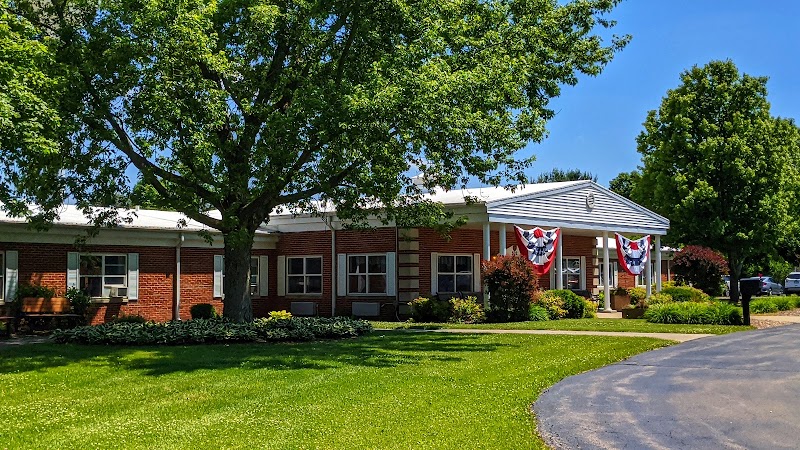
How is Franklin Grove Living And Rehab Staffed?

CMS rates FRANKLIN GROVE LIVING AND REHAB's staffing level at 2 out of 5 stars, which is below average compared to other nursing homes. Staff turnover is 43%, compared to the Illinois average of 46%. This relatively stable workforce can support continuity of care.

What Have Inspectors Found at Franklin Grove Living And Rehab?

State health inspectors documented 16 deficiencies at FRANKLIN GROVE LIVING AND REHAB during 2022 to 2025. These included: 2 that caused actual resident harm and 14 with potential for harm. Deficiencies causing actual harm indicate documented cases where residents experienced negative health consequences.
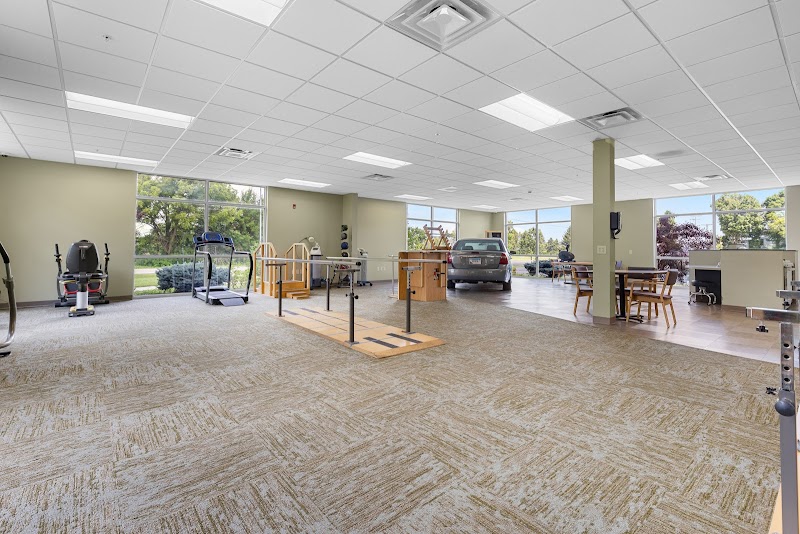
Who Owns and Operates Franklin Grove Living And Rehab?

FRANKLIN GROVE LIVING AND REHAB is owned by a for-profit company. For-profit facilities operate as businesses with obligations to shareholders or private owners. The facility operates independently rather than as part of a larger chain. With 132 certified beds and approximately 73 residents (about 55% occupancy), it is a mid-sized facility located in FRANKLIN GROVE, Illinois.
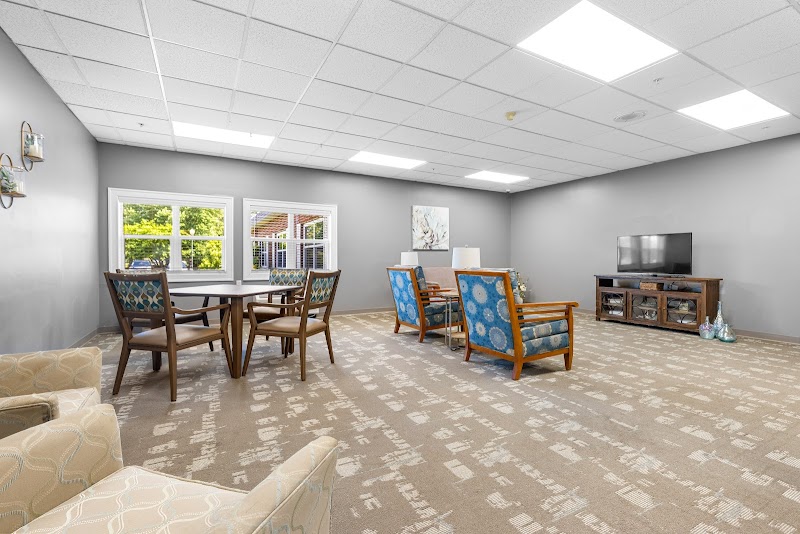
How Does Franklin Grove Living And Rehab Compare to Other Illinois Nursing Homes?

Compared to the 100 nursing homes in Illinois, FRANKLIN GROVE LIVING AND REHAB's overall rating (4 stars) is above the state average of 2.5, staff turnover (43%) is near the state average of 46%, and health inspection rating (4 stars) is above the national benchmark.

What Should Families Ask When Visiting Franklin Grove Living And Rehab?

Based on this facility's data, families visiting should ask: "Can you walk me through typical staffing levels on day, evening, and night shifts?" "Can I visit during a mealtime to observe dining assistance and food quality?" "How do you handle medical emergencies, and what is your hospital transfer rate?" "Can I speak with family members of current residents about their experience?" These questions are particularly relevant given the below-average staffing rating.

Is Franklin Grove Living And Rehab Safe?

Based on CMS inspection data, FRANKLIN GROVE LIVING AND REHAB has a clean safety record: no substantiated abuse findings (meaning no confirmed cases of resident harm), no Immediate Jeopardy citations (the most serious violation level indicating risk of serious injury or death), and is not on the Special Focus Facility watch list (a federal program monitoring the lowest-performing 1% of nursing homes). The facility has a 4-star overall rating and ranks #1 of 100 nursing homes in Illinois. While no facility is perfect, families should still ask about staff-to-resident ratios and recent inspection results during their visit.

Do Nurses at Franklin Grove Living And Rehab Stick Around?

FRANKLIN GROVE LIVING AND REHAB has a staff turnover rate of 43%, which is about average for Illinois nursing homes (state average: 46%). Moderate turnover is common in nursing homes, but families should still ask about staff tenure and how the facility maintains care continuity when employees leave.

Was Franklin Grove Living And Rehab Ever Fined?

FRANKLIN GROVE LIVING AND REHAB has been fined $25,395 across 2 penalty actions. This is below the Illinois average of $33,333. While any fine indicates a compliance issue, fines under $50,000 are relatively common and typically reflect isolated problems that were subsequently corrected. Families should ask what specific issues led to these fines and confirm they've been resolved.

Is Franklin Grove Living And Rehab on Any Federal Watch List?

FRANKLIN GROVE LIVING AND REHAB is not on any federal watch list. The most significant is the Special Focus Facility (SFF) program, which identifies the bottom 1% of nursing homes nationally based on persistent, serious quality problems. Not being on this list means the facility has avoided the pattern of deficiencies that triggers enhanced federal oversight. This is a positive indicator, though families should still review the facility's inspection history directly.