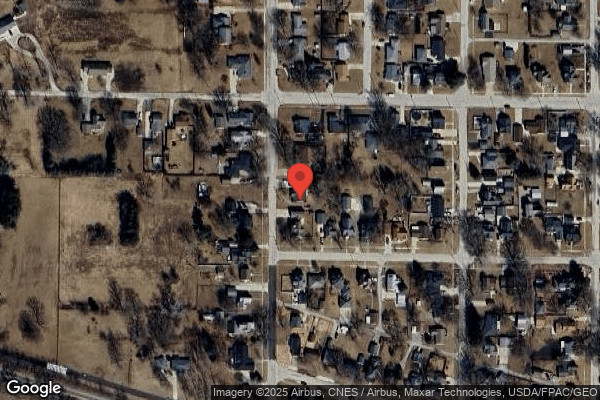
HILLCREST HOME

14688 ILLINOIS HIGHWAY 82, GENESEO, IL 61254 (309) 944-2147
Government - City/county 99 Beds Independent Data: November 2025
Trust Grade
60/100
#155 of 665 in IL
Last Inspection: May 2025

Inspected within the last 6 months. Data reflects current conditions.

Overview

Hillcrest Home has a Trust Grade of C+, indicating it is slightly above average, but not outstanding. It ranks #155 out of 665 nursing facilities in Illinois, placing it in the top half, and #2 out of 5 in Henry County, meaning only one other local option is better. The facility is experiencing a worsening trend, with issues increasing from 5 in 2024 to 7 in 2025. Staffing is a concern, with a low rating of 2 out of 5 stars and a high turnover rate of 98%, which is significantly above the state average of 46%. On a positive note, the facility has not incurred any fines, which is a good sign, but it does have less RN coverage than 78% of other Illinois facilities, potentially putting residents at risk for missed care needs. Specific incidents from inspections reveal some troubling practices. For example, six residents were quarantined in their rooms without clear reasoning, causing distress for at least one resident. Additionally, the facility failed to follow proper infection control measures while serving meals, which could affect all residents. Lastly, there is currently no licensed administrator managing the facility, which raises concerns about the oversight and quality of care being provided. Overall, while there are some strengths, such as no fines and decent overall ratings, the weaknesses in staffing, oversight, and specific care practices may be concerning for families considering Hillcrest Home for their loved ones.

Trust Score
C+
60/100
In Illinois
#155/665
Top 23%
Safety Record
Moderate
Needs review
Inspections
Getting Worse
5 → 7 violations
Staff Stability
⚠ Watch
98% turnover. Very high, 50 points above average. Constant new faces learning your loved one's needs.
Penalties
✓ Good
No fines on record. Clean compliance history, better than most Illinois facilities.
Skilled Nurses
⚠ Watch
Each resident gets only 29 minutes of Registered Nurse (RN) attention daily — below average for Illinois. Fewer RN minutes means fewer trained eyes watching for problems.
Violations
⚠ Watch
13 deficiencies on record. Higher than average. Multiple issues found across inspections.
★★★★☆
4.0
Overall Rating
★★☆☆☆
2.0
Staff Levels
★★★☆☆
3.0
Care Quality
★★★★☆
4.0
Inspection Score
Stable
2024: 5 issues
2025: 7 issues

The Good

  • Full Sprinkler Coverage · Fire safety systems throughout facility
  • No fines on record

Facility shows strength in fire safety.

The Bad

Staff Turnover: 98%

52pts above Illinois avg (47%)

Frequent staff changes - ask about care continuity

Staff turnover is very high (98%)

50 points above Illinois average of 48%

The Ugly 13 deficiencies on record

1 actual harm
May 2025 7 deficiencies
CONCERN (D)

Potential for Harm - no one hurt, but risky conditions existed

Deficiency F0578 (Tag F0578)

Could have caused harm · This affected 1 resident

**NOTE- TERMS IN BRACKETS HAVE BEEN EDITED TO PROTECT CONFIDENTIALITY** Based on interview and record review the facility failed to ensure Advance Directives reflect resident preference for one (R4) o...

Read full inspector narrative →
**NOTE- TERMS IN BRACKETS HAVE BEEN EDITED TO PROTECT CONFIDENTIALITY** Based on interview and record review the facility failed to ensure Advance Directives reflect resident preference for one (R4) of one resident reviewed for Advance Directives in the sample of 30. Findings include: The facility's POLST (Practitioner Order for Life-Sustaining Treatment) policy and procedure, dated 3/20/23, documents the POLST is an important component of advance care planning that emphasizes eliciting, documenting, and honoring patients' preferences about treatments they want to choose or decline during a medical emergency or as their health status changes. The POLST is to be completed or reviewed with the resident and/or Healthcare Power of Attorney, and/or surrogate or guardian. A POLST is not a one-and-done document and is to be reviewed periodically. The POLST order set is intended to be dynamic, reflecting a resident's current condition and preferences about medical treatments. The POLST form for R4, dated 1/10/22, documents If patient has no pulse and is not breathing and Do Not Attempt Resuscitation/DNR The current Order Summary Report and current Care Plan document R4 as a DNR. The clinical medical record for R4 does not document any discussions were had with R4 regarding R4's wishes for Code Status. The admission MDS (Minimum Data Set) Assessments for R4, dated 1/16/22 (admission date) and Quarterly MDS assessment dated [DATE], document R4 as cognitively intact. On 5/21/25 at 2:40 PM, R4 stated no one has asked him what his wishes were if his heart stopped beating and he stopped breathing. R4 stated, without hesitation, I want them to do everything if I die. On 5/23/25 at 9:43 AM V11 SSD (Social Service Director) stated she talks with residents and family regarding Code status during the resident admission or readmission, quarterly, and if there is a significant change in condition. If the family or representative, or legal guardian are not here V11 SSD calls them on the telephone to discuss Code Status. If a resident is alert and oriented the patient makes the decision. We use the BIMS for cognition. V11 SSD stated she calls V17 (R4's) State Guardian, discusses R4's Code Status with her, V17 makes decisions for R4, and R4 is aware of the decisions made.
CONCERN (D)

Potential for Harm - no one hurt, but risky conditions existed

Accident Prevention (Tag F0689)

Could have caused harm · This affected 1 resident

2. The facility's Fall log dated May 2025 documents R9 had a fall on 5/4/25 at 1:15 PM. The Fall Risk Assessment for R9, dated 3/5/25 documents R9 is at Moderate Risk for falls. The facility's Fall I...

Read full inspector narrative →
2. The facility's Fall log dated May 2025 documents R9 had a fall on 5/4/25 at 1:15 PM. The Fall Risk Assessment for R9, dated 3/5/25 documents R9 is at Moderate Risk for falls. The facility's Fall Investigation for R9, dated 5/4/25, documents R9 stated My foot wasn't in the right position, then I started just going down. V15's (Agency CNA/Certified Nursing Assistant) witness statement documents V15 was Transferring (R9) into wheelchair from toilet via (mechanical lift), footrest on wheelchair came down, footrest hit (R9's) foot causing (R9) to slip and be lowered to floor. The current Transfer Care Plan for R9 documents R9 requires extensive assistance for transfers. Interventions include to place R9's feet on foot plate of mechanical stand lift and fasten safety strap around R9's legs with knees against the pad. This same Care Plan was revised to include a new fall on 5/4/25. R9 was being transferred by V15 (Agency CNA) and R9's right leg wasn't positioned properly. R9 had to be lowered to the floor for R9's safety. On 5/21/25 at 2:30 PM, R9 stated V15 (Agency CNA) transferred her and didn't put her feet on the lift platform correctly, did not put the strap behind her legs, and did not listen to R9. R9 stated My right foot was curled and not flat. V15 (Agency CNA) said Let go, I got you. When V15 (Agency CNA) started raising the lift (R9's) foot slipped and I had a soft fall. On 5/22/25 at 11:53 AM, V2 (DON/Director of Nursing) stated she does all the fall investigations for the facility and determines the root cause analysis for each resident fall. V2 stated V15 transferred R9 without fastening the lift strap behind R9's legs and should have; and confirmed improper foot positioning prior to transfer. V2 stated the intervention would be for V15 (Agency CNA) to be re-educated on proper transfers. Based on interview and record review, the facility failed to ensure residents were safely transferred, monitored post fall and that the accident was appropriately investigated for two of eight residents (R9, R13) reviewed for accidents in a sample of 30 residents. Findings include: The Fall Prevention Policy dated 8/31/21 documents: All residents will receive adequate supervision, assistance and assistive devices to aid in the prevention of falls. All falls are to be investigated and monitored. The Director of Nursing and/or designee is responsible for coordinating all investigations. An accident is an unexpected, unintended event that can cause a resident bodily injury. A 'fall' is the unintentional coming to rest on a lower surface, such as a chair, the bed or the floor or onto the next lower surface. Investigative guidelines documents to call a Post-Fall Huddle and complete a Fall Report, obtain detailed statement from any witnesses and document in the Nurses Notes. Document vital signs, neurological checks, medication taken, last time resident was seen and any other pertinent observations. Continue to observe resident throughout shift and provide documentation. Each nurse, each shift will observe resident and document for 72 hours in the resident's medical record. Monitor closely for any physical or neurological changes. Discuss the incident in morning meeting for review as Interdisciplinary team and update care plan. 1. R13's current Care Plan documents R13 was at risk for falls characterized by history of falls/injury, multiple risk factors related to: impaired balance, unsteady gait, hypocalcemia and weakness. On 3/21/25 R13 was noted to be on the floor by her wheelchair after she attempted to hang up her phone; did not have her wheelchair brakes locked when she was leaning forward to hang up her phone; was re-educated to lock her wheelchair brakes or use the call light to ask for help when needed; obtained a skin tear to her right elbow; monitor for signs and symptoms of infection; refer to therapy; and on 3/24/2025 to obtain an x-ray of right elbow; and to refer R13 to the wound doctor. R13's Physician's Order dated 3/21/25 documents to place and keep right elbow steri-strips in place, monitor for signs and symptoms of infection every shift for skin tear for two weeks. V5's (Advanced Registered Nurse Practitioner) Progress Note dated 3/24/25 documents R13 complained of right elbow pain and worsened with movement. The right elbow did have a deep laceration and complained of being sore from the fall, but the only specific area is the right elbow. There were no steri-strips on the elbow at the time of V5's assessment. V5 ordered an x-ray of the right elbow, prophylactically prescribed antibiotics for ten days and made a referral to the wound doctor. R13's Progress Note dated 3/24/25 documents a right elbow x-ray was conducted. On 3/25/25, the right elbow x-ray was reported as a fracture was not excluded but was inconclusive. On 3/27/25, the Progress Note documents R13's right elbow x-ray was negative. V6's (Wound Care Physician) Progress Note dated 3/26/25 documents Non-Pressure Wound of the right elbow full thickness caused by trauma/injury greater than four days ago and measured three cm (centimeters) by 1.6 cm by 0.8 cm; surface area 4.80 cm; undermining 1.2 cm, to apply collagen sheet to wound once daily and as needed for 30 days; apply gauze island with border once daily and as needed for 30 days.V6's treatments as listed on the Wound Log document on 4/2/25, 4/9/25 and 4/16/25, R13's right elbow wound had worsened and surgical debridement was conducted; 4/30/25 wound was debrided and unchanged; and on 5/7/25 wound was debrided and improved. V6 conducted weekly visits until 5/21/25 when wound was declared healed. The Fall Investigation dated 3/21/25 did not include an interview from V20 (Occupational Therapist) or V21 (Physical Therapy Assistant) who observed R13's fall, documented injuries as a bruise on the right forearm, redness to upper-mid back vertebrae and a skin tear to right elbow and no injuries observed post incident. R13's medical record did not include vital sign monitoring and/or an assessment of her right elbow wound for 72 hours each shift per policy (3/21/25, 3/22/25, 3/24/25) or for two weeks each shift per physician's order. The Interdisciplinary Note (IDT) dated 3/30/25 (nine days post fall incident) documents R13's fall details and post fall findings were discussed/reviewed, although does not include an interview from V20 (Occupational Therapist) or V21 (Physical Therapy Assistant) who observed and responded to R13's fall, why R13's deep laceration that required treatment by a wound doctor and complaints of pain of her right elbow was not accurately assessed until 3/24/25 when V5 (Advanced Registered Nurse Practitioner) conducted rounds. On 5/23/25 at 9:50 AM, V20 (Occupational Therapist) and V21 (Physical Therapy Assistant) stated they were in the room across from R13 and witnessed R13 reach forward to hang the phone up and slid off the front of the wheelchair onto her butt then rolled backward onto her back. V20 and V21 ran into R13's room and the nurse came in soon after. I didn't even know she cut her arm until the next day. On 5/23/25 at 11:00 AM, V2 (Director of Nursing) stated R13's right arm laceration was not appropriately assessed due to positioning of the arm during assessment; agreed post fall assessments were not appropriately conducted and/or documented per policy; and agreed the IDT met nine days after R13's fall.
CONCERN (E)

Potential for Harm - no one hurt, but risky conditions existed

Deficiency F0628 (Tag F0628)

Could have caused harm · This affected multiple residents

Based on interview and record review, the facility failed to notify the Ombudsman of all hospital discharge/transfers for four of four (R30, R31, R44, and R48) residents reviewed for hospitalization i...

Read full inspector narrative →
Based on interview and record review, the facility failed to notify the Ombudsman of all hospital discharge/transfers for four of four (R30, R31, R44, and R48) residents reviewed for hospitalization in a sample of 30. Findings include: The facility's Hospital Tracking Portal, dated 2/1/25 to 5/23/25, documents R30, R31, R44, and R48 were transferred out to the hospital. The facility's Admit Discharge report, dated February 2025, does not include R30, R31, R44, or R48. On 5/22/25, at 3:35pm, V12 Business Office Manager/BOM stated that the Admit Discharge report that V12 sends to the Ombudsman does not include the Private Pay residents. V12 was unaware that it should include the Private Pay residents as well. The facility's Daily Census, dated 5/20/25, documents R30, R31, R44, and R48 have a Primary Payer source of Private Pay.
CONCERN (E)

Potential for Harm - no one hurt, but risky conditions existed

Pressure Ulcer Prevention (Tag F0686)

Could have caused harm · This affected multiple residents

Based on observation, interview and record review, the facility failed to ensure the resident's environment was kept free from cross contamination during wound care for one of ten residents (R31) who ...

Read full inspector narrative →
Based on observation, interview and record review, the facility failed to ensure the resident's environment was kept free from cross contamination during wound care for one of ten residents (R31) who receive wound care. These failures have the potential to affect all resident who reside in the facility with a current census of 46 residents. Findings include: The facility's undated Procedure for Clean Dressing Technique policy documents the following Take treatment cart to the resident's room, but not in contact with the resident belongings. Gather and set up supplies in the resident area. Establish clean field (can be unsterile plastic field, clean linen, etc.) not on the treatment cart. The facility's current Weekly Wound Tracking Forms identify ten residents (R1, R4, R5, R7, R8, R9, R13, R16, R31, R34) who currently are receiving wound care treatments in the facility. R31's Physicians Orders include the following pressure ulcer/wound care orders Cleanse Sacrum with NS (Normal Saline) apply Santyl (wound treatment ointment) to wound bed and cover with (dry dressing) and secure with tape daily and PRN (as needed) every day shift for wound care and as needed for wound care. On 5/22/25 at approximately 11:00 AM, V3 (Wound Nurse and Resident Care Coordinator) wheeled the facility's treatment cart into R31's room, removed R1's wound care supplies from a drawer in the cart and placed them on a clean under pad on the top of cart, including gauze pads, saline cleansing liquid, cloth tape, dry dressing and medicated ointment. V3 performed wound care for R31. After performing R31's wound care, V3 rolled the treatment cart out of R31's room and into the hallway. The wound care supplies for all residents receiving wound care are present in the facility's treatment cart. On 5/22/25 at 11:18 AM, V3 stated she does bring the treatment cart into residents' rooms for wound care treatments and stated, I usually put the treatment cart at the other end of (the resident's) room. On 5/23/25 at 10:30 AM, V4 (Infection Control Coordinator) stated the facility's treatment cart should remain outside the resident's room and should not be brought onto a resident's room. On 5/23/25 at approximately 11:30 AM, V4 provided the facility's Procedure for Clean Dressing Technique policy and verified the treatment cart may be taken to the resident's room door but not inside the resident's room.
CONCERN (F)

Potential for Harm - no one hurt, but risky conditions existed

Food Safety (Tag F0812)

Could have caused harm · This affected most or all residents

Based on observation, interview and record review, the facility failed to ensure infection control practices were utilized while serving meals in the dining room. These failures have the potential to ...

Read full inspector narrative →
Based on observation, interview and record review, the facility failed to ensure infection control practices were utilized while serving meals in the dining room. These failures have the potential to affect all resident who reside in the facility with a current census of 46 residents. Findings include: The Facility Resident Census Roster and Facility Matrix/802 dated 5/20/25 were reviewed. The Census Roster documented 46 Residents resided in the Facility. The Illinois Food Handler Training power point utilized for training facility dietary staff dated 6/3/16 documents food can become unsafe if staff practice poor personal hygiene. Personal hygiene consists of good hand washing practices, proper glove use, proper hand care and personal cleanliness. Wash hands between tasks. V18's (Dietary Aide) Certificate of Completion of the Illinois Food Handler Non-Restaurant Training was dated as completed on 12/1/23. On 5/20/25 at 11:14 AM, V18 was observed to be at the drink station in the dining room, put two meal tickets in her mouth, one meal ticket fell from her mouth onto the floor, she picked it up off the floor with her bare hand, poured apple juice into a glass and handed the glass off to another staff member, then made three cups of hot chocolate, picked up the three cups of hot chocolate and delivered them to R31. V18 then went to the serving window to deliver meal trays without conducting proper hand hygiene. On 5/23/25 at 11:55 AM, V22 (Dietary Supervisor) stated V18 should not have held the meal tickets in her mouth or picked up the meal ticket off the floor without conduction hand hygiene prior to making and serving R31 his drinks. V22 stated V18 had a current Certification of Completion of the State's Food Handler Training and knows better than to cross contaminate residents' food and/or drinks.
CONCERN (F)

Potential for Harm - no one hurt, but risky conditions existed

Deficiency F0837 (Tag F0837)

Could have caused harm · This affected most or all residents

Based on observation, interview and record review, the facility's Governing Body failed to employ a licensed Administrator to oversee and manage the everyday operations of the facility. This failure h...

Read full inspector narrative →
Based on observation, interview and record review, the facility's Governing Body failed to employ a licensed Administrator to oversee and manage the everyday operations of the facility. This failure has the potential to affect all 46 residents residing within the facility. Findings include: The Facility Resident Census Roster and Facility Matrix/802 dated 5/20/25 were reviewed. The Census Roster documented 46 Residents resided in the Facility. The Administrator's Job Description (not dated) documents the Administrator supervises all departments and employees and is responsible for planning, organizing, staffing, directing and coordinating the facility to ensure quality of care for residents, be knowledgeable of and implement federal, state, local laws and regulations applicable to the facility, residents, personnel and physical plant. The Administrator must hold a current, unencumbered nursing facility Administrator's license. On 5/20/25 from 9:15 AM through 3:30 PM, on 5/21/25 from 9:00 AM through 3:30 PM, on 5/22/25 from 9:00 AM through 3:30 PM and on 5/23/25 from 9:00 AM through 3:30 PM there was no licensed administrator within the building and no posted Administrator's license. On 05/20/25 at 9:30 AM, V2 (Director of Nursing) stated the facility has not had an Administrator since 4/9/25 and she was the acting Administrator.V2 stated V1 (County Administrator) was the facility's resource. V2 agreed the Facility did not have an Administrator license posted within the facility.
MINOR (C)

Minor Issue - procedural, no safety impact

Staffing Information (Tag F0732)

Minor procedural issue · This affected most or all residents

Based on observation, interview, and record review, the facility failed to ensure their posted nurse staffing information was in a clear format and included the name of the facility. This has the pote...

Read full inspector narrative →
Based on observation, interview, and record review, the facility failed to ensure their posted nurse staffing information was in a clear format and included the name of the facility. This has the potential to affect all 46 residents in the facility. On 5/20/25, at 12:30pm, the facility's Minimum Daily Staffing Calculations sheet dated 5/20/25 is hanging in the front hallway. The facility's Minimum Daily Staffing Calculations tool sheet, dated 5/20/25, does not include the name of the facility and is not in a clear, readable format. This posting documents the numbers to calculate the total of licensed nurses and non-nurse staffing additional direct care hours needed which is then is multiplied by the designated number of FTEs (full time equivalents) to result in the total number of hours needed. The number of actual Registered Nurses/RNs, Licensed Practical Nurses/LPNs, and Certified Nursing Assistants/CNAs is written in off to the side. On 5/23/25, at 11:20am, V2 Director of Nursing/DON confirmed the Minimum Daily Staffing Calculations sheet is used to calculate the number of staff needed and is the staffing sheet they use to post in the hallway and have used it for a long time. The facility's Long-Term Care Facility Application for Medicare and Medicaid dated 5/20/25, documents 46 residents currently reside in the facility.
May 2024 5 deficiencies 1 Harm
SERIOUS (G)

Actual Harm - a resident was hurt due to facility failures

Resident Rights (Tag F0550)

A resident was harmed · This affected 1 resident

**NOTE- TERMS IN BRACKETS HAVE BEEN EDITED TO PROTECT CONFIDENTIALITY** Based on observation, interview and record review the facility quarantined 6 residents to remain in their rooms (R1, R21, R36, R...

Read full inspector narrative →
**NOTE- TERMS IN BRACKETS HAVE BEEN EDITED TO PROTECT CONFIDENTIALITY** Based on observation, interview and record review the facility quarantined 6 residents to remain in their rooms (R1, R21, R36, R43, R53 and R59) on 5/28/24 without any clear reasoning. This failure caused R53 to be very upset and anxious regarding his inability to leave his room. Findings Include: The Facility's Policy for Outbreak Investigation dated 4/1/2024 documents, It is the policy of (This Facility) that outbreak measures will be instituted whenever there is an incidence of infections above what would normally be expected, considering seasonal variations. The Infections Preventionist will conduct the outbreak investigation. The Facility's Your Rights and Protections as a Nursing Home Resident pamphlet dated 8/2021 documents, You have the right to be treated with dignity and respect, as well as make your own schedule and participate in the activities you choose You have the right to decide when you go to bed, rise in the morning, and eat your meals. Upon entry to the facility on 5/28/24 at 8:45AM no staff members were wearing masks and V20 (Receptionist) stated there were no known outbreaks or illnesses happening in the building at that time. At this time, R53 was in the main dining room eating breakfast with three other male residents. R53 appeared to be friendly and talkative with these men. R53's admission Activity Assessment dated 6/21/2022 documents, R53 prefers to be with people and enjoys large groups and small groups. On 5/28/24 at 9:00AM multiple staff members were observed passing out surgical masks to other staff members instructing them that we are in outbreak status we need to mask. On 5/28/24 at 11:00 AM V3 (Registered Nurse/Assistant Director of Nurses/Infection Preventionist) stated, I decided we have had some upper respiratory infections lately, so I am having the staff mask to be careful. V3 did not indicate at that time that residents were being asked to remain in their rooms. On 5/28/24 at 3:15 PM V6 (Licensed Practical Nurse) stated, This is ridiculous. We have had allergic rhinitis in this building for the past couple of weeks because it is that time of year. Nothing has changed other than (Survey Agency) coming in for an inspection. V6 stated, (R53) is very mad about having to stay in his room. On 5/28/24 at 3:30 PM R53 stated, What the hell is this all about? I have been hacking and coughing for at least a week and now that I am starting to feel better. I have to stay in my room? I am almost [AGE] years old, if I die, I die. I would rather eat in the dining room than be made to sit in my room looking at the wall while I am eating. If I am so contagious, why is he (R62/roommate) still alive and able to leave the room? This is infuriating that no one here knows what the hell they are doing. Pure chaos. On 5/29/24 at 8:30 AM V5 (Licensed Practical Nurse) stated, (R53) is very irritated with staying in his room. V5 confirmed, (R53) had been hacking for the past week or so. V5 stated, Everyone has had that allergy cough going on. (R53) actually sounds better than he has. (R1) is one of them that we were instructed to keep in her room, and she sounds no different than she ever has. I just don't understand the reasoning on any of these. On 5/29/24 at 9:15 AM R53 was sitting inside of his room speaking with V7 (Social Services Director) saying, When am I getting out of here? I need to shower. I want to go to the dining room. If the risk is mine, I will take it, if it is because I am infectious, I think we may have killed (R62/Roommate). On 5/29/24 at 9:20 AM V7 (Social Services Director) confirmed R53 had been upset and wanting information regarding when he could leave his room. V7 confirmed that both R53 and his roommate R62 are up and about their room independently and neither of them was wearing masks inside of the room. V7 confirmed R62 was free to come and go from the room as he wished and that she didn't know when R53 would be able to leave his room. That is up to (V3 RN/ADON/IP). On 5/30/24 at 10:30 AM V3 (Registered Nurse/Assistant Director of Nurses/Infection Preventionist) stated she implemented masking because there had been an uptick of respiratory issues at the facility over the weekend. V3 confirmed she instructed staff members to keep R1, R21, R36, R43, R53 and R59 in their rooms related to upper respiratory symptoms. V3 confirmed she did this prior to completing any investigation into duration of symptoms, fever status or speaking with floor staff regarding status of the residents who were being asked to stay in their rooms. V3 stated, I found out (R53) was upset, I just didn't have time to investigate it right then. V3 confirmed that after her investigation into R53's respiratory status he could have come out of his room with a mask on himself and did not need to be kept in his room. V3 confirmed R53 was encouraged to stay in his room on 5/28/24 for lunch and supper meals and on 5/29/24 for the breakfast meal unnecessarily. V3. Stated, I over reacted and I owe (R53) an apology because he was so upset.
CONCERN (D)

Potential for Harm - no one hurt, but risky conditions existed

Accident Prevention (Tag F0689)

Could have caused harm · This affected 1 resident

Based on interview, observation and record review, the facility failed to ensure fall interventions were implemented to prevent further falls for one of four residents (R38) reviewed for falls in the ...

Read full inspector narrative →
Based on interview, observation and record review, the facility failed to ensure fall interventions were implemented to prevent further falls for one of four residents (R38) reviewed for falls in the sample of 29. Findings include: The facility's Fall Reduction Program policy (revised 09/01/21) documents the following: All residents will receive adequate supervision, assistance and assistive devices to aid in the prevention of falls. Each resident will be evaluated for safety risks including falls and accidents. Care Plans will be created and implemented based on the individual's risk factors to aid in the prevention of falls. On 05/28/24 at 10:10 AM, R38 was lying in a low bed with a fall mat in place next to her bed. R38 was nonverbal and did not respond to verbal stimuli when approached due to her impaired cognition. R38's Fall Investigation (dated 01/08/24) documents the following: Nurse notified at this time of resident (R38) sliding out of chair in dining room. CNA (Certified Nursing Assistant) stated resident slid out of chair and did not hit head. R38's current care plan documents the following focus: Risk for falls characterized by history of falls/injury, multiple risk factors related to: impaired balance, poor coordination, poor safety awareness. This same care plan documents the following fall prevention intervention: 01/08/24: Re-educated staff to ensure (R38) has (non-slip mat) placed under her. On 05/30/24 at 02:00 PM, V17 (Licensed Practical Nurse/Care Plan Coordinator) stated that after investigation of R38's 01/08/24 fall, R38 did not have (non-slip mat) in place in her wheelchair and should have had it in place since it had been a previously implemented fall prevention intervention. V17 stated that staff was re-educated to check above and underneath R38's wheelchair cushion to ensure (non-slip mat) is in place.
CONCERN (D)

Potential for Harm - no one hurt, but risky conditions existed

Medication Errors (Tag F0758)

Could have caused harm · This affected 1 resident

Based on observation, record review and interview the facility failed to ensure psychotropic medications given on an as needed basis were not prescribed more than 14 days for 1 resident (R27) of 5 res...

Read full inspector narrative →
Based on observation, record review and interview the facility failed to ensure psychotropic medications given on an as needed basis were not prescribed more than 14 days for 1 resident (R27) of 5 residents reviewed for unnecessary medications in a total sample of 29. Findings include: The facility's Policy / Procedure regarding Treatment/Services for Mental/Psychosocial Concerns dated 11/18/21 documents, A resident who displays or is diagnosed with dementia, receives the appropriate treatment and services to attain or maintain his or her highest practicable physical, mental, and psychosocial well-being. R27's Physician Order Sheet (POS) dated May 30, 2024 documents R27 is prescribed Lorazepam 0.5 milligrams by mouth every eight hours for anxiety. On 05/28/24 at 9:38 AM R27 was observed laying quietly in her bed on her left side. R27 was asleep and having no behaviors. On 05/28/24 at 12:23 PM, R27 was noted laying in her bed quietly, having no behaviors. On 05/30/24 at 11:09 AM, R27 was sitting in a wheelchair in the dining room at a table with two other residents and a staff while eating her lunch independently. R27 was not noted to have behaviors. On 05/30/24 at 11:07 AM V18, Certified Nursing Assistant, stated R27 sometimes hallucinates but is not aggressive nor displays self-injurious behavior. On 05/30/24 at 1:00 PM, V8, Licensed Practical Nurse/LPN, stated R27 had behaviors when she was new to the facility and the environment was different to her, however, typically her behaviors are an indicator of the beginning of a urinary tract infection or sometime similar. R27's Medication Administration Records document the last time she was administered Ativan on an as needed basis was February 15, 2024. A Note to Attending Physician/Provider documents R27 has an as needed (PRN) psychotropic order for Ativan 0.25 mg (milligrams) q8h prn (every eight hours as needed). Previously documented stop date of 04/23/24 will expire soon. 6 months is handwritten into the area for duration and dated 04/18/24. On 05/30/24 at 2:07 PM, V17, LPN, stated, It is not in our policy for a PRN psychotropic to not be ordered for more than 14 days, but it is our practice.
CONCERN (F)

Potential for Harm - no one hurt, but risky conditions existed

Antibiotic Stewardship (Tag F0881)

Could have caused harm · This affected most or all residents

Based on interview and record review, the facility failed to ensure their Antibiotic Stewardship program was implemented. this failure has the potential to affect all 62 residents residing at the faci...

Read full inspector narrative →
Based on interview and record review, the facility failed to ensure their Antibiotic Stewardship program was implemented. this failure has the potential to affect all 62 residents residing at the facility. Findings include: The facility's Antibiotic Stewardship Program policy (undated) documents the following: Infection Preventionist will encourage and educate staff to use McGeer's definitions of infections. Standards of infection observation are checking for signs observed and/or resident has a change of condition. The following steps will be implemented: monitor vital signs, monitor intake and output for 48 hours, assessment of lung sounds, and assessment of other signs of infection and update the physician and family. If UTI (urinary tract infection) is suspected, then 48 hour watch will be implemented by monitoring temperature, intake and output, urine color and character, pain assessment and changes in mental status using McGeer's definition as a guide. On 05/29/24 at 09:20 AM, V3 (Registered Nurse/Infection Preventionist) stated the facility does not implement any protocols to review clinical signs and symptoms and/or laboratory reports prior to implementation of an antibiotic for a resident. V3 stated the facility does not utilize any assessment tools or management algorithms to determine if an antibiotic is warranted, We just call the doctor and get an order for an antibiotic if we believe one is needed. The facility's Long Term Care Facility Application for Medicare and Medicaid, Form 671, dated 05/28/24 and signed by V1 (Administrator), documents 62 residents currently reside in the facility.
CONCERN (F)

Potential for Harm - no one hurt, but risky conditions existed

Deficiency F0919 (Tag F0919)

Could have caused harm · This affected most or all residents

Based on document review, observation and interview, the facility failed to ensure call lights were equipped to communicate directly to staff. This failure has the potential to affect all 62 residents...

Read full inspector narrative →
Based on document review, observation and interview, the facility failed to ensure call lights were equipped to communicate directly to staff. This failure has the potential to affect all 62 residents residing in the facility. Findings include: The Software User Guide dated 2020 documents the web-based application is designed for nurse call and wander management use for Independent and Assisted Living facilities. The Guide documents to log-into the application with username and password. When the Alarms (nurse call or wander alarms) are activated, the computer will make a sound and display the location of the alarms. On 5/28/24 at 10:58 AM, R25 stated, I have to help when I go number two. I have waited up to 70 minutes for them (staff) to respond to my light. I would say the average wait time is between 30 minutes to 70 minutes. On 05/28/24 11:10 AM, R17 stated, The call light response time could be better. Especially in the morning when they are so busy. Sometimes you have to wait a really long time for help. On 5/29/24 at 11:45 AM, V10 Registered Nurse) demonstrated at the nurse's station a device called Code Alert which the screen will light up a resident's room number when the nurse call is activated or identify a resident's location if the wander guard alarm is activated. V10 stated, the computers will also notify the Nurses and/or Certified Nurse Aides (CNA) in the same manner. V10 stated, You (Nurses and CNA's) have to be at the desk (nurse's station) or at their computer to know if a resident needs assistance. On 5/29/24 at 12:00 PM, V12 (Physical Therapist) and V13 (Occupational Therapist) stated call light response time could be a lot better especially when a resident is toileting. V13 stated, We (Therapy) used to be able to help with call lights and toileting but ever since they switched to this new system, we are not alerted to when they (nurse calls) are on. On 5/29/24 at 1:34 PM, R25's nurse call was activated. At 1:37 PM, V17 (Licensed Practical Nurse) was observed to enter R25's room and state Music is in the Activity Room at 2:00 PM. V17 did not address and/or was not aware the nurse call was activated. On 5/29/24 at 1:45 PM, V14 (CNA), V15 (CNA), and V16 (CNA) were observed in the [NAME] Hall with a computer and demonstrated the use of the nurse call system. A call light was activated; an alert was displayed with the room number and location and a sound was heard. V16 stated, If we are not at the computer, we turn the sound on the computer up, but we still have to come out and look to see where the alarm is. On 5/29/24 at 1:55 PM, V8 (Licensed Practical Nurse/LPN) stated the computers time out (of the nurse call/wander guard software application) in one or two hours. On 5/29/24 at 1:55 PM, V5 (LPN) stated, If a call light (nurse call) is shut off in the room, it's still on in the system and we have to restart the system. Sometimes the call light gets stuck on, and we have to restart the system. It's (software application) kinda squirrely sometimes. It worked a lot better when we could just see the lights. On 5/30/24 at 9:45 AM, V1 (Administrator) stated if the wi-fi or power is lost, the facility has bells to give the residents and 15-minute checks are conducted. On 5/30/24 between 10:29 AM and 10:40 AM, two computers in the South Hall, one computer in the [NAME] hall and one computer in the East hall displayed two alarm notifications (1 notification on for 18 minutes in 3 North bathroom, 1 notification on for 9 minutes in 7 [NAME] bathroom) although no sound was heard. On 5/30/24 at 10:40 PM, V18 (CNA) stated, The volume was turned down because it's annoying. The following observations lacked nurse call monitoring by a nurse or CNA: The North Hall- on 5/28/24 between 10:20 AM and 11:00 AM, 12:00 PM and 12:30 PM; On 5/29/24 between 11:45 AM and 11:59 AM, 12:10 PM and 1:30 PM - 1:39 PM; 5/30/24 between 9:29 AM and 9:35 AM and 10:34 AM. The East Hall- on 5/29/24 at 1:40 PM and 5/30/24 at 9:29 AM. The South Hall- 5/29/24 at 1:29 PM and 5/30/24 at 9:28 AM. The Resident Census dated 5/28/24 documents that 62 residents currently reside in the facility.
Apr 2023 1 deficiency
CONCERN (D)

Potential for Harm - no one hurt, but risky conditions existed

Infection Control (Tag F0880)

Could have caused harm · This affected 1 resident

Based on observation, interview, and record review the facility failed to perform wound care in a way that prevents cross contamination of wounds for 2 residents (R56 and R68) of 4 residents reviewed ...

Read full inspector narrative →
Based on observation, interview, and record review the facility failed to perform wound care in a way that prevents cross contamination of wounds for 2 residents (R56 and R68) of 4 residents reviewed for wound care in a total sample of 36. Findings Include: The Facility's Aseptic Wound and Skin Treatment Procedure, dated 08/21, documents the purpose of the procedure is to prevent contamination of the wound, protect wound from mechanical injury, to stimulate, restore, and promote circulation and healing, prevent further deterioration of skin tissue, prevent necrosis of deeper body structure and to promote resident comfort. The Aseptic Wound and Skin Treatment Procedure documents, Establish your clean and dirty fields. Remember the dirty field should be the farthest away from your clean field. (Place the plastic bag at the end or foot of the bed to receive soiled dressings). Clean the wound as ordered. Clean from center outward, never going back over area which has been cleaned. (If two (2) wounds, treat each wound as separate wounds.) On 4/5/23 at 8:05 AM V4 (RN) donned gloves, opened a single protective barrier wipe package, lifted R58's right arm sleeve and wiped up and down on a small skin tear, then lifted R58's left pant leg and with the same gloves and the same wipe wiped up and down and back and forth on a small skin tear. On 4/5/23 at 8:15 AM V4 used spray Normal Saline to wash R68's two sacral wounds. V4 sprayed both areas and used the same gauze 4x4 to wipe back and forth and up and down on both wounds. V4 dropped the gauze on the bed linen and picked it up and wiped the areas again. After cleansing the area V4 washed her hands, changed gloves, and then put both of her hands inside both of her scrub top pockets to get her scissors and then touched both wounds again. On 4/5/23 at 11:00 AM V4 (RN) stated, I should have treated both wounds separately for both (R58) and (R68). I also should not have put my hands with clean gloves in my pockets.
Understanding Severity Codes (click to expand)
Life-Threatening (Immediate Jeopardy)
J - Isolated K - Pattern L - Widespread
Actual Harm
G - Isolated H - Pattern I - Widespread
Potential for Harm
D - Isolated E - Pattern F - Widespread
No Harm (Minor)
A - Isolated B - Pattern C - Widespread

Questions to Ask on Your Visit

  • "Why is there high staff turnover? How do you retain staff?"
  • "Can I speak with families of current residents?"
  • "What's your RN coverage like on weekends and overnight?"

Our Honest Assessment

Strengths
  • • No fines on record. Clean compliance history, better than most Illinois facilities.
Concerns
  • • 13 deficiencies on record, including 1 serious (caused harm) violation. Ask about corrective actions taken.
  • • 98% turnover. Very high, 50 points above average. Constant new faces learning your loved one's needs.
Bottom line: Mixed indicators with Trust Score of 60/100. Visit in person and ask pointed questions.

About This Facility

What is Hillcrest Home's CMS Rating?

CMS assigns HILLCREST HOME an overall rating of 4 out of 5 stars, which is considered above average nationally. Within Illinois, this rating places the facility higher than 99% of the state's 100 nursing homes. This rating reflects solid performance across the metrics CMS uses to evaluate nursing home quality.

How is Hillcrest Home Staffed?

CMS rates HILLCREST HOME's staffing level at 2 out of 5 stars, which is below average compared to other nursing homes. Staff turnover is 98%, which is 52 percentage points above the Illinois average of 47%. High turnover can affect care consistency as new staff learn residents' individual needs. RN turnover specifically is 100%, which is notably high. RNs provide skilled clinical oversight, so turnover in this role can affect medical care quality.

What Have Inspectors Found at Hillcrest Home?

State health inspectors documented 13 deficiencies at HILLCREST HOME during 2023 to 2025. These included: 1 that caused actual resident harm, 11 with potential for harm, and 1 minor or isolated issues. Deficiencies causing actual harm indicate documented cases where residents experienced negative health consequences.

Who Owns and Operates Hillcrest Home?

HILLCREST HOME is owned by a government entity. Government-operated facilities are typically run by state, county, or municipal agencies. The facility operates independently rather than as part of a larger chain. With 99 certified beds and approximately 48 residents (about 48% occupancy), it is a smaller facility located in GENESEO, Illinois.

How Does Hillcrest Home Compare to Other Illinois Nursing Homes?

Compared to the 100 nursing homes in Illinois, HILLCREST HOME's overall rating (4 stars) is above the state average of 2.5, staff turnover (98%) is significantly higher than the state average of 47%, and health inspection rating (4 stars) is above the national benchmark.

What Should Families Ask When Visiting Hillcrest Home?

Based on this facility's data, families visiting should ask: "How do you ensure continuity of care given staff turnover, and what is your staff retention strategy?" "Can you walk me through typical staffing levels on day, evening, and night shifts?" "Can I visit during a mealtime to observe dining assistance and food quality?" "How do you handle medical emergencies, and what is your hospital transfer rate?" These questions are particularly relevant given the facility's high staff turnover rate and the below-average staffing rating.

Is Hillcrest Home Safe?

Based on CMS inspection data, HILLCREST HOME has a clean safety record: no substantiated abuse findings (meaning no confirmed cases of resident harm), no Immediate Jeopardy citations (the most serious violation level indicating risk of serious injury or death), and is not on the Special Focus Facility watch list (a federal program monitoring the lowest-performing 1% of nursing homes). The facility has a 4-star overall rating and ranks #1 of 100 nursing homes in Illinois. While no facility is perfect, families should still ask about staff-to-resident ratios and recent inspection results during their visit.

Do Nurses at Hillcrest Home Stick Around?

Staff turnover at HILLCREST HOME is high. At 98%, the facility is 52 percentage points above the Illinois average of 47%. Registered Nurse turnover is particularly concerning at 100%. RNs handle complex medical decisions and coordinate care — frequent RN changes can directly impact care quality. High turnover means new staff may not know residents' individual needs, medications, or preferences. It can also be disorienting for residents, especially those with dementia who rely on familiar faces. Families should ask: What is causing the turnover? What retention programs are in place? How do you ensure care continuity during staff transitions?

Was Hillcrest Home Ever Fined?

HILLCREST HOME has no federal fines on record. CMS issues fines when nursing homes fail to meet care standards or don't correct problems found during inspections. The absence of fines suggests the facility has either maintained compliance or corrected any issues before penalties were assessed. This is a positive indicator, though families should still review recent inspection reports for the full picture.

Is Hillcrest Home on Any Federal Watch List?

HILLCREST HOME is not on any federal watch list. The most significant is the Special Focus Facility (SFF) program, which identifies the bottom 1% of nursing homes nationally based on persistent, serious quality problems. Not being on this list means the facility has avoided the pattern of deficiencies that triggers enhanced federal oversight. This is a positive indicator, though families should still review the facility's inspection history directly.