GIBSON COMMUNITY HSP ANNEX
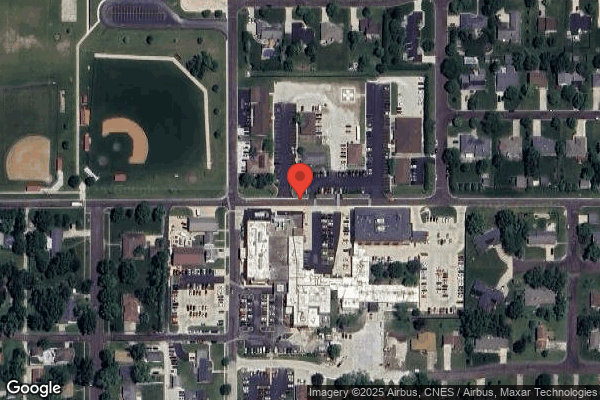
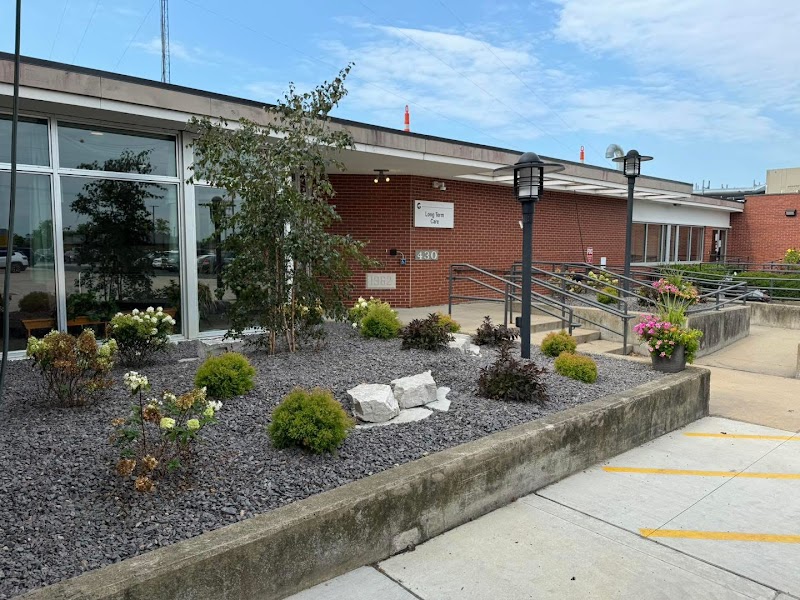
430 EAST 19TH, GIBSON CITY, IL 60936 (217) 784-2566
Non profit - Other 16 Beds Independent Data: November 2025 1 Immediate Jeopardy citation
Trust Grade
53/100
#146 of 665 in IL
Last Inspection: March 2024

Within standard 12-15 month inspection cycle. Federal law requires annual inspections.

Overview

Gibson Community HSP Annex has a Trust Grade of C, which means it falls in the average range compared to other facilities. It ranks #146 out of 665 nursing homes in Illinois, placing it in the top half, and #2 out of 4 in Ford County, indicating only one local facility is rated higher. Unfortunately, the trend is worsening, with the number of issues increasing from 5 in 2023 to 7 in 2024. Staffing is a strength, with a 5-star rating and a turnover rate of 38%, lower than the state average, suggesting that staff members are experienced and familiar with the residents. However, there are concerning aspects, including $27,485 in fines, which is higher than 83% of facilities in Illinois, and critical incidents such as a resident with dementia leaving the facility unnoticed and another resident who fell and sustained serious injuries due to inadequate safety measures. Additionally, there were issues related to infection control, indicating potential risks for residents. Overall, while there are strengths in staffing, families should be aware of the facility’s recent challenges and incidents.

Trust Score
C
53/100
In Illinois
#146/665
Top 21%
Safety Record
High Risk
Review needed
Inspections
Getting Worse
5 → 7 violations
Staff Stability
○ Average
38% turnover. Near Illinois's 48% average. Typical for the industry.
Penalties
○ Average
$27,485 in fines. Higher than 71% of Illinois facilities. Some compliance issues.
Skilled Nurses
✓ Good
Each resident gets 57 minutes of Registered Nurse (RN) attention daily — more than average for Illinois. RNs are trained to catch health problems early.
Violations
⚠ Watch
13 deficiencies on record. Higher than average. Multiple issues found across inspections.
★★★★☆
4.0
Overall Rating
★★★★★
5.0
Staff Levels
★★☆☆☆
2.0
Care Quality
★★★☆☆
3.0
Inspection Score
Stable
2023: 5 issues
2024: 7 issues

The Good

  • 5-Star Staffing Rating · Excellent nurse staffing levels
  • Full Sprinkler Coverage · Fire safety systems throughout facility
  • No fines on record
  • Staff turnover below average (38%)

    10 points below Illinois average of 48%

Facility shows strength in staffing levels, fire safety.

The Bad

Staff Turnover: 38%

Near Illinois avg (46%)

Typical for the industry

Federal Fines: $27,485

Below median ($33,413)

Moderate penalties - review what triggered them

The Ugly 13 deficiencies on record

1 life-threatening 1 actual harm
Mar 2024 7 deficiencies 1 Harm
SERIOUS (G)

Actual Harm - a resident was hurt due to facility failures

Accident Prevention (Tag F0689)

A resident was harmed · This affected 1 resident

**NOTE- TERMS IN BRACKETS HAVE BEEN EDITED TO PROTECT CONFIDENTIALITY** Base on observation, interview and record review, the facility failed to complete a fall risk assessment quarterly and failed to...

Read full inspector narrative →
**NOTE- TERMS IN BRACKETS HAVE BEEN EDITED TO PROTECT CONFIDENTIALITY** Base on observation, interview and record review, the facility failed to complete a fall risk assessment quarterly and failed to ensure safety equipment was in use during a transfer for one of one residents (R5) reviewed for falls on the sample list of 12. This failure resulted in R5 falling and sustaining a four centimeter laceration requiring seven sutures to the forehead and a fractured humerus. Findings Include: R5's Fall Risk Assessments dated 8/16/23 and 1/29/24 document R5 is a high risk for falls. On 3/12/24 at 10:40 AM, V3 MDS (Minimum Data Set)/CP (Care Plan) Coordinator stated fall risk assessments are to be completed upon admission, with significant changes and quarterly. V3 confirmed R5 only has an August and January assessment completed. V3 is unsure why one was not completed in November stating, that was before my time, but one should have been completed in November 2023. R5's MDS dated [DATE] documents R5 is alert and oriented, and requires substantial/maximal assistance when transferring from a sit to stand position and for chair/bed to chair transfers. On 3/11/24 at 9:41 AM, R5 was sitting up in a recliner with R5's right arm in sling. R5 stated R5 fell when transferring from the chair and sustained a fractured shoulder. R5's CP dated 1/29/24 documents R5 needs extensive assistance of one for transfers using a gait belt and walker and up to extensive assist of two using a gait belt (changed from assistance of 1 which was on the original care plan dated 8/17/23) and walker to ambulate and transfer. R5 is to be encouraged to walk during the day, and staff are to bring a wheelchair behind R5 for long distances so that R5 can take a break if needed. R5 has a history of knees buckling so please be cautious of this during ambulation and transfers. R5's Progress Notes dated 2/16/24 by V9 LPN (Licensed Practical Nurse) documents at 1750 on 2/16/24, the CNA (Certified Nursing Assistant) notified the nurse that R5 had fallen in R5's room. The CNA stated she was assisting R5 and turned to unlocked R5's wheel chair to move it out of R5's way when resident fell forward. Upon entering room, R5 was noted to be lying with the right side with R5's face down on the floor with blood coming from a laceration to the right side of the head and R5's right arm was tucked up under R5's body. 911 called and transferred to the ER (Emergency Room). R5 returned to the facility with a diagnosis of a Fractured right humerus and has an immobilizer in place. Per the ER nurse, R5 has 7 sutures to the right forehead. R5 has a pressure dressing to the forehead. Bruising is noted to the right forehead under the dressing pooling down to R5's right eye and back behind the right ear. R5 also has a skin tear with bruising to the right wrist. R5 is alert and able to answer questions appropriately. An undated and untitled summary into R5's fall by V2 DON (Director of Nursing) documents on 2/15/24 R5 was ambulating with the walker in R5's room and experienced a fall. R5 had painful ROM (Range of Motion) to the right upper extremity as well as a laceration to the right forehead. An x-ray of the right arm revealed a fracture of the proximal right humerus and the laceration was repaired with sutures. This summary also contained a witness statement from V10 CNA that documents V10 went into R5's room to let R5 know that the facility needed to collect a urine sample. V10 then set up the equipment in the bathroom. R5 had stood up out of the wheelchair and was beginning to ambulate to the bathroom. V10 unlocked the wheelchair to move it out of the way and as V10 turned back from moving the wheelchair, R5 was falling. The Hospital ED (Emergency Department) Summary Report dated 2/15/24 documents R5 had a fall at the nursing home due to R5's legs giving out and sustained a 4 cm (centimeter) jagged laceration above the right eyebrow and pain to the right upper extremity. R5's X-ray report dated 2/15/24 documents an impacted fracture of the proximal right humerus extending through the humeral neck and greater tuberosity. On 3/12/24 at 10:35 AM, V7 CNA stated prior to R5's fall, R5 was a one or two assist with gait belt, depending on the day, for transfers and a one assist with walker and gait belt for ambulation. V7 explained R5 would hold onto the walker and staff were to hold onto the gait belt. On 3/12/24 at 10:45 AM, V2 DON stated V10 did not have a gait belt on R5 at the time of the fall. V2 confirmed R5 has a history of falls but wants to be independent. On 3/13/24 at 1:45 pm R5 stated, staff normally use a gait belt with R5 during transfers but at the time of R5's fall, R5 did not have a gait belt in place. R5 stated at the time of the fall, R5 didn't realize staff had not placed a gait belt onto R5 and also did not realize that staff was not next to and holding onto R5 when R5 began to walk to the bathroom. The facility's Gait Belt Use Policy dated March 2023 documents gait belts are provided to secure a grasping surface to aid with resident transfer and ambulation and to prevent injury during transfer and ambulation and to prevent injury during transfer and ambulation of the resident. A gait belt must be used, if there are no contraindications, every time a resident is transferred or ambulated with assistance. When a gait belt is used, staff must have at least one hand on the gait belt supporting the resident at all times.
CONCERN (D)

Potential for Harm - no one hurt, but risky conditions existed

Assessment Accuracy (Tag F0641)

Could have caused harm · This affected 1 resident

**NOTE- TERMS IN BRACKETS HAVE BEEN EDITED TO PROTECT CONFIDENTIALITY** Based on observation, interview and record review, the facility failed to accurately code a Minimum Data Set for one of 12 resid...

Read full inspector narrative →
**NOTE- TERMS IN BRACKETS HAVE BEEN EDITED TO PROTECT CONFIDENTIALITY** Based on observation, interview and record review, the facility failed to accurately code a Minimum Data Set for one of 12 residents (R11) reviewed for restraints on the sample list of 12. Findings Include: R11's MDS (Minimum Data Set) dated 1/2/24 documents R11 is alert and oriented, uses bed rails as a restraint daily and is independent with rolling side to side. On 3/11/24 at 9:35 AM, R11 was sitting up in the recliner in R11's room. R11 stated R11 does not use any restraints explaining, I'm able to walk independent down the hall and that R11 uses upper side rails so I (R11) can turn myself in bed. I (R11) want/need them so I (R11) don't have to ask for help. R11's Side Rail assessment dated [DATE] documents R11 uses 1/4 upper rails bilaterally per request to enable in repositioning. R11's Care Plan dated 1/15/24 documents R11 can change positions in bed with assist of one and prefers to use side rails on a daily basis to help with positioning. This care plan also documents R11 has signed the bed rail agreement and understands the risks of having them in place. On 3/11/24 at 3:04 PM, V3 MDS/Care Plan Coordinator stated R11 does not use any restraints, only side rails to aid in repositioning. V3 explained V3 coded them as a restraint on the MDS because V3 thought they had to be coded that way due to R11's use of side rails.
CONCERN (D)

Potential for Harm - no one hurt, but risky conditions existed

Comprehensive Care Plan (Tag F0656)

Could have caused harm · This affected 1 resident

Based on interview and record review the facility failed to develop a comprehensive care plan for Urinary Tract Infections (UTI) for one (R1) of twelve residents reviewed for care plans in the sample ...

Read full inspector narrative →
Based on interview and record review the facility failed to develop a comprehensive care plan for Urinary Tract Infections (UTI) for one (R1) of twelve residents reviewed for care plans in the sample list of 12. Findings include: On 3/11/24 at 1:08 PM R1 stated R1 gets frequent bladder infections and is not sure what the facility does to prevent them. R1 stated R1 has burning with urination all the time which is a long term problem for R1, and staff assist R1 with toileting. R1's Nursing Notes dated 9/28/23-10/2/23 document R1 was on an antibiotic for a UTI. R1's urine Culture resulted on 1/10/24 documents Escherichia coli (bacteria found in colon) greater than 100,000 colony forming units (CFU), indicating an infection. R1's Urine Culture resulted on 12/30/23 documents Klebsiella pneumoniae greater than 100,000 CFU, indicating an infection. R1's Care Plan revised 2/28/24 does not have a problem, goal, and interventions to address R1's UTIs. On 3/12/24 at 12:00 PM V3 Minimum Data Set Coordinator stated V3 does not care plan for a history of or frequent UTIs, and information such as antibiotic use, encouraging fluids, and monitoring would be documented in the nursing notes. V3 confirmed R1 does not have a care plan for UTIs or prevention.
CONCERN (D)

Potential for Harm - no one hurt, but risky conditions existed

Medication Errors (Tag F0758)

Could have caused harm · This affected 1 resident

3.) R7's New Prescription Request dated 2/12/24 documents R7's order for Lorazepam (antianxiety) 2 milligrams/milliliter (mg/ml) give 0.25 ml by mouth/sublingual every four hours as needed (PRN) for a...

Read full inspector narrative →
3.) R7's New Prescription Request dated 2/12/24 documents R7's order for Lorazepam (antianxiety) 2 milligrams/milliliter (mg/ml) give 0.25 ml by mouth/sublingual every four hours as needed (PRN) for agitation/anxiety/restlessness and includes a stop date of 5/10/24. This stop date is not transcribed to R7's Lorazepam order in R7's electronic medical record prior to 3/12/24. R7's February and March 2024 Medication Administration Records document R7 received Lorazepam as needed 16 times between 2/10/24 and 3/8/24. On 3/12/24 at 9:16 AM V2 Director of Nursing stated antianxiety PRN orders are ordered for 14 days and then re-evaluated for continued use with a new stop date, unless otherwise ordered. V2 stated V2 has hospice provide documentation to extend the order past the 14 days, and has been struggling with hospice to provide this documentation for R7's PRN Lorazepam. V2 stated R7's PRN Lorazepam order is good through R7's next hospice certification date. V2 reviewed R7's PRN Lorazepam order and confirmed the order does not document a stop date. V2 stated V2 puts the stop date on V2's calendar when the order is due to be re-evaluated. At 9:29 AM V2 provided pharmacy documentation that R7's PRN Lorazepam order stop date is 5/10/24. V2 stated hospice has been faxing the prescription with the stop dates to the pharmacy and not to the facility. At 9:40 AM V2 stated V2 will add the May stop date to R7's PRN Lorazepam order. Based on interview and record review, the facility failed to complete psychotropic medication assessments prior to starting a psychotropic medication and failed to ensure as needed psychotropic medications were limited to 14 days or less for residents. This failure affects three of four residents (R7, R11 and R65) reviewed for unnecessary medications on the sample list of 12. Findings Include: The facility's Psychotropic Medication Policy dated 11/28/17 documents psychotropic medication is any drug that affects brain activity associated with mental processes and behavior. These medications include but are not limited to: antianxiety, antidepressant, antipsychotic and hypnotic. These medications are to be given to treat a specific condition/medical symptom that is diagnoses and documented in the clinical record. Specific condition/medical symptoms alone are not enough to justify pharmacological use. An evaluation must be done to determine other possible physical, mental, behavioral, psychosocial needs. Residents that are admitted with a psychotropic medication need an evaluation by the physician and consultant pharmacist for the use of the medication and whether a reduction or discontinuation can occur. Quarterly evaluation or more frequent if needed to determine if a reduction is warranted. Initial PRN (as needed) psychotropic medications should not exceed 14 days, unless the attending physician or prescribing practitioner believes that to extend beyond 14 days and has documented the rational and indicated the duration. 1. R11's Physician Order List dated 3/11/24 documents the following orders: Duloxetine {Antidepressant} 60 mg (milligrams) - one tablet daily ordered on 12/27/23 Hydroxyzine {Antihistamine} 50 mg - one tablet every 6 hours as needed for anxiety or itching ordered on 12/27/23 and discontinued on 1/30/24 (34 days later). R11's Psychotropic Medication Assessments for the above listed medications were completed on 1/9/24 (13 days after initiated). On 3/11/24 at 3:28 PM, V3 MDS (Minimum Data Set)/CP (Care Plan) Coordinator stated V3 is the one that completes psych med assessments and completes them quarterly when all of the assessments and MDS's are completed. V3 also stated V3 does not do assessments between times, even if a new medication is started. On 3/11/24 at 3:38 PM, V2 DON (Director of Nursing) confirmed R11 did not have any other psychotropic medication assessments completed other than the one in R11's medical record. On 3/12/24 at 9:21 AM, V2 DON stated typically PRN (as needed) psychotropic medications are ordered for 14 days however since R11's Hydroxyzine isn't your typical psychotropic medicine, that is why it did not have a 14 day time frame. It went unnoticed until pharmacy told us that because it was being used to treat R11's anxiety, that we needed to limit it to 14 days. That is why it was discontinued. 2. R65's ongoing diagnoses listing documents diagnoses of Anxiety and Major Depressive Disorder. R65's March 2024 Physician Order Sheet dated 3/7/24 documents the following orders: Clonazepam {Benzodiazepine} 0.5 mg (milligrams) - 1 tablet BID (twice a day) for anxiety Escitalopram {Antidepressant} 20 mg - one tablet daily for depression Trazodone {Antidepressant} 100 mg - one tablet at night for insomnia R65's medical record does not contain any psychotropic medication assessment. On 3/12/24 at 9:15 AM, V2 DON (Director of Nursing) confirmed R65 has not had a psychotropic medication assessment completed and stated R65 is a new admission. V2 explained, the facility typically does not do medication assessments when residents are admitted on psychotropic medications, only when they are started on them after admission to the facility.
CONCERN (D)

Potential for Harm - no one hurt, but risky conditions existed

Deficiency F0887 (Tag F0887)

Could have caused harm · This affected 1 resident

**NOTE- TERMS IN BRACKETS HAVE BEEN EDITED TO PROTECT CONFIDENTIALITY** Based on interview and record review the facility failed to administer a COVID-19 (Human Coronavirus) booster vaccine for one (R...

Read full inspector narrative →
**NOTE- TERMS IN BRACKETS HAVE BEEN EDITED TO PROTECT CONFIDENTIALITY** Based on interview and record review the facility failed to administer a COVID-19 (Human Coronavirus) booster vaccine for one (R2) of five residents reviewed for immunizations in the sample list of 12. Findings include: The facility's COVID-19 Immunization Policy & Procedure - Residents with reviewed date June 2023 documents residents will be offered the vaccine unless it is medically contraindicated or the resident has already been vaccinated. The Centers for Disease Control and Prevention Updated (2023–2024 Formula) COVID-19 Vaccine Interim 2023-2024 COVID-19 Immunization Schedule for Persons 6 Months of Age and Older dated 9/22/23 documents for persons age [AGE] and older administer one does of the 2023-2024 vaccine at least eight weeks after the prior COVID-19 vaccine. R2's undated profile documents R2 is over the age of 65. R2's COVID-19 2023 Vaccine Consent Form dated 1/29/24 documents R2's last COVID-19 booster vaccine was given on 10/20/21, R2 has not had COVID-19 in the last 90 days, and R2 consented to receive the 2023 booster vaccine. There is no documentation in R2's medical record that R2 was given this booster vaccine. On 3/12/24 at 4:05 PM V2 Director of Nursing confirmed R2 consented to receive the 2023 COVID-19 booster and it was not administered. On 3/12/24 at 4:40 PM V2 stated the facility didn't order the vaccine since the pharmacy required a minimum purchase of three vials, which is 30 doses. V2 stated they didn't have enough residents to support purchasing that amount since the facility had been in COVID-19 outbreak status in November and January, and the pharmacy recommended waiting 90 days after being COVID-19 positive before administering the booster vaccine.
CONCERN (E)

Potential for Harm - no one hurt, but risky conditions existed

Antibiotic Stewardship (Tag F0881)

Could have caused harm · This affected multiple residents

Based on interview and record review the facility failed to follow their antimicrobial stewardship policy by failing to accurately document the status of obtaining residents urine cultures and identif...

Read full inspector narrative →
Based on interview and record review the facility failed to follow their antimicrobial stewardship policy by failing to accurately document the status of obtaining residents urine cultures and identify/document organisms results. This failure affects five (R1, R2, R4, R5, R6) of eight residents reviewed for infection control in the sample list of 12. Findings include: The facility's Antimicrobial Stewardship policy with reviewed date May 2023 documents the purpose of this program is to ensure appropriate use of antimicrobials which includes selecting the appropriate antibiotic, dose, duration and route to decrease toxicity and antimicrobial resistance. This policy documents to collect, track, and analyze antibiotic use and resistance patterns. This policy documents laboratory personnel will guide the proper use of tests/results and assist in ensuring that laboratory reports will be used to support optimal antibiotic use; and infection control personnel will develop/implement and document facility wide infection surveillance, prevention, and control activities. The January 2024-March 2024 Monthly Infection Logs do not document organisms from culture results as instructed on the form. R1, R2, and R6 had Urinary Tract Infections (UTIs) in January, and no cultures were obtained for R2 and R6. These logs do not document if R1 had urine cultures or the organism identified for UTIs on 1/10/24 and 12/31/23. R4, R5, and R6 had UTIs in February. These logs do not document cultures were obtained for R4 and does not document the organism from R5's urine culture. R1's urine Culture resulted on 1/10/24 documents Escherichia coli greater than 100,000 colony forming units (CFU), indicating an infection. R1's Urine Culture resulted on 12/30/23 documents Klebsiella pneumoniae greater than 100,000 CFU, indicating an infection. On 3/12/24 at 11:35 AM V3 Minimum Data Set/Care Plan Coordinator was completing the March infection control log, which was incomplete and not up to date. V3 stated V3 has notes of infections, but has not yet transcribed them onto the log. V3 confirmed V3 is responsible for logging the resident infections on the monthly logs. V3 stated V3 has not provided infection logs to V15 since V3 started in January. V3 confirmed the infection logs do not identify organisms from culture results. On 3/12/24 at 12:06 PM V15 confirmed the infection logs are incomplete and do not document if cultures were completed or the organisms from completed cultures. V15 stated culture results are reviewed and followed up on with the physician as part of the antibiotic stewardship.
CONCERN (F)

Potential for Harm - no one hurt, but risky conditions existed

Infection Control (Tag F0880)

Could have caused harm · This affected most or all residents

Based on interview and record review the facility failed to maintain complete and current resident and staff infection control logs, analyze infection data to identify trends, restrict staff from work...

Read full inspector narrative →
Based on interview and record review the facility failed to maintain complete and current resident and staff infection control logs, analyze infection data to identify trends, restrict staff from working while ill, and test symptomatic staff for COVID-19 (Human Coronavirus Infection). These failures affect eight (R1, R2, R4, R5, R6, R7, R11, R65) of eight residents reviewed for infection control and has the potential to affect all 12 residents in the facility Findings include: 1.) The Employee Illness Reports document the following: On 1/14/24 V20 Certified Nursing Assistant (CNA) called in sick due to sore throat, cough, and muscle aches. On 1/29/24 V12 CNA called in sick due to headache, runny/stuffy nose, body aches, and vomiting. On 2/5/24 and 2/7/24 V18 CNA called in due to headache and vomiting. On 2/6/24 V7 CNA called in sick due to diarrhea and vomiting. On 2/9/24 V9 Licensed Practical Nurse was sent home due to diarrhea and nausea. On 2/16/24 and 2/17/24 V9 called in due to asthma and V9 is taking an antibiotic and steroid. On 2/20/24 V17 CNA called in sick due to vomiting. On 2/21/24 V18 CNA called in sick due to vomiting. On 2/22/24 V10 CNA called in sick due to vomiting. On 3/1/24 V12 CNA called in sick due to vomiting. On 3/7/24 V17 CNA called in sick due to fever of 100.1 degrees Fahrenheit (F), headache, and muscle aches. The employee infection logs with a date range of 6/13/23-1/23/24 do not document illnesses after 1/23/24. V20's call in on 1/14/24 is not listed on this log. 03/12/24 at 12:06 PM V15 Infection Preventionist stated V15 relies on a collaborative process with V2 Director of Nursing (DON) for infection control. V15 stated V15 receives reports on employee illnesses which are tracked/logged by the human resources department and V2. On 3/12/24 at 3:15 PM V2 DON confirmed the employee illness log is not up to date. V2 stated V2 reviews the employee illness reports daily when they come in, and then V2 tries to keep an eye out for other similar illnesses in residents and staff. V2 stated residents with GI (gastrointestinal) symptoms (nausea/vomiting) are not logged on the resident infection logs, we just keep an eye out as it happens. On 3/13/24 at 10:32 AM V2 confirmed the CNAs work on both halls of the facility. 2.) The January 2024-March 2024 Monthly Infection Logs document resident infections, and there is no documentation that these infections were tracked to identify any trends or patterns. These infection logs do not document organisms identified from cultures for resident infections. R1, R2, and R6 had Urinary Tract Infections (UTIs) in January. In February R4, R5, R6, and R7 had UTIs; and R4 had a lower respiratory tract infection. R65 had a UTI in March. On 3/12/24 at 11:35 AM V3 Minimum Data Set/Care Plan Coordinator was completing the March infection control log which was incomplete and not up to date. V3 stated V3 has notes of infections, but has not yet transcribed them onto the log. V3 confirmed V3 is responsible for logging the resident infections on the monthly logs. V3 stated V3 took over for logging infections as of January 2024, and both V2 DON and V15 Infection Preventionist are notified verbally of infections as they occur. V3 stated V3 has not provided the infection logs to V15. V3 confirmed the infection logs do not identify patterns/trends of infections or organisms. V3 stated V3 does not do that and was unsure if V15 is documenting infection trends. On 3/12/24 at 12:06 PM V15 stated infections are reported to V15 by V3 and V15 is also informed of infections verbally and through a daily written report. V15 stated the infection trends/patterns are identified and documented on the quarterly infection reports, and this is not done on a monthly basis. 3.) The facility's undated COVID-19 outbreak log documents the outbreak began on 1/14/24 when V12 CNA tested positive. This log documents R5 and R11 tested positive on 1/15/24, and R6 tested positive on 1/16/24. The employee illness logs with date range 6/12/23-1/23/24 document V13 CNA URI (Upper Respiratory Infection) on 1/12/24 and 1/15/24; and V12 CNA URI on 1/13/24 and returned to work on 1/14/24. There is no documentation that these CNAs were tested for COVID-19 after symptoms began and prior to returning to work. V12's Rapid COVID-19 test dated as collected on 1/14/24 at 4:06 PM and resulted at 4:30 PM documents V12 tested positive. V12's Time Card dated 1/7/24-1/20/24 documents V12 worked on 1/14/24 from 6:09 AM until 4:30 PM. V13's Time Card dated 1/7/24-1/20/24 documents V13 worked on 1/10/24 from 6:08 AM until 6:09 PM. On 3/12/24 at 12:00 PM V12 CNA stated V12 had symptoms of headache, cough, and runny nose that began on 1/13/24. V12 stated V12 reported V12's symptoms to the nurse that day when V12 called off. V12 stated V12 did not test for COVID-19 on 1/13/24, but tested the following day while V12 was at work. V12 stated V12 waited for V12's test results and then was sent home once V12 test resulted positive. V12 stated V12 thought V12 was ok to work on 1/14/24 since V12 was feeling better, but V12 decided to test later that day when V12 had symptoms while at work. On 3/12/24 at 2:45 PM V13 CNA stated V13 recalled calling off from work in January 2024 with URI symptoms of green mucus, fever of 101.8 F., headache, coughing, and sneezing. V13 stated V13 had symptoms of body aches, shortness of breath, and feeling tired when V13 was working on 1/10/24, but V13 thought it was just a cold. V13 stated V13 took cold medication that day, worked from 6:00 AM until 6:00 PM, and did not report V13's symptoms. On 3/12/24 at 3:15 PM V1 Administrator stated we were not requiring surgical masks to be worn in the facility prior to the COVID-19 outbreak that began on 1/14/24. V2 DON stated V2 can't prove that V13 was not COVID-19 positive since V13 was not tested. V2 confirmed there is no documentation that V13 was tested in January 2024 prior to 1/17/24. V2 stated the staff should tell V2 or the nurses when they are having symptoms so that they can be tested. V2 confirmed V12 should have tested for COVID-19 prior to working on 1/14/24. V2 stated V12 was sent home from work on 1/14/24 after testing positive and that was when the facility identified the outbreak. V2 stated staff who are COVID-19 positive are restricted from work for five days, and if they are negative and symptomatic they can return to work once fever free without medication use for 24 hours. On 3/13/24 at 10:32 AM V2 confirmed the CNAs work on both halls of the facility. The facility's Long-Term Care Facility Application For Medicare and Medicaid dated 3/11/24 documents 12 residents reside in the facility. The Centers for Disease Control and Prevention Symptoms of COVID-19 dated October 26, 2022 documents COVID-19 symptoms include fever/chills, cough, shortness of breath, difficulty breathing, fatigue, body/muscle aches, headache, new loss of taste/smell, sore throat, congestion, runny nose, nausea, vomiting and diarrhea; and recommends testing if you are symptomatic. The facility's Infection Prevention policy revised June 2021 documents the infection prevention program incorporates surveillance and prevention of infections, which includes monitoring and investigating exposures and infectious disease outbreaks. This policy documents that actions taken and recommendations to address opportunities for improvement will be documented, and performance improvement and infection prevention activities is determined through information gathering and clinical analysis. This policy documents that positive cultures are investigated to identify clusters of pathogens, location, and staff involved. The facility's COVID-19 Testing Policy and Response Strategy revised September 2023 documents healthcare workers are educated on reporting positive COVID-19 tests, symptoms of COVID-19, and/or exposure to COVID-19 to their direct supervisor. This policy documents testing is required for symptomatic healthcare workers.
Jun 2023 5 deficiencies 1 IJ
CRITICAL (J)

Immediate Jeopardy (IJ) - the most serious Medicare violation

Accident Prevention (Tag F0689)

Someone could have died · This affected 1 resident

**NOTE- TERMS IN BRACKETS HAVE BEEN EDITED TO PROTECT CONFIDENTIALITY** Based on observation, interview, and record review the facility failed to prevent elopement by failing to identify behaviors of ...

Read full inspector narrative →
**NOTE- TERMS IN BRACKETS HAVE BEEN EDITED TO PROTECT CONFIDENTIALITY** Based on observation, interview, and record review the facility failed to prevent elopement by failing to identify behaviors of wandering/exit seeking and elopement, re-evaluate for risk of elopement, notify the physician and family of exit seeking behaviors, and develop/implement targeted behavior tracking and person-centered interventions to address exit seeking behavior for one resident (R11) reviewed for elopement in the sample list of 14. This failure resulted in R11, a resident with a known history of exit seeking and diagnosis of Dementia, leaving the facility alone and unnoticed by climbing through a window. R11 was found by a member of the community, approximately two tenths of a mile on a residential street/roadway without sidewalks, a state highway and railroad tracks approximately a quarter mile away, wearing dark clothing, while using a walker, by himself(R11) on the side of the road. R11 had the potential for serious injury and/or death of being struck by a motor vehicle or falling. This failure resulted in an Immediate Jeopardy. The Immediate Jeopardy began on 5/11/23 when R11 eloped from the facility unnoticed after repeatedly exhibiting exit seeking behavior within the previous three months. V1 Administrator was notified of the Immediate Jeopardy on 5/31/23 at 3:34 PM. The surveyor confirmed by observation, interview, and record review that the immediacy was removed on 5/31/23, but noncompliance remains at Level Two because additional time is needed for the facility to continue staff education and evaluate the implementation and effectiveness of the in-service training. Findings include: The facility's incident summary of R11's elopement documents on 5/11/23 at approximately 8:10 PM another resident (R12) notified staff that R12 observed R11 exit the facility. The Elopement Policy was activated, a search was initiated, and R11 was found at approximately 8:20 PM and returned to the facility. The incident investigation dated 5/11/23 and 5/12/23 document V10 Labor & Delivery Nurse brought R11 back to the facility, and R11 had been found on [NAME] Street (approximately two tenths of a mile away from the facility). R11 told V10 that R11 was going to R11's hometown. R12 was interviewed and recalls seeing R11 climb out of the window. R12 did not notify staff because R12 did not want R11 upset with R12. A local web based weather application documents sunset was at 8:00 PM on 5/11/23. R11's Minimum Data Set (MDS) dated [DATE] documents R11 has a Brief Interview for Mental Status (BIMS) score of 7 indicating severe cognitive impairment, and R11 did not have any wandering behaviors noted during the 7 day review period. R11's MDS dated [DATE] documents R11 has a BIMs score of 3, indicating severe cognitive impairment, and wandering occurred 4-6 days during the 7 day review period. R11's Nursing Notes document the following: On 3/7/23 at 2:06 PM R11 attempted to walk out the front door of the facility twice. On 3/12/23 at 5:09 AM R11 set off the door alarm and was found by the door. R11 stated R11 wanted to go out to R11's car to get something. On 3/15/23 at 2:46 AM R11's departure alert system activated the door alarm near the facility's entrance and R11 was redirected to the living room area. R11 stated R11 wanted to leave. On 3/16/23 at 3:18 AM R11 wandered down the east hall and attempted to open the door to the garden. On 3/18/23 at 4:34 AM R11 went outside to look for R11's car and was brought back into the facility. R11's departure alert system had not activated the door alarm. A second departure alert device was added to R11's wheeled walker. On 4/7/23 at 6:56 PM staff observed R11 exiting the building and intercepted R11 in the parking lot. On 4/14/23 at 11:30 PM R11 insisted on leaving the facility to go to R11's hometown. R11's Care Plan dated 5/23/23 does not document any new interventions were developed/implemented to address R11's wandering and exit seeking behaviors after 3/20/23 until 5/11/23. The intervention dated 3/20/23 documents R11 has a departure alert device on R11 and on R11's walker, staff are to redirect R11 to R11's room after supper, and turn on western television shows. There is no documentation that R11's wandering/exit seeking behaviors were routinely tracked and monitored including the development and implementation of nonpharmacological interventions to respond to R11's behaviors. There are no documented elopement risk assessments completed in R11's medical record after 3/8/23 until 5/23/23. There is no documentation that R11's physician and family were notified of R11's exit seeking and wandering behaviors until 5/11/23 after R11 eloped from the facility. On 5/30/23 at 1:23 PM the perimeter of the facility near the sunroom was observed. There is a concrete slab adjacent to the windows, landscape rock and bushes, and a grassy 45 degree berm that leads to an uneven, grass yard. The concrete slab does not connect to a sidewalk. There is a sidewalk to the east of the sunroom, across the grass yard, that does not connect to the street. On 5/30/23 at 4:15 PM 19th Street (East/West street where facility is located) does not contain sidewalks. There is no shoulder or curb and approximately 1 foot of gravel on each side of the road with grassy ditches. 19th Street intersects with [NAME] Street approximately 1/4 mile away from the facility. There is no stop sign when heading North on [NAME] Street at this intersection. [NAME] Street does not contain a sidewalk, shoulder, or curb. There is approximately 1 foot of gravel on each side of the road with grassy ditches. Railroad tracks and Highway 54 are South of where R11 was found, approximately 1/4 mile away. On 5/30/23 at 1:03 PM R11 stated R11 recalls getting out of the facility a few weeks ago. R11 stated R11 climbed out the facility window when no one was looking, and R11 was trying to get to R11's hometown. R11 stated R11 walked down the road that evening and someone picked R11 up and brought R11 back to the facility. R11 stated there were no sidewalks, so R11 had to walk on the edge of the road. On 5/30/23 at 11:20 AM V9 (R12's Family) stated V9 received a call from R12 around 8:15 PM on 5/11/23 reporting that R11 got out of the facility through the sunroom window, and no staff had witnessed R11 leave the facility. R12 told V9 that R11 knew not to go through the doors due to R11's departure alert device, and R11 was wanting to go to R11's hometown. V9 stated R12 reported the incident to the nurses prior to calling V9. On 5/30/23 at 11:30 AM V8 (R11's Power of Attorney) stated the facility notified V8 that R11 escaped out of the sunroom window and was found down the road from the hospital. V8 stated R11 has a history of going near the exit doors, but had never tried to leave the facility prior to this incident. On 5/30/23 at 11:47 AM V10 Labor & Delivery Nurse stated V10 was on V10's way home from work on 5/11/23 at approximately 8:20 PM-8:30 PM. V10 was driving on [NAME] Street and saw R11 in dark clothing, walking South, with R11's walker on the side of the road in the gravel. V10 stated V10 thought it was abnormal, was concerned that R11 was going to get hit by a vehicle, and V10 offered R11 a ride. R11 told V10 that R11 lived around the bend. V10 stated R11 got into R11's van, and V10 drove R11 around asking if any of the houses were R11's. V10 then asked R11 for R11's address and R11 gave R11's hometown as R11's address. R11 was unaware of what town R11 was currently in. V10 asked about R11's family, discovered R11 was a resident of the facility, and brought R11 back to the facility. On 5/30/23 at 11:58 AM V11 Registered Nurse stated V11 was conducting door alarm checks in March, R11 was out in the parking lot and was trying to get back into the facility through the main entrance. V11 stated no staff had witnessed R11 leave the facility and R11's departure alert device did not alarm. The device was functional, but V11 believed it did not activate due to R11 wearing multiple shirts. V11 stated the 4/7/23 incident was witnessed by staff, and R11 was looking for R11's car. V11 could not recall if V11 notified R11's family of R11's exit seeking behaviors or elopement on 3/18/23, and V11 stated V11 did not notify V7 (R11's Physician). V11 stated R11 is alert and oriented to person, not place and time, and does not have good safety awareness and decision making ability. R11's exit seeking behaviors seem to be close to the first hour of change of shift from days to evenings, and V11 believes R11's behaviors are triggered by watching staff leave. On 5/30/23 at 5:39 PM V15 Certified Nursing Assistant (CNA) stated on 5/11/23 V15 last saw R11 at approximately 7:00 PM in the living room area with R12. V15 was first made aware that R11 was out of the facility when R12 stopped V15 in the hallway at about 8:10 PM. V15 stated R12 told V15 that R12 was upset because R12 and R11 got into an argument and R12 saw R11 leave the facility through the sunroom window. R11 had exited the facility sometime between 7 and 8:00 PM. V15 stated V15 immediately went to the sunroom and the middle window was open with the screen removed. V15 immediately went outside to see if V15 could see R11, V15 did not see R11 and reported the incident to V14 Registered Nurse (RN). V15 stated an elopement check was initiated and V14 and V15 continued to search for R11 outside of the facility. V15 stated it was just starting to get dark around 8:10 PM, and V10 located and returned R11 at approximately 8:30 PM. On 5/31/23 at 7:19 AM V14 RN stated during the evening medication pass V15 told me that R12 witnessed R11 leave the facility through the sunroom window. We went outside near the window, and were unable to locate R11. V14 stated V14 instructed the other nurse and CNA to conduct a head count of all other residents while V14 and V15 continued to search for R11 outside. V14 had last seen R11 between 6:30 PM and 7:00 PM. On 5/30/23 at 2:28 PM V3 MDS Coordinator confirmed R11's care plan does not identify new interventions to address R11's exit seeking behaviors after 3/20/23 until 5/11/23. On 5/30/23 at 11:01 AM V2 Director of Nursing stated R11 left the facility through the sunroom window on 5/11/23, and R12 witnessed the incident but did not report to staff right away. V2 stated R12 called and reported the incident to V9 (R12's Family) who is also an employee of the facility. R11 was found down the road near the stop sign, East of the hospital. On 5/30/23 at 12:43 PM V2 stated elopement risk assessments are documented in the resident's paper chart and completed quarterly and as needed. V2 stated if the resident has a change in cognition or a change then an elopement risk assessment is done. V2 stated R11 has always been at risk for elopement since R11 admitted and wears a departure alert device. On 5/30/23 at 2:06 PM V2 stated V2 reviewed the surveillance camera footage and R11 went down the grassy berm, and walked to the sidewalk by the building. V2 stated physician and family notification would be documented in a progress note and confirmed R11 had no targeted behavior tracking for R11's wandering/exit seeking behaviors. On 5/31/23 at 9:57 AM V2 stated the video surveillance inside the facility showed R11 heading to the dining room at 7:45 PM, and there were two CNAs at the desk. V2 stated at 7:46 PM R11 headed towards the sunroom and R12 was in the living room area, and at 7:56 PM R11 showed up on the camera outside of the facility near the sunroom. V2 confirmed there is no documentation of interventions implemented between 3/20/23 and prior to 5/11/23 or that the physician and family were notified to address R11's exit seeking and wandering behaviors. The facility's Wandering Resident/Elopement policy revised 10/3/18 documents: Wandering behaviors will be documented in the medical record. Observations of wandering behaviors will determine the level of supervision needed. Residents will be assessed for elopement risk quarterly and with significant changes in condition, and the care plan updated as needed. Residents at risk for elopement will have interventions that include the use of a departure alert device, and their care plan updated to include behaviors with specific goals and interventions. Residents who have eloped from the facility will have interventions including visual checks every 30 minutes for 24 hours initiated when the resident attempts to leave the facility more than once in a 24 hour period. Notify the family and physician of the behavior. The Immediate Jeopardy that began on 5/11/23 was removed on 5/31/23 when the facility took the following actions to remove the immediacy: 1. R11's Elopement Risk Assessment was completed and R11's Care Plan was updated on 5/31/23 by V3 MDS Coordinator. 2. On 6/1/23 at 1:28 PM V24 Director of Facilities stated on the morning of 5/12/23, V25 installed brackets on the windows to limit opening width. V24 stated an audit of all windows and doors was conducted on 5/12/23. On 5/30/23 at 1:23 PM the sunroom windows were secured with brackets to restrict opening width of approximately 4 inches. 3. The facility's purchase order dated 4/11/23 documents the facility purchased a new departure alert device tester. 4. The Treatment Record documents the nurses checked all door alarms for functioning twice daily between 3/1/23 and 5/31/23. 5. V3 MDS Coordinator completed Elopement Risk Assessments on 5/31/23 for all residents identified to be at risk for elopement, and care plans were updated. 6. On 6/1/23 at 1:44 PM V2 stated on 5/31/23 V2 placed the list of residents with departure alert devices was placed in the binder at the nurses station, and V2 will be responsible for updating the list. at 1:52 PM V2 stated V2 placed behavior tracking sheets in the binder at the nurses station on 5/31/23. On 6/01/23 at 1:52 PM the binder at the nurses station contained a list of residents with departure alert devices and behavior tracking sheets for the identified residents. 7. The Staff Sign In Sheets for In-Service dated 5/11/23 documents staff were trained on wandering residents/elopement by V1 Administrator. The Staff Sign In Sheets for In-Service dated 5/31/23 documents the facility initiated staff training on residents with departure alert devices conducted by V1 on 5/31/23. The staff training log dated 6/5/23 documents staff received training on wandering/elopement policy, behavior tracking forms, and residents with departure alert devices. 8. The facility's Wandering Resident/Elopement policy with a revised date 5/31/23 documents the policy was reviewed and updated. On 6/1/23 at 2:08 PM V1 confirmed the facility reviewed and updated the Wandering Resident/Elopement policy on 5/31/23. 9. The facility's audit tool documents V2 or designee will audit the completion of behavior tracking and effectiveness of interventions for three residents per week for a total of four weeks. On 06/01/23 at 1:36 PM V2 stated the behavior tracking forms will be completed for any residents with exit seeking behaviors and the nurses will communicate the behaviors to V2. V2 stated V2 will conduct audits to ensure behavioral interventions are in place and effective. At 1:44 PM V2 stated the audits will be conducted weekly for four weeks, or longer if needed, and reviewed at the facility's Quality Assurance meetings. 10. The facility's audit tool documents V1 or designee will audit staff response to door alarms three times per week for four weeks, and audits were conducted on 6/1/23, 6/2/23, and 6/3/23. On 6/1/23 at 1:44 PM V1 stated the door alarm audits will be continued for four weeks or longer if needed, and reviewed at the facility's Quality Assurance meetings. On 6/5/23 at 8:53 AM V1 confirmed V1 conducted elopement drills on 6/1/23, 6/2/23, and 6/3/23.
CONCERN (D)

Potential for Harm - no one hurt, but risky conditions existed

Incontinence Care (Tag F0690)

Could have caused harm · This affected 1 resident

**NOTE- TERMS IN BRACKETS HAVE BEEN EDITED TO PROTECT CONFIDENTIALITY** Based on record review and interview the facility failed to treat a Urinary Tract Infection with a positive Urinalysis and confi...

Read full inspector narrative →
**NOTE- TERMS IN BRACKETS HAVE BEEN EDITED TO PROTECT CONFIDENTIALITY** Based on record review and interview the facility failed to treat a Urinary Tract Infection with a positive Urinalysis and confirmed symptoms for one of one residents (R10) reviewed for Urinary Tract Infections in the sample list of 14. Findings include: R10's Face Sheet documents an admission date of 2/24/23 with diagnoses including Unspecified Fracture Upper End of Humerus and Muscle Wasting and Atrophy. R10's Minimum Data Set (MDS) dated [DATE] documents R6 has severe cognitive impairment and documents that R10 is always incontinent of bowel and bladder. R10's Nurse's Notes dated 4/20/2023 at 5:28 PM by V12 Licensed Practical Nurse (LPN) documents (R10) had an unresponsive episode this afternoon. (R10) was sitting in (reclining geriatric chair) with (spouse) by side. When staff was in room checking on (R10), (R10) went unresponsive and eyes rolled back. Spoke with (Nurse at V7's/R10's Physician's office) and made aware of episode. New order received to straight cath (catheterize) resident for UA (Urinalysis) and C&S (Culture and Sensitivity). (Spouse) here and aware of new orders. Will continue to monitor (R10). R10's Nurse's Notes dated 4/21/2023 at 7:18 AM by V21 LPN documents, UA C&S collected by straight cath using sterile technique per order. R10's Nurse's Notes dated 4/21/2023 at 2:22 PM by V13 LPN documents, UA result faxed to (V7's) office. Tylenol given this morning for flank pain and is effective. Continues to be incontinent of B&B (bowel and bladder) urine is dark and foul smelling. Fluids encouraged but intake is poor and has difficulty swallowing without coughing. R10's Nurse's Notes dated 4/23/2023 at 2:17 PM by V22 LPN documents, U/A C&S results came in from lab and were faxed to both (V7's) office and (V23 Physician's) office as (V23) is on call for (V7). (V23) paged and returned call re: (regarding) results with instructions given to take results to hospital pharmacist and have him call (V23), which was done. (Spouse) asked about results and was informed of the above. R10's Laboratory report dated 4/22/23 documents results of the Urine Culture as >100,000 CFU/ml (Colony forming unit/milliliter) Gram Negative Rods and organism identified as Proteus Mirabilis ESBL (Extended Spectrum Beta-Lactamase). This report documents that it was faxed to the physician on 4/22/23 and 4/23/23. R10's Nurse's Notes dated 4/24/2023 at 11:43 AM by V13 documents, Spoke with (V7's) nurse regarding urine culture result and actions taken by (V23) over the weekend. States the culture is on (V7's) desk for (V7's) review. Urine continues dark with strong odor some drops of blood noted on (incontinent brief) at times. Does complain of lower back pain at times. Tylenol given with some relief. Contact precautions for ESBL in urine. R10's Nurse's Notes dated 4/25/2023 at 2:15 PM by V13 documents, Urine continues unchanged. R10's Nurse's Notes dated 4/26/2023 at 01:48 PM by V13 documents, (V7) here this morning to assess. No new orders at this time. Contact precautions remain in place for ESBL in urine no treatment at this time other than encouraging fluids. Urine is foul and dark on (incontinent brief) scant amounts of blood noted at times. Tylenol given this morning to promote comfort. R10's Nurse's Notes dated 5/04/2023 at 1:54 PM by V13 documents, (R10) continues weak with frequent complaints of pain in random places legs and feet to lower back. Tylenol helps for short periods. Appetite continues to decline eating only a few bites at a meal. Fluids encouraged but little taken. Night shift had report blood tinged urine in brief in the night. Message left for (V7). R10's Nurse's Notes dated 5/05/2023 at 1:53 AM by 21 documents, Call back from (V7's) office. New orders received for Cipro (Ciprofloxacin/antibiotic) PO (by mouth) BID (two times a day) x (times) 10 days. First dose given this shift. No adverse reactions noted from ABT (Antibiotic) for UTI (Urinary Tract Infection). (R10) complaining about lower back pain. PRN Tylenol given' R10's Laboratory Report dated 4/23/23 documents the Proteus Mirabilis ESBL is resistant to Ciprofloxacin. R10's medical record does not document any further urinalysis after the one collected on 4/21/23 before treatment on 5/5/23 (14 days later). On 5/31/23 at 12:45 PM, V13 stated that (R10) was not treated with an antibiotic for the UTI with ESBL on 4/23/23. V13 stated the (V7) decided not to treat. (V13) stated that (V7) went off (R10's) symptoms and (R10) is allergic to all kinds of antibiotics. V13 stated that (V7) did not want a recheck of the urine either. V13 stated that V7 believes (R10) was treated with an antibiotic after that but no UA was done if it's not in the chart and V13 confirmed there is not a UA in the chart after 4/21/23. On 6/01/23 at 9:36 AM, V2 Director of Nursing confirmed that the Physician didn't want to order an antibiotic he thought it was a fluke. He was going to retest but he ended up treating (R10) later. V2 confirmed there was not a new UA completed before starting the antibiotic.
CONCERN (D)

Potential for Harm - no one hurt, but risky conditions existed

Respiratory Care (Tag F0695)

Could have caused harm · This affected 1 resident

Deficiency Text Not Available

Read full inspector narrative →
Deficiency Text Not Available
CONCERN (D)

Potential for Harm - no one hurt, but risky conditions existed

Antibiotic Stewardship (Tag F0881)

Could have caused harm · This affected 1 resident

**NOTE- TERMS IN BRACKETS HAVE BEEN EDITED TO PROTECT CONFIDENTIALITY** Based on interview and record review the facility failed to ensure for the appropriate use of antibiotics for residents. This fa...

Read full inspector narrative →
**NOTE- TERMS IN BRACKETS HAVE BEEN EDITED TO PROTECT CONFIDENTIALITY** Based on interview and record review the facility failed to ensure for the appropriate use of antibiotics for residents. This failure affects three of four residents (R8, R10, R12) reviewed for antibiotic stewardship in the sample list of 14. Findings include: The facility's Antimicrobial Stewardship Policy and Procedure with a revised date of February 2022 documents, The purpose of this policy is to ensure the proper and safe use of antimicrobials throughout the facility. The objective of the Antimicrobial Stewardship Program will be to improve patient outcomes through optimization of antimicrobial therapy by selection of appropriate antibiotic dose, route and duration of treatment. 1.) R8's Nursing Note dated 05/06/2023 08:07 PM documents R8 returned from the emergency room with a diagnosis of Urinary Tract Infection (UTI) and orders for Amoxicillin (antibiotic) 250 milligrams (mg) by mouth twice daily for 7 days. R8's May 2023 Medication Administration Record documents R8 received Amoxicillin as ordered from 5/6/23 through 5/13/23. R8's Urine Culture dated as collected on 5/6/23 documents multiple organisms were noted and the urine was likely contaminated. There is no sensitivity report listed to determine if Amoxicillin is the appropriate antibiotic to treat the infection. There is no documentation that another urine culture was obtained. On 5/31/23 at 9:23 AM V2 Director of Nursing stated stated R8's urine culture resulted as probable contaminants and no organism was identified. V2 stated the results are faxed to the physician and the physician lets us know if they want to change the ordered antibiotic. V2 stated the facility utilizes cultures to determine if antibiotics are appropriate. V2 confirmed cultures determine if bacteria is susceptible to the prescribed antibiotic. V2 stated the physician will start an antibiotic and then change it if needed based on the culture results. 2.) R10's Face Sheet documents an admission date of 2/24/23 with diagnoses including Unspecified Fracture Upper End of Humerus and Muscle Wasting and Atrophy. R10's Minimum Data Set (MDS) dated [DATE] documents R6 has severe cognitive impairment and documents that R10 is always incontinent of bowel and bladder. R10's medical record documents R10 had a Urinalysis completed on 4/21/23. R10's Laboratory Report documents results of the Urinalysis dated 4/22/23 and documents >100,000 CFU/ml (Colony forming unit/milliliter) Gram Negative Rods and the organism identified as Proteus Mirabilis ESBL (Extended Spectrum Beta-Lactamase). This report documents that it was faxed to the physician on 4/22/23 and 4/23/23. R10's Laboratory Report dated 4/23/23 documents the culture and sensitivity results that Proteus Mirabilis ESBL is resistant to Ciprofloxacin. R10's Nurse's Notes dated 4/21/23 through 5/5/23 document complaints of flank pain, dark urine with a foul odor and blood tinged urine with some blood spots in the adult incontinent brief. These Nurse's Notes document that V7 Physician did not treat R10's Urinary Tract infection until 5/5/23 and then treated the UTI with Ciprofloxacin which was documented as being resistant. On 6/01/23 at 9:36 AM, V2 Director of Nursing confirmed that the Physician didn't want to order an antibiotic he thought it was a fluke. He was going to retest but he ended up treating (R10) later. V2 confirmed there was not a new UA completed before starting the antibiotic and confirmed the Physician treated with Ciprofloxacin which was resistant on the culture and sensitivity report. 3.) R12's Medication Administration Record dated 4/1/23 through 4/30/23 documents R12 was admitted on [DATE] with diagnoses including Chronic Obstructive Pulmonary Disease, Chronic Respiratory Failure and Type 2 Diabetes. R12's MDS dated [DATE] documents R12 is cognitively intact and is frequently incontinent of urine. R12's Nurse's Notes dated 4/1/23 documents R12 complained of not feeling well, pain and burning with urination, increased frequency of urination and little amounts of void at times. R12's Nurse's Notes dated 4/2/23 continue to document the same urinary complaints as 4/1/23. R12's Nurse's Notes dated 4/3/23 documents R12 reported blood tinged urine and the Physician was notified. R12's Nurse's Notes dated 4/03/2023 at 5:12 PM by V17 Licensed Practical Nurse documents that V23 R12's Physician returned the call and ordered Macrobid (antibiotic) 100 MG (milligrams) BID (twice a day) X (times) 5. Two capsules pulled from STAT (back up medication supply) safe, and started today. R12's Nurse's Notes dated 4/4/23 and 4/5/23 documents R12 complained of continued urinary urgency. R12's Nurse's Notes dated 4/6/23 documents R12 complained or burning upon urination. R12's Nurse's Notes dated 4/21/23 documents R12 complained of burning with urination and stated there was blood on the toilet paper after urination. R12's Electronic Medication Administration Record dated 4/1/23 through 4/30/23 documents R12 received Nitrofurantin Mono-MCR 100 mg (milligrams) one by mouth twice a day for five days. On 5/31/23 at 11:01 AM, V13 stated that R12's Physician is V23 and V23 sometimes only goes by the symptoms. V13 stated that it's not very easy to get V23 to do any urine cultures. On 6/01/23 at 9:37 AM, V2 Director of Nursing stated that V23 hardly ever orders UA's (Urinalysis). On 6/05/23 at 8:08 AM, V2 confirmed that there was no UA ordered for R12 for the 4/3/23 antibiotic treatment and stated V23 treated R12 according to R12's symptoms and there is no culture.
CONCERN (E)

Potential for Harm - no one hurt, but risky conditions existed

Medication Errors (Tag F0758)

Could have caused harm · This affected multiple residents

Based on interview and record review the facility failed to attempt Gradual Dose Reductions of psychotropic medications, document clinical rational why dose reductions were not attempted, and care pla...

Read full inspector narrative →
Based on interview and record review the facility failed to attempt Gradual Dose Reductions of psychotropic medications, document clinical rational why dose reductions were not attempted, and care plan nonpharmacological behavioral interventions for four (R4, R8, R9, R11) of five residents reviewed for unnecessary medications in the sample list of 14. Findings include: 1.) R4's Diagnoses List dated 6/1/23 documents R4 has Dementia and Major Depressive Disorder. R4's Physician Order dated 4/25/23 documents administer Lorazepam (antianxiety) 0.5 milligrams (mg) by mouth daily. R4's Physician Order dated 10/27/22 documents to administer Paxil 40 mg by mouth daily. R4's Care Plan dated 4/25/23 documents R4 receives Paxil for depression and symptoms include feeling down and increased fatigue. R4 has anxiety and symptoms include yelling, mocking staff/residents, and throwing items. R4's behaviors also include yelling, hooting, and cussing. This care plan does not include specific nonpharmacological interventions to respond to R4's behaviors. R4's Psychotropic Medication Assessments dated 2/28/23 and 4/25/23 document R4 receives Ativan 0.5 mg daily for yelling out and mocking staff/residents, and interventions include one to one, snacks, and resting in the recliner. R4's Psychotropic Medication Assessments dated 8/18/22, 11/9/22, 2/2/23, and 4/25/23 document R4 receives Paxil 40 milligrams due to feeling down, increased fatigue, and yelling out, and interventions include activities, one to one, and family visits. These assessments document R4's behaviors have shown improvement and appear controlled. The Note to Attending Physician/Prescriber dated 2/24/23 documents the pharmacy recommended reducing R4's Paxil to 30 mg daily, and includes to document clinical rationale and symptoms exhibited if the reduction is declined. This form is signed by the physician as declined, but does not document the clinical rationale and evidence of behavioral symptoms. 2.) R8's Physician Order dated 6/1/23 documents to administer Clonazepam (antianxiety) 1 mg daily at bedtime. R8's Physician Order dated 4/7/22 documents to administer Duloxetine Hydrochloride (antidepressant) 30 mg twice daily for Restless Leg Syndrome. R8's Care Plan dated 3/30/23 documents R8 has a diagnosis of anxiety and symptoms include complaints of pain, asking to go home, and getting upset about no one visiting R8. R8 currently receives Clonazepam and takes Duloxetine for Restless Leg Syndrome. This care plan does not identify specific nonpharmacological interventions to respond to R8's behaviors. R8's Psychotropic Medication Assessments dated 4/20/22, 7/25/22, 10/5/22, 1/5/23, and 3/30/23 document R8 receives Clonazepam 1 mg daily for anxiety, symptoms of increased complaints of pain, wanting to go home, and upset about no one visiting R8. Interventions include one to one, reassurance, and pain medication. These assessments document R8's behaviors have shown improvement and appear controlled. R8's Psychotropic Assessments dated 1/5/23 and 3/30/23 document R8 receives Duloxetine 30 mg twice daily for Restless Leg Syndrome and symptoms include insomnia and feeling like bugs are on R8's legs. Interventions include one to one, repositioning, redirection, and watching television. These assessments document R8's behaviors appear controlled. The Notes to Attending Physician/Prescriber dated 12/22/22 and 4/24/23 document the pharmacy recommendation to reduce R8's Duloxetine to 20 mg twice daily, and includes to document clinical rationale and symptoms exhibited if the reduction is declined. These forms are signed by the physician as declined, but do not document the clinical rationale and evidence of behavioral symptoms. There are no documented behaviors in R8's medical record in December 2022 and April-May 2023. On 6/01/23 at 9:59 AM V2 Director of Nursing stated R8's behaviors are documented on R8's Medication Administration Record, and V2 confirmed R8's May MAR does not prompt the nurse to document R8's behaviors for the use of Clonazepam. 3.) R9's Physician Order dated 5/19/23 documents to administer Fluoxetine (antidepressant) 20 mg by mouth daily and the order dated 5/24/23 documents to administer Fluoxetine 40 mg by mouth daily. R9's Physician Order with a start date of 12/15/22 documents to administer Alprazolam (antianxiety) 0.5 mg daily. R9's Care Plan dated 5/30/23 documents R9 has diagnoses of depression and anxiety, and symptoms that include general complaints, restlessness, insomnia, verbalized depression, and health complaints. R9 takes Prozac and Alprazolam to manage R9's symptoms. This care plan does not include specific nonpharmacological interventions to respond to R9's behaviors. R9's Psychotropic Medication Assessments dated 6/30/22, 9/22/22, 12/19/22, and 3/9/23 document R9 receives Alprazolam 0.5 mg daily for anxiety and behavioral symptoms of increased complaints, restlessness, and insomnia. These assessments document R9's behaviors appear controlled. There are no documented behaviors in R9's nursing notes with nonpharmacological interventions attempted in August-October 2022 or in April-May 2023, prior to initiating Prozac on 5/20/23. R9's MARs do not document R9's behaviors in October 2022, April 2023, or May 2023. The Note to Attending Physician/Prescriber dated 10/24/22 documents a pharmacy recommendation to decrease Alprazolam to 0.25 mg daily, and includes to document clinical rationale and symptoms exhibited if the reduction is declined. This form is signed by the physician as declined, but does not document the clinical rationale and evidence of behavioral symptoms. 4.) R11's Physician Order dated 6/22/22 documents to administer Paxil (antidepressant) 20 mg daily. R11's Care Plan dated 5/23/23 documents R11 has anxiety, and symptoms include agitation, restlessness, and arguing. R11 takes Paxil for anxiety and effective interventions include one to one, activities and watching television. The Note to Attending Physician/Prescriber dated 11/18/22 documents a recommendation to consider reducing Paxil to 10 mg daily, and includes to document clinical rationale and symptoms exhibited if the reduction is declined. This form is signed by the physician as declined, but does not document the clinical rationale and evidence of behavioral symptoms. There are no documented behaviors in R11's nursing notes in October and November 2022, or on R11's November 2022 MAR. R11's Psychotropic Medication Assessments dated 6/28/22, 9/15/22, 12/2/22, 3/8/23, and 5/23/22 documents R11 receives Paxil 20 mg daily for behaviors including agitation, restlessness, wandering, and R11's behaviors appear controlled. On 5/30/23 at 12:31 PM V2 Director of Nursing stated behaviors are documented by the nurses in the nursing notes or on the MAR (Medication Administration Record). On 6/1/23 at 9:59 AM V2 stated nonpharmacological behavioral interventions should be documented on the care plan. At 11:15 AM V2 confirmed the pharmacy recommendations that documents dose reductions declined for R4, R8, R9, and R11 do not document the clinical rational and behavioral symptoms as to why the reduction is contraindicated. The facility's Medication Management policy dated 3/17/23 documents gradual dose reductions of psychotropic drugs will be periodically conducted unless clinically contraindicated. The facility's Psychotropic Medication policy dated 11/28/17 documents the following: Indications for the use of psychotropic medications may include expressions/indicators of distress, symptoms that cause functional decline, and non-pharmacological interventions were implemented and ineffective. Gradual Dose Reductions (GDRs) should be attempted, unless clinically contraindicated, within the first in two separate quarters, and annually after the first year. GDRs may be contraindicated if targeted symptoms returned/worsened after last GDR attempt and the physician has documented the rational for why a reduction is contraindicated.
Jul 2022 1 deficiency
CONCERN (E)

Potential for Harm - no one hurt, but risky conditions existed

Deficiency F0883 (Tag F0883)

Could have caused harm · This affected multiple residents

**NOTE- TERMS IN BRACKETS HAVE BEEN EDITED TO PROTECT CONFIDENTIALITY** Based on interview and record review the facility failed to offer one or both Centers for Disease Control (CDC) recommended Pneu...

Read full inspector narrative →
**NOTE- TERMS IN BRACKETS HAVE BEEN EDITED TO PROTECT CONFIDENTIALITY** Based on interview and record review the facility failed to offer one or both Centers for Disease Control (CDC) recommended Pneumococcal Disease Vaccines to five (R3, R4, R8, R9, R10) of five residents reviewed for Pneumonia Vaccines in the sample list of 10. Findings Include: 1.) R3's Face Sheet (current) documents R3 was admitted to the facility on [DATE] and is over the age of 65. R3's Immunization Record dated 7/20/22 does not document R3 was offered the PCV 13 (Pneumococcal conjugate vaccine) as required and recommended per CDC. There is also no documentation to indicate R3 has received the PCV (Pneumococcal conjugate vaccine) 15 or the PCV (Pneumococcal conjugate vaccine) 20. 2.) R4's Face Sheet (current) documents R4 was admitted to the facility on [DATE] and is over the age of 65. R4's Immunization Record dated 7/20/22 does not document R4 was offered the PCV 13 (Pneumococcal conjugate vaccine) as required and recommended per CDC. There is also no documentation to indicate R4 has received the PCV (Pneumococcal conjugate vaccine) 15 or the PCV (Pneumococcal conjugate vaccine) 20. 3.) R8's Face Sheet (current) documents R8 was admitted to the facility on [DATE] and is over the age of 65. R8's Immunization Record dated 7/20/22 does not document R8 was offered the PPSV 23 (Pneumococcal polysaccharide vaccine) as required and recommended per CDC. There is also no documentation to indicate R8 has received the PCV (Pneumococcal conjugate vaccine) 15 or the PCV (Pneumococcal conjugate vaccine) 20. 4.) R9's Face Sheet (current) documents R9 was admitted to the facility on [DATE] and is over the age of 65. R9's Immunization Record dated 7/20/22 does not document R9 was offered the PCV 13 (Pneumococcal conjugate vaccine) as required and recommended per CDC. There is also no documentation to indicate R9 has received the PCV (Pneumococcal conjugate vaccine) 15 or the PCV (Pneumococcal conjugate vaccine) 20. 5.) R10's Face Sheet (current) documents R10 was admitted to the facility on [DATE] and is over the age of 65. R10's Immunization Record dated 7/20/22 does not document R10 was offered the PCV 13 (Pneumococcal conjugate vaccine) as required and recommended per CDC. There is also no documentation to indicate R10 has received the PCV (Pneumococcal conjugate vaccine) 15 or the PCV (Pneumococcal conjugate vaccine) 20. On 7/20/22 at 2:20 pm, V2 Director of Nursing confirmed the facility does not offer or give information on the various types of Pneumonia Vaccines other than PPSV 23. V2 stated that the facility's contracted Pharmacy attended June's Quality Assurance meeting and brought the CDC guidelines on recommended Pneumonia Vaccines and the facility has not yet updated their policy and implemented these other CDC recommended Pneumonia Vaccines. V2 stated Our Pneumonia Vaccine Policy is out of date and we just did not have these updated recommendations in place.
Understanding Severity Codes (click to expand)
Life-Threatening (Immediate Jeopardy)
J - Isolated K - Pattern L - Widespread
Actual Harm
G - Isolated H - Pattern I - Widespread
Potential for Harm
D - Isolated E - Pattern F - Widespread
No Harm (Minor)
A - Isolated B - Pattern C - Widespread

Questions to Ask on Your Visit

  • "What changes have you made since the serious inspection findings?"
  • "Can I speak with families of current residents?"
  • "What's your RN coverage like on weekends and overnight?"

Our Honest Assessment

Strengths
  • • 38% turnover. Below Illinois's 48% average. Good staff retention means consistent care.
Concerns
  • • Multiple safety concerns identified: 1 life-threatening violation(s), 1 harm violation(s), $27,485 in fines. Review inspection reports carefully.
  • • 13 deficiencies on record, including 1 critical (life-threatening) violation. These warrant careful review before choosing this facility.
  • • $27,485 in fines. Higher than 94% of Illinois facilities, suggesting repeated compliance issues.
  • • Grade C (53/100). Below average facility with significant concerns.
Bottom line: Mixed indicators with Trust Score of 53/100. Visit in person and ask pointed questions.

About This Facility

What is Gibson Community Hsp Annex's CMS Rating?

CMS assigns GIBSON COMMUNITY HSP ANNEX an overall rating of 4 out of 5 stars, which is considered above average nationally. Within Illinois, this rating places the facility higher than 99% of the state's 100 nursing homes. This rating reflects solid performance across the metrics CMS uses to evaluate nursing home quality.

How is Gibson Community Hsp Annex Staffed?

CMS rates GIBSON COMMUNITY HSP ANNEX's staffing level at 5 out of 5 stars, which is much above average compared to other nursing homes. Staff turnover is 38%, compared to the Illinois average of 46%. This relatively stable workforce can support continuity of care.

What Have Inspectors Found at Gibson Community Hsp Annex?

State health inspectors documented 13 deficiencies at GIBSON COMMUNITY HSP ANNEX during 2022 to 2024. These included: 1 Immediate Jeopardy (the most serious level, indicating potential for serious harm or death), 1 that caused actual resident harm, and 11 with potential for harm. Immediate Jeopardy findings are rare and represent the most serious regulatory concerns. They require immediate corrective action.

Who Owns and Operates Gibson Community Hsp Annex?

GIBSON COMMUNITY HSP ANNEX is owned by a non-profit organization. Non-profit facilities reinvest revenue into operations rather than distributing to shareholders. The facility operates independently rather than as part of a larger chain. With 16 certified beds and approximately 11 residents (about 69% occupancy), it is a smaller facility located in GIBSON CITY, Illinois.

How Does Gibson Community Hsp Annex Compare to Other Illinois Nursing Homes?

Compared to the 100 nursing homes in Illinois, GIBSON COMMUNITY HSP ANNEX's overall rating (4 stars) is above the state average of 2.5, staff turnover (38%) is near the state average of 46%, and health inspection rating (3 stars) is at the national benchmark.

What Should Families Ask When Visiting Gibson Community Hsp Annex?

Based on this facility's data, families visiting should ask: "What changes have been made since the serious inspection findings, and how are you preventing similar issues?" "Can I visit during a mealtime to observe dining assistance and food quality?" "How do you handle medical emergencies, and what is your hospital transfer rate?" "Can I speak with family members of current residents about their experience?" These questions are particularly relevant given the facility's Immediate Jeopardy citations.

Is Gibson Community Hsp Annex Safe?

Based on CMS inspection data, GIBSON COMMUNITY HSP ANNEX has documented safety concerns. Inspectors have issued 1 Immediate Jeopardy citation (the most serious violation level indicating risk of serious injury or death). The facility has a 4-star overall rating and ranks #1 of 100 nursing homes in Illinois. Families considering this facility should ask detailed questions about what corrective actions have been taken since these incidents.

Do Nurses at Gibson Community Hsp Annex Stick Around?

GIBSON COMMUNITY HSP ANNEX has a staff turnover rate of 38%, which is about average for Illinois nursing homes (state average: 46%). Moderate turnover is common in nursing homes, but families should still ask about staff tenure and how the facility maintains care continuity when employees leave.

Was Gibson Community Hsp Annex Ever Fined?

GIBSON COMMUNITY HSP ANNEX has been fined $27,485 across 2 penalty actions. This is below the Illinois average of $33,354. While any fine indicates a compliance issue, fines under $50,000 are relatively common and typically reflect isolated problems that were subsequently corrected. Families should ask what specific issues led to these fines and confirm they've been resolved.

Is Gibson Community Hsp Annex on Any Federal Watch List?

GIBSON COMMUNITY HSP ANNEX is not on any federal watch list. The most significant is the Special Focus Facility (SFF) program, which identifies the bottom 1% of nursing homes nationally based on persistent, serious quality problems. Not being on this list means the facility has avoided the pattern of deficiencies that triggers enhanced federal oversight. This is a positive indicator, though families should still review the facility's inspection history directly.