CITADEL OF GLENVIEW,THE
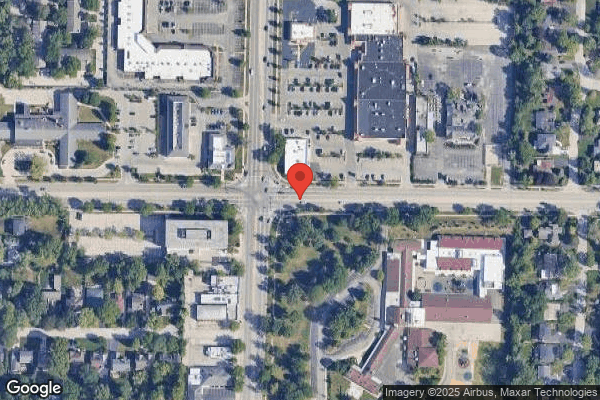

1700 EAST LAKE AVENUE, GLENVIEW, IL 60025 (847) 729-1300
For profit - Limited Liability company 135 Beds CITADEL HEALTHCARE Data: November 2025
Trust Grade
58/100
#130 of 665 in IL
Last Inspection: August 2024

Within standard 12-15 month inspection cycle. Federal law requires annual inspections.

Overview

The Citadel of Glenview has a Trust Grade of C, which means it is considered average-neither particularly good nor bad compared to other facilities. It ranks #130 out of 665 nursing homes in Illinois, placing it in the top half of the state, and #46 out of 201 in Cook County, indicating that only 45 local options are better. The facility is currently improving, having reduced issues from 18 in 2023 to zero in 2024, which is a positive sign. Staffing is a concern, with a rating of 2 out of 5 stars and a turnover rate of 28%, which is below the state average, suggesting some stability among staff despite overall low ratings. However, the facility has faced significant fines totaling $47,853, which is average compared to other facilities, but still points to potential compliance issues. Specific incidents noted by inspectors included failures in proper sanitation of dishes, which could affect many residents, and two serious deficiencies were highlighted, though details were not available. While there are strengths in the facility's ranking and improving trend, the sanitation issues and staffing concerns should be taken into account when considering this home for a loved one.

Trust Score
C
58/100
In Illinois
#130/665
Top 19%
Safety Record
Moderate
Needs review
Inspections
Getting Better
18 → 0 violations
Staff Stability
✓ Good
28% annual turnover. Excellent stability, 20 points below Illinois's 48% average. Staff who stay learn residents' needs.
Penalties
✓ Good
$47,853 in fines. Lower than most Illinois facilities. Relatively clean record.
Skilled Nurses
✓ Good
Each resident gets 46 minutes of Registered Nurse (RN) attention daily — more than average for Illinois. RNs are trained to catch health problems early.
Violations
⚠ Watch
27 deficiencies on record. Higher than average. Multiple issues found across inspections.
★★★★☆
4.0
Overall Rating
★★☆☆☆
2.0
Staff Levels
★★★☆☆
3.0
Care Quality
★★★★☆
4.0
Inspection Score
Stable
2023: 18 issues
2024: 0 issues

The Good

  • Low Staff Turnover (28%) · Staff stability means consistent care
  • Full Sprinkler Coverage · Fire safety systems throughout facility
  • No fines on record
  • Staff turnover is low (28%)

    20 points below Illinois average of 48%

Facility shows strength in staff retention, fire safety.

The Bad

Federal Fines: $47,853

Above median ($33,413)

Moderate penalties - review what triggered them

Chain: CITADEL HEALTHCARE

Part of a multi-facility chain

Ask about local staffing decisions and management

The Ugly 27 deficiencies on record

2 actual harm
Dec 2023 2 deficiencies
CONCERN (D) 📢 Someone Reported This

A family member, employee, or ombudsman was alarmed enough to file a formal complaint

Potential for Harm - no one hurt, but risky conditions existed

Deficiency F0554 (Tag F0554)

Could have caused harm · This affected 1 resident

**NOTE- TERMS IN BRACKETS HAVE BEEN EDITED TO PROTECT CONFIDENTIALITY** Based on observation, interview, and record review the facility failed to ensure a resident was assessed for self administering ...

Read full inspector narrative →
**NOTE- TERMS IN BRACKETS HAVE BEEN EDITED TO PROTECT CONFIDENTIALITY** Based on observation, interview, and record review the facility failed to ensure a resident was assessed for self administering medications for 1 of 3 residents (R1) reviewed for medications. The findings include: R1's face sheet showed she was admitted to the facility on [DATE] with diagnoses to include major depressive disorder, menopausal and perimenopausal disorder, anxiety disorder, insomnia, paranoid personality disorder, delusional disorders, and unspecified psychosis not due to a substance or known physiological condition. On 12/3/23 at 12:53 PM, R1 said, . I questioned how the Prevacid (acid reflux medication) kept changing. [The facility pharmacy] was handling the medications and I decided I didn't have to get them from them so insurance started sending them to me. I get them. I was taking them all appropriately and I got to have them in my room for awhile and then they came in and said I couldn't have them in the room anymore. They just came in today and took them. It was the administrator and the DON (Director of Nursing) that just came in . On 12/4/23 at 11:11 AM, V13 (Registered Nurse for local community program) said, I went into the facility to get a baseline on how [R1] was doing and talk with the staff to see what she had going on. I was evaluating her to see how appropriate she would be to transfer into the community . While I was there the facility staff told me [R1] is the only resident who is allowed to keep her medications in her room. I asked the staff how they know she is taking her medications if she is doing it herself and they said she tells them. Then on the day of our care plan with the facility and [R1] the facility had now all of sudden decided it was inappropriate for her to have her medications in her room. The client said they had just taken her medications on the day we had the care plan. The facility nurse said she gets the medications delivered to her room and she takes them herself. When I knocked on [R1's] door she did not answer, I tried to open the door and the door was barricaded with her couch. The facility said that is very normal for her. I pushed the door open a bit and we found her sleeping. She had tin foil wrapped around her head. The facility staff said that was very normal for her. I question whether or not she should be responsible for her own medications if this is her normal behavior . The facility's assessment titled Self Administration of Medications was completed on 12/3/23 (the day of this survey). There were no other assessments found in R1's record for self administration of medications. On 12/3/23 at 2:35 PM, V3 DON (Director of Nursing) said, She is capable of taking care of her medication, we talked to the doctor this morning and got an order to keep the medications at bedside Initially she was ok with us giving her medications, then she started having this issue. I would have to double check how long she has had her medications in her room. Her medications are delivered to the facility. She won't let us touch them. The facility's policy and procedure titled Self-Administration of Medications showed, Policy: Resident have the right to self-administer medications if the interdisciplinary team has determined that it is clinically appropriate and safe for the resident to do so. Procedure: 1. As part of the overall evaluation, the staff and practitioner will assess each resident's mental and physical abilities to determine whether self-administering medications is clinically appropriate for the resident 13. The staff and practitioner will periodically (for example, during quarterly MDS reviews) reevaluate a resident's ability to continue to self-administer medications.
CONCERN (D) 📢 Someone Reported This

A family member, employee, or ombudsman was alarmed enough to file a formal complaint

Potential for Harm - no one hurt, but risky conditions existed

Deficiency F0740 (Tag F0740)

Could have caused harm · This affected 1 resident

**NOTE- TERMS IN BRACKETS HAVE BEEN EDITED TO PROTECT CONFIDENTIALITY** Based on observation, interview, and record review the facility failed to identify behaviors, failed to notify the psychiatric n...

Read full inspector narrative →
**NOTE- TERMS IN BRACKETS HAVE BEEN EDITED TO PROTECT CONFIDENTIALITY** Based on observation, interview, and record review the facility failed to identify behaviors, failed to notify the psychiatric nurse practitioner of behaviors, and failed to provide appropriate behavioral health services to a resident with multiple mental health diagnoses for 1 of 3 residents (R1) reviewed for behavioral health services. This failure has resulted in R1 refusing to allow facility staff in her room, covering areas of the walls in her room with aluminum foil, towels, sheets, and covering the ceiling vent with plastic wrap. The findings include: R1's face sheet showed she was admitted to the facility on [DATE] with diagnoses to include major depressive disorder, menopausal and perimenopausal disorder, anxiety disorder, insomnia, paranoid personality disorder, delusional disorders, and unspecified psychosis not due to a substance or known physiological condition. R1's facility assessment dated [DATE] showed no cognitive deficits and R1 to be independent in most cares. The same facility assessment showed R1 to have no behavioral symptoms including hallucinations or delusions. R1's care plan initiated on 3/2/2021 showed, I express maladaptive behavioral symptoms related to: A depressive disorder - attention seeking behavior. The problems and symptoms that I have are manifested by: Reporting/discussing a medication discrepancy that was already resolved in 2020. Prefacing manipulative statements by playing the right card (misinterpreting right issues for personal gain) . I will demonstrate an improvement or reduction in distressing behavioral symptoms in response to behavior management interventions by next review . Explain to me the desired behavior and outcome. Remind me that I am expected to behave respectfully and with maturity. Review rules and behavior expectations with me to help improve my judgement and self-control. R1's care plan last revised 6/16/2021 showed, I may voice false allegations of mistreatment or exploitation by caregivers. This behavior appears to be related to: Feelings of paranoia, fear, powerlessness, helplessness and loss of control. Difficulty controlling anger and depression . R1's care plan last revised 4/29/2021 showed, I display behavioral symptoms related to: Personally feeling displaced and having difficult time adjusting to life in the long term care facility. I manifest these behavioral symptoms through: Socially inappropriate and/or maladaptive disruptive behavior. Manipulative behavior. A disturbed sense of entitlement . Review the behavioral symptoms that I display to determine what strengths or abilities and needs are communicated via the behavior . R1's care plan last revised 10/26/21 showed, I have a history of aggressive, inappropriate, attention-seeking and/or maladaptive behavior. My history includes: Conflicts with others. Threatening behavior. Disrespectful, insulting, demeaning behavior . If I become preoccupied by hallucinations, and/or delusional thoughts, do not attempt to talk me out of the delusions. Simply remind me that I am in a safe and secure environment in the facility. Acknowledge to me that it must be difficult for me to be able to function well while having such disturbing thoughts . R1's care plan last revised 12/29/21 showed, I demonstrate behavioral distress related to: Ineffective coping mechanisms. Feeling powerless, out of control. Being challenged by mental illness. The symptoms I have are manifested by: Verbally aggressive behavior when agitated. Use of profanity, demeaning statements, verbal threats and yelling at others . R1's care plan last revised 1/20/23 showed, I display disruptive behavioral symptoms related to persistent mental illness (Paranoid Personality Disorder, Delusional Disorders, Anxiety Disorder, and Major Depressive Disorder). I manifest these behavioral symptoms through visual hallucinations and paranoid/persecutory delusions (i.e.: false belief that I am being stalked, others are deliberately destroying my property, I am a victim of theft or I am being conspired against, there are people outside my window in white sheets, that staff are staring at me and harassing me). Despite reassurances and/or factual information providing otherwise. I have a history of calling authorities via 911 or reporting desire to contact FBI and/or political offices related to my delusions/psychosis (i.e.: to report people in cloaks/sheets in my room, people lighting fireworks outside my bedroom window, seeing footsteps from malevolent people outside . Administer my psychoactive medication as ordered by my physician. Record my behavioral symptoms including verbal/physical aggression, inappropriate behavior and side effects such as tardive dyskinesia and anticholinergic effects . If I become preoccupied by hallucinations, and/or delusional thoughts, do not attempt to talk me out of the delusions. Simply remind me that I am in a safe and secure environment in the facility . Provide me with a psychiatric and psychological evaluation, supportive mental health intervention and treatment recommendations . R1's care plan last revised 1/5/22 showed, I have displayed symptoms of anger related to: Concern, worry regarding medical symptoms and condition. Psychotic symptoms (i.e.: Hallucinations, delusions, especially paranoid delusions. Personality disorder symptoms (i.e.: viewing people/objects as all good or all bad, anger, splitting, confabulation, manipulation, inability to allow myself to be satisfied.) The problem/need that I have is manifested by: Poor listening skills (often becoming angry, defensive, oppositional when assistance and suggestions are provided). Verbal expressions of distress. Persistent insecurity, apprehension, worry . R1's care plan last revised 2/28/22 showed, In spite of repeated counseling attempts, I continue to refuse recommended interventions promoting enhanced mental health and physical well-being. It appears that my resistance and refusals to these interventions are secondary to impaired judgment and insight due to psychiatric illness and rigid personality traits. These symptoms are manifested by refusing to engage in recommended mental health treatment (psychological counseling) . R1's care plan last revised 5/27/2022 showed, DELUSIONAL IDEATIONS: I demonstrate delusional ideations due to persistent mental illness (Paranoid Personality Disorder, Unspecified Psychosis, Delusional Disorders, Anxiety Disorder, and Major Depressive Disorder). I lack adequate reasoning and express bizarre delusional thoughts. The symptoms that I have are manifested by strongly identifying with my past role as an RN and self-diagnosis based on my delusional beliefs. I have used non-prescribed products to treat a rash/itching that I believe was caused from radiation being pumped into my room. I dismiss medically based or prescribed treatments, as I do not trust healthcare professionals and express unfounded belief that I am a victim of malintent. Encourage the resident to share thoughts with a social worker and to engage in listening to the social worker who will help measure/evaluate paranoid thoughts . R1's care plan last revised 1/20/23 showed, DISRUPTIVE BEHAVIOR: I display disruptive behavioral symptoms related to persistent mental illness (Paranoid Personality Disorder, Unspecified Psychosis, Delusional Disorders, Anxiety Disorder, and Major Depressive Disorder). I have a h/o calling authorities via 911 to make false reports rt: delusional beliefs (ie: my food has been tampered with and/or staff are intentionally not distributing my food tray to my liking). I refuse to accept facts that contradict my allegations and hold firm to these fixed beliefs .Provide me with a psychiatric and psychological evaluation, supportive mental health intervention and treatment recommendations . On 12/3/23 at 12:52 PM, this surveyor knocked on R1's door to her room. R1 opened the door a small bit and asked for a moment to finish up a telephone conversation. R1 then reopened the door and allowed this surveyor in her room. R1's sofa was just inside the room on the right hand side. The sofa was covered in sheets. All four walls had areas where aluminum foil was taped to the walls, towels were taped to the walls, tape was placed in areas on each wall, sheets were covering the entire surface of the windows, the television had a towel covering it, the door handle had been taped up completely, and upon entering the room R1 pushed a towel across the gap under the bottom of the door. R1 had shoes in clear plastic bag, a lamp in a clear plastic bag, and there was plastic wrap (like one would use in kitchen) taped on the ceiling covering the vent. R1 had a storage trunk sitting next to her bed covered with plastic and there was a roll of aluminum foil sitting on the trunk. R1 said she has the foil, the towels, and the tape, and the plastic to keep the chemicals from coming into the room and running down the walls. On 12/3/23 at 12:52 PM, R1 pointed to this surveyors face mask and goggles and asked what was going on with wearing these. R1 said, They say they have COVID here now but the testing is being done in this facility not in a lab. They are getting results very fast. I came in with COVID then had it again in the later part of 2022. At that time I was sent to my room by two people who were here working overnight. When I got to my room I felt a blast of chemicals and it all hit me quickly, pain in my arms, and I felt terrible. Then all of a sudden everyone on this hall had COVID. There was something with those two people. There was stuff running down the walls in here. Medications were being tampered with. I had some Prevacid capsules that were small and then longer. I was sick and in pain. I questioned how the Prevacid kept changing. [The facility pharmacy] was handling the medications. I decided I didn't have to get it from them and insurance started sending them to me instead of the facility. I got them. I was taking them all appropriately and I got to have them in my room. Then they came in and said I couldn't have them in the room anymore The stress here is overwhelming. It damages your physical and mental health. They beat the hell out of the guy across the hall. A man from [NAME] went in there. That man went to the hospital and when he came back he wouldn't speak. They got him all mixed up. They can't do this to me because I'm too alert. It is best that I leave here. I've been working with people at [local community program] to get me out of here. I don't like those people. They send different people here every 6-7 months. They were helping me with housing. The DON decreased my lorazepam from 1 mg to 0.5 mg. Its odd because a couple days before that I was having increased depression and anxiety. Then he decreased my Ativan. I was in nursing for 40 plus years, why would you decrease a medication when someone has excessive depression? They need someone to come out here and look at their personnel charts to see who these people are. Administrator doesn't have a license. I know they need a license . I have a PRN (as needed) order for lorazepam I take at night. I know its addicting so I try not to take it but there is a lot of screaming and yelling here at night. I try to avoid but under this stress, anxiety gets high. Someone put another resident up to assaulting me. How can they put psych patients in with other medical patients? . I leave the room to get sheets, towels, and my meals but I come right back because if you leave your room they will come in and do stuff to your room. I think they are afraid to let me go because I know too much . On 12/3/23 at 12:21 PM, V14 (Local Community Programs Social Service Worker/Case Manager) said their program has been working towards getting R1 housing but their team has concerns with her current state of mental health. V14 said V13 RN (Registered Nurse for the Local Community Program) had seen R1 barricaded in her room and laying on the floor with tin foil on her head. V14 said they requested that the facility try and petition R1 for mental health services due to her paranoia, delusions, and the tin foil. The facility said they have not seen these behaviors and have no reason to petition her for mental health services. On 12/4/23 at 11:11 AM, V13 (RN working for the Local Community Program) said, I went into the facility to get a baseline on how [R1] was doing and talk with the staff to see what all she had going on. I was evaluating her to see if she would appropriate to transfer into the community. [V14] had told me about [R1's] behaviors beforehand so we were evaluating to see just how appropriate she would be . When I went in to visit she didn't respond when I knocked on the door, I tried to open the door and the door was barricaded with her couch. The facility said that is very normal for her. I went and got the nurse and I pushed the door open a little bit and we found her in a very deep sleep. She had tin foil wrapped around her head. The facility staff said that was very normal for her. I spoke to a manager type person who I don't remember their name. I asked them if they think she is appropriate to be living in the community by herself. They said yes and that this is her normal behavior. They said it's a response to her being in a nursing home. On 12/3/23 at 3:19 PM, V9 (RN) said she was familiar with R1. V9 said R1 is alert and oriented x 3, but can be forgetful at times. V9 said R1 is very particular and can become very vocal with the staff if they don't respect her wishes. V9 said she's never been in R1's room, but she has seen things over her windows. V9 stated, She doesn't allow us in her room. If we knock, then she will come to the door. Or she will come out here and ask us for something. The surveyor described R1's room and paranoid behaviors and asked V9 if this was concerning. V9 replied, Yes, I would tell the Administrator and DON right away. On 12/3/23 at 3:20 AM, V10 (LPN) replied to the surveyor describing the current status of R1's room with,That's not normal. Those behaviors should be charted in the nurses' notes. I would be concerned and call the doctor. On 12/3/23 at 3:29 AM, V11 (RN) said she is familiar with R1. V11 said R1 is an advocate for herself and very particular on her care. V11 stated, She can over exaggerate. For example, she told me that she heard a man knocking on her window. I never heard anything and there wasn't a man seen outside the building. One time she told me that she hadn't slept much because there was a man outside her window, watching her. The night shift nurse said there was not a man outside her window. No one can confirm her delusions. She doesn't let us in her room. I know she has a lot of stuff. If she comes out of her room and I'm in the hall, then I will glance in. I wasn't able to see much, but she had a lot of stuff in her room . On 12/4/23 at 11:59 AM, V15 RN said he works R1's hall frequently. V15 said he has never been in R1's room or seen R1's room. V15 said R1 will come out and talk to you if she needs something. V15 said R1 has verbalized she thinks chemicals are coming into her room. On 12/3/23 at 2:35 PM V3 DON (Director of Nursing) said, R1 is a very nice person who has a tendency to say things that doesn't exist. She says people are behind the window and knocking on it. She thinks that snipers are on top of the roof . Most of the time she likes to stay in the room and close the door. Since I've been here we haven't sent her out to the hospital or anything like that. I checked with the social worker that was here before me and they said she is always like this. Our psych service comes in every other week to see her. A few times the psych NP has told me that [R1] kicks her out and won't let her in the room. I'm not 100% sure when the last time was she saw her. [R1]was a former nurse before so she thinks she knows everything and doesn't want us to tell her anything. She thinks that she saw a sniper. She thinks chemicals are coming into her room from the outside. She says all kinds of things that we know is not true. She said someone is going to poison her from a chemical outside. Last time I was in the room she had sheets on the walls . It's the delusions that seem to be a problem for her she doesn't think she has delusions. She thinks we have delusions. I think I remember a while ago I went into her room and she was asking me if I can smell a chemical. Psychiatry comes in to see her but she has not been sent out. I would have to check with the psychiatrist to see if she would be a candidate for petition for outpatient psych services. She won't go past the nurses station and then back to her room. I don't think she would go out of this building to anywhere. Even in the summertime I have never seen her go out. Our Social Services should know about her behaviors. Behaviors that would be documented would be aggression. I think she would go back into the community and do well, but she won't let them in. That's her choice and there is nothing we can do about it. I was not aware that she has plastic wrap covering her vent. Maybe I could convince her to let maintenance in the room . If she allowed us to go in to the room it would be different but we can't force into the room. Since there is no aggressive behavior we can't do anything. R1's Behavior Tracking for September 1, 2023 through December 3, 2023 (the date of this survey) there were no behaviors documented for R1. The facility's form for behavior monitoring includes whether or not the resident is having delusions. R1's last Social Services Assessments were completed between 11/10/2022 and 11/13/2022. (Over a year ago.) On 12/3/23 at 2:58 PM, V7 (Facility's Psychiatric Nurse Practitioner) said [R1] was assigned to her at the facility. V7 said she is not sure when the last time she saw [R1] was. V7 said she has not heard anything recently about [R1]. V7 said she was notified that R1 was having increased paranoia, delusions, was refusing treatment, putting tin foil on the walls, taping towels to the walls, and covering the windows. V7 said she certainly did not know that R1 had covered her room vent with plastic wrap. V7 said it is hard for her to know because [R1] doesn't communicate. V7 said she has not seen R1's room. V7 said she would have expected to have been notified of these behaviors and due to the severity of the behaviors she feels that would warrant an involuntary petition. V7 said she would say that R1 needs to be admitted for these behaviors and the petition does not necessarily need to come from her. V7 with R1 covering things like that the facility should have let someone know. The facility's policy revised December 2016 showed, Behavior Assessment, Intervention, and Monitoring, Policy: 1. Behavioral symptoms will be identified using facility-approved behavioral screening tools and the comprehensive assessment. 2. Residents who do not display symptoms of, or have not been diagnosed with, a mental, psychiatric psychosocial adjustment or post-traumatic stress disorder will not develop a pattern of decreased social interaction or increased withdrawn, angry or depressive behaviors that cannot be explained or attributed to a specific clinical condition that makes the pattern unavoidable. Residents will have minimal complications associated with the management of altered or impaired behavior . Assessment: . 3. The nursing staff will identify, document, and inform the physician about specific details regarding changes in an individual's mental status, behavior, and cognition, including: a. Onset, duration, intensity and frequency of behavioral symptoms .
Sept 2023 13 deficiencies
CONCERN (D) 📢 Someone Reported This

A family member, employee, or ombudsman was alarmed enough to file a formal complaint

Potential for Harm - no one hurt, but risky conditions existed

Resident Rights (Tag F0550)

Could have caused harm · This affected 1 resident

**NOTE- TERMS IN BRACKETS HAVE BEEN EDITED TO PROTECT CONFIDENTIALITY** Based on interview, and record review the facility failed to follow their resident rights policy by failing to allow one residen...

Read full inspector narrative →
**NOTE- TERMS IN BRACKETS HAVE BEEN EDITED TO PROTECT CONFIDENTIALITY** Based on interview, and record review the facility failed to follow their resident rights policy by failing to allow one resident (R90's) durable power of attorney for health care, to enter the facility to visit R90. 1 resident (R90) out of 3 reviewed for resident rights in the sample of 25. Findings Include, R90's clinical record documents in part; R90 is a [AGE] year-old with medical diagnosis of dementia, osteoarthritis, essential hypertension, chronic kidney disease, dysphagia, anxiety and adult failure to thrive. Minimum data set [MDS] Brief Interview Mental Status score [5] dated (10/11/22) indicates R90 is severely cognitively impaired. On 9/19/23 at 3:30 PM, V34 [R90's Durable Power of Attorney of Health Care] per phone interview stated, I drive from down state Illinois and stay in a hotel for a week. During that time, I stay with R90 from 8am to 8PM. I feed, bathe, clothe, wash hair, and apply lotion to R90. I encourage her to drink fluids and provide social interaction due to R90 only speaks Korean and has dementia. I have to speak up for R90, because she is not able to communicate with most of the staff. On 9/12/23, the administrator called the police and kicked me out of the facility. It all started because the dietary cook and I discussed R90's food, and the cook did not care for suggestions. On 9/12/23, V1 [Administrator] and V6 [Assistant Administrator] came to me in the hallway, wanted to discuss my concerns with the cook. V1 was accusing me of being rude to the cook, which was not true. V1 did not ask me what happened, V1 automatically accused me. I began to talk to V1 when V6 started yelling and told me not to talk while V1 was speaking. Then V6 and I began to have words because V6 had nothing to do with the situation. V1 then walked away from me while I was speaking, I returned back into R90's room. Around fifteen minutes later, V1 and a police officer came and asked me to leave the facility, because I was disturbing the peace. I left the facility. On 9/16/23, my family member went to visit R90 and observed a bruise on the side above R90's left ear. My family member asked V26 [Registered Nurse] what happened, the nurse said she did not know what happened and R90 was seen by the nurse practitioner and R90 was okay. V26 also suggested that the bruise could have come from a perm that R90 had in the middle of August, that did not make any sense at all. Next V26, said R90 always likes laying on her left side, resting her head on the side rail could have cause the bruise. I thought maybe that could be possible. On 9/18/23, I live about three hours away from the facility, I came there around 12 noon to visit with R90 and to make sure she was doing well. I was walking to the facility door, when V1 came outside and asked me if I saw my email this morning. I told V1 no I have not checked my emails. V1 told me to go back to my car and check my email because my visitations were modified, and I was not allowed to enter the facility. I went back to my car and the email from V1 read: Dear V34, I hope this letter finds you well. To ensure the safety and comfort of all our visitors and residents, we have established the following visitation guidelines: Please make an appointment for your visit 24 hours in advance by contacting V1. This helps us ensure your loved one is ready for your visit when you arrive. Some areas within our facility are limited to you. Please follow any guidance from our staff regarding where you can and cannot go. You may have access to the coffee station and sitting areas in front of the reception desk. We kindly request that all visitors behave respectfully and courteously towards our residents, staff, and other visitors. Disruptive behavior will not be tolerated. Your visit will be limited to one hour to ensure our residents and staff maintain their routine. Please cooperate with any time restrictions that may apply. We appreciate your cooperation in following these visitation guidelines. They are in place to create a safe and pleasant environment for everyone. If you have any questions or need further information, please do not hesitate to contact me. I could not believe it; I called the police for assistance. Once the police arrived, V1 came outside. I explained the whole situation to the police officer and asked for a wellbeing check on R90. V2 [Director of Nursing] brought R90 outside for me to see her. I observed a bruise on the left side of her head above the ear. I told the police, V1, and V2 I was taking R90 to the hospital for an evaluation. At that time, I noted a sign on the door that indicated IDPH was conducting a annual survey and anyone could speak to them. V1 told me that the surveyors would not speak to me and to call the hotline number, so that is what I did. I knew V1 was not telling the truth, because he never went into the building to ask the surveyor if I could speak to them, so I knew that was not true. V1 did not want me to tell everything to the state surveyor. R90 had a CT scan of the head, and it was negative, but R90 has a urinary tract infection. On 9/19/23 at 5:20 PM, V1 stated, I restricted V34's visitation guidelines on 9/12/23. V34 was asked to leave the facility due to her having an outburst. V6 and I went to speak with V34 about her behavior and speaking to staff disrespectfully, and her disruptive behavior was not allowed. During the conversation V34 began to yell, while we were standing in the hallway at V6 and I. V34 kept cutting me off while I was speaking, and V6 asked her to allow me to speak. V34 began to speak to V6 disrespectful so V6 and I walked away from V34. I went to my office and V34 went back into R90's room. I decided to restrict V34's access to the facility due to V34's outburst. I called the police for them to witness and notify V34 to leave the facility. At that time, I told V34 in the presence of the police, she will receive new visitation guidelines. V34 did not make any verbal or physical threats to me, staff or any residents. V34 was disruptive in the hallway. I did meet with V34 in the hallway to have a conversation. The conversation did not occur in my office or private area. On 9/18/23, I sent V34 her new visitation guidelines. The guidelines included, that V34 would have to notify me 24-hours in advance notice to visit, some areas of the facility were restricted, V34 could visit with R90 at the reception area near the coffee machine for one hour. On 9/18/23, I saw V34 about to enter the facility and I met her in front of the facility. I asked V34 if she checked her email to review her visitation guidelines. V34 walked away. A little while later V34 came back to the facility with the police to conduct a well being check. V34 told me that she wanted to take R90 to the emergency room for an evaluation. I explained the staff will get R90 ready and she will have to wait a few minutes. While waiting for R90, V34 asked to speak to the surveyors, I explained that she [V34] was not allowed in the building and could call the hotline phone number. Meanwhile, V2 called R90's physician, gave report to the hospital, and printed off paperwork for the emergency room and then brought R90 outside to V34. Later, I was notified that R90 was admitted to the hospital for urinary tract infection. All head scans were negative for injury in relation to the discoloration noted on R90's left side of head. Reviewed V1 email that was sent to V34 dated 9/18/23 at 8:28 AM. Indicates V34 need to call 24 hours in advance for a visit, visitation will occur in the reception area near coffee machine, the visit will be for one hour. Policy: Documents in part: Resident Rights -Federal and state laws guarantee certain basic rights to all residents of this facility -resident's has the right to visit and be visited by others from outside the facility
CONCERN (D)

Potential for Harm - no one hurt, but risky conditions existed

MDS Data Transmission (Tag F0640)

Could have caused harm · This affected 1 resident

Deficiency Text Not Available

Read full inspector narrative →
Deficiency Text Not Available
CONCERN (D)

Potential for Harm - no one hurt, but risky conditions existed

ADL Care (Tag F0677)

Could have caused harm · This affected 1 resident

Based on observation, interview and record review the facility failed to ensure proper grooming for one resident (R322) in a sample of 25 residents reviewed for activities of daily living care. Findin...

Read full inspector narrative →
Based on observation, interview and record review the facility failed to ensure proper grooming for one resident (R322) in a sample of 25 residents reviewed for activities of daily living care. Findings include: On 9/17/23 at 11:50 AM, Observed R322 sitting in a wheelchair in R322s room. Observed R322 fingernails to be long and dirty. R322 stated I want my fingernails cut. My husband (V31) asked last week. He went to the desk to ask someone. I don't know who he talked to. On 9/17/23 at 2:44 PM, V31 (R322 family member) stated, last week Wednesday I asked a nurse to cut R322's fingernails. R322 is diabetic and if R322 scratches self it could be a bad thing. I don't think they (staff) clean the fingernails. They (staff) brought a pair of clippers in here today and left them, but they did not cut the nails. I don't know if they brought them in here for me to cut R322 nails. On 9/17/23 at 2:50 PM, V32 (Licensed Practical Nurse) stated R322's fingernails are long. If residents' fingernails are too long, they can scratch and injure themselves. To prevent infection, you have to keep fingernails short if the resident lets you. CNAs (Certified Nursing Assistants) can cut fingernails but not toenails. On 9/19/23 at 1:50 PM, V2 (Director of Nursing) stated for ADL (activities of daily living) care, V2 expects staff to change residents when residents are wet to shower residents when scheduled twice a week to provide incontinent care. V2 expects staff to keep residents clean and dry, to do oral care, to comb hair, to make sure the resident is neat, clean, and dry. Staff can cut fingernails. Nurses and CNAs (Certified Nursing Assistants) can provide fingernail care, can cut fingernails. If family asks and we determine that the nails are long enough, then they should be cut by staff. If staff see that nails are dirty or too long then they should clean and cut the nails. They should be cut within the same day that the resident asks. If staff is busy, they can ask someone else to do it. If not able to do it the same day, then it should be done the next day. We cut and clean nails so nails are clean and nice. According to R322 MDS assessment, August 28, 2023, R322 requires extensive assistance for personal hygiene with one-person physical assist. Facility policy Activities of Daily Living (ADLs), Supporting, March 2018, documents in part: Residents who are unable to carry out activities of daily living independently will receive the services necessary to maintain good nutrition, grooming and personal and oral hygiene. Appropriate care and services will be provided for residents who are unable to carry out ADLs independently, with the consent of the resident an in accordance with the plan of care, including appropriate support and assistance with: hygiene (bathing, dressing, grooming, and oral care)
CONCERN (D)

Potential for Harm - no one hurt, but risky conditions existed

Pressure Ulcer Prevention (Tag F0686)

Could have caused harm · This affected 1 resident

Based on observation, interview and record review the facility failed to ensure proper use of pressure relieving devices. This failure affected one resident (R322) out of 3 reviewed for air mattress p...

Read full inspector narrative →
Based on observation, interview and record review the facility failed to ensure proper use of pressure relieving devices. This failure affected one resident (R322) out of 3 reviewed for air mattress pressure in a sample of 25 residents reviewed. Findings include: On 9/17/23 at 2:45 PM, Observed R322 lying in bed with a low-air-loss mattress. The control panel for the low air loss mattress was set to 230lbs and observed multiple fabric layers between R322 and the mattress. On 9/17/23 at 3:00 PM, V32 (Licensed Practical Nurse) stated I never touch the device (low-air-loss mattress control panel). V32 said the control panel should be set to the resident's weight and there should only be one layer between the resident and the mattress. V32 confirmed on R322's mattress there was a flat sheet, a pad, a second flat sheet folded 2 times (4 layers), R322 was wearing an adult brief and the control panel was set to 230lbs. On 9/17/23 at 3:25 PM, V2 (Director of Nursing) confirmed that R322 was on a low-air-loss mattress with a pump. The pump is set to 230lbs. V2 said the pump is set to the weight of the resident and there should be one layer between the resident and the mattress. V2 confirmed R322 mattress had a flat sheet, a pad, a draw/pull sheet (flat sheet folded two times) on it and R322 was wearing an adult brief. V2 said for a low-air-loss mattress, it's supposed to have a flat sheet only. There should not be that many layers between the resident and the mattress. With too many layers, the resident is not getting the benefit of the mattress. The mattress is to provide pressure relief to prevent pressure ulcers. On 9/19/23 at 11:08 AM, V30 (Wound Care Coordinator) stated Monday through Friday when I do the wound treatments, I check the weight of the patient versus the settings on the low-air-loss mattress machine. The setting on the machine should reflect what the resident's weight is. The nurses and CNAs (Certified Nursing Assistants) know about it. Sometimes during care, they (nurses, CNAs) accidentally hit the knob and it changes the setting. If it is not set correctly the resident is not receiving the full benefit of the mattress. The resident is on the mattress for pressure ulcer prevention and to promote healing. Only cover the low air loss mattress with a flat sheet. Only the flat sheet should be between the resident and the mattress. The flat sheet should not be folded. There should not be a pad or pull sheet on the mattress. If the flat sheet is folded twice that is 4 layers. The pad is hard. For residents with pressure ulcers, we don't use the pull sheet or the pad. The resident will not get the full benefits of the mattress. There should only be the adult brief and the flat sheet between the resident and the low air loss mattress. The setting should be set to the patient's weight. I put the weight of the resident on the machine weekly, that is what the resident weighted that week. Weights and Vitals Summary, 9/19/23, documents in part: R322 weight on 9/14/2023 is 172lbs, on 9/8/2023 is 183lbs, on 9/1/2023 is 175lbs. R322 Patient Risk Profile, printout date 9/18/23, documents in part: Braden Score, risk for acquiring pressure wounds, is 8 (Very High Risk). Preventive Interventions-Recommendations include use pressure redistribution surface if bed or chair bound. Wound Assessment Details Report, printout date 9/18/23, documents in part: Sacrum (V30 stated report is mislabeled with sacrum, should be coccyx and the 2 names are sometimes used interchangeably), present on admission, date identified 8/22/23, R322 re-admitted to the facility from the hospital 8/22/23. Seen at bedside for skin assessment and noted coccyx unstageable pressure ulcer wound present. Resident on turning and repositioning, air mattress. Braden score 8 (very high risk). R322 care plan documents in part: R322 has pressure ulcer r/t Immobility with dx: fall at home and PMH: hypomagnesemia, diabetes, and hypertension. Facility policy Support Surface Guidelines, September 2013, documents in part: Any individual at risk for developing pressure ulcers should be placed on a redistribution support surface such as foam gel, static air, alternating air, or air-loss or gel when lying in bed. Follow manufacturers direction for low-air-loss mattresses. Proactive Medical Products operation manual documents in part: Protekt Aire 3000 pump and mattress system is indicated for the prevention and treatment of any and all stage pressure ulcers when used in conjunction with a comprehensive pressure ulcer management program. Operating Instructions: Patients can directly lie on the mattress or cover with a sheet and tuck loosely to increase the comfort of the patient. Determine the patient's weight and set the control knob to that weight setting on the control unit. Facility policy Pressure Ulcers/Skin Breakdown - Clinical Protocol, April 2018, documents in part: The physician will order pertinent wound treatments, including pressure reduction surfaces, wound cleansing and debridement approaches, dressings and application of topical agents. Facility provided Inservice Form, 9/17/23, topic: Inservice on air loss mattress use.
CONCERN (D)

Potential for Harm - no one hurt, but risky conditions existed

Accident Prevention (Tag F0689)

Could have caused harm · This affected 1 resident

**NOTE- TERMS IN BRACKETS HAVE BEEN EDITED TO PROTECT CONFIDENTIALITY** Based on observation, interview, and record review, the facility failed to follow their smoking safety policy, Failed to ensure ...

Read full inspector narrative →
**NOTE- TERMS IN BRACKETS HAVE BEEN EDITED TO PROTECT CONFIDENTIALITY** Based on observation, interview, and record review, the facility failed to follow their smoking safety policy, Failed to ensure that smoking materials are not kept by resident at bedside. Failed to ensure that resident was evaluated upon admission for safety of smoking. Failure to ensure that resident was re-evaluated for their ability to smoke safely on readmission, quarterly or annual basis. These failures affected 1 resident (R69) of 5 residents reviewed for smoking in the sample of 25. Findings include: On 09/17/23 at 10:57 AM, R69 stated he keeps his cigars and lighters with him. R69 opened drawer next to the chair R69 was sitting in, reached into drawer, and showed surveyor 1/2 pack labeled Red 2.0 Premium Filtered Cigars and three disposable lighters. On 09/17/23 at 11:19 AM, V2 (Director of Nursing) observed R69's smoking equipment stored in R69's drawer including the three lighters. V2 stated, we didn't know he had those with him and he shouldn't have them in his room and he's on oxygen which is a safety concern. On 09/17/23 at 11:29 AM, surveyor viewed R69's electronic health record (EHR) and did not see a Smoking Assessment or Safe Smoking Evaluation or a Smoking Care plan. On 09/17/23 at 4:05 PM, V9 (Director of Social Services) stated if a resident smokes, then a Smoking Assessment is completed upon admission, readmission, quarterly, annually and any resident who smokes should also have a smoking care plan. V9 stated that there is never a situation wherein a resident is allowed to keep their smoking supplies in their room because this is for that resident and the rest of the resident's safety. V9 stated if a resident who has the lighter is on oxygen, they could blow up the whole building. V9 stated R69 should not have his smoking equipment including no lighters in his room and that the nurse should be holding R69's smoking equipment. Surveyor asked V9 about R69's Safe Smoking Assessment signed on 09/17/23 and V9 stated V9 opened it on 03/06/23 and stated there are no quarterly re-assessments from 06/2023 or 09/2023 when quarterly MDS assessments were completed. V9 stated, I can look into it and I don't remember what I did. V9 stated that R69's smoking care plan was added today. On 09/19/23 at 12:39 PM, V9 (Social Service Director) stated R69 is allowed to smoke with supervision, R69 does not have independent smoking privileges. R69 was initially admitted to the facility on [DATE]. R69's diagnosis included but not limited to Chronic Obstructive Pulmonary Disease (COPD), Chronic Diastolic (Congestive) Heart Failure, Nicotine Dependence, Obstructive Adult Sleep Apnea, Dependence on Supplemental Oxygen. R69's Order Summary Report dated 09/17/23 documents in part 3.5-liter oxygen with nasal cannula continuous with start date 09/27/22. R69's Care Plans as of 09/17/23, 11:29AM which did not have a smoking care plan. R69's Smoking Safety Screen signed on 09/17/23 by V9 documents in part facility needs to store resident's lighter and cigarettes and that R69 needs supervision to smoke. R69's MDS (Minimum Data Set) dated 06/02/23 indicates intact cognition with BIMS (Brief Interview for Mental Status) 15/15, supervision required with bed mobility, transfer, walking, locomotion, dressing, toilet use and personal hygiene. Facility policy titled, Smoking Policy-Residents dated 07/2017 documents in part the facility shall establish and maintain safe resident smoking practices, the resident will be evaluated on admission and the resident's ability to smoke safely will be re-evaluated quarterly, and a resident without independent smoking privileges may not have or keep any smoking articles, including cigarettes, tobacco, etc. Facility Assessment documents in part residents who may pose a hazard to themselves and others with smoking materials may have their cigarettes, lighters and matches removed from them and kept in a designated location for safety.
CONCERN (D)

Potential for Harm - no one hurt, but risky conditions existed

Deficiency F0692 (Tag F0692)

Could have caused harm · This affected 1 resident

Based on observation, interview and record review the facility failed to follow a physician order for fluid restrictions. This failure affected 2 residents (R12, R43) out of 5 reviewed for nutrition c...

Read full inspector narrative →
Based on observation, interview and record review the facility failed to follow a physician order for fluid restrictions. This failure affected 2 residents (R12, R43) out of 5 reviewed for nutrition care in a sample of 25. Findings include: On 09/17/23 at 12:03 PM, observed water pitcher in R43's room on top of R43's chest of drawers. R43 denies being on a fluid restriction. On 09/17/23 at 12:58 PM, observed R43's meal ticket at lunch. R43's meal ticket did not document that R43 is on a fluid restriction or restrict fluids in any way. R43 received 6-8 ounces hot tea on lunch tray from disposable cup. On 09/17/23 at 12:10 PM, observed the following items on R12's bedside table next to R12's bed: empty water pitcher, one disposable cup 50% filled with apple juice, one disposable cup 75% filled with coffee, small plastic cup 25% filled with water, and empty small plastic cup. Observed sign on R12's wall above R12's bed that documented R12 is on a 1.2-liter Fluid Restriction. On 09/17/23 at 12:48 PM, observed R12 receive lunch tray. R12's meal ticket did not document that R12 is on a fluid restriction or restrict fluids in any way. 6 ounces hot tea added to tray by Certified Nursing Assistant (CNA). Observed R12 drinking soup brought in by R12's wife. On 09/17/23 at 12:12 PM, V19 (Licensed Practical Nurse) observed empty water pitcher and cups on R12's bedside table. V19 stated R12 is on a fluid restriction because of being on dialysis to prevent fluid overload and that R12 should not have a water pitcher or extra fluids in his room at bedside. V19 stated, I will remove them now. V19 stated R12 is on 1.2-liter fluid restriction and the allotment of fluid is divided up between nursing and dietary. V19 stated the water pitcher is not calculated into the fluid restriction which is why R12 should not have it in his room. On 09/18/23 at 12:53 PM, V5 (Food Service Director) stated if a resident is on a fluid restriction it would be specified on the meal ticket and include the amount of fluid allowed at every meal so that the kitchen staff would know what foods need to be calculated as part of the fluid restriction and the Certified Nursing Assistants on the unit would know how many ounces of fluid they can give a resident for beverages at each meal. V5 stated that having the fluid restriction information on the meal ticket is the way the kitchen communicates the physician diet order to the staff upstairs serving the resident their tray. V5 stated the meal ticket would be the first point of contact to alert the nursing staff about the fluid restriction, but they could also check the Electronic Health Record (EHR) or ask the nurse for this information. On 09/18/23 at 1:13 PM, V5 viewed R12 and R43's menu profile and printed R12 and R34's meal tickets from the kitchen computer to provide to the surveyor. V5 stated R12 and R43 are not on fluid restrictions but are on therapeutic diets. V5 stated R43 is limited to 4 oz, milk per day related to therapeutic diet restrictions, not because of a fluid restriction. On 09/18/23 at 1:43 PM, V10 (Registered Dietitian) stated if a resident is on a fluid restriction, then it should be on ticket. V10 stated that unless information about a fluid restriction is listed on the meal ticket the kitchen staff placing food on the trays and the CNAs serving the beverages wouldn't know to restrict fluids and the allowance would not be met accurately. V10 stated that residents on fluid restriction should not have water pitchers in their room and that all fluids, from water to juice to coffee to ice cream to gelatin to soup must be calculated as part of the fluid restriction. V10 stated R43 is on a 1-liter fluid restriction (500 milliliters (ml) nursing, 500 ml dietary) and R12 is on a 1.2-liter fluid restriction (600 ml nursing, 600 ml dietary) to prevent the accumulation of fluid in their body because they are on dialysis. On 09/18/23 at 12:35 PM, V11 (Dialysis Registered Nurse) stated it is important for dialysis residents on fluid restrictions to follow them because removing too much fluid can cause low blood pressure, muscle cramping, and could cause a resident to pass out. V11 stated if a resident does not follow the fluid restriction, then they may need to add another treatment or extend their treatment time. V11 stated R43 is on a fluid restriction and that sometimes R43 drinks too much, and his blood pressure runs low which is why it is important for him to follow his fluid restriction. V11 stated a few months ago R43's dialysis run time had to be extend three hours to 3.25 hours to remove more fluid without causing R43's blood pressure to drop. On 09/19/23 at 12:14 PM, observed water pitcher on R43's chest of drawers in R43's room. V20 (Certified Nursing Assistant) stated R43 is not on a specific fluid restriction but V20 tries not to give R43 too much because R43 is on dialysis. On 09/19/23 at 12:29 PM, V5 stated that as of this morning all the residents with orders for fluid restriction have their fluid restriction listed on their meal tickets. V5 stated it was not done before today because the kitchen was not notified about those residents who had physician orders for fluid restrictions. Upon request V5 printed new copy of R12 and R43's meal tickets dated 09/19/23. R12's diagnosis included but not limited to End Stage Renal Disease, Dependence on Renal Dialysis, Heart Failure, Hypotension, Dementia. R12's Order Summary Report dated 09/17/23 documents in part 1.2 liter per day fluid restriction 200 cc AM shift, 200 cc PM shift, 200 cc Night shift. Total for nursing 600 cc. R12's Nursing Care Plan dated 01/23/23 documents in part R12 has order for 1.2 liter per day dx: Congestive Heart Failure, End Stage Renal Disease and 600 cc total for nursing. R12's Nutrition Care Plan dated 01/15/23 documents in part R12 is on a fluid restriction 1200 milliliters per day, encourage resident to comply with fluid restriction and no water pitcher on bedside. R12's MDS (Minimum Data Set) dated 08/07/23 indicates moderately impaired cognition with BIMS (Brief Interview for Mental Status) 12/15, supervision required with eating, extensive assistance required with bed mobility, transfer, locomotion, dressing, toilet use, and personal hygiene. R12 on dialysis. R12's Nutrition/Dietary Note dated 09/12/23, 17:30 documents in part 1.2-liter fluid restriction per day (nursing 600 cc, dietary 600 cc). R43's diagnosis included but not limited to End Stage Renal Disease, Dependence on Renal Dialysis, Chronic Diastolic (Congestive) Heart Failure. R43's Order Summary Report dated 09/19/23 documents in part fluid restriction total 1000 milliliter (ml) per 24 hours. Nursing 500 ml, Dietary 500 ml. Notify dietary of meal liquid amounts order date 05/12/23. R43's Nutrition Care Plan dated 11/22/22 documents in part R43 is on a 1000 ml fluid restriction, encourage resident to follow fluid restriction and no water pitcher on bedside. R43's MDS (Minimum Data Set) dated 08/08/23 indicates intact cognition with BIMS (Brief Interview for Mental Status) 14/15, limited assistance required with bed mobility, transfer, locomotion, eating, toilet use, and personal hygiene. R43 on dialysis. R43's Nutrition/Dietary Note dated 09/17/23, 23:45 documents in part fluid restriction: 1000 milliliters (mls) per 24 hours. Nursing 500 mls/day. Dietary 500 mls/day. R12 and R43's Lunch Meal Tickets dated 09/18/23 do not indicate R12 and R43 are on fluid restrictions. R12 and R43's Lunch meal Tickets dated 09/19/23 indicate R12 and R43 are on fluid restrictions as part of their diet order after being adjusted by V5. Facility policy titled, Physician Orders dated 02/2019 documents in part all orders including medications, treatments, labs, and ancillary orders must be ordered by a licensed physician and that all orders will be processed and carried out by nursing service personnel as soon as the order has been received. Kitchen policy titled, Fluid Restriction dated 2017 documents in part fluids are restricted as ordered in the medical record, fluids are anything that is liquid at room temperature or melts at room temperature such as water, tea, coffee, milk, soft drinks, juice, popsicles, ice cream, sherbet, gelatin, and soup, and the tray care specifies the fluids provided by the food & nutrition services. Kitchen policy titled, Distribution of Fluid Restrictions dated 2017 document in part when a strict total volume restriction is ordered, the allotted volume will need to be divided between nursing and food & nutrition services.
CONCERN (D)

Potential for Harm - no one hurt, but risky conditions existed

Respiratory Care (Tag F0695)

Could have caused harm · This affected 1 resident

Based on observation, interview and record review the facility failed to date and change oxygen equipment every 7 days per facility policy and ensure oxygen cannula tubing is placed in a bag when not ...

Read full inspector narrative →
Based on observation, interview and record review the facility failed to date and change oxygen equipment every 7 days per facility policy and ensure oxygen cannula tubing is placed in a bag when not in use. These failures apply to 1 resident (R69) out of 5 reviewed for oxygen therapy in a sample of 25. Findings include: On 09/17/23 at 10:55 AM, observed R69 sitting in chair at bedside with oxygen concentrator behind him and oxygen tubing attached to the concentrator with oxygen cannula tubing laying on the floor near R69's feet and garbage can. Oxygen concentrator was not in use. On 09/17/23 at 11:06 AM, R69 stated that he uses oxygen everyday and that the oxygen tubing is not changed on a regular basis and was never given any type of container or storage bag to put the nasal cannula tubing in when not in use. R69 stated he drapes the oxygen tubing on top of the oxygen concentrator when oxygen is not in use. R69 stated the oxygen tubing falls on the floor sometimes and that no one does anything about it. On 09/17/23 at 11:09 AM, observed piece of tape wrapped around the oxygen tubing dated 08/07/23. On 09/17/23 at 11:10 AM, V20 (Certified Nursing Assistant) came into R69's room and looked at the oxygen tubing and stated that the date on the tubing was labeled 08/07/23. On 09/17/23 at 11:13 AM, V2 (Director of Nursing) stated that oxygen tubing is changed weekly on Sunday and as needed. V2 stated when the oxygen cannula tubing is not in use it should be stored in a clean plastic bag. V2 observed R69's oxygen cannula tubing on the floor. V2 stated the oxygen tubing should not be on the floor because the floor is unclean and potentially could make a resident sick. On 09/17/23 at 11:16 AM, V2 observed oxygen cannula tubing and V2 read out loud the date labeled on the tubing as 08/07/23. V2 stated the oxygen tubing should have been changed before today. R69's diagnosis included but not limited to Chronic Obstructive Pulmonary Disease (COPD), Chronic Diastolic (Congestive) Heart Failure, Nicotine Dependence, Obstructive Adult Sleep Apnea, Dependence on Supplemental Oxygen. R69's Order Summary Report dated 09/17/23 documents in part 3.5-liter oxygen with nasal cannula continuous with start date 09/27/22. R69's Care Plan dated 02/06/23 documents in part R69 has oxygen therapy related to Congestive Heart Failure (CHF), Obstructive Sleep Apnea (OSA) and COPD. R69's MDS (Minimum Data Set) dated 06/02/23 indicates intact cognition with BIMS (Brief Interview for Mental Status) 15/15, supervision required with bed mobility, transfer, walking, locomotion, dressing, toilet use and personal hygiene. Facility policy titled, Departmental (Respiratory Therapy) - Prevention of Infection dated 11/2011 documents in part, the purpose of this procedure is to guide prevention of infection associated with respiratory therapy, tasks, and equipment. Steps in the procedure included but not limited to change the oxygen cannula and tubing every seven days or as needed, keep the oxygen cannulae and tubing in a plastic bag when not in use.
CONCERN (D)

Potential for Harm - no one hurt, but risky conditions existed

Pharmacy Services (Tag F0755)

Could have caused harm · This affected 1 resident

Based on observations, interviews, and record review the facility failed to maintain accurate documentation for 1 resident (R275) of 11 residents who received controlled substances from first floor we...

Read full inspector narrative →
Based on observations, interviews, and record review the facility failed to maintain accurate documentation for 1 resident (R275) of 11 residents who received controlled substances from first floor west unit cart. Findings included: On 9/18/23, at 10:56 AM, during the narcotic reconciliation count with V16 [Registered Nurse], on the west unit cart observed R275's Dronabinol 2.5mg [milligram] take 1 capsule by mouth twice daily dated 9/6/23, with 11 capsules in the card. The count of R275's-controlled substances proof of use form, documents [12] capsules remaining in card. On 9/18/23 V16 stated, I forgot to sign out R275's Dronabinol 2.5mg capsule. I administered R275 the medication this morning around 9 AM. I know to sign out the medication, once I administer the medication, I just forgot to do it. On 9/19/23, V2 [Director of Nursing] stated, My expectation for medication administration is , after the nurse administers medication, they are required to immediately sign out that medication on the appropriate documents. Regarding narcotics, the medication must be signed out on the electronic medication administration record and the narcotic sheet to keep an accurate accountability of the narcotic medication. R275's clinical record documents in part: Physician order dated 9/6/23 - Dronabinol 2.5mg [milligram] take 1 capsule by mouth twice daily for anorexia. Policy documents in part: Controlled Substance dated (12/2017) -The facility shall comply with all laws, regulations and other requirements related to handling, storage, disposal, and documentation of schedule II and other controlled substance Medication Administration dated (12/2022) -The individual administering the medication must initial the residents electronic medication administration record after giving each medication.
CONCERN (D)

Potential for Harm - no one hurt, but risky conditions existed

Medication Errors (Tag F0758)

Could have caused harm · This affected 1 resident

**NOTE- TERMS IN BRACKETS HAVE BEEN EDITED TO PROTECT CONFIDENTIALITY** Based on interview and record review, the failed to follow their policy and obtain consent for a psychotropic medication for one...

Read full inspector narrative →
**NOTE- TERMS IN BRACKETS HAVE BEEN EDITED TO PROTECT CONFIDENTIALITY** Based on interview and record review, the failed to follow their policy and obtain consent for a psychotropic medication for one resident (R63) of five residents reviewed for consents in a sample of 25 residents. Findings include: R63 is an [AGE] year-old individual admitted to the facility on [DATE]. R63's BIMS (Brief Interview for Mental Status), dated 07/02/2023 documents his BIMS as 11/15, indicating R63 has moderately impaired cognition. R63's medical diagnosis includes but not limited to: vascular dementia, unspecified severity, without behavioral disturbance, psychotic disturbance, mood disturbance, and anxiety, major depressive disorder, recurrent, unspecified, insomnia, unspecified. On 09/19/2023 at 9:36 am, R63 said when his medication was increased, he was not informed. R63 said he was asked to sign a paper yesterday, 09/18/2023 for his medication. On 09/18/2023 at 1:37 pm, V2 (Director of Nursing-DON) said that a psychotropic consent from the resident or resident representative is needed before a psychotronic medication is started or increased, to make sure the resident okay with taking the medication. V2 said he cannot find the consent for R63 after R63's medication: Sertraline HCl was increased on 8/1/2023, from 50mg to 75mg. V2 said If it's not documented, it's not done. V2 said when a psychotropic medication is increased, the resident should give a psychotropic consent, and the signed consent should be placed in resident's medical record. V2 said We will ask R63 to sign his consent for psychotropic medication that was increased, after you (Surveyor) brought it to our attention. V2 later stated that he has spoken to R63 and he (R63) has signed the psychotropic consent today, 09/18/2023. On 09/19/2023 at 11:45 am, V2 said in 2021 when R63 was first admitted to the facility, R63 had requested for the facility to call his family member, who is also (POA) Power of Attorney- for consent to his medication, however, R63 now signs for his medications. On 09/19/2023 at 11:55 am, call was placed to R63's family member, V29 (R63's Power of Attorney-POA). V29 was not able to be reached by phone. R63's Electronic Medication Administration Record (eMAR) documents R63 received/receives medication (Sertraline HCl, 75 mg) daily, from 8/1/2023 to current. Facility policy titled Psychotropic Medications, dated 7/2021 documents: -If an order is obtained for a psychotropic medication, the resident, family or POA (Power of Attorney) must be informed of the risks and benefits of the medication. The facility must obtain an informed consent. This documentation will be placed in the medical record in the designated area. R63's Physician Order sheet, documents R63's medication was increased on 8/1/2023 and documents: Sertraline HCl Oral Tablet 25 MG (Sertraline HCl)-Give 3 tablets by mouth at bedtime for mood. R63's consent for Sertraline HCl, 50mg was signed electronically on 01/04/2022.
CONCERN (D)

Potential for Harm - no one hurt, but risky conditions existed

Deficiency F0761 (Tag F0761)

Could have caused harm · This affected 1 resident

Based on observation, interviews, and record review, the facility failed to label open insulin vials for 2 residents (R276, R323) reviewed for medication labels on 1 of 6 medication carts. Findings i...

Read full inspector narrative →
Based on observation, interviews, and record review, the facility failed to label open insulin vials for 2 residents (R276, R323) reviewed for medication labels on 1 of 6 medication carts. Findings include: On 9/18/22 at 11:00 AM, V16 [Registered Nurse] and surveyor conducted inventory of the first-floor west unit medication cart observed the following: - R276's open vial of Humulin N Insulin 100units/ml, without an open date or expiration date. - R323's open vial of Humalog insulin 100units/ml, without an open date or expiration date. R276's physician order dated 9/13/23 Humulin N Insulin 100unit/ml [Lispro]. R323's physician order dated 9/14/23, Humalog insulin 100units/ml [Insulin Lispro] Inject per slide scale. On 9/18/23 at 11:08 AM, V16 stated, I administered R276's insulin to her this morning. I did not notice there was not a date on the insulin. When the insulin is opened, the nurse should place an open date and expiration date. On 9/19/23 at 5:18 PM, [Director of Nursing] stated, All insulins vials, and pens are to be labeled at the time they are open. The label should include the date opened and discontinue date. If the insulins are not labeled, it can potentially cause adverse reactions, and ineffectiveness of the medication that can harm a resident. Policy Documents in part: Administration of Medication dated (12/2022) -The expiration beyond use date on the medication label must be checked prior to administration. When opening a multi-dose container, the date opened shall be recorded on the container.
CONCERN (E)

Potential for Harm - no one hurt, but risky conditions existed

Deficiency F0813 (Tag F0813)

Could have caused harm · This affected multiple residents

Based on observation, interview, and record review the facility failed to ensure resident personal refrigerator temperatures were maintained at 41 degrees Fahrenheit, failed to clean personal refriger...

Read full inspector narrative →
Based on observation, interview, and record review the facility failed to ensure resident personal refrigerator temperatures were maintained at 41 degrees Fahrenheit, failed to clean personal refrigerators regularly to maintain a safe and sanitary environment for food storage, failed to date/label food items, and failed to Discard expired food items after 6 days for 4 residents (R72, R73 R112, R67) reviewed for personal refrigerators in a sample of 25. Findings included: On 9/17/23 at 10:35 AM, surveyor and V15 [Maintenance Director] made rounds and observed R72, R73, R112, and R67's personal refrigerators. The freezer sections were with thick layer of white ice covering the inside, outside and underneath the freezer sections. No thermometers inside the refrigerators, and personal food containers without dates or labels. The food containers were consisting of meat, salads, and cultural food items. On 9/17/23 at 11:05 AM, V15 stated, All the residents' personal refrigerators should have a thermometer inside, to make sure the refrigerator is at least 41 degrees Fahrenheit. I do not know why all the personal refrigerators needs a thermometer. I do not know what can happen to a resident if they eat expired food. I check the personal refrigerator temperatures a couple times per week. I do not know what happened to the thermometers that was inside all the personal refrigerators. On 9/18/23 at 12:47 PM, V17 [Director of Housekeeping] stated, I am responsible for monitoring residents' s personal refrigerator temperatures. I started a few months ago. The logs are from two-to-three months ago. Housekeepers are to clean the inside and wiping down the outside of the refrigerators. The nurse and CNAs are responsible for labeling and dates of food items. Housekeeping staff do not check labels or dates only monitor refrigerator temperatures. On 9/19/23 at 4:50 PM, V1 [Administrator] stated, All resident refrigerators are monitored everyday by housekeeping and certified nursing assistants [CNA]. All food items should have a date on them with a label if the food came from the kitchen and CNAs places a date on the brought in food. After six days the food is discarded by the housekeeping staff, nursing staff or the manager assigned to that room. Housekeeping staff monitors the temperature daily and keep the outside and inside of the refrigerator clean. If a resident eats food that is older than six days, could potentially make the resident sick. I do not have a year of temperatures, but I assigned the house keeping manager, two weeks ago to monitor all personal refrigerator temps daily and record in the temperature log. Policy documents in part: Foods Brought by Family/Visitors dated (10/2017) -Food brought into the facility will be labeled - Nursing staff will discard foods before or on the use by date Food Brought in by family or visitors/personal refrigerators -perishable foods are discarded on the sixth day after preparation/opening or the expiration date -personal refrigerators temperatures are maintained at 41 degrees Fahrenheit
CONCERN (F)

Potential for Harm - no one hurt, but risky conditions existed

Food Safety (Tag F0812)

Could have caused harm · This affected most or all residents

Based on observations, interviews and record review, the facility failed to properly clean and sanitize service and dishware. This deficiency has the potential to affect 120 residents receiving food f...

Read full inspector narrative →
Based on observations, interviews and record review, the facility failed to properly clean and sanitize service and dishware. This deficiency has the potential to affect 120 residents receiving food from the kitchen. Findings include: On 09/17/2023 at 9:34 am, during kitchen observation, V4 (Dish Washer) was observed putting dishes in the dishwasher. V3 (Dietary Aide) said V4 does not speak English surveyor asked V3 how the dishwasher temperatures are tested. V3 said a test strip is put in the dishwasher and a cycle is run, and after the washing cycle is complete, the temperature test strip should turn black to indicate the dishwasher washed/sanitized at the right temperature. V4 was asked to test the dishwasher temperatures. V4 put test strip on a plate and ran the dishwasher. Test strip came out white. V4 said the test strip should have turned black to indicate the dishwasher temperatures are on the right temperature. V4 tested the dishwasher 4 times and each time the test strips remained white. On 09/17/2023 at 10:20 am, V5 (Food Service Director) said he would test the dishwasher. V5 put a temperature test strip on a plate and ran the dishwasher. After the wash cycle, the temperature test strip come out white. V5 said the test strip should have turned black to indicate the dishwasher washing temperature is at the correct temperature. V5 said the washing water temperature should be at least 180 degrees F, and the rinse should be at least 160 degrees. V5 said if the washing temperature water does not reach 180/160 degrees, the dishes will not be washed/sanitized properly. V5 said if the dishes are not washed properly, the dishes can get cross contaminated, and bacteria can spread on the dishes and cause food borne illness to the residents. V5 said the temperatures are logged in every day. V5 and surveyor reviewed the Dish Washing Machine temperature log. The last temperature log was completed on 9/14/2023, and the test strip was observed to be white. V5 said the machine should be tested every day to make sure the dishes are washing at the right temperature. On 09/17/2023 at 12:27 pm, V7 (Outside vendor) was observed working on the dishwasher. V7 told V5 that the dish washer washing temperature was at 140 degrees F, and it should be at least 160 degrees F to wash the dishes properly. Dish Washing Machine temperature log documented the last temperature log was documented on 9/14/2023, and the test strip was observed to be white. Facility policy dated May 20, 2023, titled: Machine Washing and Sanitizing (High Temperature Dishwashing Machine) documents: -Dishwashing machines using hot water for sanitizing may be used if the temperature of the wash water is no less than that specified by the manufacturer, which may vary from 150 degrees F to 165 degrees F. -The paper thermometer turns color when it registers 160 degrees F which sanitizes the plate, tableware, utensils etc. (160 degrees F on the dish or utensil surface reflects 180 degrees F at the manifold where the temperature of the dishwashing machine final rinse is measured.
CONCERN (F)

Potential for Harm - no one hurt, but risky conditions existed

Garbage Disposal (Tag F0814)

Could have caused harm · This affected most or all residents

Based on observations, interview and record review, the facility failed to follow their policy on garbage disposal by failing to close lids of the dumpster. This deficiency has the potential to affect...

Read full inspector narrative →
Based on observations, interview and record review, the facility failed to follow their policy on garbage disposal by failing to close lids of the dumpster. This deficiency has the potential to affect all 122 residents residing in the facility. Findings include: On 9/18/2023 at 11:36 am, V5 (Food Service Director) and surveyor went outside to observe the dumpster. The dumpster was observed open on both ends with garbage visible from the outside. V5 said the dumpster covers/lids should be pulled closed after garbage disposal, for infection control, to prevent rodents/rats from getting into the dumpster, and to prevent loose garbage from flying out of the dumpster, which can then spread disease and germs, and spreading germs. On 9/19/2023 at 10:59 am, V17 (Housekeeping/Laundry director) said garbage is collected from the soiled room designated for garbage by the housekeepers, then taken to the dumpster. V17 said the dumpster should be closed so that animals and rain do not get inside the dumpster, as an infection control prevention measure. V17 further stated It is a form of infection control when the dumpsters are closed. the dumpster needs to be covered for infection control. V17 further stated I have never been given a policy on dumpster/garbage refuse policy. I just know in my head that garbage should be covered when being transported, and after it is put in the dumpster, it should be covered for infection control. Facility policy titled Safe Food Handling-Dumpster, dated 2023 documents: -All food will be handled safely and disposed of in a safe manner. The dumpster will be securely covered.
Sept 2023 2 deficiencies 2 Harm
SERIOUS (G) 📢 Someone Reported This

A family member, employee, or ombudsman was alarmed enough to file a formal complaint

Actual Harm - a resident was hurt due to facility failures

Free from Abuse/Neglect (Tag F0600)

A resident was harmed · This affected 1 resident

Deficiency Text Not Available

Read full inspector narrative →
Deficiency Text Not Available
SERIOUS (G) 📢 Someone Reported This

A family member, employee, or ombudsman was alarmed enough to file a formal complaint

Actual Harm - a resident was hurt due to facility failures

Pressure Ulcer Prevention (Tag F0686)

A resident was harmed · This affected 1 resident

Deficiency Text Not Available

Read full inspector narrative →
Deficiency Text Not Available
Mar 2023 1 deficiency
CONCERN (D) 📢 Someone Reported This

A family member, employee, or ombudsman was alarmed enough to file a formal complaint

Potential for Harm - no one hurt, but risky conditions existed

Deficiency F0658 (Tag F0658)

Could have caused harm · This affected 1 resident

Based on interviews and record reviews, the facility failed to follow their Administering Medication policy and Reconciliation of Medication on admission policy by not accurately entering the administ...

Read full inspector narrative →
Based on interviews and record reviews, the facility failed to follow their Administering Medication policy and Reconciliation of Medication on admission policy by not accurately entering the administration instructions. This affected 1of 3 residents (R1) reviewed for medications. This failure resulted in R1 receiving Olaparib 150mg without approval from the oncologist as ordered. Findings Include: R1 admitted in the facility on 1/30/23 with primary diagnosis of pathological fracture of right femur and secondary diagnosis of malignant neoplasm of female breast. R1's hospital discharged record reviewed and noted on page 11 of 15 it is documented DO NOT GIVE Olaparib (cancer medication) until OK per V6 (awaiting prior authorization), and on page 12 of 15 documented on medication list order: Olaparib 150mg tab take 2 tabs by mouth two times per day. HOLD until okay for V6. On 2/28/23 at 3:45pm, V6 stated R1 came to her appointment on 2/8/23 and mentioned to me that R1 is getting cancer medication by mouth in the facility for a couple of days. I am reading the hospital discharge summary on 1/30/23 and it is clearly documented to hold until okay by me. My concern is that they started the medication without an okay from me. I think someone from the facility followed up with prior authorization and was able to get medication and I was not informed that R1 was started. It was R1 that reported it to me. On 3/2/23 at 1:45pm, V6 also stated Our facility did a thorough review of our documents and policies. Our policy says we have to send a script for this medication for prior authorization and this happened internally in our cancer center pharmacy. I do not know how the facility received the medication on their end, but you need a prescription to get this medication. I do not know how the facility got a script, but I never sent a script to the facility. Our internal pharmacy did not send and dispense this medication to the facility. R1's physician order reviewed. Documented that R1 is with order for Olaparib Oral Tablet 150 MG (Olaparib) give 2 tablets twice a day for cancer entered on 1/31/23. On 2/8/23 the medication order entered at 1834, stated to hold per oncology. Then on 2/9/23 discontinued at 0925 per oncology. EMAR (Electronic Medication Administration Record) reviewed and noted Olaparib order in January EMAR and on 1/31/23 not given on 0900 and 1700. February EMAR not given on 2/1/23 and 2/2/23 on 0900 and 1700. Olaparib administered on 2/3/23-2/7/23 on 0900 and 1700 until 2/8/23 on 0900. On 3/1/23 at 11:30am, V4 (Nurse) stated We write the parameter and special instruction note in the order. If the medication is available at the time of my medication pass, I would have given it because there is no special instruction to hold the medication. I did not know the medication was supposed to be on hold, there were no instruction in the order, and it was not given when I was on duty because it was not available at the time of my medication pass. I followed up because the medication is not yet available and the facility pharmacy said to call the specialty pharmacy and don't have cancer medication available that they needed authorization. On 2/28/23 at 12pm V2 (DON) stated February 1st R1 went for appointment for cancer center and came back with medication list and the Olaparib was listed, so when we received the medication, we gave it to the resident. On 3/1/23 at 11am, V2 also stated that the staff nurse called their pharmacy to have the medication delivered and our pharmacy gave the nurse the number of the specialty pharmacy to order this cancer medication. They needed to talk to me to get prior authorization and asked me to spell the medication for them and I gave them the insurance information. They called back telling me that it is approved and that the medication will be delivered to the facility. On 3/2/23 at 10:30am V7 (Attending Physician) stated It would be nice to have the instruction written in the order such as HOLD until okay by V6. But we have to give credit for the effort that the facility was able to get the prior authorization and the medication. It would have been another issues if the medication was not given at all, and that it took a while for the prior authorization and medication to get. Administering medication policy with a reviewed date of 12/22 reads on part: Medications shall be administered in a safe and timely manner, and as prescribed. Reconciliation of Medication on admission policy with a reviewed date of July 2017 reads in part: The purpose of this procedure is to ensure medication safety by accurately accounting for the resident's medications, routes and dosages upon admission or readmission to the facility. Gather the information needed to reconcile the medication list: approves medication reconciliation form, discharge summary from referring facility, admission order sheet, all prescription and supplement information obtained from the resident/family during medication history and most recent medication administration record, if this is a readmission.
Dec 2022 2 deficiencies
CONCERN (D) 📢 Someone Reported This

A family member, employee, or ombudsman was alarmed enough to file a formal complaint

Potential for Harm - no one hurt, but risky conditions existed

Deficiency F0561 (Tag F0561)

Could have caused harm · This affected 1 resident

**NOTE- TERMS IN BRACKETS HAVE BEEN EDITED TO PROTECT CONFIDENTIALITY** Based on observation, interview and record review the facility failed to ensure a resident was offered a choice of receiving a h...

Read full inspector narrative →
**NOTE- TERMS IN BRACKETS HAVE BEEN EDITED TO PROTECT CONFIDENTIALITY** Based on observation, interview and record review the facility failed to ensure a resident was offered a choice of receiving a haircut. This applies to 1 of 9 residents (R7) reviewed for resident rights in the sample of 9. The findings include: On 12/9/22 at 10:04 AM, R7 was observed with a short pixie style haircut. On 12/9/22 at 11:40 AM, V15 (R7's POA) said one day last month she went to visit R7. She was shocked to see R7's hair was cut like a boy. R7's hair used to be shoulder length she always had longer hair. No one called me to ask if they could cut R7's hair, they just did it. My sister (R7) would not prefer her hair cut short like a boy. I was told a nursing assistant cut her hair because it was matted, and they told me it was grooming care. The facility said it should not have happened. On 12/9/22 at 11:30 AM, V6 (RN) said R7's hair used to be longer it was mid length. R7's POA was upset because no one called to ask her if R7 would want her hair cut short. On 12/9/22 at 1:10 PM, V10 (Social Services) said the family reported the concern to us. They wanted to know who cut R7's hair short without getting permission. On 12/9/22 at 1:20 PM, V1 (Assistant Administrator) said R7 received a hair cut without being offered a choice or notifying the POA. This should not have happened, staff should notify the family and get permission first. On 12/9/22 at 12:01 PM, V12 (Certified Nursing Assistant-CNA) said she has seen other CNA's cut residents hair, but does not know if that's something they can do. R7's face sheets shows a picture of her with longer hair past her shoulder and V15 listed as her POA. R7's diagnoses include vascular dementia, senile degeneration of the brain, anxiety, major depressive disorder and congestive heart failure. R7's Minimum Data Set assessment dated [DATE] shows her cognition is severely impaired. The facility's Concern form dated 11/28/22 shows V15 (R7's POA) filed a concern regarding why R7 was given a hair cut without being notified. Staff was educated to always notify involved parties. The facility's Quality of Life Dignity Policy states, Each resident shall be cared for in a manner that promotes and enhances quality of life, dignity, respect and individually .residents shall be groomed as they wish to be groomed (hair styles, nails, facial hair etc.) .
CONCERN (D) 📢 Someone Reported This

A family member, employee, or ombudsman was alarmed enough to file a formal complaint

Potential for Harm - no one hurt, but risky conditions existed

Deficiency F0567 (Tag F0567)

Could have caused harm · This affected 1 resident

**NOTE- TERMS IN BRACKETS HAVE BEEN EDITED TO PROTECT CONFIDENTIALITY** Based on interview and record review the facility failed to ensure that residents have prompt access to their personal funds upo...

Read full inspector narrative →
**NOTE- TERMS IN BRACKETS HAVE BEEN EDITED TO PROTECT CONFIDENTIALITY** Based on interview and record review the facility failed to ensure that residents have prompt access to their personal funds upon request. This applies to 2 of 3 residents (R2, R9) reviewed for management of personal funds in the sample of 9. The findings include: 1. On 12/9/22 at 10:20 AM R2 was lying in his bed, awake and looking at his electronic tablet. R2 stated, Every month they are supposed to pay me $40 at the beginning of the month. Every month I have to ask (V1- Asst. Administrator) for the money. They pay me in cash. This is a closed campus and I am not allowed to leave by myself. I have to take the cash to the currency exchange which is about a 10 minute walk from here but I have to arrange for an escort first. Then I have to wait for them to get an escort so I can go and put the money on a debit card so I can come back and buy things on here (tablet) from (Public Website). Every single time I have to do this! If I ask for the money they give it to me- eventually but it might take a week. I have talked to (V1) before but he just seems to 'pass the buck'. He says the girl that was doing it is no longer here and blah, blah, blah. This has been going on for about a year and things never change. On 12/9/22 at 12:30 PM V1 stated, The business office manager will look at the FMS (Resident Fund Management Service) account and see if the money is available. If they have any kind of income then the resident gets $30 a month. If they don't have an income then they don't get any money from us. We used to set up a time that all the residents could come and get their money but now with COVID we pretty much do it on an individual basis. It may take a day or so to get the money. I have to get a check cut from corporate, go get the check and take it to the bank and the distribute the money. It is always given in cash. We have vending machines where they can use it and we always try to give them a lot of small bills. Some of them have family members that take them out- they can use it at the beauty shop or we can arrange for an escort to go shopping with them. I have to schedule that because I don't want to pull a CNA from the floor to be used as an escort. The escorts will usually walk with them to the strip mall right down the street. I have asked corporate if there is some way we can give the residents debit cards but I haven't heard anything yet. If they want to order something on-line they can come to us and we can order it. Some residents take their money to the bank and put it on their card. (R2) emails me around the first of the month and asks for his money. Then he asks for an escort and goes to the currency exchange- we have set that up for him but he wants it done immediately and he can't go on his own. At 1:30 PM V1 stated, We were without a Business Office Manager (BOM) for about 4-5 weeks and the one we have now has been here about 1 month. We had a corporate BOM handling things whenever we needed funds. I get a check from the corporate office in Skokie and then take it to the bank and and get cash. If we don't have any cash on hand then they might have to wait. If they asked on a Friday it may not be until Monday. On 12/9/22 at 1:45 PM, V13 (Business Office Manager) stated, I know one of my duties will be to give the residents money from there accounts but I haven't taken on that role yet, (V1) is doing it. We are trying to get the residents debit cards. It usually takes at least 24 hours to get a check from corporate and get it to the bank and then get the cash to the residents- it all takes time. We have about $500 in petty cash on hand but that is not the trust fund money. (R2) asks for his every month. R2's Resident Funds Management Service (RFMS) Account Statement shows on 11/22/22 Resident Advance Cash- $40. The date of service is listed as 11/14/22 and there is no issue date for this line item. A Concern Form completed on 12/7/22 shows that R2 requested his $30 on 12/6/22 and $30 was given to R2 on 12/6/22, however this transaction is not recorded on R2 RFMS statement printed on 12/9/22. The Minimum Data Set assessment dated [DATE] shows that R2 has no cognitive impairment. 2. On 12/9/22 at 1:15 PM R9 stated, Social Security didn't have all the documents they needed so I could get the benefits. I came from the other (sister facility in neighboring town) in January. The girl that was in the office said she tried like 6 or 8 times to get a hold of someone at the Social Security office and no one would call her back. I finally convinced (V1) to let someone go with me to the Social Security office and figure out what they needed. They told me what I needed and luckily my daughter had saved all of this stuff (showed Surveyor a folder of legal papers and identification)- my daughter gave them (current facility) all of this stuff a year ago when I came in here. (V1) said a couple months ago that he would give me my $30 a month from the facility money until we got this fixed. 'You're a victim of these people's philosophy of doing things'- they didn't want to listen to me. On 12/9/22 at 1:30 PM V1 stated, There was an issue with his Social Security and the change of address when he moved from (sister facility in neighboring town) to here. We tried calling them several times and it was getting up no where. The business office manager took him over there a few weeks ago. The portion that was supposed to be paid to the facility was not coming to us- not sure where it was going. The girl we had in the business office was working on this with him but she took another position. We were without a BOM for about 4-5 weeks and the one we have now has been here about 1 month. We had a corporate BOM handling things whenever we needed funds. I get a check from the corporate office in Skokie and then take it to the bank and and get cash. When (R9) asked for money I was giving him money from petty cash although that is supposed to be used for operating expenses. I gave [NAME] $30 3 x from petty cash. He should get the back pay once social security gets things straightened out. On 12/9/22 at 1:45 PM V13 (BOM) stated, Since he transferred from (sister facility in neighboring town) 1 year ago I guess they have been working on getting his address changed. The previous BOM has called many times and they were not getting back to her. I went with R9 twice to the Social Security office. The first time he did not have an ID with him so we had to go back. They have been holding his funds since they did not know where to send them. (Sister facility in neighboring town) sent them back but there was no address change. Now we are waiting on them to fix it and then he can start getting his $30 a month. The facility Resident Council Minutes dated 10/17/22 states, (R9) says he hasn't received his $30 funds since January 2022.) R9's RFMS Account Statement printed on 12/9/22 shows that R9 received Resident Advance Cash in June, July and August but nothing since then. R9's Minimum Data Set assessment dated [DATE] shows that R9 has no cognitive impairment.
Sept 2022 7 deficiencies
CONCERN (D)

Potential for Harm - no one hurt, but risky conditions existed

Resident Rights (Tag F0550)

Could have caused harm · This affected 1 resident

Based on interview and record review, the facility failed to provide a resident who smokes with the capability of smoking while residing in the facility. This failure applied to one (R314) of one resi...

Read full inspector narrative →
Based on interview and record review, the facility failed to provide a resident who smokes with the capability of smoking while residing in the facility. This failure applied to one (R314) of one resident reviewed for resident rights. Findings include: R314 who has multiple diagnoses including malignant neoplasm of pancreas, paranoid schizophrenia, type II diabetes mellitus, and obstructive and reflux uropathy was admitted to the facility 09/08/2022. On 09/12/2022 at 12:00 pm, R314 was observed to be lying in bed under comforter. Attempted to interview resident, however resident was in and out of sleep. On 09/13/2022 at 10:45 am, observed R314 room to be empty. V5 (Registered Nurse) said R314 was sent out to the hospital for a psychiatric evaluation due to attempting to leave the building all night. Said the night nurse endorsed to her that he was very agitated throughout the afternoon and night. At 11:30 am, V2 (Director of Nursing) was interviewed in regards to the incident. V2 says R314 is typically very alert. He expressed on 09/12/2022 that he wanted to go outside. V29 brought him outside around 4-5pm to get some fresh air. He kept saying he wanted to go to local drugstore to get a drink, however we were able to redirect him and get him back inside at this time. In the middle of the night, he was trying to go outside and smoke. V2 said a smoking assessment was not done for this resident because we did not know R314 was a smoker until yesterday 09/12/2022 and he did not come with any smoking supplies. At 12:00 pm, V1 was interviewed in regards to the incident. V1 said R314 was agitated during the afternoon and night on 09/12/2022. He was very hard to redirect and started to get aggressive with staff. He wanted to go outside and smoke during the afternoon. Technically we are a 'nonsmoking' facility and we were not aware that he was a smoker. V29 brought him outside, they went for a walk and got some fresh air. We had a hard time getting him back inside and other staff had to come to help. We decided to call the psych doctor and he instructed us to send him to the hospital to get a psychiatric evaluation. R314 did call 911 twice during the night. He did express some agitation last weekend, 09/09/22-09/11/22 because he wanted to go outside and smoke. The nurse practitioner ordered him a nicotine patch. However, no smoking assessment was done at this time. V13 (Social Service Director) is on vacation however V30 (Social Services Assistant) could complete a smoking assessment. We are a nonsmoking facility, but we do have a smoker here because a similar situation happened in the past. We admitted a resident who smokes and we were not aware prior to admission. We would have let him smoke. At 1:30 pm, R107 said since (R314) has been here he has been asking for a cigarette and has offered me money for a cigarette, however I do not smoke. At 3:30 pm, V7 (Licensed Practical Nurse) was interviewed in regards to R314. Said R314 was continuously seeking the exit from 4 pm on 09/12/2022 till he was sent out to the hospital at 2:00 am on 09/13/2022. He kept saying he wanted to go outside and he wanted to have a cigarette. He has been agitated since he admitted here on 09/08/2022. He is very hard to redirect and on the evening of 09/12/2022, he just kept yelling. He was provided with a cigarette around 5:30 pm, and that seemed to calm him down, but soon later he got agitated again. At 3:45 pm, V8 (Certified Nursing Assistant) was interviewed in regards to R314. V8 says she took R314 outside to have a cigarette around 5:30 pm. We decided to find a common ground with him and let him smoke. He said he would calm down and not yell at the staff anymore if he was able to have a cigarette. On 09/14/22 at 11:45 am, V27 (family member) was interviewed. I spoke with R314 earlier that day and he seemed to be fine. I received a call around 10 pm from V7 that R314 was not cooperating with the staff and they wanted to send him out for a psychiatric evaluation. V7 told me he wanted to go outside and smoke. He is a smoker and has been to other facilities where they let him smoke. I was not aware that he was not allowed to smoke at this facility. At 11:45 am, V28 (family member) was interviewed. V28 says from my understanding R314 became agitated and there was nothing they could do to control him. My dad does have a tendency to get agitated and can be disruptive. He has a diagnosis of Schizophrenia and has been dealing with mental health issues for some time. I am aware he wants to go home and he wants to have a cigarette. I was not aware that he could not smoke at the facility. Per admission Records from the hospital, states 'Tobacco Use: Smoking Status: Current Every Day Smoker, Packs/day: 1.00, Years: 25. Per Nurse Practitioner Progress note dated 09/09/22, V31 states 'Current Smoker; wants cigarettes. Smoking cessation: chronic smoker, advised smoking cessation, start nicotine patch.' Per Physician Order Summary Report states 'Nicotine Patch 24 Hour 21 MG/24HR - Apply 1 patch transdermally one time a day for smoking cessation for 6 weeks and remove per schedule with order date of 09/09/2022. Per progress note dated 09/12/22 written by V7, states in part but not limited to 'Resident will be discharged due to diagnosis of paranoid schizophrenia, psychiatric diagnosis. Patient with multiple attempts to elope, very aggressive towards staff, threatening physical violence, staff unable to redirect. Placed on 1:1 supervision.' Facility's policy titled Smoking Policy- Residents with revision date of July 2017 states in part but not limited to the following: Policy Interpretation and Implementation: 1. Prior to, and upon admission, residents shall be informed of the facility smoke policy, including designated smoking areas, and the extent to which the facility can accommodate their smoking and nonsmoking preferences. 6. The resident will be evaluated on admission to determine if he or she is a smoker or non-smoker. If a smoker, the evaluation will include: current level of tobacco consumption, method of tobacco consumption, desire to quit smoking, and ability to smoke safely with or without supervision privileges. Facility's policy titled Resident Rights with revision date of December 2018 states in part but not limited to the following: Policy: Employees shall treat all residents with kindness, respect, and dignity. Federal and state laws guarantee certain basic rights to all residents of this facility. These rights include the residents' right to: g. exercise his or her rights as a resident of the facility and as a resident or citizen of the United States h. be supported by the facility in exercising his or her rights; i. exercise his or her rights without interference, coercion, discrimination, or reprisal from the facility.
CONCERN (D)

Potential for Harm - no one hurt, but risky conditions existed

Deficiency F0604 (Tag F0604)

Could have caused harm · This affected 1 resident

**NOTE- TERMS IN BRACKETS HAVE BEEN EDITED TO PROTECT CONFIDENTIALITY** Based on observation and interview, the facility failed to ensure that a resident was free from physical restraints. This failur...

Read full inspector narrative →
**NOTE- TERMS IN BRACKETS HAVE BEEN EDITED TO PROTECT CONFIDENTIALITY** Based on observation and interview, the facility failed to ensure that a resident was free from physical restraints. This failure applied to one (R21) of one resident reviewed for restraints. Findings include: R21 with multiple diagnoses including disorder of the brain, seizures, history of falling, schizoaffective disorder, depression, insomnia, and restlessness was admitted to the facility on [DATE]. On 09/12/22 at 11:30 am, observed R21 to be in bed sleeping. Noted resident to have bed pushed against the wall on the right side and a sofa couch placed next to the bed on the left side. On 09/13/22 at 11:00 am, observed R21's room with V5 (Registered Nurse). Noted resident to still have bed placed against wall with sofa couch up against left side of bed. V5 (Registered Nurse) said R21 is not ambulatory and he is confused. He often tries to get out of bed. Asked V5 if the couch was placed against the bed to prevent the resident from getting out of bed in which V5 answered yes, he has had falls in the past and this helps prevent him from falling. V2 (Director of Nursing) said we are a restraint free facility. Per Care Plan with start date of 07/01/2022 states in part but not limited to the following: R21 is at risk for falls with interventions in place of: - Resident will be screened by therapy - Resident will use a bed alarm to alert staff that he requires assistance No noted assessment, care plan, or intervention in place for restraints.
CONCERN (D)

Potential for Harm - no one hurt, but risky conditions existed

Transfer Requirements (Tag F0622)

Could have caused harm · This affected 1 resident

**NOTE- TERMS IN BRACKETS HAVE BEEN EDITED TO PROTECT CONFIDENTIALITY** Based on interview and record review, the facility failed to properly transfer a resident that was experiencing an emergent hosp...

Read full inspector narrative →
**NOTE- TERMS IN BRACKETS HAVE BEEN EDITED TO PROTECT CONFIDENTIALITY** Based on interview and record review, the facility failed to properly transfer a resident that was experiencing an emergent hospital transfer by failing to provide a resident with the required notice of bed-hold policy and requiring the resident to bring all his personal belongings to the hospital. This failure applied to one resident (R314). Findings Include: R314 who has multiple diagnoses including malignant neoplasm of pancreas, paranoid schizophrenia, type II diabetes mellitus, and obstructive and reflux uropathy was admitted to the facility 09/08/2022. Resident was later discharged to the hospital on [DATE] due to an emergent incident. On 09/13/2022 at 10:45 am, observed R314 to not be in room with no belongings left in room. V5 (Registered Nurse) stated he went to the hospital for a psychiatric evaluation due to an incident the night before. V5 said I am not sure if the plan is for him to come back but he did take all his belongings with him. On 09/14/2022 at 11:40 am, V27 (family member) was interviewed in regards to R314. V27 said originally the facility acted like he was giving them a hard time and he would be unable to return. At 11:45 am, V28 (family member) was interviewed in regards to R314. V28 said I am not sure if the plan is for him to come back to the facility. The facility said the hospital needs to complete a psychiatric evaluation to determine if he can return. On 09/15/2022, V2 (Director of Nursing) was interviewed in regards to the discharge of R314. V2 said he was discharged due to his behaviors of agitation. Per progress note dated 09/12/22 written by V7 (Licensed Practical Nurse), states in part but not limited to 'Resident will be discharged due to diagnosis of paranoid schizophrenia, psychiatric diagnosis. Patient with multiple attempts to elope, very aggressive towards staff, threatening physical violence, staff unable to redirect. Placed on 1:1 supervision.' Per progress note dated 09/13/2022 written by R32, states sent to hospital via ambulance with all the belongings with him. Per electronic medication record, R314 has been discharged from the system. No noted hospital transfer papers within electronic medical record. Facility's policy titled Bed-Holds and Returns with revision date of March 2017 states in part but not limited to the following: Policy: Prior to transfers and therapeutic leaves, residents or resident representatives will be informed in writing of the bed-hold and return policy. Procedure: 1. Residents may return to and resume residence in the facility after hospitalizations or therapeutic leave as outlined in this policy. 3. Prior to transfer, written information will be given to the residents and the resident representatives that explains in detail: a. The rights and limitations of the resident regarding bed-holds b. The reserve bed payment policy as indicated by the state plan (Medicaid residents); c. The facility per diem rate required to hold a bed (Non-Medicaid residents), or to hold a bed beyond the state bed-hold period (Medicaid residents); and d. The details of the transfer (per the Notice of Transfer)
CONCERN (D)

Potential for Harm - no one hurt, but risky conditions existed

Deficiency F0625 (Tag F0625)

Could have caused harm · This affected 1 resident

**NOTE- TERMS IN BRACKETS HAVE BEEN EDITED TO PROTECT CONFIDENTIALITY** Based on interview and record review, the facility failed to follow their bed-hold policy by failing to provide a resident with ...

Read full inspector narrative →
**NOTE- TERMS IN BRACKETS HAVE BEEN EDITED TO PROTECT CONFIDENTIALITY** Based on interview and record review, the facility failed to follow their bed-hold policy by failing to provide a resident with the required notice of bed-hold during an emergent hospital transfer. This failure applied to one (R314) of one resident reviewed for transfer and discharge. Findings include: R314 who has multiple diagnoses including malignant neoplasm of pancreas, paranoid schizophrenia, type II diabetes mellitus, and obstructive and reflux uropathy was admitted to the facility 09/08/2022. Resident was later discharged to the hospital on [DATE] due to an emergent incident. On 09/13/2022 at 10:45am, observed R314 to not be in room with no belongings left in room. V5 (Registered Nurse) stated he went to the hospital for a psychiatric evaluation due to an incident the night before. V5 said I am not sure if the plan is for him to come back but he did take all his belongings with him. On 09/14/2022 at 11:40am, V27 (family member) was interviewed in regards to R314. V27 said originally the facility acted like he was giving them a hard time and he would be unable to return. At 11:45am, V28 (family member) was interviewed in regards to R314. V28 said I am not sure if the plan is for him to come back to the facility. The facility said the hospital needs to complete a psychiatric evaluation to determine if he can return. On 09/15/2022, V2 (Director of Nursing) was interviewed in regards to the discharge of R314. V2 said he was discharged due to his behaviors of agitation. Per progress note dated 09/12/22 written by V7 (Licensed Practical Nurse), states in part but not limited to 'Resident will be discharged due to diagnosis of paranoid schizophrenia, psychiatric diagnosis. Patient with multiple attempts to elope, very aggressive towards staff, threatening physical violence, staff unable to redirect. Placed on 1:1 supervision.' Per progress note dated 09/13/2022 written by V32, states sent to hospital via ambulance with all the belongings with him. Per electronic medication record, R314 has been discharged from the system. No noted hospital transfer papers within electronic medical record. Facility's policy titled Bed-Holds and Returns with revision date of March 2017 states in part but not limited to the following: Policy: Prior to transfers and therapeutic leaves, residents or resident representatives will be informed in writing of the bed-hold and return policy. Procedure: 1. Residents may return to and resume residence in the facility after hospitalizations or therapeutic leave as outlined in this policy. 3. Prior to transfer, written information will be given to the residents and the resident representatives that explains in detail: a. The rights and limitations of the resident regarding bed-holds b. The reserve bed payment policy as indicated by the state plan (Medicaid residents); c. The facility per diem rate required to hold a bed (Non-Medicaid residents), or to hold a bed beyond the state bed-hold period (Medicaid residents); and d. The details of the transfer (per the Notice of Transfer)
CONCERN (D)

Potential for Harm - no one hurt, but risky conditions existed

Pressure Ulcer Prevention (Tag F0686)

Could have caused harm · This affected 1 resident

**NOTE- TERMS IN BRACKETS HAVE BEEN EDITED TO PROTECT CONFIDENTIALITY** Based on observation, interview, and record review, the facility failed to properly assess and identify a resident for developme...

Read full inspector narrative →
**NOTE- TERMS IN BRACKETS HAVE BEEN EDITED TO PROTECT CONFIDENTIALITY** Based on observation, interview, and record review, the facility failed to properly assess and identify a resident for development of a pressure ulcer. This failure applied to one (R62) of one resident reviewed for pressure ulcers and resulted in R62 developing a pressure injury that was unidentified and caused R62 an increase in pain. R62 is a [AGE] year old female admitted to the facility on [DATE] with diagnoses that include left femur fracture, difficulty walking and pressure ulcer of the sacrum and left ankle. R62 is alert and oriented with no cognitive dysfunction. On 9/12/22 at 12:55 PM, R62 was observed finishing lunch in her room sitting in her wheelchair. During interview, R62 said I went out to the doctor today to get my brace taken off and when they looked at the bottom of my foot they saw a sore there. I have been having increased pain to that foot but we thought it was neuropathy. I still have pain because the medication doesn't help the pain in my foot. The staff knew about the pain in my foot because some days it would be worse and hard to move I've just learned to live with it so that I can finish physical therapy and go home. No one ever look at my foot to see the wound probably because I had the brace on all of the time. Reviewed physician orders for changes in medications. On 8/15/22 V31 Nurse Practitioner wrote R62 was complaining of persistent left heel pain and ordered Gabapentin 100mg at bedtime was ordered for left foot neuropathy. On 8/17/22 gabapentin was increased to 200mg at bedtime. On 8/19/22 gabapentin was increased to 100mg twice daily with 200mg at bedtime. On 8/25/22 V31 notes that R62 is still complaining of pain to the left heel and increases gabapentin to 200mg three times daily and 200mg at night. On 09/14/22 01:28 PM V4 Wound Coordinator said, I assessed R62 and the left heel looked like a deep tissue wound, deep purple in color. We cannot stage DTI because it is not open and we cannot assess it. When she came from the doctor, the nurses were notified of the new wound. I don't know when she developed the wound. I am not sure when I did the last complete skin assessment, it should be done weekly. I complete the assessment myself because I am already treating a sacral wound for R62. 09/15/22 12:13 PM V31 Nurse Practitioner said, I last assessed R62 on 9/8/22. She complains of pain to the left leg especially the heel. I started the gabapentin on 8/15/22 I checked the foot and there was nothing. I haven't checked the foot since then. I would expect the nurses to check at least every shift. The pain in the foot was increasing so I increased the gabapentin. I didn't add any additional new pain medications or interventions. Although she can change positions herself, she should be encouraged to change positions by staff to prevent any further pressure injuries because she is at high risk for developing pressure wounds. On 09/15/22 02:17 PM V4 Wound coordinator said, I didn't find out about R62's wound until Tuesday. I assessed it as a vascular diabetic callous, because R62 has diabetes. It could also be a pressure ulcer because a vascular wound has to be confirmed by a doppler and I didn't order one. Facility provided Treatment Administration Record dated September 2022. Order dated 7/12/22 read Skin check daily every shift. Assessments were missing for 9/3, 9/4, and 9/9. Facility did not provide evidence of a weekly comprehensive skin assessment from the date R62 began treatment for increased left foot pain during the course of this survey.
CONCERN (D)

Potential for Harm - no one hurt, but risky conditions existed

Unnecessary Medications (Tag F0759)

Could have caused harm · This affected 1 resident

Based on observation, interview, and record review, the facility failed to have a five percent (5%) or lower medication error rate. There were four medication errors out of 27 medication opportunities...

Read full inspector narrative →
Based on observation, interview, and record review, the facility failed to have a five percent (5%) or lower medication error rate. There were four medication errors out of 27 medication opportunities resulting in 14.81% medication error rate. Two residents (R69 and R70) in a sample of 75 residents were affected. Findings include: 09/13/22 9:45 AM, observed medication administration with V26 (LPN), for R70. Resident received scheduled medications, upon medication reconciliation for R70, physician order sheet dated 7/09/2022 documented an order for Renal Vitamin tablet 0.8mg (B Complex-C Folic acid), give 1 tablet by mouth one time a day for supplement. V26 said that the renal vitamin is not available, it has been reordered, and will probably come in from pharmacy. Further review of orders for R70 shows an order for Hydralazine HCL tablet 25mg, give one tablet by mouth every 8 hours as need for systolic blood pressure (SBP) greater than 180, Hydralazine HCL tablet 25mg, give one tablet by mouth three times a day, give with 50mg (total of 75mg). V26 only administered 25mg of hydralazine to R70 after checking her blood pressure. On 09/13/22 10:06AM, observed medication administration for R69 with V5 (RN). Upon medication reconciliation and review of physician order summary dated 2/02/2022, R69 has an active order for Metamucil fiber packet (psyllium), give 1 packet by mouth one time a day for constipation, and Oxybutynin chloride ER tablet extended release 24hour 5 mg, give 1 tablet by mouth one time a day for overactive bladder with an order date of 8/8/2022. V5 did not say why she did not give the Metamucil but told the surveyor that the oxybutynin was not available, the resident received it yesterday and it will probably come from pharmacy today. A document presented by V2 (DON) with a review date of December 2017, titled Administering Medications states that medications shall be administered in a safe and timely manner and as prescribed. Under procedure, the same policy states in part that medications must be administered in accordance with orders, including any required time frame, item #18 states, if a drug is withheld, refused or given at a time other than the scheduled time, the individual administering the medication must initial and circle the medication administration record (MAR) space provided for that drug or dose.
CONCERN (F)

Potential for Harm - no one hurt, but risky conditions existed

Infection Control (Tag F0880)

Could have caused harm · This affected most or all residents

Based on observation, interview, and record review, the facility failed to properly follow infection control polices by failing to provide source control by staff not wearing proper personal protectiv...

Read full inspector narrative →
Based on observation, interview, and record review, the facility failed to properly follow infection control polices by failing to provide source control by staff not wearing proper personal protective equipment (PPE), ensure visitors and staff were being appropriately screened, and ensure staff were performing proper hand hygiene. This failure has the potential to affect all 115 residents residing in the facility. Findings include: On 09/12/22 at 9:30 am, noted main entrance to be moved to the east end of the building. V6 (Human Resources/Business Office Manager) instructed surveyor to east end of the building. Surveyor walked through facility with surgical mask to opposite end of building without being instructed on required PPE. V2 (Director of Nursing) instructed surveyor to fill out screening questions and take temperature. Noted no one observing how infection control screening questions were answered. At 9:45 am, V2 was asked if there were any COVID-19 positive residents in the facility, in which V2 said yes, we have two residents. Asked V2 what PPE should be worn in the building in which he said N95 and eye protection. At 12:34 pm, V24 (Certified Nursing Assistant) was observed wearing goggles on forehead while serving meal trays. Observed V24 touch his mask multiple times and grab clean meal trays from the meal cart without performing hand hygiene. At 12:51 pm, V23 (Restorative/Rehab Registered Nurse) was observed entering R106's room who is on contact isolation without a gown. Observed V23 touch R106's clothed body and take her coffee cup out of the room to refill it without performing hand hygiene and then touch the coffee dispenser. On 09/13/2022 at 9:20 am, V10 (Maintenance Director) instructed this surveyor to enter through main entrance in order to ensure everyone entering the building is screened properly. Surveyor filled out infection control screening binder without a staff member reviewing screening answers. At 12:40 pm, V6 was observed walking through hallway with no eye protection. At 12:45 pm, observed V9 (Receptionist) sitting at the front desk conversing with resident without wearing a mask or eye protection. On 09/14/22, V3 (Infection Preventionist/Assistant Director of Nursing) was asking what PPE should be worn by the staff in patient areas, in which he said N95 and eye protection. V3 said my expectation is that the front desk should be screening all visitors when entering the building and should be reviewing the answers for all signs and symptoms before allowing visitors to enter. Facility's policy titled 'COVID-19 Screening' dated 03/2020 states in part but not limited to the following: General: To ensure that all individuals entering the facility are properly screened for COVID-19 as per regulations. 3. The designated employee will ensure all screening questions are answered appropriately and will review answers. Facility's policy titled Standard Personal Protective Equipment with revision date of October 2018 states in part but not limited to the following: Policy: Personal protective equipment appropriate to specific task requirements is available at all times. Face masks will be worn while in the facility. 8. Facility will follow regulatory requirements regarding PPE use. Facility's policy titled Handwashing/Hand Hygiene with revision date of August 2015 states in part but not limited to the following: Policy: This facility considers hand hygiene the primary means to prevent the spread of infections. 2. All personnel shall follow the handwashing/hand hygiene procedures to help prevent the spread of infections to other personnel, residents, and visitors. 6. Wash hands with soap and water for the following situations: b. After contact with a resident with infectious diarrhea including, but not limited to infections caused by c. difficile 7. Use an alcohol-based hand rub for the following situations: p. Before and after assisting resident with meals.
Understanding Severity Codes (click to expand)
Life-Threatening (Immediate Jeopardy)
J - Isolated K - Pattern L - Widespread
Actual Harm
G - Isolated H - Pattern I - Widespread
Potential for Harm
D - Isolated E - Pattern F - Widespread
No Harm (Minor)
A - Isolated B - Pattern C - Widespread

Questions to Ask on Your Visit

  • "Can I speak with families of current residents?"
  • "What's your RN coverage like on weekends and overnight?"

Our Honest Assessment

Strengths
  • • 28% annual turnover. Excellent stability, 20 points below Illinois's 48% average. Staff who stay learn residents' needs.
Concerns
  • • 27 deficiencies on record, including 2 serious (caused harm) violations. Ask about corrective actions taken.
  • • $47,853 in fines. Higher than 94% of Illinois facilities, suggesting repeated compliance issues.
  • • Grade C (58/100). Below average facility with significant concerns.
Bottom line: Mixed indicators with Trust Score of 58/100. Visit in person and ask pointed questions.

About This Facility

What is Citadel Of Glenview,The's CMS Rating?

CMS assigns CITADEL OF GLENVIEW,THE an overall rating of 4 out of 5 stars, which is considered above average nationally. Within Illinois, this rating places the facility higher than 99% of the state's 100 nursing homes. This rating reflects solid performance across the metrics CMS uses to evaluate nursing home quality.

How is Citadel Of Glenview,The Staffed?

CMS rates CITADEL OF GLENVIEW,THE's staffing level at 2 out of 5 stars, which is below average compared to other nursing homes. Staff turnover is 28%, compared to the Illinois average of 46%. This relatively stable workforce can support continuity of care.

What Have Inspectors Found at Citadel Of Glenview,The?

State health inspectors documented 27 deficiencies at CITADEL OF GLENVIEW,THE during 2022 to 2023. These included: 2 that caused actual resident harm and 25 with potential for harm. Deficiencies causing actual harm indicate documented cases where residents experienced negative health consequences.

Who Owns and Operates Citadel Of Glenview,The?

CITADEL OF GLENVIEW,THE is owned by a for-profit company. For-profit facilities operate as businesses with obligations to shareholders or private owners. The facility is operated by CITADEL HEALTHCARE, a chain that manages multiple nursing homes. With 135 certified beds and approximately 121 residents (about 90% occupancy), it is a mid-sized facility located in GLENVIEW, Illinois.
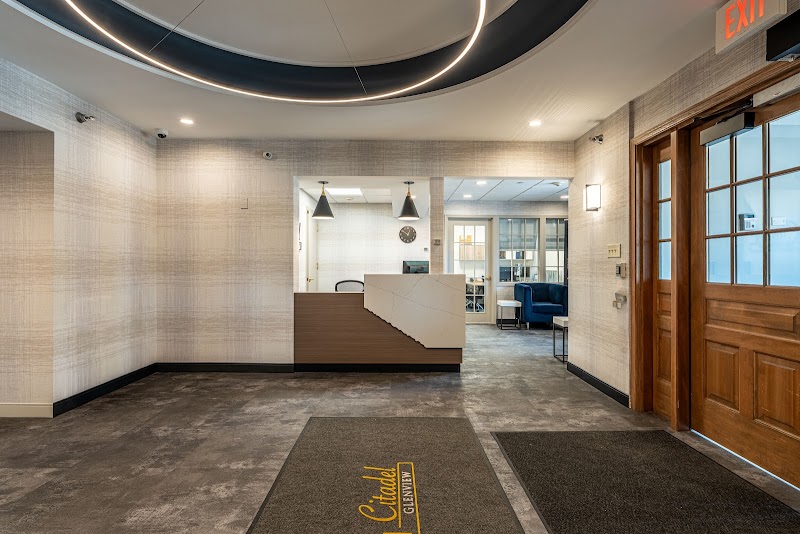
How Does Citadel Of Glenview,The Compare to Other Illinois Nursing Homes?

Compared to the 100 nursing homes in Illinois, CITADEL OF GLENVIEW,THE's overall rating (4 stars) is above the state average of 2.5, staff turnover (28%) is significantly lower than the state average of 46%, and health inspection rating (4 stars) is above the national benchmark.

What Should Families Ask When Visiting Citadel Of Glenview,The?

Based on this facility's data, families visiting should ask: "Can you walk me through typical staffing levels on day, evening, and night shifts?" "Can I visit during a mealtime to observe dining assistance and food quality?" "How do you handle medical emergencies, and what is your hospital transfer rate?" "Can I speak with family members of current residents about their experience?" These questions are particularly relevant given the below-average staffing rating.

Is Citadel Of Glenview,The Safe?

Based on CMS inspection data, CITADEL OF GLENVIEW,THE has a clean safety record: no substantiated abuse findings (meaning no confirmed cases of resident harm), no Immediate Jeopardy citations (the most serious violation level indicating risk of serious injury or death), and is not on the Special Focus Facility watch list (a federal program monitoring the lowest-performing 1% of nursing homes). The facility has a 4-star overall rating and ranks #1 of 100 nursing homes in Illinois. While no facility is perfect, families should still ask about staff-to-resident ratios and recent inspection results during their visit.

Do Nurses at Citadel Of Glenview,The Stick Around?

Staff at CITADEL OF GLENVIEW,THE tend to stick around. With a turnover rate of 28%, the facility is 18 percentage points below the Illinois average of 46%. Low turnover is a positive sign. It means caregivers have time to learn each resident's needs, medications, and personal preferences. Consistent staff also notice subtle changes in a resident's condition more quickly.

Was Citadel Of Glenview,The Ever Fined?

CITADEL OF GLENVIEW,THE has been fined $47,853 across 1 penalty action. The Illinois average is $33,557. While any fine indicates a compliance issue, fines under $50,000 are relatively common and typically reflect isolated problems that were subsequently corrected. Families should ask what specific issues led to these fines and confirm they've been resolved.

Is Citadel Of Glenview,The on Any Federal Watch List?

CITADEL OF GLENVIEW,THE is not on any federal watch list. The most significant is the Special Focus Facility (SFF) program, which identifies the bottom 1% of nursing homes nationally based on persistent, serious quality problems. Not being on this list means the facility has avoided the pattern of deficiencies that triggers enhanced federal oversight. This is a positive indicator, though families should still review the facility's inspection history directly.