ELEVATE CARE ABINGTON
3901 GLENVIEW ROAD, GLENVIEW, IL 60025 (847) 729-0000
For profit - Limited Liability company 192 Beds ELEVATE CARE Data: November 2025
Trust Grade
66/100
#30 of 665 in IL
Last Inspection: April 2025

Within standard 12-15 month inspection cycle. Federal law requires annual inspections.

Overview

Elevate Care Abington has a Trust Grade of C+, indicating it is slightly above average but not without issues. It ranks #30 out of 665 facilities in Illinois, placing it in the top half, and #10 of 201 in Cook County, suggesting only nine local options are better. Unfortunately, the facility's trend is worsening, with the number of issues increasing from four in 2024 to six in 2025. Staffing is rated average with a turnover of 28%, which is significantly lower than the Illinois average of 46%, and there is good RN coverage, exceeding 81% of state facilities. However, the facility has been fined $10,033, which is average, indicating some compliance concerns. Specific incidents include a serious issue where a resident was not assisted properly during a transfer, resulting in a fracture and hospitalization. Another incident involved a resident at high risk for falls being left unsupervised in the bathroom, leading to a head injury that required staples. Overall, while Elevate Care Abington offers strong RN coverage and decent staffing stability, families should be aware of its increasing number of serious incidents and past compliance issues.

Trust Score
C+
66/100
In Illinois
#30/665
Top 4%
Safety Record
High Risk
Review needed
Inspections
Getting Worse
4 → 6 violations
Staff Stability
✓ Good
28% annual turnover. Excellent stability, 20 points below Illinois's 48% average. Staff who stay learn residents' needs.
Penalties
✓ Good
$10,033 in fines. Lower than most Illinois facilities. Relatively clean record.
Skilled Nurses
✓ Good
Each resident gets 60 minutes of Registered Nurse (RN) attention daily — more than 97% of Illinois nursing homes. RNs are the most trained staff who catch health problems before they become serious.
Violations
⚠ Watch
22 deficiencies on record. Higher than average. Multiple issues found across inspections.
★★★★★
5.0
Overall Rating
★★★☆☆
3.0
Staff Levels
★★★★★
5.0
Care Quality
★★★★☆
4.0
Inspection Score
Stable
2024: 4 issues
2025: 6 issues

The Good

  • 5-Star Quality Measures · Strong clinical quality outcomes
  • Low Staff Turnover (28%) · Staff stability means consistent care
  • Full Sprinkler Coverage · Fire safety systems throughout facility
  • No fines on record
  • Staff turnover is low (28%)

    20 points below Illinois average of 48%

Facility shows strength in quality measures, staff retention, fire safety.

The Bad

Federal Fines: $10,033

Below median ($33,413)

Minor penalties assessed

Chain: ELEVATE CARE

Part of a multi-facility chain

Ask about local staffing decisions and management

The Ugly 22 deficiencies on record

3 actual harm
Apr 2025 5 deficiencies
CONCERN (D)

Potential for Harm - no one hurt, but risky conditions existed

Deficiency F0554 (Tag F0554)

Could have caused harm · This affected 1 resident

**NOTE- TERMS IN BRACKETS HAVE BEEN EDITED TO PROTECT CONFIDENTIALITY** Based on observation, interview, and record review the facility failed to ensure that no medications are kept at the resident's ...

Read full inspector narrative →
**NOTE- TERMS IN BRACKETS HAVE BEEN EDITED TO PROTECT CONFIDENTIALITY** Based on observation, interview, and record review the facility failed to ensure that no medications are kept at the resident's bedside without physician order. The facility also failed to assess a resident for safe medication self-administration. This deficiency affects one (R8) of three residents in the sample of 25 reviewed for Medication safety. Findings include: On 4/1/25 at 11:40AM, While observing V15 LPN (Licensed Practical Nurse) administering oral medication to R8 observed the following medications not labeled on her bedside tray table: one (1) triamcinolone acetamide lotion 0/1% 60 ml, two (2) nasal (deep sea) spray bottles and (3) Caladryl lotions. R8 is alert, oriented x 3 and can verbalize needs to staff. R8 said that she has been taking these medications in her room. She said she has rashes to her both hands/arms, as she pulled up her sleeves and showed her rashes with redness. She said that she applied triamcinolone and caladryl for her rashes and itchiness on both arms/hand every day and as needed. She said she uses the nasal spray 2- 3 times per day and as needed. She said that nurses are aware that she has been taking all of these medications. V15 LPN did not respond. On 4/1/25 at 3:07PM Informed V2 DON (Director of Nursing) of above observation. V2 said that a resident is not allowed to keep medication at the bedside without physician order. V2 said that resident self-administration of medication assessment should be completed to check if R8 is capable of self-administration of medication. Informed V2 DON that R8 does not have an order for Nasal (deep sea) spray and caladryl lotion. R8 does not have an order to keep medications at bedside. No resident self-administration of medication assessment was completed by Interdisciplinary team (IDT). She was not care planned for medication self-administration. R8 was admitted on [DATE] with diagnosis listed in part but not limited to Acute and chronic respiratory failure, Congestive heart failure, Paraplegia, Congenital deformity of spine, Spina Bifida, Allergic rhinitis. Active physician order sheet indicated Triamcinolone acetonide external cream 0.1% apply to upper back, BUE, shoulders, BLE topically every 8 hours as needed for itching. No order for Nasal (deep sea) spray and caladryl lotion. No order to keep medication at bedside. No resident self-administration of medication assessment completed by IDT. Facility's policy on Self- Administration of Medication effective 4/2014 indicated: Purpose: To establish guidelines concerning the self-administration of drug. General Guidelines: 1. A resident may not be permitted to administer or retain any medication in his/her room unless so ordered, in writing by the attending physician. 2. Should the resident's attending physician permit the resident to administer his/her medications, the following condition should apply: c. A self-administration of medications assessment will be completed that indicates that the resident is capable of self-administering drugs. Facility's policy on Medication Storage revision date 7/2/19 indicated: Purpose: To ensure proper storage, labeling and expiration dates of medications, biologicals, syringes, and needles. Guidelines: 13. Bedside Medication Storage: 13.1 Facility should not administer/provide bedside medications or biologicals without a physician/ prescriber order and approval by the interdisciplinary care team and facility administration. 13.2 Facility should store bedside medications or biologicals in a locked compartment within the resident's room. Facility's policy on Resident rights reviewed 1/4/19 indicated: Purpose: To promote the exercise of rights for each resident. Guidelines: Notice of resident rights will be provided upon admission to the facility. These rights include the resident's right to: *Self-administer medication, if the IDT care planning team determines it is safe.
CONCERN (D)

Potential for Harm - no one hurt, but risky conditions existed

Pressure Ulcer Prevention (Tag F0686)

Could have caused harm · This affected 1 resident

**NOTE- TERMS IN BRACKETS HAVE BEEN EDITED TO PROTECT CONFIDENTIALITY** Based on observation, interview, and record review the facility failed to ensure ongoing assessment and monitoring are implement...

Read full inspector narrative →
**NOTE- TERMS IN BRACKETS HAVE BEEN EDITED TO PROTECT CONFIDENTIALITY** Based on observation, interview, and record review the facility failed to ensure ongoing assessment and monitoring are implemented to identify and report new open pressure ulcer for a resident who has history of pressure ulcer. The facility failed to notify the physician for appropriate treatment order. The facility failed to implement pressure ulcer prevention policy by not providing specialty mattress. This deficiency affects one (R22) of three residents in the sample of 25 reviewed for Pressure ulcer/Wound Prevention Management. Findings include: On 4/1/25 at 2:17PM, V16 (R22's Family member) said that R8 has pain on her buttocks, but she does not have pressure sore. The nurses applied cream and foam dressing for protection. Surveyor called V6 Wound Care Nurse to check on R22 sacral area. On 4/1/25 at 2:32PM, V6 Wound nurse repositioned R22 to her left side lying position to check skin integrity on R22's sacral area. Observed foam dressing applied to right buttocks. But observed open wound stage 2 /full thickness on sacrococcygeal area, 100% red tissues with whitish color/maceration on peri wound. V6 said it is a healed pressure ulcer. V6 said, he works on the floor and relieved V23 Wound Care Coordinator (WCC) to perform wound care. V6 said that he has not provided wound care to R22 today. V6 said, he has not seen R22 since Thursday last week. V6 said, V23 WCC applied the wound dressing yesterday. Surveyor called V18 ADON (Assistant Director of Nursing) to show new open wound observation on sacral area. V11 LPN (Licensed Practical Nurse) said that the treatment nurse does the wound treatment to R22. V11 is not aware that R22 has new stage 2 pressure ulcer on sacrum area. V11 said that CNA did not report to him that R22 has new open wound. On 4/1/25 at 2:55pm V6 and V18 repositioned R22 to left side lying position to assess skin integrity of sacral area. V18 said R22 has new stage 2 pressure ulcer on sacrum area. V18 measured open wound and obtained 0.5x 1x0.1 cm., 100% red tissue with maceration on peri wound. V18 said that when there is a new open wound, it should be assessed, notify physician for appropriate wound treatment, inform the family, document, and updated the care plan. R22 is re-admitted on [DATE] with diagnosis listed in part but not limited to Hypertensive heart and chronic kidney disease with heart failure and with stage 5 chronic kidney disease or end stage renal, Parkinson disease, Dementia, Osteoarthritis and Dependence on oxygen supplement. Most recent Braden/skin assessment dated [DATE] indicated that she is at risk for developing skin impairment. Active physician order sheet indicated Sacrum: calmoseptine cream, foam dressing every day shift. Comprehensive care plan indicated that she is at risk for alteration in skin integrity related to medical diagnosis, fragile skin, incontinence of bowel, incontinence of urine, limited joint mobility and poor skin turgor. R22's March 2025 Treatment administration Record (TAR) indicated daily treatment to sacral area. Last wound assessment done on 12/23/24 indicated incontinence MASD (Moisture Associated Skin Disorder) active, erythema, pale pink non granulating 100%, no exudate, skin intact. No documentation found in chart after 12/23/24. Wound assessment completed on 4/1/25 by V18 ADON after surveyor identified open wound /Stage 2 pressure ulcer on sacrum indicated facility acquired pressure ulcer on 4/1/25, 100% pink/red granulating tissue, no exudate, macerated peri wound with attached and distinct edges, measures 0.5cm x 1cm x 0.1 cm. On 4/3/25 at 10:50AM, V23 Wound Care Coordinator said she does the wound treatment, assessment, and wound measurement, and makes wound rounds with the wound care physician. V23 said V18 develops and updates the wound care plan. V23 said that she and V6 does the treatments for R22. V23 said, R22 does not have an open wound, they apply calmoseptine cream and foam dressing to sacrum as protection because she is at risk. She said that she did R22's wound treatment on 3/31/25 at 5:00AM and her skin is intact. V6 relieves her when she is off. Reviewed R22's medical records with V23. Informed V23 that R22's last wound assessment was done on 12/23/24 and indicated active MASD (Moisture associated skin disorder) with erythema on sacrum, no open sore. No documentation was found indicating healed MASD with no erythema. Informed V23 that she and V6 are providing daily treatment to her sacrum but no weekly skin documentation on the sacral area. Informed V23 that specialty mattress was not utilized as preventive measures; not until surveyor presented concern. Informed V23 of concerns identified that they failed to ensure ongoing assessment and monitoring are implemented to identify and report new open pressure ulcer of resident who is at risk for developing and has history of pressure ulcer. The facility failed to notify the physician for appropriate treatment order in a timely manner. Facility's policy on Pressure ulcer prevention revision dated 1/15/18 indicated: Purpose: To prevent and treat pressure sores/pressure injury. Guidelines: 2. Inspect the skin several times daily during bathing, hygiene, and repositioning measures. May use lotion on dry skin. 9. Pressure reducing (foam) mattresses are used for all residents unless otherwise indicated. Specialty mattresses such as low air loss, alternating pressure, etc., may be used as determined clinically appropriate. Specialty mattresses are typically used for residents who have multiple stage 2 wounds or one or more stage 3 or stage 4 wounds. Facility's policy on Pressure injury and skin condition assessment revision 1/17/18 indicated: Purpose: To establish guidelines for assessing, monitoring, and documenting the presence of skin breakdown, pressure injuries and other ulcer and assuring interventions are implemented. 4. Each resident will be observed for skin breakdown daily during care and on the assigned bath day by the CNA. Changes shall be promptly reported to the charge nurse who will perform the detailed assessment. 6. Care givers are responsible for promptly notifying the charge nurse of skin breakdown. 7. At earliest sign of a pressure injury or other skin problem, the resident, legal representative and attending physician will be notified. The initial observation of the ulcer or skin breakdown will also be described in the nursing progress notes.
CONCERN (D)

Potential for Harm - no one hurt, but risky conditions existed

Respiratory Care (Tag F0695)

Could have caused harm · This affected 1 resident

**NOTE- TERMS IN BRACKETS HAVE BEEN EDITED TO PROTECT CONFIDENTIALITY** Based on observation, interview and record review the facility failed to ensure an oxygen nasal cannula was properly in place fo...

Read full inspector narrative →
**NOTE- TERMS IN BRACKETS HAVE BEEN EDITED TO PROTECT CONFIDENTIALITY** Based on observation, interview and record review the facility failed to ensure an oxygen nasal cannula was properly in place for a resident who has an order for oxygen supplementation. The facility failed to change the empty concentrator's humidifier bottle in a timely manner. The facility also failed to follow physician order in administration of oxygen. This deficiency affects 3 (R22, R38 and R81) residents in the sample of 25 reviewed for Oxygen/Respiratory Management. Findings include: On 4/1/25 at 11:00AM, Observed R22 sitting in a wheelchair with oxygen not properly placed. The nasal cannula is placed on her right cheek. Oxygen tubing is dated 3/29/25 and is connected to an oxygen concentrator with a humidifier bottle that is empty. Showed observation to V11 LPN (Licensed Practical Nurse). He placed the oxygen cannula to R22's nasal/nostril and said he will replace the oxygen humidifier. On 4/1/25 at 2:17PM, Observed R22 with oxygen via nasal cannula at 2.5 LPM (liters per minute) with an empty humidifier bottle. V11 did not replace the empty humidifier bottle when observed empty this morning. Showed observation to V11. On 4/2/25 at 11:16AM, Informed V2 DON (Director of Nursing) of above observation. V2 said that humidifier is needed to prevent nasal dryness from oxygen usage. V2 said that oxygen humidifier bottle is replaced once the water is emptied. The oxygen via nasal cannula should be placed properly into resident nostrils to provide oxygen. R22 was admitted on [DATE] with diagnosis listed in part but not limited to Chronic diastolic congestive heart failure, Dependence on supplemental oxygen, Atrial fibrillation, Anemia. Active physician order sheet indicated Oxygen at 2LPM per nasal cannula continuously. Monitor every shift. Comprehensive care plan indicated she needs oxygen and respiratory treatment for shortness of breath/wheezing. Intervention: Provide oxygen as ordered. Monitor saturation every shift and as needed. Change oxygen tubing, humidifier bottle and oxygen tubing plastic holding bag as ordered. Facility's policy on Oxygen therapy: Purpose: To deliver oxygen in conditions in which insufficient oxygen is carried by the blood to the tissues. Indications for oxygen use via nasal cannula include: *Reverse the effects and symptoms of hypoxia *Decrease the work of breathing *Decrease the work of the heart Policy: It is the policy of this facility that oxygen shall be used in a safe and effective manner in accordance with applicable rules and regulations and the standard of care. Equipment: *Humidifier *Flow meter *Delivery device (nasal cannula) *Oxygen source *NO smoking sign Procedure: I Physician order A. Verify physician order II Set up and administration of oxygen B. 2. Nasal cannulas should fit unto the nostrils unless contraindicated. On 4/2/2025 at 11:05 AM, R38 seated on his wheelchair doing active exercise for his legs and not using oxygen. Oxygen tubing and cannula inside the nightstand drawer, not stored in a plastic bag and humidifier/bubbler with a date of 3/22/25. On 4/2/2025 at 11:07 AM, V21 (Registered Nurse) said oxygen cannula should be put in a plastic bag when not in use and humidifier/bubbler should be changed as needed. On 4/2/2025 at 11:15 AM, V2 (Director of Nursing) stated all oxygen humidifiers need to be changed every 7 days and oxygen appliance should be stored in plastic bag when not in use for infection control. Review of admission record read: admission date 1/30/2025, Diagnosis Information include CHRONIC SYSTOLIC (CONGESTIVE) HEART FAILURE; OBSTRUCTIVE SLEEP APNEA; Order Summary indicate Oxygen PRN NC Flow__2__ to Keep Sats Greater Than_ 92% as needed for Low O2 Sat; Care Plan Report indicate Provide oxygen as ordered. Monitor saturation as ordered. Change oxygen tubing, humidifier bottle, oxygen tubing plastic holding bag as ordered. On 4/1/2025 at 11:10 AM, R81 in bed with oxygen per nasal cannula at 4.5 liters per minute. R81 is using a concentrator with attached humidifier dated 3/22/25 and bottle is less than 1/4 filled. On 4/1/2025 at 11:15 AM, V6 (Wound Nurse) checked R81's physician order indicating R81 to have continuous oxygen at 3 liters per minute. V6 stated the oxygen humidifier bottle should be changed as needed. V6 stated humidification is used to keep nasal passages from drying out. On 4/2/2025 at 9:40 AM, V2 (Director of Nursing) stated all oxygen humidifiers need to be changed every 7 days and when humidification water level is low, about less than ¼ filled. Review of admission record read: admission date 3/21/2025, Diagnosis Information include ACUTE RESPIRATORY FAILURE WITH HYPOXIA; DEPENDENCE ON SUPPLEMENTAL OXYGEN; CHRONIC DIASTOLIC (CONGESTIVE) HEART FAILURE. Review of Order Summary indicate Oxygen At 3 Liters/Minute Via nasal cannula; Continuously; Care Plan indicate Interventions: Oxygen at 3 Liters/Minute via nasal cannula; Continuously; MDS (Section O - Special Treatments, Procedures, and Programs) indicate Respiratory Treatments C1. Oxygen Therapy while a resident. Policy and Procedure: Title: Oxygen Therapy, no date Policy: It is the policy of this facility that oxygen shall be used in a safe and effective manner in accordance with applicable rules and regulations and the standard of care. Procedure: I. Physician Order A. Verify physician's order II. Set-up and administration of oxygen B. Attach the nasal cannula/mask to the oxygen source and turn the flow meter to the ordered flow rate. Policy and Procedure: Title: Equipment Replacement - Disposable - Nursing; Revisions 1/16/18 Purpose: Equipment will be changed following established schedules to prevent contamination. Guidelines: 1. Oxygen/Nebulizer b. Check water levels in humidifier jar every shift and change humidifier jar every 7 days
CONCERN (D)

Potential for Harm - no one hurt, but risky conditions existed

Deficiency F0761 (Tag F0761)

Could have caused harm · This affected 1 resident

Based on observation, interview, and record review the facility failed to lock the medication refrigerator and record the date when medication was opened. This deficiency affects one of two medication...

Read full inspector narrative →
Based on observation, interview, and record review the facility failed to lock the medication refrigerator and record the date when medication was opened. This deficiency affects one of two medication storage rooms and one of four medication carts reviewed for Safe medication storage and labeling. Findings include: On 4/1/25 at 9:40AM, Checked second floor medication storage room with V8 RN (Registered Nurse). Observed medication refrigerator unlocked. V8 said that medication refrigerator in the medication room should be locked. On 4/1/25 at 10:22am Checked 3 North medication cart with V11 LPN (Licensed Practical Nurse). Observed R76 's Gentamycin eye drops solution opened but not dated. Observed R18's Combigan 0.2/0.5% eye drop solution opened but not dated. V11 said that medication should be dated when it was opened. On 4/1/25 at 1:15PM, Informed V2 DON (Director of Nursing) of above observation. V2 said that nurses should keep the medication refrigerator locked and they should mark the date when they opened the medication. Facility's policy on Medication storage revision date 7/2/19 indicated: Purpose: To ensure proper storage, labeling and expiration dates of medications, biologicals, syringes, and needles. Guidelines: 3. General storage procedures: 3.2 Facility should ensure that all medications and biological, including treatment items are securely stored in a locked cabinet/cart or locked medication room that is inaccessible by residents and visitors. 5. Once any medication or biological package is opened, facility should follow manufacturer/supplier guidelines with respect to expiration dates for opened medications. Facility staff should record the date opened on the medication container when the medication has a shortened expiration date once opened.
CONCERN (E)

Potential for Harm - no one hurt, but risky conditions existed

Infection Control (Tag F0880)

Could have caused harm · This affected multiple residents

**NOTE- TERMS IN BRACKETS HAVE BEEN EDITED TO PROTECT CONFIDENTIALITY** Based on observation, interview, and record review the facility failed to ensure implementation of appropriate infection prevent...

Read full inspector narrative →
**NOTE- TERMS IN BRACKETS HAVE BEEN EDITED TO PROTECT CONFIDENTIALITY** Based on observation, interview, and record review the facility failed to ensure implementation of appropriate infection prevention and control practices during medication administration including disinfecting of medical equipment use, providing care to a resident on Enhanced Barrier Precaution (EBP), and performing hand hygiene after removing gloves. The facility also failed to place the nebulizer mask and tubing in plastic bag when not in use. This deficiency affects four (R8, R54, F179 and R329) residents in the sample of 25 reviewed for Infection Control Prevention and Control Management. Findings include: On 4/1/25 at 10:57AM, Observed R54 up in wheelchair in his room. R54 is on Enhanced barrier precaution. Observed urinary drainage bag with visible yellow sediments in the tubing hanging over the grab bar next to emesis basin in the bathroom. V11 LPN (Licensed Practical Nurse) said that CNA (Certified Nurse Assistant) change R54's urinary catheter bag to leg bag when he is up in wheelchair. V11 said that emesis basin should not be placed next to the urinary drainage bag. Observed emesis basin is dirty with dried white colored toothpaste inside. On 4/1/25 at 11:35AM, Observed V15 LPN took portable Blood Pressure (BP) machine equipment from another resident in 3 north unit. V15 went to R8 with medication cart and BP equipment. V15 did not disinfect the BP cuff before placing it on R8's left arm and obtained her BP. Informed V15 of observation made. She said BP equipment should be clean/disinfect before and after taking resident's BP. On 4/2/25 at 8:32AM, V19 RN (Registered Nurse) gathered medical equipment for vital signs (portable wrist BP machine, pulse oximeter, and oral thermometer) from her medication cart and prepared medications inside R179's room. R179 is on Enhanced barrier precaution. V19 entered the room without donning appropriate PPE. V19 is wearing mask, she donned gloves when entering the room. She placed the medical equipment for vital signs on bedside tray table. V19 placed the BP wrist on R179's left wrist, then placed the pulse oximeter on left index finger and took oral temperature. After obtaining vital signs, she then administered prepared medications. She brought her medical equipment on top of the medication cart. She wiped the medical equipment with disinfectant wipes. On 4/2/25 at 8:50AM, Informed above observation with V19 RN and V17 Restorative Nurse. V19 said that she did not don gown because she was just taking vital signs and performing oral administration of medication. V17 Restorative Nurse said that appropriate PPE is observed during medication administration and taking vital signs in EBP. V17 said that they should follow manufacturer recommendation in using disinfecting wipes which is contact time of disinfectant of 3 minutes. On 4/2/25 at 11:01AM, Informed V3 Infection Preventionist of above observation. V3 said that vital signs equipment is only disinfected after using and not before. V3 said that no need to don PPE when taking vital signs and medication administration to resident on EBP. V3 said that disinfectant wipes manufacturer recommended keeping wet for 3 minutes. V3 said that emesis basin should not be placed next to urinary drainage bag in the bathroom. On 4/2/25 at 11:16AM, Informed V2 DON (Director of Nursing) of above observation. V2 said that they should disinfect medical equipment for taking resident vital signs before and after using. V2 said that they should don appropriate PPE when taking vital signs and administration of medications to resident on EBP. V2 said that they should not place emesis basis next to urinary drainage bag in the resident's bathroom. They placed order in resident's chart for resident on transmission-based precaution including EBP. On 4/3/25 at 9:40AM, Review R8's medical record with V3 Infection Preventionist. Informed V3 that R8 does not have order for Enhanced Barrier Precaution. R8 has colostomy and receiving Triamcinolone Acetonide cream treatment for itching to upper back, BUE, shoulder and BLE. R8 has red rashes on her upper extremities. Facility's policy on Enhanced Barrier Precaution (EBP) revision 4/1/24 indicated: Purpose: To minimize the risk of acquiring, transmitting, or complications resulting from multi-drug resistant organism (MDRO) colonization among residents in this setting. (Contact precautions would be warranted over EBP when there is risk of transmission of an actively infectious agent) Guidelines: *Residents will require the use of personal protective equipment (PPE) for high-risk activities such as: -Any situation where expected contact of blood, bodily fluids, skin breakdown, or mucous membrane will be encountered. *PPE required: -Gown -Gloves *Persons expected to encounter these circumstances are to don PPE (gown and gloves) in accordance with the activity that will be encountered when caring for the resident. Facility's policy on Cleaning & Sanitizing- wheelchairs and other medical equipment revision 1/25/18 indicated: Purpose: To assure that devices are cleaned and sanitized on a regular or as needed basis. Guidelines: 5. Devices/equipment used for more than one resident shall be cleaned between each resident. Manufacturer's recommendation for Germicidal bleach wipes (surface cleaning chemicals and disinfectants) indicated: Overall contact time of 3 minutes. Contact time for a disinfectant is the amount of time a surface must remain wet with the product to achieve disinfection. On 4/1/2025 at 10:55 AM, V4 (Director of Guest Relation) removed and discarded his gloves then proceeded to resident room [ROOM NUMBER] without performing hand hygiene. On 4/1/2025 at 10:56 AM, V4 stated he performed hand hygiene before putting gloves on but not after removing it. V3 (Infection Control Nurse) said hand hygiene should be performed before and after removing gloves. On 4/2/2025 at 9:40 AM, V2 (Director of Nursing) said hand hygiene should be done after removing gloves and if hands are visibly soiled then hand washing with soap and water need to be performed. On 4/1/2025 at 11:00 AM, R329 seated on the wheelchair said she gets breathing treatments. Nebulizer treatment machine on top of the nightstand table with mask and tubing attached to the machine. On 4/1/2025 at 11:02 AM, V3 (Infection Control Nurse) said nebulizer kit, mask and tubing, should be kept in a ziplock/plastic bag for privacy. Mask should be rinse and air dry after each used. On 4/2/2025 at 9:40 AM, V2 said nebulizer mask and tubing should be kept in a ziplock bag when not in used for infection control. Nebulizer mask should be rinsed and air dry after each used. Review of admission record read: admission date 3/29/2025, Diagnosis Information include PNEUMONITIS DUE TO INHALATION OF FOOD AND VOMIT; Order Summary indicate Ipratropium-Albuterol Inhalation Solution 0.5-2.5 (3) MG/3ML (Ipratropium-Albuterol) 1 dose inhale orally every 6 hours for SOB while awake. Care Plan Report indicate Administer respiratory treatment (Ipratropium-Albuterol) as ordered. Policy and Procedure Title: Hand Hygiene/Handwashing, Revisions: 1-10-18 Definition: Hand hygiene means cleaning your hands by using either handwashing (washing hands with soap and water), antiseptic hand wash, or antiseptic hand rub (i.e. alcohol-based hand sanitizer including foam or gel). Guidelines: When to Wash Hands With Soap and Water ONLY (may use Alcohol Based Hand Sanitizer for All Other): After glove removal Policy and Procedure Title: Oral Inhalation Administration, Date: 10/25/2014 Purpose: To allow for safe, accurate, and effective administration of medication using an oral inhaler (with or without a spacer/chamber) or nebulizer. Nebulizer - Administering Medications through a Small Volume (Handheld) Nebulizer U. Rinse and disinfect the nebulizer equipment according to manufacturer's recommendations, or: 1. Wash pieces (except tubing) with warm, soapy water daily. Rinse with hot water. Allow to air dry completely on paper towel. W. When equipment is completely dry, store in a plastic bag with resident's name and date on it.
Feb 2025 1 deficiency 1 Harm
SERIOUS (G) 📢 Someone Reported This

A family member, employee, or ombudsman was alarmed enough to file a formal complaint

Actual Harm - a resident was hurt due to facility failures

Accident Prevention (Tag F0689)

A resident was harmed · This affected 1 resident

**NOTE- TERMS IN BRACKETS HAVE BEEN EDITED TO PROTECT CONFIDENTIALITY** Based on interview and record review the facility failed to follow its Transfer policy by failing to provide a two persons assis...

Read full inspector narrative →
**NOTE- TERMS IN BRACKETS HAVE BEEN EDITED TO PROTECT CONFIDENTIALITY** Based on interview and record review the facility failed to follow its Transfer policy by failing to provide a two persons assist while transferring a dependent resident from bed to wheelchair. This failure affected one of three residents (R1) reviewed for accidents. This failure resulted in R1 falling from a mechanical lift to the floor and sustaining a fracture of the left superior and inferior pubic rami medially, a sacral fracture and small hematoma. Findings Include: On 2/5/25 at 10:30am, V3 (RN) stated that she provided care to R1 on the day of the fall (2/3/25) and was called to the room by V4 (CNA) after R1 slid out of the sling to the floor during transfer from the bed to the wheelchair. V3 stated that she assessed R1 and noted a cut on the left outer ear. V3 stated that 911 was called and R1 was taken to the hospital for further evaluation. On 2/5/25 at 10:20am, V5 & V9 (CNAs) both stated that R1 is a two person assist with mechanical lift. Both stated that there is a color sticker on each resident's bed which indicates the residents transfer status. V7 (RN) stated that she has provided care to R1. V7 stated that R1 is a two-person mechanical lift transfer. On 2/5/25 at 10:30am, V6 (Private Caretaker) stated that she assisted V4 (Primary CNA) in transferring R1 from bed to wheelchair, she applied the right and left sling onto the right leg and left arm. On 2/5/25 at 11:00am V4 (Primary CNA) stated that R1 requires a mechanical lift with two persons assist. V4 stated that she and V6 (Private Caregiver) applied the sling onto R1. V4 stated that she applied the upper and lower left side of the sling while V6 applied the right side. V4 stated that during the process of moving the mechanical lift the left leg came out and R1 slid out to the floor. V4 stated that this is the first incident with R1 and she has worked for 30 years in the facility. V4 stated that she provides care to R1 regularly and receives in-services once a month on mechanical lift transfer. V4 stated that each resident has a color sticker on the head of the bed which let staff know the transfer status of the resident. On 2/5/25 at 11:30am, V2 (Director of Nursing) stated that the investigation is ongoing, and she does not know how the resident fell out of the sling. V2 stated that R1 is a two person transfer with mechanical lift. V2 stated that, a plan of correction is currently ongoing, and all steps are being taken to keep residents safe during mechanical lift transfer. V2 stated that R1 has never fallen in the past, and this is the first fall incident with R1. On 2/6/25 9:25am, V3 (ADON) stated that she has been working in the facility for over 30 years and is familiar with R1. V3 stated that R1 is oriented to name and requires a two-person assist. V3 stated that staff can locate the resident's transfer status on the foot or head of the bed, and it is color coded. On 2/6/25 at 12:53pm, V1 (Administrator) stated that R1 is a two-person transfer with a mechanical lift. V2 stated that private caregivers are not allowed to transfer residents in the facility because they are not trained by the facility. V1 stated that he thinks staff did not check to make sure the slings were properly secured to the mechanical S-hooks which resulted in the fall. R1 is a [AGE] year-old female admitted on [DATE] with diagnosis of but not limited to ADULT FAILURE TO THRIVE, SECONDARY MALIGNANT NEOPLASM OF RETROPERITONEUM AND PERITONEUM, and ACUTE ON CHRONIC DIASTOLIC (CONGESTIVE) HEART FAILURE. R1's care profile reads; Hoyer lift. R1's Fall Incident document reads; Nursing Description: Nurse on duty was called to the room by the CNA. Reported the patient had slid from the side of the sling to the floor during a transfer with the lift. Predisposing Situation Factors. During Transfer R1's Morse fall scale evaluation dated 11/5/24 reads; Category: High Risk for Falling. Score: 61. G- Fall Scoring: High Risk 45 and higher. R1's MDS (Minimum Data Set), section GG-Functional Abilities dated 10/1/24 reads; E. Chair/bed-to-chair transfer: 01. Dependent-Helper does all the efforts. Resident does none of the effort to complete the activity. Or the assistance of two or more helpers is required for the residents to complete the activity. R1's care plan dated 11/13/2024 reads, R1 presents with a functional deficit in Bed Mobility related to Physical inactivity. R1 requires use of full body lift for transfer related to activity. Intervention- Full body lift with 2 persons assist for all transfer. Hospital record titled, ED Attending Progress Note dated 2/3/25 reads; XR Hip 2 Views left and Pelvis. 1. Fracture of the left superior and inferior pubic rami medially. 2. CT shows also a left sacral fracture and small hematomas. Facility policy titled: Transfer-Manual Gait Belt and Mechanical Lifts dated 1-19-18. Purpose: To protect the safety and well-being of the staff and residents, and to promote quality care, this facility will use mechanical lifting devices for the lifting and movement of residents. Responsibility: Licensed Nurse, CNA, Restorative, Therapy. Guidelines: Mechanical lifting device shall be used for any residents needing a two person assist, or who cannot be transferred comfortably . Facility's policies and procedures, census and fall log, were reviewed. No concerns were identified.
May 2024 3 deficiencies
CONCERN (D)

Potential for Harm - no one hurt, but risky conditions existed

Deficiency F0554 (Tag F0554)

Could have caused harm · This affected 1 resident

**NOTE- TERMS IN BRACKETS HAVE BEEN EDITED TO PROTECT CONFIDENTIALITY** Based on observation, interview, and record review the facility failured to ensure no medication was kept at the resident 's bed...

Read full inspector narrative →
**NOTE- TERMS IN BRACKETS HAVE BEEN EDITED TO PROTECT CONFIDENTIALITY** Based on observation, interview, and record review the facility failured to ensure no medication was kept at the resident 's bedside without a physician order. The facility also failed to assess a resident for safe medication self-administration. This deficiency affects one (R41) of three residents in the sample of 26 reviewed for Medication safety. Findings include: On 5/22/24 at 10:02AM, Observed R41 sitting on her bed. She is alert and oriented x 3, and able to verbalize her needs to staff. She said her buttocks hurt due to her bed sore. She said the wound care nurse gave her medication to apply to her buttocks for pain. She opened her bedside drawer and showed the surveyor the medicated ointment- Calmoseptine. She also showed the surveyor her other medications kept at bedside such as Bio freeze roll on and artificial tears eye drops. She said that she uses the Bio freeze roll on daily and as needed for her pain on her right shoulder due to her frozen shoulder. She demonstrates how she is having difficulty applying the medication to her right shoulder using her left hand due to limited movement. She added that medications in her drawer are disorganized because she was recently transferred from the 3rd floor to 2nd floor. She said that the staff helped her to transfer her personal belongings. She said the nurses are busy and does not want to bother them. On 5/22/24 at 10:30AM, Informed V3 Assistant Director of Nursing of above observation made. She said that residents are not allowed to keep medication at the bedside without a physician order. She said that a resident who request to keep and take their medications by herself will be assessed for Self-administration medication safety. On 5/22/24 at 3:00PM, Informed V1 Administrator and V2 Director of Nursing (DON) of above concern. V2 DON said that resident medication is not kept at the bedside without a physician order. If a resident request for self-medication administration, the interdisciplinary team (IDT) will assess the resident for safety of medication self-administration. R41 was admitted on [DATE] and re-admitted on [DATE] with diagnosis listed in part but not limited to Osteoarthritis. Active physician order sheet does not indicate order for: Calmoseptine ointment, Bio Freeze roll on and artificial eye drops. No order indicates to keep medication at bedside. Care plan indicates she has potential for pain related to diagnosis of Osteoarthritis. She is at risk for alteration in skin integrity. Her care plan does not indicate Self-medication administration at bedside. Facility's policy on Medication Storage revised 7/2/19 indicates: Purpose: To ensure proper storage, labeling and expiration dates of medications, biologicals, syringes, and needles. Guidelines: 2. Facility should ensure that medications and biologicals are stored in an orderly manner in cabinets, drawers, carts, refrigeration/freezers of sufficient size to prevent crowding. 13. Bedside Medication Storage: 13.1 Facility should not administer/provide bedside medications or biologicals without a Physician/Prescriber order and approval by the Interdisciplinary Care team and Facility administration. 13.2 Facility should store bedside medications or biologicals in locked compartment within the resident's room. 13.3 Facility should ensure that only facility representatives and the appropriate resident maintains the keys, access cards, electronic codes or combinations which open the locked compartment. Facility's policy on Self-Administration of Medication procedure indicates: Purpose: to provide procedures for determining if the resident can safely self-administer and store medications in their room. Procedure: 1. Resident who requests to self-administer drugs will be assessed at the time of admission or thereafter, to determine if the practice is safe, based on the results of the Resident Assessment- Self Administration of Medications tool. 2. The assessment results will be discussed with the attending physician and an order obtained to self-administer, if appropriate. 3. Bedside storage of legend (Prescription or non-legend drugs is permitted when the assessment demonstrates the practice is safe. 9. Residents who self-administer shall be monitored at least semi-annually by licensed nursing personnel.
CONCERN (D) 📢 Someone Reported This

A family member, employee, or ombudsman was alarmed enough to file a formal complaint

Potential for Harm - no one hurt, but risky conditions existed

Quality of Care (Tag F0684)

Could have caused harm · This affected 1 resident

Based on interview and record review, the facility failed to perform a complete assessment and notify physician of the significant change of condition for one of three residents (R330) reviewed for qu...

Read full inspector narrative →
Based on interview and record review, the facility failed to perform a complete assessment and notify physician of the significant change of condition for one of three residents (R330) reviewed for quality of care. Findings include: On 05/22/2024 at 4:00PM during interview with V19 (R330's Family Member), V19 stated that at around 11:00AM on 06/20/2023 while talking on the phone with her brother, her brother noticed that R330 was not responding so V19 instructed her brother to call the nurse. On 05/23/2024 at 12:50PM during interview with V22 (Registered Nurse), V22 stated that R330's complete vital signs were part of the assessment of R330 during change in condition and should have been documented. V22 also stated that she was not aware if the facility practices rapid response, so she did not call for one during R330's emergency change of condition. Rapid Response is when a resident demonstrates signs of imminent clinical deterioration, a team of providers is summoned to the bedside to immediately assess and treat the patient with the goal of preventing intensive care unit transfer, cardiac arrest, or death. On 05/24/2024 at 10:40AM during interview with V2 (Director of Nursing), V2 stated that he expects for nurses to call a rapid response on residents having an emergency change of condition. V2 also stated that he expects the nurses to obtain complete set of vital signs as part of the resident assessment at least after 911 was called during an emergency and to inform the attending physician after the emergency situation has been addressed. On 05/24/2024 at 11:00AM during interview with V23 (Physician), V23 stated that he would want to be informed of the emergency situation that his residents underwent, what was done and what the outcome was after the emergency situation had been addressed. Review of R330's progress notes dated 06/20/2023 did not indicate attempt to obtain complete set of vital signs and the physician being informed or updated of R330's condition. Review of R330's Weights and Vital Signs Summary dated 06/01/2023 - 05/31/2024 indicated last set of vital signs were checked 06/20/2023 at 8:57AM. Review of facility's policy entitled Physician-Family Notification - Change in Condition revised on 11/13/18 indicated the following: Purpose: To ensure that medical care problems are communicated to the attending physician or authorized designee and family/responsible party in a timely, efficient, and effective manner. Guidelines: The facility will inform the resident; consult with the resident's physician or authorized designee such as Nurse Practitioner; and if known, notify the resident's legal representative or an interested family member when there is: (B) A significant change in the resident's physical, mental, or psychosocial status (i.e., a deterioration in health, mental, or psychosocial status in either life-threatening conditions or clinical complications); - Life-threatening conditions are such things as a heart attack or stroke. Facility was unable to provide policy on rapid response, vital signs and management of change of condition upon request.
CONCERN (D)

Potential for Harm - no one hurt, but risky conditions existed

Respiratory Care (Tag F0695)

Could have caused harm · This affected 1 resident

**NOTE- TERMS IN BRACKETS HAVE BEEN EDITED TO PROTECT CONFIDENTIALITY** Based on observation, interview, and record the facility failed to obtain a tracheostomy tube size order from physician for a re...

Read full inspector narrative →
**NOTE- TERMS IN BRACKETS HAVE BEEN EDITED TO PROTECT CONFIDENTIALITY** Based on observation, interview, and record the facility failed to obtain a tracheostomy tube size order from physician for a resident with a Tracheostomy tube. The facility also failed to implement oxygen as ordered. This deficiency affects one (R180) of one resident in the sample of 26 reviewed for Respiratory Care. Findings include: On 5/21/24 at 12:19PM, Observed R180 lying on bed with tracheostomy tube connected to oxygen at 6LPM (liters per minute). R180 has audible congestion. V13 RN said that she suctioned R180 earlier at 11:30am. Observed R13 perform tracheostomy and oral suctioning. V13 said that R180 is on 40% FiO2. V13 showed surveyor the tracheostomy tubes available at the bedside- Shiley adult flexible 6CN75H and 8CN85H. Reviewed R180's medical records. R180 wass admitted on [DATE] with diagnosis listed in part but not limited to Acute and Chronic Respiratory failure, Tracheostomy, Traumatic subdural hemorrhage, persistent vegetative state. Active physician order sheet indicates: Trach type (Shiley) Trach size: (). No indication of trach size order. Trach collar with FiO2 35%. (FiO2 is the concentration of oxygen in the gas mixture). Most recent respiratory therapy assessment dated [DATE] but signed on 5/22/24 indicated R180 is on 40% FiO2, no trach size indicated. Care plan indicates R180 has tracheostomy and is at risk for infection and complication. Interventions: Trach collar with 35% FiO2 every shift. On 5/22/24 at 9:22AM, Informed V2 Assistant Director of Nursing (ADON) of above concerns identified. V2 Assistant Director of Nursing said that they should have a tracheostomy tube size order for resident on Tracheostomy. Requested the policy. On 5/22/24 at 3:00PM, Informed V1 Administrator and V2 DON of above concern. V2 DON said that they should have a obtained physician order and documented it in physician order sheet. V2 also said that they should follow physician order for oxygenation and implement the care plan written. V2 said that they have only one resident in the facility with tracheostomy tube. Facility's policy on Tracheostomy Tube Change indicates: Equipment: 1. Appropriate size Trach tube Additional Notes: A. This policy is for routine and PRN (as needed) trach tube change. Check physician orders for appropriate trach tube size. B. Each resident need to have a same size and one downsize trach at bedside for safety purpose. Facility's policy on Oxygen indicates: Purpose: to provide oxygen for therapeutic use Procedure: 1) Verify and understand the physician's order.
Apr 2024 1 deficiency 1 Harm
SERIOUS (G) 📢 Someone Reported This

A family member, employee, or ombudsman was alarmed enough to file a formal complaint

Actual Harm - a resident was hurt due to facility failures

Accident Prevention (Tag F0689)

A resident was harmed · This affected 1 resident

**NOTE- TERMS IN BRACKETS HAVE BEEN EDITED TO PROTECT CONFIDENTIALITY** Based on interview and record review, the facility failed to ensure a resident at risk for falls was supervised and assisted whi...

Read full inspector narrative →
**NOTE- TERMS IN BRACKETS HAVE BEEN EDITED TO PROTECT CONFIDENTIALITY** Based on interview and record review, the facility failed to ensure a resident at risk for falls was supervised and assisted while in the bathroom for 1 of 4 residents (R1) reviewed for safety in the sample of 7. This failure resulted in R1 being sent to the hospital after sustaining a laceration to his head which required staples. The findings include: R1's admission Record dated 4/5/24 shows he was admitted to the facility on [DATE]. R1's diagnoses includes, but are not limited to, Parkinson's disease, neurocognitive disorder with Lewy bodies, dementia, left foot drop, and abnormalities of gait and mobility. R1's Minimum Data Set (MDS) dated [DATE] shows R1 has severely impaired cognition and is completely dependent on staff assistance for toileting hygiene, shower/bath, dressing, putting on/taking off footwear, and personal hygiene. R1's care plan initiated on 7/31/23 shows he is at high risk for falls due to generalized weakness and cognitive impairment secondary to dementia and R1 will not sustain minor/serious injury. On 4/5/24 at 10:50 AM, V8, Certified Nursing Assistant (CNA), said he was taking care of R1 (3/25/24) that evening after dinner around 6:30 PM. V8 said he was getting R1 ready for bed and sat R1 on the toilet. V8 said he left R1 to attend to R1's roommate and when he returned to assist R1, R1 had gotten off the toilet and was on the floor in the bathroom with his head bleeding. V8 said R1 needs assistance with everything, he does not walk, he is a fall risk, and he needs to have someone with him when he is in the bathroom. On 4/5/24 at 11:02 AM, V9, Registered Nurse (RN), said he was the nurse when R1 fell (3/25/24). V9 said a CNA came and got him and he went to R1's room. R1 was lying on the floor in his room outside of the bathroom. V9 said R1 was bleeding and had a five-centimeter (cm) laceration to the back, right side of his head. V9 said they called 911 and sent R1 to the hospital. V9 said R1 is a fall risk and is dependent of staff assistance for toileting. V9 said R1 needs to be with a staff member when he is in the bathroom and should not be in the bathroom alone. V9 said he was still in the facility when R1 returned from the hospital. V9 said R1's head laceration was closed with staples. R1's Nurse's Note from 3/25/24 at 6:45 PM shows the CNA observed R1 lying on the floor with noted bleeding over the right occipital area and when the nurse did a skin assessment, a five cm laceration was noted to the right occipital area and abrasions to the right knee. The nurse called the paramedics for emergency transfer to the acute care hospital for further evaluation and management. R1's Nurse's Note from 3/26/24 at 6:33 AM shows R1 returned from the emergency department at 11:10 PM (on 3/25/24) with sutures and staples on his right occipital area. The facility's Long-Term Care Facility & IID-Serious Injury Incident and Communicable Disease Report dated 3/29/24 at 3:00 PM shows R1 had a fall with physical harm or injury on 3/25/24 at 6:30 PM. It also shows staff interviews indicate R1 was assisted to the bathroom whereby he was left sitting on the toilet unattended while the CNA remained outside the bathroom door. When the CNN heard a thud, the CNA returned to find R1 on the floor. R1 was transported to the emergency department via 911 ambulance and later returned to the facility with staples to his head laceration. The facility's Fall Prevention Program Policy (revised 11/21/17) shows, Residents who require staff assistance will not be left alone after being assisted to bathe, shower, or toilet.
Oct 2023 1 deficiency 1 Harm
SERIOUS (G) 📢 Someone Reported This

A family member, employee, or ombudsman was alarmed enough to file a formal complaint

Actual Harm - a resident was hurt due to facility failures

Accident Prevention (Tag F0689)

A resident was harmed · This affected 1 resident

**NOTE- TERMS IN BRACKETS HAVE BEEN EDITED TO PROTECT CONFIDENTIALITY** Based on interviews and record review, the facility failed to follow their transfer policy. The facility failed to safely transf...

Read full inspector narrative →
**NOTE- TERMS IN BRACKETS HAVE BEEN EDITED TO PROTECT CONFIDENTIALITY** Based on interviews and record review, the facility failed to follow their transfer policy. The facility failed to safely transfer a total dependent resident that requires a mechanical lift with 2 person assist, by transferring via stand pivot with one person assist. This affects one resident (R1) of three residents reviewed for safe transfer. This resulted in R1 being hospitalized with a CT scan result of distal tibia periprosthetic fracture and distal fibula fracture. Findings include: Initial Incident Report dated 9/12/23, reads in part: R1 complaint of pain over her right ankle. Noted with anterior swelling and left shin swelling. X-ray done and noted with right ankle mildly displaced fracture of fibula. Left knee with pretibial contusion with uncomplicated Right knee arthroplasty. Investigation initiated. Final report date 9/15/23, reads in part: R1 reported being transferred via stand pivot transfer with onset of pain. Upon receipt of results confirming mildly displaced fracture of fibula R1 was transferred to ER for medical evaluation. admitted with diagnosis of right ankle fracture. Fracture were confirmed via CT of ankle. CNA interviewed and admitted to improper transfer via stand pivot without the use of Hoyer lift as per instructions. CNA aware of transfer instruction and policy. CNA was asked why he did not follow the policy and the instruction for transfer and stated that he thought that he can lift the patient without the use of the machine. CNA stated he made a mistake. CNA terminated. Right Ankle X-ray report dated 9/12/23 shows: impression right ankle x-ray acute to subacute displaced distal fibular fracture. Hospital record reviewed CT scan done on 9/13/23 to compare the x-ray on 9/12/23. CT scan of the right ankle without contrast. Facility record reviewed. Section G (Functional Status) in Minimum Data Set (MDS) dated [DATE] shows: transfer is total dependent with 2 person assist. Care plan initiated on 1/12/23 (R1) requires use of full body lift for transfer related to morbid obesity. Intervention: full body lift with 2 person assist for all transfers. On 10/3/23 at 11:30am, V3 (Restorative Nurse) stated that R1 is a Hoyer lift and two person assist transfer. R1 is alert and oriented x 3. Hoyer is used for safety. R1 needs to have a Hoyer lift machine for transfer. On 10/3/23 at 12:00 PM, V4 (LPN) stated that R1 is totally dependent with transfers and V4 always used the Hoyer Mechanical Lift. R1 was already in bed when R1 reported to me that she was transferred incorrectly by the CNA (V7). R1 also mentioned that R1 told V7 that R1 needs two persons and Hoyer lift transfer. But V7 insisted he could do it. R1 reported to me that she might have twisted her right ankle during the transfer with V7. I assessed the ankle, and it looks swollen, bulging on the anterior side of the ankle. I provided ice pack to reduce the swelling, I talked to V7, and V7 confessed that V7 transferred R1 without Hoyer lift and by himself. I reminded V7 not to do that again, I reported to V2 (DON), and V2 took over the investigation. Initially patient refused the x-ray. R1 decided she wants to get the x-ray done around bedtime and she told me she now is in a lot of pain and she can't sleep and then I was able to convince her to get the x-ray. On 10/4/23 at 10:30AM V2 (DON) I got called by the nurse and the nurse reported that R1 was complaining of pain after transfer. I went to see R1 immediately and R1 was in bed and I asked her what happened. R1 reported that R1 twisted her ankle while transfering and I asked R1 how was R1 transferred and R1 stated that the CNA (V7) just picked R1 up. CNA asked if R1 can stand and R1 replied Yes I can stand for a little bit and that incident happened. V7 was aware that R1's leg was twisted during transfer. CNA reported to the nurse also. There was a Hoyer pad in the wheelchair where R1 was sitting. That alone should have prompted V7 to use a Hoyer. I can do it. I thought I can, just do it faster, and that was the explanation V7 told me. I terminated the CNA same day. On 10/4/23 at 12pm, V8 (Director of Rehab) stated that R1 is total dependent with transfer and needs a Hoyer mechanical lift machine with 2 person assist. It is not safe for R1 to be transferred by one person assist and without the Hoyer Mechanical lift. Transfer-Manual Gait Belt and Mechanical Lift, revision date of 1/19/18, reads in part: In order to protect the safety and well-being of the Staff and Residents, and to promote quality of care, this facility will use Mechanical lifting devices for the lifting and movement of residents. Mechanical lifting devices shall be used for any resident needing a two person assist, or who cannot be transferred comfortably and/or safely by normal transfer technique. Except during emergency situations or unavoidable circumstances, manual lifting is not permitted. Failure to comply with lifting guidelines may result is disciplinary action as deemed appropriate. Use of gait belt for all physical assist transfer is mandatory.
May 2023 1 deficiency
CONCERN (D) 📢 Someone Reported This

A family member, employee, or ombudsman was alarmed enough to file a formal complaint

Potential for Harm - no one hurt, but risky conditions existed

Deficiency F0558 (Tag F0558)

Could have caused harm · This affected 1 resident

Based on observation, interview and record review the Facility failed to answer call lights in a timely manner for three Residents (R2, R3 and R4) of four Residents reviewed for call lights in a sampl...

Read full inspector narrative →
Based on observation, interview and record review the Facility failed to answer call lights in a timely manner for three Residents (R2, R3 and R4) of four Residents reviewed for call lights in a sample of four. Findings include: Facility Call Light Policy, revised 2/2/2018, was reviewed and documents: the purpose to respond to Residents' requests and needs in a timely and courteous manner; Resident call lights will be answered in a timely manner; all residents that have the availability to use the call light shall have the nurse call light system available at all times and within accessibility to the Resident at the bedside or other reasonable accessible location; all staff should assist in answering the call lights and go into Resident rooms to respond to the call system and promptly cancel the call light when the room is entered; and call bell system defects will be reported promptly to the Maintenance Department for servicing. Facility Concern/Compliment Forms, dated 1/1/23, 1/4/23, 1/6/23, 1/11/23, 2/2/23, 2/7/23, 2/8/23, 2/15/23, 2/20/23, 2/19/23, 3/3/23, 3/16/23 and 3/27/23, document issues with call light response time and malfunctioning call lights. On 5/6/23, from 8:26 am through 8:52 am, R2's call light was activated. R2 resided in an Isolation Room that required Personal Protective Equipment/PPE. On 5/6/23, from 8:26 am through 8:52 am, V5 (Registered Nurse) was sitting at the nursing station within view of the call light and walked down the hallway past R2's room and did not answer or deactivate R2's call light. On 5/6/23, at 8:43 am, V7 (Certified Nursing Assistant/CNA) walked past R2's room and did not answer or deactivate R2's call light. On 5/6/23, at 8:32 am through 8:38 am, V4 (Therapy Assistant) walked past R2's room and did not answer or deactivate R2's call light. On 5/6/23, at 8:46 am, V6 (Licensed Practical Nurse/LPN) walked to R2's hallway from the adjoining hallway and proceeded down the hallway and V6 did not answer or deactivate R2's call light. On 5/6/23, at 10:37 am, R3 (alert and oriented) stated, They do not normally come right away when I press my button, I normally wait about thirty minutes, at best. I do not walk, and I need their help. On 5/6/23, at 10:24 am, R4 (alert and oriented) stated, I am the Resident Council [NAME] President. I have to wait a long time, and I mean like an hour, for my light to be answered because there is no help. At nighttime especially, you can hear a pin drop, because there is no one around. Recently, I did not fall, but they said I fell, but I slid off of the edge of my bed, but I did not get hurt. I was trying to get myself up. On 5/6/23, at 10:48 am, R2 (alert and oriented) stated, My call light was on earlier this morning for about an hour. They do not like coming in here because they do not like to put on gowns and gloves. I called them earlier this morning because I got my breakfast delivered while I was still sleeping, and I needed my oatmeal warmed up and I also needed cleaned up. I generally always have to wait for at least a half hour to an hour for them to answer my light. On 5/6/23, at 12:15 pm, V2 (Director of Nursing) stated, I know we have had issues with call lights, but we have enough staff and there should be no reason that we cannot answer them faster than 30 minutes. I have been in-servicing them and tried to get the issue corrected. No staff should walk past an alarming call light.
Apr 2023 7 deficiencies
CONCERN (D)

Potential for Harm - no one hurt, but risky conditions existed

Resident Rights (Tag F0550)

Could have caused harm · This affected 1 resident

Based on observation, interview, and record review the facility failed to maintain dignity for two residents (R28, R71) of ten reviewed for dining in a sample of 30. Findings include: On 4/25/2023 at ...

Read full inspector narrative →
Based on observation, interview, and record review the facility failed to maintain dignity for two residents (R28, R71) of ten reviewed for dining in a sample of 30. Findings include: On 4/25/2023 at 12:10pm V22(Certified Nursing Assistant-CNA) was observed standing while feeding R28. On 4/25/2023 at 12:20pm V22 said I must go to each table to assist with feeding. On 4/27/2023 at 1:00pm V2(Director of Nursing-DON) said all staff while assisting with eating should be at eye level. A care plan dated 4/10/2022 with an intervention of encourage the resident to take time eating and to alternate food with sips of fluids. On 4/25/2023 at 12:15pm V22 was observed standing while feeding R71 lunch. On 4/25/2023 at 12:20pm V22 said I must go to each table to assist with feeding and then sat down. On 4/27/2023 at 1:00pm V2(Director of Nursing-DON) said all staff while assisting with feeding should be at eye level. A care plan with a revision date of 2/13/2023 with an intervention assist resident during mealtime. Facility Policy: Feeding and Assisting Residents to Eat Purpose: To assist the resident to obtain nutrients and hydration. To provide a socializing experience for the resident. Procedure: 3. Assist resident to comfortable position, 60 degrees to 90 degrees. Rationale/Amplification: Nursing personnel assisting should be positioned/seated at eye level with the resident to provide a relaxed and comfortable environment, and to avoid a standing over image.
CONCERN (D)

Potential for Harm - no one hurt, but risky conditions existed

Quality of Care (Tag F0684)

Could have caused harm · This affected 1 resident

Based on observations, interviews and record reviews, the facility failed to apply a bilateral knee immobilizer to one resident (R93) of 3 residents reviewed for positioning devices listed in Restorat...

Read full inspector narrative →
Based on observations, interviews and record reviews, the facility failed to apply a bilateral knee immobilizer to one resident (R93) of 3 residents reviewed for positioning devices listed in Restorative program. Findings Include: On 4/25/23 at 11:00am, observed R93 in bed asleep, and breathing. R93's lower extremities covered with a blanket. List of restorative devices, R93 is on the list for bilateral knee immobilizer. Physician orders says bilateral knee immobilizer on at all times, may remove for inspection and hygiene every shift with an order date of 2/1/23. On 4/25/23 at 11:15 am Restorative Aide (V8) with surveyor and observed that R93 was not wearing the immobilizer. Immobilizer device by V8 found on wheelchair in plastic bag. Not in use. V8 stated, It was supposed to be on R93. On 4/25/23 at 11:45 am interviewed V23 (CNA) and V23 admitted that it was not put on that day due to they stopped and removed the immobilizer couple of days ago and have not seen the device in resident's room. On 4/27/23 at 12:25pm V27 (Physical Therapy Director) stated that R93 was admitted in the facility beginning of this year, already admitted with contractures and with order for bilateral knee immobilizer. Restorative initiated the immobilizer. I re-evaluated R93, and the bilateral knee immobilizer was change on 4/26/23 to bilateral knee splint. With scheduling time, alternating schedule time. We don't put two immobilizers both at the same time, and I recommended to make a wearing schedule for the alternating wearing time for right and left knee splint at this time. On my assessment there are more flexion and worsening of contractions. On 4/27/23 at 1240pm (V13) stated that the immobilizer is used immobilized the legs of any resident with order for immobilizer. R93 has that contracture, and it is most likely ordered to prevent further contraction. Restorative Contracture Observation sated 2/1/23 reads in part: left knee and right knee: fixed joint or no joint mobility available. Resident has splint/orthosis: Bilateral Knee Immobilizer Physical Therapy Screening Form dated 2/1/23 reads in part: Joint limitations/contractures. Patient admitted from nursing home. Patient at baseline restorative will refers if any changes. R93 has a care plan for would benefit from use of bilateral knee immobilizer due to he has actual contracture related to CVA. dated 3/29/23. Restorative Nursing program with a revision date of 1/4/2019 reads in part: To promote resident's ability to maintain or regain the highest degree of independence as safely as possible. Includes, but is not limited to, programs in walking/mobility, dressing and grooming, eating and swallowing, transferring, bed mobility, communications, split or brace assistance, amputation care and continence programs. Identify resident who currently have splints/braces or previous range of motions programs or those that have actual and potential limitations with range of motion and/or pain.
CONCERN (D)

Potential for Harm - no one hurt, but risky conditions existed

Pressure Ulcer Prevention (Tag F0686)

Could have caused harm · This affected 1 resident

**NOTE- TERMS IN BRACKETS HAVE BEEN EDITED TO PROTECT CONFIDENTIALITY** Based on observation, interview, and record review the facility failed to implement its pressure ulcer prevention policy. The fa...

Read full inspector narrative →
**NOTE- TERMS IN BRACKETS HAVE BEEN EDITED TO PROTECT CONFIDENTIALITY** Based on observation, interview, and record review the facility failed to implement its pressure ulcer prevention policy. The facility failed to follow the manufacturer recommendation for using a low air loss mattress for a resident who has stage 4 pressure ulcer. This deficiency affects two (R42 and R67) of five residents in the sample of 29 reviewed for wound care management. Findings include: R67 is admitted with diagnosis listed in part but not limited to Pressure-induced deep tissue damage of sacral region, Type 2 Diabetes Mellitus with diabetic neuropathy, Obesity, Chronic Respiratory Failure. Physician order sheet indicated: Apply skin protectant to peri-area as needed. Cleanse sacral area with NSS (normal saline solution), apply dermaseptin ointment and cover with foam dressing daily every shift - date order 1/17/23 and was discontinued after wound observed by surveyor. Cleanse sacral area with NSS, apply dermaseptin ointment, calcium alginate and cover with foam dressing daily everyday shift- date order 4/25/23. Care plan indicated: She has actual impairment to skin integrity, readmitted with deep tissue injury sacral area due to Chronic kidney disease, Diabetes Mellitus, pulmonary fibrosis, incontinence. Intervention: Monitor/document location, size, and treatment of skin injury. Report abnormalities, failure to heal, signs of infection, maceration, etc., to Physician/ Nurse Practitioner/Physician assistant. Care plan is not updated. On 4/25/23 at 11:11am, observed V4 LPN remove R67's sacral foam dressing soaked with urine. The foam dressing has calcium alginate with a small amount of sanguineous/blood drainage. R67's sacral area has purplish red discoloration with an open wound on both left and right buttocks/gluteal. Both are approximately quarter size but much bigger on the left gluteal area. After cleaning sacral area with normal saline solution (NSS), she applied calcium alginate to both open wound and covered with a foam dressing. V4 did not apply dermaseptin ointment to purplish red discoloration on sacral area. V4 said that she will inform the wound care nurse of the open wound on both gluteal areas. R42 is admitted on [DATE] with diagnosis listed in part but not limited to Pressure ulcer of sacral region stage 4, Diaper dermatitis, Multiple sclerosis (MS), paraplegia. Physician order sheet indicated: Wound vac to sacral area every Monday, Wednesday, and Friday at 125mmhg continuous. Care plan indicated: R42 is admitted with sacral stage 4 pressure ulcer injury wound related to mechanical fall status post (s/p) sacral debridement, MS, and cystitis. Intervention: Provide low air loss mattress and wheelchair cushion. R42's most recent wound report indicated: Sacrum pressure ulcer stage 4 present on admission. Date identified 7/7/22. Epithelial 20%. Bright beefy red 80%. Moderate serosanguineous. 3cm x 4cm x 0.30cm. Expose muscle and bone. On 4/25/23 at 3:48pm, observed R42 with V11 (RN) lying on low air loss (LAL) mattress bed. Observed folded linen in quarters over the flat sheet covering the LAL mattress. R42 has wound vac on sacral area due to Stage 4 Pressure ulcer. V11 said that there should be only flat sheet over the LAL mattress. V11 said that she will inform the CNA to remove the folded linen underneath R42's. On 4/25/23 at 4:14pm Informed V3 ADON of all above observation. V3 said that she is also the wound coordinator. V3 said V24 Wound Care Nurse does schedule wound treatment and the floor nurses change the dressing as needed when it becomes soiled. V24 does the wound assessment and V3 does the wound care plan update/revision. V3 said that resident on LAL mattress should only have flat sheet over the mattress. On 4/26/23 at 9:48am, Review R67's medical record with V3 ADON. V3 said that R67 is recently admitted on [DATE] with MASD (Moisture Associated Skin Disorder) and DTI (Deep Tissue Injury). She said R67 is at moderate risk for skin impairment. V3 said that R67's wound assessment report dated 4/1/23 indicated that MASD was healed. V3 said that most recent wound assessment done on 4/24/23 indicated DTI on sacrum date identified on 1/16/23, has 80% deep [NAME] and 20% beefy red tissues, no exudate, measures 0.40cm x 0.50cmx0.10cm. Informed V3 that R67's MASD is not addressed in care plan. R67 was provided wound treatment of calcium alginate without physician order and inappropriate treatment for DTI. There is no ongoing wound assessment and documentation done for R67. R67 was observed to have 2 new open wounds on both right and left gluteal. V3 said that any skin/wound changes observed should notify the physician for appropriate treatment order and update care plan. V3 said that wound treatment should have physician order. V3 said that calcium alginate is inappropriate treatment given for R67 because she does not have increase wound drainage. On 4/26/23 at 10:15am, Reviewed R42's medical records with V3 ADON. V3 said that R42 is at moderate risk for skin impairment. R42 is on wound vac for Stage 4 pressure ulcer. Informed V3 of observation made on 4/24/23 that she has multiple layers of linen (folded linen in quarter) over the flat sheet covering the LAL mattress. R42 does not have order for LAL mattress. V3 said that R42 should have written order for LAL mattress as part for wound management and she should have only 1 flat sheet over the LAL mattress. Quick reference topical wound care provided by V3 ADON indicated that Calcium alginate is used for moderate to heavy wound drainage. On 4/27/23 at 12:12pm, V25 RN said that she did the wound treatment of R67 from 4/20 to 4/24/23 on sacral area. She said that V24 Wound Care Nurse is not available for those days that's why she did R67's wound treatment. V25 denied that she applied the calcium alginate to R67's sacral wound. She said that she applied the dermaseptin ointment to the superficial open wound on sacral area and covered with foam dressing. She said that R67 has superficial sacral open wound that has been there since she did her treatment. She said that she does not know if there is a change in R67's skin condition because she does not read the wound report done by V24 WCN. V25 said that wound treatment is administered per physician order, they cannot apply treatment without an order. V25 said that any changes in skin/wound condition should be called to physician for appropriate treatment. Facility's policy on Pressure Ulcer Prevention indicates: Purpose: To prevent and treat pressure sores/pressure injury. Guidelines: 9. Pressure reducing (foam) mattresses are used for all residents unless otherwise indicated. Specialty mattresses such as low air loss, alternating pressure, etc., may be used as determined clinically appropriate. Specialty mattresses are typically used for residents who have multiple Stage 2 wounds or one or more Stage 3 and Stage 4 wounds. Facility's policy on Pressure injury and Skin condition assessment indicates: Purpose: To establish guidelines for assessing, monitoring, and documenting the presence of skin breakdown, pressure injuries and other ulcers and assuring interventions are implemented. 7. At the earliest sign of a pressure injury or other skin problem, the resident, legal representative and attending physician will be notified. The initial observation of the ulcer or skin breakdown will also be described in the nursing progress notes. 11. A wound assessment for each identified open area will be completed and will include: site location, size (length x width x depth), stage of pressure ulcer, odor, drainage, description, date, and initials of the individual performing the assessment 17. The resident's care plan will be revised as appropriate, to reflect alteration of skin integrity, approaches, and goals for care.
CONCERN (D)

Potential for Harm - no one hurt, but risky conditions existed

Tube Feeding (Tag F0693)

Could have caused harm · This affected 1 resident

**NOTE- TERMS IN BRACKETS HAVE BEEN EDITED TO PROTECT CONFIDENTIALITY** Based on observation, interview, and record review the facility failed to check a Gastrostomy tube (GT) for proper placement pri...

Read full inspector narrative →
**NOTE- TERMS IN BRACKETS HAVE BEEN EDITED TO PROTECT CONFIDENTIALITY** Based on observation, interview, and record review the facility failed to check a Gastrostomy tube (GT) for proper placement prior to administration of medication. This deficiency affects one (R212) of three residents in the sample of 29 reviewed for Tube feeding management. Findings include: R212 is admitted on [DATE] with diagnosis listed in part but not limited to Parkinson's disease, Gastrostomy, Collagenous colitis, Gastro-esophageal reflux disease. Physician order sheet indicated: Check tube placement before initiation of formula, medication administration and flushing tube. Care plan indicated: Tube required to assist resident in maintaining or improving nutritional status, at risk for aspiration and infection. Intervention: Enteral feed, every shift check tube placement before initiation of formula, medication administration and flushing tube. On 4/25/23 at 1:08pm, V7 RN observed for medication administration via GT. V7 did not check for GT placement. V7 took the GT syringe, removed the plunger, inserted the syringe to the GT and poured 50 ml of water by gravity, the water is draining slow, so she pushed the water with syringe plunger. She added the crushed medication mix with water then flushed it with water by gravity. On 4/25/23 at 1:23pm, Informed both V7 RN and V9 RN of above observation. Both V7 and V9 said GT placement check is done by auscultation and aspiration. Both said that GT placement must be checked prior to medication administration. V7 said that she forgot to check for placement before she administered the medication. On 4//25/23 at 4:14pm, informed V3 ADON of above concern. V3 said that they don't do the check for GT placement via auscultation. They are checking for aspiration to visually verify stomach contents prior to administration of medication. Facility's policy on Medication administration- Gastrostomy or Nasogastric tube indicates: Guidelines: The following procedures should be followed: 9. Check tube for proper placement: Gastrostomy tube: *Aspirate to visually verify stomach contents. Gastric fluid normal appears clear or yellow with mucus or may appear milky if residual remains from previous feeding. Aspirated contents must be returned to the stomach to maintain pH, fluid, and electrolyte balance.
CONCERN (D)

Potential for Harm - no one hurt, but risky conditions existed

Respiratory Care (Tag F0695)

Could have caused harm · This affected 1 resident

**NOTE- TERMS IN BRACKETS HAVE BEEN EDITED TO PROTECT CONFIDENTIALITY** Based on observation, interview, and record review, the facility failed to obtain an order for oxygen administration for one of ...

Read full inspector narrative →
**NOTE- TERMS IN BRACKETS HAVE BEEN EDITED TO PROTECT CONFIDENTIALITY** Based on observation, interview, and record review, the facility failed to obtain an order for oxygen administration for one of five (R76) residents reviewed for oxygen administration order in a sample of 30. The facility also failed to indicate the reason why R76 is on oxygen administration or has a care plan for it. Findings include: On 4/25/2023 at 11:10 AM, R76 was observed in her room lying in her bed. R76 has oxygen with nasal cannula at 2% liters per minute (LPM). On 3/25/2023 at 3:20 PM, R76 was observed again lying in bed with oxygen on. On 3/25/2023 at 3:25 PM, V17 (RN) reviewed R76 physician orders with surveyor and confirmed that there was no oxygen administration order for R76. V17 said that R76 is not on oxygen administration. V17 and surveyor rounded on R76, and V17 saw that R76 is on 2 LPM oxygen via nasal cannula. V17 said that R76 should have an order for oxygen before administration. On 4/27/2023 at 3:24 PM, V2 (DON) said that there should be an order from the doctor to administer oxygen, and oxygen saturation should be checked every shift. R76 is a [AGE] year old female admitted on [DATE] with diagnosis not limited chronic kidney disease, pressure induced deep tissue damage of left buttock, and acute or chronic diastolic (congestive) heart failure. OXYGEN DELIVERY SYSTEM POLICY: It is the policy of this facility that oxygen will be delivered to the residents based upon Physician's orders utilizing the following systems.
CONCERN (E)

Potential for Harm - no one hurt, but risky conditions existed

Infection Control (Tag F0880)

Could have caused harm · This affected multiple residents

Based on observation, interview and record review, the facility failed to implement infection control regarding hand washing when performing incontinence care. The facility failed to disinfect blood p...

Read full inspector narrative →
Based on observation, interview and record review, the facility failed to implement infection control regarding hand washing when performing incontinence care. The facility failed to disinfect blood pressure equipment and a medication plastic tray in between resident usage. The facility failed to don Personal Protective Equipment (PPE) when entering a contact isolation room. These deficiencies affect five residents (R16, R67, R78, R97 and R212) in the sample of 29 reviewed for Infection control. Findings include: On 4/25/23 at 10:53am, observed R67 has a soiled adult incontinent brief with urine. Observed V6 CNA cleanse R67's buttocks/ peri-area with wet towel. After cleansing using the same gloves, she took skin protectant cream and applied to R67's buttocks/peri area. At 10:56am informed V6 of observation made that she did not remove her gloves and wash her hands after cleansing R67's buttocks /peri area before she applied skin protectant cream. V6 CNA said that she forgot to remove her gloves and wash her hands before she applied the skin protectant to buttocks/peri area. On 4/25/23 at 1:01pm, V7 RN prepared medication for R67 and placed it on a plastic medication tray. V7 entered the room and placed the medication tray on R67's bedside tray table. After administration of medication, V7 did not disinfect/sanitize the plastic medication tray. V7 placed the plastic tray on top of the medication cart. On 4/25/23 at 1:08pm, V7 RN prepared medication for R212 and placed it on the plastic medication tray. V7 entered the room and placed the medication tray on R212's bedside tray table. After administration of medication, V7 did not disinfect/sanitize the plastic medication tray. V7 placed the plastic tray on top of the medication cart. On 4/25/23 at 1:23pm, Informed both V7 RN and V9 RN of above observation. V7 said that she forgot to disinfect the plastic tray in between resident usage. On 4/25/23 at 4:50pm, V12 LPN checked Blood pressure (BP) on left arm of R16 and obtained a reading of 154/74mmhg. V12 did not disinfect/sanitize the BP equipment and placed it on top on medication cart. Then V12 proceeds to R78 and checked R78's BP on his left arm and obtained 107/78mmhg. After V12 was done taking the BP, informed V12 of above observation. V12 said that he forgot to disinfect the BP cuff and tubing in between resident use. On 4/25/23 at 4:14pm, informed V3 ADON of above observation. V3 said that the CNA should wash her hands and don a new pair of gloves before applying the skin protectant to buttocks/peri-area. V3 said that the nurse should disinfected/sanitized the plastic medication tray and BP equipment after using or in between resident use. On 4/26/23 at 3:06pm V21 Infection Preventionist said that CNA should remove gloves and wash hands after providing incontinence care. CNAs should don a new pair of gloves when applying skin protectant to buttocks/peri area. V21 said that the nurse should disinfect/sanitize any equipment use inside the resident room. The nurse should disinfect/sanitize the plastic medication tray and BP equipment in between resident use. Facility's policy on hand hygiene indicates: Hand hygiene means cleaning your hands by using either hand washing (washing hands with soap and water), antiseptic hand wash, or antiseptic hand rub (i.e., alcohol-based hand sanitizer including foam or gel) Guidelines: When to perform hand hygiene (either alcohol based hand sanitizer or handwashing): *After contact with blood, body fluids or excretions, mucous membranes, non-intact skin or wound dressings. On 4/25/23 at 12:23 PM V14 (LPN-Licensed Practical Nurse) went into R97's room to check for the manual resuscitator. R97 is on contact transmission-based precautions for ESBL (extended-spectrum beta-lactamases) and VRE UTI (vancomycin-resistant enterococci urinary tract infection). There is signage on the door indicating the transmission-based precautions. V14 was wearing a mask and donned gloves before entering the room and checking through the bedside table for the manual resuscitator. V14 did not put on a gown before touching the items and drawers. V14 was asked why she did not put on a gown. V14 said I put on a gown when I do anything to (R97). On 4/26/23 at 3:00 PM V21 (Infection Preventionist) said the staff should do hand hygiene and put on a gown and gloves when going into the room. Policy: Infection Precaution Guidelines Revisions: 1/10/18 Transmission-Based Precautions will be employed for known or suspected infections for which the route of transmission/prevention is known. The transmission-based categories are the following: Airborne, Droplet, Contact. 3. Contact Precautions: In addition to Standard Precautions, use Contact Precautions for residents known or suspected to be infected with microorganisms that can be easily transmitted by direct or indirect contact, such as handling environmental surfaces or resident-care items.
CONCERN (E)

Potential for Harm - no one hurt, but risky conditions existed

Deficiency F0919 (Tag F0919)

Could have caused harm · This affected multiple residents

**NOTE- TERMS IN BRACKETS HAVE BEEN EDITED TO PROTECT CONFIDENTIALITY** Based on observation and interview, the facility failed to ensure that call lights are functioning in 17 of 98 residents bathroo...

Read full inspector narrative →
**NOTE- TERMS IN BRACKETS HAVE BEEN EDITED TO PROTECT CONFIDENTIALITY** Based on observation and interview, the facility failed to ensure that call lights are functioning in 17 of 98 residents bathrooms (200, 225, 227, 228, 229, 231, 232, 235, 244, 308, 322, 328, 342, 346, 347, and 348) observed for bathroom call lights functioning. Findings Include: On 4/26/2023 at 12:15 PM, R364's family member said that the call light in R364's bath room does not work. On 4/26/2023 at 1230 pm, observation was made with V16 (Certified Nurses Assistance) to check call lights functioning in the resident's bathrooms on second floor west unit. Observation was made that the following residents' bathroom call lights were not functioning (225, 227, 228, 229, 231, 235, and 237). room [ROOM NUMBER] bathroom was the only bathroom with a bell. V16 said that if he is at the nurses' station, he will not be able to hear the bell ring. V16 said that he instructs the residents' to yell out or hit the wall for assistance when they are in the bathroom and need assistance. V16 said that the call lights in the bathrooms have not been working for at least one year. On 4/25/2023 at 11:10 AM, observation was made with V18 (Director of Environmental Services), and V19 (Corporate Director of Environment) for the functioning of bathroom call lights in residents' bathrooms. 17 of 98 residents' (200, 225, 227, 228, 229, 231, 232, 235, 244, 308, 322, 328, 342, 346, 347, 348) bathroom call lights were not functioning, and only one bathroom (225) had a bell for an alternative to call light. Facility Call light Policy: Effective Date: 11-28-12 Department: All Reviewed/Approved by: IDT Revisions: 2-2-18 Purpose: To respond to resident' requests and needs in a timely and courteous manner.
Jan 2023 3 deficiencies
CONCERN (D) 📢 Someone Reported This

A family member, employee, or ombudsman was alarmed enough to file a formal complaint

Potential for Harm - no one hurt, but risky conditions existed

Abuse Prevention Policies (Tag F0607)

Could have caused harm · This affected 1 resident

Deficiency Text Not Available

Read full inspector narrative →
Deficiency Text Not Available
CONCERN (D) 📢 Someone Reported This

A family member, employee, or ombudsman was alarmed enough to file a formal complaint

Potential for Harm - no one hurt, but risky conditions existed

Deficiency F0658 (Tag F0658)

Could have caused harm · This affected 1 resident

**NOTE- TERMS IN BRACKETS HAVE BEEN EDITED TO PROTECT CONFIDENTIALITY** Based on interview and record review the facility failed to notify the physician of an abnormal critical laboratory results that...

Read full inspector narrative →
**NOTE- TERMS IN BRACKETS HAVE BEEN EDITED TO PROTECT CONFIDENTIALITY** Based on interview and record review the facility failed to notify the physician of an abnormal critical laboratory results that required follow up management. This deficiency affects one (R1) of three residents reviewed for meeting professional standards provided by the facility in a total sample of 7. Findings include: R1 was admitted on [DATE] with diagnosis listed in part but not limited to Fracture of right femur, History of falling, Paroxysmal Atrial Fibrillation, Hypo-osmolarity and hyponatremia, Rhabdomyolysis, Hypertension, Osteoarthritis, Gait abnormality. R1's laboratory results flag alert dated 8/25/22 indicated Basic metabolic: Potassium 3.2 mEq/L (3.6 - 5) Low, Carbon dioxide 31 mM/l (18-30) high. R1's nursing progress notes did not indicate any documentation that R1's abnormal lab results were relayed to R1's Primary Care Physician (PCP) on 8/25/22. R1's Physician progress notes dated 8/29/22 documented under plan: 4. Low potassium last week check labs in am. The order was not carried out. No orders found in chart. R1's nursing progress notes dated 8/30/22 indicated lab results as of 8/25/22, abnormal lab results relayed to R1's PCP with order to repeat BMP (basic metabolic profile) in am. R1 was discharged to another facility on the same day 8/30/22. On 12/28/22 at 8:52am, V6 Family member/R1's daughter said that she was not notified of the abnormal low potassium of R1. She only learned it after R1 was transferred to another facility. On 12/30/22 at 1:34pm, Review of R1's medical record with V3 ADON. Identified concerns discussed. V3 said that any abnormal laboratory result should be relayed to the resident's primary care physician and documented in the resident's chart. Physician's recommendation/orders should be verified and carried out. The nurses should also notify the family member of any changes/ abnormality in condition. Facility's policy on Physician-Family notification-change in condition indicates: Purpose: to ensure that medical problems are communicated to the attending physician or authorized designee and family/responsible party in a timely, efficient and effective manner.
CONCERN (E) 📢 Someone Reported This

A family member, employee, or ombudsman was alarmed enough to file a formal complaint

Potential for Harm - no one hurt, but risky conditions existed

Pressure Ulcer Prevention (Tag F0686)

Could have caused harm · This affected multiple residents

**NOTE- TERMS IN BRACKETS HAVE BEEN EDITED TO PROTECT CONFIDENTIALITY** Based on observation, interview and record review the facility failed to implement its wound care management policy by failure t...

Read full inspector narrative →
**NOTE- TERMS IN BRACKETS HAVE BEEN EDITED TO PROTECT CONFIDENTIALITY** Based on observation, interview and record review the facility failed to implement its wound care management policy by failure to complete the Pressure ulcer risk (Braden) assessment at the time of admission; failed to notify the physician and family member of an actual skin impairment to obtain appropriate treatment in a timely manner; failed to initiate the wound care plan in a timely manner; failed to revise the wound care plan as appropriate to reflect current wound/skin condition; failed to follow the manufacturer recommendation for using a low air loss (LAL) mattress for a resident who has a pressure ulcer; and failed to provide appropriate wound treatment to enhance wound healing. This deficiency affects all five (R1, R2, R3, R4 and R5) residents reviewed for wound care management in a total sample of 7. Findings include: 1. R3 was re-admitted on [DATE]. Initial admission on [DATE] with diagnosis listed in part but not limited to Metabolic encephalopathy, Chronic venous insufficiency, Type 2 Diabetes Mellitus with other skin ulcer, Hypertension, Chronic Kidney disease, Non pressure chronic ulcer of right foot, Benign Prostatic Hyperplasia, Heart Failure. R3' POS indicated medihoney wound burn dressing gel (wound dressing) apply to sacral topically everyday shift for wound care and protection. Cleanse with NaCl, apply medihoney adaptic and foam/offload by repositioning. Zinc oxide ointment 20% apply to peri area to every shift for skin care. R3's care plan indicated Documented Pressure ulcer. R3's wound report completed by V16 Wound Care Nurse (WCN) on 12/6/22 indicated: Sacrum-facility acquired pressure ulcer, dated 12/6/22, 100% purple ecchymosis, no exudate, measures 3cm x 4cm x 0. 12/26/22 wound report indicated: Sacrum- Stage 3 pressure ulcer, facility acquired, 25% epithelial, 75% slough, light serous exudate, measures 3cm x 1cm x0.20xcm. R3's wound care plan was not written in accordance with standard practice/per facility's policy and updated to reflect R3's wound condition. R3 has no order for usage of low air loss mattress, and it was not written in his wound care plan interventions. On 12/28/22 at 2:36pm, Observed R3 lying in bed. He is on special low air loss mattress (LAL). Observed thick cloth pad over the flat sheet covering the mattress. R3 has bilateral heel protector with bilateral foot dressing/bandages. On 12/28/22 at 2:42pm, V3 ADON/WCC prepared wound dressing for R3. At 2:44pm, V3 positioned R3 to his right side. V3 removed the wound dressing, observed serous wound drainage. V3 said that R3 has an order for medihoney, apply adaptive or alginate and cover with foam dressing. V3 said that R3 initially had DTI (Deep tissue injury) then it opened. V3 said that R3 has 80% yellow slough and 20% granulation tissue. After wound care, surveyor showed V3 that R3 is laying on a thick cloth pad over the flat on top of LAL mattress. V3 said that staff should not put cloth pad over the flat sheet. R3 should only lay on flat sheet over the LAL mattress as manufacturer recommendation. V3 said that she will remove it and will in-service the staff. 2. R4 was admitted on [DATE] with diagnosis listed in part but not limited to Dysphagia following intracranial hemorrhage, Type 2 Diabetes Mellitus, Malignant Neoplasm, Gastrostomy, Acute embolism and Thrombosis, Hypertension, Hyperlipidemia, Congestive heart failure. R4's POS indicated: Low air loss mattress, Medihoney wound/burn dressing gel, apply to sacral topically everyday shift and as needed for wound care and protection. Cleanse with NaCl, apply medihoney, adaptic or Ca alginate and cover with foam dressing, reposition and offload. Metronizadole cream 0.75% apply to sacral topically as needed for contamination everyday, Zinc Oxide ointment 20% apply to inner gluteal/sacral topically everyday and evening shift for incontinent care cover with foam and reposition side to side/off load. R4's wound care plan indicated she has now DTI on sacral area related to immobility. 9/5/22 DTI sacral area is now unstageable. R4's wound report completed by V16 WCN dated 3/9/21 indicated inner gluteal red diaper moisture associated. 12/26/22 indicated Sacral/gluteal stage 3, facility acquired, 10% intact skin, 20% epithelial, 40% bright red/pink, 30% necrotic, measures 4cm x 5cm x1cm, light serous exudate, erythema on peri wound area. On 12/28/22 at 3:02pm, Observed R4 lying in bed on LAL mattress. R4 has folded sheet over the flat sheet covering the mattress. V17 CNA and V18 CNA said that they just placed R4 in bed and provided incontinence care. V17 said that they applied the folded sheet (folded in quarter) over the flat sheet that covers the mattress. V10 LPN corrected V17 CNA that they should not put anything on top of the LAL mattress only the flat sheet because its hindrance the function /purpose of the mattress if there are multilayers of linen over the mattress. V17 said that she was not aware that she should not put folded linen, she said that she was told only not to put cloth pad. Showed observation made to V3 ADON. She said she will re- in-service the staff. On 12/28/22 at 3:10pm, V3 ADON prepared wound care dressing to R4. V17 and V18 repositioned R4 to right side. V3 removed the sacral wound dressing. No wound dressing on inner gluteal. Observed wound dressing saturated with serous sanguineous drainage. V3 said that R4 has 50% necrotic tissue and 50% mix yellow and green slough with excoriation on peri wound area. V3 cleansed with NSS, applied Medi honey, adaptic and foam dressing. On 12/28/22 at 3:28pm, Informed V1 Administrator and V2 DON of observation during wound care. Observed 2 residents (R3 and R4) with multilayers of linen over the LAL mattress. V2 said that they have in-serviced the staff multiple times regarding no multi-layer over the LAL mattress, they should only cover the mattress with flat sheet as recommended by manufacturer. On 12/29/22 at 9:41am, Informed V3 ADON of observation made during wound care with R4. Verify R4's treatment order of Adaptic or Calcium alginate. V3 said that adaptic gauze is applied to prevent adherence of tissue when removing the dressing. Calcium alginate is for absorption of wound drainage. R4 has saturated wound drainage when dressing was done in the afternoon considering V16 WCN did R4's wound treatment in the morning. V3 said that it is better to apply the calcium alginate for wound absorption rather than adaptic gauze but she applied adaptic instead of calcium alginate. V3 said that she will verify with R4's wound care physician for appropriate wound treatment order. Informed V3 of no dressing was found to inner gluteal prior to observation of wound care and V3 did not perform the treatment of inner gluteal during observation. On 12/29/22 at 11:13am, V3 ADON/WCC said that wound care plan should indicate the actual type of wound, site, when it was identified, and related contributing factors for the development of wound injury/PU. Interventions based on the factors identified, prevention of wound developing wound and management of actual wound to prevent deterioration. There should be an order for air loss mattress and should be part of the care plan intervention. V3 said that she does the wound care plan and V16 WCN does the wound treatment, weekly assessment and rounds with the wound care physician. Informed V3 that R3's wound care plan was not written as standard practice. V3 said that she only wrote in wound care plan documented pressure ulcer. She said she will revised it including interventions to reflect current R3's wound condition and appropriate interventions. 3. R5 was re-admitted on [DATE], initial admission on [DATE] with diagnosis listed in part but not limited to Gram negative sepsis, Pseudomonas, Urinary Tract Infection, Acute Pyelonephritis, Congestive heart failure, Type 2 Diabetes Mellitus, Hypertension, Chronic Kidney Disease. R5's care plan indicated Documented Pressure ulcer. No wound treatment order in POS. re-admission skin assessment indicated skin intact. On 12/28/22 at 11:06am, Observed R5 lying in bed watching TV in his room. He said he does not have any skin impairment/bed sores. On 12/30/22 at 12:23pm, Review R5's medical record with V3 ADON. She said that R5 does not have skin impairment. No wound issues identified in wound report record. Informed that R5 has care plan for documented pressure ulcer. V3 said that he should not have wound care plan because he does not have one, his skin in intact. 4. R1 was admitted on [DATE] with diagnosis listed in part but not limited to Fracture of right femur, History of falling, Rhabdomyolysis, Hypertension, Osteoarthritis, Gait abnormality. R1's admission nursing notes documented by V9 RN indicated Skin assessment performed and noted sacral/buttocks reddened and excoriated with tiny opening to right buttocks, right heel redness, multiple bruising noted to both arms, shoulders and lower extremities. R1's physician order sheet (POS) indicated order dated 8/21/22 to start on 8/22/22, Zinc Oxide ointment 20% apply to sacral topically everyday shift for moisture associated dermatitis cover with foam dressing for protection/reposition side to side. R1's Pressure ulcer risk /Braden score assessment completed on 8/23/22 indicated moderate risk on skin impairment. R1's wound assessment report dated 8/21/22 documented by V16 WCN (Wound Care Nurse) indicated: Active MASD (Moisture Associated Skin Disorder), present on admission, identified on 8/19/22, 100% pink/red non granulating, no exudate, measures 4cm x5cm x 0. R1's wound care plan initiated on 8/21/22 completed by V3 ADON/Wound care Coordinator indicated: At risk for skin breakdown related to fragile skin and immobility due to Hypertension, Hypothyroidism, Osteoarthritis, history of fall at home. R1's Braden scale for predicting pressure ulcer was done on the day of admission. R1's wound impairment was identified on the day of admission, but wound treatment obtained from the physician after 2 days of admission. R1's wound care plan was not initiated in a timely manner and updated to reflect R1's wound condition. On 12/30/22 at 1:34pm, Review with V3 ADON/WCC of R1' medical records pertaining to wound care management. No documentation that they notified R1's family /V6 of wound impairment/MASD upon admission. V3 said that she only notifies the family if they have pressure ulcer not MASD. But she should be notifying them for all skin impairment observed. V3 said that the floor nurse should call the physician and obtain treatment order when skin impairment is observed. They don't have to wait for V16 WCN the following day to assess the resident and to obtain treatment orders. 5. R2 was re-admitted on [DATE], initial admission on [DATE] with diagnosis listed in part but not limited to Surgical aftercare following surgery on the skin and subcutaneous tissue, Anemia, Artificial opening of gastrointestinal tract, Acute cholecystitis, Hyperlipidemia, Pulmonary embolism, Atrial fibrillation, Type 2 Diabetes Mellitus, Generalized muscle weakness. R2's POS order dated 11/25/20 to start on 11/26/20. Zinc Oxide ointment 20% apply to coccyx/gluteal topically everyday shift for wound care and protection cover with foam. R2's nursing admission assessment dated [DATE] indicated: 10. Integrity: Site-Coccyx, Type - Pressure measures 10cmx 1cm Stage 2. R2's wound assessment completed by V16 WCN dated 11/25/20 indicated: Coccyx- stage 2 100% red 1x1x0.1cm, Other- inner gluteal red moisture associated diaper. R2's admission Pressure ulcer risk /Braden scale assessment done on 11/24/20 indicated moderate risk for developing pressure ulcer. R2's wound assessment dated [DATE] indicated: Sacrum/Coccyx area stage 2 measures 1.4cm x 1.8cmx0.1cm, 100% open dermis light serous drainage. Other- Right buttocks stage 3 measures 1.5cm x2 cm x 0.1cm, 25% granular and 75% thin slough light serous. Braden scale assessment was done on 12/11/20 when R2 developed new stage 3 pressure ulcer. R2's unavoidable wound assessment form completed by V2 ADON/WCC but not signed by R2's Primary Care physician (PCP). No documentation in R2's chart documented by PCP of R2's unavoidable development of new pressure ulcer. R2's was initially seen by wound care physician on 12/11/20 indicated: Sacral pressure ulcer stage 2 1.4cm x 1.8cm x0.1cm, 100% open dermis, light serous drainage. Treatment: Cleanse with normal saline solution (NSS), apply medhoney-cal alginate cover with metro cream 0.75% as needed (PRN) for contamination, anchorage with dry dressing daily and PRN. Right buttock stage 2 pressure ulcer measures 1.5x2x0.1cm, 25% granulation, 75% slough, light serous exudate drainage. Treatment: Cleanse with normal saline solution (NSS), apply medhoney-cal alginate cover with metro cream 0.75% as needed (PRN) for contamination, anchorage with dry dressing daily and PRN. R2's wound care plan dated initiated on 12/2/20 indicated has potential for skin impairment to skin integrity related to hypertension, Hyperlipidemia, Diabetes mellitus, Glaucoma and Neuropathy. R2 has several hospitalizations, from 12/22/20 to 5/14/21. R2 was discharged home with home health services with V7 Family member on 5/28/21. R2's wound impairment was identified on the day of admission [DATE]), but wound treatment obtained from the physician started on 11/26/22. R2's Braden scale for predicting pressure ulcer was not done on 12/11/20 when R2 developed a new stage 3 pressure ulcer on right buttocks. R2's wound care plan was not initiated in a timely manner and updated to reflect R2's wound condition. On 12/30/22 at 11:30am, Discussed concerns identified with V3 with the following residents wound care management: R1, R2, R3, R4 and R5. Facility's policy on Pressure Injury and Skin Condition Assessment indicates: Purpose: to establish guidelines for assessing, monitoring, and documenting the presence of skin breakdown, pressure injuries and other ulcers and assuring interventions are implemented. 1.A skin condition assessment and pressure ulcer risk assessment (Braden) will be completed at the time of admission/re-admission. The pressure risk assessment will be updated quarterly and as necessary. 3.A wound assessment will be initiated and documented in the resident chart when pressure and or other ulcers are identified by licensed nurse. 7.At the earliest sign of a pressure injury or tother skin problem, the resident, legal representative, and attending physician will be notified. The initial observation of the ulcer or skin breakdown will be also described in the nursing progress notes. 17.The resident's care plan will be revised as appropriate, to reflect alteration of skin integrity, approaches and goals for care. Facility unable to provide manufacturer recommendation for using Low air loss mattress. Facility unable to provide wound treatment guidelines in using Adaptic gauze and Calcium alginate.
Understanding Severity Codes (click to expand)
Life-Threatening (Immediate Jeopardy)
J - Isolated K - Pattern L - Widespread
Actual Harm
G - Isolated H - Pattern I - Widespread
Potential for Harm
D - Isolated E - Pattern F - Widespread
No Harm (Minor)
A - Isolated B - Pattern C - Widespread

Questions to Ask on Your Visit

  • "Can I speak with families of current residents?"
  • "What's your RN coverage like on weekends and overnight?"

Our Honest Assessment

Strengths
  • • 28% annual turnover. Excellent stability, 20 points below Illinois's 48% average. Staff who stay learn residents' needs.
Concerns
  • • Multiple safety concerns identified: 3 harm violation(s). Review inspection reports carefully.
  • • 22 deficiencies on record, including 3 serious (caused harm) violations. Ask about corrective actions taken.
  • • $10,033 in fines. Above average for Illinois. Some compliance problems on record.
Bottom line: Mixed indicators with Trust Score of 66/100. Visit in person and ask pointed questions.

About This Facility

What is Elevate Care Abington's CMS Rating?

CMS assigns ELEVATE CARE ABINGTON an overall rating of 5 out of 5 stars, which is considered much above average nationally. Within Illinois, this rating places the facility higher than 99% of the state's 100 nursing homes. This rating reflects solid performance across the metrics CMS uses to evaluate nursing home quality.
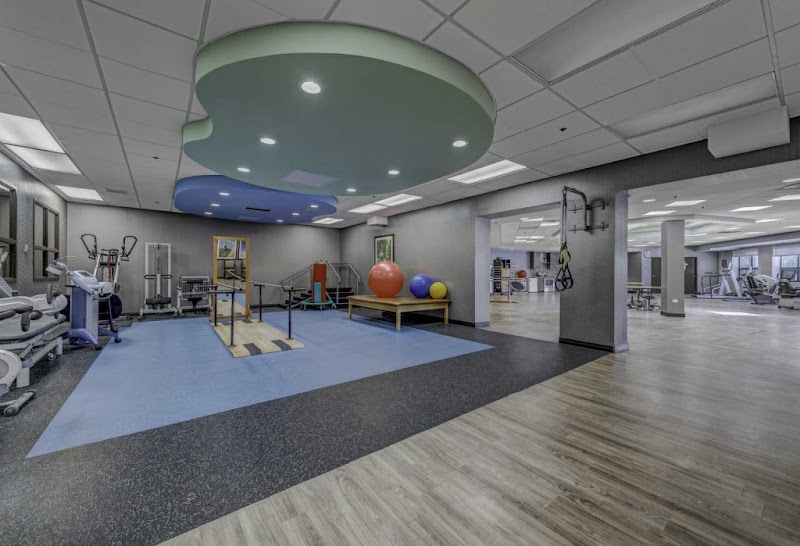
How is Elevate Care Abington Staffed?

CMS rates ELEVATE CARE ABINGTON's staffing level at 3 out of 5 stars, which is average compared to other nursing homes. Staff turnover is 28%, compared to the Illinois average of 46%. This relatively stable workforce can support continuity of care.

What Have Inspectors Found at Elevate Care Abington?

State health inspectors documented 22 deficiencies at ELEVATE CARE ABINGTON during 2023 to 2025. These included: 3 that caused actual resident harm and 19 with potential for harm. Deficiencies causing actual harm indicate documented cases where residents experienced negative health consequences.

Who Owns and Operates Elevate Care Abington?

ELEVATE CARE ABINGTON is owned by a for-profit company. For-profit facilities operate as businesses with obligations to shareholders or private owners. The facility is operated by ELEVATE CARE, a chain that manages multiple nursing homes. With 192 certified beds and approximately 129 residents (about 67% occupancy), it is a mid-sized facility located in GLENVIEW, Illinois.

How Does Elevate Care Abington Compare to Other Illinois Nursing Homes?

Compared to the 100 nursing homes in Illinois, ELEVATE CARE ABINGTON's overall rating (5 stars) is above the state average of 2.5, staff turnover (28%) is significantly lower than the state average of 46%, and health inspection rating (4 stars) is above the national benchmark.

What Should Families Ask When Visiting Elevate Care Abington?

Based on this facility's data, families visiting should ask: "Can I visit during a mealtime to observe dining assistance and food quality?" "How do you handle medical emergencies, and what is your hospital transfer rate?" "Can I speak with family members of current residents about their experience?"

Is Elevate Care Abington Safe?

Based on CMS inspection data, ELEVATE CARE ABINGTON has a clean safety record: no substantiated abuse findings (meaning no confirmed cases of resident harm), no Immediate Jeopardy citations (the most serious violation level indicating risk of serious injury or death), and is not on the Special Focus Facility watch list (a federal program monitoring the lowest-performing 1% of nursing homes). The facility has a 5-star overall rating and ranks #1 of 100 nursing homes in Illinois. While no facility is perfect, families should still ask about staff-to-resident ratios and recent inspection results during their visit.

Do Nurses at Elevate Care Abington Stick Around?

Staff at ELEVATE CARE ABINGTON tend to stick around. With a turnover rate of 28%, the facility is 18 percentage points below the Illinois average of 46%. Low turnover is a positive sign. It means caregivers have time to learn each resident's needs, medications, and personal preferences. Consistent staff also notice subtle changes in a resident's condition more quickly. Registered Nurse turnover is also low at 8%, meaning experienced RNs are available to handle complex medical needs.

Was Elevate Care Abington Ever Fined?

ELEVATE CARE ABINGTON has been fined $10,033 across 1 penalty action. This is below the Illinois average of $33,179. While any fine indicates a compliance issue, fines under $50,000 are relatively common and typically reflect isolated problems that were subsequently corrected. Families should ask what specific issues led to these fines and confirm they've been resolved.

Is Elevate Care Abington on Any Federal Watch List?

ELEVATE CARE ABINGTON is not on any federal watch list. The most significant is the Special Focus Facility (SFF) program, which identifies the bottom 1% of nursing homes nationally based on persistent, serious quality problems. Not being on this list means the facility has avoided the pattern of deficiencies that triggers enhanced federal oversight. This is a positive indicator, though families should still review the facility's inspection history directly.