GRANITE NURSING & REHABILITATION
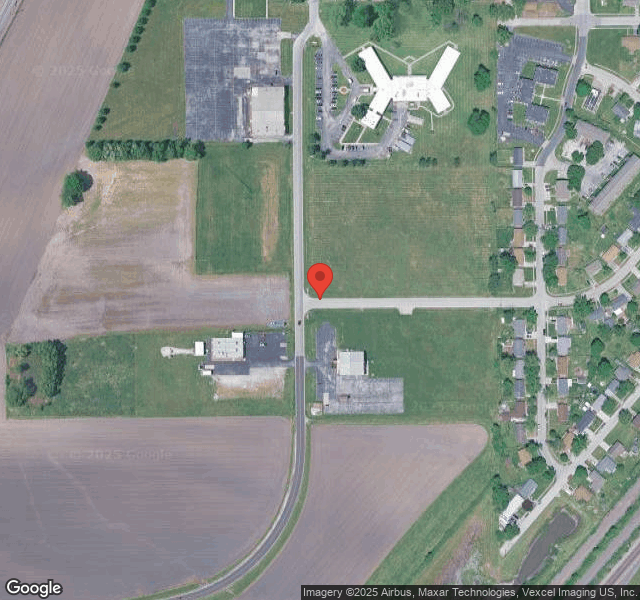

3500 CENTURY DRIVE, GRANITE CITY, IL 62040 (618) 877-2700
For profit - Limited Liability company 86 Beds NORBERT BENNETT & DONALD DENZ Data: November 2025
Trust Grade
5/100
#366 of 665 in IL
Last Inspection: October 2024

Within standard 12-15 month inspection cycle. Federal law requires annual inspections.

Overview

Granite Nursing & Rehabilitation has received a Trust Grade of F, indicating significant concerns about the care provided. Ranking #366 out of 665 facilities in Illinois places it in the bottom half, and #6 of 17 in Madison County suggests it has limited competition locally. The facility's performance has been stable, with 27 issues identified in recent inspections, including five serious incidents that caused harm. Staffing is a concern here, with a rating of 2 out of 5 stars and a turnover rate of 64%, much higher than the Illinois average, which can impact the continuity of care. Specific incidents included a resident being hit in the face, failing to assess a resident's worsening condition leading to a medical emergency, and a resident developing a pressure ulcer due to inadequate care. While there have been no fines, which is a positive sign, the overall quality of care appears to be lacking.

Trust Score
F
5/100
In Illinois
#366/665
Bottom 45%
Safety Record
High Risk
Review needed
Inspections
Holding Steady
3 → 3 violations
Staff Stability
⚠ Watch
64% turnover. Above average. Higher turnover means staff may not know residents' routines.
Penalties
✓ Good
No fines on record. Clean compliance history, better than most Illinois facilities.
Skilled Nurses
⚠ Watch
Each resident gets only 23 minutes of Registered Nurse (RN) attention daily — below average for Illinois. Fewer RN minutes means fewer trained eyes watching for problems.
Violations
⚠ Watch
27 deficiencies on record. Higher than average. Multiple issues found across inspections.
★★☆☆☆
2.0
Overall Rating
★★☆☆☆
2.0
Staff Levels
★★★☆☆
3.0
Care Quality
★★☆☆☆
2.0
Inspection Score
Stable
2024: 3 issues
2025: 3 issues

The Good

  • Full Sprinkler Coverage · Fire safety systems throughout facility
  • No fines on record

Facility shows strength in fire safety.

The Bad

2-Star Overall Rating

Below Illinois average (2.5)

Below average - review inspection findings carefully

Staff Turnover: 64%

18pts above Illinois avg (46%)

Frequent staff changes - ask about care continuity

Chain: NORBERT BENNETT & DONALD DENZ

Part of a multi-facility chain

Ask about local staffing decisions and management

Staff turnover is elevated (64%)

16 points above Illinois average of 48%

The Ugly 27 deficiencies on record

5 actual harm
Jun 2025 1 deficiency 1 Harm
SERIOUS (G) 📢 Someone Reported This

A family member, employee, or ombudsman was alarmed enough to file a formal complaint

Actual Harm - a resident was hurt due to facility failures

Free from Abuse/Neglect (Tag F0600)

A resident was harmed · This affected 1 resident

**NOTE- TERMS IN BRACKETS HAVE BEEN EDITED TO PROTECT CONFIDENTIALITY** Based on interviews and record reviews the facility failed to prevent abuse for 6 out of 8 residents, (R1, R2, R3, R5, R6, R7) r...

Read full inspector narrative →
**NOTE- TERMS IN BRACKETS HAVE BEEN EDITED TO PROTECT CONFIDENTIALITY** Based on interviews and record reviews the facility failed to prevent abuse for 6 out of 8 residents, (R1, R2, R3, R5, R6, R7) reviewed for abuse in a sample of 8. This failure resulted in R2 being hit in the face resulting in a bruised chin, feeling uncomfortable and R5 feeling unsafe in the facility. Findings include: 1. R1's Minimum Data Set (MDS) dated [DATE] documented R1 was cognitively intact, that he has delusions, verbal behavioral symptoms directed towards others occurring daily, rejection of care occurred daily, and wandering occurred daily. R1's MDS continued to document that R1's current behavior status has worsened. R1's Care Plan dated 4/9/25 documented R1 has potential to be physically aggressive related to anger and poor impulse control with interventions placed on 4/9/25 to administer medications as ordered, monitor/document for side effects and effectiveness, analyze times of day, places, circumstances, triggers, and what de-escalates behavior and document, assess and address for contributing sensory deficits, assess and anticipate resident's needs: food, thirst, toileting needs, comfort level, body positioning, pain, provide physical and verbal cues to alleviate anxiety; give positive feedback, assist verbalization of source of agitation, assist to set goals for more pleasant behavior, and encourage seeking out of staff member when agitated. On 4/9/25 R1 was care planned for having the potential to be verbally aggressive related to poor impulse control with interventions placed on 2/3/25 to give the R1 as many choices as possible about care and activities, when the R1 becomes agitated: Intervene before agitation escalates; guide away from source of distress; engage calmly in conversation; if response is aggressive, staff to walk calmly away, and approach later. R2's face sheet documented he was admitted to the facility on [DATE] with diagnosis of, in part, idiopathic peripheral autonomic neuropathy, major depressive disorder, and atrial fibrillation. R2's MDS dated [DATE] documented he is cognitively intact with no behavioral concerns. R2's Care Plan dated 4/10/25 documented no plan for risk of abuse. R1's face sheet documented he was admitted to the facility on [DATE] with diagnoses of, in part, severe protein calorie malnutrition, schizophrenia and cataract. On 6/23/25 at 10:50 AM, a bruise approximately 3 centimeters in diameter was noted on R2's left lower chin. On 6/23/25 at 11:25 AM, V1, Administrator, and V2, Director of nursing (DON) played a recording of the hallway where the incident on 6/21/25 took place with R2 present. In the video, R2 walked up to the men's restroom door but it was in use, so he walked away, then R1 wheeled up to the restroom and tried to get in. R2 saw R1 at the restroom and walked up to him, bent down with his hands in his pockets, told R1 something and then R1 hit R2's face with a small light colored object grasped in R1's hand approximately the size of his hand, and then again seconds after with a cup of water, the cup making contact with R2's face. The material of the cup could not be identified due to the video quality. After R1 hit R2 twice in the face, V6 (LPN) watched the incident then walked up to the residents and they backed away from each other. On 6/23/25 at 12:30 PM, video footage showed R1 throwing a chair down while R4 was nearby in the room on 6/21/25. The facility's initial report for the abuse investigation dated 6/21/25 documented at approximately 5:00 PM, R1 was in the west unit restroom. When he exited the restroom, he threw a cup with water in it at R2. Residents immediately separated. R1 placed on 1:1. Residents do not reside on the same unit. R2 was noted to have an abrasion to his mouth. MD (medical doctor) notified. ED (executive director) and DON (director of nursing) notified. Residents will remain separated. A full investigation to follow. On 6/23/25 at 10:50 AM, R2 stated he has to use the community men's restroom because he doesn't have one in his room. On Saturday evening, R2 went to use it but someone was in there, so he had to wait. R2 stated he saw R1 try to go in the restroom while the other resident was still in there, so he went up to him and told him not to go in because it was being used and that he had a restroom in his own room if he needed to go. R2 stated R1 then struck him in the face with a metal water bottle and water spilled everywhere. R2 stated he called the local police department and made a report about it. R2 stated he is the resident council president and has gotten many complaints on R1 over the past year. R2 stated the staff assessed him after the incident and offered to send him to the hospital but he said there was no need. R2 stated he has to avoid R1 anywhere he goes in the facility and feels uncomfortable with him here. R2 stated R1 has made verbal threats to him in the past but could not remember details. R2 stated he reported everything to the social worker. On 6/25/25 at 10:36 AM, R2 stated R1 injured his chin, how else would I have this as he pointed to a bruise on his left lower chin. R2 stated R1 threatened him by hitting him in the face. R2 stated, This should be a safe place, I shouldn't have gotten hit. On 6/23/25 at 1:36 PM, R1 stated he has never had any issues with any of the other residents and he gets along with everyone. R1 stated he has never gotten in an argument with anyone here. On 6/23/25 at 2:42 PM, V6 (LPN) stated she was working at the time of the incident with R1 and R2 on 6/21/25. V6 stated she was in the middle of medication pass she thinks and didn't hear anything but turned around and saw R1 hit R2. V6 stated she was on orientation, and it was just her third shift. V6 didn't have the other nurse next to her at the time and was shocked. V6 stated she told R1 not to hit R2 and tried to separate them. V6 stated R1 hit R2 with a Styrofoam cup and the cup broke. V6 stated R1 was put on 1:1 when she first started and was newly off it when the incident occurred. V6 stated at first R1 didn't seem to have a lot of behaviors but she's only worked three days and doesn't know if he was provoked by R2, she couldn't hear anything that was being said. V6 stated it looked like R1 and R2 were waiting for the restroom when it happened. On 6/23/25 at 3:26 PM, V5 (LPN) stated she was in another room when the incident happened with R1 and R2 on 6/21/25. V5 stated R2 told the police that he bent down and told R1 he wasn't supposed to use that restroom. V5 stated there was a red spot on R2's left lower chin he claimed was from R1 hitting him. V5 stated R1 doesn't always start stuff, some residents provoke him, and she doesn't think R1 has the capability of restraining himself in response. 2. R3's face sheet he was admitted to the facility on [DATE] with diagnosis of, in part, spinal stenosis, idiopathic peripheral autonomic neuropathy, and major depressive disorder. R3's MDS dated [DATE] documented he is cognitively intact, with verbal behavioral symptoms occurring 4 to 6 days. R3's Care Plan dated 3/26/25 documented diagnosis of insomnia, MDD (major depressive disorder) with use of psychotropic medication. R3 has a history of becoming verbally abusive to staff and other residents. Becomes irritated easily with interventions to evaluate effectiveness and side effects of psychotropic drugs for possible decrease in dosage/elimination of drug, administer medications as ordered, observe for change in mood/behaviors, refer to psychiatry as needed, observe for changes in cognitive status, notify MD as needed, educate regarding appropriate behavior within the facility, encourage resident to talk about his emotions to avoid any verbal/physical aggression toward others dated 1/11/2025. The facility's abuse investigation involving R1 and R3 dated 2/1/25 documented R3 propelled his wheelchair up to R1 and told him to move out of the way. R1 did not move and R3 began yelling, screaming, and cursing at R1 stating you better f*****g move. R3 screamed and put his face within inches of R1's face. R1 responded by tossing a cup of ice at R3. R3 grabbed R1's arm and raised his hand and made a fist putting it in front of R1's face. The nurse jumped in and separated R1 and R3. R1 was propelling himself to another unit and R3 went after him and stated, I'm going to get you. Staff intervened and redirected R3. The conclusion of the facility's investigation documented on 2/1/25 there was a resident-to-resident altercation between R3 and R1 with no injuries. The residents were separated with no other incidents occurring. Both residents state they feel safe in the facility. On 6/23/25 at 9:55 AM, R3 stated R1 has hit him in the forehead before and he has thrown water and cold coffee at him too. 3. R5's face sheet documented he was admitted to the facility on [DATE] with diagnosis of, in part, hemiplegia and hemiparesis following cerebral infarction, chronic obstructive pulmonary disease, and heart failure. R5's MDS dated [DATE] documented he is severely cognitively impaired and has no behavioral concerns. R5 answers questions appropriately. R5's Care Plan dated 4/18/25 does not document any risk for abuse. The facility's abuse investigation involving R1 and R5 dated 4/28/25 documented at approximately 3:30 AM, R1 was being very disruptive in the common area and hallway on the East Unit. As witnessed by a nurse, R1 was repeatedly going to the fire extinguisher on the wall and opening the door to it. Staff repeatedly attempted to redirect R1 unsuccessfully. R1 began to yell and curse loudly to himself and staff. R1 propelled his wheelchair down the hallway and began to open resident's doors while yell and cursing. Staff attempts at redirection were unsuccessful. R1 went to his room and after a few minutes R1's roommate R5 came out to the nurse's station. R5 stated, I got up out of bed and he threw cold coffee on me and my bed sheets. I think he was mad because I wouldn't talked to him. Nurse separated R1 and R5. The facility's investigation conclusion documented R1 was physically aggressive toward R5 as evidenced by R1 throwing cold coffee on R5. No injury occurred. On 6/24/25 at 12:33 PM, R5 stated R1 used to be his roommate and it was horrible. R5 stated R1 is a ticking time bomb. R5 stated he remembers R1 throwing cold coffee on him while he was sleeping in the middle of the night, and he would take my things all the time and call me offensive names. R5 stated he doesn't trust R1 and thinks R1 is capable of hurting other residents at the facility. R5 stated he didn't feel safe in the same room with R1 ever. R5 stated R1 would creep the halls every night yelling. 4. R6's MDS dated [DATE] documented he is cognitively intact with no behavioral concerns. R6's Care Plan dated 5/12/25 does not document him to be at risk for abuse. R7's face sheet documented she was admitted to the facility on [DATE] and discharged on 5/21/25 with diagnosis of, in part, idiopathic peripheral autonomic neuropathy, type two diabetes mellitus, and generalized anxiety disorder. R7's MDS date 4/28/25 documented she was cognitively intact with no behavioral concerns. R7's Care Plan documented an onset of problem with history of yelling/shouting at other when frustrated with interventions for behavior tracking as needed, refer to psychiatry as needed and group therapy, social services to provide 1:1 with R7 when behaviors are inappropriate last reviewed May 2025. The facility's abuse investigation involving R1, R6 and R7 dated 3/24/25 documented that at approximately 6:00 PM there were two residents (male and female) having a verbal altercation in the dining room. R6 inserted himself into the conversation and stated he was sticking up for the lady. R6 told R1 to quit yelling at the lady. R1 began using racial slurs toward R6. The verbal altercation escalated between R1 and R6 and both were threatening to kick the others a**. Staff immediately separated the two and R6 went to the common area. R1 went to his room and then wheeled himself back up the hall with a butter knife in his hand waving it in the air. This was witnessed by a visitor who told V5 licensed practical nurse (LPN) who followed R1 to the activity room where she saw R1 place the butter knife under the popcorn machine. V5 retrieved the knife. R6 had no other contact with R1. R6 stated, I just heard him (R1) being loud with her, so I said something to him. I told him to get out of here and to quit yelling at her. Then R1 just started yelling at me and calling me a n****r. Then I said I'll kick you're a**. He said the same to me. Then V5 came and took him away. I went to the lobby. I didn't talk to him anymore after that. The interview with R7 documented, I backed into him. I apologized. It was my fault. I wanted to back up and he wouldn't move, so I backed up. He yelled at me, so I called him a mother f****r. The interview with R1 documented, she (R7) backed into me. Then she called me a mother f****r. I called her a b***h. Then R6 came over and we argued. I called him a n***r. We both threatened to kick each other's a****s. I went and got a knife. I wasn't going to do anything with it. It was a butter knife. The facility's investigation conclusion documented there was a verbal altercation between R7 and R1. There was a verbal altercation between R6 and R1. R1 was seen with a butter knife. It is not known what his intentions were. R1 did not attempt to harm anyone with the knife, and it was immediately retrieved. Since that time, they have had no further incidents. R1 and R6 are getting along with no issues. All residents involved stated they are comfortable and safe living in the facility. On 6/25/25 at 9:58 AM, V1 stated she expects all residents to be free from abuse and that the facility is responsible to keep the residents free from abuse. The facility's Abuse policy dated 1/25 documented the facility is committed to protecting the residents from abuse by anyone including, but not necessarily limited to: facility staff, other residents, consultants, volunteer, and staff agencies providing services to our residents, family members, legal guardians, surrogates, sponsors, friends, visitors, or any other individual. The policy documented it is the responsibility of all staff to provide a safe environment for the residents. The facility's Resident Rights policy review 1/15 documented facility residents shall have the right to be free from mental and physical abuse.
Apr 2025 2 deficiencies 1 Harm
SERIOUS (G) 📢 Someone Reported This

A family member, employee, or ombudsman was alarmed enough to file a formal complaint

Actual Harm - a resident was hurt due to facility failures

Quality of Care (Tag F0684)

A resident was harmed · This affected 1 resident

**NOTE- TERMS IN BRACKETS HAVE BEEN EDITED TO PROTECT CONFIDENTIALITY** Based on observation, interview, and record review, the facility staff failed to notify the nurse of a resident having a change ...

Read full inspector narrative →
**NOTE- TERMS IN BRACKETS HAVE BEEN EDITED TO PROTECT CONFIDENTIALITY** Based on observation, interview, and record review, the facility staff failed to notify the nurse of a resident having a change in condition to ensure timely assessment for 1 of 4 residents (R3) reviewed for quality of care in the sample of 5. This failure resulted in R3 not having timely assessment and subsequently having a Hypoxic/Unresponsive episode, with Cardiopulmonary Resuscitation (CPR) started, and was hospitalized . The Findings Include: R3's admission Record, dated [DATE], documents R3 was admitted to the facility on [DATE] and was discharged to the hospital on [DATE]. R3's diagnoses includes Chronic Obstructive Pulmonary Disease (COPD), Arteriosclerotic Heart Disease (ASHD), Cardiomyopathy, Myocardial Infarction (MI), Morbid Obesity, Hyperlipidemia, Anemia, Sleep Apnea, Hypertension (HTN), and a Coronary Artery Bypass Graft (CABG). R3's Baseline Care Plan, dated [DATE], documents R3 was alert cognitively, is a fall risk, and the receives special treatment: Oxygen. R3's Minimum Date Set (MDS), dated [DATE], documents R3 was cognitively intact and dependent on staff for toileting, dressing, and transfers, substantial/moderate assistance with showers and partial/moderate assistance for all other Activities of Daily Living (ADLs). R3's Physician Order, dated [DATE], documents, Oxygen: Oxygen at 2 L (liters) per NC (nasal cannula), as needed for SOB (shortness of breath). On [DATE] at 1:46 PM, V4, Licensed Practical Nurse (LPN), stated, I took care of (R3), and she was always on O2 (oxygen). Even though she had an order for PRN (as needed) oxygen, if you tried to lower her dose, or take it off, she would have a hard time breathing and her sats would drop, so I kept her on 3 L/NC. If I would find her with her Oxygen off, she would always look pale and be slightly lethargic and would have to put her Oxygen back on her. On [DATE] at 9:33 AM, R3 stated, That morning ([DATE]) I was assisted up to my wheelchair and then to breakfast. After breakfast, I had to go to therapy and then I asked the CNA (Certified Nursing Assistant/V6) to put me back to bed because I was tired and didn't feel good but wanted to get up later for activities. When (V6) came back and got me up to my wheelchair, I told her I wasn't feeling good and she put the nasal cannula in my nose and pushed me to the nurse's desk and told me to wait there because my oxygen tank was empty, and the nurse had to fill it. When I told her I did not feel anything coming out of my cannula, she told me I told you it was empty and needed to be filled. When I got to the desk, there was no one around and (V6) left. I started to feel funny and the next thing I know, I woke up with people doing CPR on me. Then the ambulance guys came and took me to the hospital. On [DATE] at 2:15 PM during revisit interview, R3 stated, I was assisted to my wheelchair by the CNA, and she put the cannula in my nose and hooked it up to a portable oxygen tank. I told her I was not feeling good. I just didn't feel right and felt tired. I told her that I did not feel any oxygen coming out of the cannula and she told me it was because the oxygen tank is empty. She told me to go to the nurse's desk and sit there until I see a nurse and tell her that I didn't feel good and that I needed oxygen. It seemed to be around 30 minutes without seeing the nurse. The next thing I knew, I woke up with someone doing CPR on me and the EMTs taking me away. I did have my caregiver come visit me that morning, but she did not bring me lunch or give me anything for pain. I was not in any pain and did not receive anything for pain that day. On [DATE] at 1:13 PM, V6, CNA, stated, I had already gotten (R3) up for breakfast and after breakfast, she said she wasn't feeling well and wanted to go back to bed, so we helped her back to bed to rest. She wanted back up before bingo, so later I asked a therapist (V5) for help in getting her up, but the therapist was busy, so I just grabbed someone else, and we got her up to her wheelchair. I put her oxygen on the portable tank and pushed her to the nurse's desk because she wanted to talk to the nurse because she was not feeling well. I couldn't see the nurse so had (R3) sit there while I went and answered another resident's call light. (R3) was awake and talking when I left her at the desk. When asked why she did not tell the nurse that R3 was not feeling well, V6 stated, I hadn't seen the nurse around to let her know, so just went and answered the call light. On [DATE] at 10:08 AM during revisit interview, V6 stated, (R3) was not feeling well and wanted back to bed, so I put her back to bed. Shortly after that, she had two visitors, a male and a female who brought her lunch. When they were visiting, (R3) seemed very happy, perky, smiling, and cheery while she at lunch with them. (R3) was complaining that her head and stomach was hurting that morning. I told the nurse (V7, Licensed Practical Nurse/LPN) that morning that (R3) needed her oxygen tank filled because she went to therapy and used most of it. That is why I parked her at the nurse's desk, so she could tell the nurse she wasn't feeling good and to get more oxygen. I went and answered another resident's call light down the hall from (R3's) room and he is hard to get out what he needs, so I was in there for a while, I'm guessing around 10 minutes but less than 30 minutes. When I came out of his room, that's when they were all over (R3). On [DATE] at 11:53 AM, V6 stated, I did tell the nurse that (R3's) O2 was running empty. It was not in the red yet but was low. I put (R3) on that portable tank to take her to the desk because when I hooked her up, it hissed like it still had air in it. I do regret not looking at the tank to make sure it had oxygen. On [DATE] at 12:30 PM, V5, Director of Therapy Service (DTS), stated, I had a CNA (V3) come ask me for help getting (R3) out of bed and I told her I would be there as soon as I could. When I was on my way, I noticed that (R3) was already up and sitting by the nurse's desk. I said Good Morning (R3) and she did not answer me, which was unusual, so I started talking to her and she was not responding. The Nurse, who was on the floor, must have been with another resident, so I went to the DON's (Director of Nursing) office and got her to come help. On [DATE] at 11:25 AM during revisit interview, V5 stated, (V6, CNA) asked me to help get (R3) out of bed to go to bingo, and when I went to (R3's) room, (V6) told me that (R3) had to get cleaned up first because she was soiled. I left and went back to therapy department and waited for maybe 30 minutes to an hour, and when heading back to help out, that is when I found (R3) at the desk. On [DATE] at 1:24 PM, V7, LPN, stated, I was at lunch and when I came back from lunch, the DON was doing CPR on (R3). I assessed (R3) in the morning when I gave her medications, and she did not have any complaints at that time. When I am at lunch, the other nurse covers for me. I told everyone that day that I was going to lunch. (R3) was always on an oxygen concentrator while in her room and a portable tank when she was up in her wheelchair. On [DATE] at 10:59 AM during revisit interview, V7 stated, I don't remember what time I went to lunch that day. I do know that I let the CNAs know I was going to lunch, and I reported off to the DON. I was probably gone around 30 to 35 minutes. (R3) had no complaints of feeling bad that day. I don't recall seeing any visitors with (R3) that day. The CNA on the floor did not tell me anything about (R3's) oxygen tank needing filled. On [DATE] at 12:20 PM, V2 stated, I was in my office when (V5), came in and got me and said that (R3) needed checked out because she doesn't look good. I immediately went to check on her and she was unresponsive, gray, and was not breathing. I do recall seeing an oxygen tank on her wheelchair but could not tell you how much O2 was in there. (R3) did have a nasal cannula on as well. We then got about four of us and took her to her room and laid her on the floor and could not feel a pulse, so I started CPR. After about three compressions, (R3) began to move and CPR was stopped. We had the Ambu-bag attached to the O2 concentrator and was assisting her breathing. When the EMTs (Emergency Medical Technicians) arrived, (R3) was talking to them before she left the facility. (R3) had an oxygen concentrator in her room and if she felt short of breath, she should have been put on that and the nurse notified instead of taken to the nurse's desk. On [DATE] at 1:55 PM, V2 stated, I would expect the CNAs to get a nurse anytime a resident state they don't feel good and not to leave them alone at the nurse's desk while waiting on the nurse. I would expect anyone putting a resident on O2 to check the tank to make sure there is Oxygen in it. On [DATE] at 11:22 AM during revisit interview, V2, Director of Nursing, DON, stated, EMS (Emergency Medical Service) was called at 2:23 PM, and (V7), was at lunch and returned when the EMS was already here and taking care of (R3). When one nurse goes to lunch, the other nurse covers, or the nurse manager will cover. (V7) did tell me she was going to lunch that day, and she usually takes her lunch after the resident's lunch is over. On [DATE] at 8:30 AM, V10, CNA, stated, If a resident tells me they are not feeling well and wants to see the nurse, I will tell the nurse immediately, and the nurse will go check that resident out and do vital signs. I would not park the resident by the nurse's station to wait for the nurse, I would leave that resident in their room and go get the nurse to go to the resident. On [DATE] at 1:00 PM, V12, Physician, stated, I was not made aware of the incident until last evening ([DATE]) when the facility called me and was asking me about a resident who was sent to the hospital and was found to have Fentanyl in her system. I was not even sure who the resident was. I can tell you that this has happened to other residents at different facilities before with the hospital finding Fentanyl in a resident's urine when they were not on Fentanyl. The facility does not even use Fentanyl. I would expect the CNA to go get a nurse right away anytime a resident states they are not feeling well and needs assistance. On [DATE] at 10:32 AM, V14, Lab Supervisor at (Local Hospital), stated, Our Fentanyl cut off limit is 1 NG (nanogram)/ML (milliliter) and usually once it's positive, it's rare to have a false positive. There are proteins and mouse antibodies that can be found in urine that have been known to give a false positive, however, they usually trigger several false positives and not just one. I remember we had one nursing home resident who tested positive for several things and that was her reason. If the ER (Emergency Room) would have called us, we could have double checked it, but we got rid of that urine and no longer have it to do anything with it. I don't see very many false positives with Fentanyl. We do a QC (quality control) every day and it was done on that day as well. On [DATE] at 11:20 AM, V1 stated, We went and talked to (R3), and she has no idea if or how she may have received Fentanyl. The physician ordered for a hair sample from (R3) to be tested for Fentanyl and that was done and sent off and we are waiting for the results. On [DATE] at 11:29 AM, V15, Lab Employee, stated, We did receive about six hairs from (R3) to run a Fentanyl test, but we could not run the test because it takes 120 hairs to get the results. The facility only collected six hairs and put them in a urine cup, and it was not packaged properly. I spoke to the facility and gave them the correct way to collect the sample, and they are supposed to be resending them the correct way. It normally takes between five to seven days, once they receive the sample, to get the results. R3's Nursing Note, dated [DATE] at 8:23 AM, documents, Resident up in wheelchair in the dining room at this time. Resident receives skilled therapy r/t (related to) generalized weakness. VS (vital signs) 107/47, 69, 99.7, 95% @ (at) 3LNC (liters per nasal cannula). When O2 placed at 2 L (liters), resident's O2 sats drop to 90%. Lung sounds clear to auscultation. Bowel sounds present in all 4 quadrants. Skin warm, dry, and intact. Able to make needs known. Plan of care continues. Monitoring ongoing. R3's Nursing Note, dated [DATE] at 2:49 PM, documents, 2:26 PM (V5) came to DON office asking for help. DON followed (V5) to [NAME] nurse's station to find resident (R3) up in wc (wheelchair). (R3) was nonresponsive to verbal and tactile stimuli, eyes rolled back, skin grey in pallor, no respirations noted, faint pulse noted. 911 called. Crash cart obtained. Res (Resident) pushed to her room, transferred to floor via 4-person lift. CPR initiated. 3 rounds of CPR compressions and ventilation via Ambu bag provided. 4th round of CPR initiated when res became responsive, res squeezed finger of nurse providing compressions. Rising and falling of chest noted. Res verbally responded by moaning. O2 94% on 2L /NC (nasal cannula), P-65. EMTs arrived at this time. Res began verbalizing to EMT's at this time. EMT's exited facility at approximately 2:45 pm transport to (local hospital). R3's Hospital Record/Discharge summary, dated [DATE], documents in part: Date of Discharge [DATE]. C-Diff (Clostridium Difficile) Positive. She refused to go back to the same nursing home. Patient accepted to (another local facility). Plan: Syncopal episode probably multifactorial in origin, including possibly Fentanyl, she tested positive for Fentanyl in the urine which is not a nursing home medication. She also said that her oxygen tank was empty, and she could have passed because of hypoxia. Acute hypoxic respiratory failure present on admission she was saturating at 81% on room air, blood pressure was 80 she had hypovolemic shock on admission both resolved. Fentanyl in her urine - I spoke with the nursing home and that was not a nursing home medication. Patient was transferred to (current facility) from this facility on [DATE]. She was noted to get some Morphine while she was here, but no Fentanyl was given. Had a Cardiac Cath on [DATE] at (local hospital). R3's Cardiac Cath Hospital Records, page 27, dated [DATE], documents R3 had a Left Heart Catheterization on [DATE] with 2 MG (milligram) of Versed and 75 MCG (microgram) of Fentanyl for the procedure. R3 also had another Cardiac Catheterization from a different hospital on [DATE]. Those hospital records were not available for review. The Facility's Notification of a Change in a Resident's Status, dated 11/2017, documents, The attending physician/physician extender (Nurse Practitioner, Physician Assistant, or Clinical Nurse Specialist) and the resident representative will be notified of a change in a resident's condition, per standards of practice and Federal and/or State regulations. 1. Guideline for notification of physician/responsible party (not all inclusive): a. Significant change in/or unstable vital signs (temperature, BP (blood pressure), Pulse, Respiration). d. Any accident or incident (per Federal and State Regulations). f. Abnormal lab findings. i. Change in level of consciousness.
CONCERN (D) 📢 Someone Reported This

A family member, employee, or ombudsman was alarmed enough to file a formal complaint

Potential for Harm - no one hurt, but risky conditions existed

Pharmacy Services (Tag F0755)

Could have caused harm · This affected 1 resident

**NOTE- TERMS IN BRACKETS HAVE BEEN EDITED TO PROTECT CONFIDENTIALITY** Based on interview and record review, the facility allowed Certified Nursing Assistants (CNA) to administer Oxygen to residents ...

Read full inspector narrative →
**NOTE- TERMS IN BRACKETS HAVE BEEN EDITED TO PROTECT CONFIDENTIALITY** Based on interview and record review, the facility allowed Certified Nursing Assistants (CNA) to administer Oxygen to residents for 1 of 4 residents (R3) reviewed for administration of Oxygen (O2) in the sample of 5. The Findings Include: R3's admission Record, dated 3/18/25, documents R3 was admitted to the facility on [DATE] and was discharged to the hospital on 3/7/25. R3's diagnoses includes Chronic Obstructive Pulmonary Disease (COPD), Arteriosclerotic Heart Disease (ASHD), Cardiomyopathy, Myocardial Infarction (MI), Morbid Obesity, Hyperlipidemia, Anemia, Sleep Apnea, Hypertension (HTN), and a Coronary Artery Bypass Graft (CABG). R3's Baseline Care Plan, dated 2/27/25, documents R3 was alert cognitively, is a fall risk, and receives special treatment: Oxygen. R3's Minimum Date Set (MDS), dated [DATE], documents R3 was cognitively intact and dependent on staff for toileting, dressing, and transfers, substantial/moderate assistance with showers and partial/moderate assistance for all other Activities of Daily Living (ADLs). R3's Physician Order, dated 2/27/25, documents, Oxygen: Oxygen at 2 L (liters) per nasal cannula, as needed for SOB (shortness of breath). On 3/18/25 at 9:33 AM, R3 stated, After breakfast, I asked the CNA (Certified Nursing Assistant/V6) to get me up for activities. (V6) got me up to my wheelchair and put the nasal cannula in my nose and pushed me to the nurse's desk and told me to wait there, because my oxygen tank was empty, and the nurse had to fill it. When I told her I did not feel anything coming out of my cannula, she told me, I told you it was empty and needed to be filled. When asked about who usually puts her oxygen on her, R3 stated, Either the CNA or the Nurse will put it on me. They kept me on the oxygen all the time, 24/7. On 3/17/25 at 1:13 PM, V6, CNA, stated, I put (R3) on oxygen on the portable tank and pushed her to the nurse's desk. When asked if she is supposed to put residents on oxygen, V6 stated You would have to ask my supervisor. I have been an aide for a while and have always put the resident on oxygen and have never had a problem. On 3/17/25 at 1:24 PM, V7, LPN, stated, (R3) was on an oxygen concentrator while in her room and a portable tank when she is up in her wheelchair. The CNAs usually tell me when a resident needs another oxygen tank. When asked who is responsible for putting O2 on a resident, V7 stated, The CNAs are not supposed to put the resident on oxygen, they are supposed to come tell us and we put it on. On 3/17/25 at 1:30 PM, V8, CNA, stated, I'm not sure if we are allowed to put the oxygen on residents, you would have to ask my managers. On 3/17/25 at 1:45 PM, V1, Administrator stated, I'm not sure if the CNAs are allowed to put oxygen on residents. I will have to find out for you. On 3/18/25 at 8:05 AM, V9, CNA, stated, When I get a resident out of bed to their wheelchair and they are on oxygen via concentrator, I will place the oxygen on the portable tank to what they were on the concentrator, then I will have the nurse recheck it to make sure it was correct. I am not sure if the CNAs are supposed to be putting oxygen on the residents, but I do it and then have the nurse check it afterwards. On 3/18/25 at 8:30 AM, V10, CNA, stated, When I get a resident out of bed and that resident is on Oxygen via concentrator, I would go tell the nurse the resident needs to be put on a portable tank and the nurse will go and put it on the resident. The CNAs are not supposed to be putting the oxygen on the residents. On 3/18/25 at 8:35 AM, V11, LPN, stated, The nurses are the ones who are responsible for the portable oxygen tanks. If a resident is going from a concentrator to a portable tank, usually it's the CNAs who do it. I am not sure if they are allowed to do so, but they do it, and I will check afterwards to see if they are on the correct amount of oxygen. On 3/17/25 at 2:10 PM, V2, DON, stated, Our CNAs are not allowed to adjust the oxygen on residents, but I believe they are allowed to put them on a portable tank and turn it on to what they are supposed to be on. I see it all the time. The Facility's Oxygen Therapy Policy, dated 8/2014, documents Oxygen is administered to promote adequate oxygenation and provide relief of symptoms of respiratory distress. Responsibility: Nursing Personnel/Respiratory Therapist. Procedure: 1. Oxygen therapy is to be provided under the direction of a written physician's order for O2 therapy is to contain liter flow per minute via mask or cannula/timeframe. On an emergency basis, O2 may be used at 2L/minute until the physician is notified. 2. Explain the procedure to the resident. 3. Assemble the equipment and place appropriate device on resident. 4. Adjust delivery rate as ordered. 5. Check that equipment is functioning properly and assure that mask or cannula is securely and comfortably in place. The Facility's Medication Administration - General Guidelines Policy, dated 8/2016, documents Medications are administered as prescribed, in accordance with good nursing principles and practices and only by persons legally authorized to do so. Personnel authorized to administer medications do so only after they have familiarized themselves with the medication. Responsibility: All Licensed Nursing Personnel. Procedure: 1. Medications are prepared, administered, and recorded only by licensed nursing, medical, or other personnel authorized by state laws and regulations to administer medications. 2. Medications are administered in accordance with written orders of attending physicians, taking into consideration manufacturer's specifications and professional standards of practice.
Oct 2024 3 deficiencies
CONCERN (D)

Potential for Harm - no one hurt, but risky conditions existed

Free from Abuse/Neglect (Tag F0600)

Could have caused harm · This affected 1 resident

**NOTE- TERMS IN BRACKETS HAVE BEEN EDITED TO PROTECT CONFIDENTIALITY** Based on interview and record review the facility failed to prevent resident to resident abuse for 2 of 7 residents (R29 and R42...

Read full inspector narrative →
**NOTE- TERMS IN BRACKETS HAVE BEEN EDITED TO PROTECT CONFIDENTIALITY** Based on interview and record review the facility failed to prevent resident to resident abuse for 2 of 7 residents (R29 and R42) reviewed for abuse in the sample of 31. Findings include: 1. R42's Physician Order Sheet for October 2024 documents, Unspecified dementia, severity with behavior disturbances, unspecified dementia, unspecified severity, with agitation, unspecified psychosis not due to a substance or known physical condition, bipolar disorder, major depression, anxiety disorder, Alzheimer disease, insomnia, essential hypertension, allergic rhinitis, GERD, cognitive communication deficit, and adult failure to thrive. R42's Minimum Data Set, dated [DATE] documents R42 was cognitively intact for decision making for activities of daily living. R42's Care Plan with problem onset date of 2/9/2024 Diagnosis of bipolar, MDD (major depressive disorder), anxiety, and benefit from the use of psychotropic medication. I exhibit attention seeking behaviors/inappropriate behaviors such as pacing up and down halls, daily verbal outburst of cussing at staff and other residents, racial slurs. Abuse was not addressed in R42's Care Plan. R42's Incident Report documents, On the evening of 2/12/2024 at approximately 8:00 PM, Certified Nursing Assistant CNA, V11 stated, I was working on the East Hall. Resident (R29) ambulated out of her room with her walker. (R29) approached CNA and stated, that lady slapped me when I was in bed and pointed to (R42) just as (R42) was walking past them. (R42) reacted to hearing (R29) and seeing her point at her by hitting her face. CNA (V11) immediately intervened and separated the two residents. (R29) went down the hall to the common area and (R42) went into her room. (V11) called for nurses (V8), Registered Nurse (RN) attended to (R29). (V8) completed a head-to-toe assessment. Assessed (R29) for pain and injury, (R29) noted to have a 0.5 cm in length abrasion to her left cheek. R42's Social Service Note dated 2/13/2024 at 2:55 PM, documents, (V10, Social Service Director) was asked to reach out to (R42's) family and (V9, Adult Protection Service) worker in order to help (R42). Once good phone numbers were obtained, (V10) called (R42's) family member. (R42's) family member answered and (V10) explained that (R42) had attacked not only a staff member but another resident unprovoked. (V10) explained that they were wanting to send (R42) back to the hospital for inpatient psych evaluation and treatment and asked that (R42's) family member come to the facility in order to assist with this. (R42's) family member stated that he would be on his way. (V10) asked (R42's) family member that he bring the guardianship paperwork with him. (R42's) family member stated that the paperwork was not yet completed but that he would bring it. (V10) also reached out to (V9) and explained the situation to her. (V9) agreed to come to the facility in order to assist. (V10), (V2), and (V9) along with (R42's) family member talked with (R42) regarding her actions. (R42) denied hitting anyone or cussing anyone out. (R42) stated that she wasn't listening to anything they had to say and was going back to her room. After talking, (R42's) family member and (V9) determined that it would be best for (R42) to be sent out. (R42) was brought back into the office and explained everything. (R42) then agreed to go to the hospital. (V2) called (Local Hospital). (R42) signed all the paperwork requested by the hospital in order to be admitted . (Hospital) explained that they would send the ambulance once they received the ok from their doctor. When the ambulance arrived (R42) began cussing and fighting with the paramedics and did not want to initially get onto the stretcher. After (R42's) family member talked with her, (R42) was placed on the stretcher with staff assistance and she left the facility. (V9) stated that she feels that (R42) needs more inpatient psychiatric care and treatment at this time and that she will be looking for possibly a locked facility upon discharge from the hospital in the future. 2. R29's POS for October 2024 documents a diagnosis of hyperlipidemia, anxiety disorder, anemia, unspecified psychosis not due to a substance or known physical condition, major depressive disorder, insomnia, and hypertension, and cognitive communication deficit. R29's MDS dated [DATE] documents R29 was severely impaired for cognition of activities of daily living. R29 uses a wheelchair. R29's Care Plan, with a problem onset of 8/12/2021 documents, I have a diagnosis of anxiety, psychotic disorder, and benefit from the use of psychotropic medication. I can become angry and confrontational when I am confused. I have had no history of hitting at staff during these episodes. 2/12/2024 Resident immediate separates. Resident assessed for pain/injury. MD (Medical Doctor) family notified. 15-minute checks for rest of night. (Abuse was not addressed in R29's Care Plan. R29's Incident Report dated 2/12/2024 at 8:00 PM, At approximately 8:00 PM, Resident ambulated out of her room. (R29) spoke with CNA (V11), stating, that lady slapped me in the face when I was in bed, and pointed at another resident (R42). (R42) was walking past and heard (R29) and saw her point at her. (R42) responded by hitting (R29) in the face. (R29) yelled out. CNA (V11) intervened and separated residents. (V11) called for nurse (V8). (V8) performed head to toe assessment for pain/injury/skin. Noted a 0.5-centimeter abrasion to (R29)/ left cheek. No complaints of pain. MD (Medical Director) and family notified. DON notified. Resident placed in new room for her safety. IDPH notified. Area cleansed and left OTA (open to air) per order. R29's Post Incident Action dated 2/12/2024 at 8:00 PM, At approximately 8:00 PM, resident ambulated out of her room. (R29) spoke to CNA (V7), that lady slapped me in the face when I was in bed and pointed at another resident (R42). (R42) was walking past and heard (R29) and saw her point at her. (R42) responded by hitting (R29) in the face. (R29) yelled out. CNA (V11) interviewed and separated residents. Immediate Post Incident Action Care Plan update, resident separated from other resident involved. Resident placed in new room for her safety, medication reviewed, next treatment order, Resident placed on 15-minute checks. On 10/16/2024 at 4:02 PM, V2, Director of Nursing stated, If we can avoid a resident-to-resident altercations at all costs, I would not expect another resident to slap another resident. Hopefully, staff can step in before it escalates to that point. (R42) did wear a lot of rings. The Facility Abuse Policy with a revision date of 11/2/2022 documents, The facility is committed to protecting the residents from abuse by anyone including, but not necessarily limited to: facility staff, other residents, consultants, volunteer and staff from other agencies providing services to our residents, family members, legal guardians, surrogates, sponsors, friends, visitors, or any other individual. Physical Abuse: This includes but is not limited to hitting, slapping, pinching, and kicking. It also includes controlling behavior through corporal punishment.
CONCERN (D)

Potential for Harm - no one hurt, but risky conditions existed

Accident Prevention (Tag F0689)

Could have caused harm · This affected 1 resident

**NOTE- TERMS IN BRACKETS HAVE BEEN EDITED TO PROTECT CONFIDENTIALITY** Based on observation, interview, and record review the facility failed to ensure a safe transfer for 1 of 5 residents (R64) revi...

Read full inspector narrative →
**NOTE- TERMS IN BRACKETS HAVE BEEN EDITED TO PROTECT CONFIDENTIALITY** Based on observation, interview, and record review the facility failed to ensure a safe transfer for 1 of 5 residents (R64) reviewed for transfers in the sample of 31. Findings include: R64's Physician Order Sheet (POS) dated October 2024 documents a diagnosis of Down's syndrome, hypothyroidism, major depressive disorder, dysphagia, oral phase, other symptoms and signs with cognitive functions and awareness. R64's Care Plan, with a problem onset date of 11/1/2023, documents, I have a diagnosis of MDD (mental depressive disorder) and benefit from the use of psychotropic medication. I have diagnosis of Down's syndrome, Alzheimer/dementia, I am nonverbal and unable to communicate my needs. R64's Minimum Data Set (MDS) dated [DATE] documents R64 was severely impaired for cognition for activities of daily living. Dependent on staff, helper does all of the effort for most activities. On 10/16/2024 at 4:14 PM, V13, Certified Nursing Assistant (CNA) was pushing a mechanical lift down the hallway. She entered R64's room and closed the door. On 10/16/2024 at 4:20 PM, R64's door was opened and R64 was up in the air in a sling and was being transferred to her wheelchair. R64 was hanging in the air and V13 was by herself. No other staff member was in the room. On 10/16/2024 at 4:21 PM, V13 stated, (R64) was a two person assist and there should always be two people in the room while transferring with a mechanical lift and I have no good reason why I did not have another staff member in the room with me. I have two other aides working on this side of the building now. On 10/16/2024 at 4:33 PM, V2, Director of Nursing stated, I expect there to always be at least two staff present when transferring residents with a mechanical lift and there are no circumstances where a safe transfer can be done with only one staff member. R64's EZ Move Screen Transfer Form documents she is a 2 person assist with lift, patient is unresponsive or non-weight bearing. Patient requires assistance with lateral transfers. The (Brand name) Total Lift Policy dated 8/16/2024 documents, The Invacare Total Lift is to be used for total lifts and/or to obtain a resident's weight from bed to chair, chair to bed, or from the floor (maximum lifting per manufacture guidelines). (Brand name) 450 capacity is less than 450 lbs. (Brand name) 600 weight capacity is less than 600 lbs.
CONCERN (F)

Potential for Harm - no one hurt, but risky conditions existed

Food Safety (Tag F0812)

Could have caused harm · This affected most or all residents

Based on observation, interview, and record review the facility failed to ensure food was stored and prepared in a manner which prevents potential contamination. This has the potential to affect all 7...

Read full inspector narrative →
Based on observation, interview, and record review the facility failed to ensure food was stored and prepared in a manner which prevents potential contamination. This has the potential to affect all 76 residents living in the facility. Findings include: On 10/15/24 at 8:30 AM, tour of the kitchen was conducted. In the walk-in refrigerator was a roll out cart and on the tray were clear drinks, and pink colored drinks. There were 24 (4 ounce) plastic glasses that had no date and/or label on them. On 10/15/2024 at 8:32 AM, V12, Dietary Manager stated, We just made those drinks today. They should have dated and labeled them. I would expect everything to have a date and label so there is no guessing of when it was made. On 10/15/2024 at 8:33 AM, in the dry storage area is a large, industrial, 72-quart clear container of a whitish brown colored medium grain substance. It is not dated and/or labeled. On 10/15/2024 at 8:34 AM, V12 stated the container contained rice and it should have been dated and labeled. On 10/15/2024 at 8:35 AM, was another 72-quart container, halfway full, containing oblong shaped crumbs. The container was not dated and/or labeled. On 10/15/2024 at 8:36 AM, V12 stated, Those are Panko breadcrumbs. They should have been labeled. On 10/15/2024 at 8:37 AM, There was a clear 72-quart container ¼ full of what appeared to be some type of dried beans. On 10/15/2024 at 8:38 AM, was a four-quart container of yellowish powder like substance. The container was full. There was no date and/or label. On 10/15/2024 at 8:39 AM, V12 stated the large container was beans and the yellowish substance was cornmeal and they both should have been dated and labeled. On 10/15/2024 at 8:40 AM, the steam table contained scrambled eggs, and boiled eggs. On 10/15/2204 at 8:44 AM, during the breakfast service V11, [NAME] was serving food from the steam table and was wearing kitchen gloves. On 10/15/2024 at 8:47 AM, V11, left the steam table went over to the dirty side of the kitchen, picked up a dirty bowl, sprayed it with an industrial spray hose, cleaned out the bowl took it back to the steam table and continued serving. V11 did not remove her gloves and/or wash her hands and continued serving with the same gloves. On 10/15/2024 at 8:48 AM, V11, was touching the brims of the bowls with her dirty gloved hands and was serving oatmeal. On 10/15/2024 at 8:54 AM, temperatures were taken after the last breakfast tray had been served and were taken with a metal calibrated thermometer and the scrambled eggs were at 117 degrees Fahrenheit (F), and the boiled eggs were at 122.0 degrees F. On 10/15/2024 at 8:57 AM, V12, stated, I would expect all of the food on the steam table to be at least 135 degrees or higher. On 10/18/2024 at 9:54 AM, V15, Dietician stated, I would expect all food to be dated and labeled. All hot food on the steam table should be at least 135 degrees Fahrenheit or higher. If the temperature is lower than 135 degrees, this could be harmful because the temperatures can get in the danger zone and bacteria can grow and thrive at this temperate and could cause foodborne illness to residents. The Monitoring Food Temperatures for Meal Service policy 2016 edition documents, Food temperature will be monitored daily to prevent food borne illness and ensure foods are served at palatable temperatures. Prior to serving a meal. Food temperatures will be taken and documented for cold and hot foods to ensure proper serving temperatures. Any food item not found at the correct holding/serving temperature will not be served but will undergo the appropriate corrective action listed below. If the serving/holding temperate of a hot food is not at least 135 F or higher when checked, they will be reheated to at least 165 F, for a minimum of 15 seconds, only once and discarded or consumed within two hours. The Food Storage (Dry, Refrigerated, and Frozen) Policy 2016 edition documents, Food shall be stored on shelves in a clean, dry area, free from contaminants. Food shall be stored at appropriate temperatures and using appropriate methods to ensure the highest level of food safety. Label food item held no longer than 24 hours. The label should include the name of the food if not in original packaging, the date by which it should be sold, consumed, or discarded. The CMS 671 Long Term Care Facility Application for Medicare and Medicaid form dated 1016/2024 documents the facility has 76 residents.
Aug 2023 10 deficiencies
CONCERN (D)

Potential for Harm - no one hurt, but risky conditions existed

Deficiency F0558 (Tag F0558)

Could have caused harm · This affected 1 resident

**NOTE- TERMS IN BRACKETS HAVE BEEN EDITED TO PROTECT CONFIDENTIALITY** Based on interviews and observations, the facility failed to provide a call light that was within reach of the resident for 3 of...

Read full inspector narrative →
**NOTE- TERMS IN BRACKETS HAVE BEEN EDITED TO PROTECT CONFIDENTIALITY** Based on interviews and observations, the facility failed to provide a call light that was within reach of the resident for 3 of 18 residents (R5, R7, R48) reviewed for call lights in the sample of 32. Findings include: 1. R48's diagnoses include Alzheimer's Disease, Dementia, Major Depressive Disorder, Hyperlipidemia, Hypertension, (HTN), Gastroesophageal Reflux Disease, (GERD), Cognitive Communication Deficit. R48's Care Plan, dated 8/21/23, documents R48 is at increased risk for falls, related to left hip fracture status post fall, HTN, MDD, (Major Depressive Disorder) /Insomnia with use of Psychotropic medication, Alzheimer's/Dementia. Interventions: Place call light and frequently used items within safe reach. R48's Minimum Data Set, (MDS), dated [DATE], documents R48 is cognitively intact with a Basic Interview for Mental Status (BIMS) of 14. R48 requires supervision with set up assist for bathing. R48 is independent for all other Activities of Daily Living, (ADLs). R48 is always continent of both bowel and bladder. On 8/28/23 at 10:37 AM, R48's call light was seen lying on the floor between the bed and the wall and was not visible or available for R48 to use. On 8/28/23 at 10:38 AM, R48 stated, The call light is always down there. On 8/29/23 at 8:28 AM, R48's call light remains on the floor between the wall and his bed, and is not visible, or available for R48 to use. On 8/30/23 at 8:51 AM, R48 was asleep in his bed with his call light still on the floor between his bed and the wall and is not visible or available to R48 if needed. 2. R7's Face sheet, undated, documents R7 was admitted to the facility on [DATE]. R7's Medical Diagnosis, Chronic Obstructive Pulmonary Disease, (COPD), Alzheimer's Disease, Dementia, Arteriosclerotic heart disease, (ASHD), Major Depressive Disorder, Anemia, HTN, Alcohol Dependence, AND Cognitive Communication Deficit. R7's Care Plan, dated 7/26/23, documents R7 is at risk for skin issues related to impaired mobility, Alzheimer's/Dementia, Incontinence. R7 has frequent rashes to my groin due to hygiene practices. Encourage to take showers and to have proper hygiene, provide preventative treatment to groin as ordered. It continues R7 requires assist with some ADLs related to impaired mobility, Diagnosis of Alzheimer's/Dementia, COPD. Interventions: Provide R7 with any and all ADLs as needed, provide R7 with set up assist and encouragement for those ADL tasks that he is able to perform independently. R7's MDS, dated [DATE], documents R7 is cognitively intact with BIMS of 13. R7 requires physical help of one staff member for bathing and set up and supervision of one staff member for personal hygiene and toilet use. On 8/28/23 at 9:40 AM, R7's call light was seen lying behind R7's nightstand and was not visible and unreachable for R7 to use. On 8/29/23 at 8:38 AM, R7's call light remains behind his nightstand and not visible or available for R7 to use. On 8/30/23 at 8:49 AM, R7's call light was seen in the same place, lying on the floor behind his nightstand and not visible or available to R7 to use. 3. R51's Face sheet, undated, documents R51 was admitted to the facility on [DATE]. R51's Medical Diagnosis include Osteoarthritis (OA), Idiopathic Peripheral Autonomic Neuropathy, Hyperlipidemia, Dementia, Type 2 Diabetes Mellitus (DM), Major Depressive Disorder, Anemia, HTN, Cognitive Communication Deficit, GERD, and Malignant Neoplasm of Tongue. R51's Care Plan, dated 7/24/23, documents R51 requires assist with ADLs related to impaired mobility, OA, Impaired Cognition/safety awareness due to Diagnosis of Dementia. Interventions: Provide assist with any and all ADLs as needed, provide set up assist/encouragement for those tasks that R51 is able to perform independently. R51's MDS, dated [DATE], documents R51 has a severe cognitive impairment with a BIMS of 3. R51 requires physical assistance from one staff member for bathing, supervision with set up help for personal hygiene and toilet use and is independent on dressing. R51 is occasionally incontinent of urine and always continent of bowel. On 8/28/23 at 11:12 AM, R51 call light was seen behind his nightstand and not visible and unavailable to R51. On 8/28/23 at 11:13 Am, R51 stated, I don't even know if I have a call light. On 8/29/23 at 8:48 AM, R51's call light remains on the floor and behind his nightstand, and is not visible, or available to R51 to use. On 8/30/23 at 8:47 AM, R51's call light remains lying on the floor behind R7's nightstand and is not visible or available to R51. On 8/31/23 at 10:15 AM, V1, Administrator, stated, We don't have a policy for call lights. I do expect the resident's call light to be always available to the resident and to be answered quickly once turned on. This upsets me because it is important to me. On 8/31/23 at 10:23 AM, V2, Director of Nursing, (DON), stated, I would expect all staff to make sure all residents have their call light within reach and to answer it as soon as possible.
CONCERN (D)

Potential for Harm - no one hurt, but risky conditions existed

Deficiency F0583 (Tag F0583)

Could have caused harm · This affected 1 resident

Based on observation, interview and record review, the facility failed to provide privacy for 1 of 6 residents (R15) reviewed for incontinent care in a sample of 32. Findings include: On 08/29/2023 at...

Read full inspector narrative →
Based on observation, interview and record review, the facility failed to provide privacy for 1 of 6 residents (R15) reviewed for incontinent care in a sample of 32. Findings include: On 08/29/2023 at 9:35 AM, V6, Certified Nurse Assistant, (CNA), and V7, CNA unfastened R15's adult incontinent brief, exposing R15's penis, groin, abdominal fold. After incontinent care, V6 doffed her gloves, V6 then performed hand hygiene in R15's bathroom and donned gloves, leaving R15's penis and groin expose. V6 and V7 both CNAs, performed incontinent care to R15's peri rectal and buttock area and when it was complete V6 and V7, both doffed their gloves and performed hand hygiene in the bathroom. R15's private areas were left exposed. Care plan dated 07/2023 documented, provide me skin care after any incontinent episode. On 08/31/2023 at 9:10 AM V4, CNA stated she would provide privacy during incontinent care by covering up the resident up. On 08/31/2023 at 9:15 AM, V17, CNA stated she would provide privacy during incontinent care by covering up the resident up. On 08/30/2023 at 3:45 PM, V2, Director of Nurses, stated she would expect the CNAs to keep residents covered while performing incontinent care. The Facility's policy, Incontinent Care, dated 07/2012, documented, 6. Provide privacy. 9. Avoid unnecessary exposure of the resident during the procedure.
CONCERN (D)

Potential for Harm - no one hurt, but risky conditions existed

Antibiotic Stewardship (Tag F0881)

Could have caused harm · This affected 1 resident

Based on interview and record review, the facility failed to follow up with hospital orders and clarify the need for an antibiotic for 1 of 4 (R33) residents reviewed for unnecessary mediations in the...

Read full inspector narrative →
Based on interview and record review, the facility failed to follow up with hospital orders and clarify the need for an antibiotic for 1 of 4 (R33) residents reviewed for unnecessary mediations in the sample of 32. Findings include: The Facility's Infection Control Log dated 8/1/2023-8/25/2023 documents, R33 had a urinary infection, no culture was performed and R33 was prescribed an antibiotic. R33's Progress Notes 8/1/2023 documents, R33's suprapubic catheter became clogged and R33 was sent to the local hospital. R33's Urinalysis dated it was collected 7/31/2023. It further documents R33's urine had >100,000 mixed urogenital flora (common bacteria). R33's Patient Visit Information documents, R33 was prescribed an antibiotic every 12 hours for 3 days for an acute UTI. R33's Medication Administration Record (MAR) dated August 2023 documents, R33 received this antibiotic. On 8/31/2023 at 1:00 PM, V23, Regional Nurse stated, It was normal flora so they wouldn't have prescribed an antibiotic. On 8/31/2023 at 1:10 AM, V2, Director of Nursing (DON) stated, We had already did a urine on her, went out to the hospital before we had the sensitivity. 08/31/23 10:30 AM V2, Director of Nurses stated for the infection control log, they refer to the lab results and don't order antibiotics unless the Medical Director orders the antibiotics for a resident. VS stated they will not give antibiotics until the culture and sensitivity are back from the lab and that the infection control nurse keeps record of all of it and calling the hospital for laboratory result and cultures. V2 stated they use the SBAR (Situation Background Assessment and Recommendation) tool for their criteria for infection control. The Facility's Antibiotic Stewardship Program dated 10/22 (October 2022) documents Actions to Improve Use -the Medical Director is the review the antibiotic Use Report and Physician's Practices Report quarterly and ensure that Physicians are following best practice. It further documents Pharmacy consultant is to review microbiology culture results and provide feedback on antibiotic selection to determine if the right drug was used to treat the infection. If continues to document microbiology culture data will be used to assess and guide future antibiotic selection.
CONCERN (E)

Potential for Harm - no one hurt, but risky conditions existed

ADL Care (Tag F0677)

Could have caused harm · This affected multiple residents

**NOTE- TERMS IN BRACKETS HAVE BEEN EDITED TO PROTECT CONFIDENTIALITY** Based on observation, interview and record review, the facility failed to provide assistance with grooming and hygiene to depend...

Read full inspector narrative →
**NOTE- TERMS IN BRACKETS HAVE BEEN EDITED TO PROTECT CONFIDENTIALITY** Based on observation, interview and record review, the facility failed to provide assistance with grooming and hygiene to dependent residents for 5 of 8 residents (R7, R21, R24, R51, R57) observed for Activities of Daily Living, (ADL), in the sample of 32. Findings include: 1. R7's Face sheet, undated, documents, R7 was admitted to the facility on [DATE]. R7's Medical Diagnosis, Chronic Obstructive Pulmonary Disease, (COPD), Alzheimer's Disease, Dementia, Arteriosclerotic heart disease, (ASHD), Major Depressive Disorder, Anemia, Hypertension, (HTN), Alcohol Dependence, and Cognitive Communication Deficit. R7's Care Plan, dated 7/26/23, documents, R7 is at risk for skin issues related to, impaired mobility, Alzheimer's/Dementia, Incontinence. R7 has frequent rashes to my groin, due to my hygiene practices. Encourage me to take my showers and to have proper hygiene, provide me preventative treatment to my groin as ordered. It continues R7 requires assist with some ADL related to, impaired mobility, Diagnosis Alzheimer's/Dementia, COPD. Interventions: Provide me with an and all ADLs as needed, provide me with set up assist and encouragement for those ADL tasks that I am able to perform independently. R7's Minimum Data Set, (MDS), dated [DATE], documents, R7 is cognitively intact with Brief Interview for Mental Status, (BIMS) of 13. R7 requires physical help of one staff member for bathing and set up and supervision of one staff member for personal hygiene and toilet use. On 8/28/23 at 9:40 AM, R7 was seen sitting in his wheelchair with a strong odor of urine and body odor that was smelled from outside his door. R7 appears dirty, clothes are soiled with a t-shirt which was yellow and stained in color, and soiled pants. R7 stated he uses the restroom himself and showers maybe once a week. R7 said he changes his clothes himself. On 8/28/23 at 10:24 AM, V4, Certified Nursing Assistant, (CNA), stated, I know that (R7) gets his showers, I make sure of it. I worked Saturday and he got one then. I can't help it if the other shifts don't change his clothes. On 8/29/23 at 8:38 AM, R7 wheeling himself around in wheelchair with a strong body/urine odor and the same clothes that he had on yesterday. R7's sweatpants appear soiled and urine stains from his groin to his knees. On 8/29/23 at 11:58 PM, V9, Licensed Practical Nurse, (LPN), saw R7 on his way to the dining room for lunch and noticed he was saturated in urine, had very soiled clothing on, and had a strong odor coming from him. V9 took R7 to his room and alerted V6, CNA, who assisted R7 to get cleaned up. V6 put R7 in the restroom, gave R7 wet washcloths sprayed with peri-cleaner, with which R7 wiped himself. V6 gave R7 a clean pair of pants and a clean shirt, and R7 put them on. R7 stated he has not changed clothes yet today. The Facility's Shower schedule documents, R7's showers are scheduled on Wednesdays and Saturdays on Days. The Facility's Shower sheets were reviewed for the past two weeks with R7 having a shower sheet completed on 8/16/23 (Wednesday), 8/19/23 (Saturday), 8/23/23 (Wednesday), and the one undated which is a blank page - in the 8/26/23 section of book. The 8/19/23 sheet documents, Will only do on Weds. The 8/23/23 sheet documents, shower given with clothing clean and dry, hair washed and combed, nails cleaned and trimmed, dentures cleaned and in place. 2. R51's Face sheet, undated, documents R51 was admitted to the facility on [DATE]. R51's Medical Diagnosis include Osteoarthritis, Idiopathic Peripheral Autonomic Neuropathy, Hyperlipidemia, Dementia, Type 2 DM, Major Depressive Disorder, Anemia, HTN, Cognitive Communication Deficit, GERD, Malignant Neoplasm of Tongue. R51's Care Plan, dated 7/24/23, documents, R51 requires assist with ADLs r/t impaired mobility, OA, Impaired Cognition/safety awareness d/t Dx Dementia. Interventions: Provide assist with any and all ADLs as needed, provide set up assist/encouragement for those tasks that I am able to perform independently. R51's MDS, dated [DATE], documents, R51 has a severe cognitive impairment with a BIMS of 3. R51 requires physical assistance from one staff member for bathing, supervision with set up help for personal hygiene and toilet use and is independent on dressing. R51 is occasionally incontinent of urine and always continent of bowel. On 8/28/23 at 11:12 AM, R51 wheeling himself around the facility in his wheelchair, appears with greasy hair, strong odor of urine. R51 stated he's wet now and he is incontinent in his brief. R51 stated he can use restroom himself but is incontinent at times. On 8/29/23 at 8:48 AM, R51 was seen in the dining room in wheelchair, appears to have greasy hair, same clothes as yesterday, rolling around facility. R51 stated he didn't get a shower yesterday and doesn't remember the last one he got. R51 stated he is wearing the same clothes as yesterday because they seem clean to him. On 8/29/23 at 1:38 PM, V7, CNA, stated, I gave (R51) a shower on Saturday (8/26/23). I start with his hair and go to his face and work my way down. I was supposed to complete the shower sheet, but I did not that day. (R51) has thin hair and I think his scalp is oily and that is why he looks greasy. The Facility's Shower schedule documents, R51's showers are scheduled on Wednesdays and Saturdays Evenings. The Facility's Shower sheets were reviewed for the past 2 weeks with R51 having two shower sheets, one on 8/16/23 documenting, a shower with hair washed, nails cleaned, and clean clothing on. The other shower sheet was on 8/26/23 and only has the word shower written on it with nothing else documented. On 8/31/23 at 10:27 AM, V2, Director of Nursing, (DON), stated, I would expect the staff to provide the residents a bath as scheduled and a clean change of clothes daily. 5. R21's Face sheet, print date of 08/31/23, documents R21 has diagnoses of but not limited to hyperlipidemia, old myocardial infarction, hypertension, obstructive and reflux uropathy. R21's Minimum Data Set (MDS), dated [DATE], documents R21 is severely cognitively impaired and requires extensive assistance, one-person physical assist with bed mobility, transfer, dressing, toilet use, personal hygiene, and physical help in part of bathing, one-person physical assist. He has an indwelling catheter and is always incontinent of bowel. R21's Care Plan, admission date of 08/08/23, documents I (R21) request assist with my ADLs related to (r/t) impaired mobility, impaired cognition, diagnosis (dx) dementia, and Congestive Heart Failure (CHF). I will choose not to shave. Provide me assist with any and all ADLs as needed. Provide me set up assist and encouragement for those tasks that I am able to perform independently. On 08/28/23 at 10:46 AM, R21 was observed lying in his bed with his head elevated. His hair was disheveled/unkept, his beard was long, his fingernails were long, and his toenails were observed to be long, thick, brown in color, and curled under. His feet were dry and scaly with skin flaking off them. R21's shower sheets for the month of August 2023 were reviewed and document the following: 08/10/23- no shower sheet was found in the shower book. 08/14/23- documents he refused a shower. 08/17/23- no shower sheet was found in the shower book. 08/21/23- documents he was in the hospital. 08/24/23- documents he refused. 08/28/23- no shower sheet was found in the shower book. 08/31/23 10:30 AM V2, Director of Nursing (DON) stated she would expect the showers to be given per the shower schedule if the resident will let them give it. She said she would expect the fingernail and toenail care to be done at the same time as the showers and as requested by the resident. The facility policy Bath/Shower-Dependent, undated, documents Policy: A bath (shower/tub) for cleanliness and comfort is scheduled at least weekly for each resident. Responsibility: Nursing Assistants or Licensed Nurses monitored by Charge Nurse. It further documents Equipment: 3. Soap/shampoo 4. Shower/tub chair 5. Gloves It also documents Procedure: 4. Apply gloves. 5. Assist resident to shower/tub chair, if appropriate. It further documents 11. Wash face with warm washcloth. 12. Shampoo hair unless done by beautician. 13. Bathe, rinse, and dry upper body with special attention under breast. 14. Bathe, rinse, and dry lower body with special attention to groin, skin folds and between toes. The facility policy A.M. Care, undated, documents Policy: A.M. Care will be given to residents daily. Responsibility: All Nursing Assistants. Equipment: 1. Wash basin (for bed resident) 2. Washcloth and towel 3. Soap 4. Comb and brush 5. Toothbrush, toothpaste, drinking glass and emesis basin 6. Shower chair or wheelchair 7. Razor, shaving cream Procedure: 4. Provide oral hygiene. 5. Resident to wash, rinse, and dry face and hands if able. 6. Wash, rinse, and dry underarms (also under female breast). Wash perineal and rectal areas. 8. Apply deodorant as needed. 9. Dress or assist resident to dress include shoes, stockings, and undergarment. 10. Provide nail care as needed. 11. Provide/ assist with shaving (male and female) as needed. 12. Position resident for comfort. Place call light within easy reach. 3. R24's Face Sheet dated 8/30/2023 documents, R24 has had a stroke. R24's MDS dated [DATE] documents, R24 is cognitively intact and requires extensive assistance with personal hygiene needs. R24's Care Plan dated 11/10/2022 documents, R24 requires assist with ADL related to impaired mobility. Provide assist with any and all ADLs as needed. On 8/29/2023 at 1:21 PM, R24 stated, I don't have anyone to do it (nails). I don't have strength in my left hand and I'm left-handed. R24 looked at her nails and stated, They need fixed. I used to always keep them nice and painted. They need trimmed quite a bit. R24's nails were observed to be long, some being one centimeter past the fingertip, jagged, uneven and with faded nail polish. On 8/29/2023 at 3:15 PM, V18, Certified Nursing Assistant stated, R24's shower days are Wednesday and Saturday evenings. On 8/31/2023 at 10:30 AM, V2 Director of Nursing, (DON), stated, nails care should be done on shower days. 4. R57's Face Sheet documents, R57 has a diagnosis of osteoarthritis and neuropathy. R57's MDS dated [DATE] documents, R57 is cognitively intact and requires extensive assistance with personal hygiene needs. R57's Care Plan dated 8/9/2022 documents, R57 requires assist with Activities of Daily Living related to neuropathy, osteoarthritis, and impaired cognition/safety awareness. Provide assist with any and all ADLs as needed. On 8/28/2023 at 2:03 PM R57's nails to bilateral hands were long, a half of a centimeter past his fingertips and had a dark substance underneath. R57 had concerns with how long his nails were. R57 stated, he has scratches on his back, because he has neuropathy and cannot feel when he is scratches himself. R57 stated, I've asked them to clip them, but I guess they forget. On 8/30/2023 at 10:00 AM, R57's nails remained long and unkempt. R57 stated, They still need cut. On 8/31/23 at 10:27 AM V2, Director of Nursing, (DON), stated, I saw (R57's) nails yesterday, I had the CNA clean them up. On 8/31/2023 at 11:16 AM, R57 stated, he felt much better about his nails after they were clipped. R57's nails were observed to be shorter and clean.
CONCERN (E)

Potential for Harm - no one hurt, but risky conditions existed

Incontinence Care (Tag F0690)

Could have caused harm · This affected multiple residents

**NOTE- TERMS IN BRACKETS HAVE BEEN EDITED TO PROTECT CONFIDENTIALITY** 3. R7's Facesheet, undated, documents, R7 was admitted to the facility on [DATE]. R7's Medical Diagnosis, COPD, Alzheimer's Dise...

Read full inspector narrative →
**NOTE- TERMS IN BRACKETS HAVE BEEN EDITED TO PROTECT CONFIDENTIALITY** 3. R7's Facesheet, undated, documents, R7 was admitted to the facility on [DATE]. R7's Medical Diagnosis, COPD, Alzheimer's Disease, Dementia, ASHD, Major Depressive Disorder, Anemia, HTN, Alcohol Dependence, HTN, Cognitive Communication Deficit. R7's Care Plan, dated 7/26/23, documents, R7 is at risk for skin issues r/t impaired mobility, Alzheimer's/Dementia, Incontinence. R7 has frequent rashes to my groin d/t my hygiene practices. I will refuse to allow staff to assist me. Encourage me to take my showers and to have proper hygiene, provide me preventative treatment to my groin as ordered. R7 requires assist with some ADLs r/t impaired mobility, Dx Alzheimer's/Dementia, COPD. I will often refuse to allow staff to assist me with grooming and hygiene. I frequently refuse to shower. Interventions: Provide me with any and all ADLs as needed, provide me with set up assist and encouragement for those ADL tasks that I am able to perform independently. R7's MDS, dated [DATE], documents, R7 is cognitively intact with BIMS of 13. R7 requires physical help of one staff member for bathing and set up and supervision of one staff member for personal hygiene and toilet use. On 8/28/23 at 9:40 AM, R7 was seen sitting in his wheelchair with a strong odor of urine and body odor that was smelled from outside his door. R7 appears dirty, clothes are soiled with a white t-shirt which was yellow in color and soiled pants. R7 stated he uses the restroom himself, and showers maybe once a week, and he changes his clothes himself. On 8/29/23 at 8:38 AM, R7 was seen wheeling himself around in his wheelchair, with a strong smell of urine odor, with the same clothes that he had on yesterday, grey sweatpants appear very soiled with urine stains from the groin to the knees. On 8/29/23 at 9:25 AM, R7 sitting in his wheelchair in his room, with the front of his sweatpants wet and soaked with urine, a strong urine odor noticed upon entrance to room. On 8/29/23 at 10:30 AM, R7 continues to sit in his wheelchair with same soiled sweatpants and strong odor of urine. On 8/29/23 at 11:20 AM, R7 sitting in his wheelchair, now pants are soaked from crotch to knees. Strong odor of urine. On 8/29/23 at 11:58 PM, V9, Licensed Practical Nurse, (LPN), saw R7 on his way to the dining room for lunch and noticed he was saturated in urine. V9 took R7 to his room and alerted V6, CNA, who assisted R7 to get cleaned up. V6 put R7 in the restroom, gave him wet washcloths sprayed with peri cleaner. R7 wiped himself up. V6 gave clean pair of pants and he put them on, gave R7 deodorant to use and a clean shirt. R7 stated he has not changed clothes yet today. 4. R65's Facesheet, undated, documents, R65 was admitted to the facility on [DATE]. R65's Medical Diagnosis include Dementia, Type 2 Diabetes Mellitus, (DM), Major Depressive Disorder, Hyperlipidemia, Cerebral Infarction, Hypertension, (HTN), and Benign Prostatic Hyperplasia. R65's Care Plan, dated 7/26/23, documents, R65 is at increased risk for skin issues related to impaired mobility, impaired cognition/communication, Dementia, and Incontinence. Interventions: Provide with skin care after each incontinent episode. R65's MDS, dated [DATE], documents, R65 has a severe cognitive impairment with a Basic Interview for Mental Status, (BIMS), of 3. R65 requires extensive assistance from one staff member for all ADLs. R65 is always incontinent of bowel and bladder. On 8/29/23 at 10:18 AM, R65 was seen lying in bed. When V4, CNA, and V6, CNA, entered to provide incontinent care all supplies were already sitting on the bedside table. Both CNAs washed hands in restroom sink and donned gloves. V4 used wet disposable wipes to wipe R65's penis, scrotum, and groins. V4 doffed her gloves, wiped her face with her hands and then washed her hands in the restroom sink. V4 donned clean gloves and wiped R65's buttocks and anal area from back to front, (crease of buttocks to scrotum). V4 did not change her gloves and continued to tuck the soiled incontinent brief under R65, then a clean incontinence brief was tucked under R65. R65 was rolled onto the new brief and the brief was secured. During the incontinent care, V6's cell phone rang and V6 pulled it out of her pocket with her gloves on and stopped the ring and placed it back in her pocket, then continued to assist in the incontinent care. On 8/31/23 at 10:24 AM, V2, Director of Nursing, (DON), stated, I would expect the staff to provide timely and complete incontinent care to all residents. The Facility's Incontinent Care Policy, dated 7/2012, documents, To provide routine, preventive skin, perineal care to residents after an incontinent episode. 6. Provide Privacy. 7. Put on gloves before removing wet and/or soiled items. 9. Avoid unnecessary exposure of the resident during the procedure. 11. When washing perineal area, wash the entire area moving from front to back. For male residents retract the foreskin while using a clean area of the washcloth for each stroke. 12. Rinse the perineal area and other skin surfaces washed with warm water and a washcloth from front to back. 14. Dry the perineal area front to back and all skin surfaces washed. 16. Remove gloves and discard. Wash hands. Based on observation, interview and record review, the facility failed to provide timely and complete incontinent care for 4 of 5 (R7, R15, R59, R65) residents, reviewed for incontinent care in a sample of 32. Findings includes: 1. On 08/30/2023 from 10:00 AM until 1:20 PM, using 15-minute intervals, R59 was up to her wheel chair in an activity and then was taken out to the dining room for lunch. At 1:10 pm R59 head was lowered towards the dining room table. A staff member was sitting next to R59 assisting another resident with eating. At 1:15 PM, R59 was taken out of the dining room, by a staff member and placed at the nurse's station. At 1:20 PM V14, Certified Nurse Assistant, (CNA), took R59 into her room and R59 stated she was tired. V14 stated she was not able to check R59 because she was busy taking care of and getting other residents up for therapy. V14, CNA unfastened R59's urine-soaked adult incontinent brief and with the same gloved hands, took several disposable wipes and cleansed R59 abdominal fold and labia. V14, then took another hand full of disposable wipes and in a circular motion cleansed R59 right buttock, vaginal and rectal area with the same wipes and not folding them over or getting a new disposable wipe. R59's Face sheet, dated 08/31/2023, documented, diagnoses of cognitive communication deficit and a history of falling. R59's Physician orders, dated 08/2023, documents, an order for Barrier cream to buttock daily, (as needed). R59's Minimum Data Set, (MDS), dated [DATE], documented R59's cognition was severely impaired. R59 requires extensive assistance of 2 staff members for transferring to and from wheelchair to bed, toileting and personal hygiene. R59's MDS, documents R59 is always incontinent of bowel and bladder. R59's Care Plan, dated 12/30/2022, documented, Assist me with repositioning as needed. Provide me skin care after any incontinent episode. Provide me assist with any and all, (activity of daily living), as needed. 2. On 08/30/2023 at 9:35 AM, V6, CNA, took a disposable cleansing wipe and cleansed R15's right hip from back to front twice without using a clean wipe or turning the wipe over. R15's Care plan, dated 07/2023, documented, Provide me skin care after any incontinent episode. R15's Face sheet, dated 08/31/2023, documented, diagnoses of Overactive bladder, history of falling, and chronic kidney disease, stage 3 unspecified. R15's MDS, dated [DATE], documented R15's cognition was severely impaired, requires extensive assist of 2 staff members for toileting and extensive assist of 1 staff member for personal hygiene. On 08/31/2023 at 09:10 AM, V4, CNA stated residents are checked for incontinence, turned and reposition every 2 hours or sooner and that residents are cleansed from front to back when doing incontinent care. On 08/31/2023 at 09:20 AM, V17, CNA stated residents are checked for incontinence, turned and repositioned every 2 hours. V17, also stated, that residents are cleansed from front to back when doing incontinent care.
CONCERN (E)

Potential for Harm - no one hurt, but risky conditions existed

Infection Control (Tag F0880)

Could have caused harm · This affected multiple residents

**NOTE- TERMS IN BRACKETS HAVE BEEN EDITED TO PROTECT CONFIDENTIALITY** 4. R65's Facesheet, undated, documents, R65 was admitted to the facility on [DATE]. R65's Medical Diagnosis include Dementia, Ty...

Read full inspector narrative →
**NOTE- TERMS IN BRACKETS HAVE BEEN EDITED TO PROTECT CONFIDENTIALITY** 4. R65's Facesheet, undated, documents, R65 was admitted to the facility on [DATE]. R65's Medical Diagnosis include Dementia, Type 2 Diabetes Mellitus, (DM), Major Depressive Disorder, (MDD), Hyperlipidemia, Cerebral Infarction, Hypertension, (HTN), and Benign Prostatic Hyperplasia. R65's Care Plan, dated 7/26/23, documentsR65 is at increased risk for skin issues related to, impaired mobility, impaired cognition/communication, Dementia, and Incontinence. Interventions: Provide with skin care after each incontinent episode. R65's MDS, dated [DATE], documents R65 has a severe cognitive impairment with a Basic Interview for Mental Status, (BIMS), of 3. R65 requires extensive assistance from one staff member for all ADLs. R65 is always incontinent of bowel and bladder. On 8/29/23 at 10:18 AM, R65 was seen lying in bed. When V4 and V6, both CNAs, entered to provide incontinent care all supplies were already sitting on the bedside table. Both CNAs washed hands in restroom sink, both donned gloves. V4 used wet disposable wipes to wipe R65's penis, scrotum, and groins. V4 doffed her gloves, then wiped her face with her hands, and then washed her hands in the restroom sink. V4 donned clean gloves and wiped R65's buttocks and anal area from back to front, (crease of buttocks to scrotum). V4 did not change her gloves and continued to tuck the soiled incontinent brief under R65. Then a clean incontinence brief was tucked under R65 and he was rolled onto the new brief and the brief was secured. During the incontinent care, V6's cell phone rang and V6 pulled it out of her pocket with her gloves on and stopped the ring and placed it back in her pocket, then continued to assist in the incontinent care. On 8/31/23 at 10:25 AM, V2, Director of Nursing, (DON), stated, I would expect all staff to change their gloves when soiled, and to perform hand hygiene before care, during glove change, and after care. The Facility's Standard Precautions Policy, dated 9/2019, documents, Standard precautions will be utilized to provide a primary strategy for the prevention of healthcare-associated infectious, (HAI), agents among patients and healthcare personnel. 2. Wash hands when visibly soiled, after contact with blood, body fluids, secretions, excretions, patient's intact skin or wound dressings and contaminated items immediately after removing gloves and between patient contacts. Wear gloves when touching blood, body fluids, secretions, excretions, contaminated items with mucus membranes and non-intact skin. If hands move from a contaminated site to clean body site during care, wash hands using a non-antimicrobial soap and water, antimicrobial soap and water or alcohol-based hand rub. Wash hands before direct contact with patients. 5. Handle soiled patient care equipment in a manner that prevents transfer of microorganisms to others and to the environment; wear gloves if visibly contaminated; perform hand hygiene. 6. Environmental control - follow procedures for routine care, cleaning and disinfection of environmental surfaces, especially frequently touched surfaces in patient care areas. Based on observation, interview and record review, the facility failed to perform appropriate hand hygiene and glove changes for 4 of 6 (R15, R34, R59, R65) residents observed for infection control, in a sample of 32. Findings include: 1. On 08/30/2023 at 1:20 PM V14, Certified Nurse Assistant, (CNA), took R59 into her room, donned gloves without benefit of hand hygiene. V12, Licensed Practical Nurse, (LPN), entered R59's room, donned gloves without benefit of hand hygiene. V14 was able to unfasten R59's urine-soaked adult incontinent brief, and with the same gloved hands, took several disposable wipes and cleansed R59 abdominal fold and labia. V12, LPN and V14, CNA, with the same gloved hands laid R59 to her left side. V14 took another hand full of disposable wipes and in a circular motion cleansed R59 right buttock, vaginal and rectal area with the same wipes and without benefit of hand hygiene or glove change. V14 then removed the urine-soaked adult incontinent brief and threw it on to the floor and placed a clean adult incontinent brief on the resident. 2. On 08/29/2023 at 9:35 AM, V6 and V7, both CNAs, performed hand hygiene, donned and gloves. V6, then took a folded-up piece of paper out of her shirt pocket and placed it on the nightstand. V6 then took the trash bag, and after V7 CNA pulled R15's covers back, V6 placed the trash bag on the bed, unfastened R15's adult incontinent brief, exposing R15's penis, groin, abdominal fold. V6, then took a wipe that was already on the overbed table and cleansed front to back R15's abdominal folds, bilateral groins, with a different wipe each time. V6 then doffed her gloves, performed hand hygiene, doffed her right glove then with her gloved hand pulled the privacy curtain so she could get back by R15's bed. R15 was then placed on his right side. V6 and V7 performed incontinent care, both doffed gloves and performed hand hygiene. V6 then donned her glove to her right hand and again pulled the privacy curtain with her gloved hand. V6 and V7 performed more incontinent care on R15. V7, then doffed her gloves, performed hand hygiene and donned gloves. With gloved hands V7 pulled R15's privacy curtain with her right hand that was gloved, retrieved Neosporin, (antibiotic ointment) out of R15's nightstand drawer and placed it on R15's bed. V7 then performed hand hygiene with alcohol-based hand rub (ABHR), and donned gloves. V7, CNA then applied Neosporin ointment just below R15's dressing to his coccyx. V7 placed the opened tube on R15s bed with the lid off. V7, then with the same gloved hands, replaced the cap to the Neosporin ointment and placed it back in R15's nightstand drawer. On 08/31/2023 at 09:10 AM, V4, CNA stated she washes her hands and changes gloves about 2 to 3 times during incontinent care and also if she touches a curtain with gloved hands, she would change gloves and wash her hands before she performs care on the resident. 08/31/2023 at 09:20 AM, V17, CNA stated she would wash her hands after incontinent care to the peri area was done as long as she did not cross contaminate. V17 stated she would change gloves and wash her hands if she touched an inanimate object, like a privacy curtain with a pair of gloves on before she provides incontinent care. 3. On 08/30/2023 at 10:30 AM V13, LPN performed hand hygiene and put gloves on. V13 then sprayed wound cleanser from a bottle that was used for multiple residents, on to 4x4 gauze pad and cleansed R34's pressure area. V13 then removed her gloves and performed hand hygiene and donned new gloves. V13 opened the calcium alginate with silver with her gloved hands and placed it in R34's wound bed. V13 then retrieved the bordered dressing out of an open package and placed it on top of the wound all without benefit of hand hygiene and glove changes. V13 doffed gloves, performed hand hygiene, donned gloves. V13, LPN then touched the left side of her nose and with donned gloves, opened the calcium alginate package and applied the dressing to R34 wound. On 08/31/2023 at 09:15 AM, V16, Registered Nurse, (RN), Wound Nurse stated she would leave the dressings in the sterile packaging and when she was ready to use them, she would open them, performed hand hygiene and put on new gloves.
CONCERN (F)

Potential for Harm - no one hurt, but risky conditions existed

Deficiency F0576 (Tag F0576)

Could have caused harm · This affected most or all residents

Based on interview and record review, the facility failed to respect the resident's rights to receive packages and mail unopened. This failure has the potential to affect all 72 residents residing in ...

Read full inspector narrative →
Based on interview and record review, the facility failed to respect the resident's rights to receive packages and mail unopened. This failure has the potential to affect all 72 residents residing in the Facility. Findings include: 1. On 8/29/2023 at 1:15 PM, R41 stated, I've had 6 or 8 letters opened and amazon packages opened multiple times. Maybe they thought they were opening (R41's name)'s mail. That's how it was explained to me. The package (that was opened) is what really p**sed me off. It was just coffee and sugar, not like it was heroin. On 8/31 at 11:25 AM, R41 stated, I had a Wal-Mart and Amazon package opened. Best guess is they mixed it up. There is a shipping label on the package and you could see it had been taped back up with clear tape. It really boggles my mind. It looked like someone put some real effort into opening it. The Amazon package looked like it was cut open with a razor. I know I'm not the only one but I don't remember who else had it happen. I just heard about it in passing. 2. On 8/29/2023 at 1:20 PM R37 stated, I have had letters open when I got them a couple times. On 8/30/2023 at 11:54 AM, R37 stated, Sometimes my mail is open. You can tell it has been taped back shut. It happens about twice a month. Sometimes it's from Social Security. I think it should be my business, not this places'. I don't know what they are looking for. The Resident Council Meeting Minutes dated 5/30/2023 documents the Resident Rights Reference and it includes, Right to send and receive mail unopened. The Resident Bills of Rights dated 1/23 documents, Each resident has a right to a dignified existence, self-determination, and communications with and access to persons and services inside and outside the Facility in a manner and in an environment that promotes maintenance or enhancement of (his or her) quality of life, regardless of diagnosis, severity of condition or payment source and to exercise those rights as a citizen of United States without interference, coercion including those rights specified herein. Facility residents shall have the right to: Send and receive mail promptly and unopened. The Resident Census and Conditions of Residents form (CMS-672), dated 08/28/23, documents, there are 72 residents residing at the facility.
CONCERN (F)

Potential for Harm - no one hurt, but risky conditions existed

Staffing Information (Tag F0732)

Could have caused harm · This affected most or all residents

Based on observation, interview, and record review, the facility failed to ensure the daily nursing staff posting was current for 2 of 4 days of the survey. This failure has the potential to affect al...

Read full inspector narrative →
Based on observation, interview, and record review, the facility failed to ensure the daily nursing staff posting was current for 2 of 4 days of the survey. This failure has the potential to affect all 72 residents residing in the facility. Findings include: On 08/28/23 at 08:30 AM, an observation was made of the daily nursing staff posting, dated 08/21/23, located inside of the main entrance doors. It documents there were currently 72 residents residing in the facility at the start of the shift. It specified the Registered Nurses, (RNs), and Licensed Practical Nurses, (LPNs), work 12-hours shifts but did not specify the times of the shifts. It did not specify the times or shifts the Certified Nursing Assistant, (CNAs), were to work. On 08/29/23 at 11:04 AM, and observation was made indicating the daily nursing staff posting had not been changed. On 08/29/23 at 11:15 AM, V1, Administrator stated the daily staffing should be updated every day. V1 said she currently doesn't have anyone to update the sheet but she will get it changed. The Resident Census and Conditions of Residents form (CMS-672), dated 08/28/23, documents, there are 72 residents residing at the facility.
CONCERN (F)

Potential for Harm - no one hurt, but risky conditions existed

Deficiency F0761 (Tag F0761)

Could have caused harm · This affected most or all residents

**NOTE- TERMS IN BRACKETS HAVE BEEN EDITED TO PROTECT CONFIDENTIALITY** 3. R6's Facesheet, undated, documents R6 was admitted to the facility on [DATE]. R6's Diagnosis include Cerebral Vascular Accide...

Read full inspector narrative →
**NOTE- TERMS IN BRACKETS HAVE BEEN EDITED TO PROTECT CONFIDENTIALITY** 3. R6's Facesheet, undated, documents R6 was admitted to the facility on [DATE]. R6's Diagnosis include Cerebral Vascular Accident, (CVA), Hemiplegia, Idiopathic Peripheral Autonomic Neuropathy, COPD, Major Depressive Disorder, (MDD), Bipolar Disorder, Convulsions, Schizophrenia, Falls, Traumatic Brain Injury, HTN. R6's Care Plan, dated 8/11/23, documents R6 requires assist with ADLs related to Diagnosis of CVA left side hemiplegia, COPD. Interventions: I transfer independently, provide me assist with any and all Activities of Daily Living, (ADLs), as needed, encourage me to wait for assistance to ambulate. It continues R6 has a diagnosis of MDD, insomnia, bipolar disorder with use of psychotropic medication. Interventions: Administer medications as ordered, evaluate effectiveness and side effects of medications for possible decrease/elimination of psychotropic drugs. It continues R6 requires healthcare monitoring related to Diagnosis of seizure disorder, Interventions: Administer medications as ordered. R6's MDS, dated [DATE], documents, R6 is cognitively intact with a BIMS 13 and is independent on bed mobility, transfers, and toilet use. R6 requires supervision for ambulation and locomotion and assist of one staff member for bathing. R6's MAR, dated August 2023, documents, Atorvastatin 10 MG, (milligram), Q, (every), Day at 8:00 AM, Fenofibrate 160 MG Q Day at 8:00 AM, Meloxicam 15 MG Q Day at 8:00 AM, Gabapentin 800 MG TID, (three times a day), at 8:00 AM, 12:00 PM, and 8:00 PM, Keppra 500 MG BID, (twice a day), at 8:00 AM and 8:00 PM, Fluphenazine 5 MG BID at 8:00 AM and 8:00 PM, and Fluoxetine 20 MG Q Day at 8:00 AM. On 8/28/23 at 10:10 AM, R6 was seen lying in bed with a medicine cup sitting on his bedside table with seven pills in it. On 8/28/23 at 10:11 AM, R6 stated, They put my medicines there on my table and I must have fallen asleep. They leave them there and I take it when I get up. On 8/29/23 at 11:30 AM, V9, Licensed Practical Nurse, (LPN), stated, Medications are never left at the bedside. I stand there and make sure the resident takes the medications before I leave. 4. R54's Facesheet, undated, documents, R54 was admitted to the facility on [DATE]. R54's Medical Diagnosis include Chronic Obstructive Pulmonary Disease, (COPD), Malnutrition, Major Depressive Disorder, Hypertension, (HTN), and Cognitive Communication Deficit. R54's Care Plan, dated 7/26/23, documents, R54 has a diagnosis of COPD and require healthcare monitoring. Interventions: Administer medications, inhalers, nebs as ordered. R54's Minimum Data Set, (MDS), dated [DATE], documents, R54 is cognitively intact with Basic Interview for Mental Status (BIMS) of 15. R54 requires extensive assistance from one staff member for toileting and bathing. R54 requires limited assistance from one staff member for ambulation/locomotion. R54 is independent for bed mobility, transfers, and dressing. R54 is always continent of bowel and bladder. R54's Medication Administration Record, (MAR), dated August 2023, documents, Flonase one spray each nostril every Day at 8:00 AM. On 8/28/23 at 10:25 AM, R54 stated, The nurse has dropped my meds off at my table and did not wake me up. I woke up and my cup of meds were here. I woke up once and knocked the cup of meds off, and luckily, I found all of them on the floor. Flonase spray was seen sitting on R54's bedside table. On 8/29/23 at 8:30 AM, R54 stated, They took my Flonase that I always keep on my table to use. On 8/31/23 at 10:26 AM, V2, Director of Nursing, (DON), stated, I would expect the nurses to stay by the resident during medication pass to ensure that the resident takes all medications given. The nurses should not be leaving any medications at the bedside. The Facility's Medication Administration Policy, dated 8/2016, documents, Medications are administered as prescribed, in accordance with good nursing principles and practices and only by persons legally authorized to do so. 5. All current medications and dosage schedules are listed on the resident's medication administration record eMAR, (electronic medication administration record), /eTAR, (electronic treatment administration record), and administered timely according to facility policy. 15. For residents in the facility not in their rooms or otherwise unavailable to receive medication on the pass, the MAR/TAR is flagged. When a resident is unavailable, the medication will be administered as near to the scheduled time as able. for the eMAR, the nurse reviews my unsigned records. The Facility's Medication Storage Policy, dated 11/2010, documents, Medication supply must be accessible only to Licensed Nursing Personnel, or staff members lawfully authorized to administer medications. All drugs, treatments, and biologicals must be stored securely and following the manufacturer's labeled recommendations, or per facility policy. 6. Medications will be stored on the medication cart, or in other designated area for extra supply of medications, except for those requiring refrigeration. Based on observation, interview, and record review, the facility failed to remove expired medications from the medication cart; failed to store Tuberculin (TB) Solution at the proper temperature; failed to discard the TB solution after 30 days as documented on the TB solution box in 1 of 2 medication carts inspected. Medications were left on three different resident's bedsides tables (R6, R15, R54) during med pass. This failure has the potential to affect all 72 residents residing at the facility. Findings included: 1. On 08/28/23 at 09:45 AM, The medication cart on the 200 hallway was inspected. The medication cart contained the following: 1. A bottle of Folic Acid 400mcg with an expiration date of 04/23. 2. A bottle of Vitamin B12 100mcg with an expiration date of 06/23. 3. A bottle of Geri Dryly allergy relief 25mg with an expiration date of 04/23. 4. A bottle of TB solution located in the medication drawer with an open date of 05/03/23. The package documents, store at 35 degrees to 46 degrees Fahrenheit (F), and discard after 30 days. On 08/28/23 at 09:55 AM, V3, Licensed Practical Nurse, (LPN), verified the above medications were expired and the TB solution should have been stored at a temperature of 35 to 46 degrees F and should have been disposed of after 30 days of opening. On 08/31/23 at 10:25 AM, V2, Director of Nursing, (DON), stated she would expect the expired medications to not be on the medication cart. V2 stated the TB solution should not be on the medication cart, it should be kept in the refrigerator unless it is expired and then disposed of appropriately. V2 stated the TB solution is used for everyone in the facility. 2. On 08/30/2023 at 9:35 AM, V7, Certified Nurse Assistant, (CNA), donned gloves, pulled privacy curtain with her right hand that was gloved, and retrieved Neosporin (antibiotic ointment) out of R15's nightstand drawer. V7, CNA then applied Neosporin ointment just below R15's dressing to his coccyx. V7 placed the opened tube on R15's bed with the lid off. V7, CNA, stated R15's wife wants it on him and it helps with keeping the pressure off it. V7 then, with gloved hands, replaced the cap to the Neosporin ointment and placed it back in R15's nightstand drawer. R15's Physician orders, dated 3/29/2023 documented, Cala zinc cream to buttock and peri area daily as needed. There was not an order for the Neosporin ointment for the resident. R15's Care plan, dated 07/2023, documented, Provide me skin care after any incontinent episode. On 08/31/2023 at 9:10 AM, V4, CNA, stated she would not put medication on a resident because she is not a nurse. On 08/31/2023 at 9:15 AM, V17, CNA she would not put medication on a resident because she is not a nurse. On 08/30/2023 at 3:45 PM, V2, Director of Nurses stated the CNA's are not to put antibiotic ointment on any residents because it is beyond their Scope of Practice.
CONCERN (F)

Potential for Harm - no one hurt, but risky conditions existed

Deficiency F0868 (Tag F0868)

Could have caused harm · This affected most or all residents

Based on interview and record review the facility failed to ensure that all required Professional Department Heads were present at their Quality Assurance meetings at least quarterly. This failure has...

Read full inspector narrative →
Based on interview and record review the facility failed to ensure that all required Professional Department Heads were present at their Quality Assurance meetings at least quarterly. This failure has the potential to affect all 72 residents residing in the facility. Findings include: On 8/31/2023 the Facility's Monthly Facility Quality Assurance, (QA), and Meeting Minutes from January 2023 through August 2023 were reviewed. There was only one month, (June), that had been signed by V14, Medical Director, (MD). V11 Infection Preventionist, (IP), was not listed or included on any of the forms. On 8/31/2023 at 9:30 AM, V22 stated, she oversees the Quality Assurance Program and they meet monthly. V22 stated, I will go through them with you, (the Monthly Facility Quality Assurance and A Minutes). Is (V11, Infection Preventionist) supposed to be on this form? There is infection control stuff on here but the DNS, (Director of Nursing Services, V2), puts it into the minutes. You're right. There is only one (month signed by V14). The Monthly Facility QA and A form is dated 7/30/2022, but V22 stated, it was 7/30/2023 and corrected it on the form. The Facility's Quality Improvement Program dated 10/22 (October 2022) documents, The Quality Improvement Committee will assess and monitor the quality of services provided to the residents in the facility in order to identity potential problems and/or opportunities for improvement. The committee will implement and systemically evaluate programs and processes to identified problems in order to proactively improve health care delivery. On 8/31/2023 at 11:33 AM, V1, Administrator, stated she would expect anyone in attendance at the QA meeting to sign the form, to document that they were present. The Resident Census and Conditions of Residents form (CMS-672), dated 08/28/23, documents, there are 72 residents residing at the facility.
Aug 2023 1 deficiency
CONCERN (D) 📢 Someone Reported This

A family member, employee, or ombudsman was alarmed enough to file a formal complaint

Potential for Harm - no one hurt, but risky conditions existed

Deficiency F0804 (Tag F0804)

Could have caused harm · This affected 1 resident

**NOTE- TERMS IN BRACKETS HAVE BEEN EDITED TO PROTECT CONFIDENTIALITY** Based on interview, observation, and record review, the facility failed to provide a meal to residents which is palatable and at...

Read full inspector narrative →
**NOTE- TERMS IN BRACKETS HAVE BEEN EDITED TO PROTECT CONFIDENTIALITY** Based on interview, observation, and record review, the facility failed to provide a meal to residents which is palatable and at an appetizing temperature for 3 of 4 residents (R1, R5, R8) reviewed for food palatability in the sample of 9. Findings include: 1. R1's admission Record, undated, documents, R1 was admitted to the facility on [DATE]. R1's Electronic Medical Record, documents, R1's diagnosis include: Major Depressive Disorder, Osteoarthritis, Congested Heart Failure, (CHF), Type 2 Diabetes Mellitus, (DM), and Hypokalemia. R1's Care Plan, dated 7/14/23, documents, R1 is at increased risk for nutritional issues. Interventions: Provide diet as ordered, obtain weights as ordered, monitor nutritional status, assist with meals as needed, offer supplements/snacks as recommended, obtain/update food preferences. R1's Minimum Data Set, (MDS), dated [DATE], documents, R1 is cognitively and is independent with his Activities of Daily Living, (ADLs). On 8/22/23 at 11:27 AM, R1 stated, I have never had hot food here. There may be sometimes that it is warm, but never hot. Most of the time it is cold by the time I get it because I eat in my room. 2. R5's Face sheet, undated, documents, R5 was originally admitted to the facility on [DATE]. R5's Electronic Medical Record, documents, R5's diagnosis include: Spondylosis with Myelopathy-cervical region, fusion of spine, Osteoarthritis, Type 2 DM, Chronic Obstructive Pulmonary Disease, (COPD), Hypothyroidism, Anemia, Major Depressive Disorder, Malignant Neoplasm of Prostate, Malignant Neoplasm of Bone, Hypertension, (HTN), Dorsalgia, Asthma, Falls, Scoliosis, Cognitive Communication Deficit. R5's Care Plan, dated 5/19/23, documents, R5 is at increased risk for nutritional issues related to, impaired mobility/weakness, impaired safety awareness, R5 may require additional nutritional support related to wounds. Interventions: Provide diet as ordered, assist with meals as needed, monitor nutritional status, obtain weights as ordered, offer supplements/snacks as recommended, obtain/update food preferences. R5's MDS, dated [DATE], documents, R5 is cognitively intact, and requires extensive assistance from one staff member for all ADLs. R5 is always continent of bowel and bladder. On 8/22/23 at 9:12 AM, R5 stated, I always eat in my room, and the food is usually cold by the time I get it. 3. R8's Face sheet, undated, documents, R8 was admitted to the facility on [DATE]. R8's Electronic Medical Record, documents, R8's diagnosis include: Osteoarthritis, Spondylopathy-Lumbar, Dementia, Alzheimer's Disease, COPD, Anxiety Disorder, Major Depressive Disorder, Cirrhosis of Liver, Schizoaffective Disorder, Gastroesophageal Reflux Disease, (GERD), HTN, and Psoriasis. R8's Care Plan, dated 11/22/22, documents, R8 is at an increased risk for nutritional issues. Interventions: Offer supplements/snacks, obtain/update food preferences, provide diet as ordered, monitor nutritional status, obtain weights as ordered, observe signs/symptoms of dehydration. On 8/22/23 at 10:53, R8 stated, I'm the president of the Resident Council Meeting and one of the general complaints is about the food here. It is not very good tasting and is almost always cold. I eat in my room, and I am at the end of a hall, and by the time I get my food, it is cold. On 8/22/23 at 12:55 PM, R8, stated, I was happy for lunch today, I actually got a warm plate of food. That metal pan under the plate does wonders. On 8/22/23 at 10:38 AM, V13, Dietary Manager, stated, We serve breakfast at 7:30 AM, Lunch at 12:00 PM, and Dinner at 5:00 PM. It seems like majority of the residents are now eating in their rooms. The kitchen will plate the food and will place the trays in a metal cart that is not heated. That cart is taken to the halls where the CNAs are responsible for delivering the trays to each resident. We used to use hot plates, but when COVID hit, we didn't have enough of them to go around so for some reason, we quit using them. We need to get some more and start using them again. There is really no way to keep the food warm once we plate it. We count on the CNAs to deliver it to the resident quickly. On 8/22/23 at 11:45 AM, Dietary Department was getting ready to serve lunch. The food was already placed in the warmer/serving line and temperatures were checked. The Pasta dish was 169 degrees, the Peas 202 degrees, the Ham (substitute item) 192 degrees, Scalloped Potatoes, (substitute item), 196 degrees, Greens (substitute item) 199 degrees, and the dinner rolls were sitting in a large metal bowl on top of the serving line and not warmed up. There were two unheated metal carts for delivering trays to resident rooms (100 hall and 200 hall). There were already trays with the resident's meal ticket, a drink, and a bowl of oranges on each tray in the metal cart. V13 has the plate warmers and is now using them for today's meal. On 8/22/23 at 11:55 AM, the first plate of food was placed on the 100-hall cart. All plates are covered with plastic plate cover. On 8/22/23 at 12:05 PM, Surveyor's Sample Plate was placed on a tray on the 100-hall cart. On 8/22/23 at 12:07 PM, the 100-hall food cart was taken out of the kitchen to the 100-hall with 21 food trays on this cart. V1, Administrator, made sure that all available staff, including office personnel, were passing out trays to the residents in their rooms. On 8/22/23 at 12:15 PM, the 200-hall food cart was filled and taken to the floor and passed out to residents with 20 food trays in the cart. On 8/23/23 at 12:20 PM, the last food tray was delivered to the 100-hall residents, and the sample plate was delivered to the conference room for testing. The food temps on the sample plate were, the Peas were at 96 degrees, and the Pasta was at 110 degrees. The Food palatability was a little bland, needed more seasoning for taste, the roll was soft but not warm, the bowl of oranges was at room temperature, and the grape juice drink was warm, and no longer cold. The oranges and drink were sitting on the tray with the other hot food items from the kitchen. On 8/23/23 at 12:47 PM, V13, Dietary Manager, stated, No one has ever told me there was complaints about cold food. I knew nothing about it. On 8/23/23 at 12:53 PM, V14, Activity Director, stated, We actually have a Food Committee, that is basically part of the Resident Council meeting, and we meet after the Resident Council and pretty much consists of the same residents, we just call it the Food Committee. If there are concerns brought up about Dietary, they are given to (V13) for her to take care of. I know that (V13) has attended some of these meetings and she has heard these issues for herself. On 8/23/23 at 12:55 PM, R8, Resident Council President, stated, (V13) has attended some of the Food Committee Meetings, and she would ask me why I keep reporting all of these Dietary issues, because it doesn't matter, nothing is going to change around here. On 8/23/23 at 2:02 PM, V1, Administrator, stated, I am responsible for the cold food because, I'm over the entire facility. I would have thought the Dietary Manager, would have taken care of these problems, once she was made aware, and apparently, she just didn't do anything about it. It will be fixed going forward. I guarantee that. The Facility's Monitoring Food Temperatures for Meal Service Policy/Guideline, dated 2016, documents, Food temperatures will be monitored daily to prevent food borne illness and ensure foods are served at palatable temperatures. 1. Prior to serving a meal, food temperatures will be taken and documented, for cold and hot foods to ensure proper serving temperatures. Any food item not found at the correct holding/serving temperature will not be served but will undergo the appropriate corrective action listed below. 2. If the serving/holding temperature of a hot food item is not at 135 degrees F, (Fahrenheit), or higher when checked, they will be reheated to at least 165 degrees F for a minimum of 15 seconds, only once and discarded or consumed within two hours. Cold food item or beverage is not at 41 degrees F or below, (for less than four hours in duration), will be chilled on ice or in the freezer until it reaches 41 degrees F, (or less), before service. 3. All hot foods will be kept in steam table pans on the steam table for not more than four hours. However, to assure the nutritive value and palatability of foods that are served, it is recommended to hold hot foods no more than two hours on a steam table. Cold foods and beverages will be held on ice or in the cooling unit during meal service. 4. Meals that are served on room trays may be periodically checked at the point of service for palatable food temperatures. Note: per Serv-Safe guidelines food held out of temperature control for less than four hours are safe to consume. No food is held for longer than two hours on the steam table to ensure food quality. Therefore, foods for room trays are not at risk for food borne illness.
Jun 2023 1 deficiency
CONCERN (E) 📢 Someone Reported This

A family member, employee, or ombudsman was alarmed enough to file a formal complaint

Potential for Harm - no one hurt, but risky conditions existed

Accident Prevention (Tag F0689)

Could have caused harm · This affected multiple residents

**NOTE- TERMS IN BRACKETS HAVE BEEN EDITED TO PROTECT CONFIDENTIALITY** Based on observation, interview, and record review the facility failed to maintain equipment to assure safe transfers using mech...

Read full inspector narrative →
**NOTE- TERMS IN BRACKETS HAVE BEEN EDITED TO PROTECT CONFIDENTIALITY** Based on observation, interview, and record review the facility failed to maintain equipment to assure safe transfers using mechanical lift for 4 of 4 residents (R1, R2, R5, R13) reviewed for supervision to prevent accidents in a sample of 13. Findings include: 1. R2's Care Plan, dated 12/8/21, documents R2 requires assist with activities of daily living (ADL/s) related to impaired mobility. R2's Care Plan documents, I transfer with (mechanical) lift and 2 assist. R2's Minimum Data Set (MDS), dated [DATE], documents R2 is cognitively intact, and is totally dependent on 2 staff for transfers. On 6/12/23 at 2:00 PM V8, Certified Nurse's Assistant (CNA) and V9 (CNA), transferred R2 from the bed to the wheelchair using a full body mechanical lift. V8 and V9 attached the 4-point mechanical lift sling straps over the hooks of the 6-point hanger bar. V8 operating controls lifted R2 into the air. V8 then attempted to close the legs of lift using the shifter handle without success. The legs of the lift did not close. V9 then using her feet pushed the legs of the lift together, while R2 was in sling in the air. R2 was swinging in the sling. V8 then pulled the lift back away from the bed and towards R2's reclining wheelchair. V8 then attempted to open the legs of the mechanical lift using the shifter handle without success. The legs to the mechanical lift did not open. V9 then pushed, using force, the legs to the lift open. With V9 holding on R2 was swing in the air. V8 and V9 then lowered R2 into his reclining wheelchair. Five of the 6 mechanical lift hanger bar hook clips and latches were missing. On 6/12/2023 2:05 PM V9 stated the lift is old and does not work well. V9 stated she told management, But they say it's us and it's not. 2. R13's Care Plan, dated 4/1/21 documents R13 requires assist with ADL's. The Care Plan documents, I transfer with (mechanical) lift and 2 assist. R13's MDS, dated [DATE], documents R13 is cognitively intact and requires extensive assist of 2 staff for transfers. On 6/13/2023 at 12:43 PM, V5 (CNA) and V16 (CNA), assisted R13 from his wheelchair into bed using the full body mechanical lift. V5 and V16 attached the 4-point sling straps over the hooks of the 6-point hanger bar. V16 operating the controls lifted R13 in the air. V16 attempted to move the lift forward without success. V16 then attempted to pull the lift backwards again without success. V16 then pushed the lift with her feet as R13 swing freely in the sling. V16 then pushed the lift forward as V5 pulled using R13's sling. The mechanical lift hanger bar hook was missing the clips and latches. The mechanical lift's wheels became stuck and unmovable during the transfer. All 6 of the mechanical lift hanger bar hook clips and latches were missing. 3. R1's Care Plan, dated 9/22/21 documents R1 requires assist with ADL's. R1's Care Plan documents, I transfer with (mechanical) lift and 2 assist. R1's MDS, dated [DATE], documents R1 is cognitively impaired and requires extensive assist of 2 staff for transfers. On 6/13/2023 at 12:43 PM, V16, V8, and V18 (CNA), assisted R1 from the bed to his reclining wheelchair. V16 and V18 attached the 4-point sling straps over the hooks of the 6-point hanger bar. V8 operating controls lifted R1 into the air. V8 then attempted to close the legs of lift using the shifter handle without success. The legs of the lift did not close. V18 then using her feet pushed the legs of the lift together, while R1 was in sling in air. R1 was swinging in the sling. V8 then pulled the lift back away from the bed and towards R1's reclining wheelchair. V8 then attempted to open the legs of the mechanical lift using the shifter handle without success. The legs to the mechanical lift did not open. V18 then pushed, using force, the legs to the lift open. The mechanical lift swayed back and forth. With V18 and V16 holding on R1 was swing in the air. V8 then lowered R1 into his reclining wheelchair. 5 of the 6 mechanical lift hanger bar hook's clips and latches were missing. 4. R5's Care Plan, dated 7/13/23, documents R5 requires assist with ADL's.R5's Care Plan documents, I transfer with 2 assist and sit to stand. R5's MDS, dated [DATE], documents R5 is cognitively impaired and requires extensive assist of 2 staff for transfers. On 6/13/2023 at 12:53 PM V16 (CNA), V8 and V18 assisted R5 from the wheelchair to the bed. V16 and V18 attached the 4-point sling straps over the hooks of the 6-point hanger bar. V18 operating the controls lifted R5 into the air. V19 then attempted to close the legs of lift using the shifter handle without success. The legs of the lift did not close. V18 then using her feet pushed the legs of the lift together, while R5 was in the sling in the air. V18 then pulled the lift back away from the wheelchair and towards R5's bed. V18 then attempted to open the legs of the mechanical lift using the shifter handle without success. The legs to the mechanical lift did not open. V16 then pushed, using force, the legs to the lift open. The mechanical lift swayed back and forth. With V18 and V16 holding on R5 was swing in the air. V18 transported R5 over to the bed using force and V18 pushing with her feet. V18 then lowered R5 onto the bed. Five of the 6 mechanical lift hanger bar hook clips and latches were missing. On 6/13/2023 at 12:58 PM V8 stated both sides of the facility have its own lift. V8 stated the lift is supposed to have the clips and latches attached to the hooks. V8 stated the clips and latches have been missing from the bar for some time. V8 stated the silver latches help keep the sling from falling off the hooks. On 6/13/2023 at 1:00 PM V18 stated each side of the facility have a mechanical lift. V18 stated the clips and latches having been missing for a while now and she is not sure how long. V18 stated the silver latches are supposed to be there and they keep the sling from coming a loose from the sling. On 6/13/2023 at 1:02 PM V16 stated each side of the facility has a mechanical lift. V16 stated the clips and latches have been missing from both lifts for some time. V16 stated the clips and latches are supposed to secure the sling and keeping the sling from coming off the hooks. V16 stated the legs to the lift don't open correctly and don't stay closed. V16 stated she must use her foot to maneuver the lift. On 6/13/2023 at 4:00 PM V1, Administrator, stated she was not aware of the lift having missing parts and not working properly. The facility's (Full Body Mechanical Lift Brand Name) User Manual, not dated, documents the six-point sling attachment protects against inadvertent disengagement of the sling. The Manual documents Warning: After the first year of use, the hooks of the hanger bar and mounting brackets of the boom should be inspected every six months to determine the extent of the wear. If these parts become worn, replacement must be made. The shift handle is used to open and close the legs of the base for stability when lifting a patient. Warning: The legs to the lift must be in the maximum open position and the shifter handle locked in place for optimum stability and safety. Warning: If the shifter handle is not positioned completely into its mounting slot. DO NOT use the patient lift until the shifter handle is properly seated and the legs of the patient lift are locked in place. Otherwise, injury and/or damage may occur.
May 2023 1 deficiency
CONCERN (D) 📢 Someone Reported This

A family member, employee, or ombudsman was alarmed enough to file a formal complaint

Potential for Harm - no one hurt, but risky conditions existed

Pressure Ulcer Prevention (Tag F0686)

Could have caused harm · This affected 1 resident

**NOTE- TERMS IN BRACKETS HAVE BEEN EDITED TO PROTECT CONFIDENTIALITY** Based on observation, interview, and record review the facility to implement interventions for the prevention/worsening of press...

Read full inspector narrative →
**NOTE- TERMS IN BRACKETS HAVE BEEN EDITED TO PROTECT CONFIDENTIALITY** Based on observation, interview, and record review the facility to implement interventions for the prevention/worsening of pressure sores for 1 of 3 residents (R2) reviewed for pressure ulcers in the sample of 5. Findings include: On 5/1/2023 at 10:03AM, there were no pillows in place or anything between R2's legs for pressure ulcer prevention. R2 had socks on both feet and his heels were lying directly on the bed with no pressure relief. On 5/3/2023 R2 was in geriatric chair from 10:00AM-12:58PM based upon 15 minutes observational periods without the benefit of repositioning. R2's Minimum Data Set (MDS) dated [DATE] documents that R2 requires extensive assistance and two plus physical assistance for bed mobility and transfers. R2's Care Plan, dated 5/11/2022 documents that R2 is at increased risk for skin issues. R2's care plan documents intervention to assist with repositioning as needed/tolerated. R2's care plan, dated 3/30/23, documented R2 has an unstageable pressure ulcer to his coccyx and intervention dated 4/19/2023 documents treatment to coccyx as ordered. R2's specialized wound management notes dated 5/2/2023 documents wound is to be cleansed with Normal Saline or wound cleanser apply Santyl, then lightly pack with Dakin's 0.25% moistened gauze, cover with silicone bordered foam dressing. The notes document to change R2's dressing daily and as needed (prn). The notes documents nursing is repositioning R2 every 2 hours. On 5/4/2023 at 12:47 PM, V2 Director of Nursing (DON) stated she would expect staff to follow facility policy. The facility policy Pressure Ulcer/Injury and Skin Condition Guide for Wound Evaluation dated 11/17 documents initiate appropriate treatment per treatment protocol and physician order.
Dec 2022 1 deficiency
CONCERN (E) 📢 Someone Reported This

A family member, employee, or ombudsman was alarmed enough to file a formal complaint

Potential for Harm - no one hurt, but risky conditions existed

Pressure Ulcer Prevention (Tag F0686)

Could have caused harm · This affected multiple residents

**NOTE- TERMS IN BRACKETS HAVE BEEN EDITED TO PROTECT CONFIDENTIALITY** Based on observation, interview and record review, the facility failed to treat pressure ulcers per physician's orders for 4 of ...

Read full inspector narrative →
**NOTE- TERMS IN BRACKETS HAVE BEEN EDITED TO PROTECT CONFIDENTIALITY** Based on observation, interview and record review, the facility failed to treat pressure ulcers per physician's orders for 4 of 7 residents (R1, R2, R3, and R4) reviewed for pressure ulcers in the sample of 7. Findings include: 1. On 12/13/22 at 11:00 AM V8, Wound Nurse, cleansed the pressure ulcer on R1's coccyx with wound cleanser, applied silver alginate to the wound bed and covered it with a foam dressing. V13, Nurse Practitioner with contracted wound specialist, was holding R1's dressing she had removed prior to pressure ulcer treatment, with the date, 12/12/22, written on it. R1's Minimum Data Set (MDS) dated [DATE] documents R1 is moderately cognitively impaired and requires extensive assist with bed mobility, transfers, eating, toileting, and bathing. It further documents R1 is incontinent of bowel and has an indwelling urinary catheter. The MDS documents R1 has a Stage 4 pressure ulcer that was present on admission. R1's Care Plan dated 5/17/19 documents I am at increased risk for skin issues related to my impaired mobility/weakness, diagnoses of cauda equina syndrome, spinal stenosis, history of cervical spine surgery, Chronic Obstructive Pulmonary Disease, oxygen use, opiate and psychotropic medications, and incontinence. I am non-compliant with getting out of bed and repositioning. I prefer to lay on my back. I will occasionally refuse incontinent care. 10/13/22-readmit-stage 3 to coccyx. Interventions for R1's pressure ulcer on this care plan include: (wound consultant) services, low air loss mattress, and supplements as ordered. R1's Wound Specialist Progress Notes dated 11/22/22, 11/29/22 and 12/6/22 document R1's Stage 4 pressure ulcer has decreased in size each week with measurements on 11/22/22: 1 centimeter (cm) x 0.8 cm x 1 cm; 11/29/22: 0.8 cm x 0.8 cm x 0.9 cm; 12/6/22: 0.8 cm x 0.6 cm x 0.8 cm. R1's Physician's Order (PO) dated 11/8/22 documents Cleanse coccyx with wound cleanser, pack wound loosely with silver alginate, cover with dressing qd (every day)/prn (and as needed). R1's Treatment Record dated December 2022 does not include documentation that his dressing to his pressure ulcer was done on 12/3/22. 2. R2's MDS dated [DATE] documents he is alert and oriented. It also documents he requires extensive assist with bed mobility, transfers, toileting, and bathing. R2's MDS documents he has an indwelling urinary catheter and is always incontinent of bowel. R2's Care Plan dated 9/6/22 documents: I am at increased risk for skin issues related to my impaired mobility, diagnoses of neuropathy, atrial fibrillation, hypertension, osteoarthritis, and insomnia. I am at increased risk of bruising/bleeding related to use of anticoagulant/aspirin. I admitted to the facility with wounds with treatment as ordered. I am non-compliant with turning and repositioning. I prefer to lay on my back. I can be resistive to cares, refusing to allow staff to change me after incontinent episode. I will refuse to be repositioned. Interventions for this care plan include Perform my treatments as ordered. Notify my MD (Medical Doctor) as needed. Perform skin care after any incontinent episodes. Encourage compliance. I have a pressure relieving mattress on bed and cushion in wheelchair. Staff to assist me with repositioning as needed/as tolerated. An additional intervention was handwritten into the care plan document: Tx (treatment) as ordered; supplements as ordered; (wound specialist) treat every week; 11/14 Venous Doppler study left lower extremity; 12/2: Bactrim DS twice a day for 10 days; observe for signs and symptoms of infection and pain; give pain meds as needed and as ordered; turn and reposition every 2 hours and as needed. Non-compliant at times, continue to educate and encourage as tolerated. R2's initial wound specialist progress note date 11/15/22 documents R2 has a pressure ulcer on his sacrum that was first observed on 10/4/22 that measures 11.5 cm x 11 cm x UTD (unable to determine) that was 50 % covered with necrosis. The progress note also documented a pressure ulcer to R2's right heel that was noted on admission that measured 1.2 cm x 1.5 cm. Review of R2's subsequent wound physician progress notes on 11/22/22 and 11/29/22 documented the wounds had decreased in size but continued to be necrotic. R2's PO dated 9/7/22 documents: Cleanse right heel with wound cleanser, apply medihoney, cover with dressing daily and as needed. R2's PO dated 12/2/22 documents Bactrim DS by mouth twice a day for 10 days. On 12/11/22 at 8:15 AM V8 confirmed that this antibiotic was ordered because R2's wound appeared to be infected with a foul odor, increased drainage and increased pain. R2's PO dated 10/4/22 documents: Cleanse sacrum with wound cleanser, pat dry, apply Santyl, cover with dressing every day and as needed. R2's Treatment Record dated December 2022 does not document his treatments to his pressure ulcers on his sacrum/left buttock and his right heel were done on 12/3/22 as ordered by physician. 3. On 12/11/22 at 10:45 AM V8 removed a dressing from R3's coccyx. The dressing was saturated with serosanguinous drainage. V8 cleanse the crater shaped deep wound which was approximately the size of a [NAME], with wound cleanser, then applied medihoney and covered it with a foam dressing. R3 stated the sore on her bottom really hurts and that she is now taking antibiotics because the wound is infected. R3's MDS dated [DATE] documents she is alert and oriented and requires extensive assist with bed mobility, transfers, dressing, toileting, and bathing. The MDS documents R3 is always incontinent of bowel and bladder. R3's Care Plan dated 11/10/22 documents I was admitted with and currently have moisture associated dermatitis. Interventions for this care plan were updated and documented incontinent care after each episode; non-compliant with turning and positioning-will reposition myself back onto back. Continue to encourage to turn and reposition every two hours and as needed.; supplements as ordered; 12/9/22 (wound specialist) referral; 12/9/22 Antibiotic and pain medication as ordered. R3's Progress Note dated 12/9/22 at 10:33 AM documents Observed resident this shift, resident has a wound to left buttock from shearing that developed eschar, eschar is debriding which has caused the wound to have a change in condition to wound, wound has large amount of drainage, odor, and pain present. Gave APAP for pain, placed call to MD to make him aware of resident's current status. Placed call to family to make them aware of wound's current status, spoke with resident's nephew, he expressed understanding. R3's PO dated 11/28/22 documents: Cleanse buttock with wound cleanser, apply medihoney, cover with dressing every day and as needed. R3's Treatment Record dated December 2022 does not document that her treatment to her pressure ulcer on her left buttock was done on 12/3/22. 4. On 12/13/22 at 11:05 AM V8 removed old dressing from R4's pressure ulcer to her right hip, hand sanitized and donned gloves, then cleansed the wound with wound cleanser. The wound was approximately the size of a pencil eraser and was covered with yellow necrotic tissue. V8 cleansed the wound, applied medihoney and foam dressing to the pressure ulcer. R4 stated sometimes on the weekends her treatment to her pressure ulcer doesn't get done. R4's MDS dated [DATE] documents R4 is moderately cognitively impaired, and she requires extensive assist with bed mobility, transfers, toileting, and dressing. R4's Care Plan dated 10/15/22 documents: right trochanter pressure ulcer-unstageable; resident non-compliant with turning and repositioning-prefers to stay on right side in bed. R4's Progress Notes dated 11/29/22 at 3:31 PM documents Resident observed today, resident wound has had a decline, placed call to sister, explained current status of wound. Resident antibiotic initiated; supplements started. Hospice was made aware of the decline in wound, MD, Hospice, and sister aware of current status. R4's Weekly Wound Report date 12/8/22 documents her wound as an unstageable pressure ulcer on her right trochanter with measurements: 1.5 cm x 1.5 cm x 0 cm. R4's Treatment Record dated December 2022 does not document that her treatment to the pressure ulcer on her right hip was done as ordered on 12/3/22. On 12/11/22 at 8:15 AM V8 stated she came into work on Sunday, 12/4/22, because there had been some call-offs and they needed some help. V8 stated she did several treatments including R1's, R3's and R4's pressure ulcer treatments, and they looked like they had not been done on the day before. V8 stated she removed the dressings she had applied to those residents' treatments on 12/2/22 so she knew they were not treated as ordered on 12/3/22. On 12/14/22 at 12:37 PM V3, Licensed Practical Nurse (LPN) stated she changed R2's dressing to his pressure ulcer on his sacrum on 12/4/22, and the old dressing she removed from the pressure ulcer was dated 12/2/22 and initialed by V8. V3 stated R2's pressure ulcer treatment was not done on 12/3/22. On 12/14/22 at 2:48 PM V2, Director of Nursing (DON) stated the treatments were not done on 12/3/22 as ordered. V2 stated she does not know why they were not done, but she would expect treatments to be done as ordered by the physician. The facility's undated policy, Pressure Ulcer/Injury & Skin Conditions Guide for Wound Evaluation Documentation documents, It is the practice of this facility to ensure resident with pressure ulcers receive necessary evaluation and treatment to promote healing, prevent infection and prevent new ulcers from developing.
Oct 2022 7 deficiencies 3 Harm
SERIOUS (G)

Actual Harm - a resident was hurt due to facility failures

Pressure Ulcer Prevention (Tag F0686)

A resident was harmed · This affected 1 resident

**NOTE- TERMS IN BRACKETS HAVE BEEN EDITED TO PROTECT CONFIDENTIALITY** Based on observation, interview and record review the facility failed to prevent pressure ulcers for 1 of 4 residents (R62) revi...

Read full inspector narrative →
**NOTE- TERMS IN BRACKETS HAVE BEEN EDITED TO PROTECT CONFIDENTIALITY** Based on observation, interview and record review the facility failed to prevent pressure ulcers for 1 of 4 residents (R62) reviewed for pressure ulcers in a sample of 36. This failure resulted in R62 sustaining an pressure ulcer on his left BKA. Findings include: R62's Care Plan dated 4/1/2021 documents problem: at increased risk for skin issues related to impaired mobility diagnoses right AKA, left BKA (below the knee amputation), ESRD (end stage renal disease) with dialysis, diabetes (DM), CHF (chronic heart failure) with edema. Goal: no break in skin integrity through next review 12/2022. Approaches: observe skin daily with cares, perform weekly skin assessments, notify physician of any abnormal findings. Pressure relieving mattress on bed and cushion in w/c as tolerated. Staff to assist with repositioning, perform a skin risk assessment quarterly and PRN, treatment as ordered. 5/2/2022 staff handwritten note treatment as ordered, prosthetic ortho looking at leg 5/9/2022. 6/20/2022 staff handwritten stage 3 pressure to left BK and left distal BKA admitted with from hospital. 6/20/2022 treatment as ordered; wound specialist ordered. 8/27/2022 handwritten left BKA Pressure wound stage 3. R62's Undated Face Sheet documents he was initially admitted to the facility on [DATE]. R62's Evaluation of Pressure Ulcer Risk, dated 4/8/2022 documents bed mobility problem: no. Bedfast: no. Bowel incontinence: no. Peripheral Vascular Disease (PVD): no. Previous ulcer: no. Skin desensitized to pain or pressure: no. Daily trunk restraint: no. It was determined R62 was not at risk of pressure ulcers. R62's Nursing Notes dated 5/2/2022 at 3:20 AM V6, Wound Nurse documented observed resident this shift, noted open area to left BKA related to ill-fitting prosthetic. Treatment applied as ordered. Prosthetic company coming 5/9/2022 to re-fill few new prosthetics. Physician and responsible representative aware of current situation. No assessment of the pressure ulcer was documented. R62's Physician's Order Sheet (POS) dated 5/2022 documents a physician's order dated 5/2/2022 cleanse left leg amputation site with wound cleanser, apply Medihoney, calcium alginate and cover with a dry dressing every day and PRN, (when necessary.) 5/31/2022 wound specialist consult and treat. R62's Medical Record dated 5/2022 no documentation the prosthetic company assessed his left leg prosthetic. R62's quarterly Minimum Data Set, (MDS), dated [DATE] documents he is alert, and needs is independent for bed mobility, transfers, locomotion on and off unit, eating and toilet use. Supervision with setup only for dressing and personal hygiene. Determination of pressure ulcer risk: resident has a pressure ulcer, formal assessment instrument tool and clinical assessment, resident at risk for developing pressure ulcers, 1 stage 2 pressure ulcer. Skin and ulcer treatments included pressure reducing device for chair and bed and pressure ulcer care. Mobility device: wheelchair. R62's Initial Wound Specialist Nurse Practitioner Note, dated 6/7/2022 HPI (history of present illness): initial consult of this [AGE] year-old male, who was noted on 5/2/2022 to have a pressure ulcer secondary to his prosthesis. Currently treating with Medihoney. He was noted today to have a new distal lateral area of his left BKA as well, awaiting orders. Patient has history of left BKA, DM and ESRD. Initial assessment of left BKA noted on 5/2/2022 stage 3 pressure ulcer with 100% granulation which measured 2.9 cm x 2.5 cm x 0.3 cm. Left BKA lateral distal noted 6/7/2022 stage 3 pressure ulcer with 100% granulation which measured 0.7 cm x 0.9 cm x 0.3 cm. R62's 6/2022 POS, dated 6/7/2022 documents discontinue current treatment to left BKA. Cleanse left BKA with wound cleanser apply skin prep to peri wound area apply alginate cover with foam dressing every day and PRN. R62's POS dated 6/10/2022 documents send resident to hospital for evaluation. R62's POS, dated 6/16/2022 documents a physician's telephone order for new BKA prosthesis. R62's Evaluation of Pressure Ulcer Risk, dated 6/20/2022 documents bed mobility problem: no. Bedfast: no. Bowel incontinence: no. PVD: no. Previous ulcer: yes. Skin desensitized to pain or pressure: no. Daily trunk restraint: no. Staff circled diabetes on the form. It was determined R62 was at risk of pressure ulcers. R62's Medical Record documents no readmission skin assessment dated [DATE]. R62's POS, dated 6/21/2022 documents a physician's order cleanse left leg amputation site with wound cleanser apply Medihoney cover with dressing daily. R62's Wound Nurse Practitioner dated 6/21/2022 documents unstageable pressure ulcer on left BKA measured 3 cm x 2.5 cm x UTD (unable to determine.) Wound bed 10% granulation and 90% necrotic. Peri-wound area scarring dry and flakey. Moderate yellow drainage. R62's 7/2022 POS documents cleanse left BKA with wound cleanser, apply Medihoney, cover with dressing every day and PRN. R62's Wound Specialist Nurse Practitioner Note, dated 8/9/2022 HPI: [AGE] year-old male with a pressure ulcer of his left BKA secondary to his prosthesis. Currently treating with Medihoney and calcium alginate. He also has history of diabetes and ESRD. Assessment of Left BKA pressure ulcer stage 3 with 100% granulation which measured 2 cm x 1.5 cm x 0.3 cm. Peri wound scarring dry, flakey with moderate yellow exudate. R62's POS dated 8/2022 documents a physician's order dated 4/7/2021 weekly skin checks, and cleanse left BKA with wound cleanser, apply Medihoney, calcium alginate, cover with dry dressing every day and PRN (when needed.) R62's Evaluation of Pressure Ulcer Risk, dated 8/27/2022 documents bed mobility problem: no. Bedfast: no. Bowel incontinence: no. PVD: yes. Previous ulcer: no. Skin desensitized to pain or pressure: no. Daily trunk restraint: no. Staff circled diabetes on the form. It was determined R62 was at risk of pressure ulcers. R62's POS dated 9/2022 documents a physician's order dated 9/23/2022 cleanse left BKA wound cleanser, apply Prizma and cover with dressing every day and PRN. Weekly skin checks. R62's quarterly MDS, dated [DATE] documents he is alert, and needs extensive assistance of setup only for bed mobility, locomotion on and off unit, dressing, eating, and personal hygiene and extensive assistance with two-person physical assist for transfers and toilet use. Mobility device was a wheelchair and limb prosthesis. Determination of pressure ulcer risk: resident has a pressure ulcer, formal assessment instrument tool and clinical assessment, resident at risk for developing pressure ulcers, 1 stage 3 pressure ulcer. Skin and ulcer treatments included pressure reducing device for chair and bed and pressure ulcer care. On 10/4/2022 at 9:30 AM R62 was sitting in his wheelchair in his room with a left leg prosthetic on. On 10/5/2022 at 9:00 AM, R62 was sitting in his wheelchair in his room with a left leg prosthetic on. Observation on 10/6/2022 at 8:15 am V6, Wound Nurse provided wound care to R62's left BKA. V6 washed her hands and donned gloves she removed a dressing dated 10/5/2022 removed gloves, washed hands and donned gloves and cleansed the pressure ulcer with dermal wound cleanser. V6 applied Prizma and cover the pressure ulcer with a dry dressing. The pressure ulcer wound bed was 80% granulation tissue and 20% red. It measured 0.7 cm x 0.4 cm. The peri wound area (area surrounding pressure ulcer) was dry and there was a small amount of serosanguineous drainage. On 10/6/2022 at 8:20 AM V6, Wound Nurse stated R62 in May 2022 staff notified her he had skin breakdown on his left BKA. She assessed it and documented a stage 3 pressure ulcer on this left BKA. R62 is alert and told her it was caused by his leg prosthetic rubbing against his skin. He was transferred to the hospital a few months ago and when he was readmitted the left BKA pressure ulcer was a lot bigger, so she documented it as a non-facility acquired pressure ulcer. On 10/6/2022 at 2:00 PM V16, Director of Therapy stated R62 was admitted to the facility years ago and he brought his left leg prosthetic with him upon admission. When residents are admitted to the facility with a prosthesis therapy staff evaluate to ensure it fits them properly. The prosthetic evaluation wouldn't be in therapy notes because they document it on a template, and it is not printable. On 10/6/2022 at 1:00 PM V2, DON stated the pressure ulcer on R62's left BKA was assessed in May 2022 and the wound nurse practitioner assessed it weekly. R62 told V2 his left leg prosthetic was rubbing against his skin and caused it to open, it was a facility acquired pressure ulcer. She expected staff to assess and document resident's skin under a prosthesis every day and to document the assessment on the weekly skin assessment. R62's Weekly Skin Assessment, dated 4/2022 through 10/2022 no assessment of R62's skin under the prosthesis. On 10/6/2022 at 1:17 PM, V29 Wound Nurse Practitioner stated she initially assessed the pressure ulcer on R62's left BKA on 6/7/2022. Staff informed her the pressure ulcer was caused from an ill-fitting prosthesis on his left leg. V29 stated this was an avoidable pressure ulcer because staff should have been checking the prosthesis to ensure it fit R62's left BKA properly and assessing his skin under the prothesis as well. On 10/6/2022 at 2:00 PM R62 was sitting in his room with his left prosthetic on. R62 stated they amputated his left leg about 5 years ago and his right leg 8/2022. He has a lot of health issues including diabetes, PVD and he's on dialysis. He got a wound on his left BKA because his leg prosthetic rubbed against his skin. The prosthetic company came to the facility a while ago and replaced a part on his prosthesis he didn't know when the prosthetic company came out. On 10/7/2022 at 7:30 AM V1, Administrator stated R62 wasn't compliant with wearing his left leg prosthetic. On 10/7/2022 at 8:00 AM, R62 was sitting in his wheelchair outside the dining room with his leg prosthesis. On 10/7/2022 at 9:43 AM, V28 Vascular Physician stated R62 had a left BKA years ago due to DM, ESRD and severe PVD. If a pressure ulcer developed from an ill-fitting prosthesis is an avoidable pressure ulcer. He expected the facility staff to follow their pressure ulcer and skin policies and assess the skin under the prosthesis per facility protocols. R62's Physician's Telephone Order dated 10/7/2022 documents a new physician's order stating R62 may wear the prosthesis to left BKA. The facility's Pressure Ulcer/Injury & Skin Conditions Guide for Wound Evaluations Document Policy, dated 11/2017 policy: it is the practice of this facility to ensure residents with pressure ulcers receive necessary evaluation and treatment to promote healing, prevent infection and prevent new ulcers from developing. The assessment documentation includes length, width and depth measurements, tunneling/undermining, exudate (drainage), wound bed, peri-wound and pain, wound status: healing, no change, physician/family notifications, order changes and nutrition/hydration status. Upon identification of a pressure ulcer regardless, if developed in house or upon admission, the area is to be documented on the Wound Evaluation form or in electronic format. Contact physician, interdisciplinary team, family members, and significant others as indicated. Initiate appropriate treatment per treatment protocol and physician order. Evaluate further interventions that may be indicated to promote healing and prevent infection. Documentation of wound status will occur at least once a week. this weekly evaluation will be documented electronically or on the Wound Evaluation Form/Skin Condition Form as appropriate. The physician is to be notified if there is no improvement in area, signs and symptoms of infection or signs of deterioration. The Unit Manager/Charge Nurse are responsible to ensure pressure ulcer treatment plan is addressed on the resident's plan of care. The Guide for Wound Evaluation and Documentation (above) can be utilized as a reference tool for licensed nurses when completing this documentation. This guide can be kept in the front with the treatment sheet for the month if completed manually. This is placed in the medical record. The Director or Nursing and/or designated licensed nurses will make pressure ulcer rounds on a weekly basis. Documentation of the area will be address. Resident progress or lack of progress will be evaluated. Directives may be given for further interventions and changes in plan of care. The resident's current care plan will also be reviewed. When a pressure ulcer heals, a preventative plan of care should have initiated.
SERIOUS (G)

Actual Harm - a resident was hurt due to facility failures

Deficiency F0688 (Tag F0688)

A resident was harmed · This affected 1 resident

**NOTE- TERMS IN BRACKETS HAVE BEEN EDITED TO PROTECT CONFIDENTIALITY** Based on observation, interviews, and record review the facility failed to provide restorative or licensed therapy to prevent th...

Read full inspector narrative →
**NOTE- TERMS IN BRACKETS HAVE BEEN EDITED TO PROTECT CONFIDENTIALITY** Based on observation, interviews, and record review the facility failed to provide restorative or licensed therapy to prevent the decline in Range of Motion, (ROM), for 1 of 3 residents, (R4) reviewed for restorative programs in the sample of 36. This failure resulted in (R4's) physical decline not able to use his left arm, limited ROM in his right arm. Findings include: R4's Minimum Data Set, (MDS), dated [DATE], documents R4 is intact cognitive response for cognitive skills for decision making, requires extensive assistance with two person physical assist for bed mobility, requires extensive assistance with two person physical assist for transfers, requires extensive assistance with one person assist for dressing, requires extensive assistance extensive assistance with one person physical assist for eating, requires extensive assistance with one person physical assist for personal hygiene, special treatments, procedures, and Programs zero (0) documentation for physical therapy, speech therapy, occupational therapy, or restorative nursing programs. R4's Care Plan dated 06/21/2022, documents R4 is a short-term care resident to return home with family and home health services. Interventions dated 06/21/2022 encourage me to participate in all recommended therapies. Require assist with Activities of Daily Living (ADL's) r/t impaired mobility impaired cognition will often refuse care, meds, and therapy. Transfers with 2 assist and Hoyer Lift - bedrest at this time per residents/family request, provide assist with any and all ADLs as needed. Medical Diagnoses dated October 2022 on the Physician Order Sheet (POS) unspecified sequelae of cerebral infarction, old myocardial infarction. On, 10/04/2022 at 11:58 AM, V18 R4's mother said, R4 tries to feed himself with finger foods. I bring in chicken tenders most of the time. Break the chicken tenders apart then hand him the chicken he will put it in his mouth using his right arm. V18 said she brings food in for him to eat because they serve him food he doesn't like and won't eat, and he likes the chicken tenders. He needs finger foods so he can use that right arm to feed himself. At times I will feed him, or the staff will feed him the foods that are not finger foods. V18 said he lost the ability to feed himself or do anything because he hasn't had any kind of exercises or therapy on him for a while now. V18 said R4 had a heart attack and stroke, and he needs therapy and exercises. I've told them he needs to be exercised but was told by staff that management said he couldn't have therapy. V18 said at times R4 can push the TV remote button, and call light at times with his good hand. V18 said R4 has not walked since February 2022. She said his legs and arms are sore most of the time and know it's because he does not get exercised. V18 said they don't get him up in a chair, or ever give him a shower. Would like to see him get up for just a bit, I know he has sores on his bottom but would like him up for a little bit and have a shower, exercises, and some kind of therapy to help him. 10/04/2022 at 1:30 PM V7 Licensed Practical Nurse/Restorative Nurse (LPN/RN) said, R4 is not on any Restorative Programs, not sure why he isn't. 10/04/ 2022 at 1:42 PM V2 Director of Nursing (DON) said, R4 was in Hospice and family revoked him being on Hospice, not interested in Hospice - family not on board. V2 said R4 came off Hospice 8/19/2022. Not sure why R4 wasn't placed on restorative program and screened for therapy. On, 10/05/2022 at 1:50PM, V20 R4's dad stated, don't want Hospice again they told us he wasn't eating and needed Hospice. The facility finally put him on a pill to help with his appetite. His appetite is better since on the pill. V20 said he told V6 Licensed Practical Nurse/Wound Care Nurse (LPN/WCN) they wanted him to get up to a chair, shower, and evening sit on side of the bed to soak his feet. V20 said, the WCN said they can't get him up in a chair because my boss said he couldn't get up. V20 said he is losing his ability to do anything by not getting therapy. On, 10/05/2022 at 2:03PM, R4 stated, I haven't got up for a shower, no exercises, only a bed bath. I would like to have a shower and have some exercises. On, 10/05/2022 at 2:57PM, V23 Certified Nurse Aide (CNA) assisted V6 LPN/WCN with providing treatment to R4's wounds. R4 used his right hand and grabbed the handrail to help roll to his right side for treatment to be provided. On, 10/06/2022 at 10:35AM, V15 Occupational Therapists (OT) stated, I evaluated R4 yesterday and we are picking him up for OT for self-feeding, grooming, hygiene, fine motor coordination, and positioning five times per week for eight weeks. On, 10/06/2022 at 10:45AM, V16 Occupational Therapists (OT) Director of Therapy Services said, anytime a resident comes off skilled therapy an email is sent to V7 Restorative Nurse and V1 Administrator cc'd for recommendations. R4 was discharged off skilled therapy because he went on Hospice. V16 said, when he was discharged from Hospice not sure what happened to why he wasn't screened after his Hospice discharge. On, 10/06/2022 at 12:25PM, V18 R4's mom at bedside visiting with R4. R4's head of bed elevated, and R4 has his right arm behind his head watching TV and talking to his mom. On, 10/06/2022 at 12:46AM, V16 (OT) stated we have no documentation that R4 was screened again after his discharge from Hospice. On, 10/07/2022 at 10:02AM, V24 Certified Occupational Therapy Assistant (COTA) stated it is possible if a resident comes off skilled therapy could decline if not recommended for Restorative Programs. On, 10/07/2022 at 10:06AM, V15 Occupational Therapists (OT) said, a Functional Maintenance Program (FMP) recommends the Restorative Program so any resident being discharged off skilled therapy and staying here in the facility is recommended a restorative program to help maintain, or decline. R4's Departmental Notes, dated 8/24/2022 at 4:00PM, documents, (R4) has chosen to discharge from hospice services as of 09/19/2022. R4's Departmental Notes, dated 8/26/2022 at 2:51PM, document, Interdisciplinary Department Team (IDT) meeting held (R4's) chart reviewed, wound care discussed, no new orders, no recommendations received, (R4) has been taken off hospice care, wound care specialists, registered dietician, director of nursing, responsible representative, medical director, aware of status. R4's Physical Therapy PT Discharge summary dated [DATE] - 6/29/2022, documents, discharge recommendations you are discharged from physical therapy on 6/29/2022 due to no longer requiring the skills of a therapist. You are discharge to this skilled nursing facility with hospice. You will require full time nursing care. You did not achieve your personal goal for wanting to get up in a wheelchair. Restorative program established/trained equals not indicated at this time. Functional maintenance program established/trained equals not at this time. Prognosis to maintain Current Level of Function (CLOF) equals N/A, Factors Impacting Prognosis Equal Risk for change in medical condition. R4's Occupation Therapy Treatment Encounter Notes dated 10/07/2022, documents, precautions/contraindications fall risk, foley catheter and rectal tube. Patient provided with Estim PENS UE triphasic to right forearm to facilitate wrist Range of Motion (ROM)/strength needed for self-feeding and hygiene/grooming. Patient provided with Active Range of Motion (AROM) to left upper extremity (LUE) and educated on SROM to increase ROM and strength to facilitate bilateral upper extremity (BUE) movement with washing face. Patient completed self-feeding with finger foods eating two sandwiches with SBA. Patient completed hygiene/grooming washing face with SBA Subject: Nursing Rehabilitation/ Restorative Care Policy dated 10/09 Rehabilitative or restorative care refers to nursing interventions that promote the resident's ability to adapt and adjust to living as independently and safely as is possible. Focuses on achieving and maintaining optimal physical, mental, and psychosocial functioning. A restorative program should be started when a resident is admitted with restorative needs, but not a candidate for therapy, or when the need arises during a stay.
SERIOUS (G)

Actual Harm - a resident was hurt due to facility failures

Accident Prevention (Tag F0689)

A resident was harmed · This affected 1 resident

**NOTE- TERMS IN BRACKETS HAVE BEEN EDITED TO PROTECT CONFIDENTIALITY** Based on observation, interview and record review the facility failed to document, assess, monitor and implement safety measures...

Read full inspector narrative →
**NOTE- TERMS IN BRACKETS HAVE BEEN EDITED TO PROTECT CONFIDENTIALITY** Based on observation, interview and record review the facility failed to document, assess, monitor and implement safety measures for 1 of 10 residents (R32) reviewed for falls in the sample of 36. This failure resulted R32 falling from his wheelchair and sustaining a focal hemorrhagic confusion of cerebrum (brain bleed) and being hospitalized and admitted to the trauma intensive care unit. Findings include: The Incident Log provided by the facility documents R32 had a fall on 1/5/2022 at 6:45 PM and suffered an injury. The log also documents R32 fell in resident room on 6/30/2022 at 5:30 PM, R32 was found on floor. The Fall log does not document any other falls for R32. R32's Physician Order Sheet (POS) dated October 2022 documents a diagnosis of hemiplegia following cerebral infarction affecting right dominant side, epilepsy, other symptoms and signs with cognitive functions following non-traumatic intracranial hemorrhage. R32 also has an order for 50 milligrams (mg) of Zoloft by mouth daily. R32's Diagnosis History document a diagnosis of Aphasia following non-traumatic intracerebral hemorrhage dated 7/22/2022 and Aphasia following non-traumatic intracerebral hemorrhage dated 6/17/2022 and history of falling. R32's Fall assessment dated [DATE] document R32 was a high risk for falls. On 10/11/2022 at 9:49 AM, V30, Licensed Practical Nurse, (LPN), stated, (R32) would have behaviors of screaming and yelling, but he was easily redirected. I did not have any issues with him personally. I know he was involved in one resident to resident altercation, and he got into it with another resident. Again, I did not have any issues with redirecting him. On 10/11/2022 at 10:03 AM, V31, Certified Nursing Assistant (CNA) stated, (R32) has a history of screaming and yelling. It was usually started with another a resident. I did not have any issues with any issues with redirecting him. (R32) had a stroke a few months ago and he yells a lot now. On 10/11/2022 at 10:15 AM, V7 stated, At times (R32) will yell out and if he is upset, he will cuss loudly. As long as he has his cigarettes, he is usually happy. I do not have any issues with redirecting him. (R32) had a stroke back in July and has issues with communicating things from his brain to his mouth. He yells out a lot. R32's Care Plan dated 10/2022 documents R32 requires assist with all activities of daily living related to impaired mobility, weakness, diagnosis CVA with right side hemiplegia. R32's Care Plan also documents he is at increased risk for falls related to impaired mobility/weakness, diagnosis of right-side hemiplegia, HTN, seizure disorder, depression with the use of psychotropic medication. R32's Progress Notes showed nothing documented in his medical records regarding his fall on 10/3/2022. R32's Progress Notes handwritten dated 10/4/2022 at 5:00 AM, written by V17, Licensed Practical Nurse shows, Resident presented to this nurse by facility staff after having a behavior causing him to topple his wheelchair backward and hit the ground around 7:20 PM on 10/3/2022 in the hallway. This fall was witnessed and reported to this nurse as intentional. This nurse called (V2, Director of Nursing) at 7:33 PM to make her aware. Spoke with Nurse Practitioner (V25) at 7:35 PM and received orders to send the resident out for evaluation related to large knot that had formed on the back of his neck, continued behaviors and blown pupils slow to react. Emergency Medical Services was called to make a transfer of the resident from facility to (Hospital) around 7:40 PM. Report called into Emergency Department at this time. Emergency Medical Services (EMS) arrived and resident extremely confused and combative while responding inappropriately. EMS informed this nurse they would be taking the resident to a different hospital instead for better plan of care. This resident has no contacts listed. R32's Resident Incident Report dated 10/3/2022 at 7:20 PM, Resident was noted to be yelling and rocking his wheelchair and tipped it backwards in the hallway. Nurse assessed resident. Range of Motion performed. Resident placed back in his wheelchair. DON and NP notified of fall. NP gave order to send to ER for evaluation. Knot/hematoma to back of head 2 x 2 centimeters. Additional Follow ups: Sent to emergency room for evaluation. admitted to hospital with altered mental status, subarachnoid hemorrhage stroke, will place anti roll backs on resident wheelchair upon his return. The Incident Report was not reported to the state until 10/6/2022. R32's Initial Report dated 10/6/2022 documents, (R32) fell at approximately 7:15 PM on 10/3/2022, (R34) was transferred to emergency room for a bump of his head. He was admitted to hospital with altered mental status and a subarachnoid hemorrhage per the Nurse on 10/5/2022 at approximately 5:30 PM. Final to follow. This report was not sent to the state until 10/6/2022. R32's Incident/Accident Report dated 10/3/2022 at 7:20 PM, documents, resident started yelling and attempted to tip wheelchair. Large hematoma to back of head. Resident sent to Emergency Room. On 10/7/2022 at 1:45 PM, V26, Registered Nurse (RN) stated, If a resident has a fall there is a neurological evaluation form in the drawer at the nurse's station that we are supposed to fill out and then place in the resident's chart. On 10/17/2022 at 2:22 PM, R32's chart was reviewed and does not have any Neurological Evaluation Flow Sheet present in his chart or Incident Report. No neuro checks were present in the R32's medical records. R32's Hospital Records dated 10/3/2022 at 808 PM, (R35) us a [AGE] year-old male with past medical history significant for hypertension, hyperlipidemia, type 2 diabetes mellitus, right branch vein occlusion, and chronic left cerebellar stroke who present with AMS (altered mental status) and vomiting of S/P (Status post) fall from wheelchair. The fall occurred at an unknown time. There was unknown LOC (loss of consciousness). They did not arrive on a backboard and continued to remove the c-collar. The patient is altered and unable to provide a history due to mental status. On arrival, patient was reported to be alert and orientated x 2 but not on exam now, patient is non-verbal and lethargic. R32's Hospital Records dated 10/4/2022 document, admitted to the Intensive Care Unit (ICU) overnight. Worsening head bleed on CT (Computed tomography), follow up ordered. Platelet dysfunction addressed. R32's Assessment documents focal hemorrhagic confusion of cerebrum. On 10/11/2022 at 10:33 AM, V1, Administrator stated, I did not view the incident on the camera because it happened in the lounge area right in front of the area where residents go outside to smoke. The camera did not catch the fall. On 10/11/2022 at 10:41 AM, V17, LPN, Agency nurse stated, I did not witness (R34's) fall. I do not what his behavior were occurring at the time because I was not there. I was told (R32) threw himself from his wheelchair and the CNA put him back into his wheelchair and brought him to me. The CNA had got him up and he was in his wheelchair when I saw him. I am agency so I cannot tell you who the CNA was. I had to run around trying to find his chart, and the physician's information. (R34's) pupils were blown and his pupils were large. I was scared he had a brain bleed. I did not document any neuro checks on him, but he was with me the whole time. On 10/11/2022 at 12:46 PM, V33, Medical Director stated, Any resident with a fall I would expect staff to follow protocol and assess the residents, do neuro checks on the residents and send the resident out to the hospital. If a resident was yelling out, I would expect staff to try and find out why they were yelling and what was going on with them. On 10/11/2022 at 11:42 AM V32, R32's hospital nurse stated (R32's) CAT scan (CT) documents, R32 has an acute subdural hemorrhage, an acute subarachnoid hemorrhage, and an acute intraventricular hemorrhage. V32 stated these are all documented as acute, so the head injuries were caused from R32 falling and hitting his head. The Interdisciplinary Fall Reduction/ Injury Prevention Protocol with a revision dated of 7/12 documents, An interdisciplinary approach at reducing falls, preventing injury and increasing safety awareness ultimately resulting in improved quality of care for our residents. Witnessed statements are to be obtained as soon as possible post fall, by all staff members working on that unit.
CONCERN (D)

Potential for Harm - no one hurt, but risky conditions existed

Incontinence Care (Tag F0690)

Could have caused harm · This affected 1 resident

**NOTE- TERMS IN BRACKETS HAVE BEEN EDITED TO PROTECT CONFIDENTIALITY** Based on observation, interview and record review the facility failed to provide thorough indwelling urinary catheter care and i...

Read full inspector narrative →
**NOTE- TERMS IN BRACKETS HAVE BEEN EDITED TO PROTECT CONFIDENTIALITY** Based on observation, interview and record review the facility failed to provide thorough indwelling urinary catheter care and incontinent care for 2 of 5 residents (R37 and R53) reviewed for Urinary Tract Infections (UTI) in the sample of 36. Findings include: 1. On 10/04/22 at 9:30 AM V37 stated, regarding his indwelling urinary catheter, They empty it (catheter bag) everyday, either real early in the morning or late in the day. They don't clean it (catheter) every day, but they check it every once in a while, to make sure it's not leaking. R37's catheter drainage bag was hanging on bed rail inside a dignity bag. On 10/06/22 at 1:50 PM V12, Certified Nursing Assistant (CNA) performed incomplete catheter care for R37. V12 pulled the sheet up to R37's waist. R37 has bilateral above the knee amputations. R37's scrotum had reddish-brown flakes scattered on anterior scrotum. R37's Foley Stabilization Device was place on his right thigh, but was not fastened, therefore his catheter was not secured in place. V12 washed her hands and donned gloves and sprayed disposable wipes with no-rinse peri wash and wiped around the head of R37's penis, re-wiped the areas with the same wipe, contaminating clean areas. V12 then wiped R37's catheter tube from insertion outward and then repeated this with a second disposable wipe. V12 then snapped the catheter Foley Stabilization Device securing his catheter tube. V12 did not cleanse any of the reddish-brown debris from R37's scrotum, and she did not cleanse R37's penile shaft. V12 then pulled R37's adult diaper up and fastened it. Writer then asked to see R37's buttocks and posterior thighs for a skin check. V12 and V19, CNA supervisor, who was in room during care, unfastened R37's diaper and rolled him onto his right side. R37 had a moderate amount of soft brown stool in his diaper, his buttocks were red. V12 wiped R37's rectum and buttocks with disposable wipes, but did not cleanse all the feces from his scrotum. V12 and V19 then rolled R37 onto his back and when they pulled his new diaper on and fastened it, there was feces on the new diaper, but V12 fastened it anyway and covered him with a sheet, without attempting to cleanse the easily observable feces from his skin. V12 then washed her hands and collected her trash and left the room. V19 did not direct V12 to thoroughly cleanse R37. V12 stated, she tries to do catheter care for R37 any time she changes him. V19 stated, she would expect CNAs to perform catheter at least once a day and anytime it is needed. R37's Face Sheet documents he was admitted to the facility on [DATE] with the diagnoses of: Other Intervertebral Disc Degeneration, Lumbar Region; Unspecified Sequelae of Cerebral Infarction; Anxiety; Major Depressive Disorder; Obstructive and Reflux Uropathy; Type 2 Diabetes Mellitus; Acquired Absence of Left Leg Above Knee; Acquired Absence of Right Leg Above Knee; Gastro-esophageal Reflux Disease without Esophagitis; Hypertension; Cognitive Communication Deficit. R37's MDS documents he is alert and oriented. The MDS documents he requires extensive assist with toileting and has an indwelling urinary catheter. The assessment documents R37 is always incontinent of bowel. R37's Care Plan dated 9/22/21 documents the problem: I have a (indwelling urinary) catheter for diagnosis of obstructive uropathy, with the goal documented as, I will have no complications associated with my (indwelling urinary) catheter through next review, with review dates of August 2022, November 2022 and December 2022. The interventions listed for this problem include, Record my output every shift. Ensure proper positioning of my (indwelling urinary) catheter tubing and drainage bag. Change my (indwelling urinary) catheter as needed (originally documented monthly but this was marked out). This care plan did not document R37's history of urinary tract infections or any interventions for catheter care. R37's Physician Orders dated October 2022 documents the order dated 10/20/21: Foley Cath Care every shift. 10/07/22 10:33 AM V2 DON stated she would expect staff to perform thorough cleansing with incontinent care and catheter care for an incontinent resident, which would include cleansing the penile shaft and scrotum for a male resident and spreading the labia and cleansing the inner vaginal folds for a female resident. V2 stated, she talked to V19, CNA Supervisor, regarding V12's catheter care for R37. V2 stated, V19 told her she was aware, V12 did not do complete catheter care for R37 but was afraid to speak up. R37's hospital Discharge Summary documented R37 was hospitalized on [DATE] to 9/20/22 with the diagnosis of UTI, Bacterial Sepsis and Acute Kidney Injury. R37's Urinalysis Report dated 4/28/22 document he had 4+ Bacteria in his urine specimen and identified the organism as Proteus mirabilis. A handwritten documentation at the bottom of the subsequent culture report to this urinalysis documents an order for Augmentin 875/125 mg every 12 hours for 10 days. R37's Hospital Urinalysis Report dated 9/18/22 documents packed field under bacteria, indicating too numerous bacteria to count. On 10/6/22 at 2:05 PM V2, DON stated they had been reviewing incontinent care all day with the CNAs, but they hadn't really reviewed catheter care. She stated she will go and check R37 and make sure he is thoroughly cleaned. On 10/06/22 at 3:00 PM V12 was standing in the hall and upset regarding surveyor talking to DON regarding R37's care. V12 stated she did go back down and clean R37 again. Surveyor informed V12 and V2 that I did not need to do another observation. V2 stated they found a disposable wipe that was soiled with feces inside R37's adult diaper when they went back down to check on him. She stated the soiled wipe with feces would have been touching R37's skin. 2. On 10/04/22 at 11:02 AM V3, PTA was in R53's room for therapy treatment for her knee pain. R53 had a bowel movement and V3 was cleaning her up when writer entered the room. V3 was using disposable wipes to cleanse fecal material from R53's rectum and buttocks and then V3 put an adult diaper on R53, but R53 complained it was too small. V3 went and got another diaper and put it under R53, and then rolled R53 onto her back and V3 stated, she needed to finish cleaning R53 in front. R53 was visibly soiled with fecal material on her inner thighs, lower abdomen, and on her outer labia. V3 wiped the fecal material off R53's labia and thighs, re-wiped same areas multiple times with soiled wipes, in a back-and-forth motion, smearing fecal material back over already cleaned areas. V3 did not spread R53's labia to cleanse the fecal material from her inner folds even though wipes were coming away with fecal material still on them. V3 stated she is not a CNA, but she feels like she should make the resident as comfortable as possible, so she cleaned R53 up. R53 stated, I get a hot flush down there when I urinate. I'm afraid I might have another UTI. R53's Face Sheet documents she was admitted on [DATE] with the diagnoses of Osteoarthritis, Type 2 Diabetes Mellitus, Peripheral Vascular Disease, Hyperlipidemia, Morbid Obesity, Anemia, Cognitive Communication Deficit, History of Falling, Hypertension and Dysphagia. R53's Care Plan includes a care plan for an indwelling urinary catheter which has since been discontinued. There is no care plan to address R53's continued bowel and bladder incontinence and risk of and history of Urinary Tract Infections. R53's Minimum Data Set (MDS) dated [DATE] documents she is alert and oriented and is dependent on staff for bed mobility, transfers and toileting. It documents R53 had an indwelling urinary catheter at the time of the assessment, and she is always incontinent of bowel. R53's Urinalysis Report date 7/5/22 documents she had 2+ bacteria in her urine. The Urine culture documents the causative bacteria was Escherichia Coli. The report was printed on 7/8/22 but was not sent to the physician until 7/11/22. R53's Urinalysis dated 6/24/22 documents she had 4+ bacteria in specimen but it was not faxed until 6/30/22 (does not document who it was faxed to) The Urine Culture dated 6/24/22 documents the causative agent was Escherichia Coli. R53's Hospital Records document she was hospitalized from [DATE] through 8/12/22. Patient Discharge Summary Report dated 8/12/22 after recent hospitalization documents, under Patient Problems: Septic Shock, Urinary Tract Infectious Disease, Acute Non-traumatic Kidney Injury, Infection in Bloodstream and Metabolic Encephalopathy. On 10/06/22 at 8:05 AM V3, PTA stated she usually does incontinent care on some of the residents at least once or twice a day when she is doing treatments. She stated she had training on incontinent care one time during her clinicals to become a physical rehab aide. On 10/6/22 at 8:10 AM V1, Administrator, stated the PTA should not be doing incontinent care. V1 stated she would expect, if a resident has been incontinent, the PTA should put on the resident's call light and get a CNA to come in and do incontinent care for the resident. On 10/07/22 at 10:33 AM V2 DON stated she would expect staff to perform thorough cleansing with incontinent care and catheter care for an incontinent resident, which would include cleansing the penile shaft and scrotum for a male resident and spreading the labia and cleansing the inner vaginal folds for a female resident. V2 stated she talked to V19, CNA Supervisor, regarding V12's catheter care for R37. V2 stated V19 told her she was aware V12 did not do complete catheter care for R37 but was afraid to speak up. V2 stated she educated V3, Physical Therapy Assistant (PTA), on good incontinent care. The facility's policy, Incontinent Care, reviewed 1/15, documents, Policy: To provide routine, preventative, skin, perineal care to residents after an incontinent episode. Procedure: 10. Wash the resident's entire perineal area, and all area affected by incontinence with a wash cloth, soap, warm water, peri-wash or wipes. 11. When washing perineal area, wash the entire area moving from front to back. For male, retract the foreskin while using a clean area of the washcloth for each stroke. The facility's policy, Catheter Care, reviewed 5/2022, documents: Policy: Catheter care is performed to keep the catheter insertion site clean. Procedure: 1. Complete perineal care. 3. Cleanse around the area where the catheter enters the urethral meatus with an incontinent wipe in a downward motion about 4 inches. 6. Discard soiled incontinent wipes and plastic bag appropriately.
CONCERN (E)

Potential for Harm - no one hurt, but risky conditions existed

Investigate Abuse (Tag F0610)

Could have caused harm · This affected multiple residents

Based on interview and record review the facility failed to investigate and timely report abuse for 5 of 10 residents (R11, R14, R21, R36 and R50), reviewed for abuse, in a sample of 36. Findings Inc...

Read full inspector narrative →
Based on interview and record review the facility failed to investigate and timely report abuse for 5 of 10 residents (R11, R14, R21, R36 and R50), reviewed for abuse, in a sample of 36. Findings Include: R14's Incident Report dated 7/13/2022, document, Misappropriation of property, theft, for (R14). A blank paper titled initial Report document, Approximately 5:00 PM on 7/13/2022 (R14) reported that she is missing a green pouch with $80.00 in it. Final to follow. A statement provided by V34, Certified Nursing Assistant, CNA, documents, My resident (R14) has a make-up kit, that her money in it. I walked into her room Wed evening and asks her where was her money, she didn't know she has a pink pencil thing and she had some change in. I asked her who got her make up kit down and she doesn't remember. Several weeks ago, she had $80.00 dollars in it. On 10/11/2022 at 10:30 AM, V34 stated, I remember (R14) had her make up kit with money in it I reported it missing as it was always kept up and when I came into the room, I noticed it was missing and I reported it to my administrator. Statements were taken by 4 residents and possibly one staff member. All the Abuse interviews only had initials on them and a number. One Abuse form with the initials LW did not have a room number. The following questions were asked 1- Has any staff member made you feel uncomfortable while care was being provided? 2- Has a staff member or resident spoken to you in a mean or hateful manner? 3- Do you feel safe in the facility? 4- Are you fearful of any staff member or resident? 5- Do you know who to report abuse to? The investigation was incomplete and does not document any questions addressing theft or misappropriate of property for residents or staff. Resident Council Meeting Minutes dated 5/17/2022 document property safe, 8 of the 8 residents attending the meeting did not agree with the statement. Resident Council Meeting Minutes dated 7/26/2022 cigarettes missing out of packs. Staff have been instructed to never give cigarettes to other people without resident approval. Resident Council Meeting Minutes dated 8/23/2022 document the issue resolved to your satisfaction was documented No with the word cigarettes written in. Resident Council Department Response Form dated 8/23/2022 documents, Residents felt this issue was not resolved from July Meeting. Cigarettes are still missing. Department Response, Resident cigarettes are put in a box in individual bags will continue to monitor ongoing. There was an Abuse Policy Review dated 7/14/2022 documenting 24 staff members were in-serviced. The Abuse Prevention Policy undated documents, the facility is committed to protecting the residents from abuse. Misappropriation of Resident Property: The deliberate misplacement, exploitation, or wrongful temporary or permanent use of a resident's belongings or money without the resident's consent. The facility will initiate at the time of the findings of abuse or neglect and injuries of unknown origin an investigation to determine cause and effect. All cases of resident abuse, neglect, misappropriation of property, or mistreatment must be thoroughly investigated, documented, and reported to the physician, families and or representative.
CONCERN (E)

Potential for Harm - no one hurt, but risky conditions existed

Pharmacy Services (Tag F0755)

Could have caused harm · This affected multiple residents

**NOTE- TERMS IN BRACKETS HAVE BEEN EDITED TO PROTECT CONFIDENTIALITY** 3. R14's POS for August 2022 documents a diagnosis of primary generalized (osteo) arthritis, heart failure, nonrheumatic aortic ...

Read full inspector narrative →
**NOTE- TERMS IN BRACKETS HAVE BEEN EDITED TO PROTECT CONFIDENTIALITY** 3. R14's POS for August 2022 documents a diagnosis of primary generalized (osteo) arthritis, heart failure, nonrheumatic aortic (valve) stenosis with insufficiency and anemia. The POS documents an order for folic acid 1 mg one tablet by mouth once daily, duloxetine HCL 60 mg capsule one capsule by mouth once daily and carvedilol 6.25 mg one tablet by mouth twice daily. R14's MAR documents she received folic acid 1 mg, duloxetine HCL 60 mg capsule one capsule, and duloxetine HCL 60 mg on 8/3/2022. R14's MAR also documents she did not receive her duloxetine HCL on 8/13/2022 and her carvedilol 6.25 mg tablet on 8/14/2022. R14's Resident Incident Report documents, On 8/3/2022 at approximately 11:45 AM, V9, LPN discovered that agency nurse V10, LPN had not given this resident (R14) her 8:00 AM scheduled Duloxetine 60 mg, carvedilol 6.25 mg and her folic acid 1 mg on the morning of 8/2/2022. No injury, Vital signs taken, Medical Doctor notified, no adverse reaction noted, no new orders, follow up with resident on 8/4/2922 and 8/5/2022. 4. R25's Physician Order Sheet (POS) for August 2022 document a diagnosis of Unspecified dementia and major depression order. R25's POS documents an order for fluoxetine HCL 10 milligrams (MG) one tablet by mouth once daily. R25's MDS dated [DATE] documents R25 was severely impaired for cognition. R25's Resident Incident Report dated 8/2/2022 8:00 AM, Medication was not given on 8/2/2022 at 8 AM. R25's Medication Error Report documents: Fluoxetine 10 mg- medication not given on 8/2/2022 at 8:00 AM. On 10/5/2022 at 1:33 PM, V2 stated, There was an agency nurse working that day and (R25) and (R14) were not given their medication on 8/2/2022. I would expect all medication to be given and physician orders followed unless the resident refused or was no longer a resident in the facility. The Medication Administration General Guidelines undated documents, Medication are administrated as prescribed, in accordance with good nursing principles and practices and only by persons legally authorized to do so. Personnel authorized to administer medications do so only after they have familiarized themselves with the medication. Medications are administered in accordance with written orders of attending physicians, taking onto consideration of manufacturer's specification, and professional standards of practice. Based on interview and record review the facility failed to administer medications as ordered by the physician for 4 of 7 residents (R14, R25, R53, and R73) reviewed for medications in the sample of 36. Findings include: 1. On 10/5/22 at 11:49 AM V2, Director of Nursing (DON) provided a document titled, Incident Log, dated 12/01/21 thru 10/5/22 which listed residents who had medication errors on 8/2/22. V2 stated the nurse responsible for the errors was an agency nurse and she is not allowed to return and work in the facility. On 10/5/22 at 3:05 PM V1, Administrator, stated the medication errors on 8/2/22 were discovered by the nurse working the following day (8/3/2). The nurse discovered residents' medication packets, including R14's, R25's, and R73's, still in the medication cart and had not been administered as ordered the previous day. V1 stated the cause of the medication error was the agency nurse working 8/2/22 did not give residents their medications. V1 stated she would expect medications to be given as ordered by the physician. V1 stated that agency nurse was placed on the do not return list. 2. On 10/04/22 at 11:17 AM R53 had a Lidocaine pain patch on her left knee dated 10/3/22. R53 stated they are supposed to change it daily, but some nurses do and some don't. R53 stated the nurse did not change her Lidocaine patch today. R53 stated her left knee is hurting and is worse with movement. On 10/04/22 at 2:00 PM R53 stated the nurse still had not changed her Lidocaine patch. R53 stated she had requested Tylenol and something for nausea earlier from the nurse passing her medications but did not get those either. R53 stated her knee was hurting bad and she could hardly move it. She stated when staff change the Lidocaine patch the pain is reduced for a while. On 10/4/22 at 2:05 PM V2, Director of Nursing entered R53's room and acknowledged the Lidocaine patch on R53's left knee was dated 10/3/22. R53 informed V2 the nurse had not changed the patch today and informed V2 that she had requested Tylenol and something for nausea earlier today and had not gotten those medications either. R53 stated to V2 that she has not been getting her eye drops. The edges of the Lidocaine patch on R53's left knee were curled under, and partially coming off. V2 reviewed the MAR with surveyor and stated the midnight nurse should have changed the patch and maybe she just dated it wrong. V2 stated the nurse on R53's hall, V8, Licensed Practical Nurse (LPN) stated she gave R53 Tylenol this morning. On 10/04/22 at 2:13 PM V8, LPN, was passing medications on the 100 Hall. V8 stated she did give R53 Tylenol this morning but does not know why she gave the resident Tylenol. V8 stated she assumed it was for neuropathy pain because R53 had asked if her Lyrica was in or not. V8 said she assumed R53 wanted Tylenol since her Lyrica wasn't in yet. V8 stated she was not sure what time she gave R53 her Tylenol. On 10/04/22 at 2:19 PM V2 DON stated she had talked to the midnight nurse, and that she put the patch on R53 but dated it with the wrong date. V2 stated the nurse is going to write a statement tonight when she comes in stating she had applied R53's patch. V2 stated she would expect the nurse to write the correct date on a Lidocaine patch when it is administered to a resident. On 10/5/22 at 11:49 AM V2, DON stated the medical doctor has standing orders which include Tylenol. She stated she told V8 to add the Tylenol order to R53's MAR yesterday. V2 stated she would expect the nurse to sign out medication as soon as possible after it was given. On 10/6/22 at 8:20 AM during medication administration observation with V13, LPN, stated, I gave R53's Lyrica to her this morning and changed her Lidocaine patch. I give the 6:00 AM medications when I come in. The midnight nurse does give some medications, such as Synthroid, that are ordered to be given earlier than their other medications. R53 stated she was hurting so I gave her medications first. On 10/6/22 at 8:20 AM V13 provided R53's card containing her Lyrica 150 mg tablets and there were still 54 capsules on the card available for use. R53's Minimum Data Set (MDS) dated [DATE] documents she is alert and oriented and is dependent on staff for bed mobility, transfers and toileting. It documents R53 had an indwelling urinary catheter at the time of the assessment, and she is always incontinent of bowel. R53's Controlled Drug Record for Pregabalin (Lyrica) 150 mg with directions: One capsule by mouth twice daily documents the medication was received on 10/3/22. V8 signed R53's 8:00 AM dose out on 10/4/22. R53's Medication Administration Report (MAR) dated October 2022 did not include any orders for Tylenol to be given and did not document that V8 had given any Tylenol to R53 on 10/4/22.
CONCERN (F)

Potential for Harm - no one hurt, but risky conditions existed

Food Safety (Tag F0812)

Could have caused harm · This affected most or all residents

Based on observation, interview and record review the facility failed to provide food stored, prepared and served in a sanitary manner. This has the potential to affect all 77 residents living in the ...

Read full inspector narrative →
Based on observation, interview and record review the facility failed to provide food stored, prepared and served in a sanitary manner. This has the potential to affect all 77 residents living in the facility. Findings include: On 10/4/2022 at 11:55 AM, during the lunch served V21, [NAME] was serving food from the steam table and was wearing a hair net that partially covered her hair. She scratched her head/hair with gloved hands and did not perform hand hygiene or change gloves and continued to serve food from the steam table during the lunch service. On 10/4/2022 at 11:49 AM, above the steam table there were 2 long slim lights approximately 5 feet long on the ceiling and a large black pipe above the steam table that were covered in dust and were covered in a thick, insulating layers of accumulating dust. The dust could easily drop down into the food on the steam table. On 10/4/2022 at 11:55 AM, on the stove grilled cheese sandwiches were being held. The vent above the stove was greasy in appearance with specks of black dots and dust in the crevices of the vents. On 10/4/2022 at 12:00 PM, V21, Dietician stated, I would expect all hair to be covered during dining services and if staff touch their face or hands, I would expect the gloves to be changed. I would also, expect the ceilings to be clean and free of dust. The dust above the steam table has the potential to fall into the food during food preparation. The Cleaning Instruction and Procedure Policy 2016 edition documents, Ceiling and walls will be cleaned and sanitized on a regular basis. Walls will be cleaned monthly, or as needed. Use hot, soapy water to wash; then rinse with clean, warm water.
Understanding Severity Codes (click to expand)
Life-Threatening (Immediate Jeopardy)
J - Isolated K - Pattern L - Widespread
Actual Harm
G - Isolated H - Pattern I - Widespread
Potential for Harm
D - Isolated E - Pattern F - Widespread
No Harm (Minor)
A - Isolated B - Pattern C - Widespread

Questions to Ask on Your Visit

  • "What safeguards are in place to prevent abuse and neglect?"
  • "Why is there high staff turnover? How do you retain staff?"
  • "Can I speak with families of current residents?"
  • "What's your RN coverage like on weekends and overnight?"

Our Honest Assessment

Strengths
  • • No fines on record. Clean compliance history, better than most Illinois facilities.
Concerns
  • • Multiple safety concerns identified: Federal abuse finding, 5 harm violation(s). Review inspection reports carefully.
  • • 27 deficiencies on record, including 5 serious (caused harm) violations. Ask about corrective actions taken.
  • • Grade F (5/100). Below average facility with significant concerns.
  • • 64% turnover. Above average. Higher turnover means staff may not know residents' routines.
Bottom line: This facility has a substantiated abuse finding. Extreme caution advised. Explore alternatives.

About This Facility

What is Granite Nursing & Rehabilitation's CMS Rating?

CMS assigns GRANITE NURSING & REHABILITATION an overall rating of 2 out of 5 stars, which is considered below average nationally. Within Illinois, this rating places the facility higher than 0% of the state's 100 nursing homes. A rating at this level reflects concerns identified through health inspections, staffing assessments, or quality measures that families should carefully consider.

How is Granite Nursing & Rehabilitation Staffed?

CMS rates GRANITE NURSING & REHABILITATION's staffing level at 2 out of 5 stars, which is below average compared to other nursing homes. Staff turnover is 64%, which is 18 percentage points above the Illinois average of 46%. High turnover can affect care consistency as new staff learn residents' individual needs.

What Have Inspectors Found at Granite Nursing & Rehabilitation?

State health inspectors documented 27 deficiencies at GRANITE NURSING & REHABILITATION during 2022 to 2025. These included: 5 that caused actual resident harm and 22 with potential for harm. Deficiencies causing actual harm indicate documented cases where residents experienced negative health consequences.

Who Owns and Operates Granite Nursing & Rehabilitation?

GRANITE NURSING & REHABILITATION is owned by a for-profit company. For-profit facilities operate as businesses with obligations to shareholders or private owners. The facility is operated by NORBERT BENNETT & DONALD DENZ, a chain that manages multiple nursing homes. With 86 certified beds and approximately 79 residents (about 92% occupancy), it is a smaller facility located in GRANITE CITY, Illinois.

How Does Granite Nursing & Rehabilitation Compare to Other Illinois Nursing Homes?

Compared to the 100 nursing homes in Illinois, GRANITE NURSING & REHABILITATION's overall rating (2 stars) is below the state average of 2.5, staff turnover (64%) is significantly higher than the state average of 46%, and health inspection rating (2 stars) is below the national benchmark.

What Should Families Ask When Visiting Granite Nursing & Rehabilitation?

Based on this facility's data, families visiting should ask: "What safeguards and monitoring systems are in place to protect residents from abuse or neglect?" "How do you ensure continuity of care given staff turnover, and what is your staff retention strategy?" "Can you walk me through typical staffing levels on day, evening, and night shifts?" "Can I visit during a mealtime to observe dining assistance and food quality?" These questions are particularly relevant given the substantiated abuse finding on record, the facility's high staff turnover rate, and the below-average staffing rating.

Is Granite Nursing & Rehabilitation Safe?

Based on CMS inspection data, GRANITE NURSING & REHABILITATION has documented safety concerns. The facility has 1 substantiated abuse finding (meaning confirmed case of resident harm by staff or other residents). The facility has a 2-star overall rating and ranks #100 of 100 nursing homes in Illinois. Families considering this facility should ask detailed questions about what corrective actions have been taken since these incidents.

Do Nurses at Granite Nursing & Rehabilitation Stick Around?

Staff turnover at GRANITE NURSING & REHABILITATION is high. At 64%, the facility is 18 percentage points above the Illinois average of 46%. High turnover means new staff may not know residents' individual needs, medications, or preferences. It can also be disorienting for residents, especially those with dementia who rely on familiar faces. Families should ask: What is causing the turnover? What retention programs are in place? How do you ensure care continuity during staff transitions?

Was Granite Nursing & Rehabilitation Ever Fined?

GRANITE NURSING & REHABILITATION has no federal fines on record. CMS issues fines when nursing homes fail to meet care standards or don't correct problems found during inspections. The absence of fines suggests the facility has either maintained compliance or corrected any issues before penalties were assessed. This is a positive indicator, though families should still review recent inspection reports for the full picture.

Is Granite Nursing & Rehabilitation on Any Federal Watch List?

GRANITE NURSING & REHABILITATION is not on any federal watch list. The most significant is the Special Focus Facility (SFF) program, which identifies the bottom 1% of nursing homes nationally based on persistent, serious quality problems. Not being on this list means the facility has avoided the pattern of deficiencies that triggers enhanced federal oversight. This is a positive indicator, though families should still review the facility's inspection history directly.