IGNITE MEDICAL HANOVER PARK

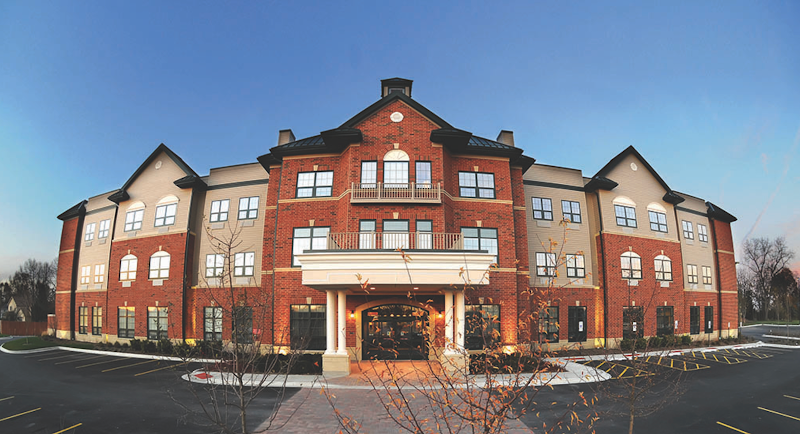
2000 WEST LAKE STREET, HANOVER PARK, IL 60133 (630) 556-2000
For profit - Limited Liability company 150 Beds IGNITE MEDICAL RESORTS Data: November 2025
Trust Grade
80/100
#50 of 665 in IL
Last Inspection: April 2025

Within standard 12-15 month inspection cycle. Federal law requires annual inspections.

Overview

Ignite Medical Hanover Park has a Trust Grade of B+, indicating it is above average and recommended for families considering care options. It ranks #50 out of 665 nursing homes in Illinois, placing it in the top half of facilities statewide, and #15 out of 201 in Cook County, suggesting only 14 local options are better. The facility is improving, having reduced the number of issues from 15 in 2024 to 8 in 2025. Staffing is a moderate strength with a 3/5 rating, a turnover rate of 39%, which is below the state average of 46%, and more RN coverage than 93% of Illinois facilities, ensuring residents receive good oversight. However, there are concerning incidents, such as failing to label opened medications, not assisting residents with daily living activities, and not administering scheduled medications properly, indicating areas where care could be improved.

Trust Score
B+
80/100
In Illinois
#50/665
Top 7%
Safety Record
Low Risk
No red flags
Inspections
Getting Better
15 → 8 violations
Staff Stability
○ Average
39% turnover. Near Illinois's 48% average. Typical for the industry.
Penalties
✓ Good
No fines on record. Clean compliance history, better than most Illinois facilities.
Skilled Nurses
✓ Good
Each resident gets 68 minutes of Registered Nurse (RN) attention daily — more than 97% of Illinois nursing homes. RNs are the most trained staff who catch health problems before they become serious.
Violations
⚠ Watch
33 deficiencies on record. Higher than average. Multiple issues found across inspections.
★★★★★
5.0
Overall Rating
★★★☆☆
3.0
Staff Levels
★★★★★
5.0
Care Quality
★★★★☆
4.0
Inspection Score
Stable
2024: 15 issues
2025: 8 issues

The Good

  • 5-Star Quality Measures · Strong clinical quality outcomes
  • Full Sprinkler Coverage · Fire safety systems throughout facility
  • No fines on record
  • Staff turnover below average (39%)

    9 points below Illinois average of 48%

Facility shows strength in quality measures, fire safety.

The Bad

Staff Turnover: 39%

Near Illinois avg (46%)

Typical for the industry

Chain: IGNITE MEDICAL RESORTS

Part of a multi-facility chain

Ask about local staffing decisions and management

The Ugly 33 deficiencies on record

Apr 2025 8 deficiencies
CONCERN (D)

Potential for Harm - no one hurt, but risky conditions existed

Deficiency F0554 (Tag F0554)

Could have caused harm · This affected 1 resident

Based on observation, interview, and record review, the facility failed to assess residents to self-administer medications. This applies to 2 of 2 residents (R27, R84) reviewed for self-administratio...

Read full inspector narrative →
Based on observation, interview, and record review, the facility failed to assess residents to self-administer medications. This applies to 2 of 2 residents (R27, R84) reviewed for self-administration of medications in a sample of 23. The findings include: 1. On April 1, 2025 at 11:19 AM, R27 pulled out an albuterol sulfate inhaler and took a puff of the inhaler as she was short of breath. R27 said she was given the inhaler from the facility. On April 2, 2025 at 12:13 PM, R27 said she had chronic obstructive pulmonary disease, and she used the inhaler twice on April 1, 2025 when she was going to the doctor's office. R27's face sheet showed she was admitted to the facility with diagnoses including chronic obstructive pulmonary disease. R27's POS (Physician Order Sheet) showed an order for Albuterol Sulfate Inhalation Aerosol Powder breath activated 108 (90 base). R27's POS did not show orders for R27 to self-administer medications or to store medications at her bedside. The facility was unable to provide a self-administration assessment. R27's care plan did not show she was able to self-administer medication. 2. On April 1, 2025 at 10:53 AM, R84's room had a bottle of bismuth subsalicylate 525 MG (Milligrams), which was half empty, sitting on the side table in her room. The bottle contained 473 ML (Milliliters) of medication. R84 said she took the medication when she had heartburn. R84 said she brought the medication from home. R84's face sheet showed she was admitted to the facility with diagnoses including difficulty in walking, need for assistance with personal care, cognitive communication deficit, hypothyroidism, hypertension, and acute kidney failure. R84's POS did not show an order for bismuth subsalicylate 525 MG or for her to self-medicate. The facility was unable to provide a self-administer assessment. R84's care plan did not show she was able to self-administer medication. On April 3, 2025 at 11:20 AM, V15 (LPN/Licensed Practical Nurse) said none of the residents were allowed to take medications on their own. V15 said the residents needed an assessment to make sure they understand the use of the medication and the side effects to be able to take the medication themselves. V15 said if she saw medications at the bedside, she would remove the medications. V15 said R27 and R84 were not allowed to have medications at their bedside. V15 said it was a risk to keep medications at the bedside as there were other residents who could walk into the rooms and take the medications left at the bedside. On April 3, 2025 at 11:34 AM, V5 (RN/Registered Nurse) said the residents were not allowed to have medications at the bedside unless the doctor prescribed it and there was an assessment completed. V5 said the assessment would determine if they were safe to self-administer medications. V5 said the managers would also need to be notified. V5 said R27 and R84 were not allowed to have medications at their bedside. V5 said if she saw medications kept at the bedside, she would remove it from their room. On April 3, 2025 at 1:59 PM, V2 (DON/Director of Nursing) said residents who wanted to self-administer-medication needed an assessment and orders should be placed by the doctor. The facility's Self Administration of Medications and Treatments policy dated November 2018 showed Self administration of medications and treatments is determined by physician order after determining that the resident is able to self administer. Medications and treatments for self administration are kept in a locked drawer in the resident room. All medications and treatments that are self-administered are signed out in the eMAR (Electronic Medical Administration Record) or eTAR (Electronic Treatment Administration Record) with the nurses initials. If it is determined by a member of the interdisciplinary team, or if the resident requests to self administer, it is documented in the chart and the physician is called for an order to self administer medications, and keep the medications at bedside. Assessment of the ability to self-administer medications will be done by nursing using the tool Assessment for Self-Administration of Medications. The assessment will review if the resident is fully capable, able with assist, or unable to perform assessment criteria.
CONCERN (D)

Potential for Harm - no one hurt, but risky conditions existed

Deficiency F0688 (Tag F0688)

Could have caused harm · This affected 1 resident

**NOTE- TERMS IN BRACKETS HAVE BEEN EDITED TO PROTECT CONFIDENTIALITY** Based on observation, interview, and record review, the facility failed to utilize assistive devices to prevent furthering worse...

Read full inspector narrative →
**NOTE- TERMS IN BRACKETS HAVE BEEN EDITED TO PROTECT CONFIDENTIALITY** Based on observation, interview, and record review, the facility failed to utilize assistive devices to prevent furthering worsening of contractures. This applies to 1 of 3 residents (R10) reviewed for restorative care in a sample of 23. The findings include: On 4/01/25 at 10:22 AM, during initial tour, surveyor went to R10's room. R10 was sleeping in bed. Both of R10's hands were contracted. R10 did not have a carrot splint type device used to prevent contractures placed in between her hands. On 4/02/25 at10:14 AM, R10 was in bed, and she did have a carrot in her hands. R10 stated, They never put it on me or give me exercises on my hands. On 4/03/25 at 8:45 AM, R10 was in bed. There was no carrot in her hands. During all three days of the survey, surveyor did not see carrots on R10, on her bedside table, or on her bed. On 4/03/25 at 9:00 AM, V14 (LPN-Licensed Practical Nurse/Restorative Nurse) stated R10 was already contracted when I came in the building. It's almost 3 years since I have been here. The CNA's (Certified Nursing Assistants) are supposed to give restorative care and PROM (Passive Range of Motion). They are also supposed to put carrots in R10's hands to prevent further contraction of hands. It should be left on for a few hours in the morning and taken off during ADL (Activities of Daily Living). It is removed in the evening. R10 puts wash clothes in her hand after he comes back from work. It should be the carrots that are orange colored that should be placed in her hands. R10's face sheet shows diagnoses of other seizures, multiple sclerosis, depression, encounter for palliative care, and unspecified dementia, unspecified severity, without behavioral disturbance, psychotic disturbance, mood disturbance, and anxiety. R10's MDS (Minimum Data Set) dated 2/26/25 shows a BIMS (Brief Interview for Mental Status) score of 9, which means moderate cognitive impairment. Section GG-Functional Abilities shows she was assessed as a 2 in upper extremity which means she has impairment in both sides. R10's March 2025 POS (Physician Order Sheet) shows an order (10/9/24) for the following: May wear carrot hand splint in the morning for 8 hours a day. Inspect skin integrity before and after splinting. If skin breakdown is being caused by splints, please hold off on wearing schedule. R10's restorative assessment dated [DATE] shows she has impairments on both sides of her upper extremity. Uploaded into R10's electronic medical chart was a document that shows: Daily wearing schedule recommended. May wear for up to a 8 hour duration. Instructions: Please inspect skin integrity before and after splinting. Questions, please contact occupational therapy. Updated on 6/12/24. As per V14, this was document was from occupational therapy. On the taskbar on the electronic program that the CNA's use, it documents: Task: Nursing Rehab: Passive ROM: (R10) to perform 5-7 reps of PROM exercises to BLE/BUE (Bilateral Lower Extremities/Bilateral Upper Extremities) for 15 minutes a day for 6-7 days a week until next review. (R10) requires use of splint, bilateral carrot splints in hands for contracture management. R10's care plan dated 7/9/24 shows the following: Focus: Splint/Brace: (R10) requires the use of splint, bilateral carrot splints in hands for contracture management. Goal: (R10) will not experience contracture progression by continued ability to wear current splint comfortably and without complication. Interventions: May wear for up to 8 hour duration. Facility's policy titled Restorative Nursing Program (9/14/25) shows: Purpose: The facility promotes restorative nursing to attain or maintain the highest practicable physical, mental, and psychosocial well being. Increased independence fosters self worth and dignity as well as promotes a quality of life for resident, families, and staff. Type: Contracture Prevention and Management-Components: Passive ROM, Active ROM, positioning, and tone reduction. ADL programs-teaching of compensatory strategies and use of assistive devices. Facility's policy titled Appliance Protection Policy (11/2018) shows: 4. The nurse shall contact the unit director of any delinquency in practice of appliance care and of any lost appliance within 24 hours of being made aware of lost appliances.
CONCERN (D) 📢 Someone Reported This

A family member, employee, or ombudsman was alarmed enough to file a formal complaint

Potential for Harm - no one hurt, but risky conditions existed

Accident Prevention (Tag F0689)

Could have caused harm · This affected 1 resident

Based on observation, interview and record review the facility failed to implement safety measure for a resident with a history of falls with injury. This applies to 1 of 3 residents (R294) reviewed f...

Read full inspector narrative →
Based on observation, interview and record review the facility failed to implement safety measure for a resident with a history of falls with injury. This applies to 1 of 3 residents (R294) reviewed for accidents in a sample of 23. Findings include: R294 admitted to the facility from the hospital with a traumatic brain injury. R294's diagnosis includes pneumonia, difficulty walking, lack of coordination, chronic obstructive pulmonary disease, type 2 diabetes, congestive heart failure, hypertension, and kidney failure. On 04/01/25 at 11:55 AM, V19 (Family Member) stated R294 had a fall in the facility on 3/31/25. V19 stated R294 was admitted to the facility from the hospital after suffering a fall at home that resulted in a brain bleed. V19 stated she wished the facility had more safety devices in place to protect R294. V19 stated R294 can communicate, but he does not comprehend well, and his legs are weak. V19 stated the nurse that called her stated he was found on the floor. V19 stated the facility has not put any intervention in place that she can see to protect R294 from falls even though she had asked for them. V19 stated the facility did not send R294 to the hospital for evaluation after his fall. On 04/01/25 at 03:34 PM, V17 RN (Registered Nurse) stated she had seen R294 at 7am, 8am and 12pm. V17 RN stated R294 had fallen on 3/31/25 and no new fall interventions had been put in place since the fall. On 04/03/25 at 10:02 AM, R294's bed was in an elevated position and his feet were hanging off the right side of his bed. On 04/03/25 at 10:05 AM, V16 CNA (Certified Nursing Assistant) was called to R294's bed side to lower his bed and reposition him to safe position in bed. V16 stated R294 had sat up for breakfast and put himself back in bed without assistance. V16 stated she checks the residents as often as she can. They are checked every hour alternating check with the nurse. V16 stated she was unaware of any new fall interventions added after R294's fall. V16 stated there was no care card in R294's room to reference for his safety interventions so she got the information from the off going shift and the nurse. On 04/03/25 at 12:09 PM, V2 (DON) stated R294's fall prior to admission should have been included in his initial fall risk assessment. Fall Interventions that had been put in place for R294 were to place bed in a low position, assure bed breaks are locked, non-skid foot ware, anticipate needs and meet needs, physical and occupational therapy consult. After his fall the care plan was updated to include offer patient to get back in bed after dinner to avoid trying to transfer self in bed. V2 stated they should offer to place him back to bed after all meals. If R294's bed was elevated the staff should have lowered it to a safe position before leaving the room. If he falls from the bed while it is in an elevated position the impact from an injury maybe greater. On 04/03/25 at 01:35 PM, V18 (RN) stated R294 fell from his wheelchair around 10pm on 3/31. V18 stated he had been placed in his wheelchair because he kept trying to stand up. V18 did not know how long R294 had been up in the wheelchair. V18 stated she did not recall what fall interventions were in place for R294, but the prior nurse cautioned her to be careful because he had fallen before. V18 stated she did a fall risk assessment but did not know the meaning of the fall risk score, what R294's fall risk score was or if it changed. V18 stated she did not add or change or add any new fall interventions. V18 stated she did not endorse to the on coming nurse to update the fall interventions. R294's care plan prior to fall states the resident will remain free from injury relate to falls through the review period. Interventions include anticipate and meet the resident's needs, bed in low position when in bed, review information on past falls and attempt to determine cause of falls. Record possible root causes. After and or remove any potential causes if possible. Educate resident/ family/ caregivers / IDT as to causes. The facility policy Incidents - Accidents dated 05/2023 states the facility will monitor the effectiveness of the interventions including adequate supervision consistent with the resident's needs, goals, plan of care and current standards of practice in order to reduce the risk of accident. The facility policy Fall Prevention dated 05/2024 states Every resident will be assessed for the causal risk factor for falling at the time of admission, upon return from a health care facility and after every fall in the facility. Every team member is responsible for checking the care plan of residents who are at risk for falls when beginning each day and throughout the assigned shift.
CONCERN (D) 📢 Someone Reported This

A family member, employee, or ombudsman was alarmed enough to file a formal complaint

Potential for Harm - no one hurt, but risky conditions existed

Deficiency F0692 (Tag F0692)

Could have caused harm · This affected 1 resident

Based on interview and record review, the facility failed to provide nutritional supplements for a resident who was losing weight. This applies to 1 of 3 residents (R67) reviewed for weight loss in a ...

Read full inspector narrative →
Based on interview and record review, the facility failed to provide nutritional supplements for a resident who was losing weight. This applies to 1 of 3 residents (R67) reviewed for weight loss in a sample of 23. The findings include: On April 3, 2025 at 11:15 AM, R67 said he did not get the ensure supplement on his meal trays. At 11:28 AM, R67 said he had not gotten his nutritional supplement in the morning. R67 said the nurse must have forgotten. R67 said he had not received his nutritional supplement for more than a month and was not aware he was supposed to have them daily. On April 3, 2025 at 11:20 AM, V15 (LPN/Licensed Practical Nurse) said R67 was losing weight because he was more mobile than when he was first admitted to the facility. V15 said R67 liked the vanilla supplement but sometimes the facility ran out of the flavor R67 preferred. V15 said she had not given R67 his supplement that morning. On April 3, 2025 at 11:34 AM, V5 (RN/Registered Nurse) said she did not remember giving R67 his supplement yesterday. V5 said she used to give him the ensure supplement a long time ago. On April 3, 2025 at 12:33 PM, V22 (Registered Dietitian) said R67 had a 26-pound weight loss over the last six months, which was a 13.3% weight loss. V22 said R67's weights had stabilized, and she had started him on supplements twice daily beginning on February 25, 2025. V22 said R67 was supposed to get the supplement twice daily. V22 said the supplement was supposed to supplement his oral intake for meals to help stabilize his weights and meet his nutritional needs. V22 said if R67 was deficient in calories, it could lead to continued weight loss. On April 3, 2025 at 1:59 PM, V2 (DON/Director of Nursing) said the staff should provide the house supplement to the residents who have the supplement ordered for them. V2 said the staff should not sign off the MAR (Medication Administration Record) without providing the supplement to him. R67's face sheet showed he was admitted to the facility with diagnoses which included unspecified severe protein-calorie malnutrition. R67's MDS (Minimum Data Set) dated March 14, 2025 showed R67 was cognitively intact. R67's MDS showed R67 was independent with eating. R67's POS (Physician Order Sheet) showed House Supplement two times a day for Nutritional supplementation House supplement/Ensure/Boost 1 carton/Bottle po (Oral) BID (Twice Daily), starting February 25, 2025. R67's April 2025 MAR (Medication Administration Record) showed the staff were signing off on R67 receiving the ensure supplement, including V15 and V5. R67's care plan dated February 17, 2025 showed R67 has the potential for alterations in nutrition and hydration r/t (Related To) spinal infarction, protein calorie malnutrition, paraplegia, CKDII (Stage 2 Chronic Kidney Disease), neurogenic bowel, neurogenic bladder, [Congestive Heart Failure], [Hypertension], [Atrial Fibrillation], [Obstructive Sleep Apnea], [Coronary Artery Disease], depression with interventions including Provide and serve supplements as ordered. 2/25/25: House supplement BID. R67's progress notes dated March 20, 2025 at 5:09 PM showed a note by V22 which showed the following, House supplement BID .Nutritional supplementation is in place. The facility's Weight policy dated November 2018 showed Once the reweighs have occurred any resident with an unexplained significant to insidious weight loss will have a weight loss investigation completed. Residents identified with a significant weight loss will be communicated to the provider and registered dietician, and additional nutritional and/or pharmacologic interventions recommended and initiated.
CONCERN (D) 📢 Someone Reported This

A family member, employee, or ombudsman was alarmed enough to file a formal complaint

Potential for Harm - no one hurt, but risky conditions existed

Respiratory Care (Tag F0695)

Could have caused harm · This affected 1 resident

**NOTE- TERMS IN BRACKETS HAVE BEEN EDITED TO PROTECT CONFIDENTIALITY** Based on observation, interview, and record review, the facility failed to follow physician orders and care plan interventions t...

Read full inspector narrative →
**NOTE- TERMS IN BRACKETS HAVE BEEN EDITED TO PROTECT CONFIDENTIALITY** Based on observation, interview, and record review, the facility failed to follow physician orders and care plan interventions to administer oxygen therapy. The facility also failed to provide humidification with oxygen therapy by using an empty humidifier bottle with oxygen therapy. This applies to 1 of 2 residents (R60) reviewed for respiratory care in a sample of 23. The findings include: R60 is an [AGE] year-old female admitted with an admitting diagnosis, including transient ischemic attack and brain aneurism. On 04/01/25 at 10:14 AM, R60 was observed in her bed with oxygen therapy, a nasal cannula at 5 L/M (Liters/Minute), and an empty humidifier bottle connected to the nasal cannula. On 4/1/25 at 10:14 AM, V11 (Certified Nursing Assistant/CNA) said she would inform the nurse about the empty humidifier. On 4/1/25 at 10:37 AM, V12 (Licensed Practical Nurse/LPN) stated, The oxygen tubing and humidifier bottles need to be replaced every Saturday. The humidifier should be filled up with distilled water. It will help residents from drying up the nares. A review of the facility provided policy on oxygen administration revised on 05/2024 document: 3. Disposable tubing and prefilled humidifiers will be changed weekly. On 4/3/25 at 10:05 AM, R60 was observed again on oxygen therapy with a nasal cannula at 5 L/M. On 4/3/25 at 10:07 AM, V5 (Registered Nurse) verified that R60 was getting oxygen at 5 L/M, and she did not know who set it at 5 L/M when the physician's order says 2 L/M. A review of R60's physician order sheet (POS) dated 3/22/24 documented the administration of oxygen at 2 L/M to maintain an oxygen level greater than 92%. A review of the care plan documenting intervention to administer oxygen at 2 L/M to maintain an oxygen level of 92% or greater as needed.
CONCERN (D) 📢 Someone Reported This

A family member, employee, or ombudsman was alarmed enough to file a formal complaint

Potential for Harm - no one hurt, but risky conditions existed

Pharmacy Services (Tag F0755)

Could have caused harm · This affected 1 resident

Based on observation, interview, and record review, the facility failed to reorder residents' prescribed medications. This applies to 3 out of 4 (R15, R27, and R13) reviewed for pharmacy services in a...

Read full inspector narrative →
Based on observation, interview, and record review, the facility failed to reorder residents' prescribed medications. This applies to 3 out of 4 (R15, R27, and R13) reviewed for pharmacy services in a sample of 23. The findings include: 1. On 4/02/2025 at 11:00 AM, V5 (Registered Nurse/RN) was asked to check for the availability of R27's prescribed medications. V5 proceeded to reconcile R27's Order Summary Report with her available prescribed medications. V5 said R27's ordered DuoNeb and Hydrocodone-Acetaminophen medications were not available. R27' Order Summary Report dated 4/02/2025 showed active orders for DuoNeb Solution 0.5-2.5 MG/3ML (Ipratropium-Albuterol) 3 ml inhale orally three times a day and Hydrocodone-Acetaminophen Tablet 5-325 MG Give 1 tablet by mouth every 6 hours as needed for Pain. 2. R15's EMAR (Electronic Medication Administration Record) dated 4/02/2025 showed R15's scheduled 9 AM dose of Flonase nasal spray was omitted. On 4/02/2025 at 11:15 AM, V6 (RN) was asked to check for the availability of R15's prescribed medications. V6 proceeded to reconcile R15's Order Summary Report with her available prescribed medications. V6 said R15's ordered Flonase, Midodrine, Nystatin, and Triamcinolone Acetonide medications were not available. R15's Order Summary Report dated 4/02/2025 showed active orders for Flonase Suspension 50 MCG/ACT (Fluticasone Propionate) 1 spray in both nostrils every 12 hours, Midodrine HCI Tablet 10 MG Give 1 tablet by mouth every 24 hours as needed, Nystatin Cream 100000 UNIT/GM Apply to inner thigh topically every 12 hours, and Triamcinolone Acetonide External Cream 0.1% (Triamcinolone Acetonide (Topical)) Apply to ABDOMEN topically every day shift. 3. On 4/02/2025 at 12:15 PM, V9 (RN) was asked to check for the availability of R13's prescribed medications. V9 proceeded to reconcile R13's Order Summary Report with her available prescribed medications. V9 said R13's ordered Diclofenac, DuoNeb, Guaifenesin-Codeine, and Aspart Insulin medications were not available. R13's Order Summary Report dated 4/02/2025 showed active orders for Diclofenac Sodium External Gel 1% (Diclofenac Sodium (Topical)) Apply to right thoracic topically every 12 hours as needed, DuoNeb Solution 0.5-2.5 MG/3ML (Ipratropium-Albuterol) 3 ml inhale orally every 4 hours, Gualatussin AC Oral Syrup 100-10 MG/5ML (Guaifenesin-Codeine) Give 10 ml by mouth every 6 hours as needed, and Insulin Aspart FlexPen Subcutaneous Solution Pen-injector 100 UNIT/ML (Insulin Aspart) Inject 10 unit subcutaneously with every meals for DM give if blood sugar more than 120. On 4/02/2025 at 3:45 PM, V2 (Director of Nursing/DON) said nurses were expected to reorder medications from the pharmacy prior to the medications being depleted to ensure they were available for administration as prescribed. The facility's policy titled Medication Availability with a revision date 04/2024 said General: To provide a strategy for the facility to ensure that drug storages and/or medications that are with limited supply from manufacturers are given .1. Facility is to inform Pharmacy when there is a shortage and limited supply of medications.
CONCERN (D)

Potential for Harm - no one hurt, but risky conditions existed

Unnecessary Medications (Tag F0759)

Could have caused harm · This affected 1 resident

Based on observation, interview, and record review, the facility failed to administer medications as ordered. There were 38 opportunities with 4 errors resulting in a 10.53% error rate. This applies t...

Read full inspector narrative →
Based on observation, interview, and record review, the facility failed to administer medications as ordered. There were 38 opportunities with 4 errors resulting in a 10.53% error rate. This applies to 3 out of 4 (R15, R90, and R27) residents observed in the medication pass in a sample of 23. Findings include: 1. On 4/02/2025 at 8:00 AM, during R15's scheduled medication administration V6 (Registered Nurse/RN) said she had administered all of R15's medications as ordered. At 10:50 AM, V6 said she did not administer R15's Flonase scheduled at 9 AM because it was unavailable. R15's Order Summary Report dated 4/02/2025 was reconciled and showed an active order for Flonase Suspension 50 MCG/ACT (Fluticasone Proplonate) 1 spray in both nostrils every 12 hours for allergic nasal symptoms. R15's EMAR (Electronic Medication Administration Record) dated 4/02/2025 showed R15's scheduled 9 AM dose of Flonase nasal spray was omitted. 2. On 4/02/2025 at 8:20 AM, during R27's scheduled medication administration V5 (RN) administered Calcium Carbonate 500 mg (milligrams) 1 tablet. V5 then administered Breyna (aerosol inhaler) 2 inhalations without instructing R27 to rinse her mouth afterward as instructed in the package. At 11:00 AM V5 said she reviewed R27's EMAR which showed she was to receive Calcium Carbonate 600 mg 1 tablet. V5 said she also reviewed R27's Breyna inhaler package and failed to follow the instructions to have R27 rinse her mouth afterward. R27's Order Summary Report dated 4/02/2025 showed an active order for Calcium Carbonate Tablet 600 MG Give 1 tablet by mouth one time a day for supplementation. The facility's document titled Breyna Instructions for Use undated said 12. After you finish taking BREYNA (2 puffs), rinse your mouth with water. Spit out the water. Do not swallow it .BREYNA may cause serious side effects, including .Fungal infection in your mouth or throat (thrush). Rinse your mouth with water without swallowing after using BREYNA to help reduce your chance of getting thrush. 3. On 4/02/2025 at 8:45 AM, during R90's scheduled medication administration V5 (RN) administered Amlodipine 5 mg (antihypertensive) without checking R90's blood pressure prior to administration. At 11:00 AM V5 said she did not check R90's prior to administering her scheduled antihypertensive as ordered. V5 said R90's last recorded blood pressure was obtained at the beginning of her shift at 7:30 AM. R90's Order Summary Report dated 4/02/2025 showed an active order for AmLODIPine Besylate Tablet 5 MG Give 1 tablet by mouth one time a day for HTN HOLD FOR SBP <90. On 4/02/2025 at 3:45 PM, V2 (Director of Nursing/DON) said nurses were expected to follow physician orders and instructions when administering medications to ensure safety. The facility's policy titled Administration of Medications dated 02/2018 said All medications are administered safely and appropriately to aide residents to and help in overcome illness, relieve and prevent symptoms and help in diagnosis.
CONCERN (E)

Potential for Harm - no one hurt, but risky conditions existed

Deficiency F0761 (Tag F0761)

Could have caused harm · This affected multiple residents

Based on observation, interview, and record review, the facility failed to label residents' medications when opened. This applies to 4 out of 4 (R78, R91, R13, and R27) residents reviewed for medicat...

Read full inspector narrative →
Based on observation, interview, and record review, the facility failed to label residents' medications when opened. This applies to 4 out of 4 (R78, R91, R13, and R27) residents reviewed for medications in a sample of 23. The findings include: 1. On 4/01/2025 at 3:50 PM, the facility's third-floor North medication cart was checked with V8 (Licensed Practical Nurse/LPN). R78's Advair and Albuterol inhalers were open and not labeled with open or discarded dates. R91's Trelegy and Breyna inhalers were also open and not labeled with open or discarded dates. V8 checked R78 and R91's inhalers and packages. V8 said the inhalers were open and their open-date labels were unlabeled. R78's Order Summary Report dated 4/02/2025 showed active orders for Advair Diskus Inhalation Aerosol Powder Breath Activate 500-50 MCG/ACT and ALBUTEROL HFA 90 MCG INHALER. 2. R91's Order Summary Report dated 4/02/2025 showed active orders for Trelegy Ellipta Inhalation Aerosol Powder Breath Activate 100-62.5-25 MCG/ACT and Symbicort Aerosol 160-4.5 MCG/ACT (Breyna). 3. On 4/01/2025 at 4:15 PM, the facility's third-floor East medication cart was checked with V7 (Registered Nurse/RN). R13's Albuterol and Trelegy inhalers were open and not labeled with open or discard dates. V7 checked R13's inhalers and packages. V7 said the inhalers were open and their open date labels were unlabeled. R13's Order Summary Report dated 4/02/2025 showed active orders for Albuterol Sulfate HFA Inhalation Aerosol Solution 108 (90Base) MCG/ACT and Trelegy Ellipta Inhalation Aerosol Powder Breath Activate 100-62.5-25 MCG/ACT. 4. On 4/02/2025 at 11:00 AM, the facility's second-floor East medication cart was checked with V5 (RN). R27's Breyna inhaler was opened and the open date label was unlabeled. R27's Oder Summary Report dated 4/02/2025 showed an active order for Budesonide-Formoterol Fumarate Inhalation Aerosol 80-4.5 MCG/ACT (Breyna). On 4/02/2025 at 3:45 PM, V2 (Director of Nursing/DON) said nurses were expected to label medications including inhalers with open dates as indicated to ensure safe storage and use. The facility's policy titled Medication Storage in the Facility dated 12/31/2022 said Medications and biological are stored safely, securely, and properly following the manufacturer or supplier recommendations.
Dec 2024 2 deficiencies
CONCERN (D) 📢 Someone Reported This

A family member, employee, or ombudsman was alarmed enough to file a formal complaint

Potential for Harm - no one hurt, but risky conditions existed

ADL Care (Tag F0677)

Could have caused harm · This affected 1 resident

**NOTE- TERMS IN BRACKETS HAVE BEEN EDITED TO PROTECT CONFIDENTIALITY** Based on observation, interview, and record review, the facility failed to ensure residents were changed in a timely manner for ...

Read full inspector narrative →
**NOTE- TERMS IN BRACKETS HAVE BEEN EDITED TO PROTECT CONFIDENTIALITY** Based on observation, interview, and record review, the facility failed to ensure residents were changed in a timely manner for 1 of 9 residents (R3) reviewed for Activities of Daily Living (ADL) in the sample of 9. The findings include: On 12/9/24 at 9:43 AM, R3's call light was alarming. R3 said she needs her wet diaper changed and has been wet all morning. R3 said she was last changed in the early morning around 6:00 AM to 7:00 AM. R3 said her call light was answered once and staff said they would be back to change her, but that was over an hour ago and no one has returned. R3 said she feels very wet and staff never check on her. During this conversation, V6 (Licensed Practical Nurse/LPN) came in and said she would return to change her. On 12/9/24 at 9:53 AM, R3 pushed her call light again and at 9:56 AM, someone said, over the intercom, they would be in to change her. V7 (Certified Nursing Assistant/CNA) arrived to change R3 at 9:58 AM. When V7 removed R3's brief, the brief, the disposable pad, and the cloth draw sheet were all soaked with urine. R3's buttocks were red and excoriated. On 12/9/24 at 10:05 AM, V7 (CNA) said she checks on the residents every hour, and changes incontinent residents three times a day, but they are short staffed on CNAs today. On 12/9/24 at 1:33 PM, V2 (Director of Nursing) said incontinence briefs need to be changed when the resident calls to be changed. On 12/10/24 at 9:31 AM, V9 (CNA) said residents need to be changed as soon as possible when they are wet. R3's admission Record dated 12/10/24 shows R3 is an [AGE] year-old female and her diagnoses include, but are not limited to, need for assistance with personal care and lack of coordination. R3's current care plan provided by the facility shows R3 has ADL self-care performance deficits and limitations in physical mobility. R3 requires substantial/maximal assistance with toileting hygiene. R3 is at risk for alteration in skin integrity and has actual impairment of moisture associated skin damage (MASD) to her sacral area and her skin is to be kept clean and dry. The facility's ADLs Policy (dated 5/2018) shows the facility is to ensure resident activities of daily living are being adequately met.
CONCERN (D) 📢 Someone Reported This

A family member, employee, or ombudsman was alarmed enough to file a formal complaint

Potential for Harm - no one hurt, but risky conditions existed

Infection Control (Tag F0880)

Could have caused harm · This affected 1 resident

**NOTE- TERMS IN BRACKETS HAVE BEEN EDITED TO PROTECT CONFIDENTIALITY** Based on observation, interview, and record review, the facility failed to implement and/or follow Enhanced Barrier Precautions ...

Read full inspector narrative →
**NOTE- TERMS IN BRACKETS HAVE BEEN EDITED TO PROTECT CONFIDENTIALITY** Based on observation, interview, and record review, the facility failed to implement and/or follow Enhanced Barrier Precautions (EBP) for 3 of 3 residents (R1, R2, R3) reviewed for infection control in the sample of 9. The findings include: On 12/9/24 at 9:22 AM, R2 was sitting on his bed in his room. R2 said he had his toes amputated and they got infected. There was no sign on R2's door, there was no PPE (personal protective equipment) outside of R2's room. On 12/9/24 at 9:43 AM, R3 was lying in bed in her room. R3 said staff do not wear gowns when providing care; I'm not contagious. R3's left lower leg had a long row of staples along a surgical incision. On 12/9/24 at 9:58 AM, V7 (Certified Nursing Assistant/CNA) arrived to R3's room to change her brief. V7 did not wear a gown when she changed R3's brief. On 12/9/24 at 10:10 AM, R1 was lying in his bed watching TV. A dressing/bandage was noted to R1's left lower leg with a small amount of drainage on it. There was no sign on R1's door, there was no PPE outside of R1's room. On 12/9/24 at 10:39 AM, V3 (Infection Prevention Nurse/Assistant Director of Nursing) said staff are required to wear a gown and gloves when providing ADL (activities of daily living) care, such as changing the resident's brief, to residents on EBP. V3 said residents with open wounds, an indwelling urinary catheter, central lines, g-tubes, or any external device entering their body are required to be placed on EBP right away. V3 said he gets an order for EBP, notifies the patient and family, and places signs on the resident's door to indicate their isolation needs. V3 said a drawer of PPE is placed outside of the given room. V3 said staff know if a resident is on isolation, such as EBP, and what PPE is required by the sign on the door. R1's Order Summary Report dated 12/10/24 shows an order on 12/2/24 for Enhanced Barrier Precautions (EBP) due to wounds. R2's admission Record dated 12/10/24 shows he was admitted to the facility on [DATE]. R2's Order Summary Report dated 12/10/24 shows an order on 12/9/24 for Enhanced Barrier Precautions (EBP) due to surgical wounds. R3's Order Summary Report dated 12/10/24 shows an order on 12/4/24 for Enhanced Barrier Precautions (EBP) due to wounds. The facility's Enhanced Barrier Precautions List (undated) provided by the facility on 12/9/24 includes R1, R2, and R3. The facility's Enhanced Barrier Precautions Policy dated March 2024, shows EBP refers to an infection control intervention that employs gown and glove use during high contact resident care activities, including changing briefs or assisting with toileting. Residents with wounds require EBP for all cares and services.
Aug 2024 3 deficiencies
CONCERN (D) 📢 Someone Reported This

A family member, employee, or ombudsman was alarmed enough to file a formal complaint

Potential for Harm - no one hurt, but risky conditions existed

Quality of Care (Tag F0684)

Could have caused harm · This affected 1 resident

Based on observation, interview, and record review, the facility failed to monitor a resident's (R6) blood glucose level as ordered. This applies to 1 of 4 residents (R6) reviewed for quality of care....

Read full inspector narrative →
Based on observation, interview, and record review, the facility failed to monitor a resident's (R6) blood glucose level as ordered. This applies to 1 of 4 residents (R6) reviewed for quality of care. The findings include: R6's EMR (Electronic Medical Record) showed a diagnosis of type 2 diabetes. R6's MDS (Minimum Data Set) dated 7/11/2024 showed R6 was cognitively intact. R6's Care Plan dated 8/07/2024 showed a focus problem for diabetes with an intervention for blood glucose checks before meals and at bedtime for monitoring. On 8/06/2024 at 10:00 AM, R6 was sitting in her bed, eating breakfast. R6 was Spanish-speaking. R6 said she woke up late and was just now starting to eat her breakfast. At 11:32 AM, V12 (Licensed Practical Nurse/LPN) said she was going to check R6's blood glucose level. V12 proceeded to obtain R6's blood glucose level and said the result was 270 mg/dL (milligrams of glucose per deciliter of blood). R6 tried to explain to V12 that her blood glucose level was high because she just finished eating. V12 said she understood some Spanish and proceeded to record R6's results in the EMR. On 8/07/2024 at 2:05 PM, R6 said she was still unsure why V12 obtained her blood glucose level right after she finished her breakfast. R6 said she has been a diabetic for 10 years and knows that blood glucose levels should not be checked right after eating because the result will be high and inaccurate. On 8/07/2024 at 3:32 PM, V16 (Regional Nurse Consultant) said blood glucose monitoring levels should be checked as ordered. R6's Order Summary Report dated 8/07/2024 showed an order Accucheck before meals and at bedtime - before meals and at bedtime for monitoring. R6's EMAR (Electronic Medication Administration Record) showed R6's recorded blood glucose level at 11:00 AM on 8/06/2024 was 270. The facility's undated document titled Food and Nutrition Services showed the meal service schedule for R6's unit starts at 12:15 PM. The facility's policy titled Physician's Orders with a review date of 11/2020 showed Policy: All medications will be administered as ordered by a health care professional .Procedure: Orders for treatments will include .Frequency of treatment, Specific precautions or directions if need .
CONCERN (E) 📢 Someone Reported This

A family member, employee, or ombudsman was alarmed enough to file a formal complaint

Potential for Harm - no one hurt, but risky conditions existed

ADL Care (Tag F0677)

Could have caused harm · This affected multiple residents

**NOTE- TERMS IN BRACKETS HAVE BEEN EDITED TO PROTECT CONFIDENTIALITY** Based on observation, interview, and record review, the facility failed to meet resident ADL (Activities of Daily Living) cares ...

Read full inspector narrative →
**NOTE- TERMS IN BRACKETS HAVE BEEN EDITED TO PROTECT CONFIDENTIALITY** Based on observation, interview, and record review, the facility failed to meet resident ADL (Activities of Daily Living) cares for residents who need assistance with eating and showering. This applies to 5 of 7 residents (R2, R3, R4, R5, and R6) reviewed for ADLs. The findings include: 1. On 8/06/2024 at 10:42 AM, R4 was in bed. R4's breakfast tray was untouched on her bedside tray table. R4's bedside tray table was not within R4's reach and it was positioned parallel to R4's head of bed. R4 said she was really hungry but could not see nor reach her breakfast tray. R4 said she last ate the day prior on 8/05/2024. V2 (Director of Nursing/DON) was alerted to R4's situation and came to R4's room. V2 asked R4 if she was hungry and R4 replied Yes, I'm hungry. V2 proceeded to assist R4 by setting up her breakfast and then prompted her to use her utensils. R4 was observed having difficulty finding her utensils and food items on her tray. Then R4 told V2 her food was really iced cold. V2 said he would get R4 a new breakfast tray. At 11:05 AM V4 (Dietician) brought R4 a new breakfast tray. V4 proceeded to assist R4 by opening her food items and preparing her bagel. V4 said dietary aides delivered breakfast room trays to the units between 7:30 AM and 8:30 AM. R4 started to eat her breakfast and told V4 she was so hungry and now her food was warm. V4 left R4's room and R4 proceeded to eat her breakfast. R4 was again observed with difficulty finding her utensils and food items on her tray. R4's MDS (Minimum Data Set) dated 7/03/2024 showed R4 was cognitively intact and was dependent on staff for showers and required supervision or touching staff assistance with eating. On 8/07/2024 at 2:15 PM, R4 was interviewed about her ADLs. R4 said she last received a shower 2 weeks ago and she would like to receive showers more frequently. R4's comprehensive care plan dated 8/07/2024 showed R4 was visually impaired and required assistance with her ADL self-care performance. The care plan said R4 was dependent on staff assistance with showers and needed partial to moderate staff assistance with eating. R4's EMR (Electronic Medical Record) document titled POC Response History showed R4 last received a shower on 7/30/2024 (seven days earlier). A facility document titled Shower Sheet said R4 received a shower on 8/02/2024. 2. On 8/06/2024 at 10:30 AM, R2 was in bed leaning on her left side trying to reach for her untouched breakfast tray on her bedside tray table. R2's bedside tray table was not within R2's reach and it was positioned parallel to her bed. R2 was confused and non-interviewable. At 10:40 AM V14 (Certified Nurse Assistant/CNA) was going to remove R2's breakfast tray and said R2 was not hungry. At 10:52 AM R2 still had the same breakfast tray untouched not within reach. R2's comprehensive care plan dated 8/07/2024 showed R2 had a diagnosis of dementia and required assistance with her ADL self-care performance. R2's MDS dated [DATE] showed R2 was severely cognitively impaired and required setup or clean-up staff assistance with eating. The care plan said R2 required setup or clean-up staff assistance with eating. 3. On 8/06/2024 at 10:33 AM, R5 was in bed in a flat position and R5's hair was unkempt. R5's breakfast tray was untouched on her bedside table and the table was not within R5's reach. The table was positioned parallel to the foot of R5's bed. R5 said she did not eat breakfast because she could not reach her tray. V2 (DON) was alerted to R5's situation and came to R5's room. V2 said he would ask R5's CNA if R5 was going to eat breakfast. Then V7 (CNA) came and removed R5's tray to warm it up. At 10:54 AM R5 was observed having difficulty eating her eggs and was drinking her juice at a fast pace. On 8/07/2024 at 2:15 PM, R5 was in bed. R5's hair was unkempt. R5's comprehensive care plan dated 8/07/2024 showed R5 required assistance with her ADL self-care performance. The care plan said R5 required extensive staff assistance with bathing and supervision with setup staff assistance with eating. R5's MDS dated [DATE] showed R5 was severely cognitively impaired and was dependent on staff for showers and required setup or clean-up staff assistance with eating. R5's EMR document titled POC Response History showed R5 last received a shower on 7/18/2024 (18 days earlier). 4. On 8/07/2024 at 2:06 PM, R6 was interviewed about her ADLs. R6 said she needed set-up assistance with her showers. R6 said she does not get offered showers frequently and she last received a shower last week. R6 said sometimes on Mondays, Wednesdays, and Fridays she refuses her shower because she's too tired after her dialysis treatments. R6 said she would like to receive at least 2 showers per week. R6's comprehensive care plan dated 8/07/2024 showed R6 required assistance with her ADL self-care performance. The care plan said R6 needed staff assistance with bathing/showering as necessary. R6's MDS dated [DATE] showed R6 was cognitively intact and required supervision or touching assistance with showers. R6's EMR document titled POC Response History showed R6 last received a shower on 7/23/2024 (15 days earlier). 5. On 8/06/2024 at 10:10 AM, R3 was in bed. R3's hair was unkempt. R3 was confused and unable to engage in the interview. R3's bed did not have a fitted sheet. V7 (CNA) was alerted and said she would change R3's bed sheets. R3 stood up to allow V7 to change her linen. When R3 stood up, the personal nightgown she was wearing had stains and there was a rolled sheet that had been underneath her that had a foul odor. V7 said the sheet did not appear to have soil stains but agreed it had a foul odor. V7 placed a new fitted sheet over R3's bed and instructed her to go back to bed. R3's comprehensive care plan dated 8/07/2024 showed R3 had a diagnosis of dementia and required assistance with her ADL self-care performance. The care plan said R3 required partial to moderate staff assistance with showers. R3's MDS dated [DATE] showed R3 was severely cognitively impaired and required partial to moderate assistance with showers. R3's EMR document titled POC Response History showed R3 last received a shower on 7/23/2024 (14 days earlier). On 8/06/2024 at 11:00 AM, V2 (DON) said residents who need assistance with eating should be assisted to ensure they receive warm food and their nutritional needs are met. On 8/07/2024 at 5:15 PM, V3 (Assistant Director of Nursing/ADON) said residents are scheduled to receive 2 showers per week. V3 said CNAs are to follow the residents' shower schedule and when done assisting them with their showers, they are to document them in the residents' EMRs or a Shower Sheet. The facility's policy titled ADL with a last review date of 04/2024 showed The facility will provide each resident with care, treatment and services according to the resident's individualized care plan. Based on the individual resident's comprehensive assessment, facility staff will ensure that each resident's abilities in activities of daily living do not diminish .including bathing .eating. The facility's policy titled Meal Service with a revision date of 05/2024 showed All residents able to receive oral feedings are positioned, served and encourage to eat their meals. The facility's policy titled Bathing with a revision date of 04/2024 showed All residents are given a bath or shower in accordance with their preferences. If no preference on a bath is voiced, a bath or shower will be offered twice per week.
CONCERN (E) 📢 Someone Reported This

A family member, employee, or ombudsman was alarmed enough to file a formal complaint

Potential for Harm - no one hurt, but risky conditions existed

Pharmacy Services (Tag F0755)

Could have caused harm · This affected multiple residents

**NOTE- TERMS IN BRACKETS HAVE BEEN EDITED TO PROTECT CONFIDENTIALITY** Based on observation, interview, and record review, the facility failed to administer and document scheduled medications as orde...

Read full inspector narrative →
**NOTE- TERMS IN BRACKETS HAVE BEEN EDITED TO PROTECT CONFIDENTIALITY** Based on observation, interview, and record review, the facility failed to administer and document scheduled medications as ordered for residents. The facility also failed to reorder residents' prescribed medications. This applies to 10 of 14 residents (R1, R9, R10, R11, R14, R15, R16, R17, R18, and R19) reviewed for medication services. The findings include: 1. On 8/07/2024, a continuous observation was done at the second floor nurses' station from 8:00 AM through 9:00 AM. During the continuous observation, V9's (Registered Nurse/RN) medication cart was stationed at the nurses' station and was not in use. At 9:05 AM V9 was asked to be observed for medication administration, V9 said she had already completed her morning med pass. V9 said she was instructed that the facility had a policy for liberalized medication administration. V9 continued to say she believed she was allowed to administer residents' scheduled 9 AM medications from 7 AM through 11 AM. Then V9 was asked to review her assigned residents' EMARs (Electronic Medication Administration Records) and V9 proceeded to say she had not documented in R10, R11, R14, R16, R17, R18, and R19's EMARs their already-administered 9 AM medications for 8/07/2024. On 8/07/2024 at 3:32 PM, V16 (Regional Nurse Consultant/RNC) said the facility's liberalized medication administration policy was for standard daily medications not for medications with increased frequencies such as twice a day or three times a day dosing. V16 continued to say residents with liberalized medication administration required a physician order and the order had to include a time range to allow for documentation. V16 said nurses were expected to follow the standard six rights of medication administration including right time and documentation. R9's Order Summary Report dated 8/07/2024 did not show an order for liberalized medication administration. R10's Order Summary Report dated 8/07/2024 did not show an order for liberalized medication administration. R11's Order Summary Report dated 8/07/2024 did not show an order for liberalized medication administration. R14's Order Summary Report dated 8/07/2024 did not show an order for liberalized medication administration. R16's Order Summary Report dated 8/07/2024 did not show an order for liberalized medication administration. R17's Order Summary Report dated 8/07/2024 did not show an order for liberalized medication administration. R18's Order Summary Report dated 8/07/2024 did not show an order for liberalized medication administration. R19's Order Summary Report dated 8/07/2024 did not show an order for liberalized medication administration. The facility's policy titled Medication Pass Times with a revised date of 05/2023 showed General: Medications are administered according to a standard schedule, residents needs and physician orders. Policy: 1. The following is a list of scheduled medication times: Person-centered liberalized medication pass times will be utilized when possible. Person-centered medications pass time windows are as follows: AM: 7am-10am, Afternoon: 1pm-4pm, PM: 7pm-10pm. If liberalized medication pass times are contra-indicated, the medication pass times below will be utilized according to provider orders . 2. On 8/07/2024 at 10:10 AM V9 (Registered Nurse) was asked to check for the availability of R11, R14, R15, R17, R18, and R19's prescribed ordered medications. V9 proceeded to reconcile R11, R14, R15, R17, R18, and R19's EMARs (Electronic Medication Administration Record) ordered medications with their available prescribed medications. V9 said R11's ordered Voltaren gel and Lidocaine patches were not available. V9 said R14's ordered Heparin solution and Glargine Insulin pen were not available. V9 said R15's ordered Heparin solution was not available. V9 said R17's scheduled Tramadol and Amlodipine/Atorvastatin medications were not available. V9 said R18's Lidocaine gel was not available. V9 said R19's Voltaren gel and Hydrocortisone cream were not available. R11's Order Summary Report dated 8/07/2024 showed an order for Voltaren External Gel 1% apply to the right shoulder topically two times a day for pain and Lidocaine External Patch 4% apply to the affected area topically in the morning for pain. R14's Order Summary Report dated 8/07/2024 showed an order for Heparin Sodium Solution 5000 UNIT/ML Inject 5000 unit subcutaneously every 12 hours for clotting prevention and Insulin Glargine Subcutaneous Solution Pen Injector 100 UNIT/ML Inject 25 unit subcutaneously every 12 hours related to type 1 diabetes. R15's Order Summary Report dated 8/07/2024 showed an order for Heparin Sodium Injection Solution 5000 UNIT/ML Inject 1 ml subcutaneously every 12 hours for blood thinner. R17's Order Summary Report dated 8/07/2024 showed an order for Amlodipine-Atorvastatin Tablet 10-10 MG give 1 tablet by mouth one time a day for high cholesterol and Tramadol HCI tablet 50 MG give 1 tablet by mouth every 8 hours for moderate to severe pain. R18's Order Summary Report dated 8/07/2024 showed an order for Lidocaine External Gel 4% apply to the lower back and GT site topically in the morning for pain. R19's Order Summary Report dated 8/07/2024 showed an order for Voltaren External Gel 1% apply to the right and left shoulders topically two times a day for pain and Hydrocortisone External Cream 1% apply to the abdomen topically two times a day for itching. The facility's policy titled Medication Availability with a revision date 04/2024 showed General: To provide a strategy for the facility to ensure that drug storages and/or medications that are with limited supply from manufacturers are given .1. Facility is to inform Pharmacy when there is a shortage and limited supply of medications. 3. R1's EMR (Electronic Medical Record) showed R1 admitted to the facility on [DATE] and discharged home on 7/04/2024. R1's EMR showed R1 had multiple diagnoses including anxiety and urinary tract infection. R1's EMAR (Electronic Medical Administration Record) showed R1 did not receive his scheduled Xanax 0.5 mg (milligrams) twice a day on 6/19/2024, 6/20/2024, 6/21/2024, 6/23/2024 and his scheduled Cefepime 1 g (gram) IV (intravenous) every 12 hours on 6/26/2024. R1's Progress Note (PN) dated 6/21/2024 showed Xanax was not administered because it was not available. R1's PN dated 6/22/2024 showed Xanax was not administered because it was not available. R1's PN dated 6/23/2024 showed Xanax was not administered because it was not available. R1's PN dated 6/26/2024 showed Cefepime was not administered because it was not available. On 8/08/2024 at 11:30 AM, V3 (Assistant Director of Nursing/ADON) said nurses had access to the facility's medication convenience box if needed when medications are not available. V3 said nurses were expected to follow up with the pharmacy when medications were not available to ensure residents received their scheduled medications as ordered.
Jul 2024 1 deficiency
CONCERN (E) 📢 Someone Reported This

A family member, employee, or ombudsman was alarmed enough to file a formal complaint

Potential for Harm - no one hurt, but risky conditions existed

ADL Care (Tag F0677)

Could have caused harm · This affected multiple residents

**NOTE- TERMS IN BRACKETS HAVE BEEN EDITED TO PROTECT CONFIDENTIALITY** Based on observation, interview, and record review the facility failed to promptly respond to residents' call lights when reside...

Read full inspector narrative →
**NOTE- TERMS IN BRACKETS HAVE BEEN EDITED TO PROTECT CONFIDENTIALITY** Based on observation, interview, and record review the facility failed to promptly respond to residents' call lights when residents require assistance with ADLs (Activities of Daily Living). This applies to 6 of 6 residents (R4, R9, R10, R12, R13, R14) reviewed for timely call light response and ADL care in the sample of 14. The findings include: 1. On July 25, 2024 at 11:20 AM, R10's call light was illuminated over the doorway of his room. A call light monitoring device similar to a telephone with a display screen, located at the nurse's station, showed all resident room numbers with call lights illuminated on the same unit as R10 resided. The call light monitoring device showed R10's room number and the time of 17 minutes, 26 seconds displayed. As the call light continued to go unanswered, the time continued to increase. No staff answered R10's call light. Upon entering R10's room, R10 was lying in his bed. R10's left foot and lower leg were wrapped in a thick dressing and elastic bandage. R10 had two urinals on the table over his bed. One urinal was filled with 1000 ml (Milliliters) of clear, yellow liquid, and the other urinal had 500 ml of clear yellow liquid in it. R10 said he had pressed the call light approximately 20 minutes earlier because he had filled his urinals with urine and needed them removed from his bedside table and emptied, and he also wanted to get out of bed, which required a mechanical lift due to his recent left foot surgery. R10 said, It takes longer than it should to answer the call light. One time they put me on the bed pan and it took one and a half hours to get someone to get me off the bed pan. After approximately five additional minutes of R10's call light being illuminated, V7 (CNA-Certified Nursing Assistant) came to R10's room to answer R10's call light. V7 said, A lot of residents complain about how long it takes to answer the call lights. The EMR (Electronic Medical Record) shows R10 was admitted to the facility on [DATE]. R10 has multiple diagnoses including, osteomyelitis of the left ankle and foot, difficulty walking, lack of coordination, reduced mobility, morbid obesity, diabetes, heart failure, depression, anxiety, Parkinson's disease, and diabetic ulcer of the foot. R10's MDS (Minimum Data Set) dated July 19, 2024 shows R10 has moderate cognitive impairment, requires setup assistance with eating and oral hygiene, partial/moderate assistance with bed mobility, substantial/maximal assistance with toilet hygiene, showering, and lower body dressing, and is dependent on facility staff for transfers between surfaces. R10 is occasionally incontinent of bowel and bladder. 2. On July 25, 2024 at 11:20 AM, the call light for R12's room was illuminated over the doorway. The call light monitoring device at the nurse's station showed R12's call light had been illuminated for 10 minutes. The call light also made an audible sound which could be heard at the nurse's station. V15 (Nurse), V16 (Nurse), and V6 (CNA) were sitting at the nurse's station while the call light was illuminated and sounding, and none of the staff attempted to answer the call light, while having a personal conversation with each other. No staff was present in R12's room. R12's MDS dated [DATE] shows R12 is cognitively intact, requires set up assistance with eating and oral hygiene, partial/moderate assistance with personal hygiene, substantial/maximal assistance with lower body dressing, and is dependent on facility staff for toilet hygiene. R12 is always incontinent of bowel and bladder. R12 uses a walker or wheelchair for mobility. 3. On July 25, 2024 at 11:40 AM, R9 was sitting in her room. R9 said she is the Resident Council President. R9 said, It can take 45 minutes or longer for call lights to be answered. [V17] (Director of Entertainment) comes to the Resident Council meetings and takes notes. [V17] knows that we are all complaining about the call lights, but they don't do anything about it. It never changes and nothing ever gets done about it. Month after month we complain about the call lights and month after month nothing changes. It is frustrating. The EMR shows R9 was admitted to the facility on [DATE] with multiple diagnoses including, heart failure, COPD (Chronic Obstructive Pulmonary Disease), atrial fibrillation, PVD (Peripheral Vascular Disease), soft tissue disorder, presence of cardiac pacemaker, major depressive disorder, idiopathic progressive neuropathy, and osteoarthritis. R9's MDS dated [DATE] shows R9 is cognitively intact, requires setup assistance with eating, oral hygiene and personal hygiene, supervision with toilet hygiene, bed mobility, and transfers between surfaces, and partial/moderate assistance with showering and dressing. R9 is occasionally incontinent of urine, and frequently incontinent of stool. The Resident Council meeting minutes dated April 17, 2024 shows V17 (Director of Entertainment) facilitated the meeting, and R9 and five guests were present. The meeting minutes show multiple concerns discussed during the meeting, including: The guests would like to see the nurses to do more rounding and assist nursing aides with call lights when needed. The Resident Council meeting minutes dated May 22, 2024 shows V17 (Director of Entertainment) facilitated the meeting, and R9 and nine guests were present. The meeting minutes show multiple concerns discussed during the meeting, including: Guests had call light concerns. The Resident Council meeting minutes dated June 19, 2024 shows V17 (Director of Entertainment) facilitated the meeting, and R9 and five guests were present. The meeting minutes show multiple concerns discussed during the meeting, including: The guests have call light concerns. 4. On July 24, 2024 at 6:09 PM, R4 said she spoke to someone at the facility regarding the call light response time. R4 said, The woman was very proud to say if your call light is answered within 20 minutes, that is good for us. Well, I am glad it is good for them, but it is not good for me. If I was pressing the call light, it was because I needed help and something like needing to use the bathroom can't wait 20 minutes. The EMR shows R4 was admitted to the facility on [DATE] and was discharged to her home on March 27, 2024. R4 did not return to the facility. R4 had multiple diagnoses including, left lower leg fracture, overactive bladder, diabetes, history of falling, hypertension, depression, and osteoporosis. R4's MDS dated [DATE] shows R4 was cognitively intact, was able to eat independently, required supervision with oral hygiene and personal hygiene, and required partial/moderate assistance with toilet hygiene, showering, lower body dressing, bed mobility, and transfers between surfaces. R4 was always continent of bowel and bladder. 5. The facility's Resident Grievance Form dated May 29, 2024 shows V13 (Spouse of R13) had the following grievance: Wife was unhappy related to response time of less than 18 min. (minutes). Stated [R13] had feces everywhere. On July 30, 2024 at 2:25 PM, V13 (Spouse of R13) said, [V13] had dementia and could not use the call light. I came to the facility, and he was covered in feces. His was lying in a soaked [incontinence brief], his gown was soaked, his sheets were soaked, and even his socks were wet. I pressed the call light for him so they would come and clean him up, and they didn't come. It took almost 20 minutes for someone to come. The EMR shows R13 was admitted to the facility on [DATE] and discharged from the facility on June 22, 2024. R13's MDS dated [DATE] shows R13 had clear speech and was able to express needs. R13 had severe cognitive impairment, required supervision with eating and oral hygiene, partial/moderate assistance with bed mobility and transfers between surfaces, and was dependent on facility staff for toilet hygiene, showering, lower body dressing, and personal hygiene. R13 was occasionally incontinent of urine, and frequently incontinent of stool. 6. The facility's Resident Grievance Form dated April 9, 2024 shows V14 (Son of R14) had the following grievance: Call light concern and difficulties reaching floor staff via phone. On July 30, 2024 at 2:33 PM, V14 said, My mom (R14) was calling us on the telephone and saying no one is answering my call light. No one is coming to help me. We tried to call the facility to get help for her, and no one was answering the telephone. We live close by, so my wife drove over there. She walked in, and the person who answers the phone at the front desk was sound asleep. This was about 7:00 PM. My wife took a picture of the person and sent it to me. My wife mentioned something to the nurses up on the floor about the person sleeping, and they said they don't blame the person because she had worked a 12-hour shift. I filed a grievance with the facility. I told the Director of Nursing and forwarded the picture to him. [R14] always complained about the call lights taking a long time, and we always saw a lot of call lights going off when we went to the facility. It just felt like no one cared. The EMR shows R14 was admitted to the facility on [DATE] and discharged from the facility on April 24, 2024. R14's MDS dated [DATE] shows R14 was cognitively intact, was independent with eating, required supervision with oral and personal hygiene, and substantial/maximal assistance with toilet hygiene, showering, lower body dressing, bed mobility, and transfers between surfaces. R14 was always incontinent of bowel and bladder. The facility's policy entitled Call Light - Ability to Use revised/reviewed on 01/2024 shows: General: to provide guidance on use of call light for residents. Procedure: 1. The call light system is provided as a tool for residents to communicate with staff. 2. Residents will be evaluated for ability to use call light on admission, quarterly and annually. 3. If residents are determined to be physically unable to use call lights, alternative call buttons (touch, whistle, etc.) will be provided. 4. If residents are determined to be cognitively unable to use call lights, residents will be monitored for needs by staff members during rounds and while delivering care.6. Staff members will acknowledge and respond to the call light by entering the resident's room and determining and assisting with the resident's needs.
Jul 2024 7 deficiencies
CONCERN (D) 📢 Someone Reported This

A family member, employee, or ombudsman was alarmed enough to file a formal complaint

Potential for Harm - no one hurt, but risky conditions existed

Deficiency F0558 (Tag F0558)

Could have caused harm · This affected 1 resident

**NOTE- TERMS IN BRACKETS HAVE BEEN EDITED TO PROTECT CONFIDENTIALITY** Based on observation, interview and record review, the facility failed to ensure a resident's call light was within reach for tw...

Read full inspector narrative →
**NOTE- TERMS IN BRACKETS HAVE BEEN EDITED TO PROTECT CONFIDENTIALITY** Based on observation, interview and record review, the facility failed to ensure a resident's call light was within reach for two residents (R2 and R74) reviewed for accommodation of needs in a sample of 25. Findings include: 1. On 7/9/24 at 11:15 AM, R74 was sitting on the edge of her bed doing exercises with V14 (PTA-Physical Therapy Assistant). Observed that R74's call light is out of her reach. It is hanging over the wooden dividing wall, which is about two feet away from R74's bed. R74 stated, she is not able to call for help as the call light has been hanging over the wooden wall for many days and she cannot reach it. R74's face-sheet showed that R74 is admitted to the facility on [DATE] and her diagnoses includes repeated falls. R74's Minimum Data Set (MDS) assessment dated [DATE] showed that she is cognitively intact, needs limited assist for upper body and substantial assist with lower body activities. Nursing admission evaluation dated 5/31/24 showed that R74 demonstrated the use of call lights successfully. 2. On 7/9/24 at 10:54 AM, R2 was sitting on her wheelchair next to the bed. Observed that R2 is frowning, looks anxious and is searching for 'something' on her bed, adding she cannot find her call light. Observed that her call light is lying under her bed, on the floor. R2's face-sheet showed that R2 is admitted to the facility on [DATE] and her diagnoses includes repeated falls, difficulty in walking and morbid obesity. R2's Minimum Data Set (MDS) assessment dated [DATE] showed that she is cognitively intact, needs limited assist for upper body and substantial assist with lower body activities. Nursing admission evaluation dated 6/12/24 showed that R2 demonstrated the use of call lights successfully. On 7/11/24 at 11:54 AM, V2 (DON-Director of Nursing) stated, all patients must have call lights within their reach. V2 stated, room rounds are done by nursing staff and management staff every couple hours. Every staff going in should ensure that call light is within reach for the resident. On 07/11/24 at 12:23 PM, V1 (Administrator) stated, all residents must be able to call the staff for help at all times. Facility policy on use of call lights revised 01/2024 showed, staff members will ensure that call lights are within reach of a resident who is able to cognitively use a call light each time they leave the room.
CONCERN (D) 📢 Someone Reported This

A family member, employee, or ombudsman was alarmed enough to file a formal complaint

Potential for Harm - no one hurt, but risky conditions existed

Safe Environment (Tag F0584)

Could have caused harm · This affected 1 resident

Based on observation, interview, and record review, the facility failed to provide a comfortable, appropriately lit environment for residents. This applies to one resident (R19) reviewed for homelike...

Read full inspector narrative →
Based on observation, interview, and record review, the facility failed to provide a comfortable, appropriately lit environment for residents. This applies to one resident (R19) reviewed for homelike environment in a sample of 25. The findings include: R19's MDS (Minimum Data Set) dated 2/22/24 shows her cognition is intact. On 7/9/24 at 11:08 AM, R19 said her heating and air conditioning unit and her over bed light have been broken for a couple of months, at least 8 weeks. R19 said she has notified the staff multiple times about her concerns and somebody downstairs at the front desk put the work orders in. R19 said a maintenance man came in and looked at the broken light and said he needed to order a part to fix it but it has not been fixed yet. R19 said she needs the over bed light turned on to be able to read and write because the two table lamps in the room are not bright enough. Surveyor noted at this time the heating and air conditioning unit on the wall was set to 54 degrees but the air blowing out was barely cool and the light switch on the wall when flipped on did not power on the over bed light. Both table lamps were on and the lighting in the room was very dim. On 7/11/24 at 1:09 PM, V11 (Director of Environmental Services) said he has been working in the facility for 3 months and he is responsible for all of the maintenance repairs. V11 said he is made aware of the work orders in the facility through the (Maintenance Work Order System). V11 said he did not know R19's over bed light and heating and air conditioning unit were not working. V11 said any light in the facility that is out is a problem and it should be fixed immediately. V11 said he is aware that new fixtures need to be ordered for a few rooms and he brought it to the attention of management about a month ago. On 7/11/24 at 1:53 PM, V1 (Administrator) said the Work Order Report prints from the (Maintenance Work Order System) and maintenance is responsible to review all work orders. The facility provided Work Order Report from 1/10/24 through 7/10/24 shows R19 notified staff and work orders were entered on 5 different occasions: 4/26/24, 4/29/24, 5/15/24, 5/24/24, and 5/26/24. All work orders mention the over bed light not working and the 5/26/24 work order mentions the heater seems to be broken. The facility's policy titled, Reporting Maintenance Issues last revised April 2022 states, Responsible Party: Director of Environmental Services .2. All work orders submitted into (Maintenance Work Order System) will be addressed within a reasonable timeframe .
CONCERN (D) 📢 Someone Reported This

A family member, employee, or ombudsman was alarmed enough to file a formal complaint

Potential for Harm - no one hurt, but risky conditions existed

PASARR Coordination (Tag F0644)

Could have caused harm · This affected 1 resident

Based on interview and record review, the facility failed to refer a resident for level II PASARR (Pre admission Screening and Resident Review) evaluation and determination who was recently diagnosed ...

Read full inspector narrative →
Based on interview and record review, the facility failed to refer a resident for level II PASARR (Pre admission Screening and Resident Review) evaluation and determination who was recently diagnosed with newly evident MD (Mental Disorder). This applies to one resident (R38) reviewed for PASARR in a sample of 25. The findings include: R38's Face sheet shows an admission date of 11/25/2019 with primary diagnosis of Type 2 Diabetes Mellitus. R38 had an OBRA (Omnibus Budget Reconciliation Act) screening completed on 10/8/2019 that showed mental illness was not suspected. R38's Face sheet shows a new diagnoses of Psychotic Disorder with Delusions due to known Physiological Condition dated 12/17/2019 and Recurrent Major Depressive Disorder dated 6/25/2021. R38 does not have a diagnoses of Dementia. On 7/9/24 at 10:47 AM, R38 was observed lying in bed, asleep, with her clothes and shoes on. On 7/11/24 at 12:55 AM, V12 (Admissions Director) said PASARR screens are done to make sure the resident is safe to be in a skilled nursing facility and they are receiving all of the services that they need. V12 said she is not sure if a PASARR level II is supposed to be done if a resident gets a new mental illness diagnosis after they are admitted . On 7/11/24 at 1:53 PM, V1 (Administrator) said once a resident is admitted , there is nothing that will initiate a level II PASARR; PASARR is only done at point of entry. V1 said if a resident has a new onset of mental illness after admission, a PASARR level II is not required. R38's Care Plan dated 4/15/24 shows R38 displays conflictual difficult behavior with other persons related to delirium, poor/ineffective coping skills, attempting to cope through believing that she is superior to others, general intolerance and limited ability to deal with frustration, difficult time adjusting to life in the long term care facility, complaints/concerns about other residents, covert/open conflict with or repeated criticism of staff, unprovoked expressions of anger towards staff and peers (example: may approach a neutral party and become verbally abusive). Care Plan created 3/15/2020 states the resident has a psychological well-being problem related to adjustment disorder and psychotic disorder with delusions. The facility's policy titled PASRR dated July 2020 and last reviewed March 2024 states, Policy: The purpose of this policy is to ensure that individuals with mental illness and intellectual disabilities receive the care and services that they need in the most appropriate setting. The PASRR will be evaluated annually and upon any significant change for those individuals identified .Procedure: .The facility will refer all level II residents and all residents with newly evident or possible serious mental disorder, intellectual disability, or related condition for a level II review .
CONCERN (D) 📢 Someone Reported This

A family member, employee, or ombudsman was alarmed enough to file a formal complaint

Potential for Harm - no one hurt, but risky conditions existed

Quality of Care (Tag F0684)

Could have caused harm · This affected 1 resident

Based on observation, interview and record review, the facility failed to follow professional standards of care while performing blood sugar checks on residents. This applies to two of five residents...

Read full inspector narrative →
Based on observation, interview and record review, the facility failed to follow professional standards of care while performing blood sugar checks on residents. This applies to two of five residents (R54, R84) reviewed for blood glucose monitoring in a sample of 25. The findings include: 1. On 7/9/24 at 12:09 PM, V6 (RN-Registered Nurse) went to R54's room to do his blood glucose monitoring. V6 wiped R54's right middle finger with alcohol and pricked it with a lancet. Instead of wiping the first drop of blood with a gauze, V6 used an alcohol wipe to clean it. V6 then proceeded to use the second drop of blood to obtain a blood sugar reading of 209 MG/DL (Milligrams/Deciliter). R54's face sheet shows an admission date of 4/20/21. Diagnoses include type 2 diabetes mellitus without complications. R54's POS (Physician Order Sheet) shows an order to do blood glucose monitoring before meals and at bedtime. R54's care plans show he has diabetes mellitus and has blood glucose monitoring done before meals, bedtime and as needed. 2. On 7/9/24 at 12:21 PM, V6 went to R84's room to perform his blood glucose monitoring. V6 wiped R84's right middle finger with alcohol. Then she pricked the finger with a lancet. Instead of wiping the first drop of blood with a gauze, she used an alcohol wipe to clean it. V6 then proceeded to use the second drop of blood to obtain a blood sugar reading of High. At 12:25 PM, V6 rechecked R84's blood sugar on the other hand. V6 wiped R84's left middle finger with alcohol. Then she pricked the finger with a lancet. Instead of wiping the first drop of blood with a gauze, she again used an alcohol wipe to clean it. V6 then proceeded to use the second drop of blood to obtain a blood sugar reading of 600. V6 then informed the physician and obtained new orders of insulin. R84's face sheet shows an admission date of 6/18/224. Diagnoses include type 2 diabetes mellitus without complications. R84's POS shows an order to complete blood glucose monitoring before meals and at bedtime. R84's care plans show she has diabetes mellitus and has blood glucose monitoring before meals and at bedtime. On 7/10/24 at 12:05 PM, V2 (DON-Director of Nursing) said, Yes, we were cited for this during our last annual survey. I in-serviced my staff that they should be using a gauze to wipe off the first drop of blood after poking the finger instead of an alcohol wipe. It may cause a false high or low. I'm reading some research on it. I don't know the real answer. My staff should be following our policy if it's mentioned in our policy. Facility's policy tiled Blood Glucose Monitoring (May 2023) shows: The presence of alcohol when not allowing puncture site to dry prior to obtaining blood may result in inaccurate results. Facility's validation of competency for Blood Glucose Monitoring shows the following steps: Clean the resident's finger with antiseptic wipe and let dry. Use the lancet to prick the side of the fingertip to obtain a drop of blood. Apply the drop of blood to the glucose test strip, following manufacturer's instructions. Read the display for blood glucose level. Give the resident gauze or cotton ball to apply directly to the finger prick site. Apply (adhesive bandage) as needed.
CONCERN (D) 📢 Someone Reported This

A family member, employee, or ombudsman was alarmed enough to file a formal complaint

Potential for Harm - no one hurt, but risky conditions existed

Accident Prevention (Tag F0689)

Could have caused harm · This affected 1 resident

**NOTE- TERMS IN BRACKETS HAVE BEEN EDITED TO PROTECT CONFIDENTIALITY** Based on observation, interview and record review, the facility failed to ensure each resident received adequate supervisvion an...

Read full inspector narrative →
**NOTE- TERMS IN BRACKETS HAVE BEEN EDITED TO PROTECT CONFIDENTIALITY** Based on observation, interview and record review, the facility failed to ensure each resident received adequate supervisvion and assistance to prevent falls. This applies to one residents (R14) reviewed for accident hazards in a sample of 25. Findings include: On 7/9/24 at 11:34 AM, R14 was reclining on her bed. R14 stated she fell earlier in the day. Observed that bed is not in a low position. R14 stated, earlier in the morning, she needed to urinate and so she pulled the call light. R14 stated nobody answered the call light for an hour and she needed to use the bathroom urgently. R14 stated she got up by herself and wheeled herself to the bathroom in her wheelchair. R14 stated, when she stood up to transfer onto the toilet seat, she fell onto the floor and hurt her right hip. R14 stated she still had pain in her right hip. On 7/11/24 at 11:54 AM, V2 (DON-Director of Nursing) stated, all patients must have call lights within their reach. V2 stated, room rounds are done by nursing staff and management staff every couple hours so that whoever goes in should either provide the help that the resident needs or ask someone who can provide that help. On 07/11/24 at 12:23 PM, V1 (Administrator) stated, all residents must receive help from the staff in a timely manner. R14's Post Fall Neurological Evaluation dated 7/10/24 at 7:14 AM showed, R14 is alert and oriented to time, place, person and situation. R14's face-sheet showed she was admitted to the facility on [DATE]. R14's Fall Risk Evaluation dated 6/26/24 showed that she is a high risk for falls. Risk Management document on Unwitnessed Fall dated 7/9/24 at 6:15 AM showed, Patient description: Patient states she fell when trying to get to the bathroom because she really needed to go. She now complains of right hip pain. Nursing description: I was sent to the room after another staff RN was called into the room by this resident's room-mate. Patient states that she fell trying to get into the bathroom when she fell and is complaining of pain in her right hip . R14's Care-Plan dated 6/26/24 addressed, R14 is at risk for falls. The interventions included anticipate and meet resident's needs. R14's Progress Notes did not show any description of the incident aside from a progress note dated 7/9/24 at 7:34 AM that showed, (R14's) emergency contact #1 has been made aware of the unwitnessed fall. Facility policy on fall prevention reviewed 05/2024 showed, .Each resident residing at this facility will be provided services . And each resident receives adequate supervision and assistive devices to prevent accidents.
CONCERN (D) 📢 Someone Reported This

A family member, employee, or ombudsman was alarmed enough to file a formal complaint

Potential for Harm - no one hurt, but risky conditions existed

Deficiency F0697 (Tag F0697)

Could have caused harm · This affected 1 resident

**NOTE- TERMS IN BRACKETS HAVE BEEN EDITED TO PROTECT CONFIDENTIALITY** Based on observation, interview, and record review, the facility failed to ensure resident's pain was managed. This failure resu...

Read full inspector narrative →
**NOTE- TERMS IN BRACKETS HAVE BEEN EDITED TO PROTECT CONFIDENTIALITY** Based on observation, interview, and record review, the facility failed to ensure resident's pain was managed. This failure resulted in a resident experiencing pain rated at 10 out of 10. This applies to 1 resident (R28) reviewed for pain management in a sample of 25. Findings include: On 7/9/24 at 12:27 PM, R28 was sitting on her wheelchair in her room. R28 stated she went for over 24 hours without her Percocet pain medication and was in severe pain. R28 stated she was crying with pain and that her pain was over the roof. R28 rated her pain then as a 10 out of a 1-10 scale. R28 stated the nurse had informed her that they were out of her Percocet and were waiting for the pharmacy to deliver it. R28's Minimum Data Set, dated [DATE] showed R28 is cognitively intact. R28's POS (Physician Order Sheet) for July 2024 showed, Percocet Oral Tablet 10-325 MG (Oxycodone/Acetaminophen 10/325)- Give 1 tablet by mouth every 4 hours as needed for severe pain- pain scale of 6-10. R28's Face Sheet showed she was admitted on [DATE] with diagnoses of fibromyalgia, rheumatoid arthritis, and encounter for orthopedic aftercare, among others. R28's 6/22/24 skin impairment care plan showed she has actual skin impairment related to R28's lumbar-3 / lumbar-4 extreme lateral interbody fusion and lumbar decompression. R28's care plan dated 6/21/24 showed R28 has potential for pain, with interventions to anticipate the resident's need for pain relief and respond immediately to any complaint of pain. R28's Individual Patient's Narcotic Record showed R28 was receiving Percocet regularly, averaging 5-6 doses a day. The Records showed R28 received five doses daily on 7/3/24, 7/4/24, 7/5/24, 7/6/24, and 7/9/24 and six doses on 7/2/24 and 7/10/24. One of the Records showed the last Percocet dose from the card was removed for administration on 7/7/2024 at 3:00 PM. The facility Convenience Box medications list showed the Box included six tablets of R28's ordered dose of Oxycodone/Acetaminophen 10/325 (Percocet), and also Oxycodone/Acetaminophen 5/325 (Percocet) 6 tablets. R28's July 2024 Medication Administration Record (MAR) showed R28 received pain medication doses on 7/7/2024 at 5:56 AM, 10:20 AM, (no 3:00 PM dose documented as administered), and 6:45 PM, with the last one at 11:01 PM (when her pain was rated at a 7). R28's other Individual Patient's Narcotic Record showed the new card of Percocet was delivered on 7/9/2024, with the first dose being signed out for administration on 7/9/2024 at 3:00 AM. R28's MAR showed the dose was administered on 7/9/2024 at 2:45 AM (when her pain was documented as 9), over 27 hours after the previous 11:01 PM dose on 7/7/2024. This same MAR showed R28 received one dose of acetaminophen 500 milligrams at 3:12 AM on 7/8/24 for pain rated at 9. The acetaminophen order showed Give one tablet by mouth every six hours as needed for mild pain and prior to wound dressing with pain scale of 1-5. Documentation for R28's pain level at 4:00 PM showed her pain was rated at 7. R28's care plan dated 6/21/24 showed R28 receives opioid medications. June 21, 2024 care plan interventions from the opioid care plan showed Administer ANALGESIC medications as ordered by physician. Monitor/document side effects and effectiveness [every] shift; and Review pain medication for efficacy. Assess whether pain intensity acceptable to [R28] .administer analgesic medications as ordered by physician, monitor side effects and effectiveness [every] shift. R28's July 2024 MAR showed Pain-Evaluate Pain every shift for Pain Evaluation and there are spaces for Pain levels on Day shift, Evening shift, and Night shift. Pain values entered for each shift were 0, 7, and 7, respectively, although there is no specific time of day included for the documented pain level values. Facility policy on Pain Management revised 05/2024 showed, It is the policy of the facility to respect and support the resident's right to optimal pain assessment and management. Procedure: It is the responsibility of all clinical staff to assess and periodically reassess the resident for pain and relief from pain .
CONCERN (D) 📢 Someone Reported This

A family member, employee, or ombudsman was alarmed enough to file a formal complaint

Potential for Harm - no one hurt, but risky conditions existed

Deficiency F0813 (Tag F0813)

Could have caused harm · This affected 1 resident

Based observation, interview, and record review, the facility failed to remove expired items from and clean resident refrigerators. This applies to one of one resident (R37) reviewed for personal ref...

Read full inspector narrative →
Based observation, interview, and record review, the facility failed to remove expired items from and clean resident refrigerators. This applies to one of one resident (R37) reviewed for personal refrigerators in a sample of 25. The findings include: On 7/9/24 at 10:42 AM, during initial tour, surveyor went to R37's room. Inside R37's refrigerator, the following observations were made: Two (l lb, 8 oz) (pounds/ounces) cartons of vanilla low-fat yogurt had a best by date of 4/19/24; one (1lb, 8 oz) carton of vanilla low-fat yogurt had a best by date of 5/2/24. In two different plastic bags there were slices of ham and cheese. The bags had a foul odor and the cheese had mold on it. On the label, it showed it was packed on 6/19/24. The freezer section of the fridge was dirty and stained. On 7/9/24 at 10:44 AM, R37 stated, The staff check my refrigerator every day. I don't know why those items are still there. I thought they threw it out. If they are expired, then I don't want them. I don't want to get food poisoning. On 7/9/24 at 1:45 PM, V1 (Administrator) stated, It's an all hands on deck process. Nurses, CNA's (Certified Nursing Assistants) and all staff are responsible for doing rounds and checking the resident refrigerators. Staff is to make sure all expired food is removed. R37's face sheet shows an admission date of 4/29/22. R37's MDS (Minimum Data Set) dated 6/3/24 shows a BIMS (Brief Interview for Mental Status) score of 15, which means she is cognitively intact. Facility's policy titled Resident/Visitor Food Policy (May 2023) shows: If the item is labeled by the food producer with an expiration date, the nurse will confirm the current date is within the labeled time line. Any perishable food (s) must be discarded after two hours of unrefrigerated time. If there is any question of how long a food item has been unrefrigerated, it must be discarded.
May 2024 2 deficiencies
CONCERN (D) 📢 Someone Reported This

A family member, employee, or ombudsman was alarmed enough to file a formal complaint

Potential for Harm - no one hurt, but risky conditions existed

Deficiency F0760 (Tag F0760)

Could have caused harm · This affected 1 resident

Based on observation, interview, and record review, the facility failed to administer insulin as ordered. This applies to one of three residents (R1) reviewed for insulin administration in the sample...

Read full inspector narrative →
Based on observation, interview, and record review, the facility failed to administer insulin as ordered. This applies to one of three residents (R1) reviewed for insulin administration in the sample of five. Findings include: R1's EMR (Electronic Medical Record) showed his diagnoses include type 2 diabetes mellitus with diabetic neuropathy and hyperglycemia, congestive heart failure, cardiac pacemaker, hypertension, and chronic kidney disease stage 3. R1's MDS (Minimum Data Set) dated April 26, 2024 showed R1 was cognitively intact. On May 28, 2024 at 10:25 AM, R1 said the nurses give him his insulin after his meals. R1 said the staff do not need to do an accucheck because he has a continuous blood glucose monitor. R1 said the staff give him his food, then come back after he eats, ask him what his blood sugar is, and give him his insulin after he is done eating. R1 said he is supposed to get his insulin before he starts eating. R1 said the staff have not gotten control of his blood glucose, and they were not going to if the insulin was given after the meals. R1's May 2024 Physician Order Sheet (POS) showed orders for sliding scale Humalog (short-acting insulin) before meals (breakfast dose scheduled at 7:30 AM and lunch dose scheduled at 11:00 AM), and 6 units of Humalog scheduled with meals at 8:00 AM and 12:00 PM. R1's POS did not have any orders in place for liberalized medication administration times. On May 29, 2024 at 8:46 AM, R1 was sitting in bed and said he had finished eating breakfast. R1 had eaten his scrambled eggs, cheerios with 2% milk, 8 ounces of prune juice, and a few bites of a muffin. R1 said he had not received his insulin this morning. Approximately 45 minutes later at 9:29 AM, V7 (RN/Registered Nurse) said she had not passed R1's medications yet and was going to do that now. At 9:45 AM, V7 returned to R1's room and said R1's blood glucose reading was 180 mg/dl (milligram per deciliter), and she was going to administer 6 units of Humalog insulin per the sliding scale. At 9:46 AM, V7 administered 6 units of Humalog insulin to R1. R1 Medication Administration Audit Report for May 29, 2024 showed his Humalog scheduled at 7:30 AM was signed off as given at 10:00 AM, and the 6 units of sliding scale scheduled for 8:00 AM was also signed off as given at 10:00 AM. At 12:32 PM, V7 was with R1 to administer his next dose of Humalog insulin. V7 said R1's 11:00 AM blood glucose reading was 365 mg/dL and she was going to administer 20 units of Humalog insulin (the 6 units of scheduled, plus 14 units per sliding scale). V7 then administered 20 units of Humalog. At 1:53 PM, when asked, V7 said for R1's morning Humalog insulin administration, she had given R1 6 units of Humalog (which was ordered with each meal), and she had forgotten to give him his sliding scale dose. V7 said R1 should have gotten 6 units for the sliding scale and 6 units with the meal, and when she remembered, she returned and administered the additional 6 units of insulin at 10:30 AM. V7 said she should have given R1 his 12 units of Humalog insulin before breakfast, as not receiving the accurate amount could cause R1's blood glucose to increase. R1's Medication Administration Audit Report for May 29, 2024 showed V7 signed off the 11:00 AM sliding scale Humalog at 12:48 PM. R1's May MAR (Medication Administration Record) showed R1's blood glucose levels on May 29, 2024 were 180 mg/dL for the 7:30 AM check, and 365 mg/dL for the 11 AM check. At the 5 PM check, R1's blood glucose level was 213 mg/dL, and at 9 PM, it was 215 mg/dL. R1's Medication Administration Audit Report for the next day (May 30, 2024) showed a different nurse signed off both R1's 7:30 AM and 8:00 AM Humalog doses as given late at 9:54 AM and 9:56 AM. The same report showed the 11:00 AM sliding scale dose was signed off late at 12:23 PM. On May 29, 2024 at 4:14 PM, V2 (DON/Director of Nursing) said if a resident does not get enough insulin, it may cause the resident's blood glucose to go up or not go down as much as it needs to. V2 said insulin should be given when it is ordered. On May 30, 2024 at 10:06 AM, V8 (MD/Medical Doctor) said insulin is typically given 30 minutes before or 30 minutes after a meal. V8 said most insulins are designed to be given within a short period of time after a meal is done, not more than 30 minutes. V8 said if a resident receives a half dose of a medication and they have eaten, they are not covering the meal adequately enough. R1's diabetes care plan (initiated 3/27/24) showed an intervention of Diabetes medication as ordered by the doctor. Monitor/document for side effects and effectiveness. The facility's Administration of Medications policy revised in April 2023 showed All medications are administered safely and appropriately to aid residents to and help in overcome illness, relieve and prevent symptoms and help in diagnosis. Check medication administration record prior to administering medication for the right medication, dose, route, patient and time. If the medication is given at a time different form the scheduled time, indicate the reason in the comment section of the eMAR (Electronic MAR). The facility's Insulin Administration Procedure policy reviewed in May 2023 showed Insulin is only given with a physician or nurse practitioner order.
CONCERN (E) 📢 Someone Reported This

A family member, employee, or ombudsman was alarmed enough to file a formal complaint

Potential for Harm - no one hurt, but risky conditions existed

ADL Care (Tag F0677)

Could have caused harm · This affected multiple residents

**NOTE- TERMS IN BRACKETS HAVE BEEN EDITED TO PROTECT CONFIDENTIALITY** Based on observation, interview, and record review, the facility failed to provide toileting hygiene for residents who required ...

Read full inspector narrative →
**NOTE- TERMS IN BRACKETS HAVE BEEN EDITED TO PROTECT CONFIDENTIALITY** Based on observation, interview, and record review, the facility failed to provide toileting hygiene for residents who required assistance with incontinence care. This applies to 4 of 4 residents (R1, R2, R4, R5) reviewed for ADL's (Activities of Daily Living) in the sample of 5. The findings include: 1. On May 28, 2024 at 12:31 PM, V6 (Certified Nursing Assistant/CNA) was providing incontinence care for R2. When R2's gown was lifted, R2 was observed with two incontinence briefs on. V9 (CNA) came to assist V6 with incontinence care, and R2 asked who had entered the room and asked where V9 had been. R2 said he had been waiting a long time to receive incontinence care. R2's MDS dated [DATE] showed R2 was cognitively intact. On May 29, 2024 at 10:59 AM, R2 said it has taken an hour or more for the staff to respond when he needs to be changed. R2 said the staff put two briefs on to avoid his stool from overflowing. On May 28, 2024 at 12:37 PM, V9 said he had last changed R2 before breakfast, around 7:30 AM (five hours earlier). On May 29, 2024 at 11:33 AM, V9 said they are supposed to check residents every two to three hours and they should only be putting one brief on. V9 said he had changed R2 before breakfast on May 28, 2024, but he was not sure who had put two briefs on the resident. V9 said he thought it may have been night shift who put two briefs on R2. On May 29, 2024 at 11:37 AM, V5 (CNA) said they should only put one brief on the residents and she was not sure why anyone would put on more than one. V5 said when she sees two briefs on a resident, she takes them off and puts just one on. V5 said she was supposed to offer incontinence care every two hours. On May 29, 2024 at 12:38 PM, V7 (RN/Registered Nurse) said residents should be checked every two hours for incontinence care and they should only put one incontinence brief on the resident. V7 said if a resident was on a water pill, the staff might put two incontinence briefs on them, but they should only be putting one. The EMR (Electronic Medical Record) shows R2 had diagnoses including cerebral infarction, legal blindness, type 2 diabetes mellitus, dependence on renal dialysis, hypertension, ischemic cardiomyopathy, end stage renal disease, and palliative care. R2 required supervision for eating, partial assistance from staff for oral hygiene, upper body dressing, and substantial assistance from staff for toileting hygiene, shower/bathing, lower body dressing, and putting on/taking off footwear. R2 required substantial assistance for rolling left to right, sitting to lying, lying to sitting on side of bed, chair/bed to chair transfer. R2's care plan dated February 7, 2024, showed R2 was at risk for alteration in skin integrity, with interventions to provide peri-care after each incontinent episode and apply barrier cream and to keep linens dry and wrinkle free. R2's February 15, 2024 care plan also showed R2 has bladder incontinence, with interventions showing [R2] uses disposable briefs. Change as needed. Check as needed for incontinence. Change clothing [As Needed] after incontinence episodes. R2's care plan did not show any documentation regarding R2 wearing two incontinence briefs. 2. On May 28, 2024 at 9:30 AM, V6 (CNA) said she is scheduled to work from 6:30 AM to 2:30 PM, and all her residents are changed twice during her shift. On May 28, 2024 at 12:37 PM, V6 (CNA/Certified Nurse Assistant) and V9 (CNA) were providing incontinence care to R4. When V6 and V9 removed R4's blanket and lifted her gown, R4 had two incontinence briefs on, and her flat sheet was wet underneath the right side of her body. V6 verified the sheet was wet. V9 said he last changed R4 in the morning around 7 AM. On May 29, 2024 at 11:03 AM, R4 said the staff put two incontinence briefs on her, but she did not know why they put two briefs on her. On May 29, 2024 at 3:03 PM, V2 (DON/Director of Nursing) said R4's family member preferred R4 to wear two incontinence briefs. V2 said when he was rounding on the floor today (during the survey), he was made aware of R4's family member preferring two briefs to be applied. On May 29, 2024 at 12:20 PM, V11 (LPN/Licensed Practical Nurse) said the staff should only be putting one brief on the residents. V11 said she has had a resident in the past who wanted two briefs on, but she was no longer in the facility. V11 said she did not know of any residents on the second floor who requested more than one brief and she did not have any residents who had two briefs on. V11 said she was the nurse for R2 and R4. V11 said even if a resident requests two briefs, they would let their managers know about the situation. The EMR shows R4 was admitted with diagnoses including multiple sclerosis, weakness, seizures, dysphagia, gastrostomy status, hypertension, depression, palliative care, dementia, atrial fibrillation, and vitamin D deficiency. R4's MDS (Minimum Data Set) dated April 4, 2024 showed R4 was dependent on staff for oral hygiene, toileting hygiene, personal hygiene, shower/bathing, upper body dressing, lower body dressing, and putting on/taking off footwear. R4 required substantial assistance from staff for upper body dressing. R4's care plan dated July 6, 2023, showed R4 was at risk for alteration in skin integrity, with interventions to provide peri-care after each incontinent episode and apply barrier cream and to keep linens dry and wrinkle free. R4's care plan did not show any documentation of R4 or family of R4's preference of R4 wearing two incontinence briefs. 3. On May 28, 2024 at 12:18 PM, V2 (DON) and V10 (RN/Registered Nurse) provided incontinence care for R5. When V2 and V10 removed R5's blankets and gown, R5 had two incontinence briefs on. After cleaning R5 up, V2 applied one incontinence brief to the resident. On May 29, 2024 at 3:03 PM, V2 said the staff should only be putting one brief on unless it was a resident or family preference. V2 said the staff prefer to put one brief on, and if a resident requested more than one, they should be educating the residents and families on the risk of skin breakdown. V2 said it can also cause possible urinary tract infections. V2 said if the residents or families still wanted two briefs, they should be care planned for it. The EMR shows diagnoses including Parkinson's disease, muscle weakness, need for assistance with personal care, lack of coordination, schizophrenia, hypothyroidism, bipolar disorder, drug induced subacute dyskinesia, and osteoarthritis of the right hip. R5's MDS dated [DATE] showed R5 had moderate cognitive impairment. R5 required set up assistance for eating, partial assistance from staff for oral hygiene and personal hygiene, substantial assistance for toileting hygiene and upper body dressing, and was dependent on staff for shower/baths, lower body dressing, and putting on/taking off footwear. R5's May 4, 2023 care plan showed R5 had bladder incontinence and required interventions including Check [R5] as required for incontinence. Wash, rinse, and dry perineum. Change clothing (As Needed) after incontinence episodes. R5's March 30, 2024 care plan showed R5 was at risk for alteration in skin integrity, with interventions including to provide peri-care after each incontinent episode and apply barrier cream, as well as keep linens dry and wrinkle free. R5's care plan did not show any documentation of R5 or family preference of R5 wearing two incontinence briefs. 4. On May 29, 2024 at 9:15 AM, R1 received incontinence care from V3 (CNA) and V4 (CNA). When V3 removed R1's gown, R1 had two green disposable briefs on. R1's EMR (Electronic Medical Record) shows diagnoses including congestive heart failure, difficulty walking, weakness, lack of coordination, need for assistance with personal care, type 2 diabetes mellitus, dysphagia, cognitive communication deficit, cardiac pacemaker, hypertension, overactive bladder, and chronic kidney disease stage 3. R1's MDS (Minimum Data Set) dated April 26, 2024 showed R1 was cognitively intact. R1 required supervision for eating and oral hygiene, partial assistance for upper body dressing, dependent for toileting hygiene, shower/bathing, lower body dressing, and putting on/taking off footwear. R1's care plan did not show any documentation of R1 or family preference of wearing two incontinence briefs. The facility's Incontinence Care policy reviewed on May 2023 showed Incontinence care is provided to keep residents as dry, comfortable and odor free as possible. It also helps in preventing skin breakdown. Incontinent residents are checked/changed upon awakening, in between meals, afternoon, PM, [Before Bed], overnight and more frequently if needed.
Aug 2023 9 deficiencies
CONCERN (D)

Potential for Harm - no one hurt, but risky conditions existed

ADL Care (Tag F0677)

Could have caused harm · This affected 1 resident

**NOTE- TERMS IN BRACKETS HAVE BEEN EDITED TO PROTECT CONFIDENTIALITY** Based on interview and record review, the facility failed to follow their policy to provide a resident with showers once a week....

Read full inspector narrative →
**NOTE- TERMS IN BRACKETS HAVE BEEN EDITED TO PROTECT CONFIDENTIALITY** Based on interview and record review, the facility failed to follow their policy to provide a resident with showers once a week. This applies to 1 of 3 residents (R77) reviewed for ADLs (Activities of Daily Living) in the sample of 20. The findings include: The EMR (Electronic Medical Record) showed R77 was admitted to the facility on [DATE], with multiple interventions including end stage renal disease, diabetes, and depression. R77's MDS (Minimum Data Set) May 5, 2023, showed R77 had moderate cognitive impairment. The MDS continued to show R77 required extensive assistance from facility staff for bed mobility, dressing, toilet use, and personal hygiene. The MDs showed R77 was totally dependent on facility staff for bathing. R77's ADL care plan dated September 30, 2022, showed, [R77] has an ADL Self Care Performance Deficit related to Activity Intolerance. The care plan continued to show multiple interventions dated September 30, 2022, including Bathing: Provide [R77] assistance with bathing/shower as necessary. Bathing: Provide [R77] with a sponge bath when a full bath or shower cannot be tolerated. On August 1, 2023, at 9:35 AM, R77 said she does not get showers once a week. R77 said she would prefer to get showers twice a week. R77's bathing documentation for the period of July 3, 2023, to August 2, 2023, showed R77 was offered and received a shower on July 25, 2023. The facility does not have documentation to show R77 was offered or refused a shower for the period of July 3, 2023, to July 24, 2023. On August 2, 2023, at 3:08 PM, V2 (Director of Nursing) said residents should be showered once a week or twice a week if requested. V2 continued to say if a resident refuses a shower, facility staff should document the refusal in the medical record. The facility policy titled, Bathing, dated April 2023, showed, Policy: 1. All residents are given a bath or shower in accordance with their preferences. If no preference on a bath is voiced, a bath or shower will be offered once per week .
CONCERN (D)

Potential for Harm - no one hurt, but risky conditions existed

Quality of Care (Tag F0684)

Could have caused harm · This affected 1 resident

Based on observation, interview, and record review, the facility failed to change a resident's PICC (Peripherally Inserted Central Catheter) line dressing per facility policy. The facility also failed...

Read full inspector narrative →
Based on observation, interview, and record review, the facility failed to change a resident's PICC (Peripherally Inserted Central Catheter) line dressing per facility policy. The facility also failed to measure and document the resident's external length of her catheter per infusion nursing standards of practice. This applies to 1 of 1 resident (R200) reviewed for PICC lines in a sample of 20. The findings include: POS (Physician Order Sheet), printed 8/1/23, shows R200's diagnoses included acute osteomyelitis of the right ankle and foot and deep vein thrombosis. The physician orders show facility staff were to monitor R200's IV (Intravenous) insertion site for any signs or symptoms of fluid leaking every shift. MDS (Minimum Data Set), dated 7/21/23, shows R200 was cognitively intact. On 7/31/23 at 11:05 AM, R200 was sitting in her room and had a PICC line inserted into her left upper arm. The PICC line dressing was dated 7/25/23 and had red blood visible under transparent PICC line dressing and antimicrobial disk. R200 stated the blood had been present and visible since 7/30/23 but no staff had attempted to change the dressing. R200 also stated when the hospital staff inserted her PICC line, they told R200 her PICC line dressing needed to be changed every seven days. R200 stated after seven days at the facility. R200 began asking facility staff to change her PICC line dressing. R200 stated her dressing was not changed at the facility until 7/25/23. admission nursing progress note, dated 7/14/23, shows R200 was admitted to the facility with a PICC line venous access. Review of R200's progress notes, dated 7/14/23 to 7/24/23, fail to show R200's PICC line dressing was changed at the facility. Review of R200's clinical record also fails to show R200's baseline measurements were recorded on admission for her arm circumference or external length of her PICC line. MAR (Medication Administration Record), dated 7/1/23 to 7/31/23, showed R200 had no physician orders for PICC line dressing changes until 7/25/23. The MAR shows R200 received a physician order on 7/25/23 that included, PICC Line dressing change and measurement of Arm Circumference and length of exposed PICC line after every PICC Line change and change cap on admission and every 7 days. The MAR shows R200's PICC line dressing was changed on 7/25/23 however no measurements were recorded in the clinical record. MAR, dated 8/1/23, shows on 8/1/23 R200's dressing was changed, R200's arm circumference was measured to be 30 cm (centimeters), and R200's exposed PICC line was 10 cm. Review of the clinical record fails to show what R200's baseline arm circumference or exposed PICC line measurements for comparison and fails to show the resident's measurements were taken/recorded prior to 8/1/23. On 8/01/23 at 3:48 PM, V2 (Director of Nursing) stated it was his expectation that on admission the facility admitting nurse should obtain a resident's initial arm circumference and external catheter length during hospital transfer report for residents who were admitted with PICC lines. V2 also stated the admitting nurse was also responsible for obtaining initial physician orders for PICC line dressing changes. V2 stated facility nursing staff were expected to measure the resident's arm circumference and external catheter length on admission and during each dressing change. V2 stated it was his expectation that PICC line dressings should be changed every 7 days and as soon as possible if blood was identified under the dressing. Review of R200's care plan as of 7/31/23 failed to show PICC line monitoring interventions regarding measuring R200's arm circumference or exposed PICC line length. Review of R200's care plan updates, dated 8/1/23, showed R200's care plan interventions were revised to include the following interventions: 1. Change R200's PICC line and cap every seven days. 2. Measure arm circumference and exposed PICC line length at the time of the dressing change. 3. Monitor the IV insertion site and report to the physician any signs and symptoms of fluid leaking or drainage. The Infusion Nursing Standards of Practice, revised 2021, shows, Measure the external CVAD (Central Venous Access Device) length at each dressing change or when catheter dislodgement is suspected and compare to the external CVAD length documented at insertion Change transparent semipermeable membrane (TSM) dressings at least every 7 days (except neonatal patients) or immediately if dressing integrity is disrupted (e.g., lifted/detached on any border edge or within transparent portion of dressing; visibly soiled; presence of moisture, drainage, or blood) or compromised skin integrity is present under the dressing Facility policy/procedure Central Line Care, revised 4/2023, shows, Following the initial 24 hours dressing change an RN (Registered Nurse) or LPN (Licensed Practical Nurse) will change the injection cap and the dressing at minimum weekly or any time the dressing becomes moist, loosened or soiled. The policy/procedure fails to show that staff were to obtain baseline measures of R200's arm circumference or external length of the PICC line and document them in the clinical record. The policy/procedure also fails to show that staff were to measure the resident's arm circumference or external length of her PICC line each dressing change.
CONCERN (D)

Potential for Harm - no one hurt, but risky conditions existed

Accident Prevention (Tag F0689)

Could have caused harm · This affected 1 resident

**NOTE- TERMS IN BRACKETS HAVE BEEN EDITED TO PROTECT CONFIDENTIALITY** Based on observation, interview, and record review, the facility failed to develop and implement fall interventions after a resi...

Read full inspector narrative →
**NOTE- TERMS IN BRACKETS HAVE BEEN EDITED TO PROTECT CONFIDENTIALITY** Based on observation, interview, and record review, the facility failed to develop and implement fall interventions after a resident fell to prevent further fall occurrences. This applies to 1 of 2 residents (R49) reviewed for falls in the sample of 20. The findings include: The EMR (Electronic Medical Record) showed R49 was admitted to the facility on [DATE], with multiple diagnoses including stroke, blind, end stage renal failure, left leg amputation, and hypertension. R49's MDS (Minimum Data Set) dated 7/04/2023 showed R49 had moderate cognitive impairment. The MDS continued to show R49 required extensive assistance from facility staff for bed mobility and was totally dependent on facility staff for transfers. R49's Fall Risk Evaluation dated 6/27/2023, showed R49 was a high risk for falls. On 7/31/2023, at 12:35 PM, R49 was in bed laying on his right side, in his room located at the end of the hallway from the nurses' station. R49 was positioned on the right side of the bed with his lower body was hanging over the edge of the bed. This surveyor immediately alerted facility staff of R49's position to ensure R49's safety. Facility documentation dated 6/28/2023, showed R49 had an unwitnessed fall on 6/28/2023 at 7:40 AM. The documentation continued to show R49 slid out of bed. The documentation showed interventions following R49's fall included facility staff to ensure R49 is in the correct position while in bed. Facility documentation dated 7/03/2023, showed R49 had an unwitnessed fall on 7/03/2023 at 12:30 AM. The documentation continued to show R49 slid out of bed. The documentation showed interventions following R49's fall included facility staff to monitor R49 closely. Facility documentation dated 7/03/2023, showed R49 had an unwitnessed fall on 7/03/2023 at 11:00 AM. The documentation continued to show R49 rolled out of bed. The documentation showed interventions following R49's fall included facility staff to provide R49 with floor mats when in bed and keep bed at lowest position. Facility documentation dated 7/22/2023, showed R49 had an unwitnessed fall on 7/22/2023 at 11:45 AM. The documentation continued to show R49 rolled out bed. The documentation showed interventions following R49's fall included facility staff to ensure R49 is in the correct position while in bed. Facility documentation dated 7/24/2023, showed R49 had an unwitnessed fall on 7/24/2023 at 2:27 AM. The documentation continued to show R49 slid out of bed. The documentation showed interventions following R49's fall included facility staff to ensure R49 is in the correct position while in bed. On 8/02/2023, 3:31 PM, V26 (LPN/Licensed Practical Nurse/Restorative Nurse) said R49 had multiple falls and continued to fall. V26 said an intervention for positioning R49 correctly in bed was implemented on 6/28/2023. V26 continued to say the same fall intervention was implemented after R49's fall on 7/22/2023, and then R49 fell again on 7/24/2023. V26 said she has not implemented new fall interventions after R49's fall on 7/22/2023 and 7/24/2023. V26 continued to say if R49 fell again, then V26 would discuss R49's falls with the IDT (Interdisciplinary Care Team) members to see if they have any other fall interventions for R49. R49's fall care plan dated 4/17/2023, showed Actual fall, on 6/28/2023; 7/3/2023. The care plan continued to show multiple interventions dated 6/29/2023, including Staff to make sure patient is in the correct position while in bed. The care plan does not show interventions were put in place following R49's falls on 7/22/2023 and 7/24/2023.
CONCERN (D)

Potential for Harm - no one hurt, but risky conditions existed

Incontinence Care (Tag F0690)

Could have caused harm · This affected 1 resident

**NOTE- TERMS IN BRACKETS HAVE BEEN EDITED TO PROTECT CONFIDENTIALITY** Based on observation, interview, and record review, the facility failed to follow their policy to provide a resident with incont...

Read full inspector narrative →
**NOTE- TERMS IN BRACKETS HAVE BEEN EDITED TO PROTECT CONFIDENTIALITY** Based on observation, interview, and record review, the facility failed to follow their policy to provide a resident with incontinence care. This applies to 1 of 2 residents (R49) reviewed for bowel and bladder incontinence in the sample of 20. The findings include: The EMR (Electronic Medical Record) showed R49 was admitted to the facility on [DATE], with multiple diagnoses including stroke, left leg below the knee amputation, end stage renal disease, and legal blindness. R49's MDS (Minimum Data Set) dated July 4, 2023, showed R49 had moderate cognitive impairment. The MDS continued to show R49 required extensive assistance from facility staff for bed mobility, toilet use, and personal hygiene. The MDS showed R49 was always incontinent of bowel and bladder. R49's skin integrity care plan dated June 28, 2023, showed, [R49] has a Potential/At Risk for alteration in skin integrity due to risk factors associated with Chronic or End Stage Renal Disease, Immobility, Poor Skin turgor. The care plan continued to show multiple interventions dated June 28, 2023, including, Provide peri-care after each incontinent episode and apply barrier cream. The facility's Wound Report dated July 31, 2023, showed R49 had a stage four pressure ulcer on his coccyx. On July 31, 2023, at 12:33 PM, V15 (CNA/Certified Nursing Assistant) and V16 (CNA) entered R49's room to reposition R49. V16 said R49's incontinence brief was soiled with urine. V16 removed R49's soiled incontinence brief. V15 and V16 applied a clean incontinence brief to R49. V15 and V16 exited R49's room. V15 or V16 did not clean R49's perineal area. On August 2, 2023, at 3:05 PM, V2 (Director of Nursing) said when providing incontinence care, facility staff should clean the resident's genitals, groin, and buttocks. The facility's policy titled, Incontinence Care dated May 2023, showed, General: Incontinence care is provided to keep residents as dry, comfortable and odor free as possible. It also helps in preventing skin breakdown. Procedure: .5. Removed soiled clothing and linen. 6. Clean peri area with appropriate cleanser and dry .
CONCERN (D)

Potential for Harm - no one hurt, but risky conditions existed

Tube Feeding (Tag F0693)

Could have caused harm · This affected 1 resident

**NOTE- TERMS IN BRACKETS HAVE BEEN EDITED TO PROTECT CONFIDENTIALITY** Based on observation, interview, and record review, the facility failed to follow physician orders for positioning a resident re...

Read full inspector narrative →
**NOTE- TERMS IN BRACKETS HAVE BEEN EDITED TO PROTECT CONFIDENTIALITY** Based on observation, interview, and record review, the facility failed to follow physician orders for positioning a resident receiving tube feeding. This applies to 1 of 1 resident (R87) reviewed for tube feeding in the sample of 20. The findings include: The EMR (Electronic Medical Record) showed R87 was admitted to the facility on [DATE], with multiple diagnoses including aspiration pneumonia, gastrostomy, acute respiratory failure, gastro-esophageal reflux disease, and stroke. R87's MDS (Minimum Data Set) dated 7/07/2023 showed R87 was cognitively intact. The MDS continued to show R87 required extensive assistance with bed mobility and was receiving tube feeding. R87's Order Summary Report dated 8/02/2023 showed an order dated 6/12/2023, for Aspiration precautions: patient to be greater than 45 degrees during and 30 minutes after feeding. R87's swallow precaution care plan dated 4/26/2023, showed [R87] has swallowing precautions. The care plan continued to show multiple interventions dated 6/12/2023, including, [R87] to be upright greater than 45 degrees during feedings. On 7/31/2023, at 11:45 AM, R87 was lying in bed with his head resting on one pillow, with tube feeding running at 65 mL (milliliters) per hour to his G-tube (Gastrostomy Tube). R87's head of the bed was elevated approximately 20 degrees. R87 had a Swallow Precautions sign above R87's bed. On 7/31/2023, at 11:48 AM, V26 (LPN/Licensed Practical Nurse/Restorative Nurse) repositioned R87 in bed. V26 elevated R87's head of the bed higher than previously positioned. V26 said R87's head of the bed is now at 30 degrees. On 7/31/2023, at 11:50 AM, V12 (LPN/Licensed Practical Nurse) said R87 was currently receiving tube feeding. V12 continued to say she was not sure if R87's head of the bed needed to be elevated. On 8/02/2023, at 8:47 AM, R87 was lying in bed with his head resting on one pillow, with tube feeding running at 65 mL per hours to his G-tube. R87's head of the bed was elevated approximately 15 degrees. R87 had a Swallow Precautions sign above R87's bed. On 8/02/2023, at 8:47 AM, V12 (LPN) R87 was receiving tube feeding. V12 continued to say R87's head of the bed was less than 30 degrees. On 8/02/2023 at 9:10 AM, V2 (Director of Nursing) said residents receiving tube feedings should have the head of the bed at 30 to 45 degrees to prevent aspiration. On 8/02/2023 at 9:35 AM, V2 said R87's head of the bed was not elevated to 30 degrees because a CNA (Certified Nursing Assistant) had provided care to R87 and failed to elevate the head of the bed after completing care. V2 said the expectation is CNAs should elevate the head of the bed at 30 degrees following care. V2 continued to say the expectation is facility staff follow physician orders and elevate R87's head of the bed to 45 degrees while he is receiving tube feeding. On 8/02/2023 at 12:19 PM, V21 (SLP/Speech Language Pathologist) said R87 was hospitalized in June 2023 with aspiration pneumonia. V21 continued to say when R87 was readmitted to the facility on [DATE], aspiration precautions were put in place, including elevating R87's head of bed greater than 45 degrees when receiving tube feeding. V21 continued to say R87 has a Swallow Precautions sign above his bed so facility staff are aware of R87's head of the bed elevation requirements. R87's Swallow Precautions sign dated 6/12/2023, showed R87 is to be positioned upright, greater than 45 degrees, during feedings. The facility's policy, titled Tube Feeding dated 05/2023, showed Policy: .7. Head of the bed should be elevated 30-45 degrees unless ordered differently by the physician .
CONCERN (D)

Potential for Harm - no one hurt, but risky conditions existed

Pharmacy Services (Tag F0755)

Could have caused harm · This affected 1 resident

Based on observation, interview and record review, the facility failed to ensure that controlled medications are reconciled every shift by the oncoming and off-going nurse, failed to ensure controlled...

Read full inspector narrative →
Based on observation, interview and record review, the facility failed to ensure that controlled medications are reconciled every shift by the oncoming and off-going nurse, failed to ensure controlled substance counts were correctly documented on the Controlled Substance Proof of Use form, and failed to ensure all controlled substances have an accountability form to prevent controlled substance diversion. This applies to 3 residents (R4, R7 and R8) reviewed for controlled substances in the total sample of 20 residents. Findings include: V10 (RN/Registered Nurse) was observed on 8/1/2023 at 11:25AM counting the controlled substances on the 3 [NAME] medication cart. R7's-controlled substance accountability sheet for Lyrica (Pregabalin) 75 mg capsules documented 2 capsules in the package, however only 1 capsule was remaining. V10 reviewed the administration record and verified that one dose was administered the previous evening by V9 (RN). V10 added that V9 was back on duty the evening of 8/01/2023, V9 could sign out this medication. V10 also stated that R7 had 2 different bingo cards for this medication, and this may have led to the confusion. R7's POS (Physician Order Summary) documents an active order for Lyrica Oral Capsule 75 mg (Pregabalin) Give 1 capsule by mouth one time a day every Mon, Wed, Fri related to Type 2 Diabetes mellitus with diabetic polyneuropathy. On 8/1/23 at 1:16 PM, V9 (RN) was observed completing the controlled substance count of the 2 East medication cart. The Shift Change Accountability Record for Controlled Substances showed that for 8/1/23 the initials of the nurse for the 1st shift On were missing. V9 stated that she (V9) usually signs it at the end of the shift when she's completed passing all medications. V9 confirmed that she (V9) did a controlled substance count with the off-going nurse at the start of her (V9) shift, and so she (V9) should have signed in the On column at that time. On 8/1/23 at 1:38 PM, while still conducting the controlled substances count with V9, R8's Controlled Substances Proof of Use form for Norco 5/325 0.5 tablet documented a quantity remaining of 5.5 tablets, however, the surveyor observed 4.4 tablets remaining in the medication card. V9 stated that R8 takes the Norco at 9 am and 1pm so she (V9) already administered it. V9 added, I usually just sign it off in the EMAR first then I write it in. R8's Controlled Substances Proof of Use form was also noted with 5 entries missing the date, time, and nurse's signature. Review of R8's MAR verified that V9 administered the two doses of Norco at 9 am and 1 pm. R8's POS documents an active order dated 7/20/23 for Norco Oral Tablet 5-325 mg (Hydrocodone-Acetaminophen) Give 0.5 tablet by mouth every 4 hours as needed for pain. On 8/1/23 At 1:48 PM, R4's refrigerated Lorazepam 2mg/ml (milligrams/milliliter) was observed with V9. A 3 ml discrepancy was noted from the proof of use document that indicated the entry of 6/15/2023 with 17 ml remaining. V9 verified that R4's Lorazepam had 14 ml, a 3 ml difference. V9 stated, I haven't noticed this, Another full, unopened bottle of Lorazepam 2mg/ml belonging to R4 was noted with no Controlled Substance Proof of Use form associated with it. Additionally, an unopened bottle of Morphine Sulfate 100 mg/5ml 30 ml belonging to R4 was found in the medication refrigerator, but no Controlled Substance Proof of Use form associated with it in the red binder kept in the medication cart. On 8/1/23 at 2:07 PM, V2 (DON/Director of Nursing) stated that R4's additional Lorazepam and Morphine were being supplied by hospice and not the facility's pharmacy but acknowledged that each controlled medication should have its own accountability sheet because, If it's not accounted for, it's easy to miscount or be lost. V2 also acknowledged that each time a medication is signed out on the Controlled Substances Proof of Use form, each box should be filled in appropriately. R4's POS documents an active order dated 8/1/23 for Lorazepam Oral Concentrate 2 mg/ml (milligram/milliliter). Give 0.5 ml by mouth every 4 hours as needed for anxiety for 14 days, and an active order dated 4/12/23 for Morphine Sulfate (Concentrate) oral solution 100 mg/5ml give 0.5 ml by mouth every 2 hours as needed for moderate pain. Review of R4's MAR (Medication Administration Record) from April-August 2023 compared to R4's Controlled Substance Proof of Use form showed that the dates and times that the Lorazepam was administered in the MAR did not match up completely with the dates and times documented on the Controlled Substances Proof of Use. On 8/1/23 at 11:35 AM, V2 (DON) stated that the purpose of the accountability logs is To make sure the counts are right. V2 added that the process when administering a controlled substance is to sign it off in both the eMAR (Electronic Medical Record) but also on the accountability sheet. V2 stated that it is possible that a nurse forgets to sign the accountability sheet but, in that case, they follow up with the nurse and check the eMAR to ensure the dose was given. V2 stated that the importance of the controlled substances accountability sheet is to make sure the count is correct and it it's not, to find out what happened to make sure nothing is being taken personally. On 8/3/23 at 1:44 PM, V2 (DON) stated that a new company took over the facility in June so he (V2) cannot speak to what was documented previously for R4's Lorazepam on the MAR or accountability sheet. However, V2 stated that he (V2) made the medical director aware of the discrepancy and they discontinued the Lorazepam order since R4 has been refusing it. V2 acknowledged that the MAR and the accountability sheet should match to verify the doses given. The 4/2023 Controlled Medications facility policy documents, in part, .Procedure: All controlled drugs will be reconciled every shift including those drugs stored with other medications .A controlled medication accountability record is prepared when receiving or checking in a Schedule II, III, IV or V medication .Schedule II drugs stored in the facility will be counted each shift by one (1) licensed nurse from the off-going and one (1) licensed nurse from the oncoming shift and both licensed staff members will sign the Controlled Substance Count Sheet .The oncoming nurse will sign his/her name in the sign-in space on the form after all medications have been reconciled. The off-going nurse will sign his/her name in the sign-out space on the form after all medications have been reconciled. If the count is incorrect, the CNO (Chief Nursing Officer) and/or designee will be notified.
CONCERN (D)

Potential for Harm - no one hurt, but risky conditions existed

Unnecessary Medications (Tag F0759)

Could have caused harm · This affected 1 resident

Based on observation, interview, and record review, the facility failed to attain a less than five % (percent) medication error rate. There were two medication errors out of 29 medication opportunitie...

Read full inspector narrative →
Based on observation, interview, and record review, the facility failed to attain a less than five % (percent) medication error rate. There were two medication errors out of 29 medication opportunities resulting in a 6.89% medication error rate. This applies to 1 of 5 residents (R348) reviewed for medication administration in the sample of 20 residents. The findings include: V11 (Registered Nurse/RN) was observed on 8/02/2023 at 9:51AM to prepare and administer scheduled 9 am medications for R348. Two of those medications included a ferrous sulfate (iron) 325 mg, black-coated tablet, and a metoprolol 25 mg ER (Extended Release) tablet. V11 proceeded to place these two medications, among other medications prepared at the same time, into a plastic pouch and crushed all the medications together. V11 mixed the crushed medications with applesauce and at 10:03 AM administered the medications by spoon to R348. On 8/2/23 at 4:39 PM, the surveyor inquired if extended-release medications or iron can be crushed. V2 (DON/Director of Nursing) stated during interview of 8/02/2023 that she was unsure if extended released medications or iron should be crushed. V2 stated, I really don't know the answer to that, and stated that he (V2) would have to ask the pharmacist. On 8/3/23 at 8:23 AM, V25 (Pharmacist in Charge) stated that metoprolol ER if it is scored, can be cut in half, however it cannot be crushed. V25 added that crushing it can ruin the extended-release mechanisms. V25 also stated that iron Should not be split, chewed or crushed. R348's POS documents orders for Metoprolol Succinate ER Tablet Extended Release 24-hour 25 mg, give 1 tablet by mouth in the morning for HTN (Hypertension) and Ferrous Sulfate Oral Tablet 325 (65 Fe) mg (Ferrous Sulfate) give 1 tablet by mouth in the morning for supplement. The 04/2023 Administration of Medications facility policy documents, in part, .13. Crush medications only if the label indicates so. If it is not labeled, do not crush. The 6/13/23 Oral Medications that Should Not Be Crushed or Altered table from LexiComp that was provided to the surveyor by V25 documents, in part, The following table contains drugs available in the US or Canada that have characteristics that may make it inappropriate to crush or alter the dosage form to help facilitate drug delivery .Generally, medications which should not be crushed fall into one of the following categories: Extended Release Products: The formulation of some tablets is specialized as to allow the medication within it to be slowly released into the body . Page 17 of 49 lists Drug product: ferrous sulfate, Dosage form: tablet, Reason/comments: delayed release. Page 26 of 49 lists Drug product: Metoprolol Succinate ER, Dosage form: tablet, Reason/comments: extended release.
CONCERN (D)

Potential for Harm - no one hurt, but risky conditions existed

Infection Control (Tag F0880)

Could have caused harm · This affected 1 resident

**NOTE- TERMS IN BRACKETS HAVE BEEN EDITED TO PROTECT CONFIDENTIALITY** 1. The EMR (Electronic Medical Record) showed R52 was admitted to the facility on [DATE], with multiple diagnoses including clos...

Read full inspector narrative →
**NOTE- TERMS IN BRACKETS HAVE BEEN EDITED TO PROTECT CONFIDENTIALITY** 1. The EMR (Electronic Medical Record) showed R52 was admitted to the facility on [DATE], with multiple diagnoses including clostridium difficile, end stage renal disease, right leg below the knee amputation, and diabetes. The MDS dated [DATE], showed R52 was cognitively intact. The MDS continued to show R52 required set up help from facility staff when eating. R52's Order Summary Report dated August 2, 2023, showed an order dated June 26, 2023, for contact isolation for clostridium difficile. On May 31, 2023, at 12:23 PM, R52 was lying in bed. R52's door to her room showed a sign for contact isolation. V17 entered R52's room to deliver a lunch tray. V17 was not wearing a gown or gloves. V17 touched R52's moistened wipe package on her bedside table and touched R52's bedside table. V17 exited R52's room and did not perform hand hygiene. V17 then delivered lunch trays to R81 and R47's rooms. On August 2, 2023, at 3:07 PM, V2 (DON/Director of Nursing) said the expectation is facility staff should be donning PPE (Personal Protective Equipment) when entering a resident's room who is on contact precautions. V2 continued to say facility staff should perform hand hygiene when exiting a contact isolation resident room. The facility's policy, titled Infection Control Policy, dated May 2023, showed, Policy: This facility will facilitate safe care of all residents and staff with known or suspected communicable disease by establishing and maintaining an infection prevention and control program designed to provide a safe, sanitary, and comfortable environment and to help prevent the development and transmission of communicable diseases and infections. This policy applies to all staff members from all departments of this facility, including direct and indirect care staff, contracted staff, consultants, volunteers, and others who provide care and services to residents on behalf of the facility, and students in a facility-supported training program, contracted and vendors of facility, residents residing in the facility, and visitors of the facility . This facility will follow all recommendations for Transmission Based Precautions . Residents with clostridium difficile infection will be placed on special contact precautions. Special contact precautions require the use of gowns and gloves upon entry to room, soap and water for hand hygiene after contact with the resident or their care environment . 2. The EMR (Electronic Medical Record) showed R49 was admitted to the facility on [DATE], with multiple diagnoses including stroke, left leg below the knee amputation, end stage renal disease, and legal blindness. R49's MDS (Minimum Data Set) dated July 4, 2023, showed R49 had moderate cognitive impairment. The MDS continued to show R49 required extensive assistance from facility staff for bed mobility, toilet use, and personal hygiene. On July 31, 2023, at 12:33 PM, V15 (CNA/Certified Nursing Assistant) and V16 (CNA) donned gloves and provided incontinence care to R49. V16 removed R49's soiled incontinence brief and said R49's incontinence brief was soiled with urine. V16 placed R49's soiled incontinence brief in the trash bin. While using the same soiled gloves, V16 applied a clean incontinence brief to R49, V16 touched R49's linens and repositioned R49, and V16 touched R49's pillow. On August 2, 2023, at 3:05 PM, V2 (DON/Director of Nursing) said the expectation of facility staff is to change their gloves and perform hand hygiene when moving from a dirty site to a clean site. Based on observation, interview, and record review the facility failed to follow their policy to put on proper Personal Protective Equipment (PPE) before entering a Contact Isolation room, failed to perform hand hygiene after leaving the room and failed to change soiled gloves during incontinence care. This failure applies to 2 of 2 residents (R49 and R52) reviwed for infection control from a total sample of 20 residents
CONCERN (E)

Potential for Harm - no one hurt, but risky conditions existed

Deficiency F0761 (Tag F0761)

Could have caused harm · This affected multiple residents

**NOTE- TERMS IN BRACKETS HAVE BEEN EDITED TO PROTECT CONFIDENTIALITY** Based on observation, interview, and record review, the facility failed to ensure eye drops and insulin were properly stored and...

Read full inspector narrative →
**NOTE- TERMS IN BRACKETS HAVE BEEN EDITED TO PROTECT CONFIDENTIALITY** Based on observation, interview, and record review, the facility failed to ensure eye drops and insulin were properly stored and labeled. This applies to 5 residents (R16, R50, R73, R96, and R98) reviewed for medication storage and labeling in the sample of 20. The findings include: The 3 [NAME] medication cart was observed on [DATE] at 9:45AM with V10 (RN/Registered Nurse). 1. R96's Latanoprost soln (solution) 0.005% eye drops were noted with a sticker on the side of the packaging reading Date opened and Date expired that was blank. V10 stated, We normally just follow the discard date. The discard date on the pharmacy label was [DATE]. R96's POS (Physician Order Summary) documents an active order dated [DATE] for Latanoprost Solution 0.005% Instill 1 drop in both eyes at bedtime. 2. R98's Toujeo solostar (insulin glargine) injection 300 U/ml (units/milliliter) was observed with an open date of 7/30 but no discard date was written on the insulin. When the surveyor inquired how long the insulin is good for once it's opened, V10 stated, I'll say two weeks because most of these medicines just last a week or two then I have to re-order them. In the same plastic bag with the Toujeo pharmacy label, an insulin aspart flexpen 100 unit/ml was observed with a date of 7/30 written on the flexpen with a black marker and a number 311. No pharmacy label or resident identifier was noted on the flexpen as well as no discard date. V10 acknowledged that 7/30 is the open date. V10 stated that R98 was admitted to the facility after 8 pm so the flexpen was taken out of the emergency box which is why it doesn't have R98's name on it. R98's POS documents an active order dated [DATE] for Insulin Aspart Subcutaneous Solution Pen-Injector 100 unit/ml Inject 25 unit subcutaneously with meals for Type 2 DM (Diabetes Mellitus) and an active order dated [DATE] for Toujeo SoloStar Subcutaneous Pen-Injector 300 unit/ml (insulin glargine) Inject 45 unit subcutaneously two times a day for Type 2 DM. On [DATE] at 11:35 AM, V2 (DON/Director of Nursing) stated, If it's opened usually it needs to have an expiration date written on it. The expiration date will tell you the open date. V2 stated that insulin is good for 30 days from the time that it's opened. V2 stated that he (V2) expects the sticker with Date opened and Date expired to be filled out for both insulin and eye drops. V2 added, The whole goal is to make sure it is not utilized longer than it's good for. V2 stated that you cannot go off the discard date because it depends on manufacturer's recommendations once the product is opened. 3. The 2 East medication cart was observed with V9 (RN) on [DATE] at 1:16PM. R50's Latanoprost soln 0.005% eye drops were observed with a no open date or expiration date. R50's POS documents an active order dated [DATE] for Latanoprost solution 0.005% Instill 1 drop in both eyes at bedtime for Dry Eyes. 4. On [DATE] at 9:26 AM, The 2 North medication cart was observed with V18 (RN) on [DATE] at 9:26AM. A box of Novolog 100 units/ml vial belonging to R16 was noted with a blue sticker reading Refrigerate until opened. V18 confirmed that the orange cap was still on the vial inside the box, so it was unopened. R16's POS documents an active order dated [DATE] for Novolog Injection Solution 100 unit/ml (insulin aspart) Inject 15 units subcutaneously with meals for DM (Diabetes Mellitus). 5. A clear, plastic bag containing 8 sealed boxes of Latanoprost 0.005% soln belonging to R73 was observed in the second drawer of the 2 North medication cart. Each individual package of Latanoprost contained a yellow sticker reading, Refrigerate before opening. V18 confirmed that all 8 boxes were sealed and unopened. R73's POS documents an active order dated [DATE] for Latanoprost Ophthalmic Solution 0.005% Instill 1 drop in both eyes at bedtime for glaucoma. On [DATE] at 3:21 PM, V24 (Pharmacist) stated that the reason why a sticker is placed on eye drops with an open date and an expiration date is because different eye drops have different expiration dates. V24 stated that Latanoprost is only good for 6 weeks once it's opened. V24 also stated that a Novolog insulin aspart pen is good for 28 days once opened and Toujeo is good for 56 days at room temperature once opened. Regarding medications with no pharmacy label, V24 stated that would be up to facility policy as to how to proceed. On [DATE] at 3:38 PM, V25 (Pharmacist in Charge) stated, Insulin and certain eye drops need to be refrigerated until opened to maintain the stability of the product. As long as the medication stays refrigerated then it's good by the manufacturer's expiration date. However, V25 added that once the eye drops or insulin is opened, it needs to have the open date and expiration date written on is since the expiration date might differ from the manufacturer's expiration date. The 01/2020 Medication Labeling and Storage facility policy documents, in part, Policy: Medications are labeled in accordance with facility requirements and state and federal laws. All drug containers will be labeled, and drug labels must be clear, consistent, legible and in compliance with state and federal requirements. Procedure: . Upon opening of insulin pens, the licensed nurse will write the date of expiration. Improperly or inaccurately labeled medications are rejected and returned to the dispensing pharmacy. The provider pharmacy permanently affixes labels to the outside of prescription containers.
Mar 2023 1 deficiency
CONCERN (D) 📢 Someone Reported This

A family member, employee, or ombudsman was alarmed enough to file a formal complaint

Potential for Harm - no one hurt, but risky conditions existed

Resident Rights (Tag F0550)

Could have caused harm · This affected 1 resident

Based on observation, interview and record review, the facility failed to treat residents with respect and dignity and care in a manner that promotes quality of life. This applies to 2 of 8 residents ...

Read full inspector narrative →
Based on observation, interview and record review, the facility failed to treat residents with respect and dignity and care in a manner that promotes quality of life. This applies to 2 of 8 residents (R7 and R8) reviewed for request for bathroom assistance in the sample of 11. The findings include: On 3/9/2023 at 9:28 AM, R7 stated on 3/9/2023 at 3:00 AM, she was calling for help because she needed to go to the bathroom. R7 said nobody came to answer her call light and R7 had to wait more than 30 minutes. R7 said she soiled herself while waiting for the call light to be answered. R7 then started to scream for help. R7 stated staff came and told her to relieve herself in her brief and walked away. She stated she had fallen asleep with soiled brief because no one came to assist her. She stated her voice was hoarse from screaming this morning. She stated this is not the first time this has happened. On 3/9/2023 at 10:05 AM, R8 was in bed with call light out of reach. R8 said she has been calling for help because she needed to go to the bathroom. R8 stated she has been waiting for a long time and has soiled her brief with urine and feces. R8 stated staff came and turned the call light off. R8 stated staff then told her to relieve herself in her brief and walked away. R8 stated she needed her brief changed because she has soiled them. R8's roommate called for help for her at 10:08 AM and was answered by V7 (ADON-Assistant Director of Nursing) at 10:10 AM. V7 assisted R8 to bathroom. On 3/9/2023 at 10:08 AM, R3 stated her roommate (R8) was calling for help and a staff came and turned the call light off and told R8 to relieve herself in her brief. R8 stated staff did not even bother to help R8 to go to the bathroom or assist her with personal hygiene. On 3/9/2023 at 12:15 PM, V7 (ADON) stated V15 (CNA- Certified Nursing Assistant) and V8 (CNA) were the staff involved. V7 stated the concern will be investigated. V7 stated R8's brief was soiled with feces and urine when she was assisted to the bathroom at 10:10 AM. Facility's Guest Advisory Meeting minutes from September 16, 2022, to January 20, 2023, showed concerns with call light response times. Facility's Grievance logs showed concerns regarding call light response times on 10/14/2022, 11/2/2022 and 12/28/2022. The facility's Call Light Policy and Procedure dated 10/2021 showed .5. When the resident is in bed, provide the call light within easy reach.7. Answer the resident's call as soon as possible.10. Do what resident asks of you. 12. After meeting the resident's need, turn off the call light. The facility's Activities of Daily Living Policy and Procedure (revised 5/21) showed .A. Hygiene . a. Resident's self-image is maintained.E. Elimination .b. Adaptive equipment, assistance and instruction are given as required.
Understanding Severity Codes (click to expand)
Life-Threatening (Immediate Jeopardy)
J - Isolated K - Pattern L - Widespread
Actual Harm
G - Isolated H - Pattern I - Widespread
Potential for Harm
D - Isolated E - Pattern F - Widespread
No Harm (Minor)
A - Isolated B - Pattern C - Widespread

Questions to Ask on Your Visit

  • "Can I speak with families of current residents?"
  • "What's your RN coverage like on weekends and overnight?"

Our Honest Assessment

Strengths
  • • Grade B+ (80/100). Above average facility, better than most options in Illinois.
  • • No major safety red flags. No abuse findings, life-threatening violations, or SFF status.
  • • No fines on record. Clean compliance history, better than most Illinois facilities.
  • • 39% turnover. Below Illinois's 48% average. Good staff retention means consistent care.
Concerns
  • • 33 deficiencies on record. Higher than average. Multiple issues found across inspections.
Bottom line: Generally positive indicators. Standard due diligence and a personal visit recommended.

About This Facility

What is Ignite Medical Hanover Park's CMS Rating?

CMS assigns IGNITE MEDICAL HANOVER PARK an overall rating of 5 out of 5 stars, which is considered much above average nationally. Within Illinois, this rating places the facility higher than 99% of the state's 100 nursing homes. This rating reflects solid performance across the metrics CMS uses to evaluate nursing home quality.

How is Ignite Medical Hanover Park Staffed?

CMS rates IGNITE MEDICAL HANOVER PARK's staffing level at 3 out of 5 stars, which is average compared to other nursing homes. Staff turnover is 39%, compared to the Illinois average of 46%. This relatively stable workforce can support continuity of care.

What Have Inspectors Found at Ignite Medical Hanover Park?

State health inspectors documented 33 deficiencies at IGNITE MEDICAL HANOVER PARK during 2023 to 2025. These included: 33 with potential for harm.

Who Owns and Operates Ignite Medical Hanover Park?

IGNITE MEDICAL HANOVER PARK is owned by a for-profit company. For-profit facilities operate as businesses with obligations to shareholders or private owners. The facility is operated by IGNITE MEDICAL RESORTS, a chain that manages multiple nursing homes. With 150 certified beds and approximately 96 residents (about 64% occupancy), it is a mid-sized facility located in HANOVER PARK, Illinois.

How Does Ignite Medical Hanover Park Compare to Other Illinois Nursing Homes?

Compared to the 100 nursing homes in Illinois, IGNITE MEDICAL HANOVER PARK's overall rating (5 stars) is above the state average of 2.5, staff turnover (39%) is near the state average of 46%, and health inspection rating (4 stars) is above the national benchmark.

What Should Families Ask When Visiting Ignite Medical Hanover Park?

Based on this facility's data, families visiting should ask: "Can I visit during a mealtime to observe dining assistance and food quality?" "How do you handle medical emergencies, and what is your hospital transfer rate?" "Can I speak with family members of current residents about their experience?"

Is Ignite Medical Hanover Park Safe?

Based on CMS inspection data, IGNITE MEDICAL HANOVER PARK has a clean safety record: no substantiated abuse findings (meaning no confirmed cases of resident harm), no Immediate Jeopardy citations (the most serious violation level indicating risk of serious injury or death), and is not on the Special Focus Facility watch list (a federal program monitoring the lowest-performing 1% of nursing homes). The facility has a 5-star overall rating and ranks #1 of 100 nursing homes in Illinois. While no facility is perfect, families should still ask about staff-to-resident ratios and recent inspection results during their visit.

Do Nurses at Ignite Medical Hanover Park Stick Around?

IGNITE MEDICAL HANOVER PARK has a staff turnover rate of 39%, which is about average for Illinois nursing homes (state average: 46%). Moderate turnover is common in nursing homes, but families should still ask about staff tenure and how the facility maintains care continuity when employees leave.

Was Ignite Medical Hanover Park Ever Fined?

IGNITE MEDICAL HANOVER PARK has no federal fines on record. CMS issues fines when nursing homes fail to meet care standards or don't correct problems found during inspections. The absence of fines suggests the facility has either maintained compliance or corrected any issues before penalties were assessed. This is a positive indicator, though families should still review recent inspection reports for the full picture.

Is Ignite Medical Hanover Park on Any Federal Watch List?

IGNITE MEDICAL HANOVER PARK is not on any federal watch list. The most significant is the Special Focus Facility (SFF) program, which identifies the bottom 1% of nursing homes nationally based on persistent, serious quality problems. Not being on this list means the facility has avoided the pattern of deficiencies that triggers enhanced federal oversight. This is a positive indicator, though families should still review the facility's inspection history directly.