HEATHER HEALTH CARE CENTER
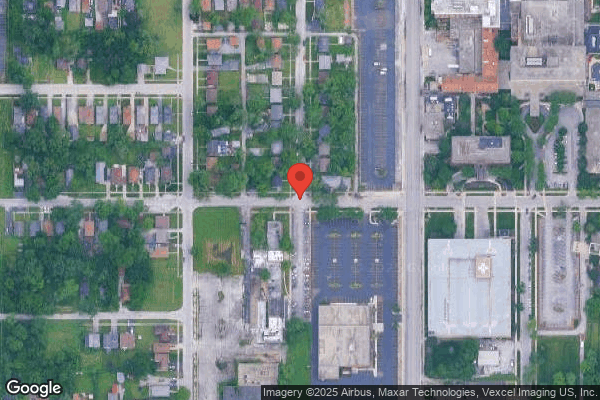
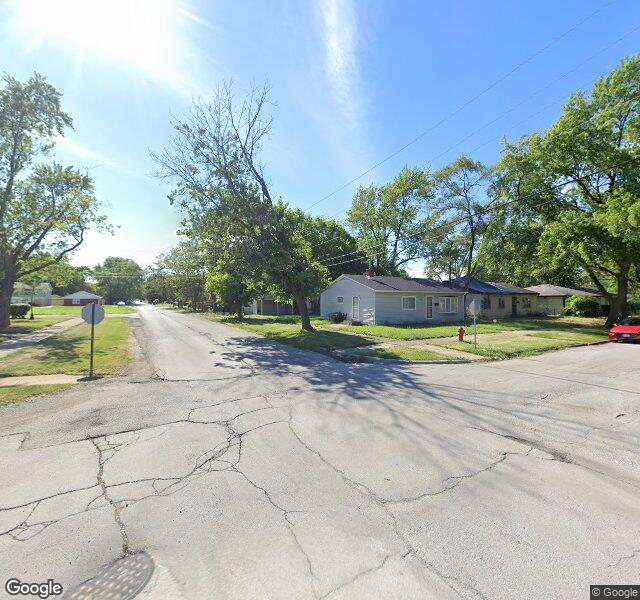
15600 SOUTH HONORE STREET, HARVEY, IL 60426 (708) 333-9550
For profit - Corporation 173 Beds THE ALDEN NETWORK Data: November 2025 2 Immediate Jeopardy citations
Trust Grade
0/100
#541 of 665 in IL
Last Inspection: April 2025

Within standard 12-15 month inspection cycle. Federal law requires annual inspections.

Overview

Heather Health Care Center in Harvey, Illinois has a Trust Grade of F, indicating significant concerns and a poor overall reputation. They rank #541 out of 665 facilities in Illinois, placing them in the bottom half, and #172 out of 201 in Cook County, suggesting limited options for families seeking better alternatives nearby. The facility is showing signs of improvement, decreasing from 9 issues in 2024 to 5 in 2025, but it still has serious deficiencies, including two critical incidents where residents were harmed due to inadequate supervision and monitoring. While staffing turnover is strong at 0%, indicating that staff stay long-term, the facility has concerning fines totaling $274,704, higher than 81% of similar facilities. Additionally, although RN coverage is average, serious incidents included a resident being physically assaulted by another resident and another resident eloping from the facility, resulting in dangerous situations that could have been avoided with better oversight.

Trust Score
F
0/100
In Illinois
#541/665
Bottom 19%
Safety Record
High Risk
Review needed
Inspections
Getting Better
9 → 5 violations
Staff Stability
○ Average
Turnover data not reported for this facility.
Penalties
✓ Good
$274,704 in fines. Lower than most Illinois facilities. Relatively clean record.
Skilled Nurses
⚠ Watch
Each resident gets only 23 minutes of Registered Nurse (RN) attention daily — below average for Illinois. Fewer RN minutes means fewer trained eyes watching for problems.
Violations
⚠ Watch
38 deficiencies on record. Higher than average. Multiple issues found across inspections.
★☆☆☆☆
1.0
Overall Rating
★☆☆☆☆
1.0
Staff Levels
★★★★☆
4.0
Care Quality
★★☆☆☆
2.0
Inspection Score
Stable
2024: 9 issues
2025: 5 issues

The Good

  • 4-Star Quality Measures · Strong clinical quality outcomes
  • Full Sprinkler Coverage · Fire safety systems throughout facility
  • No fines on record

Facility shows strength in quality measures, fire safety.

The Bad

1-Star Overall Rating

Below Illinois average (2.5)

Significant quality concerns identified by CMS

Federal Fines: $274,704

Well above median ($33,413)

Significant penalties indicating serious issues

Chain: THE ALDEN NETWORK

Part of a multi-facility chain

Ask about local staffing decisions and management

The Ugly 38 deficiencies on record

2 life-threatening 7 actual harm
Apr 2025 1 deficiency
CONCERN (D) 📢 Someone Reported This

A family member, employee, or ombudsman was alarmed enough to file a formal complaint

Potential for Harm - no one hurt, but risky conditions existed

Free from Abuse/Neglect (Tag F0600)

Could have caused harm · This affected 1 resident

Based on observations, interviews, and record reviews, this facility failed to follow its abuse policy and keep its residents free from abuse. This failure resulted in two residents (R2 and R3) having...

Read full inspector narrative →
Based on observations, interviews, and record reviews, this facility failed to follow its abuse policy and keep its residents free from abuse. This failure resulted in two residents (R2 and R3) having in a verbal altercation that escalated to a physical altercation before staff intervention out of three residents reviewed for abuse in a sample of 3. R3, with a history of physical aggression, hit R2 in the left eye with his fist. R2 sustained a laceration, bruising, and swelling to left eye. Findings include: On 4/16/25 at 2:30 PM, R2 was observed to have left eye swollen shut with ecchymosis (bruising), abrasions above and below left eye. On 4/16/25 at 2:30 PM, R2 stated that R3 has always given him problems. R2 stated that he was getting some more juice after lunch on 4/10, and R3 started yelling at him that he can't have more juice. R2 stated that he told R3 he wasn't the boss. R2 stated that he figured R3 wanted more juice so he threw his cupful of juice on R3 with his right hand. R2 stated that R3 then hit him in the left eye. On 4/16/25 at 1:00 PM, R3 stated that on 4/10 he was sitting outside dining room by the windows. R3 stated that he just finished eating lunch. R3 stated that staff had moved meal carts and drink cart out of dining room and placed them near where he was sitting. R3 stated that R2 had just finished his lunch and self-propelled in wheelchair to the drink cart. R3 stated that the CNA (certified nurse aide) informed R2 not to get drink by himself from cart. R3 stated that R2 started cussing at CNA. R3 stated that he observed R2 spilling drink onto floor while pouring it into his cup. R3 stated that he told R2 to be careful because he was spilling juice on floor. R3 stated that R2 started cussing at him. R3 stated that R2 then threw his cup of juice at his face and upper chest. R3 stated that he reacted by swinging left fist and hitting R2 in the face. R3 stated that staff separated them. On 4/17/25 at 10:50 AM, V5 LPN (licensed practical nurse) stated that V5 heard a commotion while in a resident's room. V5 stated that V5 exited the resident's room to see what was happening and heard R3 state why you threw that on me to R2. V5 stated that R3 had hit R2 prior to her exiting the resident's room. V5 stated that when she came out R2 was moving back in his wheelchair so she pulled him further away from the situation. V5 stated that both residents went to their rooms. V5 stated that R2 informed her that R3 hit him because he threw juice on R3. V5 observed R2's left eye swollen and with laceration below the eye. On 4/17/25 at 11:10 AM, V7 CNA stated that V7 was assigned to R3 on 4/10/25. V7 stated that V7 was providing care to another resident, did not hear anything. On 4/17/25 at 11:20 AM, V6 CNA stated that V6 was assigned to R2 on 4/10/25. V6 stated that V6 was providing care to another resident, did not hear anything. On 4/17/25 at 1:20 PM, V4 (housekeeping) stated that on 4/10/25 V4 was cleaning the residents' dining room. V4 stated that V4 heard R3 telling R2 not to mess with the food carts. V4 stated that V4 observed R2 getting juice off of the cart. V4 stated that V4 observed R2 throw cup of juice at R3. V4 stated that R3 hit R2 in the eye. V4 stated that afterwards R3 went his way. V4 stated that the nurse was passing medications to another resident at the time of the incident. R2: R2's BIMS (brief interview of mental status), dated 2/3/25, notes R2's score is 15 out of 15. R2 is cognitively intact and able to make needs known. R2's risk assessment, dated 11/9/24, notes R2 has a history of abuse towards someone. R2's medical record notes R2 with history of verbal and physical aggression as evidenced by: on 7/15/23, R2 was involved in a verbal altercation with peer. On 9/23/24, R2 was exhibiting socially inappropriate behavior. On 9/27/24, R2 threatened physical aggression and was verbally aggressive to staff member. R2's abuse care plan, initiated 3/28/2023, notes R2 is at risk for abuse related to a diagnosis of major depressive disorder and history of verbal aggression. On 4/10/25, R2 was involved in an altercation, conflict with a peer. On 9/27/24, R2 threatened physical aggression and was verbally aggressive with a staff member. R3: R3's BIMS (brief interview of mental status), dated 3/21/25, notes R3's score is 15 out of 15. R3 is cognitively intact and able to make needs known. R3's risk assessment, dated 3/9/25, notes R3 has a history of abuse towards someone. R3's medical record notes the following: On 9/30/24, R3 became argumentative when staff was redirecting him during smoke time. R3 began swearing and ranting about being in a facility, having to wait for a cigarette. R3 presented with anger and hostility. R3 proceeded down the hall and began arguing with a resident laying in bed in his room. R3 removed himself from the wheelchair and began walking toward the resident while displaying visibly aggressive behavior. On 12/9/24, R3 was displaying abnormal behavior yelling and making delusional statements, getting upset with peer who was on the line for cigarette break. On 12/17/24, R3 was on the smoking patio where he stated a peer was talking to him and he told the peer to stop talking to him, at which time the peer hit him in the jaw, and R3 hit him back. On 1/27/25, R3 was threatening physical aggression towards a peer. R3's behaviors care plan, dated 12/16/24, notes R3 may get angry easily. R3 has difficulties managing his anger/frustration as evidenced by aggressively walking towards others, threatening harm, and arguing with a peer. R3's behaviors care plan, initiated 1/27/25, notes R3 has the potential for physical aggression towards others. Poor impulse control. R3's identified offender care plan, initiated 2/20/25, notes R3 has been assessed as a potential risk towards other residents. This facility's abuse investigation involving R2 and R3 was reported to the State Surveying Agency on 4/10/25 at 3:22 PM. The initial reports notes no physical contact made between R2 and R3. Staff interviews: V4 stated that he was cleaning the dining room and R2 was trying to go to the food carts after everyone was through eating. R2 initiated a conversation with R3. R2 said something R3 didn't like, R2 threw cup of juice on R3, R3 jumped up and hit R2. Both residents were in wheelchairs, both were by small elevator across from R2's room. V4 stated that R3 left and went to his room. V4 stated that R2 went to his room. V4 stated that he was coming out of the dining room when all of this happened. V4 stated that they heard the commotion, none of the staff came over. The nurse came over to R2 to get his statement. V5 stated she came out of another resident's room and heard R2 and R3 arguing. V5 stated that she heard R3 say 'why you throw that on me'. V5 stated R2 and R3 were moving away from each other. R2 stated that he was getting juice and R3 came over and said 'you ain't supposed to do that' and R2 responded 'who made him the boss and he threw the juice on R3. R3 stated that R2 was pouring juice in his cup. R3 stated that he told R2 be careful, you shouldn't be doing that. R3 stated that it got to the point where R2 poured his juice on R3 and R3 ended up swinging at R2. R3 stated that is when staff intervened. This facility's abuse policy, dated 03/2025, notes this facility affirms the right of our residents to be free from abuse.
Apr 2025 3 deficiencies
CONCERN (D)

Potential for Harm - no one hurt, but risky conditions existed

Deficiency F0558 (Tag F0558)

Could have caused harm · This affected 1 resident

**NOTE- TERMS IN BRACKETS HAVE BEEN EDITED TO PROTECT CONFIDENTIALITY** Based on observation, interview, and record review, the facility failed to ensure that two residents (R88 and R115) were able to...

Read full inspector narrative →
**NOTE- TERMS IN BRACKETS HAVE BEEN EDITED TO PROTECT CONFIDENTIALITY** Based on observation, interview, and record review, the facility failed to ensure that two residents (R88 and R115) were able to operate their call light by placing it was within reach. Findings include: R88 is a [AGE] year-old male who originally admitted to the facility on [DATE] and continues to reside in the facility. R88 has multiple diagnoses including but not limited to the following: COPD, heart failure, hemiplegia, type II DM, HTN, depression, ESRD depending on renal dialysis, and history of falling. Per MDS (Minimum Data Set) dated 3/5/2025, R88 has a BIMS (Brief Interview of Mental Status) of 13 meaning resident is cognitively intact. On 4/6/2025 at 11:20AM, R88 said currently my call light chord is broken and I cannot use it when I am laying in bed. This surveyor observed call light chord to be disconnected from call light and hanging from bed. R88 said this has been like this for a week and the staff is aware. R88 care plan intervention dated 10/4/2024 shows placement of call light within reach. R115 is a [AGE] year-old male who originally admitted to the facility on [DATE]. R115 has multiple diagnoses including but not limited to the following: type II DM, peripheral vascular disease, CHF, CKD III, acquired absence of right and left leg below knee, and adult failure to thrive, osteoarthritis, and impingement syndrome of shoulders. On 4/7/2025 at 11:15AM, R115 was observed to be in bed with call light chord hanging from call light and not within reach. V21 (Certified Nursing Assistant) said the call light should be within reach and on the resident to make sure he is able to call for help when needed. R115 care plan intervention dated 7/10/2023 shows placement of call light within reach. Use of Call Light Policy dated 9/2020 states in part but not limited to the following: Procedure: Be sure call lights are placed within resident reach at all times.
CONCERN (E)

Potential for Harm - no one hurt, but risky conditions existed

Safe Environment (Tag F0584)

Could have caused harm · This affected multiple residents

**NOTE- TERMS IN BRACKETS HAVE BEEN EDITED TO PROTECT CONFIDENTIALITY** Based on observation, interview, and record review, the facility failed to follow their maintenance and housekeeping policy and ...

Read full inspector narrative →
**NOTE- TERMS IN BRACKETS HAVE BEEN EDITED TO PROTECT CONFIDENTIALITY** Based on observation, interview, and record review, the facility failed to follow their maintenance and housekeeping policy and procedures by not maintaining a clean, sanitary, and comfortable environment that is in good repair and by not providing a television for a resident who had been moved to a new room for three weeks. This failure applied to nine of nine residents (R17, R36, R100, R104, R108, R112, R119, R143, and R303) reviewed for environment. Findings include: On 4/6/2025 at 1:05PM, R303 said the facility is overall unsanitary and not in good condition. R303 said I admitted to the facility on [DATE] and many things in my room are broken or not in working condition. The sheets were stained, my television does not work, the bathroom looks as if there is water damage on the floor, and there is a hole in my wall next to my bed. At 1:15PM, R303 and R100 were interviewed in their room. Observed hole next to R303's head of bed, handles missing off of wardrobe, and large red stain on privacy curtain between beds. R303 and R100 said it gets so hot in here and the windows do not open. Observed windows knobs to be off and not in working order. Touched window curtain surface and noted to have dust and grime on curtains. Observed R303 television to be mounted on wall with chord hanging and not plugged in. R100 said this television has been broken since August of 2024. R303 said it is upsetting because I just admitted Friday and they placed me in this room with nothing in working order. Observed bathroom between residents room to have broken grab bar on one side of toilet. Also observed baseboard on wall to be missing and water damage noted to wall. It is to be noted that R100, R303, R112, and R119 all share a bathroom. R100 said this has been like this for a very long time. Sometimes when I go to the bathroom, water drips on my head from the ceiling. Observed ceiling tiles to be discolored and dark yellow in color. On 4/7/2025 at 12:30PM, V5 (Regional Maintenance Support) said rooms should be in working order before new residents are admitted . Maintenance logs dated January 2025-April 2025 show multiple maintenance requests that are outstanding and not resolved. R143 is 52 years and was admitted to the facility on [DATE], medical history includes, but not limited to hypertensive heart disease with heart failure, syncope and collapse, orthostatic hypotension, type 2 diabetes, insomnia, hyperlipidemia, other seizures, essential primary hypertension, etc. On 04/06/25 11:30AM, R143 was observed in his room, awake and alert and stated that he is doing okay but certain things are not going okay, he was moved to this new room about three weeks ago and has been asking for a television. Resident stated that all he does is stare at the blank walls, he have spoken to several staff but gets a run around, Resident said that last week a staff came and told him that all he needed was to find a mount for a television and he will come back, staff never returned, R143 said he is tired of asking and it is so frustrating. On 4/7/2025 at 9:40AM, V4 (Maintenance Manager) said that he is aware that R143 needs a television in his room, resident informed V4 last week and he informed his supervisor who completed a work order and ordered a new television. Currently they do not have any television in the facility. V5 (Regional Maintenance Director) who came to the room while surveyor was speaking to V5 said that V4 is new and still in training, V5 normally go to the facilities to train new staff and have not been to this facility to train V4, there is another maintenance staff that work with V4 but that one is new too. On 4/7/2025 at 12:25PM, V5 (Regional Maintenance Director) was observed in resident's room with a television mounted on the wall. Surveyor asked V5 when the television arrived, and he said that V4 is not really familiar with where to find some items. V5 said that he was cleaning the storage and found 2 televisions, there is no work order for the resident's room, but he will put in a work order today. The facility's Maintenance Policy and Description of Building Manager Responsibilities dated 03/2014 states in part but not limited to the following: Building Manager will assure that maintenance services are provided to all areas of the building, grounds, and equipment in a prompt and professional manner. The Building Manager is responsible for assuring that the following functions are performed as necessary for the safety and comfort of residents, staff, and visitors: Maintaining the building in good repair and free from hazards. Establishing priorities in providing repair service. Providing routinely scheduled maintenance services to all areas. The facility's Housekeeping Policy received 04/08/2025 states: The facility will follow an effective plan to maintain a clean, safe, and orderly environment. Unpleasant odors within the responsibility of Housekeeping and Maintenance will be controlled through proper cleaning of the environmental surfaces and proper ventilation. Floors will be maintained as clean and free of slipping and tripping hazards. R36 is a [AGE] year-old male with a diagnoses history of Paranoid Schizophrenia, Bipolar Disorder, Generalized Anxiety Disorder, Unspecified Mood Affective Disorder, Psychotic Disorder with Hallucinations, Restlessness and Agitation, Depression, and Violent Behavior who was admitted to the facility 07/26/2024. On 04/06/25 at 10:41 AM R36 stated they don't clean his room enough. Observed holes in R36's wall and he stated he would like them repaired. Observed chipped paint on the floor by R36's window, the pin board over R36's bed with multiple stains, his room sink with stains and residue around the faucet and on the back of the sink, his room radiator vents with buildup, his clothes cabinet with multiple stains and spills, and his room floors dirty. R104 is a [AGE] year-old female with a diagnoses history of Dementia, Schizophrenia, and Bipolar Disorder who was admitted to the facility 10/13/2022. On 04/06/25 at 10:46 AM Observed a urine odor in R104's room, observed the window next to R104's bed with splattered insulation foam and with multiple broken blinds. R104 stated she would like the blinds repaired and the foam in her window fixed if they can. Observed holes in the wall behind R104's bed. Observed the baseboard next to R104's bathroom peeled from wall. R108 is a [AGE] year-old male with a diagnoses history of Recurrent Major Depressive Disorder who was admitted to the facility 12/14/2022 On 04/07/25 at 08:25 AM R108 stated there are holes in the wall in his room and maintenance is aware of it. On 04/07/25 at 08:53 AM Observed R108's bathroom vent with heavy buildup of dust, observed holes and cracks in the wall underneath the window in R108's room. R17 is a [AGE] year old male with a diagnoses history of Schizophrenia, Schizoaffective Disorder, COPD, Spinal Stenosis, and Heart Failure who was admitted to the facility 09/18/2017. On 04/07/25 at 08:56 AM R17 pointed at the baseboard behind his bed. Observed the baseboard behind R17's ed was peeled away from the wall. R17 communicated that the maintenance man knows but hasn't done anything. On 04/07/25 at 08:59 AM Observed the floors underneath the sink in R36's room cracked and with buildup and with the baseboard peeling. Observed R36's clothes cabinet and sink with the same stains and spills present yesterday. Maintenance log reports from December 2024 - April 2025 documents on unknown dates R17's room has detached wall base board, missing window screen and window won't close, has a cracked sink and hole in the wall, and the light not working, R36's room has holes in the wall, R104's room has missing wall baseboard. On 04/08/25 at 03:09 PM V4 (Maintenance/Building Manager) stated he has been in the facility approximately 3 weeks. V4 stated V26 (Painter) typically patches holes, baseboards, and paints in residents rooms. V4 stated he uses the nurses logs to identify when these repairs are needed. V4 stated he walks around daily and performs preventive maintenance checks but doesn't observe all the residents rooms. V4 he mainly observes the halls, main doors, windows, exit doors, fire systems, and nurses station when performing these maintenance checks. V4 stated sometimes repairs are not listed in the logs and the nurses will call and report needed repairs. On 04/09/25 at 11:14 AM When asked by surveyor how often are resident's rooms cleaned? V1 (Administrator) responded, daily. When asked by surveyor should there be any visible spills, stains, or residue left on the residents room furniture, sink, or floors after housekeeping for more than one day? V1 responded, no. When asked by surveyor how often are bathroom vents cleaned? V1 responded, daily and as needed. When asked by surveyor should there be any visible signs of heavy buildup at any time on a residents bathroom vent? V1 responded, no. When asked by surveyor if the resident's room's show signs of disrepair such as exposed foam around their window seals, broken blinds, peeling or chipped paint, baseboards peeling from the wall, holes or cracks in the walls etc.; should staff be aware of this and should they report this to maintenance? V1 responded, yes. When asked by surveyor should maintenance monitor resident's room condition and identify these signs of disrepair? V1 responded, yes. On 04/09/25 at 12:36 PM When asked by surveyor if there should be any detectable unpleasant odors in residents rooms? V1 (Administrator) responded, not unless there is a recent happening like an incontinence episode and recent rounds. When asked by surveyor what should be done to remedy or prevent unpleasant odors? V1 responded, proper attention to the situation for example clean up the episode.
CONCERN (E) 📢 Someone Reported This

A family member, employee, or ombudsman was alarmed enough to file a formal complaint

Potential for Harm - no one hurt, but risky conditions existed

Pharmacy Services (Tag F0755)

Could have caused harm · This affected multiple residents

**NOTE- TERMS IN BRACKETS HAVE BEEN EDITED TO PROTECT CONFIDENTIALITY** Based on observation, interview, and record review, the facility failed to ensure that staff administered scheduled medications ...

Read full inspector narrative →
**NOTE- TERMS IN BRACKETS HAVE BEEN EDITED TO PROTECT CONFIDENTIALITY** Based on observation, interview, and record review, the facility failed to ensure that staff administered scheduled medications on time for residents. This failure affected five (R65, R71, R79, R112 and R119) of five residents reviewed for medication administration and has the potential to affect all 31 residents in the west wing of unit 1 at the facility. Findings include: On 4/6/2025 at 10:30AM, observed medication administration for R71 with V25 (LPN). R71 received among other treatments, Keppra 500mg by mouth and Lamotrigine 100mg 1 tablet by mouth. Per physician order, both medications were scheduled to be given two times a day at 0900 and 1700. Medication administration record (MAR) showed both medications signed of at 0900, medication audit dated 4/6/2025 showed that both medications were given at 10:40AM. On 4/6/2025 at 10:40AM V25 was observed administering medication to R79. Resident received among other treatments: Metformin 100mg tablet, Metoprolol 100mg tablet, Gabapentin 300mg tablet, Hydralazine 25mg tablet, Enalapril 10mg tablet, Cyclobenzaprine 5mg tablet, Apixaban 5mg tablet and Magnesium Oxide 400mg tablet. Review of physicism order showed that these medications are scheduled or two or three times a day, all medications are documented as given at scheduled 0900 in MAR. Review of medication audit showed that these medications were charted between 11:01 and 13:50. On 4/06/2025 at 11:00 AM R71 said, I have received my medications late today, and I take medication for seizures. I am concerned about my health and want my medication on time. On 4/06/2025 at 11:10 AM R79, said, I received my medications late today, I take blood pressure medications and I want to keep my blood pressure down. Ob 4/6/2025 at 12:45PM, surveyor asked V25 how many residents she still must give medications and she said four residents, Surveyor asked V25 if she could ask for help when she is running behind with medication administration and she said yes. R65 received the following medications from V25, Lasix 20 mg tablet two times a day, Dicyclomine 10 mg tablet three times a day, Gabapentin 300mg three times a day, The above medications were signed off as given at 0900 per MAR, medication audit for 4/6/025 showed that they were administered at 12:54. R112 received the following medications as documented in MAR, Flonase allergy relief, 1 [NAME] in both nostrils twice a day, Metoprolol 25mg one time a day, Procardia XL extended-release tablet, by mouth one time a day. These medications were signed off as given at 0900, medication audit showed that they were given at 12:01. R119 received the following medications from V25, Clopidogrel 75 mg tablet one time a day, Carvedilol 25mg by mouth two times a day, Furosemide 40mg by mouth two times a day, metformin 500mg by mouth two times a day, Hydralazine 25mg by mouth three times a day, Ofloxacin ophthalmic solution, one drop in both eyes, four times a day, Ketorolac Tromethamine ophthalmic solution , on drop in both eyes four times a day, Prednisolone ophthalmic solution 1 drop in both eyes four times a day. These medications were signed off as given at 0900, medication audit review showed that they were charted at 13:00 to 13:18 by V25. On 4/8/2025 at 3:15PM V2 (DON) said that late medication administration is unacceptable and there should not be any reason for that, medications should be given an hour before or an hour after, giving medication ordered two or three times a day late will affect the next dose that will be administered too close together. V2 added that she constantly in-service the nurses about giving medication on time, if a nurse is running late, they can ask for assistance. V2 also said that when a medication is administered late, a prudent nurse should notify he physician and get an order to reschedule or skip the next dose. Medication administration policy dated 03/2021 states in part: to ensure that medications are administered safely as prescribed. Under procedure, the document states #8. Medications are administered within (1) hour of prescribed time. Unless otherwise specified by the physician, routine medications are administered according to established medication administration schedule.
Feb 2025 1 deficiency
CONCERN (D) 📢 Someone Reported This

A family member, employee, or ombudsman was alarmed enough to file a formal complaint

Potential for Harm - no one hurt, but risky conditions existed

Quality of Care (Tag F0684)

Could have caused harm · This affected 1 resident

**NOTE- TERMS IN BRACKETS HAVE BEEN EDITED TO PROTECT CONFIDENTIALITY** Based on observation, interview, and record review, the facility failed to ensure that staff provided post-surgical wound care a...

Read full inspector narrative →
**NOTE- TERMS IN BRACKETS HAVE BEEN EDITED TO PROTECT CONFIDENTIALITY** Based on observation, interview, and record review, the facility failed to ensure that staff provided post-surgical wound care according to current physician's orders for 1 of 3 residents (R2) reviewed for wounds in the sample of 6; and failed to follow their facility policies on following physician orders for surgical wound care. Findings include: R2's face sheet indicated that resident admitted to the facility on [DATE] with a past medical history not limited to: chronic kidney disease, hypertension, convulsions, history of transient ischemic attack and cerebral infarction, major depressive disorder, and open wound to left foot. On 02/22/2025 at 11:37 AM, R2 was observed sitting in his wheelchair in his room wearing a slipper to his right foot, and a thick black sock to his left foot. R2 indicated that he had surgery last week and has a wound to his left foot that is painful at times. R2's Podiatrist Note by V7 (Wound Care Physician) dated 01/22/2025 at 11:42 documented that R2 underwent outpatient surgery today: excision of bone spur [left] first metatarsal. He tolerated the procedure and anesthesia well and will be discharged back to the facility today. Post op wound care orders have been entered into [electronic health record] and sent to (V6) wound nurse. Right foot should be elevated while the patient is at rest in bed. The patient may ambulate as tolerated in his post op surgical shoe and take [pain medication] as ordered for pain. Keep dressing clean dry and intact until first nurse dressing change on 01/27/2025. Call [V7] with any questions. Podiatrist Note by V7 (Wound Care Physician) dated 02/21/2025 at 16:03 documented that R2 was seen and chart reviewed .Upon removal of the silver alginate and bordered gauze dressing to the left foot there is a 2-1/2 cm (centimeter) x 4 cm stage II ulceration deep to subcutaneous tissue at the dorsal aspect of the first metatarsophalangeal joint .Following verbal informed consent I cleansed the wound thoroughly with [antiseptic povidone-iodine] solution. I then performed a thorough lavage with [antiseptic povidone-iodine] 10% solution. Next I applied collagen powder silver alginate wound pad gauze rolled gauze and [self-adherent wrap] with mild compression. I recommend this wound care be repeated every 24 hours until my next follow-up the patient in 5 days .I will also place an order with wound care nurses . On 02/22/2025 at 3:42 PM, V7 (Wound Care Physician) said that R2 has wound issues and delayed healing due to non-compliance with not wearing his surgical shoe, not elevating his leg, and continues to smoke. V7 indicated that R2 continues with antibiotic therapy, will have a doppler study done, and be seen by a vascular team next week. V7 added that R2's wound has slightly improved from 02/12/2025 to when he assessed the wound on 02/21/2025 and he ordered a new daily wound care treatment for R2. On 02/23/2025 at 09:20 AM, V6 (Wound Care Coordinator) performed wound care to R2's left foot. V10 (Wound Care Tech) was also present and removed the soiled dressing. V6 then cleansed the foot wound initially with an antiseptic povidone-iodine solution applied to a gauze pad, then cleansed the wound with normal saline applied to a gauze sponge. V6 then covered the wound with a sheet of silver alginate, applied a thin layer of 2x2 gauze pads over the alginate, then wrapped R2's wound and foot with a gauze bandage roll and secured the end of roll with medical tape. Review of R1's current physician's orders on 02/23/2025 at 10:00 AM showed the following wound care orders: clean left foot wound every 24 hours with [antiseptic povidone-iodine] solution, apply collagen powder, silver alginate, [prescription antibiotic] 2% ointment, gauze and self-adherent wrap or ace bandage for mild compression start date 02/23/2025 0900; apply mupirocin external ointment 2% to left foot wound topically one time a day with silver alginate and collagen powder daily, start date 02/23/2025 09:00; apply [alginate] to left medial foot topically every day shift for wound care, clean with [antiseptic povidone-iodine] solution, apply silver alginate, cover with abdominal pad, wrap with gauze bandage roll, then mild compression with self-adherent wrap or ace bandage and apply to left medial foot topically as needed for soiled/dislodged dressing, start date 2/21/2025 13:00; On 02/23/2025 at 12:00 PM, when asked about the observed wound care to R2's left foot and why it differed from the current physician's orders, V6 (Wound Care Coordinator) said V7 (Wound Care Physician) entered a new wound care order yesterday. After review of R2's active physician's orders with surveyor, V6 said that she followed the wound care order that popped up on the TAR (treatment administration record) and did not see the new order on the treatment record for collagen powder or antibiotic ointment but would have applied them if she would have seen it. At 12:04 PM, V6 (WCC) said that she misread the order, and will call V7 to inform him of what she did, and see if V7 wants her to provide wound care again for R2 to apply the missed medications. V6 (Wound Care Coordinator) added that she will have V7 (Wound Care Physician) clarify R2's wound order moving forward. Review of R2's treatment administration record for February 2025 showed on page 1 the following order: apply 2x2 silver alginate to left medial foot topically every day shift for wound care. Clean with [antiseptic povidone-iodine solution], apply silver alginate, abdominal pad, wrap with [rolled stretch gauze], then mild compression with self-adherent wrap or ace bandage wrap. Order Date-02/21/2025 1300. On 02/23/2025 at 12:10 PM, V6 (Wound Care Coordinator) said that she spoke with V7 (Wound Care Physician) who indicated the treatment did not have to be performed again but to continue with the previous treatment order tomorrow. On 02/23/2025 at 12:54 PM, V2 (Assistant Director of Nursing) said her expectation is for nurses to follow physician orders according to the physician order sheet (POS), orders should be carried out appropriately, and nurses should obtain a physician's order if changes were made to the current order. When asked if not following physician's wound care orders could contribute to a delay in wound healing, V2 (ADON) said yes, and that nurses should be following the direct physician order. The facility Wound Care (Surgical) policy dated 03/04/2021 reads in part: wound treatment will be performed as per MD (Medical Doctor) orders. Utilize clean/aseptic technique .Undress and expose only one area at a time .Change dressings in order from clean to dirty .Follow MD orders and apply new dressing . Physician's orders for medications and treatments policy dated 06/2022 reads in part: medications will be dispensed and subsequently administered to a resident only upon the clear, complete and signed order of a lawfully authorized prescriber. On 02/24/2025 at 09:45 AM, V1 (Administrator) provided education provided to staff regarding physician's orders for medications or treatments and counseling provided to V6 (Wound Care Coordinator) dated 02/23/2025 for not following physician's orders when providing wound care to resident.
Dec 2024 2 deficiencies 1 Harm
SERIOUS (G) 📢 Someone Reported This

A family member, employee, or ombudsman was alarmed enough to file a formal complaint

Actual Harm - a resident was hurt due to facility failures

Accident Prevention (Tag F0689)

A resident was harmed · This affected 1 resident

**NOTE- TERMS IN BRACKETS HAVE BEEN EDITED TO PROTECT CONFIDENTIALITY** Based on interview and record review, the facility failed to utilize a gait belt during a transfer for a resident (R2) that requ...

Read full inspector narrative →
**NOTE- TERMS IN BRACKETS HAVE BEEN EDITED TO PROTECT CONFIDENTIALITY** Based on interview and record review, the facility failed to utilize a gait belt during a transfer for a resident (R2) that requires substantial/maximum assistance for one out of three residents reviewed for falls in a total sample of three. This failure resulted in R2 suffering three fractured ribs after falling to the floor during the transfer. Findings Include: A Nursing note dated 11/13/24 at 1:11PM documents the nurse was notified by the wound care aide that R2 was complaining of exaggerated pain to the right side. R2 stated while being transferred to the wheelchair during the morning get up, balance was lost and subsequently R2 fell to the floor. The nurse was not aware of the incident prior to R2 reporting it. The nurse practitioner was notified and sent R2 out for further evaluation. A Nursing note dated 11/13/24 at 8:41PM documents R2 returned back from the hospital with a diagnosis of closed fracture of multiple ribs. The Hospital Records dated 11/13/24 document R2 came to the hospital with a chief complaint of fall. R2's emergency department diagnosis is listed as close fracture of multiple ribs, unspecified laterality. The x-ray of the ribs documents there are questionable fractures involving the interior aspect of ribs eight, nine, and ten on the right. On 12/3/24 at 1:58PM, R2 stated R2 had a fall last month while being transferred causing R2 to break ribs on the right side. R2 was not aware how many of the ribs were fractured. R2 reported a CNA (V8) tried to transfer R2 from the bed to the wheelchair but dropped R2 and R2 fell on the floor next to the bed. R2 reported R2 has the left arm and leg locked due to arthritis so R2 can stand and pivot to the wheelchair only. R2 stated R2 normally will talk the staff members through how to properly transfer R2 but V8 refused to listen to R2. R2 denied a gait belt was used during the transfer. R2 reported R2 sat on the side of the bed and V8 grabbed R2 under the left arm to stand R2 up. R2 said, It happened so fast. I don't really know what caused the fall, but I was up then I was down on the floor. R2 denied being slid down V8's leg and denied asking to be put on the floor. R2 stated when R2 began falling, V8 let go it R2. R2 denied having pain right away but told a staff member a couple hours later R2 began to feel pain in the side. R2 reported V8 and another staff member (V10 - CNA) got R2 back up in the wheelchair after the fall. R2 mental status was assessed and R2 reported the location, type of building, president, and R2's birth date correctly. R2 stated the date was 12/2/24. On 12/4/24 at 11:36AM, V8 (CNA) stated V8 was working the night shift and was getting R2 up around 5AM. V8 reported R2 needs a one person assist and is able to stand and pivot to the wheelchair. V8 stated V8 got R2 sitting up on the side of the bed and had R2 stand up and go to pivot to the wheelchair which was placed next to the bed. V8 reported while R2 was pivoting, R2 got leg spasms and could no longer move. V8 stated V8 asked R2 if R2 wanted to be set back down on the bed or on the floor, and R2 said R2 wanted to be set down onto the floor. V8 stated V8 slid R2 down V8's leg and laid R2 down on the floor. V8 reported going to get another CNA to help R2 up off the floor. V8 stated V8 then told V11 (Nurse) what happened. V8 reported R2 is alert and oriented times three. V8 stated both CNA's got R2 up off the floor by picking R2 up under R2's arms. V8 reported a gait belt should be used with every transfer. V8 stated a gait belt should be placed snuggly around the resident's lower chest area and the finger method should be used to test if it is on tight enough. V8 denied R2 reporting any pain after being lowered to the floor. The surveyor then asked how R2 ended up with fractured ribs if R2 was gently lowered to the floor, and V8 was unable to answer this question. When the surveyor asked V8 to describe a step-by-step process of how R2 was transferred that day the eight did not mention putting on a gait belt. The surveyor had to directly ask if a gait belt was placed on R2 to which V8 replied, yes. On 12/4/24 at 11:50AM, V9 (Nurse) stated a wound care aid reported to V9 that R2 was having pain on the side. V9 reported V9 went to assess R2 and R2 told V9 that R2 had a fall, but R2 did not want to report it earlier because R2 did not want to get anyone in trouble. V9 denied asking R2 what happened during the incident. V9 reported immediately telling V13 (DON) and V1 (Administrator) what R2 told V9. V9 stated V14 (Nurse Practitioner) was then called and R2 was sent out to the hospital for an x-ray. V9 reported R2 did have fractures per the hospital. V9 stated R2 first reported the pain around 12 PM. V9 reported R2 normally complaints of leg pain but pain on the side is new onset pain. V9 stated or two is alert and oriented times three and has the ability to verbalize what happened during the incident. V9 denied being notified by any staff from the previous shift that R2 fell. On 12/4/24 at 12:00PM, V8 then called the surveyor back on the phone and reported that R2 did not have a gait belt on during the fall. V8 stated R2's leg began giving out, and V8 tried to slide R2 down to the floor as best as V8 could. V8 reported staff are always supposed to use a gait belt when transferring residents. V8 was not able to answer why a gait belt was not used during this transfer. On 12/4/24 at 2:04PM, V10 (CNA) stated V10 did not witness the fall, but V8 came to ask V10 to assist with getting R2 back into the wheelchair. V10 reported R2 was lying on the floor when V10 entered the room. V10 stated both CNA's (V8 and V10) picked R2 up under the arms and got R2 back into the wheelchair. V10 denied R2 stating how the fall happened and V10 denied asking how the fall occurred. V10 reported V8 only told V10 that R2 asked to be laid on the floor during the transfer. V10 stated a gait belt should be used for any transfer for safety reasons. V10 reported R2 is a one person assist with transfers and is not able to walk. V10 stated when R2 returned from the hospital, R2 had fractured ribs. V10 denied R2 having a gait belt on when V10 first entered the room. On 12/4/24 at 2:18PM, V11 (Nurse) stated V8 reported to V11 that R2 almost had a fall. V11 reported going to check on R2 and R2 was sitting in the wheelchair when V11 entered the room. V11 stated R2 told V11 that R2 got weak in the legs and R2 told V8 to sit R2 on the floor. V11 reported R2 was given scheduled pain medication at that time but did not report any other pain. V11 denied V8 or R2 using the word fall when describing what happened. V11 stated anytime a resident is on the floor, it is to be considered a fall. V11 reported V13 educated V11 on this topic. V11 denied V8 or R2 telling V11 that a gait belt was not being used during the transfer. On 12/4/24 at 2:25PM, V12 (Wound Care Nurse) stated R2 did not report any pain during wound care treatments that morning. V12 reported the wound care aid was doing rounds in the afternoon when R2 reported pain on R2's side. V12 stated this information was reported to V9, and V9 handled it from there. On 12/5/24 at 9:49AM, V13 (DON) stated during the investigation, the wound aid told V9 that R2 was complaining of pain on R2's side. V13 reported interviewing R2 and R2 told V13 that R2's left leg started giving out so V8 slid R2 down V8's leg onto the floor. V13 stated V8 told V13 that R2 was having leg spasms and V8 slid R2 to the floor per R2's request. V13 stated V8 got another CNA to get R2 up off the floor and then told V11 what happened. V13 reported later R2 did complain of pain for the next shift. V13 stated within the past couple days V8 admitted to the administrator that a gait belt was not being used during the transfer. V13 reported gait belts are part of the CNA uniform and should be worn at all times during their shift. V13 stated staff should never transfer any resident without a gait belt because it is easier to control the resident if something happens if the gait belt is on. On 12/5/24 at 5:01PM, V14 (Nurse Practitioner) stated V14 was told that R2 was lowered to the floor as R2 was being transferred. V14 denied that facility staff notified V14 that a gait belt was not being used during the transfer. V14 reported the hospital x-ray report showed R2 had possible rib fractures so the actual imaging was requested but the hospital has not sent over that imaging yet. V14 stated all residents must have their gait belts on when being transferred for resident's safety. V14 said, That is like CNA 101, when asked when should a resident be wearing a gait belt during transfers. A Nursing note dated 11/18/24 documents R2 is alert and oriented to person, place, and situation with a BIMS score of 15. R2 requires partial to moderate assistance with the wheelchair. R2 reported that while being transferred to the wheelchair, R2 lost balance and fell to the floor on the previous shift. R2 reported pain to the right flank area it was given pain medication and an ice pack. The physician was notified and sent to the hospital. R2's fall is being investigated for increased weakness. A new intervention is to have therapy evaluate and ensure gait belt is used during transfers. The Final Incident Report dated 11/18/24 documents R2 reported being transferred to the wheelchair when R2 begin to have leg spasms and the leg started to give out. R2 stated that because of this the CNA (V8) attempted to lower R2 to the floor, which caused an unintentional change in plane resulting in a fall. Per V8, R2 was unable to assist with the transfer as typical and began having leg spasms. As a result of R2 not being able to continue to assist with the transfer, V8 had to lower R2 to the floor. It is coded that R2 require substantial/maximal assist, which was the type of assistance given at the time of the transfer. R2 has not had any previous falls involving a transfer. R2's fall is attributed to gait imbalance, and anticipated change in the ability to transfer and weakness. A head to toe assessment was completed after R2 complained of pain to the right link area. R2 was sent to the emergency department for x-rays and returned with a diagnosis of right intercostal rib fracture. The Fall Risk assessment dated [DATE] document score of a five indicating R2 is at risk for falls but not considered a high fall risk. A score of 12 or higher indicates a high fall risk. The Restorative Nursing assessment dated [DATE] documents R2's priority restorative programs are transfers and bed mobility/walking. The transfer program indicates the goal is R2 will tolerate staff assistance into getting in and out of the wheelchair. R2 has maintained the ability to perform ADLs. There is no documented decline in R2's mobility. The Care Plan dated 4/18/23 documents R2 has an ADL self-care performance deficit secondary to weakness, being a fall risk, pain due to leg wound, and history of falls. An intervention includes to provide the needed level of assistance and support to complete activities of daily living. This care plan also documents R2 is at risk for falls secondary to history of falls, weakness, bilateral lower extremity wounds, pain, and poor balance. R2 requires assistance from staff for transfers due to decrease muscle strength and weakness. Interventions include to explain the task prior to starting. Give simple step-by-step directions for transfer to assist R2. R2 will stand pivot and transfer with maximum assist from the bed to the wheelchair. The intervention documented after the fall on 11/13/24 is to place the gait belt under the fractured ribs. The Care Plan dated 11/13/24 documents R2 at risk for injury: a fall occurred. Interventions include to assess R2 to identify any injuries from the fall and to follow facility post fall policy regarding monitoring for signs and symptoms of injury. The Care Plan dated 11/14/24 documents R2 has limited transfer skills. The Minimum Data Set (MDS) dated [DATE] documents a Brief Interview for Mental Status (BIMS) score as 15 (no cognitive impairment). Section GG of the MDS indicates R2 has upper and lower extremity impairments on both sides and uses a wheelchair. R2 needs substantial/maximal assistance for bed mobility and transfers. This means the helper does more than half the effort. The helper lifts or hold the trunk or limbs and provides more than half of the effort. The policy titled, Management of Falls, dated 08/2020 documents, .6. Assess and monitor resident's immediate environment to ensure appropriate management of potential hazards. The policy titled, Gait Belt/Transfer Belt, documents, To assist with a transfer or ambulation. A gait belt will be used with weight bearing residents who require hands on assistance .2. The gait belt is securely clasped around the resident's waist unless contraindicated. The policy titled, Transfer Techniques, dated 02/2022 documents, Purpose: To safely transfer the resident from bed to chair or from one location to another. Transfer from bed to wheelchair .5. Have resident sit on the edge of the bed with feet crossed and resting on the floor. He/she may use this as an opportunity to practice sitting balance. Put on gait belt and shoes .7. Place gait belt around resident's waist unless contraindicated.
CONCERN (D) 📢 Someone Reported This

A family member, employee, or ombudsman was alarmed enough to file a formal complaint

Potential for Harm - no one hurt, but risky conditions existed

Notification of Changes (Tag F0580)

Could have caused harm · This affected 1 resident

**NOTE- TERMS IN BRACKETS HAVE BEEN EDITED TO PROTECT CONFIDENTIALITY** Based on interview and record review, the facility failed to notify a physician of a resident (R2) fall until about six hours la...

Read full inspector narrative →
**NOTE- TERMS IN BRACKETS HAVE BEEN EDITED TO PROTECT CONFIDENTIALITY** Based on interview and record review, the facility failed to notify a physician of a resident (R2) fall until about six hours later when R2 began complaining of new pain for one out of three residents reviewed for physician notification in a total sample of three. Findings Include: R2 is a [AGE] year old with the following diagnosis: history of falling, muscle weakness, and multiple fracture to the right ribs. A Nursing note dated 11/13/24 at 1:11PM documents the nurse was notified by the wound care aide that R2 was complaining of exaggerated pain to the right side. R2 stated while being transferred to the wheelchair during the morning get up, balance was lost and subsequently R2 fell to the floor. The nurse was not aware of the incident prior to R2 reporting it. The nurse practitioner was notified and sent R2 out for further evaluation. A Nursing note dated 11/13/24 at 8:41PM documents R2 returned back from the hospital with a diagnosis of closed fracture of multiple ribs. The Hospital Records dated 11/13/24 document R2 came to the hospital with a chief complaint of fall. R2's emergency department diagnosis is listed as close fracture of multiple ribs, unspecified laterality. The x-ray of the ribs documents there are questionable fractures involving the interior aspect of ribs eight, nine, and ten on the right. On 12/3/24 at 1:58PM, R2 stated R2 had a fall last month while being transferred causing R2 to break ribs on the right side. R2 was not aware how many of the ribs were fractured. R2 reported a CNA (V8) tried to transfer R2 from the bed to the wheelchair but dropped R2 and R2 fell on the floor next to the bed. R2 reported R2 has the left arm and leg locked due to arthritis so R2 can stand and pivot to the wheelchair only. R2 stated R2 normally will talk the staff members through how to properly transfer R2 but V8 refused to listen to R2. R2 reported R2 sat on the side of the bed and V8 grabbed R2 under the left arm to stand R2 up. R2 said, It happened so fast. I don't really know what caused the fall, but I was up then I was down on the floor. R2 denied being slid down V8's leg and denied asking to be put on the floor. R2 stated when R2 began falling, V8 let go it R2. R2 denied having pain right away but told a staff member a couple hours later R2 began to feel pain in the side. R2 reported V8 and another staff member (V10 - CNA) got R2 back up in the wheelchair after the fall. R2 mental status was assessed and R2 reported the location, type of building, president, and R2's birth date correctly. R2 stated the date was 12/2/24. On 12/4/24 at 11:36AM, V8 (CNA) stated V8 went to get R2 up for the day around 5AM. V8 reported during a transfer R2's leg began to spasm and R2 requested to be lowered to the floor. V8 stated V8 then went to get another CNA to get R2 up off the floor. V8 reported after R2 was back in the wheelchair, V8 told V11 (Nurse) that R2 was lowered to the floor. V8 stated a nurse should be made aware of a fall as soon as it happens. On 12/4/24 at 11:50AM, V9 (Nurse) stated around 12PM a wound tech told V9 that R2 was complaining of pain to the right side. V9 reported assessing R2 and R2 told V9 that R2 fell in the morning but did not report it earlier because R2 did not want to get anyone in trouble. V9 stated V13 (DON), V1 (Administrator), and V14 (Nurse Practitioner) were notified immediately of what happened. V9 reported V14 ordered R2 be sent to the hospital for evaluation and fracture were discovered on x-ray. V9 stated R2 normally has pain but has never complained of side pain before. V9 reported a physician needs to be notified of a fall so they can decide what to do with their care. On 12/4/24 at 2:04PM, V10 (CNA) stated V8 asked V10 for assistance getting R2 off the floor because R2 needed to be slid down to the floor during a transfer. V10 reported entering R2's room and R2 was lying in the ground. V10 stated V10 and V8 picked R2 up under the arms and got R2 back into bed. V10 denied telling a nurse about the fall because V10 assumed V8 already told a nurse. V10 reported falls need to be reported the nurse immediately so they can assess for any injuries. On 12/4/24 at 2:18PM, V11 (Nurse) stated V8 told V10 that R2 almost fell and was slided to the floor during a transfer. V10 reported going into R2's room and R2 was sitting in a wheelchair and only complained of R2's normal pain. V11 stated V8 nor R2 used the word fall when describing the incident. V11 reported was not aware at the time but this incident should have been considered a fall at the time it happened because R2 went down to the floor. V11 stated even though V8 slid R2 down to the floor it still needed to be considered a fall. V11 reported a physician and the DON need to be notified of a fall immediately after it occurs so they can tell the nurse what needs to be done next. On 12/5/24 at 9:49AM, V13 (DON) stated by definition a change in plane is considered a fall so this incident should have been considered a fall by staff and reported. V13 reported staff that were present at the time of the incident didn't consider what happened to be a fall so it was not reported immediately. V13 stated this incident happened in the sometime in the early morning hours of the night shift (5AM-6AM) and it was reported to V14 around 12PM when R2 began complaining of pain. On 12/5/24 at 5:01PM, V14 (Nurse Practitioner) stated V14 was not notified right away because staff did not considered the incident to be a fall at first. V14 reported R2 made contact with the floor so this should have been considered a fall from the time it happened. V14 stated once R2 began complaining of pain and explained the incident then V14 was notified what happened by staff. V14 reported V14 should be notified of a fall immediately to determine what course of treatment needs to be provided to the resident. The Care Plan dated 11/13/24 documents R2 at risk for injury: a fall occurred. Interventions include to assess R2 to identify any injuries from the fall and to follow facility post fall policy regarding monitoring for signs and symptoms of injury. The Minimum Data Set (MDS) dated [DATE] documents a Brief Interview for Mental Status (BIMS) score as 15 (no cognitive impairment). Section GG of the MDS indicates R2 has upper and lower extremity impairments on both sides and uses a wheelchair. R2 needs substantial/maximal assistance for bed mobility and transfers. This means the helper does more than half the effort. The helper lifts or hold the trunk or limbs and provides more than half of the effort. Per V1, the facility does not have a post fall policy staff can reference for what steps to take after a fall.
Nov 2024 1 deficiency
CONCERN (D) 📢 Someone Reported This

A family member, employee, or ombudsman was alarmed enough to file a formal complaint

Potential for Harm - no one hurt, but risky conditions existed

Accident Prevention (Tag F0689)

Could have caused harm · This affected 1 resident

**NOTE- TERMS IN BRACKETS HAVE BEEN EDITED TO PROTECT CONFIDENTIALITY** Based on interview and record review, the facility failed to ensure that bathroom toilet handlebars and sink were properly insta...

Read full inspector narrative →
**NOTE- TERMS IN BRACKETS HAVE BEEN EDITED TO PROTECT CONFIDENTIALITY** Based on interview and record review, the facility failed to ensure that bathroom toilet handlebars and sink were properly installed to prevent from falling on a resident. This failure applied to one (R1) of three residents reviewed for accidents. Findings include: R1 is [AGE] years of age and current diagnoses include but are not limited to: Heart Disease with Heart Failure, Anemia. R1's MDS (Minimum Data Set) dated 09/12/2024 documented his BIMS (Brief Interview for Mental Status) score of 15 which indicates he is cognitively intact. R1 was not interviewed because he was discharged to another facility. On 11/04/2024 at 12:24PM, surveyor interviewed V8 CNA (Certified Nursing Assistant) about the fall incident that R1 sustained on 09/15/2024. V8 stated, I have worked here for about 6 six years, it will be six years in January. On the night of the incident, I heard a call light go off. I checked my hallway and there were no lights on there. So, I checked the other hallway and I saw R1's light on. I went to check his room. The nurse was in there already. I observed him on the bathroom floor, laying on his stomach. He said the sink fell on him. He was not observed by the sink. The call light was by the toilet. His legs were by the toilet, and his upper part of the body was in the room. We asked him how the sink fell on him, and he stated he was trying to pull up his pants and that the sink fell on him. His pants were observed to be pulled up and buckled and belted. He said he was in pain, so we did not try to get him up. Ambulance was called. On 11/04/2024 at 2:15PM, surveyor interviewed V4 (Building Manager) about the repairs that needed to be made in R1's bathroom after the fall incident that R1 sustained. V4 stated, I was informed on Monday morning about the broken sink in the room. I went to the bathroom. The sink was on the floor, the toilet rails were broken off. So, I closed the bathroom immediately and called local plumbing company to fix and they got here immediately. They replaced the wall and attached the sink. It took a few hours to fix. No work had been done in that bathroom since I started working here. No other incidences have occurred in the facility since I started working here in December. I put in a new faucet on that sink around February. The sink was stable. V4 provided a picture of the bathroom with the broken toilet bars and the sink on the floor. V4 also provided the work order for the repairs that were done on 09/16/2024. On 11/7/2024 at 11:02AM, surveyor spoke with V7, RN (Registered Nurse) about the fall incident that R1 sustained on 09/15/2024. V7 stated, I was sitting at the nurses' station and heard a loud sound; and I rushed to R1's room. I saw R1 in the bathroom on the floor, lying on his stomach. He was yelling out, complaining of back pain. R1 did not complain of leg pain. R1 did not allow me to touch him. The CNA was in there with me. I observed the sink was partially hanging on the wall. R1 was fully dressed, with a cap on his head. His legs were in the bathroom and the upper part of his body was out of the bathroom. He was not close to the sink. I left the room to call 911. When the paramedics came to pick him up, he made no noises when he was being transferred to the stretcher. On 11/7/2024 at 1:00PM, V2, DON (Director of Nursing) was inquired of her interdisciplinary team note from 09/16/2024. V2 stated, This is the statement that V4 made to me that it was no way the sink could have fell and it had to be dismantled. We brought the outside contractor in. I don't have any evidence of R1 dismantling the sink. I just have what the contractor provided. R1's records were reviewed. The incident was documented as a fall on 09/15/2024 and the report states Resident was observed on the floor, complaining of pain to his back and left arm. Basin was on the floor near the resident but not on any body part. Resident stated bathroom basin detached from the wall causing him to fall and hurt his back. Physical assessment was completed with no obvious injuries. Resident complained of pain to touch on his back. Resident offered pain medication. Ambulance called, MD notified, resident is responsible for self. Note dated 09/17/2024 states R1 is a [AGE] year-old male receiving care in the facility. He is alert, oriented to person, place and time with a BIMS score of 15. (R1) is ambulatory without assistance. Resident is currently admitted with non-acute injuries including lumbar radiculopathy and spinal stenosis. Nurse's note dated 9/16/2024 at 15:28:02 states, Resident to local hospital with Dx of Intractable back pain, lumbar radiculopathy (pain radiating along the sciatic nerve, which runs down one or both legs from the lower back) and spinal spondylosis (a degenerative disease that affects the spine, causing a loss of normal spinal structure and function. On 11/04/2024 V1 Administrator provided the 09/15/2024 nursing schedule for review and stated that V13 CNA was assigned to R1. V7 Registered Nurse post occurrence documentation dated 09/15/2024 at 06:57 documents the following: No.3 - Was a complete body check completed? No. No.4 - Injuries - Are there any injuries? Yes, box 6 checked: c/o Pain. No.5 - Details of checked box - complains of lower back pain with no obvious injury to the site. No.6 - Description of Occurrence - basin detached from the wall and resident was observed on the floor. R1's comprehensive assessment, section GG-Functional abilities and goals dated 09/15/2024 states in part, F. Toilet transfer: The ability to get on and off a toilet or commode rates 4 (Supervision or touching assistance - Helper provides verbal cues and/or touching/steadying and/or contact guard assistance as resident completes activity. Assistance may be provided throughout the activity or intermittently. R1's Care plan dated 09/12/2024: Focus - R1 has an increased risk of falling due to heart failure (HF), hypertension (HTN), reliance on a quad cane, and the use of psychotropic medication. Goal - Will remain free of falls through next review. Interventions/Tasks - Encourage appropriate use of cane. Promote placement of call light within reach. Provide an environment clear of clutter. Provide proper, well-maintained footwear. Care plan dated 09/13/2024 includes: Focus - R1 needs help with walking and must use an assistive device due to risk of falling and general weakness. Goal - Resident will ambulate from bedroom door to dining room daily. Interventions/Tasks - Alert resident to obstacles and remove any clutter that may cause potential harm. Assist resident with ambulation. Encourage resident to ambulate with staff assist as needed. Monitor for changes in gait. Notify nursing management and MD of changes. Review of V4, Building Manager's job summary states in part: JOB SUMMARY: Directs, plans and administers the overall operation of the Maintenance Department in accordance with federal, state and local laws, rules and regulations which govern a long term care facility. Work involves the coordination of safety and maintenance needs to ensure a comfortable and safe environment. ESSENTIAL FUNCTIONS: A. Facility safety - Ensure high standards of safety are developed, met and maintained in accordance with all facility policy and procedures; and applicable federal, state and local laws, rules and regulations. 2. Arranges, coordinates and schedules internal safety inspections and determines appropriate corrective actions when necessary. B. Facility maintenance - Ensures the long term care facility and grounds are maintained in accordance with facility policy and procedures and fiscal guidelines; and applicable federal, state, and local laws, rules and regulations. 1. Coordinates, arranges, supervises and provides for the completion of corrective and preventative maintenance in accordance with facility policy and procedures, practiced and financial considerations. 3. Develops, schedules and controls a preventative maintenance program to maintain safe and efficient plant operations and grounds. C. Facility Equipment Maintenance - Ensures major equipment and furnishings are maintained I safe, operable condition and/or arrange for replacement. E. Facility Safety and Maintenance Training - Provides training for personnel and residents as it relates to safety and maintenance needs of the long term care facility. Review of Facility Assessment Tool states in part: Part 3: Facility Resources Needed to Provide Competent Support and Care for our Resident Population Every Day and During Emergencies. Physical environment and building/plant needs: The facility submits at minimum, weekly supply orders, based on resident and facility needs. In addition, the facility follows the Preventive Maintenance Program, which is designed to: 1. Prevent unnecessary wear and malfunction of equipment by performing scheduled maintenance and testing; 2. Identify and correct issues before they become serious hazards; Physical Resource Category Resources Physical equipment bathroom safety bars, sinks for residents
Apr 2024 5 deficiencies 2 IJ
CRITICAL (J) 📢 Someone Reported This

A family member, employee, or ombudsman was alarmed enough to file a formal complaint

Immediate Jeopardy (IJ) - the most serious Medicare violation

Free from Abuse/Neglect (Tag F0600)

Someone could have died · This affected 1 resident

**NOTE- TERMS IN BRACKETS HAVE BEEN EDITED TO PROTECT CONFIDENTIALITY** Based on observations, interviews, and record review the facility failed to protect a cognitively and visually impaired resident...

Read full inspector narrative →
**NOTE- TERMS IN BRACKETS HAVE BEEN EDITED TO PROTECT CONFIDENTIALITY** Based on observations, interviews, and record review the facility failed to protect a cognitively and visually impaired resident's (R1) right to be free from physical abuse from another resident (R2) with known history of aggressive behavior for 1 (R1) of 3 residents reviewed for abuse in a sample of 10. This failure resulted in R1 being physically assaulted by R2. The Immediate Jeopardy began on [DATE] at 04:10 AM when R2 physically assaulted R1 which resulted in R1's emergent hospitalization. V1 (Administrator) was notified on [DATE] at 11:14 AM of the Immediate Jeopardy. The facility presented an acceptable removal plan, and the immediacy was removed on [DATE]. The surveyor conducted onsite investigation on [DATE] to confirm the removal plan was implemented. Findings include: 1. R1 is a [AGE] year old male admitted to the facility on [DATE] with diagnosis including but not limited to Type 2 Diabetes Mellitus; Peripheral Vascular Disease; Schizophrenia; Hypertension; and Presbyopia. According to R1's MDS (Minimum Data Set) assessment dated [DATE] and [DATE] under section C, R1 has BIMS (Brief Interview of Mental Status) score of 7 indicating severely impaired cognition. According to R1's MDS (Minimum Data Set) assessment dated [DATE] under section GG, shows that R1 required supervision/touching assistance or partial moderate assistance with all functional abilities. According to R1's MDS (Minimum Data Set) assessment dated [DATE] under section GG, shows that R1 was dependent with all functional abilities. R1's Abuse assessment dated [DATE] shows that R1 is not at risk for abuse, despite Developmental/Intellectual Disability confirmed by R1's BIMS score of 7. R1's care plan dated [DATE] reads in part, Due to vision impairment resident may enter into the wrong room. The behavior may present as wandering. Assist as needed. Check and assure physical comfort. 2. R2 is a [AGE] year old male admitted to the facility on [DATE] with diagnosis including but not limited to Schizoaffective Disorder; Anxiety Disorder; Encephalopathy; and Hypertension. According to R2's MDS (Minimum Data Set) assessment dated [DATE] under section C, R2 has BIMS (Brief Interview of Mental Status) score of 13 indicating intact cognition. R2's Comprehensive Behavioral Health Initial assessment dated [DATE] shows that R2 has a history of aggression and violence; displays frequent Hallucinations/Illusions and almost constant Delusions; Attitude towards Admittance: angry, confused; Adjustment to Placement: Angry over facility placement; resents placement; Copes through display of anger and hostility. No care plan related to R2's need for monitoring due to aggressive behavior documented prior to [DATE], the day of the incident. R2's psychiatry progress note from previous facility dated [DATE] reads in part, Behavior: agitated, restless, combative, stealing from other residents. 3. On [DATE] at 10:42 AM Surveyor approached R2 on the 2nd floor hallway. Surveyor asked about the incident involving him and R1 on [DATE]; however, R2 stated something unintelligibly and walked away. R2 proceeded then to follow surveyor throughout the unit, staring, mumbling unintelligibly, and clinching fists in a threatening way. Surveyor did not observed staff redirecting R2 at any point. R2 is remaining in the facility displaying aggressive and intimidating behaviors as observed by a surveyor and shares a room with another resident at this time. On [DATE] at 10:49 AM Surveyor interviewed R7. R7 resided in the room directly adjacent to R1 and R2's room at the time of the incident. R7 stated, I was awake on the night of [DATE]. The incident happened around 2:00 AM. R1 was howling: Somebody help! while R2 was just beating on him. R1 came into my room, he was bleeding from all over his face. R2 beat R1 terribly. Staff didn't hear them. There was only one nurse that night, V17 (Licensed Practical Nurse), I don't know where all CNAs (Certified Nursing Assistants) were. R2 is still messing with other residents. Everybody knows what happened that day. Nobody talked to me about the incident, you're the first person who asked me about it. After R1 returned from the hospital, he didn't move anymore, didn't come out of his room like he did before. According to R7's MDS (Minimum Data Set) assessment dated [DATE] under section C, R7 has BIMS (Brief Interview of Mental Status) score of 15 indicating intact cognition. On [DATE] at 11:29 AM V1 Surveyor interviewed V1 (Administrator/Abuse Coordinator) who stated in summary: I found out about the incident early, around 4.00 am, on [DATE]. V17 (LPN) notified me that R1 had a fall and will be sent out to the hospital. Allegedly, R1 hit his head. While they were waiting for the ambulance, R1 said, My roommate pushed me. Based on that allegation, I initiated abuse investigation. All neighboring residents, in adjacent rooms and rooms across from R1 and R2 room, were interviewed; all of them said they were asleep and didn't hear or see anything. The door to R1 and R2 room was ajar throughout the night. Staff didn't hear or see anything, including V17 (LPN), V11 (CNA), and V15 (Social Worker). We called local police department as part of the abuse investigation procedure, they awoke R2 to interview him, and R2 denied knowing what happened to R1. When police came, R2's behavior changed, he was walking away from them. After that, R2 became agitated and was sent out for psychiatric evaluation. As an outcome of the investigation, we found that R1 had laceration above his right eye but no serious injuries from the incident. When R1 came back from the hospital, he remained in bed, so he wasn't ambulating like before. I spoke to R1's Power of Attorney and discussed moving R1 closer to the nursing station to keep him safe. After few days (on [DATE]), R1 was transferred out to the hospital for a medical reason, and he passed away (on [DATE]). On [DATE] at 12:43 Surveyor interviewed V12 (Licensed Practical Nurse) who stated in summary: R2 was admitted to the facility on [DATE] around 3:00 PM, close to the change of shift, I was one of the admitting nurses. R2 seemed agitated. When we tried to orient R2 to his room and point to his bed, R2 told us, I want to be where I want to be and said I'm leaving from here. R2 met R1 in the hallway that day but did not display any aggressive behavior towards him at that time. Couple of residents have brought to my attention later that day ([DATE]), that R2 walked up behind them, into their personal space, which made them uncomfortable. R1 was very active, talkative, and friendly, seemed very happy. R1's vision was very impaired. All residents liked R1 and looked out for him due to his vision impairment. I saw R1 after the incident (on [DATE]), the right side of R1's face was very swollen, he couldn't move, he wasn't able to walk or feed himself, or even sit up. R1 has never gone back to his baseline. On [DATE] at 12:59 PM Surveyor interviewed V13 (Housekeeper) who stated in summary: The way R2 talks and looks at me, I don't know, I'm trying not to acknowledge him. It feels like R2 is targeting me, and couple other residents as well. You know how he looked at you when you were in the unit today? R2 does the same to me. It seems like R2 is looking for trouble. It is hard to understood what he's mumbling under his breath too, but I make sure R2 is never behind my back. R2 also writes in his room and on the bathroom walls. I saw R1 after the incident (on [DATE]), and he looked really bad, swollen. Residents are asking me why they (facility staff) are not doing anything about R2, they feel very uncomfortable with him on the unit. Everyone is aware that R2 is aggressive. On [DATE] at 3:28 PM V1 (Administrator) stated that, per V15's (Social Worker) significant other, she is incapacitated and won't be available for an interview during this survey. On [DATE] at 10:02 AM Surveyor interviewed V14 (Resident Care Coordinator) who stated in summary: I performed R1's MDS assessment in section GG on [DATE]. R1 was ambulatory, required partial to moderate assistance with incontinence care, identifying objects, and positioning for safety due to his visual impairment. R1 was able to perform majority of ADLs but staff assistance was required due to his vision impairment and behavior, such as response to internal stimuli, and cognitive incapacity. On [DATE] at 10:38 AM Surveyor interviewed V11 (Certified Nursing Assistant) who stated in summary: On 03/172024, I was working on the night shift (10:00 PM to 7:00 AM). I didn't hear or see anything that happened between R1 and R2 at the time of the incident. V17 (LPN) came to get me, between 3:00 AM and 4:00 AM, asking if I saw R1 recently. V17 (LPN) said R1 has a knot on his head. We both went to see R1. R1 had bloody face, swollen right eye, and swelling of the entire right side of his face. There was blood on R1's bed and the floor. R1 went to the bathroom to wash his face and hands, I assisted him. I didn't see any blood in the bathroom or on the bathroom floor. If I was going to judge where the incident happened, it would have been by R2's bed, that's where the blood was. In the conversation, R1 said he was punched twice in the face and kicked continuously by R2 while he fell to the floor. While I was awaiting an ambulance with R1, R2 kept coming around and asking how is R1 doing, if he's ok, and if his eye was ok. I told R2 to give us privacy, R2 got agitated but went back to his side of the room. I did not assess R2 or looked at his fists. Paramedics came 30 minutes later (around 4:00 AM - 4:30 AM). R2 was in the room the entire time. I usually round the unit every 2 hours. I came in at 10:00 PM, started rounding around 10.30 PM and went every two hours from then on. Last time I saw R1 that night was around 01:30 AM and he was asleep in the bed at that time. R2 was walking throughout the unit most of the night. No one mentioned that R2 required additional monitoring. When there is newly admitted resident in the unit, they should be monitored more frequently. I don't believe there is a specific policy for that, it is my personal experience. On [DATE] at 11:30 AM Surveyor interviewed V2 (Director of Nursing) who stated in summary: Myself and V5 (Clinical Director) are supposed to be part of the team who makes decision about resident placement in regard to appropriate room and roommate, but we are just told where to place residents. Surveyor clarified why are V2 (DON) and V5 (Clinical Director) excluded from roommate placement decision despite their clinical experience, V2 (DON) said, I have no answer to that. V2 (DON) continued: R2 has a psychiatric background, his referral packet showed past agitation but not violence. Placing R1 and R2 in the same room was not the decision we made. It would be V16 (Admissions Director). New residents should be monitored for the first 72 hours, nurses should be documenting the behavior, or anything abnormal. I was not a part of R1 and R2's incident investigation, I was off one day. I was told R1 had fallen. Upon hospital record review, I found out that something else happened. Medical record alerted me that there was physical assault that occurred. I presented it to V1 (Administrator) and she said that that the outcome of the investigation is that R1 fell. There were no further interventions for abuse because it was concluded it was a fall; therefore, we implemented additional fall precautions for R1. After R1 returned from the hospital (on [DATE]), he wasn't eating, dressing, or ambulating, so there was also referral that was placed for therapy. On [DATE], I was notified that R1 was not himself. When I went up to his room, staff had crash cart at the bedside. R1's oxygen saturation was 80%, he had nonrebreather mask, and his blood pressure was very low. R1's blood sugar read as high which means it was above 600. Nurse practitioner ordered 10 units of insulin before ambulance arrived. EMS took over from there. R1 was admitted with diagnosis of DKA (Diabetic Ketoacidosis). I didn't know he died (on [DATE]), I just found out today. On [DATE] at 11:40 AM Surveyor interviewed V5 (Clinical Director) who stated in summary: V1 (Administrator) has a social service background, so she is qualified to make decision in regard to resident placement. I feel like, when I looked at R2's admission packet, that showed agitation but not violence, I assumed it was safe to have R1 and R2 together, in the same room. We're not always familiar with entirety of residents' behavior. I was not part of R1 and R2 incident investigation, I was not here. After R2 returned from his psychiatric evaluation, he was placed back in the same room, R1 was moved to a private room, both were located on the same floor. R2 was placed on 72 hour checks and was referred to see a psychiatrist. I cannot answer why this resident was placed in the same room with a new roommate. On [DATE] at 12:00 PM Surveyor interviewed V16 (Admissions Director) who stated in summary: I am responsible for resident placement in regard to appropriateness of the room and a roommate. I did not think that R2 should not be placed back in the same room with a new roommate upon his readmission on [DATE]. Surveyor reiterated that R2 assaulted another resident (R1) recently, V16 continued: The focus was to remove R1 and place him in another room, but R2 was assessed as safe to return to the same room with a new roommate. I make my decision based on nurses and social service staff assessments when I make room assignments. On [DATE] at 12:40 PM Surveyor interviewed V17 (Licensed Practical Nurse) who stated in summary: I was doing rounds on [DATE], between 3:00 AM and 4:00 AM, when I found R1 sitting on the edge of his bed with some injuries. I asked him what happened, R1 said that he fell. I did my assessment then and notified the doctor. The doctor ordered to send R1 to the hospital. R1 had injury to his eye and had some bleeding. I assessed the rest of his body and there were no other injuries. R2 was agitated at that time, manic, restless, kept going back and forth all night, and talking to self. He was more agitated than usual. R2 was pacing in the hallway, going back to the room occasionally. I did not hear or see the incident and there were no witnesses at the time. I didn't see any blood on the room's floor, maybe a little on R1's sheet. I notified administrator and family in addition to the doctor. R2 was a new resident. I got a report upon beginning of my shift, but I was not endorsed anything special about R2. When we have a new resident, we should monitor every hour for about 3 days. The monitoring occurs between nurses and CNAs. Surveyor clarified if V17 (LPN) addressed R2's escalating behavior on [DATE] before the incident occurred, V17 said, R2 was sent out to the hospital for behavioral evaluation after the incident. Based on the record review, no documented interventions for R2's maladaptive behavior on [DATE] between 11:00 PM and 4:00 AM noticed. Based on the record review, no documentation of R2's new admission monitoring between [DATE] 2:30 PM and [DATE] 4:10 AM noticed. On [DATE] at 1:15 PM Surveyor interviewed V19 (Licensed Practical Nurse) who stated in summary: I performed R1's assessment on [DATE]. R1 was not responding and not talking, he was lethargic. I had to crush his medications that day. I checked his blood sugar, it was abnormal. I told another nurse, she put him on oxygen, and I went to call 911 and V2 (DON). I've known R1 for a very long time. R1 was almost blind, but he could walk around. R1 could also talk and was able to eat independently. R1 could even go to the bathroom with minimal assistance. All I know in regard to the incident that happened on [DATE], is that they sent R1 to the hospital but not sure why. I went to R1's unit the following day ([DATE]) and one of the resident's said that R1 was beat up by another resident. R1 said to me I was beat up because I was in wrong hand, I don't know what that meant. I've never met R2, but I spoke to one of the CNAs who took care of R2 in another facility, and she said, What is he doing here? (R2) is very dangerous, (R2) bit me up there. On [DATE] at 3:23 PM Surveyor interviewed V27 (Medical Director) who stated in summary: I am a medical director of this facility. I don't know specific details about the incident that occurred between R1 and R2 on [DATE], but I was notified that they had an altercation and R1 suffered laceration to the forehead. R1 was intact in regard to his functional ability before the incident on [DATE]. R1 was alert to self and had history of non-compliant behaviors. He had BIMS of 7, which means severe cognitive impairment. If R2 had BIMS of 13, that means he is not severely impaired and is able to understand and comprehend. Based on the BIMS score it does not seem these two residents are at the same level. If two residents like that are monitored and assisted, their cohorting may be acceptable; however, if there is lack of supervision and monitoring, it would not be appropriate. On [DATE] at 1:30 PM Surveyor interviewed V34 (Primary Metal Health Nurse Practitioner) who stated in summary: R2 was referred to psychiatry post the incident on [DATE]. I assessed R2 on [DATE]. R2 was very aggressive and irritable during my assessment that day. R2 was very guarded, not easy to talk to, and not very friendly. Facility should monitor residents like R2 closely and make sure their roommates are safe. Resident displaying agitation would not be appropriate to be placed in the same room with cognitively and visually impaired roommate. Especially, a resident who is visually impaired might invade others' space and appear as wandering into another's resident private space. That can cause a conflict. I would expect that a resident who displays aggressive behaviors, such as psycho motor agitation, in simple words, when someone is trying to hit, kick, bite, push, but also, call names, clench fists, mumble under their breath, or position in fight stand, should be initially admitted into a private room under close monitoring. Aggressive behavior may also take on indirect form, including walking up behind somebody, into their personal space, it's like bullying. R2 was definitely not appropriate to be placed with his roommate (R1). On [DATE] at 12:19 PM Surveyor interviewed V35 (Certified Registered Nurse Practitioner) who stated in summary: I get report from my company nurse who gets notified of any residents requiring assessment via record review. There is no face to face or phone report, it is exclusively based on record review. I came in and assessed R1 on [DATE], after his hospital readmission. R1 was weak, it was unlike him, usually R1 was able to get up and walk. R1 responded to his name only, unlike before, R1 was able to respond to questions not only to his name. R1 had steri strip and laceration to his right eyebrow. R1 also had some swelling to the right eyebrow. Based on his change in physical condition, I ordered physical therapy. I was told R1 fell, I did not inquire further. I reviewed R1's hospital records, hospital records said it was a physical assault. I asked the nurse on the floor for clarification, she said the incident was documented as a fall but R1 said he was assaulted. Based on R1's injury, it could have been either assault or a fall, but the hospital record read it was an assault; I don't know what was the source of R1's injuries. On [DATE] at 1:28 PM Surveyor interviewed V36 (Licensed Practical Nurse) who stated in summary: On [DATE], R1 was readmitted to the same room as before the incident. R1 complained of pain, so I notified NP, she ordered him pain medication and I gave it to him. R1 had laceration on the right side of his face, had steri strips on his forehead. He also had bruising around his right eye area. I didn't have a chance to assess the rest of his body because he refused due to pain. I didn't ask R1 what happened. He was not able to get up and feed himself. Before the incident he was able to walk and feed himself. I only worked with R2 on [DATE]. I was not told anything specific about him. We check on resident at least every 2 hours. If residents are yelling, have behaviors, or verbal altercation occurs, we notify social workers, check if they have PRN and notify the doctor. If they have physical aggression, we separate them and send them out to the hospital. If a resident is sent out to the hospital for behavioral evaluation, it is usually a behavior that we are not able to manage in the facility. On [DATE] at 11:07 AM, on [DATE] at 10:47 AM, and on [DATE] at 03:08 PM surveyor attempted to call V15 (Social Worker), no answer, voicemail left. Surveyor did not receive call back from V15 (SW) during the course on the investigation. On [DATE] at 12:38 PM Surveyor interviewed V40 (Emergency Department Clinical Lead) who stated in summary: We have certain criteria in the emergency department that we use to determine if trauma response needs to be initiated, some of those criteria are penetrating injury or exposed skull fracture. Team purple is trauma team who responds to patients with trauma triggered injuries. Trauma response is not triggered for falls from standing position, it can be triggered for falls from 10 feet and above. Surveyor clarified that team purple was triggered for R1 upon his admission into emergency department on [DATE], V40 said: If trauma response was initiated in the field, we know that patient's injury met trauma criteria and requires specialty team response, such as trauma team. 4. Progress noted dated [DATE] at 2:30 PM by V12 (Licensed Practical Nurse) reads in part, (R2) arrived on foot by admission staff. (R2) alert X3, confused, aggressive, and hard to redirect. (R2) doesn't want to be touched, don't allow for writer to complete assessment. Facility Reported Incident dated [DATE] reads in part, On [DATE] at approximately 4:00 AM while in his room, (R1), informed the unit nurse (V17 LPN) that he fell while attempting to go to the bathroom. (R2) later alleged to the CNA (V11), that he had an altercation with his roommate (R2). This allegation was unsubstantiated. Abuse is not found in this occurrence and was not substantiated as this allegation and fall appears to be a sign and symptom of his disease process. Progress note dated [DATE] at 4:10 AM written by V15 (Social Worker) reads in part, While doing rounds, (R1's) door was ajar and the writer noticed (R1) sitting on the bed in the middle of the night, the writer walked in (R1's) room and noticed an injury, the writer asked (R1) how did he get the injury but (R1) did not respond. (R1) just pointed to the injury. The nurse and the doctor were notified. Progress note dated [DATE] at 4:10 AM written by V15 (Social Worker) reads in part, The writer tried to speak to the (R2), and (R2) was very agitated, talking to himself, making delusional and very un-redirectable. (R2) was irritable every time anybody approached him. The nurse contacted the doctor, and the doctor ordered to send (R2) to local psychiatric hospital. R1's ambulance sheet dated [DATE] reads in part, Primary impression: Injury of Head; Chief Complaint: Head Trauma; Injury: Assault with bodily force. Initial Patient Acuity: Emergent; Final Patient Acuity: Emergent. (Ambulance) arrived on scene for (R1) A&Ox3 (alert and oriented to person, place, and time) per normal; now is A&O x1 (alert and oriented to person) head trauma. (R1) was assaulted by his roommate (R2). (R1) has swelling, deformity, and bruising. (R1) did state that he was hit 15 times by his roommate's (R2) fists and feet. R1's hospital record dated [DATE] reads in part, (R1) arrives via EMS s/p (status post) possible assault by roommate. Per EMS, (R2) hit (R1) approximately 15 times with hands and feet, (R1) unable to see out of right orbit. Exam: CT heads without intravenous contrasts; Findings: There is a hematoma along the right frontal scalp and right lateral orbital wall; Orbits: increased attenuation in the bilateral orbital globes suggesting vitreous hemorrhage. R2's hospital record dated [DATE] reads in part, Chief complaint: (R2) here via (local fire department) with involuntary petition from nursing home for aggressive undomiciled behavior per nursing home staff (R2) is unable to be redirected and does not follow commands very well, and hence render a threat to himself and others. All history was obtained from nursing home records as (R2) tends to remain agitated and noncooperative. Past medical history known of unspecified encephalopathy, psychoactive substance abuse, schizoaffective disorder, essential hypertension, CC: bizarre/Paranoid Behavior. R2's hospital record dated [DATE] reads in part, (R2), here for an evaluation of Altered Mental Status. History was obtained from nursing home records as (R2) remains agitated and uncooperative. (R2) is awake, restless, agitated, uncooperative, behavior unpredictable, incoherent speech. Police report dated [DATE] reads in part, Upon arrival, reporting officer, spoke with V15 (Social Worker) who stated that R2 had battered R1 in (their) room. The reporting officer spoke to V11 (CNA) who stated that (R1) told him that (R2) punched him in the face twice and knocked him down twice. The reporting officer spoke to V17 (LPN) who informed the reporting officer that R2 will be transported to (local psychiatric) hospital for mental health issues and R1 will be transported to (local) hospital for fractured face. 5. The facility Abuse Policy dated 09/20 reads in part, The facility affirms the right of our residents to be free from abuse, neglect, misappropriation of resident property, corporal punishment, and involuntary seclusion. Abuse means any physical or mental injury or sexual assault inflicted upon a resident other than by accidental means in a facility. Abuse is the willful infliction of injury, unreasonable confinement, intimidation, or punishment with resulting physical harm, pain, or mental anguish. Physical abuse includes hitting, slapping, pinching, kicking, and controlling behavior through corporal punishment. Serious Bodily Injury is an injury involving extreme physical pain, involving substantial risk of death; involving protracted loss or impairment of the function of a bodily member, organ, or mental faculty; or requiring [NAME] intervention such as surgery, hospitalization, or physical rehabilitation. As part of social service assessment, staff will identify residents with increased vulnerability for abuse or who have needs and behaviors that might lead to conflict. Through the care planning process, staff will identify any problems, goals and approaches which would reduce the chances of mistreatment for these residents. Staff will continue to monitor the goals and approaches on a regular basis. The Immediate Jeopardy that began on [DATE] was removed and the deficient practice corrected on [DATE] when the facility took the following actions to remove the Immediacy and correct the noncompliance. Corrective Action Taken: 1. A body check was performed on R1 on [DATE] (by V17 LPN) after the alleged abuse occurred and he was noted with injuries that were immediately treated. Family and physician notifications were made (by V17 LPN) on [DATE] - verified with no concerns. 2. A body assessment was performed on resident R2 on [DATE] by V17 LPN. There were no injuries noted - verified with no concerns. 3. The plans of care pertaining to the alleged abuse for R1 and R2 were reviewed and revised [DATE] by the Social Services Counselor. The interventions for R1 included 1:1 behavior monitoring until calm. Interventions for R2 included 1:1 behavior monitoring - verified with no concerns. 4. R1 and R2 were promptly sent to the hospital for evaluation on [DATE] - verified with no concerns. 5. R1 was re-admitted to the facility [DATE] and was subsequently transferred to a private room. R2 was re-admitted to the facility [DATE] - verified with no concerns. 6. On [DATE] R1 discharged from the facility and did not return. On [DATE] R2 was discharged to the hospital and remains hospitalized at this time - verified with no concerns. 7. All potential admissions that will have a roommate and room change considerations will be made upon review of their clinical record by Administrator, Clinical Director, Director of Nursing, Asst. Director of Nursing. Considerations to ensure appropriateness of roommates to avoid vulnerable residents being housed with aggressive resident include but not limited to clinical medical condition, cognition, functional ability, and past behavioral health symptoms - verified by staff interview with no concerns. 8. On [DATE] the DON, Administrator, ADON, Nurse Consultant and Medical Director reviewed the facility resources for stress management and policy related to the occurrence: Abuse. No changes were made - verified with no concerns. Identifying other residents having the potential to be affected by the same deficient practice: 1.On [DATE] all residents skin was assessed for any physical markings that could potentially be related to physical abuse. This was completed by the assigned nurses - verified with no concerns. 2. Interviewable residents were interviewed by the Activity Director [DATE] and completed [DATE]. To determine if there were any concerns related to abuse or mistreatment and there were none - verified with no concerns. 3. At Risk for Abuse Risk Assessments started on all residents on [DATE] (by the Social Services Counselors and Director) and completed on [DATE] with no concerns identified. The plans of care were revised as needed by Social Services Counselors and Director - verified with no concerns. Measures taken to ensure that the problem is corrected and will not recur. 1. All staff and managers are being reeducated on facility abuse policy and abuse prevention, stress management (by the Social Services Director and Activity Director). The reeducation was provided on [DATE] and completed on [DATE]. Educations will continue to be provided for those employees who have not received educations at the start of their shift. This will be ongoing - verified with no concerns. 2. The facility assigned department heads (Social Services Director, Activities Director) to provide pop quizzes to staff about abuse which began on [DATE] and completed [DATE]. Pop quizzes will continue to be provided for those employees who have not received educations at the start of their shift. This process will be ongoing - verified with no concerns. Measures or systems the facility will alter to ensure that the problem will be corrected and will not recur. 1. A review of compliance using Quality Assurance Audit tool for abuse started [DATE] (by the Administrator). Audits will be done weekly for four weeks, then monthly x 3 months, and then randomly by Administrator until goal is attained for 4 months - verified with no concerns. 2. A review of results of audit regarding abuse with the facility's interdisciplinary team started the week of [DATE]. Audits will be done weekly for four weeks, then monthly x 3 months, and then randomly by Administrator/designee until goal is attained for 4 months - verified with no concerns. 3. Abuse policy and prevention will be discussed with all new hires upon hire (by the HR Director/Business Office Manager) or Administrator - verified with no concerns. Quality Assurance Plans to monitor facility performance: 1. Audits on all resident's abuse assessment and abuse care plan was reviewed for accuracy. Audits will be done weekly for four weeks, then monthly x 3 months, and then randomly by Administrator/d[TRUNCATED]
CRITICAL (J) 📢 Someone Reported This

A family member, employee, or ombudsman was alarmed enough to file a formal complaint

Immediate Jeopardy (IJ) - the most serious Medicare violation

Accident Prevention (Tag F0689)

Someone could have died · This affected 1 resident

**NOTE- TERMS IN BRACKETS HAVE BEEN EDITED TO PROTECT CONFIDENTIALITY** Based on observation, interviews and record reviews, the facility failed to provide adequate supervision and monitoring on a res...

Read full inspector narrative →
**NOTE- TERMS IN BRACKETS HAVE BEEN EDITED TO PROTECT CONFIDENTIALITY** Based on observation, interviews and record reviews, the facility failed to provide adequate supervision and monitoring on a resident assessed to be at risk for elopement due to history of elopement from previous nursing home; failed to ensure the resident did not leave facility without staff knowledge or supervision; and failed to follow elopement policy on procedures and reporting. These failures affected one (R5) of three residents in a sample of 10 reviewed for elopement risk and supervision. These failures resulted in R5 able to eloped from facility. R5 experienced harm by walking to emergency room without shoes on and having to cross a high-volume traffic intersection at night, while allegedly experiencing chest pain. The Immediate Jeopardy began on 04/06/24 when R5 left facility unnoticed and unsupervised, walked without shoes on to local hospital while crossing a high volume traffic intersection at night while allegedly experiencing chest pain. V1 (Administrator) was notified of the Immediate Jeopardy on 04/15/24 at 11:59 AM. The survey team confirmed by observation, interviews and record reviews that the Immediate Jeopardy was removed on 04/07/24 and the deficient practice was corrected on 04/08/24, and completed on 04/10/24. Findings include: R5 is a [AGE] year-old, female, admitted in the facility on 10/20/23 with diagnoses of Schizophrenia, Unspecified; Schizoaffective Disorder, Unspecified; Dementia in other Diseases Classified Elsewhere, Moderate, with Other Behavioral Disturbance; and Atherosclerotic Heart Disease of Native Coronary Artery Without Angina Pectoris. Exit Seeking/Wandering/Elopement Risk assessment dated [DATE] documented that R5 is cognitively impaired with deficits in orientation, decision making related to Dementia, Severe Mental Illness, and was assessed at risk for elopement. Community Survival Skills assessment dated [DATE] recorded that R5 is not able to navigate safely on community streets. MDS (Minimum Data Set) dated 04/01/24 documented R5's BIMS (Brief Interview for Mental Status) score of 9 which means moderate impairment in cognition. Hospital referral packet dated 10/20/23 recorded that R5 has history of elopement from previous nursing home; and will need placement in a memory care unit. According to progress notes dated 04/06/24, at around 9:30 PM, V4 (Licensed Practical Nurse, LPN) observed the alarm on the back door gone off and sounding. Code [NAME] for elopement was called and headcount on the unit was initiated. One staff went outside to look for a resident who left unattended but reported did not see anybody. Another staff helped with the head count. As staff conducting head count, a staff from another unit received a call that R5 was in the hospital. On 04/08/24 at 2:12 PM, V3 (Certified Nurse Aide, CNA) was asked regarding incident on 04/06/24 with R5. V3 stated, On 04/06/24, I was the CNA on the floor, and she (R5) was my resident at the time. Like around 8:00 to 9:00 PM, I started putting residents on bed. She came to me and asked if I was her CNA. I said yes and asked if she needs something. She said she needed a brief and a blanket. I gave it to her, and she went back to her room. She is not incontinent. Then, I continued to put other residents on bed. Suddenly, the door alarmed. V4 (Licensed Practical Nurse, LPN) called me to check the alarm. He (V4), I and V30 (CNA) checked residents in their rooms and did a head count. V30 went outside and looked for the resident who opened the door. While we were doing the head count, V28 (LPN) came down and said that R5 was in the hospital. We were doing the head count for like less than half an hour. V28 turned off the alarm and we continued to check on everybody. I am not aware that she (R5) has history of elopement. She (R5) was always sitting in her bed during my shift. She is alert, oriented, able to move around without assistance. She has a walker. V4 was also interviewed on 04/08/24 at 2:45 PM, stated, On 04/06/24, I was the nurse assigned on R5. Around 9:30 PM, I heard an alarm went off from the unit exit door. I asked myself, maybe somebody must have used the door. So, I called Code [NAME] right away. Code [NAME] is for elopement. My staff, V3 and V30 went to the door and went outside. While I do the head count, I found out R5 was missing. That would be like 9:40 PM already. As we were doing the head count, V28 came down and said hospital called, said R5 was in the hospital. I called hospital, was told that she (R5) was with them, in the emergency room. I called V1 (Administrator) and reported the incident. To be honest, R5 is not one of those residents that need to be monitored. She does not have a behavior and very compliant. I was unaware that she has history of elopement. She walked with the use of walker, he walked slowly. That time, she was able to leave facility unnoticed. V28 also stated during interview on 04/08/24 at 3:19 PM that she was working on the second unit when the phone rang. V28 continued, That was 10:00 PM, I received a call from the hospital stating that they have a lady in the lobby and wants to know if the lady is from our facility. I asked the name and she gave me R5's name. I went to third unit; the code green was on. I told V4 that she (R5) was in the hospital, and I gave him the hospital phone number. R5 was able to leave facility on 04/06/24 unnoticed, unsupervised. R5 is a resident in the Memory Care Unit in the facility, which is a secured and locked unit on the first floor. Observation on 04/09/24 at 10:25 AM showed that the exit door where R5 exited on 04/06/24 has an alarm. The door will alarm when push bar is pressed and when door is fully opened, a secondary continuous loud alarm will be heard in the entire unit. The hospital is located two blocks east from the exit door. The hospital is situated at the intersection of a busy street. On 04/09/24 at 9:58 AM, V5 (Social Services Director) was interviewed regarding R5. V5 verbalized, She is alert and oriented, sometimes she gets confused. She uses a walker to ambulate. Prior to her coming here, she is already on the list for elopement risk. However, since she'd been here, she never attempted to elope. Basically, it is more on supervision. The staff are made aware of these elopement risk residents. Regarding incident on 04/06/24, I was made aware on Sunday, 04/07/24 that she (R5) eloped and was in the hospital. She (R5) cannot go out by herself, she needs staff or family assistance. She has Dementia, has Schizophrenia and Schizo affective disorders. The exit doors have alarms. When staff heard an alarm, they have to attend to the door and redirect resident who wants to go out. She (R5) came back last night; she was placed on a 72-hour well-being check; I am sure her physician was notified and she remains in the elopement risk and we will be monitoring her - one on one counseling; every 15 minute check; she needs to be supervised all the time. On 04/09/24 at 10:40 AM, R5 was observed sitting in her rollator walker by the nurses' station. She was alert, oriented, wearing yellow nonskid socks. R5 was asked regarding incident on 04/06/24. R5 replied, I came back from hospital last night. I was in the hospital down there. I had chest pain and I had pain in the stomach and tooth. That time, I told the nurse that I was having chest pain, don't know his name, and he was not paying attention or anything so I walked down there to the hospital. I was scared that I might be having a heart attack, it frightens me. I was gone for a day. Progress notes dated 04/08/24 time stamped 8:59 PM recorded R5 came back to facility. On 04/09/24 at 11:40 AM, V1 was asked regarding elopement incident on R5. V1 replied, I am the one investigating her elopement. She is alert, oriented to place, able to ambulate using a rollator. She was placed on the elopement risk upon admission. Her referral paperwork stated that she had history of elopement. All the staff were made aware that she is an elopement risk. For her, she had not displayed any exit seeking behaviors since admission, she was placed in the Memory care unit, Unit 3, which is one of our secured units. She is monitored and supervised - CNAs and nurses do rounds every hour. We also have ambassador rounds which we check residents if they have behaviors, concerns and for needs. These are the basic interventions that we implement and should be in the care plan. I was notified last 04/06/24, like little after 10:00 PM by V4, the nurse, that she (R5) had left the building and was in the hospital. I asked him about the details. He told me that CNA provided her with care around 9:30-9:35 PM and continued with her rounds. The door alarm was activated roughly around 9:45 PM. He said he went down to door where the alarm was and asked other CNAs to come. One went outside to search around but did not see her. They started the headcount, initiated the code green. And that's when she discovered R5 was missing. He was headed to the phone when he was given information that she (R5) was in the hospital. He made his notification to me, to V2 (Director of Nursing) and V32 (Assistant Director of Nursing). We did the debriefing and started the investigation to find out how it happened. We started to do in-services on staff regarding elopement. We did not do any reporting to local state agency because she was found in less than an hour, probably like 20 minutes and sustained no injuries. I still have no definitive answer as to how she (R5) was able to get out that night. Nobody said that they saw her out the door and was never seen when they looked outside. She exited from the exit door at the end of the hallway. That was the only one activated at the time she was missing. And that was the conclusion that it was the main exit point. On 04/09/24 at 1:32 PM, V30 was asked regarding R5's incident on 04/06/24. V30 verbalized, On 04/06/24 about 10:00 PM, I started my shift, I will be working night shift. The moment I was coming in the unit, I headed to the break room. As I enter the break room, V4 came into the breakroom and asked me if I heard an alarm. I didn't hear any sounding alarm, but something sounded like a call light. He (V4) said door alarm was going off, and we need to do a head count. It was me and him (V4) doing the head count, while V3 was doing the head count on the other side of the unit. As I do the head count, I immediately noticed that R5 was not in her room. I told V4. I started to look where the alarm was. I went out of the back door and back of facility, but I did not see her (R5). I searched into the back alley but did not see her (R5). It was only me who went and looked outside. I went back and as I was about to enter the unit again, V28 said R5 was in the hospital. When I came in that time around 10:00 PM, I did not hear any alarm but as I entered Unit 3, the alarm already went off. We did head count first, then I went outside to look. We were told during in services that if we hear an alarm, do a head count first, then search from the door where alarm was going off. R5's Hospital Records dated 04/07/24 recorded in part but not limited to the following: Chief complaint - chest pain History of Present Illness - presents to emergency department via emergency medical services for evaluation after found wandering in traffic with a walker and without shoes. Patient (R5) resides at a nursing home. Patient (R5) states she has been experiencing left sided chest pain for three days. She describes a fullness at her chest. She has new onset tooth pain, shortness of breath, and left upper extremity pain. She reports alerting nursing home staff of her symptoms. Patient (R5) became concerned due to having history of a heart attack and decided to leave the facility due to not getting proper care. Review of systems: HENT (Head/eye/nose throat): tooth pain; Cardiovascular: Positive for chest pain and leg swelling (chronic); Respiratory: Positive for shortness of breath; Musculoskeletal: Positive for left upper extremity pain Clinical Impression: Chest pain, Unspecified type V29 (Physician/Hospital) stated during phone interview on 04/09/24 at 1:27 PM that R5 was found wandering and came to the hospital for chest pain. V29 added, She is alert, oriented to time, place and person. I was told by resident (R5) that she left on her own and she was having chest pain, and she was admitted in the hospital. V10 (Hospital Staff) also stated, I was the nurse assigned to R5. That was last Saturday, 04/06/24, she was found in the middle of the road by a bystander. The bystander called paramedics and she was sent here. She had no shoes at the time, said she was having chest pain. She told me that facility told her to leave and helped her out the door. I called facility, spoke to V4. V4 said he saw her leaving the facility but then he changed his story that he did not see her leaving, then changed his story that he just heard the door alarm. On 04/10/24 at 9:30 AM, R5 was observed in her room, sitting in her rollator walker. Surveyor made a follow up interview on the night she eloped from facility. R5 stated, When I went to the hospital, I was on my feet, no socks. I walked on the rocks. A lady passed by, and she said if I needed help. She helped me and brought me to the hospital. No one saw me when I left that night, I passed by the nurses' station though. A follow up interview with V4 was conducted on 04/10/24 at 9:51 AM stating that he did not see R5 leaving the facility and did not speak to the hospital staff about seeing her (R5) leaving the unit. V4 also stated that he has no knowledge and awareness that R5 was complaining of chest pain on 04/06/24. R5's care plan dated 03/30/24 documented: R5 is at risk for elopement related to physical ability to leave unit/facility, exit seeking behavior at former placement per hospital referral packet. Interventions: Consider potential variables, boredom, thirst, hunger, need for toileting, pain, exercise, companionship, exhaustion and over stimulation. On 04/10/24 at 11:24 AM, V2 stated during interview, I believe R5 is on the elopement risk list. The list needs to be updated as needed. The expectation from staff is they do rounds frequently; observe for signs of behavior like exit seeking and residents should be directed. When door alarms, they should get up and see where it is coming from. If it is a door alarm, they need to go to the door, look outside and around the area. The rest of the staff are already doing the head count. If there is a missing resident, they should call Code Green. V32 just told me today that she (R5) had an incident of elopement last 04/06/24. I was off during the weekend and just came back today. On 04/10/24 at 3:22 PM, V27 (Medical Director) was asked regarding R5 and elopement precautions in the facility. V27 stated, R5 was the one who eloped. I was notified that she just eloped, did not find her, tried to look for her everywhere and found that she was in the hospital. She has no history of elopement from what I have known, not sure if she had one. She was placed in a locked unit. If it is a locked unit, staff wants to make sure it is locked all the time, which means it is secured making sure everybody is safe and secured inside. Keep the place locked, secured. Monitor the flow on who is going and coming. I don't know why it happened because it is a locked unit. We need to do an investigation how it happened. Staff needs in-services regarding elopement prevention protocol and see if they follow the protocol, and implement the protocol. Somebody did not follow the process. I am sure there is an elopement protocol that I need to review. She (R5) came back, from what I remember on the same day and there were no injuries, nothing significant based from the nurses' notes from the hospital. I was not aware that she had chest pain. I did not know about it. Typically, if a resident complained of chest pain, take vital signs, make them stable and call paramedics to hospital as I ordered. Facility's policy titled, Elopement and Management of Missing Resident dated 03/28/2023 documented in part but not limited to the following: Policy: It is the policy of this facility to report and investigate all reports of missing residents and to minimize risks of elopement. Procedure: 1. Responding to a Door Alarm: a. It is the responsibility of all staff to respond to activated door alarms to determine the reason for the alarm sounding. b. If able to determine the reason for the alarm sounding, reset the door alarm and no further action is needed. c. If unable to determine the reason for alarm sounding, CODE GREEN and the location of the CODE GREEN should be announced 3 times over the intercom. 3. Suspected Missing Resident: p. Upon return of the resident to the facility, the Director of Nursing or designee should: vii. If resident sustained injury, a report will be made to local state agency. On 04/11/24 at 10:51 AM, V1 was asked regarding R5's elopement incident notification to local state agency. V1 replied, On 04/06/24, I was notified by V4 that she (R5) was missing. We did not do any reporting to local health agency because she was located within an hour of missing with no injuries. When she came back, we did not do any reporting as well because she has no injuries. I spoke to R5 when she came back and did not mention that she went to the hospital because of chest pain. I called hospital and was told that she went there because of bunch of reasons but not chest pain. R5's Hospital Discharge summary dated [DATE] recorded diagnosis: Atypical Chest Pain. R5's care plan dated 04/04/24 documented: Potential for altered cardiac function - Intervention: Monitor for changes in status and report to MD (Medical Doctor) as needed. Facility's policy titled Incident/Accident Reports dated 09/2020 stated in part but not limited to the following: Procedure: 12. The Director of Nursing, Assistant Director of Nursing or Nursing Supervisor must notify: a. (Name of local state agency) of any serious incident or accident. Serious means any incident or accident that causes physical harm or injury to a resident. Note: Physical harm or injury does not include skin tear or bruise or something covered with a band-aid. Physical harm would include a broken bone, or blood flow not stopped by a band-aid or hospital or emergency room treatment that involves more than diagnostic evaluation. The Immediate Jeopardy that began on 04/06/24 was removed on 04/07/24 when the facility took the following actions to remove the immediacy and correct the noncompliance. Corrective Action Taken: 1. Upon readmission R5 was reassessed for elopement risk by social services on 04/08/2024 and deemed an elopement risk. This was completed on 04/08/24, and verified with no concerns. 2. R5 returned to the facility, was readmitted from hospital on [DATE]. Per discharge records from hospital no injuries were noted and no change in orders. Upon return, R5 was placed on the second floor unit - observed and verified with no concerns. 3. R5 care plan was updated by Social Services pertaining to elopement on 04/08/2024. This was reviewed and verified with no concerns. 4. On 04/08/2024 the DON, Administrator, ADON, Nurse Consultant and Medical Director reviewed the facility policies related to the occurrence: Elopement, Routine Resident Checks, Exit Seeking, Abuse, and Incidents/Accidents. No changes were made. This was reviewed, verified with no concerns noted. - The Social Services Director and counselors are responsible for the assessments and updating care plans. This was verified with V5 and reviewed with no concerns noted. - The Administrator/designee is responsible for monitoring and reeducation of staff to ensure safety, verified with V1, with no concerns noted. - Resident in question R5 has been assessed every shift for pain. Nurse will immediately address any identified pain. This was initiated on 04/08/24 and ongoing. This was verified with V36, and confirmed via electronic health records with no concerns noted. - Nurse will monitor all residents for change of condition including new acute onset of pain. If change of condition is identified, primary physician will be notified immediately. This was initiated on 04/08/24 and ongoing. This was verified with no concerns noted. - Resident was provided with appropriately fitting shoes on 04/11/24. This was verified with R5 with no concerns noted. Identifying other residents having the potential to be affected by the same deficient practice: 1. This failure has the potential to affect all residents who experience a change of condition resulting from pain. No other residents were identified to have a change of condition as a result of pain. This was verified with no concerns noted. 2. Resident elopement assessment and careplan updated upon re-admission initiated 04/08/24 and completed on 04/08/24, verified with no concerns noted. 3. All residents were reassessed by the social services staff for elopement risk by social services on 04/08/2024 and completed on 04/10/24. Careplans were updated as needed. These were verified with no concerns noted. 4. All new admissions will have an elopement risk assessment that will be completed within 24 hours by Social Services staff upon admission and interim care plan will be initiated based off the assessment, and will be reassessed every three months, and PRN (as needed) based on behaviors resulting in risk. These were verified with no concerns noted. 5. All residents that are identified as at risk for elopement during admission had a review of their care plan by social services staff and updates were made where applicable, completed on 04/10/24 and ongoing. This was initiated on 04/08/24, and were verified with no concerns noted. 6. On 04/08/24 facility initiated the process of ensuring pictures of at-risk residents were placed in a binder on all nursing stations (1st,2nd,3rd unit) and the receptionist desk which was completed on 04/10/24. This is updated by Clinical Director as needed. Pictures are only privy to staff and placed in a manner that promotes privacy and dignity. These were verified through observation; and interviews with V6 (LPN), V12 (LPN), V36 (LPN), V43 (CNA) and V44 (CNA), with no concerns noted. 7. On 04/08/24 facility initiated the process to ensure the list of residents at risk for elopement is placed at the front desk. Pictures are posted on the bulletin at the front desk. Pictures are only privy to staff and placed in a manner that promotes privacy and dignity. This was completed on 04/10/24 and will be updated as needed by the Clinical Director. This was verified with V24 (Receptionist) with no concerns noted. 8. On 04/09/24 Special Resident Council Meetings were held by the Activity Director educating the residents on the seriousness of safety, informed of the requirement to leave facility out on pass process. Some of the residents are cognitive enough to be educated regarding facility rules/protocols and follow the facility's rules they are not at risk for elopement. This was completed on 04/09/24 and will be ongoing for newly admitted residents. This was verified with no concerns noted. Measures taken to ensure that the problem is corrected and will not recur. 9. The staff members on duty at the time of the occurrence on 3rd unit included 1 LPN, 2 CNA's received a formal disciplinary action as well as re-education. This was reviewed, and verified with no concerns noted. 10. On 04/08/24 facility initiated the process of ensuring pictures of at-risk residents were placed in a binder on all nursing stations (1st,2nd,3rd unit) and the receptionist desk which was completed on 04/10/24. This is updated by Clinical Director as needed. Pictures are only privy to staff and placed in a manner that promotes privacy and dignity. This was verified through observation and interviews, with no concerns noted. 11. Staff and managers are being reeducated by Administrator, DON, ADON, Clinical Director, Activity Director, Scheduler, Nurse Consultant, Business Office Manager on routine resident checks, exit seeking, incidents/accidents, change of condition, notifications for change of conditions, elopement policy and procedure and where to locate the at risk of elopement binders. The reeducation was provided on 04/07/24 with a completion date of 04/08/24. Educations will continue to be provided for those employees who have not received educations at the start of their shift. Routine checks allow the staff the opportunity to address any identified resident needs, change of condition or medical concerns. These were verified with staff interviews, with no concerns noted. 12. Reeducation provided by Administrator, Psychosocial Coordinator, Clinical Director regarding assessing for elopement risk which was initiated 04/07/24 and completed on 04/08/24. This was verified with no concerns noted. 13. Staff and managers are being reeducated by Administrator, DON, ADON, Clinical Director, Activity Director, Scheduler, Nurse Consultant, Business Office Manager on elopement risk and reporting behaviors or changes in factors related to elopement risk to appropriate discipline. This was started on 04/07/24 and completed on 04/09/24. The reeducation was provided on 04/07/24 by the Administrator and her designees. Educations will continue to be provided for those employees who have not received educations at the start of their shift. These were verified with no concerns noted. 14. Staff and managers are being reeducated by Administrator, DON, ADON, Clinical Director, Activity Director, Scheduler, Nurse Consultant, Business Office Manager regarding door alarms, checking to ensure doors are opening and closing properly, responding to door alarms to ensure it was not triggered by a resident, which started on 04/07/24 with a completion date of 04/09/24. This was verified with no concerns noted. 15. The alarm at the north exit door on third unit was checked to ensure that it was functioning properly on 04/07/24 this was completed on 04/07/24. The facility building manager is assigned to monitor the alarm on all units and lower level on day shift. Manager on duty and charge nurse will monitor the alarms on all units and lower level on all shifts, weekends, nights and overnights. This is ongoing. This was verified upon observation and interviews with no concerns noted. 16. The receptionist will monitor the front entrance door 8am-8pm. All other exit doors will be alarmed. The door leading to the lobby area will remain alarmed. This was verified with no concerns noted. 17. Exterior door alarms will be checked by Maintenance Director, Manager on Duty, Unit Charge Nurse to ensure they are in working order on each shift. QA (Quality Assurance) initiated on 04/07/24 and completed 04/07/24 and is ongoing. This was verified with no concerns noted. Measures or systems the facility will alter to ensure that the problem will be corrected and will not recur. 18. A review of compliance using Quality Assurance Audit tool for elopement was completed by the Clinical Director and completed by her designee and Door Alarm working condition started 04/07/24 by Clinical Director and completed by her designee. The Elopement Audit started on 04/07/24 by the Clinical Director. The Audits will be done weekly for four weeks, then monthly for 3 months, and then randomly by Administrator, DON, until goal is attained in 4 months. This was verified and reviewed with no concerns noted. 19. On 04/08/2024, the facility DON, Administrator and Nurse Consultant reviewed policies and procedures listed below with the Medical Director. This review included but is not limited to staffing, environment, addressing risk factors, and assessing changes in condition related to pain. The following policies were reviewed with no changes made. Changes in Condition - DON/ADON - Elopement - Clinical Director/Activity Director/Business Office Manager - Door Alarm - Maintenance Director/Scheduler/Business Office Manager/Housekeeping Supervisor - Routine Checks - Scheduler/DON/ADON/Business Office Manager - Incident/Accidents - DON/ADON - A review of results of audit regarding elopement and door alarm working condition with the facility's interdisciplinary team started on 04/07/24. Audits will be done weekly for four weeks, then monthly for 3 months, and then randomly by Administrator/designee until goal is attained in. - During orientation of new hires, the new door alarm enhancements and functionality will be discussed and the safety of it. These were verified with no concerns noted. Quality Assurance Plans to monitor facility performance: - The facility Quality Assurance Team/ IDT (including Medical Director, Administrator, Social Services, DON, ADON and facility consultant) shall meet monthly or as PRN. This was verified with no concerns noted. - The QA meeting is held as needed and quarterly. An emergency QA meeting was held on 04/08/24 at 10am by the Administrator with the Interdisciplinary Care Team and Medical Director. The Elopement from facility on 04/06/24 by the Administrator, DON, ADON, and Social Services. This was verified with no concerns noted.
SERIOUS (G) 📢 Someone Reported This

A family member, employee, or ombudsman was alarmed enough to file a formal complaint

Actual Harm - a resident was hurt due to facility failures

Quality of Care (Tag F0684)

A resident was harmed · This affected 1 resident

**NOTE- TERMS IN BRACKETS HAVE BEEN EDITED TO PROTECT CONFIDENTIALITY** Findings include: 2. R2 is a [AGE] year old male admitted to the facility on [DATE] with diagnosis including but not limited to ...

Read full inspector narrative →
**NOTE- TERMS IN BRACKETS HAVE BEEN EDITED TO PROTECT CONFIDENTIALITY** Findings include: 2. R2 is a [AGE] year old male admitted to the facility on [DATE] with diagnosis including but not limited to Schizoaffective Disorder; Anxiety Disorder; Encephalopathy; and Hypertension. According to R2's MDS (Minimum Data Set) assessment dated [DATE] under section C, R2 has BIMS (Brief Interview of Mental Status) score of 13 indicating intact cognition. R2's Comprehensive Behavioral Health Initial assessment dated [DATE] shows that R2 has a history of aggression and violence; displays frequent Hallucinations/Illusions and almost constant Delusions; Attitude towards Admittance: angry, confused; Adjustment to Placement: Angry over facility placement; resents placement; Copes through display of anger and hostility. No care plan related to R2's need for monitoring due to aggressive behavior documented prior to 03/17/2024, the day of the incident. R2's psychiatry progress note from previous facility dated 02/23/2024 reads in part, Behavior: agitated, restless, combative, stealing from other residents. On 04/09/2024 at 10:42 AM Surveyor approached R2 on the 2nd floor hallway. Surveyor asked about the incident involving him and R1 on 03/17/2024; however, R2 stated something unintelligibly and walked away. R2 proceeded then to follow surveyor throughout the unit, staring, mumbling unintelligibly, and clinching fists in a threatening way. Surveyor did not observed staff redirecting R2 at any point. R2 is remaining in the facility displaying aggressive and intimidating behaviors as observed by a surveyor and shares a room with another resident at this time. On 04/09/2024 at 12:59 PM Surveyor interviewed V13 (Housekeeper) who stated in summary: The way R2 talks and looks at me, I don't know, I'm trying not to acknowledge him. It feels like R2 is targeting me, and couple other residents as well. You know how he looked at you when you were in the unit today? R2 does the same to me. It seems like R2 is looking for trouble. It is hard to understood what he's mumbling under his breath too, but I make sure R2 is never behind my back. R2 also writes in his room and on the bathroom walls. I saw R1 after the incident (on 03/17/2024), and he looked really bed, swollen. Residents are asking me why they (facility staff) are not doing anything about R2, they feel very uncomfortable with him on the unit. Everyone is aware that R2 is aggressive. On 04/10/2024 at 10:38 AM Surveyor interviewed V11 (Certified Nursing Assistant) who stated in summary: On 03/17/2024, I was working on the night shift (10:00 PM to 7:00 AM). R2 was walking through out the unit most of the night. No one mentioned that R2 required additional monitoring. R2 was a new resident at that time, I was not familiar with him. When there is newly admitted resident in the unit, they should be monitored more frequently. I don't believe there is a specific policy for that, it is my personal experience. On 04/10/2024 at 12:40 PM Surveyor interviewed V17 (Licensed Practical Nurse) who stated in summary: R2 was a new resident. I got a report upon beginning of my shift, but I was not endorsed anything special about R2. When we have a new resident, we should monitor every hour for about 3 days. The monitoring occurs between nurses and CNAs. Surveyor clarified if V17 (LPN) addressed R2's manic behavior on 03/17/2024 before the incident occurred, V17 said, R2 was sent out to the hospital for behavioral evaluation after the incident; however, V17 (LPN) did not directly answer surveyor's question. Based on the record review, there is no documented interventions for R2's escalation in maladaptive behavior on 03/17/2024 between 11:00 PM and 4:00 AM. On 04/11/2024 at 11:09 AM PM Surveyor interviewed V2 (Director of Nursing) who stated in summary: Resident's change in condition is any abnormality in resident's condition, ex. decline in functional ability, change in labs, vital signs, or behavior. The expectation is for the nurse to call the doctor and family to notify of resident's change in condition, monitor, and carry out physician's orders in regard to change in resident's condition. Also, document of any change in condition for 72 hrs or until change if condition has resolved. On 04/10/2024 at 3:23 PM Surveyor interviewed V27 (Medical Director) who stated in summary: I am a medical director of this facility. I don't know specific details about the incident that occurred between R2 and his roommate on 03/17/2024 but I was notified that they had an altercation. R2's roommate was alert to self and had history non-compliant behaviors. He had BIMS of 7 which means severe cognitive impairment. If R2 had BIMS of 13, that means he is not severely impaired and is able to understand and comprehend. Based on the BIMS score, it does not seem these two residents are at the same level. If two residents like that are monitored and assisted, their cohorting may be acceptable; however, if there is lack of supervision and monitoring, it would not be appropriate. On 04/11/2024 at 1:30 PM Surveyor interviewed V34 (Primary Metal Health Nurse Practitioner) who stated in summary: R2 was referred to psychiatry post the incident on 03/17/2024. I assessed R2 on 04/01/2024. R2 was very aggressive and irritable during my assessment that day. R2 was very guarded, not easy, and not very friendly. Facility should monitor residents like R2 closely and make sure their roommates are safe. Resident displaying agitation would not be appropriate to be placed in the same room with cognitively and visually impaired roommate. Especially, a resident who is visually impaired might invade others' space and appear as wandering into another's resident private space. That can cause a conflict. I would expect that a resident who displays aggressive behaviors, such as psycho motor agitation, in simple words, when some trying to hit, kick, bite, push, but also, call names, clench fists, mumble under their breath, or position in fight stand, should be initially admitted into a private room under close monitoring. Aggressive behavior may also take on indirect form, including walking up behind somebody, into their personal space, it's like bullying. R2 was definitely not appropriate to be placed with his roommate. The facility Behavior Symptom Tracking, Assessment, and the Behavior Management Program police dated 04/2014 reads in part, Staff will document residents' maladaptive moods and/or behaviors in order to track and utilize data to determine patterns and trends of resident conduct and lead to improved care planning and treatment. Upon witnessing any maladaptive moods and/or behaviors, staff's first priority is to maintain safety of residents, staff, and visitors. Any necessary interventions, as trained, to maintain safety will be performed. Based on interviews and record reviews, the facility failed to provide necessary care and treatment during change in condition on a resident complaining of chest pain; and failed to monitor escalation of maladaptive behavior for two (R2 and R5) of five residents in the sample of 10 reviewed for quality of care. This deficiency resulted in R2 exhibiting increased wandering and pacing, resulted R2 to commit an assault behavior. This deficiency also resulted in R5 experiencing severe chest pain, eloped from the facility to go to the nearest emergency room for further evaluation and treatment. Findings include: R5 is a [AGE] year-old, female, admitted in the facility on 10/20/23 with diagnoses of Schizophrenia, Unspecified; Schizoaffective Disorder, Unspecified; Dementia in other Diseases Classified Elsewhere, Moderate, with Other Behavioral Disturbance; and Atherosclerotic Heart Disease of Native Coronary Artery Without Angina Pectoris. Exit Seeking/Wandering/Elopement Risk assessment dated [DATE] documented that R5 is cognitively impaired with deficits in orientation, decision making related to Dementia, severe mental illness, and was assessed at risk for elopement. Community Survival Skills assessment dated [DATE] recorded that R5 is not able to navigate safely on community streets. MDS (Minimum Data Set) dated 04/01/24 documented R5's BIMS (Brief Interview for Mental Status) score of 9 which means moderate impairment in cognition. Hospital referral packet dated 10/20/23 recorded that R5 has history of elopement from previous nursing home; and will need placement in a memory care unit. According to progress notes dated 04/06/24, at around 9:30 PM, V4 (Licensed Practical Nurse, LPN) observed the alarm on the back door gone off and sounding. Code [NAME] for elopement was called and headcount on the unit was initiated. One staff went outside to look for a resident who left unattended but reported did not see anybody. Another staff helped with the head count. As staff conducting head count, a staff from another unit received a call that R5 was in the hospital. On 04/08/24 at 2:12 PM, V3 (Certified Nurse Aide, CNA) was asked regarding incident on 04/06/24 with R5. V3 stated, On 04/06/24, I was the CNA on the floor, and she (R5) was my resident at the time. Like around 8:00 to 9:00 PM, I started putting residents on bed. She came to me and asked if I was her CNA. I said yes and asked if she needs something. She said she needed a brief and a blanket. I gave it to her, and she went back to her room. She is not incontinent. Then, I continued to put other residents on bed. Suddenly, the door alarmed. V4 (Licensed Practical Nurse, LPN) called me to check the alarm. He (V4), I and V30 (CNA) checked residents in their rooms and did a head count. While we were doing the head count, V28 (LPN) came down and said that R5 was in the hospital. V4 was also interviewed on 04/08/24 at 2:45 PM, stated, On 04/06/24, I was the nurse assigned on R5. Around 9:30 PM, I heard an alarm went off from the unit exit door. I asked myself, maybe somebody must have used the door. So, I called Code [NAME] right away. Code [NAME] is for elopement. My staff, V3 and V30 went to the door and went outside. While I do the head count, I found out R5 was missing. That would be like 9:40 PM already. As we were doing the head count, V28 came down and said hospital called, said R5 was in the hospital. I called hospital, was told that she (R5) was with them, in the emergency room. I called V1 (Administrator) and reported the incident. To be honest, R5 is not one of those residents that need to be monitored. She does not have a behavior and very compliant. I was unaware that she has history of elopement. She walked with the use of walker, he walked slowly. That time. she was able to leave facility unnoticed. Unit 3 is on the ground floor. R5 was able to leave facility on 04/06/24 unnoticed, unsupervised. R5 is a resident in the Memory Care Unit, a secured and locked unit in the facility. Observation on 04/09/24 at 10:25 AM showed that the hospital is located two blocks east from the exit door where R5 exited on 04/06/24. The hospital is situated at the intersection of a busy street. Hospital records dated 04/07/24 recorded that R5's chief complaint was chest pain. According to history of present illness, R5 resented to the emergency department after found wandering in traffic with a walker and without shoes. R5 stated she has been experiencing left sided chest pain for 3 days. She describes a fullness at her chest. She has new onset tooth pain, SOB (shortness of breath and left upper extremity pain. She reports alerting nursing home staff of her symptoms. She became concerned due to having history of a heart attack and decided to leave the facility due to not getting proper care. Hospital records also documented the following: Past Medical History: Atherosclerotic Heart Disease of Native Coronary Artery without Angina Pectoris Review of systems: HENT (Head/eye/nose throat): tooth pain Cardiovascular: Positive for chest pain and leg swelling (chronic). Respiratory: Positive for shortness of breath Musculoskeletal: Positive for left upper extremity pain Clinical Impression: Chest pain, unspecified type R5's hospital Discharge summary dated [DATE] indicated: Diagnosis: Atypical Chest Pain On 04/09/24 at 9:33 PM, V10 (Hospital Staff) was interviewed regarding R5. I was the nurse assigned to her (R5). That was last Saturday, 04/06/24, she was found in the middle of the road by a bystander. The bystander called paramedics and she was sent here. She had no shoes at the time, said she was having chest pain. V29 (Physician/Hospital) also mentioned during interview, On 04/06/24, she was found wandering and came for chest pain. She is alert, oriented to time, place and person. I was told by her (R5) that she left on her own and she was having chest pain, and she was admitted . Progress notes dated 04/08/24 time stamped 8:59 PM recorded R5 came back to facility. On 04/09/24 at 10:40 AM, R5 was observed sitting in her rollator walker by the nurses' station. Alert and oriented, R5 was asked regarding incident on 04/06/24 when she eloped from the facility and went to the hospital. R5 stated, I was in the hospital down there. I had chest pain and I had pain in the stomach and tooth pain. That time, I told the nurse (don't know his name) that I was having chest pain and he was not paying attention or anything, so I walked down there to the hospital. I was gone for a day. I was scared that I might be having a heart attack, it frightens me. R5 also mentioned during follow interview, When I went to the hospital, I was on my feet, no socks. I walked on the rocks. A lady passed by, and she said if I needed help. She helped me and brought me to the hospital. I was having extreme pain on my chest, 8 out of 10, (8 meaning severe pain). I had tooth ache as well and pain in my left armpit. I was thinking I was having a heart attack at the time because I had one before and I know how it feels. I was actually short of breath when I get into the hospital. V1 (Administrator) was also asked regarding R5 chest pain on 04/06/24. V1 verbalized, On 04/06/24, I was notified by V4 that she (R5) was missing. When she (R5) came back, I spoke to her, did not mention that she went to the hospital because of chest pain. I called hospital and was told that she went there because of bunch of reasons but not chest pain. On 04/10/24 at 3:13 PM, V4 was asked if R5 complained of chest pain on 04/06/24. V4 stated, On 04/06/24, I was the nurse assigned on R5. No, she did not complain of any chest pain. I was not aware of her having chest pain. On 04/10/24 at 3:22 PM, V27 (Medical Director) was interviewed regarding R5. V27 replied, I was notified that she just eloped, did not find her, tried to look for her everywhere and found that she was in the hospital. She has no history of elopement from what I have known, not sure if she had one. She was placed in a locked unit. If it is a locked unit, want to make sure it is locked all the time which means it is secured making sure everybody is safe and secured inside. I was not aware that she had chest pain. Typically, if a resident complained of chest pain, take vital signs, make them stable and call paramedics to hospital as ordered. R5's Care Plans (CP) documented the following: At risk for elopement related to physical ability to leave unit/facility, exit seeking behavior at former placement per hospital referral packet (CP dated 03/30/24) - Intervention: Consider potential variables, boredom, thirst, hunger, need for toileting, pain, exercise, companionship, exhaustion and over stimulation. ADL (activities of daily living) functional performance deficit (CP dated 04/04/24) - Intervention: Monitor for presence of pain, intolerance during ambulation. Potential for altered cardiac function (CP dated 04/04/24) - Intervention: Monitor for changes in status and report to MD (Medical Doctor) as needed. Potential for alteration in health condition (CP dated 04/04/24) - Intervention: Notify MD and family with any changes in condition. On 04/16/24 at 10:14 AM, V32 was asked regarding R5. V32 verbalized, I was notified on 04/06/24 at 10:15 PM regarding her elopement. I was just notified that she got out of the facility, and I notified V1. When a resident is complaining of pain, staff has to do the vital signs, notify physician and sent resident out as ordered. Pain is subjective, we cannot say they are not having it. Whatever resident say if it is pain, it is pain. Facility's policy titled Change of Condition (Resident) dated 09/20 documented in part but not limited to the following: Purpose: To ensure that the resident's physician/physician on call/NP (Nurse Practitioner) and responsible party is kept informed regarding the resident's change in condition. Policy: The attending physician or physician on call/NP and responsible party will be notified with changes in a resident's condition. Facility's policy titled, Pain Management Evaluation dated 09/2020 stated in part but not limited to the following: Purpose: Our mission is to facilitate resident independence, promote resident comfort and preserve resident dignity. Procedure: 2. Acute pain is generally pain of abrupt onset and limited duration, often associated with an adverse chemical, thermal or mechanical stimulus such as surgery, trauma and acute illness. 4. During the pain evaluation, determine the most workable pain rating scale for the resident. The following scales are available: a. The numeric rating scale (NRS): 1-3 (mild), 4-6 (mod), 7-10 (severe); b. PAINAD scale 1-3 (mild), 4-6 (mod), 7-10 (severe); 5. Pain will be evaluated each shift
SERIOUS (G) 📢 Someone Reported This

A family member, employee, or ombudsman was alarmed enough to file a formal complaint

Actual Harm - a resident was hurt due to facility failures

Deficiency F0697 (Tag F0697)

A resident was harmed · This affected 1 resident

**NOTE- TERMS IN BRACKETS HAVE BEEN EDITED TO PROTECT CONFIDENTIALITY** Based on interview and record reviews, the facility failed to conduct pain assessment and provide necessary care and treatment o...

Read full inspector narrative →
**NOTE- TERMS IN BRACKETS HAVE BEEN EDITED TO PROTECT CONFIDENTIALITY** Based on interview and record reviews, the facility failed to conduct pain assessment and provide necessary care and treatment on a resident complaining of chest pain. This deficiency affect one (R5) of one resident reviewed for pain. This deficiency resulted in R5 experiencing severe chest pain, eloped from the facility without shoes on, to go to the nearest emergency room for further evaluation and treatment. Findings include: R5 is a [AGE] year-old, female, admitted in the facility on 10/20/23 with diagnoses of Schizophrenia, Unspecified; Schizoaffective Disorder, Unspecified; Dementia in other Diseases Classified Elsewhere, Moderate, with Other Behavioral Disturbance; and Atherosclerotic Heart Disease of Native Coronary Artery Without Angina Pectoris. MDS (Minimum Data Set) dated 04/01/24 documented R5's BIMS (Brief Interview for Mental Status) score of 9 which means moderate impairment in cognition. According to progress notes dated 04/06/24, at around 9:30 PM, V4 (Licensed Practical Nurse, LPN) observed the alarm on the back door gone off and sounding. Code [NAME] for elopement was called and headcount on the unit was initiated. One staff went outside to look for a resident who left unattended but reported did not see anybody. Another staff helped with the head count. As staff conducting head count, a staff from another unit received a call that R5 was in the hospital. On 04/08/24 at 2:12 PM, V3 (Certified Nurse Aide, CNA) was asked regarding incident on 04/06/24 with R5. V3 stated, On 04/06/24, I was the CNA on the floor, and she (R5) was my resident at the time. Like around 8:00 to 9:00 PM, I started putting residents on bed. She came to me and asked if I was her CNA. I said yes and asked if she needs something. She said she needed a brief and a blanket. I gave it to her, and she went back to her room. She is not incontinent. Then, I continued to put other residents on bed. Suddenly, the door alarmed. V4 (Licensed Practical Nurse, LPN) called me to check the alarm. He (V4), I and V30 (CNA) checked residents in their rooms and did a head count. While we were doing the head count, V28 (LPN) came down and said that R5 was in the hospital. V4 was also interviewed on 04/08/24 at 2:45 PM, stated, On 04/06/24, I was the nurse assigned on R5. Around 9:30 PM, I heard an alarm went off from the unit exit door. I asked myself, maybe somebody must have used the door. So, I called Code [NAME] right away. Code [NAME] is for elopement. My staff, V3 and V30 went to the door and went outside. While I do the head count, I found out R5 was missing. That would be like 9:40 PM already. As we were doing the head count, V28 came down and said hospital called, said R5 was in the hospital. I called hospital, was told that she (R5) was with them, in the emergency room. R5 was able to leave facility on 04/06/24 unnoticed, unsupervised. R5 is a resident in the Memory Care Unit, a secured and locked unit in the facility. Observation on 04/09/24 at 10:25 AM showed that the hospital is located two blocks east from the exit door where R5 exited on 04/06/24. The hospital is situated at the intersection of a busy street. On 04/09/24 at 10:40 AM, R5 was observed sitting in her rollator walker by the nurses' station. Alert and oriented, R5 was asked regarding incident on 04/06/24 when she eloped from the facility and went to the hospital. R5 stated, I was in the hospital down there. I had chest pain and I had pain in the stomach and tooth pain. That time, I told the nurse (don't know his name) that I was having chest pain and he was not paying attention or anything, so I walked down there to the hospital. I was gone for a day. I was scared that I might be having a heart attack, it frightens me. R5 also mentioned during follow up interview, When I went to the hospital, I was on my feet, no socks. I walked on the rocks. A lady passed by and she said if I needed help. She helped me and brought me to the hospital. I was having extreme pain on my chest, 8 out of 10, (8 meaning severe pain). I had tooth ache as well and pain in my left armpit. I was thinking I was having a heart attack at the time because I had one before and I know how it feels. I was actually short of breath when I get into the hospital. On 04/09/24 at 9:33 PM, V10 (Hospital Staff) was interviewed regarding R5. I was the nurse assigned to her (R5). That was last Saturday, 04/06/24, she was found in the middle of the road by a bystander. The bystander called paramedics and she was sent here. She had no shoes at the time, said she was having chest pain. V29 (Physician/Hospital) also mentioned during interview, On 04/06/24, she was found wandering and came for chest pain. She was admitted for chest pain. She is alert, oriented to time, place and person. I was told by her (R5) that she left on her own and she was having chest pain, and she was admitted . Hospital records dated 04/07/24 recorded that R5's chief complaint was chest pain. According to history of present illness, R5 resented to the emergency department after found wandering in traffic with a walker and without shoes. R5 stated she has been experiencing left sided chest pain for 3 days. She describes a fullness at her chest. She has new onset tooth pain, SOB (shortness of breath and left upper extremity pain. She reports alerting nursing home staff of her symptoms. She became concerned due to having history of a heart attack and decided to leave the facility due to not getting proper care. Hospital records also documented the following: Past Medical History: Atherosclerotic Heart Disease of Native Coronary Artery without Angina Pectoris Review of systems: HENT (Head/eye/nose throat): tooth pain Cardiovascular: Positive for chest pain and leg swelling (chronic). Respiratory: Positive for shortness of breath Musculoskeletal: Positive for left upper extremity pain Clinical Impression: Chest pain, unspecified type R5's hospital Discharge summary dated [DATE] indicated: Diagnosis: Atypical Chest Pain Progress notes dated 04/08/24 time stamped 8:59 PM recorded R5 came back to facility. On 04/10/24 at 3:13 PM, V4 (Licensed Practical Nurse, LPN) was asked if R5 complained of chest pain on 04/06/24. V4 stated, On 04/06/24, I was the nurse assigned on R5. No, she did not complain of any chest pain. I was not aware of her having chest pain. V1 (Administrator) was also asked regarding R5 chest pain on 04/06/24. V1 verbalized, On 04/06/24, I was notified by V4 that she (R5) was missing. When she (R5) came back, I spoke to her, did not mention that she went to the hospital because of chest pain. I called hospital and was told that she went there because of bunch of reasons but not chest pain. On 04/10/24 at 3:22 PM, V27 (Medical Director) stated during interview, I was not aware that she had chest pain. I was notified that she just eloped. Typically, if a resident complained of chest pain, take vital signs, make them stable and call paramedics to hospital as ordered. V36 (LPN) was interviewed on 04/15/24 at 1:43 PM regarding R5. V36 mentioned, I have taken care of R5. I am not aware of any chest pain complaint, just body pain. If a resident complained of chest pain, if they have an order for Nitro, we give it to them. If no order, I will call physician for order; monitor resident, take vital signs and follow physician's order. On 04/16/24 at 10:14 AM, V32 (Assistant Director of Nursing) was asked regarding chest pain. V32 verbalized, When a resident is complaining of pain, staff must do the vital signs, notify physician and send resident out as ordered. Pain is subjective, we cannot say they are not having it. Whatever residents say if it is pain, it is pain. R5's care plans (CP) documented the following: ADL (activities of daily living) functional performance deficit (CP dated 04/04/24) - Intervention: Monitor for presence of pain, intolerance during ambulation. Potential for altered cardiac function (CP dated 04/04/24) - Intervention: Monitor for changes in status and report to MD (Medical Doctor) as needed. Potential for alteration in health condition (CP dated 04/04/24) - Intervention: Notify MD and family with any changes in condition. Facility's policy titled, Pain Management Evaluation dated 09/2020 stated in part but not limited to the following: Purpose: Our mission is to facilitate resident independence, promote resident comfort and preserve resident dignity. Procedure: 2. Acute pain is generally pain of abrupt onset and limited duration, often associated with an adverse chemical, thermal or mechanical stimulus such as surgery, trauma and acute illness. 4. During the pain evaluation, determine the most workable pain rating scale for the resident. The following scales are available: a. The numeric rating scale (NRS): 1-3 (mild), 4-6 (mod), 7-10 (severe); b. PAINAD scale 1-3 (mild), 4-6 (mod), 7-10 (severe); 5. Pain will be evaluated each shift Facility's policy titled Change of Condition (Resident) dated 09/20 documented in part but not limited to the following: Purpose: To ensure that the resident's physician/physician on call/NP (Nurse Practitioner) and responsible party is kept informed regarding the resident's change in condition. Policy: The attending physician or physician on call/NP and responsible party will be notified with changes in a resident's condition.
CONCERN (F) 📢 Someone Reported This

A family member, employee, or ombudsman was alarmed enough to file a formal complaint

Potential for Harm - no one hurt, but risky conditions existed

Deficiency F0658 (Tag F0658)

Could have caused harm · This affected most or all residents

**NOTE- TERMS IN BRACKETS HAVE BEEN EDITED TO PROTECT CONFIDENTIALITY** Findings include: 1. R1 is a [AGE] year old male admitted to the facility on [DATE] with diagnosis including but not limited to ...

Read full inspector narrative →
**NOTE- TERMS IN BRACKETS HAVE BEEN EDITED TO PROTECT CONFIDENTIALITY** Findings include: 1. R1 is a [AGE] year old male admitted to the facility on [DATE] with diagnosis including but not limited to Type 2 Diabetes Mellitus; Peripheral Vascular Disease; Schizophrenia; Hypertension; and Presbyopia. According to R1's MDS (Minimum Data Set) assessment dated [DATE] and 10/10/2023 under section C, R1 has BIMS (Brief Interview of Mental Status) score of 7 indicating severely impaired cognition. According to R1's MDS (Minimum Data Set) assessment dated [DATE] under section GG, shows that R1 required supervision/touching assistance or partial moderate assistance with all functional abilities. According to R1's MDS (Minimum Data Set) assessment dated [DATE] under section GG, shows that R1 was dependent with all functional abilities. R1's Abuse assessment dated [DATE] shows that R1 is not at risk for abuse, despite Developmental/Intellectual Disability confirmed by R1's BIMS score of 7. R1's care plan dated 03/17/2024 reads in part, Due to vision impairment resident may enter into the wrong room. The behavior may present as wandering. Assist as needed. Check and assure physical comfort. 2. R2 is a [AGE] year old male admitted to the facility on [DATE] with diagnosis including but not limited to Schizoaffective Disorder; Anxiety Disorder; Encephalopathy; and Hypertension. According to R2's MDS (Minimum Data Set) assessment dated [DATE] under section C, R2 has BIMS (Brief Interview of Mental Status) score of 13 indicating intact cognition. R2's Comprehensive Behavioral Health Initial assessment dated [DATE] shows that R2 has a history of aggression and violence; displays frequent Hallucinations/Illusions and almost constant Delusions; Attitude towards Admittance: angry, confused; Adjustment to Placement: Angry over facility placement; resents placement; Copes through display of anger and hostility. No care plan related to R2's need for monitoring due to aggressive behavior documented prior to 03/17/2024, the day of the incident. R2's psychiatry progress note from previous facility dated 02/23/2024 reads in part, Behavior: agitated, restless, combative, stealing from other residents. 3. On 04/09/2024 at 10:42 AM Surveyor approached R2 on the 2nd floor hallway. Surveyor asked about the incident involving him and R1 on 03/17/2024; however, R2 stated something unintelligibly and walked away. R2 proceeded then to follow surveyor throughout the unit, staring, mumbling unintelligibly, and clinching fists in a threatening way. Surveyor did not observed staff redirecting R2 at any point. R2 is remaining in the facility displaying aggressive and intimidating behaviors as observed by a surveyor and shares a room with another resident at this time. On 04/09/2024 at 12:59 PM Surveyor interviewed V13 (Housekeeper) who stated in summary: The way R2 talks and looks at me, I don't know, I'm trying not to acknowledge him. It feels like R2 is targeting me, and couple other residents as well. You know how he looked at you when you were in the unit today? R2 does the same to me. It seems like R2 is looking for trouble. It is hard to understood what he's mumbling under his breath too, but I make sure R2 is never behind my back. R2 also writes in his room and on the bathroom walls. I saw R1 after the incident (on 03/17/2024), and he looked really bed, swollen. Residents are asking me why they (facility staff) are not doing anything about R2, they feel very uncomfortable with him on the unit. Everyone is aware that R2 is aggressive. On 04/10/2024 at 10:38 AM Surveyor interviewed V11 (Certified Nursing Assistant) who stated in summary: On 03/172024, I was working on the night shift (10:00 PM to 7:00 AM). I didn't hear or see anything that happened between R1 and R2 at the time of the incident. The V17 (LPN) came to get me, between 3:00 AM and 4:00 AM) asking if I saw R1 recently. V17 (LPN) said R1 has a knot on his head. We both went to see R1. R1 had bloody face, swollen right eye, and swelling of the entire right side of his face. There was blood on R1's bed and the floor. R1 went to the bathroom to wash his face and hands, I assisted him, and didn't see any blood in the bathroom or on the bathroom floor. If I was going to judge where the incident happened, it would have been by R2's bed. In the conversation, R1 said he was punched twice in the face and kicked continuously while he fell to the floor by R2. While I was awaiting ambulance with R1, R2 kept coming around and asking how is R1 doing, if he's ok, and if his eye was ok. I told R2 to give us privacy, R2 got agitated but went back to his side of the room. I did not assess R2 or looked at his fists. Paramedics came 30 minutes later (around 4:00 AM - 4:30 AM). R2 was in the room the entire time. I usually round the unit every 2 hours. I came in at 10:00 PM, started rounding around 10.30 PM and went every two hours from then on. Last time I saw R1 that night was around 01:30 AM and he was asleep in the bed at that time. R2 was walking through out the unit most of the night. No one mentioned that R2 required additional monitoring. R2 was a new resident at that time, I was not familiar with him. When there is newly admitted resident in the unit, they should be monitored more frequently. I don't believe there is a specific policy for that, it is my personal experience. On 04/10/2024 at 11:30 AM Surveyor interviewed V2 (Director of Nursing) who stated in summary: Myself and V5 (Clinical Director) supposed to be part of the team who makes decision about resident placement in regard to appropriate room and roommate, but we are just told where to place residents. Surveyor clarified why are V2 (DON) and V5 (Clinical Director) excluded from roommate placement decision despite their clinical experience, V2 (DON) said, I have no answer to that. V2 (DON) continued: R2 has a psychiatric background, his referral packet showed past agitation but not violence. Placing R1 and R2 in the same room was not the decision we made. It would be V16 (Admissions Director). New residents should be monitored for the first 72 hours, nurses should be documenting the behavior, or anything abnormal. I was not a part of R1 and R2's incident investigation, I was off one day. I was told R1 had fallen. Upon hospital record review, I found out that something else happened. Medical record alerted me that there was physical assault that occurred. I presented it to V1 (Administrator) and she said that that the outcome of the investigation is that R1 fell. There were no further interventions for abuse because it was concluded it was a fall; therefore, we implemented additional fall precautions for R1. After R1 returned from the hospital (on 03/18/2024), he wasn't eating, dressing, or ambulating, so there was also referral that was placed for therapy. On 04/10/2024 at 12:40 PM Surveyor interviewed V17 (Licensed Practical Nurse) who stated in summary: I was doing rounds on 03/17/2024, between 3:00 AM and 4:00 AM, when I found R1 sitting on the edge of his bed with some injuries. I asked him what happened, R1 said that he fell. I did my assessment then and notified the doctor. The doctor ordered to send R1 to the hospital. R1 had injury to his eye and had some bleeding. I assessed the rest of his body and there were no other injuries. R2 was agitated at that time, manic, restless, kept going back and forth all night, and talking to self. He was more agitated than usual. R2 was pacing in the hallway, going back to the room occasionally. I did not hear or see the incident and there were no witnesses at the time. I didn't see any blood R1 and R2's room floor, maybe a little on R1's sheet. I notified administrator and family in addition to the doctor. R2 was a new resident. I got a report upon beginning of my shift, but I was not endorsed anything special about R2. When we have a new resident, we should monitor every hour for about 3 days. The monitoring occurs between nurses and CNAs. Surveyor clarified if V17 (LPN) addressed R2's manic behavior on 03/17/2024 before the incident occurred, V17 said, R2 was sent out to the hospital for behavioral evaluation after the incident; however, V17 (LPN) did not directly answer surveyor's question. Based on the record review, there is no documented interventions for R2's escalating maladaptive behavior on 03/17/2024 between 11:00 PM and 4:00 AM. On 04/10/2024 at 3:23 PM Surveyor interviewed V27 (Medical Director) who stated in summary: I am a medical director of this facility. I don't know specific details about the incident that occurred between R1 and R2 on 03/17/2024 but I was notified that they had an altercation and R1 suffered laceration to the forehead. R1 was intact in regard to functional ability before the incident on 03/17/2024. However, R1 was involved in therapy after his readmission (on 03/18/2024). R1 then, was sent out to the hospital on [DATE] for hyperglycemia. R1 was alert to self and had history non-compliant behaviors. He had BIMS of 7 which means severe cognitive impairment. If R2 had BIMS of 13, that means he is not severely impaired and is able to understand and comprehend. Based on the BIMS score it does not seem these two residents are at the same level. If two residents like that are monitored and assisted, their cohorting may be acceptable; however, if there is lack of supervision and monitoring, it would not be appropriate. On 04/11/2024 at 1:30 PM Surveyor interviewed V34 (Primary Metal Health Nurse Practitioner) who stated in summary: R2 was referred to psychiatry post the incident on 03/17/2024. I assessed R2 on 04/01/2024. R2 was very aggressive and irritable during my assessment that day. R2 was very guarded, not easy, and not very friendly. Facility should monitor residents like R2 closely and make sure their roommates are safe. Resident displaying agitation would not be appropriate to be placed in the same room with cognitively and visually impaired roommate. Especially, a resident who is visually impaired might invade others' space and appear as wandering into another's resident private space. That can cause a conflict. I would expect that a resident who displays aggressive behaviors, such as psycho motor agitation, in simple words, when some trying to hit, kick, bite, push, but also, call names, clench fists, mumble under their breath, or position in fight stand, should be initially admitted into a private room under close monitoring. Aggressive behavior may also take on indirect form, including walking up behind somebody, into their personal space, it's like bullying. R2 was definitely not appropriate to be placed with his roommate (R1). 4. The facility Abuse Policy dated 09/20 reads in part, The facility affirms the right of our residents to be free from abuse, neglect, misappropriation of resident property, corporal punishment, and involuntary seclusion. Abuse means any physical or mental injury or sexual assault inflicted upon a resident other than by accidental means in a facility. Abuse is the willful infliction of injury, unreasonable confinement, intimidation, or punishment with resulting physical harm, pain, or mental anguish. Physical abuse includes hitting, slapping, pinching, kicking, and controlling behavior through corporal punishment. Serious Bodily Injury is an injury involving extreme physical pain, involving substantial risk of death; involving protracted loss or impairment of the function of a bodily member, organ, or mental faculty; or requiring [NAME] intervention such as surgery, hospitalization, or physical rehabilitation. As part of social service assessment, staff will identify residents with increased vulnerability for abuse or who have needs and behaviors that might lead to conflict. Through the care planning process, staff will identify any problems, goals and approaches which would reduce the chances of mistreatment for these residents. Staff will continue to monitor the goals and approaches on a regular basis. The facility Behavior Symptom Tracking, Assessment, and the Behavior Management Program police dated 04/2014 reads in part, Staff will document residents' maladaptive moods and/or behaviors in order to track and utilize data to determine patterns and trends of resident conduct and lead to improved care planning and treatment. Upon witnessing any maladaptive moods and/or behaviors, staff's first priority is to maintain safety of residents, staff, and visitors. Any necessary interventions, as trained, to maintain safety will be performed. Based on observation, interview and record review, the facility failed to provide care in accordance with professional standards of quality by a) failing to protect cognitively and visually impaired resident's right to be free from physical abuse from another resident with known history of aggressive behavior; b) failing to provide adequate supervision and monitoring on a resident assessed to be at risk for elopement; c) failing to ensure resident did not leave facility without staff knowledge or supervision; d) failing to follow elopement policy on procedures and reporting; e) failing to conduct pain assessment and provide necessary care and treatment on a resident complaining of chest pain and during change in condition; and f) failing to monitor escalation of maladaptive behavior. These failures affect three (R1, R2 and R5) of 10 residents reviewed for supervision, abuse, behavior, pain and change in condition. This deficiency also has the potential to affect the 157 residents currently residing in the facility. Findings include: Per facility census, there are 157 residents currently residing in the facility. R5 is a [AGE] year-old, female, admitted in the facility on 10/20/23 with diagnoses of Schizophrenia, Unspecified; Schizoaffective Disorder, Unspecified; Dementia in other Diseases Classified Elsewhere, Moderate, with Other Behavioral Disturbance; and Atherosclerotic Heart Disease of Native Coronary Artery Without Angina Pectoris. Exit Seeking/Wandering/Elopement Risk assessment dated [DATE] documented that R5 is cognitively impaired with deficits in orientation, decision making related to Dementia, severe mental illness, and was assessed at risk for elopement. Community Survival Skills assessment dated [DATE] recorded that R5 is not able to navigate safely on community streets. MDS (Minimum Data Set) dated 04/01/24 documented R5's BIMS (Brief Interview for Mental Status) score of 9 which means moderate impairment in cognition. Hospital referral packet dated 10/20/23 recorded that R5 has history of elopement from previous nursing home; and will need placement in a memory care unit. According to progress notes dated 04/06/24, at around 9:30 PM, V4 (Licensed Practical Nurse, LPN) observed the alarm on the back door gone off and sounding. Code [NAME] for elopement was called and headcount on the unit was initiated. One staff went outside to look for a resident who left unattended but reported did not see anybody. Another staff helped with the head count. As staff conducting head count, a staff from another unit received a call that R5 was in the hospital. On 04/08/24 at 2:12 PM, V3 (Certified Nurse Aide, CNA) was asked regarding incident on 04/06/24 with R5. V3 stated, On 04/06/24, I was the CNA on the floor, and she (R5) was my resident at the time. Like around 8:00 to 9:00 PM, I started putting residents on bed. She came to me and asked if I was her CNA. I said yes and asked if she needs something. She said she needed a brief and a blanket. I gave it to her, and she went back to her room. She is not incontinent. Then, I continued to put other residents on bed. Suddenly, the door alarmed. V4 (Licensed Practical Nurse, LPN) called me to check the alarm. He (V4), I and V30 (CNA) checked residents in their rooms and did a head count. V30 went outside and looked for the resident who opened the door. While we were doing the head count, V28 (LPN) came down and said that R5 was in the hospital. We were doing the head count for like less than half an hour. V28 turned off the alarm and we continued to check on everybody. I am not aware that she (R5) has history of elopement. She (R5) was always sitting in her bed during my shift. She is alert, oriented, able to move around without assistance. She has a walker. V4 was also interviewed on 04/08/24 at 2:45 PM, stated, On 04/06/24, I was the nurse assigned on R5. Around 9:30 PM, I heard an alarm went off from the unit exit door. I asked myself, maybe somebody must have used the door. So, I called Code [NAME] right away. Code [NAME] is for elopement. My staff, V3 and V30 went to the door and went outside. While I do the head count, I found out R5 was missing. That would be like 9:40 PM already. As we were doing the head count, V28 came down and said hospital called, said R5 was in the hospital. I called hospital, was told that she (R5) was with them, in the emergency room. I called V1 (Administrator) and reported the incident. To be honest, R5 is not one of those residents that need to be monitored. She does not have a behavior and very compliant. I was unaware that she has history of elopement. She walked with the use of walker, she walked slowly. That time. she was able to leave facility unnoticed. Unit 3 is on the ground floor. V28 also stated during interview on 04/08/24 at 3:19 PM that she was working on the second unit when the phone rang. V28 continued, That was 10:00 PM, I received a call from the hospital stating that they have a lady in the lobby and wants to know if the lady is from our facility. I asked the name and she gave me R5's name. I went to third unit; the code green was on. I told V4 that she (R5) was in the hospital, and I gave him the hospital phone number. R5 was able to leave facility on 04/06/24 unnoticed, unsupervised. R5 is a resident in the Memory Care Unit, a secured and locked unit in the facility. Observation on 04/09/24 at 10:25 AM showed that the exit door where R5 exited on 04/06/24 has an alarm. The door will alarm when push bar is pressed and when fully opened, a secondary continuous loud alarm will be heard in the entire unit. The hospital is located two blocks east from the exit door. The hospital is situated at the intersection of a busy street. On 04/09/24 at 9:58 AM, V5 (Social Services Director) was interviewed regarding R5. V5 verbalized, She is alert and oriented, sometimes she gets confused. She uses a walker to ambulate. Prior to her coming here, she is already on the list for elopement risk. However, since she'd been here, she never attempted to elope. Basically, it is more on supervision. The staff are made aware of these elopement risk residents. Regarding incident on 04/06/24, I was made aware on Sunday, 04/07/24 that she eloped and was in the hospital. She (R5) is not able to go out by herself, she needs staff or family assistance. She has Dementia, Schizophrenia and Schizo affective disorders. The exit doors have alarms. When staff heard an alarm, they have to attend to the door and redirect resident who wants to go out. She came back last night; she was placed on a 72-hour well-being check; I am sure her physician was notified and she remains in the elopement risk, and we will be monitoring her; on one on one counseling; every 15 minute check; she needs to be supervised all the time. On 04/09/24 at 10:40 AM, R5 was observed sitting in her rollator walker by the nurses' station. She was alert, oriented, wearing a yellow nonskid sock. R5 was asked regarding incident on 04/06/24 when she eloped from the facility and went to the hospital. R5 stated, I was in the hospital down there. I had chest pain and I had pain in the stomach and tooth pain. That time, I told the nurse (don't know his name) that I was having chest pain and he was not paying attention or anything, so I walked down there to the hospital. I was gone for a day. I was scared that I might be having a heart attack, it frightens me. R5 also mentioned during follow up interview, When I went to the hospital, I was on my feet, no socks. I walked on the rocks. A lady passed by, and she said if I needed help. She helped me and brought me to the hospital. I was having extreme pain on my chest, 8 out of 10, (8 meaning severe pain). I had tooth ache as well and pain in my left armpit. I was thinking I was having a heart attack at the time because I had one before and I know how it feels. I was actually short of breath when I get into the hospital. Progress notes dated 04/08/24 time stamped 8:59 PM recorded R5 came back to facility. On 04/09/24 at 11:40 AM, V1 was asked regarding elopement incident on R5. V1 replied, I am the one investigating her elopement. She is alert, oriented to place, able to ambulate using a rollator. She was placed on the elopement risk upon admission. Her referring paperwork stated that she had history of elopement. All the staff were made aware that she is an elopement risk. For her, she had not displayed any exit seeking behaviors since admission, she was placed in the Memory care unit, which is one of our secured units. She is monitored and supervised - CNAs do round every hour and nurses. We also have ambassador rounds wherein we check residents if they have behaviors, concerns and for needs. These are the basic interventions that we implement and should be in the care plan. I was notified last 04/06/24, like little after 10:00 PM by V4, the nurse, that she (R5) had left the building and was in the hospital. I asked him (V4) about the details. He told me that CNA provided her with care around 9:30-9:35 PM and continued with her rounds. The door alarm was activated roughly around 9:45 PM. He said he went down to door where the alarm was and asked other CNAs to come. One went outside to search around but did not see her. They started the headcount, initiated the code green. And that's when she discovered R5 was missing. He was headed to the phone when he was given the information that she (R5) was in the hospital. He made his notification to me, to V2 (Director of Nursing) and V32 (Assistant Director of Nursing). We did the debriefing and started the investigation to find out how it happened. We started to do in-services on staff regarding elopement. We did not do any reporting to local state agency because she was found in less than an hour, probably like 20 minutes and sustained no injuries. I still have no definitive answer to how she (R5) was able to get out that night. Nobody said that they saw her out the door and was never seen when they looked outside. She exited from the exit door at the end of the hallway. This was the only one activated at the time she was missing. And that was the conclusion that it was the main exit point. On 04/09/24 at 1:32 PM, V30 was asked regarding R5's incident on 04/06/24. V30 verbalized, On 04/06/24 about 10:00 PM, I started my shift, I will be working night shift. The moment I was coming in the unit, I headed to the break room. As I enter the break room, V4 came into the breakroom and asked me if I heard an alarm. I didn't hear any sounding alarm, but something sounded like a call light. He (V4) said door alarm was going off, and we need to do a head count. It was me and him (V4) doing the head count, while V3 was doing the head count on the other side of the unit. As I do the head count, I immediately noticed that R5 was not in her room. I told V4. I started to look where the alarm was. I went out of the back door and back of facility, but I did not see her (R5). I searched into the back alley but did not see her (R5). It was only me who went and looked outside. I went back and as I was about to enter the unit again, V28 said R5 was in the hospital. When I came in that time around 10:00 PM, I did not hear any alarm but as I entered Unit 3, the alarm already went off. We did head count first, then I went outside to look. We were told during in services that if we hear an alarm, do a head count first, then search from the door where alarm was going off. R5's Hospital Records dated 04/07/24 recorded in part but not limited to the following: Chief complaint - chest pain History of present illness - presents to emergency department via emergency medical services for evaluation after found wandering in traffic with a walker and without shoes. Patient (R5) resides at a nursing home. Patient (R5) states she has been experiencing left sided chest pain for three days. She describes a fullness at her chest. She has new onset tooth pain, shortness of breath, and left upper extremity pain. She reports alerting nursing home staff of her symptoms. Patient (R5) became concerned due to having history of a heart attack and decided to leave the facility due to not getting proper care. Review of systems: HENT (Head/eye/nose throat): tooth pain; Cardiovascular: Positive for chest pain and leg swelling (chronic); Respiratory: Positive for shortness of breath; Musculoskeletal: Positive for left upper extremity pain Clinical Impression: Chest pain, unspecified type V29 (Physician/Hospital) stated during phone interview on 04/09/24 at 1:27 PM that R5 was found wandering and came to the hospital for chest pain. V29 added, She is alert, oriented to time, place and person. I was told by resident (R5) that she left on her own and she was having chest pain, and she was admitted in the hospital. V10 (Hospital Staff) also stated, I was the nurse assigned to R5. That was last Saturday, 04/06/24, she was found in the middle of the road by a bystander. The bystander called paramedics and she was sent here. She had no shoes at the time, said she was having chest pain. A follow up interview with V4 was conducted on 04/10/24 at 9:51 AM stating that he has no knowledge and awareness that R5 was complaining of chest pain on 04/06/24. On 04/10/24 at 11:24 AM, V2 stated during interview, I believe R5 is on the elopement risk list. The list needs to be updated as needed. The expectation from staff is they do rounds frequently; observe for signs of behaviors like exit seeking and residents should be directed. When door alarms, they should get up and see where it is coming from. If it is a door alarm, they need to go to the door, look outside and around the area. The rest of the staff are already doing the head count. If there is a missing resident, they should call Code Green. V32 just told me today that she (R5) had an incident of elopement last 04/06/24. I was off during the weekend and just came back today. On 04/10/24 at 3:22 PM, V27 (Medical Director) was asked regarding R5 and elopement precautions in the facility. V27 stated, R5 was the one who eloped. I was notified that she just eloped, did not find her, tried to look for her everywhere and found that she was in the hospital. She has no history of elopement from what I have known, not sure if she had one. She was placed in a locked unit. If it is a locked unit, staff wants to make sure it is locked all the time, which means it is secured making sure everybody is safe and secured inside. Keep the place locked, secured. Monitor the flow on who is going and coming. I don't know why it happened because it is a locked unit. We need to do an investigation how it happened. Staff needs in services regarding elopement prevention protocol and see if they follow the protocol, and implement the protocol. Somebody did not follow the process. I am sure there is an elopement protocol that I need to review. She came back, from what I remember on the same day and there were no injuries, nothing significant based from the nurses' notes from the hospital. I was not aware that she had chest pain. I did not know about it. Typically, if a resident complained of chest pain, take vital signs, make them stable and call paramedics to hospital as I ordered. Facility's policy titled, Elopement and Management of Missing Resident dated 03/28/2023 documented in part but not limited to the following: Policy: It is the policy of this facility to report and investigate all reports of missing residents and to minimize risks of elopement. Procedure: 1. Responding to a Door Alarm: a. It is the responsibility of all staff to respond to activated door alarms to determine the reason for the alarm sounding b. If able to determine the reason for the alarm sounding, reset the door alarm and no further action is needed. c. If unable to determine the reason for alarm sounding, CODE GREEN and the location of the CODE GREEN should be announced 3 times over the intercom. 3. Suspected Missing Resident: p. Upon return of the resident to the facility, the Director of Nursing or designee should: vii. If resident sustained injury, a report will be made to local state agency. On 04/11/24 at 10:51 AM, V1 was asked regarding R5's elopement incident notification to local state agency. V1 replied, On 04/06/24, I was notified by V4 that she (R5) was missing. We did not do any reporting to local health agency because she was located within an hour of missing with no injuries. When she came back, we did not do any reporting as well because she has no injuries. I spoke to R5 when she came back and did not mention that she went to the hospital because of chest pain. I called hospital and was told that she went there because of bunch of reasons but not chest pain. R5's Hospital Discharge summary dated [DATE] recorded diagnosis: Atypical Chest Pain. R5's Care Plans (CP) documented the following: At risk for elopement related to physical ability to leave unit/facility, exit seeking behavior at former placement per hospital referral packet (CP dated 03/30/24) - Intervention: Consider potential variables, boredom, thirst, hunger, need for toileting, pain, exercise, companionship, exhaustion and over stimulation. ADL (activities of daily living) functional performance deficit (CP dated 04/04/24) - Intervention: Monitor for presence of pain, intolerance during ambulation. Potential for altered cardiac function (CP dated 04/04/24) - Intervention: Monitor for changes in status and report to MD (Medical Doctor) as needed. Potential for alteration in health condition (CP dated 04/04/24) - Intervention: Notify MD and family with any changes in condition. On 04/16/24 at 10:14 AM, V32 was asked regarding R5. V32 verbalized, I was notified on 04/06/24 at 10:15 PM regarding her elopement. I was just notified that she got out of the facility, and I notified V1. When a resident is complaining of pain, staff has to do the vital signs, notify physician and sent resident out as ordered. Pain is subjective, we cannot say they are not having it. Whatever resident say if it is pain, it is pain. Facility's policy titled Change of Condition (Resident) dated 09/20 documented in part but not limited to the following: Purpose: To ensure that the resident's physician/physician on call/NP (Nurse Practitioner) and responsible party is kept informed regarding the resident's change in condition. Policy: The attending physician or physician on call/NP and responsible party will be notified with changes in a resident's condition. Facility's policy titled, Pain Management Evaluation dated 09/2020 stated in part but not limited to the following: Purpose: Our mission is to facilitate resident independence, promote resident comfort and preserve resident dignity. Procedure: 2. Acute pain is generally pain of abrupt onset and limited duration, often associated with an adverse chemical, thermal or mechanical stimulus such as surgery, trauma and acute illness. 4. During the pain evaluation, determine the most workable pain rating scale for the resident. The following scales are available: a. The numeric rating scale (NRS): 1-3 (mild), 4-6 (mod), 7-10 (severe); b. PAINAD scale 1-3 (mild), 4-6 (mod), 7-10 (severe); 5. Pain will be evaluated each shift
Mar 2024 1 deficiency
CONCERN (D)

Potential for Harm - no one hurt, but risky conditions existed

Pressure Ulcer Prevention (Tag F0686)

Could have caused harm · This affected 1 resident

**NOTE- TERMS IN BRACKETS HAVE BEEN EDITED TO PROTECT CONFIDENTIALITY** Based on observation, interview and record review the facility failed to follow manufacturer recommendation in using low air los...

Read full inspector narrative →
**NOTE- TERMS IN BRACKETS HAVE BEEN EDITED TO PROTECT CONFIDENTIALITY** Based on observation, interview and record review the facility failed to follow manufacturer recommendation in using low air loss mattress to resident who has Stage 4 sacral pressure ulcer. This deficiency affects one (R21) of three residents in the sample of 30 reviewed for Pressure ulcer management. Findings include: On 3/13/24 at 10:10AM, Observed R21 lying on low air loss (LAL) mattress. She said she has bedsores on her buttocks. Called V13 Certified Nurse Assistant (CNA) to check linens over R21's LAL mattress. R21 has flat sheet and bath blanket folded in quarters from her upper thigh to mid back over the LAL mattress. R21 wears disposable incontinent brief. Called V16 Licensed Practical Nurse (LPN) to show observation. Both V13 and V16 said R21 should only have flat sheet over the LAL mattress. On 3/13/24 at 12:30PM, Informed V11 Wound Care Coordinator of above observation. V11 said that only flat sheet is placed over the LAL mattress, no multilayers linen. R21 is admitted on [DATE] with diagnosis listed in part but not limited to Stage 4 Pressure Ulcer, Generalized Muscle weakness, chronic kidney disease. Braden scale/Skin assessment indicated she is at risk for Pressure ulcer. Active Physician order sheet indicates Low air loss mattress, Wound vacuum three times a week. R21's wound report dated 3/13/24 indicates: Stage 4 Sacral pressure ulcer measures 7cm x6 cm x3 cm. Undermining- 3cm ranging from 12 to 6 o'clock. 90% granulation, 10% slough formation. Denuded peri wound. Moderate serosanguinous exudate. Comments: Preventive measures in placed- Low air loss mattress. Care plan indicates R21 has actual alteration in skin integrity admitted with sacral/coccyx pressure ulcer and necrotizing fasciitis. At risk for worsening further skin alteration secondary to impaired mobility, bowel incontinence, chronic kidney disease. Facility's policy on Alternating Pressure Air Mattress indicates: Purpose: To maintain and promote adequate circulation. To relieve pressure and aid in healing and or prevention of pressure ulcers. To reduce pain due to pressure. Note: Avoid using additional linen that will negate action of the alternating pressure mattress. Facility's guideline for line usage for specialty support surfaces (Low air loss, overlay, gel, water): *May use 1 sheet and 1 pad OR incontinence brief between the skin and support surface.
Dec 2023 1 deficiency
CONCERN (D) 📢 Someone Reported This

A family member, employee, or ombudsman was alarmed enough to file a formal complaint

Potential for Harm - no one hurt, but risky conditions existed

Free from Abuse/Neglect (Tag F0600)

Could have caused harm · This affected 1 resident

**NOTE- TERMS IN BRACKETS HAVE BEEN EDITED TO PROTECT CONFIDENTIALITY** Based on interviews and record review, the facility failed to protect the resident's right to be free from physical abuse by a s...

Read full inspector narrative →
**NOTE- TERMS IN BRACKETS HAVE BEEN EDITED TO PROTECT CONFIDENTIALITY** Based on interviews and record review, the facility failed to protect the resident's right to be free from physical abuse by a staff. This failure affected one resident (R1) of four residents reviewed for abuse and neglect. Findings include: R1 is a [AGE] year-old female who was admitted to the facility on [DATE], past medical history including, but not limited to Other toxic encephalopathy, essential primary hypertension, unspecified dementia, iron deficiency syndrome, hypertensive chronic heart disease, schizophrenia, muscle weakness, etc. 12/15/2023 at 11:55AM, R1 was observed in the hallway ambulating by herself with an unsteady gait, no assistive device noted with resident, alert with some confusion and was asked where she is going, she said to find my number. Surveyor took resident to her room for interview, but she was not able to answer any questions, constantly getting up and walking out of her room. 12/9/2023 at 05:45, V11 (RN) documented the following progress note that read in part: Resident was wondering around with unstable gait that might result to fall, was redirected and taken to her room by the assigned CNA, around 4:25 PM, an hour later, the assigned CNA came to inform nurse that resident was on the floor, nurse got to the room, found patient on the floor with her neck stuck under the wheelchair, nurse and other two CNAs helped and unhooked her out of wheelchair and put in bed, body assessment done, instructed CNA to clean her up and bring her to nursing station. 12/9/2023 at 10:05:00, V8 (wound care nurse) documented in part: resident allegedly noted on the floor in the room, CNA staff reported, floor nurse allegedly struck the resident in her back before assisting the resident to the bed. Completed head to toe assignment, skin condition found was abrasion to right upper back, no drainage noted. Informed MD and State Guardian. This note was then struck out and marked as inaccurate documentation on 12/13/2023 at 07:41. Physician order summary showed the following Xeroform Petrol at Gauze 5 (Bismuth Tribromo phenate-Petrolatum) apply to Right upper Back topically every day shift every Mon, Wed, Fri for Skin Condition Cleanse with normal saline. Apply and Cover with Foam dressing. Order date 12/10/2023. Facility reported incident dated 12/09/2023 (preliminary incident report) stated that on 12/9/2023, a concern regarding delivery of care for R1 was reported, and investigation was initiated, final report to follow. Final incident investigation report dated 12/13/2023 documented that on 12/9/2021, a CNA reported a concern regarding delivery of care from a staff member, RN towards R1. The report concluded that the allegation was unsubstantiated, it appears that the reporting staff members are unreliable/inconsistent in their accounts and are not a reliable source of information as it relates to their interaction in this alleged occurrence. Staff interview attached to the reported incident indicated that three CNAs (V9, V10 and V12) all reported that they witnessed V11 (RN) hit resident and threw her in bed. 12/15/2023 at 12:54PM,V8 (LPN/Wound Care) said that a certified nurse assistant (CNA) reported to her that she saw the nurse hit a resident, picked her up and threw her in the bed, she received the same report from two other CNAs, she assessed the resident, there was no visible injury, but there was an abrasion on resident's back which she assumed is from the fall. V8 said that one of the CNAs later changed her story stating that she did not see the nurse hit the resident, she was just reporting what the other CNAs said. Review of medical record did not show any documented witnessed or unwitnessed fall for R1 the day of the incident. 12/15/2023 at 2:19PM, V9 (CNA) said that she was not assigned to R1 the day of the incident, they were passing dinner trays and she went to give resident her tray and noted her on the floor about 5:15PM and the resident's head was stuck at the back of a wheelchair. She went to get the assigned CNA and two of them could not get the resident out of the wheelchair so they called the nurse who is a male staff to help them, they finally unhooked resident from the wheelchair, the nurse was screaming at resident saying see what you made me do, I should slap you, and he slapped resident on her back. V9 added that they tried to stand resident up and the nurse grabbed resident and threw her in bed, then asked them to finish passing tray, clean up and come back to the resident. V9 stated that she has never changed her statement regarding the incident. 12/15/2023 2:32, V10 (CNA) said that she was the assigned CNA for R1 the day of the incident, around 5:15PM, another CNA told her that resident's head was stuck in a wheelchair, they tried for about five minutes to get her out but couldn't, they decided to get the nurse to help them and a third CNA came in. They finally released resident, she was sitting up and the nurse started yelling and screaming because they were all frustrated, he popped the resident on her back and was rough with her while putting her back in bed and pushed her again while she was in bed. They reported the incident, an investigator and the administrator spoke to her about the incident, and she never changed her story. 12/15/2023 4:16PM, V12 (CNA) said that R1 got her head stuck on a wheelchair, the nurse and two CNAs spent 10 to 15 minutes trying to get her out, she heard the nurse screaming loud, she went into the resident's room and saw the nurse pick up the resident and slammed her in bed, saying look what you make me do, and shoving her shoulder. V12 added that she did not notice any bruise on the resident because she was not assigned to her, she did not assess the resident and did not change her story regarding the incident at any time. At 3:19PM, V11 (RN) said that he was the floor nurse for 3 to 11pm and 11 to 7am on unit 3 the day R1 had an incident. R1 was walking around the unit with an unsteady gait and at risk for fall, he tried to redirect her but that was ineffective, the CNA took her to her room and 1 hour later he was called to come and help get resident off the floor. V 11 stated that it took them more than 25 minutes to unhook resident from the wheelchair, they put her in bed, he assessed resident and told the CNAs to clean her up and bring her out. V11 stated that he was very frustrated following the incident but denied hitting resident or being rough with her during transfer. 12/15/2023 at 12:28PM, V1 (Administrator) said that she did not substantiate the abuse allegation because there were many inconsistencies with the eyewitness interviews, they changed their stories during follow up interview during the investigation. Abuse policy dated 9/20 presented by V1 (administrator) stated in part, that the facility affirms the right of our residents to be free from abuse, neglect .and involuntary seclusion. The facility is committed to protecting our residents from abuse by anyone, including, but not limited to facility staff, other residents, consultants, volunteers, and staff from other agencies providing services to the individual.
Nov 2023 8 deficiencies 2 Harm
SERIOUS (G) 📢 Someone Reported This

A family member, employee, or ombudsman was alarmed enough to file a formal complaint

Actual Harm - a resident was hurt due to facility failures

Free from Abuse/Neglect (Tag F0600)

A resident was harmed · This affected 1 resident

**NOTE- TERMS IN BRACKETS HAVE BEEN EDITED TO PROTECT CONFIDENTIALITY** Based on interview and record review, the facility failed to follow their Abuse Prevention Policy by not keeping residents free ...

Read full inspector narrative →
**NOTE- TERMS IN BRACKETS HAVE BEEN EDITED TO PROTECT CONFIDENTIALITY** Based on interview and record review, the facility failed to follow their Abuse Prevention Policy by not keeping residents free from physical and verbal/mental abused by staff. These failures applied to two (R15, R19) of seven residents reviewed for abuse and resulted in R15 experiencing mental abuse by feeling retaliated against by a staff member and R19 was physically abused by staff hitting R19 with a hanger to the right buttock, leaving a red discoloration. Findings include: R19 is a [AGE] year old male admitted to the facility 7/17/2020 with diagnoses of Alcohol abuse with alcohol-induced anxiety disorder, Unspecified Dementia, Hypertension and dysphagia. According to R19's health record, he is dependent on staff for activities of daily living. On 9/16/23 R19 made an allegation of physical abuse against V4 CNA. Progress note dated 9/16/23 stated, The writer was at the nurse's station and heard a loud popping sound and I traced the sound in the hallway. I then saw the above resident frantically stumbling toward his bed and I asked him if he is ok and then he stated The CNA hit me I stat pulled the cna off the floor and approached her at the nursing station in regard to the accusation. The assistant administrator/MOD [Manager on Duty] at that time was notified immediately. Administrator, POA (Power of Attorney), [NAME] [Director of Nursing], Np [Nurse Practitioner], and [Medical Doctor] made aware. I immediately did a full body assessment on the resident, and I observed a red discoloration on the Rt buttock. The resident denies pain and refuses pain medication at this time. This incident was reviewed and investigated by V1 Administrator shortly after the incident occurred. On 10/31/23 at 11:44AM V1 said when the event occurred, the assistant administrator was on duty and in the building. V39 Assistant Administrator removed V4 from the building immediately and called me. He said, there was an allegation which V4 admitted to. I came to the facility shortly after and began my investigation. I interviewed V4 a few days later and she admitted to hitting R19 with the hanger as well. I told her that she was terminated for not adhering to the abuse policy. She did not return to the facility since the incident occurred. Facility Abuse Policy revised 9/2020 states in part; This facility affirms the right of our resident to be free from abuse, neglect, misappropriation of resident property, corporal punishment, and involuntary seclusion. The facility will report reasonable suspicion of a crime. This facility therefore prohibits mistreatment, neglect or abuse of its residents and has attempted to establish a resident sensitive and resident secure environment. The purpose of this policy is to assure that the facility is doing all that is within its control to prevent occurrences of mistreatment, neglect or abuse of our residents. This will be done by: 3. Establishing an environment that promotes resident sensitivity, resident security and prevention of mistreatment. This facility is committed to protecting our resident from abuse by anyone including, but not limited [NAME] facility staff, other residents, consultants, volunteers, and staff from other agencies providing services to the individual, family members or legal guardians, friends or any other individuals. This facility will not knowingly employ individuals who have been convicted of abusing, neglecting or mistreating individual. Abuse means any physical or mental injury or sexual assault inflicted upon a resident other than by accidental means in a facility. Abuse is the willful infliction of injury, unreasonable confinement, intimidation or punishment with resulting physical harm, pain, or mental anguish. Willful mean the individual acted deliberately, not that the individual must have intended the injury or harm. This also includes the deprivation by an individual, including a caretaker, of goods or services that are necessary to attain and /or maintain physical, mental and psychosocial well-being. This includes suspicion of a crime. Assuring that physical restraints re used sparingly and properly and that chemical restraints are not used. This assumes that all instances of abuse of resident, even those in a coma cause physical harm or pain or mental anguish. R15 is a [AGE] year-old male with a diagnoses history of Recurrent Major Depressive Disorder, Unspecified Convulsions, End Stage Renal Disease, Type II Diabetes Mellitus with Complications, Diaper Dermatitis (August 2023), Legal Blindness, and Amputations of Fingers and Lower Limbs who was admitted to the facility 07/31/2017. R15's current care plan initiated 07/20/2022 has a history of physical aggression towards others due to poor impulse control with interventions including validated his feelings and ensured his safety; remove resident form any potential situation which could precipitate aggressive behavior. Final Facility Reported Investigation Report dated 05/13/2023 documents on 05/03/2023 a staff member reported that R15 made an allegation of abuse toward a staff member with the specific allegation against staff being unclear in the report; documents his allegations were inconsistent and range from verbal abuse to denying all allegations; R15 reported that he thought a staff member was speaking about him in the hallway about him not needing any help with his care; The CNA (Certified Nursing Assistant) in question (name not included in report) was interviewed by the charge nurses regarding R15's claims that he requires no assistance and when the CNA asked R15 if he had any concerns about his care he became verbally abusive, used profanity against the staff and requested she leave his room stating he does not want her to provide him with care; R15 has a history of false allegations and verbal aggression toward staff; Staff denied witnessing any form of abuse against R15; R15 did not have any roommates at the time of the alleged incident; R15's provided inconsistent accounts of the alleged incident; The allegation was not substantiated. Investigation statement dated 05/03/2023 documents R15 reported that V31 (Certified Nursing Assistant) was negligent in her care towards him, she never brought him his food and he heard her in the hallway stating R16 was bitching about his food, to another CNA and when he confronted her she stated she was just playing with him; R15 then reported another incident in which he asked her to go to his closet and give him a shirt out of his bag and she told him that she wasn't going to do it because these were too many clothes to go through so first shift staff can do it. R15's investigation statement dated 05/03/2023 documents V31 (Certified Nursing Assistant) went off on him because he reported to V33 (Certified Nursing Assistant) that she won't change him or give him his food and the CNA stated she didn't appreciate him informing V33; R15 felt it was retaliation from reporting her to V33. Investigation statement dated 05/04/2023 documents V27 (Licensed Practical Nurse) reported V33 CNA (Certified Nursing Assistant) came to report how rude and unruly the CNA was with herself, the nurse on duty and the resident and V27 advised she write a statement and leave it with the Director of Nursing. Resident Post Occurrence Follow Up report dated 05/12/2023 documents R15 reported his CNA approached him asking if everything is ok and asked if he told people that she's not doing her job, he didn't appreciate her questioning him, so he went off on her. Investigation statement dated 05/03/2023 from V33 (Certified Nursing Assistant) documents Attn V34 (Former Director of Nursing): Today R15 asked me to report V31 (Certified Nursing Assistant) negligent behavior towards him, he stated that she never brought him his food and he heard her in the hallway stating R16 was bitching about his food, to another CNA and when he confronted her she stated she was just playing with him; R15 then reported another incident in which he asked her to go to his closet and hive him a shirt out of his bag and she told him that she wasn't going to do it because these were too many clothes to go through so first shift staff can do it. R15 states that he doesn't want her to come in his room or care for him, upon notifying V32 (Registered Nurse) of what R15 stated V31 walks up and asks if R15 was talking about her and what was said, I asked V32 if it was ok to repeat what R15 stated and he said it was ok, upon hearing what R15 had to say V31 went in the room and confronted him and made him furious, I went in the room and calmed him down, moments later she walked in to another 1st floor room and stated she is gonna spaz out on everybody report people to the state and anybody can get it just loud unprofessional and rude, I spoke to V27 (Licensed Practical Nurse) about this and she advised to inform you (V32). On 11/01/2023 from 12:16 PM - 2:10 PM V1 (Administrator) stated V33 (Certified Nursing Assistant) initially reported R15's allegation regarding V31 (Certified Nursing Assistant). V1 stated the investigation report documents V31 stated to R15 regarding his allegation, did you tell people that I wasn't doing my job, but V31 was not hostile or confrontational when using those words and asking that question. V1 stated she could see it being offensive for a resident to be asked that question by staff. V1 stated V31 wasn't privy to R15's history of being aggressive and hostile towards staff because that wasn't her experience with him. V1 stated staff are responsible to familiarize themselves with residents based on their care plans. V1 stated it's not appropriate for staff to ask residents about allegations made against them and it could trigger R15. V1 stated she would train staff on resident rights and behavior management to address these issues. On 11/01/2023 at 2:45 PM V1 (Administrator) stated it is subjective as to whether a resident would feel intimidated by staff when being asked about an allegation the resident reported against them. The facility's Abuse Policy reviewed 11/02/2023 states: This facility affirms the right of our residents to be free from abuse. This facility prohibits mistreatment or abuse of it's residents and has attempted to establish a resident sensitive and resident secure environment. The purpose of this policy is to assure that the facility is doing all that is within its control to prevent occurrences of mistreatment or abuse of our residents. This will be done by: Establishing an environment that promotes resident sensitivity, resident security and prevention of mistreatment. This facility is committed to protecting our residents from abuse by anyone including but not limited to facility staff. Abuse means any mental injury inflicted upon a resident other than by accidental means in a facility. Abuse is intimidation with resulting mental anguish. Willful means the individual acted deliberately, not that the individual must have intended the harm. Mental Abuse may occur through verbal contact which has the potential to cause the resident to experience intimidation, fear, agitation or degradation. Mistreatment is inappropriate treatment or exploitation of a resident.
SERIOUS (G) 📢 Someone Reported This

A family member, employee, or ombudsman was alarmed enough to file a formal complaint

Actual Harm - a resident was hurt due to facility failures

Accident Prevention (Tag F0689)

A resident was harmed · This affected 1 resident

**NOTE- TERMS IN BRACKETS HAVE BEEN EDITED TO PROTECT CONFIDENTIALITY** Based on observation, interview and record review, the facility failed to re-evaluate fall care plan interventions for effective...

Read full inspector narrative →
**NOTE- TERMS IN BRACKETS HAVE BEEN EDITED TO PROTECT CONFIDENTIALITY** Based on observation, interview and record review, the facility failed to re-evaluate fall care plan interventions for effectiveness after resident falls for residents assessed to be at risk of falling, and failed to have individualized interventions, taking resident cognitive function into account, included in the plan of care to meet specific resident needs to address re-current falls. This failure applied to three (R4, R5, R26) of three residents reviewed for falls and resulted in R4 having multiple falls and sustaining a laceration to the forehead, which required sutures; R5 had a fall which resulted in hospitalization for acute intracranial hemorrhage; and R26 having multiple falls and being observed to wander into other resident rooms unsupervised.The facility failed to keep a resident (R16) free from injury while being provided care by staff and by not implementing effective and personalized fall interventions for a resident (R17) with a history of falls. These failures applied to two (R16, R17) of two residents reviewed for accidents. Findings include: R5 is a [AGE] year-old man who resided at the facility from [DATE] to [DATE], with past medical history of Type 2 diabetes, Heart failure, Hyperlipidemia, Essential Primary Hypertension, Dysphagia, Gastro-Esophageal Reflux disease without Esophagitis, etc. Per record review, R25 (RN) documented the following on [DATE], resident fell, speech slurred able to lift right and left arm as well as stick tongue out with no deviation, however no improvement in speech. Resident sent out 911. Hospital record dated [DATE] states in part, [AGE] year-old male with past medical history of .presented from a nursing home after an unwitnessed fall. On arrival, CT head showed large acute intracranial hemorrhage with extension to right basal ganglia and 2mm midline shift. Neurosurgery consulted by emergency room physician, their evaluation pending. On my evaluation patient is obtunded, not following any command, occasionally moans to painful stimuli, systolic blood pressure is above 200. Review of death certificate showed that R5 expired on [DATE], cause of death was listed as non-traumatic intracranial hemorrhage. Care plan initiated [DATE] stated that R5 is at risk for falls related to the use of anti-hypertensive medication, unsteady gait, uses walker, requires assistance with toileting. Interventions include assist resident at night when he needs to go to the bathroom, orient resident to surroundings frequently, including location of bathroom, dining room, bedroom, etc., provide proper well-maintained footwear, etc. The additional intervention after the fall on [DATE] was for resident to request assistance with transfer from staff. Care plan initiated [DATE] stated that resident has limited ability to manage and complete functional tasks due to balance deficit musculoskeletal. Interventions include to assist and instruct resident with all prescribed physician precautions, fall risk education and therapeutic exercises to improve balance ability. Minimum Date Set (MDS) assessment dated [DATE] section G (functional) coded R5 as requiring staff supervision with set up or one-person physical assistance for all ADLs. Section GG (functional abilities) of the same assessment coded resident as requiring supervision or touching assistance to partial to moderate assistance for ADLs. On [DATE] at 4:17PM V45 (LPN) said that she recalls R5 and recalls the last time he fell. R5 needed assistance with ADLs, he is incontinent sometimes but other times he goes to the bathroom. The day R5 fell, V45 said that she was working on the other side of the floor, another resident notified her that R5 was on the floor, resident stated that he was going to the bathroom when he fell. R45 added that she does not know the last time resident was seen by a staff before the fall. On [DATE] at 12:55PM, V25 (RN) said that he recalls R5, he was on break the day resident fell, according to the nurse that was covering for him, resident was grabbing something on his dresser and fell, he did not witness the fall.V25 added that R5 has fallen before and he is a fall risk, V25 said that he did not follow up with the hospital after resident was sent out, he did not complete the incident report either because he did not witness the fall, not sure if resident had any injuries. Fall incident dated [DATE] documented by V26 (LPN) stated that she was made aware resident needed assistance, resident noted sitting next to wall in bedroom with his walker on the floor next to him. Resident stated that he was going to the washroom and lost his balance. R5 also had a fall on [DATE] as documented by V26 (LPN) at 00:32, resident sustained an injury to the back of his head and was also sent to the hospital for further evaluation. On [DATE] at 12:24PM, V26 (LPN) said that she recalls R5, he can walk, he gets around on his own but requires staff supervision, she does not recall what resident was doing before the fall, she was notified by another resident. V26 cannot recall the last time herself or the CNA saw the resident before he fell. R26 is a [AGE] year-old female who was admitted to the facility on [DATE] with past medical history of essential primary hypertension, unspecified dementia, iron deficiency anemia, schizophrenia, generalized muscle weakness, etc. On [DATE] from 1:25PM to 1:30PM, observed about five residents sitting in one area in the dementia unit eating lunch and there was no staff in sight monitoring or supervising them. At 1:32PM, a resident came down from the hallway and stated that another resident came to her room while she was eating and did something in the garbage can on her roommate's side of the bed, she stated that she does not know who the resident is or what room she came from. Surveyor followed resident to her room and observed R26 lying down in the first bed, awake but confused and could not answer any questions, Surveyor also observed some yellowish liquid in the garbage can and on the floor in room. On [DATE] at 1:34PM, V6 (ADON) was spotted in the hallway, surveyor presented this observation to her, and she said that R26 is from (another) room, resident wanders. V6 walked resident back to her room, Surveyor notified V6 that there was some yellowish liquid in the garbage can in room (number provided) and the other resident complained that R26 did something in the garbage can, V6 looked in the garbage can and stated, that is urine, I will get housekeeping to take care of that, I bet you the other resident did that and is trying to pin it on R26 I don't think she will do something like that. On [DATE] at 1:37PM, V7 (CNA) was observed guiding resident to her room and told surveyor that this resident does that all the time, she wanders into other residents' rooms, pull her pants down and urinates anywhere, she has taken care of the resident for a while, and she does that all the time. Per facility fall log, R26 has had multiple unwitnessed falls since admission ([DATE] found on the floor in the dining room; [DATE], another resident informed staff that resident was on the floor in the nursing station; [DATE], resident was found on the floor in the hallway and sustained swelling to the right side of her face). MDS assessment dated [DATE] section G coded resident as requiring supervision with set up to one-person physical assistance for ADLs. Fall care plan initiated [DATE] stated that resident is at risk for falls due to poor safety awareness. Interventions include but not limited to encourage resident to keep room free of obstacles, encourage resident to report falls, resident was placed in a unit where she could be more closely monitored and constantly redirected, resident was sent to the hospital for further evaluation, provider was consulted for further evaluation, etc. R4 is a [AGE] year-old female who has resided at the facility since 2022 with past medical history of unspecified dementia, essential primary hypertension, underweight, muscle wasting, restlessness, and agitation, etc. MDS dated [DATE] section G coded R4 as requiring extensive assistance with one-person physical assist for ADLS, section H stated that resident is always incontinent of bowel and bladder. Fall care plan initiated [DATE] stated that R4 is at risk for falls related to having cognitive deficit, incontinence, muscle weakness, poor balance, poor safety awareness, etc. Interventions include assist resident to get up and out of bed when resident is not feeling sleepy, rounding of every two hours and prompt or assist for change in position, toileting, promote placement of call light within reach etc. R4 had an unwitnessed fall on [DATE], sustained a laceration to her forehead, was sent to the hospital and returned to the facility with sutures to her forehead. R4 also had unwitnessed falls on [DATE], [DATE], and [DATE]. On [DATE] at 2:04PM, V44 said that residents who are assessed as needing supervision could be more of cueing, not hands on, and depends on residents. Those who are assessed with weakness or lack of coordination should be monitored frequently, those in the memory care unit should be always monitored all day long. R16 is a [AGE] year-old female with a diagnoses history of Partial Paralysis, Cerebrovascular Disease, Contracture of Muscle Right Upper Arm, COPD, and Schizophrenia who was admitted to the facility [DATE]. On [DATE] at 12:46 PM R16 stated V35 (Certified Nursing Assistant) pushed her right hand into the left bed rail when turning her over and injured her hand. R16's Minimum Data Set assessment dated [DATE] documents she requires extensive one person assistance with bed mobility and totally dependent on two-person assistance for transfers. R16's current care plan initiated [DATE] documents she is noted to resist care with interventions including Accept residents right to refuse and show respect for residents decision. R16's progress notes dated [DATE] at 12:21 PM documents she reported to nursing staff that she was abused by a CNA (Certified Nursing Assistant); at 12:50 PM V28 (Licensed Practical Nurse) documented she was made aware that R16 was bleeding from her right hand, her right hand fifth finger area was bleeding, pressure was applied to stop the bleeding and area cleaned and wrapped with gauze. Final Incident Investigation Report submitted to the state agency [DATE] documents R16 made an allegation against V35 (Certified Nursing Assistant) concerning delivery of care; The incident occurred in R16's room and V35 was immediately sent home; Her roommates are alert and oriented and did not witness any abuse against R16, other residents interviewed expressed no concerns regarding the care rendered; R16 has given various reports in the past of her hand being broken years ago by her husband and her hand being broken from her bed when she was younger: R16 denies feeling intimidated by staff and has a history of hallucinations, delusions, erratic behavior, and bizarre thoughts. Resident Services Screening Tool dated [DATE] documents R16 reported her husband broke her hand and it had been broken for years, she broke her hand when she was a little girl, and she told them her CNA broke her hand too. Undated statement included in Final Incident Investigation Report submitted to the state agency [DATE] from V28 (Licensed Practical Nurse) documents a CNA (Certified Nursing Assistant) came to her and reported R16 was upset with her while performing activities of daily living care and she hit her, V28 went to R16's room and R16 stated she pushed me so hard, she hit me and broke my finger, she threw my pop away, right finger observed bleeding, area cleaned and bandage applied. Investigation statement from V29 (Scheduler) dated [DATE] documents V28 (Licensed Practical Nurse) notified me that R16 informed her that a CNA broke her finger and pushed her. Investigation statement included in Final Incident Investigation Report submitted to the state agency [DATE] from R33 (Resident) documents she reported she saw a CNA shove R16. Investigation statement dated [DATE] from V35 (Certified Nursing Assistant) documents when providing activities of daily living care to R16 she became upset and became physical with staff, during this incident R16 tore her skin in between her fingers with her long nails; V35 informed the nurse and was advised by the nurse that whenever R16 denies care to leave her. R16's undated investigation statement on allegation included of abuse included in Final Incident Investigation Report submitted to the state agency [DATE] documents a Certified Nursing Assistant jumped on her while she was taking care of her; her jaws and fingers are hurting; the person's name is V35 (Certified Nursing Assistant) pronounced in a different manner. On [DATE] from 12:16 PM - 2:10 PM V1 (Administrator) stated she believes she received two allegations involving resident care for V35 (Certified Nursing Assistant). V1 stated one resident reported he didn't like the way V35 was providing feeding assistance and she received another report from R16 with an allegation that V35 broke her hand. V1 stated CNA's (Certified Nursing Assistants) are informed if a resident becomes combative or resists care you should back off and request assistance because that's how reportable incidents occur. V1 stated it is plausible if R16 has long fingernails that her hands were caught down in the railings and possibly became wedged during the alleged incident and could have injured her finger that way. V1 stated R16's injury during the incident was a fresh wound on her hand. V6 (Assistant Director of Nursing) stated in the process of being repositioned or turned over it's possible for R16's hand to become wedged in between the mattress and bed rail. V6 agreed it can't be determined if this did or did not occur during the alleged incident. V6 stated the fact that V35 reported that R16's hand was injured while activities of daily living care was being provided is why she came to the conclusion that it's possible that R16's hand became injured in the process of receiving care in the manner in which it was described. R17 is an [AGE] year-old female with a diagnoses history of Stage 3 Chronic Kidney Disease, Dementia, and Other Specified Depression Episodes who was admitted to the facility [DATE]. R17's Quarterly Minimum Data Set, dated [DATE] documents she requires one-person physical assistance and supervision for walking in room, corridor, and ambulating on and off the unit. R17's current care plan documents she is at risk for falls due to Cognitive Deficits, Diagnoses and/or Disorders, Incontinence, Dementia, use of anti-hypertensive and psychotropic medication with interventions including assure resident is wearing eyeglasses; ensure that R17 takes brakes with ambulating and has somewhere to sit near the nurses station when she is there; Monitor for changes in ability to navigate the environment. R17's current fall care plan does not include supervision while ambulating. R17's incident report dated [DATE] documents he was observed sitting in her room on the floor, when asked why she stated she just wanted to sit down, upon assessment it was noted she had swelling on right side of her forehead. R17 was assessed, bed remained in lowest position. Injury included swelling of forehead. R17's progress notes dated [DATE] 07:10AM Post Occurrence Documentation states she was noted setting in her room on the floor, when asked why she was sitting on the floor she stated that she just wanted to sit down, upon assessment it was noted that she had swelling noted on the right side of her forehead. R17's progress notes dated [DATE] at 08:30 AM documents writer called PPHP (Provider Partner's Health Plan) hotline to report new findings from the follow-up on the resident whose right eye is now black and swollen; at 10:36PM writer assessed the resident and observed swollen on the right orbital region (right eye), vitals are stable nurse practitioner notified, ice packed was placed on the affected part, Resident complained of slight pain during shift writer continue to placed ice pack on patient affected part. On [DATE] from 12:16 PM - 2:10 PM V1 (Administrator) stated R17's black eye was due to a fall. V1 stated there was no root cause analysis completed for her fall in March, and she doesn't want to guess as to how she fell. V6 (Assistant Director of Nursing) stated R17 has an unsteady gate but isn't sure if this was her status in March. V6 stated R17 ambulates on her own, is very combative at times and walks all day on the unit. V1 stated R17 had a fall in [DATE] and [DATE]. V1 stated a root cause analysis should be done when a resident has a fall which would be documented under a risk management report and it there isn't one for her fall in March. V1 stated whatever is determined from a root cause analysis would be added to the care plan. V6 stated in January R17 fell in front of a nurses station after standing for a long period of time. V6 stated the results of the root cause analysis from that was impaired cognition and balance. V6 stated R17's incident report from March does not document where she was located but the black eye she sustained could have been from hitting her bedside table or dresser during the fall. V6 stated R17 doesn't need consistent supervision however, she refuses care daily and needs consistent redirection throughout the day. V6 stated one person staff supervision means having a staff member present with a resident to observe them directly when they are moving. V6 stated this means staff should have their eyes directly on R17 when she is self-ambulating. V6 stated R17's status of requiring one person staff assistance and supervision according to her quarterly minimum data set assessment from January means someone being present to observe her may have prevented her from falling in March. V1 stated R17 has a BIMS (Basic Interview for Mental Status) of 15 means she was able to pull her call light and if she pulled the call light when she had her fall in March someone could have assisted her. V6 stated R17 does not use her call light. V1 and V6 stated they are not sure if R17 was using her call light to request assistance in March. V1 stated she believes R17's fall was unavoidable because she has the cognition to be able to pull her call light. V1 agreed they would not be expecting her to use her call light for assistance based on her current behavior of not using it. The facility's Fall Management Policy reviewed [DATE] states: The facility is committed to minimizing resident falls or injury so as to maximize each resident's physical, mental and psychosocial well-being. While preventing all resident falls is not possible, it is the facility's policy to act in a proactive manner to identify and assess those residents at risk for falls, plan for preventive strategies and facilitate a safe environment. Plan of care reviewed and updated at time of occurrence, quarterly, and as needed in order to minimize risk for fall incidents.
CONCERN (D) 📢 Someone Reported This

A family member, employee, or ombudsman was alarmed enough to file a formal complaint

Potential for Harm - no one hurt, but risky conditions existed

Deficiency F0558 (Tag F0558)

Could have caused harm · This affected 1 resident

**NOTE- TERMS IN BRACKETS HAVE BEEN EDITED TO PROTECT CONFIDENTIALITY** Based on interview and record review, the facility failed to ensure that a pressure relieving air mattress was available for a r...

Read full inspector narrative →
**NOTE- TERMS IN BRACKETS HAVE BEEN EDITED TO PROTECT CONFIDENTIALITY** Based on interview and record review, the facility failed to ensure that a pressure relieving air mattress was available for a resident with known pressure ulcers upon admission and readmission. This failure affected one (R8) out of three residents reviewed for accommodation of needs related to pressure ulcer treatment and prevention. Findings include: R8 is a [AGE] year old female admitted to the facility 8/16/23 with diagnoses that include Quadriplegia, multiple unstageable and Stage IV wounds. Physician's Order Sheet at the time of admission indicated R8 and was being treated for infection of the wounds with oral antibiotics. On 10/30/23 at 11:54AM V8 was observed alert and oriented sitting up utilizing a motorized wheel chair. R8 expressed concerns to the surveyor regarding her bed. R8 said, when she was admitted , she had to wait several days for an air mattress to be made available. R8 said, she was certain that the facility knew that the air mattress was needed prior to arriving to the facility. R8 went on to say, after being at the facility for a couple weeks, she returned to the hospital for treatment. When she returned to the facility, staff informed her that there was a male resident in her previous room and that she would be assigned a new room. At that time, staff also told her that they didn't have an air mattress available for her to use. On 11/01/23 at 1:30PM V10 Wound Care Coordinator said, low air loss mattresses are used for residents who have pressure ulcers, residents who are immobile and those who have circulatory issues. V10 said, that R8 is currently being treated for pressure ulcers and requires an air mattress to aid in healing the wounds. V10 said, the mattress is considered a treatment that requires an order from the physician or nurse practitioner, and then the facility orders the equipment from an outside vendor. V10 said because R8 is unable to move herself due to quadriplegia, any delays in obtaining an air mattress could possibly delay the healing process of her wounds. On 10/31/23 at 4:20PM V2 Director of Nursing said, that she recalled there were issues with the mattress not being available when R8 returned from the hospital, but was not aware of any concerns at the time of initial admission. V2 said ideally, the mattress and bed should be available at the time of admission if the needs were previously identified, however, if the mattress wasn't available, once the equipment is ordered it only takes from a few hours to one day for the company to send what is needed. V2 went on to say that when R8 returned to the facility from the hospital on 9/7/23, V2 noticed that the company sent the air mattress, but did not deliver the frame that was needed for the mattress to function, which caused an additional delay. V2 said that usually, since the equipment is rented, whenever a resident leaves the facility or is hospitalized , the equipment is returned to the company in order to prevent the facility from incurring any charges when not in use. V2 said that it was believed that the air mattress and bed were returned when R8 went to the hospital, which is why it was not available at the time of readmission. V2 provided an invoice sent 9/7/23 and email conversations from the rental company and the facility. On 9/8/23, the company representative wrote to V2, [R8]- Mattress misplaced when patient was out of facility. [R8] had one dropped off on 8/28/23. It was never picked up after she left the hospital. Tag 00782 should be in your building for her. [The facility] needs a new mattress for one they have misplaced [Low Air loss] 00782 for patient [R8]. V2 said, based on this conversation, it was indicated that R8 was readmitted to the facility, and without the needed equipment available. V2 was unable to provide further information regarding when the equipment arrived at the facility. Progress note dated 8/18/2023 7:30PM states Resident refused to be transferred to the [reclining wheelchair], to allow the air mattress to be set up. This note indicates that the bed was not available on admission, but two days after.
CONCERN (D) 📢 Someone Reported This

A family member, employee, or ombudsman was alarmed enough to file a formal complaint

Potential for Harm - no one hurt, but risky conditions existed

Deficiency F0559 (Tag F0559)

Could have caused harm · This affected 1 resident

**NOTE- TERMS IN BRACKETS HAVE BEEN EDITED TO PROTECT CONFIDENTIALITY** Based on interviews and record reviews, the facility failed to follow its policy related to notification related to a resident r...

Read full inspector narrative →
**NOTE- TERMS IN BRACKETS HAVE BEEN EDITED TO PROTECT CONFIDENTIALITY** Based on interviews and record reviews, the facility failed to follow its policy related to notification related to a resident room change. This failure applied to one (R11) of three residents reviewed for room transfers. Findings include: R11 is a [AGE] year old, male, admitted in the facility on 10/07/23 with diagnoses of Senile Degeneration of Brain, Not Elsewhere Classified; Traumatic Subdural Hemorrhage with Loss of Consciousness Status, Known Sequela and Acute Respiratory Failure with Hypoxia. According to census report, he was placed on the second floor in the facility upon admission. Progress notes dated 10/09/23 recorded that R11 was moved to first floor. There was no documentation regarding room change and family notification of the room change as noted upon review of his medical records. On 11/01/23 at 10:05 AM, V2 (Director of Nursing) was interviewed regarding R11's room transfer. V2 replied, He (R11) was admitted and was placed on the second floor. He was only up there on the second floor temporarily until there will be an available room on the third unit first floor. I was not aware that documentation is needed for any residents who need to be transferred. His family was not notified of the transfer from one floor to another. Facility's policy titled Resident/Family Notice Regarding Room/Roommate Change dated 1/2020 stated in part but not limited to the following: A.Policy 1.Resident/Representative shall be given notice when a room change is necessary. B.Procedure 1.Prior to changing a resident's room (in non-emergency situations) or introducing a new roommate, resident, or the resident's representative when applicable, will be notified by a facility designee. 2.The designee will document a room change on the Room Change Notification assessment. 3.Additionally, a written notice will be provided about either of these changes listed above, to the resident, or resident's representative when applicable, using the Resident room Change/Roommate Written Notification /Form.
CONCERN (D) 📢 Someone Reported This

A family member, employee, or ombudsman was alarmed enough to file a formal complaint

Potential for Harm - no one hurt, but risky conditions existed

Deficiency F0573 (Tag F0573)

Could have caused harm · This affected 1 resident

**NOTE- TERMS IN BRACKETS HAVE BEEN EDITED TO PROTECT CONFIDENTIALITY** Based on interview and record review, the facility failed to release resident's medical record to resident's guardian/power of a...

Read full inspector narrative →
**NOTE- TERMS IN BRACKETS HAVE BEEN EDITED TO PROTECT CONFIDENTIALITY** Based on interview and record review, the facility failed to release resident's medical record to resident's guardian/power of attorney as requested. This failure affected one (R5) of one resident reviewed for release of medical records. Findings include: R5 is a [AGE] year-old man who resided at the facility from [DATE] to [DATE], with past medical history of Type 2 diabetes, Heart failure, Hyperlipidemia, Essential Primary Hypertension, Dysphagia, Gastro-Esophageal Reflux disease without Esophagitis, etc. During the complaint investigation into the allegation of the facility not assisting resident's family with the process of obtaining medical record, a social services progress note dated [DATE] documented that a family member who is not the POA was requesting the resident's medical record, facility informed him that the POA needs to sign the medical record request from which was provided, the family member later returned the documents signed by the POA and the document is being forwarded to the medical records department. [DATE] at 10:10AM, V18 (Social Service Director) stated that R5 went to the hospital, and she understood that he eventually passed away, she spoke to the resident's nephew who was requesting medical records for the resident, she told him that he was not the POA and not listed as a contact person on the face sheet. The facility provided him with a medical record request form which he completed and returned to the facility; the form was given to the staff in charge of medical records. [DATE] at 11:26AM, V22 (Medical Records) said that she received a medical record request from the family of R5, she forwarded it to the corporate office on [DATE], she then received a document from the corporate office indicating additional documents that the family needs to complete. V22 said that she called the resident's POA and told her of the additional documents in form of a court order that is needed before the records will be released, the family have not submitted the additional documents. V22 was asked if she documented the phone conversation with the POA and she said no. [DATE] at 4:22PM, V40 (Attorney) said that the family did not receive the requested hospital record because they did not submit the requested court papers. Surveyor pointed out that the request was signed by the resident's POA, and they submitted the power of Attorney document. V40 stated that the request was made after the resident died, surveyor also pointed out that the POA has the right to request the documents even after the resident died as stated in the POA paper work, V40 then said, Oh, I just started in August, I was not here when the request was made, I will talk to my supervisor and get back to you. [DATE] at 10:23AM, V40 called surveyor back and said that it was an oversight on their own part. She added that the family should have received the requested documents and said that they can send them out today. Surveyor requested for facility policy on release of medical records, but none was provided during the course of this survey.
CONCERN (D) 📢 Someone Reported This

A family member, employee, or ombudsman was alarmed enough to file a formal complaint

Potential for Harm - no one hurt, but risky conditions existed

Pressure Ulcer Prevention (Tag F0686)

Could have caused harm · This affected 1 resident

**NOTE- TERMS IN BRACKETS HAVE BEEN EDITED TO PROTECT CONFIDENTIALITY** Based on interviews and record reviews, the facility failed to follow its policy related to wound care documentation for residen...

Read full inspector narrative →
**NOTE- TERMS IN BRACKETS HAVE BEEN EDITED TO PROTECT CONFIDENTIALITY** Based on interviews and record reviews, the facility failed to follow its policy related to wound care documentation for residents being treated for pressure ulcers. This failure affected one (R9) of four residents reviewed for pressure ulcers. Findings include: R9 is a [AGE] year old male, admitted in the facility on 05/08/23 with diagnosis of Pressure Ulcer of Sacral Region, Stage 4. According to TAR (Treatment Administration Record) dated May 2023 to July 2023, the following were documented: Maxorb II AG 4x8 external apply to sacral topically everyday shift for pressure ulcer of sacral region use calcium alginate packing QD (everyday) if wound vac is NA (not available) - 05/18, 05/19, 05/20 were not signed for Days. Sacral wound cleanse with NS (normal saline), apply moisturizing cream. Secure with calcium alginate, apply with wound vac at 120 to 125 mm (millimeters) one time a day every Monday Wednesday Friday (MWF) for wound care - missing signatures on 05/19; 06/28, 06/30 and 07/10 at 1200. Sodium Chloride Solution 0.9% apply to sacral topically every night shift every MWF for skin condition. Cleanse wound with NS, then apply negative pressure wound treatment (wound vac) at 125mm Hg continuous pressure, and change dressing 3 times per week and PRN (when needed) until healed - no signatures on 05/19; 05/29 and 07/07 for nights. On 11/01/23 at 1:06 PM, V2 (Director of Nursing) was asked regarding unsigned treatment orders in the TAR. V2 replied, I don't know why it was not signed out not until I talked to the nurse on duty at the time. V25 (Registered Nurse, RN) was interviewed on 11/01/23 at 1:15 PM regarding treatment orders. V25 stated, Wound care is here in the facility Mondays through Fridays. If they are not here, floor nurses do wound treatment and as needed. Typically, once wound care is rendered, we signed it off. If it is not signed, it could possibly be due to nurses forgot to sign or the treatment was not done. R9's care plan dated 05/09/23 regarding actual alteration in skin integrity documented: Intervention: Treatment as ordered. Facility's policy titled Prevention and Treatment of Pressure Injury and Other Skin Alterations dated 03/02/21 documented in part but not limited to the following: Policy: 3. Implement preventative measures and appropriate treatment modalities for pressure injuries and/or other skin alterations through individualized resident care plan. Facility's policy titled Non-Sterile Dressing Change dated 03/2021 stated in part but not limited to the following: Procedure: 24. Document the dressing change on the TAR (treatment administration record) or EHR (electronic health record).
CONCERN (E) 📢 Someone Reported This

A family member, employee, or ombudsman was alarmed enough to file a formal complaint

Potential for Harm - no one hurt, but risky conditions existed

Safe Environment (Tag F0584)

Could have caused harm · This affected multiple residents

**NOTE- TERMS IN BRACKETS HAVE BEEN EDITED TO PROTECT CONFIDENTIALITY** Based on observation, interview, and record review, the facility failed to follow their maintenance policy by 1. not responding ...

Read full inspector narrative →
**NOTE- TERMS IN BRACKETS HAVE BEEN EDITED TO PROTECT CONFIDENTIALITY** Based on observation, interview, and record review, the facility failed to follow their maintenance policy by 1. not responding to maintenance requests timely 2. not ensuring the residents rooms and communal areas were in good condition and 3. Maintaining Resident room equipment to work properly. These failures affected six (R8, R16, R32, R33, R34, R35) of eleven residents reviewed for homelike environment. Findings include: R8 is a [AGE] year old female admitted to the facility 8/16/23 with diagnoses that include Quadriplegia. R8 is alert, oriented and totally dependent on staff for activities of daily living. On 10/30/23 at 11:55AM, R8 was observed in bed receiving care from V5 CNA (Certified Nursing Assistant). The room was disheveled- pillows were in the sink, personal items in general disorder. Cool air was coming from the window which was not fully closed, however the crank mechanism was missing in order to operate opening and closing. Three large holes were noted in the walls near the bed. V5 said, he believed that the holes were made by the bed hitting the wall, but that it was likely caused by staff because R8 is unable to operate the remote to move the bed. R8 said that she previously requested for weeks to have the walls repaired and no one has cared to come and fix them. R8 also said that she believed that vermin was scratching in the walls at night, and she was afraid that they would eat through if not covered. R8 also said that she had to yell for extra blankets one night because it was so cold, and the bed is placed directly under the window. V5 said, R8 had mentioned that concern to him before, and that the holes have been there for a while but V5 didn't know if there was anything he could do about them. Facility Maintenance logs were reviewed from June 2023 to current and did not indicate anyone reported these concerns. On 10/31/23 at 1:45PM V1 said, she noticed the holes in the wall previously and was not certain why they were not repaired. V1 also believed that R8's bed was causing the holes, but unable to speculate how they occurred. V2 also went on to discuss the window, saying that at one point, the window was hyperextended which caused it to come off the track and the window had to be closed or pushed from the outside. V2 said staff told her to be sure not to over extend the window in the future, and Surveyor inquired if it was physically possible for R8 to operate the window, when R8's medical condition renders her incapable of most motor function in her hands. V1 said, that the staff and visitors would have to be educated as well. On 10/31/23 at 4:18PM V21 Maintenance Director said that he was aware of the holes in the walls but was unable to note how long he was aware because he was new to the facility. V21 said that he would have to call upon a company provided by Corporate to repair and paint the drywall, and that a work order would be placed later that day. Facility provided work order request dated 10/31/23 at 4:35PM which states: Description: room [ROOM NUMBER] has a hole in the wall need repair service tech . On 10/30/2023 1:23 PM R33 stated she has complained to maintenance several times about the window being broken and that it won't stay closed. R33 stated the window needs to be fixed from the outside not the inside and they keep fixing it from the inside and it never stays closed. R33 stated when she told this to the maintenance staff he asked her what do you want me to do about it? Observed the window in R16, R32, and R33's room to be open and the crank that allows the window to be opened or closed missing. R33 stated her television channels 19 and 20 are always frozen and she has reported this to maintenance as well, but they wont do anything about it. On 10/31/2023 at 3:49 PM V21 (Maintenance) stated he contacts vendors to fix windows and cable. When asked what repairs he personally makes in the facility V21 stated he fixes leaks but did not provide any additional information. On 11/01/2023 at 8:45 AM Observed water stains on the ceiling and a puddle of water in a bed under the water stains in R34 and R35 's room. R34 stated he has been here a week and anytime it rains theirs water leaking from the ceiling. R34 stated he has informed the staff about this. R35 stated he has been at the facility for a month and the ceiling has been consistently leaking during the entire time he has been at the facility. R35 stated he did not report it because he figured the staff should know about it because they can see the stains in the ceiling and the water leaking when they are in the room. On 11/01/2023 at 8:50 AM Observed R32 window boarded up. V6 (Assistant Director of Nursing) stated she wasn't aware R32's window was boarded up and it's boarded because the window is missing. R32 stated the window has been boarded up since the summer and she has discussed it with maintenance. V6 stated she would inform maintenance about the window and it shouldn't be that way. R16 stated she does not like it that the window in her room is boarded up. On 11/01/2023 from 12:16 PM - 2:10 PM V6 (Assistant Director of Nursing) stated staff are responsible to document any maintenance concerns on the maintenance logs if they observe issues or receive reports from residents. V1 (Administrator) stated staff should have been aware of the leaky ceiling in residents room and a contractor would have to be requested to address it. V1 stated we wouldn't leave residents in rooms with leaky ceilings. V1 stated there are 12 RN's and they are scheduled for at least 8 hours a day seven days a week. Maintenance Logs from - October 2023 documents resident room leak as of 09/03/23, dining room leaking as of 09/10/2023, ceiling tiles near 2nd floor room as of 10/01/23, R33's room window keeps opening, and complaining of channel 19 and 20 not working as of 10/17/23, 2nd floor resident wheelchair squeaking as of 10/19/23, 1st floor resident bed is broke (September no report date given). Maintenance Work Orders from June - October 2023 documents a work order was submitted 10/31/2023 during the complaint survey for cable channels 19 and 20, for hole in wall for hole in R8's room and frozen television channels 19 and 20 for R33. On 11/02/2023 at 11:06 AM V1 (Administrator) stated the restorative nurse is responsible for making sure the wheelchairs are in good working condition. V1 stated the walls will be patched by the end of day. V1 stated her corporate maintenance guy came down today and assisted her with putting in a work order for the broken windows documented in the maintenance logs from June - October 2023 and he is contacting a contractor for the window repairs and the roof. V1 stated she and the corporate maintenance personnel did observe water-stained ceiling panels in the 2nd floor dining room and water leaking in a 2nd floor room. V1 stated the corporate maintenance personnel is contacting a vendor to have these issues quickly resolved. On 11/02/2023 at 2:24 PM V1 (Administrator) stated the squeaky wheelchair that was referenced as a maintenance concern was replaced today. The facility's Maintenance Policy reviewed 11/02/2023 states: Building Manager will prioritize and schedule work in a timely manner.
CONCERN (E) 📢 Someone Reported This

A family member, employee, or ombudsman was alarmed enough to file a formal complaint

Potential for Harm - no one hurt, but risky conditions existed

Deficiency F0725 (Tag F0725)

Could have caused harm · This affected multiple residents

Based on observation, interview, and record review, the facility failed to provide sufficient nursing coverage, per their assessed staffing needs to ensure adequate care and support. This failure has ...

Read full inspector narrative →
Based on observation, interview, and record review, the facility failed to provide sufficient nursing coverage, per their assessed staffing needs to ensure adequate care and support. This failure has the potential to affect all 151 residents that reside in the building. Findings include: On 10/30/23 at 12:26PM, V20 (Licensed Practical Nurse) was interviewed regarding staffing on unit three. V20 said there are 37 residents on this unit which is a memory care unit. There is currently one nurse and about three certified nursing assistants (CNA's) working on the unit. V20 said majority of these residents are dependent on staff for care and time management is very challenging. V20 said at times there are only two CNA's working the unit and when this is the case, I have to assist with supervision and have to pass medication from the nursing station so I can observe the residents in the dining room. On 11/1/23 at 11:35AM, V29 (Nursing Scheduler) was interviewed regarding staffing. V29 said I am responsible for putting together the schedule for CNA's and nurses. I schedule a total of at least 14 nurses and 24 CNA's per day. The shifts should have a minimum of 8 CNA's and 5 nurses for the day and afternoon shift and at least 6-8 CNA's and 4 nurses for the overnight shift. If a staff member calls off, we attempt to call someone in to cover that shift. We will also pull CNA's from restorative or wound care and nurse managers to work the floor if needed. V29 says we do not use agency staffing at this time. V29 said staff have expressed concern in the past about them having too much to do or they become overwhelmed. At 1:00PM, V25 (Registered Nurse) was interviewed regarding staffing. V25 said I work the day shift and have worked on all units within the facility and I feel as if the facility does not have appropriate staffing coverage for nurses and CNA's to adequately take care of the resident's needs. At 1:35PM V30 (Licensed Practical Nurse) was interviewed regarding staffing and observed to be working on unit three. V30 said there is always one nurse on this unit three and there are currently 37 residents. The residents on this unit have cognitive impairment and need redirection and supervision. V30 says there really should be two nurses here which would allow us to provide more supervision and ensure that we can round more on the residents. Time reports were reviewed for nurses and CNA's from 9/30/23-10/30/23 for weekend shifts. It is to be noted that out of the 10 weekend days reviewed, there were 7 days that did not meet the minimum requirements of 24 CNA's and 14 nurses per V29 (Nursing Scheduler). Time reports were also reviewed for nurses and CNA's from 10/1/23-10/30/23 for the overnight shift. It is to be noted that out of 30 shifts for nurses and CNA's for the overnight shift during this time, there were 26 shifts that did not meet the minimum requirements of 6 CNA's and 4 nurses per V29.
Sept 2023 1 deficiency
CONCERN (D) 📢 Someone Reported This

A family member, employee, or ombudsman was alarmed enough to file a formal complaint

Potential for Harm - no one hurt, but risky conditions existed

Abuse Prevention Policies (Tag F0607)

Could have caused harm · This affected 1 resident

Based on interview and record review, the facility failed to follow their abuse policy and remove a staff member after an allegation of abuse from all resident care. This affected one of three residen...

Read full inspector narrative →
Based on interview and record review, the facility failed to follow their abuse policy and remove a staff member after an allegation of abuse from all resident care. This affected one of three residents (R1) reviewed for abuse policy. This failure resulted in V5 (Certified aide) to complete her shift after R1 made an allegation of abuse against V5. Findings Include: Facility reported incident dated 8/28/23 reads in part: Daugther of R1 reported that R1 made an allegation concerning delivery of care. Nurse informed daugther of R1 that a thorough investigation will take place as well as report to IDPH (Illinois Department of Public Health). No injury. On 8/30/23 at 2:55PM, V6 (RN) stated that at approximately a little past 8:00PM on 8/28/23, V16 (R1's Family Member) came to V6 at the nurses station and reported a concern regarding the care of a CNA to R1. V6 went to the room of R1 and asked what happened. R1 reported to V6 that CNA put the diaper on wrong and that they threw R1 in the bed. V6 Told her family that CNA will be remove from R1's care. V5 (CNA) assigned to R1, and V9 (CNA) took over the care for R1 after the reported allegation. V5 stayed and continue to work and provided care to other residents in the unit but not to R1. On 8/30/23 at 3:30PM, V9 (CNA), stated that she was informed by V6 (RN) to take care of R1. It was almost 8pm or just past a little after 8pm when they gave R1 as my new resident assignment for that Shift. I remember the time because I remember telling myself, its only two more hours before my shift ends. CNA shift ends at 10PM. V9 also stated that V5 stayed where V5 was assigned, except for R1. Stated that was transferred to V9's care for the rest of the shift. On 8/30/23 at 12:30PM, V5 stated V5 continued to provide care to the rest of her assigned residents. And did not return to R1's room during the rest of her shift. V5 received a call from V4 (ADON) and V7 (scheduler) closer to 10pm. On her way to clocking out her shift, V5 received a call stating to not continue to work and that she is suspended pending investigation. V5 already finish with V5 shift before getting a call from the V4 and V7. On 8/31/23 at 11:00AM, V16 (Family Member) stated that V16 came in the facility around 7:45PM on 8/28/23 and that R1 reported to V16 that a CNA transfer her and threw R1 to bed and that the diaper was not put right. V16 reported this incident to V6 (RN). V16 reported that she left the facility around 8:15PM. On 8/31/23 at 11:30AM, V1 (Administrator) stated that V1 recieved a call from V4 approximately 9:00pm on 8/28/23 about an abuse allegation. V1 stated that they follow 3 R's, remove resident, remove staff and report. Expectation for the staff is to report incident and any allegation of abuse immediately. The staff will be immediately remove and not be in the resident care area and will be suspended pending the investigation. Reviewed V5 work time on 8/28/23, provided by V11 (HR). V5 worked with time in as 7:11AM and time out as 10:11PM. Abuse Policy date 9/20, reads in part: This facility affirms the right of our residents to be free from abuse, neglect, misappropriation of resident property, corporal punishment and involuntary seclusion. The facility will report reasonable suspicion of a crime. The purpose of this policy is to assure that the facility is doing all that is within its control to prevent occurrences of mistreatment, neglect or abuse of our residents. This will be done by: Immediately protecting resident involved in identifying reports or possible abuse. Abuse Prevention Program dated 9/20, reads in part: Protection of resident: The facility will take steps to prevent mistreatment while the investigation is underway. Employees of the facility who have been accused of mistreatment will be removed from resident contact immediately until results of the investigation has been reviewed by the administrator or designee. Employees accused of possible abuse shall not complete the shift as direct care provider to residents.
May 2023 1 deficiency
CONCERN (D) 📢 Someone Reported This

A family member, employee, or ombudsman was alarmed enough to file a formal complaint

Potential for Harm - no one hurt, but risky conditions existed

Deficiency F0658 (Tag F0658)

Could have caused harm · This affected 1 resident

Deficiency Text Not Available

Read full inspector narrative →
Deficiency Text Not Available
Apr 2023 3 deficiencies 2 Harm
SERIOUS (G) 📢 Someone Reported This

A family member, employee, or ombudsman was alarmed enough to file a formal complaint

Actual Harm - a resident was hurt due to facility failures

Pressure Ulcer Prevention (Tag F0686)

A resident was harmed · This affected 1 resident

**NOTE- TERMS IN BRACKETS HAVE BEEN EDITED TO PROTECT CONFIDENTIALITY** Based on observation, interview and record review, the facility failed to ensure residents receive care consistent with professi...

Read full inspector narrative →
**NOTE- TERMS IN BRACKETS HAVE BEEN EDITED TO PROTECT CONFIDENTIALITY** Based on observation, interview and record review, the facility failed to ensure residents receive care consistent with professional standards of practice to prevent avoidable pressure ulcers from developing; failed to follow their policy for wound prevention by failing to provide the necessary treatment and services to prevent and promote healing of a facility developed pressure ulcer for 1 of 3 (R109) residents reviewed for pressure ulcers in the sample of 32. These failures resulted in R109 sustaining a clinical stage 3, facility-acquired pressure ulcer to the right hip. Findings include: R109 is a [AGE] year-old male admitted to the facility on [DATE]. R109 was hospitalized on [DATE] and is not currently in the facility. R109 is a cognitively impaired resident with diagnosis including but not limited to: Unilateral Primary Osteoarthritis to Right Knee; Fusion of Spine to Thoracic Region; History of Falling; Spondylosis of lumbar Region; and Cognitive Communication Deficit. MDS (Minimum Data Set) assessment dated [DATE] completed upon admission, shows R109 does not present with any pressure ulcers. R109 requires extensive assistance of two+ person physical assist with bed mobility. R109's Braden scale assessment dated [DATE] reads that R109 is at moderate risk for developing pressure ulcer. Facility records showed no care plans to prevent the development of any pressure ulcers nor was any care plan developed after the formation of the facility-acquired pressure ulcer. Per record review, R109 has facility acquired stage 3 pressure ulcer to the right hip measuring 5.5cmx4.5cmx0.1cm. On 04/26/2023, general observations conducted on the unit 3, showed R94 with multiple linens on the special mattress and another resident R127 was observed with multiple linens with no specialized mattress. Per record review, R94 has facility acquired re-opened sacral stage 2 pressure ulcer measuring 0.2cmx0.2cmx0.1cm. Per record review, R127 has facility acquired healed sacral stage 2 pressure ulcer. On 4/26/2023 at 2:51 PM Surveyor interviewed V13 (Registered Nurse/ Wound Care Coordinator), V13 stated, R109 has facility acquired wound, it was noticed on 4/12/2023. Upon initial assessment on 04/12/2023, the pressure ulcer measured 5.5cmx4.5cmx0.1cm. The family was made aware, we explained the treatment and protocol. Recommended treatment was Santyl ointment and Opti foam. R109 was able to move, so he was not enrolled in turning program. V13 further indicated that one of R109's interventions to prevent pressure ulcer was air mattress; however, it was ordered after his pressure ulcer was discovered. Staff also used skin barrier ointment as a standard protocol. On 4/26/2022 at 03:53 PM Surveyor interviewed V16 (Wound Care Nurse Practitioner), V16 stated, R109 developed stage 3 pressure ulcer to right hip. It was reported to me on 04/12/2023. I measured it at 5.5cmx4.5cmx0.1cm, it was 70% necrotic at the time. I debride it and it was staged at 3. Santyl and foam dressing were prescribed to be applied daily. When I saw R109, he was laying on his right side. R109 needed assistance with repositioning and couldn't turn himself. V16 further clarified that he didn't see R109's pressure ulcer again because R109 was transferred to the hospital on [DATE]. Prevention and Treatment of Pressure Injury and Other Skin Alterations dated 04/2021 reads in part, Identify residents at risk for developing pressure injuries. Implement preventative measures and appropriate treatment modalities for pressure injuries and/or other skin alterations through the individual program plan. Based on individual Braden Scale Assessment, implement measures according to the Pressure Injury/Prevention Algorithm.
SERIOUS (G) 📢 Someone Reported This

A family member, employee, or ombudsman was alarmed enough to file a formal complaint

Actual Harm - a resident was hurt due to facility failures

Accident Prevention (Tag F0689)

A resident was harmed · This affected 1 resident

**NOTE- TERMS IN BRACKETS HAVE BEEN EDITED TO PROTECT CONFIDENTIALITY** On 04/26/23 12:23 PM V9 (RN/Fall Coordinator), I investigated both falls on 04/16/2023 and 04/18/2023, both were unwitnessed fal...

Read full inspector narrative →
**NOTE- TERMS IN BRACKETS HAVE BEEN EDITED TO PROTECT CONFIDENTIALITY** On 04/26/23 12:23 PM V9 (RN/Fall Coordinator), I investigated both falls on 04/16/2023 and 04/18/2023, both were unwitnessed falls. The resident had to be redirected multiple times, on 4/16/2023 he was trying to transfer form his wheelchair into the bed and ended up falling. He was evaluated, vitals were done. He did not call for help. His wheelchair was locked. When resident was in bed, they were fall matts. DON, guardian and MD was notified. He was sent out to the hospital for further evaluation. He suffered abrasion to the face. The second fall was on 4/18/2023. The resident attempted to reposition himself in the bed and had fallen out of bed. He did not call for help. Staff assessed him and assisted him back to bed. Resident suffered laceration on the forehead. Staff provided wound care and sent out to the hospital. Fall mats were paced on the floor, bed was in the lowest position and call light was within resident's reach. Based on observation, interview and record review, the facility failed to provide adequate supervision and assistive devices to prevent accidental falls and injuries for two of four (R11, R109) cognitively impaired residents reviewed for accident hazards in a sample of 32. This failure resulted in R11 sustaining a left humerus (arm) fracture that required emergent transfer to the hospital for medical treatment; and R109 sustaining a head laceration that required emergent transfer to the hospital for medical treatment. Findings include: 1. R11's medical records showed he is a [AGE] year-old and cognitively impaired resident with a past medical history not limited to falls, gait and mobility abnormalities, difficulty in walking, lack of coordination, and weakness. R11's fall report dated 01/09/2023 showed R11 was found sitting on the floor by V18 (Licensed Practical Nurse) and he was holding his left arm yelling out it hurt. R11 was sent emergently to the hospital and admitted on [DATE]. New intervention showed to round on resident at a minimum of 2 hours. R11's orthopedic initial consult dated 01/10/2023 showed R11 was diagnosed with a left humerus (arm) fracture. R11's Nurses Note dated 1/10/2023 15:05 showed R11 remained in the hospital status post fall on 01/9/22 which resulted in the resident being admitted . R11 sustained a displaced fracture of the distal humerus of his left arm, but no operation is needed according to the Surgical physician. On 04/25/2023 at 10:54 AM, observed R11 lying in bed, partially on his left side wearing a hospital gown. Bed position was knee high level and not low to the floor. R11 was positioned near the edge of the bed with both feet hanging off the side of bed. No fall mats were observed on the floor or within R11's room. On 04/26/23, observation period made by surveyor on 1 [NAME] and 1 East units from 09:20 AM to 11:35 AM with the following noted. At 09:25 AM, observed R11 lying in bed on his back near the edge of the bed wearing a hospital gown with both legs hanging off the side of bed from his knees down. Bed position was knee high level and not low to the floor. No fall mats were observed on the floor or within R11's room. Observed call light clipped to the bottom sheet at the head of R11's bed and not within resident's reach. At 11:30 AM, observed R11 lying in bed on his back near the edge of the bed with both legs hanging off the side of bed from the knees down. Bed position was at waist high level and not low to the floor. Observed call light clipped to the bottom sheet at the head of R11's bed and not within resident's reach. On 04/26/2023 at 1:40 PM V9 (Restorative Nurse) said R11 is a fall risk due to history of falls and behaviors. V9 said R11 was placed on 2-hour rounding after the fall in January. She added that R11 was placed in a high low bed to the ground when in bed, or as low as it will go. V9 then said, as a team, we double check staff are checking on all residents, especially high fall residents every two hours and R11 does not have fall mats due to how his room is, and res has been okay without them. On 04/26/2023 at 3:58 PM, V18 (Licensed Practical Nurse) said she was working the day of R11's fall incident. V18 said when she entered R11's room, he was sitting on the floor holding his arm and complained of left arm pain. V18 then said upon assessment, R11's left arm was deformed looking so she called the physician who ordered a stat (immediately) x-ray of his arm. V18 added that the x-ray results showed a fracture and R11 was sent 911 (emergent) to the hospital. On 04/26/2023 at 04:20 PM, V25 (Certified Nursing Assistant) said on the day of R11's fall, she went to his room and saw him sitting in a chair. V25 said that she told R11 she needed to weigh him but needed to get someone to help stand him up. V25 said when she returned to the room with V18 (Licensed Practical Nurse), R11 was sitting on the floor and holding his left arm and said he fell. V25 was unable to identify any fall preventions for R11. R11's quarterly fall risk assessment dated [DATE] showed R11 to be at risk for falls. R11'S fall care plan dated 02/22/2023 reads in part: R11 is at risk for falls related to history of falls with interventions to assure he is in view of staff when out of bed (12/22/2020), promote placement of call light within reach (11/21/2017), round on resident at a minimum of 2 hours, toileting and offering him snacks and water (01/10/2023). No staff were observed entering R11's room or rounding on him during surveyor's observation period on 04/26/2023 from 09:20 AM to 11:35 AM on 1 West. 2. R109 is an [AGE] year-old male admitted to the facility on [DATE]. R109 was hospitalized on [DATE] and is not currently in the facility. R109 is a cognitively impaired resident with a history of falls and diagnosis listed in part with: Unilateral Primary Osteoarthritis to Right Knee; Fusion of Spine to Thoracic Region; History of Falling; Spondylosis of lumbar Region; and Cognitive Communication Deficit. R109's fall risk assessment dated [DATE] showed R109 to be at risk for falls. On 04/18/2023 R109 was found on the floor by the staff with bleeding to the face. V109 was sent to the hospital on [DATE] and diagnosed with a laceration to the forehead that required stitches. Hospital records dated 04/18/2023 read in part, R109 seen on 04/18/2023, Upon emergency department arrival noted laceration to the forehead and previous lacerations from other falls. Assessment and plan: History of fall; forehead laceration, stitched. On 04/24/2023 at 11:00 AM Surveyor interviewed V23 (R109's family member), V23 said that whenever he came to visit R109 the bed was 2.5 - 3 feet off the ground and no fall matts were present on the floor. On 04/26/23 at 12:23 PM Surveyor interviewed V9 (Registered Nurse/Fall Coordinator). V9 said that R109 had two most recent falls. V9 stated, I investigated both of R109's falls on 04/16/2023 and 04/18/2023, both were unwitnessed. On 4/16/2023 he was trying to transfer from the wheelchair into the bed and ended up falling. R109 was sent out to the hospital for further evaluation; he suffered abrasion to the face. The second fall was on 4/18/2023. R109 attempted to reposition himself in the bed and had fallen out of bed. R109 suffered laceration on the forehead. Staff provided wound care and sent R109 out to the hospital. On 04/27/2023 at 01:46 PM Surveyor interviewed V24 (Licensed Practical Nurse), V24 stated, R109 fell in the evening on April 16th, 2023. He just used a washroom and we put him back in the wheelchair. Shortly after, I was passing evening medications and I found him on the floor. I assessed R109 and put him back in the wheelchair. R109's right eyebrow had some bleeding, I put pressure onto the wound and 911 was called. R109 went to the hospital, where he received 4 sutures and was brought back to the facility on the same day. I immediately called V22 (R109's family member) and told him what happened. I called V22 again when I got an update from the hospital. On April 18th, 2023, R109 was sleeping during my morning rounds. As I was passing morning medications, the CNA came to me and told me that R109 fell again. I went to the room and saw R109 laying on the floor. His face was laying on the nightstand. R109's right eyebrow reopened, and he had additional cut on the right cheek. I called 911 again and R109 was send to the hospital. I called the V22 again to notify him of the incident. R109'S fall care plan dated 07/05/2022 reads in part, Monitor for changes in gait or ability to ambulate; Monitor resident for tolerance and endurance; Use proper fitting, non-skid footwear. Care plan did not include any additional interventions previous to the falls that R109 suffered on 04/16/2023 and 04/18/2023 even though R109 was cognitively impaired and assessed as a fall risk resident. Management of Falls policy dated 08/2020 reads in part the following: Policy: The facility will assess hazards and risks, develop a plan of care to address hazards and risks, implement appropriate resident interventions, and revise the resident's plan of care in order to minimize the risks for fall incidents and/or injuries to the resident. Procedure: 3. Develop a plan of care to include goals and interventions which address resident's risk factors. 4. Provide assistive devices for mobility, hearing and vision as appropriate for resident. 6. Assess and monitor resident's immediate environment to ensure appropriate management of potential hazards. Routine Resident Checks policy dated 09/2020 reads in part the following: Policy Interpretation and Implementation: 1. To ensure the safety and well being of our residents, a resident check will be made at least every two (2) hours throughout each 24-hour shift by nursing service personnel. 2. Routine resident checks involve entering the resident's room to determine if the resident's needs are being met. On 04/26/2023, facility presented a two page in-service attendance record dated 04/25/2023 for Falls and Fall Interventions.
CONCERN (E) 📢 Someone Reported This

A family member, employee, or ombudsman was alarmed enough to file a formal complaint

Potential for Harm - no one hurt, but risky conditions existed

Deficiency F0726 (Tag F0726)

Could have caused harm · This affected multiple residents

Based on observation, interview and record review, the facility failed to ensure that there are sufficient qualified nursing staff available at all times to provide necessary nursing and related servi...

Read full inspector narrative →
Based on observation, interview and record review, the facility failed to ensure that there are sufficient qualified nursing staff available at all times to provide necessary nursing and related services to meet the residents' needs safely and in a manner that promotes each resident's rights, physical, mental and psychosocial well-being for six of six (R11, R121, R136, R137, R139, R147) residents in a sample of 32 reviewed for sufficient staffing. Findings include: On 04/24/2023 at 11:15 AM, R137 said there is always a long wait to get help around here. He added that at times, staff will come in room to see what is needed then say that they will return but do not. R137's spouse was in the room and agreed with resident's concerns. On 04/25/2023 at 11:38 AM, observed R147 lying in bed on his back wearing a hospital gown. R147 said he lays on his back all day and night mostly every day and he isn't being turned. Observed R147 to be unshaven with nails to his right hand long and jagged with dark brown colored debris underneath his fingernails. R147 said he has been at facility for about a month and has only been showered one time. He then said that he's asked to be shaved multiple times since being here, but the aides tell him repeatedly that they'll get to it but haven't yet. R147 said he's asked for a haircut since admission but has yet to receive one and asked two different aides the previous day to trim his fingernails but they never came back. Observed dry and flaking skin to both of his lower extremities. On 04/25/2023 at 1:30 PM, R136 said there doesn't always seem to be enough staff working. He said most days, he can hear residents yelling out for help from different parts of the hallway for long periods of time. R136 added that throughout the day, he'll be talking to someone in the hallway or standing in their room doorway talking and can see numerous call lights on and not being answered by staff who are usually standing around at the nurse's station. R136 added that it takes days to a week to get his clothes back from the laundry department. On 04/25/2023 at 1:45 PM, resident council meeting held with surveyor and the following concerns were identified. R121 said he's been asking for his fingernails and toenails to be trimmed for weeks but they still haven't been trimmed. R139 said meals are often served late because of lack of staff, then said he showers himself because it seems like the staff are frustrated and lash out at staff because there's not enough workers to help all the residents. Multiple residents complained of waiting days to week to get their clothes back from the laundry department. On 04/26/23 from 09:20 AM to 11:35 AM, observation period made by this surveyor on unit one with the following noted. At 09:20 AM, observed R147 lying in bed on his back wearing a hospital gown, said he hasn't been washed yet. Observed R147 to be unshaven with nails to left hand long, jagged with dark brown colored debris underneath his fingernails. At 09:25 AM, observed R11 lying in bed on his back wearing a hospital gown with both large light brown dry stain to his bottom sheet near head of bed. R11's fingernails to both hands were long and jagged with dark brown colored debris underneath his fingernails. At 11:30 AM, observed R11 lying in bed in same position on his back near the edge of the bed with both legs hanging off the side of bed from the knees down. R11's fingernails remained long and jagged with dark brown colored debris underneath his fingernails. Staff were not observed providing care to either resident during observation period. Reviewed resident council meeting minutes from 10/1022 to present with the flowing noted: 10/2023 minutes showed under nursing concerns, a resident requested to be seen by podiatry. 11/2022 minutes showed under nursing concerns, R121 requested to get his nails and haircut. 12/2022 minutes showed under nursing concerns, R136 suggested for staff to follow through on requests and be more patient. 01/2023 minutes showed under social service concerns, R136 voiced they don't check to see how's he doing. 02/2023 minutes showed under nursing concerns, multiple customer service concerns including medications, snacks and hydration. R136 voiced for social service workers to be more compassionate. 03/2023 minutes showed under nursing concerns, a resident requested for CNA staff to be more compassionate. On 04/26/2023 at 2:53 PM, V17 (Scheduling Coordinator) said she completes the nursing schedules and staffs the shifts as follows: aides on first shift: three-four on first unit, two on second unit and three on third unit (locked unit); aides on second shift: three aides on first unit, two on second unit, and three on third unit; third shift: two-three on first unit, two on second and third units. Review of facility working schedules for the last 3 months beginning in February of 2023 showed staffing issues for certified nursing assistants on the following days: second shift on 03/24/2023 on multiple units; second shift on 03/25/2023; first shift on 03/26/2023 and 03/27/2023; second shift on 03/30/2023; first shift on 04/01/2023 and 04/03/2023; first shift on 04/16/2023 listed a RA (resident assistant) who are not certified to provide direct patient care; third shift on 04/17/2023. Reviewed resident daily census report dated 04/24/2023 that showed the following: one east with a total of 28 residents, one west with a total census of 31 residents, two east with a total of 29 residents, two west with a total census of 29 residents, and unit 3 with a total of 40 residents to equal facility census of 157 residents currently in-house. Based on the staffing schedules, the staff to patient ratio in a 24-hour period for the first unit is two-three aides per shift for 59 residents; on the second unit, two aides per shift for 58 residents; and on the third unit, two-three aides per shift for 40 residents. On 04/26/2023 at 3:28 PM, V1 (Administrator) said from 10/2023 to just a few weeks ago, 45 staff members have been hired for all departments, including nursing staff but was unsure of how many of these staff members were still employed at the facility.
Mar 2023 5 deficiencies
CONCERN (D) 📢 Someone Reported This

A family member, employee, or ombudsman was alarmed enough to file a formal complaint

Potential for Harm - no one hurt, but risky conditions existed

Notification of Changes (Tag F0580)

Could have caused harm · This affected 1 resident

Based on interviews and record reviews, the facility failed to notify the resident's representative after each fall event and of transport to the hospital after a fall. This failure affected two resid...

Read full inspector narrative →
Based on interviews and record reviews, the facility failed to notify the resident's representative after each fall event and of transport to the hospital after a fall. This failure affected two residents (R1 and R2) out of three residents reviewed for changes in current medical condition in a sample of 3. Findings include: On 3/3/23 at 9:30am, V14 (complainant) stated that V14 is the assigned state guardian for R1 and R2. V14 stated that V14 was not informed R1 had a fall on 2/14/23. V14 stated that staff did inform V14 of R1's admission to the hospital on 2/17/23. V14 stated that while R1 was in the hospital x-rays noted a right hip fracture requiring surgical intervention. When questioned if V14 was aware of R2's fall on 2/19, he denied being informed of this fall or that R2 was transported to the hospital for a laceration on right eyebrow sustained from that fall. V14 stated that the office of state guardianship (OSG) should be notified of all resident falls and changes in condition. V14 stated that staff can call OSG after the fact because first priority is care of the resident. V14 stated that staff can speak with any staff at the OSG or leave a voicemail message For V14 if he is not available. On 3/3/23 at 10:40am, V2 DON (director of nursing) stated that the resident's representative (power of attorney, family, or state guardian) needs to be informed of any changes in a resident's condition. V2 stated that staff can leave a message but must be careful of what information is left on voicemail. V2 stated that staff should request a call back to discuss resident's condition. V2 stated that if staff is not able to leave voicemail message for the resident's representative, staff should pass this information on to next shift nurse to continue to attempt to reach out to the representative. V2 stated that staff should document this information in the resident's medical record. 1. R1: Review of R1's medical record, dated 1/26/23, notes V14, state guardian, was appointed for R1. Review of R1's BIMS (brief interview of mental status) score, dated 10/25/22, notes R1's score is 2 out of 15. Review of R1's medical record, dated 2/14/23, V10 LPN (licensed practical nurse) noted V10 was called to R1's room by V4 ADON (assistant director of nursing) and the CNA (certified nurse aide). V10 observed R1 lying on the floor. V10 noted V10 attempted to call V14, state guardian, twice; no answer. staff made aware. There is no further documentation found in R1's medical record noting any further attempts to contact V14 to inform V14 of R1's fall event on 2/14/23. Review of R1's post fall occurrence documentation, dated 2/14 and 2/15, does not note V14, R1's responsible party, was notified. 2. R2: Review of R2's medical record, dated 2/1/2022, notes V14, state guardian, was appointed for R2. Review of R2's BIMS score, dated 12/14/22, notes R2's score is 3 out of 15. Review of R2's medical record, dated 2/19/23, V3 RN (registered nurse) noted during rounds CNA (certified nurse aide) informed V3 that R2 was found on the floor by the side of the bed in a recumbent position facing upward. R2 was assisted to a comfortable position, R2 has a slight laceration on his right eyebrow. V8 NP (nurse practitioner) notified. V3's documentation for the name and time of notification of responsible party, V3 noted self (R2). Review of R2's post fall occurrence documentation, dated 2/20, does not note V14, R2's responsible party, was notified. Review of R2's medical record, dated 3/4/23, V3 noted during rounds CNA informed V3 that R2 was found on the floor. When V3 got to R2's room, R2 was found on the floor just by the side of bed. V3's documentation for the name and time of notification of responsible party, V3 noted self (R2). There is no documentation found in R2's medical record noting V14 was notified of R2's falls on 2/19 and 3/4. Review of this facility's change in condition (resident) policy, dated 09/2020, notes to call the responsible party to notify them of the resident's change in condition.
CONCERN (D) 📢 Someone Reported This

A family member, employee, or ombudsman was alarmed enough to file a formal complaint

Potential for Harm - no one hurt, but risky conditions existed

Quality of Care (Tag F0684)

Could have caused harm · This affected 1 resident

Based on interviews and record reviews, the facility failed to accurately access and activate 911 when a resident displayed an acute change is respiratory condition to include labored breathing, incre...

Read full inspector narrative →
Based on interviews and record reviews, the facility failed to accurately access and activate 911 when a resident displayed an acute change is respiratory condition to include labored breathing, increased heart rate. This affected 1 of 3 (R1) residents reviewed for assessment and change in condition. This failure resulted in R1 having an acute change in respiratory condition at 10:34am the facility contacted the private ambulance service at 11:14am and was taken to the local hospital and arrived at 12:15pm and assessed to be acute respiratory distress upon arrival. Findings include: On 3/2/23 at 3:35pm, V3 RN (registered nurse) stated that V3 works 3:00pm to 11:00pm shift at this facility. V3 stated that when the nurse receives telephone/verbal orders for laboratory tests/x-ray, the nurse will call the outside laboratory and complete a requisition form, x-ray orders are faxed to the outside diagnostic company and then called. V3 stated that V3 will let the outside company know the urgency of the test(s); urgent testing will be done within 6 hours and routine testing will be done within 24 hours. V3 stated that the oncoming nurse will be made aware of any new orders received. V3 stated that V3 did not enter the laboratory orders received on 2/15 into R1's electronic medical record. V3 stated that V3 received telephone orders at the end of his shift so V3 informed the oncoming nurse of orders. Review of R1's POS (physician order sheet), dated 2/15/23, notes V3 entered the order for R1's chest x-ray at 8:39pm. On 3/3/23 at 10:40am, V2 DON (director of nursing) stated that the nurse is expected to put orders in the computer system and then implement the orders as given. V2 stated that the nurse that receives the verbal order or telephone order is responsible for entering those orders into computer and notifying outside laboratory/diagnostic company as well as pass on in report to the oncoming nurse. V2 stated that the nurse is not allowed to have another nurse enter and carry out the orders received. V3's RN note on 2/15 reviewed with V2. V2 stated that V2 was not aware that these telephone orders were not entered into R1's electronic medical record or carried out. On 3/3/23 at 3:45pm, V8 NP (nurse practitioner) stated that staff notified V8 on 2/15 for R1's elevated temperature. V8 stated that V8 ordered laboratory testing and a chest x-ray because V8 was concerned R1 may be developing sepsis (body's extreme response to an infection). V8 was informed by this surveyor that the laboratory tests and x-ray were not done. V8 stated that V8 would expect staff to follow up with outside laboratory/diagnostic company and notify him of test results. V8 stated that the use of private ambulance or EMS 911 to transport a resident to the hospital should be based on the resident's clinical picture. R1's nurses' documentation was reviewed with V8. V8 stated that a private ambulance service could be used if that ambulance could be at this facility within 5 minutes like the EMS ambulance would be. V8 was informed transport was called at 11:14am, ambulance arrived at 11:42am, and R1 was not transported to the hospital until 12:15pm. V8 stated that based on the clinical picture described in the notes, staff should have called EMS 911 for transport. On 3/7/23 at 10:50am, V11 LPN (licensed practical nurse) stated that during rounds V11 checked on R1, he did not look well even though he had just returned from hospital. V11 stated that V11 rechecked R1's vital signs. V11 stated that V11 called the attending physician and received instructions to send R1 to the hospital for further evaluation and treatment. V11 stated that V11 informed the physician of R1's chest x-ray results. When questioned reason R1 was not sent out via EMS (emergency medical services) 911, V11 stated that R1 did not look like he was in distress at that moment and R1's oxygen saturation level was 90%. V11 stated that V11 just wanted to get R1 out to hospital. Review of V11's documentation, dated 2/17/23, notes R1 presented with labored breathing. R1's vital signs: blood pressure 106/56, respirations 22/minute, temperature 102.8 degrees Fahrenheit, pulse 118 beats/minute, and oxygen saturation level 90% while sitting upright with 4 liters of oxygen. Review of R1's vital sign documentation notes V11 obtained R1's vital signs at 10:34am. Review of the outside ambulance's run sheet, dated 2/17/23, notes the request for ambulance transport for R1's increased heart rate was at 11:14am. The paramedics were at R1's bedside at 11:42am. R1 was transported to the local hospital at 12:05pm. At 11:43am, R1's vital signs were blood pressure 136/64, pulse 121 beats/minute, respirations 39, oxygen saturation level 92%. Narrative note: ambulance dispatched to this facility for R1's increased heart rate. Crew found R1 with increased shallow respirations. R1 had an increased work of breathing and was breathing very rapidly around 50 times a minute. R1 was on oxygen and oxygen saturation level was at 90% on 2 liters oxygen via nasal cannula. Temporal temperature of 102.6 degrees Fahrenheit. Review of R1's hospital record, dated 2/17/23, notes R1 presented to the emergency room in respiratory distress. Physical examination noted R1 is in acute distress, ill-appearing. Increased heart rate. Increased respirations, accessory muscle usage, respiratory distress and retractions present. Laboratory results noted R1's sodium level critically high at 168 (normal range 135-145). R1 arrived to the hospital with an abdominal binder wrapped around his chest, this was limiting chest expansion significantly, respiratory distress is markedly improved after releasing the abdominal binder, placing R1 on BIPAP (bilevel positive airway pressure), and starting serial nebulizer treatments. Laboratory results notable for severe hypernatremia (elevated sodium level), unknown if R1 was receiving tube feedings for nutrition via gastrostomy tube. COPD (chronic obstructive pulmonary disease) with acute exacerbation and hypernatremia, acute illness that poses a threat to life and fever of unknown cause, acute illness with systemic symptoms. Condition: guarded. Review of R1's progress notes, dated 2/14/23-2/16/23, notes the following: 2/14 at 10:48pm, V3 RN noted: The full body assessment was done. R1 looked tired. Vital signs are not stable: blood pressure 140/80, respirations 20/minute, temperature 97.6, oxygen saturation level 94% on room air. V3 placed R1 on oxygen 3 liters per nasal cannula during shift, oxygen saturation level was 98%. 2/15 at 00:00am, the nurse noted during ward round R1 spiked a temperature of 101.1 degrees. 2/15 at 10:30pm, V3 RN noted: R1 disoriented x 4, R1 spiked a temperature of 101.1 degrees. Phsician was notified and order for chest x-ray, urinalysis, basic metabolic panel, and blood culture x 2 received, during the shift resident on 3 liters of oxygen via nasal cannula. Outside diagnostic imaging company promises to come in 6 hours time. 2/16 at 6:38pm, V3 RN noted: comprehensive assessment on R1 done. Vital signs are blood pressure 121/60, heart rate 100 beats/minute, temperature 98.9 degrees, respirations 22/minute, chest is not clear on auscultation, slight chest congestion noted. R1 is confused, disoriented x 4.
CONCERN (D) 📢 Someone Reported This

A family member, employee, or ombudsman was alarmed enough to file a formal complaint

Potential for Harm - no one hurt, but risky conditions existed

Deficiency F0692 (Tag F0692)

Could have caused harm · This affected 1 resident

**NOTE- TERMS IN BRACKETS HAVE BEEN EDITED TO PROTECT CONFIDENTIALITY** Based on observations, interviews, and record reviews, the facility failed to follow physician orders for enteral nutrition and ...

Read full inspector narrative →
**NOTE- TERMS IN BRACKETS HAVE BEEN EDITED TO PROTECT CONFIDENTIALITY** Based on observations, interviews, and record reviews, the facility failed to follow physician orders for enteral nutrition and failed to conduct consistent weekly weight monitoring. This affected 1 of 3 residents reviewed for nutrition and weights. This failure resulted in R1 having a significant loss in weight 7.6% in a month while receiving enteral feeding nutrition. Findings include: On 3/2/23 at 11:00am, R1 was observed lying supine in bed without a top sheet covering body. R1 was observed wearing a white tee shirt pulled up exposing his abdomen. R1 was not receiving enteral nutrition via his gastrostomy tube. On 3/3/23 at 11:45am, R1 was observed lying supine in bed. R1's enteral nutrition feeding was in corner of room not connected to R1's gastrostomy tube. The feeding bag hanging was isosource 1.5 and it holds 1000ml (milliliters). There was 200ml left in bag. On 3/7/23 at 12:45pm, R1 was observed lying supine in bed. R1's enteral feeding bag and tubing was hanging in the corner. The feeding bag hanging was novasource renal (nutrition for residents receiving dialysis treatments) and it holds 1000ml (milliliters). There was 100ml left in bag. On 3/3/23 at 12:30pm, V13 LPN (licensed practical nurse) stated that R1's tube feeding starts at 6:00pm and is stopped on night shift, V13 is unsure of the exact time. V13 stated that R1 has not received any tube feeding on her shift. This surveyor reviewed R1's enteral feeding order with V13. V13 acknowledged that R1's feeding is supposed to run from 6:00pm until 12:00pm every day. On 3/7/23 at 1:00pm, V15 LPN stated that staff do not document the amount of enteral feeding infused on their shift. V15 stated that a check mark is noted in the resident's MAR (medication administration record) noting R1 is receiving enteral feedings. Review of R1's POS (physician order sheet), dated 2/10/23, notes an order for isosource 1.5 enteral feedings at 70ml/hour. On 3/1/23, notes an order for isosource 1.5 enteral feedings, infuse 1260ml/day at 70ml/hour, start at 6:00pm. Review of R1's POS notes on 2/10/23 an order for weekly weights x 4 weeks. Review of R1's weights notes: On 3/7/23, R1 weighed 72.5 kg (= 159.8 pounds); 7.6% weight loss in one month, 17.6% weight loss in 3 months On 2/17, R1 weighed 176.9 pounds On 2/10, R1 weighed 173 pounds On 1/10, R1 weighed 184.8 pounds On 12/6/22, R1 weighed 194 pounds. There is no documentation found in R1's medical record noting R1's weight was checked on 2/26 when R1 was re-admitted or on 3/3. Review of R1's medical record notes R1 had a gastrostomy tube placed during hospital stay 1/21/23- 2/10/23. R1's total nutrition is received via gastrostomy tube. Review of R1's hospital discharge instructions, dated [DATE], notes jevity 1.2 enteral nutrition at 70ml/hour x 24 hours, 150ml water flush every 4 hours. Tube feeding provides 1680ml, 2016 kcal (kilocalories), 93 grams of protein, 1360ml free water from formula plus 900ml water flush to equal 2260ml total water with flushes. This is based on weight of 78.5kg (173 pounds) on 1/26/23.
CONCERN (D) 📢 Someone Reported This

A family member, employee, or ombudsman was alarmed enough to file a formal complaint

Potential for Harm - no one hurt, but risky conditions existed

Deficiency F0773 (Tag F0773)

Could have caused harm · This affected 1 resident

Based on interviews and record reviews, the facility failed to follow physician orders and order laboratory testing. This affected 1 of 3 residents (R1) reviewed for labs. Findings include: On 3/2/23 ...

Read full inspector narrative →
Based on interviews and record reviews, the facility failed to follow physician orders and order laboratory testing. This affected 1 of 3 residents (R1) reviewed for labs. Findings include: On 3/2/23 at 3:35pm, V3 RN (registered nurse) stated that V3 works 3:00pm to 11:00pm shift at this facility. V3 stated that when the nurse receives telephone/verbal orders for laboratory tests, the nurse will call the outside laboratory and complete a requisition form. V3 stated that V3 will let the outside company know the urgency of the test(s); urgent testing will be done within 6 hours and routine testing will be done within 24 hours. V3 stated that the oncoming nurse will be made aware of any new orders received. V3 stated that V3 did not enter the laboratory orders, urinalysis, complete blood count, basic metabolic panel, and blood cultures x 2, received on 2/15 into R1's electronic medical record. V3 stated that V3 received telephone orders at the end of his shift so V3 informed the oncoming nurse of V8's NP (nurse practitioner) orders. On 3/3/23 at 10:40am, V2 DON (director of nursing) stated that the nurse is expected to put orders in the computer system and then implement the orders as given. V2 stated that the nurse that receives the verbal order or telephone order is responsible for entering those orders into computer and notifying outside laboratory company as well as pass on in report to the oncoming nurse. V2 stated that the nurse is not allowed to have another nurse enter and carry out the orders received. V3's RN note on 2/15 reviewed with V2. V2 stated that V2 was not aware that these telephone orders were not entered into R1's electronic medical record or carried out. On 3/3/23 at 3:45pm, V8 NP (nurse practitioner) stated that staff notified V8 on 2/15 for R1's elevated temperature. V8 stated that V8 ordered laboratory testing, urinalysis, complete blood count, basic metabolic panel, and blood cultures x 2, because V8 was concerned R1 may be developing sepsis (body's extreme response to an infection). V8 was informed by this surveyor that the laboratory tests were not ordered. When questioned if V8 followed up with staff for the laboratory results, V8 stated that V8 did not. V8 stated that V8 would expect staff to follow up with the outside laboratory company for the test results and notify V8 immediately of the test results. V8 was informed that R1 was admitted to the hospital on 2/17 with critically high sodium level of 168. V8 stated that if R1's basic metabolic panel order had been carried out by V3 RN, then V8 could have acted upon elevated sodium level sooner. Review of R1's medical record notes V3 RN received orders for urinalysis, complete blood count, basic metabolic panel, and blood cultures x 2. There is no documentation found noting these orders were entered into the computer system or carried out. Review of this facility's laboratory services policy, dated 09/2020, notes laboratory services are available 24 hours a day, 7 days a week, including holidays. Urgent tests will be completed within 4 hours
CONCERN (D) 📢 Someone Reported This

A family member, employee, or ombudsman was alarmed enough to file a formal complaint

Potential for Harm - no one hurt, but risky conditions existed

Deficiency F0777 (Tag F0777)

Could have caused harm · This affected 1 resident

Based on interviews and record reviews, the facility failed to report abnormal chest x-ray results to the primary care provider. This affected one resident (R1) out of three residents reviewed for rep...

Read full inspector narrative →
Based on interviews and record reviews, the facility failed to report abnormal chest x-ray results to the primary care provider. This affected one resident (R1) out of three residents reviewed for reporting abnormal test results. Findings include: On 3/2/23 at 3:35pm, V3 RN (registered nurse) stated that V3 works 3:00pm to 11:00pm shift at this facility. V3 stated that when the nurse receives telephone/verbal orders for x-rays, the nurse will fax the order to the outside diagnostic company and then follow up with a phone call. V3 stated that V3 will let the outside company know the urgency of the test(s); urgent testing will be done within 6 hours and routine testing will be done within 24 hours. V3 stated that the oncoming nurse will be made aware of any new orders received. On 3/3/23 at 3:45pm, V8 NP (nurse practitioner) stated that staff notified V8 on 2/15 for R1's elevated temperature. V8 stated that V8 ordered a chest x-ray because V8 was concerned R1 may be developing sepsis (body's extreme response to an infection). V8 stated that V8 would expect staff to follow up with outside diagnostic company and notify V8 when results are known. V8 stated that if V8 was made aware of R1's chest x-ray results, V8 would have sent R1 to the hospital sooner. On 3/7/23 at 10:50am, V11 LPN (licensed practical nurse) stated that during rounds V11 checked on R1, he did not look well even though he had just returned from hospital. V11 stated that V11 rechecked R1's vital signs. V11 stated that V11 informed the physician of R1's chest x-ray results and received instructions to send R1 to the hospital for further evaluation and treatment due to abnormal chest x-ray. Review of R1's medical record, dated 2/16/23, notes R1's chest x-ray was completed and reported to this facility on 2/16/23 at 00:00am. There is no documentation found in R1's medical record noting V8 NP or attending physician were notified of chest x-ray results until 2/17/23 when V11 LPN received order to send R1 to the hospital.
Jan 2023 2 deficiencies
CONCERN (D) 📢 Someone Reported This

A family member, employee, or ombudsman was alarmed enough to file a formal complaint

Potential for Harm - no one hurt, but risky conditions existed

Accident Prevention (Tag F0689)

Could have caused harm · This affected 1 resident

**NOTE- TERMS IN BRACKETS HAVE BEEN EDITED TO PROTECT CONFIDENTIALITY** Based on interviews and records reviewed the facility failed to monitor/supervise a resident assessed to a be at high risk for f...

Read full inspector narrative →
**NOTE- TERMS IN BRACKETS HAVE BEEN EDITED TO PROTECT CONFIDENTIALITY** Based on interviews and records reviewed the facility failed to monitor/supervise a resident assessed to a be at high risk for falls and a diagnosis of dementia after administering a antihistamine medication. This failure affected 1 resident (R1) of 3 reviewed for falls and supervision. This failure resulted in R1 being left alone in a room with the door close, R1 had an unwitnessed fall sustaining a bump to the head that required hospital evaluation. . Findings include: R1 is [AGE] years old with diagnosis including but not limited to Anemia, Hyperlipidemia, Hypertension, Glaucoma, Hemiplegia and Hemiparesis following Cerebral Infarction, Peripheral Vascular Disease, Stricture of Artery, Gout, Osteoarthritis of the knee, Chronic Kidney Disease, History of Transient Ischemic Attack, and Dementia. R1 was admitted to the facility from the hospital on 1/5/23. On 1/28/23 during a tour at 10:01AM the surveyor observed R1's room does not have a washroom in it. Residents use the common washroom in the hallway. On 1/28/23 at 12:35PM V2, Certified Nursing Assistant (CNA) said when R1 first arrived she was in a reclining chair, but she kept trying to move the chair around. V2 said R1 was changed to a regular wheelchair. V2 said R1 would get up when you sat her in the wheel chair. V2 said if you put R1 in the bed she would get up and walk to the hallway. V2 said R1 would always walk out of her room. V2 said R1 would try to take herself to the bathroom. V2 said when she would leave, at the end of her shift, R1 would be sleeping in her wheelchair, because she would not stay in bed. On 1/28/23 at 12:48PM V4, CNA, said R1 was confused and needed staff assistance to change. V4 said when she worked with R1, she was walking past R1's room and saw R1 had been trying to stand up and walk from the bed. V4 said she notified the other CNA working and we got her into a wheel chair with 2 person assistance from bed. On 1/28/23 at 1:01PM V5, CNA, said while doing rounds at the start of her shift, she saw R1's door was closed. V5 said when she opened the door she saw R1 was on the ground. V5 said R1 normally gets up and walks. V5 said she saw a puddle under R1, but is not sure if it was water or urine. V5 said R1 was only wearing a brief when she saw her on the floor. V5 said R1 was not talking. V5 said she went to get the nurse. V5 said she told V3 she found R1 on the floor on her side only wearing a brief. V5 said usually R1 would roam and walk and talk all night. V5 said there was no mat on the floor when she found R1. V5 said before the fall R1 was not a fall risk. On 1/28/23 at 12:16PM V3, Registered Nurse (RN), said R1 was a high risk for falls and needed reorientation. V3 said R1 can't walk. V3 said R1 had the bed in the lowest position and floor mats were used for safety prior to her fall on 1/9/23. V3 said R1 spent most of the time in the wheelchair. V3 said R1 had been sleeping in her room when she fell. V3 said R1 was on the floor, on the floor mat beside the bed. V3 said there was no furniture next to the bed or near R1. V3 said R1 developed a bump on her head and had to be sent out for evaluation of the head injury. V3 said that R1's doctor was in the facility the evening of 1/9/23 and gave an order to give R1 Diphenhydramine for the side effect to help her sleep. V3 said he was told to give R1 the medication to help calm her down to sleep. V3 said if it is documented then he gave the medication. On 1/28/23 at 2:24PM V6, CNA, said if a resident is a fall risk they will have a wrist band on or the nurse will tell us. V6 said if a resident is a fall risk we leave the room door open. On 1/28/23 at 1:51PM V7, Director of Nursing, said when new admissions arrive we determine if they can walk alone by assessing them. V7 said fall risks are based on the assessments and medications. V7 said for fall risk residents low bed and floor mats should be on the care plan, if they are used. V7 said he reviewed R1's record for her fall. V7 said I can't say who found R1 on the floor. V7 said he spoke to V2, V3, and V9, RN, about R1's fall. V7 said R1 was a known fall risk before her fall. V7 said I don't know what the root cause of her fall was. The surveyor asked V7 to review the orders and administration record for R1. V7 said R1 was given Diphenhydramine. On 1/28/23 at 2:57PM V8, Nurse Practitioner, said he oversees and manages the care of the residents in the facility. V8 said he does not recall receiving a call about R1. V8 said he was not in the facility doing rounds late between 8:00PM and 10:00PM on 1/9/23.V8 said I don't usually prescribe Diphenhydramine for the elderly because of the side effects, such as drowsiness and falls. V8 said if I prescribe Diphenhydramine, I usually prescribe it with a steroid for anaphylaxis reaction. R1's Restorative Nursing Assessment effective 1/6/23 notes R1 uses limited assistance with transfers, walking in room, corridor, and locomotion on and off unit. Limited assistance is instructed to be resident highly involved in activity, staff provide guided maneuvering of limbs or other non weight bearing assistance. The comments of the assessment noted R1 has Dementia and requires physical assistance and verbal cues at times. R1 had no adaptive equipment (siderails, walker, wheelchair) indicated on the assessment. R1's care plan includes a focus initiated on 1/6/23 for fall risk related to cognitive deficits and a history of incontinence. Interventions include: encourage call don't fall, keep room free of obstacles, encourage resident to report falls, and round on at a minimum of 2 hours. Another care plan focus includes R1 requires assistance with ambulation. Interventions is to assist as needed. Care plan includes focus to offer assistance with toileting. R1's Cognitive Patterns assessment documents R1 has a memory problem and is moderately impaired with poor decisions and cues/supervision required. R1's Fall report dated 1/9/23 at 10:40PM, written by V3 documents the CNA called V3 and said R1 was on the floor. V3 documented upon arrival to R1's room she was observed on the floor next to the bed. During a full body assessment the writer noticed a knot on the resident's fore head. Swelling was documented to be present on R1's forehead. Predisposing factors listed confused, incontinent, weakness, gait imbalance, and impaired memory. R1's progress notes written by V3 notes R1 transferred to hospital. According to R1's Order Summary Report, on 1/6/23 the only order for oral medication was as needed Acetaminophen. She had no other route of medication ordered, only protocol testing. On 1/9/23 an order for Diphenhydramine was obtained to be given at bedtime. According to R1's Medication Administration Record the medication was given on 1/9/23 at 9:00PM. Hospital records obtained for 1/10/23 at 12:27AM state R1 presented to emergency department for medical evaluation status post fall. Record continues, per EMS, patient fell forward after attempting to stand from her wheelchair. Nursing Home staff notes that patient hit her head as per EMS. (Note, the nurse duty, V3, told the surveyor R1 fell from her bed.) The facility policy for Fall Management Program dated 08/2020 denotes: Educate patient, family or responsible party related to fall prevention; call, don't fall for cognitive residents. (R1 was assessed to be cognitively impaired.)
CONCERN (D) 📢 Someone Reported This

A family member, employee, or ombudsman was alarmed enough to file a formal complaint

Potential for Harm - no one hurt, but risky conditions existed

Deficiency F0757 (Tag F0757)

Could have caused harm · This affected 1 resident

**NOTE- TERMS IN BRACKETS HAVE BEEN EDITED TO PROTECT CONFIDENTIALITY** Based on interviews and records reviewed the facility failed to ensure that a antihistamine medication was administered for the ...

Read full inspector narrative →
**NOTE- TERMS IN BRACKETS HAVE BEEN EDITED TO PROTECT CONFIDENTIALITY** Based on interviews and records reviewed the facility failed to ensure that a antihistamine medication was administered for the ordered indication of itching and rash. This failure affected 1 of 3 (R1) residents reviewed for unnecessary medications. R1 was administered the antihistamine to promote sleep, this failure resulted in R1 having a fall incident resulting in a bump on the head requiring hospital treatment. Findings include: On 1/28/23 at 12:16PM V3, Registered Nurse (RN), said the Diphenhydramine was given to R1 for the side effect to help her sleep. V3 said the doctor said to give it to her to help her calm her down to sleep. V3 said the doctor was in the building, V7 said I didn't call the doctor he was in the building and gave the order. V7 said if I documented in the record then I gave it. V7 said after R1 fell on 1/9/23 her he sent her out to the hospital for evaluation for the head injury. On 1/28/23 at 1:51PM V7, Director of Nursing, said the fall risk are based on assessments and medications. People with loss of function with CVA and some medications make some dizzy making them higher fall risk. V7 said when new medication is ordered, the nurse is expected to have symptoms or diagnosis documented. The nurse needs to specify the need for use. V7 said if a new medication is ordered for a rash or itch the nurse should document in the progress note. V7 said it is expected to be documented for the physician to know what is working. V7 reviewed R1's administration record with the survey and corroborated R1 received Diphenhydramine at 9:00PM on 1/9/23, given by V3. On 1/28/23 at 2:57PM V8, Nurse Practitioner, said he oversees and manages the care of the residents in the facility. V8 said he does not recall receiving a call about R1. V8 said he was not in the facility doing rounds late between 8:00PM and 10:00PM. V8 said I don't usually prescribe Diphenhydramine for the elderly because of the side effects, such as drowsiness and falls. V8 said if I prescribe Diphenhydramine, I usually prescribe it with a steroid for anaphylaxis reaction. On 1/28/23 at 3:56PM V11, Restorative Nurse, said when she assesses the residents she looks at the medications the resident is taking to see if any of them may alter abilities and cause a fall. R1's Medication Administration Record documents R1 was given Diphenhydramine for the first time since admission on [DATE] at 9:00PM. Reason for giving is itching. Review of R1's progress completed without note to indicate rash, itching, or that R1 was complaining of an itch. There is no physician progress note for a visit on 1/9/23. R1's Fall report dated 1/9/23 at 10:40PM, written by V3 documents the CNA called V3 and said R1 was on the floor. V3 documented upon arrival to R1's room she was observed on the floor next to the bed. During a full body assessment the writer noticed a knot on the resident's fore head. Swelling was documented to be present on R1's forehead. Predisposing factors listed confused, incontinent, weakness, gait imbalance, and impaired memory.
Dec 2022 3 deficiencies
CONCERN (D) 📢 Someone Reported This

A family member, employee, or ombudsman was alarmed enough to file a formal complaint

Potential for Harm - no one hurt, but risky conditions existed

Incontinence Care (Tag F0690)

Could have caused harm · This affected 1 resident

Based on observation, interview, and record review the facility failed to stabilize a urinary catheter for one (R9) of one resident reviewed for catheter care. Findings include: On 12/28/22 at 12:10 P...

Read full inspector narrative →
Based on observation, interview, and record review the facility failed to stabilize a urinary catheter for one (R9) of one resident reviewed for catheter care. Findings include: On 12/28/22 at 12:10 PM R9 was observed to have a supra- pubic catheter draining clear, yellow urine. The catheter tubing is not stabilized to the resident's leg or body. ON 12/28/22 at 12:30 PM V7 (Registered Nurse, Wound Care) was asked if the catheter tubing should be taped or stabilized to the resident's body. She said, no, it is a supra-pubic catheter. V24 (Certified Nursing Assistant, Wound Care) said it should be fixed to keep it from pulling. On 12/28/22 at 4:00 PM V3 (Director of Nursing) said I would expect the catheter to be stabilized to the leg to prevent pulling. Policy: Catheter - (Foley) Insertion for Male Residents dated 09/20/(no year) 20. Remove gloves. Secure catheter tubing to resident's inner thigh with Velcro leg strap or tape leaving some slack for movement.
CONCERN (E) 📢 Someone Reported This

A family member, employee, or ombudsman was alarmed enough to file a formal complaint

Potential for Harm - no one hurt, but risky conditions existed

Quality of Care (Tag F0684)

Could have caused harm · This affected multiple residents

Based on observation, interview, and record review, the facility failed to follow their infection prevention protocol by staff not wearing face masks when required while in a resident care area, in on...

Read full inspector narrative →
Based on observation, interview, and record review, the facility failed to follow their infection prevention protocol by staff not wearing face masks when required while in a resident care area, in one of two resident floors in the facility. This failure has the potential to affect 54 residents on the second floor. Findings include: On 12/27/22 at 3:40 PM V6 (LPN-Licensed Practical Nurse) was seated at the nursing station on the second-floor nursing unit. V6 was not wearing any PPE (personal protective equipment). V6 said my mask was off because I just got through eating. Residents were walking in the hall and exiting the elevator immediately across from the nursing station. V3 (Director of Nursing/Infection Preventionist) said, I would expect that all staff are wearing face masks in resident areas. If they are caring for residents, then they should be wearing a face shield or goggles. The facility census dated 12/26/2022 lists 54 residents on the second floor. Policy: Interim Universal Guidance PPE (personal protective equipment) For Staff 4/11/2022 Staff will wear PPE as follows: 2. a. When community transmission levels are substantial or high, staff must wear a well-fitted mask at all times and eye protection while present in resident care areas. b. When community transmission levels are substantial or high, staff are not required to wear eye protection for COVID-19 when working in non-resident care areas (e.g., offices, main kitchens, maintenance areas, etc.)but have to wear eye protection when entering resident care areas. c. When community transmission levels are low to moderate staff must wear a well-fitted mask.
CONCERN (F) 📢 Someone Reported This

A family member, employee, or ombudsman was alarmed enough to file a formal complaint

Potential for Harm - no one hurt, but risky conditions existed

Deficiency F0727 (Tag F0727)

Could have caused harm · This affected most or all residents

Based on interview and record review the facility failed to have an RN (Registered Nurse) coverage for 8 hours/day 7 days/week for one of 90 days reviewed for nursing coverage. This failure has the po...

Read full inspector narrative →
Based on interview and record review the facility failed to have an RN (Registered Nurse) coverage for 8 hours/day 7 days/week for one of 90 days reviewed for nursing coverage. This failure has the potential to affect all residents in the facility. Findings include: The Daily Nursing Schedule was reviewed for three months, 9/13/22-12/13/22. There was no Registered Nurse coverage for 12/3/22. The time clock entries were reviewed for RN coverage. There was no RN clocked in for 12/3/22. On 12/14/22 at 4:30 PM V3 (Director of Nursing) said I am in the building many Saturdays and Sundays. I was out of state on 12/3/22 and there was not an RN on duty that day. The facility census lists the census as 150.
Understanding Severity Codes (click to expand)
Life-Threatening (Immediate Jeopardy)
J - Isolated K - Pattern L - Widespread
Actual Harm
G - Isolated H - Pattern I - Widespread
Potential for Harm
D - Isolated E - Pattern F - Widespread
No Harm (Minor)
A - Isolated B - Pattern C - Widespread

Questions to Ask on Your Visit

  • "What changes have you made since the serious inspection findings?"
  • "What safeguards are in place to prevent abuse and neglect?"
  • "Can I speak with families of current residents?"
  • "What's your RN coverage like on weekends and overnight?"

Our Honest Assessment

Strengths
  • • Licensed and certified facility. Meets minimum state requirements.
Concerns
  • • Multiple safety concerns identified: Federal abuse finding, 2 life-threatening violation(s), 7 harm violation(s), $274,704 in fines. Review inspection reports carefully.
  • • 38 deficiencies on record, including 2 critical (life-threatening) violations. These warrant careful review before choosing this facility.
  • • $274,704 in fines. Extremely high, among the most fined facilities in Illinois. Major compliance failures.
  • • Grade F (0/100). Below average facility with significant concerns.
Bottom line: This facility has a substantiated abuse finding. Extreme caution advised. Explore alternatives.

About This Facility

What is Heather Health's CMS Rating?

CMS assigns HEATHER HEALTH CARE CENTER an overall rating of 1 out of 5 stars, which is considered much below average nationally. Within Illinois, this rating places the facility higher than 0% of the state's 100 nursing homes. A rating at this level reflects concerns identified through health inspections, staffing assessments, or quality measures that families should carefully consider.

How is Heather Health Staffed?

CMS rates HEATHER HEALTH CARE CENTER's staffing level at 1 out of 5 stars, which is much below average compared to other nursing homes.

What Have Inspectors Found at Heather Health?

State health inspectors documented 38 deficiencies at HEATHER HEALTH CARE CENTER during 2022 to 2025. These included: 2 Immediate Jeopardy (the most serious level, indicating potential for serious harm or death), 7 that caused actual resident harm, and 29 with potential for harm. Immediate Jeopardy findings are rare and represent the most serious regulatory concerns. They require immediate corrective action.

Who Owns and Operates Heather Health?

HEATHER HEALTH CARE CENTER is owned by a for-profit company. For-profit facilities operate as businesses with obligations to shareholders or private owners. The facility is operated by THE ALDEN NETWORK, a chain that manages multiple nursing homes. With 173 certified beds and approximately 150 residents (about 87% occupancy), it is a mid-sized facility located in HARVEY, Illinois.

How Does Heather Health Compare to Other Illinois Nursing Homes?

Compared to the 100 nursing homes in Illinois, HEATHER HEALTH CARE CENTER's overall rating (1 stars) is below the state average of 2.5 and health inspection rating (2 stars) is below the national benchmark.

What Should Families Ask When Visiting Heather Health?

Based on this facility's data, families visiting should ask: "What changes have been made since the serious inspection findings, and how are you preventing similar issues?" "What safeguards and monitoring systems are in place to protect residents from abuse or neglect?" "Can you walk me through typical staffing levels on day, evening, and night shifts?" "Can I visit during a mealtime to observe dining assistance and food quality?" These questions are particularly relevant given the facility's Immediate Jeopardy citations, the substantiated abuse finding on record, and the below-average staffing rating.

Is Heather Health Safe?

Based on CMS inspection data, HEATHER HEALTH CARE CENTER has documented safety concerns. The facility has 1 substantiated abuse finding (meaning confirmed case of resident harm by staff or other residents). Inspectors have issued 2 Immediate Jeopardy citations (the most serious violation level indicating risk of serious injury or death). The facility has a 1-star overall rating and ranks #100 of 100 nursing homes in Illinois. Families considering this facility should ask detailed questions about what corrective actions have been taken since these incidents.

Do Nurses at Heather Health Stick Around?

HEATHER HEALTH CARE CENTER has not reported staff turnover data to CMS. Staff turnover matters because consistent caregivers learn residents' individual needs, medications, and preferences. When staff frequently change, this institutional knowledge is lost. Families should ask the facility directly about their staff retention rates and average employee tenure.

Was Heather Health Ever Fined?

HEATHER HEALTH CARE CENTER has been fined $274,704 across 4 penalty actions. This is 7.7x the Illinois average of $35,826. Fines at this level are uncommon and typically indicate a pattern of serious deficiencies, repeated violations, or failure to correct problems promptly. CMS reserves penalties of this magnitude for facilities that pose significant, documented risk to resident health or safety. Families should request specific documentation of what issues led to these fines and what systemic changes have been implemented.

Is Heather Health on Any Federal Watch List?

HEATHER HEALTH CARE CENTER is not on any federal watch list. The most significant is the Special Focus Facility (SFF) program, which identifies the bottom 1% of nursing homes nationally based on persistent, serious quality problems. Not being on this list means the facility has avoided the pattern of deficiencies that triggers enhanced federal oversight. This is a positive indicator, though families should still review the facility's inspection history directly.