PINE CREST HEALTH CARE
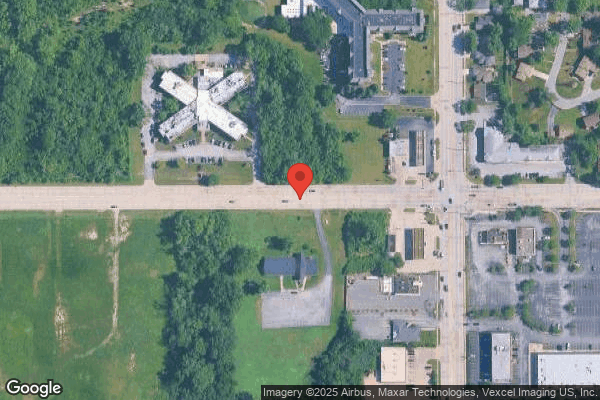
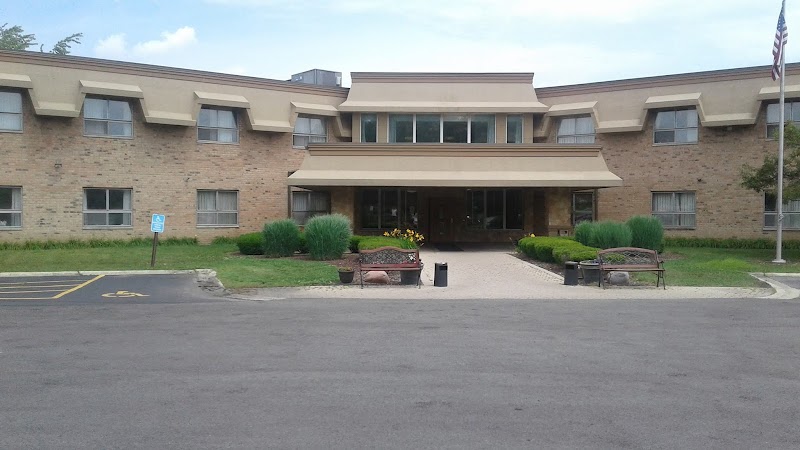
3300 WEST 175TH STREET, HAZEL CREST, IL 60429 (708) 335-2400
For profit - Corporation 199 Beds ICARE CONSULTING SERVICES Data: November 2025 2 Immediate Jeopardy citations
Trust Grade
0/100
#610 of 665 in IL
Last Inspection: September 2024

Within standard 12-15 month inspection cycle. Federal law requires annual inspections.

Overview

Pine Crest Health Care in Hazel Crest, Illinois, has a Trust Grade of F, indicating significant concerns and a poor reputation among nursing homes. Ranking #610 out of 665 facilities in Illinois places it in the bottom half, while its county rank of #189 out of 201 shows that only a few local options are worse. The facility is on an improving trend, with issues decreasing from 15 in 2024 to 5 in 2025, but it still has serious safety and care concerns. Staffing is a strength, with a 0% turnover rate, meaning the staff remains stable and familiar with residents, although the overall staffing rating is only 1 out of 5 stars. However, it faces a concerning $135,278 in fines and has had critical incidents, including a resident suffering severe burns from a radiator and another experiencing a fracture due to inadequate intervention for their agitation. While there are positive aspects, families should carefully weigh these serious issues when considering this facility.

Trust Score
F
0/100
In Illinois
#610/665
Bottom 9%
Safety Record
High Risk
Review needed
Inspections
Getting Better
15 → 5 violations
Staff Stability
○ Average
Turnover data not reported for this facility.
Penalties
✓ Good
$135,278 in fines. Lower than most Illinois facilities. Relatively clean record.
Skilled Nurses
⚠ Watch
Each resident gets only 20 minutes of Registered Nurse (RN) attention daily — below average for Illinois. Fewer RN minutes means fewer trained eyes watching for problems.
Violations
⚠ Watch
51 deficiencies on record. Higher than average. Multiple issues found across inspections.
★☆☆☆☆
1.0
Overall Rating
★☆☆☆☆
1.0
Staff Levels
★☆☆☆☆
1.0
Care Quality
★★☆☆☆
2.0
Inspection Score
Stable
2024: 15 issues
2025: 5 issues

The Good

  • Full Sprinkler Coverage · Fire safety systems throughout facility
  • No fines on record

Facility shows strength in fire safety.

The Bad

1-Star Overall Rating

Below Illinois average (2.5)

Significant quality concerns identified by CMS

Federal Fines: $135,278

Well above median ($33,413)

Significant penalties indicating serious issues

Chain: ICARE CONSULTING SERVICES

Part of a multi-facility chain

Ask about local staffing decisions and management

The Ugly 51 deficiencies on record

2 life-threatening 5 actual harm
Aug 2025 2 deficiencies 1 IJ
CRITICAL (J) 📢 Someone Reported This

A family member, employee, or ombudsman was alarmed enough to file a formal complaint

Immediate Jeopardy (IJ) - the most serious Medicare violation

Accident Prevention (Tag F0689)

Someone could have died · This affected 1 resident

**NOTE- TERMS IN BRACKETS HAVE BEEN EDITED TO PROTECT CONFIDENTIALITY** Based on interview and record review the facility failed to have a system in place to prevent unauthorized and unsupervised leav...

Read full inspector narrative →
**NOTE- TERMS IN BRACKETS HAVE BEEN EDITED TO PROTECT CONFIDENTIALITY** Based on interview and record review the facility failed to have a system in place to prevent unauthorized and unsupervised leave from the facility. This failure resulted in one resident's (R1) elopement from the facility without staff knowledge who has documented assessments related to elopement/wandering behaviors.This was identified as an immediate jeopardy which begin on 07/17/25 at 8:55pm when R1 eloped from the facility without supervision and authorization.V1 (Administrator) was informed of the immediate jeopardy and a template was presented on 07/28/25.On 08/04/25 acceptable removal plan was received after revision of the original plan submitted on 7/28/25.The Immediate Jeopardy was removed on 08/04/25, however, the non-compliance remains at the level two because additional time is needed to evaluate the implementation and effectiveness of in-service training.On 08/06/25 the surveyor confirmed by observation, interview, and record review that the removal plan was initiated, and Immediate Jeopardy was removed on 08/04/25. However, the non-compliance remains at the level two because additional time is needed to evaluate the implementation and effectiveness of in-service training. FINDINGS INCLUDE:R1 medical report admission Record showed that R1 was admitted to the facility on [DATE] with diagnosis that includes but not limited to Schizophrenia, hyperlipidemia, cerebral infarction and bilateral primary osteoarthritis of knee.V1 (Administrator said R1 placed in the facility due to being aggressive towards family.On 07/17/25 at approximately 8:55pm/9:00pm, R1 eloped from the facility unauthorized and without staff supervision. R1's police report dated 07/18/25 documents when reported by the facility as 01:23:27 07/18/25, time of occurrence 21:00:00 07/17/25 and 01:23;53 07/18/25. Offense codes listed as A433 missing Adult.R1's hospital emergency room record dated 07/18/25 showed that diagnosis includes but not limited to Dementia, PTSD (Post Traumatic Stress Disorder) schizophrenia and aggressive behavior. R1's medical record electronic physician order did not have a physician order documentation allowing him to go out independently without any supervision.R1's medical record MDS (Minimum Data Set, dated [DATE] showed R1's BIMS (Brief Interview for Mental Status) score of 11 indicating that cognitively R1 is moderately impaired.R1's previous (MDS) section C dated 12/04/2024 and 2/26/2025 scored R1 BIMS as 15 and 14 indicating that cognitively intact. Showing that R1 has decline cognitively. R1's medical record Elopement Risk Review dated 03/19/24 timed 18:48 (6:48pm) documented under comments that resident (referring to R1) is confused, voicing that he is trying to go home. Resident does actively engage in themed behavior and is a new admit. Resident will be placed on elopement protocol and will be monitored.R1's medical record recent Elopement Risk Review dated 07/21/25 four days after the incident of 07/17/25 documented that R1 is presently at risk for elopement and should be placed on elopement risk protocol. Comments documentation read R1 left from the building on 07/17/25 without authorization to go home. R1 can make his own decisions. Resident stated he knew what to do and where to go. Resident has history of hallucinatory behaviors but does not display those behaviors currently (currently). Resident is not able to live at home due to him showing aggression towards family. V13 (Receptionist) presented facility visitor registration log dated 7/17/25 that showed no documentation that R1 signed self out to the community or that the family member visit or sign out R1 to the community.V2 and V4 ADON (Assistant Director of Nurses) stated that any unusual occurrence should be documented The facility video monitor showed R1 walking around the nurse's station on the 1st floor at 8:55pm but did not show the front exit door. V1 stated that the video did not show the rest of the night footage because it has been discarded. R1's hospital visit record showed documentation that R1diagnosis includes but not limited to Dementia, PTSD (Post traumatic stress disorder, schizophrenia and aggressive behavior. R1 was treated on 07/18/25 with medications that includes Haloperidol lactate (Antipsychotic) at 3:26am and Midazolam (Versed) at 3:27am. On 07/23/25 at 2:00pm, interview conducted with V2 DON (Director of Nurse's) regarding the event of 07/17/25 with R1. V2 stated that R1 is one of our vets (veterans). Alert and oriented times 3, delusional, able to verbalize needs, needs re-direction constantly, has good days and bad days, needs supervision and cues from the staff. On the day R1 went out (referring to 07/17/25), I was on vacation I hardly took time off, but I was off. I did not do any investigation, V1 (Administrator) did the investigation so I could not tell you what happened. When asked about potential risk that could have happened to R1, V2 said Any-thing could have happened to (R1). Safety issues, accident can happen. R1 wants the son to get out of his home and that is part of why he (R1) is in the facility I think they V1 said they are in court, but he (V1) does not have the paperwork (court document) yet. V2 explained that the facility exits (in the facility) have alarms especially the front door, so if staff or resident goes through without proper code the alarm goes off to alert every-one in the building. The alarm is loud enough that everyone can hear it. When a resident is missing or eloped, the facility policies should be followed. The surveyor then asked whether it is normal occurrence for the facility residence to walk out of the facility without staff's knowledge. V2 said It is not normal for any of our resident to walk out of the building without anyone knowing about it. R1 is here (facility) to be cared for and monitored. On 07/23/25 at 3:23pm, V22 (Family) stated that I am the son, (R1) left the nursing home (facility) during the night of 07/17/25. (R1) walked back to his home which is about 4hours walk because they said he left around 9:00pm. V22 said I call the facility to ask about him, they (facility staff) did not know he was gone. V22 stated that he called the facility at 12:30am on 07/18/25 when R1 showed up at their house at 12:20am, so he called the police, they arrive with an ambulance and was advice to send R1 to the hospital. V22 stated that R1 did not recognize him was calling V22 by his brother's name, he was confused. Using the address V22 gave the surveyor R1 had walked approximately eight miles from the facility unsupervised and unauthorized to V22 home.On 07/23/25 at 3:51pm, V15 CNA (certified Nurse's Aide) stated that she was the 2nd shift CNA for R1 on 7/17/25. V15 stated that during her shift R1 was observed in the dining room socializing with peers. She made her last round at about 9:00pm 10:00pm and R1 was in the building then between 13:30am and 1:00am on 07/18/25 the facility staff called asking about R1's whereabout because he was missing. V15 stated that R1 is not capable of going out in the community without supervision, so R1 should not be out there without supervision of staff or family. He knows what time to come for medicine and dinner time, independent at times but still need staff to re-direct him.On 07/23/25 at 4:07pm, during interview with V23 RN (Registered Nurse) assigned to R1 on 11:pm to 7am shift 07/17/25, V23 stated that when I clocked in at the facility (timecard preview showed V23 clocked in at 11:09pm). V23 stated in part that V17 LPN (Licensed Practical Nurse) was at the nurse's station with V27 (RN), I got the shift change report from V17 that nothing was going on. The surveyor asked what V23 meant by nothing going and she said, to mean everything was normal with the residents assigned to her (V23). V23 stated that V17 (LPN) that worked 3pm to 11pm did not report that R1 eloped or has gone out unauthorized. V23 stated that it was after V22 (family) called the facility around 12:30am that the staff started looking for him. V1 (Administrator) was notified, and he came into the facility asked for the police be called. When the police called, he (V22) told them that he had his father, and he is on the way to the local hospital to get evaluated. V23 could not explain or give account of how R1 eloped with the door alarm on because the front door alarm goes off when coming in or out then you will have to put the code in to stop it. V23 stated in part that every staff knows the code to get in or out and the alarm did not sound on my shift. On 07/24/25 at 3:33pm, V25 (Maintenance Director) stated that all the exit doors in the facility are in working condition, the front exit door is always working. The alarm goes off when staff or resident goes through the door without the code. After 8:00pm the receptionist set the code so no one can go in or out without the alarm not going off, the staff knows the code to reset the alarm not the residents.On 07/24/25 at 4:37pm, V18 NP (Nurse Practitioner) stated that she is not the direct NP for R1 but in cases where a resident has dementia and MI (Mental illness) diagnosis these types of residents need constant supervision and are not capable of going out without someone supervision, family or staff. They should be monitored closely. If the resident has a MI (Mental Illness) diagnosis schizophrenia, takes his/her medicine and in a stable mind may be go into the community. The surveyor then asked V18 that in your professional opinion what are the risk this type of resident might face? V18 stated that they can be in a danger to self or orders, and they should be monitored /supervised.On 07/28/25 at approximately 10:23am, V27 RN (Registered Nurse) confirmed that R1 was not in the facility at the start of her shift and none of the staff was aware of R1 missing until V22 (family) called at 12:45am 07/18/25 and the staff started looking for him. When asked whether it is safe for R1 to be out there in the community at that time of the night, V27 stated that it is not safe for R1 to be out in the community at that time of the night stating No, it is not safe because we don't know where he could be, and anything could have happened to him. On 07/28/25 at 3:35pm, V36 (Physician) for R1 stated that she is familiar with R1, was made aware of R1 leaving the facility unsupervised. V1 (Administrator) called me right away after the event cannot recall what time. V36 said she talk to V1 immediately believed R1 was taken to the hospital to get him fully evaluated and to have drug test done because he was out of the facility. The surveyor asked whether V36 have seen R1 since he returned to the facility, V36 said No, I am out of the country now but when I returned, I will see him. The surveyor asked is it appropriate for R1 to go out without authorization / supervision? V36 said It shouldn't be safe for anyone in the nursing home even if they are alert and oriented because he was able to make his own decision to get to his son. The surveyor then clarifies from V36 Are you saying it is okay. V36 said I am saying is not okay, I would not want any of the resident at that time (of the day) to go out in the dark. The surveyor also asked V36 about what are the risk for R1 going out at that time without supervision and authorization, V36 said The risk can be fall like any one being at risk, there is traffic, loose your way. V36 added that R1 is alert times three knows what he was doing with BIMS of 15 at the time (tie of incident). The surveyor informed V36 that at the time of the incident R1's BIMS score was 11 and not 15. V36 stated that I don't know how they get 15 that is what I was told, R1 needs assistance and supervision to be out (out of the facility).On 07/21/25 at 1:32pm, V11 PRSC (Psychiatrist Rehabilitation Service Coordinator) assigned to R1 stated that R1 is alert oriented times three, R1 has some delusion and hallucinations, hard to redirect because he wants to do want to do against the facility policy. V11 stated she is aware about R1 going out of the facility without any supervision, I was informed on Friday (7/18/25) that (R1) left the building at 9:00pm on 7/17/25. He walked home rang the doorbell and his son answered the doorbell and then took him to the hospital for evaluation. The hospital released R1 back to us (Facility) on Friday and at that time my shift was over. V11 stated that R1 left the building because is fully aware of what he was doing, cognition is intact he wanted to go home, and he executed his plan. The receptionist leaves at 8pm, He (R1) waited till the front door was closed and left out of the building. When asked how she knows all these, V11 said V1 told her. The surveyor asked about how the residents are monitored /supervised to make sure the residents did not just go out without a pass/supervision. V22 said When the receptionist leaves there should be nurses and CNAs to redirect the residents. When asked about her professional opinion if R1 is able cognitively to go out of the facility without supervision/monitoring. V11 stated I want to say yes and no. Cognitively he was intact depending on his mental status at the time. When he is medication compliant, he is on right mind but when he refuses his medication that's when he delusional and hear voices. V11 stated I did not see him until today because he came back after the end of my shift.On 07/21/25 at 2:10pm, V12 SSD (Social Services Director) stated that she is familiar with R1, he is one of our veterans, alert but can be delusional, not easy to re-direct. I did talk to V1 (Administrator), he mentioned that R1 left the facility, but he did not give me any details of how it happened, this morning around 9am (7/21/25), V1 said the care plan should be updated. I asked V11 to do a wellness visit on (R1) and document on him. V11 stated that R1 has been on elopement risk since admission because he did not want to be here at the facility and was voicing it. R1 is at risk for elopement and need staff supervision. He hears voices, talk to himself. When asked about pass privilege, V12 stated that R1 is not on independent pass because he must be supervised either by family or staff. Family must sign him, before going into the community unless he is going with staff on appointment. The front door has an alarm, and I have his picture on the list of our residents on elopement risk at front desk (receptionist desk). On 07/23/25 at 1:58pm, V4 ADON (Assistant Director of Nurses) stated in part that the facility policy is that the CNAs are supposed to make rounds every two hours and as needed. The facility visitation is over at 8:00pm unless the administrator makes exceptions, the only time the resident can go out is if they have independent pass. R1 is ambulatory and sits in the dining room most of the time at night. When asked whether she is aware that R1 went out of the facility without supervision of staff and the reason for him been moved to another floor. V4 said I don't have the details about it the (V1) Administrator did not discuss the detail with me, so I don't know any detail about that. I just know he was coming from the hospital and need to be moved; I will have to discuss with V1 to know why he was moved. The surveyor V4 as the ADON and in her professional opinion is R1 cognitively capable of going about in the community without supervision? V4 said Hun-hum, prior to that day (7/21/25), I will have to get back to you on that one, I was told he called for a ride to come and get him.On 07/21/25 at 4:14pm, V17 LPN (Licensed Practical Nurse) stated that the last time she saw R1 was around 8pm. When asked how the staff know when the resident tries to leave the facility without supervision/ unauthorized and whether she would let any of the resident go into the community without supervision, unauthorized and unaccompanied during the night. V17 stated that No she will not allow any resident to go out; that the receptionist leaves at 8pm, the alarm on the door exit will sound if any of the resident tries to leave. V17 stated that R1 cannot function without staff supervision or family supervision in the community. Families normally will have come and sign out the residents with social services or V1 authorization. V17 stated that rounds are made every two hours the CNAs at even hours and nurses at odd hours.Facility Pass Privilege policy presented dated 7/16 documents in part that this nursing facility emphasizes and expects respectful, mature conduct from each resident both within the facility and the outside community. Some individuals admitted to the facility have history of psychiatric problems. Because of a combination of mental health, physical problems and irresponsible behavior certain residents may not be fully capable of negotiating safely in the community. Procedure listed includes but not limited to persons who demonstrate consistent maladaptive and problematic behaviors may not be candidates for independent privileges. Decisions regarding pass privileges, including, independent privileges or being accompanied by responsible individual are determined by physician orders and social services assessments. As appropriate, pass privileges may be discussed at care plan meetings which the resident is encouraged to attend. The resident is responsible for making staff aware of his/her desire to receive an independent pass privilege. Pass privilege levels listed, Level1 (Supervised Pass), Level 2 (Restricted Pass), Level 3 (Independent Pass) and resident may only move up one level at a time.Facility policy titled Unauthorized Absence dated 8/14 documents that the purpose of the policy is to ensure the ongoing health and safety when a resident has eloped/ and or is otherwise unable to be accounted for during occurring times of the day. An unauthorized absence is one that the resident is unable to be accounted for upon the scheduled return from home pass, while out on community pass, at a day treatment program and/or other similarly situated times. If a resident has eloped and / or otherwise absent from the facility without prior permission of notification, the facility is to take the following measures. The facility Elopement Risk Assessment policy presented dated 5/14 documents that the policy purpose is to identify residents who may be potentially at risk for elopement and at risk for harm. To use as a baseline to maintain a secure resident environment. Listed under Responsibility is the Social Services Department. Equipment to be used listed as the facility approved form. Procedure listed includes but not limited to a Social Service department will conduct the elopement assessment during the admission process, when there is a significant change in mood or behavior(s), and quarterly. Risk factors that will be assessed includes but not limited to verbalization of wanting to leave the facility and/or go home, inability or refusal to follow instructions diagnosis that includes but not limited to dementia and schizophrenia. In event the assessment was initiated because of an elopement (where the resident's whereabout were unknown), the elopement will be reported in accordance with the facility's Accident/Incident Unusual Occurrence Policy.Facility Incident/Accident Reports presented dated 9/14 documented in part that all accidents or incidents where there is potential for injury the report must be completed. An accident is defined as any happening, unintended event not consistent with the routine operation of the facility, that can result in bodily injury other than abuse. Listed incident / accident that report will be completed includes all accident/ incidental unusual occurrences , all unexpected events that occur that cause actual or potential harm to a resident and leaving premises without authorization (elopement).the administrator, Director of nursing, Assistant Director of nursing or Nursing supervisor must notify the following The incident/accident report is to be completed by RN (Registered Nurse) or LPN (Licensed Practical Nurse) and is to include date and time of the incident or accident., and the IDPH (Illinois Department of Public Health) The facility Supervision and Safety policy dated 3/15 presented documents that our policy strives to make environment as free from hazards as possible. Resident safety and supervision are facility-wide priorities. Our facility -oriented approach to safely addresses risk for groups residents such as wanderers, behavior, aggressiveness, confusion etc. (And so on). Staff to make visual rounds on residents minimally every two hours and more often I necessary based on resident's assessment.(CNA) saw R1 standing in the front lobby at 8:00pm, R1 told the (CAN) that he was waiting for his ride, re-directed R1 back into the facility without making the staff on 3-11pm aware on the 1st floor. The facility Discharge Against Medical Advice (AMA) documented that the purpose of the policy is to define the facility's responsibility when a resident and /or legal guardian voluntarily discharges him/herself from the facility without the consent of or an order from the attending physician. It is the policy of the facility to acknowledge the right of a resident to sign him/herself out of the facility without the consent of or an order from the attending physician providing that the resident has the decisional capacity to do so. If it has been determined that the resident is able to make his/her own decisions and chooses to exercise this right, he/she will be discharged from the facility Against Medical Advice (AMA). Procedure listed includes but not limited to prior to leaving the facility, the resident and/or guardian will be provided with explanation of the potential risks of such a discharge and alternatives to the same, any resident or legal representative choosing to discharge or be discharge without the consent of or an order from the attending physician is expected to sign AMA form. In the event the resident is signing him/herself out AMA, his /her legal representative and/or family member will be notified by facility personnel.On 08/06/25, the surveyor made observations, conducted interview, and received documentation to confirm the following removal plan was initiated. 1. R1 was reassesses by social services for elopement risk starting 07/21/25 and ending 07/28/25.2. All nine residents identified as potential to be affected by the same deficient practice were reassessed starting 7/18/25 to 7/28/25.3. The facility began re-educating the staff on elopement precaution and prevention that includes the facility elopement policy, exit door alarm system testing, system alarm response. Elopement binders.4. The facility made available elopement binders with identified resident's picture on every nurse's station starting 07/28/25.5. The facility staff are re-educated on supervision of identified wanderer/exit seeking residents starting 07/28/25 at least every-one hour. 6. The facility re-educate staff on pass privileges starting 7/28/25.7. The facility Maintenance Director re-testing all door alarm for proper functioning starting 7/18/25 to 7/28/25 as safety measures.8. All activity staff, nursing and social services will supervise the facility patio outings for elopement risk residents.9. V1 (Administrator) V2 (DON), V3 (Assistant Administrator), V4 (ADON), and V12 (SSD) re-educated on reporting incidents of elopement to proper authorities including IDPH (Illinois Department of Public Health) on 07/28/25). 10. Review of Quality Assurance Quality improvement Team monthly meeting will discuss and re-evaluate interventions in progress and if further interventions are needed it will be added and implemented.
CONCERN (D) 📢 Someone Reported This

A family member, employee, or ombudsman was alarmed enough to file a formal complaint

Potential for Harm - no one hurt, but risky conditions existed

Deficiency F0657 (Tag F0657)

Could have caused harm · This affected 1 resident

**NOTE- TERMS IN BRACKETS HAVE BEEN EDITED TO PROTECT CONFIDENTIALITY** Based on interview and record review the facility failed to revise a comprehensive care plan, failed to develop care plan with m...

Read full inspector narrative →
**NOTE- TERMS IN BRACKETS HAVE BEEN EDITED TO PROTECT CONFIDENTIALITY** Based on interview and record review the facility failed to revise a comprehensive care plan, failed to develop care plan with measurable goals, objectives and individualized interventions to meet the need for increased supervision in preventive interventions for one resident (R1) reviewed for elopement in the sample.Findings include:R1 medical report admission Record showed that R1 was admitted to the facility on [DATE] with diagnosis that includes but not limited to Schizophrenia, hyperlipidemia, cerebral infarction and bilateral primary osteoarthritis of knee.R1 eloped from the facility on 07/17/2025 without authorization and without facility staff being aware that R1 was missing until the V22 (family) called the facility staff on 07/18/2025 at approximately 12:30am to inform them of R1 whereabout.R1's V22 (family) with the local police department advice sent R1 to the hospital for evaluation.R1's hospital emergency room record diagnosis includes but not limited to Dementia, PTSD (Post Traumatic Stress Disorder) schizophrenia and aggressive behavior.R1's medical record MDS (Minimum Data Set, dated [DATE] showed R1's BIMS (Brief Interview for Mental Status) score of 11 indicating that cognitively R1 is moderately impaired.R1's previous (MDS) section C dated 12/04/2024 and 2/26/2025 scored R1 BIMS as 15 and 14 indicating that cognitively intact. Showing that R1 has decline cognitively. R1's medical record Elopement Risk Review dated 03/19/24 timed 18:48 (6:48pm) documented under comments that resident (referring to R1) is confused, voicing that he is trying to go home. Resident does actively engage in themed behavior and is a new admit. Resident will be placed on elopement protocol and will be monitored.R1's medical record recent Elopement Risk Review dated 07/21/25 four days after the incident of 07/17/25 documented that R1 is presently at risk for elopement and should be placed on elopement risk protocol. Comments documentation read R1 left from the building on 07/17/25 without authorization to go home. R1 can make his own decisions. Resident stated he knew what to do and where to go. Resident has history of hallucinatory behaviors but does not display those behaviors currently (currently). Resident is not able to live at home due to him showing aggression towards family. On 07/21/25 at 2:10pm, V12 SSD stated in part that she has been on vacation but worked about three hours on Friday (07/18/25). V12 said did talk to V1 (Administrator), he mentioned that R1 left the facility, but did not give me any details of how it happened. This morning around 9am (7/21/25). V1 said the care plan should be updated. During the same interview with V12, V12 stated in part that R1 has been on elopement risk since admission because he did not want to be in the facility and R1 was voicing it.R1 plan of care for elopement with initiated date of 3/19/2024 with revision date of 07/21/25 documentation that showed that this care plan was not revised until 07/21/25 five days after the incident on 07/17/25 and four days after R1 had returned to the facility with no new intervention put in place until 07/28/25.The facility Elopement Risk Assessment policy presented dated 5/14 documents that the policy purpose is to identify residents who may be potentially at risk for elopement and at risk for harm. To use as a baseline to maintain a secure resident environment. Listed under Responsibility is the Social Services Department. Equipment to be used listed as the facility approved form. Procedure listed includes but not limited to a Social Service department will conduct the elopement assessment during the admission process, when there is a significant change in mood or behavior(s), and quarterly. Risk factors that will be assessed includes but not limited to verbalization of wanting to leave the facility and/or go home, inability or refusal to follow instructions diagnosis that includes but not limited to dementia and schizophrenia. In event the assessment was initiated because of an elopement (where the resident's whereabout were unknown), the elopement will be reported in accordance with the facility's Accident/Incident Unusual Occurrence Policy.
Mar 2025 1 deficiency 1 Harm
SERIOUS (G) 📢 Someone Reported This

A family member, employee, or ombudsman was alarmed enough to file a formal complaint

Actual Harm - a resident was hurt due to facility failures

Accident Prevention (Tag F0689)

A resident was harmed · This affected 1 resident

**NOTE- TERMS IN BRACKETS HAVE BEEN EDITED TO PROTECT CONFIDENTIALITY** Based on interviews and record reviews, the facility failed to implement resident-centered interventions on a resident with beha...

Read full inspector narrative →
**NOTE- TERMS IN BRACKETS HAVE BEEN EDITED TO PROTECT CONFIDENTIALITY** Based on interviews and record reviews, the facility failed to implement resident-centered interventions on a resident with behavior of agitation and limited mobility on upper extremities in preventing injury for one (R3) of four residents reviewed for accidents. This failure resulted in R3 experiencing pain, swelling, and bruising to left upper and mid arm which requires emergent transfer to the hospital and was found to have an oblique displaced fracture through the proximal diaphysis of the left humerus. Findings include: R3 is a [AGE] year-old, male, admitted in the facility on 02/04/2020 with diagnoses of Bipolar Disorder, Unspecified; Other Reduced Mobility; Stiffness of Unspecified Joint, Not Elsewhere Classified; Weakness; and Limitation of Activities due to Disability. MDS (Minimum Data Set) dated 12/24/24 recorded that R3 has BIMS (Brief Interview for Mental Status) score of 14 which means no impairment in cognition. His MDS also recorded that he needs substantial/maximal assistance for upper body dressing. R3 has impairment on both upper extremities. According to progress notes dated 02/20/25, while R3 was getting assistance with ADLs (activities of daily living) by CNA (Certified Nurse Aide), a pop sound from his (R3) left shoulder was heard. An Xray was ordered. R3's Radiology report dated 02/20/25 recorded: No recent fracture or dislocation. Incident report dated 02/26/25 documented that R3 was noted with swelling and bruising to his left upper and mid arm. R3 previously had a stat (immediately) Xray on the left shoulder done on 02/20/25 after a pop sound was heard as staff were assisting with pulling off his shirt. R3 was sent to the hospital for further evaluation and management. Hospital records dated 02/26/25 documented: R3 presented for evaluation of left upper extremity swelling. R3 states that earlier today aide at nursing facility was pulling patient's arm out of his shirt when he felt a snap and developed severe pain in his left shoulder. R3 continued to have left arm pain and swelling and thus was brought to ER (emergency room) for further work-up. Hospital records also indicated that an Xray of the left humerus was performed showing R3 sustained an oblique displaced fracture through the proximal diaphysis of the left humerus. No focal geographic bony abnormality to suggest pathologic fracture. On 03/20/25 at 3:09 PM, V6 (Licensed Practical Nurse, LPN) was asked regarding R3 and incident on 02/20/25. V6 stated, On 02/20/25, it was V5 (CNA) who notified me to come to his (R3) room because he (V5) and V7 (CNA) were trying to assist him (R3) back to bed after dinner. I went to his (R3) room, he (R3) was agitated with them, said his left arm hurts, because they were trying to put him in bed. I did my assessment, no bruise, no open area. I called V14 (Nurse Practitioner), stat X-ray was ordered. I was off for 3 days, when I came back, I asked and was told that there was no fracture. Two to three days after, we got him up, V14 was trying to examine him and he couldn't move his (R3) arm, so he was sent out as ordered. V6 was asked if R3 has any limitations on his arms. V6 replied, Both arms are a bit contracted, unable to move his arms freely. He is dependent on staff for ADLs. He can still lift his arms a little. On 03/20/25 at 3:36 PM, V5 was interviewed regarding R3's incident on 02/20/25. V5 stated, I was one of the CNAs, I was helping V7. We were doing the care, taking his (R3) clothes off, and as we were taking his shirt off, he pulled away and that is when we heard a pop in his arm. He became agitated and that is when the pop came from his arm. I was the one taking his shirt off. Once I heard the pop, I immediately called the nurse. He did not complain of any pain. He was not agitated at first, he became agitated when I attempted to remove his shirt. This was the first time I worked with him (R3) and it happened. V5 was asked on how he removed R3's shirt. V5 continued, I tried to pull the shirt from the back when that didn't work, I grabbed the sleeve from his arm. I was holding his arm and I pulled the sleeve from his wrist and pulled it out. And that is when he became agitated and that's when the pop noise happened. On 03/20/25 at 3:47 PM, V7 was also asked regarding R3. V7 stated, We (V5 and me) were trying to take his (R3) sweater off. He kind of pulled back and we heard his arm popped and we go to get the nurse. It was the left that popped. He is alert and oriented. I don't know if his arms were contracted or not, that was my first time working with him. R3's Restorative Nursing Review Notes dated 12/24/24 recorded the following: Range of Motion: 2. Left shoulder - severe loss/less than 50% of norm 4. Left elbow - severe loss/less than 50% of norm 6. Left wrist and fingers - severe loss/less than 50% of norm Muscle strength and loss of functional movement: left shoulder, left elbow, left wrist - poor On 03/25/25 at 12:33 PM, V11 (CNA) was asked regarding R3 and range of motion. V11 stated, He has contracted upper extremities. He has stiffening on both arms, can bend elbows but shoulders are stiff. He is unable to move the upper extremities wide enough. If he gets agitated during dressing, depending on his mood, for the most part, he will kick his bed, [NAME] from side to side, he'll tell us to leave him alone. We will leave the room and come back later, otherwise he will not stop screaming. We will give him time to cool down and then attempt again later. When he gets agitated, he is not combative, he [NAME] from side to side and will scream. When we remove his shirt off, we don't hold the hand or arms. We will lay him in bed, we'll pull the shirt off by turning him from one side to another. When the shirt is on the upper chest, we will slide it over the head and slide out from the arms. We don't extend his arms at full length. For the most part, every CNA has had experience with him, knows how to do ADL care on him. On 03/25/25 at 1:01 PM, V12 (Licensed Practical Nurse, LPN) was interviewed regarding R3. V12 replied, He is alert. His upper extremities are contracted. He required total care; he is a feeder. He does not use his arms and hands; he could move them a little but not able to fully extend it to the sides or front. When we do ADL care, when removing shirt on R3, slide the shirt off from the back to head then slide it out from the sleeves. No need to pull or hold the hands. On 03/25/25 at 2:50 PM, V13 (Restorative Nurse) stated during interview, R3 had limitations to his bilateral shoulder. He could only extend his shoulders like less 50% of the norm. And any type of hyperextension, he cannot do it. His arms and shoulder cannot rotate. He usually wears loose fitting clothes. When you take his shirt off, pull the shirt off from the back, slide it over the head, slide it out to the arms, one arm at a time. You don't need to hold or grab his arms because his clothes are loose fitting and easy to take off. It is not necessary to hold his arm, just slide it off. He can be a little agitated especially when he wants something to do and he cannot do it, he become frustrated and agitated. He has a behavior of waddling himself and kind of pulling back, so any type of joint movement and when you are holding his hand or shirt can cause some resistance, and it could potentially lead to some type of pain or injury. That is why, when you are taking his shirt off, just let it slide off. He is alert enough to tell you what was going on. V3 (Director of Nursing) was also interviewed on 03/25/25 at 2:20 PM regarding R3. V3 stated, With the incident on 02/20/25 for R3, he pulled back while CNA was removing his shirt off from his left arm. The CNA said he had gotten agitated, resistive at that point. Whenever a resident gets agitated, let him cool down by not touching the resident, get another staff member involved, calm resident down. In other words, do not continue providing the care. V3 was also asked on how to remove R3's shirt. V3 verbalized, R3 is one of the residents with limited movements. His arms cannot go all the way up. He can move it to certain extent but not all the way. If you have a resident with contracted arms, you will pull the shirt off over the head first before pulling the shirt out to the arms. You don't have to hold the arm when pulling off the sleeves. If a resident has an impairment on one side, start with the normal side then to the impaired side. You should not hold the hand or arm when removing the shirt off. Let the sleeve slide out from the arms. On 03/25/25 at 11:38 AM, V9 (Social Services Director) was asked regarding R3's behavior. V9 stated, He is alert, oriented, no aggressive behavior, not overly delusional, gets agitated at times when refusing care, like he does not want to take shower or get out of bed. But not being difficult during assistance in ADL care, not that I am aware of. He is usually cooperative and compliant with care. He'll have those days that are not pleasant but most of the time, he is pleasant and cooperative. R3's care plan documented: Self-care deficit and requires assistance with ADLs to maintain the highest possible level of functioning as evidenced by the following limitations and potential contributing factors: limited bilateral shoulder and elbow range, poor bilateral hand grasp and dexterity, shoulder pain (revision dated 12/08/22) Intervention (02/05/2020) Explain all tasks prior to performing the ADL assistance. Use task segmentation and verbal cues as needed. Further review of R3's care plans showed that there were no interventions addressing behavior of agitation especially during ADL care and any special instructions on how to perform ADL care related to dressing. On 03/26/25 at 11:01 AM, V14 was asked regarding R3 and expectations on staff related to injury prevention during provision of care. V14 stated, R3 has limited mobility in his upper and lower extremities. I was notified that he had swelling and pain on the left arm and I sent him out to the hospital for further evaluation and treatment. I was told by V3 that when they were trying to dress him, he was resisting during ADL care, and they heard a pop. He was pulling away. He was resisting them while changing clothes and he pulled away. Usually, staff walks away or bring another staff member, give him a few minutes to calm down and try again. I expect staff to take into account what his behavior at the moment and how he respond, if not, step away and come back at a later time, give him time to cool down, this is the key in order to make him safe. He has some mental issues, in a minute they appeared to be cooperative then in a second they snap, behavior change, staff has to step back or redirect him. Facility's policy titled Behavioral Management for New or Worsening Behavior Symptoms dated 4/14 documented in part but not limited to the following: Purpose: To determine the cause of the behavior To prevent the resident from harming self or others To establish guidelines for reducing or preventing behaviors when possible Policy: It is the policy of the Nursing Department to determine the cause of behaviors when possible and initiate interventions to reduce, control, or prevent identified behaviors. Facility's policy titled Activities of Daily Living dated 4/14 stated in part but not limited to the following: Purpose: To preserve ADL function, promote independence and increase self-esteem and dignity. Implementation of Mobility Programs: Develop individualized care plan utilizing resident-centered goals. Provide special instructions and precautions. There was no other policy presented by facility related to prevention of accidents during ADL care or during provision of care upon request.
Feb 2025 1 deficiency
CONCERN (E) 📢 Someone Reported This

A family member, employee, or ombudsman was alarmed enough to file a formal complaint

Potential for Harm - no one hurt, but risky conditions existed

Safe Environment (Tag F0921)

Could have caused harm · This affected multiple residents

**NOTE- TERMS IN BRACKETS HAVE BEEN EDITED TO PROTECT CONFIDENTIALITY** Based on observation, interview, and record review, the facility failed to provide a safe environment by using space heaters in ...

Read full inspector narrative →
**NOTE- TERMS IN BRACKETS HAVE BEEN EDITED TO PROTECT CONFIDENTIALITY** Based on observation, interview, and record review, the facility failed to provide a safe environment by using space heaters in residents' rooms; failed to ensure that four shower rooms on the first floor of the facility were clean and in good repair; and failed to maintain adequate temperature in residents' rooms and the first-floor dining room. This failure affected five (R1, R2, R3, R4 and R5) of five residents reviewed for environment. Findings include: R1 is a [AGE] year-old male who have resided at the facility since 2024, face sheet documented the following past medical history: Heart failure, essential primary hypertension, cardiomyopathy, major depressive disorder, chronic kidney disease, anxiety disorder, vascular dementia, type 2 diabetes, etc. 2/20/2025 at 9:21AM, R1 was observed in his room, awake and alert and said that he is doing okay. R1 was wearing a winter coat and wrapped himself with a blanket while sitting in a corner of the room, his room was noted to be very cold, and there were clutters and about 4 boxes with cloths all over the room. Resident said that he does not have any heat, the small one he has was taken this morning and the staff said they will bring it back later. Resident stated that he has not had heat in his room ever since he started being in that room (1/19/2024 per census record). R1 added that his window is not open, the room is just cold due to lack of heat. On 2/20/2025 at 9:27AM, V5 (Maintenance Director) said that the facility uses space heater in three rooms in the 500 wings, including R1's room but they remove it when state (IDPH) comes in. V5 added that the facility has a problem and needs to do some repairs, he identified two additional room occupied by R2, R3, R4 and R5, and said that they are just using the space heaters temporarily until they fix the problem. 2/20/2022 at 3:00PM, V1 (Administrator) said that residents are allowed to use some electrical equipment like refrigerator, television, radios, electric bed, etc. Residents are not allowed to use space heaters, the facility have about 5 space heaters that they use occasionally in resident's rooms. Surveyor asked V1 if it is okay to use space heater in residents' rooms, and he said no, surveyor asked why and V1 said that it is a fire hazard. 2/20/2025 at 11:02AM, inspected the shower rooms on the first floor with V5 (Maintenance Director) and noted the following: the shower room in the 400 unit was noted to be filthy, there were stains all over the wall, the base wall trims were all peeled off revealing the inner wall and some area have holes in them, floor looked very dirty with brownish stains, shower curtain rod was dirty and brownish in color, shower curtain was thorn. Surveyor presented these observations to V5 and asked him if he would take a shower in this room and he said no, the place needs to clean and repaired. The 300 unit shower room have the base wall trimmings ripped off from the wall, there were wheelchairs stored in the shower room, and V5 was wondering if the staff are using the room for showers, 200 unit shower room looks very dirty with brownish stains on the ceiling, V5 said that it is not mold and they do not have any leakage, it is probably from some staff smoking in there during the night though they are not supposed to do that. V5 added that the whole bathroom needs to be changed, there are lots of repairs that need to be done in the facility and he does not make the decision when the repairs are to be done, just follows instructions. 2/20/2025 at 11:30AM, surveyor asked V5 to recheck the temperature in the rooms that the facility uses space heater, and the reading was between 68 and 70 degrees. 2/20/2025 at 12:20PM, observed lunch in the first-floor dining room and noted the room to be very cold. surveyor asked V5 to check the temperature in the dining room with a temperature gun and the first reading was 69 degrees, some parts of the dining room was reading 50 and 56 degrees. 2/20/2022 at 3:00PM, V1 (Administrator) said that that the facility has a problem with water entering the boiler that control the heat in the 500 unit, they have someone on ground trying to evacuate the water and it will probably help with warming the temperature in that wing and the first-floor dining room. Surveyor asked V1 how often the facility evacuate the water and he said that it is usually done when they notice that hot air is not coming out of the boiler. 2/20/2025 at 4:02PM, V1 was presented with the observation of the shower rooms on the first floor, and he said that they have not gotten to them yet because they have other priorities, the shower rooms on the second floor were remodeled 5 years ago, the facility is in the process of getting a new generator that will probably cost a million dollars. 2/24/2025 at 9:00AM, R1 was observed again in his room wearing a winter coat and a hat, stated he still does not have any heat, the staff have not returned his space heater, he asked about it and they told him that it is coming. R1 has about 5 blankets on his bed, he said he uses them to keep warm, but his room is still cold. Care plan initiated 1/19/2024 stated that R1 has diabetes mellitus, goal resident will have no complications related to diabetes through the review date. Interventions include avoid exposure to extreme or cold. 2/24/2025 at 10:57AM V1 (Administrator) said that R1 will not be getting the space eater back, he was supposed to move to another room, but he prefers to stay in his current room because he likes the room. Electric appliance policy (undated) states in part, only authorized appliances will be permitted in the resident living areas. Residents may not maintain any electrical appliances (i.e. heating irons, cooking utensils, etc.) within their living area unless approved in writing by the administrator or his/her designee. Cold weather policy (undated) states its purpose as to ensure the well-being and comfort of the residents throughout the cold weather months particularly during the periods of severe weather and below normal temperatures. Under procedures, the policy states in #9. If a heating unit fails in an area of the facility and/or temperature becomes uncomfortable, upon the direction of the administrative personnel, residents affected may be moved to another area in the facility where the temperature is adequate. Maintenance service policy undated provided by V1 (Administrator) stated in its policy statement that maintenance service shall be provided to all areas of the building, grounds, and equipment. Under policy interpretation and implementation, the document states that the maintenance department is responsible for always maintaining the building grounds and equipment in a safe and operable manner. The following functions are performed by maintenance: b. maintaining the building in good repair and free of hazards. D. maintaining the heat/cooling system, plumbing fixtures, wiring, etc. in good condition.
Feb 2025 1 deficiency
CONCERN (D) 📢 Someone Reported This

A family member, employee, or ombudsman was alarmed enough to file a formal complaint

Potential for Harm - no one hurt, but risky conditions existed

Deficiency F0692 (Tag F0692)

Could have caused harm · This affected 1 resident

**NOTE- TERMS IN BRACKETS HAVE BEEN EDITED TO PROTECT CONFIDENTIALITY** Based on interview and record review the facility failed to follow their policy for weighing residents and failed to follow phys...

Read full inspector narrative →
**NOTE- TERMS IN BRACKETS HAVE BEEN EDITED TO PROTECT CONFIDENTIALITY** Based on interview and record review the facility failed to follow their policy for weighing residents and failed to follow physician orders to weigh resident weekly, which resulted in a 6% unplanned weight loss. This failure applied to one of one (R1) residents reviewed for weight loss. Findings include: R1 an [AGE] year-old male admitted to the facility on [DATE] with the medical diagnosis including but not limited to chronic obstructive pulmonary disease, dementia, hypertension, gait disturbances, and vasovagal syncope. According to R1's weight log found in the electronic medical record, only weights documented were for 1/04/2025, 1/10/2025 and 1/17/2025. Physician orders dated 01/09/2025 include: weekly weights for 4 weeks. R1 had no weights documented from 1/18/2025 to 2/1/2025. 02/2/2025 at 11:49AM R1's family member said, I was not notified of R1's weight loss. 02/01/2025 at 3:52PM V7 (Licensed Practical Nurse) said, I do not see weights charted after 1/17/2025 and the order says it should be done weekly. 2/01/2025 3:55PM V6 (Wound Nurse) was sitting by the nursing station and said, I am a supervisor and I can have someone get the weight for you. 02/02/2025 at 11:55AM V2 (Assistant Administrator) provided weight records that showed 1/04/2025 admitting weight was 180 pounds and on 2/2/2025 weight was 169 pounds. R1 had a total of 11 pounds weight loss from 01/04/25 to 2/2/25, this was a 6% weight loss in a one month period. 2/03/2025 at 11:29AM V17 (Nurse Practitioner) said, I saw R1 last 1/22/2025 after a fall and possible discharge home. I was not aware of any weight loss until yesterday when the facility called me. Weight loss can be attributed to many factors such as illness, poor appetite, not liking the food, and diuretics. Some of intervention to monitor weight loss that I would orders are blood work, check weights weekly, and consult a dietitian. I am available in the building Monday to Friday and nursing staff can call as needed. 02/03/2025 at 11:50 AM V18 (Consultant Dietitian) said, I was only informed of R1's weight loss yesterday. I ordered oral supplement with extra 400 calories and 20 grams of protein to assist with his caloric intake and recommended to continue weekly. 02/02/2025 at 11:30AM V4 (Assist Director of Nursing) said, I expect nurses to follow the policy regarding the weighing of residents. Residents should be weighed per physician orders and the physician notified of weight loss or gain and notify the family. 02/01/2025 at 3:05PM V2 (Assist Administrator) presented facility policy titled,Weighing Residents (undated), which includes: Procedure: Each resident is weight on admission and monthly thereafter, or in accordance with Physician orders or plan or care. 5. A licensed nurse evaluates weight changes and determine if there is a 3 pounds or greater weight loss/gain, in one week and notifies the physician of unanticipated or undesired weight loss. 7. Monthly weights shall be measured and recorder according to schedule. Undesired or unanticipated weight gain/loss of 5% 30 days, 7.5%-three months, 10%-six shall be reported to physician, Dietary Manager and or Dietitian.
Nov 2024 1 deficiency
CONCERN (D) 📢 Someone Reported This

A family member, employee, or ombudsman was alarmed enough to file a formal complaint

Potential for Harm - no one hurt, but risky conditions existed

Accident Prevention (Tag F0689)

Could have caused harm · This affected 1 resident

**NOTE- TERMS IN BRACKETS HAVE BEEN EDITED TO PROTECT CONFIDENTIALITY** Based on interviews and record reviews the facility failed to follow their policy and procedure for mechanical lift transfers by...

Read full inspector narrative →
**NOTE- TERMS IN BRACKETS HAVE BEEN EDITED TO PROTECT CONFIDENTIALITY** Based on interviews and record reviews the facility failed to follow their policy and procedure for mechanical lift transfers by not ensuring two staff were present while attempting to transfer a resident using the mechanical lift. This failure applied to one (R1) of three residents reviewed for accidents/hazards. Findings include: R2 is a [AGE] year-old male with a diagnoses history of COPD, Dysphagia, Partial Paralysis Following a Stroke, Morbid Obesity, Other Seizures, Weakness, Anxiety Disorder, and Mild Recurrent Major Depressive Disorder who was admitted to the facility 05/06/2022. On 11/12/2024 at 2:04 PM Observed R2 in his room sitting in his wheelchair showing no signs of injury or distress. R2 stated a while ago he had a fall while being transferred from his bed to his chair by a certified nursing assistant with the mechanical lift. R2 stated the certified nursing assistant lost her balance and the mechanical lift fell on his leg. R2 stated he did experience some pain. R2's Current Care Plan documents he is risk for falls as evidenced by use of a wheelchair, poor sit to stand balance, left side weakness, gait/balance problems, and use of mechanical lift with interventions implemented 05/11/2023 including two person transfer when using a Mechanical Lift with a Carrier Sling per the facility's Policy and Procedure and manufacture guidelines; and intervention implemented 10/02/2024 of staff education on proper and safe use of mechanical lift during transfers. R2's progress note created by V5 (Licensed Practical Nurse) dated 10/2/2024 documents writer was called to room by CNA (Certified Nursing Assistant), writer noted resident on floor on right side with carrier sling still attached. Resident stated he fell on his right side, and he scraped his elbow. Writer noted two small abrasion and small hematoma to the right elbow. Resident lifted to bed and sent to the veterans hospital emergency room for evaluation. R2's Fall Risk Management Report dated 10/02/2024 documents V5 (Registered Nurse) was called to R2's room by CNA (Certified Nursing Assistant), R2 experienced a fall, and was found on the floor on his right side with the carrier sling still attached. On 11/13/2024 at 2:18 PM V5 (Registered Nurse) stated on 10/02/2024 when R2 fell V10 (Certified Nursing Assistant) was the only staff attempting to transfer him using the mechanical lift. V5 stated she asked V10 what happened, and she reported the mechanical lift tipped over while she was transferring R2 out of bed. V5 stated R2 sustained a small abrasion to his elbow as a result of the incident and he was sent to the hospital because he was on blood thinners. On 11/13/2024 at 3:21 PM V3 (Director of Nursing) stated V10 (Certified Nursing Assistant) was suspended for three days for failure to provide a proper transfer using a mechanical lift by not having a second staff with her when transferring R2 on 10/02/2024 when he fell. Corrective Action report dated 10/02/2024 documents V10 (Certified Nursing Assistant) was suspended for performing duties in an unsafe manner by attempting to transfer R2 using a mechanical lift without waiting for staff assistance causing R2 to fall, sustain an injury and be transferred to the hospital for evaluation and includes V10's signature dated 10/03/2024. The facility's Limited Lifting Resident Handling policy received 11/14/2024 states: In order to protect the safety and well-being of the staff and residents, and promote quality care, this facility will use Mechanical Lifting devices for the lifting and movement of residents. Mechanical lifting devices shall be used for any resident needing a two person assist. The transferring needs of residents will be assessed on an ongoing basis and designated into one of the following categories: 2 = 2 person transfer (Only when use of Sit to Stand Lift is not possible).
Oct 2024 1 deficiency 1 Harm
SERIOUS (G) 📢 Someone Reported This

A family member, employee, or ombudsman was alarmed enough to file a formal complaint

Actual Harm - a resident was hurt due to facility failures

Free from Abuse/Neglect (Tag F0600)

A resident was harmed · This affected 1 resident

**NOTE- TERMS IN BRACKETS HAVE BEEN EDITED TO PROTECT CONFIDENTIALITY** Based on interviews and record reviews, the facility failed to prevent or determine how an injury of unknown origin occurred fo...

Read full inspector narrative →
**NOTE- TERMS IN BRACKETS HAVE BEEN EDITED TO PROTECT CONFIDENTIALITY** Based on interviews and record reviews, the facility failed to prevent or determine how an injury of unknown origin occurred for 1 of 3 residents (R1) reviewed for resident injuries in a total sample of three. This failure resulted in R1 suffering an acute left femur fracture that was discovered at an outside ortho appointment. Findings Include: R1 is an [AGE] year old with the following diagnosis: fracture of the right femur, aftercare following joint replacement surgery, dementia, and vitamin D deficiency. R1 was unable to be interviewed due to no longer residing at the facility. A Nursing note dated 9/27/24 at 11:20 AM documents R1 left the facility and went to the hospital for an appointment with an escort. The Veteran Visit Summary dated 9/27/24 documents R1 was admitted to the hospital for a new hip fracture. An acute left hip fracture was noted on x-ray. A Nursing note dated 9/27/24 at 7:25 PM documents the escort reported to the nurse that R1 was admitted to the hospital for evaluation. R1 was determined to have a left hip fracture. The Hospital Records dated 9/27/24 document R1 presented to the ortho clinic today with a left hip fracture. R1 presented to the ortho clinic today for a follow up of a right hip arthroplasty that occurred in July 2024. R1 complained of left hip pain and was given a left hip x-ray which revealed an acute left femoral fracture. R1 had decreased mobility in the left hip joint also. R1 was admitted for possible surgical intervention. On 10/29/24 at 10:17AM, V2 (R1 Family Member) stated staff notified V2 of R1 falling in 08/2024 but denied R1 having any injuries. V2 reported R1 went to a follow up ortho appointment at the end of September where a new left hip fracture was identified via x-ray. V2 stated R1 now is wheelchair bound after not having another surgery because it was too risky. On 10/29/24 at 1:07PM, V4 (Nurse) stated R1 had a history of falling and was a high fall risk. V4 reported R1 had a hip fracture, but V4 did not know how R1 fractured R1's left hip. V4 was not able to answer what protocols the facility has in place when a root cause to a fall cannot be determined. V4 stated an injury of unknown origin is when someone gets injured but staff can't say how it happened. On 10/29/24 at 1:23PM, V5 (Nurse) stated V5 sent R1 out to a follow up ortho appointment and R1 did not return to the facility. V5 reported R1 did have a fracture but V5 did not remember where the fracture was. V5 stated R1 did have numerous falls in August but was unable to say how many. V5 denied being aware of R1 having any falls near the time when R1 was sent out to the ortho appointment. V5 reported R1's last fall was at the end of August and R1 did not have any injuries. V5 was not able to define an injury of unknown origin. The surveyor then defined an injury of unknown origin to V5. V5 stated the new fracture would be an injury of unknown origin due to the facility not being able to identify a cause. On 10/29/24 at 4:03PM, V8 (Former Nurse) stated R1 had more than three falls while residing at the facility but R1 did not suffered any injuries from the falls. V8 reported R1 was a high fall risk due to being confused and an unsteady gait. V8 denied knowing what an injury of unknown origin is. The surveyor then defined injury of unknown origin and V8 stated the new fracture should be considered and injury of unknown origin due to not being able to find a cause. On 10/30/24 at 12:04PM, V10 (Restorative/Fall Nurse) stated R1 was a high fall risk on admission due to unsteady gait. V10 denied being aware of any injuries with any falls. V10 denied having any record of R1 falling in September. V10 reported being notified R1 had a new fracture during a morning meeting. V10 stated staff try to determine a root cause of each fall but they weren't able to determine a caused of the fracture. V10 reported a fracture would be a serious major injury. V10 stated managements talks to staff to see who was the last person to see R1 and establish how the fall occurred to the best of their ability what happened. V10 stated in this case there was nothing to say how R1 got the hip fracture and it can be classified as an injury of unknown origin. On 10/30/24 at 2:34PM, V11 (CNA) stated V11 escorted R1 to the ortho appointment and no accidents occurred during transport. V11 reported after R1 took x-rays, V11 was told by hospital staff that R1 would be admitted to the hospital. V11 denied being aware of any new fracture. On 10/30/24 at 2:45PM, V12 (DON) stated during the investigation, it seemed as though an accident happened when R1 was out on pass with family because R1 didn't have any falls in September. V12 reported R1 came back from the visit with pain but it was not investigated further. V12 stated the fracture cause was not able to be determined during the investigation. The Hospital admission Records dated 7/24/24 documents R1 admitted to the hospital after falling and breaking the right hip and femur. R1 is alert and oriented times one. The plan is to discharge R1 to a rehab facility. A Nursing note dated 8/1/24 documents a loud noise was coming from R1's room and staff found R1 on R1's knees. R1 admitted to trying to walk. R1 was assessed in an abrasion to the left knee was found. An x-ray of the knee was performed and was negative. No other injuries were noted. A Nursing note dated 8/18/24 documents R1 fell and a head to toe assessment was completed with no apparent injury noted. R1 was able to move all extremities. A Nursing note dated 8/22/24 documents R1 attempted to stand on assisted and walk back to the wheelchair and fell. A head to toe assessment was completed and no major injuries were noted. R1 sustained minor skin tear to the right knee with minimal bleeding. R1 was able to move all extremities. A Nursing note dated 8/25/24 documents R1 was noted on the floor across the hall from our room. R1 was laying on the right side and had redness to the lower back. When asked what happened, R1 replied that R1 walked over to the other room. R1 complained of low back pain and medication was given. The physician ordered to send R1 out to the hospital for evaluation. R1 returned back to the facility with no new orders. The x-ray results were negative. The Hospital Records dated 8/25/24 document R1 presented to the emergency department after an unwitnessed fall. R1 is alert and oriented times one at baseline. An X-ray of the pelvis was completed. A right hip arthroplasty was noted to be in alignment. No other fractures in the right or left hip or noted at this time. R1 was sent back to the facility. A Nursing note dated 9/5/24 at 11:15 AM documents R1 went out on pass with family and left and stable condition. R1 is due to return tonight. A Nursing 9/5/24 at 6:15PM documents R1 returned from being out on pass with family. R1 complained of pain all over R1's body. R1 denied falling and denied being bumped. R1's family was called and asked if anything happened while out on pass and the family denied any injuries. The Medication Administration Record dated 09/2024 documents R1 rated pain a 10 out of 10 and was given Tylenol. The pain assessment scores were reviewed and documented as zero for each entry. The complaint of pain on 9/5/24 after returning from an outside pass is new onset pain. No complete pain assessment or further assessment of the pain was documented after the medication administration. The physician was also not notified of the new onset pain. The Minimum Data Set (MDS) dated [DATE] documents a Brief Interview for Mental Status score as a five (severe cognitive impairment). Section GG of the MDS documents R1 has an impairment to one lower extremity and uses a wheelchair as a mobility device. R1 is a substantial/maximal assist with most ADL care. R1 is a supervision or touching assist with bed mobility and a partial/moderate assist with transfers. Walking was not attempted during this assessment. The Facility Unusual Occurrence 24 Hour Report Form dated 10/3/24 documents R1 went to the hospital for an ortho. Follow up appointment. X-rays were completed at the appointment and a left hip fracture was noted. R1 is alert and oriented times one with confusion. Before the appointment, R1 showed no signs of pain or discomfort. R1 had no new redness, bruising, deformities, or changes in behavior. Upon investigation, no report or knowledge of any falls or other incidents or noted. At this time, the cause of the injury is unable to be determined. R1 remains in the hospital. Based off the progress notes, R1 has an extensive history of falls and a new onset of pain on 9/5/24 that had was never further assessed nor was a physician notified. The facility was unable conclude when or how an injury occurred. ' Since R1 had an x-ray of the pelvis on 8/25/24 that was negative, the injury had to occur some time fro 8/26/24 to 9/27/24 when the injury was discovered. The policy titled, Abuse Prevention Program Facility Policy, dated 2012 documents, .An injury should be classified as an injury of unknown source' when both of the following conditions are met: The source of the injury was no observed by any person or the source of the injury could not be explained by the resident; and the injury is suspicious because the extent of the injury of the location of the injury.
Sept 2024 8 deficiencies
CONCERN (D)

Potential for Harm - no one hurt, but risky conditions existed

Abuse Prevention Policies (Tag F0607)

Could have caused harm · This affected 1 resident

**NOTE- TERMS IN BRACKETS HAVE BEEN EDITED TO PROTECT CONFIDENTIALITY** Based on observation, interview, and record review the facility failed to implement written policies and procedures that prohibi...

Read full inspector narrative →
**NOTE- TERMS IN BRACKETS HAVE BEEN EDITED TO PROTECT CONFIDENTIALITY** Based on observation, interview, and record review the facility failed to implement written policies and procedures that prohibit and prevent abuse. This deficiency affects one (R19) of three residents in the sample of 29 reviewed for Abuse prevention program. Finding includes: On 9/17/24 at 11:10AM, Observed R19 up in wheelchair and able to propel himself. He is alert, oriented and response appropriately. On 9/18/24 at 9:40AM, V1 Administrator said that he is the abuse coordinator. V1 said that resident abuse screening is done upon admission. V1 said that V2 Assistant Administrator and V5 Social Service Director are responsible for screening residents for identified offender. V5 is responsible for developing abuse prevention and identified offender care plan. On 9/18/24 at 1:37PM, V5 Social Service Director (SSD) said that she is responsible for developing abuse prevention and identified offender care plan. Reviewed R19's medical records with V5 SSD. Informed V5 that R19 does not have care plan for abuse prevention and identified offender. V5 said that R19 should have abuse prevention care plan because his admission assessment indicated that he is at high risk for abuse. V5 said that R19 should have identified offender care plan upon admission. R19 is admitted on [DATE] with diagnosis listed din part but not limited to Paranoid Schizophrenia, Mild Dementia, recurrent Depressive disorders. admission screening on 4/24/24 and quarterly assessment on 7/30/24 indicated that he is at high risk for abuse. There are no abuse prevention care plan and identified offender care plan was formulated. Facility's policy on Abuse Prevention Program Facility Procedures indicates: Procedures for prevention: IV. Establishing a Resident Sensitive Environment This facility desires to prevent abuse, neglect, or misappropriation of property by establishing a resident sensitive and resident secure environment. This will be accomplished by a comprehensive quality management approach involving the following: Resident Assessment: As part of the resident social history evaluation and MDS assessments, staff will identify residents with increased vulnerability for abuse, neglect, mistreatment or who have needs and behaviors that might lead to conflict. Through the care planning process, staff will identify any problems, goal, and approaches, which would reduce the chances of abuse, neglect, or mistreatment for these residents. Staff will continue to monitor goals and approaches on a regular basis. Facility's policy on Identified Offender indicates: Policy statement: it is the policy of this facility to establish a resident sensitive and resident secure environment. In accordance with the provision of the Nursing Home Care Act, this facility shall check the criminal history background on any resident seeking admission to the facility in order to identify previous criminal convictions. Care Planning: Upon admission of an identified offender or the decision to retain an identified offender, the facility, in consultation with the medical director and law enforcement, shall specifically address the resident's needs in an individualized plan of care. *The facility shall in corporate the identified offender report and recommendations. Report into the identified offender's plan of care including the security measures listed. *The facility shall evaluate the care plans at least quarterly for identified offenders to make sure the areas related to the identified offence are still appropriate and effective. This review shall be documented, and care modified as needed. *The facility shall remain responsible for continuously evaluating the identified offender and for making any changes in the care plan that are necessary to ensure the safety or reside
CONCERN (D)

Potential for Harm - no one hurt, but risky conditions existed

ADL Care (Tag F0677)

Could have caused harm · This affected 1 resident

**NOTE- TERMS IN BRACKETS HAVE BEEN EDITED TO PROTECT CONFIDENTIALITY** Based on observation, interview, and record review the facility failed to provide nail care to resident who is dependent with Ac...

Read full inspector narrative →
**NOTE- TERMS IN BRACKETS HAVE BEEN EDITED TO PROTECT CONFIDENTIALITY** Based on observation, interview, and record review the facility failed to provide nail care to resident who is dependent with Activity of Daily Livings (ADL). This deficiency affects one (R103) of three residents in the sample of 29 reviewed for providing ADL care. Findings include: On 9/17/24 at 12:30PM, While observing R103 for wound care observed bilateral hand with long and dirty fingernails. Noted black/dark colored dirt under the fingernails. Showed both observation to both V9 Wound Care Nurse (WCN) and V14 CNA (Certified Nurse Assistant). Both said that CNA should provide nail during personal hygiene/shower. V9 said that R103 refused nail care but when V9 WCN asked her if they can trim her fingernails and clean it R103 agreed. Requested for policy. On 9/18/24 at 1:30PM, Follow up policy with V2 Assistant Administrator. On 9/20/24 at 11:13Am, V3 Director of Nursing said that they don't have policy on nail care. R103 is admitted on [DATE] with diagnosis listed din part but not limited to Cerebral Infarction, Encephalopathy, Dementia, Gastrostomy, Mild protein calorie malnutrition and Methicillin resistant of staphylococcus aureus infection. Comprehensive care plan indicates that she has self-care deficit and requires assistance with ADLs to maintain highest possible level of functioning as evidenced by following limitations and potential contributing factors, poor coming to sit and stand balance, weakness, impaired cognitive status related to Dementia, hypertension, chronic obstructive pulmonary disease and altered mental status. Intervention: Provide assistance with all ADLs as required per the resident needs' dependence: eating, transferring, bed mobility, bathing, dressing, personal hygiene, ambulation, and personal hygiene. Facility's policy on Activity of Daily Living (ADLs) indicates: Purpose: To preserve ADL function, promote independence and increase self-esteem and dignity. Facility unable to provide policy on nail care.
CONCERN (D) 📢 Someone Reported This

A family member, employee, or ombudsman was alarmed enough to file a formal complaint

Potential for Harm - no one hurt, but risky conditions existed

Quality of Care (Tag F0684)

Could have caused harm · This affected 1 resident

**NOTE- TERMS IN BRACKETS HAVE BEEN EDITED TO PROTECT CONFIDENTIALITY** Based on observation, interview, and record review the facility failed to identify early signs of skin impairment and provide tr...

Read full inspector narrative →
**NOTE- TERMS IN BRACKETS HAVE BEEN EDITED TO PROTECT CONFIDENTIALITY** Based on observation, interview, and record review the facility failed to identify early signs of skin impairment and provide treatment in timely manner. The facility failed to develop care plan and implement interventions to prevention skin impairment to resident who is at high risk. The facility also failed to follow manufacturer recommendation when using low air loss mattress. This deficiency affects two (R88 and R103) of three residents in the sample of 29 reviewed for providing Quality of care. Findings include: R103 On 9/17/24 at 10:25AM, V22 Family member said R103 developed a sore on her foot that is now gangrene. R103 is not diabetic. R103 may require amputation. R103 was sent to the hospital after V22 complained to the facility. V22 said that she informed unknown CNA (Certified Nurse Assistant) about the sore couple months ago. V22 said that she has not spoken to R103's PCP (Primary Care Physician) but has spoken to wound care nurse, head nurse and administrator. On 9/17/24 at 12:30PM, Observed V9 WCN and V14 CNA provided wound treatment to R103's left lateral foot arterial ulcer. V9 WCN said that R103 has 95% necrotic tissue and 5% open reddish tissue/open skin. R103 is totally dependent with ADLs (Activity of daily living) and transfers. On 9/19/24 at 10:26AM, Review R103's medical records with V9 WCN. V9 said that R103 is admitted with skin intact and at high risk for skin impairment. V9 said that on 8/29/24, she was called by CNA, which she cannot recall the name, and notified her that R103 has skin impairment and discoloration on left lateral foot/toes. R103's physician and family member were notified. Arterial ultrasound as done at the facility with abnormal results and R103 was sent to hospital for evaluation and was admitted . R103 was not seen by podiatrist in the facility. Review R103 progress notes and shower/bath record for August 2024. No documentation of skin impairment prior to 8/29/24. R103 returned to the facility on 9/4/24 with betadine dressing wound treatment and podiatry recommendation. No surgical intervention. Informed V9 that R103's arterial full thickness left 5th toe extent to lateral foot measures 12cm x 5cm with 100% deep purple discoloration and left 4th toe arterial full thickness measures 2cm x 1cm with 100% deep purple discoloration are very visible to be missed during daily or every shift routine care. V9 WCN said that CNA should report any early signs of skin impairment to the nurse. R103 is admitted on [DATE] with diagnosis listed din part but not limited to Cerebral Infarction, Encephalopathy, Dementia, Gastrostomy, Mild protein calorie malnutrition, Methicillin resistant of staphylococcus aureus infection. Physician order sheet indicates Skin assessment weekly on shower or bath every Tuesday and Friday. Betadine external solution (Povidone-iodine) Apply to left 4th and left 5th toe extent to lateral foot topically every other day and as needed for wound care. Cleanse with NSS (normal saline solution). admission Braden scale/Skin assessment indicated that she is at high risk for skin impairment. Comprehensive care plan indicates she has an alteration in skin integrity and is at risk for additional and or worsening of skin integrity issues. Interventions: Skin will be checked during routine care on a daily basis and during the weekly/bi-weekly bath/shower schedule. Any skin integrity issues/concerns will be conveyed to the Charge Nurse for further evaluation and or treatment changes/new interventions and the physician will be called as needed. R103's wound assessment dated [DATE] indicated left lateral full thickness measures 12cm x5cm, 100% deep purple discoloration, facility acquired. Left 4th toe full thickness, measures 2cm x 1cm, facility acquired, 100% deep purple discoloration. Bilateral lower extremity arterial duplex ultrasound dated 8/29/24 indicated moderately severe bilateral peripheral vascular/arterial disease. Recommend CT (computed tomography)/MRA (magnetic resonance angiography) runoff would be confirmatory. Most recent wound report dated 9/12/24 indicates left 4th toe, full thickness arterial, measures 2.6cm x 1.0cm, 100% deep purple discoloration. Left 5th toe extending to lateral foot, full thickness, arterial, measures 13cm x 5.5cm. R103's hospital discharged record dated 9/4/24 indicated that she was admitted to hospital on [DATE] with left foot wound. Infectious disease treated her with antibiotics and podiatry recommendation wound care only and no surgical intervention. Left foot/toes cellulitis and possible osteomyelitis, CT foot with no signs of cellulitis. Seen by podiatry- continue local wound care. No plans for surgical intervention at this time. Patient is not a good candidate for intervention as she is contracted at baseline. R88 On 9/18/24 at 10:13AM, Observed R88 lying in bed with Low air loss mattress (LAL). V10 Infection Preventionist removed the top linen of R88 to check the LAL mattress. Noted flat sheet, folded bath blanket in quarters and cloth pad underneath R88. V10 said that R88 should only have 1 pad or 1 sheet over the LAL mattress. On 9/18/24 at 10:22AM, V24 CNA (Certified Nurse Assistant) said that she is the assigned CNA for R88. The hospice CNA came around 9:30am and provided care to R88. V24 said that the Hospice CNA was the one who placed the multilayer of linens over the LAL mattress of R88. V24 has not seen R88. She is aware that resident on LAL mattress should be only on 1 pad or 1 flat sheet over the mattress. On 9/18/24 at 1:58PM, Informed V9 WCN (Wound Care Nurse) of above observation. V9 said that R88 should either have 1 pad or 1 flat sheet underneath her. Review R88 medical records with V9. V9 WCN said that R88 is at high risk for skin impairment. Noted that R88 does not have care plan for prevention of pressure ulcer/injury. V9 said that R88 should have care plan developed for pressure ulcer/injury /skin impairment prevention. R88 is admitted on [DATE] with diagnosis listed in part but not limited to Benign neoplasm of left breast, Intraductal carcinoma of left breast, Psychosis, Dementia. Active physician order sheet indicates pressure reduction mattress. Braden scale /Skin assessment indicated that she is at risk for skin impairment. Comprehensive care plan does not have care plan developed for prevention of pressure ulcer/injury. Facility's policy on Low air Loss Mattress indicates: Purpose: Provide support and pressure relief to pressure ulcers/injuries when in bed, reduce the incidence of pressure ulcers/injuries while optimizing resident comfort, as well as pain management. Procedure: Note: Low air loss mattress may be used for residents who are high risk for pressure ulcer/injury development, multiple stage 2, stage 3 and above to trunk of the body. May apply either one pad/one sheet underneath residents. Facility's policy on Pressure injury and skin condition assessment indicates: Policy: It is the policy of this facility that pressure injury and other ulcers, (diabetic, arterial, venous) will be assessed and measured at least every 7 days by licensed nurse and recorded on the facility approved wound assessment form. Purpose: To establish guidelines for assessing, monitoring, and documenting the presence of skin breakdown, pressure and other ulcers and assuring interventions are implemented. Standards: 4. Each resident will be observed for skin breakdown daily during care and on the assigned bath day by the CNA. Changes shall be promptly reported to the change nurse who will perform the initial assessment. 7. At the earliest sign of a pressure injury or other skin problem, the resident, legal representative and attending physician will be notified. The Director of Nursing will be notified on daily basis by the use of 24-hour report and skin assessment form will be initiated. The initial observation of the injury/ulcer or skin breakdown will be also described in the clinical record. 21. The resident's care plan will be revised as appropriate, to reflect alteration of skin integrity, approaches, and goals for care. Facility's policy on Pressure ulcer prevention indicates: Purpose: To prevent and treat pressure ulcer Note: Daily skin checks will be done by CNAs during routine care.
CONCERN (D)

Potential for Harm - no one hurt, but risky conditions existed

Accident Prevention (Tag F0689)

Could have caused harm · This affected 1 resident

**NOTE- TERMS IN BRACKETS HAVE BEEN EDITED TO PROTECT CONFIDENTIALITY** On 9/18/2024 at 11:30am R13 was observed sitting by the shower room door attempting to go into the shower room alone. On 9/18/2...

Read full inspector narrative →
**NOTE- TERMS IN BRACKETS HAVE BEEN EDITED TO PROTECT CONFIDENTIALITY** On 9/18/2024 at 11:30am R13 was observed sitting by the shower room door attempting to go into the shower room alone. On 9/18/2024 at 1:30pm V8 (Restorative/Falls Nurse) said R13 is a high fall risk and last fall was in the common shower room on the unit he should have assistance into the shower room and out, R13 care plan also should be updated I will do that now. On 9/19/2024 at 10:30am V3(Director of Nursing-DON) said R13 is a high fall risk and has had multiple falls. I expect the restorative nurse to update the care-plan after every fall and make staff aware of the interventions. An admission record indicates R13 has a diagnosis of gas gangrene dated on 8/21/2024, osteomyelitis of the right ankle and foot 7/26/2024, a fall on the same level from slipping, tripping, and stumbling without subsequent striking against object on 4/21/2023. A fall risk review dated 10/31/2012 indicated that R13 is a low risk for falls. A fall risk review dated 9/11/2024 indicates that R13 is high risk for falls. A fall report dated 11/25/2023 R13 had a fall and sustained a laceration on right eyebrow. A fall report dated 7/3/2024 indicates R13 fell to buttocks no injury. A fall report dated 7/11/2024, R13 fell out chair no injury. All care plans updated for each fall. On 8/23/2024 R13 had a fall in the shower room no injury and no care plan update. A care plan last dated revision on 8/11/2024 for at risk for falls due to comorbidities and possible side effects of medication that may cause dizziness sitting in chairs too small, overreaching for items at lower level of wheelchair. Based on observation, interview, and record review the facility failed to implement fall preventive measures and updates fall care plan after each fall occurrence. This deficiency affects all three residents (R13, R88 and R146) in the sample of 29 reviewed for Fall Prevention Program. Findings include: On 9/18/24 at 10:13AM, Observed R88 lying in bed not in the lowest position. On 9/18/24 at 11:58AM, Review R88's medical record with V8 Restorative Nurse/Fall Coordinator. V8 said that R88 is at high risk for falls due to multiple fall incidents. Review R88's fall incidents report for 2024 dated: 1/22, 7/18, 7/26, 7/30 and 8/26/24. All fall incidents were unwitnessed fall and rolled out from bed. All fall incidents did not have fall investigation/root cause analysis. Interventions are not changed after each fall occurrence. On 9/18/24 at 12:28PM, Rounds made to R88 with V8 Restorative Nurse. Observed R88 lying in bed not in the lowest position. V8 said that the bed should be in the lowest position for safety. V8 took the bed control placed at the foot part of the bed and adjusted the bed to the lowest position. R88 is admitted on [DATE] with diagnosis listed in part but not limited to Benign neoplasm of left breast, Intraductal carcinoma of left breast, Psychosis, Dementia. Most recent fall assessment dated [DATE] indicated that she is at high risk for falls. Comprehensive care plan indicated that she is risk for fall as evidenced by incontinence, poor coming to sit and stand balance, poor vision, gait/balance problems, use of Geri chair, BP and psych meds related to Diabetic, hypertension, weakness, and Dementia. Intervention: Ensure bed in the lowest position with all safety devices. R146 On 9/18/24 at 10:19AM, Observed R146 ambulatory in his room. He is not wearing soft Velcro safety helmet (red cap). R146 said that he does not wear helmet or cap. On 9/18/24 at 12:10PM, Review R146's medical records with V8 Restorative Nurse. V8 said that R146 is at high risk for falls due to multiple falls. Review R146's fall incident report for 2024 dated: 5/21, 6/10,7/25 and 9/16/24. All fall incidents were unwitnessed fall. R146 is ambulatory. All fall incidents did not have fall investigation/root cause analysis. Interventions are not changed after each fall occurrence. Informed V8 that R146 is not wearing is protective helmet or cap this morning when surveyor made rounds. On 9/18/24 at 12:45PM, Rounds made to R146's room with V8 Restorative Nurse. V8 searched R146's drawers and closet but no protective helmet/cap was found. Observed R146 in the dining room without protective helmet/cap. V8 said that R146 should have his protective helmet/cap on as indicated in care plan. V8 said that he did not see R146 not until surveyor made rounds with him. R146 is admitted on [DATE] with diagnosis listed in part but not limited to Vascular Dementia, altered mental status (AMS), Aphasia following Cerebral infarction, Mild neurocognitive disorder, Syncope, and collapse. Most recent fall assessment dated [DATE] indicated that he is at high risk for falls. Comprehensive care plan indicated that he is at risk for falls as evidenced by pacing, confusion, gait/balance problem, psychoactive drug use related to AMS, Hypertension, Diabetes Mellitus, Myocardial infarction, and history of Cerebrovascular accident. Intervention: Soft Velcro safety helmet (red cap). Facility's policy on Fall Prevention Program indicates: Policy: It is the policy of this facility to have a fall prevention program to assure the safety of all residents in the facility, when possible. The program will include measures which determine the individual needs of each resident by assessing the risk of falls and implementation of appropriate interventions to provide necessary supervision and assistive devices are utilized as necessary. The Fall prevention program includes the following components: 4. Use and implementation of professional standards of practice 5. Changes in the interventions that were not unsuccessful 10. Care plan incorporates: b. Interventions are changed with each fall as appropriate c. Preventive measures. Standards: 3. Safety interventions will be implemented for each resident identified at risk using a standard protocol. Standard fall/safety precautions for all residents: 16. All nursing personnel will be informed of residents who are at risk for falling. 22. Monitor gait, balance, and fatigue with ambulation.
CONCERN (D)

Potential for Harm - no one hurt, but risky conditions existed

Deficiency F0849 (Tag F0849)

Could have caused harm · This affected 1 resident

**NOTE- TERMS IN BRACKETS HAVE BEEN EDITED TO PROTECT CONFIDENTIALITY** Based on observation, interview, and record review the facility failed to collaborate and coordinate care by failure to ensure t...

Read full inspector narrative →
**NOTE- TERMS IN BRACKETS HAVE BEEN EDITED TO PROTECT CONFIDENTIALITY** Based on observation, interview, and record review the facility failed to collaborate and coordinate care by failure to ensure that resident's updated medical records are available and accessible to all interdisciplinary team (IDT) in the facility. This deficiency affects two (R88 and R113) of three residents in the sample of 29 reviewed for Hospice Services Program. Findings include: On 9/17/24 at 10:0AM, Observed R88 lying in bed. She is awake but verbally unresponsive. She is totally dependent with activity of daily living (ADL). On 9/17/24 at 12:04PM, Observed R113 lying in bed. He is awake and response to simple questions. He is totally dependent with ADLs. On 9/17/24 at 12:10PM, Review R88 and R133 hospice records in individual binders with V3 Director of Nursing and V9 Wound Care Coordinator. R88 is admitted on [DATE] with diagnosis listed in part but not limited to Benign neoplasm of the left breast, Intraductal carcinoma of left breast, Dementia. Psychosis. Active physician order sheet indicates admitted to hospice care on 6/18/21. Comprehensive care plan indicates that she has terminal prognosis related to cancer and is on hospice care. Hospice records indicated admission orders/hospice certification dated 6/18/21. No updated hospice certification and plan of care. Hospice interdisciplinary (IDT) one (1) page visit log indicated 9/9/24 (RN), 9/11/24 (Aide) and 9/16/24 (Aide). Most recent progress notes dates indicated 6/3, 6/5 and 6/10/24. R88's hospice contract agreement with hospice vendor indicated: 7. Communications concerning hospice patient. The parties will communicate pertinent information with each other either verbally or in hospice patient's record at least weekly and or at each hospice patient visit to ensure that the needs of each hospice patient are addressed and met 24 hours per day. Documentation of such communication shall be included in the hospice patient's medical record. 11. Clinical records. Hospice provider and facility shall each prepare and maintain complete and detailed clinical records concerning the hospice patient receiving facility. Each clinical record shall completely, promptly, and accurately document all services provided to and events concerning hospice patient. R113 is admitted on [DATE] with diagnosis listed in part but not limited to Vascular dementia, Multiple sclerosis, adult failure to thrive, Gastrostomy, Dysphagia, Transient ischemic attack, and cerebral infarction. Physician order sheet indicates she is admitted to hospice care on 8/20/24. Comprehensive care plan indicates that he is on hospice care. Intervention: Collaborate with the hospice team to integrate services provided by the facility and hospice. Hospice records indicated No hospice admission orders/certification. No updated hospice certification and plan of care. Hospice provider agreement contract dated 12/21/22 was different from hospice provider indicated in his chart and hospice IDT notes. IDT one (1) page visit log from June 22 to [DATE]. Most recent CNA 1 page progress notes indicated 8/20 and 8/22/24. Most recent RN 1 page progress notes indicated 8/14, 8/23 and 9/7/24. R113's hospice contract agreement with hospice provider indicated: 7. Communications concerning hospice patient. The parties will communicate pertinent information with each other either verbally or in hospice patient's record at least weekly and or at each hospice patient visit to ensure that the needs of each hospice patient are addressed and met 24 hours per day. Documentation of such communication shall be included in the hospice patient's medical record. 11. Clinical records. Hospice provider and facility shall each prepare and maintain complete and detailed clinical records concerning the hospice patient receiving facility. Each clinical record shall completely, promptly, and accurately document all services provided to and events concerning hospice patient. On 9/17/24 at 12:38PM, V2 DON said that R88 and R113 should have updated hospice medical documentations that are accessible and available for the IDT in the facility. V2 said that social services coordinates services to the hospice provider and making sure that pertinent hospice documentations are available in resident's hospice binder. On 9/18/24 at 1:37PM, Informed V5 Social Service Director of above concerns. V5 said that nursing staff is also coordinating with hospice staff and making sure that hospice pertinent documentation are available in resident's hospice binder. Informed V5 of R113's hospice provider/vendor in the agreement contract is inconsistent with hospice vendor ordered by physician. Surveyor was referred to V1 Administrator. On 9/19/24 at 1:30PM, V1 Administrator unable to provide R113's hospice agreement contract with the vendor ordered by the physician. R113 is currently using different hospice vendor not indicated in the physician order. Facility's policy on Hospice Services Policy indicates: Purpose: To ensure that appropriate hospice care is available to the residents and families and to outline the responsibilities of hospice service providers as well as facility staff. 1. Residents will be provided hospice care upon physician's order indicating need and related terminal illness diagnosis has been documented. The physician will confirm the need for hospice services at least every 60 days by signing the re-cap physician orders indicating same. 6. All hospice service staff will write a progress note for each resident visit indicating treatment provided and pertinent information related to the resident's condition which is available in the medical record for all IDT staff to access. 8. Hospice staff involved in direct care will be responsible for reviewing the care plan, CNA assignment sheets and physician's orders as applicable to assure care is provided in accordance with the resident's individual needs.
CONCERN (E) 📢 Someone Reported This

A family member, employee, or ombudsman was alarmed enough to file a formal complaint

Potential for Harm - no one hurt, but risky conditions existed

Safe Environment (Tag F0584)

Could have caused harm · This affected multiple residents

**NOTE- TERMS IN BRACKETS HAVE BEEN EDITED TO PROTECT CONFIDENTIALITY** Based on observation interview, record review the facility failed to follow their policy in ensuring that ceiling tiles in the r...

Read full inspector narrative →
**NOTE- TERMS IN BRACKETS HAVE BEEN EDITED TO PROTECT CONFIDENTIALITY** Based on observation interview, record review the facility failed to follow their policy in ensuring that ceiling tiles in the residents are free from watermarks or spots, and that vents in the residents' room are free from dust build up. This deficiency affects all four rooms (Rooms 205, 211, 2316, and 2210) reviewed for clean, comfortable, and homelike environment. Findings include: On 9/17/2024 between 10:30 AM and 11:30 AM, rooms 205, 211, 2210, and room [ROOM NUMBER] were observed to have brown sports on the ceiling, and vents have dust build up. On 9/18/2024 at 12:41 PM, V11 (Maintenance Director) said that the brown sports on room [ROOM NUMBER] ceiling is from water leakage from the air conditioner. At 12:49 PM, V11 said that the brown spots on the ceiling above a 211-1 bed is from a water leakage from the toilet from the room above 211-1's room, and that the brown sports on 205 ceiling is from water leakage. On 9/19/2024 at 01:00 PM, V11 said that the brown sports on room [ROOM NUMBER] ceiling is also from water leakage. V11 said that the vents should be free of dust, and the ceilings should not have brown sports and should be replace. On 9/18/2024 at 12:55 PM, V2 said that the ceilings should be free of brown sports and the vents free of dust build up. Facility Policy: Preventative Maintenance Program Purpose: To conduct regular environmental tours/safety audits to identify areas of concern within the facility. Protocol: To conduct environmental tours/safety audits of the facility, using the following criteria: 3. Preventive Maintenance Program will review the following areas during random rounds: 14. Ceiling tiles are free from watermarks or spots.
CONCERN (F) 📢 Someone Reported This

A family member, employee, or ombudsman was alarmed enough to file a formal complaint

Potential for Harm - no one hurt, but risky conditions existed

Deficiency F0800 (Tag F0800)

Could have caused harm · This affected most or all residents

Based on observation, interview and record review, the facility failed to ensure food was held at a safe and proper temperature before serving. This failure effect 143 residents out of 146 residents i...

Read full inspector narrative →
Based on observation, interview and record review, the facility failed to ensure food was held at a safe and proper temperature before serving. This failure effect 143 residents out of 146 residents in the facility observed for food temperatures. Findings include: On 9/17/2024 at 11:50am V27 (Dietary Cook) was observed for food temperatures, the ground turkey for upstairs was at 128.6 degrees, and then reheated and temperature was at 131.0 degrees. The turkey patties temperature was at 131.2 degrees, the whipped potatoes was at 128.0 degrees, and the pasta temperature was at 126.5 degrees. On 9/17/2024 at 12:00 noon V27 said the food temperature should be holding at 160-170 degrees, I will reheat the food and take all the temperatures over. On 9/17/2024 at 12:30pm V27 (Dietary Supervisor) said all food should be held at 135 degrees before serving, I will make sure all the food is at the correct temperature before serving. Facility Policy: Policy: To ensure food safety, hot food is cooked to a minimum safe temperature and is held no lower than 135 degrees Fahrenheit. Cold food is held a T 41 degrees Fahrenheit or lower. Procedure: Hot food temperatures are taken and recorded on the log at the time the food is taken from the oven. Correct final cooking temperatures are minimum for holding temperature. Ground chicken, turkey patties 135 degrees Fahrenheit. Starches (Rice, Potatoes, Pasta, Beans) at 135 degrees Fahrenheit.
CONCERN (F)

Potential for Harm - no one hurt, but risky conditions existed

Infection Control (Tag F0880)

Could have caused harm · This affected most or all residents

Based on observation, interview, and record review the facility failed ensure cleanliness of washing machines and to keep the clean linens covered. The facility also failed to conduct annual test to p...

Read full inspector narrative →
Based on observation, interview, and record review the facility failed ensure cleanliness of washing machines and to keep the clean linens covered. The facility also failed to conduct annual test to prevent the growth of Legionella and other opportunistic waterborne pathogen in the building water system. This deficiency could affect the entire 146 residents who are using linens that are being washed in the facility and water that being used in the facility. Findings include: On 9/17/24 at 10:30AM, V10 Infection Preventionist provided copy of facility's annual Legionella test done on 5/18/23. Surveyor was referred to V1 Administrator and V11 Maintenance Director for the annual test for 2024. On 9/17/24 at 12:04PM, V11 Maintenance Director said that annual legionella test is not yet done for this year. They are only doing daily water temperature in the facility. They ordered it and waiting for the kit. Presented copy of email dated 9/17/24 indicating V1 Administrator ordering CDC Elite lab culture legionella test kit with analysis from vendor. Requested for policy. On 9/18/24 at 1:06PM, Rounds made with V10 Infection Preventionist to Laundry room. Observed 3 washing machine are all dirty. 1 was out of order and 2 were functional. There were residues from the detergents on top of the washing machine and accumulated dirt inside and outside including the rim of the door. Noted missing and broken floor times in front of the washing machine. The eye wash sink was dirty. Noted overflowing of unfolded linen/clothes from the containers without cover. V21 Laundry Aide said that all those linens/clothes were clean. V21 said that they don't have daily cleaning log for the washing machine after using it. On 9/18/24 at 1:15PM, Showed observation with V6 Laundry Supervisor. V6 said that they do not have daily cleaning log of the washer and dryer machine. V6 said that the washer and dryer machine should be clean daily after each use. On 9/20/24 at 11:03AM, Surveyor follow up with V1 Administrator regarding policy on water testing for Legionella and other opportunistic water pathogen in the building water system. V1 said that they don't have policy. They should do the testing for legionella annually and daily water temperature testing in the facility. Facility's policy on laundry service indicates: Policy: It is the policy of this facility that all linen is handled in a manner to prevent the spread of infection. 1. Clean linen b. All clean linen will be stored covered. Notes: it is the responsibility of the Laundry Staff to maintain cleanliness of the laundry room and its equipment. Machines should be cleaned and disinfected minimal daily. Spills are to be cleaned immediately. Facility unable to provide policy on water testing for Legionella and other opportunistic water pathogen in the building water system.
Jul 2024 1 deficiency 1 Harm
SERIOUS (G) 📢 Someone Reported This

A family member, employee, or ombudsman was alarmed enough to file a formal complaint

Actual Harm - a resident was hurt due to facility failures

Accident Prevention (Tag F0689)

A resident was harmed · This affected 1 resident

Based on interviews, observations and record review, the facility failed to provide adequate supervision to 1 (R4) of 3 (R1, R3 and R4) residents and the physical enviornment review for accidents, thi...

Read full inspector narrative →
Based on interviews, observations and record review, the facility failed to provide adequate supervision to 1 (R4) of 3 (R1, R3 and R4) residents and the physical enviornment review for accidents, this failure resulted in R4 gaining access to the laundry room, that should have been locked, and once R4 gained entry to the laundry room, the facilty's lack of supervision allowed R4 to gain access to a laundry detergent that spilled on his right foot causing a chemical burn that required treament at the local hospital. Findings include: R4's electronic medical record indicated resident admitted to facility on 05/01/2023 and has a past medical history not limited to: bipolar type schizoaffective disorder, depression, anxiety, burn of unspecified degree of right foot, iron-deficiency anemia, and age-related physical debility. Facility final incident report dated 06/29/2024 indicated R4 reported to nurse that he had blisters on his right foot. R4 complained of a burning sensation to his right foot after some detergent fell on his shoe while washing some items. R4 was rendered first aide at facility, then sent to a local emergency room and later returned to facility with diagnosis of a chemical burn to his right foot with treatment orders and follow-up to a burn clinic. Hospital records dated 06/23/2024 indicated R4 presented to local emergency room from facility with complaint of spilling powered bleach onto right foot. R4 was seen by V12 (Medical Doctor) for a burn follow-up/wound check and was diagnosed with a chemical burn. His foot was irrigated, dressed with wet to dry dressing, then transported back to facility with orders to follow up with primary vision and burn clinic in two days. Care plan last revised on 06/24/2024 indicated R4 has altered skin integrity related to chemical burn to right great toe tip extending to medial aspect and right medial forefoot extending to dorsal aspect of toes. Same care plan with revision date of 06/25/2024 indicated a focus for R4 to engage in vocational activities with goal to perform duties as discussed with V1 (Administrator) and appropriate department head 5 days per week. Interventions included but not limited to: observe resident during program, and minimize risk factors through interventions such as assessment, team consultation, supervision, observation, structured environment, and peer-buddy system. Burn outpatient preliminary report dated 06/25/2024 indicated R4 presented to burn clinic for evaluation of chemical burn sustained at facility on 06/23/2024 while working in laundry department where his shoes and socks became covered with powdered bleach when it was wasted onto his wet shoes and R4 sustained burn wound to the dorsal, medial foot, and dorsal toes of his right foot with dead skin overlying the burned area. (Report incorrectly indicated left foot.) Treatment was rendered, wound cleaning and healing ointments both applied (see treatment orders below), then covered with gauze dressing and orders to return to the burn clinic in one week. Treatment orders for R4 with print date of 07/01/2024 showed an order to apply a debridement ointment (removes damaged/dead tissue to promote wound healing) to right great toe tip and right medial foot after normal saline cleanse, then apply an antimicrobial cream to gauze and lay over wound bed and cover with dry dressing daily and as needed. On 07/01/2024 at 12:06 PM, V4 (Assistant Director of Nursing) said on 06/23/24, R4 went into the laundry room behind the kitchen area on the first floor, but was not allowed to be in this room unsupervised. She also said that she believed the laundry aide was on duty but wasn't present at the time that R4 had entered the laundry room. V4 (ADON) then said R4 saw some detergent in a box on the floor, so he opened the packet and had spilled some onto his shoe when he later felt his foot burning and saw some blisters on his foot. She added that R4 was sent out and returned same day with treatment orders and to follow-up with the burn clinic. V4 added that she was unaware of what specific detergent caused the chemical burn to R4's foot but indicated that V1 (Administrator) was aware of the name. On 07/01/2024 at 12:48 PM, V1 (Administrator) said R4 was allowed to participate in an activities/vocational training program to deal with his anxiety by doing simple tasks that included: scraping plates after meals then taking trays to the doorway of kitchen, mop up a spill on the floor, pick up trash from offices and take the trash to the back door. He added that all chemicals in use for R4 are premixed for him, such as with a cleaning product and water. V1 (Administrator) then said on day of incident (06/23/2024), R4 went into the laundry room per self, saw some detergent stored in a box, opened the box and removed a packet of detergent from the box, and then tried to put the detergent into the washing machine when he spilled some on his foot. V1 added that this occurred at approximately 3:00 PM but R4 did not report the incident and/or the blisters on his feet to his nurse until approximately 4:30PM who sent R4 out for further treatment and evaluation. V1 (Administrator) then said that the detergent was determined to be a whitening detergent that their vendor wanted the facility to try and wasn't previously used by facility. V1 added that the laundry product that caused the burn to R4's foot was in a box near the washers but was removed from the building after incident and will not be used by facility. V1 provided the product safety data sheet (SDS) for review. Safety data sheet with issue date of 01/26/2024 that indicated the laundry product was a multi-purpose stain blaster reserved for industrial and professional use with no dilution information provided that may cause skin irritation, allergic skin reaction, and/or serious eye damage. SDS sheet indicated to wear personal protective equipment including gloves/clothing/eye and face protection and to store the product locked up. On 07/01/2024 at 1:24 PM, V6 (Social Services Director) said R4's cognition is always intact, but he can be anxious at times so facility explored therapeutic interventions and activities that were appropriate for R4 to perform. She added that R4 enjoyed cleaning, so she referred him to the appropriate department heads who only inquired about R4's mental state/cognition and did not include V6 in the planning. V6 (SSD) then said she has never been done this type of intervention/activities in the past with any other resident and indicated that no type of safety contract was initiated for R4 related to the activities/duties he would be performing. On 07/01/2024 at 1:51 PM, R4 said that he takes himself into the laundry area because the laundry doors are not locked and there's no code to unlock the door. R4 added that he's washed clothes and operated the machines before to help the laundry staff. R4 said on day of incident, there was no one present of working in the laundry room. He then said after loading the washer with soiled white linens and incontinence pads, he saw a box filled with packets of a bleach detergent, opened it, then spilled some to the top of his right shoe when he tried to add packet into the washer. R4 then said that he felt a burning sensation to his right foot, so he had removed his shoe, took off his sock, then put his shoe back on. R4 added that he stayed in the laundry room for a while longer to finish what he was previously doing and at no time did any staff come to the laundry room while he was there. R4 then said a few hours later, he informed his nurse during medication administration about the incident and of the burning sensation. He said the nurse (V9) put a dressing on his foot and said R4 had to be sent to local hospital. R4 said he went to the emergency room, they cleaned his foot, applied a dressing then sent him back to the facility. R4 added that he followed up with the burn clinic on the next day and has a second appointment on 07/02/2024. R4 said at times, he still feels a burning sensation to his right foot that comes and goes. On 07/01/2024 at 2:24 PM, observed V10 (Wound Care Nurse) provide wound care to R4's right foot prior to applying a new dressing. During wound care, observed open areas to tip of great toe and lateral side extending to medial aspect. Also observed open area to top of foot from medial base of great toe through dorsal aspect (fourth toe) and noted edema throughout R4's right foot. V10 said the areas are considered two wounds, with one cluster extending from great toe to fourth toe and from side of great toe and around to front. She added that R4's wounds are documented as full thickness wounds with slough, with red smooth areas throughout wounds. On 07/01/2024 at 2:50 PM, toured laundry area that is across from dietary department in back hallway with V1 (Administrator). Observed a lock on laundry doorknob and the door propped open with an armchair placed in the doorway. Upon entering the laundry room, a laundry staff member removed the chair from the doorway and placed it against the wall next to door. V1 then said the laundry door should always be locked when no staff is present. On 07/02/2024 at 10:51 AM, V2 (Assistant Administrator) said the laundry department is closed from 2:00 PM until 4:00 PM so on the day of R4's incident, the laundry department was closed. Reviewed working schedule and hours worked provided by V2 that showed no laundry staff were working on day of incident (06/23/2024) between the hours of 1:30 PM through 4:13 PM. On 07/02/2024 at 11:31 PM, V3 (Director of Nursing) said R4 he was not allowed to be in the laundry room because this is not included on his list of activities to do. V3 added that no resident is allowed in the laundry room, and the door should be locked if no staff is present. She also said that no door should be propped open at any time. On 07/02/2024 at 11:38 AM, V9 (Licensed Practical Nurse) said at approximately 8:30 PM on day of incident, he was preparing medications when R4 came to the nurse's station and said something fell on his right foot. V9 said he and R4 went to his room, R4 removed his shoe and sock to his right foot and V9 saw what looked like blisters to his first four toes, were not fluid-filled. V9 added that R4 complained of a burning sensation to the foot that did not look like a recent injury. R4 informed V9 (LPN) that some bleach fell on his gym shoe while he was in the laundry room. V9 called the treatment nurse, manager on duty and the administrator then cleaned R4's wound with normal saline and applied a wet to dry dressing. He then spoke to the physician and received order to send R4 to the hospital where he stayed for a few hours then returned with a dressing in place and orders to follow up with the burn clinic. On 07/02/2024 at 01:32 PM, V1 (Administrator) said no one stands over R4 to watch him perform his duties that have since been discontinued post R4's incident. V1 then said that R4 was able to access the laundry room because it was found during investigation that the lock to the laundry room door was not functioning properly and required the lock to be changed out with new keys reissued to laundry staff. Reviewed vendor sales receipt dated 06/24/2024 that showed the purchase of a new lock system and copies made for four additional keys. Reviewed supervision and safety policy dated 03/15 that reads in part: policy strives to make the environment as free from hazards as possible. Safety risks and environmental hazards are identified on an ongoing basis through employee training conducted upon hire, annually and as needed. Resident supervision is a core component to resident safety. Staff to make visual rounds on residents minimally every two hours and more often if necessary based on resident's assessment needs.
Feb 2024 3 deficiencies
CONCERN (D) 📢 Someone Reported This

A family member, employee, or ombudsman was alarmed enough to file a formal complaint

Potential for Harm - no one hurt, but risky conditions existed

Notification of Changes (Tag F0580)

Could have caused harm · This affected 1 resident

**NOTE- TERMS IN BRACKETS HAVE BEEN EDITED TO PROTECT CONFIDENTIALITY** Based on interview and record review, the facility failed to follow their physician notification policy and did not notify the p...

Read full inspector narrative →
**NOTE- TERMS IN BRACKETS HAVE BEEN EDITED TO PROTECT CONFIDENTIALITY** Based on interview and record review, the facility failed to follow their physician notification policy and did not notify the physician when a small, metal piece was found in a resident's skin/scalp. This affected one of three (R1) residents reviewed for physician notification of a change. Findings Include R1 is a [AGE] year old with the following diagnosis: developmental delay, pressure ulcer of the left heel, spastic hemiplegic cerebral palsy, and fusion of the cervical spine. A Nursing note dated 10 4/11/23 documents R1 was admitted to the facility. R1 had a wound to the left heel and bilateral anterior ankles. There was a surgical incision scar to the neck. There is no documentation on any of these days that a small metal piece was found in or on R1's skin or that the physician was notified. On 2/20/24 at 11:16AM, V3 (Guardian) stated it was brought to V3's attention that a staple was found in R1's head while R1 was being assessed by the housing nurse a couple days before discharge. On 2/20/24 at 12:30PM, V4 (CLIA Nurse) stated V4 was there to complete an assessment in R1 to make sure R1 was appropriate for coming back to the group housing. V4 reported during the assessment a small, metal piece was found on the left side of R1's head above R1's ear. V4 stated the metal piece resembled a staple and one side of the staple was imbedded in R1's skin and the other side was not in the skin. V4 questioned the facility nurses about the staple but no one was aware of how the metal piece got in R1's head. On 2/20/24 at 3:41PM, V6 (Restorative Nurse) stated V6 was not the person to give R1 a haircut and if a metal staple was found in R1's head then it should have been reported to the physician for follow up orders. On 2/20/24 at 3:57PM, V7 (Nurse) denied being aware of any staple or metal piece in R1's head. V7 denied getting any report about the metal piece. V7 stated this should have been documented and reported to the physician that a piece of metal was found in R1's head so future nurses and staff could monitor the area for any pain or bleeding. On 2/20/24 at 4:24PM, V8 (Wound Nurse) stated skin checks are performed weekly by V8 and other staff and no metal piece or staple was found during any assessment while R1 was at the facility. V8 reported getting a call from the housing company about the staple and was not aware of anything that was found. V8 stated V8 spoke with V18 (Nurse) because V18 was the nurse that removed the staple. V8 reported this would need to be reported to the doctor to see what the next steps should be and the doctor should be the only one giving those orders. On 2/21/24 at 11:00AM, V12 (CNA) stated V12 gave R1 baths all throughout R1's stay. V12 reported the CNA is to perform a skin check during the baths and no staple/metal piece was ever noted when bathing R1. On 2/21/24 at 3:48PM, V18 reported V4 brought to V18's attention that a metal piece/staple was found in R1's skin on R1's head. V18 denied knowing what it was and reported V18 did not see anything in R1's charting that would explain what was found on R1's head. V18 stated one end of the metal piece was sticking in the skin and the other was hanging out. V18 reported rubbing V18's hand over the area where the metal piece was and the staple just fell out. V18 denied needing to call the doctor because there was no pain, bleeding, or signs of infections. V18 reported V18 did not document the incident since there was no mark on the skin after it was removed. On 2/23/24 at 1:30PM, V24 (Primary Physician) stated V24 was not aware of what the metal piece could have been or where it would have come from but the staff should have notified V24 about what was found. V24 reported wanting to be notified so V24 and staff could monitor the area for any signs or infection, bleeding, or changes. The Physician Wound Documentation was reviewed from 10/2023 through 01/2024. There is no documentation in any physician notes that a staple was present during the body assessment. The stage three pressure ulcer to the left heel was resolved on 1/30/24. The Treatment Nurse Initial Skin Alteration Review dated 10/11/23 documents R1 had a non-stageable wound to the left heel, a partial thickness skin tear to the right dorsal foot, and left dorsal foot. R1 was admitted with all these wounds. The Weekly Skin Alteration Reviews were reviewed from 10/2023 through 1/2024. The wounds to the left heel, right ankle, and left ankle were healed by 01/2024. There is no documentation in the weekly body assessments that a staple or any other metal piece was found in R1's skin. There is no care plan documenting a staple to R1's head. The Minimum Data Set (MDS) dated [DATE] documents R1 was not able to complete the interview for mental status due to rarely/never being understood. Section M of the MDS documents R1 had one stage three pressure ulcer that is unhealed. There is no indication that there are any surgical wounds. The policy titled, Physician Orders, dated 06/2017 documents, These guidelines are to ensure that: 1. Changes in resident status/condition are assessed and physician notification is based on assessment findings and is to be documented in the medical record.
CONCERN (D) 📢 Someone Reported This

A family member, employee, or ombudsman was alarmed enough to file a formal complaint

Potential for Harm - no one hurt, but risky conditions existed

Free from Abuse/Neglect (Tag F0600)

Could have caused harm · This affected 1 resident

**NOTE- TERMS IN BRACKETS HAVE BEEN EDITED TO PROTECT CONFIDENTIALITY** Based on interview and record review, the facility failed to follow their abuse policy by not preventing an incident of physical...

Read full inspector narrative →
**NOTE- TERMS IN BRACKETS HAVE BEEN EDITED TO PROTECT CONFIDENTIALITY** Based on interview and record review, the facility failed to follow their abuse policy by not preventing an incident of physical resident to resident physical attack. This affected two of four residents (R2, R3) reviewed for physical abuse. This failure resulted in R3 hitting R2 for standing close to R3 during the smoking break. Findings Include: R2 is a [AGE] year old with the following diagnosis: peripheral vascular disease, type 2 diabetes, and chronic kidney disease. R3 is a [AGE] year old with the following diagnosis: schizoaffetive disorder and schizophrenia. On 2/20/24 at 2:03PM, R3 stated R3 hit R2 in the face when out on the smoking patio. R3 reported the reasoning for hitting R3 was because R2 was getting to close to R3. R3 again began yelling at this surveyor and refused to answer any further questions on the incident. On 2/20/24 at 2:18PM, R2 stated last month R3 hit R2 in the face while they were out for smoke break on the patio. R2 reported R2 was in a wheelchair backing up in the wheel chair to find a spot out of everyone's way. R2 stated R2 was backing up next to R3 and R3 was sitting down in a chair. R2 reported just as R2 was finished backing up R3 began yelling, stood up, and hit R2 in the face before R2 could understand what was happening. R2 reported R3 hit R2 near the right eye/cheek are. R3 denied having any injuries but reported R2 was caught off guard. R2 stated R3 is aggressive and always yelling about something. On 2/20/24 at 3:30PM, V5 (Nurse) stated V5 was told that R3 struck R2 in the face while they were at smoke break. On 2/20/24 at 4:43PM, V9 (Social Services) stated V( was outside monitoring the smoke break and heard a loud noise. V9 reported when V9 turned around V9 saw the cigarette butt garbage can knocked over and other residents were saying R3 hit R2 in the face. V9 stated R3 had been verbally aggressive in the past but has never been physical until this incident. On 2/21/24 at 10:32AM, V10 (Nurse) stated V10 was was passing medication down the hall near the smoking patio and heard a lot of commotion. V10 reported going out on to the smoking patio and residents began to report that R3 hit R2 in the face. V10 then asked R2 what happened and R2 confirmed R3 hit R2 in the face. V10 stated R3 began verbally aggressive when questioned about the incident and at first denied anything happened. V10 reported asking R3 again about the incident and R3 then admitted to pushing R2 because R2 got too close to R3. On 2/21/24 at 10:43AM, V11 (CNA) stated V11 was not outside during smoke break but other staff brought R3 back to the floor because R3 had hit another resident. V11 reported R3 can be easily agitated and yells at others when R3 is upset. On 2/21/24 at 1:51PM, V14 (Nurse) stated staff told V14 that R3 struck R2 in the eye. V14 reported this would be physical abuse because R3 put hands on R2. A Social Service note dated 1/26/24 documents at 2 PM, a smoke break began on the patio. It was reported to V1, while R2 was backing up R2's wheelchair near R3, R3 reportedly told R2 to watch where R2 was going. R2 continue to move backwards towards R3. R3 then struck R2 on the right cheek. Both residents were immediately separated. A Nursing note dated 1/26/24 documents R2 went to the first floor for smoking privilege time and it was reported that R2 was in an altercation with R3. Staff reported that R3 was the aggressor. R2's right eye was noted to weep, but no redness or swelling was noted. The Petition for Involuntary/Judicial admission dated 1/26/24 documents R3 struck another resident in the face. R3 is verbally and physically aggressive, as well as paranoid and agitated. The Police Report dated 1/26/24 documents the police were dispatched in reference to a battery. Upon arrival, the police officer met with V1. It was reported R3 struck R2 in the face A Social Service note dated 2/2/24 documents the abuse investigation was substantiated by R3 hitting R2. R3 claims R2 hit R3 but no one can corroborate this allegation. . The Final Incident Report dated 2/2/24 documents R2 and R3 begin having a smoke break on the patio. It was reported to V1 that while R2 was backing R2's wheelchair near R3, R3 reportedly told R2 to watch where R2 was going. R2 continued to move backward toward R3 when R3 struck R2 on the right cheek. R3 believed that R2 hit R3, so R3 hit R2 back. No witnesses can support that claim. R2 denied hitting R3, and stated that all R2 did was move the wheelchair in R3's direction. This investigation substantiated abuse. The Screening Assessment for Indicators of Aggressive and/or Harmful Behaviors dated 1/9/24 documents a risk assessment score of three, indicating R3 has significant problems with aggressive behavior. The Care Plan that is undated documents R3 displays conflictual, difficult behavior with other persons related to mental illness. R3 has a tendency to become verbally and physically aggressive towards others. The policy titled, Abuse Prevention Program Facility Policy, that is undated documents, Policy: This facility affirms the right of our residents to be free from abuse, neglect, misappropriation of resident property, corporal punishment, and involuntary seclusion. This facility, therefore, prohibits, mistreatment, neglect, or abuse of its residents, and has attempted to establish a resident sensitive and resident secure environment. The purpose of this policy is to assure that the facility is doing all that is within the control to prevent occurrences of mistreatment, neglect, or abuse of our residents .Definitions: Abuse means any physical or mental injury or sexual assault inflicted upon a resident other than by accidental means. Abuse, is the willful inflection of injury, unreasonable confinement, intimidation, or punishment with resulting physical harm, pain, or mental anguish . Physical abuse is the infliction of injury on a resident that occurs other than by accidental means, and that requires medical attention. Physical abuse includes hitting, slapping, pinching, kicking, and controlling behavior through corporal punishment.
CONCERN (D) 📢 Someone Reported This

A family member, employee, or ombudsman was alarmed enough to file a formal complaint

Potential for Harm - no one hurt, but risky conditions existed

Deficiency F0740 (Tag F0740)

Could have caused harm · This affected 1 resident

**NOTE- TERMS IN BRACKETS HAVE BEEN EDITED TO PROTECT CONFIDENTIALITY** Based on interview and record review, the facility failed to ensure a resident with a history of physical and verbal aggression ...

Read full inspector narrative →
**NOTE- TERMS IN BRACKETS HAVE BEEN EDITED TO PROTECT CONFIDENTIALITY** Based on interview and record review, the facility failed to ensure a resident with a history of physical and verbal aggression attended psychosocial group management. This affected one of three (R3) residents reviewed for behavior management and interventions. This failure resulted in R3 physically attacking R2 during a smoking break for standing to close. Findings Include: R2 is a [AGE] year old with the following diagnosis: peripheral vascular disease, type 2 diabetes, and chronic kidney disease. R2 R3 is a [AGE] year old with the following diagnosis: schizoaffetive disorder and schizophrenia. No observations were made asking R3 to attend the groups held by social services. On 2/20/24 at 2:03PM, R3 instantly began aggressive and started yelling at this surveyor with any questioning. R3 denied being offered to go to any groups and denied wanting to go to any groups to help manage behaviors. R3 said, They can't make me do anything. I will do what I want. Nobody wants to hear everyone talking in a group. On 2/20/24 at 3:30PM, V5 (Nurse) reported social services runs the groups and they are announced over the speakers when they are happening. V5 denied seeing R3 attending any groups. V5 denied being aware what is done for residents that do not want to attend group. V5 reported that staff told V5 that R3 hit R2. On 2/20/24 at 4:43PM, V9 (Social Services) reported R3 was always verbally aggressive before getting into the altercation with R2. V9 stated R3 one time told V9 that if V9 were a male then R3 would have punched V9. V9 reported the facility has a conflict management group that happens every Monday-Friday and all residents are welcome to attend. V9 denied R3 coming to any offered group and reported R3 like to stay to himself. V9 stated there is a posted paper on V9's door of the scheduled groups and an announcement is made overhead on the speakers so residents know when to come down. V9 stated V9 let's R3 come to V9 with concerns because V9 doesn't want to rock the boat and R3 can get agitated when asking too many questions. V9 reported if residents don't want to come to groups then one to one counseling is offered if the resident wants to talk. V9 stated the sessions should be documented in the medical record if V9 saw the resident. V9 reported other residents saw R3 hit R2. On 2/21/24 at 10:34AM, V10 (Nurse) denied being aware of any resident groups that are offered. V10 denied seeing R3 attend any groups. V10 reported R3 can be aggressive and if R3 is near a crowd of residents, they shout at R3 to go back to R3's room until the area is less busy so they know R3 won't hit anyone. V10 denied R3 having any other options to manage behaviors. V10 heard commotion out on the smoking patio and went outside. V10 stated other residents told V10 that R3 hit R2 in the face. A Social Service note dated 1/25/24 documents R3 presents with verbal aggression behaviors towards staff as well as making threats to staff. R3 is not easy to redirect and said to the writer if the writer was a man, then R3 would knock the writer out. This behavior is very inappropriate. There is no documentation after this incident of what was done to assist R3 in managing these behaviors. A Social Service note dated 1/26/24 documents at 2 PM smoke break began on the patio. Per report to V1, while R2 was backing in R2's wheelchair next to R3, R3 reportedly told R2 to watch where R2 was going. R2 continue to move backwards toward R3. R3 then struck R2 on the right cheek. The Petition for Involuntary/Judicial admission dated 1/26/24 documents R3 struck another resident in the face. R3 is verbally and physically aggressive, as well as paranoid and agitated. R3 needs a psych evaluation. The PASRR level one screen dated 1/9/24 documents that a level two screen is not required although R3 has a diagnosed of schizophrenia as well as schizoaffective disorder. There is no documentation for R3 refusing to attend any groups offered by social services. There is also no documentation that R3 was offered any other services after refusing to go to groups. The Screening Assessment for Indicators of Aggressive and/or Harmful Behaviors dated 1/9/24 documents a risk assessment score of three, indicating significant problems with aggressive behavior. The Care Plan that is undated documents R3 displays conflictual, difficult behavior with other persons related to mental illness. R3 has a tendency to become verbally and physically aggressive towards others.
Jan 2024 1 deficiency
CONCERN (D) 📢 Someone Reported This

A family member, employee, or ombudsman was alarmed enough to file a formal complaint

Potential for Harm - no one hurt, but risky conditions existed

Quality of Care (Tag F0684)

Could have caused harm · This affected 1 resident

Based on interviews and record reviews, the facility failed to identify an acute change in a resident's respiratory condition and implement immediate effective interventions to improve respiratory sta...

Read full inspector narrative →
Based on interviews and record reviews, the facility failed to identify an acute change in a resident's respiratory condition and implement immediate effective interventions to improve respiratory status. This affected one of three residents (R8) reviewed for change in condition and assessment. This failure resulted in (R8) calling EMS (emergency medical services) 911 for assistance with difficulty breathing out of three residents reviewed for change in condition in a sample of 10. R2's oxygen saturation level was 72% when the paramedics arrived. Findings include: On 1/17/24 at 11:45am, R8 who was assessed to be alert and oriented to person, place, and time, stated that last November R8 called for CNA (certified nurse aide) to inform staff he was not feeling well. R8 stated that it took awhile before staff came to his room, so R8 called EMS 911 for his difficulty breathing. On 1/19/24 at 7:20am, V18 (nurse) stated that V18 was rounding on assigned residents and responded to R8's call light. V18 stated that upon entering R8's room, R8 stated that he couldn't breathe and that he called EMS 911. V18 stated that R8 previously called for CNA (certified nurse aide) to change R8's brief. V18 stated that she checked R8's oxygen saturation level and it was fluctuating between 69 and 74% on 2 liters of oxygen. V18 stated that she increased R8's oxygen to 6-8 liters via nasal cannula. V18 stated that she asked R8 why he didn't call the nurse before calling ambulance and let her know he couldn't breathe so she could have worked to resolve it. V18 stated that while she was in resident's room, the paramedics entered the room and took over R8's care. V8 stated that maybe R8's oxygen tubing fell off during R8's care causing his oxygen level to drop. On 1/18/24 at 10:15am, V2 DON (director of nursing) acknowledged that R8 called EMS 911 on 11/13/23 due to difficulty breathing. V2 stated that R8 has a history of calling EMS 911. V2 stated that staff had spoken with R8 regarding notifying staff first and not calling 911 on his own. There is no documentation found in R8's medical record noting R8 has a behavior care plan related to R8 calling EMS 911. There is no documentation found in R8's POC (point of care) charting noting R8 received ADL (activities of daily living) care between 9:45pm and 11:58pm when R8 called EMS 911. R8's EMS report, dated 11/13/23, notes at 11:58pm EMS 911 was called for a resident in acute respiratory distress. The paramedics arrived at R8's bedside at 00:04am. R8 states that R8 has had difficulty breathing since approximately 5:00pm and that no nursing home staff would help him. R8 was noted on 6 liters of oxygen with an oxygen saturation level of 72%. Vital signs taken at 00:05am noted blood pressure 164/88, heart rate 108 beats/minute, respirations 20/minute, and oxygen saturation level 72%. A nonrebreather mask with oxygen at 10 liters was applied. R8 states that oxygen via nonrebreather mask is helping him. R8 was transported to the local hospital. R8's hospital record, dated 11/13/23- 12/5/23, notes R8 has COPD (chronic obstructive pulmonary disease) and is dependent on oxygen continuously. R8 presented with increased oxygen requirements with oxygen saturations demonstrating acute hypoxic respiratory failure. R8 reports increased shortness of breath last few days. R8's vital signs documentation, dated 11/12/23 at 8:04pm, notes R8's blood pressure was 129/79, heart rate was 73 beats per minute. R8's oxygen saturation was 97% at 4:16pm. There is no further vital sign documentation found between 8:04pm and 11:58pm when R8 telephoned EMS 911.
Oct 2023 2 deficiencies
CONCERN (D) 📢 Someone Reported This

A family member, employee, or ombudsman was alarmed enough to file a formal complaint

Potential for Harm - no one hurt, but risky conditions existed

Free from Abuse/Neglect (Tag F0600)

Could have caused harm · This affected 1 resident

**NOTE- TERMS IN BRACKETS HAVE BEEN EDITED TO PROTECT CONFIDENTIALITY** Based on interview and record review, the facility failed to follow their Abuse prevention policy by not immediately reporting a...

Read full inspector narrative →
**NOTE- TERMS IN BRACKETS HAVE BEEN EDITED TO PROTECT CONFIDENTIALITY** Based on interview and record review, the facility failed to follow their Abuse prevention policy by not immediately reporting an allegation of abuse and failing to conduct a full body exam at the time of the allegation. This failure effects one resident (R1) who has stated she was hit by a Cerified Nursing Assistant while receiving care. Findings include: R1 is an [AGE] year old woman who admitted to the facility 8/8/13 and has diagnoses that include bipolar disorder, violent behavior, and osteoporosis. Facility Reported Incident dated 8/21/23 was initiated for a Physical Abuse complaint related to R1. On 8/3/23 at 11:47AM, R1 was observed alert and oriented sitting in her room in a wheelchair, appropriately dressed and practicing art. R1 said she has experienced three instances of abuse by different staff, and she has mentioned these instances to V1 (Administrator) and nothing has been done. R1 said the most recent was about a month or so ago in August, could not remember the exact date or the name of the staff, but said it was an Aide. R1 said it happened when she was getting assistance with dressing or washing up. R1 said she told the nurse when it happened and later, she told the administrator, but they did not believe her. R1 said, she has not worked with that CNA since. Upon request, V1 Administrator presented the abuse investigation with written statements from himself, the nurse and the CNA (Certified Nursing Assistant) that were on duty at the time of the allegation. In the statement dated 8/24/23 from the nurse on duty, V5 RN (Registered Nurse) wrote that she was preparing medications in the hallway when she heard R1 screaming. V5 went into the room and R1 said that the CNA (V3) hit her. On 10/4/23 at 12:00PM V5 said, 'R1 sometimes says that people hit her, and technically each time a resident makes an allegation, you have to report it immediately. When I walked into the room, R1 said V3 hit her in the eye. I looked at the eye but I didn't see anything at that time. I didn't complete a body assessment and was so busy I must have forgotten. I stayed in the room, told V3 CNA to go get another CNA to help and I waited in the room until they arrived.' V5 was not able to identify the second CNA that came to help and went on to say she may have forgotten to report the allegation of abuse to the Administrator due to being busy with passing medication and end of shift tasks, however she endorsed the incident to the on-coming shift for the morning nurse to report. Progress note dated 8/24/23 by V5 includes a Late Entry consistent with the written statement and verbal interview. In the Preliminary Abuse Incident Investigation Report Form it is noted that Per [R1], a girl hit me because I had diarrhea last night and pointed to a dime sized discoloration near the corner of her right eye. In V1 Administrator's written statement dated 8/21/23, V1 wrote at 10:25AM [R1] approached the administrator alleging that she was hit by staff. Specifically, a girl hit her last night. She was unsure at the time but thought it as bedtime. She also had a very small, reddened area by her right eye. The statement also said [R1] appears agitated and does not appear as clear in her thinking as usual. In the final report dated 8/25/23, the allegation of abuse was determined to not be substantiated, because the CNA, and RN denied wrongdoing and because R1 recanted her allegation to V1. On 8/05/23 at 12:40PM, V1 said 'R1 is the person who presented me with the allegation. When I initiated the investigation, there were two CNA's and a nurse involved from what I understand. I didn't bother to get the written statement from the other CNA or any of the other nurses who were on duty, because I didn't feel the need to complete the report when R1 recanted her statement. I didn't ask any of the other residents receiving care about the incident either. I talked to V3 CNA first because I couldn't get hold of V5 RN. V3 said R1 was fine until she needed to be changed and became combative with V3, became all sorts of crazy asking for people that weren't there. I asked V3 did she hit R1, and V3 denied this accusation, I asked for her written statement, I suspended her, and she was unable to work with the resident. She was reinstated the following day. V1 continued to say, V5 (RN) didn't feel the need to report the allegation and said that she wasn't there at the time the allegation occurred. V5 should have reported the incident right away, but it was R1 who brought it to my attention. I didn't think anything of the marking on the eye because R1 has very fragile skin. I don't think that the nurse completed a body assessment at the time of the initial allegation by the Resident and she should have'. V3 could not be reached for interview during this investigation, however written statement dated 8/22/23 by V3 indicated that R1 needed to be changed due to being soiled with bowel movement, however no preferred staff were on duty. V3 told the nurse, the nurse instructed V3 to provide care and R1 became combative. It was at this time, R1 accused V3 of hitting her, however in the statement, V3 said she only blocked R1 from hitting her and that R1 may have scratched herself while being combative. On 10/3/23 at 1:53PM V2 DON (Director of Nursing) said, 'R1 only likes certain staff members however, none of those staff were on duty at the time of this incident. I was never told that V3 was one of the staff members R1 didn't want to work with. Later at 3:58PM V1 Administrator said, R1 is very particular and sometimes refuses to work with staff. I wasn't aware of any situation where V3 was asked not to provide care to R1, however there was an unrelated incident with another resident in the past and I determined that V3 should not be working with residents on that floor. I don't know why V3 was working on that floor at that time'. Abuse Policy (no date) states in part; Any allegation or suspicion of abuse or neglect are to be immediately reported to: [V1] Administrator. Policy: This facility affirms the right of our residents to be free from abuse, neglect, exploitation, misappropriation of property or mistreatment. This facility therefore prohibits abuse, neglect, exploitation, misappropriation of property, and mistreatment of residents. In order to do so, the facility has attempted to establish a resident sensitive and resident secure environment. The purpose of his policy is to assure that the facility is doing all that is within its control to prevent occurrences of abuse, neglect, exploitation, misappropriation of property and mistreatment of residents. The facility is committed to protecting our residents from abuse, neglect, exploitation, misappropriation of property and mistreatment by anyone including, but not limited to, facility staff, other residents, consultants, volunteers, staff from other agencies providing services to the inf=dividual, family members or legal guardian, friends or any other individuals. The policy states that in the case of possible Physical Abuse: Conduct a full body exam, particularly in areas of resident complaint. Check range of motion, particularly in areas of resident complaint.
CONCERN (D) 📢 Someone Reported This

A family member, employee, or ombudsman was alarmed enough to file a formal complaint

Potential for Harm - no one hurt, but risky conditions existed

Accident Prevention (Tag F0689)

Could have caused harm · This affected 1 resident

**NOTE- TERMS IN BRACKETS HAVE BEEN EDITED TO PROTECT CONFIDENTIALITY** Based on interview and record review, the facility failed to follow individualized care plan interventions to prevent a fall. Th...

Read full inspector narrative →
**NOTE- TERMS IN BRACKETS HAVE BEEN EDITED TO PROTECT CONFIDENTIALITY** Based on interview and record review, the facility failed to follow individualized care plan interventions to prevent a fall. This failure affected one resident (R3) and resulted in R3 sustaining a head laceration which required treatment rendered in a hospital emergency room. Findings include: R3 is an [AGE] year old male who admitted to the facility 7/24/23 and has diagnoses that include Arthritis, Lack of Coordination, abnormal posture, reduced mobility, and contractures of the right and left knee. Facility Reported Incident dated 9/13/23 indicated that R3 was receiving incontinence care from V10 CNA (Certified Nursing Assistant) during the day shift and when V10 turned to reposition R3 to his side, the bolster (wedge pillow) which was attached to the bed, gave out and R3 fell out of the bed. R3 suffered a laceration above the eyebrow, and he was sent to the emergency room for a medical evaluation. On 10/2/23 at 10:39AM, R3 was observed lying in bed, sleeping. The bed was noted to have wedge pillows positioned to the left and right sides of the mattress, and floor foam matts in place to the left and right side of the bed. During this observation, V9 Restorative Nurse came into the room with wedge pillows and said the ones on the bed needed to be replaced. V9 said that he was aware of the fall that took place while receiving ADL care, and said, while the wedge pillows help prevent falls, they are not used to completely stop falls from occurring. V9 also mentioned that because R3 used an air mattress, it puts R3 at greater risk of sliding off because it is likened to a waterbed as it frequently moves using alternating pressure. On 10/5/23 at 12:30PM V10 CNA said, 'while in the middle of changing R3, the bolster slid and gave out, R3 fell, and the nurse came to help me get him up. It happened so fast.' V10 continued to say, 'the bolsters are on the bed to keep him from rolling since he is constricted, and his knees are constantly folded. I have to pull his body towards me and then roll him over onto his side to turn him properly. In this instance, I rolled him away from me and when he moved, the strap of the bolster moved and R3 rolled out of bed and onto the floor. The bolster was still on the bed but was hanging to the side. I don't usually ask for help because he is not a heavy guy and as long as you do it correctly, it's safe. On 10/3/23 at 11:25AM Surveyor and V2 DON (Director of Nursing) went to observe R3 at bedside. V2 demonstrated how the straps on the bolsters were hook and loop, hooked through the metal bedframe and secured under the sheet for easy removal. During this observation, V2 mentioned at the time of the fall, it was determined that the integrity of the straps was diminished and went unnoted by staff. After the fall V2 said the bolsters were replaced and CNAs were in-serviced to check the straps and to utilize appropriate maneuvers when turning residents. Progress noted dated 9/13/2023 at 2:31PM said that the nurse on duty was notified by CNA during incontinent care resident slid out of the bed. Upon body assessment, a laceration of the right eye was noted and addressed. R3 was sent to the hospital for evaluation. At 11:26PM Nursing progress notes stated that R3 had returned from the hospital with liquid sutures securing the laceration. According to the electronic health record, R3 has fallen multiple times while in the facility. R3's Care Plan addressing falls was revised 8/3/23 and included an intervention that states: Bed bolster: Apply device to bed when in bed, remove during ADL care or [as needed] related to air mattress and positioning. And another intervention on 8/20/23 states: Bilateral Bed Bolsters; Apply devices to bed when in bed and release during ADL care or [as needed] for safety and positioning.
Aug 2023 8 deficiencies
CONCERN (D)

Potential for Harm - no one hurt, but risky conditions existed

Safe Environment (Tag F0584)

Could have caused harm · This affected 1 resident

Based on observation interview and record review the facility failed to provide a safe, clean, comfortable, and homelike environment for 1 of 3 residents (R85) reviewed for residents' rights in a samp...

Read full inspector narrative →
Based on observation interview and record review the facility failed to provide a safe, clean, comfortable, and homelike environment for 1 of 3 residents (R85) reviewed for residents' rights in a sample of 28. Findings Include: On 8/8/2023 at 11:45am R85 was observed in her room with the window drapes hanging down on one side. R85 said I asked the housekeeping supervisor to hang them up correctly and she never returned it looks abandoned in my room. On 8/8/2023 at 12:30pm V4(Housekeeping Supervisor) observed with the surveyor the window drapes hanging down. On 8/8/2023 at 12:40pm V4 said the curtains should not be hanging I will put them up as soon as possible. On 8/9/2023 at 10:40am V2(Assistant-Administrator) said all residents window drapes should be hanging correctly. An Order Summary Report dated 8/10/2023 indicates that R85 has a history of schizoaffective disorder, and anxiety disorder. Facility Policy: Residents rights Your rights to dignity and respect . Your facility must treat you with dignity and respect and must care for you in a manner that promotes your quality of life. Your rights to safety . Your facility must be safe, clean, comfortable, and homelike.
CONCERN (D)

Potential for Harm - no one hurt, but risky conditions existed

Report Alleged Abuse (Tag F0609)

Could have caused harm · This affected 1 resident

Based on interview and record review, the facility failed to follow their Incident/Accident Reports policy. Facility failed to report fall incident with injury to the Illinois Department of Public Hea...

Read full inspector narrative →
Based on interview and record review, the facility failed to follow their Incident/Accident Reports policy. Facility failed to report fall incident with injury to the Illinois Department of Public Health IDPH). This deficient practice affect one (R3) resident of three resident reviewed for fall incident in a total resident sample of 28. Findings Include: Documented on 8/4/23 at 6:48AM, reads in part: R3 observed in his room lying on the floor bleeding from right eye brow. R3 assessed with no other injuries found. Due to unwitnessed fall and being on blood thinners, R3 sent to local hospital for further evaluation. Ambulance ETA (Estimated Time of Arrival) 45 minutes. Physician Progress note dated 8/4/23 at 9:44AM, reads in part: R3 returned from ER (Emergency Room) status post fall with right eye brow laceration. R3 with 2 steri strips over laceration to right eye brow. On 8/10/23 at 11:25AM V7 (LPN) stated V7 making rounds when V7 heard R3 calling for help, went to the room and noted R3 on the floor, floor matt was in place however R3 was outside the parameter of the floor matt. R3 does not recall what happened, but noted with eye brow laceration with scant amount of bleeding. V7 tent R3 to ER due to taking anticoagulant. V7 used dry dressing to control the bleeding on right brow laceration. On 8/9/23 at 1PM, V8 (Restorative Nurse) stated for any residents that had a fall incident and sustained an injury. It is the DON (Director of Nursing) and ADON (Assistance Director of Nursing) that will do reportable to the state if resident has a serious injury, and having a laceration, hospitalization and returning from the hospital with steri strip is reportable to the state. On 8/9/23 at 1:30PM, V3 stated R3 had a fall and was sent to ER for further evaluation and to get CT scan. Returned with steri strips on right eye brow. R3 fall was not reported to the IDPH due to steri strips are not reportable per our corporate regional nurse consultant. We report sutures and derma bond to the state agency. Incident/Accident Reports policy not dated, reads in part: The Incident/Accident Report is complete for all unexplained bruises or abrasions, all accidents or incidents where there is injury or the potential to result in injury, allegations of theft and abuse registered by residents, visitors or other, and resident-to-resident physical altercation. An incident/accident report will be completed for: All serious accidents or incidents of residents. All incidental situations requiring the emergency services of a hospital, the police and department, or coroner. Any serious condition resulting from an accident requiring first aid, physician visit, or transfer to another health care facility. The Administrator, Director of Nursing, Assistant Director of Nursing, or Nursing Supervisor must notify the following if a serious injury occurs: The IDPH, by fax, as soon as possible within 24 hours of the occurrence. On weekends and holidays, the Long Term Care Complaint Hotline phone number may be used if absolutely necessary. A narrative follow up summary of the incident is to be sent to the IDPH within five working days. Public Health is to be notified of the following: incident resulting in emergency services provided by the policy (911), the fire department, the coroner, etc. serious injury resulting hospitalization or any incident or accident which has, or likely to have significant effect on health, or welfare of resident or residents (serious injury).
CONCERN (D)

Potential for Harm - no one hurt, but risky conditions existed

Accident Prevention (Tag F0689)

Could have caused harm · This affected 1 resident

Based on interview, and record review, the facility failed to follow their Fall Prevention Program Policy and supervise a high risk for fall resident. This deficient practice affect one resident (R137...

Read full inspector narrative →
Based on interview, and record review, the facility failed to follow their Fall Prevention Program Policy and supervise a high risk for fall resident. This deficient practice affect one resident (R137) of three residents reviewed for fall incident in a total sample of 28 residents. Findings Include: R137 had a fall incident on 7/18/23. Nursing Progress Note dated 7/18/23 at 15:58, reads in part: R137 trying to transfer from her wheelchair to another chair and landed on bottom in dining area. R137 assessed with non-visible injuries. R137 did not hit her head witnessed by staff. On 8/10/23 at 11:03AM, V6 (LPN) stated that she was the assigned nurse for R137 that time. Denied witnessing the fall of R137 on 7/18/23. Stated that another nurse (V5) witnessed the fall of R137 in the dining room. Also stated that R137 is High risk fall. High risk for fall residents we try to keep them where we can see them. Fall risk residents we placed them in the common area. I do not recall if there was staff in the dining room at the time of R137 fall incident. On 8/10/23 at 10:50am, V5 (LPN) stated that R137 was in the dining room, after lunch. Sitting in the dining room along with other residents. R137 was in her wheelchair. V5 was charting in the nurses station, right across the dining room. I looked up saw R137 transferring self from wheelchair to the regular chair next to her. R137 was already up holding the regular chair arm with one hand and other hand on wheelchair arm. I ran to catch her fall and I did not make it to catch R137. I do not recall if there were other staff in the dining. I do not recall who helped me. They saw me ran in to the dining room and other staff followed me from the hallway to the dining room. V5 also stated that R137 is not able to transfer herself from wheelchair to chair and vice versa. R137 requires one person assistance with transfer. On 8/10/23 at 1:40pm, V3 (ADON) stated that V3 did not interview any other staff that worked the day of the fall incident. Stated that she is not sure who was with R137 in the dining room at the time of the fall incident. Stated that she knows the nurse witnessed the fall and so she only interviewed the nurse witness. Stated that she only have one staff interviewed and it's from the nurse that witnessed the incident of R137 on 7/18/23. V3 provided copy of Staff Interview Form post incident/accident signed by V5 (witnessed nurse), only one interview form from a fall incident witness. R137 were assessed as High Risk for Falling before the fall incident dated 7/5/23 and after the fall incident dated 7/18/23. R137 MDS section G (Functional Status) dated 5/30/23 shows that R137 requires extensive assistance with one person physical assist. R137 has a care plan for risk for fall as evidenced by: weakness, poor coming to sit and stand balance, confusion, deconditioning, gait/balance problems, incontinence, intentionally lowering self to floors, self-transfer to stationary chair related to Dementia. Date initiated 7/5/23 and revised date of 7/25/23. Interventions include follow facility fall protocol (date initiated 5/25/23). Fall Prevention Program, not dated and reads in part: It is the policy of this facility to have a Fall Prevention Program to assure the safety of all residents in the facility, when possible. The program will include measures which determine the individual needs of each resident by assessing the risk of falls and implementation of appropriate interventions to provide necessary supervision and assistive devices are utilized as necessary. Quality Assurance Program will monitor the program to assure ongoing effectiveness. All staff will be oriented and trained in the Fall Prevention Program. Resident will be observed approximately every two hours to ensure the resident is safely positioned in the bed or a chair and provide care as assigned in accordance with the plan of care.
CONCERN (D)

Potential for Harm - no one hurt, but risky conditions existed

Respiratory Care (Tag F0695)

Could have caused harm · This affected 1 resident

**NOTE- TERMS IN BRACKETS HAVE BEEN EDITED TO PROTECT CONFIDENTIALITY** Based on observation, interview and record review the facility failed to follow the physician's order for a resident who receive...

Read full inspector narrative →
**NOTE- TERMS IN BRACKETS HAVE BEEN EDITED TO PROTECT CONFIDENTIALITY** Based on observation, interview and record review the facility failed to follow the physician's order for a resident who receives oxygen therapy. This deficiency affects two (R99 and R133) of three residents in the sample of 28 reviewed for Respiratory care. Findings include: On 8/8/23 at 11:45am, Observed R99 with V14 RN, lying in bed with oxygen via nasal cannula (NC) at 4 LPM connected to oxygen concentrator. On 8/8/23 at 11:55am, Observed R133 with oxygen via nasal cannula at 9LPM connected to oxygen concentrator with humidifier. Called V12 Infection Control Coordinator and showed observation. V12 verified oxygen at 9LPM. Surveyor asked R133 if he adjusted his oxygen, R133 said that he did not adjust his oxygen. R133 said that the nursing staff is the one who provided his oxygen. On 8/8/23 at 12:20pm, V16 Hospice CNA said that she just visited R133 and provided personal care. V16 said that R133 has oxygen, but he did not check how many liters he is on. V13 said that it not part of her duty to check his oxygen, it a nursing responsibility. Surveyor and V16 hospice CNA went to R133's room. V16 CNA verified R133 has oxygen at 9LPM. She said that it's the nursing responsibility to check R133's oxygen. On 8/8/23 at 12:25pm, Review R99 's medical record with V6 LPN. R99 is re-admitted on [DATE] with diagnosis listed in part but not limited to Cerebral atherosclerosis. Physician order sheet indicated: Oxygen at 2LPM (liters per minute) via NC (Nasal cannula) PRN (as needed) for SOB (Shortness of breathing). Intervention: Give oxygen as ordered by physician. Review R133's medical record with V6 LPN. R133 is admitted on [DATE] with diagnosis listed in part but not limited to Chronic Obstructive Pulmonary Disease (COPD), Emphysema. Physician order sheet indicated: Oxygen 2- 5 LPM via NC PRN. Care plan indicated that he has Emphysema/COPD. Intervention: Give oxygen therapy as ordered by the physician. V6 LPN said that they are expected to follow physician order. V6 LPN said that R133 manipulates his oxygen. Review R133's progress notes and care plan with V6 . No documentation showed that R133 manipulates his oxygen. On 8/10/23 at 1:22pm, Informed V3 ADON above observation. V3 said that nurses are expected to follow physician order in when providing oxygen to resident. V3 said that the nurses are expected to make rounds every 2 hours to ensure the resident is receiving the right order of oxygen. Facility's policy on Oxygen Therapy indicates: Objective: To administer oxygen in condition in which insufficient oxygen is carried by the blood to the tissues. Procedure: 8. Give oxygen per physician order.
CONCERN (D)

Potential for Harm - no one hurt, but risky conditions existed

Deficiency F0849 (Tag F0849)

Could have caused harm · This affected 1 resident

Based on observation, interview and record review the facility failed to have coordinated care by ensuring that the resident's hospice medical records are available and accessible to all interdiscipli...

Read full inspector narrative →
Based on observation, interview and record review the facility failed to have coordinated care by ensuring that the resident's hospice medical records are available and accessible to all interdisciplinary staff in the facility. This deficiency affects one (R99) of three residents in the sample of 28 reviewed for Hospice Care Services. Findings include: On 8/8/23 at 11:40am, V9 Social Service Director (SSD) said that R99 is hospice resident. Observed R99 lying in Low air loss mattress bed with oxygen via nasal cannula. On 8/8/23 at 12:30pm, V6 LPN presented R99's hospice folder to surveyor. R99's hospice medical record in folder included: copy of the admission orders/hospice certification, IDT (Interdisciplinary team) plan of care dated 6/5/23, IDT log from 6/7/23 to 8/7/23. No hospice IDT progress notes of each visit indicating treatment provided and pertinent information related to R99's condition that is available for the IDT in the facility to access. V6 LPN said she does not know who coordinates with hospice regarding their documents for R99. On 8/10/23 at 1:22pm, V3 ADON said that V9 SSD is the one responsible for coordinating the hospice records of the resident in the facility. On 8/10/23 at 1:40pm V9 SSD said that she is not responsible for coordinating with hospice IDT staff of their documentation to be accessible to the facility. V3 said that this is a nursing department responsibility. Informed V9 that IDT hospice documentation after each visits are not available and accessible to the facility IDT. V9 said that she will call the hospice care service to fax to the facility their documentation. On 8/10/23 at 1:58pm V3 ADON said that she is not aware that R99's hospice medical records are not available in the unit. V3 said that hospice care service staff should document services rendered and pertinent information related to resident's condition after each visit and should be available and accessible to facility staff. Facility's policy on Hospice services indicates: Purpose: To ensure that appropriate hospice services are available to the resident and families and to outline the responsibilities of Hospice Services Providers as well as facility staff. 6. All hospice service staff will write a progress note for each visit indicating treatment provided and pertinent information related to the resident's condition which is available in the medical record for all interdisciplinary staff to access. Hospice care service agreement with Facility and R133 indicates: 11; Clinical Records and Discharge summary: Each clinical record shall completely, promptly, and accurately document all services provided to and events concerning the hospice resident.
CONCERN (E)

Potential for Harm - no one hurt, but risky conditions existed

Deficiency F0558 (Tag F0558)

Could have caused harm · This affected multiple residents

Based on observation, interview, and record review the facility failed to have a working call system for seven residents (R1, R18, R82, R84, R93, R112, and R129) of 17 residents reviewed for call syst...

Read full inspector narrative →
Based on observation, interview, and record review the facility failed to have a working call system for seven residents (R1, R18, R82, R84, R93, R112, and R129) of 17 residents reviewed for call system in the sample of 28. Findings include On 8/9/23 at 4:25 PM R112 said my call light does not work. I pull the cord, and no one comes in here. It has been that way for days. I told somebody but I don't remember who it was. The call light was in the on position. The call light over the door was very dim and was not visible from two rooms down the hall. There was no audible alarm. On 4/9/23 at 4:30 PM R112's call light non-functioning call light was reported to V17 (Receptionist). 8/10/23 at 11:40 AM The call light in R112's room was in the on position, the light over the door is dim and not visible from two rooms away . There is no audible alarm. V3 (Assistant Director of Nursing) was at the nursing station and was asked if there is a panel to indicate which call lights were activated. V3 looked around the desk and located the panel behind a row of binders. The call lights for R18 and R1, R93 and R129, R59, R84, and R112 had red lights that indicated the call lights in the rooms had been activated. The lights over the room doors were very dim and not visible from more than two rooms away or at the nursing station. V3 was asked if the binders should have been in front of the panel. V3 said that the panel should not have been blocked. On 8/10/23 at 1:00 PM the call lights were still activated on the panel and over the room doors. R112 said that no one had come to answer his call light. On 8/10/23 at 1:03 PM R82 said they don't come in; I finally went up to the front. Nobody has been here. On 8/10/23 at 1:20 PM V3 was asked and said that R112 had not been provided an alternate means to call for assistance. On 8/10/23 at 1:30 PM V1 (Administrator) said that he had called for call light repair yesterday (8/9/23) at 5:00 PM and that he had just called for an estimated time of arrival. V1 said that the facility had not provided an alternate means of calling for help. Policy: Call Light dated 4/14 5. Handbells or other devices may be provided temporarily in case of total system failure. 8. Check room frequently until system is repaired. Request repair promptly.
CONCERN (F)

Potential for Harm - no one hurt, but risky conditions existed

Infection Control (Tag F0880)

Could have caused harm · This affected most or all residents

Based on observation, interview and record review the facility failed to develop a written policy and procedure for disinfection of washer and dryer used in the laundry room. The facility also failed ...

Read full inspector narrative →
Based on observation, interview and record review the facility failed to develop a written policy and procedure for disinfection of washer and dryer used in the laundry room. The facility also failed to keep washing machines free of detergent residue and grime (accumulation of dirt). This deficiency could affect the entire 128 residents who are using linens that are being washed in the facility. Findings include: On 8/8/23 at 1:05pm, Rounds made to laundry room with V4 Laundry Supervisor. V4 said that they are responsible for washing the personal clothing of residents and linens. Observed all 3 washing machines with brown stained detergent residue and grime (accumulation of dirt/filth) surrounding the machines. Only 2 washing machines currently running, the 2nd machine does not have front cover exposing the live wires. V4 said that the 3rd machine is broken. V17 Laundry Aide said that the detergent residue surrounding the washing machines are from the detergents overflowing from the top. V4 Laundry Supervisor said that the washing machine should be cleaned daily. Requested for Laundry disinfection/cleaning policy of the washing machines. V4 searched for policy binder and found black dirty binder but it was empty. On 8/8/23 at 1:58pm V4 Laundry Supervisor said that they don't have policy for cleaning/ disinfection of washer and dryer. Facility unable to provide Policy.
CONCERN (F)

Potential for Harm - no one hurt, but risky conditions existed

Safe Environment (Tag F0921)

Could have caused harm · This affected most or all residents

On 8/8/23 at 1:05pm, Rounds made to laundry room with V4 Laundry Supervisor. Observed three washing machines in the laundry room. The 2nd washing machine is without the front cover exposing the live w...

Read full inspector narrative →
On 8/8/23 at 1:05pm, Rounds made to laundry room with V4 Laundry Supervisor. Observed three washing machines in the laundry room. The 2nd washing machine is without the front cover exposing the live wires and 3rd machine is not running. V4 said that the 3rd machine is broken. V4 said that the 2nd machine front cover fell off 2-3 days ago. V4 said that she did not notify the administrator of broken laundry machine and that the front cover of the machine fell off. V4 said that she notified the laundry machine company for repair but unable to present proof of notification. Called V13 Maintenance Director and showed washing machine running without the front cover with live wires exposed. V13 said that it is unsafe for the machine to run with expose wires. V13 said that he is not aware of this problem in the laundry department. On 8/10/23 at 1:10pm, V13 Maintenance Director said that they don't have policy on maintaining safe and functional equipment such as washing machine. Facility unable to provide policy. Based on observation, interview, and record review the facility failed to maintain a sanitary and comfortable environment in the patio and gazebo areas. This failure has the potential to affect all 138 residents listed on the facility census. The facility also failed to ensure the washing machine is in a safe operating condition. This deficiency could affect 128 residents who are using the linens that are being washed in the facility. Findings: On 8/8/23 at 12:25 PM the patio area had grass and weeds up to 24 inches tall. The limbs on the trees are hanging down to five feet off the ground. There is trash, disposable cups and snack wrappers on the floor of the gazebo, on the floor of the patio, and throughout the grass and weeds. There are eighteen residents using the area to smoke at this time. On 8/9/23 at 1:00 PM the patio and gazebo area still have tall weeds and low hanging branches and scattered trash throughout that was observed on 8/8/23. On 8/9/23 at 4:55 PM the patio and gazebo area was observed with V1 (Administrator). The overgrown grass and weeds, and scattered trash was observed. V1 was asked if the condition of the area was acceptable. He said that it was not acceptable. Policy: Environmental Services Schedule undated Daily: Sweep and mop hallway(s) and other common areas. Monthly: Walk around the building exterior to check general condition.
Jul 2023 3 deficiencies 1 Harm
SERIOUS (G) 📢 Someone Reported This

A family member, employee, or ombudsman was alarmed enough to file a formal complaint

Actual Harm - a resident was hurt due to facility failures

Free from Abuse/Neglect (Tag F0600)

A resident was harmed · This affected 1 resident

Based on interviews and record reviews, the facility failed to prevent or determine how an injury of unknown origin occurred for 1 of 3 residents (R2) reviewed for resident injuries This failure resul...

Read full inspector narrative →
Based on interviews and record reviews, the facility failed to prevent or determine how an injury of unknown origin occurred for 1 of 3 residents (R2) reviewed for resident injuries This failure resulted in R2 being found with an old fading bruise and a right proximal humerus fracture at the surgical neck. Findings Include: R2 had the diagnosis of Dementia, Hemiplegia and hemiparesis following non-traumatic intracerebral hemorrhage affecting unspecific side. Minimal data set section C (cognitive skill for daily decision making) dated 4/4/23 documents: a score of three which indicated severe impairment (never/rarely made decisions). Section G (functional status) documents: R2 required extensive assistance with two person physical assist with transfers and extensive assistance with one person physical assist with bed mobility. On 6/27/23 at 2:34PM, V3 (don) said, R2 was observed with yellow and green discoloration. R2 reported she tried to get up. R2 twisted her arm attempting to get up from bed which resulted in a fracture due to osteopenia. Staff did not report any incidents, falls or anything else. On 6/28/23 at 2:26PM, V12 (restorative aide) said, while doing range of motion with R2, taking off R2's gown. R2 yelled/hollered out and moaned stating her right arm was sore/hurt. R2. R2 couldn't lift it up her arm. R2 is a Hoyer lift, total care and cannot turn and reposition self. R2 can move her legs. R2 cannot move/lift her upper body. On 6/28/23 at 2:59PM, V15 (cna) said, R2 complained of pain during, ADL care, R2 said, she was trying to get out the bed and go to bathroom. On 6/28/23 at 3:56PM, V17 (medical doctor) said, the nurse reported R2 was getting out of bed and twisted her shoulder. R2 verbalized pain. R2 had swelling. On 7/6/23 at 10:15AM, V25 (orthopedic doctor) said, R2's injury did not occur by twisting. R2 fracture was associated with a fall. Event dated 4/21/22 documents: Reported by certified nursing assistant, resident (R2) complained of pain to right shoulder which was noted with slight discoloration with mild swelling and warm to touch. Level of pain: face grimacing and tense body language. Mental status: oriented to person, confused/disoriented. Predisposing Physiological Factors: Impaired memory, weakness, decreased safety awareness and delusions. No witnesses found. Progress noted dated 4/21/23 documents: Residents (R2) right shoulder noted with mild swelling and old fading bruising. R2 complained of discomfort to site. Progress noted dated 4/22/23 documents: R2 was sent to the hospital. R2 was diagnosed with a right shoulder fracture. R2 had not fallen or anything. ED paperwork dated 4/22/23 documents: Per nursing staff, R2 had an Xray today showing a nondisplaced fracture and was sent here for repeat imaging and re-evaluation. R2 is nonverbal at baseline and did not contribute to this history. R2 arrived in a make shift sling. Right upper extremity held adducted, internally rotated with elbow flex at ninety degrees with contractures to hand/fingers with normal capillary refill. Bruising to proximal right upper extremity. Shoulder immobilizer applied. Imaging result dated 4/22/23 documents: R2 had a right proximal humerus fracture at the surgical neck. Mild displacement. Ambulatory progress note dated 5/11/23 document: Patient (R2) states she was trying to get out of bed and injured her right arm. Etiology of a Humerus fracture: Humeral neck fractures are caused by a fall on the outstretched arm or the elbow, often in elderly, osteoporotic women. If the fracture is through the surgical neck of the humerus, it can be classified in three distinct categories; unimpacted, angulated impacted, and comminuted.
CONCERN (D) 📢 Someone Reported This

A family member, employee, or ombudsman was alarmed enough to file a formal complaint

Potential for Harm - no one hurt, but risky conditions existed

ADL Care (Tag F0677)

Could have caused harm · This affected 1 resident

Based on observation, interview and record review, this facility failed to follow their incontinence policy by not providing incontinence care at least every two hours. This affected 1 of 3 (R4) revie...

Read full inspector narrative →
Based on observation, interview and record review, this facility failed to follow their incontinence policy by not providing incontinence care at least every two hours. This affected 1 of 3 (R4) reviewed for incontinence care. Findings Include: R4 was diagnosed with hemiplegia and weakness. Minimal data set section C (cognitive pattern) dated 5/22/23 documents a score of eight which indicates moderately cognitive impairment. Section G (functional status) documents: R4 required extensive assistance with one person physical assist with toileting. Section H (bladder and bowel) documents: R4 is always incontinent. On 6/27/23 at 3:14pm, R4 who was alert to person, place and time was observed sitting in the wheelchair with wet jogging pants in between the legs and bilateral hips. R4 said, I was last changed around the time the lunch trays came up. My right leg is getting cold. I feel nasty, bummy and like trash when I'm not changed. V5 (cna) said, R4 is definitely wet. V5 (cna) and V6 (cna) assisted R4 to a standing position. R4 smelled of strong urine. R4's wheel chair was observed wet. R4 had liquid consistent with urine dripping from the back of R4's clothing on to the floor. R4's entire adult brief was saturated with urine. V5 (cna) said, I smell strong urine. On 6/28/23 at 10:42am, V10 (dietary manager) said, lunch tray arrived on R4's floor around 11:45am -12 noon. Incontinency care policy dated 9/14 documents: Incontinent resident will be checked periodically every two hours and provided perineal and genital care after each episode.
CONCERN (D) 📢 Someone Reported This

A family member, employee, or ombudsman was alarmed enough to file a formal complaint

Potential for Harm - no one hurt, but risky conditions existed

Safe Environment (Tag F0921)

Could have caused harm · This affected 1 resident

Based on observation, interview and record review, the facility failed to follow their housekeeping guidelines by not cleaning the floor vents for 3 of 3 (R3, R6 and R7) reviewed for housekeeping. Fi...

Read full inspector narrative →
Based on observation, interview and record review, the facility failed to follow their housekeeping guidelines by not cleaning the floor vents for 3 of 3 (R3, R6 and R7) reviewed for housekeeping. Findings Includes: On 6/27/23 at 2:45pm and 2:50pm, R3's and R6's floor vent was observed with a thick dark grey dusty, dirty, furry lint/debris build-up covering the grate. On 6/28/23 at 9:36am, V8 (housekeeping director) said, R7's floor vent cover/grate has debris and dust build up stuck inside the grates. The vents covers must be unscrewed, removed and cleaned off. V8 used a plastic straw to reach into R7's vents and move the dust build up around and off the grates. V8 said, R7's vent cover needs to be power washed. R3's floor vent has a dust build-up on the cover. R6's floor vent has a dust build up and years of debris inside the vent. R6's vent cover/grate was lifted up off the floor by V8, a copious amount of dust build-up was on the vent cover, a large amount debris, dirt and other items were seen inside the vent. V8 said, I will create a schedule for cleaning the vents. Housekeeping Guidelines dated 7/14 documents: To provide guidelines to maintain a safe and sanitary environment for resident, facility, staff and visitors. Cleaning: all horizontal surface will be cleaned daily. Cleaning of curtains, wall, blinds, etc will be cleaned when dust or soiling is visible.
May 2023 2 deficiencies 1 IJ
CRITICAL (J) 📢 Someone Reported This

A family member, employee, or ombudsman was alarmed enough to file a formal complaint

Immediate Jeopardy (IJ) - the most serious Medicare violation

Accident Prevention (Tag F0689)

Someone could have died · This affected 1 resident

**NOTE- TERMS IN BRACKETS HAVE BEEN EDITED TO PROTECT CONFIDENTIALITY** Based on interview and record review, the facility failed to prevent a resident (R1) from obtaining a severe burn from a radiato...

Read full inspector narrative →
**NOTE- TERMS IN BRACKETS HAVE BEEN EDITED TO PROTECT CONFIDENTIALITY** Based on interview and record review, the facility failed to prevent a resident (R1) from obtaining a severe burn from a radiator heater connected to the wall when R1's bed was pushed against the wall for one out of three residents reviewed for accidents and incidents in a total sample of four. This failure resulted in R1 suffering second and third degree burns to the left leg requiring a hospitalization where R1 received a debridement and skin graft surgery. The Immediate Jeopardy that began on 3/19/23 was removed on 3/21/23 when the facility removed the heater on the wall from R1's room. The administrator was notifed on 04/14/23. This past non-compliance occurred from 03/19/23 through 03/21/23. Findings Include: R1 is a [AGE] year old with the following diagnosis: peripheral venous insufficiency, cerebral infarction, and weakness. R1 admitted to the facility on [DATE]. A Nursing note dated 3/19/23 documents upon doing rounds, R1 was heard, moaning and complaining of left leg pain. The nurse helped turn R1 from the left side to the right side. A burn was then observed on the left lateral lower leg. The burn appeared red with a blister, when I asked what happened, R1 stated that the bed was close to the heater attached to the wall and the heat was too warm and burned. R1's leg. The burn was cleansed and left to air dry. The physician was called and orders were received to apply a burn cream twice a day and a burn wound consult. R1 denied any pain or discomfort. A Nursing note dated 3/20/23 documents the nurse practitioner evaluated R1's left leg wound and gave verbal orders to send to the burn specialist to evaluate the left leg burn wound. A Nurse Practitioner note dated 3/20/23 documents R1 was assessed due to a new wound. Per R1, R1 was sleeping with the leg up against the heater on the wall when R1 noticed the leg beginning to hurt. R1 called the nurse and that is when the nurse noted R1 had a wound on the left leg, as it was lying on the heater on the wall. R1 was repositioned immediately to get the leg off the heater and a burn was identified. After coordination with the wound team and a complete assessment, it was decided to send R1 to the hospital for further evaluation and treatment, which requires a higher level of care. The wound to the left leg extends from the thigh to below the knee. The wound is red and dry at the proximal portion of the wound. There is darkness to the middle portion of the wound. There is a large serous filled blister at the distal portion of the wound just below the knee. A Nursing note dated 3/20/23 documents R1 was admitted to the hospital with a diagnosis of a full thickness, third-degree burn to the left leg. R1 is scheduled to have surgery in the morning. A Nursing note dated 3/23/23 documents R1 had a debridement to the left leg burn site with a skin graft. The Final Investigative Report Form dated 3/19/23 documents R1 was lying in bed and complained of pain to the left leg. Upon assessment, the left leg was noted with redness and a clear fluid filled blister area. The doctor was made aware and treatment orders were received, as well as a consult for a burn wound. The next morning, the nurse practitioner and the wound care nurse assessed R1's leg. The nurse practitioner gave orders to send R1 out to the hospital for a burn consult. R1 was admitted to the hospital and remains in the hospital this time. The Hospital Records dated 3/20/23 documents R1 presented to the emergency room with a burn. R1's bed was next to the radiator. R1 had pain to the left knee where the burn was but endorse it has improved. The physical exam shows left knee erythematous (redness) with evidenced of a popped blister with cream over line. The left medial knee has a palm size blister. Plastic surgery/burn physician was consulted. The assessment from the burn physician indicated R1 sustained a full and partial thickness burn to the left lower extremity. R1 reported sleeping in R1's bed, which is next to the radiator when R1 felt the radiator burn R1's leg. The burn is 2% total body surface area to the left distal thigh, knee, and proximal lower leg. The central portion of the burn is full thickness with edges of partial thickness. A large blister is noted distantly. R1 was admitted to the burn intensive care unit. On 3/23/23, a fascial excision (excision of the full thickness and subcutaneous tissue to create a reliable bed for skin grafting) of the burn and autograft placement was performed with the donor site being from the left thigh. On 3/31/23 at 1:56PM, this surveyor went to make observation in the room where R1 stayed. The radiator heater previously attached to the wall was removed. There is an empty space on the wall where the radiator used to sit. The empty space shows the radiator heater was attached to the wall about 1 foot from the floor and was approximately 6 feet long down the length of the wall. At 2:01PM, R2 walked in the room and was interviewed. When asked what happened to R1, R2 stated R1 burned R1's left leg on the heater that used to be on the wall. R2 endorsed that night R1 was making noises causing R2 to wake up and that is when everyone started coming in the room to check on R1. R2 denied R1 screaming out for help but was moaning and saying Ouch. It hurts. R2 reported seeing the burn the next morning and described it starting from the lateral, mid-thigh and extending to the just below the lateral knee with a fluid filled blister the size of a golf ball. R2 also stated the wound was red in color. R2 stated R1 went to the hospital the next day because the blister got larger. On 3/31/23 at 2:50PM, V3 (Nurse) stated, I came in on Monday morning and the burn looked really bad. I thought to myself R1 needs a burn unit. We got orders to send R1 to a hospital burn unit. There was a heater on the wall, and R1's bed was pushed against the wall. R1 turned that way towards the wall in bed, and R1's leg came off the bed and was touching the heater. The heater was like an old radiator type of heater. R1 had kind of two spots of where the burn was. Then below the knee R1 had a very large blister. I would say it was about the size of a fist. There was another blister on the side of the knee that had popped. You could tell a blister was there. R1's pretty much total care but R1 can turn. R1 is overall weak. R1 does have venous insufficiency, so R1 probably couldn't feel what was burning R1 because of the lack of blood flow. R1 might not have been strong enough to get his leg back over after it was touching the heater, or R1 might have been in too much pain to lift it off alone. On 3/31/23 at 3:39PM, V4 (Maintenance Director) stated, I don't really have anything to do with the heaters. We only check those when they're broken. It's a hardwired space heater. The ones that are mounted to the walls are in working condition. Only the rooms at the end of the halls have the heaters connected to the wall because they are right next to a stairwell so it could be colder in their rooms from some drafts. I did not check any temperatures in that room of the heater that I can remember. I know there's a dial on there with three different settings that the residents can access if they want to. I don't check the knobs. If you left your skin on there for too long, it would probably burn. No, I still don't have to check any temperatures of the heaters. On 3/31/23 at 3:46PM, V5 (Nurse) stated, I answered the call light and R1 was complaining of heat coming from the heater that was attached to the wall. R1 asked to be pushed away from the wall because R1 was too hot. I pushed the bed away and R1 moaned in pain. R1 started talking about R1's left leg hurting. It was covered with a blanket, so I couldn't see it. When I took the blanket off to look at it, I saw the skin was off superficially, and R1 had a small blister. The blister was on the left lower lateral leg near the knee. The red area went all the way up on the lateral side of the thigh. It didn't go all the way up the side, but probably to the middle of the thigh. I would say the blister started off as a golf ball size then got a little bit bigger. No, I did not tell anyone when it got bigger. That's usually what blisters do. I went into check on R1 for my first round around 11PM and R1 was sleeping. R1 wasn't complaining of anything so that did not prompt me to do anything. R1 can turn from side to side. R1 uses a wheelchair to get around. R1 couldn't really say what happened or why R1 kept R1's leg there. I don't know all the diagnoses of the residents so if R1 does have a diagnosis of that (PVD), then that could be a reason R1 kept R1's leg there. R1 might not have felt it getting hot. R1's bed was up against the wall when I came in but because the blanket was covering R1. I could not see if R1's leg was on the heater the first time I rounded on R1 so I didn't do anything then. I can't really remember exactly what time it happened but I want to say it was between 2 and 3 AM. On 3/31/23 at 4:28PM, V6 (CNA) stated, I first saw R1 around 10PM when I came in and did my first rounds. R1 was sleeping then. The nurse (V5) came in around 11PM and she did her first rounds and saw R1 sleeping too. I can't remember what time it happened but I saw R1 again still sleeping after midnight. I was doing my rounds again and the nurse called me into R1's room to show me the burn. R1 had a burn on the side of R1s knee with a blister just below the knee. It was probably a little bit bigger than a gold ball. R1 is able to turn by himself in bed. I think when R1 turned R1 was just sleeping on the heater and didn't realize it until R1 was burned. When I went into R1's room to check on R1, it looked like R1 was just sleeping under the blankets. I saw R1's bed up against the wall but I couldn't see R1's leg touching the heater because the blankets were touching it. I don't know why R1's bed was against the wall. I don't remember R1's bed being against the wall before. On 3/31/23 at 4:40PM, V7 (Nurse) stated, I worked the evening shift the day before it happened. R1 didn't complain of anything to me that shift when I was leaving. I do remember R1'ss bed was up against the wall, but I didn't think R1 could touch the heater. I didn't ask R1 why R1's bed was against the wall. The burn was a big red area on the side of his leg. It went from the thigh to a little below the knee. It was probably as thick as the top part of the heater. There was a blister on it too. It was probably the size of a golf ball. On 4/3/23 at 4:17PM, V8 (Burn Unit Physician) stated, R1 had both second and third degree burns to the left leg. Second degree means it goes partially through the dermis which is the second layer of skin under the epidermis. A third degree burn is a full thickness burn which goes all the way through the epidermis and dermis. This burn was more complicated because it was near a joint. A third degree burn around a joint can cause a contracture. R1 ended up needing a skin graft to assist in healing the area. Skin grafts are the main course of treatment for extensive, more serious burns. It would take much longer to heal and a greater risk for infection if no skin graft was done. For a burn that is second or third degree, it would need to be something 108 degrees or higher that touches the skins for about 2 - 3 minutes. I can't say exactly how long he had his leg on the heater, but most people have the instinct to immediately remove their body from something that feels hot. We know he at least had it on the heater 2 - 3 minutes if it was 108 degrees. Yes, he does have a history of peripheral vascular disease so that could have distorted his perception of how hot the heater really was. PVD causes decreased sensation because of the decrease of circulation and the narrowing of the blood vessels. Any burn with a blister that is growing in size should be seen as soon as possible. A burn is considered an open wound so you increase the risk of infection. Burns also cause dehydration through fluid loss. Because this was over a joint, this would be considered an area that needed to be treated immediately because of the location. With a burn around a joint, the skin, muscles, and tendons can tighten causing much more severe damage. On 4/4/23 at 10:49AM, V9 (Nurse Practitioner) stated, The burn just didn't look great. My gut said to send R1 out. It was a large wound to the left thigh that traveled down past the knee. There was a lot of redness with a blister. The blister was the size of maybe one of the cutie oranges. After speaking with the wound nurse and the floor nurse, we decided R1 needed a specialized burn unit to care for this wound. R1 told me R1 rolled over in R1's sleep and R1 felt R1's leg getting hot. R1 put on the call light to get the nurse to help R1 and they found the burn on R1's leg. On 4/4/23 at 11:03AM, V10 (Wound Care Nurse) stated, I saw R1 when I came in on Monday. I measured the area and assessed R1. I was told R1 laid R1's leg on the heater. The wound was an open red area from the thigh all the way down past the knee a little. I was on the lateral side. R1 also had a blister on the wound closer towards the bottom. It was big. I would say probably the size of a grapefruit. On 4/4/23 at 4:00PM, V2 (DON) stated, We found the cause of the burn was the bed being against the wall. R1 told me it made R1 feel more secure when R1 was moving in the bed. R1 was mostly independent with bed mobility. R1 just wasn't able to transfer alone. We don't know why R1 kept R1's leg there long enough to get burned. Doing more thorough rounds would help prevent or decrease injuries like this. On 4/6/23 at 11:08AM, This surveyor walked in the room mid-dressing change to the left leg. There were 2 sites noted. The wound to the top of the left thigh was the donor site. It is pink and a rectangle shape. The second site was the graft site which is located about inch above the lateral left knee to about the middle of the calf. That wound is red with dark red edges around the whole wound. The thigh was treated with Silvadene, xeroform, and a dry abdominal pad. The lateral knee was treated with xeroform and a dry abdominal pad. R1 has a purple discoloration completely around both legs starting from the ankle extending up the leg about 3-4 inches. The surveyor questioned V11 (Outside Facility Wound Care Nurse) what the discoloration was on the legs and V11 stated, R1 has PVD. That can cause discoloration to the legs because of the lack of circulation. On 4/6/23 at 11:16AM, V11 stated, The wound to the top of the thigh is the donor site. That is 10.5cm x 16cm. The lower leg is 22cm x 13.5cm. The wound to the top of the thigh has gotten smaller R1 admitted to us, but the graft site has remained the same. R1 admitted to us on 3/30/23 from the hospital burn unit. R1 is not able to roll himself when we do the dressing changes. R1 can assist in helping us turn, but R1 can't do it alone. On 4/6/23 at 11:22AM, R1 stated, I went to bed that night sometime between 9 and 10PM. The CNA (V12) put me to bed that night. While V12 was putting me to bed, V12 pushed my bed against the wall. I don't know how it happened or why V12 did it. I didn't ask for that. I don't remember having my bed against the wall before. I didn't feel it right away but when I was trying to go to sleep, my leg was hot. I knew I was touching the heater then. I had a blanket under my leg so I thought I would have been ok. I didn't think I was going to burn myself. The pain kept getting worse and I couldn't take it anymore so I put on my call light. The nurse (V5) came in my room and helped me. I told V5 to push my bed away from the wall because I was too hot. When V5 moved me, I told V5 my leg really hurt. V5 looked at it and told me I was burned on me leg. I had my leg on the heater probably about an hour or a little more than that. I know it wasn't very long after V5 got there that I called for help. I tried to sleep but I was sleeping on and off because my leg was so hot. I didn't move my leg off the heater. The nurse had to do it for me. I can't move my legs too good with the blankets on top of them. I guess I'm not strong enough. I use a lift to get in my wheelchair and that is how they put me back in bed that night. I sometimes need help adjusting in bed. I can use my arms good and push myself up a little, but my legs don't work so good anymore. I didn't go back to that facility because after this happened there is too much danger there. This burn made me realize I don't feel safe with them taking care of me. On 4/6/23 at 1:36PM, V12 stated, I put R1 to bed around 8:30 - 9PM. I put R1 in with a lift. We use that because R1's unstable on R1's feet and unsteady with R1's gait. That night, R1 asked me to scoot R1's bed against the wall because R1 wasn't feeling well. R1 said R1 wanted R1's bed against the wall, and R1 was afraid of hanging out of the bed a little bit. No, I didn't tell anyone R1 was feeling this way. I just did what R1 asked. R1 never asked me to do that before. I did my last round about 10:15 PM and R1 was sleeping. I walked over and I watched R1 breathe and R1 didn't say he had any problems then. R1 did have the blanket covering R1's body. I didn't let anyone know I pushed the bed against the wall. I didn't think he could touch the heater. The Treatment Nurse Initial Skin Alteration Review dated 3/20/23 documents R1 has a full thickness wound to the left knee extending to the lower left leg. Per this assessment, a full thickness wound is defined as skin loss with extensive destruction, tissue necrosis, or damage to underlying structures, such as muscle, tendon, or bone. It may present as a deep crater and may even tunnel into surrounding subcutaneous tissues. The size of the wound is documented as 26 cm x 10 cm. It is 30% slough tissue, 40% red (smooth), and 30% clear fluid filled blister. There is a small amount of serous drainage. A predisposing risk factor for developing the wound is immobility and PVD. The Side Rail Review dated 3/20/23 documents R1 needs extensive assist with bed mobility. R1 is not able to turn from side to side unassisted while in bed. The Care Plan dated 11/24/21 documents R1 has peripheral vascular disease (PVD) and is at an increased risk of skin integrity issues. R1 has potential for diminished blood flow to the bilateral lower extremities. The Care Plan dated 4/11/22 documents R1 needs a mechanical lift for transfers due to lower extremity strength, impaired range of motion of the lower extremities, and weakness. The Care Plan dated 3/24/23 documents R1 has an alteration of skin, integrity, related to impaired mobility status, decreased sensory perception, comorbidities, and PVD. The Minimum Data Set (MDS) dated [DATE] documents R1 is an extensive two-person physical assist with bed mobility and transfers. Section I of the MDS documents R1 has a diagnosis of peripheral venous insufficiency. Section M of the MDS documents R1 does not have any pressure ulcers or burns. Prior to the survey date the facility took the following actions to correct the noncomplaince. All rooms in facility, all units were visited, and beds were rearranged as necessary to ensure no beds are pushed against the walls or close to heating units on March 20, 2023. This continued March 21, 2023. Any resident who resisted received education Residents bed was immediately removed from the wall and heating unit on March 19, 2023. Physician notified and treatment and burn consult orders obtained on March 19, 2023. Attempted to call responsible family member on March 19t, 2023 without success. Sister returned call on March 20, 2023and was notified and spoke with resident via Phone. On March 20, 2023 Maintenance checked resident heating unit for proper functioning and working properly. Unit has proper protection cover in place now and at time of the incident. On March 20, 2023 and continued on March 21, 2023 Maintenance checked all heating units to ensure proper functioning and that proper protection covers are in place On March 20, 2023 the facility began educating the staff on new safety protocol. This education continued until all staff were educated which was March 21, 2023. Focus of education Abstaining from positioning the beds against the wall Abstaining from positioning the beds close to the heating units Ensuring proper functioning and protection of the wall heating units Consequences for staff noncompliance On March 20, 2023 residents injured area was visually assessed by facility wound care nure and nurse practitioner and treatment rendered per physician order. On march20, 2023 resident was sent to University of Chicago ER for evaluation and admitted on the burn unit. On march 20, 2023 a Root cause analysis (RCA} was completed. Acting medical director was notified on March 19, 2023. Education with Nurses began on March 20, 2023 and continued on March 21, 2323 with focus on: Burn assessment and documentation Physician detailed notification First aid for burns ER visit or burn consult follow up Administrator will be responsible for overall compliance to plan of correction in conjunction with Director of Nursing and Designees monitoring during routine rounds while entering every room daily. The quality assurance quality improvement team meets monthly. This event will also be brought to next monthly QAQI meeting for discussion and re-evaluation of interventions. If further interventions are needed at that time, they will be implemented accordingly. Completion date: March 22, 2023
SERIOUS (G) 📢 Someone Reported This

A family member, employee, or ombudsman was alarmed enough to file a formal complaint

Actual Harm - a resident was hurt due to facility failures

Free from Abuse/Neglect (Tag F0600)

A resident was harmed · This affected 1 resident

**NOTE- TERMS IN BRACKETS HAVE BEEN EDITED TO PROTECT CONFIDENTIALITY** Based on interviews and record reviews, the facility failed to prevent or determine how an injury of unknown origin occurred fo...

Read full inspector narrative →
**NOTE- TERMS IN BRACKETS HAVE BEEN EDITED TO PROTECT CONFIDENTIALITY** Based on interviews and record reviews, the facility failed to prevent or determine how an injury of unknown origin occurred for 1 of 3 residents (R10) reviewed for resident injuries in a total sample of thirteen. This failure resulted in R10 being found with fractures to multiple ribs and multiple lumbar spine in various stages of healing and a hemothorax (collection of blood in the space between the visceral and pleura space) of the right lung. Findings Include: R10 is a [AGE] year old with the following diagnosis: dysphagia, catatonic disorder, and developmental disorder. R10 admitted to the facility on [DATE]. A Nursing note dated 4/10/23 at 1:04 PM documents R10 was noted with excessive drooling and is unable to swallow purée, consistency food. Speech therapy evaluated R10 and spoke with the physician. The physician ordered to send R10 to the hospital for failure to thrive and unable to swallow. A Nursing note dated 4/10/23 at 3:25 PM documents R10's family member was made aware of the bedside swallow evaluation by speech therapy. The left hand was also noted with mild edema along with left lower cheek swelling. The ambulance transportation company came to pick up R10. A Nursing note dated 4/10/23 at 10:23 PM documents R10 is admitted to the hospital with a diagnosis of fever and dysphasia. A Nursing note dated 4/11/23 documents a physician from the hospital called and reported that R10 has acute and chronic multiple rib fractures, a pleural effusion with a chest tube, and an acute pneumothorax. The physician asked if the facility suspected any abuse or not. A Social Service note dated 4/12/23 documents the facility received notification from the hospital that R10 was found to have both chronic and acute fractures of the ribs. These injuries are an unknown source in an abuse investigation has begun. A police report was attempted to be created, but the responding officer could not file the report due to R10 not being in the facility. On 4/13/23 at 1:47PM, V3 (Nurse) stated, R10 was sent out that afternoon because R10 wasn't eating. The top of R10's left hand was a little swollen too. I noticed it when I was giving R10 morning medications. R10 is total care. R10 can't do anything for herself. R10 can't even feed herself. R10 can't get back up by herself into the bed after a fall. R10 would absolutely need help. There were no reports that anything happened to R10 or that anything else was different about R10. I called the hospital to check on her and got a diagnosis of pleural effusion, pneumothorax, and acute and chronic rib fractures. I told the next nurse and then called the administrator. On 4/13/23 at 1:57PM, V18 (CNA) stated, R10 can't talk. I got nothing in report from the other CNA's or nurses that anything happened to R10. R10 cannot stand or walk around, but R10 will roll out of bed. R10 needs a lift because R10 is total care. On 4/13/23 at 2:07PM, V19 (CNA) stated, There were no accidents on any of my shifts with R10. I didn't get any reports but any thing happened to R10. R10 can't do anything for herself. R10 might try to sit up in the bed but that is it. R10 can only roll. R10 uses a lift to go from the bed to the chair because R10 can't get up herself. On 4/13/23 at 2:44PM, V5 (Nurse) stated, I gave R10 one pill in the morning before I left. R10 drank some of the shake and took the pill with no problem. I did not get any report from any other nurses or CNA's that R10 had something happen. R10 can't walk or stand. If R10 were to fall, R10 could not get back to bed by herself. It takes 3 to 4 people to get her back into the bed when R10 does fall. On 4/19/23 at 9:52AM, V20 (Hospital Nurse) stated, R10 was put on nasal cannula because R10 was satting at 93% on room air. They did a right upper quadrant ultrasound of her abdomen because her liver enzymes were elevated and that's when they discovered she had a pleural effusion to the right lung. R10 needed to have a nonrebreather place because R10 was satting in the 80s. They did a chest x-ray on 4/11, and that was concerning for bilateral lower rib fractures that were recent and a right hemothorax. In the report, it mentions that the fractures can be correlated with a history of trauma or abuse. They did another chest x-ray later that day, and it showed multiple bilateral rib fractures of the lower ribs. On 4/11 in the evening R10 had a CT of the chest/abdomen/pelvis that showed multiple rib fractures with callous formation indicating that the fractures had been there for sometime. R10 also had fractures of the lumbar spine on L1, L2, and L3. The L1 and L3 had callous formation. On the 11th and 12th rib those did not have callous formation, indicating that they were new fractures. L2 did not have callous formation. That indicated it was a newer fracture. We are not sure where the hemothorax occurred. I know with all the fractures R10 had there was a concern from doctors on if it was trauma related like a fall versus a concern for abuse. I don't see anything in R10's history that would cause R10 to have these type of fractures without some type of trauma. On 5/2/23 at 3:23PM, V2 stated We ended up sending R10 out on the 10th because R10 was having some dysphasia for a couple days. We didn't get notified of the rib fractures and hemothorax until the next evening after R10 was admitted . I know R10 did end up needing oxygen because R10's saturations were in the 80s but that wasn't until later in the evening as well. R10 didn't start showing signs until she got to the hospital later. On 5/3/23 at 9:20AM, V23 stated R10 ended up having multiple rib fractures with a hemothorax and lumbar fractures. Usually those type of fractures are from a fall or some kind of trauma. Usually symptoms start to occur 48 to 72 hours after the fracture. I've seen cases where it's taking up to a week to develop symptoms, because the bleed happens slowly. Because we aren't able to tell what happened. I cannot say exactly when this occurred. I know V1 and V2 have talked with all staff going back a couple weeks, and they have no evidence that there was any type of trauma or fall. I know R10 had a jaw fracture in December when R10 fell and that was seen on the x-rays at the current hospital and it was documented as chronic. The fractures were different varying degrees. The story just does not add up. Acute fractures mean that they are newer and they have happened within the last 4 to 6 weeks. Subacute fractures means that there's some callus formation so they have had to have happened anytime after the six weeks. R10 may have poor nutrition because of not eating well before R10 went to the hospital, but usually these type of fractures only occur with trauma or falls. The Hospital Records dated 12/11/22 documents R10 was sent to the hospital status post fall and was noted with a hematoma to the forehead and a swollen bottom lip. Imaging returned with no acute intracranial, cervical spine abnormalities, and no abnormality on the chest x-ray or x-ray of the pelvis. The CT of the face is significant for an acute fracture of the right hemi mandible. The chest x-ray report documents, no pleural effusion or large pneumothorax. No acute osseous abnormalities. There is no documentation of any fractures in the chest or spine at this time. The Minimum Data Set (MDS) dated [DATE] documents R10 does not have a Brief Interview for Mental Status score because R10 is rarely/never understood. Section G of the MDS documents R10 is a 2 person physical extensive assist for bed mobility and transfers. R10 needs a one person, extensive physical assist with dressing, eating, and locomotion on/off unit. The Physician Order Sheet documents an order for an x-ray of the left hand was placed on 4/10/23. The order was discontinued due to R10 being transferred out of the hospital. The Hospital Records dated 4/10/23 document R10 presented to the hospital for worsening dysphasia for the past 2 days. R10 has an oxygen level of 93% on room air so a nasal cannula was placed at 2L. R10 also has a fever of 100.8°F. A right upper quadrant ultrasound was performed and shows a right plural effusion. Around midnight on 4/11/23, R10 became hypoxic to 80% and was placed on a nonrebreather mask. The right chest x-ray shows complete opacification (haziness) of the right hemithorax (a collection of blood in the pleural space) and right lower rib fractures. R10 has normal respirations with no distress and is currently not requiring any oxygen, despite needing oxygen overnight. R10 has right lower flank/anterior chest tenderness on exam and R10 nods yes when I asked if in pain. There is no apparent skin erythema/edema/bruising. The facility was attempted to be contacted for questioning for possible trauma. The CT scans show bilateral rib fractures, chronic (majority) subacute, and some possible acute. There is also a right hemithorax pleural effusion and multiple chronic lumbar and subacute lumbar transverse process fractures. A chest tube was placed for the large plural effusion. The plural effusion is subacute because R10 does not have any respiratory distress, and there is no additional O2 requirement. The rib fractures are at varying degrees of healing.
Mar 2023 1 deficiency
CONCERN (D) 📢 Someone Reported This

A family member, employee, or ombudsman was alarmed enough to file a formal complaint

Potential for Harm - no one hurt, but risky conditions existed

ADL Care (Tag F0677)

Could have caused harm · This affected 1 resident

Based on observation and interview the facility failed to provide nail care to one resident (R1) of three residents reviewed for activities of daily living in the sample of four. Findings include: On ...

Read full inspector narrative →
Based on observation and interview the facility failed to provide nail care to one resident (R1) of three residents reviewed for activities of daily living in the sample of four. Findings include: On 3/21/23 at 4:00 PM R1 was observed to have fingernails extending ¼ inch past the ends of his fingers. V4 (CNA-Certified Nursing Assistant) was asked about the condition of R1's fingernails. V4 replied his fingernails are too long. They should have been cut. On 3/22/23 at 11:30 AM R1's fingernails were the same length as 3/21/23. V9 (Restorative Nurse) observed his nails and said his fingernails need to be cut. On 3/22/23 at 2:00 PM V2 (Director of Nursing) said the CNAs are supposed to trim nails on shower days. His nails should not have been past the ends of his fingers. The facility did not provide a policy for activities of daily living for dependent residents.
Oct 2022 15 deficiencies
CONCERN (D)

Potential for Harm - no one hurt, but risky conditions existed

Deficiency F0559 (Tag F0559)

Could have caused harm · This affected 1 resident

Based on observation, interview and record review, the facility failed provide a written notice, including the reason for a room change and failed to move all resident's belonging to the new room, fai...

Read full inspector narrative →
Based on observation, interview and record review, the facility failed provide a written notice, including the reason for a room change and failed to move all resident's belonging to the new room, failed to assist resident in organizing his belonging in the new room. This failure affected one resident (R88) of one sampled identified with a room change. Findings include: On 10/05/22 1:25PM, went to resident's room to follow up with him regarding pain management, resident was not in his room on the second floor, staff said that resident was moved to the first floor yesterday. At 1:30PM, resident was observed in a room on the first floor, awake and alert and very upset. R88 stated that he does not like how the facility treat someone, they treat you like garbage. Surveyor asked resident for clarification, and he said that he went out for a visit with his sister yesterday, came back and realized that all his property was moved from his room and dumped in a room on the first floor. R88 said that no one informed him that he was moving, his items were scattered all over the floor, all his personal hygiene items were left in his room upstairs and he made up to three trips to the second floor to get all his items, his TV was not moved until last night and no one explained to him why he was moved. R88 said that he thought he was going to die last night because he was very upset, and his doctor told him to avoid any type of stress due to his past medical history. On 10/05/22 01:51 PM, V24 (Laundry/Housekeeping director) said that resident was moved because they needed to put someone in that room that need more skilled care. R88 was not around when the move took place, he was out visiting with his sister, the new resident came in yesterday, R88 was not informed that he was being moved. V24 added that she and another staff moved resident's property, they only moved what was in his closet, but the items in the bathroom were not moved. On 10/05/22 02:10PM, V25 (Admissions Director) said that resident was supposed to be informed of the room change, he was not informed before the move, he came back from outside visit and realized that his stuff was moved, it was just a miscommunication. V25 added that the move could have waited until resident returned to the facility and this will not happen again. On 10/05/22 02:31PM, V24 brought the room change policy requested by the surveyor and said, We kind of dropped the ball on this one. A document presented by V24 (Laundry/Housekeeping Director) undated states in part under policy that room changes will be assigned based on resident's needs and nursing care required. Under procedure, the same document states that admission director notifies the resident and family of room change and documents. If unable to reach family, a letter of communication is sent. Item 9 of the procedure states that Certified Nurse Assistant receives all belogings and assists with putting away resident's belongings.
CONCERN (D)

Potential for Harm - no one hurt, but risky conditions existed

Deficiency F0685 (Tag F0685)

Could have caused harm · This affected 1 resident

Based on observation, interview and record review, the facility failed to ensure that a resident who is hard of hearing, has/wear his hearing aid and failed to provide other means of communication for...

Read full inspector narrative →
Based on observation, interview and record review, the facility failed to ensure that a resident who is hard of hearing, has/wear his hearing aid and failed to provide other means of communication for the resident as stated in his care plan. This failure affected one resident (R103) of one resident reviewed for hearing/communication. Findings include: On 10/03/22 at 11:25AM, observed resident in his room, awake, alert and oriented and stated that he does not hear very well, he does not have his hearing aid on. R103 said that he does not have a hearing aid, he used to have one, but he doesn't know where it is. He added that he cannot communicate with staff, they do not want to write down what they want to say to him, though he has a notebook and would prefer them to use it as a form of communication. Resident does not have any communication board or any other means of communication in his room. On 10/03/22 at 11:45AM, V10 (RN) said that she is the assigned nurse for the resident, R103 cannot hear and does not have a hearing aid, he lost it and the family is taking care of that. On 10/04/22 9:03AM, V1 (Administrator) said that R103 cannot hear, he does have a hearing aid, he does not use it maybe the daughter took it. V1 added that resident does not like wearing his hearing aid anyway. On 10/04/22 03:57 PM, met with resident's family, who were visiting the facility, and they stated that they are okay with the care resident is receiving right now but they have a concern with his missing clothing and 2 hearing aids. Resident's brother said that he has bought two hearing aids for him personally and both are missing during his stay at the facility. On10/05/22 at 11:25AM, V1 (Administrator) said that he was told that resident was missing one hearing aid, resident said his hearing aid is not missing, he asked the nurse and checked two medication carts on the floor and could not find hearing aid, he will go and check the 3rd cart. V1 added that resident was missing some clothing, his clothes were not labelled though they are supposed to be labeled, he will work with housekeeping to determine what exactly is missing. On 10/05/22 at 03:00PM, V1 (Administrator) presented a box of hearing aids with no name and stated that this belongs to the resident, they found it in his drawer, V1 added that resident put things in his room without telling anybody, staff are supposed to put his name on his items if they see it in his room. R103's Care plan dated 12/7/2021 states: The resident presents with an alteration in ability to communicate related to: Impaired hearing and speech., Problems are evidenced by: Problems with transmission of information., Problems are evidenced by: Becoming increasingly frustrated when unable to convey his/her message. Interventions include Assess the resident's communication strengths and deficits. Emphasize abilities, utilize appropriate augmentative devices, i.e., eyeglasses, magnifying glass, hearing aid, listen aider (power ear), communication board/cards, large print signs, writing pad, etc. Help the resident acquire and learn to use appropriate device(s), Provide clear, careful explanations to facilitate the resident's comprehension, using the appropriate augmentative method etc. Facility policy on resident belongings (undated) presented by V2 (DON) states its policy; resident belongings will be recorded upon admission and whenever brought in. Belongings will be verified upon transfer or discharge. Under procedure, the document states in part, check and record all belongings brought to facility on clothing list, all items brought in during stay should be recorded on clothing list
CONCERN (D)

Potential for Harm - no one hurt, but risky conditions existed

Deficiency F0687 (Tag F0687)

Could have caused harm · This affected 1 resident

Based on observations, interviews, and record reviews the facility failed to follow their policy and procedures for assistance with podiatry services for a resident with a contracture. This failure ap...

Read full inspector narrative →
Based on observations, interviews, and record reviews the facility failed to follow their policy and procedures for assistance with podiatry services for a resident with a contracture. This failure applies to one resident (R3) in a total sample of 37 residents identified with care needs for activities of daily living. Findings include: On 10/03/22 03:30 PM R3 stated he is still waiting to see his podiatrist for cutting his toe nails and finger nails. R3 stated he has a contracture on his left hand and keeps a hand towel in it to prevent his nails from digging into his skin. Observed R3 with a hand towel in his left contracted hand. On 10/05/22 at 03:10 PM V2 (Director of Nursing) stated the podiatrist comes in monthly. V2 stated all residents toe nails are cut by the podiatrist. V2 stated once monthly podiatry visits are sufficient for keeping residents nails clipped unless needed sooner. V2 stated residents may have their nails clipped as needed and an appointment can be scheduled for them to see the podiatrist sooner if needed for nail clipping. V2 stated if resident's are observed daily when providing assistance with activities of daily living or during showers that their nails need to be clipped it should be brought to the nurses attention. V2 nursing staff may cut fingernails as needed and R3's nails should not be so long he has to hold on to a towel to protect the inside of his contracted hand.
CONCERN (D)

Potential for Harm - no one hurt, but risky conditions existed

Deficiency F0692 (Tag F0692)

Could have caused harm · This affected 1 resident

**NOTE- TERMS IN BRACKETS HAVE BEEN EDITED TO PROTECT CONFIDENTIALITY** Based on observations, interviews, and record reviews the facility failed to follow their policies and procedures for weight los...

Read full inspector narrative →
**NOTE- TERMS IN BRACKETS HAVE BEEN EDITED TO PROTECT CONFIDENTIALITY** Based on observations, interviews, and record reviews the facility failed to follow their policies and procedures for weight loss prevention by not monitoring weight loss and implementing nutrition interventions for a resident with a significant weight loss in six months. This failure applies to one resident (R134) in a total sample of 37 residents reviewed for nutrition. Findings include: R134 is a [AGE] year-old male with a diagnoses history of Abnormal Weight Loss, Anemia, Viral Hepatitis C, and Dementia who was originally admitted to the facility 02/25/2008 . R134's Current care plan documents he is presently within his ideal body weight (IBW) range, is at risk for alteration in nutrition with interventions including Provide dietary supplements, as ordered, Offer between meal snacks & meal substitutions, as appropriate. Offer the resident a bedtime snack. R134's current physician order sheet does not include nutritional interventions for weight loss. R134's weight reports from April to October 2022 documents he weighed 195 pounds 04/02/2022, 186 pounds 05/04/2022, 187 pounds 06/01/2022, 175 pounds 07/18/2022 and 07/21/2022 (noted as incorrect documentation), 180 pounds 08/02/2022, 170 pounds 09/02/2022, and 166 pounds 10/03/2022 which indicates a (-14.87%) weight loss in 6 months; and documents significant weight change warnings were triggered from July - September. R134 does not have any dietary progress notes for April, May, June, August, or September 2022. R134's Dietary Progress note dated 7/21/2022 12:00 documents: Resident discussed in NARS (Nutritional At Risk) meeting today with an 8 pound weight loss for the month. No concerns at this. On 10/05/22 at 10:03 AM V11 (Dietary Manager) stated V20 (Registerd Dietitian) comes once monthly and has not charted on R134 in 6 months because nothing has triggered the need for her to assess him. V11 stated V20 reported R134 had not had any significant change or any triggers for him to be seen. V11 stated V20 charts on weight loss when it's triggered that within 3, or 6 months significant weight loss has occurred. V11 stated V20 will then see residents on her next scheduled visit and nursing staff will notify her if the physician requests her to evaluate them. On 10/05/22 04:41 PM V20 (Registered Dietitian) stated she hadn't seen R134 but he was on the list to be seen last month so she requested for him to be reweighed at the beginning of the month to get his current weight don't know why a reweigh wasn't done but he is on list to be seen tomorrow. V20 stated R134's weight is pretty low. V20 stated she charts on high-risk patients such as those with significant weight loss, dialysis, wounds, or tube feedings. V20 if high risk residents that trigger for concerns are are discussed during the weekly NARS (Nutrition at Risk) meeting and will be seen. V20 stated she review's the diet techs notes whenever she comes across them. V20 stated she becomes aware of significant weight loss during the NARS meetings. V20 stated she can also run reports which are reviewed usually at the end of the month to see if anyone was missed. V20 stated she see R134 is on her list to be discussed and already see notes we will be ordering supplements for him to bring him back to his usual body weight. V20 stated R134 has had COVID, is over 65, has mental health issues, and dementia and any of those could put someone at risk for malnutrition. V20 stated, ' R134 is typically a good eater from what she remembers about him and he hasn't been a high risk for weight loss but lately it appears he lost some weight.' V20 stated it looks like R134 was positive for COVID at the beginning of the month and this could have contributed to his weight loss but she is not sure what may have caused him to have his most recent weight loss. V20 stated weigh loss over 10% she would classify as significant. V20 stated, She doesn't know parameters of severe weight loss. V20 stated she doesn't know the last time she saw R134. On 10/05/22 at 05:14 PM Observed R134's weight to be at 166 pounds when weighed by V5 (Restorative Nurse). On 10/06/22 at 10:01 AM V23 (Nurse Practitioner) stated she had just seen 134 and he's worried his hepatitis C is flaring up and causing him not to eat enough. V23 stated R134 thinks his appetite is not quit there. V23 stated she is going to do a full liver panel and hepatitis panel on R134. V23 stated she asked R134 if he is willing to do supplements and he agreed he would. V23 stated she is going to do full labs and have dietary provide R134 with supplements. V23 stated R134 reported his Hepatitis C may be flaring up and he doesn't always eat enough. V23 stated R134 didn't seem concerned about losing weight but she would like to keep his weight stable and increase it a couple of pounds. V23 stated if R134's liver is not filtering correctly toxins could build up and he may not be able to filter nutrients appropriately. V23 stated malnourishment could affect R134's energy. V23 stated R134 does have major depression which may cause him to eat less. V23 stated R134 has a history of abnormal weight loss, and she wouldn't want him to develop muscle wasting or lose muscle mass and would want him to remain ambulatory as he currently is. V23 stated R134 has anemia and if he is not getting enough iron his anemia could get worse which would cause fatigue, cold, and weakness. V23 stated malnourishment may result in electrolyte imbalances, and cause the brain not function correctly. V23 if not adequately nourished R134 may have a psychotic episode based on history of suicidal ideations. V23 stated she would want to ensure psych patients are eating properly to make sure their brains are functioning properly. The facility's Dietary Policies reviewed 10/06/2022 states: The purpose of weight monitoring is To ensure the client maintains acceptable parameters of nutritional status unless their clinical condition demonstrates that this is not possible, the client's body weight is monitored. Significant weight change is defined as 5% in one month, 7.5% in three months, and 10% in six months. Once a significant weight change has been identified, the director of nursing or person in charge notifies the physician, dietitian, diet technician, and the director of food and nutrition services. Collaboration with the pharmacist, psychiatrist or other key individuals may be needed to determine the cause of the weight loss and determine interventions. Clinically qualified professionals can initiate interventions prior to assessment of the client's nutrition status by the dietitian. Weight Committee Meetings or Nutrition at Risk Meetings may be held to discuss the nutrition status of clients with weight loss or other nutrition impairments. A weight loss investigation tool may be utilized to aid in determining possible cause (s) of weight loss. The director of nursing or someone designated from the nursing staff, director of food and nutrition services, the diet tech, the dietitian or other healthcare staff may meet as a committee to discuss the clients whose condition may place them at nutrition risk. This includes clients who have experienced weight loss or whose appetite is declining and their food intake is poor. Interventions are provided to address a significant weight loss trend. The healthcare community prepares a referral list for the dietitian which includes clients whose medical condition may place them at nutritional risk. Medical conditions which may place clients at nutritional risk include significant weight loss.
CONCERN (D)

Potential for Harm - no one hurt, but risky conditions existed

Deficiency F0697 (Tag F0697)

Could have caused harm · This affected 1 resident

Based on observation, interview and record review, the facility failed to provide effective pain management for a resident by failing to properly assess residents for pain and failed to communicate wi...

Read full inspector narrative →
Based on observation, interview and record review, the facility failed to provide effective pain management for a resident by failing to properly assess residents for pain and failed to communicate with resident's doctor to receive proper pain medication for the resident. This failure affected one resident (R88) who was admitted with a history of fall with left occipital skull fracture and a cystic small intracranial hemorrhage and carotid artery stenosis who was complaining of headache and neck pain. Findings include: On 10/03/22 10:50 AM, R88 was observed in his room, awake, alert and oriented and stated that he is doing okay, his only issue is not getting the right pain medication for his pain, he had a major accident recently with a skull fracture, gets only naproxen two times a day. Review of physician order sheet dated 8/12/2022 show as order for Naproxen Tablet 500 MG, give 1 tablet by mouth two times a day for chronic pain and Acetaminophen Tablet 325 MG Give 1 tablet by mouth every 4 hours as needed for Temp >99.5F, Acetaminophen Tablet 325 MG Give 2 tablet by mouth every 6 hours as needed for mild-severe pain level 1-10. Pain assessment every shift. Record actual score 0-10. R88's Care plan dated 8/12/2022 states resident is at increased risk for alteration in pain/discomfort R/T age related changes, interventions include Complete the Pain assessment upon Admission, Re-admission, Quarterly and PRN for new onset of pain, observe resident for effectiveness of pain relief, Assess and document the frequency and intensity of the pain symptoms. Use the residents verbal reports and staff's clinical judgement for the assessment, Notify MD if interventions are not consistently effective, etc. On 10/05/22 at 09:45A, V23 (Nurse Practitioner) said that she saw resident once when he was admitted , she has not received any complaint from staff regarding resident's pain management. V23 said that she will go and see resident right away and address his pain concerns. At 10:36AM, V23 came back and said that she went and saw resident, offered him Norco and he declined saying that he only wants Vicodin 6000mg. V23 said, I am not sure they even make that anymore I will try to increase the dosage of the Naproxen and will talk to the resident again tomorrow. On 10/05/22 at 01:30PM, R88 said that no one offered him any Norco, there is no way he will refuse Norco when he is constantly in pain. R 88 stated that he has a pain of 9.7 to 9.8 daily and have constant Migraine due to his health condition, he has lived with this pain for about two months now, have constantly told staff that whatever he is getting is not helping him, but no one does anything. R88 added that the last time he took Vicodin was years ago, he is aware that they don't make them anymore instead they come in for of Norco. Resident added that he is not a drug addict, he was able to wean himself off Vicodin the last time all he wants is to live without pain. On 10/06/22 9:55 AM, Spoke to V23 (NP) again regarding resident's pain management, and she said that she does not have any problem ordering Norco for the resident, she will go see him again and will order Norco for him, will also like resident to agree to go to pain clinic at some point. A document presented by V2 (DON) undated titled pain management program states in part that its purpose is to establish a program which can effectively manage pain to remove adverse physiological effects of unrelieved pain ------------------, to enhance healing and promote physiological and psychological wellness. Under policy, the document states in part that it is the facility policy to facilitate resident independence, promote resident comfort preserve and enhance dignity, -------------. The purpose of this policy is to accomplish that goal through effective pain management program.
CONCERN (D)

Potential for Harm - no one hurt, but risky conditions existed

Pharmacy Services (Tag F0755)

Could have caused harm · This affected 1 resident

Based on observation, interview and record review, the facility failed to ensure house stock medications were stored in the original manufacturer containers and failed to properly document medication ...

Read full inspector narrative →
Based on observation, interview and record review, the facility failed to ensure house stock medications were stored in the original manufacturer containers and failed to properly document medication administration of controlled medications on the controlled substance proof of use form for 1 (R28) resident. These failures have the potential to affect 61 residents on the 300, 400 and 500 wings of the 1st floor. Findings include: On 10/5/22 at 9:21 AM, the medication cart 300/400 wing was reviewed with V6 LPN Licensed Practical Nurse. Review of the house stock medication noted 3 bottles unlabeled bottles with handwritten medication names and dose amount on the top of the bottles. V6 was inquired of the bottles. V6 stated, It's house stock medicine, maybe the bottles broke or the top, I'm not sure. 1. Small white bottle with no pharmacy label; handwritten Famotidine 40mg on the top of the bottle. Observed 16 tablets counted inside the bottle. 2. Small brown medication bottle with a white top and no pharmacy label; handwritten Pantoprazole 40mg. Observed 14 tablets counted inside the bottle. 3. Small brown medication bottle with a white top and no pharmacy label; handwritten Omeprazole 20mg. Observed 25 capsules counted inside the bottle. At 9:28 AM, review of the inhaler storage. V6 (LPN) inquired of inhalers with no resident label on the inhaler. 4. Resident # 43's Albuterol Sulfate HFA Aerosol Solution 108 (90 Base) MCG/ACT; 1 puff inhale orally every 8 hours as needed for Shortness of Breath related to Chronic Obstructive Pulmonary Disease. No resident label on the inhaler. V6 stated, It should have the sticker with the patient's name on them. 5. Resident # 95's Incruse Ellipta Aerosol Powder Breath Activated 62.5 MCG/INH (Umeclidinium Bromide); 1 inhalation inhale orally one time a day related to Carcinoma in Situ of Unspecified Bronchus and Lung. No resident label on the inhaler. V6 stated, I didn't know this one had to have a label. At 9:33 AM, interview with V2 DON Director of Nursing regarding medications not in original containers with labels. V2 DON stated, They should be in our house stock bottles. These will be discarded. At 9:35 AM, review of the 200/500 wing medication cart with V7 LPN. 6. Resident # 28's Zubsolv Tablet Sublingual 8.6-2.1 MG (Buprenorphine HCl (Hydrochloride)-Naloxone HCl) *Controlled Drug* Give 1 tablet sublingually one time a day for Opioid dependency. Review of the narcotic count with V7 LPN indicates one tablet missing from the bottle. V7 LPN stated, It's only 10 in here, but the count says 11. V7 then checked the controlled substance proof of use sheet. V7 stated, Oh, the entry for 10/2 is missing, they must have forgot to sign it out, I'll let V2 know. Observed 10 tablets in the bottle; the controlled substance proof of use sheet indicates 11 tablets remain. At 9:45 AM, review of the 2200/2500 wing medication cart with V10 Wound Care Nurse. V10 inquired of inhalers with no resident label on the inhaler. 7. Resident # 131's Incruse Ellipta Aerosol Powder Breath Activated 62.5 MCG/INH (Umeclidinium Bromide); 1 puff inhale orally one time a day for difficulty breathing related to Sars-Associated Coronavirus, Chronic Obstructive Pulmonary Disease and Dyspnea. No resident label on the inhaler. V10 stated, They should have the label with the resident's name on them. 8. Resident # 103's Breo Ellipta Aerosol Powder Breath Activated 200-25 MCG/INH (Fluticasone Furoate-Vilanterol); 1 puff inhale orally one time a day related to Chronic Obstructive Pulmonary Disease. No resident label on the inhaler. V10 stated, They should have the label with the resident's name on them. At 10:00 AM, interview with V2 DON regarding the discrepancy with the controlled substance accountability record and the medication for R28. V2 stated, Both nurses should count the narcotics together at the change of shift. If something was missing, the oncoming nurse should have caught it and reported it to me or the ADON Assistant Director of Nursing. An investigation would have been done and a corrective action completed. V2 inquired of inhalers without a resident label. V2 stated, Well they have the label on the bag, but I didn't know the resident name has to be on the inhaler. The February 2017 United RX Pharmacy 3.1 Medication Storage in the Facility policy states in part: Policy: Medications and biologicals are stored safely, securely, and properly following the manufacture or supplier recommendations. The medication supply is accessible only to licensed nursing personnel, pharmacy personnel, or staff members lawfully authorized to administer medications. Procedure: 2. Medications are not to be transferred medications in containers in which they were not received. The February 2017 United RX Pharmacy 3.3 Controlled Substances Policy states in part: Policy: Medications classified by the FDA as controlled substances have a high abuse potential and may be subject to special handling, storage, and record keeping. Procedure: 4a. While a controlled substance is in use the nursing staff will maintain the following medication records: 2.Controlled Substances Count Sheet a. Date, b. Time, c. Signature (which includes minimum of first initial, last name and title) of nurse who administered dose, d. Number of doses remaining. 3. Other documentation as mandated by facility policy. b. All schedule II controlled substances (and other schedules if facility policy so dictates) will be counted each shift or whenever there is an exchange of keys between off-going and on-coming licensed nurses. The two nurses will: 1. Inspect both the drug package and the corresponding count sheet to verify the accuracy of the amount remaining. 2. Both nurses will count the number of packages of controlled substances that are being reconciled during the shift/shift count and document on the Shift Controlled Substance Count. 3. Both nurses will count the Controlled Substances count sheets and verify the accuracy of the number of remaining count sheets. 4. Both nurses will sign the shift to shift Controlled Substance Count Sheet acknowledging that the actual count of controlled substances and count sheet matches the quantity documented. 5. Discrepancies: -any discrepancy in the count of controlled substances shall be reported in writing to the responsible supervisor and a signed entry shall be recorded on the page where the discrepancy is found. -The supervisor shall institute an investigation to determine the reason for the discrepancy. The record shall then be updated. -The consultant pharmacist shall be notified if any discrepancy in the count is detected for any controlled substance regardless of the classification. The pharmacist shall make regular checks of the handling, storage, and recording of controlled substances. The 2/14 Medication Storage Policy states in part: A. Policy Medication for residents who are discharged from the facility will be maintained at the facility for up to thirty (30) days or until the resident is permanently discharged . B. Procedure 7. Narcotics should be maintained in the medication cart and counted daily as per policy.
CONCERN (D)

Potential for Harm - no one hurt, but risky conditions existed

Deficiency F0919 (Tag F0919)

Could have caused harm · This affected 1 resident

**NOTE- TERMS IN BRACKETS HAVE BEEN EDITED TO PROTECT CONFIDENTIALITY** Based on observation interview and record review, the facility failed to ensure the call light systems were in proper working or...

Read full inspector narrative →
**NOTE- TERMS IN BRACKETS HAVE BEEN EDITED TO PROTECT CONFIDENTIALITY** Based on observation interview and record review, the facility failed to ensure the call light systems were in proper working order. This applies to two sample residents (R5 and R19). Findings include: 1. R19 is a [AGE] year old male admitted to the facility 9/30/21 with diagnoses that include bipolar disorder, and osteoarthritis. R19 requires supervision with toileting and transfer activities due to bilateral upper extremity impairment and utilizes a wheelchair to get around. R19 has a BIMS of 11 which was assessed on 7/6/22. On 10/03/22 R19 and his roommate R84 were observed in their room. Both residents were alert and oriented. R84 informed surveyor that R19 recently had a fall while toileting. According to R84 the incident happened less than a week ago. R84 saw that R19 needed assistance and couldn't pull the call light in the bathroom. R84 pulled the call light for R19 and waited in the hall for staff assistance. R84 noted that when the bathroom call light is activated, it blinks outside of room door to be seen in the hall. R84 noticed that staff was not responding and physically went to get staff to come and assist. The room is the furthest away from the nurse's station. On 10/05/22 03:02 PM V1 Admin said, I just found out the call light is not working on the first floor today. I'm not aware of how long it has not been working. I was just informed about it yesterday. I ordered a piece that needs to be replaced to get it working again Facility policy titled Call Light updated 4/14 states in part, call bell system defects will be reported promptly to the Maintenance Department for servicing. 2. On 10/04/22 at 01:20 PM Surveyor was in the hall and noticed call light was activated and illuminated for room turned on 2510. There was no sound distinguishing that that call light was activated. At 1:24PM Surveyor went into room to speak with residents in the room and R5 said, I need help to use the washroom and they put my urinal all the way over there on the table. I can't reach it and need help pulling my pants down. I have to wait a long time sometimes to get my light answered and I don't want to urinate in my bed. At 1:25PM Surveyor went to the nurses station and saw 4 staff members sitting at the nurses station. Surveyor did not hear any noise to distinguish that the call light system was activated. V22 CNA said, we know the call lights go off by looking at the dash board here by the computer and it makes a noise. V22 moved a paper that was covering the call light panel and saw several call lights illuminated. The panel had a button that said push to silence. V22 pressed the button and the call light began to buzz. V22 said the buzzing sound is the light going off. The silence was activated and it we shouldn't be using that button. I don't know how long it has been pressed. V32 CNA said we usually don't silence the call lights. But sometimes people use the button. Facility policy titled call light policy revised 4/14, states in part, all staff should assist in answering call lights. Nursing staff members shall go to resident room to respond to call system and promptly cancel the call light when the room is entered. Requests shall be responded to in a courteous and professional manner.
CONCERN (E)

Potential for Harm - no one hurt, but risky conditions existed

Resident Rights (Tag F0550)

Could have caused harm · This affected multiple residents

**NOTE- TERMS IN BRACKETS HAVE BEEN EDITED TO PROTECT CONFIDENTIALITY** Based on observation, interview and record review, the facility failed to ensure staff treated residents respectfully during ver...

Read full inspector narrative →
**NOTE- TERMS IN BRACKETS HAVE BEEN EDITED TO PROTECT CONFIDENTIALITY** Based on observation, interview and record review, the facility failed to ensure staff treated residents respectfully during verbal communication with the residents and when residents are seeking assistance and care,as observed by staff ignoring and talking down to residents. This failure applies to 4 residents R65, R67, R108, R111, R117, and R130 who were reviewed for dignity. R65 is a [AGE] year old male who was admitted to the facility 8/3/2021 with diagnoses that include; hemiplegia of left side, traumatic brain injury, weakness and shizoaffective disorder. R65 is alert and with some cognitive dysfunction with a BIMS of 05, and contracted to the bilateral lower extremities. Findings include: R67 is a [AGE] year old male admitted to the facility 1/1/2018 with diagnoses that include; disorganized schizophrenia, Type II Diabetes and hypertension. R67 has a BIMS of 15, and is alert and oriented. R117 is a [AGE] year old male who was admitted to the facility 12/7/2020 with diagnoses that include; Bipolar disorder, Anxiety, and hemiplegia and hemiparesis. R67 is alert and has a BIMS of 02. On 10/03/22 at 11:47 AM V28 Receptionist said to R67 where is my money at? R67 said to V28 I didn't get paid yet but I'll give it to you on payday. V28 then said to R67 Go to your room. On 10/03/22 12:55 PM R65 and R117 were observed in room both yelling and calling out for help. No staff was noted in the hallway and call light system not accessible to the residents. At 12:57PM V33 CNA came into room, removed some trash and walked out without acknowledging either resident. Surveyor asked V33 if he could address the residents, down the hall, because they were asking for something. V33 came back into the room with an attitude and said to R117, what's up man? R117 asked to be covered because he was cold and couldn't reach the sheets. V33 said R65 probably didn't want anything because he always yells. On 10/04/22 12:59 PM R65 was observed sitting in the dining room in a reclining chair. R65 was intermittently screaming out help. Surveyor asked R65 if he needed assistance and R65 calmly said, I need some water. 2 CNA's V22 and V32 were sitting at the Nurses at station not actively supervising either dining room. V32 was occupied by her cell phone. V32 said, R65 shouts out all of the time, and that she heard him shouting but didn't know he wanted anything. V32 said he can have some water; I'll give it to him now. At 1:19 PM R65 was observed laying in the recliner in the middle of the room away from the call light. The chair was rolled onto his roommate's fall mat and R65 was sliding down in the chair yelling for help. V33 was observed in the hallway and said, I just put R65 in the room, but I need to help another resident right now. 2. R111 is a [AGE] year old male admitted to the facility 12/31/2020 with diagnoses that include, Type II Diabetes, Acquired absence of left leg above knee and Essential hypertension. R111 is alert and oriented with a BIMS of 15. On 10/04/22 at 01:54 PM R111 said, I feel like I've lost my citizen privilege. This place is run like a dog kennel. I feel like a little boy when they say Go to your room. On 10/05/22 at 10:38 AM during state agency resident council meeting: R53 stated staff are not respectful. R62 stated staff are not respectful. R111 stated residents are told to go to your room, you're on lockdown. On 10/06/22 at 02:29 PM V2 DON said, even if residents are displaying behaviors for yelling out, it is not okay for staff to ignore residents or refuse to acknowledge them. The staff should not be lending any resident money to the resident's because it could create a behavior of being asked in the future. We are not in outbreak status, so the residents are not required to be in their rooms at this time. The staff should always treat the residents with respect and should not be talking down to them. Facility Employee Code of Conduct states in part, Respect Resident's Rights at all times. Resident's Rights Policy provided by the facility states in part; Your facility must treat you with dignity and respect and must care for you in a manner that promotes your quality of life. 5. On 10/03/22 at 12:25 PM, R130 and R108 being fed by V26 CNA. V26 CNA is standing up between both residents feeding them at the same time. V26 CNA was inquired what is the appropriate way to feed a resident who needs assistance? V26 CNA stated, I should be facing the resident. The resident should be seated. Not sure of anything else. On 10/06/22 at 02:25 PM, interview with V2 DON Director of Nursing regarding staff observed standing while feeding two residents. V2 states, The staff have been trained how to feed dependent residents. They should make sure the resident is sitting up. They should be sitting in front of the resident. It's not appropriate for staff to be standing and feeding a resident. They should not be simultaneously feeding two residents. 6. On 10/03/22 at 02:08 PM Surveyor overheard staff through the door tell a resident in a loud and disrespectful tone Get away from that door. On 10/05/22 at 10:38 AM during state agency resident council meeting: R53 stated staff are not respectful. R62 stated staff are not respectful. R111 stated residents are told to go to your room, you're on lockdown. On 10/05/22 at 11:25 AM R28 stated V27 (Cook) from the kitchen will not speak to her and will not give her more food when she asks and treats her rudely all the time although she has done nothing to her. On 10/03/22 at 11:22 AM R3 stated staff are short in their communication and don't have compassion. R3 stated staff speak to residents like their children and with arrogance.
CONCERN (E)

Potential for Harm - no one hurt, but risky conditions existed

Deficiency F0804 (Tag F0804)

Could have caused harm · This affected multiple residents

Based on observation, interview, and record review, the facility failed to appropriately follow recipes when preparing mechanically altered food textures. This failure applies to six residents receivi...

Read full inspector narrative →
Based on observation, interview, and record review, the facility failed to appropriately follow recipes when preparing mechanically altered food textures. This failure applies to six residents receiving a puree diet (R75, R97, R113, R21, R37, R130). Findings include: On 10/04/22 at 9:55 AM, V13 (Cook) was starting to puree beef hamburger patties. Observed V13 place hamburgers, a pitcher of water, and two - 2-ounce (#16) scoops of Thicken Up into robotcoupe. Noted no recipes being followed during this process. At 11:20 AM, observed V13 to place five - #8 scoop - ½ cup scoops of peas, pitcher full of water, and three - 2 ounce (#16) scoops of Thicken Up into robotcoupe. Observed texture to be runny. Noted no recipes being followed during this process. Also noted only five portions of peas used and six residents receiving a puree diet. At 11:45 AM, observed V13 place two handfuls of bread, approximately ten slices of bread into robotcoupe, two - 2 ounce (#16) scoops of Thicken Up, and pitcher full of water, and 8 ounces of milk into robotcoupe. Observed texture to be runny. Noted no recipes being followed during this time. On 10/5/22 at 1:45 PM, V11 (Dietary Manager) was interviewed. V11 said if recipes are not followed and the cooks add excessive water or liquid while pureeing food this could cause a loss of nutrients in that food item. This may cause a resident to not meet their caloric needs which may result in weight loss. Facility Policy titled Standardized Recipes dated 2018 states in part but not limited to the following: Procedure: Foods will be prepared according to standardized recipes provided by the menu source. Standardized recipes include number of servings, ingredients, preparation directions, and serving sizes. Facility's Standardized Recipe titled Pureed Philly Style Turkey Burger states in part but not limited to the following: Ingredients: Philly Style Turkey Burger - 1 portion and Chicken Broth - 2 Tbsp per each serving Facility's Standardized Recipe titled Pureed Pea & Cheese Salad, No Celery/Onion states in part but not limited to the following: Ingredients: Pea & Cheese Salad - #8 scoop = ½ cup and 2% milk - 1 Tbsp per each serving
CONCERN (F)

Potential for Harm - no one hurt, but risky conditions existed

Menu Adequacy (Tag F0803)

Could have caused harm · This affected most or all residents

Based on observation, interview, and record review, the facility failed to follow their policy and procedure to follow the menu by not ensuring the residents were served adequate portion sizes. This f...

Read full inspector narrative →
Based on observation, interview, and record review, the facility failed to follow their policy and procedure to follow the menu by not ensuring the residents were served adequate portion sizes. This failure applies to 150 residents who receive meals and dietary services in the facility. Findings include: 1. Per facility's Diet Type Report, there were 3 identified residents on NPO (Nothing Per Oral). Per Resident Census report, the facility has 153 residents currently residing. On 10/4/22 at 11:00 AM, V16 (Dietary Aide) was scooping pea and cheese salad into small dishes. Noted a blue #16 scoop - 2 ounces or ¼ cup was being used to portion out pea salad. Per Daily Spreadsheet for Week 2 Tuesday Spring Summer 2022 Menu says 'Pea & Cheese Salad (#8 scoop = ½ cup) At 11:45 AM, V13 (Cook) was observed to be making one plate for a resident receiving puree diet on the first floor. Observed V13 to use a #12 scoop (3 ounces) to portion out puree beef patty, mashed potatoes, puree peas, and puree bread. At 12:40 PM, observed V13 to be serving residents on a puree diet who resided on the second floor with #12 scoop (3 ounces) to portion out puree beef patty, mashed potatoes, puree peas, and puree bread. Per Daily Spreadsheet for Week 2 Tuesday Spring Summer 2022 Menu says: pureed philly turkey burger (#8 scoop), mashed potatoes (#8 scoop - ½ cup), puree peas/cheese (#8 scoop), puree bread (2 slices = #8 scoop). On 10/05/22 at 1:45 PM, V11 (Dietary Manager) was interviewed. V11 said a possible outcome of not serving proper portion sizes can result in a resident not receiving adequate calories which may lead to weight loss. Facility policy titled 'Serving Portions' dated 2017 states in part but not limited to the following: Policy: Food will be served in portions indicated on the cycle menu and on the standardized recipes. 2. On 10/05/22 at 10:38 AM during the state survey agency resident council meeting: R68 stated the facility provides the residents with toddler sized plates and she is in their face daily because the portion sizes she receives are insufficient. R68 stated they told her they have to ration the food. R68 stated she became so fed up she took her plate to V1 (Administrator) and he took a picture of her food. R68 stated she then asked V1 if the food portion was an appropriate and he agreed it was not. R68 stated V1 advised that her portions were sparse and assured he would address it. R68 stated we shouldn't have to ask to get enough food. R68 stated we pay for this food. R28 showed the surveyor a phone picture of a dinner meal she received. Observed the dinner meal in the photo to include a cup of grapes, a palm to hand sized portion of chicken salad, and a small bowl of pudding. R28 stated you have to go hungry when they serve these types of meals. R28 stated she was told by one kitchen staff when she asked for a snack in the evening we're not in the business of passing out bag lunches. On 10/05/22 at 11:28 AM V1 (Administrator) stated R68 did report her meal was inadequate a week ago and he took a picture of her tray and emailed it to the dietary manager. V1 stated R68's meal portion was insufficient and he addressed it with the dietary staff. Email dated 10/05/2022 includes a photo of R68's meal which shows a sparse portion of salad, as piece of cake like bread, a 6oz portion of soup, and a bowl of pudding; and a statement from V1 (Administrator) that documents The meal was Wednesday night, last week, and I made sure another tray or an alternative was offered immediately, after she came to me. I also notified the Dietary Manager of the issue, at the time. Later, the Dietary Manager informed me that the staff used the large bowl, but gave the right portions, per the recipe. She was to get 6 ounces of stew, but it was served in the 9 ounce bowl.
CONCERN (F)

Potential for Harm - no one hurt, but risky conditions existed

Food Safety (Tag F0812)

Could have caused harm · This affected most or all residents

Based on observation, interview, and record review, the facility failed to follow their food safety and policies related to ensuring that opened/left over foods were properly labeled and dated, that s...

Read full inspector narrative →
Based on observation, interview, and record review, the facility failed to follow their food safety and policies related to ensuring that opened/left over foods were properly labeled and dated, that staff adequately wore gloves while preparing food, proper infection control processes during food preparation, prepared foods were held for an appropriate amount of time, and the kitchen was kept in a sanitary/cleanly manner. These failure applied to 150 residents who receive meals and dietary services in the facility. Findings include: Per facility's Diet Type Report, there were 3 identified residents on NPO (Nothing Per Oral). Per Resident Census report, the facility has 153 residents currently residing. On 10/03/22 at 10:15 AM, Observed wet mop on the ground, leaning against wall next to mop bucket full of dirty water. Observed utility cart with food item contained by foil crumbled into a ball as well as a dirty plate with saran wrap. V11 (Dietary Manager) said that this needs to be thrown in the garbage. Noted utility cart to be filled with food debris. Floor observed to be sticky, discolored, and failing apart. V11 said it is hard to get clean due to it not being in good condition. No cleaning schedule noted to be posted anywhere in kitchen. Observed dry storage room to have employee's personal items such as personal bags and jackets. Small room observed to be off of dry storage room with personal drinks and personal condiments (honey, tobacco sauce, and honey). V11 said the staff some time take their breaks and eat lunch in here. Said we use this room to store emergency food items, and the other side is items that should be thrown in the garbage. It is sort of a catch all closet. Observed boxes of jelly/jam, pulled chicken, and three boxes of expired dry milk (10/1/2021, 10/7/2021, and 12/7/2021). Noted bottom of reach-in cooler in dry storage room to be caked with liquid, debris, and rust. Observed multiple chemicals being stored on a utility cart with food in the middle of the dry storage room. V11 said we should be storing chemicals in our locked chemical area, but these are chemicals we use on a daily basis. At 12:15 PM, observed multiple bins under serving area, noted cocoa krispies to be in open bin with no label or date. On 10/04/2022 at 9:55 AM, V12 (Dietary Aide/Dishwasher) and V14 (Dietary Aide/ Dishwasher) were putting cleaning dishes from breakfast in dish room. Observed V12 and V14 to both be cleaning and scraping dirty trays from breakfast and then put away clean dishes without performing hand hygiene. Turkey burgers were in full pan on steam table holding for lunch. At 10:15 AM, observed personal orange juice to be opened and on top of prep station. Observed steam table to be filled with hot water and old food debris. Noted sign above steam table stating 'Please clean steam table after serving dinner'. Large pot covered with lid was on flat top grill not in use. V13 (Cook) said our fryer does not work so we fry items in this large pot. This oil is from yesterday when they fried the country fried steak at lunch. Observed darkened brown/black oil in pot. Noted wall above steam table to have brown, dried splatter. Noted personal water bottle below serving table. Noted mixed fruit in container in reach-in cooler with expiration date of 10/3/22. At 11:00 AM, observed V15 (Dietary Aide) to walk in to kitchen and start working with no hairnet on. Personal phone was observed at this time by serving area. V16 (Dietary Aide) was washing dishes in three-compartment sink. Observed V16 to touch dirty dishes and put away clean dishes without performing hand hygiene. Noted personal coffee on prep station by clean silverware. At 11:20 AM, observed floor in front of three-compartment sink to have mucky looking grease and standing water below non-slip mat. Asked V16 what this was in which she said it is the grease trap, and when they use a lot of water it starts to come up out of the floor. V11 said a service comes to clean out the traps every so often, looks like it is time for them to come again. Facility Commercial Trap Service and Manifest from Dar Pro Solutions with service date 08/03/2022 states in part but not limited to the following: Clean and scrape two inside traps in kitchen, estimated 45 gallons of material removed. Noted last grease trap cleaning was on 08/03/2022. On 10/5/22 at 1:45 PM, V11 was interviewed. V11 said my expectation for the staff in regards to infection control is to put a hair net on as soon as they enter the kitchen. They should then go right to the hand sink and wash their hands. When an employee is preparing food they should be wearing gloves whenever performing a task but especially with ready-to-eat foods. Personal items should be stored in a designated area but should never be stored with food items. Foods can be held up to an hour prior to meal service, but holding food too long on the steam table could cause loss of temperature, poor food quality, and change in texture. Facility policy titled 'Cleaning Schedule' dated 2018 states in part but not limited to the following: Policy: The healthcare community stores, prepares, distributes, and serves food in a sanitary manner to prevent foodborne illness. Procedure: A daily cleaning schedule will be posted in the kitchen with specific cleaning assignments to include both routine cleaning/sanitizing tasks along with deep cleaning tasks. Facility policy titled 'Labeling and Dating Foods' dated 2017 states in part but not limited to the following: Policy: To decrease the risk of food borne illness and to provide the highest quality, food is labeled with the date receives, the date opened, and the date by which the item should be discarded. Facility policy titled 'Dish Room Safe Food Handling' dated 2017 states in part but not limited to the following: Procedure: 'The task of loading the dirty dishes and utensils into the dishwashing machine is handled by one person. The task removed the clean dishes and utensils from the dishwashing machine is handled by a different person. If there is only one person working in the disk room, the person will remove their gloves, wash their hands and put on fresh gloves whenever they cross over to the clean side of the dishwashing machine to unload the sanitized dishes and utensils.
CONCERN (F)

Potential for Harm - no one hurt, but risky conditions existed

Infection Control (Tag F0880)

Could have caused harm · This affected most or all residents

Based on observation, interview and record review, the facility failed to handle and store linens in a clean environment; failed to wash linens that aligned with infection control procedures; failed t...

Read full inspector narrative →
Based on observation, interview and record review, the facility failed to handle and store linens in a clean environment; failed to wash linens that aligned with infection control procedures; failed to ensure that staff proper cleaned/disinfect blood glucose machine after using on one resident R34. These failures apply to the facility laundry facilities effecting all 153 residents receiving linens and laundry services and one resident R34 who was observed during Medication Administration. Findings include: 1. On 10/04/22 at 11:42 AM observations of the laundry room: Styrofoam coffee cup on clean area table with laundry. 5 pink pitchers on top of the second washer, pair of heel boots on top of the 3rd washer, one shoe on top of 3rd washer. Clean linen folded (blankets and personal items) and stored directly on top of laundry chemical containers. No staff present and working in the laundry room at the time of this observation. At 11:54 AM on 10/4/22 laundry room on the 300 unit was observed: 2 cigarette butts in a cup of water on the handwashing sink, cigarette ashes in the sink; sink visibly dirty. Washing Machine top and inside appeared to have black areas and was not clean. Cigarette butts and ashes were on floor. Floor was filthy, with visible dirt and dust. The dryer vent tube broken at the top and covered in dust. On 10/04/22 at 12:13 PM V31 Laundry Aid was noted eating in the laundry room. I'm just eating in here, I had to finish. I'm washing and folding linen right now. Sometimes I add bleach to the washing machine if the linens smell really bad. V31 pointed to pink pictures on top of the washer and said, I use these to pour bleach into the side of the washer. That's just something that I do, but nobody told me or taught me to do that. The machines already have solution that goes into the washing machines, so we don't have to add anything to the machines. V31 was not observed washing hands before touching clean laundry. V31 went over to clean cart and picked up linen that was touching the floor and put it back into the clean cart. On 10/05/22 at 12:00PM V31 was observed washing clothes in the Resident's laundry room on the 200 wing. At 01:55 PM V24 Housekeeping/Laundry Director said, the staff shouldn't be putting any other chemicals or water to the machines. There is a precise amount that is hooked up to the back of the machines. Bleach should not be added. There should not be open bleach containers anywhere in the laundry room for safety reasons. Folding and handling laundry should be done with clean hands. Eating is not allowed in the laundry room. I haven't given any in-services in a while and don't give them regularly. I saw that V31 was washing resident clothes in the laundry room used by the residents. I didn't expect for her to be working in there because we are not supposed to wash clothes in there because it is not using the right cleaning chemicals. That room is also quite dirty because it was closed for so long and needs to be cleaned. Facility Policy Laundry Services revised 5/20 states in part; Linen should be washed using the equipment manufacturer's recommendation for appropriate chemical mix and water temperature and following state and federal regulations. Staff must aash their hands and remove protective barriers before going into clean linen area. Facility Job Description for housekeeping reviewed. 2. On 10/04/22 11:15AM, observed blood glucose monitoring for R34with V6 (LPN), staff finished checking the blood sugar, removed gloves and proceeded to wrap the blood glucose monitor with a disinfectant wipe. Surveyor asked V6 if the machine is supposed to be cleaned first before being wrapped and he said, I don't clean it , I just wrap it. On 10/04/22 at 03:57 PM, V2 (DON) said that the facility uses the same brand of blood glucose monitoring throughout the facility. The blood glucose monitors are supposed to be cleaned with disinfectant wipes first and then wrapped and it is supposed to remain wet for about 4minutes. V2 said that they do not follow the manufacturer's guide for cleaning, they just follow the facility policy on blood glucose monitoring. Review of manufacturer's instruction for cleaning the glucometer reads: Take out one disinfecting wipe from the package and squeeze outany excess liquid in order to prevent damage to the meter.2. Wipe all meter's exterior surface display and buttons. Hold the meter with the test strip slot pointing down and wipe the area around the test slot but be careful not to allow excess liquid to get inside. Keep the meter surface wet with disinfection solution for a minimum of 2minutes for Micro-Kill+ (Trademark) wipes. 3. On 10/03/22 at 11:01 AM R45 stated he was hospitalized last week due to asthma. R45 stated he couldn't breath. Observed R45's breathing machine mask sitting on his chair not covered. R45 stated he uses his breathing machine daily. On 10/04/22 from 12:19 PM - 12:29 PM Observed R45's nebulizer mask sitting on a chair in his room not covered or contained. V6 (Nurse) stated he gave R45 a breathing treatment this morning at around 10AM because he complained of shortness of breath. V30 (Infection Preventionist) stated the nebulizer mask should be stored in a bag to prevent contamination and if not stored properly could contribute to development of an infection. The facility's Respiratory Equipment Policy reviewed 10/06/2022 states: The purpose is To establish guidelines to reduce as much as possible the introduction of microorganisms into the respiratory track during the administration of treatment (s). Disposable supplies shall be placed in or covered with a plastic bag when not in use.
CONCERN (F)

Potential for Harm - no one hurt, but risky conditions existed

Safe Environment (Tag F0921)

Could have caused harm · This affected most or all residents

3. On 10/3/22 at 11:10 AM, observed R54 to be lying in bed. No pillowcase or sheets noted. R54 said they run out of linens often and he sometimes does not get linens for his bed. On 10/4/22 at 10:00 A...

Read full inspector narrative →
3. On 10/3/22 at 11:10 AM, observed R54 to be lying in bed. No pillowcase or sheets noted. R54 said they run out of linens often and he sometimes does not get linens for his bed. On 10/4/22 at 10:00 AM, R54 was observed again to still not have a sheet or pillowcase on bed. Resident lying in bed with only blanket on. At 10:20 AM, observed R26 to be up in chair watching television. R26 said he took a shower this morning, however he did not have a towel to dry off with. Said he had to use paper towels that he took from the hand washing sink to dry himself off since there were no towels available. Facility's policy titled 'Laundry Services' with revision date of 5/20 states in part but not limited to the following: 1. Clean Linen: An adequate supply of clean linen will be maintained for resident care. 2. At 11:54 AM laundry room on the 300 unit was observed: 2 cigarette butts in a cup of water on the handwashing sink, cigarette ashes in the sink; sink visibly dirty. Washing Machine top and inside appeared to have black areas and was not clean. Cigarette butts and ashes were on floor. Floor was filthy, with visible dirt and dust. The dryer vent tube broken at the top and covered in dust. At 12:04 PM on 10/4/22 500 unit shower room observed to be humid with multiple flies, standing water on the floor near the toilet, wet brown stool on the shower chair, with broken tiles on the walls. 10/04/22 12:09 PM 400 unit shower room observed: cigarette butt on floor; there was a strong odor of feces; multiple flies, razors sticking out of sharps container, dark brown ring around toilet, black substance on baseboards inside of shower stall with water damage noted as tiles were broken, bowing, and missing. On 10/05/22 at 01:55 PM V24 Housekeeping/Laundry Director said, one of the washers is down and I am short staffing in laundry so now we are only using 2 so there could be a delay in washing and receiving linens and clothes. The only people that have the key to the linen closet is the laundry staff. Sometimes at night there is no one here to access the linen closet. Based on observations, interviews, and record reviews the facility failed to follow their policy and procedures for housekeeping and maintenance by not maintaining the cleanliness and repair of residents rooms and room furniture, not ensuring the shower rooms were clean, and not providing an adequate supply of clean linens and bathing towels. This failure applies to all 153 residents in the facility. Findings include: 1. On 10/03/22 at 10:21 AM Observed R134's bed pillow stained, linens and blanket dirty and stained. Observed R134's mattress badly torn with an open hole and bed frame with heavy buildup of rust and filth. On 10/03/22 03:20 PM Observed R20's room door misaligned and difficult to open and close. R20 stated the facility is aware of it. On 10/05/22 from 01:50 PM - 10/05/22 02:02 PM V24 (Housekeeping Director) stated housekeeping staff should clean R134's mattress every day. V24 stated the certified nursing aides should notify maintenance if R134's mattress is in disrepair and needs to be replaced. V24 stated R134 spits on his bed constantly. V24 stated she will check to see if R134's mattress has evidence of having old build up. V29 (Maintenance Director) stated he became aware of R20's door being misaligned 5 minutes ago and it was replaced it immediately. V29 stated he is normally informed of any disrepair in residents room when it is documented in the maintenance log kept at the nurses station. V29 stated he observed R134's mattress and agreed it was badly in need of replacement.
CONCERN (F)

Potential for Harm - no one hurt, but risky conditions existed

Deficiency F0925 (Tag F0925)

Could have caused harm · This affected most or all residents

**NOTE- TERMS IN BRACKETS HAVE BEEN EDITED TO PROTECT CONFIDENTIALITY** Based on observation, interview, and record review, the facility failed to follow their policy and procedures for pest control b...

Read full inspector narrative →
**NOTE- TERMS IN BRACKETS HAVE BEEN EDITED TO PROTECT CONFIDENTIALITY** Based on observation, interview, and record review, the facility failed to follow their policy and procedures for pest control by not ensuring sufficient pest control services to address roaches, ants, and fruit flies in the facility. This failure has the potential to affect all 153 residents currently residing in the facility. Findings include: 1. On 10/3/22 at 12:15 PM, noted a Trapright in corner of dry storage room for mice. On 10/4/22 at 10:00 AM, observed pest trap on ground. V11 (Dietary Manager) said this pest trap is used for all pests including fruit flies, ants, etc. The facility has been doing routine treatments for pests for a long time. At 2:15 PM, observed back door to facility located by dumpster to be propped open. On 10/06/22 at 11:50 AM, V24 (Housekeeping Director) was interviewed in regards to pests. V24 said pests are not currently an issue at this time however the last time she was notified of any pest sightings was approximately a week ago, end of September. Says we rely on the pest control company to come out twice a month and they can come in between times if I am notified of an issue. We are currently treating for roaches and mice. Any one, staff or residents, can right in our pest control book when they have a sighting. Facility's Service Inspection Report from Sentry Pest Control, Inc. dated 08/15/2022 states in part but not limited to the following: Area Comments: Kitchen Dish room: Food is left behind for pest to feed off of and is creating breeding grounds for pests. Standing water from broken floor tiles around floor drains and food within a foot of each other. Main Kitchen Area - Coffee Table: Needs cleaning underneath stations from food related items and help cut down feeding of pest. 2. On 10/04/22 at 01:54 PM R111 said, the flies need to be managed. The staff give the excuse of using sprays but it's so many different types of flies. Sometimes I have to throw my food away because they get on my food. Flies land on shit and if they land on your food, you're eating shit. Roaches are also in the dining room. I saw a roach carrying a cornflake while I was eating about a week ago. On 10/04/22 at 11:49 AM the linen closet on 500 unit was observed with dirty sheets and bath blankets rolled up at the bottom of the door on the floor. An infestation of flies was flying and crawling in the storage room. At 12:04 PM 500 unit shower room observed to be humid with multiple flies; standing water on the floor near the toilet, wet brown stool on the shower chair, with broken tiles on the walls. On 10/05/22 at 01:55 PM V24 Housekeeping/Laundry Director said, The linen room on the 500 wing has a drain inside that has been leaking water for a while. The housekeeping staff should have cleaned up any water from the drain and pick the blankets up off the floor. Leaving wet linen on the floor could attract gnats. 10/04/22 12:32 PM garbage can standing outside of kitchen from dietary was observed without a lid. Food debris such as toast, milk, juice, and gloves. Flies noted flying and crawling on open garbage. An additional dietary trash can was noted in the hall, with liquid in the bottom of the can that was attracting flies. Facility policy titled Pest Control, updated 11/14 states in part, Garbage and trash shall be promptly removed; garbage an trash containers shall be emptied when full and cleaned prior to returning to the appropriate are. 3. On 10/05/22 at 10:38 AM During the state survey agency resident council meeting: R28 stated she has seen cockroaches, flying ants, and fruit flies. R69 stated we definitely have bugs. R53 stated sometimes the flies bite. On 10/03/22 12:18 PM observed flies in dining area flying over the resident's food. On 10/03/22 at 03:34 PM R3 stated he has had some flying bugs and has had to by bug spray. Observed bug spray on R3's night stand. R3 stated he has seen spiders, roaches. R3 stated the facility's pest control is not effective. Observed small gnat flying in R3's room. On 10/05/22 at 04:32 PM V1 (Administrator) stated either himself, the maintenance director, or the housekeeping director can request pest control services. V1 stated the housekeeping director is mainly responsible for pest control services. Pest control logs from July - October 2022 document report of roaches being observed in the facility on 08/10/2022, 08/23/2022, ants observed in a residents room [ROOM NUMBER]/24/2022, small black bugs observed in a residents room [ROOM NUMBER]/02/2022, and roaches observed by dietary on 09/19/2022 and ants in a residents room on 09/19/2022. Pest Control invoices dated 07/08/2022 and 07/12/2022 documents their was wear and tear found at the kitchen delivery door leaving a gap for possible entry for rodents and a bait box showed some pest activity. Pest Control invoice dated 07/25/2022 documents a bed bug inspection was conducted for one room with no activity found. Pest Control invoice dated 08/10/2022 documents the first of the twice monthly standard services was performed. Pest Control invoice dated 08/18/2022 documented a service inspection was conducted with no special treatments. Pest Control invoice dated 08/23/2022 documents the second of twice monthly standard services was performed. Pest Control invoice dated 09/13/2022 documents the first of the twice monthly standard services was performed. Pest Control invoice dated 09/29/2022 documents the second of twice monthly standard services was performed. Pest Control Invoices from July - September 2022 document there were no special or additional treatments for mice, roaches, ants, spiders, or flies. The facility's Housekeeping Guidelines Policy reviewed 10/06/2022 states: Purpose is To provide guidelines to maintain a safe and sanitary environment for residents, facility staff and visitors. Pest control service will be monitored by the housekeeping personnel and maintenance. Housekeeping personnel shall report any problems or needs concerning pest control to the Administrator and contact will be made to outside service. The facility's Pest Control Policy reviewed 10/06/2022 states: The purpose is To prevent or control insects and rodents from spreading disease. The pest control program will be conducted on a regular and as needed basis. Employees are instructed to promptly report all observations of pests to their department heads. Outside openings shall be protected against the entrance of insects by tight-fitting, self-closing doors, closed windows, screening, controlled air currents or other means. All building openings shall be tight fitting and free of breaks. The facility shall be kept in such condition and cleaning procedures used to prevent the harborage or feeding of insects or rodents. Garbage and trash shall be stored in areas separate from those used for the preparation and storage of food. Garbage and trash shall be promptly removed from the premises in accordance with local and state waste management guidelines. Garbage and trash containers shall be emptied when full and cleaned prior to returning to the appropriate area.
MINOR (C)

Minor Issue - procedural, no safety impact

Grievances (Tag F0585)

Minor procedural issue · This affected most or all residents

Based on observations, interviews, and record reviews the facility failed to follow their policy and procedures for grievances by not informing residents of the facility's grievance process and by not...

Read full inspector narrative →
Based on observations, interviews, and record reviews the facility failed to follow their policy and procedures for grievances by not informing residents of the facility's grievance process and by not documenting reported grievances. This applies to 4 residents (R28, R68, R81 and R111) and has the potential to affect all 153 residents residing in the facility. Findings include: Per Resident Census report, the facility has 153 residents currently residing. On 10/05/22 10:38 AM during the state survey agency resident council meeting R111 stated the grievance information posted on bulletin board is not sufficient and only includes a phone number. R81 stated the grievance info sheet posted on the bulletin board is vague. R28 stated the grievance process hasn't been reviewed with the residents. R68 stated the facility provides the residents with toddler sized plates and she is in their face daily because the portion sizes she receives are insufficient. R68 stated they told her they have to ration the food. R68 stated she became so fed up she took her plate to V1 (Administrator) and he took a picture of her food. R68 stated she then asked V1 if the food portion was an appropriate and he agreed it was not. R68 stated V1 advised that her portions were sparse and assured he would address it. On 10/05/22 at 11:28 AM V1 (Administrator) stated R68 did report her meal portion was inadequate a week ago and he took a picture of her tray and emailed it to the dietary manager. V1 stated her meal portion was insufficient and he addressed it with the dietary staff. On 10/05/22 11:47 AM surveyor observed grievance notice posted on bulletin board, however it did not include information on how to file a grievance. On 10/05/22 at 12:50 PM V2 (Director of Nursing) stated residents should be informed about the grievance process during resident council and should be a part of the admissions process. V2 stated residents are instructed to notify staff and the staff complete grievances forms. V21 (Psychosocial Rehabilitative Services Coordinator) stated staff normally fills out the grievance form for residents. V2 stated staff who are made aware of concerns are responsible to complete the form, notify the appropriate department and conduct the follow up. V2 stated V4 (Psychosocial Rehabilitative Services) is responsible for collecting the grievance forms and ensuring they are followed up on. V2 stated this is also included in the QAPI review. On 10/05/22 at 03:21 PM V1 (Administrator) and V25 (Admissions Director) stated the residents receive a copy of the resident's rights handout and information about grievances is included in these documents. Admissions Policy reviewed 10/05/2022 documents refer to the facility's resident handbook for the complaint resolution process. Resident's Rights Handout reviewed 10/05/2022 documents a resident has the right to complain to their facility but does not include the facility's grievance process or instructions on how to file a grievance. The facility's grievances from August - October 2022 do not include complaints regarding food portions. The facility's resident council minutes from July - September 2022 do not include review of the grievance process. The facility's Grievance Policy reviewed 10/06/2022 states: The purpose is to establish a formal method for documentation of grievances and system of resolution. Protocol includes: All concerns will be documented in writing.
Understanding Severity Codes (click to expand)
Life-Threatening (Immediate Jeopardy)
J - Isolated K - Pattern L - Widespread
Actual Harm
G - Isolated H - Pattern I - Widespread
Potential for Harm
D - Isolated E - Pattern F - Widespread
No Harm (Minor)
A - Isolated B - Pattern C - Widespread

Questions to Ask on Your Visit

  • "What changes have you made since the serious inspection findings?"
  • "Can I speak with families of current residents?"
  • "What's your RN coverage like on weekends and overnight?"

Our Honest Assessment

Strengths
  • • Licensed and certified facility. Meets minimum state requirements.
Concerns
  • • Multiple safety concerns identified: 2 life-threatening violation(s), 5 harm violation(s), $135,278 in fines, Payment denial on record. Review inspection reports carefully.
  • • 51 deficiencies on record, including 2 critical (life-threatening) violations. These warrant careful review before choosing this facility.
  • • $135,278 in fines. Extremely high, among the most fined facilities in Illinois. Major compliance failures.
  • • Grade F (0/100). Below average facility with significant concerns.
Bottom line: Trust Score of 0/100 indicates significant concerns. Thoroughly evaluate alternatives.

About This Facility

What is Pine Crest Health Care's CMS Rating?

CMS assigns PINE CREST HEALTH CARE an overall rating of 1 out of 5 stars, which is considered much below average nationally. Within Illinois, this rating places the facility higher than 0% of the state's 100 nursing homes. A rating at this level reflects concerns identified through health inspections, staffing assessments, or quality measures that families should carefully consider.
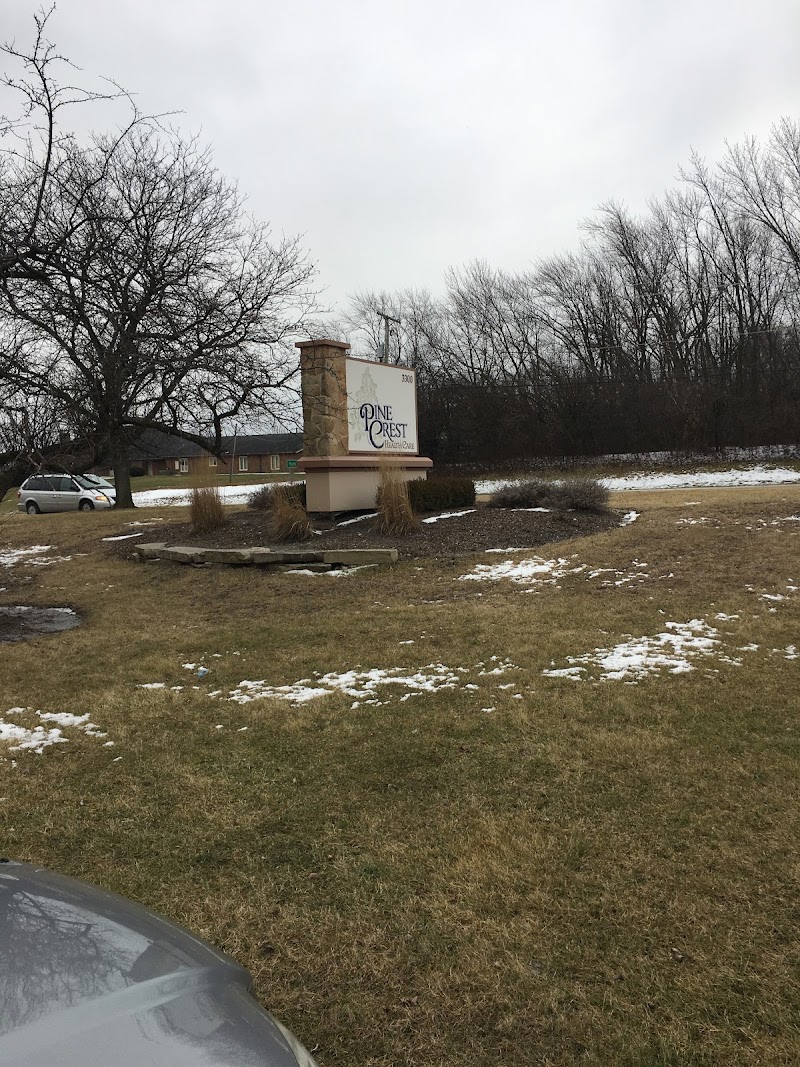
How is Pine Crest Health Care Staffed?

CMS rates PINE CREST HEALTH CARE's staffing level at 1 out of 5 stars, which is much below average compared to other nursing homes.

What Have Inspectors Found at Pine Crest Health Care?

State health inspectors documented 51 deficiencies at PINE CREST HEALTH CARE during 2022 to 2025. These included: 2 Immediate Jeopardy (the most serious level, indicating potential for serious harm or death), 5 that caused actual resident harm, 43 with potential for harm, and 1 minor or isolated issues. Immediate Jeopardy findings are rare and represent the most serious regulatory concerns. They require immediate corrective action.

Who Owns and Operates Pine Crest Health Care?

PINE CREST HEALTH CARE is owned by a for-profit company. For-profit facilities operate as businesses with obligations to shareholders or private owners. The facility is operated by ICARE CONSULTING SERVICES, a chain that manages multiple nursing homes. With 199 certified beds and approximately 159 residents (about 80% occupancy), it is a mid-sized facility located in HAZEL CREST, Illinois.
How Does Pine Crest Health Care Compare to Other Illinois Nursing Homes?

Compared to the 100 nursing homes in Illinois, PINE CREST HEALTH CARE's overall rating (1 stars) is below the state average of 2.5 and health inspection rating (2 stars) is below the national benchmark.

What Should Families Ask When Visiting Pine Crest Health Care?

Based on this facility's data, families visiting should ask: "What changes have been made since the serious inspection findings, and how are you preventing similar issues?" "Can you walk me through typical staffing levels on day, evening, and night shifts?" "Can I visit during a mealtime to observe dining assistance and food quality?" "How do you handle medical emergencies, and what is your hospital transfer rate?" These questions are particularly relevant given the facility's Immediate Jeopardy citations and the below-average staffing rating.

Is Pine Crest Health Care Safe?

Based on CMS inspection data, PINE CREST HEALTH CARE has documented safety concerns. Inspectors have issued 2 Immediate Jeopardy citations (the most serious violation level indicating risk of serious injury or death). The facility has a 1-star overall rating and ranks #100 of 100 nursing homes in Illinois. Families considering this facility should ask detailed questions about what corrective actions have been taken since these incidents.

Do Nurses at Pine Crest Health Care Stick Around?

PINE CREST HEALTH CARE has not reported staff turnover data to CMS. Staff turnover matters because consistent caregivers learn residents' individual needs, medications, and preferences. When staff frequently change, this institutional knowledge is lost. Families should ask the facility directly about their staff retention rates and average employee tenure.

Was Pine Crest Health Care Ever Fined?

PINE CREST HEALTH CARE has been fined $135,278 across 4 penalty actions. This is 3.9x the Illinois average of $34,432. Fines at this level are uncommon and typically indicate a pattern of serious deficiencies, repeated violations, or failure to correct problems promptly. CMS reserves penalties of this magnitude for facilities that pose significant, documented risk to resident health or safety. Families should request specific documentation of what issues led to these fines and what systemic changes have been implemented.

Is Pine Crest Health Care on Any Federal Watch List?

PINE CREST HEALTH CARE is not on any federal watch list. The most significant is the Special Focus Facility (SFF) program, which identifies the bottom 1% of nursing homes nationally based on persistent, serious quality problems. Not being on this list means the facility has avoided the pattern of deficiencies that triggers enhanced federal oversight. This is a positive indicator, though families should still review the facility's inspection history directly.