HIGHLAND HEALTH CARE CENTER
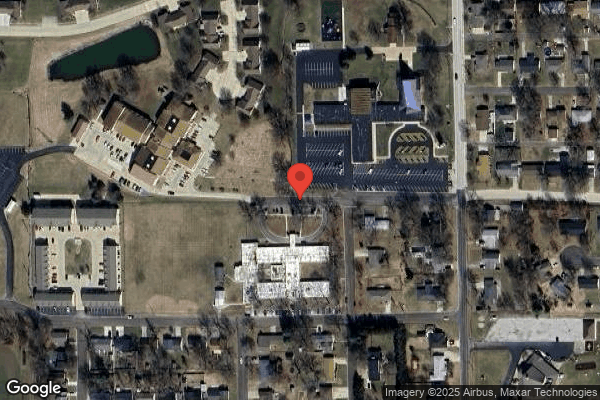
1450 26TH STREET, HIGHLAND, IL 62249 (618) 654-2368
For profit - Limited Liability company 128 Beds CREST HEALTHCARE CONSULTING Data: November 2025 1 Immediate Jeopardy citation
Trust Grade
0/100
#547 of 665 in IL
Last Inspection: September 2024

Within standard 12-15 month inspection cycle. Federal law requires annual inspections.

Overview

Highland Health Care Center has received a Trust Grade of F, indicating significant concerns about the facility's care and management. Ranking #547 out of 665 in Illinois places it in the bottom half, and at #14 out of 17 in Madison County, it's clear that there are many better options available nearby. While the facility is showing a trend of improvement, having reduced issues from 9 in 2024 to 2 in 2025, it still has a long way to go. Staffing ratings are poor with a score of 1 out of 5 and a turnover rate of 51%, which is around the state average, suggesting instability among staff. Although there have been no fines reported, recent inspections revealed critical incidents, including a resident eloping from the facility and a failure to prevent resident-to-resident sexual abuse, raising serious concerns about safety and supervision.

Trust Score
F
0/100
In Illinois
#547/665
Bottom 18%
Safety Record
High Risk
Review needed
Inspections
Getting Better
9 → 2 violations
Staff Stability
⚠ Watch
51% turnover. Above average. Higher turnover means staff may not know residents' routines.
Penalties
✓ Good
No fines on record. Clean compliance history, better than most Illinois facilities.
Skilled Nurses
○ Average
Each resident gets 30 minutes of Registered Nurse (RN) attention daily — about average for Illinois. RNs are the most trained staff who monitor for health changes.
Violations
⚠ Watch
26 deficiencies on record. Higher than average. Multiple issues found across inspections.
★☆☆☆☆
1.0
Overall Rating
★☆☆☆☆
1.0
Staff Levels
★★★★☆
4.0
Care Quality
★★☆☆☆
2.0
Inspection Score
Stable
2024: 9 issues
2025: 2 issues

The Good

  • 4-Star Quality Measures · Strong clinical quality outcomes
  • Full Sprinkler Coverage · Fire safety systems throughout facility
  • No fines on record

Facility shows strength in quality measures, fire safety.

The Bad

1-Star Overall Rating

Below Illinois average (2.5)

Significant quality concerns identified by CMS

Staff Turnover: 51%

Near Illinois avg (46%)

Higher turnover may affect care consistency

Chain: CREST HEALTHCARE CONSULTING

Part of a multi-facility chain

Ask about local staffing decisions and management

The Ugly 26 deficiencies on record

1 life-threatening 3 actual harm
Sept 2025 1 deficiency 1 IJ (1 facility-wide)
CRITICAL (L) 📢 Someone Reported This

A family member, employee, or ombudsman was alarmed enough to file a formal complaint

Immediate Jeopardy (IJ) - the most serious Medicare violation

Accident Prevention (Tag F0689)

Someone could have died · This affected most or all residents

⚠️ Facility-wide issue

**NOTE- TERMS IN BRACKETS HAVE BEEN EDITED TO PROTECT CONFIDENTIALITY** Based on interview and record review, the facility failed to implement a systematic approach to assess and evaluate a resident's...

Read full inspector narrative →
**NOTE- TERMS IN BRACKETS HAVE BEEN EDITED TO PROTECT CONFIDENTIALITY** Based on interview and record review, the facility failed to implement a systematic approach to assess and evaluate a resident's unsafe wandering, record resident specific information, and monitor a resident with known exit seeking behaviors for 1 of 3 residents reviewed for elopement. This failure resulted in R2 eloping out of the facility on an unknown date and getting down a public street before staff were able to catch up with him and again on 8/25/2025 when R2 was seen exiting the facility unsupervised when police officers patrolling the area heard the alarm and found R2 exiting the fire door attempting to leave unsupervised and with no staff anywhere around. R3's room remains adjacent to the fire door exit. This failure has the potential to affect all 11 residents who are at risk for elopement and wandering.The Immediate Jeopardy began on 7/19/2025, when R2 eloped from the facility through the front doors unattended. On 9/3/2025 at 10:00 AM V1, Administrator; V2, Director of Nursing (DON), and V28 Chief Operating Officer, were notified of the Immediate Jeopardy. The surveyor confirmed by observation, interview and record review, the Immediate Jeopardy was removed on 9/3/2025, but remains at Level Two because additional time is needed to evaluate the implementation and effectiveness of the in-service training.Finding include:R2's Undated Face Sheet documents R2 was originally admitted to the facility on [DATE] and has a diagnosis of Dementia, Anxiety Disorder, and Depression.R2's MDS dated [DATE] documents R2 is severely cognitively impaired, uses a wheelchair, needs substantial/maximal assistance with sitting to standing, chair/bed to chair transfers, and a wander/elopement alarm is not used.R2's Care Plan Date Initiated 8/19/2025 documents R2 is at risk for elopement due to cognitive issues and impaired safety awareness. Interventions/tasks Date Initiated 8/19/2025 documents calmly redirect and divert resident's attention, distract resident when wandering/insistent on leaving facility by offering pleasant diversions, structured activities, food, conversation, television, and books, promptly check when alarm system goes off to ensure resident is safe and remains in facility. Interventions/Tasks Date Initiated 8/25/2025 documents 15-minute visual checks.R2's Potential Risk of Elopement dated 8/19/2024 documents R2's Risk for Elopement is resolved.R2's Elopement Risk assessment dated [DATE] at 7:35 AM documents R2 was not considered at risk for elopement.R2's Elopement Risk assessment dated [DATE] at 9:00 AM documents R2 was not considered at risk for elopement.R2's Elopement Risk assessment dated [DATE] at 5:56 AM documents R2 was not considered at risk for elopement.R2's Quarterly Nursing Evaluation Summary Note dated 8/6/2025 at 2:47 PM documents R2 is at high risk for elopement, R2 wanders within the facility or has a history of wandering, R2 verbalizes, or exhibits exit seeking behavior, and R2 has a previous history of attempted or actual elopement.R2's Elopement Evaluation dated 8/25/2025 at 8:45 PM documents R2 is a high risk for elopement, has a previous history of attempted or actual elopement, and verbalizes or exhibits exit seeking behaviors. R2's Medical Record reviewed with no clinical documentation regarding R2's elopement attempts.R2's Nursing Note dated 8/16/2024 documents R2 arrived at facility in private car accompanied by his son. R2' Son states that resident was living in a hotel locally for several months after unsuccessful integration attempts in other Long Term Care (LTC) Facilities; resident was caring for himself and became progressively weaker.Local Police Report dated 8/25/2025 at 8:31 PM documents while patrolling East on 27th Street, I heard an audible alarm coming from [NAME] Health Care Facility. I could see an elderly male in a wheelchair exiting a rear fire exit door and determined that this was the source of the alarm. I met with R2, a resident at the facility. R2 was upset and complained that he wanted to leave the facility with police. I asked staff if R2 was a patient with Alzheimer's or Dementia or agitation. Staff indicated they did not know. I became concerned about R2 continuing to try to leave the facility unsupervised by staff and concerned about staff apparent lack of knowledge regarding the patient, his diagnoses, or needs.On 8/28/2025 at 8:05 AM R2's room location is adjacent to a fire exit door.On 8/28/2025 at 8:15 AM no binder for residents at risk for elopement noted at nurse's station. On 8/28/2025 at 8:45 AM V4, Registered Nurse (RN), stated the facility has many residents that wander. V4, RN, stated if a resident is at risk for wandering, they will have an ankle bracelet on and an alarm pad in their wheelchair. V4 stated the facility does not have a list of residents that are at risk for leaving the facility unattended.On 8/28/2025 at 8:52 AM, V5, Licensed Practical Nurse (LPN), stated if a resident is at risk for wandering, the resident will have a Wander Guard on and the facility will watch them closely. V5 stated the facility does not have a list of residents that are at risk for elopement or wandering.On 8/28/2025 at 9:20 AM V8, Certified Nursing Assistant (CNA), denied knowing of a list or book of residents that are at risk for wandering/elopement.On 8/28/2025 at 9:26 AM V9, CNA, stated residents will have a Wander Guard in place if they are at risk for exiting. V9 stated the facility does not have a list or book of residents that are at risk for wandering or eloping that she knows of.On 9/2/2025 at 12:38 PM V11, CNA, stated if a resident is at risk for wandering, the resident will have a Wander Guard in place on their wrist or ankle. V11 denied knowing if the facility keeps a list of residents who are at risk for elopement.On 9/2/2025 at 12:42 PM V13, LPN, stated the facility does not have a book or list of residents that are at risk for wandering/elopement, and residents that are at risk will have a Wander Guard in place.On 9/2/2025 at 12:48 PM V23, CNA, stated the facility does not have a list or book of residents at risk for elopement that she knows of. V23 stated resident that are at risk for eloping will have a Wander Guard on and she will get told in shift report which residents at are risk.On 9/2/2025 at 12:53 PM V24, LPN, stated the facility's computer system use to have a communication page where you could tell if a resident was at risk for eloping the facility. V24 denied the facility having a list or book of resident who are at risk for eloping.On 8/29/2025 at 1:30 PM V2, Director of Nursing (DON), stated a resident's Elopement Assessment score will determine if a resident is at risk for elopement and if the need for a Wander Guard is applicable as stated in the facility's Wandering/Elopement Policy.On 9/2/2025 at 3:51PM V26, RN, stated the facility does not have a book or list of residents that are at risk for wandering or elopement. V26, RN, stated the facility just knows who is at risk and staff with watch those residents closely, and most of those residents will have a Wander Guard on.On 8/28/2025 at 11:35 AM V11, CNA, stated R2 has always walked up and down the hallways and has made the comment that he wants to go into the alleyway outside and leave the facility. V11 stated there is an exit door by R2's room that R2 will look at and say he wants to go out the door to that alley.On 8/28/2025 at 11:45 AM V12, Activity Aide, stated R2 does have exiting seeking behaviors and likes to wander. V12, stated R2 has gotten out of the facility a couple months ago and just a couple days ago. V12, stated 2 local police officers were doing their rounds in the area a couple days ago, when they heard the door alarm and found R2 and brought R2 back into the facility.On 8/28/2025 at 12:00 PM V13, LPN, stated R2 will wander in the hallways and tries to go out of the facility by the front door.On 8/28/2025 at 1:25 PM V14, LPN/MDS/Care Plan Coordinator, stated R2 does exit seek and has had a couple episodes where R2 has tried to exit the facility. V14 stated she is unsure of the exact dates R2 has tried to elope from the facility. V14 stated the facility had a recent episode where R2 tried to exit the facility and the local police department were patrolling the area, heard the door alarms, and saw R2 trying to exit the facility, but is unsure of the exact date.On 8/28/2025 at 2:12 PM V15 LPN stated she was working on 8/25/2025 when she heard R2 had gone out of one of the doors of the facility and police brought R2 back inside the facility.On 8/28/2025 2:31 PM V17, CNA, stated she was working the evening on 8/25/2025 when R2 got out of the facility. V17 stated she was in another residents room providing care when she heard a nurse state over the intercom that the G Hall door was open. V17 stated she was unable to response to the door alarm due to providing resident care. V17 stated R2 does like to exit seek and by the time she was done providing care to her resident, there were local police officers in the facility that had assisted R2 to his room. V17 stated after the incident R2 was placed on 15-minute checks.On 8/28/2025 at 2:54 PM V18, CNA, stated she was in another resident's room putting a resident to bed when she heard the nurse say the G Hall door alarm was going off. V18 stated she was unable to leave the resident she was helping to check the door alarm. V18 stated R2 does wander the facility and tries to exit the facility.On 8/28/2025 at 3:03 PM V2, DON, stated if R2 gets upset, R2 will want to go outside. V2, DON, stated R2 has never exited the building without being accompanied by staff. V2, DON, stated on 8/25/2025 V3, Local Police Officer, was driving by the facility doing surveillance when V3 heard the door alarm going off and could see R2's wheelchair in the doorway. V2 stated R2 did not get out of the doorway threshold and never made it outside of the facility. V2 stated R2 did not get out of the facility, so an incident report did not need to be done. V2 stated R2 was placed on 15-minute checks on the evening of 8/25/2025 after the incident and R2 remains on 15-minute checks.On 8/28/2025 at 3:57 PM V16, RN stated she was passing medication on the front side of the building when she heard the G Hall door alarm go off. V16 stated she paged for staff to go look at the door. V16 stated when she got down the hall to the G Hall door, R2 was by the door and the local police department officers were with R2. V16 stated local police officers talked to R2, brought R2 back inside the facility and helped R2 back into his room. V16 denied knowledge of R2 previously trying to get out of the facility.On 8/29/2025 at 10:00 AM R4 stated her room is right by the G Hall exit door and R2 tries to exit the door and get out of the facility. R4 stated R2 has gotten out of the facility a couple months ago and made it all the way down the road and staff have had to chase him. R4 stated R2 will tell her he wants to leave the facility. R4 stated on 8/25/2025 R2 told her that he did not want to stay in the facility and wanted to leave. R4's MDS dated [DATE] documents R4 is cognitively intact.On 8/29/2025 at 10:16 AM V21, LPN, stated R2 tries to exit the facility and has exit seeking behaviors.On 8/29/2025 at 10:22 AM V3, Local Police Officer, stated he was on patrol the evening of 8/25/2025 and was in the area outside of the facility when he heard an alarm sounding. V3 stated he could see a fire exit door open and a resident trying to go outside of the door unattended. V3 stated R2 was in the process of exiting the facility and the front wheels of R2's wheelchair was already out of the doorway when he walked up to the door. V3 stated no staff was near R2 when he approached R2. V3 stated he happened to be in the right place at the right time and if he didn't hear the alarm or see R2, R2 could have gotten farther outside of the facility then he did. V3 stated he was able to speak with R2 and R2 kept saying he wanted to leave the facility. V3 stated he is unsure how R2 was able to get the door open and start leaving with no staff around him. V3 stated when he got R2 back in the facility the nurse V16 just stood there and did not assess R2 or take him back to his room. V3 stated V16 did not know any health information on R2 when V3 asked regarding R2's cognition. V3 stated when he spoke to staff regarding how R2 was able to get the facility door open, no one had any idea what was going on or could tell him any information about R2 and R2's medical diagnosis. V3 stated it seemed odd that no staff knew the cognitive status of R2 or how he was able to get the door open.On 8/29/2025 at 11:10 AM V7, Social Services Director (SSD), stated R2's cognition fluctuates and with his lack of safety awareness at time, staff needs to be present with R2 when outside.On 8/29/2025 at 11:25 AM V2 stated R2 has gone for walk down the street with staff. V2 stated she would not encourage R2 to be outside by himself. V2 stated she would expect her staff to follow the documentation policy and to document when any event or behaviors occurs. V2 stated there is no documentation regarding the event from 8/25/2025 and there was no incident report done regarding R2 trying to get out of the facility on 8/25/2025 because R2 did not make it out of the facility. V2 stated she was told by V3 that an incident report would not be made, and they would consider this a wellness check. V1, Administrator, stated R2 has never gotten out of the facility and no elopement events have occurred with R2 or any resident. V1, stated she is not aware of R2 exiting the facility without staff present. V1 stated if something is not documented, then it didn't happen.On 8/29/2025 at 11:41 AM V22, RN, stated R2 is confused and thinks he needs to leave the facility. V22 stated R2 wanted to go outside previously, and she walked with him outside of the facility down the road to see the church nearby. V22, LPN, stated she is unsure the date that she walked R2 down the road by the church, but knows it was hot outside.On 9/1/2025 at 8:48 AM V19, R2's Son, stated R2 is forgetful at times and needs staff assistance with getting out of bed into his wheelchair. V19 stated he has never been informed by the facility that R2 has tried to exit the facility or has been successful with exiting the facility.On 9/2/2025 at 12:42 PM V13, LPN, stated R2 has a history of wandering the facility and trying to exit. V13 stated R2 has always been that way and will tell staff that he wants to go home.On 8/29/2025 at 1:10 PM V20, Facility Medical Director, stated R2 has a diagnosis of mental illness and dementia and does not comprehend or understand what is going on at times. V20 stated he was informed about a month ago that R2 had exited the facility out of the front lobby door and made it down the road before staff could get to him. V20 stated it is not safe for R2 to be outside unattended due to his cognition and safety awareness. V20 stated he was not informed of R2 setting off the door alarm or the police seeing R2 in the doorway trying to exit the facility on 8/25/2025.On 9/2/2025 at 1:01 PM V20, Facility Medical Director, stated he has been R2's medical doctor since R2 was admitted to the facility. V20 stated R2 has always exhibited exit seeking behaviors since admission and V20 has given the facility his opinion that R2 be on the locked unit. V20 stated it is not appropriate for R2's room to be close to any door in the facility due to his exit seeking behaviors. V20 stated if R2 was to get outside of the facility unattended, R2 could get hit by a car, get lost, fall, hit his head, and/or die.On 9/3/2025 at 10:00 AM IJ template presented and read to V1, Administrator, V2, DON, and V28, Chief Operating Officer (COO). At presentation of the IJ template, V1, stated V2 had a soft file on the incident that happened in July while she was on vacation, which the facility called her on. V1 wanted the survey team to look at this file. Survey team stated the file would be looked at after the presentation of the IJ template. V1 and V2 were reminded they were asked for any documentation or incident reports on R2's elopement attempts or exit seeking behaviors. V1 and V2 were reminded that they stated in previous interviews that the facility did not have any documents on any elopement attempts or incidents regarding R2.On 9/3/2025 at 11:23 AM V28, COO, present this surveyor with R2's soft file dated 7/19/2025. The file contained 5 Staff Witness statements dated 7/19/2025 from V12, Activity Aide; V16, RN; V22, RN; V29, CNA; and V30, LPN. 4 of the 5 witness statements dated 7/19/2025 documented signature via phone and were not signed by the staff member. Witness statement dated 7/19/2025 by V16, RN, documents I was in another residents room, and heard door alarm. I seen R2 at the door, so I ran to him. R2 was upset because the door on the hallway was closed and was wanting to go outside. I couldn't keep R2 inside so I went outside with him and called V22, RN. V22 then came outside and stayed with him until he was ready to come back in. We then put him on 15 minute checks. During this investigation in a previous interview on 8/28/2025 at 3:57 PM with V16, V16 denied R2 trying to exit the facility prior to the incident on 8/25/2025.The Facility's Charting and Documentation Policy Date Revised 11/21/2020 documents Policy Interpretation and Implementation: The following information is to be documented in the resident medical record: objective observations, treatment or services performed, changes in the resident's condition, events, incidents, or accidents involving the resident.The Facility's Wandering/Elopement Policy Date Revised 3/13/2024 documents All residents are assessed for risk of unsafe wandering and/or elopement and those who are identified as at risk will be assessed for utilizing the safety interventions of a Wander Guard bracelet (where applicable) to prevent unsafe exit from the center. If not applicable, the Interdisciplinary Team will meet to discuss other safety measures that will be put in place. Policy Interpretations and Implementations section documents If a resident exhibits exit seeking behaviors or expresses the desire/determination to leave and if that resident is not cognitively able to support independent decision making, a new Elopement Risk Assessment and review by the interdisciplinary team will be conducted. Other safety interventions may be utilized pending the assessment. On 9/3/2025 at 11:43 AM Abatement #1 not accepted.On 9/3/225 at 12:39 PM Abatement #2 accepted.The facility took the following actions to remove the Immediacy:1.Immediate Actions Taken for Identified ResidentsR2 continues to reside in the facility.The following immediate actions were initiated on September 2, 2025, by V31, Regional Resident Services Director:Care plan reviewed to ensure appropriate interventions addressing exit-seeking behaviors. Elopement risk assessment reviewed for accuracy and completeness.2. Identification of Other Residents Who Could Potentially Be AffectedAll residents were considered to have the potential to be affected.3. Measures Implemented / System Changes Elopement assessments for all residents were reviewed and updated for accuracy as needed (initiated September 2, 2025, by V31)Care plans for residents identified as at risk for elopement were reviewed and revised with appropriate interventions (initiated September 2, 2025, by V31).Behavior tracking was initiated for all residents identified as at risk for elopement or exit-seeking behaviors (initiated September 2, 2025, by V31).Staff Education (initiated September 2, 2025, led by V2, DON):Elopement policy and procedures.Recognition of exit-seeking behaviors. Accurate and timely documentation requirements.Location and use of the facility's Elopement Binder.Licensed nursing staff received additional targeted training on documenting elopement attempts and exit-seeking behaviors.If staff are unable to be reached, the facility will ensure those staff members are educated prior to working their next shift to ensure compliance.Policy Review: The Elopement Policy and Documentation Policy regarding exit-seeking behaviors were reviewed and approved by the below on September 3rd, 2025.V32, Chief Nursing OfficerV28, Chief Operating Officer4. Monitoring of Corrective ActionsDON or designee will:Review the 24-hour report and behavior tracking logs daily (Monday-Friday) for 12 weeks to identify and address exit-seeking behaviors (initiated September 3, 2025).Review all new admissions and readmissions daily (Monday-Friday) for 12 weeks to ensure elopement assessments are accurate and care plans reflect appropriate interventions (initiated September 3, 2025).The Administrator or designee will:Provide monthly in-services on elopement policy, identification of exit-seeking behaviors, and implementation of appropriate interventions (initiated September 3, 2025). Conduct weekly monitoring of three residents identified as at risk for elopement (initiated September 3, 2025) to ensure:Elopement assessments are completed.Wandering/exit-seeking behaviors are documented and addressed with interventions.Care plans are updated as needed. Results of all monitoring activities will be reviewed during weekly Quality Assurance and Performance Improvement (QAPI) meetings led by the Administrator for 12 weeks (initiated September 3, 2025). Additional education and corrective measures will be implemented as necessary until sustained compliance is achieved.Removal/Completion Date: 9/3/2025Surveyors validated the removal of abatement by reviewing medical records and the facility's elopement book. R2's medical record was furthered reviewed. Surveyors reviewed additional sampled resident's medical records to ensure the facility's following the Wandering/Elopement policy. Employees including V1, Administrator; V2, DON; V6, CNA Supervisor; V7, SSD; V11, CNA; V27, LPN; V30, LPN/Infection Control; V33, Kitchen/Activity Aide; V34, Laundry; V35, CNA; V36, CNA; V37, CNA; V38, COTA; V39, Human Resources Coordinator; V40, Speech Language Pathologist; V41, Activity Director; V42, Assistant Director of Nursing; V43, Housekeeping Supervisor; V44, Nurse Aide Non-Certified; V45, LPN/Nurse Supervisor/Wound Care Coordinator; V46, Food Service Director; and V47, Activity Aide interviewed regarding the facility's in-services. Date of Completion 9/3/2025. V1 stated all staff have been in-serviced on the facility's Wandering/Elopement policy and where the facility's Elopement book is located, and if they haven't been they will be in-serviced on the policy prior to the start of their shift.
Apr 2025 1 deficiency 1 Harm
SERIOUS (G) 📢 Someone Reported This

A family member, employee, or ombudsman was alarmed enough to file a formal complaint

Actual Harm - a resident was hurt due to facility failures

Free from Abuse/Neglect (Tag F0600)

A resident was harmed · This affected 1 resident

**NOTE- TERMS IN BRACKETS HAVE BEEN EDITED TO PROTECT CONFIDENTIALITY** Based on observation, interview and record review, the facility failed to prevent resident to resident sexual abuse for 1 of 1 (...

Read full inspector narrative →
**NOTE- TERMS IN BRACKETS HAVE BEEN EDITED TO PROTECT CONFIDENTIALITY** Based on observation, interview and record review, the facility failed to prevent resident to resident sexual abuse for 1 of 1 (R2) resident reviewed for abuse in the sample of 4. This failure resulted in psychosocial harm in that, a reasonable person would react to such a situation with feelings of anxiety, distress, fearfulness and humiliation. This past compliance occurred from 4/14/2025 to 4/15/2025. Prior to the survey date, the facility took the following actions to correct the noncompliance: -R1 (alleged perpetrator) was immediately removed from the dementia unit on 4/14/2025 upon report of the incident and placed on 1:1 supervision by staff to prevent further resident contact and mitigate risk. - R2 (alleged victim) received immediate psychosocial support. Referred for ER evaluation for possible sexual assault. - All residents on the dementia unit assessed for risk of aggressive or inappropriate behaviors. -Increased supervision on dementia unit, especially during communal activities. - All nursing staff were re-educated on the following: Abuse prevention and reporting protocol, Monitoring cognitively impaired residents for signs of distress or inappropriate behavior. - The DON or designee began daily audits of incident reports and resident behavior logs for 14 days, then weekly × 2 weeks, then monthly. - Staff education logs are maintained and monitored by the Director of Nursing (DON). Findings include: 1.R2's Undated Face Sheet documents he was initially admitted to the facility on [DATE] with diagnoses including dementia, psychotic disorder with hallucinations and post-traumatic stress disorder (PTSD.) R2's MDS, dated [DATE] documents he is cognitively impaired. R2's Care Plan, dated 3/6/2025 staff documented potential for abuse and was also care planned for history that indicates he may have experienced significant trauma during his lifetime. Resident identified trauma related to triggers include people grabbing and observations of other being grabbed. R2's ER (emergency room) documentation, dated 4/14/2025 patient presenting for evaluation of possible sexual assault. Patient was coming from VA (Veterans Association) hospital with transfers apparently, they cannot evaluate any type of sexual assault. Patient reports over the weekend believe was Saturday he was groped by a facility member there. Patient reports he was squeezed on his buttocks reports no handing of his genitalia including testicles or penis. Patient denies anything entering his rectum or any pain around his anus. Patient denies any rash or discharge. Police have been contacted. ED progress note documents patient reports he was groped apparently was squeeze down his buttocks. Did perform visual exam which was unremarkable. Did discuss with patient and family on obtaining forensic evidence such as a rape kit which at this time did not see any need for as there was no insertion injury. Clinical impressions documented: sexual assault by bodily force by caregiver. On 4/16/2025 at 8:15 AM V2, Director of Nursing (DON) stated V1 is the Administrator, and they were notified of residents having an incident on 4/15/2025, that involved (R1) and (R2) and that both resided on the dementia unit and (R2) is not interviewable. She stated (R1) was moved from the dementia unit after the allegation and is now on a 1:1 with staff. V2 stated neither resident have a history of sexual touching between themselves or others. V2 stated (R1) was walking down the hall and came up to (R1) and touched his butt both residents had clothes on at the time and staff separated them immediately. V14, Registered Nurse (RN) was the nurse and V12 was the CNA, this incident occurred on 4/13/2025 at approx. 8:00 PM. V2 stated (R2) is out of the facility for a physician's appointment today and isn't expected back until late this evening. On 4/16/2025 at 9:14 AM V1 stated V11, Case Manager at the veteran's association primary care office called the facility on 4/14/2025 at approximately 10:00 AM and stated (R2) stated he was grabbed on the back side by (R1), he started an investigation at that time. V1 stated neither resident has a history of sexual touching. A Witness Statement dated 4/14/2025 V11, VA (Veteran's Association) Nursing Home Consultant documents (R1) presented to ED for medical evaluation. Another resident attempted to sexually assault him in the facility and stated a hand was fully into his rectum, being sent to another hospital for sexual assault evaluation. On 4/16/2025 at 2:14 PM V11, VA Nursing Home Consultant stated she called the facility to notify them of the allegation of sexual abuse on 4/14/2025 and she reported what was (R2's) VA medical record, that is where she got the information from. The VA social worker referred (R2) to a local ER because they do not do sexual assault kits at the VA. V11 stated she read (R2's) hospital paperwork and noted it documents a different version of what occurred to (R2) and she wasn't sure what actually occurred in the incident but that she reported what (R2's) VA medical record documented. A Witness Statement dated 4/14/2025 V12, Certified Nurse Aide (CNA) documented, Yes, I provided care for him (R2) his family was with him and completed routine checks. Family arrived around 12:00 PM and left and came back. Family was still here when I left at 8:45 PM. V13, R2's family member reported that another resident touched his butt. I reported it to V14, RN around 8:20 PM (R2) stated R1 touched his (R2) butt around 8:15 PM. (R2) stated that resident (R1) came up from behind and first grabbed his arm then grabbed his butt with both hands. On 4/16/2025 at 12:50 PM V12, CNA stated he worked 4/14/2025 day shift and stayed a few hours extra to help out and was assigned to (R2.) Around 8:20 PM (R2's) family member (V13) reported to him that (R1) grabbed (R2's) buttocks and he reported it to V14, RN immediately. He spoke to (R2) and he told him that (R1) walked up being him and grabbed his buttocks with both hands. V12 stated (R2) is alert with bouts of confusion but that he was very alert when he spoke to him regarding the incident. V12 stated he didn't witness (R1) grope or touch (R2.) An Undated Witness Statement, documented V14, RN, Yes I provided care for (R2). He voiced that (R1) touched him on the butt in the TV room, he doesn't like it because (R2) will trigger him and he doesn't want to hurt her. On 4/16/2025 at 10:40 AM R1 was observed sitting with V15, Activity Aide. R1 stated she doesn't do anything with any man other than her husband and stated she didn't touch anyone inappropriately and she would never do that. On 4/16/2025 at 4:30 PM, V14, RN stated she worked 4/14/2025 and was the assigned nurse to (R1) and R2. Sometime during the evening of 4/14/2025 (R2) was upset and reported to her that (R1) grabbed his buttocks in the activity room, and he stated it wasn't appropriate and that he doesn't want (R1) touching him ever again. V14 stated she didn't witness the incident between the residents, but she reported the incident to V1 immediately. On 4/16/2025 at 4:20 PM, V13 R2's family member stated he came to visit (R2) on the evening of 4/14/2025 and (R2) told him that a lady groped his buttocks with both hands, and it triggered him and he felt embarrassed to tell him about it but he didn't want to be groped by the lady again. V13 reported it to the nurse on duty at that time, V14 and she reported she would let Administration know of the incident. V13 stated he was upset that the VA office he initially took (R2) to be assessed documented that (R2) reported the female put her hands down his pants and touched (R2's) rectum because he was with (R2) the entire time he was at the VA office and (R2) never reported that occurred. V13 stated when they got to the hospital that staff wanted to do a rectal exam on (R2) declined it stating no one touched his rectum. On 4/16/2025 at 4:50 PM R2 was observed walking around his room. He was alert and stated a few days ago (exact date unknown) a female resident ran up from behind him, pulled down his pants and grabbed his buttocks, R2 showed how the female resident (R1) grabbed his buttocks by grabbing a pillow and he showed how she grabbed his buttocks with both fists and squeezed really hard. R2 stated he felt terrible about it and was very embarrassed because it occurred in front of other residents. When (R1) grabbed his buttocks like that he screamed because it hurt. (R1) grabs at him and other residents often and he's told her time and time again don't touch me, I don't like being touched. If it was a man that grabbed me like that he would have been on the floor with a knock out punch to the face but since it was a female I just walked away from the situation but she better not grab me ever again like that. On 4/16/2025 at 11:00 AM V4, Social Services Director stated V2, DON reported to her on 4/14/2025 that (R2) went to an outside physician's appt and the office called and stated (R2) told them that a female resident grabbed his bottom the day before. She spoke to (R2) the same day and he told her he didn't want to be grabbed on his buttocks by other residents he didn't report the name of the resident that grabbed his buttocks he said some old lady grabbed his buttocks. V4 stated (R2) wasn't crying when she spoke to him about the incident, he just stated he doesn't want his buttocks to be grabbed because it could trigger him. V4 stated she will follow up with him with the psychosocial assessment every 3 days for 30 days to see how he's doing regarding the incident. V4 attempted to interview (R1) but she didn't respond to any questions regarding her touching (R2's) buttocks. V4 stated neither resident has a history of sexual touching in the past but (R1) does has a history of grabbing residents but this is the first time she grabbed a resident inappropriately and she's been on 1:1 for this behavior since the incident was reported on Monday 4/14/2025. V4 stated the incident occurred on the dementia unit and since the incident occurred (R1) was moved from the dementia unit. The Facility's Abuse Policy, revised 1/9/2024 documents purpose: to provide guidance and procedures to the facility to assure the residents remain to be free from abuse. This facility affirms the right of our residents to be free from abuse. This facility therefore prohibits abuse of residents. The purpose of this policy is to ensure that the facility is doing all that is within its control to prevent occurrences of abuse and mistreatment of residents.
Dec 2024 1 deficiency
CONCERN (D) 📢 Someone Reported This

A family member, employee, or ombudsman was alarmed enough to file a formal complaint

Potential for Harm - no one hurt, but risky conditions existed

Deficiency F0697 (Tag F0697)

Could have caused harm · This affected 1 resident

**NOTE- TERMS IN BRACKETS HAVE BEEN EDITED TO PROTECT CONFIDENTIALITY** Based on interview and record review the facility failed to provide pain management for one of three residents (R3) reviewed for...

Read full inspector narrative →
**NOTE- TERMS IN BRACKETS HAVE BEEN EDITED TO PROTECT CONFIDENTIALITY** Based on interview and record review the facility failed to provide pain management for one of three residents (R3) reviewed for pain in the sample of 5. This failure resulted in R3 not receiving pain management for a fall with serious injury for 24 hours. This past non-compliance occurred from 11/16 until 11/18/24. Finding Include: R3's Minimum Data Set (MDS) dated [DATE] documents R3 is severely cognitively impaired, and R3 requires substantial to maximum assistance. R3's MDS dated [DATE] documents R3 is moderately cognitively impaired. R3 needs partial assistance from another person for any activities. R3's Electronic Health Record documents R3 has diagnoses of FX (Fracture) of Unspecified Part of Neck of Left Femur and Traumatic FX. R3's Pain Care Plan 11/13/24 documents R3 has potential for pain related to unstable angina and COPD (Chronic Obstructive Pulmonary Disease) Interventions: anticipate the residents need for pain relief and respond immediately to any complaint of pain. Observe report to nurse any S/SX (signs and symptoms) of nonverbal pain. R3's Fall Investigation dated 11/17/24 documents resident (R3) noted to have witnessed fall (CNA) (certified nursing assistant) V9 resident noted to fall on her left side of body, head, shoulder hip, and leg. No obvious signs of trauma to left hip, left shoulder, and left leg PERRLA (pupils are equal round and reactive to light and accommodation) within normal limits for this resident. Pupils equal and brisk. No c/o (complaint of) headache or discomfort, able to move all extremities as prior. Adduction and abduction without issues and WNL (within normal issues) for this resident. Bruising to left upper lip and posterior facial cheek. No gait alterations noted, no difficulties ambulating, no indication of further emergent medical need at this time. MD (Medical Doctor) updated, POA (Power of Attorney) updated and nurse. Intervention: place pressure pad alarm in bed. R3's Left Femur Left Hip X-ray dated 11/18/24 at 5:32 PM documents slightly impacted subcapital FX of femoral neck. Impression impacted subcapital FX. R3's Medication Administration Record (MAR) for the month of November documents Pain assessment not completed for November 16-21. R3's November 2024 MAR documents Pain record highest level of pain Q (every) shift, 11/16 on days R3's pain was a 10 on day shift. R3 was not given pain medications on 11/16/24. On 11/17 pain was not evaluated, and pain medications were not given on 11/17/24. On 11/18/24, R3's pain was rated a 6 on days and evenings; however, R3 was not given pain medications on this day. On 11/19 R3's pain was a 6 on days and evenings, on 11/20/24 R3's pain was a 6 on days and evening; however, R3 was at the hospital and not residing at the facility. R3's MAR also documents R3 was given Tylenol 325 milligrams (mg) two tablets Q (every) 6 hours PRN (as needed) and was given on 11/22 for a pain level of 2 and it was effective. R3 was not given any pain medication on 11/18 although her pain was rated at a 6. R3's MAR documents Tramadol 50mg Q 8 hours PRN for chronic pain was last given on the 10th of November. R3's Physician Order Sheet (POS) dated 5/14/24 documents Norco 5/325mg (milligrams) give one tablet by mouth every 6 hours as needed for pain. Do not exceed 4 GM (grams) daily. R3's POS dated 11/20/23 documents Tramadol 50mg 1 tablet every 6 hours as needed for pain. R3s POS dated 11/22/24 documents Acetaminophen 325mg give 2 tablets by mouth every 4 hours as needed for pain fever. R3's After Visit Summary from a local hospital documents R3 was discharged on 11/22/24. On 12/3/24 at 3:50 PM, V2 Director of Nursing stated, I recognized there was a problem, and I did a plan of correction right away. Everyone was in serviced on Pain Management. On 12/5/24 at 9:36 AM, V12 Physician stated, absolutely I expect her (R3) pain to be treated, if she (R3) complained. The facility policy Management of Pain dated 5/16/22 documents promptly and accurately assessing and diagnosing pain. Encourage the resident to self-report pain. Prior to the survey date, the Facility took the following actions to correct the noncompliance on 11/18/24. Immediate Actions: 1.The facility in serviced all nurses regarding pain management and the administration of pain medications on 11/18/24. This was completed by V2. 2. The facility added pain management as an action plan to quality assurance as well as monitoring compliance beginning on 11/18/24.
Sept 2024 3 deficiencies
CONCERN (E)

Potential for Harm - no one hurt, but risky conditions existed

Deficiency F0761 (Tag F0761)

Could have caused harm · This affected multiple residents

Based on observation, interview, and record review, the Facility failed to properly store and label medications and dispose of expired medications for 4 of 4 residents (R25, R59, R63, R283) reviewed f...

Read full inspector narrative →
Based on observation, interview, and record review, the Facility failed to properly store and label medications and dispose of expired medications for 4 of 4 residents (R25, R59, R63, R283) reviewed for medication storage and labeling in the sample of 46. Findings include: On 9/26/24 at 9:15 AM, the medication cart on the B Hall was inspected with V12, Registered Nurse (RN). The medication cart contained the following: 1-R63's Humalog Quickpen labeled 8/24 in black marker. V12, RN, stated insulin pens are dated upon opening and are usually thrown out after 30 days. 2-R63's unopened vial of Epogen with packing instructions documenting, Refrigerate. 3-One half of a white circular tab in a medicine cup that was not labeled or dated. V12, RN, stated, That is magnesium for R59. She gets half a tab in the morning and the other half in the afternoon. 4- One opened carton of thickened lemon water labeled 5/20 in black marker. V12, RN, stated that will be thrown away. On 9/26/24 at 9:22 AM, the medication cart on the F hall was inspected with V10, RN. The medication cart contained the following: 5-R25's sealed, unopened Latanoprost Opthalmic Solution 0.005% eye drops with the packing instructions, Refrigerate Unopened. 6-R25's Tresiba FlexTouch Solution Pen-Injector 100 unit/milliliter dated 8/24/24 in black marker. 7-One opened Humalog pen dated 8/1/24 in black marker that was not labeled with any resident's name. 8-One opened Novolog Kwikpen dated 3/14/24 in black marker that was not labeled with any resident's name. V10, RN, stated she does not know who the insulin pens belong to, because night shift gives the morning insulin. 9-One bottle of Pro-Heal that was opened, but was not dated upon opening. The bottle documented manufacturer's instructions to discard the product 60 days after opening. 10-One bottle of Multivitamin Senior Tabs with the manufacturer label, Best by 1/2024. 11-One bottle of 500 milligram (mg) calcium citrate tablets with the manufacturer label, Best by 6/2024. 12-One bottle of 650 mg sodium bicarbonate tablets with the manufacturer label, Best by 6/2024. On 9/26/24 at 3:43 PM, V2, Director of Nursing (DON), stated insulin pens should be labeled with resident names, dated upon opening, and discarded within 30 days of opening. She stated expired items should be thrown away, and manufacturer's instructions for medication storage should be followed. The Facility's Medication Storage Policy revised 8/23/22 documents, This facility stores all drugs and biologicals in a safe, secure, and orderly manner and in accordance with state and federal regulations. The nursing staff is responsible for maintaining medication storage and preparation areas in a clean, safe, and sanitary manner. Drug containers that have missing, incomplete, improper, or incorrect labels shall be returned to the pharmacy for proper labeling before storing. Discontinued, outdated, or deteriorated drugs or biologicals shall be returned to the dispensing pharmacy or destroyed. Medications shall be administered prior to the manufacturer's expiration date. Medications requiring refrigeration are stored in a refrigerator located in the drug room at the nurses' station or other secured location.
CONCERN (E)

Potential for Harm - no one hurt, but risky conditions existed

Antibiotic Stewardship (Tag F0881)

Could have caused harm · This affected multiple residents

**NOTE- TERMS IN BRACKETS HAVE BEEN EDITED TO PROTECT CONFIDENTIALITY** Based on interview and record review the facility failed to maintain a system of unnecessary or inappropriate antibiotic use for...

Read full inspector narrative →
**NOTE- TERMS IN BRACKETS HAVE BEEN EDITED TO PROTECT CONFIDENTIALITY** Based on interview and record review the facility failed to maintain a system of unnecessary or inappropriate antibiotic use for 4 out of 4 residents (R16, R28, R45, R48) investigated for antibiotic use in a sample of 36. Finding include: 1. R16's EMR (Electronic Medical Records) dated 11/14/23 documents that resident was admitted to the facility. R16's EMR dated 11/14/23 documents diagnose of Chronic Kidney Disease, Stage 4 (Severe), Neuromuscular Dysfunction of Bladder, Unspecified, and END STAGE RENAL DISEASE. R16's Care Plan dated 02/29/24 documents (R16) has end stage renal failure r/t (related to) End stage disease. R16's MDS (Minimum Data Set) dated 08/07/24 documents a BIMS (Brief Interview for Mental Status) score is 14. The MDS documents that the resident requires substantial/maximal assistance with toilet hygiene. The MDS documents that the resident is always incontinent of bladder and bowel. R16's Nursing Note dated 07/20/24 at 5:23 PM documents Wife and resident aware of positive uti and beginning Cipro. Resident continuously pulls off oxygen and it needs to be replaced. Wife states resident did this frequently at hospital previously when wearing 02. Frequent monitoring of resident this shift to ensure 02 is attached to machine and in resident nose. R16's Physician Order dated 07/20/24 documents Cipro Tablet 500 MG (Ciprofloxacin HCl); Give 1 tablet by mouth every 12 hours for UTI. R16's Urine Bacteria Culture dated 07/17/24 documents Streptococci, Beta Hemolytic Group B. There is not a susceptibility report associated with this report to show which antibiotics are resistant or susceptible to the bacteria. R16's MAR (Medication Administration Record) dated July 2024 documents that resident received 7 doses of Ciprofloxacin HCl. 2. R25's EMR dated 11/01/21 documents that the resident was admitted to the facility. R25's EMR dated 12/04/20 documents a diagnose of Benign Prostatic Hyperplasia with lower urinary tract symptoms and Overactive Bladder. R25's EMR dated 01/14/23 documents a diagnose of Chronic Kidney Disease, Stage 4 (Severe). R25's Care Plan dated 12/09/20 documents Impaired urinary elimination R/T obstruction of urethra R/T BPH. R25's MDS dated [DATE] documents a BIMS score of 4. The MDS documents that the resident requires substantial/maximal assistance with toilet hygiene. The MDS documents that the resident is always incontinent of bladder and bowel. R25's Nursing Note dated 06/14/24 documents UA with C and S results faxed to MD. Per MD resident has UTI and to start ABX Cipro 500 mg PO BID x 10 days. POA notified of UTI and ABX and aware. Order placed and sent to pharmacy. Will continue to monitor. R25's Physician Order dated 06/14/24 documents Ciprofloxacin HCl 500 MG Tablet; GIVE 500 MG BY MOUTH TWO TIMES A DAY FOR UTI FOR 10 DAYS. R25's MAR dated June 2024 documents that the resident received 19 doses of Ciprofloxacin. R25's Urine Bacteria Culture dated 06/10/24 documents Streptococci, beta hemolytic group B. There is not a susceptibility report associated with this report to show which antibiotics are resistant or susceptible to the bacteria. 3. R45's EMR dated 08/24/21 documents that the resident was admitted to the facility. R45's EMR dated 08/24/21 documents Dementia in other diseases classified elsewhere, unspecified severity, without behavioral disturbance, psychotic disturbance, mood disturbance, and anxiety. R45's Care Plan dated 06/19/24 documents (R45) has a Urinary Tract Infection. R45's MDS dated [DATE] documents a BIMS score of 3. The MDS documents that the resident requires substantial/maximal assistance for toilet hygiene. The MDS documents that the resident is always incontinent of bladder and frequently incontinent of bowel. R45's Nursing Note dated 06/18/24 at 8:59 PM documents New orders received for cephalexin 500mg x 7 days. Awaiting culture. R45's Physician Order dated 06/18/24 documents Cephalexin 500 MG Capsule; Give 1 tablet by mouth every 8 hours for ABT for UTI for 7 Days. R45's MAR dated June 2024 documents that the resident received 20 doses of Cephalexin. R45's Urine Bacteria Culture dated 06/14/24 does not documents a bacteria specimen and susceptibility report. 4. R48's EMR dated 02/21/22 documents that resident was admitted to the facility. R48's EMR dated 11/11/21 documents a diagnosis of Chronic Kidney Disease, Unspecified. R48's Care plan dated 12/06/23 documents (R48) has renal insufficiency r/t CKD (chronic kidney disease), acquired absence of kidney. R48's MDS dated [DATE] documents a BIMS score of 4. The MDS documents that the resident is independent. The MDS documents that the resident is occasionally incontinent of bladder and always incontinent of bowel. R48's Nursing Note dated 09/18/24 at 7:23 PM documents resident returning to facility per family member. Dx: bladder infection. N.O fluconazole 150mg 1 dose. Bactrim DS. take 1 tab BID x 5 days. family aware. R48's Physician Order dated 09/19/24 documents Bactrim DS Oral Tablet 800-160 MG (Sulfamethoxazole-Trimethoprim); Give 1 tablet by mouth two times a day for UTI for 5 Days. R48's MAR dated September 2024 documents that resident received 10 doses of Bactrim. R48's Urine Bacteria Culture dated 09/18/24 document Escherichia Coli. The susceptibility report documents that Bactrim is resistant to E. Coli. On 09/26/24 at 2:50 PM, V2, DON (Director of Nursing) stated that she has hard time getting the doctor to stop prescribing antibiotics before the cultures come back. Facility policy Antibiotic Stewardship Policy/Procedure dated 12/13/23 documents It is the policy of this facility to maintain an Antibiotic Stewardship Program (ASP) with the mission of promoting the appropriate use of antibiotics to treat infections and reduce possible adverse events associated with antibiotic use. Components of this policy were developed by using evidence-based practice guidelines and are aligned with the Core Elements of Antibiotic Stewardship for Nursing homes, published by Centers for Disease Control and Prevention (CDC) (1), and the State Operations Manual (Appendix PP): Guidance to Surveyors of Long Term Care Facilities, published by CMS (2).
MINOR (B)

Minor Issue - procedural, no safety impact

Deficiency F0912 (Tag F0912)

Minor procedural issue · This affected multiple residents

Based on observation, interview and record review, the Facility failed to provide at least 80 square feet per resident bed in multiple resident bedrooms for 13 of 80 residents (R9, R35, R41, R50, R51,...

Read full inspector narrative →
Based on observation, interview and record review, the Facility failed to provide at least 80 square feet per resident bed in multiple resident bedrooms for 13 of 80 residents (R9, R35, R41, R50, R51, R54, R63, R70, R77, R133, R134, and R183) . Findings include: 1. Seven resident bedrooms provide 77.1 square feet per resident bed. Each of these seven rooms measure 15 feet 2 inches by 10 feet 2 inches. These rooms are two-bed rooms, and all are certified for Medicaid/Medicare. These rooms are as follows: 105, 106, 107, 117, 118, and 119. This was verified during room measurements. 2. Three resident bedrooms provide 74 square feet per resident bed. These rooms measure 15 feet 3 inches by 21 feet, with wardrobes measuring 23 inches by 63 and 24 inches by 94 inches. These rooms are all certified for Medicaid/Medicare. These rooms are as follows: 225, 227, and 228. On 9/26/24 at 9:10 AM V2, Director of Nursing (DON) stated the facility pays attention to the room size and the residents' bed size when determining what room to place a resident in on admission. She stated they make sure it is a safe environment for the residents and is able to be kept free of clutter. Throughout the survey, there were no complaints from the residents who reside in the undersized rooms regarding room size. There were no infection control concerns related to room size.
Jun 2024 3 deficiencies 1 Harm
SERIOUS (G) 📢 Someone Reported This

A family member, employee, or ombudsman was alarmed enough to file a formal complaint

Actual Harm - a resident was hurt due to facility failures

ADL Care (Tag F0677)

A resident was harmed · This affected 1 resident

**NOTE- TERMS IN BRACKETS HAVE BEEN EDITED TO PROTECT CONFIDENTIALITY** Based on interview and record review, the facility failed to assist residents with activities of daily living for dependent resi...

Read full inspector narrative →
**NOTE- TERMS IN BRACKETS HAVE BEEN EDITED TO PROTECT CONFIDENTIALITY** Based on interview and record review, the facility failed to assist residents with activities of daily living for dependent residents including oral and hygiene care for 1 of 4 residents (R2) reviewed for Activities of Daily Living (ADLs) for dependent residents in the sample of 24. This failure resulted in psychosocial harm as a normal person would have been embarrassed if they could not maintain good hygiene and be clean and odor free when going out in public. Findings include: R2's Face Sheet, undated, documents R2 has the following diagnoses: Osteomyelitis, Protein Calorie Malnutrition, Non-Traumatic Extradural Hemorrhage, Aphasia, Parkinson's Disease, Stage 3 Pressure Ulcer to the Sacral Area, PVD (Peripheral Vascular Disease), Dysphagia, Seizures, Neurocognitive Disorder with Lewy Bodies, Dystonia, Hypernatremia, MDD (Major Depressive Disorder and HTN (Hypertension). R2's Minimum Data Set, dated [DATE], documents R2 has severe cognitive impairment, is incontinent of bowel /bladder and is dependent with Activities of Daily Living (ADLs). R2's Care Plan, dated 11/16/22, documents R2 has an ADL self-care performance deficit and requires physical assistance with daily care needs. R2's SBAR (Situation, Background, Assessment, Response), dated 6/9/24 at 4:14 PM, documents the following: blood pressure of 116/74; pulse of 78, respirations of 18, temperature of 97.8; reason for transfer: gastrostomy tube (G-Tub) blockage or dislodgement, G-tube clogged. Unable to get any nutrition or fluids to resident, refused to eat or drink by mouth. No change in mental status or functional ability. This morning upon assessment, the G-tube feeding was not connected to the resident and leaking all over the floor. Went to flush the resident with no success. Attempted to milk the tubing, pulsating fluids through, and hot coffee to de-clog it however, was not successful. Another nurse attempted to get the clog out with no success. Resident would not eat or drink anything that was offered. Sent resident to ED (Emergency Department) to get a new tube placed. MD notified at 11:20 AM; SBAR timed at 3:02 PM. R2's Progress Note, dated 6/9/24 7:57 PM, called local hospital for update on resident. Resident will be transferred to outside hospital to ICU (Intensive Care Unit) with a diagnosis of Sepsis. R2's ED Provider Notes, dated 6/9/24, documents the following: [AGE] year old female with a history of intracranial hemorrhage with craniotomy, seizure disorder, Parkinson's disease, dysphagia, failure to thrive and G-tube dependence presents with a reported G- tube malfunction. Upon arrival, patient is appearing severely tachycardic and hypotensive with SBP (Systolic Blood Pressure) 80's/50's. Physical exam: chronically ill with severe debility, acutely toxic appearing, neck in contracture to right, dry mucous membranes, cracked lips, tachycardic. Foley catheter inserted in LUQ (left upper quadrant) gastrostomy site. Perineal erythema and skin sloughing. Eyes closed, minimal response to noxious stimuli, spontaneous movement in all extremities, contractures to right upper and lower extremities, no verbal response. Lactic Acid - 3.3 (High) normal 0.4-2 MMOL/L; Sodium 163 (High) normal 136-145. Problems addressed: acute kidney injury, hypochloremia, severe, associated with hypovolemia, hypernatremia, severe associated with hypovolemia, septic shock, and supraventricular tachycardia resulting in worsening hypotension. Cardioversion attempted twice with adenosine and was unsuccessful. Returned to sinus tachycardia following 5mg (milligrams) of Cardizem. Disposition: transfer to another facility for ICU (Intensive Care Unit). R2's History & Physical, dated 6/9/24, documents the following: [AGE] year old female with a past medical history of traumatic subdural hematoma (March 2022) requiring a craniotomy, Parkinson's disease, bed bound, non-verbal, G-tube fed, seizures, dyslipidemia and hypothyroidism presents as a transfer from the local hospital. Patient is non-verbal at baseline and unable to supply history. History is obtained from ED and previous records. Patient resides at a nursing facility. She is G-tube fed. She had issues with the G-tube being clogged several months ago when a urinary catheter was put in place of the G-tube. She apparently never had a follow up with Gastroenterology for proper tube replacement. Today staff noted that her G-tube would not flush, so she was sent to the ED. On arrival to the ED, patient was tachypneic, tachycardic and hypotensive in the 80's. Per RN (Registered Nurse) notes, she appeared dry and disheveled on exam. She was noted to have poor dental hygiene, dry mouth, cracked lips, caked dried vaginal secretions on perineum and thighs, with a foul smell and excoriated skin that was difficult to clean. Physical exam of the skin: excoriation/erythema of the inner thigh/perineum with foul smelling drainage. Concern for elder abuse/neglect. On 6/14/2024 at 10:39 PM, V1, Administrator, stated R2 had a G-tube, it was clogged, would not flush and they sent her to the local ER. When the facility marketer spoke with the case manager at the hospital, they told us the family was concerned about R2's state and the care the facility provided. R2 was transferred from the local hospital to an outside hospital and was septic. V2, DON, spoke with the one of R2's sons on Wednesday or Thursday evening. They were mad about the catheter, which she did not have while she was here, concerns about her wound, she had an ongoing pressure ulcer on her sacrum, and they were upset and said the facility neglected her. On 6/20/24 at 3:15 PM, V10, Registered Nurse, RN, was contacted by telephone and stated R2's G-tube was clogged, and she was unable to unclog it. V10 stated R2 looked normal that morning, normally doesn't talk, is rigid. V10 stated that afternoon, she was pale and didn't look the same as she had that morning because she hadn't eaten all day. V10 stated they tried to get her to eat and drink, but she wouldn't open her mouth. V10 stated R2 did have orders for tube feeding but were unable to administer it because the tube was clogged. V10 stated she isn't sure if R2 had vaginal secretions or her pubic area/ pubic hair was matted or dry or if oral care had been completed. On 6/21/24 at 9:30 AM, V11, ED Nurse, stated R2 entered their ER on [DATE] from EMS (Emergency Medical Services) at 3:13 PM. V11 stated R2 was normally non-verbal. V11 stated R2's head was turned to the right side, her lips were dry and cracked, there was a film coating her teeth, her tongue had a scab on it and was cracked. V11 stated R2's vital signs upon arrival were 85/64 (blood pressure); 100.6 (temperature); 32 (respirations), 119 (heart rate), 62.2 kilograms (136.8 pounds). V11 stated she went to insert an indwelling urinary catheter and R2's pubic hair was adhered to her labia from vaginal secretions, and she had sloughing on the inner groin area from her diaper. V11 stated she had to clean her perineal area before she could even try and insert the catheter. V11 stated once the catheter was inserted, she only had 20cc (cubic centimeters) of return urine after having a fluid bolus IV (intravenously). V11 stated R2 had a very strong odor in her mouth and perineal area. V11 stated she was told by the nursing facility that R2's G-tube was clogged, and she hadn't had any nutrition since the night before and nothing was done about it until the day shift came in. V11 stated she was very concerned with R2's lack of hydration and that R2 hadn't received basic care at the facility when she was sent to the ED on 6/9/24. On 6/27/24 at 9:10 AM, V38, R2's Son, stated R2 would have been embarrassed and would not have gone out to the hospital or in public without being clean, dry, teeth brushed and without odors. V38 stated R2 was a nurse and spent her life caring for others and would have wanted to be cared for in the same way she cared for them. V38 stated R2 has Parkinson's Disease, is unable to speak, her hands are curled up, she must be fed and needs complete care. The Perineal Care Procedure, undated, documents the purposes of this procedure are to provide cleanliness and comfort to the resident, to prevent infections and skin irritations and to observe the resident's skin condition. The Oral Care Policy, with a review date of 4/6/23, documents the purposes of this procedure are to keep the resident's lips and oral tissues moist, to cleanse and freshen the resident's mouth and to prevent oral infection.
CONCERN (D) 📢 Someone Reported This

A family member, employee, or ombudsman was alarmed enough to file a formal complaint

Potential for Harm - no one hurt, but risky conditions existed

Quality of Care (Tag F0684)

Could have caused harm · This affected 1 resident

**NOTE- TERMS IN BRACKETS HAVE BEEN EDITED TO PROTECT CONFIDENTIALITY** Based on interview and record review, the facility failed to provide timely care/treatment for 1 of 4 residents (R2) reviewed fo...

Read full inspector narrative →
**NOTE- TERMS IN BRACKETS HAVE BEEN EDITED TO PROTECT CONFIDENTIALITY** Based on interview and record review, the facility failed to provide timely care/treatment for 1 of 4 residents (R2) reviewed for quality of care in the sample of 24. Findings include: R2's Face Sheet, undated, documents R2 has the following diagnoses: Osteomyelitis, Protein Calorie Malnutrition, Non-Traumatic Extradural Hemorrhage, Aphasia, Parkinson's Disease, Stage 3 Pressure Ulcer to the Sacral Area, PVD (Peripheral Vascular Disease), Dysphagia, Seizures, Neurocognitive Disorder with Lewy Bodies, Dystonia, Hypernatremia, MDD (Major Depressive Disorder and HTN (Hypertension). R2's Minimum Data Set, (MDS), dated [DATE], documents R2 has severe cognitive impairment is dependent upon staff for ADLs (Activities of Daily Living), has coughing with thin liquids, loss of liquids/solids from mouth when eating/drinking, choking/coughing when eating, swallowing medications, and receives 51/% or more of total calories through tube feeding; receives 501cc/day or more of fluids by tube feeding. R2's Care Plan, dated 11/16/22, documents R2 has an ADL self-care performance deficit, requires physical assistance with daily care needs, has the potential for fluid deficit and requires a tube feeding due to dysphagia. R2's SBAR (Situation, Background, Assessment, Response), dated 6/9/24 at 4:14 PM, documents the following: blood pressure of 116/74; pulse of 78, respirations of 18, temperature of 97.8 (degrees Fahrenheit); reason for transfer: gastrostomy tube (G-Tub) blockage or dislodgement, G-tube clogged. Unable to get any nutrition or fluids to resident, refused to eat or drink by mouth. No change in mental status or functional ability. This morning upon assessment, the G-tube feeding was not connected to the resident and leaking all over the floor. Went to flush the resident with no success. Attempted to milk the tubing, pulsating fluids through, and hot coffee to de-clog it, however, was not successful. Another nurse attempted to get the clog out with no success. Resident would not eat or drink anything that was offered. Sent resident to ED (Emergency Department) to get a new tube placed. MD notified at 11:20 AM with a recommendation from the primary clinician to send to the ED. The SBAR had no documentation on the time that R2 was sent to the ED as recommended by the physician. R2's ED Provider Notes, dated 6/9/24, documents the following: [AGE] year old female with a history of intracranial hemorrhage with craniotomy, seizure disorder, Parkinson's disease, dysphagia, failure to thrive and G-tube dependence presents with a reported G- tube malfunction. Per report, the patient is completely G- tube dependent. She was seen in this ED previously after G-tube dislodgment in 1/2024. At that time, a replacement G-tube was unable to be placed but a urinary catheter was inserted in place of the G-tube for continuation of feeds. Instructions were provided to follow-up with the patient's Gastroenterologist, V13, who placed the initial G-tube, however, this follow-up was never completed. She was sent to the ED today after staff was unable to flush the tube. Upon arrival, patient is appearing severely tachycardic and hypotensive with SBP (Systolic Blood Pressure) 80's/50's. Physical exam: chronically ill with severe debility, acutely toxic appearing, neck in contracture to right, dry mucous membranes, cracked lips, tachycardic. Foley catheter inserted in LUQ (left upper quadrant) gastrostomy site. Perineal erythema and skin sloughing. Eyes closed, minimal response to noxious stimuli, spontaneous movement in all extremities, contractures to right upper and lower extremities, no verbal response. Lactic Acid - 3.3 (High) normal 0.4-2 MMOL/L; Sodium 163 (High) normal 136-145. Problems addressed: acute kidney injury, hypochloremia, severe, associated with hypovolemia, hypernatremia, severe associated with hypovolemia, septic shock, and supraventricular tachycardia resulting in worsening hypotension. Cardioversion attempted twice with adenosine and was unsuccessful. Returned to sinus tachycardia following 5mg (milligrams) of Cardizem. Disposition: transfer to another facility for ICU (Intensive Care Unit). The care timeline documents R2 arrived at the ED at 3:13 PM. The care timeline documents R2 did not arrive at the ED until 3 hours and 53 minutes following the recommendation by the primary clinician that was documented on R2's SBAR dated 6/9/24. On 6/20/24 at 3:15 PM, V10, Registered Nurse, RN, was contacted by telephone and stated R2's G-tube was clogged, and she was unable to unclog it. V10 stated R2 looked normal that morning, normally doesn't talk, is rigid. V10 stated that afternoon, she was pale and didn't look the same as she had that morning because she hadn't eaten all day. V10 stated they tried to get her to eat and drink, but she wouldn't open her mouth. V10 stated R2 did have orders for tube feeding but were unable to administer it because the tube was clogged. On 6/21/24 at 9:30 AM, V11, ED Nurse, stated R2 entered their ER on [DATE] from EMS at 3:13 PM. V11 stated she was told by the nursing facility that R2's G-tube was clogged, and she hadn't had any nutrition since the night before and nothing was done about it until the day shift came in. V11 stated she was very concerned with R2's lack of hydration and that R2 hadn't received basic care at the facility when she was sent to the ED on 6/9/24. V11 stated in her medical opinion, there was a delay in treatment which affected R2's plan of care. On 6/21/24 at 12:05 PM, V22, RN, stated R2 had a urinary catheter that was being used in place of her G-tube and was put in by the hospital months ago. V22 stated it clogged often with the tube feeding and water flushes. V22 stated they were also giving R2's medications through the G-tube. V22 stated she isn't sure if there was a plan to replace the urinary catheter with an actual G-tube. V22 stated R2 was able to eat food and drink fluids. V22 stated R2's appetite varied, she would eat 25-50% of meals. V22 stated she wasn't here when R2 was sent to the hospital but was told it was due to her tube being clogged and they were unable to unclog it. The Acute Change of Condition Policy, with a revision date of 1/23/23, documents this facility shall identify and treat residents with acute changes of conditions. The physician and nursing staff will review the details of any recent hospitalization and will identify complications and problems that occurred during the hospital stay that may indicate instability or the risk of having additional complications. The physician will help identify and authorize appropriate treatments. If it is decided, after sufficient review, that care or observation cannot reasonably be provided at the facility, the physician will authorize a transfer to an acute hospital, emergency room or another appropriate setting.
CONCERN (D) 📢 Someone Reported This

A family member, employee, or ombudsman was alarmed enough to file a formal complaint

Potential for Harm - no one hurt, but risky conditions existed

Tube Feeding (Tag F0693)

Could have caused harm · This affected 1 resident

**NOTE- TERMS IN BRACKETS HAVE BEEN EDITED TO PROTECT CONFIDENTIALITY** Based on interview and record review, the facility failed to provide gastrostomy tube care per standards of practice for 1 of 4 ...

Read full inspector narrative →
**NOTE- TERMS IN BRACKETS HAVE BEEN EDITED TO PROTECT CONFIDENTIALITY** Based on interview and record review, the facility failed to provide gastrostomy tube care per standards of practice for 1 of 4 residents (R2) reviewed for tube feeding management in the sample of 24. Findings include: R2's Face Sheet, undated, documents R2 has the following diagnoses: Osteomyelitis, Protein Calorie Malnutrition, Non-Traumatic Extradural Hemorrhage, Aphasia, Parkinson's Disease, Stage 3 Pressure Ulcer to the Sacral Area, PVD (Peripheral Vascular Disease), Dysphagia, Seizures, Neurocognitive Disorder with Lewy Bodies, Dystonia, Hypernatremia, MDD (Major Depressive Disorder and HTN (Hypertension). R2's Minimum Data Set, MDS, 6/9/24, documents R2 has severe cognitive impairment is dependent upon staff for ADLs (Activities of Daily Living), has coughing with thin liquids, loss of liquids/solids from mouth when eating/drinking, choking/coughing when eating, swallowing medications, and receives 51/% or more of total calories through tube feeding; receives 501cc/day or more of fluids by tube feeding. R2's Care Plan, dated 11/16/22, documents R2 has an ADL self-care performance deficit, requires physical assistance with daily care needs, has the potential for fluid deficit and requires a tube feeding due to dysphagia. R2's Physician Order Sheet, POS, documents an order dated 1/10/24, to refer to V13, R2's Gastroenterologist, related to G-tube (gastrostomy tube) replacement. R2's Progress Note, dated 1/10/2024 at 12:51 PM, document the following: orders placed for a Gastroenterology referral with V13, R2's Gastroenterologist, related to replacing the G-tube. (V39, Certified Nursing Assistant, CNA), notified of orders for referral, waiting for MD (medical doctor) signature to set up appointment. There was no further documentation in R2's progress notes that the referral/appointment was made with V13. R2's Progress Note, dated 1/14/2024 at 9:30 AM documents the following: R2 was transferred to the local hospital for G-tube displacement. R2's SBAR (Situation, Background, Assessment, Response), dated 6/9/24 at 4:14 PM, documents the following: blood pressure of 116/74; pulse of 78, respirations of 18, temperature of 97.8; reason for transfer: gastrostomy tube (G-Tube) blockage or dislodgement, G-tube clogged. Unable to get any nutrition or fluids to resident, refused to eat or drink by mouth. No change in mental status or functional ability. This morning upon assessment, the G-tube feeding was not connected to the resident and leaking all over the floor. Went to flush the resident with no success. Attempted to milk the tubing, pulsating fluids through, and hot coffee to de-clog it, however, was not successful. Another nurse attempted to get the clog out with no success. Resident would not eat or drink anything that was offered. Sent resident to ED (Emergency Department) to get a new tube placed. MD notified at 11:20 AM with a recommendation from the primary clinician to send to the ED. R2's ED Provider Notes, dated 6/9/24, documents the following: [AGE] year old female with a history of intracranial hemorrhage with craniotomy, seizure disorder, Parkinson's disease, dysphagia, failure to thrive and G-tube dependence presents with a reported G- tube malfunction. Per report, the patient is completely G- tube dependent. She was seen in this ED previously after G-tube dislodgment in 1/2024. At that time, a replacement G-tube was unable to be placed but a urinary catheter was inserted in place of the G-tube for continuation of feeds. Instructions were provided to follow-up with the patient's Gastroenterologist, V13, who placed the initial G-tube, however, this follow-up was never completed. She was sent to the ED today after staff was unable to flush the tube. Upon arrival, patient is appearing severely tachycardic and hypotensive with SBP (Systolic Blood Pressure) 80's/50's. Physical exam: chronically ill with severe debility, acutely toxic appearing, neck in contracture to right, dry mucous membranes, cracked lips, tachycardic. Foley catheter inserted in LUQ (left upper quadrant) gastrostomy site. Perineal erythema and skin sloughing. Eyes closed, minimal response to noxious stimuli, spontaneous movement in all extremities, contractures to right upper and lower extremities, no verbal response. Lactic Acid - 3.3 (High) normal 0.4-2 MMOL/L; Sodium 163 (High) normal 136-145. Problems addressed: acute kidney injury, hypochloremia, severe, associated with hypovolemia, hypernatremia, severe associated with hypovolemia, septic shock, and supraventricular tachycardia resulting in worsening hypotension. Cardioversion attempted twice with adenosine and was unsuccessful. Returned to sinus tachycardia following 5mg (milligrams) of Cardizem. Disposition: transfer to another facility for ICU (Intensive Care Unit). The care timeline documents R2 arrived at the ED at 3:13 PM. The care timeline documents R2 did not arrive at the ED until 3 hours and 53 minutes following the recommendation by the primary clinician that was documented on R2's SBAR dated 6/9/24. R2's History & Physical, dated 6/9/24, documents the following: [AGE] year old female with a past medical history of traumatic subdural hematoma (March 2022) requiring a craniotomy, Parkinson's disease, bed bound, non-verbal, G-tube fed, seizures, dyslipidemia and hypothyroidism presents as a transfer from the local hospital. Patient is non-verbal at baseline and unable to supply history. History is obtained from ED and previous records. Patient resides at a nursing facility. She is G-tube fed. She had issues with the G-tube being clogged several months ago when a urinary catheter was put in place of the G-tube. She apparently never had a follow up with Gastroenterology for proper tube replacement. Today staff noted that her G-tube would not flush, so she was sent to the ED. On 6/14/2024 at 10:39 PM, V1, Administrator, stated R2 had a G-tube, it was clogged, would not flush and they sent her to the local ER. When the facility marketer spoke with the case manager at the hospital, they told us the family was concerned about R2's state and the care the facility provided. R2 was transferred from the local hospital to an outside hospital and was septic. On 6/20/24 at 3:15 PM, V10, Registered Nurse, RN, was contacted by telephone and stated R2's G-tube was clogged, and she was unable to unclog it. V10 stated R2 looked normal that morning, normally doesn't talk, is rigid. V10 stated that afternoon, she was pale and didn't look the same as she had that morning because she hadn't eaten all day. V10 stated they tried to get her to eat and drink, but she wouldn't open her mouth. V10 stated R2 did have orders for tube feeding but were unable to administer it because the tube was clogged. V10 stated she isn't sure if R2 had vaginal secretions or her pubic area/ pubic hair was matted or dry or if oral care had been completed. On 6/21/24 at 9:30 AM, V11, ED Nurse, stated R2 entered their ER on [DATE] from EMS at 3:13 PM. V11 stated R2 was normally non-verbal. V11 stated she was told by the nursing facility that R2's G-tube was clogged, and she hadn't had any nutrition since the night before and nothing was done about it until the day shift came in. V11 stated she was very concerned with R2's lack of hydration and that R2 hadn't received basic care at the facility when she was sent to the ED on 6/9/24. V11 stated she was told by the facility that R2's G-tube was clogged, and she hadn't had any nutrition since the night before and nothing was done about it until the day shift came in. V11 stated R2 had been seen in their ER in January 2024 for a dislodged G-tube, they weren't able to replace it, so she was transferred to an outside hospital for replacement. V11 stated at the outside hospital, either because they couldn't replace it or didn't have the correct supplies to replace it, a urinary catheter was inserted in place of the G-tube so R2 could continue to receive her feedings. V11 stated R2 was supposed to follow up with V13, R2's Gastroenterologist and never did. V11 stated she was very concerned with R2's lack of hydration and that R2 hadn't received basic care at the facility when she was sent to their ER on [DATE]. V11 stated R2 had an acute kidney injury and was in kidney failure due to having no hydration for over 24 hours. V11 stated in her medical opinion, there was a delay in treatment which affected R2's plan of care. On 6/21/24 at 10:57 AM, V18, V13's Nurse Manager, stated V13 was not able to speak with the surveyor at this time but she discussed R2 with him and he stated he doesn't remember being consulted on R2 in January, he would have seen her and taken her to the operating room to replace the G-tube. V18 stated she saw in January 2024 on R2's after visit summary, where the hospital ordered R2 to follow up with V13 ASAP (as soon as possible) for G-tube replacement. V18 stated they have gone through their records and there have not been any telephone encounters for an appointment request for R2 in 2024. V18 stated V13 would not have recommended a urinary catheter be used as a G-tube any longer than a few days maybe a couple of weeks until a G-tube could be replaced, not 5 months as in R2's case. On 6/21/24 at 11:15 AM, V2, Director of Nursing, stated she does not see where the follow-up appointment with V13 was scheduled for R2. On 6/21/24 at 12:05 PM, V22, Registered Nurse, RN, stated R2 had a urinary catheter that was being used in place of her G-tube and was put in by the hospital months ago. V22 stated it clogged often with the tube feeding and water flushes. V22 stated they were also giving R2's medications through the G-tube. V22 stated she isn't sure if there was a plan to replace the urinary catheter with an actual G-tube. V22 stated R2 was able to eat food and drink fluids. V22 stated R2's appetite varied, she would eat 25-50% of meals. V22 stated she wasn't here when R2 was sent to the hospital but was told it was due to her tube being clogged and they were unable to unclog it. On 6/21/24 at 12:10 PM, V23, CNA Coordinator, stated R2 needed complete care, was non-verbal and unable to tell them what she needed. V23 stated R2 was able to eat and drink by mouth, was fed usually between 25-50% and drank fluids through a straw. On 6/21/24 at 12:15 PM, V4, RN, stated the night of 6/8/24, she worked the midnight shift into 6/9/24. Stated R2 had a Foley catheter that was being used as a G-tube and it had gotten clogged at the beginning of her shift, and she was able to unclog it and it was working. Stated R2 received her tube feeding all night and didn't have any further problems with it. Stated R2 had water flushes that were programmed into the feeding pump that gave her flushes, the nurses would also give her 60cc water flushes twice during the night. V4 stated R2 was sent back from the hospital months ago with a urinary catheter being used in place of a G-tube and she isn't sure why. V4 stated recently, unable to give exact time frame, R2's tube began to clog frequently, and it needed replaced. V4 stated they would have to milk it and flush it often to keep it from clogging up. On 6/21/24 at 12:25 PM, V24, Licensed Practical Nurse, LPN, stated she worked the weekend before R2 was sent to the hospital and she didn't see any changes in R2's condition. V24 stated R2 was receiving tube feeding continuously and water flushes were administered via the feeding pump plus they were giving a 60cc water flush twice a shift to keep it from clogging up. On 6/21/24 at 2:10 PM, V8, MDS/LPN, stated R2 was receiving tube feeding and was dependent on staff for all care. On 6/27/24 at 9:10 AM, V38, R2's Son, stated R2 has Parkinson's Disease, is unable to speak, her hands are curled up, she must be fed and needs complete care. V38 stated when R2 went to the hospital in January 2024, V13, R2's Gastroenterologist was on vacation so he couldn't be consulted while R2 was in the ER. V38 stated the facility called him to get the contact information for V13, which he provided. V38 stated he was not aware that a urinary catheter was placed as a temporary gastrostomy tube until V13 could replace R2's gastrostomy/feeding tube. V38 stated R2 was sent to the hospital recently due to problems with her feeding tube. V38 stated R2 was able to take food and fluids by mouth but he doesn't know if the facility was doing that because she was dehydrated and had a blood infection when she went to the hospital.
Jun 2024 1 deficiency
CONCERN (D) 📢 Someone Reported This

A family member, employee, or ombudsman was alarmed enough to file a formal complaint

Potential for Harm - no one hurt, but risky conditions existed

Safe Environment (Tag F0584)

Could have caused harm · This affected 1 resident

**NOTE- TERMS IN BRACKETS HAVE BEEN EDITED TO PROTECT CONFIDENTIALITY** Based on observation, interview, and record review, the Facility failed to provide a clean, comfortable, homelike environment fo...

Read full inspector narrative →
**NOTE- TERMS IN BRACKETS HAVE BEEN EDITED TO PROTECT CONFIDENTIALITY** Based on observation, interview, and record review, the Facility failed to provide a clean, comfortable, homelike environment for 3 of 7 residents (R4, R5, R6) reviewed for physical environment in the sample of 7. Findings include: 1. On 6/6/24 at 9:40 AM, R4 was lying in bed in her room. She stated that she usually has to ask staff to change her sheets once a week. She stated that her main complaint about the Facility is clutter in the hallway and said, It's like an obstacle course out there. R4's Minimum Data Set (MDS), dated [DATE], documented that R4 was cognitively intact. On 6/6/24 at 10:35 AM, V3, Certified Nursing Assistant (CNA), stated some of the units could use more attention from Housekeeping. On 6/6/24 at 12:17 PM, the shower in the B Hall bathroom smelled strongly of urine. 2. On 6/6/24 at 12:30 PM, R5 was sitting in his wheelchair in his room. He stated, (Odors) are horrible about 90% of the time. It smells like a bathroom. They have put out deodorizers, but they are not very good. He stated CNA's change his bed sheets about once a month. R5's MDS, dated [DATE], documented that R5 was cognitively intact. On 6/6/24 at 1:05 PM, the E Hall bathroom smelled of bowel movement, and there was a smear of stool on the floor next to the shower drain. There was a yellow bin that was full of soiled linens and was not covered, leaving the contents open to air. On 6/6/24 at 3:35 PM, V19, R7's Family, stated that she visits every day, and the Facility does have odors. She also stated that her daughter would say it smells all the time, but she thinks it smells of urine or bowel movement about 60-70% of the time. On 6/7/24 at 8:50 AM, the F Hall Unit was lined with two mechanical lift machines, a specialty chair, a sit to stand device, a linen cart and a cart with a cooler. On 6/7/24 at 8:59 AM, the G Hall North Unit was lined with two sit to stand devices, a specialty chair, a linen cart, a blood pressure machine, a bedside table, and a Wet Floor sign. On 6/7/24 at 9:01 AM, the G Hall South Unit was lined with a meal cart, a medication cart, a linen cart, a specialty chair, a bedside table and chair, a wheeled walker, and a Wet Floor sign. 3. R6's Facility Grievance, dated 3/20/24, documented concerns with the cleanliness of his bathroom. The Summary of Findings documented R6's bathroom did have an odor. The Facility's Resident Council Meeting Minutes, dated 3/19/24, documented that residents were concerned about how often linens are being changed. On 6/6/24 at 1:21 PM, V1, Administrator, stated there is no policy on changing bed sheets, but the Standard of Practice is to change them on shower days and as needed. She stated it is important that the Facility does not have odors. On 6/7/24 at 9:42 AM, V1, Administrator, stated she expects staff to follow the Facility's policies and keep the Facility clean and odor free. The Facility's undated, Daily Cleaning Procedures Policy, documented, The restroom should be cleaned which includes disinfecting the toilet area, hand rails, call lights, and tub/shower, and the floor should be mopped.
Mar 2024 1 deficiency
CONCERN (D) 📢 Someone Reported This

A family member, employee, or ombudsman was alarmed enough to file a formal complaint

Potential for Harm - no one hurt, but risky conditions existed

Accident Prevention (Tag F0689)

Could have caused harm · This affected 1 resident

**NOTE- TERMS IN BRACKETS HAVE BEEN EDITED TO PROTECT CONFIDENTIALITY** Based on observation, interview, and record review, the Facility failed to ensure progressive fall interventions were in place f...

Read full inspector narrative →
**NOTE- TERMS IN BRACKETS HAVE BEEN EDITED TO PROTECT CONFIDENTIALITY** Based on observation, interview, and record review, the Facility failed to ensure progressive fall interventions were in place for 1 of 3 residents (R1) reviewed for accidents and hazards in the sample of 6. Findings include: R1's Face Sheet documents R1 was admitted to the facility on [DATE] with diagnoses including heart failure, type 2 diabetes mellitus, unspecified dementia, restlessness and agitation, and history of falling. R1's Minimum Data Set (MDS) dated [DATE] documented R1 was severely cognitively impaired, ambulated via wheelchair, was dependent with transfer, and required substantial/maximal assistance with toileting, bathing, dressing, oral hygiene and rolling from side to side. R1's Undated Care Plan documents R1 is at risk for falls and injuries related to medications and medical factors, including heart failure, type 2 diabetes mellitus, and history of falling. R1's Fall Risk assessment dated [DATE] documented R1 was at high risk of falls. R1's 5/4/22 Fall Report documents R1 was found sitting in the middle of the floor in his room. R1 reported he was trying to get a newspaper off the floor and accidentally knocked over his water pitcher and slipped. There were no injuries. The Root Cause was determined to be R1 reaching for an item that fell onto the floor and knocking over a beverage, causing him to slip. The intervention was providing R1 with a reacher to prevent the need to bend for items out of reach. R1 was also educated on using the reacher. R1's Care Plan Intervention dated 5/4/22 documents, Reacher provided to assist and prevent the need for bending to obtain out of reach items. R1's 11/11/23 Fall Report documents R1 was found on the floor in his room next to his bed with the alarm sounding. R1 was crawling on the floor toward his wheelchair, stating he was hungry and was going to breakfast. There were no injuries. The Root Cause was determined to be R1 trying to get up and get snacks. The intervention was staff to provide snacks at bedside. R1's Care Plan Intervention dated 11/11/23 documents, Provide Snacks at bedside. On 3/13/24 at 11:21 AM, R1 was not in his room. There were no visible snacks in his room or on top of his nightstand. There was no bedside table on R1's side of the room. On 3/13/24 at 3:30 PM, R1 was sleeping in bed in his room. There were no visible snacks on R1's nightstand or within reach of R1. On 3/14/24 at 5:35 AM, R1 was lying in bed in bed in his room. There was no reacher or snacks within R1's reach. V12, Night CNA (Certified Nursing Assistant) Supervisor, was in R1's room and stated, He has a reacher. V12 looked under R1's bedding and asked R1, Where's your reachie bar? R1 replied, The stick? Someone stole it. V12 began to look around R1's room and inside his closet. On 3/14/24 at 5:55 AM, V12, Night CNA Supervisor, stated, We found the reachie bar. Someone put it in his roommate's chair. I call it the reachie bar because that's what (R1) calls it. On 3/14/24 at 8:35 AM, V17, CNA, stated R1 is supposed to have a reacher, and they gave it to him earlier this morning. She stated she was not aware that R1 needed snacks in his room, and they usually just keep them at the nursing station. On 3/14/24 at 8:50 AM, V18, CNA, stated R1 is supposed to have a reacher with him, but she did not know he was supposed to have snacks in his room. On 3/13/24 at 2:42 PM, V5, Physician, stated fall interventions should always be in place to help prevent falls. On 3/14/24 at 6:35 AM, V2, Director of Nursing (DON), stated she expects fall interventions to be implemented and followed. The Facility's Accidents and Incidents Policy revised 9/7/23 documents, All accidents/incidents involving a resident shall require an incident report. The interdisciplinary team (IDT) will complete an investigation to determine root cause and implement appropriate interventions. The Charge Nurse must conduct an immediate investigation of the accident/incident and implement immediate appropriate interventions to affected party. The Interdisciplinary Team (IDT) will conduct a thorough investigation of the accident/incident. Findings of the investigation, including root cause of the accident/incident and appropriate interventions will be indicated in the incident report and implemented. The MDS nurse shall update the care plan with implemented interventions and communicate interventions with line staff.
Oct 2023 2 deficiencies
CONCERN (D) 📢 Someone Reported This

A family member, employee, or ombudsman was alarmed enough to file a formal complaint

Potential for Harm - no one hurt, but risky conditions existed

Report Alleged Abuse (Tag F0609)

Could have caused harm · This affected 1 resident

Based on interview and record review, the facility failed to report an allegation of abuse in 2 of 8 residents (R4, R6) reviewed for abuse in the sample of 9. Findings include: On 10/20/23 at 2:00 PM,...

Read full inspector narrative →
Based on interview and record review, the facility failed to report an allegation of abuse in 2 of 8 residents (R4, R6) reviewed for abuse in the sample of 9. Findings include: On 10/20/23 at 2:00 PM, V1, Administrator, stated she has a soft file on an allegation of sexual abuse involving R4 and R6, but it wasn't reported, because it was investigated and wasn't sexual abuse. On 10/24/23 at 9:05 AM, V1, Administrator, stated she reported the incident involving R4 on Friday October 20th after talking to surveyor about it. V1 stated, she has not completed the investigation or the final report. The facility's abuse investigation, dated 10/20/23, involving R4 and R6 documents, the following information: date of incident: 10/20/23 at 4:00 PM, Alleged sexual abuse involving R4 and R6. Reported to IDPH, (Illinois Department of Public Health), POA, (Power of Attorney), MD, Family and Police on 10/20/23. Interview with R4 dated 10/17/23, R4 stated, he had his hand (R6) and was telling him that he (R6) needed his fingernails cut and cleaned. R4 tried to clean them, but someone else is going to have to help him (R6). 10/20/23 - R4 stated, R6 was going by and he (R4) noticed his (R6's) fingernails were dirty so he was trying to help him clean them out. R6 unable to answer questions. On 10/24/23 at 8:25 AM, attempted to interview R6 and he would not answer any questions when asked by surveyor. On 10/24/23 at 8:35 AM, R4 stated, he had a problem with an accusation that he was trying to touch another male resident, unable to recall name. R4 stated, no way in h***, I wasn't trying to touch him like that. R4 stated, there was a lady, staff member, unsure of name, that is always in somebody's business, she was asking me about it and then the police came and asked me about it. R4 stated, he isn't sure when this was supposed to have happened, maybe a month ago, he isn't sure. The Abuse Policy, dated 10/24/22, documents, the facility will report all allegations of abuse immediately to the Administrator and timely to the proper authorities to include IDPH, Ombudsman, Local Police Department, POA and MD in a timely manner.
CONCERN (D) 📢 Someone Reported This

A family member, employee, or ombudsman was alarmed enough to file a formal complaint

Potential for Harm - no one hurt, but risky conditions existed

Accident Prevention (Tag F0689)

Could have caused harm · This affected 1 resident

**NOTE- TERMS IN BRACKETS HAVE BEEN EDITED TO PROTECT CONFIDENTIALITY** Based on observation, interview and record review, the facility failed to ensure fall prevention interventions were in place in ...

Read full inspector narrative →
**NOTE- TERMS IN BRACKETS HAVE BEEN EDITED TO PROTECT CONFIDENTIALITY** Based on observation, interview and record review, the facility failed to ensure fall prevention interventions were in place in 1 of 3 residents (R6), reviewed for falls in the sample of 9. Findings include: R6's Minimum Data Set, (MDS), dated [DATE], documents, R6 has moderate cognitive impairment. R6's Care Plan, dated 2/27/19, documents, R6 is at risk for falls with an intervention, dated 8/12/23 for a pull tab alarm when in bed or up in wheelchair. R6's Fall Risk Assessment, dated 5/20/23, documents, R6 is at high risk for falls. R6's Progress Note, dated 8/12/23 at 3:14 AM, documents, the following: Staff entering room to do bed check at 2:40 AM, found resident curled up on floor on right side of bed, blood coming from skin tear to right elbow, unwitnessed fall, neuro checks started, ROM, (Range of Motion), WNL, (Within Normal Limits), no other apparent injuries noted, administration notified, POA, (Power of Attorney), notified, MD notified, risk management report being completed, will continue to monitor at this time, floor matt and bed alarm in place at this time. R6's Progress Notes go on to document, falls on 8/23/23 and 10/2/23 with no injuries. On 10/24/23 at 8:25 AM and 10/24/23 at 1:55 PM, R6 was observed up in his wheelchair in his room. The pull tab alarm was attached to R6's wheelchair but was not attached to him. On 10/24/23 at 3:05 PM, V1, Administrator, stated she would expect fall interventions to be in place. The Fall Policy, dated 9/15/19, documents, the following: Investigate and follow up Action: The Charge Nurse must conduct an immediate investigation of the accident/incident and implement immediate appropriate interventions to affected parties.
Oct 2023 8 deficiencies
CONCERN (D) 📢 Someone Reported This

A family member, employee, or ombudsman was alarmed enough to file a formal complaint

Potential for Harm - no one hurt, but risky conditions existed

Pressure Ulcer Prevention (Tag F0686)

Could have caused harm · This affected 1 resident

**NOTE- TERMS IN BRACKETS HAVE BEEN EDITED TO PROTECT CONFIDENTIALITY** 2. R65 's Face Sheet undated documents pertinent medical diagnoses as Infection following a procedure other surgical site, subse...

Read full inspector narrative →
**NOTE- TERMS IN BRACKETS HAVE BEEN EDITED TO PROTECT CONFIDENTIALITY** 2. R65 's Face Sheet undated documents pertinent medical diagnoses as Infection following a procedure other surgical site, subsequent encounter and other mechanical complication of internal right knee prosthesis, subsequent encounter. R65's Physician Order Summary (POS), undated, documents an order dated 8/30/23 to continue immobilizer to right knee, do not bend right knee. There were no directions specified for order. R65's Physician Order Summary (POS) undated documents an order dated 10/12/23 okay for knee immobilizer to be off until area to right thigh heals. No directions specified for order. R65 Skin assessment dated [DATE] documents that R65's right lower extremity (RLE) was red, warm, and tender to touch. R65's Skin assessment dated [DATE] documents shearing noted behind right knee. Resident stated it was caused by the immobilizer rubbing her leg. On 10/10/23 at 12:50 PM R65 stated the leg brace had to be removed because it rubbed her leg and caused a sore. R65 stated the brace was not removed on a daily basis. On 10/11/23 at 2:53 PM V6, Licensed Practical Nurse (LPN), stated the R65 came to the facility with the leg immobilizer, and they did not have specific orders to remove or replace the immobilizer. On 10/12/23 at 3:10 PM V16, Medical Director, stated he was made aware of the immobilizer causing a sore on R65's thigh. V16 stated instructions/directions for the immobilizer would come from the orthopedic doctor. R65's care plan was reviewed and there was no care plan regarding R65's leg immobilizer and the possible risk for skin breakdown. Based on observation, interview and record review, the facility failed to implement pressure reducing measures to prevent pressure ulcers and failed to provide aseptic technique during pressure ulcer treatments for two of eight residents (R65, R67) reviewed for pressure ulcers in the sample of 51. Findings include: 1. R67's Care Plan dated 7/20/23 documents pressure ulcer stage 2 coccyx, stage 2 right gluteus, and stage 2 ischial tuberosity. The care plan did not document her current pressure ulcer. R67's Skin and Wound Evaluation dated 10/3/23 documents sacrum pressure unstageable slough present on admission. wound measurements are area 27.6 length 9.0 centimeters (cm), width 4.6 cm. R67's Skin and Wound Evaluation dated 10/11/23 sacrum pressure unstageable slough present on admission measurements area 20.8 cm, length 8.4 cm, width 4.4 cm. On 10/12/23 at 10:30 AM V6, Wound Nurse, entered the room and hand sanitized her hands. V6 removed R67's old dressings. V6 sanitized her hands. V6 cleansed the first pressure ulcer with a 4/4 with soap. Using that same 4x4, V6 then cleansed the second pressure ulcer. V6 then sanitized her hands. Using one 4x4 gauze pad, she rinsed the two pressure ulcers. While wearing gloves, she took the gloved finger and applied Santyl to both pressure ulcers using the same gloved hand She also applied a large Calcium Alginate over the entire wound bed. She did not cut the calcium alginate to fit each wound bed. The areas surrounding the wounds was very red in color. On 10/12/23 at 12:11 PM V6 Wound Nurse stated, I put the whole thing (calcium alginate) on there to absorb the drainage. On 10/12/23 at 3:30 PM V16. Medical Director stated, The calcium alginate should be cut to fit the wound bed. Anything else is too much. The facility Pressure Ulcer, Prevention, Identification and Treatment Policy, dated 8/31/23 documents to provide guidelines that will assist nursing staff in prevention, identification, and appropriate treatment of pressure ulcers.
CONCERN (D) 📢 Someone Reported This

A family member, employee, or ombudsman was alarmed enough to file a formal complaint

Potential for Harm - no one hurt, but risky conditions existed

Accident Prevention (Tag F0689)

Could have caused harm · This affected 1 resident

**NOTE- TERMS IN BRACKETS HAVE BEEN EDITED TO PROTECT CONFIDENTIALITY** Based on interview and record review, the facility failed to maintain a clutter free environment to prevent falls for 1 of 6 res...

Read full inspector narrative →
**NOTE- TERMS IN BRACKETS HAVE BEEN EDITED TO PROTECT CONFIDENTIALITY** Based on interview and record review, the facility failed to maintain a clutter free environment to prevent falls for 1 of 6 residents (R8) reviewed for falls in the sample of 51. Findings include: R8's Face Sheet, undated documents an admission date of 8/29/2023. R8's Face documents diagnoses of Alzheimer's, Type 2 Diabetes, Heart Failure, Pulmonary Fibrosis. R8's Fall Assessment, dated 8/29/2023 documents R8 is at low risk for falls. R8 did not have any documented falls from admission until 10/8/23. R8's Minimum Data Set, MDS, dated [DATE] documents R8 has no cognitive deficits. R8's MDS documents R8 requires supervision and 1 person assist with walking in room and walking in corridor. R8's MDS documents R8 walked 10ft with supervision or touching assist. R8's Care Plan updated 8/29/2023 documents R8 is at risk for falls and injuries related to Medications: Furosemide, Apixaban, Carvedilol. R8's Care Plan Interventions include: Encourage use of call light; Instruct to avoid sudden position changes; Keep call light within reach; Keep environment clutter free; Keep personal belongings within reach; Observe for side effect of meds; Observe for unsteady gait and balance; Provide/Reinforce use of assistive devices: Walker; and Provide/Reinforce use of non-skid footwear. R8's Progress Note, dated 10/8/2023 9:58AM document Resident was walking to the bathroom and got her walker caught on the other walker in the room and fell. Did not hit head. Resident did acquire a skin tear to the right elbow. Skin tear was cleaned and 6 steri strips applied. MD (medical doctor), on call nurse notified. Nurse tried to notify family. R8's Fall Investigation, dated 10/8/23, for fall which occurred at 9:58 AM, dated documents CNA (Certified Nurse's Aide) called for nurse. Resident was walking to bathroom and got her walker hooked on to another walker by the bathroom door. Resident stated she was walking to the bathroom and her walker got caught on other walker in room. The Investigation documented the nurse assessed R8, R8 sustained a skin tear to her right elbow and 6 steri strips were applied. The Investigation documented Rot cause resident was ambulating and got her walker caught on another piece of furniture resulting in her falling. Immediate intervention in place of room decluttered. R8's Progress Note, dated 10/8/2023 at 11:59AM document Resident stood up from chair took one step forward and fell to floor. The Note documented R8 did hit the back left side of head causing a laceration. The Note documented the nurse did not see the size of laceration due to blood. The Note documented R8's blood pressure at that time was 64/52 with a heart rate of 93. Medical Doctor, MD, Assistant Director of Nursing, ADON, and family were all notified. Nurse called 911 right when entering the room due to blood pressure, and amount of blood. The Note documented Emergency Medical Technicians, EMTs, arrived quickly. The Note documented while EMTs were evaluating R8, R8 started to complain of right shoulder pain. R8 also acquired at least 2 skin tears on her right arm during this fall. This was the second fall of the day. The Note documented the first fall R8 acquired a skin tear on the right elbow. This nurse cleaned wound and applied 6 steri strips. EMTs in route with R8 to local hospital. Report was tried to call in. R8's Fall Investigation, for 10/8/2023 at 12:25PM stated CNA called nurse into room and observed resident on the floor. VS were already took with BP of 64/52 and HR 93. Resident did hit back side of left head with blood noted. Resident did acquire 2 skin tears to the right arm also. With complaint of right should pain. Resident was incoherent at times. Therefore, could not tell us what she was doing. room. R8 on floor. The Investigation documented R8 complained of shoulder pain and 911 was called. The Investigation documented on 10/9/23, the Interdisciplinary Team (IDT) reviewed fall and determined the root cause R8 was attempting to ambulate independently and lost balance falling to floor. Immediate intervention in place of R8 sent to local hospital for evaluation. Pressure pad alarm in place upon return. On 10/12/2023 at 3:12PM, V1, Administrator, stated, R8 fell on a Sunday and I was not here. V1 stated R8 was independent with her walker. On 10/12/2023 at 3:26PM V16, Physician, stated I would expect the room to be clutter free and R8 to have been supervised in her room. On 10/13/2023 at 7:40AM, V2, Director or Nursing, DON, stated I was not here when (R8) fell. I was told she got tangled up in her roommate's walker. The second fall she just lost her balance. On 10/13/2023 at 9:20AM V18, Certified Nursing Assistant, CNA, stated I was working the day R8 fell twice. The first fall was early in the morning. I heard her yell help and I ran in and she was sitting on her bottom. I called the nurse. R8's vitals were fine and she had a skin tear to her right forearm. Later, after breakfast R8 was up with her walker. I heard R8's roommate yell You shouldn't do that. When I got to room R8 was on the ground, on her walker. I saw blood coming from her head and we immediately sent her out. V18 unsure about report being given. On 10/13/2023 at 10:57AM V19, Registered Nurse, stated, I was not in room for (R8's) first fall. We think she got hooked up on her roommate's walker. V18, CNA, found her sitting on the floor. Her blood pressure was a little low at 98/56. She had a right forearm skin tear, but had no complaints of pain. A few hours later, V18, CNA, found R8 face down on top of her walker. (R8) was bleeding from head wound. She did not complain of pain until EMS arrived. Then R8 complained of right shoulder pain. I copied her face sheet, meds, orders, and all necessary documents, and sent them with EMS. I then tried to call report to the hospital and was on hold forever. I did not ever speak to a person. Facility fall policy updated 5/16/2022 states All accidents/incidents involving a resident will be documented in Risk Management. The nursing team will complete an investigation with the root cause and new interventions. It is the responsibility of the Charge Nurse to complete the Accident and Incident in PCC, notify attending physician and responsible parties and document information accordingly. It is the responsibility of the D.O.N./Designee to investigate and ensure appropriate completion, notification, and follow-up on all accidents and incidents.
CONCERN (D)

Potential for Harm - no one hurt, but risky conditions existed

Incontinence Care (Tag F0690)

Could have caused harm · This affected 1 resident

2. R42's Face Sheet undated documents pertinent medical diagnosis as Infection and Inflammatory Reaction due to Indwelling Urethral Catheter, Subsequent Encounter and Neuromuscular Dysfunction of Blad...

Read full inspector narrative →
2. R42's Face Sheet undated documents pertinent medical diagnosis as Infection and Inflammatory Reaction due to Indwelling Urethral Catheter, Subsequent Encounter and Neuromuscular Dysfunction of Bladder, Unspecified. R42's Physician Order Summary (POS) undated documents Cleanse Supra Pubic Catheter site daily, apply dry dressing. On 10/12/23 at 2:47 PM V6, Licensed Practical Nurse, performed catheter care on R42. V6 did not change gloves from removing the absorbent diaper to accessing the suprapubic catheter site. V6 used the same gloved hand to access the cleaning solution of normal saline until completion of cleaning the suprapubic catheter site. R42's Care Plan dated documents R42's is High Risk for Urinary Tract Infection due to Neurogenic Bladder Dx. Suprapubic Catheter with need presenting>6 months prior to admission. Interventions were to provide catheter care every shift. The facility policy dated 9/15/19 documents to provide direct care staff with guidelines for administering proper catheter care to female residents wash from front to back and remove gloves and wash hands. Based on interview, record review, and observation the facility failed to perform complete catheter care for two of four residents (R42, R67) reviewed for catheter care in the sample 51. Findings Include: 1. R67's Care Plan Dated 7/20/23 documents R67 is high risk for urinary tract infection due to indwelling catheter. Provide catheter care per shift. R67's Treatment Administration Record dated October 1-12 documents (indwelling) catheter care every shift. (This facility works twelve hours). Catheter Care was not completed on October 1, 2, 7, and 8 on the day shift. Catheter Care was not completed on the night shift on October 1. R67's Treatment Administration Record for the month of September documents that catheter care was not completed on September 23 and 24th on the day shift. On 10/12/2311:30 AM V13, Certified Nursing Assistant (CNA) entered the room and told R67 that she was going to clean her up. She had V14, CNA, hold R67 over to side. V13 took wipes and wiped her anal area going all different directions. She removed one glove which she said was soiled with poop. V13 then changed one glove and continued with the other glove. V13 did not hand sanitize. V13 rolled the resident partially on her back she wiped down both sides of her vaginal area. V13 didn't cleanse the middle of the R67's vagina. which still covered with bowel movement. V13 also wiped R67 catheter one time which was still visibly dirty. On 10/12/23 at 11:40 AM V2 Director of Nursing stated, I have some training to do.
CONCERN (D)

Potential for Harm - no one hurt, but risky conditions existed

Tube Feeding (Tag F0693)

Could have caused harm · This affected 1 resident

Based on observation, interview and record review, the facility failed to follow doctor orders for Gastrostomy tube flush for 1 of 2 residents (R67) reviewed for tube feedings in the sample of 51. Fin...

Read full inspector narrative →
Based on observation, interview and record review, the facility failed to follow doctor orders for Gastrostomy tube flush for 1 of 2 residents (R67) reviewed for tube feedings in the sample of 51. Findings Include: R67's Enteral Feed Order, with start date of 8/1/23, documents every 8 hours Enteral - Flush Tubing with Min (minimum) of 60 ml (milliliters) water Q 8 hours. R67's Treatment Administration Record (TAR) dated 10/4/23 documents an order for Enteral Feed Order: flush tubing with 100 milliliters (ML) of water every hour. R67's TAR dated 10/4/23 documents Enteral Feed Order: Jevity 1.2 continuous at 55 ml per hour. R67's Care Plan dated 7/20/23 documents R67 requires tube feeding related to Dysphagia and Weight Loss. The Care Plan documents R67 will remain free of side effects or complications related to tube feedings. The Care Plan documented administer Feeding and Flushes as ordered per MD Medical Doctor. On 10/12/23 11:02 AM V12, Registered Nurse entered the room used hand sanitizer she checked for placement and residual with no residual. She then pushed 50 cc (cubic centimeters) of water and then another 50 cc of water. R67 had an automatic flush running on the Enteral Feed pump at 100 cc her hour. 10/12/23 at 11:05 AM V2 Director of Nursing stated, We are to give a flush along with the automatic flush. That's how the order read on the physician's order sheet. On 10/12/23 at 3:29 PM V16, Medical Director stated she was a little dehydrated she was supposed to get 50ml over the automatic flush for 1 week only 200ml may put her in overload. The facility policy Gastrostomy dated 8/14/23 documents physician orders shall be received for the following flushing parameters (amount and Timing).
CONCERN (E)

Potential for Harm - no one hurt, but risky conditions existed

Deficiency F0804 (Tag F0804)

Could have caused harm · This affected multiple residents

Based on observation, interview, and record review, the Facility failed to provide palatable food for 4 of 4 residents (R7, R11, R43 and R61) reviewed for palatable food in the sample of 51. Findings ...

Read full inspector narrative →
Based on observation, interview, and record review, the Facility failed to provide palatable food for 4 of 4 residents (R7, R11, R43 and R61) reviewed for palatable food in the sample of 51. Findings include: On 10/10/23 at 10:29 AM, R7 stated, The food is awful, and they always serve rice and carrots, and I get tired of them. She stated she eats in her room, and the food is always cold because there is not enough staff to pass the trays. On 10/10/23 at 10:35 AM, R43 stated, My (meal) tray goes back every day. I eat hot dogs or toast and jelly or whatever my daughter brings me. R43 stated It is the worst food I've ever ate, I'm sorry to say. On 10/10/23 at 11:20 AM, R11 stated, They make jokes about hospital food, but when I was in the hospital it was a lot better than it is here. Sometimes the pork chops are so hard and dried out you can't chew them. R11 stated Food is a constant complaint by a lot of people. On 10/11/23 at 8:26 AM, test tray temperatures were obtained using a metal calibrated thermometer after the last resident tray in the dining room was served. The orange juice measured 43 degrees Fahrenheit (F). The scrambled eggs were 113 degrees F, and the sausage patty was 102 degrees F. The toast was hard and difficult to tear. The Facility's Resident Council Minutes dated 12/26/22 document, Food is cold when residents receive it - Still receiving cold food. The Facility's Resident Council Minutes dated 4/24/23 document, Food is overcooked and has no flavor. No change in the food. The Facility's Resident Council Minutes dated 5/22/23 document, Food is overcooked and cold. Food is still cold. The Facility's Resident Council Minutes dated 6/26/23 document, Food is still cold on hallways. The Facility's Grievance from R61 on 8/29/23 documents, Food was very poor at lunch was getting better but now its [sic] not as good. On 10/12/23 at 10:35 AM, V1, Administrator stated she has had complaints regarding food temperatures, but was unaware of any complaints regarding taste. She stated a lot of residents eat in their rooms and it has been difficult keeping food warm. She stated the Facility does not have a policy specific to palatability.
CONCERN (E)

Potential for Harm - no one hurt, but risky conditions existed

Antibiotic Stewardship (Tag F0881)

Could have caused harm · This affected multiple residents

Based on interview and record review, the Facility failed to establish an infection prevention and control program that reduces the risk of adverse events, including the development of antibiotic-resi...

Read full inspector narrative →
Based on interview and record review, the Facility failed to establish an infection prevention and control program that reduces the risk of adverse events, including the development of antibiotic-resistant organisms, from unnecessary or inappropriate antibiotic use in 4 of 4 residents (R15, R42, R20 and R55) reviewed for antibiotic stewardship in the sample of 51. Findings include: 1. R15's Physician Order Sheets dated 10/3/2023 documents Cephalexin Capsule 500 Milligrams, MG. Give 1 capsule by mouth three times a day for infection for 7 Days. Diagnosis: Urinary Tract Infection, UTI. Order documents start date 10/3/2023 and end date 10/6/2023. Facility's Infection Control dated 10/4/2023 documents, culture result no growth. Antibiotic discontinued. R15's Medication Administration Records, MAR, dated 10/1/2023-10/31/2023 documents R15 received 8 doses of the antibiotic Cephalexin Capsule 500mg from 10/3/2023-10/6/2023, prior to obtaining C&S. 2. R42's Physician Order Sheets dated 9/29/2023 Nitrofurantoin Macrocstystals oral capsule 100mg give 1 capsule by mouth two times a day for UTI until zero. Start 9/29/2023 and end 10/2/2023. R42's order sheets dated 10/2/2023 document R42 then switched to Cephalexin Capsule 500mg one capsule by mouth three times daily. Start 10/3/2023 and end date 10/10/2023. R42's Infection Control log dated 9/29/2023 documents Proteus Mirabilis. New order Keflex 10/3/2023-10/10/2023. R42's MAR dated 9/1/2023-9/30/2023 documents R42 received 3 doses of Nitrofurantoin Macrocstystals, prior to obtaining C&S. 3. R20's Physician Order Sheets dated 9/12/2023 documents Bactrim DS oral tablet 800-160mg give 1 tablet by mouth every 12 hours for UTI. Facility's Infection Control log dated 9/15/2023 documents Proteus Mirabilis. R20's MAR dated 9/1/2023-9/30/2023 documents R20 received 6 doses of Bactrim DS, prior to obtaining C&S. 4. R55's Physician Order Sheets dated 9/5/2023 documents Cephalexin 500mg Capsule give 1 capsule by mouth two times a day for UTI for 7 days. Discontinue date 9/12/2023. R55's discharge records dated 9/4/2023 shows no C&S documented from hospital. R55's MAR dated 9/1/2023-9/30/2023 documents R55 received 16 doses of Cephalexin, with no C&S documentation. On 10/13/23, at 10:00 AM, V1, Administrator stated that the Infection Preventionist Nurse takes care of tracking and trending infections. Facility policy updated 3/19/2023 states It is the policy of this facility to maintain an Antibiotic Stewardship Program with the mission of promoting the appropriate use of antibiotics to treat infections and reduce possible adverse events associated with antibiotic use. Component of this policy were developed by using evidence-based practice guidelines and are aligned with the Core Elements of Antibiotic Stewardship for Nursing Home published by Center for Disease Control and Prevention and the State Operations Manual Guidance to Surveyors of Long Term Care Facilities published by CMS.
CONCERN (F)

Potential for Harm - no one hurt, but risky conditions existed

Food Safety (Tag F0812)

Could have caused harm · This affected most or all residents

Based on observation, interview, and record review, the Facility failed to properly store, prepare, and distribute food in a manner that prevents potential contamination. This has the potential to aff...

Read full inspector narrative →
Based on observation, interview, and record review, the Facility failed to properly store, prepare, and distribute food in a manner that prevents potential contamination. This has the potential to affect all 83 residents living in the Facility. Findings include: On 10/10/23 at 9:04 AM, the ice scoop was resting on the ice inside the ice machine. The handle was in direct contact with the ice. V4, District Manager, stated, Why did they do that? and placed the scoop on a hook out of the ice. On 10/10/23 at 9:05 AM, in the standing refrigerator there were nine pitchers with various colored liquids that were not labeled or dated. There was a red liquid spilled over onto the bottom door of the refrigerator. Inside the bottom refrigerator, red liquid was spattered on cartons of milk. On 10/10/23 at 9:09 AM, in the standing freezer there were two boxes of raw beef patties on a shelf above French toast, frozen pancakes, and biscuits. There was a plastic bag containing frozen pancakes that was previously opened and resealed but was not labeled or dated. There was a bag containing small, diced, orange-colored food that had been previously opened and resealed, but was not labeled or dated. V4, District Manager, stated, Those are carrots. We got new stickers for the labels, but they haven't stayed sticky. On 10/10/23 at 9:12 AM, there was water on the floor of the walk-in refrigerator. There was a package deli meat that was dated 10/9 but was not labeled. There was a red liquid spattered on cartons of nutritional shakes inside a crate. There was a container that appeared to contain diced onions but was not labeled. On 10/10/23 at 9:15 AM, in the dry storage room there were several bottles of chemicals stored directly on the floor below shelves of food. V4 stated, Those should go in the storage room, but they ran out of room in there. There was a plastic bag full of cloths directly on the floor. The bag was not sealed up. V4 stated, I think those are clean. They usually go on the shelf, but my guess is housekeeping just threw them on the floor. On 10/10/23 at 9:17 AM, V4 stated This one (sanitizing solution in bucket) needs to be dumped. It's from this morning. V4 poured the solution down the sink and refilled the container with the liquid labeled dish detergent. V4 then placed a test strip in the solution. The test strip did not change color. V4 stated, My mistake, I put the wrong liquid in there. V4 stated she was searching for another test strip but was unable to locate any. V4 stated she was going to check in the office, and if they were not there, she would have someone bring her more test strips. On 10/10/23 at 9:17 AM there was water on the floor next to the three-compartment sink. There was a significant amount of dust on vent above the food preparation table and on the fire extinguisher next to the oven hood. On 10/11/23 at 7:40 AM, V10, Floating Dietary Manager, took the temperature of the oatmeal from the steam table, then wiped the thermometer with a rag. V10 then inserted the thermometer into the scrambled eggs and wiped it off with the same rag. V10 then inserted the thermometer into the pureed eggs, mechanically ground sausage, and pureed sausage, using the same rag to wipe the thermometer between each temperature. On 10/11/23 at 7:58 AM, V10 used tongs to serve a sausage patty, then placed a piece of toast on the same plate using the same tongs. On 10/11/23 at 8:30 AM, V4 stated she expects staff to follow food service policies. On 10/12/23 at 10:35 AM, V1, Administrator stated she expects staff to follow food service policies. The Facility's Safe Storage of Food Policy dated 9/1/21 documents, All Time/Temperature Control for Safety (TCS) foods, frozen and refrigerated, will be appropriately stored in accordance with guidelines of the FDA (Food and Drug Administration) Food Code. All foods will be stored wrapped or in covered containers, labeled and dated, and arranged in a manner to prevent cross contamination. Toxic materials will not be stored with food. All chemicals will be in a separate/secured area. All foods will be stored wrapped or in covered containers, labeled and dated, and arranged in a manner to prevent cross contamination. The Facility's Resident Census and Conditions of Residents Form (CMS 672) dated 10/10/23 documents there are 83 residents living in the Facility.
MINOR (B)

Minor Issue - procedural, no safety impact

Deficiency F0912 (Tag F0912)

Minor procedural issue · This affected multiple residents

Based on observation, interview, and record review, the Facility failed to provide at least 80 square feet per resident bed in multiple resident bedrooms for 11 of 83 residents (R10, R15, R28, R36, R4...

Read full inspector narrative →
Based on observation, interview, and record review, the Facility failed to provide at least 80 square feet per resident bed in multiple resident bedrooms for 11 of 83 residents (R10, R15, R28, R36, R40, R44, R63, R65, R68, R73, and R78) reviewed for room size in the sample of 83. Finding includes: 1. Eight resident bedrooms provide 77.1 square feet per resident bed. Each of these eight rooms measure 15 feet by 2 inches by 10 feet 2 inches. These rooms are two-bed rooms, and all are certified for Medicaid/Medicare. These rooms are follows: Rooms 105, 106, 107, 108, 116, 117, 118 and 119. This was verified during room measurements. 2. Four resident bedrooms provide 74 square feet per resident bed. These rooms measure 15 feet 3 inches by 21 feet with wardrobes measuring 23 inches by 63 inches and 24 inches by 94 inches. These rooms are all certified for Medicaid/Medicare. These rooms are as follows: Rooms 224, 225, 227 and 228. This was verified during room measurements. On 10/10/23, the Facility provided a Daily Census Report which documents the following residents reside in the above rooms measuring less than 80 square feet per resident bed: (R10, R15, R28, R36, R40, R44, R63, R65, R68, R73, and R78). On 10/12/23 at 11:50 AM, V1, Administrator, stated they take into consideration the needs and equipment required for each resident when determining room size and try to give residents in the smaller rooms, private rooms, when possible. Throughout the survey, there were no complaints from the residents who reside in the undersized rooms regarding room size. There were no infection control issues noted related to the room sizes.
Aug 2023 1 deficiency
CONCERN (D) 📢 Someone Reported This

A family member, employee, or ombudsman was alarmed enough to file a formal complaint

Potential for Harm - no one hurt, but risky conditions existed

Deficiency F0760 (Tag F0760)

Could have caused harm · This affected 1 resident

**NOTE- TERMS IN BRACKETS HAVE BEEN EDITED TO PROTECT CONFIDENTIALITY** Based on interview and record review, that facility failed to ensure intravenous, (IV), antibiotics were not expired before admi...

Read full inspector narrative →
**NOTE- TERMS IN BRACKETS HAVE BEEN EDITED TO PROTECT CONFIDENTIALITY** Based on interview and record review, that facility failed to ensure intravenous, (IV), antibiotics were not expired before administering it to one of 4 residents (R2) reviewed for medications in the sample of 4. Findings include: R2's Face Sheet documents her diagnoses to include: Infection Following a Procedure, Other Mechanical Complication of Internal Right Knee Prosthesis, and Arthritis due to Bacteria. R2's Physician Order Summary dated [DATE] documents, the order dated [DATE]: Oxacillin Sodium Intravenous Solution Reconstituted, (Oxacillin Sodium), Use 2000 milligrams, (mg), intravenously every 4 hours for infection for 30 Days in sodium chloride 0.9% 100 milliliters, (ml), via CADD,(Computerized Ambulatory Delivery Device), pump. The facility's Medication Error Report for R2 dated [DATE] at 10:19 AM documents, Nursing Description: Reported IV medication administered expired on [DATE]. On [DATE] at 3:19 PM V2, Director of Nursing, (DON), stated, R2 had been hospitalized and when she returned to the facility, the orders were to resume all her previous medications. V2 stated, R2 already had some IV antibiotics in the facility from before, she was sent to the hospital. V2 stated, she was the nurse who administered R2's IV antibiotics on [DATE] and had checked the medication for all the Rs including the right resident, right medication, right dose, right time and right route, but she missed checking the expiration date. On [DATE] at 9:33 AM V13, Pharmacist, stated, she had researched R2's medication error with the Pharmacy's Central Infusion Team. V13 stated, as long as the medication was stored in the refrigerator, it's beyond use date is 7 days from the day it was mixed. V13 stated, she had checked with the facility during her investigation, and it was determined the IV antibiotic that was administered to R2 on [DATE] was one of the doses sent to the facility on [DATE], and therefore on [DATE] it would have been passed the 7 days beyond use date. V13 stated, the potential detrimental side effect of using the medication on [DATE] that had a beyond use date of [DATE] could be that is up to less than 10 % effective. V13 stated, she would recommend R2's Progress Notes be reviewed to determine if her infection worsened after the error, or if she required additional medication due to the error. On [DATE] at 2:57 PM V15, R2's Physician stated, he is only able to speak hypothetically because, he has not seen R2 personally because, he only comes to the facility on Tuesdays, and she was sent to the hospital prior to his visit. V15 stated, he does not think there would be any harm to the resident to have received only one dose of an antibiotic that was beyond use date by two days. He stated, it would also depend on how long she had been on the antibiotic, because one dose with just a potential of being 10% less in efficacy would not decrease her counts in her blood levels. He stated, it would not be an ideal situation, but he does not feel there was any harm to the resident. The facility's policy, Intermittent Infusion, revised 12/2014 documents, under procedure, 8. Inspect the new medication solution container for: a. Leaks, b. Clarity and color, c. Precipitants, and d. Beyond Use Date. Do not use if the container is leaking, the solution is discolored, cloudy, particles are noted in solution, or the container is expired. Notify the pharmacy immediately.
May 2023 1 deficiency
CONCERN (D) 📢 Someone Reported This

A family member, employee, or ombudsman was alarmed enough to file a formal complaint

Potential for Harm - no one hurt, but risky conditions existed

Accident Prevention (Tag F0689)

Could have caused harm · This affected 1 resident

**NOTE- TERMS IN BRACKETS HAVE BEEN EDITED TO PROTECT CONFIDENTIALITY** Based on interview and record review, the Facility failed to ensure a resident was provided a bed with side rails and/or the cor...

Read full inspector narrative →
**NOTE- TERMS IN BRACKETS HAVE BEEN EDITED TO PROTECT CONFIDENTIALITY** Based on interview and record review, the Facility failed to ensure a resident was provided a bed with side rails and/or the correct side rails in order to prevent a fall, as well as implement a fall invention in a timely manner, for 1 of 3 residents (R2) reviewed for falls, in the sample of 5. Findings include: On 5/2/2023 at 10:15 AM R2 stated, I had pneumonia and the flu. I came back from the local hospital, and they put me in a different room, in the back hall, facing the courtyard. The bed had no railing. I told them I needed one and they said they had to talk to someone about it. I didn't want to lay down and fall asleep without it. It was about 4 AM and I had my head on the bedside table, it moved, and I fell face first and got a bloody nose. They took X-rays and nothing was broken but I think that's why my nose still bleeds. At this time R2's bed was observed with a quarter side rails. R2's MDS dated [DATE] documents R2 is independent with eating and extensive assistance for bed mobility/transfers and does not use a bed rail. R2's Care Plan dated 1/26/2023 documents, Self-Care Deficit as evidenced by: Needs assessments. Grab bars up as per Dr's orders for safety during care provision, to assist with bed mobility. It further documents, At risk for falls and injuries related to Medications. Goal: decrease risk of fall and or minimize injuries from falls times 90 days. Invention: 4/6/2023- offer alternative seating in her room. Date initiated 4/11/2023. R2 was not listed on the April 2023 Fall Log. R2's Untitled Document dated 4/6/2023 documents, Incident Location- Resident's room [ROOM NUMBER] B. Nursing Description- at approximately 4:40 AM resident found on floor in front of bed with head on dresser. Nose bleeding. It continues to document the resident was alert and oriented and stated she fell asleep sitting up on the side of the bed resting against the bedside table and it rolled away. It continues, Hematoma (Bruise) noted to top right forehead, bleeding only from nose-beginning to clot. If further documents, Predisposing Situation Factors: admitted within the last 72 hours and recent room change. Other Info (motion): bed didn't have side rails and bed side table didn't have wheels that locked. R2's Side Rail assessment dated [DATE] documents, Does the resident wish to use a side rail? Yes. Type of Rail Used: grab bar. On 5/2/2023 at 11:29 AM, V2, Director of Nursing (DON) stated, R2 had a fall where she fell off the side of her bed because she fell asleep. I must have missed her on my (Fall) log. I must have overlooked her. We sent her out to get checked. On 5/2/2023 at 11:45 AM, V8, Registered Nurse (RN) stated, R2 changed rooms. She came back from the hospital on isolation. She (R2) has some type of railing for positioning so she can sit up. I can't say if she had them on that particular day (4/6/2023). On 5/2/2023 at 12:15 PM, V2 stated, (R2) had a room change. She has a quarter rail now, but it was supposed to be a grab bar. We just went and fixed it. On 5/2/2023 at 12:25 PM, V4, Certified Nursing Assistant (CNA) stated R2 uses a grab bar as a fall precaution. On 5/8/2023 at 10:50 AM, V1, Administrator, stated, (R2) should have had rails in which she was assessed for. It does say (in the Fall Investigation) that she did not have side rails. She had a grab bar, but it wasn't up to date. The Facility's Policy titled Accidents & Incidents dated 5/16/2022 documents, PURPOSE: To provide staff with guidelines for investigating, reporting, and recording Accidents and Incidents. It continues to document, 5. Log all Accidents and Incidents in PCC (Electronic Medical Record). The facility may also keep their own incident/accident Log to track and trend incidents. The Facility's Side Rail Policy dated 9/15/2019 documents, PURPOSE: To provide guidelines assessment and use of side rails. POLICY: The use of bed rails as restraints is prohibited unless they are necessary to treat a resident's medical symptoms. All residents who utilize rails will have a side rail assessment completed. It continues to document, 9. All side rail use is coded on the MDS. Use of the bed rails must be assessed per the MDS and care plan appropriately.
Mar 2023 1 deficiency 1 Harm
SERIOUS (G) 📢 Someone Reported This

A family member, employee, or ombudsman was alarmed enough to file a formal complaint

Actual Harm - a resident was hurt due to facility failures

Incontinence Care (Tag F0690)

A resident was harmed · This affected 1 resident

**NOTE- TERMS IN BRACKETS HAVE BEEN EDITED TO PROTECT CONFIDENTIALITY** Based on observation, interview, and record review, the Facility failed to provide complete and thorough catheter care to preven...

Read full inspector narrative →
**NOTE- TERMS IN BRACKETS HAVE BEEN EDITED TO PROTECT CONFIDENTIALITY** Based on observation, interview, and record review, the Facility failed to provide complete and thorough catheter care to prevent infections for 3 of 7 residents (R1, R2, and R4) reviewed for Urinary Tract Infections, (UTIs), in the sample of 10. This failure resulted in R2 being hospitalized for sepsis with the source of Catheter Associated Urinary Tract Infection, (CAUTI). Findings include: 1-R2's Face Sheet documents R2 has diagnoses including obstructive uropathy, urinary tract infection, Alzheimer's disease, coronary artery disease, congestive heart failure, hypertension, arthritis, and depression. R2's Minimum Data Set (MDS) dated [DATE] documented R2 was moderately cognitively impaired, required extensive assistance with bed mobility and toileting, and was dependent for transfers. The MDS documents R2 has an indwelling urinary catheter and is frequently incontinent of bowel. R2's Care Plan dated 1/31/23 documents, High Risk for Urinary Tract Infection due to: Indwelling Catheter, Obstruction, With Need Presenting: During Stay. Resident will not experience s/s (signs/symptoms) of urinary tract infection each week through review date. Change catheter and drainage bag per MD (Medical Doctor) orders. Empty catheter drainage collection bag QS (every shift). Ensure catheter tubing and drainage bag are properly positioned to prevent urinary back-flow or contamination. Foley: Fr (French):16 Bulb Size: 5-10 cc (Cubic Centimeters). Follow up with Nephrology as ordered. R2's Order Summary Report printed 2/28/23 documents 3/31/22 orders for Foley Catheter: 16 French 5-10 mL (milliliter) balloon to gravity drainage and Foley catheter care every shift related to obstructive reflux uropathy, unspecified. On 2/28/23 at 11:48 AM, V2, Director of Nursing (DON), stated, We do peri care once a shift and we work 12-hour shifts. R2's Provide catheter/Peri care QS (every shift) 30 Day Look Back dated 3/1/23 documents R2 only received catheter care once per day on 2/3/23, 2/8/23, 2/11/23, 2/15/23, and 2/20/23. The Facility's Monthly Infection Control Log documents R2 had UTI's on 12/19/22, 1/24/23, and 2/8/23. The UTIs on 12/19/22 and 2/8/23, and 2/22/23 were caused by the organism Escherichia coli. R2's Progress Notes dated 12/22/22 at 12:48 PM document, When told to suck on straw for water, resident blew bubbles into cup, needing repetitive instruction to take morning medications. Sent to (Local) hospital via ambulance due to change in condition. Tachycardia (HR [heart rate] 125), O2 (Oxygen Saturation) 87%, dark urine. (V10, Nurse Practitioner) aware and husband contacted. R2's Hospitalist History and Physical dated 2/22/23 documents, [AGE] year-old with multiple medical problems presented with altered mental status, she is a nursing home resident and staff noticed increased confusion with hypoxia. In the ED (Emergency Department) she was hypotensive and found to have a UTI, she was given a fluid bolus and blood pressure improved. admitted for further care. Plan: Admit to inpatient for sepsis with the source of CAUTI. R2's Hospital Records document urine culture collected 2/22/23 was positive for Providencia Stuartii and Escherichia Coli, (E. Coli), with probable Extended Spectrum Beta Lactamase, (ESBL). On 2/28/23 at 11:48 AM, V2, Director of Nursing, (DON), stated, We were just notified that (R2) will not be returning from the hospital today. They are wanting to keep her for a couple more days so she can finish up her course of IV, (intravenous), antibiotics. On 3/1/23 at 1:56 PM, V10, Nurse Practitioner, stated, (R2) has a chronic (indwelling urinary catheter) and is a larger person, so that is setting her up for issues. The infective organism, E. coli, more than likely was caused from bowel incontinence. Bowel incontinence can absolutely contribute to UTIs. (R2) didn't used to have many UTI's and she has had the catheter the whole time, so something has changed. V10 stated UTIs caused by E coli are most likely caused due to poor or incomplete incontinent or catheter care. 2-R1's Face Sheet documents R1 has diagnoses including obstructive and reflux uropathy, chronic kidney disease, unspecified, personal history of malignant neoplasm of bladder, multiple sclerosis, and benign prostatic hypertrophy without lower urinary tract symptoms. R1's MDS dated [DATE] documented R1 was moderately cognitively impaired, required extensive 2+ person assistance for bed mobility, required total dependence of 2+ persons for transfer, had an indwelling catheter, was occasionally incontinent of bowel, and had one stage 2 pressure ulcer. R1's Care Plan dated 1/27/23 documents, High Risk for Urinary Tract Infection due to: Indwelling Catheter r/t (related to) Obstructive and Reflex Uropathy/Neuromuscular Dysfunction of Bladder. Resident will not experience s/s of urinary tract infection each week through review date. Change catheter and drainage bag per MD (Medical Doctor) orders. Empty catheter drainage collection bag QS (every shift). Ensure catheter tubing and drainage bag are properly positioned to prevent urinary back-flow or contamination. Labs as ordered. Provide catheter/Peri care QS. R1's Order Summary Report printed 3/1/23 documents, Foley Catheter: 16 French 10 mL (milliliter) balloon to gravity dated 1/31/23 and Foley catheter output every shift dated 1/27/23. The Facility's Provide catheter/Peri care QS Look Back for the last 30 days documents R1 only received peri care once a day on 2/3/23, 2/7/23, 2/9/23, 2/21/23, 2/24/23, and 2/27/23. R1 is not listed on the Facility's Infection Control Log for January or February 2023. R1's Progress Notes from 2/7/23, 2/8/23, 2/9/23, 2/10/23 and 2/12/23 all documented R1 continued on antibiotic for UTI. R1's Progress Notes dated 2/27/23 at 6:42 PM document, Changed resident's foley bag and collected a UA (urinalysis) due to gross amount of sediment in urine. Resident tolerated procedure with no pain or complaints. R1's Progress Note by V10, Nurse Practitioner, on 2/28/23 at 11:28 AM documents, Urinary tract infection, site not specified. Start Cipro 500mg BID (twice daily) x 10 days. Encourage increase in oral fluids. Await final urine C&S (Culture and Sensitivity) results. R1's Physician Order dated 2/28/23 documents, Cipro Oral Tablet 500 mg - Give 1 tablet by mouth every 12 hours for UTI until 3/9/23. On 2/28/23 at 4:04 PM V7, Certified Nursing Assistant (CNA) performed catheter care for R1. V7 washed her hands and donned gloves, then used disposable wipes to cleanse R1's penis, scrotum and catheter tubing. V7 dabbed around the head of R1's penis, not fully cleansing the entire area, then wiped his right and left groin with disposable wipes. V7 only wiped small areas of R1's penile shaft and scrotum and did not thoroughly cleanse either area. When V7 had put a new adult diaper under R1 and was preparing to fasten the sticky tabs to hold it closed, R1 still had white crumbly debris sticking to his scrotum and penis where it had not been thoroughly cleansed. V7 stated this was probably old barrier cream from yesterday. V7 did not try to cleanse the debris off R1's penis or scrotum but, fastened the diaper and repositioned him in bed. On 3/1/23 at 1:50 PM, V2, Director of Nursing (DON), stated she would expect staff to perform complete catheter care, including cleansing around the insertion site of the catheter, cleansing the entire penis and scrotum, and cleansing the catheter tubing. On 3/1/23 at 1:56 PM, V10, Nurse Practitioner, stated, There should not be any remaining residue or debris after peri care is done. If the area is not completely cleaned it can cause UTIs or skin breakdown. All of a sudden we have been treating lots of UTIs, and maybe some of them could have been prevented. 3. On 3/1/23 at 2:40 PM V12, CNA performed catheter care for R4. R4's penis is split, and his catheter is inserted just above his scrotum, not in the tip of his penis. V12 hand sanitized and donned gloves and cleansed R4's right and left groin, using a back-and-forth wiping motion, recontamination of areas he just cleansed. V12 wiped the head of R4's penis with two swipes with disposable wipes, not thoroughly cleansing all around the head of the penis or down the shaft of the penis, and he did not cleanse around the catheter where it is inserted into the penile shaft, just above the scrotum. R4's Face Sheet documents his diagnoses to include Obstructive and Reflux Uropathy and Benign Prostatic Hyperplasia with Lower Urinary Tract Symptoms. MDS dated [DATE] documents R4 is moderately cognitively impaired and requires extensive assist with bed mobility, dressing and toileting. It further documents he is dependent on staff for transfers and independent with eating. Per the MDS R4 was admitted with one stage 3 pressure ulcer and 1 deep tissue injury. R4 has an indwelling urinary catheter and is always incontinent of bowel. R4's Care Plan dated 1/17/23 documents: High Risk for Urinary Tract Infection due to: Indwelling Catheter, With Need Presenting: greater than 6 months prior to admission related to (r/t) Obstructive and Reflux Uropathy. The goal for this care plan is documented as: Resident will not experience s/s of urinary tract infection each week through review date. Interventions for this care plan include: Provide catheter / Peri care QS, (every shift), and Provide thorough perineal hygiene daily. Review of R4's Electronic Medical Record documents, on his Provide Catheter/Peri Care QS look back, dated 2/1/23 to 2/28/23, that R4 only received catheter care one time instead of every shift as ordered on February 2, 3, 4, 6, 8, 11, 18, 22, and 28. The Facility's Catheter Care Daily (Male) Policy issued 9/15/19 documents, Purpose: To provide direct care staff with guidelines for the administering proper catheter care to male residents. Retract foreskin at site of catheter insertion. Cleanse around meatus in circular motion. Cleanse area at insertion site, moving away from the opening, taking care not to pull on catheters, or advance further. Wash from front to back, using a new area of the washcloth with each cleansing. The facility's policy, Catheter Care Daily (Female) dated 9/15/19 documents, Policy: Catheter care will be provided daily and as needed to all residents who have an indwelling catheter to reduce the incidence of infection.
Dec 2022 2 deficiencies
CONCERN (E)

Potential for Harm - no one hurt, but risky conditions existed

Antibiotic Stewardship (Tag F0881)

Could have caused harm · This affected multiple residents

Based interview and record review the facility failed to provide tracking and trending for antibiotic stewardship program surveillance to monitor trends and patterns in infections and antibiotics use ...

Read full inspector narrative →
Based interview and record review the facility failed to provide tracking and trending for antibiotic stewardship program surveillance to monitor trends and patterns in infections and antibiotics use that might not be noticed otherwise and to identify early onsets of infections and monitor antibiotic use for 4 of 22 residents (R29, R56, R77, R78) reviewed for antibiotic stewardship in the sample of 37. Findings include: 1. The facility's Monthly Infection Control Log dated November 2022 documents on 11/16/2022 R78 had a urinary tract infection (UTI) and was started on the antibiotic Macrobid with a start date of 11/23/2022. The Log does not document any organism and documents NA (not applicable) under the organism box. The Log also documents R78 was not admitted to the facility within less than 48 hours. R78's Medication Administration Record (MAR) dated November 2022 documents Macrobid Capsule 100 milligrams (mg), (Nitrofurantoin Monohyd) give 1 capsule by mouth two times a day for UTI until 11/30/2022 with an order date of 11/23/2022. R78's MAR also documents a start date of 11/22/2022 the antibiotic Keflex capsules 500 mg (cephalexin) give 1 capsule by mouth two times a day for UTI until 11/27/2022. The MAR also documents no dose was given and it was discontinued on 11/23/2022. R78's Nurse's Notes dated 11/22/2022 at 11:14 AM, Note Text: Resident was out to ER (Emergency Room) for issues with confusion. New order put in for Keflex to be started for UTI- She is confused at times. R78's Physician Order Notes dated 11/22/2022 at 11:14 AM, document, Note Text: The system has identified a possible drug allergy for the following order: Keflex Capsule 500 MG (Cephalexin) Give 1 capsule by mouth two times a day for UTI until 11/27/2022. R78's Physician Order Sheet (POS) dated November 2022 documents an order for Macrobid capsule 100 milligrams (mg) (Nitrofurantoin Monhyd Macro) give 1 capsule by mouth two times a day for UTI (urinary tract infection) until 11/30/2022. R78's Urinalysis dated 11/16/2022 at 10:18 AM, document for culture and sensitivity, culture is not indicated. R78's Culture and Sensitivity (C&S) report dated 11/16/2022 does not document any urinary tract infection. On 12/7/2022 at 1:53 PM, V2, Director of Nursing (DON) stated, We only have the Culture and Sensitivity Report from 11/16/2022. I think (R78) had another one done at the hospital but we do not have that one. I am not sure what the organism was. 2. The facility's August Monthly Infection Control Log dated 8/27/2022 document R29 had a urinary tract infection (UTI) and was started on the antibiotic Levaquin with a start date of 8/27/2022, and the antibiotic Flagyl (metronidazole) on 8/27/2022. The Log does not document any organism and documents NA under the organism box. R29's POS for August 2022 documents metronidazole tablet, 500 mg give 1 tablet by mouth every 8 hours for infection for ten days, TID (three times a day). R29's MAR for August 2022 documents metronidazole (Flagyl) 500 mg, give 1 tablet every 8 hours for infection for 10 days three times a day for 10 days. R29's medical records does not have any C&S for the use of Flagyl. On 12/8/2022 at 10:30 AM, V2 stated there was no C&S for R29. 3. The facility's Monthly Infection Control Log dated November 2022 documents on 11/3/2022 R77 had a urinary tract infection (UTI) and was started on the antibiotic Flagyl with a start date of 11/4/2022. The Log does not document any organism and documents NA under the organism box. R77's POS dated November 2022 documents with a start date of 11/4/2022, Metronidazole 500 mg give tablet by mouth every 8 hours for infection for 4 days, Take 1 tablet three times a day for 4 days. R77's MAR dated November 2022 document, Metronidazole 500 mg give 1 tablet by mouth every 8 hours for infection for 4 days, Take 1 table three times a day for 4 days. R77's MAR documents she missed one dose on 11/5/2022. On 12/7/2022 at 10:30 AM, a C&S was requested for the urinary tract infection for R77 on 11/3/2022. 4. The facility's Monthly Infection Control Log dated November 2022 documents on 11/21/2022, R56 had a UTI and was started on the antibiotic Keflex on 11/21/2022. The Log does not document any organism and documents NA under the organism box. R56's POS for 11/2022 documents an order for Keflex 500 mg (cephalexin) give 1 tablet by mouth, two times a day for urinary tract infection until 11/27/2022. (Order date 11/21/2022). R56'S MAR dated 11/2022 document Keflex 500 mg (cephalexin) give 1 tablet by mouth, two times a day for urinary tract infection until 11/27/2022, started on 11/21/22. R56's medical record does not document a C&S for the UTI on 11/21/2022. On 12/8/2022 at 2:25 PM, V2, Director of Nursing (DON), stated, We had a new staff member take over the Infection Control Log and I think they were learning and still are learning. I would expect the Infection Control log to always be complete, all organisms identified, documented and accurate. On 12/8/2022 at 4:14 PM, V1, Administrator, stated, I expect the Infection Control Log to be current, up to date at all times, have the correct information and be current at all times. Infection Control Policy revised 05/21/22 documents To provide guidelines and guidance for all staff regarding the facility established infection control program that investigates, controls, and prevents infections. It documents Under the heading Policy: Surveillance for nosocomial infections will be done to provide a format for the surveillance of infections occurring within the facility. The facility will establish and maintain the program to provide a safe and sanitary environment, and to help prevent the development and transmission of disease and infection. Infections will be investigated, controlled, and prevented, and isolation precautions will be determined on an individual basis. The Infection Report Form will be kept on those residents who are receiving antibiotics or have an infection. Data will be compiled, and a report completed monthly. Data will be discussed during the QA (Quality Assurance) meeting. The Infection Preventionist will track and trend infections and ensure proper training of staff and ongoing interventions to prevent the spread of infections. It documents Under the heading Definitions: D. INFECTION SURVEILLANCE: The collection of data on nosocomial infections that is used primarily to plan control activities, educational programs, and to prevent epidemics. An important reason for collecting and analyzing data is for the early detection and prevention of infectious disease outbreak. It documents Under the heading Procedure: 1. C. Analysis of surveillance data will include at least the following elements on each infection to detect clusters and trends: date of onset, body site, geographic location, and appropriate culture information.
MINOR (B)

Minor Issue - procedural, no safety impact

Deficiency F0912 (Tag F0912)

Minor procedural issue · This affected multiple residents

Based on observation, interview and record review the facility failed to provide 80 square feet of floor space per resident in multiple resident bedrooms for 9 of 9 residents (R6, R16, R28, R41, R51, ...

Read full inspector narrative →
Based on observation, interview and record review the facility failed to provide 80 square feet of floor space per resident in multiple resident bedrooms for 9 of 9 residents (R6, R16, R28, R41, R51, R52, R55, R56 and R62) reviewed for room size in the sample of 37. Findings include: On 12/7/22 at 3:50 PM, V1, Administrator, provided surveyor with a list of rooms that do not measure 80 square feet, these rooms are: 105, 106, 107, 108, 116, 117, 118, 119, 224, 225, 227, and 228. On 12/8/22 at 9:31 AM, the following rooms were measured: 105, 106, 107, 108, 116, 117, 118 and 119 were measured with V14, Maintenance Man. All rooms measured approximately 75.5 square feet per resident space. All of these rooms are certified for Medicare/Medicaid. The following residents reside in these rooms: R6, R16, R28, R41, R51, R52, R55, R56 and R62. On 12/8/22 at 9:31 AM, the following rooms were measured: 224, 225, 227 and 228 with V14, Maintenance Man. All rooms measured approximately 78.8 square feet per resident space. All of these rooms are certified for Medicare/Medicaid. There are no residents residing in these rooms. 12/7/22 at 3:50 PM, V1, Administrator stated she is aware of the rooms that do not measure 80 square feet and they have a room waiver for those rooms.
Understanding Severity Codes (click to expand)
Life-Threatening (Immediate Jeopardy)
J - Isolated K - Pattern L - Widespread
Actual Harm
G - Isolated H - Pattern I - Widespread
Potential for Harm
D - Isolated E - Pattern F - Widespread
No Harm (Minor)
A - Isolated B - Pattern C - Widespread

Questions to Ask on Your Visit

  • "What changes have you made since the serious inspection findings?"
  • "What safeguards are in place to prevent abuse and neglect?"
  • "Can I speak with families of current residents?"
  • "What's your RN coverage like on weekends and overnight?"

Our Honest Assessment

Strengths
  • • No fines on record. Clean compliance history, better than most Illinois facilities.
Concerns
  • • Multiple safety concerns identified: Federal abuse finding, 1 life-threatening violation(s), 3 harm violation(s). Review inspection reports carefully.
  • • 26 deficiencies on record, including 1 critical (life-threatening) violation. These warrant careful review before choosing this facility.
  • • Grade F (0/100). Below average facility with significant concerns.
Bottom line: This facility has a substantiated abuse finding. Extreme caution advised. Explore alternatives.

About This Facility

What is Highland Health's CMS Rating?

CMS assigns HIGHLAND HEALTH CARE CENTER an overall rating of 1 out of 5 stars, which is considered much below average nationally. Within Illinois, this rating places the facility higher than 0% of the state's 100 nursing homes. A rating at this level reflects concerns identified through health inspections, staffing assessments, or quality measures that families should carefully consider.
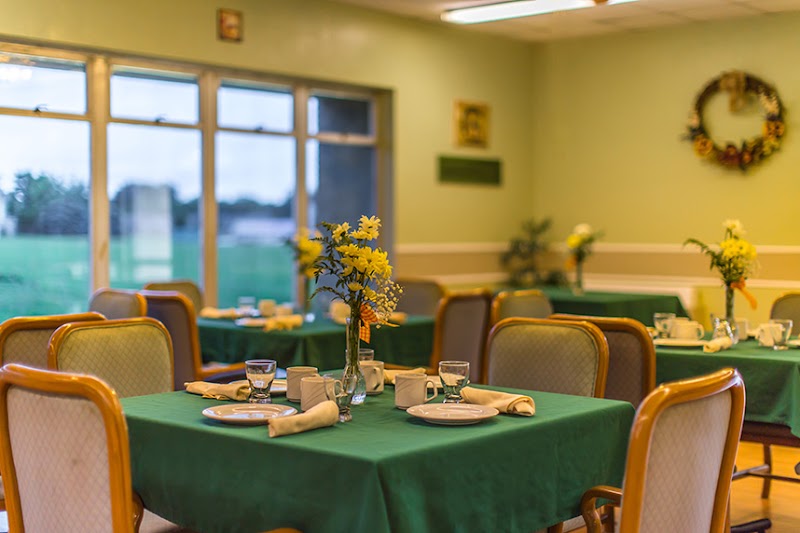
How is Highland Health Staffed?

CMS rates HIGHLAND HEALTH CARE CENTER's staffing level at 1 out of 5 stars, which is much below average compared to other nursing homes. Staff turnover is 51%, compared to the Illinois average of 46%.

What Have Inspectors Found at Highland Health?

State health inspectors documented 26 deficiencies at HIGHLAND HEALTH CARE CENTER during 2022 to 2025. These included: 1 Immediate Jeopardy (the most serious level, indicating potential for serious harm or death), 3 that caused actual resident harm, 19 with potential for harm, and 3 minor or isolated issues. Immediate Jeopardy findings are rare and represent the most serious regulatory concerns. They require immediate corrective action.

Who Owns and Operates Highland Health?

HIGHLAND HEALTH CARE CENTER is owned by a for-profit company. For-profit facilities operate as businesses with obligations to shareholders or private owners. The facility is operated by CREST HEALTHCARE CONSULTING, a chain that manages multiple nursing homes. With 128 certified beds and approximately 85 residents (about 66% occupancy), it is a mid-sized facility located in HIGHLAND, Illinois.
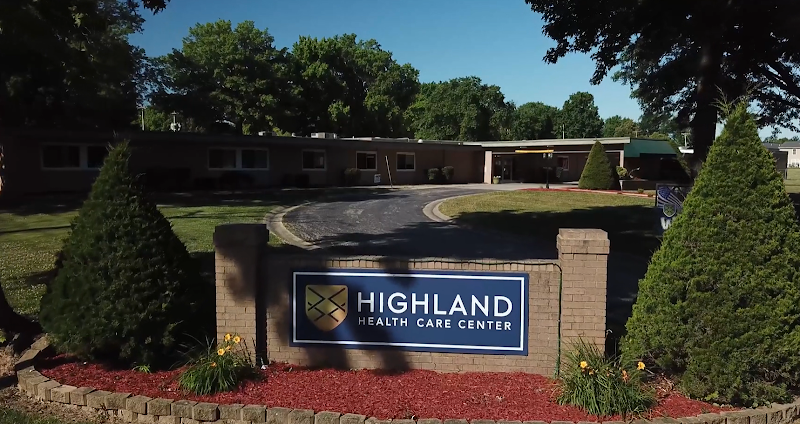
How Does Highland Health Compare to Other Illinois Nursing Homes?

Compared to the 100 nursing homes in Illinois, HIGHLAND HEALTH CARE CENTER's overall rating (1 stars) is below the state average of 2.5, staff turnover (51%) is near the state average of 46%, and health inspection rating (2 stars) is below the national benchmark.

What Should Families Ask When Visiting Highland Health?

Based on this facility's data, families visiting should ask: "What changes have been made since the serious inspection findings, and how are you preventing similar issues?" "What safeguards and monitoring systems are in place to protect residents from abuse or neglect?" "Can you walk me through typical staffing levels on day, evening, and night shifts?" "Can I visit during a mealtime to observe dining assistance and food quality?" These questions are particularly relevant given the facility's Immediate Jeopardy citations, the substantiated abuse finding on record, and the below-average staffing rating.

Is Highland Health Safe?

Based on CMS inspection data, HIGHLAND HEALTH CARE CENTER has documented safety concerns. The facility has 1 substantiated abuse finding (meaning confirmed case of resident harm by staff or other residents). Inspectors have issued 1 Immediate Jeopardy citation (the most serious violation level indicating risk of serious injury or death). The facility has a 1-star overall rating and ranks #100 of 100 nursing homes in Illinois. Families considering this facility should ask detailed questions about what corrective actions have been taken since these incidents.

Do Nurses at Highland Health Stick Around?

HIGHLAND HEALTH CARE CENTER has a staff turnover rate of 51%, which is 5 percentage points above the Illinois average of 46%. Moderate turnover is common in nursing homes, but families should still ask about staff tenure and how the facility maintains care continuity when employees leave.

Was Highland Health Ever Fined?

HIGHLAND HEALTH CARE CENTER has no federal fines on record. CMS issues fines when nursing homes fail to meet care standards or don't correct problems found during inspections. The absence of fines suggests the facility has either maintained compliance or corrected any issues before penalties were assessed. This is a positive indicator, though families should still review recent inspection reports for the full picture.

Is Highland Health on Any Federal Watch List?

HIGHLAND HEALTH CARE CENTER is not on any federal watch list. The most significant is the Special Focus Facility (SFF) program, which identifies the bottom 1% of nursing homes nationally based on persistent, serious quality problems. Not being on this list means the facility has avoided the pattern of deficiencies that triggers enhanced federal oversight. This is a positive indicator, though families should still review the facility's inspection history directly.