PEARL OF HILLSIDE,THE
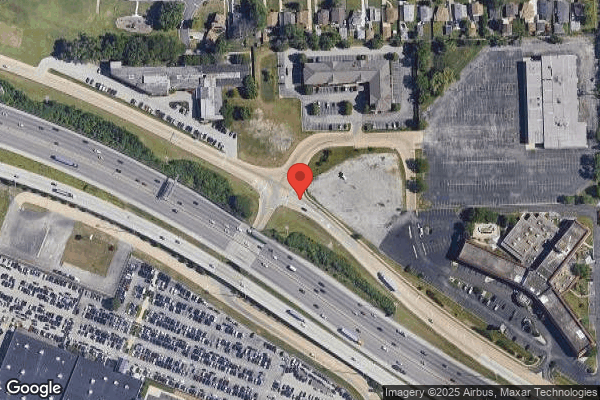
4600 NORTH FRONTAGE ROAD, HILLSIDE, IL 60162 (708) 544-9933
For profit - Limited Liability company 198 Beds PEARL HEALTHCARE Data: November 2025
Trust Grade
0/100
#606 of 665 in IL
Last Inspection: March 2025

Within standard 12-15 month inspection cycle. Federal law requires annual inspections.

Overview

The Pearl of Hillside nursing home has received a Trust Grade of F, indicating poor quality and significant concerns about care. It ranks #606 out of 665 facilities in Illinois, placing it in the bottom half of the state, and #188 out of 201 in Cook County, suggesting there are many better options nearby. Unfortunately, the facility's situation is worsening, as it increased from 12 issues in 2024 to 16 in 2025. Staffing is a weak point here, with a 1-star rating and a turnover rate of 48%, which is average for Illinois but still concerning for consistent resident care. While the facility does have average RN coverage, there have been serious incidents, including a resident sustaining a bump to the head after slipping on urine due to a lack of proper monitoring and another resident suffering a fractured arm after being pulled by another resident without appropriate staff intervention. Additionally, a resident fell out of bed and required emergency treatment because staff did not provide the necessary assistance. Overall, while there are some strengths, the weaknesses and safety concerns are significant and warrant careful consideration.

Trust Score
F
0/100
In Illinois
#606/665
Bottom 9%
Safety Record
High Risk
Review needed
Inspections
Getting Worse
12 → 16 violations
Staff Stability
⚠ Watch
48% turnover. Above average. Higher turnover means staff may not know residents' routines.
Penalties
○ Average
$38,990 in fines. Higher than 68% of Illinois facilities. Some compliance issues.
Skilled Nurses
⚠ Watch
Each resident gets only 27 minutes of Registered Nurse (RN) attention daily — below average for Illinois. Fewer RN minutes means fewer trained eyes watching for problems.
Violations
⚠ Watch
53 deficiencies on record. Higher than average. Multiple issues found across inspections.
★☆☆☆☆
1.0
Overall Rating
★☆☆☆☆
1.0
Staff Levels
★★★☆☆
3.0
Care Quality
★★☆☆☆
2.0
Inspection Score
Stable
2024: 12 issues
2025: 16 issues

The Good

  • Full Sprinkler Coverage · Fire safety systems throughout facility
  • No fines on record

Facility shows strength in fire safety.

The Bad

1-Star Overall Rating

Below Illinois average (2.5)

Significant quality concerns identified by CMS

Staff Turnover: 48%

Near Illinois avg (46%)

Higher turnover may affect care consistency

Federal Fines: $38,990

Above median ($33,413)

Moderate penalties - review what triggered them

Chain: PEARL HEALTHCARE

Part of a multi-facility chain

Ask about local staffing decisions and management

The Ugly 53 deficiencies on record

6 actual harm
Sept 2025 3 deficiencies 1 Harm
SERIOUS (G) 📢 Someone Reported This

A family member, employee, or ombudsman was alarmed enough to file a formal complaint

Actual Harm - a resident was hurt due to facility failures

Accident Prevention (Tag F0689)

A resident was harmed · This affected 1 resident

**NOTE- TERMS IN BRACKETS HAVE BEEN EDITED TO PROTECT CONFIDENTIALITY** Based on interview and record review, the facility failed to develop a plan of care with increased monitoring /supervision for a...

Read full inspector narrative →
**NOTE- TERMS IN BRACKETS HAVE BEEN EDITED TO PROTECT CONFIDENTIALITY** Based on interview and record review, the facility failed to develop a plan of care with increased monitoring /supervision for a resident identified to have safety awareness of urinating in a trash can, resident had a history of falls and unsteady gait. This affected one of three residents (R1) reviewed for falls, supervision and safety awareness. This failure resulted in slipping his own urine falling to the floor sustaining a bump to the head and change in consciousness.Findings Include: R1 was admitted on [DATE] with the diagnosis of abnormal gait and mobility, lack of coordination, dizziness and giddiness, hypotension, cerebral infraction due to embolism of left middle cerebral artery and aphasia following a cerebral infraction. Care plan initiated: 09/03/2025 documents: Resident (R1) has potential for falls secondary to functional deficits, fluctuating blood sugars, cognitive deficits. Care plan initiated 9/04/2025 documents: resident has an ADL self-care performance deficit related to right side weakness, hypotension. Unwitnessed fall report dated 9/5/25 documents: R1 urinated on the floor, he also was laying on the floor on his back, a bump was noted on the back of his head. R1 complained while touching that area. Unable to give any statement resident does not speak English. Predisposing environment factors: wet floor. Other information: R1 urinated on the floor then he fell. Fall event dated 9/5/25 documents: Mental status: Lethargic/drowsy- does not perceive the environment fully, responds to stimuli appropriately slowly and with a delay. Was there a deviation from usual mental status? Yes, drowsier. Left/right upper and lower extremities: weak. Nursing note dated 9/5/25 documents: This AM (morning) I/(V8) Nurse, was getting a nurse's report, The activity aide (V14) came to us to let us know that the resident was walking in the room, we went into the room, we noticed that the resident urinated on the floor, he was laying on the floor on his back, able to move all four extremities, a bump was noted on the back of his head, resident complained of pain while touching that area, resident was assisted back to his bed, MD aware with an order to send the resident to the ER via 911. admitted to hospital with the diagnosis of intracranial bleeding.On 9/24/25 at 10:46am, V2 (Director of Nursing/DON) said, R1was a new admit. V14 walked past R1's room and saw R1 standing at the doorway. V8 and V14 returned to R1's room. R1 was laying in the floor. R1 urinated on the floor, sipped in the urine and fell backwards. R1 had a bump on the back of his head and started blinking. On 9/24/25 at 11:15pm, V8 (nurse) said, R1 was on the respiratory unit. V8 said, R1 should have been on the transitional care unit. V8 said, he was getting report from the nurse when V14 (activity aide) reported that R1 walking in his room and trying to urinate in the red isolation container/trash can. V8 said, R1 urinated on the floor and slipped in his urine. R1 only spoke mandarin. V8 said, R1 sustained a lump on the back of his head. V8 said, R1 had decreased motor functioning and had increased confusion after the fall. R1 was discharged to the hospital via 911. On 9/24/25 at 11:25, R1 was interview via V7 (translator). R1 was unable to answer the orientation questions. V7 said, R1 could only answer simple things. V7 said, R1 reported he just fell down. V7 said, R1 reported he fell down before he arrived at the facility. V7 said, R1 was unable to recall the details if his fall at the facility. R1's witness statement dated 9/5/25 documents: R1 was standing at the door of room, lost balance and fell backwards. Why do you believe the event occurred: blood pressure dropped. On 9/24/25 at 11:41am, V2 (DON) said, R1 had a fall in the community. R1 was found down. V2 said, she is not sure where R1 was found. On 9/25/25 at 10:22am, V14 (activity aide) said, V14 said, she was walking, reporting to work with her bags on her shoulders and she walked past R1's room. V14 said, R1 was urinating in the trash can. V14 said, she walked to the nurse station to inform the nurse. V14 said, when she and the nurse returned to R1's room, R1 was on the floor. V14's witness statement dated 9/5/25 documents: time of event 7:30am. Type of event: fall. Walking down hall seen R1 up went to get the nurse. R1 was on the floor when nurse came back. Lying on his back. On 9/25/25 at 12:06pm, V2 said, the day shift CNA for R1's unit was in another resident's room. On 9/25/25 at 12:42pm, V2 said, R1's did not have a fall care plan implemented upon admission. V2 said, when a resident does not have a fall care plan staff follows the facilities fall focus system. Fall focus system no date documents: (6 pearls)- personal needs: staff will assess and anticipate resident's personal and activity for daily living (ADL) needs such as toileting, incontinent care during rounds. Staff will attend to needs as they are identified.Hospital paperwork dated documents: CT scan of the head showed multiple rounded areas of hemorrhage in left cerebral hemisphere representing intraparenchymal contusion with hemorrhagic conversion. It also shows extensive edema involving left parieto-occipital region and left temporal region with associated internal hemorrhage. MRI of the brain shows subacute infarct with hemorrhage and associated surrounding edema involving left basal ganglia, temporal lobe and parietal occipital lobes.Fall Prevention and Management dated 10/29/21 documents: The facility is committed to its duty of care to residents and patients in reducing risk, the number and consequences of falls including those resulting in harm and ensuring that a safe patient environment is maintained.
CONCERN (D) 📢 Someone Reported This

A family member, employee, or ombudsman was alarmed enough to file a formal complaint

Potential for Harm - no one hurt, but risky conditions existed

ADL Care (Tag F0677)

Could have caused harm · This affected 1 resident

Based on observation, interview and record review, the facility failed to check and provide incontinence care at least every two hours for one resident who was identified as dependent on staff for toi...

Read full inspector narrative →
Based on observation, interview and record review, the facility failed to check and provide incontinence care at least every two hours for one resident who was identified as dependent on staff for toileting. This affected one of three residents (R3) reviewed for incontinence care. This failure resulted in R3 being saturated with a urine filled adult brief for over four hours. Findings Include:R3 was diagnosed with Hemiplegia and Hemiparesis following other Nontraumatic Intracranial Hemorrhage affecting left dominant side. R3's care plan dated 3/28/24 documents: provide incontinence care after each incontinent episode. Section C (cognitive patterns) dated 6/20/25 documents a score of twelve which indicated moderate cognitive impairment. Section GG (functional abilities) documents dependent with toileting hygiene. Section H (bladder and bowel) documents: urinary continence always incontinent.On 9/23/25 at 12:53pm, R3 said, he needed changed. V3 (unit supervisor), checked R3's adult brief. R3's entire brief was saturated with urine. V3 asked, R3 when was he changed last. R3 replied at 7:30am or 8:00am. V3 said, residents should be provided incontinence care every two hours and as needed. V5 (certified nursing assistant/cna) said, she was R3's assigned cna. V5 said, she last provided care for R3 at 9:00am. R3 was observed with a brief full of yellow urine, with a large yellow irregular ring on his bed pad and a smaller irregular shaped ring on his fitted sheet. V5 said, R3's bed pad is wet with urine. R3's sheet has a dried urine stain. V5 said, residents should be changed every two hours. V5 said, R3 is a heavy wetter.Urinary Continence and Incontinence-Assessment and Management dated 2/13/25 documents: Staff will ensure that incontinence care needs are met.
CONCERN (E) 📢 Someone Reported This

A family member, employee, or ombudsman was alarmed enough to file a formal complaint

Potential for Harm - no one hurt, but risky conditions existed

Deficiency F0925 (Tag F0925)

Could have caused harm · This affected multiple residents

Based on observation, interview and record review, the facility failed to implement an effective pest management program. This affected two of four (R5, R6) residents reviewed for pest. This has the p...

Read full inspector narrative →
Based on observation, interview and record review, the facility failed to implement an effective pest management program. This affected two of four (R5, R6) residents reviewed for pest. This has the potential to affect all 154-resident having their meals prepared in the kitchen. This failure resulted in gnats being observed in R5, and R5 rooms and observed in flying in the kitchen dish area.Findings Include:On 9.23.25 there were currently 154 residents residing in the facility that utilize the kitchen to have their meals prepared. On 9/23/25 at 12:15pm, R5's room was observed with two trash cans with lids near his entry way. Multiple gnats were observed flying around the two trash cans when surveyor entered R5's room. More than ten gnats were crawling on the outside of R5's white trash can. R5 was observed in bed asleep with a few gnats on his bed sheet resting above R5's head.On 9/23/25 at 12:18pm, R6 was observed resting in bed. R6 was assessed to be alert and orient to person place and time. Three gnats were observed flying around R6's bed and bedside table. R6 said, she has been having a problem with gnats. R6 said, it's nasty to have gnats flying around.On 9/23/25 at 12:19pm, V4 (maintenance director) said, there are gnat in R5's entry way surrounding the trash cans and in R5's trash can. R5's white trash can was observed full with trash. V4 said, the gnats are in the trash due to the certified nursing assistance (CNA) not emptying R5's trash. On 9/23/25 at 12:48pm, R5 was observed awoke in bed and eating lunch. R5 said, he has had a problem with gnats. On 9/23/25 at 12:51pm, V3 (unit manager) said, she saw one gnat around R5's bed. V3 said, R5 cannot swat the gnats away. On 9/23/25 at 1:06pm, during the tour of the kitchen, three to four gnats and one large mosquito were observed flying in the corner near the handwashing sink. V6 (dietary manager) identified the insect flying around as gnats and a mosquito. V6 said, this is the dish washing area. V6 said, she has not seen any gnats prior to today.Service Inspection Report dated 9/24/25 documents: Main Kitchen Area: Comments: Fruit flies were present during the time of service. Kitchen floor needs to be regrouped to prevent fruit flies from breeding.On 9/23/25 at 3:43pm, R5 was observed with a partially open bag of restaurant food on his bedside table with seven or more gnats crawling around top, inside and on the outside of his food bag. Three gnats were resting on R5's wall near his bedside table. V4 said, there are gnats in and around R5's food bag. V4 said, there are gnats on the wall. Pest control Policy dated 3/22/21 documents: Provide a healthy environment for residents. Mosquitoes-they not only bite patient and cause allergic reaction at times but also carry disease like [NAME] Nile virus. Often, elderly patient is more susceptible to this infection when compared to younger population and have more difficulty recovering. Keep trach cans lined and empty them regularly.
Jul 2025 2 deficiencies
CONCERN (D) 📢 Someone Reported This

A family member, employee, or ombudsman was alarmed enough to file a formal complaint

Potential for Harm - no one hurt, but risky conditions existed

Free from Abuse/Neglect (Tag F0600)

Could have caused harm · This affected 1 resident

Deficiency Text Not Available

Read full inspector narrative →
Deficiency Text Not Available
CONCERN (D) 📢 Someone Reported This

A family member, employee, or ombudsman was alarmed enough to file a formal complaint

Potential for Harm - no one hurt, but risky conditions existed

Safe Environment (Tag F0921)

Could have caused harm · This affected 1 resident

**NOTE- TERMS IN BRACKETS HAVE BEEN EDITED TO PROTECT CONFIDENTIALITY** Based on observation, interview, and record review the facility failed to provide a functional sanitary environment for one (R1)...

Read full inspector narrative →
**NOTE- TERMS IN BRACKETS HAVE BEEN EDITED TO PROTECT CONFIDENTIALITY** Based on observation, interview, and record review the facility failed to provide a functional sanitary environment for one (R1) of three residents reviewed functional and comfortable environment. Findings include: R1 is a [AGE] year-old resident admitted to the facility on [DATE] with diagnoses including but not limited to: diabetes, congested heart failure, atrial fibrillation, hypertension, acute kidney disease, osteomyelitis, right leg amputated on 10/7/2024 and left leg amputated on 2/22/2025. On the (MDS) Minimal data Set assessment of 5/1/2025 section C the BIMS (Brief Interviewed Mental Status) score was 15/15 and indicates cognitive intact. On MDS of 5/1/2025 GG section R1 can wheel 50 feet with two turns: Once seated in a wheelchair/scooter, the ability to wheel at least 50 feet and make two turns with Partial/moderate assistance. On 7/8/2025 at 2:41 PM, R1 said, my bathroom sink has been leaking for two weeks and staff placed a gray bucket under the sick because it was leaking on the floor. I notified the staff to call maintenance to get it fixed, but nothing was done. I cannot remember who I had notified. R1 accompanied the surveyor to the room. A gray bucket was ½ full of dirty water under the sink was observed. When the faucet is opened and the water is running, a few drips are observed dripping into the gray bucket under the sink. On 7/8/2025 at 3:43 PM, I asked V5 (Wound Care Nurse) to walk to R1's room to check the sink when V6 (Maintenance Director) was already in the room and started to fix the sink. V6 said, that once I get notified of anything that is not working or broken, I usually can fix it right away. I was just notified that the sink was leaking, and I am fixing it now. On 7/8/2025 at 4:38 PM V1 (Administrator)said, I was not notified of the sink leaking until today and staff can add a work order online and the maintenance director checks it daily and can fix broken equipment or leakages like the sink. I do not know why the staff did not report it. On 7/9/2025 at 2:30 PM V2 (Director of Nursing) said, I was not aware that R1's sink was leaking for two weeks, staff can add a work order for V6 (Maintenance Director) to fix. I will provide education for the staff to add work orders as soon as they are aware of anything requiring repair. On 7/9/2025 at 2:03 PM V1(Administrator) provided a policy titled, Work Orders, Maintenance review date 6/1/2025. Which reads in part (but not limited to): 2. It shall be the responsibility of the department directors to fill out and forward such work orders to the Maintenance Director. 3. QR codes are placed throughout the facility to scan and place work orders. 4. Emergency requests will be given priority in making necessary repairs.
Mar 2025 11 deficiencies
CONCERN (D)

Potential for Harm - no one hurt, but risky conditions existed

PASARR Coordination (Tag F0644)

Could have caused harm · This affected 1 resident

**NOTE- TERMS IN BRACKETS HAVE BEEN EDITED TO PROTECT CONFIDENTIALITY** On 03/26/25 at 11:35 AM, review of R105 PASRR LEVEL I SCREEN indicated that R105 PASARR level I was completed on April 11, 2022....

Read full inspector narrative →
**NOTE- TERMS IN BRACKETS HAVE BEEN EDITED TO PROTECT CONFIDENTIALITY** On 03/26/25 at 11:35 AM, review of R105 PASRR LEVEL I SCREEN indicated that R105 PASARR level I was completed on April 11, 2022. The outcome determination was that no level II PASARR was required. On 3/30/2023, R105 was readmitted to the facility with a diagnosis of unspecified psychosis not due to a substance or known psychological condition. With this new diagnosis, the facility did not obtain a new PASARR Level I to determine if R105 will need PASARR Level II. On 03/26/2025 at 12:16PM, V18 (MDS Coordinator) stated she answers the questions in MDS section A and section I. V18 also stated that it is her responsibility to inform the Social Service if the resident needs a new PASARR. R105 is a [AGE] year old male with original admission date of 5/25/2022. R105 PASARR level 1 on 4/11/2022 prior to R105 admission indicated no Level II PASARR needed. R105 has diagnosis not limited to unspecified psychosis, major depressive disorder, vascular dementia, type 2 diabetes, and hypertensive heart failure. Document Reviewed: Face sheet; MDS: Section A - Identification of Information A1500 & A1510; A1600 Section I - Active Diagnosis Psychiatric Mood Disorder 15800 - Depression (other than bipolar) 15950 - Psychotic Disorder (other than schizophrenia) Based on interview and record review, the facility failed to re-screen residents with mental disorder for two of five residents (R95, R105) reviewed for pre-admission screening in a sample of 31. Findings include: 1. R95 is a [AGE] year-old male initially admitted in the facility on 04/20/2024 with diagnoses of not limited to Major Depressive Disorder and Bipolar Disorder. R95's Notice of PASRR (Pre-admission Screening and Resident Review) Level I Screen Outcome dated 04/12/2024 indicated R95 is authorized to stay in the NF (nursing facility) 30 days or less. It also indicated that re-screening must occur by or before the 30th day if the individual is expected to remain in the NF beyond the authorization timeframe. On 03/26/2025 at 11:35AM during interview with V20 (Regional Director of Social Work), V20 stated that a new screening should have been requested for R95 before the 30 days had ended. Review of R95's admission Record dated 03/27/2025 indicated R95 was initially admitted on [DATE]. Review of R95's Order Summary Report dated 03/26/2025 indicated diagnoses of not limited to Major Depressive Disorder and Bipolar Disorder. Review of facility's policy entitled admission Criteria reviewed on 04/18/2024 indicated the following: Policy Statement: Our facility admits only residents whose medical and nursing care needs can be met. Procedure: 9. All new admissions and readmissions are screened for mental disorders (MD), intellectual disabilities (ID) or related disorder (RD) per the Medicaid Pre-admission Screening and Resident Review (PASARR) process. a. The facility conducts a Level I PASARR screen for all potential admissions, regardless of payer source, to determine if the individual meets the criteria for a MD, ID or RD. b. If the level I screen indicates that the individual may meet the criteria for a MD, ID, or RD, he or she is referred to the state PASARR representative for the Level II (evaluation and determination) screening process. (1) The admitting nurse notifies the social services department when a resident is identified as having a possible (or evident) MD, ID or RD. (2) The social worker is responsible for making referrals to the appropriate state-designated authority. c. Upon completion of the Level II evaluation, the State PASARR representative determines if the individual has a physical or mental condition, what specialized or rehabilitative services he or she needs, and whether placement in the facility is appropriate. d. The State PASARR representative provides a copy of the report to the facility. e. The interdisciplinary team determines whether the facility is capable of meeting the needs and services of the potential resident that are outlines in the evaluation. f. Once a decision is made, the State PASARR representative, the potential resident and his or her representative are notified.
CONCERN (D)

Potential for Harm - no one hurt, but risky conditions existed

Deficiency F0645 (Tag F0645)

Could have caused harm · This affected 1 resident

**NOTE- TERMS IN BRACKETS HAVE BEEN EDITED TO PROTECT CONFIDENTIALITY** R34 face sheet shows diagnosis of schizophrenia. 3/27/25 V20 (Consultant) said R34 has SMI (Serious Mental Illness) diagnosis, ...

Read full inspector narrative →
**NOTE- TERMS IN BRACKETS HAVE BEEN EDITED TO PROTECT CONFIDENTIALITY** R34 face sheet shows diagnosis of schizophrenia. 3/27/25 V20 (Consultant) said R34 has SMI (Serious Mental Illness) diagnosis, V20 said R34 was not referred for PASARR level one or level two assessment. R34's MDS (Minimum Data Set) dated 1/2/25 section I denotes diagnosis of schizophrenia. Section A 1500 denotes 0 for No for resident being considered by state for PASARR LEVEL 2 or related condition, section A1510 for level 2 preadmission screening nothing is checked for serious mental illness. R91's face sheet shows diagnosis of bipolar, major depression disorder, anxiety, and unspecified psychosis not due to substance. 3/27/25 V20 (Consultant) said R91 has SMI (Serious Mental Illness) diagnosis, V20 said R91 was not referred for PASARR level one or level two assessment. R91's MDS dated [DATE] section I denotes active diagnosis anxiety disorder, depression, bipolar disorder, and psychotic disorder. Section A 1500 denotes 0 for No for resident being considered by state for PASARR level 2 or related condition, section A1510 for level 2 preadmission screening nothing is checked for serious mental illness. Based on observation, interview, and record review the facility failed to ensure Preadmission Screening and Resident Review (PASARR, Level I and Level II) was conducted prior to admission affecting 3 of 5 residents (R34, R87, R91) reviewed for PASARR in a total sample of 31. Findings Include: On 3/26/2025 at 10:30AM, V20 (Regional Director of Social Work) stated there was no PASARR completed for R87 prior to admission. A Level I was requested this morning. On 3/27/2025 at 9:30 AM, V1 (Administrator) stated PASARR needs to be completed prior to resident admission and if Level I is positive, Level II will have to be completed to ensure residents will receive appropriate services. R87's admission Record indicated an admission date of 10/29/2024. Diagnosis Information include Schizoaffective Disorder, Unspecified. Care Plan report state, Focus: R87 uses psychotropic medications r/t (related to) Behavior management, dementia, schizoaffective disorder. Review of Notice of PASARR Level I Screen Outcome, Notice date: March 26,2025 PASARR Level I Determination: Refer for Level II Onsite Policy and Procedure: Policy: admission Criteria, Reviewed 4/18/2024 Policy Statement: Our facility admits only residents whose medical and nursing care needs can be met. Procedure: 9. All new admissions and readmissions are screened for mental disorders (MD), intellectual disabilities (ID) or related disorders (RD) per Medicaid Pre-admission Screening and Resident Review (PASARR) process. a. The facility conducts a Level I PASARR screen for all potential admissions, regardless of payer source, to determine if the individual meets the criteria for a MD, ID, or RD. b. If the level I screen indicates the individual may meet the criteria for a MD, ID, or RD, he or she is referred to the state PASARR representative for the Level II (evaluation and determination) screening process.
CONCERN (D)

Potential for Harm - no one hurt, but risky conditions existed

ADL Care (Tag F0677)

Could have caused harm · This affected 1 resident

Based on observation, interview, and record review the facility failed to ensure to provide nail and foot care to dependent resident. This deficiency affects three (R60, R117, and R130) residents in t...

Read full inspector narrative →
Based on observation, interview, and record review the facility failed to ensure to provide nail and foot care to dependent resident. This deficiency affects three (R60, R117, and R130) residents in the sample of 31 reviewed for Activities of Daily Living (ADL) Program. Findings include: On 3/25/25 at 10:30AM, Observed R117 lying in bed uncovered. Fingernails on both hands are long and dirty with black matter inside the fingernails. Toenails on both feet are long, curved, and have thick yellowish-brown discoloration. Bilateral lower extremities have dry scaly skin. Showed observation to V10 (Nursing Supervisor/Infection Preventionist). V10 said that Certified Nurse Assistants (CNAs) should provide nail care as part of ADL care. R117 has an admission date of 3/22/24 with diagnosis listed in part but not limited to Encephalopathy, Chronic kidney failure, Human Immunodeficiency Virus, Hospice care. Comprehensive care plan indicated she has an ADL self-care performance deficit secondary Impaired mobility, decreased in ADL, Physical limitations. She has a terminal prognosis, in hospice care. No indication in care plan that resident refused nail and foot care. She is alert, responsive and pleasantly confused. On 3/25/25 at 10:45AM, Observed R60 up in wheelchair in activity room. He is awake but nonresponsive. He has contractures on his right hand. Both fingernails on both hands are long and dirty with black matter underneath the nails. Showed observation to V10. V10 said that CNAs should provide nail care as part of ADL care. R60 has an admission date of 2/8/22 with diagnosis listed in part but not limited to end stage renal diseases, Type 2 Diabetes Mellitus with diabetic neuropathy, Aphasia following cerebrovascular disease, Dementia. Comprehensive care plan indicated he has an ADL self-care performance deficit secondary to impaired mobility, decrease in ADLs, physical limitations, and medical diagnosis. Has impaired cognitive function and thought processes. No indication in care plan that he refused nail care. On 3/27/25 at 1:07AM, V2 Director of Nursing (DON) said that CNAs and nurses are responsible for providing nail care to residents as part of the ADL program. The nurses should inform social services if a resident needs to be seen by the podiatrist. Social services is responsible for scheduling residents to be seen by the podiatrist. The podiatrist comes to the facility monthly. Facility's policy on ADL reviewed 7/20/2024 indicated: Policy statement: Facility ensures that residents receive ADL assistance and maintain resident's comfort, safety, and dignity. The goal is to maximize the residents and staff safety, confidence, independence, and ability to handle everyday activities. Procedures: 6. Assist the resident to be clean, neat, and well-groomed including nail care and having finger and toenails will be cut on shower days and as needed. Facility's policy on Foot care reviewed 5/2024 indicated: General: Foot care is given to promote cleanliness, prevent infection, control odor, provide comfort, monitor for skin breakdown, and promote healing. Guideline: 1. Foot care is provided routinely with the bath and PRN. It may also be done more frequently with a physician or nurse practitioner order. 8. Never cut toenails of resident with diabetes and circulatory disorders. 9. Residents with diabetes and circulatory disorders will be referred to the podiatrist as necessary. On 3/25/2025 at 10:33 AM, R130 is in bed and able to hold conversation. R130's fingernails were long. R130 said he would want his nails trimmed if there is someone who can do it. On 3/25/2025 at 10:35 AM, V25 (Licensed Practical Nurse/Agency) stated R130's fingernails were long and V25 will have the CNA assigned trim R130's fingernails. On 3/26/2025 at 8:55 AM, V2 (Director of Nursing) stated resident fingernails should be trimmed when long as this is part of their ADL care. V2 said staff should follow through. Review of R130's Care Plan (Revision date: 1/22/2025) read: R130 has ADL self-care performance deficit r/t (related to) dx (diagnosis) of dementia, lack of coordination, and muscle d/o.
CONCERN (D)

Potential for Harm - no one hurt, but risky conditions existed

Deficiency F0688 (Tag F0688)

Could have caused harm · This affected 1 resident

**NOTE- TERMS IN BRACKETS HAVE BEEN EDITED TO PROTECT CONFIDENTIALITY** Based on observation, interview, and record review the facility failed to ensure comprehensive restorative nursing evaluation an...

Read full inspector narrative →
**NOTE- TERMS IN BRACKETS HAVE BEEN EDITED TO PROTECT CONFIDENTIALITY** Based on observation, interview, and record review the facility failed to ensure comprehensive restorative nursing evaluation and ongoing assessment is completed for a resident with limited range of motion/ contractures to upper extremities. This deficiency affects two (R60 and R79) of three residents in the sample of 31 reviewed for Restorative program. Findings include: 1. On 3/25/25 at 10:45AM, Observed R60 up in wheelchair in activity room. He is awake but nonresponsive. He has flexion contractures on his right hand. No splint applied. Showed observation to V10 (Nursing Supervisor/Infection Preventionist). V10 said she does not know if he has an order for a splint. R60 has a re-admission date of 2/8/22 with diagnosis listed in art but not limited to End stage renal disease, dependence on renal dialysis, Type 2 Diabetes Mellitus with diabetic neuropathy, Aphasia following cerebrovascular disease, Cerebral infarction, Memory deficit, Anorexia. Physician order sheet indicated Caregiver will don/doff palm protector with rolled hand towel for right upper ordered 3/25/25 pending confirmation. No Comprehensive restorative assessment/Functional abilities were done for 2024 and 2025. Restorative assessment/Functional abilities completed on 9/30/23, 6/20/23, 2/20/23 and 1/31/22. MDS/resident assessment dated [DATE] indicated Section GG0115 Functional limitation in Range of Motion- 0 no impairment. Section GG0130 Self-care - Shower/Bathe, Upper and lower body dressing, putting on /taking off footwear and personal hygiene were marked 2 Substantial/maximal assistance. Toileting- was marked 1 Dependent. Eating was marked Supervision or touching assistance. On 3/27/25 at 11:07AM, V13 (Restorative Nurse) said that she has only been working in the facility for 2 months. She said that restorative assessment/functional abilities are done upon admission, quarterly assessment, annually and significant change of condition. Based on assessment the resident is placed on appropriate restorative program. R60's medical records were reviewed with V13. Informed V13 that R60 did not have restorative assessment for 2024 and 2025. The last restorative assessment done for R60 was 2023. V13 said that she has not uploaded her assessment due last month (2/20/25). R60's physician order sheet indicated order of splint to right hand (observed R60 with no splint). R60 was placed on bed mobility and splint program without having a comprehensive assessment. R60 was not evaluated for appropriate program based on comprehensive assessment. On 3/27/25 at 12:19PM, Informed V2 Director of Nursing (DON) of above concerns. V2 said that restorative nursing assessment is completed for resident upon admission, quarterly assessment, annually and significant change of condition. They (Restorative Nurse) are expected to follow their policy on Restorative Nursing program. On 3/28/25 at 9:55AM, Reviewed R60's MDS (Minimum Data Set)/Resident assessment Section GG Functional abilities and O Special treatments, procedures and programs dated 2/20/25 with V1 (Administrator), V2 (DON) and V13 (Restorative Nurse). R60 was marked for functional limitation in range of motion 0 -no impairment. All agree that R60 has impairment on his right arm due to contractures and will correct the MDS assessment. Informed V1 and V2 that no restorative assessment/functional abilities was done for 2024 and 2025. Most recent quarterly restorative assessment done on 9/30/23. Facility's policy on Restorative Nursing program reviewed on 8/18/24 indicated: Intent: It is policy of the facility to assist each resident to attain and or maintain their individual highest most practicable functional level of independence and well-being, in accordance with State and Federal Regulations. Procedure: 1. Each resident will be screened and or evaluated by the nurse designated to oversee the restorative nursing process for inclusion into the appropriate facility restorative nursing program when it has been identified by the interdisciplinary team that the resident is in need or may benefit from such program. 3. The facility restorative nursing program will include but not limited to the following programs: b. Mobility- transfer and ambulation, including walking, prosthetic and or splint application with or without active and or passive range of motion, bed mobility. 4. The above program will be documented on the facility designated restorative care forms/tools in the resident's electronic medical records. 6. The designated nurse will be responsible for the following: a. Obtaining orders for the resident's restorative program b. Documentation on a monthly basis (at a minimum) and c. Initiation and updating restorative care plans. 7. Once in an appropriate restorative program, the designated nurse will continue to monitor the resident's progress. 8. The designated nurse will evaluate the restorative documentation monthly to determine if there are any changes needed to the existing program and make a monthly progress note, in the resident's electronic medical record related to this evaluation. Facility's policy on Managing resident with impaired physical mobility reviewed 3/16/2023 indicated: Policy statement: Facility will provide care and management of physical mobility impairment based on cause and nature of deformity. Facility will provide programs to prevent contractures and or further decline. Guidelines: 1. Mobility assessment will be completed by nurse upon admission, quarterly and as necessary. 2. Treatment of contractures: a. Treatment guidelines for contractures will depend on the cause of the deformity. The following may be utilized in general. b. Restorative program based on assessment. b. Facility will develop a plan of care to assess the patient's level of functional mobility and ability to perform ADLs, assist the patient during exercises and when performing ADLs. 2. On 03/25/2025 at 11:10AM during unit rounds, R79 had contractures on both of his upper extremities, without any brace, splint or carrot on. On 03/26/2025 at 9:43AM during unit rounds with V13 (Restorative Nurse), R79 had contractures on both of his upper extremities, without any brace, splint or carrot on. On 03/27/2025 at 11:27AM during record review with V13, R79 did not have a restorative nursing assessment. On 03/27/2025 at 11:27AM during interview with V13, V13 stated R79's restorative nursing assessment should be done quarterly to capture any changes within the quarter. V13 stated that restorative nursing assessments are done upon admission, quarterly, significant change and annually. On 03/27/2025 at 12:45PM V2 (DON) stated that restorative nursing assessments are done upon admission, quarterly, significant change and annually. Review of R79's Order Summary Report dated 03/26/2025 indicated admission date of 06/06/2023 and diagnoses of not limited to left hand contracture, other sequelae of cerebral infarction and right elbow contracture.
CONCERN (D)

Potential for Harm - no one hurt, but risky conditions existed

Accident Prevention (Tag F0689)

Could have caused harm · This affected 1 resident

**NOTE- TERMS IN BRACKETS HAVE BEEN EDITED TO PROTECT CONFIDENTIALITY** Based on observation, interview and record review, the facility failed to ensure that the resident's environment is free of acci...

Read full inspector narrative →
**NOTE- TERMS IN BRACKETS HAVE BEEN EDITED TO PROTECT CONFIDENTIALITY** Based on observation, interview and record review, the facility failed to ensure that the resident's environment is free of accident hazards and failed to perform ongoing smoking assessments for a smoking resident for two of three residents (R46, R95) reviewed for accidents in a sample of 31. Findings include: 1. R46 is a [AGE] year-old female initially admitted in the facility on 03/03/2023 with diagnoses of not limited to Nicotine Dependence, cigarettes, and other seizures. R46's most recent smoking risk assessment was completed on 08/09/2024. On 03/27/2025 at 9:45AM during record review with V3 (Social Worker), R46's most recent smoking risk assessment was noted on 08/09/2024. On 03/27/2025 at 9:45AM during interview with V3 (Social Worker), V3 stated that R46's smoking risk assessment should have been completed quarterly and should have a smoking risk assessment on November 2024 and February 2025. V3 stated that smoking risk assessment is done to determine if the resident is still safe to smoke independently and to capture if there are any changes in their smoking behavior. On 03/27/2025 at 10:15AM during interview with V20 (Regional Director of Social Work), V20 stated that smoking risk assessment should be completed upon admission, quarterly, annually, and as needed. Review of R46's Minimum Data Set (MDS) Section J dated 02/21/2025 indicated R46 currently uses tobacco. 2. R95 is a [AGE] year-old male initially admitted in the facility on 04/20/2024 with diagnoses of not limited to Major Depressive Disorder and Bipolar Disorder. On 03/25/2025 at 10:58AM during unit rounds, R95 has a 2-socket extension cord with the socket head placed on top of the right side of the head of the bed and is connected to the wall outlet. The extension cord has 2 plugs plugged into it. On 03/26/2025 at 10:50AM during observation with V6 (Maintenance Director), R95 was again observed with a 2-socket extension cord with the socket head placed on top of the right side of the head of the bed and is connected to the wall outlet. The extension cord has 2 plugs plugged into it. On 03/26/2025 at 10:50AM during interview with V6, V6 stated that R95 should not have an extension cord at bedside and should have not placed it on top of the bed because it is a fire hazard. On 03/26/2025 at 11:40AM during interview with V1 (Administrator), V1 stated that extension cords are not allowed in the resident care areas. On 03/28/2025 at 10:40AM, V1 stated that all staff should be aware that extension cords are not allowed in the resident care areas, and should report any fire safety concerns to any department heads if the resident refuses to remove it. Review of facility policy entitled Fire Safety and Prevention dated 06/01/2024 indicated the following: Intent: It is the policy of the facility to provide care and services related to Fire Safety and Prevention in accordance to State and Federal regulation. All personnel must learn methods of fire prevention and must report condition(s) that could result in a potential fire hazard. It is the policy of this facility that personnel will follow facility established fire safety precautions in order to provide safety to all concerned.
CONCERN (D)

Potential for Harm - no one hurt, but risky conditions existed

Respiratory Care (Tag F0695)

Could have caused harm · This affected 1 resident

Based on observation, interview, and record review the facility failed to follow physician oxygen orders for 1 of 2 residents (R141) reviewed for oxygen administration in a total sample of 31. Finding...

Read full inspector narrative →
Based on observation, interview, and record review the facility failed to follow physician oxygen orders for 1 of 2 residents (R141) reviewed for oxygen administration in a total sample of 31. Findings Include: On 3/25/2025 at 10:30 AM, R141 is laying flat in bed with oxygen on per nasal cannula. R141 stated he likes to lay flat in the bed even with oxygen on. Oxygen concentrator positioned at bedside with a setting of 4 liters (L)/minute. On 3/25/2025 at 10:35 AM, V25 (Licensed Practical Nurse/Agency) checked R141's physician order and indicated Oxygen (02) @ 2 Liters/Minute per nasal cannula/mask. V25 proceeded to R141's room and adjusted oxygen concentrator setting from 4L to 2L. V25 stated R141 should be on 2L per physician order. On 3/26/2025 at 9:00 AM, V2 (Director of Nursing) said oxygen administration should be followed according to physician order and raised head of bed at least 30 degrees. Review of admission Record (date: 2/8/2025) Diagnosis Information include CHRONIC OBSTRUCTIVE PULMONARY DISEASE (COPD), UNSPECIFIED, CHRONIC SYSTOLIC (CONGESTIVE) HEART FAILURE, DEPENDENCE ON SUPPLEMENTAL OXYGEN Review of Care Plan indicate Focus: COPD: Noted to have an active diagnosis of COPD and avoids lying flat due to shortness of breath. Oxygen is in use to assist with symptoms of COPD. Interventions: Administer oxygen as ordered. Elevate the head of bed to promote optimal breathing and comfort. Policy and Procedure: Oxygen Therapy, 1/24/2021 Policy: Oxygen therapy is the administration of a FiO2 greater than 21% by means of various administration devices to: Raise the resident's PaO2 to an acceptable baseline using the lowest FiO2. To treat arterial hypoxemia. To decrease work of breathing. To reverse and prevent tissue hypoxia, and or to decrease myocardial work. Procedure: 1. Review physician's order 11. Start O2 flowrate at the prescribed liter flow
CONCERN (D)

Potential for Harm - no one hurt, but risky conditions existed

Deficiency F0761 (Tag F0761)

Could have caused harm · This affected 1 resident

Based on observation, interview and record review the facility failed to follow their medication storage facility policy for 2 of 6 residents (R115, R79) reviewed for medication labeling and storage. ...

Read full inspector narrative →
Based on observation, interview and record review the facility failed to follow their medication storage facility policy for 2 of 6 residents (R115, R79) reviewed for medication labeling and storage. Findings include: 1. R79 physician order sheet shows orders for Xalatan ophthalmic solution 0.005% (latanoprost), instill one drop in both eyes at bedtime related to glaucoma, order start date 6/7/2023. On 3/26/25 at 11:46am during a survey tour of the medication cart on the (unit) assisted by V2 (Director of Nursing), medication latanoprost 0.005% noted with R79's name, the box had one date of 3/15/25. V2 stated that 3/15/25 was the open date for the eye drops, V2 said the eye drops should be labeled with a second date for expiration. V2 said eye drops expire 30 days after opening. 2. R115 physician order sheet shows orders for Lokelma oral packet 10 GM (grams), give one packet by mouth one time a day for hyperkalemia, order start date 5/2/2024. On 3/27/25 at 8:22am during medication administration observation with V31 (Licensed Practical Nurse-LPN), V31 prepared and administered medication Lokelma 10 grams for R115, there was not a pharmacy label noted on the clear package, there was no label with R115's name, there was no instructions noted for administration. V31 did not respond when asked if the medication should have a pharmacy label. Facility policy titled Medication Storage In The Facility dated November 2021 denotes in-part medications and biologicals are stored safely, securely, and properly, following manufactures recommendations or those of the suppliers. The medication supply is accessible only to licensed nursing personnel, pharmacy personnel, or staff member lawfully authorized to administer medications. The provider pharmacy dispense medication in containers that meet the regulatory requirements, including standards set forth by the United States Pharmacopeia (USP). Medications are kelp in these containers. Nurses may not transfer medications from one container to another or return partially used medications to original container. Expiration dating (beyond-use date), expiration dates (beyond-use date) of dispense medication shall be determined by the pharmacist at the time of dispensing. Drugs dispensed in the manufactures original container will be labeled with manufactures expiration date. Certain medication or package types, such as IV solutions, multiple dose injections vials, certain ophthalmic (per manufactures specifications; example latanoprost) nitroglycerin tablets, blood sugar testing solutions and strips, once opened, requires an expiration date shorter than manufacture's expiration date to insure medication purity and potency. Facility policy titled medication ordering and receiving from pharmacy dated November 2021 denotes in part each prescription label includes, resident name, specific directions for use, including route of administration, medication name, strength of medication, prescriber's name, date dispensed, quantity of medication, beyond use date (or expiration) date of medication, name address of dispensing pharmacy, and prescription number.
CONCERN (D)

Potential for Harm - no one hurt, but risky conditions existed

Deficiency F0847 (Tag F0847)

Could have caused harm · This affected 1 resident

**NOTE- TERMS IN BRACKETS HAVE BEEN EDITED TO PROTECT CONFIDENTIALITY** Based on interview and record review, the facility failed to grant the resident or his or her representative the right to rescin...

Read full inspector narrative →
**NOTE- TERMS IN BRACKETS HAVE BEEN EDITED TO PROTECT CONFIDENTIALITY** Based on interview and record review, the facility failed to grant the resident or his or her representative the right to rescind the arbitration agreement within 30 calendar days of signing it. This failure affected three (R7, R37, R67) out of three residents reviewed for arbitration agreement in the sample of 31. Findings include: On 03/27/25 at 10:30 AM, V4 (Business Office Manager), said that all residents are offered arbitration upon admission. Surveyor reviewed the facility arbitration agreement with V4. V4 said that according to the facility arbitration agreement in section five, residents may cancel the agreement within seven (7) days. V4 said that after seven days, the agreement becomes binding. Review of the signed arbitration agreement by R7, R37 and R67 indicated that on section five: right of cancellation, these residents were only granted the right to rescind the agreement only within seven (7) days instead of 30 calendar days. R7 is a [AGE] year old male admitted on [DATE] with diagnosis not limited to Parkinson's disease, asthma, type 2 diabetes, and primary hypertension. R37 is a [AGE] year old male admitted on [DATE] with diagnosis not limited to vascular dementia, anxiety, major depression, and primary hypertension. R67 is an [AGE] year old female with original admission date of 12/15/2017 and diagnosis not limited to primary generalized osteoarthritis, vascular dementia, psychotic disturbance, mood disturbance, anxiety and primary hypertension. Policy: Health Care Arbitration Agreement Section Five. Right of Cancellation The health care arbitration agreement may be canceled by any signatory within seven (7) days of its execution.
CONCERN (D)

Potential for Harm - no one hurt, but risky conditions existed

Deficiency F0849 (Tag F0849)

Could have caused harm · This affected 1 resident

**NOTE- TERMS IN BRACKETS HAVE BEEN EDITED TO PROTECT CONFIDENTIALITY** Based on observation, interview, and record review the facility failed to ensure most recent hospice plan of care specific to ea...

Read full inspector narrative →
**NOTE- TERMS IN BRACKETS HAVE BEEN EDITED TO PROTECT CONFIDENTIALITY** Based on observation, interview, and record review the facility failed to ensure most recent hospice plan of care specific to each resident is available and accessible to facility's staff for collaborated and coordinated care. This deficiency affects three (R24, R82 and R117) residents in the sample of 31, reviewed for Hospice care services. Findings include: On 3/25/25 at 10:15AM, V14 Registered Nurse (RN) said that R24, R82 and R117 are on hospice care. On 3/25/25 at 10:48AM, V10 (Nursing Supervisor/Infection Preventionist) said that hospice services provided hospice residents with binders for all their documentation. Reviewed R117's hospice folder. Observed hospice initial comprehensive admission assessment dated [DATE] in chart. No admission Plan of care (POC) upon admission and no updated POC. V10 said that Social Services is the one responsible for coordination with hospice care. Reviewed R82 and R24 hospice medical records with V10. R82's hospice service binder indicated Plan of care (POC) start of care 2/26/24 for certification period 8/24/24 to 10/22/24. R24's hospice service binder indicated start of care on 11/21/23 with certification period from 7/17/24 to 9/15/24. Both residents do not have updated POC in their hospice binders. On 3/25/25 at 11:09AM, V3 Social Service Director (SSD) said that she is in charge for coordinating hospice care between residents in the facility and hospice services. V3 said that hospice services have their own binder/folder for each resident. Hospice staff is responsible to provide the facility with the resident's plan of care and other hospice documents in binders. V3 said that she did not do audits or check if the hospice documentation was updated or if a plan of care was placed in the chart. Informed V3 that all three residents do not have updated hospice service POC. On 3/27/25 at 12:19PM, V2 Director of Nursing (DON) said that the social service is responsible to make sure that hospice services documentation such as updated plan of care (POC) and other documents are in placed in resident's hospice chart/binder. R117 is admitted on [DATE] with diagnosis listed din part but not limited to Palliative Care, Osteomyelitis, Human Immunodeficiency Virus disease, Chronic Obstructive Pulmonary Disease, Chronic Kidney Disease. Physician order sheet indicated she was admitted to hospice care on 3/25/24. Hospice service binder indicated the RN's initial comprehensive assessment was dated 3/22/24. No initial plan of care or recent updated plan of care is found. Comprehensive assessment indicated that he has a terminal prognosis, in hospice care. Intervention: work cooperatively with hospice team to ensure the resident's spiritual, emotional, intellectual, physical, and social needs are met. R82 is re-admitted on [DATE] with diagnosis listed in part but not limited to Palliative care, Polyarthritis, Dementia, Alzheimer's disease, Paroxysmal atrial fibrillation, Falls, Pacemaker. Physician order sheet indicated consult to hospice care dated 2/22/24. 3/25/25 indicated consult hospice and treat. Comprehensive care plan indicated she is enrolled in hospice. Intervention: Coordinate care and services between facility care givers and hospice company to ensure all resident needs are met. Hospice services binder indicated Plan of care (POC) start of care 2/26/24 with certification period 8/24/24 to 10/22/24. R24 is admitted on [DATE] with diagnosis listed in part but not limited to Palliative care, adult failure thrives, Dementia, Age-related osteoporosis, Protein calorie deficit, Peripheral vascular disease. Physician order sheet indicated admit to hospice care dated 11/21/23. Comprehensive care plan indicated he has terminal prognosis and on hospice care. Intervention: Work cooperatively with hospice team to ensure the resident's spiritual, emotional, intellectual, physician and social needs are met. Hospice service binder indicated start of care on 11/21/23 with certification period from 7/17/24 to 9/15/24. Facility's policy on Hospice Program reviewed on 6/5/2024 indicated: Policy statement: The facility will make Hospice services available to residents at the end of life. Procedure: 7. It is the responsibility of the hospice to manage the resident's care as it relates to the terminal illness and related conditions including: a. Determining the appropriate hospice plan of care 10. Facility designates our Social Service Director/coordinator to coordinate care provided to the resident by our facility staff and the hospice staff. Responsibilities include: d. Obtaining the following information from the hospice: * Most recent hospice plan of care specific to each resident 12. Coordinated care plans for residents receiving hospice services will include the most recent hospice plan of care as well as the care and services provided by the facility.
CONCERN (E)

Potential for Harm - no one hurt, but risky conditions existed

Pressure Ulcer Prevention (Tag F0686)

Could have caused harm · This affected multiple residents

**NOTE- TERMS IN BRACKETS HAVE BEEN EDITED TO PROTECT CONFIDENTIALITY** 4. On 3/25/25 at 10:30AM, Observed R117 lying in bed with Low air loss (LAL) mattress uncovered. She is alert, responsive and pl...

Read full inspector narrative →
**NOTE- TERMS IN BRACKETS HAVE BEEN EDITED TO PROTECT CONFIDENTIALITY** 4. On 3/25/25 at 10:30AM, Observed R117 lying in bed with Low air loss (LAL) mattress uncovered. She is alert, responsive and pleasantly confused. Observed fitted sheet covering the LAL mattress with cloth pad over the mattress. R117 wears disposable briefs. Showed observation to V10 (Nursing Supervisor/Infection Preventionist). V10 said that resident with LAL mattress should only have flat sheet over the mattress. On 3/25/25 at 10:34AM, Observed V12 (WCC) prepare wound treatment/medication for R117's sacral wound, she left the treatment cart opened and unlocked In front of R117's room. V12 went inside the room and closed the door. No visual access of the treatment cart. V12 assessed R117 for pain. R117 said, she has on pain at her back with rate of 10/10. V12 said she will have the floor nurse administer R117's pain medication before she will perform wound care. Informed V12 of observation that she left the treatment cart opened and unlocked. V12 said, treatment cart should be closed and locked when not in use. On 3/25/25 at 11:41AM, Observed V12 (WCC) reposition R117 to her side and removed sacral wound dressing. Observed moderate amount of serosanguineous wound drainage. V12 cleansed the sacral wound with wound cleanser and gauze. V12 said R117 has a stage 4 pressure ulcer on sacrum with 20% yellowish greenish slough and 80% granulation tissue. V12 applied Medi honey and calcium alginate, then covered with dry dressing. R117 has an admission date of 3/22/24 with diagnosis listed in part but not limited to Encephalopathy, Chronic kidney failure, Human Immunodeficiency Virus, Hospice care. Active physician order sheet indicated Wound care: Sacral /coccyx - cleanse with Dakin's, wound cleanser or Normal saline, pat dry skin prep peri wound skin cover with honey and alginate and dry dressing every day shift and as needed. On low air loss mattress to prevent pressure ulcers. Wound assessment report dated 3/26/25 indicated Stage 4 Sacrum active pressure ulcer present on admission on [DATE] measures 2.2 centimeters (cm) x 6cm x 0.1cm. 90% bright beefy red and 10% necrotic soft adherent. Moderate amount of serosanguineous drainage. Comprehensive care plan indicated she has pressure ulcer related to disease process, history of ulcers, immobility. She has an ADL self-care performance deficit secondary Impaired mobility, decreased in ADL, Physical limitations. Braden scale/Skin assessment indicated that she is at risk for impairment. On 3/26/25 at 10:10AM, Informed V12 (WCC) that she did not follow R117's physician wound care treatment order when providing wound care to R117 yesterday. Informed V12 that she did not cleanse R117's sacral wound with Dakin's solution in addition to wound cleanser as indicated in physician order. V12 said that she forgot the Dakin's solution. V12 said they are expected to follow physician order in performing wound care. On 3/27/25 at 9:30AM, Reviewed R117 physician order sheet, indicated Dakin's solution for cleansing wound as part of wound treatment for R117 was discontinued. On 3/25/25 at 10:42AM, Observed R53 lying in bed with low air loss mattress with flat sheet and cloth pad over the mattress. He wears disposable briefs. Showed observation to V10 (Nursing Supervisor/Infection Preventionist). V10 said that residents on LAL mattress should only have flat sheet over the mattress. R53 has a re-admission date of 8/30/24 with diagnosis listed in part but not limited on Stage 4 pressure ulcer sacral region, Type 2 Diabetes Mellitus with diabetic neurological complication and diabetic neuropathy, Morbid obesity, Peripheral Vascular disease, Congestive heart failure, Paraplegia. Active physician order sheet indicated Wound care: Sacrum cleanse with normal saline solution or wound cleanser, apply Hydrofera blue covered with dry dressing as scheduled every day shift MWF (Monday/Wednesday/Friday) and as needed. Comprehensive care plan indicated he has alteration in skin integrity/pressure injury. Intervention: Apply specialty mattress when in bed. No documentation in care plan that he is noncompliance with LAL mattress management of avoiding multi layers of linens over the mattress. Braden scale/Skin assessment indicated that she is at risk for impairment. On 3/27/25 at 9:54AM, Reviewed R53 and R117's medical records regarding wound care management with V12 (WCC). Informed concerns identified with R53 and R117. On 3/27/25 at 12:19PM, Informed V2 DON (Director of Nursing) of above concerns. V2 said that only flat sheet is placed over the LAL mattress as manufacturer's recommendation, no multi layers of linens. They are expected to follow physician orders in performing wound care to resident. Facility's policy on Skin Management: Specialty Mattress review date 6/2024 indicated: Low Air Loss: Stage 3, Stage 4, Unstageable, DTI to the buttocks, Multiple Stage 2, very high risk with multiple co-morbidities or residents who need this type of mattress for comfort. Procedure: 1. As per manufacture guideline, no more than 1 piece of linen will be placed between the mattress and the resident. Facility's policy on Wound Prevention and Healing reviewed on 6/1/2024 indicated: Policy statement: To provide wound care treatments/services (using multidisciplinary) based on evidence-based standards of care under the direction of a physician. 2. Wound assessment and documentation tool b. Goal will focus on the clinical status of the wound, guide the appropriate intervention for the wound. 9. Continued/Ongoing treatment a. Nurse/Therapist will provide wound care per physician order. Based on observation, interview, and record review, the facility failed to ensure that necessary treatment and services to promote healing and prevent development of pressure injury are implemented for 5 of 12 residents (R53, R117, R127, R136, R151) reviewed for pressure injury in a sample of 31. Findings include: 1. On 03/25/2025 at 11:30AM during unit rounds, R127's air mattress light indicator is on the 6th light indicating the weight setting of the air mattress is between 210-320 lbs (pounds). On 03/26/2025 at 9:32AM during unit rounds with V12 (Wound Care Coordinator/WCC), R127's air mattress light indicator is on the 6th light indicating the weight setting of the air mattress is between 210-320 lbs. V12 then proceeded to change the setting to the 5th light indicator. On 03/26/2025 at 9:32AM during interview with V12, V12 stated that R127's weight is 183 lbs so the air mattress setting should be adjusted to the 5th light indicator. V12 also stated that air mattress settings should be according to R127's weight. Review of R127's Order Summary Report dated 03/26/2025 indicated admission date of 01/09/2025 and diagnoses of not limited to dependence on respirator (ventilator) status, dependence on renal dialysis, and hemiplegia and hemiparesis following cerebral infarction affecting left non-dominant side. Review of R127's Monthly Weight Report dated 03/27/2025 indicated R127's weight in March 2025 is 183.7 lbs. Review of R127's Patient Risk Profile indicated R127 was assessed for risk for acquiring pressure wounds on 03/13/2025 and scored 10 which is high risk. Review of R127's Wound Assessment Details indicated R127 has active sacral pressure ulcer on assessment date 03/25/2025. 2. On 03/25/2025 at 11:08AM during unit rounds, R136 was observed with air mattress. R136 had a flat sheet, folded linen, and reusable pad between R136 and the air mattress. R136 was also wearing disposable briefs. On 03/26/2025 at 9:27AM during unit rounds with V12 (WCC), R136 was observed with air mattress. R136 had a flat sheet, folded linen, and reusable pad between R136 and the air mattress. R136 was also wearing disposable briefs. On 03/26/2025 at 9:27AM during interview with V12, V12 stated that R136 should only have the flat sheet underneath her with disposable briefs on. Review of R136's Order Summary Report dated 03/26/2025 indicated R136 was admitted on [DATE] with diagnoses of not limited to morbid obesity due to excess calories. Review of R136's Patient Risk Profile indicated R136 was assessed for risk for acquiring pressure wounds on 01/24/2025 and scored 16 which is at risk. 3. On 03/25/2025 at 11:34AM during unit rounds, R151's air mattress light indicator is on the 7th light indicating the weight setting of the air mattress is between 260-400 lbs (pounds). On 03/26/2025 at 9:32AM during unit rounds with V12 (WCC), R151's air mattress light indicator is on the 7th light indicating the weight setting of the air mattress is between 260-400 lbs. V12 then proceeded to changing the setting to the 2nd light indicator. On 03/26/2025 at 9:32AM during interview with V12, V12 stated that R151's weight is 105 lbs so the air mattress setting should be adjusted to the 2nd light indicator. V12 also stated that air mattress settings should be according to R151's weight. Review of R151's Order Summary Report dated 03/26/2025 indicated admission date of 03/03/2025 and diagnoses of not limited to focal traumatic brain injury and traumatic subdural hemorrhage. Review of R151's Monthly Weight Report dated 03/27/2025 indicated R151's weight in March 2025 is 104.4 lbs. Review of R151's Patient Risk Profile indicated R151 was assessed for risk for acquiring pressure wounds on 03/24/2025 and scored 10 which is high risk. Review of facility's policy entitled Skin Management: Specialty Mattress reviewed on 06/2024 indicated the following: Guidelines for the Use of Specialty Mattresses: The following are guidelines for the use of specialty mattresses; however, the facility Wound Care Nurses, DON (Director of Nursing) and Physician will continue to use their professional judgement to determine the type of mattresses most appropriate for the individual resident. Procedure: 1. As per manufacture guideline, no more than 1 piece of linen will be placed between the mattress and the resident.
CONCERN (F)

Potential for Harm - no one hurt, but risky conditions existed

Food Safety (Tag F0812)

Could have caused harm · This affected most or all residents

Based on observation, interview and record review, the facility failed to safely handle foods for all 144 residents receiving food from the kitchen. The facility also failed to ensure resident refrige...

Read full inspector narrative →
Based on observation, interview and record review, the facility failed to safely handle foods for all 144 residents receiving food from the kitchen. The facility also failed to ensure resident refrigerators are clean and the temperatures are monitored for two of two residents (R23, R46) reviewed for food safety in a sample of 31. Findings include: 1. On 03/25/2025 at 10:15AM during initial kitchen tour with V8 (Food Service Director) and V21 (Regional Director of Operations), reach-in cooler had a gallon of 2% milk with sell date of 03/24/2025, and walk-in cooler had an opened, undated half gallon of orange juice and an open box of bagels with dates 12/04/2024 and 12/18/2024 written on it. On 03/25/2025 at 10:18AM during interview with V8, V8 stated that the gallon of 2% milk with sell date of 03/24/2025 should have been discarded, the half gallon of orange juice should have been dated when it was opened. On 03/25/2025 at 10:18AM during interview with V21, V21 stated that box of bagels was frozen when it was delivered and should be pulled out from the freezer to the cooler to thaw 48 hours before it has to be used so there should be a clear date when it was pulled out from the freezer to the cooler to know when the bagels should be used. Review of facility's policy entitled Food Storage (Dry, Refrigerated and Frozen) reviewed on 08/12/2023 indicated the following: Policy: Food storage areas will be clean, dry and maintained at temperatures as required to ensure food safety. Procedure: 7. Goods that have been opened with no date, left on the floor, or not properly sealed will be discarded. 8. All out-dated goods will be discarded the day after expiration. Refrigerated Foods c. Open products are sealed, labeled and dated. Review of facility's policy entitled Labeling and Dating Foods reviewed 07/30/2023 indicated the following: Policy: To decrease the risk of foodborne illness and to provide the highest quality, foods is labeled with the date received, the date opened and the date by which the item should be discarded. Procedure: - Packaged or containerized bulk food may be removed from the original package and stored in an ingredient bin labeled with the common name of the food, the date the item was opened and the date by which the item should be discarded or used by. 2. On 03/25/2025 at 11:14AM during unit rounds, R23 had a personal refrigerator in the room without a temperature log. On 03/26/2025 at 9:48AM during observation with V24 (Licensed Practical Nurse), R23 had personal refrigerator in the room without a temperature log, and the food items include 3 undated glasses of milk, undated resealable bag of fries, undated mixture of food in a glass, and opened, undated package of pancakes. On 03/26/2025 at 9:48AM during interview with V24, V24 stated that night shift usually checks the resident's refrigerator temperature and should be cleaning it out too. V24 also stated that food items in the refrigerator should be dated. V24 stated that there should be a temperature log to record the temperature of the refrigerator daily. On 03/26/2025 at 10:25AM during interview with V8 (Food Service Director), V8 stated that the glass of milk comes from the kitchen, and it should not be kept in the residents' refrigerator. Review of R23's Order Summary Report dated 03/27/2025 indicated admission date of 05/03/2024 and diagnoses of not limited to Major Depressive Disorder, Chronic Kidney Disease Stage 3B, Heart failure and Mixed hyperlipidemia. 3. On 03/25/2025 at 11:15AM during unit rounds, R46 had personal refrigerator in the room without a temperature log. On 03/26/2025 at 9:49AM during observation with V24 (Licensed Practical Nurse), R46 had personal refrigerator in the room without a temperature log or thermometer inside the refrigerator. On 03/26/2025 at 9:48AM during interview with V24, V24 stated that night shift usually checks the resident's refrigerator temperature and should be cleaning it out too. V24 stated that there should be a thermometer and temperature log to record the temperature of the refrigerator daily. Review of R46's Order Summary Report dated 03/26/2025 indicated admission date of 07/21/2024, and diagnoses of not limited to nicotine dependence, cigarettes, and other seizures. Review of facility's policy entitled Food Storage reviewed on 12/30/2024 indicated the following: Policy Statement: To ensure safe and sanitary storage of food in compliance with Illinois Department of Public Health (IDPH) regulations and federal food safety guidelines while allowing residents to keep personal food in designated areas, including their personal refrigerators. Procedure: 1. General Food Storage Guidelines - Refrigerators: at or below 41F (5C), Freezers: at or below 0F (-18C) - Expiration dates must be checked weekly; expired food must be discarded. - Label all food with resident's name and date of storage 2. Resident-Specific Food Storage (Resident Refrigerators) - Personal refrigerators must be checked at least weekly for safety. - All food must be labeled with the resident's name and storage date. - Perishable food must be discarded within 3 days unless frozen. - Staff must check resident refrigerator temperatures weekly. 3. Enforcement & Compliance - Regular weekly inspections will be conducted by staff. - Spolied, expired, or improperly stored food will be discarded immediately.
Aug 2024 2 deficiencies
CONCERN (D) 📢 Someone Reported This

A family member, employee, or ombudsman was alarmed enough to file a formal complaint

Potential for Harm - no one hurt, but risky conditions existed

Incontinence Care (Tag F0690)

Could have caused harm · This affected 1 resident

**NOTE- TERMS IN BRACKETS HAVE BEEN EDITED TO PROTECT CONFIDENTIALITY** Based on interview and record review, the facility failed to prevent a resident from developing a catheter associated urinary tr...

Read full inspector narrative →
**NOTE- TERMS IN BRACKETS HAVE BEEN EDITED TO PROTECT CONFIDENTIALITY** Based on interview and record review, the facility failed to prevent a resident from developing a catheter associated urinary tract infection (UTI) which required transfer to a local hospital for treatment. This failure affected one (R5) of three residents reviewed for incontinence care. Findings include: R5 is a [AGE] year-old male originally admitted on [DATE] with medical diagnosis that include and are not limited to: hypospadias, diabetes and neuromuscular dysfunction of bladder. According to Minimum Data Set, dated : 7-16-2024(MDS) indicates a Brief Interview for Mental Status (BIMS) score of 3/15 suggests severe cognitive impairment. R5 is dependent on two staff members for toileting, hygiene, and showers. On 8-17-2024 at 9:50am R5 was observed to be in bed, sitting up eating breakfast. R5 said, I am ok, no concerns voiced. V3 (Assistant Director of Nursing) in the room, uncover R5 lower part of his body, noted to have bilateral lower extremities contracted, it's very difficult to clean R5's urinary catheter because the way his legs are contracted. R5 said, it hurts when they open my legs, I do not like it. On 8-17-2024 at 12:30pm V11 (C.N.A) said, I am regular on the 2nd floor, R5 was in my assignment for 7-6-2024 both 11-7 and 7-3 shifts. During 11-7 R5 did not call me at all, R5 slept all night. On the 7-3 shift I changed R5 a few times and empty the urinary catheter bag, the urine was dark cloudy brown. I set up his breakfast tray but R5 did not eat anything, the same thing happened for lunch R5 did not eat any lunch, he was sleeping, and he was snoring very hard, breathing fast and not easily to aroused. R5 was completely different, I did not see anything maggots in R5's urinary catheter, R5 is contracted of both lower extremities, and it can be difficult to clean his urinary catheter, but I always clean the urinary catheter very well. I reported to the nurse that R5 did not looked normal on that day. I went home and R5 was still in the facility. The next day, R5 was not in his room, I was told R5 was in the hospital. On 8-17-2024 at 12:05pm V10 (Licensed Practical Nurse) said, On 7-6-2024 I worked 7-3 shift I do remember transferring R5 to the hospital R5 was very unresponsive he appeared altered, very slow to respond, looked different not normal, he was very lethargic and he was making loud noises: snoring noises, he was not responsive to painful, verbal or tactile stimuli. I call the nurse practitioner and received an order to send to the hospital, I call the ambulance and they told me 60-90 min. I did not think that R5 needed to go 911. V11 (C.N.A) told me the urinary catheter was empty, I did not see any urine output, I do not remember V11 telling me anything about the urine output, I saw the bag it was empty, I do not remember checking the tubing, I gave report to 3-11 nurse, I think it was an agency nurse and left for the day. My expectation regarding the urinary catheter care, is for the C.N.A to make sure to clean the tubing, check to see if is intact, and draining well. We do not document the urinary catheter care, we only document the reason for the urinary catheter catheter replacement and the urine the output, I do not remember why on 7-6-2024 I did not have any output documented. Per local hospital documentation dated 7-7-2024 V13 (MD/Infectious Disease) documents: proteus bacteremia (2/2) secondary to (GU) genitourinary source, acute complicated (UTI) urinary tract infection in the setting of chronic urinary catheter. urinary catheter with ross pyuria (pus in the urine), also noted to have maggots in urinary catheter. (R5) presented to the emergency room with alter mental status and gross pus in urinary catheter, R5 is very disheveled with urine odor and unable to provide any history. On 8-17-2024 at 12:40PM V13 (MD/Infectious Disease) said, while R5 was in the emergency room R5's urinary catheter was noted to have maggots, the urinary catheter was immediately replaced in the emergency Room. We do not expect to see maggots in any urinary catheter, the maggots are caused by poor hygiene, by not receiving the proper care. Observing maggots in an indwelling catheter is very unexpected. R5 admitting diagnosis was sepsis, bacteremia secondary to urinary source and urinary tract infection. On 8-17-2024 at 2:20pm V14 (Medical Doctor/Medical Director) said, I know the patient, I saw R5 in the facility and in the hospital as well. I am looking at the computer because I do not want to say the wrong thing. R5 went to the hospital on 7-6-2024, and was admitted to the local hospital with Bacteremia, sepsis and pneumonia, the Maggots were identified in the emergency room in the urinary catheter when they removed it and replaced it. Maggots come based on the daily care R5 is receiving. It reflects that the catheter site is not being clean, is not being taking care properly, in summer it can take up to 24 hours for a fly's egg to hatch. The urinary catheter must be clean daily. On 8-17-2024 at 2:00pm V2 (Nurse Consultant) said, We do not document the urinary catheter care, urinary catheter care is part of the daily care and routine, we document if we have to irrigate, if we have to replace the urinary catheter, the intake and output. Is not normal to have maggots in the urinary catheter catheter. V2 presented R5's progress note dated: 6-7-2024 14:26 that reads: replaced (R5) urinary catheter, oral fluids encourage will endorse to on incoming nurse. V2 said I do not know why the nurse replaced the indwelling catheter and did not document the reason for the replacement, my expectation is to have a reason for the replacement, that was the last time it was replaced before R5 went to the hospital on 7-6-2024. On 8-17-2024 at 3:00PM V3 said, urinary catheter care is done every shift but we do not document because is the standard of care when we provide incontinence care we are to check the urinary catheter, if the C.N.A. sees anything abnormal my expectation is for them to report to the nurse and the nurse needs to intervene immediately. We need to make sure to check the urinary catheter after each incontinent episode. The C.N.A needs to clean the tubing, make sure the bag is clean and properly placed, the proper peri care is rendered. The nurse will document if the urinary catheter is not draining properly, urine is not yellow, if the urine has blood, if the urine has a foul odor, if the patient complaints of any pain if the tubing has any sediments or if the urine is milky/ cloudy. My expectation is that nurse documents the output from the urinary catheter every shift, also if the nurse replaces the urinary catheter they need to document the reason for the replacement and the outcome. Per R5's treatment record dated July 2024 reads: catheter: record output due to catheter placement every shift, start date: 7-10-2023 15:00. On July 6 unable to identify any documented output. On 8-17-2024 at 3:15pm V3 (Assistant Director of Nursing) said, my expectation is for the charged nurse to document the output from the urinary catheter every shift, I do not see any documentation completed on 7-6-2024 for any shift. R5's care plan dated 5-19-2023 reads: (R5) has a urinary catheter due to Neurogenic Bladder, the goal is for (R5) will show no signs and symptoms of urinary infection. 8-17-2024 at 3:00pm facility presented policy titled: infection control: Indwelling catheter care dated: 1-22-2024 reads: it is the policy of the facility to ensure that the residents receive care and services to prevent urinary tract infections in those residents with an indwelling catheter.
CONCERN (E) 📢 Someone Reported This

A family member, employee, or ombudsman was alarmed enough to file a formal complaint

Potential for Harm - no one hurt, but risky conditions existed

Dental Services (Tag F0791)

Could have caused harm · This affected multiple residents

**NOTE- TERMS IN BRACKETS HAVE BEEN EDITED TO PROTECT CONFIDENTIALITY** Based on observation, interview, and record review, the facility failed to ensure that residents are provided with the opportuni...

Read full inspector narrative →
**NOTE- TERMS IN BRACKETS HAVE BEEN EDITED TO PROTECT CONFIDENTIALITY** Based on observation, interview, and record review, the facility failed to ensure that residents are provided with the opportunity to receive annual dental exams as well as routine monitoring to identify any changes in dental care needs to the extent covered under the State health plan. This failure applied to five (R1, R4, R5, R6, and R7) of seven residents reviewed for dental services. Findings include: R1 has been a resident at the facility since 8/3/2019. Review of R1's medical record documents last dental visit and exam on 7/18/23; no additional dental visits within the past year and no documentation to show that R1 declined to have any dental services provided by the facility. R1's primary payor source is Medicaid. R4 was originally admitted to the facility on [DATE]. Review of R4's medical record does not have any documented dental visits while in the facility nor was there any documentation to show that R4 declined to have any dental services provided by the facility. R4's primary payor source is Medicaid. R5 has been a resident at the facility since 5/19/23. Review of R5's medical record does not have any documented dental visits while in the facility nor was there any documentation to show that R5 declined to have any dental services provided by the facility. R5's primary payor source is Medicare A with Medicaid as secondary. R6 has been a resident at the facility since 8/24/22. Review of R6's medical record does not have any documented dental visits while in the facility nor was there any documentation to show that R6 declined to have any dental services provided by the facility. R6's primary payor source is Medicaid. R7 has been a resident at the facility since 6/13/24. Review of R7's medical record does not have any documented dental visits while in the facility nor was there any documentation to show that R5 declined to have any dental services provided by the facility. R7's primary payor source is Medicare A with Medicaid as secondary. During the course of this survey, the facility was asked to provide any additional documentation of any dental visits for the above sampled residents, and none were provided. 08/17/24 at 3:19PM V3 (ADON) said that the dentist sees the residents upon admission and as requested. When asked how often residents are seen by the dentist, V3 said, I'm not 100% sure; it depends on their insurance. 08/17/24 at 3:54PM V4 (Social Worker) said, there is an in-house dentist that comes in twice a month and as needed. Some people have outside dentist that they use, and we set up transport as needed for those visits. I have not run in to this issue with payor sources. We set it up if they need it. If a referral is received or the resident or family requests it, then we set them up to see the dentist. If there is a care plan meeting, then we do talk about the services that we provide here. Upon admission, I just make them aware that they can request a dental visit if they want. I don't know if it makes a difference on the payor source. It doesn't usually go in the care plan. 08/18/2024 at 11:31AM, V1 (Administrator) stated that the facility will be working closely with their dental service provider to ensure the annual and as needed visits are completed. V1 added, I have spoken with our social services and nursing team to ensure long term residents or those requesting will be seen timely. We will be working to have all notes added to residents charts as well to help us with our overall goals of care and to avoid any delays in the future with requests. Illinois Medicaid plan coverage includes the provision of dental services for adults over the age of 21. Review of facility policy titled, Dental Services (last reviewed on 6/9/24) reads: POLICY STATEMENT: It is the policy of the facility to ensure that residents obtain needed dental services, including routine dental services. PROCEDURE: 1. The facility will provide from an outside source routine and 24-hour emergency dental services to meet the needs of each resident. 2. The facility will, if necessary or if requested, assist the resident: a. Making appointments; and b. Arranging for transportation to and from the dental services location; and c. Will promptly, at least within 3 days, refer residents with lost or damaged dentures for dental services. d. If a referral does not occur within 3 days, the facility will provide documentation of what they did to ensure the resident could still eat and drink adequately while awaiting dental services and the extenuating circumstances that led to the delay. 3. The facility will assist residents who are eligible and wish to participate to apply for reimbursement of dental services as an incurred medical expense under the State plan.
Mar 2024 1 deficiency 1 Harm
SERIOUS (G) 📢 Someone Reported This

A family member, employee, or ombudsman was alarmed enough to file a formal complaint

Actual Harm - a resident was hurt due to facility failures

Free from Abuse/Neglect (Tag F0600)

A resident was harmed · This affected 1 resident

**NOTE- TERMS IN BRACKETS HAVE BEEN EDITED TO PROTECT CONFIDENTIALITY** Based on observation, interview, and record review, the facility failed to protect a resident from physically abused by another ...

Read full inspector narrative →
**NOTE- TERMS IN BRACKETS HAVE BEEN EDITED TO PROTECT CONFIDENTIALITY** Based on observation, interview, and record review, the facility failed to protect a resident from physically abused by another resident; and failed to have abuse risk assessments, including plans of care and interventions in place for R1 and R2. These failures applied to two (R1, R2) of four residents reviewed for abuse, and resulted in R1 sustaining a right arm fracture after being found being pulled by R2 across room floor. Findings include: Facility Reported Incident of 02/13/2024 10:15 PM reds in part, (V20, Certified Nursing Assistant) was walking passed R1's room while completing rounds and saw (R1) on the ground. (R1) complained of pain to the right shoulder and right arm. (R2) was noted in (R1's) room holding onto (R1's) arm. (R2) stated that she thought (R1) was in her room. 1. R1 is an [AGE] year old female admitted to the facility on [DATE], with diagnoses including but not limited to Dementia; Unspecified Hearing Loss; Hypothyroidism; and Encounter for Palliative Care. R1's MDS (Minimum Data Set) assessment, dated 12/22/2023 under section C, documented R1 displays problems with Short and Long Term Memory, and R1's Cognitive Skills for Daily Decision Making are moderately impaired. R1's MDS (Minimum Data Set) assessment, dated 12/22/2023 under section GG, documented R1 completes Rolling left and right and Lying to sitting on side of bed with Partial/moderate assistance. R1's Fall Assessment, dated 01/02/2024, shows R1 is at high risk for falls. R1's Abuse care plan, dated 02/14/2024 was developed and implemented the day after incident of 02/13/2024, and there was no Abuse care plans provided during the course of this survey that were created/implemented in order to address risk of abuse or interventions for R1 prior to incident of 02/13/2024. Progress note, dated 02/13/2024 at 10:15 PM written by V15 (Licensed Practical Nurse), reads, It was reported to this writer, (R1) was observed on the floor in the side lying position in bedroom near doorway. (R1) accompanied by peer, peer noted to be holding (R1) left arm at the time of occurrence. (R1) assessed for any apparent injuries, AROM/PROM (active range of motion/passive range of motion) performed on extremities x4. (R1) c/o (complained of) pain to Right Shoulder and Right Arm. (R1) is alert & oriented x2, with confusion. Bruise noted on Left Forearm. (R1) offered PRN pain medication, (R1) refused. (R1) denies hitting head. Writer contacted EMS (Emergency Medical Services) to transfer the resident to (local) Hospital for evaluation. ADON (Assistant Director of Nursing)/ADMINISTRATOR/ DON (Director of Nursing) made aware of transfer. Writer attempted to contact (family), no answer at this time. Hospital record, dated 02/14/2024, reads, (R1) presents with fall. (R1) on (anticoagulant) and it her head. Physical exam: Extremities: right shoulder tender with limited ROM (Range of Motion). X-Ray right shoulder: Acute impacted humeral neck/proximal humeral fracture. 2. R2 is a [AGE] year old female admitted to the facility on [DATE], with diagnoses including but not limited to Dementia; Adjustment Disorder with Mixed Disturbance of Emotions and Conduct; Insomnia; Major Depressive Disorder; and Hypertension. R1's MDS (Minimum Data Set) assessment, dated 01/12/2023 under section C, documented R2 has BIMS (Brief Interview of Mental Status) score of 8, indicating moderately impaired cognition. Progress note, dated 11/22/2023 at 12:13 PM written by V23 (Registered Nurse), reads, It was reported to this writer by the witnesses that (R2) was getting out of her room and another resident questioning that this is my room - (R2) approached the other resident angry trying to run her over with her wheelchair and quickly hit the other resident on the top of other resident's head. R2's care plan, dated 01/05/2024, reads, (R2) presents with short and long term cognitive deficits, hx (history) of Dementia with aggression. Progress note, dated 01/09/2024 at 1:29 PM written by V22 (Advanced Practical Nurse), reads, (R2) has frequent behavioral disturbances at last facility. R2's Wandering and Behaviors care plan, dated 02/14/2024 was developed and implemented the day after incident of 02/13/2024, and there was no Wandering and Behavior care plans shown that were created/implemented in order to monitor R2 prior to incident of 02/13/2024. Progress note, dated 02/19/2024 at 1:59 PM written by V13 (Primary Care Provider Advanced Practical Nurse), reads, (Nurse) reports that (R2) is very agitated at night and noted aggressive with other patients and difficult to redirect. R2's physician order sheet, dated 02/19/2024, reads, Trazodone HCL tablet 50 MG Give 1 tablet by mouth at bedtime for depression and anxiety. Progress note, dated 02/26/2024 at 9:35 AM written by V14 (Psychiatric-Mental Health Nurse Practitioner), reads, Notified by nurse last weeks that (R2) with aggressive behaviors noted, order given to add (psychotropic medication). On 03/21/2024 at 1:52 PM, Surveyor attempted to interview R1. R1 did not respond to questions. R1 observed sitting up in the bed with her eyes closed. R1 noticed to look frail and vulnerable. On 03/25/2024 at 11:15 AM, Surveyor observed R2 laying on the bed in a random room. According to facility's census, dated 03/21/2024, R2's room was listed to be two rooms down from where surveyor found her. R2 stated, I don't remember pulling any resident out of their bed. On 03/25/2024 at 11:19 AM, V11 (Agency Registered Nurse) stated in summary: R2 is sleeping in an empty room right now. It is not currently occupied, but she resides in another room. On 03/25/2024 at 11:22 AM, V10 (Certified Nursing Assistant) stated in summary: R2 is confused. She goes back and forth to different rooms. When R2 wanders around the unit, we redirect her. I wasn't here during the incident involving R1 and R2 on 02/13/2024, but I heard R2 pulled R1 out of bed. Maybe R2 thought it was her bed. On 03/25/2024 at 2:00 PM, V13 (Primary Care Provider Advanced Practical Nurse) stated in summary: I follow up medical conditions and only know of any resident behaviors from nurses' report. On 02/19/2024, I was notified that R2 was agitated and aggressive. My assessment from 02/19/2024 was done in connection to the incident involving R2 and R1 on 02/13/2023. I just overheard that R2 pulled R1 out of bed, but not sure about circumstances of the incident. Around the same time, psychiatry saw R2 and started her on new psychotropic medication. R2 has extensive psychiatric history but none of her medical condition would aggravate her behavior. On 03/25/2024 at 2:08 PM, V14 (Psychiatric-Mental Health Nurse Practitioner) stated in summary: I only saw R2 couple of times. On 02/19/2024, I was notified that R2 was having agitation and behaviors. I prescribed a new psychotropic medication at the time, and I followed up on 02/26/2024, R2 was calm and had no behaviors. R2 was not followed by psychiatry before 02/19/2024; therefore, I don't know if R2 had any behaviors before then. On 03/25/2024 at 3:30 PM, V1 (Administrator/Abuse Coordinator) stated in summary: Since 01/05/2024, the day of R2's admission, R2 was involved in only one incident that occurred on 02/13/2024. That's when R2 was found in R1's room. I got a call from V15 (Licensed Practical Nurse/LPN), that R2 was found in R1's room, holding and pulling R1's left arm. Because R1 was found on the floor and has history of falls, we concluded, it was an unwitnessed fall. I did the investigation and interviewed directly involved staff. There were no residents present in the hallway at the time of the incident. The following morning, I spoke to most interviewable residents on the unit and they denied hearing any incident or loud noises form the night before. Based on lack of aggressive behaviors during R2's stay in the facility, it was concluded, R2 was trying to help resident get up from the floor. On 03/26/2024 at 11:18 AM, V9 (Social Worker) stated in summary: A vulnerable resident is someone who has dementia or is unable to communicate clearly. I create and initiate abuse care plans on as needed basis. I develop abuse care plans for residents who experienced previous trauma or abuse. Demented residents are not necessarily at risk for abuse even though they are vulnerable. On 03/26/2024 at 11:45 AM, V20 (Certified Nursing Assistant) stated in summary: I was making rounds on the evening of 02/13/2024, and saw R2 in R1's room. R1 was already on the floor and R2 was holding and pulling R1's arm. Both of them were right by R1's bed, and R2 was pulling R1 away from the bed, towards the doorway. R2 kept saying, Get out of my room repetitively. I called V19 (LPN), we redirected R2, and she was escorted back to her room. Sometimes R2 is hard to redirect due to her confusion, she wanders into other residents' rooms. R2 was monitored as per protocol, every two hours, on daily basis. On the day of the incident, I saw R2 right after dinner, around 8:00 PM, and then, at the time of the incident that occurred around 10:30 PM. On 03/26/2024 at 1:43 PM, V15 (Licensed Practical Nurse) stated in summary: I was on my lunch break during the incident involving R1 and R2. R1 was my patient that night (02/13/2024). When I return back to the facility from the lunch break, V19 (LPN) informed me that V20 (CNA) noticed R1 was on the floor and R2 was in the room holding on to R1's arm. They were both confused. That was the report I received. I assessed R1. R1 complained of pain, so I notified the doctor and received an order to send R1 out to the hospital, where R1 was diagnosed with right arm fracture. I spoke to both R1 and R2 after the incident. R2 was in a very confused state, but she was able to communicate that she wandered in to R1's room. It was her typical behavior, R2 wandered into other residents' rooms. R1 didn't really give a description of what happened, she just complained about right arm pain. We kept R2 under direct supervision, checked on her every 15 minutes after the incident. R2 was normally encouraged to stay in the dining room or ambulate in the hallways to stay visible to staff, but we monitored her as any other resident, every two hours. Sometimes R2 gets aggressive with staff when redirected. On 03/26/2024 at 3:10 PM, V19 (Licensed Practical Nurse) stated in summary: I was in the nursing station when V20 (CNA) called me into R1's room. When I came in, R2 was holding on to R1's arm and they both kept saying, This is my room. R2 was trying to pull R1 out of the room. We had to redirect R2 and she was escorted to her room. Prior to the incident, R2 was asleep in her room. R2 must have gone unnoticed into R1's room and tried to pull R1 out of there. I worked with R2 before, R2 needed to be redirected while wandering around the unit. The facility Abuse Prevention policy (no date) reads, The purpose of this policy and the Abuse Prevention Program is to describe the process for identification, assessment, and protection of residents from abuse, neglect, misappropriation of property, and exploitation. This will be accomplished by: establishing an environment that promotes resident sensitivity, resident security and prevention of mistreatment; identifying occurrences and patterns of potential mistreatment; implementing systems to promptly and aggressively investigate all reports and allegations of abuse, neglect, exploitation, misappropriation of property and mistreatment, and making the necessary changes to prevent future occurrences. Abuse means any physical or mental injury or sexual assault inflicted upon a resident other than by accidental means. Physical Abuse is the infliction of injury on a resident that occurs other than by accidental means and that requires medical attention. Serious Bodily Harm is defined as an injury involving extreme physical pain, substantial risk of death, protracted loss, or impairment of the function of a body member, organ, or mental faculty, or requiring medical intervention such as surgery, hospitalization, or physical rehabilitation.
Jan 2024 9 deficiencies
CONCERN (D)

Potential for Harm - no one hurt, but risky conditions existed

Deficiency F0558 (Tag F0558)

Could have caused harm · This affected 1 resident

**NOTE- TERMS IN BRACKETS HAVE BEEN EDITED TO PROTECT CONFIDENTIALITY** Based on observation, interview, and record review, the facility failed to ensure the call light is accessible to three (R15, R5...

Read full inspector narrative →
**NOTE- TERMS IN BRACKETS HAVE BEEN EDITED TO PROTECT CONFIDENTIALITY** Based on observation, interview, and record review, the facility failed to ensure the call light is accessible to three (R15, R57, R91) of seven residents reviewed for call light accessibility in the sample of 30. Findings include: 1. R15 is a [AGE] year old female admitted on [DATE], with diagnoses not limited to morbid obesity, polyneuropathy, chronic obstructive pulmonary disease, and hypertension with heart failure. R15's care plan, with a revision date of 1/9/2023, documents the following: Focus: The resident is at risk for falls related to decreased mobility, impaired cognition, and psychotropic med use. Interventions: Be sure the resident's call light is within reach and encourage the resident to use it for assistance as needed. The resident needs prompt response to all requests for assistance On 01/23/24 11:25 AM, R15's call light was not within her reach. R15 said she is always trying to reach for her call light, but she can not reach the call light most of the time. On 01/23/24 at 11:56 AM, V13 (Certified Nursing Assistant/CNA) said the call light should be within the resident's reach. 2. R57 is a [AGE] year old female admitted on [DATE], with diagnoses not limited to unspecified dementia, unspecified severity, without behavioral disturbance, psychotic disturbance, mood disturbance, anxiety, weakness, and other abnormalities of gait and mobility. R57's care plan, revision date of 1/19/204, document the following: Focus: R57 at risk for FALLs due to impaired mobility, Confusion, Gait/balance problems, Psychoactive drug use, and diagnosis of dementia. Intervention: Be sure the resident's call light is within reach and encourage the resident to use it for assistance as needed. The resident needs prompt response to all requests for assistance. On 01/23/24 at 12:17PM, R57 was laying in her bed. Call light was not in the resident's reach. On 1/23/24 at 12:21, V11 (CNA) noted R57 was on the floor. V11 said R57's call light should be within her reach. 3. On 01/23/24 at 11:45 AM, R91's call light was on the floor. On 1/23/24 at 11:45 AM, V10, Licensed Practical Nurse, said R91's call light should be within her reach. R91 is a [AGE] year old female admitted on [DATE], with diagnoses not limited to Alzheimer's disease, unspecified, dementia, chronic kidney disease, stage 3, and hypertension. R91's care plan, revision date of 12/27/2023, document the following: Focus: At risk for falls puts R91 at risk for injury from falls Unsteady Gait, Poor safety awareness/impulsiveness. Intervention: Call light within resident's reach when in room. On 1/24/2024 at 1:00 PM, V15 (Assistant Director of Nursing/ADON) said resident's call light should always be within their reach. On 1/25/2024 at 10:06 AM, V2 (Director of Nursing/DON) said, Every time the staff make rounds, staff should ensure the call light is within the reach for those residents that can use them. The Pearl Health Care Policy and Procedure POLICY/PROCEDURE SUBJECT: CALL LIGHT USE DATE: 6/19/2020 REVIEW DATE: 7/6/2023 INTENT: Facility aims to meet resident's needs as timely as possible. Call light system is utilized to alert staff of resident's needs. GUIDELINE: 2. Resident's capable of using the call light appropriately will have their call light accessible at all times.
CONCERN (D)

Potential for Harm - no one hurt, but risky conditions existed

Deficiency F0578 (Tag F0578)

Could have caused harm · This affected 1 resident

**NOTE- TERMS IN BRACKETS HAVE BEEN EDITED TO PROTECT CONFIDENTIALITY** Based on interview and record review, the facility failed to enter the code status and order for one resident (R6) of eight resi...

Read full inspector narrative →
**NOTE- TERMS IN BRACKETS HAVE BEEN EDITED TO PROTECT CONFIDENTIALITY** Based on interview and record review, the facility failed to enter the code status and order for one resident (R6) of eight residents reviewed for code status in the sample of 30. Findings include: R6 is a [AGE] year-old resident whose diagnoses include heart failure, acute respiratory failure with hypoxia, and peripheral vascular disease. A progress note of [DATE] by V29 (Social Worker) indicated Advanced Directives code status is DNR (do not resuscitate) per daughter. A progress note of [DATE] by V29 indicates DNR form was signed (education provided). The form was signed by V30 (family member of R6). On [DATE] at 12:20 PM, the code status on R6's health record banner was blank. There was no form in the electronic medical record that indicated the code status of R6. The orders did not contain a directive such as Full Code or DNR (Do Not Resuscitate). On [DATE] at 11:35 AM, V16 (LPN-Licensed Practical Nurse) said, There's is no code status in here. (indicating electronic medical record in the computer). She would be a full code and CPR (cardiopulmonary resuscitation) would be done and 911 would be called if she arrested. V16 presented a binder with the code status of the residents. R6's name was on a list titled Full Code TCU 3 (Transitional Care Unit). On [DATE] at 11:43 AM, V15 (Assistant Director of Nursing) said, We would upload the Advanced Directives in the system when the family brings it in. If the DNR is signed with the assistance of the Social Worker, we would inform the nurses and change the orders if appropriate. If it is not uploaded in the system, the resident would be a full code. On [DATE] at 1:10 PM, V23 (Social Services Director) indicated V29 is no longer with the company. V23 presented an Illinois Department of Public Health Provider Order for Life Sustaining Treatment (POLST) form. The POLST form indicated NO CPR: Do Not Attempt Resuscitation (DNAR). The form was signed on [DATE]. V23 said that the POLST form had been forwarded to the physician for signature and that the order for DNR would be entered when the physician signed the form. Policy: Advance Directives DNR, policy reviewed [DATE], It is the policy of this facility to follow an individual's physician order made in accordance with state law regarding advance directives limiting life-sustaining treatment. Advance directives will be placed in the electronic medical record along with the signed POLST or IDPH Uniform Do Not Resuscitate (DNR) Order Form. There will also be a DNR order placed in the POS (Physician Order Section) of the electronic medical record. The facility will also a way to notify all staff of a resident's code status. In the absence of a DNR, CPR and other emergency procedures will be initiated. There will always be at least one staff member trained in CPR on staff in the building. CPR will not be initiated in the following circumstances: The resident has a do not resuscitate (DNR) order.
CONCERN (D)

Potential for Harm - no one hurt, but risky conditions existed

ADL Care (Tag F0677)

Could have caused harm · This affected 1 resident

**NOTE- TERMS IN BRACKETS HAVE BEEN EDITED TO PROTECT CONFIDENTIALITY** Based on observation, interview, and record review, the facility failed to provide assistance to residents who are unable to sha...

Read full inspector narrative →
**NOTE- TERMS IN BRACKETS HAVE BEEN EDITED TO PROTECT CONFIDENTIALITY** Based on observation, interview, and record review, the facility failed to provide assistance to residents who are unable to shave themselves safely for two of three residents (R9, R23) reviewed for activities of daily living in a sample of 30. Findings include: 1. R23's order summary report, dated 01/25/2024, indicated admission date of 09/19/2022, and diagnoses of not limited to unsteadiness on feet and other lack of coordination. R23's Minimum Data Set (MDS), dated [DATE], indicated Brief Interview of Mental Status (BIMS) Summary Score of 11, and need for partial/moderate assistance on personal hygiene. R23's Care Plan, revised on 11/14/2023, indicated R23 has an ADL (activities of daily living) self-care performance deficit secondary to impaired mobility, decrease in ADLs, physical limitations, balance problems, gait, strength and endurance, and interventions include assisting with ADLs. On 01/23/2024 at 10:59AM, R23 was observed in her room sitting on her wheelchair with observable clusters of facial hair of about an inch long on and under her chin. At 11:20AM, R23 was again observed with clusters of facial hair on and under her chin. On 01/23/2024 at 10:59AM, R23 stated used to shave herself, but she cannot do it anymore because of her vision, and she has no mirror in the room, and the mirror in the bathroom is high. R23 said she cannot stand for long periods of time, so she cannot use the mirror in the bathroom. R23 also said no staff has offered to shave her. On 01/23/2024 at 11:20AM, V26, Agency Certified Nursing Assistant (CNA) stated R23's facial hairs should have been shaved. 2. R9's order summary report, dated 01/24/2024, indicated admission date of 06/21/2023, and diagnoses of not limited to Alzheimer's disease, unspecified dementia, and major depressive disorder. R9's MDS, dated [DATE], indicated R9 needs partial/moderate assistance on personal hygiene. On 01/23/2024 at 11:35AM, R9 was observed with thick facial hairs on both sides of R9's face, and a thick mustache and beard. On 01/23/2024 at 11:35AM, V12, Licensed Practical Nurse, stated she is not sure how long ago R9 had a shave and if it is being offered to R9. On 01/24/2024 at 1:17PM, V15 (Assistant Director of Nursing), V15 said nursing staff are expected to offer a shave to residents during shower days and as needed. V15 also said R23 and R9 cannot shave themselves and need assistance from staff. Review of facility's policy entitled Supporting Activities of Daily Living (ADL) reviewed on 12/05/2023 indicated: Policy Statement: Residents are who are unable to carry out activities of daily living independently will receive the services necessary to maintain good nutrition, grooming and personal and oral hygiene. Procedure: 2. Appropriate care and services will be provided for residents who are unable to carry out ADLs independently, with the consent of the resident and in accordance with the plan of care, including appropriate support and assistance with: a. Hygiene (bathing, dressing, grooming and oral care)
CONCERN (D)

Potential for Harm - no one hurt, but risky conditions existed

Unnecessary Medications (Tag F0759)

Could have caused harm · This affected 1 resident

Based on observation, interview, and record review, the facility failed to ensure that it is free of medication error rate of five percent or greater. During medication administration observation, two...

Read full inspector narrative →
Based on observation, interview, and record review, the facility failed to ensure that it is free of medication error rate of five percent or greater. During medication administration observation, two medication errors were observed out of 25 opportunities, resulting in an eight percent medication error rate. This deficiency applies to two (R9, R21) of six residents observed for medication administration. Findings include: R21's order summary report, dated 01/24/2024, indicated admission date of 06/23/2023, diagnosis of not limited to unspecified dementia, and order for Sennosides 8.6mg tablet 1 tablet with order date of 06/23/2023. R9's order summary report, dated 01/24/2024, indicated admission date of 06/21/2023, diagnoses of not limited to Alzheimer's disease, unspecified dementia and major depressive disorder, and order for Lexapro (Escitalopram Oxalate) 5mg 0.5 tablet with order date of 01/15/2024. On 01/24/2024 at 8:55AM, V24 (Agency Licensed Practical Nurse) was observed preparing the oral medications for R21, and V24 put one tablet of Sennosides-Docusate sodium 8.6 milligrams (mg)/50mg to R21's medication cup. R21's medication order indicated Sennosides 8.6mg tablet. At 9:31AM, V24 was again observed preparing the oral medications for R9, and V24 put one whole tablet of Escitalopram oxalate 5mg to R9's medication cup. R9's medication order indicated Escitalopram oxalate 5mg 0.5 tablet. On 01/24/2024 at 8:58AM, V24 said she should have put in Sennosides 8.6mg tablet in R21's medication cup instead of Sennosides-Docusate sodium 8.6 mg/50mg. At 9:35AM, V24 said she should have put the Escitalopram oxalate 5mg half tablet instead of the whole tablet of Escitalopram oxalate 5mg. On 01/24/2024 at 1:17PM, V15 (Assistant Director of Nursing) stated all nurses are expected to check the medication label against the MAR (Medication Administration Record) to ensure the medication is the right medication and administer the medication as ordered. Review of facility's policy entitled Medication Administration with effective date of 10/25/2014 indicated: Procedures: A. Preparation 5) Prior to administration, the medication and dosage schedule on the resident's medication administration record (MAR) are compared with the medication label. If the label and the MAR are different and the container is not flagged indicating a change in directions or if there is any other reason to question the dosage or directions, the physician's orders are checked for the correct dosage schedule.
CONCERN (D)

Potential for Harm - no one hurt, but risky conditions existed

Infection Control (Tag F0880)

Could have caused harm · This affected 1 resident

Based on observation, interview, and record review, the facility failed to adhere to good hand hygiene practices, and cleaning and disinfection of resident-care equipment during medication administrat...

Read full inspector narrative →
Based on observation, interview, and record review, the facility failed to adhere to good hand hygiene practices, and cleaning and disinfection of resident-care equipment during medication administration for two of six residents (R21, and R9) reviewed for medication administration in a sample of 30. Findings include: On 01/24/2024 at 8:50AM, during medication administration observation, V24 (Agency Licensed Practical Nurse) was observed checking R21's blood pressure. After checking R21's blood pressure, V24 went back to the medication cart and proceeded in preparing R21's medications without performing hand hygiene. At 9:20AM, V24 was observed checking R9's blood pressure, without disinfecting the blood pressure cuff prior to use. After checking R9's blood pressure, V24 went back to the medication cart and proceeded in preparing R9's medications without performing hand hygiene. On 01/24/2024 9:35AM, V24 stated she should have performed hand hygiene after resident contact and before preparing the medications for R21 and R9. V24 also said she should have disinfected the blood pressure cuff after checking the blood pressure of R21 or before using it with R9. On 01/24/2024 at 1:17PM, V15 (Assistant Director of Nursing) stated hand hygiene should be performed after resident contact and before preparing medication. V15 also said she is unsure if blood pressure cuffs should be disinfected after each resident's use. On 01/26/2024 at 10:20AM, V15 stated a blood pressure cuff is a reusable item since it's being used for multiple residents, unless the resident is on isolation, which a disposable blood pressure machine is provided. Review of facility's policy entitled Medication Administration with an effective date of 10/25/2014 indicated: Procedures: A. Preparation 2) Handwashing and Hand Sanitization: The person administering medications adheres to good hand hygiene, which includes washing hands thoroughly before beginning a medication pass, prior to handling any medication, after coming into direct contact with a resident, and before and after administration of ophthalmic, topical, vaginal, rectal, and parenteral preparations and medications given via enteral tubes. Review of facility's policy entitled Handwashing/Hand Hygiene reviewed on 04/18/2023 indicated: Policy Statement: The facility considers hand hygiene the primary means to prevent spread of infections. Procedure: 6. Use of alcohol-based hand rub containing at least 62% alcohol; or, alternatively, soap (antimicrobial or non-antimicrobial) and water for the following situations: Before and after direct contact with residents; Before preparing or handling medications; After contact with a resident's intact skin; Review of facility's policy entitled Cleaning and Disinfection of Resident-Care Items and Equipment reviewed on 05/28/23 indicated: Policy Statement: Resident-care equipment, including reusable items and durable medical equipment will be cleaned and disinfected according to current CDC recommendations for disinfection and the OSHA Bloodborne Pathogens Standard. Procedure: 1. The following categories are used to distinguish the levels of sterilization/disinfection necessary for items used in resident care: c. Non-critical items are those that come in contact with intact skin but not mucous membranes. 1. Non-critical resident-care items include bed pans, blood pressure cuffs, crutches and computers. 2. Most non-critical reusable items can be decontaminated where they are used (as opposed to being transported to a central processing location). d. Reusable items are cleaned and disinfected or sterilized between residents. 4. Reusable resident care equipment will be decontaminated and/or sterilized between residents according to manufacturer's instructions. 5. Only equipment that is designated reusable shall be used by more than one resident.
CONCERN (E)

Potential for Harm - no one hurt, but risky conditions existed

Respiratory Care (Tag F0695)

Could have caused harm · This affected multiple residents

2. Review of R50's order summary report, dated 01/23/2024, indicated admission date of 06/24/2023, diagnoses of not limited to other asthma and chronic obstructive pulmonary disease, and order for oxy...

Read full inspector narrative →
2. Review of R50's order summary report, dated 01/23/2024, indicated admission date of 06/24/2023, diagnoses of not limited to other asthma and chronic obstructive pulmonary disease, and order for oxygen at 2 liters/minute per NC with order date of 08/11/2023. On 01/23/2024 at 10:52AM, R50's room door was observed with no oxygen in use sign. R50 was then observed sitting on her bed in her room with oxygen inhalation at 2 liters per minute via nasal cannula (NC). At 11:15AM, R50's room door was again observed with no oxygen in use sign. On 01/23/2024 at 11:15AM, V25, Licensed Practical Nurse, stated, There should be a sign indicating oxygen is in use in the room on (R50's) door. On 01/24/2024 at 1:17PM, V15 (Assistant Director of Nursing) stated all residents on oxygen should have a sign at their door for safety reasons. Policy: Oxygen, review date 4/20/22 It is the facility's policy to ensure that oxygen and nebulizer equipment use is compliant with the acceptable standards of practice. 2. Humidifier bottles may be used for high flow and need no humidifiers if on low flow O2 (oxygen). 8. Place oxygen in use sign outside the room when in use and smoking is prohibited. Your Oxygen Equipment/Patient Education-University of California San Francisco Health-undated Is 5 liters of oxygen considered high flow? Rates of 4 liters/minute or greater are considered higher oxygen flow Based on observation, interview, and record review, the facility failed to have oxygen in use signs for four residents (R31, R50, R98, and R198) and failed to provide humidification for one resident (R98) receiving continuous oxygen at 5L/min (liters per minute) of six residents reviewed for respiratory therapy in the sample of 30. Findings include: 1. On 1/23/24 at 11:00 AM, R98 was receiving oxygen at 5L/min via nasal cannula. There was not a humidifier bottle attached to R98's oxygen concentrator or the tubing. R98 said, I had a water bottle on that when I first came in, but I haven't had one in days now. There was no sign on R98's door indicating that oxygen was in use in the room. On 1/23/24 at 1:40 PM V22 (LPN-Licensed Practical Nurse) said, She should have a water bottle attached to the oxygen. Whoever set up the oxygen is responsible. On 1/23/24 at 1:45 PM, there is no sign on the door indicating oxygen in use for R31, R98, and R198. The Order Summary Report for R31 indicates aerosol to tracheostomy at 21% (use 2 liters if Spo2 (oxygen saturation) below 92%. The Order Summary Report for R98 indicates oxygen at 5 Liters/Minute continuous. The Order Summary Report for R198 indicates oxygen at 2-4 Liters/Minute per nasal cannula. Maintain O2 (oxygen) saturation at 92% or greater as needed. On 1/25/24 at 10:08 AM, V2 (Director of Nursing) said, The oxygen should be humidified if it is above 2 liters/minute. At 5 liters/minute or something, they should have a humidifier. If oxygen is in use or ordered PRN (as needed) there should be a sign on the door. Everybody should know oxygen is in use.
CONCERN (E)

Potential for Harm - no one hurt, but risky conditions existed

Deficiency F0761 (Tag F0761)

Could have caused harm · This affected multiple residents

Based on observation, interview, and record review, the facility failed to put open dates on multi-dose medications and store according to pharmacy recommendations. This failure has the potential to a...

Read full inspector narrative →
Based on observation, interview, and record review, the facility failed to put open dates on multi-dose medications and store according to pharmacy recommendations. This failure has the potential to affect all 40 residents in Transition Care Unit. Findings include: On 01/24/2024 at 11:48AM, Transition Care Unit Medication Cart 1 was observed with the following: 1. one opened and undated Insulin lispro pen 2. one opened, undated and unrefrigerated Tuberculin Purified Protein Derivate (PPD) vial - label reads Refrigerate. Manufacturer box reads Once entered, vial should be discarded after 30 days. 3. one opened and unrefrigerated Tuberculin Purified Protein Derivate vial - label reads Refrigerate. Manufacturer box reads Once entered, vial should be discarded after 30 days. On 01/24/2024 at 11:50AM, V22, Licensed Practical Nurse, stated opened insulins and PPD vials should be dated when it was opened. V22 also said she is unsure if PPD vials should be refrigerated. On 01/24/2024 at 1:17PM, V15 (Assistant Director of Nursing) stated all nurses are expected to put an open date on all insulins and PPD vials once it was opened. V15 also said PPD vials should always be refrigerated. Review of R131's order summary report, dated 01/25/2024, indicated admission date of 09/26/2023, diagnosis of not limited to type 2 diabetes mellitus with foot ulcer, and order for insulin lispro with order date of 09/26/2023. Review of Insulin lispro kwikpen package insert indicated in-use, opened insulin lispro kwikpen can be stored for 28 days at room temperature. Review of facility's policy entitled Storage of Medications revised on 05/01/2018 indicated: Temperature: C. Medications requiring refrigeration are kept in a refrigerator at temperatures between 2C (degrees Celsius) (36 degrees Fahrenheit [F]) and 8C (46F) with a thermometer to allow temperature monitoring. Medications requiring storage in a cool place are refrigerated unless otherwise directed on the label. Expiration Dating D. Drugs re-packaged by the pharmacy staff will generally carry an expiration date as follows: 2) Drugs dispensed in the manufacturer's original container will carry the manufacturer's expiration date. Once opened, these will be good to use until manufacturer's expiration date is reached unless the medication is: - In a multi-dose injectable vial - An item for which the manufacturer has specified a usable life after opening E. When the original seal of the manufacturer's container or vial is initially broken, the container or vial will be dated. 1. The nurse shall place a date opened sticker on the medication and enter the date opened and the new date of expiration. The expiration date of the vial or container will be 30 days unless the manufacturer recommends another date or regulations/guidelines require different dating.
CONCERN (E)

Potential for Harm - no one hurt, but risky conditions existed

Deficiency F0883 (Tag F0883)

Could have caused harm · This affected multiple residents

Based on interview and record review, the facility failed to provide influenza and Pneumococcal immunization as required for four of five residents (R7, R84, R104 and R142) reviewed for immunizations ...

Read full inspector narrative →
Based on interview and record review, the facility failed to provide influenza and Pneumococcal immunization as required for four of five residents (R7, R84, R104 and R142) reviewed for immunizations in a sample of 30 residents. Findings Include: On 1/24/24 at 11:45 AM, V3 (Infection Preventionist) and V15 (Assistant Director of Nursing) both stated all immunization refusals should be documented. V3 stated she is responsible for checking residents' immunizations are up to date once admitted into the facility. On 1/25/24 at 10:15 AM, V2 (Director of Nursing) stated V3 is responsible for keeping resident's immunizations up to date. On 1/25/24 at 10:00 AM, R7's, R84's, and R104' s immunization records had no documentation to indicate these residents received Pneumococcal vaccine or refused, R142's immunization record had no documentation to indicate he received or refused the influenza or Pneumococcal vaccination. Facility policy, dated 6/1/23, reads: Infection Control- influenza and Pneumococcal Immunizations for residents. Intent: It is the policy of the facility to ensure that residents receive influenza and pneumococcal immunization in accordance with state and federal regulation and national guidelines.
CONCERN (F)

Potential for Harm - no one hurt, but risky conditions existed

Food Safety (Tag F0812)

Could have caused harm · This affected most or all residents

Based on observation, interview, and record review, the facility failed to follow their policy on hair restraints for staff working in the kitchen. This failure have the potential to affect 141 reside...

Read full inspector narrative →
Based on observation, interview, and record review, the facility failed to follow their policy on hair restraints for staff working in the kitchen. This failure have the potential to affect 141 residents eating from the facility's kitchen. Findings Include: On 01/24/24 at 10:05 AM, during initial tour with V7 (Food Service Director), V8 (Dietary Aide) and V9 (Dietary Aide) did not have their hair nets on. V7 said V8 and V9 are supposed to have their hair nets on. On 1/25/2024 at 10:06 AM, V2 (Director of Nursing) said staff that are working in the kitchen should have their hair covered, and don on apron and gloves. Dietary Department Sanitation & Safety Operation HAIR RESTRAINTS/JEWLRY/NAIL POLISH POLICY: To reduce the spread of microorganism, employees shall use effective hair restraints, avoid excessive jewelry and wear nail polish or acrylic nails only with precautions. PROCEDURE: Hairnets will be worn at all times in the kitchen. [NAME] guards or masks will be worn as indicated if needed.
Nov 2023 1 deficiency 1 Harm
SERIOUS (G) 📢 Someone Reported This

A family member, employee, or ombudsman was alarmed enough to file a formal complaint

Actual Harm - a resident was hurt due to facility failures

Accident Prevention (Tag F0689)

A resident was harmed · This affected 1 resident

Based on observation, interview, and record review, the facility failed to implement and/or provide proper staff assistance and supervision when providing care to a resident (R1) who was completely de...

Read full inspector narrative →
Based on observation, interview, and record review, the facility failed to implement and/or provide proper staff assistance and supervision when providing care to a resident (R1) who was completely dependent on staff for Activities of Daily Living (ADL's), at high risk for falls and known to require at least two staff members while care is being provided and with bed mobility, for 1 of 3 residents reviewed for falls and safety (R1,R2 and R3). This failure caused R1 to have a fall out of bed where resident sustained lacerations to his right eyebrow and to his right lower extremity that required emergent transfer to a local hospital for sutures to R1's facial lacerations. Findings include: R1's face sheet indicated resident admitted to facility on 06/06/2023, and has a past medical history not limited to: cerebral infarction, adult failure to thrive, seizures, extrapyramidal and movement disorders, and contractures to bilateral open extremities. R1's admission fall assessment, dated 06/07/2023, indicated R1 was a high risk for falls. Minimum Data Set (MDS),dated 06/21/2023 and 09/13/2023, both indicated R1 required extensive assistance and required two person physical assistance for bed mobility. R1's care plan, date initiated 10/31/2023, indicated R1 has ADL's deficit related to limited mobility and movement disorders, totally dependent on two staff for bed mobility/repositioning/turning, and requires two persons assist at all times with ADL's. R1 facility mobility assessment, dated 10/30/2023 (Section C: Mobility and Balance), indicated R1's ability to roll side to side is poor, (Section D: Transitional Movements) unable to perform transitional movements (Section E: Weight Bear) and/or bear weight per self. Facility provided post fall counseling, dated 10/30/2023, indicated V4 (Certified Nursing Assistant) and V5 (Agency Licensed Practical Nurse) were both in-serviced on correct/proper assistance for transfers and ADL cares. Fall list, dated 11/01/2023, indicated R1 had a witnessed fall on 10/29/2023 at 9:55 PM. Progress note completed by V5 (Licensed Practical Nurse), dated 10/29/2023 2250 (10:50 PM), documented R1 was observed lying on floor next to bed with visible laceration to right side of face that required emergency medical transfer to local hospital. Progress note, dated 10/30/2023 at 07:39 AM, indicated R1 was admitted to local hospital with trauma and lacerations to head/face. R1's hospital records, dated 10/30/2023, indicated R1 sustained lacerations to his forehead and right lower extremity status post fall at facility that required sutures to close. Page ten of same hospital records indicated R1 required two person physical assist for bed mobility. R1's active physician orders read is part: wound care to forehead, cleanse with normal saline, pat dry, leave open to air, monitor suture sites for signs/symptoms of infection every shift daily; and may remove facial sutures on 11/6 with wound care. On 11/01/2023 at 12:47 PM, V3 (Restorative Nurse) said regarding R1's incident, she was informed that during care, R1 was near the edge of the bed with his back towards the aide (V4) when he experienced a tremor and/or uncontrollable body movement then proceeded to roll out of bed because the aide was unable to stop R1 from rolling out of bed. She then said, prior to the incident, R1's bed mobility status was one to two persons assist, but then stated she believed R1's bed mobility status was for one person assist in bed. She added a resident's bed mobility is determined by the resident's diagnosis along with their overall type of assistance needed and fall interventions post incident include: floor mats, scoop mattress, and two persons assist for all ADLs. On 11/01/2023 at 1:18 PM, V2 (Assistant Director of Nursing) said R1's admission fall assessment was scored high due to R1 being a new admit, and facility was unable to determine the number of previous falls. She added she had not seen any irregular body movements with R1, and R1 requires two persons assistance for ADLs after his fall incident. On 11/01/2023 at 2:01 PM, R1's bed was at waist level height, with R1 turned onto his left side in bed while incontinence care was being provided by V7 (Certified Nursing Assistant). At 2:03 PM, a second staff member entered room and assisted V7 boost R1 up in bed. Intact sutures were noted to R1's right brow area. At 2:07 PM, V7 said R1 is a two person staff assist with ADL's including bed mobility since his recent fall incident. When asked why she did not obtain assistance to provide care for R1, V7 said help is limited. On 11/01/2023 at 2:20 PM, V1 (Administrator) and V2 (Assistant Director of Nursing) both informed surveyor V7 (Certified Nursing Assistant) was in serviced on same day regarding R1's bed mobility status upgraded to two persons physical assist, then informed surveyor V7 was suspended due to not following this intervention during surveyor's observation and provided documentation of their corrective action. On 11/02/2023 at 1:48 PM, V4 (Certified Nursing Assistant) said regarding R1's fall incident, while providing care to R1, he had an involuntary body movement to his right leg that caused him to roll off the bed. She added she then went to the resident's side and could see blood coming from the top of his head, so she placed a pillow under his head, went to the hall and yelled to the nurse R1 had a fall, call 911 and come assist. Fall Prevention and Management policy last reviewed 10/30/2023 reads: Policy Statement: Facility is committed to its duty of care to residents and patients in reducing risk, the number and consequences of falls including those resulting in harm and ensuring that a safe patient environment is maintained. Procedures: 1. Fall Risk Screening a. Fall risk screening will be used on admission or readmission to the facility, following a fall, following any change of status, and quarterly. c. All residents and patients will be considered at risk for falling, regardless of fall risk score. Universal fall precaution *(facility protocol) interventions will be implemented to all. d. High risk residents and patients for falls will receive individualized interventions as appropriate to risk factors. 2. Fall Interventions a. Universal Fall Precaution/Facility Fall Protocol will be implemented in addition to High-Risk Fall Precaution Interventions. b. High Risk Precautions will be implemented to residents and patients whose scores on resident/family notification risk screen shows high risk will be considered on this precaution. a. Universal Fall Precautions/Facility Fall Protocol will be implemented in addition to High-Risk Fall Precaution Interventions. c. Some of these interventions may include but not limited to: assess need for appropriate assistive device for mobility and locomotion, restorative program: ambulation, transfers, bed mobility. 4. Fall Response 7. Develop plan of care 8. Monitor staff compliance and resident response 7. Fall Interventions Monitor a. Facility will initiate monitoring of interventions for residents who fall in the facility and with history of fall, who trigger the Falls CAA, and when a resident falls. Frequency and duration of monitoring of interventions will be based on current risks. Supporting Activities of Daily Living (ADL) policy last reviewed 03/20/2023 reads: Policy Statement: Residents will be provided with care, treatment and services as appropriate to maintain or improve their ability to carry out activities of daily living (ADLs). Residents who are unable to carry out activities of daily living independently will receive the services necessary to maintain good nutrition, grooming and personal and oral hygiene. Procedure: 2. Appropriate care and services will be provided for residents who are unable to carry out ADLs independently, with the consent of the resident and in accordance with the plan of care, including appropriate support and assistance with and not limited to: mobility (transfer and ambulation, including walking). 6. Interventions to improve or minimize a resident's functional abilities will be in accordance with the resident's assessed needs, preferences, stated goals and recognized standards of practice. 7. The resident's response to interventions will be monitored, evaluated and revised as appropriate. Repositioning a Resident policy last reviewed 07/20/2023 reads: Policy Statement: Facility will provide guidelines for the evaluation of resident repositioning needs, to aid in the development of an individualized care plan for repositioning, to promote comfort for all bed- or chair-bound residents and to prevent skin breakdown, promote circulation and provide pressure relief for residents. Procedure: 1. Preparation a. Review the resident's care plan to evaluate for any special needs of the resident. 3. Interventions a. Resident will be assessed, and care plan developed and implemented as necessary for a turning/repositioning, changing the resident's position and realigning the body. This will be approached specific to individual resident. 5. Review the resident's care plan to evaluate for any special needs of the resident.
Oct 2023 1 deficiency
CONCERN (D) 📢 Someone Reported This

A family member, employee, or ombudsman was alarmed enough to file a formal complaint

Potential for Harm - no one hurt, but risky conditions existed

Quality of Care (Tag F0684)

Could have caused harm · This affected 1 resident

**NOTE- TERMS IN BRACKETS HAVE BEEN EDITED TO PROTECT CONFIDENTIALITY** Based on interview and record review, the facility failed to ensure transportation was provided for a resident to a scheduled hi...

Read full inspector narrative →
**NOTE- TERMS IN BRACKETS HAVE BEEN EDITED TO PROTECT CONFIDENTIALITY** Based on interview and record review, the facility failed to ensure transportation was provided for a resident to a scheduled hip surgery (R3) and to a diagnostic procedure (R2) for 2 of 4 residents reviewed for quality of care in the sample of 12. The findings include: 1. On 10/6/23 at 9:40 AM, V3, Nursing Supervisor, said R3 was all set up for hip surgery on 8/16/23. V3 said she set up transportation with the local ambulance service the day prior to R3's surgery. On the day of V3's surgery, transportation was running late and the surgeon said R3 was too late, and they had to cancel and reschedule R3's surgery. On 10/6/23 at 10:42 AM, V9, Transportation Coordinator, said the local ambulance company was scheduled to transport R3 to her surgery appointment on 8/16/23, but they came late and they had to cancel her surgery. V9 said the ambulance company requests at least 24 hours notice for a transportation appointment, but they call anyway and hope they get to the facility in time for the resident to get to their appointment/surgery time, if not they will have to reschedule the appointment. On 10/6/23 at 11:20 AM, V16, Manager at ambulance company, said it would be difficult for them to get a call the night before and be able to accommodate the pick up time for a scheduled appointment or surgery. V16 said a specific time could not be guaranteed. R3's Nurse Practitioner (NP) Progress notes from 8/1/23 at 10:44 AM show R3 is scheduled for a right total hip replacement on 8/16/23. R3's Physician Progress Note from 8/15/23 at 11:05 AM shows R3 was seen and examined for review of her labs, electrocardiogram, and pre-operative testing for her right hip replacement surgery scheduled on 8/16/23. R3 will have nothing to eat or drink after midnight on 8/15/23. V3 documented on 8/15/23 at 3:14 PM in R3's medical record, all of R3's pre-operative work up was completed, she is cleared for surgery, will remain without food or drink after midnight, and has a scheduled arrival time for surgery of 7:00 AM. R3's NP Narrative on 8/22/23 at 11:01 AM shows R3 did not have her planned hip surgery due to transportation issues. The facility's Appointments and Transportation Policy, dated 11/9/21, shows when a resident has an appointment outside of the facility, the staff will make the transportation arrangements. 2. R2's face sheet shows he is a [AGE] year old male with diagnosis including paraplegia, idiopathic neuropathy, emphysema, and peripheral vascular disease. R2's Minimum Data Set assessment, dated 7/11/23, shows he's cognitively intact and requires extensive assist with bed mobility, transfers, dressing, toileting and personal hygiene. R2's Vascular Physician Report, dated 7/18/23, documents R2's right lower extremity: arterial ulcer on the right bunion, ulcer on the anterior lower leg non-palpable dorsalis pedis and posterior tibia pulses and toes are contracted. He requires a right lower extremity angiogram with revascularization to promote ulcer healing and prevent amputation of the lower extremity .Will schedule the patient right lower extremity angiogram at Clinic. R2's nurses note, dated 7/25/23, documents, he has an angiogram appointment tomorrow at 10:30 AM, called (transportation company) for transportation but stated they don't have a (car) available to take him tomorrow. ADON (Assistant Director of Nursing) notified. On 10/6/23 at 9:20 AM, R2 was sitting in his wheelchair. He said he missed his appointment in July for his foot. He was supposed to have a procedure done. I had no ride because of my insurance that's what the staff said. On 10/6/23 at 1:02 PM, V10 (Registered Nurse-RN) said she was R2's nurse on 7/25/23. She received a call from the vascular clinic the day before, and was informed of his angiogram appointment. She called for transport but it was too late, it was less than 24 hour notice. She notified V3 (Nurse Manager). On 10/6/23 at 10:42 AM, V9 (Transport Coordinator) said, Nursing will notify me of any appointments that need to transportation. Once I am notified, I will verify with their payer source and set up transport. I will confirm with the transport company the day prior to make sure they are coming. (Transportation company) has to be scheduled at minimum of 24 notice, if you call with a short notice the transport company can not make it. She confirmed she was not notified of R2's appointment for 7/26/23. On 10/6/23 at 9:55 AM, V3 said R2 is alert and oriented, usually the ward clerk sets up appointments and the appointment should be entered in under the physician orders. On 10/6/23 at 1:40 PM, V15 (Vascular Clinic Scheduler) said we notified V3 on 7/21/23 at 2:51 PM of R2's scheduled angiogram for 7/26/23. On 10/6/23 at 1:50 PM, V3 said does not remember if she was notified of R2's appointment from the vascular clinic. At that time, the appointment should have bee entered into the resident's orders and transportation should have been arranged. V3 confirmed R2 missed his appointment. R2's Physician Orders, dated September 2023, shows there was no appointment entered for 7/26/23. The facility's Appointments and Transportation Policy, dated 11/2021, states, When a resident has an appointment outside of the facility, the staff will make the transportation arrangements, unless the responsible party chooses to make the arrangements themselves .For new appointment or procedure, nurse will communicate to scheduler/designee so appointment and transportation can be scheduled .
Jul 2023 6 deficiencies 2 Harm
SERIOUS (G) 📢 Someone Reported This

A family member, employee, or ombudsman was alarmed enough to file a formal complaint

Actual Harm - a resident was hurt due to facility failures

Accident Prevention (Tag F0689)

A resident was harmed · This affected 1 resident

**NOTE- TERMS IN BRACKETS HAVE BEEN EDITED TO PROTECT CONFIDENTIALITY** Based on observation, interview, and record review, the facility failed to ensure that two person assist was provided per care a...

Read full inspector narrative →
**NOTE- TERMS IN BRACKETS HAVE BEEN EDITED TO PROTECT CONFIDENTIALITY** Based on observation, interview, and record review, the facility failed to ensure that two person assist was provided per care assessment for one (R2) of three residents reviewed for falls and injuries. This failure resulted in R2 sliding off the bed during incontinence care and landing on the floor; R2 subsequently complained of pain on the right knee and was diagnosed with a right distal femur fracture. Findings include: R2 is a [AGE] year old, female, admitted in the facility on 02/25/2022, with diagnoses of Hemiplegia and Hemiparesis Following Unspecified Cerebrovascular Disease Affecting Left Non-dominant Side; Unspecified Fracture of Right Femur, Subsequent Encounter for Closed Fracture with Routine Healing (4/14/23), and Morbid (Severe) Obesity Due to Excess Calories. R2's MDS (Minimum Data Set), dated 04/01/23, documented: Section C - BIMS (Brief Interview for Mental Status) score of 8, which means moderate impairment in cognition. Section G - bed mobility (how resident moves to and from lying position, turns side to side, and positions body while in bed or alternate sleep furniture): needs extensive assistance from two persons' physical assist. Incident report, dated 04/11/23, recorded on 04/07/23, R2 was receiving ADL (activities of daily living) care. She was repositioned to right side and slid from the air loss mattress towards the wall. Nurse on duty heard R2 yell out and came into the room. R2 was noted on the floor. R2 was assessed, with no complaint of pain. On 04/11/23, R2 reported she was having right knee pain. An X-ray was done, but result was inconclusive. A repeat X-ray was performed. On 04/12/23, X-ray report showed right femur fracture. R2 was sent to the hospital for further evaluation and treatment. Hospital Records, dated 04/12/23, documented the following: Chief Complaint: Patient presents with fracture; leg pain HPI (History of Present Illness): presented to ER (emergency room) for evaluation of right distal femur fracture following fall from bed at nursing home. X-ray shows acute mildly displaced distal femoral fracture. X-ray right knee (04/13/23): Acute mildly displaced obliquely oriented fracture of the distal right femoral diaphysis demonstrating intra-articular extension and associated lipohemarthrosis. X-ray right Femur (04/13/23): Mildly displaced acute obliquely oriented fracture of the distal right femoral diaphysis with intra-articular extension. Progress notes, dated 04/15/23, documented R2 came back in the facility with right long leg splint. On 07/17/23 at 2:00 PM, R2 was observed in bed, alert, verbal, on low air loss mattress, and had an ongoing oxygen treatment via nasal cannula at 2 liters per minute. R2 was asked regarding falls. R2 replied, I had a fractured hip. I fell on the floor. Supposedly two CNAs (Certified Nurse Assistant, CNA) should be changing me, but there was only one CNA at that time. When the CNA turned me, I slid off the bed and fell to the floor. On 07/18/23 at 1:13 PM, V11 (Licensed Practical Nurse, LPN) was asked regarding R2's fall incident. V11 stated, That time of incident on 04/07/23, the agency CNA was in her room, changing her and she said, 'Come, come, she (R2) is going to the floor.' I heard the CNA. I went to the room, and I saw (R2) sliding out of bed. We assisted her (R2) to the floor. She was between the bed and the wall, sliding out. The CNA was the only one changing her at the time. We got the lift and put her back to bed. All I know was the CNA was trying to change her, and the bed slipped on her. The CNA was supposed to call somebody before she changed (R2). I tried to tell her at the beginning of the shift the she is a two person assist; she is a big lady. On 07/18/23 at 3:46 PM, V2, Director of Nursing, stated, On 04/07/23, Agency CNA, (V18), turned her (R2) to her left side; she was using a low air loss mattress and she rolled onto the floor. It happened when she (V18) was changing her. She was the only one at the time, changing her (R2), supposedly two CNAs. When we questioned her (V18), she said she was waiting for the nurse, but she couldn't wait any longer, so she just went on and cleaned her and she rolled over. She fell to the floor. Her bed was by the wall, and she slid out of bed and landed on the floor. She (V18) was not able to catch her. She (V18) called for the nurse, (V11), and she (V11) assessed her (R2). There was no complaint of pain at the time. On 04/10/23, she (R2) complained of pain on the right lower leg. X-ray was ordered and resulted to fracture. On 07/18/23 at 3:38 PM, V17 (Fall Coordinator) stated, If it's a two person assist, two persons need to be providing the care or incontinence care. If it's in the care assessment that it should be two person assist, then two staff is needed during provision of care. On 07/19/23 at 10:18 AM, V19 (Licensed Practical Nurse, LPN) stated, When doing ADL care, she is a two person assist. She is a big lady and needs two staff assistance. On 07/19/23 at 3:02 PM, V24, Physician, stated, I remember she rolled out of bed, had a fracture. She is morbidly obese. Falls should not happen. Every fall is preventable, even if its during activities or changing. Her fall is preventable because the fall happened during changing, and an appropriate number of staff should have been provided. Facility's policy titled Fall Prevention and Management, reviewed date 11/10/2022, stated in part but not limited to the following: Policy Statement: Facility is committed to its duty of care to residents and patient in reducing risk, the number and consequences of falls including those resulting in harm and ensuring that a safe patient environment is maintained.
SERIOUS (G) 📢 Someone Reported This

A family member, employee, or ombudsman was alarmed enough to file a formal complaint

Actual Harm - a resident was hurt due to facility failures

Deficiency F0697 (Tag F0697)

A resident was harmed · This affected 1 resident

Based on observation, interview, and record review, the facility failed to provide effective pain management, failed to identify signs and symptoms of pain, and failed provide appropriate and adequate...

Read full inspector narrative →
Based on observation, interview, and record review, the facility failed to provide effective pain management, failed to identify signs and symptoms of pain, and failed provide appropriate and adequate pain relief for one (R3) of three residents reviewed for pain in the sample of 17 residents. This failure resulted in R3 experiencing severe prostate pain for several months without adequate and appropriate pain relief. Findings include: On 7/18/2023 at 9:29 AM, R3 stated last night at approximately 8:30 PM, he asked for his Norco pain medication, and an agency nurse gave him 3 pills that were round and looked nothing like his Norco medication. R3 stated he told her those were not his pills, and so he refused them. R3 stated after arguing back and forth with the nurse, she finally pulled out his Norco medication, and asked if it was his name on the package. R3 stated those were in fact his Norco pills, but at this point, he did not want her to pass him any medications, due to his distrust of the nurse. R3 stated one of the CNA's/Certified Nursing Assistants called an offsite staff to complain about him protesting with the nurse about his medications. R3 stated he reported this to V2 (Director of Nursing) that a staff member would complain about him just asking for the correct pain medications. R3 stated when he was admitted , his prostate was 180% enlarged, and now it has enlarged so much, his physician says it's the largest he's ever seen. R3 stated his prostate hurts so severely, that it makes him fall down due to the pain. R3 stated he's in the facility because he is unable to get up to the 3rd floor stairs of his home because of his prostate pain. Asked how long he's been dealing with his severe pain, R3 indicated it was over several months, but has given up and felt helpless. On 7/18/2023 at 2:34 PM, V2 (Director of Nursing) stated this morning around 7:30 AM, R3 reported when he asked the night nurse for his Norco medication, she brought him his Norco pills in a cup, and when he looked in the cup, the pills were not Norco medications. V2 stated R3 reported the pills in the cup were round, and he told the agency nurse it wasn't his Norco medication, because he knew how they looked. V2 stated R3 explained to the agency nurse he had one Norco from when he went out on pass, and only wanted the 2nd one, and she responded what she gave him in the cup was his Norco. V2 stated R3 showed the agency nurse what his Norco medication looked like, and the agency nurse then went back to the medication cart, pulled out R3's Norco, and asked if that was his name on his Norco medication. V2 stated when R3 confirmed with the agency nurse it was actually his Norco, then the agency nurse then offered him his Norco from the medication cart. V2 stated R3 reported to her the agency nurse tried to give him Tylenol instead of his Norco. V2 stated she requested the nurse be DNR'd (Do Not Return) because she was agency and did not feel safe being under the care of this nurse. V2 stated the incident was investigated, and when she interviewed the agency nurse, she reported she did give R3 a Tylenol when he requested his Norco, because he didn't express any specific pain. Records reviewed showed there were no doctors orders for Tylenol to be administered for R3. May, June and July MAR's (Medication Administration Records) all show Norco medications were given with no evaluation of pain relief, and given inappropriately, even when R1 exhibited no pain, mild pain, or moderate pain. On 7/19/2023 at 10:30 AM, R3 came to the conference room where surveyors were present. R3 appeared agitated, and asked if he could file a grievance with the surveyors regarding his treatment at the facility. R3 indicated he again had issues with his pain medications and getting a nurse to respond to his pain. Surveyors asked if he was in pain, R3 affirmed he was, and he had severe pain in his prostate area, pointing to his groin area. On 7/19/23 at 2:15 PM, V24 (Physician) indicated Norco should only be given when the resident's pain level is either a 7 and higher. V24 acknowledged Norco was prescribed as PRN (as needed), and if it was being administered daily, then he should have been informed, so R3 could have a scheduled pain medication. V24 indicated no one from the facility informed him R3 was in severe pain, nor that it was not being managed properly. Surveyor asked whether it was the facility's obligation to inform him of any pain issues with R3, V24 affirmed the nurses needed to let him know of these issues, but did not. Surveyor asked if he ever did an in-service with the nurses in the facility, but V24 indicated he could not recall when he did one. V24 acknowledged he was going to conduct one soon. Surveyor asked how nurses should treat pain management for R3 and other residents, V24 stated, The nurses need to assess whether they (residents) are truly in pain or not. Pain is very subjective. If the resident has been using this pain medication for a long time or is aggressive about obtaining pain medications, this becomes a challenge. If the resident is always in pain, and is not enough to relieve the pain, and asks for more soon after. This becomes a challenge for the nurses, but we cannot assume they are faking, and we are obligated to assess and treat the pain immediately. Sometimes these types of patients, such as (R3), have more pain at night, and sometimes it can be truly worse at night. At night, the autonomic system starts to work and blood flow decreases, and so they will complain more pain. Again, this needs to be assessed quickly and thoroughly in order to provide good pain relief. Surveyor asked if the nurses at any time informed him of the lack of pain relief R3 was obtaining. V24 stated, No. V24 stated he was going to examine R3, and the orders given and would re-evaluate R3's current pain medication regimen. On 7/19/23 at 11:55 AM, V2 (Director of Nursing) stated, I expect that the nurses will document if the resident refused to take a medication. If the resident refuses 3 consecutive days, the nurses should report this to me and to the doctor so we can either adjust or discontinue the medication. The nurses should also come back later and try to administer the medication if the resident refused it originally. As far as pain goes, residents need to have their pain assessed and when they administer pain medications, they should go back and evaluate whether the pain was relieved or not. Pain policy, dated 10/22/2021, reads in part, The facility will provide adequate pain assessment and management to the residents to attain or maintain the highest practicable physical, mental, and psychosocial well-being. Procedure: Evaluate the resident for pain upon admission, during periodic scheduled assessments, and with change in condition or status. Pain assessment will be performed by a nurse, MD, NP or any licensed clinician. Assessment maybe performed by: Asking the patient to rate the intensity of higher pain using a numeric scale; identifying key characteristics of pain; obtaining descriptors of the pain; Determining factors that make the pain better or worse.
CONCERN (D) 📢 Someone Reported This

A family member, employee, or ombudsman was alarmed enough to file a formal complaint

Potential for Harm - no one hurt, but risky conditions existed

Deficiency F0655 (Tag F0655)

Could have caused harm · This affected 1 resident

**NOTE- TERMS IN BRACKETS HAVE BEEN EDITED TO PROTECT CONFIDENTIALITY** Based on interview and record review, the facility failed to initiate a baseline care plan for one resident (R8) upon admission....

Read full inspector narrative →
**NOTE- TERMS IN BRACKETS HAVE BEEN EDITED TO PROTECT CONFIDENTIALITY** Based on interview and record review, the facility failed to initiate a baseline care plan for one resident (R8) upon admission. Findings include: R8 is a [AGE] year old female admitted to the facility on [DATE], with diagnoses of Charcot's Joint Left Ankle and Foot, Type II Diabetes Mellitus with diabetic neuropathology, and hyperlipidemia. According to hospital transfer record, R8 was admitted to the facility after undergoing surgery on the left foot and ankle on 7/7/23. Nurse Practitioner Progress Note, dated 7/13/23, stated R8 was admitted for rehabilitation and further care. On 7/17/23 at 2:49PM, R8 was observed alert and oriented lying in bed. R8 said, I want to transfer to another facility. I would like to talk to a Social Worker, but no one has come and talked to me since I've been here. On 7/20/23 at 12:40PM, V32, Social Worker, said, Best practice is to complete the admission assessment within 24 to 48 hours of the resident arriving. I went to see (R8) on 7/17/23, and she refused to speak with me. On 7/18/23 at 10:25AM, V3, Social Worker, said, I supervise the Social Services department and work with one other Social Worker. We have 48 to 72 hours to complete the admission assessment, which includes us meeting with the resident and filling out forms to initiate the care plan. I was not able to complete these documents because I wasn't in the facility yesterday. I am unable to say why they were not completed before 7/18/23. Progress notes for R8 do not indicate R8 was assessed for any needs by Social Service staff from the date of admission 7/12/23 until 7/18/23. Social Service Care Plans and Assessments- including Social Service Initial Evaluation Form were not initiated until 7/18/23- five days after R8 was admitted to the facility. Facility was unable to provide policy regarding completing admission assessments or baseline care plans.
CONCERN (D) 📢 Someone Reported This

A family member, employee, or ombudsman was alarmed enough to file a formal complaint

Potential for Harm - no one hurt, but risky conditions existed

ADL Care (Tag F0677)

Could have caused harm · This affected 1 resident

**NOTE- TERMS IN BRACKETS HAVE BEEN EDITED TO PROTECT CONFIDENTIALITY** Based on interview and record review, the facility failed to ensure residents received assistance with bathing/showering, toilet...

Read full inspector narrative →
**NOTE- TERMS IN BRACKETS HAVE BEEN EDITED TO PROTECT CONFIDENTIALITY** Based on interview and record review, the facility failed to ensure residents received assistance with bathing/showering, toileting, and incontinence care for residents who require assistance with these tasks. These failures applied to two of four residents (R7 and R13) reviewed for activities of daily living. Findings include: 1. R7 is a [AGE] year-old female, with a diagnoses history of Acute Kidney Failure, Heart Failure, Type 2 Diabetes Mellitus, Major Depressive Disorder, and Bipolar Disorder, who was admitted to the facility 03/17/2023. R7's Most Current Care Plan documents she has an activity of daily living self-care performance deficit. R7's Point of Care Incontinence Care/Toileting Reports, from admission [DATE] to discharge 04/01/2023, documents multiple missed entries for toileting and incontinence care. R7's Shower Reports, from 03/26/2023 and 03/30/2023, do not document she received a bath/shower. The facility did not provide any reports of baths or showers being provided for R7 from 03/17/2023 - 03/26/2023. 2. R13 is an [AGE] year-old female, with a diagnoses history of Type 2 Diabetes Mellitus with Diabetic Nephropathy, Edema, and Hypertensive Heart, and Chronic Kidney Disease, who was admitted to the facility 09/19/2022. R13's Current Care Plan documents she has limited physical mobility related to weakness with interventions, including assist with activities of daily living. On 07/18/2023 at 11:48AM, R13 stated she does not receive showers twice a week, and gets them whenever they give them to her. R13 stated she last had a shower last week. R13's Point of Care Bathing/Shower Reports, from 07/01/2023 - 07/18/2023, documents only one bathing entry on 07/08/2023. On 07/19/2023 from 11:45 AM - 11:55 AM, V2 (Director of Nursing) stated nurse managers conduct rounds to ensure residents are receiving toileting assistance and incontinence care. V2 stated if these tasks were not documented, it indicates the care and services may not have been provided. V2 stated it is possible residents may not be receiving toileting assistance and incontinence care in spite of nurse managers conducting monitoring rounds, due to a number of reasons, such as management being busy. V2 stated there is no reason why the Certified Nursing Assistants shouldn't be able to provide toileting assistance or incontinence care. On 07/19/2023 from 2:16 PM - 2:41 PM, V2 (Director of Nursing) stated residents receive showers twice weekly, once on days and once on evenings. V2 stated bathing is documented in the residents point of care medical records. V2 stated the Certified Nursing Assistants may have not document bathing care, however, R13 will report if she is not receiving her showers. V2 stated if R13 is complaining of not getting showers, she'll follow up with her and ask the assigned Certified Nursing Assistant as to why she has raised this concern. V2 stated, If (R13) is receiving bathing/showers once a week, we are meeting her needs, but if she's not getting them at all for a week and is complaining about it, then that's a problem. The facility's Activities of Daily Living Policy, reviewed 07/20/2023, states: Facility ensures that residents receive Activities of Daily Living assistance and maintain's resident's comfort. Assist the resident to be clean and well groomed.
CONCERN (D) 📢 Someone Reported This

A family member, employee, or ombudsman was alarmed enough to file a formal complaint

Potential for Harm - no one hurt, but risky conditions existed

Quality of Care (Tag F0684)

Could have caused harm · This affected 1 resident

**NOTE- TERMS IN BRACKETS HAVE BEEN EDITED TO PROTECT CONFIDENTIALITY** Based on interview and record review, the facility failed to follow the physician orders for pain medication administration. Thi...

Read full inspector narrative →
**NOTE- TERMS IN BRACKETS HAVE BEEN EDITED TO PROTECT CONFIDENTIALITY** Based on interview and record review, the facility failed to follow the physician orders for pain medication administration. This failure applied to one of four residents (R7) reviewed for quality of care. Findings include: R7 is a [AGE] year-old female, with a diagnoses history of Acute Kidney Failure, Heart Failure, Type 2 Diabetes Mellitus, Major Depressive Disorder, and Bipolar Disorder, who was admitted to the facility 03/17/2023. R7's Most Current Physician Order Sheet documents an active order, effective 03/17/2023, for Apply Anesthetic Pain Patch to lower back topically one time a day for pain; an active order, effective 03/24/2023, for Gabapentin Oral Capsule 300 mg by mouth every 8 hours for Nerve pain; an active order, effective 03/31/2023, for Monitoring vital signs (Full vitals) every 4 hours. R7's March 2023 Medication Administration Record documents Gabapentin was not administered on 03/25/2023 and 03/26/2023, and her Anesthetic Pain Patch was not applied on 03/25/2023, 03/26/2023, and 03/27/2023. R7's progress note, dated 3/25/2023 at 14:17PM, documents Gabapentin Oral Capsule 300 MG to be given by mouth every 8 hours for nerve pain is on order; Anesthetic Pain Patch to be applied to lower back topically one time a day for pain is on order. R7's progress note, dated 3/26/2023 at 13:27PM, documents Gabapentin Oral Capsule 300 MG to be given by mouth every 8 hours for Nerve pain is on order; at 11:59 Anesthetic Pain Patch to be applied to lower back topically one time a day for pain is on order. R7's Pharmacy Dispensary Report, dated 03/25/2023, documents the facility received her Gabapentin at 1:11 AM. On 07/19/2023 from 3:35 PM - 3:55 PM, V2 (Director of Nursing) stated, Anesthetic Pain Patches are part of the facility's house stock so there is no reason why (R7) shouldn't have received it on 03/25/2023 and 03/26/2023, and (R7's) Gabapentin was received on 03/25/2023 at 1:11 AM, therefore, there was no reason she shouldn't have received it on 03/25/2023 - 03/27/2023. The facility's Medication Administration Policy, reviewed 07/20/2023, states: Vital signs are taken as required prior to medications and written on the Medication Administration Record. If medication is ordered but not present check to see if it was misplaced and then call the pharmacy to obtain medication. If available obtain from the emergency or convenience box.
CONCERN (E) 📢 Someone Reported This

A family member, employee, or ombudsman was alarmed enough to file a formal complaint

Potential for Harm - no one hurt, but risky conditions existed

Deficiency F0804 (Tag F0804)

Could have caused harm · This affected multiple residents

Based on observation, interview, and record review, the facility failed to follow their policy and procedures for food service, by not ensuring resident's food was served at palatable temperature. Thi...

Read full inspector narrative →
Based on observation, interview, and record review, the facility failed to follow their policy and procedures for food service, by not ensuring resident's food was served at palatable temperature. This failure applied to four of six residents (R13, R15, R16, and R17) reviewed for food quality. Findings include: 1. On 07/18/2023 at 9:10AM, R17 stated his food was cold, and requested to have his food warmed up. V1 (Administrator) warmed R17's food in his room microwave. 2. On 07/18/2023 at 9:16AM R13 complained her food was cold. R13 stated her food was cold, and is usually served that way. R13 stated her coffee is also not hot. R13's food was without steam or signs of warmth. 3. On 07/18/2023 at 9:17AM, R15 complained her food was cold. R15 stated, I just received my breakfast; it isn't warm, and it very seldom is. R15's food was without steam or signs of warmth. 4. On 07/18/2023 at 9:22M, R16 complained about her food being cold. R16 stated her food was cold, and it usually arrives cold. R16's food was without steam or signs of warmth. Grievances from March - July 2023 document a report on 01/30/2023 of a complaint of residents lunch was not hot enough, a report on 06/06/2023 of complaint of toast was cold. On 07/19/2023 from 2:16 PM - 2:41 PM, V2 (Director of Nursing) stated she has received concerns about the food being cold. On 07/19/2023 from 3:35 PM - 3:55 PM V1 (Administrator) stated complaints about cold food are addressed through making sure there is extra assistance on the floor with passing trays, with ensuring residents are brought to the dining area timely, attempting to ensure the dietary staff are keeping the food hot. V1 stated he believes the cold food issue stems from timeliness of passing out the trays. The facility's Food and Nutrition Services Policy, reviewed 07/20/2023, states: It is the policy of the facility to provide services related to Dietary Services in accordance to State and Federal Regulation. This policy will include: Preferred temperature. The facility will distribute and serve food in accordance with professional standards for food service safety.
Feb 2023 4 deficiencies 1 Harm
SERIOUS (G) 📢 Someone Reported This

A family member, employee, or ombudsman was alarmed enough to file a formal complaint

Actual Harm - a resident was hurt due to facility failures

Pressure Ulcer Prevention (Tag F0686)

A resident was harmed · This affected 1 resident

**NOTE- TERMS IN BRACKETS HAVE BEEN EDITED TO PROTECT CONFIDENTIALITY** Based on interview and record review, the facility failed to provide care and services to adequately care for and manage the tre...

Read full inspector narrative →
**NOTE- TERMS IN BRACKETS HAVE BEEN EDITED TO PROTECT CONFIDENTIALITY** Based on interview and record review, the facility failed to provide care and services to adequately care for and manage the treatment of one resident (R1) admitted to the facility with a left arm soft cast. This failure resulted in R1 being found to have a pressure wound above the soft cast in the outer aspect of the left arm, that required surgical debridement upon being taken to local emergency room by family upon discharge from the facility. Findings include: R1 is an [AGE] year old male, originally admitted on [DATE], with medical diagnosis that include and are not limited to: fracture of the lower end of left radius, anxiety disorder, dementia and diabetes. R1's Minimum Data Set (MDS), dated [DATE], reads BIMS (Brief Interview for Mental Status) 99, unable to be complete the interview due to cognitive deficit. Section M (skin condition) reads, no open wounds; section G reads, R1 needs extensive assistance of two staff members for personal hygiene, toileting two staff members for personal hygiene, toileting, dressing, bathing, locomotion in the unit and bed mobility. R1 was discharged home on 1-22-2023. On 2-3-2023 at 2:30pm, V3 (emergency room Nurse) said, I remember (R1). On 1-22-2023, the family came to the emergency room after (R1) was discharged from the long-term care facility. (R1) had on the left arm above the elbow an open wound, no dressing in place, no obvious protection in place. The open area was 2X1cm, it was caused by pressure from the edge of the soft cast. (R1) had a debridement done to the area; we gave him two different antibiotics to control the infection. On 2-3-2023 10:40am V4 (Wound Care Coordinator) said, I remember (R1). He was on the second floor, confused, Spanish speaking. I assessed the patient after admission. I remember he was combative and refused for me to remove the soft cast and check his skin. I did not remove the cast while he was here at the facility. My expectation is that the floor nurse and the Certified Nurse Assistant monitor the patient skin and let me know if there is any new open area, any redness or any issues with the skin. I do not have any other patients with cast currently. We need to monitor the skin surrounding the cast to make sure no skin issues are developing. V4 presented a document titled: quickshot, dated; 1-7-2023 at 8:22pm, reads: order in place do not remove. V4 said, I just put in the order; no doctor gave me that order. I never talked with the orthopedic doctor. On 2-3-2023 at 2:55 pm, V1 (Director of Nursing) said, (R1) was admitted to the 2nd floor. He was Spanish speaking only. Any residents that are admitted in the facility needs to be evaluated within 24 hours of admission to see if they have any skin impairments. Any residents that have any cast or splint we need to make sure we check for circulation, movement, and I do not remember what the S stands for? We need to make sure to talk to the ortho doctor for orders. At 4:00pm, V1 presented document titled Admission/readmission evaluation, dated: 1-7-2023. V1 said, We do not have a complete nursing assessment for (R1). I printed it shows that is blank, it was not completed. The wound Care Nurse should evaluate the patient upon admission and weekly for 4 weeks. On 2-4-2023 at 1:15pm, V22 (Medical Doctor) said, My nurse practitioner was the one that took care of (R1). (R1) had a soft cast after a fall at home. My expectation is that the nurse checks every day the extremity for circulation, movement , swelling, any skin breakdown, decreased in range of motion, pain or increased in pain. The nurse needs to report to us, and to the orthopedic doctor, if a clarification of orders are needed. Any patient that comes with any cast they need to make sure to obtain orders from the orthopedic doctor for removal and care. I do not usually give orders for orthopedic care. Record review conducted; unable to find a cast care plan. On 2-4-2023 at 12:10pm, V4 (Wound Care Coordinator) said, The care plan for cast care is not in place, I did not develop one, I do not know how to write a care plan I am learning. My expectation is that the admitting nurse completes a body assessment and documents. I do not see any documentation in the admission form. The nurse needs to complete the assessment, call the medical doctor, get orders and carried them out. Nothing is filled out in the admission for (R1). I did not do any discharge planning for (R1). I was not a part of his discharge planning. My mistake is that I did not document the care I provided to (R1). I do not know when was the last day I saw (R1's) skin. R1's Physician Orders Sheets, dated: January 2023, reads: monitor left arm cast every shift. According to document presented by V1 (Director of Nursing), there is no documentation on the following days: 1-8-2023 night shift, 1-11, 1-13, 1-14,1-15, 1-16,1-18, 1-20 and 1-22-2023 during day shift. Policy titled: wound prevention program, dated: October 2022, reads: The purpose of this program is to assist the facility in the care, services and documentation related to the occurrence, treatment and prevention of pressure ulcers as well as, non-pressure related wounds. Upon admission the resident's skin will be evaluated head to toe by licensed nurse. Provide padding for cast, splints and braces and check for redness .
CONCERN (D) 📢 Someone Reported This

A family member, employee, or ombudsman was alarmed enough to file a formal complaint

Potential for Harm - no one hurt, but risky conditions existed

Safe Environment (Tag F0584)

Could have caused harm · This affected 1 resident

**NOTE- TERMS IN BRACKETS HAVE BEEN EDITED TO PROTECT CONFIDENTIALITY** Based on interview and record review, the facility failed to ensure staff change resident bed linens according to their facility...

Read full inspector narrative →
**NOTE- TERMS IN BRACKETS HAVE BEEN EDITED TO PROTECT CONFIDENTIALITY** Based on interview and record review, the facility failed to ensure staff change resident bed linens according to their facility protocols. This failure applied to two residents (R3 and R5) that were review for homelike environment. Findings include: 1. R3 is a is a [AGE] year-old male, originally admitted on [DATE], with medical diagnosis that include and are not limited to: diabetes, osteomyelitis of the left hand and depressive disorder. Minimum Data Set (MDS) BIMS (Brief Interview for Mental Status) results,, dated 11-22-2022, read: 13/15, cognitively intact. On 2-3-2023 at 12:30pm, R3 said, I am very unhappy with the services I am receiving here; the staff are not attentive. They do not make my bed, I have to make my bed every day because they do not change the bed linen. I am in the facility for almost a year and they had changed the bed linens only twice. I had requested for them to make my bed, but they do not do it. Surveyor observed the bed was made and clean. R2 stated, I made the bed before I went for the appointment today. 2. R5 is a R5 is a [AGE] year-old male, originally admitted on [DATE], with medical diagnosis that include and are not limited to: cerebral infarction affecting left side, diabetes and hypertension. Minimum Data Set (MDS) BIMS (Brief Interview for Mental Status) results, dated 12-20-2022, read: 15/15, cognitively intact. On 2-3-2023 at 1:40pm, R5 said, The staff do not help me; they do not change the bed linen, the linen could be soiled, and they do not replace them. I do not like to feel that I am sleeping in a malodorous, dirty bed. I must make the bed myself if I want to be in a clean bed. I had told many supervisors that my bed linen needs to be changed but they do not help me. On 2-3-2023 at 11:55am, V10 (Certified Nurse Assistant) said, My responsibility is to help the resident with the activities of daily living. I passed meals to the residents in my set; I do not make the beds for (R3) and (R5). I only picked up the dirty linen and sent them down to the laundry after they make their own beds. On 2-3-2023 at 2:55pm, V1 (Director Of Nursing) said, The nurses and C.N.A. (Certified Nursing Assistant) can replace the bed linen when soiled and or as needed. My expectation is that the bed linen is changed daily or every other day. The staff is responsible to do it; that is not the irresponsibility of the patients. Policy titled: Bedmaking, with revised date: 10-2022, reads: to provide a clean wrinkle free bed for the comfort of the resident. Complete bed changes are done on shower/bath days and as needed (prn).
CONCERN (E) 📢 Someone Reported This

A family member, employee, or ombudsman was alarmed enough to file a formal complaint

Potential for Harm - no one hurt, but risky conditions existed

Pharmacy Services (Tag F0755)

Could have caused harm · This affected multiple residents

**NOTE- TERMS IN BRACKETS HAVE BEEN EDITED TO PROTECT CONFIDENTIALITY** Based on interview and record review, the facility failed to follow physician orders and administer all medications as ordered f...

Read full inspector narrative →
**NOTE- TERMS IN BRACKETS HAVE BEEN EDITED TO PROTECT CONFIDENTIALITY** Based on interview and record review, the facility failed to follow physician orders and administer all medications as ordered for a resident (R2) with an order for pain medication and they failed to follow their policy to accurately document the administration of controlled medications for three residents (R2, R3, and R4) reviewed for pharmacy services. Findings include: 1. R2 is an [AGE] year-old male, admitted to the facility on [DATE], and was transferred out to the hospital (per family request) on 1/22/23 and did not return to the facility. R2 has medical diagnoses that include (but not limited to): other low back pain, other intervertebral disc degeneration, and (CKD) chronic kidney disease. Physician orders for R2 include: Start Date 1/18/23 Tramadol HCL Oral Tablet 50MG (Tramadol HCL) Give 1 tablet by mouth every 12 hours as needed for pain (PRN - as needed). Per MAR (Medication Administration Record), Tramadol was given on 01/19/23 at 1508 for pain rating 6 and 01/22/23 at 1102 for pain rating 3. Review of Controlled Drug Receipt/Record/Disposition Form (for) Tramadol HCL TAB 50MG, documents that R2 received Tramadol on the following dates/times: 01/18 at 2:30PM - 1 given 01/19 at 9AM - 1 given 01/20 at 1PM - 1 given 01/21 at 8PM - 1 given 01/22/23 at 11AM - 1 given 01/23 at 5PM - 1 given Start Date 1/19/23 Lidocaine-Menthol External Patch 4-1% (Lidocaine-Menthol) Apply to lower back topically one time a day for pain. Per MAR (Medication Administration Record), Lidocaine Patch was not administered as ordered; not documented as given on 01/19 - 01/21/2023. Reason documented as Other/See Progress Notes. Review of medical record/progress notes do not include documentation of missed medication or that physician was notified of missed doses. 2. R3 is a [AGE] year-old male, admitted to the facility on [DATE] with diagnoses that include (but not limited to): Chronic Osteomyelitis, left hand; Type 2 Diabetes; Major Depressive Disorder; Generalized Abdominal Pain. Physician orders for R3 include: Start Date 11/14/22 Norco Tablet 5-325MG (Hydrocodone-Acetaminophen) Give 1 tablet by mouth every 8 hours Written as needed for moderate pain Per MAR (Medication Administration Record), Norco Tablet 5-325MG was not documented as being given in the month of November 2022; Norco was documented as given one time in December - on 12/4/22 at 2100 for pain rating 0 Norco was documented as given one time in January - on 1/4/23 at 1303 for pain rating 3 Review of Controlled Drug Receipt/Record/Disposition Form (for) Norco Tablet 5-325MG, documents that R3 received Norco on the following dates/times: 11/11 at 10PM - 1 given 11/12 at 6AM - 1 given 11/12 at 2PM - 1 given 11/12 at 10PM - 1 given 11/13 at 6AM - 1 given 11/13 at 2PM - 1 given 12/01 at 11:40 - 1 given 1/4/23 at 1PM - 1 given 01/20 at 9AM - 1 given 3. R4 is a [AGE] year-old male admitted to the facility on [DATE], with diagnoses that include (but not limited to) hemiplegia and hemiparesis following cerebral infarction, acute kidney failure, and weakness. Physician orders for R4 include: (Most recent order) Start Date 1/29/23 Hydrocodone-Acetaminophen Oral Tablet 5-325MG (Hydrocodone-Acetaminophen) Give 2 tablets by mouth every 6 hours as needed for severe pain Per MAR (Medication Administration Record), Hydrocodone-Acetaminophen Tablet 5-325MG was documented as being given on: 1/29/23 at 1540, 1/30/23 at 1930, 2/1/23 at 0324 for pain rating 0 and then again at 1535 for pain rating 8 2/2/23 at 0154 for pain rating 10 - at 1017 for pain rating 6 - and at 1617 for pain rating 6 2/5/23 at 0520 for pain rating 0 - at 1226 for pain rating 3 - and at 1901 for pain rating 2. Review of Controlled Drug Receipt/Record/Disposition Form (for) Hydrocodone-Acetaminophen Tablet 5-325MG, documents that R4 received Norco on the following dates/times: 1/29 at 3:36AM - 2 given 1/29 at 9:10AM - 2 given 1/29 at 1540 - 2 given 1/30 at 5:05AM - 2 given 1/30 at 11:30 - 2 given There are no tablets signed out as given for the month of February on the narcotic count sheet for R4. On 2/4/23 at 10:15AM, V23 (Registered Nurse/RN) stated, When giving medications, residents should be assessed and vitals checked. After handwashing, continue to administer medications and document as you go along. Ask if the resident has pain, and confirm when they last received medication, and re-assess within an hour. If the medication is not effective, then notify the doctor right away and document. On 2/6/23 at 3:56PM, V2 (Assistant Director of Nursing) was asked why there was a discrepancy between the MAR (medication administration record) and the narcotic sheet, and V2 stated, I don't know why it's not on the MAR. I know that he received PRN (as needed) medications. I would have to see if the doctor made any adjustments to his orders. The MAR should match what's on the narcotic sheet. Pn 02/03/23 at 2:02PM, V1 (Director of Nursing/DON) stated, There were no concerns with residents not receiving pain medication on time and no concerns with medications in general (in the facility) .When giving medication, the expectation is that staff verify orders to make sure that you are giving the right medication, compare with PRN (as needed medications). Assess for pain before giving medication. Sign MAR (Medication Administration Record) and in narcotic book .There is a pain follow-up in the MAR to see if the pain medication is effective or ineffective. In the MAR, it prompts you to enter a pain scale rating. After about an hour the pain should be re-assessed. If it's not effective, if they have a PRN (as needed) or breakthrough order we do that or communicate with the physician. If patient requests to go out for pain management, we discuss with the doctor or nurse practitioner. If the nurse practitioner doesn't say that it's a 911, we go with local ambulance service . On 2/6/23 at 3:56PM, V2 (Assistant Director of Nursing) was asked why there was a discrepancy between the MAR (medication administration record) and the narcotic sheet, and V2 stated, I don't know why it's not on the MAR. I know that (R2) received PRN medications. I would have to see if the doctor made any adjustments to his orders. The MAR should match what's on the narcotic sheet. Regarding R3, V2 stated, The information on the narcotic sheet should match what's on the MAR. I don't know why it's not on there, he had a couple different sheets, I will have to check. Facility was provided the opportunity to provide any documentation to clarify discrepancies between MAR and narcotic sign out form, but none was provided during the course of this survey. Facility provided Policy: Administering Medications (Reviewed: 06/09/2022) which reads: Policy Statement: Facility will ensure that medications are administered in a safe and timely manner, and as prescribed. Procedure . 3. Medications are administered in accordance with prescriber orders and medication administration times are determined by facility, resident need and benefit . 5. Medications are administered within one (1) hour of their prescribed time, unless otherwise specified (for example, before and after meal orders) . 15. For residents not in their rooms or otherwise unavailable to receive medication within the medpass time frame, MD/NP will be informed unless medication/s missed are used as nutritional supplements and not drugs to treat any existing chronic or acute condition. 16. If a drug is withheld, refused, or given at a time other than the scheduled time, the individual administering the medication shall initial and circle the MAR space provided for that drug and dose. 17. Nurse administering the medication initials/signs the resident's EMAR after giving each medication . Facility provided Policy: Narcotics (Last Review Date: 01/18/2023) which reads: Policy Statement: To provide guidelines for the handling, distribution and destruction of narcotics. GUIDELINE: . 2. When a narcotic medication is administered it should be signed out Individual Narcotic Sign Out record and MAR. 3. Individual Narcotic Sign Out record should include date given, time given, dosage, signature of nurse administering medications and number remaining. 4. If the resident refuses the medication once it is removed from the container, it must be destroyed in the presence of two nurses. It should then be documented on the Individual Narcotic Sign Out record as refused/destroyed and both nurses should sign . 6. If there is a discrepancy in the narcotic count, the DON/ADON should be notified immediately. If the DON/ADON cannot reconcile the count, the Administrator should be notified .
CONCERN (E) 📢 Someone Reported This

A family member, employee, or ombudsman was alarmed enough to file a formal complaint

Potential for Harm - no one hurt, but risky conditions existed

Deficiency F0804 (Tag F0804)

Could have caused harm · This affected multiple residents

Based on observation, interview, and record review, the facility failed to ensure that food was at a palatable/preferred temperature by the time it reached the residents' rooms. This failure applied t...

Read full inspector narrative →
Based on observation, interview, and record review, the facility failed to ensure that food was at a palatable/preferred temperature by the time it reached the residents' rooms. This failure applied to four (R3, R4, R5, R9) of four residents reviewed for dining services, and has the potential to affect all 62 residents currently residing on the first floor of the facility. Findings include: On 2/3/23 at 11:03AM, V25 (Food Service Director) stated, The food temperature is checked when it goes out on the tray line. The food is plated and covered, and then put in cart to be transported on to the unit. Once on the unit, the CNA's (certified nursing assistants) distribute the food trays and sometimes activities helps if the residents are eating in the dining room. However, they have been eating in their rooms because of COVID. On 2/3/23 at 12:17PM, R4 stated his food was cold when he got it. On 2/3/23 at 12:29PM, R9 stated, The food is okay, but sometimes I don't eat it because it's cold. There is a microwave, and they can heat it up, but they take too long; but sometimes I have them heat it up. On 2/3/23 at 12:46PM, R3 stated, Food was good today, it was hot. Normally it's not good and it's cold. I told them already what I don't like and that it's cold, but they don't listen. The pork and chicken are not cooked right, like it's raw. On 2/3/23 at 1:00PM, R5 stated he agreed with the same things R3 said. R5 added the food comes raw and undercooked sometimes. On 2/3/23 at 1:08PM, V25 (Food Service Director) stated the resident council president has not mentioned anything about the food being cold. V25 added the facility has a separate resident food council, but the notes were not available because she took them home to type them up. On 2/4/23 at 10:03AM, V8 (Certified Nursing Assistant/CNA) stated she has worked at the facility for nine years. V8 stated, When the trays come, each hall has a cart. Residents complain all the time (about food being cold). It only has the cover on it and sometimes I have to warm it up in the microwave. It was brought up in the past, and they gave us an extra cart, but nothing else has been done. On 2/4/23 at 10:20AM, V9 (CNA) stated she has worked at the facility for 17 years. V9 stated, Residents complain regularly that the food is cold. There are three CNA's usually on the first floor - residents who are able to, can use the microwave to heat up their food if they'd like. I warm up the food beforehand when I can too. I think it just takes too long from when it comes up to when they get it, and I don't know how long it's sitting downstairs before they bring it up. Observed lunch being plated and served throughout the course of this survey, and noted that there are three CNA's on the first floor responsible for distributing food to all residents on those units (census currently at 62 on the first floor), which includes residents that require assistance with feeding. On 2/4/23 at 1:00PM, surveyor relayed to V25 (Food Service Director), that residents and staff have confirmed the food tends to be cold when it reaches the residents, and asked if this has been addressed previously by the facility. V25 stated they used to have a hot plate warmer but it broke, that's why now she only has the covers. When asked how long it had been since the hot plate warmer was broken, V25 stated it went bad about a year ago, and she asked the previous Administrator for a new one. Surveyor asked V25 if she has brought this concern up to the new Administrator, and she said, No but it will be part of my plan of correction. At 2:29PM, V25 (Food Service Director) provided surveyor with a binder that included Dietary Department management tools. Tools /Guidance provided included: Visit 10% of your customer base weekly Communicate to your clients including administration, nursing, customer, staff and family members Meal Rounds Audit Tool - Meal rounds clipboard should be used every day at least 5 to 10% of your population should be seen name in documentation of satisfaction level should be recorded on the Meal round sheet .Test Tray Evaluation form (sample) was included in packet .Dining Cart Delivery Audit (form) - Audit will be completed 3x's per week by FSD or Designee x 1mth; weekly x 1mth then monthly x 6ths . Surveyor reviewed binder provided with V25, and asked if she is following the guidance and using the tools provided, V25 stated, Not yet; I'm going to start doing those things. I just got this book. We switched from another dietary consulting company and switched to this company about two years ago.
Dec 2022 1 deficiency
CONCERN (D) 📢 Someone Reported This

A family member, employee, or ombudsman was alarmed enough to file a formal complaint

Potential for Harm - no one hurt, but risky conditions existed

Free from Abuse/Neglect (Tag F0600)

Could have caused harm · This affected 1 resident

**NOTE- TERMS IN BRACKETS HAVE BEEN EDITED TO PROTECT CONFIDENTIALITY** Based on interview and record review, the facility failed to prevent an incident of resident to resident physical aggression. Th...

Read full inspector narrative →
**NOTE- TERMS IN BRACKETS HAVE BEEN EDITED TO PROTECT CONFIDENTIALITY** Based on interview and record review, the facility failed to prevent an incident of resident to resident physical aggression. This affected 2 of 4 (R1 and R2) residents reviewed for assault. Findings include: R1 is [AGE] years old with diagnoses including, but not limited to: Alzheimer's disease, dementia with other behavioral Disturbances, and Psychosis. R1's cognitive assessment notes R1 is moderately impaired. R1 was transferred to the hospital following incident on 11/27/22, and has not returned to the facility. R2 is [AGE] years old with diagnoses including, but not limited to: cognitive communication deficit, major depressive disorder, and dementia without behavioral disturbances. R2's cognitive assessment notes R2 is severely impaired. A self-reported incident report sent to IDPH (Illinois Department of Public Health) on 11/27/22 documents, It was reported that (R1) and (R2) were involved in an altercation. (R2) reported that (R1) made physical contact. R2's Functional Status Assessment, dated 9/30/22, documents R2 requires extensive assistance from staff for bed mobility and transfers. R1's Psychiatric Evaluation, dated 9/29/22, documents R1 was seen. Note states does wander and seen sitting by window in another patient's room. A second visit on 10/21/22 notes R1 was seen in person. one episode of aggression on 10/6 when he tried to get on elevator and hit RN in the face. R1's Behavior Assessment, dated 10/3/22, documents R1 has verbal behavioral symptoms directed towards others, such as threatening, screaming, cursing, and other behaviors occurring 4-6 days during the assessment period. R1's documented behavior record, dated 10/6/22, notes R1 observed agitated and restless attempting to get on to the elevator to look for his mother. Writer attempted to redirect resident back to his bedroom, resident became agitated and attempted to swing at writer. Additional Progress Notes on 10/6/22 document R1 noted wandering the halls and entering other residents' rooms. R1's Progress Notes, dated 11/5/22 at 1:50PM and 8:00PM, both document R1 walking around the unit, wandering into other resident rooms. R1's Progress Note, dated 11/27/21 at 9:31AM, written by V6, documents writer observed resident hitting peer with pillow. Writer walked up to resident took the pillow from resident. After pillow was taken resident was attempting to hit peer again with his fist. Review of R1's care plan includes a Behavior focus, initiated 11/27/22, for elopement risk/wanderer related to disorientation to place and impaired safety awareness. Prior to 11/27/22, there is no focus for hitting peers, being hit by peer, or wandering into co peer rooms, and no mention of restless or agitated behavior as documented on 10/6/22. Review of R2's Progress Notes, dated 11/27/22, documents writer assessed R2 noted to have skin tear to right and left forearm. On 11/29/22 at 10:40AM, V1, Director of Social Services, said R1 has confusion, he is alert to self, he is a wanderer. We never experienced R1 to have aggression or major agitation. V1 said, We never experienced any aggression with him [R1] in our building. V1 said R1's baseline included pacing in the halls. V1 said R1 had a history of behaviors, but the behaviors were managed. On 11/29/22 at 10:55AM, V2, Certified Nursing Assistant (CNA), said following breakfast time, she was picking up meal trays from the resident rooms. V2 said she saw R1 in R2's room, holding R2 from her forearm. V2 said, I told (R1) to let go and called out for the nurse. V2 said then she saw R1 had a pillow in his hand, and R1 started hitting R2 in the face with the pillow. V2 said R2 took R1's pillow from behind R2's head. V2 said R2 was in her bed with her head elevated while this was occurring. V2 said R1 was not saying anything, he was looking mad, and he was angry. V2 said R1 hit R2 like 3 times with the pillow. V2 said R2 said nothing the entire time, and R2 was awake. V2 said V6, Nurse, took the pillow away from R1, and asked him to stop. V2 said R1 was removed from R2's room, and she remained with R2. V2 said she asked R2 if she was ok and R2 responded I am hungry. V2 said R2's breakfast tray had been removed from her bedside table; V2 said R1 had taken R2's tray out of the room. V2 said R2 is dependent on staff for everything, except she can feed herself. V2 said she saw R2 had a skin peel on her right arm where R1 was holding her from. V2 said it is R1's baseline to walk around in the hall, and he goes into other resident rooms. On 11/29/22 at 11:29AM, V3, CNA, said, I saw (R1) with a pillow standing over (R2) and hitting (R2) with the pillow. V3 said V6 took the pillow from R1, and then R1 was trying to hit V6. V3 said R2 said nothing the entire time this was happening. V3 said R1's baseline is to wander, and he walks into other resident's rooms. On 11/29/22 at 11:58AM, V4, Activity Associate, said when she heard V2 holler for V6 to come to R2's room, V4 followed V6 to the room. V4 said when she arrived to R2's room, she saw R1 hitting R2 with a pillow. V4 said R2 was in the bed and she was not saying anything. V4 said R1 was swinging the pillow and there was a sound that came from the pillow on impact with R2. V4 said R1 was fighting the nurse as she was trying to get him out of R2's room. On 11/29/22 at 12:49PM, during a phone interview, V6 said she was passing medications when a CNA was calling for her. V6 said when she arrived to the room, she saw R1 hitting R2 with a pillow. V6 said she saw R2 had a skin tear on her right arm. V6 said R2 looked frightened, wide eyed and a look of what is going on. V6 said she could not understand what R2 was saying, but he was angry. V6 said she saw R2's forearms were red. On 11/29/22 at 1:28PM, R2 was observed sitting in a reclining chair in the dining room. R2 sitting on a mechanical transfer lift pad. R2's legs extended out in front of her. R2's left and right arms covered with protective sleeves. A dressing is visible under the sleeves of each arm. R2 said she can't recall what she ate for lunch, she is not aware of date or month. R2 observed to be frail, thin, and have near translucent, thin skin. R2 said I don't remember what happened to my arms. On 11/30/22 at 12:30PM, the surveyor asked V1 about the incident documeted in R1's progress notes on 10/6/22. V1 replied, I did not know about that incident. The surveyor asked V1 if R1 has the potential to hit someone again, and V1 said it could potentially cause R1 to hit someone else. The facility policy titled Abuse Policy and Procedure Reviewed 11/15/2022 states Physical Abuse is the infliction of injury on a resident that occurs other than by accidental means and that requires medical attention.
Oct 2022 12 deficiencies
CONCERN (D)

Potential for Harm - no one hurt, but risky conditions existed

Resident Rights (Tag F0550)

Could have caused harm · This affected 1 resident

**NOTE- TERMS IN BRACKETS HAVE BEEN EDITED TO PROTECT CONFIDENTIALITY** 2. R22's admission record includes a diagnosis of Diabetes, Kidney Failure, Heart Failure, Dementia, Alzheimer, Bilateral BKA (B...

Read full inspector narrative →
**NOTE- TERMS IN BRACKETS HAVE BEEN EDITED TO PROTECT CONFIDENTIALITY** 2. R22's admission record includes a diagnosis of Diabetes, Kidney Failure, Heart Failure, Dementia, Alzheimer, Bilateral BKA (Below knee Amputation) Atherosclerotic Heart Disease, and Hypertension. R22's Minimum Data Set (MDS), dated [DATE], documents, in part, Section C. Brief Interview for Mental Status (BIMS) score:00 which indicates R22 severely impaired. Section H. Bladder and Bowel: H0100. Appliances check all that apply: A. Indwelling Catheter. On 10/24/22 at 10:35 am, R22's indwelling catheter drainage bag was not covered in a privacy bag, and could be seen by anyone passing R22's room. On 10/24/22 at 11:00 am, V22, LPN (License Practical Nurse) stated, The indwelling catheter drainage bag should be in a privacy bag for the dignity of the resident. R22's Active orders summary report (10/25/22) documents, in part, foley Catheter care every shift. Facility's document dated reviewed 03/20/22 and titled Resident Right Respect, Dignity/Right to have Personal Property documents, in part: Intent: It is the policy of the facility to provide care and services in such a manner to acknowledge and respect resident rights . Procedure: . 2. Maintain Resident Privacy of Body: . urinary drainage bag covered when outside of the room and in public areas. Refraining from practices demeaning to residents such as keeping urinary catheter bags uncovered . are restricted according to their care planned needs. Based on observation, interview, and record review, the facility failed to ensure two residents (R22 and R119) received privacy in regards to urine collection bags. This failure affected two residents (R22 and R119), whose urine collection bags were not covered for privacy and was visible from the hallway, in the sample of 46 residents. Findings include: 1. On 10/24/22 at 10:48 am, R119 was observed in bed awake and alert, with R119's urine collection bag not provided with privacy. R119's urine collection bag had approximately 200 milliliters of urine hanging from the bed frame of R119's bed, visible to the hallway public area without privacy. On 10/24/22 at 12:40 pm, V3 (Assistant Director of Nursing, ADON) V3 stated the urine collection bag should be covered. For dignity and privacy of the resident.
CONCERN (D)

Potential for Harm - no one hurt, but risky conditions existed

Deficiency F0578 (Tag F0578)

Could have caused harm · This affected 1 resident

Based on observation, interview, and record review, the facility failed to document the code status in the resident's electronic medical record which affected one resident (R108) in a sample of 46. Fi...

Read full inspector narrative →
Based on observation, interview, and record review, the facility failed to document the code status in the resident's electronic medical record which affected one resident (R108) in a sample of 46. Findings include: R108 has BIMS (Brief Interview of Mental Status) score of 03 (suggests severely impaired). R108's original admission date was 06/14/2022. On 10/24/2022 at 1:17pm, surveyor reviewed R108's profile screen and orders, and there was nothing listed on the profile screen or in the orders. On 10/24/2022 at 2:30pm, surveyor reviewed R108's profile screen that showed a code status of Full Code and a Code Status order dated 10/24/2022 at 2:27pm, indicating it was just put in the system. On 10/26/2022 at 2:15pm, V28 (Registered Nurse) stated code status should be included on the profile screen, or in the orders. V28 stated the admission coordinator updates the code status on the profile screen. On 10/26/2022 at 2:53pm, V3 (Assistant Director of Nursing) stated, You can find the code status in the electronic medical record and in the orders and it should be displayed at the top (Profile) of the initial screen. Policy, with a reviewed date of 6/13/2022, states, in part, advance directives will be placed in the electronic medical record.
CONCERN (D)

Potential for Harm - no one hurt, but risky conditions existed

Deficiency F0658 (Tag F0658)

Could have caused harm · This affected 1 resident

Based on interview and record review, the facility failed to ensure that a resident's midline was flushed before and after administration of medication and during the time the resident's midline was n...

Read full inspector narrative →
Based on interview and record review, the facility failed to ensure that a resident's midline was flushed before and after administration of medication and during the time the resident's midline was not in use. This failure affected 1 (R15) resident reviewed for professional standard of care in the total sample of 46 residents. Findings include: On 10/24/2022 at 12:32pm, R15 has a midline in R15's right arm. V14 (Licensed Practice Nurse/LPN) stated, I don't know when (R15) will be finished with (R15)'s antibiotic. On 10/24/2022 at 12:34pm, R15 stated, I have this (pointing to the midline) a couple of weeks ago. On 10/24/2022 at 12:35pm, V14 checked what was written for R15's IV antibiotic, per this surveyor's request, and stated, The order is Meropenem 500mg via IV per 100ml/hr every 8 hours x 11 days. Order was on 10/10/22. On 10/24/2022 at 12:36pm, R15 stated, I've been telling them that since they are not giving the medication, to remove this. R15 was pointing to the midline. On 10/25/2022 at 2:11pm, surveyor inquired about flushing protocol for midline not in use. V3 stated, The protocol is to flush it with 10cc of saline every shift to keep it patent. On 10/25/2022 at 2:11pm, surveyor inquired if staff were flushing R15's midline. V3 stated, I don't know, I know we have to flush it. R15's (10/2022) electronic MAR (Medication Administration Record) documented V28 (Registered Nurse) administered the IV antibiotic on 10/12/2022 and 10/19/2022, and V3 (ADON/Infection Preventionist/Restorative Nurse) administered the IV antibiotic on 10/11/2022 and on 10/18/2022. On 10/26/2022 at 11:34am, V28 (Registered Nurse) stated, Process of IV medication administration: swab with alcohol wipe the cap (of the midline), make sure the midline is patent by flushing it first, if with good return, it is patent. We flush the midline with 10 cc of normal saline before and after IV antibiotic infusion. We document the flushing in the MAR or in the nursing note or progress note. If not in the nursing note or progress notes, it means it is not done. If the midline is not in use, we flush it with10 cc saline every shift and document it in the nursing note or progress note. Purpose of flushing is to make sure it is patent and flushing any old medication that is still in the IV line, PICC line, or midline. To prevent any reaction, especially if we are giving different kinds of antibiotic. On 10/26/2022 at 11:42am, R15's MAR (Medication Administration Record) was reviewed. V28 stated, The flushing is not documented. It means it was not done. Just like I said. There are only two places where we document the flushing protocol. On 10/26/2022 at 3:16pm, surveyor inquired about timely manner of flushing the midline. V3 stated, Before and after medication administration; we flush the IV line with 10cc normal saline. On 10/26/2022 at 3:17pm, surveyor inquired if saline flush needed order from the doctor. V3 stated, Yes, we do need an order for that. On 10/26/2022 at 3:18pm, surveyor inquired where did staff document flushing protocol for residents on IV antibiotic. V3 stated, Expectation is to document it in the MAR or TAR (Treatment Administration Record), or it could be in the resident's progress note. On 10/26/2022 at 3:19pm, surveyor inquired about the importance of flushing the midline. V3 stated, To keep the midline patent. On 10/26/2022 at 3:21pm, V3 stated, I know it was flushed but I did not see any documentation that it was flushed. Of course if not documented, it means it was not done. R15's (Printed 10/25/2022) Order Summary Report documented, in part Diagnoses: resistance to multiple antibiotics, elevated white blood cell count, encounter for fitting and adjustment of urinary device, and cellulitis of corpus cavernosum and penis. Order summary. Contact Isolation: CRE (carbapenem-resistant Enterobacterales). Order Status. Active. Start Date. 09/07/2022. May insert midline for iv (intravenous) abx (antibiotic) one time only for iv abx. Order status. Completed. Order Date.10/10/2022. Meropenem Solution Reconstituted Use 500mg intravenously every 8hours for buttocks wounds until 10/21/2022. Order Status. Completed. Order Date. 10/10/2022. End Date. 10/21/2022. R15's (10/2022) eMAR (electronic Medication Administration Record) was reviewed, no flushing of midline catheter with saline solution was documented for the duration of IV antibiotic administration. Last dose of IV antibiotic was administered on 10/21/2022. R15's (10/17/2022) Resident Assessment Instrument documented, in part Section C. BIMS (Brief Interview for Mental Status) Summary Score: 15. Indicating R15's mental status is cognitively intact. Section G. A. Bed mobility - how resident moves to and from lying position, turns side to side, and positions body while in bed or alternate sleep furniture: 3/2 coding Extensive assistance/One person physical assist. Section H. H0100. Appliances. Check mark on A. indwelling catheter. H0400. Bowel Continence: 3 coding Always incontinent. R15's (10/06/2022 - 10/26/2022) Progress note documented, in part Effective Date: 10/11/2022. Type: New midline insert by Mac RX nurse . patient and flushes patent and intact . no other notes for flushing of R15's midline noted. The (09/01/2016) Pharmacy Intravenous Policies and Procedures Manual Flushing Midline and Central Line IV Catheter documented, in part Policy. Midline and Central line IV Catheters will be flushed to maintain patency; to prevent mixing of incompatible medications and solutions; and to ensure entire dose of solution or medication is administered into the venous system. Flushing protocol. 1. Flush catheters at a regular intervals to maintain patency and before and after the following: b. Administration of medication. Flushing solutions 3. Use the SAS method (saline, administer the medication, saline) for intermittent treatment using both open-ended and close-ended catheters. Documentation. The following information should be recorded in the resident's medical record: 2. Type of solution used for flushing and amount administered.
CONCERN (D)

Potential for Harm - no one hurt, but risky conditions existed

Pressure Ulcer Prevention (Tag F0686)

Could have caused harm · This affected 1 resident

Based on observation, interview, and record review, the facility failed to implement pressure ulcer prevention interventions for two residents with history of pressure ulcers, and at risk for further ...

Read full inspector narrative →
Based on observation, interview, and record review, the facility failed to implement pressure ulcer prevention interventions for two residents with history of pressure ulcers, and at risk for further pressure ulcers. These failures affected two residents (R19 and R38) of three residents, reviewed for pressure ulcers and pressure ulcer prevention interventions, in a total sample of 46 residents. Findings include: 1. R19's care plan, dated 5/20/21, states R19 is at high risk for skin breakdown related to decreased mobility, incontinence, and diagnoses of Diabetes and Peripheral Vascular Disease. R19's Pressure Ulcer Risk Assessment, dated 5/10/2022, shows R19 scored 13 on the scale (moderate risk for pressure ulcer). R19's latest weight records, dated 10/12/22, shows R19 weighs 160 pounds. Again, on 10/24/22 at 12:30pm, R19's low air loss mattress was observed to be at the same 400 pounds weight. At this time, V17(LPN/Licensed Practical Nurse) was notified. V17 stated she does not know how the air mattress is supposed to bet set at the correct weight for the resident. V17 explained the wound care nurse (V8) knows more about it, and V8 will be notified. 2. R38's care plan, dated 3/7/2021, states R38 is at risk for impaired skin integrity related to Diabetes, Dysphagia, Seizures and Hypertension. Intervention states in part to provide therapeutic or pressure relieving device for bed/chair as indicated. R38's Pressure Ulcer Risk Assessment, dated 5/31/2022, shows R38 scored 15 on the scale (Risk for pressure ulcer). On 10/24/22 at 10:40am, R38 was observed in a low-air loss mattress that was not working. V17 and V18(CNA/Certified Nurse Assistant/CNA) were both notified, and they came to resident's room to try to turn it on. V17 removed the electrical cord from the outlet and connected it to another outlet, but still did not work. V17 stated the machine of the mattress is probably broken, and she would get someone to fix it. Facility's document titled In-Service Sign in Sheet with nursing staff's signatures, dated 10/26/2022 states in part: Air Loss Mattress: Settings of the air loss mattress should coincide with the resident's weight. Any refusals should be documented. Facility's policy titled Wounds Prevention with revision dates 10/21/2021 and 4/20/2022 states in #6: Facility will implement nursing procedures and interventions .Pressure relieving mattresses and chair cushions, and proper and adequate nutrition and hydration. The facility did not follow these guidelines.
CONCERN (D)

Potential for Harm - no one hurt, but risky conditions existed

Deficiency F0688 (Tag F0688)

Could have caused harm · This affected 1 resident

Based on observation, interview, and record review, the facility failed to ensure hand splints or other restorative devices were applied on resident's upper extremities as indicated in the assessments...

Read full inspector narrative →
Based on observation, interview, and record review, the facility failed to ensure hand splints or other restorative devices were applied on resident's upper extremities as indicated in the assessments and care plans, to prevent further contractures. This affects one resident (R28) of three residents, reviewed for restorative care, in a total sample of 46 residents. Findings include: R28's care plan, dated 8/27/2020 with revision date 11/17/2020, states R28 has fixed right and left hand/wrist and provided splints, and R28 would benefit from splinting program. Intervention states in part: Apply bilateral hand splints upon awakening and off 2 hours later. Perform PROM (passive range of motion for 3-5 minutes before applying splint to right and left hand/wrist On 10/24/22 between 10:25am and 1:15pm, R28 was observed awake in bed with mild contractures on the upper extremities, without any restorative device to prevent further contractures. Again on 10/25/22 between 10:10am and 12:58pm, R28 was still without any splints or other restorative devices. On 10/25/22 between 10am and 12pm, R28 was observed without splints. On 10/25/22 at 11:25am, V18(CNA/Certified Nurse Assistant) stated, I don't know the Restorative Aide for yesterday or today, but if the Restorative Aide is not here, the CNA is supposed to do the range of motion and apply the splint. V18 explained she does not know where to find R28's splints. V18 was asked for the list of residents on the floor who get the range of motion exercises and splint on their extremities. V18 stated she was not sure. At this time, V17(LPN/Licensed Practical Nurse) stated the Restorative Nurse is V3(ADON/Assistant Director of Nursing), and she(V3) can explain better about the residents that need the splints. On 10/25/22 at 2:18pm, V3 (ADON/Restorative Nurse) stated the Restorative Aide (V19) was supposed to do restorative care for residents and apply the devices, but V19 was off work yesterday, and today, she(V19) is on another floor. V3 also explained the CNAs on the floor have the training to apply the splints and do range of motion exercises for the residents. On 10/25/22 at 2:25pm, V19 was interviewed and asked for the list of residents she(V19) provides range of motion and splints application for. V19 stated she(V19) was off-work yesterday, and she does not know who was supposed to stand in for her(V19), and today, she(V19) is working on the other unit, and she does not have a list for restorative care, but she knows the residents, because there are very few residents that get the range of motion on the unit. V3 later presented a list of 22 residents for active and passive range of motion exercises, and one resident(R28) for both range of motion and splint application. On 10/25/22 at 2:18pm, V3 (Assistant Director of Nursing) presented the list of residents on restorative program with the specific services each resident is supposed to receive. This list shows R28 was supposed to have splints on the upper extremities. Facility's document Job Description for Certified Nurse Assistant, under Special Nursing Care Responsibilities, states: Provides Range of Motion Exercises; Assists with application of adaptive devices. Facility's Policy and Procedure for Facility Restorative Nursing Program, dated 1/20/2021 with latest revision on 6/16/2022, states in part: It is the policy of the facility to assist each resident to attain and or maintain their individual highest most practicable functional level of independence and well-being, in accordance with State and Federal Regulations.
CONCERN (D)

Potential for Harm - no one hurt, but risky conditions existed

Pharmacy Services (Tag F0755)

Could have caused harm · This affected 1 resident

Based on observation, interview, and record review, the facility failed to maintain an accurate account of controlled substance records for two residents (R15 and R33) reviewed for controlled substanc...

Read full inspector narrative →
Based on observation, interview, and record review, the facility failed to maintain an accurate account of controlled substance records for two residents (R15 and R33) reviewed for controlled substance in a sample of 46 residents. Findings Include: On 10/26/22 at 11:35am V28 (Registered Nurse) review of 1st floor Transitional Care Unit medication cart 1(rooms 101-117, and 24-27). V28 stated, Narcotic count is done at the beginning of each shift and at the end of each shift. On 10/26/22 at 11:50 am, R15's Oxycodone/APAP 5-325mg tablet, should be 13 tablets; observed 11 tablets. V28 stated, I gave that to (R15) this morning, I forgot to sign out the medication when I gave it. Surveyor observed V28 sign out the medication on the Controlled Drug Receipt/Record/Disposition Form. Dated 10/26/22, Time 9:00 am, Given 2 left 11 with V28 signature. On 10/26/22 at 11:52 am, R33's Oxycodone 10mg tablet should be 12 tablets; observed 11 tablets. V28 stated, I gave the mediation earlier and did not sign the medication out when I gave it. The medication is supposed to be signed out when given. Surveyor observed V28 sign out the medication on the Controlled Drug Receipt/Record/Disposition Form. Dated 10/26/22, Time 10:30 am, Given 1 left 11 with V28 signature. On 10/26/22 at 2:30 pm, V3 (Assistant Director of Nursing) stated the narcotic count should be counted at the beginning and end of each shift. The nurses are responsible for signing out each narcotic medication at the time they take the medications out to administer to the resident. Facilities Policy (reviewed 1/20/22) titled, Narcotics documents in part, Guideline: 3. When a narcotic medication is administered it should be signed out Individual Narcotic Sign Out record and MAR (Medication Administrating Record). 4. Individual Narcotic Sign Out record should include date given, time given, dosage, signature of nurse administering medications and number remaining. 6. Two nurses musts count narcotics at the beginning and end of each shift, initialing the narcotic count recorded. The two nurses counting should be the incoming and outgoing nurses.
CONCERN (D)

Potential for Harm - no one hurt, but risky conditions existed

Infection Control (Tag F0880)

Could have caused harm · This affected 1 resident

Based on observation, interview, and record review, the facility failed to ensure the resident's midline dressing was not soiled ,and failed to ensure the IV (intravenous) medication bag and the IV tu...

Read full inspector narrative →
Based on observation, interview, and record review, the facility failed to ensure the resident's midline dressing was not soiled ,and failed to ensure the IV (intravenous) medication bag and the IV tubing were labeled with date. These failures affected 1 (R15) resident reviewed for infection control in the total sample of 46 residents. Findings include: On 10/24/2022 at 12:29pm, there was a contact isolation sign by R15's door and PPE bin outside of R15's room. V14 (Licensed Practice Nurse) stated, (R15) has a wound on his (R15) scrotum. On 10/24/2022 at 12:32pm, R15's midline line dressing was heavily soiled. There was an IV pole by R15's bed. There was a bag of IV antibiotic hanging on the IV pole that was not dated. The IV tubing was also not dated. V14 stated, I don't know when (R15) will be finished with (R15)'s antibiotic. On 10/24/2022 at 12:34pm, R15 stated, I have this (pointing to the midline) a couple of weeks ago. On 10/24/2022 at 12:35pm, V14 checked what was written on R15's IV antibiotic bag, and stated, The order is Meropenem 500mg via IV every 8 hours x 11 days. Order was on 10/10/22. On 10/24/2022 at 12:36pm, V14 checked R15's midline IV dressing, and stated, The dressing is heavily stained with blood. On 10/24/2022 at 12:36pm, R15 stated, I've been telling them that since that I am done with the medication, to remove this. R15 was pointing to the midline on (R15)'s right arm. On 10/25/2022 at 2:05pm, surveyor inquired about staff expectation with dating of IV medication and IV line. V3 (Assistant Director of Nursing/Infection Preventionist/Restorative Nurse) stated, The IV medication should be dated the day we are hanging it. The IV tubing should be dated when we first use it. On 10/25/2022 at 2:06pm, surveyor inquired about the purpose of dating the IV tubing. V3 stated, So the staff will know how long the IV tubing is being used. It is an infection control issue. To make sure we are changing the tubing in accordance to facility policy and CDC (Centers for Diseases Control and Prevention) guidelines. The same thing with the IV bag. On 10/25/2022 at 2:08pm, surveyor inquired about staff expectation with dressing change of midline. V3 stated, Dressing should be changed weekly and as needed; as needed, if the dressing is soiled, if there's any redness, swelling, and discomfort. On 10/25/2022 at 2:09pm, surveyor inquired about the importance of changing the midline dressing every week and as needed. V3 stated, To prevent infection. R15's (Printed 10/25/2022) Order Summary Report documented, in part Diagnoses: resistance to multiple antibiotics, elevated white blood cell count, encounter for fitting and adjustment of urinary device, and cellulitis of corpus cavernosum and penis. Order summary. Contact Isolation: CRE (carbapenem-resistant Enterobacterales). Order Status. Active. Start Date. 09/07/2022. May insert midline for iv (intravenous) abx (antibiotic) one time only for iv abx. Order status. Completed. Order Date.10/10/2022. Meropenem Solution Reconstituted Use 500mg intravenously every 8hours for buttocks wounds until 10/21/2022. Order Status. Completed. Order Date. 10/10/2022. End Date. 10/21/2022. R15's (10/2022) eMAR (electronic Medication Administration Record) was reviewed, last dose of IV antibiotic was administered on 10/21/2022. R15's (10/17/2022) Resident Assessment Instrument documented, in part Section C. BIMS (Brief Interview for Mental Status) Summary Score: 15. Indicating R15's mental status is cognitively intact. Section G. A. Bed mobility - how resident moves to and from lying position, turns side to side, and positions body while in bed or alternate sleep furniture: 3/2 coding Extensive assistance/One person physical assist. Section H. H0100. Appliances. Check mark on A. indwelling catheter. H0400. Bowel Continence: 3 coding Always incontinent. Section M. Skin conditions. M0150. Risk for Pressure ulcers/injuries. Code 1 for yes. M0210. Unhealed Pressure ulcer/injuries. Code 0 for no. R15's (10/06/2022 - 10/26/2022) Progress note documented, in part Effective Date: 10/11/2022. Type: New midline insert by Mac RX nurse . patient (patent) and flushes patent and intact . The (10/27/2022) email correspondence with V1 (Administrator) upon request of policy and procedure in reference to dressing change for PICC line, labeling of IV tubings and lines, and labeling of IV antibiotic bag, V1 attached the following documents: 1. Flushing of Midline and Central Line IV catheter. 2. Flushing Protocol for implanted Venous Port and Flushing the peripheral IV. The (10/27/2022) email correspondence with V1 document, in part These are the only policies for IV's that we have.
CONCERN (E)

Potential for Harm - no one hurt, but risky conditions existed

Deficiency F0558 (Tag F0558)

Could have caused harm · This affected multiple residents

Based on observation, interview, and record review, the facility failed to respond to call lights in a timely fashion for 3 residents (R45, R70 and R103), and to ensure the call light is within reach ...

Read full inspector narrative →
Based on observation, interview, and record review, the facility failed to respond to call lights in a timely fashion for 3 residents (R45, R70 and R103), and to ensure the call light is within reach for one resident (R67). This failure affected 4 residents out of a sample of 46. Findings include: 1. R45 has a BIMS (Brief Interview of Mental Status) score of 12 (suggests moderately impairment), but R45 able to answer and respond to all questions. Call light Ability Screen for R45 states, in part, resident is able to use the call light, which was completed today, 10/27/2022. 2. R67 has a BIMS (Brief Interview of Mental Status) score of 03 (suggests severe impairment), but R67 able to answer and respond to simple questions. Call light Ability Screen for R67 states, in part, resident is able to use the call light, which was completed today, 10/27/2022. On 10/24/2022 at 10:25am, R67's call light was tied to the left side rail hanging to the floor. R67 stated she does not know where it (call light) is, but would use it (call light) if she could find it (call light). On 10/24/2022 at 11:20pm, V4 (Licensed Practical Nurse/LPN) stated, the CNAs (Certified Nursing Assistants) should leave the call light within reach for the resident. On 10/25/2022 at 2:20pm, R67's call light was tied to the left side rail where R67 could not reach it. R67 said she knows how to use the call light and you just push the button and that she could not reach it (call light). On 10/25/2022 at 2:29pm V30 (Activities Director) stated, the call light should be within reach for R67, as V30 untied the call light from the left side rail and placed call light within reach for R67. 3. R70 has a BIMS (Brief Interview of Mental Status) score of 15 (suggests cognitively intact). Call light Ability Screen for R70 states, in part, resident is able to use the call light. 4. R103 has a BIMS (Brief Interview of Mental Status) score of 15 (suggests cognitively intact). Call light Ability Screen for R103 states, in part, resident is able to use the call light. On 10/25/2022 at 2:40pm, R45, R70, and R103, stated the staff does not answer the call light in a timely fashion. R70 and R103 further stated it takes staff sometimes 30 minutes to answer the call light. On 10/26/2022 at 2:53pm V3 (Assistant Director of Nursing) stated residents would use the call light to notify staff, and it should be within reach of the resident and in working condition. Undated Job description titled Certified Nurse Assistant states, in part, provides basic nursing care to residents within the scope of the nursing assistant responsibilities and performs basic nursing procedures under the direction of the licensed nurse supervisor and ensures call lights are within reach of residents and answers call lights promptly. Policy titled Call Light Use ,with a review date of 1/20/2021, states, in part, a call light ability screen will be completed for each resident on admission, residents capable of using the call light appropriately will have their call light accessible at all times and call lights will be responded in a timely manner.
CONCERN (E)

Potential for Harm - no one hurt, but risky conditions existed

ADL Care (Tag F0677)

Could have caused harm · This affected multiple residents

**NOTE- TERMS IN BRACKETS HAVE BEEN EDITED TO PROTECT CONFIDENTIALITY** Based on observation, interview, and record review, the facility failed to ensure residents who depend on staff assistance for t...

Read full inspector narrative →
**NOTE- TERMS IN BRACKETS HAVE BEEN EDITED TO PROTECT CONFIDENTIALITY** Based on observation, interview, and record review, the facility failed to ensure residents who depend on staff assistance for their ADL (Activities of Daily Living) and grooming receive shaving and nail care. This affected four residents, (R61, R67, R90, and R334), in the sample of 46 residents reviewed for ADL care and grooming. Findings include: 1. R61's face sheet documents R61 has the following diagnoses including, but not limited to: Unspecified lack of coordination, unspecified injury of head subsequent encounter, anxiety disorder, and legal blindness. R61's Minimum Data Set (MDS), dated [DATE] section C for Cognitive Patterns documented, in part, the Brief Interview for Mental Status (BIMS) score is 3, indicating R61 has memory impairment. R61's MDS, dated [DATE] section G for Functional Status: G0110: Activities of Daily Living (ADL) Assistance: J. documents in part R61 requires extensive assist for personal hygiene care. On 10/24/22 at 10:33 am, R61 was in bed, not shaved, with facial hair. R61 had a beard to R61's chin are,a and a mustache to R61's upper lip area. R61's fingernails observed long jagged, with visible black dirt underneath R61's nail beds on both of R61's hands. R61 stated, I have asked for them (referring to staff) to cut it (referring to R1's fingernails) but nobody has clippers. When R61 was asked regarding being shaved, R61 stated, Yes, I would like to be shaved. 2. R90's face sheet documents R90 has the following diagnoses including, but not limited to: Adult failure to thrive, other reduced mobility, other lack of coordination, and morbid (severe) obesity due to excess calories. R90's MDS, dated [DATE], section C for Cognitive Patterns documented, in part, the Brief Interview for Mental Status (BIMS) score is 11 indicating R90 has some cognitive impairment. R90's MDS, dated [DATE] section G for Functional Status: G0110: Activities of Daily Living (ADL) Assistance: J. documents in part R90 requires extensive assist for personal hygiene care. On 10/24/22 at 10:39 am, R90's fingernails were with long jagged edges and visible dirt on top and underneath R90's nails beds to both hands of R90's fingers. R90 stated, No one has asked me if I want my nails cut. Yes, I would like them (referring to R90's fingernails) cut. They (referring to R90's fingernails) are hard and they (referring to R90's fingernails) cut me. 3. R334's face sheet documents R334 has the following diagnoses including, but not limited to: Other lack of coordination, unsteadiness on feet, and weakness. R334 Face sheet documents R334 was admitted to the facility on [DATE]. R334 was interviewable for the Surveyor. R334 does not have a completed MDS at this time. R334's Basic Care Plan, dated 10/19/22, documents, in part: .B. Functioning: Cognitive Function: 1. Is the resident cognitively impaired? 1. No . 5f1. Personal Hygiene: Assistance . 5h1. The resident has an ADL self-care performance deficit. On 10/24/22 at 10:50 am, R334 was in bed awake and alert, with long fingernails that had visible dirt to the nail beds on both of R334's hands. When R334 was asked regarding R334 getting assistance with R334's nails to be trimmed, R334 stated, I would like them (referring to R334's fingernails) cut and cleaned but no one (referring to staff) has asked me. On 10/24/22 at 12:40 pm, V3 (Assistant Director of Nursing, ADON) stated, The residents should be shaved and have nail care every day. The residents not receiving nail care is infection control. Residents should be groomed and shaved every day for the dignity of the resident. Findings include: 4. R67 has a BIMS (Brief Interview of Mental Status) score of 03, but R67 was able to answer and respond to all questions. MDS (Minimum Data Set) section G (Functional Status) indicates R67 requires extensive assistance for personal hygiene which includes combing hair. Care Plan section on ADL (Activities of Daily Living) states, in part, ADL self-care performance deficit related to MS (Multiple Sclerosis). On 10/24/2022 at 10:25am, R67's fingernails were long with a brownish black substance underneath them. R67 stated somebody came in to cut her nail's and only did one, and said they would come back. She could not remember who the person was, but they never came back. R67's stated she has also asked for her hair to be combed, and the last time her hair was combed was about a month ago. R67's said she has asked for her nails to be cleaned and trimmed. On 10/25/2022 at 8:25am, R67's fingernails were long with a brownish black substance under her fingernails, and her hair had not been combed. R67 said she told V5 (Wound Care Nurse/LPN) she asked someone to cut her nails, but they still did not do it. V5 stated someone was supposed to cut them yesterday. On 10/25/2022 at 2:20pm, R67's fingernails were long with a brownish black substance under her fingernails, and her hair had not been combed. At 2:22pm, surveyor had V30 (Activities Director) to look at R67's nails and hair, and V30 stated her nails need to be cleaned and cut. V30 stated her nails and hair were unacceptable, and she would have someone take care of it right away. On 10/25/2022 at 3:30pm, R67's fingernails were cleaned, cut, and polished, and her hair was combed. On 10/26/2022 at 2:50pm, V3 (Assistant Director of Nursing) stated nails should be cut on shower days unless otherwise specified by resident and hair should be combed when a resident ask, but should maintaine at least once a week on shower days. Facility's document, reviewed 11/10/2021, and titled Supporting Activities of Daily Living (ADL) documents, in part: Policy Statement: Residents will provide with care, treatment and services as appropriate to maintain or improve their ability to carry out activities of daily living (ADL's). Residents who are unable to carry out activities of daily living independently will receive the services necessary to maintain good nutrition, grooming and personal and oral hygiene. Procedure: . 2. Appropriate care and services will be provided for residents who are unable to carry out ADL's independently, with the consent of the resident and in accordance with the plan of care, including appropriate support and assistance with: a. Hygiene (bathing, dressing, grooming, and oral care). Facility's undated document titled ADL'S (Activities of Daily Living) Policy documents, in part: . Shaving: . Check during ADL care if resident needs facial grooming/shaving. Nail Care: Nail care is provided when assigned or if nail appear dirty or have jagged edges. Facility's undated job description document titled Certified Nursing Assistant (CNA) documents, in part: Job Summary: Provides basic nursing care to residents within the scope of the nursing assistant responsibilities and performs basic nursing procedure under the direction of the licensed nurse supervisor . Personal Nursing Care Responsibilities . Assists residents with resident care including bathing, grooming, hygiene and placement of adaptive equipment . Ensures that residents' personal care needs are being met in accordance with the residents' wishes. Facility's document, reviewed 03/20/22, and titled Resident Right Respect, Dignity/Right to have Personal Property documents, in part: . Procedure: . 2. Grooming residents as they wish to be groomed (e.g., hair combed and styled, beards shaved/trimmed, nails clean and clipped).
CONCERN (E)

Potential for Harm - no one hurt, but risky conditions existed

Accident Prevention (Tag F0689)

Could have caused harm · This affected multiple residents

2. On 10/24/22 at 11:08 am, R336 was observed in bed awake and alert, with Bipap machine in place with 3.5 Liters of oxygen being administered with the Bipap machine. Surveyor observed a green 10 (L) ...

Read full inspector narrative →
2. On 10/24/22 at 11:08 am, R336 was observed in bed awake and alert, with Bipap machine in place with 3.5 Liters of oxygen being administered with the Bipap machine. Surveyor observed a green 10 (L) oxygen tank half filled with oxygen, not in a oxygen holder or oxygen rack, free standing, on the floor across from R336's bed. On 10/24/22 at 12:38 pm, V3 stated, Hospice should have come to pick that up (referring to the green 10 L oxygen tank that was not in an oxygen rack in R336's room). At 12:40 pm, V3 (Assistant Director of Nursing, ADON) stated oxygen tanks should be stored in an oxygen rack in the second-floors oxygen room when not in use. When V3 was asked the importance of safely storing oxygen tanks, V3 stated, Because it (referring to oxygen tanks) can combust. Facility's Policy, dated reviewed 02/20/2022, and titled Safe Environment, documents, in part: Intent: It is the policy of the facility to provide a safe environment in accordance to State and Federal regulations . 7. The facility will maintain the facility premises and equipment and conduct its operations in a safe and sanitary manner. Facility's Policy, dated reviewed 02/20/2022, and titled Physical Environment documents, in part: Intent: It is the policy of the facility to provide care and services related to Physical Environment in accordance to State and Federal regulation . 16. Safe/Functional/Sanitary/Comfortable Environment. Findings include: 3. On 10/24/22 at 11:36 am, the dining/activity room right across the nurse's station wall was missing handrails. On the second floor right in front of Heritage Place nurse's station, noted uneven floor tiles. This surveyor pointed this observation to V7 (Licensed Practice Nurse), and stated, Floor tiles have indentations. This surveyor inquired if it is a safety issue for the residents. V7 stated, Yes! This is a Memory Care Unit, it could be a hazard to the residents. Floor tiles should be flat. On 10/24/22 at 11:53 am, surveyor inquired about the floor tiles in second floor, in front of the nurse's station. V9 (Director of Maintenance) stated, It looks like they are broken. This surveyor inquired if the broken floors tiles presented safety issues for the residents. V9 stated, This is the dementia floor. On 10/24/2022 at 11:54am, surveyor inquired if residents in the dementia floor have good safety awareness. V9 stated, No. On 10/26/2022 at 2:35pm, surveyor inquired about the floor tiles on 2nd floor's hallway by the activity/dining room. V16 (Housekeeping Manager) stated, I noticed it a month ago that the floor tiles are kinda sinking in. I mentioned it to (V9) about a week after I noticed it. I reported it because I am concerned about the safety of our resident because it may be a tripping hazard. I want the residents to be safe when they walk on the unit. The (undated) Issue Request log for 1st and 2nd floors indicated no work order for 2nd-floor floor tiles on the hallway. The (undated) Director of Maintenance Job Summary documented, in part The primary purpose is to supervise, coordinate, and perform the activities of the maintenance department to ensure the center is maintained in good repair and all system are in compliance with applicable safety and fire regulations and federal and state and local building codes to ensure a safe, comfortable environment. Director of Maintenance Responsibilities. Performs regular, scheduled safety inspection. Perform weekly walk through of high risk areas. Performs all routine maintenance and repair work as required, but not limited to: Performs daily rounds through entire facility and uses acquired information to assist in establishing work priority. The (02/20/2022) Physical Environment Policy and Procedure documented, in part Intent: It is the policy of the facility to provide care and services related to Physical Environment in accordance to State and Federal Regulation. Procedure: This Policy will include: 16. Safe/Functional/Sanitary/Comfortable Environment. The (Review Date: 02/20/2022) Safe Environment Policy and Procedure documented, in part Intent: It is the policy of the facility to provide a safe environment in accordance to State and Federal Regulation. Procedure: 5. The facility will provide a safe, functional, sanitary, and comfortable environment for residents, staff and the public. Based on observation, interview, and record review, the facility failed to: implement individualized fall prevention interventions for residents identified to be at risk for falls; failed to ensure that oxygen tank was placed in a holder; and failed to ensure that floor tiles on the units were even and not sinking. These failures have the potential to affect R19, R28, R38, R47, R336, and 49 other residents on three units of the second floor, reviewed for hazards and prevention of falls with injuries. Findings include: 1. R19's care plan, dated 10/23/2020, states R19 is at risk for falls due to her needs for total assistance. Intervention states to ensure resident is positioned correctly in bed after providing care. R19'S Fall Risk Assessment, dated 10/27/22, states R19 is at risk for falls. R28's Care plan, dated 4/7/2020, states R28 is at risk for falls related to visual impairment, muscle weakness etc. Intervention states to ensure resident is positioned correctly in bed after providing care. R28'S Fall Risk Assessment, dated 8/16/22, states R28 is at risk for falls. R38's care plan, dated 9/2/2021, states R38 is at risk for falls related to Anemia, Hemiplegia and hemiparesis left side, Cerebrovascular disease and Hypertension. R38'S Fall Risk Assessment, dated 10/27/22, states R38 is at risk for falls. R47's care plan, dated 1/12/2020, states R47 is at risk for falls related to Cerebrovascular Disease, Vascular Dementia, and Epileptic Seizures. Intervention states Maintain bed in the lowest position, lock wheels to prevent the bed from moving. R47'S Fall Risk Assessment, dated 10/27/22, states R47 is at risk for falls. On 10/24/22 at 10:25am during observation of residents on the second floor, R19, R28, R38 and R47 were observed in bed in the high position. Again at 11:45am, all four residents were observed in bed still in the same high position. At this time, V17(LPN/Licensed Practical Nurse) was notified. V17 stated she would remind the CNAs (Certified Nurse Assistants) to lower the beds after giving care to residents. On 10/25/22 at 11:10am, R28 was observed in bed in high position. V17 was notified again. V17 stated she would go and ensure the resident's bed is put in the low position. On 10/25/22 at 2:18pm, V3 (Restorative Nurse) stated, Beds should be in the lowest position so that in case the resident falls, they will not get injured. We try to remind staff that they should lower the bed after giving care to the residents. I will in-service them again. Facility's Fall Prevention and Management policy, dated 10/29/2021 with latest revision date 10/24/2022, states in part: Facility is committed to its duty of care to residents and patients in reducing risk, the number and consequences of falls including those resulting in harm and ensuring that a safe patient environment is maintained.
CONCERN (E)

Potential for Harm - no one hurt, but risky conditions existed

Deficiency F0761 (Tag F0761)

Could have caused harm · This affected multiple residents

Based on observation, interview, and record review, the facility failed to discard expired medication, dispose of loose pills in the medication carts, and to label open and expiration dates on open me...

Read full inspector narrative →
Based on observation, interview, and record review, the facility failed to discard expired medication, dispose of loose pills in the medication carts, and to label open and expiration dates on open medications. These failures have the potential to affect (R5, R7, R14, R85) and all residents receiving medications from Parkview1 medication cart 1 on 1st floor, Heritage Place medication cart 1A/1B on the 2nd floor, Transitional Care Unit medication cart 1 and 2 on the 1st floor. Findings Include: On 10/24/22 at 1:30pm, V22, LPN (License Practical Nurse), review of 1st floor Park View 1 medication cart 1(rooms 171-187): *R5's bottle of Humalog Insulin, with an open date of 9/10/22, and an expiration date of 10/7/22. V22 stated, This (Insulin bottle) is expired and should have been thrown away. V22 held the expired insulin bottle and stated, I will throw the bottle away. *Multiple loose pills in drawer 2 and in drawer 3 in the Parkview 1 medication cart. (rooms 171-187). On 10/26/22 at 2:40 pm, V3 (Assistant Director of Nursing, ADON) stated, When a new bottle of Insulin is opened it should be labeled with an open and expiration date on the bottle. It's important because the manufacturer has an expired date and can keep insulin for 28 days and some insulin's for 42 days. The medication carts are checked and cleaned by the nursing staff weekly. *Open Insulin Levemir Injection 100units/ml (milliliter) with R7's name; no open date and no expiration date. Open Insulin Lantus 100 units/ml (milliliter) with R14 name no open date and no expiration date. *Open Insulin Lantus 100units/ml (milliliter) with R85's name; no open date and no expiration date. On 10/24/22 at 1:40pm, V22 stated, When Insulin is opened, it should be labeled with an open date and an expiration date on the bottle. The medication carts are cleaned by the night shift and loose mediations should be discarded because we do not know what medication it is when it comes off the medication card. On 10/25/22 at 2:00pm, Surveyor reviewed with V20, Registered Nurse, 2nd floor Heritage Place medication cart 1 and 2 (rooms 211-230 and 201-209). Observed multiple loose pills in drawer 2 and in drawer 3 in the Heritage Place medication cart 1 and 2. Facility Policy (3/20/22) titled, Storage of Medication documents in part, Expiration Dating: E. When the original seal of a manufacture's container or vial is initially broken, the container or vial will be dated. 1. The nurse shall place a date opened sticker on the mediation and enter the date opened and the new date of expiration. D. All expired medications will be removed from the active supply and destroyed in the facility, regardless of amount remaining. The medication will be destroyed in the usual manner. According to Consumer Med Safety in part states, you must throw away after 28 days since outside the fridge. Write the date on the insulin vial on the day you open it or start keeping it outside the fridge. Never use insulin if expired. The expiration date will be stamped on the vial or pen. Remember if not in the fridge, the date on the vial or pen does not apply. You must throw away after 28 days since outside the fridge. Consumer medsafety.org/insulin-safety-center/item/420
CONCERN (F)

Potential for Harm - no one hurt, but risky conditions existed

Staffing Information (Tag F0732)

Could have caused harm · This affected most or all residents

Based on observation, interview, and record review, the facility failed to ensure the Daily Nurse Staffing was posted daily. This failure affected all 136 residents residing in the facility. Findings ...

Read full inspector narrative →
Based on observation, interview, and record review, the facility failed to ensure the Daily Nurse Staffing was posted daily. This failure affected all 136 residents residing in the facility. Findings include: The (10/24/2022) facility census was 136. On 10/24/2022 at 12:21pm, the Daily Nurse Staffing Form located right across the reception area and right by the conference room was dated 10/22/22. V1 stated, This should be changed on a daily basis. This was from Saturday. This is probably the easiest thing to do in the facility. The (10/27/2022) email correspondence with V1 documented, in part The facility doesn't have a more specific policy regarding nurse staffing posting.
Understanding Severity Codes (click to expand)
Life-Threatening (Immediate Jeopardy)
J - Isolated K - Pattern L - Widespread
Actual Harm
G - Isolated H - Pattern I - Widespread
Potential for Harm
D - Isolated E - Pattern F - Widespread
No Harm (Minor)
A - Isolated B - Pattern C - Widespread

Questions to Ask on Your Visit

  • "What safeguards are in place to prevent abuse and neglect?"
  • "Can I speak with families of current residents?"
  • "What's your RN coverage like on weekends and overnight?"

Our Honest Assessment

Strengths
  • • Licensed and certified facility. Meets minimum state requirements.
Concerns
  • • Multiple safety concerns identified: Federal abuse finding, 6 harm violation(s), $38,990 in fines. Review inspection reports carefully.
  • • 53 deficiencies on record, including 6 serious (caused harm) violations. Ask about corrective actions taken.
  • • $38,990 in fines. Higher than 94% of Illinois facilities, suggesting repeated compliance issues.
  • • Grade F (0/100). Below average facility with significant concerns.
Bottom line: This facility has a substantiated abuse finding. Extreme caution advised. Explore alternatives.

About This Facility

What is Pearl Of Hillside,The's CMS Rating?

CMS assigns PEARL OF HILLSIDE,THE an overall rating of 1 out of 5 stars, which is considered much below average nationally. Within Illinois, this rating places the facility higher than 0% of the state's 100 nursing homes. A rating at this level reflects concerns identified through health inspections, staffing assessments, or quality measures that families should carefully consider.
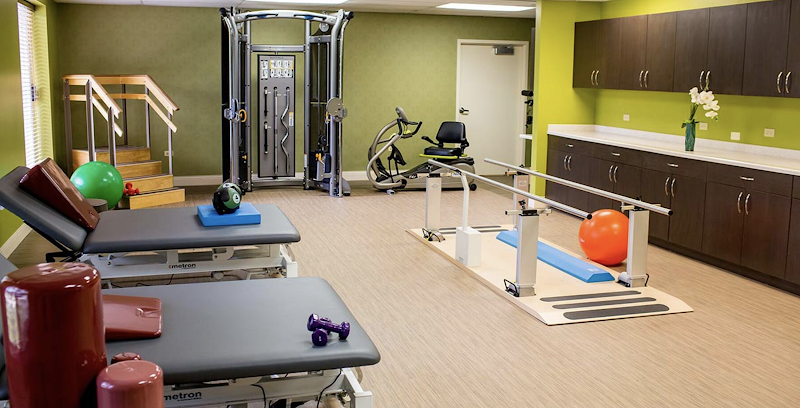
How is Pearl Of Hillside,The Staffed?

CMS rates PEARL OF HILLSIDE,THE's staffing level at 1 out of 5 stars, which is much below average compared to other nursing homes. Staff turnover is 48%, compared to the Illinois average of 46%. RN turnover specifically is 61%, which is notably high. RNs provide skilled clinical oversight, so turnover in this role can affect medical care quality.

What Have Inspectors Found at Pearl Of Hillside,The?

State health inspectors documented 53 deficiencies at PEARL OF HILLSIDE,THE during 2022 to 2025. These included: 6 that caused actual resident harm and 47 with potential for harm. Deficiencies causing actual harm indicate documented cases where residents experienced negative health consequences.

Who Owns and Operates Pearl Of Hillside,The?

PEARL OF HILLSIDE,THE is owned by a for-profit company. For-profit facilities operate as businesses with obligations to shareholders or private owners. The facility is operated by PEARL HEALTHCARE, a chain that manages multiple nursing homes. With 198 certified beds and approximately 160 residents (about 81% occupancy), it is a mid-sized facility located in HILLSIDE, Illinois.
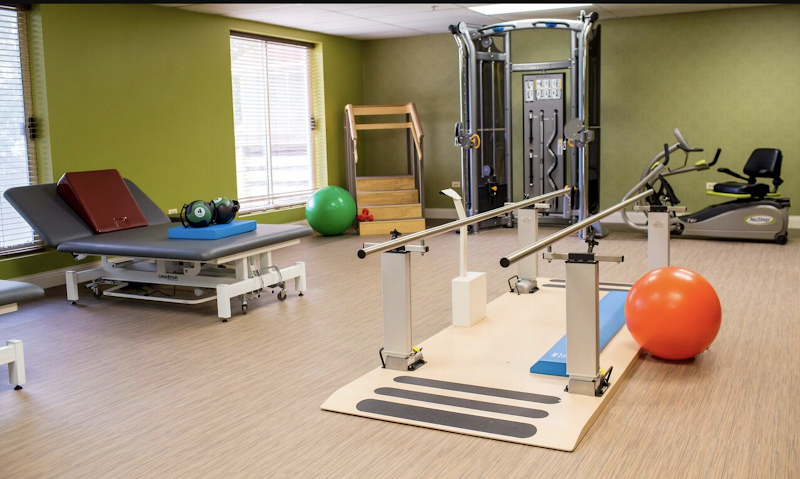
How Does Pearl Of Hillside,The Compare to Other Illinois Nursing Homes?

Compared to the 100 nursing homes in Illinois, PEARL OF HILLSIDE,THE's overall rating (1 stars) is below the state average of 2.5, staff turnover (48%) is near the state average of 46%, and health inspection rating (2 stars) is below the national benchmark.

What Should Families Ask When Visiting Pearl Of Hillside,The?

Based on this facility's data, families visiting should ask: "What safeguards and monitoring systems are in place to protect residents from abuse or neglect?" "Can you walk me through typical staffing levels on day, evening, and night shifts?" "Can I visit during a mealtime to observe dining assistance and food quality?" "How do you handle medical emergencies, and what is your hospital transfer rate?" These questions are particularly relevant given the substantiated abuse finding on record and the below-average staffing rating.

Is Pearl Of Hillside,The Safe?

Based on CMS inspection data, PEARL OF HILLSIDE,THE has documented safety concerns. The facility has 1 substantiated abuse finding (meaning confirmed case of resident harm by staff or other residents). The facility has a 1-star overall rating and ranks #100 of 100 nursing homes in Illinois. Families considering this facility should ask detailed questions about what corrective actions have been taken since these incidents.

Do Nurses at Pearl Of Hillside,The Stick Around?

PEARL OF HILLSIDE,THE has a staff turnover rate of 48%, which is about average for Illinois nursing homes (state average: 46%). Moderate turnover is common in nursing homes, but families should still ask about staff tenure and how the facility maintains care continuity when employees leave.

Was Pearl Of Hillside,The Ever Fined?

PEARL OF HILLSIDE,THE has been fined $38,990 across 2 penalty actions. The Illinois average is $33,469. While any fine indicates a compliance issue, fines under $50,000 are relatively common and typically reflect isolated problems that were subsequently corrected. Families should ask what specific issues led to these fines and confirm they've been resolved.

Is Pearl Of Hillside,The on Any Federal Watch List?

PEARL OF HILLSIDE,THE is not on any federal watch list. The most significant is the Special Focus Facility (SFF) program, which identifies the bottom 1% of nursing homes nationally based on persistent, serious quality problems. Not being on this list means the facility has avoided the pattern of deficiencies that triggers enhanced federal oversight. This is a positive indicator, though families should still review the facility's inspection history directly.