ALDEN POPLAR CREEK REHAB & HCC
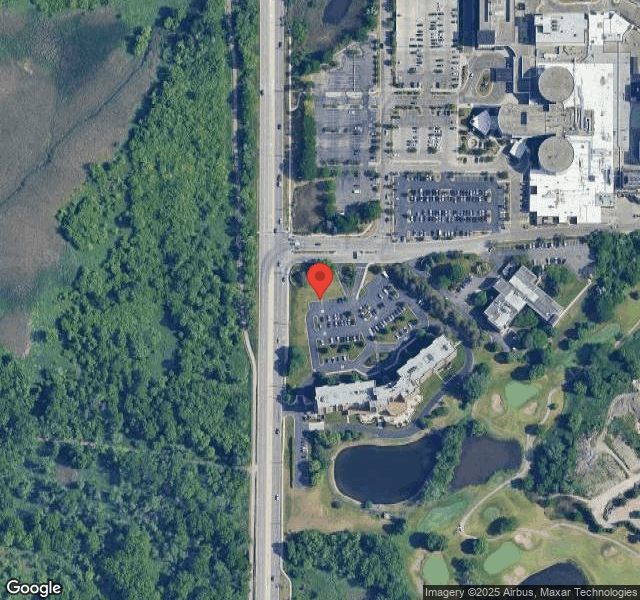
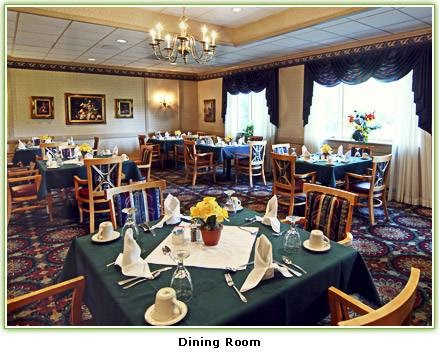
1545 BARRINGTON ROAD, HOFFMAN ESTATES, IL 60169 (847) 884-0011
For profit - Corporation 217 Beds THE ALDEN NETWORK Data: November 2025
Trust Grade
70/100
#96 of 665 in IL
Last Inspection: September 2024

Within standard 12-15 month inspection cycle. Federal law requires annual inspections.

Overview

Alden Poplar Creek Rehab & HCC in Hoffman Estates, Illinois, has a Trust Grade of B, indicating it is a good choice among nursing homes. It ranks #96 out of 665 facilities in the state, placing it in the top half, and #32 out of 201 in Cook County, meaning only one local option is rated higher. However, the facility's trend is worsening, with issues increasing from 4 in 2023 to 17 in 2024. While staffing is a concern with a poor 1/5 star rating, the facility has no staff turnover and offers more RN coverage than 81% of Illinois facilities, which is a positive aspect. Despite having no fines on record, recent inspections revealed significant issues, such as failing to provide quarterly financial statements to residents and not honoring the decisions of a hospice resident's Power of Attorney, which raises concerns about communication and care coordination.

Trust Score
B
70/100
In Illinois
#96/665
Top 14%
Safety Record
Low Risk
No red flags
Inspections
Getting Worse
4 → 17 violations
Staff Stability
○ Average
Turnover data not reported for this facility.
Penalties
✓ Good
No fines on record. Clean compliance history, better than most Illinois facilities.
Skilled Nurses
✓ Good
Each resident gets 46 minutes of Registered Nurse (RN) attention daily — more than average for Illinois. RNs are trained to catch health problems early.
Violations
⚠ Watch
28 deficiencies on record. Higher than average. Multiple issues found across inspections.
★★★★☆
4.0
Overall Rating
★☆☆☆☆
1.0
Staff Levels
★★★★★
5.0
Care Quality
★★★★☆
4.0
Inspection Score
Stable
2023: 4 issues
2024: 17 issues

The Good

  • 5-Star Quality Measures · Strong clinical quality outcomes
  • Full Sprinkler Coverage · Fire safety systems throughout facility
  • No fines on record

Facility shows strength in quality measures, fire safety.

The Bad

Chain: THE ALDEN NETWORK

Part of a multi-facility chain

Ask about local staffing decisions and management

The Ugly 28 deficiencies on record

Nov 2024 2 deficiencies
CONCERN (D) 📢 Someone Reported This

A family member, employee, or ombudsman was alarmed enough to file a formal complaint

Potential for Harm - no one hurt, but risky conditions existed

Deficiency F0551 (Tag F0551)

Could have caused harm · This affected 1 resident

Based on interview and record review, the facility failed to honor the decisions of a hospice resident's health care Power of Attorney for 1 of 3 residents reviewed for rights exercised by a resident'...

Read full inspector narrative →
Based on interview and record review, the facility failed to honor the decisions of a hospice resident's health care Power of Attorney for 1 of 3 residents reviewed for rights exercised by a resident's representative in the sample of 3. The findings include: R1's facility care plan, dated 8/13/24, showed R1 was under hospice care due to her diagnoses of senile degeneration of the brain, cerebral atherosclerosis, and dementia. R1 was severely cognitively impaired and dependent on staff for cares. The plan showed, Coordinate care and services between facility caregivers and hospice company to ensure all resident needs are met . Obtain advanced care planning wishes of patient and family and incorporate them into the plan of care . R1's Power of Attorney for Health Care form, dated 11/23/2018, showed V10 (Family of R1) was R1's healthcare Power of Attorney (POA). The form showed R1 authorized V10 to make decisions for R1 when R1 could no longer make decisions for herself. The form showed R1 did not want any treatment to prolong her life, but wanted treatment to ensure comfort and no pain. R1's POLST form (Practitioners Orders for Life-Sustaining Treatment), dated 2/25/22, showed R1 was a DNR (do not resuscitate). R1's facility progress note, dated 10/25/24, showed R1 began having difficulty swallowing her medications and food. R1's facility progress note, dated 10/28/24, showed V10 (POA/Family of R1) requested R1 become NPO (nothing by mouth) due to R1's declining condition and continued inability to swallow food or medications. The note showed R1's hospice provider and V3 (Assistant Director of Nursing/ADON) agreed with V10's request to make R1 NPO. R1's physician order, from V5 (R1's Hospice Physician), dated 10/28/24, showed an order for R1 to be NPO. A physician order for R1, dated 10/29/24, showed R1's NPO order was discontinued. An order for R1 to receive pleasure feedings, was noted on 10/29/24. R1's progress notes, dated 10/29/24-11/4/24, showed R1's condition continued to decline. R1 expired in the facility, under hospice care, on 11/4/24 On 11/4/24 at 12:57 PM, V10 (R1's POA) stated, (R1) started having trouble swallowing on October 25, 2024. I knew what was coming. She has been on hospice a long time and suffered enough. By Monday (10/28/24), I requested for her to be NPO. She couldn't swallow at all. She was gurgling at that point. She wasn't responding at all. Initially, (V3, ADON) told me she was ok with my request for NPO. On Tuesday (10/29/24), (V3, ADON) tells me (R1) can't be NPO because there is some regulation saying she can't be. (V1, Administrator) tells me she can't be NPO because it's some corporate rule. I told them absolutely not. (R1) is actively dying. I was concerned she would choke if they fed her. I just wanted her to die comfortably. On 11/6/24 at 12:29 PM, V8 (Registered Nurse/RN) stated, By that Monday (10/28/24), (R1) couldn't swallow at all. We weren't feeding her anyway. (V10, R1's POA) told me she wanted (R1) to be NPO. (V7, Hospice Nurse) told me there was an order to be NPO. The next day, (V3, ADON) said she couldn't be NPO. I don't know why. From Tuesday on, we didn't feed her because she couldn't swallow. On 11/6/24 at 12:09 PM, V3 (ADON) stated R1's NPO order was discontinued because it was unethical to not feed R1 if R1 wanted to eat. V3 denied she told the NPO order was discontinued because of a regulation. V3 stated she had never reviewed R1's hospice care plan, hospice progress notes, or R1's health care Power of Attorney form. V3 stated she never spoke with V5 (R1's Hospice Physician) about discontinuing R1's NPO order. On 11/6/24 at 10:15 AM, V7 (Hospice Nurse) stated, Yes, we have written orders for our residents to be NPO if they can no longer swallow and the family requests it. By Monday (10/28/24), (R1) could not swallow at all. Her mouth remained open the entire time and she didn't move her tongue at all. She was actively dying. (V10, R1's POA) wanted an order for her to be NPO, so I got an order from (V5, R1's Hospice Physician) to make her NPO. On Tuesday, I got a message from (V3, ADON) saying (R1) couldn't be NPO, and she must be a pleasure feed. I had no idea why (V3) was saying (R1) couldn't be NPO. We did not discontinue the NPO order; the facility did. On 11/6/24 at 1:24 PM, V1 (Administrator) stated she had never reviewed R1's hospice care plan, hospice progress notes, or R1's health care Power of Attorney form. V1 stated, I spoke with (V10, R1's POA) one time because she was upset the NPO order was changed. I tried to explain why we wanted pleasure feeds for (R1). We looked at it if as we were starving (R1). She still wanted (R1) to be NPO.
CONCERN (D) 📢 Someone Reported This

A family member, employee, or ombudsman was alarmed enough to file a formal complaint

Potential for Harm - no one hurt, but risky conditions existed

Quality of Care (Tag F0684)

Could have caused harm · This affected 1 resident

Based on interview and record review, the facility failed to designate a staff member, or implement a process, to ensure effective, ongoing communication and collaboration between the facility, a hosp...

Read full inspector narrative →
Based on interview and record review, the facility failed to designate a staff member, or implement a process, to ensure effective, ongoing communication and collaboration between the facility, a hospice resident's Power of Attorney for health care (POA), and the hospice provider. The facility failed to ensure facility staff had access to and reviewed a resident's hospice plan of care and hospice progress notes. These failures apply to 1 of 3 residents (R1) reviewed for care and services of a hospice resident in the sample of 3. The findings include: R1's facility care plan, dated 8/13/24, showed R1 was under hospice care due to her diagnoses of senile degeneration of the brain, cerebral atherosclerosis, and dementia. R1 was severely cognitively impaired and dependent on staff for cares. The plan showed, Coordinate care and services between facility caregivers and hospice company to ensure all resident needs are met . Obtain advanced care planning wishes of patient and family and incorporate them into the plan of care . R1's Power of Attorney for Health Care form, dated 11/23/2018, showed V10 (Family of R1) was R1's healthcare Power of Attorney (POA). The form showed R1 authorized V10 to make decisions for R1 when R1 could no longer make decisions for herself. The form showed R1 did not want any treatment to prolong her life, but wanted treatment to ensure comfort and no pain. R1's facility progress note, dated 10/25/24, showed R1 began having difficulty swallowing her medications and food. R1's facility progress note, dated 10/28/24, showed V10 (POA/Family of R1) requested R1 become NPO (nothing by mouth) due to R1's declining condition and continued inability to swallow food or medications. The note showed R1's hospice provider and V3 (Assistant Director of Nursing/ADON) agreed with V10's request to make R1 NPO. R1's physician order, from V5 (R1's Hospice Physician), dated 10/28/24, showed an order for R1 to be NPO. A physician order for R1, dated 10/29/24, showed R1's NPO order was discontinued. An order for R1 to receive pleasure feedings was noted on 10/29/24. R1's progress notes, dated 10/29/24-11/4/24, showed R1's condition continued to decline. R1 expired in the facility, under hospice care, on 11/4/24 On 11/4/24 at 12:57 PM, V10 (R1's POA) stated the facility did not designate a staff member for her to contact when she had questions about R1's cares. V10 stated, I kept getting inconsistent messages depending on who I talked to. I talked with (V3, ADON). I talked with (V1, Administrator). I talked with (V8, Registered Nurse/RN). (R1) started having trouble swallowing on October 25, 2024. I knew what was coming. She has been on hospice a long time and suffered enough. By Monday (10/28/24), I requested for her to be NPO. She couldn't swallow at all. She was gurgling at that point. Initially, (V3, ADON) told me she was ok with my request for NPO. On Tuesday (10/29/24), (V3, ADON) tells me (R1) can't be NPO because there is some regulation saying she can't be. (V1, Administrator) tells me she can't be NPO because it's some corporate rule. (R1) was actively dying. I was concerned she would choke if they fed her. I just wanted her to die comfortably. On 11/6/24 at 10:02 AM, V2 (Director of Nursing/DON) stated the facility had not designated a staff member to act as liaison between hospice, the facility, and V10 (R1's POA). This surveyor asked V2 for access to all R1's hospice visit notes, R1's hospice care plan, and the facility's contract with R1's hospice provider, as none of this information was in R1's electronic medical records, or in a binder in the facility. At 10:33 AM, V2 (DON) stated, We don't have any of (R1's) hospice charting or care plan. I had to request it from hospice. I am still looking for the contract. On 11/6/24 at 12:29 PM, V8 (RN) stated, By that Monday (10/28/24), (R1) couldn't swallow at all. We weren't feeding her anyway. (V10, R1's POA) told me she wanted (R1) to be NPO. (V7, Hospice Nurse) told me there was an order to be NPO. The next day, (V3, ADON) said she couldn't be NPO. I don't know why. From Tuesday on, we didn't feed her because she couldn't swallow. V8 (RN) stated she was never able to find a hospice binder with R1's hospice charting. V8 stated she had never seen R1's hospice plan of care. On 11/6/24 at 12:09 PM, V3 (ADON) stated R1's NPO order was discontinued because it was unethical to not feed R1 if R1 wanted to eat. V3 (ADON) denied she told V10 (R1's POA) the NPO order was discontinued because of a regulation. V3 stated she had never reviewed R1's hospice care plan, hospice progress notes, or R1's health care Power of Attorney form. On 11/6/24 at 10:15 AM, V7 (Hospice Nurse) stated, By Monday (10/28/24), (R1) could not swallow at all. (V10, R1's POA) wanted an order for her to be NPO, so I got an order from (V5, R1's Hospice Physician) to make her NPO. On Tuesday, I got a message from (V3, ADON) saying (R1) couldn't be NPO and she must be a pleasure feed. I had no idea why (V3) was saying (R1) couldn't be NPO. V7 stated the facility had not designated a staff member for her to contact and communicate with in regards to R1's hospice cares. V7 stated she would speak with the nurse caring for R1 on the days she would visit R1. On 11/6/24 at 1:24 PM, V1 (Administrator) confirmed the facility had to call R1's hospice provider on 11/6/24 to get copies of R1's hospice charting, including R1's hospice plan of care. V1 (Administrator) stated the facility did not designate a staff member to act as liaison between hospice, the facility, and V10 (R1's POA). V1 stated, Hospice staff will communicate with us when they are here seeing our residents, but we need to make sure we have access to any resident's hospice charting, including the hospice care plan. I spoke with (V10, R1's POA) and tried to explain why we wanted pleasure feeds for (R1). She still wanted (R1) to be NPO. I am not sure if anyone from our Social Services department met with (V10) at all during this time. The Memory Care Director (for R1's unit) resigned a couple of weeks ago. She would normally meet with family. The facility's Hospice Program policy, dated 9/2020, showed, When a resident participates in the hospice program, a coordinated plan of care between the facility, hospice agency and resident/family will be developed and shall include directives for managing pain and other uncomfortable symptoms.
Sept 2024 8 deficiencies
CONCERN (D)

Potential for Harm - no one hurt, but risky conditions existed

Deficiency F0578 (Tag F0578)

Could have caused harm · This affected 1 resident

**NOTE- TERMS IN BRACKETS HAVE BEEN EDITED TO PROTECT CONFIDENTIALITY** Based on interview and record review, the facility failed to ensure a signed Physician Orders for Life-Sustaining Treatment (POL...

Read full inspector narrative →
**NOTE- TERMS IN BRACKETS HAVE BEEN EDITED TO PROTECT CONFIDENTIALITY** Based on interview and record review, the facility failed to ensure a signed Physician Orders for Life-Sustaining Treatment (POLST) form was followed up with and signed by the physician. This applies to 1 of 28 residents (R96) reviewed for Advanced Directives in the sample if 28. The findings include: R96's Facesheet, dated 9/10/24, shows R96 has a current advance directive of Full Code. R96's Facesheet also shows V13 (R96's Family Member) is R96's Healthcare Surrogate. On 9/10/24 at 10:50 AM, R96 said someone from the facility spoke with him and V13 about changing his Advanced Directive information approximately two to three weeks ago. R96 could not recall who they spoke with. R96 said his current wishes are to continue with finalizing his Do Not Resuscitate (DNR) status, stating he has been through enough already. R96's Social Service Quarterly Assessment, dated 8/14/24, completed by V12 (Corporate Social Services) states, Wife (V13) expressed interest in completing a POLST form. Wife requested copy of the form be left at reception desk for her to retrieve during her visit. R96's POLST form, uploaded to the medical records on 8/30/24, shows R96 and V13 signed the form on 8/17/24. On 9/11/24 at 9:55 AM, V10 (Director of Social Services) said obtaining a resident's preferred Advanced Directive status is part of the admission process. V10 will speak with the resident or their representative and inquire what their wishes are, and will get the appropriate paperwork completed based upon their wishes. If the resident has a previously completed POLST form, the facility will retrieve a copy, upload it to the medical record, and update the Advanced Directive in the medical records to match the residents preference. V10 said the POLST form is not valid until the resident's physician signs it, and that process usually takes 24 to 48 hours once the resident and family representative sign it and return it to the facility. V10 was not familiar where in the process R96 was with his POLST form. At 12:40 PM, V10 said a call was placed to V13, but V13 did not answer. On 9/11/24 at 4:01 PM, V1 (Administrator) said R96 went to the hospital on 8/29/24, and returned to the facility on 9/6/24. The facility was unable to provide documentation prior to the exit on 9/11/24 showing the facility followed up with V13 or R96's physician any time between 8/14/24 and 8/29/24, or after R96's readmission on [DATE].
CONCERN (D)

Potential for Harm - no one hurt, but risky conditions existed

Abuse Prevention Policies (Tag F0607)

Could have caused harm · This affected 1 resident

Based on interview and record review, the facility failed to follow its abuse policy by reporting and investigating allegations of sexual abuse. This applies to 2 of 28 residents (R56 & R115) reviewed...

Read full inspector narrative →
Based on interview and record review, the facility failed to follow its abuse policy by reporting and investigating allegations of sexual abuse. This applies to 2 of 28 residents (R56 & R115) reviewed for abuse in the sample of 28. The findings include: On September 10, 2024 at 1:30 PM, R56 stated R115 touched her inappropriately last summer. She was out on the patio and R115 came out there. She told V14 (Social Worker), who no longer works at the facility. V14 told her she would take care of it. On September 11, 2024 at 9:26 AM, V1 (Administrator) stated R56's allegation of abuse were not reported to her, and she has not done any abuse investigation. The facility's abuse policy, dated September 2020, shows, Policy: This facility affirms the right of our residents to be free form abuse, neglect, misappropriation of resident property, corporal punishment and involuntary seclusion. The facility will report reasonable suspicion of a crime. This facility therefore prohibits mistreatment, neglect or abuse of its residents and has attempted to establish a resident sensitive and resident secure environment. The purpose of this policy is to assure that the facility is doing all that is within its control to prevent occurrences of mistreatment, neglect of abuse of our resident this will be done by: .6. Implementing systems to investigate all reports and allegations of mistreatment promptly and aggressively, and making the necessary changes to prevent future occurrences; 7. Filing accurate and timely investigative reports . Abuse Prevention Program: .4. Identification: Employees are required to immediately report any occurrences of potential mistreatment they observed, hear about, or suspect to a supervisor or the administrator . Supervisors shall immediately inform the administrator or designee of all reports of potential mistreatment. Upon learning of the report, the administrator or designee shall initiate an incident investigation 6. Investigation: a. Appoint an investigator. Once an allegation has been, the administrator or designee will investigate the allegation and obtain a copy of any documentation related to the incident.
CONCERN (D)

Potential for Harm - no one hurt, but risky conditions existed

Report Alleged Abuse (Tag F0609)

Could have caused harm · This affected 1 resident

Based on interview and record review, the facility failed to ensure staff reported allegations of sexual abuse to the Administrator immediately. This applies to 2 of 28 residents (R56 & R115) reviewed...

Read full inspector narrative →
Based on interview and record review, the facility failed to ensure staff reported allegations of sexual abuse to the Administrator immediately. This applies to 2 of 28 residents (R56 & R115) reviewed for abuse in the sample of 28. The findings include: On September 10, 2024 at 1:30 PM, R56 stated R115 touched her inappropriately last summer. She told V14 (Social Worker), who no longer works at the facility. On September 11, 2024 at 9:26 AM, V1 (Administrator) stated V14 (Social Worker) never reported to V1 (Administrator), who is the abuse coordinator. V1 stated allegations of abuse should be reported to her. R115's care plan, dated July 29, 2024, shows, (R115) demonstrates socially inappropriate behaviors as evidenced by attempting to/actually touching females in the facility. R56's and R115's electronic medical records do not show any documentation regarding the incident.
CONCERN (D)

Potential for Harm - no one hurt, but risky conditions existed

Investigate Abuse (Tag F0610)

Could have caused harm · This affected 1 resident

Based on interview and record review, the facility failed to investigate an allegation of sexual abuse. This applies to 2 of 28 residents (R56 & R115) reviewed for abuse in the sample of 28. The find...

Read full inspector narrative →
Based on interview and record review, the facility failed to investigate an allegation of sexual abuse. This applies to 2 of 28 residents (R56 & R115) reviewed for abuse in the sample of 28. The findings include: On September 10, 2024 at 1:30 PM, R56 stated R115 touched her inappropriately last summer. She was out on the patio and R115 came out there. R115 came over to R56 and grabbed her breast. She asked him to stop and then continued to go down her shirt and up her shirt touching her breast again. She told V14 (Social Worker), who no longer works at the facility. V14 told her she would take care of it. On September 11, 2024 at 9:26 AM, V1 (Administrator) stated she spoke with R56 the night before. R56 refreshed her memory and reminded her of the situation on the patio. R56 did inform V14 (Social Worker) that R115 touched her blouse in the breast area. V14 (Social Worker) never reported it to V1 (Administrator), who is the abuse coordinator. V1 (Administrator) stated she did not do any investigation into R56's allegation that R115 touched her breast on the patio last summer. If it was reported to her, she would have done an abuse investigation. R56's SSD (Social Service Department) Brief Interview for Mental Status, dated August 14, 2024, shows she is cognitively intact. R115's SSD Brief Interview for Mental Status, dated July 23, 2024, shows he has a mild cognitive impairment. R115's care plan, dated July 29, 2024, shows, (R115) demonstrates socially inappropriate behaviors as evidenced by attempting to/actually touching females in the facility. R115's and R56's electronic medical records do not show any documentation regarding the incident(s). The facility did not provide any abuse investigation regarding R56's allegation.
CONCERN (D)

Potential for Harm - no one hurt, but risky conditions existed

Deficiency F0761 (Tag F0761)

Could have caused harm · This affected 1 resident

Based on observation, interview, and record revie,w the facility failed to ensure schedule II controlled substances were stored in a separately locked compartment for 2 of 28 residents (R54 and R92) r...

Read full inspector narrative →
Based on observation, interview, and record revie,w the facility failed to ensure schedule II controlled substances were stored in a separately locked compartment for 2 of 28 residents (R54 and R92) reviewed for medication storage in the sample of 28. The findings include: 1. R54's Physician's Order Sheet, printed on 9/10/24, shows an order for Hydromorphone solution (Schedule II controlled substance) 4 milligrams/milliliter (mg/ml) to be given as needed for pain or shortness of breath. On 9/9/24 at 10:17 AM, there was a bottle of R54's Hydromorphone in the refrigerator that was located in the medication room on the second floor. The refrigerator had a lock located on the side of it, but the lock was not locked. 2. R92's Physician's Order Sheet, printed on 9/10/24, shows an order for Hydromorphone solution (Schedule II controlled substance) 4mg/ml to be given as needed for pain or shortness of breath. On 9/9/24 at 10:17 AM, there was a bottle of R92's Hydromorphone in the refrigerator that was located in the medication room on the second floor. The refrigerator had a lock located on the side of it, but the lock was not locked. On 9/10/24 at 2:20 PM, V2 (Director of Nursing) said Hydromorphone should be stored in a double locked medication cart, or in the refrigerator in the medication room. V2 said the door to the medication room is locked, and the refrigerator should be locked as well. The facility's Storage/Labeling/Packaging of Medications Policy, dated 1/2022, shows,Schedule II controlled medications are stored under a double-lock system accessible only to licensed staff.
CONCERN (D)

Potential for Harm - no one hurt, but risky conditions existed

Infection Control (Tag F0880)

Could have caused harm · This affected 1 resident

Based on observation, interview, and record review, the facility failed to ensure personal protective equipment (PPE) was worn when providing care to a resident on enhanced barrier precautions (EBP) f...

Read full inspector narrative →
Based on observation, interview, and record review, the facility failed to ensure personal protective equipment (PPE) was worn when providing care to a resident on enhanced barrier precautions (EBP) for 1 of 28 residents (R78) reviewed for infection control in the sample of 28. The findings include: R78's Physician's Order sheet shows an active order, dated 12/28/22, for, EBP for Device Care or Use of Feeding Tube. R78's Care Plan shows she requires tube feeding and stoma site care and has an intervention of: Enhanced Barrier Precautions will be implemented during high contact resident care activities. On 9/9/24 at 10:21 AM, there was a sign on R78's door showing she was on EBP. V4 and V5 (Certified Nursing Assistants) went into R78's room and provided incontinence care to R78 and changed her bedding. V4 and V5 did not have a gown on while providing the care. On 9/10/24 at 2:01 PM, V9 (Infection Preventionist) said residents on tube feeding should be on EBP. V9 said staff should wear PPE (gloves and gown) anytime they are going to be providing care to the resident. The facility's Enhanced Barrier Precautions Policy, dated 12/14/24, shows, EBP (Enhanced Barrier Precautions) involves gown and gloves use during high-contact resident care activities for residents known to be infected or colonized with MDROs when contact precautions do not otherwise apply. As well as residents with a chronic wound and/or indwelling medical device High-Contact Resident Care Activities include the following: Dressing, bathing/showering, transferring, changing linens, providing hygiene, changing briefs or assisting with toileting Residents that have indwelling medical devices, regardless of MDRO status, will be on EBP. Some examples may include feeding tube .
CONCERN (D)

Potential for Harm - no one hurt, but risky conditions existed

Deficiency F0883 (Tag F0883)

Could have caused harm · This affected 1 resident

**NOTE- TERMS IN BRACKETS HAVE BEEN EDITED TO PROTECT CONFIDENTIALITY** Based on interview and record review, the facility failed to ensure a resident received an influenza vaccine following admission...

Read full inspector narrative →
**NOTE- TERMS IN BRACKETS HAVE BEEN EDITED TO PROTECT CONFIDENTIALITY** Based on interview and record review, the facility failed to ensure a resident received an influenza vaccine following admission to the facility. The facility also failed to ensure a resident was offered a second pneumonia vaccine. This applies to 2 of 5 residents (R116, R90) reviewed for immunizations in the sample of 28. The findings include: 1. R116's Face Sheet current Face Sheet shows she was last admitted to the facility on [DATE]. R116's Informed Consent Influenza Immunization Vaccine 2023-2024 shows the box marked for Unless medically contraindicated, I give the facility permission to administer the influenza immunization vaccine. The back of this same form shows: Legal Representative Signature: (Typed R116's son's name), and dated 10/25/23. On 9/11/24 at 12:44 PM, V9 (Infection Preventionist) stated, I followed up with the son and he refused the vaccine- the nurse did the consent, but then the son refused. V9 was asked where this was documented, and V9 stated she just put refused on the immunization page in R116 EMR (electronic medical record), but didn't document anything more about it. R116's EMR shows she did not receive the influenza vaccine in 2023. The facility Influenza Vaccination Policy, dated 12/14/23, states, All new admissions will be offered the influenza vaccine during October 1st through March 31st unless ordered otherwise or has already received the influenza vaccine. If consented or declined, it will be documented in the residents' medical records. Historical information will be entered if available. 2. R90's current Face Sheet shows R90 was last admitted to the facility on [DATE]. R90's Informed Consent for Pneumococcal Immunization Vaccine, dated 9/6/23, shows the box checked stating: I have already received Pneumococcal Vaccine PCV13. On 9/11/24 at 12:44 PM, V9 (Infection Preventionist) stated, We will go back to the family and get a consent for the other vaccine. He got the (PCV) 13, so he can't get the other one for 5 years. R90's (IDPH- State Health Department) Shot History Details Report (reviewed by the facility on 9/11/24) shows R90 received the PCV13 Vaccine on 1/1/2009, the PPSV23 on 1/1/2010, and the PCV13 again on 10/24/2020. The facility policy entitled Pneumococcal Vaccination, dated 12/11/23, states, It is it the policy of this facility that residents will be offered immunization against pneumococcal disease in accordance with the Advisory Committee on Immunization Practices (ACIP) recommendations and Previously received only PCV13: 1 dose PCV20 or 1 dose PPSV23. If PCV20 selected, administer at least 1 year after the last PCV13 dose. If PPSV23 is selected, administer at least 1 year after the last PCV13 dose .
CONCERN (D)

Potential for Harm - no one hurt, but risky conditions existed

Deficiency F0887 (Tag F0887)

Could have caused harm · This affected 1 resident

Deficiency Text Not Available

Read full inspector narrative →
Deficiency Text Not Available
Aug 2024 1 deficiency
CONCERN (D) 📢 Someone Reported This

A family member, employee, or ombudsman was alarmed enough to file a formal complaint

Potential for Harm - no one hurt, but risky conditions existed

Report Alleged Abuse (Tag F0609)

Could have caused harm · This affected 1 resident

Based on interview and record review, the facility failed to ensure allegations of sexual abuse were reported to the police for 1 of 3 residents (R1) reviewed for sexual abuse in the sample of 4. The...

Read full inspector narrative →
Based on interview and record review, the facility failed to ensure allegations of sexual abuse were reported to the police for 1 of 3 residents (R1) reviewed for sexual abuse in the sample of 4. The findings include: On 8/26/24 at 9:41 AM, R1 said V5 (Certified Nursing Assistant/CNA), was behind the curtains and touched her breast. R1 said she told a nurse and a Social Worker about the incident. R1 said no one has followed up with her about the incident to investigate or communicate a plan. R1 did not provide any other details about the incident and reported seeing V5 in the facility, but said he does not come near her. R1 said she feels nervous sometimes when she sees V5. On 8/26/24 at 11:12 AM, V1 (Administrator) said V2 (Assistant Administrator) did the investigation into the sexual abuse allegations from R1 against V5. V1 said she does not know if the police were informed of the allegations. On 8/26/24 at 11:33 AM, V2 said they did not file a police report because R1's sister did not want them to. On 8/26/24 at 11:58 AM, V3 (Director of Nursing) said he did not notify the police of R1's allegations of sexual abuse. R1's current care plan initiated on 6/18/24 shows R1 is cognitively intact and her own decision maker. The facility's sexual abuse investigation, initiated on 8/9/24, regarding allegations from R1 against V5 was reviewed in its entirety. No police report was included and no police report number was recorded. R1's statement does not mention anything about the police. The facility's Abuse Policy (dated 9/20) shows the facility will report reasonable suspicion of a crime and local police are to be called.
Aug 2024 1 deficiency
CONCERN (D) 📢 Someone Reported This

A family member, employee, or ombudsman was alarmed enough to file a formal complaint

Potential for Harm - no one hurt, but risky conditions existed

Deficiency F0569 (Tag F0569)

Could have caused harm · This affected 1 resident

Based on interview and record review, the facility failed to release a resident's trust funds after discharge for 1 of 3 residents (R1) reviewed for trust funds in the sample of 3. The findings includ...

Read full inspector narrative →
Based on interview and record review, the facility failed to release a resident's trust funds after discharge for 1 of 3 residents (R1) reviewed for trust funds in the sample of 3. The findings include: R1's Face Sheet, dated 8/12/24, shows R1 was discharged from the facility on 3/10/24. On 8/12/24 at 10:54 AM, V1, Administrator, said, When a resident discharges, any money remaining in the trust fund after all bills have been paid, is returned to the resident or to the resident's Power of Attorney (POA). (V3, Director of Financial Service) at the corporate office sends out the resident funds. On 8/12/24 at 10:35 AM, V2, Business Office Manager, said she didn't recall any concerns with R1's trust fund or speaking to R1's family or R1's new facility about it. On 8/12/24 at 11:58 AM, V3 said R1 discharged from the facility on 3/10/24, and R1's remaining balance was sent to another facility in two checks. V3 said, The first check for $5288.14 was dated 4/15/24 (36 days after discharge), and as of today shows that it wasn't cashed, and the second check was sent 4/18/24 (39 days after discharge) for $1685. 00 and shows that it was cashed. V3 said since the first check wasn't cashed, she had V4, Financial Coordinator, void the original check and re-issue it today. V3 said she did not know why this was not done until today, or why no one followed up when the check had not been cashed. V3 said she reached out to V4 and the email correspondence between V4 and V5 (Business Office Manager at R1's new facility) has been going on since April 2024. On 8/12/24 at 1:01 PM, V5 said R1's son and herself have been trying to get R1's funds sent over since R1 moved to the facility. V5 said they received a check for $1685.00, but never received a second check. V5 said her last correspondence with V4 was in May, and she was told it could take 2-3 weeks for the check to be received. V5 said as of today (22 weeks after R1 was discharged ), R1 has not yet received the second check for $5288.14 from her previous facility. The facility's email from V3, dated 8/12/24, shows (R1) was discharged on 3/10/24 per the notes the son informed the facility resident NOT returning. On 4/11/24 the financial coordinator at the new facility requested refund of R1's money. 4/15/24 refund of $5288.14 sent. As of today not cashed and has been voided. 4/18/24 refund for April income sent $1685.00 8/12/24 reissuance of check for $5288.14. The included email threads shows numerous communications between V2 and V5, including the last one on 5/14/24, V5 to V2 shows they have not received the second check and V2 responds it usually takes 4-6 weeks from date requested, please allow additional time. The facility's undated Resident Trust Funds/RFMS policy shows If a resident returns home or passes away during care, any outstanding funds will be returned to the resident or their family within 30 days.
Jun 2024 3 deficiencies
CONCERN (D) 📢 Someone Reported This

A family member, employee, or ombudsman was alarmed enough to file a formal complaint

Potential for Harm - no one hurt, but risky conditions existed

Notification of Changes (Tag F0580)

Could have caused harm · This affected 1 resident

**NOTE- TERMS IN BRACKETS HAVE BEEN EDITED TO PROTECT CONFIDENTIALITY** Based on interview and record review, the facility failed to ensure a residents' care provider was notified after a resident rec...

Read full inspector narrative →
**NOTE- TERMS IN BRACKETS HAVE BEEN EDITED TO PROTECT CONFIDENTIALITY** Based on interview and record review, the facility failed to ensure a residents' care provider was notified after a resident received a Defebrilator Vest (DV) intervention (shock) which applies to 1 of 1 residents reviewed for physician notification in a sample of 3. The findings include: R1's face sheet, printed on 6/3/24, showed R1 is an [AGE] year old man admitted to the facility on [DATE], with diagnoses which include: acute on chronic (congestive) heart failure and rheumatic mitral (valve) insufficiency. On 6/3/24 at 10:30 AM, when asked if the defibrilator vest (DV) ever went off, R1 stated, Yes! R1 stated he was shocked by the vest about a week ago, right here (pointed to bed). R1 stated, It felt like I got shot by a rifle. R1 stated his pillow had some blue stuff on it. R1 then restated, It was like a shot to the chest. R1 stated one of the girls came in and went to go get the nurse. R1 stated a nurse came into his room. R1does not remember the nurse's name, but it was a man. After the nurse left, the girl was back to clean me up. On 6/3/24 at 3:20 PM, V7, Certified Nursing Assistant (CNA), stated she went into R1's room sometime after dinner to round on R1 (5/26/24). The back of R1's neck and his pillow had blue gel on it. V7 stated R1 told her he had been shocked. V7 did not know what the blue gel was. V7 stated she told V5, Licensed Practical Nurse (LPN), about the blue gel, and what R1 had said. V7 waited till V5 was done in R1's room. V7 stated she cleaned up R1 after V5 saw the blue gel. On 6/4/24 at 9:15 AM, V5 stated he did not initially remember R1 having blue gel on his back. After asking V5 if he remembered a CNA coming to him about R1 having blue gel on him, V5 stated he did remember. V5 stated he did not know what the blue gel was for at the time. V5 stated he knew the manual was at the front desk. V5 stated he does not recall calling the physican. V5 stated he thought he called V2, Director of Nursing (DON). On 6/4/24 at 9:45 AM, V5 stated sometime after 9 PM (5/26/24), V7, CNA, told him R1 had some blue gel on R1's back. V5 stated he was not sure what the blue gel was. V5 stated he went into R1's room. The DV control box said the battery needed to be changed, so he changed the battery. V5 stated he assessed R1, did vitals, and checked R1's orientation. V5 did not call the resident physician with an update. V5 stated the manual for the device was available at the nurse's station. On 6/4/24 at 10:05 AM, V5 (accomponied by V2) stated after seeing R1 (5/26/24), he did not call the physican or the company about the blue gel. On 6/4/24 at 10:30 AM, V8, Cardiologist, stated he did not receive a call on 5/26/24 about R1 having blue gel on him, or any issues with the DV possibly delivering a treatment.V8 stated if something occured with R1's DV, he would expect a call to be updated on the resident's status. On 6/4/24 at 10:45 AM, V2 stated V5 should have contacted the physician after the blue gel was found on R1 due to the possibility a treatment has been delivered. V5 should have called the physician to see if the provider would want to send the resident out, or give new orders. This DV company documentation, dated 6/3/24, showed R1's vest read a treatable rhythm and delivered a treatment (shock) on 5/26/24 at 8:16 PM. The DV Manual, dated 5/1/22, showed the vest is to monitor the patient and deliver a treatment (shock) to the patient if needed to regulate the patients heart rhythm. A gel is released just before a treatment is given. If a treatment is given call you doctor's emergency number immediately to report your treatment. The facility's change of condition policy, dated 9/20, showed attending physicians or physician on call /NP (Nurse Practitioner) .will be notified of all changes in condition. At the time of the survey, the facility was unable to provide a policy regarding the DV.
CONCERN (D) 📢 Someone Reported This

A family member, employee, or ombudsman was alarmed enough to file a formal complaint

Potential for Harm - no one hurt, but risky conditions existed

Free from Abuse/Neglect (Tag F0600)

Could have caused harm · This affected 1 resident

**NOTE- TERMS IN BRACKETS HAVE BEEN EDITED TO PROTECT CONFIDENTIALITY** Based on observation, interview, and record review, the facility neglected to identify R1 had a defibrillator vest (DV), and fai...

Read full inspector narrative →
**NOTE- TERMS IN BRACKETS HAVE BEEN EDITED TO PROTECT CONFIDENTIALITY** Based on observation, interview, and record review, the facility neglected to identify R1 had a defibrillator vest (DV), and failed to ensure facility staff were trained on the DV's set up, monitoring, functioning, and trouble shooting of the device which applies to 1 of 1 residents (R1) reviewed for neglect in a sample of 3. The findings include: R1's medical record showed R1 was admitted to the facility on [DATE], with diagnoses which included: acute on chronic (congestive) heart failure and rheumatic mitral (valve) insufficiency. On 6/3/24 at 10:30 AM, R1 was in his room wearing the DV. R1 stated he got it at the hospital, and it came with him to here (pointed at bed). R1's facility referral, dated 5/22/24, showed the referral was sent to the facility's Central Intake and reviewed on 5/21/24. R1's referral has multiple entries (8) of R1 utilizing the DV during R1's hospital admission, and to be used until R1 was able to have an outpatient Angiogram after discharge. On 6/4/24 at 11:10 AM, V21, Admissions Director, stated, A residents' hospital referral goes to the central intake at our corporate level. We receive a summary from them if the resident is accepted as an admission. Items like medical devices (wound vacs example) would be on this summary, so we know what to be prepared for. On 6/5/24 at 12:30 PM, V1, Administrator, stated V21 receives a referral summary (email) from Central Intake when a resident is going to be admitting to the facility. The hospital referral information is sent to the facility afterward and uploaded into the residents record. V21 is not expected to review the hospital information. V21 uses the summary information provided prior to admission to be aware of anything a resident may need with their care. The facility's admission Summary sent on 5/21/24 to V21 showed R1's hospital location, diagnoses of shortness of breath and weakness, payer source, needs of physical and occupational therapy, weight, hospital social worker contact information, and patient is a [AGE] year old male with rheumatoid arthritis on chronic steroids. admitted for SOB/weakness-Cleared for d/c. The referral summary had no information regarding R1's (DV), which was in use at the hospital, and the need for ongoing use after hospital discharge. On 6/3/24 at 9:00 AM, V9, Licensed Practical Nurse (LPN), stated she was currently R1's nurse. V9 stated she admitted R1 on 5/25/24. R1 was admitted wearing the (DV) from the hospital. V9 stated she was not aware R1 was possibly going to have the DV until the day of his admission. V9 stated she had not had any in-services involving the DV yet. On 6/3/24, with multiple interviews between 9:00 AM - 11:30 AM with V10 LPN, V11 LPN, V12 LPN, and V13, Registered Nurse (RN), stated they had not received an in-service for the DV. V10-V13 stated they do get floated to other units and could be assigned to R1's hallway. V10 stated the DV manual was at the desk, but he had not looked at it yet. On 6/4/24 at 9:15 AM, V5 stated he was directed to R1's room after V7, Certified Nursing Assistant, told him about R1 having blue gel on him. V5 stated it was on Sunday (5/26/24). V5 stated he did not know what the blue gel was for. V5 stated he knew there were 2 inservices given so far, but he had not attended one yet. On 6/3/24 at 3:40 PM, V6, LPN, stated on 5/29/24, she replaced the battery onto the vest pack; It went through its initial start-up, and showed something like the 'vest needed to be serviced'. V6 stated she did not know what was wrong, so V6 called the company. V6 stated the tech support person had to walk her through the process of plugging in the vest's box to a phone jack. V6 stated they had not received any data since R1 was admitted to the facility. Later that shift, the company called back to let us know the DV had delivered a shock on 5/26/24, and they would be sending someone to come look at the DV. V6 stated V4, Patient Service Representative (PSR), came to the facility and serviced the vest for R1. On 6/3/24 at 9:45 AM, V4 stated she went to the facility on Wednesday (5/29/24) in the evening. V4 stated she was called to check on R1's DV. V4 stated while at the facility, she initiated the cellular hotspot, which was not set up to transmit data to the company. V4 stated she talked to V2, Director of Nursing, to set up education for the DV after she was at the facility to work on R1's DV. The first DV training class V4 gave was on 5/31/24. On 6/4/24 at 10:15 AM, V2, Director of Nursing, stated, The referral review process is now done at corporate through the Central Intake. They review the hospital referral and let us know if a resident has something we need to be prepared for. We were not notified through Central Intake that (R1) had a DV, or could possibly have it, when he got admitted . If we are notified a resident was coming with a device we have not used before, or have not used in a long time, we could set up in-services. The facility In-service/meeting attendance record, dated 5/31/24, was identified by V2 as the first in-service provided for the DV (6 days after admission to the facility). On 6/4/24 at 3:30 PM, V20, DV Legal Department/Educator, stated, The DV is usually sent with a patient to their home, but we have patients that go to facilities with them. Part of our service is educating facility staff which includes set up (hotspot), how the device works, and what to do after a treatment (shock) was administered to the patient. The facility would need to contact us so we could have a representative set up education times. V20 (while reviewing R1's chart) stated they had no record of any facility interaction before 5/29/24 when the nurse called about the DV having a problem, and a representative was sent out.
CONCERN (D) 📢 Someone Reported This

A family member, employee, or ombudsman was alarmed enough to file a formal complaint

Potential for Harm - no one hurt, but risky conditions existed

Quality of Care (Tag F0684)

Could have caused harm · This affected 1 resident

**NOTE- TERMS IN BRACKETS HAVE BEEN EDITED TO PROTECT CONFIDENTIALITY** Based on observation, interview, and record review, the facility to ensure a resident had ongoing monitoring after a Defibrillat...

Read full inspector narrative →
**NOTE- TERMS IN BRACKETS HAVE BEEN EDITED TO PROTECT CONFIDENTIALITY** Based on observation, interview, and record review, the facility to ensure a resident had ongoing monitoring after a Defibrillator Vest (DV) treatment (shock) was delivered, and failed to ensure a DV hotspot was set up to assist with remote monitoring which applies to 1 of 1 residents (R1) reviewed for quality of care in a sample of 3. The findings include: R1's face sheet, printed on 6/3/24, showed R1 is an [AGE] year old man admitted to the facility on [DATE], with diagnoses which include: acute on chronic (congestive) heart failure and rheumatic mitral (valve) insufficiency. R1's Careplan, printed on 6/3/24, showed no entries referencing R1's DV. On 6/3/24 at 10:30 AM, R1 was in bed wearing the DV. R1 stated he started wearing the DV in the hospital and it followed him here. When asked if the vest ever worked, R1 stated yes. R1 stated he was shocked by the vest about a week ago right here (pointed to bed). R1 stated, It felt like I got shot by a rifle. After that there was some blue stuff on my neck and pillow. On 6/3/24 at 3:20 PM, V7, Certified Nursing Assistant (CNA), stated she went into R1's room sometime after dinner to round on R1 (5/26/24). The back of R1's neck and his pillow had blue gel on it. V7 stated R1 told her he had been shocked. V7 stated she told V5, Licensed Practical Nurse (LPN), about the blue gel, and what R1 had said. V7 waited till V5 was done in R1's room. V7 stated she cleaned up R1, and did not see him again during her shift. On 6/4/24 at 10:05 AM, V5, Licensed Practical Nurse (LPN), stated he was R1's nurse 5/26/24. V5 stated some time after 9:00 (5/26/24) V7, Certified Nursing Assistant, told him R1 had some blue gel on R1's back. V5 stated he went to the room, and R1 did have blue gel on his back. V5 stated he took some vitals and assessed R1. V5 stated he did not contact the physician of the company after he assessed R1. R1 was stable at the time. V5 stated he gave report to V15, LPN, at the end of his shift. R1's Electronic Medical Record (EMR) showed no vitals were documented from 12:18 AM on 5/26/24 through 2:21 AM on 5/27/24. This medical record also had no assessment documented for this timeframe, or progress notes reflecting any issues with R1's DV. The DV company documentation, dated 6/3/24, showed R1's vest read a treatable rhythm and delivered a treatment (shock) on 5/26/24 at 8:16 PM. Comparing R1's EMR and the DV documentation showed the first recorded vitals for R1 was approximately 6 hours after R1's DV treatment was administered. On 6/4/24 at 7:40 AM, V15 stated he had no issues with R1's DV, and had not been told about any blue gel or DV issues when he he took report from V5 on 5/26/24. On 6/3/24 at 3:40 PM, V6, LPN, stated on 5/29/24, she had to contact the company for an issue with R1's DV. The person she talked to said they had not received any data on R1's DV. V6 stated they walked her through the process to send data via telephone chord outlet. Later in the shift, the company called and said R1 had been given a treatment (shock) by the DV on 5/26/24. V6 stated she had not been told that in any report, and she had taken care of R1 previously in the week. V6 stated the company was going to send out someone to look at R1's vest. The DV documentation, dated 6/3/24, showed the first time data was transmitted after R1's admission [DATE]) was on 5/29/24 at 6:30 PM. This documentation showed ongoing data transmitting on a daily basis after the hotspot was set up on 5/29/24. On 6/3/24 at 9:46 AM, V4, Patient Service Representative/PSR, stated she had been contacted by the company to check on R1's DV. V4 stated she went to the facility on 5/29/24; she had to set up the cellular device (hotspot) so R1's DV could upload data in a timely manner. On 6/4/24 at 3:30 PM, V20, DV company Legal Department/Educator, stated, When the DV is set up, we use a cellular hotspot to transmit data to the company. It transmits data once a day, usually when the resident is sleeping. It does transmit data when a treatment is detected to ensure a patient get medical attention if needed in a timely manner. At the time of the survey, the facility was unable to provide a policy regarding the DV. .
Apr 2024 2 deficiencies
CONCERN (D) 📢 Someone Reported This

A family member, employee, or ombudsman was alarmed enough to file a formal complaint

Potential for Harm - no one hurt, but risky conditions existed

Resident Rights (Tag F0550)

Could have caused harm · This affected 1 resident

Based on interview and record review, the facility failed to respect a resident's personal space when a staff member stored their bag in the resident's closet. This applies to 1 of 3 (R7) residents ri...

Read full inspector narrative →
Based on interview and record review, the facility failed to respect a resident's personal space when a staff member stored their bag in the resident's closet. This applies to 1 of 3 (R7) residents rights reviewed for staff behavior in the sample of 7. The findings include: R7's admission Record (Face Sheet) showed an original admission date of 8/14/21, with diagnoses to include heart failure, dementia, and psychosis. R7's 2/16/24 Quarterly Minimum Data Set (MDS) showed she was experiencing severe cognitive impairment, with a brief interview for mental status score of 5 out of 15. On 4/24/24 at 10:20 AM, V15, R7's Daughter, stated she was visiting her mother the evening of 4/20/24 (Saturday). V15 stated as she was leaving R7's room, she opened her closet door to ensure R7's clothing was clean and organized. V17 said she noted a bulge of clothing on the bottom of the closet. V17 stated the bulge was a backpack covered with R7's clothing. V17 stated the bag had a bottle of the same perfume her mother wore, so she believed the bag was brought in and left by a family member. V17 grabbed the bag and took it home. V17 stated as her and her husband drove home, she began to go through the bag and realized, based on the items in the bag, the bag belonged to a staff member. V17 stated the staff member called her and asked that the bag be returned. V17 stated staff should not be storing personal items in R7's closet. V17 stated she took her mother home that evening, and she has not yet taken her back. On 4/24/24 at 11:23 AM, V1, Administrator, stated the staff member did admit to keeping her bag in R7's closet. V1 stated the staff member should not be storing their items in resident personal spaces. On 4/24/24 at 2:30 PM, V16, Registered Nurse (Nurse on R7's floor), stated the staff should not be storing personal items in resident rooms. V16 said resident rooms are their own personal space. The Illinois Long-Term Care Ombudsman Program Residents' Rights for People in Long-Term Care Facilities (Revision 11/2018) showed residents have the right to be treated with respect and dignity.
CONCERN (D) 📢 Someone Reported This

A family member, employee, or ombudsman was alarmed enough to file a formal complaint

Potential for Harm - no one hurt, but risky conditions existed

Accident Prevention (Tag F0689)

Could have caused harm · This affected 1 resident

Based on observation, interview, and record review, the facility failed to safely transport a resident in a manner to prevent him from falling out of the wheelchair. This applies to 1 of 4 residents (...

Read full inspector narrative →
Based on observation, interview, and record review, the facility failed to safely transport a resident in a manner to prevent him from falling out of the wheelchair. This applies to 1 of 4 residents (R6) reviewed for falls in the sample of 7. The findings include: R6's admission Record (Face Sheet) showed an original admission date of 4/4/24, with diagnoses to include blood infection, dialysis, and epilepsy. R6's 4/20/24 Discharge Minimum Data Set showed he was cognitively intact, with a Brief Interview for Mental Status (BIMS) score of 15 out of 15. R6's 4/20/24 Nurse Note from 12:10 AM showed he was being discharged home with his wife. R6's 4/20/24 Progress Note from 12:20 AM showed, As CNA (Certified Nursing Assistant) was pushing [R6]'s wheelchair out to the lobby and went over a small bump by the door, [R6] slipped off his wheelchair and fell forward on his knees and his face. Assessed and noted nose bleeding and cut on his lower lip .denies any pain and discomfort . The note showed R6 was sent to the local Emergency Department for evaluation. (The progress note was authored by V14, Registered Nurse) On 4/24/24 at 10:56 AM, V14 stated the accident occurred at the main entrance to the facility. V14 stated there are two automatic sliding doors, with a small entry area between the two doors. V14 stated it was V23, Agency Certified Nursing Assistant's, first night at the facility. V14 stated she had requested V23 assist R6 to his car. V14 stated the accident, .happened so fast. V14 stated she was in the reception area near the entrance. V14 stated she believed V23 was not looking down and it was dark out, due to it being midnight, and as V23 attempted to go over the threshold, R6 fell out of the wheelchair and onto the concrete. V23 stated, I'm thinking he fell out of the wheelchair because of the threshold. I think if [V23] knew it (door threshold) was there, but it was dark out, and I think she was looking forward instead of down at the ground. I think she should have pulled him backwards over the threshold instead of pushing him. I'm pretty sure if she would have pulled him through the threshold instead of pushing him, that would have prevented the fall. It was also kind of dark. [R6] is a big man and she was not expecting that bump. Pulling [R6] would have prevented it because the back rest would have supported him as she pulled him backwards over the bump. V14 said pulling R6 would have also been easier and safer due to less chance of the smaller front wheels being caught or stuck on the threshold. On 4/25/24 at 10:58 AM, V21, R6's Spouse, stated she was going to get her car when, I heard him yell 'No. Stop. I'm going to fall.' I don't know if the wheelchair was upright or not, but she should have known to go over that threshold backwards with that wheelchair. If she had gone over it backwards and gone over it slower, he would not have fallen. On 4/24/24 at 1:30 PM, the facility's outer most door was an automatic sliding door. The door track was contained within a ramped threshold. The threshold was metal; approximately 6 inches wide; approximately three quarters of an inch in height; and the ramps leading up to the height of the threshold were approximately 45 degrees and threequarters of an inch long. On 4/24/24 at 1:55 PM, V4, Assistant Director of Nursing, stated how a CNA would traverse a threshold, either forward or backwards with a resident in a wheelchair, is determined on a case by case basis. V4 said what determines how a CNA would manage a threshold would depend on factors such as the strength of the resident and their positioning in the wheelchair. V4 said CNAs should be able to transport residents and be able to keep them in the wheelchair.
Oct 2023 3 deficiencies
CONCERN (D)

Potential for Harm - no one hurt, but risky conditions existed

ADL Care (Tag F0677)

Could have caused harm · This affected 1 resident

Based on observation, interview, and record review, the facility failed to provide ADL (Activities of Daily Living) assistance for residents that are totally dependent on staff for toileting/incontine...

Read full inspector narrative →
Based on observation, interview, and record review, the facility failed to provide ADL (Activities of Daily Living) assistance for residents that are totally dependent on staff for toileting/incontinence care for 2 of 26 residents (R103, R82) reviewed for ADLs in the sample of 26. The findings include: 1. R82's resident assessment, dated 7/19/23, showed R82 was totally dependent on staff for toileting/incontinence care. The assessment showed R82 was always incontinent of urine and stool. On 10/2/23 at 10:38 AM, R82 was seated in her wheelchair in the second-floor dining room. R82 stated staff last provided her with incontinence care at 9:00 AM. On 10/2/23 at 11:01 AM, R82 remained seated in her wheelchair in the second-floor dining room. On 10/2/23 at 11:35 AM, R82 remained seated in her wheelchair in the therapy room. On 10/2/23 at 12:09 PM, R82 returned to the second floor, from therapy. R82 remained in her wheelchair. On 10/2/23 at 1:20 PM, V7, Certified Nursing Assistant (CNA), and V8, CNA, transferred R82 from her wheelchair to her bed. V7 and V8, CNAs, removed R82's incontinence brief. Inside of R82's incontinence brief was an additional smaller, rectangular incontinence pad. The pad was saturated with urine. R82's incontinence brief was also soiled with a small amount of urine. R82's vaginal area and groin were bright red. When R82 was asked about wearing two incontinence pads/briefs, R82 stated, I want to wear two because I don't want to leak onto my pants. V7, CNA, stated she last provided incontinence care to R82 at 9:00 AM that morning. 2. R103's resident assessment, dated 9/25/23, showed R103 was totally dependent on staff for toileting/incontinence care. The assessment showed R103 was always incontinent of urine and stool. On 10/2/23 at 9:45 AM, R103 was in bed, eating breakfast. R103 stated she was last provided incontinence care around 8:30 AM, that morning. On 10/2/23 at 11:45 AM, V6, CNA, and V9, CNA, entered R103's room to provided cares. V6 and R9 removed R103's incontinence brief. R103's was soiled with a large amount of urine. Open, reddened, excoriated areas were noted to R103's left and right buttock. R103's vaginal area was red. On 10/3/23 at 10:53 AM, V10, Wound Nurse, stated R103 had MASD (moisture associated skin damage) to her buttocks due to her skin being exposed to urine for long periods of time. V10 stated, (R103) should be checked for incontinence every 2 hours. Her skin needs to be kept dry so it can heal. On 10/3/23 at 8:55 AM, V5, Assistant Director of Nursing (ADON), stated staff should toilet or provide incontinence care to residents every two hours. On 10/3/23 at 10:44 AM, V2, Director of Nursing, stated staff should toilet or provide incontinence care to residents every two hours. On 10/4/23 at 11:10 AM, V5, ADON, stated the facility did not have a policy on incontinence care.
CONCERN (D)

Potential for Harm - no one hurt, but risky conditions existed

Pressure Ulcer Prevention (Tag F0686)

Could have caused harm · This affected 1 resident

Based on observation, interview, and record review, the facility failed to implement R13's Care Plan interventions to reduce pressure on her stage 3 pressure ulcer for 1 of 4 residents (R13) reviewed ...

Read full inspector narrative →
Based on observation, interview, and record review, the facility failed to implement R13's Care Plan interventions to reduce pressure on her stage 3 pressure ulcer for 1 of 4 residents (R13) reviewed for Pressure ulcers in the sample of 26. The findings include: R13's current Physicians Orders on 10/03/23 shows low air loss mattress ordered 08/29/23. R13's Care Plan on 10/03/23 shows, Actual alteration in skin integrity: Pressure Ulcer to sacrum. Intervention-Low Air loss Mattress initiated 08/24/23. On 10/03/23 at 9:49AM, R13 was in bed laying on her back. R13 was not on a low loss air mattress. On 10/03/23 at 10:15AM, V10, Wound Care Nurse, said, (R13) was admitted with a Stage three pressure ulcer. The low air loss mattress shoots air into the mattress alternatively so pressure is not on the wound continuously. (R13) just had a room change, and the staff may have left her mattress behind in her old room. The facility's Prevention and Treatment of Pressure Injury and Other Skin Alterations policy, dated 03/02/21, shows, Implement preventative measures and appropriate treatment modalities for pressure injuries and/or other skin alterations through individualized resident care plan.
CONCERN (E)

Potential for Harm - no one hurt, but risky conditions existed

Deficiency F0568 (Tag F0568)

Could have caused harm · This affected multiple residents

Based on interview and record review, the facility failed to ensure residents received a quarterly statement of their monthly Social Security stipend for five of five residents (R5, R28, R44, R81, R10...

Read full inspector narrative →
Based on interview and record review, the facility failed to ensure residents received a quarterly statement of their monthly Social Security stipend for five of five residents (R5, R28, R44, R81, R102) reviewed for Personal Funds in the sample of 26. The findings include: On 10/02/23 at 9:39 AM, R44 said, The person on the first floor that handles the resident's money never answers the phone. The first person would come around and ask if I needed any money, the new lady is hard to get to. If I wanted to get a couple of dollars I would have to wait for my son. On 10/03/23 at 2:17 PM, V14, Business Office Manager, said, I do not send out quarterly statements to the residents. I give the resident their balance when they make a withdrawl. Residents are the only ones that have access to their accounts. On 10/04/23 at 9:05AM, R81 said, I do not get quarterly statements. On 10/04/23 at 9:12 AM, R102 said, I think it started in November 2022. I have asked twice for a statement regarding the balance of my funds; no one has given me one. I have no idea how much money I have in my account. I have no idea how to get my money. I asked about it, I was told they would look into it; I have not heard back. I have been asking for a couple of months now to get ahold of the finance department, no one has contacted me. I do not want to get anyone in trouble, but I have questions and want answers. On 10/04/23 at 9:26 AM, R5 said, If the facility sent me a quarterly statement, I would know the balance in my account. I like to buy my own toothpaste. On 10/04/23 at 9:30 AM, R28 said, I would like to know my balance. It would be nice to give my friend some money to go out and buy a few items for me. On 10/04/23 at 10:00 AM, R44 said, I am not always able to go down to the bank or (V14's) office. It is difficult for me to get out of bed. I do not get quarterly statements telling me what my balance is. The facility's Resident Fund Trial Balance, dated 10/03/23 at 3:28PM, shows multiple residents including R5, R28, R44, R81, and R102. On 10/04/23 the facility did not provide a policy for Resident Personal Funds.
Apr 2023 1 deficiency
CONCERN (D) 📢 Someone Reported This

A family member, employee, or ombudsman was alarmed enough to file a formal complaint

Potential for Harm - no one hurt, but risky conditions existed

Accident Prevention (Tag F0689)

Could have caused harm · This affected 1 resident

**NOTE- TERMS IN BRACKETS HAVE BEEN EDITED TO PROTECT CONFIDENTIALITY** Based on observation, interview, and record review, the facility failed to provide supervision to a resident assessed to be at r...

Read full inspector narrative →
**NOTE- TERMS IN BRACKETS HAVE BEEN EDITED TO PROTECT CONFIDENTIALITY** Based on observation, interview, and record review, the facility failed to provide supervision to a resident assessed to be at risk for choking and aspiration for one of six residents (R2) reviewed for safety and supervision in the sample of six. The findings include: R2's MDS-Minimum Data Set, dated [DATE], shows diagnosis of dysphagia oropharyngeal phase. Eating: supervision with one-person physical assist. R2's Care Plan on 04/05/2023 shows, (R2) has potential for swallowing problems related to a diagnosis of dysphagia. Goal: (R2) will not choke or aspirate on food or liquids through the next review. Interventions: Observe resident for difficulty swallowing, signs of choking and or aspiration. Provide assistance for meals as needed. Seat patient upright during meals. Staff to provide verbal cues for small bites and slow pace. On 04/05/2023 at 9:22AM, R2 was alone in her room eating a puree diet in bed. On 04/05/2023 at 3:00PM, V14, Speech Therapist, said, Dysphagia oropharyngeal phase diagnosis relates to the difficulty in chewing, initiation of swallow, and the actual swallow. On 04/05/2023 at 2:30PM, V3-MDS Coordinator said the facility does not have a policy for the supervision of a resident with dysphagia.
Nov 2022 7 deficiencies
CONCERN (D)

Potential for Harm - no one hurt, but risky conditions existed

Resident Rights (Tag F0550)

Could have caused harm · This affected 1 resident

**NOTE- TERMS IN BRACKETS HAVE BEEN EDITED TO PROTECT CONFIDENTIALITY** Based on observation, interview, and record review, the facility failed to provide care for R46 in a dignified manner during lun...

Read full inspector narrative →
**NOTE- TERMS IN BRACKETS HAVE BEEN EDITED TO PROTECT CONFIDENTIALITY** Based on observation, interview, and record review, the facility failed to provide care for R46 in a dignified manner during lunch service. This applies to 1 of 28 residents (R46) reviewed for dignity in the sample of 28. The findings include: R46's Minimum Data Set (MDS), dated [DATE] for section G, shows extensive, one-person assistance needed while eating. On 11/14/22, during the lunch service, V8, Certified Nursing Assistant (CNA), was observed feeding/assisting R46 with her lunch tray. V8 was standing next to R46 while assisting R46 with her lunch. R46 was sitting in a wheelchair at the dining room table. On 11/15/22 at 10:00AM, R46 said she needs assistance while eating because she can't hold a spoon very well. On 11/14/222, V9, Licensed Practical Nurse (LPN), said staff that are providing feeding assistance to residents should be sitting and not standing next to the resident. The facility's Expected Key Ideas For Privacy, Dignity & Respect policy, not dated, says .Sit down at eye level next to the resident when feeding.
CONCERN (D)

Potential for Harm - no one hurt, but risky conditions existed

ADL Care (Tag F0677)

Could have caused harm · This affected 1 resident

**NOTE- TERMS IN BRACKETS HAVE BEEN EDITED TO PROTECT CONFIDENTIALITY** Based on observation, interview, and record review, the facility failed to ensure residents were provided incontinence care/toil...

Read full inspector narrative →
**NOTE- TERMS IN BRACKETS HAVE BEEN EDITED TO PROTECT CONFIDENTIALITY** Based on observation, interview, and record review, the facility failed to ensure residents were provided incontinence care/toileting in a timely manner. This applies to 2 of 28 residents (R105 & R69) reviewed for ADL's (activities of daily living) in the sample of 28. The findings include: 1. R105's Minimum Data Set (MDS), dated [DATE], shows, she is not cognitively intact and requires extensive assist of two people for toilet use. She is totally dependent of one person for personal hygiene. R105's care plan, date initiated 8/7/22, shows, Focus: R105 experiences bladder incontinence due to limited mobility. Interventions/Tasks: check residents for incontinence, provide assistance for toileting. On 11/14/22 at 8:58 AM, R105 was lying in bed. There was a brown ring on her incontinence bed pad under her. On 11/14/22 at 9:55 AM, V10 and V11, both Certified Nursing Assistants (CNAs), were getting R105 dressed and ready for the day. They provided incontinence care to R105. R105 was saturated with urine. She was wearing a disposable adult brief that was full of urine, and had gone through to the incontinence bed pad under her. The incontinence bed pad had a large brown stain on it. R105 also had a bowel movement. V10, CNA, stated he wasn't expecting her to be that bad. He didn't know when the last time she was changed. He stated he had not changed her since he had been there at 7:00 AM (at least 3 hours). 2. R69's MDS, dated [DATE], shows she requires extensive assist of 1 person for toileting and personal hygiene. R69's care plan, date initiated 6/30/17, shows, Focus: R69 has an ADL self care performance deficit related to left sided hemiplegia secondary to CVA (cerebrovascular accident), decreased strength and endurance, heart failure, asthma, polyneuropathy, obesity, and depression . Interventions/Tasks: Assist with ADL tasks as needed. On 11/14/22 at 9:40 AM, R69 stated she had to wait 3 hours the other day to use the bathroom. She ended up pooping her pants. She stated this has happened numerous times. The facility's morning care, general guidelines policy, dated 9/2020, shows, Guidelines: Morning care is provided to the resident, to refresh, provide cleanliness, comfort and neatness, to prepare resident for the day and for meal (breakfast), to assess her/his condition and needs, to promote psychosocial well-being, and to maintain and improve quality of life. The facility's call light, use of policy, dated 9/2020, shows, Purpose: 1. To respond promptly to resident's call for assistance.
CONCERN (D)

Potential for Harm - no one hurt, but risky conditions existed

Accident Prevention (Tag F0689)

Could have caused harm · This affected 1 resident

Based on observation, interview, and record review, the facility failed to ensure a gait belt was used during a resident transfer for 1of 28 residents (R122) reviewed for safety in the sample of 28. T...

Read full inspector narrative →
Based on observation, interview, and record review, the facility failed to ensure a gait belt was used during a resident transfer for 1of 28 residents (R122) reviewed for safety in the sample of 28. The findings include: R122's face sheet shows she has diagnoses including: dementia, anxiety disorder, and congestive heart failure. R122's 9/8/22 facility assessment shows her cognition is impaired and she requires extensive staff assistance for toileting and transfers. R122's current care plan shows she has a deficit in strength and transfers and an impaired balance. R122's 10/9/22 fall risk assessment shows she is at risk of falls, has an unsteady gait, and has had 1-2 falls in the past 3 months. On 11/15/22 at 9:08 AM, V6 (Certified Nursing Assistant/CNA) brought R122 into her room and transferred her onto the toilet. Once R122 was finished, V6 then transferred R122 back into her wheelchair and brought her out to her room, and transferred her into bed. At no point during any of the transfers did V6 use a gait belt on R122. At 9:11 AM, V6 said staff are supposed to use gait belts for resident transfers, but she left her gait belt in another resident room. V6 also said R122 has a balance issue and is not steady, so she requires staff assistance for transfers. The facility's Gait Belt/Transfer Belt policy, dated 9/2020, states, To assist with a transfer or ambulation. A gait belt with be used with weight-bearing residents who require hands on assistance.
CONCERN (D)

Potential for Harm - no one hurt, but risky conditions existed

Deficiency F0692 (Tag F0692)

Could have caused harm · This affected 1 resident

Based on observation, interview, and record review, the facility failed to ensure monthly weights were done, and failed to ensure the Dietitian was notified of weight loss for a resident who is tube f...

Read full inspector narrative →
Based on observation, interview, and record review, the facility failed to ensure monthly weights were done, and failed to ensure the Dietitian was notified of weight loss for a resident who is tube fed. This applies to 1 of 4 residents (R15) reviewed for weight loss in the sample of 28. The findings include: On 11/15/22 at 8:36 AM, R15 was asleep, lying in bed. R15's face sheet lists his diagnoses to include: chronic obstructive pulmonary disease, chronic kidney disease, ischemic cardiomyopathy, dementia, chronic heart failure, dysphagia, and gastrostomy. R15's care plan, date initiated 7/7/20 shows, Focus: (R15) is NPO status and was re-admitted on a g-tube (gastrostomy) and requires tube feeding related to his diagnosis of dysphagia. Interventions: Monitor weight weekly x 4 weeks, then monthly or as ordered. R15's care plan, date initiated 6/25/20, shows, Focus: (R15) requires tube feeding and stoma site care related to his presence of g-tube and diagnosis of dysphagia. Interventions: Monitor weight as ordered. Inform MD and responsible party of significant weight changes. R15's weights and vital summary lists his weights to show: 7/5/22- 147 lbs (pounds), no weight for August 2022, 9/2/22 138 lbs (9 lb weight loss), 9/22/22- 138 lbs, 10/5/22- 134 lbs (additional 4 lb weight loss). R15's monthly enteral assessment, dated 7/26/22, shows, Assessment: (R15) has no significant weight changes for time frame. (R15) is tolerating bolus feeding well per staff . Recommendations: Will monitor for changes and reassess as indicated. R15's monthly enteral assessment, dated 8/29/22, shows, Assessment: (R15's) 8/22 weight is not available at the time this assessment was completed. Will follow for weights and reassess as indicated . Recommendations: Will monitor for changes and reassess as indicated. Will follow for weights and reassess as indicated. R15's weight and vital summary lists his weight on 9/2/22 as 138 lbs (9 lb weight loss). R15's electronic medical record (EMR) does not show the Dietitian was notified of R15's 9 lb weight loss. R15's next nutrition assessment was done on 9/21/22. R15's nutrition quarterly/reassessment assessment/ dated 9/21/22, shows, 3. d. UBW (usual body weight): gradual weight loss x 3 months, 6 months. unable to assess x 1 month (because there was no weight documented for August 2022). 13. Summary: Resident is NPO with enternal feeding. (R15) has no significant weight changes for time frame. Gradual weight loss is noted. Medications reviewed, changes noted. Resident is status post antibiotic for gastrostomy site. (R15) is tolerating tube feeding well per staff. Labs- noted, assessed in August 29, 2022 nutrition monthly enternal assessment. No pressure injuries noted per medical record. No changes in enteral feeding to initiate a weight loss. 14. Recommendations: Will monitor for tolerance to tube feeding/fluids and reassess as indicated . R15's monthly enteral assessment, dated 10/6/22, shows, 4. Assessment: (R15) has up to 13 lbs (8.8%) loss x 3 months. (R15) was on weekly weights 9/22, weights 138lbs. Weight has not resumed usual range of 140's . On 11/16/22 at 9:42 AM, V13, Dietitian, stated when R15 was seen in August, the facility did not have a weight for him, and she didn't know why. She documents when she is aware of any changes. There was nothing documented in R15's EMR showing she was notified of the weight change on 9/2/22. The facility's weights policy dated September 2020 shows, Policy: Residents will be weighted to establish baseline weights and identify trends of weight loss or weight gain. Procedure: 1. A baseline weight will be established upon admission. The resident will be weighed weekly for 4 weeks after admission and then monthly thereafter. 2. Monthly weights will be recorded on the monthly weight form. 3. Report to nursing supervisor, physician/NP (nurse practitioner), dietary supervisor, RD consultant (registered dietitian) and family/responsible party of any weight loss or gain greater than 5% within one (1) month, 7.5% within three (3) months or 10% within six (6) months. 5. Consistent weighing process and technique is used to determine accurate body weight measurement .
CONCERN (D)

Potential for Harm - no one hurt, but risky conditions existed

Deficiency F0697 (Tag F0697)

Could have caused harm · This affected 1 resident

**NOTE- TERMS IN BRACKETS HAVE BEEN EDITED TO PROTECT CONFIDENTIALITY** Based on observation, interview, and record review, the facility failed to ensure a resident with pain received a pain pill in a...

Read full inspector narrative →
**NOTE- TERMS IN BRACKETS HAVE BEEN EDITED TO PROTECT CONFIDENTIALITY** Based on observation, interview, and record review, the facility failed to ensure a resident with pain received a pain pill in a timely manner. This applies to 1 of 28 residents (R120) reviewed for pain in the sample of 28. The findings include: R120's face sheet lists her diagnoses to include: disruption of external operation (surgical) wound, non-pressure chronic ulcer of right ankle, non-pressure chronic ulcer of other part of right foot with unspecified severity, and laceration without foreign body, right lower leg. R120's Minimum Data Set, dated [DATE], shows she is cognitively intact. R120's care plan, date initiated 6/11/22, shows, Focus: (R120) has actual alteration in skin integrity related to surgical wound on RLE (right lower extremity) and arterial ulcer to R (right) 4th, 5th toe, R heel. Refuses heel boots at times. Interventions: Monitor wound related pain and administer pain medication as appropriate. On 11/14/22 at 9:20 AM, R120 was lying in bed watching television. She stated she had to wait an hour and half for a pain pill. There is no communication between the CNAs (Certified Nursing Assistants) and nurses. R120's right leg was wrapped and had a bandage on it. She stated, That is where my pain is. My leg was really bad at one point but it is better now. On 11/15/22 at 12:30 PM, V12, Licensed Practical Nurse (LPN), stated, (R120) asked for a pain pill on Sunday (11/13/22), but the RA (Resident Attendant) did not tell me. On 11/16/22 at 8:47 AM, R120 stated the incident happened on Sunday (11/13/22) at 9:00 PM. She put her call light on to ask for a pain pill. 2 RA's answered the call light, and she asked them to tell the nurse she wanted a pain pill. She did not know their name,s but was able to describe them. At 10:30 PM, V12, LPN, came in her room to give her, her cholesterol medication. R120 asked V12 where her pain medication was. V12 told her she did not know she wanted a pain pill. The RA's never reported it. On 11/16/22 at 8:55 AM, V12, LPN, stated, The story that (R120) said was correct but it happened at the middle of the day and not at 9:00 PM. It happened around 4:00 PM. She was not aware of R120 asking for a pain pill until she went in the room with her medications that were due at that time (due at 5:00 PM). The RA's from day shift did not tell her R120 asked for a pain pill. (day shift is 7:00 AM-3:00 PM) She stated R120 is alert and oriented. R120's medication administration record for the month of November shows, she received oxycodone HCI (hydrochloride) tablet 5 mg (milligram), give 1 tablet by mouth every 6 hours as needed for pain. The MAR shows, the medication was signed on on 11/13/22 at 4:19 PM (1 hour and 19 minutes after the end of day shift). The facility's pain management evaluation dated September 2020 shows, Purpose: Our mission is to facilitate resident independence, promote resident comfort and preserve resident dignity.
CONCERN (D)

Potential for Harm - no one hurt, but risky conditions existed

Pharmacy Services (Tag F0755)

Could have caused harm · This affected 1 resident

Based on observation, interview, and record review, the facility failed to ensure medications were accessible to staff. This applies to 1 of 28 residents (R41) reviewed for pharmacy services in the sa...

Read full inspector narrative →
Based on observation, interview, and record review, the facility failed to ensure medications were accessible to staff. This applies to 1 of 28 residents (R41) reviewed for pharmacy services in the sample of 28. The findings include: R41's ear doctor prescription, dated 11/10/22, shows, RX (prescription): mineral oil miscellaneous oil, 4 drops both ears every day for 2 weeks. R41's progress notes, dated 11/10/22, show, Went out for ENT (ear nose throat) appointment and came back with order for mineral oil ear drops and follow up on 12/1/2022. On 11/14/22 at 9:30 AM, R41 was sitting up in her wheelchair in her room. She stated last week she went to the ear doctor. The ear doctor gave her a prescription for mineral oil in her ears. The facility had not started them yet. They had given her q-tips, but never gave her the mineral oil. I go back to the doctor on 12/1/22. My ears hurt. She stated the nurse told her the medication was locked up in a cabinet, and she couldn't get to it because she didn't have a key. On 11/15/22 at 12:30 PM, V12, Licensed Practical Nurse, stated, The mineral oil is house stock (they have at the facility) but I couldn't give it to (R41) over the weekend, because it was locked in the storage room, and I didn't have a key to get to it. R41's medication administration record for the month of November 2022 shows, Mineral oil, instill 4 drops in both ears one time a day for ear wax for 2 weeks ordered by ENT doctor. The MAR shows the mineral oil was not ordered until 11/11/22, and not given on 11/13/22/ or 11/14/22.
CONCERN (D)

Potential for Harm - no one hurt, but risky conditions existed

Deficiency F0883 (Tag F0883)

Could have caused harm · This affected 1 resident

**NOTE- TERMS IN BRACKETS HAVE BEEN EDITED TO PROTECT CONFIDENTIALITY** Based on interview and record review, the facility failed to ensure residents were screened for and offered the influenza vaccin...

Read full inspector narrative →
**NOTE- TERMS IN BRACKETS HAVE BEEN EDITED TO PROTECT CONFIDENTIALITY** Based on interview and record review, the facility failed to ensure residents were screened for and offered the influenza vaccine for 3 of 5 residents (R38, R122, R45) reviewed for influenza/pneumococcal vaccinations in the sample of 28. The findings include: R38's admission Record showed R38 was admitted to the facility on [DATE]. R38's Immunization Report, dated 11/15/22, showed R38 had not been screened for or offered the influenza vaccine since admission to the facility in February 2022. R122's admission Record showed R122 was admitted to the facility on [DATE]. R122's Immunization Report, dated 11/15/22, showed R122 had never been offered the influenza vaccine or ever received the vaccination while in the facility. R45's admission Record showed R45 was admitted to the facility on [DATE]. R45's Immunization Report, dated 11/15/22, showed R45 last received the influenza vaccine on 9/8/21. On 11/15/22 at 9:20 AM, V5, Infection Preventionist, stated, (R38) has not been screened for or offered the flu vaccine yet this flu season. (R122) has not been screened for or offered the influenza vaccine. We have never given her a flu shot. (R45) has not been screened for the flu vaccine or been given a flu shot yet this year. Residents were to be screened for and offered the flu vaccine by 10/1/22. We are behind on screening our residents and trying to catch up. The facility's Influenza and Pneumococcal Vaccinations policy, dated 9/2021,showed, In order to minimize the risk of residents acquiring, transmitting, or experiencing complications from influenza and pneumococcal pneumonia, it is the policy of the this facility to offer influenza and pneumococcal vaccinations to all residents . Each resident (current and/or newly admitted ) will be offered the influenza vaccination annually during flu season (October 1 through March 31st) or as soon as possible .
Understanding Severity Codes (click to expand)
Life-Threatening (Immediate Jeopardy)
J - Isolated K - Pattern L - Widespread
Actual Harm
G - Isolated H - Pattern I - Widespread
Potential for Harm
D - Isolated E - Pattern F - Widespread
No Harm (Minor)
A - Isolated B - Pattern C - Widespread

Questions to Ask on Your Visit

  • "Can I speak with families of current residents?"
  • "What's your RN coverage like on weekends and overnight?"

Our Honest Assessment

Strengths
  • • No major safety red flags. No abuse findings, life-threatening violations, or SFF status.
  • • No fines on record. Clean compliance history, better than most Illinois facilities.
Concerns
  • • 28 deficiencies on record. Higher than average. Multiple issues found across inspections.
Bottom line: Mixed indicators with Trust Score of 70/100. Visit in person and ask pointed questions.

About This Facility

What is Alden Poplar Creek Rehab & Hcc's CMS Rating?

CMS assigns ALDEN POPLAR CREEK REHAB & HCC an overall rating of 4 out of 5 stars, which is considered above average nationally. Within Illinois, this rating places the facility higher than 99% of the state's 100 nursing homes. This rating reflects solid performance across the metrics CMS uses to evaluate nursing home quality.
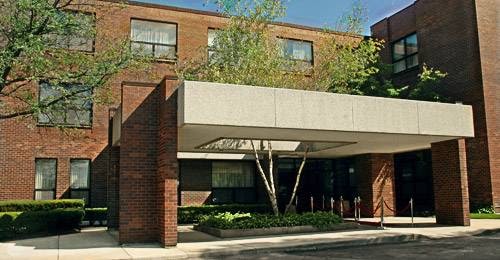
How is Alden Poplar Creek Rehab & Hcc Staffed?

CMS rates ALDEN POPLAR CREEK REHAB & HCC's staffing level at 1 out of 5 stars, which is much below average compared to other nursing homes.

What Have Inspectors Found at Alden Poplar Creek Rehab & Hcc?

State health inspectors documented 28 deficiencies at ALDEN POPLAR CREEK REHAB & HCC during 2022 to 2024. These included: 28 with potential for harm.
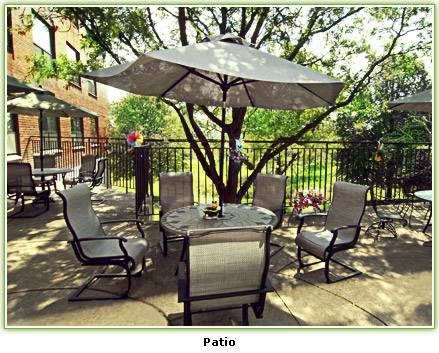
Who Owns and Operates Alden Poplar Creek Rehab & Hcc?

ALDEN POPLAR CREEK REHAB & HCC is owned by a for-profit company. For-profit facilities operate as businesses with obligations to shareholders or private owners. The facility is operated by THE ALDEN NETWORK, a chain that manages multiple nursing homes. With 217 certified beds and approximately 156 residents (about 72% occupancy), it is a large facility located in HOFFMAN ESTATES, Illinois.
How Does Alden Poplar Creek Rehab & Hcc Compare to Other Illinois Nursing Homes?

Compared to the 100 nursing homes in Illinois, ALDEN POPLAR CREEK REHAB & HCC's overall rating (4 stars) is above the state average of 2.5 and health inspection rating (4 stars) is above the national benchmark.

What Should Families Ask When Visiting Alden Poplar Creek Rehab & Hcc?

Based on this facility's data, families visiting should ask: "Can you walk me through typical staffing levels on day, evening, and night shifts?" "Can I visit during a mealtime to observe dining assistance and food quality?" "How do you handle medical emergencies, and what is your hospital transfer rate?" "Can I speak with family members of current residents about their experience?" These questions are particularly relevant given the below-average staffing rating.

Is Alden Poplar Creek Rehab & Hcc Safe?

Based on CMS inspection data, ALDEN POPLAR CREEK REHAB & HCC has a clean safety record: no substantiated abuse findings (meaning no confirmed cases of resident harm), no Immediate Jeopardy citations (the most serious violation level indicating risk of serious injury or death), and is not on the Special Focus Facility watch list (a federal program monitoring the lowest-performing 1% of nursing homes). The facility has a 4-star overall rating and ranks #1 of 100 nursing homes in Illinois. While no facility is perfect, families should still ask about staff-to-resident ratios and recent inspection results during their visit.

Do Nurses at Alden Poplar Creek Rehab & Hcc Stick Around?

ALDEN POPLAR CREEK REHAB & HCC has not reported staff turnover data to CMS. Staff turnover matters because consistent caregivers learn residents' individual needs, medications, and preferences. When staff frequently change, this institutional knowledge is lost. Families should ask the facility directly about their staff retention rates and average employee tenure.

Was Alden Poplar Creek Rehab & Hcc Ever Fined?

ALDEN POPLAR CREEK REHAB & HCC has no federal fines on record. CMS issues fines when nursing homes fail to meet care standards or don't correct problems found during inspections. The absence of fines suggests the facility has either maintained compliance or corrected any issues before penalties were assessed. This is a positive indicator, though families should still review recent inspection reports for the full picture.

Is Alden Poplar Creek Rehab & Hcc on Any Federal Watch List?

ALDEN POPLAR CREEK REHAB & HCC is not on any federal watch list. The most significant is the Special Focus Facility (SFF) program, which identifies the bottom 1% of nursing homes nationally based on persistent, serious quality problems. Not being on this list means the facility has avoided the pattern of deficiencies that triggers enhanced federal oversight. This is a positive indicator, though families should still review the facility's inspection history directly.