VICTORIAN VILLAGE HLTH & WELL
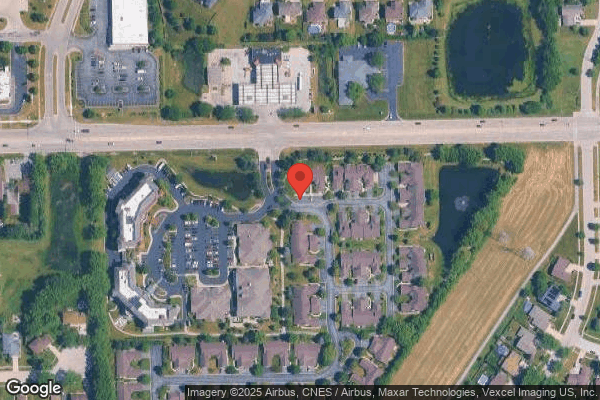

12525 W RENAISSANCE CIRCLE, HOMER GLEN, IL 60491 (708) 590-5050
Non profit - Corporation 50 Beds Independent Data: November 2025
Trust Grade
80/100
#88 of 665 in IL
Last Inspection: September 2024

Within standard 12-15 month inspection cycle. Federal law requires annual inspections.

Overview

Victorian Village Health & Well in Homer Glen, Illinois, has a Trust Grade of B+, indicating it is above average and recommended for families considering care options. It ranks #88 out of 665 facilities in Illinois, placing it in the top half, and #3 out of 16 in Will County, meaning there are only two local facilities that rank higher. The facility shows an improving trend, with issues decreasing from 7 in 2024 to just 2 in 2025. Staffing is a notable strength, earning a perfect 5/5 stars with a turnover rate of 35%, well below the state average of 46%, and it boasts more RN coverage than 93% of Illinois facilities, which helps ensure better care. However, there are some concerns, including incidents where food was improperly stored, posing a risk of foodborne illness, and the failure to offer COVID-19 vaccines and education to staff, which could affect resident safety. While there are strengths in staffing and overall care, families should be aware of these specific health and safety issues when considering this facility.

Trust Score
B+
80/100
In Illinois
#88/665
Top 13%
Safety Record
Low Risk
No red flags
Inspections
Getting Better
7 → 2 violations
Staff Stability
○ Average
35% turnover. Near Illinois's 48% average. Typical for the industry.
Penalties
✓ Good
No fines on record. Clean compliance history, better than most Illinois facilities.
Skilled Nurses
✓ Good
Each resident gets 107 minutes of Registered Nurse (RN) attention daily — more than 97% of Illinois nursing homes. RNs are the most trained staff who catch health problems before they become serious.
Violations
⚠ Watch
21 deficiencies on record. Higher than average. Multiple issues found across inspections.
★★★★★
5.0
Overall Rating
★★★★★
5.0
Staff Levels
★★★☆☆
3.0
Care Quality
★★★★☆
4.0
Inspection Score
Stable
2024: 7 issues
2025: 2 issues

The Good

  • 5-Star Staffing Rating · Excellent nurse staffing levels
  • Full Sprinkler Coverage · Fire safety systems throughout facility
  • No fines on record
  • Staff turnover below average (35%)

    13 points below Illinois average of 48%

Facility shows strength in staffing levels, fire safety.

The Bad

Staff Turnover: 35%

11pts below Illinois avg (46%)

Typical for the industry

The Ugly 21 deficiencies on record

Jun 2025 2 deficiencies
CONCERN (D) 📢 Someone Reported This

A family member, employee, or ombudsman was alarmed enough to file a formal complaint

Potential for Harm - no one hurt, but risky conditions existed

Deficiency F0583 (Tag F0583)

Could have caused harm · This affected 1 resident

**NOTE- TERMS IN BRACKETS HAVE BEEN EDITED TO PROTECT CONFIDENTIALITY** Based on interview and record review, the facility failed to follow their policy and procedure regarding privacy and confidentia...

Read full inspector narrative →
**NOTE- TERMS IN BRACKETS HAVE BEEN EDITED TO PROTECT CONFIDENTIALITY** Based on interview and record review, the facility failed to follow their policy and procedure regarding privacy and confidentiality of health information. This applies to 2 of the 3 residents (R2, R3) reviewed for privacy/confidentiality in the sample of 5. The findings include: 1. The electronic medical record (EMR) shows R2 is 77 years-old who was admitted to the facility for a short-term rehab and was discharge from the facility on May 23, 2025. R1 was discharge with multiple medications including the Fluticasone furoate-vilanterol (Breo Ellipta) inhaler. However, on May 22, 2025 (the day prior to R2's discharge), R2's (inhaler) was sent with R1 when R1 was discharge that day. On June 2, 2025, at 8:58 AM, V15 (R1's Daughter) stated that she picked up R1 from the facility and brought him home with her. V15 found R2's Breo Ellipta inhaler when she started sorting through R1's medications that was provided by the facility. V15 called the facility to inform them about it. 2. The EMR shows R3 is 77 years-old who was admitted to the facility on [DATE], for a short-term rehab. Physician ordered multiple treatment including occupational therapy. R3 remained in the facility at the time of this survey. On June 2, 2025, at 8:58 AM, V15 said that V12 (Home Health Physical Therapist/PT) went to their house to evaluate R1. During evaluation, V12 asked a question that was not related to R1's condition. Upon review of R1's electronic medical records, V12 found a page of R3's therapy notes. V15 also verbalized concern, that information of other residents (R2's medication and R3's therapy note) was sent to them. On June 2, 2025, at 2:58 PM, V12 (Physical Therapist/PT) stated that she saw R1 for initial physical therapy (PT) assessment. V12 obtained R1's information from the electronic medical records (EMR) of their agency which was provided by the nursing facility where R1 came from. There was multiple information in the EMR including laboratory results, medications and therapy notes. However, V12 did not notice the discrepancy until she assessed R1 and interviewed V15 (R1's daughter). V12 inquired about R1's arm sling. V12 was informed that R1 does not wear a sling. V12 reviewed R1's EMR again and realized that the page of the medical record that she was reading belonged to R3. Facility presented a copy of R1's discharge medical record that was sent to the home health agency. The discharge documents show multiple information including therapy notes. There was a page in R1's therapy notes that belongs to R3. It was an occupational therapy note dated May 21, 2025, which showed R3's name, birthday, and plan of care. On June 2, 2025, at 2:34 PM, V1 (Administrator) stated V15 called the facility and reported that R1 did not received the Metoprolol medication prescribed to him. When V1 delivered the Metoprolol, V15 informed her that R3's inhaler was sent with R1. V15 returned the inhaler to V1. On June 3, 2025, at 1:29 PM, V1 also stated that part of the discharge referral for home health care is to send information or medical records of the resident to the home health provider. The expectation is to release accurate documentations/documents to the provider; the documents should only pertain about the concerned resident. The facility's Confidentiality of Health Information/HIPAA policy and procedure with the most recent review date of December 2023, shows: Policy: The facility will uphold the client's right to have their health information kept confidential. Procedure: The medical records department will establish systems that ensure that client information is maintained in an orderly and secure manner. Establish systems will cover areas including but not limited to record storage, records maintenance, and record release. Facility's Notice of Privacy Practices (undated) shows: Facility is required by law to maintain the privacy of your protected health information (PHI) and to provide you with a notice of its legal duties and privacy practices. State and federal laws require this facility to maintain the privacy of your health information .
CONCERN (D) 📢 Someone Reported This

A family member, employee, or ombudsman was alarmed enough to file a formal complaint

Potential for Harm - no one hurt, but risky conditions existed

Deficiency F0628 (Tag F0628)

Could have caused harm · This affected 1 resident

Based on interview, and record review, the facility failed to ensure that all prescribed medication was provided to the resident upon discharge. This applies to 1 of 3 residents (R1) reviewed for disc...

Read full inspector narrative →
Based on interview, and record review, the facility failed to ensure that all prescribed medication was provided to the resident upon discharge. This applies to 1 of 3 residents (R1) reviewed for discharge process in the sample of 5. The findings include: The electronic medical record showed that R1 is 93 years-old who was admitted to the facility for a short-term rehab, and was discharged from the facility on May 22, 2025, to his daughter's (V15's) home. R1's discharge order summary report showed multiple prescribed medications, including Metoprolol Succinate ER 12.5 milligrams (mg) twice a day. On June 2, 2025, at 8:58 AM, V15 (R1's Daughter) said she sorted through R1's medications when they got home, and observed that the prescribed medication, Metoprolol, was missing. However, V15 found a Breo Ellipta medication that belongs to R2, that was mixed among R1's discharge medications. On June 3, 2024, at 12:53 PM, V9 (Nurse) stated that part of their discharge process is to ensure that prescribed medications were reviewed, and dispensed medications were provided to the resident either for 15 days or 30 days, depending on the request of the resident or resident representative. They also review and itemize each medication with the resident or resident representative prior to discharge to ensure that they are going home with the right medications and prescriptions. On June 2, 2025, at 2:34 PM, V1 (Administrator) stated V15 called the facility and reported that R1 did not received the Metoprolol medication prescribed to him. V1 delivered the Metoprolol to R1 on May 23, 2025. On June 4, 2025, at 12:11 PM, V2 (Director of Nursing/DON) stated that it is their expectation upon the resident's discharge that the nurse will give discharge instructions, including medication review to the resident and family; ensuring that resident will be discharged with the medications that were prescribed to them. Facility's policy and procedure for Discharge of a Client with the review date of May 2024, shows multiple procedures including: - Complete client/family education about treatments, procedures, and supply use and document in the medical record. - Review medications and use with responsible party. - Arrange for medication needs at home.
Sept 2024 7 deficiencies
CONCERN (D)

Potential for Harm - no one hurt, but risky conditions existed

Deficiency F0658 (Tag F0658)

Could have caused harm · This affected 1 resident

Based on observation, interview and record review the facility failed to follow manufacturer guidelines for blood glucose monitoring. This applies to one resident (R35) reviewed for quality of care i...

Read full inspector narrative →
Based on observation, interview and record review the facility failed to follow manufacturer guidelines for blood glucose monitoring. This applies to one resident (R35) reviewed for quality of care in a sample of 19. Findings include: R35's Face sheet shows a diagnosis of type 2 Diabetes Mellitus. R35's POS (Physician Order Sheet) shows an order dated 8/27/24 to check blood glucose twice a day. R35's Weights and Vitals Summary shows his blood glucose result on 9/10/24 at 9:34 AM was 72, and his blood glucose result on 9/12/24 at 8:00 AM was 88. On 9/11/24 at 8:11 AM, V18 (RN/Registered Nurse) was observed checking the blood glucose of R35. V18 first cleaned R35's finger with an alcohol wipe, then waved his gloved hand at the finger to dry the alcohol. V18 then poked R35's finger with lancet, squeezed out a drop of blood, wiped it with alcohol wipe, squeezed out a second drop of blood, and then placed that drop on testing strip to obtain blood glucose. The alcohol had not had enough time to dry from resident's finger after V18 wiped the first drop of blood off and placed the second drop on test strip. V18 told R35 that his blood glucose result was 153 and R35 replied, Oh, that is high for me, I am usually low 100s. On 9/12/24 at 2:51 PM, V2 (DON) said the nurse is supposed to allow the alcohol time to dry on the resident's finger before placing blood sample on testing strip, because the alcohol on the skin can affect the blood sugar reading and give an inaccurate blood glucose result. R35's Care Plan initiated on 9/10/24 shows the resident has Diabetes Mellitus and interventions include obtain fasting serum blood glucose as ordered by the doctor. The facility's policy titled, Blood Glucose Monitoring last reviewed 1/24 states, Procedures: .6. Obtain sampling of blood. Follow manufacturer's instruction for use of glucometer .*MANUFACTURER GUIDELINES: 1. Allow finger to dry after swabbing with alcohol .
CONCERN (D)

Potential for Harm - no one hurt, but risky conditions existed

ADL Care (Tag F0677)

Could have caused harm · This affected 1 resident

**NOTE- TERMS IN BRACKETS HAVE BEEN EDITED TO PROTECT CONFIDENTIALITY** Based on observation, interview, & record review, the facility failed to provide ADL care (activities of daily living) to depend...

Read full inspector narrative →
**NOTE- TERMS IN BRACKETS HAVE BEEN EDITED TO PROTECT CONFIDENTIALITY** Based on observation, interview, & record review, the facility failed to provide ADL care (activities of daily living) to dependent residents. This applies to 3 of 4 residents (R24, R27, & R30) reviewed for ADL care in a sample of 19. Findings include: 1. On 09/10/24 at 11:28 AM, R24 was observed in the dining room during activities, and she was observed scratching her head. At 12:26 PM, R24 was observed again but while she was being toileted and receiving incontinence care and R24 was still scratching her head and white flakes were observed on her shirt. At 01:09 PM, R24 was observed scratching her head and her nails were observed jagged with brown substance under the nails. R24's hair was observed dry with no oil present. R24 said that her head itches. R24's electronic health records showed that R24 is an [AGE] year old female admitted to the facility on [DATE] with diagnoses including encounter for palliative care, major depressive disorder, anxiety disorder & hypertension. R24's 8/19/24 MDS (Minimum Data Set) showed that R24 is dependent for personal hygiene. R24's 8/29/24 care plan showed that R24 has an ADL self-care performance deficit related to diagnoses including dementia with interventions including personal hygiene needing dependent assistance. 2. On 09/10/24 at 12:02 PM, R27 was in her room with V15 (R27's daughter) present. V15 said that she has a problem with the staff not taking care of her mother's dry skin. R27 was observed with dry skin on her arms and legs. R27's electronic health records showed that R27 is an [AGE] year old female admitted to the facility on [DATE] with diagnoses including unspecified dementia, hypertension, anxiety disorder & depression. R27's MDS showed that R27 needs dependent care for personal hygiene. R27's 9/13/22 care plan showed that she has an ADL self-care performance deficit related to deconditioning, and diagnoses including dementia with interventions including personal hygiene needing substantial/maximal assistance. 3. On 09/10/24 at 02:06 PM, R30 was observed in her bed with her fingernails on her right hand polished red and no polish on her fingernails on her left hand. On R30's left thumb a reddish brown colored substance was observed on the thumb and under the thumbnail. R30's right and left hands fingernails were also observed with long jagged nails with brown substances under the nails. At 02:12 PM V5 (Nurse) was told about the reddish brown substance on R30's thumb and came to examine R30. After examining R30 V5 left the room and then returned to clean R30's thumb and told the state surveyor that the staff informed him that the reddish substance on R30's thumb was strawberry jelly. At 02:17 PM, V8 CNA (Certified Nurse's Assistant) said that R30 had strawberry jelly and toast for breakfast and watermelon for lunch and that R30 eats with her hands and that was probably what was on her thumb. At 02:21 PM, V5 came out of R30's room after washing her hands and said that the reddish brown substance was the strawberry jelly and probably the watermelon too. R30's electronic health records showed that R30 is a [AGE] year old female admitted to the facility on [DATE] with diagnoses including hemiplegia & hemiparesis, spastic hemiplegia affecting right dominant side, dementia adjustment disorder, osteoporosis, depression and anxiety disorder. R30's 12/26/23 care plan showed that R30 has an ADL self-care performance deficit related to deconditioning, and diagnoses including right hemiparesis from previous CVA (cerebral vascular accident). The interventions included personal hygiene - dependent, shower bathe - substantial/maximal assist, check nail length and trim and clean on bath day and as necessary. R30 7/6/24 MDS showed - eating supervision or touch assistance, personal hygiene - dependent and R30's 7/7/24 mental cognition is moderately impaired. On 09/12/24 at 11:53 AM, V1 (Administrator) said that nails should be short and non-jagged, and they should be clean for hygiene, infection control, and dignity. V1 said that the resident's skin should be moisturized because the residents have poor skin elasticity, and to prevent skin tears. The facility's Activities of Daily Living (ADL) Care policy (2/5/24) showed ADL care is provided to prepare the client for daily activities, promote good health, hygiene and well-being. Based on the needs of resident, ADL care may be comprised of skin care, nail care, toilet assist-incontinence care and personal hygiene.
CONCERN (D)

Potential for Harm - no one hurt, but risky conditions existed

Incontinence Care (Tag F0690)

Could have caused harm · This affected 1 resident

Based on observation, interview, and record review, the facility failed to maintain indwelling urinary catheter according to best practice to prevent complications. This applies to 1 resident (R151) ...

Read full inspector narrative →
Based on observation, interview, and record review, the facility failed to maintain indwelling urinary catheter according to best practice to prevent complications. This applies to 1 resident (R151) reviewed for urinary catheter in a sample of 19. The findings include: R151's Face sheet shows a diagnosis of chronic kidney disease. R151's MDS (Minimum Data Set) dated 8/21/24 shows her cognition is intact. R151's Care Plan revised on 9/10/24 shows the indwelling urinary catheter is to be reinserted due to urinary retention. Interventions include position the catheter bag and tubing below the level of the bladder and away from entrance room door. On 9/10/24 at 12:16 PM, R151 said my bladder is not working again, they are going to put a catheter in again. On 9/11/24 at 2:11 PM, R151 said they put my catheter back in again late yesterday afternoon. Surveyor then noticed while R151 was lying in bed, the urinary catheter drainage bag was not hooked to the bed frame or seen on either side of R151's bed. On 9/11/24 at 2:16 PM, surveyor noted that R151 was lying in bed and was wearing a urinary catheter leg bag on her left leg. R151 was wearing pants and the urinary catheter tubing and leg bag was on her leg, even with her bladder. The urine in R151's leg bag was minimal. R151 said the nurse had not emptied the urine in the leg bag in a long while and she was having some lower abdomen discomfort. On 9/11/24 at 2:20 PM, V16 (RN/Registered Nurse) said R151 had an indwelling urinary catheter placed yesterday because she was retaining urine. V16 said R151 should not have a leg bag on while she is lying in bed because the urine can back flow into the bladder and cause a urinary tract infection (UTI). On 9/12/24 at 11:31 PM, V2 (DON/Director of Nursing) said a resident should not be lying in bed with an indwelling catheter leg bag on. V2 said the CNA (Certified Nurse Assistant) should have communicated to R151's nurse when R151 was assisted back into bed so the nurse could have switched the leg bag to a regular catheter drainage bag. V2 said the leg bag while in bed can cause urinary reflux from the tubing back into the bladder which can cause a urinary tract infection. V2 said the tubing and drainage bag of the urinary catheter should be lower than the bladder at all times to prevent UTI. On 9/12/24 at 1:44 PM, V2 said the facility does not have a policy regarding indwelling catheter maintenance. The facility's policy titled, Catheter Insertion, Removal, and Changing last reviewed 12/23 states, Policy: Catheters are utilized and maintained according to best practice. Indwelling catheters are utilized for the following purposes: 1. Urinary retention that cannot be treated or corrected medically or surgically, for which alternative therapy is not feasible .14. Secure urinary drainage bag below the level of the bladder .
CONCERN (D)

Potential for Harm - no one hurt, but risky conditions existed

Deficiency F0760 (Tag F0760)

Could have caused harm · This affected 1 resident

Based on observation, interview, and record review, the facility failed to follow physician medication orders. This applies to one resident (R146) reviewed for quality of care in a sample of 19. Find...

Read full inspector narrative →
Based on observation, interview, and record review, the facility failed to follow physician medication orders. This applies to one resident (R146) reviewed for quality of care in a sample of 19. Findings include: On 9/10/24 at 11:47 AM, R146 said her pain was getting up to an 8 (on a scale of 0-10) and she was just about to call the nurse to ask for a hydrocodone/acetaminophen pain pill. R146 said it had been about 4 hours since she last took pain medication and every 4 hours the pain starts to creep up again. R146's Face sheet shows diagnoses of history of falling and contusion of left lower leg. R146's POS (Physician Order Sheet) shows two orders for hydrocodone-acetaminophen PRN (as needed) pain medication. The first order shows hydrocodone-acetaminophen oral tablet 5-325mg (milligram) give 1 tablet by mouth every 4 hours as needed for moderate to severe pain *DO NOT EXCEED 3 GM (gram)/DAY ACETAMINOPHEN FROM ALL SOURCES*. The second order shows hydrocodone-acetaminophen oral tablet 5-325mg give 2 tablets by mouth every 4 hours as needed for moderate to severe pain *DO NOT EXCEED 3 GM/DAY ACETAMINOPHEN FROM ALL SOURCES*. R146's eMAR (electronic medication administration record) shows R146 received a total of 11 tablets of hydrocodone-acetaminophen 5-325 mgs on 9/11/24. This equals a total of 3,575 milligrams of acetaminophen or 3.575 grams of acetaminophen, which exceeds the maximum 3 gram 24 hour limit written in the physician's order. On 9/12/24 at 11:31 AM, V2 (DON/Director of Nursing) verified that R146 was administered 11 tabs of hydrocodone/acetaminophen 5-325 mgs on 9/11/24. V2 said 11 tabs equates to 3.575 grams of acetaminophen which exceeds the physician's order of 3 grams maximum in a day. V2 said the harm in administering more than 3 grams of acetaminophen in a day is kidney and liver toxicity and/or damage for the resident. On 9/12/24 at 2:51 PM, V2 said the facility did not have a policy that pertains to following physician orders. R146's Care Plan initiated on 9/9/24 states the resident has a risk for pain and interventions include: administer as needed hydrocodone/acetaminophen as per the physician's orders.
CONCERN (D)

Potential for Harm - no one hurt, but risky conditions existed

Infection Control (Tag F0880)

Could have caused harm · This affected 1 resident

**NOTE- TERMS IN BRACKETS HAVE BEEN EDITED TO PROTECT CONFIDENTIALITY** 4. On 9/11/24 at 10:10 AM, V17 (CNA/Certified Nurse Assistant) provided incontinence care for R16. First, V17 put gloves on, the...

Read full inspector narrative →
**NOTE- TERMS IN BRACKETS HAVE BEEN EDITED TO PROTECT CONFIDENTIALITY** 4. On 9/11/24 at 10:10 AM, V17 (CNA/Certified Nurse Assistant) provided incontinence care for R16. First, V17 put gloves on, then she touched the bedside table, R16's nightstand drawer handle to remove wipes out of the drawer, then she touched the blinds to close them. With the same gloves on, V17 removed R16's sheet and blanket and put her heel boots back on. Next, with the same gloves on, V17 placed a new incontinence pad inside a new incontinence brief, touching the area that would be against R16's perineum. V17 then removed wipes and unfastened R16's incontinence brief and used the wipes to clean under R16's abdomen fold and her right and left groin. R16 then rolled to her left side and V17 wiped R16's buttocks. V17 then rolled the soiled incontinence brief under R16's left side and placed the clean brief under her buttocks. V17 then had R16 roll onto her right side and V17 removed the soiled incontinence brief from R16's left side and pulled the clean brief through. R16 then turned onto her back and V17 pulled the clean brief up through/between R16's legs and V17 fastened the brief. V17 did not change her gloves or perform hand hygiene once throughout this process while she touched possibly contaminated surfaces, then touched the resident and her soiled incontinent brief, and then touched the new/clean brief. V17 went from dirty/contaminated areas to clean areas while wearing the same gloves. On 9/12/24 at 11:31 AM, V2 (DON/Director of Nursing) said staff should perform hand hygiene before incontinence care, during incontinence care after cleaning the resident, and again after finishing incontinence care before going to the next resident's room. V2 said after cleaning the resident, the staff member's gloves would be dirty so they have to change them and perform hand hygiene. V2 said it is an infection control issue to go from a dirty area to a clean area with the same gloves on and the harm in this practice is contamination. R16's MDS (Minimum Data Set) dated 8/14/24 shows she is dependent on staff for personal hygiene and she is frequently incontinent of urine and always incontinent of stool. R16's Care Plan last revised on 9/22/22 shows she has an ADL (Activities of Daily Living) self-care performance deficit related to osteoarthritis and lymphedema. Interventions include that she is dependent assist x1 staff member for toilet hygiene The facility's policy titled, Resident Perineal Care last reviewed 6/24 states, Purpose: Protection of skin integrity, cleansing of perineum and prevention of infection and odor. Procedures: .6. Dry perineal and anal area. 7. Remove gloves, perform hand hygiene and apply new gloves. 8. Apply appropriate product: brief, pad, or other . Based on observation, interview, & record review, the facility failed to provide proper hand hygiene during incontinence care & while providing a physical exam. This applies to 3 of 4 residents (R24, R96, & R16) reviewed for bowel and bladder incontinence, and 1 of 4 residents (R30) reviewed for ADL care (Activities of Daily Living) in a sample of 19. The findings include: 1. On 09/10/24 at 12:48 PM, V3 CNA (Certified Nurse's Assistant) was observed toileting and providing incontinence care for R24. R24 was observed standing over the toilet and V3 was observed with gloved hands removing R24's soiled brief and then setting R24 on the toilet. V3 then was observed getting a tissue and cleaned R24's nose. V3 then removed her gloves and put on clean gloves but did not clean her hands. V3 then moved R24's (reclining high back) chair in her room, then returned to the bathroom, and removed her gloves and put on new gloves but did not clean her hands. V3 then grabbed a box of tissue and wiped R24's perineal area then wiped R24's buttocks cleaning stool from R24. V3 then removed her gloves and again did not clean her hands before putting on clean gloves and then applied barrier cream to R24's buttocks. V3 then touched R24's walker, put a clean brief on R24 and pulled up R24's pants with her dirty gloved hands. V3 then removed the dirty gloves but did not clean her hands and then touched R24's back and assisted R24 out of the bathroom, walked R24 to the recliner in her bedroom, removed the gait belt from around R24's waist, put a pillow behind R24's head, put R24's call light within reach, took a throw blanket off of R24's bed and placed it on R24, picked up the TV control and turn the TV on, and then pushed R24's reclining high back) Chair into R24's bathroom. V3 did all of this with her uncleaned hands. R24's 8/23/24 care plan showed that R24 has an ADL self-care performance deficit related to diagnoses including dementia, and impaired balance, with intervention including personal hygiene - dependent assistance, bowel incontinence - provide peri care after each incontinent episode. R24's 8/13/24 MDS (Minimum Data Set) showed that R24 has long and short term memory problems. R24's 8/19/24 MDS section GG showed that R24 is dependent on toileting and personal hygiene. 2. On 09/11/24 at 09:58 AM, V4 (Wound Nurse) was providing incontinence care for R96 while R96 was in bed. V4 with gloved hands cleaned R96's perineal area, then picked up a clean brief with the same dirty gloved hands, rolled R96 to her right side, wiped R96's buttocks, removed the soiled brief, put the clean brief under R96, rolled R96 back on her back, and attached the clean brief on R96. V4 then put the wipes back in R96's drawer, adjusted the sheets on R96 and then V4 removed her gloves. Then V4, after removing her gloves, began touching personal items on R96's dresser and touching items used for R96's wound care treatment including the scissors. V4 did this with ungloved and uncleaned hands. On 09/11/24 at 10:12 AM, V4 said that she should have removed her gloves and cleaned her hands and then put on clean gloves after providing perineal care and going from a dirty area to clean area for infection control and to prevent cross contamination. R96's 7/23/24 care plan showed that R96 has occasional bladder incontinence with diagnoses including OAB (overactive bladder). 3. On 09/10/24 at 02:06 PM, R30 was observed in her bed with her right hand fingernails polished red and no polish on her left hand fingernails. On R30's left thumb a reddish brown colored substance was observed on the thumb and under the thumbnail. At 02:12 PM, V5 (Nurse) was observed at the nurses' station typing at the computer when he was informed of R30's reddish colored thumb. V5 was observed getting up from the computer, coming into R30's room, and putting on gloves, but V5 did not clean his hands before putting on the gloves. V5 then began examining R30, touching her hands and other parts of her body including her face to determine the source of the reddish brown color on her thumb. V5 said that it was dry blood on R30's thumb but was unable to locate were R30 was bleeding from. R30's electronic health records showed that R30 is a [AGE] year old female admitted to the facility on [DATE] with diagnoses including hemiplegia & hemiparesis, spastic hemiplegia affecting right dominant side, dementia adjustment disorder, osteoporosis, depression and anxiety disorder. R30's 12/26/23 care plan showed that R30 has an ADL self-care performance deficit related to deconditioning, and diagnoses including right hemiparesis from previous CVA (cerebral vascular accident). The care plan interventions include personal hygiene - dependent, shower bathe - substantial/maximal assist, check nail length and trim and clean on bath day and as necessary. R30 7/6/24 MDS section GG personal hygiene - dependent. R30's 7/7/24 MDS section C showed that R30's mental cognition is moderately impaired. On 09/12/24 at 11:58 AM, V1 (Administrator) said that the staff should remove their gloves, clean their hands and put on new gloves after leaving a contaminated area or touching a contaminated item, and before going to a clean area or touching a clean item for infection control. The facility's Infection Control Nursing Procedures policy dated 1/4/2023 showed, Subject: Handwashing - handwashing is considered one of the most effective infection control measures. The policy showed under Frequency: After handling any contaminated items. Before and after having contact with a client's intact skin during client care. If hands will be moving from a contaminated body site to a clean body site during client care. Before and after using gloves.
CONCERN (F)

Potential for Harm - no one hurt, but risky conditions existed

Food Safety (Tag F0812)

Could have caused harm · This affected most or all residents

**NOTE- TERMS IN BRACKETS HAVE BEEN EDITED TO PROTECT CONFIDENTIALITY** Based on observation, interview and record review the facility failed to maintain the kitchen facility in a manner to prevent fo...

Read full inspector narrative →
**NOTE- TERMS IN BRACKETS HAVE BEEN EDITED TO PROTECT CONFIDENTIALITY** Based on observation, interview and record review the facility failed to maintain the kitchen facility in a manner to prevent foodborne illness. This applies to all 46 residents in the facility receiving dietary services. Findings include: On 9/11/24 at 3:42 PM V2 DON (Director of Nursing) confirmed on 9/10/24 all 46 residents of the facility received dietary services. On 9/10/24 at 10:08 AM, the facility main kitchen was toured with V9 Director of Dining Services. Dust was covering the vents over the stove. Open pots of food were cooking on the stove. Large Refrigerator- Zipped bag of 3 hot dogs dated 8/24/24. Ham loosely wrapped with plastic wrap open and exposed dated 8/29/24. Raw ground beef 10lb chub open end covered by plastic wrap meat gray. No opened on or use by date. Shredded Mozzarella cheese 5lb (pound) dated 8/26 bag open to air no use by date. Grated parmesan cheese 5lb opened dated 8/24/24. Yellow sliced cheese no labels no open on or use by dated. Corner of cheese hard. Grated parmesan 5lb bag open dated 8/16 and 8/21. V9 stated it has too many dates and not sure when it expires. Vanilla icing 12lb opened with brown specs in it no opened on or use by dates. Blue bucket with no product label delivery date or use by date contained sliced brown mushrooms with dark spots on them. Pantry- V9 Director of Dining Services stated we throw dented cans out we don't send them back anymore. Dented cans: Two cans of pinto beans 6lb (pounds) 15oz (ounces). Diced tomatoes 6lb 5oz Two cans of water chestnuts 3lb 14 oz Pumpkin pie mix 30 oz. Two cans chunk tuna White flakes identified by V9 as coconut [NAME] wrapped in plastic writing not legible. Freezer 1- items identified by V9 that were in a clear plastic bag and did not have a manufacture label or facility label with contents, dates: chicken cordon blue, omelets with frost in the bag, sweet potato fries, two bags of hash browns. Zipped bag dated 8/25 identified by V9 as lamb meat. Box of sliced beef 42 oz manufactures expiration date of 6/5/24 Cookie dough pieces 20lb box plastic bag open with frost and freezer burn. V9 stated everything should have a label and dates written on it so we know what it is when it came in, when it is opened and when it expires. Cabinets 7.5L (Liter) storage containers with cereals bran with raisins, oat o's, flakes of corn, crisped rice all with expiration date of 8/30/24. White powder in 6L container identified by V9 as flour no label or date. Dried pasta 2lb box opened with contents exposed. Freezer 2- Items identified by V9. Two clear plastic bags with French fries - no label or dates. Seasoned curly fries bag opened no label or dates. Stuffed shells dated 8/21 with freezer burn and frost in the bag. Cookie dough in bag exposed to air with no label or dates. Bagged Waffles no labels or dates. Bagged French toast sticks no labels or dates. Kitchen Drawers- Drawer with kitchen utensils crusty with dried spills and crumbs. Drawer with jelly roll pans crusty Drawer with skillets - skillets were coated with grease. Drawer with hand grater was dirty with fingerprints and smeared with a dried substance. On 9/10/24 at 1:42 PM the second-floor kitchenette was toured with V11 CNA (Certified Nursing Assistant) Cabinets- Items stored under the kitchen sink two red buckets, plastic bags, dishwasher powdered detergent 75 oz box, liquid cleanser 2lb 8oz and pan cleanser 2.5L. Upper cabinet- bag of 1lb potato chips opened exposed to air dated 8/3. Bag of potato chips no opened on or use by date. Refrigerator- Clear bowl of peaches in juice loosely covered with plastic wrap no label or dates. Clear bowl of cantaloupe and watermelon loosely covered with plastic wrap no dates or label. Sliced yellow cheese poorly wrapped in plastic corner of cheese dried out no label or use by date. Freezer- Chocolate shakes from three different fast-food restaurants with open tops no labels to identify who they belong to. Only one shake had a sticker from the restaurant dated 8/21/24. On 9/11/24 at 10:19 AM, Faith house kitchen was observed with V13 CNA. Refrigerator- A clear bowl with mixed fruit did not have a label or date. Drawers- Drawer with muffing tin and jelly roll pans had dark splattered substance and crumbs in it. All the potholders in the drawer were dirty and crusty with food stains and particles. Two food warmers had dirty water in them and were caked with grease and dried drips of food. Lower cabinet with ketchup had a large dried dark orange spill. On 9/12/24 at 1:09 PM, V9 Director of Dining Services stated it is important to label foods with delivery date, open date and expiration date to make sure we aren't serving expired foods. If we use food from dented cans, it can develop bacteria. If someone eats it, they could get sick. The kitchen should be cleaned daily. in the houses the CNAs are responsible for the kitchen cleaning. Nursing should be overseeing the little house but it all falls under me so I should be doing rounds and reporting it to the appropriate manager if it is not being done. The kitchen should be cleaned and sanitized daily and after each use. The water in the steamer stray / warmer should not be left in there. The CNAs should be cleaning the refrigerators out completing the logs. They should be labeling food with open on and use by dates as well. foods should be sealed to avoid bacteria and contamination. Nothing should be stored under the kitchen sink. Open food in the freezer will get freezer burn, contaminated and it affects the taste. If food is removed from the original container, it should be labeled with the name of the product, open on and use by dates. On 9/12/24 at 1:44 PM, V2 (DON) Director of Nursing, stated the CNAs are responsible to make sure the kitchenettes are clean and completing the logs. The nurses are responsible for making sure the CNAs are completing their tasks and keeping the kitchen is in order. V2 stated he is responsible for making sure the nurses are monitoring the CNAs. The facility did not provide the requested kitchen logs for the two small house or 2nd floor for the dishwasher, refrigerator/freezer. Sanitization bucket or breakfast holding temperatures. The facility policy Food Storage Expiration Dates dated 10/2/23 states all opened food that is placed into storage shall be labeled with the product name, date opened and or expiration or use by date. leftover food and leftover deli meats expire three days after opening. Dairy products not in the original container expires 3 days after opening. Thawed, uncooked frozen foods and raw meats expires seven days after opening. The facility policy Storage dated 10/2/23 states all food, chemicals and supplies should be stored in a manner that ensures quality and maximizes safety of the food served. Personal items are not to be store in food supply storage areas. Store food in its original container if it is clean, dry and intact. If necessary, repackage food in clean, well labeled containers using food storage label. The facility policy Machine Ware Washing- High Temperature dated 10/2/23 states the dish machine will be checked prior to each meal period to ensue that it is functioning properly. Employees who use the dish machine will be responsible for knowing how to use the machine, document its use and properly maintain it after use. Record the date/ temperature and initial the entry on the dish machine record form. This should be done one time per meal period. The dining services manager / designee will check the temperature monitoring form to ensure that temperatures and thermal sticks meet standards and are recorded daily.
CONCERN (F)

Potential for Harm - no one hurt, but risky conditions existed

Deficiency F0887 (Tag F0887)

Could have caused harm · This affected most or all residents

Based on interview and record review, the facility failed to offer COVID-19 vaccines to the facility's staff members and failed to provide education regarding the benefits and risks and potential side...

Read full inspector narrative →
Based on interview and record review, the facility failed to offer COVID-19 vaccines to the facility's staff members and failed to provide education regarding the benefits and risks and potential side effects associated with the COVID-19 vaccine. This has the potential to affect all residents at the facility. Findings include: On 09/11/24 at 01:06 PM, V2 DON (Director of Nursing) said that he did not have any documentation to provide that the facility is offering the staff the COVID-19 vaccine or offering education about it. V2 said that the facility doesn't offer it anymore because it is too expensive. On 09/12/24 at 02:54 PM, V2 said that the facility has not offered any COVID-19 vaccine education to the staff in the last year. On 09/12/24 at 12:00 PM, V1 (Administrator) said that she has been at the facility since November 2023 and the facility has not offered COVID-19 vaccines to the staff or has had a COVID clinic since she has been here. V1 said that the facility should be offering the COVID-19 vaccine to staff. On 09/12/24 at 10:39 AM, V5 (Nurse) said that the facility has not offered the COVID-19 vaccine to him this year. On 09/12/24 at 10:41 AM, V6 (Housekeeping) said that the facility has not offered her the COVID-19 vaccine since 2020. On 09/12/24 at 10:57 AM, V4 (Wound Nurse) said that the facility has not offered her the COVID-19 vaccine. On 09/12/24 at 10:51 AM a sign on the wall in the entrance to the facility was observed, the sign showed, this establishment makes available opportunities for staff to be fully vaccinated against COVID-19. Please see your administrator for further information. The facility's COVID-19 Interim Measures policy (6/2/23) showed, for employees who have not received their COVID-19 vaccination but desire to receive one, the facility will discuss avenues for future vaccinations. At the time of this survey, the facility's CMS 671 form (Long-Term Care Facility Application for Medicare and Medicaid) showed a census of 46 residents.
Aug 2023 9 deficiencies
CONCERN (D)

Potential for Harm - no one hurt, but risky conditions existed

Deficiency F0558 (Tag F0558)

Could have caused harm · This affected 1 resident

Based on observation and interview the facility failed to ensure call lights were within reach of residents and operational. This applies to 3 of 3 residents (R17, R247, R250) reviewed for call light...

Read full inspector narrative →
Based on observation and interview the facility failed to ensure call lights were within reach of residents and operational. This applies to 3 of 3 residents (R17, R247, R250) reviewed for call lights in the sample of 13. Findings include: On August 28, 2023 at 10:35 AM, R250 stated she waited for 45 minutes for someone to answer her call light yesterday. R250 was asked to hit the call light to see if it worked. It did not work. The light did not illuminate inside the room on the call light panel, or illuminate outside of the room, or beep. On August 28, 2023 at 11:17 AM, R17 was sitting in her room in a wheelchair on the side of her bed. R17's call light was behind her and about 4 feet away, tied to the bed rail and not within R17's reach. On August 28, 2023 at 11:48 AM, R247 was sitting in her wheelchair and seems very lethargic. R247's eyes were mostly closed while she was talking. R247 stated she was very weak. R247's call light was in front of her about 4-5 feet away and not within her reach. The call light was wrapped around the bed railing. V6 (RN) was informed that R247 was feeling weak and was also notified about where R247 call light was. V6 stated R247's call light should be within reach of the resident. On August 29, 2023 at 10:45 AM, R250 was sitting in a wheelchair and stated that she has problems with moving both her arms, V6 was present in R250's room. R250's call light was not within her reach. R250's call light was on her left side, behind her about 4 feet away, and wrapped around the bed rail. While V6 was unraveling R250's call light to place it closer to the resident, V6 stated R250's call light was not within R250 reach. R250 also stated her call light was not within her reach. On August 30, 2023 at 02:49 PM, V2 (Director of Nursing) stated call lights should be within easy reach of the resident.
CONCERN (D)

Potential for Harm - no one hurt, but risky conditions existed

Deficiency F0583 (Tag F0583)

Could have caused harm · This affected 1 resident

Based on observation and interview the facility failed to provide privacy during a blood draw. This applies to 1 of 1 resident (R248) observed for blood draws in the sample of 13. Findings include: ...

Read full inspector narrative →
Based on observation and interview the facility failed to provide privacy during a blood draw. This applies to 1 of 1 resident (R248) observed for blood draws in the sample of 13. Findings include: On August 28, 2023 at 11:23 AM V20 (Phlebotomist) was drawing R248's blood from his right arm while R248 was sitting at a table in the common area dining room on the second floor. R29 was also sitting in the same dining room at the same time. V20 finished drawing R248's blood and placed the vials of blood on the dining room table on top of a magazine in front of R248. The vials of blood rolled off the magazine and onto the table. V20 stated she was told by the company she works for that she could draw blood in the dining room if no one else was around. V6 (Registered Nurse) stated V20 should not be drawing blood in the dining room and then went over to tell V20 about it. V30 (Assistant Director of Nursing, ADON) then came over and introduced herself as the ADON to V20 (Phlebotomist). V30 told V20 that blood draws should not be done in the dining room and should be done in resident's room. On August 30, 2023 at 10:00 AM, V28 (V20's Manager) stated that it was not their policy to have their phlebotomist draw blood in the dining room. V28 stated that V20 (Phlebotomist) knows better and has had eight hours training, and 6 weeks of on the job training. On August 30, 2023 at 2:49 PM, V2 (Director of Nursing) stated the facility does not allow blood draws to be done in the dining room because it is an infection control, dignity, and privacy issue.
CONCERN (D)

Potential for Harm - no one hurt, but risky conditions existed

Deficiency F0688 (Tag F0688)

Could have caused harm · This affected 1 resident

Based on observation, interview and record review the facility failed to assess and provide adaptive device/equipment to a resident, to prevent further reduction in mobility and ROM (range of motion)....

Read full inspector narrative →
Based on observation, interview and record review the facility failed to assess and provide adaptive device/equipment to a resident, to prevent further reduction in mobility and ROM (range of motion). This applies to 1 of 1 resident (R12) reviewed for mobility and range of motion in the sample of 13. The findings include: R12 had multiple diagnoses which included hemiplegia and hemiparesis following cerebral infarction affecting the left non-dominant side, fracture of unspecified part of the left clavicle and wedge compression fracture of unspecified thoracic vertebra, based on the face sheet. R12's admission MDS (minimum data set) dated August 14, 2023 showed that the resident was cognitively intact and required extensive assistance with her ADLs (activities of daily living). The same MDS showed that R12 had functional limitation in range of motion on one side of her lower extremity. On August 28, 2023 at 10:46 AM, R12 was in bed, alert, oriented and verbally responsive. R12 had weakness on her left arm and hand. R12 was not able to move her left hand without the help of her right hand and R12 was not able to open her left third, fourth and fifth fingers without the help of her right hand. R12 did not have any adaptive device/equipment on her left hand. V10 and V21 (CNAs/Certified Nursing Assistants) were both present during the observation. On August 28, 2023 at 1:12 PM, R12 was sitting in her wheelchair inside the unit dining room. R12 had weakness on her left arm and hand and was slightly leaning to her left side. R12 was not able to move her left hand without the help of her right hand and R12 was not able to open her left third, fourth and fifth fingers without the help of her right hand. R12 did not have any adaptive device/equipment on her left arm or hand and no device to prevent her from leaning on to her left side. On August 29, 2023 at 11:15 AM with V2 (Director of Nursing), R12 was sitting in her wheelchair inside her room. R12 had weakness on her left arm and hand. R12 was not able to move her left hand without the help of her right hand and R12 was not able to open her left third, fourth and fifth fingers without the help of her right hand. V2 was asked what adaptive device/equipment R12 uses for her left sided weakness? V2 responded, I will ask therapy to evaluate her. During the same conversation, R12 stated that she wanted some type of a device, like a sling for her left arm or hand to prevent her from leaning to her left side. On August 29, 2023 at 2:37 PM, V22 (Certified occupational therapy assistant) stated that she screened R12 at around 12:00 noon that same day per request of V2. V22 stated that based on the screening, R12 had tone issues on the left upper extremities, which meant that the resident had limited ROM (range of motion) on her left hand, left wrist, left elbow and left shoulder. According to V22, R12 was able to partially extent her left first and second fingers without assist, but R12 was not able to extend her left third, fourth and fifth fingers without the help of the right hand. V22 stated that based on the records, R12 had history of CVA (cerebrovascular accident) about a year ago, affecting her left side. According to V22, based on the screening she was recommending for R12 to use a cone protective pads for the left palm to prevent contracture. V22 stated that the cone protective pads should be applied to R12's left hand throughout the day intermittently when not performing ADL self-care and at bed time. According to V22 she was also recommending for R12 to use a left arm trough with elevated wedge cushion for normalization of tone and for awareness of the left side due to some level of possible left side neglect, which meant that for resident's with history of CVA, there is a tendency to ignore the side that was affected and in the case of R12 was her left side. During the same interview, V22 stated that R12 was receiving occupational therapy, however it was possible that the tone issues on the left upper extremities did not present at the time of the prior assessment, which was why no recommendations were made to address the issues. R12's occupational daily treatment notes dated August 29, 2023 created by V22 showed in-part, [Patient] participated in functional movements of the [left upper extremities], reassesses possible positioning adaptations for prevention of contractures and improve normalization of positing for improved function with self-care. The same occupational daily treatment notes showed in-part, [patient] will benefit from hand palm grip band-wash cloth roll fabricated with [patient] instructed to use for night or at rest throughout the day to encourage extension not to be squeezed which [patient] verbalized understanding. Recommend also trial use of arm trough with elevated wedge cushion for improved positioning, normalization of tone impacting movements, comfort and functional use for transfers and self-care. On August 30, 2023 at 1:27 PM, V2 (Director of Nursing) stated that as part of the nursing service, the nursing staff should monitor any changes in a resident's range of motion, including any need for adaptive device/equipment to maintain the resident's range of motion and positioning, and to refer to the therapy department for screening, to receive any services or for any recommendation for adaptive devices/equipment.
CONCERN (D)

Potential for Harm - no one hurt, but risky conditions existed

Incontinence Care (Tag F0690)

Could have caused harm · This affected 1 resident

Based on observation, interview and record review the facility failed to ensure that a resident's urinary catheter tubing was kept off the floor to prevent potential urinary tract infection and trauma...

Read full inspector narrative →
Based on observation, interview and record review the facility failed to ensure that a resident's urinary catheter tubing was kept off the floor to prevent potential urinary tract infection and trauma to the urinary tract. This applies to 1 of 2 residents (R5) reviewed for indwelling urinary catheter in the sample of 13. The findings include: R5 had multiple diagnoses which included UTI (urinary tract infection), retention of urine and stage 3 chronic kidney disease, based on the face sheet. R5's admission MDS (minimum data set) dated August 1, 2023 showed that the resident was moderately impaired with cognition and required extensive assistance from the staff with most of her ADLs (activities of daily living) including toilet use. The same MDS showed that R5 had an indwelling urinary catheter in place. On August 28, 2023 at 11:38 AM, R5 was sitting in her wheelchair inside her room, watching television. R5 was alert and verbally responsive. R5's urinary catheter tubing was resting directly on the floor. According to R5 she had history of UTI. On August 28, 2023 at 9:30 AM, R5 was inside the therapy room. R5 was participating in therapy. While R5 was ambulating during therapy with V13 (PTA/Physical Therapy Assistant) and V14 (OTA/Occupational Therapy Assistant), the resident's urinary catheter tubing was dragging on the floor and when the therapist asked R5 to sit in her wheelchair and wheeled the resident's chair, R5's urinary catheter tubing was again dragging on the floor. V13 and V14 were prompted to place R5's urinary catheter tubing off the floor. R5's active order summary report showed an order dated August 7, 2023 to reinsert the resident's indwelling urinary catheter. R5's active indwelling urinary catheter care plan initiated on July 27, 2023 showed that the resident uses the urinary catheter due to urinary retention. The facility's policy and procedure regarding catheter care last reviewed by the facility on August 12, 2023 showed, [Indwelling urinary catheter] care is provided to prevent infection and reduce irritation. The facility's policy and procedure regarding urinary catheter insertion, removal and changing, last reviewed by the facility on October 11, 2022 showed that the urinary catheters are utilized and maintained according to best practice. The same policy under procedure showed that the facility should follow infection control procedures. Under procedure it showed in-part, 14. Secure urinary drainage bag below the level of the bladder and keep off the floor at all times. Coil extra tubing and secure. On August 30, 2023 at 1:25 PM, V2 (Director of Nursing) stated that the resident's urinary catheter tubing should be off the floor at all times to prevent accident, potential urinary tract infection and trauma to the urinary tract.
CONCERN (D)

Potential for Harm - no one hurt, but risky conditions existed

Respiratory Care (Tag F0695)

Could have caused harm · This affected 1 resident

**NOTE- TERMS IN BRACKETS HAVE BEEN EDITED TO PROTECT CONFIDENTIALITY** Based on observation, interview and record review the facility failed to provide oxygen therapy as ordered by the Physician. Thi...

Read full inspector narrative →
**NOTE- TERMS IN BRACKETS HAVE BEEN EDITED TO PROTECT CONFIDENTIALITY** Based on observation, interview and record review the facility failed to provide oxygen therapy as ordered by the Physician. This applies to 2 of 2 residents (R10, R11) reviewed for oxygen in the sample of 13. The findings include: 1. R10's diagnoses on face sheet included diagnoses of chronic obstructive pulmonary disease, acute on chronic diastolic (congestive) heart failure, unspecified, encounter for palliative care, unspecified dementia, unspecified severity, without behavioral disturbance, psychotic disturbance, mood disturbance, and anxiety, obstructive sleep apnea (adult) (pediatric), history of falling. R30's significant change MDS dated [DATE] showed that R10 was moderately impaired in cognition and required extensive assistance from the staff with ADL (activities of daily living) care except for eating. R10's POS (Physician Order Sheet) included Oxygen at 2L (liters) per nasal cannula continuously (order date June 15, 2023). On August 28, 2023 at 10:56 AM, R10 was seated in activities with portable cylinder which was set at 2L. R10 remarked I get 2 liters. On August 29, 2023 at 9:47 AM, R10 was seated at dining room with portable oxygen setting showing 3L. R10 remarked that it should be at 2L. R10 stated that an aide helped to get him up and attached the oxygen. R10 could not recall which staff member it was that helped him. On August 29, 2023 at 9:49 AM, V2 (Director of Nursing) who was in the area, verified the dial setting of the oxygen was at 3L and stated that he will check the POS to determine the orders for the same. V2 returned and stated that the POS showed 2L. V2 added that Physician orders should be followed. 2. R11 had multiple diagnoses which included wedge compression fracture of the fist lumbar vertebrae, interstitial pulmonary disease and dependence on supplemental oxygen, based on the face sheet. R11's admission MDS (minimum data set) dated July 5, 2023 showed that the resident was severely impaired with cognition and required limited to extensive assistance from the staff with her ADLs (activities of daily living). On August 28, 2023 at 11:18 AM, R11 was in bed alert and verbally responsive. R11 was receiving continuous oxygen via nasal cannula using the oxygen concentrator. R11 was receiving more than 5 liters of oxygen as shown in the oxygen concentrator gauge set above the 5 liters per minute line/indicator. On August 28, 2023 at 12:42 PM, R11 was sitting in her wheelchair inside the unit dining room. R11's oxygen nasal cannula was in place, however the portable oxygen was not running because the portable oxygen gauge was set at 0 (zero). R11 stated, I do not feel any air coming out of this referring to her oxygen cannula. V10 (CNA/Certified Nursing Assistant) stated that she brought R11 to the unit dining room at 12:10 PM for lunch. Prior to wheeling R11 to the unit dining room, V10 stated that she removed the oxygen nasal cannula attached to the oxygen concentrator (from inside the room) from R11 and placed the oxygen nasal cannula attached to the portable oxygen (located on the back of the wheelchair) on the resident. V10 stated that she did not start the portable oxygen because she wanted the nurse to turn it on. However, V10 stated that she did not tell the nurse about starting the oxygen. At 12:47 PM, V11 (Registered Nurse) who was on her lunch break was asked to check the resident's oxygen and V11 stated that the portable oxygen was set at 0 which meant that the oxygen was not running and R11 was not receiving the oxygen as ordered. According to V11, R11 should be on 2 liters/min of continuous oxygen. On August 29, 2023 at 11:21 AM, R11 was in bed, alert and verbally responsive. R11 was receiving continuous oxygen via nasal cannula using the oxygen concentrator. R11 was receiving more than 5 liters of oxygen as shown in the oxygen concentrator gauge set above the 5 liters per minute line/indicator. At 11:22 AM, V12 (Registered Nurse) was asked to check R11's continuous oxygen. While V12 was checking R11's continuous oxygen, V12 stated that the resident was receiving very high amount of oxygen because the concentrator gauge was set higher than 5 liters per minute. V12 adjusted the oxygen concentrator gauge to 2 liters/minute after prompting. R11's order summary report dated August 17, 2023 showed an order for, oxygen per nasal cannula at 2 liters per minute every shift for oxygenation. R11's oxygen therapy care plan initiated on June 29, 2023 showed an added intervention on July 25, 2023 to check the resident frequently to make sure that the oxygen was applied. The facility's policy and procedure regarding oxygen administration last reviewed by the facility on June 15, 2023 showed that the oxygen administration is the responsibility of the licensed staff. The policy showed under the purpose, Oxygen is administered to the client when necessary for adequate tissue oxygenation. The same policy showed in-part, 1. A practitioner's order is necessary for oxygen therapy. Check practitioner's order for liter flow and method of administration. On August 30, 2023 at 1:30 PM, V2 (Director of Nursing) stated that only the nurses can remove, regulate and restart a resident's oxygen. V2 further stated that oxygen therapy are like medications, therefore the oxygen order should be followed.
CONCERN (D)

Potential for Harm - no one hurt, but risky conditions existed

Infection Control (Tag F0880)

Could have caused harm · This affected 1 resident

**NOTE- TERMS IN BRACKETS HAVE BEEN EDITED TO PROTECT CONFIDENTIALITY** Based on observation, interview and record review, the facility failed to follow their infection control policy and don personal...

Read full inspector narrative →
**NOTE- TERMS IN BRACKETS HAVE BEEN EDITED TO PROTECT CONFIDENTIALITY** Based on observation, interview and record review, the facility failed to follow their infection control policy and don personal protective equipment (PPE) required for transmission based precautions, and also failed to perform hand hygiene upon entering and exiting a room requiring transmission based precautions. This applies to 3 of 3 residents (R19, R249, R250) reviewed for infection control in the sample of 13. Findings include: R249's face sheet documents R249 was admitted to the facility on [DATE] with diagnoses including a right knee wound infection and Methicillin Resistant Staphylococcus Aureus (MRSA) infection. On August 28, 2023 at 10:53 AM V4 (Maintenance) was going from room to room checking to see if call lights are working. V4 started in R19's room turned on the call light in R19's room, came out to the entry to see if the call light was illuminated, and then went back in to turn the call light off. V4 then went into R249's contact isolation room without donning any PPE and did not sanitize his hands before entering the room. V4 turned on the call light in R249's room, came out to the entry to see if the call light was illuminated, and then went back in to turn the call light off. V4 left R249's room and did not sanitize his hands. V4 then entered R250's room and did not sanitize his hands before entering R250's room. V4 went in to turn on R250's light came back to the entry to check to see if light was illuminated. V4 did not sanitize his hands when he exited R250's room. V4 then went in to R247's room and did not sanitize his hands before entering the room. V4 turned on R247's call light, came back to the entry to check to see if the call light illuminated, and then went back into R247's room and turned the call light off. V4 stated that he had infection control training, and he did not see the contact isolation sign on R249's door. R249's door had a contact isolation sign on the door, a PPE bin was outside of the door, and gloves were on the rack on the outside of the door. On August 28, 2023 at 1:24 PM, V5 (CNA) wearing only gloves walked from the dining area to R249's room with a food tray and took the tray into R249's room. V5 did not don a gown before entering the contact isolation room. When V5 came out of the room she was wearing the same gloves. V5 did not remove the gloves and sanitize her hands before exiting the room. The hand sanitizer was located inside the room on the wall of the exit door. V5 stated she should have put on a gown and sanitize her hands before entering the room but just wanted to go in quickly. On August 29, 2023 at 11:30 AM, V4 stated yesterday he was going from room to room checking to see if the call lights were working. V4 stated he went into each room, hit the call light, came out to see if the call light illuminated, then went back in and turned call lights off. V4 stated that he should have performed hand hygiene after hitting the call light in R249's isolation room and after testing the call lights in the other rooms. V4 stated he should have donned PPE before entering R249's room. On August 29 at 4:02 PM, V2 (DON) stated R249 has MRSA in the wound and is on contact isolation. V2 stated that the staff should definitely put on gown and gloves when entering a contact isolation room. V2 stated that staff should remove gloves and sanitize their hands every time they leave the isolation room. The facility's Infection Prevention and Control Program Policy Dated 2/2020 documents the following: Isolation: 1) Standard precautions are used for all clients at all times. This includes appropriate hand hygiene and use of gloves. 2) Contact Precautions are necessary when an illness is transmitted by direct contact. Requirements include gloves, gown, private room or cohort. The sign that was on R249's door had 2 Stop signs, and stated contact precautions everyone must: Clean their hands, including before entering and when leaving the room. Providers and staff must also: Put on gloves before room entry. Discard gloves before room exit. Put on gown before room entry. Discard gown before room exit.
CONCERN (E)

Potential for Harm - no one hurt, but risky conditions existed

Deficiency F0808 (Tag F0808)

Could have caused harm · This affected multiple residents

Based on observation, interview and record review, the facility failed to provide diet as ordered by the Physician. This applies to 5 of 5 residents (R1, R2, R11, R27, R30) reviewed for diet orders in...

Read full inspector narrative →
Based on observation, interview and record review, the facility failed to provide diet as ordered by the Physician. This applies to 5 of 5 residents (R1, R2, R11, R27, R30) reviewed for diet orders in the sample of 13. The findings include: 1. On August 28, 2023 at 12:49 PM, during lunch meal service in the dining room, R30 received small portions (per request) of meat loaf, mashed potatoes and vegetables. Facility diet order listing showed magic cup (fortified ice cream) twice a day and R30 did not receive the same. On August 29, 2023 at 12:28 PM, during the lunch meal service, R30 received small portion of braised turkey, green beans and noodles. R30 did not again receive magic cup. R30 stated that she receives ice cream only when she asks for it and that she likes the same. R30 added that nursing gives her nutritional supplement (Ensure) routinely but she doesn't care for it. On August 29, 2023 at 12:36 PM, V16 (CNA/Certified Nursing Assistant) stated that the meal service is completed. V16 added They got everything they should get. V16 added that there is no magic cup available in the unit refrigerator and that the nurses also give supplements at medication pass. R30's diet order on POS (Physician Order Sheet) included magic cup two times a day related to nutritional deficiency (start date September 6, 2022). R30's care plan intervention updated on August 25, 2023 showed to provide and serve (General) diet as ordered, supplements & magic cups as ordered. 2. On August 29, 2023 at 12:20 PM, during the lunch meal, R1 received braised turkey cut up into large pieces (about 1-2 inches/piece) along with a side of vegetables and noodles served by V16. R1 had earlier stated that she has her upper teeth missing. When V16 was asked how she knows what diet to serve, V16 stated that she reviews the diet order listing that was on the service counter. When this diet order listing was reviewed, it showed Mechanical Soft diet for R1. V16 was notified of the same and V16 stated that she made a mistake and that R1 should have received ground turkey. R1's diet order on POS showed General diet, Mechanical Soft texture, Thin Liquids consistency (start date on March 8, 2023). 3. On August 29, 2023 at 02:31 PM, R2 received his lunch meal with a glass of regular consistency milk in the dining room. There was also a can of ginger ale soda pop close to his plate. This was verified with V17 (CNA). Facility diet order listing showed nectar thick liquids. V17 stated that she was only aware that R2 was on regular consistency liquids and added that R2 usually receives milk and ginger ale as he likes the same. R2's diet order on POS showed NAS (No Added Salt) diet, Regular texture, Nectar Thick Liquids consistency (start date April 28, 2023). R2's care plan interventions updated on April 28, 2023, included to serve NAS diet with Nectar Thick Liquids). 4. On August 29, 2023 at 12:45 PM, R27 received a pureed meal and 8 fluid ounces of Ensure Plus high protein (nutrition supplement) in the dining room. Facility diet order listing included magic cup and R27 did not receive the same. V17 (CNA) was not aware of magic cup listed on diet order listing. R27's diet order on POS included magic cup two times a day related to Nutritional Deficiency (start date October 19, 2023). On August 30, 2023 at 11:47 AM, V15 (Director of Dining Services) stated that the Dietary Department does not distribute magic cups and that the nutritional supplements are managed by the nursing department. On August 30, 2023 at 11:57 AM, V26 (Dietitian) stated that R1 should get diet of mechanical soft consistency as ordered by the Physician. V26 stated that magic cup is given by nursing. V26 stated that she was told that R2's family had earlier signed a waiver for nectar thick liquids. V26 was not able to verify this information. On August 30, 2023 at 01:05 PM, V7 (Registered Nurse) who had worked as the floor nurse on August 28, 2023 and August 29, 2023, stated that he did not give magic cup to R30 and R27. V7 stated that either the dietary or nursing gives the magic cup to the residents. 5. R11 had multiple diagnoses which included dysphagia, oropharyngeal phase, based on the face sheet. R11's admission MDS (minimum data set) dated July 5, 2023 showed that the resident was severely impaired with cognition and required limited assistance from the staff during eating. On August 28, 2023 at 1:05 PM, R11 was served her lunch meal in three separate bowls consisting of pureed rice, pureed fish and pureed vegetables. R11 was eating independently with V18 (SLP/Speech Language Pathologist) present. On August 29, 2023 at 12:54 PM, R11 was served her lunch meal in five separate bowls consisting of pureed turkey, pureed noodles, pureed green beans with mushrooms, pureed bread roll and pureed cake. R11 was eating independently with occasional encouragement from the staff. R11's active order summary report showed an order dated August 17, 2023 for full liquid diet, full liquid texture, nectar thick liquid consistency. R11's active care plan initiated on June 29, 2023 addresses the resident's poor nutritional intake. The same care plan showed an added intervention dated August 17, 2023 to provide full liquid diet, nectar thick consistency. On August 30, 2023 at 12:36 PM, V18 (SLP) stated that on August 28, 2023 during lunch meal, R11 was received pureed diet because she was doing the trial feeding. V18 stated that on August 29, 2023 during the lunch meal, R11 should have received the ordered diet of nectar thick full liquid because she (V18) had not made the recommendation to upgrade the diet to pureed and there was no physician order to change the diet to pureed. According to V18, the facility should follow the physician's order to give the nectar thick full liquid diet to R11 and not the pureed diet, until the diet is changed and/or upgraded. V18 stated that R11 had a video swallow at the hospital prior to admission to the facility, and the video swallow showed that the resident had pharyngeal esophageal weakness which was unclear, because pharyngeal esophageal weakness could mean possible esophageal stricture, possible difficulty with food transport from the esophagus to the stomach or possible esophageal weakness which could cause regurgitation or vomiting. V18 stated that during the trial on August 28, 2023 with the pureed diet, R11 tolerated the food, but she does not want to recommend the diet consistency upgrade until the diagnostic imaging (video swallow) confirms that the resident could safely swallow. On August 30, 2023 at 1:33 PM, V2 (Director of Nursing) stated that the diet orders of the residents should be followed at all times for safety, especially for those resident's with swallowing problems.
CONCERN (E)

Potential for Harm - no one hurt, but risky conditions existed

Deficiency F0925 (Tag F0925)

Could have caused harm · This affected multiple residents

**NOTE- TERMS IN BRACKETS HAVE BEEN EDITED TO PROTECT CONFIDENTIALITY** Based on observation and interview; the facility failed to maintain an effective pest control program. This applies to 5 of 5 (R...

Read full inspector narrative →
**NOTE- TERMS IN BRACKETS HAVE BEEN EDITED TO PROTECT CONFIDENTIALITY** Based on observation and interview; the facility failed to maintain an effective pest control program. This applies to 5 of 5 (R9, R14, R15, R20, R31) residents reviewed for environment in a sample of 13. The findings include: 1. R14's admission record, showed R14 was admitted to the facility on [DATE]. R14 had multiple diagnoses including disorder of the muscle, malignant neoplasm of the prostrate, malignant melanoma of the skin, chronic pulmonary embolism, history of falling, and major depressive disorder. R14's MDS (Minimum Data Set) dated July 26, 2023, showed R14 was cognitively intact, and required limited assistance from staff with ADLs (Activities of Daily Living), including bed mobility, transfer, toilet use and personal hygiene. On August 28, 2023, at 11:20 AM, R14 stated he had too many flies in his room, while he spoke there were three flies observed on his pillow next to his head and two observed on his bedside table. On August 29, 2023, at 10:12 AM, R14 stated he still had flies in his room he said he swatted at three flies earlier in the morning. On August 30, 2023, at 10:20 AM, R14 stated he saw three flies in his room earlier, but he can't find his fly swatter. V3 (Assistant Administrator) was in the hall outside of R14's room and made aware of R14's concern. 2. R9's admission record showed R9 was admitted to the facility on [DATE]. R9's multiple diagnoses included cardiac arrhythmia, unspecified, idiopathic peripheral autonomic neuropathy, benign prostatic hyperplasia with lower urinary tract symptoms requiring the use of indwelling urinary catheter, pressure ulcers of both left and right buttocks and essential hypertension. R9's MDS showed R9 is cognitively intact, and required extensive assistance from staff with ADLs, including bed mobility, transfer, toileting, and personal hygiene. On August 28, 29, and 30, 2023, during multiple observations, R9's room door had a sign on pink paper that read, keep door closed at all times due to flies. On August 29, 2023, at 4:57 PM, R9 was observed in the room swatting at a fly away from his face while sitting in his room. V29 (LPN) was present and stated we have had a fly problem here for a while. 3. R31's admission record showed R31 was admitted to the facility on [DATE], with multiple diagnoses including disorder of the muscle, hemiplegia, dementia, urinary tract infection, and osteoarthritis of the left shoulder. R31's MDS dated [DATE], showed R31 was cognitively intact and requires extensive assistance from staff with ADLs including bed mobility, transfer, toileting, dressing and personal hygiene. On August 28, 2023, at 11:31 AM, R31 stated the flies around here are terrible, I wish I had a fly swatter. On August 29, 2023, at 10:20 AM, R31 stated she still had a bothersome fly in her room earlier that morning. 4. R15's admission record showed R15 was admitted to the facility on [DATE], with multiple diagnoses including orthopedic care after surgical amputation, chronic obstructive pulmonary disease, chronic diastolic congestive heart failure, chronic peripheral venous insufficiency, and age-related osteoporosis. R15's MDS dated [DATE], showed R15 was cognitively intact and required extensive assistance from staff with ADL's including bed mobility, transfer, toileting, dressing, and personal hygiene. On August 28, 2023, at 1:28 PM, R15 was seated at the dining table in the main dining room, eating lunch and asked this surveyor, Is there anything you can do about the flies around here? There were two flies observed in the dining area, flying around the table, at the time. 5. R20's admission record showed R20 was admitted to the facility on [DATE]. R20 had multiple diagnoses including Heart failure, diabetes, atrial fibrillation, generalized osteoarthritis, lymphedema, and pressure ulcer. R20's MDS, dated [DATE], showed R20 was cognitively intact, and required extensive assistance from staff for bed mobility, dressing, toileting, and personal hygiene and was dependent on staff for transfer. On August 28, 2023, at 11:39 AM R20 stated she had a concern because there are flies in her room, including tiny baby flies and the flies are also seen in the dining room. On August 28, 2023, at 1:15 PM, V7 (RN) stated the flies have been a problem for about a week now, there's nothing we can do about them they are coming through the entrance doors. On August 29, 2023, at 10:05 AM, V19 (CNA) stated the flies started in a garbage can in the soiled utility room and the garbage was left for a long-time flies had babies and the fly population grew. The flies were so bad on Sunday (August 27, 2023) that the nurse took the garbage can outside. On August 29, 2023, at 10:30 AM, during the soiled utility room observation with V17 (CNA) there was no regular garbage can in the soiled utility room only red bag waste container and soiled clothing bin. On August 29, 2023, at 11:21 AM, V8 (Maintenance Director) stated he became aware of the fly situation in the small house during the morning meeting on August 28, 2023. V8 also stated normally the staff tell the receptionist so a work order can be put in or tell V8 directly. The facility policy titled Pest Control dated October 12, 2022, showed staff is to Dispose of garbage quickly and correctly. Keep garbage containers clean, in good condition, and tightly covered in all areas (indoor and outdoor), Clean up spills around garbage containers immediately. Wash, rinse and sanitize containers regularly.
CONCERN (F)

Potential for Harm - no one hurt, but risky conditions existed

Food Safety (Tag F0812)

Could have caused harm · This affected most or all residents

Based on observation, interview and record review, the facility failed to store pots and pans in a sanitary manner and failed to discard dented cans. This applies to all 49 residents that reside in th...

Read full inspector narrative →
Based on observation, interview and record review, the facility failed to store pots and pans in a sanitary manner and failed to discard dented cans. This applies to all 49 residents that reside in the facility. The findings include: Facility Resident Census and Conditions of Residents form (CMS Form 672) dated August 28, 2023, showed that the facility census was 49. Facility gave verbal confirmation that 48 residents received oral diets and one resident was on dual (oral and tube) feedings. On August 28,2023 at 9:41 AM, during the initial tour of kitchen, the dish room had multiple cleaned pots and pans inverted on trays that were placed on a free-standing rack. These trays were noted to have marked miscellaneous debris, dust and unknown dried stains or spills. This was brought to the attention of V15 (Director of Dining Services) who acknowledged the findings and stated that she will ensure that the holding trays be cleaned and the pots and pans rewashed. In the dry storage cabinet, there were two cans of Country Style Sausage Gravy (6 lbs/pounds and 8 oz/ounce each can) and one can of Peach Pie Filling (7 lb) which had the top edges of cans dented in several areas. V15 remarked They should be checking it immediately on delivery and it should not go in. I will do an in-service. On 08/30/23 at 11:57 AM, V26 (Dietitian) stated that cans that have their rims and (side) seals dented in, should be discarded. Facility provided delivery dates for above dented cans as August 1, 2023, and August 8, 2023. Facility Policy titled Storage of Pots/Pans/Dishes and Utensils (reviewed August 29, 2023) included: All cooking equipment should be stored in a manner that maximizes safety of foods served. Facility Policy titled Receiving (last revised and reviewed September 11, 2022) included: Policy: All food should be checked for proper condition as it is received in the facility. Procedure: Receiving Dry Goods 1) Inspect cans for leaks, incomplete labels, dents, bulges, and other visible signs of damage. Reject flawed cans and put in a designated area for credit. 3) Notify the unit supervisor or designee to call the vendor when damaged items are found so the product can be picked up and returned and a credit issued.
Oct 2022 3 deficiencies
CONCERN (D)

Potential for Harm - no one hurt, but risky conditions existed

Resident Rights (Tag F0550)

Could have caused harm · This affected 1 resident

**NOTE- TERMS IN BRACKETS HAVE BEEN EDITED TO PROTECT CONFIDENTIALITY** R250 was admitted to facility on 09/20/2022 with diagnoses which include Benign Prostatic Hyperplasia and Neurogenic bladder. Re...

Read full inspector narrative →
**NOTE- TERMS IN BRACKETS HAVE BEEN EDITED TO PROTECT CONFIDENTIALITY** R250 was admitted to facility on 09/20/2022 with diagnoses which include Benign Prostatic Hyperplasia and Neurogenic bladder. Review of R250's MDS (Minimum Data Sheet) dated 9/26/2022 shows that R250 is cognitively intact and requires extensive assist of one with transfers, dressing, toileting and personal hygiene. Review of R250's care plan shows a potential for Urinary Infection related to presence of indwelling foley catheter for diagnosis of neurogenic bladder. On 10/04/2022 at 11:57 AM, R250 was observed to have an indwelling foley catheter with the urinary catheter bag attached to the right side of R250's wheelchair. The urinary catheter drainage bag did not have a privacy cover and could be seen by the hallway. R250 stated that the urinary catheter bag is usually not put in a privacy cover and pointed to the privacy cover that was on top of the bedside table. R250 stated that the privacy cover usually just sits on top on the bedside table. On 10/04/2022 at 1:27 PM, R250's urinary catheter bag was observed on the right of wheelchair and could be seen by the hallway. On 10/05/2022 at 3:00 PM, interview with V2 (DON-Director of Nursing) stated that all foley catheter urinary bag should be in privacy bags. Based on observation, interview, and record review, the facility failed to provide privacy and respect to residents with an indwelling catheter by having an indwelling catheter bag exposed to visitors and other residents. This applies to 2 of 3 residents (R27 and R250) reviewed for indwelling catheter care in a sample of 22. Findings include: R12 is a [AGE] year-old with mild cognitive impairment as per Minimum Data Set (MDS) dated [DATE]. On 10/5/22 at 9:21 AM, R27 was observed sitting with other residents (R6, R9, R12, and R39) around the breakfast table with an indwelling catheter bag (hanging from a wheelchair) exposed to visitors and residents around him. On 10/5/22 at 9:21 AM, V12 (Certified Nursing Assistant - CNA) stated, The urinary catheter bag should be contained in a privacy bag. It shouldn't be exposed. On 10/5/22 at 2:23 PM, V2 (Director of Nursing) stated, The urinary catheter bag shouldn't be exposed to visitors and other residents. It should be contained in a privacy bag. Record review on R27's indwelling catheter care document: Place a dignity bag over the catheter bag.
CONCERN (D)

Potential for Harm - no one hurt, but risky conditions existed

Deficiency F0558 (Tag F0558)

Could have caused harm · This affected 1 resident

**NOTE- TERMS IN BRACKETS HAVE BEEN EDITED TO PROTECT CONFIDENTIALITY** 3. On 10/04/22 at 1:28 PM, R16 was observed to self-propel into his room. R16 stated, this is the third place I've been; I have ...

Read full inspector narrative →
**NOTE- TERMS IN BRACKETS HAVE BEEN EDITED TO PROTECT CONFIDENTIALITY** 3. On 10/04/22 at 1:28 PM, R16 was observed to self-propel into his room. R16 stated, this is the third place I've been; I have worn a button on my chest to call for help at other places, they don't have that here. The call light is always nearby I just want to speak to someone immediately so I'm not worried. sometimes you have to wait such a long time for someone to show up. Also, I'd like to be able to turn my room light on and off by myself. I told the nurse on duty, but I had to go through the assistant. I mentioned it all the time. Signage noted in bathroom and on bedroom wall stop and ask for assistance. I can do things for myself I don't want to have to wait for staff. On 10/04/22 during interview with R16, observed wall switch to turn on ceiling light not in a location accessible to resident while lying in bed. Resident noted to have a lamp on his nightstand, but it was not located in a manner accessible to him. On 10/04/22 at 4:45PM, R16 record reviewed. Diagnosis includes, but not limited to, history of falling, hypertension, anxiety disorder, sleep apnea, peripheral vascular disease, artificial right hip joint, and hyperlipidemia. The most recent MDS assessment (Minimum Data Set) dated 8/2/22, indicated R16's mental status is moderately impaired. R16's functional status indicates he requires set up help to one person assistance moving about on and off unit. Resident is using a manual wheelchair but can use a walker with staff assistance. ADL (Activities of Daily Living) care plan, revised date 09/13/2022, Focus: R16 has an ADL self-care deficit performance deficit related to deconditioning. Goal: The resident will maintain current level of function in ADL's. Interventions include but are not limited to: Provide frequent reminders that it is ok to ask for help and staff will assist him, but not do everything for him. Encourage resident to participate to the fullest extent possible with each interaction. Falls care plan, date initiated 9/13/2022. Goal: The resident will be free from minor injury. Interventions include but are not limited to: Anticipate and meet the resident's needs. The resident needs a safe environment with even floors free from spills and or clutter; adequate glare-free light; a working and reachable call light; the bed in low position at night; personal items within reach. Based on observation, interview, and record review, the facility failed to have call light access within reach and call light functioning for dependent residents. The facility also failed to provide a device that would allow a resident to turn his room light on and off independently without staff assistance. This applies to 3 of 3 residents (R10, R15, and R16) reviewed for accommodation of needs in a sample of 22. Findings include: 1. R15 is a [AGE] year-old female with severe cognitive impairment as per Minimum Data Set (MDS) dated [DATE]. R15 requires extensive one-person assist for bed mobility and transfer as per MDS data On 10/04/22 at 11:32 AM, the surveyor observed R15 in a recliner with a call light out of reach. The call light was on the bed almost 4 feet away from the recliner. On 10/04/22 at 11:37 AM, V5 (Licensed Practical Nurse - LPN) stated that the certified nursing assistant transferred R15 to the recliner after her breakfast as the resident wanted to sleep. V5 added that the call light should have been within reach. On 10/5/22 at 09:38 AM, R15 was observed in a recliner with a call light not within reach. No bell was noted with the resident. Record review on Activities of Daily Living (ADL) care plan (9/21/22) document: Encourage resident to use the bell to call for assistance. 2. R10 is an [AGE] year-old male with cognition intact as per Minimum Data Set (MDS) dated [DATE]. R10 requires two-person extensive assistance for bed mobility and transfer as per MDS data On 10/5/22 at 10:40 AM, during resident group, R10 stated, They changed my call light chord 2-3 times. It is still not working properly. Sometimes it is not getting activated. I may have to push the call light button a couple of times. On 10/05/22 11:17 AM observed R10's room with the call light malfunctioning. R10 stated that sometimes I need to push the button multiple times to activate it. On 10/5/22 at 2:23 PM, V2 (Director of Nursing) stated, The call light should be accessible to residents to call for their needs. We will check on R10's call light to see what's happening. I know his call light chord was replaced a couple of times. The facility presented a call light response policy reviewed 7/21/22 document: Call lights must be answered promptly by all staff members. Not doing so could have a negative impact on keeping clients safe and providing quality care .
CONCERN (D)

Potential for Harm - no one hurt, but risky conditions existed

Deficiency F0761 (Tag F0761)

Could have caused harm · This affected 1 resident

3. On 10/5/22 at 2:15 PM, there was a bottle of Antacid (Calcium Carbonate 500 mg) on R205's table in her room. R205 said she takes the medication, and she brought it with her from the hospital. V3 (C...

Read full inspector narrative →
3. On 10/5/22 at 2:15 PM, there was a bottle of Antacid (Calcium Carbonate 500 mg) on R205's table in her room. R205 said she takes the medication, and she brought it with her from the hospital. V3 (Clinical Nurse Supervisor) was in R205's room when the medication was discovered. V3 said that R205 should not have the medication at the bedside. V3 said R205 did not have an order to have medications at the bedside. R205's Physician Order documents, Calcium Carbonate Tablet Chewable 500 mg- give 2 tablets by mouth as needed for supplement; Calcium Carbonate Tablet Chewable 500 mg- give 2 tablets by mouth one time a day. Based on observation, interview, and record review, the facility failed to obtain physician orders and appropriately secure resident medications. This applies to 3 out of 3 residents (R30, R45, R205) reviewed for medications in a sample of 22. Findings include: 1. On 10/4/22 at 11:20am, R45 had the following medications at her bedside table: Nystatin 100,000 units Powder 15 grams, opened tube of Clotrimazole--Beta Methasone Dipropionate cream 1% (which was brought from home), opened roll on of Lidocaine Plus which contained Lidocaine HCL 4% Benzyl Alcohol 10%, an unopened container of 2.5 fluid oz (Ounces) Lidocaine HCl4%, Lidocaine Pain relief, and Eye Allergy Relief Drops (Naphazoline HCL 0.027% and Pheniramine Maleate 0.315%), which was brought from home. On 10/4/22 at 11:22am, R45 stated, These are always kept in my room. The nurse doesn't take them back. What? Are they not supposed to be in here? I don't want to get anyone in trouble. Review of R45's POS (Physician Order Sheet) documents that R45 only had orders for the Clotrimazole-Betamethasone Cream, but there was no order for the medication to be at the bedside. There were no current orders for the Nystatin, Lidocaine, and eye drops. 2. On 10/4/22 at 11:50am, R30 had the following medications at his end table: One container of 3 oz Antifungal powder with Miconazole Nitrate 2% and two 3 oz containers of Remedy Phytople x AF2% Powder (Miconazole Nitrate Powder). On 10/24/22 at 11:51am, R30 stated, They are always kept here. The nurse puts them on me. On 10/4/22 at 11:53am, V4 (LPN-Licensed Practical Nurse) stated, It should be locked up. I'll put those in my medication cart. Review of R30's POS indicates he has an order for the Miconazole Nitrate, but there is no order for the medication to be at the bedside. On 10/5/22 at 1:18pm, V2 (DON-Director of Nursing) stated, We don't have any residents with orders for medications to be at the bedside. If they are not assessed to be able to self-administer medications or if they have don't have an order for medications to be at the bedside, then the medications should be locked up in the medication cart or medication room. Facility's policy titled Storage of Medications and Nutritional Therapies (January 2015) documents the following: Procedure: 1. Storage of medication in the organization will be consistent with applicable law and regulation. Facility's policy titled Medication-Self Administration (7/20/22) documents the following: Procedures: 1. A physician's order is obtained to self-administer medication. 3. Medication for self-administration will be stored in the medication cart and will be placed in appropriate medication cups, and brought to the resident by the licensed nurse for resident administration. If the resident requests medication to be left in the room, a locked, permanently affixed box in the resident room must be provided for this purpose.
Understanding Severity Codes (click to expand)
Life-Threatening (Immediate Jeopardy)
J - Isolated K - Pattern L - Widespread
Actual Harm
G - Isolated H - Pattern I - Widespread
Potential for Harm
D - Isolated E - Pattern F - Widespread
No Harm (Minor)
A - Isolated B - Pattern C - Widespread

Questions to Ask on Your Visit

  • "Can I speak with families of current residents?"
  • "What's your RN coverage like on weekends and overnight?"

Our Honest Assessment

Strengths
  • • Grade B+ (80/100). Above average facility, better than most options in Illinois.
  • • No major safety red flags. No abuse findings, life-threatening violations, or SFF status.
  • • No fines on record. Clean compliance history, better than most Illinois facilities.
  • • 35% turnover. Below Illinois's 48% average. Good staff retention means consistent care.
Concerns
  • • 21 deficiencies on record. Higher than average. Multiple issues found across inspections.
Bottom line: Generally positive indicators. Standard due diligence and a personal visit recommended.

About This Facility

What is Victorian Village Hlth & Well's CMS Rating?

CMS assigns VICTORIAN VILLAGE HLTH & WELL an overall rating of 5 out of 5 stars, which is considered much above average nationally. Within Illinois, this rating places the facility higher than 99% of the state's 100 nursing homes. This rating reflects solid performance across the metrics CMS uses to evaluate nursing home quality.
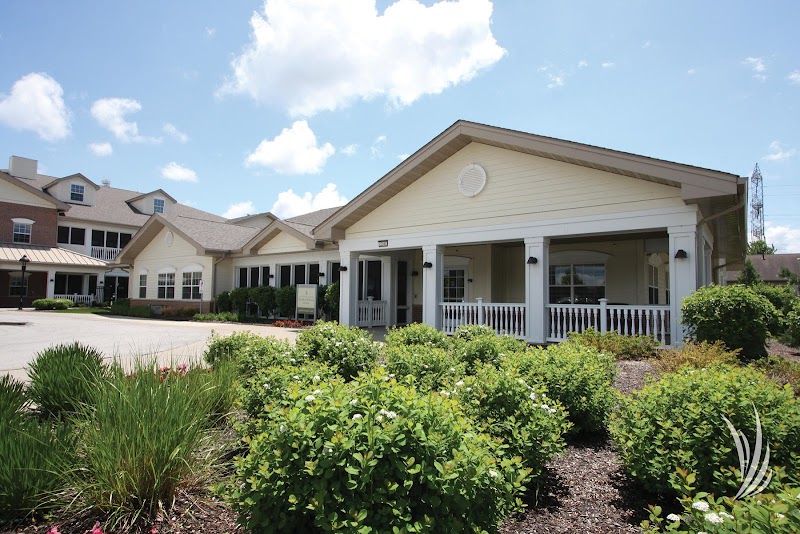
How is Victorian Village Hlth & Well Staffed?

CMS rates VICTORIAN VILLAGE HLTH & WELL's staffing level at 5 out of 5 stars, which is much above average compared to other nursing homes. Staff turnover is 35%, compared to the Illinois average of 46%. This relatively stable workforce can support continuity of care.

What Have Inspectors Found at Victorian Village Hlth & Well?

State health inspectors documented 21 deficiencies at VICTORIAN VILLAGE HLTH & WELL during 2022 to 2025. These included: 21 with potential for harm.
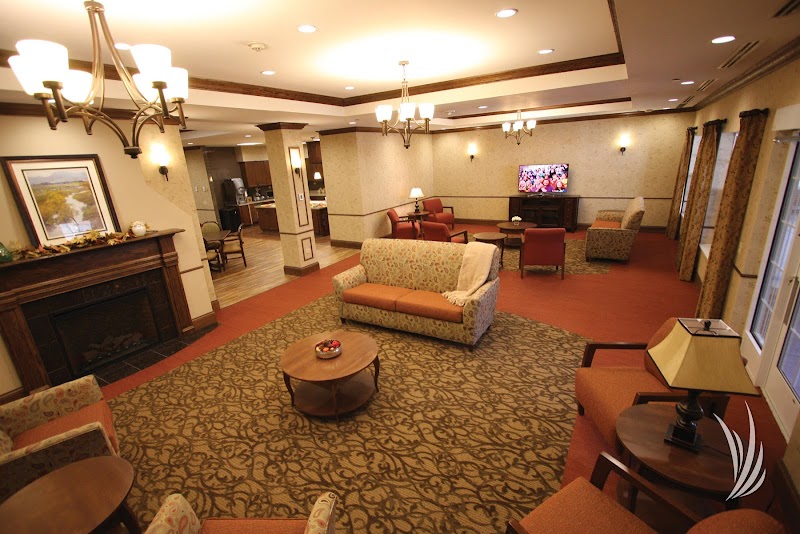
Who Owns and Operates Victorian Village Hlth & Well?

VICTORIAN VILLAGE HLTH & WELL is owned by a non-profit organization. Non-profit facilities reinvest revenue into operations rather than distributing to shareholders. The facility operates independently rather than as part of a larger chain. With 50 certified beds and approximately 51 residents (about 102% occupancy), it is a smaller facility located in HOMER GLEN, Illinois.
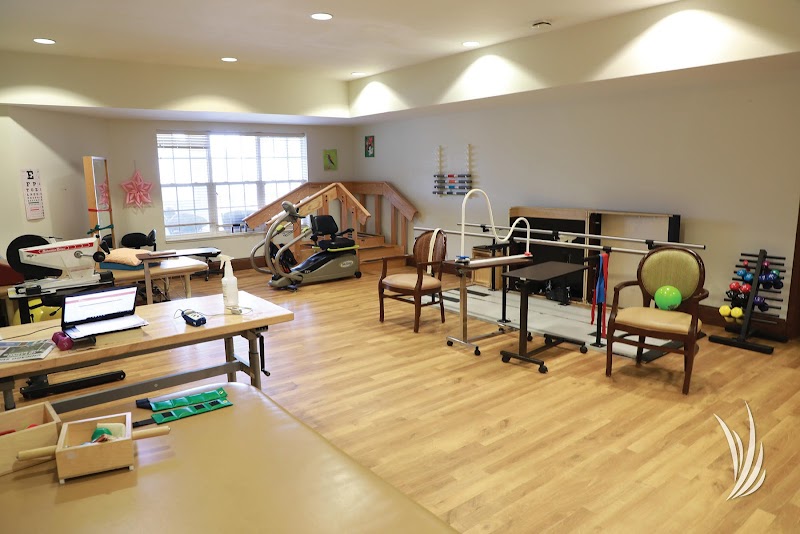
How Does Victorian Village Hlth & Well Compare to Other Illinois Nursing Homes?

Compared to the 100 nursing homes in Illinois, VICTORIAN VILLAGE HLTH & WELL's overall rating (5 stars) is above the state average of 2.5, staff turnover (35%) is significantly lower than the state average of 46%, and health inspection rating (4 stars) is above the national benchmark.

What Should Families Ask When Visiting Victorian Village Hlth & Well?

Based on this facility's data, families visiting should ask: "Can I visit during a mealtime to observe dining assistance and food quality?" "How do you handle medical emergencies, and what is your hospital transfer rate?" "Can I speak with family members of current residents about their experience?"

Is Victorian Village Hlth & Well Safe?

Based on CMS inspection data, VICTORIAN VILLAGE HLTH & WELL has a clean safety record: no substantiated abuse findings (meaning no confirmed cases of resident harm), no Immediate Jeopardy citations (the most serious violation level indicating risk of serious injury or death), and is not on the Special Focus Facility watch list (a federal program monitoring the lowest-performing 1% of nursing homes). The facility has a 5-star overall rating and ranks #1 of 100 nursing homes in Illinois. While no facility is perfect, families should still ask about staff-to-resident ratios and recent inspection results during their visit.

Do Nurses at Victorian Village Hlth & Well Stick Around?

VICTORIAN VILLAGE HLTH & WELL has a staff turnover rate of 35%, which is about average for Illinois nursing homes (state average: 46%). Moderate turnover is common in nursing homes, but families should still ask about staff tenure and how the facility maintains care continuity when employees leave.

Was Victorian Village Hlth & Well Ever Fined?

VICTORIAN VILLAGE HLTH & WELL has no federal fines on record. CMS issues fines when nursing homes fail to meet care standards or don't correct problems found during inspections. The absence of fines suggests the facility has either maintained compliance or corrected any issues before penalties were assessed. This is a positive indicator, though families should still review recent inspection reports for the full picture.

Is Victorian Village Hlth & Well on Any Federal Watch List?

VICTORIAN VILLAGE HLTH & WELL is not on any federal watch list. The most significant is the Special Focus Facility (SFF) program, which identifies the bottom 1% of nursing homes nationally based on persistent, serious quality problems. Not being on this list means the facility has avoided the pattern of deficiencies that triggers enhanced federal oversight. This is a positive indicator, though families should still review the facility's inspection history directly.