ARCADIA CARE JACKSONVILLE
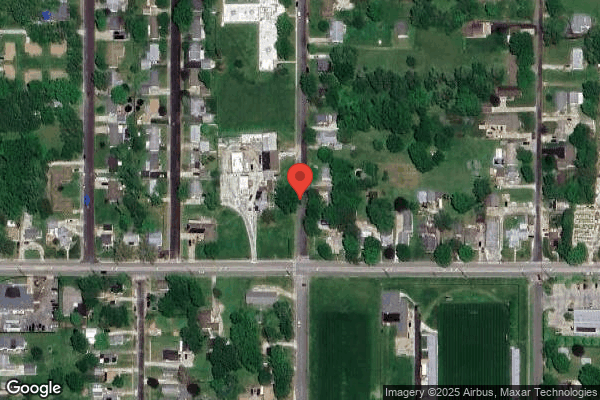

1021 NORTH CHURCH STREET, JACKSONVILLE, IL 62650 (217) 245-4174
For profit - Corporation 113 Beds ARCADIA CARE Data: November 2025 1 Immediate Jeopardy citation
Trust Grade
0/100
#444 of 665 in IL
Last Inspection: November 2024

Within standard 12-15 month inspection cycle. Federal law requires annual inspections.

Overview

Arcadia Care Jacksonville has received a Trust Grade of F, indicating significant concerns about the facility's care and operations. Ranking #444 out of 665 in Illinois places it in the bottom half of nursing homes in the state, and it is the least favorable option among the four facilities in Morgan County. The trend is worsening, with reported issues increasing from 14 in 2023 to 19 in 2024, highlighting ongoing challenges. Staffing is a major concern, with a low rating of 1 out of 5 stars and a high turnover rate of 65%, which is significantly above the state average. The facility has also faced serious incidents, such as a resident eloping without staff knowledge and another resident feeling humiliated due to a lack of timely assistance for basic needs, emphasizing both staffing deficiencies and inadequate resident care.

Trust Score
F
0/100
In Illinois
#444/665
Bottom 34%
Safety Record
High Risk
Review needed
Inspections
Getting Worse
14 → 19 violations
Staff Stability
⚠ Watch
65% turnover. Above average. Higher turnover means staff may not know residents' routines.
Penalties
○ Average
$135,194 in fines. Higher than 66% of Illinois facilities. Some compliance issues.
Skilled Nurses
⚠ Watch
Each resident gets only 4 minutes of Registered Nurse (RN) attention daily — below average for Illinois. Fewer RN minutes means fewer trained eyes watching for problems.
Violations
⚠ Watch
42 deficiencies on record. Higher than average. Multiple issues found across inspections.
★☆☆☆☆
1.0
Overall Rating
★☆☆☆☆
1.0
Staff Levels
★★★☆☆
3.0
Care Quality
★★☆☆☆
2.0
Inspection Score
Stable
2023: 14 issues
2024: 19 issues

The Good

  • Full Sprinkler Coverage · Fire safety systems throughout facility
  • No fines on record

Facility shows strength in fire safety.

The Bad

1-Star Overall Rating

Below Illinois average (2.5)

Significant quality concerns identified by CMS

Staff Turnover: 65%

19pts above Illinois avg (46%)

Frequent staff changes - ask about care continuity

Federal Fines: $135,194

Well above median ($33,413)

Significant penalties indicating serious issues

Chain: ARCADIA CARE

Part of a multi-facility chain

Ask about local staffing decisions and management

Staff turnover is elevated (65%)

17 points above Illinois average of 48%

The Ugly 42 deficiencies on record

1 life-threatening 3 actual harm
Nov 2024 13 deficiencies 1 Harm
SERIOUS (G)

Actual Harm - a resident was hurt due to facility failures

Quality of Care (Tag F0684)

A resident was harmed · This affected 1 resident

**NOTE- TERMS IN BRACKETS HAVE BEEN EDITED TO PROTECT CONFIDENTIALITY** Based on interview, observation, and record review, the facility failed to coordinate services for a neurology consult for abnor...

Read full inspector narrative →
**NOTE- TERMS IN BRACKETS HAVE BEEN EDITED TO PROTECT CONFIDENTIALITY** Based on interview, observation, and record review, the facility failed to coordinate services for a neurology consult for abnormal movements, falls and a gagging incident for 1 of 16 residents (R30) reviewed for quality of care in the sample of 35. This failure resulted in R30 having increased involuntary movements that resulted in worsening involuntary movements. Findings include: R30's admission record, print date of 11/21/24, documents that R30 was admitted on [DATE] and has diagnoses of Psychosis, Schizoaffective Disorder, Drug Induce Subacute Dyskinesia, and Schizophrenia. R30's Minimum Data Set, dated [DATE], documents that R30 is severely cognitively impaired, requires setup or clean up assistance for eating, supervision or touching assistance for sitting and walking. R30's Care Plan, revision date of 10/04/2022, documents, (R30) is at increased nutritional risk r/t (related to) DX (diagnosis): COPD (Chronic Obstructive Pulmonary Disease), Hypertension, Anxiety, Bipolar. Intervention: I use adaptive equipment to ensure my safety: plastic silverware therapy request her to get plastic do (sic) to resident poking herself so get plastic for a safety Date Initiated: 11/18/2024. Monitor/document/report PRN as needed) any s/sx (signs and symptoms) of dysphagia: coughing, drooling, pocketing food, swallowing attempts, refusing to eat. Date Initiated: 10/04/2022. R30's Care Plan, revision date of 11/18/24 , documents, (R30) has an ADL (Activities of Daily Living) ( self-care performance deficit r/t weakness, lack of coordination, dyskinesia, cog impairment and multiple psych (psychiatric) dx. (R30) needs pills whole in pudding at times. Plastic ware for all meals. Intervention: Bed Mobility: One person physical assist Transfer: Supervision One person physical assist at times Walk in room: Supervision One person physical assist with gait belt Walking corridor: Supervision Setup help only, One person physical assist at times Locomotion on unit: Supervision Setup help only, One person physical assist at times Locomotion off unit: Supervision Setup help only, One person physical assist at times Eating: Supervision One person physical assist at times. R30's Care Plan, revision date of 10/13/22, documents, (R16) risk for falls r/t weakness, medications, dyskinesia, abnormal gait and mobility, lack of coordination. I like to stand in the hall and sway side to side. Interventions: Be sure my call light is within reach and encourage me to use it for assistance as needed. Date Initiated: 04/30/2018. Bed height to be placed where my feet are flat on the floor. Date Initiated: 04/30/2018. Ensure resident is wearing shoes or non skid slippers when out of bed Date Initiated: 10/28/2024. Follow facility fall protocol. Date Initiated: 08/14/2019. R30's Care Plan, revision date of 11/08/2019, I have the potential for adverse side effects related to medication use r/t: antipsychotic use. Diagnosis: Schizophrenia, Schizoaffective disorder, and Psychosis. Interventions: · Observe for: ANTI-PSYCHOTIC: COMMON SIDE EFFECTS: Sedation, drowsiness, dry mouth, constipation, blurred vision, extrapyramidal reaction, weight gain, edema, postural hypotension, sweating, loss of appetite, urinary retention. UNCOMMON SIDE EFFECTS: Tardive Dyskinesia, seizure disorder, chronic constipation, glaucoma, diabetes, skin pigmentation, jaundice. Date Initiated: 08/14/2019. R30's Speech Therapy Discharge summary, dated [DATE], documents, Patient Progress: Progress & Response to Treatment: Pt (patient) achieved max (maximum) rehab potential for the stated goals with d/c (discharge) complete. Communication: Team Communication / Collaboration: ST (Speech Therapy) instructed pt (patient) on small bites / sips, slowing the rate of consumption, and liquid wash every 1 - 3 bites. Pt requires staff supervision for staff to provide cues and assist during PO (oral) intake when needed. Discharge Recommendations and Status Oral Intake Solids = Mechanical soft / ground textures. Liquid - Thin liquids. Strategies Compensatory Strategies / Positions: with staff supervision. Aspirations precautions. Dining / Swallowing Program Established / Trained: Pt has restorative program / staff education in place for swallowing / dysphagia to ensure safety of the swallow. Outcome Risks Risk Areas that may impact Long Term Outcome (s) = lacks insight into condition and risk factors. Multiple medical conditions / history. Desired Change in Condition of Risk area: Dysphagia. R30's Fall Risk Assessment, dated 10/19/24, documents that R13 is at risk for falls. R30's AIMS - Abnormal Involuntary Movement Scale, dated 11/8/23, documents that R30 has Moderate movements of the muscles of the facial expression, mild movements of the lips and perioral area, jaw, and mild movements of the tongue. R30 has moderate movements of the upper arms, wrists, fingers, hands, legs, knees, ankles, and toes. R30 has moderate neck, shoulder, hips, e.g. (for example) rocking, twisting, squirming, pelvic gyrations. R30 severity of abnormal movements is moderate. Incapacitation due to abnormal movements is mild. R30 scores a 18. The higher the score (0-28), the greater the impact of observed movements on resident. R30's AIMS - Abnormal Involuntary Movement Scale, dated 10/19/24, documents that R30 has Moderate movements of the muscles of the facial expression, lips and perioral area, jaw, and mild movements of the tongue. R30 has severe movements of the upper arms, wrists, fingers, hands, legs, knees, ankles, and toes. R30 has severe neck, shoulder, hips, e.g. (for example) rocking, twisting, squirming, pelvic gyrations. R30 severity of abnormal movements is severe. Incapacitation due to abnormal movements is mild. R30 scores a 23. The higher the score (0-28), the greater the impact of observed movements on resident. R30's Electronic Medical Record fails to document an AIM scale between 11/8/23 and 10/19/24. R30's Physician Order, dated November 2024, documents, REGULAR diet, Mechanical Soft, Ground Meat texture, Thin consistency with staff supervision. Start date of 5/2/24. On 11/18/24 at 03:58 PM, R30 is in the hallway walking. R30 has very spastic jerky movements of the arms, legs, head, tongue, and mouth. R30 has involuntary backward arching of the back, shuffling of the feet sidewise and forward motion. R30 tripped over her feet and fell into surveyor. V9, Licensed Practical Nurse, (LPN) who was steps away came and assisted R30 to regain her footing by grabbing her under her arms. R30 remained unsteady even with assistance of V9 and surveyor. V9 attempted to get R30 to sit in a chair, however R30 proceeded to sit in the area beside the chair causing her to lose balanced and start to fall. V9 had to stop R30 from falling, stood her upright and got her over the chair to sit. On 11/18/24 at 4:05 PM, V9, LPN, stated, Thank goodness you were there. I could have never held her up on my own. She would have fallen. I normally don't work this hall. I have heard that they are suppose to be starting her on a medication for Tardive Dyskinesia. I started in August and she has always been this way. She follows her roommate around and she is very unsteady on her feet. On 11/18/24 at 4:07 PM, V10, Certified Nurse Aide, (CNA) stated, She was not this bad last year this is something recent. On 11/19/24 at 12:18 PM, R30 is sitting in the assisted dining room eating her noon meal which consisted of turkey, mashed potatoes, and gravy. R30 has very spastic jerky movements of the arms, legs, head, tongue, and mouth. R30 has involuntary backward arching of the back, shuffling of the feet sidewise and forward motion. R30 is very unsteady on her feet. R30 is unable to control the spontaneous movements. R30's turkey was not cut up. It was in larger pieces not bite size. R30 took her plastic fork and stabbed the meat then with her hand pulled off a meat and put it in her mouth. R30 began to gag. R30 grabbed her drink and took a drink. R30 continued to gag. R30 leaned forward and spit the drink out toward the table. R30 then leaned to the side and spit drink and the turkey meat out onto the floor. V15 CNA assisted R30 with a towel and removed her tray. V21 CNA assisted in moving R30's tablemates to another table. V15 then brought R30 a cup of soup with a metal spoon. On 11/19/24 at 4:45 PM, V19 LPN, stated that she was not aware of R30 gagging on her noon meal. On 11/21/24 at 2:09 PM, V15, CNA was asked if she let V19 know about R30 gagging on her lunch, V15 stated, I went and told (V19). I had her double check her diet too. She was suppose to get a mechanical diet. V15 stated that R30 did receive large pieces of turkey and not mechanical turkey on 11/19/24. V15 stated that R30 has worsened with her movements just recently. On 11/21/24 at 2:13 PM, V21 was asked if she let V19 know about R30 gagging on her lunch on 11/19/24, V21 CNA, stated, (V19) was told. (V15) went right up to (V19) and told her. She was standing right there at the nurses desk. R30's Nurses Note, dated 11/19/2024 19:00 (7:00PM), documents, (V16, Medical Director) notified of resident vomiting at lunch. Orders received to obtain chest xray per (V16). Resident chart updated and resident aware. (mobile) xray called. R30's Nurses Note, dated 11/20/2024 08:10PM, documents, Resident being transported to (local hospital) for STAT (now) chest x-ray r/t (related to) vomiting, resident leaving via facility transports order and face sheet sent with. On 11/20/24 at 11:50 AM, V34, Psychiatry Nurse Practitioner, stated, I saw her (R30) on 10/23/24. The facility asked me to see her because she was getting worse with her movements. I increased her Austedo from 24 milligrams (mg) to 30 mg. I also ordered for a consult to Neurology because I don't think we are dealing with Tardive Dyskinesia. I was not told that they were unable to get her the Austedo. I would have like to know that. Austedo is a drug that you can stop abruptly with no ill effects. V34's Progress Note for 10/23/24 fails to document an order for a consult for neurology. On 11/25/24 at 9:10 AM, V3, Assistant Director of Nurses, stated that she is not sure as to why R30's insurance company did not approve the Austedo medication. She stated that V2, Director of Nurses handled that and that she believes V2 did notify V16 and V34 of the need to place the order on hold. V2 is unavailable for interview to confirm this. V3 further stated that when V34 came in on 10/23/24 she did not write an order for a neurology consult. I have reached out to several neurologist and sent them R30's information and I am waiting for them to accept her as a patient. The facility's policy, AIMS Side Effect Monitoring, dated 10/2024, documented, The examination will be performed either at the time of resident's admission or when medications are initially prescribed. In addition, for residents taking psychotropic medication, AIMS examination procedures will be repeated at intervals of no less than every six (6) months. The facility's Diet Orders Policy dated 08/2023, documented diet orders are checked for accuracy regularly, at the quarterly care plan meeting, by comparing diet orders on file in Dining Services with the Physician Order Sheet (POS) in the health record. The facility's Fall Prevention Program Policy dated 10/2024, documented the purpose of the policy is to assure the safety of all residents in the facility, when possible. The program will include measures which determine the individual needs of each resident by assessing the risk of falls and implementation of appropriate interventions to provide necessary supervision and assistive devices are utilized as necessary. Quality Assurance Programs will monitor the program to assure ongoing effectiveness.
CONCERN (D)

Potential for Harm - no one hurt, but risky conditions existed

Deficiency F0558 (Tag F0558)

Could have caused harm · This affected 1 resident

**NOTE- TERMS IN BRACKETS HAVE BEEN EDITED TO PROTECT CONFIDENTIALITY** Based on interviews, observations, and record reviews the facility failed accommodate a resident's preference to eat in his room...

Read full inspector narrative →
**NOTE- TERMS IN BRACKETS HAVE BEEN EDITED TO PROTECT CONFIDENTIALITY** Based on interviews, observations, and record reviews the facility failed accommodate a resident's preference to eat in his room for 1 of 5 residents, (R8), reviewed for Resident's Rights in a sample of 35. Findings include: R8 was admitted to the facility on [DATE] with diagnosis of, in part, multiple sclerosis (MS), quadriplegia, type 2 diabetes mellitus, and chronic obstructive pulmonary disease. R8's Care Plan dated 10/18/24, documented he is dependent on staff for Activities of Daily Living (ADL's); he is able to move only neck/head, has a diagnosis (Dx) of end stage MS, has muscle spasms extremities involuntarily jerk, prefers to use safety belts on the electric wheelchair (w/c) to promote positioning and enhance mobility. R8 is unable to stand and has little use or movement in is extremities and per his request, R8 refuses to come to the dining room at times. R8's Care Plan further documented he isolates in his room a majority of the time. R8's Minimum Data Set (MDS) dated [DATE] documented R8 is cognitively intact. R8's MDS also documented that he has impairment to both sides of his upper extremity and is dependent on staff to assist him with all self-care abilities including eating. On 11/18/24 at 9:52 AM, R8 stated he does not eat his meals in the dining room, he prefers to eat in the comfort of his room. On 11/20/24 at 12:15 PM, R8 was out in the dining room for lunch. On 11/21/24 at 7:30 AM, R8 was out in the dining room for breakfast. On 11/21/24 at 9:05 AM, R8 stated he was told by the facility that they were short staffed and that he needed to eat out in the dining room. R8 stated he does not like eating in the dining room because it is noisy, the other residents are hollering and screaming. R8 stated the staff are too lazy to feed him in his room, he would prefer to have soup heated up so he could avoid the dining room. On 11/21/24 at 11:05 AM, V1, Administrator, stated the residents have the right for the facility to accommodate their preference to eat in their room if they choose. The facility's Statement of Resident Rights, undated, documented residents have the right to live in an environment that promotes and supports each resident's dignity, individuality, independence, self-determination, privacy, and choice and to be treated with consideration and respect. The statement further documented it is the resident's right to exercise free choice in selecting activities, schedules, and daily routines.
CONCERN (D)

Potential for Harm - no one hurt, but risky conditions existed

Notification of Changes (Tag F0580)

Could have caused harm · This affected 1 resident

**NOTE- TERMS IN BRACKETS HAVE BEEN EDITED TO PROTECT CONFIDENTIALITY** Based on interviews, observations, and record reviews the facility failed to report changes in condition to the physician for 1 ...

Read full inspector narrative →
**NOTE- TERMS IN BRACKETS HAVE BEEN EDITED TO PROTECT CONFIDENTIALITY** Based on interviews, observations, and record reviews the facility failed to report changes in condition to the physician for 1 out of 2 residents, (R30), reviewed for notification of changes in a sample of 35. 1. R30's admission record, print date of 11/21/24, documents that R30 was admitted on [DATE] and has diagnoses of Psychosis, Schizoaffective Disorder, Drug Induce Subacute Dyskinesia, and Schizophrenia. R30's Minimum Data Set, dated [DATE], documents that R30 is severely cognitively impaired, requires setup or clean up assistance for eating, supervision or touching assistance for sitting and walking. On 11/18/24 at 3:58 PM, R30 is in the hallway walking. R30 has very spastic jerky movements of the arms, legs, head, tongue, and mouth. R30 has involuntary backward arching of the back, shuffling of the feet sidewise and forward motion. R30 tripped over her feet and fell into surveyor. V9, Licensed Practical Nurse, (LPN) who was steps away came and assisted R30 to regain her footing by grabbing her under her arms. R30 remained unsteady even with assistance of V9 and surveyor. V9 attempted to get R30 to sit in a chair, however R30 proceeded to sit in the area beside the chair causing her to lose balanced and start to fall. V9 had to stop R30 from falling, stood her upright and got her over the chair to sit. On 11/19/24 at 12:18 PM, R30 is sitting in the assisted dining room eating her noon meal which consisted of turkey, mashed potatoes, and gravy. R30 has very spastic jerky movements of the arms, legs, head, tongue, and mouth. R30 has involuntary backward arching of the back, shuffling of the feet sidewise and forward motion. R30 is very unsteady on her feet. R30 is unable to control the spontaneous movements. R30's turkey was not cut up. It was in larger pieces not bite size. R30 took her plastic fork and stabbed the meat then with her hand pulled off a meat and put it in her mouth. R30 began to gag. R30 grabbed her drink and took a drink. R30 continued to gag. R30 leaned forward and spit the drink out toward the table. R30 then leaned to the side and spit her drink and the turkey meat out onto the floor. V15, Certifed Nurse Aide, (CNA) assisted R30 with a towel and removed her tray. V21 CNA assisted in moving R30's tablemates to another table. V15 then brought R30 a cup of soup with a metal spoon. On 11/19/24 at 4:45 PM, V19, Licensed Practical Nurse, (LPN), stated that she was not aware of R30 gagging on her noon meal. On 11/21/24 at 2:09 PM, V15 was asked if she let V19 know about R30 gagging on her lunch, V15 CNA, stated, I went and told (V19). I had her double check her diet too. She was suppose to get a mechanical diet. V15 stated that R30 did receive large pieces of turkey and not mechanical turkey on 11/19/24. V15 stated that R30 has worsened with her movements just recently. On 11/21/24 at 2:13 PM, V21, CNA was asked if she let V19 know about R30 gagging on her lunch on 11/19/24, V21 CNA, stated, (V19) was told. (V15) went right up to (V19) and told her. She was standing right there at the nurses desk. R30's Nurses Note, dated 11/19/2024 19:00 (7:00pm), documents, (V16, Medical Director) notified of resident vomiting at lunch. Orders received to obtain chest xray per (V16). Resident chart updated and resident aware. (mobile) xray called. On 11/25/24 at 9:10 AM, V3, Assistant Director of Nurses, stated that the Physician should have been notified of R30's fall and gagging incident when it happened. The facility's policy, Physician-Family Notification- Change in Condition, dated 10/2024, documented, The facility will inform the resident; consult with the resident's physician or authorized designee such as Nurse Practitioner; and if known, notify the residents legal representative or an interested family member when there is: A. An accident involving the resident which results in injury and has the potential for requiring physician intervention.
CONCERN (D)

Potential for Harm - no one hurt, but risky conditions existed

Free from Abuse/Neglect (Tag F0600)

Could have caused harm · This affected 1 resident

**NOTE- TERMS IN BRACKETS HAVE BEEN EDITED TO PROTECT CONFIDENTIALITY** Based on interview and record review, the facility failed to prevent abuse for 1 of 3 residents (R52) reviewed for abuse in the ...

Read full inspector narrative →
**NOTE- TERMS IN BRACKETS HAVE BEEN EDITED TO PROTECT CONFIDENTIALITY** Based on interview and record review, the facility failed to prevent abuse for 1 of 3 residents (R52) reviewed for abuse in the sample of 35. Findings include: R52's admission Profile, print date of 11/19/24, documents that R52 was admitted on [DATE] and has a diagnosis of Schizoaffective Disorder. R52's Minimum Data Set, dated [DATE], documents that R52 cognitively intact. R52's General Note, dated 11/7/24, documents, On 11/7/24 @ 3:08 pm Staff reported an allegation of a res (resident) to res physical altercation. Resident has no injuries outside of some redness on the right hand. No complaints of pain. Investigation initiated. Resident/staff interviews initiated. Physician/Resident Representative/Ombudsman notified. Follow up report will be sent. BIMS (Brief Interview of Mental Status): 13/15 Dx (diagnosis): COPD (Chronic Obstructive Pulmonary Disease), Emphysema, Schizoaffective Disorder, Bipolar Type, Bipolar II Disorder, Mild Intellectual Disabilities Investigation initiated. Resident/staff interviews initiated. Physician/Resident Representative/Ombudsman notified. Follow up report will be sent. R52' Final Abuse Investigation Report, dated 11/14/24, documents, Conclusion and Action Taken: Staff were present at the time of the incident were interviewed and indicated they has witnessed (R52) hit R5 on her hand while she was reaching for Bingo chips. On 1/19/24 at 4:00 PM, V1, Adminstrator, stated it did happen and it was an intentional hit and she knows why she is getting a tag for it. The facility's Abuse Prevention and Reporting Policy dated 09/2024, documented this facility affirms the right of our residents to be free of goods and services by staff or mistreatment. This facility therefore prohibits abuse, neglect, exploitation, misappropriation of property, and mistreatment of residents.
CONCERN (D)

Potential for Harm - no one hurt, but risky conditions existed

Accident Prevention (Tag F0689)

Could have caused harm · This affected 1 resident

**NOTE- TERMS IN BRACKETS HAVE BEEN EDITED TO PROTECT CONFIDENTIALITY** Based on interviews, observations, and record reviews the facility failed to protect a resident while smoking for 1 out of 1 res...

Read full inspector narrative →
**NOTE- TERMS IN BRACKETS HAVE BEEN EDITED TO PROTECT CONFIDENTIALITY** Based on interviews, observations, and record reviews the facility failed to protect a resident while smoking for 1 out of 1 residents, (R8), reviewed for smoking safety and accident prevention in a sample of 35. Findings include: R8 was admitted to the facility on [DATE] with diagnosis of, in part, multiple sclerosis (MS), quadriplegia, type 2 diabetes mellitus, and chronic obstructive pulmonary disease. R8's Minimum Data Set (MDS) dated [DATE] documented R8 is cognitively intact. R8's MDS also documented that he has impairment to both sides of his upper extremity and is dependent on staff to assist him with all self-care abilities including eating and oral hygiene. R8's care plan dated 10/18/24 documented a plan for smoking with interventions for a smoking apron to be worn while smoking. R8 refuses to wear the smoking apron and instruct him about the facility policy on smoking: locations, times, safety concerns. R8's care plan further documented he is dependent on staff for Activities of Daily Living (ADL's), is able to move only neck/head with interventions to use a lap and chest belt while up in electric wheelchair to enable proper positioning and safety in the event of a spasm related to MS. On 11/18/24 at 9:52 AM, R8 had ashes on sweatshirt while seen in his bedroom. On 11/18/24 at 10:39 AM, R8 went outside for a smoke break with no smoke apron on. R8 held the cigarette in his mouth with his lips, his arms remained at his sides and a chest belt was in place around R8 holding him in position while in his wheelchair. Ashes were seen in the same place they were when previously seen in his room at 9:52 AM. More ashes were seen falling on R8's sweatshirt as he smoked. V25, Activity Aid, was supervising and did not intervene or remove the ashes from R8's shirt. R8 was wheeled back inside by V25 and continued to have cigarette ashes left on his shirt after smoking. On 11/19/24 at 1:42 PM, R8 lined up in the hallway to go out for a smoke break. V23, Housekeeping, placed a cigarette in R8's mouth. Once outside, V23 lit R8's cigarette with a lighter and walked away. Twelve residents were outside smoking with the supervision of V23 and V24, Activity Director. R8 was not offered an apron and did not wear one while he smoked his cigarette. Ashes from R8's cigarette were seen falling onto his shirt as he smoked. When R8 was done with his cigarette, V23 removed it from his mouth. V24 stated R8 doesn't like to wear the apron so we enforce more supervision. On 11/19/24 at 2:40 PM, V20, Social Services Director, stated V8 refuses to wear the smoke apron, and he has the right to refuse it but also the right to smoke. V20 stated we monitor V8 and ask him about pain because he has a BIMS (Brief Interview of Mental Status) of 15 so he can tell us if he's in pain. On 11/21/24 at 9:05 AM, R8 stated the does not like to wear the smoking apron because it is uncomfortable especially in the summer it gets too hot and he is left in a puddle of sweat. R8 stated the staff have not tried using anything else besides the apron to prevent his cigarette ashes from falling on him. On 11/21/24 at 11:07, V1, Administrator, stated it is the facility's policy to maintain safe smoking conditions. The facility's Smoking Safety Policy with a last revision date of 10/2022, documented the objective of this policy is to communicate to each resident that they are responsible for following each rule and on-going compliance with this policy. A Smoking Safety Assessment will be completed to determine the level of assistance and supervision needed during smoking and if a smoking apron is indicated. The policy further documented the facility maintains the right to limit and restrict access to smoking products, matches, and lighters for persons deemed unsafe. Smoking privileges will be revoked when there is a pattern of persistent, hazardous behavior.
CONCERN (D)

Potential for Harm - no one hurt, but risky conditions existed

Incontinence Care (Tag F0690)

Could have caused harm · This affected 1 resident

**NOTE- TERMS IN BRACKETS HAVE BEEN EDITED TO PROTECT CONFIDENTIALITY** 2. On 11/19/2024 at 9:27 AM, V13, CNA and V14, CNA provided incontinent care to R31. V14 pulled R31's pants down and unfastened ...

Read full inspector narrative →
**NOTE- TERMS IN BRACKETS HAVE BEEN EDITED TO PROTECT CONFIDENTIALITY** 2. On 11/19/2024 at 9:27 AM, V13, CNA and V14, CNA provided incontinent care to R31. V14 pulled R31's pants down and unfastened her adult incontinent brief, which were both saturated with urine. V14, CNA performed incontinent care, using non rinse soap and water. These areas were not dried afterwards. R31 was then rolled on to her right side and V14 cleansed R31's left hip and peri rectal area. V14 then placed a clean incontinent brief and R31 was then rolled slightly over, onto her left side for V13, CNA, to pull incontinent brief rest of the way from underneath R31. Incontinent brief then was secured without performing incontinent care to her right hip, buttock and down her right back thigh. R31's Physicians order sheet, documented diagnoses of COPD, Schizo-Affective Disorder and Bipolar Disorder. R31's Minimum Data Set, dated , 11/11/2024, documented that her cognition was severely impaired and that she was always incontinent of her bowels and bladder. R31's Care plan, dated 11/9/2022, documented, Toilet use: Dependent uses incontinent briefs One person physical assist. It continues, Toilet before and after meals, upon rising in the AM and before bed at night. 3. On 11/21/2024 at 09:35 AM, V21, CNA assisted by V28, CNA, performed incontinent care on R43. R43's incontinent brief was saturated with bowel movement. There was no rinse peri wash with water was placed in a basin with wash cloths. V21, cleansed R43's abdominal fold, bilateral groins and labial area. V21 nor did V28 dry the soapy suds from the peri wash from underneath R43's abdominal fold, bilateral groins or labial area. R43 was then turned on to her left side. V21, using cleansing wipes, cleansed R43's right hip, right buttock and peri rectal area. Areas were dried and V21 placed a clean incontinent brief on R43. R43 was then rolled on to her right side and V28, fastened the incontinent brief, without cleansing R43's left hip, her left buttock or the back of her thigh. R43's physician order, dated 11/21/2024, documented diagnoses of COPD and Dementia. R43's MDS, dated [DATE], documented that resident is rarely to never understood and that she is always incontinent of her bladder and her bowels. R43's care plan, dated 9/4/2024, documented, TOILET USE: The resident requires one to two assist with toileting. Resident is incontinent of B&B (bowels and bladder) and wears briefs. Check and change every two hours and prn (as needed). On 11/21/2024 at 11:15 AM, V29, CNA, stated that when she performs incontinent care, she would dry the areas that were washed and she would make sure that all areas were cleansed. On 11/21/2024 at 11:17 AM, V17, CNA, stated that when she performs incontinent care, she would dry all areas that were washed and she would make sure that all areas were cleansed. On 11/21/2024 at 11:20 AM, V10, CNA, stated that when she performs incontinent care, she would dry all areas that were washed and she would make sure that all areas were cleansed. On 11/21/2024 at 11:26 AM, V2, Director of Nurses, stated that it is her expectation that CNA's would dry all areas when washed during incontinent care and that she would expect them to cleanse all areas during incontinent care. The facility's, Incontinence Care policy, dated 10/2024, documented, 4. Soap one cloth at a time to wash genitalia using a clean part of the cloth for each swipe. a. Wash the labia first then groin area. b. Rinse with remaining cloth using clean surfaces for all three surfaces areas (female). Do not place soiled soapy cloths back in clean basin water until procedure completed. It continues, C. Clean/rinse inner/upper thigh areas to remove urine moisture. It continues, 6. Gently pat area dry with a towel from anterior to posterior. 7. Assist resident to turn to side away from you. 8. Using the final rinse cloth, from front washing, wash and rinse the peri-anal area. Pat dry. Based on interview, observation, and record review, the facility failed to provide complete incontinent care for 3 of 7 residents (R16, R31, R43) reviewed for incontinent care in the sample of 35. Findings include: 1. R16's admission Record, print date of 11/21/24, documents that R16 was admitted on [DATE] and has a diagnosis of Multiple Sclerosis. R16's Minimum Data Set, (MDS), dated [DATE], documents that R16 is severely cognitively impaired, is always incontinent of bowel and bladder, and dependent on staff for toileting and personal hygiene. On 11/20/24 at 1:43 PM, V33, Certified Nurse Aide (CNA), entered R16's room to provide incontinent care. V33 removed R16's wet incontinent brief. With soapy wash cloths, V33 cleansed the groin, labia, and meatus. R16 was rolled over and the left buttock and rectal area were cleansed. V33 dried the buttocks and put on a new incontinent brief. V33 failed to rinse or dry R16's peri-area. R16's peri-area was wet and had soap suds left. V33 failed to rinse R16's buttocks. The Body Wash and Shampoo bottle used, documents, Apply to wash cloth or directly to skin. Massage into lather and rinse and towel dry. On 11/21/24 at 4:00 PM, V1, Administrator stated that she expects staff to cleanse, rinse, and dry residents during incontinent care.
CONCERN (D)

Potential for Harm - no one hurt, but risky conditions existed

Tube Feeding (Tag F0693)

Could have caused harm · This affected 1 resident

**NOTE- TERMS IN BRACKETS HAVE BEEN EDITED TO PROTECT CONFIDENTIALITY** Based on interview, observation, and record review, the facility failed to recognize a nonfunctioning Gastrostomy tube for 1 of ...

Read full inspector narrative →
**NOTE- TERMS IN BRACKETS HAVE BEEN EDITED TO PROTECT CONFIDENTIALITY** Based on interview, observation, and record review, the facility failed to recognize a nonfunctioning Gastrostomy tube for 1 of 4 residents (R16) reviewed for Gastrostomy tube in the sample of 35. Findings include: R16's admission Record, print date of 11/21/24, documents that R16 was admitted on [DATE] and has a diagnosis of Multiple Sclerosis. R16's Minimum Data Set, dated [DATE], documents that R16 is severely cognitively impaired and has a feeding tube. On 11/19/24 at 12:55 AM, V19, Licensed Practical Nurse, donned a gown and entered R16's room to do her tube feeding. V19 washed her hands and put on gloves. V16 using a large disposable syringe attempted to aspirate residual liquid from R16's stomach to verify the Gastrostomy tube (G-tube) placement. V19 was unable to pull back the plunger anymore than an approximate 0.25 to 0.5 centimeter (cm). While V19 was attempting to pull back the plunger, the G-tube was visibly closing in on itself at the top and the bottom near the abdomen. V19 stated that sometimes R16's G-tube is difficult to be able to pull residual but that it always flushes well. She stated, You have to play with the tube. It can be tricky. After multiple attempts and manipulations of the G-tube, V19 was still unable to pull the syringe back more than 0.25 to 0.5 cm. V19 stated, I know this happens with her G-tube. I was just in here 5 minutes ago and tested it. I was able to pull back and get residual. I wanted to make sure it would work while you were in here. V19 stated that she has asked many times for her G-tube to be replaced because of this same problem but it was never done. V19 was questioned what does she do if she can not verify placement of G-tube, V19 stated, You don't use it. V19 removed the plunger from syringe and appeared to be getting ready to instill the water flush into R16's G-tube at this point, the surveyor asked V19 to stop and refer to V2, Director of Nurses or the Physician to see what their recommendations are for the usage of R16's G-tube. V19 stated that she had just checked placement 5 minutes before and agreed that she was unable to check placement at this time. R16's Nurses Note, dated 11/19/24, documents, Writer unable to collect residual prior to tube feeding. PCP (Primary Care Provider) orders res (resident) to be sent out for tube placement check and/or new tube installation. R16's Nurses Note, dated 11/19/24, documents, Res taken to (hospital) via (local) EMS (Emergency Medical Service). On 11/20/24 at 11:16 AM, V4, Regional Nurse Consultant, stated that V19 should have stopped and notified V2 Director of Nurses of the problem with R16's G-tube. The policy medication Administration - Gastrostomy or Nasogastric Tube, dated 10/2024, documents, Gastrostomy Tube. Aspirate to visually verify stomach contents. Gastric fluid normal appears clear or yellow with mucus or may appear milky if residual remains from previous feeding. Aspirated contents must be returned to the stomach to maintain pH, fluid and electrolyte balance. It continues, 'If there is a suspicion of feeding tube misplacement, Notify Physician to request an X-ray to confirm feeding tube placement.
CONCERN (D)

Potential for Harm - no one hurt, but risky conditions existed

Unnecessary Medications (Tag F0759)

Could have caused harm · This affected 1 resident

Based on interview, observation, and record review, the facility failed to provide medications as the Physician Ordered. There were 37 opportunities with 6 errors resulting in a 16.22% medication erro...

Read full inspector narrative →
Based on interview, observation, and record review, the facility failed to provide medications as the Physician Ordered. There were 37 opportunities with 6 errors resulting in a 16.22% medication error rate. The errors affected 2 residents (R70 and R44). Findings include: 1. On 11/19/24 at 7:54 AM, V26, Licensed Practical Nurse, (LPN) administered R70's morning medications. V26 administered 10 milligrams (mg) of Lexapro. R70's Physician Order, dated 11/20/24, documents, Escitalopram Oxalate 20 MG Tablet Give 1 tablet by mouth one time a day related to MAJOR DEPRESSIVE DISORDER, SINGLE EPISODE 2. On 11/19/24 at 8:05 AM, V26 prepared and administered medications to R44. 1. Baclofen 10 mg 1/2 tablet given. 2. Fluconase Nasal Spray 50 microgram (mcg) 1 spray in each nare given 3. Breo Ellipta 100-25 mcg not given by V26. V26 stated that the medication was not available and she would need to order it from the pharmacy. On 11/20/24 at 10:30 AM, V26 stated that R44's Breo Ellipta did not come in from the pharmacy on 11/19/24 so R44 never did receive his dose for 11/19/24. V26 stated, It did come in so I was able to give it to him this morning. V26 failed to give R44 his Aspirin 81 Oral Tablet Chewable (Aspirin) and his Cholecalciferol Oral Tablet 125 MCG during this medication pass. R44's Physician Order, dated 9/10/24, documents, Breo Ellipta 100-25 MCG/ACT Aerosol Powder, breath activated 1 inhalation inhale orally one time a day related to CHRONIC OBSTRUCTIVE PULMONARY DISEASE, UNSPECIFIED () Rinse mouth with water after inhalation and expectorate. R44's Physician Order, dated 4/24/24, documents, Fluticasone Propionate Nasal Suspension 50 MCG/ACT (Fluticasone Propionate (Nasal)) 2 spray in both nostrils one time a day for allergies. R44's Physician Order, dated 4/25/2024, documents, Cholecalciferol Oral Tablet 125 MCG (5000 UT) (Cholecalciferol) Give 1 tablet by mouth one time a day for supplement. R44's Physician Order, dated 4/23/2024, documents, Baclofen Oral Tablet 10 MG (Baclofen) Give 1 tablet by mouth three times a day for muscle spasms. R44's Physician Order, dated 4/20/2024, documents, Aspirin 81 Oral Tablet Chewable (Aspirin) Give 1 tablet by mouth one time a day related to ESSENTIAL (PRIMARY) HYPERTENSION. On 11/21/24 at 4:00 PM, V1, Administrator, stated that medications should be given as ordered by the physician. The facility's policy, Medication Administration Policy, dated 10/2024, documented, II. Administration of Medications. Medications must be administered in accordance with physician's order, e.g., the right resident, right medication, right dosage, right route, and right time.
CONCERN (D)

Potential for Harm - no one hurt, but risky conditions existed

Menu Adequacy (Tag F0803)

Could have caused harm · This affected 1 resident

**NOTE- TERMS IN BRACKETS HAVE BEEN EDITED TO PROTECT CONFIDENTIALITY** Based on interview, observation, and record review, the facility failed to provide diets as ordered by the physician for 1 of 16...

Read full inspector narrative →
**NOTE- TERMS IN BRACKETS HAVE BEEN EDITED TO PROTECT CONFIDENTIALITY** Based on interview, observation, and record review, the facility failed to provide diets as ordered by the physician for 1 of 16 residents (R30) reviewed for quality of care in the sample of 35. Findings include: R30's admission record, print date of 11/21/24, documents that R30 was admitted on [DATE] and has diagnoses of Psychosis, Schizoaffective Disorder, Drug Induce Subacute Dyskinesia, and Schizophrenia. R30's Minimum Data Set, dated [DATE], documents that R30 is severely cognitively impaired, requires setup or clean up assistance for eating, supervision or touching assistance for sitting and walking. R30's Care Plan, revision date of 10/04/2022, documents, (R30) is at increased nutritional risk r/t (related to) DX (diagnosis): COPD (Chronic Obstructive Pulmonary Disease), Hypertension, Anxiety, Bipolar. Intervention: I use adaptive equipment to ensure my safety: plastic silverware therapy request her to get plastic do to resident poking herself so get plastic for a safety Date Initiated: 11/18/2024. Monitor/document/report PRN as needed) any s/sx (signs and symptoms) of dysphagia: coughing, drooling, pocketing food, swallowing attempts, refusing to eat. Date Initiated: 10/04/2022. R30's Care Plan, revision date of 11/18/24 , documents, (R30) has an ADL (Activities of Daily Living) ( self-care performance deficit r/t weakness, lack of coordination, dyskinesia, cog impairment and multiple psych (psychiatric) dx. (R30) needs pills whole in pudding at times. Plastic ware for all meals. Eating: Supervision One person physical assist at times. R30's Speech Therapy Discharge summary, dated [DATE], documents, Patient Progress: Progress & Response to Treatment: Pt (patient) achieved max (maximum) rehab potential for the stated goals with d/c (discharge) complete. Communication: Team Communication / Collaboration: ST (Speech Therapy) instructed pt (patient) on small bites / sips, slowing the rate of consumption, and liquid wash every 1 - 3 bites. Pt requires staff supervision for staff to provide cues and assist during PO (oral) intake when needed. Discharge Recommendations and Status Oral Intake Solids = Mechanical soft / ground textures. Liquid - Thin liquids. Strategies Compensatory Strategies / Positions: with staff supervision. Aspirations precautions. Dining / Swallowing Program Established / Trained: Pt has restorative program / staff education in place for swallowing / dysphagia to ensure safety of the swallow. Outcome Risks Risk Areas that may impact Long Term Outcome (s) = lacks insight into condition and risk factors. Multiple medical conditions / history. Desired Change in Condition of Risk area: Dysphagia. R30's AIMS - Abnormal Involuntary Movement Scale, dated 11/8/23, documents that R30 has Moderate movements of the muscles of the facial expression, mild movements of the lips and perioral area, jaw, and mild movements of the tongue. R30 has moderate movements of the upper arms, wrists, fingers, hands, legs, knees, ankles, and toes. R30 has moderate neck, shoulder, hips, e.g. (for example) rocking, twisting, squirming, pelvic gyrations. R30 severity of abnormal movements is moderate. Incapacitation due to abnormal movements is mild. R30 scores a 18. The higher the score (0-28), the greater the impact of observed movements on resident. R30's AIMS - Abnormal Involuntary Movement Scale, dated 10/19/24, documents that R30 has Moderate movements of the muscles of the facial expression, lips and perioral area, jaw, and mild movements of the tongue. R30 has severe movements of the upper arms, wrists, fingers, hands, legs, knees, ankles, and toes. R30 has severe neck, shoulder, hips, e.g. (for example) rocking, twisting, squirming, pelvic gyrations. R30 severity of abnormal movements is severe. Incapacitation due to abnormal movements is mild. R30 scores a 23. The higher the score (0-28), the greater the impact of observed movements on resident. R30's Electronic Medical Record fails to document an AIM scale between 11/8/23 and 10/19/24. R30's Physician Order, dated November 2024, documents, REGULAR diet, Mechanical Soft, Ground Meat texture, Thin consistency with staff supervision. Start date of 5/2/24. On 11/19/24 at 12:18 PM, R30 is sitting in the assisted dining room eating her noon meal which consisted of turkey, mashed potatoes, and gravy. R30 has very spastic jerky movements of the arms, legs, head, tongue, and mouth. R30 has involuntary backward arching of the back, shuffling of the feet sidewise and forward motion. R30 is very unsteady on her feet. R30 is unable to control the spontaneous movements. R30's turkey was not cut up. It was in larger pieces not bite size. R30 took her plastic fork and stabbed the meat then with her hand pulled off a meat and put it in her mouth. R30 began to gag. R30 grabbed her drink and took a drink. R30 continued to gag. R30 leaned forward and spit the drink out toward the table. R30 then leaned to the side and spit drink and the turkey meat out onto the floor. V15 CNA assisted R30 with a towel and removed her tray. V21 CNA assisted in moving R30's tablemates to another table. V15 then brought R30 a cup of soup with a metal spoon. On 11/19/24 at 4:45 PM, V19 LPN (Licensed Practical Nurse), stated that she was not aware of R30 gagging on her noon meal. On 11/21/24 at 2:09 PM, V15 (CNA-Certified Nurse Assistant) was asked if she let V19 know about R30 gagging on her lunch, V15 CNA, stated, I went and told (V19). I had her double check her diet too. She was suppose to get a mechanical diet. V15 stated that R30 did receive large pieces of turkey and not mechanical turkey on 11/19/24. V15 stated that R30 has worsened with her movements just recently. On 11/21/24 at 2:13 PM, V21 (CNA) was asked if she let V19 know about R30 gagging on her lunch on 11/19/24, V21 stated, (V19) was told. (V15) went right up to (V19) and told her. She was standing right there at the nurses desk. R30's Nurses Note, dated 11/19/2024 19:00, documents, (V16, Medical Director) notified of resident vomiting at lunch. Orders received to obtain chest xray per (V16). Resident chart updated and resident aware. (mobile) xray called. R30's Nurses Note, dated 11/20/2024 08:10, documents, Resident being transported to (local hospital) for STAT (now) chest x-ray r/t (related to) vomiting, resident leaving via facility transports order and face sheet sent with. On 11/25/24 at 9:10 AM, V3, Assistant Director of Nurses, stated that the Physician should have been notified of R30's gagging incident when it happened. The facility's policy, AIMS Side Effect Monitoring, dated 10/2024, documented, The examination will be performed either at the time of resident's admission or when medications are initially prescribed. In addition, for residents taking psychotropic medication, AIMS examination procedures will be repeated at intervals of no less than every six (6) months. The facility's Diet Orders Policy dated 08/2023, documented diet orders are checked for accuracy regularly, at the quarterly care plan meeting, by comparing diet orders on file in Dining Services with the Physician Order Sheet (POS) in the health record. The facility's Fall Prevention Program Policy dated 10/2024, documented the purpose of the policy is to assure the safety of all residents in the facility, when possible. The program will include measures which determine the individual needs of each resident by assessing the risk of falls and implementation of appropriate interventions to provide necessary supervision and assistive devices are utilized as necessary. Quality Assurance Programs will monitor the program to assure ongoing effectiveness.
CONCERN (E)

Potential for Harm - no one hurt, but risky conditions existed

Transfer Notice (Tag F0623)

Could have caused harm · This affected multiple residents

**NOTE- TERMS IN BRACKETS HAVE BEEN EDITED TO PROTECT CONFIDENTIALITY** 4. R72 was admitted to the facility on [DATE] with diagnosis of, in part, fracture of femur. R72's Progress Notes dated 9/7/24,...

Read full inspector narrative →
**NOTE- TERMS IN BRACKETS HAVE BEEN EDITED TO PROTECT CONFIDENTIALITY** 4. R72 was admitted to the facility on [DATE] with diagnosis of, in part, fracture of femur. R72's Progress Notes dated 9/7/24, documented, Resident sustained a fall on 09/07/2024 1:30 PM. The incident occurred in the Resident room. Resident is alert and disoriented per usual baseline. Change in range of motion from normal baseline noted. Physician notified on: 09/07/2024 1:45 PM. Date/time family/responsible party notified: 09/07/2024 1:45 PM. Resident rates pain 8 out of 10. The resident's pain is a new onset. No new skin concern or change in skin condition noted. 11/20/24 01:34 PM R72's Electronic Medical Record (EMR) does not have documentation of written notice of the reason for transfer to the hospital on 9/7/24 and a copy of the notice to the ombudsman. Based on record review and interview, the facility failed to notify residents and representatives, in writing, prior to being transferred to the hospital, for 6 of 6 (R7, R12, R17, R36, R54, R72) residents reviewed for discharge transfer notice requirements in a sample of 35. Findings include: 1. On 11/20/2024 at 09:14 AM, R17 stated that he didn't know why he was going to the hospital nor was he given a document explaining why he was sent to the hospital on [DATE], 12/31/2024, and 1/1/2024. R17's Progress note, dated 12/18/2023 at 11:27 AM, documented, Resident being sent to (Emergency Department) for evaluation related to altered mental status, resident is unaware of who we are, low BP (blood pressure), not following commands as normal, (Nurse Practitioner) aware and resident agreeable for ambulance to take to hospital, resident also was seeing things in his bed that were not there. R17's Progress noted, dated 12/31/2023 at 5:10 pm documented, (4:50 PM)- labs received from (Regional Hospital). Emailed to (Nurse Practitioner) new orders received to transfer (patient) to hospital with altered mental status AKI (actue kidney injury), and CHF (congestive heart failure). (Patient) was still talking to people that were not in the room. Not making sense of his conversations. Decision made to transfer to hospital. (Local Ambulance) notified. 5:10 PM (local ambulance) here. (Patient) transferred to stretcher without complications. Report and (patient) status given to ambulance personnel. (5:18 PM) transferred per (Local ambulance) to (Local Hospital) with labs from (Regional Hospital) from today 12/31/2023. R17's Progress note, dated 1/1/2024 at 9:33 AM, documented, Resident returned to facility in the night. Now resident is cool and clammy-pale and hallucinating. BP 160/100-Eyes blood shot. Called (Local) Ambulance to take resident back to the hospital. Called report to the ER (local hospital) and again informed them that his BNP (B-type Natriuretic Peptide) was 1538. And that his mental status was worsening and so was his condition. Called his sister and his daughter and informed them of the need to transport back to the hospital for a re-evaluation of his condition. R17's Minimum Data Set (MDS), dated [DATE], documented that his cognition was intact. R17's Physicians order, dated 11/21/2024, documented diagnoses of Morbid severe obesity and COPD (Chronic Obstructive Pulmonary Disease). 2. R54's Progress note, dated 10/23/2024 at 10:48 pm documented, Staff found Resident on bedside mat face down. Resident was placed back on bed and resident was unresponsive. Staff attempted to arouse resident with sternum rubs, no response. Staff called 911. Staff attempted to notify family, no response. (V16, Medical Director) notified. EMS (Emergency Medical Services) here at 10:40pm for transport to (local hospital). Noted by (V18, LPN) R54's Progress note, dated 3/31/24 at 7:37 AM, documented, Resident sustained a fall on 03/31/2024 7:00 AM. The incident occurred in the Resident room. Resident is alert and oriented to time, person, place and situation. No changes in range of motion from normal baseline. Physician notified on: 03/31/2024 7:00 AM. Date/time family/responsible party notified: 03/31/2024 7:00 AM. Resident denies pain. The resident's pain is not a new onset. R54's Progress note, dated 3/31/24 11:41 am, After assessing resident after fall resident sent to ER (Emergency Room) for a x-ray eval after portable unavailable due to holiday. Resident was alert and in agreement with this plan resident emergency contact (family member) was called and voicemail reached and left message for her to (return call) . Resident was sent to ER via (Local ambulance) ambulance and report was called to (Local Hospital). R54's Progress note, dated 1/15/2024 at 11:46 AM, documented, (Patient) (vital signs) BP 154/89 pulse 110 temp 99.1 (Patient) not oriented to person or time altered mental status noted. Transferred to (local hospital) per ambulance. R54's Minimum Data Set, dated [DATE], documented that his cognition was moderately impaired. R54's Physicians order sheet, dated 11/21/2024, documented a diagnoses was End Stage Renal Disease. 3. R12's admission Profile, print date of 11/20/24, documents that R12 was admitted on [DATE] and has a diagnosis of Dementia. R12's Incident Note, 9/10/2024 16:50, documents, Resident sustained a fall on 09/10/2024 4:35 PM. The incident occurred in the outside. Resident is alert and oriented to time, person, place and situation. Change in range of motion from normal baseline noted. Physician notified on: 09/10/2024 2:45 PM. Date/time family/responsible party notified: 09/10/2024 2:50 PM. Resident rates pain 10 out of 10. The resident?s pain is a new onset. A new skin concern or change in skin condition noted. New order/s received: Sent to ER (Emergency Room) Care plan reviewed. On 11/20/24 at 1:18 PM, R12's Electronic Medical Records (EMR) fails documents a Bed Hold for the hospitalization of 9/10/24. On 11/20/24 at 10:33 AM, V26, Licensed Practical Nurse, (LPN), stated that when a resident goes out to the hospital she makes a copy of the residents medications, their profile, code status, and the medical necessity form which tells the hospital why they are being sent to the hospital. V26 stated that she does not give the resident a written explanation of why they are going to the hospital but does give them a bed hold letter. On 11/20/24 at 10:35 AM, V27, LPN, stated that when a resident goes out to the hospital she makes a copy of the residents medications, their profile, code status, and the medical necessity form which tells the hospital why they are being sent to the hospital. V27 stated that she does not give the resident a written explanation of why they are going to the hospital but does give them a bed hold letter. V27 stated that she does make a copy of the bed hold letter for the facility. On 11/25/24 at 9:33 AM, V4, Regional Nurse, stated that she was unaware of the need that residents need a letter in simple writing explaining why they are being sent out to the hospital. 5. R7's Nursing Note dated 8/12/2024 at 09:56AM documents R7 lethargic and non responsive at times this a.m. Notes document R7 continues not to take meds or treatments as prescribed. Notes document R4 gets angry with staff when he is educated or encouraged to take meds. Notes document R7 sitting in wheelchair in dining room slouched over in chair. Very hard to arouse. Notes document R7 being sent to the local hospital emergency room for evaluation. R7's nursing note did not document that reason for transfer was provided to R7 or legal representative at time of transfer. 6. R36's nursing note dated 6/6/2024 at 11:15AM documents R36 sent to the hospital emergency room for evaluation due to a fall. R36's record did not document that R36 or legally responsible person was provided documentation of transfer in writing at the time of transfer. The facility policy notice of transfer and discharge date d revised 10/2022 documents prior to discharge or transfer, the facility will notify the resident and the residents' representative of the transfer or discharge and the reasons for the move in writing and in a language and manner they understand. The policy documents reason for transfer or discharge may include emergency transfer to acute care. The policy documents when the facility transfers or discharges a resident the facility must ensure that the transfer or discharge is documented in the resident's medical record and appropriate information is communicated to the receiving health institution or provider.
CONCERN (E)

Potential for Harm - no one hurt, but risky conditions existed

Infection Control (Tag F0880)

Could have caused harm · This affected multiple residents

**NOTE- TERMS IN BRACKETS HAVE BEEN EDITED TO PROTECT CONFIDENTIALITY** 5. R1 was admitted to the facility on [DATE] with diagnosis of, in part, cerebrovascular disease, facture of femur, mild protein...

Read full inspector narrative →
**NOTE- TERMS IN BRACKETS HAVE BEEN EDITED TO PROTECT CONFIDENTIALITY** 5. R1 was admitted to the facility on [DATE] with diagnosis of, in part, cerebrovascular disease, facture of femur, mild protein-calorie malnutrition, and joint replacement surgery aftercare. On 11/19/24 at 9:45 AM, V17, Lead CNA, and V8, CNA, provided catheter and peri care to R1. V17 and V8 turned R1 onto his right side, V8 pulled out a container of barrier ointment from his pocket. V8, applied the barrier ointment to R1's buttock then removed his gloves. V8 then applied new gloves without hand hygiene and rolled a new pad out under R1 for him to lie on. V17, cleansed R1's right buttock as he was turned on his left side. V17 then grabbed the barrier container without removing her gloves or performing hand hygiene and applied the ointment to R1's right buttock. V8 removed his/her gown and gloves then tied up the two plastic bags that were used to contain the dirty linen and towels after providing peri-care to R1. V8 grabbed the bags, touched the door handle to open the door and removed the items without hand hygiene. The facility's Use of Disposable Gloves Policy dated 09/2023, documented hands will be washed before putting on disposables gloves. Anytime a contaminated surface is touched, the gloves must be changed. Hands should be washed each time disposable gloves are removed. The facility's Hand Hygiene/Handwashing Policy dated 03/2023, documented hand hygiene should be performed if hands will be moving from a contaminated-body site to a clean-body site during patient care, before glove placement and after glove removal. The facility's Enhanced Barrier Precautions (EBP) Policy dated 03/2024, documented use of EBP to be for residents with chronic wounds or indwelling medical devices during high-contact care activities. The EBP policy documented further that gown and gloves must be worn when providing medical device care. 4. R31's Physicians order sheet, dated 11/21/2024, documented diagnoses of COPD, Schizo-Affective Disorder and Bipolar Disorder. On 11/19/2024 at 9:27 AM, R31 was placed in to her bed per full mechanical lift. V14 (CNA) pulled R31's pants down and unfastened her adult incontinent brief, which were both saturated with urine. V14 did not perform hand hygiene or changed gloves prior to performing incontinent care. V14, then performed incontinent care on R31. R31 was then rolled on to her right side, V14 removed R31's soiled pants, incontinent brief and full mechanical lift pad from underneath her, placed items in a trash bag and without performing hand hygiene or glove changes, V14 cleansed R31's left hip and peri rectal area. V14 then placed a clean incontinent brief and R31 was then rolled slightly over for V13, CNA, to pull the clean incontinent brief rest of the way from underneath R31. On 11/21/2024 at 11:15 AM, V29, CNA, stated that she would wash her hands and change gloves when she has contaminated her gloves. On 11/21/2024 at 11:17 AM, V17, CNA, stated that she would wash her hands and change gloves when her gloves are dirty. On 11/21/2024 at 11:20 AM, V10, CNA, stated that she would wash her hands and change gloves when her gloves are dirty. On 11/21/2024 at 11:26 AM , V2, Director of Nurses, stated that she would expect the staff to change their gloves and wash their hands when their gloves have been contaminated. Based on interview, observation, and record review, the facility failed to perform hand hygiene, change gloves when soiled, wear Personal Protective Equipment, and sanitize a multi-use blood glucose monitor to prevent cross contamination for 10 of 16 residents (R1, R4, R16, R20, R22, R24, R31, R57, R61, R71) reviewed for infection control in the sample of 35. Findings include: 1. On 11/19/24 at 09:11 AM, While toileting R20, V28 Certified Nurses Aide (CNA) and V21 CNA both donned gloves without hand hygiene. 2. On 11/19/24 V26 Licensed Practical Nurse, (LPN) was observed giving morning meds during the medication pass. At 7:33 AM, V26, Licensed Practical Nurse LPN was outside of R22's room with her medication cart. V26 donned gloves without hand hygiene, gathered the blood glucose monitoring machine, and the blood glucose test strip, alcohol pad and entered R22's room to obtain a blood glucose level. V26 wiped R22's finger with alcohol, pricked R22's finger and obtained the needed blood sample. The blood glucose monitor failed to read the sample. V26 removed her gloves, V26 exited the room, obtained another test strip from the medication cart, returned to room, donned gloves, cleansed R22's finger with alcohol and pricked R22's finger for a blood sample. The blood glucose monitor registered a blood glucose level of 226. V26 removed her gloves and returned to her medication cart and sanitized her hands. V26 prepared a 25 unit Lispro insulin subcutaneous injection, entered R22's room, donned gloves with no hand hygiene, and gave the injection in the right lower abdomen. On 11/19/24 at 7:40 AM, V26 returned to her medication cart and placed the blood glucose monitor on top of her cart. On 11/19/24 at 8:20 AM, V26 donned gloves, obtained a micro-kill cloth and using one wipe, wiped the front and back of the blood glucose machine. V26 then placed the blood glucose machine on top of the same micro-kill cloth. The facility provided a list of residents that would of had their blood glucose checked using the 300 Hall medication cart, dated 11/21/24. This list documents R4, R22, R24, R57, R61, and R71. The policy Glucometer Cleaning, dated 10/24, documents, Wipe meter with bleach wipe / towel disinfectant until all surfaces of the glucometer are visibly wet and note kill time of product. The (surface disinfectant cleaner) information, undated, documents (surface disinfectant cleaner) has a kill time of 30 seconds for HBV (Hepatitis B) and HCV (Hepatitis C) and 3 minutes for C Diff (clostridium difficile colitis) spores. 3. R16's admission Record, print date of 11/21/24, documents that R16 was admitted on [DATE] and has a diagnosis of Multiple Sclerosis. On 11/20/24 at 11:21 AM, V27, Licensed Practical Nurse (LPN), entered R16's room to provide tube feeding for R16 through R16's Gastrostomy (G-tube). V27 washed her hands and donned gloves. V27 using a disposable syringe checked for residual through the G-tube. R16 had no residual. V27 gave R16 a 75 milliliter (ml) water flush, 250 ml of Jevity 1.5, and then a 75 ml water flush. V27 removed her gloves and washed her hands. On 11/20/24 at 11:27 AM, V27 was asked why she did not wear a gown while working with R16's G-tube, V27 stated, Oh, I forgot.
CONCERN (F)

Potential for Harm - no one hurt, but risky conditions existed

Deficiency F0727 (Tag F0727)

Could have caused harm · This affected most or all residents

Based on observation, interview and record review the facility failed to provide a Registered Nurse (RN) 8 hours a day, seven days a week for 18 of 18 days reviewed for RN coverage from 11/1/2024-11/1...

Read full inspector narrative →
Based on observation, interview and record review the facility failed to provide a Registered Nurse (RN) 8 hours a day, seven days a week for 18 of 18 days reviewed for RN coverage from 11/1/2024-11/18/2024. This failure has the potential to effect all 75 residents at the facility. Findings include: On 11/18/2024 at 9:00AM, an RN was not observed to be on duty. On 11/19/2024 at 10:14 AM, V2 Director of Nurses, stated the facility does not employ any full time RN's at the facility. V2 stated they are unable to provide RN coverage 8 hours a day. V2 stated the facility has 3 RN's who work per diem. The facility daily staffing schedule dated 11/1/2024-11/18/2024 documents no RN for 8 hours a day 7 days a week. On 11/19/2024 at 12:30PM V2, DON stated the facility does not have policy for staffing, V2 stated the facility follows Central Management Services (CMS) guidelines. The CMS 671 Long Term Care Application for Medicare and Medicaid documents a census of 75 residents at the facility.
CONCERN (F)

Potential for Harm - no one hurt, but risky conditions existed

Deficiency F0947 (Tag F0947)

Could have caused harm · This affected most or all residents

Based on interview and record review the facility failed to provide 12 hours of Certified Nursing Assistant (CNA) training on a yearly basis for 3 of 5 CNA's (V13, V31 and V36) reviewed for training. ...

Read full inspector narrative →
Based on interview and record review the facility failed to provide 12 hours of Certified Nursing Assistant (CNA) training on a yearly basis for 3 of 5 CNA's (V13, V31 and V36) reviewed for training. This failure has the potential to affect all 75 residents residing at the facility. Findings include: The Facility's trianing records did not document on V13, V31 and V36 CNA's training record they received 12 hours of annual competency training. On 11/25/2024 at 9:42AM V35, Human resources director stated V36, V31, and V13 did not receive required in-service training of 12 hours for CNA's. V35 stated she provides staff with the training site they are to utilize and the log in . V35 stated she does not provide oversight to ensure the training is completed. V35 stated it is the expectation that staff completed required training. The facility policy, policy on training of Employees and documentation of such training dated 9/2023 documents the facility will train all members of its workforce on its policies and procedures with respect to protected health information, as necessary and appropriate for the the members of the work force to carry out their functions. The policy documents the facility will retrain each new workforce member whose functions are affected either by a material change in its privacy policies and procedures on in the members job function within a reasonable time after the changes. The CMS 671 Long Term Care Application for Medicare and Medicaid documents a census of 75 residents at the facility.
Aug 2024 3 deficiencies 1 Harm
SERIOUS (G) 📢 Someone Reported This

A family member, employee, or ombudsman was alarmed enough to file a formal complaint

Actual Harm - a resident was hurt due to facility failures

Resident Rights (Tag F0550)

A resident was harmed · This affected 1 resident

**NOTE- TERMS IN BRACKETS HAVE BEEN EDITED TO PROTECT CONFIDENTIALITY** Based on interview, observation and record review, the facility failed to promote residents' dignity by addressing residents' ne...

Read full inspector narrative →
**NOTE- TERMS IN BRACKETS HAVE BEEN EDITED TO PROTECT CONFIDENTIALITY** Based on interview, observation and record review, the facility failed to promote residents' dignity by addressing residents' needs timely for 4 of 5 residents (R2, R3, R4, R5) reviewed for dignity in the sample of 5. This failure resulted in R2 feeling humiliated after having to urinate in her water pitcher due to staff not assisting her. Findings include: 1. On 8/16/24 at 8:55 AM, R2 was in her bed with a large cow bell and air horn at bedside. R2 stated the call lights are not working and haven't been for a while. R2 stated they are telling her that the part has been ordered and when it comes in, it will be installed but they haven't given her a time frame for when that will occur. R2 stated they gave her a small bell to ring when she needed something, that didn't work, staff didn't come, so they gave her a pressure pad alarm to press to get staff's attention, that didn't work, staff still didn't come, so they gave her a larger cow bell and the staff still don't respond so she bought an air horn. R2 stated the staff don't come in her room unless they must, the only time she can get help is if she goes to her doorway and yells for staff. R2 stated there was one night, unsure of exact date, that she tried to get staff's attention at 2:30 AM and they didn't come until 4:00 AM, she had to urinate in her water pitcher, so she didn't have to urinate on herself. R2 stated about 2 or 3 days after that, she had a UTI (urinary tract infection) because she had to hold her urine for so long. On 8/20/24 at 9:40 AM, R2 stated when she was left in her urine and had to urinate in her water pitcher, this left her feeling humiliated. R2 stated that night, she had the smaller cow bell, and she isn't sure if staff heard it or not or just didn't respond to it. R2 stated they must keep her door closed because she was and is still on isolation for COVID. R2 stated the next day when she complained about it, she was given a pressure pad alarm and had the same problem, then they gave her the bigger cow bell to use. Surveyor left R2's room and moved about on the hallway, there was a resident going by in an electric wheelchair and R2's large cow bell could not be heard until the wheelchair passed and then it was audible but for only a few feet, it would have been unable to have been heard at the nurse's station. After the cow bell was rang, no one came into the room to see if anyone needed anything. R2's Face Sheet, undated, documents R2 has a diagnosis of Fibromyalgia. R2's Minimum Data Set (MDS), dated [DATE], documents R2 has a Brief Interview for Mental Status (BIMS) score of 15, indicating R2 is cognitively intact, R2 requires substantial/maximal assist for toileting and is continent of bowel and bladder. R2's Care Plan, dated 7/10/24, documents R2 has an Activities of Daily Living (ADLs) self-care performance deficit and 8/8/24, R2 is on an antibiotic for UTI. R2's Progress Note, dated 8/7/24 at 11:00 AM, documents R2 has a UTI and will start Ciprofloxacin 500 milligrams (mg) twice daily for 7 days. 2. On 8/16/24 at 10:05 AM, R3 was observed up in wheelchair in room, clean, dry and without odors. Hospice aid in room with resident making his bed. Cow bell on bedside table. R3 stated the call system is not working, so they gave him a bell to use but the staff doesn't answer when he rings it. R3 stated he has had to call hospice to have them call the front desk so he could get help. R3's Face Sheet, undated, documents R3 has a diagnosis of CHF (Congestive Heart Failure), COPD (Chronic Obstructive Pulmonary Disease) and UTI. R3's MDS, dated [DATE], documents R3 has a BIMS score of 15, indicating R3 is cognitively intact, requires substantial/maximal assist with toileting, is occasionally incontinent of urine and frequently incontinent of bowel. R3's Care Plan, dated 5/24/24, documents R2 has an ADL self-care performance deficit. 3. On 8/16/24 at 10:25 AM, R4 was observed in room in bed, cow bell on bedside table. R4 stated the call lights don't work so they must use a bell, and no one comes in when they do use it. R4 stated they must yell for help, but they don't come in the room unless they must for meals, medications, etc. R4 pointed to her breakfast meal on her table that still needed picked up by the CNAs (Certified Nursing Assistant) but hadn't been because they haven't been in there since they dropped it off earlier this morning. R4 stated her family would have never put her here if they knew how she was being treated, it's more like a psych ward than a nursing home. On 8/20/24 at 9:45 AM, R4 was observed in room. R4 stated it is still a problem getting her cow bell to be answered with the door closed. R4 stated the door must be closed because she is still on isolation for COVID. Surveyor asked R4 to ring the small cow bell once the surveyor shut the door. Small cow bell was audible in the hallway but again only for a few feet and was not audible at the nurse's station. R4's Face Sheet, undated, documents R4 has a diagnosis of COPD, OA (Osteoarthritis) and Fibromyalgia. R4's MDS, dated [DATE], documents R4 has a BIMS score of 15, indicating R4 is cognitively intact, requires supervision or touch assist with toileting, is occasionally incontinent of urine and continent of bowel. R4's Care Plan, dated 4/2/24, documents R4 has an ADL self-care performance deficit. 4. On 8/16/24 at 2:25 PM, R5 was observed in room in bed with a cow bell on bedside table. R5 stated the call light had a short circuit and isn't working, so she must use that bell to get help. R5 stated staff don't come when you ring it, but they didn't come before when they used the call light either. R5 stated she is clean and dry at this time but has had to sit in her urine for a long time because staff won't come to help her. R5's Face Sheet, undated, documents R5 has a diagnosis of Cerebrovascular Disease, OA, and COPD. R5's MDS, dated [DATE], documents R5 has a BIMS score of 14, indicating R5 is cognitively intact, is dependent with toileting and is frequently incontinent of bowel and bladder. R5's Care Plan, dated 11/5/23, documents R5 has an ADL self-care performance deficit. On 8/20/24 at 10:15 AM, V1 (Administrator) stated the call light system has not been fixed, they are still waiting on the part. V1 stated the residents are still utilizing the cow bells in place of the call lights. On 8/20/24 at 10:20 AM, V10, (RN-Registered Nurse), stated sometimes you can hear the cow bells at the nurse's station, depending on how hard they are rung by the resident, but they are mostly heard on the hallways. On 8/20/24 at 11:50 AM, V1 stated on top of using the cow bells while the call light system is down, they have also implemented 15-minute checks on residents that cannot use the cow bell and staff have been doing extra rounding. V1 stated R2 had voiced concerns when the COVID outbreak started that staff were not responding to the cow bell and she was not receiving care timely. V1 stated R2 voiced that she wasn't sure if it was because the staff couldn't hear it or they were just not responding, so she was given a bigger cow bell, air horn and pressure pad alarm to use when needing assistance. On 8/20/24 at 12:50 PM, V3 (Maintenance Director) stated the call light system is still down, it has been down since 8/4/24. He emailed regarding the part that was ordered and was told that they don't have an estimated date for delivery, but as soon as it is delivered, he will install it. V3 stated they continue to use the cow bells for the residents and staff are always on the hall monitoring them, so they know if they need anything. The Resident Rights Policy, dated 8/2017, documents the following: The purpose of the policy is to promote the exercise of rights for each resident. Residents have a right to dignity and respect.
CONCERN (F) 📢 Someone Reported This

A family member, employee, or ombudsman was alarmed enough to file a formal complaint

Potential for Harm - no one hurt, but risky conditions existed

Infection Control (Tag F0880)

Could have caused harm · This affected most or all residents

**NOTE- TERMS IN BRACKETS HAVE BEEN EDITED TO PROTECT CONFIDENTIALITY** Based on interview, observation, and record review, the facility failed to wear personal protective equipment (PPE) to prevent t...

Read full inspector narrative →
**NOTE- TERMS IN BRACKETS HAVE BEEN EDITED TO PROTECT CONFIDENTIALITY** Based on interview, observation, and record review, the facility failed to wear personal protective equipment (PPE) to prevent the potential spread of COVID-19. This failure has the potential to affect all 81 residents residing in the facility. Findings include: 1. On 8/16/24 at 8:55 AM, R2's room was observed with a sign on the outside of the door indicating R2 was on droplet/contact precautions. Gown, gloves, N95 and face shield/goggles are required when entering room. Gloves and masks are observed on carrier hanging on the door. No gowns were observed. Surveyor had to ask to get a gown prior to entering room. R2 stated she was admitted to the facility short term for therapy, she didn't come out of her room for the first two weeks and then only came out once to get her weight. After that, she tested positive for COVID a couple of days later, so she knows someone brought it in the facility. R2 stated she has a cough and gets short of breath easily. R2 stated she feels that they are treating her a certain way because she was the first one to test positive. R2's Face Sheet, undated, documents R2 has a diagnosis of COVID-19. R2's Minimum Data Set (MDS), dated [DATE], documents R2 has a BIMS (Brief Interview for Mental Status) score of 15, indicating R2 is cognitively intact. R2's Care Plan, dated 8/12/24, documents R2 has a positive COVID-19 result with interventions for droplet/contact isolation and to follow facility protocol for COVID-19 precautions. R2's Progress Note, dated 8/10/24 at 5:26 PM, documents R4 is complaining of feeling bad all over with sinus symptoms. COVID test performed, and resident is positive. R2's Progress Note, dated 8/10/24 at 6:13 PM, documents resident is very upset and told this nurse that she feels that the staff brought it into her: Stated she does not come out of her room. 2. On 8/16/24 at 10:25 AM, R4's room was observed with a sign on the outside of the door indicating R4 is on contact/droplet precautions and a gown, gloves, eye protection and N95 are required to enter room. R4 stated staff have been slower to help her since she's had COVID. R3 stated she is weak and tired from it. R4's Face Sheet, undated, documents R4 has a diagnosis of COPD (Chronic Obstructive Pulmonary Disease). R4's MDS, dated [DATE], documents R4 has a BIMS score of 15, indicating she is cognitively intact. R4's Care Plan, dated 8/14/24, documents R4 has a positive COVID-19 result with interventions for droplet/contact isolation and to follow facility protocol for COVID-19 precautions. R4's Progress Note, dated 8/14/24 at 9:06 AM, documents R4 tested positive for COVID, isolation precautions started. 3. On 8/16/24 at 8:55 AM, R5's room is located on the 200-hall. There was a sign outside of the door indicating R5 is on contact/droplet isolation and a gown, gloves, eye protection and an N95 are required to enter room. On 8/16/24 at 2:25 PM, R5 stated she tested positive for COVID during routine testing and didn't have any symptoms. R5 stated she has had all her COVID vaccines and boosters. R5's Face Sheet, undated, documents R5 has a diagnosis of COPD. R5's MDS, dated [DATE], documents R5 has a BIMS score of 14, indicating R5 is cognitively intact. R5's Care Plan, dated 8/20/24, documents R5 has a positive COVID-19 result with interventions for droplet/contact isolation and to follow facility protocol for COVID-19 precautions. R5's Progress Note, dated 8/15/24 at 12:34 PM, documents R5 tested positive for COVID. Resident is on isolation and physician aware. On 8/16/23 at 8:35 AM, V4, Agency Licensed Practical Nurse (LPN), was observed on the 200- hallway with her medication cart. V4 had her mask on but pulled down under her nose. V4 stated no one on her hallway has COVID (this is not a true statement, R5 resides on this hallway). V4 stated staff are to wear a mask, she wears an N95 when on the hallway and if they go into a COVID positive room, they must wear everything, mask, gown, gloves. On 8/16/24 at 8:40 AM, V5, Housekeeping, was observed in the hallway outside the dining room area with a mask on but pulled down under her nose, no residents were in the immediate area. V5 stated she has COPD (Chronic Obstructive Pulmonary Disease) and it is hard for her to breathe in the mask, so she must take breaks to get her breath. V5 stated the facility is in COVID outbreak. V5 stated for her job she wears gloves and a mask because she is cleaning and when she goes into a COVID positive room, she wears a mask, gown, gloves, and eye protection. On 8/16/24 at 8:45 AM, V8, Certified Nurse's Assistant, CNA Supervisor, stated staff are to wear a regular mask on the hallways and an N95, gown, gloves and face shield when going into a COVID positive room. On 8/20/24 at 9:45 AM, V9, Housekeeping, enter R2's and R4's room, who are in a COVID positive isolation room, with only a regular mask on. On 8/20/24 at 10:20 AM, V9, Housekeeping, stated staff are to wear a regular mask on the hallway and full PPE in a COVID positive room. On 8/20/24 at 11:50 AM, V1, Administrator, stated staff are to wear a regular mask in the hallway and an N95, face shield, gloves and gown when going into a COVID positive room. On 8/20/24 at 12:40 PM, V5, Housekeeping, observed in the dining room, with her mask down below her nose and mouth. There was one resident in the dining room. On 8/20/24 at 12:45 PM, V13, CNA, was observed at the nurse's station wearing a regular mask pulled down below her nose. V13 stated they are to wear a regular mask in the hall and full PPE when in a COVID positive room. The Resident COVID Line Listing, undated, documents the facility outbreak started on 8/10/24. Currently the facility has 10 COVID positive residents with the last testing positive on 8/20/24. The Infection Control - Interim COVID-19 Policy, dated 3/2020, documents the following: Source control is recommended by those working on a unit or area of the facility experiencing a SARS-CoV-2 or other outbreak of respiratory infection. For residents with confirmed COVID-19 infection, HCP (Health Care Personal) who enter the room of a resident with suspected or confirmed SARS CoV-2 infection should adhere to standard precautions and use a NIOSH-approved particulate respirator with N95 filters or higher, gown, gloves, and eye protection. The Daily Census Report, dated 8/16/24, documents the facility has 81 residents residing in the facility.
CONCERN (F) 📢 Someone Reported This

A family member, employee, or ombudsman was alarmed enough to file a formal complaint

Potential for Harm - no one hurt, but risky conditions existed

Deficiency F0919 (Tag F0919)

Could have caused harm · This affected most or all residents

**NOTE- TERMS IN BRACKETS HAVE BEEN EDITED TO PROTECT CONFIDENTIALITY** Based on interview, observation and record review, the facility failed to maintain an effective call system to ensure residents ...

Read full inspector narrative →
**NOTE- TERMS IN BRACKETS HAVE BEEN EDITED TO PROTECT CONFIDENTIALITY** Based on interview, observation and record review, the facility failed to maintain an effective call system to ensure residents can communicate to staff when they need assistance. This failure has the potential to affect all 81 residents residing in the facility. Findings include: 1.On 8/16/24 at 8:55 AM, R2 was observed in her bed with a large cow bell and air horn at bedside. R2 stated the call lights are not working and haven't been for a while. R2 stated they are telling her that the part has been ordered and when it comes in, it will be installed but they haven't given her a time frame for when that will occur. R2 stated they gave her a small bell to ring when she needed something, that didn't work, staff didn't come, so they gave her a pressure pad alarm to press to get staff's attention, that didn't work, staff still didn't come, so they gave her a larger cow bell and the staff still don't respond so she bought an air horn. R2 stated the staff don't come in her room unless they must, the only time she can get help is if she goes to her doorway and yells for staff. On 8/20/24 at 9:40 AM, R2 stated when she was left in her urine and had to urinate in her water pitcher, this left her feeling humiliated. R2 stated that night, she had the smaller cow bell, and she isn't sure if staff heard it or not or just didn't respond to it. R2 stated they must keep her door closed because she was and is still on isolation for COVID. R2 stated the next day when she complained about it, she was given a pressure pad alarm and had the same problem, then they gave her the bigger cow bell to use. Surveyor left R2's room and moved about on the hallway, there was a resident going by in an electric wheelchair and R2's large cow bell could not be heard until the wheelchair passed and then it was audible but for only a few feet, it would have been unable to have been heard at the nurse's station. After cow bell was rang, no one came into the room to see if anyone needed anything. R2's Face Sheet, undated, documents R2 has a diagnosis of Fibromyalgia. R2's Minimum Data Set (MDS), dated [DATE], documents R2 has a BIMS (Brief Interview for Mental Status) score of 15, indicating R2 is cognitively intact, R2 requires substantial/maximal assist for toileting and is continent of bowel and bladder. 2. On 8/16/24 at 10:05 AM, R3 was observed up in wheelchair in room, clean, dry and without odors. A Hospice aide was in room with R3 making his bed. Cow bell on bedside table. R3 stated the call system is not working, so they gave him a bell to use but the staff doesn't answer when he rings it. R3 stated he has had to call hospice to have them call the front desk so he could get help. R3's Face Sheet, undated, documents R3 has a diagnosis of CHF (Congestive Heart Failure), COPD (Chronic Obstructive Pulmonary Disease and UTI. R3's MDS, dated [DATE], documents R3 has a BIMS score of 15, indicating R3 is cognitively intact, requires substantial/maximal assist with toileting, is occasionally incontinent of urine and frequently incontinent of bowel. R3's Care Plan, dated 5/24/24, documents R2 has an ADL self-care performance deficit. 3. On 8/16/24 at 10:25 AM, R4 was observed in room in bed, cow bell on bedside table. R4 stated the call lights don't work so they must use a bell, and no one comes in when they do use it. R4 stated they must yell for help, but they don't come in the room unless they must for meals, medications, etc. On 8/20/24 at 9:45 AM, R4 was observed in room. R4 stated it is still a problem getting her cow bell to be answered with the door closed. R4 stated the door must be closed because she is still on isolation for COVID. Surveyor asked R4 to ring the small cow bell once the surveyor shut the door. Small cow bell was audible in the hallway but again only for a few feet and was not audible at the nurse's station. R4's MDS, dated [DATE], documents R4 has a BIMS score of 15, indicating R4 is cognitively intact, requires supervision or touch assist with toileting, is occasionally incontinent of urine and continent of bowel. R4's Care Plan, dated 4/2/24, documents R4 has an ADL self-care performance deficit. 4. On 8/16/24 at 2:25 PM, R5 was observed in room in bed with a cow bell on bedside table. R5 stated the call light had a short circuit and isn't working, so she must use that bell to get help. R5's Face Sheet, undated, documents R5 has a diagnosis of Cerebrovascular Disease, OA, and COPD. R5's MDS, dated [DATE], documents R5 has a BIMS score of 14, indicating R5 is cognitively intact, is dependent with toileting and is frequently incontinent of bowel and bladder. R5's Care Plan, dated 11/5/23, documents R5 has an ADL self-care performance deficit. On 8/20/24 at 10:15 AM, V1, Administrator, stated the call light system has not been fixed, they are still waiting on the part. V1 stated the residents are still utilizing the cow bells in place of the call lights. On 8/20/24 at 10:20 AM, V10, Registered Nurse, RN, stated sometimes you can hear the cow bells at the nurse's station, depending on how hard they are rung by the resident, but they are mostly heard on the hallways. On 8/20/24 at 11:50 AM, V1, Administrator, stated on top of using the cow bells while the call light system is down, they have also implemented 15-minute checks on residents that cannot use the cow bell and staff have been doing extra rounding. V1 stated R2 had voiced concerns when the COVID outbreak started that staff were not responding to the cow bell and she was not receiving care timely. V1 stated R2 voiced that she wasn't sure if it was because the staff couldn't hear it or they were just not responding, so she was given a bigger cow bell, air horn and pressure pad alarm to use when needing assistance. On 8/20/24 at 12:50 PM, V3, Maintenance Director, stated the call light system is still down, it has been down since 8/4/24. He emailed regarding the part that was ordered and was told that they don't have an estimated date for delivery, but as soon as it is delivered, he will install it. The Call Light Policy, dated 11/2012, documents the following: The purpose of the policy is to respond to resident's requests and needs in a timely and courteous manner. Call bell system defects will be reported promptly to the Maintenance Department for servicing. Room checks will occur hourly until the system is repaired. Cognitively intact dependent residents will be given hand bells for alerting staff. The Daily Census Report, dated 8/16/24, documents there are 81 residents residing in the facility.
Mar 2024 1 deficiency
CONCERN (F) 📢 Someone Reported This

A family member, employee, or ombudsman was alarmed enough to file a formal complaint

Potential for Harm - no one hurt, but risky conditions existed

Deficiency F0727 (Tag F0727)

Could have caused harm · This affected most or all residents

Based on interview, observation and record review, the facility failed to employ a Registered Nurse, (RN), for eight hours per day. This failure has the potential to affect all 73-resident residing in...

Read full inspector narrative →
Based on interview, observation and record review, the facility failed to employ a Registered Nurse, (RN), for eight hours per day. This failure has the potential to affect all 73-resident residing in the facility. Findings include: On 3/28/24 at 11:55 AM, there were 2 Licensed Practical Nurses, (LPN), observed working. On 3/29/24 at 8:20 AM, there were 3 LPNs observed working. The Nursing Schedule from 3/3/24 through 3/29/24 with no RN coverage. On 3/29/24 at 8:25 AM, V2, Director of Nurse, (DON), stated, she is the only RN employed by the facility. On 3/29/24 at 11:02 AM, V7, LPN, stated they need more RNs. On 3/29/24 at 11:40 AM, V1, Administrator, stated they do not have a policy on staffing, they follow the guidelines set forth by the State. On 3/29/24 at 11:40AM, V11, Regional Director, stated they are currently trying to recruit RNs on a daily basis by going through different hiring websites, offering sign on bonuses and utilizing sister facilities when needed. The Census Report, dated 3/27/24, documents there are 73-residents residing in the facility.
Mar 2024 1 deficiency
CONCERN (D) 📢 Someone Reported This

A family member, employee, or ombudsman was alarmed enough to file a formal complaint

Potential for Harm - no one hurt, but risky conditions existed

Unnecessary Medications (Tag F0759)

Could have caused harm · This affected 1 resident

**NOTE- TERMS IN BRACKETS HAVE BEEN EDITED TO PROTECT CONFIDENTIALITY** Based on interview, observation, and record review, the facility failed to maintain a medication error rate of less than 5% when...

Read full inspector narrative →
**NOTE- TERMS IN BRACKETS HAVE BEEN EDITED TO PROTECT CONFIDENTIALITY** Based on interview, observation, and record review, the facility failed to maintain a medication error rate of less than 5% when 2 medications were unavailable, and 6 medications were administered incorrectly to 2 of 5 residents (R6, R7). This resulted in 8 medication errors out of 31 opportunities resulting in a medication error rate of 25.80%. Findings include: 1. R6's admission Record, print date of 3/26/24, documents that R6 was admitted on [DATE] and has a diagnosis of Multiple Sclerosis. R6's Physician Orders, dated March 2024, documents, Magnesium Gluconate Oral Tablet 27.5 mg (milligram) on time a day for supplement, start date of 3/11/24. Ozanimod HCL Oral capsule 0.92 mg. Give 1 capsule by mouth one time a day related to Multiple Sclerosis, start date of 3/12/24. On 3/26/24 at 8:25 AM V15, Licensed Practical Nurse, (LPN), prepared and administered R6 morning medication. V15 was unable to give the Physician Ordered Magnesium Gluconate 27.5 mg or the Ozanimod HCL 0.92 mg. On 3/26/24 at 8:27 AM, V15 stated, Those are on order. They are not here. V15 was questioned when they were ordered, V15 stated she did not know. On 3/26/24 at 1:30 PM, V16, Pharmacy Technician, stated that the pharmacy has never filled the prescriptions for R6's Magnesium Gluconate or the Ozanimod because the facility needs to fill out an OTC (over the counter) form and fax it to the pharmacy. On 3/26/24 at 1:40 PM, V2, Director of Nurses, (DON), stated that R6 came with some medication from his previous facility. So, he was using that supply. V2 is going to research the issue. On 3/27/24 at 8:00 AM, V2 stated that R6 came from another facility with a supply of those 2 medications. I had ordered the Ozanimod, and I thought it was being processed. I called the pharmacy yesterday afternoon and asked what was going on with his medications. Ozanimod is not an over-the-counter medication. It actually has to come from a specialty pharmacy. Our pharmacy gave me a number of a pharmacy to contact but they were no help. I reached out to the facility that he came from and found out what pharmacy they were getting the medication from. I contacted that pharmacy, and they are going to be able to fill the prescription. I notified the ordering doctor and let him know that the medication is being ordered. He gave me an order to hold the medication until it comes in. The Medication Administration Policy, dated 3/24, fails to document what the policy is for unavailable medications. 2. R7's admission Record, print date of 3/26/24, documents that R7 was admitted on [DATE] with diagnoses of Dysphagia and Gastrostomy Status. R7's Physician Orders, dated March 2024, documents, Enteral Feed every shift Enteral - Check Residuals before beginning a feeding and before medication administration. If Greater than 100 cc (cubic centimeter), HOLD Feedings and Recheck in 1 HR (hour). If not resolved, CALL MD (Medical Doctor) start date of 8/8/23. Enteral Feed every shift Enteral - Check Tube Placement before Feeding, Flush and Meds (Medications) start date of 8/8/23. May crush Pharmaceutically acceptable Medications or open capsule and mix with food or liquid, Start date of 8/7/23. R7's Physician Orders, dated March 2024, documents, Aspirin 81 mg Oral Tablet Chewable. Give 81 mg enterally one time a day for heart health, Clopidogrel Bisulfate Oral Tablet 75 mg Give 75 mg enterally one time a day for heart health, Lisinopril Oral Tablet 10 mg Give 10 mg enterally in the morning for high cholesterol, Metoprolol Tartrate Oral Tablet 25 mg Give 25 mg enterally every morning and at bedtime for hypertension, Sertraline HCL Oral Tablet 100 mg Give 1 tablet via G-tube in the morning related to Depression, Lizanidine Oral Tablet Give 4 mg enterally every morning and at bedtime for muscle relaxer, and Valproic acid Oral Solution 250 mg/ 5 ml Give 10 ml enterally every 8 hours for seizures. The facility policy Medication Administration - Gastrostomy or Nasogastric Tube, dated 11/2023, documents, Gastrostomy Tube: Aspirate to visually verify stomach contents. It continues, 9. After verifying placement, connect a 60 ml (milliliter) piston to the end of enteral tube and flush with approximately 30 ml of tap water via gravity prior to medication administration. 11. Administer medication: Use liquid preparations whenever possible. Check with the pharmacist if in doubt about availability of medication in liquid form or whether tablets are crushable. Enteric coated medications, sublingual tablets, and sustained release medications should not be crushed. If more than one medication is being given at a dosing time, administer each medication separately, flushing the tube with approximately 10 ml of tepid water between medications, or enough to clear the tubing. Tablets will be finely pulverized and dispensed well in tepid water. 12. Following administration of all medications, flush the tube via gravity with approximately 30 ml of tap water or the prescribed flush amount. On 3/26/24 at 8:30 AM, V15 prepared the following medications for R7; Valproic Acid 250 mg/ 5 ml, 10 ml liquid poured into a small medicine cup, Aspirin 81 mg chewable, Lisinopril 10 mg, Metoprolol 25 mg, Sertraline 100 mg, Lizanidine 4 mg, and Clopidogrel 75 mg . V15 crushed all pills together and put them all into a small disposable water cup. At 8:35 AM, V15 took R7 to his room. V15 poured 300 ml of Jevity 1.2 into a disposal medication syringe container that is used to administer medication through a Gastrostomy tube (G-tube). She then added 50 ml of water to the container. V15 stated, This stuff is so thick you have to thin it out. V15 then added approximately 30 ml of water to the cup that holds all the crushed medicines. V15 auscultated placement of the G-tube. V15 attached the disposal medication syringe to the G-tube, V15 poured Jevity into the syringe once it drained, she filled the syringe again this time adding the Valproic acid to the syringe. Once that had drained, she added more Jevity until it was gone. The last syringe full of Jevity once it got down to about 20 ml, she added half of the medicine water mixture. Once that had drained, she poured the rest of the medicine water mixture. The bottom of the cup had crushed medication remaining. V15 took a little water swished the cup around and poured it into the syringe. Some of the crushed medication remained in the bottom of the cup. V15 removed the syringe from the G-tube and stated she was finished. V15 did not flush the G-tube with water. On 3/26/24 at 9:00 AM, V25, Assistant Director of Nurses, was informed of V15 mixing all the crushed medications and giving them together, leaving crushed medication in the bottom of the cup, and no water flush after, V25 stated, Well, it's not good. V15 just came back from medical leave, and she is a little scattered. V25 did not know why R6's medications were not available. On 3/27/24 at 3/27/24 at 1:55 PM, V15, LPN, stated that she was unaware the medications could not be crushed, diluted in water altogether, and then given all together.
Jan 2024 1 deficiency
CONCERN (D) 📢 Someone Reported This

A family member, employee, or ombudsman was alarmed enough to file a formal complaint

Potential for Harm - no one hurt, but risky conditions existed

Quality of Care (Tag F0684)

Could have caused harm · This affected 1 resident

**NOTE- TERMS IN BRACKETS HAVE BEEN EDITED TO PROTECT CONFIDENTIALITY** Based on interview, observation and record review, the facility failed to complete wound care as ordered and document wound desc...

Read full inspector narrative →
**NOTE- TERMS IN BRACKETS HAVE BEEN EDITED TO PROTECT CONFIDENTIALITY** Based on interview, observation and record review, the facility failed to complete wound care as ordered and document wound descriptions/observations in 2 of 3 residents (R1, R2) reviewed for wound care in the sample of 3. Findings include: 1. On 1/9/24 at 8:40 AM, R2 was observed in her room, up in the wheelchair. R2 had dressings in place to her bilateral lower extremities (BLE). The dressings were undated, both loose and the wounds were exposed. The dressings were soiled with yellow and bloody drainage. Areas to the BLE that were visible, were dry with scaly skin, red and swollen. R2 stated she has pain everywhere and her BLE itch. R2 stated she has seen a wound care doctor and wants to know what is causing the wounds. R2 stated they change her dressings every day but only once a day, regardless of if they are soiled or need changed. On 1/9/24 at 11:00 AM, R2's BLE were observed with V3, Assistant Director of Nurses, (ADON), and V6, Registered Nurse (RN), with the following noted: the old undated dressings were removed and had large amounts of yellow and red drainage on them. R2's BLE were red, inflamed, had several open bloody scratches and several fluid filled blister areas. R2's Face Sheet, undated, documents R2 has the following diagnoses: Lymphedema, Chronic Obstructive Pulmonary Disease (COPD), Type 2 Diabetes, Chronic Pain, Obesity, Hypertension (HTN), Peripheral Vascular Disease (PVD), Chronic Kidney Disease, Heart Failure, Hyperlipidemia and Hypothyroidism. R2's Minimum Data Set (MDS), dated [DATE], documents R2 is cognitively intact and has open lesions. R2's Care Plan, dated 9/27/23, documents R2 is at risk for skin impairment related to aging/disease process, decreased mobility, diabetes, diuretic therapy, edema, fragile skin, impaired mobility, incontinence, non-compliance with turning and repositioning, Lymphedema, non-compliance with showers and personal hygiene. R2 has interventions to keep skin clean and dry, complete preventative treatment as ordered and Lymphedema boots to BLE per therapy. R2's Physician Order Sheet (POS), documents the following order, dated 9/27/23, Triamcinolone Acetonide External Cream 0.1 %. Apply to BLE topically one time a day for preventative. R2's Treatment Administration Record (TAR), documents the following: the Triamcinolone was not administered 3 times in November 2023, 12 times in December 2023 and 1 time in January 2023. R2's Skin Reports, dated 12/14/23, 12/21/23, 12/28/23 and 1/4/24, fail to document a description/observation of R2's BLE wounds. R2's Progress Note, dated 1/5/24 at 10:22 PM by V9, Nurse Practitioner, documents the following: R2 has chronic BLE Lymphedema, followed by Lymphedema clinic. R2 has orders for Lymphedema boots to be worn at all times to bilateral lower extremities, however, she refuses. Today, R2 has multiple scratches and abrasions to her BLE with dried blood. R2 reports she has been itching her legs, causing wounds. Will request in house wound physician to evaluate. R2 is encouraged and educated to elevate her legs frequently. R2 reports she is barely able to transfer herself from her bed to her wheelchair and reports chronic generalized weakness. Throughout the day, but she prefers to sit in her wheelchair most of the day, her legs in a dependent position. R2 has Triamcinolone Acetonide External Cream 0.1 % to be applied daily to her BLE. She is waiting for Velcro BLE wraps to be approved by her insurance. There was no other documentation in R2's progress notes regarding R2's wounds. 2. On 1/9/24 at 8:45 AM, R1 was observed in bed, with dressings in place to the right lower extremity (RLE) down to the right foot. The dressing was undated. R1's Face Sheet, undated, documents R1 has the following diagnoses: COPD, Acute/Chronic Respiratory Failure, Type 2 Diabetes, Obesity, HTN, Atrial Fibrillation, Congestive Heart Failure, Hyperlipidemia, PVD and Non-Pressure Chronic Ulcer of the Lower Leg. R1's MDS, dated [DATE], documents R1 is cognitively intact, has two venous/arterial ulcers and open lesions. R1's Care Plan, dated 7/17/23, documents R1 has skin impairment of the right heel, right lower medial leg, right anterior leg, right dorsal second toe and right dorsal foot related to aging/disease process, CHF (Congestive Heart Failure), Diabetes, fragile skin, impaired mobility, incontinence, non-compliance with turning and repositioning and vascular insufficiency. R1 has interventions to complete treatments as ordered. R1's POS, has an order dated 12/8/23, for Balsam Peru Castor Oil External Ointment. Apply to bilateral lower legs topically one time a day for wounds. R1's TAR documents the [NAME]-castor oil external ointment was not applied 10 times in December 2023. On 1/9/24 at 11:00 AM, V3, ADON/Wound Nurse, stated R2 was admitted to the facility with Lymphedema, and they are applying Triamcinolone daily. V3 stated hey have been wrapping R2's BLE with gauze roll because R2 itches and picks at it. V3 stated R2 was referred to a Lymphedema clinic and they ordered Lymphedema boots, and they just sent the information to R2's insurance to get them approved and ordered. V3 stated the nurse practitioner wanted to continue with the triamcinolone daily until the boots come in. V3 stated R2 will follow up again with the Lymphedema clinic once the boots are in. V3 stated R2 has not been ordered any antibiotics for infection. On 1/10/24 at 10:20 AM, V2, Director of Nurses (DON), stated if a dressing is soiled, it should be changed. V2 stated once a wound is identified, they contact the physician, follow the physician orders and document on the wound weekly. The Pressure Injury and Skin Condition Assessment policy, dated 11/2012, documents the purpose is to establish guidelines for assessing, monitoring, and documenting the presence of skin breakdown, pressure injuries and other ulcers and assuring interventions are implemented. A wound assessment for each identified open area will be completed and will include site location, size, stage of pressure ulcer, odor, drainage, and description. Dressings which are applied to pressure ulcers, skin tears, wounds, lesions, or incisions shall include the date of the licensed nurse who performed the procedure. Dressings will be checked daily for placement, cleanliness, and signs and symptoms of infection. Physician ordered treatments shall be initiated by the staff on the electronic TAR after each administration. A licensed nurse shall observe the condition of the wound daily or with dressing changes as ordered. Observations such as drainage, dehiscence, redness, swelling, or pain will be documented in the nurse's notes.
Nov 2023 12 deficiencies 1 Harm
SERIOUS (G)

Actual Harm - a resident was hurt due to facility failures

Resident Rights (Tag F0550)

A resident was harmed · This affected 1 resident

**NOTE- TERMS IN BRACKETS HAVE BEEN EDITED TO PROTECT CONFIDENTIALITY** 2. R63's Face Sheet, undated, documents R63 was admitted to the facility on [DATE]. R63's Electronic Medical Record, documents R...

Read full inspector narrative →
**NOTE- TERMS IN BRACKETS HAVE BEEN EDITED TO PROTECT CONFIDENTIALITY** 2. R63's Face Sheet, undated, documents R63 was admitted to the facility on [DATE]. R63's Electronic Medical Record, documents R63's diagnosis include Neurocognitive disorder with Lewy Bodies,, Transient Cerebral Ischemic Attack (TIA),and Dementia. R63's Care Plan, dated 8/15/23, documents R63 has an ADL (activities of daily living) self-care performance deficit r/t (related to) Dementia, Hemiplegia. Interventions: Bathing/Showering: The resident requires assist of (#) staff member with bathing/showering. Bed Mobility: The resident requires assist of (#) staff member with bed mobility. The resident uses side rails to maximize independence with turning and repositioning in bed, Dressing: The resident requires (#) assist for dressing, Personal Hygiene: The resident requires (#) assist with personal hygiene and oral care. Toilet Use: The resident requires (#) assist with toileting, Transfer: The resident requires (specify equipment: gait belt, sit to stand, full mechanical lift) and (#) assist to transfer between surfaces. R63's Minimum Data Set, dated [DATE], documents R63 has a moderate cognitive impairment and requires dependence on staff for shower/bathing, substantial/maximal assistance from staff for dressing, personal hygiene, sit to stand, chair/bed to chair transfer, toilet transfer, and tub/shower transfer. R63 MDS documents R63 requires supervision for toileting and is always continent of bowel and bladder. On 11/5/23 at 9:35 AM, R63, lying in bed, with V4, Licensed Practical Nurse (LPN), providing skin care to his legs. R63 stated that he had some loose stool and wanting to use restroom, so V4 told him she would be back after he was done and did not offer assistance to get R63 to the restroom. R63 was seen getting out of his bed to his wheelchair with some difficulty, and wheeled himself to the restroom, stood and pivoted, and then put himself on the toilet. R63 asked to have the restroom door closed, and the door was closed. There were feces seen in his incontinence brief, and his pants appeared wet. R63's bed linen had feces on the incontinence pad once R63 got up. V4 entered the restroom to assist R63 and left the restroom door open, which made R63 visible to two other residents in the room (R70, and R10). On 11/8/23 at 8:30 AM, R70, R63's Roommate, stated, via dry erase board, Don't like when someone leaves restroom door open. On 11/8/23 at 8:35 AM, R63 stated I would rather have the door to the restroom closed while I am in there. It's supposed to be closed. On 11/8/23 at 8:38 AM, V13, CNA, stated Of course I would close the restroom door when a resident is in there. I don't go with the restroom door open, so why should they. On 11/8/23 at 9:35 AM, R10, R63's roommate, stated No, I don't like it when the restroom door is open, and someone is in there using it. It should be closed so we don't see them. On 11/8/23 at 12:37 V2, Director of Nurses (DON), stated I would expect staff to maintain the resident's privacy at all times, especially while using the restroom and/or with resident care. The facility's Resident Rights Policy, dated 9/2023, documents To promote the exercise of rights for each resident, including any who face barriers (such as communication problems, hearing problems, and cognition limits) in the exercise of these rights. A resident, even though determined to be incompetent, should be able to assert these rights based on his or her degree of capability. Notice of rights will be provided upon admission to the facility. These rights include the resident's right to: Exercise his or her rights, and Privacy and confidentiality. Exercising rights means that residents have autonomy and choice, to the maximum extent possible, about how they wish to live their everyday lives and receive care, subject to the facility's rules, as long as those rules do not violate a regulatory requirement. Facility practices designed to support and encourage resident participation in meeting care planning goals as documented in the resident assessment and care plan are not interference or coercion. Based on observation, interview and record review the facility failed to ensure a resident was treated with dignity by ensuring privacy when urinating and allowing residents to eat at same time as other residents for 4 of 4 residents (R10, R16, R63, R70) observed for dignity in the sample of 46. This failure resulted in R16 feeling frustrated and sitting hungry awaiting his food for an hour after meal service. Findings include: 1. On 11/5/2023 at 12:46 PM hall trays were placed on 100- hall. From 12:46 PM to 12:52 PM, hall trays were passed to the residents on the hall. At 12:47 PM R16 was sitting in his wheelchair in his room. R64's, R16's roommate's tray was placed on R64's over bed table next to R16. On 11/5/2023 at 1:00 PM was R16 sitting in wheelchair in room with no food tray. On 11/5/2023 at 1:07 PM was R16 sitting in wheelchair in room with no food tray. On 11/5/2023 at 1:07 PM R16 stated that he was hungry. R16 stated that he wants to eat. R16 stated that they delivered his roommates tray why can't they deliver his. R16 stated that sometimes they are later than this. R16 stated that sometimes it 2:00 PM. R16 stated that it's frustrating and he waits hungry. When asked if he told anyone he was hungry? R16 stated isn't everyone hungry? R16 stated that They brought his (R64's). Why can't they bring mine? R16 stated that it was frustrating. On 11/5/2023 at 1:22 PM R16 remained sitting in wheelchair leaning forward with head in lap without a meal tray. On 11/5/2023 at 1:24 PM V28, Certified Nurse's Assistance (CNA), stated that he (R16) was supposed to go to the dining room, and he never went. On 11/8/23 at 11:48 AM, V23, Dietary Manager, stated, I print the meal tickets out the night before. When meal service starts the hall trays are the first to be served then the main dining room and then the 300-hall dining room. We generally know who eats where. If we send out a hall tray because we believe they are eating in their room, and they actually are in the dining room the tray stays on the cart because we are not going to just serve on person in the dining room then when the dining room gets served the resident will get a whole new tray. So, if they change their mind, it is not a big deal for them to change their mind. The facility provided a Mealtimes document, dated 11/6/2023, documents Lunch:11:30 AM.
CONCERN (E)

Potential for Harm - no one hurt, but risky conditions existed

Free from Abuse/Neglect (Tag F0600)

Could have caused harm · This affected multiple residents

**NOTE- TERMS IN BRACKETS HAVE BEEN EDITED TO PROTECT CONFIDENTIALITY** Based on interview and record review, the facility failed to prevent resident-to-resident physical abuse for 4 of 24 residents (...

Read full inspector narrative →
**NOTE- TERMS IN BRACKETS HAVE BEEN EDITED TO PROTECT CONFIDENTIALITY** Based on interview and record review, the facility failed to prevent resident-to-resident physical abuse for 4 of 24 residents (R2, R26, R45, R179) reviewed for abuse in the sample of 46. Findings include: R2's admission Profile, print date of 11/7/23, documents R2 was admitted on [DATE] and has diagnoses of Major Depression and Dementia. R2's Minimum Data Set (MDS), dated [DATE], documents that R2 is severely cognitively impaired and is independent with ambulation. R2's Care Plan, dated 4/18/23, documents, The resident is / has potential to be physically aggressive r/t (related to) Dementia, History of harm to others. Interventions: Administer medications as ordered. Monitor/document for side effects and effectiveness. Date Initiated: 02/03/2022 Assess and address for contributing sensory deficits. Date Initiated: 02/03/2022. Assess and anticipate resident's needs: food, thirst. toileting needs, comfort level, body positioning, pain etc. Date Initiated: 02/03/2022. R2's Care Plan, dated 1/25/23, documents, Resident is at a high risk for abuse/neglect as noted from Abuse screening r/t dementia. Interventions: Evaluate resident's responses to interventions Date Initiated: 05/02/2022. Law-enforcement and legal support as needed Date Initiated: 05/02/2022 Medical/Nursing assessment quarterly and prn (as needed) Date Initiated: 05/02/2022 Provide safe and secure environment Date Initiated: 05/02/2022. 1. The facility Final Abuse Investigation Report, dated 8/16/23, documents that on 8/10/23 R2 and R26 were involved in a resident-to-resident physical altercation. Conclusion: Both residents who reported the instance witnesses (R2) make physical contact with R26 after R26 gave the middle finger to R2. There were no injuries noted. 2. The facility Final Abuse Investigation Report, dated 7/28/23, documents that on 7/22/23 R2 and R26 were involved in a resident-to-resident physical altercation. Conclusion: R2 made physical contact with R26 after R26 stuck his tongue out at R2. There were no injuries noted. R26's admission Profile, print date of 11/8/23, documents that R26 was admitted on [DATE] and has diagnosis of Anxiety and Hemiplegia affecting his left side. R26's MDS, dated [DATE], documents that R26 is severely cognitively impaired. 3. The facility Final Abuse Investigation Report, dated 3/13/23, documents that on 3/6/23 R2 and R179 were involved in a resident-to-resident physical altercation. Conclusion: Based on the comprehensive investigation, the facility has determined: R2 and R179 were in a shared room. Loud voices were heard from R2 and R179. No staff witnessed the interaction between R2 and R179. R179 voices R2 made physical contact with him. There were no injuries noted. R179's admission Record, print date of 11/18/2019, documents that R179 was admitted on [DATE] and has a diagnosis of delusional disorders. R179's MDS, dated [DATE], documents that R179 is severely cognitively impaired. 4. The facility Final Abuse Investigation Report, dated 1/25/23, documents that on 1/18/23 R2 and R45 were involved in a resident-to-resident physical altercation. Summary: V19 Certified Nurse's Aide (CNA), was interviewed, and voices she witnessed R2 put his hands on R45 as R45 was walking past him in the hallway. V19 reports she heard R2 mumbling about not getting enough sleep and saw him lunge at R45 making contact with him. R45's admission Record, print date of 11/8/23, documents that R45 was admitted on [DATE] and has a diagnosis of Dementia. R45's MDS, dated [DATE], documents that R45 is severely cognitively impaired. On 11/07/23 at 3:55 PM, V1, Administrator, stated, We have changed his (R2) room and his dining room assignment. We know who he does not get along with, so we try to keep them apart. I have tried to find him other placement, but no one will take him because of his abuse. The Abuse policy, dated 4/23, documents, The resident has the right to be free from abuse, neglect, misappropriation of resident property, and exploitation.
CONCERN (E)

Potential for Harm - no one hurt, but risky conditions existed

ADL Care (Tag F0677)

Could have caused harm · This affected multiple residents

**NOTE- TERMS IN BRACKETS HAVE BEEN EDITED TO PROTECT CONFIDENTIALITY** Based on observation, interview, and record review, the facility failed to assist residents with incontinent care, bathing, groo...

Read full inspector narrative →
**NOTE- TERMS IN BRACKETS HAVE BEEN EDITED TO PROTECT CONFIDENTIALITY** Based on observation, interview, and record review, the facility failed to assist residents with incontinent care, bathing, grooming, hygiene, change of clothing, and eating assistance for residents who require assistance for 4 of 23 residents (R38, R63, R64, R69) reviewed for assistance with Activities of Daily Living (ADL) care in the sample of 46. The findings include: 1. R63's Face Sheet, undated, documents R63 was admitted to the facility on [DATE]. R63's Electronic Medical Record, documents R63's diagnoses include Neurocognitive disorder with Lewy Bodies, Chronic Obstructive Pulmonary Disease (COPD), Transient Cerebral Ischemic Attack (TIA), Atherosclerosis heart disease (ASHD), Cellulitis, Dementia, and Heart Failure. R63's Care Plan, dated 8/15/23, documents R63 has an ADL self-care performance deficit r/t (related to) Dementia, Hemiplegia. Interventions: Bathing/Showering: The resident requires assist of (#) staff member with bathing/showering, Bed Mobility: The resident requires assist of (#) staff member with bed mobility, the resident uses side rails to maximize independence with turning and repositioning in bed, Dressing: The resident requires (#) assist for dressing, Personal Hygiene: The resident requires (#) assist with personal hygiene and oral care. Toilet Use: The resident requires (#) assist with toileting, Transfer: The resident requires (specify equipment: gait belt, sit to stand, full mechanical lift) and (#) assist to transfer between surfaces. R63's Minimum Data Set (MDS), dated [DATE], documents R63 has a moderate cognitive impairment and requires dependence on staff for shower/bathing, substantial/maximal assistance from staff for dressing, personal hygiene, sit to stand, chair/bed to chair transfer, toilet transfer, and tub/shower transfer. R63 requires supervision for toileting and is always continent of bowel and bladder. On 11/5/23 at 9:35 AM, R63 was lying in bed with his wheelchair sitting next to his bed. V4, Licensed Practical Nurse (LPN), entered to provide wound care to R63. R63 stated that he had some loose stool and wanting to use restroom, and V4 told him she would be back after he was done. V4 did not help R63. R63 got out of his bed to his wheelchair with some difficulty, wheeled himself to the restroom, stood up and pivoted, and put himself on toilet. There was feces seen in his incontinence brief, with his pants appearing to be wet, and his bed linen had feces on the pad. Once R63 stood up, V4 entered to assist R63 and left the restroom door open with two other residents (R10 and R70) in the room with R63 visible to them. V4 put a new brief on R63's legs, once cleaned up, pulled up same pants. R63 said his wheelchair cushion was dirty, so V4 wiped it off. R63 stated that V4 told him that his pants were not wet, however, upon standing, the wheelchair cushion had a wet spot in the center of the cushion. R63 felt his pants and stated yes, they were wet. On 11/5/23 at 10:56 AM, R63 was seen back in his bed and remains in same clothing, including his pants that were previously wet/soiled. On 11/6/23 at 8:45 AM, R63 was seen sitting in the south dining room in his wheelchair with the same soiled clothes on as he had on the day prior (11/5/23). When asked about his pants, R63 stated the nurse told him his pants was dry. R63 stated that he got himself out of bed this morning to his wheelchair and has been in the dining room since 8:00 AM this morning, waiting for breakfast. R63 stated that he has not changed his clothes yet, and that he slept in the same clothes he had on yesterday. On 11/6/23 at 11:50 AM, R63 was lying in bed with the same soiled clothing on that he had on the day prior (11/5/23). On 11/6/23 at 3:10 PM, R63 stated I would have liked to change my clothes, but I can't do it by myself. On 11/7/23 at 8:30 AM, R63 was seen sitting in his wheelchair in the dining room with the same soiled clothes he has had on since Sunday (11/5/23). R63's pants and shirt appeared soiled, with flakes of dry skin and food particles. R63 stated that he slept with them on again and got up this morning to his wheelchair, and there was no one to help him change his clothes before breakfast, and that he can't do it himself. On 11/8/23 at 12:35 PM, V 2, Director of Nursing (DON), stated I would expect staff to be performing ADL care to residents as needed and/or scheduled, including showering, shaving, and changing clothes. 3. R64's Care Plan, dated 11/2/2023, documents R64 has an ADL self-care performance deficit. It continues PERSONAL HYGIENE: The resident requires supervision assist with personal hygiene and oral care. On 11/5/2023 at 9:20 AM R64 was sitting in his room in wheelchair. R64 had a scruffy beard. On 11/5/2023 from 9:38 AM to 9:44 AM R64 was sitting in hallway with a hair brush brushing beard. On 11/5/2023 at 9:50 AM R64 stated that he wanted to be shaved. R64 stated that he is itching bad. R64 stated that he was not brushing his beard. R64 stated that he is using the brush to scratch his face. On 11/6/2023 at 9:15 AM R64 was sitting in doorway with brush. R64 stated that he has asked for help with shaving and have not received it yet. R64 stated that he is still itching and continues to use the brush to scratch his face. R64 stated that when his facial hair grows it itches his face. R64 stated it that it is an unrelenting itch. R64 stated that it won't stop until he gets shaved. On 11/6/2023 at 12:47 PM R64 continues to have facial hair. 4. On 11/5/23 at 12:48 PM, V27, Certified Nurse Aide, delivered R69's noon meal tray to her room. The meal was a pork chop topped with vegetables, green beans, and stuffing. V27 told R69 where each food was located on the plate. V27 did not cut up R69's pork chop or hand R69 her fork. While V27 was standing at the bedside opening R69's milk, R69 grabbed the pork chop with both hands and began to eat it. V27 did not offer to cut up the pork chop or encourage R69 to use a fork. R69 ate her meal by using her hands. R69's admission Profile, print date of 11/7/23, documents that R69 was admitted on [DATE] and has a diagnosis of being blind in both eyes. R69's MDS, dated [DATE], documents that R69 requires supervision or touching assistance while eating. R69's Care Plan, dated 11/6/23, documents that R69 requires supervision assistance with eating. On 11/7/23 at 4:00 PM, V2, Director of Nursing, stated that V27 should have offered to cut up her food or encourage her to use her fork. 2. On 11/07/2023 at 12:05 PM R38's breakfast tray remains in room untouched. R38's tray had 1 pancake, bowl of super cereal, 1 slice bacon, unopened carton of milk. On 11/7/2023 at 12:44 PM R38's tray was delivered to her room. The tray had 2 Swedish meatballs, broccoli, power potatoes, fruit cocktail with cool whip on top and a mighty shake. On 11/07/23 at 2:09 PM R38's tray was on back on the cart. R38 did not eat Swedish meatball, fruit cocktail, or broccoli and the mighty shake on tray has not been opened. On 11/7/23, during the lunch meal, staff did not cue or help R38 to eat. R38's MDS, dated [DATE], documents that R38 has impaired cognition with a Brief Interview of Mental Status (BIMS) of 10 and requires supervision and set up for eating. R38's care plan, dated 6/29/2023, documents that R38 has an ADL self-care performance deficit related to diagnosis of schizoaffective diagnosis. R38's care plan documents the intervention; R38 is able to feed self with supervision as needed. R38's care plan documents R38 has a self-care deficit as evidenced by resident displays difficulty with eating. R38 has had a 10 percent decrease in her weight. R38's care plan documents that R38 will feed self-100% of each meal with minimal spilling with supervision and cueing assist of 1 staff member. R38's care plan documents the following interventions: encourage resident to feed self during meals, provide assistance during meals as needed. R38's care plan documents that R38 is at increased nutritional risk related to significant weight loss. R38's Nutritional Assessment, dated 9/15/2023, documents Body Mass Index (BMI): 13.7 (underweight). On 11/8/2023 at 11:48 AM, V1, Administrator, stated the facility does not have a policy for assistance with eating. V1 did state she would expect the facility to follow best practice and provide residents assistance with eating.
CONCERN (E)

Potential for Harm - no one hurt, but risky conditions existed

Incontinence Care (Tag F0690)

Could have caused harm · This affected multiple residents

**NOTE- TERMS IN BRACKETS HAVE BEEN EDITED TO PROTECT CONFIDENTIALITY** 2. R4's Care Plan, dated 10/24/23, documents R4 has bowel and bladder incontinence r/t Inability to communicate needs. Intervent...

Read full inspector narrative →
**NOTE- TERMS IN BRACKETS HAVE BEEN EDITED TO PROTECT CONFIDENTIALITY** 2. R4's Care Plan, dated 10/24/23, documents R4 has bowel and bladder incontinence r/t Inability to communicate needs. Interventions: Apply barrier cream after each incontinent episode, clean peri-area with each incontinence episode, (5/3/18) CNA to have Nurse on duty to turn off and unhook feeding before HOB (Head of Bed) is lowered to perform peri-care. It continues R4 has a self-care deficits r/t impaired cognitive, decreased mobility, incontinence, and SOB (shortness of breath). R4 does not alert you of his needs. R4's MDS, dated [DATE], documents R4 has a severe cognitive impairment and is dependent on staff for all Activities of Daily Living (ADLs). R4 is always incontinent of both bowel and bladder. On 11/6/23 at 9:35 AM, R4 was lying in bed, with his sheet off, and his incontinence brief unfastened. V9, CNA, entered with a handful of washcloths, a plastic bag, and a new incontinence brief to clean R4. V8, CNA, entered to assist V9. V9 went into the restroom and wet the washcloths, donned gloves, then turned R4 to his side while V8 wiped once to R4's bilateral buttocks, bilateral groins, pubic area, and his penis all while using the same washcloth and did not dry R4. V8 then placed a clean incontinent brief on the front of R4 and tucked it between his legs. R4 was then rolled to his other side while V8 wiped once to R4's buttocks and anal area and did not dry R4. V8 and V9 then fastened the incontinence brief around R4. 3. R63's Electronic Medical Record, documents R63's diagnosis include Neurocognitive disorder with Lewy Bodies, Chronic Obstructive Pulmonary Disease (COPD), Type 2 Diabetes Mellitus (DM), Transient Cerebral Ischemic Attack (TIA), Atherosclerosis heart disease (ASHD), Cellulitis, Dementia, and Heart Failure. R63's Care Plan, dated 8/15/23, documents R63 has an ADL self-care performance deficit r/t Dementia, Hemiplegia. Interventions: Bathing/Showering: The resident requires assist of (#) staff member with bathing/showering, Bed Mobility: The resident requires assist of (#) staff member with bed mobility. The resident uses side rails to maximize independence with turning and repositioning in bed, Dressing: The resident requires (#) assist for dressing, Personal Hygiene: The resident requires (#) assist with personal hygiene and oral care. Toilet Use: The resident requires (#) assist with toileting, Transfer: The resident requires (specify equipment: gait belt, sit to stand, full mechanical lift) and (#) assist to transfer between surfaces. R63's MDS, dated [DATE], documents R63 has a moderate cognitive impairment and requires dependence on staff for shower/bathing, substantial/maximal assistance from staff for dressing, personal hygiene, sit to stand, chair/bed to chair transfer, toilet transfer, and tub/shower transfer. R63 MDS documents R63 requires supervision for toileting and is always continent of bowel and bladder. On 11/5/23 at 9:35 AM, R63 was lying in bed, with V4, Licensed Practical Nurse (LPN), providing skin care to his legs. R63 stated that he had some loose stool and wanting to use restroom, so V4 told him she would be back after he was done and did not help get R63 to the restroom. R63 was seen getting out of his bed to his wheelchair with some difficulty, and wheeled himself to the restroom, stood and pivoted and then put himself on the toilet. R63 asked to have the restroom door closed and was closed. There were feces seen in his incontinence brief, and his pants appeared wet. R63's bed linen had feces on the incontinence pad once R63 got up. V4 entered the restroom to assist R63 and left the restroom door open, which made R63 visible to two other residents in the room. V4 cleansed up R63's buttocks/anal area and put a new brief on R63's legs and pulled up R63's same wet pants. R63 stated that his wheelchair cushion was soiled, so V4 wiped off the cushion, and with gloves on, checked R63's pants and stated they were not wet. After V4 left the room, R63 stood up to check his pants and his wheelchair cushion had wet spot in the center of the cushion, where his buttocks/anal area would be. R63 then felt his pants and stated yes, they are wet. Based on observation, interview and record review the facility failed to provide complete and timely incontinent care for 5 of 5 residents (R4, R17, R18, R33, R63) reviewed for incontinent care in a sample of 46. Findings include: 1. R33's Care Plan, dated 10/22/23, documents that R33 has bladder and bowel incontinence related to (r/t) Cognitive Impairment. It continues, Toilet before and after meals, upon rising in the AM and before bed at night. R33's Minimum Data Set (MDS), dated [DATE], documents that R33 is cognitively impaired, always incontinent of bowel and bladder, and totally dependent on 2 staff for toileting. On 11/6/2023 at 9:14 AM V5, Certified Nurse Aide (CNA), and V11, CNA, performed incontinent care. V5 and V11 assisted R33 in the bed using a full body lift. V5 and V11 then removed R33's pants revealing a soiled incontinent brief. V5 and V11 opened R33's brief and rolled the incontinent brief between R33's legs. V5 then, using a wet towel, wiped R33's groin and inner labia. V5 and V11 rolled R33 onto her right side and cleansed soft stool from R33's anal area, left buttock and partial buttock. V11 placed a clean incontinent brief behind R33. V5 and V11 then rolled R33 onto her left side and pulled the clean brief under R33. V11 and V5 then rolled R33 on her back and fastened the incontinent brief. V5 and V11 did not cleanse R33's entire right buttock, inner thighs, pubic area, or outer labia. 4. R18's admission Profile, dated 11/7/23, documents that R18 was admitted on [DATE] and has diagnoses of Multiple Sclerosis, Dysphasia, and Muscular Dystrophy. R18's MDS, dated [DATE], documents that R18 is severely cognitively impaired, dependent on staff for toileting and is always incontinent of bowel and bladder. On 11/6/23 at 9:42 AM, V20, CNA, stated, (R18) was up when I got here this morning. I changed her at 6:00 AM when I first got here. I haven't changed her since. On 11/6/23 at 10:18 AM, R18's room was entered. R18 is in her geriatric reclining chair. R18 was lying in the chair with her pants pulled down to her knees. V20, CNA, and V21, Activities/CNA, were putting on a new incontinent brief. V21 was holding the soiled incontinent brief. The incontinent brief was fully saturated with urine. V20 and V21 both stated that they had performed the incontinent care while R18 was in the geriatric reclining chair. On 11/7/23 at 11:15 AM, V2, Director of Nurses, (DON) stated that incontinent care should not be done while in the geriatric reclining chair. V2 stated, I would imagine there is not enough room to do it correctly. V2 stated that residents should be checked for incontinence every 2 hours and changed if needed. 5. On 11/5/2023 at 9:35 AM V5 entered R17's room to provide incontinent care. V5 poured no rinse peri wash in one basin adds water and washcloths, fills second basin with water and puts washcloths in the water. V5 cleansed hand with hand sanitizer on the wall, donned gloves, and places clean plastic bags on the floor. R17 was on left side facing the wall, bed pan under resident, liquid brown stool on buttocks. V5 with gloved hands takes washcloth cleans buttocks with washcloths with no wash peri wash, continues the process until R17 is clean. V5 did not dry R17 and did not cleanse R17's posterior thighs. R17 then rolled onto back. V5 took clean washcloth from basin and cleansed right side of groin. V5, then cleansed left side of groin. V5 then cleansed penis and did pull back foreskin. V5 did not lift scrotum and cleanse scrotum or under scrotum. V5 did not dry R17. V5 did not cleans inner thighs. R17's Care Plan, dated 10/23/2023, documents that R17 has an Activity of Daily Living (ADL) self-care performance deficit related to decreased mobility. R17's care plan documents that R17 is incontinent of bowel and bladder. R17's care plan documents R17 requires extensive to dependent assist by 1-2 staff for toileting. R17's MDS, dated [DATE], documents R17 requires extensive assistance and one-person physical assistance for toileting. R17's MDS document that R17 is not on a toileting program and R17is frequently incontinent of stool. The facility policy Incontinence Care, dated last revised 04/2021, documents to assist resident to / lie on bank and expose perineal area, may drape legs with bath blanket or sheet to provide privacy. The policy documents in the male resident wash the penis first, turn the resident to the side, the wash perineal area. the policy documents soap one cloth at a time to wash genitalia using a clean part of the cloth for each swipe/. Rinse e. Cleanse /rinse inner/upper thigh areas to remove urine moisture, gently pat area dry with a towel from anterior to posterior. Wash and rinse peri-anal area and pat dry. change gloves and perform hand hygiene. On 11/7/2023 at 2:36PM V2, DON, stated she would expect staff to provide complete incontinent care which would include cleansing all areas including labia, and genitalia on females and scrotum on men. V2 stated residents are to be dried after incontinent care.
CONCERN (E)

Potential for Harm - no one hurt, but risky conditions existed

Tube Feeding (Tag F0693)

Could have caused harm · This affected multiple residents

**NOTE- TERMS IN BRACKETS HAVE BEEN EDITED TO PROTECT CONFIDENTIALITY** Based on observation, interview, and record review, provide gastrostomy tube (g-tube) feedings according to the facility policy,...

Read full inspector narrative →
**NOTE- TERMS IN BRACKETS HAVE BEEN EDITED TO PROTECT CONFIDENTIALITY** Based on observation, interview, and record review, provide gastrostomy tube (g-tube) feedings according to the facility policy, including correct resident positioning, and checking for placement and/or residual prior to administering tube feedings to the resident for 4 of 4 residents (R4, R18, R22, R70) reviewed for gastrostomy tube feedings in the sample of 46. The findings include: 1. R4's Face Sheet, undated, documents R4 was originally admitted to the facility on [DATE]. R4's Electronic Medical Record, documents R4's diagnosis (Dx) include Encephalopathy, chronic respiratory failure, chronic obstructive pulmonary disease (COPD), Dementia, Benign neoplasm of the brain, Traumatic brain injury, Dysphagia, Major depressive disorder, Contractures, COVID-19, Generalized anxiety disorder, Hyperlipidemia, Post traumatic seizures, Hypothyroidism, Hypertrophic pyloric stenosis, Anemia, Fibromyalgia, and Gastrostomy-Gastric Tube (G-Tube). R4's Care Plan, dated 10/24/23, documents R4 is on a NPO (nothing by mouth) diet. Receives nutrition through gastrostomy tube feeding. Interventions: Diet as ordered NPO, enteral feedings as ordered by MD (medical doctor) and hold for Dilantin administration. It continues R4 has hx (history) of placing self on floor, will pull out tube feeding. It continues R4 requires tube feeding via g-tube, is NPO and takes his feedings in his room. Interventions: Check for tube placement and gastric contents/residual volume per facility protocol and record, dependent with tube feeding and water flushes. See MD orders for current feeding orders, (R4) needs the HOB (Head of Bed) elevated 45 degrees during and thirty minutes after tube feed, provide local care to G-Tube site as ordered and monitor for s/sx (signs/symptoms) of infection, (5/3/18) CNA (Certified Nursing Assistant) to have Nurse on duty to turn off and unhook feeding before HOB (head of bed) is lowered to perform peri-care. R4's Minimum Data Set (MDS), dated [DATE], documents R4 has a severe cognitive impairment and is dependent on staff for all Activities of Daily Living (ADLs), including eating/feeding. On 11/6/23 at 8:30 AM, R4 was lying in bed with no clothes on and an incontinence brief on. R4's gastric tube was not secured, and the hub appears to be about two inches out from the hole, with no dressing seen on. V15, Registered Nurse (RN), attached the new tubing with Jevity tube feeding, primed the tube, and then attached the tubing to R4's gastric-tube V15 then turned the pump on at 70 ML (milliliter)/HR (hour) without checking for residual of the tube first. On 11/6/23 at 9:35 AM, R4 lying in bed, when V8, Certified Nurse Aide, (CNA), and V9, CNA, entered to perform peri-care on R4. During care, V9 had turned R4 on his right side while V8 was performing care. R4 was then turned to his left side to finish care. V8 lowered R4's HOB, then raised R4's feet to pull him up in bed, and as she was doing this, she noticed that the tube feeding pump was still on, so V8 reached over and touched the pump and stated that she had paused the pump when she first entered the room and was just turning it back on. V8 was seen walking into the room and at no time did she approach the pump. R4's tube feeding was continuously running at 70 ML/HR during care. On 11/6/23 at 9:56 AM, V10, Registered Nurse (RN) stated The Nurses are the only ones allowed to turn the tube feeding on or off or stop or pause it. The CNAs should not be doing that, they should get a nurse to do it. On 11/6/23 at 10:35 AM, V9 stated I didn't see (V8) turn the pump off or on. I was focused on (R4). I would not touch the pump because I am not licensed. I would go get a nurse. R4's Physician Order (PO), dated 4/16/23, documents Check residual, hold if over 100 ML (milliliters) and notify physician. Every shift for g-tube. R4's PO, dated 6/8/23, documents Cleanse G-tube insertion site and apply drain sponge daily. Every night shift. R4's PO, dated 7/31/23, documents Enteral Feed. one time a day Jevity 1.5 at 70 X 20 HRS (hours) to TV (total volume) 1400 ML. R4's PO, dated 8/14/23, documents Enteral Feed. Every shift Flush enteral tube Q (every) 4 hours with 200 MLs water. 2. R70's Electronic Medical Record, documents R70's diagnoses include: Cerebral infarction, aphasia, metabolic encephalopathy, hyperlipidemia, hypertension (HTN), major depressive disorder, COPD, history of falls, suicidal ideations, alcohol abuse, and gastrostomy/Gastric-Tube (g-tube). R70's Care Plan, dated 10/23/23, documents R70 is at increased nutritional risk r/t (related to) DX (diagnosis): Depressive, COPD, Hypertension, NPO with G-Tube, Refuses g-tube feedings at times. Interventions: Encourage R70 to accept tube feedings give time in between an retry when refuses, one on one assist for g-tube care, prepare & serve diet as ordered. NPO diet, NPO texture feeding tube. R70's MDS, dated [DATE], documents R70 is cognitively intact and requires total dependence of one staff member for eating and supervision for all other ADLs. On 11/5/23 at 11:02 AM, R70's G-Tube dressing is dated 11/5/23 and was saturated with drainage. V4, Licensed Practical Nurse (LPN), used a syringe to administer 90 ML of water flush into R70's G-Tube, then inserted 250 ML of Jevity tube feeding, and another 90 ML of water flush, into R70's G-Tube, and then plugged the g-tube and left the room. V4 did not check for placement and/or residual prior to administrating water bolus and tube feeding. R70's Physician Order, dated 9/22/23, documents Enteral Feed. Five times a day FWF (full water flush) 90 ML Before and After Bolus Feedings. R70's Physician Order, dated 9/22/23, documents Enteral Feed. Five times a day. Jevity 1.5 Cal 250 ML Boluses Five Times a Day. 3. On 11/6/23 at 920 AM, V15, RN entered R18's room. V15 uncapped R18's G-tube and inserted the bolus syringe into the G-tube and administered 30 ml of water, 5 separate medications diluted in 5 ml of water each followed by 10 ml of water after each medication and then 170 ml of Jevity 1.5 followed by a 60 ml water flush. V15 did not check for residual before administering medications through the G-tube. On 11/7/23 at 11:15 AM, V2, Director of Nurses, (DON), stated that nurses should check for residual before using the G-tube for medications or feeding. R18's admission Profile, dated 11/7/23, documents that R18 was admitted on [DATE] and has diagnoses of Multiple Sclerosis, Dysphasia, and Muscular Dystrophy. R18's November 2023 Physician Orders documents, every 4 hours BOLUS JEVITY 1.5 170 ML Q 4 HOURS. every 4 hours Flush enteral tube q 4 hours with 60mls before and after each feeding. 4. On 11/6/2023 at 11:33 AM V8, CNA was in R22's room repositioning R22. R22's head of bed elevated was elevated but R22 is lying almost flat in bed after V8 repositioned R22. R22's tube feeding was infusing at 75 cc (cubic centimeters) /hr (hour) per pump. R22's current PO documents Jevity 1.5 at 75 cc/hr with 250 cc fluid flush q 4 hours. R22's Care Plan dated 10/18/2023 documents R22 is at nutritional risk related to hypertension, dysphagia, malnutrition, and underweight tube feeding related to history of Cerebral Vascular Accident (CVA). R2's care plan documents the following interventions: the resident needs the Head Of Bed elevated 30 degrees during and thirty minutes after tube feeding. The Facility's Gastrostomy Tube - Feeding and Care Policy, dated 11/2023, documents To provide nutrients, fluids, and medications, as per physician orders, to residents requiring feeding through an artificial opening into the stomach. Procedure: 1. Licensed nurse will review physician's order for type of formula, concentration, rate of flow, and method of administration. 2. Enteral formula should be at room temperature. Check expiration date on feeding container. 3. Label container with resident's name, flow rate, date, and time. 4. Perform hand hygiene and apply gloves. 5. Position resident on his/her back with head elevated to minimal 30 degrees and preferable 45 degrees. 6. Expose gastrostomy tube, placing basin under tubing and remove plug. If plug is not attached to g-tube, place plug on a paper towel. 7. Observe for tube placement before: a) starting feeding, b) water flushes and hydration, and c) medication administration. 8. Observe for tube placement when resident is observed with symptoms of nausea, vomiting, and/or abdominal distention.
CONCERN (E)

Potential for Harm - no one hurt, but risky conditions existed

Deficiency F0761 (Tag F0761)

Could have caused harm · This affected multiple residents

**NOTE- TERMS IN BRACKETS HAVE BEEN EDITED TO PROTECT CONFIDENTIALITY** Based on observation, interview, and record review, the facility failed to properly store medication and label insulin for 4 of ...

Read full inspector narrative →
**NOTE- TERMS IN BRACKETS HAVE BEEN EDITED TO PROTECT CONFIDENTIALITY** Based on observation, interview, and record review, the facility failed to properly store medication and label insulin for 4 of 5 residents (R14, R25, R34, R72) reviewed for medication labeling and storage in a sample of 46. Findings include: On [DATE] at 8:50 AM 100-Hall medication cart was inspected. The medication cart contained the following: R34's opened Humalog KwikPen 100 UNIT/ML (milliliter) Solution pen-injector was in the cart. There was no label on the pen as to when it was opened. V10, Licensed Practical Nurse (LPN) verified that the medication was opened, in use and no opened date was on the pen. R72's Novolog Pen FlexPen 100 UNIT/ML Solution pen-injector was in the cart. There was no label as to when it was opened. V10 verified that the medication was opened, in use and no opened date was on the pen. R14's Levemir FlexPen 100 UNIT/ML Solution pen-injector was in the cart. There was no label as to when it was opened. V10 verified that the medication was opened, in use and no opened date was on pen. R25's Novolog 100 UNIT/ML Solution pen-injector was in the cart. There was no label as to when it was opened. On [DATE] at approximately 1:40 PM the 100-hall medication cart, located at the nurse's station, was unlocked. On [DATE] at 11:51 AM V10 stated that the medications in the cart are in use. V10 stated that the insulins are to have an opened date. V10 stated that the date should be in a place that doesn't get wiped off. V10 stated that the first time the pen is used an open date is to be put in place. V10 stated that due to the expiration changing from the manufacture once open the open date is need so that they know when the medication expires. V10 stated that the medication cannot be used after expiration date. On [DATE] at 2:33 PM V2, Director of Nurses, stated that the insulin's expiration date changes once open. V2 stated that the insulin pens and vials are to be labeled with open date. V2 stated that the open date is how they tell when the expiration date is. V2 stated that once open the vials and pens are good for 28 days and some 30. V2 stated that it's important to let the nurses know when the expiration date is and to assure that expired medication is destroyed. V2 stated that the medication cart should be locked at all times when the nurse is not next to the cart. The facility's Medication Storage policy, dated 8/2023, documents Purpose: To ensure proper storage, labeling, and expiration dates of medications, biologicals, syringes, and needles. Guidelines: 5. Once any medication or biological package is opened, Facility should follow manufacture/supplier guidelines with respect to expiration dates for opened medications. Facility staff should record the date opened on the medication container when the medication has a shortened expiration date once opened.
CONCERN (E)

Potential for Harm - no one hurt, but risky conditions existed

Infection Control (Tag F0880)

Could have caused harm · This affected multiple residents

Based on observation, interview, and record review, the facility failed to perform appropriate hand hygiene, glove changes when soiled, and to ensure the wound care supplies were kept clean to prevent...

Read full inspector narrative →
Based on observation, interview, and record review, the facility failed to perform appropriate hand hygiene, glove changes when soiled, and to ensure the wound care supplies were kept clean to prevent contamination and potential infection for 4 of 23 residents (R4, R16, R17, R63) reviewed for infection control in a sample of 46. Findings include: 1. On 11/6/23 at 9:35 AM, R4 was lying in bed with his sheet off, and his incontinence brief unfastened. V9, Certified Nurse Aide (CNA), entered with a handful of washcloths, a plastic bag, and new a new incontinence brief to clean R4. V8, CNA, entered to assist V9. V9 went into the restroom and wet the washcloths, donned gloves, then turned R4 to his side while V8 wiped once to R4's bilateral buttocks, bilateral groins, pubic area, and his penis all while using the same washcloth and did not dry R4. V8 then placed a clean depends on the front of R4 and tucked it between his legs. R4 was then rolled to his other side while V8 wiped once to R4's buttocks and anal area and did not dry R4. V8 and V9 then fastened the incontinence brief around R4. V8 did not change her gloves or perform hand hygiene before, during glove changes, or after care was given. 2. On 11/5/23 at 9:35 AM, R63 was lying in bed, with V4, Licensed Practical Nurse (LPN), providing skin care to his legs. R63 stated that he had some loose stool and wanting to use restroom, so V4 told him she would be back after he was done and did not offer assistance to get R63 to the restroom. R63 was seen getting out of his bed to his wheelchair with some difficulty, and wheeled himself to the restroom, stood and pivoted, and then put himself on the toilet. R63 asked to have the restroom door closed and the door was closed. There was feces seen in his incontinence brief, and his pants appeared wet. R63's bed linen had feces on the incontinence pad which was noticed once R63 got up. V4 entered the restroom to assist R63 and left the restroom door open, which made R63 visible to two other residents in the room. V4 cleansed up R63's buttocks/anal area and put a new brief on R63's legs and pulled up R63's same wet pants. R63 stated that his wheelchair cushion was soiled, so V4 wiped off the cushion, and with gloves on, checked R63's pants and stated they were not wet. After V4 left the room, R63 stood up to check his pants and his wheelchair cushion had wet spot in the center of the cushion, where his buttocks/anal area would be. R63 then felt his pants and stated yes, they are wet. V4 did not perform hand hygiene before, during glove changes, or after care done. 3. On 11/5/2023 at 9:21 AM R16 was lying in bed with heavily soiled heel boots. R16's right foot and leg was wrapped with heavily brown soiled stretch bandage. The stretch bandage on the left leg was partial off of leg revealing multiples wounds to leg. Multiple flies observed flying around and landing on R16's right heel, right leg, and wounds to R16's left leg. On 11/5/2023 at 9:39 AM V10, LPN, performed R16's wound treatments to R16's right leg and heel and left leg. V10's right foot, heel, was sitting on the sheet, no dressing. The heavily soiled dressing was on the bed between R16's foot. V10 applied gloves and cut dressing in 6 small areas and placed directly on overbed table. No barrier in place. V10 then placed them in saline. The dressing fell on floor. V10 then applied the wet dressing to R16's shin. V10 then lifted R16's leg from bed revealing drainage on the sheet. V10 then felt for wound on heel with fingers and applied wet dressing. V10 then placed the heel back on the bed in the old drainage. V10 then picked dressing off the floor and applied to heel. V10 then removed gloves and went to cart outside room and obtained 4 packs of wrapping dressings. V10 then placed dressings on the over bed table. The dressings again fell to floor. V10 then picked up the dressings and placed on overbed tabled causing multiple dressings to fall to floor. V10 applied dressings to R16's legs. V10 then wrapped R16's legs with heavily soiled ace wraps to both legs. On 11/5/2023 at 9:40 AM V10 stated that she had to put these, heavily soiled elastic wraps, on because the facility did not have any more. On 11/8/2023 at 12:35 PM V3, Assistant Director of Nurses (ADON), stated that she would expect the nurse to cleanse off the overbed table and apply a barrier before placing clean dressings on the overbed table. V3 stated that she would expect the nurse to put a barrier in place between the resident leg and bed when performing treatment. V3 stated that once the wound is clean, she would expect the nurse to make sure that the wound does not come in contact with drainage on the bed or the soiled linen. V3 stated that she would expect the staff to apply clean ace wraps to R16's legs. V3 stated that they have plenty of ace bandages and that the nurse should have obtained a clean pair. V3 stated that if a dressing falls on the floor the dressing cannot be used. V3 stated that she expects the nurse to get rid of the dressing and not apply to resident. The facility's Dressing Change policy, dated 8/2023, documents Guidelines 2. Prepare a clean, dry work area at bedside. 3. Bring supplies into resident's room. Individual resident supplies may be placed on the overbed table after it has been disinfected and/or a protective barrier placed on the table. 7. Prepare/open any necessary supplies and place on top of clean barrier. 10. Remove soiled dressing and place in plastic trash bag. 5. On 11/8/23 at 12:36 PM, V2, Director of Nursing (DON), stated I would expect all staff to perform hand hygiene before and after resident care and would expect staff to change their gloves whenever they are soiled and between residents. The policy Hand Hygiene / Handwashing, dated 3/23, documents that hand hygiene should be done before donning gloves and after removing gloves. 4. On 11/5/2023 at 9:35 AM during incontinent care V5, CNA, sanitized hands and then donned gloves. V5 with gloved hands began cleaning R17 of incontinent stool with wash cloths. V5 with gloved hands took the washcloth makes swipe folds and drops in plastic bag, repeated the process, doffed gloves, and donned gloves without sanitizing hands. V5 applied barrier cream, removed gloves, and reapplied gloves without sanitizing hands.
CONCERN (F)

Potential for Harm - no one hurt, but risky conditions existed

Deficiency F0725 (Tag F0725)

Could have caused harm · This affected most or all residents

**NOTE- TERMS IN BRACKETS HAVE BEEN EDITED TO PROTECT CONFIDENTIALITY** Based on observation, interview and record review, the facility failed to ensure there were sufficient nursing staff in the faci...

Read full inspector narrative →
**NOTE- TERMS IN BRACKETS HAVE BEEN EDITED TO PROTECT CONFIDENTIALITY** Based on observation, interview and record review, the facility failed to ensure there were sufficient nursing staff in the facility to provide adequate care and assistance for residents including assistance with bathing. This failure has the potential to affect all 77 residents in the facility. Findings include: 1. On 11/5/23 at 8:50 AM (a Sunday), the facility was entered. The facility was running one CNA short because of a call off. 2. On 11/06/23 at 11:00 AM, Resident Council Meeting was held in the Activity Department with 13 residents in attendance (R8, R24, R2, R41, R11, R32, R10, R71, R5, R43, R53, R16, and R62). Meeting was over at 11:30 AM. Issues brought up at meetings: Number one complaint is the Facility Staffing. There were multiple residents speaking out with a consensus of the committee, that stated that there is not enough help at the facility to take care of their needs, including answering call lights and assisting them when needed. On 11/6/2023 at 11:00 AM R8, Resident Council President, stated he was told that corporate limited the number of people they can have working. R8 stated that evenings are worse than other shifts. R8 stated that today (11/6/23) for example, the facility had three staff members call off, so things are not getting done like they should. R8 stated that they all see staff all the time on their cell phones and/or ear buds, instead of answering call lights and staff tend to hang out at the ends of the halls on their phones. The Facility's Resident Council Meetings for 2023 document 4/28/23 - CNA (Certified Nurse Assistant) always on their phones, not answering lights on nights. Smoke break: on weekends are becoming hard to find people that have to do it. 5/30/23 - CNA still on the phones, they are leaving dirty clothes on resident after meals. 6/27/23 - CNAs still on phone & ear buds, residents have soiled clothes on from meals, customer service a problem, on breaks a lot espec. (especially) on weekends. 7/25/23 - CNAs not answering call lights efficiently, on their phones, smoking a lot. 8/31/23 - CNAs on smoke breaks, call lights not answered fast enough. 9/26/23 - CNA's ice not being passed, call lights not being answered, on phones. 10/25/23 - CNAs not answered lights timely, on phones & have earbuds in. 3. R37's Minimum Data Set (MDS), dated [DATE], documents that R37 is cognitively intact. On 11/5/2023 at 9:30 AM R37 stated that she does not get her showers. R37 stated that she is told they don't have staff and that they are busy because they don't have staff. R37's Electronic Health Record does not document that R37 has received a shower. On 11/8/2023 at V11, VNA, stated that the showers are documented in the computer. V11 stated that there is no other place that it would be documented. On 11/8/2023 at 11:49 AM V1, Administrator, stated that they have enough staff when they show up. V1 stated that they don't use agency. 4. R25's MDS, dated [DATE], documents that R25 is cognitively intact. On 11/5/2023 9:28 AM R25 stated that she does not always get her showers on the day she is supposed to. R25 stated that she will get them whenever they have enough people. R25 stated that it takes a long time to answer the call light because they don't have enough people. On 11/8/23 at 12:28 PM, V29, CNA, stated If we are short staffed, I would go to my managers and ask for assistance. I prioritize whatever is needed right then and there. If it is not urgent, I will tell the resident I will get back to them. I definitely think we need more help here. There are times when resident care is either not getting done or is delayed because we are short and running like crazy. On 11/8/2023 at 12:36 PM V4, LPN, stated that the facility does not have a staffing policy. V4 stated that they follow the federal regulation. The Payroll-Based Journal (PBJ), based on the required staffing information submitted by the facility, 3rd quarter triggered low staffing on the weekends. The Long - Term Care Facility Application for Medicare and Medicaid, dated 11/5/23, documents that 77 residents reside in the facility.
CONCERN (F)

Potential for Harm - no one hurt, but risky conditions existed

Food Safety (Tag F0812)

Could have caused harm · This affected most or all residents

Based on observation, interview and record review, the facility failed to ensure the water temperature of the dish machine was hot enough to sanitize the dishes to prevent food borne illness. This fai...

Read full inspector narrative →
Based on observation, interview and record review, the facility failed to ensure the water temperature of the dish machine was hot enough to sanitize the dishes to prevent food borne illness. This failure has the potential to affect all 77 residents living in the facility. Findings include: On 11/5/23 at 10:30 AM, the dish machine was being used. The temperature gauge was reading 80 degrees (?) Fahrenheit (F). V23, Dietary Manager, stated that she is going to have V14, Maintenance Director, come and check the machine out to see what is going on. On 11/5/23 at 11:00 AM, V1, stated that the water temperature is not getting hot enough and he is trying to figure out what is going on with it. On 11/5/23 at 11:10 AM, V1, Administrator stated that all of the dishes that were washed this morning are being rewashed and sanitized in the three-compartment sink. V1 stated that the machine was checked this morning and it was running 120 degrees and they are trying to figure out what is going on. On 11/6/23 at 9:00 AM, V14 stated that they have figured out that the problem is the hot water heater, and they are looking at replacing it but for now all the kitchen staff have been educated that they need to monitor the temperature gauge and if the temperature falls below 112 degrees F to stop and let the water heater heat back up and then start it back up. On 11/7/23 at 12:40 PM, V22, Dietary Aide, was using the dish washer. At this time the temperature gauge was reading 100 degrees F. V23 was standing at the machine also and she looked at the gauge and told V22 to stop using the machine that she was going to go check the hot water heater. V23 left the area. V22 continues to run dishes through the machine. V23 returns to the area and again tells V22 to stop using the machine. V23 stated that everyone knows to check the temperature gauge because that is what they are doing to make sure the machine is working properly. On 11/08/23 at 08:10 AM, V14, Maintenance Director , stated, The dishwasher should run at a temperature of 112 degrees (F) minimum and a maximum of 120 degrees (F) according to the chemicals that we use in the machine. We have an electric water heater that is not large enough to handle the kitchen when the machine runs back-to-back. I in serviced all of the kitchen staff on 11/6/23 and told them all to watch the temperature gauge and if the temperature falls below 112 stop washing the dishes and let the heater catch up and then start washing dishes again. (V22, Dietary Aide) is the type of employee that is going to do what she wants to do. She was educated by me on watching the temperatures. I have made up a new log that the staff are going to fill out every time the machine is ran. On 11/08/23 at 8:55 AM, V1, Administrator, stated that they are looking into either getting a new hot water heater or changing to chemicals that can be used with low temperatures. The Dish machine detergent bucket documents, Ideal wash temperatures for this product range from 140 ° to 160 degrees F (Fahrenheit). Wash temperatures as low as 120 F will produce acceptable results, although slower drying times will occur. The dish machine itself documents, Wash temp (temperature) Minimum 120 °F. Rinse temp Minimum 120 °F. Required chlorine 50 ppm (parts per million). The Long - Term Care Facility Application for Medicare and Medicaid, dated 11/5/23, documents that 77 residents reside in the facility.
CONCERN (F)

Potential for Harm - no one hurt, but risky conditions existed

Deficiency F0925 (Tag F0925)

Could have caused harm · This affected most or all residents

**NOTE- TERMS IN BRACKETS HAVE BEEN EDITED TO PROTECT CONFIDENTIALITY** Based on observation, interview, and record review, the facility failed to prevent a fly infestation through effective pest cont...

Read full inspector narrative →
**NOTE- TERMS IN BRACKETS HAVE BEEN EDITED TO PROTECT CONFIDENTIALITY** Based on observation, interview, and record review, the facility failed to prevent a fly infestation through effective pest control. This has the potential to affect all 77 residents who reside in the building. 1. R16's Minimum Data Set (MDS), dated [DATE], documents that R16 is cognitively intact. On 11/5/2023 at 9:21 AM there were multiple flies on R16's heavily soiled dressing on right foot. A fly was on top of urine filled urinal and 1 fly floating in urine. 1 fly was on R16's arm. On 11/5/2023 at 9:39 AM R16 stated that the flies are bad. R16 stated that he doesn't have anything to kill them with. R16 stated that he does not like it and would rather not have them at all. On 11/6/2023 at 10:22 AM, R16 was lying in bed with 2 flies on R16 and flying around R16's feet and 1 fly on R16's arm. On 11/7/2023 at 12:42 PM R16 was lying in bed with flies on the bed and on R16's body. 2. R25's MDS, dated [DATE], documents that R25 is cognitively intact. On 11/5/2023 at 9:28 AM there was a fly on R25's arms and covers. R25 was observed swatting at the flies. The flies would fly away and return. On 11/7/2023 at 12:47 PM R25 was lying in bed, with eyes closed and noon meal tray in front of R25 uncovered. There were 3 flies on the plate and 1 fly on the meatballs. On 11/5/2023 at 9:28 AM R25 stated that the flies are horrible. R25 stated that she can't get rid of them and that the flies land on her food. R25 stated that she eats the food because she doesn't have a choice. 3. R37's MDS, dated [DATE], documents that R37 is cognitively intact. On 11/5/2023 at 9:30 AM there was a fly on R37's arm. R37 was observed swatting at fly and the fly would fly away and then return. On 11/5/2023 at 9:30 AM R37 stated that the flies are horrible. R37 stated that she tries to hit them, but she can't. R37 stated that she was given a fly swatter and the staff move it out of her reach and she can't use it. 4. On 11/5/23 at 12:50 PM, residents were seen sitting in the main dining room eating and / or getting fed. There were several flies that were seen flying around the resident tables and/or food trays. Multiple staff were in the dining room. There were no attempts by staff to remove flies. 5. On 11/5/2023 at 10:47 AM there were many flies on the 100-hall. The facility's Pest Control, dated 9/2023, documents that the purpose is to prevent or control insects and rodents from spreading disease. The Long-Term Care Facility Application for Medicare and Medicaid, dated 11/5/23, documents the total resident census as 77.
MINOR (B)

Minor Issue - procedural, no safety impact

Safe Environment (Tag F0584)

Minor procedural issue · This affected multiple residents

Based on observation, interview, and record review, the facility failed to remove breakfast meals from the rooms timely for 4 of 4 residents (R17, R38, R68, R279) reviewed for room cleanliness and hom...

Read full inspector narrative →
Based on observation, interview, and record review, the facility failed to remove breakfast meals from the rooms timely for 4 of 4 residents (R17, R38, R68, R279) reviewed for room cleanliness and homelike environment in the sample of 46. Findings include: 1. On 11/7/23 at 12:04 PM, R279's room had the breakfast tray on his bedside table. 2. On 11/7/23 at 12:05 PM, R68's room had the breakfast tray on his bedside table. 3. On 11/7/23 at 12:05 PM, R17's room had the breakfast tray on his bedside table. The facility document mealtimes, dated 11/08/23, documents breakfast is served at 7:30 AM and lunch is served at 11:30 AM. 4. On 11/7/2023 at 12:04 PM V18 Certified Nursing Assistant (CNA) stated the breakfast trays are still in resident rooms. On 11/07/2023 at 12:05 PM R38's breakfast tray remains in room untouched. The facility Illinois long term care ombudsman program Resident's Rights for people in long-term care facilities, undated, documents under rights to safety documents your facility must be safe, clean, comfortable, and homelike.
MINOR (B)

Minor Issue - procedural, no safety impact

Deficiency F0804 (Tag F0804)

Minor procedural issue · This affected multiple residents

Based on observation, interview, and record review, the facility failed to provide a palatable meal served at palatable temperatures for 13 of 13 residents (R2, R5, R8, R10, R11, R16, R24, R32, R41, R...

Read full inspector narrative →
Based on observation, interview, and record review, the facility failed to provide a palatable meal served at palatable temperatures for 13 of 13 residents (R2, R5, R8, R10, R11, R16, R24, R32, R41, R43, R53, R62, R71) reviewed for palatable food in the sample of 46. Findings include: On 11/7/23 at 11:40 AM the noon meal was on steam table. With a calibrated thermometer the temperatures of the meal were taken and were as follows: meatballs 161degrees (°) Fahrenheit (F), mechanical meatballs 173.8 °F, pureed meatballs 149 °F, broccoli 165 °F, pureed broccoli 160 °F, butter noodles 189 °F, pureed noodles 160 °F. At 11:45 AM, V25, Dietary Aide, began to serve the meal. At 12:02 PM the 300 Hall Cart was taken to the hall. At 12:07 PM the sample tray was served. The meatball was 90 degrees F and cold on the inside. The butter noodles tasted starchy, and some were very mushy, and some were still hard. The broccoli was 90 degrees F and mushy. At 1:21 PM, the 100 Hall sample tray was served. The noodles tasted very starchy, and they were thick. The broccoli was mushy. All of the food items tasted lukewarm. At 12:49 PM the 300-hall dining room sample tray was served. The noodles tasted very starchy, and they were thick. On 11/06/23 at 11:00 AM, Resident Council Meeting was held in the Activity Department with 13 residents in attendance (R8, R24, R2, R41, R11, R32, R10, R71, R5, R43, R53, R16, and R62). The general consensus from the committee was that if you eat in the main dining room, the food is warm because it comes right out of the kitchen, if you eat in the south dining room or in your room, the food is always cold. R8, Resident Council President, stated that the staff will sometimes bring the food trays to the south (300 Hall) dining room in a warming cart, but they don't plug it in because it takes a special plug that they don't have that kind of outlet in the dining room and corporate said it would cost too much to do. R8 stated the staff try to get most people to eat in the dining room because the food is typically warmer. The policy Monitoring Food Temperatures for Meal Service, dated 9/23, documents, Meals that are served on room trays may be periodically checked at the point of service for palatable food temperatures. Food temperatures of hot foods on room trays at the point of service are preferred to be at 120 F or higher to promote palatability for the resident.
Oct 2023 1 deficiency
MINOR (B) 📢 Someone Reported This

A family member, employee, or ombudsman was alarmed enough to file a formal complaint

Minor Issue - procedural, no safety impact

Safe Environment (Tag F0584)

Minor procedural issue · This affected multiple residents

Based on observation, interview and record review, the facility failed to maintain clean shower rooms for 4 of 7 residents (R1, R2, R6, R7) reviewed for clean homelike environment in the sample of 7. ...

Read full inspector narrative →
Based on observation, interview and record review, the facility failed to maintain clean shower rooms for 4 of 7 residents (R1, R2, R6, R7) reviewed for clean homelike environment in the sample of 7. Findings include: On 10/24/23 at 4:00 PM - 4:08 PM, the 3 shower rooms were toured. The 200-hall had a soiled incontinent brief, soiled clothing, and towels on the floor. The 100-hall had 2 bed pads, soiled clothing, wet towels, and wet wash clothes on the floor. On 10/25/23 at 2:19 PM, V2, Director of Nurses stated that she expects the shower rooms to be clean at all times. During the survey, R1, R2, R6 and R7 resided on the 100 and 200-halls. The facility provided Hall List, undated, documents R1, R2, R6 and R7 reside on the 100 and 200-hall. The policy Bathing Shower and Tub Bath, dated 8/23, documents, Check shower room and ensure that bathing area and shower chair/bed is clean and available.
Apr 2023 1 deficiency 1 IJ (1 affecting multiple)
CRITICAL (K) 📢 Someone Reported This

A family member, employee, or ombudsman was alarmed enough to file a formal complaint

Immediate Jeopardy (IJ) - the most serious Medicare violation

Accident Prevention (Tag F0689)

Someone could have died · This affected multiple residents

**NOTE- TERMS IN BRACKETS HAVE BEEN EDITED TO PROTECT CONFIDENTIALITY** Based on interview, observation and record review, the facility failed to provide adequate supervision and provide a secure envi...

Read full inspector narrative →
**NOTE- TERMS IN BRACKETS HAVE BEEN EDITED TO PROTECT CONFIDENTIALITY** Based on interview, observation and record review, the facility failed to provide adequate supervision and provide a secure environment to prevent elopement for 1 of 16 residents (R2) reviewed for elopement in the sample of 18. This failure resulted in R2 eloping without staff knowledge and has the potential to affect all 16 residents identified as being at risk for elopement (R1, R2, R3, R6, R7, R8, R9, R10, R11, R12, R13, R14, R15, R16, R17 and R18). This failure resulted in an Immediate Jeopardy. The Immediate Jeopardy began on 04/09/23 when R2 left the facility at 4:21PM without staff knowledge and was found by the local police department at 7:10 PM. V1 was notified of the Immediate Jeopardy on 04/12/23 at 13:30pm. The surveyor confirmed by observation, interview, and record review, that the Immediate Jeopardy was removed on 4/13/23, but noncompliance remains at level two because additional time is needed to evaluate the implementation and effectiveness of in-service training, interventions, and the door monitoring device. Findings include: 1. On 04/11/23 at 8:35 AM, V1, Administrator, gave a list of residents identifying R1, R2, R3, R6, R7, R8, R9, R10, R11, R12, R13, R14, R15, R16, R17 and R18 were at risk for elopement. 2. On 04/11/23 at 10:40 AM, R2 was observed in his room, alert and oriented, (A&O), to person only. R2's Face Sheet, undated, documents R2 has a diagnosis of Dementia. R2's Minimum Data Set, (MDS), dated [DATE], documents R2 has moderate cognitive impairment and wanders which places him at significant risk of getting into dangerous places (outside of the facility). R2's Care Plan, dated 03/01/23, documents R2 is at risk for elopement/wandering related to being disoriented to place and a diagnosis of Dementia. R2's Elopement Risk Review, dated 03/09/23, documents R2 is at risk for elopement. R2's Progress Note, dated 03/09/23, documents R3 was assessed for elopement/unauthorized leave. R2 has a history of wandering/elopement and/or verbalizes a strong desire to leave. R2 has a diagnosis of dementia and/or severe mental illness. Resident has reported or documented episodes of elopement and/or attempts to elope. The resident's representative (i.e., Health Care Power of Attorney, close family member, guardian), has not requested that the resident be monitored on the Elopement Protocol. Behavioral Observations include spends time on the first floor or wanders between floors or units. Hangs around facility exits and/or stairways. R2 has the physical ability to leave the building. Resident is at risk to elope and should be placed on the Elopement Risk Protocol. A care plan for Elopement is indicated. R2's Progress Note, dated, 04/09/23 documents R2 was assessed for elopement/unauthorized leave. The resident has a history of wandering/elopement and/or verbalizes a strong desire to leave. The resident has a diagnosis of dementia and/or severe mental illness. Resident has reported or documented episodes of elopement and/or attempts to elope. The resident's representative (i.e., Health Care Power of Attorney, close family member, guardian) has not requested that the resident be monitored on the Elopement Protocol. Behavioral Observations includes Spends time on the first floor or wanders between floors or units. Hangs around facility exits and/or stairways. Has the physical ability to leave the building. Resident is at risk for unauthorized leave due to substance use disorder and should be placed on the elopement risk protocol. A care plan for elopement is indicated. R2's Progress Note, dated 04/10/23 at 4:50 PM, documents R2 has been on 15-minute checks to prevent further elopement. R2's Progress Note, dated 04/09/2023 at 11:04 PM, documents, Resident recently admitted /readmitted to the facility. Resident left unattended, brought to hospital by local police department. No injuries found. The Facility Investigation, undated, by V1, Administrator, documents the following: On 04/10/23 the cameras were reviewed to determine which door R2 exited and how he was able to exit the facility. Due to the cameras not being close enough for detail, we were unable to determine how the door was opened. We did verify that the egress and alarm is functioning properly and that R2 was able to exit from the 200-hall door without being noticed at approximately 4:21 PM. R2 was clothed properly and was wearing shoes when he exited the facility. R2 reports he was going out to get fresh air. Staff report he was in the building for dinner, which he confirmed. The hospital notified the facility that the resident was picked up by the local police department at 7:10 PM and notified the facility that he was at the hospital (not seen in the emergency room because he had no injuries) at 7:27 PM. R2 was then brought back to the facility. No injuries were noted. All vitals were normal, no distress noted. Observation: although resident was frequently walking about the facility bare foot until last week when family brought shoes, he did not have proper attire to leave or walk outside. We are questioning that due to his previous living arrangements. We believe now that because he had proper attire, he thought it was reasonable to leave the facility and return where he wanted. V3, Agency LPN, statement, undated, documents she did not realize the resident was missing until the hospital had called. R2 was at the facility for dinner and was not due for medications until 8 PM, When the resident returned, V3 completed a skin assessment, vitals were within normal range and his skin was free of wounds or bruises. R2 stated that he was just out enjoying the fresh air. He did not appear to be in any distress and when asked if he was worried or concerned about being out, he again stated that he was just out enjoying the weather. R2 was wearing shoes and was dressed appropriately. R2 told V1, Administrator and LPN, (V3), that he ate lunch and dinner. R2 reports that he does not recall how he got out or what door he exited from. On 04/11/23 at 8:35 AM, V1, Administrator, states R2, eloped from the facility on 04/09/23. V1 states, they reviewed the cameras, and the 200-hall door was not shut, it was ajar, had something in it like a stone, that was preventing the magnet to engage/lock. V1 states, the alarm had been turned off for the smokers, so the alarm did not sound. V1 states, R2 exited the facility sometime between 4:30 PM and 5 PM. V1 states, they are unsure of the time he left the facility grounds. V1 states, R2 told her that he ate dinner and then left the facility to get some fresh air and cigarettes. V1 states, R2 was homeless and used to get food by knocking on people's doors asking for canned goods or food of some sort. V1 states, at 7:10 PM, a neighbor called the police because R2 was knocking on their door asking for canned goods, the police responded and picked up R2 at 7:30 PM by the high school, (approximately 0.5 miles from the facility). V1 states R2 is independent with care and ambulation. V1 states, R2 has a Brief Interview of Mental Status, (BIMS), of 12 and is confused at times. V1 states, R2 only gets medications twice a day. V2 states, the facility staff was not aware that he was out of the building until they received a call from the hospital. V1 states, R2 was taken to the hospital by the local police department but was never seen in the emergency room and didn't have any injuries related to his elopement. V1 states, R2 was back in the facility at 7:40 PM on 04/09/23. On 04/11/23 at 1:05 PM, V9, Certified Nurse Assistant, (CNA), states, R2 is at risk for elopement because he wanders. V9 states, if R2 is heading towards the 200-hall exit door, he, (V9), knows it is because, R2 is wanting to smoke, so he will remind him that someone will be taking him out at the next smoking time and R2 will go back to his room until that time. On 04/11/23 at 2:10 PM, V11, Resident Assistant, (RA), states, R2 paces back and forth and will say he wants to leave. On 04/11/23 at 2:18 PM, V13, Maintenance Assistant, denies concerns with the door alarms except, the 200-hall exit door because, the staff turn it off and must remember to turn it back on. On 04/11/23 at 2:40 PM, V15, CNA, states, she was working on 04/09/23, when R2 eloped. V15 states, around dinner time, unsure of exact time, R2 was walking down the 200-hall towards the exit door, she asked him what he was doing, he said he was going outside, she told him not right now and to go back to his room for dinner. V15 states, R2 went back to his room. On 04/11/23 at 3:15 PM, V3, Agency Licensed Practical Nurse, (LPN), states, she was working on 04/09/23 and came in at 6 PM. V3 states, she was working the 100 and 200-halls. V3 states, by the time she got to the 100-hall to do their medication pass, the hospital had already called stating R2 was picked up by the police and was taken to the hospital. V3 states, she was not aware R2 was not in the building until the hospital called. V3 states, she was told that a neighbor called the police around 7:10 PM and he was taken to the hospital. V3 states, the hospital notified the facility around 7:30 PM that R2 was at the hospital. V3 states, the police officer then brought the resident back to the facility. V3 states, when R2 came back, they assessed him for injuries with none noted. V3 states, R2 told her he went outside to enjoy the fresh air. V3 states, R2 wasn't sure how, which door, or what time he left the facility. V3 states, she works for agency and isn't familiar with R2 and is unsure if he is at risk for elopement. V3 states, when R2 returned to the facility he was placed on one-on-one supervision for the remainder of the evening and night. On 04/12/23 at 8:55 AM, V17, Nurse Practitioner, states, R2 is not able to make good/safe decisions, he does have some safety awareness but, not enough to navigate being out of the facility without supervision. V17 states, R2 had a wander guard at the hospital prior to coming to the facility and was at risk for elopement. V17 states, she would have expected the facility to provide a higher level of care for R2 to prevent his elopement. On 04/12/23 at 10:10 AM, V16, LPN, states, she was working days on 04/09/23 and was working on the 100-hall, where R2 resides. V16 states, she last saw R2 around 2 PM. 3. On 04/11/23 at 10:30 AM, R1 was observed and is confused. R1's Face Sheet, undated, documents R1 has a diagnosis of Dementia. R1's MDS, dated [DATE], documents R1 has moderate cognitive impairment and wanders. R1's Care Plan, dated 11/30/23, documents, R1 is at risk for elopement due to a history of attempts to leave the facility unattended. R1's Elopement Risk Review, dated 04/04/23, documents R1 is at risk for elopement 4. On 04/11/23 at 10:45 AM, R3 was observed and was alert and oriented to person, place and time. R3's Face Sheet, undated, documents R3 has a diagnosis of Schizophrenia and Major Depressive Disorder. R3's MDS, dated , 04/03/23, documents R3 is cognitively intact. R3's Care Plan, dated 07/29/18, documents R3 is at risk for elopement due to wandering the facility at times and verbalizes a desire to leave the facility without a proper discharge plan. R3's Elopement Risk Review, dated 04/03/23, documents R3 is at risk for elopement. 5. On 04/12/23 at 9:35 AM, R6 was observed and is alert to name only. R6's Face Sheet, undated, documents R6 has a diagnosis of Mild Cognitive Impairment, Schizophrenia, Anxiety and Schizoaffective Disorder of the Bipolar Type. R6's MDS, dated [DATE], documents R6 severe cognitive impairment. R6's Care Plan, dated 04/18/18, documents R6 is at risk for elopement due to being disoriented to place and wandering aimlessly. R6's Elopement Risk Review, dated 04/10/23, documents R6 is at risk for elopement. 6. On 04/12/23 at 10:15 AM, R7 was observed and is alert to name only. R7's Face Sheet, undated, documents R7 has a diagnosis of Major Depressive Disorder, Cerebral Infarction and Aphasia. R7's MDS, dated [DATE], documents R7 has severe cognitive impairment. R7's Care Plan, dated 02/01/19, documents R7 is at risk for elopement due to exit seeking, history of attempts to leave facility unattended, impaired safety awareness. R7 will push on the exit doors until the alarm sounds and the door unlocks. R7 watches staff to key in the door codes and open the doors. R7's Elopement Risk Review, dated 04/10/23, documents R7 is at risk for elopement. 7. On 04/12/23 at 9:55 AM, R8 was observed and was alert and oriented to person, place, and time. R8's Face Sheet, undated, documents R8 has a diagnosis of Dementia. R8's MDS, dated [DATE], documents R8 is cognitively intact. R8's Care Plan, dated 10/29/21, documents R8 is at risk for elopement due to wandering to the doors. R8's Elopement Risk Review, dated 04/10/23, documents R8 is at risk for elopement. 8. On 04/12/23 at 9:55 AM, R9 was observed and was alert and oriented to person, place and time. R9's Face Sheet, undated, documents R9 has an admitting diagnosis of Congestive Heart Failure. R9's MDS, dated [DATE], documents R9 has moderate cognitive impairment. R9's Care Plan, dated 06/22/22, documents R9 is at risk for elopement due to being disoriented to place. R9's Elopement Risk Review, dated 03/09/23, documents R9 is at risk for elopement. 9. On 04/12/23 at 9:48 AM, R10 was observed and was alert to self only. R10's Face Sheet, undated, documents R10 has a diagnosis of Dementia. R10's MDS, dated [DATE], documents R10 has severe cognitive impairment. R10's Care Plan, dated 01/27/21, documents R10 is at risk for elopement due to exit seeking and impaired safety awareness. R10's Elopement Risk Review, dated 04/10/23, documents R10 is at risk for elopement. 10. On 04/12/23 at 10:40 AM, R11 was observed and was alert to self only. R11's Face Sheet, undated, documents R11 has a diagnosis of Alzheimer's Disease. R11's MDS, dated [DATE], documents R11 has severe cognitive impairment. R11's Care Plan, dated 03/17/22, documents R11 is at risk for elopement. R11 will attempt to open exit doors and has a history of attempts to leave the facility unattended. R11's Elopement Risk Review, dated 03/28/23, documents R11 is at risk for elopement. 11. On 04/12/23 at 10:00 AM, R12 was observed and is alert and oriented to self and place. R12's Face Sheet, undated, documents R12 has a diagnosis of Dementia. R12's MDS, dated [DATE], documents R12 has severe cognitive impairment. R12's Care Plan, dated 01/01/15, documents R12 is at risk for elopement due to dementia and is exit seeking. R12's Elopement Risk Review, dated 03/14/23, documents R12 is at risk for elopement. 12. On 04/12/23 at 9:46 AM, R13 was observed and is alert to self only. R13's Face Sheet, undated, documents R13 has a diagnosis of Dementia. R13's MDS, dated [DATE], documents R13 has severe cognitive impairment. R13's Care Plan, dated 02/04/22, documents R13 is at risk for elopement due to impaired safety awareness. R13's Elopement Risk Review, dated 04/10/23, documents R13 is at risk for elopement. 13. On 04/12/23 at 9:45 AM, R14 was observed and is alert to self only. R14's Face Sheet, undated, documents R14 has a diagnosis of Alzheimer's Disease. R14's MDS, dated [DATE], documents R14 has moderate cognitive impairment. R14's Care Plan, dated 09/27/22, documents R14 is at risk for elopement due to a history of attempts to leave the facility unattended. R14's Elopement Risk Review, dated 04/10/23, documents R14 is at risk for elopement. 14. On 04/12/23 at 9:50 AM, R15 was observed and was alert and oriented to person, place and time. R15's Face Sheet, undated, documents R15 has a diagnosis of Paranoid Schizophrenia and Major Depressive Disorder. R15's MDS, dated [DATE], documents R15 is cognitively intact. R15's Care Plan, dated 07/11/22, documents R15 is at risk for elopement due to a history of attempts to leave facility unattended. R15's Elopement Risk Review, dated 03/17/23, documents R15 is at risk for elopement. 15. On 04/12/23 at 9:38 AM, R16 was observed and is alert and oriented to person and place. R16's Face Sheet, undated, documents R16 has a diagnosis of Dementia. R16's MDS, dated [DATE], documents R16 is cognitively intact. R16's Care Plan, dated 03/01/19, documents R16 is at risk for elopement due to dementia. R16's Elopement Risk Review, dated 04/10/23, documents R16 is at risk for elopement. 16. On 04/12/23 at 9:42 AM, R17 was observed and is alert and oriented to person and place. R17's Face Sheet, undated, documents R16 has a diagnosis of Schizoaffective Disorder of the Bipolar Type. R17's MDS, dated [DATE], documents R16 is cognitively intact. R17's Care Plan, dated 07/10/21, documents R17 is at risk for elopement due to a history of attempts to leave the facility unattended. R17's Elopement Risk Review, dated 4/10/23, documents R17 is at risk for elopement. 17. On 04/12/23 at 9:40 AM, R18 was observed and is alert and oriented to person, place and time. R18's Face Sheet, undated, documents R18 has a diagnosis of Mild Intellectual Disabilities, Disorganized Schizophrenia, Anxiety Disorder, Major Depressive Disorder, Schizoaffective Disorder of the Depressive Type, Symptoms and Signs Involving Cognitive Functions and Awareness, Transient Alteration of Awareness, Traumatic Brain Injury and Psychosis. R18's MDS, dated [DATE], documents R18 has moderate cognitive impairment. R18's Care Plan, dated 02/03/21, documents R18 is at risk for elopement due to a history of attempts to leave the facility unattended. R18's Elopement Risk Review, dated 12/15/22, documents R18 is at risk for elopement. On 4/11/23 at 3:10 PM, V2, Director of Nurses, (DON), states, all residents are to be checked on at a minimum of every 2 hours. V2 states R2 is now on 15-minute checks. The Alarm Service Company Service Order, dated 04/12/23, documents 200 and 300 doors not alarming when door propped open. Emergency - ASAP. Test, analysis, and wiring identification indicated the in place delayed egress locks did not have options for a door propped open alarm or door open/door closed status output and the existing keypads did not have a necessary optional wiring harness to connect to the central door alarm annunciator panel. Installed door position [NAME] switches on each door/frame. Installed a new monitoring keypad for each door. Programmed PRN and tested thoroughly. Tested all other doors in facility to verify that when propped open a central audio/visual alarm alerts continuously until the door is closed completely. The Unauthorized Absence policy, dated 11/2012, documents the purpose is to ensure the ongoing health and safety when a resident has eloped and/or is otherwise unable to be accounted for during occurring time of day. An unauthorized absence is one that the resident is unable to be accounted for. The Code Pink - Missing Resident/Elopement policy, dated 11/2017, documents staff are to complete a new elopement risk assessment and update the plan of care with appropriate interventions as indicated. Examples of interventions may include but are not limited to: Wander guard bracelet, increased monitoring such as 15-minute visual checks, one on one supervision, evaluation for a secured unit if available and appropriate and review and update the elopement risk binder as appropriate. On 04/14/23 the following was completed to validate the abatement plan submitted by the facility: V2, DON; V3, Agency LPN; V5, CNA; V7, CNA; V8, RN; V11, RA; V14, CNA; V13, Maintenance Assistant, V15, CNA; V16, LPN; V18, Social Services Director; V21, Maintenance Supervisor; V24, CNA; V25, Laundry; V6, Housekeeping; V27, LPN; V28, Dietary Aid; V29, Dietary Aid and V30, CNA, were interviewed and all have been educated on the elopement policy, code pink policy, door alarms and where to locate information on residents at risk for elopement. R1, R2, R3, R6, R7, R8, R9, R10, R11, R12, R13, R14, R15, R16, R17 and R18's elopement assessments and care plans were reviewed and have been reviewed/revised by facility staff. R4 and R5's elopement assessments were reviewed and neither resident was assessed as being at risk for elopement, therefore their care plan did not need to be updated. R2's 15-minute checks were reviewed and are being completed. The door alarm audits were checked and are being completed. The elopement/code pink policies were reviewed with changes made by the facility. The in-services for the elopement policy/code pink and door alarms were reviewed and have been completed. All exit door alarms, 100 hall, 200-hall, 300-hall, front entrance) were checked with V21, Maintenance Supervisor, all are functioning as necessary. The Immediate Jeopardy that began on 04/09/23 was removed on 04/13/23 when the facility took the following actions to remove the immediacy: A. Identification of Residents Affected or Likely to be Affected: 1. From 04/10/23 to 04/12/23 all 16 residents (R1, R2, R3, R6, R7, R8, R9, R10, R11, R12, R13, R14, R15, R16, R17, & R18) that are at risk for elopement were reassessed by V18, Social Service Director using the Elopement/unauthorized Leave Risk. 2. On 04/12/23 all remaining residents currently residing in the facility were reassessed by V18, Social Service Director using the Elopement/unauthorized Leave Risk. 3. Newly admitted residents or residents that display a new behavior related to elopement will be assessed or reassessed. This will be ongoing. 4. Care plans were reviewed and updated by V20, MDS Nurse as indicated. On 4/12/23 all Resident's Care plans were reviewed and updated by V20, MDS Nurse as indicated. No further residents were identified as at risk for elopement. B. Actions to Prevent Occurrence/Recurrence: 1. On 04/12/2023 all staff were in-serviced by V18, Social Service Director on location of the elopement binders (nurse station, social service office) including interventions to address elopement behaviors. Any agency staff or new staff will be in-serviced prior to working the floor. This will be ongoing. 2. On 04/12/23 (Door alarm company) installed egress alarms that will alert staff when the door is left open for 20 seconds. Staff will be required to manually turn off the alarm at the door once staff manually enter the code the door will be reset. The alarm will not stop sounding until the staff member enters the code in the keypad at the door. Both 300 and 200 hall doors were updated with the new equipment. 3. On 04/12/2023 All staff have been in-serviced on the door alarm and not turning the alarm off at the control panel. Any agency staff or new staff will be in-serviced prior to working the floor. This will be ongoing. 4. 04/13/2023 100% All Staff in-service completed. Maintenance Supervisor V21, or Designee performs door alarm checks daily. This audit will continue indefinitely, and results will be reported to QAPI monthly for the next 2 months 5. On 04/12/2023 policy on Unauthorized Absence and Code Pink: Missing Resident/Elopement policy was reviewed, revised, and updated by V22, VP Clinical Operations Arcadia Care. 6. On 04/12/23 All Staff in-service initiated on revised policy on Unauthorized Absence and Code Pink: Missing Resident/Elopement policy. 04/13/23 90% completed. In-servicing will continue until 100 % completed. Staff will receive in-service prior to start of next scheduled shift. Any agency staff or new staff will be in-serviced prior to working the floor. This will be ongoing. 7. On 04/12/23 (Door alarm company) installed egress alarms that will alert staff when the door is left open for 20 seconds. Staff will be required to manually turn off the alarm at the door once staff manually enter the code the door will be reset. The alarm will not stop sounding until the staff member enters the code in the keypad at the door. Both 300 and 200 hall doors were updated with the new equipment. 8. On 04/12/23 all potential exits secured, and staff are able to recognize when a resident exits the facility.
Dec 2022 3 deficiencies
CONCERN (D) 📢 Someone Reported This

A family member, employee, or ombudsman was alarmed enough to file a formal complaint

Potential for Harm - no one hurt, but risky conditions existed

Incontinence Care (Tag F0690)

Could have caused harm · This affected 1 resident

**NOTE- TERMS IN BRACKETS HAVE BEEN EDITED TO PROTECT CONFIDENTIALITY** Based on observation, interview and record review, the facility failed to provide complete and thorough incontinent care and cat...

Read full inspector narrative →
**NOTE- TERMS IN BRACKETS HAVE BEEN EDITED TO PROTECT CONFIDENTIALITY** Based on observation, interview and record review, the facility failed to provide complete and thorough incontinent care and catheter care for 3 of 5 residents (R6, R7, R8) reviewed for incontinent care in the sample of 8. Findings include: 1. On 12/15/2022 at 9:43 AM, V26, Certified Nursing Assistant (CNA), approached R6 who was in bed, to provide incontinent care. R6's incontinent brief was observed saturated with urine and blue lines showing on the incontinent brief. V26 stated, wasn't sure when R6 was changed last, they usually change residents every two hours but not sure what time R6 was changed. V26 wet a bath towel in the sink and used a skin cleanser that required rinsing. V26 did not swipe in a downward motion instead used a circular motion cleansing the penis, scrotum, or perineum, which had been saturated with urine. V26 did not cleanse the shaft of the penis. V26 and V25, CNA, turned R6 to his right side and V26 cleansed R6's left side of buttocks, and one swipe down the intergluteal cleft of buttocks V26 did not rinse the left side of R6's buttocks, or the intergluteal cleft area. V26 did not turn R6 over on his left side to cleanse the right side of R6's buttocks. V26 and V25 placed the adult incontinent brief on R6 without rinsing or drying. V26 and V25 then assisted R6 to his wheelchair. R6's Minimum Data Set (MDS) dated [DATE] documents he is severely cognitively impaired, he requires extensive assist with bed mobility, transfers, dressing and toileting, and is always incontinent of bowel and bladder. R6's Care Plan dated 10/6/2022 documents, bladder and bowel incontinence. He uses a urinal at times and prefer to keep it at his bedside table. Notify nursing if incontinent during activities. Related diagnosis: Urinary Tract Infection, urge, stress, functional, mixed bladder incontinence. The interventions for this care plan include, apply barrier cream after each incontinent episode, disposable briefs, change Q (every) 2-3H (hours) and PRN (as needed), Clean peri-area with each incontinence episode, Incontinent: Check and change. Wash, rinse and dry perineum. Change clothing PRN after incontinence episodes. Monitor/document for s/sx (signs/symptoms) Urinary Tract Infection (UTI): pain, burning, blood-tinged urine, cloudiness, no output, deepening of urine color, increased pulse, increased temp, Urinary frequency, foul smelling urine, fever, chills, altered mental status, change in behavior, change in eating patterns. R6's urine culture dated 10/24/22 documents escherichia coli ESBL (extended spectrum beta lactamase). 2. On 12/15/2022 at 10:16 AM, V28, CNA, stated nurses give report to the CNAs when residents have a UTI. V28 stated she wasn't sure when R7 was last changed probably before breakfast. V28 removed R7's depend which was saturated with urine, blue lines present were on the depend. After removing R7's depend, V28 wet a bath towel in R7's sink, no wash basin was used during perineal care. V28 used a body wash cleanser that did not say no rinse. V28 proceeded to swipe the wet towel down R7's right and left groin swiping in downward motion front to back with only one swipe. V28 did not fold the towel to a clean area or get a new towel when giving perineal care. V28 used a circular motion one time to R7's penis and did not cleanse the head of the penis, scrotum, or inner thighs. V28 did not rinse off the cleanser solution that was used to the left and right groin, penis, or scrotum. V28 then swiped in a circular motion quickly with a dry towel to penis, groin, and scrotum area without rinsing. V28 and V27, CNA, turned R7 over on his right side. V28 proceeded to cleanse left side of buttocks in a circular motion and cleansed intergluteal cleft, did not rinse buttocks or intergluteal cleft. V28 dried left side of buttocks with dry towel. R7 was not turned to his left side for thorough cleansing of the right buttocks. V28 and V27 turned R7 to his back. Placed depend on R7, covered resident up with his blanket. R7's Minimum Data Set/MDS dated [DATE] documents he has moderately impaired cognition, requires limited assistance with bed mobility, and transfers. Frequently incontinent of bladder and bowel and needs partial to moderate assistance. R7's Care Plan dated 10/19/22 documents at risk for skin impairment r/t (related to) aging/ disease process, decreased mobility, fragile skin, impaired mobility, incontinence, fall risk. Administer/monitor effectiveness of medications as ordered assess/record changes in skin status, avoid scratching and keep hands and body parts from excessive moisture. Keep fingernails short. No documentation for incontinence. 3. On 12/15/22 at 11:12 AM, V26, CNA, entered R8's room to provide incontinence care. V26 stated not sure when R8 was last checked and changed. V26 removed R8's depend, observed depend to be wet. R8 has a supra pubic catheter. R8 stated I am wet. Ouch. V26 wet a towel in the sink and used cleanser that required rinsing. V26 swiped in downward motion to groin area right and left using one swipe only and did not turn towel to use a clean area of towel. V26 did not rinse the groin area. Cleansed shaft and head of penis with a circular motion, did not rinse wet shaft, or head of penis. V26 then cleansed scrotum with a circular motion, did not rinse wet scrotum. Scrotum was red and R8 stated ouch. V26 rolled R8 to his left side cleansed right side of buttocks in a circular motion, did not rinse right side of buttocks. V26 cleansed left side of buttocks in a circular motion, did not rinse left side of buttocks. V26 then dried left and right side of buttocks. V26 did not roll R8 to his right side. V26 did not thoroughly cleanse R8's left side of buttocks. V26 did not cleanse the right or left inner thighs. V26 then cleansed around supra pubic with alcohol wipes, R8 was observed moaning groaning and facial grimacing. V26 placed a depend on R8. V26 emptied the catheter bag. R8's MDS dated [DATE] documents R8 is severe cognitively impaired, is limited assist with one-person physical assistance for transfers, bed mobility, toilet, and is always incontinent of bowel, and has supra pubic catheter. R8's Care Plan dated 9/24/22 documents the problem: has supra pubic cath (catheter) related to neurogenic bladder. Intervention's resident will show no s/sx of Urinary infection through review, catheter: Change catheter changed monthly 18 french with 10 cc (cubic centimeter) bulb supra pubic, check tubing for kinks as needed. R8's Physician Order Sheet (POS) dated 11/2/2022 documents Bactrim DS Tablet 800-160 MG (Sulfamethoxazole-Trimethoprim) (an antibiotic) Give 1 tablet by mouth every 12 hours reason unable to void related to neuromuscular dysfunction of bladder, unspecified for 10 Days 1 tablet every 12 hours for 10 days for UTI. Facility Incontinence Care Policy and Procedure dated 04/2021 documents incontinent resident will be checked periodically in accordance with the assessed incontinent episodes or approximately every two hours and provided perineal and genital care after each episode. Perform hand hygiene and put on non - sterile gloves. Soap one cloth at a time to wash genitalia using a clean part of the cloth for each swipe. Wash the labia first then groin areas. Rinse with remaining cloth using clean surfaces for all three surfaces areas (female). Do not place soiled soapy cloths back in clean basin water until procedure completed. In male resident, wash the penis first, turn the resident to the side, then wash perineal area. Clean / rinse/ upper thigh areas to remove urine moisture. Gently pat area dry with a towel from anterior to posterior. Assist resident to turn to side away from you. Using the final rinse cloth, from front washing, wash and rinse the peri-anal area. Pat dry. Change gloves and perform hand hygiene. Apply clean incontinence brief or incontinence pad. Empty basin, clean and dry.
CONCERN (D) 📢 Someone Reported This

A family member, employee, or ombudsman was alarmed enough to file a formal complaint

Potential for Harm - no one hurt, but risky conditions existed

Infection Control (Tag F0880)

Could have caused harm · This affected 1 resident

Based on observation, interview, and record review the facility failed to perform hand hygiene, glove changes and maintain adequate infection control practices to prevent cross contamination for 3 of ...

Read full inspector narrative →
Based on observation, interview, and record review the facility failed to perform hand hygiene, glove changes and maintain adequate infection control practices to prevent cross contamination for 3 of 5 residents (R6, R7, R8) reviewed for infection control in the sample of 8. Findings include: 1. On 12/15/2022 at 9:43 AM, V26, Certified Nursing Assistant (CNA), and V25, CNA, provided incontinent care for R6. V26 did not wash his hands prior to giving incontinent care or use hand sanitizer gel before donning gloves. V26 and V25 then assisted R6 to his wheelchair. V26 did not wash hands or use gel hand sanitizer during perineal care, nor when placing gait belt around R6 prior to transfer. V26 then opened R6's door and exited the room without washing his hands or using hand sanitizer. 2. On 12/15/2022 at 10:16 AM, V27 and V28, CNAs, provided incontinent care for R7. No hand hygiene was performed during perineal care. V28 and V27 turned R7 to his back. Placed a depend on R7, covered resident up with his blanket. V28 applied hand sanitizer gel to his hands using the dispenser by R7's room. No hand hygiene was observed prior to placing gait belt on R7 and transferring to his wheelchair. V28 opened R7's door without doing any hand hygiene. 3. On 12/15/22 at 11:12 AM, V26, CNA applied hand sanitizer gel from dispenser outside of R8's room. V26 entered R8's room and provided incontinence care. V26 removed gloves and did not use hand sanitizer or wash hands with soap or water before donning gloves. V26 then cleansed around supra pubic with alcohol wipes. V26 placed a depend on R8. V26 emptied catheter bag. No hand washing or hand sanitizer was used. V26 left R8's room without washing hands or using hand sanitizer. The facility's Hand Hygiene/Handwashing policy and procedure, dated 01/2018 documents, hand hygiene means cleaning your hands by using either handwashing (washing hands with soap and water), antiseptic hand wash, or antiseptic hand rub (i.e. alcohol - based hand sanitizer including foam or gel). When hands are not visibly dirty, alcohol - based hand sanitizers are the preferred method for cleaning your hands in the healthcare setting. Soap and water are recommended for cleaning visibly dirty hands. The facility's Incontinence Care policy and procedure, dated 10/2022, documents, prior to starting procedure, 2. Perform hand hygiene and put on non-sterile gloves. It also documents after performing incontinent care, 9. Change gloves and perform hand hygiene. Before applying clean incontinence pad or brief. It further documents, Do not touch any clean surfaces while wearing soiled gloves.
CONCERN (F) 📢 Someone Reported This

A family member, employee, or ombudsman was alarmed enough to file a formal complaint

Potential for Harm - no one hurt, but risky conditions existed

Deficiency F0727 (Tag F0727)

Could have caused harm · This affected most or all residents

Based on staff observations, interview and record review the facility failed to provide a Registered Nurse (RN) for a least 8 consecutive hours a day 7 days a week. This failure has the potential to a...

Read full inspector narrative →
Based on staff observations, interview and record review the facility failed to provide a Registered Nurse (RN) for a least 8 consecutive hours a day 7 days a week. This failure has the potential to affect all 80 residents residing at the facility. Findings include: On 12/9/2022 at 9:45 AM, V3, Registered Nurse (RN), stated she works Friday, Saturday, and Sundays. V3 stated I will sometimes pick up Tuesdays, and Wednesdays. V3 stated usually its Monday's where there is a hole on the schedule for an RN. On 12/9/22 at 1:02 PM, V2, Director of Nursing (DON), stated, Yes, we have holes on the schedule with no RNs for 8 hours per day 7 days a week. V2 stated usually Monday's is when there is a hole. V2 stated V6, Nurse Practitioner (NP), works as the DON when the facility needs RN coverage. Then V2 can work the floor. V2 stated the census was 80. V2 confirmed from 9/12/2022 to 12/8/2022 the nursing schedule their had 19 vacant holes for RN coverage in the building. V2 stated, We just can't get RNs hired here. We've tried agency at times, and they end up not showing up. We have ads on Facebook and other places needing to hire RN's. On 12/14/2022 at 10:28 AM, V18, Licensed Practical Nurse (LPN), stated they just know there are holes on the schedule at times for no RN coverage. Sometimes V2 DON will work the floor. On 12/15/22 at 1:10 PM, V12, Licensed Practical Nurse (LPN), stated she is an agency nurse, and she knows they have Registered Nurse (RN) holes on the schedule. On 12/15/2022 at 1:48 PM, V14, Certified Nurse Aide (CNA), stated they have holes on the schedule for RN's. V14 stated, There are days when no RN is in the facility for 8 hours a day. It's seems like it's that way a lot. On 12/15/2022 at 9:45 AM, V19, LPN, stated, We don't have RN coverage 8 hours/day 7 days a week. There are holes on the schedule at times. (V2, DON) will work the floor to cover the hole. I know we are supposed to have an RN 8 hours/day 7 days week. The September 2022 nursing daily staffing schedule documents there was no RN for 9/12/2022, 9/15/2022, 9/19/2022 and 9/29/2022. The October 2022 nursing daily staffing schedule documents there was no RN for 10/3/2022, 10/4/2022, 10/10/2022, 10/17/2022, 10/18/2022, and 10/27/2022. The November 2022 nursing daily staffing schedule documents there was no RN for 11/1/2022, 11/7/2022, 11/11/2022, 11/15/2022, 11/16/2022, 11/21/2022, and 11/28/2022. The December 2022 nursing daily staffing schedule documents there was no RN for 12/5/2022, 12/8/2022. On 12/20/2022 at 10:52 AM, V1, Administrator, stated, We don't have a policy or procedure for RN coverage, or staffing. We go by CMS Guidelines for staffing. The Facility's Resident Census and Conditions of Residents form, CMS 672, documents there are 80 residents residing at the facility. .
Oct 2022 6 deficiencies
CONCERN (D)

Potential for Harm - no one hurt, but risky conditions existed

Pressure Ulcer Prevention (Tag F0686)

Could have caused harm · This affected 1 resident

**NOTE- TERMS IN BRACKETS HAVE BEEN EDITED TO PROTECT CONFIDENTIALITY** R53's Care Plan, dated 10/6/22, documents (R53) is at risk for pressure ulcers. I have a history of refusing treatments and care...

Read full inspector narrative →
**NOTE- TERMS IN BRACKETS HAVE BEEN EDITED TO PROTECT CONFIDENTIALITY** R53's Care Plan, dated 10/6/22, documents (R53) is at risk for pressure ulcers. I have a history of refusing treatments and cares despite education provided. I am non-compliant with turning/repositioning and off-loading pressure. Interventions: Administer medications as ordered. Monitor/document for side effects and effectiveness, assist me to turn and reposition every 2 hours and PRN as I will allow, low air loss mattress to bed. (R53) is at risk for further skin impairment r/t (related to) aging/ disease process, decreased mobility, diabetes, diuretics, fragile skin, impaired mobility, incontinence, non-compliance with turning and repositioning. Interventions: assess/record changes in skin status, avoid scratching and keep hands and body parts from excessive moisture. Keep fingernails short, keep skin clean and dry. Use lotion on dry skin, minimize pressure over boney prominences, preventative treatment as ordered. Provide/monitor effectiveness of pressure relieving or reducing devices: low air loss mattress, heel boot to left foot, chair cushion. Report pertinent changes in skin status to physician. (R53) has an unavoidable impairment to skin integrity r/t diabetes, CHF (congestive heart failure), COPD (chronic obstructive pulmonary disease), incontinence and limited mobility, left heel. Monitor/document location, size and treatment of skin injury. Report abnormalities, failure to heal, s/sx (signs and symptoms)of infection, maceration etc. to MD (medical doctor). Provide/monitor effectiveness of pressure relieving or reducing devices: pressure reducing mattress, cushion in wheelchair, heel boot. Resident educated r/t turning and repositioning, offloading pressure and treatment. Treatment as ordered see TAR (treatment administration record), weekly treatment documentation to include measurement of each area of skin breakdown's width, length, depth, type of tissue and exudate and any other notable changes or observations. R53's MDS (minimum data set), dated 9/2/22, documents that R53 is cognitively intact and requires total dependence on one staff member for bathing, extensive assistance from two staff members for bed mobility and toileting, and extensive assistance from one staff member for dressing and personal hygiene. R53 is always incontinent of bowel. 10/4/2022 9:50am R53 stated that the staff removed her catheter a few days ago and that she is incontinent of urine now, she stated staff do not get her up and she asks to get up. R53 states that she is left wet for a long time. On 10/6/22 at 10:00am surveyor observed R53 buttocks red, with three small open areas to right buttocks during care. V10 stated Oh geez, I didn't realize her bottom was so bad. V10 stated, she was not aware of anything that was supposed to be applied to R53's bottom, but she was going to put the good stuff on R53's bottom. V10 was observed applying derma septin ointment skin protectant with cooling menthol to both buttocks. V3 stated, on 10/6/22 at 11:30am that R53 was seen by the wound doctor last night and R53 did not have any open areas on her buttocks last night. V3 also stated, that R53 has an order for Clotrimazole Cream 1% Apply to sacrum/bilateral buttocks topically every shift per nurse. V3 states, R53 will get an order for triad paste for her one open area to her intergluteal cleft. 10/6/22 11:00am V2 stated, that she was not aware of any skin issues with R53. 10/6/22 10:45am R53's skin condition report dated 10/6/22 documents intergluteal cleft abrasion measuring at 1.4X0.3X0.1 CM (centimeters) with 100% Granulation Peri wound Erythema no exudate. Based on observation, interview and record review the facility failed to provide dressing changes and treatment to pressure sores for 2 of 2 residents (R20, R53) reviewed for pressure sores in the sample of 35. Findings include: On 10/5/2022 at 11:10AM V14 Certified Nursing Assistant, (CNA), and V7 CNA turned R20 to his left side, for surveyor to visualize pressure sore on R20's coccyx. Surveyor observed 4X4 dressing to R20's coccyx soiled at bottom with visible drainage dated 10/3/2022 as verified by V14 CNA. R20's physician order, (po), dated 9/24/2022 documents, coccyx: cleanse area with wound cleanser, apply collagen and cover with 4X4 and ABD Pads, secure with tape and barrier cream around treatment once daily and PRN (as needed). R20's wound report dated, 9/29/2022 documents that R20 was admitted to the facility with a stage 4 pressure sore to his coccyx. Wound report documents the following measurements 0.7x6x1x3cm with treatment of collagen. R20's care plan dated, 8/11/2022 documents R20 has actual skin impairment of coccyx aging/disease process, diabetes, disease process fragile skin, impaired mobility, incontinence, non-compliance with turning and repositioning, and osteomyelitis. R20's care plan documents intervention dated, 8/11/2022 treatment as ordered. R20's MDS dated [DATE] documents that R20 requires extensive assistance and two plus physical assistance for bed mobility. On 10/5/2022 at 2:30PM V2, DON (director of nursing) stated, she would expect treatments to be done as ordered. The facility policy skin condition assessment and monitoring-pressure and non-pressure dated revised 6/2018 documents a licensed nurse shall observe condition of wound incision daily, or with dressing changes as ordered.
CONCERN (D)

Potential for Harm - no one hurt, but risky conditions existed

Accident Prevention (Tag F0689)

Could have caused harm · This affected 1 resident

Based on interview and record review the facility failed to implement fall interventions for 1 of 3 residents (R28) reviewed for falls in the sample of 35. Findings include: R28's notes dated 7/17/20...

Read full inspector narrative →
Based on interview and record review the facility failed to implement fall interventions for 1 of 3 residents (R28) reviewed for falls in the sample of 35. Findings include: R28's notes dated 7/17/2022 documents that R28 was found on the floor in his room. R28's notes documents that R28 was sent out to the hospital and admitted to the hospital with a fractured clavicle and fractured hip. R28's fall investigation documents level of consciousness as intermittent confusion and under history of falls documents 1-2 fall in past 3 months. R28's care plan dated 8/9/2022 documents that R28 is at risk for falls r/t (related to) deconditioning, history of falls, and incontinence. R28's Care plan documents that R28 will have decreased risk of falls by next review date. Interventions: 6/21/2022 be sure the resident's call light is within reach and encourage the resident to use it for assistance as needed. R28's unwitnessed fall report dated 7/8/2022 13:29 PM documents staff were walking by R28's room when R28 was found on the floor. On 10/05/22 at 09:26 AM V2, Director of Nursing, (DON), stated, she does not see the root cause analysis but for the fall on 7/9 the intervention for that fall was non-skid socks. On 10/5/2022 at 2:30PM V2, DON stated she would expect an intervention to be in place for each fall. The facility policy Fall Prevention program dated, reviewed 05/2022. The policy documents interventions are changed with each fall as appropriate.
CONCERN (D)

Potential for Harm - no one hurt, but risky conditions existed

Tube Feeding (Tag F0693)

Could have caused harm · This affected 1 resident

Based on observation, interview and record review the facility failed to ensure safety precautions were implemented with infusing of enteral feedings for 1 of 1 resident (R71) receiving gastrostomy fe...

Read full inspector narrative →
Based on observation, interview and record review the facility failed to ensure safety precautions were implemented with infusing of enteral feedings for 1 of 1 resident (R71) receiving gastrostomy feedings in the sample of 35. On 10/3/22 at 12:58PM, V8, Licensed Practical Nurse and V7, Certified Nurse Aide, (CNA), entered R71's room, V7 went behind R71's head of bed and pulled R71 up in the bed. V8 states, she looks so much better now sitting up like this. On 10/5/22 at 09:48AM, R71, was observed lying flat on her back at a horizontal plane while in bed, with external feeding currently instilling. On 10/5/22 at 14:10PM, R71's head of bed was raised at a very slight elevation, with R71's head positioned at a horizontal plane with the bed. V8, entered R71's room, and pulled R71 up into the bed to perform tracheotomy care. R71's enteral feeding pump was currently running. R71's, admission Record dated 10/6/22, documents, chronic respiratory failure, hypoxemia, and gastrostomy status. R71's, Physician Order Sheet, dated 10/6/22, documented, Jevity 1.5 milliliter per hour x 22 hours, start at 20:00PM, disconnect at 18:00PM for a total volume of 1320 ml, every shift, while enteral feeding is running head of bed is to be elevated at least 30 degrees during feedings, any medication administration and for 30 minutes after feeding. On 10/11/22 at 15:30PM, V2, Director of Nursing, stated, she would expect the nursing staff to ensure proper body alignment during enteral feedings. The facility's policy and procedure, entitled, Gastrostomy Tube-Feeding and Care, dated 5/2022, documented, 5. Position resident on his/her back with head elevated to minimal 30 degrees and preferable 45 degrees.
CONCERN (D)

Potential for Harm - no one hurt, but risky conditions existed

Unnecessary Medications (Tag F0759)

Could have caused harm · This affected 1 resident

**NOTE- TERMS IN BRACKETS HAVE BEEN EDITED TO PROTECT CONFIDENTIALITY** The facility failed to follow physician orders and failed to administer medications using the five rights of Medication Administ...

Read full inspector narrative →
**NOTE- TERMS IN BRACKETS HAVE BEEN EDITED TO PROTECT CONFIDENTIALITY** The facility failed to follow physician orders and failed to administer medications using the five rights of Medication Administration, Right Resident, Right Medication, Right Dose, Right Route and Right Time while giving medications to 3 of 4 residents (R70, R17, R231) observed for Medication Administration in this sample of 35. Findings include: R70's Physician Order, dated 7/6/22, documents Oxybutynin Chloride ER (extended release) tablet Extended Release 24-hour 15mg, (milligram), one tablet every morning for urinary incontinence. R70's Physician Order, dated 4/1/22, documents Olanzapine tablet 15 mg, every evening for Schizophrenia. On 10/4/22 at 09:15AM, V8, LPN, (Licensed Practical Nurse), was performing a medication pass to R70. V8 attempted to give Oxybutynin 15 mg, (milligram), Q, (every), AM, (morning), as ordered. V8 pulled out a medication card from the medication cart and punched out a blue pill from the card and put it into the medicine cup and then handed this surveyor the medication card to review. When V8 was questioned if that was the correct medication, V8 stated, Yes, it was the 15 mg tablet. It was pointed out to V8 that the medication card she got the blue pill from was not the correct medication as indicated in R70's MAR, (Medication Administration Record). The medication card that R70 punched the blue pill from was actually Olanzapine 15 mg. V8 looked up both of the medications on her cell phone and noticed that R70 was supposed to receive Oxybutynin 15 mg for urinary issues and that Olanzapine 15 mg was an antipsychotic medicine. V8 was seen putting the blue pill back into the punched medication card and when asked what she did with the Olanzapine tablet, V8 stated, she discarded it. When told that it was witnessed that she put the Olanzapine tablet back into the medication punch card, V8 looked in the medication cart at the Olanzapine medication card and found the tablet actually fell out of the card and was in the bottom of the medication cart where the card was. V8 then discarded that Olanzapine tablet into the sharp's container. V8 could not find the Oxybutynin medication in the medication cart and was not given as ordered. R70's Nursing Note, dated 10/4/22, documents DON, (Director of Nursing), made aware of near miss medications administration by IDPH, (Illinois Department of Public Health), Surveyor. MD, (Medical Director), and POA, (Power of Attorney), notified, resident made aware. Resident assessed and is at baseline. No new orders from MD/Medical Director were given at this time. On 10/4/22 at 09:20AM, V8 stated, This is the second time today that I could not find a medication. I am an agency nurse, and it seems like it is always like that here when I come. On 10/6/22 at 09:35AM, V2, DON, stated, I would expect all of the nurses to follow the Physician's order and perform the five rights of Medication Administration when giving residents their medications. The Facility's Medication Administration Policy, dated 5/2022, documents Medications must be administered in accordance with a physician's order, e.g., the right resident, right medication, right dosage, right route, and right time. It continues Licensed Nurses or CMA, (Certified Medical Assistant), administering medications shall refer to the PDR, (Physician's Desk Reference), or its equivalent when unfamiliar with a) the purpose of the medication, b) side effects, c) untoward reactions, and d) when the medication is contraindicated. R231 Minimum Data Set, (MDS), dated [DATE] documents yes to infection of the foot, documents yes to diabetic foot ulcers, documents yes to other open lesions of foot, yes to surgical wounds, application of ointments/medication other than to feet, applications of dressings to feet. R231 diagnoses include other acute osteomyelitis, unspecified site, personal history of other infectious and parasitic diseases, acquired absence of other toe(s), unspecified side, peripheral vascular disease, unspecified, gangrene, and diabetic foot ulcer. On 10/4/22 at 10:00AM, R231's Physician order sheet dated, 10/2022 documents Daptomycin Solution Reconstituted Use 6 milligram intravenously at bedtime related to acute osteomyelitis, unspecified site (M86.10) until 10/26/2022, Cefepime HCl Solution 2 GM/100ML Use 2 gram intravenously two times a day for osteomyelitis related to other acute osteomyelitis, unspecified site (M86.10) until 10/26/2022 2GM IV piggyback every 12 hours. On 10/4/22 at 13:30PM, medication administration record dated September 2022 includes no documentation that medication was administered for doses of Daptomycin dated 9/18/22, 9/19/22, 9/21/22, 9/22/22, 9/24/22, 9/25/22, 9/26/22, 9/27/22, 9/28/22, 9/29/22. On 10/4/22 at 13:30PM, medication administration record dated September 2022 includes no documentation that medication was administered for doses of Cefepime HCl Solution 2 GM/100ML Use 2 gram intravenously two times a day for osteomyelitis related to other acute osteomyelitis, unspecified site (M86.10) until 10/26/2022 2GM IV piggyback every 12 hours, at the 20:00PM time on 9/18/22, 9/19/22, 9/21/22, 9/22/22, 9/24/22, 9/25/22, 9/26/22, 9/27/22, 9/28/22, 9/29/22. On 10/4/2022 at 14:00PM, medication administration record dated October 2022 includes no documentation that medication was administered for doses of Cefepime HCl Solution 2 GM/100ML Use 2 gram intravenously two times a day for osteomyelitis related to other acute osteomyelitis, unspecified site (M86.10) until 10/26/2022 2GM IV piggyback every 12 hours at the 20:00PM time on 10/1/22, 10/2/22, 10/3/22. On 10/4/22 at 13:30PM, medication administration record dated October 2022 includes no documentation that medication was administered on doses of Daptomycin Solution Reconstituted Use 6 milligram intravenously at bedtime related to other acute osteomyelitis, unspecified site (M86.10) until 10/26/2022 6mg/kg per dose at the 20:00PM time on 10/1/22, 10/2/22, 10/3/22. On 10/5/2022 at 09:00AM, medication administration record dated September 2022 documents missed doses of Cefepime HCl Solution 2 GM/100ML Use 2 gram intravenously two times a day for osteomyelitis related to other acute osteomyelitis, unspecified site (M86.10) until 10/26/2022 23:59 2GM IV piggyback every 12 hours, at 20:00PM on 10/4/22 medication administration record dated October 2022 documents missed doses of Daptomycin Solution Reconstituted Use 6 milligram intravenously at bedtime related to other acute osteomyelitis, unspecified site (M86.10) until 10/26/2022 23:59PM 6mg/kg per dose at 20:00PM on 10/4/22. On 10/6/22 at 10:00AM, medication administration record dated October 2022 documents missed doses of Daptomycin Solution Reconstituted Use 6 milligram intravenously at bedtime related to other acute osteomyelitis, unspecified site (M86.10) until 10/26/2022 23:59PM 6mg/kg per dose at 20:00PM on 10/5/22. On 10/6/2022 at 10:00AM, medication administration record dated September 2022 documents missed doses of Cefepime HCl Solution 2 GM/100ML Use 2 gram intravenously two times a day for osteomyelitis related to other acute osteomyelitis, unspecified site (M86.10) until 10/26/2022 23:59PM 2GM IV piggyback every 12 hours, at 20:00PM on 10/5/22. On 10/6/22 at 13:00PM, V2 stated that she was unaware of R231's IV antibiotic of Cefepime HCl Solution 2 GM/100ML Use 2 gram intravenous at 20:00PM and Daptomycin Solution Reconstituted Use 6 milligram intravenously at bedtime orders. V2 stated she was unaware of missed doses of these IV antibiotics. V2 stated she would expect the LPN on that shift to call her if an IV antibiotic needed to be administered. V2 stated she had not administered these 20:00PM scheduled doses of IV antibiotics. V2 stated she does not have an RN scheduled on evening shift to administer these medications. On 10/11/22 at 09:00AM, R231's Nurses note dated 10/6/22 13:58PM documents assessed resident regarding his IV antibiotics and dressing. Wound has improved per wound nurse skin assessments charted. Paged the infectious disease doctor's office to inform them of missing IV antibiotic doses and what orders they would like completed. Will continue to page them until they call back. At this time, resident is at his baseline and has no concerns/complaints. On10/11/22 at 12:00PM, observed bag of Daptomycin in med room labeled for R231 with prepare date of 9/29/22 and expiration date of 10/8/22. On 10/04/22 at 08:45AM V8, Licensed Practical Nurse, (LPN), did not administer R17's B50, V8 stated, that R17's B50 was not available and will be coming from the pharmacy. V8 stated, she would notify surveyor prior to administering medication. On 10/4/2022 at 12:15PM V8, LPN never notified surveyor to administer medication.
CONCERN (D)

Potential for Harm - no one hurt, but risky conditions existed

Deficiency F0760 (Tag F0760)

Could have caused harm · This affected 1 resident

**NOTE- TERMS IN BRACKETS HAVE BEEN EDITED TO PROTECT CONFIDENTIALITY** The facility failed to follow physician orders and failed to administer medications using the five rights of Medication Administ...

Read full inspector narrative →
**NOTE- TERMS IN BRACKETS HAVE BEEN EDITED TO PROTECT CONFIDENTIALITY** The facility failed to follow physician orders and failed to administer medications using the five rights of Medication Administration, Right Resident, Right Medication, Right Dose, Right Route and Right Time while giving medications to 3 of 4 residents (R70, R17, R231) observed for Medication Administration in this sample of 35. Findings include: R70's Physician Order, dated 7/6/22, documents Oxybutynin Chloride ER (extended release) tablet Extended Release 24-hour 15mg, (milligram), one tablet every morning for urinary incontinence. R70's Physician Order, dated 4/1/22, documents Olanzapine tablet 15 mg, every evening for Schizophrenia. On 10/4/22 at 09:15AM, V8, LPN, (Licensed Practical Nurse), was performing a medication pass to R70. V8 attempted to give Oxybutynin 15 mg, (milligram), Q, (every), AM, (morning), as ordered. V8 pulled out a medication card from the medication cart and punched out a blue pill from the card and put it into the medicine cup and then handed this surveyor the medication card to review. When V8 was questioned if that was the correct medication, V8 stated, Yes, it was the 15 mg tablet. It was pointed out to V8 that the medication card she got the blue pill from was not the correct medication as indicated in R70's MAR, (Medication Administration Record). The medication card that R70 punched the blue pill from was actually Olanzapine 15 mg. V8 looked up both of the medications on her cell phone and noticed that R70 was supposed to receive Oxybutynin 15 mg for urinary issues and that Olanzapine 15 mg was an antipsychotic medicine. V8 was seen putting the blue pill back into the punched medication card and when asked what she did with the Olanzapine tablet, V8 stated, she discarded it. When told that it was witnessed that she put the Olanzapine tablet back into the medication punch card, V8 looked in the medication cart at the Olanzapine medication card and found the tablet actually fell out of the card and was in the bottom of the medication cart where the card was. V8 then discarded that Olanzapine tablet into the sharp's container. V8 could not find the Oxybutynin medication in the medication cart and was not given as ordered. R70's Nursing Note, dated 10/4/22, documents DON, (Director of Nursing), made aware of near miss medications administration by IDPH, (Illinois Department of Public Health), Surveyor. MD, (Medical Director), and POA, (Power of Attorney), notified, resident made aware. Resident assessed and is at baseline. No new orders from MD/Medical Director were given at this time. On 10/4/22 at 09:20AM, V8 stated, This is the second time today that I could not find a medication. I am an agency nurse, and it seems like it is always like that here when I come. On 10/6/22 at 09:35AM, V2, DON, stated, I would expect all of the nurses to follow the Physician's order and perform the five rights of Medication Administration when giving residents their medications. The Facility's Medication Administration Policy, dated 5/2022, documents Medications must be administered in accordance with a physician's order, e.g., the right resident, right medication, right dosage, right route, and right time. It continues Licensed Nurses or CMA, (Certified Medical Assistant), administering medications shall refer to the PDR, (Physician's Desk Reference), or its equivalent when unfamiliar with a) the purpose of the medication, b) side effects, c) untoward reactions, and d) when the medication is contraindicated. Based on observation, interview and record review the facility failed to keep 2 of 4 residents free of any significant medication errors in a sample size of 35. findings include: R231 Minimum Data Set, dated [DATE] documents yes to infection of the foot, documents yes to diabetic foot ulcers, documents yes to other open lesions of foot, yes to surgical wounds, application of ointments/medication other than to feet, applications of dressings to fee. R231 diagnosis include other acute osteomyelitis, unspecified site, personal history of other infectious and parasitic diseases, acquired absence of other toe(s), unspecified, gangrene, and diabetic foot ulcer. On 10/4/22 at 10:00AM R231's Physician order sheet dated 10/2022 documents Daptomycin Solution Reconstituted Use 6 milligram intravenously at bedtime related other acute osteomyelitis, unspecified site (M86.10) until 10/26/2022, Cefepime HCl Solution 2 GM/100ML Use 2 gram intravenously two times a day for osteomyelitis related to other acute osteomyelitis, unspecified site (M86.10) until 10/26/2022 2GM IV piggyback every 12 hours. On 10/4/22 at 1:30pm medication administration record dated September 2022 includes no documentation that medication was administered for doses of Daptomycin dated 9/18/22, 9/19/22, 9/21/22, 9/22/22, 9/24/22, 9/25/22, 9/26/22, 9/27/22, 9/28/22, 9/29/22. On 10/4/22 at 13:30PM medication administration record dated September 2022 includes no documentation that medication was administered for doses of Cefepime HCl Solution 2 GM/100ML Use 2 gram intravenously two times a day for osteomyelitis related to other acute osteomyelitis, unspecified site (M86.10) until 10/26/2022 2GM IV piggyback every 12 hours, at the 20:00PM time on 9/18/22, 9/19/22, 9/21/22, 9/22/22, 9/24/22, 9/25/22, 9/26/22, 9/27/22, 9/28/22, 9/29/22. On 10/4/2022 at 14:00PM medication administration record dated October 2022 includes no documentation that medication was administered on doses of Cefepime HCl Solution 2 GM/100ML Use 2 gram intravenously two times a day for osteomyelitis related to other acute osteomyelitis, unspecified site (M86.10) until 10/26/2022 2GM IV piggyback every 12 hours, at the 20:00PM time on 10/1/22, 10/2/22, 10/3/22. On 10/4/22 at 13:30PM medication administration record dated October 2022 includes no documentation that medication was administered for doses of Daptomycin Solution Reconstituted Use 6 milligram intravenously at bedtime related to other acute osteomyelitis, unspecified site (M86.10) until 10/26/2022 6mg/kg per dose at the 20:00PM time on 10/1/22, 10/2/22, 10/3/22. On 10/5/2022 at 09:00AM, medication administration record dated September 2022 documents missed doses of Cefepime HCl Solution 2 GM/100ML Use 2 gram intravenously two times a day for osteomyelitis related to other acute osteomyelitis, unspecified site (M86.10) until 10/26/2022 23:59 2GM IV piggyback every 12 hours, at 20:00PM on 10/4/22 medication administration record dated October 2022 documents missed doses of Daptomycin Solution Reconstituted Use 6 milligram intravenously at bedtime related to other acute osteomyelitis, unspecified site (M86.10) until 10/26/2022 23:59PM 6mg/kg per dose at 20:00PM on 10/4/22. On 10/6/22 at 10:00AM, medication administration record dated October 2022 documents missed doses of Daptomycin Solution Reconstituted Use 6 milligram intravenously at bedtime related to other acute osteomyelitis, unspecified site (M86.10) until 10/26/2022 23:59PM 6mg/kg per dose at 20:00PM on 10/5/22. On 10/6/2022 at 10:00AM, medication administration record dated September 2022 documents missed doses of Cefepime HCl Solution 2 GM/100ML Use 2 gram intravenously two times a day for osteomyelitis related to other acute osteomyelitis, unspecified site (M86.10) until 10/26/2022 23:59PM 2GM IV piggyback every 12 hours, at 20:00PM on 10/5/22. On 10/6/22 at 13:00PM, V2 stated that she was unaware of R231's IV antibiotic of Cefepime HCl Solution 2 GM/100ML Use 2 gram intravenous at 20:00PM and Daptomycin Solution Reconstituted Use 6 milligram intravenously at bedtime orders. V2 stated she was unaware of missed doses of these IV antibiotics. V2 stated she would expect the LPN on that shift to call her if an IV antibiotic needed to be administered. V2 stated she had not administered these 20:00PM scheduled doses of IV antibiotics. V2 stated she does not have an RN scheduled on evening shift to administer these medications. On 10/11/22 at 09:00AM, R231's Nurses note dated 10/6/22 13:58PM documents assessed resident regarding his IV antibiotics and dressing. Wound has improved per wound nurse skin assessments charted. Paged the infectious disease doctor's office to inform them of missing IV antibiotic doses and what orders they would like completed. Will continue to page them until they call back. At this time, resident is at his baseline and has no concerns/complaints. On10/11/22 at 12:00PM, observed bag of Daptomycin in med room labeled for R231 with prepare date of 9/29/22 and expiration date of 10/8/22. R231's skin condition report dated 9/22/22 for right lateral foot surgical site documents wound 1.8cm x 6cm x .3cm with 40% granulation and moderate amount serous exudate. This document states wound is improving. R231's skin condition report dated 9/29/22 for right lateral foot surgical site documents wound at 1.8 x 6 x .3 with 50% granulation and moderate serous exudate. This document states wound is improved, no further documentation for the right lateral foot surgical site noted in clinical record. R231's skin condition report dated 9/30/22 documents new diabetic wound of the left foot plantar toe measuring at 2.4cm x 2.3cm x .1cm, right plantar foot diabetic wound measuring .7cm x .3cm x .1cm, left lateral foot diabetic wound measuring 2.7cm x .5cm x .1cm, and left heel diabetic wound measuring .3cm x .5cm x .1cm. skin report dated 10/6/22 documents a new surgical site on right outer foot measuring 6cm x 1.4cm x .2cm. On 10/11/22 at 08:45AM R231's Nurses note dated 10/10/22 14:05PM documents: called infectious disease doctor's office and left message again for nurse to call back regarding resident plan of care. Resident has pulled out his PICC Line (peripherally inserted central catheter) and refuses for it to be placed again. Will await call back. On 10/5/22 at 09:00AM observed R231 in bed with IV infusion of Cefepime HCl Solution 2 GM/100ML Use 2 gram intravenously per IV pump. No date or time on IV infusion. On 10/6/22 at 10:00AM observed R231 in bed with empty bag of Cefepime HCl Solution 2 GM/100ML Use 2 gram intravenously hanging on IV pump. No date or time on IV infusion. On 10/7/22 at 09:00AM observed R231 in bed with empty bag of Cefepime HCl Solution 2 GM/100ML Use 2 gram intravenously hanging on IV pump. No date or time on IV infusion, On 10/11/22 at 12:00PM observed bag of Daptomycin in med room labeled for R231 with prepare date of 9/29/22 and expiration date of 10/8/22.
CONCERN (F)

Potential for Harm - no one hurt, but risky conditions existed

Deficiency F0888 (Tag F0888)

Could have caused harm · This affected most or all residents

Based on interview, observation and record review, the facility failed to ensure that all staff are vaccinated against COVID-19, (Human Coronavirus Infection), and failed to have a contingency plan fo...

Read full inspector narrative →
Based on interview, observation and record review, the facility failed to ensure that all staff are vaccinated against COVID-19, (Human Coronavirus Infection), and failed to have a contingency plan for staff who are not vaccinated and do not have an exemption or temporary delay. This failure has the potential to affect all 83 residents who reside in the facility. Findings include: The Facility's Mandatory Employee COVID-19 Vaccination Policy, dated 9/2022, documents New employees hired after December 5, 2021, must have received at least the first does of a two-dose series, (Moderna or Pfizer), or the first dose of a one-dose vaccine, (J&J), prior to providing any care, treatment or other services for the facility and/or its residents. Exemption requests must also, be submitted and approved prior to providing any care, treatment or other services for the facility and/or its residents. It continues Employees who are approved for either a medical or religious exemption will be required to wear an N-95 mask and eye protection anytime they are present in a patient care area until otherwise instructed by their facility administrator. Unvaccinated staff must, also submit to COVID-19 testing a minimum of once per week unless a higher frequency such as twice weekly is required by CMS based on Community Transmission Rate, regardless of exemption status. On 10/5/22 at 12:15PM, V2, DON, stated, Our COVID-19 Community COVID Level is at a Medium. The NHSN, (National Healthcare Safety Network), Report dated 9/18/22, documents the Facility's Percentage of Staff with Completed Vaccination is 48.9%, Percentage of Staff Up to Date 38%, Percentage of Staff Completed/Partial Vaccinated 48.9%. On 10/4/22, V2, DON, (Director of Nurses), provided the COVID-19 Staff Vaccination Status for Providers form which documented that the Facility has a total of 82 staff members. There are 27 staff who are completely vaccinated, (vaccination plus boosters), There are 38 staff who have a non-medical/religious exemption, and one staff with a medical exemption. There are 17 partially vaccinated staff (vaccination but no boosters). These numbers represent the Facility's 81% Complete Vaccination status. On 10/3/22 and upon entrance to the facility, a COVID-19 questionnaire was on a table for all staff and visitors to complete. There was a box of COVID rapid-test kits available for all staff to perform self-test upon entrance to the building. All staff are seen wearing a surgical mask and face shield/goggles while in the halls, at the nurse's desk, and while caring for residents in their rooms. The staff was seen obtaining a rapid test kit upon entrance to the facility and performing a self-test. On 10/11/22 at 10:30AM, V2, DON, stated, I must have messed up the numbers in the NHSN or the spreadsheet. It's so confusing to me and it changes all the time. On 10/4/22 at 08:30AM, V2, DON, stated, The staff test themselves for COVID every time they come into the building. They complete a questionnaire form and a form indicating their test results and I keep them in a binder in my office. The residents are tested on Tuesdays with a send out test done and on Fridays with a rapid test done. We do not have any COVID currently in the building. If there is a positive COVID case, we use Clinic Connex as a communication tool to communicate with resident's family/POA, (Power of Attorney) and it is documented in the resident's medical record. The staff are required to wear a surgical mask and face shield/goggles at all times regardless of their vaccination status. If they are caring for a resident who is positive for COVID, then they must wear full PPE (Personal Protectant Equipment). On 10/4/22 at 14:45PM, V2 stated I just looked, and we are now out of outbreak status, so we do not have to test every day. We will only be testing staff once a week and the residents only if they become symptomatic or we have a positive case again. On 10/4/22 at 09:12AM, V12, CNA, (Certified Nursing Assistant), stated, I know the DON told me we only need to wear a surgical mask and eye covering unless a resident has COVID, then we have to wear all of the PPE. On 10/5/22 at 12:20PM, V15, CNA, stated, I have been vaccinated for COVID. I have received in-services from the DON for proper PPE and the COVID policy. I was tested every day I came into work up until today. I was just told we are going to twice a week now. I was told that I needed to wear regular mask and goggles unless we are taking care of a positive COVID resident. On 10/5/22 at 12:25PM, V18, RA (resident assistant), stated, I am not vaccinated but I want to be. I know our DON is going to have a clinic sometime this month for anyone to get vaccinated. I don't think I have an exemption. I understand what that is, and I believe they talked about it when I started. I have gone through in-services for PPE and how to prevent COVID. I think we are testing on Tuesdays and Thursdays now. We were testing every day before that. I was told that all I needed to wear was a regular mask and goggles. On 10/5/22 at 12:27PM, V19, CNA, stated I have received two COVID vaccinations but not the boosters. I believe I have a religious exemption for not getting the boosters. I have had some in-services for COVID for PPE and hand hygiene. I was told that I had to wear a regular mask and goggles unless I was taking care of someone with COVID, then have to wear complete PPE and N-95 mask. I was testing every day I came into work until this week. Now I think we are testing twice a week. On 10/5/22 at 12:30PM, V20, Housekeeper, stated, I received both vaccinations and my boosters. I have received in-services for proper PPE, hand hygiene, and when to wear a gown and N-95 mask. We were testing every day up until this week, now we are testing on Tuesdays and Thursdays. I was told all I had to wear was a regular mask and goggles unless I was going into a COVID positive room. On 10/5/22 at 12:40PM, V21, CNA, stated I have not gotten my COVID vaccinations because I have a religious exemption. They did offer it to me, but I declined. I did have an in-service for vaccinations and exemptions but nothing further. I was told all I had to wear was a face mask or goggles. I tested every Tuesday and Thursday, but it depends on when I work, sometimes I will test other days. On 10/5/22 at 12:58PM, V22, CNA, stated I have my COVID Vaccinations, and my booster done. I have received in-services from the DON for COVID protocol, proper PPE and how to protect myself. Before today, we were testing every day we came in. Today is the first day when I didn't have to test. I was told that all I needed to wear was a regular mask and face shield/goggles. On 10/5/22 at 13:03PM, V7, CNA, stated, I have my COVID vaccinations but not the booster. I have been testing myself every day I came into work from sometime in August until today. They must have changed it today. I got my COVID training upon the onboarding process because I am fairly new here. I believe I was told in orientation that all I need to wear was a surgical mask and goggles and if I was not vaccinated then I was supposed to wear the N-95 all the time. On 10/11/22 at 13:15PM, V1, Administrator, stated, Well according to the new guidelines, we are all considered unvaccinated because we have not had the third booster yet. I have instructed all staff to wear the same thing, a surgical mask and a face shield/goggle unless they are taking care of a positive COVID resident, then they are required to wear full PPE. I was testing all staff daily upon entrance to the facility because I was trying to keep COVID out but now we are only testing on Tuesdays and Thursdays. The Facility's Interim COVID-19 Testing - Residents and Staff, dated 7/2022, documents Employees shall be trained on basic infection control practices and appropriate PPE use including but not limited to: When to use PPE, what PPE is necessary, how to properly don, use, and doff PPE in a manner to prevent self-contamination, how to properly dispose of or disinfect and maintain PPE, the limitations of PPE, and hand hygiene practices. It continues Routine Testing of Staff: All nursing home staff shall be included in routine facility testing, unless the staff member has had a previous positive result in the last 90 days or if the staff member is up to date with COVID-19 vaccinations. The frequency of routine testing of not up to date staff should be based on the extent of the virus in the community. Therefore, facilities should use their community transmission rate in the prior week as the trigger for not up to date staff testing frequency. However, employees that are not up to date are still required to be tested at least once weekly when the community transmission levels are low. Up to date staff and/or staff who have tested positive in the prior 90 days may be excluded from routine from routine testing, as long as they remain asymptomatic. The Facility's Resident Census and Conditions of Residents form, dated 10/3/22, documented the facility had a census of 83 residents.
Understanding Severity Codes (click to expand)
Life-Threatening (Immediate Jeopardy)
J - Isolated K - Pattern L - Widespread
Actual Harm
G - Isolated H - Pattern I - Widespread
Potential for Harm
D - Isolated E - Pattern F - Widespread
No Harm (Minor)
A - Isolated B - Pattern C - Widespread

Questions to Ask on Your Visit

  • "What changes have you made since the serious inspection findings?"
  • "What safeguards are in place to prevent abuse and neglect?"
  • "Why is there high staff turnover? How do you retain staff?"
  • "Can I speak with families of current residents?"
  • "What's your RN coverage like on weekends and overnight?"

Our Honest Assessment

Strengths
  • • Licensed and certified facility. Meets minimum state requirements.
Concerns
  • • Multiple safety concerns identified: Federal abuse finding, 1 life-threatening violation(s), 3 harm violation(s), $135,194 in fines, Payment denial on record. Review inspection reports carefully.
  • • 42 deficiencies on record, including 1 critical (life-threatening) violation. These warrant careful review before choosing this facility.
  • • $135,194 in fines. Extremely high, among the most fined facilities in Illinois. Major compliance failures.
  • • Grade F (0/100). Below average facility with significant concerns.
Bottom line: This facility has a substantiated abuse finding. Extreme caution advised. Explore alternatives.

About This Facility

What is Arcadia Care Jacksonville's CMS Rating?

CMS assigns ARCADIA CARE JACKSONVILLE an overall rating of 1 out of 5 stars, which is considered much below average nationally. Within Illinois, this rating places the facility higher than 0% of the state's 100 nursing homes. A rating at this level reflects concerns identified through health inspections, staffing assessments, or quality measures that families should carefully consider.

How is Arcadia Care Jacksonville Staffed?

CMS rates ARCADIA CARE JACKSONVILLE's staffing level at 1 out of 5 stars, which is much below average compared to other nursing homes. Staff turnover is 65%, which is 19 percentage points above the Illinois average of 46%. High turnover can affect care consistency as new staff learn residents' individual needs. RN turnover specifically is 100%, which is notably high. RNs provide skilled clinical oversight, so turnover in this role can affect medical care quality.

What Have Inspectors Found at Arcadia Care Jacksonville?

State health inspectors documented 42 deficiencies at ARCADIA CARE JACKSONVILLE during 2022 to 2024. These included: 1 Immediate Jeopardy (the most serious level, indicating potential for serious harm or death), 3 that caused actual resident harm, 35 with potential for harm, and 3 minor or isolated issues. Immediate Jeopardy findings are rare and represent the most serious regulatory concerns. They require immediate corrective action.

Who Owns and Operates Arcadia Care Jacksonville?

ARCADIA CARE JACKSONVILLE is owned by a for-profit company. For-profit facilities operate as businesses with obligations to shareholders or private owners. The facility is operated by ARCADIA CARE, a chain that manages multiple nursing homes. With 113 certified beds and approximately 58 residents (about 51% occupancy), it is a mid-sized facility located in JACKSONVILLE, Illinois.

How Does Arcadia Care Jacksonville Compare to Other Illinois Nursing Homes?

Compared to the 100 nursing homes in Illinois, ARCADIA CARE JACKSONVILLE's overall rating (1 stars) is below the state average of 2.5, staff turnover (65%) is significantly higher than the state average of 46%, and health inspection rating (2 stars) is below the national benchmark.

What Should Families Ask When Visiting Arcadia Care Jacksonville?

Based on this facility's data, families visiting should ask: "What changes have been made since the serious inspection findings, and how are you preventing similar issues?" "What safeguards and monitoring systems are in place to protect residents from abuse or neglect?" "How do you ensure continuity of care given staff turnover, and what is your staff retention strategy?" "Can you walk me through typical staffing levels on day, evening, and night shifts?" These questions are particularly relevant given the facility's Immediate Jeopardy citations, the substantiated abuse finding on record, the facility's high staff turnover rate, and the below-average staffing rating.

Is Arcadia Care Jacksonville Safe?

Based on CMS inspection data, ARCADIA CARE JACKSONVILLE has documented safety concerns. The facility has 1 substantiated abuse finding (meaning confirmed case of resident harm by staff or other residents). Inspectors have issued 1 Immediate Jeopardy citation (the most serious violation level indicating risk of serious injury or death). The facility has a 1-star overall rating and ranks #100 of 100 nursing homes in Illinois. Families considering this facility should ask detailed questions about what corrective actions have been taken since these incidents.

Do Nurses at Arcadia Care Jacksonville Stick Around?

Staff turnover at ARCADIA CARE JACKSONVILLE is high. At 65%, the facility is 19 percentage points above the Illinois average of 46%. Registered Nurse turnover is particularly concerning at 100%. RNs handle complex medical decisions and coordinate care — frequent RN changes can directly impact care quality. High turnover means new staff may not know residents' individual needs, medications, or preferences. It can also be disorienting for residents, especially those with dementia who rely on familiar faces. Families should ask: What is causing the turnover? What retention programs are in place? How do you ensure care continuity during staff transitions?

Was Arcadia Care Jacksonville Ever Fined?

ARCADIA CARE JACKSONVILLE has been fined $135,194 across 5 penalty actions. This is 3.9x the Illinois average of $34,431. Fines at this level are uncommon and typically indicate a pattern of serious deficiencies, repeated violations, or failure to correct problems promptly. CMS reserves penalties of this magnitude for facilities that pose significant, documented risk to resident health or safety. Families should request specific documentation of what issues led to these fines and what systemic changes have been implemented.

Is Arcadia Care Jacksonville on Any Federal Watch List?

ARCADIA CARE JACKSONVILLE is not on any federal watch list. The most significant is the Special Focus Facility (SFF) program, which identifies the bottom 1% of nursing homes nationally based on persistent, serious quality problems. Not being on this list means the facility has avoided the pattern of deficiencies that triggers enhanced federal oversight. This is a positive indicator, though families should still review the facility's inspection history directly.