GROVE HEALTH & REHAB CTR, THE
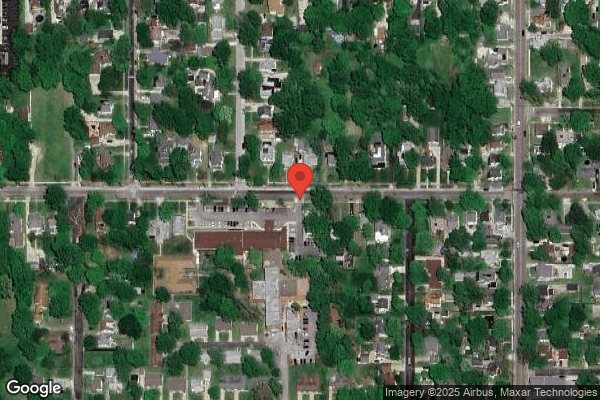
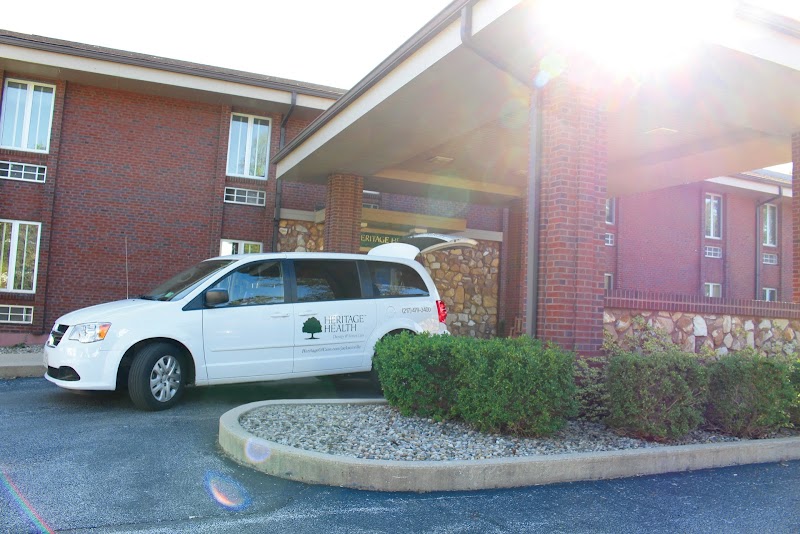
873 GROVE STREET, JACKSONVILLE, IL 62650 (217) 479-3400
For profit - Limited Liability company 175 Beds SUMMIT HEALTHCARE CONSULTING Data: November 2025 1 Immediate Jeopardy citation
Trust Grade
13/100
#243 of 665 in IL
Last Inspection: September 2024

Within standard 12-15 month inspection cycle. Federal law requires annual inspections.

Overview

Grove Health & Rehab Center in Jacksonville, Illinois, has received a trust grade of F, indicating significant concerns about care quality. Ranked #243 out of 665 facilities in Illinois, they are in the top half of the state, but they rank #1 out of 4 in Morgan County, meaning they are the best local option available. The facility is improving, having reduced the number of issues from 13 in 2024 to just 1 in 2025. Staffing is a weakness, with a below-average rating of 2 stars and a turnover rate of 43%, although this is slightly better than the state average. The facility has incurred $76,577 in fines, which is concerning but average among Illinois facilities. Additionally, there is average RN coverage, which is important as RNs can catch potential issues that CNAs might miss. Specific incidents include a resident being transferred improperly by a single staff member when their care plan required two, leading to a significant fall risk, and another resident sustaining a cervical fracture due to clutter in their environment. There were also failures to monitor a resident’s nutrition, resulting in a notable weight loss. Overall, while there are some strengths, such as their rank and improving trend, the significant issues highlighted raise important concerns for families considering this facility.

Trust Score
F
13/100
In Illinois
#243/665
Top 36%
Safety Record
High Risk
Review needed
Inspections
Getting Better
13 → 1 violations
Staff Stability
○ Average
43% turnover. Near Illinois's 48% average. Typical for the industry.
Penalties
⚠ Watch
$76,577 in fines. Higher than 80% of Illinois facilities, suggesting repeated compliance issues.
Skilled Nurses
○ Average
Each resident gets 33 minutes of Registered Nurse (RN) attention daily — about average for Illinois. RNs are the most trained staff who monitor for health changes.
Violations
⚠ Watch
33 deficiencies on record. Higher than average. Multiple issues found across inspections.
★★★☆☆
3.0
Overall Rating
★★☆☆☆
2.0
Staff Levels
★★★★☆
4.0
Care Quality
★★★☆☆
3.0
Inspection Score
Stable
2024: 13 issues
2025: 1 issues

The Good

  • 4-Star Quality Measures · Strong clinical quality outcomes
  • Full Sprinkler Coverage · Fire safety systems throughout facility
  • No fines on record
  • Staff turnover below average (43%)

    5 points below Illinois average of 48%

Facility shows strength in quality measures, fire safety.

The Bad

3-Star Overall Rating

Near Illinois average (2.5)

Meets federal standards, typical of most facilities

Staff Turnover: 43%

Near Illinois avg (46%)

Typical for the industry

Federal Fines: $76,577

Well above median ($33,413)

Moderate penalties - review what triggered them

Chain: SUMMIT HEALTHCARE CONSULTING

Part of a multi-facility chain

Ask about local staffing decisions and management

The Ugly 33 deficiencies on record

1 life-threatening 5 actual harm
Aug 2025 1 deficiency
CONCERN (D) 📢 Someone Reported This

A family member, employee, or ombudsman was alarmed enough to file a formal complaint

Potential for Harm - no one hurt, but risky conditions existed

Deficiency F0558 (Tag F0558)

Could have caused harm · This affected 1 resident

**NOTE- TERMS IN BRACKETS HAVE BEEN EDITED TO PROTECT CONFIDENTIALITY** Based on interview and record review, the facility failed to answer call lights in a timely manner in 2 of 3 residents (R109, R1...

Read full inspector narrative →
**NOTE- TERMS IN BRACKETS HAVE BEEN EDITED TO PROTECT CONFIDENTIALITY** Based on interview and record review, the facility failed to answer call lights in a timely manner in 2 of 3 residents (R109, R131) when reviewed for accommodation of needs in the sample of 32. Findings Include:On 08/26/2025 at 10:50 AM, R109 was observed in her room, in the wheelchair, clean, dry, without odors, and call light within reach. R109 stated sometimes she will have to press her call light 2-4 times to get someone to come in. R109 stated it has taken over 2 hours for the staff to provide care. R109 stated she has a bed sore on her bottom from not being cleaned up timely. R109 stated she goes to dialysis 3 days per week and has to sit up for the 3 hours she is there, so when she gets back to the facility, she's ready to lay down and it takes a long time.R109's Face Sheet, undated, documents R109 has the following diagnoses: Osteomyelitis of the Vertebrae, Type 2 Diabetes, End Stage Renal Disease, Dependence on Renal Dialysis, Urinary Retention, Back Pain, and Disc Degeneration.R109's MDS (Minimum Data Set), dated 7/22/25, documents R109 has modified independence with daily decision making, is dependent with toileting, is frequently incontinent of bowel & bladder, and has a stage 2 pressure ulcer that was present upon admission.R109's Care Plan, dated 5/14/25, documents R109 requires assistance with ADLs (Activities of Daily Living). On 08/26/2025 at 11:10 AM, R131 was observed in her room in recliner, clean, dry, without odors, walker beside recliner, and call light within reach. R131 stated it takes 1-2 hours sometimes to get her call light answered. R131 stated she fell recently and hurt her tailbone and hip because she was waiting so long for the staff to take her to the bathroom, so she got up by herself and tripped over her oxygen tubing causing her to fall. R131 stated she is mostly continent but when she has an accident it will take 1-2 hours for someone to help her because they don't answer the call light. R131's Face Sheet, undated, documents R131 has a diagnosis of Hemiplegia/Hemiparesis following a Cerebral Infarction affecting the Left Side.R131's MDS, dated [DATE], documents R131 has a BIMS (Brief Interview of Mental Status score of 12, indicating R131 has moderate cognitive impairment, utilizes a walker and wheelchair, requires substantial/maximal assist with toileting, requires partial/moderate assist with transfers, and is occasionally incontinent of urine.R131's Care Plan: dated 10/25/24, documents R131 has a Self-Care Deficit related to weakness, terminal condition, is under hospice care, and has a history of stroke with left sided hemiparesis.R131's Progress Note, dated 8/16/2025 at 5:45 AM, documents the following: Resident found sitting on floor on her buttocks between her butt and bed. Resident assisted to w/c (wheelchair), neuros initiated, ROM (Range of Motion) and VS (Vital Signs) are all WNL (Within Normal Limits) for this resident. Management, family and on call aware of fall with no injury. Resident denies pain.R131's Progress Note, dated 8/18/2025 at 4:09 PM IDT (Interdisciplinary Team) met to discuss recent fall. RCA (Root Cause Analysis): Resident noted to have been attempting to transfer self, and lost balance. Intervention: call don't fall sign hung, and resident educated.The Resident Council Minutes, dated 6/17/24, document under nursing concerns: call lights are not being answered in a timely manner. Call lights being turned off and not returning to assist resident.The Resident Council Minutes, dated 7/15/25, document under nursing concerns: call light wait time is too long.The Resident Council Minutes, dated 8/19/25, document under nursing concerns: call light wait time is too long. Concerns with people walking by when call lights are on. On 8/29/25 at 11:47AM, V1, Administrator, stated she has not had anyone specifically complain to her about the call light response time, but there have been complaints made in resident council. V1 stated when that happens, V2, DON (Director of Nurses), will do call light audits and will educate management, ancillary staff, and the nursing staff, not to walk by a call light, anyone can answer the light. The Call Light Guidance Policy, dated 7/1/23, document resident call lights shall be responded to within a reasonable amount of time.
Nov 2024 1 deficiency
CONCERN (D) 📢 Someone Reported This

A family member, employee, or ombudsman was alarmed enough to file a formal complaint

Potential for Harm - no one hurt, but risky conditions existed

Notification of Changes (Tag F0580)

Could have caused harm · This affected 1 resident

Based on interview and record review, the facility failed to notify a resident's guardian of a change in medications in 1 of 5 residents (R2) reviewed for notification of changes in the sample of 6. F...

Read full inspector narrative →
Based on interview and record review, the facility failed to notify a resident's guardian of a change in medications in 1 of 5 residents (R2) reviewed for notification of changes in the sample of 6. Findings include: On 11/20/24 at 8:38 AM, V6, RN (Registered Nurse) stated (R2) has had some changes with her Gabapentin because it was causing her to be sleepy, so the physician lowered the dosage. V6 stated she did not notify (V15), (R2's) Daughter/Guardian, of the order for Gabapentin, but should've. On 11/20/24 at 8:50 AM, R2 stated (V15) went through the court and got custody of her because at that time, she needed someone to make decisions for her, but now she is improving and doesn't necessarily need both she and (V15) to be notified of everything. R2 stated if there has been an addition of a medication or change in a medication, she would like to consent from her and (V15). On 11/20/24 at 9:40 AM, V15, stated she was not notified of (R2's) order for Gabapentin. R2's Face Sheet, undated, documents V15 as R2's Daughter and legal guardian. R2's Order for Appointment of Guardian, dated 9/25/23, documents V15 was appointed as R2's legal guardian by the Seventh Court of the Seventh Judicial Circuit of the county where R2 resides. R2's MDS (Minimum Data Set) dated, 9/5/24, documents R2 has a BIMS (Brief Interview of Mental Status) score of 11, which indicates R2 moderate cognitive impairment. R2's Care Plan, dated 9/6/24, documents R2 has impaired cognitive function or thought processes related to impaired decision making. R2's POS (Physician Order Sheet) documents an order, dated 10/17/24, for Gabapentin 100 mg three times per day for Neuropathy. R2's Progress Note, dated 10/15/24 at 2:10 PM by V18, R2's Physician, documents in part Back pain with leg pain - likely neuropathy related pain- start Neurontin (Gabapentin) 100 mg TID (Three Times Daily) - monitor mentation closely. There is no documentation in R2's progress notes that V15 was notified of the addition of the Neurontin. The Charting & Documentation Policy, dated 7/1/24, documents All services provided to the resident, progress toward the care plan goals or any changes in the resident's medical, physical, functional, or psychosocial condition, shall be documented in the resident's medical record. Documentation of procedures and treatments will include care-specific details, including: notification of family and physician.
Sept 2024 1 deficiency
CONCERN (D) 📢 Someone Reported This

A family member, employee, or ombudsman was alarmed enough to file a formal complaint

Potential for Harm - no one hurt, but risky conditions existed

Pharmacy Services (Tag F0755)

Could have caused harm · This affected 1 resident

**NOTE- TERMS IN BRACKETS HAVE BEEN EDITED TO PROTECT CONFIDENTIALITY** Based on interview and record review the facility failed to verify medications for accuracy and number of dose of each medicatio...

Read full inspector narrative →
**NOTE- TERMS IN BRACKETS HAVE BEEN EDITED TO PROTECT CONFIDENTIALITY** Based on interview and record review the facility failed to verify medications for accuracy and number of dose of each medication being sent home on discharge for 1 of 3 residents (R4) reviewed for discharge medications in the sample of 10. Finding include: 1. On 9/16/2024 9:58 am V8, Clinical Manager stated when R4 seen physician for follow up appointment. R4 care giver brought R4's medication cards from discharge from the facility V8 stated R4 did have all required medications and 7 different medication cards with meds that belonged to R5. V8 stated that R4's care giver had not given R4 any of R5's medications. On 9/16/2024 at 1:10PM V2 Director of Nursing (DON) stated when R4 went to her physician office and took her medications from discharge form the facility she also had some of R5's medication cards with medication. V2 stated this was 3 days after discharge. V2 stated the facility sent a driver out to get the medications and R5 did not miss any medication. V2 stated the nurse that discharged R4 must have accidentally grabbed some of R5's med cards. V2 stated when a resident is discharged their medications are sent with them. V2 stated she spoke to the nurse and informed her to pay more attention with discharge medications. On 9/17/2024 at 10:48AM V6, Registered Nurse (RN) stated when a resident is discharged to make sure there is discharge order in place, review medications, complete discharge sheet and resident takes all of their meds with them. V6 stated it appears she sent some of R5's medications home with R4 R4's discharge plan and instructions dated 9/3/2024 documents follow up/recommendations; follow up with primary regarding medications. R4's discharge plan documents Medication Education/Reconciliation (Has a medication reconciliation been completed? (compare pre-discharge and post-discharge medications to include both prescription and over the counter medication) R4's discharge plan documents yes. R4's discharge plan or clinical record fails to document the number of doses of each medication discharged to R4 or R4's responsible party. R4's clinical record documents in part that R4 has altered mental status. R4's Minimum Data Set (MDS) dated [DATE] documents R4 has severe cognitive impairment. On 9/17/2024 at 11:45AM V2, DON stated when a resident is discharged a discharge packet is sent , the medication cards for resident, V2 stated the nurse is to make a copy of MAR or physician orders and let resident/ caregiver know when the next dose is due. V2 stated the facility does not record the number of doses for each med resident being discharged with. V2 agreed this is a problem as the facility does not know how much medication is being sent with resident. The facility Green Tree Pharmacy policy Discharge with Medications dated, last revision dated 2/15/2024 documents the labels on discharge medications are verified for completeness and accuracy by reconciling them against the most recent physician's orders. The policy documents directions for use are reviewed with the resident and/or responsible party. The policy documents the nurse should document the number of doses of each medication discharged to the patient or responsible party.
Sept 2024 8 deficiencies 3 Harm
SERIOUS (G)

Actual Harm - a resident was hurt due to facility failures

Accident Prevention (Tag F0689)

A resident was harmed · This affected 1 resident

**NOTE- TERMS IN BRACKETS HAVE BEEN EDITED TO PROTECT CONFIDENTIALITY** Based on interview, observation and record review, the facility failed to ensure personal use items were within reach and provid...

Read full inspector narrative →
**NOTE- TERMS IN BRACKETS HAVE BEEN EDITED TO PROTECT CONFIDENTIALITY** Based on interview, observation and record review, the facility failed to ensure personal use items were within reach and provide an environment free of clutter to prevent falls and injury for 1 of 6 residents (R12) reviewed for accidents in the sample of 61. This failure resulted in R12 sustaining a cervical fracture, wearing a neck brace from 4/8/24 until 6/18/24, and requiring 9 sutures to his forehead. Findings include: R12's admission Record, print date of 9/11/24, documents that R12 was admitted on [DATE] with diagnoses of Repeated Falls, Mild Cognitive Impairment, and Pallative Care. R12's Minimum Data Set, dated [DATE], documents R12 is cognitively intact, requires partial to moderate assistance from staff with sitting to standing position and standing and walking, and occasionally incontinent of bowel and bladder. R12's Health Status Note, dated 4/8/24 at 9:31 PM, documents, Heard noise down the hall. Resident observed laying on floor on right side with head on bathroom floor. Resident states he was going to use urinal at bedside and lost balance and fell. Laceration noted to right eyebrow area and forehead. VS (vital signs): temp (temperature) 98.7, pulse 64, resp.(respirations) 18 B/P (blood pressure) 130/60, SPO2 (oxygen saturation level) 96. Resident denies discomfort except for head Towels placed to bleeding areas. Ambulance called for transport to ER (Emergency Room) for Evauation (sic). Hospice notified resident needs to go to ER and okay given. POA (Power of Attorney) notified. RN (Registered Nurse) on call notified. R12's Health Status Note, dated 4/9/24 at 4:09 AM, documents, Resident returned to facility per POA. Staff assisted resident to room and to bed. Alert and oriented x3. Neck Brace in place. Message left with Appt. (appointment) Scheduler to f/u (follow up) with Spine specialist. PRN (as needed) Morphine given. R12's Fall Investigation, undated, documents, Heard noise down hall. Resident observed laying ion floor in room on right side with head laying on bathroom floor. Laceration noted to right eyebrow area and forehead. Resident states stood up out of bed to use urinal and lost balance and fell. Appears resident grabbed hold of bedside table since bedside table upside down and under resident and urinal on bathroom floor. Resident stats he has gotten up out of bed to use urinal. Resident noted urinal was on the bedside table 2 feet from him, so he got up to grab urinal on his own. Resident then stated that he tried to pull the table to him and it got farther from him instead, causing him to fall forward towards bathroom. It continues, Staff state the CNA (Certified Nurse Assistant) had put resident to bed at approximately 8:30 PM, an hour prior to fall, and thinks she forgot to put bedside table closer to the bed. It continues, resident states he does use his urinal at night with no assistance, and staff agree with this statement. R12's ED (Emergency Department) Physician Notes, dated 4/8/24, documents, Associated Diagnoses: C5 cervical fracture; laceration of forehead. It continues, Laceration: 3 cm (centimeters) in length R (right) forehead. Skin closure: 9 sutures. R12's Cervical Spine 2 views, dated 4/9/24, documents, Impression: Interval improved anatomic alignment of the anterior superior corner fracture fragment of C5 vertebral body since prior CT (computed tomography scan) study. R12's Health Status Note, dated 5/28/24, documents, Resident returned from MD (Medical Doctor) with progress note stating he must wear his cervical collar at all times for another 4 weeks. follow up appt (appointment) in 1 month. R12's Health Status Note, dated 6/18/24, documents, orders received per hospice to d\c (discontinue) neck brace. On 9/12/24 at 12:05, V3, Assistant Director of Nurses (ADON), stated the aides should place the bed side table next to the resident so they can reach their items. On 9/10/24 at 10:18 AM. R12's room was entered, by the bathroom door the is are 2 larger oxygen cylinders in a cart and 4 smaller oxygen cylinders not in a cart sitting on the floor. The 4 smaller cylinders have a thin metal tube that extends upward approximately 2 1/2 inches from the top of the cylinder. There is no cap on these metal tubes to prevent injury if someone fell onto them. These 4 oxygen cylinders also are not secured to prevent being knocked over and causing injury. ON 9/10/24 at 10:25 AM, V14 Licensed Practical Nurse, was questioned why the oxygen cylinders were in R12's room, V14 stated, Those are from hospice. I am not sure why they are here. On 9/10/24 at 10:30 AM, V2 , Director of Nurses, (DON), was questioned about the oxygen tanks in R12's room, V2 stated, Those are still there? (The hospice) company delivered them for (R12). This (hospice) brings them for their patients. I had sent an email to them to come and pick them up. R12's Health Status Note, dated 9/9/24 at 6:35 AM, documents, Writer called to (R12's) room at 630 AM. (R12) was laying on the floor head leaning on O2 (oxygen) tanks that were against the wall by the bathroom door. Small dresser next to bathroom door knocked over. (R12) stated he had to go to the bathroom and lost his balance. He grabbed the dresser knocking it and the belongings on top of it over. (R12) stated he didn't fall that hard due to grabbing dresser. He denies any pain or discomfort. ROM WNL (range of motion within normal limits). No bruising noted at this time. VS WNL (vital signs within normal limits). PCP (primary care provider) made aware. Neuro (neurology) checks initiated. R12's Health Status Note, dated 9/9/24, documents, IDT (intradisciplanary team) met to discuss recent fall. RCA (root cause analysis): Resident is often noncompliant and transfers on his own, even though he is an assist of 1. Resident got up on his own to use restroom and fell. Resident needs cues to remind him to not get up unassisted. Intervention: 'Call don't fall' sign posted Care plan updated. R12's Health Status Note, dated 9/10/24, documents, Continues on FVS/Neuros (follow up vital signs / neurology checks). Resident is a/o (alert and oriented) x 4 per norm (normal). Denies pain or discomfort. Bruising to right shoulder, left hand and right foot/ankle r/t (related to) fall reported by Hospice CNA (Certified Nurse Assistant) during resident shower. R12's Care Plan documents, Fall risk, weakness, terminal condition, under hospice care, has been having multiple falls at home, prior to admission, history of TIA (trans ischemial attack) with some memory deficits, may be incont (incontinent), (R12) is non-compliant at times will try to get up without help Date Initiated: 01/21/2024. Intervention: Keep environment free from clutter. Date Initiated: 01/21/2024 Revision on: 01/21/2024. Keep personal belongings within reach Date Initiated: 01/21/2024. The policy Accidents & Incidents, dated 7/1/23, documents, 4. Investigate and follow up action: A. The charge Nurse must conduct an immediate investigation of the accident / incident and implement immediate appropriate interventions to affected parties.
SERIOUS (G)

Actual Harm - a resident was hurt due to facility failures

Deficiency F0692 (Tag F0692)

A resident was harmed · This affected 1 resident

**NOTE- TERMS IN BRACKETS HAVE BEEN EDITED TO PROTECT CONFIDENTIALITY** Based on interviews, observations, and record reviews the facility failed to assess, monitor, and implement interventions to pre...

Read full inspector narrative →
**NOTE- TERMS IN BRACKETS HAVE BEEN EDITED TO PROTECT CONFIDENTIALITY** Based on interviews, observations, and record reviews the facility failed to assess, monitor, and implement interventions to prevent weight loss in 1 out of 5 residents, R323, reviewed for nutrition in a sample of 61. This failure resulted in R323 acquiring a 9.09% weight loss in less than 3 months. Findings include: R323 was admitted to the facility on [DATE] with diagnosis of, in part, fracture of unspecified part of neck of left femur, unspecified fall, unspecified dementia. R323's MDS dated [DATE] documents R323 is severely cognitively impaired with a brief interview of mental status score of 3. R323's MDS further documents R323 requires supervision or touching assistance with eating. R323's Care Plan dated 7/19/24 documents R323 has a self-care deficit as evidenced by needing assistance with activities of daily living (ADLs) with an intervention for eating to provide set-up and assist as needed. R323's weight documentation on 7/03/2024, documents R323 weighed 125.4 lbs. On 09/01/2024, R323 weighed 116.2 pounds which is a -7.34% loss. On 9/11/24 at 8:55 AM, V7, certified nursing assistant, CNA, took R323 to the scale and R323 weighed 114 pounds making her total a 9.09% weight loss since 7/3/2024. On 9/11/2024 at 9:10 AM, V21, CNA, stated she has noticed R323 has not been eating much but not aware of any weight loss and R323 does get nutrition shakes but not sure on anything else they are doing for her. On 9/11/2024 at 12:10 PM, V3, assistant director of nursing, ADON, stated the dietician is notified of all weights, including weight loss every month and has access to all the resident's charts. V3 stated R323's appetite decreased when she was diagnosed with Covid about three weeks ago. V3 stated he was not aware the R323 continued to lose weight, he thought she was doing better. V3 stated he would have expected to be notified of R323's weight loss. V3 stated the staff had tried to move R323 to the assisted feeding table not too long ago to help but her daughter did not want her to be moved. On 9/11/2024 at 12:26 PM, V18, dietician, stated she was not aware of R323's continued weight loss. V18 stated the facility sends her a report at the beginning of each month and will often start interventions that she will review but no new interventions were started for this month that she knew of on R323. V18 stated R323 was started on nutritional shakes and Med Pass for supplementations on 8/29/24. V18 stated she was not notified of the further weight-loss since 9/1/24 but she would have expected to be notified of any. V18 stated she would recommend R323 to be re-evaluated and to be provided more assistance while eating. The facility's Weight Assessment and Intervention policy dated 7/1/23 documents, The dietician will review the Weight Record at least monthly to follow individual weight trends over time. Negative trends will be evaluated by the treatment team whether or not the criteria for significant weight change has been met. It further documents, The threshold for significant unplanned and undesired weight loss will be based on the following criteria .3 months - 7.5% weight loss is significant; greater than 7.5% is severe.
SERIOUS (G) 📢 Someone Reported This

A family member, employee, or ombudsman was alarmed enough to file a formal complaint

Actual Harm - a resident was hurt due to facility failures

Deficiency F0760 (Tag F0760)

A resident was harmed · This affected 1 resident

**NOTE- TERMS IN BRACKETS HAVE BEEN EDITED TO PROTECT CONFIDENTIALITY** Based on interview and record review, the facility failed to provide Physician prescribed medication for 1 of 4 residents (R223)...

Read full inspector narrative →
**NOTE- TERMS IN BRACKETS HAVE BEEN EDITED TO PROTECT CONFIDENTIALITY** Based on interview and record review, the facility failed to provide Physician prescribed medication for 1 of 4 residents (R223) reviewed for medication. This failure resulted in R223 missing 28 doses of oxcarbazepine (seizure medication) and having 10 seizures between 8/2/24 and discharge to the hospital on 8/11/24. Findings include: R223 was admitted on [DATE] with diagnoses of metabolic encephalopathy, convulsions, schizophrenia. R223 Minimum Data Set, MDS, dated [DATE], documents that R223 is cognitively intact. R223's Health Status Note, dated 7/19/2024 4:45 PM, documents, (V30, R223's Neurologist) called gave order to start Trileptal 300 mg (milligram) i bid (twice a week) x i (one) week then increase to Trileptal 600 mg i bid for break through seizures. Dr said next time he sees res (resident) in clinic he will probably start the D/C (discontinue) process of Keppra. (V30) said he sent order to pharmacy for res (resident). R223's Health Status Note, dated 8/2/2024 12:50 PM, documents, Resident continue with seizures back to back resident appears very tired and weak NP (Nurse Practitioner) here present in the facility witness these episode want resident to recieve (sic)I V (Intravenous) Ativan obtain order to tranfer (sic) to hospital POA (Power of Attorney) updated. R223's Health Status Note, dated 8/2/2024 20:30, returned from ER (Emergency Room) per facility staff, was having seizure in facility van, lasted 3 minutes, remained alert and responded correctly when seizure subsided, returned to with (hall) staff x 2, bp (blood pressure)100/66 p (pulse)100 r (respiration) 20 t (temperature) 97.4, resident rec'd (received) labs and cts (computed tomography scan) while in er, new order for cefdinin (sic) for uti (urinary tract infection)/pneumonia starting 8/3 with titrating doses of prednisone, resident had poor appetite but did intake fluids, full body lift to bed, recid (sic) iv ativan and iohexol (sic) and ceftriaxone while in er R223's Health Status Note, dated 8/3/2024 6:45 PM, documents, Resident continue with seizures x3 updated MD (Medical Doctor).Remain on ABT (antibiotic) for UTI no adverse reaction encouraging fluids and POA R223's Health Status Note, dated 8/10/2024 6:30 PM, documents, resident yelled out in dining room that she was going to have seizure, had small seizure for 30 seconds, remained with eyes open during seizure, was quiet and able to respond after, R223's Health Status Note, dated 8/11/2024 09:35 AM, documents, Resident in the Dining room eating breakfast staff noted resident seizuring (sic) writer went to resident to observe and give support seizure lasted about 2 minutes .Resident was easy to arouse offer meds (medications) due to resident alertness request meds to be crushed . Took meds with no problems .assist to bed per resident request. Updated POA of this incident and called (V31, R223's neurologist) on call MD was (V32, neurologist) update on resident reviewed med list MD stated she will call back today R223's Health Status Note, dated 8/11/2024 4:39 PM, documents, (V32) on call for (V31) return call with new orders for seizure .Updated POA with new orders and medication. (new order was for oxcarbazepine 600 mg bid) R223's Health Status Note, dated 8/11/2024 5:17 PM, documents, Resident experienced seizure during dinner and was sent to (local hospital) via EMS (Emergency Medical Services) MD and POA notified R223's Health Status Note, dated 8/11/2024 11:01 PM, documents, called (local hospital) for update, resident will be transferring to (Regional Hospital) when bed available due to resident has not returned to baseline R223's Health Status Note, dated 8/12/2024 1:16 PM, documents, notified by (Regional Hospital) that resident will be going to another facility at daughter request to be closer to spfld ([NAME]). R223's Medication Administration Record (MAR), documents, Trileptal Oral Tablet (Oxcarbazepine) Give 300 mg by mouth two times a day for Seizures for 7 Days -Start Date07/20/2024 0600 -D/C Date07/28/2024 0942. R223's MAR, documents, Trileptal Oral Tablet (Oxcarbazepine) Give 600 mg by mouth two times a day for seizures -Start Date07/27/2024 4:00 PM -D/C Date07/28/2024 0942. R223's MAR, documents, OXcarbazepine Oral Tablet 300 MG (Oxcarbazepine) Give 300 mg orally two times a day related to EPILEPSY, UNSPECIFIED, NOT INTRACTABLE, WITHOUT STATUS EPILEPTICUS (G40.909) until 08/18/2024 11:59 PM -Start Date08/12/2024 0800 -Hold Date from 08/12/2024 0031 to 08/14/2024 0030. R223's Hospital Record, signed date of 8/12/24, documents, Assessment ? Plan (R223) is a [AGE] year old female, with history of bitemporal seizures, who presents with breakthrough seizures. (Hospital) Neurology consulted for medical management to breakthrough seizures. It appears that her seizures were likely due to sub optimal management of her medications while she was in the nursing home. At this time I will resume the medication she was on in the nursing home with the addition of oxcarbazepine which she was prescribed by (V31). R223's Hospital Record, print date of 8/13/24, documents, (Hospital Neurology Consult Note, documents, Reason for admission: Seizure. HPI (History of Present Illness) She is has been having seizures at the nursing home for the past few weeks which have been increasing in frequency. Upon interview with the nursing home it appears that she was on a different dose of medications than those that were recommended when she last saw (V31) in the clinic. it continues, It is unclear why she was not taking the oxcarbazepine 600 mg bid prescribed to her. On 9/12/24 at 11:28 AM, V2, Director of Nurses, stated, I have looked into how the oxcarbazepine was discontinued. I reached out to pharmacy and when (V33, Licensed Practical Nurse) looked at the order she only read the first part of 300 mg for seven days and went into the computer and discontinued the medication. On 9/12/24 at 11:39 AM, (V34, Medical Director) stated, Any medication ordered should be given as ordered. (R223) is a very complicated case not getting the oxcarbazepine did not help her but I am unable to say if it harmed her because she was such a complicated case. On 9/12/24 at 12:01 PM, V1, Administrator, stated that he does not know what policy would work for this medication error but he does expect that medications should be given as they are prescribed by the Physician.
CONCERN (D)

Potential for Harm - no one hurt, but risky conditions existed

ADL Care (Tag F0677)

Could have caused harm · This affected 1 resident

**NOTE- TERMS IN BRACKETS HAVE BEEN EDITED TO PROTECT CONFIDENTIALITY** Based on interviews, observations, and record reviews the facility failed to provide eating assistance for 1 out of 8 residents ...

Read full inspector narrative →
**NOTE- TERMS IN BRACKETS HAVE BEEN EDITED TO PROTECT CONFIDENTIALITY** Based on interviews, observations, and record reviews the facility failed to provide eating assistance for 1 out of 8 residents (R323), reviewed for feeding assistance in a sample of 61. Findings include: R323 was admitted to the facility on [DATE] with diagnosis of, in part, fracture of unspecified part of neck of left femur, unspecified fall, unspecified dementia. R323's Minimum Data Set (MDS) dated [DATE] documents R323 is severely cognitively impaired with a brief interview of mental status score of 3. R323's MDS further documents R323 requires supervision or touching assistance with eating. R323's Care Plan dated 7/19/24 documents R323 has a self-care deficit as evidenced by needing assistance with activities of daily living (ADLs) with an intervention for eating to provide set-up and assist as needed. On 9/9/2024 at 11:48 AM, R323 was not touching the meal and received no prompting by staff to eat, beef stroganoff on noodle, brussel sprouts, roll and white confetti cake with frosting. On 9/9/2024 at 12:00PM, R323's table mate prompted R323 to eat. At 12:18 PM, table mate placed cake in front of R323 and put a fork in cake for her. On 9/09/2024 at 12:30 PM, R323 was not prompted by any staff member to eat her food. R323 ate a couple bites of cake. R323 ' s weight documentation on 7/03/2024, documents the resident weighed 125.4 lbs. On 09/01/2024, the resident weighed 116.2 pounds which is a -7.34% loss. On 9/11/24 at 8:55 AM, V7, certified nursing assistant, CNA, took R323 to the scale and R323 weighed 114 pounds making her total a 9.09% weight loss since 7/3/2024. On 9/11/2024 at 9:10 AM V21, Certified Nurse Assistant (CNA), stated she has noticed R323 has not been eating much but not aware of any weight loss and R323 does get nutrition shakes but not sure on anything else they are doing for her. On 9/11/2024 at 12:10 PM, V3, assistant director of nursing, ADON, stated the dietician is notified of all weights, including weight loss every month. V3 stated R323's appetite decreased when she was diagnosed with Covid about three weeks ago. V3 stated he was not aware that R323 continued to lose weight, he thought she was doing better. V3 stated he would have expected to be notified of R323's weight loss. V3 stated the staff had tried to move R323 to the assisted feeding table not too long ago to help her but her daughter did not want her to be moved. On 9/11/2024 at 12:26 PM, V18, dietician, stated she was not aware of R323's increased weight loss. V18 stated the facility sends her a report at the beginning of each month and will often start interventions that she will review but no new interventions were started for this month that she knew of. V18 stated she would recommend R323 to be re-evaluated and have more assistance while eating. The facility's policy on Providing Assistance with Meals printed 9/12/24 documents, All residents will be encouraged to eat in the dining room. Nursing staff and/or Feeding Assistants will serve resident trays and will help residents who require assistance with eating.
CONCERN (E)

Potential for Harm - no one hurt, but risky conditions existed

Resident Rights (Tag F0550)

Could have caused harm · This affected multiple residents

**NOTE- TERMS IN BRACKETS HAVE BEEN EDITED TO PROTECT CONFIDENTIALITY** 3. On 09/09/2024 at 12:20 PM, V9, CNA, was standing up feeding R54 at lunch time. On 09/10/2024 at 1:30 PM, R54 stated that they...

Read full inspector narrative →
**NOTE- TERMS IN BRACKETS HAVE BEEN EDITED TO PROTECT CONFIDENTIALITY** 3. On 09/09/2024 at 12:20 PM, V9, CNA, was standing up feeding R54 at lunch time. On 09/10/2024 at 1:30 PM, R54 stated that they feed him and sometimes they don't sit down. R54's Physician's order sheet, dated 09/2024, documented a diagnosis of Metabolic Encephalopathy and Type 2 Diabetes. R54's MDS, dated [DATE], documented that his cognition was intact and that he was dependent upon staff for eating. R54's Care Plan, dated 8/27/2024, documented, Eating - One person physical assist required as an intervention. 4. On 09/09/2024 at 12:25 pm, V8, CNA, was standing up feeding R50 her lunch. R50's Physician's order sheet, dated 09/2024, documented diagnoses of Alzheimer's and Dementia. R50's MDS, dated [DATE], documented that her cognition was severely impaired and that she was dependent upon staff for eating. R50's Care Plan, dated 7/3/2024, documented, Eating - One person physical assist required. as an intervention. 5. On 09/09/2024 at 12:25 pm, V8, CNA, was standing up feeding R91 her lunch. R91's Physician's order sheet, dated 09/2024, documented a diagnosis of dementia. R91's MDS, dated [DATE], documented that her cognition was severely impaired and that she was dependent upon staff for eating. R91's Care Plan, dated 8/12/2024, documented, Eating - Provide set up, encourage self feeding, assist to finish most times. On 9/12/2024 at 9:25 AM, V28, CNA, stated that when she is feeding a resident in the dining room, she always sits down. On 9/12/2024 at 9:27 AM, V9, CNA, stated that when they are feeding residents they are to sit down. On 9/12/2024 at 9:30 AM, V11, CNA stated that they are to be sitting down while feeding a resident during a meal. The facility's policy, Providing Assistance with Meals, issue date 9/12/2024, documented, 1. Not standing over residents while assisting them with meals. The pamphlet, Residents' Right for People in Long-term Care Facilities, dated 3/2017, documented, Your facility must provide services to keep you physical and mental health, and sense of satisfaction. It continues, Your facility must make reasonable arrangements to meet your needs and choices. Based on observation, interview and record review the facility failed to provided assistance during feeding in a dignified manner for 5 of 32 residents (R26, R39. R50, R54 and R91) reviewed for dignity in the sample of 61. Findings include: 1. On 09/09/24 at 11:54 AM during the the noon meal at the first floor dining room the first tray was served at 11:36 AM. The meal consisted of beef stroganoff, Brussels sprouts or green beans, roll, white confetti cake with white frosting. V5, Certified nursing Assistant (CNA) standing in the middle of assisted feeding tables that form a circle. V5 standing up feeds resident a bite off of a spoon , sanitizes hands then feds another resident bite of food with a spoon. This includes R26 and R39. On 9/9/2024 at 12:14PM V6, CNA enters the circle and starts feeding R26 while standing up and when providing drink has to reach to get cup to R26's mouth. R26's Physician order (PO) dated 9/2024 document s regular diet mechanical soft texture, thin consistency. R26's care plan dated 6/10/2024, documents self care deficit as evidenced, need assistance with Activity of Daily Living (ADL)'s , intervention dated 6/10/2024 eating - one person physical assist required; occasionally feeds self finger foods or takes a drink but usually dependent on staff to feed. R26's Minimum Data Set (MDS) dated [DATE] documents R26 is rarely/never understood 2. R39's PO dated 9/2024 documents regular diet pureed texture, nectar consistency. R39's care plan dated 6/9/2024 documents self care deficit needs assistance with ADL's related to dementia, impaired decision making and weakness. R39's care plan documents intervention for eating; dated 8/27/2024 one person physical assist required. R39's MDS dated [DATE] documents R39 is severely cognitively impaired.
CONCERN (E) 📢 Someone Reported This

A family member, employee, or ombudsman was alarmed enough to file a formal complaint

Potential for Harm - no one hurt, but risky conditions existed

Incontinence Care (Tag F0690)

Could have caused harm · This affected multiple residents

**NOTE- TERMS IN BRACKETS HAVE BEEN EDITED TO PROTECT CONFIDENTIALITY** 2) R323 was admitted to the facility on [DATE] with diagnosis of, in part, fracture of unspecified part of neck of left femur, ...

Read full inspector narrative →
**NOTE- TERMS IN BRACKETS HAVE BEEN EDITED TO PROTECT CONFIDENTIALITY** 2) R323 was admitted to the facility on [DATE] with diagnosis of, in part, fracture of unspecified part of neck of left femur, unspecified fall, unspecified dementia. R323's MDS dated [DATE] documents R323 requires substantial/maximal assistance with toileting hygiene. R323's Care Plan dated 7/19/24 documents R323 is at skin risk for weakness with decreased mobility related to medical condition and may be incontinent with an intervention to assist with peri-care if incontinent, to help keep resident clean dry and odor free. On 09/11/24 at 9:10 AM, V7, certified nursing assistant, CNA, provided peri-care to R323 after having a bowel movement on the toilet. V7 stood R323 up to walker with a gait belt. V7 did not change her gloves, nor did she perform hand hygiene after wiping R323. V7 proceeded to pull R323's brief and pants up with the same dirty gloves. V7 did not dry R323's peri region off after wiping her with a wet towel. Based on observation, interview and record review, the facility failed to perform complete incontinent and peri care for 4 of 4, (R4, R29, R232, R273) residents, reviewed for incontinence, in a sample of 61. Findings include: 1. On 09/10/2024 at 10:00 AM, V9, Certified Nurse Assistant (CNA), with gloved hands, pulled back R273, incontinent brief, and cleansed her right groin, then left groin and then down the center of R273's labia with rinse free peri wash and a wet washcloth. These areas were not dried and R273 was then rolled on to her right side. V9, CNA, then took a wet washcloth, that had the rinse free peri wash on it and cleansed R273's right hip and then cleansed, R273's rectal area from back to front. There were soapy suds of the rinse free wash on R273's left hip and left buttocks when V9 placed a new incontinent brief under her. R273 was then rolled on to her left side, and V9 cleansed R273's right hip with the no rinse peri wash and then fastened the clean incontinent brief without drying the right hip. R273's physicians order sheet, dated 9/1/24, documented diagnoses of Urinary tract infection and Hemiplegia and Hemiparesis following cerebral infraction affecting the right dominate side. It also documented that R273 was admitted to the facility on [DATE]. R273 Baseline care plan, dated 9/1/2024, documented, Assist with peri-care if incontinent, to help keep resident clean dry & odor free. R273's Minimum Data Set, dated [DATE], was incomplete, during this investigation. On 9/12/2024 at 9:25 AM, V28, CNA, stated that the peri wash should be rinsed off and that all areas should be dried after incontinent care. V28 also stated that when doing incontinent care, she would cleanse from front to back and not back to front. On 9/12/2024 at 9:27 AM, V9, CNA, stated that when they do incontinent care, that they should rinse off the peri wash and dry all areas that were cleaned and that when incontinent care is done from front to back. On 9/12/2024 at 9:30 AM, V11, CNA stated that when incontinent care is done, that she would clean from front to back and that she dries all areas that were washed. 3. On 9/11/2024 at 11:30AM during incontinent care V21, Certified Nursing assistant (CNA) with disposable washcloths cleansed R4's R groin, l groin, inner thighs , then turned to left side. V21 did not separate or cleanse the labia. V21 did not dry R4's peri area prior to turning R4. V21 CNA then swiped disposable washcloth from front to back with R4 on left side. V 21 then cleanse inner thighs and buttocks , V21 did not dry R4 prior to putting adult diaper on R4. R4's care plan dated 8/15/2024 documents R4 is at risk of urinary tract infection due to history of (UTI). R4's care plan dated /15/2024 documents incontinent of bowel/bladder. R4's care plan documents the following intervention: encourage and assist to toilet routinely and provide peri-care when incontinent. R4's Minimum Data Set (MDS) dated [DATE] documents R4 is always incontinent The facility Incontinence Care policy dated 7/1/2023 documents all incontinent residents will receive incontinence care in order to keep skin clean, dry and free of irritation and/odor. Incontinence care will be provided as required. The policy documents wash all soiled skin areas and dry very well. 4. On 9/11/2024 at 10:44AM during incontinent care V19, CNA filled basin with warm. V19 then squirted body cleanser in the basin and placed on bedside table .V19 removed adult diaper which was wet as verified by v19, CNA. After cleansing R29 front including peri area and inner thighs V19 CNA did not rinse or dry R29 . V19 than assisted R29 to roll on right side . R19 took clean towel and placed in basin then cleanse R29. V19 started cleansing from the back to the front starting at rectal area . V19 then dried R29 rectal area and buttocks with dry towel going from the rectal area to the vaginal area. V19 did not rinse R29 prior to drying back are with towel R29's care plan dated 6/22/2022 documents R29 is incontinent of bowel and bladder, and needs staff assistance with toileting. R29's care plan documents the intervention to encourage and assist to toilet routinely and provide peri-care when incontinent. R29's MDS dated [DATE] documents R29 is frequently incontinent of urine The facility bottle label DermaVera documents body cleanser is suitable for skin and moisture the label documents apply a small amount , massage into a rich full lather . Rinse. 880- After providing incontinent care V19. do with same gloves provided incontinent care touched curtain and barrier V19 provided incontinent cream packet with unclean gloves and applied barrier cream to R29's buttocks and rectal area with the same gloves used to provide incontinent care to R29. On 9/12/2024 at 7:52AM V21, CNA stated when doing incontinent care on a female she was trained to clean peri area including to separate and cleanse the labia.
CONCERN (E)

Potential for Harm - no one hurt, but risky conditions existed

Deficiency F0761 (Tag F0761)

Could have caused harm · This affected multiple residents

**NOTE- TERMS IN BRACKETS HAVE BEEN EDITED TO PROTECT CONFIDENTIALITY** Based on interview, observation, and record review, the facility failed to discard expired blood glucose monitor control solutio...

Read full inspector narrative →
**NOTE- TERMS IN BRACKETS HAVE BEEN EDITED TO PROTECT CONFIDENTIALITY** Based on interview, observation, and record review, the facility failed to discard expired blood glucose monitor control solutions for 4 of 4 (R10, R14, R48, R84) reviewed for medication storage in the sample of 61. Findings include: On [DATE] at 10:53 AM, the North South medication cart was reviewed with V14 Registered Nurse, The blood glucose machine High Control Solution expired on [DATE]. The, undated, facility provided list of residents that receive blood glucose monitoring on the north south hall documents R14, R10, R84 and R48 all receive blood glucose monitoring. 1. R84's Physician Order, dated [DATE], documents, Accu check (blood glucose check) four times a day relate to type 2 diabetes mellitus without complications. 2. R14's Physician Order, dated [DATE], documents, Accu check at bedtime for DM (Diabetes Mellitus). 3. R10's Physician Order, dated [DATE], documents that (R10) will have her blood sugar checked three times a day due to Diabetes Mellitus. 4. R48's Physician Order, dated [DATE], documents, accucheck in the morning for Diabetes. On [DATE] at 11:08 AM, V1, Administrator, stated that the nurse doing the callibration should make sure the controls are not expired. The policy Obtaining a blood glucose level procedure, undated, documents, 4. Ensure that the equipment and devices are working properly by performing any calibrations or checks as instructed by the manufacture or this facility.
CONCERN (E)

Potential for Harm - no one hurt, but risky conditions existed

Infection Control (Tag F0880)

Could have caused harm · This affected multiple residents

**NOTE- TERMS IN BRACKETS HAVE BEEN EDITED TO PROTECT CONFIDENTIALITY** 4) R323 was admitted to the facility on [DATE] with diagnosis of, in part, fracture of unspecified part of neck of left femur, u...

Read full inspector narrative →
**NOTE- TERMS IN BRACKETS HAVE BEEN EDITED TO PROTECT CONFIDENTIALITY** 4) R323 was admitted to the facility on [DATE] with diagnosis of, in part, fracture of unspecified part of neck of left femur, unspecified fall, unspecified dementia. R323's MDS (Minimum Data Set) dated 8/26/24 documents R323 requires substantial/maximal assistance with toileting hygiene. R323's Care Plan dated 7/19/24 documents R323 is at skin risk for weakness with decreased mobility related to medical condition and may be incontinent with an intervention to assist with peri-care if incontinent, to help keep resident clean dry and odor free. On 09/11/24 at 9:10 AM, V7, certified nursing assistant, CNA, provided peri-care to R323 after having a bowel movement on the toilet. V7 stood R323 up to walker with a gait belt. V7 did not change her gloves, nor did she perform hand hygiene after wiping R323. V7 proceeded to pull R323's brief and pants up with the same dirty gloves. R323 is on enhanced barrier precautions requiring staff to glove and gown up when providing hygiene care as documented on the enhanced barrier sign. V7 did not put a gown on while providing peri-care to R323. The facility's Hand Washing Policy dated 7/1/23 documents, If hands are not visibly soiled, use hand sanitizer: Before moving from contaminated body site to a clean body site during resident care. The facility's Incontinence Care Policy dated 7/1/23 documents, Wash all soiled skin areas and dry very well .changing gloves and performing hand hygiene as required to prevent cross-contamination. The facility's Isolation Equipment and Supplies policy dated 7/1/23 documents, Personal protective equipment (gloves, gowns) are worn when handling or transporting resident-care equipment and supplies that are visibly soiled or have been in contact with blood or body fluids. Based on observation interview and record review, the facility failed to perform hand hygiene before donning and after doffing gloves, prior to donning personal protective equipment (PPE), failing to prevent cross contamination during care and donning PPE prior to entering a enhance barrier precaution labeled resident room, for 4 of 4 (R29, R58, R273 and R323) residents reviewed for infection control, in a sample of 61. Findings include: 1. On 09/10/2024 at 10:00 AM, After R273 was transferred into her bed by V9 and V22, both Certified Nurse Assistants (CNA's). V22 doffed her gloves and reapplied a new pair of gloves without benefit of hand hygiene and removed the cover and the sling from underneath R273. V9, CNA, with gloved hands, performed perineal care and once completed, both V9 and V22, doffed gloves and without benefit of hand hygiene, both donned a new pair of gloves. V9, CNA, then continued to provide perineal care. R273's physicians order sheet, dated 9/1/24, documented diagnoses of Urinary tract infection and Hemiplegia and Hemiparesis following cerebral infraction affecting the right dominate side. On 9/12/2024 at 9:25 AM, V28, CNA, stated that hand hygiene is done when you take off your gloves and before you put them on. On 9/12/2024 at 9:27 AM, V9, CNA, stated that hand hygiene is done before you put on gloves and after they are taken off. On 9/12/2024 at 9:30 AM, V11, CNA stated that hand hygiene is done between glove changes and before you put on gloves. 2. On 9/11/1014 at 10:42AM V20, Certified Nursing Assistant (CNA) donned gloves and did not sanitize hands prior to donning gloves, V20 donned gown and did not secure the gown by fastening the ties on the gown. V20 entered R58's room and pulled back adult brief during the process V20's gown is falling forward exposing V20's top and the gown is touching R58's bed. V20 stated i forgot to tie my gown. There is a sign posted outside R58's room, the facility sequence for putting on Personal Protective Device (PPE) undated documents gown fully cover torso from neck to knees, area to end of wrists , and wrap around the back. R58's record documents R58 is on Enhanced barrier precaution related to Colostomy. 3. On 9/11/2024 at 10:44AM during incontinent care V19, CNA with same gloves provided incontinent care did not change gloves and touched the curtain and barrier cream packet. V19 CNA then applied barrier cream to R29's buttocks and rectal area with the same gloves used to provide incontinent care to R29.
May 2024 3 deficiencies
CONCERN (D) 📢 Someone Reported This

A family member, employee, or ombudsman was alarmed enough to file a formal complaint

Potential for Harm - no one hurt, but risky conditions existed

Incontinence Care (Tag F0690)

Could have caused harm · This affected 1 resident

**NOTE- TERMS IN BRACKETS HAVE BEEN EDITED TO PROTECT CONFIDENTIALITY** Based on observation, interview and record review, the facility failed to provide complete incontinent care to prevent urinary t...

Read full inspector narrative →
**NOTE- TERMS IN BRACKETS HAVE BEEN EDITED TO PROTECT CONFIDENTIALITY** Based on observation, interview and record review, the facility failed to provide complete incontinent care to prevent urinary tract infections for 2 of 4 residents (R19, R20) reviewed for incontinent care in the sample of 22. Findings include: 1. R19's admission Record, print date of 5/9/24, documents that R19 was admitted on [DATE] and has diagnoses of Alzheimer's Disease and Chronic Kidney Disease Stage 3. R19's Minimum Data Set (MDS), dated [DATE], documents that R19 is severely cognitively impaired, is dependent on staff for toileting hygiene, and has an indwelling urinary catheter. On 5/7/24 at 7:45 PM, V17 Certified Nurse Aide (CNA) and V18 CNA transferred R19 to bed. V17 removed R19's incontinent brief. R19 was rolled over on to his left side. With a washcloth that was wet with peri-wash, V17 washed the back of R19's scrotum. R19 was rolled over onto his back. V17 with another wet washcloth wiped R19's penis and the front of his scrotum. V17 failed to cleanse the penile glans (head), indwelling catheter tubing, rectal area, and buttocks. 2. R20's admission Record, print date of 5/9/24, documents that R20 was admitted on [DATE] and has diagnoses of Alzheimer's Disease and Down Syndrome. R20's MDS, dated [DATE], documents that R19 is severely cognitively impaired, is dependent on staff for toileting hygiene, and is always incontinent of bowel and bladder. On 5/7/24 at 7:55 PM, V17 and V18 transferred R20 to bed. V17 removed R20's pants. The seat of R20 pants were wet. V18 removed R20's incontinent brief. The brief was wet with urine and had feces. V18 with a washcloth that was wet with peri wash, cleansed R20's groin, labia, and the urinary meatus. V18 pushed the washcloth to the bottom of R20's peri area. R20 was rolled over onto her left side. V18 brought the soiled washcloth up through the rectal area cleansing the feces. With another wet washcloth V18 cleansed the rectal area. A new incontinent brief was then placed on R20. V18 failed to cleanse the inner thighs which were noted to be red, the back of the thighs, and the buttocks. On 5/9/24 at 11:32 AM, V2, Director of Nurse, stated that when incontinent care is provided the resident should be cleansed completely and any areas that were soiled should be cleansed. V2 further stated that if a resident has an indwelling urinary catheter the catheter tubing should be cleansed and the meatus. The Incontinence Care Policy, dated 7/1/23, documents, 8. Wash all soiled skin areas and dry very well, especially between skin folds; changing gloves and performing hand hygiene as required to prevent cross-contamination.
CONCERN (E) 📢 Someone Reported This

A family member, employee, or ombudsman was alarmed enough to file a formal complaint

Potential for Harm - no one hurt, but risky conditions existed

Resident Rights (Tag F0550)

Could have caused harm · This affected multiple residents

**NOTE- TERMS IN BRACKETS HAVE BEEN EDITED TO PROTECT CONFIDENTIALITY** 3. R6's Face Sheet, dated 5/9/2024 documents admission date of 12/10/2023 and diagnoses of hemiplegia, paralysis, and history of...

Read full inspector narrative →
**NOTE- TERMS IN BRACKETS HAVE BEEN EDITED TO PROTECT CONFIDENTIALITY** 3. R6's Face Sheet, dated 5/9/2024 documents admission date of 12/10/2023 and diagnoses of hemiplegia, paralysis, and history of falls. R6's MDS dated [DATE] documents R6 is cognitively intact. On 5/6/2024 at 11:00 AM R6 stated that there isn't enough staff, that answering call lights is an issue. R6 stated that evening shift is the biggest problem with not having enough staff. R6 stated that staff help her to the bathroom, but she must wait for a long time. 4. R7's Face Sheet, dated 5/9/2024 documents admission date of 3/29/2024 and diagnoses of COPD (chronic obstructive pulmonary disease), repeated falls, fracture with healing of right foot. R7's Minimum Data Set, dated [DATE] documents that R7 is cognitively intact. On 5/6/2024 at 10:30 AM R7 stated that staff are slow to answer call lights. R7 stated that there aren't enough staff to take care of everyone, especially on evenings. R7 stated that she wants to get out bed, but it takes two people and there isn't enough staff to get her out of bed. R7 stated that she must wait for staff to change her or give her the bedpan, that it takes two people to change her, and, in the evenings, there isn't always two people around. 5. R10's Face Sheet dated 5/9/2024 documents admission date of 12/19/2023 and diagnoses of syncope, repeated fall, congestive heart failure and COPD. R10's MDS dated [DATE] documents that R10 is cognitively intact. On 5/6/2024 at 10:15 AM R10 stated that she has had to wait 45 minutes for her call light to be answered. R10 state the staff are good but they are always short staffed and over worked. The Resident Council Minutes, dated April 2024 documents department concerns, Nursing: call light time. On 5/9/2024 at 8:50AM V10, Assistant Director of Nursing (ADON) stated he expects call lights to be answered timely. Facility provided call light policy dated 7/1/2023 documents Resident call light will be responded to within a reasonable amount of time. Based on interview and record reviews the facility failed to promote residents' dignity by answering call lights and addressing residents' needs for 4 of 11 residents (R1, R5, R6 and R7) reviewed for dignity in the sample of 22. Findings include: 1. On 5/6/2024 at 9:50 AM R1 stated it takes hours to get call lights answered. R1's Minimum Data Set (MDS) dated [DATE] documents that R1 is cognitively intact. 2. On 5/6/2024 at 9:59 AM R5 stated it takes a while for call lights to get answered. R5, stated if she needs something she will sit in doorway of her room and staff will get to her when they can. R5's MDS dated [DATE] documents that R5 is moderately impaired.
CONCERN (E) 📢 Someone Reported This

A family member, employee, or ombudsman was alarmed enough to file a formal complaint

Potential for Harm - no one hurt, but risky conditions existed

Deficiency F0725 (Tag F0725)

Could have caused harm · This affected multiple residents

**NOTE- TERMS IN BRACKETS HAVE BEEN EDITED TO PROTECT CONFIDENTIALITY** Based on interview and record review, the facility failed to provide sufficient staff to provide care in a timely manner for 5 o...

Read full inspector narrative →
**NOTE- TERMS IN BRACKETS HAVE BEEN EDITED TO PROTECT CONFIDENTIALITY** Based on interview and record review, the facility failed to provide sufficient staff to provide care in a timely manner for 5 of 22 residents (R6, R7, R10, R1 and R5) reviewed for staffing in the sample of 22. Findings include: 1. R6's Face Sheet, dated 5/9/2024 documents R6's admission date of 12/10/2023 and diagnoses of hemiplegia, paralysis, and history of falls. R6's Minimum Data Set (MDS) dated [DATE] documents that R6 is cognitively intact. On 5/6/2024 at 11:00 AM R6 stated that there isn't enough staff, that answering call lights is an issue. R6 stated that evening shift is the biggest problem with not having enough staff. R6 stated that staff help her to the bathroom, but she must wait for a long time. 2. R7's Face Sheet, dated 5/9/2024 documents admission date of 3/29/2024 and diagnoses of COPD (Chronic obstructive pulmonary disease), repeated falls, fracture with healing of right foot. R7's MDS dated [DATE] documents that R7 is cognitively intact. On 5/6/2024 at 10:30 AM R7 stated that staff are slow to answer call lights and there isn't enough staff to take care of everyone especially on evenings. R7 stated she wants to get out bed, but it takes two people and there isn't enough staff to get her out of bed. R7 stated that she must wait for staff to change her or give her the bedpan, that it takes two people to change her, and, in the evenings, there isn't always two people around. R7 stated that typically it takes 20-30 minutes to answer her call light but last night (5/8/2024) it was 4 hours she turned her call light on around 6 PM and the staff couldn't provide her care until 10 PM. 3. R10's Face Sheet, dated 5/9/2024 documents admission date of 12/19/2023 and diagnoses of syncope, repeated fall, congestive heart failure and Chronic obstructive pulmonary disease. R10's MDS dated [DATE] documents that R10 is cognitively intact. On 5/6/2024 at 10:15 AM R10 stated that she has had to wait 45 minutes for her call light to be answered. R10 state the staff are good but they are always short staffed and over worked. 6. On 5/7/24 at 2:09 PM, V11, Certified Nurse Aide, (CNA) stated he is responsible for doing the CNA schedule. He stated that he schedules for day shift; 5 CNAs on H1 (hallway), 6 or 5 on H2 (hallway), and 2 on Y2 (hallway). He stated that night shift has 3 CNAs for each of the H1 and H2 halls and 1 CNA for the Y2 hall. On 5/7/24 at 7:39 PM, V20, CNA, was questioned if 1 CNA was enough for Y2-hall. V20 stated, We actually need another CNA up here, with 1 the residents have to wait for help. On 5/7/24 at 7:55 PM, V17, CNA, and V18, CNA, were questioned if 3 CNAs were enough staff for H2 hall, both stated that they get the job done but the residents must wait longer because they have so many residents that require 2 staff to assist them. On 5/7/24 at 8:05 PM, V18 stated, Most of these residents have been up at least since 4:30 PM. When we get here, they are eating or finished with dinner, so we finish that and start bringing them back to the hall. On 5/9/24 at 1:39 PM, V2, Director of Nurses, stated the facility does not have a policy on staff. The facility provided staffing sheet, dated 4/16/24, documents that H1 and H2 only had 2 CNAs apiece. The facility provided staffing sheet, dated 4/18/24, documents that H1 had 2 CNAs and H2 had 2 CNAs after 10 PM. The facility provided staffing sheet, dated 4/21/24, documents that H1 had 2 CNAs after 10 PM and 2 CNAs on H2. The facility provided staffing sheet, dated 4/22/24, documents that H1 and H2 only had 2 CNAs apiece. The facility provided staffing sheet, dated 4/27/24, documents that H1 had 2 CNAs. The facility provided staffing sheet, dated 4/28/24, documents that H1 and H2 only had 2 CNAs apiece. The facility provided list of residents requiring a 2 person assist, undated, documents that H1-Hall has 53 residents and 9 require 2-person assist, H2-hall has 48 residents and 14 require 2-person assist, and Y2-Hall has 21 residents and 2 require 2 staff assist. 4.On 5/6/2024 at 9:40 AM, R1 stated there is not enough staff on nights and weekends R1's MDS dated [DATE] documents that R1 is cognitively intact. R1's Face Sheet, dated 5/7/2024, documents R1 has diagnoses of chronic Right heart failure, Type 2 Diabetes with diabetic neuropathy, and chronic obstructive pulmonary disease. 5. On 5/6/2024 at 9:59 AM, R5 stated seems not to have enough staff on the evenings as it takes so long to put people to bed. R5's MDS dated [DATE] documents that R5 is moderately impaired. R5's Face Sheet, dated 5/7/2024 document diagnoses acute gastric ulcer with perforation, peritonitis, calculus of kidney, abnormal weight loss and chronic obstructive pulmonary disease.
Dec 2023 1 deficiency
CONCERN (D) 📢 Someone Reported This

A family member, employee, or ombudsman was alarmed enough to file a formal complaint

Potential for Harm - no one hurt, but risky conditions existed

Quality of Care (Tag F0684)

Could have caused harm · This affected 1 resident

**NOTE- TERMS IN BRACKETS HAVE BEEN EDITED TO PROTECT CONFIDENTIALITY** Based on observation, interview and record review, the facility failed to get timely treatment for changes in condition to meet ...

Read full inspector narrative →
**NOTE- TERMS IN BRACKETS HAVE BEEN EDITED TO PROTECT CONFIDENTIALITY** Based on observation, interview and record review, the facility failed to get timely treatment for changes in condition to meet the highest practical physical well-being of residents for 2 of 5 residents (R4, R5) reviewed for changes in condition in the sample of 5. Findings Include: 1. On 12/14/23 at 11:45 AM, R4 was observed in her room in wheelchair R4 appeared ill. R4 stated she has pneumonia and still isn't feeling well. R4 was observed with a dry, tight cough and appears to be short of breath. R4's oxygen was on at 3L (liters)/minute. Oxygen not on R4, nasal cannula on bedside table in front of resident. When asked why she didn't have her oxygen on, R4 stated Oh I thought I did. R4 stated the oxygen does help some. R4 stated she does not feel like the facility acted quickly to get her treatment for the pneumonia and she isn't getting any better. R4 stated she told me of staff, unable to recall last name or title, several times before she got an antibiotic or treatment. R4's Face Sheet, undated, documents R4 has a diagnosis of Congestive Heart Failure (CHF), Chronic Obstructive Pulmonary Disease (COPD), Asthma and Obstructive Sleep Apnea. R4's Minimum Data Set (MDS), dated [DATE], documents R4 has moderate cognitive impairment and requires oxygen therapy. R4's Care Plan, dated 2/21/23, documents R4 has a diagnosis of pneumonia. 12/12/23 - Antibiotic for pneumonia & urinary tract infection. Interventions are to administer medications as ordered, observe for shortness of breath, and reassure resident during times of respiratory distress. Notify doctor of signs or symptoms of infection or respiratory distress. R4's Progress Notes document the following: 9/19/2023 at 1:09 PM Resident has a bad cough, slight S.O.B. (shortness of breath) with exertion and some confusion she didn't remember getting up for breakfast MD (medical doctor) notified. Waiting for reply; 9/21/2023 at 12:20 PM New order for Levaquin 500 mg (milligrams) daily for 10 days removed from stat safe and started at noon; 9/26/2023 at 1:43 AM Continues Levaquin for pneumonia, continues to complain of ill feeling and coughing, lungs diminished, Temperature 98.7; 10/16/2023 at 12:43 PM Fax sent to MD about resident's concern for lingering cough from Pneumonia, MD ordered a chest x-ray (CXR), message left on voicemail at mobile x-ray company; 10/18/2023 at 11:37 AM Received results from labs collected on 10/17/23 at 4:45 AM. No new orders at this time. Continuing to monitor resident; 10/19/2023 at 7:38 AM MD responded to CXR (chest Xray) results. New order received for an Incentive spirometer 10 times every 4 hours and as needed and Albuterol inhaler 90 mcg (micrograms) 2 puffs every 4 hours until improved. Orders processed and POA (Power of Attorney) aware and approved; 11/14/2023 at 9:28 AM Per speech therapist, resident was having delayed coughing after drinking thin liquids. Requested a chest x-ray. MD agreed. Chest x-ray ordered and mobile x-ray company called; 11/20/2023 at 9:48 AM Chest X-ray results. Bibasilar infiltrates. MD ordered amoxicillin 1g (gram) TID (three times a day) for 5 days and doxycycline 100mg BID (twice a day) for 5 days; 12/5/2023 at 3:36 PM Resident complains of burning and painful urination. Fax sent to MD for urinalysis (UA). Husband wants her to have a UA right away. Explained to him there is a procedure to follow. Verbalized understanding; 12/7/2023 at 6:00 PM Family requested resident get RSV & Flu. Swabbed and taken to the local hospital; 12/8/2023 at 12:33 AM Urine obtained per sterile technique of straight catheter, adequate amount, clear, yellow, no foul odor observed, tolerated well; 12/8/2023 at 1:40 AM Urine transported to the local hospital lab per facility staff; 12/11/2023 at 10:06 AM Called the local hospital lab for results of UA and RSV and flu swabs. Faxed results to MD; 12/11/2023 at 1:26 PM MD ordered Augmentin 500mg/125mg by mouth every 12 hours for 5 days; 12/11/2023 13:30 Complaints of cough, productive-yellow sputum. Crackles in lungs. Faxed MD, CXR ordered; 12/12/2023 05:37 CXR results faxed to MD; 12/12/2023 10:16 Levaquin 500mg daily for 10 days for Pneumonia; 12/12/2023 13:19 Levaquin discontinued due to medication interactions. Augmentin 500/125mg changed to every 8 hours for 5 days. On 12/14/23 at 10:50 AM, V2, DON (Director of Nurses), stated when a resident as a change in condition, they get vital signs, do an assessment, and then notify the MD. 2. On 12/14/23 at 12:40 PM, Emergency Medical Services (EMS) was observed in R5's room, R5 appeared ill and was not responding. R5 was placed in the ambulance to transport to the local hospital. R5's Face Sheet, undated, documents R5 has a diagnosis of Parkinson's Disease, Dementia, and a Personal History of COVID-19. R5's MDS, dated [DATE], documents R5 has severe cognitive impairment. R5's Progress Notes document the following: 12/12/2023 at 8:10 PM Resident noted to feel warm. Temperature at this time 103.2 and an occasional dry cough is noted. Lung sounds are diminished. No SOB (Shortness of Breath) noted and color good. Mucous membranes pink. SpO2 87%. Tylenol and fluids given. Cool rag to forehead. Monitored; 12/12/2023 at 10:00 PM Temperature at this time 101.4, SpO2 94%, and pulse 62. Resident resting quietly with no distress at this time. No SOB and no cough noted. Will continue to monitor and assess; 12/13/2023 at 12:00 AM Temperature 99.0 and SpO2 96%. Resident continues to rest comfortably at this time with no signs or symptoms of distress; 12/14/2023 at 11:48 Resident is somnolent this morning, MD notified, okay to hold medications this morning; 12/14/2023 at 12:50 PM Resident sent out to ER (Emergency Room) at this time via ambulance. MD and POA notified. Report called to ER nurse. R5's Physician Orders do not have any orders for Tylenol. On 12/14/23 at 1:25 PM, V2, DON, stated she sent R5 to the emergency room due to increased somnolence, his vital signs were within normal limits. V2 stated R5 doesn't normally talk, but when they went in to get him up for lunch, he was stiff and something was off with him. V2 stated he had a fever the other day, the MD was notified, and he was given Tylenol. V2 stated if they call the MD, they get an answer right away, if they fax, they usually hear back within an hour. V2 stated if it is urgent, they need to call the MD. The Change of Condition Policy, dated 7/1/23, documents the following: The purpose of the policy is to provide the facility guidance when a change of condition occurs with a resident. 2. Direct care staff, including nursing assistants, will be trained in recognizing subtle but significant changes in the resident and how to communicate these changes to the nurse. 7. The nursing staff will contact the physician based on the urgency of the situation. For emergencies, they will call or page the physician and request a prompt response. 8. The attending physician will respond in a timely manner to notification of problems or changes in condition and status. 15. The staff will monitor and document the resident's progress and responses to treatment and the physician will adjust treatment accordingly.
Nov 2023 1 deficiency 1 Harm
SERIOUS (G) 📢 Someone Reported This

A family member, employee, or ombudsman was alarmed enough to file a formal complaint

Actual Harm - a resident was hurt due to facility failures

Accident Prevention (Tag F0689)

A resident was harmed · This affected 1 resident

**NOTE- TERMS IN BRACKETS HAVE BEEN EDITED TO PROTECT CONFIDENTIALITY** Based on interview and record review, the facility failed to provide supervision and assistance, do a thorough fall investigatio...

Read full inspector narrative →
**NOTE- TERMS IN BRACKETS HAVE BEEN EDITED TO PROTECT CONFIDENTIALITY** Based on interview and record review, the facility failed to provide supervision and assistance, do a thorough fall investigation including a root cause analysis, and implement progressive intervention to prevent falls for 3 of 4 residents (R1, R4, R5) reviewed for falls. This failure resulted in R4 falling and sustaining a left sided subdural hematoma, subarachnoid hemorrhage with intraventricular hemorrhage which was the cause of her death. Findings include: 1. R4's Electronic admission Profile documents that R4 was admitted on [DATE] and has diagnoses of Traumatic Subarachnoid Hemorrhage without loss of consciousness [DATE] and Palliative Care on [DATE] with previous diagnoses of Chronic Obstructive Pulmonary Disease, Heart Failure and Atrial Fibrillation. R4's Minimum Data Set (MDS), dated [DATE], documents that R4 is severely cognitively impaired and required supervision and physical assistance of 1 staff member for bed mobility, transfers, walking in the room and on the corridor, locomotion on the unit, dressings, toileting, and personal hygiene. This MDS also documents that during transition and walking R4 is not steady but is able to stabilize self without staff assistance. R4's Fall Scale, dated [DATE], documents that R4 is a high fall risk. R4's Care Plan, documents, Focus: Date Initiated: [DATE]. Revised [DATE]. FALL RISK: (R4) is at risk for falls due to advanced age, unsteady at times, weakness, COPD (Chronic Obstructive Pulmonary Disease) may cause shortness of breath. She is very hard of hearing and may need questions/information written down for her to understand. [DATE] sustained a left side subdural subarachnoid and intraventricular hemorrhage. Date Initiated: [DATE]. Goal: Minimize risk of falls / injury through the review date. Interventions: Date initiated: [DATE]. Therapy to evaluate; assess footwear; notify MD for SpO2. Date initiated: [DATE]. Allow rest breaks as needed to minimize shortness of breath, place head of bed up to minimize shortness of breath lying flat. Date Initiated: [DATE] Call light with reach while in bed and at bedside. Keep pathway clear. R4's Care Plan, initiated [DATE], documents ADL (Activity of Daily Living) Self care Performance Deficit r/t (related to) Impaired balance, diagnosis of CHF (congestive Heart Failure) & COPD (Chronic Obstructive Pulmonary Disease), which can impact level of ADL abilities. Goal: Sate Initiated [DATE]. Maintain Current level of function through the review date. dressing: Will perform upper body dressing, putting arms in sleeve and pulling garment over head by next review. Interventions: Date Initiated: [DATE]. Bathing 1 assist. Dressing: Supervision. Toileting: Supervision. Bed Mobility: Supervision. R4's Care Plan, initiated on [DATE], documents, INCONTINENCE RISK: (R4) is occasionally incontinent of bowel/bladder, needs staff assist at times with toileting. Goal: Date Initiated: [DATE]. Minimize risks of incontinence through the review date. Interventions: Date Initiated: [DATE]. Encourage and assist to toilet routinely and provide peri-care when incontinent. R4's Activity of Daily Living (ADL) Plan of Care flow sheet, dated [DATE] - [DATE], documents that R4 was observed walking in her room [ROOM NUMBER] times, 11 times she was independent, 3 times she needed supervision and 6 times she needed one staff member physical assistance, 13 times toileting, 4 times she needed supervision, 7 times she need physical help from 1 staff member, 1 time she needed limited assistance from 1 staff member and 1 time she was independent. On [DATE] R4 was totally dependent on one staff member for toileting. R4's Health Status Note, dated [DATE] at 2:30 PM, documents, Note Text: CNA (Certified Nurse Aide) came out of another room found resident sitting on buttocks in front of B/R (bathroom) door was closed walker at residents feet resident lying partially on floor, when staff asked her what happened stated I got dizzy and lost my balance resident assessed resident c/o (complaint of) pain unable to lay back on floor resident started yelling out in pain, unable to do AROM (active range of motion) c/o pain in right hip and leg, no other injuries noted . CNA and Administrator with resident for duration of time. R4's Health Status Note, dated [DATE] 3:05 PM, documents, Note Text: Ambulance here. resident transported to hospital at this time. R4's Health Status Note, dated [DATE] 10:30 PM, documents, Note Text: Resident returned to facility with facility driver from ER (Emergency Room), new order received for Oxygen at 2 liters per NC (nasal canula). Resident is refusing to wear the oxygen, she absolutely refuses. resident educated on the need for the oxygen, but she will not put it on. Call light is in reach, will continue to monitor. R4's Local Hospital emergency room Report, dated [DATE], documents, Rational: This is a [AGE] year-old African American female who presents per EMS (Emergency Medical Services) to the ED (Emergency Department) for evaluation. Patient is extremely hard of hearing, and it is more successful to write notes. Patient is alert oriented x 2. This is her baseline. History is given that she was up walking to the bathroom became dizzy and fell. She reports that she fell onto her right hip. She denies any loss of consciousness. She denies striking her head. She denies neck or back pain. Patient denies any chest pain or increasing shortness of breath. Reports right hip pain. CT (Computed Tomography Scan) head and neck negative for bleed or fracture. It continues, Patient reports shortness of breath when she is up to the bathroom with assistance. Pulse ox (oxygen) will dropped down into the 80s. 2 L (liters) of oxygen applied. Plan is to return patient to the nursing home with oxygen. Discharge Information: Oxygen at 2 liters per nc (nasal canula) especially during activity. The Facility Incident Report, dated [DATE], documents, Resident is independent was found sitting in front of her bathroom door sitting on buttocks with feet extended in front of her walker at her feet by a CNA, assessment was done resident c/o of buttocks per writing board and resident stated she was coming out of the bathroom and got dizzy and lost her balance. Immediate Action Taken: Assessment done vitals obtained SPo2 (oxygen saturation) 92 RA (room air) P (pulse) 76 R (respirations) 20 temp (temperature) 98.1 B/P (blood pressure) 114/40 staff started to have resident lay down to put full body lift under her when she yelled out oh my hip resident left on floor with staff at side monitoring. Notes: Fall risk meeting completed. Continue to encourage O2 (oxygen) compliance, notified (V19 Physician) of resident non - compliance with N.O (new order) for O2, re-evaluate resident transfer, assess appropriate footwear. R4's Care Plan Intervention, initiation date of [DATE], documented Therapy to evaluate; assess footwear; notify MD (medical doctor) for SpO2. R4's ADL Plan of Care flow sheet, dated [DATE] - [DATE], documents that R4 was observed walking in her room [ROOM NUMBER] times, 1 time she was independent, 6 times she needed supervision and 7 times she needed one staff member physical assistance, 20 times toileting, 4 times she needed supervision, 7 times she need physical help from 1 staff member and 8 times she was independent. On [DATE] R4 was totally dependent on one staff member for toileting. The Facility Fall Interventions Sheet, dated [DATE], documents, [DATE] (R4) Intervention: Re eval (re-evaluate) transfer, assess app (appropriate) footwear, notify MD (medical doctor) regarding need for O2. R4's Health Status Note, dated [DATE] 10:58 AM, documents, Note Text: Resident O2 sat reading 78% on RA this morning due to resident refusing to wear O2, writer notified poa (Power of Attorney) by phone to see if able to encourage resident to wear O2 but was unsuccessful. (V19, Physician) faxed info, will continue to monitor. R4's Health Status Note, dated [DATE] 9:49 PM, documents, Note Text: continues to have low SPO2 below 80%, refuses to allow O2 to be applied, continues to refuse assistance to toilet, remains up in recliner and getting up without assistance, as not complained of pain, refused lung assessment. R4's Health Status Note, dated [DATE] 1:38 AM, documents, Note Text: Resident continues to refuse O2 at this time. Resting in recliner at this time watching tv with no distress noted. Will not allow pulse ox (oxygen saturation) to be read 'I don't need that. No. No thank you.' R4's [DATE] Physician Orders documents, Order Date [DATE] 7:42 AM. PT/ OT (Physical Therapy / Occupational Therapy) to eval (evaluate) and treat as indicated. R4's PT (Physical Therapy) Evaluation & Plan of Treatment, dated [DATE], documents that R4 had a prior level of functioning of independent for Sit to lying, Sit to stand, Chair/bed to chair transfer, toilet transfer, ambulating safely with a 2 wheeled walker and on [DATE] R4 required Partial to moderate assistance with these tasks except for Sit to lying which R4 required Supervision or touching assistance. R4's PT Evaluation & Plan of Treatment, dated [DATE], documents, Reason for Referral / Current Illness: Moderate Complexity Evaluation: Pt (Patient) is a 98 y/o female who was referred to PT for strengthening, balance and functional training following a fall on 08/23. Pt cannot recall the circumstances of the fall but stated that the (R) (right) knee is bothering her. Medical Factors: Precautions: Falls, Pain on (R) knee. Reason for therapy: Patient presents with balance deficits, strength impairments, safety awareness deficits, proximal instability, postural alignment / control and gross motor coordination deficits and in consideration of history, personal factors, and functional limitations documented in the eval summary, patient requires skilled PT services to minimize falls, increase LE ROM (lower extremity range of motion) and strength, increase functional activity tolerance, facilitate motor control and facilitate independence with all functional mobility. R4's Restorative Note, dated [DATE] at 5:56 PM, documents, Per Therapy recommendation, transfer status changed to one assist with walker, and walking program initiated at this time. On [DATE] at 8:23 AM, V12, Physical Therapist stated, I evaluated her (R4) in the morning right before she fell ( [DATE]). She was weak, having pain in her right knee and slightly confused. I think the fall on the 23rd was a result of these factors. She was needing help with transfers and ambulation. V12 was questioned if nursing staff could tell that R4 needed help with ambulation, V12 stated, It was obvious that she needed help. She had a hard time standing from her recliner, turning, and walking to the bathroom. She needed minimal assistance. She was limping at this time because of the right knee. I think I even worked with her to put more weight on her arms to take pressure off the knee while using the walker. I think I saw her not even an hour before her fall. She was sitting in her recliner when I left her. I did not speak to the nurse about my therapy evaluation that I had done. I don't know why it was 5 days after her first fall for my evaluation. I don't know if it was a weekend or when they got the order from the doctor for a therapy evaluation. There was no documentation in R4's Medical Record documenting that V12 talked to any nursing staff regarding R4 requiring assistance with transfers and ambulation. R4's Health Status Note, dated [DATE] 10:43AM, documents Note Text: CNA went to resident room during fire alarm to close doors went across hallway to close their door when she was closing other door heard a thump went to check on resident CNA yelled another CNA and writer because unable to get resident door open but was able to see resident lying on floor but unable to get between doors writer ran to check resident unable to get doors open noted bathroom door pushing against outer room door staff unable to get between doors, 911 called immediately by maintenance for assistance. staff continue to try different staff members to get between doors, 1 CNA was able to get between doors and reposition resident so other staff ADON (Assistant Director of Nurses) and another CNA was able to get in and help and assess resident, resident noted to be laying on abdomen face down with blood noted on floor vitals obtained B/P (blood pressure) 104/92 P(pulse) 77 R (respirations) 24 T (temperatures 97.7 SPO2 78 ROOM AIR resident started on O2 at 5L per n/c at this time. R4's Health Status Note, dated [DATE] 11:00, documents, Note Text: Ambulance here resident out of facility at this time resident is alert with O2 on SPO2 now 95%. R4's Health Status Note, dated [DATE] 2:21 PM, documents, Note Text: Writer called (local) ER to check if any updates post fall 3 brain bleeds, being transfers to (Regional Hospital), can't see, confused. R4's Regional Hospital Report, dated [DATE], documents, Impression Plan, dated [DATE], (R4) is a [AGE] year-old female with PMH (Primary Medical History) atrial fibrillation / flutter not on AC (anticoagulants), aortic stenosis, HTN (hypertension), COPD (Chronic Obstructive Pulmonary Disease) who presents as trauma transfer from (Local Hospital) after sustaining an unwitnessed fall at her nursing home, sustaining subdural, subarachnoid, and intraventricular hemorrhages. Patient admitted to Hospital NCC (Neurological Critical Care). Active Problems: 1. Left sided subdural hematoma, subarachnoid hemorrhage with intraventricular hemorrhage, traumatic. R4's Fall Investigation, dated [DATE], documents, Mobility: Ambulatory with assistance. Mental Status: Oriented to Person Oriented to Place. Predisposing Physiological Factors: Gait imbalance. Impaired Memory. Other Info (information) Independent with transfers. R4's Health Status Note, dated [DATE] 4:47 PM , Health Status Note, documents, Note Text: Resident was admitted to the facility via facility transport. She was admitted into room (room # of R4). She was accompanied by family. She arrived in a wheelchair with (mechanical lift) sling under her. Resident was assisted into bed via (mechanical lift) lift. She has her helmet in place. Skin assessment done. Resident has a bruise to her right eye that measures 10x10xutd (unable to be determined). She has a small skin tear to her right cheek that is cover by steri strips. No other skin issue noted. Resident has a fall mat in her room. Resident is with family at this time. R4's Health Status Note, dated [DATE] 11:18 AM, documents, Note Text: Resident sent to ER this morning per POA wishes due to resident O2 sat reading 83% with 3L of O2 N/C (nasal cannula), (local) ambulance called, transported resident to (local hospital) around 10:00 am. R4's (Local Hospital) Patient Insurance and Demographics, dated [DATE], documents, Contrast induced nephropathy with acute kidney injury, acute liver injury, dehydration, lactic acido [sic]. R4's (Local Hospital) History and Physical, dated [DATE], documents, In the ED, she was afebrile with stable blood pressures with no SBP (systolic blood pressure) greater than 100. HR was in the 40's with RR (respiration rate) up to 20. BUN/ Cr (blood urea nitrogen/ creatine) were elevated to 44/3.32 from baseline of 29/1.4 on 8/29 at (Regional Hospital). (V20, Hospital Doctor) discussed with POA, (Power of Attorney, V21), again at 7 pm regarding and she stated the family has discussed the situation and requested comfort measures with no hemodialysis. Per his note, 'She will be admitted to the floor with comfort measures.' R4's Health Status Note, dated [DATE] 12:30 PM, documents, Note Text: Resident returned to facility per ambulance. R4's Health Status Note, dated [DATE] 4:17 PM, documents, Note Text: Hospice nurse here today interviewed resident obtain new orders family at bedside updated on medication. R4's Hospice Note, dated [DATE] 16:06, documents, Note Text: Writer was notified by other floor nurse that the resident has expired. Writer and other floor nurse verified and called TOD (time of death) at 4:06 PM. R4's Death Certificate documents R4's date of death : [DATE]. Cause of Death: 1. Intraventricular Hemorrhage 2. Fall. On [DATE] at 2:42 PM V3, Certified Nurse's Aide (CNA), stated, She (R4) was on the 100- hall. I was actually working on the 200 Hall that day ([DATE]) and someone came and got me. I don't remember who. Her (R4's) room door was closed, and her bathroom door was open so when she fell, she was blocking the entry to the room. You could not open the door all the way. I squeezed through. Her head was lying on the left side of the door and her legs were facing into the room. I pulled her back a bit so the door could be opened and then I saw the blood. She was independent with her walker. She was alert not confused. On [DATE] at 3:00 PM, V4 LPN (Licensed Practical Nurse), stated, I wasn't here when she (R4) fell. She was independent. She would take herself to the bathroom. She used a walker. She ate in her room. She was alert and orientated times three. She was not a big talker. She would piddle around her room. She always sat in her recliner. She slept in her bed. She would dress herself and take herself to the bathroom. After the big fall when she came back, she was completely different. Her eyes where open but she was not there. She was a (full mechanical lift) complete and total care after that fall. On [DATE] at 3:05 PM, V5 CNA, stated, Before her (R4) big fall she was very quiet, always smiling. I helped her a few times. I would walk in her room to check on her and she would be taking herself to the bathroom so I would watch her and make sure she was ok and help her if she needed. She walked with a walker. She was alert and orientated times 2. On [DATE] at 3:15 PM, V7, CNA stated, Before the fall ([DATE]) she (R4) would get up by herself. She didn't ask for help or let you help her. She was safe to transfer herself with a walker. She would stay in her room. On [DATE] at 1:05 PM, V8, CNA stated, She (R4) was up and mobile. She would do things on her own. She didn't like for people to assist her. I would toilet her at meal times. She would wear her oxygen. She didn't have a problem with the long oxygen tubing. I was not here the day she had the bad fall. When she came back from that she was totally different. She was totally dependent on staff. She was non responsive, and she wouldn't use her communication board anymore. On [DATE] at 2:23 PM, V9, LPN stated, I work the night shift. (R4) was independent. She slept in her recliner. She took all her meals in her room. She walked with a walker. She didn't like help. She could use her call light. For me all she ever wanted was Laxatives. She didn't have any night time medications. When she came back from the hospital ([DATE]) she had oxygen, but she would always take it off. I would put it on her and then she would take it back off. I did SpO2 (oxygen saturation) checks on her. She would let you do that. I usually would check her once a shift. She was pretty alert. She could hold a conversation with you. On [DATE] at 3:12 PM, V11, LPN stated, Before (R4) fell on [DATE] she took care of herself. She took herself to the bathroom. When she came back from the ER (Emergency Room) she did have an order for oxygen. The ER told me good luck with it she won't keep it on. She refused to keep it on. We would go in and try to get her to wear it, but she wouldn't. I did let the doctor know via fax and I spoke with (V10 Nurse Practitioner) about it. I checked her pulse ox (oxygen saturation) every morning because that really was the only way you knew if she was having difficulty. Before the fall ([DATE]) she normally ran between 93% and 95%. After the fall it was 88% to 91%- 92% that is as high as she would get. In between the 2 falls she was weak. She was bound and determined to keep doing things the way she wanted. We were encouraging her to let us help her. She needed assist of 1. We were doing increased monitoring checking on her. The second fall ([DATE]) it was during a fire drill. I had a CNA come and tell me she couldn't get the (R4's) door open and she thought someone is in there. I went and tried to get the door open, and I couldn't either. I did get it open a little and I saw feet. I was calling maintenance and managers because we had to get that door open to find out who it was and help them. At one point they thought they might have to call the fire department to come in through the window. I told them do whatever but we gotta get in there. I then remember we have (V3) she is tiny. She was working that day, so she came, and she was able to squeeze through. (V3) pulled her enough so the door would open. She was found face first on the floor. Her oxygen level was low. The paramedics came and took over. I remember it was a new CNA , I don't remember who, that was taking care of her that day and she did tell me that she had seen (R4) earlier. On [DATE] at 10:40 AM, V13, LPN stated, (R4) stayed in her room. She was independent. She would go to the bathroom by herself. She sat in her recliner. She took her meals in her room. I don't remember her using the call light that often. She didn't ask for a lot. She was in the first room on the left so she couldn't have gotten any closer to the nurses station. On [DATE] at 10:47 AM, V14, CNA stated, Before the bad fall the shower aide would give (R4) her showers. She was able to walk by herself. She would use the light to call for things like hot chocolate or tissues. I don't remember her needing more help between the falls. On [DATE] at 10:50 AM, V15, CNA stated, I was here the day she fell but she wasn't on my set. She refused for anyone to help her. She refused her oxygen. She did everything by herself. You would ask her if she needed to go to the bathroom and she would tell you no then you would catch her taking herself. She wasn't any different after the first fall she was just the same. On [DATE] during separate interviews, between 12:40 - 12:45 PM, V11, V14 and V15 all stated that they did not notice R4 having a limp. V11 stated, I only saw R4 walk maybe twice. On [DATE] at 2:23 PM, V18, RN (Registered Nurse) / MDS / Restorative Nurse, stated that when someone falls, we downgrade their transfer status until Therapy can evaluate them and all interventions can be put into place that way staff are just not continuing to let them do what they were doing when they fell so they don't fall again. V18 also stated that she is unsure why R4 did not get downgraded for her transfer status or why it took 5 days to get an order for Physical Therapy for R4. On [DATE] at 2:46 PM, V1, Administrator, stated that his expectation is that a therapy order should have been written before [DATE] so she could have been assessed sooner. V1 also stated that he is unable to locate the root cause analysis for R4's fall on [DATE]. On [DATE] at 3:05 PM, V22, Director of Operations, stated that it is unknown if R4's shoes were ever assessed. 2. R1's admission Profile documents that R1 was admitted on [DATE] and has diagnosis of Lung cancer, Alzheimer's, hemiplegia, and Hemiparesis following a stroke affecting the right dominant side. R1's MDS, dated [DATE], documents that R1 is severely cognitively impaired and requires supervision with physical assistance from 1 staff member for transfers, walking in room and in the corridor, locomotion on and off the unit, toileting, hygiene, and dressing. R1's MDS, dated [DATE], documents that R1 is severely cognitively impaired and requires extensive physical assistance from 1 staff member for bed mobility, transfers, walking in room and in the corridor, locomotion on and off the unit, toileting, hygiene, and dressing. R1's Health Status Note , dated [DATE] at 12:10, Note Text: Writer was notified by staff that the resident was on her knees in her room. Writer observed the resident in a praying position in front of her recliner with her hands fold and head in seat of chair like she was praying. Writer asked resident how she got like that. The resident stated that she did not fall, she was walking to push her tray/bedside table to the foot of her bed and when she turned back around to walk to her recliner, she felt weak/dizzy. She stated she lowered herself to the floor that she didn't fall. Writer and another staff member assisted her off the floor and into her recliner. No injuries were noted but she had carpet imprints on her knees that were starting to fade. Resident denies any pain of discomforts. She is able to move all extremities without difficulties. She takes scheduled pain medication. Resident denies any new pain just the previous discomforts we are treating. MD notified. All parties notified. Will continue to monitor. R1's Fall Investigation, dated [DATE], documents, IDT (Intradisciplinary Team) meeting held with DON (Director Of Nurses) ADMIN (Administrator), MDS (Minimum Data Set) therapy and nurse managers. Root cause identified as residents noted to be dizzy and having increased confusion. Intervention: change transfer status to 1 - assist, MD (Medical Doctor) to review medications possibly rule out UTI (urinary tract infection) r/t (related to) increased confusion. R1's Fall Investigation, dated [DATE], documents, resident noted to have UTI , Hospice MD aware and treating with ATB (antibiotics) at this time. R1's Health Status Note, dated [DATE] 18:15, documents, Note Text: Writer was notified that the resident was on the floor in her room. The resident was observed on the floor in front of her bathroom with her back up against the door frame and her legs extended out in front of her towards the door. Resident was incontinent no shoes on but had socks on. Resident is c/o pain and discomforts when we attempt to move her. She states she is unaware if she is injured or not. Writer spoke with DON and about sending her to the hospital. Writer also spoke with the residents POA, and she stated she would like for her to be seen as well. Writer called and informed hospice of the occurrences and that we are sending her to the ER for evaluation and treat. Ambulance is en route to the facility to pick up resident. R1's Health Status Note, dated [DATE] 22:37 Health Status Note, documents, Note Text: resident returned to facility per transport and staff assist of one, rec'd (received) ct (computed tomography) and numbers x-rays of all extremities, results of questionable fractures of the tuft of the distal third digit, returned with sling resident can wear as per request, does not want on at this time, states is not hurting at this time, able to move, swollen as prior to fall no bruising noted at this time, neuro checks restarted, wnl (within normal limits) possible avulsion fracture, mild degenerative changes. R1's Fall Investigation, dated [DATE], documents, Intervention: reassess toileting plan, encourage to assist to recliner after meals. R1's Health Status Note, dated [DATE] 08:29, documents, Note Text: Resident found per CNA sitting on floor in front of her recliner. She couldn't verbalize how she ended up there. VSS. (vital signs stable) Denies pain. ROM WNL (range of motion within normal limits). No apparent injuries. Call light in reach. POA (power of attorney) sister notified. R1's Fall Investigation, dated [DATE], documents, IDT meeting held with DON, ADMIN, and clinical nurse, Root cause identified as resident increased confusion BIMS (Brief Interview of Mental Status) of 5 and all needs were met at that time. Intervention: bed alarm, chair alarm, and w/c (wheelchair) alarm. R1's Health Status Note, dated [DATE] 08:59, documents, Note Text: CNA came to get me to notify resident was on the floor. Observed resident sitting on buttock, feet out in front of her and it appeared she slid out of recliner. Assessed resident for any injuries, none noted and no c/o pain. Vitals obtained, ROM w/o any pain observed. Transferred resident back to recliner via (mechanical lift). MD/POA notified. R1's Health Status Note, dated [DATE] 12:28, documents, Note Text: Resident noted to have increase in falls. Intervention for bed, chair, and w/c alarms. POA gave verbal consent and is aware of plan of care. MD aware. R1's Health Status Note, dated [DATE] 20:45, documents, Note Text: CNA (V23) was walking past the resident's room and noted her sitting on the floor in front of her recliner. This writer was notified, and resident assessed. No injury noted and has FROM (full range of motion) to extremities. She did not hit her head. Alarm in place and alarming. (R1) is attempting to get up and is sliding to the floor. Educated again on using her call light for help. She remains non-compliant. Isolation precautions continue due to ESBL (Extended Spectrum Beta-Lactamase) of the urine. No AR (adverse reactions) from ABT (antibiotic). Intervention is to ensure legs are elevated when in recliner and ensure alarm in place and active. Assist toileting at least every 2 hours and frequent checks. 142/78-76-20-98.9, SAO2 (oxygen saturation) 95% on RA (room air). R1's Fall Investigation, dated [DATE], documents, IDT meeting held with ADMIN, MDS, DON, and Therapy. Resident continues to get up despite intervention. Intervention: 15-minute checks. R1's Fall Investigation, dated [DATE], documents, Went to (R1's) room and noted her on the floor behind her recliner. IDT meeting held with ADMIN, MDS, DON, and Therapy. Resident continues to get up despite redirecting. Intervention: 15-minute checks. R1's Fall Investigation, dated [DATE], documents, Nursing Description: resident observed on floor in front of recliner. IDT meeting held with DON, ADMIN, therapy, and MDS. Root cause: resident continues to get up w/o (without) assistance. Resident stated at time of fall she had no pain but has c/o (complaint of) stomach pain and has had difficulty the past few weeks regarding ambulation and overall decline. Intervention: Hospice to review medication and evaluate for increase pain. R1's Care Plan, dated [DATE] and revised on [DATE], documents, Fall risk, history of stroke, COPD & other medical conditions that may cause weakness. Under hospice care, incont (incontinent) of urine at times, may try to get up without help. Interventions: [DATE] transfer status changed to one assist. [DATE] Evaluate for toileting plan. [DATE] MD to review medications. [DATE] Encourage to assist to recliner after meals. [DATE] Bed, recliner, and w/c alarms on at all times. [DATE] Hospice to assess r/t decline. [DATE] initiate 15 minute checks. [DATE] hospice to review medication. [DATE] Call light within resident's reach when in bed & at bedside. [DATE] Encourage and assist resident to toilet routinely and assist with peri care after incontinent episodes to help keep resident clean dry and odor free. [DATE] Keep pathway clear. 3. R5's admission Profile, with print date of [DATE], documents that R5 was admitted on [DATE] and has diagnoses of Parkinson's Disease with Dyskinesia and repeated falls. R5's MDS, dated [DATE], documents that R5 is cognitively intact and requires extensive assistance from 2 staff members for bed mobility, transfer, locomotion on unit, dressing, toileting, and personal hygiene. R5's Health Status Note, dated [DATE] at 2:21 AM, documents, Note Text: Resident found face down near the fo[TRUNCATED]
Oct 2023 1 deficiency
CONCERN (E) 📢 Someone Reported This

A family member, employee, or ombudsman was alarmed enough to file a formal complaint

Potential for Harm - no one hurt, but risky conditions existed

Infection Control (Tag F0880)

Could have caused harm · This affected multiple residents

Based on observations, interviews and record reviews, the facility failed to implement proper infection prevention and control practices to prevent the transmission spread of COVID-19 infections for 4...

Read full inspector narrative →
Based on observations, interviews and record reviews, the facility failed to implement proper infection prevention and control practices to prevent the transmission spread of COVID-19 infections for 4 of 4 residents, (R1, R2, R3, R4) reviewed for infection control in the sample of 5. Findings include: On 10/2/23 at 8:30 AM, a sign on the front entrance door of the facility documents COVID-19 in the building. Upon entering, V2, Director of Nursing stated the facility has currently, 19 positive resident cases of COVID-19 in the building under contact/droplet quarantine isolation on the second floor. 1. R1's documentation, entitled, Line List for COVID -19 outbreaks, documented that R1 had a positive COVID-19 test result on 9/29/23. On 10/2/23 at 9:15 AM, R1 was in her room with no visible posted sign of communicable disease/personal protective equipment to be utilized at R1's entry to the room. 2. R2's documentation, entitled, Line List for COVID-19 outbreaks, documented that R2 had a positive COVID-19 test on 9/21/23. On 10/2/23 at 9:20 AM, R2 was in her room with no visible posted sign of communicable disease/personal protective equipment to be utilized at R2's entry to the room. 3. R3's documentation, entitled, Line List for COVID-19 outbreaks, documented that R3 had a positive COVID-19 test on 9/21/23. On 10/2/23 at 9:25 AM, R3 was in her room with no visible posted sign of communicable disease/personal protective equipment to be utilized at R3's entry to the room. 4. R4's documentation, entitled, Line List for COVID-19 outbreaks, documented that R4 had a COVID-19 positive test on 9/23/23. On 10/2/23 at 9:30 AM, R4 was in her room with no visible posted sign of communicable disease/personal protective equipment to be utilized at R4's entry to the room. On 10/2/23 at 11:30 AM, V9, Regional Nurse, stated that V1, Administrator asked her to place the contact/droplet isolation signs for the designated COVID positive residents room doors and the elevator that was not initial placed. On 10/3/23 at 10:30 AM, V6, Certified Occupational Therapy Aide, stated she has been doing therapy to the residents on the second floor in their rooms and have not seen contact droplet isolation posted on this side of the hall, especially for R1, who receives therapy services, until this day of 10/3/23. On 10/3/23 at 2:00 PM, V1 stated the isolation signs should have been placed visible to those residents under COVID positive quarantine. The facility's policy and procedure, entitled, Managing Residents: Infections, Exposures, dated, 9/29/23, documented, keep residents, employees and families fully informed about the facility's efforts to protect residents, employees, families. Objective: Facilities will endeavor to prevent infection by COVID19 virus through core principle and advanced infection control practices as well as manage residents who are exposed or contract the virus.
Aug 2023 6 deficiencies 1 Harm
SERIOUS (G)

Actual Harm - a resident was hurt due to facility failures

Deficiency F0697 (Tag F0697)

A resident was harmed · This affected 1 resident

**NOTE- TERMS IN BRACKETS HAVE BEEN EDITED TO PROTECT CONFIDENTIALITY** Based on interview, observation and record review, the facility failed to provide pain medication to control pain for 1 of 2 res...

Read full inspector narrative →
**NOTE- TERMS IN BRACKETS HAVE BEEN EDITED TO PROTECT CONFIDENTIALITY** Based on interview, observation and record review, the facility failed to provide pain medication to control pain for 1 of 2 residents (R202) reviewed for pain control in the sample of 43. The failure resulted in R202 being in severe pain from 8:00 AM until 4:40 PM on 8/8/23. Findings include: R202's admission Record, dated 8/14/23, documents, that R202 was admitted on [DATE] and has diagnosis of Diverticulitis of Large Intestine with Perforation and Abscess without Bleeding, Encounter for Palliative Care, Neoplasm of the Parotid Salivary Glands, Malignant Neoplasm of Liver and Intrahepatic Bile Duct, Anxiety and Depression. R202's, Medication Administration Record, (MAR), for August 2023 beginning 8/7/23 documents, Morphine Sulfate (Concentrate) Oral Solution 10 MG (milligram) / 0.5 ML (Morphine Sulfate) Give 0.25 ml by mouth every 4 hours as needed for pain moderate. Start date 8/7/2023 8:15 PM. D/C, (discontinue), date of 08/08/23 at 1:38 PM. This MAR documents, that this dosage of morphine was not given. Morphine Sulfate (Concentrate) Oral Solution 20 MG/ML (Morphine Sulfate) Give 0.5 ml by mouth every 2 hours as needed for severe pain (7-10). Start date of 08/08/23 at 12:30 AM D/C date of 8/14/23 at 1:04 PM. This MAR documents, that this dosage of morphine was not given until 8/8/23 at 4:40 PM for a pain level of 7. Morphine Sulfate (Concentrate) Oral Solution 20 MG/ML give 0.25 ml by mouth every 2 hours as needed for moderate pain (4 -7)/SOB, (shortness of breath). Start date of 08/08/23 at 12:15 AM D/C date of 8/14/23 at 1:03 PM. This MAR documents, that this dosage of morphine was not given until 8/9/23 at 11:00 AM. R202's Health Status, Note, dated 8/7/2023 at 4:57 PM, documents, pt, (patient), arrived at 4:40 PM, via facility transport. pt is (local) hospice. pt is friendly and clean in appearance. BP, (blood pressure), 116//59, pulse, 82, O2, (oxygen), 96%, temp, (temperature), 97.1. R202's Health Status Note, dated 8/7/23 at 8:32 PM, documents, Hospice RN, (Registered Nurse), here to evaluate resident. New orders received, to admit to (local) Hospice, new med, (medication), orders received. Family at bedside and spoke with RN regarding orders. R202's Hospice Note, dated 8/8/2023 at 8:15 AM, documents, Writer spoke with Hospice Nurse who came in to evaluate resident, about her narcotic scripts and us needing them from the Physician. She stated that she had spoken with the MD, (Medical Director), and was just waiting for the Doctor to sign the scripts, (prescription), and then they would send them to Pharmacy as well as us. She stated that it shouldn't be long. Writer explained the importance of having those scripts for the resident was in discomfort. Resident was given PRN, (as needed), Tylenol at her 08:00AM Med, (Medication), pass, will continue to monitor. R202's Health Status Note, dated 8/8/2023 1:43 PM, documents, Spoke with (local) Hospice to clarify orders. Able to d/c some morphine and Ativan orders from hospital and d/c hydrocodone. (V20 RN) stated, she would be sending the scripts over to the Pharmacy to get filled. Awaiting Pharmacy at this time. R202's Health Status Note, dated 8/8/23 at 3:46 PM, documents, Writer spoke with nurse from hospice about the residents Narcotic scripts. Hospice nurse stated that she is waiting for the doctor to sign the script and send to pharmacy. She asked if I could call (pharmacy) at 4:30 PM to see if pharmacy has the scripts yet. Writer stated she would. R202's Health Status Note, dated 8/8/23 at 4:13 PM, documents, Called pharmacy to ask if hospice has sent over scripts. Pharmacist stated that they had them and this writer could get them out of the Pyxis. Writer and second nurse went to get medication from Pyxis. Once given access code, writer obtained morphine and administered residents PRN dose at 4:40 PM. R202's Health Status Note, dated 8/8/23 at 6:42 PM, documents, Administrator assisted with getting clarification from (Pharmacy) regarding fentanyl scripts. This writer was able to access Pyxis with second nurse to obtain fentanyl patch. Placed onto residents left chest after removing old patch from right side of chest with (V18 RN) to verify placement. On 8/8/23 at 3:40 PM, this surveyor is standing at the nurse's station speaking with V18, Registered Nurse. V20, Hospice Nurse, came up to the nurse's station and starts talking with V18 regarding a hospice patient that she is caring for. V17, R202's Power of Attorney, came up to the nurse's station and asked to speak with V18 regarding R202. V17 asked, V18 if R202 can have some Morphine, because she is in pain. V18 stated, that she did not have any pain medication available to give to R202 because, it had not been delivered to the facility yet. V18 stated, that when she was discharged from the hospital yesterday, the hospital did not send R202 with a written Prescription for the Morphine. V18 explained that a narcotic requires a written Prescription, or an electronic prescription sent directly to the Pharmacy from the Doctor. V17 asked, Well what do I need to do to get her some Morphine? V18 stated, that R202 is going to have to wait and that the Hospice Nurse has been here and V6, Assistant Director of Nurses, is aware of the issue and is working on it. V17 asked, Well can I go to the hospital and get a Prescription from them, she is in pain? V18 stated, that the hospital would not give her a Prescription for medications for R202. V17 asked again if she could go to the hospital. V18 told her that would not work, she knows R202 is in pain and that she did give R202 a Tylenol this morning for pain. V17 stated, that R202 does have a Fentanyl patch on that is dated 8/5/23 and it is only good for 3 days, so it needs to be changed. V18 told V17 that none of R202's pain or anxiety medications had been delivered yet. V18 stated, that Hospice was here last night and admitted R202 and wrote orders for R202 but then none of the medications were available and then the hospice nurse was here again this morning and wrote orders for her but none of the medications are available yet and that V6 has been working on getting the problem solved. V7, Licensed Practical Nurse Unit Manager, came to the nurse's station and spoke with V17 about V17's concerns and then they both walked down to R202's room. V20 spoke up and said to V18 let me try and figure out what is going on because I know that V19, Hospice Nurse assigned to R202, was here and should have had those orders completed. V20 then called V19 on the phone while standing at the nurse's station. V20's phone conversation was overheard. V20 said to V19 why is R202's medications not available. There was a pause. V20 then said V19 you need stop what you're doing and put those orders in right now so that the Hospice Doctor can sign off on them and the Prescription can be sent to the Pharmacy. V20 then hung up the phone. V20 told V18 that V19 was going to put the orders in and to call the Pharmacy at 4:30 PM to see if they have the Prescription. V20 then walked down to R202's room. V19 then told this surveyor that she was not sure what happened, but the Hospice Nurses have been here twice and that V6 was working on it. V19 said R202 is in pain because, she is full of cancer and that she did give her a Tylenol this morning for her pain. V7 returned to the nurse's station and told V18 to call the Pharmacy at 4:30 PM to see if the Prescription has been sent. On 8/8/23 at 3:55 PM, R202's room was entered. R202 is lying in bed on her back with her face turned toward the wall. R202 is very pale. V17 is sitting in the room. V17 stated, that R202 is a lot of pain and she doesn't understand why if she was admitted yesterday afternoon none of her medications are available to her. R202 was asked if she was having pain, R202 slowly moved her head and nodded yes. R202 was asked where her pain was, R202 very softly said, stomach. R202's face was grimacing, and she then very slowly turned her head back to the wall. V17 then showed this surveyor R202's Fentanyl patch that was on her chest and the Fentanyl patch was dated 8/5/23. V17 stated that it needs to be changed but the facility does not have one of those for her either. On 8/8/23 at 4:02 PM, V6 and V1, Administrator were interviewed. V6 was questioned regarding R202's medications, V6 stated, that she spoke with the hospice nurse around 1:30 PM and that she was told that R202's medications would be available. V6 was informed that R202 still did not have any pain medication available to her. V6 stated that she was not aware of that. V6 stated, that when R202 was admitted her medications were never reconciled and she worked on them from home that night and then the Hospice Nurse, (V19) had come again this morning and wrote orders and that she said she was going to send them to the Pharmacy. V6 and V1 were told of this surveyor's observation of R202 that just happened was of a Hospice resident lying in bed in pain. V6 stated, that R202 is full of cancer, and she has a perforated intestine. V1 and V6 both stated that R202 not having her pain medication is ridiculous and that they would figure out what exactly is going on and get to the bottom of the problem. V1 and V6 both agreed that the whole point of hospice is to die with dignity and to not be in pain. On 8/9/23 at 8:30 AM, V1, stated, I am going to take responsibility for this, but we are not the only ones that failed. I think it was an all-around failure including hospice and the pharmacy. I did talk to hospice and with the help of V20 we were able to get (R202) her morphine at 4:40 PM and then we were able to get her Fentanyl Patch put on around 6:00 PM. (V6) and I stayed until R202's pain medications were given to her, and everything was straightened out. On 8/15/23 at 10:00 AM, V23, Hospice Executive Director Specialist, stated, that R202's medication orders were sent to Pharmacy on the evening of admission. When a facility uses their own Pharmacy, I have no control over when the medications will be delivered. Our responsibility is to ensure that the order is sent to the Pharmacy which we did. It is the facilities responsibility to let the off-hour Pharmacy know that orders have been sent and access them. The facility always has the ability to notify their Medical Director and get orders if they need something right away or if there are problems. On 8/15/23 at 11:39 AM, V22, Pharmacist, stated, that R202's Hyoscyamine, Morphine, Lorazepam and second Morphine order was entered into e-scripts (electronic prescription) on 8/7/23 at 5:42 PM and the order was sent by V25, Hospice Doctor. V22 stated, that the Pharmacy closes at 5:30 PM and after that we have an after hour Pharmacist that is available to enter orders. Since the orders came in after hours, the facility should have called and talked to the off-hour Pharmacist and then let them know that Prescriptions were sent. The off-hour Pharmacist then would review the Prescriptions and make sure, and all the needed information is there. If the Nurse needs to get the medication, all the Nurse needs to do is call the off-hour Pharmacist and he will give them an access code and they can then get the medication for the Pyxis machine. At this time, I do not see any notes where the night Nurse called to get an access code. These medications were valid in the Pyxis machine on 8/7/23 and 8/8/23 all that needed to happen was a Nurse to call and get an access code for the Pyxis machine. On 8/15/23 at 12:34 PM, V18, Registered Nurse 8/8/23 Day Shift, stated, When I came in, I was told that the Hospice Nurse came in the night before and admitted R202 and wrote orders on her. I was told that she did not have Prescriptions for the Narcotics and when she gets the Prescriptions, she will send them to the Pharmacy. A Hospice Nurse came in in the morning and I showed her how the medications were changed. The day Hospice Nurse told me that she was trying to get the Prescriptions from the Doctor. I let V6 know that I just got this piece of paper from the night Nurse and that we don't have any of her Narcotics. V18 was questioned if she thought of calling V27, Medical Director, for pain medication, V18 stated, No I didn't. I thought it was being taken care of plus he is not the Hospice Doctor. On 8/15/2023 at 12:48 PM, V24, Hospice RN, stated, that she saw R202 at approximately 5:45 PM on 8/7/23 and signed papers with the family. I then went and assessed R202 then I went and talked with the family again. I then went over the orders with the Nurse. I then called the (our electronic Pharmacy) and gave them her profile which is her basic information and entered her orders. I write the Prescription electronically and send them to (our electronic Pharmacy). The Doctor then signs it, and it is sent electronically to the Pharmacy. I spoke to the night Nurse (did not remember name) and explained the orders and that the orders were sent to (facility Pharmacy) so if she needed to access any of the medications, she would need to call the Pharmacy and let them know and they can give her access to the Emergency Kit. On 8/15/2023 at 12:56 PM, V25, Licensed Practical Nurse, (LPN), stated, that she came in at 6:00 PM on 8/7/23. The Hospice Nurse was there late around 9 or 10. She wrote orders for R202. She told me she had sent them to the Pharmacy and if I needed them to call the Pharmacy and then I could pull them from the pyxis machine. I did not need any because R202 slept all night. She had a good Fentanyl Patch on. In the morning in report, I told the day Nurse (V18) the Hospice had been in and had written orders and sent them to the Pharmacy. I told her I did not need to access the Pyxis machine because R202 slept all night, but if she needed the pain medication or the Ativan just to call the Pharmacy and get an access code. The facility Management of Pain policy dated 5/16/22, documents, Policy: Our mission is to facilitate resident independence, promote resident comfort and preserve resident dignity. The purpose of this policy is to accomplish that mission through an effective pain management program, providing our residents the means to receive necessary comfort, exercise greater independence, and enhance dignity and life involvement. We will achieve these goals through: Using pain medication judiciously to balance the resident's desired level of pain relief with the avoidance of unacceptable adverse consequences. The Pharmacy Pharmacist On-Call Procedure, undated, documents, During regular Pharmacy business hours: 9:00 AM - 5:30 PM Monday - Friday 9:00 AM - 2:00 PM Saturday. After Pharmacy is closed: 1. call Pharmacy as you would during our business hours. 2. You can leave a message as before if something isn't needed until the business day by pressing 1 and then the appropriate extension. 3. Or, you can follow the message prompt and press 2 to be transferred directly to the pharmacist on call. 4. The on-call pharmacist will arrange to obtain the needed medications from the back-up Pharmacy. 5. The on-call Pharmacist will also arrange delivery.
CONCERN (D)

Potential for Harm - no one hurt, but risky conditions existed

Notification of Changes (Tag F0580)

Could have caused harm · This affected 1 resident

**NOTE- TERMS IN BRACKETS HAVE BEEN EDITED TO PROTECT CONFIDENTIALITY** Based on record review and interview facility failed to notify Physician of blood sugar results, of greater than 300 and failed ...

Read full inspector narrative →
**NOTE- TERMS IN BRACKETS HAVE BEEN EDITED TO PROTECT CONFIDENTIALITY** Based on record review and interview facility failed to notify Physician of blood sugar results, of greater than 300 and failed to send biweekly blood sugar logs to Physician per Doctors Orders for 1 of 20 residents (R6) reviewed for Physician Notification in the sample of 43. Findings include: R6's Face Sheet, print date of 8/10/23, documents, that R6 was admitted on [DATE] and has a diagnosis of Type 2 Diabetes Mellitus. R6's Minimum Data Set, dated [DATE], documents, that R6 is cognitively intact and that R6 needs extensive assist with Activities of daily living. R6's Physician Orders, dated 2/25/22, documents an order for (blood glucose monitoring), ac, (before meals), and hs, (hour of sleep). Notify Dr, (Doctor), if below 70 and greater than 300. R6's Physician Orders, dated 7/7/2023, documents, an order to Fax blood sugar to DR every 2 weeks on Mon, (Monday). R6's Medication Administration Record, (MAR), documents, blood sugar results of 300 on 7/3/2023 at 6:00 am, 395 on 7/4/2023 at 8:00pm, 312 on 7/6/2023 12pm, 326 on 7/6/2023 at 8:00pm, and 321 on 7/26/2023 at 8:00pm. R6's clinical record contains no record of the Dr's office being notified or faxed of blood sugars greater than 300. R6's clinical record contains no record of the Dr's office being faxed blood sugars on Monday 7/10/2023, Monday 7/17/2023, Monday 7/24/2023 and Monday 7/31/2023. On 8/9/2023 V6, Assistant Director of Nurses, stated that she cannot find any documentation, that the Dr's office was faxed blood sugar results on the dates of Monday 7/10/2023, Monday 7/17/2023, Monday 7/24/2023 and Monday 7/31/2023. V6 further stated, that she cannot find any documentation, that the Dr's office was notified of blood sugar results, greater than 300 on the dates of 7/3/2023 at 6:00am, 7/4/2023 at 8:00pm, 7/6/2023 at 12:00pm, 7/6/2023 at 8:00pm, and 7/26/2023 at 8:00pm. The Facility policy titled Physician orders, dated 7/1/2023, documents, that the facility will obtain, process and implement Physician Orders. The Facility policy titled Diabetic Protocol, dated 7/1/2023, documents, the Physician will order desired parameters for monitoring and reporting information related to blood sugar management.
CONCERN (E)

Potential for Harm - no one hurt, but risky conditions existed

Resident Rights (Tag F0550)

Could have caused harm · This affected multiple residents

**NOTE- TERMS IN BRACKETS HAVE BEEN EDITED TO PROTECT CONFIDENTIALITY** 2. On 8/9/2023 at 10:54 AM R6 stated, that she waits long times for her call light to be answered. R6 stated, sometimes she wait...

Read full inspector narrative →
**NOTE- TERMS IN BRACKETS HAVE BEEN EDITED TO PROTECT CONFIDENTIALITY** 2. On 8/9/2023 at 10:54 AM R6 stated, that she waits long times for her call light to be answered. R6 stated, sometimes she waits 30 minutes to an hour for her call light to be answered. R6's MDS, dated [DATE], documents, that R6 is cognitively intact and that R6 needs extensive assist with Activities of daily living. 3. On 08/07/2023 at 9:45 AM R32 stated that she waits for a long time for her call light to get answered. R32 stated that she waits up to an hour at times for the staff to answer her call light. R32's MDS, dated [DATE], documents that R32 is cognitively intact and needs extensive assist with activities of daily living. 4. On 08/07/23 at 9:33 AM R80 stated, that it takes staff a long time to answer call lights and that she has had to wait up to an hour at times for her call light to be answered. R80's MDS, dated [DATE], documents that R80 is cognitively intact and needs extensive assist with activities of daily living. On 8/15/2023 at 9:30 AM V1 (Administrator) stated that she is aware that they have a call light problem. V1 stated that residents have complained at resident council about call light times. V1 states they are working on the problem. Facility policy titled Call light Guidance, dated 8/20/2022, documents, that resident call light shall be responded to within a reasonable amount of time. Based on interview and record review the facility failed to answer call lights timely for 4 of 32 residents (R6, R32, R57 and R80) reviewed for call lights in the sample of 43. Findings include: 1. On 8/10/2023 at 10:15 AM during resident council meeting, R57 stated, call lights are not answered timely. R57 stated, if you are in the toilet and turn your call light on it takes staff a while to come back. R57's Minimum Data Set, (MDS), dated [DATE], documents, that R57 is cognitively intact and this MDS documents, that R57 requires supervision for transfers. The facility Resident Council minutes, dated July 2023, documents under old news call light response time is still occasionally slow. The Resident Council Minutes dated June 26, 2023, documents, under new business on many weekends, the call light response time has also not been done in a timely manner, with staff often shutting off the light without doing the care.
CONCERN (E)

Potential for Harm - no one hurt, but risky conditions existed

Incontinence Care (Tag F0690)

Could have caused harm · This affected multiple residents

**NOTE- TERMS IN BRACKETS HAVE BEEN EDITED TO PROTECT CONFIDENTIALITY** Based on observation, interview and record review, the facility failed to provide, complete incontinent care to prevent Urinary ...

Read full inspector narrative →
**NOTE- TERMS IN BRACKETS HAVE BEEN EDITED TO PROTECT CONFIDENTIALITY** Based on observation, interview and record review, the facility failed to provide, complete incontinent care to prevent Urinary Tract Infections for 4 of 5 residents (R10, R14, R91, R62) in the sample of 43. Findings include: 1. On 8/9/23 at 9:45 AM, V2, and V28 Certified Nurse Aides, (CNAs), entered R62's room to provide peri care. R6's incontinent brief was removed; the brief was wet with urine in the front and in the back. Both of R62's groins and his scrotum were red. V28 washed the groin with peri wash on a wet washcloth, by wiping down the crease of the groin. R62's legs were not opened. V28 washed the penis, the top of the scrotum and the lower abdomen. R62's pubic area was not washed. R62 was rolled over onto his right side. R62's left and right upper thigh, buttock area and back of scrotum was red and excoriated. V28 cleansed the left side of the scrotum, but not the right side. V28 washed the upper buttock, back area. V28 failed to wash the left inner and outer thigh, buttocks and rectal area. R62 was then rolled over and the right outside thigh was washed. The right side of the scrotum was not washed. R62's admission record, dated 8/10/23, documents R62 was admitted on [DATE] and has diagnoses of Alzheimer's Disease, Dementia and Cellulitis of Left Limb. R62's Minimum Data Set, (MDS), dated [DATE] documents, that R62 is severely cognitively impaired, requires extensive assist of two staff members for toileting, extensive assist of one staff member for personal hygiene and is always incontinent of bowel and bladder. 2. On 08/07/23 at 9:30 AM, V8 and V29 CNA transferred R91 from the wheelchair to the bed. V8 removed R91's pants and removed the incontinent brief. Brief had brown smears of stool on it. V8 provided perineal care using pre-moistened incontinent wipes. R91 was rolled onto her right side. V8 cleansed the upper buttocks with a pre-moistened incontinent wipe, got a new wipe and wiped the rectal area once. The pre-moistened wipe had black greenish stool on it. A new incontinent brief was placed on R91, and she was covered up for comfort. V8 failed to wipe R91's rectal area until it was clean. R91's admission Record, dated 8/8/23, documents, that R91 was admitted on [DATE] and has diagnoses of Dementia and a history of Urinary Tract Infections, (UTI). R91's MDS, dated [DATE], documents, that R91 is severely cognitively impaired, requires extensive assist of one staff member for toileting and personal hygiene and is frequently incontinent of bladder and is always continent of bowel. On 08/08/23 at 2:30 PM, V1, Administrator, stated, that the staff should continue to wipe until the resident is clean. 3. On 08/08/23 at 09:58 AM, V3 CNA and V13 Therapy transferred R10 from chair to the toilet. R10 was incontinent of stool in adult diaper which was verified by V3. V3 removed the soiled adult diaper and placed it in a plastic bag. V3 then removed her gloves and washed her hands with soap and water and donned new gloves. V3 poured no rinse peri wash on wet wash cloth and while R10 was standing took a washcloth and stood behind R10 and swiped from front to back. There was visible stool on washcloth. V3 then swiped a second time with the same washcloth. V3 then took another washcloth and dried R10. V3 did not cleanse the labia, inner thighs or groin. R10's Care Plan, dated 5/9/2022, documents, that R10 is at risk for Urinary Tract Infection, due to history of incontinent of bowel/bladder and needs assistance with toileting and hygiene. Intervention, dated 5/9/2022, documents, encourage and assist to toilet routinely and provide peri-care when incontinent. R10's MDS, dated [DATE], documents, that R10 is always incontinent of urine and frequently incontinent of bowel. This MDS also documents, that R10 requires extensive assistance and two plus physical assistance for toileting. 4. On 08/07/23 at 9:42 AM during a transfer from a chair to the commode, R14 stated I am peeing. V14 CNA removed R14's adult diaper and stated dry. R14 urinated a few drops in the commode. V6, Assistant Director of Nursing, (ADON,) and V3 CNA stood R14 in the sit to stand lift. V3 with gloved hands took a washcloth with no rinse peri wash and reached from behind and swiped washcloth from front to back and repeated with a second washcloth. V3 did not dry R14. V3 did not cleanse peri area, groin or inner thighs. R14's care plan, dated 7/23/2023, documents, that R14 is at risk for incontinent of bladder at times, usually continent of bowel. R14's Care Plan documents, that R14 requires staff assistance with toileting and hygiene. R14's Care Plan documents, an intervention to encourage and assist to toilet routinely and provide peri-care when incontinent. R14's MDS, dated [DATE], documents, that R14 requires extensive assistance and one-person physical assistance for toileting. On 8/15/2023 at 10:55 AM, V1 stated, that she would expect staff to provide complete incontinent care including cleansing complete peri areas. The facility Incontinent Care Policy, dated 7/1/2023, documents, equipment: utilized soap and water/ peri wash, washcloth and towel, and disposable wipes. The policy documents to perform hand hygiene and apply gloves, lower head and foot of bed, drape resident for privacy. The policy documents to wash all soiled skin areas and dry very well, especially between skin folds, changing gloves and performing hand hygiene as required to prevent cross-contamination and to perform hand hygiene prior to exiting the room.
CONCERN (E)

Potential for Harm - no one hurt, but risky conditions existed

Deficiency F0809 (Tag F0809)

Could have caused harm · This affected multiple residents

**NOTE- TERMS IN BRACKETS HAVE BEEN EDITED TO PROTECT CONFIDENTIALITY** Based on interview and record review the facility failed to offer hour of sleep snacks to 4 of 32 residents (R6, R57, R67 and R7...

Read full inspector narrative →
**NOTE- TERMS IN BRACKETS HAVE BEEN EDITED TO PROTECT CONFIDENTIALITY** Based on interview and record review the facility failed to offer hour of sleep snacks to 4 of 32 residents (R6, R57, R67 and R73) reviewed for snacks in the sample of 43. Findings include: 1. On 8/9/2023 at 10:13 AM during resident council meeting R6, R57, R67 and R73 all stated, they are not provided nighttime snacks. R6 stated, that she is a diabetic and does not get a snack, unless her blood sugar is low. R6's Minimum Data Set, (MDS), dated [DATE], documents, R6 is cognitively intact. R6' s current face sheet documents, in part that R6 has a diagnosis of diabetes mellitus. 2. R57's MDS, dated [DATE], documents, that R57 is cognitively intact. 3. R67's MDS, dated [DATE], documents, that R67 is cognitively intact. 4. R73's MDS, dated [DATE], documents, R73 is moderately cognitively impaired. The facility Resident council Minutes, dated July 2023, documents, old news snack not being passed still an ongoing issue. Resident Council Minutes dated June 26, 2023, documents, snacks are not being passed to the rooms, mainly on H1. On 8/14/2023 at 7:55AM, V1, Administrator, stated, that snacks are to be offered every night. On 8/14/2023 at 2:15PM, V1 stated, that the kitchen is responsible for sending the snacks up and the Certified Nurse Aides are to pass snacks. V1 stated, that she had discussed with the kitchen, they are to start making diabetic snacks individually to include a carbohydrate and protein. On 8/14/2023 at 2:30PM, V1 stated, the facility does not have a specific policy for snacks. V1 stated, the facility is revamping the current process to ensure residents are getting healthy snacks. On 8/14/2023 at 3:50 PM, V21, Dietary Manger stated, snacks are set up in the kitchen and sent up to the floors for staff to pass out the snacks. V21 stated, that the facility is now making specific snacks for all diabetics, that will include a protein and a carbohydrate.
CONCERN (E)

Potential for Harm - no one hurt, but risky conditions existed

Infection Control (Tag F0880)

Could have caused harm · This affected multiple residents

Based on observation, interview and record review the facility failed to perform proper handwashing and failed to wear Personal Protective Equipment, (PPE), to prevent the transmission of pathogens an...

Read full inspector narrative →
Based on observation, interview and record review the facility failed to perform proper handwashing and failed to wear Personal Protective Equipment, (PPE), to prevent the transmission of pathogens and cross contamination for 4 of 8 residents (R3, R14, R40, R152) reviewed for infection control practices in a sample of 43. Findings include: 1. On 8/08/23 at 1:18pm V3, Certified Nursing Assistant, (CNA), checked incontinent brief on R3 and found it to be soiled with urine and feces. V3 provide incontinent care and did not change gloves or perform hand hygiene during this process. On 8/9/2023 at 2:00pm V1, Administrator, states she expects the staff to perform hand hygiene and apply clean gloves after completing peri care and before applying a clean brief. 2. R40's Physician Orders, dated 8/2023, documents, an order for Enhanced Barrier Precautions r/t, (related to) G-tube, (Gastrostomy Tube). On 08/08/23 at 11:33 AM, R40 has sign outside her room stating Enhanced Barrier Precautions. Providers must gown when performing high contact resident care activities, wound care any skin opening requiring a dressing. On 08/08/23 at 11:33 AM, V6 (Assistant Director of Nursing), and V7, (Licensed Practical Nurse (LPN) Unit manager), entered R40's room to perform administration of tube feeding. V6 and V7 performed tubing feeding administration and did not wear gown while performing resident care. On 08/08/23 at 11:35 AM V6 states, that R40 is on Enhanced Barrier Precautions because, R40 has tube feeding. On 08/08/23 at 11:40 AM V6 and V7 both states, they should have worn gowns when administering tube feeding. On 08/08/23 at 1:33 PM V1 states, she expects staff to wear PPE when entering R40's room. The Facility policy Handwashing policy, dated 7/1/2023, documents, that staff are to wash hands after direct contact with any contaminated substances. 3. On 08/07/23 at 9:34AM, V16, Certified Occupation Therapy Assistant, (COTA), is sitting on the bed beside of R152. V16 does not have a gown or gloves on. V16 bends over and puts R152's socks on, then assisted R152 to bed then pulls R152's covers over her and places call light in reach. V16 washes her hands and exits R152's room. This surveyor points to sign outside door that documents, enhance barrier precautions. V16 stated, that she was not aware, R152 was on enhanced barrier precautions, and she should have put a gown and gloves on before entering R152's room. 4. On 8/7/2023 at 9:42AM during incontinent care, V3, CNA did not sanitize hands between glove changes. Sign posted outside R152's and R40's room left side of door documents, stop enhanced barrier precautions Everyone must: clean their hands, including before entering and leaving the room. Providers and staff must also: wear gloves and gown for the following high-contact activities: Dressing, bathing/showering, transferring, changing linens, providing hygiene, changing briefs or assisting with toileting. Device care or use: central line, urinary catheter, feeding tube, tracheostomy. Wound care: any skin opening requiring a dressing. The facility Incontinent Care Policy, dated 7/1/2023, documents, to perform hand hygiene as required to prevent cross-contamination and to perform hand hygiene prior to exiting the room. The facility policy Handwashing, dated 7/1/2023, documents employees must wash their hand using antimicrobial or non-antimicrobial soap and water under the following conditions; before and after direct contact with residents, when hands are visibly dirty or soiled with blood or other body fluids, after contact with blood, body fluids, secretions, mucous membranes, or non-intact skin, after removing gloves. After handling items potentially contaminated with blood, body fluids, ore secretions. Hand hygiene is always the final step after removing and disposing of personal protective equipment. .
Jan 2023 1 deficiency
CONCERN (D) 📢 Someone Reported This

A family member, employee, or ombudsman was alarmed enough to file a formal complaint

Potential for Harm - no one hurt, but risky conditions existed

Quality of Care (Tag F0684)

Could have caused harm · This affected 1 resident

Based on observation, interview and record review, the facility failed to perform hand hygiene to prevent cross contamination for 3 of 3 residents (R3, R4, R5) reviewed for quality of care in the samp...

Read full inspector narrative →
Based on observation, interview and record review, the facility failed to perform hand hygiene to prevent cross contamination for 3 of 3 residents (R3, R4, R5) reviewed for quality of care in the sample of 10. Findings include: On 01/12/2023 at 11:00 AM, V5 (Licensed Practical Nurse/LPN), without benefit of hand hygiene, donned gloves, gathered blood glucose monitoring supplies for R4, entered R4's room, set up glucose blood monitor, which was not working. V5 doffed gloves, went to medication cart and retrieved 2nd blood glucose monitor, donned another pair of gloves, without benefit of hand hygiene. V5 re-entered R4's room, performed blood glucose test and exited R4's room to the medication cart in the hallway. V5 doffed her gloves, but did not sanitize hands, and charted in the electronic medical record. V5 retrieved R4's insulin pen, donned gloves without benefit of hand hygiene. V5 entered R4's room and administered his insulin to him. V5 exited R4's room, doffed gloves, but did not sanitize hands, and charted in R4's electronic medical record. V5 gathered blood glucose monitoring supplies for R3, donned gloves without benefit of hand hygiene, and entered R3's room. R3 asked for assistance to the bedside commode. V5 assisted R3 to the commode, moving R3's wheelchair out of the way for her. After R3 was finished with the bedside commode, V5 assisted R3 back to bed, performed blood glucose test and exited R3's room. V5 doffed her gloves and used alcohol-based hand rub (ABHR). V5 charted in R3's electronic medical record, unlocked medication cart, retrieved R3's insulin and donned gloves, without benefit of hand hygiene. V5 administered insulin to R3. V5 exited R3's room, doffed gloves, but did not sanitize hands, and pushed medication cart down to the dining room to find R5. R5 was returned to her room. V5 gathered blood glucose monitoring supplies for R5 and donned gloves without benefit of hand hygiene. V5 performed blood glucose monitoring on R5, exited R5's room and doffed gloves at her medication cart, but did not sanitize hands. V5 charted in R5's electronic medical record, gathered insulin and supplies for R5, donned gloves without benefit of hand hygiene and administered insulin to R5. V5 exited R5's room doffed gloves at her medication cart, but did not sanitize hands, and began typing in R5's electronic medical record. On 01/17/2023 at 12:35 PM, V8 (LPN) stated that she performs hand hygiene in between each resident when performing blood glucose monitoring and medication administration. On 01/17/2023 at 1:00 PM, V1 (Administrator) stated that she would expect the nurses to perform hand hygiene in between residents when passing medications and when they take their gloves off. The facility's policy, Medication Administration, dated 01/11/2010, documented, 2. Wash hands according to facility protocol. Wash prior to med pass, after administering eye preparations and after removing gloves and when hands become soiled.
Jul 2022 9 deficiencies 1 IJ
CRITICAL (J)

Immediate Jeopardy (IJ) - the most serious Medicare violation

Accident Prevention (Tag F0689)

Someone could have died · This affected 1 resident

**NOTE- TERMS IN BRACKETS HAVE BEEN EDITED TO PROTECT CONFIDENTIALITY** 2. R4's Care Plan, dated 6/25/22, documents (R4) is a Fall Risk: Multiple medical conditions with increased weakness, incontinen...

Read full inspector narrative →
**NOTE- TERMS IN BRACKETS HAVE BEEN EDITED TO PROTECT CONFIDENTIALITY** 2. R4's Care Plan, dated 6/25/22, documents (R4) is a Fall Risk: Multiple medical conditions with increased weakness, incontinent of bowel and bladder, history of knees giving out, confused at times, history of falls. Interventions: 5/14/22 Change transfer status to (full mechanical lift). R4's MDS dated [DATE], documents that R4 has a moderate cognitive impairment and is totally dependent on 2 staff members for transfers. On 7/11/22 at 11:25 AM, V9, CNA, assisting R4 to transfer from his recliner to his wheelchair using a (partial mechanical lift) device by herself. R4 was lifted off his recliner, the device was pulled away from his recliner, R4 was provided incontinent care and transferred to R4's wheelchair. V9, CNA, did not follow R4's Care Plan indicating that R4 required a full body mechanical lift device. V9 transferred R4 using a partial mechanical lift device without the assistance of another CNA. On 7/14/22 at 1:05 PM, V2, stated I would expect the staff to maintain contact with the resident at all times while transferring them using a full body mechanical lift or a sit-to-stand device. I would expect the staff to follow the resident's Care Plan on the proper transfer equipment required for that resident. 3. R64's Care Plan, dated 5/15/22, documents (R64) is at risk for falls related to confusion, gait/balance problems, and incontinence. (R64) is non-ambulatory and dependent on wheelchair for mobility; (R64) has diagnosis of Down syndrome, advanced dementia with behaviors, incontinent of bowel/bladder. History of falls, slides down in wheelchair at times. Interventions: Anti-tippers on wheelchair, call light within reach while in bed & at bedside, check on (R64) routinely with rounds as resident does not use call light correctly, grip material to wheelchair seat to minimize sliding. It continues (R64) ADL (Activities of Daily Living) Self Care Performance Deficit related to confusion, impaired balance, limited mobility. Interventions: Transfers with total/Hoyer lift and two assist, wheelchair mobility: dependent on staff, does not walk. R64's MDS, dated [DATE], documents that R64 has a severe cognitive impairment and is totally dependent on two staff members for transfers and bathing. R64 is totally dependent on one staff member for locomotion, dressing, eating, toilet use and personal hygiene. R64 is always incontinent of both bowel and bladder On 7/11/22 at 2:10 PM, R64 was sitting in her wheelchair, V11, CNA, and V12, CNA, entered to transfer R64 from her wheelchair to her bed using a full body mechanical lift device. The sling straps were attached to the lift device and with the unlocked wheelchair, V11 raised R64 without checking to see if the straps were secured. V12 moved the wheelchair out from under her and R64 was left hanging freely in the air. V11 then pushed R64 towards her bed and when she was hovering over her bed, V12 then grabbed R64 and helped lower her to the bed. The Facility's Safe Resident Handling Program: Full Mechanical Lift Validation of Competency, undated, documents 4. a. Placing the equipment in position with the assistance of a second caregiver. c. Positioning the wheelchair and locking its wheels. The facility's Safe Resident Handling Program Policy, dated 3/18/18, documents Resident transfer status will be reviewed via Care Plan time frame and on an as needed basis. It continues Resident transfer status will be listed on the resident plan of care (POC). A. Based on observation, interview and record review, the facility failed to provide supervision while eating for residents with potential choking hazards for 5 of 5 residents (R41, R46, R57, R216, R217) reviewed for supervision to prevent choking in the sample of 56. This failure has resulted in R57, R216, and R217 choking that resulted in death related to the incidents of choking. This failure resulted in an Immediate Jeopardy (IJ) which began on 5/13/22 when R217, a resident with dysphagia (difficulty swallowing), was left unattended to consume a liquid dietary supplement and choked. R217 expired on 5/13/22. The Immediate Jeopardy was identified on 7/20/22. On 7/20/22, V1, Administrator, was notified of the Immediate Jeopardy. The surveyor confirmed by observations, record review and interview that the Immediate Jeopardy was removed on 7/25/22 but non-compliance remains at Level Two because additional time is needed to evaluate the implementation and effectiveness of in-service training. Findings include: 1. R57's Health Status Note, dated 7/13/22 at 1:21 PM, documents, housekeeper yelled out 'hey i think she needs some help in here'. Writer ran to resident room noted resident sitting in bed, head of bed up meal tray in front of her. When staff asked what she needed writer noted res (resident) unable to talk food running out of her mouth and down her clothing writer asked again if she was choking unable to respond verbally just looked at nurse. Mouth sweep done small amount of food obtained, writer gave several back thrusts continued with nonverbal. Writer yelled at housekeeper to get help, another nursing staff member, and emergency equipment. CNA (Certified Nurse Aide) arrived assisted resident with abdominal thrusts from in bed resident became unresponsive lips turning and fingertips turning blue, pulse obtained at this time. resident assisted to floor per 2 CNAs DON (Director of Nurses) arrived writer went to call 911 and get confirmed code status. DON AND CNA's remained with resident. R57's Health Status Note, dated 7/13/22 at 1:25 PM, documents, This writer entered the room and observed resident minimally responsive with her eyes open and gasping for air. Two staff are present in the room attending to resident. Pulse present to radial pulse upon palpation. Elevated head and suctioned resident. Performed Heimlich Maneuver performed. HR (heart rate) 32, SPO2 (oxygen saturation) at 85%. Applied Oxygen via non rebreather mask at 10L (liters). Remain with resident until paramedics arrived. R57's Health Status Note, dated 7/13/22 at 1:25 PM, documents, 911 called at this time. R57's Health Status Note, dated 7/13/22 at 1:27 PM, documents, Ambulance/paramedics here in facility. R57's Health Status Note, dated 7/13/22 at 1:30 PM, documents, Writer called (V48, R57's Power of Attorney- POA) informed of current status and res choking paramedic with resident now. R57's Health Status Note, dated 7/13/22 at 1:37 PM, documents, Paramedics working with resident unable to obtain vitals called passing at this time. R57's Health Status Note, dated 7/13/22 at 1:50 PM, documents, Writer called to have (V49, Coroner) paged regarding passing of resident at this time. R57's Health Status Note, dated 7/13/22 at 2:04 PM, documents, (V49) returned call informed res had passed called by paramedics/informed of circumstances following up to death. (V49) informed that staff may return resident to bed hold body until had a chance to talk with family. R57's Face Sheet, print date of 7/14/22, documents R57 was admitted on [DATE] and has medical diagnoses of Myasthenia Gravis, Hemiplegia and Hemiparesis following Cerebral Infarction, Dysphagia (difficulty swallowing) following Cerebral Infarction affecting right dominant side, Dysarthria (difficulty with speech) and Anarthria (inability to articulate speech in the absence of any deficit both of auditory comprehension and of written language. R57's Minimum Data Set (MDS), dated [DATE], documents that R57 was cognitively intact, requires extensive assist of two staff members for bed mobility and is totally dependent on 2 staff members for transfers. This MDS further documents that R57 requires supervision and one person physical assist with eating and R57 has range of motion limitation of one side on both the upper and lower extremities. R57's Order Summary Report, Active Orders as of: 7/13/22, documents, REGULAR diet, Easy to Chew (Mech) (EC7) texture, Moderately Thick (Honey) consistency and DNR (Do Not Resuscitate). R57's Care Plan, dated 5/18/22, documents, (R57) is at risk for wt (weight) fluctuations. dx (diagnoses) dysphagia, diabetes type 2, history of stroke, with hemiparesis and Hemiplegia rt (right) dominant side. 4/27/22, dietician requested due to gradual weight loss, a diet change from low concentrated sweets to regular. Interventions: Provide divided plate/wt (with) built up utensils. Provide, serve diet as ordered by MD (Medical Doctor). Sit upright for all meals and provide supervision. R57's Care Plan, dated 5/18/22, documents, ADL (Activities of Daily Living) r/t (related to) CVA (Cerebral Vascular Accident) with right sided weakness, cognition deficits/poor safety awareness and poor balance, DX of Myasthenia Gravis. Res has RT sided hemiplegia/flaccidity from stroke, dysphagia, RT wrist/hand decreased ROM (range of motion)/contracted. Interventions: Eating, feeds self with set up, sit upright for all meals and supervision, may need assist at times. The Facility's Dietary Spread Sheet, dated week 3 Wednesday, documents, Easy to Chew / Mech (EC7) 4 oz (ounces) Chop meatloaf w (with) / 2 oz. gravy, #8 scp (scoop) mashed potatoes, 2 oz L (ladle) gravy, 4 oz S (scoop) Brussels Sprouts, 1 each bread/ [NAME] (margarine), 4 oz watermelon, no seeds, 8 fl (fluid) oz milk. R57's Care Plan, dated 12/23/21, documents, Advanced Directives. I have formulated advanced directives. No code. R57's Health Status Note, dated 7/13/22 at 2:25 PM, documents, (V49) returned called informed writer that (V48) has no concerns with what happened with death had no issue due to resident had frequent issues with swallowing since stroke. POA is very happy with the care she has received during her stay here and is ok with going ahead to release the body to the funeral home. (V49) informed writer she has no issues at this time happy with POA response order May release body to Funeral Home when ready. On 7/13/22 at 1:25 PM, V31, Licensed Practical Nurse (LPN), stated, (R57) was choking. The housekeeper said that (R57) needed help. I ran down there. I got there and she couldn't talk and she was just staring. I was trying to do the Heimlich on her, but she was like dead weight. She had a pulse. I tried to do a finger sweep, but I couldn't get anything. I yelled to get the crash cart and call 911. She had a pulse, but they lost it about a minute ago. The paramedics are working on her now there are so many people in there now. On 7/13/22 at 2:00 PM, V36, Housekeeping, stated, I just finished cleaning that room (pointing to R57's neighbor's room) and was coming up this way. I always look in the rooms as I walk by. I noticed she (R57) was in bed and having trouble. I thought she was choking so I went up and told the nurse that I thought R57 was choking, and she (V31) ran down the hall to her. When asked if anyone was in the room helping (R57) eat, (V36) stated, No, she (R57) was alone. On 7/13/22 at 4:45 PM, V35, LPN, stated, During my medication pass, (V39, CNA) came and told me (R57) would not wake up to eat. I told her to cover up her tray and try again later. I told both her and (V28, CNA) that we would try later to get her up and feed her. Everyone knew that she was supposed to be supervised during meals because she was thickened liquids. I was at break. I just got my food and they told me (V31) needed me because of (R57). When I got to the room, (R57) was on the board on the floor and (V2, Director of Nurses-DON) was suctioning her at the time. She (R57) told me about a month and a half ago that she was [AGE] years old, and she didn't want to get out of bed anymore and she wanted to eat in bed. They told me yesterday she went out to the dining room for lunch. I don't know how they got her out there. On 7/13/22 at 4:52 PM, V28, CNA, stated, (V50, CNA) called me in there and I put the bedside rail down and I was able to position her (R57) where I could stand on the floor and get behind her and I did the Heimlich. She did throw up a little bit and some food was visible in her mouth, so I cleaned that out of her mouth. During this process, (V31) told (V50) to get the back board and then we got her on the ground. This is my first time working with her, but I do know that she ate in the dining room at a regular table. I really don't know how she got her tray today. On 7/13/22 at 4:55 PM, V31, LPN, stated, I was at the nurse's station and (V6, Dietary Manager) came up and said (V36) needs you. I ran down the hall yelling. She (V36) yelled I am in (R57's) room. I went in she (R57) was sitting up in bed. It looked like she threw up some green stuff on her, her tray was in front of her, and it looked like she pushed it away a little. She had whole brussel sprouts on her tray. I don't know about the rest. I just saw the brussel sprouts because of the green. I asked her if she was choking. She couldn't answer. She was just staring at me. I leaned her forward and hit her on her back a few times. It didn't help. I couldn't get behind her or move her by myself. (V28) came in and we were able to move her enough for (V28) to get behind her and do the Heimlich. (R57) lips and the tips of her fingers started turning blue, so I knew I needed someone to get me the back board and suction machine. By the time we got her on the floor, (V2, DON) came in and told me 'I am here, you go call 911 and check her code status'. On 7/13/22 at 5:15 PM, (V39, CNA) stated, I sat her (R57) up and tried to wake her up and I gave her her tray. She had a whole meatloaf piece and mashed potatoes. I don't know if the brussel sprouts were whole or not. She had three thickened drinks. I went and told the nurse (V35) that she was sleepy, and she said we will try again later. She would eat in her room all by herself all the time. I guess she woke up and started to eat. On 7/14/22 at 12:47 PM, V44, Dietary Field Supervisor for the Heritage Corporation, stated, EC7 is an easy to chew diet it is the International Dysphagia Diet Standardization Initiative. When if brussel sprouts are on an easy to chew mechanical diet, V44 stated, Yes they are. On 7/14/22 at 1:45 PM, V2 stated, So I was in the hallway, they said, someone said someone is choking so I started running to where all the people were. I said get the suction machine to (V51, admission Coordinator). She grabbed the crash cart it has suction on it. I got to the room (R57) is already on the floor on a back board. 2 CNA's are in the room, (V28) is at her head and (V34) is at her chest. (V34) had her hands on her chest, I didn't see her doing CPR (cardiopulmonary resuscitation), but she told me she did. There was not a nurse in the room. I do know that (V31) had been in the room maybe she was calling 911. When asked if she told (V31) to leave the room that you were there and go and call 911, V2 stated, I don't remember that. V2 stated, Her eyes were open she had a pulse. You could tell she was gasping for air. I raised her head and put it in my chest and suctioned her. I was able to get some food out. It was brown. I assume it was meatloaf. Once I was done suctioning, (V28) did the Heimlich. At this time, her heart rate was 32, her O2 (oxygen saturation) was 85%. I applied 10 liters of oxygen on a nonrebreather mask. The medics came and took over at this time she still had a pulse. At 1:37 PM, she no longer had a heart rate. The medics cannot call time of death. Myself and another nurse (V16, Registered Nurse- RN) called the time of death. (R57) was a DNR (Do Not Resuscitate). (R57) needed supervision while she ate because she had dysphagia which is difficulty swallowing. She should not have been in the room eating alone. When asked how this happened, V2 stated, I have not finished my investigation yet. When asked, if she saw R57's food tray, V2 stated, I told them to save it for me but by the time it was all over someone had gotten rid of it. On 7/14/22 at 1:45 PM, V6, Dietary Manager, stated, I did not deliver (R57's) tray. I was walking down the hall and (V36) said she need help. I yelled at (V31). (V31) ran past me. I stood in the doorway and got (V31) gloves. (R57) was sitting at a 90 degree angle maybe even more in bed. I remember seeing meatloaf and mashed potatoes and gravy on her tray. I cannot tell you how the meatloaf was. I want to say it was cut up but not sure. With her diet, she should of had a piece of meatloaf that is broken up with a fork then gravy is put over it to give it liquid and that is done in the kitchen. Whoever set (R57) up should have cut her brussel sprouts in half. On 7/19/22 at 10:46 AM, V51, admission Coordinator, stated, The dietary manager called me on my phone and said she couldn't reach (V2) DON, and we have someone choking down here. Can you get the crash cart? I went that way and passed (V2) in in the hall. I went to the dining room to get it (the crash cart) and a dietary aide said they already got it. I went down to the room, and it wasn't there. I went back and (V35) was bringing it out. I took the cart to the room. She (R57) was already on the floor, (V2) started to suction her. It was me, (V2, V31, V35 and 2 CNA's and V16) was right behind us. (V2) to able to suction a couple of wads of meatloaf that was in her jowls and some mucous. (V2) thought she felt a pulse, so I put a pulse oximetry meter on her, and we were able to get a pulse. (V2) placed (R57) on oxygen on a nonrebreather mask, then the paramedics came and took over. On 7/19/22 at 10:57 AM, V34, CNA, stated, I was bringing my resident out of the dining room, and I saw (V50) CNA running down the hall with the back board. I got my resident out of the way and followed (V50). When I got to (R57's) room, (V50) was pulling (R57) out of the bed, she put her on the floor on top of the back board. (V28) was holding her head. I heard someone, I think (V31), but I haven't worked here that long to know all the voices, said to start CPR. I started CPR, I probably got 15 compressions in. Then (V2) entered and said do you have a pulse, I said I don't know I just started CPR, (V2) checked and got a pulse and told me to stop. We got the suction machine all hooked up and (V2) was behind (R57) suctioning her and doing the Heimlich. I also did suction because I was in front, and I could see in her mouth. I was able to get some food chunks out but not all some of the pieces were too big for the suction machine. Some of the pieces were the size of pebbles and even nickels. It looked like she hadn't chewed her food at all. Then the paramedics came and took over. On 7/19/22 at 11:20 AM, V16, RN, stated that she was made aware of (R57's) choking. V16 stated, I started going that way when I got to the nurse's station someone yelled call 911. I stopped and did. I was on the phone with them for a few moments. I hung up when done and I went to see if I could help. (V2) was at her head suctioning her and working with her. I was trying to get the room clear of the CNA's that did not need to be in there. I told the maintenance man to go met the paramedics at the door and make sure the hallway was clear. The paramedics showed up and were talking to (V2). They put their electrodes on her, and they did get a heart rate. It was in the 30's. Then her heart rate stopped. One of the ambulance guys came out of the room and called the coroner. I asked what time they were going to call the death for charting and one of the paramedics said that they don't do that. (V2) and I called the time of death. I did not see (R57's) tray. When asked if R57 should have been in her room eating unsupervised, V16 stated, No (R57) should not have been eating by herself. On 7/19/22 at 2:53 PM, V55, Firefighter/Paramedic, stated, We were the first on the scene. The ambulance pulled up behind us. We were told that CPR had been initiated but it had not been. She (R57) was on the floor with her head in someone's chest. She had oxygen on. Her mouth was wide open, she was not breathing, and I could not see any airway obstruction in her throat. The facility had been suctioning her and there was what looked like meatloaf and mucous in the suction container. We did not suction her because the facility already had, and I did not see an obstruction. We felt for a pulse and thought we got one radially, so we checked it on the carotid, and we did not get one. She had no rise and fall of the chest and did not respond to painful stimuli. Her pupils were fixed and dilated. We put the monitor on her, and we were getting an initial pulse of 35 which dropped to 10. The monitor was indicating PEA (pulseless electrical activity). The hospital was called for medical directive since she was a DNR, and they said to stop treatment. The local Fire Department Incident Report, dated 7/13/22, documents, Primary Impression: Cardiac Arrest. Initial Patient Acuity: Dead without Resuscitation Efforts. Final Patient Acuity: Dead without Resuscitation Efforts. Vital Signs: 1:25 PM Unresponsive, Pulse 35 R (regular), RR (Respiration Rate) 0. 1:29 PM Unresponsive, Pulse 25. ECG (electrocardiogram): 1:25 PM PEA (pulseless electrical activity). 1:29 PM PEA. Assessment: Mental Status: Unresponsive. Skin: Cyanotic Pale. Eyes: Left 6 mm (millimeters). Non-Reactive. Narrative: Rescue (1:51 PM) dispatched to above address for a pt. choking that has gone unresponsive and stopped breathing. Upon arrival staff member stated they believed CPR was being performed on pt. Upon arrival to pt. room. CPR was not being performed and pt. was unresponsive and apneic. NH (nursing home) staff had suctioned food from pt's mouth and cleared pt's airway and then placed pt on O2 via non rebreather. When asked how long pt. has been choking prior to arrival NH staff stated that they did not know and that pt. was found in her room. (1:51 PM) checked pt's radial pulse and believed a weak and thready pulse may have been felt. Pt's carotid pulse then checked and was absent. NH staff then present (1:51 PM) with DNR paperwork. (1:51 PM) then placed pt. on cardiac monitor showing 35 bpm (beats per minute), and pt's pulse rechecked at both radial and carotid locations and confirmed by two members from 1351 (1:51PM) to be absent. Pt in PEA. Local ALS (Advanced Life Support) ambulance then arrived on scene. (Local ambulance) then contacted medical control and informed them of the situation. Medical control then advised (ambulance) to not perform resuscitation efforts. (1:51 PM) cleared from the scene. Specialty Patient - CPR: Cardiac Arrest: Yes, prior to EMS (Emergency Medical Services) arrival. Cardiac Arrest Etiology: Respiratory/ Asphyxia. On 7/20/22 at 10:45 PM, V54, Fire Chief, stated that PEA is the heart is dying but it does show some electrical activity still. R57's Death Certificate, dated 7/19/22, documents that R57's date of death was 7/13/22 and the cause of death was choking due to food. On 7/20/22 at 9:45 AM, V49, Coroner, stated, (R57's) cause of death was choking. I did speak with (R57's) family about (R57's) death. I explained to the family that to prove a choking death I would have to do an autopsy and they did not want a autopsy done on her. The family said that she had problems with swallowing and they were very happy with the care (R57) received while at the facility. The primary cause of death is choking and the secondary cause will be all of her comorbidities. I did speak with the fire department and the hospital. The hospital did tell the fire department to stop treatment because she was a DNR. 2. R217's Health Status Note, dated 3/25/22 at 7:57 PM, documents, Called to resident room she was choking her color was blue and no air exchange. Was able to lift her up in w/c (wheelchair) lean forward and she cleared enough mucus to get air. Attempted to suction with little success due to congestion very deep. Contacted POA (Power of Attorney V56) she does not want resident transferred to hospital under no circumstances. Neb (nebulizer) treatment started. Talked with her son who was visiting he had fed her 1 glass of blue berry juice/2 sm. candy bars/1 sm. mint candy bar then water where she started coughing and after she stopped for few min (minutes) he gave her boost supplement that is when cough got worse he called staff. Currently no further problems in dining room for supper drank her orange juice without issue. R217's Health Status Note, dated 5/13/22 at 6:10 PM, documents, Called to dining room after drinking med pass resident started coughing up phlegm. Color pale/blue. Taken to room to bed, resp. (respirations) faint, back compression/rub chest with no change. 02 (oxygen) started at 2L. (liters) no change. 6:15 PM called family. family on her way to facility. Resp. about 2 per min (minute) pulse faint. Coroner notified. Body mottled. R217's Health Status Note, dated 5/13/22 at 6:11 PM, documents, Family aware of current condition verbalize wished not to send resident to hospital. Keep resident in facility to keep comfortable. R217's Health Status Note, dated 5/13/22 at 7:36 PM, documents, Resident expired in facility at 6:25 PM in her room per dayshift nurse. R217's Illinois Department of Public Health Final Report, dated 5/18/22, documents, On 5/13/22 at 6:10 PM, resident observed coughing out frothy phlegm in the dining room. Resident was minimally alert upon nurse initial assessment and observed pale in color. No visual obstructions observed to oral cavity. There was no food in front of the resident. Per staff, resident has consumed her supplement drink (med pass) that was in front of her. Resident was the only one at the table and had not yet been served food. Per dietary staff who was present in the dining room stated that she visually observed resident sleeping when she entered the dining room. Around 6:00 PM she observed resident was awake and smiled at her. Few minutes later she heard a faint coughed and resident started to change in skin color asked for staff help. POA was notified and verbalized wishes not to send resident to ER (Emergency Room) and just keep her comfortable in the facility. Resident was transferred back to her room to continue to assess and provide intervention. Nurse provided back thrust and chest rub. Resident is DNR - comfort focus treatment per her advanced directives. Nurse applied oxygen from 2 liters to 4 liters with no improvement. Administered nebulizer treatment to help with respiratory distress. Head of bed elevated to 45 degrees. Assigned nurse and staff stayed with resident to provide interventions for comfort while waiting for family members until she passed a 6:25 PM. MD (Medical Doctor) notified. Family was aware of all interventions provided and honored POA's wishes. Resident has diagnosis of Dysphagia, Diabetes type 2, COPD (Chronic Obstructive Pulmonary Disease), Hypertension, and Coronary artery disease. Resident is on pureed diet with thin liquid related to dysphagia. It continues, Re-education provided to all staff on handling possible aspiration. The Facility In-Service Attendance Sign in Sheet, dated 5/16/22, documents, Topic: Med Pass. Content of Program: Nurses to be present until Med Pass is consumed by resident do not leave resident unattended. The Facility In-Service Attendance Sign in Sheet, dated 5/16/22, documents, Topic: Suctioning. Content of Program: All dining rooms have suctioning machines. Reeducation of Oral suctioning with Policy and Procedure attached. On 7/18/22 at 2:45 PM, when asked if staff ever did the Heimlich, suctioned or called 911 for R217, V2 stated, That is why I did the education to teach the staff how to handle a choking situation. Then a few days later I actually did a mock drill on choking with a real person and I wanted to see how the staff reacted and educate them if they did need more education. The Facility In-Service Attendance Sign in Sheet, dated 5/17/22, documents, Content of Program: All staff re-education on oral suctioning to clear airway if resident having aspiration or choking episodes. Performed Heimlich maneuver or resuscitate if necessary and call 911 immediately. The policy Oral Suctioning, dated 9/16/22, documents, Objective: To maintain a patent airway. To maintain good oral hygiene. On 7/18/22 at 2:38 PM, V35 LPN, stated, When I went in the dining room to give her (R217) her med pass, she was asleep, so I left it on the table in front of her. Then a little while later the dining room called for me, I went in, and she R217 was coughing. I got her back to her room; I did do a finger sweep of her mouth, but nothing was there. I went to call the family and left her with (V46, LPN) the other nurse. The family said they did not want her sent out. They said let nature take its course. The other nurse said he did the Heimlich, but I did not see that. When asked if R217 was ever suctioned, V35 stated, We had the equipment in the room. On 7/19/22 at 8:50 AM, V2 stated, If I was in this situation, I would have suctioned, Heimlich and called 911 just like I did for (R57). On 7/19/22 at 11:40 AM, V35 stated, (V46, LPN) did do the Heimlich. We did not call 911 because the family did not want her sent out. If 911 would have showed up they would have taken her and that is not what the family would have wanted. She had choked a few months before. (At that time) The son was present, and he was feeding her things she shouldn't have had. He called me and said she was choking. He wanted me to send her out but his sister the POA said no, don't send her anywhere. On 7/19/22 at 1:27 PM, V46 stated, I was not present the second time she choked but I was the first time. (V35) came and got me and said R217 is not breathing. I went and got the crash cart, did the Heimlich, and started suctioning. During one of the Heimlich's, she coughed up a popcorn kernel. She then took a breath and started breathing again. R217's son was present, and he wanted R217 sent out but V35 talked to the POA and the POA did not want her sent out. I thought that was crazy, so I even called the Assistant Director of Nurses and (V16) to confirm this. On 7/19/22 at 4:30 PM, V2 stated, I did not know about (R217's) choking incident on 3/25/22. I was on vacation that week and I was not notified. I think (V35) is confused because from my investigation of 5/13/22 (V46) had nothing to do with it. R217's Face Sheet, print date of 7/18/22, documents R21 was admitted on [DATE] and has diagnoses of Dementia and Dysphagia. R217's MDS, dated [DATE], documents that R217 is severely cognitively impaired and requires extensive assistance of 1 staff member for eating. R217's Care Plan, dated 4/19/22, does not address the need for eating assistance. R217's Physician Orders, dated May 2022, documents, REGULAR diet, Pureed (PU4) texture, Thin consistency and DNR-comfort focused treatment. On 7/20/22 at 9:45 AM, V49, Coroner, stated, (R217's) death was reported to me as a comfort care resident that had multiple comorbidities and that she died a peaceful death. I had no idea that she had a choking incident and did not receive any treatment or assistance for it because she was a DNR. If I had known that I would have made this a coroner case and ruled it an accidental death by choking. Even if I call something a coroner case, I don't have to do an autopsy because it is not going to change the outcome. I can go back a year and change a death certificate. 3. R216's Face Sheet, print date of 7/18/22, documents that R216 was admitted on [DATE] with diagnoses of Stroke, Pneumonitis due to [TRUNCATED]
CONCERN (D)

Potential for Harm - no one hurt, but risky conditions existed

Deficiency F0688 (Tag F0688)

Could have caused harm · This affected 1 resident

**NOTE- TERMS IN BRACKETS HAVE BEEN EDITED TO PROTECT CONFIDENTIALITY** Based on observation, record review and interview, the facility failed to provide adequate Range of Motion (ROM) according to t...

Read full inspector narrative →
**NOTE- TERMS IN BRACKETS HAVE BEEN EDITED TO PROTECT CONFIDENTIALITY** Based on observation, record review and interview, the facility failed to provide adequate Range of Motion (ROM) according to their needs for 2 of 4 residents (R53, R106) reviewed for ROM in the sample of 56. Findings include: 1. R106's Care Plan, dated 6/14/22, documents, (R106) is at risk for falls due to history of fall 12/2021 with left femur and left humerus fracture (resolved), history of stroke with hemiplegia chronic weakness to left side, incontinent of bowel/bladder. It continues, (R106) has an ADL (Activities of Daily Living) Self Care Performance Deficit related to impaired balance. history of stroke with left hemiplegia. Unable to perform ADLs independently. Strengths: Follows simple directions, cooperative, family supportive. Deficits: Left side hemiplegia, tires easily, poor strength. Interventions: Bed mobility: requires two assist, Restorative: AROM (Active Range of Motion) Program to all extremities two to five reps (repetition) at least twice daily and PRN (as needed). Provide simple cues to resident about what you are wanting to do. Have resident do ROM to all joints on each extremity, Restorative: Bed Mobility; to have resident turn self to one side and hold self to one side at least twice daily and PRN. Transfers: transfers with mechanical sit-to-stand lift and two assist; may use total/ (mechanical) lift and two assist as needed, Ambulation: does not walk, Wheelchair mobility: uses wheelchair for locomotion and requires staff assistance to propel it. R106's Minimum Data Set (MDS), dated [DATE], documents that R106 is cognitively intact and requires extensive assistance from two staff members for bed mobility, transfers, dressing, toilet use and personal hygiene. R106 is totally dependent on one staff member for bathing. R106 is always incontinent of both bowel and bladder. R106's Restorative Note dated 4/14/22 at 3:32 PM, documents Due to resident having trouble with sit to stand on occasion when he is tired or feeling weak added to use (mechanical) lift PRN with two staff assist. Care Plan updated. Staff aware. R106's Physician's Order (PO), dated 4/28/22, documents compression sleeve/glove to the left hand and arm. Put on in am and off at bedtime. During this investigation time frame from 7/11/22 until 7/18/22, there was no ROM seen being done an R106 and there was no compression sleeve seen on R106's left arm. On 7/11/22 at 2:00 PM, R106 was lying in bed, awake and alert, pleasant conversation, left arm elevated on a pillow, no compression sleeve seen on his left arm and the hand was slightly swollen. On 7/12/22 at 9:35 AM, R106 was lying in bed. R106's left hand is swollen and elevated on a pillow. There is no compression sleeve seen on R106's left arm or hand. R106 was able to lift his left arm but has limited finger movements. R106 can also move his left leg slightly. On 7/11/22 at 2:00 PM, R106 stated, I had a stroke on my left side so can't move it very well. They don't come in and turn me. I used to have a sleeve that I wore, but I think it got sent down with laundry and I never saw it again. Right now, I only get out of bed from 10:30 AM until 1:30 PM. I would like get up more but I don't like to bother them. On 7/12/22 at 9:35 AM, R106, stated Well yes, I would like to get out of bed more often and sit in the recliner which has the eject button to help me get out of it. They said that I plateaued at therapy so they discontinued it. The staff has not been working with me to exercise my joints and extremities. My son-in-law brought me in a rubber ball to use but I can't use it with my left hand so I use it for my right hand. It's over there on the windowsill. On 7/12/22 at 9:45 AM, V9, CNA (Certified Nursing Assistant), stated, It's the deal that we made with (R106) to get him up from 10:30 AM until 1:30 PM every day. I don't know why he doesn't get up more often. On 7/12/22 at 2:10 PM, V22, Restorative Nurse, stated, I work Monday through Friday here but usually get pulled to work the floor about twice a week. The other days I am working either restorative or MDS. Once the Restorative plan is entered into the Care Plan, it will pop up on the CNA's tasks to do each shift. They will then do the task and document that it was done. When told that the resident does not know anything about staff exercising or working with his extremities and has not heard of this before, V22 stated Well, it would appear that it is not getting done but it is documented as done. We will have to look into that. On 7/12/22 at 2:30 PM, R106 stated The only ones who have ever done ROM with me was the therapist when I was getting therapy. They were good at exercising my joints. No one since therapy has done anything like that. I went to my Care Plan meeting with my daughter and it was decided that I plateaued and they had to stop therapy. They did not mention anything about restorative treatment. I would like to get up in the recliner maybe in the evening and watch some TV and eat a snack. On 7/12/22 at 2:40 PM, V24, LPN (Licensed Practical Nurse), stated The nurses and CNA's on this floor do not do any restorative care on the residents. We have a restorative aide who goes around and does this. On 7/12/22 at 2:45 PM, V3, LPN/Infection Control Nurse, stated (V22) is the one who updates the care plans for restorative nursing. We have (V18, CNA) who will do the restorative care on the residents. On 7/12/22 at 2:50 PM, V9, stated We do have (V18) who does some restorative care for the residents. I also do some the ROM. When I get the resident dressed and out of bed, I call that ROM because I am moving their arms to put their shirt on and their legs when putting their pants on. I call it AAROM (Active Assistance ROM). It should say that on their care plan. On 7/13/22 at 11:40 AM, R106 was sitting in his wheelchair watching television (TV), Stated Yes, I did get up last evening. I got up to my recliner and watched some TV. It felt great to be up and out of bed. On 7/14/22 at 1:25 PM, V2, Director of Nurses (DON), stated I would expect staff to perform ROM to residents per the resident's Care Plan. I do not feel that assisting a resident with dressing provides appropriate ROM to the resident. 2. R53's Medical Diagnosis sheet, dated 7/2022, documented hemiplegia and hemiparesis (no movement) to the right side of the body. R53's Care Plan, entitled ADL (Activities of Daily Living), self care Performance Deficit, revision date of 2/9/22, documented, Restorative: PROM (Passive Range of Motion): Instruct resident as to what you are going to do. Do 10 slow repetitions on each joint of all extremities. Support joint with movement and Restorative Grooming. On 7/13/22 at 10:20AM, V13 and V25 both Certified Nurse Aides (CNA) stated that V37, a Restorative Aide for the 200 hall completes the Restorative programs with the residents. V25 states, I consider getting (V53) dressed of a morning by moving her arms as the range of motion exercise. On 7/13/22 at 1:50PM, V37 stated she works only 3 days a week, Monday, Wednesday and Thursdays, in which, she provides restorative services for the residents residing on the second floor. V37 continued to state, she selects at least 10 residents for each of the three days assigned. V37 then stated, the CNA's are to complete the restorative programs for their assigned residents, since a Restorative Program should be completed seven consecutive days to maintain a resident's functional mobility and continues to state, placing a residents arm through a shirt sleeve is not considered the correct procedure for performed Passive Range of Motion. The Facility's Contracture Prevention Program dated 1/2011, documents Objective: 1. To maintain residents at the highest level of physical functioning possible. 2. To stimulate circulation and prevent edema. 3. To prevent fixation of a joint for long periods of time. 4. To prevent atrophy of muscles. It continues Procedure: 2. The plan of care established by physical therapy or nursing when a contracture is present or the resident is at risk for developing a contracture may include goals, positioning aids, treatment plans and potential for improvement. 4. Any current resident that is beginning to show signs of joint stiffness should be brought to the attention of nursing staff for possible referral to the therapist and development of an appropriate program. 5. Programs for exercises will be carried out per established schedule. 8. Contracture prevention programs may include, but are not limited to: A. Positioning the resident in accordance with the principles of good body mechanics to prevent muscle contractures and loss of joint function. C. Avoid semi-recumbent position for long periods. This promotes flexion deformities of the hip. D. Encouraging and assisting the resident to perform passive and active optimal joint function to prevent deformities and stimulate circulation and build endurance. H. Splints may be applied per physician's orders. I. Contractures can often be prevented by frequent changes in position and exercise.
CONCERN (D)

Potential for Harm - no one hurt, but risky conditions existed

Deficiency F0805 (Tag F0805)

Could have caused harm · This affected 1 resident

**NOTE- TERMS IN BRACKETS HAVE BEEN EDITED TO PROTECT CONFIDENTIALITY** Based on interview, observation and record review, the facility failed to provide food in a manner suitable for a resident for 1...

Read full inspector narrative →
**NOTE- TERMS IN BRACKETS HAVE BEEN EDITED TO PROTECT CONFIDENTIALITY** Based on interview, observation and record review, the facility failed to provide food in a manner suitable for a resident for 1 of 10 resident (R71) reviewed for meals in the sample of 56. Findings include: On 7/12/22 at 12:35 PM, V34 (CNA) was sitting next to R71 at the dining table feeding R71. V18 CNA is present at the table also. R71 is sitting and attempting to chew her food. V34 keeps telling her to spit it out. R71 cannot spit the food out. V34 states, The kitchen would not give me a pureed meal. They said she is not a pureed meal. I don't know how they expect her to chew she doesn't have any teeth and she is hospice. She has been working on this for 10 minutes. V18 CNA stated, She is hospice she can have anything she wants. R71 continued to try to chew and move the food around in her mouth. V34 stated, She is going to choke. I took the bratwurst and broke it up the best I could and fed her that. I didn't know what else to do. R71 was finally able to spit the food out of her mouth after approximately 5 minutes. On 07/11/22 at 12:10 PM, V10, Hospice RN, stated that R71 has had a major decline in health in the last 2 weeks. V10 stated that R71 used to ambulate and converse just 2 weeks ago and now she is a full care. On 7/19/22 at 9:26 AM, V6, Dietary Manager, stated, The dietary staff can always downgrade a diet for safety. We just cannot upgrade. I was unaware of this situation and I will talk to my staff. R71's Face Sheet, print date of 7/18/22, documents that R71 was admitted on [DATE] and has diagnoses of encounter for palliative care and malignant neoplasm of lower lobe of the bronchus or lung. R71's Physician Orders, end date of 7/13/22, documents, REGULAR diet, Regular (RG7) texture, Thin consistency. R71's Minimum Data Set (MDS), dated [DATE], documents that R71 is moderately impaired cognitively and requires supervision with meals.
CONCERN (E)

Potential for Harm - no one hurt, but risky conditions existed

ADL Care (Tag F0677)

Could have caused harm · This affected multiple residents

**NOTE- TERMS IN BRACKETS HAVE BEEN EDITED TO PROTECT CONFIDENTIALITY** 2. R58's Care Plan dated 5/13/22, documented, set-up assistance with meals due to a risk for weight maintenance. R58's MDS date...

Read full inspector narrative →
**NOTE- TERMS IN BRACKETS HAVE BEEN EDITED TO PROTECT CONFIDENTIALITY** 2. R58's Care Plan dated 5/13/22, documented, set-up assistance with meals due to a risk for weight maintenance. R58's MDS dated [DATE], documented, severe mental cognition, requires supervision with eating. On 7/11/22 at 9:30AM, R58 was in his room, lying on his side in bed asleep. R58's meal tray was on the bedside table with a breakfast tray that consisted of; 6 ounces of coffee, apple juice and orange juice with zero percent % consumed. A fried egg between a one slice piece of bread cut in 1/2 with zero percent eaten. A large un-peeled banana and 4 ounces of oatmeal un-touched. On 7/14/22 at 8:50AM, R58 was lying on his left side in bed, easy to arouse. R58 stated, he does not like the food, surveyor asked if he could pick up his fork, R58 picked up his fork and when asked to use his fork to take a bite of his breakfast food, he brushed the food with the fork. On 7/14/22 at 9:40AM, V13 Certified Nurse Aide (CNA), states, He can feed himself, but he does need cueing to eat. Based on observation, interview and record review, the facility failed to provided dining assistance for 5 of 24 residents (R14, R15, R17, R46, R58) reviewed for assistance with activities of daily living in the sample of 56. Findings include: 1. R15's Face Sheet, print date of 7/19/22, documents that R15 was admitted on [DATE] and has diagnoses of Dementia, Macular Degeneration and need for assistance with personal care. R15's Minimum Data Set (MDS), dated [DATE], documents R15 is moderately intact and requires supervision and set up for eating. R15's Care Plan, dated 4/15/22, documents, Nutritional Status: (R15) is at risk for wt (weight) fluctuation r/t (related to) dx (diagnosis) Dementia, UTI (urinary tract infection) Edema. She takes a daily diuretic medication. Interventions: Place as much of meal into bowls at meal service hours. Provide fingers foods r/t (related to) eyesight. On 7/13/22 at 12:55 PM, R15 is sitting at the dining room table with her lunch plate in front of her. R15 has watermelon, meatloaf, mash potatoes and gravy and [NAME] sprouts. R15 was eating her watermelon chunks with her hands. R15 was questioned if she wanted her silverware (which was out of her reach and eyesight) and she stated, Yes, I have been eating with my fingers. R15 asked what she had for lunch, this surveyor told her and explained where it was on her plate using the face of clock reference. R15 thanked me for the help. On 7/26/22 at 11:15 PM, V2, Director of Nurses (DON), stated that residents that need assistance with dining should receive it. 3. On 7/11/20222 at 9 :09 AM R14 sitting in wheelchair in dining room playing with R14's food, omelet on slice of bread in half not touched, cooked cereal had coffee in it. There was no staff present to provide supervision. On 7/11/2022 at 9:18AM R14 was tearing up a napkin in small pieces, there was no staff present to provide supervision. R14 was not eating. On 7/13/2022 at 8:00AM R14 sitting at the table in the dining room picking at a paper napkin. A cinnamon roll and the breakfast casserole was not touched. R14 drank one glass of liquids, a glass of pink liquid and glass of water were not touched. On 7/13/2022 at 8:16AM R14 was still tearing napkin up in pieces. On 7/13/2022 at 8:24AM R14 was still tearing napkin into pieces. There was no staff providing supervision. On 7/13/2022 at 8:34AM V14 has drank all of her liquids and breakfast roll, still picking at napkins no staff present to provide supervision. R14's care plan dated 7/4/2022 documents R14 is at risk for weight/nutritional fluctuation, and refusal of meals. R14's care plan document that R14 has a diagnosis of Dysphasia. R14's MDS dated [DATE] documents that R14 requires supervision and set up for meals. 4. On 7/11/2022 at 9:17AM V17, sitting at table in dining room. A banana on the table, not peeled, omelet on a slice of bread cut in half, was not touched, cooked oats, coffee not touched. No staff present at the table, or available for redirection. On 7/11/2022 at 9:27AM V5, CNA enters the dining room attempts to feed R17, then states she never eats and exits the dining room. On 7/11/2022 at 9:28AM V6 , Dietary manager stated that residents start coming to the dining room by 7:00, Stated all the residents are in the dining room by 7:30AM. R17's Care Plan dated 7/6/2022 documents that R17 is at risk for weight fluctuation r/t Diarrhea, Dementia. 5. On 07/11/22 at 9:21AM R46 was in the dining room slouched down in wheelchair. R46 was not eating. V35, Licensed Practical Nurse (LPN) instructed staff to pull R46 up in chair so R46 will eat. R46's tray consisted of dry fruit loops in bowl, omelete on slice of bread cut in half, a glass of water, and a glass of orange juice. V5, CNA removed omelete off the bread and cut into pieces and took 1/2 slice of the bread and placed butter on it. V5 stated R46 does not like anything on her cereal. R46 then started eating the omelete with R46's fingers On 7/11/2022 at 9:35AM R46 ate 100% of omelete with hands, ate 1/2 slice bread with butter, and was eating dry cereal. On 7/11/2022 at 9:56AM V5, CNA approaches R46 at the dining room table who is still eating dry cereal and drinking her orange juice. V5 CNA wiped R46's face with a napkin and pushed R46 out of the dining room. R46's Care plan dated 4/25/2022 documents that R46 is at risk for weight fluctuation related to intake. R46's care plan dated 4/25/2022 documents the following ADL (Activities of Daily Living) self care deficit related to generalized weakness and poor endurance. R46 is confused, often restless. Unable to perform ADLs independently. Care plan documents that R46 requires assistance with eating. R46's MDS dated [DATE] documents that R46 requires supervision and one person physical assist for eating On 7/20/2022 at 1:45 PM V63, Regional nurse stated that if the facility does not have a policy for Activity Daily living Assistance (ADL) the facility follows the administrative code. On 7/26/22 at 11:15 PM, V2, Director of Nurses (DON), stated that residents that need assistance with dining should receive it. The facility Coding: Self Performance, undated, documents 0: independent no help or staff oversight given at any time. 1: Supervision no hand-on assistance given-just oversight, encouragement or cueing 2: Limited Assistance resident is highly involved in activity, and staff assistance required to provide guided maneuvering of limbs. No physical support or lifting is given 3: Extensive Assistance Resident is involved in activity, and staff assistance is required to lift, partially lift and/or support the weight of resident's limb or body 4: Total Dependence Resident does not help, therefore full staff performance is required every time Coding: support provided 0: No set up or staff assistance 1: setup only set up help only. No hands on assistance given. 2: one person physical assist one person physical assist 3: two plus persons physical assist two plus persons physical assist The facility sheet Eating undated documents Eating- Supervision documents resident requires staff for supervision and cueing for safe chewing and swallowing, and adequate meal intake. CODE: Self performance=1 Support=0 * if you open any food or beverage containers, help cut their food or prepare their food for eat, coding change CODE: Self-Performance =` support=1 Eating- limited Assistance Resident requires staff to guide elbow so can move the utensil to mouth Code: self performance=2 Support= 2
CONCERN (E)

Potential for Harm - no one hurt, but risky conditions existed

Incontinence Care (Tag F0690)

Could have caused harm · This affected multiple residents

**NOTE- TERMS IN BRACKETS HAVE BEEN EDITED TO PROTECT CONFIDENTIALITY** 2. R4's Care Plan dated 6/25/22, documents (R4) is a Fall Risk: Multiple medical conditions with increased weakness, incontinent...

Read full inspector narrative →
**NOTE- TERMS IN BRACKETS HAVE BEEN EDITED TO PROTECT CONFIDENTIALITY** 2. R4's Care Plan dated 6/25/22, documents (R4) is a Fall Risk: Multiple medical conditions with increased weakness, incontinent of bowel and bladder, history of knees giving out, confused at times, history of falls. Interventions: 5/14/2022. Change transfer status to Hoyer lift. Assist with perineal care when incontinent, to help keep resident clean dry & odor free. It continues (R4) has a Skin Risk, due to multiple medical conditions, greater than desired weight range, incontinent of bowel and bladder, Diabetic. Interventions: Encourage and assist resident to toilet routinely and assist with perineal care after incontinent episodes to help keep resident clean dry and odor free, Resident has requested to have a depend on with an incontinent liner inside. It continues (R4) will maintain current level of function in Bed Mobility, Eating, Dressing, and Personal Hygiene through the review date. Toilet Use: Requires one staff participation to use urinal at bedside Needs assist with hygiene and clothing management. Use bedside commode, Bed Mobility: one to two assist, Dressing: one assist, Bathing: 1 assist, Ambulation: Resident does not ambulate, Wheelchair: Uses wheelchair for locomotion and staff to propel it. R4's MDS dated [DATE], documents that R4 has a moderate cognitive impairment and is total dependence on two staff members for transfers. R4 requires extensive assistance from two staff members for bed mobility, locomotion, dressing and toilet use. R4 requires extensive assistance from one staff member for bathing and personal hygiene. On 7/11/22 at 11:25 AM, V9, CNA, assisting R4 to transfer from his recliner to his wheelchair using a sit-to-stand device by herself. R4 was lifted off his recliner, the device was pulled away from his recliner, R4's soiled incontinent brief was removed while he was standing and holding onto the sit-to stand device. V9 quickly wiped both groins once, and then wiped across the top of his perineal area only and did not wipe R4's penis. V9 then wiped R4's buttocks once and without drying him, placed a new incontinent brief on R4, and a new bed pad placed on the bed. R4 was left holding onto the device himself as V9, using the same soiled gloves, moved over to behind R4 with the unlocked wheelchair and lowered R4 into the wheelchair. V9 doffed her soiled gloves and wiped R4's face off with no gloves on and no hand hygiene completed. 3. R49's Care Plan, dated 4/22/22, documents (R49) is a fall risk due to weakness related to medical conditions with recent hospital stay, incontinent of bowel & bladder at times. Interventions: Assist with perineal care when incontinent, to help keep resident clean dry & odor free. It continues (R49) has an ADL Self Care Performance Deficit related to fatigue, impaired balance, and weakness. Interventions: Toileting: one to two assist, Bathing: one to two assist, Dressing: one assist, Eating: Set up assistance, Wheelchair: Uses wheelchair for locomotion and staff propels her, Ambulation: Does not ambulate at this time, Transfers: Total/Hoyer full body lift and two assist. R49's MDS, dated [DATE], documents that R49 is cognitively intact and is totally dependent on one staff member for bathing. R49 requires extensive assistance from one staff member for all other ADL's. R49 requires extensive assistance from two staff members for transfers. R49 is frequently incontinent of both bowel and bladder. On 7/11/22 at 10:35 AM, R49 stated I am completely incontinent, and they don't check me very often. They just can't because they do not have enough people working here. Sometimes I have to sit in it all day. I do wish it was more often, but I just learned to accept how it is. On 7/12/22 at 9:30 AM, R49 stated I was just cleaned up this morning after being incontinent in bed all morning. I was last cleaned up by night shift before they left around 5:30 AM. On 7/14/22 at 9:50 AM, R49 stated The night shift cleaned me up around 5:30 this morning and then I was cleaned up around 7:30 AM when they got me up to my wheelchair. I won't be cleaned up again until after lunch today. That's the normal practice here. They will bring me lunch while I'm in my wheelchair and then after lunch, when they put me to bed to rest, they will clean me up again. Most likely I'm wet now. 4. R64's Care Plan, dated 5/15/22, documents (R64) has diagnosis of Down Syndrome, advanced dementia with behaviors, incontinent of bowel/bladder. (R64) is dependent on staff for all toileting tasks. She has history of urinary retention, check on (R64) routinely with rounds as resident does not use call light correctly. It continues (R64) ADL Self Care Performance Deficit related to Confusion, Impaired balance, Limited Mobility. (R64) has diagnosis Downs syndrome and advanced Alzheimer's dementia with behaviors. She is unable to complete ADLs independently. Strengths: Follows simple directions, cooperative, family supportive. Deficits: Tires easily, poor strength, easily agitated. Interventions: Bed mobility: requires one to two assist, Dressing: requires one assist. Grooming: requires one assist, Toileting: requires one assist, Transfers with total/Hoyer lift and 2 assist, Wheelchair mobility: dependent on staff, Does not walk. R64's MDS, dated [DATE], documents that R64 has a severe cognitive impairment and is totally dependent on two staff members for transfers and bathing. R64 is totally dependent on one staff member for locomotion, dressing, eating, toilet use and personal hygiene. R64 is always incontinent of both bowel and bladder. On 7/11/22 at 2:25 PM, V13, CNA and V11, CNA, performed incontinent care on R64. V11 soaked one towel in the sink and brought it over to R64. V11 turned R64 over towards her to find that R64 had a large bowel movement which was all over the back of her buttocks and legs. V11 wiped R64 with the incontinent pad that R64 was lying on and then tucked that pad under her. V11 then used the one wet towel to continue to wipe R64's buttocks and legs. V11 continued to move the wet towel around until there was no more clean areas left on it. V13 knocked on the door and asked V11 if she needed help and then went to get more supplies. V13 entered with more washcloths, towels, cleansing foam and bed linen. V11 sprayed the cleansing foam onto a wet washcloth and wiped R64's buttocks. Using the same gloves, which now had visible stool on them, V11 wiped each of R64's groins once and the washcloth was seen with stool on it when removed. V11 then wiped R64's vagina once downward using the same washcloth. V11 used the same soiled gloves to put a clean incontinent brief on without drying R64. During this care, V11 incidentally touched R64's pillow with her soiled gloves and stool was seen on the corner of her pillowcase afterwards. V11 failed to change the pillowcase after incontinent care was completed. 5. R106's Care Plan, dated 6/14/22, documents (R106) is at risk for falls due to history of stroke with hemiplegia chronic weakness to left side, incontinent of bowel/bladder. Interventions: Call light within reach while in bed & at bedside, Encourage & assist to toilet routinely, provide perineal care when incontinent. It continues (R106) is incontinent of bowel/bladder, history of urinary tract infection, requires assistance from staff with toileting. Encourage and assist to toilet routinely and provide perineal care when incontinent. It continues (R106) has an ADL Self Care Performance Deficit related to impaired balance, history of humerus & femur fractures (healed), and history of stroke with left hemiplegia. Unable to perform ADLs independently. Strengths: Follows simple directions, cooperative, family supportive. Deficits: Left side hemiplegia, tires easily, poor strength. Interventions: Toileting: requires one to two assist, Bathing: requires two assist, transfers with mechanical sit-to-stand lift and two assist; may use total/Hoyer lift and two assist as needed, Ambulation: does not walk, Wheelchair mobility: uses wheelchair for locomotion and requires staff assistance to propel it. R106's MDS, dated [DATE], documents that R106 is cognitively intact and requires extensive assistance from two staff members for bed mobility, transfers, dressing, toilet use and personal hygiene. R106 is totally dependent on one staff member for bathing. R106 is always incontinent of both bowel and bladder. On 7/11/22 at 2:00 PM, R106 stated I've been here since November. They have too many staffing problems here. I'm always incontinent and last night they changed me at 6:30 PM and didn't check on me again until 5:45 AM this morning. My pants was full of pee and poop. It makes me feel like s$t when I'm like that. I woke up at 3:00 AM and expected them to check on me but I guess I fell back to sleep and didn't wake up until 5:45 AM this morning when they came in. I hate to put the call light on because there is always someone else who needs them more than me. On 7/12/22 at 9:35 AM, R106, stated I'm wet right now. The night shift cleaned me up at 5:30 AM this morning and I haven't been cleaned up since. They did not clean me up before breakfast this morning. She will clean me up when she comes in to get me up at 10:30 AM. On 7/12/22 at 10:23 AM, V9, CNA, and V28, CNA, entered to perform incontinent care on R106. V9 opened R106's soiled incontinent brief and tucked it down into R106's groin. V9 quickly wiped 106's bilateral groins once downward and did not wipe R106's penis and penis area. R106 turned with stool noted. Soiled brief removed and discarded into the trash can. V9 reached between R106's legs and wiped once from the front to back towards the anal area. V9 got a clean washcloth and wiped R106's buttocks. Using the same gloves, V9 put a clean incontinent brief on R106. R106 was then rolled over and the old linen removed. R106 was dressed in clean clothes with both CNA's using their soiled gloves and no hand hygiene done. On 7/13/22 at 1:35 PM, R106 stated Last night was great. I think I got checked and cleaned up about four times. The night shift did it last around 4:45 AM. I wasn't checked or cleaned up again until they got me up at 10:30 this morning. On 7/14/22 at 1:10 PM, V2, Director of Nurses (DON), stated I would expect staff to provide complete incontinent care, including gathering of supplies needed and the complete cleansing and drying of the resident. The Facility's Perineal Care Policy and Procedure dated 11/2016, documents Residents who require assistance from nursing staff to cleanse their perineal area will be cleansed in a manner that decreases the risk of transmission of infection and promotes skin integrity. Perineal care includes care of the external genitalia and anal area. Following evidence-based practice, glove changes and the performance of hand hygiene during perineal care may be limited to before initiating perineal care, any time gloves are visibly soiled, and at the completion of perineal care. It continues Equipment: Gloves, Bathing supplies (disposable cleaning cloths; prepackaged bath product; or washcloths, a towel, and mild soap or no-rinse skin cleanser), bath basin if needed. It continues Procedure: Gather equipment and set up in a location near the resident, perform hand hygiene, don gloves, cleanse the perineal area: for male genitalia - use gentle strokes from the head of the penis down shaft to the base of the penis, using a clean section of the washcloth or pre-moistened wipe with each stroke. Pat dry resident's perineal area with a dry towel. Cleanse, rinse and pat dry the anal area in the same manner you cleansed the perineal area, using strokes that work away from the urethra opening. If needed, apply moisture-barrier skin protectant to perineal/anal area at this time, ensuring you removed gloves, performed hand hygiene and donned new gloves prior to applying skin protectant. Apply skin protectant first to perineal area and then to rectal area. Remove gloves and perform hand hygiene. The Facility's General Approaches to Infection Prevention and Control Standard and Transmission-Based Precautions for Communicable Diseases, dated 7/26/21, documents Personal Protective Equipment (PPE): Gloves - Hand hygiene should be performed before and after removing gloves, Gloves are changed as necessary, during the care of a resident to prevent cross-contamination from one body site to another (when moving from dirty site to clean one), Hand hygiene should be performed before and after removing gloves. After gloves are removed, clean hands immediately to avoid transfer of microorganisms to other residents or environments. Gowns - Remove gown and perform hand hygiene before leaving the resident's environment. Based on interview, observation and record review, the facility failed to provide timely and complete incontinent care to prevent urinary tract infections for 5 of 10 residents (R4, R45, R49, R64, R106) reviewed for incontinence in the sample of 56. Findings include: 1. R45's admission Record, print date of 7/13/22, documents R45 was admitted on [DATE] and has a diagnosis of Alzheimer's Disease. R45's Urine Culture, dated 6/26/22 documents, Organism: Klebsiella Pneumoniae greater than 100,000 cfu (colony forming unit). R45's Health Status Note, dated 6/27/22, documents, (V47 Doctor) office reviewed UA/C&S (urinalysis and culture and sensitivity). New orders for Levaquin (antibiotic) 250mg (milligrams) QD (every day) x 3 days. R45's Minimum Data Set (MDS), dated [DATE], documents that R45 is severely cognitively impaired and requires extensive assist of 2 staff members for toileting. On 07/13/22 9:53 AM, R45 was transferred to bed by V39, Certified Nurses Aide (CNA). V39 pulled down R45's pants and removed her incontinent brief. R45's incontinent brief was wet with urine. V39 sprayed a wet washcloth with peri wash then wiped R45's pubic area, flipped cloth to new area, wiped left groin, flipped cloth to new area wiped right groin, flipped cloth to new area and spread the labia and wiped downward. V39 then rolled R45 over to the right side, sprayed wet washcloth with peri-wash and wiped the left buttocks, flipped the cloth, and wiped the rectal area, the rectal area had a small amount of bowel movement, V39 flipped the washcloth and wiped the peri area toward the rectal area with the cloth that had bowel movement on it dragging the bowel movement soiled area of the cloth over the just cleaned area of the peri-area.
CONCERN (F)

Potential for Harm - no one hurt, but risky conditions existed

Deficiency F0725 (Tag F0725)

Could have caused harm · This affected most or all residents

**NOTE- TERMS IN BRACKETS HAVE BEEN EDITED TO PROTECT CONFIDENTIALITY** Based on observation, interview and record review, the Facility failed to provide sufficient staffing to meet the needs and serv...

Read full inspector narrative →
**NOTE- TERMS IN BRACKETS HAVE BEEN EDITED TO PROTECT CONFIDENTIALITY** Based on observation, interview and record review, the Facility failed to provide sufficient staffing to meet the needs and services of residents to assure resident safety and attain or maintain the highest practicable physical, mental, and psychosocial well-being of each resident. This failure has the potential to affect all 120 residents in the facility. Findings include: The Facility's Daily Work Assignment Sheets, dated each day of the week, were reviewed and documents that the facility was working short of either a Nurse, a CNA (Certified Nursing Assistant) or both on numerous days from June 1, 2022, through July 18, 2022, per V2's, DON's (Director of Nursing), minimal staffing requirements. According to V2's, Director of Nurses (DON), minimum staffing requirements, the facility was short a nurse on 7/18/22, 7/7/22, 7/6/22, 7/5/22, 7/4/22, 7/1/22, 6/30/22, 6/29/22, 6/26/22, 6/25/22, 6/21/22, 6/19/22, 6/12/22, 6/11/22, 6/8/22, 6/5/22, 6/4/22, 6/3/22, 6/2/22 and 6/1/22. According to V2's minimum staffing requirements, the facility was short a CNA on 7/18/22, 7/15/22, 7/12/22, 7/10/22, 7/6/22, 7/4/22, 7/1/22. On 7/18/22 at 10:45 AM, V2, stated For the day shift Nurses, we staff with a minimum of five nurses. There are two on H1 (first floor), two on H2 (second floor) and one on Y2 ([NAME]/second floor). For the day shift CNA's, we staff with four to five on H1, four to five on H2 and at least two on Y2. For the night shift Nurses, up until 11:00 PM, we staff with two on H1, two on H2, and one on Y2. After 11:00 PM, we staff with two Nurses on H1, one Nurse on H2 and one Nurse on Y2. For the night shift CNA's, we staff with three to four on H1, three to four on H2 and always two on Y2. On 7/18/22 at 1:45 PM, V2, stated, I recently tried to get our nurses down to one on each hall for nights, but I realized that it was too much. It is too heavy of a load and too busy to do that. So, my bare minimal staffing for nurses on nights is two on H1, two on H2 and one on Y2. On 7/18/22 at 1:50 PM, V2, stated There are a lot of shifts where we are working short of CNA's. I can have the floors staffed but unfortunately, we use a lot of agency staff who either call off or just don't show up. I try to staff three to four CNA's for H1 and H2 and two CNA's on Y2. On 7/12/22 at 8:00 AM, the facility was staffed with two nurses and three CNA's on H1 (first floor), two nurses and five CNA's on H2 (second floor) and one nurse and two CNA's on Y2 ([NAME] Unit - second floor). Per V2's minimal staffing, the facility was short one to two CNA's on H1 for day shift and one CNA on H1 for the night shift. On 7/18/22 at 1:30 PM, V2, stated Our actual schedule in on a computer program with only our hired staff and does not include any agency staffing we may have working a particular day. Because of this, we use the Daily Work Assignment sheets which will show who worked or didn't work that day. On 7/11/22 at 8:55 AM, R47 stated I use the call light and sometimes they answer it and sometimes they don't. They are short of help here and sometimes it takes a while to get help. On 7/11/22 at 9:50 AM, R54 stated I use the restroom myself otherwise I would s$t and piss all over myself waiting for help. On 7/11/22 at 10:35 AM, R49 stated I am completely incontinent and they don't check me. They just can't because they do not have enough people. Sometimes I will sit in it all day. I do wish it was more often but I just learned to accept how it is. On 7/11/22 at 10:55 AM, V8, CNA, stated We only have one nurse and two CNA's on this floor (Y2) right now and I am on orientation. This only my fourth day here. On 7/11/22 at 12:00 PM, V9, CNA, stated If we have two nurses on, we will have two CNA's but if there is only one nurse here, then we try to have three CNA's. I'm kind of a one man team myself here. On 7/11/22 at 2:00 PM, R106 stated I've been here since November. They have too many staffing problems here. On 7/11/22 at 2:20 PM, V11, CNA, stated We are short all the time here. This is my fifth day in a row working. Last weekend we only had three CNA's for the entire second floor and each one of us had sixteen residents to care for. The Facility's Direct Care Staffing Requirements Policy, dated 1/16/18, documents Heritage Health, owned and managed facilities will meet the staffing needs of the resident population. 1. There shall be at least one registered nurse on duty seven days per week, eight consecutive hours, in a skilled nursing facility. It continues Heritage Health, owned and managed facilities shall staff to meet the resident needs. 1. The number of staff who provide direct care, who are needed at any time in the facility, shall be based on the needs of the residents, and shall be determined by the facility, calculating the minimum number of hours of direct care the residents need. 3. Each facility shall provide minimum direct care staff by: Determining the amount of direct care staffing hours needed to meet the needs of its residents; and Meeting the minimum direct care staffing hours. The Facility's Resident Census and Conditions of Residents, form CMS-672, dated 7/11/22, documents there are 120 residents in the facility. It continues with there are nine residents who are totally dependent on the staff for toileting and four residents who are totally dependent on the staff for eating. It continues with the facility has 110 residents who require the assistance of one or two staff members for toileting and 103 residents who require the assistance of one or two staff members for eating. It continues with the facility has 101 residents who are occasionally or frequently incontinent of bladder and 109 residents who are in a chair all or most of the time. It continues with the facility has thirteen pressure ulcers (exclude Stage 1) with five of them having a pressure ulcer upon admission. On 07/26/22 at 11:07 AM, V64, Regional Director, stated that he was unable to provide any more time cards for staffing to prove their was more staff working for the dates of 3/25/22, 5/13/22, 5/21/22 and 7/13/22. 1. The facility nursing time cards document that the facility was short 3 CNA's on the 7 AM to 7 PM shift and on the 7 PM to 7 AM shift the facility was short 4 CNA's on 3/25/22. 2. The facility nursing time cards document that the facility was short 4 CNA's on the 7 AM to 3 PM shift and 5 CNA's on the 3 PM to 7 PM shift. On the 7 PM to 7 AM shift the facility was short 4 CNA's on 5/13/22. 3. The facility nursing time cards document that the facility was short 3 CNA's on the 7 AM to 3 PM shift and 3 CNA's on the 3 PM to 7 PM shift. On the 7 PM to 7 AM shift the facility was short 1 CNA's on 5/13/22. The facility was 1 nurse short for both shifts. 4. The facility nursing time cards document that the facility on 7/13/22 the facility was short 2 nurses on the 7 PM to 11 PM shift and 1 nurse from 11 PM to 7 AM. The Resident Census and Conditions of Residents, CMS 672, dated 7/11/22, documents that the facility has 120 residents living in the facility.
CONCERN (F)

Potential for Harm - no one hurt, but risky conditions existed

Deficiency F0727 (Tag F0727)

Could have caused harm · This affected most or all residents

**NOTE- TERMS IN BRACKETS HAVE BEEN EDITED TO PROTECT CONFIDENTIALITY** Based on interview and record review, the facility failed to provide consecutive eight hour Registered Nurse (RN) coverage in th...

Read full inspector narrative →
**NOTE- TERMS IN BRACKETS HAVE BEEN EDITED TO PROTECT CONFIDENTIALITY** Based on interview and record review, the facility failed to provide consecutive eight hour Registered Nurse (RN) coverage in the facility. This has the potential to affect all 120 residents in the facility. Findings include: On 7/18/22 at 1:30 PM, V2, DON (Director of Nursing), stated Our actual schedule in on a computer program with only our hired staff and does not include any agency staffing we may have working a particular day. Because of this, we use the Daily Work Assignment sheets which will show who worked or didn't work that day. The Facility's Daily Work Assignment Sheets, dated each day of the week, documents that the Facility was working without an RN (Registered Nurse) on duty for a minimal of eight hours per day, seven days a week on 7/15/22, 7/8/22, 7/7/22, 6/16/22, 6/10/22, 6/9/22 and 6/2/22. On 7/18/22 at 10:45 AM, V2, stated For the day shift Nurses, we staff with a minimum of five nurses. There are two on H1 (first floor), two on H2 (second floor) and one on Y2 ([NAME]/second floor). For the night shift Nurses, up until 11:00 PM, we staff with two on H1, two on H2, and one on Y2. After 11:00 PM, we staff with two Nurses on H1, one Nurse on H2 and one Nurse on Y2. On 7/18/22 at 1:45 PM, V2, stated I recently tried to get our nurses down to one on each hall for nights, but I realized that it was too much. It is too heavy of a load and too busy to do that. So, my bare minimal staffing for nurses on nights is two on H1, two on H2 and one on Y2. On 7/15/22 at 8:00 AM, the facility was staffed with all LPN's (Licensed Practical Nurse) working the floors. There was no RN seen working or documented as working on the daily work assignment sheet. The Facility's Direct Care Staffing Requirements Policy, dated 1/16/18, documents Heritage Health, owned and managed facilities will meet the staffing needs of the resident population. 1. There shall be at least one registered nurse on duty seven days per week, eight consecutive hours, in a skilled nursing facility. It continues (The facility), owned and managed facilities shall staff to meet the resident needs. 1. The number of staff who provide direct care, who are needed at any time in the facility, shall be based on the needs of the residents, and shall be determined by the facility, calculating the minimum number of hours of direct care the residents need. 3. Each facility shall provide minimum direct care staff by: Determining the amount of direct care staffing hours needed to meet the needs of its residents; and Meeting the minimum direct care staffing hours. 2. The facility time cards failed to document a RN worked 8 consecutive hours on 3/25/22 or 5/13/22. The Resident Census and Conditions of Residents, CMS 672, dated 7/11/22, documents that the facility has 120 residents living in the facility.
CONCERN (F)

Potential for Harm - no one hurt, but risky conditions existed

QAPI Program (Tag F0867)

Could have caused harm · This affected most or all residents

**NOTE- TERMS IN BRACKETS HAVE BEEN EDITED TO PROTECT CONFIDENTIALITY** 2. On [DATE] at 11: 04 , V63, Regional Nurse, and V64, Regional Director, both agreed that the choking incidents should have bee...

Read full inspector narrative →
**NOTE- TERMS IN BRACKETS HAVE BEEN EDITED TO PROTECT CONFIDENTIALITY** 2. On [DATE] at 11: 04 , V63, Regional Nurse, and V64, Regional Director, both agreed that the choking incidents should have been brought up by the QAA (Quality Assurance Committee) and be looked at before 4 choking incidents occurred. The Resident Census and Condition of Residents,CMS672, dated [DATE], documents that the facility has 120 residnets living in the facility. Based on observation, interview and record review the facility failed to implement a QAPI (Quality Assurance and Performance Improvement) plan for choking. This failure has the potential to affect all 120 residents at the facility. Findings include: 1. On [DATE] at 9:00 AM V2, Director of Nursing (DON), stated the the facility does not have a QAPI plan in place for choking. V2 stated that she had requested a list of all residents that require supervision and assistance during eating on [DATE]. Facility records document incidents involving choking occurred on [DATE], [DATE], [DATE] and [DATE]. Records document that three residents expired due to choking. The facility record failed to document any in-services related to choking were reviewed by QAPI to ensure compliance. The facility policy Quality Assessment Performance Improvement dated [DATE] documents the purpose of facility development of a A QAPI program will enable a systematic, comprehensive, and data-driven approach to maintaining and improving safety and quality in the facility while involving all caregivers in a practical and creative problem solving. The policy documents policy implementation involves utilization of a systematic approach to determine underlying causes of problems, and development of corrective actions that will be designed to effect changes at the facility level to prevent quality of care, quality of life or safety problems and to facilitate and monitor the effectiveness of its performance improvements are sustained.
CONCERN (F)

Potential for Harm - no one hurt, but risky conditions existed

Infection Control (Tag F0880)

Could have caused harm · This affected most or all residents

**NOTE- TERMS IN BRACKETS HAVE BEEN EDITED TO PROTECT CONFIDENTIALITY** 7. On 7/12/22 at 8:50 AM, isolation sign on the entrance to the door to R87's room. V27, CNA, entered and put R87's nasal cannul...

Read full inspector narrative →
**NOTE- TERMS IN BRACKETS HAVE BEEN EDITED TO PROTECT CONFIDENTIALITY** 7. On 7/12/22 at 8:50 AM, isolation sign on the entrance to the door to R87's room. V27, CNA, entered and put R87's nasal cannula back on him and covered him with a sheet. V27 was not wearing gown, goggles or gloves and only had on a N-95 mask. When asked, V27 stated I thought that was just when he's getting a nebulizer treatment. V27 went out and read the sign and stated It does say to put gown and everything on. V27 then put a gown, goggle and gloves on and reentered the room. V27 stated This was my first time in (R87's) room this morning. On 7/13/22 at 10:39 AM, V42, Hospice Nurse exited R87's room with N-95 mask, gloves and an isolation gown still on. V42 wiped down her stethoscope and personal items, grabbed her bag and walked down the hall with her isolation gown still on. Just before getting to the nurses desk, V42 came back down the hall and took off her isolation gown. R87's Progress Note, dated 7/12/22 at 3:21 PM, documents Resident notified verbally and written of positive staff and residents. R87's Progress Note, dated 7/12/22 at 6:48 PM, documents Writer called POA and hospice to inform them of COVID positive. R87's Care Plan dated 7/16/22, does not document that R87 is on isolation or is positive for COVID-19. There is no physician order documented in R87's medical record for R87 to be on isolation. R87's Physician Order, dated 7/17/22, documents Vitals & assessment every four hours COVID monitoring. 8. On 7/11/22 at 8:50 AM, R64 was not in her room as she was in the dining room for breakfast. There was no isolation sign on the entrance to her room at this time. On 7/11/22 at 2:10 PM, R64 sitting in her wheelchair in her room as V11, CNA, and V12, CNA, entered the room with no PPE on to transfer R64 from wheelchair to her bed using a full body mechanical lift device. This resident was not placed on isolation at this time. On 7/12/22 at 8:40 AM, R64 seen in her room sitting in wheelchair with no isolation sign and staff not wearing PPE while entering and exiting the room. On 7/13/22 at 9:20 AM, R64 seen sitting in her wheelchair, no isolation sign seen, staff entering and exiting the room without PPE. On 7/14/22 at 10:00 AM, staff seen donning PPE, including N-95 mask, gown, goggles and gloves prior to entering into R64's room. On 7/14/22 at 10:05 AM, R64's room now has droplet/contact isolation sign on door which was not present previous days. On 7/14/22 at 10:06 AM, V20, Licensed Practical Nurse (LPN), stated The residents in the rooms before you get to the COVID rooms are on isolation because they are not fully vaccinated. R64's Progress Note, dated 7/16/22, documents Resident continue on droplet precautions due to non-vaccination. No signs/symptoms noted at this time. On 7/11/22 at 2:25 PM, V13, CNA (Certified Nursing Assistant) and V11, CNA, performed incontinent care on R64. V11 soaked one towel in the sink and brought it over to R64. V11 turned R64 over towards her to find that R64 had a large bowel movement which was all over the back of her buttocks and legs. V11 wiped R64 with the incontinent pad that R64 was lying on and then tucked that pad under her. V11 then used the one wet towel to continue to wipe R64's buttocks and legs. V11 continued to move the wet towel around until there was no more clean areas left on it. V13 knocked on the door and asked V11 if she needed help and then went to get more supplies. V13 entered with more washcloths, towels, cleansing foam and bed linen. V11 sprayed the cleansing foam onto a wet washcloth and wiped R64's buttocks. Using the same gloves, which now had visible stool on them, V11 wiped each of R64's groins once and the washcloth was seen with stool on it when removed. Using the same washcloth, V11 then wiped R64's vagina once downward. V11 used the same soiled gloves to put a clean incontinent brief on. During this care, V11 incidentally touched R64's pillow with her soiled gloves and stool was seen on the corner of R64's pillowcase afterwards. V11 failed to change the pillowcase after incontinent care was completed. 9. On 7/14/22 at 9:30 AM, V41, Registered Nurse (RN), seen standing in the hallway with the medication cart near the front of room [ROOM NUMBER] with PPE on, including N-95, gown, gloves and goggles, while preparing medications for residents in room [ROOM NUMBER]. V41 then went into the room with medications and then a short time later, came out of the room, with her gown, mask, goggles and gloves still on, went to the medication cart to get something and then went back in the room with the same PPE on. On 7/14/22 at 9:38 AM, V41 again came out of room [ROOM NUMBER] with the same PPE on, went to her medication cart and then back into the room. On 7/14/22 at 9:42 AM, V41 again came out of room [ROOM NUMBER] with PPE on and went back into the room momentary, then exited the room without her gown and gloves on. 10. On 7/14/22 at 10:10 AM, V41, donned PPE, including N-95, goggles, gown and gloves and went into room [ROOM NUMBER] while the medication cart was outside near the door. V41 was seen coming out of the room with her PPE on and reaching for something on the medication cart, then going back into the room. 11. On 7/11/22 at 11:25 AM, V9, CNA, assisting R4 to transfer from his recliner to his wheelchair using a sit-to-stand device. R4 was lifted off his recliner, the device was pulled away from his recliner, R4's soiled incontinent brief was removed while he was standing and holding onto the sit-to stand device. V9 wiped both groins once, and then wiped across the top of his perineal area only and did not wipe R4's penis. V9 then wiped R4's buttocks once and without drying him, placed a new incontinent brief on R4, and a new bed pad placed on the bed. R4 was left holding onto the device himself as V9, using the same soiled gloves, moved over to behind R4 with the unlocked wheelchair and lowered R4 into the wheelchair. V9 doffed her soiled gloves and wiped R4's face off with no gloves on and no hand hygiene completed. 12. On 7/12/22 at 10:23 AM, V9 and V28, CNA, entered to perform incontinent care on R106. V9 untaped R106's soiled incontinent brief and tucked it down into R106's groin. V9 quickly wiped 106's bilateral groins once downward and did not wipe R106's penis and penis area. R106 turned with stool noted. Soiled brief removed and discarded into the trash can. Using the same gloves, V9 put a clean incontinent brief on R106. R106 was then rolled over and the old linen removed. R106 was dressed in clean clothes with both CNA's using their soiled gloves and without hand hygiene done. The Facility's General Approaches to Infection Prevention and Control Standard and Transmission-Based Precautions for Communicable Diseases, dated 7/26/21, documents Personal Protective Equipment (PPE): Gloves - Hand hygiene should be performed before and after removing gloves, Gloves are changed as necessary, during the care of a resident to prevent cross-contamination from one body site to another (when moving from dirty site to clean one), Hand hygiene should be performed before and after removing gloves. After gloves are removed, clean hands immediately to avoid transfer of microorganisms to other residents or environments. Gowns - Remove gown and perform hand hygiene before leaving the resident's environment. The Facility's Perineal Care Policy and Procedure dated 11/2016, documents Residents who require assistance from nursing staff to cleanse their perineal area will be cleansed in a manner that decreases the risk of transmission of infection and promotes skin integrity. Perineal care includes care of the external genitalia and anal area. Following evidence-based practice, glove changes and the performance of hand hygiene during perineal care may be limited to before initiating perineal care, any time gloves are visibly soiled, and at the completion of perineal care. It continues Equipment: Gloves, Bathing supplies (disposable cleaning cloths; prepackaged bath product; or washcloths, a towel, and mild soap or no-rinse skin cleanser), bath basin if needed. It continues Procedure: Gather equipment and set up in a location near the resident, perform hand hygiene, don gloves, cleanse the perineal area: for male genitalia - use gentle strokes from the head of the penis down shaft to the base of the penis, using a clean section of the washcloth or pre-moistened wipe with each stroke. Pat dry resident's perineal area with a dry towel. Cleanse, rinse and pat dry the anal area in the same manner you cleansed the perineal area, using strokes that work away from the urethra opening. If needed, apply moisture-barrier skin protectant to perineal/anal area at this time, ensuring you removed gloves, performed hand hygiene and donned new gloves prior to applying skin protectant. Apply skin protectant first to perineal area and then to rectal area. Remove gloves and perform hand hygiene. On 7/14/22 at 1:15 PM, V2, stated I would expect the staff to change gloves when soiled and when going from a clean area to a soiled area of a resident. On 7/14/22 at 1:20 PM, V2 ,stated I would expect the staff to perform hand hygiene before, during and after glove changes and prior to and after any care of the resident. 6. On 7/11/22 at 9:10AM, R53's urinary catheter bag that was attached to the bed frame which was in the lowest position, was touching the floor. The urinary catheter bag, attached to the bed frame was visible to the entry door of the room. On 7/11/22 at 1143AM, catheter bag continues to hang on the left side of bottom bed frame, with bed in the lowest position, was resting on the floor. On 7/11/22 at 9:55AM, R53 was sitting in a recliner, the indwelling urinary collection bag was positioned flat and face down on the floor by the recliner and not visible from the entry door. On 7/14/22 at 11:00AM, V2, stated she would not expect a urinary catheter bag to be placed and/or rest on the floor. The facility's Policy and Procedure, entitled, Catheter Protocol, dated 2/1/10, documented, catheter bags and tubing shall be maintained at a level below the bladder to prevent backflow of urine into the bladder and prevention of backflow of urine avoids carrying any bacteria present in the system. The policy failed to document proper hanging placement of the catheter collection device. Based on interview, observation and record review, the facility failed to utilize and wear appropriately and change when needed Personal Protective Equipment, wash hand before putting on gloves, after removing gloves, and in between glove changes, place signage to warn others that COVID is in the building, isolation signs on residents doors that are on isolation for 9 of 24 residents (R4, R14, R26, R36, R53, R63, R64, R87, R106) reviewed for cross contamination of germs in the sample of 56. This has the potential to affect all 120 residents of the facility. Findings include: 1. On 7/11/22 at 7:30 AM, the facility was entered. There was no signage on the entry doors warning of a COVID outbreak. On 7/11/22 at 8:00 AM, V2, Director of Nurses (DON) stated, We have an outbreak in the building, no residents just two staff members. The H1 (100 hall) is the hall that was exposed. 2. R63's Face Sheet, print date of 7/14/22, documents that R63 was admitted on [DATE] and has a diagnosis of Enterocolitis due to Clostridium Difficile. On 7/12/22 at 8:21 AM, V4 Certified Nurses Aide (CNA) and V38 CNA are delivering trays. V38 donned a gown and gloves, took R63's tray to her and set it on the tray table. V38 took the lids off the container and set up the tray. V38 then came to door way and got R41's breakfast tray from V4 and took it R41 (R63's roommate) and set up R4's breakfast tray with the same Personal Protective Equipment (PPE) she used for R63. On 7/12/22 at 9:07 AM, V19 CNA removed R63's breakfast tray from R63's room. V19 placed the tray in a plastic bag, and placed it on the cart. V19 removed her gown, threw it in the trash in the bathroom, came out of the room, removed gloves and threw them in the nurses medication cart trash. V19 then used alcohol gel on her hands. V19 failed to wash her hands with soap and water. On 7/12/22 at 11:03 AM R63's room was entered. V19 had just finished transferring R63 to her wheelchair using the partial mechanical lift. V19 stated that R63 had been incontinent of bowel and bladder in her incontinent brief and that V19 cleaned her up. V19 stated that the stool was soft. V19 removed her gown, opened the door, grabbed the partial mechanical lift and pushed it down the hall to the shower room, opened the shower room door, pushed the lift into the room, removed her gloves, washed her hands and then walked out of the room. V19 failed to cleanse the lift and failed to remove her gloves and wash her hands before leaving R63's room. On 7/14/22 at 3:15 PM, V2, stated, Gloves and gowns should be changed after working with R63. The staff should be disinfecting the equipment after using it on R63. The staff should be washing hands with soap and water after removing their gloves. The policy Clostridium difficile policy, undated, documents, Gloves should be worn when providing care, cleaning room or touching any potentially contaminated items. Good hand hygiene should be maintained by staff, residents and visitors utilizing soap and water. Disinfecting equipment used for residents with C. difficile with an approved disinfectant will also reduce the spread of the organism. 3. On 07/13/22 at 10:15AM during incontinent care V30 placed R14 on her left side in bed V30 removed R14's pants. R14 had two adult diapers in place. R14's adult diaper was wet as verified by V30. V30 doffs gloves and dons another set of gloves without sanitizing hands. V30 then squirts body wash onto washcloth. V30 cleansed buttocks and cleansed peri area from front to back. R14 started passing gas V30 removes gloves does not sanitize hands and dons new gloves. V30 positions R14 on her back and cleans peri areas, rinses and dries R14. On 7/20/2022 at 1:40PM V2, stated she would expect staff to sanitize hand prior to donning and after doffing gloves. The facility policy Hand Hygiene Protocol dated July 26, 2021, documents during routine resident care before and alcohol-based hand sanitizer is to be used before donning gloves, immediately after glove removal, before and after applying PPE. 4: On 7/13/2022 at 9:26AM V33 maintenance and V32 housekeeper were present in R36's room. V33's KN95 mask was on below his nose, no gown or gloves on. V32 housekeeper exited the room without wearing isolation gown or gloves. V32, asked by surveyor if V32 was aware that she was in an isolation room? V32 stated no. V32 and V33 did not sanitize hands when exiting room. On 7/13/22 8:41AM V6 dietary manager entered R36's room with a meal tray. V6 with KN95 mask and glasses on, did not sanitize hands prior to entering the room. V6 did not don gown or gloves prior to entering R36's room. When V6 exited the room she had a meal tray and stated to surveyor I can only focus on one thing. V6 then walked into dining room and placed the tray she had removed from R36's room on table and walked away. R36's electronic medical record documents that R36 is not fully vaccinated for COVID19 as R36 refused second dose of vaccine. 5. On 7/13/2022 at 9:29AM V32 donned isolation gown and gloves did not sanitize hands prior to donning gloves, does have KN95 mask and goggles on. V32 entered R26's room with a spray bottle taken off the cleaning cart, then comes out of room with the same spray bottle touching cleaning cart without changing gloves. On 7/13/2022 at 9:38am V32 removed gown and gloves did not sanitize hands. On 7/20/222 at 1:40PM V2, stated that she would expect staff to follow infection control guidelines, and that R36 is in isolation as R36 is not vaccinated
Understanding Severity Codes (click to expand)
Life-Threatening (Immediate Jeopardy)
J - Isolated K - Pattern L - Widespread
Actual Harm
G - Isolated H - Pattern I - Widespread
Potential for Harm
D - Isolated E - Pattern F - Widespread
No Harm (Minor)
A - Isolated B - Pattern C - Widespread

Questions to Ask on Your Visit

  • "What changes have you made since the serious inspection findings?"
  • "Can I speak with families of current residents?"
  • "What's your RN coverage like on weekends and overnight?"

Our Honest Assessment

Strengths
  • • 43% turnover. Below Illinois's 48% average. Good staff retention means consistent care.
Concerns
  • • Multiple safety concerns identified: 1 life-threatening violation(s), 5 harm violation(s), $76,577 in fines. Review inspection reports carefully.
  • • 33 deficiencies on record, including 1 critical (life-threatening) violation. These warrant careful review before choosing this facility.
  • • $76,577 in fines. Extremely high, among the most fined facilities in Illinois. Major compliance failures.
  • • Grade F (13/100). Below average facility with significant concerns.
Bottom line: Trust Score of 13/100 indicates significant concerns. Thoroughly evaluate alternatives.

About This Facility

What is Grove Health & Rehab Ctr, The's CMS Rating?

CMS assigns GROVE HEALTH & REHAB CTR, THE an overall rating of 3 out of 5 stars, which is considered average nationally. Within Illinois, this rating places the facility higher than 99% of the state's 100 nursing homes. This mid-range rating indicates the facility meets federal standards but may have areas for improvement.
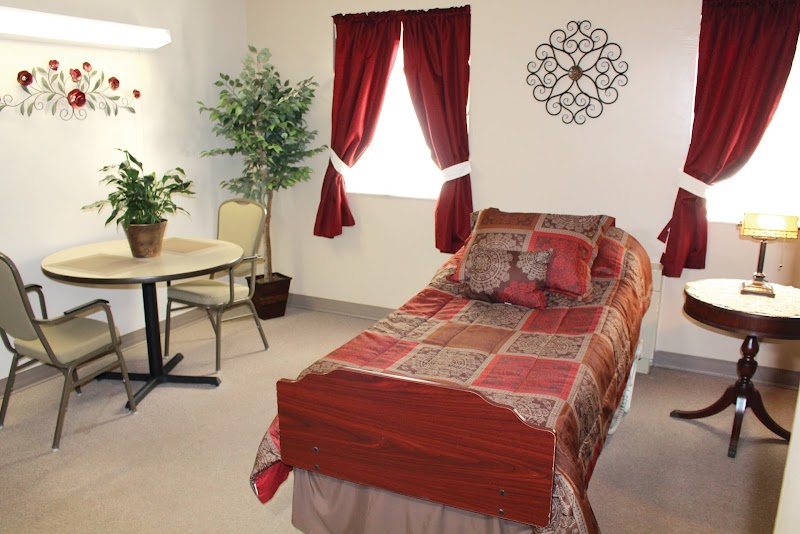
How is Grove Health & Rehab Ctr, The Staffed?

CMS rates GROVE HEALTH & REHAB CTR, THE's staffing level at 2 out of 5 stars, which is below average compared to other nursing homes. Staff turnover is 43%, compared to the Illinois average of 46%. This relatively stable workforce can support continuity of care.

What Have Inspectors Found at Grove Health & Rehab Ctr, The?

State health inspectors documented 33 deficiencies at GROVE HEALTH & REHAB CTR, THE during 2022 to 2025. These included: 1 Immediate Jeopardy (the most serious level, indicating potential for serious harm or death), 5 that caused actual resident harm, and 27 with potential for harm. Immediate Jeopardy findings are rare and represent the most serious regulatory concerns. They require immediate corrective action.
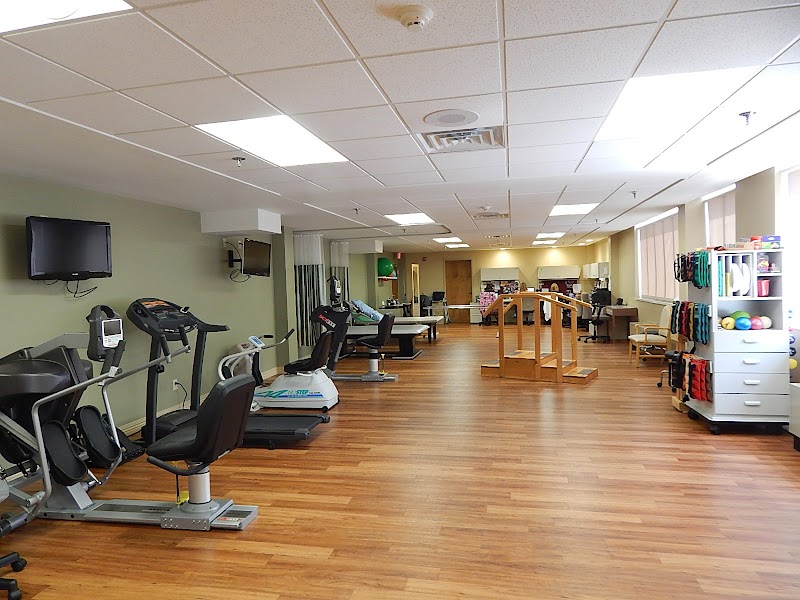
Who Owns and Operates Grove Health & Rehab Ctr, The?

GROVE HEALTH & REHAB CTR, THE is owned by a for-profit company. For-profit facilities operate as businesses with obligations to shareholders or private owners. The facility is operated by SUMMIT HEALTHCARE CONSULTING, a chain that manages multiple nursing homes. With 175 certified beds and approximately 135 residents (about 77% occupancy), it is a mid-sized facility located in JACKSONVILLE, Illinois.
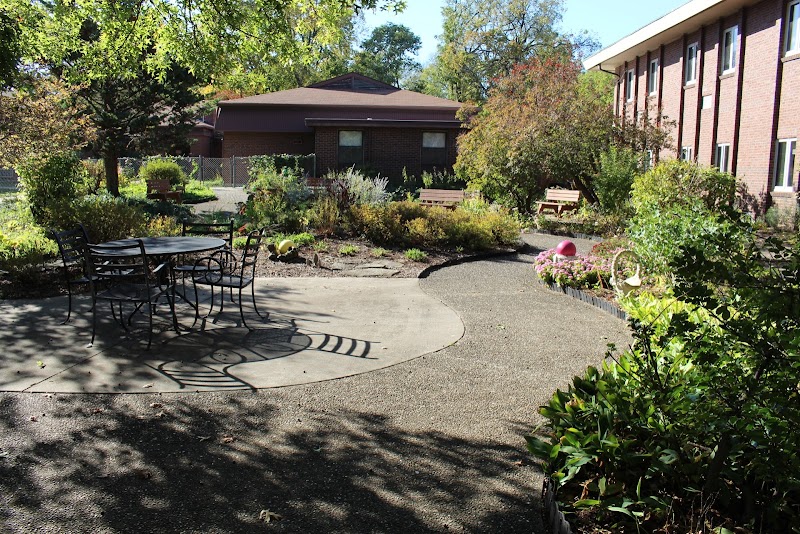
How Does Grove Health & Rehab Ctr, The Compare to Other Illinois Nursing Homes?

Compared to the 100 nursing homes in Illinois, GROVE HEALTH & REHAB CTR, THE's overall rating (3 stars) is above the state average of 2.5, staff turnover (43%) is near the state average of 46%, and health inspection rating (3 stars) is at the national benchmark.

What Should Families Ask When Visiting Grove Health & Rehab Ctr, The?

Based on this facility's data, families visiting should ask: "What changes have been made since the serious inspection findings, and how are you preventing similar issues?" "Can you walk me through typical staffing levels on day, evening, and night shifts?" "Can I visit during a mealtime to observe dining assistance and food quality?" "How do you handle medical emergencies, and what is your hospital transfer rate?" These questions are particularly relevant given the facility's Immediate Jeopardy citations and the below-average staffing rating.

Is Grove Health & Rehab Ctr, The Safe?

Based on CMS inspection data, GROVE HEALTH & REHAB CTR, THE has documented safety concerns. Inspectors have issued 1 Immediate Jeopardy citation (the most serious violation level indicating risk of serious injury or death). The facility has a 3-star overall rating and ranks #1 of 100 nursing homes in Illinois. Families considering this facility should ask detailed questions about what corrective actions have been taken since these incidents.

Do Nurses at Grove Health & Rehab Ctr, The Stick Around?

GROVE HEALTH & REHAB CTR, THE has a staff turnover rate of 43%, which is about average for Illinois nursing homes (state average: 46%). Moderate turnover is common in nursing homes, but families should still ask about staff tenure and how the facility maintains care continuity when employees leave.

Was Grove Health & Rehab Ctr, The Ever Fined?

GROVE HEALTH & REHAB CTR, THE has been fined $76,577 across 3 penalty actions. This is above the Illinois average of $33,845. Fines in this range indicate compliance issues significant enough for CMS to impose meaningful financial consequences. Common causes include delayed correction of deficiencies, repeat violations, or care failures affecting resident safety. Families should ask facility leadership what changes have been made since these penalties.

Is Grove Health & Rehab Ctr, The on Any Federal Watch List?

GROVE HEALTH & REHAB CTR, THE is not on any federal watch list. The most significant is the Special Focus Facility (SFF) program, which identifies the bottom 1% of nursing homes nationally based on persistent, serious quality problems. Not being on this list means the facility has avoided the pattern of deficiencies that triggers enhanced federal oversight. This is a positive indicator, though families should still review the facility's inspection history directly.