JACKSONVILLE SKLD NUR & REHAB
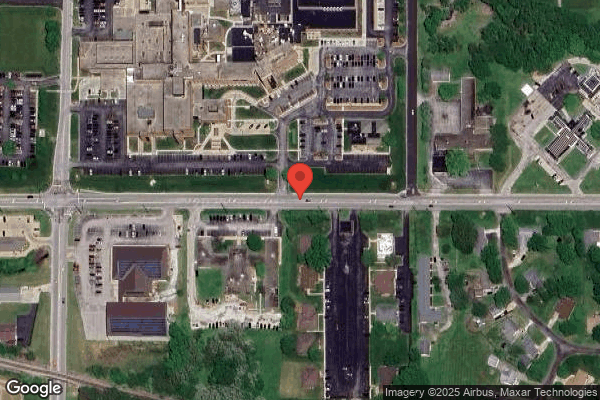
1517 WEST WALNUT STREET, JACKSONVILLE, IL 62650 (217) 243-6451
For profit - Individual 88 Beds CREST HEALTHCARE CONSULTING Data: November 2025
Trust Grade
43/100
#253 of 665 in IL
Last Inspection: May 2024

Within standard 12-15 month inspection cycle. Federal law requires annual inspections.

Overview

Jacksonville SKLD Nursing and Rehab has a Trust Grade of D, indicating below-average quality and some concerns regarding care. It ranks #253 out of 665 facilities in Illinois, which places it in the top half, and #2 out of 4 in Morgan County, meaning there is only one other local option that is better. The facility is improving, having reduced issues from nine in 2024 to five in 2025, although it still struggles with staffing, receiving a poor 1/5 star rating and a 50% turnover rate, which is average for the state. There are notable concerns, including a concerning lack of RN coverage, less than that of 80% of Illinois facilities, and the facility has a history of incidents, such as failing to properly inflate air mattresses for residents, leading to serious falls and injuries. While the quality measures rating is excellent at 5/5, the facility's $23,027 in fines and the serious deficiencies noted during inspections highlight significant areas for improvement.

Trust Score
D
43/100
In Illinois
#253/665
Top 38%
Safety Record
High Risk
Review needed
Inspections
Getting Better
9 → 5 violations
Staff Stability
⚠ Watch
50% turnover. Above average. Higher turnover means staff may not know residents' routines.
Penalties
✓ Good
$23,027 in fines. Lower than most Illinois facilities. Relatively clean record.
Skilled Nurses
⚠ Watch
Each resident gets only 25 minutes of Registered Nurse (RN) attention daily — below average for Illinois. Fewer RN minutes means fewer trained eyes watching for problems.
Violations
⚠ Watch
29 deficiencies on record. Higher than average. Multiple issues found across inspections.
★★★☆☆
3.0
Overall Rating
★☆☆☆☆
1.0
Staff Levels
★★★★★
5.0
Care Quality
★★★☆☆
3.0
Inspection Score
Stable
2024: 9 issues
2025: 5 issues

The Good

  • 5-Star Quality Measures · Strong clinical quality outcomes
  • Full Sprinkler Coverage · Fire safety systems throughout facility
  • No fines on record

Facility shows strength in quality measures, fire safety.

The Bad

3-Star Overall Rating

Near Illinois average (2.5)

Meets federal standards, typical of most facilities

Staff Turnover: 50%

Near Illinois avg (46%)

Higher turnover may affect care consistency

Federal Fines: $23,027

Below median ($33,413)

Minor penalties assessed

Chain: CREST HEALTHCARE CONSULTING

Part of a multi-facility chain

Ask about local staffing decisions and management

The Ugly 29 deficiencies on record

3 actual harm
Jul 2025 1 deficiency
CONCERN (D) 📢 Someone Reported This

A family member, employee, or ombudsman was alarmed enough to file a formal complaint

Potential for Harm - no one hurt, but risky conditions existed

Safe Environment (Tag F0921)

Could have caused harm · This affected 1 resident

**NOTE- TERMS IN BRACKETS HAVE BEEN EDITED TO PROTECT CONFIDENTIALITY** Based on observation, interview and record review the facility failed to ensure a resident's low air loss mattress was working p...

Read full inspector narrative →
**NOTE- TERMS IN BRACKETS HAVE BEEN EDITED TO PROTECT CONFIDENTIALITY** Based on observation, interview and record review the facility failed to ensure a resident's low air loss mattress was working properly for 1 (R2) of 3 residents reviewed for safe, function, sanitary, comfortable environment in the sample of 3. R2's Undated Face Sheet documents R2 was admitted to the facility on [DATE] with a medical diagnosis of Thromboangitis Obliterans Buerger's Disease, Hyperlipidemia, Arthropathy, and Morbid Obesity. R2's Minimum Data Set, dated [DATE] documents R2 is cognitively intact, is dependent on staff for rolling left and right, and is always incontinent of bladder and bowel.R2's Care Plan with a focus area revision date of 12/9/2023 documents R2 is at risk for pain and R2 needs assistance with activities of daily living including bed mobility with two-person physical assistance required and pressure redistribution device.R2's Care Plan with a focus area revision date of 2/21/2024 documents R2 has the potential for impaired skin integrity related to decreased mobility, morbid obesity with interventions including a pressure redistribution support surface.R2's Physician Order dated 9/18/2024 at 11:30 AM documents low air loss mattress.On 7/17/2025 at 8:55 AM, R2 stated her low air loss mattress has not been working correctly and losing air for almost a week. R2 stated she informed staff of the mattress deflating on 7/10/2025, with V7, Maintenance Director, aware of the issue on 7/11/2025. R2 stated on 7/11/2025, her mattress was completely flat, and she was lying on the metal bed frame causing her severe pain in her back. R2 stated on 7/16/2025 V7, Maintenance Director, replaced the mattress pump to try to fix the air loss issues, however the mattress is still malfunctioning and deflating at times. R2 stated while the facility staff helped clean her up and change her on 7/16/2025, she could feel the bed frame on her hips as she rolled side to side which was painful. On 7/17/2025 at 9:09 AM R2's low air loss mattress pump beeped 3 times, flashed a red low-pressure light and then the alarm stopped. On 7/17/2025 at 9:10 AM R2's low air loss mattress pump beeped 3 times again, flashed a red low-pressure light and the alarm stopped.On 7/17/2025 at 9:11 AM R2's low air loss mattress pump started to beep continuously and with the red low-pressure light flashing. R2 stated she could feel the mattress starting to lose air at this time around her lower back and buttock area. On 7/17/2025 at 9:15 AM V3, Certified Nursing Assistant (CNA) and V4, CNA arrived in R2's room to address R2's mattress pump. V3, CNA, stated she does not know what is wrong with the mattress or pump, but knows it has not been functioning properly for a couple days and knows V7, Maintenance Director, has been made aware. V4, CNA, stated she has told V7, Maintenance Director several times that R2's bed is losing air and is not working as it should. V4, CNA, stated V7, Maintenance Director, replaced the pump on the mattress yesterday, 7/16/2025, and it is still alarming and not working correctly. On 7/17/2025 at 9:17 AM R2 stated she is starting to feel the bed frame underneath her buttock.On 7/17/2025 at 9:25 AM V5, Licensed Practical Nurse (LPN) stated she was made aware of R2's mattress losing air and not working properly on 7/16/2025 and was informed that V7, Maintenance Director, was aware of the mattress deflating. V5, LPN, stated she knows when R2's mattress deflates and starts to get flat; it causes R2 pain. On 7/17/2025 at 10:17 AM R2 stated once she laid the head of the bed down, the mattress started to inflate back up with air. R2 stated she cannot always lie flat due to pain in her back. On 7/17/2025 at 10:20 AM V3, CNA, stated V7, Maintenance Director, informed her that R2's mattress and pump are not working correctly, and a new mattress and pump have been ordered.On 7/17/2025 at 10:32 AM V2, Director of Nursing (DON), stated she was made aware of R2's mattress losing air on 7/16/2025 and is unsure what is wrong with it. V2, DON, stated V7, Maintenance Director, had replaced the pump for R2's mattress on 7/16/2025 and it is now working on and off. On 7/17/2025 at 10:37 AM V7, Maintenance Director, stated he was informed 2 days prior that R2's mattress was not functioning properly and losing air. V7, Maintenance Director, stated he replaced the mattress pump yesterday and the pump will work for a while, then will alarm and start to lose air. V7, Maintenance Director, stated R2 needs a new mattress and pump, which has been ordered, and a rental mattress is coming for R2.On 7/17/2025 at 10:56 AM V8, Social Services, stated she was made aware R2's mattress was losing air on 7/13/2025 and was informed by staff that a work order was in place for the mattress to be looked at.On 7/17/2025 at 11:06 AM V4, CNA, stated she was informed of R2's mattress beeping and losing air on 7/10/2025 and placed a work order that day. V4, CNA, stated the facility staff had to constantly adjust R2's mattress pump all weekend for the mattress to hold air. V3, CNA, stated she was also aware of R2's mattress losing air on 7/10/2025, and knew a work order was already in place for the mattress.On 7/17/2025 at 11:11 AM V1, Administrator, stated R2's mattress is working and functioning properly. On 7/17/2025 at 11:31 AM V7 Maintenance Director, brought a work order dated 7/16/2025 stating R2's mattress pump was beeping, and mattress was deflating. The Resident Rights for People in Long-Term Care Facilities document last revised 11/2018 documents Your facility must be safe, clean, comfortable, and homelike.
Jun 2025 3 deficiencies
CONCERN (D) 📢 Someone Reported This

A family member, employee, or ombudsman was alarmed enough to file a formal complaint

Potential for Harm - no one hurt, but risky conditions existed

Pressure Ulcer Prevention (Tag F0686)

Could have caused harm · This affected 1 resident

**NOTE- TERMS IN BRACKETS HAVE BEEN EDITED TO PROTECT CONFIDENTIALITY** Based on observation, record review and interview the facility failed to identify a pressure sore for 1 of 3 residents (R41) rev...

Read full inspector narrative →
**NOTE- TERMS IN BRACKETS HAVE BEEN EDITED TO PROTECT CONFIDENTIALITY** Based on observation, record review and interview the facility failed to identify a pressure sore for 1 of 3 residents (R41) reviewed for pressure sores in the sample of 41. Findings include: On 6/4/2025 at 12:43 PM, V11, Wound Nurse, was in R41's room performing R41's pressure ulcer dressing change. R41 was on right side facing window as V11 removed dressing from R41's sacrum. R41's pressure ulcer dressing was tan-light brown with foul smelling drainage. V11 cleansed R41's pressure ulcer with wound cleanser. R41's pressure ulcer was oblong with slough and eschar inside the wound bed, no granulation and the peri wound are red. V11 stated R41's pressure ulcer was facility acquired and at time the pressure ulcer was found to R41's sacrum the pressure ulcer was unstageable due to slouch and eschar. V11 packed puffed gauze in wound bed and covered with bordered gauze. R41's Care Plan, dated 8/25/2024, revised 3/26/2024 documents R41 has a potential for impaired skin integrity related to cognitive deficits, decreased sensation, Diabetes Mellitus, neuropathy, incontinence, edema. R41's Care Plan documents intervention dated 8/25/2021 observe skin integrity during am/pm care. R41's Care Plan intervention dated 8/25/2021 document notify physician promptly of skin breakdown. R41's wound assessment report dated 4/16/2025 documents new wound facility acquired on 4/12/2025. R41's wound assessment documents unstageable pressure ulcer length 2.50 Centimeters (CM) X 5.50 CM width depth .10cm. R41's wound assessment documents 100 % slough, epithelium exposed. R41's assessment documents peri wound fragile, erythema and mild odor. Assessment documents cleanse with antiseptic solution and hydrocolloid. R41's wound evaluation dated 6/4/2025 documents 0% granulation, 100% slough, exposed tissue epithelium, dermis, and subcutaneous. Periwound fragile, erythema no exudate. Documents clean wound with acetic acid daily and as needed. Documents primary treatment as Dakin's moistened fluffed gauze, skin prep surrounding tissue or peri wound bordered gauze. Evaluation documents wound size 4.00CM in length x3.50CM width and 2.80 depth. R41's Minimum Data Set (MDS) dated [DATE] documents R41 is severely cognitively impaired. R41's MDS documents R41 is dependent on staff for toileting, bathing, dressing, and personal hygiene. On 6/5/2025 at 12:50PM V11, Wound Nurse stated she would like to think pressure sore would have been found before unstageable. The facility policy Pressure Ulcer prevention, identification and treatment dated, revise 8/31/2023 documents the purpose is to provide guidelines that will assist nursing staff in prevention, identification, and appropriate treatment for pressure ulcers. The policy documents unstageable: Full thickness, tissue loss in which the base of ulcer is covered by slough (yellow, tan, gray, or brown) and/or eschar (tan, brown, or black) in the wound bed. The policy documents (when eschar is present, accurate staging of the pressure ulcer is not possible until the eschar has sloughed, or the wound has been debrided.) The policy documents color identification red: pale pink to beefy red with or without healthy granulation tissue. Yellow: whitish yellow, creamy yellow, yellow-green or beige. Black: Black, stringy gray, or gray scab. The policy documents it is the responsibility of the Charge nurse/designee to care for pressure areas, and to provide treatments as ordered. The policy documents it is the responsibility of the Charge nurse/designee to measure and document on the pressure areas weekly. The policy documents it is the responsibility of the Charge nurse/designee to monitor healing progress and ensure appropriated treatment are in use. It is recommended that Director of Nursing (DON)/Designee make frequent pressure rounds with charge nurse. The policy documents it is the responsibility of the Certified Nursing Assistant to report any skin conditions to the charge nurse immediately upon identification.
CONCERN (D) 📢 Someone Reported This

A family member, employee, or ombudsman was alarmed enough to file a formal complaint

Potential for Harm - no one hurt, but risky conditions existed

Accident Prevention (Tag F0689)

Could have caused harm · This affected 1 resident

**NOTE- TERMS IN BRACKETS HAVE BEEN EDITED TO PROTECT CONFIDENTIALITY** Based on interview and record review the facility failed to implement an intervention to prevent falls for 1 of 4 residents (R41...

Read full inspector narrative →
**NOTE- TERMS IN BRACKETS HAVE BEEN EDITED TO PROTECT CONFIDENTIALITY** Based on interview and record review the facility failed to implement an intervention to prevent falls for 1 of 4 residents (R41) reviewed for falls in the sample of 41 Findings include: 1. R41's Fall's Details report dated 5/2/2025 documents R41 was found on floor lying on stomach on mat beside bed. R41's report documents environmental conditions as bolsters were not clipped to bed. Report document R41 sustained a 3 centimeter (cm) long scratch to left cheek. R41's care plan dated 4/9/2021 documents R41 is at risk for falls r/t (related to) cognition deficit and history of fall with a fracture. Impaired mobility and lack of safety awareness due to diagnosis of dementia. R41's care plan documents the following interventions: 4/19/2025 bolster to bed for positioning. R41's Minimum Data Set, MDS, dated [DATE] documents R41 is severely cognitively impaired. On 6/5/2025 at 9:50AM, V1, Administrator stated the bolsters were loose and laying on the bed. The facility policy Accidents and Incidents dated revised 9/7/2023 documents the interdisciplinary team (IDT) will complete an investigation to determine root cause and implement appropriate interventions.
CONCERN (E) 📢 Someone Reported This

A family member, employee, or ombudsman was alarmed enough to file a formal complaint

Potential for Harm - no one hurt, but risky conditions existed

Infection Control (Tag F0880)

Could have caused harm · This affected multiple residents

4. On 06/02/25 at 11:53AM, during the noon meal V4, CNA removed a peanut butter and jelly sandwich from sandwich bag with V4's hands. V4 did not sanitize their hands or don gloves prior to removing th...

Read full inspector narrative →
4. On 06/02/25 at 11:53AM, during the noon meal V4, CNA removed a peanut butter and jelly sandwich from sandwich bag with V4's hands. V4 did not sanitize their hands or don gloves prior to removing the sandwich from bag. V4 then handed sandwich to R14. On 6/4/2025 at 2:30PM, V1, Administrator, stated she would expect staff to don gloves prior to handling food. 5. On 06/04/25 at 01:00 PM, a sign was posted outside R41's room that documents enhanced barrier precaution. V14 CNA and V15 CNA did not sanitize hands prior to donning gloves before entering R41's room. The enhanced barrier precaution sign documents everyone must: clean their hands, including before entering and when leaving the room. The facility policy Handwashing/Hand Hygiene, undated documents this facility considers hand hygiene the primary means to prevent the spread of infections. The policy documents use an alcohol-based hand rub containing at least 62% alcohol; or, alternatively, soap (antimicrobial or non-antimicrobial) and water for the following situations: before and after direct care with residents, after removing gloves, before and after entering isolation precaution settings, before eating or handling food, before and after assisting a resident with meals. Based on observation, interview and record review, the facility failed to perform hand hygiene during passing meal trays, and failed to don Personal Protective Equipment for 8 of 8 residents (R2, R7, R14, R41, R55, R56, R71, R73) reviewed for infection control in a sample of 41. Findings include: 1. On 06/02/2025 at11:40 am, V16, Activity Director served meal trays to R2, R56 and R71 without benefit of hand hygiene in between serving each resident. 2. On 06/02/2025 at 11:40 AM, V25, Activity Assistant, served meal trays to R7 and R73 without benefit of hand hygiene in between each resident. On 06/05/2025 at 11:15 AM V16, Activity Director, stated that when she is passing meal trays, she washes her hand in between each resident. On 06/05/2025 at 11:15 AM, V25, Activity Assistant, stated that when she is passing meal trays, she washes her hand in between each resident. On 06/05/2025 at 11:15 AM, V26, Environmental Services Supervisor, stated that when she is passing meal trays, she washes her hand in between each resident. 3. On 06/04/2025 at 12:35 PM V5, Registered Nurse (RN), performed hand hygiene, gowned and gloved outside of R55's room. While gloved and gowned, V5 mixed the Ertapenem 1Gram, opened the Intra venous (IV) administration spike set, R55 wanted a blanket, and he took the blanket off of her bed and covered her up. He then spiked the IV Antibiotic bag with the administration spike set, primed the tubing and placed it in the IV pump. With the same gloved hands, he then opened the alcohol wipe package, swabbed the midline port, laid the alcohol wipe on top of the alcohol wipe package. He opened the normal saline flush package, and flushed R55's right midline IV access site, then took the used alcohol wipe, that was lying on the alcohol wipe package, cleansed the cap of the IV midline access and then screwed the IV administration line into the IV midline access without glove changes or benefit of hand hygiene. On 06/09/2025 at 09:53 AM V5, RN, stated that he should have changed gloves, performed hand hygiene and not reused the alcohol wipe when he was doing R55's IV. R55's Physicians order sheet, dated 06/02/2025, documented, IV antibiotics- Ertapenem Sodium Injection Solution Reconstituted 1 GM (Ertapenem Sodium) Use 1 gram intravenously one time a day for UTI for 5 Days. R55's Care plan, dated 6/2/2025 documented, Potential for infection (related to) IV Midline. The facility's policy, Handwashing/hand hygiene, undated, documented E. before and after handling an invasive device (e.g. urinary catheters, IV access sites). It continues, K. After contact with objects (e.g. medical equipment) in the immediate vicinity of the resident.
Mar 2025 1 deficiency
CONCERN (D) 📢 Someone Reported This

A family member, employee, or ombudsman was alarmed enough to file a formal complaint

Potential for Harm - no one hurt, but risky conditions existed

Accident Prevention (Tag F0689)

Could have caused harm · This affected 1 resident

**NOTE- TERMS IN BRACKETS HAVE BEEN EDITED TO PROTECT CONFIDENTIALITY** Based on interview and record review, the facility failed to have interventions in place to prevent a fall, for 1 of 3 (R2) resi...

Read full inspector narrative →
**NOTE- TERMS IN BRACKETS HAVE BEEN EDITED TO PROTECT CONFIDENTIALITY** Based on interview and record review, the facility failed to have interventions in place to prevent a fall, for 1 of 3 (R2) residents, reviewed for falls in a sample of 4. This past non-compliance occurred from 2/19/2025 to 3/10/2025. Findings include: On 3/6/2025 at 11:15 AM, R2 was sitting up in his recliner, sleepy. Pad alarm was in place and call light was within reach. Easily awoken, there was a scabbed area to his chin but R2 has a full beard. Indwelling urinary catheter, was hanging on the side rail of the bed, below his recliner. R2 was asked what happened when he fell, he stated that he really didn't remember. He then stated that his sister was visiting him, he thought when he fell. He was asked if he fell in the morning or in the evening and he stated that he thought it was in the evening, but he really didn't remember. On 3/10/2025 at 10:00 AM, V4, Licensed Practical Nurse (LPN), stated that she was just getting her day started, it was right after shift change, when she heard R2 fall. She found R2 face down by his dresser. She continued to state that he did not have his alarms on, nor did he have his nonskid footwear on, and that he had on his regular socks. V4, also stated that he was up to his recliner prior to his fall. On 3/10/2025 at 3:45 PM, V5, LPN, stated that she didn't work on 2/19 but was there the night of 2/18, she stated that they do walking rounds and R2 wasn't having any behaviors. V5, LPN also stated that she doesn't remember him having an alarm pad on his bed or in his chair that night but also stated that it has been a long time ago. On 3/10/2025 at 12:50 PM V7, Certified Nurse Assistant (CNA), returned a call and stated that she did not recall if R2's pad alarm was in place that night while in bed or up to his recliner on 2/18. V7 stated that when there is a new fall intervention put in place, they are told in shift report of changes with residents. She continued to state that she did not recall if she was told that he required a pad alarm when in bed or when up to his recliner. On 3/6/25 at 2:00 PM, V8, CNA stated the pull tap alarms put in place need to be clipped on to the resident for it to function correctly. If they are not in place if they are dangling on the ground behind the wheelchair. V8 stated the alarm will blink when it needs a new battery. The pad chair alarms will typically show a green light when they are first applied to know it is turned on. On 3/6/25 at 2:05 PM, V6, CNA stated that the pull tab alarm needs to be attached to the resident in order for it to be effective and work. R2's Minimum Data Set, dated [DATE] documented that his cognition was severely impaired. R2's Fall risk Assessment, dated 2/12/2025, documented that he was a high risk for falls and that he was chair bound and /or assist with elimination. R2's Physician's orders dated 3/2025, documented diagnosis of Wedge Compression Fracture of T5-T6 and T11-T12, Lymphoid Leukemia and Neurocognitive Disorder with Lewy Bodies. It also documents an order on 2/18/2025 for Device: Alarm: To Bed and Chair as resident will allow. Check for placement and functioning every shift. R2's Care Plan, dated 2/8/2025, documented, Transfer: One person physical assistance required. R2's Care Plan, dated 2/11/2025, prior to a fall on 2/19/2025, documented, fall interventions of 2/11 Fall Mats, 2/11 Low bed, 2/18 Personal alarm at all times as resident will allow. It continues, Provide/Reinforce use of non-skid footwear. R2's Progress note, dated 2/19/2025 at 7:13 AM, documented, Resident found on floor in room face down near dresser. Laceration to chin and above left eye, hematomas started on forehead at this time. Right sided jaw pain and right shoulder pain. Wife notified, on call nurse aware, MD aware. Sent out for eval and treatment. Resident is alert x 4 at this time with paramedics. Unwitnessed fall and hit head. All paperwork sent with resident. R2's General Note, dated 2/19/2025 at 12:56 PM, documented, Resident returned from hospital. Closed comminuted fracture of right sided mandibular alveolar bone; Atypical syncope; chin laceration. Remove sutures in 5 days Ciprofloxacin 500 mg, 1 tab BID 14 days Potassium chloride 20 meq oral tab extended release po q day follow up with (Unknown Physician) within 1-2 days for worsening/continued problem. Call to schedule appointment. R2's Fall investigation with root cause analysis, dated 2/19/2025, documented, Type of incident: fall with injury. It continued, Pertinent Diagnosis: Neurocognitive Disorder with Lewy Bodies. Resident Status/Description of injuries (If Any): Laceration, mandibular FX. It continues, 78 y/o male who is non independent with ambulation. Resident got up to use the bathroom despite the indwelling catheter, became dizzy and fell. Laceration noted to chin and above left eye, right sided jaw pain, right shoulder pain. EMS was called to the facility and transported resident to (local hospital) for evaluation and treatment. (R2) returned from (local hospital) to the facility with sutures to close the laceration to chin. CT was negative for intracranial abnormality but did reveal an acute fracture of the right sided mandibular condyle. Resident returned to facility on 2/19/2025 and remains at baseline. Care Plan updated. Resident assessed for pain. Fall intervention updated and in place. It continues, Conclusion: IDT discussion on fall. Root cause: Bladder spasms. Upon investigation, resident recently returned to facility from hospitalization. During hospital stay, previous medications used to treat bladder spasms and hypotension had been discontinued. Intervention: Medication review. Problem Statement: Resident stood up to go to the restroom, got dizzy and fell forward. Why 1: bladder spasms, urge to void. Why 2: bladder spasms r/t indwelling foley cath. R2's Hospital record, dated 2/19/2025, documented, History of Present illness: Patient is a 78- year old male who presents emergency department after fall. According to the patient who resides in a nursing home currently and he reports that he blacked out and fell but this was witnessed. It continues, CT facial bones: It continues, .There is an acute comminuted and displaced fracture of the right mandibular condyle and there is right temporal mandibular dislocation. The right mandibular condyle is displaced medially and anteriorly with the jaw in a closed position. On 3/10/2025 at 2:55 PM, V2, Assistant Administrator, stated that they do not have a fall prevention policy. The facility's Policy, Accidents and Incidents, dated 9/7/2023, documented, 5. the Interdisciplinary Team (IDT) will conduct a thorough investigation of the accident/incident. Findings of the investigation, including root cause of the accident/incident and appropriate interventions will be indicated in the incident report and implemented. Prior to the survey date of 3/12/2025, the facility had taken the following actions to correct the noncompliance. 1. All staff inserviced on Fall interventions that need to be in place at all times and where to find this information. 2. House wide fall interventions audit and care plans reviewed. 3. Alarms were added to CNA task.
Sept 2024 1 deficiency 1 Harm
SERIOUS (G) 📢 Someone Reported This

A family member, employee, or ombudsman was alarmed enough to file a formal complaint

Actual Harm - a resident was hurt due to facility failures

Accident Prevention (Tag F0689)

A resident was harmed · This affected 1 resident

**NOTE- TERMS IN BRACKETS HAVE BEEN EDITED TO PROTECT CONFIDENTIALITY** Based on observation, interview, and record review, the facility failed to ensure proper inflation of the air mattress in 3 (R2,...

Read full inspector narrative →
**NOTE- TERMS IN BRACKETS HAVE BEEN EDITED TO PROTECT CONFIDENTIALITY** Based on observation, interview, and record review, the facility failed to ensure proper inflation of the air mattress in 3 (R2, R4, and R5) of 3 residents in the sample of 8 reviewed for safety. This failure resulted in R2 being found on the floor from an unwitnessed fall and suffering a laceration on the right side of the head and several skin tears. Findings include: 1. R2's undated face sheet documented that R2 was admitted to the facility on [DATE] with diagnoses of Parkinson's, dementia, neurocognitive disorder with Lewy Bodies, cachexia, and hypotension. R2's Minimum Data Sheet (MDS), dated [DATE], documented that R2 has severe cognitive impairment. R2 requires use of a wheelchair and is always incontinent of bowel and bladder. R2's Care Plan, dated [DATE], documented that R2's problems include self-care deficit, impaired cognitive function due to dementia with Lewy bodies, is at a risk for falls and injuries related to balance problems, dementia, tremor, scoliosis, and medications. The interventions for the fall risk include encourage use of call light, keep call light within reach, keep environment clutter free, keep personal belongings within reach, and provide adequate lighting. On [DATE] low bed was added. On [DATE], the care plan was updated adding bolsters to the air mattress and bed reset by maintenance and reviewed for proper functioning. R2's progress notes, dated [DATE] at 9:30 PM, documents that R2 was noted to be on the floor bedside her bed on her right side tangled up in her blankets. R2 was curled up laying on right side. There was a laceration to right side of head approximately 1 cm, a skin tear to right elbow approximately 1 centimeter, a skin tear to right hand approximately 1 centimeter, a skin tear to right knee approximately 1 centimeter. All wounds cleansed and dressed. Resident denies pain and cannot state what happened. Range of motion intact. Fall was unwitnessed. Neurology checks initiated. R2's physician orders, dated [DATE], at 10:06 PM documents monitor, steri-strips to right knee and reinforce as needed. To clean right elbow with normal saline, dry, apply xeroform & dry dressing. To also monitor steri-strips to the back of right hand two times per day and reinforce as needed. To right side of head monitor steri-strips, cleanse two times per day and reinforce as necessary. R2's incident report, dated [DATE], documents on [DATE] that the root cause was air mattress deflation. Bed was reset and properly functioning. Request entered for maintenance to check properly. Bolsters added to bed. On [DATE] at 9:55 AM, R2 was sitting in a high back wheelchair in their room. A half dollar size light blue discoloration was visible to R2's right cheek. R2 also had multiple scabbed abrasions in varies sizes to her forehead. When asked what happened R2 replied that she didn't know. On [DATE] at 9:10 AM, V11 (CNA) was asked why R2 had bruising on her face and abrasions on her forehead, and V11 stated that she heard R2 fell out of bed a couple of weeks ago. On [DATE] at 9:20 AM, V12 (CNA) was asked about the bolster, and she stated that is a mattress to help her not roll out of bed. V12 stated that hospice had brought this and before that she had a plain air mattress. She stated that she heard the previous mattress deflated on one side. On [DATE] at 10:30 AM, phone interview performed with V9 (RN), V9 stated V9 was called to the room and R2 was lying on the floor. V9 stated that the mattress was deflating on one side. R2 was curled up on the blankets on one side of the floor. V9 stated that R2 liked to curl up on one side of the bed. R2 had not had issues with her mattress prior to this. V9 stated that at the top of the mattress there is a plug that can be unplugged for a need for cardiopulmonary resuscitation, (CPR). V9 stated that these plugs often become unplugged easily and this happens quite often. V9 added that a few times she has been called into rooms because the mattress is deflating. On [DATE] at 12:15 PM, interview with V14, Health Information Coordinator. She stated that she worked the floor last week and was aware of R2's fall. V14 stated that R2 doesn't try to transfer herself. Sometimes in bed she gets a little wiggly at times. Air mattresses are usually an inflation problem. They are pinching off the tubing if the bed is raised to high. Maintenance comes and checks it out. On [DATE] at 12:33 PM V13 (Maintenance Director) was asked about the air mattresses. He stated he has problems with them all the time. He stated that when they go bad, they order a new one. Many times, it is due to the resident's positioning with the head or the feet of the bed too high. V13 added that nine times out of ten, it is a pin hole in the mattress. The facility buys their own air mattresses, and they usually have a spare one lying around. They leak and deflate air. He is unaware of any specific care instructions. The process of V13 includes that he has a work order program in place called Tells.com. In Tells.com the staff put a work order in, and I address. I check the Tells system a minimum of three times per day. Most of the time the problem is fixed that day. Many times, the air mattress issue is from the positioning of the bed with the mattress. I had one time that a motor went bad. When asked if air mattresses have a maintenance or preventative program, he stated they do not. 2. R4's MDS dated [DATE], documents that R4 has some moderate cognitive impairment. On [DATE] at 11:15 AM, R4 was asked if she has problems with her mattress deflating, she replied that yes that this happens a lot. They don't do nothing. 3. R5's MDS dated [DATE] documented that he is cognitively intact. On [DATE] at 11:20 AM, R5 stated that the mattress deflates often. He stated it feels like you're lying on a bar. On [DATE] V1, Administrator, provided a daily census and indicated that R5 was interview able. On [DATE] at 2:45 pm V1, Administrator, stated they do not have a policy regarding air mattresses and do not perform assessments for residents utilizing air loss mattresses. V1 also stated that she is aware of the deflating of the mattresses and had started purchasing a different brand, but still has problems with these mattresses deflating. The air mattress manual provided by facility documents that it is indicted for the prevention and treatment of all stage pressure ulcers when used in conjunction with a comprehensive pressure ulcer management program. Included in the manual are entrapment guidelines stating that the use of bed rails is dependent on the setting as well as the facilities protocols. Proper patient assessment, monitoring, equipment uses, and maintenance are required to reduce entrapment risk. Make sure the air hoses are not kinked or tucked under the mattress. Also check to ensure the cardiopulmonary resuscitation, (CPR) valves are properly attached. It stated that after using for some time (approximately 3 months), clean the air filter cotton inside the enclosure base, steps as below: 1. Take out air filter cover and air filter cotton. 2. Wash air filter cotton with clean water, if the dirt sticks to the filter, soak the air filter cotton in the water. 3. Dry the air filter cotton then put it back to the air filter cover.
Aug 2024 1 deficiency 1 Harm
SERIOUS (G) 📢 Someone Reported This

A family member, employee, or ombudsman was alarmed enough to file a formal complaint

Actual Harm - a resident was hurt due to facility failures

Accident Prevention (Tag F0689)

A resident was harmed · This affected 1 resident

**NOTE- TERMS IN BRACKETS HAVE BEEN EDITED TO PROTECT CONFIDENTIALITY** Based on interview and record review the facility failed to provide safety and supervision for 1 of 3 (R3) residents reviewed fo...

Read full inspector narrative →
**NOTE- TERMS IN BRACKETS HAVE BEEN EDITED TO PROTECT CONFIDENTIALITY** Based on interview and record review the facility failed to provide safety and supervision for 1 of 3 (R3) residents reviewed for falls. This failure resulted in R3 falling, obtaining a laceration to the head, sutures and experiencing pain. Findings include: R3's Care Plan documents 6/28/23, documents that (R3) has a Self-Care Deficit As Evidenced by: Needs assistance with Activities of Daily Living (ADLs). It also documents Bed Mobility and Dressing require - One person physical assist required. R3's Care Plan continues (R3) is at risk for falls and injuries related to (r/t) cognition deficit and history of fall with fx. I have impaired mobility and lack safety awareness due to (d/t) my diagnosis (dx) of dementia. R3's Minimum Data Set, dated [DATE], documents that R3 is dependent on staff for Lying to sitting on side of bed: The ability to move from lying on the back to sitting on the side of the bed and with no back support. R3's Progress Note, dated 8/1/2024 at 5:15 AM, documents Nursing Note Late Entry: Note Text: Upon entering residents' room the resident was sitting on floor by roommate's bedside with Nurse's Aide (V8) sitting beside the resident. Resident noted to have a Laceration to their center of their forehead. I cleaned the resident's injury and applied a band aide to injury. Notified Hospice Care Team who recommended resident be sent out to ED (emergency department) for further evaluation along with Physician (V9) recommending the same as above stated. Notified residents emergency contact (V10) and on call Nurse (V3), ADON who verbalized an understanding of situation. R3's Progress Notes, dated 8/1/2024 at 5:15 AM, documents Change of Condition / Transfer Late Entry: Note Text: (R3) was transferred on a gurney via ambulance to acute care hospital Sent To: (Local) Hospital Date: 8/1/2024 5:15 Sent From: (Facility) Unit: Unit [NAME] Reason(s) for Transfer: Trauma (fall-related or other) -- head injury MD notified of transfer. See Transfer Form for other details. R3's Progress Note, dated 8/1/2024 at 8:34 AM, documents Nursing Note Text: Resident returned from (local) Hospital per facility transport in wheelchair. R3's Progress Note, dated 8/1/2024 at 12:54 PM, documents Nursing Note Text: Resident wincing with movement to arm/hand. Resident received scheduled Tylenol, still wincing/frowning/guarding arm/hand when attempting movement. Call to Hospice, Spoke with (V11 Case Manager.) NEW ORDER: Tramadol 50 mg q 6 hours for pain. Call to (V10), informed of new order. R3's Incident Report, dated 8/1/2024, documents that R3 had fallen from sliding off the bed. It also documented V8's statement: 8/2/2024 I was getting the resident up for the day, I had her sitting on the side of the bed, with the bed elevated. I was standing in front of the resident facing her and I went to grab the bed remote, which was stuck. At that time, I tried to grab remote with both hands to get it uncaught and the resident fell. The Report Form-IDPH Notification form, dated 8/7/2024, documents Fall with Injury. A comprehensive investigation was Initiated and showed that (R3) 88 YO female, non-independent transfer, dx dementia. Resident was sitting on the side of the bed being dressed by the aid with the bed elevated. CNA was standing in front of the resident facing her and went to grab the bed remote, which was stuck. At this time CNA tried to grab the remote with both hands to get it uncaught and the resident fell. On 8/13/2024 at 11:10 AM V4, Licensed Practical Nurse (LPN) stated that R3 is the most pleasantly confused person. V4 stated that R3 is dependent on staff for care. On 8/13/2024 at 11:13 AM V6, Certified Nurse Assistant (CNA), stated that R3 is dependent on staff for care. V6 stated that R3 cannot sit on the side of the bed independently. V6 stated that you must be directly in front of R3. V6 stated that R3 is also a picker. V6 stated that R3 reaches for and picks at things randomly. V6 this is why you have to be focused on her. On 8/13/2024 at 11:16 AM V7, CNA, stated that R3 is dependent on staff for care. V7 stated that R3 cannot walk and requires assistance with transfers. V7 stated that R3 is not safe sitting on the side of the bed and cannot sit there independently. V7 stated that you have to be right in front of R3. V7 stated that R3 picks at stuff in the air, around her and reaches out randomly. V7 stated that you have to have your hands on R3. On 8/13/2024 at 3:44 PM V12, LPN, stated that when he entered the room R3 was on the floor sitting on buttocks by roommate beds. V12 stated that he assessed R3 and then made the appropriate calls. V12 stated that R3 went to the hospital by ambulance and returned with sutures to her head. V12 stated that he was informed by V8, CNA, that she was assisting R3 with getting dressed. V12 stated that V8 had R3 sitting on the side of the bed. V12 stated that he was informed that V8 tried to grab the remote and turned her back for just a second and R3 fell face first onto the floor. V12 stated that R3 is alert and oriented to self only and was unable to communicate what happened. V12 stated because of this it is challenging to know when R3 is in pain. V12 stated that when it happened R3 did wince and whimper. On 8/13/2024 at 6:00 PM V8, CNA, stated that she was getting R3 dressed. V8 stated that she raised R3's bed up and R3's feet were off the floor. V8 stated that she initially had her arm around R3 but then took it off R3 leaned to grab the bed remote and R3 fell face forward. V8 stated that it was her fault she (V8) had the bed to high. The facility did not provide a Fall Prevention policy.
Jun 2024 1 deficiency
CONCERN (F) 📢 Someone Reported This

A family member, employee, or ombudsman was alarmed enough to file a formal complaint

Potential for Harm - no one hurt, but risky conditions existed

Food Safety (Tag F0812)

Could have caused harm · This affected most or all residents

Based on observation, interview, and record review, the facility failed to handle food in a manner that prevents potential contamination, failed to restrain hair and perform hand hygiene during food s...

Read full inspector narrative →
Based on observation, interview, and record review, the facility failed to handle food in a manner that prevents potential contamination, failed to restrain hair and perform hand hygiene during food service. This failure potentially affects all 83 residents residing in the facility. Findings include: 1. On 6/13/24 at 8:15 AM V3, Certified Nurse Aide, CNA, was feeding R1 breakfast. V3 was holding the toast with her bare hand and trying to get R1 to take a bite. V3 put the toast down multiple times and then attempted again with her bare hands. 2. On 6/13/24 at 11:25 AM, the kitchen was entered to observe the noon meal preparation. V13, Dietary Aide, was wearing a head band with a ponytail. V16, Corporate Dietary Supervisor, was wearing a hairnet that is positioned in the middle of her head. V16 also had a long side bang that was not restrained in the hairnet as it is lying on the side of her face. Neither V13's or V16's hair were restrained. During meal preparation V13 was observed to be preparing the residents trays with silverware, the drinks, and side dishes, V12, Cook, would then place main course, and then V13 would place the tray onto the serving cart. V13 was observed to scratch her head and face multiple times without washing her hands in between. 3. On 6/13/24 at 12:18 PM, V2, Director of Nurses, was holding R13's bologna sandwich with her bare hands and tearing it in half. V2 then hands the half of sandwich to R13. V2 then went to R14 and picks up her grilled cheese and takes the crust off the sandwich. 4. On 6/13/24 at 12:25 PM, V17, CNA, was assisting R15 with her lunch. V17 with bare hands picked up the grilled cheese sandwich, dunked it into the tomato soup, and then fed it to V17. On 6/14/24 at 3:30 PM, V1, Administrator, stated all kitchen staff should be wearing hair nets, washing their hands when needed, and wearing gloves when appropriate. V1 further stated that staff should not be touching residents' food with their bare hands. The policy Hand Washing, dated 9/1/21, documents, 4. When to wash your hands, Wash your hands as often as possible. It is important to wash your hands: Before starting to work with food, utensils, or equipment. It continues, After touching skin, face or hair. The policy Staff Attire, dated 9/1/21, documents, All staff will have their hair off the shoulders, confined in a hair net or cap, and facial hair properly restrained. The policy Meal Assistance, dated 2/17/20, documents, 3. All employees who provide resident assistance with meals will be trained and shall demonstrate competency in the prevention of foodborne illness, including personal hygiene practices and safe food handling. The facility supplied document, dated 6/17/24, documents that the facility had 83 residents living in the facility.
May 2024 5 deficiencies 1 Harm
SERIOUS (G) 📢 Someone Reported This

A family member, employee, or ombudsman was alarmed enough to file a formal complaint

Actual Harm - a resident was hurt due to facility failures

Respiratory Care (Tag F0695)

A resident was harmed · This affected 1 resident

**NOTE- TERMS IN BRACKETS HAVE BEEN EDITED TO PROTECT CONFIDENTIALITY** Based on interview, observation, and record review, the facility failed to provide Oxygen to residents that required oxygen for ...

Read full inspector narrative →
**NOTE- TERMS IN BRACKETS HAVE BEEN EDITED TO PROTECT CONFIDENTIALITY** Based on interview, observation, and record review, the facility failed to provide Oxygen to residents that required oxygen for 2 of 5 residents (R26, R56), reviewed for respiratory care in the sample of 40. This failure resulted in R26 becoming cyanotic with a low oxygen saturation of 51%. The Findings Include: 1. R26's Face Sheet, undated, documents R26 was originally admitted to the facility on [DATE] with diagnosis of Motor Neuron Disease, Asthma, Chronic Obstructive Pulmonary Disease (COPD), Osteoporosis, Atherosclerotic Heart Disease (ASHD), Sleep Apnea, Chronic Inflammatory Demyelinating Polyneuritis, Arthropathy, Primary Lateral Sclerosis, Major Depressive disorder, Anxiety disorder, Hypertension, Pneumonia, Malignant neoplasm of bronchus and lung, Pulmonary embolism, Venous Thrombosis and Embolism, and Dependence on Supplemental Oxygen. R26's Care Plan, dated 8/26/20, documented that R26 has shortness of breath lying flat related and with exertion due to COPD. It continues to document that R26 has oxygen therapy related to Ineffective gas exchange. It continues, Interventions: Oxygen Settings: O2 via Nasal Cannula (NC) as per MD (Physician) orders, give medications as ordered by physician. Monitor/document side effects and effectiveness. It continues, (R26) has COPD, Asthma, sleep apnea, and recent acute episode of respiratory failure with hypoxia. She uses oxygen, inhaler, nebulizers, and positioning. Interventions: Give aerosol or bronchodilators as ordered. Monitor/document any side effects and effectiveness, head of bed elevated to 40 to 50 degrees or resident's preference or out of bed upright in a chair during episodes of difficulty breathing, monitor for s/sx (signs/symptoms) of acute respiratory insufficiency: Anxiety, confusion, restlessness, SOB at rest, cyanosis, somnolence, nebulizer treatments per MD orders, Oxygen Settings: O2 via 2 liters daily via nasal cannula. On 5/20/24 at 9:38 AM, R26 was sitting in her wheelchair in her room with her nasal cannula (NC) in her nose with no sound of oxygen (O2) coming out of it. The nasal cannula was hooked up to a portable tank hanging on the back of her wheelchair and was completely empty, with the needle on gauge seen all the way to the left side in red, indicating empty. R26 was asked if she could feel anything coming out of her nasal cannula, and she was unsure if there was anything or not. There was no humidifier attached to the oxygen concentrator. On 5/20/24 at 9:48 AM, V11, Registered Nurse (RN)/Hospice Nurse, was seen visiting R26 and stated (R26) is usually on between 2 to 5 Liters (L) /NC to keep her oxygen saturation above 89 to 90%. On 5/20/24 at 9:48 AM, V12, Licensed Practical Nurse (LPN), was notified about R26's O2 being off because the portable tank was empty. V12 confirmed that the portable tank was empty and attached R26's NC to the O2 concentrator sitting behind her. V12 obtained an oxygen saturation on R26 which read 88% and V12 increased the O2 to 2.5 L/NC with O2 saturation reading above 90% afterwards. On 5/21/24 at 10:28 AM, R26 was seen sitting in her wheelchair with her head down, difficult to arouse, shallow breathing, and her fingertips were bluish in color. R26's nasal cannula was in her nose and attached to the portable oxygen tank which was totally empty and had no oxygen coming out of the tank. The oxygen concentrator is behind her and is currently off with a nasal cannula attached and lying on the floor. V12, LPN, was notified and went in to assess R26. V12 stated Yes, the tank is empty. (R26) doesn't tolerate being off her oxygen that is why her fingers are blue. V12 took off R26's nasal cannula and grabbed the nasal cannula that was connected to the O2 concentrator lying on the floor and put it into R26's nose and turned on the oxygen at 4 liters/minute. V12 attached a pulse oximeter to R26 which showed an oxygen saturation of 51% and a heart rate at 96. After approximately five to ten minutes, R26's oxygen saturation went up to 88% and her heart rate went down to 88. V12 stated she was going to call the Hospice Nurse to tell her that R26 was without oxygen for a while and her oxygen saturations had dropped. On 5/21/24 at 10:45 AM, V2, Director of Nursing (DON), was notified of the incident involving R26 and stated Please tell me they didn't pick the nasal cannula off the floor and put it in her nose. We will be doing some in-services. On 5/21/24 at 10:50 AM, V1, Administrator, walked into the office where surveyors were sitting and stated, I already know (about R26 situation), and we are doing an audit right now. On 5/22/24 at 8:35 AM, V4, Assistant Director of Nursing (ADON), stated We all pitch in to bring residents back from the dining room to their room, but whatever staff brings the resident on oxygen back to their room, should be telling the nurse that the resident is back and needs their oxygen back on. On 5/22/24 at 8:45 AM, V25, RN, stated When a resident on oxygen comes back from the dining room, they should be switched over from the portable tank to the concentrator. The aids should tell the nurse that the resident is back in their room. On 5/22/24 at 8:48 AM, V26, CNA, stated I'm not supposed to touch the oxygen, so if I bring a resident on oxygen back, I go tell the nurse to switch it over. I'm not going to lie, there may be times when I'm busy and forget to tell the nurse. On 5/22/24 at 10:50 AM, V1, Administrator, stated, I would expect the staff to ensure that any resident getting transferred while on a portable oxygen tank, returns to their room and is switched over to the concentrator. I would expect the staff member doing the transfer to notify the nurse that the resident is back and then would expect the nurse to take care of the residents oxygen needs. R26's Physician Order (PO), dated 3/15/24, documents Change Nebulizer mask/HHN (high humidity nebulizer) & tubing weekly, place in bag when not in use (Change bag weekly). Every Sunday for Infection Control and as needed for Infection Control Visibly soiled or damaged. R26's PO, dated 3/15/24, documents Oxygen: Rinse and Replace Intake filter every week. Change oxygen tubing and humidifier weekly. Every night shift, every Sunday for Infection Control. R26's PO, dated 3/15/24, documents Oxygen at 2-5 LPM (liters per minute) via nasal cannula as needed for SOB (shortness of breath)/Wheezing. R26's PO, dated 3/15/24, documents Oxygen: Pulse Ox (O2 Sat) As Needed For Shortness of Breath / Wheezing. R26's PO, dated 5/21/24, documents Oxygen PRN: if in use, ensure portable tank is full and functioning properly prior to meals. Transfer to concentrator in room at HS (hours sleep). R26's PO, dated 5/21/24, documents Continuous oxygen at 2-5 LPM via nasal cannula. Every shift for Shortness of breath. R26's Nursing Note, dated 5/21/24 at 10:54 AM, documented, Call to hospice (company) to make aware of low SPO2. Resident was placed on concentrator and SPO2 increased to 89-90% on 4 L, heart rate 85-90. Resident was reevaluated 10 minutes later and SP02 was 93% HR 80s. Lowered O2 to 3L and SPO2 is now 94-97%. Left message and awaiting return call from (hospice). DON aware. On 5/22/24 at 10:50 AM, V1, Administrator, stated that the facility does not have a policy on transporting a resident while on oxygen. 2. R56's Care Plan, dated 2/6/2024, documented, (R56) has DX (diagnosis) of COPD (Chronic Obstructive Pulmonary Disease). It continues, O2 via nasal cannula as ordered. R56's MDS, dated [DATE], documented that R56 was cognitively impaired, required oxygen, and required assistance with ADL's. R56's POS, dated 1/26/2024, documented, Oxygen at 2 LPM via Nasal cannula continuous. May wean to room air as tolerated every shift. It continued, dated 5/21/2024, Oxygen PRN: if in use, ensure portable tank is full and functioning properly prior to meals. Transfer to concentrator in room at HS. On 05/19/24 at 3:02 PM, R56 was sitting in her room in her wheelchair. R56's oxygen tank was empty. V23, R56's daughter, went and got R56 a full tank. On 5/19/24 at 3:05 PM, V23, R56's daughter, stated that they allow R56's tank to go empty in the dining room and take her (R56) to her room and do not refill the tank. V23 also stated that the tank is always empty, and she (V23) has to get her new ones everyday she visits. The facility's Oxygen Administration Procedure Policy, undated, documented, The purpose of this procedure is to provide guidelines for safe oxygen administration. Equipment and Supplies: The following equipment and supplies will be necessary when performing this procedure. 1. Portable oxygen cylinder. It continues, 3. Humidifier bottle. Assessment: Before administering oxygen, and while the resident is receiving oxygen therapy, assess for the following: 1. Signs or symptoms of Cyanosis. 2. Signs or symptoms of hypoxia. It continues, Steps in the Procedure: 5. Check the tubing connected to the oxygen cylinder to assure that is free of kinks. 6. Turn on the oxygen. It continues, 9. Check the mask, tank, humidifying jar, etc., to be sure they are in good working order and are securely fastened. Be sure there is water in the humidifying jar and that the water level is high enough that the water bubbles as oxygen flows through. Ensure the tubing and humidifying jar/container are dated. 10. Periodically re-check water level in humidifying jar.
CONCERN (D) 📢 Someone Reported This

A family member, employee, or ombudsman was alarmed enough to file a formal complaint

Potential for Harm - no one hurt, but risky conditions existed

Deficiency F0558 (Tag F0558)

Could have caused harm · This affected 1 resident

**NOTE- TERMS IN BRACKETS HAVE BEEN EDITED TO PROTECT CONFIDENTIALITY** Based on interview, observation, and record review, the facility failed to provide adequate lighting for 1 of 3 residents (R63) ...

Read full inspector narrative →
**NOTE- TERMS IN BRACKETS HAVE BEEN EDITED TO PROTECT CONFIDENTIALITY** Based on interview, observation, and record review, the facility failed to provide adequate lighting for 1 of 3 residents (R63) reviewed for reasonable accommodations for residents in the sample of 40. The findings include: R63's Face Sheet, undated, documented that R63 was admitted to the facility on [DATE] with diagnosis of Polyneuropathy, Morbid obesity, Buerger's Disease, Myiasis, Major Depressive disorder, Arthropathy, restlessness and agitation. R63's Care Plan, dated 10/11/23, documented, R63 is focused on therapy and prefers to spend the majority of her free time resting in the comfort of her room involved in independent leisure pursuits. Interventions: Resident enjoys Reading scary books. It continues, 2/21/24 (R63) is at risk for falls related to (r/t) decreased mobility, History of Arthropathy, Polyneuropathy. Interventions: Provide adequate lighting, encourage use of call light, keep call light within reach, keep personal belongings within reach, provide verbal safety cues, provide/reinforce use of assistive devices: (Specify: Reacher, walker, cane, wheelchair, transfer pole, provide/reinforce use of non-skid footwear). R63's Minimum Data Set (MDS), dated [DATE], documented that R63 was cognitively intact and was dependent on staff for toileting, dressing, and transfers. R63 also required extensive assistance from staff for other Activities of Daily Living (ADLs). R63 was always incontinent of bowel and bladder. On 5/19/24 at 9:55 AM, R63's room appeared very dark and R63 stated the over bed lights in her room are burnt out. R63 stated that she told the maintenance man about it at least a month ago, and she was told that he was waiting on parts. On 5/20/24 at 1:10 PM, V18, Wound Nurse, is doing wound care for R63. V18 stated I need to buy a headlamp so I can see. It's dark in here. On 5/20/24 at 1:25 PM, While watching V18 provide wound care for R63, it appeared very dark in her room. R63 stated that she has no lights on her side of the room, her over the bed lights are out and that V19 Maintenance Director was aware and told her that parts are ordered to fix it. The only light in the room is one over the bed light on her roommate's (R19) bed and there is only one light bulb on there. R63 stated that at night, she has to use the television or her laptop computer for light or will just go to sleep because it's dark. On 5/20/24 at 1:30 PM, V19, Maintenance Director, stated that he was aware of R63's lights out and he has a work order to fix it. V19 stated that R63's lights over her head of bed uses three-foot Incandescence light bulbs and he is in the process of changing all over the bed lights to LED instead. V19 stated he is having trouble finding the correct size LED bulbs to go into the lights. When asked about just putting the regular bulbs back in until he can find the LED bulbs, V19 stated that he had to order them too, and they came in maybe a week or so ago, but he has been busy and hasn't had the time to put them in. V19 stated he will put them in immediately. This was brought up to V1, who followed up and made sure it was completed. On 5/20/24 at 2:50 PM, V1, Administrator, stated Yes, I would expect the maintenance man to replace light bulbs in resident's room when needed. The Maintenance Work Order, dated 4/26/24, documents 117 W has no working light above her bed. Stated it has been out for a week now. Priority: Critical. The facility's Resident Rights - Homelike Environment Policy, dated 7/18/22, documented, Residents are provided with a safe, clean, comfortable and homelike environment and encouraged to use their personal belongings to the extent possible. 2. The facility staff and management shall maximize, to the extent possible, the characteristics of the facility that reflect a personalized, homelike setting. These characteristics include: a. clean, sanitary and orderly environment. b. Comfortable (minimum glare) yet adequate (suitable to the task) lighting. 4. Comfortable and adequate lighting is provided in all areas of the facility to promote a safe, comfortable, and homelike environment. The lighting design emphasizes: a. Sufficient general lighting in resident-use areas; b. Task lighting as needed; c. Reduction in glare (through use of light filters, no wax floors); d. Even light levels; e. Maximum use of daylight; f. Night lighting to promote safety and independence; g. Dimming switches, where feasible.
CONCERN (E) 📢 Someone Reported This

A family member, employee, or ombudsman was alarmed enough to file a formal complaint

Potential for Harm - no one hurt, but risky conditions existed

Incontinence Care (Tag F0690)

Could have caused harm · This affected multiple residents

**NOTE- TERMS IN BRACKETS HAVE BEEN EDITED TO PROTECT CONFIDENTIALITY** Based on interview, observation, and record review, the facility failed to provide timely and complete incontinent care, includi...

Read full inspector narrative →
**NOTE- TERMS IN BRACKETS HAVE BEEN EDITED TO PROTECT CONFIDENTIALITY** Based on interview, observation, and record review, the facility failed to provide timely and complete incontinent care, including hand hygiene and glove changes for 5 of 5 (R23, R37, R48, R55, R180) reviewed for incontinence care in the sample of 40. The findings include: 1. R48's Face Sheet, undated, documented that R48 was admitted to the facility on [DATE] with the diagnosis of Brown-Sequard Syndrome, Hemiplegia and Hemiparesis, Intervertebral disc disorders with Myelopathy, Arthropathy, Morbid Obesity, Bronchitis, Hypertension (HTN), Heart Failure, and Benign Prostatic hyperplasia (BPH) with Urinary Tract symptoms. R48's Care Plan, dated 2/27/23, documented, (R48) has impaired urinary elimination related to (r/t) obstruction of urethra r/t BPH. (R48) was unable to use a urinal and will often place towels between my legs to urinate on. (R48) can make staff aware of my needs and when this has occurred. It continues, (R48) needs assist with his ADLs (Activities of Daily Living) r/t weakness, decreased endurance, diagnosis of Hemiparesis and obesity. Interventions: Transfer: (full body mechanical lift) required, Bed Mobility: Two-person assist for pulling resident up in bed; may require one or two-person assist for repositioning in bed depending on resident condition. Bathing: One-person physical assist required. It continues, (R48) has the potential for impaired skin integrity related to impaired mobility and decrease sensation resulting from hemiplegia. Interventions: Provide peri-care after each episode. R48's Minimum Data Set (MDS), dated [DATE], documented that R48 was cognitively intact and was dependent on staff for toileting, dressing, and transfers. R48 was always incontinent of both bowel and bladder. On 5/19/24 at 10:27 AM, R48 stated he uses a urinal at times but is also incontinent and has bowel movements (BM) in bed and will let the staff know with his call light. R48 stated that if it's during a mealtime, he has to sit in it a couple hours because the staff is in the dining rooms and assisting residents with eating. On 5/20/24 at 11:10 AM, R48 stated that he was incontinent of urine overnight while he was asleep. R48 stated that he woke up at 7:30 AM and was saturated in urine. R48 stated the staff came in asking him about breakfast, he told the Certified Nursing Assistants (CNAs) that he was wet, and they told R48 that they are doing breakfast right now, and that he will have to wait until after breakfast. R48 stated that the CNA then brought him his breakfast, and he had to eat his breakfast while saturated in urine. R48 stated that after breakfast, around 9:00 AM to 9:30 AM, the CNAs came in to get him up and take him to therapy, and that is when he finally got cleaned up. R48 stated that this happens a lot and that some staff will clean him up before he eats, and some will make you wait until after. R48 stated that it is Gross to sit in your urine while you eat. R48 stated that he has not been checked or cleaned up since the earlier time before therapy (9:00 to 9:30 AM) and that he is wet now and is waiting for lunch to be served. R48 stated that sitting in urine is gross, but sitting in your BM is not tolerable. On 5/20/24 at 11:50 AM, while this surveyor was observing from the hallway, R48 was heard telling V14, CNA, that he was wet and needed cleaned up, and V14 stated she will be back and left the room. R48 was delivered lunch shortly after and ate his lunch while saturated in urine. On 5/20/24 at 12:25 PM, R48 was still sitting in his wheelchair in his room, and had not been cleaned up yet. This Surveyor has been watching R48's room from the hallway and R48 has not been cleaned or checked. R48 stated he can use a urinal at times but when he goes to therapy, they put an incontinence brief on him, and he just goes in the brief. On 5/20/24 at 12:35 PM, V14, CNA, and V16, CNA, came in to assist R48 to bed via full body mechanical lift to get cleaned up. No hand hygiene was done as V14 donned gloves and began removing R48's pants, which were wet with urine. R48's incontinent brief was unfastened and appeared saturated with urine. R48 rolled to his left side, V14 used wet washcloths, sprayed the cloths with peri-cleaner, and then wiped R48's right buttock and anal area and did not dry the area. R48's skin appeared reddened, but no open sores noted. V14 tucked a new incontinent brief under R48, then changed her gloves with no hand hygiene completed in between glove changes. V14 applied moisture cream to R48's buttock and anal area. R48 was rolled back to his back and V14 wiped once under R48's abdominal roll, across his pubic area, once down left groin, once down right groin, around his penis, and around his scrotum but did not dry areas after being cleansed. R48 rolled to his right side and the soiled brief and pad were removed. R48's left buttock was not cleansed when he was on his right side. R48 was rolled back to his back side and onto the new brief. V16 provided powder to R48's abdominal roll, groins, and pubic area. Supplies were gathered, and both CNAs doffed their gloves with no hand hygiene done prior to leaving the room. Neither CNA did hand hygiene prior to or after resident care. 2. R55's Face Sheet, undated, documented that R55 was originally admitted to the facility on [DATE] with the diagnosis of Dysphagia, Congestive Heart Failure (CHF), Lumbar Spondylosis, Chronic Kidney Disease-stage 3, HTN, Urinary Tract Infections (UTI), and Osteoarthritis. R55's Care Plan, dated 10/16/23, documented, (R55) has a self-Care Deficit as evidenced by: Needs assistance with ADLs. Interventions: Toilet Use: Two-person physical assistance required, Transfer: Mechanical lift required with two staff assist. R55's MDS, dated [DATE], documented that R55 had a severe cognitive impairment and was dependent on staff for toileting, bathing, dressing, and transfers. R55 was always incontinent of both bowel and bladder. On 5/19/24 at 10:38 AM, V8, CNA, and V9, CNA, were seen getting R55 cleaned up and dressed for lunch. V8 did not do hand hygiene prior to donning gloves and caring for R55. V8 initially brought in a couple washcloths, ran the sink water in the restroom to get it warm, wet the washcloth and then placed it over the headboard. R55's pants were pulled down and her incontinent brief was unfastened and tucked between her legs. V8 wiped each groin once and once across pubic area, stopped and covered R55 up and left the room to get more washcloths without drying wet areas. V9 now entered to assist V8 and donned gloves with no hand hygiene done prior to. V8 came back with more towels and washcloths, donned gloves, again without doing any hand hygiene, put washcloths in a plastic bag, added water to bag, then added peri-wash to the cloths in the bag. V8 then wiped R55's pubic area and once down each groin again and did not dry the areas. V9 had to tell V8 to wipe down the middle of R55's vagina, so V8 got a wet washcloth and very minimally wiped once down the middle with no spreading of the labia nor was the areas dried. R55 was then rolled to her left side, and the incontinence brief was removed, which appeared saturated with urine. V8 wiped R55's buttocks and anal area without drying areas, and then with the same gloves on, walked to the restroom and opened the door to wet more washcloths in sink, then came out and changed her gloves, no hand hygiene was done. V8 donned gloves and wiped R55's anal area again with a wet wash cloth and did not dry the area. V8 then used the same gloves again to get a clean incontinence brief and bed pad, then doffed her gloves, and turned R55 to her right side. V9 then wiped R55's left buttock but did not dry it, fastened the incontinence brief, pulled R55's pants up. Both CNAs left R55's room without any hand hygiene completed. 3. R37's Care Plan, dated 1/29/2024, documented, (R37) has Self-Care Deficit As Evidenced by: Needs assistance with ADLs (activities of daily living) r/t (related to) impaired mobility d/t (due to) recent illness. It continues, Personal Hygiene - One person physical assist required. R37's Minimum Data Set, dated [DATE], documented that R37 was cognitively intact and was dependent on staff for toileting. On 5/20/2024 at 10:21 AM, V17, Certified Nurse Assistant (CNA), performed incontinent care. R37 was incontinent of urine and bowel. V17 asked R37 to turn over. R37 turned on his left side. Using a wet washcloth, V17 wiped R37's anal area, but did not dry area. V17 then applied barrier cream to R37 buttocks without cleansing area. V17 then assisted R37 onto his right side and removed a heavily urine and bowel soiled pad. V17 then with a dry washcloth wiped the top of R37's left hip. V17 then applied clean gown and pulled a cover over R37. V17 gathered R37's soiled linen from the floor and left the room. V17 did not cleanse all areas of incontinence including R37's buttocks, penis, groin and peri area. 4. R180's Care Plan, dated 5/15/2024, documented, (R180) has Self-Care Deficit As Evidenced by: Needs assistance with ADLs Related to weakness, decreased mobility. It continues, Toilet Use: one person physical assistance required. R180's Skilled Care assessment, dated 5/19/2024, documented that R180 was alert and oriented to person, place, and time. It also documented that R180 was incontinent and requires assistance with toileting. On 5/20/2024 at 9:50 AM, V7, CNA, perform incontinent care. R180 was incontinent of bladder. V7 using a wet washcloth and peri wash spray cleansed R180's pubic area and down the right side of the outer labia. V7 then using a wet washcloth and peri wash cleansed down the front of R180's vaginal area. R180 lifted her buttocks off the bed and V7, using a wet washcloth and peri wash, wiped one swipe between the middle of R180's buttocks. All without benefit of drying the areas that were cleansed. V7 did not clean all areas of incontinence. V7 did not cleanse R180's groin, inner labia, entire outer labia, buttocks and inner thighs. On 5/22/2024 at 1:00 PM V1, Administrator, stated that she would expect the staff to clean all areas that urine and feces touch, buttocks, peri area, groin, vaginal, penis and scrotum. V1 stated that she would expect the staff to dispose of soiled linen in a bag. V1 stated that it is not appropriate to throw soiled linen on the floor. The facility's Perineal Care Competency 525, not dated, documented, 11. Female perineal care a. If resident is soiled with feces, place resident on side and dean perineum and rectal area. b. Change water and discard soiled linen appropriately. c. Change gloves d. Turn resident on her back e. Ask resident to separate her legs and flex knees. If she is unable to spread her legs and flex knees, the perineal area can be washed with the resident on the side with legs flexed. f. Use one gloved hand to stabilize and separate the labia, with other hand wash from front to back. Rinse and pat dry with towel. g. If resident is able to use bed pan place resident on bedpan and pour clean warm water or cleansing solution over the vulva and perineum. h. Dry the area well, remove bedpan, and position resident on back. 12. Male perineal care a. If resident is soiled with feces, place him on side and clean perineum and rectal area. b. Change water and discard soiled linen appropriately c. Change gloves d. Turn. resident on his back e. Ask resident to separate his legs and flex knees. If he is unable to spread his legs and flex knees, the perineal area can be washed with the resident on the side with legs flexed. f. Gently wash pubis and penis. If uncircumcised pull back foreskin and wash gently. Carefully dry and return foreskin to normal position. Make sure shaft of penis is dry. g. Ask resident to bend and separate knees. Help resident if required. Wash scrotum carefully. Rinse and pat dry. 13. Help position resident onto back. 14. Remove protective pad under buttocks, remove gloves. 15. Replace top bed linen. 16. Make resident comfortable. 17. Place call light in reach. 18. Document procedure in medical record. 5. On 5/20/2024 at 11:07AM, V20, CNA and V21 CNA were providing incontinent care to R23 in her bed in her room. Both V20 and V21 CNAs both sanitized hands prior to donning gloves. A basin of soapy water sitting was on table at end of bed with bottle of peri wash oand a towel. V21 CNA stated he had put body soap in the water. V21 undid R23's adult diaper, R23 was dry. V20 CNA then took soapy wash cloth and went down left groin then right groin, R23 then started urinating in the diaper. So V20 then started the process over. V20, CNA then cleansed R23's left groin then right groin. V20 did separate and cleanse the labia. V20 did not rinse the soapy water off R23 nor did she dry R23. R23 was then rolled onto her side. V20 cleansed R23. V20 did not rinse soapy water off R23. V20 then dried R23's buttocks. R23's Minimum Data Set, dated [DATE], documented that R23 was dependent on staff for toileting. It also documented that R23 was frequently incontinent of urine. R23's Care plan, dated 4/25/2023, documented that R23 was incontinent of Bowel / Bladder. R23's care plan also documented an intervention, dated 4/25/2023, of clean peri-area with each incontinence episode. On 05/22/24 at 10:59 AM, V21, CNA, stated that if they use body soap and not the peri wash during incontinent care the resident should be rinsed. The facility incontinence care policy dated, revised 5/16/2022, documented, All incontinent residents will receive incontinence care in order to keep skin clean, dry and free of irritation and/or odor. Incontinent care will be provided as required. The policy documents soap and water (peri wash) washcloth and towel, lotion (Vaseline.) The policy documents perform hand hygiene. apply gloves, wash all soiled skin areas and dry very well, especially between skin folds; changing gloves and perform hand hygiene as required to prevent cross contamination. Apply protective skin lubrication and rub well into skin., perform hand hygiene.
CONCERN (E) 📢 Someone Reported This

A family member, employee, or ombudsman was alarmed enough to file a formal complaint

Potential for Harm - no one hurt, but risky conditions existed

Infection Control (Tag F0880)

Could have caused harm · This affected multiple residents

**NOTE- TERMS IN BRACKETS HAVE BEEN EDITED TO PROTECT CONFIDENTIALITY** 2. R48's Face Sheet, undated, documents R48 was admitted to the facility on [DATE] with the diagnosis of Brown-Sequard Syndrome,...

Read full inspector narrative →
**NOTE- TERMS IN BRACKETS HAVE BEEN EDITED TO PROTECT CONFIDENTIALITY** 2. R48's Face Sheet, undated, documents R48 was admitted to the facility on [DATE] with the diagnosis of Brown-Sequard Syndrome, Hemiplegia and Hemiparesis, Intervertebral disc disorders with myelopathy, Arthropathy, Morbid Obesity, Bronchitis, Hypertension (HTN), Heart Failure, and Benign Prostatic hyperplasia (BPH) with Urinary Tract symptoms. R48's Care Plan, dated 2/27/23, documents R48 has impaired urinary elimination related to (r/t) obstruction of urethra r/t BPH. R48 is unable to use a urinal and will often place towels between my legs to urinate on. R48 can make staff aware of my needs and when this has occurred. It continues R48 needs assist with his Activities of Daily Living (ADLs) r/t weakness, decreased endurance, diagnosis of Hemiparesis and obesity. Interventions: Transfer: (full body mechanical lift) required, Bed Mobility: Two-person assist for pulling resident up in bed; may require one or two-person assist for repositioning in bed depending on resident condition. Bathing: One-person physical assist required. It continues R48 has the potential for impaired skin integrity related to impaired mobility and decrease sensation resulting from hemiplegia. Interventions: Provide peri-care after each episode, R48's Minimum Data Set (MDS), dated [DATE], documents R48 is cognitively intact and is dependent on staff for toileting, dressing, and transfers. R48 is always incontinent of both bowel and bladder. On 5/20/24 at 12:35 PM, V14, CNA, and V16, CNA, came in to assist R48 to bed via full body mechanical lift to get cleaned up. No hand hygiene was done as V14 donned gloves and began removing R48's pants, which were wet with urine. R48's incontinent brief was unfastened and appeared saturated with urine. R48 rolled to his left side, V14 used wet washcloths, sprayed the cloths with peri-cleaner, and then wiped R48's right buttock and anal area. R48's skin appeared reddened, but no open sore noted. V14 tucked a new incontinent brief under R48, then changed her gloves with no hand hygiene completed in between glove changes. V14 applied moisture cream to R48's buttock and anal area. R48 was rolled back to his back and V14 wiped once under R48's abdominal roll, across his pubic area, once down left groin, once down right groin, around his penis, and around his scrotum. R48 rolled to his right side and the soiled brief and pad were removed. There was no wiping of R48's left buttock when he was on his right side. R48 was rolled back to his back side and onto the new brief. V16 provided powder to R48's abdominal roll, groins, and pubic area. Supplies were gathered, and both CNAs doffed their gloves with no hand hygiene done prior to leaving the room. Neither CNA did hand hygiene prior to or after resident care. 3. R55's Face Sheet, undated, documents R55 was originally admitted to the facility on [DATE] with the diagnosis of Dysphagia, Congestive Heart Failure (CHF), Lumbar Spondylosis, Chronic Kidney Disease-stage 3, HTN, Urinary Tract Infections (UTI), and Osteoarthritis. R55's Care Plan, dated 10/16/23, documents R55 has a self-Care Deficit as evidenced by: Needs assistance with ADLs. Interventions: Toilet Use: Two-person physical assistance required, Transfer: Mechanical lift required with two staff assist. R55's MDS, dated [DATE], documents R55 has a severe cognitive impairment and is dependent on staff for toileting, bathing, dressing, and transfers. R55 is always incontinent of both bowel and bladder. On 5/19/24 at 10:38 AM, V8, CNA, and V9, CNA, was seen getting R55 cleaned up and dressed for lunch. V8 did not do hand hygiene prior to donning gloves and caring for R55. V8 initially brought in a couple washcloths, ran the sink water in the restroom to get it warm, wet the washcloth and then placed it over the headboard. R55's pants were pulled down and her incontinent brief was unfastened and tucked between her legs. V8 wiped each groin once and once across pubic area, stopped and covered R55 up and left the room to get more washcloths. V9 now entered to assist V8 and donned gloves with no hand hygiene done prior to. V8 came back with more towels and washcloths, donned gloves, again without doing any hand hygiene, put washcloths in a plastic bag, added water to bag, then added peri-wash to the cloths in the bag. V8 then wiped R55's pubic area and once down each groin again. V9 had to tell V8 to wipe down the middle of R55's vagina, so V8 got a wet washcloth and very minimally wiped once down the middle with no spreading of the labia. R55 was rolled to her left side, and the incontinence brief was removed, which appeared saturated. V8 wiped R55's buttocks and anal area, and then with the same gloves on, walked to the restroom and opened the door to wet more washcloths in sink, then came out and changed her gloves, no hand hygiene was done. V8 donned gloves and wiped R55's anal area again and use the same gloves again to get a clean incontinence brief and bed pad, then doffed her gloves, and turned R55 to her right side. V9 then wiped R55's left buttock, fastened the incontinence brief, pulled R55's pants up. Both CNAs left R55's room without any hand hygiene completed. 4. R37's Care Plan, dated 01/29/2024, documents, R37 has Self-Care Deficit as Evidenced by: Needs assistance with ADLs, (Activities of Daily Living), r/t, (related to), impaired mobility d/t, (due to), recent illness. It also, documents, Personal Hygiene - One-person physical assist required. R37's Minimum Data Set, dated [DATE], documents, that R37 is cognitively intact and dependent on staff for toileting. On 05/20/2024, at 10:21AM observed V17, Certified Nurse Assistant, (CNA), perform incontinent care. R37 was incontinent of urine and bowel. V17 asked R37 to turn over. R37 turned on his left side. Using a wet washcloth, V17 wiped, R37's anal area and threw urine and feces soiled washcloth on floor beside the bed. V17 then applied barrier cream to R37 buttocks. V17 then assisted R37 onto his right side and removed a heavily urine and feces soiled pad and threw it on the floor. V17 then with a dry washcloth wiped the top of R37's left hip and threw it on the floor. V17 then applied clean gown and pulled cover over R37. V17 gathered R37's urine and feces soiled linen from the floor and left the room. The facility's Perineal Care Competency 525, not dated, documents 12. Male perineal care a. If resident is soiled with feces, place him on side and clean perineum and rectal area. b. Change water and discard soiled linen appropriately. The facility's Handwashing/Hand Hygiene policy, not dated, documents Policy Statement This facility considers hand hygiene the primary means to prevent the spread of infections. Policy Interpretation and Implementation 2. All personnel shall follow the handwashing/hand hygiene procedures to help prevent the spread of infections to other personnel, residents, and visitors. 3. Hand hygiene products and supplies (sinks, soap, towels, alcohol-based hand rub, etc.) shall be readily accessible and convenient for staff use to encourage compliance with hand hygiene policies. 7. Use an alcohol-based hand rub containing at least 62% alcohol; or, alternatively, soap (antimicrobial or non-antimicrobial) and water for the following situations: b. Before and after direct contact with residents; g. Before handling clean or soiled dressings, gauze pads, etc.; h. Before moving from a contaminated body site to a clean body site during resident care; i. After contact with blood or bodily fluids; k. After contact with objects (e.g., medical equipment) in the immediate vicinity of the resident; I. After removing gloves; 8. Hand hygiene is the final step after removing and disposing of personal protective equipment. It also documents Applying and Removing Gloves l. Perform hand hygiene before applying non-sterile gloves. 2. When applying, remove one glove from the dispensing box at a time, touching only the top of the cuff. The use of gloves does not replace hand washing/hand hygiene. Integration of glove use along with routine hand hygiene is recognized as the best practice for preventing healthcare-associated infections. Based on observation, interview and record review the facility failed to properly dispose of soiled linens, and cleanse hands between glove changes for 4 of 8 residents (R23, R48, R55 and R37) reviewed for infection control in the sample of 40. Findings include: 1. On 5/20/204 at 11:07AM, during incontinent care V20, Certified Nursing Assistant, (CNA), was providing incontinent care and R3 started, urinating, V20 removed gloves and donned new gloves. V20 did not sanitize hands prior to donning new gloves. R23's Minimum Data Set, (MDS), dated [DATE], documents, that R23 is dependent on staff for toileting. R23's MDS documents, that R23 is frequently incontinent of urine. R23's Care plan dated 04/25/2023, documents R23 is incontinent of Bowel/Bladder, related to Functional. R23's Care Plan documents, intervention dated 04/25/2023, to Clean peri-area with each incontinence episode.
CONCERN (F) 📢 Someone Reported This

A family member, employee, or ombudsman was alarmed enough to file a formal complaint

Potential for Harm - no one hurt, but risky conditions existed

Deficiency F0761 (Tag F0761)

Could have caused harm · This affected most or all residents

Based on observation, interview, and record review, the facility failed to properly store medication and failed to label a Tuberculin vial and Insulin vials. This has the potential to affect all 83 re...

Read full inspector narrative →
Based on observation, interview, and record review, the facility failed to properly store medication and failed to label a Tuberculin vial and Insulin vials. This has the potential to affect all 83 residents living in the facility. Findings include: On 05/19/2024 at 10:29AM the facility's 100-Hall Medication Storage Room was inspected. The refrigerator located in the 100-Hall medication room contained the following: 1. One open and partially used multi dose vial of Tuberculin. The vial was in the refrigerator, no open date on the vial. The Tuberculin Purified Protein Derivative, (Mantoux), Tubersol package insert, dated April 2016, documents A vial of Tubersol which has been entered and in use for 30 days should be discarded. On 5/19/2024 at 10:30 AM the Medicare medication cart was inspected. The cart contained the following: 2. R8's open and partially used multi dose Lantus vial. No open date. 3. R71's open and partially used multi dose Gargling vial. No open date. 4. R37's open and partially used multi dose Humalog vial. No open date. 5. R182's open and partially used multi dose Lantus vial. No open date. On 5/19/2024 at 10:36 AM V6, Licensed Practical Nurse, (LPN), stated, that the Tuberculin (TB) is a stock medication. V6 stated, that the TB medication is a stock medication and used for all residents in the facility. V6 stated, that unless they have an allergy all residents get a TB shot at least yearly. V6 stated, that this would be the medication that would be used. V6 verified that the multi dose vial was open and in use. V6 stated, that she had not used the insulin pen as they are scheduled for evenings. V6 stated, that the pen once put in use should have the resident name on it and the open date. V6 stated, that the TB multi dose vial and the insulin pens have different expiration days once open. V6 stated that the expiration date decreases. V6 stated that the open date lets them know when that date is. On 5/22/24 at 9:08 AM V25, Registered Nurse, stated that when opening a new Tuberculin multi dose vial, an open date or expiration date is placed on the box. V25 stated that once opened the use by date shortens to 30 days. V25 stated that the date lets them know when the use by date ends. V25 states that when removing an insulin pen from the box and it is not individually labeled the nurse is to place the open date or expiration date on it. V25 stated that once the vial is open the use by date shortens and the date that is placed on the vial when open lets them know when that is. The facility's Medication Storage policy, dated 8/23/22, documents Policy: The facility stores all drugs and biologicals in a safe, secure, and orderly manner and in accordance with state and federal regulations. It also documents, POLICY INTERPRETATION AND IMPLEMENTATION 2. Drugs and biologicals are stored in the packaging, containers, or other dispensing systems in which they are received. Only the issuing pharmacy is authorized to transfer medications between containers. 4. Drug containers that have missing, incomplete, improper, or incorrect labels shall be returned to the pharmacy for proper labeling before storing. Discontinued, outdated, or deteriorated drugs or biologicals shall be returned to the dispensing pharmacy or destroyed. 5. Medications shall be administered prior to the manufacturer's expiration date. The CMS Long Term Care Facility Application for Medicare and Medicaid dated 05/19/2024, documents, the facility's Census 83.
Jan 2024 1 deficiency
CONCERN (D) 📢 Someone Reported This

A family member, employee, or ombudsman was alarmed enough to file a formal complaint

Potential for Harm - no one hurt, but risky conditions existed

Accident Prevention (Tag F0689)

Could have caused harm · This affected 1 resident

**NOTE- TERMS IN BRACKETS HAVE BEEN EDITED TO PROTECT CONFIDENTIALITY** Based on observation, interview, and record review, the facility failed to ensure a resident with moderate cognitive deficits wh...

Read full inspector narrative →
**NOTE- TERMS IN BRACKETS HAVE BEEN EDITED TO PROTECT CONFIDENTIALITY** Based on observation, interview, and record review, the facility failed to ensure a resident with moderate cognitive deficits who was identified as a potential risk for elopement did not exit the building unattended for 1 of 3 (R2) residents reviewed for elopement in the sample of 5. This past non-compliance occurred between 12/30/2023 and 1/2/2024. Findings include: R2's Care Plan, dated 10/12/22, documents that R2 has Potential Risk of Elopement due to Cognitive deficit and History of wandering. It also documents Identify any Patterns or Exacerbating Factors, Identify Individual factors which seem to calm, alleviate, or reduce behavior, Keep familiar items in residents living space, Monitor whereabouts regularly; Recognize any unsafe conditions or escalating patterns, Provide re-direction and Diversion as needed, Respond to any alarm activation promptly. R2's Minimum Data Set, dated [DATE], documents that R2 is moderately cognitively impaired. R2's Face Sheet, not dated, documents unspecified Dementia, Unspecified severity, with other behavioral disturbance as diagnosis. R2's Elopement Assessment, dated 10/19/2023, documents that R2 is not at risk for elopement. R2's Elopement Report, dated 12/30/2023, documents Resident was reported to be outside in street, was noted by staff that an ambulance driver was attempting to assist resident. Staff intervened and assisted resident back to facility. Resident reported he was attempting to go home, no c/o (complaints), no injuries noted. Was reported to (V1-Administrator) (on call), order to have wander guard applied, (V8) from Transport applied, called Wife (V9), left message to call facility. It also documents that resident description was that he wanted to go home, he was going to church street. R2's Progress Notes, dated 12/30/2023 at 9:00 AM documents Resident was reported to be outside in street, was noted by staff that an ambulance driver was attempting to assist resident. Staff intervened and assisted resident back to facility. Resident reported he was attempting to go home, no c/o, no injuries noted. was reported to (V1) (on call), order to have wander guard applied, (V8) from Transport applied, called Wife (V9), left message to call facility. On 1/10/2024 at 10:00 AM V5, Certified Nurse's Assistant (CNA), stated that she has been at the facility for about a month. V5 stated that she has worked with R2 and R2 requires assistance with all his care. V5 stated that he tries to help but is pretty much dependent on staff for care. V5 stated that R2 is confused. V5 stated that R2 is alert to name but that is it. V5 stated that this has been this way since she has been here. On 1/10/2024 at 10:05 AM V6, CNA, stated that he was here when R2 left the building. V6 stated that he was pushing a resident down the hall and heard the door alarm go off. V6 stated that he walked towards the door and saw R2 outside. V6 stated that he went outside and helped R2 back in. V6 stated that when he went out to get R2 he was where the parking lot meets the road and 2 EMTs (Emergency Medical Technicians) was with R2. V6 stated that R2 did not have any injuries and did not appear in distress. V6 stated that R2 said he wanted to go across the street to his family house. V6 stated that R2 is normally confused and wanders the building in his wheelchair. V6 stated that he has not seen him attempt to leave the building but is aware of R2 wandering. On 1/10/2024 at 10:10 AM V3, Licensed Practical Nurse, stated that she was at dining room passing medications. V3 stated that the door alarm went off. V3 stated that she was notified by V6 that R2 had went out the door and made it to the street. V3 stated that she did not see R2 out there herself, but this is what she was told. V3 stated that she assessed R2, and no injuries were noted. V3 stated that R2 has always been confused and made statements that he wants to leave and go home. V3 stated that she is not aware of him making any attempts to do so. V3 stated that R2 has sat next to the doors and never went out. V3 stated that R2 wanders through the building in his wheelchair. V3 stated that R2's wife comes in the evening and spends time with him. V3 stated that R2 wants to be home with her but is not aware of any attempts to leave. On 1/10/2024 at 10:26 AM, R2 stated that he went outside to go across the street. R2 stated that he didn't make it because some guys stopped him. R2 stated that he made it to the middle of the street. R2 stated that the guys were nice, but he wanted to go across the street to his family house. R2 stated that he does not know who the men were. R2 stated that when returning to the building he felt like he was in trouble and felt like a prisoner. On 1/10/2024 at 11:31 AM V4, EMT, stated that he and his partner were leaving the hospital across the street. V4 stated that he saw R2 in the wheelchair out in the street. V4 stated that R2 was moving the wheelchair. V4 stated that they turned on the emergency lights to stop traffic. V4 stated that he got out to help R2 back to the facility. V4 stated that he asked where he (R2) was going. V4 stated that R2 told him (V4) that he was going to the church across the street. V4 stated that he told him that it was not a church and that it was a hospital. V4 stated that he helped push R2 back towards the facility and at that time the staff came out and took R2 back into the facility. On 1/10/2024 at 12:03 AM V7, EMT, stated that he and his partner were coming from the hospital and saw R2 trying to go cross the street. V7 stated that R2 was pushing his wheelchair. V7 stated that the only thing that kept R2 from making it all the way across was that he was stuck on a piece of ice. V7 stated that they turned on the emergency lights to keep R2 from being hurt. V7 stated that R2 was on the black asphalt. On 1/10/2024 at 1:14 PM V1, Administrator, stated that R2 did not elope. When asked how did she come to this conclusion? V1 stated because R2 did not get hurt. On 1/11/2024 at 11:08 AM, V1 stated that she was aware that R2 made it to the middle of the street. V1 stated that she checked the area where R2 went out and it's an incline. V1 stated that this (elopement) occurred in a matter of 5 minutes. V1 stated that she has spoken to her corporate about it to see if there is something that can be done. The facility's Elopement and Missing Resident Policy, dated October 2009, located in the elopement binder's documents that it is standard policy to monitor and evaluate residents at risk for wandering and elopement. It also documents the Elopement Definition as elopement occurs when a resident leaves the premises or a safe area without authorization or staff notification and/or any necessary supervision to do so. The facility's Wandering/Elopement Policy, dated 10/18/22, documents that the facility will identify residents who are at risk for unsafe wandering and strive to prevent harm while maintaining the least restrictive environment for residents. Prior to the survey date, the facility took the following actions to correct the deficient practice: 1. A Quality Assurance and Performance Improvement meeting was held on 1/2/24. In attendance - V2, Director of Nursing (DON), V8, Transportation Aide, V10, LPN, V11, Social Service Director, V12, Maintenance Director, V13, Asst. Maintenance Director, V14, Asst DON, and V15, Wound Nurse. The following was discussed. The resident was brought back into facility, elopement risk was reassessed, applied wander guard. The Resident was added to the elopement book. The door alarm volume/level checked, and volume increased. 2. Process/Steps to identify others having the potential to be impacted by the same deficient practice: All resident's elopement assessments were reviewed for accuracy. 1/2/24. 3. Measures put into place/systematic changes to ensure the deficient practice does not recur: Staff have been re-educated on 1/2/24 on elopement policy and procedure. Staff were educated on the elopement book and location. 4. Plan to monitor performance to ensure solutions are sustained: Admin or designee will monitor 5 days per week door alarm functionality and residents with wondergaurds will be monitored BID (twice daily) for placement and weekly on Fridays for wondergaurds function. Audits will be reviewed by the QA committee monthly to ensure continued compliance and will revise as needed to maintain compliance.
May 2023 1 deficiency
CONCERN (D) 📢 Someone Reported This

A family member, employee, or ombudsman was alarmed enough to file a formal complaint

Potential for Harm - no one hurt, but risky conditions existed

Pressure Ulcer Prevention (Tag F0686)

Could have caused harm · This affected 1 resident

**NOTE- TERMS IN BRACKETS HAVE BEEN EDITED TO PROTECT CONFIDENTIALITY** Based on observation, interview, and record review, the facility failed to turn and reposition residents timely to prevent and/o...

Read full inspector narrative →
**NOTE- TERMS IN BRACKETS HAVE BEEN EDITED TO PROTECT CONFIDENTIALITY** Based on observation, interview, and record review, the facility failed to turn and reposition residents timely to prevent and/or aid in the healing of a pressure ulcer and failed to provide treatment as ordered for 3 of 5 residents (R1, R5, R6) reviewed for pressure ulcers in the sample of 6. Findings include: 1. R6's Face Sheet, undated, documents R6 has a diagnosis of Urinary Incontinence, Alzheimer's Disease, COPD (Chronic Obstructive Pulmonary Disease), Severe Protein-Calorie Malnutrition, Hypertension and Anemia. R6's Minimum Data Set (MDS), dated [DATE], documents R6 has severe cognitive impairment, requires an extensive assist of 2 staff with bed mobility, is dependent upon staff with transfers, toileting/hygiene and is always incontinent of bowel and bladder. R6's Care Plan, dated 9/14/17, documents R6 requires assistance with ADLs (activities of daily living) and has the potential for impaired skin integrity with an intervention to reposition every 2 hours. R6's Pressure Ulcer Risk Assessment, dated 2/23/23, documents R6 is at high risk for pressure ulcer development. On 5/24/23 at 8:50 AM, 9:24 AM, 9:55 AM, 10:43 AM, 11:20 AM, 12:45 PM, 1:55 PM and 2:38 PM, R6 was observed at the nurse's station up in her wheelchair. On 5/25/23 at 9:35 AM, R6's skin was assessed with V4, Wound Nurse. R6's left buttock had a large red area noted with a dime sized open area. The open area appears to be a stage 2 pressure ulcer. V4 stated the open area was identified this morning, a new order was received for barrier cream and the area is due to moisture associated skin dermatitis (MASD). R6's Progress Note, dated 5/25/23 at 9:18 AM, documents the following: Spoke with physician and power of attorney over resident having small opening to her left buttocks related to MASD. Area measures 0.6 cm (centimeters) x 0.7 cm. New order for in house barrier cream. 2. R1's Face Sheet, undated, documents R1 has a diagnosis of Cerebral Infarction, Type 2 Diabetes, Heart Failure and Parkinson's Disease. R1's MDS, dated [DATE], documents R1 is cognitively intact, requires an extensive assistance of 2 staff with bed mobility, transfers, toileting and hygiene. R1 has 1 stage 2 pressure ulcer and MASD. R1's Care Plan, dated 8/5/22, documents R1 has an ADL self-care deficit, requires assistance with ADLs and has the potential for impaired skin integrity related to impaired mobility with an intervention to encourage repositioning as able. R1's Pressure Ulcer Risk Assessment, dated 1/23/23, documents R1 is at moderate risk for pressure ulcer development. The facility wound log, dated week of 5/19/23, documents R1 has facility acquired MASD to the left buttocks measuring 0.8cm x 0.6cm, acquired on 4/15/23. R1's POS, documents an order dated 3/9/23, for barrier cream, apply to MASD on the left buttock every shift. On 5/24/23 at 9:15 AM, R1 was observed up in his wheelchair in his room. R1 stated he has a sore on his bottom that he has had for a long time. R1 stated he is unable to turn or reposition himself and the staff lay him down or reposition him when he asks. R1 stated he put his call light on early this morning, unsure of time, because he was lying on his left side, his left hip began hurting and he wanted to turn onto his right side. R1 stated he waited 4 hours for the staff to turn him. R1 stated he has been up in his wheelchair today since 7:00 AM. On 5/24/23 at 9:58 AM, 10:40 AM, R1 was observed up in his wheelchair in his room. R1 stated he has not been laid down or repositioned. On 5/24/23 at 11:15 AM, R1 was lying in bed on his left side. Wound Care was observed with V4, Wound Nurse, and V11, Certified Nursing Assistant (CNA), to R1's left inner foot pressure ulcer. R1's buttocks were observed with a large red area over his right and left buttocks of MASD with a nickel sized open area to the left buttock. There was no dressing in place and no barrier cream on R1's buttocks. V4, stated they are treating R1's bottom with a zinc based barrier cream and when she measures R1's MASD area, she only measures the area that is open. 3. R5's Face Sheet, undated, documents R5 has a diagnosis of Parkinson's Disease, Hypotension, Protein-Calorie Malnutrition and Dementia. R5's MDS, dated [DATE], documents R5 has severe cognitive impairment, requires an extensive assistance of 2 staff with bed mobility, transfers, is dependent upon staff for toileting/hygiene and is always incontinent of bowel and bladder. R5's Care Plan, dated 1/20/21, documents R5 has an ADL self-care performance deficit, requires assistance with ADLs and has the potential for pressure ulcer development related to needing assistance with turning/repositioning and incontinence. R5's Pressure Ulcer Risk Assessment, dated 3/13/23, documents R5 is at high risk for pressure ulcer development. On 5/24/23 at 8:50 AM, 9:24 AM, 9:55 AM, 10:43 AM, 11:20 AM and 12:45 PM, R5 was observed in the same spot at the nurse's station up in her wheelchair. On 5/24/23 at 1:58 PM, R5's skin was assessed with V5, Registered Nurse (RN), with no open or reddened areas. Small amount of feces was noted in the incontinence brief. V5 stated she was not sure when R5 was changed, laid down or repositioned last. On 5/24/23 at 9:10 AM, V1, Administrator, stated residents that can't turn/reposition themselves are to be assisted with this every 2 hours. On 5/24/23 at 10:30 AM, V4, Wound Nurse, states residents that can't turn/reposition themselves are to be assisted with this every 1-2 hours. The Pressure Ulcer Prevention, Identification and Treatment Policy, dated 9/15/19, documents it is the policy of the prevention program, including turning and repositioning, will be utilized for all residents who have been identified of being at risk for development of pressure ulcers.
Apr 2023 7 deficiencies
CONCERN (D)

Potential for Harm - no one hurt, but risky conditions existed

Pressure Ulcer Prevention (Tag F0686)

Could have caused harm · This affected 1 resident

Based on observation, interview, and record review the facility failed to implement interventions to reduce pressure and prevent the worsening of pressure ulcers for one of 3 residents(R42) reviewed f...

Read full inspector narrative →
Based on observation, interview, and record review the facility failed to implement interventions to reduce pressure and prevent the worsening of pressure ulcers for one of 3 residents(R42) reviewed for pressure ulcers in the sample of 45. Findings include: On 4/24/2023 at 9:48AM R42 was sitting up in wheelchair in a room. R42 stated I had a few blisters on my heels then scabbed and when the scabs came off open areas. R42 had gripper socks on both feet and R42's feet were directly on wheelchair foot pedals. On 4/26/2023 at 12:15PM V10, Wound Nurse, entered R42's room to treat R42's heels. R42 did not have pressure relieving boots on. No pressure relieving boots were observed in R42's room. R42's Care Plan, dated 4/21/2023 documents that R42 has an actual pressure injury to R42's left heel. R42's Care Plan documents the following intervention: 4/21/2023, Pressure relieving boots. On 4/26/2023 at 2;30PM V26, Licensed Practical Nurse (LPN) stated that R42 is to have pressure relieving boots. V26 stated R42 had pressure relieving boots on last week, but they got soiled. The facility's Pressure Ulcer Prevention, Identification and Treatment policy, revised 5/19/2022, documents prevention program including turning and repositioning, will be utilized for all residents who have been identified of being at risk for developing pressure ulcers. The policy documents The facility will initiated an aggressive treatment program for residents with pressure ulcers. The policy documents Assessment is to include prevention technique (i.e., turning and positioning, skin care, protective devices).
CONCERN (D)

Potential for Harm - no one hurt, but risky conditions existed

Accident Prevention (Tag F0689)

Could have caused harm · This affected 1 resident

**NOTE- TERMS IN BRACKETS HAVE BEEN EDITED TO PROTECT CONFIDENTIALITY** 2. R12's admission Record, undated, documents that R12 was admitted to the facility on [DATE]. R12's Electronic Medical Record, ...

Read full inspector narrative →
**NOTE- TERMS IN BRACKETS HAVE BEEN EDITED TO PROTECT CONFIDENTIALITY** 2. R12's admission Record, undated, documents that R12 was admitted to the facility on [DATE]. R12's Electronic Medical Record, documents R12's diagnoses includes Alzheimer's Disease, Dementia, Chronic Obstructive Pulmonary Disease (COPD), Arthritis, Osteoporosis, Dysphagia, Generalized Anxiety Disorder, Major Depressive Disorder, and Myalgia. R12's Care Plan, dated [DATE], documents (R12) At risk for falls and injuries related to Medications (Meds): Psychotropic Meds/ Diuretic Meds/ Cardiovascular Meds/ Pain Meds/ Other Medications. Medical Factors: Arthritis, Cognitive Impairment, Dementia, HX (history) of Falls, Incontinence, Pain, Poor safety awareness, Unsteady Gait, Weakness. Interventions: [DATE]: Position resident with body pillow, [DATE]: Bolsters to air mattress, [DATE]: Dycem to wheelchair, Falling star program, Keep call light within reach, [DATE]: Low Bed, Mat at bedside when in bed, [DATE]: Pressure pad alarm to bed, [DATE]: Provide resident with stuffed animal while in bed, Provide/Reinforce use of non-skid foot wear, [DATE]: Staff to not take resident to dining room until time for meals to be served, toilet at HS (hours sleep), and from 10:00 PM-4:00 AM, toilet every two hours as resident will allow, [DATE]: Toilet resident prior to laying down for naps, [DATE]: When resident wakes in AM, encourage to get up per resident wishes, [DATE]: When restlessness noted get resident up and bring to nurses station for supervision. R12's Minimum Data Set (MDS), dated [DATE], documents that R12 has a severe cognitive impairment and requires total dependence from one to two staff members for all ADLs (Activities of Daily Living). R12 MDS documents R12 requires total dependence of two staff members for transfers. R12's MDS documents R12 is always incontinent of both bowel and bladder. On [DATE] at 2:15 PM, R12 was seen lying in bed and a tab alarm was clipped to her shirt with the alarm box sitting on the bedside table. The alarm was not flashing indicating that it is functioning. No body pillow was seen in her bed or even in her room. On [DATE] at 2:25 PM, V17, CNA, stated The alarm box is supposed to be flashing so we know that it's on. It looks like hers is not on, so maybe the battery died. V17 then asked V7, Licensed Practical Nurse/LPN, if she knew where any batteries were, and V7 was unsure. On [DATE] at 2:30 PM, R12 still has the tab alarm clipped to her shirt and it is still not flashing and does not appear to be on. No body pillow was seen in her bed or even in her room. On [DATE] at 9:20 AM, R12 was brought to the nurse's desk via wheelchair. The tab alarm was clipped to R12's shirt and was not flashing and did not appear to be on. On [DATE] at 12:25 PM, R12 was seen lying in her bed with the tab alarm clipped to her shirt, alarm box on bedside table, not flashing and doesn't appear to be on. No body pillow was seen in her bed or even in her room. On [DATE] at 9:15 AM, R12 was sitting in her wheelchair at the nurse's desk, asleep in her chair with the tab alarm clipped to her shirt. The tab alarm was not flashing so this surveyor took off the tab from the alarm box, which was hooked to a string and clipped to R12's shirt, and the alarm did not go off. On [DATE] at 1:30 PM, V1, Administrator, and V20, Regional Nurse, were notified of R12's alarm not functioning, and that staff were notified of such, and nothing was done about it. V20 walked to R12's wheelchair and pulled the string/tab and the alarm did not go off. V20 verified that the alarm was not working and removed it to get a replacement. On [DATE] at 1:45 PM, V20, Regional Nurse, stated I put a new battery in that alarm, and it still is not working. So, I think the machine is faulty. I'm not sure why it went all week without being noticed. R12's Fall Investigation, dated [DATE], documents (R12) was found between bed and outside wall on floor mat. (R12) unable to describe what happened. (R12) bed was in the low position, raised mattress and alarm in place. (R12) was on her right side. (R12) was assisted to the sitting position by staff and examined for injury. None noted. (R12) was assisted back to bed by staff where a second skin assessment was performed. No injury noted. (R12) unable to tell staff if she is having any pain. Non-verbal pain scale used to record pain scale. (R12) PERRLA (Pupils Equal Round Reactive to Light accommodation) and remains at baseline at this time. Staff are showering (R12) at this time and conducting another skin assessment during the bathing process. [DATE]: IDT (Interdisciplinary Team) reviewed root cause: (R12) fall from lowered bed to floor r/t (related to) restlessness causing poor position. Intervention: will position resident with body pillow. R12's Fall Investigation, dated [DATE], documents Staff was walking past her room doing checks and she was found with her legs over the side of the bed. Bed was in low position and mats were along the bedside. (R12) had slept quite a bit during the day. (R12) stated I want to get up. [DATE]: IDT met and discussed. Root cause: (R12) was attempting to get up because she thought it was morning. (R12) will have bolsters added to the air mattress. R12's Fall Investigation, dated [DATE], documents CNA (Certified Nursing Assistant) found (R12) lying on the floor mat. Resident yelling to get her up. Stated she did not hurt herself. [DATE]: IDT, Root Cause: incontinent of bowels. Increase toileting from 10:00 PM-4:00 AM to every two hours. R12's Fall Investigation, dated [DATE], documents Responded to (R12) calling out and found her on the floor between the bed and the heater. She had a scrape on her left scalp from the heater plug. Bed in low position and bolsters on the mattress in place and floor mats. (R12) was lying in bed, was found to be incontinent at time of fall. [DATE]: IDT team met to discuss resident fall. Cause: resident was incontinent, causing her to be restless. Intervention: Toilet resident prior to laying down for afternoon naps. R12's Incident Investigation, dated [DATE], documents (R12) was observed having behaviors and agitated after breakfast. Pulling at depend, attempting to tear it apart, and flinging her arms and hands around in frustration. While flinging arms around, resident was seen by staff accidentally hitting herself on outer right eye. No immediate injury observed. By lunch time a small bruise appeared at site. [DATE]: IDT team met to discuss recent bruise. Cause: escalating behaviors, resident hitting self in face during behavior. Intervention: staff to attempt to administer PRN (as needed) medication when behavior occurs to prevent escalation. The Facility's Fall Prevention Program, dated [DATE], documents To provide guidelines on preventing resident falls or injury. Initial Screen: 3. Complete the fall assessment initially on admission, quarterly, and with a change of status. Initial Plan of Care: 1. Initiate risk reducing interventions. 2. Verify and obtain orders if needed. 3. Develop admission care plan. Individualized Care Plan: 1. Identify problem or need. 2. State measurable goal. 4. List interventions. 5. Provide resident and family education as appropriate. Action Steps: 1. Provide ongoing risk reducing interventions. 2. Initiate physician orders as needed. 3. Identify and implement related care link interventions. 4. Provide ongoing evaluation of resident response to interventions. Change of Status: 1. Review and discuss potential root cause of fall. 2. Complete follow-up event documentation as clinically indicated. 3. New or changes in current interventions will be discussed by the interdisciplinary team and the care plan will be updated accordingly. Based on observation, interview and record review, the facility failed to implement fall interventions and safely transfer residents to prevent accidents for 2 of 5 residents (R12, R49) reviewed for supervision to prevent accidents in the sample of 45. Findings include: 1. On [DATE] at 10:45AM, R49 was in his room lying in bed on his right side. V21 and V22 both Certified Nurse Aides, (CNAs), entered the room and brought in the full mechanical lift transfer into his room. V21 and V22 provided R49 incontinent care. At 11:10AM, V21 attached the support straps from the lift sling to the mechanical lift. V22 raised the mechanical lift, raising R49 off from the bed, and away from the bed, while V22 was placing shoes on R49's feet. No support was provided to R49 during his transfer from the mechanical lift and into his wheelchair. R49's, Care Plan, dated, [DATE], documented, a Self-Care Deficit As Evidenced by; requires assistance of two staff using a mechanical full lift for transfers. The facility's policy and procedure, entitled, Transfers, dated [DATE], documented, it is the responsibility of all nursing staff to ensure the use of safe transfer techniques when transferring a resident. A minimum of two staff members is recommended when transferring with (Full body mechanical lift).
CONCERN (D)

Potential for Harm - no one hurt, but risky conditions existed

Unnecessary Medications (Tag F0759)

Could have caused harm · This affected 1 resident

Based on observation, interview and record review, the facility failed to administer medications as ordered. There were 29 opportunities with 2 errors resulting in a 6.9% medication error rate. The er...

Read full inspector narrative →
Based on observation, interview and record review, the facility failed to administer medications as ordered. There were 29 opportunities with 2 errors resulting in a 6.9% medication error rate. The errors involved 2 residents ( R73 and R132) in the sample of 45 residents reviewed for medication administration. Findings include: On 4/25/2023 at 10:00AM, V11, Licensed Practical Nurse (LPN) entered R73's room with 2 cups, with each cup containing Potassium chloride crystals ER 20 milliequivalent (meq). V11 poured water from a container into each cup of medicine, R73's medication did not dissolve. V11 administered R73's medication per gastrostomy tube (G tube). After administering medication, visible medication observed in cups. V11 then disposed of cups with remaining medication in the waste can in R73's bathroom. R73's Physician's Order (PO) dated 2/21/2023 documents that R73 is to be administered Potassium Chloride crystals Extended Release (ER) 20 Meq ; give 2 tablet via-g-tube one time a day for supplement. On 4/25/2023 at 10:15AM during medication administration V11 did not administer R132's Calcium 600mg plus mineral (calcium carbonate- Vit D with minerals). V11 stated I do not have correct dose on my cart. R132's Medication Administration Record (MAR) dated 4/1/2023-4/30/2023 documents on 4/25/2023 medication not administered. On 4/27/2023 at 10:30AM V1, Administrator, stated she would expect medications to be administered as ordered. The facility policy Medication Administration Policy dated revised 9/27/2022 documents medications will be administered safely to residents within the facility by licensed nurse at the specified time/time frame, following the recommended administration method and will be documented as required. The policy documents follow the specific instructions listed for each type of medication to be given.
CONCERN (E)

Potential for Harm - no one hurt, but risky conditions existed

Incontinence Care (Tag F0690)

Could have caused harm · This affected multiple residents

**NOTE- TERMS IN BRACKETS HAVE BEEN EDITED TO PROTECT CONFIDENTIALITY** 3. R17's admission Record, undated, documents that R17 was admitted to the facility on [DATE]. R17's Electronic Medical Record, ...

Read full inspector narrative →
**NOTE- TERMS IN BRACKETS HAVE BEEN EDITED TO PROTECT CONFIDENTIALITY** 3. R17's admission Record, undated, documents that R17 was admitted to the facility on [DATE]. R17's Electronic Medical Record, documents R17's diagnoses include Type 2 Diabetes Mellitus (DM), Dementia, Atherosclerotic Heart Disease (ASHD), Major Depressive Disorder, and Atrial Fibrillation. R17's Care Plan, dated 2/28/23, documents (R17) has a Self-Care deficit as evidenced by: Needs assistance with ADLs. Interventions: Toileting- Check and change every two hours and PRN (as needed). R17's MDS, dated [DATE], documents R17 has a severe cognitive impairment and requires extensive assistance from one to two staff members for all his ADLs. R17's MDS documents R17 is always incontinent of urine and frequently incontinent of bowel. On 4/26/23 at 10:45 AM, V24, CNA, and V8, CNA, entered R17's room to perform incontinence care. R17's pants were pulled down and his incontinence brief unfastened and tucked between his legs. V8 used a wet washcloth from a basin of water and sprayed it with peri-wash. V8 then wiped R17's left groin and then right groin, then placed the soiled washcloth onto R17's bedside table which had R17's water cup next to the soiled cloths. V8 put her soiled hands back into the clean water basin and got a washcloth from the basin and sprayed it with peri-wash and then after pulling R17's foreskin back, wiped R17's penis, and then his scrotum. V8 placed that soiled washcloth onto the bedside table, V8 dried R17's groin area. V24 rolled R17 onto left side. V8 used a wet washcloth and sprayed it with peri-wash and then wiped R17's buttocks. V8 then put her soiled hands back into the clean water basin and got another wet washcloth and wiped R17's anal area. A small amount of stool was seen on the washcloth. Using the same gloves, put her soiled hands back into the clean water basin and got another wet washcloth from the basin and wiped R17's anal area again and a new incontinence brief was placed under and on R17. V24 went into the restroom to get a plastic bag and soiled linen and washcloths were placed into the bag. 4. R24's admission Record, undated, documents that R24 was admitted to the facility on [DATE]. R24's Electronic Medical Record, documents R24's diagnoses include Parkinson's Disease, Neurocognitive Disorder with Lewy Bodies, Scoliosis, Dysphagia, Dementia, and Dorsalgia. R24's Care Plan, dated 3/25/23, documents (R24) is incontinent of Bowel/Bladder related to Dementia. Interventions: Clean peri-area with each incontinence episode. It continues (R24) has a Self-Care deficit as evidenced by: Dementia with Lewy bodies. Interventions: Toilet Use: One-person physical assist required, House Barrier Ointment. R24's MDS, dated [DATE], documents R24 has a severe cognitive impairment and required total dependence of one to two staff members for all her ADLs. R24's MDS documents R24 is always incontinent of bowel and bladder. On 4/26/23 at 12:55 PM, V23, CNA, and V25, CNA, performed incontinence care on R24. A dry bath basin with towels and a few wet washcloths were sitting on her bed, both CNAs donned gloves. They removed R24's pants and her incontinence brief were unfastened and tucked between her legs. V23 used one wet washcloth and wiped once down R24's vagina. V23 used one wet washcloth and wiped R24's buttocks, using same soiled gloves, took a few of the dry washcloths and went into restroom sink to wet the washcloths, returned to the bed, and used a wet cloth to wipe R24's anal area, then used same soiled gloves to dry R24's buttocks and apply a new incontinence brief. There was no peri-wash or soap used in the cleaning of R24. There was a bottle of body wash and shampoo seen in the dry basin, under the dry towels. 5. R59's admission Record, undated, documents that R59 was admitted to the facility on [DATE]. R59's Electronic Medical Record, documents R59's diagnoses include Hemiplegia and Hemiparesis following Cerebral Infarction affecting left non-dominant side, Morbid obesity, Chronic Obstructive Pulmonary Disease (COPD), Aphasia, Dysphagia, Gastrostomy, and Urinary incontinence. R59's Care Plan, dated 3/21/23, documents (R59) is incontinent of Bowel/Bladder related to CVA (Cerebral Vascular Accident). Interventions: Check and change during personal care, Clean peri-area with each incontinence episode. It continues (R59) has an actual self-care deficit weakness, d/t (due to) my hx (history) of stoke with left sided hemiplegia. (R59) requires assistance with all ADLs (activities of daily living). Interventions: Toilet Use: Two-person physical assistance required. R59's MDS, dated [DATE], documents that R59 has a severe cognitive impairment and requires total dependence on two staff members for all her ADLs. R59's MDS documents R59 is always incontinent of bowel and bladder. On 4/25/23 at 9:45 AM, watched V8, CNA, and V9, CNA, providing incontinent care on R59. Upon surveyor's entry into the room, both CNAs were about to provide incontinence care on R59 with only one towel and the peri-wash spray. Once the Surveyor entered, V8 stated, I guess I have to go get supplies now. and left the room. On 4/25/23 at 9:48 AM, V9, CNA, stated I was just going to use the peri-wash spray and clean R59 up. That is what I normally use. I think R59 peed and pooped. On 4/25/23 at 9:53 AM, V8, CNA, entered the room with a basin of water and more washcloths and towels. V8 got a wet washcloth from the basin of water and sprayed it with the peri-wash and then wiped both of R59's groins, using the same soiled gloves, V8 put her hands in the clean water to get another washcloth from the water basin and then wiped R59's vagina once. R59 was turned to her left side, then V8 wiped R59's buttocks. Using the same soiled gloves, V8 put her hands in the clean water to get another washcloth from the water basin and wiped R59's anal area. R59's buttocks were dried, clean linen placed on bed, and cream applied to R59's buttock/coccyx area using the same soiled gloves. A new incontinence brief and clean shirt was put on R59. The Facility's Incontinent Care Policy, dated 5/16/22, documents All incontinent residents will receive incontinence care in order to keep skin clean, dry and free of irritation and/or odor. Incontinence care will be provided as required. 1. Assemble equipment. 5. Wash hands, apply gloves. 8. Wash all soiled skin areas and dry very well, especially between skin folds. 9. Apply protective skin lubricant and rub well into skin. Based on observation, interview, and record review the facility failed to provide timely and complete incontinent care for 5 of 6 residents (R5, R9, R17, R24, R59) reviewed for incontinent care in a sample of 45. Findings include: 1. R5's Care Plan, dated 3/1/2023, documents that Resident is incontinent of bowel related to on hospice care R/T (related to) end life DX (diagnosis). It continues Check & (and) change routinely, clean peri-area with each incontinence episode, Report to MD abnormal symptoms or conditions; skin break-down, excoriation, rash, bladder pain, dysuria, urinary pain, retro-peritoneal pain, excessive or inadequate urinary output, or abnormal urine characteristics; color, odor, clarity, hematuria, etc. R5's Minimum Data Set (MDS), dated [DATE], documents that R5 is always incontinent of bowel and bladder and requires extensive assist of 2 staff. On 4/25/2023 at 9:45 AM V14, Certified Nurse's Aide (CNA)/Staff Coordinator transported R5 into her room. V14 informed R5 that they would be laying her down and cleaning her up. R5 stated that this was ok. V14 and V15, CNA, assisted R5 into the bed. V14 and V15 then pulled cover over resident and left the room. At 10:35 AM V15 and V16, CNA, assisted R5 with incontinent care. R5 was incontinent of urine and stool. V16 obtained a basin of water, wash cloth and a bottle of cleanser. V16 using a wet washcloth and cleanser wiped each side of R5's groin. V16 then using a wet washcloth cleansed R5's inner and outer labia. V15 and V16 then assisted R5 onto her left side and cleansed R5's left buttock and coccyx. Upon completion of incontinent care R5 became incontinent again. R5's urine was running between R5's legs down the back of R5's legs and buttocks. V27, CNA, entered the room. R5 had a large amount of stool that was observed covering both of R5's buttocks. V16 then using a wet washcloth cleanse R5's right buttock and inner thigh. V16 then removes soiled pad and applies a new one. V15 and V16 then assists R5 onto her back. V16 then with a wet washcloth cleansed R5's left groin. V16 and V27, rolled R5 onto her right side. V16 using a wet washcloth cleansed R5's left buttock. V16 and V27 then assisted R5 onto her back and fastened R5's under garment. V16 did not cleanse all soiled skin areas. V16 did not cleanse R5's peri area, inner thighs, inner and outer labia. During care V16 did not apply soap or peri wash to the washcloth when cleansing R5's peri area and buttocks. On 4/25/2023 at 11:20 AM V16 stated that she did not put soap or cleanser in the water in the basin. 2. R9's Care Plan, dated 4/25/2023, documents Resident is incontinent of Bowel / Bladder related to Functional. It also documents Check & change during personal care, Report to MD abnormal symptoms or conditions; skin break-down, excoriation, rash, bladder pain, dysuria, urinary pain, retro-peritoneal pain, excessive or inadequate urinary output, or abnormal urine characteristics; color, odor, clarity, hematuria, etc. Clean peri-area with each incontinence episode. R9's MDS, dated [DATE], documents that R9 is frequently incontinent of bowel and bladder and requires extensive assist of 2 staff for toileting. On 4/25/2023 at 11:10 AM V12, CNA, and V16, CNA, assisted R9 with incontinent care. R9 was incontinent of urine and bowel. Using a washcloth with soap V12 cleansed R9's groin, inner and outer labia. V12 and V16 assisted R9 onto her right side. V12 cleansed R9's left buttock and partial right. V12 and V16 applied R9's clean undergarment and assisted R9 onto her back. V16 stated that they were done with cleaning R9 and providing incontinent care. V12 and V16 did not cleanse R9's pubic area, inner thighs, and entire right buttock. On 4/27/2023 at 11:00 AM V3, Assistant Director of Nursing, ADON, stated that she would expect the staff to cleanse all areas of incontinence including groin, peri area, inner thighs and both buttocks. V3 stated that she would expect them to use a cleanser when cleaning the residents.
CONCERN (E)

Potential for Harm - no one hurt, but risky conditions existed

Infection Control (Tag F0880)

Could have caused harm · This affected multiple residents

**NOTE- TERMS IN BRACKETS HAVE BEEN EDITED TO PROTECT CONFIDENTIALITY** 2. R17's Minimum Data Set (MDS), dated [DATE], documents R17 has a severe cognitive impairment and requires extensive assistance...

Read full inspector narrative →
**NOTE- TERMS IN BRACKETS HAVE BEEN EDITED TO PROTECT CONFIDENTIALITY** 2. R17's Minimum Data Set (MDS), dated [DATE], documents R17 has a severe cognitive impairment and requires extensive assistance from one to two staff members for all his Activities of Daily Living (ADLs). R17's MDS documents R17 is always incontinent of urine and frequently incontinent of bowel. On 4/26/23 at 10:45 AM, V24, Certified Nurse's Assistant (CNA), and V8, CNA, entered R17's room to perform incontinence care. R17's pants were pulled down and his incontinence brief was unfastened and tucked between his legs. V8 used a wet washcloth from a basin of water and sprayed it with peri-wash. V8 then wiped R17's left groin and then right groin, then placed the soiled washcloth onto R17's bedside table which had R17's water cup next to the soiled cloths. V8 put her soiled hands back into the clean water basin and got a washcloth from the basin and sprayed it with peri-wash and then after pulling R17's foreskin back, wiped R17's penis, and then his scrotum. V8 placed that soiled washcloth onto the bedside table, V8 dried R17's groin area, R17 rolled to left side by V24, V8 used a wet washcloth and sprayed it with peri-wash and then wiped R17's buttocks, V8 then put her soiled hands back into the clean water basin and got another wet washcloth and wiped R17's anal area. A small amount of stool was seen on the washcloth. Using the same gloves, V8 put her soiled hands back into the clean water basin and got another wet washcloth from the basin and wiped R17's anal area again, dried R17, and a new incontinence brief was placed under and on R17. V24 went into the restroom to get a plastic bag and soiled linen and washcloths were placed into the bag. 3. R24's MDS, dated [DATE], documents R24 has a severe cognitive impairment and required total dependence of one to two staff members for all her ADLs. R24's MDS documents R24 is always incontinent of bowel and bladder. On 4/26/23 at 12:55 PM, V23, CNA, and V25, CNA, performed incontinence care on R24. A dry bath basin with towels and a few wet washcloths were sitting on her bed, both CNAs donned gloves, R24's pants removed, and her incontinence brief was unfastened and tucked between her legs. V23 used one wet washcloth and wiped once down R24's vagina, V23 used one wet washcloth and wiped R24's buttocks, using same soiled gloves, took a few of the dry washcloths and went into restroom sink to wet the washcloths, returned to the bed, and used a wet cloth to wipe R24's anal area, then used same soiled gloves to dry R24's buttocks and apply a new incontinence brief. 4. R59's MDS dated [DATE], documents that R59 has a severe cognitive impairment and requires total dependence on two staff members for all her ADLs. R59's MDS documents R59 is always incontinent of bowel and bladder. On 4/25/23 at 9:53 AM, V8, CNA, entered the room with a basin of water and washcloths and towels. V8 got a wet washcloth from the basin of water and sprayed it with the peri-wash and then wiped both of R59's groins, using the same soiled gloves, V8 put her soiled hands in the clean water to get another washcloth from the water basin and then wiped R59's vagina. R59 was turned to her left side, then V8 wiped R59's buttocks. Using the same soiled gloves, V8 put her hands in the clean water to get another washcloth from the water basin and wiped R59's anal area. R59's buttocks were dried, clean linen placed on bed, and cream applied to R59's buttock/coccyx area using the same soiled gloves. Clean incontinence brief applied to R59. V8 picked up R59's nasal cannula from the floor and put it back onto R59's nose. The Facility's Handwashing/Hand Hygiene Policy, undated, documents 2. All personnel shall follow the handwashing/hand hygiene procedures to help prevent the spread of infections to other personnel, residents, and visitors. 3. Hand hygiene products and supplies (sinks, soap, towels, alcohol-based hand rub, etc.) shall be readily accessible and convenient for staff use to encourage compliance with hand hygiene policies. 6. Wash hands with soap (antimicrobial or non-antimicrobial) and water for the following situations: a. When hands are visibly soiled. 7. Use an alcohol-based hand rub containing at least 62% alcohol; or, alternatively, soap (antimicrobial or non-antimicrobial) and water for the following situations: b. Before and after direct contact with residents. g. Before handling clean or soiled dressings, gauze pads, etc.; h. Before moving from a contaminated body site to a clean body site during resident care; i. After contact with blood or bodily fluids; j. After handling used dressings, contaminated equipment, etc. k. After contact with objects (e.g., medical equipment) in the immediate vicinity of the resident; l. After removing gloves. 8. Hand hygiene is the final step after removing and disposing of personal protective equipment. The use of gloves does not replace hand washing/hand hygiene. Integration of glove use along with routine hand hygiene is recognized as the best practice for preventing healthcare-associated infections. Based on observation, interview, and record review the facility failed to perform hand-hygiene, administered subcutaneous medications via needle per standards of practice and handle linens in a manner which prevents contamination and spread of infection for 4 of 24 residents (R15, R17, R24, R59) residents reviewed for infection control in the sample of 45. Findings include: 1.On 4/25/2023 at 10:30 AM, V11 Licensed Practical Nurse (LPN) administered Insulin Glargine solution 100u (units) /ML (milliliter), 20 units per syringe subcutaneously (SQ) into R15's left lower quadrant. After inserting the needle, V11 then removes syringe with needle and reinserts syringe with needle in another location lower left abdomen and administered remaining medication in the syringe. V11, LPN stated I felt a knot and had already injected some of insulin and wanted the resident to get the full dose of insulin. R15's Medication Administration Record (MAR) dated 4/1/2023 -4/30/2023 documents R15 is to be administered Insulin Glargine Solution 100unit/ML(Milliliter) inject 20 units (SQ) two times daily for diabetes. On 4/27/2023 at 10:30 AM, V1, Administrator, stated there is no specific policy regarding using same needle more than once, but the facility would follow the standard of practice of care and expect staff to do the same.
CONCERN (F)

Potential for Harm - no one hurt, but risky conditions existed

Deficiency F0761 (Tag F0761)

Could have caused harm · This affected most or all residents

Based on observation, interview, and record review, the facility failed to properly store medication, and label insulin and tuberculin vials. This has the potential to affect all 79 residents living i...

Read full inspector narrative →
Based on observation, interview, and record review, the facility failed to properly store medication, and label insulin and tuberculin vials. This has the potential to affect all 79 residents living in the facility. Findings include: 1.On 4/24/2023 at 9:40 AM the South Hall Medication Cart was inspected, and the following was observed: R30's opened and used; multi dose Humalog pen not labeled with resident open date. The Humalog Manufacture insert documents Store at room temperature and use within 28 days. R42's multi dose Lantus Insulin vial not labeled with an opened date. R130's multi dose Lispro Insulin vial not labeled with an opened date. R230's multi dose Lispro Insulin vial not labeled with an opened date. On 4/24/2023 at 9:45 AM V4, Registered Nurse (RN), stated that the insulin vials were opened and in use. V4 stated that the insulin vials and pen should be dated when opened. V4 stated that the insulin vials are to be used within 28 days of being opened. V4 stated that when first opened the vial is dated and this is how it is known when the 28 days is up. 2.On 4/24/2023 at 10:23 AM the facility's South Hall and Medicare Hall Medication Storage Room was inspected. The medication room contained the following medication: Two opened and partially used Vials of Apisol (Tuberculin Purified Protein Derivative) with no opened date. V5, Registered Nurse, verified the medication was open and in use. On 4/24/2023 at 10:30 AM V5, RN stated that the vial of Apisol should have an open date. V5 stated that Apisol has a different expiration date once the bottle is opened. V5 stated that it (Apisol) is good for 30 days. V5 stated that placing the open date on the bottles tells them when the expiration date is. V5 stated that the Apisol is not specific to one resident and is used for all the residents admitted to the facility. V5 stated that each resident is given a series of TB unless they have an allergy and that the Apisol in this refrigerator is used for this process. On 4/27/2023 at 10:30 AM V1, Administrator, stated that the insulins and the TB vials should be labeled with an opened date. On 4/27/2023 at 11:00 AM V3, Assistant Director of Nursing, stated that the insulin and tuberculin are multi dose and should have an opened date. V3 stated that the insulin and tuberculin have a specific use time once open. V3 stated that once open the multi dose vials have a different expiration date than what's printed on the bottle. V3 stated that there is a specific time that the medication can be used, and therefore the opened date is important so that the medication is not used past the 28 days. V3 stated that the opened date is important and one of them should be on the bottle to let the nurses know when it was open so that the medication won't be used passed its used by date. V3 stated that this date is a part of the accurate and complete labeling process. V3 stated that when a resident discharges from the facility the medication is to be removed from the cart and returned to the pharmacy if possible. V3 stated that if the medication can't be returned then it is to be destroyed within a week of discharge from the facility. V3 stated that this is the facility's process, and she would expect her staff to follow this as well. V3 stated, tuberculin is a stock medication and used for everyone. V3 stated that each resident gets a TB series. On 4/27/2023 at 11:30 AM V1 stated that when instructions of medications are not in the policy, they would follow the manufacturer's instructions. The facility's Storage of Medication policy, dated 1/1/21, documents the facility stores all drugs and biologicals in a safe, secure, and orderly manner. The Policy documents 4. Drug containers that have missing, incomplete, improper, or incorrect labels are returned to the pharmacy for proper labeling before storing. Discontinued, outdated, or deteriorated drugs or biologicals are returned to the dispensing pharmacy or destroyed. The Resident Census and Condition of Residents form (CMS 672), dated 4/24/2023, documents that the facility has 79 residents living in the facility.
CONCERN (F)

Potential for Harm - no one hurt, but risky conditions existed

Food Safety (Tag F0812)

Could have caused harm · This affected most or all residents

Based on observation, interview and record review, the facility failed to label cooked and opened food and discard expired food to prevent potential food borne illness. This has the potential to affec...

Read full inspector narrative →
Based on observation, interview and record review, the facility failed to label cooked and opened food and discard expired food to prevent potential food borne illness. This has the potential to affect all 79 residents in this facility. Findings include: 1. On 4/24/23 at 9:30 AM, a large plastic container with Chicken Noodle Soup, covered with a hard plastic lid, was sitting on a middle shelf without a date or time written on it. On 4/24/23 at 9:35 AM, V6, Dietary Manager, stated I'm not sure when that was opened or made, there is no date on there. I will throw it out now. 2. On 4/24/23 at 9:40 AM, a case of Bananas was seen on a middle shelf, with no date on the box and all of the bananas were very brown in appearance. On 4/24/23 at 9:45 AM, V6, Dietary Manager, stated There was probably a date on the lid, and someone threw away the lid. These bananas are old, and it looks like I will be making a lot of banana bread today. 3. On 4/24/23 at 9:48 AM, three plastic containers of Benaprotein Powder were seen in the storage room. Each one was opened and used, and each one had an expiration date of 6/26/22. On 4/24/23 at 9:50 AM, V6 stated There is no date written on the bottles when they were opened, however, I do see that the expiration date is 6/26/22 and I will discard these now. 4. On 4/24/23 at 9:52 AM, one plastic gallon of Soy Sauce, with approximately 1/4 left in the bottle, was seen sitting on a storage shelf with a date written on the bottle of 3/31. Unknown of what year, as the date of delivery sticker on the bottle was dated 3/29/22. 5. On 4/24/23 at 9:53 AM, one plastic gallon of Imitation Vanilla, with approximately 3/4 left in the bottle, was seen sitting on a storage shelf with no date written on the bottle. The date of delivery sticker on the bottle was dated 9/30/22. On 4/24/23 at 9:55 AM, V6, Dietary Manager, stated Since there is no date and the delivery date was 2022, we will just dump them out. On 4/26/23 at 10:28 AM, V28, Cook, stated If any food is expired, it should be thrown away. The chicken soup that I made on Monday for lunch was not that container that was in the fridge, I made my own. On 4/26/23 at 10:32 AM, V6, Dietary Manager, stated Any food item that is put into the refrigerator, should have the date and time that it was opened and/or made. I would expect staff to label everything that is opened or made and discard everything that is expired. The Facility's Quick Resource Tool: Food Storage Policy, dated 9/1/21, documents All dry goods will be appropriately stored in accordance with the FDA Food Code. All time/temperature control for safety (TCS) foods, frozen and refrigerated, will be appropriately stored in accordance with guidelines of the FDA food code. 5. All foods will be stored wrapped or in covered containers, labeled, and dated, and arranged in a manner to prevent cross contamination. The Resident Census and Condition of Residents form (CMS 672), dated 4/24/2023, documents that the facility has 79 residents living in the facility.
Dec 2022 1 deficiency
CONCERN (F) 📢 Someone Reported This

A family member, employee, or ombudsman was alarmed enough to file a formal complaint

Potential for Harm - no one hurt, but risky conditions existed

Deficiency F0804 (Tag F0804)

Could have caused harm · This affected most or all residents

**NOTE- TERMS IN BRACKETS HAVE BEEN EDITED TO PROTECT CONFIDENTIALITY** Based on interview, observation, and record review, the facility failed to provide a meal to residents which is palatable and at...

Read full inspector narrative →
**NOTE- TERMS IN BRACKETS HAVE BEEN EDITED TO PROTECT CONFIDENTIALITY** Based on interview, observation, and record review, the facility failed to provide a meal to residents which is palatable and at an appetizing temperature for 6 of 6 residents (R1, R2, R3, R4, R5, and R6) reviewed for food palatability. This has the potential to affect all 84 residents living in the Facility. Findings include: 1. R2 was admitted to the facility on [DATE]. R2's Care Plan, dated 11/14/22, documents (R2) is at risk for altered nutrition and hydration related to Depression, Hypertension, Liver Disease, Mood Disorders. Interventions: Diet as Ordered, snacks/supplements as ordered, offer HS (bedtime) snacks, honor food/fluid preferences, liberalized diet, encourage family to provide foods/fluids of choice. It continues (R2) Restorative: Eating. Interventions: Ensure resident is upright for all PO (oral) intake, provide resident with assistance in setup and cue resident to take small bites/sips. It continues (R2) has a Self-Care Deficit as evidenced by weakness. Interventions: Eating - Setup help only/Cueing required. R2's Minimum Data Set (MDS), dated [DATE], documents that R2 has a severe cognitive impairment and requires extensive assistance from one to two staff members for most of his ADL's (Activities of Daily Living). R2 requires supervision from one staff member for eating. R2 is frequently incontinent of urine and always incontinent of bowels. R2's Physician Order, dated 8/21/22, documents Regular diet, Regular (RG7) texture, Thin/Regular (TNO) consistency. R2's Physician Order, dated 8/21/22, documents May Liberalize Diet on Special Occasions. On 12/5/22 at 9:15 AM, V4, District Manager, Contracted Company, stated We are the company that this facility contracts out for dietary. On 12/5/22 at 10:15 AM, R2, stated For breakfast I had eggs that I can remember. The food is usually cold. They do give me some type of meat for each meal. On 12/5/22 at 12:10 PM, R2 stated Lunch seems a little warm this time, but it could be warmer. On 12/5/22 at 1:25 PM, V10, R2's Daughter/POA, (Power of Attorney), stated The meals at the facility are horrible. The quality of the food is terrible. The coherent residents here all complain of the same thing. The food used to be good, but now it is horrible. I have all the staff here tell me they would not eat it themselves. There was one day when they gave everyone a piece of bread and topped it with gravy and was trying to call it biscuit and gravy for breakfast. On 12/5/22 at 11:10 AM, V6, Cook, stated Today, we are having chicken and dumplings, carrots, a roll and cup of fruit for lunch. I have the carrots done and sitting in the warmer and the chicken and dumplings are still cooking on the stove. I will plate the food and the Dietary Aides will either take it out to the main dining room or will place it in a warmer which will go to the small dining room and the resident rooms. On 12/5/22 at 11:20 AM, V5, Dietary Manager, stated Lunch typically starts at 11:30 AM, they are a little late today. The cook plates the food, and the dietary aides puts the plates in the warming carts. The South and Medicare halls get served first via one warming cart (#1). The small dining room and [NAME] halls get served next via a second warming cart (#2). The main dining room then gets served. The residents are given drinks while they are waiting for their trays. I know we have had some complaints from residents and the resident council meetings, but it is usually the residents who complain about everything. If you are hearing it from multiple residents, then we have a problem here. It may be time to invest in plate warmers to keep each plate warm. On 12/5/22 at 12:05 PM, V8, LPN, (Licensed Practical Nurse), stated I get a lot of complaints from the residents that their food is cold. I'm not sure why, but there's something wrong. On 12/5/22 at 1:10 PM, V1, Administrator, stated We have had a dietary problem here since I've been here. We do get a lot of complaints with the temperatures of food, and we have been working on things to get fixed. Twenty to thirty minutes after the food is plated until the resident gets it, is too long. Leaving the door open on the warming cart is not helping either. On 12/5/22 at 2:05 PM, V8, LPN, stated This is a typical dietary problem we have here. We have a lot of dietary problems here. On 12/6/22 at 9:35 AM, V4, District Manager, stated I will be working with (V5) and (V1) to get these issues taken care of at this facility. On 12/6/22 at 9:45 AM, V1, Administrator, stated I would expect the staff to provide a warm and palatable meal to all residents in the facility for breakfast, lunch, and dinner. On 12/5/22 at 11:40 AM, Chicken and dumplings were placed in the warmer/serving line with a temperature 196 degrees Fahrenheit. The plating of food was started, and a Dietary Aide was putting a plate cover over the plate and nothing over the bowl of chicken and dumplings. V5 told V7, Dietary Aide, that the bowl was supposed to be put onto the plate with the other food. Upon attempting to do so, the plate lid would no longer fit over the entire plate and the lid was raised approximately one to two inches off the plate and would not fit into the warmer cart (too tall to go between the racks). V7 took the bowl off plate and began covering with aluminum foil and put the bowl on the tray. The food warming cart #1 had a temperature of 130 degrees Fahrenheit while loading trays. On 12/5/22 at 11:50 AM, Food warming cart #1 left the kitchen and was delivered to the South and Medicare halls. The cart was plugged up at the nurse's station and CNAs were seen delivering individual trays to residents. On 12/5/22 at 11:58 AM, Food warming cart #2's temperature is now reading 170 degrees Fahrenheit while in the kitchen. The cart was unplugged and delivered to the small dining room and the west hall residents. On 12/5/22 at 12:00 PM, Warming cart #1 was seen at the nurse's station with the door open with resident food trays inside. The CNAs were seen taking one tray out at a time and delivering it to a resident. On 12/5/22 at 12:08 PM, R2's lunch was delivered to him in his room. R2's tray appeared to be set up and R2 was eating small amounts. On 12/5/22 at 12:10 PM, Warming cart #2 was seen sitting in the west hall by the nurse's station, plugged in, with a temperature reading of 140 degrees Fahrenheit. V9, CNA, was seen delivering trays to the residents. The small dining room had already received their trays prior to the west hall residents. On 12/5/22 at 12:20 PM, Received a sample lunch tray to the west hall. The plate was covered with a lid, the chicken and dumplings and fruit cup were covered by foil. The chicken and dumplings in a bowl had a temperature of 152 degrees Fahrenheit and was hot to taste, the carrots on the plate had a temperature of 98 degrees and was only slightly warm to taste. The fruit cup had a temperature of 68 degrees and did not feel cold. The dinner roll was slightly warm and firm. The taste was tolerable, but the carrots were no longer hot, and the fruit cup was not cold as it was placed in the warmer with the rest of the plate. 2. R1 was admitted to this facility on 12/16/12. R1's Care Plan, dated 11/28/22, documents (R1) has had weight loss. Interventions: Diet as ordered, offer meal alternatives, RD (Registered Dietitian) referral. It continues (R1) has a Self-Care Deficit as Evidenced by: Needs assist with ADLs due to Weakness. Interventions: Eating - Supervision, set up help as needed, Locomotion - Independent in wheelchair. R1's MDS, dated [DATE], documents that R1 is cognitively intact and requires limited assistance from one staff member for bed mobility, transfers, dressing, and toilet use. R1 requires supervision from one staff member for ambulation in room, locomotion, eating, and personal hygiene. R1 is always continent of both bowel and bladder. R1's Physician Order, dated 6/24/22, documents Regular diet, Regular (RG7) texture, Thin/Regular (TNO) consistency. On 12/5/22 at 9:40 AM, R1 stated I already had breakfast this morning, I had eggs and sausage and it was cold. The food is always cold here. They always microwave the food for me because it is cold. I'm not supposed to eat vegetables, broccoli, cauliflower, stuff like that but they always put one on my plate. When I ask for something else, they get mad at me. I do get a meat at each meal but sometimes it is so tough, I can't eat it. 3. R3 was admitted to the facility on [DATE]. R3's Care Plan, dated 10/8/22, documents (R3) has weight loss, per my wishes. Interventions: Diet as ordered, RD referral. It continues (R3) has a diagnosis of diabetes mellitus. Interventions: Dietary consult for nutritional regimen and ongoing monitoring, discuss mealtimes, portion sizes, dietary restrictions, snacks allowed in daily nutritional plan, compliance with nutritional regimen. It continues (R3) has a Self-Care Deficit as Evidenced by: Needs assistance with ADLs Related to Weakness. Interventions: Eating - Independent required. R3's MDS, dated [DATE], documents that R3 is cognitively intact and requires limited assistance from one staff member for all ADL's. R3 requires supervision with set up help only for eating. R3 is frequently incontinent of urine and always continent of bowel. R3's Physician Order, dated 7/8/21, documents Regular diet, Regular (RG7) texture, Thin/Regular (TNO) consistency. On 12/5/22 at 10:00 AM, R3 stated The breakfast is usually the best meal of the day. The lunches and dinners are always cold. I do get a meat product on each meal. If I want more, they will bring me more to eat. Sometimes the portions they initially give me is so small. I usually eat in the small dining room, and it may be an hour later than others to get my food so that may be why it is not hot when I get it. 4. R4 was admitted to the facility on [DATE]. R4's Care Plan, dated 11/7/22, documents (R4) is at risk for altered nutrition and hydration related to anxiety disorder, morbid obesity. Interventions: Meal intervention per tray card, Diet as Ordered, Snacks/supplements as ordered, Honor food/fluid preferences, liberalize diet, encourage family to provide foods/fluids of choice. It continues (R4) has a self-care deficit related to my incomplete paraplegia, impaired mobility, impaired cognition. Interventions: Eating - Setup help only / Cueing required, Bed Mobility - Two person assist for pulling resident up in bed; may require one or two persons assist for repositioning in bed depending on resident condition. R4's MDS, dated [DATE], documents that R4 is cognitively intact and requires extensive assistance from two staff members for most of her ADL's. R4 requires supervision with set up help only for eating. R4 is occasionally incontinent of bladder and frequently incontinent of bowel. On 12/5/22 at 10:10 AM, R4 stated I already had breakfast this morning. I had sausage, bacon, and toast. It was cold, all the meals are cold. If you don't eat it cold, you will starve. I do get a meat with each meal. I do have the substitute list of foods and they will bring me something else if I want. 5. R5 was admitted to the facility on [DATE]. R5's Care Plan, dated 10/8/22, documents (R5) has a Self-Care Deficit as evidenced by: Needs (1-2) assistance with ADLs Related to weakness, de-conditioning and balance deficits. Interventions: Eating - Setup help only/Cueing required, Bed Mobility - One-person physical assist required, Transfer: One-person physical assistance required. R5's MDS, dated [DATE], documents that R5 is cognitively intact and requires extensive assistance from one staff member for most of his ADL's. R5 requires supervision with one staff member assist for eating. On 12/5/22 at 10:20 AM, R5 stated I already had breakfast and I had one egg, one piece of sausage, and one piece of toast. It was really cold. All the meals we get are cold. We always get some sort of meat with our meals. I have never got a meal without a meat on it. 6. R6 was admitted to the facility on [DATE]. R6's Baseline Care plan, dated 12/3/22, documents (R6) has a Self-Care Deficit as evidenced by: Needs assistance with ADLs Related to (SPECIFY). Interventions: Transfer: Two-person physical assistance required. R6's MDS is in progress and has not been completed yet. On 12/5/22 at 10:35 AM, R6 stated I just got here this past Friday. For breakfast this morning, I had eggs, sausage, and toast. I ate in the small dining room. It was cold and my hot tea was only warm and not hot. I do get some meat with my meals. The Facility's Safe Food Temperatures Policy, dated 02/2009, documents Food temperatures are maintained at acceptable levels during food storage, preparation, holding, service, delivery, cooling, and reheating. It continues 6. Hot foods will be held at 135 degrees Fahrenheit or higher during meal service (on the tray line). Cold foods will be held at 41 degrees Fahrenheit or lower during meal service (on the tray line). hot beverages are maintained and served at 135 degrees Fahrenheit or higher. It continues 9. Food temperatures are routinely monitored at the point-of-service to the resident. The Facility's Daily Census, dated 12/5/2022, and the Facility's Resident Matrix (CMS 802), dated 12/5/22, documents there are 84 residents living in the Facility.
Jun 2022 6 deficiencies
CONCERN (E)

Potential for Harm - no one hurt, but risky conditions existed

Resident Rights (Tag F0550)

Could have caused harm · This affected multiple residents

**NOTE- TERMS IN BRACKETS HAVE BEEN EDITED TO PROTECT CONFIDENTIALITY** 5. On 6/1/22 at 2:15 PM, V16, Certified Nursing Assistant (CNA), assisted R8 with incontinent care. R8 was incontinent of urine....

Read full inspector narrative →
**NOTE- TERMS IN BRACKETS HAVE BEEN EDITED TO PROTECT CONFIDENTIALITY** 5. On 6/1/22 at 2:15 PM, V16, Certified Nursing Assistant (CNA), assisted R8 with incontinent care. R8 was incontinent of urine. V16 removed R8's incontinent brief exposing her peri and vaginal area to an open window. V16 did not close the window curtain when providing incontinent care. On 6/6/2022 at 11:27 AM, V2, DON, stated that she would expect the staff to pull the window curtain and drape the resident to provide privacy during incontinent care. On 6/6/2022 at 1:30 PM, R8 stated that she wants privacy and would prefer that the blinds be closed when she is receiving care. The Illinois Long-Term Care Ombudsman Program: Residents' Right for People in Long-term Care Facilities, undated, documented, Your rights to privacy and confidentiality: You have the right to privacy and confidentiality of your personal and medical records. Your medical and personal care are private. Facility staff must respect your privacy when you are being examined or given care. The incontinent Care Policy, dated 9/15/2019, documents PROCEDURE: 7. Drape resident for privacy. Based on observation, interview and record review, the facility failed to provide privacy for 5 of 5 residents (R2, R5, R8, R20, R47) reviewed during medication administration, in a sample of 41. Findings include: 1. On 06/02/2022 at 10:48 AM, V21, Registered Nurse (RN), performed blood glucose testing on R2 in R2's room. V21 did not close R2's door nor did she pull the privacy curtain to block R7's (R2's roommate) view of R2 during the procedure. R2's Minimum Data Set (MDS), dated [DATE], documented that her cognition was severely impaired. 2. On 06/02/2022 at 9:00 AM, V21, RN, entered R5's room. V21 did not close the door to the hallway, nor did she draw the privacy curtain between R5 and his roommate, R11, before providing care for R5. V21 checked for residual of tube feeding for R5. V21 flushed R5's gastrostomy tube with water, administered medications, and flushed again. V21 proceeded to administer Jevity 1.5 cal. 240ml for R5 through the gastrostomy tube. V6, RN Corporate Nurse, then came to the open doorway and asked V21 if she would like the door closed and then closed R5's door. R5's MDS, dated [DATE], documented R5's cognition was intact. On 06/02/2022 at 11:15 AM, R5 stated that he would like it if the staff would pull the curtain and close the door when he gets his tube feeding. On 06/06/2022 at 11:55 AM, V15, Licensed Practical Nurse (LPN), stated that she would close the door and the privacy curtain when giving a tube feeding and medications. V15 also stated that she would not give insulin or eye drops in the hallway and she would do those in private, too. 3. On 06/02/2022 at 10:33 AM, V21, RN, administer Levemir insulin 20 units subcutaneously to R20 while out in the hallway in front of R4 and R38. R20's MDS, dated [DATE] documented that her cognition was severely impaired. 4. On 06/06/2022 at 11:30 AM, V21, RN, administered eye drops to R47 in the dining room during mealtime while other residents were present in the dining room. R47's MDS, dated [DATE], documented the R47's cognition was impaired. On 06/06/2022, at 12:05 PM, V2, Director of Nurses (DON), stated that she would expect the staff to provide privacy, close the door and pull privacy curtain when nurses are giving tube feeding, blood glucose testing, and she would expect the nurses not to administer eye drops or insulin to residents in the hallway or dining room.
CONCERN (E)

Potential for Harm - no one hurt, but risky conditions existed

Deficiency F0558 (Tag F0558)

Could have caused harm · This affected multiple residents

Based on observation, interview and record review, the facility failed to ensure that the residents had their call lights within reach, for 4 of 4 residents (R2, R33, R41, R52) reviewed for accommodat...

Read full inspector narrative →
Based on observation, interview and record review, the facility failed to ensure that the residents had their call lights within reach, for 4 of 4 residents (R2, R33, R41, R52) reviewed for accommodation of needs in the sample of 41. Findings include: 1. On 05/31/22 at 01:46 PM, R33 was sitting up in her wheelchair asleep in her room. The call light was on the resident's bed and not within reach of R33. On 06/01/2022 at 12:15 PM, R33 was sitting up in her wheelchair in her room, asleep. Her call light was on the floor and not within her reach. R33's care plan dated 6/13/2018 documents Encourage use of call light. Keep call light within reach. 2. On 06/02/2022 at 9:40 AM, V12, Certified Nurse Assistant (CNA) and V22, CNA, performed incontinent care for R2. When care was completed, R2's call light was not placed within reach of the resident, and it was left on the floor. R2's Care Plan, dated 04/09/2021, documented, Encourage use of call light. Keep call light within reach. On 06/06/2022 at 11:55 AM, V23, CNA, stated that she would make sure that the resident's call light was within reach after care and that she would dry the resident after providing incontinent care. 3. On 05/31/2022 at 1:25 PM, R41 was lying in bed. The call light was lying on the floor approximately 5 feet away from her and she was unable to reach it. On 06/01/2022 at 12:32 PM, R41 was lying in bed. The call light was lying on the floor approximately 3 feet away from her and she was unable to reach it. R41's Care Plan, dated 1/26/2022, documented, Encourage the resident to use bell to call for assistance. 4. On 06/02/2022 at 01:23 PM, R52 was lying in bed after a dressing change was performed by V21, RN. The call light was not within reach for resident to use if she needed assistance. R52's Care Plan, dated 09/23/2021, documents, Encourage the resident to use bell to call for assistance. On 06/06/2022 at 11:55 AM, V15, Licensed Practical Nurse (LPN), stated that she would expect the CNAs to make sure the resident's call lights are within reach. On 06/06/2022 at 11:56 AM, V23, CNA, stated that she would make sure that the resident has their call light before she leaves their room. On 06/06/ 2022 at 12:05 PM, V2, Director of Nurses (DON), stated that she would expect the residents' call lights to be within their reach while in bed and while they are up to their wheelchair in their rooms. The facility's policy, Call light, Use of, undated, documented, 8. When providing care to residents be sure to position the call light conveniently for the resident to use. Tell the resident where the call light is and show him/her how to use the call light.
CONCERN (E)

Potential for Harm - no one hurt, but risky conditions existed

Accident Prevention (Tag F0689)

Could have caused harm · This affected multiple residents

**NOTE- TERMS IN BRACKETS HAVE BEEN EDITED TO PROTECT CONFIDENTIALITY** 2. R8's Care Plan, dated 5/16/2022, documents, I have a self-care deficit related to weakness and impaired mobility along with m...

Read full inspector narrative →
**NOTE- TERMS IN BRACKETS HAVE BEEN EDITED TO PROTECT CONFIDENTIALITY** 2. R8's Care Plan, dated 5/16/2022, documents, I have a self-care deficit related to weakness and impaired mobility along with my SOB (shortness of breath) and dependence on O2 (oxygen). I am easily worn out and at times require higher levels of assist related to this. It also documents Transfer: Two-person physical assistance required. R8's MDS, dated [DATE], documents that R8 requires extensive assist of 2 staff for transfers. On 6/2/22 at 9:58 AM, V24, CNA, assisted R8 with transferring from the wheelchair to the bed. V24 grabbed R8 around the waistband of her pants and lifted her into the standing position. V24 then assisted R8 with turning and plopping down on the bed. V24 transferred R8 alone and did not use a gait belt. On 6/6/2022 at 3:00 PM, V1, Administrator, stated that a gait belt is to be used when the staff are performing a transfer. On 6/6/2022 at 3:04 PM, V6, Regional Nurse, stated that unless the resident is stand by assist and the staff are manually transferring a resident a gait belt is to be used. 3. R58's Care Plan, dated 5/16/22, documents that R58 has Self-Care Deficit As Evidenced by: Needs assistance with ADLs. Interventions include Transfer: Two-person physical assistance required. Toilet Use - One-person physical assist required. It also documents at risk for falls and injuries r/t medication use, poor vision, and impaired mobility. R58's MDS, dated [DATE], documents that R58 requires extensive assist of 2 staff for transfers and toileting. It also documents Observe for unsteady gait and balance. On 6/2/2022 at 9:49 AM, V24, CNA, assisted R58 off the toilet into her wheelchair. V24 grabbed R58 in her arm pit and lifted R58 into a standing position. V24 let go of R58 and allowed her to sway back and forth and then cleansed R58. V24 then grabbed R58 by her waist band and assisted her into the wheelchair. R58 did not use a gait belt when transferring R58 and did not observe R58 for unsteady balance. 4. R68's Care Plan, dated 11/30/2021, documents, Self-Care Deficit As Evidenced by weakness, COPD (Chronic Obstructive Pulmonary Disease), and PNA (Pneumonia). It continues, Transfer: Mechanical Lift required. It also documents at risk for falls and injuries r/t weakness, COPD, HTN (Hypertension), dementia, and medications. It continues, Sensor alarm. Nonskid/slip surface to w/c (wheelchair) above and below cushion 1-11-21. Wedge cushion to wheelchair 2/8/22. R68's Transfer Evaluation, dated 5/24/2022, documents that the caregiver performs 50% or more of task. Equipment: Mechanical lift (Total Body/Sling or Stand Assist as appropriate). On 5/31/2022 at 9:50 AM, V9, CNA, applied the gait belt around R68's waist. V9 and V11, CNA, attempted to lift R68 into a standing position. R68's gait belt was loose and under R68's arm pits during the transfer. Also, during the transfer R68's knees were bent and R68 did not bear weight. R68 did not participate in the transfer and R68's feet were dragging across the floor. During transfer, R68 was grunting and stated that it hurt. There was not a wedge cushion, (Nonskid/slip surface), and/or a sensor alarm in R68's wheelchair. On 6/6/2022 at 2:50 PM, V23, CNA, stated that she has provided care for R68. V23 stated that she was not aware of R68 having a wedge cushion. V23 stated that the wedge cushion and (Nonskid/slip surface) were not in the wheelchair. V23 stated that R68 is supposed to have an alarm that is transferred from the bed to the wheelchair, and it is to always be on the resident. V23 stated that R68 transfers and his ability to bear weight fluctuates. V23 stated that sometimes he is combative and sometimes he is fine. V23 stated that sometimes he bears weight and sometimes he doesn't. On 6/6/2022 at 2:55 PM, V13, CNA, stated that she has assisted R68 with transfers and he does not bear weight. V13 stated that they (staff) do the lifting. V13 stated that she has only lifted him a couple of times and each time he has not beared weight. On 6/6/2022 at 1:30 PM, V26, Rehab Director, stated that R68 recently received Speech Therapy and Occupational Therapy. V26 stated that R68 has not received Physical therapy since the first of the year. V26 stated that she is not sure what the recommendation were for his transfers and the therapist no longer works for the company and the current Physical Therapist has not seen R68. V26 stated that they do work with restorative and the recommendations are given to V25, MDS Coordinator (MDSC). On 6/6/2022 at 1:36 PM, V28, Occupational Therapy assistant, stated that she worked with R68 on Upper extremity range of motion and has not worked with him on transfer. On 6/6/2022 at 1:38 PM, V27, Speech Therapist, stated that R68 has dementia and would not be able to follow direction. On 6/6/2022 at 1:40 PM, V25, MDSC, stated that R68 does have restorative programs related to Range of motion of his upper extremities. V25 stated that if the care plan documents that R68 is required to use the Full body mechanical lift for transfer then R68 is to be transferred that way. V25 stated that she is not sure why he is not being transferred that way. V25 stated that there is a process when changing transfer status. V25 stated that the staff notify her and/or the Director of Nursing (DON) and they notify therapy, and that person is evaluated prior to changing anything. V25 stated that R68 had received speech therapy and occupational therapy recently. V25 stated that she is not aware of any changes with R68's transfer and that if a resident was manually lifted, they would have to bear weight. V25 stated that R68 should be transferred by the Full body mechanical lift as the care plan documents. The facility's Transfer policy, dated 9/15/2019, documents Policy: To promote safe transfer for residents, as well as the staff, gait belts, Full Body lifts, and/or sit to stand will be used, unless otherwise specified. It continues, Procedure: 5. When using a gait belt, apply the belt around the resident's waist over clothing. Never apply gait belt over bare skin. And, 7. Follow Plan of Care to ensure the use of proper transfer technique. Based on observation, interview and record review the facility failed to provide safe transfers for 4 of 7 residents (R8, R58, R67, R68) reviewed for accidents/incidents in the sample of 41. Findings include: 1. R67's Minimum Data Set (MDS) dated [DATE] documents that R67 requires extensive assistance and two plus physical assistance for bed mobility and transfers. R67's fall risk assessment dated [DATE] documents a score of 16 which indicates high risk for falls. R67's Care plan dated 5/5/2022 documents that R67 is at risk for falls and injuries. R67's care plan interventions include: decrease risk of fall and/or minimize injuries from falls x 90 days, alarm to bed and chair 12/11/21, allow resident to sleep at night and awake on her own, bladder patterning tool, encourage use of call light, keep call light within reach, keep environment clutter free, keep personal belongings within reach, low bed, pressure pad alarm to floor at bedside 12/22/21, provide adequate lighting, provide/reinforce use of non-skid foot wear 12-20-21. 0n 5/31/22 at 1:27 PM, R67 was transferring from her wheelchair to her bed with assist of V13, Certified Nursing Assistant (CNA), and V10, CNA. V10 placed gait belt around R67 under arms and across top of R67's chest. V13 locked the brakes on the wheelchair. V10 transferred R67 from the wheelchair to the bed with hands on the gait belt.
CONCERN (E)

Potential for Harm - no one hurt, but risky conditions existed

Incontinence Care (Tag F0690)

Could have caused harm · This affected multiple residents

**NOTE- TERMS IN BRACKETS HAVE BEEN EDITED TO PROTECT CONFIDENTIALITY** 3. R8's Care Plan, revision date 5/16/2022, documents, I have a self-care deficit related to weakness and impaired mobility alon...

Read full inspector narrative →
**NOTE- TERMS IN BRACKETS HAVE BEEN EDITED TO PROTECT CONFIDENTIALITY** 3. R8's Care Plan, revision date 5/16/2022, documents, I have a self-care deficit related to weakness and impaired mobility along with my SOB (shortness of breath) and dependence on O2 (oxygen). I am easily worn out and at times require higher levels of assist related to this. It also documents Toilet Use: Two-person physical assistance required. R8's MDS, dated [DATE], documents that R8 is always incontinent or urine and bowel and requires extensive assist of 2 staff for toileting. On 6/1/22 at 2:15 PM, V16, CNA, performed incontinent care for R8 urinary incontinence. V16 removed R8's incontinent brief. V16 then using a wet washcloth cleansed R8's groin and outer labia. V16 assisted R8 onto her right side and cleansed R8's left buttock. V16 assisted R8 onto her back and applied the new incontinent brief. V16 did not cleanse R8's inner labia, inner thighs, right buttock and did not dry R8's skin. V16 did not apply protective skin lubricant and rub it well into skin. On 6/6/2022 at 11:27 AM, V2, Director of Nursing, stated that she would expect her staff to cleanse all areas of incontinence. V2 stated that this included both the inner and outer labia, both buttocks, inner thighs, peri area groin, penis and scrotum. 4. R68's Care Plan, dated 12/1/21, documents, Resident is incontinent of Bowel / Bladder related Dementia. It also documents Interventions: Clean peri-area with each incontinence episode. R68's MDS, dated [DATE], documents that R68 is severely impaired cognitively. It also documents that R68 is always incontinent of urine and bowel and requires extensive assist of 2 staff for toileting. On 5/31/2022 at 9:50 AM, V9, CNA, V10, CNA, and V11, Business Office Manager, assisted R68 with incontinent care. V9 and V11 transferred R68 to the bed. V9 removed R68's pants revealing a heavily soiled brief with a blue strip. V10 entered the room and assisted with opening R68's brief. V10 using a premoistened wipe cleansed R68's peri area, penis and scrotum. V9 and V10 assisted R68 onto his left side and cleansed his right buttock. V9 and V10 rolled R68 onto his right side and V9 applied the new incontinent brief. V9 and V10 did not cleanse R68's right buttock and inner thighs and dry skin. V9, V10 and V11 did not apply protective skin lubricant and rub it well into skin. 5. R273's care plan, dated 5/17/22, documents Self-Care Deficit As Evidenced by: Needs (SPECIFY) assistance with ADLs (activities of daily living). R273's MDS, dated [DATE], documents that R273 is moderately impaired cognitively. It also documents that R273 is frequently incontinent of urine and bowel and requires extensive assist of 2 staff for toileting. On 5/31/2022 at 9:55 AM, V12, CNA, V13, CNA, and V14, CNA, assisted R273 with incontinent care. R273 was incontinent of urine and bowel. V14 and V13 pulled back the sheet over R273 and opened R273's incontinent brief. With a wet washcloth, V14 cleansed R273's peri area, penis and scrotum using a back-and-forth motion and the same part of the towel. V13 and V14 then assisted R273 on his right-side revealing bowel movement in the incontinent brief. V14 cleansed R273's left buttock and anal area with the same portion of the towel using a back-and-forth motion. V13 and V14 assisted R273 onto his left side and V13 using a washcloth cleansed a portion of R273's right buttock. V13 and V14 applied R273's incontinent brief. V13 did not cleanse R273's inner thighs and entire left buttock. V13 and V14 did not dry R273 and applied incontinent brief to wet skin. V12, V13 and V14 did not apply protective skin lubricant and rub it well into skin. The incontinent Care Policy, dated 9/15/2019, documents POLICY: All incontinent residents will receive incontinence care in order to keep skin clean, dry, free of irritation and odor. Incontinence care will be provided after each incontinent episode. It continues, PROCEDURE: 8. Wash all soiled skin areas and dry very well, especially between skin folds. 9. Apply protective skin lubricant and rub well into skin. Based on observation, interview and record review the facility failed to perform complete incontinent care for 5 of 5 residents (R2, R8, R68, R124, R273) reviewed for incontinent care in the sample of 41. Findings include: 1. On 06/02/2022 at 9:40 AM, V22, Certified Nursing Assistant (CNA), removed R2's urine-soaked incontinent brief, performed incontinent care for R2 with premoistened incontinent care wipes and did not dry areas prior to applying an incontinent brief. R2's Minimum Data Set (MDS), dated [DATE], documents that she was frequently incontinent of urine and feces. R2's Care Plan, dated 08/25/2021, documented, Monitor incontinence. Provide pericare. On 06/06/2022 at 11:55 AM, V23, CNA, stated that she would dry the resident after providing incontinent care. On 06/06/2022 at 12:05 PM, V2, Director of Nurses, stated that she would expect the staff to dry the resident after incontinent care. 2. On 6/02/22 at 09:14 AM during care, V18, CNA, donned gloves, put washcloths in sink, and ran tap water over wash cloths in the sink in the bathroom. V18 placed R124's indwelling urinary catheter bag with dark yellow urine with sediment on R124's lap. V19, CNA, washed hands donned gloves. V18 cleansed R124 using a washcloth with peri wash. V18 cleansed bilateral groin, did not cleanse scrotum. V18 cleansed penis and catheter tubing but did not cleanse scrotum or dry any areas. R124 was then turned on his side. V19 cleansed buttocks, rectal area which had dried feces, but did not dry areas. R124's MDS dated [DATE] documents that R124 requires Extensive assistance and two plus physical assistance for toileting. R124's Face sheet dated 5/16/2022 documents R124 has diagnosis to include Urinary Tract Infection
CONCERN (E)

Potential for Harm - no one hurt, but risky conditions existed

Deficiency F0804 (Tag F0804)

Could have caused harm · This affected multiple residents

**NOTE- TERMS IN BRACKETS HAVE BEEN EDITED TO PROTECT CONFIDENTIALITY** Based on observation, interview and record review, the facility failed to prepare food using methods that conserve nutritive val...

Read full inspector narrative →
**NOTE- TERMS IN BRACKETS HAVE BEEN EDITED TO PROTECT CONFIDENTIALITY** Based on observation, interview and record review, the facility failed to prepare food using methods that conserve nutritive value and appearance and provide food and drink that is palatable, attractive and at a safe and appetizing temperature for 5 of 5 residents (R31, R44, R50, R54, R70) reviewed for palatable food in the sample of 41. Findings include: 1. On 5/31/22 at 11:20 AM, V8, Dietary Cook, stated the food came out to the steam table separately. V8 stated Green beans came out at 9:45AM, the meatballs and Mostaccioli came out at 10:00AM and the pureed and mechanical came out at 10:30 AM. V8 stated she had checked the food prior to transporting to the steam table. V8 stated I have a problem remembering to record the temperatures down. On 5/31/22 at 11:20 AM, the lunch meal service began. The following food items were served at the following temperatures: pureed consistency mostaccioli at 120 degrees Fahrenheit (F), pureed consistency meat malls at 110 degrees F, mechanical consistency meat balls at 110 degrees F, and regular consistency meat balls at 118 degrees F. On 5/31/22 at 11:54 AM, a lunch meal tray was taste sampled and tested for internal temperature. A calibrated food thermometer was used to test the temperatures of the food. The regular consistency cut green beans were 112 degrees F with the green bean's overall appearance as soft. The meat balls, with a dark to dark black in color in appearance, had a temperatures of 100 degrees F. The mostaccioli was 100 degrees F. The pureed meat ball was 100 degrees F. The pureed green beans were 90 degrees F. The pureed mostaccioli was 110 degrees F. The mechanical consistency meat balls were 112 degrees F. The meal tray was also, temperature tested, using the back of the hand and was felt as a mild warm sensation. 2. On 5/31/22 at 1:20PM, R70, method of communication is by the use of hand signals, and nodding his head either up and down for yes and/or side to side for no. R70 nodded yes that his lunch was warm and nodded yes, that the green beans were soft. R70's, admission Record, dated 6/1/22, documented a medical diagnosis of a tracheostomy. R70's, Minimum Data Set, (MDS), dated [DATE], documented, no impaired mental cognition. R70's Physician Order Summary Report, dated 6/1/22, documented a regular Mechanical soft texture diet. 3. On 5/31/22 at 1:30 PM, R31 stated, when she receives her meal, it is not hot, but warm, and stated her green beans were, mushy. On 5/31/22 at 1:30PM, R31's, ate 25 % green beans from her plate. R31's Physician Order Summary Report, dated 6/1/22, documented, Regular Diet. R31's MDS, dated [DATE], documented, a mild impaired mental cognition. 4. On 6/1/22 at 12:00 PM, R50 stated, she eats three meals a day in the dining room. R50 stated her morning coffee is usually cold and will ask staff to re-heat, and yesterday during lunch, R50 stated her green beans were undercooked and she could not cut the meat balls as they were too hard. R50's Physician Order Summary Report, dated 6/1/22, documented a Regular diet. R50's MDS, dated [DATE], documented, no impaired mental cognition. 5. On 6/1/22 at 12:05 PM, R54 stated, she is the resident council president. R54 stated the food quality and temperature of the food has been addressed many times during the resident council meetings. R54 had stated that yesterday's lunch on (5/31/22), I cut the meatball and it flipped off my plate to the floor. R54 stated she receives her meals in the dining room and for each meal she receives, the hot food is warm. R54's Physician Order Summary Report, dated 6/1/22, documented Regular Diet. R54's MDS, dated [DATE], documented, no impaired mental cognition. 6. On 6/1/22 at 12:10 PM, R44 stated, he receives three meals a day in the dining room. R44 states, yesterday for breakfast my sausage was ground up and was burnt tasting and was black in color and was not hot. R44's Physician Order Summary Report, dated 6/1/22, documented Regular texture diet and mechanical soft meat. R44's MDS, dated [DATE], documented, no impaired mental cognition. The facility's form entitled, Resident Council Meeting, dated 4/27/22, 2/22/22, 12/29/21, 11/28/21, 10/26/21, documented the food is cold, burnt, toast is hard to chew and uncooked food. The facility's form entitled, Diet Texture Tally, date 5/31/22, documented, totals of diet texture as Mechanical soft diet of 8 residents and Pureed diet of 6 residents. On 6/2/22 at 10:00 AM, V7, Dietary Manager, stated, he would expect the food items placed on the steam table should maintain a temperature of 140 degree (F.) and the green beans should have not been placed on the steam table 1-1/2 hours, prior to serving and he was not aware of the meatballs being over cooked. The Facility's policy and procedure, entitled, Safe Food Handling, dated 9/1/21, documented The dining services director/cook will be responsible for food preparation techniques which minimize the amount of time that food items are exposed to temperatures less than 135 degrees (F). When hot pureed, ground, or diced food drop into the danger zone below 135 (F), the mechanically altered food must be reheated to 165 (F) if holding for hot services. All foods will be held at appropriate temperatures, greater than 135 (F) or as state regulation requires.
CONCERN (E)

Potential for Harm - no one hurt, but risky conditions existed

Infection Control (Tag F0880)

Could have caused harm · This affected multiple residents

5. On 6/1/22 at 2:15 PM, V16, CNA, provided incontinent care for R8. R8 was incontinent of urine. V16 removed R8's incontinent brief and performed incontinent care. V16 used the same urine soiled glov...

Read full inspector narrative →
5. On 6/1/22 at 2:15 PM, V16, CNA, provided incontinent care for R8. R8 was incontinent of urine. V16 removed R8's incontinent brief and performed incontinent care. V16 used the same urine soiled gloves to apply the new incontinent brief and pulled covers over R8. V16 continued to use the same urine soiled gloves and raised R8's head of bed up using the bed remote. On 6/1/2022 at 2:20 AM, V16 stated that she knows that she messed up. V16 stated that she was supposed to have taken her gloves off. On 6/6/2022 at 11:27 AM, V2, Director of Nursing, stated that she would expect her staff to remove their soiled gloves before applying clean undergarment and manipulating the linen and remote to bed. 6. On 5/31/2022 at 9:55 AM, V14, CNA, and V13, CNA, assisted R273 with incontinent care. V14 cleansed R273's peri area, penis and scrotum. V13 and V14 then assisted R273 onto his right-side revealing bowel in the incontinent brief. V14 dropped wash cloths on the floor. V14 picked up the washcloths off the floor and placed on the bed. V14 cleansed R273's left buttock and anal area with the cloths from the floor. V13 and V14 assisted R273 onto his left side and V13 cleansed R273's right buttock. V13 removed her gloves. Using the same urine and feces soiled gloves, V14 assisted V13 to apply R273's incontinent brief. Using the same soiled gloves, V14 applied the clean undergarment, pulled covers over R273, maneuvered R273's bedding, and positioned R273 in the bed. Using the same gloves, V14 then raised the head of R273's bed with the mechanical remote. V14 then removed her gloves and left the room. 2. On 06/02/2022 at 10:45 AM, V21, Registered Nurse (RN) donned gloves, opened medication cart, retrieved a 2x2 gauze, alcohol wipe and lancet. V21 closed and locked the medication cart with the same gloved hands and entered R2's room and performed blood glucose testing. V21 doffed the gloves and donned a new pair of gloves without benefit of hand hygiene. V21 then took out a multi dose bottle of Novolin R insulin and drew up 2 units of insulin for R2. V21 did not cleanse the top of the vial with alcohol prior to drawing up insulin. V21 entered R2's room and closed the door behind her and administered Novolin insulin 2 units subcutaneous to the right abdomen without changing gloves or performing hand hygiene. On 06/06/2022 at 11:55 AM , V15, Licensed Practical Nurse (LPN), stated that she would wash her hands and put gloves on prior to performing blood glucose testing or performing a wound treatment and after she gets all of her supplies off of the medication or the treatment cart. On 06/06/2022 at 12:05 PM, V2, Director of Nurses, stated that she would expect the nurse to not use the same gloves as she used to take stuff off of the medication cart or treatment cart and enter a resident's room and use the same gloves to perform care. 3. On 06/02/2022 at 10:32 AM, V21, RN, donned gloves, opened medication cart, retrieved Levemir insulin for R20, closed medication cart and locked it. V21 administered insulin to R20 with the same gloves without benefit of hand hygiene. 4. On 06/02/2022 at 01:30 PM, V21 RN, donned gloves, without benefit of hand hygiene, removed Hydrafera blue out of treatment cart, and soaked it in normal saline. V21 removed 2x2 gauze pads, soaked a few with Derma Klenz, and removed a hydrocolloid dressing out of the treatment cart. V21 entered R52's room with the same gloved hands, closed door and closed privacy curtain, then pulled R52's pants down and incontinent brief down. V21 removed the old dressing, dated 5/31/22, from the area to coccyx. All while wearing the same gloves. Based on observation, interview and record review the facility failed to follow infection control practices to prevent the spread of infection for 6 of 8 residents (R2, R8, R20, R24, R52, R273) reviewed for infection control in the sample of 41. Findings include: 1. On 05/31/22 at 1:13 PM, the sign posted outside R24's room documents: stop, contact precautions, everyone must clean their hands, including before entering and leaving room. Discard after room exit. The sign documents put on gown before entering and discard before exit. Do not wear same gown and gloves on more than one person. V29, housekeeper, was wearing N95 mask, donned gown, and gloves, and entered R24's isolation room wearing goggles. V29 did not sanitize hands prior to donning gloves. At 1:22 PM, V29 exited the room. The trash from the room was not in an isolation bag. V29 put the bag of trash in the container on the cart. V29 did not wash or sanitize hands, donned N95 and new goggles. V29 picked up the orange cones and proceeded down hall pushing the cleaning cart. On 6/7/2022 at 10:00AM, V3, Assistant Director of Nursing (ADON), stated that R24 was discharged from the hospital on 5/12/2022 with a diagnosis of Clostridium difficile. At 10:59 AM, V3 stated she would expect staff to follow infection control practices as documented on signs. V3 stated she would expect housekeeping to place trash in an isolation bag. The facility monthly infection control log line list dated May 2022 fails to document the infection. R24's lab dated 5/2/2022 documents positive for clostridium difficile. The facility's Protective Personal Equipment policy and procedure, revised 10/21/2021, documents all staff who have contact with residents and or their environments must wear personal protective equipment (PPE) as appropriate during resident care activities and at other times in which exposure to blood, body fluid or potentially infectious material is likely. The policy documents PPE will be utilized as part of standard precautions regardless of a resident suspected or confirmed infection status. The policy documents change gloves and perform hand hygiene between clean and dirty tasks. The facility Handwashing policy and procedure revised 9/4/2020 documents if hands are not visibly soiled, use hand sanitizer after removing gloves, before and after direct contact with residents, before donning gloves. The policy documents the use of gloves does not replace hand washing/hand hygiene.
Understanding Severity Codes (click to expand)
Life-Threatening (Immediate Jeopardy)
J - Isolated K - Pattern L - Widespread
Actual Harm
G - Isolated H - Pattern I - Widespread
Potential for Harm
D - Isolated E - Pattern F - Widespread
No Harm (Minor)
A - Isolated B - Pattern C - Widespread

Questions to Ask on Your Visit

  • "Can I speak with families of current residents?"
  • "What's your RN coverage like on weekends and overnight?"

Our Honest Assessment

Strengths
  • • Licensed and certified facility. Meets minimum state requirements.
Concerns
  • • Multiple safety concerns identified: 3 harm violation(s). Review inspection reports carefully.
  • • 29 deficiencies on record, including 3 serious (caused harm) violations. Ask about corrective actions taken.
  • • $23,027 in fines. Higher than 94% of Illinois facilities, suggesting repeated compliance issues.
  • • Grade D (43/100). Below average facility with significant concerns.
Bottom line: Trust Score of 43/100 indicates significant concerns. Thoroughly evaluate alternatives.

About This Facility

What is Jacksonville Skld Nur & Rehab's CMS Rating?

CMS assigns JACKSONVILLE SKLD NUR & REHAB an overall rating of 3 out of 5 stars, which is considered average nationally. Within Illinois, this rating places the facility higher than 99% of the state's 100 nursing homes. This mid-range rating indicates the facility meets federal standards but may have areas for improvement.
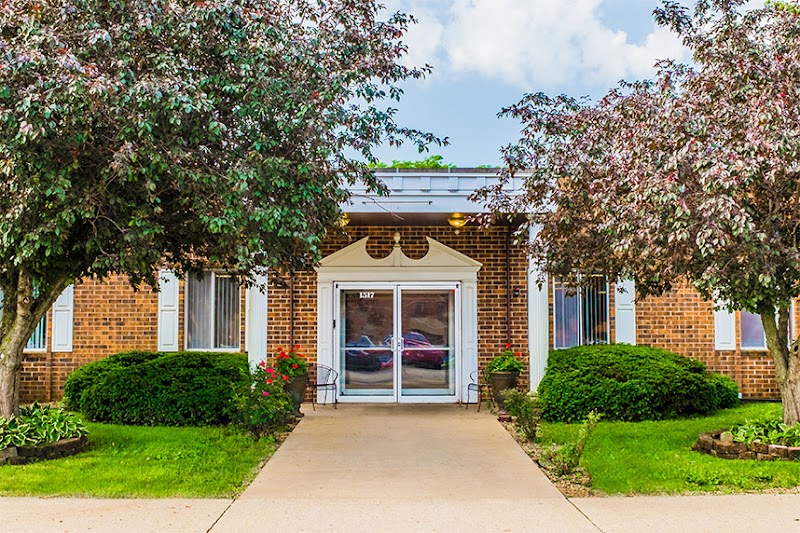
How is Jacksonville Skld Nur & Rehab Staffed?

CMS rates JACKSONVILLE SKLD NUR & REHAB's staffing level at 1 out of 5 stars, which is much below average compared to other nursing homes. Staff turnover is 50%, compared to the Illinois average of 46%.

What Have Inspectors Found at Jacksonville Skld Nur & Rehab?

State health inspectors documented 29 deficiencies at JACKSONVILLE SKLD NUR & REHAB during 2022 to 2025. These included: 3 that caused actual resident harm and 26 with potential for harm. Deficiencies causing actual harm indicate documented cases where residents experienced negative health consequences.
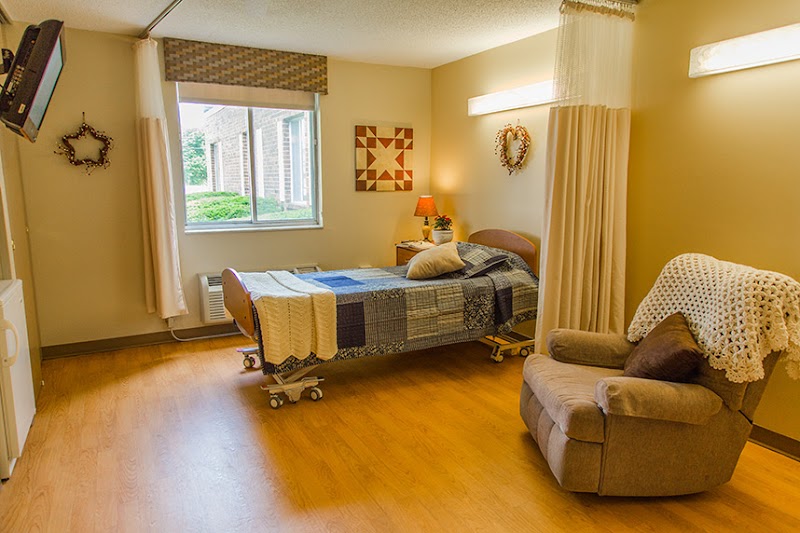
Who Owns and Operates Jacksonville Skld Nur & Rehab?

JACKSONVILLE SKLD NUR & REHAB is owned by a for-profit company. For-profit facilities operate as businesses with obligations to shareholders or private owners. The facility is operated by CREST HEALTHCARE CONSULTING, a chain that manages multiple nursing homes. With 88 certified beds and approximately 79 residents (about 90% occupancy), it is a smaller facility located in JACKSONVILLE, Illinois.

How Does Jacksonville Skld Nur & Rehab Compare to Other Illinois Nursing Homes?

Compared to the 100 nursing homes in Illinois, JACKSONVILLE SKLD NUR & REHAB's overall rating (3 stars) is above the state average of 2.5, staff turnover (50%) is near the state average of 46%, and health inspection rating (3 stars) is at the national benchmark.

What Should Families Ask When Visiting Jacksonville Skld Nur & Rehab?

Based on this facility's data, families visiting should ask: "Can you walk me through typical staffing levels on day, evening, and night shifts?" "Can I visit during a mealtime to observe dining assistance and food quality?" "How do you handle medical emergencies, and what is your hospital transfer rate?" "Can I speak with family members of current residents about their experience?" These questions are particularly relevant given the below-average staffing rating.

Is Jacksonville Skld Nur & Rehab Safe?

Based on CMS inspection data, JACKSONVILLE SKLD NUR & REHAB has a clean safety record: no substantiated abuse findings (meaning no confirmed cases of resident harm), no Immediate Jeopardy citations (the most serious violation level indicating risk of serious injury or death), and is not on the Special Focus Facility watch list (a federal program monitoring the lowest-performing 1% of nursing homes). The facility has a 3-star overall rating and ranks #1 of 100 nursing homes in Illinois. While no facility is perfect, families should still ask about staff-to-resident ratios and recent inspection results during their visit.

Do Nurses at Jacksonville Skld Nur & Rehab Stick Around?

JACKSONVILLE SKLD NUR & REHAB has a staff turnover rate of 50%, which is about average for Illinois nursing homes (state average: 46%). Moderate turnover is common in nursing homes, but families should still ask about staff tenure and how the facility maintains care continuity when employees leave.

Was Jacksonville Skld Nur & Rehab Ever Fined?

JACKSONVILLE SKLD NUR & REHAB has been fined $23,027 across 2 penalty actions. This is below the Illinois average of $33,309. While any fine indicates a compliance issue, fines under $50,000 are relatively common and typically reflect isolated problems that were subsequently corrected. Families should ask what specific issues led to these fines and confirm they've been resolved.

Is Jacksonville Skld Nur & Rehab on Any Federal Watch List?

JACKSONVILLE SKLD NUR & REHAB is not on any federal watch list. The most significant is the Special Focus Facility (SFF) program, which identifies the bottom 1% of nursing homes nationally based on persistent, serious quality problems. Not being on this list means the facility has avoided the pattern of deficiencies that triggers enhanced federal oversight. This is a positive indicator, though families should still review the facility's inspection history directly.