PEARL OF JOLIET, THE
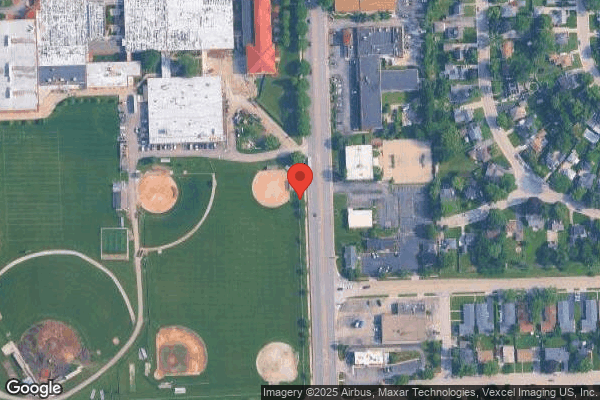
306 NORTH LARKIN AVENUE, JOLIET, IL 60435 (815) 744-5560
For profit - Limited Liability company 214 Beds PEARL HEALTHCARE Data: November 2025
Trust Grade
20/100
#390 of 665 in IL
Last Inspection: February 2025

Within standard 12-15 month inspection cycle. Federal law requires annual inspections.

Overview

Pearl of Joliet has received a Trust Grade of F, indicating significant concerns about the quality of care provided. Ranking #390 out of 665 facilities in Illinois places it in the bottom half of nursing homes statewide, and #9 out of 16 in Will County suggests that only a few local options are better. The facility's trend is worsening, with the number of reported issues increasing from 13 in 2024 to 18 in 2025, raising red flags for families considering this home. Staffing ratings are average, with a turnover rate of 43%, slightly below the state average, but the overall staffing rating is still just 2 out of 5 stars. Serious incidents noted by inspectors include a failure to address a resident's painful skin rash, leading to prolonged discomfort, and the development of Stage 3 pressure ulcers due to inadequate monitoring and care. While the facility has some strengths, such as a good quality measures rating of 4 out of 5, the numerous health and safety concerns highlighted by state inspections make it a facility families should approach with caution.

Trust Score
F
20/100
In Illinois
#390/665
Bottom 42%
Safety Record
High Risk
Review needed
Inspections
Getting Worse
13 → 18 violations
Staff Stability
○ Average
43% turnover. Near Illinois's 48% average. Typical for the industry.
Penalties
✓ Good
$83,116 in fines. Lower than most Illinois facilities. Relatively clean record.
Skilled Nurses
○ Average
Each resident gets 39 minutes of Registered Nurse (RN) attention daily — about average for Illinois. RNs are the most trained staff who monitor for health changes.
Violations
⚠ Watch
62 deficiencies on record. Higher than average. Multiple issues found across inspections.
★★☆☆☆
2.0
Overall Rating
★★☆☆☆
2.0
Staff Levels
★★★★☆
4.0
Care Quality
★★☆☆☆
2.0
Inspection Score
Stable
2024: 13 issues
2025: 18 issues

The Good

  • 4-Star Quality Measures · Strong clinical quality outcomes
  • Full Sprinkler Coverage · Fire safety systems throughout facility
  • No fines on record
  • Staff turnover below average (43%)

    5 points below Illinois average of 48%

Facility shows strength in quality measures, fire safety.

The Bad

2-Star Overall Rating

Below Illinois average (2.5)

Below average - review inspection findings carefully

Staff Turnover: 43%

Near Illinois avg (46%)

Typical for the industry

Federal Fines: $83,116

Well above median ($33,413)

Moderate penalties - review what triggered them

Chain: PEARL HEALTHCARE

Part of a multi-facility chain

Ask about local staffing decisions and management

The Ugly 62 deficiencies on record

4 actual harm
Aug 2025 2 deficiencies
CONCERN (D) 📢 Someone Reported This

A family member, employee, or ombudsman was alarmed enough to file a formal complaint

Potential for Harm - no one hurt, but risky conditions existed

Infection Control (Tag F0880)

Could have caused harm · This affected 1 resident

Based on observation, interview, and record review, the facility failed to follow standard infection control practices with regards to donning of gowns during provisions of care to residents who are o...

Read full inspector narrative →
Based on observation, interview, and record review, the facility failed to follow standard infection control practices with regards to donning of gowns during provisions of care to residents who are on EBP (Enhance Barrier Precautions).This applies to 3 of the 4 residents (R1, R4, R5) reviewed for EBP in the sample of 14.The findings include: 1. On August 4, 2025, at 10:06 AM, there was an EBP signage outside R1's bedroom. V13 and V14 (Both Certified Nursing Assistants/CNA) were providing hygiene care to R1. Both staff were not wearing a gown during the provision of care. R1 is on the facility's EBP list for history of Candida Auris. 2. Face sheet shows tR4 is 77 years-old who has multiple medical diagnoses including end stage renal failure (ESRD). On August 5, 2025, at 12:51 PM, R4 was in bed receiving incontinence care. R4 has an AV (Arteriovenous) fistula in his left arm and an intravenous (IV) midline catheter in his right arm. V25 (Certified Nursing Assistant/CNA) was providing incontinence care to R4, who had a bowel movement. V25 did not wear a gown all throughout the incontinence care. There was a signage outside R4 door which shows R4 is on Enhance Barrier Precaution (EBP).On August 6, 2025, at 2:32 PM, V2 (Director of Nursing/DON) stated R4 is receiving IV antibiotic (Unasyn) for pneumonia. 3. Face sheet shows R5 is 69 years-old who has multiple medical diagnoses including spastic diplegic cerebral palsy, carrier of Carbapenem-Resistant Enterobacterales, and contact with and (suspected) exposure to other viral communicable disease. On August 4, 2025, at 10:19 AM, during environmental rounds, there was an EBP signage outside R5's bedroom. Upon inspection of the bedroom, V12 (Nurse) was inside R5's room, at R5's bedside, checking R5's vital signs (blood pressure and heart rate). V12 was not wearing a gown during the procedure. Facility's EBP list shows R5 was on the list due to wound, indwelling urinary catheter, and history of KPC (Klebsiella pneumoniae Carbapenemase). On August 5, 2025, at 1:57 PM, V16 (Infection Preventionist Nurse) stated the staff is expected to wear gown and gloves when providing high contact care such as dressing, bathing, showering, hygiene, incontinence care, and changing linens, for an EBP resident. It helps prevent resident from getting infection and prevents spread of infection. The EBP signage shows:Wear gloves and a gown for the following High-Contact Resident Care Activities. Dressing, bathing/showering, transferring, changing linens, providing hygiene, changing briefs or assisting with toileting, device care, and wound care. Facility's Enhance Barrier Precautions (EBP) Policy and Procedure with recent review dated of June 2025 shows:General: Enhance Barrier Precautions is an approach of targeted gown and glove use during high contact resident care activities, design to reduce transmission of S. aureus and Multidrug Resistant Organism (MDRO).
CONCERN (E) 📢 Someone Reported This

A family member, employee, or ombudsman was alarmed enough to file a formal complaint

Potential for Harm - no one hurt, but risky conditions existed

Deficiency F0804 (Tag F0804)

Could have caused harm · This affected multiple residents

Based on interview, observation, and record review, the facility failed to maintain palatable and appetizing food temperature when serving meals. This applies to all 121 residents receiving meals from...

Read full inspector narrative →
Based on interview, observation, and record review, the facility failed to maintain palatable and appetizing food temperature when serving meals. This applies to all 121 residents receiving meals from the facility. The findings include: The facility data sheet, dated August 4, 2025, documents 133 residents in the facility, with 121 receiving food from the Dietary department, and 12 residents on NPO (Nothing by mouth) status.From August 4 to August 6, 2025, R1, R4, R7, R10, R11, and R14 were observed at mealtime and interviewed about the facility's food service. R1, R4, R7, R10, R11, and R14 are assessed to be alert and oriented based on their most recent MDS (Minimum Data Set) assessments. R1, R4, R7, R10, R11, and R14 all stated the food was lukewarm or cold, and they would prefer that food be served warmer. R12 was a former resident from the facility. R12 was alert and oriented based on her last her last MDS prior to discharge. On August 4, 2025, at 1:15 PM, V17 (family member) stated R12 was always complaining to V17 the food in the facility was always served cold.On August 5, 2025, 11:35 AM, the lunch meal was observed on the second floor. There were a few residents in the dining room. A kitchen staff delivered the second food cart in the dining room. V20 (Dietary manager), V21 (Certified Nursing Assistant/CNA), and V22 (CNA) were setting up the trays and serving food in the dining room. At 11:41 AM, the third food cart was delivered. V22 started setting it up, she placed condiments and drinks in each tray. V23 (Wound Care Aid and Central Supply) and V24 (CNA) came in to help. The facility menu was roasted turkey with gravy, cornbread dressing, zucchini, and mandarin fruit for dessert. All the food carts were delivered with a plastic cover that was zippered closed on all the four corners of the carts. The staff unzipped all the four corners of the cover as they started to set up the trays placing condiments and drinks on each tray. The carts were not insulated, nor was a plate warmer in place to aide in maintaining temperatures. At 11:52 AM, the food cart was delivered to the hallway for residents eating in their rooms.On August 5, 2025, at 12:00 PM, R10's lunch tray was tested for food temperature. The cornbread dressing was 50.1 degrees/Fahrenheit (F), and the turkey with gravy was 50.3F.On August 5, 2025, at 12:04 PM, R11's lunch tray was tested for food temperature. The cornbread dressing was 107.6 F and the turkey with gravy was 115.7 F; the zucchini vegetable was 107.5 F. On August 5, 2025, at 12:42 PM, V20 (Dietary Manager) stated they check the food temperature prior to delivering food in the unit. V20 explained food is plated on a ceramic plate and covered with a plastic lid. The food temperature in the kitchen should be at least 135F. V20 added then the trays are placed on a cart, covered with a plastic zipped cover and delivered to each floor or unit. V20 stated the food holding temperature should be 135F. V20 has been a Dietary manager for 20 plus years. They deliver food through tray line. The staff would place food on the ceramic plate and would be covered with a plastic food lid, they deliver the meals via tall food cart which was covered with zippered plastic cover. The holding temperature for the hot food should be 135F, which means that when it's delivered to the residents it should be a little less than 135F. On August 6, 2025, at 12:20 PM, V20 (Dietary Manager) also stated she just started working in the facility on July 14, 2025. Ever since she started, there was no metal heating plate in the trays when they serve the food to the residents. The metal heating plate is important because it can hold the hot temperature longer. The Facility's Policy and Procedure for Food Palatability-Hot Food Temperatures shows:Policy: The healthcare community prepares and serves food and beverages that is palatable, attractive and at safe and appetizing temperature.The healthcare community makes every effort to take all factors into consideration to ensure that hot food and beverages are served at a safe and appetizing temperature.
Apr 2025 1 deficiency 1 Harm
SERIOUS (G) 📢 Someone Reported This

A family member, employee, or ombudsman was alarmed enough to file a formal complaint

Actual Harm - a resident was hurt due to facility failures

Quality of Care (Tag F0684)

A resident was harmed · This affected 1 resident

**NOTE- TERMS IN BRACKETS HAVE BEEN EDITED TO PROTECT CONFIDENTIALITY** Based on observation, interview, and record review, the facility failed to complete a wound or skin event in risk management whe...

Read full inspector narrative →
**NOTE- TERMS IN BRACKETS HAVE BEEN EDITED TO PROTECT CONFIDENTIALITY** Based on observation, interview, and record review, the facility failed to complete a wound or skin event in risk management when a skin abnormality was found on a resident, failed to seek medical attention for a resident who developed rash-like skin redness, failed to monitor the skin rash/redness for improvement or worsening, failed to implement wound nurse practitioner's recommendations to keep the area clean and dry, and failed to implement wound nurse practitioner's recommendations for treatment of the rash. These failures resulted in R1 developing a rash/reddened area under her breasts that went without assessment or treatment, experiencing a rash/redness on her groin and buttocks that did not improve, and R1 expressing she experienced extreme pain and discomfort for many months due to the rash/redness. This applies to 1 of 3 residents (R1) reviewed for skin rashes in the sample of 3. The findings include: On April 16, 2025 at 9:18 AM, R1 was lying in bed. R1 had a tracheostomy in place and was unable to speak out loud, but was able to mouth intelligible words and make hand gestures. R1 said she was experiencing pain, and pointed to her perineal area and buttocks when asked where her pain was located. R1 was wearing an incontinence brief. The brief was closed at each side of R1's hip with the adhesive closures from the incontinence brief. R1 had an indwelling urinary catheter in place draining cloudy, yellow urine. On April 16, 2025 at 10:38 AM, R1 continued to be lying in bed. V10 (Mother of R1) was sitting at R1's bedside. V4 (CNA-Certified Nursing Assistant) and V5 (CNA) came to R1's room to provide incontinence care. V5 said she arrived at the facility at 6:00 AM and was assigned to care for R1. V5 continued to say she had not had time to check R1's incontinence brief or provide incontinence care since she started her shift over four hours earlier. V5 said R1 was wearing the incontinence brief from a previous shift. V4 and V5 unfastened R1's incontinence brief. V4 and V5 said they had not been instructed to leave R1's incontinence brief open. As V5 pulled back R1's incontinence brief, the brief had a strong odor and appeared wet, despite R1 having an indwelling urinary catheter. V5 said the catheter must have leaked. R1's front perineal area had a rash over R1's entire pubic area, along both groin areas, and extending to her inner left and right thigh, approximately six inches in diameter. The rash appeared as solid, bright red areas. As R1 was turned to her right side, R1's buttocks were exposed. The red rash encompassed R1's entire buttocks, approximately 12 inches in diameter and extended up her back, approximately six inches, on R1's right side. The rash on R1's buttocks was bright red and appeared as one solid red area. As the rash extended up R1's back, the rash appeared to be a spottier, red pattern. R1 flinched when V5 tried to use a disposable wipe to clean R1's buttocks. V4 and V5 said they did not have barrier cream to apply to R1's buttocks or groin area because they were not allowed to keep the cream in the resident's rooms, and they would have to ask V7 (LPN-Licensed Practical Nurse) to obtain the cream. V4 and V5 applied a clean incontinence brief to R1 and did not apply barrier cream and prepared to leave the room. V5 (CNA) said she has been assigned to care for R1 many times, and the rash on R1's perineal area and buttocks had been present since at least February 2025. V4 and V5 lifted R1's gown. R1 was not wearing a bra. V5 lifted R1's right and left breast. R1's skin appeared bright red under R1's right and left breasts, approximately one to two inches wide, and approximately 4 inches long. A white, pilled substance was under each breast and V5 speculated it was old powder. V5 used a disposable wipe to clean the white substance from under R1's breasts, and R1 flinched when V5 cleaned the area and indicated the area was painful by mouthing the words that hurts. As V4 and V5 were ready to leave R1's room, V7 (LPN) entered the room with a small medication cup filled with a white cream and a wood tongue depressor. V7 said the white cream was zinc oxide. V4 and V5 opened R1's incontinence brief and again turned her to her right side. V7 (LPN) used her gloved hand to smear the zinc oxide on R1's buttocks. V7 did not cover the rash on R1's upper back with the zinc oxide. R1 was turned to her back by V4 and V5. With approximately one teaspoon of zinc oxide left in the medicine cup, V7 (LPN) used the wood tongue depressor to smear the remaining zinc oxide to R1's front perineal area in a swiping motion. The remaining zinc oxide ointment did not cover all red areas of R1's front perineal area, or R1's inner thighs. V7 (LPN) said she would have to return with more zinc oxide ointment to cover the reddened areas. On April 16, 2025 at 11:11 AM, V10 (Mother of R1) remained at R1's bedside, and said V7 (LPN) had not returned to R1's room to apply zinc oxide ointment to R1's front perineal area. V7 also said no other facility staff had come to the room to apply the ointment. On April 16, 2025 at 11:45 AM, V10 (Mother of R1) remained at R1's bedside, and said V7 (LPN) had not returned to R1's room to apply zinc oxide ointment to R1's front perineal area. V7 also said no other facility staff had come to the room to apply the ointment. On April 16, 2025 at 11:50 AM, V7 (LPN) came to R1's room and applied zinc oxide ointment to R1's front perineal area, and said she was unable to do it sooner due to caring for other residents. V7 did not assess the skin under R1's breasts or apply the zinc oxide ointment. As V7 was ready to leave R1's room, V7 was asked what the treatment would be for R1's skin redness under her bilateral breasts, and V7 turned around and applied the remaining zinc oxide ointment to the area under R1's bilateral breasts. The EMR (Electronic Medical Record) shows R1 was admitted to the facility on [DATE] with multiple diagnoses including metabolic encephalopathy, pneumonia, UTI (Urinary Tract Infection), acute and chronic respiratory failure, COPD (Chronic Obstructive Pulmonary Disease), acute pulmonary edema, myotonic muscular dystrophy, ascites, dependence on ventilator, gastrostomy tube, tracheostomy, and intestinal obstruction. R1's MDS (Minimum Data Set), dated February 6, 2025, shows R1 is cognitively intact, requires partial/moderate assistance with oral hygiene, substantial/maximal assistance with bed mobility, and dependent on facility staff for all other ADLs (Activities of Daily Living). R1 has an indwelling urinary catheter and is always incontinent of stool. The MDS continues to show R1 receives 51 percent or more of her total calories from tube feeding. R1 had no unhealed pressure ulcers, rashes or MASD (Moisture-Associated Skin Damage) at the time of this MDS assessment. R1's care plan for potential/actual impairment to skin integrity, created on January 31, 2025, shows multiple interventions initiated on January 31, 2025 including, keep skin clean and dry. Identify/document potential causative factors and eliminate/resolve where possible. On January 31, 2025 at 6:46 AM, V6 (LPN) documented, [R1] buttock dry, redness, and flaky to touch V6's (LPN) Admission/readmission Evaluation, dated January 31, 2025, shows R1 was readmitted to the facility with groin redness, redness on her inner thighs, and perineal area. The evaluation also shows R1 was high risk for skin breakdown. The EMR shows the following order, dated January 31, 2025: Zinc oxide external ointment 20 percent to groin, peri, and buttock topically every 12 hours for redness. The facility's Skin Monitoring/CNA Shower and Grooming sheets show the following for R1: January 21, 2025: Redness on R1's bilateral groin areas and redness on R1's buttocks. March 18, 2025: Redness under R1's right breast, and redness in R1's perineal area. April 1, 2025: Redness under R1's right and left breasts, and redness in R1's perineal area. The facility does not have documentation to show R1's physician was notified about the redness/rash on R1's skin, or that the redness/rash was assessed by nursing staff between January 31, 2025 and April 9, 2025. The facility does not have documentation to show the nurse assessed the reddened areas or completed a wound or skin event within risk management. The facility does not have documentation to show the wound care nurse checked risk management and proceeded with an assessment or investigation. On January 7, 2025, V9 (Wound Care NP-Nurse Practitioner) documented, Wound #2 groin is a partial thickness moisture associated skin damage and has received a status of not healed. Initial wound encounter measurements are 20 cm. (centimeters) length by 15 cm. width x 0.1 cm. depth, with an area of 300 square cm, and a volume of 30 cubic cm. There is a scant amount of serous drainage noted which has a mild odor. The patient reports a wound pain of level 3/10 (0/10 equals no pain, 10/10 most pain). The wound margin is undefined. Active problems, irritant contact dermatitis due to friction or contact with body fluids, erythema intertrigo (inflammatory skin condition caused by skin-to-skin friction). Wound orders groin: cleanse wound with wound cleanser, topical treatment: apply house stock antifungal cream twice a day. Follow-up: re-evaluation in 1 week. Incontinence/moisture management: barrier cream/ointment 3 x (times) per day and after incontinent episodes, recommend antifungal, keep area clean and dry, reduce briefs whenever possible. The facility does not have documentation to show R1 received the antifungal cream or barrier cream as ordered by V9 (Wound Care NP) on January 7, 2025. The facility does not have documentation to show R1 was re-evaluated in one week. The facility does not have documentation to show measurements were obtained after January 7, 2025 to determine if the rash area was improving or deteriorating. On April 9, 2025, V9 (Wound Care NP-Nurse Practitioner) documented, Patient being evaluated for skin assessment due to at risk conditions/Braden score for skin breakdown of 12. V9's documentation continues to show R1 had irritant contact dermatitis due to friction or contact with body fluids, and erythema intertrigo. V9's documentation continues to show, Incontinence/Moisture Management: Barrier cream/ointment 3 x (times) per day and after incontinent episodes, maintain prompt cleansing and moisture management to support skin health, use breathable alternatives to briefs when appropriate to promote skin integrity. The facility does not have documentation to show R1 received the barrier cream as ordered by V9 (Wound Care NP) on April 9, 2025. On April 16, 2025 at 1:16 PM, V9 (Wound Care Nurse Practitioner/NP) said he assessed R1 on April 9, 2025. V9 said the skin redness on R1's buttocks is due to MASD (Moisture Associated Skin Damage), and if there is moisture involved, R1 may also have a fungal rash. I was asked to see the resident because the rash was not improving and was getting worse. This skin condition can be handled by the nurses, and they can call me anytime, if the need arises. Last week when I saw her, she had dermatitis and the area had not spread up her back. I told them to apply barrier cream three times a day and after every incontinent episode. I was not notified by the facility before today that the rash looked worse. If they left her in feces or urine overnight or for a long period of time, it could go from zero to 100. It needs to be addressed immediately and appropriately. On April 17, 2025 at 11:11 AM, V9 (Wound Care NP) said, I saw [R1] on January 7, 2025. She had MASD in the groin area. We recommended house stock antifungal to the bilateral groin area twice a day and barrier cream three times a day. We did not specify a stop date. They should have put the antifungal cream and barrier cream order in place when I saw her on January 7, 2025. It is my expectation that they institute my recommendations. The skin issue will deteriorate if they do not do it. If it is a recommendation and it was never done, then I would say that is why the rash got worse. On April 17, 2025 at 2:55 PM, V11 (Physician) said, Based on (V9's, Wound Care NP) documentation dated April 9, 2025, there has been an acute change in (R1's) skin since last week, possibly caused by the antibiotic medication (R1) was taking. V11 said it would be his expectation that facility staff follow provider recommendations for wound care, and they should follow the facility's policy for nursing assessment of abnormal skin conditions and completing wound or skin events in risk management. The facility's policy entitled Wound Prevention Program, dated March 2025, shows, Purpose: The purpose of this program is to assist the facility in the care, services and documentation related to the occurrence, treatment, and prevention of pressure as well as non-pressure related wounds. Process: 1. Upon admission and in conjunction with the Resident Assessment Instrument, and when a significant change in the resident status occurs, the resident's skin will be evaluated head-to-toe by licensed nurse. 2. Weekly skin checks will be conducted by the licensed nurse. This will be documented in the resident's EMR. 3. Daily, during routine care, the CNA will observe the resident's skin. When abnormalities are noted, this will be communicated to the licensed nurse and the licensed nurse will proceed as mentioned in step 2 and complete a wound or skin event within risk management. The wound care nurse will check risk management daily for any new wound/skin event and proceed with an assessment/investigation. The facility's policy entitled Wound Prevention and Healing, reviewed 06/01/2024, shows, Policy Statement: To provide wound care treatments/services using a multidisciplinary approach based on evidence-based standards of care under the direction of a physician. 1. Risk Assessment and Prevention: a. Braden Scale will be completed upon admission, readmission, quarterly, and when there is a change in condition by a licensed or registered professional nurse.c. Skin will be inspected during showers, following orders for daily and/or weekly skin checks as scheduled, and PRN (as needed).
Feb 2025 15 deficiencies
CONCERN (D)

Potential for Harm - no one hurt, but risky conditions existed

Deficiency F0554 (Tag F0554)

Could have caused harm · This affected 1 resident

Based on observation, interview, and record review, the facility failed to assess a resident who was self-administering medication. This applies to 1 of 1 residents (R76) reviewed for self-medication...

Read full inspector narrative →
Based on observation, interview, and record review, the facility failed to assess a resident who was self-administering medication. This applies to 1 of 1 residents (R76) reviewed for self-medication administration in a sample of 30. The findings include: R76's face sheet showed she was admitted with diagnoses including gastrointestinal hemorrhage, chronic obstructive pulmonary disease, morbid obesity, type 2 diabetes mellitus, congestive heart failure, gout, and repeated falls. R76's POS (Physician Order Sheet) showed an order dated 12/19/23 for Hemorrhoidal Rectal Ointment 0.25-14-74.9% with instructions to Insert 1 application rectally every 8 hours as needed for hemorrhoids. R76's MDS (Minimum Data Set), dated 1/6/25, showed R76 had severe cognitive impairment. On 2/4/25 at 1:21 PM, R76 had a tube of hemorrhoid cream on her bedside table. The tube showed it was a two-ounce tube of hemorrhoidal ointment with applicator, and the sticker showed it was opened January 19, 2025. R76 said she was running out of the cream and needed it to help her butt cheeks slide. R76 said she did not have hemorrhoids, but the facility does not give her a different kind of cream. On 2/5/25 at 4:01 PM, R76 still had the hemorrhoidal cream at bedside. R76 said she puts the cream in the fold between her butt cheeks so that it slides so she can sit. R76 said she could not sit without putting the cream on because it helps slide nicely. R76 said she needed the cream for lubrication. R76 said she never put the cream inside her rectum. R76 said she needed the cream and could not remember who gave her the cream. R76 said the cream did not last too long and she had only been using it for a few weeks. R76 said the tube of hemorrhoidal cream also came with a tool that would help put the cream inside her rectum, but she never put it inside the rectum. On 2/6/25 at 10:20 AM, V5 (LPN/Licensed Practical Nurse) said R76 can be forgetful at times. V5 said R76 did not have an order to have medications at bedside or self-administer them. V5 said R76 did have orders for hemorrhoid cream, and it should be used for hemorrhoids inside her rectum. V5 said if the order showed it should be used rectally, then it should be used in the rectum, not on the butt cheeks. On 2/6/25 at 10:23 AM, V6 (RN/Registered Nurse) said she was taking care of R76, and she did have an order for hemorrhoid cream to be inserted rectally every eight hours as needed. V6 said she had never put the medicine on for R76, and the last time R76 had the hemorrhoid cream applied was on 9/22/24. V6 said R76 could not put it on herself, and the medication should not be in her room, as she did not have orders to self-medicate or store medications at bedside. On 2/6/25 at 3:43 PM, V2 (DON/Director of Nursing) said hemorrhoid creams should not be left in the room and should not be used as a barrier cream. V2 said residents who had severe cognitive impairment should not have medications at the bedside. The facility's Self Administration of Medication Program policy, reviewed on 4/25/24, showed, The facility will allow the resident to self-administer drugs if the interdisciplinary team, has determined that this practice is safe. Nurse will complete a Self-Administration of Medication Assessment.
CONCERN (D)

Potential for Harm - no one hurt, but risky conditions existed

Deficiency F0558 (Tag F0558)

Could have caused harm · This affected 1 resident

2. R2's current MDS (Minimum Data Set) shows she is cognitively intact. R2's care plan states she is at risk for falls. Interventions include to provide her with a working reachable call light. On 02...

Read full inspector narrative →
2. R2's current MDS (Minimum Data Set) shows she is cognitively intact. R2's care plan states she is at risk for falls. Interventions include to provide her with a working reachable call light. On 02/04/25 at 01:51 PM, R2's call light was near her right shoulder. R2 stated she needed the call light placed closer to her hand where she can reach it as she is unable to maneuver to get the call light. On 02/07/25 at 01:33 PM, V2, DON (Director of Nursing), stated, The CNAs (Certified Nursing Assistants) should make sure the resident call light is in reach. The CNAs and Nurses can make sure it in reach of the resident. We want to make sure if they have a need or in trouble, they can alert the staff. 3. R44's current MDS (Minimum Data Set) shows she is cognitively intact. R44's care plan states she has an ADL (Activities of Daily Living) self-care deficit and potential for falls due to decreased mobility. Interventions include be sure R44's call light is in reach and encourage resident to use it for assistance as needed. On 02/04/25 at 01:12 PM, R44's call button was wedged between the bed frame and right-side rail. R44 could not reach her call light. On 02/05/25 at 01:06 PM, R44's call button was wedged between the bed frame and right-side rail out of reach. R44 stated she could not reach her call light and would have to scream out for assistance. On 02/06/25 at 10:09 AM, R44's call button was wedged between the bed frame and right-side rail still out of her reach. R44 stated she could not reach her call light. The facility's Call Light Use policy, reviewed on 6/18/24, showed Facility aims to meet residents needs as timely as possible. Call light system is utilized to alert staff of residents' needs. Residents capable of using the call light appropriately will have their call light accessible at all times. Based on observation, interview, and record review, the facility failed to place call lights within reach of residents. This applies to 3 of 3 residents (R114, R2, R44) reviewed for call lights in a sample of 30. The findings include: 1. On 2/4/25at 10:37 AM, R114 was lying in bed, and her call light was placed on the side dresser, out of reach of the resident. R114 said she was unable to use her left arm, and she would use the call light to call for help, if she could find it. R114 said if she could not find it, she would have to scream for help. On 2/6/25 at 3:43 PM, V2 (DON/Director of Nursing) said the call lights should be attached to the bed linen or wrapped around the side rail. R114's face sheet showed she was admitted to the facility with diagnoses including hemiplegia and hemiparesis following cerebral infarction affecting left non-dominant side and weakness. R114's care plan, dated 12/22/23, showed R114 is at low risk for falls due to weakness, limited mobility, decrease strength, physical limitation, low activity tolerance [related to] hemiplegia, with interventions including to Be sure the resident's call light is within reach and encourage the resident to use it for assistance as needed. The resident needs prompt response to all requests for assistance. R114's Call Light Ability Screen, dated 12/18/23, showed Yes when asked if Resident is able to follow instructions on how to use call light, and also showed Resident is able to use the call light.
CONCERN (D) 📢 Someone Reported This

A family member, employee, or ombudsman was alarmed enough to file a formal complaint

Potential for Harm - no one hurt, but risky conditions existed

Free from Abuse/Neglect (Tag F0600)

Could have caused harm · This affected 1 resident

Based on interview and record review, the facility failed to protect the residents' right to be free from verbal and mental abuse. This applies to 3 of 6 residents (R81, R13, R45) reviewed for abuse. ...

Read full inspector narrative →
Based on interview and record review, the facility failed to protect the residents' right to be free from verbal and mental abuse. This applies to 3 of 6 residents (R81, R13, R45) reviewed for abuse. The findings include: 1. R81's 10/25/2024 MDS (Minimum Data Set) showed he is moderately cognitively impaired. R81's Abuse care plan (initiated 4/29/2022 and revised 2/6/2025-during the survey) showed a problem focus as may be at risk for potential abuse [related to] behavior problem. An intervention (revised 10/17/2022) showed, If [R81] becomes increasingly agitated or upset, stop what you're doing, ensure [R81] is safe and politely leave the area . V11's (Certified Nursing Assistant/CNA) abuse allegation statement showed, On Friday evening 01/10/2025 [V33] I overheard talking to [R81] disrespectfully. The nurse hollered stop that and then told resident to shut up! Loudly. The facility's Final Report for R81's abuse allegation showed, On 01/10/2025, [V11] alleged that she felt that the facility nurse was verbally discourteous to resident. The facility nurse suspended pending investigation. The abuse investigation is ongoing On 2/6/2025 at 9:06 AM, V11, CNA (Certified Nursing Assistant), stated she remembered the incident between R81 and V33, LPN (Licensed Practical Nurse), on January 10th. V11 stated she heard V33 in R81's room and holler at him to Stop that and Shut up! when V33 went in his room to pass medication. V11 stated she did not see the interaction but overheard it because V33's voice was raised. V11 stated she didn't think anyone else was around to hear it. On 2/6/2025 at 1:25 PM, V1 (Administrator/Abuse Coordinator) verified there was no evidence R81 was ever interviewed. V1 stated R81 is deaf, but he can speak. V1 stated she personally interviewed R81 four days after the staff member reported the abuse allegation, but she did not write any of it down. V1 stated the statements included in the abuse investigation [which include a second statement by V11, and statements by V13 (CNA), V12 (Nurse), and V40 (Social Services)] were part of the Human Resources investigation concerning V33's remarks about V12 and V33's behavior, and not part of the resident abuse allegation against V33 for the way she spoke to R81. V1 also verified there was no written statement or interview from V33 regarding her side of the abuse allegation. The Report ended with Patient is legally deaf when asked if [R81] heard or thought the nurse in question was rude to him, he responded no . the facility cannot substantiate mental abuse occurred. 2. R13's MDS 12/18/2024 showed his cognition is intact. On 2/6/2024 at 10:05 AM, R13 stated a week before Christmas, he was sitting on the side of his bed emptying his own colostomy bag and V33 (LPN) entered his room and started to yell and criticize his toileting habits. R13 stated he was angered by the experience. R13 stated V33 did not listen to him or his reasons or explanations. On 2/7/2024, V1 (Administrator/Abuse Coordinator) provided R13's undated handwritten statement regarding his abuse allegation against V33, naming her directly. R13 wrote that his three interactions with her have been contentious and he called them hostile visits. R13's statement showed .her only concern was regarding my toileting habits. She complained that what I was doing was repulsive to her, and that I should be getting up and going to the washroom instead of voiding next to the bed. R13's statement ended with I found her abrasive attitude and confrontational approach to be inappropriate and offensive. Such behavior has no place in this type of environment. On 2/6/25 at 4:14 PM, V1 said R13 is reliable and has never had any other concerns regarding facility staff. The facility's Final Report for R13's 2/6/2025 allegation showed R13 is alert and oriented. Under Disposition, the Report showed, Per staff interviews, the Nurse's approach and demeanor were not up to facility standards. The nurse did have similar negative interactions with other residents as well. The Report does not specify if abuse of R13 from V33 was substantiated or not. 3. R45's 1/5/2025 MDS (Minimum Data Set) showed her cognition is intact. On 2/6/2025 at 9:40 AM, R45 stated V33 had taken care of her in the past. R45 stated that she received a package from her sister a few months earlier that contained a pair of slippers and bottle of an over-the-counter medication. R45 stated V33 opened the package and saw the medication and blew up at me and got in my face. R45 stated V33 yelled at her and told her it was against the rules to have outside medication and dismissively waived me off and told me to go to my room. R45 stated she felt belittled and berated. R45 stated she never felt afraid, but she did feel humiliated. The facility's Abuse Policy and Procedure showed Policy Statement: Resident have the right to be free from abuse, neglect . The facility's Abuse Policy and Procedure (reviewed 9/5/2024) showed POLICY STATEMENT: Residents have the right to be free from abuse. The policy defined verbal abuse as the use of oral, written, or gestured language that willfully includes disparaging and derogatory terms to residents or families, or within their hearing distance, regardless of an individual's age, ability to comprehend, or disability. The facility's Abuse Policy and Procedure defines mental abuse as including, but not limited to, humiliation, harassment, threats of punishment or deprivation, or offensive physical contact by .employee Mental Abuse is also the use of verbal or nonverbal conduct which causes or has the potential to cause the resident to experience humiliation, intimidation, fear, shame, agitation, or degradation. This includes, but is not limited to, harassing a resident; mocking, insulting, or ridiculing; yelling or hovering over a resident, with the intent to intimidate; threats of deprivation; and isolation. The facility prohibits abuse .of its residents, including verbal, mental, sexual or physical abuse . The facility has a no tolerance philosophy
CONCERN (D) 📢 Someone Reported This

A family member, employee, or ombudsman was alarmed enough to file a formal complaint

Potential for Harm - no one hurt, but risky conditions existed

Report Alleged Abuse (Tag F0609)

Could have caused harm · This affected 1 resident

Based on interview and record review, the facility failed to report an allegation of verbal abuse to the Illinois Department of Public Health (IDPH). This applies to 1 of 6 residents (R81) reviewed fo...

Read full inspector narrative →
Based on interview and record review, the facility failed to report an allegation of verbal abuse to the Illinois Department of Public Health (IDPH). This applies to 1 of 6 residents (R81) reviewed for abuse in the sample of 30. The findings include: The facility's 1/10/2025 Initial Report from R81's incident showed, On 1/10/25, A [Certified Nursing Assistant (CNA)- V11] alleged that she felt that the facility nurse was verbally discourteous to resident. The facility nurse suspended pending investigation. The abuse investigation is ongoing and the final will be sent into public health within 5 business days. V11's (CNA) statement from the investigation showed .the . nurse I overheard talking to [R81] disrespectfully. The nurse hollered stop that and told resident Shut up! Loudly. On 2/6/25 at 1:25 PM, V1 (Administrator) stated she thought the initial incident report and the final incident report were reported to IDPH, but neither of the reports were sent to IDPH, even though they would have been sent on two different days. V1 added as the Abuse Coordinator, it is her responsibility, and neither notification was sent. V1 confirmed the fax verifications provided did not include the IDPH fax number, the date, or the times to show they were actually sent. The Reporting & Response section of the facility's Abuse Policy and Procedure (reviewed 9/5/2024) showed .B. c. Initial Report to the State licensing agency, Illinois Department of Public Health, shall be made immediately after the resident has been assessed and the alleged perpetrator has been removed . Section E. showed Final Report & Follow up. Within five days after the report of the occurrence, a complete written report of the conclusion of the investigation, including the steps the facility has taken to respond to the allegation, will be sent to the Department of Public Health .
CONCERN (D) 📢 Someone Reported This

A family member, employee, or ombudsman was alarmed enough to file a formal complaint

Potential for Harm - no one hurt, but risky conditions existed

Incontinence Care (Tag F0690)

Could have caused harm · This affected 1 resident

**NOTE- TERMS IN BRACKETS HAVE BEEN EDITED TO PROTECT CONFIDENTIALITY** Based on observation, interview, and record review, the facility failed to assess incontinent residents for toileting programs a...

Read full inspector narrative →
**NOTE- TERMS IN BRACKETS HAVE BEEN EDITED TO PROTECT CONFIDENTIALITY** Based on observation, interview, and record review, the facility failed to assess incontinent residents for toileting programs and placed multiple layers of disposable incontinence products on a resident. This applies to 1 (R32) of 3 residents reviewed for incontinence care in the sample of 30. The findings include: On 02/04/25 at 11:07 AM, R32 was being assisted with toileting by V39 (CNA/Certified Nursing Assistant). R32 was wearing a disposable incontinence brief and a second disposable incontinence pad inside of the brief. On 02/05/25 at 1:44 PM, R32 stated she continued to wear an incontinence brief with an incontinence pad inside the brief. R32 stated she wears the briefs and pads for protection. R32 stated she was not on a toileting program/schedule. On 02/04/25 at 11:07 AM, V39 stated R32 drinks a lot of coffee and water. V17 stated she requires the pad and the brief due to her urine being heavy. On 02/06/25 at 2:25 PM, V15 (Restorative Nurse) stated residents should not wear an incontinence brief and an incontinence pad inside of the brief. V15 stated if R32 wears two incontinent briefs, she could be at risk for skin breakdown. V15 stated R32 is not on a toileting program. R32's Face Sheet showed R32 was admitted to the facility on [DATE], with multiple diagnoses which included hemiplegia and hemiparesis, diabetes, hypertensive chronic kidney disease, chronic obstructive pulmonary disease, major depressive disorder, and dysphagia. R32's MDS (MDS/Minimum Data Set), dated 01/02/25, showed R32 was dependent upon staff for toileting hygiene. R32's Restorative and ADL care plan showed no scheduled toileting program. The facility's Supporting Activities of Daily Living (ADL) policy (review date 11/07/24) showed Policy Statement: Residents who are unable to carry out activities of daily living independently will receive the services necessary to maintain good nutrition, grooming and personal and oral hygiene.
CONCERN (D)

Potential for Harm - no one hurt, but risky conditions existed

Deficiency F0694 (Tag F0694)

Could have caused harm · This affected 1 resident

Based on observation, interview, and record review, the facility failed to provide necessary services and care to maintain a midline intravenous (IV) catheter. This applies to 1 resident (R81) review...

Read full inspector narrative →
Based on observation, interview, and record review, the facility failed to provide necessary services and care to maintain a midline intravenous (IV) catheter. This applies to 1 resident (R81) reviewed for IV catheter care in a sample of 30. The findings include: R81's Face sheet shows a diagnosis of unspecified hearing loss. On 2/4/25 at 2:25 PM, R81's right upper arm was observed with a midline intravenous catheter. The midline had a gauze underneath the transparent dressing that was saturated in serosanguinous (pink) blood. The midline dressing had no time, date, or staff member initial on it to show when the dressing was last changed or by whom, and the catheter had blood present in the tubing. R81 communicated in writing that he had the midline catheter for about a month, it was last used and flushed last month, and he could not recall the last time the dressing was changed. On 2/5/25 at 4:41 PM, V2 (DON/Director of Nursing) said the midline catheter dressing changes should be documented in either the MAR (Medication Administration Record) or the TAR (Treatment Administration Record). V2 then looked at both the MAR and TAR and no documentation of midline catheter dressing changes was present. V2 said when a nurse changes the midline catheter dressing, he/she should date the dressing so the next staff member taking care of that resident knows when the dressing was last changed. V2 said other than in a progress note, there is no other place where a nurse would document midline catheter dressing changes. V2 then looked at all of the progress notes from 1/22/25 through 2/5/25, and found no documentation of midline catheter dressing changes. V2 said the midline catheter dressing changes should be done weekly and as needed. V2 was asked if the dressing changes were still once a week if there was a gauze under the transparent dressing and she said yes. V2 was then showed the facility's policy on midline intravenous catheter care and she said she did not know that a midline catheter dressing needed to be changed every 48 hours if there was a gauze under the transparent dressing. R81's POS (Physician Order Sheet) shows an order dated 1/20/25 for IV (Intravenous) midline to be placed for antibiotic infusion every 6 hours for 10 days. R81's MAR shows he has not received any IV medications in February. R81's POS does not show any other orders regarding midline catheter dressing changes, flushes or care. The facility's policy titled, Peripheral and Midline Intravenous Catheter Care and Dressing Changes (revised November 2022) states, Policy: The purpose of this procedure is to prevent complications associated with intravenous therapy, including catheter related infections associated with contaminated, loosened or soiled catheter-site dressings. General Guidelines .1. Perform site care and dressing change at established intervals or immediately if the integrity of the dressing is compromised (e.g., damp, loosened, or visibly soiled) .4. Change the dressing if it becomes damp, loosened or visibly soiled and: .b. at least every 2 days for sterile gauze dressing (including gauze under a TSM (transparent semi-permeable dressing) unless the site is not obscured); or c. immediately if the dressing or site appears compromised .6. Assess the peripheral/midline access device at least every 4 hours .a. visually inspect the entire infusion system (solution, administration set, and dressing); b. Check expiration dates of the infusion, dressing and the administration set; .d. Palpate and inspect the skin, dressing and securement device for signs of complications, including: .(8) drainage; .Equipment and Supplies .Steps in the Procedure .9. Place new dressing (TSM or gauze) over insertion site. Label dressing with the date and time of dressing change, and initials. Documentation: 1. The following should be documented in the resident's medical record: a. Date, time, type of dressing, and reason for dressing change .
CONCERN (D)

Potential for Harm - no one hurt, but risky conditions existed

Drug Regimen Review (Tag F0756)

Could have caused harm · This affected 1 resident

Based on interview and record review, the facility failed to provide completed documentation of the pharmacy's monthly MRR (Medication Regimen Reviews) recommendations with the physician / prescriber ...

Read full inspector narrative →
Based on interview and record review, the facility failed to provide completed documentation of the pharmacy's monthly MRR (Medication Regimen Reviews) recommendations with the physician / prescriber response. This applies to 2 of 5 residents (R55 and R64) reviewed for unnecessary medications in a sample of 30. Findings include: 1. The EMR (Electronic Medical Record) for R55 documents the consultant pharmacist completed MRR and referenced see report for any irregularities and or recommendations on 05/17/2024, 06/14/2024, and 09/06/2024. The facility did not provide the referenced reports or documentation of the physician's responses to the recommendations. On 02/06/25 at 01:03 PM, V3, ADON (Assistant Director of Nursing), stated, We need a better tracking system. V3 stated the pharmacist emails her the recommendations and she puts the recommendations in the physician's mailbox. She lets them know the recommendations are in their mailboxes. V3 stated she should be following up with the physicians for their recommendations. V3 stated some of the pharmacist recommendations are missing and she doesn't know what happened to them. The recommendations do not always get scanned in the EMR. The recommendations with responses should be a part of the resident's medial record. V3 ADON stated there is no time frame in which the physician should review the recommendations, it should just be as soon as possible. On 02/07/25 at 01:33 PM, V2, DON (Director of Nursing), stated, Monthly MRR are sent to the ADON. (V3) should either place the pharmacy recommendations in the physician's mailbox, hand deliver them to the NP (Nurse Practitioner) or call the physician or NP. If she does not get a response for the recommendations, she should escalate up the chain to the Medical Director. (V3) has notified me at times when she has not heard back from physicians. There should not be any missing unless Physician or NP did not return them. (V3) should still have the email with the pharmacy recommendations. V2, DON, stated V3, ADON, should notify her if she is not getting a response to the pharmacy recommendations. V2 stated the recommendations should be addressed before the following month. 2. The EMR for R64 documents the consultant pharmacist completed MRR and referenced see report for any irregularities and or recommendations on 01/19/2024, 02/16/2024, 04/25/2024, 07/12/2024. The facility did not provide the referenced reports or documentation of the physician's responses to the recommendations. The facility policy Documentation and Communication of Consultant Pharmacist Recommendations, dated November 2021, states comments and recommendations concerning mediation therapy are communicated in a timely fashion. The timing of these recommendations should enable a response prior to the next medication regimen review. In the even of a problem requiring the immediate attention of the prescriber, the responsible prescriber or physician's designee is contacted by the consultant pharmacist or the facility, and the prescriber's response is documented on the consultant pharmacist review record or elsewhere in the resident's medical record. Recommendations are acted upon and documented by facility staff and or the prescriber. If the prescriber does not respond to recommendations directed to him / her in a reasonable time period, the Director of Nursing and or the consultant pharmacist may contact the Medical Director.
CONCERN (D)

Potential for Harm - no one hurt, but risky conditions existed

Deficiency F0813 (Tag F0813)

Could have caused harm · This affected 1 resident

**NOTE- TERMS IN BRACKETS HAVE BEEN EDITED TO PROTECT CONFIDENTIALITY** Based on observation, interview, and record review, the facility failed to ensure that resident's personal food items were prope...

Read full inspector narrative →
**NOTE- TERMS IN BRACKETS HAVE BEEN EDITED TO PROTECT CONFIDENTIALITY** Based on observation, interview, and record review, the facility failed to ensure that resident's personal food items were properly stored. This applies to 1 (R45) of 3 residents reviewed for stored food in the sample of 30. The findings include: R45's Face Sheet showed she was admitted to the facility on [DATE], with multiple diagnoses which included chronic obstructive pulmonary disease, morbid obesity, major depressive disorder, acquired absence of right and left fingers, and heart failure. R45's MDS (MDS/Minimum Data Set), dated 01/05/25, showed R45 was cognitively intact. On 02/04/25 at 11:09 AM, R45 had an opened bottles of Miracle Whip (19 ounces) and horseradish sauce (12 ounces) stored in the windowsill in her room. Both bottles stated to refrigerate after opening. R45 stated she used to have a refrigerator in her room, but the company removed the refrigerator. R45 stated she has nowhere else to store her personal food items since there is no refrigerators. R45 stated she uses the condiments often. On 02/05/25 at 3:31 PM, the undated Miracle Whip and horseradish sauce remained in the windowsill. On 02/05/25 at 3:14 PM V1 (Administrator) stated, Currently we do not have any personal refrigerators in the facility. We used to have them, and the staff did not check or clean the refrigerators. The food must be labeled and dated. Residents should not store miracle whip and horseradish sauce in a windowsill and those items should be stored in a refrigerator. If residents eat foods that should be stored in the refrigerator, they could become sick and have digestion issues. The facility's Food Storage policy review date (12/30/24) showed Enforcement & Compliance: regular weekly inspections will be conducted by staff. Spoiled, expired, or improperly stored food will be discarded immediately.
CONCERN (D)

Potential for Harm - no one hurt, but risky conditions existed

Infection Control (Tag F0880)

Could have caused harm · This affected 1 resident

Based on observation, interview, and record review, the facility failed to wear the appropriate PPE (Personal Protective Equipment) before entering a isolation room. This applies to 1 of 4 resident (...

Read full inspector narrative →
Based on observation, interview, and record review, the facility failed to wear the appropriate PPE (Personal Protective Equipment) before entering a isolation room. This applies to 1 of 4 resident (R447) reviewed for infection control in a sample of 30. The Findings include: R447's face sheet shows diagnoses of infection of amputation stump, right lower extremity, non-pressure chronic ulcer of other part of left lower leg with unspecified severity, MRSA infection, unspecified site, MRSA as the cause of diseases classified elsewhere, and acquired absence of right leg below knee. R447's POS (Physician Order Sheet) shows an order for Transmission based precautions: Contact Precautions for IV (Intravenous) Antibiotics for Wound Infection with MRSA+ culture. R447's care plans show she has MRSA. Interventions: Maintain isolation precautions as indicated and as ordered. Instruct family/visitors/caregivers to wear disposable gown and gloves during physical contact with resident. Discard in appropriate receptacle and wash hands before leaving room. On 2/4/25 at 2:00 PM, V11 (CNA-Certified Nursing Assistant) was observed delivering water to the residents. At 2:05 PM, V11 put on gloves and went to R447's room without wearing a gown. Outside of R447's door, there was a sign on her door that said Contact Precautions. V11 stated, I saw (R447)'s call light went off. I went to her room. She wanted her wipes. I put them on her table, and she used the wipes to wipe herself. It dawned on me that I didn't wear a gown. (R447) is on contact precautions because she has MRSA (Methicillin-Resistant Staphylococcus Aureus). I should have worn a gown. I'm sorry. On 2/5/25 at 12:43 PM, V2 (DON-Director of Nursing) stated, MRSA is contact precautions. Staff has to wear the proper PPE (Personal Protective Equipment), which is gown and gloves before they go to a contact isolation room. Facility's policy titled Isolation-Categories of Transmission-Based Precautions (5/31/24) shows the following: Contact precautions may be implemented for residents known or suspected to be infected with microorganisms that can be transmitted by direct contact with the resident or indirect contact with environmental surfaces or resident-care items in the resident's environment. 5. Staff and visitors will wear a disposable gown upon entering the room and remove before leaving the room and avoid touching potentially contaminated surfaces with clothing after the gown is removed.
CONCERN (D)

Potential for Harm - no one hurt, but risky conditions existed

Antibiotic Stewardship (Tag F0881)

Could have caused harm · This affected 1 resident

Based on interview and record review, the facility failed to utilize an antibiotic use protocol tool for residents who were placed on antibiotics. This applies to 2 of 5 residents (R27, R120) reviewe...

Read full inspector narrative →
Based on interview and record review, the facility failed to utilize an antibiotic use protocol tool for residents who were placed on antibiotics. This applies to 2 of 5 residents (R27, R120) reviewed for antibiotic stewardship in a sample of 30. The findings include: On 2/6/25 at 11:24 AM, V4 (IP/Infection Preventionist) was interviewed regarding antibiotic stewardship. At 3:05 PM, V4 said they should use the tool when they suspect a resident has an infection, which should be done right away. V4 said it helps the staff to screen for infections. 1. R27's EMR (Electronic Medical Record) was reviewed with V4, and showed he was receiving Ciprofloxacin 500 MG (Milligrams) every 12 hours started on 2/5/25 and ending 2/15/25. V4 said the Infectious Disease Nurse Practitioner ordered the antibiotics on 2/4/25 at 2:48 PM. V4 said the McGeer's tool was not completed, and it should have been done. R27's face sheet showed R27 was admitted to the facility with diagnoses including urinary tract infection and encounter for fitting and adjustment of urinary device. 2. R120's EMR was reviewed with V4, and showed he was receiving Meropenem Intravenous 500 MG every 12 hours for a positive sputum culture starting on 2/1/25 and ending on 2/14/25. V4 said the McGeer's tool was not completed for this antibiotic. V4 said he as well as the floor nurses would be able to fill out the McGeer's tool. R120's face sheet showed he was admitted to the facility with diagnoses including osteomyelitis of vertebra, candidiasis, abnormal sputum, elevated white blood cell count, and encounter for attention to tracheostomy. On 2/6/25 at 3:43 PM, V2 (DON/Director of Nursing) said the McGeer's tool is used for antibiotic stewardship. V2 said the tool should be completed if there was a suspected infection and was used to determine whether it was a true infection. V2 said the tool would show whether the resident met the criteria for having an infection. The facility's Antibiotic Stewardship- Review and Surveillance of Antibiotic Use and Outcomes reviewed June 2, 2024 showed Antibiotic usage and outcome data will be collected and documented using a facility-approved antibiotic surveillance tracking form. The data will be used to guide decisions for improvement of individual resident antibiotic prescribing practices and facility-wide antibiotic stewardship.
CONCERN (D)

Potential for Harm - no one hurt, but risky conditions existed

Deficiency F0909 (Tag F0909)

Could have caused harm · This affected 1 resident

Based on observation, interview, and record review, the facility failed to identify an area of possible entrapment on a resident's bed. This applies to 1 of 17 residents (R22) reviewed for safety. The...

Read full inspector narrative →
Based on observation, interview, and record review, the facility failed to identify an area of possible entrapment on a resident's bed. This applies to 1 of 17 residents (R22) reviewed for safety. The findings include: On 02/04/25 at 12:34 PM, R22's bed and overbed table were left in a very high position. R22's side rails extended approximately five inches on both sides of her bed. On 02/06/25 at 10:01 AM, V15, LPN (Licensed Practical Nurse), was called to R22's bedside. R22's bed rails are too far apart from the mattress and bed frame. She could roll over and become stuck between the rails. On 02/07/25 at 01:33 PM, V2, DON (Director of Nursing), stated, Maintenance and Nursing should make sure there is not space between the bed rail and mattress. We don't want to risk anyone being injured from lying on a metal frame or becoming entrapped. The facility policy Resident Bed, dated 1/17/2025, states the facility will conduct regular inspection of all bed frames, mattress and bed rails, if any, as part of a regular maintenance program to identify areas of possible entrapment.
CONCERN (E)

Potential for Harm - no one hurt, but risky conditions existed

Deficiency F0688 (Tag F0688)

Could have caused harm · This affected multiple residents

**NOTE- TERMS IN BRACKETS HAVE BEEN EDITED TO PROTECT CONFIDENTIALITY** 3. R46's face sheet shows an admission date of 9/8/23. R46's face sheet shows diagnoses of metabolic encephalopathy, acute embol...

Read full inspector narrative →
**NOTE- TERMS IN BRACKETS HAVE BEEN EDITED TO PROTECT CONFIDENTIALITY** 3. R46's face sheet shows an admission date of 9/8/23. R46's face sheet shows diagnoses of metabolic encephalopathy, acute embolism and thrombosis of unspecified deep veins of unspecified lower extremity, and facial weakness following cerebral infarction. R46's MDS (Minimum Data Set), dated 12/11/24, shows a blank score for the BIMS (Brief Interview for Mental Status). R46 was triggered as moderately impaired under cognitive skills for daily decision making. R46 has impairment on both sides of his upper and lower extremities. R46's POS (Physician Order Sheet) shows the following orders: Don right rest hand splint for contracture management daily, doff at NOC (Night Shift/Nocturnal) and for hygiene, check skin integrity every shift. Apply cervical collar when up in the wheelchair, may remove for feeding, hygiene, check for redness, discomfort, and pain. R46's care plan documents he has impaired cognitive function/dementia or impaired though processes related to dementia and history of stroke. R46 has limited physical mobility related to weakness, confusion, physical limitation to bilateral upper and lower extremities. R46 will remain free of complications related to immobility including contractures .Interventions: monitor/document/report as needed any signs or symptoms of immobility and contractures forming or worsening, provide gentle range of motion as tolerated with daily care and provide supportive care, assistance with mobility as needed. Document assistance as needed. R46 requires AROM (Active Range of Motion). Staff will provide assistance with AROM to upper and lower extremities. On 2/4/25 at 1:25 PM, R46 was sitting on his reclined chair in his room. R46's hands were contracted. He did not have his splints on. He also was not wearing his cervical collar. On 2/4/25 at 2:41 PM, R46 was laying in bed. He did not have his splints on. On 2/5/25 at 8:47 AM, R46 was sitting on his bed. He did not have his splints on. On 2/5/25 at 12:34 PM, R46 was sitting in his reclined chair. He did not have his cervical collar or splints on. On 2/5/25 at 2:01 PM, R46 was sleeping in his bed. He did not have splints on. On 2/6/25 at 9:46 AM, R46 was sitting in his reclined hair. He did not have his cervical collar or splints on. R46 was unable to answer surveyor's questions regarding his cervical collar, splints, and contracted hands. He was nonverbal, and just grumbled something when surveyor attempted to talk to him. On 2/5/25 at 12:43 PM, V2 (DON-Director of Nursing) stated, It is the responsibility of the restorative aides to apply the splints on the residents who have orders for them. I believe the nurses are supposed to be putting the cervical collars on those residents who have the orders as well. They should be following physician orders. 4. R94's face sheet shows an admission date of 5/26/23, and diagnoses of aphasia following unspecified cerebrovascular disease, Wernicke's encephalopathy, and personal history of other mental and behavioral disorders. R94's POS (Physician Order Sheet) show no orders for R94 to have a splint or other restorative device. R94's MDS, dated [DATE], showed she is moderately impaired in cognition and she has impairment in both sides of her upper and lower extremities. R94's care plans show the following: (R94) has limited physical mobility due to weakness, decrease strength, and low activity tolerance. Restorative: PROM (Passive Range of Motion) to bilateral upper and lower extremities x 10 repetitions. (R94) will have PROM to all planes with staff daily, 6 to 7 days a week as tolerated. (R94) is at risk for pain related to adult failure to thrive, generalized pain. (R94) has a contracture to right hand/wrist. Apply palm protector/rolled towel to right hand daily. May remove splint for ADL (Activities for Daily Living)/hygiene tasks. (R94) has aphasia related to cerebral vascular accident. On 2/4/25 at 11:00 AM, R94 was lying bed. Her hands were contracted and she was not wearing a splint. Surveyor asked her if she was given a splint or towel rolled up to put between her fingers and palm. R94 stated, They don't really put anything between my hands. Surveyor asked if the restorative aides do any exercises with her. R94 responded, They don't really do any exercises because they can't open my fingers. On 2/5/25 at 10:02 AM, R94 was not wearing a splint. On 2/6/25 at 10:27 AM, R94 was not wearing a splint. On 2/6/25 at 11:23 AM, V15 (LPN-Licensed Practical Nurse/ Restorative Nurse stated, I'm new. I started in November/December 2024. They are supposed to wear splints and cervical collars as ordered. I don't have (R94)'s assessment. I didn't get a chance to review her chart. The restorative aides are supposed to be doing exercises with the residents. I don't know if they are documenting. Sometimes they have to work on the floor as CNA's (Certified Nursing Assistants). Today, they are working as CNA's. So, the residents are not getting any restorative exercises. On 2/6/25 at 2:05 PM, V15 came back to surveyor and said, I just did (R94's) assessment and I ordered her palm protectors. She wasn't wearing the palm protectors, because it was never ordered. I don't have any documentation showing (R46) and (R94) got ROM exercises. Facility's policy titled Managing Residents with Impaired Physical Mobility (3/16/24) shows, 1. Mobility assessment will be completed by a nurse upon admission, quarterly, and as necessary. Treatment guidelines for contractures will depend on the cause of the deformity. The following maybe utilized in general: b. Restorative program on assessment. c. Medical devise. Supportive devices such as splint and casts maybe applied to stretch the tissues of the affected body part based on therapy/MD (Medical Doctor) recommendation. B. Facility will develop a plan of care to assess the patient's level of functional mobility and ability to perform ADL's. c. Staff will encourage the patient to perform range of motion (ROM) exercises in all extremities as recommended by therapist or restorative nurse . Based on observation, interview, and record review, the facility failed to provide assessment, treatment, services, devices, and care planning for residents with decreased ROM (Range of Motion). This applies to 5 of 5 residents (R114, R86, R46, R94, R99) reviewed for range of motion in a sample of 30. The findings include: 1. R114's face sheet showed she was admitted to the facility with diagnoses including hemiplegia and hemiparesis following cerebral infarction affecting left non-dominant side and weakness. R114's POS (Physician Order Sheet) showed an order to, Don [Left] resting hand splint for contracture [management] daily, doff at [Night] and for hygiene, check skin integrity [Every] shift, starting 1/22/25. R114's MDS (Minimum Data Set), dated 12/20/24, showed R114 was cognitively intact. R114's MDS also showed R114 had an impairment on one side of the upper extremity. R114's care plan showed the resident has hemiplegia/hemiparesis [related to] stroke, but did not show the use of a resting hand splint. The care plan also showed Impaired mobility [Due to] hemiplegia/hemiparesis decreased ROM (Range of Motion) [related to] weakness, with a goal of [R114] will maintain ROM to BUE/BLE (Bilateral Upper Extremity/Bilateral Lower Extremity) through next review. On 2/4/25 at 10:37 AM, R114 was lying in her bed, and her left hand was closed into a fist. R114 said she had a stroke and was not able to move her left arm without the help of her right arm. R114 said she needed a splint/brace, and it was in the dresser. R114 said she was not able to put the splint on herself and would need help. On 2/4/25 at 12:48 PM, R114 did not have a splint on. On 2/5/25 at 1:14 PM, R114 did not have a splint on and said the staff did not put it on her. On 2/5/25 at 4:31, R114 still did not have a splint on her left arm. On 2/6/25 at 10:07 AM, R114 was in bed and did not have a brace on her left arm. On 2/6/25 at 2:31 PM, V10 (Director of Rehab) said R114 would use the right arm to lift the left arm. V10 said R114 would benefit from a splint and thought she had one. V10 said R114 should have the splint on her because it could cause a contracture if she did not use it. V10 said a splint was used if a resident did not have a lot of movement in their hand and it would help keep her hand open. On 2/6/25 at 2:22 PM, V9 (Restorative Aide) said R114's left side was impacted, and she was unable to open her hand. V9 said if the resident had an order for a splint, it should be applied. V9 said if the staff do not apply the splint, the hand could remain closed, get tighter, and could even hurt them if they try to put it on after waiting too long. 2. R86's face sheet shows he was admitted to the facility with diagnoses including hemiplegia and hemiparesis following cerebral infarction affecting left non-dominant side. R86's POS shows an order, dated 1/19/22, for [Patient] to have resting hand splint to [Left] hand: don daily, doff at [Night] and during hygiene. R86's MDS, dated [DATE], shows R86 was cognitively intact. R86's care plan dated 11/27/23,, showed R86 will participate in splint/brace use to decrease contractures to left hand with interventions to Apply splint to left hand 6-7 days a week. On in the AM of at night as ordered. On 2/4/25 at 10:30 AM, R86 was lying in bed and there was a splint on R86's dresser table. When asked if R86 could open or wiggle his fingers, R86 was not able to open the last three fingers on his left hand. On 2/6/25 at 10:05 AM, R86 was sitting in his wheelchair, and he did not have his splint on his left arm. R86 said he needed help putting the splint on, and it had not been placed on him the whole day. On 2/6/25 at 2:19 PM, V9 (Restorative Aide) said the restorative staff put the splints on for all the residents in the facility, but she was made to work on the floor as a CNA (Certified Nursing Assistant), so was unable to apply the splints on the residents. V9 said no one was doing restorative therapy today. V9 said R86 needs to have a splint on every day and the CNA could apply it if restorative was unavailable. V9 said the splint should be applied when R86 wakes up. On 2/6/25 at 2:03 PM, V7 (CNA/Certified Nurse Assistant) said R86 was not able to open or close his hand, but she had not seen a brace. V7 said the restorative staff are the ones who apply the splints on the resident. On 2/6/25 at 2:11 PM, V8 (CNA) said she had not seen R86 wearing a splint recently. V8 said the CNAs can apply the splint on the residents. On 2/6/25 at 2:15 PM, V5 (LPN/Licensed Practical Nurse) said R86 would have a splint on the left hand and used to. V5 said restorative staff are the ones to put the splints on the residents. On 2/6/25 at 3:43 PM, V2 (DON/Director of Nursing) said the restorative CNAs should be putting the splints on the residents. The facility's Managing Residents with Impaired Physical Mobility policy, dated 3/16/24, showed Supporting devices such as splints and casts may be applied to stretch the tissues of the affected body part based on therapy/MD (Medical Director) recommendation. 5. R99's Face Sheet showed she was admitted to the facility on [DATE], with multiple diagnoses which included hemiplegia and hemiparesis, adult failure to thrive, transient ischemic attack and cerebral infarction. R99's Order Summary Report for 02/2025 showed a current order for, DON (Put On) left upper extremity form progressive hand splint for contracture management daily, DOFF (Remove) at NOC (Night) and for hygiene, check skin integrity every shift. R99's MDS, dated [DATE], showed R99 was cognitively intact, and R99 had an upper extremity impairment on one side. R99's POC (POC/Point of Care) Response History showed restorative splint/brace task. No documentation of splint being applied in the last 30 days. On 02/04/25 at 10:28 AM, R99 was in bed, awake and alert. R99's left hand was in a closed-fist position. R99 was unable to open her left hand. R99 stated she wears a splint and is waiting on a new splint. On 02/05/25 at 1:52 PM, R99 remained in bed. R99's left hand remained closed without a splint. R99 stated the staff still had not applied her splint. She stated she would like to wear a splint because she does not want her hand to continue to worsen. R99 stated she could not remember the last time she had a splint on. On 02/06/25 at 2:20 PM R99 continued to not have a splint on to her left hand. On 02/06/25 at 2:20 PM, V15 (Restorative Nurse) stated R99 has orders for a splint to be worn during the day. The splint is off during the night and for hygiene. V15 stated R99 wears a splint for the contracture of her left hand. V15 stated R99 should have had the splint on today and the last three days. V15 stated R99's contracture can worsen if she does not wear the splint. Facility's policy titled Restorative Nursing Program (8/18/24) shows: 1. Each resident will be screened and or evaluated by the nurse designated to oversee the restorative nursing process for inclusion in the appropriate facility restorative nursing program. The designated nurse will be responsible for the following: a. Obtaining orders for the resident's restorative program b. Documentation on a monthly basis (at a minimum) and c. initiation and updating restorative care plans .
CONCERN (E)

Potential for Harm - no one hurt, but risky conditions existed

Accident Prevention (Tag F0689)

Could have caused harm · This affected multiple residents

Based on observation, interview, and record review, the facility failed to securely store oxygen cylinders and cleaning supplies, and failed to maintain residents bed at a safe height to minimize pote...

Read full inspector narrative →
Based on observation, interview, and record review, the facility failed to securely store oxygen cylinders and cleaning supplies, and failed to maintain residents bed at a safe height to minimize potential injuries from falls. This applies to 17 of 17 residents (R2, R22, R34, R35, R39, R41, R44, R50, R57, R65, R105, R110, R126, R128, R129, R138, R141) reviewed for accident hazards in a sample of 30. Findings include: 1. R44's current care plan states she is at risk for fall. Interventions include to provide R44 with a safe environment. On 02/04/25 at 01:12 PM, R44's bed and overbed table were left in a very high position. R44 stated she needed to raise her bed to reach items on her overbed table. R44 stated no one ever told her it was not safe raise her bed to the high position. On 02/04/25 at 01:20 PM, V21 LPN (Licensed Practical Nurse) stated R44's table and bed shouldn't be left in that high position as it is not safe. R44 can adjust her bed up and down herself, but not her overbed table. On 02/05/25 at 01:06 PM, R44's bed and overbed table were left in a very position. R44 stated she did not raise her overbed table; it was raised when she woke up in the morning. R44 stated she raised her bed to eat her meals. On 02/06/25 at 10:09 AM, R44 told V15 she did not put her overbed table up; she elevated her bed to reach items on her overbed table. 2. R2's care plan states she is at risk for falls. Interventions include provide R2 with a safe environment keep bed in a low position On 02/06/25 at 10:14 AM, V15, LPN, was called to adjust R2's bed and overbed table that were left in a very high position. R2 told V15 the CNAs come in, put the bed in the high position, and don't put it back down. 3. On 02/04/25 at 12:34 PM, R22 bed and overbed table were left in a very high position. On 02/04/25 at 01:06 PM, V20, CNA (Certified Nursing Assistant), was called to R22's bedside to adjust the bed and overbed table to a safe position. V20 stated she thought R22 preferred her bed and overbed table left in a high position. V20 stated R22 is unable to adjust her overbed table as she requires assistance. On 02/06/25 at 09:56 AM, after providing care assistance to R22, V22, CNA, left R22's room with her bed in a very high position. On 02/06/25 at 10:01 AM, V15, LPN (Licensed Practical Nurse), was called to R22's bedside. V15 stated when CNAs finish cares, they should make sure the bed is in the lowest position for safety in case the resident falls. On 02/06/25 at 10:07 AM, V22, CNA, stated R22 was not at risk for falls. Only residents at risk for falls need to have their beds lowered to a safe position. On 02/07/25 at 01:33 PM, V2, DON (Director of Nursing), stated, Staff should make sure the bed is left in the lowest position for resident who do not self-transfer or ambulate. It needs to be as low as possible so there is no impact from the fall. The facility policy Fall Prevention and management states all residents and patients will be considered at risk for falling regardless of fall risk score. Universal fall precaution interventions will be implemented to all. 4. On 02/05/25 at 02:51 PM, an unrestrained, unholstered, oxygen tank was in R126 and R138's bedroom. The tank contained 2,000 psi (Pounds per Square Inch) of oxygen. R34, R35, R39, R41, R57, R65, R105, R128, R129 are in rooms next to or across the hall from R126 and R138's room, and may be placed in danger should the oxygen tank inadvertently fall over and explode. On 02/05/25 at 02:55 PM, two oxygen tanks were unrestrained and unholstered in the second-floor mediation room. One tank was empty, and one tank contained 2,000psi of oxygen. V15, LPN, stated she did not know if the unrestrained oxygen tanks posed a risk by not being holstered. On 02/05/25 at 04:59 PM, R26, Maintenance Director, stated, For safety reasons, oxygens tanks should always be stored in a holder. Oxygen tanks are always delivered to the units in a holder. On 02/07/25 at 01:33 PM, V2, DON (Director of Nursing), stated, Oxygen cylinders need to be in a holder or properly stored and secured to keep them from falling over and combusting. Even empty cylinders pose a hazard of combustion because you never know how much residual oxygen is remaining in the tanks. Nursing staff are responsible to ensure the tanks are in a holder. The facility policy Oxygen, dated 04/2024, states all O2 tanks (medical gas cylinders) not in use must be in a tank holder and stored away in a secure room. The facility policy Oxygen Cylinder Safety Guidelines dated 06/06/2024 states oxygen cylinders must be protected from mechanical shock, falling objects etc. 5. On 02/05/25 at 02:58 PM, the second-floor soiled utility was not locked. R141 was observed wandering the second-floor touching things and people. On 02/05/25 at 03:03 PM, the housekeeping closet was not locked. V23, RN (Registered Nurse), stated it does not need to be locked. The housekeeping closet contained citrus neutral cleaner, all-purpose cleaner, glass cleaner, odor neutralizer in an unsecured dispenser, a ladder, large plastic grate and one gallon of neutral cleaner on the floor. On 02/05/25 03:04 PM, V24, Housekeeper, stated the housekeeping closet is never locked. On 02/05/25 at 03:14 PM, the housekeeping closet was not locked. The housekeeping closet contained citrus neutral cleaner, all-purpose cleaner, glass cleaner, odor neutralizer in an unsecured dispenser and one gallon of sanitizer disinfectant. On 02/07/25 at 01:33 PM, V2, DON (Director of Nursing), stated the soiled utility closet is never locked. The housekeeping storage closet should be always locked because chemicals are kept there. The facility did not provide a policy regarding locking housekeeping closets or soiled utility rooms or securing cleaning products.
CONCERN (F) 📢 Someone Reported This

A family member, employee, or ombudsman was alarmed enough to file a formal complaint

Potential for Harm - no one hurt, but risky conditions existed

Investigate Abuse (Tag F0610)

Could have caused harm · This affected most or all residents

Based on interview and record review, the facility failed to complete thorough abuse investigations to ensure abuse is recognized/identified and failed to maintain proof of thorough investigations. T...

Read full inspector narrative →
Based on interview and record review, the facility failed to complete thorough abuse investigations to ensure abuse is recognized/identified and failed to maintain proof of thorough investigations. This has the potential to affect all residents in the facility. The findings include: The facility's 2/4/2025 CMS-671 Form showed 145 residents live in the facility. 1. On 2/6/2025 at 9:06 AM, V11, CNA (Certified Nursing Assistant), stated she remembered the incident between R81 and V33 LPN (Licensed Practical Nurse) on January 10th. V11 stated she heard V33 in R81's room and holler at him to Stop that and Shut up! when V33 went in his room to pass medication. V11 stated she did not see the interaction but overheard it because V33's voice was raised. V11 stated she didn't think anyone else was around to hear it. V11's abuse allegation statement showed, On Friday evening 01/10/2025 [V33] I overheard talking to [R81] disrespectfully. The nurse hollered stop that and then told resident to shut up! Loudly. The facility's Final Report for R81's abuse allegation showed, On 01/10/2025, [V11] alleged that she felt that the facility nurse was verbally discourteous to resident. The facility nurse suspended pending investigation. The abuse investigation is ongoing The Report ended with Patient is legally deaf when asked if [R81] heard or thought the nurse in question was rude to him, he responded no . the facility cannot substantiate mental abuse occurred. On 2/6/2025 at 1:25 PM, V1 (Administrator/Abuse Coordinator) verified there was no evidence R81 was ever interviewed. V1 stated R81 is deaf, but he can speak. V1 stated she personally interviewed R81 four days after the staff member reported the abuse allegation, but she did not write any of it down. (R81's 10/25/2024 MDS [Minimum Data Set] showed he is moderately cognitively impaired.) V1 also verified there was no written statement or interview from V33 regarding her side of the allegation. A second statement by V11 was included in the abuse investigation, as well as statements from V13 (CNA), V40 (Social Services), and V12 (Nurse), but V1 verified these statements were about a concurrent Human Resources incident regarding V33, rather than the abuse allegation investigation. V1 also provided seven pieces of paper with four questions on them, labeled Resident Interviews. The typed questions are: Do the nurses here take good care of you? Do you feel safe here in the facility? Do your CNAs assist with any issues? Are your medical needs met in a timely fashion? The papers are undated, no staff names are included to show who was asking the questions, and the papers do not show if any other questions were asked. On 2/6/2024 at 1:25 PM, V1 stated she thought that the Social Service Director and Social Services Assistant were the ones who asked the questions to the residents, and she stated she thought the interviews were completed on January 13th or 14th. V1 stated the residents interviewed were from throughout the building since V33 worked both floors. V1 stated she could not say if the residents were asked other questions more specific to the verbal abuse allegation made against V33. R81's Final Report showed, Interviewed other residents and they do not have any issues with that nurse. Spoke with R1 and he states he feels safe to be in the facility. At this time, the facility cannot substantiate mental abuse occurred. Investigation concluded. On 2/4/25 at 12:22 PM, V2, DON (Director of Nursing), said V33 works full-time on the overnight shift at the facility. V2 also said V33 works throughout the facility, and she has been assigned to all residents. 2. On 2/7/2025 at 1:30 PM, all of the evidence for the facility's 11/23/2024 abuse investigation for R29 was requested. V1 (Administrator/Abuse Coordinator) provided the Initial and Final Reports that were sent to the Illinois Department of Public Health (IDPH), their corresponding fax confirmations, and written statements from V37 and V38 (CNAs- Certified Nursing Assistants). V1 verified there was no documentation of an interview with R29 or any residents. R29's Final Report showed R29 was alert and oriented, and the Report references speaking with [R29] again, and later .spoke with [R29] . The Report also showed Spoke with random patients and staff on the unit regarding CNA and no one had complaints at this time . On 2/7/2025 at 1:46 PM, V1 stated the allegation was reported by a nurse, but she did not know who. V1 also stated she spoke with R29, but nothing was documented. V1 verified that the entire investigation had been provided. 3.On 2/7/2024 at 1:30 PM, all of the evidence for the facility's 11/10/2024 abuse investigation for R252 was also requested. V1 provided the Initial and Final Reports sent to IDPH and their corresponding fax confirmations. V1 verified there was no other investigatory evidence aside from the Initial and Final Reports. V1 stated, There were no staff interviews- it was all verbal. V1 stated, Social Services asked residents if they felt safe. There were no resident interviews included in the investigation. V1 stated R252 was hospitalized , and she was unclear who reported the allegation. R252's Final Report showed, Investigation included staff interviews (nurses and CNAs) in which no one reported patient saying he felt unsafe in any way. Random residents were asked if they felt safe with the nursing staff and if they felt safe in the facility. They all stated that they feel safe and have no issues at this time At this time, we are not able to substantiate any abuse. The Investigation section of the facility's Abuse Policy and Procedure (reviewed 9/5/2024) showed, As soon as possible after an allegation of abuse, mistreatment the administrator or designee will initiate an investigation into the allegation which may include the following elements: interviewing all persons who may have knowledge .including all persons who reported the suspicion, allegation or incident; the alleged victim (if the victim is unable to be interviewed, this should be documented); the alleged perpetrator .; any witnesses or potential witnesses to the alleged occurrence or incident; any staff having contact with the resident during the period of the alleged incident; roommates, other residents, family or visitors .; a review of the medical record, including care plan; a review of all circumstances surrounding the incident . The policy continued, The investigation shall conclude whether the allegation of abuse, neglect, mistreatment .can likely be substantiated. Records of the investigation shall be maintained.
CONCERN (F) 📢 Someone Reported This

A family member, employee, or ombudsman was alarmed enough to file a formal complaint

Potential for Harm - no one hurt, but risky conditions existed

Food Safety (Tag F0812)

Could have caused harm · This affected most or all residents

Based on observation, interview, and record review, the facility failed to maintain the kitchen facility in a manner to prevent foodborne illness. This applies to 133 residents in the facility receivi...

Read full inspector narrative →
Based on observation, interview, and record review, the facility failed to maintain the kitchen facility in a manner to prevent foodborne illness. This applies to 133 residents in the facility receiving dietary services. Findings include: On 02/06/25 at 12:08 PM, V17, Dietary Manager, confirmed 133 residents were being served from dietary services. 1. On 02/04/25 at 10:15 AM, the vents located over the stove cooking surface were dusty. One of two red sanitizing buckets sanitizer tested at 500 ppm (Parts Per Million). The three-compartment sink sanitizing solution tested at 500 ppm. The dishwasher was being utilized to clean dishware. The temperature sensitive strips were run through the dishwasher and did not turn black to indicate the appropriate sanitizing temperature had been achieved. During the test run the digital reading highest temperature was 99-degree Fahrenheit. V17 stated the dishwasher disinfects by temperature and should have a final rinse of 180 degrees Fahrenheit. V19, Morning Cook, stated he last filled the sanitizing sink, and it tested at 300ppm. V19 stated the sanitizing solution is automated and dispense when he turns the dial. V19 wrote down 300ppm on the log, stating he forgot to write it down earlier. On 02/06/25 at 12:08 PM, V17 stated the red sanitization buckets and 3 compartment sink sanitization level should be between 200-400 ppm per the manufacturer. 300ppm is not a choice on the testing strips but if the color falls between 200 and 400 staff can guestimate. If the dishwasher doesn't reach 180 degrees Fahrenheit, they can't verify the dishes are sanitized. The sink could have been used, but the automated sanitizer dispenser wasn't working well either and the dishes would need to air dry before use. The undated facility provided policy 3 compartment sink states, check sanitization sink frequently using test strips to assure the level of sanitizing solution is appropriate. Follow chemical manufacturers' s guideline to prepare sanitizing solution. The undated facility provided policy Sanitizer Buckets states compare color test strip to manufacture's color chart to decipher if solution is the correct concentration. Record ppm on sanitization log. The sanitizer product information sheet states when used as directed the product is for use as a sanitizer on dishes glassware and utensils at 200-400ppm active quaternary without potable water rinse. It is a violation of federal law to use product in a manner inconsistent with its labeling. 2. On 02/04/25 at 09:37 AM, the walk-in cooler contained items that were not labeled to identify contents and had a single date. A block of yellow sliced cheese accessed and wrapped in plastic dated 2/3 Four small cups with pickles dated 1/30. Eleven cups identified by V18 as cottage cheese dated 2/1 and one cup dated 1/30. Peanut butter and Jelly sandwich dated 2/1 A sandwich bag identified by V18 as ham and cheese labeled with an S and dated 2/2 Eight cups identified by V18 as lactose free milk dated 2/2. Two rotten tomatoes one with black spots one with white spots. Eleven wrinkled and wilted green peppers. An accessed 5 lb. (pound) bag of cheddar cheese labeled use first dated 1/30 An accessed 5 lb. bag of cheddar cheese opened on 1/29 use by date 2/1/25 Manufacturer wrapped turkey breast stored over a metal facility pan identified as diced beets and dated 2/2/25. Meat wrapped in plastic identified by V17 as sliced turkey labeled use first dated 2/2 Two packages of meat wrapped in plastic identified by V17 as sliced ham dated 2/2 Meat wrapped in plastic identified by v 17 as sliced turkey dated 2/2. Twenty-eight bowls of salad dated 2/1 Eighteen containers identified a cottage cheese dated 2/1 and one dated 1/3. Seventeen sandwiches identified as ham and cheese dated 2/2 Metal tray containing sliced mushy tomatoes, lettuce, sliced onion and cheese slices date 2/4 A tray labeled employees food with a 2-liter bottle of ginger ale and an apple. On 02/06/25 at 12:08 PM, V17 stated food should be labeled when it was delivered, or the with the manufacture's use by date if it taken out of the original container and a use by date added. V17, Dietary Manager, stated it is ok for staff to keep their personal food in the kitchens refrigerator if it is labeled for staff, adding there is no eating or drinking in food prep area because there is a risk for contamination. The undated facility policy Labeling and Dating states leftovers and open foods shall be clearly labeled with date food item is to be discarded. Seven-day shelf life including date of preparation - label includes name of food item, discard date, some health departments also require preparation date. Thirty-day shelf-life label includes name of food item, discard date (i.e. opened date, discard date) The facility policy Food Storage (Dry, Refrigerated and Frozen), dated 8/12/2023, Refrigerated Foods states, open products are sealed, labeled and dated. Raw food is stored below cooked or ready to eat foods. The facility provided Proper Cold Food Storage shows ready to eat food stored above poultry. The facility policy Staff Personal Food Storage, dated 6/14/19, states food brought in by staff will be identified with name of owner and date placed in designated refrigerator. On 02/04/25 at 10:10 AM, the walk-in freezer contained a clear bag identified by V18 as pork patties, dated 1/26, and a clear bag identified as chicken nuggets open to air without a label or dates. The facility policy Food Storage (Dry, Refrigerated and Frozen), dated 8/12/2023, Frozen Foods states, if taken out the original packaging, product is labeled and dated. 3. On 02/05/25 at 02:39 PM, the first-floor resident refrigerator was reviewed with V4, LPN (License Practical Nurse). There was no thermometer in the refrigerator. The temperature log on front of the refrigerator was blank and the freezer section was built up with ice. There was a 240 ml (Milliliter) carton of chocolate milk with a sell by date of 1/27/25. There were two take-out containers containing spaghetti and meatballs with no labels or dates. On 02/05/25 at 02:43 PM, the second-floor resident refrigerator was reviewed with V23, RN (Registered Nurse). The refrigerator contained two take-out containers that were not labeled and dated. There were no thermometers in the refrigerator, and it felt warm and there was no temperature log. On 02/05/25 at 04:33 PM, V1, Administrator, stated there were no temperature logs for the resident refrigerators. The temperature checks are not being done. There should be a thermometer in all the refrigerators. The receptionists are responsible for checking both unit food refrigerators. V1 stated the refrigerator temperatures could not be checked without thermometers in place. On 02/05/25 at 05:12 PM, the first-floor resident refrigerator was observed with V26, Maintenance Director. There was no thermometer, and the temperature log was blank. At 05:21 PM, the second-floor resident refrigerator was observed with V26. There was now a thermometer the freezer section was 15-degrees Fahrenheit. The refrigerator was 50 degrees Fahrenheit. The facility did not provide a policy for resident unit refrigerators. The facility policy Food Storage (Dry, Refrigerated and Frozen), dated 8/12/2023, Refrigerated Foods states, foods are stored at 41 degrees Fahrenheit or below. 4. On 02/04/25 at 09:25 AM, the kitchen tour began with V17, Dietary Manager, and V18, Regional Director. The dry storage area contained dented cans stored on slanted shelves and were not marked as dented. Strawberry filling 7 lbs. (Pounds) Pumpkin puree 6lb 10oz (ounces) Sliced olives 3lbs 7 oz Sliced peaches 3lbs 10 oz Diced potatoes 6lbs 4 oz On 02/06/25 at 12:08 PM, V17 stated if a dented can is inadvertently used, there is a chance for botulism to develop and cause food borne illnesses. The undated facility provided policy Storage of Dry Foods states dented cans shall be stored separately or immediately returned to the food vendor. If dented cans are stored in the storeroom, they shall be clearly marked to prevent usage.
Dec 2024 3 deficiencies 1 Harm
SERIOUS (G) 📢 Someone Reported This

A family member, employee, or ombudsman was alarmed enough to file a formal complaint

Actual Harm - a resident was hurt due to facility failures

Pressure Ulcer Prevention (Tag F0686)

A resident was harmed · This affected 1 resident

**NOTE- TERMS IN BRACKETS HAVE BEEN EDITED TO PROTECT CONFIDENTIALITY** Based on observation, interview, and record review, the facility failed to identify a resident's skin breakdown. As a result of...

Read full inspector narrative →
**NOTE- TERMS IN BRACKETS HAVE BEEN EDITED TO PROTECT CONFIDENTIALITY** Based on observation, interview, and record review, the facility failed to identify a resident's skin breakdown. As a result of this failure, R7 developed a Stage 3 pressure ulcer. This applies to 1 of 1 resident (R7) reviewed for pressure ulcers in a sample of 10. The findings include: The EMR (Electronic Medical Record) shows R7 was admitted to the facility on [DATE], with diagnoses of hemiplegia and hemiparesis, bacteremia, dependence on respiratory status, hypertension, gastrostomy status, and tracheostomy status. R7's POS (Physician Order Sheet), dated December 24, 2024, showed an order for Daily skin check if moderate risk to high risk based on Braden scale- perform daily skin check if any skin issues are identified please complete the skin assessment form, every night shift for prevention, which was ordered on October 24, 2024. The POS also showed orders dated November 1, 2024 for Weekly skin check, complete weekly skin check in assessment one time a day every [Thursday] assessment and Weekly skin check, complete weekly skin check in assessment one time a day every [Tuesday]. R7's care plan, dated September 13, 2024, showed R7 has potential for impairment to skin integrity (related to) immobility and (respiratory) failure/hypoxia with a goal to maintain clean and intact skin by the review date. R7's admission Assessment, dated September 11, 2024, showed R7 was at moderate risk for skin breakdown. R7 had no skin breakdown on his coccyx or buttocks upon admission. R7's readmission Assessment, dated October 24, 2024, showed R7 was at a very high risk for skin breakdown. R7's assessment did not show any skin breakdown on his coccyx or buttocks. On December 24, 2024 at 10:50 AM, V22 (Wound Care Coordinator) said R7 did not have any skin concerns the wound team was seeing him for. At 11:47 AM, V22 did a skin observation. R7's incontinence brief was removed, and R7's skin on his buttocks had several areas of open, broken, and bloody skin. V22 said R7 did not have any skin issues before. V22 said the area needed to be treated, as it was a Stage 3 pressure ulcer and was draining a moderate amount of serosanguineous drainage. R7's buttocks did not have any dressings in place. On December 24, 2024 at 11:55 AM, V21 (CNA/Certified Nurse Assistant) said she had provided incontinence care for him earlier that morning, and she had not noticed anything when she was changing him, but was changing him very quickly. V21 said R7 did not have a dressing on the buttocks when she had previously cleaned him up. V21 said she should have told the nurse so they could put a dressing or apply a cream. V21 said the previous shifts had not reported any concerns about R7's skin. On December 24, 2024 at 12:23 PM, V25 (CNA) said she helped V21 provide incontinence care for R7 and had not noticed any issues with his skin. V25 said she was not the one wiping his perianal area. V25 said she had worked with R7 in the past week and had not seen any broken skin. On December 24, 2024 at 12:07 PM, V12 (LPN/Licensed Practical Nurse) said she had never seen him before and was not treating him for any skin concerns. At 12:13 PM, V12 measured the area of broken skin, which was nine by nine centimeters. V12 said there appeared to be seven areas with broken skin. R7's progress note, written by V22, dated December 24, 2024 at 1:18 PM, showed, Body assessment completed, multiple open areas noted, scattered to buttocks and coccyx area. Wound noted with dusky discoloration, granulation, epithelial and slough noted to wound bed. Wound clustered and measured as one. Resident noted alert and oriented +0 and [diagnosis] with [respiratory] failure with ventilation dependence, hemiplegia following [Cerebrovascular Accident], obesity, [Hypertension] and history of wounds. Alternating air mattress noted in place. [Power of Attorney] [name] called and wound to buttocks/coccyx communicated with intervention and treatment plan. No concerns voiced at this time. [Medical Doctor] called for orders, no answer at this time. [Nurse Practitioner] notified and orders received to clean wound and apply medihoney fiber sheets three times weekly and cover with adhesive foam. Will continue to monitor. On December 24, 2024 at 1:54 PM, V27 (NP/Nurse Practitioner) said she was made aware of the skin issues for R7 on December 24, 2024. When showed the wounds, V27 said R7's wounds would be something she would defer to the wound doctor. V27 said it was her expectation any increasing redness should be notified to the nurse or the wound care team. On December 26, 2024 at 1:40 PM, V2 (DON/Director of Nursing) said she would have expected the CNAs to notify the nurses and the wound care nurses. V2 said when the CNAs saw the skin breakdown, she would have expected the CNA to notify the nurse. On December 26, 2024 at 2:40 PM, V4 (Nurse Consultant) said the wound doctor would be seeing R7 tomorrow and might debride it. R7's Assessments were reviewed, and no assessments were completed for impaired or open skin since admission. The facility's Wound Prevention and Healing policy reviewed on June 1, 2024 showed Skin will be inspected during showers, following orders for daily and or weekly skin checks as scheduled, and PRN (As Needed).
CONCERN (D) 📢 Someone Reported This

A family member, employee, or ombudsman was alarmed enough to file a formal complaint

Potential for Harm - no one hurt, but risky conditions existed

Resident Rights (Tag F0550)

Could have caused harm · This affected 1 resident

**NOTE- TERMS IN BRACKETS HAVE BEEN EDITED TO PROTECT CONFIDENTIALITY** Based on observation, interview, and record review, the facility failed to provide information to install cameras in a resident'...

Read full inspector narrative →
**NOTE- TERMS IN BRACKETS HAVE BEEN EDITED TO PROTECT CONFIDENTIALITY** Based on observation, interview, and record review, the facility failed to provide information to install cameras in a resident's room. This applies to 1 of 1 resident (R2) reviewed for resident rights in a sample of 10. The findings include: The EMR (Electronic Medical Record) shows R2 was admitted to the facility with diagnoses including hemiplegia and hemiparesis of the left non-dominant side, type 2 diabetes mellitus, delusional disorders, bipolar disorders, dementia, epilepsy, low back pain, and gastroesophageal reflux disease. R2's MDS (Minimum Data Set), dated October 18, 2024, showed she was moderately impaired. R2 required moderate assistance with eating, oral hygiene, substantial assistance for upper body dressing, and personal hygiene, and was dependent on staff for shower/bathing, toileting hygiene, lower body dressing, putting on/taking off footwear. R2's progress notes, dated December 13, 2024 at 1:27 PM, showed the following, Care conference was held for (R2) on the 5th of December with family, and IDT (Interdisciplinary Team), in attendance, which included Social services, Activities, Dietary, Nurse practitioner and Ombudsmen. Residents medical progress and goals were discussed. Resident is long term care and a full code. Family would like for her to receive 1:1 activities in her room and pertaining to dietary with no added salt, nutrition shakes and fresh fruit request. Family would like Nursing to get her up more, and possibly have a camera installed in her room. Staff will follow up w/request and grievance policy was discussed. Social Services remain available and will continue to monitor progress of residents care and family request. On December 19, 2024 at 8:09 AM, V31 (Family Member) said two weeks earlier, the facility was supposed to give V31 information about installing a camera in R2's room. V31 said she contacted V6 (Director of Social Services) on December 11, 2024, and emailed V6 to request to receive the information to install the camera. At 1 PM, R2's room did not have a camera installed and there were no signs posted about her having a camera in the room. On December 19, 2024 at 3:29 PM, V5 (Social Services) said there were no residents in the facility who had cameras in their rooms. V5 said R2's family had mentioned wanting a camera during the care conference. V5 said she was not at the meeting, but wrote the note. V5 said she was not sure what happened with the request, so was not sure if it was a yes or no. On December 19, 2024 at 3:41 PM, V6 (Director of Social Services) said V31 asked about getting the grievance and camera policies. V6 said she asked V31 for her email, and V31 asked for V6's email instead. V6 said V31 did not email her and V6 did not follow up about sending the information. V6 said she did not put a note about having a follow up conversation, but she had last spoken to V31 on December 11, 2024, on the phone. On December 19, 2024 at 4 PM, V1 (Administrator) said no one had mentioned about R2 needing a camera in the room. V1 said if a family wanted a camera in the room, she would need to bring it up to corporate. V1 said the facility allowed cameras, but did not install them. V1 said it was her expectation when concerns or requests came up during care plan meetings, it should be addressed within 72 hours. On December 20, 2024 at 9:55 AM, V31 said from what the Ombudsman told her, it was understood R2 was allowed to have a camera. V31 said the Ombudsman told her the only caveat was if R2 had roommates and they did not agree to having the camera, they were not allowed to have the camera placed. V31 said they had not even gotten to that point as two weeks earlier, when they had all met for a care plan meeting, V31 had asked for the camera and V6 immediately said no, and then said, Well it would have to be drilled in. V31 said, The Ombudsman asked how long that would take and what the policy said, and (V6) indicated they would get (V31) the policies by December 6, 2024, which did not happen. On December 20, 2024 at 10:10 AM, V31 (Family Member) provided an email communication between V31 and V6, which showed on December 12, 2024 at 10:18 AM, V6 said, Per your request, here is the email you requested during the call on December 11, 2024. The facility's Video Surveillance/Electronic Monitoring policy, dated April 6, 2024, showed, In order to meet the requirement of the Electronic Monitoring Act of Illinois (public act [PHONE NUMBER]), a resident or specific agents of the resident may place electronic monitoring equipment in the nursing facility room after the following criteria have been met.
CONCERN (D) 📢 Someone Reported This

A family member, employee, or ombudsman was alarmed enough to file a formal complaint

Potential for Harm - no one hurt, but risky conditions existed

Pharmacy Services (Tag F0755)

Could have caused harm · This affected 1 resident

Based on interview and record review, the facility failed to provide a resident with his scheduled anxiety medications, as ordered. This applies to 1 of 1 resident (R9) reviewed for pharmacy services...

Read full inspector narrative →
Based on interview and record review, the facility failed to provide a resident with his scheduled anxiety medications, as ordered. This applies to 1 of 1 resident (R9) reviewed for pharmacy services in a sample of 10. The findings include: The EMR shows diagnoses including alcohol dependence, insomnia, chronic obstructive pulmonary disease, anxiety disorder, major depressive disorder, gastroesophageal reflux disease, hypertension. R9's MDS (Minimum Data Set), dated September 23, 2024, showed R9 was cognitively intact. R9 was independent with eating, oral hygiene, upper body dressing, and personal hygiene, required set up assistance for putting on/taking off footwear, and required supervision for lower body dressing, toileting hygiene, and shower/bathing. R9's care plan, dated July 11, 2024, showed R9 presents with signs and symptoms of anxiety that is manifested by restlessness, anxiousness, and having difficulty with sleep, thinking and concentration; related to psychiatric illness, anxiety disorder. Psychiatry will continue to evaluate and provide medication management .Administer my psycho-active medication as ordered. Record behaviors that [R9] display. R9's December 2024 MAR (Medication Administration Record) was reviewed and showed the following: Buspirone 15 MG (Milligrams) Give one tablet by mouth two times a day for anxiety and showed he did not receive both of the daily doses of the medications on December 21, 2024, December 22, 2024, December 23, 2024, and December 24, 2024. Clonazepam 0.5 MG Give 0.5 MG by mouth three times a day for anxiety related to anxiety disorder, which showed he did not receive the following doses: December 20, 2024 at 2 PM, December 21, 2024 at 9 AM, 2 PM, and 8 PM, December 22, 2024 at 9 AM, 2 PM, and 8 PM, December 23, 2024 at 9 AM, 2 PM, and 8 PM, and December 24, 2024 at 9 AM and 2 PM. Hydroxyzine HCl (HydroChloride) Give 50 MG by mouth three times a day for anxiety related to anxiety disorder, which showed he did not receive the following doses: December 21, 2024 at 9 AM and 2 PM, December 22, 2024 at 9 AM and 2 PM. On December 24, 2024 at 2:56 PM, R9 said he was out of three different medications. R9 said he spoke to the Nurse Practitioner 1.5 weeks ago, and was told it would be taken care of. R9 said he was missing three medications, which were all used for anxiety. R9 said without them, he had been really stressed out. R9 said when he spoke to the staff, they said they were looking into it, but he still had not gotten his medications. On December 24, 2024 at 3 PM, V28 (LPN/Licensed Practical Nurse) said she was trying to get a hold of the Psych Nurse Practitioner because he was missing clonazepam. V28 said he was not missing any other medications. V28 said the overnight nurse did not tell her about R9 missing any medications. V28 said she typically reordered the medication when there were 10 pills left, and he should not have run out of the medication. V28 opened R9's medication drawer and controlled medication drawer, and he did not have any clonazepam or buspirone available in his drawer. On December 24, 2024 at 3:08 PM, V17 (LPN) said she would reorder the medication before it ran out. V17 said, If a resident does not get anxiety medication, it could cause them to have anxiety. Anti-anxiety and antidepressants should not be stopped abruptly. On December 24, 2024 at 3:12 PM, V16 (LPN) said she reordered medications seven to eight days before it ran out. V16 said there was a reorder option in the EMR (Electronic Medical Record). V16 said there were effects of a resident being abruptly stopped of anxiety or depression medications. On December 24, 2024 at 11:40 AM, V30 (Psychiatric Doctor) said the residents should not be missing the medications, and it was his expectation the staff gave the resident their ordered medications. On December 24, 2024 at 1:40 PM, V2 (DON/Director of Nursing) said the staff should not be running out of the medication because they have time to reorder the medication. V2 said the nurses started communicating with the pharmacy on December 22, 2024 and she spoke to the pharmacy on December 24, 2024, and the medications came the same day. The facility's Medication Ordering and Receiving from Pharmacy policy, reviewed November 2021, showed, Controlled substances are reordered when a five day supply remains to allow for transmittal of the required written prescription to the pharmacist.'
Oct 2024 2 deficiencies 1 Harm
SERIOUS (G) 📢 Someone Reported This

A family member, employee, or ombudsman was alarmed enough to file a formal complaint

Actual Harm - a resident was hurt due to facility failures

Pressure Ulcer Prevention (Tag F0686)

A resident was harmed · This affected 1 resident

Based on observation, interview, and record review, the facility failed to report a new skin alteration for a resident (R3) with a known history of a right hip pressure injury. This failure resulted i...

Read full inspector narrative →
Based on observation, interview, and record review, the facility failed to report a new skin alteration for a resident (R3) with a known history of a right hip pressure injury. This failure resulted in R3's right distal hip stage 3, and right proximal hip stage 2, new facility-acquired pressure injuries not being assessed and treated once identified. This applies to 1 of 3 residents (R3) reviewed for pressure wounds. The findings include: R3's EMR (Electronic Medical Record) showed R3 had multiple diagnoses including a history of pressure injuries, sequelae of cerebral infarction, traumatic subarachnoid hemorrhage, peripheral vascular disease, major depressive disorder, anxiety, dementia, neuropathy, cervical disc degeneration, hypertension, dysphagia, right eye blindness, and malnutrition. R3's MDS (Minimum Data Set), dated 7/04/2024, showed R3 was dependent on staff assistance for personal hygiene and required substantial to maximal two-staff assistance with bed mobility. R3's EMR showed R3 was at risk for developing pressure injuries because R3 had a history of a facility-acquired stage 3 pressure injury to her right hip. On 10/02/2024 at 10:10 AM, R3 was in bed on her right side. At 10:47 AM, R3 was still in the same position. Surveyor asked V5 (Certified Nurse Assistant/CNA) to do a skin check on R3. V5 initially said R3 had no wounds. Then V5 turned R3 on her left side, and R3 had uncovered open areas on her right hip. Then V5 said she had observed those new open areas on R3's hip earlier in the shift during care. V5 said her shift started at 6 AM. V5 continued to say she would now go notify V8 (Licensed Practical Nurse/LPN). At 11:07 AM, V8 (LPN) said she was not aware of R3 having wounds, and was just now notified by V5. V8 proceeded to assess R3's right hip wounds and said they were pressure injuries. V8 cleaned the wounds and covered them. V8 said V3 (Wound Care Nurse/WCN) was just now notified and would be coming to assess R3's wounds. R3 appeared uncomfortable and said her side was hurting. At 11:53 AM, V3 (WCN) and V4 (Wound Care Aide/WCA) assessed R3's right hip wounds. V3 said R3 had two newly acquired pressure wounds to her right hip, a stage 2 and stage 3 cluster. V3 said R3's skin had to be monitored because she had a history of a right hip pressure wound, and because she favored positioning on her right side. On 10/02/2024 at 4 PM, V3 (WCN) said she expects nursing staff to report any skin alterations immediately to the nurses on duty and complete the facility's skin reporting referral slip. V3 said, additionally, the nurses on duty were also responsible for contacting the physician and initiating wound care immediately. V3 said she had just educated the nursing staff on reporting newly identified skin alterations. On 10/03/2024 at 12:30 PM, V18 (Nurse Practitioner/NP) said she oversees R3's medical care. V18 said she expected facility staff to monitor residents' skin and report any skin alteration when identified to initiate treatment right away and monitor the wound's progress. On 10/02/2024 at 4:05 PM, V2 (Director of Nursing/DON) said she expects nursing staff to follow the facility's skin prevention process of assessing residents' skin and reporting any abnormalities immediately. R3's Wound Assessment Details Report, dated 10/02/2024, showed R3 had a Braden Score of 12 (High Risk) for pressure injuries completed on 8/15/2024. R3's Care Plan reviewed on 10/02/2024 showed R3 was at risk for developing pressure injuries to her right hip with a revised date of 3/18/2024. The care plan showed multiple interventions including, Follow facility policies/protocols for the prevention/treatment of skin breakdown initiated on 8/31/2022. R3's Order Summary Report, dated 10/02/2024, showed an order dated 11/23/2022 to, Assess skin for impairment daily. Notify wound care for any issues observed. The report also showed orders initiated on 10/02/2024 to, Clean Right trochanter distal wounds, paint with skin prep. Apply medi-honey fiber sheet. Cover with adhesive foam three times weekly and PRN and Clean Right (Trochantar) proximal wound, Paint with skin prep. Cover with adhesive foam three times weekly and PRN. R3's Wound Assessment Details Report, dated 10/02/2024, showed R3 acquired a stage 3 pressure injury to her right distal trochantar (hip). The report showed R3's wounds were clustered together and measured 1.6 cm (centimeter) in length x 0.7 cm in width x 0.1 cm in depth. The report showed R3's wounds had 50% slough (necrotic non-viable tissue), 10% pale pink non-granulating, and 20% epithelial tissues and had light serous drainage. R3's Wound Assessment Details Report, dated 10/02/2024, showed R3 acquired a stage 2 pressure injury to her right proximal trochantar (hip). The report showed R3's wound measured 0.4 cm in length x 0.4 cm in width x 0.1 cm in depth. The report showed R3's wound had 90% pale pink non-granulating and 10% epithelial tissues with light serous drainage. The facility's policy titled Treatment/Services to Prevent/Heal Pressure Ulcers, dated 6/16/2024, showed, 1. The facility will ensure that based on the comprehensive Assessment of a resident: a. A resident receives care, consistent with professional standards of practice, to prevent pressure ulcers . The facility's policy titled Wound Prevention and Healing dated 6/01/2024 showed, Policy Statement: To provide wound care treatments/services (using a multidisciplinary approach) .1. Risk Assessment and Prevention .b. Braden scale will be completed to determine the patient's level of risk and implement interventions to prevent development of pressure ulcers. c. Skin will be inspected during showers, following orders for daily and or weekly skin checks as scheduled, and PRN .12. Staff Education and Competency Testing .2. All nursing staff will complete competency assessments for basic wound care and prevention including other wound related topics that would be beneficial to patient care .
CONCERN (D) 📢 Someone Reported This

A family member, employee, or ombudsman was alarmed enough to file a formal complaint

Potential for Harm - no one hurt, but risky conditions existed

Quality of Care (Tag F0684)

Could have caused harm · This affected 1 resident

Based on observation, interview, and record review, the facility failed to assess and obtain treatment orders for a resident (R2) with known skin tears. This applies to 1 of 4 residents (R2) reviewed ...

Read full inspector narrative →
Based on observation, interview, and record review, the facility failed to assess and obtain treatment orders for a resident (R2) with known skin tears. This applies to 1 of 4 residents (R2) reviewed for quality of care. The findings include: R2's Care Plan, dated 10/02/2024, said R2 was at risk for potential impairment of the skin integrity related to fragile skin and a history of skin tears. R2's care plan showed multiple interventions including, If skin tear occurs, treat per facility protocol and notify MD . Monitor/document location, size, and treatment of skin tear . On 10/02/2024 at 11:24 AM, R2 was observed with a dressing on her right lower leg. R2 was confused and not interviewable. At 12:20 PM, V3 (Wound Care Nurse/WCN) and V4 (Wound Care Aide) were asked to assess R2's right lower leg dressing. V3 said she was not aware of R2 having active wounds. V3 said R2 had frail skin and was prone to skin tears. V3 removed R2's right lower leg dressing, and R2 had two dry scabs to her mid-shin and lower lateral areas. Then V3 noticed R2 had other dressings on her left lower leg and bilateral upper arms. V3 removed R2's dressings to assess her extremities, R2 had old, opened skin tears to her left mid-shin and right elbow, and then had another skin tear to her left upper arm which was actively bleeding. V3 said she was unaware of R2's opened skin tears, and R2 did not have treatment orders in her EMR (Electronic Medical Record). Then V3 said she asked V15 (Registered Nurse/RN) about R2's skin tears, and V15 said they were last changed by V16 (Hospice RN) on 9/30/2024. V3 said she would return to assess R2's wounds and notify the physician to obtain treatment orders. V3 said all wounds need to be reported to the wound care and be assessed and documented weekly. On 10/02/2024 at 1:30 PM, V15 (RN) said on 9/30/2024, she asked V16 (Hospice RN) to change R2's soiled dressings on her lower legs and right elbow. V15 said she was unaware of R2's left upper arm skin tear. V15 said R2 did not have skin tear treatment orders, and was unsure where V16 documented R2's weekly hospice visit. On 10/03/2024 at 12:05 PM, V16 (Hospice RN) said she visited R2 weekly for hospice services. V16 said she was asked by V15 to change R2's dressings on 9/30/2024. V16 said she did not have access to R2's facility EMR to check her treatment orders. V16 said she applied the same type of dressings she removed from R2's extremities. V16 said she changed R2's right elbow and left upper arm dressings. V16 said she also applied protective dressings to R2's lower legs. V16 said the facility nursing staff should be monitoring hospice residents' wounds and treating them per their protocol. V16 said hospice nursing staff does assist the facility staff with providing routine care, including wound care, during scheduled weekly visits. V16 said she was not aware of how R2 sustained her skin tears, but knew R2 was prone to skin tears. V16 said she made a notation of R2's wounds and treatments she observed in R2's weekly hospice documentation. On 10/02/2024 at 4:05 PM, V2 (Director of Nursing/DON) said she expects staff to be assessing residents' skin and reporting any abnormalities including skin tears. V2 said she also expected nurses to obtain wound care orders and enter them in the residents' EMRs and notifiy V3 (WCN). V2 said she was unsure when R2's skin tears were identified because R2's EMR did not have active wound care orders for her current skin tears. R1's Order Summary Report reviewed on 10/02/2024 did not show treatment orders for R2's right elbow, left lower leg, and left arm wounds prior to 10/02/2024. The facility does not have documentation to show R2's right elbow, left lower leg, and left arm wounds were assessed by the facility prior to 10/03/2024. R2's Wound Assessment Details Report, dated 10/03/2024, documented R2's left arm skin tear wound was assessed on 10/03/2024. The report said R2's wound measured 2.8 cm in length x 2.6 cm in width x 0.1 in depth. The report said R2's wound was partially-thickness with a light amount of serosanguineous drainage. R2's Wound Assessment Details Report, dated 10/03/2024, documented R2's left lower leg front skin tear wound was assessed on 10/03/2024. The report said R2's wound measured 3 cm in length x 2.5 cm in width x 0.1 in depth. The report said R2's wound was partial-thickness with a light amount of serous drainage. R2's Wound Assessment Details Report, dated 10/03/2024, documented R2's right elbow skin tear wound was assessed on 10/03/2024. The report said R2's wound measured 1.2 cm (centimeters) in length x 0.4 cm in width x 0.1 in depth. The report said R2's wound was partial-thickness with a scant amount of serous drainage. The facility's policy titled Wound Prevention and Healing, dated 6/01/2024, showed, Policy Statement: To provide wound care treatment/services (using a multidisciplinary approach) based on evidence-based standards of care under the direction of a physician. 1. Risk Assessment and Prevention c. Skin will be inspected during showers, following orders for daily or weekly skin checks as scheduled, and PRN. 2. Wound Assessment and Documentation Tool a. Complete the Wound Assessment Record when a wound is identified, weekly and or as needed. The facility's policy titled Hospice Program dated 6/05/2024 showed, 8. Facility will be responsible to meet the resident's personal care and nursing needs in coordination with the hospice representative, and ensure that the level of care provided is appropriately based on the individual resident's needs.
Sept 2024 2 deficiencies
CONCERN (D) 📢 Someone Reported This

A family member, employee, or ombudsman was alarmed enough to file a formal complaint

Potential for Harm - no one hurt, but risky conditions existed

ADL Care (Tag F0677)

Could have caused harm · This affected 1 resident

Based on observation, interview, record review, the facility failed to provide timely incontinence care, and failed to ensure a resident who requires total assistance is being assisted to get up from ...

Read full inspector narrative →
Based on observation, interview, record review, the facility failed to provide timely incontinence care, and failed to ensure a resident who requires total assistance is being assisted to get up from bed. This applies to 3 of the 6 residents (R1, R2, R3) reviewed for activities of daily living (ADL) care in the sample of 6. The findings include: 1. On September 25, at 1:15 PM, V4 (Certified Nursing Assistant/CNA) rendered incontinence care to R3, who was saturated with urine, and had a bowel movement which was pasty. The urine was dark yellow. V4 said the last time she changed R3's incontinence brief was about 9 AM. 2. On September 25, at 1:22 PM, V5 (CNA) rendered incontinence care to R2. R2's brief was saturated with urine, dark in color, he had a small bowel movement that was somewhat pasty. R2 was unable to recall when he had the bowel movement. V5 said the last time she changed R2's incontinence brief was after breakfast, about 9:00 AM. 3. On September 25, 2024, from 9:30 AM to 2:00 PM, R1 was observed resting in bed. At 1:46 PM, V4 (CNA) and V3 (Respiratory Therapist) rendered incontinence care to R1. After R1 was cleaned, they did not offer or assist R1 to get up from bed. Both V3 and V4 stated R1 doesn't like getting up from bed, and she does not like sitting in the recliner for long period of time. When R1 was asked by surveyor if she wants to get up, R1 said she does. At 2:00 PM, V3 and V4 transferred R1 from bed to wheelchair via mechanical lift. On September 25, at 2:20 PM, R1 stated the last time she was assisted to get up from the bed to the recliner was early last week, either Monday or Tuesday. The staff does not offer to get her up from bed. R1 used to ask the staf to assist her to get up from bed, but there were always excuses that either they would come back for her, or they are busy. So, she stopped asking them. Sometimes she wants to stay in the recliner for only a short period of time, but it doesn't mean she does not want to get up at all. R1's, R2's, and R3's most recent Minimum Data Set (MDS) shows these residents are alert and oriented, and require extensive to total dependence with ADL care for hygiene/grooming and transfer. On September 25, 2024, at 4:13 PM, V2 (Director of Nursing/DON) stated, The staff must check and change residents for incontinence every 2 hours and as needed to ensure that skin would be kept dry and intact, for cleanliness, comfort, and dignity. The resident has the right to sit in the chair unless there is a doctor's order that they shouldn't get up.
CONCERN (E) 📢 Someone Reported This

A family member, employee, or ombudsman was alarmed enough to file a formal complaint

Potential for Harm - no one hurt, but risky conditions existed

Safe Environment (Tag F0584)

Could have caused harm · This affected multiple residents

Based on observation, interview, and record review, the facility failed provide a clean, comfortable, homelike environment. This applies to 6 of 6 residents (R1, R2, R3, R4, R5, R6) reviewed for clea...

Read full inspector narrative →
Based on observation, interview, and record review, the facility failed provide a clean, comfortable, homelike environment. This applies to 6 of 6 residents (R1, R2, R3, R4, R5, R6) reviewed for clean, comfortable, homelike environment in the sample of 6. The findings include: On September 25, 2024, from 9:30 AM through 2:00 PM, environmental observation was conducted. The bedroom floors of R1, R2, R3, R4, R5, and R6, were all dull and dirty, with accumulated dirt and dust debris which adhered to the floor. The floors were stained or marked with patches of dry spilled unidentified fluids. Additionally, the bedroom floors were littered with small pieces of plastics from the packaging of gowns (personal protective equipment/PPE). Interviews were conducted as well with residents and family members. R1, R4, R6, and V7 (R5's family) also said their bedroom floor was dirty and needs a thorough cleaning. On September 25, 2024, at 12:54 PM, V6 (Housekeeper) was observed cleaning R6's bedroom; it had accumulated debris of dust and other things like plastic from PPE wrapper and dry food debris. V6 said the second floor is her regular floor. They just assigned her on the 1st floor today to clean, and she was aware it was dirty. V6 also said they were supposed to sweep and mop the floors every day, and she could see some of the bedrooms have not been swept for days. The Resident Council Meeting from June through August 2025 has documentation of bedrooms and floors needing to be cleaned.
May 2024 1 deficiency 1 Harm
SERIOUS (G) 📢 Someone Reported This

A family member, employee, or ombudsman was alarmed enough to file a formal complaint

Actual Harm - a resident was hurt due to facility failures

Quality of Care (Tag F0684)

A resident was harmed · This affected 1 resident

**NOTE- TERMS IN BRACKETS HAVE BEEN EDITED TO PROTECT CONFIDENTIALITY** Based on observation, interview, and record review, the facility failed to monitor and check glucose blood sugar levels for a re...

Read full inspector narrative →
**NOTE- TERMS IN BRACKETS HAVE BEEN EDITED TO PROTECT CONFIDENTIALITY** Based on observation, interview, and record review, the facility failed to monitor and check glucose blood sugar levels for a resident with a known history of Diabetic Ketoacidosis and elevated blood sugars. This failure resulted in R1 needing hospitalization for Diabetic Ketoacidosis (grossly elevated blood sugars). This applies to 1 of 3 residents (R1) review for Diabetes and blood glucose monitoring in the sample of 4. The findings include: Face sheet shows R1 is 63 years-old who has multiple diagnoses which include acute embolism and thrombosis of deep veins of upper extremity, bilateral, type 2 diabetes mellitus with ketoacidosis without coma, cardiac arrest due to other underlying condition, cardiac arrest, cause unspecified, diabetes mellitus due to underlying condition with ketoacidosis without coma, elevated white blood cell count, unspecified, schizoaffective disorder, bipolar type, acute kidney failure, unspecified, hypertensive heart and chronic kidney disease with heart failure and stage 1 through stage 4 chronic kidney disease, or unspecified chronic kidney disease, acute respiratory failure with hypoxia, unspecified protein-calorie malnutrition, anemia in other chronic diseases classified elsewhere, hyperkalemia, pneumonia due to streptococcus, group b, pneumonia due to klebsiella pneumoniae, sepsis, unspecified organism, acute diastolic (congestive) heart failure, metabolic encephalopathy, hypoxic ischemic encephalopathy, unspecified, acute metabolic acidosis, type 2 diabetes mellitus with hyperglycemia, essential (primary) hypertension, other hypotension, other symptoms and signs involving cognitive functions and awareness, relevant medical history is: CHF diabetes chronic renal failure/ESRD. Nurse Practitioner Notes, dated May 17, 2024, shows R1 is a [AGE] year-old male who was admitted to the facility on [DATE], after suffering a cardiac arrest and was resuscitated in the emergency room. R1 was also diagnosed with DKA (Diabetic Ketoacidosis), AKI (Acute Kidney Injury), EKG showed right bundle branch block, septal infarct, MI (Myocardial Infarction). In the ER, R1 became bradycardic and went into cardiac arrest. His blood sugar was 1229 mg/dL (milligram per deciliter). Medication Administration Record (MAR) showed R1's blood sugar level is to be monitored every 7:30 AM, 12:00 PM, and 4:30 PM. The same MAR shows Insulin Aspart 35 units was given twice a day (9 AM and 5 PM) and 15 units every 12 PM. Humalog Insulin sliding scale was also prescribed according to the blood sugar result every 7:30 AM, 12 PM, and 4:30 PM. R1's blood glucose monitoring log shows the following readings: 5/21/2024, at 1:14 PM- 400.0 mg/dL, 5/21/2024 at 5:04 PM- 345.0 mg/dL, 5/22/2024 at 9:20 AM- 400.0 mg/dL, 5/22/2024 at 4:33 PM- 350.0 mg/dL, 5/22/2024 at 4:34 PM- 399.0 mg/dL, 5/23/2024 at 6:15 AM- 600.0 mg/dL. R1's blood glucose monitoring from May 21 at 1:14 PM through May 22, 2024, at 4:34 PM showed his blood sugar level was consistently elevated, ranging from 345 mg/dL to 400 mg/dL, despite routine Insulin dose plus sliding scale order. The progress notes of the same dates lacked documentation the staff rechecked R1's sugar after dinner and at bedtime, or monitored R1 for change in condition. There was no documentation of notifying V4 (R1's Physician) of R1's consistent elevation of sugar level despite the insulin doses. On May 23 at 6:15 AM, R1's blood sugar level was 600 mg/dL. R1 displayed lethargy and slurred speech, resulting to being sent and admitted to the hospital with diagnosis of diabetic ketoacidosis (DKA). R1's health status notes, dated May 23, 2024 at 9:15 AM, shows R1was found on floor the floor lying on his back. R1 was lethargic with slurred speech. R1's blood sugar level reads high. R1 was given insulin coverage per V4's order. R1's glucose level was rechecked, results showed HI (High). R1 was sent the hospital emergency department via 911. Hospital Physician Endocrinology Report, dated May 24, 2024, shows R1 was seen in consultation for management of type 2 diabetes with hyperglycemia. R1 was brought into the hospital from the nursing home facility after an unwitnessed fall and altered mental status. Upon admission, R1's sugar was quite elevated, and he was acidotic. The same hospital record shows on May 23, 2024, at 9:47 AM, R1's blood glucose level was 810 mg/dL, his Ketones result showed 5.7 mmol/L, which was also very high. On May 28, 2024, at 4:00 PM, R1 was observed in the hospital. He was resting on his bed awake but confused. R1 was only oriented to himself and to his family. R1 was on 2-point soft restraint to his upper extremities only. V12 (Hospital Nurse) stated when R1 first got admitted to the hospital, his blood sugar was very high; he had DKA. R1 was initially placed in ICU (Intensive Care Unit) and was later transferred to the medical floor. On May 29, 2024, at 8:55 AM, V6 (Nurse) stated R1 got up from bed without calling for help and fell. V6 assessed R1 and checked his vital signs, including his blood sugar level. R1's sugar registered HI (High). When he fell, he did not sustain injury, he just said he was getting up. He was sent to the hospital because he had slurred speech. When V6 rechecked R1's sugar, it remained high despite being given Insulin (Humalog) 10 units. On May 29, 2024, at 1:55 PM, V4 (R1's Physician) stated, For brittle diabetics, the standard glucose monitoring is 3-4 times a day, and as needed. When R1's glucose level was consistently elevated despite administration of prescribed insulin, the staff should have rechecked the sugar 2 hours after dinner and rechecked it again at bedtime. If there was no order, the staff should have called me. V4 stated the staff should have reported R1's condition to him and he could have given new orders for care and review the medications and see if it needed adjustment. V4 added when the blood sugar is consistently elevated, the staff should follow up with the physician, and closely monitor resident's condition and sugar level.
Apr 2024 2 deficiencies
CONCERN (D) 📢 Someone Reported This

A family member, employee, or ombudsman was alarmed enough to file a formal complaint

Potential for Harm - no one hurt, but risky conditions existed

Quality of Care (Tag F0684)

Could have caused harm · This affected 1 resident

**NOTE- TERMS IN BRACKETS HAVE BEEN EDITED TO PROTECT CONFIDENTIALITY** Based on interview and record review, the facility failed to implement a physician's order. This applies to 1 of 3 residents (R...

Read full inspector narrative →
**NOTE- TERMS IN BRACKETS HAVE BEEN EDITED TO PROTECT CONFIDENTIALITY** Based on interview and record review, the facility failed to implement a physician's order. This applies to 1 of 3 residents (R1) reviewed for having an NPO (Nothing by Mouth) order. Findings include: R1 is a [AGE] year old female admitted to the facility on [DATE], with diagnoses including bilateral cataracts. R1's 4/9/24 physician order showed, NPO from midnight. May have clear liquids until 6:30 AM: take the following medicines if taken in the morning on the day of the surgery with sip of water if taken Pepcid, amlodipine, carvedilol and quetiapine. R1's 4/12/24 Health Status progress note showed resident was scheduled for eye surgery this AM. Appointment had to be rescheduled due to patient was to be NPO and had toast this AM. Daughter is aware and spoke with management today regarding her concern. On 4/17/24 at 1:00pm, R1 said on 4/12/24, the morning of her scheduled cataract surgery, the staff fed her toast and cereal. On 4/17/24 at 11:54am, V1 (Administrator), at 9:34am V2 (Assistant Director of Nursing), at 10:52 am V8 (Nurse), and at 12:40pm V10(Certified Nurses Assistant) said on 4/12/24, R1 was fed toast prior to her surgery when she had an NPO order. The facility's Physician Orders policy dated 1/20/24 showed that Licensed Professional Nurses/Registered Nurses will follow orders from physicians.
CONCERN (D) 📢 Someone Reported This

A family member, employee, or ombudsman was alarmed enough to file a formal complaint

Potential for Harm - no one hurt, but risky conditions existed

Room Equipment (Tag F0908)

Could have caused harm · This affected 1 resident

**NOTE- TERMS IN BRACKETS HAVE BEEN EDITED TO PROTECT CONFIDENTIALITY** Based on interview, observation, and record review, the facility failed to maintain residents bed equipment. This applies to 1of...

Read full inspector narrative →
**NOTE- TERMS IN BRACKETS HAVE BEEN EDITED TO PROTECT CONFIDENTIALITY** Based on interview, observation, and record review, the facility failed to maintain residents bed equipment. This applies to 1of 3 residents (R1) reviewed for maintenance of furnishings and equipment in a sample of 3. Findings include: R1 is a [AGE] year old female admitted to the facility on [DATE], with diagnoses including osteoarthritis, type 2 diabetes, and bilateral cataracts. On 4/16/24 at 1:46pm, the cord to R1's bed control was observed with approximately two inches of exposed wires. On 4/17/24 at 9:15am, the cord to R1's bed control was observed with 2 inches of exposed wires. V1 (Administrator) was present at this time. On 4/16/24 at 11:41am, V4 (R1's daughter) said the cord to R1's bed control had frayed wires. On 4/17/24 at 2:00pm, V1 said the bed control to R1's bed was not maintained because the cord to the bed control had exposed wires. On 4/17/24 at 10:52am, V7 (Director of Maintenance) said that he was notified on this day \R1's cord for her bed control was with exposed wires. The facility's Safe Environment policy, dated 5/18/23, showed that the facility will provide a safe environment in accordance to state and federal regulations. The facility will maintain all essential, mechanical, electrical, and patient care equipment in safe operating conditions, and provide beds in good condition.
Mar 2024 2 deficiencies
CONCERN (D) 📢 Someone Reported This

A family member, employee, or ombudsman was alarmed enough to file a formal complaint

Potential for Harm - no one hurt, but risky conditions existed

Quality of Care (Tag F0684)

Could have caused harm · This affected 1 resident

Based on interview and record review, the facility failed to assist a resident to the bathroom with his oxygen equipment. This applies to 1 of 4 residents (R1) reviewed for transfer assistance and ADL...

Read full inspector narrative →
Based on interview and record review, the facility failed to assist a resident to the bathroom with his oxygen equipment. This applies to 1 of 4 residents (R1) reviewed for transfer assistance and ADL's (Activities of Daily Living) in a sample of 4. The findings include: R1's face sheet shows the following diagnoses: other intervertebral disc degeneration, thoracolumbar region, secondary parkinsonism, COPD (Chronic Obstructive Pulmonary Disease), pneumonia, chronic respiratory failure with hypoxia, peripheral vascular disease, and age-related osteoporosis. R1's hospice physician orders from hospice (company) show R1 was placed on hospice on 1/17/24 with a diagnosis of COPD. It also shows R1 is to be on continuous oxygen 2 to 5 liters by nasal cannula. R1's MDS (Minimum Data Set), dated 2/11/24, shows R1's BIMS (Brief Interview for Mental Status) score as 15, which means he is cognitively intact. Under functional abilities and goals, R1 was assessed as a 4 for toileting hygiene which means he need supervision or touching assistance. R1 was assessed as a 4 for chair/bed to chair transfer and to toilet transfer which means supervision or touching assistance. R1's Mobility Assessment by the restorative nurse, dated 2/1/24, shows the following: D. Transitional Movements: 1. Moving from seated to standing position-2. Not steady, only able to stabilize with staff assistance. 5. Surface to surface transfer (transfer between bed and chair or wheelchair)-2. Not steady, only able to stabilize with staff assistance. Resident is a 1 person assistance in transfers. R1's care plans document he has Parkinson's disease with an intervention to encourage him to sit or stand in a comfortable position. Encourage/assist with correct positioning to prevent strain on muscles and joints. Monitor for risk of falls. R1 has a diagnosis of COPD and lung nodule in right upper lobe with SOB (Shortness of Breath) while lying flat and exertion. Intervention: Administer oxygen as ordered. Oxygen 2 liters per nasal cannula PRN (As Needed) to keep saturation greater than 90. R1 is at risk for falls due to history of falls, impaired mobility and cognition, and psychiatric medication use. Intervention: Instruct (R1) to ask staff for assistance. Do not attempt to self-transfer. Educate R1 on importance of proper positioning while in wheelchair. Instruct R1 to not attempt to self transfer. Will place on restorative for transfer to strengthen lower extremities. R1 has functional bladder incontinence. Impaired mobility: Needs helps with toileting. Intervention: Staff CNA-check as required for incontinence. Restorative Program: Bed Mobility-R1 requires assistance with bed mobility. Intervention: R1 has a short period of weakness in bed mobility. Staff will cue and monitor him. Staffing sheet for Saturday March 2nd, 2024 shows V4 worked from 7 PM to 7 AM. Facility's grievance/concern form for R1, dated 3/4/24 and completed by V2, shows the following: (R1's) daughter was upset about night nurse (V4-LPN) who didn't assist (R1) to washroom without oxygen. Investigation: Due to (V4)'s discourteous behavior. She is suspended. Resolution: No return call received. (V4) was terminated from facility. This form was also signed off by V1. Facility's Resident Council Meeting Minutes were reviewed. On 1/30/24, it documents: Concerns: Residents state that Nursing need to listen to residents more about their concerns. On 2/27/24, it documents: Night nurses or CNA's (Certified Nursing Assistants) will not or takes a long tie to answer call lights or take residents to the washroom. Residents feel that this happens on all shifts. On 3/7/24 at 11:02 AM, surveyor and V3 (ADON-Assistant Director of Nursing) went to R1's room. R1 was lying in bed. He had a nasal cannula which was connected to a concentrator. He was on 3 to 4 liters of oxygen. V3 asked R1 how he was doing, and he stated he still had shortness of breath due to his history of pneumonia. R1 stated, I don't remember the exact date, but (V4--LPN-Licensed Practical Nurse) worked the night shift. I pressed my call light. She came in and asked me what I want. I told her that I needed to use the bathroom. She never helped me. I needed to get in my wheelchair, and I needed my oxygen tubing (from my concentrator) switched out to the tank because it won't reach the bathroom. (V4) told me that I don't need oxygen, and I can go to the bathroom myself. Then she left the room and didn't call the CNA (Certified Nursing Assistant) to help me. R2 (R1's roommate) confirmed what R1 had said because he witnessed everything that night. On 3/7/24 at 11:10 AM, V3 stated, (R1) can't walk. He has to use his wheelchair. He can't transfer safely. Staff should be there to supervise. (V4) should have called the aide. On 3/7/24 at 10:24 AM, V1 (Administrator) stated, (R1's) daughter spoke to me to on the phone. She told me she talked to (V2-DON/Director of Nursing). She was upset because over the weekend, (V4) did not help (R1) to the bathroom and she felt (V4) should have. (R1's) daughter never talked to me about the oxygen tank. We let (V4) go. She was discourteous and not a good fit for our facility. We are trying to weed out our bad apples. (V4) wouldn't return any of our phone calls, and we left a message on her voicemail that she was terminated on 3/4/24. On 3/7/24 at 10:29 AM, V2 (DON) stated, (R1's) daughter told me that (R1) and (R2-(R1's roommate) told her that (R1) wanted to go to the bathroom in the night and be switched over to his portable tank. (V4) did not put him on the portable tank or take him to the bathroom. (R1) is a hands on transfer and 1 person stand by assist. We called (V4) and she would not answer our phone calls. She never called back and we took her off the schedule. We eventually terminated her. On 3/7/24 at 11:40 AM, V6 (LPN/Restorative Nurse) stated, (R1's) is an 1 person assist. (R1) can transfer himself to the wheelchair by himself, but staff needs to supervise and change his oxygen when assisting him to the bathroom. Someone should be there when he gets on the toilet seat. They can leave, and when he is through, he should press his call light. The staff should come back and assist him off the toilet. On 3/7/24 at 11:58 AM, telephone interview was conducted with V5 (RN-Registered Nurse/Night Supervisor). V5 stated, (R1) told me that (V4) didn't give him his oxygen or help him go to the bathroom during the night shift. (V4) should be assisting him. If (R1) is transferring himself, staff has to supervise him. She also is supposed to switch to the oxygen tank and watch him to see the oxygen tubing doesn't get tangled up which might cause him to fall. Facility's policy titled Supporting Activities of Daily Living (ADL) (12/5/23) shows: 2. Appropriate care and services will be provided for residents who are unable to carry out ADL's independently, with the consent of the resident and in accordance with the plan of care, including appropriate support and assistance with: a. Hygiene (bathing, dressing, grooming, and oral care); b. Mobility (turning, re-positioning, transfers and ambulation, including walking); c. Elimination (toileting). Facility's policy titled Accomodation of Needs/Preferences (7/23/23) documents: 1. The resident's individual needs and preferences will be accommodated to the extent possible, except when the health and safety of the individual or other residents would be endangered. 4. In order to accommodate individual needs and preferences, staff attitudes and behaviors must be directed towards assisting the residents in maintaining independence, dignity and well-being to the extent possible and in accordance with the residents' wishes. A. Staff will interact with the residents in a way that accommodates the physical or sensory limitations of the residents, promotes communication and maintains dignity.
CONCERN (D) 📢 Someone Reported This

A family member, employee, or ombudsman was alarmed enough to file a formal complaint

Potential for Harm - no one hurt, but risky conditions existed

Unnecessary Medications (Tag F0759)

Could have caused harm · This affected 1 resident

Based on observation, interview, and record review, the facility failed to administer medications as ordered by the physician to a resident. This applies to 1 of 4 residents (R1) reviewed for medicati...

Read full inspector narrative →
Based on observation, interview, and record review, the facility failed to administer medications as ordered by the physician to a resident. This applies to 1 of 4 residents (R1) reviewed for medications in a sample of 4. The findings include: R1's face sheet documents the following diagnoses: secondary parkinsonism, COPD (Chronic Obstructive Pulmonary Disease), pneumonia, chronic respiratory failure with hypoxia, peripheral vascular disease, hypertensive heart and chronic kidney disease without heart failure, benign prostatic hyperplasia without lower urinary tract symptoms, major depressive disorder, gastro-esophageal reflux disease without esophagitis, and chronic kidney disease stage 2 (mild). R1's hospice physician orders from hospice (company) show R1 was placed on hospice on 1/17/24 with a diagnosis of COPD. R1's MDS (Minimum Data Set), dated 2/11/24, shows R1's BIMS (Brief Interview for Mental Status) score as 15, which means he is cognitively intact. Staffing sheet for Saturday March 2nd, 2024 V4 worked from 7 PM to 7 AM. R1's EMAR (Electronic Medication Administration Record) shows V4 signed off on the following medications that were supposedly administered on Saturday March 3rd, 2024 late by about 2 to 3 hours: Amlodipine Besylate Oral 5 MG (Milligrams) at bedtime, Melatonin 5 MG in the evening, Mirtazipine 7.5 MG in the evening, Rivaroxaban 20 MG in the evening, Ipratropium Albuterol nebulizer, Trazodone HCL 50 MG in the evening, and Acetaminophen 650 MG every 4 hours PRN (As Needed). R1's POS (Physician Order Sheet) shows R1 had orders for the above medications. On 3/7/24 at 11:02 AM, surveyor and V3 (ADON-Assistant Director of Nursing) went to R1's room. R1 was lying in bed. R1 stated, (V4) didn't bring my medications that night (3/2/24). I didn't get my sleeping medications either. I didn't sleep at all that night. I am sure I didn't get it. R2-(R1's roommate) also confirmed he didn't see V4 bringing R1's medication that evening. On 3/7/24 at 10:49 AM, V3 stated V5 (RN-Registered Nurse/Night Supervisor) told her she was observing V4 working on the night shift because she was fairly new. V3 stated, (V5) had reason to believe she was not administering medications to the residents because she would be standing for a long time in front of the medication cart in the hallway. She didn't see her going into the resident's room to pass out the medications. That prompted us to want to ask (V4) about medications. We wanted to talk to her directly, but she wouldn't return our phone calls. On 3/7/24 at 10:24 AM, V1 (Administrator) stated, (V4) was discourteous and not a good fit for our facility. We are trying to weed out our bad apples. (V4) wouldn't return any of our phone calls and we left a message on her voicemail that she was terminated on 3/4/24. I will notify IDPH (Illinois Department of Public Health) about (R1) not receiving his medications by (V4). On 3/7/24 at 10:29 AM, V2 (DON) stated, We called (V4) and she would not answer our phone calls. She never called back and we took her off the schedule. We eventually terminated her. On 3/7/24 at 11:58 AM, telephone interview was conducted with V5 (RN-Registered Nurse/Night Supervisor). V5 stated, I didn't work with (V4) on Saturday 3/2/24), but I have worked with her on other nights. She's fairly new. I would notice that (V4) would stand too long in front of her medication cart in the hallway. I saw her popping pills and putting it in the medication cup and placing it on top of her cart. But she wasn't moving. I was like is she really passing meds to the residents? Then I saw one day she put a medication cup of meds in the drawer. I was hoping to find something in her cart but I didn't. (R1) told me he didn't get his medications on 3/2/24, and his roommate verified it. I looked in the EMAR (Electronic Medication Administration Record), but it was signed off for by (V4). But I don't know if they were really given. Facility's policy titled Medication Administration (8/10/23) shows the following: Intent: All medications are administered safely and appropriately to aid residents to overcome illness, relieve and prevent symptoms and help in diagnosis. Guidelines: 1. An order is required for administration of all medications. 2. Medications are administered by licensed personnel only. 16. Explain procedure to resident and give the medication. 17. Remain with the resident to ensure that the resident swallows the medication. 18. If medication is not given as ordered, document the reason on the MAR. 19. If the medication is given at a time different from the scheduled time, update the MAR to reflect administration time.
Jan 2024 1 deficiency
CONCERN (D) 📢 Someone Reported This

A family member, employee, or ombudsman was alarmed enough to file a formal complaint

Potential for Harm - no one hurt, but risky conditions existed

Notification of Changes (Tag F0580)

Could have caused harm · This affected 1 resident

**NOTE- TERMS IN BRACKETS HAVE BEEN EDITED TO PROTECT CONFIDENTIALITY** Based on observation, interview, and record review, the facility failed to notify a resident's POA (Power of Attorney) of a chan...

Read full inspector narrative →
**NOTE- TERMS IN BRACKETS HAVE BEEN EDITED TO PROTECT CONFIDENTIALITY** Based on observation, interview, and record review, the facility failed to notify a resident's POA (Power of Attorney) of a change in condition. This applies to 1 of 3 residents (R1) reviewed for notification of changes. The findings include: R1's Face Sheet showed R1 was admitted on [DATE], with diagnoses of multiple sclerosis, mild protein calorie malnutrition, moderate protein calorie malnutrition, aphasia, dysphagia, vascular dementia, convulsions, chronic pain, and muscle spasms. R1's MDS (Minimum Data Set), dated 12/15/23, showed R1 had long and short-term memory problems. The same MDS showed R1's cognitive skills for daily decision making were severely impaired and she required substantial/maximal assistance with oral hygiene. On 01/23/24 at 9:15 AM, R1 was in bed. R1 was awake and alert to name only, and did not respond when spoken to. V7 (Registered Nurse) assisted with assessment of R1's mouth. R1's front right tooth/cap was missing. R1 had a small, blackened, shaved tooth near the upper front right gum. On 01/23/24 at 1:04 PM, V3 (Restorative Aide/Certified Nursing Assistant) said she feeds R1 at times. V3 said she worked with R1 for the last two weeks. V3 said while she was feeding R1around two weeks ago, she noticed R1's front right tooth was out, and she did not know what happened to it. V3 said she did not notify anyone of R1's missing tooth. V3 said she would normally notify the nurses if she noticed anything abnormal with the residents. On 01/16/24 at 1:16 PM, V2 (Director of Nursing) said she called R1's daughter about a message she received from a family member regarding R1 having a missing tooth. V2 said no one in the facility knew about the missing cap. V2 said normally if we find an issue, we investigate the situation. In this situation, the family notified us of the missing cap. The facility's Resident Change in Condition Policy, last reviewed 09/01/23, showed 2. Regardless of the resident's current mental, medical, or physical condition, a nurse or healthcare provider will inform the resident and resident's representative /guardian of any changes in his/her condition, any incident or accident, including changes in medical care or nursing treatments.
Dec 2023 9 deficiencies
CONCERN (D)

Potential for Harm - no one hurt, but risky conditions existed

Resident Rights (Tag F0550)

Could have caused harm · This affected 1 resident

2. On 11/29/23 at 9:21 AM, V11 (Nurse) entered R14's room to do R14's Accucheck (check her blood sugar level). V11 did not knock on R14's door before entering the room. V11 did R14's Accucheck, left R...

Read full inspector narrative →
2. On 11/29/23 at 9:21 AM, V11 (Nurse) entered R14's room to do R14's Accucheck (check her blood sugar level). V11 did not knock on R14's door before entering the room. V11 did R14's Accucheck, left R14's room to obtain R14's insulin, (1 unit of Lispro), and returned to R14's room. When V11 returned, V11 left the door and the curtains open in her room, and gave the insulin to R14 in her abdomen. At the time the insulin was administered, R14 was on her bed in a gown and her roommate was in the room near R14. On 11/29/23 at 9:46 AM, V11 said she should have provided privacy by closing the door and curtains. On 11/30/23 at 1:14 PM, V1 (Administrator) said staff should knock before entering the resident's room for dignity and for privacy. V1 said This is their home. V1 said the nurse should have closed the door and curtains while doing the residents blood sugar and while administering the insulin in the resident's abdomen for privacy. On 11/30/23 at 1:37 PM, V2 (Director of Nursing) said staff should knock before entering a resident's room and should close the door and pull the curtains before providing patient care for the resident's dignity. Based on observation, interview, and record review, the facility failed to maintain dignity and privacy for residents by not knocking on doors and asking permission before entering a resident's room; failed to close the door and privacy curtain before providing resident care; and failed to dress a resident properly which exposed a resident's private area. This applies to 2 of 2 residents (R14, R79) reviewed for dignity in a sample of 34. The findings include: 1. R79's face sheet shows the following diagnoses: unspecified dementia, unspecified severity, without behavioral disturbance, psychotic disturbance, mood disturbance and anxiety, difficulty in walking, not elsewhere classified, other specified arthritis, unspecified site, and spinal stenosis, site unspecified. R79's MDS (Minimum Data Set), dated 10/13/2023, documents a BIM's (Brief Interview for Mental Status) score of 12, which means she was assessed as being cognitively intact. It also shows she needs partial/moderate assistance with upper body dressing. R79's care plan (revised on 4/17/23) shows a focus of having a ADL (Activities of Daily Living) self-care performance deficit related to dementia. Intervention: Dressing-Allow sufficient time for dressing and undressing. Assist resident to choose simple comfortable clothing that enhances her ability to dress self. R79's care plan (4/15/23) shows a focus that she has impaired ability to dress herself. Intervention: Give enough time for resident to complete task. On 11/28/23 at 10:45 AM, R79 was sitting in her wheelchair on the first floor hallway opposite the nursing station. In the hallway, there were staff and residents. R79's left breast was exposed because her shirt did not entirely cover her chest. R79 was uncomfortable and kept trying to cover her body by crossing her arms. Surveyor asked R79 how this made her feel. R79 was anxious and began frowning. R79 was unable to her verbalize her feelings to the surveyor. From 10:45AM to 10:50 AM, R79's left breast was exposed. On 11/28/23 at 10:51 AM, V3 (Registered Nurse/Assistant Director of Nursing) stated, I will look into that and get her situated. She's not supposed to be exposed like that. (R79) has dementia. V3 then went over and pulled R79's shirt down. V3 stated R79 was not wearing a bra. On 11/28/23 at 10:54 AM, V9 (CNA-Certified Nursing Assistant) stated, Yes, (R79) should be wearing a bra. I'll go put it on her. V9 then wheeled R79 back to her room and put her bra on. On 11/29/23 at 11:27 AM, V2 (DON-Director of Nursing) stated, (R79) should be covered and she has to wear a bra if she wears one. Staff have to intervene and cover a resident's private area if it's been exposed. R79's face sheet documents an admission date of 4/14/23. Facility's policy titled Activities of Daily Living (7/22/23) shows: 12. Patient dignity will always be maintained. 14. During any ADL's that are of a personal nature, staff will maintain as much privacy as possible. If the patient is in a private room, close the door. If it is a shared room, staff will pull the curtain around the bed.
CONCERN (D)

Potential for Harm - no one hurt, but risky conditions existed

Deficiency F0558 (Tag F0558)

Could have caused harm · This affected 1 resident

**NOTE- TERMS IN BRACKETS HAVE BEEN EDITED TO PROTECT CONFIDENTIALITY** 3. R47's physician's order sheets, dated 11/01/23, showed R47 had diagnoses of aphasia following nontraumatic intracerebral hemo...

Read full inspector narrative →
**NOTE- TERMS IN BRACKETS HAVE BEEN EDITED TO PROTECT CONFIDENTIALITY** 3. R47's physician's order sheets, dated 11/01/23, showed R47 had diagnoses of aphasia following nontraumatic intracerebral hemorrhage, anemia in chronic kidney disease, dysphagia, acute kidney failure, hypertensive chronic kidney disease, abnormalities of gait and mobility, epilepsy, and altered mental status. R47's MDS, dated [DATE], showed R47's cognitive skills for daily decision making were severely impaired. The same MDS showed R47 was dependent with toileting and required substantial/maximal assistance with personal hygiene and transferring. R47 required partial/moderate assistance with bed mobility. R47's care plan, revised on 04/04/23, showed R47 is at moderate risk for falls due to poor safety awareness. The care plans intervention stated call light within reach and encourage R47 to use it. On 11/28/23 at 10:33 AM, during initial observation, R47 was in bed sleeping. R47 did not have a wall socket for a call light. R47 did not have a call light or alternative means within reach. On 11/29/23 at 11:47 AM, the call light socket was in the wall, and the call light was hanging from the socket, touching the floor. The call light was not attached to R47, or within reach. On 11/29/23 at 3:05 PM, the call light remained unattached to R47 and not within reach. On 11/30/23 at 10:55 AM, the call light remained out of reach and hanging from call light socket, touching the floor. On 11/30/23 at 10:55 AM, V15 (Certified Nursing Assistant) said call lights must always be attached to residents and call lights should not hang from the box. Based on observation, interview, and record review, the facility failed to have call lights accessible to dependent residents. This applies to 3 of 3 residents (R36, R47, and R316) reviewed for accommodation of needs in a sample of 34. The findings include: 1. R316's face sheet (11/29/23) showed that R316 had the following diagnoses of chronic obstructive pulmonary disease, atherosclerotic heart disease of native coronary artery without angina pectoris, major depressive disorder, dementia, fall, and lack of coordination. R316's Minimum Data Set (MDS), dated [DATE], showed R316's cognition was intact, is dependent with toileting hygiene and needs substantial/maximal assistance with personal hygiene. R316's care plan (initiated on 11/1/23) showed R316 has high risk for falls related to history of falls, with intervention to have call light within reach and encourage the resident to use it for assistance. On 11/28/23 at 11:37 AM, during initial tour rounds on the 1st floor, R316 was in bed in her room, watching TV. R316's call light was not next to her in bed. R316 was asked where the call light was; R316 could not locate the call light. R316's call light was on hanging off the side of the bed on the floor, and was not within R316's reach. 2. R36's face sheet (11/29/23) showed R36 had the following diagnoses of chronic obstructive pulmonary disease, unspecified asthma, major depressive disorder, anxiety disorder, seizures, and acute respiratory failure with hypoxia. R36's MDS showed R36's cognition was moderately impaired and needs extensive assistance with one person physical assist for toilet use and personal hygiene. R36's care plan (initiated 8/16/23) showed R36 is high risk for falls related to mobility and balance problems with intervention to have call lights is within reach and encourage the resident to use it for assistance as needed. On 11/28/23 at 12:34 PM, R36 was sitting up in bed eating her lunch. R36 was asked where R36's call light was; R36 could not locate her call light. R36's call light was on the floor by the head of her bed. On 11/30/23 at 8:55 AM, V3 (ADON/Assistant Director of Nursing) said call lights should be next to residents within their reach so they can use it to get assistance when needed. The facility's Call Light Use policy (reviewed 7/6/23) states resident capable of using the call light appropriately will have their call light accessible at all times.
CONCERN (D)

Potential for Harm - no one hurt, but risky conditions existed

Safe Environment (Tag F0584)

Could have caused harm · This affected 1 resident

**NOTE- TERMS IN BRACKETS HAVE BEEN EDITED TO PROTECT CONFIDENTIALITY** Based on observation, interview, and record review, the facility failed to maintain a safe, comfortable, and homelike environmen...

Read full inspector narrative →
**NOTE- TERMS IN BRACKETS HAVE BEEN EDITED TO PROTECT CONFIDENTIALITY** Based on observation, interview, and record review, the facility failed to maintain a safe, comfortable, and homelike environment. This applies to 3 residents (R66, R7, and R99) reviewed for environment in a sample of 34 residents. The findings include: 1. R66's MDS (Minimum Data Set), dated 11/2/23, shows her cognition is intact. R66's Face sheet shows the following diagnoses: hemiplegia and hemiparesis following cerebral infarction affecting left non-dominant side, morbid obesity, and functional quadriplegia. On 11/28/23 at 12:08 PM, an approximately 1.5 foot wide by 1.5 foot tall hole was seen in the drywall behind R66's bed, and a cracked plastic light cover was seen on the light above her bed. R66 said the hole in the wall is from the bed hitting the wall when staff pull her up in bed, and the cracked light cover happened from the overhead trapeze pole hitting the cover when staff pulled her up in bed. R66 said the cracked light happened in the last couple of days, and a piece of the plastic flew into her eye. Surveyor then observed that only two of four wheels were locked on R66's bed. 2. R7's MDS, dated [DATE], shows her cognition is intact. R7's Face sheet shows an admission date of 8/4/23, and the following diagnoses: repeated falls, anemia in chronic kidney disease, and anxiety. On 11/28/23 at 11:13 AM, R7's nightstand table was observed with jagged edges around the top surface and her room with wallpaper covering half the room and the other half had the wallpaper removed with multiple white plastered spots showing. On 11/30/23 at 9:20 AM, R7 said her nightstand table has been jagged ever since she was admitted three months ago, and she told the staff she wanted a new nightstand one month ago after she had scraped her hand and head on it a few times. R7 said she scraped her head on the table when she bent over to pick something up off the floor. 3. R99's Face sheet shows an admission date of 8/24/23. On 11/28/23 at 11:37 AM, R99's room was observed with wall paper peeling off and hanging loose from 2 feet up from the floor to 4 feet up from the floor and a trim piece missing next to R99's bed with peeling and chipped paint. On 11/29/23 at 2:07 PM, R99 said his room has looked this way with peeling wallpaper and chipped paint since he was first admitted in August. On 11/29/23 at 2:09 PM, V10 (Maintenance Director) said he is the only staff who does any repairs in the facility. V10 said when damages are found by staff, they fill out a maintenance request log that goes directly to him. V10 said he did not know if he currently had any maintenance requests for the rooms of R66, R7, or R99. On 11/30/23 at 9:09 AM, V10 said he started working at the facility in July, and has not had any maintenance requests related to wallpaper peeling or paint chipping. V10 said peeling wallpaper and chipped paint is a priority to fix because a resident can put peeling wallpaper and paint chips in their mouth. On 11/30/23 at 1:55 PM, V2 (DON/Director of Nursing) said she was not aware of any repairs needed in the rooms of R66, R7, or R99. V2 said only thing she had recently heard was in regards to R66's cracked light cover, and debris falling when staff was pulling R66 up in bed. V2 said it is unacceptable for rooms to have peeling wallpaper, chipping paint, or holes in the dry wall because that is not a homelike environment. V2 said it is unacceptable for a resident to be using a nightstand table with jagged edges because the resident can cut themselves or scrape their skin. The facility's policy titled Safe Environment, last reviewed on 1/7/23, states, Intent: It is the policy of the facility to provide a safe environment in accordance to State and Federal regulations. Procedure: 1. The facility will be designed, constructed, equipped and maintained to protect the health and safety of residents, personnel, and the public .5. The facility will provide a safe, functional, sanitary, and comfortable environment for residents, staff, and the public .8. The facility will provide safe, clean, comfortable, and homelike environment .9. The facility will provide: a. housekeeping and maintenance services necessary to maintain a sanitary, orderly, and comfortable interior .
CONCERN (D)

Potential for Harm - no one hurt, but risky conditions existed

Quality of Care (Tag F0684)

Could have caused harm · This affected 1 resident

**NOTE- TERMS IN BRACKETS HAVE BEEN EDITED TO PROTECT CONFIDENTIALITY** Based on observation, interview, and record review, the facility failed to properly obtain a blood sample for 1 diabetic residen...

Read full inspector narrative →
**NOTE- TERMS IN BRACKETS HAVE BEEN EDITED TO PROTECT CONFIDENTIALITY** Based on observation, interview, and record review, the facility failed to properly obtain a blood sample for 1 diabetic resident that required blood glucose levels prior to receiving insulin. This applies to 1 of 10 residents (R14) reviewed for glucose testing in a sample of 34. Findings include: R14 is a [AGE] year old female admitted to the facility on [DATE], with diagnoses including type 2 diabetes, dementia, legally blind, and long term use of insulin. R14 electronic medical records showed 8/17/23 physician order for Accucheck two times a day for hyperglycemia. 11/6/23 physician order showed Insulin Lispro Solution 100unit/ml sliding scale if 181 - 230 = one unit; 231 - 280 = 2 units; 281- 330 = 3 units; 331-380= 4 units; >380 or <70, contact MD, subcutaneously 2 times a day with meals. On 11/29/23 at 9:21 AM, V11 (Nurse) wiped R14's thumb with an alcohol swab, pricked her finger with a lancet and collected a drop of blood for the blood glucose meter. R14's blood glucose level showed a blood sugar of 216. V11 did not allow the alcohol to dry on R14's thumb before collecting the blood sample. V11 then gave one unit of lispro insulin to R14 in accordance R14's physician order for coverage of a blood sugar of 216. On 11/29/23 at 9:46 AM, V11 said she should have let the alcohol dry before collecting her blood sample because if she doesn't, it can give an inaccurate blood sugar amount. On 11/30/23 at 1:14 PM, V1 (Administrator) said staff should let alcohol dry before collecting the blood sugar because it if they do not, it would not provide an accurate sample. On 11/30/23 at 1:37 PM, V2 (Director of Nursing) said the facility's Glucometer Competency Checklist shows they should clean the site and let the alcohol dry before collecting a blood sugar. On 12/1/23 at 12:02 PM, V2 said by not letting the alcohol dry before collecting the sample, the alcohol could mix with the blood and give an inaccurate reading and alter the reading of the blood sample. V2 said since R14's blood sugar determined the amount of insulin she was to receive, she could have received an inaccurate dose of insulin that day. The facility's Glucometer Competency Checklist (no date) showed you should clean the site to be tested (fingertip), (if using alcohol allowed to dry)
CONCERN (D)

Potential for Harm - no one hurt, but risky conditions existed

Deficiency F0687 (Tag F0687)

Could have caused harm · This affected 1 resident

Based on observation, interview, and record review, the facility failed to provide foot care to meet the needs of all residents. This applies to 1 resident (R1) reviewed for foot care in a sample of 3...

Read full inspector narrative →
Based on observation, interview, and record review, the facility failed to provide foot care to meet the needs of all residents. This applies to 1 resident (R1) reviewed for foot care in a sample of 34 residents. The findings include: R1's MDS (Minimum Data Set), dated 10/11/23, shows her cognition is intact. R1's POS (Physician Order Sheet) shows an order, dated 11/10/21, stating R1 may be seen by Podiatrist. R1's EMAR for September, October, and November 2023 show completed weekly skin checks by her nurse. R1's EMR (Electronic Medical Record) shows the last podiatry visit and nail trimming took place on 12/1/21. This podiatry note shows, Care Plan: Follow up in 2-3 months or as needed for a more acute problem. On 11/28/23 at 11:56 AM, R1 said, I wish they would trim my toenails, they're long. R1 then proceeded to take off her right shoe and sock to reveal a great toe toenail that was overgrown an inch above the tip of her toe and curved to the right, digging into the top of her second toe. R1 said she did not know exactly when she saw the podiatrist last, but she remembered it was Christmas time. R1 said she has told the staff she needs her toenails cut, and she has a lot of pain because it has been so long since her toenails have been cut. R1 said the great toe toenail on her left foot is even longer than the right foot. On 11/30/23 at 9:23 AM, V11 (RN/Registered Nurse) said nurses complete weekly skin checks for their residents, and that includes looking at feet and toenails. V11 said skin checks are documented on the EMAR (Electronic Medication Administration Record). On 11/30/23 at 9:30 AM, V12 (RN) said R1 told her a couple months ago that she wanted her toenails cut, and V12 added R1's name to the podiatry list that goes to Social Services. On 11/30/23 at 9:34 AM, V13 (Social Services Director) provided surveyor with an undated podiatry list, with R1's name on it. V13 said the list was from the end of October. V13 then provided surveyor with a list of residents that were seen by the facility podiatrist on 11/15/23. R1's name was not on the list of residents seen on 11/15/23. On 11/30/23 at 1:55 PM, V2 (DON/Director of Nursing) said foot care and toe nail trimming is important to prevent ingrown nails, infection, and pain. The facility's policy titled Podiatric Services last revised 7/20 states, General: To provide needed podiatric services to the resident .Guideline: .4. If the podiatric services needed are emergent, the podiatrist is contacted to see the resident .6. Documentation of the podiatric visit is done in the progress note section or scanned into the chart and orders written in the EMR.
CONCERN (D)

Potential for Harm - no one hurt, but risky conditions existed

Accident Prevention (Tag F0689)

Could have caused harm · This affected 1 resident

Based on observation, interview, and record review, the facility failed to provide supervision for smokers with smoking materials, and failed to provide a safe environment in resident's rooms. This a...

Read full inspector narrative →
Based on observation, interview, and record review, the facility failed to provide supervision for smokers with smoking materials, and failed to provide a safe environment in resident's rooms. This applies to 2 of 2 residents (R53, R413) reviewed for accidents/hazards and supervision in the sample of 34. The findings include: 1. R413's POS (Physician's Order Sheet), dated 11/03/23, showed R413 had diagnoses of dementia without behavioral disturbances, altered mental status, weakness, convulsions, chronic obstructive pulmonary disease, muscle wasting and atrophy, and unsteadiness on feet. R413's MDS (Minimum Data Set), dated 11/07/23, showed R413's cognitive skills for daily decision making were severely impaired. R413's care plan, dated 11/06/23, showed R413 had impaired cognitive function/dementia and required cues, reorientation, and supervision. No documentation found in R413's medical record showed R413 had independent smoking privileges. On 11/28/23 at 11:40 AM, R413 was in bed. A pink cigarette lighter was on the bedside table. R413 said he smokes, and the facility lets him keep the lighter. R413 said he did not have any cigarettes on his possession. On 11/29/23 at 11:19 AM, R413 said, I can't find my cigarette lighter. I'm waiting on my daughter to bring me another lighter and pack of cigarettes. On 11/30/23 at 11:25 AM, R413 was walking around his room. R413 had a green cigarette lighter in his pocket. R413 said he did not have any cigarettes. On 11/30/23 at 11:40 AM, V15 (CNA/Certified Nursing Assistant) said she did not know R413 had any cigarette lighters in his possession. V15 said all smoking materials should be with the activity department. On 11/30/23 at 11:45 AM, V16 (Activity Director) said she did not know R413 had a cigarette lighter in his possession. V16 said residents should not have lighters or cigarettes in their rooms, and all smoking materials are confiscated. V16 said all residents go outside to smoke and smoking is not allowed in the facility. V16 said all residents are supervised outside while smoking. V16 stated R413 is not alert enough to have a lighter in his possession. V16 said she is unsure how R413 got the cigarette lighter. V16 said it is expected staff make sure residents do not have any smoking materials in their possession. On 11/30/23 at 1:49 PM, V2 (DON/Director of Nursing) said, Cigarette lighters are not provided to the residents for smoking. The activity department lights the cigarettes for the residents. Residents should not have lighters at all. The facility's Residents Smoking policy reviewed 06/2023 documents: 12. Residents who have independent smoking privileges are permitted to keep cigarettes, e-cigarettes, pipes, tobacco, and other smoking articles in their possession. Only disposable safety lighter are permitted. All other forms of lighters, including matches, are prohibited. Residents are not allowed to smoke using any other types of smoking devices inside the facility. 13. Residents without independent smoking privileges may not have or keep any smoking articles, including cigarettes, tobacco, etc., except when they are under direct supervision . 2. R53's face sheet documents an admission date of 9/15/23. R53's face sheet shows diagnoses of weakness, polyarthritis, and muscle wasting and atrophy. R53's care plans show he has dementia and decreased self bed mobility. R53's MDS (Minimum Data Set), dated 9/18/23, documents a BIMS score of 13, which means he is cognitively intact. On 11/28/23 at 10:28 AM, R53 was lying in bed. Above his head on the wall, there was loose trim with jagged edges not securely attached to the wall. R53 stated, I don't know how long it's been like that. You would think it would be fixed by now. I don't want it falling on me and injuring me. On 11/29/23 at 10:30 AM, R53 was not in his room. The trim was still not fixed and was in the same position as the previous day. On 11/29/23 at 10:34 AM, V1 (Executive Director) confirmed it was a safety hazard because of the sharp edges. V1 stated, When staff sees anything that's damaged or a potential safety risk, they need to notify the maintenance director right away, so it can be repaired. On 11/29/23 at 10:40 AM, V10 (Maintenance Director) stated, The staff is to fill out maintenance logs sheets and then put it in my room when something is broken. No one told me about the loose trim in (R53's) room. Facility's policy titled Safe Environment (1/7/23) documents: Procedure: 1. The facility will be designed, constructed, equipped and maintained to protect the health and safety of residents, personnel and the public. 5. The facility will provide a safe, functional, sanitary and comfortable environment for residents, staff, and the public. 9. The facility will provide: a. housekeeping and maintenance services necessary to maintain a sanitary, orderly, and comfortable interior.
CONCERN (D)

Potential for Harm - no one hurt, but risky conditions existed

Incontinence Care (Tag F0690)

Could have caused harm · This affected 1 resident

Based on observation, interview, and record review, the facility failed to ensure residents' urinary catheter drainage bags were secured in a sanitary manner. This applies to 2 residents (R38, R321) r...

Read full inspector narrative →
Based on observation, interview, and record review, the facility failed to ensure residents' urinary catheter drainage bags were secured in a sanitary manner. This applies to 2 residents (R38, R321) reviewed for urinary catheters in a sample of 34. The findings include: 1. R38's physician's order sheet, dated 11/01/23, showed R38 had diagnoses of benign prostatic hyperplasia with lower urinary tract symptoms, spinal stenosis of lumbar region with neurogenic claudication, obstructive and reflux uropathy, anemia, low back pain, chronic kidney disease, Alzheimer's Disease, major depressive disorder, osteoarthritis, diabetes, and hypertension. R38's MDS (Minimum Data Set), dated 09/27/23, showed R38 was cognitively intact. The same MDS showed R38 required partial/moderate assistance with toileting. R38's care plan, revised 02/01/22, showed R38 had an indwelling catheter due to urinary retention. Care plan goal with target date of 01/15/24 was to alleviate and reduce further the spread of infection. On 11/29/23 at 11:32 AM, R38 was in the bed. R38's indwelling catheter with yellow urine was hanging from the trash can touching the floor, without a privacy bag. On 11/30/23 at 11:40 AM, V15 (CNA/Certified Nursing Assistant) said indwelling catheters should be hanging onto the bed frame, and not on the trash can to prevent infections. On 11/30/23 at 11:50 AM,, V12 (RN/Registered Nurse) said indwelling catheters should be below the bed, on a non-moveable side of the bed, and never attached to a trash can for infection control purposes. On 11/30/23 at 1:49 PM, V2 (DON/Director of Nursing) said all indwelling drainage bags should be below the bladder, not facing the door, and they should be covered. If the resident is in the bed, the bag should be hung on the frame of the bed, and never touching the floor. 2. R321's EMR showed the following diagnoses of chronic kidney disease stage 4, obstructive and reflux uropathy and history of urinary tract infections. On 11/28/23 at 12:05 PM, R321 was in bed in his room. R321's indwelling catheter bag was hanging off the side of the bed. R321's catheter bag was touching the floor, not in privacy bag; the privacy bag was next to the indwelling catheter bag. On 11/30/23 at 8:56 AM, V3 (ADON/Assistant Director of Nursing) said indwelling catheter bags should not be on the floor for infection control reasons. The facility's Perineal Care/Indwelling Catheter policy last reviewed 04/18/23 documents: 7. Ensure catheter is positioned correctly and secured. 10. Ensure the bag is off the floor and covered.
CONCERN (E)

Potential for Harm - no one hurt, but risky conditions existed

ADL Care (Tag F0677)

Could have caused harm · This affected multiple residents

**NOTE- TERMS IN BRACKETS HAVE BEEN EDITED TO PROTECT CONFIDENTIALITY** 6. R38's physician's order sheet, dated 11/01/23, showed R38 had diagnoses of benign prostatic hyperplasia with lower urinary tr...

Read full inspector narrative →
**NOTE- TERMS IN BRACKETS HAVE BEEN EDITED TO PROTECT CONFIDENTIALITY** 6. R38's physician's order sheet, dated 11/01/23, showed R38 had diagnoses of benign prostatic hyperplasia with lower urinary tract symptoms, spinal stenosis of lumbar region with neurogenic claudication, obstructive and reflux uropathy, anemia, low back pain, chronic kidney disease, Alzheimer's Disease, major depressive disorder, osteoarthritis, diabetes, and hypertension. R38's MDS, dated [DATE], showed R38 was cognitively intact. The same MDS showed R38 required partial/moderate assistance with toileting, showering, and lower body dressing. R38's care plan, revised 11/12/23, showed R38 requires assistance with ADL's. On 11/28/23 at 11:40 AM, R38 was in bed. R38's hair was greasy and uncombed. R38's face was soiled with old food. R38's bed sheets and pillowcase were soiled with a dark colored substance. R38's right- and left-hand fingernails had a dark colored substance underneath. On 11/29/23 at 11:32 AM, R38's hair remained greasy and uncombed. R38's right and left-hand fingernails continued to have a dark colored substance underneath. R38 said he had not had a shower in two weeks. On 11/30/23 at 11:20 AM, R38's hair continued to be greasy and uncombed. R38's right and left-hand fingernails continued to have a dark colored substance underneath. R38 said he still have not had a shower yet. 7. R62's physician's order sheet, dated 11/01/23, showed R62 had diagnoses of type two diabetes mellitus with other diabetic kidney complications, paroxysmal atrial fibrillation, diverticulosis of large intestine, metabolic encephalopathy, muscle wasting, altered mental status, hypertensive heart and chronic kidney disease, mild cognitive impairment, peripheral vascular disease, and congestive heart failure. R62's MDS, dated [DATE], showed R62 was cognitively intact. The same MDS showed R62 is dependent upon staff for toileting, showering, lower body dressing, and transferring. R62's care plan, revised 01/19/23, showed R62 had an ADL self-care performance deficit and required assistance with ADL's. On 11/28/23 at 10:45 AM, R62 was in bed asleep. R62's hair was greasy and uncombed. R62 had an accumulation of facial hairs above the lip, on both cheeks, and the chin. On 11/29/23 at 11:39 AM, R62 said he's incontinent of bowel and bladder. R62 said he had not had a shower for three weeks, and would like one, with a shave and haircut. R62's hair remained greasy and uncombed. R62 continued to have an accumulation of facial hairs. On 11/30/23 at 10:50 AM, R62's hair continued to be greasy and uncombed. R62 still had an accumulation of facial hairs. R62 said he still had not received a shower. On 11/30/23 at 11:40 AM, V15 (Certified Nursing Assistant) said all residents should be showered two times per week. V15 said on shower days, residents get their hair washed and nail care is done. V15 said she did not know the last time the residents had a shower or nail care. 8. R70's physician's order sheet, dated 11/01/23, showed R70 had diagnoses of dependence on renal dialysis, type two diabetes mellitus with diabetic neuropathy, ileostomy, anemia in chronic kidney disease, hypertensive chronic kidney disease, end stage renal disease, anxiety, peripheral vascular disease, and acquired absence of left leg below the knee. R70's MDS, dated [DATE], showed R70 was cognitively intact. The same MDS showed R70 required partial/moderate assistance from staff for showering, toileting, and upper body dressing. R70's care plan, revised 05/28/23, showed R70 had an ADL self-care performance deficit and required assistance from staff with ADL's. On 11/28/23 at 11:18 AM, R70 was in bed. R70's hair was greasy and uncombed. R70 said she had not had a shower in three weeks. R70's right and left-hand fingernails had a dark colored substance underneath. On 11/29/23 at 11:12 AM, R70's hair remained greasy and uncombed. R70's clip for the colostomy bag was unattached to bag. R70 was touching the opening of the bag. R70's fingernails to both hands remained with a dark colored substance underneath. R70 said she still had not received a shower, and she would like one. On 11/30/23 at 11:20 AM, R70's hair remained greasy and uncombed. R70's fingernails to both hands continued to have a dark colored substance underneath. R70 said she had requested a shower, but had not received on yet. On 11/30/23 at 11:35 AM, V14 (Certified Nursing Assistant) said she does not know the last time the resident had a shower. V14 said the residents get their hair washed and nail care with showers. V14 said she had not given R70 a shower this week. V14 said her responsibilities are to assist with showering and ADL's. V14 said that hair and nails should be clean, and showers should be done two times per week. 3. R26's MDS (Minimum Data Set), dated 9/30/23, shows his cognition is intact, and he requires extensive assistance with 2+ persons physical assist for personal hygiene. R26's Care Plan, dated 10/22/23, shows R26 has an ADL self-care performance deficit related to morbid obesity and multiple cardiac and respiratory conditions. On 11/28/23 at 10:37 AM, R26 said he just had a bath for the first time in 8 weeks, and the staff do not shave him or cut his finger nails. R26's finger nails were observed to be about a half inch long and uneven, with brown debris underneath. R26's facial hair was about an inch long and uneven. R26 said the last time he was shaved was around 3 months prior, when he last had a haircut. R26 said he gave up asking staff for a nail trim and a shave because they always say, I'll be back, and they don't come back. 4. R33's MDS, dated [DATE], shows his cognition is intact, and he requires extensive assistance with 1 person physical assist for personal hygiene. R33's Care Plan, dated 9/20/23, shows R33 has an ADL self-care performance deficit related to decreased mobility and cognitive loss. Care Plan interventions include keep nails trimmed low to prevent resident from breaking skin when scratching. On 11/28/23 at 10:50 AM, R33 was observed with quarter inch long jagged finger nails with brown substance underneath. R33 said, I don't even remember the last time they trimmed my nails. 5. R82's MDS, dated [DATE], shows her cognition is intact, and she requires set-up assistance with personal hygiene. R82's Care Plan, dated 10/9/23, shows R82 has an ADL self-care performance deficit related to dementia and fatigue. Care Plan interventions include: check nail length and trim and clean on bath day and as necessary. On 11/28/23 at 11:30 AM, R82 was observed with quarter inch past the fingertip, uneven and jagged finger nails. R82 said she did not know the last time she had her nails trimmed. On 11/29/23 at 11:29 AM, V2 (DON/Director of Nursing) said resident finger nails should be cut by CNAs (Certified Nurse Assistants) at a minimum of twice a week with their bathing schedule. V2 said shaving should be done at least once a week for the male residents. V2 said CNAs are responsible for bathing, shaving, and cutting resident finger nails. The facility's policy titled Supporting Activities of Daily Living, last reviewed 3/20/2023, states, Policy Statement: Residents will be provided with care, treatment and services as appropriate to maintain or improve their ability to carry out activities of daily living (ADLs). Resident who are unable to carry out activities of daily living independently will receive the services necessary to maintain good nutrition, grooming and personal and oral hygiene. Procedure: .2. Appropriate care and services will be provided for residents who are unable to carry out ADLs independently, with the consent of the resident and in accordance with the plan of care, including support and assistance with: hygiene (bathing, dressing, grooming, and oral care) . Based on observation, interview, and record review, the facility failed to provide personal hygiene (Oral care, incontinence care, nail trimming, grooming, shaving, and showering) to dependent residents. This applies to 8 of 12 residents (R20, R26, R33, R38, R50, R62, R70, and R82) reviewed for activities of living (ADL) in a sample of 34. The Findings include: 1. R20 is a [AGE] year-old female, admitted on [DATE], with severe cognitive impairment as per the Minimum Data Set (MDS), dated [DATE]. On 11/28/23 at 10:38 AM, R20 was on her bed, and was observed with thick, crusty lips and tongue. R20's MDS documents R20 is dependent for oral and toileting hygiene. On 11/28/23 at 10:38 AM, V6(Registered Nurse/RN) stated, I am going to tell my nursing assistant to clean up her lips and tongue. On 11/29/23 at 11:10 AM, during sacral wound care with V7(Wound Care Nurse), R20 was observed with a heavily soaked incontinent brief with urine. The brief was observed with a light brown discoloration outside. On 11/29/23 at 11:10 AM, V7 stated she told the CNA (Certified Nursing Assistant) to clean up R20 before she started wound care, and somehow the resident wasn't changed before wound care. R20's care plan documents R20 was care planned for incontinent care, as she is unable to comprehend the need to void. The interventions include keeping her skin clean and dry and changing the resident promptly when soiling. 2. R50 is an [AGE] year-old male admitted on [DATE], with severe cognitive impairment as per the Minimum Data Set (MDS), dated [DATE]. R50's MDS documents R50 is dependent on toilet hygiene. On 11/28/23 at 10:50 AM, R50 was on his bed and stated, I told a couple of people to clean me up. They didn't change me yet today. On 11/28/23 at 10:55 AM, R50 was observed with a heavily soaked, yellowish discolored diaper during incontince care. R50's care plan documents R50 was care planned for bowel and bladder incontinence related to stroke. The interventions include checking as needed and as required for incontinence, washing, rinsing, and dry perineum. On 11/29/23 at 11:21 AM, V2 (Director of Nursing) stated, I don't know why my staff didn't offer incontinent care to residents, and the incontinent care should be offered every 1-2 hours and as needed. The facility presented a revised incontinence care policy, dated 3/18/23, documenting incontinence care is provided to keep residents as dry, comfortable, and odor-free as possible. It also helps in preventing skin breakdown.
CONCERN (E)

Potential for Harm - no one hurt, but risky conditions existed

Respiratory Care (Tag F0695)

Could have caused harm · This affected multiple residents

**NOTE- TERMS IN BRACKETS HAVE BEEN EDITED TO PROTECT CONFIDENTIALITY** 2. R103's EMR (Electronic Medical Record) showed the following diagnoses of Chronic Obstructive Pulmonary Disease (COPD) and Chr...

Read full inspector narrative →
**NOTE- TERMS IN BRACKETS HAVE BEEN EDITED TO PROTECT CONFIDENTIALITY** 2. R103's EMR (Electronic Medical Record) showed the following diagnoses of Chronic Obstructive Pulmonary Disease (COPD) and Chronic Systolic (Congestive) heart failure. R103's current Physician Order Sheet (POS) showed the following order of Ipratropium-Albuterol Solution inhale orally every 3 hours as needed for shortness of breath or respiratory distress related to COPD. R103 was not care planned for nebulizer treatments. On 11/28/23 at 11:51 AM, there was a nebulizer machine on R103's bedside table with the tubing and the mask on the floor. R103 said he has COPD, and he uses the nebulizer machine several times a day. On 11/29/23 at 11:29 AM, R103's nebulizer machine was still on the bedside table, the tubing and the mask were hanging off the bedside table, unprotected. 3. R318's EMR showed the following diagnoses of obstructive sleep apnea. Review of R318's current POS, R318 did not have an order for the CPAP (Continuous Positive Airway Pressure) machine. R318's care plan, initiated 11/15/23, showed R318 has an altered respiratory status, difficulty breathing related to sleep apnea. On 11/28/23 at 11:53 AM, there was a CPAP machine on R318's bedside table. The tubing and the mask were on the table; the mask had dried white particles on it. On 11/29/23 at 11:32 AM, the CPAP machine was still on R318's bedside table, and the tubing and mask were on the floor. R318 said he uses the CPAP machine every night. On 11/30/23 at 8:57 AM, V3 (ADON/Assistant Director of Nursing) said masks and tubing for CPAP machines and nebulizers machines should be contained in a clear plastic bag when not in use for infection control. On 11/30/23 at 12:59 PM, V1 (Administrator) said they do not have a policy that addressed the containment of CPAP masks and tubing when not in use. The facility's Nebulizer Therapy (4/1/23) states to store in a plastic bag. Based on observation, interview, and record review, the facility failed to ensure a resident using oxygen had physician orders in place for it, and failed to date and contain respiratory equipment. This applies to 4 of 4 residents reviewed (R58, R88, R103, and R318) for respiratory care and treatment in a sample of 34. The findings include: 1. R88 is a [AGE] year-old female admitted on [DATE], with mild cognitive impairment as per the Minimum Data Set, dated [DATE]. R88 has an admitting diagnosis, including COPD, pneumonia, bronchitis, and a personal history of tuberculosis. On 11/28/23 at 11:33 AM, R88 was standing at her bedroom door side with oxygen therapy via nasal cannula (with a portable oxygen tank) at three litters per minute (L/M). R88 stated, I had pneumonia and was admitted here for short term therapy. I need to use oxygen at 3 L/M. Record review on R88's Physician Order Sheet (POS) does not show any physician order for oxygen therapy to indicate the type of oxygen delivery and flow rate. On 11/29/23 at 107:17 AM, V5 (Second Floor Unit Manager) verified, We don't have any physician order for (R88's) oxygen therapy. The physician's order should be in place for oxygen use. On 11/29/23 at 11:21 AM, V2 (Director of Nursing) stated the patient should have a physician's order for oxygen use. V2 added for a COPD resident, the oxygen flow rate should be as low as possible. The facility presented Guidelines on Oxygen use (reviewed on 04/2023); the Policy statement documents: The facility's policy is to ensure that oxygen and nebulizer equipment use is compliant with the acceptable standard of practice Procedures: 4. For emergency purposes, licensed professional nurses may administer oxygen as indicated. Physician's orders will be obtained. 4. R58's face sheet shows an admission date of 6/11/2018. R58's face sheet shows the following diagnoses: chronic respiratory failure with hypoxia, pneumonia, unspecified organism, and chronic obstructive pulmonary disease, unspecified. R58's POS (Physician Order Sheet) documents an order of: DuoNeb Solution 0.5-2.5 (3) MG/3 ML (Milligrams/Milliliters) (Ipratropium-Albuterol)-1 application-inhale orally every 8 hours for COPD/SOB (Shortness of breath) related to Chronic Obstructive Pulmonary Disease). R58's MDS (Minimum Data Set), dated 11/7/23, shows a BIM's (Brief Interview for Mental Status) score of 15, which means he is cognitively intact. R58's care plans (2/8/23) show R58 has COPD, and uses a nebulizer. On 11/28/23 at 10:36 AM, on top of R58's bedside table, there was his face mask connected to the tubing to his nebulizer machine. The face mask was not contained and the tubing was not dated. Surveyor opened the chamber and inside there was still some medication left over. R58 stated the nurse did not rinse the face mask or inner chamber. On 11/28/23 at 10:44 AM, R58's nurse, V18 (RN-Registered Nurse), stated, I'm a regular nurse here. The nurse on the midnight shift is supposed to change out the tubing and date it. Yes, I gave (R58) his nebulizer treatment this morning. No, I didn't rinse it out. On 11/28/23 at 11:27 AM, V2 (DON-Director of Nursing) stated, The face mask should be contained like in a plastic bag. The tubing should be dated as well. After administering the nebulizer treatment, the nurse has to rinse out the face mask and the chamber to get rid of the excess medication.
Nov 2023 1 deficiency
CONCERN (D) 📢 Someone Reported This

A family member, employee, or ombudsman was alarmed enough to file a formal complaint

Potential for Harm - no one hurt, but risky conditions existed

Room Equipment (Tag F0908)

Could have caused harm · This affected 1 resident

Based on observation, interview, and record review, the facility failed to ensure a resident's wheelchair was in working condition to prevent the risk of falls. This applies to 1 of 3 residents (R2) ...

Read full inspector narrative →
Based on observation, interview, and record review, the facility failed to ensure a resident's wheelchair was in working condition to prevent the risk of falls. This applies to 1 of 3 residents (R2) reviewed for safe operating equipment. The findings include: On 11/7/23 at 11:07 AM, R2 was in her wheelchair and said her wheelchair brake was loose. R2 put her brake into the locked position and the brake fell back into an unlocked position. R2 demonstrated putting it in the locked position again and with pressure to the handrail, the brake fell out of the locked position into the unlocked position. R2 said she told the staff about the loose brake. At 1:58 PM, R2 was observed in her room, sitting in her wheelchair. R2 again demonstrated the brake not remaining in the locked position, and said she notified V8 (Maintenance Director) of the loose wheelchair brake a while ago. On 11/7/23 at 2:02 PM, V8 (Maintenance Director) was brought to R2's room and put the wheelchair brake into the locked position, which then fell back to unlocked. V8 said he needed to tighten the brake up. R2 said he had told V8 in the hallway, and V8 said R2 probably did tell her about the brake, and he had not gotten a chance to fix it. V8 was unable to provide a maintenance request form regarding R2's request to have her wheelchair brake fixed. On 11/7/23 during multiple interviews, V9 (LPN/Licensed Practical Nurse), V10 (RN/Registered Nurse), V11 (CNA/Certified Nurse Assistant), V12 (CNA), V13 (CNA), V14 (RN), V15 (CNA), and V16 (CNA) said they would make sure the resident's wheelchair brakes were working prior to using them, and if they were not working, would not put the resident into the chair. On 11/7/23 at 2:17 PM, V7 (Director of Rehab) said if the resident is saying the wheelchair is broken, the nursing staff should bring it to the attention of maintenance. V7 said the staff should fix it or replace it. V7 said he would not want the residents to use the broken wheelchair because it can cause falls, and if the brake was faulty, it could cause the chair to move backwards when using it. On 11/7/23 at 2:32 PM, V4 (Restorative LPN) said if a resident's wheelchair had faulty brakes, they would remove it and give the resident a different wheelchair. V4 said maintenance would try to fix the wheelchair, or it would be replaced. At 3:06 PM, V4 provided a list of wheelchair audits for October, and R2's wheelchair was not on the list. On 11/7/23 at 3:17 PM, V2 (DON/Director of Nursing) said if a wheelchair was broken or faulty, she expected her staff to fill out a requisition form and notify maintenance so that it would be fixed. V2 said the wheelchair should be removed from use to prevent any injuries such as falls. The facility's Accommodation of Needs policy, reviewed on 7/23/23, showed, Staff will help to keep hearing aids, glasses and other adaptive devices clean and in working order for the resident. The facility's Safe Environment policy, reviewed on 5/18/23, showed, The facility will maintain all essential mechanical, electrical, and patient care equipment in safe operating condition.
Apr 2023 3 deficiencies
CONCERN (E) 📢 Someone Reported This

A family member, employee, or ombudsman was alarmed enough to file a formal complaint

Potential for Harm - no one hurt, but risky conditions existed

Deficiency F0760 (Tag F0760)

Could have caused harm · This affected multiple residents

**NOTE- TERMS IN BRACKETS HAVE BEEN EDITED TO PROTECT CONFIDENTIALITY** Based on observation, interview, and record review, the facility failed to administer Diabetic medications as scheduled followin...

Read full inspector narrative →
**NOTE- TERMS IN BRACKETS HAVE BEEN EDITED TO PROTECT CONFIDENTIALITY** Based on observation, interview, and record review, the facility failed to administer Diabetic medications as scheduled following the physician's order and monitoring blood glucose levels. This applied to 4 of 9 residents (R4, R6, R8, and R9) reviewed for blood glucose monitoring and insulin administration. Findings include: On 4/27/23 at 10:40 AM, V10 (Nurse) was observed passing 9:00 AM medications on the second floor. On 4/27/23 at 10:40 AM, V10 stated \she had 15 more residents to pass 9:00 AM medications, including five residents (R4, R6, R7, R8, and R9). V10 added R4, R5, R6, R7, and R8 all needed to have their blood sugars checked. The blood sugar levels needed to be checked to administer their morning insulin at 7:30 - 8:00 AM. V10 went on to add, I have more than 30 residents to pass medication, so I got delayed. 1. R4 is a [AGE] year-old female with cognition intact as per MDS (Minimum Data Set), dated 1/5/23. R4's diagnoses includes Type II Diabetes and Chronic Kidney Disease. On 4/28/23 at 10:15 AM, R4 stated, I didn't get my morning insulin yesterday, and my blood sugar was high. Record review on R4's Physician Order Sheet (POS) and Medication Administration Record (MAR) documented 14 units of insulin three times a day with meals at 7:30 AM, 11:30 AM, and 4:30 PM. On 4-27-23 at 10:40AM, R4 still had not received the 7:30AM dose of insulin as ordered. 2. Record review of R6's POS and MAR for 04/2023 documented sliding scale insulin (Novolog) three times a day with meals at 7:30 AM, 11:30 AM, and 4:30 PM. R6 is a [AGE] year-old resident with Stage II Diabetes and End Stage Renal Disease. R6 has morning blood sugars documented of 377 mg/dl on 4/20/23 and 273 mg/dl on 4-25-23 that required sliding scale coverage. For R6, blood sugar over 201 mg/dl per blood sugar checks require insulin coverage. On 4-27-23, R6 did not have her blood sugar checked at 7:30AM per physician order, nor was she given medications before 10:40AM. 3. R8 is an [AGE] year-old resident with diagnoses including Type II Diabetes and Chronic Kidney Disease. Record review of R8's POS and MAR for 04/2023 documented sliding scale insulin (Novolog) three times a day with meals at 8:00 AM, 12:00 PM, and 5:30 PM. On 4-27-23 at 10:40AM, R8 had not received the sliding scale insulin, nor had R8's blood sugar been measured. R8 was noted with AM glucose readings of 367mg/dl on 4/9/23, 301 mg/dl on 4-10-23, 354 mg/dl on 4-12-23, 289 mg/dl on 4/14/23 and 210 mg/dl on 4-21-23; all these readings required insulin coverage. 4. R9 is a [AGE] year-old resident with diagnoses including Type II Diabetes and Hyperglycemia. Record review on R9's POS and MAR for 04/2023 documented sliding scale insulin (Novolog) three times a day with meals at 7:30 AM, 11:00 AM, and 5:00 PM. On 4-27-23at 10:40AM, R9 had not had his blood glucose checked for need of sliding scale insulin. On 4/27/23 at 12:30 PM, V2 (Director of Nursing - DON) stated, The Blood sugar for diabetic residents should be monitored as scheduled. It's essential to check blood sugar and administer insulin on time to avoid complications arising from hyperglycemia.
CONCERN (F) 📢 Someone Reported This

A family member, employee, or ombudsman was alarmed enough to file a formal complaint

Potential for Harm - no one hurt, but risky conditions existed

Deficiency F0800 (Tag F0800)

Could have caused harm · This affected most or all residents

**NOTE- TERMS IN BRACKETS HAVE BEEN EDITED TO PROTECT CONFIDENTIALITY** Based on observation, interview, and record review, the facility failed to plan and serve menus in accordance with resident perf...

Read full inspector narrative →
**NOTE- TERMS IN BRACKETS HAVE BEEN EDITED TO PROTECT CONFIDENTIALITY** Based on observation, interview, and record review, the facility failed to plan and serve menus in accordance with resident perferences and prepare adequate amounts of food items to serve the menu portions as planned. This applies to all 100 residents consuming food from dietary services. Findings include: On 4/29/23 at 10:45 AM, V9 (Assistant Administrator) confirmed (via email) that 100 out of 103 residents, except for 3 NPO (nothing per oral), consume food from dietary. V13 (Ombusman) was interviewed on 4/27/23 at 11:25AM, and confirmed residents have complained about food portions, menus not being followed, and lack of subsitutes for food items. V13 added facility administration is aware of the problem and not doing anything about it. Record review of resident council minutes, dated 01/2023, documented residents concerned about being served eggs daily, not getting individual cartons of milk, and receiving only one pancake at breakfast. R1 is a [AGE] year-old male with cognition intact as per Minimum Data Set (MDS), dated [DATE]. On 4/27/23 at 12:25 PM, R1 stated, They serve egg for breakfast daily. I don't want to eat scrambled eggs every day for breakfast. Their portion size is less, and they don't have all substitute menu items available. R2 is a [AGE] year-old male with cognition intact as per MDS dated [DATE]. On 4/28/23 at 10:45 AM, R2 stated, I don't like the food here. They serve eggs daily, which is bad for your heart due to high cholesterol. They are the ones to decide what we eat; we don't have any choice. They don't serve that much. They are running out of food occasionally to serve the second floor. R4 is a [AGE] year-old female with cognition intact as per MDS dated [DATE]. On 4/28/23 at 10:15 AM, R4 stated, I get the same thing for breakfast, egg, bread, and oatmeal today. We get eggs every day, and it is cold. I don't like the food here. They don't serve enough food. They serve the same food for breakfast. They used to bring the menu, so I could pick my food. They don't do that anymore, and they choose it for me. R5 is a [AGE] year-old male recently admitted on [DATE]. On 4/27/23 at 10:12 AM, R5 stated, Most of the time, I don't like the food here. It has a funny taste due to bad menu choices and seasoning. We don't get enough food. On 4/28/23 at 12:05PM, the planned lunch meal was: Breaded Fish Filet (to equal 3 ounces of protein) Seasoned Rice Capri Blended Vegetables Blusing Pears Choice of Milk Beverage of Choice During lunch tray line observation, V7 (Cook) served the first- and second-floor A-wing residents with whole fish fillet. On 4/28/23 at 12:35 PM, observed V7 serving only ¼ to ½ of the whole fish fillets on trays going to second floor B and C wing. On 4/28/23 at 12:35 PM, V7 stated, We may run out of fish, and that's why I cut down fish portion size. At 1:00 PM, V7 was noted to lack capri blend vegetables to serve to the last 14 residents residing on the second floor C-wing. On 4/28/23 at 1:00 PM, V7 stated, I don't have any more capri blend vegetables, but I am going to replace them with Carrot cubes. On 4/28/23 at 1:15 PM, V8 (Regional Director of Operations) stated, We might not have counted the double portions for residents; that may be one reason we were running out of fish and vegetables. Record review on facility presented weekly menu breakfast includes egg products on five days with Scrambled eggs and Cheese (4/23/23 Sunday), Scrambled eggs (4/24/23 Monday), Sausage Egg Bake (4/25/23 Tuesday), Cheesy Scrambled Eggs (4/27/23 Thursday, and Breakfast Frittatas (4/28/23 Friday). In addition, the planned menu for 4/24/23 was Egg Salad. On 4/28/23 at 11:00 AM, V9 (Assistant Administrator) stated, We have been working with (V8) to resolve dietary issues. We are working on new menus. I know that there was one time there was no hamburger when (R1) requested it as an alternate menu. I ordered it from a fast-food restaurant and paid from my pocket. I addressed the resident concern to V8, and she said she would ensure all the alternate menus would be available. On 4/29/23 at 10:00 AM, V8 added, I am going to have weekly dining council with residents on Tuesday at 2:00 PM, and I will discuss their concerns on getting egg products daily for breakfast. The CNAs (Certified Nursing Assistants) and nurses are supposed to pass menus to residents to choose their food preferences. I will consult with the administration to make sure residents are getting a chance to pick their preferred food. The facility's policy, Menu Planning revised 4/1/23 documents, Menus are written to include at least three meals a day at regular times in amounts consistent with nutritional needs. A nourishing snack if offered at bedtime.
CONCERN (F) 📢 Someone Reported This

A family member, employee, or ombudsman was alarmed enough to file a formal complaint

Potential for Harm - no one hurt, but risky conditions existed

Menu Adequacy (Tag F0803)

Could have caused harm · This affected most or all residents

**NOTE- TERMS IN BRACKETS HAVE BEEN EDITED TO PROTECT CONFIDENTIALITY** Based on observation, interview, and record review, the facility failed to prepare adequate amount of food to meet the planned m...

Read full inspector narrative →
**NOTE- TERMS IN BRACKETS HAVE BEEN EDITED TO PROTECT CONFIDENTIALITY** Based on observation, interview, and record review, the facility failed to prepare adequate amount of food to meet the planned menu, serve the portions as planned on the menu, and plan the menue to meet resident food preferences and menu input. This applies to all 100 residents consuming food from dietary services. Findings include: On 4/29/23 at 10:45 AM, V9 (Assistant Administrator) confirmed (via email) that 100 out of 103 residents, except for 3 NPO (nothing per oral), consume food from dietary. R1 is a [AGE] year-old male with cognition intact as per Minimum Data Set (MDS) dated [DATE]. On 4/27/23 at 12:25 PM, R1 stated, They serve egg for breakfast daily. I don't want to eat scrambled eggs every day for breakfast. Their portion size is less, and they don't have all substitute menu items available. R2 is a [AGE] year-old male with cognition intact as per MDS dated [DATE]. On 4/28/23 at 10:45 AM, R2 stated, I don't like the food here. They serve eggs daily, which is bad for your heart due to high cholesterol. They are the ones to decide what we eat; we don't have any choice. They don't serve that much. They are running out of food occasionally to serve the second floor. R4 is a [AGE] year-old female with cognition intact as per MDS dated [DATE]. On 4/28/23 at 10:15 AM, R4 stated, I get the same thing for breakfast, egg, bread, and oatmeal today. We get eggs every day, and it is cold. I don't like the food here. They don't serve enough food. They serve the same food for breakfast. They used to bring the menu, so I could pick my food. They don't do that anymore, and they choose it for me. R5 is a [AGE] year-old male recently admitted on [DATE]. On 4/27/23 at 10:12 AM, R5 stated, Most of the time, I don't like the food here. It has a funny taste due to bad menu choices and seasoning. We don't get enough food. On 4/28/23 at 12:05PM, the planned lunch meal was: Breaded Fish Filet (to equal 3 ounces of protein) Seasoned Rice Capri Blended Vegetables Blusing Pears Choice of Milk Beverage of Choice During lunch tray line observation, V7 (Cook) served the first- and second-floor A-wing residents with whole fish fillet. On 4/28/23 at 12:35 PM, observed V7 serving only ¼ to ½ of the whole fish fillets on trays going to second floor B and C wing. On 4/28/23 at 12:35 PM, V7 stated, We may run out of fish, and that's why I cut down fish portion size. At 1:00 PM, V7 was noted to lack capri blend vegetables to serve to the last 14 residents residing on the second floor C-wing. On 4/28/23 at 1:00 PM, V7 stated, I don't have any more capri blend vegetables, but I am going to replace them with Carrot cubes. On 4/28/23 at 1:15 PM, V8 (Regional Director of Operations) stated, We might not have counted the double portions for residents; that may be one reason we were running out of fish and vegetables. Record review on facility presented weekly menu breakfast includes egg products on five days with Scrambled eggs and Cheese (4/23/23 Sunday), Scrambled eggs (4/24/23 Monday), Sausage Egg Bake (4/25/23 Tuesday), Cheesy Scrambled Eggs (4/27/23 Thursday, and Breakfast Frittatas (4/28/23 Friday). In addition, the planned menu for 4/24/23 was Egg Salad. V13 (Ombusman) was interviewed on 4/27/23 at 11:25AM, and confirmed residents have complained about food portions, menus not being followed, and lack of subsitutes for food items. V13 added facility administration is aware of the problem and not doing anything about it. Record review of resident council minutes, dated 01/2023, documented residents concerned about being served eggs daily, not getting individual cartons of milk, and receiving only one pancake at breakfast. On 4/28/23 at 11:00 AM, V9 (Assistant Administrator) stated, We have been working with (V8) to resolve dietary issues. We are working on new menus. I know that there was one time there was no hamburger when (R1) requested it as an alternate menu. I ordered it from a fast-food restaurant and paid from my pocket. I addressed the resident concern to V8, and she said she would ensure all the alternate menus would be available. On 4/29/23 at 10:00 AM, V8 added, I am going to have weekly dining council with residents on Tuesday at 2:00 PM, and I will discuss their concerns on getting egg products daily for breakfast. The CNAs (Certified Nursing Assistants) and nurses are supposed to pass menus to residents to choose their food preferences. I will consult with the administration to make sure residents are getting a chance to pick their preferred food. The facility's policy, Menu Planning revised 4/1/23 documents, Menus are written to include at least three meals a day at regular times in amounts consistent with nutritional needs. A nourishing snack if offered at bedtime.
Feb 2023 1 deficiency
CONCERN (E) 📢 Someone Reported This

A family member, employee, or ombudsman was alarmed enough to file a formal complaint

Potential for Harm - no one hurt, but risky conditions existed

Deficiency F0804 (Tag F0804)

Could have caused harm · This affected multiple residents

Based on observation, interview, and record review, the facility failed to ensure residents receive meals at a palatable temperature. This applies to 6 residents (R1, R3-R7) reviewed for cold food in...

Read full inspector narrative →
Based on observation, interview, and record review, the facility failed to ensure residents receive meals at a palatable temperature. This applies to 6 residents (R1, R3-R7) reviewed for cold food in a sample of 8. The findings include: On 2/9/23 at 9:14 AM, V1 (Administrator) stated resident lunch time is between 11:30AM -12:00 noon. On 2/7/23 at 1:46PM, after delivering the last tray to the resident (over two hours since lunch serve-out began), V5 (Regional Director of Operations) checked the temperature of the food items on the test tray using the facility thermometer. The temperature readings were as follows: cheese manicotti-112 degrees F (Fahrenheit), mixed vegetables- 118 degrees F. V5 said, Hot food should be out of danger zone . the danger zone is 40 to 140-degrees F and cold food should be below 40 degrees F . the cheese manicotti should be at least 140-degrees Fahrenheit. On 2/7/22 at 3:36PM, R1 said, I didn't like the lunch. it was cold so I didn't eat. On 2/7/22 at 3:37PM, R3 said, Food is always cold- lunch today was burned and cold. On 2/7/22 at 2:58PM, R4 said, Lunch today was burned and cold . during breakfast, the scrambled egg was cold and not enough. On 2/7/22 at 3:20PM, R5 said, Food was not warm enough. On 2/7/22 at 3:40 PM, R6 and R7 said, Food is cold all the time. The facility's Temperatures at Point of Service policy showed Procedure: 1. Hot foods will be held at temperatures 135 degrees or above and cold foods will be held at 41 degrees or below prior to serving to maintain food safety.
Jan 2023 1 deficiency
CONCERN (E) 📢 Someone Reported This

A family member, employee, or ombudsman was alarmed enough to file a formal complaint

Potential for Harm - no one hurt, but risky conditions existed

Deficiency F0800 (Tag F0800)

Could have caused harm · This affected multiple residents

**NOTE- TERMS IN BRACKETS HAVE BEEN EDITED TO PROTECT CONFIDENTIALITY** Based on observation, interview, and record review, the facility failed to provide menu choices per residents preferences, and f...

Read full inspector narrative →
**NOTE- TERMS IN BRACKETS HAVE BEEN EDITED TO PROTECT CONFIDENTIALITY** Based on observation, interview, and record review, the facility failed to provide menu choices per residents preferences, and failed to provide juices that were nutritionally adequate. This applies to 6 of 6 (R1-R6) residents reviewed for dining. The findings include: Resident Council Meeting minutes from November 2022-January 2023 included concerns of not receiving meal choices as marked on their tray cards and not receiving condiments on trays. 1. R1's EMR (electronic medical records) included diagnoses of hemiplegia and hemiparesis following unspecified cerebrovascular disease affecting right dominant side, type 2 diabetes mellitus with diabetic peripheral angiopathy without gangrene, morbid (severe) obesity due to excess calories, hypokalemia. R1's quarterly MDS (minimum data set), dated 11/15/22, showed R1 was cognitively intact. On 1/11/23 at 8:45 AM, R1 stated, The last couple days they gave me 2 hard boiled eggs and oatmeal even though my menu says I dislike oatmeal and hard boiled eggs. Today for breakfast I got a piece of ham, one piece sausage, grits, and grape (drink). They treat us like toddlers and don't give us much food. It's for all meals. I have been talking to them forever and they don't do nothing about it. Activities used to come and ask what we want and fill out a menu, but they quit doing that. I used to ask for double portions then. So my family has been buying me food so that I have something to eat. Since the new cook, the menu's have been s**t. We don't know what we are getting. I used to order hamburgers and chips but now they give us what they want. Grievance /Concern form, dated 1/9/23, included R1 had requested not to be given hard boiled eggs and oatmeal and received the same that morning. 2. R2's EMR included diagnoses of Parkinson's disease, dysphagia, oropharyngeal phase, iron deficiency anemia, hypo-osmolality and hyponatremia. R2's quarterly MDS, dated [DATE], showed R2 was cognitively intact. On 1/11/23 at 12:40PM, R2 stated, For breakfast for 2-3 weeks I got (rice cereal) every morning. It must be the cheapest thing. I'd like (fruit cereal) or (bran cereal with raisins). I told V1 (Administrator) about it and that we don't get to fill up a menu. They haven't done nothing about it. I don't know what I'm getting for lunch. The aide told me that it's barbeque chicken and I can't eat that. I'd like peanut butter and jelly instead. I got some juice drink today and I rather have prune juice. Grievance /Concern form, dated 11/2/22, included R2 was not receiving what is requested on the menu and there isn't enough portion. 3. R3's EMR included diagnoses of other intervertebral disc degeneration, lumbar region, iron deficiency anemia, Barrett's esophagus without dysplasia, hypo-osmolality and hyponatremia. R3's Annual MDS, dated [DATE], showed R3 was cognitively intact. On 1/11/23 at 10:21 AM, R3 stated, Today we got a slice of ham, biscuit, grits. They didn't have real juice. The juice drink maybe a powder. It has a weird taste to it. Recently we have been getting some grape stuff with no nutrition in it. There is no nutrition in anything. We don't fill out a menu anymore. They took away our choice from us. 4. R4's EMR included diagnoses of Crohn's disease, unspecified, without complications, Guillain-Barre syndrome, sequelae of Guillain-Barre syndrome, vitamin d deficiency, anemia. R4's Annual MDS, dated [DATE], showed R4 was cognitively intact. On 1/11/23 at 9:54 AM, R4 stated, We used to fill out menus, but we haven't had for a while. They don't have orange juice, cranberry juice, apple juice. They give us generic (juice) for quite a while which is nasty. I used to get (fruit cereal) but now I get something else. I used to be able to fill out a menu and ask for double portions, but they haven't done that for a while. Dietary used to give it to Activities, and they would come around and we filled up what we wanted. 5. R5's EMR included diagnoses of Type 2 diabetes mellitus with diabetic neuropathy, abnormal weight loss, encounter for surgical aftercare following surgery on the digestive system, anorexia, ischemic cardiomyopathy. R5's quarterly MDS, dated [DATE], showed R5 was cognitively intact. On 1/11/23 at 9:39AM, R5's tray at bedside showed a slice of ham, remnants of toast and peanut butter, dry cereal, diced potato and grape drink. R5 stated, Usually for breakfast I want peanut butter with toast and they skip it. They also don't put sugar packet on the tray, and when I ask them, nobody gets it for me. Before I asked for baked potato for lunch and dinner, and I got it for 8 months. But the new chef does not give me what I want. Now I don't have a form to fill out. 6.R6's EMR included diagnoses of gastro-esophageal reflux disease without esophagitis, anemia, unspecified, other pancytopenia, idiopathic gout, right knee, alcohol abuse, uncomplicated. R6's quarterly MDS (minimum data set), dated 12/21/22, showed R6 was cognitively intact. On 1/11/23 at 10:31 AM, R6 stated, There is not enough food. We had a grape drink today for breakfast. We used to fill out a menu every Monday but now we get what we get with no choices. On 1/11/23 at 10:29 AM, 2:35 PM and 3:32 PM, the kitchen was visited, and noted only to have grape juice and iced tea made in pourable containers. V5 (Dietary Aide) stated she made grape juice from a packet for the breakfast meal as they ran out of other juices. V5 stated she has also made iced tea and will give the residents a choice of grape juice drink or iced tea for dinner. V5 stated she gave the residents (frosted cereal) and (rice cereal) for breakfast as they ran out of (fruit cereal), which most of the residents like. On 1/11/23 at 12:04 PM, the meal service was observed in the facility kitchen and the main meal consisted of Teriyaki chicken, Italian blend vegetables, rice pilaf, dinner roll and and brownie/cake. V9 (Cook) who was on the tray line stated the alternate selection for the day was hot dog, but nobody had ordered it. R1-R6 received Teriyaki Chicken as the main entree choice. R1 stated he would have ordered a hamburger instead if given a choice. R4 stated he is unable to chew the meat on the bone (due to poor dentition), and would have asked for something more soft if he was knew what was on the menu. On 1/11/23 at 2:01 PM, V1 (Administrator) stated there has been a lot of changes in the Dietary department. V1 stated the Activity Department handles the menu selection, and the resident's fill out their menu selection on a weekly basis, which in turn is given to the kitchen. On 1/11/23 at 2:08 PM, V7 (Activity Director) stated, It used be that we do the selective menus. Dietary would print menus and we separated them and passed it to each resident weekly. We give them time to work on it and picked it up later. We helped those who were not able to choose. The kitchen turned over their staffing company around June-July 2022, and they changed it over to meal selection on an I-pad. We decided not to do the I-pad at the end of November, and changed it back to paper. We are getting ready to implement it now as the new crew in the kitchen can handle it. On 1/12/23 at 9:39 AM, V8 (Dietitian) stated the residents should get 6 oz of orange juice or any other juice fortified with Vitamin C. V8 stated the juice should have 60 mg of Vitamin C which meets 100% of the daily Vitamin C needs. Nutrition Facts listed for grape drink showed 5 calories per serving (1/5th packet), 18 mg/milligram of Vitamin C meeting 20% of daily value. Nutrition Facts listed for iced tea packet showed 90 calories per serving/12 fluid ounce, 23 grams sugar, 0% of Vitamin D, Calcium, Iron and Potassium. Vitamin C was not listed. Facility menu extension for 1/11/23 breakfast included juice of choice for breakfast. Facility Always available daily production items for 01/11/23 for lunch and dinner included Hamburger on Bun, House Garden Salad tossed, Hot Dog, Grilled Cheese sandwich, Peanut Butter and Jelly sandwich, Cottage Cheese Fruit Plate 1 cup. Facility Policy titled Dietary Services: Menus and Nutritional Adequacy (Reviewed 03/07/2021, 11/20/2021) included as follows: INTENT: It is the policy of the facility to assure that menus are developed and prepared to meet resident choices including nutritional, religious, cultural, and ethnic needs while using established national guidelines. PROCEDURE: Menus will 1. Meet the nutritional needs of residents in accordance with established national guidelines. 2. Be prepared in advance 3. Be followed 7. Nothing in this paragraph should be construed to limit the resident's right to make personal dietary choices.
Dec 2022 1 deficiency
CONCERN (D) 📢 Someone Reported This

A family member, employee, or ombudsman was alarmed enough to file a formal complaint

Potential for Harm - no one hurt, but risky conditions existed

ADL Care (Tag F0677)

Could have caused harm · This affected 1 resident

**NOTE- TERMS IN BRACKETS HAVE BEEN EDITED TO PROTECT CONFIDENTIALITY** Based on observation, interview, and record review, the facility failed answer call lights in a timely manner to provide residen...

Read full inspector narrative →
**NOTE- TERMS IN BRACKETS HAVE BEEN EDITED TO PROTECT CONFIDENTIALITY** Based on observation, interview, and record review, the facility failed answer call lights in a timely manner to provide residents with assistance for ADLs (Activities of Daily Living) This applies to 2 of 3 residents (R2 and R3) reviewed for improper nursing in the sample of 3. The findings include: 1. R2's EMR (Electronic Medical Record) showed R2 was admitted to the facility on [DATE] with multiple diagnoses including: cerebral palsy, hearing loss, and rheumatoid arthritis. R2's MDS (Minimum Data Set). dated November 8, 2022, showed R2 was cognitively intact. The MDS continued to show R2 required extensive assistance from facility staff for transferring, toilet use, and personal hygiene. R2's ADL care plan. dated June 17, 2022, showed, [R2] has and ADL self-care performance deficit related to decreased mobility related to cerebral palsy and rheumatoid arthritis. Needs help with toileting. The care plan continued to show multiple interventions, dated June 17, 2022, including, Encourage [R2] to use bell to call for assistance. On December 19, 2022, at 11:20 AM, R2 was in her wheelchair in the doorway of her room. R2 said, I need help going to the bathroom. I put my call light on and I have been waiting 15 minutes. On December 19, 2022, at 11:40 AM, V5 (ADON/Assistant Director of Nursing) went to R2's room and answered R2's call light. V5 immediately left R2's room. On December 19, 2022, at 11:43 AM, R2 said she had not been assisted to the bathroom yet, but was told someone would come to help her soon. On December 19, 2022, at 11:53 AM, R2 was sitting in her room in her wheelchair and had not been assisted to the bathroom. 2. R3's EMR showed R3 was admitted to the facility on [DATE], with multiple diagnoses including stroke, diabetes, and chronic kidney disease. R3's MDS, dated [DATE], documented R3 was cognitively intact. The MDS continued to show R3 required extensive assistance of facility staff R3's ADL care plan, dated June 3, 2018, showed, [R3] has an ADL self-care performance deficit related to activity intolerance, right hemiplegia, impaired balance, requires two assist with transfers, mobility, and incontinent care. The care plan continued to show multiple interventions, dated June 3, 2018, including, the resident requires two staff participation to use toilet, and the resident requires staff assist with personal hygiene. On December 19, 2022 at 11:05 AM, R3's call light was illuminated. Continuous observations were made from 11:05 AM to 11:31 AM. At 11:31 AM, R3 was in his room, lying in his bed. R3 said he has been waiting about 30 minutes to have his call light answered. R3 continued to say he has his call light on because his incontinence brief is soiled and it needs to be changed. R3 said he waited over two over the previous night to have his call light answered. On December 19, 2022, at 11:44 AM, V4 (CNA/Certified Nursing Assistant) said she was going to R3's room to provide him with incontinence care. R3 told V4 his gown was also wet with urine. On December 19, 2022, at 11:51 AM, V4 said R3's incontinence brief was soiled with urine and stool. On December 19, 2022, at 2:21 PM, V2 (DON/Director of Nursing) said, Call lights should be answered in a reasonable time frame, in about two to five minutes. The facility policy titled, SUBJECT: CALL LIGHT USE, dated 6/19/2020 reviewed on, 07/06/2022, showed INTENT: Facility aims to meet resident's needs as timely as possible. Call light system is utilized to alert staff of resident's needs.
Dec 2022 1 deficiency
CONCERN (D) 📢 Someone Reported This

A family member, employee, or ombudsman was alarmed enough to file a formal complaint

Potential for Harm - no one hurt, but risky conditions existed

Abuse Prevention Policies (Tag F0607)

Could have caused harm · This affected 1 resident

Based on interview and record review, the facility failed to implement their abuse policy to complete a thorough investigation and report to the state agency all allegations of abuse. This applies to ...

Read full inspector narrative →
Based on interview and record review, the facility failed to implement their abuse policy to complete a thorough investigation and report to the state agency all allegations of abuse. This applies to 1 of 13 residents (R1) reviewed for abuse in a sample of 13. Findings include: The facility Abuse policy and procedure, dated 10/24/2022, documents abuse as the willful infliction of injury, unreasonable confinement, intimidation, or punishment with resulting physical harm, pain or mental anguish. This policy shows employees are required to report any allegation of potential abuse they observe or suspect to the administrator immediately. This policy further documents as soon as possible after an allegation of abuse, the administrator or designee, will initiate an investigation and an initial report will be made to the state agency. A final report is to be completed by the facility within 5 days and submitted to the state agency with a conclusion of the investigation. On 12/6/2022 at 11:10 AM, V1 (Administrator) stated, (R1) will swing at people when she is re-directed. (V5 Former Nursing Assistant) reported to (V1) on 11/8/2022 that she witnessed (V4, Nurse) attempting to re-direct (R1), and as she was trying to re-direct her, (R1) started swinging, and (V4) was holding her wrist to avoid being hit. (V5) felt (V4) was being too aggressive during this interaction. V1 stated the facility looked into V5's allegatio,n and when V3 (Assistant Director of Nursing) interviewed R1, she said it did not happen, and she did not have any injuries consistent with the alleged interaction. V1 stated the facility determined it was not abuse, and stated the facility did not do a reportable incident investigation. V1 further stated V5 had made comments about how she was going to get V4 fired. V1 confirmed the facility policy is to investigate all allegations of abuse and report these allegations to the state agency. On 12/6/2022 at 11:45 AM, V3 stated on 11/8/2022, V5 reported to V3 that V5 was concerned with an observed interaction between R1 and V4. V5 reported telling R1 was yelling out and swinging at V4, and she felt V4 was wrestling with R1. V5 further stated, I am just you I think (V4) is abusing (R1). R1's Brief Interview of Mental Status, dated 10/6/2022, documents R1 with moderate cognitive impairments.
Nov 2022 1 deficiency
CONCERN (E) 📢 Someone Reported This

A family member, employee, or ombudsman was alarmed enough to file a formal complaint

Potential for Harm - no one hurt, but risky conditions existed

ADL Care (Tag F0677)

Could have caused harm · This affected multiple residents

**NOTE- TERMS IN BRACKETS HAVE BEEN EDITED TO PROTECT CONFIDENTIALITY** Based on observation, interview, and record review, the facility failed to assist residents assessed as needing assistance with ...

Read full inspector narrative →
**NOTE- TERMS IN BRACKETS HAVE BEEN EDITED TO PROTECT CONFIDENTIALITY** Based on observation, interview, and record review, the facility failed to assist residents assessed as needing assistance with ADLs (Activities of Daily Living) and grooming. This applies to 4 of 4 residents (R1, R2, R3, R4) reviewed for ADL care in the sample of 4. The findings include: 1. R1's EMR (Electronic Medical Record) showed R1 was admitted to the facility on [DATE] with diagnoses that included hemiplegia and hemiparesis following unspecified cerebrovascular disease affecting dominant right side, morbid obesity, chronic kidney disease, major depression, and polyosteoarthritis. R1's MDS (Minimum Data Set), dated August 15, 2022, showed R1 was cognitively intact and required one staff extensive assistance for personal hygiene. R1 was totally dependent on staff for showers. R1's Care Plan, dated August 15, 2022, showed R1 had an ADL self-care performance deficit related to activity intolerance, right hemiplegia, impaired balance. Interventions included staff providing assistance with bathing/showering as necessary. R1's POS (Physician Order Set), dated September 28, 2020, showed, Shower and full body skin assessment 2 times weekly. On November 1, 2022 at 11:03 AM, R1 stated, I have not had a shower in a long time. Most of the time, if they do anything, they will offer to do a bed bath, but I prefer a shower. I hardly ever get a shower on Saturday. I also need my nails cut, they are way to long and uneven. The staff never offer to cut my nails and when I ask them to cut my nails, I am told the nurse has to do it because I am a diabetic so it never gets done. On November 1, 2022 at 12:28 PM, V3, (DON/Director of Nursing) stated, If it is a resident's shower day, they should be given a shower. If the resident request a bed bath then we will do that. If we have a staff call-off , the CNAs (Certified Nurse Assistants) still need to try to give them their shower. If the CNA cannot get their shower done, they should at least give the resident a bed bath. We will also ask the resident if we could give them their shower on the next day since we can't do it on their scheduled day. Residents should get their hair washed on shower days unless the resident says otherwise. We also have a dry shampoo we can use. If it is not the resident's shower day, they should be given a bed bath and my expectation is the resident should get washed from head to toe. The CNAs also need to assist with oral care, brushing or combing hair, shaving, and nail care. If a resident is diabetic the CNA can at least file down the nails and let the nurse know the resident wants their nails cut. We have a podiatrist that comes in monthly and is set up by social services. If the CNA has a concern with a resident's toe nail, they need to let the nurse know. The nurse will contact social services. A resident who has wounds can be showered unless the physician says they do not want them showered. Our hospice resident's ADL care can be done by the facility CNA or the hospice CNA. Hospice CNAs are not here everyday so then the facility CNAs are responsible for providing care to that resident. 2. R2's EMR showed R2 was admitted to the facility on [DATE], with diagnoses that included type 2 diabetes, cellulitis of right lower limb, peripheral vascular disease, and acquired absence of left leg above the knee. R2's MDS, dated [DATE], showed R2 was cognitively intact and required one staff extensive assistance for personal hygiene. R2's Care Plan, dated June 10, 2022, showed R2 has a self-care deficit and requires assistance with ADLs due to decreased mobility and endurance. Interventions include providing assistance with ADLs. On November 1, 2022 at 11:15 AM, R2 stated, I have been told I cannot shower because I have a sore on my leg and a sore on my bottom. I cannot remember the last time I was given a bed bath before today. I was admitted here with the sores I have. My fingernails are ok, but my toenails need some help. They are thick, bumpy, and yellow. I have not been asked if I would like to see the foot doctor but I would like to. On November 1, 2022 at 12:10 PM, V7 (Wound Care Nurse) stated, Residents with wounds can take a shower. They do not need to wrap or cover the area to keep from getting wet. If the dressing comes off and I am here they can call me and I will redress the wound(s) or if I am not here, the nurse assigned to the resident can redress the wound. 3. R3's EMR showed R3 was admitted to the facility on [DATE]. She was admitted to hospice care on March 25, 2022. R3's diagnoses included chronic diastolic heart failure, chronic respiratory failure with hypoxia, atrial fibrillation, anxiety, and chronic kidney disease. R3's MDS, dated [DATE], showed R3 had moderately impaired cognition and required two staff extensive assistance for personal care. R3's Care Plan, dated September 27, 2022, showed R3 has an ADL self care performance deficit related to activity intolerance, impaired balance, limited mobility, and decreased endurance. On November 1, 2022 at 12:48 PM, R3 reported she gets a bed bath because her legs don't move. R3's hair was greasy and stringy and she said they will wash her hair when she asks them to. R3's nails were long and jagged with a small amount of a dark substance under them. R3 reported they do not ask her if she wants her nails cut, but she said she would like them cut. 4. R4's EMR showed R4 was admitted to the facility on [DATE], with diagnoses that included Crohn's disease, major depression, and hereditary motor and sensory neuropathy. R4's MDS, dated [DATE], showed R4 was cognitively intact and required one staff physical assist with personal care. R4's Care Plan showed R4 has an ADL self-care performance deficit related to decreased balance. On November 1, 2022 at 12:54 PM, R4 was sitting on the side of his bed. He reports he can shower himself, but said no one ever asks him if he would like his nails cut. R4 said his nails are longer than he likes and would like them cut. On November 1, 2022 at 11:56 AM, V10 (CNA/Certified Nurse Assistant) stated, I started here in April. I think the shower room became unusable in August. On November 1, 2022 at 10:58 AM, V5 (CNA) stated, I started here in June or July and the shower room across the hall from the nurses station has been broken since I started. We have not been able to use it. It makes it difficult to get all showers done since all resident have to be showered in one shower room. All the residents have two scheduled showers a week. I don't usually have time to do nail care, but we have razors in the shower room so we can shave the resident when we hare helping them with their shower On November 1, 2022 at 10:58 AM, 11:34 AM, V6 (CNA) stated, I have worked here for about a month. The shower room across the hall from the nurses station has not been useable since I started, it does make it hard to get all showers done. There are four stalls in the shower room, but we have to make sure there are no men in there if we have to take in a female resident and vice versa. I will offer to give my resident a bed bath instead. I will ask the resident if they want to be shaved if they look shaggy, I will shave them if they ask me to. Nails, I don't do because I do not know who the diabetics are and we have some residents with contractions. Facility provided policy titled Activities of Daily Living with revision date of September 26, 2022 showed the Policy Statement, Facility ensures that residents receive ADL assistance .Procedures 6. Assist the resident to be clean, neat, and well-groomed including nail care and shaving. Fingernails will be trimmed as needed.
Sept 2022 13 deficiencies
CONCERN (D)

Potential for Harm - no one hurt, but risky conditions existed

Deficiency F0558 (Tag F0558)

Could have caused harm · This affected 1 resident

**NOTE- TERMS IN BRACKETS HAVE BEEN EDITED TO PROTECT CONFIDENTIALITY** Based on observation, interview, and record review, the facility failed to ensure that the call lights are accessible for depend...

Read full inspector narrative →
**NOTE- TERMS IN BRACKETS HAVE BEEN EDITED TO PROTECT CONFIDENTIALITY** Based on observation, interview, and record review, the facility failed to ensure that the call lights are accessible for dependent residents to call for help. This applies to 2 of 2 residents (R41 and R84) residents reviewed for call light accessibility in a sample of 25. Findings include: 1. R84 is a [AGE] year-old female, alert and oriented, having a Brief Interview for Mental Status (BIMS) score of 12. R84 is legally blind as per Minimum Data Set (MDS), dated [DATE], and requires two-person extensive assistance for bed mobility and transfer. On 9/28/22 at 9:35 AM, R84 was observed sitting at the bedside after eating her breakfast, with her call light out of reach. The call light was observed attached to a wheelchair four feet away from R84. Upon the surveyor notification, V17 (Certified Nursing Assistant) stated, Whoever transferred (R84)from wheelchair to bed, they should have moved the call light to the resident. On 9/28/22 at 9:38 AM, the surveyor observed V17 pick up the breakfast tray and leave the room, without bringing the call light accessible to R84 (leaving the call light with the wheelchair). On 9/28/22 at 2:30 PM, V2(Director of Nursing - DON) stated V17 should have brought the call light to the resident before she left with the breakfast tray. 2. R41 is a [AGE] year-old male with cognition intact (BIMS = 14 as per MDS dated [DATE]) requiring extensive two-person assistance for bed mobility. On 9/28/22 at 9:50 AM, the surveyor observed R41 in his bed, with a call light hanging out of reach. In response to the surveyor's inquiry on how to call for help, R41 looked for the call light and stated, I don't know where the call light is? On 9/28/22 at 9:55, V6 (Licensed Practical Nurse - LPN) stated the call light should be accessible to R41. V6 added he will make sure the call light is accessible for R41. The facility presented policy on Call Light Use, revised 7/6/22, documents: Residents capable of using the call light appropriately will have their call light accessible at all times.
CONCERN (D)

Potential for Harm - no one hurt, but risky conditions existed

Quality of Care (Tag F0684)

Could have caused harm · This affected 1 resident

Based on interview and record review, the facility failed to complete pacemaker checks as ordered to ensure they were functional. This applies to 3 out 3 residents (R24, R29, R60) reviewed for pacemak...

Read full inspector narrative →
Based on interview and record review, the facility failed to complete pacemaker checks as ordered to ensure they were functional. This applies to 3 out 3 residents (R24, R29, R60) reviewed for pacemakers in a sample of 25. Findings include: 1. R24's face sheet documents the following diagnoses: Hypertensive Heart and Chronic Kidney Disease with Heart Failure, Unspecified Atherosclerosis of Native Arteries of Extremities, Bilateral legs, Ischemic Cardiomyopathy, Chronic Atrial Fibrillation, Atherosclerotic Heart Diseases of Native Coronary Artery without Angina Pectoris, Chronic Diastolic (Congestive) Heart Failure, Cardiomegaly, Venous Insufficiency (Chronic) (Peripheral), and Presence of Cardiac Pacemaker. R24's POS (Physician Order Sheet) documents an order started on (11/10/2020) for Pacemaker check every 6 months. R24's care plan documents: Focus: (R24) has a pacemaker. Goal: (R24) will remain free from signs and symptoms of pacemaker malfunction or failure through the review date. Interventions: (R24's) pacemaker implanted on March 22, 2011. Pacemaker checks every 6 months. R24's Pacemaker Follow Up Report documents it was last checked and tested by an outside company on 1/12/22. On 9/29/22 at 11:22 AM, R24 stated, I can't remember when my pacemaker was last checked. It was so long ago. 2. R60's face sheet documents the following diagnoses: Hypertensive heart and chronic kidney disease without heart failure, Chronic Atrial Fibrillation, and Presence of Cardiac Pacemaker. R60's POS (Physician Order Sheet) documents an order, with the start date of 1/10/22, of Pacemaker check q 6 months. R60's care plan documents the following: Focus: (R60) has implanted pacemaker. Pacemaker function will be without complications. Interventions: Pacemaker checks every 6 months. R60's Pacemaker Follow Up Report documents it was last checked and tested by an outside company on 1/12/22. On 9/29/22, R60 was not in his room and was unable to be interviewed. 3. R29's face sheet documents the following: Chronic Diastolic (Congestive) Heart Failure, Chronic Respiratory Failure with Hypoxia, Chronic Atrial Fibrillation, Hypertensive Heart and Chronic Kidney Disease with Heart Failure, Heart Failure, Angina Pectoris, Atherosclerotic Heart Disease of Native Coronary Artery with Unspecified Angina Pectoris, Presence of Cardiac Pacemaker, and Personal History of Transient Ischemic Attack (TIA) and Cerebral Infarction without Residual Deficits. R29's POS (Physician Order Sheet) documents the following: Pacemaker Interrogations by (outside company) every 6 months. R29's care plan documents the following: (R20) has a pacemaker related to sick sinus syndrome. Interventions: Date implanted-January 18, 2016. Pacemaker checks every 6 months as ordered and document in chart: Heart rate, Rhythm, Battery check. Pacemaker interrogations by (outside company). R29's Pacemaker Follow Up Report documents it was last checked and tested by an outside company on 1/12/22. On 9/28/22 at 11:26am, R29 stated she could not remember when her pacemaker was last assessed. On 9/29/22 at 10:36 AM, V2 (Director of Nursing) stated, Pacemakers are supposed to be checked every 6 months. So, we're in October now. We are late. It should have been checked in July. (R24, R29, R60)'s pacemakers were last checked in January. I'm new here. We are behind on this. I will be working on making sure pacemakers are checked every 6 months as ordered. It's important because we need to know if the pacemakers are functioning well. I called the company and they are coming today to assess it for these residents. Facility's policy titled Pacemakers (7/14) documents the following: 2. Pacemaker checks are done per manufacturer's instructions and per orders.
CONCERN (D)

Potential for Harm - no one hurt, but risky conditions existed

Deficiency F0688 (Tag F0688)

Could have caused harm · This affected 1 resident

2. R16's Care plan showed interventions for restorative program to be, split/brace 2 left hand . and L (specialized) splint to be worn at all times. On 9/27/22 at 2:13 PM and on 9/28/22 at 1:21 PM, R...

Read full inspector narrative →
2. R16's Care plan showed interventions for restorative program to be, split/brace 2 left hand . and L (specialized) splint to be worn at all times. On 9/27/22 at 2:13 PM and on 9/28/22 at 1:21 PM, R16 was observed with a left hand contracture. R16 had nothing in or on her left hand for the contracture. On 9/28/22, V4 Restorative Nurse said she has been working at the facility for three days and she has not seen R16's palm protector applied to R16's left hand, so today (9/28/22), she got a new (specialized) splint and applied it to R16'a left hand. Based on observation, interview, and record review, the facility failed to follow their restorative protocol by not completing a restorative assessment, monthly documentation, and implementing care plan interventions to manage and reduce contractures. This applies to 2 out of 2 residents (R16, R39) reviewed for restorative care in a sample of 25. Findings include: 1. R39's face sheet documents the following diagnoses: Spastic Quadriplegic Cerebral Palsy, Joint Contractures, Aphasia, Scoliosis, Abnormal Posture. R39's POS (Physician Order Sheet) document any orders for splints, braces, or palm protectors. R39's MDS (Minimum Data Set), dated 7/11/22, documents R39's bed mobility is a 3/2, which means she is an extensive assistance and one person physical assist. R39's restorative care plan documents: (R39) will tolerate holding carrot in her hand to prevent further contracture until next review. R39's medical record was reviewed. There was no initial or current restorative nursing assessment. There was no monthly documentation as required regarding restorative. The last note on 5/20/22 only documented about R39's wheelchair being delivered. The only note documenting R39's restorative program was on 10/27/21, which documents: (R39) receives total care from staff and has a gastric tube. (R39) is contracted to all extremities, incontinent of bowel and bladder. (R39) participates in splint/brace and passive range of motion 6 days a week for 15 minutes. V4 (Licensed Practical Nurse/Restorative Nurse) confirmed restorative documentation should be done monthly. On 9/27/22 at 12:10 PM, R39 was awake and observed lying in bed. R39 was nonverbal. R39's both hands were contracted. R39 did not have a splint, palm protectors, splint carrot or any other device to manage the contractures. On 9/27/22 at 2:39 PM, R39 was sleeping. R39 still did not have devices for her contracted hands. On 9/28/22 at 11:17 AM, R39 was observed sleeping. R39 had a splint to her right hand and wrist. There was nothing on her left hand. On 9/28/22 at 2:00 PM, V4 (LPN-Licensed Practical Nurse/Restorative Nurse) stated, I just started 3 days ago. I left and came back. There was no initial restorative assessment because there was no restorative nurse before me. I just started. I haven't had time to do my new assessment on her. If her care plan says that (R39) is to have a carrot splint for her contracture, then that intervention should have been followed. If interventions are changed by the IDT (Interdisciplinary Team), then that should be changed and revised in the restorative care plan. When surveyor brought it to V4's attention R39's care plan documents she is to have a carrot in hands, R39 stated, I'm going to discontinue that intervention because R39 is not able to hold the carrot in her hand because it will fall. V4 created a new care plan only after surveyor brought it to her attention. On 9/28/22 at 2:22 PM, R39 had adult size palm protectors on both hands. V4 stated, I just put these palm protectors on her. These are too big on her. Her hands are too tiny. I will have to order the pediatric ones for her. Facility's policy titled Restorative Nursing Program (6/16/22) documents the following: Procedure: 1. Each resident will be screened and or evaluated by the nurse designated to oversee the restorative nursing process for inclusion into the appropriate facility restorative nursing program when it has been identified by the interdisciplinary team that the resident is in need or may benefit from such program. 3. The facility restorative nursing program will include but not be limited to the following programs: b. Mobility-prosthetic and or splint application with or without active and or passive range of motion. 6. The designated nurse will be responsible for the following: a. Obtaining orders for the resident's restorative program, b. Documentation on a monthly basis (at a minimum), and c. Initiation and updating restorative care plans. 7. Once in an appropriate restorative nursing program, the designated nurse will continue to monitor the resident's progress. 8. The designated nurse will evaluate the restorative documentation monthly to determine if there are any changes needed to the existing program and make a monthly progress note, in the resident's electronic medical record related to this evaluation. Facility's policy titled Specialized Rehabilitative and Restorative Services documents the following: 4. The facility will provide restorative services such as but not limited splint and brace when necessary as indicated by the assessment of the interdisciplinary team.
CONCERN (D)

Potential for Harm - no one hurt, but risky conditions existed

Respiratory Care (Tag F0695)

Could have caused harm · This affected 1 resident

**NOTE- TERMS IN BRACKETS HAVE BEEN EDITED TO PROTECT CONFIDENTIALITY** Based on observation, interview, and record review, the facility failed to have humidified oxygen therapy to prevent nasal dryne...

Read full inspector narrative →
**NOTE- TERMS IN BRACKETS HAVE BEEN EDITED TO PROTECT CONFIDENTIALITY** Based on observation, interview, and record review, the facility failed to have humidified oxygen therapy to prevent nasal dryness. This applies to 1 of 1 resident (R29) reviewed for respiratory care in a sample of 25. Findings include: R29 is a [AGE] year-old female, with mildly impaired cognition as per Minimum Data Set (MDS), dated [DATE]. R29 was admitted with an admitting diagnosis, including chronic respiratory failure with hypoxia. Record review on current Physician Order Sheet (POS) document: Change oxygen tubing and humidifier bottle weekly and as needed, night shift every Monday. On 9/27/22 at 11:25 AM, R29 was in her bed with oxygen therapy, with humidified oxygen at 3 liters per minute. On 9/27/22 at 11:27 AM, R29 stated her nares were dry, and the humidifier was supposed to be full. On 9/27/22 at 11:27 AM, the surveyor observed an empty humidifier, dated 9/19/22, connected to R29's oxygen therapy, and R29 was getting non-humidified oxygen. On 9/27/22 at 12:20 PM, V16, LPN ( Licensed Practical Nurse) stated, I am going to replace her empty oxygen humidifier with a new bottle. It was supposed to be bubbling and should be changed every day. On 9/27/22 at 1:00 PM, V2 (Director of Nursing - DON) stated, The oxygen humidifier should be changed weekly and as needed. The staff should have changed R29'S humidifier in a timely manner to prevent nasal dryness. The facility presented guidance on oxygen use revised 4/20/22 document: All oxygen equipment, including nasal cannula, humidifier, and nebulizer mask, will be discarded after 7 days of use, whether used continuously or on a PRN (as needed) basis.
CONCERN (E)

Potential for Harm - no one hurt, but risky conditions existed

Resident Rights (Tag F0550)

Could have caused harm · This affected multiple residents

**NOTE- TERMS IN BRACKETS HAVE BEEN EDITED TO PROTECT CONFIDENTIALITY** Based on observation and interview, the facility failed to answer call lights for dependent residents promptly. This applies to ...

Read full inspector narrative →
**NOTE- TERMS IN BRACKETS HAVE BEEN EDITED TO PROTECT CONFIDENTIALITY** Based on observation and interview, the facility failed to answer call lights for dependent residents promptly. This applies to 9 of 9 residents (R2, R12, R13, R29, R41, R58, R59, R61, and R64) reviewed for call light response in a sample of 25. Findings include: R29 is a [AGE] year-old female with mildly impaired cognition as per Minimum Data Set (MDS), dated [DATE]. R29 was admitted with an admitting diagnosis, including chronic respiratory failure with hypoxia. On 9/27/22 at 11:30 AM, the surveyor observed R29's call light going off. Observed staff pass by R20's room, without answering call light. At 11:45 AM, the surveyor observed call light was still going off. At 11:55 AM, observed call light registering at the nurse's station with the sound muted. 9/27/22 at 12:20 PM, V16 (Licensed Practical Nurse) answered the call light for R29 and stated, (R29) wants to replace her empty oxygen humidifier. I am going to replace her empty oxygen humidifier with a new bottle. It was supposed to be bubbling and should have been changed every day. I was busy I didn't get a chance to stop by (R29's) room to answer her call light. On 9/27/22 at 12:25 PM, R29 stated waited for them to answer her call light for almost 30 minutes to replace her empty humidifier bottle. On 9/28/22 at 10:30 AM, during the resident groups, the group members (R2, R12, R13, R58, R59, R61, and R64) unanimously stated, Nobody comes and answers call light. Even though someone showed up, they would turn the light off and say, 'OK, we will be right back', and never come back. That happened to me (R59) last night, and I had to stay on my bed pan for a long time. On 9/27/22 at 11:30 AM, R12 stated, They don't have enough CNA's (Certified Nursing Assistants) and nurses. Call lights are not answered promptly. On 9/28/22 at 2:45 PM, V2 (Director of Nursing - DON) stated, Anybody can answer call lights and should be answered in a timely manner.
CONCERN (E)

Potential for Harm - no one hurt, but risky conditions existed

ADL Care (Tag F0677)

Could have caused harm · This affected multiple residents

**NOTE- TERMS IN BRACKETS HAVE BEEN EDITED TO PROTECT CONFIDENTIALITY** 4. On 9/27/22 at 12:06 PM, R45 was in bed in his room using his electronic device. R45 had full beard forming on his face. R45 h...

Read full inspector narrative →
**NOTE- TERMS IN BRACKETS HAVE BEEN EDITED TO PROTECT CONFIDENTIALITY** 4. On 9/27/22 at 12:06 PM, R45 was in bed in his room using his electronic device. R45 had full beard forming on his face. R45 has a hearing deficit and communicated through application on electronic device that had an interpreter, to interpret his sign language. R45 signed he would like his beard shaved; he signed he had asked the nurse about it and no one had gotten back to him. R45's Face Sheet documents several diagnoses which includes, unspecified hearing loss unspecified ear and abnormalities of gait and mobility. R45's MDS (Minimum Data Set), dated 7/15/22, shows R45's cognition is intact, and R45 needs extensive assistance with one person physical assist with personal hygiene. 5. R80's Face Sheet documents several diagnoses which includes, weakness, lack of coordination, and reduced mobility. R80's MDS, dated [DATE], shows that R80's cognition is intact, and R80 needs extensive assistance with one person physical assist with personal hygiene. On 9/27/22 at 12:39 PM, R80 was in bed in his room watching TV. R80 had full beard forming on his chin, and his fingernails were long with dark debris under the nails. R80 said he asked one of the aides in the morning about being shaved, but he is still waiting on the aide. R80 said he would like his nails trimmed. 6. R54's Face Sheet documents several diagnoses which includes, benign lipomatous neoplasm of skin and subcutaneous tissue of left arm and dorsalgia. R54's MDS, dated [DATE], shows R54's cognition is intact, and R54 needs extensive assistance with one person physical assist with personal hygiene. On 9/27/22 at 1:16 PM, R54 was in bed in his room watching TV. R54 had full beard forming on his chin. R54 said he would like to be shaved and staff has not helped him with it. On 9/28/22 at 12:21 PM, V2 DON (Director of Nursing) said the CNAs (Certified Nursing Assistants) were responsible for residents' grooming which includes shaving and nail care. The facility's policy titled Activities of Daily Living (Reviewed 10/20/21) under Procedures states, 6. Assist the resident to be clean, neat, and well-groomed including nail care and shaving. Fingernails may be trimmed as needed. 7. R43 care plan, with a revision date of 7/5/22, showed R43 had interventions for alteration in skin integrity and to see Podiatry as needed. On 9/28/22 at 12:50 PM, R43 was observed in bed with his toenails long and curled over the top of his toes. V6 LPN (Licensed Practical Nurse) said his toenails should not be that long, should be trimmed, and he will check with the Social Service Director to have him put on the podiatrist list. On 9/28/22 at 1:40 PM, V25, Social Service Director said if residents' nails are not too long, the CNA's can trim them if they are not diabetics. The CNAs are to put the residents names on the podiatrist list if they need to be seen by a podiatrist. V25 said R43 was not on the podiatrist list for the last three weeks. Record review of Podiatry -Pt's seen 8/23/22 did not show R43's name on list. Facility's activities of daily living policy, with the review date of 10/20/2021, showed under Procedures 6. assist the resident to be clean, neat and well-groomed including nail care . 2. R51 is a [AGE] year-old male with cognition intact as per Minimum Data Set (MDS), dated [DATE]. R51 requires two-person extensive assistance for toilet use. On 9/28/29 at 9:20 AM, R51 stated, I need to be changed. They changed me at around 3:00 AM. I called them at 8:00 AM, and nobody showed up. On 9/28/29 at 9:25 AM, the surveyor observed V9 (RN) checking on R51, and R51's incontinent brief was soaked in urine. On 9/28/22 at 9:30 AM, V9 stated, I will get my CNA (Certified Nursing Assistant) to change him. 3. On 9/27/29 at 12:05 PM, observed R185 in his low bed, with a one-to-one sitter, V10, (Resident Assistant-RA) for safety (fall). Observed R185 with a heavily soaked incontinent brief and a clean incontinent brief at the bedside. On 9/27/22 at 12:08 PM, V10 stated, The CNA went for her break. She said she would change (R185) after her break and didn't come back yet. I don't know her name. On 9/27/22 at 1:00 PM, V2 (Director of Nursing - DON) stated, The CNA should have changed (R185) before she went for her break. The facility provided incontinent care policy, revised 5/27/21, which documents: Incontinent care is provided to keep residents as dry, comfortable, and odor free as possible. It also helps in preventing skin breakdown. Based on observation, interview, and record review, the facility failed to assist with feeding, shave facial hair, and provide incontinence care properly and timely. This applies to 7 out of 25 residents (43, 45, 51, 52, 54, 80, 185) reviewed for ADL's (Activities of Daily Living) in a sample of 25. Findings include: 1. R52's face sheet documents the following diagnoses: Hemiplegia and Hemiparesis following cerebral infarction affecting let non-dominant side, Unspecified Dementia with Behavioral Disturbance, Anxiety Disorder, Dysarthria following cerebral infarction, Hospice, and facial weakness following cerebral infarction. R52's MDS (Minimum Data Set), dated 7/19/22, documents the following: Section G: Functional Status: H. Eating---4/2 Total dependence/ One person physical assist. R52's care plan documents: Focus-(R52) has an ADL (Activities of Daily Living) Self Care Performance Deficit related to activity intolerance, Impaired balance, Limited mobility and limited ROM (Range of Motion). Goal: (R52) will be assisted with ADL's through next review. Intervention: Eating-Supervision set up, may need limit-extensive assist at times. (R52) has a terminal prognosis related to dysphagia following cerebral infarction and has elected hospice services. Intervention: Adjust provision of ADL's to compensate for resident's changing abilities. On 9/27/22 at 12:30 PM, R52 was observed to be sleeping. R52's lunch tray was observed to be untouched and on top of her bedside table. Surveyor woke up resident and introduced himself. Surveyor asked R52 why she was not eating her lunch. R52 stated, I've been waiting quite a bit like 45 minutes for someone to feed me. I fell asleep. I want to eat. I'm hungry. It takes a long time to get someone to feed me. Surveyor went and told the nurse R52 is waiting to be fed. At 12:35 PM, V7 (CNA-Certified Nursing Assistant) came and fed R52. Facility's policy titled Feeding A Resident (7/19/22) documents the following: Guideline: 1. Residents who are unable to feed themselves are encouraged, instructed, assisted and/or fed by a qualified staff member.
CONCERN (E)

Potential for Harm - no one hurt, but risky conditions existed

Accident Prevention (Tag F0689)

Could have caused harm · This affected multiple residents

Based on observation, interview, and record review, the facility failed to provide a hazard free environment by storing metal oxygen tanks in resident's room, and failed to remove damaged chair rail t...

Read full inspector narrative →
Based on observation, interview, and record review, the facility failed to provide a hazard free environment by storing metal oxygen tanks in resident's room, and failed to remove damaged chair rail trim in resident's room. This applies to 6 of 6 residents (R22, R43, R287, R288, R293 and R294) reviewed for accidents and supervision in sample of 25. Findings include: 1. On 9/27/22 at 12:55 PM, during initial tour of the facility, there was a metal oxygen tank found in R294's room on the floor by the bedside. The metal oxygen tank was not secured, and was not in an oxygen holder. On 9/28/22 at 12:01 PM, the metal oxygen tank was still in R294's room unsecured. V5 (Central Supplies Coordinator) said the resident was moved to another room. V5 said the oxygen tank should not be in the resident's room; the oxygen should be in a holder and should not be on the floor without a holder, because it is a fire hazard, especially if the oxygen tanks tips over. On 9/28/22 at 12:15 PM, surveyor observed that R294's room was adjacent to R22, R287, R288, R293's rooms. On 9/28/22 at 12:22 PM, V2, DON (Director of Nursing) said the oxygen tank should not be in the residents' room unsecured, it should be in a holder because it could explode when not in use. V2 said if the oxygen is not being used, it should be turned off and stored in the supply room. On 9/30/22 at 10:24 PM, the oxygen tank size found in R294's room was 680 liters, with the max flow of 25 liters. The facility's policy titled Oxygen Cylinder Safety Guidelines (November 2014) under Storage of Oxygen Cylinders states, Small cylinders, E tanks, should be attached to a cylinder tank or to a therapy apparatus. 2. On 9/28/22 at 2:17 PM, R43 was observed in bed, with a broken chair rail trim on the wall next to his bed. The broken chair rail trim had a sharp point on it, which was next to R43's head. On 9/28/22, V1, Administrator, said the broken chair rail trim on R43's wall was dangerous, and the room was unsafe for R43. V1 said he would have the broken chair rail trim removed immediately. At 2:46 PM, V8, Maintenance Assistannt, said he has not been notified of the broken chair rail, but he will fix it immediately. A review of the facility's Open Work Orders, dated 9/28/22, did not show any work orders called in for R43's room.
CONCERN (E)

Potential for Harm - no one hurt, but risky conditions existed

Deficiency F0761 (Tag F0761)

Could have caused harm · This affected multiple residents

Based on observation, interview, and record review, the facility failed to remove discontinued and expired medications, and failed to properly secure resident medications. This applies to 4 of 4 resid...

Read full inspector narrative →
Based on observation, interview, and record review, the facility failed to remove discontinued and expired medications, and failed to properly secure resident medications. This applies to 4 of 4 residents (R24, R27, R47 and R54) reviewed for medications in a sample of 25. Findings include: 1. On 9/27/22 at 1:16 PM during initial tour of the 1st floor, on R54's bedside table, there were 6 unlabeled medications in the medication cup. R54 said the nurse left it there for him to take. R54 was unable to identify the time the nurse left the medications on his bedside table. On 9/28/22 at 12:19 PM, V2, DON (Director of Nursing), said R54 does not have an order to have medications at the bedside. V2 said the nurse should watch the residents take their medications. 2. On 9/28/22 at 10:21 AM, there was an insulin pen (Levemir pen) left by R27's bedside. R27 said the insulin pen had been there either since morning or yesterday. V6, LPN (Licensed Practical Nurse), said he did not use the insulin pen that was left in R27's room this morning; he used the one from the medication cart. R27's Physician Order documents, Insulin Determir Solution 100 units/ml inject 48 unit subcutaneously two times a day for DM (Diabetes Mellitus). 3. R47's current face sheet shows R47 had the following diagnoses, Respiratory Failure and COPD. There was no order for Advair found in R47's current Physician Order. On 9/28/22 at 10:31 AM, there was Advair 250-50 mcg (aerosol powder), with an open date of 3/11/22 and expiration date of 9/9/22, on R47's bedside table. R47 said she was assessed by the nurse prior to her last hospitalization to have the medications at the bedside. On 9/28/22 at 10:38 AM, V6, LPN, said the expired Advair should not be at 47's bedside ,because it is not safe after it has expired, and the resident maybe administering a dangerous medication which could worsen COPD (Chronic Obstructive Pulmonary Disease), because the medication would not be effective. On 9/28/22 at 2:34 PM, V2, DON, said R47 did not have an order for Advair, the medication was discontinued on 9/24/22. 4. On 9/27/22 at 12:15 PM, R24 was observed to have jar of medicated antifungal powder (Miconazole Nitrate 2%) on his bedside table. On 9/27/22 at 12:17 PM, R24 stated, It's always in my room. The nurse doesn't take it back with her. She applies it in on my back. Review of R24's September 2022 POS (Physician Order Sheet) shows there is no order for the Miconazole Nitrate. On 9/28/22, at 11:45 AM, V2 (Director of Nursing) and surveyor reviewed R24's medical record. V2 stated Miconazole Nitrate is the same thing as Nystatin. R24 had an order for Nystatin, which started on 7/13/22, and ended on 7/22/22. On 9/29/22, surveyor explained to V2 Miconazole Nitrate and Nystatin are two different medications. V2 confirmed this, and stated yesterday, the nurse obtained another order for Miconazole Nitrate. V2 said, First, the Miconazole Nitrate should have had a physician order because it is medication and it should be locked up in the nurse's medication cart. Facility's policy titled Storage/Labeling/Packaging of Medications (1/2022) documents the following: B. Policy: 1. Resident-specific medications are placed in a locked cabinet or cart that is affixed to a wall, in close proximity to a nursing station, or in a locked, well illuminated room accessible only to licensed nursing personnel, licensed pharmacy personnel, or staff members lawfully authorized to administer medications. 5. Individual resident's medications are stored and labeled according to legal requirements, including requirements of acceptable manufacturing practices. Facility's policy titled Medications and Treatment Orders (10/29/21) documents the following: Procedure: 1. Medications will be administered only upon the written order of a physician/NP (Nurse Practitioner).
CONCERN (E)

Potential for Harm - no one hurt, but risky conditions existed

Deficiency F0809 (Tag F0809)

Could have caused harm · This affected multiple residents

Based on the interview and record review, the facility failed to provide a bedtime snack to residents. This applies to 7 of 7 residents (R2, R12, R13, R58, R59, R61, and R64) reviewed for meal frequen...

Read full inspector narrative →
Based on the interview and record review, the facility failed to provide a bedtime snack to residents. This applies to 7 of 7 residents (R2, R12, R13, R58, R59, R61, and R64) reviewed for meal frequency and bedtime snacks in a sample of 25. Findings include: On 9/28/22 at 10:30 AM, during the resident groups, the group members (R2, R12, R13, R58, R59, R61, and R64) unanimously stated, Sometimes their breakfast is delayed and more than 14 hours between dinner and breakfast. We are hungry at bedtime. They are not offering any bedtime snacks. Even though we ask for a snack, the kitchen is closed, and they can't get it for us. Record review on mealtime indicates a 15-hour window between dinner (4:30 PM) and breakfast (7:30 AM). On 9/28/22 at 3:30 PM, V1 (Administrator) stated, The residents should get a bedtime snack. I will address the concern to dietary.
CONCERN (E)

Potential for Harm - no one hurt, but risky conditions existed

Infection Control (Tag F0880)

Could have caused harm · This affected multiple residents

Based on observation, interview, and record review, the facility failed to maintain infection control practices while providing care to 5 residents (R1, R73, R15, R34 and R16) reviewed for infection c...

Read full inspector narrative →
Based on observation, interview, and record review, the facility failed to maintain infection control practices while providing care to 5 residents (R1, R73, R15, R34 and R16) reviewed for infection control in a sample of 25. Findings: 1. On 9/27/22 at 11:30 AM, V22, CNA (Certified Nursing Assistant), was observed getting off the elevator, walking to a cart with the residents' lunch trays on it, taking R1's lunch tray off of the cart, and then taking R1's lunch tray to her room. V22 did not clean her hands before grabbing the tray. She then came back out of R1's room, grabbed a cup of coffee and brought it back into R1's room. 2. On 9/27/22 at 1245 PM, during lunch service, V21 CNA (Certified Nurses' Assistant) picked up R73's lunch tray off the cart, took it to R73's room, and placed it on R73's bedside table next to a urinal with 200 cc of yellow liquid in the urinal. V21 then placed a plate of crackers next to the urinal. R73 did not want to eat his lunch and wanted the crackers instead, so V21 removed R73's lunch tray. R73 then asked V21 to empty his urinal, and V21 said she would in a minute and left the room. V21 returned to the room, emptied the urinal, and placed it back on V73's bedside table next to his plate of crackers. 3. On 9/27/22 at 1245 PM, during lunch service, V17, CNA, moved R43's call light off of R43's G-Tube machine, came out of R43's room, picked up R15's lunch tray off of the cart, and brought it to R15 room. V17 did not wash her hands after picking up R43's call light and before picking up R15's lunch tray. 4. On 9/28/22 at 9:54 AM, R34 was observed in bed receiving incontinence care from V23, CNA. V23 had on gloves, and started to remove R34's soiled brief, wiped R34's buttocks, put a clean brief on R34, and then pulled up R34's pants. V23 never removed her gloves or cleaned her hands. 5. On 9/27/22 at 2:13 PM, V17 and V26, CNAs, were doing incontinence care for R16, and never cleaned their hands or changed their gloves when they went from clean to dirty. V17 donned gloves and began incontinence care for R16. V17 open R16's soiled brief, wiped R16's perineal area and buttocks, removed R16's soiled brief, put a clean brief under R16, removed R16's soil linen (linen was 1/3 soiled with blood), put clean linen under R16, attached a clean brief, adjusted R16's bed linen, and then removed R16's soiled gown and put a clean gown on R16. V26 assisted with incontinent care, removing the soiled linen, removing soiled brief, adjusting R16 resident in bed and removing her gown and placing a clean gown on R16. Neither CNA cleaned their dirty hands or replaced their dirty gloves. On 9/27/22 at 12:55 PM V21, CNA, said she places R73's tray of food next to his urinal all the time because he wants to keep his urinal within arm's reach. V21 said she could have removed the urinal, cleaned the bedside table, and put the urinal someplace else within his reach, but she didn't. V21 said she shouldn't put food next to urinals because it is an infection control issue. V21 said she has worked at the facility for 1 month, and has not been trained in infection control. On 9/28/22 at 10:09 AM, V23, CNA, said she didn't wash her hands because she was nervous with the surveyor watching her. V23 said she would have cleaned her hands going from dirty to clean to prevent transmitting germs. On 9/29/22 at 9:41 AM, V20, Infection Preventionist/Registered Nurse, said staff are to clean their hands before passing out the residents' trays and after coming out of a resident's room. V20 said the staff that came out of the elevator and grabbed a resident's tray, should have sanitized her hands before she brought to resident her tray because of cross contaminations. V20 said the staff should absolutely not have placed the resident's meal tray next to a urinal with 200 cc of yellow liquid in it, because it is an infectious substance, and it could cause cross contaminations with food. On 9/28/22 at 10:37 AM, V20 said the staff should have cleaned their hands when going from dirty to clean because of cross contaminations and infections. A review of the facility's Incontinence Care policy, with a date of 5/27/21, showed under Guideline: 4. Remove soiled clothing and Linen. Doff gloves and perform handwashing. The facility's Hand Hygiene policy dated 6/9/22 showed under Procedure: 2. Alcohol-based hand rub may be used for all other hand hygiene opportunities (e.g. when soap and water is not indicated per #1 above) c. When removing from a contaminated body site to a clean body site such as when changing a brief or wound dressing; d. after caring for residents including after removing gloves and e. After contact with resident environment.
CONCERN (F)

Potential for Harm - no one hurt, but risky conditions existed

Deficiency F0804 (Tag F0804)

Could have caused harm · This affected most or all residents

**NOTE- TERMS IN BRACKETS HAVE BEEN EDITED TO PROTECT CONFIDENTIALITY** Based on observation, interview, and record review, the facility failed to maintain foods within the appropriate temperature ran...

Read full inspector narrative →
**NOTE- TERMS IN BRACKETS HAVE BEEN EDITED TO PROTECT CONFIDENTIALITY** Based on observation, interview, and record review, the facility failed to maintain foods within the appropriate temperature range. This applies to all residents receiving oral nutrition and foods prepared in the facility kitchen. Findings include: Facility Resident Census and Condition of Residents (Form CMS--Centers for Medicare and Medicaid Services--672), dated 9/27/22, documents the total census was 92 residents. V2 (DON-Director of Nursing) submitted a list of 6 residents with gastrostomy tube feeding. On 9/27/22 at 11:35 AM, V12 (District Manager of Operations for Dietary) started taking temperatures of the following food items that were on the steam table in the kitchen with a thermometer that was not calibrated: Mash potatoes-93 degrees F (Fahrenheit), Pureed mixed vegetables-110 F, Pureed Oriental Chicken-118F, Regular Oriental Chicken-130F, and Regular Vegetables-130F. When asked for the food temperature logs, V12 stated staff has not been doing it. V12 stated she just started doing it today (9/27/22), which was for breakfast and lunch food temperatures. V12 was unable to provide a binder for the past months regarding food temperatures. On 9/28/22 at 11:35 AM, V15 (Corporate Chef) took temperatures of the following food items with a digital thermometer that was not calibrated: Pasta [NAME] Vegetables-131.5F, Plain pasta-100F, Pureed Pasta [NAME] with vegetables-108.5F and Pureed Chicken Salad Wrap-70.1F. On 9/28/22 at 11:45 AM, surveyor told V12 her food temperatures on both days for lunch did not meet the required 135 degrees F. V15 agreed with surveyor and stated she is aware the steam table in the kitchen is old and is not functioning well. She said she would be telling management to buy a new one. V15 did admit residents have been complaining of cold food. On 9/28/22 at 12:28 PM, a test tray was brought to the second floor dining room. V12 tested the lunch tray with the same uncalibrated digital thermometer. The following observations were made: Chicken Bacon Wrap-65 F and Vegetable [NAME] Pasta-123.4F. V12 confirmed the temperatures were too low and stated that it was impossible to keep the food temperatures within the appropriate temperature range because so the steam table is too old. On 9/28/22 at 10:09 AM, resident council group meeting was held. R2, R12, R13, R58, R59, R61, R64 all stated all the hot food on their 3 meal trays were cold when delivered to them. Facility's concern and grievance binder was reviewed. There was a grievance/concern form dated 8/1/22 that documents a complaint shared with V27 Human Resources Director) regarding the food quality and temperature of the food. The resolution was that he followed up with dietary team and a replacement was made immediately. Facility's policy titled Handling Hot Food (Unknown Date) documents: Procedure: 1. To ensure safety, hot foods must be held at 140 F or above. 2. Place foods in steam table or cabinets designed for holding hot foods immediately after cooking or heating. Facility's policy titled Food Temperatures: Procedure: 1. Food temperatures shall be checked at the end of the cooking and before the food leaves the kitchen and recorded on the Food Temperature log. 2. Food temperatures shall be checked when the food is received at each service unit and recorded on the Food Temperature Log. 5. Inappropriate holding temperatures shall be reported to supervisor for correction or disposal instruction. Hot food: 3. Hold at 135F or greater throughout the service process. Facility's policy titled Thermometers (6/14/19) documents: Policy: Thermometers will be calibrated, used to measure the temperatures of TCS foods, and sanitized between temping multiple items. A. Recommend calibration of thermometers at beginning of shift and as needed (after accidentally dropping, extreme temperature changes, etc.). B. Document calibration on Thermometer Calibration Log.
CONCERN (F)

Potential for Harm - no one hurt, but risky conditions existed

Food Safety (Tag F0812)

Could have caused harm · This affected most or all residents

**NOTE- TERMS IN BRACKETS HAVE BEEN EDITED TO PROTECT CONFIDENTIALITY** Based on observation, interview, and record review, the facility failed to follow proper sanitation and remove expired food item...

Read full inspector narrative →
**NOTE- TERMS IN BRACKETS HAVE BEEN EDITED TO PROTECT CONFIDENTIALITY** Based on observation, interview, and record review, the facility failed to follow proper sanitation and remove expired food items. This applies to all residents receiving oral nutrition and foods prepared in the facility kitchen. Findings include: Facility Resident Census and Condition of Residents (Form CMS--Centers for Medicare and Medicaid Services--672), dated 9/27/22, documents the total census was 92 residents. V2 (DON-Director of Nursing) submitted a list of 6 residents with gastrostomy tube feeding. On 9/27/22 at 11:07 AM, surveyor entered the kitchen and washed his hands in the handwashing sink. There was a waste can with lid that was overflowing near the sink. On 9/27/22 at 11:12 AM, the following observations were made in the dry storage room: *On the shelf, there were two plastic containers of corn flakes cereal that were undated. There were plastic containers of [NAME] Krispies and Fruit Loops that were undated. The following cans did not have a delivery date: 1 mixed vegetable (6lbs-pounds), 2 apple sauces (15oz-ounces), 1 cut green beans (14.5oz), and 1 jelly cranberry sauce (15 oz). *There was 1 bag of long grain rice (50 pounds) on the bottom shelf. There was a large opening in the corner. It was not tied or clipped, making it accessible to pests such as mice or ants. There was no open date. *There was one opened bag of [NAME] wheat semolina pasta wrapped in plastic. There was no open date. There was 1 opened bag (25lbs) of granulated sugar wrapped in plastic. There was no open date. There was 1 opened bag (25lbs) of black eye peas with no open date. There was 1 muffin cake mix (5lbs) with no open date. There was 1 Devil's food cake mix with no open date. On 9/27/22 at 11:30 AM, in the kitchen the following observations were made: *V12 (District Manager of Operations for Dietary) used a test strip to test the sanitation bucket. It was over 400ppm (parts per million). V12 stated it was too much sanitizer and threw the solution out. *There was a garbage can that was not covered. *V13 (Cook) was plating the food on resident trays. V13 was wearing a face mask, but did not have a beard protector for his long beard under his chin. *When asked for the food temperature logs, V12 stated staff has not been doing it. V12 stated she just started doing it today (9/27/22), which was for breakfast and lunch food temperatures. V12 was unable to provide a binder for the past months regarding food temperatures. *On the table and shelf, there were plastic bins of sugar, thickener, and an unknown material that were unlabeled and undated. V12 stated, This looks like thickener. But I don't know what this is. I have no clue. If it's not both dated or labeled, I'm just going to dump it. *Next to the table, there was another was handwashing sink. There was no garbage can next to it. *The floors were dirty and there were numerous food particles, crumbs, and unknown substances and stains on the floor. On 9/27/22 at 11:40 AM, the following items were noted in the cooler: *There was a carton of liquid whole eggs (2lbs) with no open date. One container of pickles in liquid was not labeled or dated. There were 2 pitchers of lemonade, 1 pitcher of orange drink, and 2 pitchers of orange juice that were not dated or labeled. Inside a tray covered in plastic, there were 3 cooked hamburger patties that had a substance growing on it, which looked spoiled. It was not labeled or dated. There were 3 trays of Jello not labeled. There was one coleslaw dressing that expired on 6/10/22 and one creamy [NAME] dressing that expired on 6/25/22. There was a container of loose mozzarella cheese that was not labeled or dated. On 9/27/22 at 11:55 AM, the following observations were made in the dishwashing room: *There was a 3rd handwashing sink. It was dirty and there were dried food particles and stains inside. There was no garbage can next to the sink. *V12 stated the dishwashing machine was a high temperature dishwashing machine with quat sanitizer. Surveyor asked V12 to test the dishwashing machine with the test strips. V12 tried twice, but the test strip wouldn't stay still on the plate. V12 stated she was new and was not familiar with how to test the dishwashing machine. The dishwashing machine read: Pre-wash-137 degrees Fahrenheit, Wash-153F, and Final temperature-107F. Surveyor asked V14 (Dietary Aide) how she tests the dishwashing machine. V14 stated, I really don't know. No one has ever taught me how to test it. *V12 was asked for the dishwashing temperature log sheets for the past 3 months. V12 only had September's. The dishwashing temperature log sheet for September was missing temperature readings for lunch and supper from 9/12 to 9/27. At 12:25 PM, V12 stated, Yes (V13) should have been wearing a beard protector. I'm not familiar where everything is. I can't find a beard protector. I'll go tell him. Garbage cans should be at each of our handwashing sinks. We have three of them. I'll go get the ones with the foot pedals. Garbage cans should be covered with a lid when not in use. The sanitation bucket should be between 200 to 400ppm. Opened items should have an open date. They should also be labeled with what the item is. Expired items should be thrown away. We need to do better with cleaning. I know our floors are a mess. Anything that's opened, needs to be sealed, wrapped or tied because we don't want pests such as mice going inside. At 2 PM, V12 came back to surveyor and stated, I misspoke. It's actually a low temperature dishwashing machine with chlorine. I looked up the dishwashing machine---same brand and same model on You Tube. According to You Tube, you are supposed to put the strip inside the dishwashing machine using your hands and let it touch the sanitation water. Then you take it out. Usually, you dip a test strip in the water with sanitizer in an exterior component outside of the dishwashing machine. But this doesn't have one. I'm going to have to in-service them all. On 9/28/22 at 11:30 AM, surveyor did a follow up visit to the kitchen. The floors continued to be dirty and full of food particles. The garbage can was uncovered when it was not in use. V12 tested the sanitation bucket twice and it was greater than 400ppm. V12 stated, Whoever is preparing this is putting too much sanitizer. I have to inservice them. At 11:35 AM, V15 (Corporate Chef) was observed to be wearing a face mask. V15 had a beard under his chin, not covered with a beard protector. V15 took temperatures of the food items. In between, V15 used the rag from the sanitation bucket to wipe off the probe of the thermometer instead of using the wipes. At 11:40 AM, V12 stated, Staff are to use the temperature probe wipes to clean off the thermometer after they take the temperature of the food items. At 11:50 AM, V12 tested the dishwashing machine. The test strip turned a dark color and was 50ppm. V12 stated, I am confused. According to the video I watched on Youtube, it's supposed to be 100ppm. Instructions on the bottom of the dishwashing machine indicates: Hot water sanitizing: Wash Temp 160F, Final Rise Temp 180F minimum and 194F maximum. Chemical Sanitizing-Wash 130F, Final rinse Temp 120F minimum and concentration minimum 50 ppm available chlorine. On 9/27, 9/28, and 9/29, surveyor asked V12 to obtain the manufacturer's guidelines for the dishwashing machine. On 9/29/22, V12 stated she has contacted them and is still waiting for it. On 9/30/22, V1 (administrator) and V12 submitted the company dishwashing manual which documents for single tank models the wash temperature should reach 130F and the final rinse temperature should reach 120F. Facility's policy titled Food Temperatures (unknown date) documents the following: 1. Food temperatures shall be checked at the end of cooking and before the food leaves the kitchen and recorded on the Food Temperature Log. 2. Food temperatures shall be check when the food is received at each service unit and recorded on the Food Temperature Log, Production Sheet, or PreMeal Checklist. Facility's policy titled Garbage Cans (unknown date) documents: Always cover garbage cans when not in use. Facility's policy titled Food Storage (Dry, Refrigerated and Frozen) documents: 5. All open products (as able) will be sealed (rolled closed, wrapped closed, with lid closed, etc.) to ensure quality and prevent contamination against pests or rodents. 6. All new products will be placed in the back of existing product (First In First Out). 7. Goods that have been opened with no date, left on the floor, or not properly sealed will be discarded. 8. All out-dated goods will be discarded the day after expiration. Dry goods: Food stored in bins are removed from original packaging. Bins are labeled and dated. B. Suggested: Products (cans, boxes, bags, etc.) be removed from packaging and placed on shelf using the FIFO method. C. All open products are sealed, labeled and dated. Refrigerated foods: c. Open products are sealed, labeled, and dated. Facility's policy titled Hair Restraints/ Jewelry/Nail Polish (unknown date) documents the following: Beard guards or masks will be worn as indicated. Facility's policy titled Sanitation Bucket/Wiping Cloths Food Contact Surfaces and Equipment Too Large to Rinse in the Sink (Unknown Date) documents the following: The strip is dipped into the sanitizing solution and held for the seconds specified on the test kit. Once removed from the sanitizing solution, the strip is compared to the color on the chart. If the color is not within the correct range, adjustment is made until the sanitizing solution is the correct concentration. The test strip results are recorded on the ppm log. The sanitation buckets are changed as often as necessary to maintain the correct concentration of sanitizing solution. To maintain the correct sanitation of sanitizing solution, it may be necessary to change the sanitizing buckets every other hour. Facility's policy titled Sanitation (Unknown Date) documents: Procedure: 1. All kitchens, kitchen areas, and dining areas shall be kept clean, free from litter and rubbish and protected from rodents, roaches, flies, and other insects. 5. Kitchen wastes that are not disposed of by mechanical means shall be kept in clean, leakproof, nonabsorbent, tightly closed containers and shall be disposed of daily. Facility's policy titled Thermometers (6/14/19) documents: a. Record the number on the Temperature Log. 1. Sanitize: a. Wipe the probe of the temperature with an alcohol swab after each food item and when finished temping an item. Facility's policy titled Sanitizing Food Thermometers (Unknown Date) documents: When taking food temperatures, use an alcohol swab to sanitize the thermomter in between taking the temperature of each food. Facility's policy titled Dishwashing Machine Operation (Unknown Date) documents: Test kits with appropriate strips are used to determine the correct ppm's of the sanitizer in the final rinse. In the event that the test strip does not show the correct ppm's, the dish aid notifies the person in charge who takes the following steps: If unable to correct the problem, maintenance contacts the customer supply service company.
CONCERN (F)

Potential for Harm - no one hurt, but risky conditions existed

Safe Environment (Tag F0921)

Could have caused harm · This affected most or all residents

Based on observation, interview, and record review, the facility failed to have a functional fire exit door by having a rusty one that was extremely difficult for residents to open. This applies to al...

Read full inspector narrative →
Based on observation, interview, and record review, the facility failed to have a functional fire exit door by having a rusty one that was extremely difficult for residents to open. This applies to all 92-residents residing in the facility. Findings include: On 9/28/22 at 10:30 AM, during the resident group meeting, R12 stated, They have a rusty fire exit door on the east side, which is hard for residents to open in case of emergency. On 9/28/22 at 11:35 AM, the surveyor observed the east fire exit door with V8 (Maintenance Assistant), and it was rusty. The surveyor wasn't able to open the rusty exit door. V8 was able to push harder and opened the fire exit door. On 9/28/22 at 11:38 AM, V8 stated, The door is hard for residents to use in case of emergency. They have another exit door on the south and north in case of emergency. We are in the process of changing that door and are getting bids from door companies. Record review on facility presented updated policy on doors and hardware for proper operation and condition document: Test doors and hardware for proper operation and condition.
Understanding Severity Codes (click to expand)
Life-Threatening (Immediate Jeopardy)
J - Isolated K - Pattern L - Widespread
Actual Harm
G - Isolated H - Pattern I - Widespread
Potential for Harm
D - Isolated E - Pattern F - Widespread
No Harm (Minor)
A - Isolated B - Pattern C - Widespread

Questions to Ask on Your Visit

  • "Can I speak with families of current residents?"
  • "What's your RN coverage like on weekends and overnight?"

Our Honest Assessment

Strengths
  • • 43% turnover. Below Illinois's 48% average. Good staff retention means consistent care.
Concerns
  • • Multiple safety concerns identified: 4 harm violation(s), $83,116 in fines, Payment denial on record. Review inspection reports carefully.
  • • 62 deficiencies on record, including 4 serious (caused harm) violations. Ask about corrective actions taken.
  • • $83,116 in fines. Extremely high, among the most fined facilities in Illinois. Major compliance failures.
  • • Grade F (20/100). Below average facility with significant concerns.
Bottom line: Trust Score of 20/100 indicates significant concerns. Thoroughly evaluate alternatives.

About This Facility

What is Pearl Of Joliet, The's CMS Rating?

CMS assigns PEARL OF JOLIET, THE an overall rating of 2 out of 5 stars, which is considered below average nationally. Within Illinois, this rating places the facility higher than 0% of the state's 100 nursing homes. A rating at this level reflects concerns identified through health inspections, staffing assessments, or quality measures that families should carefully consider.
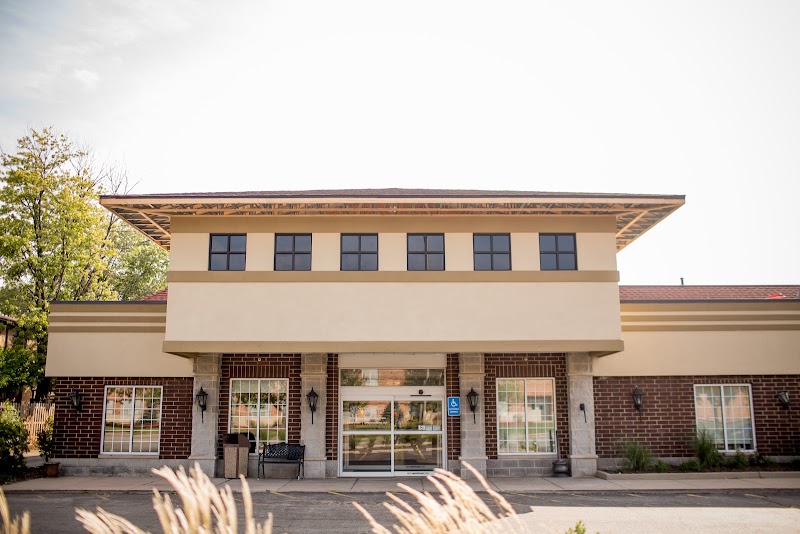
How is Pearl Of Joliet, The Staffed?

CMS rates PEARL OF JOLIET, THE's staffing level at 2 out of 5 stars, which is below average compared to other nursing homes. Staff turnover is 43%, compared to the Illinois average of 46%. This relatively stable workforce can support continuity of care.

What Have Inspectors Found at Pearl Of Joliet, The?

State health inspectors documented 62 deficiencies at PEARL OF JOLIET, THE during 2022 to 2025. These included: 4 that caused actual resident harm and 58 with potential for harm. Deficiencies causing actual harm indicate documented cases where residents experienced negative health consequences.
Who Owns and Operates Pearl Of Joliet, The?

PEARL OF JOLIET, THE is owned by a for-profit company. For-profit facilities operate as businesses with obligations to shareholders or private owners. The facility is operated by PEARL HEALTHCARE, a chain that manages multiple nursing homes. With 214 certified beds and approximately 141 residents (about 66% occupancy), it is a large facility located in JOLIET, Illinois.

How Does Pearl Of Joliet, The Compare to Other Illinois Nursing Homes?

Compared to the 100 nursing homes in Illinois, PEARL OF JOLIET, THE's overall rating (2 stars) is below the state average of 2.5, staff turnover (43%) is near the state average of 46%, and health inspection rating (2 stars) is below the national benchmark.

What Should Families Ask When Visiting Pearl Of Joliet, The?

Based on this facility's data, families visiting should ask: "Can you walk me through typical staffing levels on day, evening, and night shifts?" "Can I visit during a mealtime to observe dining assistance and food quality?" "How do you handle medical emergencies, and what is your hospital transfer rate?" "Can I speak with family members of current residents about their experience?" These questions are particularly relevant given the below-average staffing rating.

Is Pearl Of Joliet, The Safe?

Based on CMS inspection data, PEARL OF JOLIET, THE has a clean safety record: no substantiated abuse findings (meaning no confirmed cases of resident harm), no Immediate Jeopardy citations (the most serious violation level indicating risk of serious injury or death), and is not on the Special Focus Facility watch list (a federal program monitoring the lowest-performing 1% of nursing homes). The facility has a 2-star overall rating and ranks #100 of 100 nursing homes in Illinois. While no facility is perfect, families should still ask about staff-to-resident ratios and recent inspection results during their visit.

Do Nurses at Pearl Of Joliet, The Stick Around?

PEARL OF JOLIET, THE has a staff turnover rate of 43%, which is about average for Illinois nursing homes (state average: 46%). Moderate turnover is common in nursing homes, but families should still ask about staff tenure and how the facility maintains care continuity when employees leave.

Was Pearl Of Joliet, The Ever Fined?

PEARL OF JOLIET, THE has been fined $83,116 across 3 penalty actions. This is above the Illinois average of $33,910. Fines in this range indicate compliance issues significant enough for CMS to impose meaningful financial consequences. Common causes include delayed correction of deficiencies, repeat violations, or care failures affecting resident safety. Families should ask facility leadership what changes have been made since these penalties.

Is Pearl Of Joliet, The on Any Federal Watch List?

PEARL OF JOLIET, THE is not on any federal watch list. The most significant is the Special Focus Facility (SFF) program, which identifies the bottom 1% of nursing homes nationally based on persistent, serious quality problems. Not being on this list means the facility has avoided the pattern of deficiencies that triggers enhanced federal oversight. This is a positive indicator, though families should still review the facility's inspection history directly.