RENWICK NURSING AND REHAB
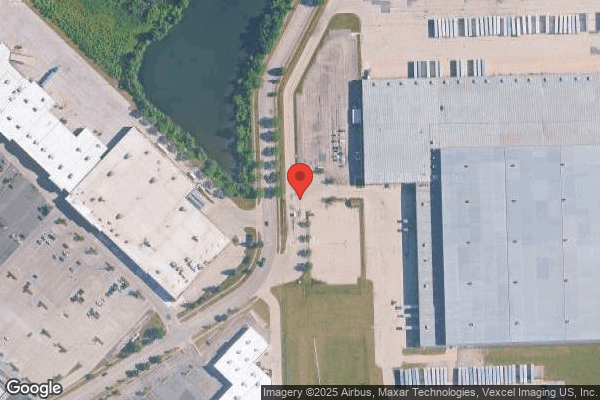
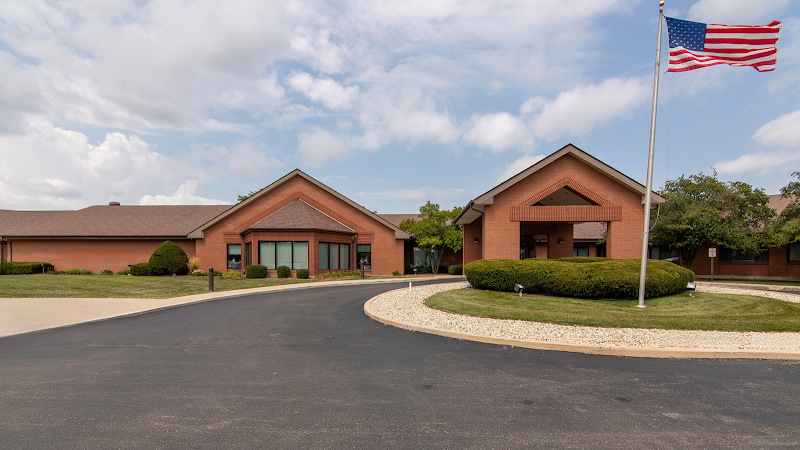
3401 HENNEPIN DRIVE, JOLIET, IL 60435 (815) 436-5900
For profit - Limited Liability company 120 Beds EXTENDED CARE CLINICAL Data: November 2025 3 Immediate Jeopardy citations
Trust Grade
0/100
#616 of 665 in IL
Last Inspection: October 2024

Within standard 12-15 month inspection cycle. Federal law requires annual inspections.

Overview

Renwick Nursing and Rehab has received a Trust Grade of F, indicating significant concerns about the facility's quality of care. With a state rank of #616 out of 665, they are in the bottom half of Illinois nursing homes, and #15 out of 16 in Will County, meaning only one local option is better. While the facility is improving from 20 issues in 2024 to 4 in 2025, it still has a concerning trend with 76% staff turnover, which is much higher than the state average of 46%. The facility has incurred $191,454 in fines, indicating compliance problems that are higher than 81% of Illinois facilities. Additionally, while RN coverage is average, there have been critical incidents, such as failing to maintain comfortable temperatures for residents during HVAC failures, which led to dangerous conditions, and delays in emergency response when a resident was found unresponsive, raising serious safety concerns. Overall, while there are some improvements, families should weigh these serious issues against the facility's strengths before making a decision.

Trust Score
F
0/100
In Illinois
#616/665
Bottom 8%
Safety Record
High Risk
Review needed
Inspections
Getting Better
20 → 4 violations
Staff Stability
⚠ Watch
76% turnover. Very high, 28 points above average. Constant new faces learning your loved one's needs.
Penalties
✓ Good
$191,454 in fines. Lower than most Illinois facilities. Relatively clean record.
Skilled Nurses
○ Average
Each resident gets 34 minutes of Registered Nurse (RN) attention daily — about average for Illinois. RNs are the most trained staff who monitor for health changes.
Violations
⚠ Watch
52 deficiencies on record. Higher than average. Multiple issues found across inspections.
★☆☆☆☆
1.0
Overall Rating
★☆☆☆☆
1.0
Staff Levels
★☆☆☆☆
1.0
Care Quality
★☆☆☆☆
1.0
Inspection Score
Stable
2024: 20 issues
2025: 4 issues

The Good

  • Full Sprinkler Coverage · Fire safety systems throughout facility
  • No fines on record

Facility shows strength in fire safety.

The Bad

1-Star Overall Rating

Below Illinois average (2.5)

Significant quality concerns identified by CMS

Staff Turnover: 76%

29pts above Illinois avg (46%)

Frequent staff changes - ask about care continuity

Federal Fines: $191,454

Well above median ($33,413)

Significant penalties indicating serious issues

Chain: EXTENDED CARE CLINICAL

Part of a multi-facility chain

Ask about local staffing decisions and management

Staff turnover is very high (76%)

28 points above Illinois average of 48%

The Ugly 52 deficiencies on record

3 life-threatening 5 actual harm
Jun 2025 2 deficiencies 1 Harm
SERIOUS (G) 📢 Someone Reported This

A family member, employee, or ombudsman was alarmed enough to file a formal complaint

Actual Harm - a resident was hurt due to facility failures

Accident Prevention (Tag F0689)

A resident was harmed · This affected 1 resident

**NOTE- TERMS IN BRACKETS HAVE BEEN EDITED TO PROTECT CONFIDENTIALITY** Based on observation, interview, and record review, the facility failed to ensure a resident at high risk for falls received ade...

Read full inspector narrative →
**NOTE- TERMS IN BRACKETS HAVE BEEN EDITED TO PROTECT CONFIDENTIALITY** Based on observation, interview, and record review, the facility failed to ensure a resident at high risk for falls received adequate supervision and assistance to prevent accidents. This applies to 1 resident (R2) reviewed for accident hazards in a sample of 3. This failure resulted in R2 who was transferred via the sit to stand with the assist of one sustaining an injury to her left eyebrow from falling forward and hitting her head on the machine Findings include: On 6/18/25 at 11:30 AM, R2 stated, V8 (CNA-Certified Nursing Assistant) was transferring her from chair to bed using a sit to stand machine. As V8 (CNA) was moving R2 on the lift, R2 fell forward and hit her head on the machine. R2's left eyebrow was bleeding as she was on a blood thinner. R2 stated, the CNA did not have anyone to help her during the transfer. On 6/18/25 at 2:30 PM, R2's face-sheet showed, R2 was a 94 y/o (years old) female admitted to facility on 1/10/23 with diagnoses to include cerebral infarction, dementia, depression, hypertensive heart disease and protein-calorie malnutrition. R2's MDS (Minimum Data Set) dated 5/28/25 showed R2's Brief Interview of Mental Status (BIMS) as 12 indicating moderate cognitive impairment. R2's Care Plan dated 5/25/25 does not specify any fall precautions. On 6/18/25 at 2:30 PM, R2's Fall assessment dated [DATE] showed R2 was at high risk for falls. On 6/18/25 at 2:30 PM, Progress notes dated 5/25/25 at 4:05 AM showed, the nurse was alerted of the fall and observed resident on the floor laying across the legs of the sit to stand. On 6/18/25 at 12:20 PM, V8 (CNA) stated, she was by herself while transferring R2 on the sit to stand machine. V8 (CNA) stated, facility required two staff for the procedure. V8 (CNA) stated, after she sat R2 on the bed, as she was moving the machine to the side, R2 fell forward onto the floor and hit her forehead. On 6/18/25 at 11:40 AM, V10 (LPN-Licensed Practical Nurse) stated, two persons must be present to transfer a resident on a sit to stand lift machine. If not, there are chances of accidents / injuries. On 6/18/25 at 9:30 AM, V2 (DON-Director of Nursing) stated, on 5/24/25, at around 8:00 PM, V8 (CNA-Certified Nursing Assistant) was transferring R2 by herself using a sit to stand lift machine. After sitting R2 onto the bed, V8 (CNA) removed the straps and as she was moving the machine away, R2 fell forward from the bed onto the floor. On 6/18/25 at 9:30 AM, V2 (DON-Director of Nursing) stated, sit to stand transfer lift must be operated by 2 persons as per facility policy. On 6/18/25 at 3:00 PM, Facility reported incident was reviewed. No concerns. Facility policy on 'lifting machine revised in 08/2008 showed the portable lift must be used by two staff members.
CONCERN (D) 📢 Someone Reported This

A family member, employee, or ombudsman was alarmed enough to file a formal complaint

Potential for Harm - no one hurt, but risky conditions existed

Free from Abuse/Neglect (Tag F0600)

Could have caused harm · This affected 1 resident

**NOTE- TERMS IN BRACKETS HAVE BEEN EDITED TO PROTECT CONFIDENTIALITY** Based on interview and record review, the facility failed to protect a resident's right to be free from mental abuse. This appli...

Read full inspector narrative →
**NOTE- TERMS IN BRACKETS HAVE BEEN EDITED TO PROTECT CONFIDENTIALITY** Based on interview and record review, the facility failed to protect a resident's right to be free from mental abuse. This applies to 1 of 3 residents (R1) reviewed for abuse in the sample of 3. The findings include: R1's face-sheet showed R1 was admitted to the facility on [DATE] with diagnoses including diabetes mellitus, hypertension, benign prostatic hypertrophy, and depression. R1's 5/21/25 MDS (Minimum Data Set) showed he has moderate cognitive impairment. R8's 6/12/25 MDS showed he has severe cognitive impairment. R1's 6/8/25 progress note from 4:14 AM showed R1 had a verbal altercation with his roommate (R8). The note showed they were separated and R8 was moved to another room for the night. On 6/18/25 at 1:10 PM, V6 (Nursing Supervisor) stated she was informed by V5 LPN (Licensed Practical Nurse) that R8 alleged R1 pulled out a knife at R8. V6 stated she sent a message to V2 (DON-Director of Nursing). On 6/17/25 at 3:20 PM, V2 (DON) stated that on the early morning of 6/8/25 around 4:15 AM, he was notified that R8 had alleged R1 (his roommate) threatened him with a small pocketknife. V2 stated V5 had moved R8 to another room where R8 was more comfortable and felt safe. V2 stated nursing staff did a room check and did not find any knife in the room, and that R1 did not allow the staff to do a body check on him. R1 remained supervised in the single room. V2 stated R1's family was called and R1's two sisters arrived at the facility at about 10:00 AM. R1, and the DON had a meeting together. V2 stated when family spoke with R1, he took out a small knife from his sock, which was confiscated, and R1 was sent out to the hospital as ordered by his Physician. R1's 6/8/25 Late Entry progress note from 2:00 PM showed R1 was found in a state of agitation, holding a knife and making alarming remarks, stating that he has killed before and would do so again. Recognizing the immediate risk to safety, the knife was promptly removed. R1's 6/9/25 progress note from 9:37 AM showed R1 had been admitted to the hospital with altered mental status. The facility's undated Abuse Prevention Policy defined abuse as .the willful infliction of intimidation . with resulting mental anguish . The policy further showed threats of harm is defined under verbal abuse, and mental abuse includes, but is not limited to humiliation, harassment, threats of punishment .
Apr 2025 1 deficiency
CONCERN (D) 📢 Someone Reported This

A family member, employee, or ombudsman was alarmed enough to file a formal complaint

Potential for Harm - no one hurt, but risky conditions existed

Transfer Requirements (Tag F0622)

Could have caused harm · This affected 1 resident

**NOTE- TERMS IN BRACKETS HAVE BEEN EDITED TO PROTECT CONFIDENTIALITY** Based on interview and record review, the facility failed to ensure the required physician documentation was included in the med...

Read full inspector narrative →
**NOTE- TERMS IN BRACKETS HAVE BEEN EDITED TO PROTECT CONFIDENTIALITY** Based on interview and record review, the facility failed to ensure the required physician documentation was included in the medical record to support a resident's transfer and discharge rights. This applies to 1 of 3 residents (R1) reviewed for transfer and discharge rights. The findings include: R1's Face Sheet showed he is [AGE] years old with diagnoses of schizophrenia and other specified disorders of the male genital organs, and he was admitted to the facility on [DATE]. R1's 4/18/25 Discharge Summary note from 9:17 AM showed R1 chose to leave the facility AMA (Against Medical Advice) the next day. On 4/23/25 at 12:49 PM, V1 (Administrator) emailed R1's completed Petition for Involuntary/Judicial Admission, and R1's completed Notice of Involuntary Transfer or Discharge and Opportunity for Hearing for Nursing Home Residents (IVD). The IVD form showed the reason for the proposed transfer or discharge is the safety of individuals in this facility is endangered R1's 4/17/2025 Petition for Involuntary/Judicial admission showed the facility is seeking involuntary and emergency inpatient admission by certificate. On 4/23/25 at 12:30 PM, V2 (Director of Nursing) stated he completed both R1's Petition for Involuntary/Judicial admission and R1's Notice of Involuntary Transfer or Discharge and Opportunity for Hearing for Nursing Home Residents as he was instructed to by corporate personnel. On 4/24/25 at 1:20 PM, V2 clarified he was told by corporate staff to complete both forms. On 4/24/25 at 11:50 AM, V3 (Social Services Director) stated she has written up the Petitions for involuntary psychiatric admissions in the past when residents become a danger and if the physician is in agreement. V3 stated she has worked at the facility for eight years and remembers only about two IVDs being completed, and they are not done with Petitions for Involuntary/Judicial Admission. V3 stated for the Petition for Involuntary/Judicial admission form, boxes are checked that apply to the resident, and in the behaviors box, she would quote the resident if they wanted to harm themselves, include past psychiatric history, and would document facility attempts to re-direct the resident in an effort to show the need for immediate psychiatric care. V3 stated an IVD is typically handled by the Administrator, and she only becomes involved when the facility is looking for alternate placement, but that circumstance is infrequent. V3 stated usually I fill out the petition and hand it to the nurse when a resident is a danger to himself, and the physician feels the same way .you follow MD/medical doctor orders- you absolutely have to involve the MD. The behaviors box showed in the Petition showed State in detail the signs and symptoms of mental illness displayed by the Respondent. Include prior diagnosis, treatment and hospitalizations. Describe any threats, behavior, or pattern of behavior which supports your complaint. Include personal observations that lead to your belief the Respondent is subject to involuntary admission The behaviors box in R1's unsigned 4/17/25 Petition for Involuntary/Judicial admission showed Resident entered the facility after admitting from hospital escaped through resident's room window. R1's unsigned IVD form showed the date of the proposed transfer or discharge 4/17/2025 (although the form showed a copy was placed in R1's medical record on November 27, 2024). R1's IVD form showed .the reason for this proposed transfer or discharge is the safety of individuals in this facility is endangered, and where it asks if emergency transfer is, box is checked no. R1's hospital notes showed he arrived at the Emergency Department (ED) at 10:27 PM on 4/17/25 for Chief Complaint: Behavioral Health Evaluation. The ED Physician Report showed .The history was confirmed by the patient, who expressed a desire not to remain at the nursing home earlier but denied any thoughts of self-harm or harm to others. He denies hallucinations. He presents with a petition from nursing home which does not clearly identify immediate safety concerns. The Report showed R1 was in no acute distress and was cooperative and participatory with examination. R1's hospital Physician Report showed SUMMARY: XXX[AGE] year-old male presented from a nursing home after attempting to elope twice today. He was just placed there today .initial evaluation and short ED observation no emergent medical condition was identified. The patient did not appear acutely psychotic or manic, there was no immediate safety concern such as suicidal or homicidal risk. Is calm and cooperative without any concerns, he had no complaints. Petition was invalid. The patient also presented with involuntary discharge paperwork from nursing home, which was incorrectly completed, emergency discharge was marked as no. In the same paperwork, discharge destination is noted as the nursing home. The patient was evaluated, and no acute interventions were required. He was discharged back to the nursing home with no immediate concerns. On 4/24/25 at 11:20 AM, V9 (Licensed Practical Nurse [LPN] and MDS Coordinator) verified R1's 4/17/25 Nursing progress note from 11:38 PM was actually created 4/18/25 at 10:41 AM. R1's Nursing progress note dated 4/17 showed R1 arrived around 8:00 PM and he was seen exiting the building at 8:15 PM and was returned at 8:20 PM. The note showed around 8:30 PM, R1 was no longer in his room, the window was partially open with the screen dislodged, 911 was called, and R1 placed under one-to-one supervision when he returned. The note showed The Director of Nursing initiated and completed the Involuntary Discharge (IVD) documentation at the facility. Fire and Rescue personnel subsequently transported the resident to [local] hospital with the IVD paperwork. The note lists the Police Department Incident number and that Dr. [Name] was notified of the incident, and the resident's mother [name] was also contacted . R1's April 2025 Physician Order Sheet (printed 4/23/25) does not include any Physician Orders to petition R1 out of the facility for an involuntary psychiatric admission, and the Orders do not include any involuntary discharge or other type of discharge orders. On 4/24/25 at 11:20 AM, V9 also verified R1's 4/18/25 admission Summary from 2:32 AM was also created on 4/18/25 at 10:11 AM. The Summary showed R1 displayed behaviors of agitation and/or anxiety. Resident has a past history of elopement or exit-seeking behaviors. On 4/24/25 at 11:40 AM, V9 verified no resident behaviors were documented by the CNAs (Certified Nursing Assistants) for all three entries included in R1's 4/17 and 4/18 Behavioral Monitoring task charting. All three values entered only showed resident is not available. V9 verified there were no Nurse Practitioner or MD progress notes regarding the need for R1 to be petitioned out or involuntarily discharged in R1's EMR (Electronic Medical Record). On 4/24/25 at 12:30 PM (six days after discharge), V8 (Medical Records) stated R1's EMR chart is complete and closed. V8 stated she there was no Physician order to petition R1 to the hospital or to discharge him and verified there were only three progress notes by facility staff. The facility's undated Involuntary Transfer and Discharge Process Key Elements policy showed II. Discharge when the facility is unable to meet the resident's needs .A. Emergency Transfer: Physical safety of resident, other residents, facility employees or visitors at the facility . person initiating the discharge should write 'Emergency' on the Notice of ITD form .Need physician to confirm that the transfer was necessary (need physician's order). Reasons or discharge must be clearly documented in resident's medical record .Facility must document the danger that the failure to transfer or discharge would pose . The policy section B. Non-Emergency Transfer: Medical Reason shows a 21-day notice is required.
Jan 2025 1 deficiency 1 Harm
SERIOUS (G) 📢 Someone Reported This

A family member, employee, or ombudsman was alarmed enough to file a formal complaint

Actual Harm - a resident was hurt due to facility failures

Accident Prevention (Tag F0689)

A resident was harmed · This affected 1 resident

**NOTE- TERMS IN BRACKETS HAVE BEEN EDITED TO PROTECT CONFIDENTIALITY** Based on interview and record review, the facility failed to ensure a resident was positioned safely in bed for cares. This fail...

Read full inspector narrative →
**NOTE- TERMS IN BRACKETS HAVE BEEN EDITED TO PROTECT CONFIDENTIALITY** Based on interview and record review, the facility failed to ensure a resident was positioned safely in bed for cares. This failure resulted in R1 falling and sustaining fractures of her right femur and right tibia, and a right knee dislocation. This applies to 1 of 3 residents (R1) reviewed for safety/falls. The findings include: R1's Face Sheet showed she was admitted to the facility on [DATE], and her diagnoses include hemiplegia and hemiparesis following a cerebral infarction (affecting right dominant side), rheumatoid arthritis, polyneuropathy, obesity, and chronic pain. The facility's 1/3/2025 Final Report for R1's 12/31/24 fall incident showed Occurrence Resolution The root cause was determined to be the resident's lower extremities sliding off the bed during turning, changing, and repositioning as part of routine care During the incident, the resident's lower extremities became too close to the edge of the bed and slid off . R1's Progress Notes dated 12/31/24 at 12:45 PM showed . Nurse alerted by nursing staff that resident had fallen out of bed. Nurse observed resident lying on her back on the floor. Resident stated she was in the bed and was turned on her right side to get her brief changed. Resident stated she fell out of bed while being changed. Resident stated she had pain in her right knee. Patient transferred to bed via facility protocol . New orders for resident to be sent to ER (ER/Emergency Room) for evaluation and treatment given. Ambulance arrived at the facility for transport resident to (Hospital) at approximately 12:00 PM. The Findings section of R1's 12/31/24 diagnostic imaging report from the local hospital showed 1. Posterior dislocation of the right tibial prosthesis of the knee, and 2. Proximal right tibial fracture. On 01/14/25 at 1:52 PM V11 CNA (Certified Nursing Assistant) stated she was the CNA that was taking care of R1 when she fell. V11 stated R1 had been sitting up in the bed when she entered the room and she put the bed flat for cares. V11 stated she directed R1 to turn onto her right side (R1's affected side), facing the door. V11 stated she gave peri-care to R1 while she was lying on her right side and V11 herself was on the opposite side of the bed (the left side of R1's bed). V11 stated R1 was closer to the edge of the bed on the right side, not closer to her. V11 stated she reached over to the nightstand to get some cream and she heard R1 say something, but she couldn't understand her. V11 stated she finally understood R1 to say, I'm slipping and she turned around. V11 stated she saw R1's hips moving, and she tried to grab R1's hips and she could not hold her and R1 went to the floor. V11 stated R1 had grabbed the halo bar. V11 stated she guessed R1's leg slipped over her other leg, and she began to slide to the floor. V11 stated that she had taken care of R1 before and had other staff members assist with changing her, but no one was available to assist that day. On 01/14/25 at 2:22 PM, V13 (Wound Care Nurse) stated she was in the hallway when she heard R1 yell out. V13 stated she saw R1 holding onto the bed rail and her knees were on the floor. V13 stated she went and got R1's nurse and the mechanical lift to get R1 off the floor. V13 stated there was only one CNA in the room assisting R1. On 01/14/25 at 2:10 PM, V12 (Licensed Practical Nurse) stated she was the nurse taking care of R1 on the day she fell out of the bed. V12 stated she was at the nursing station and was told her R1 was on the floor. V12 stated she assessed R1 and after she was back in bed, R1 complained of knee pain and R1 was sent to the hospital. R1's 12/31/24 progress note from 6:35 PM showed Nurse on duty contacted (local hospital). Resident is being transferred out to another hospital. (Local hospital) does not have an ortho doctor on call. Waiting to find out which hospital resident will be transferred to. R1's 1/1/2025 progress note from the second hospital listed musculoskeletal issues of right prosthetic knee dislocation, right periprosthetic femur fracture, and right periprosthetic tibia fracture. R1's CNA Point of Care (POC) charting for Roll Left and Right two-person assist regarding the ability to roll from lying on back to left and right side and return to lying on back on the bed from 12/25/24 until 12/31/24 was reviewed. R1's POC charting had 17 entries, with 16 entries as Dependent- Helper does ALL of the effort. Resident does none of the effort to complete the activity. Or the assistance of 2 or more helpers is required for the resident to complete the activity. R1's weight summary showed R1's weight on 12/26/24 was 342 pounds. R1's MDS (MDS/Minimum Data Set) dated 10/25/24 showed R1 had upper and lower extremity impairments on one side of her body. The same MDS showed R1 used substantial to maximum assist with rolling side to side while in bed. R1's 7/10/24 Nursing Rehab Bed Mobility care plan showed a Focus for Resident to turn from left to right while in bed with assistance x(times)2 staff participation and the frequency. The Goal for the care plan showed Resident with a goal to be able to do one person assist for bed mobility. The date initiated for the goal was 7/10/24, and the target date is 1/31/2025. On 01/10/25 at 2:22 PM, V4 (MDS Coordinator) stated R1 should have had two people with turning and repositioning due to her size and her hemiplegia. V4 stated those two factors contribute to R1's lack of mobility. V4 stated R1 was documented as being dependent in POC, which means she should have two people for repositioning and toileting hygiene in bed. R1's second hospital Consult Initial Report dated 01/01/25 .Patient stated she 'kept telling them that she was too close to the edge.' Right upper extremity with mild wrist and finger contractures likely chronic from [cerebrovascular accident] with residual right sided deficits. Right leg is extremely rotated. Right knee is swollen and diffusely tender to palpitation. Patient underwent open reduction of the right prosthetic knee with application of a short leg splint .
Oct 2024 11 deficiencies 1 Harm
SERIOUS (G) 📢 Someone Reported This

A family member, employee, or ombudsman was alarmed enough to file a formal complaint

Actual Harm - a resident was hurt due to facility failures

Accident Prevention (Tag F0689)

A resident was harmed · This affected 1 resident

**NOTE- TERMS IN BRACKETS HAVE BEEN EDITED TO PROTECT CONFIDENTIALITY** Based on interview and record review, the facility failed to follow therapy's recommendations for safe transfer of a resident. T...

Read full inspector narrative →
**NOTE- TERMS IN BRACKETS HAVE BEEN EDITED TO PROTECT CONFIDENTIALITY** Based on interview and record review, the facility failed to follow therapy's recommendations for safe transfer of a resident. This failure resulted in R345 sustaining a laceration on R345's left leg requiring six sutures due to an improper transfer. This applies to 1 of 3 residents (R345) reviewed for resident injury in the sample of 19. The findings include: The EMR (Electronic Medical Record) showed R345 was admitted to the facility on [DATE], with multiple diagnoses including dementia, peripheral vascular disease, heart failure, and lymphoid leukemia. R345's MDS (Minimum Data Set) dated August 9, 2024, showed R345 had severe cognitive impairment. The MDS continued to show R345 required substantial assistance from facility staff for bed to chair transfers. R345's ADL (Activity of Daily Living) care plan dated June 6, 2024, showed, The resident has an ADL self-care performance deficit needs and participation may vary related to cognitive deficits, impaired speech, weakness. The care plan continued to show multiple interventions dated June 6, 2024, including Mechanical lift for transfers. On October 22, 2024, at 2:16 PM, V15 (CNA/Certified Nursing Assistant) said on September 28, 2024, V15 transferred R345 by herself using a gait belt. V15 continued to say R345 scraped his left leg into the wheelchair and then she noticed some bleeding from his leg and alerted the nurse. V15 said R345 was supposed to be transferred with a mechanical sit-to-stand lift with two facility staff members. V15 continued to say R345 had very fragile skin and V25 needed to be very careful when transferring R345. V15 said the transfer was a part of routine care and there was not an emergency. The facility's Facility Incident Report Form completed by V2 (DON/Director of Nursing) on September 28, 2024, showed, Description of Occurrence: Resident who is alert times one, was observed with bleeding from his left lower leg during transfer from bed to his wheelchair. Left lower leg was cleansed and dressing applied, and resident was assessed for pain, no pain observed or reported. Physician was called and orders were given to send resident to hospital for evaluation and treatment. Family notified of incident and new orders. Resident was sent out to hospital. Resident has returned back from hospital with six sutures to left lower leg, pain assessment completed, and pain being managed appropriately per orders. Investigation in process. Occurrence Resolution: During transfer with staff aide on September 28, 2024, [R345]'s left lower extremity came in contact with the top of his leg rest on wheelchair resulting in skin alteration to left lower extremity, resident is taking anticoagulant, and orders were received by primary care clinician to send to hospital for evaluation and treatment. [R345] has returned back to facility after receiving treatment at hospital for laceration to left lower extremity. Six sutures were applied to left lower extremity that will be removed in 10 days in house by wound care nurse, extremity is assessed every shift for change in condition. Primary care clinician aware of new orders and family also made aware. Pain assessed and managed appropriately per orders. Cushion has been applied to top part of leg rest. Therapy to screen for transfers. Plan of care updated to reflect changes. On October 22, 2024, at 2:57 PM, V16 (Director of Rehab) said R345 was discharged from Physical Therapy and Occupational Therapy on August 9, 2024. V16 said upon R345's discharge from therapy, therapy's recommendations were for facility staff to utilize a mechanical sit to stand lift. V16 continued to say two facility staff members are required when using a mechanical sit to stand lift. V16 said facility staff are to follow the special instructions shown in the resident's EMR. V16 said R345's EMR showed R345 was a mechanical sit to stand transfer. V16 continued to say it is the expectation facility staff follow therapy's recommendations for a safe transfer. On October 22, 2024, at 3:32 PM, V17 (Nurse Practitioner) said it is the expectation that facility staff follow therapy's recommendations for a resident's safe transfer. V17 continued to say facility staff should have transferred R345 per therapy's recommendations to prevent R345 from getting injured. On October 23, 2024, at 3:40 PM, V2 said facility staff should be following the special instructions in the EMR for how a resident should be transferred. V2 continued to say V15 should have transferred R345 with a second facility staff member using a mechanical sit to stand lift. R345's hospital records dated September 28, 2024, showed R345 had a leg laceration requiring sutures. The facility's policy titled Safe Lifting and Movement of Residents dated August 2008, showed Policy Statement: In order to protect the safety and well-being of staff and residents, and to promote quality care this facility uses mechanical lifting devices for the lifting and movement of residents. Policy Interpretation and Implementation: 1. Mechanical lifting devices shall be used for any resident needing a two person assist. Except during emergency situations or unavoidable circumstances, manual lifting is not permitted . 7. The transferring needs of residents shall be assessed on an ongoing basis. Resident transferring and lifting needs shall be documented in the care plan .
CONCERN (D)

Potential for Harm - no one hurt, but risky conditions existed

Deficiency F0688 (Tag F0688)

Could have caused harm · This affected 1 resident

**NOTE- TERMS IN BRACKETS HAVE BEEN EDITED TO PROTECT CONFIDENTIALITY** 2. R23's face sheet showed multiple medical diagnoses which include hemiplegia and hemiparesis following unspecified cerebrovasc...

Read full inspector narrative →
**NOTE- TERMS IN BRACKETS HAVE BEEN EDITED TO PROTECT CONFIDENTIALITY** 2. R23's face sheet showed multiple medical diagnoses which include hemiplegia and hemiparesis following unspecified cerebrovascular disease affecting right dominant side, and muscle wasting, atrophy on multiple sites of his body, and contracture, unspecified joint. R23 was admitted to facility on May 7, 2020. On October 21, 2024, at 10:25 AM, R23 was observed sleeping in bed. R23's right shoulder was stiff, his right elbow was bent inward close to his right chest, with his right wrist bent forward, while his right fingernails digging on his skin. There was no splint observed on any part of his right upper extremity. R23's right thigh and knee were folded abductedly (like spread eagled). At 1:45 PM, R23 remained in the same position with no visible splint. On October 22, 2024, at 1:43 PM, R23's right extremities remained in the same position, his right fingernails still digging on to his skin (right inner forearm). There was no splint visible. On October 23, 2024, at 10:07 AM, R23 was awake and resting in bed. R23's right extremities were in the same position, there was no splint noted. On October 23, 2024, at 10:50 AM, V36 (Occupational Therapist/OT) stated R23 was referred to her and she evaluated him the day before (October 22). R23 has severe contracture to the elbow and wrist. He has history of abnormal spasticity. R23 seems to have been guarding his right upper extremity due to the spasms that's why it is contracted. At this point his right hand is the only thing flaccid, the elbow, wrist and shoulder are completely contracted. The hand could benefit from the use of palm protector or splint to prevent further hand contracture. V36 also said, she recommended an orthopedic consult, to see if he could benefit from Botox injection and tendon release. R23's Occupational Therapy/OT evaluation treatment dated October 22, 2024, shows: Reason for Referral: Patient is 76 years-old with recent referral to skilled OT by nursing due to right hand, wrist, and elbow contracture. High complexity evaluation completed with inability to passively range right elbow and wrist. However, clinician was able to slightly engage patient in PROM of right digits including thumb. Patient will benefit from gentle splinting/orthotic recommendations well as an orthopedic consult for exploration of a possible surgical route to address the severity of right elbow, and right wrist contracture. Based on observation, interview, and record review the facility failed to assess and provide splint and therapy services to residents, to prevent further reduction in ROM (range of motion). This applies to 2 of 3 residents (R23 and R32) reviewed for range of motion in the sample of 19. The findings include: 1. R32 had multiple diagnoses including hemiplegia and hemiparesis following cerebral infarction affecting left dominant side and left-hand contracture, based on the face sheet. R32's quarterly MDS (minimum data set) dated September 25, 2024, showed that the resident was cognitively intact. The MDS showed that R32 had functional limitation in ROM on one side of her upper extremity. The same MDS showed that R32 required maximum to total assistance from the staff with her ADL's (activities of daily living). On October 21, 2024, at 11:07 AM, R32 was in bed, alert, oriented and verbally responsive. R32 had weakness on her left arm and her left hand, wrist and fingers had limited ROM because she was not able to move her left wrist, open her left hand and extend her left fingers without the help of her right hand. R32 had no splint or device on her left hand and wrist. According to R32 she was supposed to wear a splint/device on her left hand for at least four hours during the day and claimed that she has not used the said splint/device for at least two days, since last Saturday and Sunday (October 19 and 20, 2024). R32 was asked where she keep her left-hand splint/device. R32 pointed to a plastic drawer located by the foot side of her bed and gave permission to open the drawer. Inside the top plastic drawer was a carrot hand splint/palm protector. R32 stated that she does not know if the staff will apply her left-hand splint/device that day. On October 22, 2024, at 10:15 AM, R32 was in bed, alert, oriented and verbally responsive. R32 had weakness on her left arm and her left hand, wrist, fingers with limited ROM and the resident was not able to move her left wrist, open her left hand and extend her left fingers without the help of her right hand. R32 had no splint or device on her left hand and wrist. In the presence of V3 (Assistant Director of Nursing), R32 was asked if the staff applied the left-hand splint/device on October 21, 2024, and the resident responded, no. V3 asked R32 where she kept her left-hand splint/device. R32 pointed to a plastic drawer located by the foot side of her bed. Inside the top plastic drawer was a carrot hand splint/palm protector. V3 stated that she will ask the restorative staff to apply the splint on R32's left hand. R32's active order summary report showed an order dated June 4, 2024, Patient to don (put on) left [NAME] hand orthotic as part of contracture management every morning as tolerated and off at bedtime as tolerated. Patient educated on how to doff (take off) left [NAME] hand orthotic with 100% accurate return demonstration. Staff for support in doffing left [NAME] hand orthotic as needed. On October 23, 2024, at 12:07 PM, in the presence of V16 (Director of Rehab), V36 (OT/Occupational Therapist) stated that based on R32's occupational therapy evaluation and plan of treatment for service dates April 4, 2024 through June 2, 2024, it was documented that the resident had diagnoses of left wrist stiffness and left hand contracture. V36 stated that R32's left upper extremity ROM was impaired. V36 was informed that during observations made on October 21 and 22, 2024, R32 had weakness on her left arm and her left hand, wrist and fingers had limited ROM and the resident was not able to move her left wrist, open her left hand and extend her left fingers without the help of her right hand. V36 was informed that according to R32, her left-hand carrot splint/palm protector was not applied on October 19, 20 and 21, 2024. According to V36, R32's left hand carrot splint/palm protector should be applied daily as tolerated by the resident to maintain the ROM on the resident's left hand and to prevent possible worsening/decline of the left hand. V36 was asked why R32 only had the order for the left-hand carrot/palm protector when the resident also had limited ROM on her left wrist. V36 stated that based on R32's occupational therapy evaluation and plan of treatment from April 4 through June 2, 2024, R32's left wrist was only stiff and had no indication of ROM limitation. According to V36, she will screen R32 to determine if there was a decline in ROM on the resident's left hand and wrist. R32's occupational therapy screening notes dated October 23, 2024, created by V36 showed, Patient presents with decreased left wrist AAROM (active assisted range of motion) indicating hyperflexion with radial deviation. OT to evaluate and [treatment] as indicated. The same screening notes showed under recommendation, OT indicated. On October 23, 2024, at 2:09 PM, in the presence of V16, V36 stated that she (V36) and V16 both went to R32's room and screened the resident at around 12:30 PM that day. V36 stated that R32 was alert and very oriented during the screening. V36 stated that R32's left hand was in functional position but still with decrease in ROM and her left digits remained contracted. R32 had a decline in ROM on the left wrist which was not present in May 2024. According to V36, R32's left wrist was more flexed with the beginning of contracture and had complained of some pain during extension of the left wrist. V36 stated that R32 was only able to perform 20% of left wrist extension without pain, but pass the 20% of extension, R32 had complained of pain. V16 and V36 both stated that because of the decline in R32's left wrist ROM, the resident will be provided occupational therapy services and will be evaluated during the therapy to address possible change in the splint device to be applied on the left hand which would possibly include the left wrist.
CONCERN (D)

Potential for Harm - no one hurt, but risky conditions existed

Deficiency F0790 (Tag F0790)

Could have caused harm · This affected 1 resident

**NOTE- TERMS IN BRACKETS HAVE BEEN EDITED TO PROTECT CONFIDENTIALITY** Based on observation, interview, and record review the facility failed to follow up on dental care recommendations of a resident...

Read full inspector narrative →
**NOTE- TERMS IN BRACKETS HAVE BEEN EDITED TO PROTECT CONFIDENTIALITY** Based on observation, interview, and record review the facility failed to follow up on dental care recommendations of a resident who was experiencing tooth pain for over 6 months and required tooth extractions. This applies to 1 of 1 resident (R3) reviewed for dental services in the sample of 19. The findings include: R3's electronic medical record showed her to be an [AGE] year-old female admitted to the facility on [DATE], with diagnoses that include Cerebral Infarction affecting right dominant side, rheumatoid arthritis, and poly neuropathy. On 10/21/2024 at 11:03 AM, R3 was alert and oriented and stated her mouth and teeth hurt. R3 stated she has been seen by the dentist three times since she has been at the facility, but they did not do anything. R3 stated her teeth hurt and some of her teeth are broken. R3 stated, she ate some of her broken teeth mistakenly. R3 stated she had a mouth full of teeth when she was admitted to the facility two years ago. R3 stated it hurts when she chews. On October 23, 2024, at 4:00 PM, R3 was observed that she did not have many teeth. R3's upper teeth had black substance around the base of the teeth, and she was noted to have one stub to the lower left gum. An email sent by the V35 (Social Service Director) dated March 14, 2024, showed that R3's diet was downgraded by the Director of Nursing because the resident was found to be having difficulty chewing. R3 has a physician order for a mechanical soft diet dated March 13, 2024. Oral Assessment form from the dentist dated April 19, 2024, showed that R3 was seen for a limited exam. Patient complained of pain and discomfort caused by root tips of teeth #(number) 5, 21, and 25 and extractions were recommended. Heavy generalized plaque on the teeth and gingival inflammation present. Email dated September 5, 2024, from V2 DON (Director of Nursing) to the business office manager showed the following: R3 still has concerns about her teeth being extracted and her being sized for dentures. Can you let me know from her financial standpoint what needs to be done because this is a concern for [R3] daily and [R3] continues to express this? R3's nursing note dated October 18, 2024, showed the following: R3 told the writer that her teeth were broken, and they were very painful. R3 stated she would like to visit the dentist. On October 23, 2024, at 03:34 PM, V29 (Dental Company, Clinical Support Manager) stated that they recommended R3 have four extractions V29 stated sometimes these teeth are asymptomatic, so once they become symptomatic, they recommend extraction because they are non-restorable teeth. V29 stated on the April 24 visit, there was already inflammation present around those teeth. On October 23, 2024, at 9:40 AM and 9:41 AM, V1 stated that she nor her DON are aware of any tooth extractions R3 has had in the last 6 months. On October 22, 2024, at 1:15 PM, V1 (Administrator) stated that she informed R3's daughter today about R3's painful teeth and told her they can have the her tooth extracted for a cost, but the daughter stated she was not going to pay for it and that she wanted to find something that was free with R3's insurance. The facilities Dental services Policy dated August 2008 showed that routine and emergency dental services are available to meet the resident's oral health services in accordance with the resident's assessment and plan of care.
CONCERN (E) 📢 Someone Reported This

A family member, employee, or ombudsman was alarmed enough to file a formal complaint

Potential for Harm - no one hurt, but risky conditions existed

Safe Environment (Tag F0584)

Could have caused harm · This affected multiple residents

Based on observations and interview the facility failed to maintain resident room temperature at a comfortable setting to provide homelike environment. This applies to 6 of 6 residents (R17, R30, R43...

Read full inspector narrative →
Based on observations and interview the facility failed to maintain resident room temperature at a comfortable setting to provide homelike environment. This applies to 6 of 6 residents (R17, R30, R43, R86, R245, R346) reviewed for environment in the sample of 19. The findings include: On October 21, 2024, at 10:33 AM, R346 stated I do not have heating or cooling in my room. It gets to 58 degrees in my room at nighttime. I bought a thermometer for my room. My family bought me extra blankets so I can stay warm at night. I put some blankets by the windows to block to cold air from coming in the room. They put this [heating and cooling] unit in the room since I came here but it doesn't work. Administration just keeps saying they are working on it. They tried to move my room, but I asked if it had heat, and it did not. R346's thermometer that was on nightstand showed 66 degrees Fahrenheit. On October 23, 2024, at 8:54 AM, R346's room temperature was checked with facility digital thermometer by V11 (Maintenance Director) and showed 72.4 degrees Fahrenheit. Facility digital thermometer was set right next to R346's thermometer which showed 70 degrees Fahrenheit. This showed a variance of 2.4 degrees Fahrenheit between the two thermometers. This would have had facility thermometer read at 68.4 degrees Fahrenheit when R346's thermometer showed 66 degrees Fahrenheit as observed earlier. On October 21, 2024, at 11:25 AM, R86 stated that he is not sure is his heater unit works as no heat blows out from it. R86 stated I had my blanket and sweater on a few days earlier when it was cold. On October 21, 2024, at 11:30 AM, R17 stated that the new heater unit was just put in and that everyone had to put on a lot of clothes and blankets as the other one (unit) did not work at all. On October 21, 2024, at 12:10 PM, R245 stated My room unit doesn't work, I don't when they are working on it. If the door is open, then it doesn't get too cold in here. R245's room unit had multiple hoses that were disconnected and lying on the floor with the pipe visible and nothing connected to it. On October 22, 2024, at 8:20 AM, R30 was seen in bed with multiple blankets and stated It's freezing in the night. That's why I have three blankets. On October 22, 2024, at 2:00 PM, during Resident Council Meeting, R43 stated that the 100 hallways still do not have any heating. R43 stated A couple nights ago when it [temperature] was in the 30's, it was pretty cold. It has been going on and on. When are they going to fix it? On October 21, 2024, at 8:22 AM, V11 stated that the temperatures should not be below 70 degrees Fahrenheit. On October 21, 2024, at 3:05 PM, V1 (Administrator) stated that when the facility identified issues with the air conditioning over the summer, the facility hired an outside service who stripped out all the electrical system as a leak was identified. V1 stated that the facility learnt later that they never should have done that as it had to be put back in again and the facility hired another contractor to fix that. V1 stated that the facility begun the process of installing new heating/cooling units in each room and have almost completed the project except in the 100 unit. V1 was not aware that some of the rooms that had been completed were not connected to the cooling/heating unit. On October 21, 2024 at 3:35 PM, V14 (Vice President of Operations) stated that all rooms except the left side of 100 hallway should have heating and cooling by October 22, 2024. V14 stated that the facility went back to the original system after all the repairs of the tear down's done earlier to amend this problem. V14 stated that the 100 unit was delayed as the original heat pumps were damaged when taken out and new one's have been ordered which should arrive in the next two weeks. V14 stated that the facility has made arrangements with a company for providing heating units for these rooms if the need arises with weather changes and fluctuating room temperatures until these heat pumps are installed. Facility Policy titled Loss of Heat during cold weather policy (effective February 2014, updated January 2020) included as follows: Policy: To establish guidelines to maintain a safe and comfortable environment in the event of the loss of heat.
CONCERN (E)

Potential for Harm - no one hurt, but risky conditions existed

ADL Care (Tag F0677)

Could have caused harm · This affected multiple residents

**NOTE- TERMS IN BRACKETS HAVE BEEN EDITED TO PROTECT CONFIDENTIALITY** 4. R23's face sheet showed that R23 is 71 years-old with multiple medical diagnoses which include hemiplegia and hemiparesis fol...

Read full inspector narrative →
**NOTE- TERMS IN BRACKETS HAVE BEEN EDITED TO PROTECT CONFIDENTIALITY** 4. R23's face sheet showed that R23 is 71 years-old with multiple medical diagnoses which include hemiplegia and hemiparesis following unspecified cerebrovascular disease affecting right dominant side, and muscle wasting and atrophy on multiple sites of his body. Minimum Data Set (MDS) dated [DATE], shows that R23 is severely impaired with his cognitive skills for daily decision making. The same MDS shows that R23 requires total assistance for activities of daily living (ADL) care. On October 21, 2024, at 10:25 AM, R23 was sleeping in his bed. He was observed with overgrown dirty fingernails that has brown/black substances underneath nails, with brownish discoloration on his nail beds. R23's right wrist was folded and contracted forward causing his right middle fingernails to dig on his skin. R23 also displayed unkept overgrown facial stubbles. On October 22, 2024, at 1:43 PM, R23 remained with overgrown dirty fingernails and unkept overgrown facial stubbles. R23's active ADL care plan shows R23 exhibits a deficit in ADL self-care performance related to confusion, cerebrovascular accident (CVA), dementia, fatigue, hemiplegia, contractures, impaired balance, limited mobility, restricted range of motion (ROM), musculoskeletal impairment, and weakness. The same MDS shows R23 will be kept clean comfortable, and that R23 requires total assistance for grooming/hygiene. 5. R56's face sheet showed that R56 is 75 years-old with multiple medical diagnoses which include spinal stenosis on the lumbosacral region. MDS dated [DATE], shows that R56 is alert and oriented, and requires extensive assistance with grooming/hygiene care. On October 21, 2024, at 4:44 PM, R56 was resting on her bed. There was a pervasive urine odor in her bedroom. There was an incontinence brief in the garbage bin on the floor beside her bed that was heavily saturated with urine. R56 said that she was last changed at 2 PM and prior to that was after breakfast. R56 also displayed facial hair to upper lip and chin. R56 stated she would like her facial hair shaven. On October 22, 2024, at 2:37 PM, R56 remained with overgrown facial hair, and she stated again that she would like her facial hair shaven. R56's active care plan shows The resident has an ADL self-care performance deficit r/t (related to) Activity Intolerance, Impaired Balance, Limited Mobility, Musculoskeletal Impairment. 6. R71's face sheet showed s R71 is 76 years-old who has multiple medical diagnoses which include aphasia following cerebral infarction, cerebral infarction due to unspecified occlusion or stenosis of left middle cerebral artery, and bladder disorder. R71's MDS dated [DATE], shows that she is cognitively impaired based on her BIMS (Brief Interview for Mental Status) score. The same MDS shows that R71 needs assistance with grooming/hygiene. On October 22, 2024, at 11:17 AM, R71 came out of her bedroom tearful, she was not wearing any shirt or blouse which exposed her upper trunk including her breast. R71's hair was uncombed and tangled on a bun, she had overgrown dirty fingernails with brown/black substance underneath her nails, and overgrown facial hair on her upper lip and chin. R71 showed that she had loose stools, her hands and thighs had fecal smears. R71's bedroom had strong fecal and urine odor. V32 (Certified Nursing Assistant/CNA) came to assist R71 with the incontinence care, and assisted R71 to get dressed. Afterwards, V32 encouraged R71 to wash her hands. V32 did not provide nail and facial care. On October 23, 2024, at 2:15 PM, V2 (Director of Nursing/DON) stated that ADL care consist of grooming and hygiene. This includes nail care, combing, shaving, and dressing for dignity, comfort, and quality of life. Based on observation, interview and record review, the facility failed to assist residents identified as needing assistance with personal hygiene, grooming and incontinence care. This applies to 6 of 6 residents (R13, R23, R25, R56, R71 and R76) reviewed for ADL (activities of daily living) in the sample of 19. The findings include: 1. R13 had multiple diagnoses including dementia with anxiety, based on the face sheet. R13's quarterly MDS (minimum data set) dated September 5, 2024, showed that the resident was severely impaired with cognition. The same MDS showed that R13 had impaired functional ROM (range of motion) on both sides of his upper extremities and required total assistance from the staff with personal hygiene. On October 21, 2024, at 10:35 AM, R13 was in bed, alert and verbally responsive. R13's fingernails were short, but all had accumulation of black substances under the nails. R13 stated that she wanted the staff to clean her fingernails. On October 22, 2024, at 2:34 PM, R13 was in bed, alert and verbally responsive. R13's fingernails were short, but all had accumulation of black substances under the nails. V3 (Assistant Director of Nursing) was present during the observation and stated that R13's fingernails needed cleaning. According to V3, R13 needs staff assistance with nail care. R13's active care plan initiated on October 1, 2023, showed that the resident has an ADL self-care performance deficit, and her needs and participation may vary related to activity intolerance, confusion, and limited mobility. The same care plan showed multiple interventions including provision of one staff total assistance with personal hygiene. 2. R25 had multiple diagnoses including dementia with other behavioral disturbance, based on the face sheet. R25's significant change in status MDS dated [DATE], showed that the resident was severely impaired with cognition. The same MDS showed that R25 had impaired functional ROM on one side of her upper extremity and required total assistance from the staff with personal hygiene. On October 21, 2024, at 9:56 AM, R25 was sitting in her high back reclining wheelchair inside the unit dining/activity area. R25 was alert and responds to simple questions only. R25's fingernails were long, jagged with black substances under most of her nails. R25 also had accumulation of long chin hair. On October 22, 2024, at 9:57 AM, R25 was sitting in her high back reclining wheelchair inside the unit dining/activity area. R25 was alert but confused. R25's fingernails were long, jagged with black substances under most of her nails and she had accumulation of long chin hair. V3 was present during the observation and stated that R25's fingernails needed trimming and cleaning and the resident also needed shaving. V3 stated that R25 needs staff assistance with nail care and removal of facial hair. R25's active care plan initiated on July 10, 2022, showed that the resident has ADL self-care performance deficit. The same care plan showed multiple interventions including extensive assistance with personal hygiene. 3. R76 had multiple diagnoses including type 2 diabetes mellitus, severe morbid obesity due to excess calories and arthritis (multiple sites), based on the face sheet. R76's annual MDS dated [DATE], showed that the resident was cognitively intact. The same MDS showed that R76 had impaired ROM on both sides of his upper extremities and required assistance from the staff with personal hygiene. On October 21, 2024, at 10:58 AM, R76 was in bed, alert, oriented and verbally responsive. R76 had swelling and pain on his left hand. R76's fingernails were long and jagged with black substances under some of the nails. According to R76 he had requested the staff to trim and clean his fingernails the day before, but no staff assistance was provided. On October 22, 2024, at 10:00 AM, R76 was sitting in his wheelchair by the door of his room. R76 was alert, oriented and verbally responsive. R76's fingernails were long and jagged with black substances under some of the nails. V3 was present during the observation and stated that R76's fingernails needed trimming and cleaning. In the presence of V3, R76 stated that he had been asking the staff to trim and clean his fingernails. V3 stated that R76 needs staff assistance with nail care. R76's active care plan initiated on September 9, 2023, showed that the resident has ADL self-care performance deficit. The same care plan showed multiple interventions including, need for assistance with ADL care. On October 23, 2024, at 2:28 PM, V3 stated that it is part of the facility's nursing care and services to assist all residents needing assistance with ADLs including shaving/removal of unwanted facial hair, especially for female residents and nail care. According to V3, all residents needing assistance with ADLs should be assisted by the staff to ensure and maintain the resident's good hygiene and grooming.
CONCERN (E)

Potential for Harm - no one hurt, but risky conditions existed

Incontinence Care (Tag F0690)

Could have caused harm · This affected multiple residents

**NOTE- TERMS IN BRACKETS HAVE BEEN EDITED TO PROTECT CONFIDENTIALITY** Based on observation, interview, and record review, the facility failed to provide perineum and catheter care in a manner that w...

Read full inspector narrative →
**NOTE- TERMS IN BRACKETS HAVE BEEN EDITED TO PROTECT CONFIDENTIALITY** Based on observation, interview, and record review, the facility failed to provide perineum and catheter care in a manner that would prevent potential urinary tract infection (UTI). This applies to 4 of 5 residents (R23, R56, R71, R79) reviewed for incontinence and catheter care in the sample of 19. The findings include: 1. Face sheet shows R71 is 76 years-old who has multiple medical diagnoses which include bladder disorder. R71's MDS (Minimum Data Set) dated September 3, 2024, shows that she is cognitively impaired based on her BIMS (Brief Interview for Mental Status) score. The same MDS shows that R71 needs assistance with toileting. On October 22, 2024, at 11:17 AM, R71 came out of her bedroom tearful and asking for help. R71 had a loose stool, her hands and thighs were smeared with fecal matter. V32 (Certified Nursing Assistant/CNA) came and assisted R71 for incontinence care. V32 used the wet wipes to clean R71's rectum and buttocks, and in between thighs. V32 proceeded to apply clean incontinence brief and pants, and confirmed to surveyor that she completed the incontinence care. V32 did not clean the frontal perineum, in addition, R71's right anterior thigh remained with fecal smear. 2. Face sheet shows R79 is 74 years-old who has multiple medical diagnoses which include dementia, and benign prostatic hyperplasia with lower urinary tract symptoms. MDS dated [DATE], shows R79 is cognitively impaired based on his BIMS (Brief Interview for Mental Status) score. The same MDS shows that R79 requires total assistance for toileting care. On October 22, 2024, at 12:17 PM, V32 and V33 (Both CNA) rendered incontinence care to R79 who was wet with urine and had a bowel movement. V33 cleaned from front to back. However, V33 did not retract R74's uncircumcised penis, and did not clean the inner fold of the bilateral groins. 3. Face sheet shows R56 is 75 years-old who has multiple medical diagnoses which include spinal stenosis on the lumbosacral region. MDS dated [DATE], shows that R56 is alert and oriented, and requires total assistance for toileting care. On October 22, 2024, at 2:37 PM, V30 (CNA) rendered incontinence care to R56 who was wet with urine and had a bowel movement. V30 cleaned R56 from front to back of the perineum. However, V30 did not clean the pubic area, V30 cleaned R56's outer labia in an up and down stroke, and she did not separate the labia to clean its inner folds. 4. Face sheet shows R23 is 71 years-old who has multiple medical diagnoses which include retention of urine, urinary tract infection (UTI), and ESBL (Extended Spectrum Beta Lactamase) . Minimum Data Set (MDS) dated [DATE], shows that R23 is severely impaired with his cognitive skills for daily decision making. The same MDS shows that R23 requires total assistance for activities of daily living (ADL) care including toileting. On October 23, 2024, at 10:07 AM, R23 was awake and resting in bed. R23 was soiled with his own vomit. V34 (CNA) came in and rendered hygiene and peri-care. V34 cleaned R23 from front to back of his perineum, then afterwards she dressed R23 with new gown and incontinence brief. However, V34 did not clean R23's suprapubic catheter tube. R23's active care plan shows that R23 has indwelling suprapubic catheter due to neurogenic bladder with urinary retention. The same care plan shows to provide catheter care per physician order. On October 23, 2024, at 2:13 PM, V2 (Director of Nursing/DON) stated the staff are supposed to check and change a resident every 2 hours and as needed because some void more frequently than others. The staff are supposed to all the parts of the perineum from front to back which include the pubic area, the outer and inner labia, and the groins, to prevent UTI (urinary tract infection). Guidelines for Incontinence Care dated 8/2023 shows: General: Incontinence care is provided to keep resident as dry, comfortable, and odor free as possible. Urinary Catheter Care Guidelines with revision date of September 2005 shows: Purpose: The purpose of this procedure is to prevent infection of the resident's urinary tract. Steps in the procedure: 15. Use clean washcloth with warm water and soap to cleanse and rinse the catheter from the insertion site to approximately four inches outward.
CONCERN (E)

Potential for Harm - no one hurt, but risky conditions existed

Deficiency F0761 (Tag F0761)

Could have caused harm · This affected multiple residents

**NOTE- TERMS IN BRACKETS HAVE BEEN EDITED TO PROTECT CONFIDENTIALITY** Based on observation, interview, and record review, the facility failed to label and date medications once it was opened to dete...

Read full inspector narrative →
**NOTE- TERMS IN BRACKETS HAVE BEEN EDITED TO PROTECT CONFIDENTIALITY** Based on observation, interview, and record review, the facility failed to label and date medications once it was opened to determine the expiration date, and failed to remove or dispose narcotic medications that were in a broken sealed container. This applies to 10 residents (R56, R81, R9, R64, R76, R69, R24, R46, R62, R57) reviewed for medication storage and labeling. The findings include: On [DATE], at 9:45 AM, the medication room of the 100 and 200 halls was inspected with V25 (Nurse). R56's Insulin Lispro Kwik Pen was opened and not dated. The Pharmacy audit assistance service shows this medication expires 28 days after it was opened. R81's Insulin Glargine-YFGN was opened and not dated. The Pharmacy audit assistance service shows this medication expires 28 days after it was opened. R9's Novolin R Flex Pen was opened and not dated. The Pharmacy audit assistance service shows this medication expires 42 days after it was opened. On [DATE], from 3:40 PM to 3:55 PM, the medication carts of the 300 and 400 halls were inspected with V20 and V26 (both Nurses). The following was observed: R64's Norco 5-325 milligrams (mg) tablets, the seal was broken and taped over for the number 10 and number 16 tablets. R76's Tramadol 50 mg tablets, the seal was broken and taped over for number 9 tablet. R69's Incruise Ellipta 62.5 mcg was opened and not dated. Manufacturer's guideline shows to discard Incruise Ellipta 6 weeks after opening the foil tray or when the counter reads 0 whichever comes first. R24's Incruise Ellipta 62.5 mcg opened and not dated. R46's Insulin Lispro label showed that it expired on [DATE]. R62 has two bingo card containers of Norco 5-325 mg tablet, one is used and the other one was full. The used Norco bingo card had a seal broken and taped over for #11 tablet. The other Norco bingo card which was full had multiple broken seals and were taped over for numbers 2, 7, 10, 12, 16, 21, 25, and 30 tablets. R57's Lorazepam 0.5 mg tab has a seal broken and taped over for number 10 tablet. On [DATE], at 1:51 PM, V2 (Director of Nursing/DON) stated staff are to date the insulin and inhalers once it was opened to determine the expiration dates. V2 added if the narcotic container seal is broken, the medication should be discarded and witnessed by another nurse; this is to prevent diversion of medication and for infection control. The facility's policy and procedure for Storage of Medications dated [DATE], shows: Policy: Medication and biologicals are stored safely, securely, and properly, following the manufacturer's recommendations or those of the suppliers. Procedures: H. Outdated, contaminated, or deteriorated medications and those in containers that are cracked, soiled, or without secure closures are immediately removed from inventory, disposed of according to procedures for medication disposal. I. Medication storage are kept clean, well lit, and free of clutter, and extreme temperatures, and humidity.
CONCERN (E)

Potential for Harm - no one hurt, but risky conditions existed

Menu Adequacy (Tag F0803)

Could have caused harm · This affected multiple residents

Based on observation, interview and record review, the facility failed to serve portion sizes as shown on the menu spreadsheets for the pureed diets. This applies to 6 of 6 residents (R23, R27, R42, R...

Read full inspector narrative →
Based on observation, interview and record review, the facility failed to serve portion sizes as shown on the menu spreadsheets for the pureed diets. This applies to 6 of 6 residents (R23, R27, R42, R57, R61and R79) reviewed for pureed diets in the sample of 19. The findings include: Diet spreadsheet for Spring Summer Menu 2024 (cycle day 2) included braised pork chop, carrot raisin brown rice and broccoli for the lunch meal. The same spreadsheet showed to use #8 scoop for the pureed carrot raisin rice and pureed broccoli. For the pureed breaded pork, scoop size was not shown. Pureed recipe for Pork Chop braised with apples included portion with one #6 scoop and top with 1 fluid ounce pureed apples. On October 21, 2024, at 9:20 AM, V6 (Cook) was noted to puree chicken instead of pork chop for the residents on pureed diets. V6 stated that some residents on the pureed diets do not like pork so he prepared pureed chicken instead. On October 21, 2024, at 12:30 PM, during the lunch meal tray line service, V9 and V10 (Dietary aides) were platting the food on the steam table. V10 put out a ivory colored scoop for serving the pureed meat, pureed broccoli and mashed potato. When asked what portion size the ivory-colored scoop is, V10 stated that she is not sure and turned the scoop and showed that it was #10 scoop. V6 who was in the vicinity, pointed to a color-coded scoop guidance chart posted on the wall titled Portion Control Menu Planner which showed that #10 scoop = 3 oz/ounce capacity and #8 scoop =4 oz capacity, #6 =5+1/3 oz capacity. When asked why the residents on pureed diets received mashed potatoes instead of pureed rice, V6 stated that some of the residents on pureed diet do not like pureed rice so he prepared mashed potatoes instead. R23, R27, R42, R57, R61 and R79 received pureed meat, pureed broccoli and mashed potatoes respectively served with a #10 scoop for the lunch meal. On October 23, 2024, at 10:19 AM, V18 (Dietitian) stated that the facility should use the right scoop size as it shows the determined amount of protein and nutrients for the menu. Facility Diet Order Listing included that R23, R27, R42, R57, R61 and R79 were on pureed diets.
CONCERN (F)

Potential for Harm - no one hurt, but risky conditions existed

Food Safety (Tag F0812)

Could have caused harm · This affected most or all residents

Based on observation, interview and record review, the facility failed to follow sanitary practices during food preparation and service. This applies to 92 residents that receive foods prepared and se...

Read full inspector narrative →
Based on observation, interview and record review, the facility failed to follow sanitary practices during food preparation and service. This applies to 92 residents that receive foods prepared and served from the facility kitchen. The findings include: The facility's Long-Term Care Facility Application for Medicare and Medicaid dated October 21, 2024, showed the facility census was 92 residents. Facility provided information that no residents were on NPO (nothing by mouth) status. On October 21, 2024, at 9:20 AM, during initial tour V6 (Cook) stated that V5 (Food Service Manger) is unwell and has not come in. V6 was seen washing a blender in the prep sink that had food debris and brownish substance inside the sink. V6 had a beard which was not covered. V6 placed the washed lid inside the same sink and put the washed blender that still had food debris on the blender motor. V6 took the lid from the dirty sink and put it on the blender. V6 stated that he is about to start pureeing the cooked chicken that was seen in a container which was set on a workstation with multiple spills and food debris and a soaking wet rag. V6 was notified that the blender and lid were not clean and had to be rewashed before starting the pureed process. V6 stated You are frustrating me, and I have to do all the purees and mechanical soft. I am running behind. You are telling me that I have to wash it (blender) and run it in there (dish machine) all the time? This sink is clean. V6's phone was seen on the main prep counter which also included an opened box (28 ounce) of cream of wheat. V6 stated I didn't use it. It was like that when I came in. The walk-in cooler had several bowls of pudding like items that were not covered and stored on a rack. V6 remarked that they were placed there the night before. Other items seen on the shelves included as follows: undated container containing 6 baked potatoes covered in foil, undated container of diced chicken, a container of noodles with prep date October 15, 2024 and use by October 18, 2024, a container of black eyed peas with prep date October 8, 2024 and use by October 11, 2024, a container raw diced potatoes with prep date October 12, 2024 and use by October 17, 2024, a container of brow color liquid that was undated. The reach in freezer had an open packet that contained frozen breaded chicken. Next to the steam table multiple (washed) domed lids were seen stacked on a counter that had dust and food debris. Some of the lids still had food and dust on them. On October 21, 2024, at 12:29 PM, V8 (Dietary Aide) was also seen with uncovered facial hair doing chores in the kitchen area. V8 stated that he recently started working in the kitchen and was not notified about covering facial hair. On October 21, 2024, at around 12:30 PM, V7 (Food Servicer Manager) from another facility who had come in to cover for V5, was notified of above observations. V7 stated that the dietary staff with facial hair (beard) should wear a beard cover. Facility Policy (dated June 2023) titled Food Storage included as follows- Policy: It is the policy of [facility] that all food products will be stored under proper conditions of sanitation, temperature, light moisture, ventilation, and security. Purpose: To meet all federal and state guidelines and protecting the safety of the resident from any cross contamination and food borne illnesses. Process: 1. Food storage areas shall be clean at all times. 15. Food and non-food supplies are to be clearly labeled. 16. Leftover foods are labeled, dated, immediately placed under refrigeration, and used within 72 hours or discarded. 17. All exposed foods should be stored tightly covered. 18. No personal items will be stored with food items. Facility Policy (dated June 2023) titled Food Preparation-Temperature and Cross Contamination Control included as follows-Policy: The person in charge should ensure that: 6. Cross-contamination is prevented by: d. cleaning and sanitizing utensils and work surfaces between uses.
CONCERN (F)

Potential for Harm - no one hurt, but risky conditions existed

Infection Control (Tag F0880)

Could have caused harm · This affected most or all residents

**NOTE- TERMS IN BRACKETS HAVE BEEN EDITED TO PROTECT CONFIDENTIALITY** 7. R63's Electronic Medical Record showed her to be an [AGE] year-old admitted to the facility on [DATE], with diagnoses that in...

Read full inspector narrative →
**NOTE- TERMS IN BRACKETS HAVE BEEN EDITED TO PROTECT CONFIDENTIALITY** 7. R63's Electronic Medical Record showed her to be an [AGE] year-old admitted to the facility on [DATE], with diagnoses that include Dementia, moderate protein-calorie malnutrition, adult failure to thrive, gastrostomy status, and anorexia. R63's physician's order dated August 5, 2024, showed Enhanced Barrier Precautions (EBP) due to being positive for Candida Auris every shift. R63's care plan dated May 3, 2024, showed requires EBP due to Candida Auris. The interventions include gown and glove use when performing high-contact resident activity, and following facility's infection control and enhanced barrier precautions policies and procedures. On October 22, 2024, at 12:56 AM, R63's door had a EBP sign showing that gown and gloves need to be worn during care. There also was a storage bin near the entrance that contained gowns and other Personal Protective Equipment (PPE). V20 (RN) and V21 (CNA) entered the room with just gloves on. V20 stated that R63 is resistant to care and V21 needed to assist her with the medication pass because R63 will pull at her gastrostomy tube (G-tube). V21 was on R63's left side, pulled up R63 gown to reveal R63's G-tube. V20 was on R63's right side and had to lean onto and over R63's bed in order to access the G-tube. V20 adjusted the G-tube. With a large syringe in hand and after putting her stethoscope in her ears, V20 was leaning towards R63 to listen to her abdomen. Surveyor stopped V20 and asked if she needed to be wearing a gown before working with the G-tube. V20 said, No, I only need to wear gloves. V20 then proceeded use the G-tube while leaning over R63's bed. V20 injected air into the tube and listened to R63's abdomen with her stethoscope. V20 then flushed the G-tube with water and pulled the syringe back to check for residuals. Surveyor then indicated to the EBP sign about PPE specified before providing care. V20 then stopped, and went and looked at the EBP sign, and then told V21 to follow her out of the room to gown up. V20 stated, I thought it was just gloves, that I had to wear. The facility's EBP guidelines dated March 21, 2024, showed that EBP should be implemented with residents with infected or colonized with Centers for Disease Control (CDC)-targeted Multi-Drug Resistant Organism (MDRO) and residents who have an indwelling medical device. The facility's Hand Hygiene Guideline dated August 2024 showed the following: Purpose: Appropriate hand hygiene is essential in preventing transmission of infectious agents. Hand hygiene includes hand washing with soap and water and hand hygiene with alcohol-based hand rub (ABHR). Hand Hygiene is essential to prevent the spread of infection from resident to resident and to reduce the risk of infection or colonization from resident to employee. Hand-Hygiene is recommended: Before moving form work on a soiled body site to a clean body site on the same patient. After contact with blood, body fluids, or contaminated surfaces. Immediately after glove removal. Based on observation, interview, and record review, the facility failed to follow their Infection Prevention and Control Program and conduct infection surveillance. The facility also failed to follow their water management plan for legionella. The facility also failed to follow their policy for hand hygiene and [NAME] use during provisions of care, and to follow their policy for Enhanced Barrier Precautions. This applies to all 92 residents residing in the facility. The findings include: The facility's Long-Term Care Facility Application for Medicare and Medicaid dated October 21, 2024, showed the facility's census was 92 residents. 1. On October 23, 2024, at 9:07 AM, V1 (Administrator) said V3 (ADON/Assistant Director of Nursing) is the facility's current Infection Preventionist. V1 said the previous Infection Preventionist's last day working in the facility was on October 10, 2024, and then V3 took over the Infection Preventionist duties. On October 23, 2024, at 9:12 AM, V3 said she took over as the Infection Preventionist on October 14, 2024, because the facility was supposed to have a vaccination clinic that day and someone needed to organize it. V3 continued to say in the last couple days she has been trying to update the Infection Control Surveillance logs. V3 said she has not received any assistance with the Infection Control Program from the DON (Director of Nursing) or the corporate nurse consultants. V3 said she has not completed an infection surveillance tool since she started as the Infection Preventionist on October 14, 2024. V3 continued to say there have been residents with infections since that time who should have had the surveillance tool completed. On October 23, 2024, at 2:14 PM, V42 (Regional Nurse Consultant) said the Infection Preventionist nurse is responsible for infection surveillance and antibiotic tracking. V42 continued to say the Infection Preventionist nurse should be completing the Infection Screening Evaluation in the EMR (Electronic Medical Record). V42 said the facility does not have Infection Screening Evaluations for any resident infections from September 1, 2024, to present. The facility does not have documentation to show Infection Screening Evaluations were completed from September 1, 2024, to present. The facility's policy titled Infection Prevention and Control Program dated January 24, 2024, showed Mission of program: The primary mission is to establish and maintain Infection Prevention and Control Program (IPCP) designed to provide a safe, sanitary, and comfortable environment and to help prevent the development and transmission of communicable diseases and infections. Guideline: It is the practice that this facility's Infection Prevention and Control Program, is based upon information from the Facility Assessment including the Infection Control Risk Assessment and follows national standards and guidelines to prevent, recognize and control the onset and spread of infection whenever possible: The Infection Prevention and Control Program includes: 1. A system for preventing, identifying, reporting, investigating, and controlling infections and communicable diseases for all residents, staff, volunteers, visitors, and other individuals providing services under a contractual arrangement based upon the facility assessment conducted according to regulatory requirements and following accepted national standards. 2. Written standards, policies, and procedures for the program, which include: A system of surveillance designed to identify possible communicable diseases or infections before they can spread to other persons in the facility . Elements of the Program Include: .Surveillance, including process and outcome surveillance, will include monitoring, data analysis, documentation, and communicable diseases reporting (as required by State and Federal law and regulation). Surveillance activities will be conducted to identify practice, infection trends and early identification of new infections and potential outbreak situations . 2. On October 23, 2024, at 10:46 AM, V1 said V11 (Maintenance Director) should be completing the monitoring as shown in the water management plan for legionella. On October 23, 2024, at 11:05 AM, V11 said he started working as the maintenance director on October 7, 2024. V11 continued to say he is not doing any monitoring for the water management plan for legionella because he didn't know about the plan and has not seen the water management plan for legionella. V11 said he does not record the temperature gauge of the hot water tank daily and does not test the water for chlorine levels or bromine levels. Requested previous three months logs of water temperature checks and water testing. On October 23, 2024, at 12:50 PM, V11 said he could not find any logs of the temperatures of the domestic hot water tanks or any of the water testing for chlorine or bromine levels. On October 23, 2024, at 3:00 PM, V1 said V11 should be following the monitoring as shown in the water management plan for legionella. V1 said the previous maintenance director was not performing any monitoring for the water management plan for legionella. The facility's water management plan for legionella dated August 21, 2024, showed the facility's hot water tank heater and/or hot water storage and mixing valve is at high risk for microbiological growth and daily temperature gauge checks should be performed. The plan continued to show the facility's cooling tower/condenser water system is at high risk for microbiological growth and weekly checks of the free residual oxidants, chlorine, or bromine levels, should be performed. The plan showed the facility's cold-water distribution is at medium risk for microbiological growth and weekly chlorine levels should be monitored. The facility does not have documentation to show daily checks of the hot water tank temperature gauge were performed. The facility does not have documentation to show weekly chlorine or bromine levels were checked in the facility's cold-water distribution or in the cooling tower. 3. On October 22, 2024, at 11:17 AM, V32 (Certified Nursing Assistant/CNA) rendered incontinence care to R71 who had loose stools. V32 provided peri-care, opened the closet door to get items for R71, assisted R71 to get dressed, and cleaned the floor which was soiled with loose stools. V32 changes her gloves inconsistently between tasks but no hand hygiene was performed from dirty to clean tasks and during change of gloves. 4. On October 22, 2024, at 12:17 PM, V32 and V33 (Both CNA) rendered incontinence care to R79 who was wet with urine and had a bowel movement. V33 cleaned R79's frontal perineum, then she changed her gloves without hand hygiene. V33 continued to clean the back perineum and applied the barrier cream using the same gloves. After she applied the barrier cream, she changed her gloves without hand hygiene and continued to assist R79 to dress and to transfer to the wheelchair. 5. R56's active care plan shows that R56 is on Enhance Barrier Precaution (EBP) related to presence of wound. EBP will reduce the spread of infectious agent, minimize transmission of the infection, and reduce the risk of colonization. The same care plan shows, to use gown and gloves when performing high-contact resident contact activity, practice good hand washing, and use principles of infection control and enhanced barrier precautions. On October 22, 2024, at 2:37 PM, V30 (CNA) rendered incontinence care to R56 who was wet with urine and had a bowel movement. V30 donned gloves but she did not wear an isolation gown. V30 cleaned R56 from front to back of the perineum, she applied barrier cream, and applied new incontinence brief. V30 changed her gloves in between tasks, however she did not perform hand hygiene in between changes of gloves and tasks. R56 was observed with multiple dry scabbing all over her upper extremities and lower legs. R56 stated her skin was itchy and she has been scratching it. R56's fitted sheet and pillowcase were stained with dry blood and she has dry skin flakes on the lower part of the fitted sheet where her legs were resting. V30 did not change the fitted sheet and pillowcase. On October 23, 2024, at 9:54 AM, V31 (CNA) was observed assisting R56 for incontinence care. V31 was not wearing a gown during care. R56 remained on EBP. 6. Face sheet shows R23 is 71 years-old who has multiple medical diagnoses which include history of ESBL (Extended Spectrum Beta Lactamase) Resistance, and Klebsiella Pneumoniae as the cause of diseases classified elsewhere. On October 23, 2024, at 10:07 AM, V34 (CNA) rendered hygiene and peri-care to R23 who vomited. V34 wiped R23's upper trunks, cleaned peri-care, and assisted to dressed R23 while wearing same gloves. V23 changed her gloves and washed her hands and waited for another staff to help her reposition R23. When another staff came to help reposition R23, V34 continued to clean R23's back perineum. Right after she cleaned the back perineum, V34 applied new incontinence brief and pad, she applied barrier cream to R23's buttocks, repositioned R23, and straightened his bedding while wearing same gloves. On October 23, 2024, at 2:04 PM, V2 (Director of Nursing/DON) stated the staff must perform hand hygiene prior to beginning of care, and in between tasks from dirty to clean. The staff must change their gloves and perform hand hygiene prior to going to a clean task. If a resident is on EBP the staff who is providing the care should wear gown and gloves. This is to prevent spread of infection and potential contamination. On October 24, 2024, at 12:15 PM, V3 (Assistant Director of Nursing/ADON) stated that when the sheets and pillowcases are visibly soiled or dirty it needs to be changed as needed. This is for infection control to ensure that the resident would not get infected.
MINOR (C)

Minor Issue - procedural, no safety impact

Antibiotic Stewardship (Tag F0881)

Minor procedural issue · This affected most or all residents

Based on interview and record review, the facility failed to follow their policy for antibiotic stewardship. This applies to all 92 residents residing in the facility. The findings include: The facili...

Read full inspector narrative →
Based on interview and record review, the facility failed to follow their policy for antibiotic stewardship. This applies to all 92 residents residing in the facility. The findings include: The facility's Long-Term Care Facility Application for Medicare and Medicaid dated October 21, 2024, showed the facility's census was 92 residents. On October 23, 2024, at 9:12 AM, V3 (ADON/Assistant Director of Nursing) stated she took over as the Infection Preventionist on October 14, 2024. V3 continued to say she just started to review which residents were currently on antibiotics in the facility. On October 23, 2024, at 2:14 PM, V42 (Regional Nurse Consultant) said the Infection Preventionist nurse is responsible for the Infection Prevention and Control Program including the facility's antibiotic stewardship program. The facility does not have documentation to show tracking of antibiotic use in the facility from September 1, 2024, to present.
Jul 2024 1 deficiency
CONCERN (E) 📢 Someone Reported This

A family member, employee, or ombudsman was alarmed enough to file a formal complaint

Potential for Harm - no one hurt, but risky conditions existed

Infection Control (Tag F0880)

Could have caused harm · This affected multiple residents

**NOTE- TERMS IN BRACKETS HAVE BEEN EDITED TO PROTECT CONFIDENTIALITY** Based on observations, interviews, and record reviews, the facility failed to provide proper infection control practices for 55 ...

Read full inspector narrative →
**NOTE- TERMS IN BRACKETS HAVE BEEN EDITED TO PROTECT CONFIDENTIALITY** Based on observations, interviews, and record reviews, the facility failed to provide proper infection control practices for 55 residents (R2 - R56) after a positive COVID-19 exposure and failed to follow their COVID-19 policy. Findings include: On 7/23/24 at 10:45 AM there was no sign on the facility's front entry door showing that the facility was currently in an outbreak status for positive COVID-19. On 7/23/24 at 2:05pm R1 stated that she had not been tested for COVID-19 after she was informed that the facility had positive cases. On 7/23/24 at 2:15 pm R2 stated that she had not been recently tested for COVID-19. On 7/23/24 at 2:22pm R3 stated that she had not been tested for COVID-19 after she had been notified that there were positive cases in the facility. On 7/24/24 at 9:10 AM, V12 (CNA/certified nursing assistant) stated that she came to work on 7/2/2024 at 6:00 PM. V12 stated that from about 6:30pm - 10pm she was helping the other CNAs do work, getting water for the residents, doing laundry, and running around the building doing other things. V12 stated that she had sat in the common area for a while where there were residents in that area. V12 stated that she was around other staff and residents but did not remember who. V12 stated that during this time she kept running to the bathroom. V12 stated around 10pm she reported to V11 (Night Shift Nursing Supervisor) that she was feeling sick and V11 told her to go to the break room where she stayed until she went home around 2 am. V12 stated that she tested herself that morning at home and she was positive for COVID-19. V12 stated that the facility only tested her one time for COVID-19 and that was on 7/12/24 the day she returned to work. On 7/24/24 at 9:27 AM V11 (Night Shift Nursing Supervisor) stated that on 7/2/24, V12 told her she was not feeling well around 8:30 pm. V11 stated that V12 was on the floor helping other CNAs and in the common area for a couple of hours, where she is sure there were residents but could not recall which ones. V11 stated that V12 was also around other staff including herself. V11 stated that on the morning of 7/3/24, she had told V4 (Infection Preventionist), that V12 had been around some of the residents in the common area and around the staff. V11 stated that since she was exposed on 7/2/24 she has only been tested on e time, a few days after being exposed. On 7/23/24 at 12:42 PM, V4 (Infection Preventionist Nurse) stated that the facility came out of COVID-19 outbreak status the previous day, 7/22/24. V4 stated that the facility had been in an outbreak status since 7/3/24 when V12 CNA (Certified Nurse's Assistant) tested positive and then on 7/10/24 a second staff V10 (Minimum Data Set Coordinator) tested positive. On 7/24/24 at 10:15 AM, V4 stated that she had mistakenly took the sign down on 7/23/24 even though the facility was still in outbreak status through 7/24/24. On 7/23/24 at 12:42 PM, V4 stated that on 7/2/24, V4 came to work for her 6 pm - 6am shift but went home early on 7/3/24 because she was sick. V4 stated that she was informed that V12 was sitting in a common area where some residents were also sitting. V4 stated later that morning she had received a text picture from V11 (Night Shift Nursing Supervisor) showing that V12 had tested positive for COVID-19. On 7/24/23 at 10:54 AM, V4 stated that she did not test any residents as she should have that may have been exposed to V4 on 7/2/24 - 7/3/24. V4 stated that she only tested some residents on 7/10/24 after the facility had their 2nd positive COVID-19 case. On 7/24/24 at 11:50 AM, V4 stated she did not know what residents were in the common area when V12 was sitting there, and it would have made the most sense if she had tested all of the residents from that area (R2-R56) but she did not. V4 stated she contacted the Will County Health department 3 days after the 2nd positive case, (7/13/24) and was instructed that she should have tested everyone. On 7/24/24 at 10:15 AM, V4 stated that she tested some staff but did not start documenting the testing until 7/15/24. At 10:52 AM V4 said that there were too many people for her to track and she did not follow up on the tracking and documentation because she trusted everyone would come to her as they were told. On 7/24/24 at 12:46 pm, V2 DON (Director of Nursing) stated to her knowledge V12 was in the common area around unknown residents on 7/3/24. V2 stated that it is her expectations that V4 should test and track all persons that came in contact with V12. V2 stated that R2 - R56 should have been tested. V2 stated that V4 should have a line list for both staff and residents tracking from the 1st day exposed (day 0) and testing on 7/4/24 (day 1), 7/6/24 (day 2), and 7/8/24 (day 3). V2 stated that R2 - R56 were not tested on those days at all. V2 stated that she has no documentation, nor any knowledge of any staff being tested after being in contact with V12 on 7/2/24 - 7/3/24. V2 stated that any staff that had been in close contact with V12 should have been tested 3 times and that it is the responsibility of the Infection Preventionist Nurse to have staff tested and if they do not, they should be removed from the schedule. At 2:12 PM, V2 stated that R2 -R56 should have been put on at least EBP (enhanced barrier precautions) once they were possibly exposed, and they should have stayed on the precautions for the duration of the testing time. V2 stated that none of the residents were put on any type of precautions during this time. V4 stated that it is her expectation that V4 put R2 - R56 on those precautions. V2 stated that it is the facility's policy to test the residents and staff after a positive exposure or possible exposure and the testing is recommended on the 1st 3rd and 5th day. V2 stated the days of testing should have been 7/4/2024, 7/6/2024, and 7/8/2024. V2 stated that the policy shows that if contact tracing fails then broad-based approach should be used. V2 stated that means that V4 should have tested all of the residents in that area, (R2 - R56). V2 stated that the facility's policy shows that the residents should be put on transmission-based precautions. V2 stated, while looking at the facility's staff tracking form, that it was not sufficient testing. V2 stated that all staff that came in contact with V12 on 7/3/24 - 7/4/24, should have been tested on [DATE], 7/6/2024 and 7/8/2024. On 7/23/24 at 1:42 PM, V5 (Acting Administrator from 4/18/24 - 7/22/24) stated that the facility was in a COVID-19 outbreak from 7/3/24 - 7/22/24. On 7/24/24 at 3:07 PM, V5 stated that R2 - R56 should have been tested for COVID-19 immediately after V12 tested positive on 7/3/24. V5 stated while looking at the facility's COVID policy, that the policy shows to test anyone that may have been exposed to someone that is positive for COVID-19, to be tested on day 1, then again 48 hours, (if negative), and again after 48 hours for a total of 3 tests. V5 stated while looking at the facility's policy, that R2-R56 should have been put on transmission-based precautions until after 7 days from the day of exposure, and they were not. V5 stated that the staff should have been tested the same as the residents and V5 is responsible to do the testing and the tracking. A review of V12's Attendance Application showed that V12 worked on 7/2/24 from 6:24 pm to 2:32 am. A review of the facility's 7/2/24 daily staffing sheets showed that V12 came to work at 6pm and was assigned to the same units as V11 & V14 (Nurses), and V20, V16, V19, & V2 (CNAs). The facility was unable to provide any documentation of COVID-19 testing/tracking for any staff and for R2 - R56 for 7/4/23, 7/6/24 or 7/8/24. A review of the facility's 7/10/2024 COVID-19 testing/tracking form showed testing was done or offered to only 17 of the possible 55 residents exposed, (R5 - R13 & R31 - R36). The documentation showed that they received their 1st test on 7/10/24, 6 days after being exposed. There was no documentation for the other 39 residents that were possibly exposed, (R1 - R4, R14 - R30, & R38 - R56). A review of the facility's COVID-19 policy with a review date of 05/08/2024 showed the incubation period for COVID-19 is from the time of exposure until signs and symptoms appear and is estimated at 4 - 7 days but can range from 1 to 14 days. The policy shows that to establish a process to identify and manage individuals with suspected or confirmed COVID-19, post visual alerts at the entrance and in strategic places. Establish a process to make everyone entering the facility aware of recommended actions to prevent transmission to others. Perform testing for all residents and healthcare professionals identified as close contacts or on the affected units if using a broad-based approach regardless of vaccination status. Testing is recommended immediately but not earlier than 24 hours after the exposure, and if negative again 48 hours after the first negative test, and if negative again 48 hours after the second negative test. This will typically be at day 1 (where day of exposure is day 0), day 3, and day 5. The policy shows under Responding to a newly identified SARS-CoV-2 infected healthcare professional or resident, when performing an outbreak response to a known case, facilities should always defer to recommendations of the jurisdiction's public health authority. A single new case of SARS-CoV-2 infection in a health care professional or resident should be evaluated to determine if others in the facility could have been exposed. The approach to an outbreak investigation could involve either contact tracing or broad-based approach; however, a broad based (e.g., unit, floor, or other specific area(s) of the facility) approach is preferred if all potential contacts cannot be identified or managed with contact tracing or contact tracing fails to halt transmission. Performing testing for all residents and healthcare professionals identified as close contact or on the affected units if using a broad-based approach, regardless of vaccination status, testing is recommended immediately but not earlier than 24 hours after the exposure, and if negative again 48 hours after the first negative test, and if negative again 48 hours after the second negative test period. This will typically be at day one where day of exposure is day zero, day three, and day five. Empiric use of transmission-based precautions for residents and work restrictions for health care professionals are not generally necessary unless residents meet their criteria described in Section 2 . A review of the facility's Isolation - Categories for Transmission-based Precautions policy dated 01/20/2024 showed transmission-based precautions are the 2nd tier of basic infection control and are to be used in addition to standard precautions for residents who may be infected or colonized with certain infectious agents for which additional precautions are needed to prevent infection transmission. Transmission based precautions will be used whenever measures more stringent than standard precautions are needed to prevent the spread of infection. A review of the state agencys Long-Term Care Facilities Guidance COVID-19 showed that testing is required for the following: Symptomatic residents or HCP (healthcare professionals), even those with mild symptoms of COVID-19, should receive a viral test for SARS-CoV-2 as soon as possible. Implement recommended infection prevention and control (IPC) practices when caring for a resident with suspected or confirmed SARS-CoV-2 infection. Asymptomatic residents and HCP with a close contact or higher-risk exposure with someone with SARS-CoV-2 infection are recommend to have a series of three viral tests for SARS-CoV-2 infection unless they have recovered from COVID-19 in the prior 30 days. Testing should be considered for those who have recovered in the prior 31-90 days . Testing is recommended immediately (but not earlier than 24 hours after the exposure) and, if negative, again 48 hours after the first negative test and, if negative, again 48 hours after the second negative test. This will typically be at day 1 (where day of exposure is day 0), day 3, and day 5. The guidelines show under Outbreak testing, Facilities can choose to investigate an outbreak using contact tracing or a broad-based approach. A broad-based approach includes the unit, floor, or other specific area of the facility where the positive COVID-19 case was identified (this could be where the resident resides or where the HCP worked). If a facility is unable to conduct contact tracing or contacts cannot be identified, the facility should follow a broad-based approach. When using the broad-based approach, a facility should continue to test every 3-7 days until there are no more positive cases identified for 14 days. If additional cases are identified after testing a unit, floor, or specific area of the facility, the facility may expand testing to facility-wide testing if testing and implementation of infection control measures have failed to halt transmission.
Jun 2024 2 deficiencies 1 IJ (1 facility-wide)
CRITICAL (L) 📢 Someone Reported This

A family member, employee, or ombudsman was alarmed enough to file a formal complaint

Immediate Jeopardy (IJ) - the most serious Medicare violation

Safe Environment (Tag F0584)

Someone could have died · This affected most or all residents

⚠️ Facility-wide issue

**NOTE- TERMS IN BRACKETS HAVE BEEN EDITED TO PROTECT CONFIDENTIALITY** Based on observation, interview, and record review the facility failed to ensure temperatures in the building remained within a ...

Read full inspector narrative →
**NOTE- TERMS IN BRACKETS HAVE BEEN EDITED TO PROTECT CONFIDENTIALITY** Based on observation, interview, and record review the facility failed to ensure temperatures in the building remained within a comfortable range for residents when the air conditioning was not functioning properly. The facility also failed to follow their hot weather policy and measure room temperatures and humidity levels when the air conditioning was not functioning properly to determine if resident safety could be maintained. This failure resulted in room temperatures as high as 91 degrees Fahrenheit in areas occupied by residents and residents complaining of feeling hot. The Immediate Jeopardy began on April 12, 2024, at 5:29 PM when the facility was notified by V9 (Account Manager HVAC-Heating Ventilation Air Conditioning Contractor) the facility would have no heating or cooling capacity whatsoever without necessary repairs. V1 (Administrator) was notified of the Immediate Jeopardy on June 13, 2024, at 10:40 AM. The surveyor confirmed by observation, interview, and record review that the Immediate Jeopardy was not removed at the time of exit. This applies to all 98 residents residing in the facility. The findings include: The Facility Data Sheet dated June 12, 2024, shows the facility census as 98 residents. On June 12, 2024, at 11:42 AM, V1 (Administrator) was not present in the building. V2 (DON-Director of Nursing) stated, They are still working on the air conditioning situation. We have some portable air conditioners in the hallways and fans. On June 12, 2024, at 12:00 PM, a general tour of the facility was conducted with V3 (Maintenance Director). V3 stated he has been the Maintenance Director of the facility for several weeks. V3 continued to say, There are leaks at the bottom of the cooling tank for the air conditioning, so the air conditioning does not work. V3 stated he does not have a device to measure and obtain humidity readings. V3 continued to say he does not have a thermometer to obtain air temperature readings and uses an infrared temperature gun for reading surface temperatures. V3 used the infrared temperature gun to obtain surface temperatures of walls, floors, and ceilings during the general tour of the facility. When V3 pointed the gun into the air inside the building, and outside of the building, a temperature reading would not display on the infrared temperature gun, and no air temperature reading could be obtained. During the tour, V3 showed multiple resident rooms and resident areas where thermostats were present showing the air temperature in the room. Those readings were as follows (all temperatures in degrees Fahrenheit): Tour of facility June 12, 2024, with V3: 12:15 PM, R8 and R9's room: 86 degrees. R8 stated he was thirsty, and he had not been provided with a fresh cup of water today. The water cup on R8's table showed the date 6/11/24. R8 stated the water was old and warm. R9 stated, It is too hard to sleep because it is so hot in our room. 12:20 PM, R2 was sitting in her room wearing a sleeveless shirt and shorts. R2 stated she felt very warm in her room. The thermostat in R2's room showed 84 degrees. 12:35 PM, Main dining room: The thermostat in the dining room showed 85 degrees. Multiple residents were present in the dining room eating lunch. V3 pointed the infrared temperature gun at the wall across the room from the wall-mounted thermostat, approximately 20 to 30 feet away. The surface temperature of the wall showed 84.4 degrees on the infrared temperature gun. 12:35 PM, V6 (LPN-Licensed Practical Nurse) stated, I am not taking frequent vital signs on anyone or checking intake and output. We pass water with medication administration but no extra water. 1:19 PM, R36 stated, It is very warm in here. I feel uncomfortable. 1:27 PM, R37 said, We haven't had air conditioning for days. It feels so hot in here, and our rooms are very hot. 1:44 PM, R3 was lying in bed wearing oxygen. R3 had a fan blowing towards her. R3 stated, I am very hot even with the fan blowing on me. The air conditioning unit is throwing out hot air at me. The air blowing from R3's air conditioning unit felt warm. 1:51 PM, R5's room, the thermostat in the room showed 86 degrees. R5 stated, It feels so hot in here. Our rooms are very hot. 6:20 PM, Main dining room. The thermostat mounted on the wall in the dining room showed 91 degrees. R10, R11, R12, and R14 were present in the dining room and did not have water within reach. No staff were present with R10, R11, R12, and R14. R10-R14 stated they felt hot. R12 stated, We don't have a choice, we have to sit here until they take us somewhere else. V1 (Administrator) was immediately notified by this surveyor of the high temperature in the dining room and residents sitting in the dining room without water. 6:21 PM, R8 and R9's room showed 86 degrees on the thermostat in the room. R9 was standing at his bedside and had removed his clothing from the waist down. R9 stated he felt hot and was trying to cool off by removing clothing. R8 stated he felt very hot and asked if this surveyor could get a fan in their room to make the room feel cooler. 6:22 PM, R15 and R16's room, the thermostat in room showed 84 degrees. 6:23 PM, R13's room, the thermostat in the room showed 87 degrees. On June 12, 2024, at 3:34 PM, V7 (VP-Vice President of Service-HVAC Contractor) stated, the facility's air conditioning problems were related to the mechanical issues the facility experienced with the lack of heat earlier in the year. V7 continued to say, You cannot measure air temperature with an infrared or laser temperature gun. Those devices only measure surface temperature. For instance, point it at the floor, and you get the temperature of the floor. Point it at the wall and you get the temperature of the wall. Of course, if you point it at the floor, you will get a cooler reading than the actual air temperature in the room. We have been talking to the facility and other facilities in their group. They signed up for preventative service agreements over the past few months. At least a couple of months ago, we identified an issue with their piping for the heating and air conditioning system and we told them they were not going to have air conditioning this year. We told them some major steps needed to be taken and they have called us out on many occasions to try to fix different things. The system is not able to operate because there is a leak underground. If the system is working properly, the system circulates water to all of the rooms. With the pipes broken underground, water just pours out of the cooling tower and into the ground, never reaching the pipes inside the facility. We cannot fill that piping with water because of the leaks, and we cannot locate the broken piping unless we break up concrete and concrete floors in the facility. They were notified on April 12, 2024, about the piping issues, and just authorized isolating the leak on June 10, 2024. We tried to identify where the leak was on Monday, and we found that multiple pipes were leaking. By the end of that day, they knew if could not be fixed. We proposed we would provide temporary cooling that day. We did not receive authorization to move forward with the temporary cooling until just about an hour ago. They have authorized temporary cooling for the four resident wings. We will obtain outside cooling units and temporarily place them outside the facility at the end of their four resident wings. It should be enough cooling to temper the resident rooms enough. We are hoping the cooling capacity will make the rooms comfortable. On April 12, 2024, we sent an email to the facility and notified them they would not have air conditioning this year due to the underground pipe leaks. We did not hear from them, and a month later we touched base with them again, reminding them we could not turn on the air conditioning for them due to the pipe leaks. We never told them we would fix the leaking pipe. They wanted us to repair the cooling tower and I told them we could try to repair the cooling tower. We tried to explain to them that would not fix the problem. An email dated April 12, 2024, from V9 (Account Manager HVAC Contractor) and addressed to the facility Administrator (no name), V4 (VP Plant Operations), and V17 (Corporate Facilities Manager) shows: Subject: [URGENT] Critical Issues - [Facility] HVAC System Piping. We were on site today to assess the HVAC system loop/broken piping. The conclusion is that the piping is in a dire need of being repaired. Without repairs on this piping, [the facility] will have no heating or cooling capacity whatsoever . I would suggest that we have a meeting soon to discuss a plan of action to get this addressed in the timeliest manner possible. An email dated May 9, 2024, at 9:36 AM from V9 (Account Manager HVAC Contractor) and addressed to facility Administrator (no name), V4 (VP Plant Operations), and V17 (Corporate Facilities Manager) shows: Subject: [URGENT] Critical Issues - [facility] HVAC System Piping. Just following up on this matter again. We cannot do any seasonal (cooling) changeover without the piping issues being addressed. Please let me know if you have any questions. Thank you. On June 12, 2024, at 1:55 PM, V4 (VP Plant Operations) stated the facility has problems with water from the cooling tower getting to the building due to broken pipes underground. V4 stated, There are too many leaks in the pipes to fix. I want to say around early May 2024 we started to have trouble with the system. The facility provided a quote for rental cooling systems dated June 11, 2024. The facility does not have any other documentation to show quotes were obtained for rental cooling units prior to June 11, 2024. On June 12, 2024, at 4:06 PM, V1 (Administrator) stated, We were taking room temperatures with an infrared temperature gun. I did not know air temperature could not be checked using those infrared guns. We were not measuring humidity as shown in the policy. We were not checking temperatures and humidity every two hours. I believe we felt we were doing everything we needed to do. It is a complicated problem. There are a lot of different layers. We did not have a conversation about renting temporary chilling units until Monday, June 10. V1 continued to say the facility's air conditioning concerns were not reported to the Department of Public Health. On June 13, 2024, at 10:40 AM, the facility continued to feel very warm inside. V3 (Maintenance Director) stated he did not have the proper device to measure air temperatures or humidity and had not been monitoring the temperatures or humidity readings every two hours. V3 stated he was not aware the facility has a policy to obtain temperature and humidity readings every two hours when the air conditioning is malfunctioning. On June 13, 2024, room temperatures were checked, beginning at 10:50 AM and the following temperature readings were obtained based on the thermostats mounted in the rooms, due to the facility not having the equipment to measure air temperatures (all temperatures in Fahrenheit): June 13, 2024: 10:50 AM, Main dining room, the thermostat on the wall showed 87 degrees. V15 (Activity Aide) was playing a board game with 16 residents. V15 stated the following residents were present in the room: R3, R8, R6, R7, R9, R11, R18, R19, R25, R26, R27, R28, R31, R32, R35, and R40. V15 continued to say, Some residents have complained of feeling hot. No one told me to pass water to the residents or juice. I have not given them anything to drink. The 16 residents did not have water or fluids in front of them, or water visible and available in the room. 11:00 AM, R6 and R7's room, the thermostat showed 82 degrees. R6 stated she felt hot. 11:05 AM, R14's room, the thermostat showed 82 degrees. R14 was present in the room. 11:15 AM, V14 (Cardiology NP-Nurse Practitioner) was in R38 and R39's room. V14 stated the room felt very hot. It has been very hot in the facility since last week. They have to push fluids. These people are more prone to dehydration. Residents with cardiac issues should have input and output monitored when it is this hot in the facility. 11:17 AM, R29 was lying in bed. Her room felt very warm. No thermostat was present in the room to measure the air temperature. R29 was holding an empty plastic cup in her hand and crying, Water, water, I need water. R29 had a meal tray on her bedside table with a cup of lemonade. R29 stated she does not like to drink lemonade because, It is too sweet. R29 continued to call out for water and was unable to turn on her call light. No staff were in the vicinity of R29's room to hear R29 calling for water. No staff were observed passing supplemental water to residents. 11:20 AM, R13's room, the thermostat in the room showed 85 degrees. R13 complained of feeling hot. 11:23 AM, R32's room, the thermostat in the room showed 85 degrees. R32 complained of feeling hot. 11:25 AM, R33 and R34's room, the thermostat in the room showed 86 degrees. R33 and R34 were present in the room and complained of feeling very hot. R34 stated he was given water during the night and the water at his bedside was now warm and old. A foam drinking cup on the bedside table was dated 6/12/24 NOC (Night). 11:27 AM, R22 was lying in bed and V13 (Son of R22) was present. The thermostat in R22's room showed 88 degrees. R22 was not able to be interviewed due to his medical condition. V13 stated R22's room had felt hot the last two days. 11:30 AM, R23 and R24's room, the thermostat showed 88 degrees. Both residents were present in the room. 11:35 AM, R5's room, the thermostat showed 88 degrees. On June 13, 2024, at 1:15 PM, V10 (Medical Director) stated, I know they found a problem with the air conditioning in April 2024. You need to reach out to the owners of the building about the problem, it is not my job. I am hearing they have rooms that are 86 degrees for the first time from you. No one called me to tell me. This is the first I am hearing about the problem. On June 13, 2024, at 5:00 PM, the facility had obtained a device to measure air temperatures and humidity and the following temperature and humidity readings were obtained with V2 (DON) and V16 (Admissions Director) (all temperatures in Fahrenheit): R14's room, 36.5 percent humidity, 86.6 degrees R23 and R24's room, 36.8 percent humidity, 86.0 degrees R41 and R42's room, 37.2 percent humidity, 86.3 degrees R43's room, 36.8 percent humidity, 86.0 degrees R44 and R45's room, 37.2 percent humidity, 85.6 degrees R46 and R47's room, 36.9 percent humidity, 85.5 degrees R13's room, 38.8 percent humidity, 85.0 degrees R15 and R16's room, 36.7 percent humidity, 84.1 degrees R8 and R9's room, 36.9 percent humidity, 83.2 degrees On June 14, 2024, between 1:20 PM and 1:50 PM, temperature and humidity readings were obtained with V2 (DON) and V16 (Admissions Director) (all temperatures in Fahrenheit): R14's room, 41.8 percent humidity, 84.0 degrees R41 and R42's room, 36.4 percent humidity, 86.3 degrees R23 and R24's room, 41.8 percent humidity, 85.8 degrees R43's room [ROOM NUMBER].8 percent humidity, 83.7 degrees R44 and R45's room [ROOM NUMBER].6 percent humidity, 84.3 degrees R46 and R47's room [ROOM NUMBER].8 percent humidity, 85.6 degrees On June 17, 2024, at 9:47 AM, temperature and humidity readings were obtained with V3 (Maintenance Director) (all temperatures in Fahrenheit): R22's room, 50.7 percent humidity, 82.9 degrees. R22 was lying on top of his plastic/vinyl mattress with no sheet covering. R22 stated he felt hot and uncomfortable. R21's room, 49.8 percent humidity, 82.2 degrees. Main dining room, 55.4 percent humidity, 83.0 degrees. Eight residents were present in the dining room. R38 and R39's room, 57.6 percent humidity, 80.0 degrees. On June 17, 2024, at 12:04 PM, the thermostat in the main dining room showed the temperature in the dining room was 85 degrees. Lunch was being served to the following residents: R2, R5, R8, R9, R11, R15, R17, R18, R19, R20, R21, R27, R28, R30, R31, R44, R46, R48, R49, R50, R51, and R52. R2, R8, R9, R19, R21, R48, and R50 were asked if they felt uncomfortable and they replied they were warm and uncomfortable. The facility's undated Hot Weather Policy shows: If the air conditioning is not functioning appropriately; follow the following procedure: 1) Temperature and humidity should be measured in several rooms on each floor on unit that has been identified as being the warmest area of each floor or unit. This should be done approximately every two (2) hours during the day and evening. These rooms should include day rooms (activity), dining rooms and hallways. 2) If the facility temperature and humidity combined value falls within the shaded region of the chart for Relative Humidity and Temperature, proceed with the following: i. Fluids (water) should be easily accessible at all times.For additional information, please refer to the Extreme High Temperature Procedure policy. The facility's Extreme High Temperature Guideline revised 04/03/2024 shows: Purpose: To provide guidance to facility in times of unseasonably hot weather and/or cooling system malfunction. Responsible Party: Facility staff. Should the temperature index for relative humidity and temperature in this facility rise above 80 degrees, the facility shall implement the appropriate high temperature procedures. Should a specific area of the facility rise above 80 degrees, it may be necessary to relocate residents to a cooler section of the facility. If the high temperature procedures do not sufficiently maintain resident safety, the facility shall consult with the Department of Public Health regarding the advisability of resident evacuation. Maintenance: Monitor air temperatures at least every 2 hours between 8:00 AM and 10:00 PM in resident areas and every 4 hours between 10:00 PM and 8:00 AM. Temperatures should be taken at the warmest point identified through baseline monitoring on each floor or wing. Include day rooms, dining rooms, activity rooms and resident rooms.Assure that water lines to the building are working appropriately. The facility's undated Summer Temperature Monitoring Policy shows: Purpose to provide a comfortable, safe environment for all residents. To determine if the Hot Weather Policy is to be implemented. Procedure: a. Routine temperature and humidity monitoring of the facility will occur at a minimum of two times per day during the daylight hours. For example, 10:00 AM and 4:00 PM. These temperatures/humidities are to be taken in the warmest areas of facility identified through baseline monitoring. These values are to be recorded on the bottom of the Temperature and Humidity Chart provided by Public Health. The temperature and humidity combined value is to be determined and circled on the chart. Should the combined value fall in the shaded area of the chart the Hot Weather Policy must be implemented. Should the combined value fall to the right of the heavily darkened line within the shaded area, you must immediately contact the VP of Physical Plant Operations and your VP of Operations. b. Should it be determined that the high temperature procedures do not sufficiently maintain resident safety for an extended period of time determined by facility Administrator in concert with the VP of Plant Operations, VP of Regional Operations and the Chief Operating Officer, the facility will consult with Public Health regarding the advisability of resident evacuation . The facility presented an abatement plan to remove the immediacy on June 13, 2024, at 2:11 PM. The survey team reviewed the abatement plan and was unable to accept the plan to remove the immediacy. The abatement plan was returned to the facility for revisions. The facility presented a revised abatement plan on June 13, 2024, at 5:40 PM. The survey team reviewed the abatement plan and was unable to accept the plan to remove the immediacy. The abatement plan was returned to the facility for revisions. The facility presented a revised abatement plan on June 14, 2024, at 2:17 PM. The survey team reviewed the abatement plan and was unable to accept the plan to remove the immediacy. The abatement plan was returned to the facility for revisions. The immediate jeopardy that began on April 12, 2024, was not removed at the time of the survey exit because the facility failed to provide a removal plan showing a date for when their heating, ventilation and air conditioning system will be fixed permanently.
CONCERN (F) 📢 Someone Reported This

A family member, employee, or ombudsman was alarmed enough to file a formal complaint

Potential for Harm - no one hurt, but risky conditions existed

Administration (Tag F0835)

Could have caused harm · This affected most or all residents

Based on observation, interview, and record review, the administration failed to provide oversight and leadership to ensure hot weather policies and procedures were followed when the facility's air co...

Read full inspector narrative →
Based on observation, interview, and record review, the administration failed to provide oversight and leadership to ensure hot weather policies and procedures were followed when the facility's air conditioning was not functioning properly. V1 (Administrator) was aware the facility did not have functioning air conditioning and did not ensure temperature and humidity levels were being checked as shown in the policy This applies to all 98 residents residing in the facility. The findings include: The Facility Data Sheet dated June 12, 2024, shows the facility census as 98 residents. On June 12, 2024, at 11:42 AM, V1 (Administrator) was not present in the building. V2 (DON-Director of Nursing) stated, They are still working on the air conditioning situation. We have some portable air conditioners in the hallways and fans. On June 12, 2024, at 12:00 PM, V3 (Maintenance Director) stated he uses an infrared temperature gun to measure surface temperatures. V3 continued to say he does not have a thermometer to measure air temperatures or a device to measure humidity. V3 was not aware temperature and humidity readings should be checked every two hours when air conditioning is malfunctioning. On June 12, 2024, between 12:15 PM and 1:51 PM, the following room temperatures were obtained using thermostats in resident rooms and common areas (all temperatures in Fahrenheit): 12:15 PM, R8 and R9's room: 86 degrees. 12:20 PM, R2's room: 84 degrees. 12:35 PM, Main dining room. The thermostat in the dining room showed 85 degrees. Multiple residents were present in the dining room eating lunch. 1:19 PM, R36 stated, It is very warm in here. I feel uncomfortable. 1:27 PM, R37 stated, We haven't had air conditioning for days. It feels so hot in here, and our rooms are very hot. 1:51 PM, R5's room, the thermostat in the room showed 86 degrees. On June 12, 2024, at 4:06 PM, V1 (Administrator) stated the room temperatures were being checked using an infrared temperature gun. V1 stated she did not know air temperatures could not be checked using the infrared guns. V1 continued to say the facility does not have a device to measure humidity percentage and was not checking humidity levels. V1 also stated the facility was not checking temperatures and humidity levels every two hours as shown in the facility's policy. V1 stated, I believe we felt we were doing everything we needed to do. V1 continued to say the State Agency was not notified of the facility's air conditioning not functioning appropriately. On June 12, 2024, at 6:20 PM, the thermostat mounted on the wall in the dining room showed 91 degrees. R10, R11, R12, and R14 were in the dining room without available water. No staff were present. V1 (Administrator) was immediately notified by this surveyor. On June 12, 2024, at 6:21 PM, R7 and R8's room showed 86 degrees on the thermostat in the room. On June 12, 2024, at 6:22 PM, R15 and R16's room showed 84 degrees on the thermostat in the room. On June 13, 2024, at 10:40 AM, V1 (Administrator) stated the facility did not have a device to measure humidity levels or air temperatures and the air conditioning was not functioning appropriately. On June 13, 2024, at 10:50 AM, the facility continued to use the main dining room. Sixteen residents were sitting in the dining room when the thermostat on the wall showed 87 degrees. V15 (Activity Aide) was playing a board game with the 16 residents. V15 said the following residents were present in the room: R3, R8, R6, R7, R9, R11, R18, R19, R25, R26, R27, R28, R31, R32, R35, and R40. V15 stated she was not told to pass water to the resident. No residents had water in front of them. On June 13, 2024, at 5:00 PM, the facility had obtained a device to measure air temperatures and humidity. Resident room temperatures continued to be elevated in the absence of functioning air conditioning. The following temperature and humidity readings were obtained with V2 (DON) and V16 (Admissions Director) (all temperatures in Fahrenheit): R14's room, 36.5 percent humidity, 86.6 degrees R23 and R24's room, 36.8 percent humidity, 86.0 degrees R41 and R42's room, 37.2 percent humidity, 86.3 degrees R43's room, 36.8 percent humidity, 86.0 degrees R44 and R45's room, 37.2 percent humidity, 85.6 degrees R46 and R47's room, 36.9 percent humidity, 85.5 degrees R13's room, 38.8 percent humidity, 85.0 degrees R15 and R16's room, 36.7 percent humidity, 84.1 degrees R8 and R9's room, 36.9 percent humidity, 83.2 degrees The facility's undated Hot Weather Policy shows: If the air conditioning is not functioning appropriately; follow the following procedure: 1) Temperature and humidity should be measured in several rooms on each floor on unit that has been identified as being the warmest area of each floor or unit. This should be done approximately every two (2) hours during the day and evening. These rooms should include day rooms (activity), dining rooms and hallways. 2) If the facility temperature and humidity combined value falls within the shaded region of the chart for Relative Humidity and Temperature, proceed with the following: .For additional information, please refer to the Extreme High Temperature Procedure policy. The facility's Extreme High Temperature Guideline revised 04/03/2024 shows: Purpose: To provide guidance to facility in times of unseasonably hot weather and/or cooling system malfunction. Responsible Party: Facility staff. Should the temperature index for relative humidity and temperature in this facility rise above 80 degrees, the facility shall implement the appropriate high temperature procedures. Should a specific area of the facility rise above 80 degrees, it may be necessary to relocate residents to a cooler section of the facility. If the high temperature procedures do not sufficiently maintain resident safety, the facility shall consult with the Department of Public Health regarding the advisability of resident evacuation. Maintenance: Monitor air temperatures at least every 2 hours between 8:00 AM and 10:00 PM in resident areas and every 4 hours between 10:00 PM and 8:00 AM. Temperatures should be taken at the warmest point identified through baseline monitoring on each floor or wing. Include day rooms, dining rooms, activity rooms and resident rooms.Assure that water lines to the building are working appropriately. Temperatures observed during this investigation show temperatures in the facility exceeding 85 degrees Fahrenheit for greater than four hours. The facility's undated Rapid Response Guide: Extreme Weather - Heat shows: The determination of what constitutes excessive heat should be tailored to the impact of the temperature and its duration on the health and well-being of the facility's residents. An informed decision should be made by responsible facility administrators. A suggest guideline to consider is a facility temperature of 85 degrees Fahrenheit or higher for a period of four hours.
Mar 2024 1 deficiency
CONCERN (E) 📢 Someone Reported This

A family member, employee, or ombudsman was alarmed enough to file a formal complaint

Potential for Harm - no one hurt, but risky conditions existed

Pharmacy Services (Tag F0755)

Could have caused harm · This affected multiple residents

Based on interviews and record reviews, the facility failed to administer medications within the required timeframe. The facility also failed to obtain Physician's Orders to administer medications lat...

Read full inspector narrative →
Based on interviews and record reviews, the facility failed to administer medications within the required timeframe. The facility also failed to obtain Physician's Orders to administer medications late. This applies to 25 of 27 residents (R1, R3, R5, R9, R11, R12, R13, R14, R15, R16, R17, R18, R19, R20, R21, R22, R23, R24, R25, R26, R27, R28, R29, R30, 31) reviewed for timely medication administration. Findings include: 1. On 3/28/24 at 2:02pm R3, who is oriented to person, place, and time, said that on 3/17/24 she did not get her evening medications on time. R3 said she did not get her medications until after 11:30pm. R3 said she stayed up waiting to get her medications because she was afraid if she didn't get them, she would have a stroke because her blood pressure would go up too high. R3 said after she got her medications, she had a difficult time falling asleep and her hands were shaking. R3's electronic medical records showed she has diagnoses including congestive heart failure, atrial fibrillation, hypertension, hypothyroidism, depression, atherosclerotic heart disease, hyperlipidemia, anemia, and anxiety. A review of the facility's Medication Administration Audit Report for 3/17/24, Nights 6pm - 6am, showed that residents (R1, R3, R5, R9, R11, R12, R13, R14, R15, R16, R17, R18, R19, R20, R21, R22, R23, R24, R25, R26, R27, R28, R29, R30 & R31) did not get their medications administered to them at the scheduled time between the hours of 6pm and 10pm. On 3/27/24 at 1134am, V11 (Nurse) said that she did not come in to work until 10pm and at that time she began passing the medications to the residents. V11 said she gave all the medications that were due between the hours of 6pm to 10pm at that time. V11 said that she did not call the doctor to notify that the residents' medications were late. On 3/27/24 at 12:48pm, V15 (Nurse) said that on 3/17/24 she worked from 6am to 6pm and she did not pass any medication to any residents that V11 was assigned to. On 3/28/24 at 2:13pm. V2 (DON) said that on 3/17/24 between 6pm to 10pm, 25 residents (R1, R3, R5, R9, R11, R12, R13, R14, R15, R16, R17, R18, R19, R20, R21, R22, R23, R24, R25, R26, R27, R28, R29, R30 & R31) did not get their medications as ordered/scheduled, and the facility's physician was not notified. V2 said that to give the medications late, the physician is to be notified and an order is to be obtained. 2. R3's 3/17/24 Medication Administration Audit Report showed R3's 3/17/24 8pm medications: Hydralazine 50mg, Atorvastatin 40mg, & Hydralazine 25mg was given on 3/18/24 at 12:51am. R3's 3/17/24 Medication Administration Audit Report showed R3's 3/17/24 9pm medications: Eliquis 5 mg, Doxycycline Hyclate 100mg, Buspirone HCL 10mg, Hydroxyzine HCL 50mg, & Mupirocin 2% ointment was given on 3/18/24 at 12:51am R3's 3/17/24 Medication Administration Audit Report showed R3's 3/17/24 10pm medication Alprazolam 0.5mg was given on 3/18/24 at 12:51am. 3. R1's 3/17/24 Medication Administration Audit Report showed R1's 8pm medications: Trazadone 150mg, & Haloperidol 1 mg, was scheduled for 3/17/2024 at 8pm and R1 received it on 3/18/24 at 12:02am. R1's 3/17/24 Medication Administration Audit Report showed 9pm medications: Magnesium oxide 400 milligrams 2 tablets, Bupropion 150mg, Tacrolimus 3mg, Apixaban 5mg, Clobetasol Propionate 0.05% cream to both hands, Lactulose 30 ml, and Calcium Carbonate 1250mg was scheduled on 3/17/24 at 9pm. and R1 received it on 3/18/24 at 12:02am. 4. R12's 3/17/24 Medication Administration Audit Report showed R12's 8pm medications: Montelukast 10mg & Atorvastatin 40mg were given on 3/18/24 at 12:27am. R12's 3/17/24 9pm medication: Voltaren 1% gel to effected area, Alprazolam 0.25mg, and R3's [NAME] house were removed on 3/18/24 at 12:27am. 5. R13's 3/17/24 Medication Administration Audit Report showed R13's 8pm medication Coumadin 2mg was scheduled for 3/17/24 at 8pm and R13 received it at 11:50pm. R13's 3/17/24 Medication Administration Audit Report showed R13's 9pm medications: potassium chloride 20 MEQ, & Sennosides 8.6mg were given at 11:50pm & Metoprolol Tartrate 25mg was given at 11:51pm. 6. R14's 3/17/24 Medication Administration Audit Report showed R14's 9pm medications Sennoside 8.6mg, & Folic Acid 800mg were scheduled for 3/17/24 at 9pm and were given on 3/17/24 at 10:42pm. Risperidone 0.5gm was scheduled for 3/17/24 at 9pm and was given on 3/17/24 at 10:41pm, & Acidophilus/pectin 1 capsule, Ascorbic Acid 1000mg, and Cholecalciferol 10,00o units were scheduled for 3/17/24 at 9pm and were given on 3/17/24 at 10:45pm. 7. R15's 3/17/24 Medication Administration Audit Report showed R15's 8pm medication Ferrous Sulfate 325mg was scheduled for 3/17/24 at 8pm and it was given on 3/18/24 at 12:22am. R15's 3/17/24 9pm medications: Risperidone 0.25mg, Eliquis 2.5mg, and Donepezil 10mg were given on 3/18/24 at 12:22am. R15's 3/17/24 10pm Acetaminophen 1000mg was given on 3/18/24 at 12:22AM. 8. R16's 3/17/24 Medication Administration Audit Report showed R16's 3/17/24 8pm medication, Tamsulosin HCL 0.4mg was given on 3/18/24 at 12:45am. R16's 3/17/24 Medication Administration Audit Report showed R16's 3/17/24 9pm medications: Nystatin powder topical, Eliquis 5mg, & Vit. C 500mg was given on 3/18/24 at 12:46am 9. R17's 3/17/24 Medication Administration Audit Report showed R17's 3/17/24 8pm medications: Quetiapine 50mg & Senna 8.6mg was given at 11:53. R17's 3/17/24 Medication Administration Audit Report showed R17's 3/17/24 9pm medication Acetaminophen 650mg 2 tabs was given at 11:53pm 10. R9's 3/17/24 Medication Administration Audit Report showed R9's 3/17/24 8pm medications: Sennosides 8.6mg, Flomax 04.mg, Lipitor 20mg, Fluticasone Propionate 50 MCG/ACT, Saline Nasal Spray, Buspirone 5mg, & Norco 5-325mg was given at 11:25pm. R9's 3/17/24 Medication Administration Audit Report showed R9's 3/17/24 9pm medications: Artificial Tears Ophthalmic solution, Sodium Chloride 1 gram, Gentamicin 1% ointment, Magnesium Oxide-Mg 400mg, Oyster Shell calcium/Vit. D 500-200mg-unit, Vit D3 5000 units, Ranolazine ER 500mg, & Mucus Relief DM 20-400mg were given at 11:25pm 11. R18's 3/17/24 Medication Administration Audit Report showed R18's 3/17/24 7pm Atorvastatin 20mg was given at 11:02pm. R18's 3/17/24 Medication Administration Audit Report showed R18's 3/17/24 Medication Administration Audit Report showed R18's 3/17/24 17/24 9pm medications: Ropinirole 0.25mg, Mirtazapine 15mg, & Eliquis 5mg were given at 11:02pm 12. R19's 3/17/24 Medication Administration Audit Report showed R19's 3/17/24 8pm medication, Carbamazepine ER 100mg was given on 3/18/24 at 12:29am. R19's 3/17/24 Medication Administration Audit Report showed R19's 3/17/24 9pm medication Amlodipine 5mg was given on 3/18/24 at 12:29am. R19's 3/17/24 Medication Administration Audit Report showed R19's 3/17/24 9pm medications: Latanoprost Solution 0.005%, Carvedilol 3.125mg, Lorazepam 0.5mg, Losartan Potassium 50mg, Quetiapine Fumarate 25mg, & Cyclobenzaprine HCL 10mg was given on 3/18/24 at 12:30am. 13. R20's 3/17/24 Medication Administration Audit Report showed R20's 3/17/24 8pm medication, Atorvastatin Calcium 20 mg was given at 11:24pm. R20's 3/17/24 Medication Administration Audit Report showed R20's 3/17/24 9pm medications: Famotidine 20mg, Levetiracetam 750mg, Apixaban 5mg, Temazepam 15mg, & Lyrica 75mg was given at 11:24pm 14. R21's 3/17/24 Medication Administration Audit Report showed R21's 3/17/24 9pm medications: Atorvastatin 40mg & Memantine HCL 10mg were given on 3/18/24 at 12:23am. 15. R22's 3/17/24 Medication Administration Audit Report showed R22's 3/17/24 8pm medication, Atorvastatin Calcium 10mg was given at 10:52pm. R22's 3/17/24 Medication Administration Audit Report showed R22's 3/17/24 9pm medications: Potassium Chloride ER 20MEQ, Probiotic 250mg, Oxcarbazepine 150mg, & Apixaban 2.5mg was given at 10:55pm. 16. R5's 3/17/24 Medication Administration Audit Report showed R5's 3/17/24 8pm medications: Docusate Sodium 100mg, & Flomax 0.4mg were given at 11:45pm. R5's 3/17/24 Medication Administration Audit Report showed R5's 3/17/24 9pm medications: IV Saline flush (Sodium Chloride), Gabapentin 100mg, Atorvastatin 20mg, & Ceftriaxone 2gms (IV solution) was given at 11:46pm. 17. R23's 3/17/24 Medication Administration Audit Report showed R23's 3/17/24 8pm medications: Magnesium Oxide 400mg, Diltiazem CD 120mg, Glucophage 1000mg, & Glipizide 10mg were given on 3/18/24 at 12:08am. R22's 3/17/24 Medication Administration Audit Report showed R22's 3/17/24 9pm medications: Atorvastatin 10mg, Mirtazapine 15mg, & Docusate 100mg were given on 3/18/24 at 12:08am. 18. R31's 3/17/24 Medication Administration Audit Report showed R31's 3/17/24 7pm medication, Atorvastatin Calcium 40mg was given at 23:29pm. R31's 3/17/24 Medication Administration Audit Report showed R31's 3/17/24 8pm medications: Artificial Tears ophthalmic solution 0.2-2.1%, Montelukast 10mg, Dorzolamide HCL-Timolol Mal PF Ophthalmic Solution 2-0.5%, Brimonidine Tartrate Ophthalmic 0.2%, Coreg 3.125mg, & Eliquis 2.5mg was given at 11:29mg. R31's 3/17/24 Medication Administration Audit Report showed R31's 3/17/24 9pm medication, Latanoprost Ophthalmic solution 0.005% was given at 11:29am. 19. R24's 3/17/24 Medication Administration Audit Report showed R24's 3/17/24 8pm medications: Potassium Chloride ER 20 MEQ, Coumadin 2mg, Coumadin 2.5mg, Cyclobenzaprine HCL 5mg, Lipitor 40mg, & Mirtazapine 7.5mg were given at 10:50pm 20. R11's 3/17/24 Medication Administration Audit Report showed R11's 3/17/24 7pm medication, Carbidopa-Levodopa 25-100mg was given at 11:13pm. R11's 3/17/24 Medication Administration Audit Report showed R11's 3/17/24 8pm medications: Trazodone HCL 50mg (½ tablet) and Trazodone HCL 50mg, & Metformin HCL 500mg were given 11:13pm. R11's 3/17/24 Medication Administration Audit Report showed R11's 3/17/24 9pm medications: Fenofibrate Micronized 200 mg, Senna Plus 8.6-50mg, Anastrozole 1 mg, Acetaminophen 650mg, Insulin Glargine 45 units subcutaneously, Norvasc 5mg, Debrox Otic solution, & Atorvastatin 40mg were given at 11:13pm. R11's 3/17/24 Medication Administration Audit Report showed R11's 3/17/24 10pm medications Carbidopa-Levodopa 25-100 mg was given at 11:12pm. 21. R25's 3/17/24 Medication Administration Audit Report showed R25's 3/17/24 8pm medication, Seroquel 25mg was given at 11:30pm. 22. R26's 3/17/24 Medication Administration Audit Report showed R25's 3/17/24 8pm medications: Citalopram 10mg, Ouster calcium 500mg, Spiriva 18MCG, Reglan 5mg, Carbamazepine 400mg, Montelukast 10mg, tizanidine HCL 2mg, Colace 100mg, Keppra 500mg, Simvastatin 20mg, Melatonin 5mg, & Mucus relief 400mg were given at 11:56pm. R25's 3/17/24 Medication Administration Audit Report showed R25's 3/17/24 10pm medication, Acetaminophen 650mg were given at 11:56pm. 23. R27's 3/17/24 Medication Administration Audit Report showed R27's 3/17/24 8pm medications: Plavix 75mg, & Breo Ellipta 200-25MCG inhaler were given at 10:59pm. R27's 3/17/24 Medication Administration Audit Report showed R27's 3/17/24 9pm medication, Pepcid 20 mg was given at 10:59pm. 24. R28's 3/17/24 Medication Administration Audit Report showed R28's 3/17/24 8pm medication, Gabapentin 100mg was given on 3/18/24 at 12:21am. R28's 3/17/24 Medication Administration Audit Report showed R28's 3/17/24 9pm medications: Lactulose 15ml, Atorvastatin 10mg, Eliquis 5mg, & Basaglar 100 unit/ml 28 units was given on 3/18/24 at 12:21am. 25. R29's 3/17/24 Medication Administration Audit Report showed R29's 3/17/24 8pm medication, Seroquel 100mg was given at 11:16pm. R29's 3/17/24 Medication Administration Audit Report showed R29's 3/17/24 9pm medications: Quetiapine Fumarate 25mg, Levetiracetam 1000mg, Phenytoin 100mg, & Melatonin 3mg were given at 11:16pm 26. R30's 3/17/24 Medication Administration Audit Report showed R30's 3/17/24 7pm medication, Atorvastatin 40mg was given on 3/18/24 at 12:26am. R30's 3/17/24 Medication Administration Audit Report showed R30's 3/17/24 8pm medications: Carvedilol 6.25mg & Mirtazapine 15mg was given on 3/18/24 at 12:26am. V11's time record for 3/17/24 showed that V11 worked from 10pm - 6am. The facility's Daily Staffing Sheets of Sunday 3/17/24 showed that V11 came in at 10pm. The facility's CNA Daily Assignment sheet for 3/17/24 showed that V11 worked from 10pm on 3/17/24 to 6am on 3/18/24. A review of the facility's census on 3/17/24 for the hall that V11 was assigned to, showed a census of 27 residents. A review of the facility's 3/17/24 Medication Administration Audit Report for that hall showed that 24 of the 27 residents did not get their medication as scheduled from 6pm to 10pm. The facility's Medication Administration policy (no date) showed that all drugs will be administered in accordance with all orders of licensed medical practitioners. Medication shall be administered within one hour of the medication schedule, unless specifically ordered otherwise. In the event a physician's order for a significant drug cannot be followed, the physician will be promptly notified.
Feb 2024 1 deficiency
CONCERN (D) 📢 Someone Reported This

A family member, employee, or ombudsman was alarmed enough to file a formal complaint

Potential for Harm - no one hurt, but risky conditions existed

ADL Care (Tag F0677)

Could have caused harm · This affected 1 resident

**NOTE- TERMS IN BRACKETS HAVE BEEN EDITED TO PROTECT CONFIDENTIALITY** Based on observation, interview, and record review, the facility failed to provide grooming, timely incontinence care, and assis...

Read full inspector narrative →
**NOTE- TERMS IN BRACKETS HAVE BEEN EDITED TO PROTECT CONFIDENTIALITY** Based on observation, interview, and record review, the facility failed to provide grooming, timely incontinence care, and assistance with transferring out of bed for residents who require assistance with ADLs (Activities of Daily Living). This applies to 3 of 3 residents (R1, R6 and R3) reviewed for ADL care in the sample of 7. The findings include: 1. Face sheet shows that R1 is [AGE] years old with multiple diagnoses including multiple sclerosis, morbid obesity, hemiplegia of left dominant side, neuromuscular dysfunction of the bladder, and neurogenic bowel. R1's MDS (Minimum data Set) dated October 1, 2023, showed R1 to be cognitively intact. R1's MDS also showed R1 to be dependent on staff for transfers and toileting. R1's ADL care plan dated 10/31/2022 shows R1 requires a mechanical lift and is dependent on staff for transfers and ADL care. On February 26, 2024, at 12:08 PM, R1 stated he has been in the same incontinence brief for 22 hours. R1 stated he is usually up in his wheelchair between 8:00 and 10:00 AM and it is noon, and he is still lying in bed. R1 stated he told V5 (CNA) this morning at breakfast time he needed to be changed and would like to get out of bed. R1 stated he hasn't seen V5 since then. R1 stated at around 11:00 AM, V3 (Assistant Director of Nursing, ADON) came into his room and asked why he wasn't out of bed yet. R1 stated he told V3 that no one had gotten him up. R1 stated then around 11:30 AM his nurse came in to give him some medication and said V5 was trying to get some staff to help change him. On February 26, 2024, at 12:15 PM, V7 (CNA), V5 (CNA), V8 (CNA), and V2 (DON) came in to R1's room to help him get cleaned up and get out of bed. R1's incontinence brief was soaked through with urine and the bed pad underneath the incontinence brief was also soaked about 90% with urine. On February 26, 2024, at 12:55 PM, V3 (ADON) stated she saw R1 around 11:30 AM before lunch and he told her no one had been in to get him up. V3 stated she asked R1 if anyone had changed him and R1 said no. 2. Face sheet shows that R6 is [AGE] year-old who has multiple diagnoses including right below the knee acquired absence, morbid obesity, and muscle wasting and atrophy. R6 also had left below knee amputation. R6's MDS dated [DATE], showed R6 to be cognitively intact. R6's MDS also showed R6 is dependent on staff for transfers. R6's ADL care plan dated December 28, 2023, shows R6 requires a mechanical lift and 2 persons' assistance for transfers. On February 26, 2024, at 11:24 AM, R6 stated, I'm supposed to be up and it's 11:00 AM and I'm still in bed because they say they are short. R6 stated that when he asked to get up, they said they have to give showers and other things. 3. Face sheet shows that R3 is [AGE] year-old who has multiple diagnoses including Type 2 Diabetes Mellitus, need for assistance with personal care, unsteadiness on feet and respiratory failure. R3's MDS dated [DATE], showed R3 to be cognitively intact. R3's MDS showed R3 is dependent on staff for shaving and personal hygiene. R3's ADL care plan dated May 3, 2023, shows that R3 requires extensive assistance from staff for personal hygiene. On February 26, 2024, at 11:08 AM, R3 was in the hallway and stated he has been asking for weeks to get shaved. R3 had a full gray beard about 1/2 inch long. R3 stated he asked the CNAs and nurses, and he can't get anyone to shave him. V5 (CNA) was in the area and asked if he wanted a shave, R3 said yes, and V5 said she would give R3 a shave. V3 (ADON) was nearby and stated she would ask CNAs to shave him. On February 26, 2024, at 5:07 PM, R3 was in bed and still had a full beard and said no one is going to shave him even though he has been asking for over a week. R3 stated, I understand they are busy sometimes, but I feel like they don't care. On February 27, 2024, at 11:11 AM, R3 was wheeling himself down the hall towards his room and still had a full beard. On February 27, 2024, at 11:12 AM, V3 (ADON) stated she remembers R3 asking for a shave yesterday. On February 27, 2024, at 12:29 PM, V2 (DON) stated she expects the staff to shave residents when they request to be shaved. V2 stated residents should be cleaned and assisted out of bed. V2 also stated it is not okay for a resident who asked for assistance to sit in a soaked incontinence brief and soaked bed pad for a prolonged period of time as it can cause skin alterations. V2 stated, she saw that R1 was soaked yesterday. The facility's Activities of Daily living policy dated 2/2023 shows the following: In accordance with the comprehensive assessment, together with respect for the individual resident needs and choices, our facility provides care and services for the following activities: Hygiene: bathing, dressing, grooming and oral care. Mobility: transfers and ambulation including walking.
Feb 2024 1 deficiency
CONCERN (D) 📢 Someone Reported This

A family member, employee, or ombudsman was alarmed enough to file a formal complaint

Potential for Harm - no one hurt, but risky conditions existed

Deficiency F0825 (Tag F0825)

Could have caused harm · This affected 1 resident

**NOTE- TERMS IN BRACKETS HAVE BEEN EDITED TO PROTECT CONFIDENTIALITY** Based on interview and record review the facility failed to provide physical therapy to R1. This applies to 1 of 1 resident (R1)...

Read full inspector narrative →
**NOTE- TERMS IN BRACKETS HAVE BEEN EDITED TO PROTECT CONFIDENTIALITY** Based on interview and record review the facility failed to provide physical therapy to R1. This applies to 1 of 1 resident (R1) reviewed for physical therapy in the sample of 6. The findings include: R1's face sheet shows he is a [AGE] year-old man admitted to the facility on [DATE], after staying at the hospital for 11 days. R1's nursing admission/re-admission nursing note dated January 17, 2024, shows, B. Initial Goals/Discharge Plans: 1. Initial plans: discharge to community . 2. Therapy ordered on admission: physical therapy (PT) and occupational therapy (OT), 2a. Therapy Care Plan: Focus: Resident has a goal to IMPROVE PHYSICAL FUNCTIONING and will be receiving Physical, Occupational, and/or Speech therapy . R1's order summary report provided by the facility on February 13, 2024, does not show any orders for physical therapy or occupational therapy. On February 13, 2024, at 12:01 PM, V6 Physical Therapist stated, he did not do a full evaluation on R1 when he was admitted . He screened him. He stated, R1's insurance denied therapy coverage, so his recommendations were for R1 to be in a restorative program instead of receiving physical therapy. R1's electronic medical record did not show any orders for restorative program, initial recommendations from physical therapy or a denial letter from R1's insurance. R1's restorative treatment recommendations dated February 13, 2024 (R1 is no longer a resident and was discharged on February 9, 2024) by V6 showing R1 should be in a restorative nursing program. R1's geriatric progress note dated January 24, 2024, shows, HPI (History of Presenting Illness): This is an [AGE] year-old male patient who was evaluated at local hospital for altered mental status. Positive for blood sugars above 1000. Positive for DKA (diabetic ketoacidosis), though had no history of diabetes prior to admission. He was treated with insulin drip and IV (intravenous) fluids until blood sugars stabilized. Positive for lactic acidosis, secondary to DKA and small bowel enteritis. He was also positive for acute respiratory failure, PE (pulmonary embolism) ruled out and he slowly returned to baseline with oxygen applied during hospital stay. He remained generally weak and required SNF (skilled nursing facility) placement on discharge. At the time I saw him, he has been compliant with therapy and medications. He has no acute complaints at this time. Assessment: .5. Generalized Weakness: continue physical therapy . On February 13, 2024, at 2:20 PM, V9 R1's Nurse Practitioner stated, R1 had a hospital stay where he remained weak and needed a SNF for therapy. Would be my assumption that he was receiving therapy. On February 13, 2024, at 2:17 PM, V10 Restorative Aide stated, R1 told her that he came to the facility for physical therapy and not restorative therapy. On February 13. 2024 at 12:16 PM, V8 Admissions stated, R1 was admitted to the facility because the doctor at the hospital thought he could benefit from nursing care and therapy. On February 13, 2024, V10 Restorative Aide provided a handwritten restorative programs sheet for January 18th 19th, 22nd, 23rd, 24th, 25th, 27th & 28th, 2024. The sheets show, R1 refused restorative on the bottom of the handwritten page. He was only offered restorative therapy 8 times out of the 22 days he was in the facility. R1's care plan date-initiated January 17, 2024 shows, Focus: Resident has a goal to IMPROVE PHYSICAL FUNCTIONING and will be receiving physical, occupational, and/or speech therapy. There is nothing listed under goals or interventions. R1's care plan date-initiated January 29, 2024 shows, Focus: Resident is participating in Restorative, physical, occupational or speech therapy with a goal to improve their functional level. The care plan does not show he refuses restorative. R1's care plan date-initiated February 13, 2024 shows, Focus: Resident participates in Restorative nursing programs. Interventions: Assist resident only to the extent necessary to ensure adequate completion of task. Provide resident/family education to include safety awareness, use of adaptive or special equipment, compensatory strategies, task segmentation PRN (when needed), Provide restorative programs/interventions as ordered/indicated (see POS (physician order sheet)/physician orders/restorative program), Refer to therapy as necessary, and report and document any declines in ability. The care plan does not show, R1 refusing restorative. R1's EMR shows, he was discharged on February 9, 2024. He initiated his own discharge.
Feb 2024 2 deficiencies 1 IJ (1 facility-wide)
CRITICAL (L) 📢 Someone Reported This

A family member, employee, or ombudsman was alarmed enough to file a formal complaint

Immediate Jeopardy (IJ) - the most serious Medicare violation

Accident Prevention (Tag F0689)

Someone could have died · This affected most or all residents

⚠️ Facility-wide issue

**NOTE- TERMS IN BRACKETS HAVE BEEN EDITED TO PROTECT CONFIDENTIALITY** Based on observation, interview and record review the facility failed to ensure residents safety by not monitoring space heaters...

Read full inspector narrative →
**NOTE- TERMS IN BRACKETS HAVE BEEN EDITED TO PROTECT CONFIDENTIALITY** Based on observation, interview and record review the facility failed to ensure residents safety by not monitoring space heaters during a heating system failure and failed to ensure the safety of the residents during a loss of heat. This resulted in the facility having cold temperatures in the facility and the facility utilizing unmonitored space heaters. These failures resulted in an Immediate Jeopardy affecting the safety and health of all 111 residents residing in the facility when the facility experienced a heating system failure and placed 20 portable space heaters in resident rooms with no monitoring. The Immediate Jeopardy began on 1/12/2024 when the Facility placed 20 portable space heaters in resident rooms. V1, Administrator was notified of the Immediate Jeopardy on 1/24/24 at 10:00am. The surveyor confirmed by observation, interview and record review the Immediate Jeopardy was removed on 1/25/24, the facility remains out of compliance at a Severity Level II because additional time is needed to evaluate the implementation and effectiveness of the plan of correction, including in-service training of staff and implementation of audit tools. The findings include: The facility roster dated 1/21/24 showed 111 residents reside at the facility. On 1/21/24 at 9am, during tour of the facility, the facility air felt very cold to this surveyor. Residents were ambulating in the hall wearing jackets and or sweaters. Some staff were also observed wearing sweaters and or jackets. On 1/21/24 at 9:00am V3 Housekeeping Director stated, The heats been going out off and on for about a couple of weeks. They started handing out these space heaters to help about a week ago. On 1/21/24 at 9:20am V4 Maintenance Director stated, the dining room is closed right now. We only have one boiler that is working. The company we were working with was not getting the problem fixed so we started using a new company. I do not write the temperatures down when I take them. If it is cold, I just turn up the heat. The problem has been about a week or so now off and on. I am not sure about the policy for cold weather and where the heat should be. I think 68 degrees Fahrenheit is okay. I am not sure when we started using the space heaters. On 1/21/24 from 9:30am through 10:30am temperatures of the environment were as follows: main dining area 63 degrees Fahrenheit, 200 hall 68 degrees Fahrenheit, 100 hall 68 degrees Fahrenheit, lobby 65 degrees Fahrenheit, conference room (used by families for gatherings) 62 degrees Fahrenheit, hall 500 68 degrees Fahrenheit and hall 400 66 degrees Fahrenheit. Space heaters were identified in 20 resident rooms throughout the facility. The following residents had space heaters turned on and running in the rooms, R1 and R3-R31. On 1/21/24 at 9:40am during tour of the facility with V3 it was noted that he was not writing down temperatures as they were taken. V3 stated, I don't write it down. If it is cold, I just turn up the heat. The facility had no documentation since July 2023 and very little inconsistent documentation of the air temperatures in the facility maintenance log for air and water temperatures. On 1/21/24 at 9:45am R1 was in his wheelchair in the hall near his room. R1 had on a sweater with a blanket on his lap and over his shoulders. R1 stated, Mostly we stay in our room to stay warm. I have to eat in my room because the dining room is closed. 1/21/24 at 9:48am R1 has a space heater in his room and the door to his room was closed. R1 said that it stays warmer that way. R1's MDS (Minimum Data Set) dated 1/08/24 showed that R1 is not cognitively impaired. On 1/21/24 at 10:05am R2 was in the hallway in her wheelchair. R2 had on a sweater with a blanket over her shoulders with a sweater on. R2 stated, We are supposed to stay in our rooms. The MDS dated [DATE] showed that R2 is not cognitively impaired. R2 did not have a space heater in her room. The room was 69 degrees Fahrenheit. On 1/21/24 at 10:17am R3 was lying in her bed. There was a space heater in the room. R3 has a sweater on and is covered in blankets. R3 stated, It's better the last couple of days. It is cold in here. My roommate (R4) is still cold. The MDS dated [DATE] showed that R3 is not cognitively impaired. On 1/21/24 at 10:19am R4 was sleeping in bed. R4 had on a heavy robe with several blankets covering her. R4 had a portable heater in the room. R4's MDS dated [DATE] showed that R4 is cognitively impaired. On 1/21/24 at 11:00am V1 Administrator stated, We have been having trouble with the boilers for a couple of weeks now. I am not sure when corporate sent the space heaters out. I am not sure how many heaters we put in residents' rooms. V1 confirmed that 20 space heaters were in use and that there was no policy for using or monitoring space heaters. On 1/22/24 at 9:30am V4 Vendor company for boiler repairs stated, I was here Friday and Saturday (1/19/24 and 1/20/24). The boilers are not working. Making some repairs today that are causing the problem. We have an answering service that takes all of the calls. We work 24/7. Someone is always on call. Something is leaking underneath the boilers. V4 would not answer questions as to the specifics as to what was wrong with the boilers. On 1/24/24 at 1:15pm V6 LPN (Licensed Practical Nurse) stated, We have had problems with the heat since before Christmas. I want to say the portable heaters were around since the 13th of January. On 1/24/24 at 1:20pm V7 CNA (Certified Nursing Assistant) stated, Monday was very cold. We had to get space heaters. On 1/24/24 at 1:25pm V8 RN (Registered Nurse) stated, I usually get about 26 residents. I don't think I could monitor space heaters and do everything I have to do. I would have to check at least 3 or 4 residents for space heaters. According to the National Oceanic and Atmospheric Administration, National Weather Service at:https://www.weather.gov/lot/2023_08_2324_Heat#:~:text=Chicago%20officially%20observed%20a%20high,was%20116%C2%B0F**. The local temperatures were as follow: Minimum Maximum Temperature Fahrenheit 1/12/24 28 33 1/13/24 22 38 1/14/24 -10 37 1/15/24 -11 -9 1/16/24 -11 0 1/17/24 -11 6 1/18/24 6 21 1/19/24 8 29 1/20/24 -4 29 1/21/24 -1 28 1/22/24 0 25 1/23/24 32 36 The facility Policy for Cold Weather dated 1/2014 did not show that staff were to use space heaters and there were no guidelines for safe use of a space heater. The package insert from the manufacturer of the space heaters showed that touching the heater can cause burns .; keep paper, combustibles, linen at least 3 feet from heater, do not place towels on top of heater. It instructs user to keep away from high traffic area to prevent trip hazard. It tells the user not to block areas of air intake or exhaust to prevent fire. The insert showed to not use in areas where flammable liquids may be used and to use extreme caution around children and the disabled when leaving unattended. On 1/24/24 at 9:00am it was noted that several trucks from the heating and cooling vendor were at the facility. Residents were observed in regular indoor clothing, no residents were wearing jackets or blankets to keep warm. Tour of the facility showed all temperatures to be within 70 to 79.1 degrees Fahrenheit. No space heaters were observed during the tour. The facility presented a removal plan on 1/24/24 at 12:05pm. The plan was returned to V1 at12:25pm for corrections. A corrected removal plan was presented on 1/24/24 at 1:05pm for review. The plan was returned for corrections at 1:14pm to V1. The final removal plan was accepted at 1:40pm. The plan includes all residents at the facility. The Immediate Jeopardy that began on 1/12/24 was removed on 1/25/24 when the facility took the following actions to remove the immediacy of the situation: The facility has removed all space heaters from resident's rooms and out of the facility as of January 23rd, 2024. The facility utilized (heating company name) to repair heating system to ensure the functioning of the heat system providing safe room temperatures. The company was contacted on January 11th, 12th, 14th, 19th, 22nd, 23rd, and 24th of 2024. All residents in the facility are likely to be affected by the alleged deficiency. Facility has trained staff to ensure that there be no space heaters in the facility. Facility has educated staff on the facility Cold Weather Policy to address any possible loss of heat in the facility. Steps include notifying the administrator for further instructions. Residents to be moved to the warmest physical plant area available as needed. Staff should attempt to block drafts, using blankets, towels, sheets, plastic, etc. Extra measures should be implemented to keep residents comfortable such as providing extra blankets and dressing residents warmly. When extreme cold temperatures are forecasted, the facility will begin to take precautions by monitoring air temperatures every shift until the extreme weather subsides. Staff not present in the facility will be trained prior to starting their shift. This training will be ongoing for new hires in the orientation process and agency staff. Air temperatures will be monitored by maintenance staff or designee daily for 30 days and then weekly using a log, to ensure furnace is working properly. Immediate action will be taken if furnace is not working properly. The maintenance director or designee will check on furnace status twice a day for 30 days and then daily using a log, to ensure furnace is working properly. Immediate action will be taken if furnace is not working properly. The administrator or designee will conduct random checks on staff to ensure they have an understanding of the policy using a QA tool three days a week for the next 30 days. Findings of the quality review audits will be brought to the facility QA meeting until such time as the committee has determined substantial compliance has been achieved and recommends ongoing monitoring. Emergency QA Meeting conducted on 01/24/2024 at 11:13am.
CONCERN (E) 📢 Someone Reported This

A family member, employee, or ombudsman was alarmed enough to file a formal complaint

Potential for Harm - no one hurt, but risky conditions existed

Safe Environment (Tag F0584)

Could have caused harm · This affected multiple residents

**NOTE- TERMS IN BRACKETS HAVE BEEN EDITED TO PROTECT CONFIDENTIALITY** Based on observation, interview and record review the facility failed to ensure that the ambient air temperatures in the buildin...

Read full inspector narrative →
**NOTE- TERMS IN BRACKETS HAVE BEEN EDITED TO PROTECT CONFIDENTIALITY** Based on observation, interview and record review the facility failed to ensure that the ambient air temperatures in the building remained within a comfortable range during a heating system breakdown. This failure affected 30 residents (R1 and R3-R33) reviewed for comfortable environment. The findings include: On 1/21/24 at 9am, during tour of the facility, the facility air felt very cold to this surveyor. Residents were ambulating in the hall wearing jackets and or sweaters. Some staff were also observed wearing sweaters and or jackets. On 1/21/24 at 9:00am V3 Housekeeping Director stated, The heats been going out off and on for about a couple of weeks. They started handing out these space heaters to help about a week ago. On 1/21/24 at 9:20am V4 Maintenance Director stated, the dining room is closed right now. We only have one boiler that is working. The company we were working with was not getting the problem fixed so we started using a new company. I do not write the temperatures down when I take them. If it is cold, I just turn up the heat. The problem has been about a week or so now off and on. I am not sure about the policy for cold weather and where the heat should be. I think 68 degrees Fahrenheit is okay. I am not sure when we started using the space heaters. On 1/21/24 from 9:30am through 10:30am temperatures of the environment were as follows: main dining area 63 degrees Fahrenheit, 200 hall 68 degrees Fahrenheit, 100 hall 68 degrees Fahrenheit, lobby 65 degrees Fahrenheit, conference room (used by families for gatherings) 62 degrees Fahrenheit, hall 500 68 degrees Fahrenheit and hall 400 66 degrees Fahrenheit. The following residents had space heaters turned on and running in the rooms, R1 and R3-R31. On 1/21/24 at 9:40am during tour of the facility with V3 it was noted that he was not writing down temperatures as they were taken. V3 stated, I don't write it down. If it is cold, I just turn up the heat. The facility had no documentation since July 2023 and very little inconsistent documentation of the air temperatures in the facility maintenance log for air and water temperatures. On 1/21/24 at 9:45am R1 was in his wheelchair in the hall near his room. R1 had on a sweater with a blanket on his lap and over his shoulders. R1 stated, Mostly we stay in our room to stay warm. I have to eat in my room because the dining room is closed. 1/21/24 at 9:48am R1 has a space heater in his room and the door to his room was closed. R1 said that it stays warmer that way. R1's MDS (Minimum Data Set) dated 1/08/24 showed that R1 is not cognitively impaired. On 1/21/24 at 10:05am R2 was in the hallway in her wheelchair. R2 had on a sweater with a blanket over her shoulders with a sweater on. R2 stated, We are supposed to stay in our rooms. The MDS dated [DATE] showed that R2 is not cognitively impaired. R2 did not have a space heater in her room. The room was 69 degrees Fahrenheit. On 1/21/24 at 10:17am R3 was lying in her bed. There was a space heater in the room. R3 has a sweater on and is covered in blankets. R3 stated, It's better the last couple of days. It is cold in here. My roommate (R4) is still cold. The MDS dated [DATE] showed that R3 is not cognitively impaired. On 1/21/24 at 10:19am R4 was sleeping in bed. R4 had on a heavy robe with several blankets covering her. R4 had a portable heater in the room. R4's MDS dated [DATE] showed that R4 is cognitively impaired. On 1/21/24 at 11:00am V1 Administrator stated, We have been having trouble with the boilers for a couple of weeks now. I am not sure when corporate sent the space heaters out. I am not sure how many heaters we put in residents' rooms. On 1/22/24 at 9:30am V4 Vendor company for boiler repairs stated, I was here Friday and Saturday (1/19/24 and 1/20/24). The boilers are not working. Making some repairs today that are causing the problem. We have an answering service that takes all of the calls. We work 24/7. Someone is always on call. Something is leaking underneath the boilers. V4 would not answer questions as to the specifics as to what was wrong with the boilers. On 1/24/24 at 1:15pm V6 LPN (Licensed Practical Nurse) stated, We have had problems with the heat since before Christmas. I want to say the portable heaters were around since the 13th of January. On 1/24/24 at 1:20pm V7 CNA (Certified Nursing Assistant) stated, Monday was very cold. According to the National Oceanic and Atmospheric Administration, National Weather Service at:https://www.weather.gov/lot/2023_08_2324_Heat#:~:text=Chicago%20officially%20observed%20a%20high,was%20116%C2%B0F**. The local temperatures were as follow: Minimum Maximum Temperature Fahrenheit 1/12/24 28 33 1/13/24 22 38 1/14/24 -10 37 1/15/24 -11 -9 1/16/24 -11 0 1/17/24 -11 6 1/18/24 6 21 1/19/24 8 29 1/20/24 -4 29 1/21/24 -1 28 1/22/24 0 25 1/23/24 32 36
Jan 2024 1 deficiency
CONCERN (D) 📢 Someone Reported This

A family member, employee, or ombudsman was alarmed enough to file a formal complaint

Potential for Harm - no one hurt, but risky conditions existed

Deficiency F0760 (Tag F0760)

Could have caused harm · This affected 1 resident

Based on interview and record review, the facility failed to provide an oral antibiotic as ordered. This applies to 1 of 3 residents (R4) reviewed for medication administration. Findings include: R4's...

Read full inspector narrative →
Based on interview and record review, the facility failed to provide an oral antibiotic as ordered. This applies to 1 of 3 residents (R4) reviewed for medication administration. Findings include: R4's admission Record dated 01/04/2024 documents R4 with diagnoses to include hemiplegia and hemiparesis and diarrhea. R4's Laboratory Results Report dated 01/08/2024 at 05:40 PM documents R4 tested positive for toxigenic Clostridioides difficile (C. diff). The Progress Note for R4 dated 01/09/2024 at 11:51 AM documents Writer relayed resident's lab result to (V10 Nurse Practitioner). He ordered resident to be on Vancomycin 125mg by mouth every 6 hours for 10 days for C-diff. Order entered accordingly and POA/family notified. R4's Medication Administration Record dated 01/04/2024-1/11/2024 documents that R4 did not receive Vancomycin until the 01/11/2024 06:00 AM dose. On 01/10/2024 at 11:00 AM V7 Registered Professional Nurse stated The supply here was gone. The Pyxis was out of the medication. I called and faxed the pharmacy. The medication hadn't arrived when I came in for the next shift, so I called the pharmacy. They told me that (R4's) insurance had denied the order. I called them a few more times and they finally sent the medication. It arrived Thursday morning (01/11/2024). On 01/11/2024 at 12:35 PM R4 stated I really don't have any issues right now. My bowel is fine, and I eat whatever I want. I'm taking the medication cause the doctor says I should. I never realized it was taking as long as it did to get the medication. On 01/12/2024 at 04:09 PM V9 Nurse Practitioner stated Once the results were back, he should have received the antibiotic immediately. I can't speak to the significance of the situation. The facilities Medication Administration Policy dated 10/2014 under # 22. documents Medications not received and initiated from a pharmacy within 24 (24) hours of the time to be administered will be considered in medication incident. The attending physician shall be notified, and a medication incident report initiated. Stat order medications should be immediately available and drugs with a significant effect should be available within six hours.
Dec 2023 14 deficiencies 2 Harm
SERIOUS (G)

Actual Harm - a resident was hurt due to facility failures

Deficiency F0692 (Tag F0692)

A resident was harmed · This affected 1 resident

**NOTE- TERMS IN BRACKETS HAVE BEEN EDITED TO PROTECT CONFIDENTIALITY** Based on observation, interview, and record review, the facility failed to monitor and apply interventions for residents experie...

Read full inspector narrative →
**NOTE- TERMS IN BRACKETS HAVE BEEN EDITED TO PROTECT CONFIDENTIALITY** Based on observation, interview, and record review, the facility failed to monitor and apply interventions for residents experiencing weight loss. This failure resulted in a resident (R26) experiencing significant weight loss of 19.86% from 11/7/23 to 12/14/23. This applies to 2 of 2 residents (R26 and R34) reviewed for significant weight loss in a sample of 25. The findings include: 1. On 12/12/23 at 10:52 AM, R26 was observed in bed sleeping. R26 appeared thin. On 12/12/23 at 01:01 PM, R26 was observed laying in bed eating lunch by himself. R26's tray table had pureed foods and regular consistency liquids. On 12/13/23 at 01:13 PM, V35 (CNA/Certified Nurse Assistant) said R26 usually ate 25-50% of his meals. R26's POS (Physician Order Sheet) showed an order for R26 to be a 1:1 feed, feeding assistance is required. The frequency showed three times a day for 1:1, feed patient with all meals. The POS also showed an order for monthly weights. On 12/12/23, R26's EMR (Electronic Medical Record) showed the last recorded weight for R26 was taken on 11/7/23 at 02:52 PM, which showed R26 weighed 115.8 pounds. On 12/14/23 at 10:23 AM, surveyor requested R26 to be weighed. R26 was wearing a patient gown, a new and clean incontinence brief, and a nonskid sock on the left foot. V6 (Restorative CNA) weighed R26 using the mechanical lift and his weight was 92.8 pounds. At 10:41 AM, V6 said the restorative CNAs were supposed to weigh the residents monthly. V6 said the daily and weekly weights are done by the floor CNAs. V6 said the weights are due by the fifth day of each month. V6 said the weights are given to the DON (Director of Nursing) to check for discrepancies. V6 said the DON then either inputs the weights into the EMR or gives the weights to the residents' nurse to input them. On 12/14/23 at 09:54 AM, V5 (Registered Dietitian) said when he last evaluated R26 on 11/14/23, R26's BMI (Body Mass Index) was 22.6, which was on the lower end of what it should be. V5 said it looked like they had not done the monthly weight for December, and it should have been entered. V5 said if the resident had a monthly weight ordered, it should be completed monthly. On 12/14/23 at 12:24 PM, V2 (DON) said the order for frequency of weighing residents should be followed. V2 said the facility monitors the weights to see if the residents have any changes in their weights, such as losing or gaining weight. V2 said it was her expectation the order should be followed, and the weights should be reported to the charge nurse. V2 also said residents who required extensive assistance for feeding should be fed with assistance of staff. V2 also said the CNAs should be documenting the residents' oral intake into the EMR and it was part of their required documentation. V2 said if the weight was not documented, it was not taken. V2 said if the weights were not taken and documented, the facility could not track to see if the interventions in place were working. On 12/14/23 at 12:39 PM, V3 (ADON/Assistant Director of Nursing) said they had a weekly dietary meeting to discuss residents who need interventions and recommendations. V3 said it was her expectation that the floor nurses track to ensure the weights were being taken. V3 said if the staff did not document the information in the EMR, they either forgot to chart it or did not do it. V3 said the facility cannot track the trends if the numbers do not get put into the EMR. V3 said the weights were taken starting the first of each month and completed by the seventh of each month. On 12/14/23 at 02:17 PM, surveyor attempted to reach V38 (Attending Physician) for R26. V38 did not answer. At 02:38 PM, V38 was called again on a different number, but did not answer or call this surveyor back. On 12/15/23 at 09:33 AM, V38 was called again, but did not answer or call back surveyor. On 12/14/23 at 03:45 PM, V3 said V38 did not have a nurse practitioner and she was unable to find any progress notes written by V38 from 9/25/23 to 12/14/23, to indicate he had seen R26 during this time. On 12/15/23 at 09:39 AM, V1 (Administrator) said the facility was unable to find any notes from V38 from 9/25/23 to present. On 12/15/23 at 11:02 AM, V36 (Medical Director) said he had never previously been contacted about R26. V36 said R26 had experienced the significant weight loss. V36 said R26 was severely malnourished, and his weight loss could have been avoided if the staff had been monitoring his weights and following the protocols set in place. V36 also said R26's weight loss could have been avoided if V38 had come and assessed R26. V36 said if he had been made aware, he would have been following R26's care closely to understand what was going on and implement interventions. R26's face sheet showed R26 was admitted to the facility with diagnoses including protein-calorie malnutrition, muscle wasting, dysarthria and anarthria, dysphasia, hemiplegia and hemiparesis affecting right dominant side, chronic pain syndrome, contracture, and muscle spasms. R26's MDS (Minimum Data Set) dated 10/2/23 showed R26 had severe cognitive impairment. R26 required maximal assistance for eating, and was dependent on staff for oral hygiene, toileting, shower/bathing, upper/lower body dressing, putting on/taking off footwear, and personal hygiene. R26's care plan showed a focus of the potential for nutritional risk as evidenced by a possible significant weight loss, a mechanically altered diet, and a reduced BMI. R26's interventions included provide diet and serve as ordered, monitor meal intake, requires assistance with feeding, report unplanned/unexpected weight loss to nurse/physician, weigh resident monthly per facility schedule, and to offer substitutes if 50% or less is consumed. R26's point of care charting for eating did not show any documentation for percentage of meal consumed prior to the start of the survey. 2. On 12/12/23 at 11:21 AM, R34 was in the bed and appeared thin. At 01:04 PM, R34 was observed eating her regular consistency lunch by herself in her room. On 12/12/23 at 01:48 PM, the POS (Physician Order Set) showed an order starting 11/7/23 for weekly weights. R34's weight trends were reviewed and on 6/1/23, R34 weighed 84.4 pounds and on 11/7/23, R34 weighed 72.4 pounds. This reflected a 14.22% weight loss in five months. There were no recorded weights documented after 11/7/23. On 12/14/23 at 09:45, V5 (Registered Dietitian) said R34's weights were trending down over the last eight months. V5 said on 11/7/23, he recommended R34 be weighed weekly to track her weight trends to evaluate for acute changes in weight. V5 said it was an issue that the weights had not been tracked, and it was his expectation the staff completed weekly weights when it was ordered. On 12/14/23 at 02:48 PM, V39 (NP/Nurse Practitioner) said she had seen R34 four to six weeks ago and she had been experiencing weight loss. V39 said it was her expectation the weekly weights were completed. V39 said it was important because the resident could be losing more weight without the facility staff realizing sooner. V39 said she had not heard from the facility about whether she had gained any weight. R34's face sheet showed R34 was admitted to the facility with diagnoses including protein-calorie malnutrition, dysphagia, vitamin D deficiency, gastro-esophageal reflux disease, and Parkinson's disease. R34's most updated MDS dated [DATE] showed R34 had moderate cognitive impairment and required supervision for eating, moderate assistance for oral hygiene and upper body dressing, maximal assistance for showering/bathing, and was dependent on staff for toileting hygiene, lower body dressing, and putting on/taking off footwear. R34's care plan dated 11/21/23 showed R34 was at risk for malnutrition with interventions to weigh resident per facility schedule or physician order. The facility's Weight Assessment and Intervention policy revised on 8/2008 showed Weights will be recorded in the clinical record of the resident. Any weight change of greater than or less than 5 pounds within 30 days will be retaken for confirmation. If the weight is verified and triggers a significant weight change, the physician will be notified. Resident's physician and resident's family/responsible party should be notified of any significant weight loss or gain. The facility's Nutrition (Impaired)/Unplanned Weight Loss- Clinical Protocol revised 8/2008 showed to Monitor and document the weight and nutritional status of residents in a format which permits readily available month-to-month comparisons. The physician and staff will monitor the nutritional status, response to interventions, and possible complications of such interventions of individuals with impaired nutritional status.
SERIOUS (G)

Actual Harm - a resident was hurt due to facility failures

Deficiency F0698 (Tag F0698)

A resident was harmed · This affected 1 resident

**NOTE- TERMS IN BRACKETS HAVE BEEN EDITED TO PROTECT CONFIDENTIALITY** Based on interview and record review, the facility failed to facilitate transportation services for resident's dialysis as order...

Read full inspector narrative →
**NOTE- TERMS IN BRACKETS HAVE BEEN EDITED TO PROTECT CONFIDENTIALITY** Based on interview and record review, the facility failed to facilitate transportation services for resident's dialysis as ordered by the physician. This failure resulted in change of condition and hospitalization of R254. This applies to 1 of 1 resident (R254) reviewed for dialysis in a sample of 25. Findings include: R254's Face sheet shows he was admitted to the facility on [DATE] with diagnoses of End Stage Renal Disease and Dependence on Renal Dialysis. R254's POS (Physician Order Sheet) shows an order for dialysis on Tuesdays, Thursdays, and Saturdays with a 1PM pickup time and 2PM chair time. R254's MDS (Minimum Data Set) dated 10/29/23 shows his cognition is intact. On 12/12/23 at 12:12 PM, R254 said he goes to dialysis on Tuesdays, Thursdays, and Saturdays and transportation picks him up around 1 PM, but he missed dialysis the week of Thanksgiving. R254 said he missed dialysis on Saturday November 18 due to a water main break at the dialysis facility, he missed dialysis on Tuesday November 21st because transportation did not show up, and he missed dialysis on Thursday November 23rd because it was the holiday and there was no transportation. R254 said he knows he went to his daughter's house on Thanksgiving, but he does not remember coming back to the facility on Thursday night; he remembers waking up in the hospital the Saturday morning after Thanksgiving. On 12/13/23 at 1:00 PM, V10 (Dialysis center RN) said R254's dialysis for November 18th was rescheduled for Monday November 20th because of a water supply issue at the dialysis facility. V10 said R254 did not show up for dialysis on Monday November 20th due to a transportation issue. V10 said R254 did not show up on Tuesday November 21st and she did not have documentation addressing why. V10 said the dialysis center was open on Thursday November 23rd (Thanksgiving), but her notes show R254 did not go to dialysis that day because the facility did not have transportation to get R254 to dialysis on the holiday. V10 said because R254 could not get transportation on Thursday November 23rd, he was rescheduled for Friday November 24th, but he did not come that day because he was hospitalized . V10 said it is harmful for R254 to miss dialysis because the cleaning of the blood isn't happening and that leads to extra toxins in the blood, fluid overload, and shortness of breath that can harm the patient. V10 said if a patient is not able to get transportation to the dialysis center, they can be sent to the hospital to be dialyzed. On 12/13/23 at 10:22 AM, V3 (ADON/Assistant Director of Nursing) said that V11 (Receptionist) is responsible for setting up dialysis transportation. V3 said if transportation falls through or the dialysis facility cancels a session, V3 would advise V11 to find another mode of transportation or send the resident to the hospital emergency room to be dialyzed. V3 said the facility has multiple companies that provide transportation for them. On 12/13/23 at 1:36 PM, V11 (Receptionist) said R254's scheduled dialysis days are Tuesday, Thursday, and Saturday and she schedules his dialysis transportation. V11 said her records show that R254 did not go to dialysis on Saturday November 18th, Monday the 20th, Tuesday the 21st, or Thursday the 23rd (Thanksgiving). V11 said if a resident refuses to go to Dialysis, the DON (Director of Nursing) or ADON would tell her the resident refused and she would write that on her appointment sheet. V11 provided an incomplete appointment sheet for R254 for Saturday November 18th that does not show if R254 went to dialysis or not. V11 said she did not have an appointment sheet for Monday November 20th, Tuesday November 21st, or Thursday November 23rd. V11 said she knows it is not good for a resident to miss dialysis. On 12/13/23 at 4:33 PM, V3 (ADON) said the facility staff could not find any documentation about R254 refusing to go to dialysis on November 18th, 20th, or 21st, or any documentation showing why R254 did not go to dialysis. On 12/14/23 at 9:32 AM, V2 (DON) said there is a risk of abnormal blood work, illness, and hospitalization if a resident misses dialysis. V2 said if there is a transportation issue with one company, then another company should be called to transport resident to dialysis. V2 said the staff should have communicated with the physician that R254 missed dialysis. V2 said that V3 (ADON) told her there was no documentation showing that R254 missed dialysis or why he missed it. R254's Care Plan initiated on 11/7/23 shows he requires hemodialysis related to end stage renal disease. Interventions include: Dialysis 3 times a week on Tuesday, Thursday, and Saturday and make transportation arrangements for dialysis. R254's EHR (Electronic Health Records) from November 18th through November 24th do not document why R254 missed dialysis. R254's Health Status Note dated 11/24/23 at 8:30 AM shows that nurse found R254 confused, unable to sit upright without support, and with puffy eyes. 911 was called and at 8:44 AM, R254 was transported to hospital. R254's Hospital Record discharge instructions show admission date of 11/24/23 with reason for visit: End Stage Renal Disease Dialysis, Missed Dialysis and medical problem of fluid overload. R254's Hospital Record from 11/26/23 titled, Physician Report: Hospitalist Progress Note shows R254 came in to hospital with general weakness and shortness of breath due to missed dialysis. Note reads, acute hypoxic respiratory failure due to volume retention from missed dialysis. R254's hospital record from 11/27/23 titled, Physician Report: Nephrology Progress Note shows R254 presented to the emergency room for evaluation of generalized weakness and missed hemodialysis due to lack of transportation. The facility's transportation agreement titled Service Agreement Elite Medical Transportation LLC signed on 8/2/22 reads, .1. Elite Transportation- Ambulance shall make ambulance services available to SNF twenty-four (24) hours per day, seven (7) days per week, including holidays . The facility's dialysis agreement with R254's dialysis center titled SNF OUTPATIENT DIALYSIS SERVICES AGREEMENT effective 6/5/13 reads, A. Obligations of Nursing Facility and/or Owner .4. Transport and Referral of ESRD Residents A. The Nursing Facility shall be responsible for arranging for suitable and timely transportation of the ESRD Residents to and from the ESRD Dialysis Unit, including the selection of the mode of transportation .in accordance with the applicable federal and state laws and regulations .
CONCERN (D)

Potential for Harm - no one hurt, but risky conditions existed

Deficiency F0554 (Tag F0554)

Could have caused harm · This affected 1 resident

**NOTE- TERMS IN BRACKETS HAVE BEEN EDITED TO PROTECT CONFIDENTIALITY** Based on observation, interview, and record review, the facility failed to assess a resident for self-administration of medicati...

Read full inspector narrative →
**NOTE- TERMS IN BRACKETS HAVE BEEN EDITED TO PROTECT CONFIDENTIALITY** Based on observation, interview, and record review, the facility failed to assess a resident for self-administration of medications and failed to obtain a physician's order for a resident to self-administer medications. This applies to 1 of 7 residents (R53) reviewed for medications in the sample of 25. Findings include: R53 is a [AGE] year old female admitted to the facility on 1/9 2023 with diagnoses including epileptic seizures, hypertension, major depressive disorder, anxiety disorder, and a history of traumatic brain injury. On 12/13/23 at 11:22am, V15 (Nurse) was observed placing 1 propanol 10mg (milligrams) tablet, 1 Propanol 20mg tablet, 1 acetaminophen 325mg tablet and 1 amoxicillin 500mg tablet into a plastic bag and giving it to R53. V15 said that she was told to give the medication to R53 because she was going on an outing to the mall. V15 then checked R53's electronic health record and said that R53 did not have an order to self-administer medications. On 12/13/23, R53's physician order sheet showed: Propanol 10mg twice a day, Propanol 20mg twice a day, acetaminophen 325mg give 2 tablets every 8 hours as needed for discomfort, and amoxicillin 500mg three times a day. R53's physician order sheets did not show an order for R53 to self-administer medications. R53's electronic health record did not show any assessments for R53 to self-administer medications. R53's progress notes did not have any documentation or assessment regarding R53's capability to self-administer her medications. On 12/14/23 at 1:41 PM, V2 (Director of Nursing) said that residents should not self-administer medications without a doctor's order. V2 said an assessment should be done by physician to determine if the resident can self-administer medications. V2 said this should be done to ensure that the resident is capable to take the medications as prescribed. On 12/12/23 at 11:47 AM, V3 (Assistant Director of Nursing) said that R53 did not have an order to self-administer medication. V3 said (while looking in R53's electronic health record), residents should be assessed for self-administration of medications before they are given the medication, and R53 has not been assessed. V3 said if an assessment has not been done to determine the resident is capable to self-administer medications, the resident could forget to take the medications, the resident may allow someone else to take the medication, and the nurse has no way of knowing if the resident took the medications. On 12/12/23 at 11:59 AM, V17 MDS (Minimum Data set) Coordinator said that R53 has not been assessed to self-administer medications. The facility's Self Administration of Medication policy dated 08-2020, showed residents who desire to self-administer medications are permitted to do so if the facility's interdisciplinary team has determined that the practice would be safe for the resident and other residents of the facility and there is a prescriber's order to self-administer.
CONCERN (D)

Potential for Harm - no one hurt, but risky conditions existed

ADL Care (Tag F0677)

Could have caused harm · This affected 1 resident

**NOTE- TERMS IN BRACKETS HAVE BEEN EDITED TO PROTECT CONFIDENTIALITY** Based on observation, interview, and record review. The facility failed to provide personal care assistance to 2 of 4 residents ...

Read full inspector narrative →
**NOTE- TERMS IN BRACKETS HAVE BEEN EDITED TO PROTECT CONFIDENTIALITY** Based on observation, interview, and record review. The facility failed to provide personal care assistance to 2 of 4 residents (R15 and R100) reviewed for ADL's (Activities of Daily Living) in a sample of 25 residents. The findings include: 1. On 12/12/23 at 11:54 AM, R15 was observed gowned and in bed. R15 stated she had not had a shower since being admitted to the facility. R15 stated she received bed baths, but they do not do a good job cleaning her. R15 stated she had requested staff assistance with cutting her nails, but it was not done. R15's nails were long with chipped nail polish. R15 was admitted to the facility on [DATE]. R15's care plan dated 11/6/23 states she has an ADL (Activities of Daily Living) self-care performance deficit. Needs and participation may vary related to weakness and diagnosis of failure to thrive. R15 is dependent on staff for care needs. R15 requires the assistance of 1-2 based on fatigue, weightbearing and weakness. Review of R15 EMR (Electronic Medical Record) did not show documentation of personal care assistance provided. The facility provided shower sheet dated 11/23/23 which documents resident was not showered due to cold water temperature. No other documentation was provided by the facility. 2. On 12/12/23 at 1:37 PM, R100 stated she's only had one shower since being admitted on [DATE]. R 100's hair appeared greasy. R100 was admitted to the facility on [DATE]. R 100's care plan dated 11/23/23 states she has an ADL self-care performance deficit. Needs and participation may vary related to CVA (Cerebral Vascular Accident) with left sided hemiplegia (weakness). R100's EMR shows she is cognitively intact and requires substantial / maximal staff assistance with showering. Review of R100's EMR did not show documentation of bathing care. Documentation provided by the facility showed R100 received one shower on 11/25/23. On 12/13/23 at 2:43 PM, V33 (CNA/Certified Nursing Assistant) stated C.N.A's document showers in the EMR and on shower sheets. Resident refusals are also documented. On 12/13/23 at 2:51 PM, V34 (Agency CNA) stated he did not provide showers to any resident on 12/12/23 nor did he do any documentation on care provided to residents. On 12/14/23 at 12:35 PM, V22 (Regional Nurse Consultant) stated they did not have a plan implemented for shower documentation. V22 did not know what the documentation process was prior to the facility acquisition. Staff should be documenting resident refusals of care, notifying the physician, and updating the plan of care. On 12/14/23 at 3:29 PM, V3 (Assistant Director of Nursing) stated she could not verify if R15 and R100 had been bathed. V3 stated she did not follow up or speak to any staff about the residents' showers. V3 stated she did not know who was responsible for reviewing documentation and assuring residents were bathed. The facility policy Activities of Daily Living dated 2/2023 states: In accordance with the comprehensive assessment, together with respect for individual resident needs and choices, our facility provides care and services for activities that includes hygiene: bathing, dressing, grooming and oral care.
CONCERN (D)

Potential for Harm - no one hurt, but risky conditions existed

Quality of Care (Tag F0684)

Could have caused harm · This affected 1 resident

**NOTE- TERMS IN BRACKETS HAVE BEEN EDITED TO PROTECT CONFIDENTIALITY** Based on observation, interview, and record review, the facility failed to properly obtain blood samples from 2 of 2 diabetic re...

Read full inspector narrative →
**NOTE- TERMS IN BRACKETS HAVE BEEN EDITED TO PROTECT CONFIDENTIALITY** Based on observation, interview, and record review, the facility failed to properly obtain blood samples from 2 of 2 diabetic residents (R79 and R204) that were reviewed for blood glucose monitoring in a sample of 25. Findings include: 1. R79 is a [AGE] year old female admitted to the facility on [DATE] with diagnoses including type 2 diabetes, end stage renal disease, & respiratory failure. On 12/12/23 at 10:54 AM, V15 (Nurse) was observed obtaining a blood glucose sample from R79. V15 wiped R79's finger with an alcohol wipe, pricked her finger, and then collected the blood sample. R79's blood sugar level was 512. V15 did not wait for the alcohol to dry on R79's finger before collecting the sample. 2. R204 is a [AGE] year old male admitted to the facility on [DATE] with diagnoses including type 2 diabetes, hypertension, and hemiplegia and hemiparesis. On 12/12/23 at 11:06 AM, V16 (Nurse) was observed obtaining a blood glucose sample from R204' finger. V16 wiped R204's finger with an alcohol wipe, pricked his finger, and then collected the blood sample. V16 did not wait for the alcohol to dry on R204's finger before collecting the sample. R204's blood sugar was 250. On 12/14/23 at 1:38 PM, V2 (Director of Nursing) said that the nurse should let the alcohol dry on the resident's finger before collecting the sample because the alcohol can dilute the blood sample. The facility's Blood Sampling Capillary Finger Stick policy dated August 2008 shows that staff are to wipe the area to be lanced with an alcohol pledget and allowed to dry.
CONCERN (D)

Potential for Harm - no one hurt, but risky conditions existed

Accident Prevention (Tag F0689)

Could have caused harm · This affected 1 resident

**NOTE- TERMS IN BRACKETS HAVE BEEN EDITED TO PROTECT CONFIDENTIALITY** Based on observation, interview and record review the facility failed to identify environmental hazards that poses risks for pot...

Read full inspector narrative →
**NOTE- TERMS IN BRACKETS HAVE BEEN EDITED TO PROTECT CONFIDENTIALITY** Based on observation, interview and record review the facility failed to identify environmental hazards that poses risks for potential accidents. This applies to 3 of 3 residents (R15, R44 and R49) reviewed for accidents/hazards in the sample of 25. The findings include: 1. On 12/13/23 at 09:05 AM, R49 had a power strip on the floor next his bed. The power strip had the capacity for ten devices to be plugged into. Seven devices were plugged into the power strip. There were seven cords from the power strip that were not contained and spread over the floor next to the bed. Two cords extended from the side of the bed and plugged into the power strip. On 12/14/23 at 09:59 AM, the power strip continued to be on the floor next to the bed, with seven outlets being used. The cords from each outlet continued to be spread over the floor next to the bed. A fan next to the window, three feet away from the power strip, had a cord that was in the middle of the floor, plugged into the power strip. On 12/13/23 at 03:05 PM, V24 (Maintenance Director) said Today is my first day at the facility, I'm not sure if the power strip is acceptable. V24 said The power strip could be a possible fire issue with all the cords and outlets. The cords on the floor is a trip hazard. R49's face sheet showed R49 had diagnoses of dependence on renal dialysis, diabetes mellitus, morbid obesity, atrial fibrillation, hypertension, congestive heart failure, acquired absence of left leg below the knee, end stage renal disease, dyspnea, obstructive sleep apnea, acquired absence of right leg below the knee, and depression. R49's MDS dated [DATE] showed R49 was cognitively intact. The same MDS showed R49 was dependent upon the facility staff for transferring. The ADL (ADL/Activities of Daily Living) care plan initiated 03/24/20 showed and intervention of mechanical lift for transfers with two staff members. R49's resident choices care plan initiated 11/08/20 showed an intervention initiated 03/17/22 to provide assistance in room upon resident's request or as needed for sorting/cleaning to ensure safety of resident and others. 2. On 12/13/23 at 09:05 AM, R44 roommate to R49 was observed in his room where the power strip was in use. R44's face sheet showed R44 had diagnoses of methicillin resistant staphylococcus aureus infection, epilepsy, chronic gout, benign prostatic hyperplasia, atrial fibrillation, hypertension, chronic ischemic heart disease, intervertebral disc degeneration, chronic obstructive pulmonary disease, and chronic pain syndrome. The facility's policy titled Power Strip Policy with an effective date of 03/2017 stated 1. The Maintenance Director shall approve the use of all power strips in all patient care areas. 5. Staff using power strips shall insure that power strips are used appropriately, including but not limited to the following: B. Prevention of cords becoming tripping hazards. D. No daisy chaining of power strips. H. Power strips are properly routed without cords going through walls, ceilings, floors or similar openings. 3. On 12/13/23 at 11:48 AM, R15 was observed with her bed left in the highest position from the floor. On 12/14/23 at 8:26 AM, V35 (CNA/Certified Nursing Assistant) left R15's bed in the highest position from the floor while she went to obtain lifting assistance. On 12/13/23 at 8:36 AM, V2 (DON/Director of Nursing) observed R15's bed in elevated position and lowered the bed. V2 stated for safety no residents bed should be left in a high position. On 12/13/23 at 8:50 AM, V35 C.N.A stated V15 did not need to have her bed lowered closer to the floor because she was not a fall risk. Review of EMR (Electronic Medical Record) shows a diagnosis of history of falling, weakness and abnormalities of gait and mobility. R15's care plan dated 11/6/23 identifies an ADL (Activities of Daily Living) self-care performance deficit, Needs and participation may vary related to weakness. Resident at risk for falls.
CONCERN (D)

Potential for Harm - no one hurt, but risky conditions existed

Drug Regimen Review (Tag F0756)

Could have caused harm · This affected 1 resident

2. R28's POS (Physician Order Sheet) showed R28 had medications including Donepezil 10 mg (Milligrams) prescribed for dementia, Fluoxetine 20 mg prescribed for depression, Memantine 10 mg prescribed f...

Read full inspector narrative →
2. R28's POS (Physician Order Sheet) showed R28 had medications including Donepezil 10 mg (Milligrams) prescribed for dementia, Fluoxetine 20 mg prescribed for depression, Memantine 10 mg prescribed for dementia, and Risperdal 0.5 mg prescribed for unspecified psychosis. R28's face sheet shows R28 was admitted to the facility with diagnoses including dementia, anxiety disorder, depression, and psychosis. R28's MDS (Minimum Data Set) dated 9/18/23 showed R28 had severe cognitive impairment and required supervision for eating, moderate assistance for oral hygiene and upper body dressing, maximal assistance for showering/bathing, and was dependent on staff for toileting hygiene, lower body dressing, and putting on/taking off footwear. R28's care plan dated 11/3/23 showed psychotropic medications focus with interventions including monitoring for effectiveness of psychotropic drug(s) and review for changes at psychotropic committee meetings, psychological/psychiatric referral as needed/indicated. On 12/14/23, the facility was unable to provide monthly medication reviews by the pharmacist for R28, who was on psychotropic medications. On 12/14/23 at 12:19 AM, V3 (ADON/Assistant Director of Nursing) said no monthly medication reviews were done for R28. The facility was unable to provide a policy regarding monthly medication reviews by the pharmacist for residents on psychotropic medications. Based on interview and record review the facility failed to conduct monthly medication reviews. This applies to 2 of 2 residents (R28 and R33) reviewed for monthly medication review by a pharmacist in a sample of 25 residents. The findings include: 1. R33's EMR (Electronic Medical Record) was reviewed. No MMRs (Monthly Medication Reviews) were observed for the prior twelve months. R33's Monthly Medication Reviews was requested from V3 (ADON/Assistant Director of Nursing) and V22 (Regional Nurse Consultant). On 12/14/23 at 12:31 PM, V3 stated they did not have the MMRs. On 12/14/23 at 12:35 PM, V22 stated they did not have the requested MMRs. On 12/14/23 at 3:08 PM, V37 (Pharmacist) stated he was located in the pharmacy headquarters. MMRs are completed by a specific pharmacist for the region. V37 stated he would forward the surveyor contact information to the consultant pharmacist. V37 stated he could not comment on the facilities MMRs or the significance of them not being completed. No return call from the consultant pharmacist was received.
CONCERN (D)

Potential for Harm - no one hurt, but risky conditions existed

Unnecessary Medications (Tag F0759)

Could have caused harm · This affected 1 resident

Based on observation, interview, and record review, the facility failed to administer medications as ordered. There were 31 opportunities with 5 errors resulting in a 16.13% error rate. This applies ...

Read full inspector narrative →
Based on observation, interview, and record review, the facility failed to administer medications as ordered. There were 31 opportunities with 5 errors resulting in a 16.13% error rate. This applies to 2 of 6 residents (R2 & R6) observed in the medication pass in a sample of 25 Findings include: 1. R2 On 12/13/23 at 9:30 AM, V18 (Nurse) was observed putting the following medications in a cup to administer to R2: 1. Potassium Cl 20meq 1 tab 2. Hydroxychloroquine 200mg 1 tab 3. Vitamin B-6 1 tab 4. Hydrocodone - APAP 5-325 mg 1 tab V18 counted the medications and confirmed she had 4 medications in the cup and then gave R2 the medications. On 12/14/23 at 11:02 AM, a review of R2's physician orders showed: 1. Bupropion HCL 75mg QAM with a start date of 8/19/23 2. Furosemide 40mg 1 tab QAM with start date of 7/31/23 3. Polyethylene Glycol 17gm QAM with start date of 7/31/23 On 12/13/23 at 9:30 AM, R2 did not receive: Bupropion HCL 75mg, furosemide 40mg, & Polyethylene Glycol 17gm, as R2's physician ordered. 2. R6 On 12/13/23 at 8:51 AM, V18 (Nurse) was observed putting the following medications in a cup to administer to R6: 1. carbamazepine 400mg 1 tab 2. escitalopram 10mg 3 tabs 3. folic acid 1mg 1 tab. 4. ibuprofen 200mg 2 tabs 5. furosemide 20mg 1 tab 6. olanzapine 10mg 1 tab 7. potassium cl 10meq ER 1 tabs 8. primidone 250mg 1 tab 9. sertraline 25mg 1 1/2 tabs 10. Vitamin B-6 100mg 1 tab. Then V18 counted the medications and said, I have: 1 potassium 1 carbamazepine 3 escitalopram 1 folic acid 1 furosemide 1 Zyprexa (olanzapine) 1 primidone 1 sertraline ½ tab sertraline 2 ibuprofens 1 B-6 vitamin. That's a total of 13 1/2. Then V18 said she had forgot some of R6 medications and then added the following medications: 11. Ventolin HTA Albuterol sulfate 12. pregabalin 75mg 1 cap 13. Chlorhexidine Gluconate 5ml. Then V18 administered the 13 medications to R6. On 12/14/23 a review of R6's physician orders showed Polyethylene Glycol Powder give 17 grams orally one time a day for constipation, start date 9/23/23, and potassium chloride ER 10 MEQ's give 20MEQ by mouth one time a day for low potassium, start date 9/16/2023. On 12/13/23 8:51 AM, R6 was not given the Polyethylene Glycol powder 17 grams and only received 10 MEQ of Potassium chloride ER and not 20 MEQs that the doctor had ordered. On 12/14/23 at 1:45 PM, V2 (Director of Nursing) said that the nurse is to follow the doctor's orders because if the nurse does not, the resident can become sick. The facility's Medication Administration policy dated 10/25/2014 showed medications are to be administered in accordance with written orders of the prescriber.
CONCERN (D)

Potential for Harm - no one hurt, but risky conditions existed

Deficiency F0813 (Tag F0813)

Could have caused harm · This affected 1 resident

**NOTE- TERMS IN BRACKETS HAVE BEEN EDITED TO PROTECT CONFIDENTIALITY** 2. On 12/12/23 at 11:20 AM, R49 did not have a temperature log or a thermometer for the personal refrigerator in his room. There...

Read full inspector narrative →
**NOTE- TERMS IN BRACKETS HAVE BEEN EDITED TO PROTECT CONFIDENTIALITY** 2. On 12/12/23 at 11:20 AM, R49 did not have a temperature log or a thermometer for the personal refrigerator in his room. There were two 14-ounce containers of ice cream without a date in the freezer. A bottle of Miracle Whip, a 16-ounce container of macaroni salad, and a small container of chili from a restaurant were all opened, and without a date. On 12/13/23 at 09:05 AM, R49's personal refrigerator continued to not have a thermometer or temperature log. On 12/14/23 at 09:59 AM, R49's refrigerator still had containers of food without dates and no temperature log or thermometer. There were two unopened fruit parfaits with a sell by date of 12/12/23. On 12/12/23 at 01:46 PM, R49 said he cleans the refrigerator himself. R49 said the staff assists him with cleaning the refrigerator at times. R49's face sheet showed R49 had diagnoses of dependence on renal dialysis, diabetes mellitus, morbid obesity, atrial fibrillation, hypertension, congestive heart failure, acquired absence of left leg below the knee, end stage renal disease, dyspnea, obstructive sleep apnea, acquired absence of right leg below the knee, and depression. R49's MDS dated [DATE] showed R49 was cognitively intact. The same MDS showed R49 required setup or clean up assistance from staff with eating. R49's resident choices care plan initiated 11/08/20 showed an intervention initiated 03/17/22 to provide assistance in room upon resident's request or as needed for sorting/cleaning to ensure safety of resident and others. 3. On 12/12/23 at 11:37 AM, R6 did not have a temperature log or a thermometer for the personal refrigerator in her room. Inside the refrigerator, there were two four-ounce peach yogurts with an expiration date of 11/03/23, a 16-ounce bottle of ranch dressing and a 16-ounce bottle of poppy seed dressing opened and not dated. The freezer had a hard block of ice and was unable to be opened. On 12/13/23 at 09:09 AM, R6's personal refrigerator continued to be without a thermometer or a temperature log. The expired peach yogurt remained in the refrigerator. On 12/14/23 at 09:51 AM, R6's refrigerator still had the expired peach yogurt, and no thermometer or temperature log. R6's face sheet showed R6 had diagnoses of spastic hemiplegic cerebral palsy, morbid obesity, chronic obstructive pulmonary disease, psychosis, spinal stenosis, dementia, gait and mobility abnormalities, displaced right shoulder fracture, major depressive disorder, hypothyroidism, epilepsy, adjustment disorder, right foot drop, and hemiplegia. R6's MDS dated [DATE] showed R6 was cognitively intact. The same MDS showed R6 required supervision or touching assistance with eating. On 12/13/23 at 02:45 PM, V3 (ADON/Assistant Director of Nursing) said the housekeeping department is responsible for cleaning and removing expired items from the residents' personal refrigerators. V3 said all refrigerators should have thermometers and temperature logs. V3 stated if residents eat or drink expired foods/liquids, they could become get sick or get food poisoning. On 12/13/23 at 03:08 PM, V23 (Housekeeping Director) said It is housekeeping's responsibility to clean out the personal refrigerators in residents' rooms. The housekeepers should clean refrigerators and remove all old/expired food. All refrigerators should have a thermometer and a temperature log. The facility's policy titled Personal Refrigerator Guideline with an effective date of 06/01/2023 stated 2. Each resident refrigerator will have a working thermometer inside. The thermometer will be supplied by the facility. 3. Facility staff assigned to monitor resident refrigerators will inspect the refrigerator daily for outdated food. Potentially hazardous food beyond three days old will be discarded. Residents' will be told when food is going to be discarded due to the increased risk of spoilage and food borne illness. 4. Facility staff assigned to monitor resident refrigerators will monitor temperature. Temperatures will be recorded on the refrigerator temperature log. 5. Facility staff assigned to monitor the refrigerator will clean as needed. Based on observation, interview and record review the facility failed to maintain temperature logs, label food items, and discard outdated food items. This applies to 3 of 3 residents (R6, R20 and R49) reviewed for personal food storage in a sample of 25 residents. The Findings include: 1. On 12/12/23 at 11:14 AM, R20's refrigerator was inspected. No temperature log was observed. A 4 oz (Ounce) cup of orange sherbet was noted incased in frost. An ice cream bar was stuck to the refrigerator and could not be lifted. No date observed. A grocery store prepared bowl of strawberries with a sell by date of 12/3/23 appeared mushy and discolored. A grocery store prepared bowl of watermelon with a sell by date of 12/4/23 appeared mushy. Seven manufacture containers of cheese and crackers did not have an observable expiration date. A large caramel colored spill was at the bottom of the refrigerator. R20 stated he ate some of the fruit in the refrigerator on 12/11/23. On 12/13/23 at 4:30 PM, V3 (ADON/Assistant Director of Nursing) stated the facility did not check the temperatures of resident's personal refrigerators. V3 stated housekeeping is responsible to clean out the refrigerators and throwing out expired items. On 12/14/23 at 9:02 AM, V23 (Housekeeping Supervisor) stated that housekeeping had not been checking personal refrigerators or doing temperature checks. V23 stated the practice was in place before he started, but the facility should have been checking the resident personal refrigerator for expired items and logging temperatures.
CONCERN (E)

Potential for Harm - no one hurt, but risky conditions existed

Deficiency F0558 (Tag F0558)

Could have caused harm · This affected multiple residents

**NOTE- TERMS IN BRACKETS HAVE BEEN EDITED TO PROTECT CONFIDENTIALITY** Based on observation, interview, and record review, the facility failed to keep resident call lights accessible and provide adeq...

Read full inspector narrative →
**NOTE- TERMS IN BRACKETS HAVE BEEN EDITED TO PROTECT CONFIDENTIALITY** Based on observation, interview, and record review, the facility failed to keep resident call lights accessible and provide adequately sized incontinence briefs to residents. This applies to 6 of 6 residents (R28, R69, R2, R84, R83, and R93) reviewed for accommodation of needs in a sample of 25. The findings include: 1. On 12/12/23 at 10:43 AM, R28 was lying in bed. R28's bed was pushed up against the wall on the left side. R28's call light was clipped onto the call light switch on the wall, located above the end of the bed, out of reach of the resident. On 12/13/23 at 08:57 AM, R28 was eating her meal in bed. R28's call light was still clipped onto the call light switch, and out of reach of the resident. On 12/14/23 at 08:25 AM, R28's call light remained clipped onto the wall input point and remained out of reach of the resident. On 12/14/23 at 08:41 AM, V8 (CNA/Certified Nurse Assistant) said R28 was able to use the call light and it should be within reach so if she needed help, she would be able to call the staff using the call light. On 12/14/23 at 10:18 AM, V7 (CNA) said before the staff leave the room, they must check to make sure the call light is close to the resident. On 12/14/23 at 10:12 AM, V9 (RN/Registered Nurse) said the call lights should be within reach of the resident because the residents need to be able to call the staff if they need help. On 12/14/23 at 12:24 PM, V2 (DON/Director of Nursing) said the call lights should be placed next to the resident. V2 said if the resident needed assistance, they would need to have the call light close to ask for staff assistance. R28's face sheet shows R28 was admitted to the facility with diagnoses including polyosteoarthritis, anxiety disorder, history of falling, fracture of right humerus, and psychosis. R28's MDS (Minimum Data Set) dated 9/18/23 showed R28 had severe cognitive impairment and required supervision for eating, moderate assistance for oral hygiene and upper body dressing, maximal assistance for showering/bathing, and was dependent on staff for toileting hygiene, lower body dressing, and putting on/taking off footwear. R28's care plan dated 11/3/23 showed to ensure the call light is in reach of resident. 2. On 12/12/23 at 10:34 AM, R69 was sitting at the edge of the bed and his call light was not within reach. R69's bed was made and pushed against the wall on the left side and his call light was on the ground on the left side of the bed. R69 said if he needed help from the staff, he would need to press his call light. R69 said if he was not able to find his call light, he would have to yell for help. R69 had a sign on the wall in his room instructing R69 to use the call light for assistance. On 12/12/23 at 01:28 PM, R69's call light was still not within reach. On 12/13/23 at 08:55 AM, R69 was sitting at the end of his bed in his wheelchair. R69 had his tray table with his breakfast tray in front of him. R69's call light was hanging over the head of the bed, out of reach of the resident. R69's face sheet shows R69 was admitted to the facility with diagnoses including unsteadiness on feet, abnormalities of gait and mobility, weakness, anxiety disorder, and congestive heart failure. R69's MDS dated [DATE] showed R69 had moderate cognitive impairment. R69's MDS also showed R69 required set up help for eating and oral hygiene, supervision for upper and lower body dressing, putting on/taking off footwear, and personal hygiene. R69 required moderate assistance for toileting and required maximal assistance for showering/bathing. R69's care plan dated 5/31/23 showed an at risk for falls focus with interventions including to be sure the resident's call light is within reach and encourage the resident to use it for assistance as needed. 3. On 12/12/23 at 11:29 AM, R2 said the facility cannot get her briefs anymore that fit her. R2 then lifted up her gown to show surveyor that her brief was too small and would not fasten. R2 said the facility has not had the right size brief in a few months. R2's MDS (Minimum Data Set) dated 7/12/23 shows her cognition is intact and she is frequently incontinent of both bowel and bladder. R2's Weights and Vitals Summary shows on 12/13/23 her weight was measured at 273 lbs (pounds). 4. On 12/12/23 at 12:54 PM, R84 said the facility has been out of and not ordering bariatric briefs since the 28th of November. Potent urine smell noted in R84's room. R84 said I worry if I am getting this level of care and I am able to advocate for myself, what is happening to those here with dementia who cannot advocate for themselves? R84's MDS dated [DATE] shows his cognition is intact and he is frequently incontinent of bladder and always incontinent of bowel. R84's Weights and Vitals Summary shows on 11/7/23 his weight was measured at 425.8 lbs. On 12/14/23 at 9:09 AM, V12 (CNA/Certified Nurse Assistant) and V13 (CNA) said they barely ever have any XXL/bariatric briefs. V12 and V13 said both R2 and R84 need XXL/bariatric briefs. V12 and V13 took surveyor to the storage room where the briefs are located and observed there were no XXL/bariatric briefs. V12 and V13 said this was the only storage room for the facility. Surveyor observed the packaged XL briefs that showed they would fit 205-250 lbs, not large enough for R2 or R84. 5. On 12/12/23 at 11:52 AM, R83 was observed with dry lips and she said, I want something to drink, but her call light was located on the floor out of her reach. R83's MDS dated [DATE] shows her cognition is moderately impaired and she requires moderate assistance and is dependent on staff for eating and drinking. 6. On 12/12/23 at 1:18 PM, R93's call light was observed on the floor behind his bed and R93 asked surveyor to give him the emergency button. R93's MDS dated [DATE] shows his cognition is intact and he requires staff assistance for bed mobility, transfers, dressing, toileting, and personal hygiene. On 12/14/23 at 9:09 AM, V12 and V13, CNAs, said before leaving a resident's room, staff should clip the call light close to the resident to they can reach it and be able to call staff for help. The facility's policy titled, Answering the Call Light last revised August 2008 states Purpose: The purpose of this procedure is to respond to the resident's requests and needs. General Guidelines: .10. Call lights must be accessible to residents from their bed or other sleeping accommodation .
CONCERN (E)

Potential for Harm - no one hurt, but risky conditions existed

Infection Control (Tag F0880)

Could have caused harm · This affected multiple residents

Based on observation, interview, and record review, the facility failed to follow infection control measures while; providing medications for 3 residents (R12, R6, & R97), providing medical treatments...

Read full inspector narrative →
Based on observation, interview, and record review, the facility failed to follow infection control measures while; providing medications for 3 residents (R12, R6, & R97), providing medical treatments/procedures for 1 resident (R97), providing resident care for 1 resident (R46), and failed to properly contain soiled linen and respiratory equipment for 1 resident (R12) in a sample of 25. The Findings include: Providing medications: 1. On 12/12/23 at 10:27 AM, V9 (Nurse) was observed putting 1 Hydrocodone APAP 5-325mg (Milligrams) tablet in her ungloved, uncleaned hand, and then she put the medication in a medication cup. The surveyor asked V9 if the medication was still clean after she put it in her hand. V9 said that it was not, and that it was contaminated medication. V9 then put some pudding in the cup and gave the contaminated medication to R12. On 12/12/23 at 10:49 AM, V9 said the medication was contaminated, but she gave it to the resident anyway because she didnt want to use up another narcotic. V9 said she should not have given it to the resident, because by giving the contaminated medication to the resident it can cause a possible infection. On 12/14/23 at 1:35 PM, V2 (DON/Director of Nursing) said that the nurse should not have put the medication in her ungloved hand because it is not sanitary, and it is an infection control issue. V2 said that her expectations are for the nurse to pop the medications in the cup and for the nurse to wear gloves. V2 said the nurse should have wasted the medication because it was contaminated, and the resident can become sick. 2. On 12/13/23 at 8:51 AM, V18 (Nurse) was observed giving medications to R6. V18 placed: carbamazepine 400mg 1 tab, escitalopram 10mg 3 tabs, folic acid 1mg 1 tab, ibuprofen 200mg 2 tabs, furosemide 20mg 1 tab, olanzapine 10mg 1 tab, potassium cl 10meq ER 1 tabs, primidone 250mg 1 tab, sertraline 25mg 1& 1/2 tabs, Vit. B-6 100mg 1 tab, pregabalin 75mg 1 cap, & pregabalin 75mg 1 cap in a cup. V18 then poured Chlorhexidine Gluconate 5ml in a second cup. Then V18 picked up the cup of Chlorhexidine Gluconate off the unclean medication cart and put it in the cup that contained the medications. The bottom of the cup with the Chlorhexidine was touching the medications in the cup. On 12/13/23 at 10:02 AM, V18 said that when she put the cup of Chlorhexidine Gluconate in the cup that contained the medications the medications became contaminated. V18 said she should have disposed of the medications and got new ones. On 12/14/23 at 1:45 PM, V2 (DON) said the nurse should not have given the medications to the resident because they were contaminated, and the resident can get sick. 3. On 12/13/23 at 9:18 AM, V18 was observed providing medications for R97. V18 did not clean her hands before putting R97's medications in the medication cup. V18 put: Turmeric 500mg 1 tab, potassium Cl 10meq 1 tab, Metoprolol 100mg ER 1 tab, & Tylenol 325mg 2 tabs in the cup. Then V18 put on gloves, but did not clean her hands, then she crushed the medications, put pudding in the medication cup. V18 then removed the gloves and put on new gloves not cleaning her hands again and gave R97 her medications. On 12/13/23 at 10:02 AM, V18 said she should clean her hands before giving the medication because of cross contamination. Providing medical treatments/procedures: 4. 0n 12/13/23 at 9:41 AM, V18 was observed putting on gloves, but not cleaning her hands. V18 then put 1 drop of prednisolone acetate ophthalmic suspension 1% in R97's left eye, pushed down V18's pants and brief and gave R97 and injections of enoxaparin sodium 40mg/0.4ml in her abdomen, then V18 put a second drop of prednisolone acetate ophthalmic suspension 1% in R97's right eye. On 12/13/23 at 10:02 AM, V18 said she should have removed her gloves and cleaned her hands after giving the injection and before giving the eye drops because of cross contamination. On 12/14/23 at 1:51 PM, V2 (DON) said the nurse should have cleaned her hands and then put on gloves before 1st eye drop, she should have removed her gloves and cleaned her hands and then put new gloves on after pulling down pants and brief and before administering the injection. V2 said the nurse should have removed her gloves, cleaned her hands, and put on new gloves after the injection, and before giving the 2nd drop in the right eye. V2 said the nurse should do all of this because it will decrease the risk of cross contamination and prevent giving an infection to the resident. The facility's Medication Administration policy dated 10/25/14 showed that the person administering medications adheres to good hand hygiene, which includes washing hands thoroughly before beginning a medication pass, prior to handling any medications, after coming into direct contact with a resident, and hands are washed before putting on examination gloves and upon removal for administration of topical, ophthalmic, injectable, . 5. On 12/12/23 at 11:52 AM, during initial tour, surveyor went to R12's room. R12 was not in her room. Her mattress was noted to have not any linen on it. Instead, her dirty linen (blanket, sheets, and pillowcases) and face towel were on the floor. It was not in a plastic bag. Her nasal cannula which was connected to a concentrator was laying on the bare mattress and not contained in a plastic bag. On 12/13/23 at 11:50 AM, V2 (DON-Director of Nursing) stated, They (Staff) can't put anything dirty on the floor. It should be in a bag. It's an infection control issue. Nasal cannula should she stored in a bag when not in use. R12's face sheet shows an admission date of 12/5/18. R12's face sheet shows diagnoses of Chronic Obstructive Pulmonary Disease. R12's POS (Physician Order Sheet) shows an order of oxygen at 3 liters/nasal cannula every shift. Facility's policy titled Departmental (Environmental Services) Laundry and Linen (2008) documents: 3. Consider all soiled linen to be potentially infectious. 5. All soiled linen must be placed directly into a covered laundry hamper which can contain the moisture. Facility's policy Oxygen Therapy and Devices (Undated) documents: Oxygen Devices-1.) Nasal Cannula-f.) Place in a labeled bag when not in use. 6. On 12/12/23 at 11:29 AM, surveyor observed V40 (CNA-Certified Nursing Assistant) provide incontinence care to R46. The following observations were made: V40 put on gloves without performing hand hygiene. V40 removed R46's brief. R46 had a bowel movement. V40 used a washcloth to wipe inside of R46's buttocks. V40 stated the facility ran out of wipes. After wiping the buttocks, V40 put the dirty washcloth into the garbage can. Then, with the same dirty gloved hands, V40 used another washcloth and wiped R46's penis and scrotum. Then she put a new brief on R46. She removed his gown and put a new shirt on. She then took the bed remote control and put his bed down. V40 then removed her dirty gloves and did not wash her hands before leaving the room. She went to the dirty utility room and threw the plastic bag into the trash. Then she used the hand sanitizer in the hallway. V40 never changed her dirty gloves in between perineal care. On 12/13/23 at 11:50 AM, V2 stated, (V40) is supposed to wash her hands before donning gloves. No, she is not supposed to use same gloves. She's supposed to change gloves in between because she is going from dirty to clean. She should clean her hands before leaving the room. R40's face sheet shows an admission date of 12/30/22. R40's face sheet documents diagnoses of dementia, personal history of transient ischemic attack, major depressive disorder, lack of coordination, and abnormalities of gait and mobility. R40's MDS (Minimum Data Set) dated 11/7/23 shows he is frequently incontinent of urine and always incontinent of bowel. R40's care plan (9/19/23) shows a focus that he has bowel incontinence related to CVA (Cerebral Vascular Accident) and immobility. Facility's policy titled Perineal Care (August 2008) shows: Wash and dry your hands thoroughly and apply gloves. 12. Remove gloves and discard into designated container. Wash and dry your hands thoroughly. Facility's policy titled Hand-Washing/Hand Hygiene Policy (March 2020) shows: Perform hand hygiene before moving from a contaminated body site to a clean body site during resident care; before and after putting on and upon removal of PPE, including gloves, after contact with potentially infectious material and after removing gloves.
CONCERN (E)

Potential for Harm - no one hurt, but risky conditions existed

Deficiency F0883 (Tag F0883)

Could have caused harm · This affected multiple residents

Based on interview and record review, the facility failed to provide influenza and or pneumococcal immunizations for 5 of 5 residents (R1, R5, R18, R34 & R50) reviewed for immunizations in a sample of...

Read full inspector narrative →
Based on interview and record review, the facility failed to provide influenza and or pneumococcal immunizations for 5 of 5 residents (R1, R5, R18, R34 & R50) reviewed for immunizations in a sample of 25. Finding include: On 12/14/23, R1, R5, R18, R34 & R50's electronic records were reviewed, and no documentation could be found for them receiving immunizations for the year of 2023. On 12/14/23 at 12:40 PM, V4 (Infection Preventionist) provided Influenza Immunization Informed Consent forms and Pneumoncoccal Immunization Informed Consent forms for: R1 (dated 11/4/23), R5 (dated 1/12/23), and R34 (dated 11/3/22 & 1/12/23). V4 provided R34's COVID-19 Vaccine Informed Consent - Resident/Client form (dated 5/26/22). V4 did not provide R18 & R50's Influenza Immunization Informed Consent forms, Pneumoncoccal Immunization Informed Consent forms, or COVID-19 Vaccine Informed Consent. V4 said that R18 and R50 did not have the forms. V4 said that R18 had no documentation for R18 immunizations but that R18 had COVID on 10/27/23 and the hospital gave R18 her influenza vaccine on 10/1/23, but R18 did not receive her pneumonia vaccination and the facility did not offer it to her. V4 said the facility did not give any vaccinations for the 2023 - 2024 year to R1, R5, R18, R24, & R50. V4 said that all residents should be offered the vaccinations to keep infections down in the facility and prevent others from getting infections. On 12/14/23 at 1:57 PM, V2 (Director of Nursing) said that all residents should be offered vaccinations yearly, or as recommended, to prevent them from contracting and spreading infections. The facilities influenza vaccine policy dated November 2009 showed that all residents and employees will be offered the influenza vaccine annually to encourage and promote the benefits associated with vaccinations against influenza. The facilities Vaccination of Residents policy dated August 2008 showed that all residents will be offered vaccinations that aid in preventing infectious diseases unless the vaccine is medically contraindicated, or the resident has already been vaccinated.
CONCERN (F)

Potential for Harm - no one hurt, but risky conditions existed

Food Safety (Tag F0812)

Could have caused harm · This affected most or all residents

Based on observation, interview, and record review, the facility failed to properly label, date, seal, store and serve food items in the kitchen. This applies to all residents that receive oral nutri...

Read full inspector narrative →
Based on observation, interview, and record review, the facility failed to properly label, date, seal, store and serve food items in the kitchen. This applies to all residents that receive oral nutrition and foods prepared in the facility kitchen. Findings include: The facility's Long-Term Care Facility Application for Medicare and Medicaid (Form CMS-Centers for Medicare and Medicaid Services-671) dated 12/12/23 documents that the total census was 91 residents. On 12/13/23 at 11:54 AM, V25 (Cook) said 1 resident is NPO (Nothing by Mouth) and does not eat from the facility kitchen. On 12/12/23 from 10:02 AM to 10:49 AM, the facility kitchen was toured in the presence of V25 (Cook) and the following items were found: Dry Storage: 1. an opened 32 ounce confectioners cane sugar, opened and undated 2. an opened, unsealed 160 ounce bag of wheat semolina pasta 3. opened 14 ounce bag of chicken gravy undated and not sealed 4. opened undated 14 ounce bag of chicken gravy 5. 18 quart bucket of undated, unlabeled large, not sealed bag of broken up candy pieces 6. 5 lb (pound) bag of blueberry muffin mix, unsealed 7. Large bucket of sugar, not sealed 8. 5 lb baking powder expired 9/17/22 9. 36 ounce baking soda expired 4/2/21 10. Large plastic bin labeled flour and dated 4/4/23, with flour spilled on the floor in front of the bin and on the sides/lip of the bin and on the top cover of the bin. The scoop is sitting on top of the bin with some flour still in it open to the elements. 11. 50 lb bag of all-purpose flour open-not sealed and not dated with flour spilling from the top of the bag. Freezer #1: 12. opened bag of frozen food that V25 said was cookies, unlabeled and undated. 13. opened bag of frozen food that V25 said was biscuits, unlabeled and undated. Cooler #1: 14. opened 16 ounce butter, unsealed and undated. 15. opened processed turkey with use by date of 12/8 16. 2 unlabeled bags of meatballs dated 10/18/23. 17. 2 unlabeled, undated silver bowls of what V25 said was coleslaw 18. Processed meat that V25 said was ham, unlabeled and expired, dated 12/8. 19. tray of jello expired 12/3/23. 20. opened gallon of whole milk best by December 8th 21. 24 pitchers of premade juices all unlabeled and undated. In Kitchen: 22. a plastic bin of 10 onions dented and spoiled with brown spots In the Dry Storage dented cans were found in a designated area and when asked what he does with the dented cans, V25 said open them up and decide if they are still good and decide if we can use them. V25 said he opens up the cans and looks for bacteria. V25 said if there is bacteria in the can it will be white or milky-ish and then he would not serve it. On 12/14/23 at 9:45 AM, V1 (Administrator) said all food items in the facility kitchen should be labeled and dated to prevent resident illness. V1 said all expired foods should be discarded to prevent the food from being served and making residents ill. V1 said all dented cans should not be used. V1 said it is not okay to serve food from a dented can even if the can is opened and the food appears okay because it may be contaminated. V1 said the flour scoop should not be resting on top of the flour bin because of the risk of contamination. The facility's undated policy titled, Labeling and Dating Foods states, Policy: Prepared and packaged foods will be labeled and rotated to decrease the risk of food borne illnesses .
CONCERN (F)

Potential for Harm - no one hurt, but risky conditions existed

Deficiency F0887 (Tag F0887)

Could have caused harm · This affected most or all residents

**NOTE- TERMS IN BRACKETS HAVE BEEN EDITED TO PROTECT CONFIDENTIALITY** Based on interview and record review, the facility failed to educate and offer COVID-19 immunizations to 5 of 5 residents (R1, R...

Read full inspector narrative →
**NOTE- TERMS IN BRACKETS HAVE BEEN EDITED TO PROTECT CONFIDENTIALITY** Based on interview and record review, the facility failed to educate and offer COVID-19 immunizations to 5 of 5 residents (R1, R5, R18, R34, & R50) and staff reviewed for COVID-19 immunizations in a sample of 25. Findings include: On 12/14/23, R1, R5, R18, R34 & R50's electronic records were reviewed, and no documentation could be found for them receiving immunizations for the year of 2023. No documentation could be found for the facility providing COVID-19 screening for the staff or offering and providing COVID-19 vaccination to the staff. On 12/14/23 at 12:40 PM, V4 (Infection Preventionist) was unable to provide any COVID-19 immunization consent forms for: R1, R5, R18, & R50, and could only provide R34's COVID-19 consent form dated 5/26/22. V4 said that R18 had no documentation for immunizations but that R18 had COVID on 10/27/23. (R18's electronic health record showed that she was admitted to the facility on [DATE]). V4 said the facility did not give any vaccinations for the 2023 - 2024 year to R1, R5, R18, R34, & R50. At 12:55 PM, V4 said that she has not screened any staff for COVID-19 and has not offered any education or vaccine for COVID-19. V4 said she was told she did not have to do it. V4 said that all residents should be offered the vaccinations to keep infections down in the facility and prevent others from getting infections. On 12/14/23 at 12:30 PM, V21 (Regional [NAME] President of Operations) said the facility did not and has not been screening the staff for COVID and the facility has not and does not offer and educate the staff for the COVID-19 vaccine. On 12/14/23 at 1:57 PM, V2 (Director of Nursing) said that all residents should be offered vaccinations yearly, or as recommended, to prevent them from contracting and spreading infections. The facility was unable to provide a COVID-19 immunization policy. The facilities Vaccination of Residents policy dated August 2008 showed that all residents will be offered vaccinations that aid in preventing infectious diseases unless the vaccine is medically contraindicated, or the resident has already been vaccinated.
Nov 2023 1 deficiency
CONCERN (D) 📢 Someone Reported This

A family member, employee, or ombudsman was alarmed enough to file a formal complaint

Potential for Harm - no one hurt, but risky conditions existed

Accident Prevention (Tag F0689)

Could have caused harm · This affected 1 resident

**NOTE- TERMS IN BRACKETS HAVE BEEN EDITED TO PROTECT CONFIDENTIALITY** Based on observation, interview and record review, the facility failed to ensure that floor mats were provided while a resident ...

Read full inspector narrative →
**NOTE- TERMS IN BRACKETS HAVE BEEN EDITED TO PROTECT CONFIDENTIALITY** Based on observation, interview and record review, the facility failed to ensure that floor mats were provided while a resident was in bed to enhance resident safety and per plan of care. This applies to 1 of 3 (R1) residents reviewed for fall interventions in the sample of 3. The findings include: R1 had multiple diagnoses including malignant neoplasm of unspecified part of unspecified bronchus or lung, secondary malignant neoplasm of brain, secondary malignant neoplasm of bone, secondary and unspecified malignant neoplasm of lymph node, secondary malignant neoplasm of other specified sites, nontraumatic intracerebral hemorrhage, aphasia, and history of falling, based on the face sheet. R1 was admitted to the facility under hospice care. R1's hospice physician visit notes dated October 23, 2023, showed that the resident had terminal illness of metastatic lung cancer to brain, bone, pancreas and lymph nodes. R1's BIMS (Brief Interview for Mental Status) dated October 26, 2023, showed that the resident was moderately impaired with cognition. R1's ADL (activities of daily living) documentation for the month of November 2023 showed that the resident required extensive to total assistance from the staff with bed mobility and transfer. The same ADL documentation showed no evidence that R1 had ambulated. On November 27, 2023, at 10:43 AM with V2, R1 was sleeping in bed. The bed was on the lowest position with bilateral grab bars in place. No floor mats were observed. V2 stated that R1 never had an order nor did the facility or hospice provide floor mats for the resident. On November 27, 2023, at 12:35 PM, R1 was in bed sleeping. R1's bed was on the lowest position with bilateral grab bars in place. No floor mats were observed. On November 27, 2023, at 1:53 PM, R1 was sleeping in bed. R1's bed was on the lowest position with bilateral grab bars in place. No floor mats were observed. On November 27, 2023, at 2:03 PM, R1 was in bed, slightly awake and was moaning. R1's bed was on the lowest position and bilateral grab bars in place. No floor mats were observed. R1's fall risk assessment on admission dated October 25, 2023, showed that the resident was low risk for falls. R1's fall incident report showed that on November 2, 2023, at 3:30 PM, the resident was found lying on his back on the floor, inside his room. R1 did not sustain any injury and the resident was unable to describe what had happened. The facility's root cause analysis created on November 2, 2023 (post fall) showed in part, Resident was found lying on the floor on his back next to his bed in low position. The root cause was poor body awareness and spatial awareness within the bed with active sleeping. R1's fall risk reassessment dated [DATE], showed that the resident was high risk for fall. R1's fall incident report showed that on November 6, 2023, at 11:41 PM, R1 was observed on the floor, near the bathroom door, inside his room. R1 did not sustain any injury and had denied hitting his head or having any pain. It was documented in the fall incident report that R1 had attempted to ambulate without staff assistance and had not used the call light to call for assistance. The facility's root cause analysis created on November 6, 2023 (post fall) showed in part, overestimation of ability, need for supervision. The same root cause analysis indicated, Patient is to be in common areas for observation if out of bed. R1's fall risk reassessment dated [DATE], showed that the resident remained a high risk for fall. R1's fall incident report showed that on November 20, 2023, at 4:45 AM, the resident was found lying on his left side on the floor, inside his room. R1 did not sustain any injury and had denied hitting his head. The facility's root cause analysis created on November 20, 2023 (post fall) showed in part, terminal agitation, pain [related to] cancer [metastasis], end of life care. The same root cause analysis indicated, Hospice [medication] review with increases to frequency of available morphine and Ativan. R1's fall risk reassessment dated [DATE], showed that the resident remained a high risk for fall. R1's hospice nurse narrative notes dated November 7, 2023, showed that the facility social worker, V5 (Assistant Director of Nursing), hospice nurse and R1's spouse had a care plan meeting addressing R1's fall and safety. The same hospice nurse narrative notes showed, in-part, Plan is to keep bed in lowest position and implement the use of fall mats. [V5] reports staff has their own fall mats so no need to order. [Patient] has been showing signs of decline. He is no longer able to ambulate. He is having increased difficulty with transferring from the bed to [wheelchair]. On November 28, 2023, at 9:56 AM, V5 (Assistant Director of Nursing) stated that she was present during the care plan meeting on November 7, 2023. V5 stated that she had agreed for the facility to provide the bilateral floor mats while R1 was in bed as part of the fall intervention and plan of care due to recurrent falls, related to steady decline in the resident's cognition and strength during transfer as a result of R1's cancer metastasis. According to V5, R1's bilateral floor mats was an intervention to ensure resident's safety. V5 cannot explain why R1's agreed fall intervention of facility providing bilateral floor mats was not implemented starting November 7, 2023. On November 28, 2023, at 10:38 AM, V7 (CNA/Certified Nursing Assistant) stated that she had cared for R1 on multiple days and shifts. V7 stated that she does not remember R1 having floor mats in his room.
Oct 2023 2 deficiencies
CONCERN (E) 📢 Someone Reported This

A family member, employee, or ombudsman was alarmed enough to file a formal complaint

Potential for Harm - no one hurt, but risky conditions existed

Deficiency F0565 (Tag F0565)

Could have caused harm · This affected multiple residents

Based on interview and record review the facility failed to effectively resolve and manage resident grievances for staff call light response. This applies to 5 of 10 residents (R1, R10-R12, R16) revie...

Read full inspector narrative →
Based on interview and record review the facility failed to effectively resolve and manage resident grievances for staff call light response. This applies to 5 of 10 residents (R1, R10-R12, R16) reviewed for call light response in a sample of 17. Findings include: Resident Council Meeting Minutes dated 7/31/2023 documents a voiced resident concern of staff not answering call lights in a timely manner. The 8/10/2023 Resident Council Concern Follow-up Documents Nursing Assistants are being reminded not to turn off lights when they cannot address the residents need at the time. Resident Council Meeting Minutes dated 8/28/2023 documents voiced resident concern of staff are not answering call lights in a timely manner. The 8/28/2023 Resident Council Concern Follow-ups do not document a resolution or action taken to address the residents call light concerns. 1. On 10/25/2023 at 1:15 PM R1 stated when he signals staff he needs to be changed he has to wait an hour or more because staff come in and turn off the call light and do not return. A Grievance Form dated 9/15/2023 documents R1's call lights are not answered timely. R1's Care Plan for ADL (Activities of Daily Living) assistance dated 4/27/2023 documents to encourage R1 to use the call light to ask for assistance. R1's 7/13/2023 Brief Interview of Mental Status (BIMS) documents R1 as cognitively intact. 2. On 10/25/2023 at 12:20 PM R10, Resident Council President, stated at Resident Council call lights continue to come up as an issue voiced by residents. R10 stated the staff come into their rooms, turn off the light and say they will tell their nursing assistant. The staff who answers do not consistently tell their assigned nursing assistant nor do they return to address what they needed. R10's Care Plan for ADL assistance dated 8/28/2023 documents to encourage R10 to use the call light to ask for assistance. R10's 7/28/2023 BIMS documents R10 as cognitively intact. 3. On 10/25/2023 at 12:25 PM R16 stated it can take 45 minutes to a 1 hour for call lights to be answered and then they will come in and shut off the light, do not address what is needed and they do not return. R16's Care Plan for ADL assistance dated 10/31/2022 documents to encourage R16 to use the call light to ask for assistance. R16's 7/20/2023 BIMS documents R16 as cognitively intact. 4. On 10/25/2023 at 12:05 PM R12 stated she waits up to an hour for staff to answer her call light. R12 stated the staff also answer her call light, turn it off and leave, then do not come back to address her need. R12's Care Plan for ADL assistance dated 7/25/2023 documents to encourage R12 to use the call light to ask for assistance. R1's 7/10/2023 BIMS documents R12 as cognitively intact. 5. On 10/25/2023 at 10:35 AM R11 stated his main grievance is the staff come into his room and shut off his call light stating they will be back, but sometimes it is hours before they return, and his need is addressed. R11's Care Plan for ADL assistance dated 5/30/2023 documents to encourage R11 to use the call light to ask for assistance. R11's 6/23/2023 BIMS documents R11 with moderate cognitive impairments. On 10/26/2023 at 10:45 AM V14 (Activity Director) stated she assists the residents with the monthly Resident Council meetings. V14 stated there have been complaints regarding call lights being shut off and it comes up in almost every meeting. V14 stated she provides the resident concerns discussed during Resident Council to V2 (Director of Nursing) so she can address the concerns. V14 stated the facility has provided re-education to the staff to address the call light concerns. On 10/26/2023 at 10:20 AM V4 (Social Service Director) stated she manages resident grievances and confirms the facility has a lot of ongoing call light complaints. V4 stated that this is not acceptable. The facility policy Call Lights dated 9/15/2022 documents it is the standard of this facility to respond to the resident's requests and needs via notification with the call light system. The call lights are to be answered as soon as possible. The facility policy Resident Council Meeting dated 2/24/2021 documents the purpose of Resident Council is to provide a forum for residents to discuss facility policies and procedures affecting residents' care and quality of life. The facility will consider the views of a resident group and act promptly upon the grievances concerning issues of resident care and life at the facility.
CONCERN (E) 📢 Someone Reported This

A family member, employee, or ombudsman was alarmed enough to file a formal complaint

Potential for Harm - no one hurt, but risky conditions existed

ADL Care (Tag F0677)

Could have caused harm · This affected multiple residents

Based on observation, interview and record review the facility failed to provide showers/bathing to residents dependent on staff for ADL (Activity of Daily Living) care. This applies to 5 of 7 reside...

Read full inspector narrative →
Based on observation, interview and record review the facility failed to provide showers/bathing to residents dependent on staff for ADL (Activity of Daily Living) care. This applies to 5 of 7 residents (R1, R3, R5, R6, R9) reviewed for ADL assistance in a sample of 17. Findings include: On 10/26/2023 at 11:42 AM V2 (Director of Nursing) stated residents are to be showered/bathed twice a week which includes washing hair. 1. On 10/25/2023 at 10:15 AM R1 stated, I am not getting my showers regularly. R1's POC Response History dated 10/27/2023 documents in the prior 30 day time period he was not bathed twice weekly. R1's Care Plan for ADL assistance dated 4/27/2023 documents R1 as requiring extensive staff assistance to bathe. R1's 7/13/2023 Brief Interview of Mental Status documents R1 as cognitively intact. 2. On 10/25/2023 at 9:55 AM R5 sat in a wheelchair in the activity room with greasy and unkempt hair. On 10/26/2023 at 9:45 AM R5 sat in her room in a wheelchair with greasy and unkempt hair. R5's POC Response History dated 10/27/2023 documents in the prior 30 day time period she was not bathed twice weekly. R5's Care Plan for ADL assistance dated 1/17/2023 documents R5 as dependent on staff to bathe. 3. On 10/25/2023 at 10:05 AM R9 sat in a wheelchair in the activity room with greasy and unkempt hair. On 10/26/2023 at 10 AM R9 sat in a wheelchair in the activity room with greasy and unkempt hair. R9's POC Response History dated 10/27/2023 documents in the prior 30 day time period she was not bathed twice weekly. R9's Care Plan for ADL assistance dated 8/17/2023 documents R9 as requiring extensive staff assistance to bathe. 4. R3's POC Response History dated 10/27/2023 documents in the prior 30 day time period she was not bathed twice weekly. R3's Care Plan for ADL dated 6/15/2023 documents R3 as requiring staff assistance for ADL care. 5. R6's POC Response History dated 10/27/2023 documents in the prior 30 day time period she was not bathed twice weekly. R6's Care Plan for ADL assistance dated 8/8/2023 documents R6 as requiring extensive staff assistance to bathe. The facility policy Showers/Bathing dated 3/27/2023 documents residents are to be offered showers/bathing at least 2 times per week. Staff should completed the shower sheet or POC (Point of Care) electronic documentation on each day showering/bathing is provided. .
Oct 2023 1 deficiency
CONCERN (D) 📢 Someone Reported This

A family member, employee, or ombudsman was alarmed enough to file a formal complaint

Potential for Harm - no one hurt, but risky conditions existed

Deficiency F0604 (Tag F0604)

Could have caused harm · This affected 1 resident

Based on interview and record review, the facility failed to ensure a resident was free from a physical restraint that was imposed for staff convenience. This applies to 1 of 3 residents (R1) reviewe...

Read full inspector narrative →
Based on interview and record review, the facility failed to ensure a resident was free from a physical restraint that was imposed for staff convenience. This applies to 1 of 3 residents (R1) reviewed for restraints in a sample of 8. Findings include: R1's Face Sheet dated 8/10/2023 documents R1's diagnoses include dementia with behavioral disturbances, anxiety, unsteadiness on feet and, psychosis. R1's 8/24/23 Minimum Data Set showed he is severely cognitively impaired and had wandering behaviors for 1-3 days during the lookback period. The facility's 10/6/2023 Final Incident Report Investigation documents on 10/2/2023 at 9:22 PM, V13 CNA (Certified Nurse's Aide) observed R1 sitting a chair in the hallway with a green towel wrapped around his waist. When V13 asked why R1 had a blanket wrapped around his waist, V12 (CNA) stated she placed the blanket around his waist so she could get her work done. The Investigation showed V10 LPN (Licensed Practical Nurse) .came over and unwrapped the blanket around the resident so he would be able to get up if he wanted to. V12's interview during the facility's investigation showed the resident was walking around throughout my shift .I needed to get my work done before my shift ends. I escorted him to a chair in the hallway in my section and sat him down. I told him to stay seated and placed a green blanket around him to trick him into thinking he couldn't get up . No injuries were identified to R1. On 10/19/2023 at 9:34 AM, V10 (LPN) stated the green blanket was tied at the back of the chair and prevented R1 to get up from the chair. V10 confirmed R1 was unable to remove the blanket on his own. V10 stated after she untied the blanket, R1 got up and was walking around the unit. R1's elopement risk/wanderer care plan (revised 8/31/23) showed 8/11/23 interventions as distract resident from wandering by offering pleasant diversions, structured activities, food, conversation, television, books [as needed], and provide structured activities: .walking inside and outside, reorientation strategies including signs, pictures, and memory boxes as is appropriate. R1's care plan regarding history of behavior problem related to agitation and restlessness, wandering . (revised 9/7/23), showed a 9/8/23 intervention of Resident enjoys soft, acoustic Spanish music, violin playing, and/or Italian opera-play music as needed to soothe and/or calm resident during periods of agitation and/or restlessness. Facility policy Restraints dated 3/27/2021 documents it is the standard of the facility that restraints only be used for the safety and well-being of the residents. Restraints shall only be used to treat the resident's medical symptoms(s) and never for discipline or staff convenience. The policy defined a physical restrained as any manual method or physical or mechanical device, material or equipment attached or adjacent to the resident's body that the individual cannot remove easily which restricts freedom of movement or restricts normal access to one's body.
Apr 2023 1 deficiency 1 IJ (1 affecting multiple)
CRITICAL (K) 📢 Someone Reported This

A family member, employee, or ombudsman was alarmed enough to file a formal complaint

Immediate Jeopardy (IJ) - the most serious Medicare violation

Deficiency F0678 (Tag F0678)

Someone could have died · This affected multiple residents

**NOTE- TERMS IN BRACKETS HAVE BEEN EDITED TO PROTECT CONFIDENTIALITY** Based on interview and record review the facility failed to initiate immediate cardiopulmonary resuscitation (CPR), failed to co...

Read full inspector narrative →
**NOTE- TERMS IN BRACKETS HAVE BEEN EDITED TO PROTECT CONFIDENTIALITY** Based on interview and record review the facility failed to initiate immediate cardiopulmonary resuscitation (CPR), failed to correctly provide emergency interventions, and failed to initiate 911 timely. These failures resulted in the delay of efforts to revive R3 and has the potential to affect 43 residents (R2, R7, R13-R53) at the facility who are full-code status. The Order Listing Report dated [DATE] documents 43 residents residing at the facility with an advanced directive of a full code. This failure resulted in Immediate Jeopardy. The Immediate Jeopardy began on [DATE] at approximately 4 AM when R3 was found on the floor unresponsive. V1 (Administrator), V2 (Director of Nursing) and V18 (Regional Director of Clinical Operations) were notified of the Immediate Jeopardy on [DATE] at 11:58 AM. The surveyor confirmed by observation, interview, and record review that the Immediate Jeopardy was removed on [DATE], but noncompliance remains at a Level Two because additional time is needed to evaluate the implementation and effectiveness of in-service training for staff on the initiation and reaction to an unresponsive resident and the correct and timely implementation of emergency interventions. Findings include: R3's admission Record dated [DATE] documents R3 as an [AGE] year-old admitted [DATE] with diagnoses to include Cerebral Vascular Accident, Chronic Ischemic Heart Disease, Cardiomyopathy, Hypertension, and Diabetes. R3's Practitioner Order for Life-Sustaining Treatments dated [DATE] documents if R3 does not have a pulse and is not breathing, attempt CPR and provide full treatment to sustain her life by medical means. On [DATE] at 11:10 AM, V14 (Nurse) stated he was working on the same side of the building as V3 (R3's assigned Nurse). At around 4 AM V3 urgently summoned V14 to assist her in R3's room and he immediately responded. V14 stated when he entered the room R3 was partially on the floor and partially on the bed, which was an air mattress. R3's head was on the floor at the foot of the bed, her trunk was partially off of the bed and her legs still on the bed. V14 stated he quickly realized a code needed to be called and he left the room to overhead page the code to alert other staff for assistance. At 11:32 AM, V14 stated after making the overhead page, he then went back into R3's room and assisted with placing R3 back in bed, then left to get the crash cart which he brought to R3's room and then left again to call 911 and did not return. On [DATE] 9:30 AM, V17 (Agency Nurse) stated she was working on the nursing unit on the opposite side of the building when an overhead announcement was made for a code blue. V17 stated she arrived to R3's room approximately 4 minutes later after securing narcotic drugs she was in the process of preparing. When V17 entered R3's room the crash cart was in the room and V3 was the only staff member present. V17 stated CPR had not been initiated by V3, and R3 was in the bed with blood to the right side of her face from the top of the skull to her neck from a fall. V24 (Agency Nurse) then entered the room, R3 was placed back onto the floor from the bed and CPR was started. V17 further stated, V3 had to be instructed where to obtain the manual resuscitator (ambu bag) mask, to provide ventilation's (breaths) with the manual resuscitator, and to tilt R3's head up from a chin tucked position to open her airway for ventilation. V17 stated V3 was using the manual resuscitator that was hooked to oxygen but was not keeping the manual resuscitator mask on R3's face while compressions were being done to provide additional oxygen. On [DATE] at 12:11 PM, V3 stated CPR was initiated between 3-5 minutes after V3 found R3 on the floor and continued for 20-25 minutes until the Emergency Medical Technicians (EMT's) arrived and took over. V3 was unable to provide an exact time R3 was found on the floor, but stated it was between 3:45-4 AM. On [DATE] at 2:21 PM, V24 stated she and V17 are agency nurses that were working on the opposite side of the building that R3 resided at the time of this incident. V24 stated she was administering medications to a resident via a feeding tube and did not clearly hear the overhead page calling a code blue. V24 stated as she was exiting the resident's room another page came overhead for a code blue and V24 saw V17 heading towards R3's room and V24 entered R3's room right behind V17. As V24 entered R3 was on the air mattress and V24 instructed the staff present to move R3 to the floor to provide effective CPR. After R3 was placed back on the floor CPR was started. A Progress Note dated [DATE] documents 911 was contacted no later than 4:10 AM and EMT's arrived at approximately 4:30 AM. The EMT's ceased CPR at 5 AM and R3 was pronounced dead at 6:45 AM by V23 (Coroner). On [DATE] 12:30 PM V15 (Nurse Practitioner) stated R3 should not have been put back to bed on her air mattress after the fall to perform CPR and should have been left on the floor. V15 stated R3 was a full-code and CPR and life saving measures are to be started immediately in hopes to revive them. V15 further stated, delays in initiating life saving measures can reduce a person's chance of survival. The Police Department Case Report documents the 911 call received by dispatch as occurring at 4:09:42 AM. The Code Blue and CPR Policy revised on [DATE] documents the facility standard as: This facility will honor the resident/resident's representatives wishes either with the provision or withholding of CPR. To ensure that each facility is able to and does provide emergency basic life support immediately when needed, including CPR, to any resident requiring such care prior to the arrival of EMT's in accordance with related physician orders and the resident's advanced directives. CPR Guidance includes the sequence to provide CPR as to check the resident for responsiveness, if unresponsive call for help and activate 911 or direct others to do so, check for breathing and pulse and if no pulse and not breathing, begin CPR. The Immediate Jeopardy that began on [DATE] was removed on [DATE] when the facility took the following actions to remove the immediacy. 1. On [DATE], facility initiated on-going licensed nurse's re-education related to: Performing a Code Blue (Mock Codes) Ambu bag usage Paging overhead during a code Crash Cart process Identification and response to a resident found to be unresponsive - assessment/evaluation, initiation of CPR. 911 notification ***(Staff will not work without receiving this education) ***(Newly hired employees will receive education on above in orientation) 2. On [DATE], facility initiated on-going Certified Nurses Aide/facility staff re-education related to: Assisting in a Code Blue Low Air loss mattress pulls for CPR ***(Staff will not work without receiving this education) ***(Newly hired employees will receive education in orientation) 3. On [DATE] the facility initiated MOCK code drills each shift until licensed nurses have received education. 4. Systematic Change: Reeducation to staff on: o Standard and Guideline: Code Blue (protocol for what to do when a resident is found unresponsive) Monitoring will be ongoing: 5. The facility DNS/designee will conduct daily mock code drills on alternating shifts X 30 days and then 3 times a week x 30 days, then 2 times a week x 30 days to ensure advance directives/code process is being carried out. 6. Findings of these quality reviews will be reported to the facility QA/Risk Management meeting until such time as substantial compliance has been determined and recommends on-going monitoring by the Regional Director of Clinical Operations when conducting facility visits and quality systems reviews. Quality Assurance/ Performance Improvement On [DATE] an Ad Hoc QA Meeting was convened to review the above plan; the facility Medical Director reviewed and approved the plan related to CPR. The Executive Director/facility leadership team will hold daily Ad hoc QA Meetings until such time as the immediacy has been removed and will then conduct weekly QAA Meetings until such time as substantial compliance has been determined.
Feb 2023 6 deficiencies
CONCERN (D)

Potential for Harm - no one hurt, but risky conditions existed

Transfer Requirements (Tag F0622)

Could have caused harm · This affected 1 resident

**NOTE- TERMS IN BRACKETS HAVE BEEN EDITED TO PROTECT CONFIDENTIALITY** Based on interview and record review, the facility failed to document any information when a resident was transferred to a highe...

Read full inspector narrative →
**NOTE- TERMS IN BRACKETS HAVE BEEN EDITED TO PROTECT CONFIDENTIALITY** Based on interview and record review, the facility failed to document any information when a resident was transferred to a higher level of care facility. This applies to 1 of 1 residents (R88) reviewed for hospitalization in the sample of 21. The findings include: R88's EMR (Electronic Medical Record) showed R88 was admitted to the facility with diagnoses that included weakness, congestive heart failure, atrial fibrillation, major depression, morbid obesity, moderate persistent asthma, and hypertension. The EMR census showed R88 was admitted to the facility on [DATE], payment to facility was stopped on January 16, 2023, and payment was restarted on R88's readmission to the facility on January 21, 2023. R88's MDS (Minimum Data Set) dated January 27, 2023 showed R88 was cognitively intact. On February 8, 2023 at 9:32 AM, V25 (Director of Clinical Services) was asked to provide documentation from R88's admission on [DATE] to R88's readmission on [DATE]. V25 provided the discharge summary from the local hospital that showed he was transferred to the hospital for shortness of breath and admitted with hypoxia/respiratory failure. V25 was unable to give any further information or documentation. On February 8, 2023 at 10:24 AM V2 (DON/Director of Nursing) stated R88's nurse should have written a progress note on January 16, 2023 showing what had occurred, why he was sent out, where he went, and who was notified. V2 stated, we have no idea what happened that day and will have to figure out who the nurse was when R88 was transferred out to the local hospital. On February 8, 2023 at 10:15 AM, V15 (RN/Registered Nurse) stated we notify the physician when we have a concern with a resident to discuss the resident's care. If the physician wants the resident sent to the emergency room, we call for transport, notify family, administration, and get all the paperwork together. If it is an emergency, we will call 911 right away and then call the physician, administration, and family to let them know what the situation was and that 911 was called. Everything gets documented in a progress note. On February 8, 2023 at 10:21 AM V14 (LPN/Licensed Practical Nurse) stated we assess the resident head to toe when there is a concern, after doing the assessment, we notify the physician and carry out any orders they have given. If it is an emergency, we call 911 and then the physician. In both cases the administration and the family get notified of what has happened. Documentation in the progress note should be done as things are happening but if that is not possible, a progress note needs to be written after the resident was transferred out to show from beginning to end what had occurred, where the resident went, and who was notified. The facility provided a policy titled, Standards and Guidelines: SG Charting and Documentation with a revision date of March 27, 2021 showed under Standard: It is the standard of this facility that services provided to the resident, or any changes in the resident's medical or mental condition, shall be documented in the resident's clinical record as needed. Guidelines: 1. Observations, medications administered, services performed, etc., should be documented in the resident's clinical records. 2. Incidents, accidents, or changes in the resident's condition should be recorded in the clinical record .10. Electronic records are an acceptable form of medical record management.
CONCERN (D)

Potential for Harm - no one hurt, but risky conditions existed

Deficiency F0688 (Tag F0688)

Could have caused harm · This affected 1 resident

**NOTE- TERMS IN BRACKETS HAVE BEEN EDITED TO PROTECT CONFIDENTIALITY** Based on observation, interview and record review the facility failed to assess and provide adaptive equipment and services to r...

Read full inspector narrative →
**NOTE- TERMS IN BRACKETS HAVE BEEN EDITED TO PROTECT CONFIDENTIALITY** Based on observation, interview and record review the facility failed to assess and provide adaptive equipment and services to residents, to prevent further reduction in mobility and ROM (range of motion). This applies to 2 of 3 residents (R26 and R61) reviewed for mobility and range of motion in the sample of 21. The findings include: 1. R26 has multiple diagnoses which includes hemiplegia and hemiparesis following nontraumatic subarachnoid hemorrhage affecting left non-dominant side and spinal stenosis, based on the face sheet. R26's annual MDS (minimum data set) dated December 9, 2023 showed that the resident is moderately impaired with cognition. The MDS showed that R26 required total assistance from the staff with most of her ADL (activities of daily living). The same MDS showed that R26 had functional limitation in range of motion on one side of both her upper and lower extremities. On February 6, 2023 at 10:43 AM, R26 was observed sitting in her wheelchair inside the unit dining area. R26 was alert and verbally responsive. R26 was observed coloring using her right hand leaning to her left side with her left hand on her lap. R26 was asked if she can move her left hand. R26 responded, No I can't move it. R26 had no positioning device or adaptive equipment on her left hand. On February 7, 2023 at 10:24 AM, R26 was observed sitting in her wheelchair inside the unit dining area. R26 was alert and verbally responsive. R26 was coloring using her right hand. R26 was leaning to her left side and her left hand was on lap. In the presence of V3 (Assistant Director of Nursing), R26 was asked to move her left hand. R26 responded, I had a stroke, and I cannot move my left hand. I am weak on my left side. R26 had no positioning device or adaptive equipment on her left hand. V3 was asked what device R26 uses for her left sided weakness? V3 responded, I will ask therapy to evaluate her. On February 7, 2023 at 3:48 PM, with V12 (Director of Rehab), V13 (OTR/Occupational Therapist Registered) stated that she screened R26 per facility referral on February 7, 2023. V13 stated that she checked R26 for positioning and balance while sitting due to risk of fall. According to V13 she compared R26's status from May 17, 2022 as documented on the OT (occupational therapy) plan of care versus the February 7, 2023 screening. V13 stated that R26's May 17, 2022 showed that the resident had positioning issues but R26 was strong. However, the screening that was performed on February 7, 2022 showed that R26 was leaning more to her left side. According to V13 based on her screening of R26 on February 7, 2023 she had recommended short term skilled occupational therapy and for R26 to use a left upper extremity half tray while seated in the wheelchair, to promote upright seated posture. On February 8, 2023 at 11:08 AM, V4 and V23 (both Restorative CNA/Certified Nursing Assistant) were asked if they noticed R26 leaning more to her left side and the need to be repositioned properly in the wheelchair. V23 stated, She should have a pillow on her left side to position her properly. 2. R61 has multiple diagnoses which includes hemiplegia and hemiparesis following cerebral infarction affecting right dominant side, generalized muscle weakness and dementia without behavioral disturbance, based on the face sheet. R61's quarterly MDS dated [DATE] showed that the resident is severely impaired with cognition. The MDS showed that R61 requires extensive assistance with most of her ADL (activities of daily living). The same MDS showed that R61 had functional limitation in range of motion on one side of both her upper and lower extremities. On February 6, 2022 at 10:47 AM, R61 was observed sitting in her high back wheelchair inside the unit dining area. R61 was alert and verbally responsive. R61's right hand was observed clenched. In the presence of V3 (Assistant Director of Nursing), R61 was asked to open her right hand. R61 used her left hand to open her right hand. Indentations on R61's right palm were observed due to her clenched hand with fingernails that were long and jagged that was pressing against the skin. On February 7, 2023 at 10:59 AM, R61 was observed sitting in her high back wheelchair inside the main dining room. R61 had a palm protector on her left hand, while her right hand was clenched. In the presence of V2 (Director of Nursing)), R61 was asked to open her right hand. R61 had a hard time attempting to fully open her right hand on her own without the help of her left hand. R61 was not able to fully extend and open her right fourth and fifth fingers. V2 was asked what device or services R61 was receiving for her right hand. V2 stated that she was not sure. V2 was prompted to have R61 assessed for the need for a right-hand adaptive equipment and/or treatment. On February 7, 2023 at 3:42 PM, R61 was sitting in her high back wheelchair inside her room with family visiting. R61 was observed with a palm protector on her right hand and had no device on the left hand. V12 (Director of Rehab) and V13 (OTR (Occupational Therapist Registered) present in the room, V13 stated that she screened R61 per facility referral on February 7, 2023. V13 stated that she checked R61 for decreased range of motion and contracture. According to V13, R61 last received OT (occupational therapy) in May 2022. V13 stated that she compared R61's status from May 2022 as documented on the OT plan of care versus the February 7, 2023 screening and had noticed increase right hand tone which meant that R61's right hand had increased fist clenching. According to V13 based on her screening of R61 on February 7, 2023 she had recommended occupational therapy and for R61 to use a finger palm protector with finger separator on the right hand to prevent the progression of the fist clenching that could possibly result to contracture. V13 was asked what kind palm protector R61 had on at the time. V13 responded that it was a regular palm protector and the palm protector with finger separator that she recommended will be ordered for R61. V12 and V13 asked why R61 was using a palm protector on her left hand instead of her right hand that morning as observed at 10:59 AM. V12 responded, Her left hand is fine, probably they applied it on the wrong hand. On February 7, 2023 at 4:19 PM, V2 (Director of Nursing) stated that she expects the nursing staff to report any change in the resident's mobility or range of motion to the therapist to determine the need to reassess the resident, to ensure that any decline in status is addressed by the physician and the therapist. V2 added that she does not expect the State regulatory personnel to identify the change in the status and prompt an assessment to address the change.
CONCERN (D)

Potential for Harm - no one hurt, but risky conditions existed

Deficiency F0888 (Tag F0888)

Could have caused harm · This affected 1 resident

Based on interview and record review, the facility failed to accurately tract and document the facility staff's Covid-19 vaccines. The facility failed to ensure 100% of the eligible staff were vaccina...

Read full inspector narrative →
Based on interview and record review, the facility failed to accurately tract and document the facility staff's Covid-19 vaccines. The facility failed to ensure 100% of the eligible staff were vaccinated with both Covid-19 primary series vaccines. This applies to 64 staff members reviewed for Covid-19 vaccination status and 1 of 64 staff members (V10) reviewed for completed vaccine series. 1. On February 7, 2023 the facility provided the staff Covid-19 vaccination matrix as part of the entrance conference. The list provided showed a total of 94 staff members, 5 staff had religious exemptions, and 55 had no Covid-19 vaccination dates documented. On February 7, 2023 at 1:51 PM, V3 (ADON/Assistant Director of Nursing) stated in order to work in the facility, all staff must have been vaccinated for Covid-19 unless they have a religious or medical exemption. New staff members must show proof of their vaccination status. If they have not started the Covid-19 vaccine series, they must get the first vaccine before they start and get the second vaccine when they are eligible to get the second vaccine. V2 (DON/Director of Nursing) and V3 were shown the staff Covid-19 vaccine matrix given to surveyor on February 7, 2023. The staff vaccination matrix showed there were 94 staff members, 55 staff members had no Covid -19 vaccine dates, and there were 5 religious' exemptions. V2 stated that cannot be right, we will provide an updated list with current staff members and their vaccination dates. On February 8, 2023 at 8:07 AM surveyor requested the updated staff Covid-19 vaccination list On February 8, 2023 at 09:38 AM surveyor asked again about getting the updated staff Covid-19 vaccine list. On February 8, 2023 at 09:51 AM, V3 (ADON) sshe should have the updated staff Covid-19 vaccine list in 5-10 minutes. On February 8, at 11:03 AM V1 (Administrator) stated the problem is our previous DON started a month ago but left last week, HR (Human Resources) had some staff vaccination records, but that person also just left. V3 (ADON) started in October. Regardless, V1 stated it was her expectation that the staff Covid-19 vaccination documentation should have been maintained continuously. On February 8, 2023 at 11:16 AM V2 (DON) provided an updated staff Covid-19 vaccination list. V2 stated she was waiting for 2 nurses who said they were vaccinated to provide their vaccination dates. V2 stated, yes, the staff Covid-29 vaccination matrix should have been kept up to date. 2. On February 8, 2023 at 2:15 PM, V2 (DON) stated V10's (Dietary Aide) Covid-19 vaccination card showed she had only had one Covid-19 vaccination. V2 spoke with V10 and asked her if she had received the second vaccination, when V10 stated she had not received the second vaccination V10 was asked why not? V10 told V2 the previous DON had offered to include V10 in a facility Covid-19 vaccination clinic but never did. V2 stated V10 was told she would need to receive the second Covid-19 vaccination and provide documentation before she would be allowed to return to work. On February 8, 2032 at 2:45 PM V25 (Director of Clinical Services) provided surveyor with a copy of the NHSN (National Healthcare Safety Network) for week of January 30, 2023 to February 5, 2023. The document showed the facility had 83 employees (staff on facility payroll), had 71 staff members who had completed any primary Covid-19 vaccination series, had 1 staff that had only one dose of a two-dose primary Covid-19 series, and had 5 staff with medical contraindication to Covid-19 vaccine. Surveyor requested clarification on the number of staff members and the types or exemptions. On February 8, 2023 at 3:03 PM, V25 provided a facility employee list that showed there are 64 staff members on the facility payroll, 4 religious exemptions, and 1 staff that had not completed the Covid-19 primary series. Staff Matrix for Covid-19 Vaccinations showed 98.4% of the facility staff complete the primary Covid-19 vaccination series. Facility provided policy titled Standards and Guidelines: Covid-19 Staff Vaccine Mandates with a revision date of September 11, 2022 showed, Standard: It is the standard of this facility to comply with the Federal mandate that all staff are vaccinated against Covid-19 unless they have a religious or medical exemption to help reduce the risk residents and staff have of contracting and spreading Covid-19 .
CONCERN (E)

Potential for Harm - no one hurt, but risky conditions existed

ADL Care (Tag F0677)

Could have caused harm · This affected multiple residents

**NOTE- TERMS IN BRACKETS HAVE BEEN EDITED TO PROTECT CONFIDENTIALITY** 8. According to the facility record, R192 was admitted to the facility February 2, 2023 and the most recent comprehensive assess...

Read full inspector narrative →
**NOTE- TERMS IN BRACKETS HAVE BEEN EDITED TO PROTECT CONFIDENTIALITY** 8. According to the facility record, R192 was admitted to the facility February 2, 2023 and the most recent comprehensive assessment for R192 shows R192 to be completely dependent on staff in the facility for all Activities of Daily Living (ADLs). The POS (Physicians Order Sheets) for R192 show R192 has a gastrostomy tube and get all nutritional intake through the gastrostomy tube. On February 6, 2023 at 11:22am, V27 (brother of R192) stated he comes to the facility every day to spend time with R192 and V27 stated when he arrived this morning, R192's mouth had not been cleaned. V27 stated that R192 had dried drool and flaky material all over her mouth. V27 stated he had to clean V27 himself and V27 stated he has had to do that twice before since R192 was admitted to the facility. V27 stated he didn't think he should have to do that. V27 also stated he has told the nurse a couple of times about this issue. Based on observation, interview and record review the facility failed to assist residents identified as needing assistance with oral and personal hygiene. This applies to 8 of 8 residents (R9, R13, R36, R45, R51, R58, R61 and R192) reviewed for ADL (activities of daily living) in the sample of 21. The findings include: 1. R61 has multiple diagnoses which includes hemiplegia and hemiparesis following cerebral infarction affecting right dominant side, dementia without behavioral disturbance and generalized muscle weakness, based on the face sheet. R61's quarterly MDS (minimum data set) dated November 25, 2022 showed that the resident is severely impaired with cognition. The same MDS showed that R61 required extensive assistance from the staff with regards to personal hygiene. On February 6, 2023 at 10:47 AM, R61 was observed sitting in her high back wheelchair inside the dining area. R61 was alert and verbally responsive. R61 observed with accumulation of long and curling chin hair, her right eye lashes had crusted yellow substances and the side of her left lip had crusted white substances. R61 had long, thick, jagged, and curling fingernails with black substances underneath. R61's right hand was clenched, and the resident had to use her left hand to open her right hand. When R61 was able to open her right hand, indentations on her right palm were observed which was from her long, jagged fingernails pressing against the skin. R61 stated that she wants her eyes and face cleaned, her facial hair removed, and her fingernails cleaned and trimmed. V3 (Assistant Director of Nursing) was present during the observation. R61's active care plan initiated on June 25, 2021 showed that the resident has ADL (activities of daily living) self-care performance deficit. The same care plan showed multiple interventions including provision of extensive assistance with personal hygiene. 2. R13 has multiple diagnoses which includes type 2 diabetes mellitus with diabetic chronic kidney disease, dementia with other behavioral disturbance, generalized muscle weakness and need for assistance with personal care, based on the face sheet. R13's quarterly MDS dated [DATE] showed that the resident is moderately impaired with cognition. The same MDS showed that R13 required extensive assistance from the staff with personal hygiene. On February 6, 2023 at 11:07 AM, R13 was in bed, alert and verbally responsive. R13 was observed with accumulation of long facial hair and his face was noted with crusted white substances. R13's fingernails were observed long and jagged with black substances underneath. R13 requested to be shaven, face cleaned, and fingernails trimmed and cleaned. V4 (Restorative CNA/Certified Nursing Assistant) was present during the observation. R13's active care plan initiated on November 22, 2022 showed that the resident needs assistance with ADLs. The same care plan showed multiple interventions including, assist/provide ADL care and support as needed. 3. R51 has multiple diagnoses which includes hypertensive chronic kidney disease with stage 1 through stage 4 chronic kidney disease, dementia without behavioral disturbance, late onset Alzheimer's disease, muscle wasting and atrophy and generalized muscle weakness, based on the face sheet. R51's annual MDS dated [DATE] showed that the resident is severely impaired with cognition. The same MDS showed that R51 required extensive assistance from the staff with regards to personal hygiene. On February 6, 2023 at 11:07 AM, R51 was sitting in his wheelchair inside his room. R51 was alert and verbally responsive. R51 had accumulation of long and curling facial hair. R51 stated, I need help with shaving. V4 (Restorative CNA) was made aware of the facial hair and R51's request to be shaven. R51's active care plan initiated on March 17, 2020 showed that the resident has ADL self-care performance deficit. The same care plan showed multiple interventions including provision of extensive assistance with personal hygiene. 4. R36 has multiple diagnoses which includes altered mental status, polyarthritis, mild dementia without behavioral disturbance, weakness, need for assistance with personal care, based on the face sheet. R36's quarterly MDS dated [DATE] showed that the resident is severely impaired with cognition. The same MDS showed that the resident required extensive assistance from the staff with regards to personal hygiene. On February 6, 2023 at 11:55 AM, R36 was sitting in her wheelchair inside the main dining room. R36 was alert and verbally responsive. R36 had long and jagged fingernails with black substances underneath. R36 stated that she wanted the staff to clean and trim her fingernails. V5 (Social Service Director) was present during the observation. R36's active care plan initiated on November 15, 2022 showed that the resident has ADL self-care performance deficit. The same care plan showed multiple interventions including assistance with personal hygiene. 5. R9 has multiple diagnoses which includes weakness and need for assistance with personal hygiene, based on the face sheet. R9's quarterly MDS dated [DATE] showed that the resident is cognitively intact. The same MDS showed that R9 required extensive assistance from the staff with regards to personal hygiene. On February 6, 2023 at 11:27 AM, R9 was in bed, alert and verbally responsive. R9 was observed with accumulation of long facial hair and his fingernails were long, jagged with black substances. R9 verbalized wanting to be shaven and his fingernails cleaned and trimmed. V6 (LPN/Licensed Practical Nurse) was present during the observation. V6 verbalized, Oh, yes, his fingernails need care. R9's active care plan initiated on August 29, 2022 showed that the resident has ADL self-care performance deficit. The same care plan showed multiple interventions including provision of extensive assistance with personal hygiene. 6. R58 has multiple diagnoses which includes dementia without behavioral disturbance, stage 3 chronic kidney disease and osteoarthritis, based on the face sheet. R58's quarterly MDS dated [DATE] showed that the resident is severely impaired with cognition. The same MDS showed that R58 required assistance from the staff with regards to personal hygiene. On February 6, 2023 at 11:46 AM, R58 was in bed, alert and verbally responsive. R58 was observed with long, jagged fingernails with black substances underneath. R58 stated that she wanted the staff to clean and trim her fingernails. V6 (LPN) was present during the observation. R58's active ADL care plan initiated on May 12, 2020 showed that the resident required assistance with personal hygiene. 7. R45 has multiple diagnoses which includes ESRD (end stage renal disease), type 2 diabetes mellitus and need for assistance with personal care, based on the face sheet. R45's significant change MDS dated [DATE] showed that the resident is cognitively intact. The same MDS showed that R45 required assistance from the staff with regards to personal hygiene. On February 6, 2023 at 11:27 AM, R45 was in bed, alert and verbally responsive. R45 had accumulation of long facial hair. R45 stated, Yes, I want to be shaven by the staff. V6 (LPN) was present during the observation. R45's active care plan initiated on March 24, 2020 showed that the resident has ADL self-care performance deficit. The same care plan showed multiple interventions including provision of extensive assistance with personal hygiene. On February 7, 2023 at 4:12 PM, V2 (Director of Nursing) stated that she expects the nursing staff to remove resident's unwanted facial hair, to clean resident's face including eyes and to clean and trim their fingernails because it is part of the nursing care and to ensure the proper hygiene of the residents.
CONCERN (E)

Potential for Harm - no one hurt, but risky conditions existed

Menu Adequacy (Tag F0803)

Could have caused harm · This affected multiple residents

Based on observation, interview and record review, the facility failed to follow menu spreadsheet to serve the portions as shown for all consistency diets. This applies 12 of 12 residents (R5, R9, R11...

Read full inspector narrative →
Based on observation, interview and record review, the facility failed to follow menu spreadsheet to serve the portions as shown for all consistency diets. This applies 12 of 12 residents (R5, R9, R11, R26, R27, R30, R41, R49, R51, R53, R63, R69) observed for meal service in the sample of 21. The findings include: The Week at a Glance main menu for the lunch meal included Herbed Pork Loin with [NAME] Gravy, Candied Sweet Potato, and Braised Cabbage. On February 06, 2023 at 09:54 AM, V9 (Cook) was seen slicing very thin slices of already prepared and frozen pork loin. When V9 asked if the slices were too thin, V9 was told to follow the serving portion of the reheated version of the same. On February 06, 2023 at 12:30 PM, the lunch meal service was observed in the facility kitchen. V10 (Dietary Aide) and V11(Dietary Aide) were platting the food from the steam table. A spread sheet with portion serving size for the meal was not seen in the area. For the residents on pureed consistency diets, the pureed pork and pureed cabbage was served with a blue color #16 scoop (2 oz/ounce portion/scoop) when spread sheet showed to use #10 (3 oz portion/scoop). The pureed sweet potato was served with a green color #12 scoop (2-2/3oz portion/scoop) when the spread sheet showed to use #8 scoop (4 oz portion/scoop). R9, R11, R26 and R63 were observed to receive the same. For the mechanical soft consistency diets, the mechanical soft pork loin was served with a green color #12 scoop when the spread sheet showed to serve 3 oz portion of the same. R27, R49, R53 and R69 were observed to receive the same. For the Regular consistency diets, 1 slice of cooked pork was served per resident. V8 (Dietary Manager) was asked to weigh one slice of the pork loin and it weighed 2 oz/slice. The spread sheet showed to serve 3 oz portion of the same to the Regular diets. R5, R30, R41, R51 were observed to receive a very thin slice of pork loin. Facility scoop equivalent portions titled Portion Control Chart that was posted near the tray line station showed that #8=4 oz, #10 =3 oz, #12=2-2/3 oz, #16 was 2 oz. On February 06, 2023 at 1:07 PM, V8 stated that 3 oz portion of the pork loin should have been served for regular diets. V8 added that for the mechanical soft pork, when the portion size called for 3 oz portion, #10 scoop should have been used. V8 also stated that the scoops as shown on the pureed diets menu spreadsheets should have been used. On February 07, 2023 at 12:54 PM, V7 (Registered Dietitian) stated that the facility should be using the right scoops as shown on the menu spreadsheet as the meals are created to meet the nutrient needs based on dietary guidelines. Facility Diet Order listing report showed that R5, R30, R41, R51 and were on Regular Consistency diets, R27, R49, R53, R69 were on Mechanical Soft diets and R9, R11, R26, R63 were on Pureed Diets.
CONCERN (E)

Potential for Harm - no one hurt, but risky conditions existed

Deficiency F0808 (Tag F0808)

Could have caused harm · This affected multiple residents

Based on observation, interview and record review, the facility failed to follow diet order for nutritional interventions as ordered by the Physician. This applies to 4 of 4 residents (R11, R41, R63,...

Read full inspector narrative →
Based on observation, interview and record review, the facility failed to follow diet order for nutritional interventions as ordered by the Physician. This applies to 4 of 4 residents (R11, R41, R63, R289) reviewed for dining in the sample of 21. The findings include: On February 06, 2023 starting at 12:30 PM and on February 07, 2023 starting at 12:20 PM, the following lunch tray line meal service observations were made: 1. R11's diet order on POS (Physician Order Sheet) included Regular diet, pureed texture, add double protein for all meals (revised date 11/29/2022). On February 06, 2023, R11 received only one portion of pureed Pork Loin served with a #16 scoop (2 oz portion/scoop) when spread sheet showed to use #10 (3 oz portion/scoop) of the same. On February 07, 2023, R63 received one portion of pureed consistency chicken (4 oz). R11's diet card did not show double portions protein at lunch on both days. 2. R41's diet order on POS included Regular texture, double protein portions for all meals (revised 1/31/2023). On February 06, 2023, R41 received only one portion of Pork Loin (2 oz) when spread sheet showed to serve 3 oz/portion. On February 07, 2023, R41 received only one portion (3 oz) of Italian Baked Chicken. R41 ate 100% of his meal and stated he would have eaten two pieces of chicken if he received the same. R41's diet card did not show double portions protein at lunch on both days. 3. R63's diet order on POS included Regular diet, pureed texture, double portions, offer magic cup or ice cream with lunch and dinner (revised date 8/5/2022). On February 06, 2023, R63 received only one portion of pureed consistency diet. The pureed pork and pureed cabbage was served with a #16 scoop (2 oz portion/scoop) when spread sheet showed to use #10 (3 oz portion/scoop). R63 also received pureed sweet potato served with a #12 scoop (2-2/3oz portion/scoop) when the spread sheet showed to use #8 scoop (4 oz portion/scoop). R63 did not receive magic cup or ice cream. On February 07, 2023, R63 received one portion of pureed consistency meal which included 4 oz each of chicken, mashed potato and green beans. R63 did not receive magic cup or ice cream. R63's diet card did not show double portions or magic cup or ice cream at lunch on both days. 4. R289's diet order on POS included Frozen Nutritional Treat with meals related to abnormal weight loss, magic cup with lunch & dinner (revised date 2/1/2023). On February 06, 2023 and on February 07, 2023, R289's lunch meal tray did not include a nutritional treat. R289's diet card on tray did not list magic cup on both days. On February 07, 2023, at 1:07 PM, R289 received the meal tray in his room and R289 stated that he has not been receiving nutritional treat on his meal trays. R289 stated that he likes ice cream and asks his wife to buy him some when she visits. On February 07, 2023 at 12:45 PM, V8 (Dietary Manager) stated that the previous Director of Nursing receives the recommendations from V7 RD (Registered Dietitian) and then used to put in the order for the Dietary to see it on the tray card. On February 07, 2023 at 12:52 PM, V7 stated that he makes nutrition recommendations for residents with weight loss, and double protein for wound healing or those on Dialysis. V7 stated that these residents should receive these supplemental foods to meet these needs. V7 stated that he types his recommendations on a RD log and emails it to the Director of Nursing and Administrator. V7 stated that once these recommendations are approved by the Physician and entered in the POS by Nursing, he believes that it's the Dietary Manager's role to enter this information in the tray card system. Facility policy and procedure (Policy Number 07.03.005) titled Standards and Guidelines (revised 2/19/2021) included as follows: Standard: Therapeutic diets will be served as prescribed by the attending physicians or their designee. Guidelines: 3. To promote optimal nutritional status of each resident through medical nutrition therapy (MNT), in accordance with written orders for nutrition care and consistent with each individual's physical, cultural, and religious needs and personal preferences. Facility scoop equivalent portions titled Portion Control Chart showed that #8=4 oz, #10 =3 oz, #12=2-2/3 oz, #16 was 2 oz.
Jan 2023 2 deficiencies
CONCERN (D) 📢 Someone Reported This

A family member, employee, or ombudsman was alarmed enough to file a formal complaint

Potential for Harm - no one hurt, but risky conditions existed

ADL Care (Tag F0677)

Could have caused harm · This affected 1 resident

**NOTE- TERMS IN BRACKETS HAVE BEEN EDITED TO PROTECT CONFIDENTIALITY** Based on observation, interviews, and record review, the facility failed to provide incontinence care to residents with severe s...

Read full inspector narrative →
**NOTE- TERMS IN BRACKETS HAVE BEEN EDITED TO PROTECT CONFIDENTIALITY** Based on observation, interviews, and record review, the facility failed to provide incontinence care to residents with severe self-care deficits. This failure affects 2 residents (R1 and R2) in the sample of 3 residents reviewed for incontinence care. According to the facility records, R1 has a diagnosis of multiple sclerosis and is unable to participate in any of his own care. R1 is fully dependent on the assistance of 2 persons for transfers, toileting, and dressing. R1 is [AGE] years old and is cognitively intact. R1 stated on January 3, 2023, at 9:48am, he woke at 5:00am and at that time asked for incontinence care. R1 stated the CNA (Certified Nurse assistant) stated she would assist when the other CNA became available to help. R1 stated they never did provide him with care and R1 stated the incontinence brief he is wearing has been on since 9:00pm the night before. R1 stated he asked the V7 ( CNA) for incontinence care when she brought in the breakfast tray. On 1/3/23 at 11:28am, V7 (CNA) stated she remembered R1 did ask to be changed when she brought breakfast. V7 stated she did place an adult brief and clean gown in R1's room as she did all her residents who need incontinence care. V7 stated she was waiting for help because R1 is very heavy and needs 2-person assist. At 11:32am, V6 (CNA) and V7 were instructed by V9 (Nurse manager and Nurse on duty) to provide incontinence care for R1. V7 opened R1's incontinence brief and showed it was completely filled with urine and the draw sheet on the bed was wet and the fitted bed sheet was wet as well as the mattress. Moisture related excoriation was visible as small open wounds on bilateral superior buttocks. On 1/3/23 at 1:50pm, V5 (Wound Nurse) stated she was aware of R1's wounds, having seen them on 12/25/22 the excoriation was open. V5 stated the moisture related wounds were almost certainly related to R1 sitting in urine. According to the facility record, R2 was admitted with diagnoses of chronic obstructive pulmonary disease, dementia with behavioral disturbance, chronic kidney disease, history of stroke, and is severely obese. R2 has cognitive deficits. On 12/29/22 at 2:21pm, R2 was in the dining room pulling on the front of her open pants complaining, take this off! repeatedly. On 12/29/22 at 2:28pm, V6 (CNA) stated the last time R2 was checked for incontinence was before breakfast. On 12/29/22 at 2:31pm, V9 (Nurse Manager) was asked to perform a skin check for R2. V9 pushed R2 into her room and stated a CNA is coming to help. At 2:39pm, V9 and V12 (CNA) removed R2's shirt and replaced it with a gown. V12 went to get the mechanical transfer/standing assistance machine. R2 repeatedly begged for her pants to be removed. R2 was transferred to the bed, pants and brief were removed. V12 showed the incontinence brief which was observed to be filled and wet with urine from front waist to rear waist and with a strong odor.
CONCERN (D) 📢 Someone Reported This

A family member, employee, or ombudsman was alarmed enough to file a formal complaint

Potential for Harm - no one hurt, but risky conditions existed

Deficiency F0725 (Tag F0725)

Could have caused harm · This affected 1 resident

**NOTE- TERMS IN BRACKETS HAVE BEEN EDITED TO PROTECT CONFIDENTIALITY** Based on observation, interviews, and record review, the facility failed to provide adequate nursing services to two units of 4 ...

Read full inspector narrative →
**NOTE- TERMS IN BRACKETS HAVE BEEN EDITED TO PROTECT CONFIDENTIALITY** Based on observation, interviews, and record review, the facility failed to provide adequate nursing services to two units of 4 in the facility. This failure affects 2 residents (R1 and R2) in the sample of 3 residents reviewed for assistance with daily care. According to the facility records, R1 has a diagnosis of multiple sclerosis and is unable to participate in any of his own care. R1 is fully dependent on the assistance of 2 persons for transfers, toileting, and dressing. R1 is [AGE] years old and is cognitively intact. On 1/3/23 at 9:48am, R1 stated he asks to get out of bed into his motorized wheelchair every day. R1 stated the past 2 days the staff has refused to get him up into the chair. According to R1, the staff stated that they don't have enough staff. R1 stated, on 12/25/22, his family visited until 3:00pm and staff did not assist him back to bed after they left. R1 stated that after 3:00pm, he asked to be assisted back to bed due to pain in his back from being up too long. V11 (family member) stated during interview of January 3, 2023, at 11:17am that she visited R1 on December 25, 2022, until about 3:00pm. V11 stated she received a call from R1 about 5:00pm complaining the staff was not getting him back into bed. V11 stated she did return to the facility about 6:00pm finding R1 still up in his wheelchair and suffering back pain. V11 stated she demanded available staff get R1 into bed and staff including V5 (manager on duty/wound care nurse) and the nurse from the other unit assisted R1 in transferring from the wheelchair to the bed. On 1/3/23 at 10:22am, V5 stated on 12/25/22 she was manager on duty and was scheduled to work until 3:30pm but no CNA (Certified Nurse Assistant) staff came in for duty and the nurse for the XXX hall did not come into work. One CNA came into work the YYY hall. V5 stayed to care for residents until late in the pm shift. The working schedule for 12/25/22 as presented by the facility was reviewed, showing that no staff presented to the XXX and YYY hall units for the evening shift on 12/25/22. On 1/3/23 at 9:48am, R1 stated he woke at 5:00am and at that time asked for incontinence care. R1 stated the CNA (Certified Nurse assistant) said she would when the other CNA became available to help. R1 stated they never did. R1 stated the incontinence brief he is wearing has been on since 9:00pm the night before. R1 stated he asked the V7 (current CNA) for incontinence care when she brought in breakfast. On 1/3/23 at 11:28am, V7 stated she remembered R1 did ask to be changed when she brought breakfast. V7 stated she was waiting for help because R1 is very heavy and needs 2-person assist. At 11:32am, V6 (CNA) and V7 (CNA) provided care to R1. R1's brief was noted to be completely filled with urine along with the draw sheet, fitted sheet and mattress. R1 was also noted with excoriation and V5 (wound nurse/manager) stated that wounds were most likely related to R1 sitting in urine. According to the facility record, R2 was admitted with diagnoses of chronic obstructive pulmonary disease, dementia with behavioral disturbance, chronic kidney disease, history of stroke, and is severely obese. R2 has cognitive deficits. On 12/29/22 at 2:21pm, R2 was in the dining room pulling on the front of her open pants complaining, take this off! repeatedly. On 12/29/22 at 2:28pm, V6 (CNA) stated the last time R2 was checked for incontinence was before breakfast. On 12/29/22 at 2:31pm, V9 was asked to perform a skin check for R2. V9 pushed R2 into her room and stated a CNA is coming to help. 2:39pm, V9 and V12 removed R2's shirt and replaced it with a gown. V12 went to get the mechanical transfer/standing assistance machine. R2 repeatedly begged for her pants to be removed. R2 was transferred to the bed, pants and brief were removed. V12(CNA) showed the incontinence brief to be filled and wet with urine from front waist to rear waist and with a strong odor. On 1/3/23 at 11:12am, V9 stated she is usually the manager on the XXX/YYY unit but when she came on duty today at 9:00am, found the agency nurse who was scheduled was not in the facility so V9 began passing medications. V9 was continuing to pass medications scheduled for the 9:00am period after 11:15am. The Minutes from the monthly meetings of the Resident Council for the 6 months prior to the investigation were reviewed. The minutes of November 2022, October 2022, September 2022, August 2022, and July 2022, each included specific complaints of lack of CNA staff especially in the evening shifts. On 1/3/23 at 3:30pm, R2 (Director of Nurses) stated the facility was let down by the agency staff not showing up and the facility getting little warning.
Dec 2022 1 deficiency
CONCERN (D) 📢 Someone Reported This

A family member, employee, or ombudsman was alarmed enough to file a formal complaint

Potential for Harm - no one hurt, but risky conditions existed

Pressure Ulcer Prevention (Tag F0686)

Could have caused harm · This affected 1 resident

Based on observation, interview, and record review, the facility failed to provide care and treatment for pressure ulcers per the physician's order. This applies to 2 of 3 residents (R1 and R2) review...

Read full inspector narrative →
Based on observation, interview, and record review, the facility failed to provide care and treatment for pressure ulcers per the physician's order. This applies to 2 of 3 residents (R1 and R2) reviewed for pressure ulcers from a total sample of 4. Findings include: Per record review of the weekly pressure ulcer log dated 12/13/22, it is documented that R1 has a stage IV sacral pressure ulcer. R1's pressure ulcer measures 7.0 by 5.0 by 0.6 cm (centimeters). R1 was observed on 12/17/2022 at 10:50AM with V7 (Certified Nurse Aide-CNA). R1 was in his bed and had no dressing in place on the sacral Stage IV pressure ulcer. R1's physician's orders dated 11/30/2022 documents, Change sacral dressing daily and as needed for heavily soiled or displaced dressings. R2 is noted on the weekly pressure ulcer log to have a Stage III sacral pressure ulcer measuring 12.0 by 5.0 by 0.2 cm (centimeters). On 12/17/22 at 11:00 AM, R2's sacral dressing was observed with V6 (Certified Nursing Assistant - CNA). The dressing was observed coming off the wound and was not in place. V6 was observed removing the sacral dressing and closing R2's adult depend without a dressing in place. Record review of R2's physician order sheet (POS) dated 12/14/22 documents: Change sacral dressing daily and as needed for heavily soiled or displaced dressing. On 12/17/22 at 2:30 PM, V4 (Wound Care Nurse) stated, Today was my off day; they called me to come for work. When I am not here, the floor nurses are supposed to provide wound care. Staff should have provided wound dressing per physician order to R1 and R2, and dressing should always be intact. The facility presented standards and guidelines on wound care revised on 3/27/22 document: Wound care procedures and treatments should be performed according to physician orders.
Understanding Severity Codes (click to expand)
Life-Threatening (Immediate Jeopardy)
J - Isolated K - Pattern L - Widespread
Actual Harm
G - Isolated H - Pattern I - Widespread
Potential for Harm
D - Isolated E - Pattern F - Widespread
No Harm (Minor)
A - Isolated B - Pattern C - Widespread

Questions to Ask on Your Visit

  • "What changes have you made since the serious inspection findings?"
  • "Why is there high staff turnover? How do you retain staff?"
  • "Can I speak with families of current residents?"
  • "What's your RN coverage like on weekends and overnight?"

Our Honest Assessment

Strengths
  • • Licensed and certified facility. Meets minimum state requirements.
Concerns
  • • Multiple safety concerns identified: 3 life-threatening violation(s), 5 harm violation(s), $191,454 in fines, Payment denial on record. Review inspection reports carefully.
  • • 52 deficiencies on record, including 3 critical (life-threatening) violations. These warrant careful review before choosing this facility.
  • • $191,454 in fines. Extremely high, among the most fined facilities in Illinois. Major compliance failures.
  • • Grade F (0/100). Below average facility with significant concerns.
Bottom line: This facility has 3 Immediate Jeopardy findings. Serious concerns require careful evaluation.

About This Facility

What is Renwick Nursing And Rehab's CMS Rating?

CMS assigns RENWICK NURSING AND REHAB an overall rating of 1 out of 5 stars, which is considered much below average nationally. Within Illinois, this rating places the facility higher than 0% of the state's 100 nursing homes. A rating at this level reflects concerns identified through health inspections, staffing assessments, or quality measures that families should carefully consider.
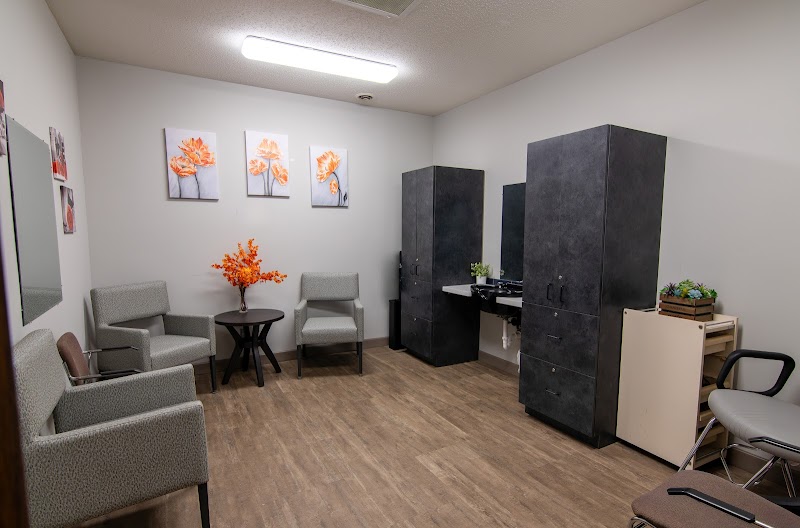
How is Renwick Nursing And Rehab Staffed?

CMS rates RENWICK NURSING AND REHAB's staffing level at 1 out of 5 stars, which is much below average compared to other nursing homes. Staff turnover is 76%, which is 29 percentage points above the Illinois average of 46%. High turnover can affect care consistency as new staff learn residents' individual needs. RN turnover specifically is 76%, which is notably high. RNs provide skilled clinical oversight, so turnover in this role can affect medical care quality.

What Have Inspectors Found at Renwick Nursing And Rehab?

State health inspectors documented 52 deficiencies at RENWICK NURSING AND REHAB during 2022 to 2025. These included: 3 Immediate Jeopardy (the most serious level, indicating potential for serious harm or death), 5 that caused actual resident harm, 43 with potential for harm, and 1 minor or isolated issues. Immediate Jeopardy findings are rare and represent the most serious regulatory concerns. They require immediate corrective action.
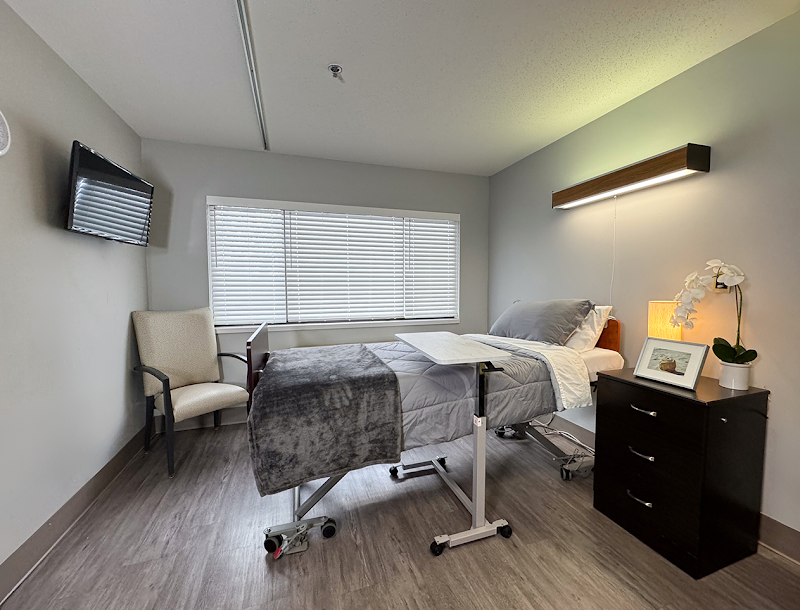
Who Owns and Operates Renwick Nursing And Rehab?

RENWICK NURSING AND REHAB is owned by a for-profit company. For-profit facilities operate as businesses with obligations to shareholders or private owners. The facility is operated by EXTENDED CARE CLINICAL, a chain that manages multiple nursing homes. With 120 certified beds and approximately 99 residents (about 82% occupancy), it is a mid-sized facility located in JOLIET, Illinois.
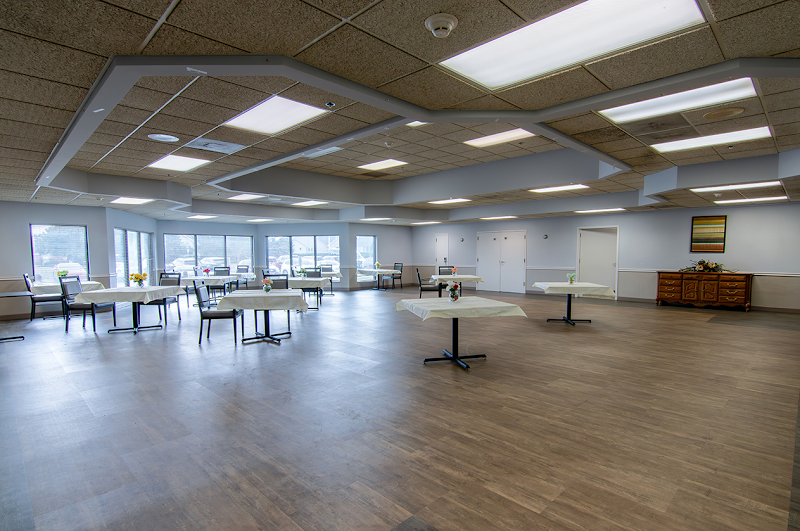
How Does Renwick Nursing And Rehab Compare to Other Illinois Nursing Homes?

Compared to the 100 nursing homes in Illinois, RENWICK NURSING AND REHAB's overall rating (1 stars) is below the state average of 2.5, staff turnover (76%) is significantly higher than the state average of 46%, and health inspection rating (1 stars) is much below the national benchmark.

What Should Families Ask When Visiting Renwick Nursing And Rehab?

Based on this facility's data, families visiting should ask: "What changes have been made since the serious inspection findings, and how are you preventing similar issues?" "How do you ensure continuity of care given staff turnover, and what is your staff retention strategy?" "Can you walk me through typical staffing levels on day, evening, and night shifts?" "Can I visit during a mealtime to observe dining assistance and food quality?" These questions are particularly relevant given the facility's Immediate Jeopardy citations, the facility's high staff turnover rate, and the below-average staffing rating.

Is Renwick Nursing And Rehab Safe?

Based on CMS inspection data, RENWICK NURSING AND REHAB has documented safety concerns. Inspectors have issued 3 Immediate Jeopardy citations (the most serious violation level indicating risk of serious injury or death). The facility has a 1-star overall rating and ranks #100 of 100 nursing homes in Illinois. Families considering this facility should ask detailed questions about what corrective actions have been taken since these incidents.

Do Nurses at Renwick Nursing And Rehab Stick Around?

Staff turnover at RENWICK NURSING AND REHAB is high. At 76%, the facility is 29 percentage points above the Illinois average of 46%. Registered Nurse turnover is particularly concerning at 76%. RNs handle complex medical decisions and coordinate care — frequent RN changes can directly impact care quality. High turnover means new staff may not know residents' individual needs, medications, or preferences. It can also be disorienting for residents, especially those with dementia who rely on familiar faces. Families should ask: What is causing the turnover? What retention programs are in place? How do you ensure care continuity during staff transitions?

Was Renwick Nursing And Rehab Ever Fined?

RENWICK NURSING AND REHAB has been fined $191,454 across 5 penalty actions. This is 5.5x the Illinois average of $34,993. Fines at this level are uncommon and typically indicate a pattern of serious deficiencies, repeated violations, or failure to correct problems promptly. CMS reserves penalties of this magnitude for facilities that pose significant, documented risk to resident health or safety. Families should request specific documentation of what issues led to these fines and what systemic changes have been implemented.

Is Renwick Nursing And Rehab on Any Federal Watch List?

RENWICK NURSING AND REHAB is not on any federal watch list. The most significant is the Special Focus Facility (SFF) program, which identifies the bottom 1% of nursing homes nationally based on persistent, serious quality problems. Not being on this list means the facility has avoided the pattern of deficiencies that triggers enhanced federal oversight. This is a positive indicator, though families should still review the facility's inspection history directly.