CITADEL CARE CENTER-KANKAKEE
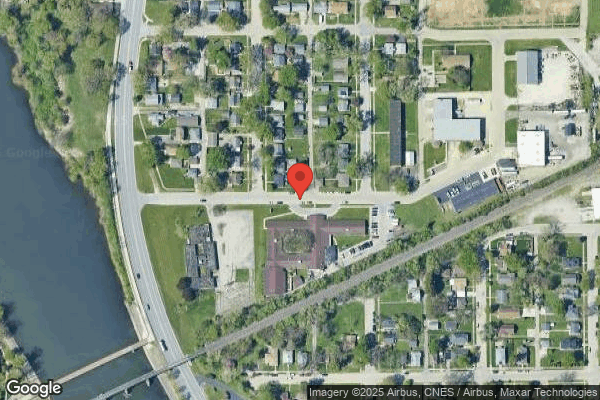
900 WEST RIVER PLACE, KANKAKEE, IL 60901 (815) 933-1711
For profit - Limited Liability company 107 Beds CITADEL HEALTHCARE Data: November 2025
Trust Grade
45/100
#343 of 665 in IL
Last Inspection: November 2024

Within standard 12-15 month inspection cycle. Federal law requires annual inspections.

Overview

Citadel Care Center-Kankakee has received a Trust Grade of D, indicating below-average quality with some concerns about care. Ranking #343 out of 665 facilities in Illinois places it in the bottom half, though it is #2 out of 6 in Kankakee County, meaning there is only one local option rated higher. Unfortunately, the facility is worsening, with issues increasing from 5 in 2023 to 18 in 2024, and it has a low staffing rating of 1 out of 5 stars, suggesting challenges in staff retention. However, the center has not incurred any fines, which is a positive sign, and RN coverage is average, meaning there is a reasonable level of registered nursing oversight. Specific incidents of concern include a resident experiencing severe pain during wound care because staff failed to assess pain beforehand, and expired food items were found in the kitchen, raising potential health risks for residents. Additionally, the facility has not maintained an effective Quality Assessment and Assurance committee, which could affect care quality for all residents. Overall, while there are some strengths, significant concerns should be carefully weighed by families considering this nursing home for their loved ones.

Trust Score
D
45/100
In Illinois
#343/665
Bottom 49%
Safety Record
Moderate
Needs review
Inspections
Getting Worse
5 → 18 violations
Staff Stability
○ Average
42% turnover. Near Illinois's 48% average. Typical for the industry.
Penalties
✓ Good
No fines on record. Clean compliance history, better than most Illinois facilities.
Skilled Nurses
⚠ Watch
Each resident gets only 27 minutes of Registered Nurse (RN) attention daily — below average for Illinois. Fewer RN minutes means fewer trained eyes watching for problems.
Violations
⚠ Watch
23 deficiencies on record. Higher than average. Multiple issues found across inspections.
★★☆☆☆
2.0
Overall Rating
★☆☆☆☆
1.0
Staff Levels
★☆☆☆☆
1.0
Care Quality
★★★★☆
4.0
Inspection Score
Stable
2023: 5 issues
2024: 18 issues

The Good

  • Full Sprinkler Coverage · Fire safety systems throughout facility
  • No fines on record
  • Staff turnover below average (42%)

    6 points below Illinois average of 48%

Facility shows strength in fire safety.

The Bad

2-Star Overall Rating

Below Illinois average (2.5)

Below average - review inspection findings carefully

Staff Turnover: 42%

Near Illinois avg (46%)

Typical for the industry

Chain: CITADEL HEALTHCARE

Part of a multi-facility chain

Ask about local staffing decisions and management

The Ugly 23 deficiencies on record

1 actual harm
Nov 2024 9 deficiencies
CONCERN (D)

Potential for Harm - no one hurt, but risky conditions existed

Deficiency F0557 (Tag F0557)

Could have caused harm · This affected 1 resident

Based on observation, interview, and record review the facility failed to treat all residents with respect and dignity. This applies to 1 resident (R47) reviewed for dignity in a sample of 25. The fin...

Read full inspector narrative →
Based on observation, interview, and record review the facility failed to treat all residents with respect and dignity. This applies to 1 resident (R47) reviewed for dignity in a sample of 25. The findings include: On 11/19/24 at 12:34 PM, R47 was observed in the hallway with yogurt spilled down the front of her sweatshirt and dripping down her face. V15 (Housekeeper) and V16 (LPN/Licensed Practical Nurse) walked past R47 and V15 said to R47, Oh my gosh look at your face! V16 (LPN) then whispered something to V15 (Housekeeper) and V15 said, What did I say wrong? People don't wipe it! R47 continued to walk down the hall and turned the corner and V15 and V16 walked down the hall in the opposite direction and did not stop to help clean up R47. On 11/21/24 at 1:08 PM, V2 (DON/Director of Nursing) said since R47 was up and walking around in the hallway, the staff should make sure she looks presentable. V2 said it is a dignity issue that R47 was not assisted and cleaned up when she was seen by staff with yogurt on her face and clothing. V2 said she didn't know why V15 would have made a loud comment in the hallway like that towards R47 and not asked the staff to assist with her hygiene instead. V2 said R47 does not talk a lot and really only says when she is ready to go smoke or ready for a beer. R47's MDS (Minimum Data Set) dated 10/4/24 shows she is moderately cognitively impaired, she has fluctuant inattention, disorganized thinking, and level of consciousness, and she requires substantial assistance with bathing. R47's Care Plan last reviewed 3/29/24 states she is at risk for ADL (Activity of Daily Living) self-care performance deficit related to Huntington's disease. The facility's policy titled, Quality of Life- Dignity last reviewed February 2020 states, Policy Statement: Each resident shall be cared for in a manner that promotes and enhances his or her sense of well-being, level of satisfaction with life, feeling of self-worth and self-esteem. Policy Interpretation and Implementation: 1. Residents are treated with dignity and respect at all times .3. Some examples of ways which respect for choices and values are exercised include: a. Personal grooming .11. Demeaning practices and standards of care that compromise dignity are prohibited. Staff are expected to promote dignity and assist residents .12. Staff are expected to treat cognitively impaired residents with dignity and sensitivity .
CONCERN (D)

Potential for Harm - no one hurt, but risky conditions existed

Deficiency F0582 (Tag F0582)

Could have caused harm · This affected 1 resident

Based on interview and record review, the facility failed to provide the SNFABN (Skilled Nursing Facility Advanced Beneficiary Notice) Form CMS-1005 in writing to all residents who were discharged fro...

Read full inspector narrative →
Based on interview and record review, the facility failed to provide the SNFABN (Skilled Nursing Facility Advanced Beneficiary Notice) Form CMS-1005 in writing to all residents who were discharged from Medicare Part A services with benefit days remaining. This applies to 3 residents (R47, R242, R91) reviewed for Advanced Beneficiary Notice and financial liability in a sample of 25. The findings include: V11 (BOM/Business Office Manager) filled out SNF Beneficiary Protection Notification Review Form CMS- 20052 for R47 and documented Medicare Part A skilled services start date was 8/16/24 and last covered day of Part A service was 10/4/24. V11 documented the facility/provider initiated the discharge from Medicare Part A services when benefit days were not exhausted. V11 wrote the SNFABN was not provided to the resident/beneficiary because the NOMNC was issued. V11 filled out the SNF Beneficiary Protection Notification Review Form-20052 for R242 and documented Medicare Part A skilled services start date was 2/24/24 and last covered day of Part A service was 5/10/24. V11 documented the facility/provider initiated the discharge from Medicare Part A services when benefit days were not exhausted. V11 wrote the SNFABN was not provided to the resident/beneficiary because the NOMNC was issued. V11 filled out the SNF Beneficiary Protection Notification Review Form-20052 for R91 and documented Medicare Part A skilled services start date was 8/16/24 and last covered day of Part A service was 11/11/24. V11 documented the facility/provider initiated the discharge from Medicare Part A services when benefit days were not exhausted. V11 wrote the SNFABN was not provided to the resident/beneficiary because the NOMNC was issued. On 11/21/24 at 10:26 AM, V11 (BOM/Business Office Manager) said if a resident receives a NOMNC (Notice of Medicare Non Coverage), she does not give them a SNFABN because that was how she was trained. On 11/21/24 at 11:10 AM after reading the facility's policy on ABN, V11 said she should have done ABNs, but she did not. On 11/21/24 at 12:40 PM, V1 (Administrator) said she read the facility's policy on NOMNC and SNFABN and the SNFABNs should have been completed for R47, R242, and R91 but they were not. V1 said V11 (BOM) said she had never completed a SNFABN. The facility's policy titled, Notices of Non-coverage and Advanced Beneficiary Notices revised October 2024 states, The facility is committed to upholding resident rights and this includes following the guidelines set forth by regulations regarding notices of non-coverage. We want all of our residents and families to be aware of the rights they have under Medicare as well as properly notifying them of what expenses may incur when switching payment sources .SNFABN .The facility will issue the SNFABN prior to Medicare A services ending to inform them that there will potentially be a cost incurred to the resident as a result of the Med A coverage ending. Typically, the facility will make every effort to issue this notice at the same time as the NOMNC .SNFABN- End of covered Stay .If a resident is currently covered under Medicare and coverage is ending and the resident will remain in the SNF, the SNFABN must be provided to the resident notifying them that someone else will need to pay for the SNF stay after Medicare ends. This could be private, Medicaid, or other insurance. This would be in addition to the NOMNC you already provided. The SNFABN does not need to be given if the reason for ending Medicare is due to exhausting their 100 days .
CONCERN (D)

Potential for Harm - no one hurt, but risky conditions existed

Transfer Notice (Tag F0623)

Could have caused harm · This affected 1 resident

**NOTE- TERMS IN BRACKETS HAVE BEEN EDITED TO PROTECT CONFIDENTIALITY** Based on interview and record review, the facility failed to provide a resident and/or their family/POA (POA/Power of Attorney) ...

Read full inspector narrative →
**NOTE- TERMS IN BRACKETS HAVE BEEN EDITED TO PROTECT CONFIDENTIALITY** Based on interview and record review, the facility failed to provide a resident and/or their family/POA (POA/Power of Attorney) in writing for the reason of transfer to the hospital. The facility also failed to notify the ombudsman of the transfer. This applies to 3 of 3 residents (R48, R64, and R78) reviewed for discharge in a sample of 25. The findings include: 1. On [DATE] at 1:38 PM, V1 (Administrator) stated we haven't been giving the residents or their representatives written documentation as for the reason the residents are sent out to the hospital. We call the family when they are transferred. I did not know we had to give the written documentation. The ombudsman should be notified of all discharges, transfers, and hospital admissions. We hadn't notified the ombudsman in the past. R48's Face Sheet showed R48 was admitted to the facility on [DATE]. R48 had multiple diagnoses which included Alzheimer's, asthma, convulsions, syncope and collapse, major depressive disorder, and schizophrenia. R48's Progress Notes showed the following: On [DATE] At 1500 resident was sitting in the dining room with the activities. Quiet with eyes closed but breathing. At 1533 CNA's (CNA/Certified Nursing Assistant) observed that resident was not breathing. They did not see her chest rise or fall and brought her to the nurse's station. Upon assessing no heartbeat heard and no breathing. Resident was placed on the floor and CPR (CPR/Cardiopulmonary Resuscitation) compressions started immediately. CODE blue called. At 1535 pulse and breathing returned. AED (AED/Automated External Defibrillator) pads applied; oxygen applied. 911 called, no shock was advised from AED. 1537 No shock advised from AED. 1537 IV (IV/Intravenous) started to left antecubital. Vitals 84/52 blood sugar 129. 1539 No shock advised from AED, breathing. 1540 911 arrived. 1544 911 transported resident to (Hospital) ER. 1546 Family notified and MD (MD/Medical Doctor) notified. Report called to (Hospital). Report given to (Nurse). [DATE] 2020 PM Resident is being admitted for observation. DX (DX/Diagnoses): altered mental status, hypothermia, and UTI (UTI/Urinary Tract Infection). R48 returned to the facility on [DATE]. On [DATE] 3:09 PM Resident was sent to ER (ER/Emergency Room) per nurse practitioner this afternoon due to altered mental status and hypotension. Attempted to call son and sister with no success. Messages left. Spoke with third contact and informed her of send out. [DATE] 11:16 PM resident admitted to 3W, will be seen by neurology tomorrow. On [DATE] at 2:42 PM resident arrived at 1:23 PM via ambulance. Resident is sleepy at this time. Lungs clear, bowel sounds in all 4 quads. Bruise from IV on r arm. No documentation of written notice for reason of transfer or discharge to the hospital given to the resident or POA. No notice sent to the Ombudsman for transfer or discharge to hospital. Facility unable to provide written documentation for either hospital admission. 2. On [DATE] at 12:55 PM, R64 and V4 (R64's Brother) denied that the facility provided written documentation of R64's hospital transfer. R64's [DATE] progress note showed that she was transferred to the hospital on [DATE]. R64's electronic health record did not show any documentation that a written notice was given to R64, her representative, or the Ombudsman about her hospital transfer. 3. On [DATE] at 11:16 AM, R78 said that he was sent to the hospital and the facility did not notify him in writing of the transfer. R78's [DATE] progress note showed that he was transferred to the hospital on [DATE]. R78's electronic health record did not show any documentation that a written notice was given to R78, a representative, or the Ombudsman about the hospital transfer. On [DATE] at 02:47 PM, V1 (Administrator) said the facility has not been giving written notification for the reason of transfer/discharge to the hospital to the residents, the resident's representative and a copy of the notice to the Ombudsman because the facility did not know they were supposed to do it.
CONCERN (D)

Potential for Harm - no one hurt, but risky conditions existed

Deficiency F0625 (Tag F0625)

Could have caused harm · This affected 1 resident

**NOTE- TERMS IN BRACKETS HAVE BEEN EDITED TO PROTECT CONFIDENTIALITY** Based on observation, interview, and record review, the facility failed to provide in writing to the residents and/or their POA ...

Read full inspector narrative →
**NOTE- TERMS IN BRACKETS HAVE BEEN EDITED TO PROTECT CONFIDENTIALITY** Based on observation, interview, and record review, the facility failed to provide in writing to the residents and/or their POA (POA/Power of Attorney) regarding bed hold and return at the time of discharge to the hospital. This applies to 3 of 3 residents (R48, R64, and R78) reviewed for discharge in a sample of 25. The findings include: 1. On [DATE] at 1:38 PM, V1 (Administrator) Residents or the resident's representatives should have a bed policy given to them when they go out to the hospital. R48's Face Sheet showed R48 was admitted to the facility on [DATE]. R48 had multiple diagnoses which included Alzheimer's, asthma, convulsions, syncope and collapse, major depressive disorder, and schizophrenia. R48's Progress Notes showed the following: On [DATE] At 1500 resident was sitting in the dining room with the activities. Quiet with eyes closed but breathing. At 1533 CNA's (CNA/Certified Nursing Assistant) observed that resident was not breathing. They did not see her chest rise or fall and brought her to the nurse's station. Upon assessing no heartbeat heard and no breathing. Resident was placed on the floor and CPR (CPR/Cardiopulmonary Resuscitation) compressions started immediately. CODE blue called. At 1535 pulse and breathing returned. AED (AED/Automated External Defibrillator) pads applied; oxygen applied. 911 called, no shock was advised from AED. 1537 No shock advised from AED. 1537 IV (IV/Intravenous) started to left antecubital. Vitals 84/52 blood sugar 129. 1539 No shock advised from AED, breathing. 1540 911 arrived. 1544 911 transported resident to (Hospital) ER. 1546 Family notified and MD (MD/Medical Doctor) notified. Report called to (Hospital). Report given to (Nurse). [DATE] 2020 PM Resident is being admitted for observation. DX (DX/Diagnoses): altered mental status, hypothermia, and UTI (UTI/Urinary Tract Infection). R48 returned to the facility on [DATE]. On [DATE] 3:09 PM Resident was sent to ER (ER/Emergency Room) per nurse practitioner this afternoon due to altered mental status and hypotension. Attempted to call son and sister with no success. Messages left. Spoke with third contact and informed her of send out. [DATE] 11:16 PM resident admitted to 3W, will be seen by neurology tomorrow. On [DATE] at 2:42 PM resident arrived at 1:23 PM via ambulance. Resident is sleepy at this time. Lungs clear, bowel sounds in all 4 quads. Bruise from IV on r arm. No bed hold documentation uploaded into the medical record. The facility was unable to provide documentation of bed hold given to the resident and/or the POA. 2. On [DATE] at 12:55 PM, R64 and V4 (R64's Brother) were asked if the facility notified them of the facility's bed hold policy before being transferred to the hospital and they denied ever receiving the information. R64's [DATE] progress note showed that she was transferred to the hospital on [DATE]. R64's electronic health record did not show any documentation that the facility provided R64 or V4 with the facility's Bed Hold policy when R64 was sent to the hospital. 3. On [DATE] at 11:16 AM, R78 denied being notified by the facility of their Bed-Hold policy. R78's [DATE] progress note showed that he was transferred to the hospital on [DATE]. R78's electronic health record did not show any documentation that the facility provided R78 with the facility's Bed Hold policy when he was sent to the hospital. On [DATE] at 2:47 PM, V1 (Administrator) said that the facility is supposed to provide the residents and their representatives with the facility's Bed-Hold policy when they are transferred to the hospital. The facility's Bed-Hold and Returns policy ([DATE]) showed that prior to transfers and therapeutic leaves, residents and resident representatives will be informed in writing of bed-hold and return policy.
CONCERN (D)

Potential for Harm - no one hurt, but risky conditions existed

ADL Care (Tag F0677)

Could have caused harm · This affected 1 resident

**NOTE- TERMS IN BRACKETS HAVE BEEN EDITED TO PROTECT CONFIDENTIALITY** Based on observation, interview, and record review the facility failed to provide personal hygiene for 3 residents (R29, R86, & ...

Read full inspector narrative →
**NOTE- TERMS IN BRACKETS HAVE BEEN EDITED TO PROTECT CONFIDENTIALITY** Based on observation, interview, and record review the facility failed to provide personal hygiene for 3 residents (R29, R86, & R64) who are dependent on ADL care (Activities of Daily Living) in a sample of 25. Findings include: 1. On 11/19/24 at 12:25 PM, R29 was observed with her nails long, jagged and with brown substance under the nails and her hair was oily. V5 (R29's niece) was present at that time and said that the staff needs to cut and clean her nails. R29's EHR (Electronic Health Record) showed that she is a [AGE] year old female admitted to the facility on [DATE]. Her 10/18/24 MDS (Minimum Data Set) showed that cognitive skills for daily decision making are severely impaired, and she has long and short term memory problems. Her 10/10/24 MDS section GG showed that she is dependent on staff for personal hygiene. 2. On 11/19/24 at 12:41 PM, R64 was with V4 (R64's Brother) and her hair was observed oily, and she had an excessive amount of hair on her chin and upper lip. The hair was about 1 to 1 ½ inches long. R64 said that it bothers her and that it makes her feel bad and then she began crying. V4 said that it has been over a month since the staff has shaved his sister. R64's EHR showed that she is a [AGE] year old female admitted to the facility on [DATE]. R64's 11/14/24 care plan showed that she has an ADL self-care performance deficit related to Parkinson's with interventions including needing assistance with bathing and showering, & nail hygiene. R64's 8/23/24 MDS section C showed that her cognition is moderately impaired, and she needs substantial/maximal assistance with personal hygiene. 3. On 11/19/24 at 10:42 AM, R86 was observed with a brown substance under his nails. R86 said that he provides his own nail care when the staff gives him the necessary supplies. R86's EHR showed that he is a [AGE] year old male admitted to the facility on [DATE]. R86's MDS section C showed that his cognition is moderately impaired, and section GG showed that he needs partial/moderate assistance with personal hygiene. R86's 9/12/24 care plan showed that R86 has an ADL self-care performance deficit related to decrease in grooming skills with interventions including staff assistance required for personal hygiene and oral care setup. On 11/21/24 at 10:11 AM, V1 (Administrator) said that her expectations are that staff provide nail care, remove residents' facial hair, and wash residents' hair for the resident's dignity. The facility's Activities of Daily Living (ADLs), Supporting policy (Revised date March 2018) showed that residents will be provided with care, treatment and services as appropriate to maintain or improve their ability to carry out activities of daily living (ADL's). The policy also showed that residents who are unable to carry out activities of daily living independently will receive the services necessary to maintain good nutrition, grooming and personal and oral hygiene.
CONCERN (D)

Potential for Harm - no one hurt, but risky conditions existed

Deficiency F0688 (Tag F0688)

Could have caused harm · This affected 1 resident

Based on observation, interview, and record review, the facility failed to ensure anti-contracture devices were applied to resident as ordered. This applies to 1 of 2 residents (R16) reviewed for anti...

Read full inspector narrative →
Based on observation, interview, and record review, the facility failed to ensure anti-contracture devices were applied to resident as ordered. This applies to 1 of 2 residents (R16) reviewed for anti-contracture devices in a sample of 25. The findings include: On 11/19/24 at 11:51 AM, R16 was observed in the dining room, sitting in her high back wheelchair participating in activities with other residents. R16 's right hand was in fist form laying on her abdomen. When asked if R16 wears an anti-contracture device, R16 smiled, did not respond. On 11/20/24 at 11:07 AM, R16 was observed in the dining room, siting in high back wheelchair, right hand still in fist form, no splint. Review of R16's Electronic Medical Record shows that R16 has the following diagnoses of hemiplegia and hemiparesis following cerebral infarction affecting right dominant side, muscle weakness and muscle wasting and atrophy. R16's Minimum Data Set (MDS) of 10/3/24 shows that R16's cognition is severely impaired. R16's Physician order shows to have right hand palm protector, to wear at all times and take off for care. On 11/20/24 at 2:02 PM, V14 (Restorative Nurse Manager) provided list of residents that use anti-contracture devices; R16 was on the list. V14 said that R16 uses a right-hand palm protector because her right hand is contracted after she had a stroke. V14 said the palm protector is applied during the day and taken off at night. V14 said that R16 is compliant with wearing the palm protector. At 2:06 PM, V14 and surveyor observed R16 in dining room, R16's right hand still in fist form, R16 did not have right hand palm protector. At 2:07 PM, V14 found R16's palm protector in her bedroom dresser. The facility's Assistive Devices and Equipment policy (revised July 2017) states that devices and equipment that assist with resident mobility, safety and independence are provided for residents.
CONCERN (D)

Potential for Harm - no one hurt, but risky conditions existed

Incontinence Care (Tag F0690)

Could have caused harm · This affected 1 resident

Based on observation, interview, and record review, the facility failed to properly position indwelling catheter drainage bag during wound care dressing change. This applies of 1 of 2 residents (R22) ...

Read full inspector narrative →
Based on observation, interview, and record review, the facility failed to properly position indwelling catheter drainage bag during wound care dressing change. This applies of 1 of 2 residents (R22) reviewed for indwelling catheter in a sample of 25. The findings include: On 11/20/24 at 9:58 AM, V9 (Wound Care Nurse Manager) and V10 (Memory Care Coordinator) provided wound care treatment to R22. At 10:09 AM, V9 unhooked R22's catheter drainage bag from the right side of the bed and placed the bag on R22's bed, while V10 turned R22 to her left side so that V9 could access R22's sacral wound. V9 completed R22's sacral wound dressing change, left the drainage bag on the bed. After the dressing change, V9 and V10 repositioned R22 in bed, and R22's catheter bag was under R22's leg. At 10:25 AM, V9 and V10 left R22's room, the catheter bag was still on the bed. At 11:00 AM, R22's catheter bag was still on the bed under R22's leg. Review of R22's Electronic Medical Record shows that R22 has the following diagnoses of osteomyelitis of vertebra, sacral and sacrococcygeal region, pressure ulcer of sacral region stage 4, and neuromuscular dysfunction of bladder. R22's Minimum Data Set (MDS) of 10/14/24 shows that R22's cognition is severely impaired. R22's has a physician order for indwelling catheter. R22's care plan (initiated 10/9/24) shows that R22 has indwelling catheter due to sacral wound and neurogenic muscular dysfunction, with intervention to position catheter bag and tubing below the level of the bladder. On 11/20/24 at 11:15 AM, V2 (Director of Nursing/DON) was informed of the catheter bag. V2 saw R22's catheter drainage bag on the bed. V2 said it should not be on the bed, it should be below the resident's bladder so the urine can flow properly and to prevent backflow of urine. The facility's Catheter Care, Urinary policy (revised July 2020) states that the urinary catheter drainage bag must be held or positioned lower than bladder at all times to prevent urine in the tubing and drainage bag from flowing back into the urinary bladder.
CONCERN (F)

Potential for Harm - no one hurt, but risky conditions existed

Food Safety (Tag F0812)

Could have caused harm · This affected most or all residents

Based on observation, interview, and record review, the facility failed to remove expired food items, reseal opened food items, and maintain temperature of freezer to keep foods solid. This applies to...

Read full inspector narrative →
Based on observation, interview, and record review, the facility failed to remove expired food items, reseal opened food items, and maintain temperature of freezer to keep foods solid. This applies to all residents that receive oral nutrition and foods prepared in the facility kitchen. Findings include: The facility's Long-Term Care Facility Application for Medicare and Medicaid (Form CMS-Centers for Medicare and Medicaid Services-671) dated 11/19/24 documents that the total census was 88 residents. On 11/19/24 at 11:33 AM, V12 (Dietary Manager) said all residents eat from the facility kitchen; there are no NPO (Nothing by Mouth) residents. On 11/19/24 starting at 11:04 AM, the facility kitchen was toured in the presence of V12 (Dietary Manager) and the following was found: Dry Storage: 1. 2-1 quart cartons of cultured reduced fat buttermilk dated best if used by 11/13/24. Expired. 2. 1 quart of French vanilla coffee creamer dated best by 9/24/24. Expired. 3. 8 ounce container of sour cream best by 7/2/24. Expired. Reach in freezer in dry storage room: 4. An opened, not sealed traditional pie crust that is broken with some freezer burn. Reach in freezer in kitchen: 5. Opened, unsealed bag of beef franks in cardboard box that are soft, not frozen solid. V12 said the staff was just cleaning the freezer so the temperature might have dropped. V12 then checked the temperature of the beef franks and they were 27.2 degrees Fahrenheit. On 11/21/24 at 1:01 PM, V12 (Dietary Manager) said expired foods should be removed from storage immediately on the expiration date so the expired food is not served to the residents with the potential to make them sick. V12 said all opened food items should be resealed before frozen to prevent freezer burn and maintain the quality of the food. V12 said the freezer should be maintained at 0 degrees Fahrenheit or below and food items should be frozen solid to maintain food quality and prevent food from being thawed and refrozen multiple times. The facility's policy titled, Refrigerated Food last revised 2017 states, Refrigerated Potentially Hazardous Foods (PHF) or Time/Temperature Controlled (TCS) foods are labeled with the date received and if not opened, are discarded by the manufacturer's expiration date. If opened, the cold food item is labeled with the date opened and the date by which to discard or use by . The facility's policy titled, Storage of Frozen Foods last revised 2017 states, Policy: Frozen foods are maintained at a temperature level that keeps frozen foods solid. Procedure: . If taken out of the original container, food is tightly wrapped .Frozen food that is not solidly frozen is evaluated for the possibility of being discarded .Opened products that have not been properly sealed and dated are discarded .
CONCERN (F)

Potential for Harm - no one hurt, but risky conditions existed

Deficiency F0868 (Tag F0868)

Could have caused harm · This affected most or all residents

Based on interview and record review, the facility failed to maintain a QAA (Quality Assessment and Assurance) committee consisting at a minimum of the director of nursing services, the Medical Direct...

Read full inspector narrative →
Based on interview and record review, the facility failed to maintain a QAA (Quality Assessment and Assurance) committee consisting at a minimum of the director of nursing services, the Medical Director or his/her designee, at least three other members of the facility's staff, at least one of who must be the administrator, owner, a board member or other individual in a leadership role; and the infection preventionist. This has a potential to affect all the residents in the facility. The findings include: On 11/21/24 at 09:23 AM, V1 (Administrator) said the Medical Director has not been to any QAA meetings in over a year. A review of all the facility's QAA attendance sheets for the last year, January - March 2024, April - June 2024, & July - September 2024 showed that the facility's Medical Director had not signed the attendance sheets. A review of the facility's 11/19/24 - 11/22/24 Long-Term Care Facility Application for Medicare and Medicaid showed a census of 88 residents.
Jan 2024 1 deficiency
CONCERN (D) 📢 Someone Reported This

A family member, employee, or ombudsman was alarmed enough to file a formal complaint

Potential for Harm - no one hurt, but risky conditions existed

Notification of Changes (Tag F0580)

Could have caused harm · This affected 1 resident

**NOTE- TERMS IN BRACKETS HAVE BEEN EDITED TO PROTECT CONFIDENTIALITY** Based on observation, interview and record review the facility failed to notify the POA (POA/Power of Attorney) of changes in co...

Read full inspector narrative →
**NOTE- TERMS IN BRACKETS HAVE BEEN EDITED TO PROTECT CONFIDENTIALITY** Based on observation, interview and record review the facility failed to notify the POA (POA/Power of Attorney) of changes in condition. This applies to 1 of 3 residents (R1) reviewed for policy and procedures. The findings include: On 01/30/24 at 1:53 PM, V4 (CNA/Certified Nursing Assistant) said she takes care of R1 all the time. V4 said she was taking care of R1 on 01/11/24 during the 6:30 AM-2:30 PM shift when she saw bulging to R1's right hip. V4 said she did not see any bruising on 01/11/24. V4 said she first saw the bruising a few days later after seeing the hip bulging. V4 said the bulging of the right hip had never looked that big before. V4 said she asked R1 if she was in pain and R1 said no. V4 said she told the nurse, V5 (LPN/Licensed Practical Nurse). V4 said V5 came in the shower room and assessed R1. V4 said she assumed V5 told the family about the bulging right hip. V4 said when I see bruising or anything abnormal, I report it to the nurse, the supervisor, and the abuse coordinator. On 01/30/24 at 2:07 PM, V5 (Licensed Practical Nurse) said she was called to the shower room on 01/11/24 by V4 (CNA) taking care of R1. V5 said V4 reported a bulging spot on R1's back of right hip. V5 said she never saw any bruising. V5 said the spot was not new, but it appeared to be a little more swollen than normal. V5 said she assessed the area and R1 was not in any pain or distress. V5 said at the end of her shift, she endorsed the incident in report about the bulging. V5 said she did not document that she notified R1's POA (POA/Power of Attorney) of the bulging spot. V5 said she started the incident report but did not complete it. V5 said she was not aware that she did not complete the incident report or the documentation. V5 said she did not notify the POA of the bulging spot. V5 said the normal processes when there is an accident or injury is to do the incident report, notify the doctor and the family. V5 said when incidents occur, the facility normally documents for 72 hours after the incident is found. V5 said she does not know if any documentation was done after 01/11/24 because she was not on that unit during the time it would have been documented. On 01/20/24 at 1:25 PM, V3 (Licensed Practical Nurse) said on 01/12/24 she was told in report from another nurse that R1 had a bruise to her right hip. V3 said the nurse told her that R1 might have hit her right hip on the edge of the bed or the bedside table. V3 said when she assessed R1 there were no changes in the size or color of the bruise. V3 said R1 told her she was not in pain. V3 said she never notified anyone that R1 had a bruise. V3 said she called R1's daughter (POA) on 01/15/24 or 01/16/24 to give her the results of the x-ray. V3 said she told R1's daughter there was no fracture or dislocation to the right hip. V3 said she told the daughter R1 had arthritis in the right hip and the bruise probably came from R1 bumping her hip on something. V3 said the normal process for finding a bruise is to do a risk management. It is like an incident report. We notify the family and the doctor of what we find. We report all bruises to the department managers. On 01/30/24 at 3:57 PM, V1 (Administrator) said on Saturday 01/20/24 the nurse on the floor called and said R1's daughter (POA) was in the facility, and she was upset stating R1's leg was deformed, and she had bruising to her leg. V1 said R1 bumped her hip on 01/11/24 and there is no documentation in the chart to support that. V1 said there was no documentation to support that the POA was notified of the incident. V1 said the normal process when injuries/accidents occur is to assess the resident, figure out what happened, do the incident report, notify the doctor and the family, and document everything in the progress notes. V1 said if the doctor is not notified of an injury or accident the patient could not get the proper assessment and care. V1 said if the family is not notified, they will not have the information about the injury or care that is being provided. V1 said the policy for changes in condition is to notify the physician and family immediately. On 01/30/24 at 9:20 AM, R1 was in her room walking around with a steady gait. R1 did not use any assistive devices for ambulation. R1 was alert and oriented x 1. V3 (Licensed Practical Nurse) assisted with the assessment of R1's right hip and leg. R1 had a protruding right hip bone and an old, dark black discoloration to the right hip area. R1's face sheet showed R1 was admitted to the facility on [DATE] with diagnoses of syncope and collapse, diabetes, dementia, anxiety, adjustment disorder, glaucoma, hypertensive urgency, hyperglycemia, and contusion of right thigh. R1's MDS (MDS/Minimum Data Set) showed R1 had moderate cognitive impairment. R1's incident report dated 01/11/24 showed R1 bumped her right leg on an object in her room. The same report showed R1 had a knot on her right leg-upper thigh. R1's progress notes were reviewed from 01/10-01/24/24. There was no documentation on 01/11/24 the day of the incident that showed R1's POA was notified. There was no documentation until 01/20/24 regarding R1's right hip, leg, and thigh.
Jan 2024 8 deficiencies 1 Harm
SERIOUS (G)

Actual Harm - a resident was hurt due to facility failures

Deficiency F0697 (Tag F0697)

A resident was harmed · This affected 1 resident

**NOTE- TERMS IN BRACKETS HAVE BEEN EDITED TO PROTECT CONFIDENTIALITY** Based on observation, interview, and record review, the facility failed to assess and address pain before and during wound care ...

Read full inspector narrative →
**NOTE- TERMS IN BRACKETS HAVE BEEN EDITED TO PROTECT CONFIDENTIALITY** Based on observation, interview, and record review, the facility failed to assess and address pain before and during wound care to a resident. This failure has caused severe pain for one resident during dressing changes. This applies to 1 of 2 residents (R54) reviewed pain management in a sample of 31. The Findings include: R54 is a [AGE] year-old male admitted on [DATE] with cognition intact as per the Minimum Data Set (MDS) dated [DATE]. On 1/10/24 at 2:20 PM, observed V5 (Wound Care Nurse) and V7 (Certified Nursing Assistant - CNA/Memory Care Director) begin to provide wound care to R54's coccyx wound without assessing for pain. Observed V5 and V7 using the mattress linen to pull him up on the bed and R54 complaining of pain, saying, I have too much pain. In response to R54's pain, V5 said to R54, I know your nurse gave you pain medication. On 1/10/24 at 2:25 PM, V5 and V7 turned R54 to his right side to provide wound treatment to his coccyx wound. V5 sprayed wound cleanser on his unstageable wound (as per V5) and wiped it. R54 again complained of pain, saying, Ohh .too much pain, it's hurting. In response to R54's pain, V5 replied, I am not touching you now. On 1/10/24 at 2:35 PM, in response to the surveyor's inquiry, R54 stated, I have pain all over the place. It is 7 out of 10. I was given Norco, and it is not helping. On 1/10/24 at 2:35 PM, V5 stated, R54 was given pain medication, and that's why I didn't ask him for his pain level before starting. I am not sure I should have stopped treatment when he complained of pain. I have to look at the policy to see whether I should have stopped when R54 complained of pain during treatment. On 01/11/24 at 10:37 AM, R54 stated, Every day, I have pain when they do wound care. They give me one Norco pill, and that doesn't do anything. 01/11/24 10:45 AM, V2 (Director of Nursing / DON) stated, Our standard of practice is assessing residents for pain before wound care. The wound care nurse should have assessed the resident for pain before she started with wound care and should have stopped the wound treatment when the resident complained of pain during treatment. 01/11/24 10:15 AM V6 (Wound Care Nurse Practitioner) stated, Pain assessment is crucial before wound care, and the pain should be managed well. If pain is not managed well, it can cause the resident to deny treatment and care. The patient should have been assessed for pain. If the patient complains of pain during wound care, she should hold it and manage the pain to have a pleasant experience for the resident. The facility presented a wound care policy revised in the October 2010 document: 2. Review the resident's care plan to assess for any special needs (including pain as per Administrator) of the resident. A review of the Pain Assessment and Management Policy revised in March 2015) documented the steps in the procedure to recognize pain. 1. Observe the resident (during rest and movement) for physiologic and behavioral (non-verbal) signs of pain. 2. Possible Behavioral Signs of Pain a. Verbal expressions such as groaning, crying, screaming. 4. Ask the resident if he/she is experiencing pain. Be aware .numbness or tingling.
CONCERN (D)

Potential for Harm - no one hurt, but risky conditions existed

Resident Rights (Tag F0550)

Could have caused harm · This affected 1 resident

**NOTE- TERMS IN BRACKETS HAVE BEEN EDITED TO PROTECT CONFIDENTIALITY** 3. On 01/09/24 at 11:03 AM, R16 was sitting in a wheelchair in his room. R16 was able to propel himself in the wheelchair. R16 h...

Read full inspector narrative →
**NOTE- TERMS IN BRACKETS HAVE BEEN EDITED TO PROTECT CONFIDENTIALITY** 3. On 01/09/24 at 11:03 AM, R16 was sitting in a wheelchair in his room. R16 was able to propel himself in the wheelchair. R16 had on a black pair of shoes. The shoes did not have any shoelaces and the tongues were hanging out, touching the floor. R16 said my shoes are very old, and I want new shoes. On 01/10/24 at 11:30 AM, R16 continued to wear the black shoes. The black shoes still did not have any shoelaces, and the tongues were hanging out touching the floor. R16 said I need a new pair of shoes. R16 said he had spoken with the facility staff about needing a new pair of shoes. R16 said the staff told him they could not get him a new pair of shoes. R16 does not remember which staff member he spoke with about getting new shoes. On 01/11/24 at 12:22 PM, R16 continued to be in his room sitting in a wheelchair. V2 (Director of Nursing) was in the room. R16 stated my shoes are too little, and I want another pair. The shoes continued to be without shoelaces, and the tongue of the left shoe was touching the floor. On 01/11/24 at 11:40 AM, V2 said she did not know R16's shoes were in the condition they are in. V2 said R16 needed a new pair of shoes after observing the condition the shoes were in. V2 said the staff were unsure of what happened to R16's shoelaces. V2 said if the staff notices residents' clothes and shoes are torn and not appropriate, they can get items from a donated box. R16's face sheet showed R16 was admitted to the facility with diagnoses of hemiplegia and hemiparesis following cerebral infarction affecting right dominant side, aphasia, dysphagia, weakness, malaise, muscle wasting and atrophy, difficulty in walking, lack of coordination, alcoholic hepatitis without ascites, cholelithiasis without obstruction, hyperlipidemia, schizophrenia, and hypertension. R16's MDS dated [DATE] showed R16 required substantial/maximal assistance with putting on and taking off socks and shoes that is appropriate for safe mobility. R16's risk for falls care plan, not dated, stated ensure that the resident is wearing appropriate footwear when ambulating or mobilizing in wheelchair as an intervention. Based on observation, interview, and record review, the facility failed to provide dignity to 3 residents (R64) who was not properly clothed while in dining room, (R15) who's catheter bag was not covered, and in view of others, and (R16) who's shoes were not properly maintained and safe to wear in a sample of 31. Findings include: 1. On 01/09/24 at 12:27 PM, R64 was observed in the dining room with a hospital gown on. The gown was open in the back, and the gown was continuously falling in front. R64 kept having to pull up the gown while she tried to eat. R64 said that the staff had not changed her clothes for the day. On 1/9/24 at 12:27 PM, V7 (Memory Care Director/Certified Nurse's Assistant) said that R64 should not be in the dining room in a hospital gown, she should be fully dressed in day clothes. On 01/11/24 at 12:45 PM, V1 (Administrator/RN) said R64 should have been dressed in weather appropriate clothes that covered her, and that she wanted to wear. V1 said that R65 was not dressed appropriately because R64 was exposed and not provided with privacy. V1 said that the facility's policy is for staff to encourage and assist residents to dress in their own clothes rather than hospital gowns. R64's (Electronic Health Record) showed that R64 is a [AGE] year old female admitted to the facility on [DATE]. R64's 10/19/23 care plan showed that she is cognitively impaired due to a diagnosis of dementia and needs assistance with personal care. R64's 10/23/23 MDS (Minimum Data Set) Section C show that she is moderately impaired, and section GG showed that R64 needs substantial/maximal assistance for upper body dressing and is dependent for lower body dressing & putting on and taking off footwear. 2. On 01/09/24 at 10:37 AM, R15 was observed in his bed and his catheter bag was hanging from his bed and his door was open. There was no cover on the bag, and you could see his bag from the hallway. On 01/11/24 at 12:20 PM V1 (Administrator/RN) said that the catheter bag should have been covered for the resident's dignity. R15's EHR (Electronic Health Record) showed that he is a [AGE] year old male admitted to the facility on [DATE] with diagnoses including obstructive/reflux uropathy and his physician's order dated 10/23/23 for a Foley catheter (indwelling) for obstructive/reflux uropathy. The facility's Quality of Life policy dated August 2009 showed that each resident shall be cared for in a manner that promotes and enhances quality of life, dignity, respect and individuality. Residents shall be treated with dignity and respect at all times. Residents shall be groomed as they wish to be groomed, and residents shall be encouraged and assisted to dress in their own clothes rather than in hospital gowns.
CONCERN (D)

Potential for Harm - no one hurt, but risky conditions existed

Deficiency F0558 (Tag F0558)

Could have caused harm · This affected 1 resident

**NOTE- TERMS IN BRACKETS HAVE BEEN EDITED TO PROTECT CONFIDENTIALITY** Based on observation, interview, and record review, the facility failed to have an adaptive call light accessible for one reside...

Read full inspector narrative →
**NOTE- TERMS IN BRACKETS HAVE BEEN EDITED TO PROTECT CONFIDENTIALITY** Based on observation, interview, and record review, the facility failed to have an adaptive call light accessible for one resident and adaptive eating utensils for a dependent resident. This applies to 2 of 2 residents (R32 and R66) reviewed for accommodation of needs in a sample of 31. The findings include: 1. On 01/09/24 at 11:24 AM, R32 was sitting in a motorized wheelchair. R32's left arm was contracted to his chest. R32 was able to move his right arm. R32's thumb and fifth finger on his right hand was contracted in the downward position. R32's index, middle and ring fingers were in a straight position, and not able to move or flex. R32's left leg was contracted. R32 stated he needed to be repositioned. R32 attempted to press the call button in his room. R32 was unable to press the button due to the limited range of motion in both hands. The call light was pressed for R32 by the surveyor. On 01/10/24 at 12:10 PM, R32 still did not have the appropriate call light for him to use. R32 said he informed the staff of the need for another call light when he moved to the current room. On 01/11/24 at 09:40 AM R32 continued to have the call light he was not able to use in his room. R32 said he told the staff again he needed the touchpad call light from my old room. R32's face sheet showed R32 was admitted to the facility with diagnoses of diabetes mellitus, left knee contracture, right hip pain, dysphagia, weakness, right and left knee pain, personal history of transient ischemic attack and cerebral infarction, insomnia, major depressive disorder, hyperlipidemia, seizures, paraplegia, hypertension, neuromuscular dysfunction of bladder, and metabolic encephalopathy. R32's MDS dated [DATE] showed R32 was cognitively intact. The same MDS showed R32 was dependent upon staff for all ADL's (ADL's/Activities of Daily Living). R32's risk for falls care plan intervention stated, be sure my call light is within reach and encourage the resident to use it for assistance as needed. The same care plan showed another intervention to remind me to call for assistance needed. On 01/11/24 at 11:40 AM, V2 (DON/Director of Nursing) said all call lights should always be within reach and clipped to the bed. V2 said call lights should never be hanging and not within reach. V2 said residents who cannot push the call light should have a flat pad call light. V2 said if residents are not able to notify staff of needing assistance, there could be a delay in treatment or meeting their needs. All residents should have call lights that are accessible to them. The facility's Routine Resident Checks and Call Light Response policy revised 07/2013 stated 1. To ensure the safety and well-being for our residents, nursing staff shall make a routine resident check on each unit and to ensure the call-light is working and within easy reach. 2. R66 has diagnoses that includes Type 2 Diabetes, Parkinson's Disease, and Autistic Disorder. R66's Minimum Data Set, dated [DATE] shows severe cognitive impairment. R66 requires staff supervision or touching assistance with eating while using suitable utensils to bring food to the mouth and swallow. R66's Care plan dated 12/01/2023 states R66 has a nutritional problem or potential nutritional problem. Therapy provided a special silverware sponge grip that will allow silverware to be held better. On 01/09/24 at 12:12 PM, R66 was served two egg salad sandwiches, diced beats served on a regular flat plate, a banana, and a pink drink. Resident attempted to scoop the beats up with a regular spoon and dropped them on her lap. R66 then ate the beats from her lap. R66's meal tray ticket listed a General Regular diet, double portions, and adaptive equipment starred and in bold font. The meal ticket did not list what adaptive equipment R66 was to have on her tray. 01/09/24 at 12:27 PM, V7 (Certified Nursing Assistant / Memory Care Coordinator) stated special adaptive equipment comes from the kitchen and if it is not on the tray staff should call the kitchen to get it. If a resident required special adaptive equipment, it would be listed on their meal ticket. V7 stated there were no residents in the dining room that required special adaptive equipment. On 01/10/24 at 12:58 PM, R66 was observed eating lunch. R66 was eating from a scoop plate. R66's utensils were a regular fork and regular spoon. On 01/11/24 at 12:12 PM, V3 (Director of Food and Nutrition Services) stated therapy services inform them what assistive meal devices residents require and dietary services add it to the meal ticket. V3 stated the only adaptive equipment being used by residents in the facility are scoop plates. On 01/11/24 at 12:37 PM, V15 (Physical Therapy Assistant / Director of Rehab Services) stated R66 was seen by the Occupational Therapist on 1/8/2024 for a post fall assessment. R66 was not assessed for eating devices at that time. If R66 assistive eating devices were to be changed she would need to be reassessed. V15 did not see any documentation of reassessment of assistive eating devices. On 01/09/24 at 12:56 PM, V2 DON (Director of Nursing) stated the assistive devices a resident requires should be listed on their meal ticket. If the device was not sent on the tray, staff should contact the kitchen to obtain it. The Restorative Nurse or Therapy Services determine what assistive devices residents require. A physicians order is not required. The assistive device a resident requires should be listed on their meal ticket and in their care plan. R66's care plan says she should have a sponge on her utensils. She will get a scoop plate or a flat plate depending on what she wants. The facility policy Assistance with Meals dated July 2017 states residents shall receive assistance with meals in a manner that meets the individual needs of each resident. Adaptive devices will be provided for residents who need or request them. These may include devices such as silverware with enlarged / padded handles, plate guards and or specialized cups.
CONCERN (D)

Potential for Harm - no one hurt, but risky conditions existed

Accident Prevention (Tag F0689)

Could have caused harm · This affected 1 resident

**NOTE- TERMS IN BRACKETS HAVE BEEN EDITED TO PROTECT CONFIDENTIALITY** Based on observations, interviews and record reviews, the facility failed to provide non slip footwear to residents at high risk...

Read full inspector narrative →
**NOTE- TERMS IN BRACKETS HAVE BEEN EDITED TO PROTECT CONFIDENTIALITY** Based on observations, interviews and record reviews, the facility failed to provide non slip footwear to residents at high risk for falls. This applies to 2 of 2 residents (R50 and R75) reviewed for falls in a sample of 31. Findings include: 1. On 01/09/24 at 11:20 AM, R50 was observed in the dining room and hallway with no shoes or non-slip socks on. V14 CNA (Certified Nurse's Assistant) said she was R50's CNA for the day and she did not pay attention to her socks that she was wearing on this day. V14 said that they were the socks that R50 went to bed in the night before. On 01/09/24 at 11:23 AM, V7 (Memory Care Coordinator/CNA) said she had put R50's shoes under the storage unit in the dining room because R50 had taken them off. She said that around 10:45 am, she attempted to put R50's shoes back on her but R50 took them back off. V7 said she could have put on non-slip socks on R50, but she didn't do it because she knew R50 was going to get a shower that day. V7 said that she should have put on non-slip socks on R50 because she could have got up and fell. On 01/11/24 at 12:38 PM, V1 (Administrator) said staff should have replaced R50's shoes or put non-slip socks on her because R50 is a fall risk, and it would prevent her from slipping and falling. R50 EHR (Electronic Health Record) showed that she is a [AGE] year old female admitted to the facility on [DATE] with diagnoses including high risk for falls, history of right knee pain, schizophrenia, and psychoactive drug use. R50's 11/22/23 care plan showed that she has had falls on 2/15, 2/25, 3/15, 3/27, 5/15, 6/8, 6/15, 7/7, 8/1, 8/20, 10/31, and 11/6. R50's interventions included non-skid socks, and staff to assist with resident getting up, dressing and ADLS (activities of daily living) before breakfast. 2. On 01/09/24 at 11:30 AM, R75 was observed in the dining room with no shoes on and non-slip socks not on properly. The non-slip sides were on the sides of her feet, not on the sole of her feet. At 11:32 AM, V13 (CNA) was showed R75's non-slip socks and V13 said that the non-slip socks should be on the sole of the foot, so the resident doesn't fall. V13 said that the way R75 was wearing the non-slip socks could cause her to fall. On 01/11/24 at 12:35 PM, V1 (Administrator) said that R75's sock should have been applied properly even if she dressed herself. V1 said staff should have ensured they were on properly to prevent R75 from slipping and falling. R75's 6/18 care plan showed high risk for falls related to diagnoses of Huntington's disease. R75's care plan showed R75 had falls on 5/14, 5/27, 5/31, 6/18, 6/28, 7/6, 7/25, 8/6, 8/21, and 11/14. The care plan showed interventions including put nonskid socks on resident daily. The facility's Falls Guideline (7/16) showed that the facility will identify and evaluate those residents at risk for falls and facilitate as safe an environment as possible, and staff will ensure interventions are implemented to prevent resident falls.
CONCERN (D)

Potential for Harm - no one hurt, but risky conditions existed

Respiratory Care (Tag F0695)

Could have caused harm · This affected 1 resident

**NOTE- TERMS IN BRACKETS HAVE BEEN EDITED TO PROTECT CONFIDENTIALITY** Based on observation, interview, and record review, the facility failed to provide humidification with oxygen therapy. This appl...

Read full inspector narrative →
**NOTE- TERMS IN BRACKETS HAVE BEEN EDITED TO PROTECT CONFIDENTIALITY** Based on observation, interview, and record review, the facility failed to provide humidification with oxygen therapy. This applies to 2 of 3 residents (R39 and R87) reviewed for oxygen therapy in a sample of 31. The findings include: 1. R39 is a [AGE] year-old male admitted on [DATE] with cognition intact as per the Minimum Data Set (MDS) dated [DATE]. Record review on R39's Physician Order Sheet (POS) for 01/2024 documented oxygen therapy with nasal cannula at 2-3 liters per minute (L/M) and to change oxygen tubing and water bottle every week and as needed. On 1/9/23 at 11:04 AM, R39 was on his bed with a Nasal Cannula with no water in the humidifier bottle. R39 stated, My nose is dry, and it's better to have some water with a humidifier. 2. R87 is a [AGE] year-old male admitted on [DATE] with mild cognitive impairment as per the MDS dated [DATE]. On 1/9/23 at 10:42 AM, R87 was in his wheelchair with a Nasal Cannula with no water in the humidifier bottle. On 01/09/24 at 11:32 AM, V8 (Nurse) stated, The nurses are allowed to fill in water with a humidifier. I will take care of those empty humidified bottles. A review of the facility provided Oxygen Administration Policy revised in October 2010 document: Equipment and Supplies: The following equipment and supplies will be necessary for this procedure. 1. Humidifier bottle Steps in the Procedures: 12. Check the mask, tank, humidifying jar, etc., to be sure they are in good working order and are securely fastened. Be sure there is water in the humidifying jar and that the water level is high enough that the water bubbles as oxygen flows through. 14. Periodically recheck the water level in a humidifying jar.
CONCERN (E)

Potential for Harm - no one hurt, but risky conditions existed

ADL Care (Tag F0677)

Could have caused harm · This affected multiple residents

**NOTE- TERMS IN BRACKETS HAVE BEEN EDITED TO PROTECT CONFIDENTIALITY** Based on observation, interview and record review the facility failed to provide personal care to dependent residents. This app...

Read full inspector narrative →
**NOTE- TERMS IN BRACKETS HAVE BEEN EDITED TO PROTECT CONFIDENTIALITY** Based on observation, interview and record review the facility failed to provide personal care to dependent residents. This applies to 5 of 5 residents (R9, R14, R16, R32, and R54) reviewed for ADL's (ADL's/Activities of Daily Living) in the sample of 31. The findings include: 1. On 01/09/24 at 10:57 AM, R9 had stubble facial hair above the lip, under the chin, and both cheeks. R9 stated he wanted to be shaved. On 01/10/24 at 11:25 AM, R9 continued to have stubble facial hairs above the lip, under the chin, and both cheeks. R9 said he still wanted to be shaved. On 01/11/24 at 10:20 AM, R9 still had stubble facial hairs. R9's face sheet showed R9 had the following diagnoses chronic obstructive pulmonary disease, emphysema, insomnia, unsteadiness on feet, abnormalities of gait and mobility, malaise, dementia with anxiety, low back pain, right hip pain, major depressive disorder, hypertension, muscle wasting and atrophy, schizophrenia, and bradycardia. R9's MDS (MDS/Minimum Data Set) dated 10/18/23 showed R9's cognition was mildly impaired. The same MDS showed R9 required substantial/maximal assistance with personal hygiene. R9's ADL self-care performance deficit care plan stated Personal hygiene/oral care: I need assistance. I am on the restorative program. 2. On 01/09/24 at 11:03 AM, R16 had an accumulation of facial hair. R16 said he had not been shaved in a while. R16 said he would like to be shaved. R16's left hand fingernails were short with a dark colored substance underneath. On 01/10/24 at 11:30 AM, R16 continued to have an accumulation of facial hair. R16 said all I need is a haircut and a shave. R16 said he informed the staff he wanted to be shaved. On 01/11/24 at 12:22 PM, R16 continued to have facial hair. R16's face sheet showed R16 was admitted to the facility with diagnoses of hemiplegia and hemiparesis following cerebral infarction affecting right dominant side, aphasia, dysphagia, weakness, malaise, muscle wasting and atrophy, difficulty in walking, lack of coordination, alcoholic hepatitis without ascites, cholelithiasis without obstruction, hyperlipidemia, schizophrenia, and hypertension. R16's MDS dated [DATE] showed R16's cognition was moderately impaired. The same MDS showed R16 required substantial/maximal assistance with personal hygiene. 3. On 01/09/24 at 11:24 AM, R32 had an accumulation of facial hair. R32 said it's been a while since I last had a shave. R32 said he would like to be shaved. On 01/11/24 at 09:40 AM, R32 continued to have facial hair. R32's face sheet showed R32 was admitted to the facility with diagnoses of diabetes mellitus, left knee contracture, right hip pain, dysphagia, weakness, right and left knee pain, personal history of transient ischemic attack and cerebral infarction, insomnia, major depressive disorder, hyperlipidemia, seizures, paraplegia, hypertension, neuromuscular dysfunction of bladder, and metabolic encephalopathy. R32's MDS dated [DATE] showed R32 was cognitively intact. The same MDS showed R32 was dependent upon staff for all ADL's (ADL's/Activities of Daily Living). R32's ADL self-care performance deficit care plan intervention showed, Personal Hygiene: I need limited-extensive assistance by 1-2 staff with personal hygiene and oral care. On 01/11/24 at 11:40 AM, V2 said nail care and shaving is done as needed and on shower days. V2 said it is expected that nail care is done with showers. V2 said dirty fingernails is a dignity issues and an infection control issue. On 01/11/24 at 12:18 PM, V10 (CNA/Certified Nursing Assistant) said shaving and nail care is done after showers or as needed. V10 said residents are showered two times per week. V10 said residents should not have dirt under their fingernails or long facial hair. V10 said it is the responsibility of the CNA's to clean the resident's nails and shave them. The facility's Care of Fingernails/Toenails policy revised 02/2018 stated The purpose of this procedure is to clean the nail bed, to keep nails trimmed, and to prevent infection. The same policy's general guideline stated 1. Nail care includes cleaning and trimming. The facility's Shaving the Resident policy revised 02/2018 stated The purpose of this procedure is to promote cleanliness and to provide skin care. The facility's Activities of Daily Living (ADL's) policy revised 03/2018 stated Residents will be provided with care, treatment, and services as appropriate to maintain or improve their ability to carry out activities of daily living (ADL's). The same policy stated, Residents who are unable to carry out activities of daily living independently will receive the services necessary to maintain good nutrition, grooming, personal and oral hygiene. 5.On 01/09/24 at 10:43 AM, R14 was observed in her bed with her nails long, jagged, and with brown substances under the nails. R14 said she would like for her nails to be cleaned. On 01/11/24 at 12:29 PM, V1 (Administrator/RN) said that there was no reason why R14's nail hygiene was not done. V1 looked on her computer at R14's EHR (Electronic Health Record) to see if she had refused care and said there was no documentation showing any refusal. V1 then said R14's nails should be cut and cleaned to avoid injury or infections. R14's EHR showed that she is a [AGE] year old female admitted to the facility on [DATE]. R14's 10/18/23 MDS (Minimum Data Set) Section GG showed that she is dependent for personal hygiene. The facility's Fingernails/Toenails, Care of policy (February 2018) showed that proper nail care can aid in the prevention of skin problems around the nail bed, and staff should trim and smooth nails to prevent the resident from accidentally scratching and injuring his or her skin. 4. R54 is a [AGE] year-old male admitted on [DATE] with cognition intact as per the Minimum Data Set (MDS) dated [DATE]. The MDS also documents that R54 is dependent on toilet hygiene. On 1/9/24 at 12:15 PM, R54 was in his bed, and V8 (Nurse) turned R54 to his right side per the surveyor's request. R54 was observed with a soaked incontinent brief with urine leaked onto the linen and mattress. Also, a piece of stool was observed between his inner buttocks. On 1/9/24 at 12:15 PM, R54 stated that the facility hadn't changed him yet. On 1/9/24 at 12:17 PM, V8 stated, The Certified Nursing Assistants are supposed to provide incontinent care. I will call the CNA to change him. Record review on R54's incontinent care plan document: Clean peri-area with each incontinent episode. On 1/9/24 at 1:48 PM, V2 (Director of Nursing / DON) stated that incontinent care should be provided to residents every two hours and as needed. The facility provided incontinent care policy revised 10/03 document: 5. Residents will be checked every two hours and prn (as needed) to provide care/incontinent care.
CONCERN (E)

Potential for Harm - no one hurt, but risky conditions existed

Infection Control (Tag F0880)

Could have caused harm · This affected multiple residents

**NOTE- TERMS IN BRACKETS HAVE BEEN EDITED TO PROTECT CONFIDENTIALITY** 3. On 01/10/2024 at 09:20 AM V10 (CNA/Certified Nursing Assistant) was observed coming out of R344's room with gloves on. V10 wa...

Read full inspector narrative →
**NOTE- TERMS IN BRACKETS HAVE BEEN EDITED TO PROTECT CONFIDENTIALITY** 3. On 01/10/2024 at 09:20 AM V10 (CNA/Certified Nursing Assistant) was observed coming out of R344's room with gloves on. V10 was observed in the hallway wearing the gloves. V10 did not perform hand hygiene. The facility had a sign posted on the wall next to R344's room. The sign stated R344 was on contact isolation. R344 had an isolation bin next to the room. V8 (Registered Nurse) stated R344 was on contact isolation for C-Diff (Clostridium Difficile). R344's face sheet showed R344 was admitted to the facility on [DATE] with the following diagnoses local infection of the skin and subcutaneous tissue, severe protein calorie malnutrition, enterocolitis due to clostridium difficile, anemia, and anal fistula. On 01/11/24 at 11:40 AM V2, DON (Director of Nursing) said gloves should not be worn in the hallways. V2 said when staff come out of isolation rooms, gloves should be removed. Staff members must wash their hands with soap and water after taking care of residents with C-Diff. On 01/11/24 at 12:18 PM, V10 said gloves should not be worn in the hallway when coming out of residents' rooms. V10 said I can transfer an infection if I don't remove my gloves when coming out of resident's rooms. On 01/11/24 at 12:31 PM, V9 (Infection Control Preventionist) said no one should come out of an isolation room with gloves on. The gloves should come off and the hands are washed with soap and water before exiting a room. It is cross contamination for a staff member to leave out of a room with gloves on. At no times should staff wear gloves in the hallway. The facility's Standard Precaution policy revised 10/2018 stated Gloves: gloves are removed promptly after use, before touching non contaminated items and environmental surfaces, and before going to another resident. The Contact Precautions sign the facility utilizes next to isolation rooms stated to discard gloves before room exit. 5. On 01/09/24 at 11:41 AM, R18 was assisted with toileting by V13 C.N.A. (Certified Nursing Assistant). V13 pulled gloves from her pocket to put on, then applied a transfer belt to R18. V13 assisted R18 to stand at her bathroom handrail. V13 removed R18's soiled disposable undergarment and assisted her to sit on the toilet. V13 touched R18's right shoulder with her soiled gloves while speaking with R18. V13 C.N.A then assisted R18 to stand at the handrail using the transfer belt. V13 wiped R18's genitals and buttocks with a washcloth and placed it on the bathroom sink. V13 then pat R18 dry with a dry washcloth and placed it on the sink. V13 then applied a clean disposable undergarment and pulled R18's pants up with the same soiled gloves. R18 informed V13 her pants had urine on them. V13 pulled the pants with urine down. V13 assisted R18 to sit in the wheelchair using the transfer belt. V13 removed R18's shoes and pants with urine. V13 maneuvered R18's wheelchair out of the bathroom doorway with her soiled gloves. V13 went to R18's drawer opened and closed it. V13 opened R18's closet door and pulled out a pair of leopard print pants with the same soiled gloves. V13 then maneuvered R18's wheelchair back into the bathroom. V13 C.N.A. put R18's clean pants on up to her knees and shoes back on. Using the transfer belt, V13 assisted R18 to stand at the handrail and pull her pants up. V13 assisted R18 to sit back in her wheelchair and removed the transfer belt with the same soiled gloves. V13 then opened the bedroom door, maneuvered R18 to the door. V13 then removed her soiled gloves and tossed them in the trash bin next to the door and exited the room without doing hand hygiene. On 01/09/24 at 11:55 AM, V13 stated she didn't do hand hygiene or change her gloves because she forgot her box of gloves and does not use the glove supplied in resident rooms. 4. R41 is a [AGE] year old female that was admitted to the facility on [DATE] with diagnoses including neuromuscular dysfunction of the bladder and an Indwelling catheter. On 01/09/24 at 10:49 AM, V11 CNA (Certified Nurse's Assistant) was providing incontinence care for R41. V11 put on gloves and opened R41's brief, wiped R41's perineal area with a washcloth, wiping areas twice before folding the washcloth. V11 went to R41's rectal area and did not wash or clean the washcloth before going to the new area. V11 was observed wiping the area three times before folding the washcloth and wiping again. After V11 completed incontinence care, V11 did not remove her gloves and clean her hands, she continued with attaching the clean brief, adjusting the resident, and adjusting the sheets and blankets with the same dirty gloved hands. V11, then with same dirty gloved hands, remove the soil brief and put it on the back of the toilet in the resident's bathroom, then she removed her dirty gloves, did not clean her hands, and then gave R41 her remote control. V11 then put gloves on her uncleaned hands, picked up the soil brief, put it in a plastic bag, carried it through the hallway to the soiled utility room, removed her gloves, did not clean her hands, and opened the door to the soiled utility room and went inside. On 01/09/24 at 12:54 PM, V11 (CNA) said she should have only wiped once and then folded the towel, and she should have gotten a new towel before going to a different area. V11 said she should have removed her gloves and cleaned her hands when going from a dirty area before going to a clean area. On 01/10/24 at 11:41 AM, V12 (Nurse) was examining R41's urinary catheter and brief, checking to see if R41's catheter was leaking. V12 put on gloves, opened R41's brief, touched R41's perineal area and catheter tubing, closed R41's brief, pulled up the sheets, adjusted the bed with the bed control, adjusted the catheter bag, adjusted the resident in the bed, and then removed the dirty mattress pad with her gloved hands. V12 never removed her gloves and cleaned her hands after going from a dirty area before going to a clean area. V11 then removed her gloves did not clean her hands, put on new gloves and again adjusted the catheter bag. On 01/10/24 at 11:52 AM, V12 (Nurse) said she should have cleaned her hands before going to a clean area to prevent infections and cross contamination. On 01/11/24 at 12:24 PM, V1, Administrator said that the staff should have cleaned their hands when going from a dirty area to a clean area for infection control. V1 said staff should have only wiped one time then folded the towel, she said the staff should have cleaned the towel or got a new towel when she went to the new area, the front to back, one and done, for infection control. The facility's Catheter Care Urinary policy (September 2012) showed staff are to maintain clean techniques when handling or manipulation of the catheter, tubing, or drainage bag. The facility's Handwashing/Hand Hygiene policy (August 2015) showed that the facility considers hand hygiene the primary means to prevent the spread of infections. All personnel shall follow the hand washing hand hygiene procedures to prevent the spread of infections. The use of alcohol based hand rub or alternatively soap and water for the following situations: before and after direct contact with residents, before and after handling an invasive device (e. g. urinary catheters), before moving from a contaminated body site to a clean body site during resident care, after contact with residents' intact skin, and after contact with blood or bodily fluids. The facility's Perineal Care policy (February 2018) showed the purpose of this procedure is to provide cleanliness and comfort to the resident to prevent infections and skin irritations. The procedures in the policy show the staff are to wash the perineal area first then rinse washcloth apply soap or skin cleanser and wash the rectal area next. Based on observation, interview, and record review, the facility failed to follow its isolation guidelines by cohorting isolation and non-isolation residents in the same room. The facility also failed to follow its standard precaution policy by not changing gloves and performing hand hygiene during incontinence care and when leaving an isolation room. This applies to 5 of 5 residents (R18, R41, R54, R145, and R344) reviewed for infection control in a sample of 31. The Findings include: 1. R54 is a [AGE] year-old male admitted on [DATE] with cognition intact as per the Minimum Data Set (MDS) dated [DATE]. 2. R145 is a [AGE] year-old male admitted on [DATE] with mild cognitive impairment as per the MDS dated [DATE]. On 01/09/24 at 11:37 AM, V5 (Wound Care Nurse) stated, R54 has Methicillin-resistant Staphylococcus Aureus (MRSA) infection with his right stump. R145 is not in isolation. We are combining those residents because R54's stump wound is covered with a dressing and is contained. On 1/9/24 at 11:45 AM, contact isolation signage was observed at the room door shared by R54 and R145. R54's right stump was observed with an old dressing coming off with drainage on the dressing. Upon notification, V4 (Certified Nursing Assistant) reapplied the old dressing and stated that she would notify the wound care nurse. The facility presented Isolation - Categories of Transmission Based Precaution document: Contact Precaution: The individual on contact precaution will be placed in a private room if possible. If a private room is unavailable, the infection preventionist will assess various risks associated with other resident placement options. During an infection control interview on 1/10/23 at 11:10 AM, V9 (Infection Preventionist) stated, We can combine isolation residents with non-isolation residents as long as the source of infection is contained. R54's source of infection with the right stump should have a dressing intact to contain the infected wound to minimize the risk of MRSA infection to his roommate (R145).
CONCERN (F)

Potential for Harm - no one hurt, but risky conditions existed

Food Safety (Tag F0812)

Could have caused harm · This affected most or all residents

Based on observation, interview, and record review, the facility failed to properly label, date, seal, and store food items in the kitchen. This applies to all residents that receive oral nutrition an...

Read full inspector narrative →
Based on observation, interview, and record review, the facility failed to properly label, date, seal, and store food items in the kitchen. This applies to all residents that receive oral nutrition and foods prepared in the facility kitchen. Findings include: The facility's Long-Term Care Facility Application for Medicare and Medicaid (Form CMS-Centers for Medicare and Medicaid Services-671) dated 1/9/24 documents that the total census was 94 residents. On 1/10/24 at 11:26 AM, V3 (Director of Food and Nutrition Services) said there are no NPO (Nothing by Mouth) residents and all 94 residents eat from the facility kitchen. On 1/9/24 starting at 10:32 AM, the facility kitchen was toured in the presence of V3 and the following was found: Dry Storage: 1. Twelve 2 pound bags of sun dried raisins with expiration date 8/25/23. 2. One 6 pound 9 ounce can of diced pears dated 11/15 with a large dent on rack of food to be served. V3 said the dented cans are supposed to be removed from circulation and not used because of the risk of botulism. 3. One 6 pound 9 ounce can of diced pears with no date. 4. Two 6 pound 9 ounce cans of diced peaches with no date. 5. Three 6 pound 9 ounce cans of fruit mix with no date. 6. Six 6 pound 9 ounce cans of mandarin oranges with no date. 7. Two 6 pound 8 ounce cans of apple sauce with no date. Meat Freezer: 8. 64 ounce bag of whole strawberries opened, not dated, and not sealed with freezer burn. V3 said freezer burn is a problems because it wilts the food and effects the taste. 9. Three 36 ounce cherry pies with no date. 10. 15 pound box of rib shaped pork patties, opened and not sealed with freezer burn. 11. Freezer floor dirty with approximately three 2 inch yellow colored puddles of unknown substance. V3 said that needed to be cleaned up. 12. 6 pound opened box of pork sausage patties, not sealed with freezer burn. Walk-in Freezer: 13. 3 inch yellowish brown puddle on right side wall by entrance. 14. Expired 12 ounce package of classic franks with expiration date of 10/21/23 15. 2 large boxes of pitas with delivery date of 7/7/23. V3 said they were defrosted sometime last week, but she is not sure when. There is no defrost date on boxes. Milk Cooler: 16. 7 pitchers of drinks that are unlabeled and undated. On 1/11/24 at 10:20 AM, V3 said all foods need to be labeled and dated so staff know the expiration date and type of food item. V3 said if a resident is given expired food they can get sick. V3 said when a food item is defrosted, it needs to be labeled with a use by date to prevent expired food from being served. V3 said dented cans need to be taken out of circulation due to the risk of botulism and resident death. V3 said all cans need to be dated with received by date and stocked using the FIFO (First In First Out) method to make sure older products are used first. V3 said FIFO cannot be followed if the cans are not dated. V3 said all opened foods need to be sealed before restocking to keep critters or debris from contaminating the food. V3 said freezer burn effects the quality of the food and could cause spoilage. V3 said food storage areas should be clean and free from spills due to the risk of falls and/or cross contamination. The facility's policy titled, Storage of Dry Foods/Supplies developed 4/2017 states, Policy: The facility will follow safe handling and storage of dry foods and supplies. Procedure: .The area should be clean, .dry and free from contaminants .Canned good will be removed from packaging, dated and stored using the First in, First out method. Opened products will be labeled and stored in tightly covered containers. Dented cans will be stored separately and marks for return or disposal . The facility's policy titled, Storage of Refrigerated/Frozen Items developed 4/2017 states, Policy: The facility will follow safe handling and storage of refrigerated and frozen foods. Procedure: .Foods in the refrigerator will be covered, labeled and dated. Foods will be used by its use-by-date, frozen or discarded .
Apr 2023 5 deficiencies
CONCERN (D)

Potential for Harm - no one hurt, but risky conditions existed

Deficiency F0688 (Tag F0688)

Could have caused harm · This affected 1 resident

Based on observation, interview and record review the facility failed to assess and provide adaptive equipment to a resident, to prevent further reduction in mobility and ROM (range of motion). This a...

Read full inspector narrative →
Based on observation, interview and record review the facility failed to assess and provide adaptive equipment to a resident, to prevent further reduction in mobility and ROM (range of motion). This applies to 1 of 5 residents (R67) reviewed for limited range of motion in the sample of 20. The findings include: R67 has multiple diagnoses which includes cerebral infarction due to thrombosis of other precerebral artery, hemiplegia and hemiparesis following cerebral infarction affecting unspecified side, generalized muscle weakness and aphasia, based on the face sheet. R67's quarterly MDS (minimum data set) dated February 9, 2023 shows that the resident is severely impaired with cognitive skills for daily decision making. The MDS showed that R67 required extensive assistance from the staff with most of his ADLs (activities of daily living). The same MDS showed that R67 had functional limitation in range of motion to one side of both his upper and lower extremities. On April 3, 2023 at 11:32 AM, R67 was in bed, alert but non-verbal. R67's right arm and hand was observed positioned on top of his abdominal area with the palm facing down. R67 was unable to move his right arm and hand and his right hand remained open with the digits extended. R67 signaled using his left hand that he cannot lift or move his right arm and hand. No adaptive equipment/device was observed on the resident's right arm/hand. On April 4, 2023 at 3:17 PM, R67 was in bed, alert but non-verbal. R67's right arm and hand was observed positioned on top of his abdominal area with the palm facing down. R67 was unable to move his right arm and hand and his right hand remained open with the digits extended. V2 (Director of Nursing) was present when R67 signaled using his left hand that he cannot lift or move his right arm and hand. No adaptive equipment/device was observed on the resident's right arm/hand. V2 was prompted to have the OT (occupational therapist) evaluate R67 for the need for an adaptive equipment/device. On April 5, 2023 at 9:24 AM, V13 (PT (Physical Therapist)/Director of Rehab) stated that based on R67's last OT (occupational therapy) and PT (physical therapy) notes dated September 2022, R67 was admitted to the facility with fixed/contracted right upper extremity. R67 was evaluated for OT on September 2022 based on ADL (activities of daily living) skills and eating skills and at that time, no adaptive equipment/device was recommended. According to V13, R67 was evaluated by another occupational therapist on April 4, 2023 (night time) and based on the evaluation, R67's right upper extremity was impaired from the shoulder, elbow (fixed), wrist and hand with hand and fingers extended. V13 stated that based on the April 4, 2023 evaluation, the occupational therapist evaluated R67 based on ROM (range of motion) and had recommended for the resident to use a right hand resting hand splint at all times to prevent pain from muscle tightening and to improve PROM (passive range of motion) of the right hand. R67's OT evaluation and treatment plan dated April 4, 2023 showed, It is recommended the patient wear a resting hand splint on right fingers, on right hand and on right wrist at all times in order to reduce pain caused by muscle tightening, manage tone, inhibit abnormal reflex patterns, inhibit abnormal positions, improve PROM for adequate hygiene, develop/establish schedule and adapt/modify splint device.
CONCERN (D)

Potential for Harm - no one hurt, but risky conditions existed

Infection Control (Tag F0880)

Could have caused harm · This affected 1 resident

Based on observation, interview, and record review, the facility failed to follow standard infection control practices related to hand hygiene and change of gloves during provisions of care. This appl...

Read full inspector narrative →
Based on observation, interview, and record review, the facility failed to follow standard infection control practices related to hand hygiene and change of gloves during provisions of care. This applies to 2 of 20 residents (R11, R79) reviewed for infection control during provisions of care in the sample of 20. The findings include: 1. On 4/05/23 at 11:11 AM, V15 and V17 (Both Certified Nursing Assistants/CNA) entered R11's bedroom to render incontinence care. V15 and V17 donned PPE (personal protective equipment) such as gown and gloves. V15 stated that R11 is on contact isolation for ESBL (Extended-spectrum Beta-lactamases) in the urine. On 4/05/23 at 11:15 AM, V15 and V17 rendered incontinence care to R11 who was wet with urine. V15 cleaned V11 from front to back of the perineum. While wearing the same soiled gloves, V15 applied barrier cream to R11. After V15 applied the barrier cream, he changed his gloves and without performing hand hygiene he applied clean incontinence brief. Then V17 took the soiled incontinence pad and continued to straighten R11's clean beddings while wearing same soiled gloves. 2. On 4/05/23 11:31 AM, V15 rendered incontinence care to R79 who was wet with urine. V15 removed the soiled brief, cleaned R79's peri-area, touched other clean surfaces, repositioned R79, applied new incontinence brief while wearing same soiled gloves. Then V15 removed his gloves and without performing hand hygiene he applied new pair of pajamas and assisted R79 back to wheelchair. After V15 transferred R79 to the wheelchair, he applied new gloves without performing hand hygiene, secured garbage in the plastic bag, picked up soiled incontinence pad and carried it outside the bedroom. V15 did not perform hand hygiene all throughout the care. On 4/05/23 at 3:02 PM, V6 (Infection Control Nurse) stated that the staff should perform hand hygiene before and after care, make sure they change gloves and do hand hygiene after they touched something soiled and before they touch another surface. They need to wash their hands before leaving the resident's room, this is to prevent cross contamination and prevent spread of infection. Facility's Policy and Procedure for Hand Hygiene indicates: Policy Statement: This facility considers hand hygiene the primary means to prevent the spread of infection. Policy Interpretation and Implementation: 7. Use an alcohol-based hand rub containing at least 62% alcohol; or alternatively, soap (antimicrobial or non-antimicrobial) and water for the following situations: i. After contact with a resident's skin. h. Before moving from a contaminated body site to a clean body site during resident care. j. After contact with blood and bodily fluids. l. After contact with objects in the immediate vicinity of the resident. m. After removing gloves.
CONCERN (E)

Potential for Harm - no one hurt, but risky conditions existed

ADL Care (Tag F0677)

Could have caused harm · This affected multiple residents

**NOTE- TERMS IN BRACKETS HAVE BEEN EDITED TO PROTECT CONFIDENTIALITY** 3. The electronic medical record (EMR) shows that R27 is 63 years-old who has multiple medical diagnoses which include right sid...

Read full inspector narrative →
**NOTE- TERMS IN BRACKETS HAVE BEEN EDITED TO PROTECT CONFIDENTIALITY** 3. The electronic medical record (EMR) shows that R27 is 63 years-old who has multiple medical diagnoses which include right sided weakness related to CVA (Cerebrovascular Accident) and has muscle weakness. On 4/04/23 at 10:57 AM, R27 was resting in bed. She was alert and oriented and was able to verbalize needs during the interview. R27 displayed long dirty fingernails (with black/brown substances underneath the resident's nails). R27 stated that she wanted someone to provide nail care for her. R27's Minimum Data Sheet (MDS) dated [DATE] shows that she is alert and oriented and requires extensive assistance for grooming and hygiene. 4. The electronic medical record (EMR) shows that R47 is 66 years-old who has multiple medical diagnoses which include paraplegia and muscle wasting and atrophy to multiple sites. MDS dated [DATE] shows that R47 is alert and oriented and requires extensive assistance with hygiene and grooming. On 4/03/23 at 12:30 PM, R47 was in the dining room, sitting in his wheelchair. R47 displayed long dirty fingernails (black/brown substances underneath nails and brownish discoloration in the nail beds). On 4/04/23 at 11:05 AM, R47 was sitting in his wheelchair in his bedroom, alert and oriented. R47 still displayed thick curly facial hair and long dirty fingernails. R47 stated that he wanted nail care. The staff does not have to clip his nails, but he wanted his nails to be cleaned. Based on observation, interview, and record review the facility failed to assist residents identified as needing assistance with personal hygiene. This applies to 4 of 4 residents (R27, R41, R47, R74) reviewed for ADL (activities of daily living) in the sample of 20. The findings include: 1. R41 has multiple diagnoses which includes cerebral infarction, type 2 diabetes mellitus, generalized muscle weakness, and muscle wasting and atrophy, based on the face sheet. R41's quarterly MDS (minimum data set) dated January 4, 2023 shows that the resident is moderately impaired with cognition and required extensive assistance from the staff with most of his ADLs including personal hygiene. On April 3, 2023 at 11:48 AM, R41 was in bed, alert and verbally responsive. R41's blanket that was covering the resident had a big brown stain. R41 stated that he spilled something from breakfast and wants to have his blanket changed. R41's fingernails were short but with accumulation of black substances underneath. R41 stated that he wants the staff to clean his fingernails. V15 (CNA/Certified Nursing Assistant) was made aware about the condition of R41's fingernails and the request for his fingernails to be cleaned. R41's active care plan last revised on March 31, 2023 shows that the resident is at risk for ADL self-care performance deficit related to muscle weakness and CVA (cerebrovascular accident). 2. R74 has multiple diagnoses which includes altered mental status and generalized muscle weakness, based on the face sheet. R74's quarterly MDS dated [DATE] shows that the resident is cognitively intact and required extensive assistance from the staff with most of her ADLs including personal hygiene. On March 3, 2023 at 1:22 PM, R74 was in bed, alert, oriented and verbally responsive. R74's fingernails were long and with accumulation of black substances underneath. R74 stated that she wanted the staff to trim and clean her fingernails. V15 (CNA) was present during the observation. R74's active care plan initiated on February 17, 2023 shows that the resident has ADL self-care performance deficit. On April 5, 2023 at 1:03 PM, V2 (Director of Nursing) stated that it is part of the nursing care, and it is expected that the nursing staff will provide trimming and cleaning of residents fingernails to assist especially those residents requiring assistance to maintain hygiene and cleanliness. V2 also stated that when a resident's blanket needs changing the staff should change it to ensure resident's cleanliness.
CONCERN (E)

Potential for Harm - no one hurt, but risky conditions existed

Incontinence Care (Tag F0690)

Could have caused harm · This affected multiple residents

**NOTE- TERMS IN BRACKETS HAVE BEEN EDITED TO PROTECT CONFIDENTIALITY** Based on observation, interview, and record review, the facility failed to provide incontinence care in a manner that would prev...

Read full inspector narrative →
**NOTE- TERMS IN BRACKETS HAVE BEEN EDITED TO PROTECT CONFIDENTIALITY** Based on observation, interview, and record review, the facility failed to provide incontinence care in a manner that would prevent urinary tract infection (UTI) and failed to provide and maintain indwelling urinary catheter care. This applies to 4 of 4 residents (R11, R12, R55, R79) reviewed for incontinence and catheter care in the sample of 20. The findings include: 1. On 4/05/23 at 11:11 AM, V15 and V17 (Both Certified Nursing Assistants/CNA) entered R11's bedroom to render incontinence care. V15 and V17 donned PPE (personal protective equipment) such as gown and gloves. V15 stated that R11 is on contact isolation for ESBL (Extended-spectrum Beta-lactamases) in the urine. On 4/05/23 at 11:15 AM, V15 and V17 (Both Certified Nursing Assistants/CNA) rendered incontinence care to R11 who was wet with urine. V15 wiped R11's outer labia with wet washcloth, however he did not separate the labia to clean the inner folds. V15 and V17 assisted to position R11 on her left side then V15 proceeded to clean buttocks but he did not clean the rectal area and inner buttocks. 2. On 4/05/23 at 11:31 AM, V15 rendered incontinence care to R79 who was wet with urine. R79 also had a stain of fecal matter in the disposable brief. V15 wiped her buttocks, but did not clean the rectal area, applied new brief, then repositioned R79 and proceeded to clean her frontal peri-area while wearing same gloves. V15 wiped R79's outer labia with wet washcloth, however he did not separate the labia to clean the inner folds. On 4/05/23 at 4:05 PM, V2 (Director of Nursing/DON) stated that when staff provide incontinence care, the staff must clean from front to back and must include all the frontal and back peri-area to prevent infection. 3. R12 is a female resident. R12 has multiple diagnoses which includes dementia without behavioral disturbance, neuromuscular dysfunction of bladder and history of UTI (urinary tract infection), based on the face sheet. R12's quarterly MDS (minimum data set) dated January 12, 2023 shows that the resident is severely impaired with cognition and required extensive assistance from the staff with most of her ADLs (activities of daily living) including toilet use and personal hygiene. The same MDS shows that R12 is incontinent of bowel and uses an indwelling urinary catheter. On April 5, 2023 at 12:37 PM, after gathering her needed supplies, V14 (CNA/Certified Nursing Assistance) with the assistance of V4 (Treatment Nurse) provided bowel incontinence care to R12. V14 and V4 positioned R12 on her right side. V4 unfastened R12's disposable brief. R12 had a moderate amount of wet stool. V14 used wash cloth wet with soap and water and cleaned R12's buttocks and anal area. After cleaning R12's back area, while the resident was still on her right side, V14 placed the disposable brief under the resident. Then, V14 and V4 turned and repositioned R12 on her back and fastened the disposable brief without cleaning the resident's front perineal area. R12 had an indwelling urinary catheter in place and catheter care was also not provided. When V14 and V4 were asked why R12's front perineal area was not cleaned and catheter care was not provided since the resident had bowel incontinence. V4 did not respond, while V14 stated that she normally just clean R12's buttocks and anal area after every bowel incontinence and she does not provide any front perineal care and catheter care. R12's active care plan showed that the resident is at risk for incontinence related to neuromuscular dysfunction of bladder. The same care plan showed multiple interventions which includes, Clean peri-area with each incontinence episode. On March 5, 2023 at 12:57 PM, V2 (Director of Nursing) stated that all residents who had bowel incontinence should be cleaned, on the back area for both buttocks and anal area, and including the front perineal area, especially for resident's with indwelling urinary catheter. V2 added that for female resident's the labial fold should be separated and thoroughly cleaned, including the groin and thigh areas to prevent potential infection of the urinary tract and to maintain hygiene. The facility's perineal care policy and procedure dated February 2018 showed, The purpose of this procedure are to provide cleanliness and comfort to the resident, to prevent infections and skin irritation, and to observe the resident's skin condition. The same policy and procedure showed in-part that for a female resident, a. Wet washcloth and apply soap or skin cleansing agent. b. Wash perineal area, wiping from front to back. (1) Separate labia and wash area downward from front to back. (Note: If the resident has an indwelling catheter, gently wash the juncture of the tubing from the urethra down the catheter about 3 inches. Gently rinse and dry the area.) (2) Continue to wash the perineum moving from inside outward to the thighs. Rinse perineum thoroughly in same direction, using fresh water and a clean washcloth. (3) If the resident has an indwelling catheter, hold the tubing to one side and support the tubing against the leg to avoid traction or unnecessary movement of the catheter. The facility's urinary catheter care policy and procedure revised in September 2014 showed, The purpose of this procedure is to prevent catheter-associated urinary infections. The policy and procedure showed that for a female resident, Use a washcloth with warm water and soap and cleanse the labia. Use one area of the washcloth for each downward, cleansing stroke. Change the position of the washcloth with each downward stroke. Next, change the position of the washcloth and cleanse around the urethral meatus. Do not allow the washcloth to drag on the resident's skin or bed linen. With a clean washcloth, rinse with warm water using the above technique. 4. R55 has multiple diagnoses which includes acute pyelonephritis, type 2 diabetes mellitus and sepsis (unspecified organism), based on the face sheet. R55's admission MDS dated [DATE] shows that the resident is cognitively intact and required limited to extensive assistance from the staff with ADLs. The same MDS shows that the resident is using an indwelling urinary catheter. R55's active order summary report showed an order dated March 20, 2023 for indwelling urinary catheter. On April 3, 2023 at 11:31 AM, R55 was in bed, alert and verbally responsive. R55's urinary drainage bag was hooked on the bedframe of the bed by the foot board area, however the said bag was resting directly on the floor. On April 4, 2023 at 3:12 PM, R55 was in bed, alert and verbally responsive. R55's urinary drainage bag was hooked on the bedframe of the bed by the foot board area, however the said bag was resting directly on the floor. This observation was pointed to V2 (Director of Nursing). V2 stated that the urinary catheter drainage bag should not be touching the floor to prevent urinary infection and to maintain infection control. The facility's urinary catheter care policy and procedure revised in September 2014 showed, The purpose of this procedure is to prevent catheter-associated urinary infections. The same policy and procedure showed under infection control, 2. Maintain clean technique when handling or manipulating the catheter, tubing or drainage bag. b. Be sure the catheter tubing and drainage bag are kept off the floor.
CONCERN (E)

Potential for Harm - no one hurt, but risky conditions existed

Deficiency F0805 (Tag F0805)

Could have caused harm · This affected multiple residents

Based on observation, interview, and record review, the facility failed to ensure puree food was prepared to a smooth consistency for the lunch meal. This applies to 8 of 8 residents (R15, R35, R53, R...

Read full inspector narrative →
Based on observation, interview, and record review, the facility failed to ensure puree food was prepared to a smooth consistency for the lunch meal. This applies to 8 of 8 residents (R15, R35, R53, R54, R62, R69, R246, R248) reviewed for pureed diets in the sample of 20. The findings include: On April 4, 2023 at 11:30 AM, inside the kitchen, V10 (Dietary aide) placed 10 scoops (using scoop size #12 equivalent to 1/3 cup) of the facility prepared and cooked chicken enchilada inside a metal pan. V10 stated that the cook will puree the 10 scoops of the chicken enchilada for the lunch meal. At 11:36 AM, V11 (Cook) was observed preparing to puree the lunch meal. V11 used the chicken enchilada that was earlier measured and placed inside a metal pan by V10. V11 placed the chicken enchilada inside the food processor, added 2.5 tablespoons of thickener into the same food processor and started to puree the mixture. V11 then opened the food processor cover, placed the pureed chicken enchilada mixture inside the metal pan and stated that the chicken enchilada mixture is ready to be served after she reheats the said food. The final prepared pureed chicken enchilada was noted to have variable small pieces of chicken and onions. When the chicken enchilada mixture was tasted, there were small pieces of chicken and onions that could be swallowed. V8 (Dietary Supervisor) who was inside the kitchen was notified that the pureed chicken enchilada mixture was not safe to serve due to the varying consistency. V8 went to the area where the food processor was located and upon seeing the pureed chicken enchilada mixture that was inside the metal pan, V8 stated, that needs to be pureed more, I can see it. V11 and V8 processed the said chicken enchilada mixture five times in the food processor, until it reached the desired smooth consistency of the pureed food. On April 4, 2023 at 12:20 PM, V12 (Dietary Aide) was observed preparing the pineapple tidbits to be pureed. V12 placed 8 scoops (using 6 ounces ladle) of the canned pineapple tidbits inside the food processor and started pureeing the said food. V12 then opened the food processor cover, placed the pureed pineapple tidbits in small dessert cups and stated that the pineapple tidbits is ready to be served as desserts to the residents that are on pureed diet. The final prepared blended pineapple tidbits was noted to have variable small pieces. When the pureed pineapple tidbits was tasted, there were small pieces that could be swallowed. V8 (Dietary Supervisor) who was inside the kitchen (doing the tray line) was notified that the pureed pineapple tidbits was not safe to serve due to the varying consistency. V8 instructed V12 to put back the pureed pineapple tidbits that were placed in the small dessert cups and re-processed it again in the food processor, until it reached the desired smooth consistency of the pureed food. The facility identified eight residents (R15, R35, R53, R54, R62, R69, R246 and R248) that are on pureed diet consistency. Review of R15, R35, R53, R54, R62, R69, R246 and R248's active order summary reports showed that they have orders to receive pureed consistency diet. On April 5, 2023 at 11:00 AM, V16 (Registered Dietician) stated over the phone that when the dietary staff are preparing pureed food, the finished consistency should be smooth like pudding or mashed potato. V16 stated that the pureed food should not have any pieces or solid contents to ensure safety of the resident. The facility's policy and procedure regarding guidelines for pureed preparations dated 2018 shows, The pureed diet provides food with a semi-liquid to semi-solid consistency (i.e., pudding like).
Understanding Severity Codes (click to expand)
Life-Threatening (Immediate Jeopardy)
J - Isolated K - Pattern L - Widespread
Actual Harm
G - Isolated H - Pattern I - Widespread
Potential for Harm
D - Isolated E - Pattern F - Widespread
No Harm (Minor)
A - Isolated B - Pattern C - Widespread

Questions to Ask on Your Visit

  • "Can I speak with families of current residents?"
  • "What's your RN coverage like on weekends and overnight?"

Our Honest Assessment

Strengths
  • • No fines on record. Clean compliance history, better than most Illinois facilities.
  • • 42% turnover. Below Illinois's 48% average. Good staff retention means consistent care.
Concerns
  • • 23 deficiencies on record, including 1 serious (caused harm) violation. Ask about corrective actions taken.
  • • Grade D (45/100). Below average facility with significant concerns.
Bottom line: Trust Score of 45/100 indicates significant concerns. Thoroughly evaluate alternatives.

About This Facility

What is Citadel-Kankakee's CMS Rating?

CMS assigns CITADEL CARE CENTER-KANKAKEE an overall rating of 2 out of 5 stars, which is considered below average nationally. Within Illinois, this rating places the facility higher than 0% of the state's 100 nursing homes. A rating at this level reflects concerns identified through health inspections, staffing assessments, or quality measures that families should carefully consider.
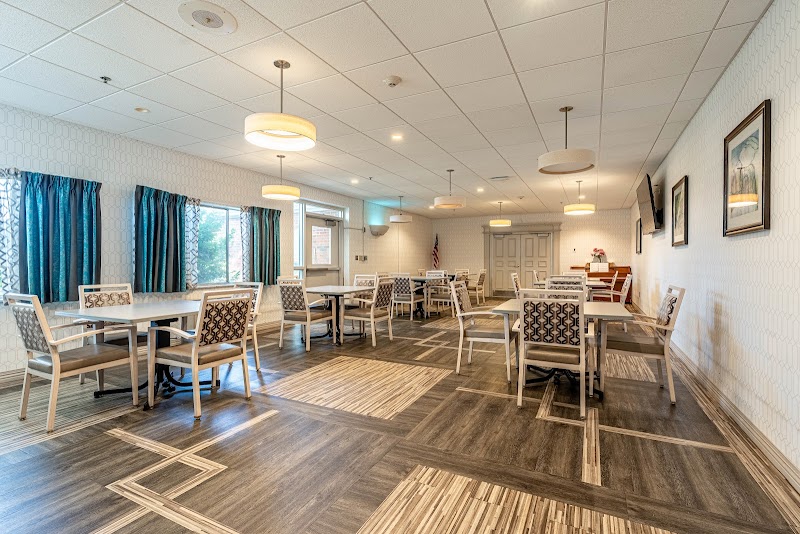
How is Citadel-Kankakee Staffed?

CMS rates CITADEL CARE CENTER-KANKAKEE's staffing level at 1 out of 5 stars, which is much below average compared to other nursing homes. Staff turnover is 42%, compared to the Illinois average of 46%. This relatively stable workforce can support continuity of care.

What Have Inspectors Found at Citadel-Kankakee?

State health inspectors documented 23 deficiencies at CITADEL CARE CENTER-KANKAKEE during 2023 to 2024. These included: 1 that caused actual resident harm and 22 with potential for harm. Deficiencies causing actual harm indicate documented cases where residents experienced negative health consequences.
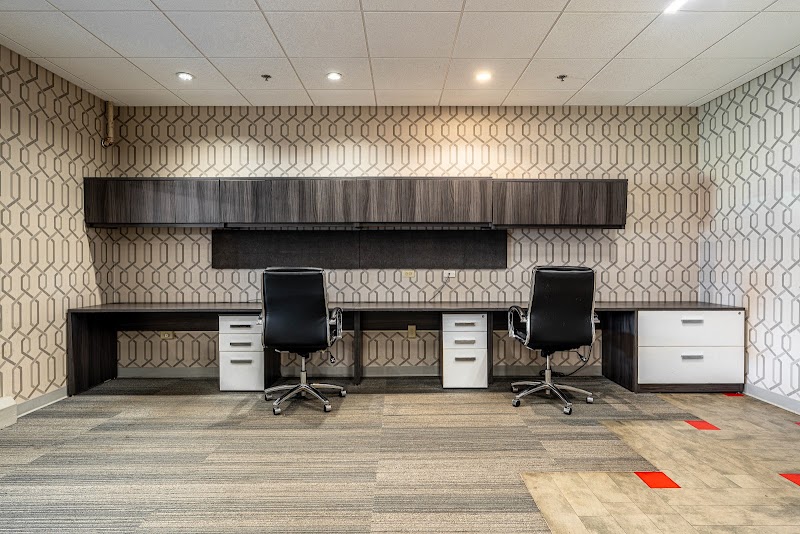
Who Owns and Operates Citadel-Kankakee?

CITADEL CARE CENTER-KANKAKEE is owned by a for-profit company. For-profit facilities operate as businesses with obligations to shareholders or private owners. The facility is operated by CITADEL HEALTHCARE, a chain that manages multiple nursing homes. With 107 certified beds and approximately 90 residents (about 84% occupancy), it is a mid-sized facility located in KANKAKEE, Illinois.
How Does Citadel-Kankakee Compare to Other Illinois Nursing Homes?

Compared to the 100 nursing homes in Illinois, CITADEL CARE CENTER-KANKAKEE's overall rating (2 stars) is below the state average of 2.5, staff turnover (42%) is near the state average of 46%, and health inspection rating (4 stars) is above the national benchmark.

What Should Families Ask When Visiting Citadel-Kankakee?

Based on this facility's data, families visiting should ask: "Can you walk me through typical staffing levels on day, evening, and night shifts?" "Can I visit during a mealtime to observe dining assistance and food quality?" "How do you handle medical emergencies, and what is your hospital transfer rate?" "Can I speak with family members of current residents about their experience?" These questions are particularly relevant given the below-average staffing rating.

Is Citadel-Kankakee Safe?

Based on CMS inspection data, CITADEL CARE CENTER-KANKAKEE has a clean safety record: no substantiated abuse findings (meaning no confirmed cases of resident harm), no Immediate Jeopardy citations (the most serious violation level indicating risk of serious injury or death), and is not on the Special Focus Facility watch list (a federal program monitoring the lowest-performing 1% of nursing homes). The facility has a 2-star overall rating and ranks #100 of 100 nursing homes in Illinois. While no facility is perfect, families should still ask about staff-to-resident ratios and recent inspection results during their visit.

Do Nurses at Citadel-Kankakee Stick Around?

CITADEL CARE CENTER-KANKAKEE has a staff turnover rate of 42%, which is about average for Illinois nursing homes (state average: 46%). Moderate turnover is common in nursing homes, but families should still ask about staff tenure and how the facility maintains care continuity when employees leave.

Was Citadel-Kankakee Ever Fined?

CITADEL CARE CENTER-KANKAKEE has no federal fines on record. CMS issues fines when nursing homes fail to meet care standards or don't correct problems found during inspections. The absence of fines suggests the facility has either maintained compliance or corrected any issues before penalties were assessed. This is a positive indicator, though families should still review recent inspection reports for the full picture.

Is Citadel-Kankakee on Any Federal Watch List?

CITADEL CARE CENTER-KANKAKEE is not on any federal watch list. The most significant is the Special Focus Facility (SFF) program, which identifies the bottom 1% of nursing homes nationally based on persistent, serious quality problems. Not being on this list means the facility has avoided the pattern of deficiencies that triggers enhanced federal oversight. This is a positive indicator, though families should still review the facility's inspection history directly.