GROVE OF LAGRANGE PARK, THE

701 NORTH LAGRANGE ROAD, LA GRANGE PARK, IL 60526 (708) 354-7300
For profit - Corporation 131 Beds LEGACY HEALTHCARE Data: November 2025
Trust Grade
55/100
#244 of 665 in IL
Last Inspection: September 2024

Within standard 12-15 month inspection cycle. Federal law requires annual inspections.

Overview

Grove of LaGrange Park has a Trust Grade of C, which means it is average and in the middle of the pack among nursing homes. It ranks #244 out of 665 facilities in Illinois, placing it in the top half, and #78 out of 201 in Cook County, indicating there is only one local option better. The facility is improving, with the number of issues decreasing from 13 in 2023 to 9 in 2024. Staffing is rated as average, with a 3/5 star rating and a turnover rate of 46%, which matches the state average. Notably, the facility has no fines on record, which is a positive sign, and it provides more RN coverage than 88% of Illinois facilities, ensuring that registered nurses are available to catch potential issues. However, there are some concerns. A serious incident was reported where the facility failed to implement pressure ulcer prevention measures, leading to the development of severe pressure ulcers in multiple residents. Additionally, there were issues with food safety, including improper sanitization of dishwashing equipment and unsanitary storage practices for food scoops, which could affect all residents. While there are strengths in RN coverage and the absence of fines, families should weigh these against the identified weaknesses in care practices.

Trust Score
C
55/100
In Illinois
#244/665
Top 36%
Safety Record
Moderate
Needs review
Inspections
Getting Better
13 → 9 violations
Staff Stability
⚠ Watch
46% turnover. Above average. Higher turnover means staff may not know residents' routines.
Penalties
✓ Good
No fines on record. Clean compliance history, better than most Illinois facilities.
Skilled Nurses
✓ Good
Each resident gets 59 minutes of Registered Nurse (RN) attention daily — more than average for Illinois. RNs are trained to catch health problems early.
Violations
⚠ Watch
27 deficiencies on record. Higher than average. Multiple issues found across inspections.
★★★☆☆
3.0
Overall Rating
★★★☆☆
3.0
Staff Levels
★★★☆☆
3.0
Care Quality
★★★☆☆
3.0
Inspection Score
Stable
2023: 13 issues
2024: 9 issues

The Good

  • Full Sprinkler Coverage · Fire safety systems throughout facility
  • No fines on record

Facility shows strength in fire safety.

The Bad

3-Star Overall Rating

Near Illinois average (2.5)

Meets federal standards, typical of most facilities

Staff Turnover: 46%

Near Illinois avg (46%)

Higher turnover may affect care consistency

Chain: LEGACY HEALTHCARE

Part of a multi-facility chain

Ask about local staffing decisions and management

The Ugly 27 deficiencies on record

1 actual harm
Nov 2024 1 deficiency
CONCERN (D) 📢 Someone Reported This

A family member, employee, or ombudsman was alarmed enough to file a formal complaint

Potential for Harm - no one hurt, but risky conditions existed

ADL Care (Tag F0677)

Could have caused harm · This affected 1 resident

Based on observation, interview, and record review the facility failed to provide nail care for 2 of 3 residents (R2, R3) reviewed for activities of daily living in the sample of 5. The findings inclu...

Read full inspector narrative →
Based on observation, interview, and record review the facility failed to provide nail care for 2 of 3 residents (R2, R3) reviewed for activities of daily living in the sample of 5. The findings include: 1. On 11/2/24 at 10:29 AM, R2 was lying on her back in bed with a hospital type gown on. R2's hands were contracted; the left hand was contracted more than the right. R2's fingernails were long and appeared dirty with something under the nails. R2 stated she would like her nails cut because she likes them short. R2 stated she had a stroke and her left hand doesn't open on its own. R2 stated she can't cut her nails herself. On 11/2/24 at 11:31 AM, V7 (Licensed Practical Nurse, LPN) stated the restorative CNA (Certified Nursing Assistant) or CNAs cut residents nails. The nurse cuts residents nails and toenails of residents that are diabetic. V7 stated residents can be seen by a podiatrist depending on their insurance. The nurse will send a request to social services, they will check the insurance and then add the resident to the podiatry list to be seen. On 11/2/24 at 2:39 PM, V2 (Director of Nursing, DON) stated nail care is done at the time of the resident showers. V2 stated there is no documentation to show that nail care is provided; they just know that it is done. On 11/2/24 at 3:07 PM, V9 (CNA) stated residents get showers three times per week. V9 stated on shower days the CNA providing the resident's shower will trim their nails. V9 stated the CNAs don't cut residents toenails. The Face Sheet dated 11/2/24 for R2 showed diagnoses including hemiplegia and hemiparesis of left side, anemia, protein-calorie malnutrition, insomnia, cerebral infarction, subarachnoid hemorrhage, orthostatic hypotension, and acute kidney failure. The Care Plan dated 8/26/24 for R2 showed, R2 has an ADL (activities of daily living) self care performance deficit and impaired mobility related to history of fall, orthostatic hypotension, cerebral infarction, muscle wasting and atrophy, abnormalities of gait and mobility, lack of coordination, insomnia, hemiplegia affecting left dominant side. Personal hygiene/oral care: R2 requires extensive assist of 1 staff with personal hygiene and oral care. R2's care plan also showed Bathing: I would like staff to check nail length and trim and clean on bath day and as necessary. Please report any changes to the nurse. 2. On 11/2/24 at 11:01 AM, R3 was lying on his side in bed with his legs hanging over the side of the bed. R3's fingernails were long and appeared dirty. R3's toenails were long and he had flaky dry skin to his feet. V5 (R3's POA, power of attorney) was at bedside and stated that he told the facility staff 2-3 days ago that R3 needed his nails cut and still has not been done. V6 (R3's family member) stated they were told that the facility doesn't trim/cut toenails and he needs it done. On 11/2/24 at 11:51 AM, V8 (RN, registered Nurse) stated nail care is done with the resident's showers. V8 stated CNA will tell the nurse if the resident refuses and the nurse will do the nail care. V8 stated if the resident is diabetic the nurse does the nail care. On 11/2/24 at 3:23 PM, V10 (CNA) stated everyone does nail care for residents. The nail care is done on showers days and can be done as needed. V10 stated most people don't chart that nail care has been done but can type a note in point of care that it was done. The Face Sheet dated 11/2/24 for R3 showed diagnoses including chronic obstructive pulmonary disease, pneumonia, hypoxemia, anxiety disorder, type 2 diabetes mellitus, protein calorie malnutrition, hypertension, paroxysmal atrial fibrillation, chronic respiratory failure, low back pain, dysphagia, solitary pulmonary nodule, congestive heart failure, mitral and aortic valve insufficiency, and atherosclerotic heart disease. The Care Plan dated 9/19/24 for R3 showed, R3 has an ADL self care performance deficit and impaired mobility related to chronic obstructive pulmonary disease, chronic respiratory failure, diabetes mellitus, hypertension, low back pain. R3's care plan also showed Bathing: I would like staff to check nail length and trim and clean on bath day and as necessary. Please report any changes to the nurse. The facility's Nail Care policy (8/1/24) showed, The purpose of this procedure are to clean the nail bed, keep nails trimmed, and prevent infections. Nursing staff shall check the residents for nail care which includes cleaning and regular trimming. Proper nail care can aid in prevention of skin problems around the nail bed. Unless otherwise permitted, do not trim the nails of diabetic residents or residents with circulatory impairments. Refer to podiatrist for further interventions as indicated. Refer to podiatrist for podiatric care and trimming of toenails. Document procedure.
Sept 2024 7 deficiencies
CONCERN (D)

Potential for Harm - no one hurt, but risky conditions existed

Deficiency F0645 (Tag F0645)

Could have caused harm · This affected 1 resident

**NOTE- TERMS IN BRACKETS HAVE BEEN EDITED TO PROTECT CONFIDENTIALITY** Based on observation, interview and record review, the facility failed to request a re-evaluation for a PASARR II (Pre-admission...

Read full inspector narrative →
**NOTE- TERMS IN BRACKETS HAVE BEEN EDITED TO PROTECT CONFIDENTIALITY** Based on observation, interview and record review, the facility failed to request a re-evaluation for a PASARR II (Pre-admission Screening and Resident Review) screening for a resident with an SMI (serious mental illness) diagnosis within the required timeframe. This applies to 1 of 1 resident (R96) reviewed for PASARR in the sample of 24. The findings include: R96's EMR (Electronic Medical Record) showed R96 was admitted to the facility on [DATE] with diagnoses that included bipolar disorder and major depressive disorder. R96's MDS (Minimum Data Set) dated July 16, 2024 showed R96 had severe cognitive impairment. R96's care plan showed R96's bipolar diagnosis and signs and symptoms of depression caused the resident to have little interest in doing activities and has a self care performance deficit for ADLs (activities of daily living). R96's PASARR Level I was done on May 14, 2024. The PASARR I rationale showed a 60 day convalescent care approval - A 60 day or less stay in the nursing facility was authorized. Re-screening must occur by or before the 60th day if the individual is expected to remain in the NF (nursing facility) beyond the authorization on timeframe. R96 was due for a re-screen on July 15, 2024, making his re-evaluation seven weeks overdue. On September 4, 2024, at 9:02 AM, V1 (Administrator) provided a copy of PASARR I when she was asked about a PASARR II, V1 said the PASARR I did not indicate R96 needed a PASARR II. V1 said V14 (Admissions Director) is responsible for PASARRs. On September 4, 2024, at 11:07 AM, V14 (admission Director) said when a resident is being admitted from the local hospital, she will log into (Electroninc web-based platform) system for the (Service Company) report PASARR (Preadmission Screening and Resident Review). V14 said she will review and upload the report into the EMR (Electronic Medical Record). Sometimes it will say the resident needs a PASARR II and sometimes it will say they do not have to have a PASARR II. If it says it is approved for 30 days or 60 days, it is because the resident is coming here for short term rehab and they may not need to have the PASARR II done. If the resident needs to stay in the facility longer than either the 30 days or 60 days on the PASARR I, then we need to do a PASARR II. Facility provided their policy titled, PASARR Screening of Residents with Mental Disorders or Intellectual Disability with a revision date of August 16, 2024, showed, Policy is to ensure residents with a Mental Disorder and those with Intellectual Disorder will receive a PASARR Screening within the timeframe allowed.
CONCERN (D)

Potential for Harm - no one hurt, but risky conditions existed

Accident Prevention (Tag F0689)

Could have caused harm · This affected 1 resident

**NOTE- TERMS IN BRACKETS HAVE BEEN EDITED TO PROTECT CONFIDENTIALITY** Based on observation, interview and record review, the facility failed to provide staff supervision during meal times to a resid...

Read full inspector narrative →
**NOTE- TERMS IN BRACKETS HAVE BEEN EDITED TO PROTECT CONFIDENTIALITY** Based on observation, interview and record review, the facility failed to provide staff supervision during meal times to a resident with difficulty swallowing and staff failed to use a gait belt/transfer belt when assisting and transferring a resident. This applies to 2 of 4 residents (R75 and R98) reviewed for accidents and supervision in the sample of 24. The findings include: 1. R98's EMR (Electronic Medical Record) showed the resident was admitted to the facility on [DATE] with diagnoses that included cerebral infarction due to embolism of unspecified cerebral artery and dysphagia (difficulty swallowing). R98's MDS (minimum data set) showed the resident had severe cognitive impairment and required set-up assistance with meals. R98's care plan showed that the resident was at risk for choking or aspiration of food or liquid related to his diagnoses of cerebral vascular accident and dysphagia. R98 was also edentulous. The interventions the facility put in place included to instruct R98 to eat in an upright position, to eat slowly, chew each bite thoroughly, monitor for shortness of breath, labored respirations, or lung congestion. Staff are to observe R98 during mealtimes for signs and symptoms of aspiration such as coughing and throat clearing. R98's POS (physician order sheet) showed an order for mechanical soft texture diet with thin liquids. R98's hospital record for a nutritional assessment dated [DATE] showed the resident had chewing problems and dysphagia. Interventions included mechanical soft diet, aspiration precautions, and 1:1 feeding assistance. R98's Speech Therapy admission evaluation done on August 5, 2024 showed oral phase moderately impaired caused by prolonged mastication, increased transit time, and mild oral residue post-swallow. No pharyngeal symptoms observed; however, due to impaired oral phase [R98] is at risk of aspiration of non-masticated boluses. On September 3, 2024, at 11:55 PM, R98 was in the dining room eating lunch. R98 had mechanical soft chicken, macaroni and cheese, and spinach. Dietary staff were all the way across the dining room closest to the door where staff would come grab room trays to take to the residents in their rooms. Staff were coming and going and no one was monitoring or paying attention to the residents in the dining room. R98 started coughing and staff continued to come and go from the dining room. No one stopped to see if R98 was alright. Surveyor went to R98 and asked if he was ok, he was able to speak and said he's ok. R98 continued to cough. On September 4, 2024, at 12:00 PM, R98 was in his bed with his lunch tray in front of him on his over the bed tray table. R98 was sitting with the head of bed at a 45 degree angle. R98 started coughing after putting food into his mouth. No staff was in the room with R98. Surveyor asked R98 if he would like to sit up higher in the bed and he shook his head yes. He was eating a ground hamburger steak with mushroom gravy, pureed cream corn, pureed white rice, and orange sherbet. He was drinking juice. At 12:07 PM Surveyor went and asked V15 (Registered Nurse) to get some help to sit R98 up higher in the bed. V15 and V16 (Certified Nursing Assistant) went to R98's room and together they pulled R98 up in the bed and raised the head of the bed up so that he was sitting at a 90 degree angle. V15 said R98 should be sitting upright (90 degrees) to prevent aspiration. He has aspiration precautions in place. V15 asked V16 to watch R98 until he was done eating. On September 5, 2024 at 3:37 PM, V2 (Director of Nursing) said the residents in the dining rooms are to be monitored at all times for choking. On September 5, 2024, at 9:25 AM, V18 (Speech Therapist) said when R98 came to this facility she reviewed his chart and noted that R98 was on a mechanical soft diet. V18 said she observed R98 eating his mechanical soft diet with thin liquids and he tolerated it well. V18 said R98 had a stroke and he has dysphagia so he requires general aspiration precautions which include sitting upright and taking small bites at a time. V18 said she observed him this morning and he was in bed reclined at about a 45 degree angle. V18 said she had him attempt to eat regular solid food and he did cough, but cleared after he was offered some liquid to drink. V18 said that R98 should not be in a reclining position when eating and staff should be aware of that. 2. R75 had multiple diagnoses including hemiplegia and hemiparesis following cerebral infarction affecting left dominant side and dementia without behavioral disturbance, based on the face sheet. R75's significant change status MDS dated [DATE] showed that the resident was severely impaired with cognition. The MDS showed that R75 required moderate assistance from the staff with toileting hygiene, lower body dressing and from sitting to standing position. The same MDS showed that R75's ability to toilet transfer, including getting on and off a toilet or commode was not attempted due to medical condition or safety concerns. On September 3, 2024 at 12:25 PM, R75 was observed sitting on the toilet while V17 (Certified Nursing Assistant) was by the bathroom door. After R75 finished using the toilet, V17 held on to R75's left arm and asked the resident to stand and hold on to the grab bar that was attached on the wall, located on the right side of the resident, to clean R75's back area. R75 stood up and attempted to hold on to the grab bar using only his right hand. R75 was confused and V17 had to give the resident several instructions to hold on to the grab bar with both hands. When R75 was finally able to stand while holding on to the grab bar with both hands, V17 started cleaning R75's buttocks. While R75 was standing and V17 was cleaning the resident, R75's legs were observed to be slightly bent from the knee and his legs were slightly shaking. After V17 had cleaned R75, V17 assisted the resident to transfer and sit on his wheelchair. During the observation no gait belt or transfer belt was observed being used to assist R75, to stand and to transfer. After the procedure, V17 was asked if she has a gait belt/transfer belt with her and if she used it to transfer R75 from his wheelchair to the toilet. V17 responded that she does not have a gait belt/transfer belt with her and that she did not use a gait belt/transfer belt to transfer R75. V17 acknowledged that a gait belt/transfer belt will be useful to transfer and assist R75 to prevent fall incident and for resident's safety. R75's medical records showed that the resident had a history of fall with injury, when he stood up from his wheelchair, attempted to walk and lost his balance. R75's active fall care plan initiated on February 10, 2024 showed that the resident was at risk for fall related to recent fall, cardiovascular accident, unsteady gait and psychotic disturbance. On September 4, 2024 at 11:33 AM, V2 (Director of Nursing) stated that a gait belt/transfer belt should always be used when manually assisting a resident to transfer from bed to wheelchair and back, from wheelchair to toilet and vice-versa. V2 added that a gait belt/transfer belt should always be used when assisting any resident to stand, pivot and while a resident is standing even if the resident is holding on a grab bar, to ensure resident's safety and to prevent accidents including fall. The facility's gait belt policy and procedure last revised by the facility on July 26, 2024 showed. The facility will use gait or transfer belts to assist residents needing limited to total assistance during transfers and walking.
CONCERN (E)

Potential for Harm - no one hurt, but risky conditions existed

ADL Care (Tag F0677)

Could have caused harm · This affected multiple residents

**NOTE- TERMS IN BRACKETS HAVE BEEN EDITED TO PROTECT CONFIDENTIALITY** 7. R259's EMR (Electronic Medical Records) showed that she was admitted on [DATE] with diagnoses including Parkinson's disease w...

Read full inspector narrative →
**NOTE- TERMS IN BRACKETS HAVE BEEN EDITED TO PROTECT CONFIDENTIALITY** 7. R259's EMR (Electronic Medical Records) showed that she was admitted on [DATE] with diagnoses including Parkinson's disease with dyskinesia, without mention of fluctuations, essential tremor, anxiety disorder, unspecified. Physician progress notes dated September 2, 2024 included that R259 has mobility and ADL dysfunction secondary to sepsis, acute kidney injury, hypernatremia, hypokalemia. The same progress notes documented that R259 needs assistance with personal care. On September 3, 2024 at 11:42 AM, R259 was seated in her bed in a hospital gown. R259 was noted to have very long nails with some of them jagged and with blackish and brownish substances caked underneath most of the nail beds. R259 was alert and oriented and able to communicate needs. R259 stated I came here 4 days ago. Regarding the nails, R259 stated They can be shortened and cleaned. I don't know if they will do it for me. This information was relayed V8 (Registered Nurse). R259's interim care plan initiated August 30, 2024 included that R259 requires assistance with ADL's including personal hygiene. 6. Face sheet shows R30 is [AGE] years old who has multiple medical diagnoses which include Alzheimer's disease and hemiplegia and hemiparesis following cerebral infarction affecting right dominant side. R30's MDS shows that R30 requires assistance with hygiene and grooming. On September 4, 2024, at 11:35 AM, R30 was resting in bed, alert and oriented, she was able to verbalize her needs. R30 displayed overgrown hair in the chin which was thick and curly, and she has long fingernails with black/brown substances underneath the nails. R30 stated she knows she needs shaving and her nails to be clipped and she wants it done. R30's active ADL care plan shows; R30 have an ADL self-care performance deficit and impaired mobility related to recent fall, encephalopathy, unsteady gait. The same care plan shows multiple interventions which include R30 requiring extensive assistance with personal hygiene care. Based on observation, interview and record review, the facility failed to assist residents identified as needing assistance with personal hygiene and grooming. This applies to 7 of 7 residents (R19, R26, R30, R57, R71, R97 and R259) reviewed for ADLs (activities of daily living) in the sample of 24. The findings include: 1. R19 had multiple diagnoses including hemiplegia affecting left nondominant side, based on the face sheet. R19's quarterly MDS (minimum data set) dated August 17, 2024 showed that the resident was moderately impaired with cognition and required assistance from the staff with personal hygiene. On September 3, 2024 at 10:45 AM, R19 sitting in her bed, alert and verbally responsive. R19 had left sided weakness and was not able to open or extend the fingers on her left hand. R19 can only open and extend her right thumb and index finger while the rest of her right fingers were contracted. R19's fingernails were long, jagged and with black substances underneath the nails. The long fingernails on R19's left hand were touching the palm area. R19 stated that she wanted the staff to trim and clean her fingernails. On September 4, 2024 at 11:48 AM, R19's fingernails were long, jagged and with black substances underneath the nails. R19 was not able to open or extend the fingers on her left hand. The long fingernails on R19's left hand were touching the palm area. R19 stated that she wanted the staff to trim and clean her fingernails. V2 (Director of Nursing) was present during the observation and stated that R19 cannot trim and/or clean her own fingernails. According to V2, R19 needs the assistance of the staff with ADLs including cleaning and trimming of fingernails. R19's active care plan initiated on May 16, 2023 showed that the resident have ADL self-care performance deficit. The same care plan showed multiple interventions including extensive assistance from the staff with personal hygiene. 2. R26 had multiple diagnoses including sudden visual loss of the left eye and dementia without behavioral disturbance, based on the face sheet. R26's quarterly MDS dated [DATE] showed that the resident was severely impaired with cognition and required assistance from the staff with personal hygiene. On September 3, 2024 at 12:19 PM, R26 was sitting in her wheelchair inside the unit dining room with other residents and staff. R26 was alert and verbally responsive. R26 had accumulation of long, curling chin hair and she was observed playing/pulling it. R26 stated, I am hoping for the staff to shave me. On September 4, 2024 at 11:57 AM, R26 was in bed, alert and verbally responsive. R26 had accumulation of long, curling chin hair. In the presence of V2, R26 stated that she wanted the staff to shave her chin hair. According to V2, R26 needs the staff assistance with shaving. R26's active care plan initiated on February 1, 2024 showed that the resident have an ADL self-care performance deficit. The same care plan showed multiple interventions including maximum assistance from the staff with personal hygiene. 3. R57 had multiple diagnoses including vascular dementia with other behavioral disturbance, based on the face sheet. R57's MDS dated [DATE] showed that the resident was moderately impaired with cognition and required assistance from the staff with personal hygiene. On September 3, 2024 at 12:02 PM, R57 was sitting in his wheelchair at the hallway outside his room. R57 had accumulation of long facial hair. R57 stated that he needs the assistance of the staff to shave. On September 4, 2024 at 11:52, R57 was inside the unit dining room. R57 had accumulation of long facial hair. V2 was present during the observation and stated that R57's facial were long and that the resident needed the assistance of the staff to shave. R57's active care plan initiated on May 30, 2024 showed that the resident had ADL self-care performance deficit. The same care plan showed interventions including extensive assistance from the staff with personal hygiene. 4. R71 had multiple diagnoses including dementia with other behavioral disturbance and dementia with psychotic disturbance, based on the face sheet. R71's quarterly MDS dated [DATE] showed that the resident was moderately impaired with cognition and required maximum assistance from the staff with dressing and personal hygiene. On September 3, 2024 at 12:13 PM, R71 was sitting in his wheelchair inside the unit dining room with other residents. R71 was alert and verbally responsive. R71 had accumulation of long facial hair and his gray shirt had lots of dried white flaky substances on the neck, shoulder, back and chest area. R71 stated that he wanted the staff to change his shirt and to shave him. V8 (Registered Nurse) was present during the observation. According to V8, R71 needs the staff assistance to shave and change his clothing. R71's active care plan initiated on January 10, 2023 showed that the resident have an ADL self-care performance deficit. The same care plan showed multiple interventions including extensive assistance from the staff with personal hygiene. 5. R97 had multiple diagnoses including cerebral infarction due to unspecified occlusion or stenosis of the left posterior cerebral artery, metabolic encephalopathy and type 2 diabetes mellitus, based on the face sheet. R97's admission MDS dated [DATE] showed that the resident was severely impaired with cognition and required assistance from the staff with personal hygiene. On September 3, 2024 at 11:03 AM, R97 was sitting by the side of her bed. R97 was alert and verbally responsive. R97's fingernails were long, jagged with black substances underneath the nails. According to R97, it has been a long time since her fingernails were trimmed and cleaned and she wanted the staff to do it. On September 4, 2024 at 11:54 AM, R97's fingernails were long, jagged with black substances underneath the nails. R97 stated that she wanted the staff to at least file and clean her fingernails. V2 was present during the observation and stated that R97 needs the staff assistance to trim or file and clean her fingernails. R97's active care plan initiated on May 28, 2024 showed that the resident have an ADL self-care performance deficit. The same care plan showed multiple interventions including extensive assistance from the staff with personal hygiene. On September 4, 2024 at 12:00 PM, V2 (Director of Nursing) stated that providing ADL assistance to resident's including shaving/removing of unwanted facial hair and trimming and cleaning of fingernails are part of the facility's nursing care and service to ensure that the resident's personal hygiene and grooming are maintained.
CONCERN (E)

Potential for Harm - no one hurt, but risky conditions existed

Incontinence Care (Tag F0690)

Could have caused harm · This affected multiple residents

Based on observation, interview, and record review, the facility failed to provide perineum and indwelling urinary catheter care in a manner that would prevent urinary tract infection. This applies t...

Read full inspector narrative →
Based on observation, interview, and record review, the facility failed to provide perineum and indwelling urinary catheter care in a manner that would prevent urinary tract infection. This applies to 4 of 6 residents (R15, R30, R65, R85) reviewed for perineum and urinary catheter care in the sample of 24. The findings include: 1. On September 4, 2024 at 9:45 AM, R85 was resting in bed, she has an indwelling urinary catheter. V4 and V5 (Both Certified Nursing Assistant/CNA) rendered incontinence care to R85 who had a bowel movement. V4 cleaned R85 from front to back of the perineum, however, V4 did not separate labia to clean the inner corners and the catheter right outside the urethra. 2. On September 4, 2024 at 11:39 AM, V6 (CNA) rendered incontinence care to R30 who was heavily saturated with urine and had a bowel movement. There was a strong urine odor coming from resident's bedroom. V6 used a wet washcloth to clean R30's perineum and wiped it in an up and down stroke on the outer labia. V6 did not open the labia to clean the inner corners, the urethra, and the inner groins. 3. On September 4, 2024 around 2:15 PM, V6 rendered incontinence care to R15 who was wet with urine. V6 used a wet washcloth to wipe the outer labia in an up and down stroke. V6 took another washcloth to clean the labia and wipe it again in an upward stroke. V6 did not separate the labia to clean the inner corners, and the inner groins. 4. On September 5, 2024, at 1:26 PM, V19 (Restorative CNA) rendered peri-care to R65 who had a bowel movement. R65 has a suprapubic catheter. R65 has redness all over the front and back perineum. Used a washcloth to clean V19's perineum from front to back. However, V19 did not clean the left side of the abdominal fold, penis, scrotum, and the inner folds of his groins. On September 5, 2024, at 1:51 PM, V3 (Assistant Director of Nursing) stated that when providing peri-care, the staff must clean the full perineum from front to back, which includes the folds of the genitals, pubic area, abdomen, and groins. If it is a female resident the staff should separate the labia to clean the inner corners of this area. If it is a male, this includes the penis and scrotum. This is needed to be done to prevent infection. Facility's Incontinent and Perineal Care Policy and Procedure with revised date of 7/31/24 shows: It is the policy of the facility to provide perineal care to ensure cleanliness and comfort to the resident, to prevent infection and skin irritation, and to observe the resident's skin condition.
CONCERN (E)

Potential for Harm - no one hurt, but risky conditions existed

Deficiency F0805 (Tag F0805)

Could have caused harm · This affected multiple residents

Based on observation, interview and record review, the facility failed to prepare pureed consistency hamburger beef steaks to residents on pureed diet. This applies 6 of 6 residents (R1, R4, R24, R25,...

Read full inspector narrative →
Based on observation, interview and record review, the facility failed to prepare pureed consistency hamburger beef steaks to residents on pureed diet. This applies 6 of 6 residents (R1, R4, R24, R25, R50, R319) reviewed for pureed diets in the sample of 24. The findings include: On September 04, 2024 at 10:01 AM, during pureed meal preparation of pureed hamburger steak in the facility kitchen, V13 (Cook) stated that he is preparing for 6 residents. V13 measured six portions (about 3 oz/portion) of cooked hamburger beef steaks into the blender and added about 1 oz of beef broth and blended the product. The final product appeared granular and V13 transferred the pureed mixture into a container and stated that he is going to reheat the mixture prior to service. When the pureed meat was taste tested, there was granules of meat and fat that had to be chewed. V10 (Regional Director of Operations), who was in the vicinity was notified that the product was not safe to serve with current granular consistency. V10 also taste tested the pureed meat and agreed that its granular and instructed V13 to blend it again with an extra ounce of fluid. When blended again, the final product was smooth without any granules. On September 04, 2024 at 10:29 AM, V10 stated that the pureed consistency should be very smooth on the tongue with no textures detected and should not have any grinds. Facility policy titled Pureed included as follows: Description: This diet consists of pureed, homogeneous, and cohesive foods. Food should be pudding-like No coarse textures . Any foods that require bolus formation, controlled manipulation, or mastication are excluded. Facility diet order report showed that R1, R4, R24, R25, R50 and R319 were on pureed consistency diets.
CONCERN (E)

Potential for Harm - no one hurt, but risky conditions existed

Infection Control (Tag F0880)

Could have caused harm · This affected multiple residents

Based on observation, interview, and record review, the facility failed to follow standard infection control practices during provisions of incontinence and catheter care related to hand hygiene and g...

Read full inspector narrative →
Based on observation, interview, and record review, the facility failed to follow standard infection control practices during provisions of incontinence and catheter care related to hand hygiene and gloving. The facility also failed to sanitize glucometer machine during blood glucose monitoring. This applies to 6 of 24 residents (R9, R15, R30, R65, R85, R105) reviewed for infection control in the sample of 24. The findings include: 1. On September 4, 2024, at 9:45 AM, V4 and V5 (Both Certified Nursing Assistant/CNA) rendered incontinence care to R85 who had a bowel movement. V4 cleaned from front to back, applied incontinence brief, help straightened R85's clothing, and help with repositioning, while wearing same gloves, and did not perform hand hygiene in between tasks. 2. On September 4, 2024, between 11:22 AM to 11:30 AM, V7 (Nurse) checked R9 and R105's blood glucose level. V7 did not sanitized the glucometer machine prior to usage, and in between use of R9 and R105. After V7 used the glucometer, he placed it back in the medication cart without cleaning or sanitizing it. 3. On September 4, 2024, at 11:39 AM, V6 (CNA) rendered incontinence care to R30 who was heavily saturated with urine and had a bowel movement. V6 cleaned R30 from front to back of the perineum, while wearing same gloves she touched the curtain, then she continued to clean the buttocks. V6 removed her gloves and without hand hygiene, went to get more wet washcloths. V6 came back, donned new set of gloves and continued to clean the rectal and buttocks area of R30. After she completed the peri-care, V6 placed a new incontinence brief and put a set of clean pants on R30 and helped reposition R30 while wearing same soiled gloves. 4. On September 4, 2024, around 2:15 PM, V4 and V6 (Both CNA) rendered incontinence care to R15 who was wet with urine. V6 cleaned R15's perineum from front to back, applied new incontinence brief, helped assisted with R15's repositioning, and covered R15 with clean blanket while wearing same soiled gloves. 5. On September 5, 2024, at 1:26 PM, V19 (Restorative/CNA) rendered peri-care to R65 who had a bowel movement. V19 cleaned R65 from front to back of the perineum. V19 changed his gloves without hand hygiene, then he continued to clean R65's rectum and buttocks. While wearing the same gloves, V19 applied barrier cream to the back perineum, followed by placing a clean incontinence brief on R65. On September 5, 2024, at 1:48 PM, V3 (Assistant Director of Nursing) stated that staff must wash their hands prior to peri-care, don gloves, and proceed with the peri-care. The staff should change gloves and perform hand hygiene from dirty to clean tasks. In addition, V3 said, staff must sanitize the glucometer machine before and after use, and in between residents. These are to be done to prevent spread of infections. Facility's Hand Hygiene Policy and Procedure with a revision date of July 30, 2024, showed, Policy Statement: Hand hygiene is important in controlling infections. hand hygiene consists of either hand washing or the use of alcohol gel. The facility will comply with the CDC Guidelines regarding hand hygiene. The same policy showed in-part under procedures, 1. Hand Hygiene using alcohol-based hand rub is recommended during the following situations: . g. Before moving from work on soiled body site to a clean body site on the same resident, h. After contact with blood, body fluids, or surfaces contaminated with blood and body fluids, i. After removing gloves including during wound dressing change. Facility's Glucose Meter Cleaning Policy and Procedure with revision date of 7/30/24 shows: Policy Statement: To ensure safe, convenient, and proper cleaning and disinfection of Blood Glucose Meters in accordance with CDC guidelines and manufacturer's instructions to help prevent device exposure to blood borne pathogens. The same policy showed in-part under procedures, 4. Clean and disinfect glucose meter with EPA-approved disinfectant including Clorox Healthcare Bleach Germicidal Wipes/ Micro kill Wipes/ Microdot Wipes/ Avert Wipes before after each resident use. 6. Always clean and disinfect the glucose meter before storing it with other clean equipment.
CONCERN (F)

Potential for Harm - no one hurt, but risky conditions existed

Food Safety (Tag F0812)

Could have caused harm · This affected most or all residents

Based on observations, interview and record review, the facility failed to maintain sanitizer in dish machine during dish washing and failed to ensure that cold foods are stored properly per facility ...

Read full inspector narrative →
Based on observations, interview and record review, the facility failed to maintain sanitizer in dish machine during dish washing and failed to ensure that cold foods are stored properly per facility policy guidelines. This applies to 114 residents who receives meals prepared in the facility kitchen. The findings include: Facility provided information that the census on September 3, 2024 was 116 residents with 2 (two) residents on NPO (nothing by mouth) status. On September 03, 2024 at 9:49 AM, V11 (Dietary Aide) was washing dishes at the dirty side of the low temperature dish machine and stacking the dirty dishes on racks to pass through the dish machine. Some newly washed dishes that were placed on racks were seen on the clean side of the dish machine. On request, since V11's hands were soiled, V10 (Regional Director of Operations) tested the sanitizer well with a chlorine test strip and the test strip remained white color. V10 tested it again, and the test strip remained white color. V11 pointed to the sanitizer container on the floor which was connected to the dish machine, and which was nearly empty and stated that the test strip was probably not testing because the sanitizer is running low. When asked when she last tested the sanitizer, V11 stated that she usually tests it before starting the process of washing the dishes after breakfast and that she had tested the sanitizer at 9:00 AM. V11 stated that she does not test it again in between washing/sanitizing the breakfast dishes. V11 stated that she would test the sanitizer again before washing the lunch dishes as that is how it's marked on the log. The Low temperature Dish machine Sanitizer Log showed that on September 9, 2024 at 9:00 AM, the concentration (of sanitizer) was 100 ppm (parts per million). In the reach in freezer, spills of unknown substances were noted on bottom of a free-standing reach in freezer. There was a 3-gallon tub of strawberry flavored ice cream with a broken lid which was loosely placed over the tub and not closed properly. More than half of the ice cream in the container was used. V10 stated that the ice cream is served as a preference to residents that request for the same. V10 added that the ice cream container should have been closed properly. On September 04, 2024 at 10:21 AM, V12 (Dietary Aide) was at the dish machine washing dishes at the dirty side of the low temperature dish machine. At the clean side of the dish machine there were two racks of trays and one rack of cups that were just washed through the dish machine. V12 stated that she had already tested the sanitizer in the morning prior to washing the dishes and it tested okay. V12 was asked to test it again for verification and V12 hesitated and stated that the chlorine stopped coming out of the nozzle and that she will have to wait for it to come out. After 2-3 minutes of continuing to run the machine, V12 was asked again to test the sanitizer in the sanitizer well and when tested, the test strip showed white color. V10 came to the area and tinkered with the sanitizer container on the floor and the supply piping and V12 tested the sanitizer again and it showed a purple color registering between 50-100 ppm. V10 stated that she will notify the maintenance as the chlorine should be readily dispensing during sanitation process. V10 was notified that the earlier seen racks of washed dishes will have to be re-send through the dish machine to ensure that they are properly sanitized. Facility Policy titled Ware Washing (dated October 2019) included as follows: Policy Statement: It is the center policy that all dishware and service ware will be cleaned and sanitized after each use. The same policy showed, Low-Temperature Dish machine Sanitizer Log guidance (Dated May 29, 2024) included as follows: Chlorine concentration must be between 50-100 ppm. Facility policy titled Food Storage: Cold (dated October 2019) included as follows: Policy Statement: It is the center policy to insure all Time/Temperature Control for Safety (TCS), frozen and refrigerated food items, will be appropriately stored in accordance with guidelines of FDA (Food and Drug Administration) Food Code. The same policy showed, 5. The Dining Service Director/Cook(s) insures that all food items are stored properly in covered containers .
Mar 2024 1 deficiency
CONCERN (E) 📢 Someone Reported This

A family member, employee, or ombudsman was alarmed enough to file a formal complaint

Potential for Harm - no one hurt, but risky conditions existed

Accident Prevention (Tag F0689)

Could have caused harm · This affected multiple residents

**NOTE- TERMS IN BRACKETS HAVE BEEN EDITED TO PROTECT CONFIDENTIALITY** Based on observation, interview and record review the facility failed to implement fall interventions. This applies to 4 of 4 r...

Read full inspector narrative →
**NOTE- TERMS IN BRACKETS HAVE BEEN EDITED TO PROTECT CONFIDENTIALITY** Based on observation, interview and record review the facility failed to implement fall interventions. This applies to 4 of 4 residents R3, R4, R5 and R6 reviewed for falls in a sample of 7. Findings include: 1. R3 was admitted to the facility on [DATE] with diagnosis that include Chronic Obstructive Pulmonary Disease and Dementia. R3's MDS (Minimum Data Set) dated 1/17/24 documents a BIMS (Brief Interview for Mental Status) score of 1 indicating he is cognitively impaired. R3 had a documented unwitnessed fall on 2/7/24. R3's care plan was updated on 2/7/24 to include floor mats / floor pads at the bedside. On 3/26/24 at 10:40 AM, R3 was lying in bed. There was no fall mat on floor to the right side of R3's bed. On 3/26/24 at 11:01 AM, V5 C.N.A. (Certified Nursing Assistant) exited R3's room but did not place the fall mat on the right of R3's bed. V5 stated R3's fall interventions include a bed and chair alarm, fall mat to the floor on both sides of the bed, and bed rails. Surveyor informed V5 she did not place the fall mat back on the right side of R3's bed. 2. R4 was admitted to the facility on [DATE]. R4 has diagnosis that includes Chronic Kidney Disease, Visuospatial Deficit and Anxiety. R4's MDS dated [DATE] documents a BIMS score of 15 indicating she is cognitively intact. R4 last documented fall was 2/16/24. R4's care plan for falls dated 1/25/24 included the use a bed alarm. 3. R5 was admitted to the facility on [DATE] with diagnosis that includes Congestive Heart Failure, Dementia and Hypertension. R5's MDS dated [DATE] documents a BIMS score of 5 indicating she is cognitively impaired. R5's had a documented fall on 2/8/24. R5's care plan was updated on 2/8/24 to include a bed alarm. On 3/26/24 at 3:45 PM, V8 C.N.A. assigned to care for R4 and R5 stated she had floated to the unit and did not know what fall interventions were in place for R4 and R5. On 3/26/24 at 3:52 PM, V8 and another staff member assisted R4 to the toilet. There was no bed alarm on R4's bed. On 3/27/24 at 10:35 AM, R4 did not have a bed alarm on her bed. On 3/27/24 at 10:36 AM, V6 RN (Registered Nurse) stated R4 and R5 should have bed alarms in place as part of their fall interventions. V6 stated it is the responsibility of Nurses, Managers and C.N.As to assure fall precautions are in place. On 3/27/24 at 10:43 AM, V10 C.N.A. was brought to R5's bedside to check the bed alarm and noted it was off. V10 was then brought to R4's bedside to confirm there was no bed alarm. 4. R6 was admitted to the facility on [DATE] with diagnosis that include Chronic Obstructive Pulmonary Disease, Hemiplegia, and Ischemic Optic Neuropathy. R6's MDS dated [DATE] documents a BIMS score of 8 indicating a moderate cognitive impairment. R6's care plan dated 2/2/24 includes fall interventions that include the use of a bed alarm. On 3/28/24 at 12:06 AM, R6's bed alarm did not have a green light indicating it was on and activated. On 3/28/24 at 12:15 PM, V12 C.N.A / Admissions Director was in R6's room providing feeding assistance to another resident. V12 stated she wasn't sure how the alarm worked because the facility used different types of alarms. On 3/28/24 at 12:18 PM, V5 C.N.A. assigned to R6 transferred R6 from the bed to a wheelchair. The bed alarm did not alert. V5 then repositioned the pressure sensing pad attached to the bed alarm and placed R6 back on the bed. The bed alarm indicator light flashed green and beeped. V5 stated if the resident is not positioned properly on the pressure sensing pad the alarm will not set and staff will not be alerted if the resident attempts to get up. R6 then shifted off the pad the indicator light turned red and alarmed. On 3/27/24 at 11:22 AM, V2 DON (Director of Nursing) stated it is the responsibility of Nurses, C.N.A, Managers and Activities personnel to assure fall interventions are in place. No staff should be walking away from residents without assuring measures are in place and working properly. On 3/27/24 at 11:55 AM, V1 Administrator stated the restorative nurse determines what fall interventions should be implemented. Any staff that go in a resident's room should assure fall interventions are in place. They should not walk away without making sure fall alarms are working, mats are on the floor and interventions are in place. The Fall Occurrence policy dated 7/17/23 states it is the policy of the facility to ensure that residents are assessed for risk for falls, that interventions are put in place, and interventions are reevaluated and revised as necessary.
Oct 2023 1 deficiency
CONCERN (D) 📢 Someone Reported This

A family member, employee, or ombudsman was alarmed enough to file a formal complaint

Potential for Harm - no one hurt, but risky conditions existed

Notification of Changes (Tag F0580)

Could have caused harm · This affected 1 resident

**NOTE- TERMS IN BRACKETS HAVE BEEN EDITED TO PROTECT CONFIDENTIALITY** Based on interview and record review, the facility failed to follow their policy to immediately notify residents' families of a ...

Read full inspector narrative →
**NOTE- TERMS IN BRACKETS HAVE BEEN EDITED TO PROTECT CONFIDENTIALITY** Based on interview and record review, the facility failed to follow their policy to immediately notify residents' families of a change of condition. This applies to 2 of 3 residents (R1 and R2) reviewed for policy and procedure in the sample of 3. The findings include: 1. R1's EMR (Electronic Medical Record) showed R1 was admitted to the facility on [DATE], with multiple diagnoses including osteoarthritis, diabetes, chronic kidney disease, and a pressure ulcer of the sacral region. R1's MDS (Minimum Data Set) dated September 28, 2023, showed R1 had sever cognitive impairment and required extensive assistance from facility staff for bed mobility and transfers between surfaces. V7's (Wound Doctor) documentation dated June 28, 2023, at 8:27 AM, showed R1 had a sacral Stage 3 pressure ulcer and an unstageable pressure ulcer of the left buttock. The facility does not have documentation to show V8 (R1's Family) was notified of R1's pressure ulcers. V7's documentation dated August 30, 2023, at 8:46 AM, showed R1's sacral Stage 3 pressure ulcer, Wound progress: Exacerbated due to generalized decline of patient . The facility does not have documentation to show V8 was notified of R1's pressure ulcer exacerbation. V7's documentation dated September 13, 2023, at 8:35 AM, showed R1's sacral Stage 3 pressure ulcer, Wound progress: Exacerbated due to generalized decline of patient, patient non-compliant with wound care. The facility does not have documentation to show R1 was non-compliant with wound care. The facility does not have documentation to show V8 was notified of R1's pressure ulcer exacerbation or R1's non-compliance with wound care. V7's documentation dated October 18, 2023, at 8:27 AM, showed, Stage 3 Pressure Wound Sacrum .Dressing Treatment Plan, Add: skin substitute application, once weekly, do not remove or disturb the wound bed. Change the secondary dressing(s) with care as per recommendations. The skin substitute graft will be re-evaluated by the wound physician during the indicated next visit . The facility does not have documentation to show V8 was notified of R1's change in treatment of her Stage 3 pressure ulcer. The facility's Wound Report dated October 20. 2023 showed R1 had an active sacral Stage 3 pressure ulcer identified in the facility on June 28, 2023. On October 20, 2023, at 11:48 AM, V8 (R1's Family) said she was not notified of R1's pressure ulcer until R1's care plan meeting which took place about two weeks ago. V8 continued to say the facility informed her at the care plan meeting R1's pressure ulcer was present since July. V8 said nobody from the facility contacted V8 regarding R1's pressure ulcer. On October 20, 2023, 2:20 PM, V3 (Wound Care Coordinator) said she does not have documentation to show R1's family was notified when R1's pressure ulcers were identified. V3 said she should have notified R1's family when R1's wound deteriorated on August 30, 2023, and September 13, 2023. V3 continued to say V3 did not notify R1's family of the change in treatment of R1's sacral Stage 3 pressure ulcer. V3 said she should have notified R1's family of the change in treatment of R1's sacral Stage 3 pressure ulcer. On October 20, 2023, at 2:45 PM, V2 (DON/Director of Nursing) said a resident's family should be notified as soon as possible if a resident acquires a pressure ulcer while residing in the facility. V2 continued to say facility staff should be documenting in the EMR if a resident's family was notified or if an unsuccessful attempt was made to contact the family. V2 said if a resident's pressure ulcer is deteriorating, the resident's family should be notified. 2. R2's EMR showed R2 was admitted to the facility on [DATE], with multiple diagnoses including dementia, breast cancer, and stage 4 pressure ulcer of the left heel. R2's MDS dated [DATE], showed R2 had severe cognitive impairment. The MDS continued to show R2 was dependent on facility staff for toilet use, personal hygiene, bed mobility, and transfers. The facility's Wound Report dated October 20, 2023, showed R2 had a left heel Stage 4 pressure ulcer identified in the facility on August 3, 2023. The facility does not have documentation to show V9 (R2's Family) was immediately notified of R2's pressure ulcer. The facility's skin evaluation form was initiated by V3 on August 3, 2023 showed R2's family was notified of R2's pressure ulcer on August 7, 2023, four days after the wound was identified on August 3, 2023. On October 20, 2023, at 1:58 PM, V3 said she notified V8 of R2's left heel pressure ulcer four days after R2's pressure ulcer was identified. V3 continued to say she usually notifies families the day after the pressure ulcer is identified. On October 23, 2023, at 1:24 PM, V4 (ADON/Assistant Director of Nursing) said V3 is responsible for notifying resident families of newly identified pressure ulcers. V4 continued to say a resident's family should be notified as soon as possible or at lease within 24 hours. V4 said the notification of the family should be documented in the EMR. The facility's policy titled, Skin Care Treatment Regimen dated July 28, 2023, showed, Policy Statement: It is the policy of this facility to ensure prompt identification, documentation and to obtain appropriate topical treatment for residents with skin breakdown. Procedures: .7. Notify the patient family/next of kin or POA (Power of Attorney) for any new sore that is identified during the course of stay at the facility . The facility's policy titled, Notification for Change of Condition, dated July 28, 2023, showed, Policy Statement: The facility will provide care to residents and provide notification of resident change in status. Procedures: 1. The facility must immediately inform the resident; consult with the resident's physician; and if known, notify the residents legal representative or an interested family member when there is: . b. A significant change in the resident's physical, mental, or psychosocial status (i.e., a deterioration in health, mental, or psychosocial status in either life-threatening conditions); c. A need to alter treatment significantly (i.e., a need to discontinue an existing form of treatment due to adverse consequences, or to commence a new form of treatment) .
Sept 2023 7 deficiencies
CONCERN (D)

Potential for Harm - no one hurt, but risky conditions existed

Safe Environment (Tag F0584)

Could have caused harm · This affected 1 resident

Based on observation and interview the facility failed to ensure a residents dirty linens were changed which applies to 1 of 24 residents (R54) reviewed for homelike environment in a sample of 24. Th...

Read full inspector narrative →
Based on observation and interview the facility failed to ensure a residents dirty linens were changed which applies to 1 of 24 residents (R54) reviewed for homelike environment in a sample of 24. The findings include: On 9/18/23 at 9:30 AM, R54 was in bed with the bottom quarter of the bed exposed. R54's fitted bed sheet had multiple reddish-brown marks which ranged from dime to golf ball in size. R54 stated the marks are from his scratch he had on his lower right leg. R54 had a dressing covering on his right ankle. On 09/19/23 at 10:35 AM, R54's sheet had the same marks on it along with additional pea sized reddish marks. R54 stated none of the staff offered to change his sheet. R54 stated he had several staff in and out of his room yesterday and this morning. R54 stated the nurse saw the sheet when she changed his ankle dressing. On 9/19/23 at 11:20 AM, V16 Certified Nursing Assistant stated if a residents bed linens are dirty they should be changed. On 9/19/23 at 12:00 PM, V2 Director of Nursing stated a residents linens should be changed if soiled. On 9/20/23 at 1:25 PM, V1 Administrator stated the facility has no policy in regards to changing a residents bed linens.
CONCERN (D)

Potential for Harm - no one hurt, but risky conditions existed

Deficiency F0637 (Tag F0637)

Could have caused harm · This affected 1 resident

Based on interview and record review the facility failed to complete a comprehensive assessment after a hospice admission. This applies to 1 of 24 (R33) residents reviewed for comprehensive assessment...

Read full inspector narrative →
Based on interview and record review the facility failed to complete a comprehensive assessment after a hospice admission. This applies to 1 of 24 (R33) residents reviewed for comprehensive assessments in the sample of 24. The findings include: R33's facesheet dated 9/19/23 shows R33 has the following diagnoses: Sepsis, Methicillin Resistant Staphylococcus Aureus Infection, Anemia, Dementia, Hypertension, Chronic Respiratory Failure, Chronic Kidney Disease Stage 3, Gastro-Esophageal Reflux Disease, Cerebrovascular Disease, Enterocolitis due to Clostridium Difficile, Malignant Neoplasm of Lung, Protein-Calorie Malnutrition, Hypercholesterolemia, Anxiety Disorder, Depression, Atherosclerotic Heart Disease, Chronic Obstructive Pulmonary Disease, Fracture of the Elbow, and Fracture of the Femur. R33's Physician's Order Report dated 9/19/23 shows R33 has an active order for, admitted to [Hospice Company] 8/20/23 . R33's Social Service Progress Note Dated 8/21/23 at 3:30 PM states, Notified by [Hospice Company] that hospice care started on 8/20/23 diagnosis: cerebrovascular disease. Care plan initiated for hospice care. SS to remain available to assist as needed. R33's Minimum Data Set (MDS) List shows on 8/12/23 a quarterly MDS was completed and on 9/19/23 a Significant Change MDS was initiated. On 9/19/23 at 11:54 AM, V5 (Clinical Care Coordinator) said that an MDS assessment must be completed within 14 days after admission to hospice. On 9/19/23 at 2:02 PM, V5 said there was an error and the Significant Change MDS for R33's hospice admission had not been completed or transmitted. The facility's Completion of Minimum Data Set (MDS) policy dated 3/22 states, . Any additional assessment such as Significant Change in Status, Quarterly assessments, IPA/NPE, or other required assessment will be completed per RAI guideline not unless it is an insurance payer which will only be 'completed'.
CONCERN (D)

Potential for Harm - no one hurt, but risky conditions existed

Pressure Ulcer Prevention (Tag F0686)

Could have caused harm · This affected 1 resident

Based on observation, interview, and record review the facility failed to ensure the prescribed treatment order was in place for a resident with unstageable sacral pressure ulcer. This applies to 1 of...

Read full inspector narrative →
Based on observation, interview, and record review the facility failed to ensure the prescribed treatment order was in place for a resident with unstageable sacral pressure ulcer. This applies to 1 of 7 residents (R14) reviewed for pressure ulcers in the sample of 24. The findings include: R14's Wound Physician Progress note dated 9/13/23 documents she has a unstageable sacral pressure ulcer measuring 4.1 cm (centimeters) x 2.3 cm x 0.2 cm with treatment orders, include to apply calcium alginate and cover with foam dressing daily. R14's Treatment Administration Record for September 2023 shows orders to cleanse the sacrum, apply medihoney and cover with foam dressing daily. The T.A.R. shows the order was not changed until 9/19/23 (6 days later) to cleanse sacrum, apply calcium alginate and cover with foam dressing. On 9/19/23 at 9:21 AM, R14 was observed lying in bed with foam dressing to her sacrum. On 9/19/23 at 1:50 PM, V7 (Wound Nurse) said she rounds with the wound physician weekly and she transcribes the treatment orders. She confirmed the treatment order was not changed until today. We should follow the prescribed treatments orders by the wound physician. R14's wound should have been receiving calcium alginate instead of the medihoney. The facility's Skin Treatment Regime policy reviewed 7/2023 states, It is the policy of this facility to ensure prompt identification, documentation and to obtain topical treatment for residents with skin breakdown .charge nurses must document in the nurse's notes/and or the Wound Report form any skin breakdown upon assessment and identification. Furthermore, topical skin treatment must be obtained form the the patient's physician.
CONCERN (D)

Potential for Harm - no one hurt, but risky conditions existed

Accident Prevention (Tag F0689)

Could have caused harm · This affected 1 resident

**NOTE- TERMS IN BRACKETS HAVE BEEN EDITED TO PROTECT CONFIDENTIALITY** Based on observation, interview, and record review the facility failed to ensure the safety of a resident by not having interven...

Read full inspector narrative →
**NOTE- TERMS IN BRACKETS HAVE BEEN EDITED TO PROTECT CONFIDENTIALITY** Based on observation, interview, and record review the facility failed to ensure the safety of a resident by not having interventions in place while eating for a resident with a diagnosis of dysphagia which applies to 2 of 24 (R27, R24) residents reviewed for safety in a sample of 24. The findings include: 1. R27's Facility assessment dated [DATE] showed R27 to me an eighty three year old female with cognitive impairment, needing extensive assistance with eating, and having diagnoses which include: dysphagia, and unspecified dementia. R27's Orders Report printed on 9/1/23 showed R27's diet consistency order a mechanical soft. R27's Speech Therapy Discharge summary dated [DATE]-[DATE] showed R27's eating recommendations include a mechanical soft diet, monitoring for safety, and for R27 to be in an upright position during and for 30 minutes after meals. R27's Swallowing care plan initiated on 6/12/23 showed R27 Swallowing Problems interventions include: small bites/sips, upright 90 degrees for safe and efficient intake, instruct resident to eat slowly, and to monitor resident for shortness of breath, choking, pocketing food, prolonged swallowing time, and repeated swallows per bite or difficulty swallowing. 2. R24's Facility assessment dated [DATE] showed R24 is a cognitively impaired [AGE] year old female resident with admitting diagnoses which include: dysphagia following cerebral infarction and unspecified dementia. R24's Physician Orders printed on 9/19/23 showed R24's diet consistency orders as mechanical soft. R24's Careplan printed on 9/19/23 showed R24 has a focus of swallowing problems with an interventions including sitting in an upright position, and observe resident for swallowing complications. On 9/18/23 at 12:40 PM, V16 and V17 Certified Nursing Assistants (CNA) were delivering noon meal trays for R24 and R27. V16 and V17 placed the trays in the rooms, placed the residents trays on the bedside tables in front of the residents, uncovered the trays, and left the room. R24 and R27 were lying in bed at less than a 45 degree angle and started eating. R24 and R27 were not repositioned to a higher sitting position while eating. On 9/19/23 at 1:45 PM, V8 Speech Language Pathologist stated residents with dysphagia should be sitting as close to an upright position as possible to lower their risk of chocking. Residents with altered diets should be monitored during meals to ensure a residents does not have an increase of swallowing issues. During the survey the facility did not provide a policy in regards to assisting a resident with feeding.
CONCERN (E)

Potential for Harm - no one hurt, but risky conditions existed

ADL Care (Tag F0677)

Could have caused harm · This affected multiple residents

**NOTE- TERMS IN BRACKETS HAVE BEEN EDITED TO PROTECT CONFIDENTIALITY** 5. R65's Facility assessment dated [DATE] showed R65 is an eighty year old cognitively impaired residents with diagnoses which i...

Read full inspector narrative →
**NOTE- TERMS IN BRACKETS HAVE BEEN EDITED TO PROTECT CONFIDENTIALITY** 5. R65's Facility assessment dated [DATE] showed R65 is an eighty year old cognitively impaired residents with diagnoses which include: unspecified dementia with other behavioral disturbances. This assessment also showed R65 needs extensive assistance with getting dressed. On 9/18/23 at 12:55 PM, R65 was walking in the hallway with V19 (R65 family). R65 had on a gray sweatshirt with red lettering and dark blue pants. V19 stated they had visited over the weekend, and R65 had been in the same clothes since Friday (9/15/23). R65 hoped would be changed today. On 9/19/23 at 11:20 AM, V16 (CNA) stated she had worked with R65 over the weekend. V16 described R65's clothing as a gray sweatshirt with red letters and blue pants. V16 stated R65 was in the same clothes yesterday morning (9/18/23). V16 stated R65 is unable to get dressed himself. R65 does not know how to dress himself anymore. On 9/19/23 at 1:30 PM, V2 stated the facility did not have a policy in regards to assisting a resident with getting dressed. 3. R23's Minimum Data Set assessment dated [DATE] shows she requires extensive assist with toileting and is freqeuntly incontinent. On 9/18/23 at 10:30 AM, R23 was lying in her bed. A strong permating smell of urine was present. At 10:41 AM, V10 (Certified Nursing Assistant-CNA) entered the room to provide care. V10 removed two incontient breifs from R23. Her incontient breif was saturated with urine and stool and redness to her peri-area. V10 said she had not changed R23 until now. 4. R19's Minimum Data Set assessment dated [DATE] shows she's cognitively intact, requires extensive assist with toileting and frequently incontinent. On 9/18/23 at 11:02 AM, R19's call light was on. She said she needed to be changed and told V10 (CNA) when V10 was in the room cleaning up her roommate. I've been waiting since 10:00 AM. R19 said she was last changed last night. V9 (Restorative Aide) entered the room to answer the call light. R19 told V9 she was soiled and needed to be changed. V9 said you'll have to wait, V10 is giving a shower to a resident. At 11:11 AM, V9 returned back to the room to provide incontinence care. R19 was wearing two incontinent breifs. Her incontinent breifs were heavily soiled with urine. On 9/19/23 at 1:59 PM, V11 (CNA) said residents should not be double briefed, we are not allowed to do that. Residents should be checked and changed every two hours for incontinence care. The facility's Incontinent and Perineal Care Policy revised 7/2023, states It is the policy to provide perineal care to ensure cleanliness and comfort to the resident, to prevent infection and skin irritation and to observe the resident's skin condition .1. Do rounds at least every two hours to check for incontinence during shift . Based on observation, interview and record review the facility failed to provide assistance to residents that needed extensive assist with activities of daily living (ADL's) to 5 of 24 residents (R70, R22,R23, R19, R65) reviewed for ADLs in the sample of 24. The findings include: 1. On 9/18/23 at 11am, R70 was in bed. A strong smell of stool was noted. Smears of stool was noted on R70's sheets and linens. V15 (Certified Nursing Assistant- CNA) was in R70's room and removed R70's incontinent pad full of dried stool. Dried stool was also noted in R70's back and thighs. R70 said he had been needing to be changed. V15 (CNA) said she had not had a chance to provide incontinence care or morning care to R70. R70's facility assessment dated [DATE] show R70 need extensive assist for ADL's for toileting and hygiene and is always incontinent of bowel functions. 2. On 9/18/23 at 10:15 AM, R22 was sitting in bed. A strong smell of urine was noted coming from R22. R22 asked this surveyor Are you here to change me? R22 said she had been needing to be changed and that she had not been changed since last night. R22 said this is uncomfortable. This surveyor asked V7 (Wound Nurse) to check on R22. V7 removed R22's incontinent pad totally soaked with urine. At 10:30 AM, V15 (CNA) said she had been so busy and has not given any care to R22. On 9/20/23 at 9:15 am V2 (Director of Nursing-DON) said residents should be provided morning care and incontinence care in the mornings then 3-4 times a day and as needed. R22's facility assessment dated [DATE] show R22 needs extensive assist with toileting.
CONCERN (F)

Potential for Harm - no one hurt, but risky conditions existed

Food Safety (Tag F0812)

Could have caused harm · This affected most or all residents

Based on observation, interview and record review the facility failed to handle and store bulk bin scoops in a sanitary manner. This failure has the potential to effect all residents in the facility. ...

Read full inspector narrative →
Based on observation, interview and record review the facility failed to handle and store bulk bin scoops in a sanitary manner. This failure has the potential to effect all residents in the facility. The findings include: The CMS 672 dated 9/18/23 shows the facility has 114 residents residing in the facility. On 9/19/23 at 9:41 AM, V4 (Cook) prepared puree crab cakes, puree spinach, and mashed potatoes for lunch. On 9/19/23 at 9:54 AM, V4 opened the food thickener bulk bin, grabbed the scoop from inside the bin, scooped food thickener into the scoop, and the food thickener to the puree spinach. When finished, V4 placed the used scoop back inside the food thickener bulk bin. On 9/19/23 at 10:02 AM, V4 closed the food thickener bulk bin with the used scoop still inside without washing it after use. On 9/19/23 at 10:03 AM, V3 (Food Service Director) said the scoops that are stored inside the bulk bins are washed once a week. V3 said this practice was okay but the scoops should ideally be washed after each use. On 9/20/23 at 9:15 AM, V6 (Registered Dietitian) said per the facility's ware washing policy, the scoops should be washed and sanitized after each use before storage. The facility's Ware Washing Policy dated 10/19/23 states, It is the center policy that all dishware and service ware will be cleaned and sanitized after each use.
CONCERN (F)

Potential for Harm - no one hurt, but risky conditions existed

Infection Control (Tag F0880)

Could have caused harm · This affected most or all residents

**NOTE- TERMS IN BRACKETS HAVE BEEN EDITED TO PROTECT CONFIDENTIALITY** 6. On September 18, 2023 at 10:50 AM, R267 was lying in bed watching television. She had a urinary drainage bag attached to the ...

Read full inspector narrative →
**NOTE- TERMS IN BRACKETS HAVE BEEN EDITED TO PROTECT CONFIDENTIALITY** 6. On September 18, 2023 at 10:50 AM, R267 was lying in bed watching television. She had a urinary drainage bag attached to the side of her bed. There was no sign on her door saying Enhanced Barrier Precautions. On September 18, 2023 at 11:05 AM, R270 was lying in bed. He had a feeding pump pole next to his bed. He also had a drainage bag attached to his bed. There was no sign on his door saying Enhanced Barrier Precautions. The facility's enhanced barrier precaution list (no date) shows, R267 is on enhanced barrier precautions for a wound (the list doesn't show she also has an indwelling urinary drainage tube). R270 is on enhanced barrier precautions for a wound (the list doesn't show he has a drainage bag and g-tube for his feeding). On September 19, 2023 at 1:50 PM, V20 Infection Control Nurse stated, they are using enhanced barrier precautions in addition to standard precautions for residents who have indwelling urinary drainage bags, wounds, central lines and any opening in the skin. We have to wear gowns, mask if there is splashing and gloves to protect residents from MDROs (multi-drug resistant organisms) because of openings in the body. Staff would know a resident is on enhanced barrier precautions by a sign on the door. The facility's Enhanced Barrier Precaution policy last revised July 26, 2023 shows, Policy: The facility will use Enhanced Barrier Precautions (EBP) to reduced transmission of infectious organisms. EBP are an infection control intervention designed to reduce transmission of resistant organisms that employs targeted gown and glove use during high contact resident care activities. Procedure: 1. EBP will be used for any resident in the facility with: an open wound/s, has indwelling medical devices (e.g. central line, urinary catheter, feeding tube, tracheotomy/ventilator) regardless of MDRO colonization status for the duration of their stay, is colonized with multi-drug resistant organisms (MDROs) and contact precautions do not apply . 3. The EBP requires the use of gown and gloves during high-contact resident care activities that provide opportunities for transfer of MDROs to staff hands and clothing. Use of eye protection may be necessary when splash or spray may occur but is not necessary in other situations. Examples of high-contact resident care activities requiring gown and glove use among residents that trigger EBP use include: a) dressing, b) bathing/showering, c) transferring, d) providing hygiene, e) Changing linens, f) Changing briefs or assisting with toileting, g) Device care of use: central line, urinary catheter, feeding tube, tracheotomy/ventilator, h) Wound care: any skin opening requiring a dressing . Based on observation, interview, and record review the facility failed to ensure staff performed hand hygiene after direct care, failed to ensure enhanced barrier precautions were in place and failed to ensure staff wore PPE (Personal Protective Equipment) during direct care for residents on isolation to prevent cross contamination. This applies to 7 of 24 residents (R23, R1, R14, R76, R109, R270 & R267) reviewed for infection control in the sample of 24. The findings include: 1. On 9/18/23 at 10:30 AM, V10 (Certified Nursing Assistant) provided incontinence care to R23. R23's incontinent brief was soiled with urine and stool. V10 cleansed R23's peri-area and with the same contaminated gloves touched multiple surfaces including the bedding, R23's gown, and the bed control. She then removed her gloves and left the room without performing hand hygiene. On 9/19/23 at 1:59 PM, V11 (CNA) said staff should wash hands or hand sanitize after providing cares to prevent the spread of infections. The facility's Hand Hygiene Policy revised 7/23 states, Hand Hygiene is important in controlling infections. Hand Hygiene consists of either hand washing or the use of alcohol gel .Hand hygiene using alcohol-based hand rub is recommended during the following situations .before and after direct care .before moving from work on soiled body site to a clean body site on the same resident . 2. On 9/19/23 at 9:21 AM, R1 and R14's door had a sign posted with Enhanced Barrier Precautions. There was no isolation cart located outside of the room. Upon entering the room V2 (Director of Nursing) and V12 (CNA) were providing direct care to R1 without wearing gowns. R1 was observed in her bed with a gastric tube in place. In bed two, R14 was observed with a dressing to her sacrum. V8 (Activity Director) and V13 (CNA) were providing direct care to R14 without wearing gowns. On 9/20/23 at 10:10 AM, V2 said R1 and R14 are both on enhanced barrier precautions. R1 has a gastric tube and her roommate R14 has a wound. V2 confirmed she and V12 were not wearing gowns. We should have been wearing gowns when providing direct care for the protection of the resident. R1's face sheet shows she is a [AGE] year old female with diagnosis including gastrostomy status, hemiplegia affecting left non-dominant side and history of traumatic brain injury. R14's face sheet shows she is [AGE] year old female with diagnosis including pressure ulcer of sacral region, chronic kidney disease, hypertension and type 2 diabetes. The facility's Enhanced Barrier Precaution List provided on 9/19/23 shows R1 is on isolation for her gastric tube and R14 for her wound. 3. On 9/18/23 at 10:35 AM, R76 who has a tube feeding and R109 who has indwelling foley catheter and pressure sore were both in room [ROOM NUMBER]. The room was not on any Enhance Barrier precaution. V15 (Certified Nursing Assistant) CNA provided care to both R76 and R109 without wearing any gown. V15 said R76 has a tube feeding and R109 has foley catheter but they are not on any precautions. On 9/19/23 at 9:20 AM, a sign was now posted in room [ROOM NUMBER] for Enhance Barrier Precautions There was no isolation cart outside the room. V10 (CNA) was in room [ROOM NUMBER] with no gown on. V10 saw the Enhance Barrier sign but said I have no idea what that meant. and said no one told her to wear a gown when in room [ROOM NUMBER]. V14 (Clinical Director) who was by the room [ROOM NUMBER] said there should be on isolation carts outside the room and staff should be wearing a gown and gloves when providing care to R76 and R109 due to both residents were on enhance barrier precautions. On 9/20/23 at 9:40 AM, V2 (Director of Nursing) said room [ROOM NUMBER] is on Enhance Barrier precautions for R76 who has a tube feeding and R109 who has wounds and catheter for additional precautions to prevent cross contamination.
Feb 2023 4 deficiencies
CONCERN (D) 📢 Someone Reported This

A family member, employee, or ombudsman was alarmed enough to file a formal complaint

Potential for Harm - no one hurt, but risky conditions existed

Transfer Notice (Tag F0623)

Could have caused harm · This affected 1 resident

**NOTE- TERMS IN BRACKETS HAVE BEEN EDITED TO PROTECT CONFIDENTIALITY** Based on interview and record review, the facility failed to ensure a resident's representative and the Office of the State Long...

Read full inspector narrative →
**NOTE- TERMS IN BRACKETS HAVE BEEN EDITED TO PROTECT CONFIDENTIALITY** Based on interview and record review, the facility failed to ensure a resident's representative and the Office of the State Long-Term Care Ombudsman were provided notice of transfer or discharge for a facility-initiated transfer/discharge. This applies to 1 of 3 residents (R2) reviewed for involuntary discharge in the sample of 6. The findings include: The EMR (Electronic Medical Record) shows R2 was admitted to the facility on [DATE] and was sent to the local hospital with behavior issues on February 10, 2023. R2 did not return to the facility. R2 had multiple diagnoses including rheumatoid arthritis, neurocognitive disorder with Lewy Bodies, dementia, hypertension, anemia, and major depressive disorder. R2's MDS (Minimum Data Set) dated January 8, 2023 shows R2 had severe cognitive impairment, was able to eat independently, and required extensive assistance with all other ADLs (Activities of Daily Living). R2 was always continent of bowel and bladder. R2's MDS continues to show R2 hallucinated, had verbal behaviors directed towards others, behaviors not directed towards others, rejection of care, and wandering. The resident and family participated in the MDS assessment and expected the resident to remain in the facility, and no discharge planning was taking place. R2's discharge MDS dated [DATE] shows R2 had an unplanned discharge on [DATE] to an acute hospital and R2's return to the facility was not anticipated. On February 21, 2023 at 11:31 AM, V14 (LPN-Licensed Practical Nurse) said, she was caring for R2 on February 9, 2023. She was having some behaviors. She was okay. We were with her, and she was redirectable, and she was walking in rooms, and we redirected her. At one point, she was not redirectable, and she took another resident's items. I did not see her hit any residents on my shift. She punched me in the head, and after that she was not redirectable. She was not hurting any residents. I called [V2] (DON-Director of Nursing) and she took it from there. They told me to send her to a [psychiatric hospital]. I sent her via ambulance company, and I got the call she was redirected to another hospital because the [psychiatric hospital] did not have any beds available. I sent her with the emergency petition, the bed hold policy, all of that stuff. We sent an involuntary discharge form with her as well. I was given the paperwork and had witnesses sign it, and I handed it back to administration. I spoke to the daughter that night and told her where [R2] was going. She did not know where that was, and I gave her the address and all of that. I did not mail the involuntary paperwork or bed hold paperwork to the daughter. The facility provided the following four documents sent with R2 on February 9, 2023: 1. State of Illinois, Illinois Department of Public Health Involuntary Transfer or Discharge Request for Hearing form. The form is dated February 9, 2023. The form shows R2's name and date of birth . The form does not show the name of R2's representative, the representative's address, or telephone number. 2. State of Illinois, Illinois Department of Public Health Notice of Involuntary Transfer or Discharge and Opportunity for Hearing for Nursing Home Residents. The form is dated February 9, 2023. 3. Bed Reserve Policy Notification dated February 9, 2023. 4. Written Notice for Transfers to the Hospital. Effective date of Transfer: 2/09/23. The form continues to show 7) Please print out, fill out and attach the accompanying 2 IDPH forms to this completed page: a) Notice of Involuntary Transfers or Discharge and Opportunity for Hearing for Nursing Home Residents, b) Involuntary Transfers or Discharge Request for Hearing forms. On February 21, 2023 at 11:16 AM, V24 (Daughter of R2) said, I am the emergency contact for [R2]. The [local hospital] called me and said they were going to send [R2] back to the facility, and then the facility called back and said she could not go back there. I never got any forms about an involuntary discharge or our right to file an appeal. The facility does not have documentation to show the Ombudsman and R2's representative were provided with the Involuntary Transfer or Discharge Request for Hearing form, the Involuntary Transfer or Discharge and Opportunity for Hearing for Nursing Home Residents, the Bed Reserve Policy Notification, or the Written Notice for Transfers to the Hospital. On February 15, 2023 at 12:59 PM, V1 (Administrator) said, the facility does not have a policy for involuntary discharge.
CONCERN (D) 📢 Someone Reported This

A family member, employee, or ombudsman was alarmed enough to file a formal complaint

Potential for Harm - no one hurt, but risky conditions existed

Deficiency F0625 (Tag F0625)

Could have caused harm · This affected 1 resident

**NOTE- TERMS IN BRACKETS HAVE BEEN EDITED TO PROTECT CONFIDENTIALITY** Based on interview and record review, the facility failed to ensure a resident's representative was provided notice of bed hold ...

Read full inspector narrative →
**NOTE- TERMS IN BRACKETS HAVE BEEN EDITED TO PROTECT CONFIDENTIALITY** Based on interview and record review, the facility failed to ensure a resident's representative was provided notice of bed hold for a resident with a facility-initiated transfer/discharge. This applies to 1 of 3 residents (R2) reviewed for involuntary discharge in the sample of 6. The findings include: The EMR (Electronic Medical Record) shows R2 was admitted to the facility on [DATE] and was sent to the local hospital with behavior issues on February 10, 2023. R2 did not return to the facility. R2 had multiple diagnoses including rheumatoid arthritis, neurocognitive disorder with Lewy Bodies, dementia, hypertension, anemia, and major depressive disorder. R2's MDS (Minimum Data Set) dated January 8, 2023 shows R2 had severe cognitive impairment, was able to eat independently, and required extensive assistance with all other ADLs (Activities of Daily Living). R2 was always continent of bowel and bladder. R2's MDS continues to show R2 hallucinated, had verbal behaviors directed towards others, behaviors not directed towards others, rejection of care, and wandering. The resident and family participated in the MDS assessment and expected the resident to remain in the facility, and no discharge planning was taking place. R2's discharge MDS dated [DATE] shows R2 had an unplanned discharge on [DATE] to an acute hospital and R2's return to the facility was not anticipated. On February 21, 2023 at 11:31 AM, V14 (LPN-Licensed Practical Nurse) said, she was caring for R2 on February 9, 2023. She was having some behaviors. She was okay. We were with her, and she was redirectable, and she was walking in rooms, and we redirected her. At one point, she was not redirectable, and she took another resident's items. I did not see her hit any residents on my shift. She punched me in the head, and after that she was not redirectable. She was not hurting any residents. I called [V2] (DON-Director of Nursing) and she took it from there. They told me to send her to a [psychiatric hospital]. I sent her via ambulance company, and I got the call she was redirected to another hospital because the [psychiatric hospital] did not have any beds available. I sent her with the emergency petition, the bed hold policy, all of that stuff. We sent an involuntary discharge form with her as well. I was given the paperwork and had witnesses sign it, and I handed it back to administration. I spoke to the daughter that night and told her where [R2] was going. She did not know where that was, and I gave her the address and all of that. I did not mail the involuntary paperwork or bed hold paperwork to the daughter. The facility provided the following four documents sent with R2 on February 9, 2023: 1. State of Illinois, Illinois Department of Public Health Involuntary Transfer or Discharge Request for Hearing form. The form is dated February 9, 2023. The form shows R2's name and date of birth . The form does not show the name of R2's representative, the representative's address, or telephone number. 2. State of Illinois, Illinois Department of Public Health Notice of Involuntary Transfer or Discharge and Opportunity for Hearing for Nursing Home Residents. The form is dated February 9, 2023. 3. Bed Reserve Policy Notification dated February 9, 2023. 4. Written Notice for Transfers to the Hospital. Effective date of Transfer: 2/09/23. The form continues to show 7) Please print out, fill out and attach the accompanying 2 IDPH forms to this completed page: a) Notice of Involuntary Transfers or Discharge and Opportunity for Hearing for Nursing Home Residents, b) Involuntary Transfers or Discharge Request for Hearing forms. On February 21, 2023 at 11:16 AM, V24 (Daughter of R2) said, I am the emergency contact for [R2]. The [local hospital] called me and said they were going to send [R2] back to the facility, and then the facility called back and said she could not go back there. I never got any forms about an involuntary discharge or our right to file an appeal. I did not get a copy of the bed reserve policy. I did not know they had to hold a bed for her if she went to the hospital. The facility does not have documentation to show R2's representative was provided with the Bed Reserve Policy Notification.
CONCERN (D) 📢 Someone Reported This

A family member, employee, or ombudsman was alarmed enough to file a formal complaint

Potential for Harm - no one hurt, but risky conditions existed

Safe Transfer (Tag F0626)

Could have caused harm · This affected 1 resident

**NOTE- TERMS IN BRACKETS HAVE BEEN EDITED TO PROTECT CONFIDENTIALITY** Based on interview and record review, the facility failed to meet the requirements for a facility-initiated transfer and did not...

Read full inspector narrative →
**NOTE- TERMS IN BRACKETS HAVE BEEN EDITED TO PROTECT CONFIDENTIALITY** Based on interview and record review, the facility failed to meet the requirements for a facility-initiated transfer and did not allow a resident to return to the facility following transfer to a hospital. This applies to 1 of 3 residents (R2) reviewed for involuntary discharge in the sample of 6. The findings include: The EMR (Electronic Medical Record) shows R2 was admitted to the facility on [DATE] and was sent to the local hospital with behavior issues on February 10, 2023. R2 did not return to the facility. R2 had multiple diagnoses including rheumatoid arthritis, neurocognitive disorder with Lewy Bodies, dementia, hypertension, anemia, and major depressive disorder. R2's MDS (Minimum Data Set) dated January 8, 2023 shows R2 had severe cognitive impairment, was able to eat independently, and required extensive assistance with all other ADLs (Activities of Daily Living). R2 was always continent of bowel and bladder. R2's MDS continues to show R2 hallucinated, had verbal behaviors directed towards others, behaviors not directed towards others, rejection of care, and wandering. The resident and family participated in the MDS assessment and expected the resident to remain in the facility, and no discharge planning was taking place. R2's discharge MDS dated [DATE] shows R2 had an unplanned discharge on [DATE] to an acute hospital and R2's return to the facility was not anticipated. R2's medical record shows hospital referral paperwork provided to the facility prior to her admission to the facility on January 4, 2023. On December 23, 2022, V19 (Hospital Physician) documented, [R2] a [AGE] year-old female with Lewy Body Dementia, RA (Rheumatoid Arthritis), and hypertension, presented from home with worsening agitation and confusion. In the ED (Emergency Department) patient with extreme agitation, difficult to re-direct. R2's referral paperwork dated December 22, 2022 continues to show V20's (Hospital Physician) documentation, [R2] was reportedly trying to leave the house and they could not get her to stay in her home. She was cursing people out and very agitated.Patient exceedingly agitated in the ED requiring 3 security guards to hold her down. R2's referral paperwork dated December 23, 2022 continues to show V21's (Hospital Physician) documentation, [R2] very agitated while in the ED, reportedly trying to bite staff and swinging bedpan at RN (Registered Nurse). Required soft restraints and 1 dose of Haldol (antipsychotic medication) 2 mg. IV (Intravenous), 1 dose of Seroquel (antipsychotic medication) 50 mg. orally. On February 21, 2023 at 11:31 AM, V14 (LPN-Licensed Practical Nurse) said, she was caring for R2 on February 9, 2023. She was having some behaviors. She was okay. We were with her, and she was redirectable, and she was walking in rooms, and we redirected her. At one point, she was not redirectable, and she took another resident's items. I did not see her hit any residents on my shift. She punched me in the head, and after that she was not redirectable. She was not hurting any residents. I called [V2] (DON-Director of Nursing) and she took it from there. They told me to send her to a [psychiatric hospital]. I sent her via ambulance company, and I got the call she was redirected to another hospital because the [psychiatric hospital] did not have any beds available. I sent her with the emergency petition, the bed hold policy, all of that stuff. We sent an involuntary discharge form with her as well. I was given the paperwork and had witnesses sign it, and I handed it back to administration. I spoke to the daughter that night and told her where [R2] was going. She did not know where that was, and I gave her the address and all of that. I did not mail the involuntary paperwork or bed hold paperwork to the daughter. On February 14, 2023 at 1:15 PM, V4 (Hospital Social Worker) said, [R2] was sent to us on a petition, evaluated by our emergency room attending physician, and cleared to be returned to the facility. They refused to take her back. The petition was extremely vague. It did not say anything about hitting another resident or pulling a nurse's hair. Their liaison called me and said she was hitting the RN (Registered Nurse). On February 21, 2023 at 10:12 AM, V4 (Hospital Social Worker) said, The nurse refused to take report on the day we tried to send the resident back and they directed us to call the administrator. I talked extensively with the liaison. The [ambulance company] did divert to the nearest ER on the way to the psych hospital. That is how she ended up at our hospital. Our emergency room attending physician cleared her overnight to return to the facility, and that is when we tried to call report. On February 15, 2023 at 11:08 AM, V2 (DON-Director of Nursing) said, It would have been me that decided if [R2] was appropriate for our facility. Her referral diagnosis shows dementia, Lewy body with behavior disturbance. Then I ask what her behaviors are. If the resident is restraint-free for more than 24 hours, then we can take them. We had to petition her out because she was having behaviors and refusing medications. When she was being transferred, the [ambulance company] diverted her to a [different hospital]. The other hospital wanted to return her to our building after a few hours and we were explaining she was supposed to go to a psychiatric hospital, and we could not take her back. We were working on our back end to send her for psychiatric evaluation, but the psychiatric hospital was full and could not take her. V2 was asked if she was aware of R2's behaviors at the local hospital prior to R2's admission to the facility, including needing to be held down by three security personnel, requiring restraints, using a bedpan to strike out at staff, and biting. V2 said she did not recall being aware of those behaviors. On February 16, 2023 at 10:22 AM, V10 (Psychiatric NP-Nurse Practitioner) said, I provide psychiatric services for the facility's residents. Most of the residents there are my patients. [R2] has dementia and behaviors, and she was on medications, and I had to evaluate her for her behaviors and interventions. We tried to send her out twice for aggressive behavior and a threat to herself and others. We have to have her managed somewhere else because the facility may not be able to handle those behaviors. I think the dementia with psychosis was causing the behaviors. There was a plan to send her to a more appropriate place and the ambulance drivers were the ones who rerouted her to the inappropriate setting. On February 21, 2023 at 10:33 AM, V22 (Regional Director of Business Development) said, Me and [V1] (Administrator) were the ones working on this on the evening of February 10, 2023. From my understanding, the hospital we were sending the resident to did not have a bed, so the resident was rerouted to the [local hospital]. We know the [local hospital] stated they could not keep [R2]. I spoke with the ED Supervisor, and I told him why we could not take the resident back at the facility. The facility could not take [R2] back because of her behaviors. I got involved because [V23] (Clinical Nurse Liaison) was trying to work on the case and because we could not take the patient. I think because she was actively violent at the facility, we did not feel it would be safe for her to go into any of our facilities until she was seen by psych to see if she could be placed. None of our homes are willing to take the risk. I am aware that the facility refused to take her back. On February 15, 2023 at 12:59 PM, V1 (Administrator) said, The intention was to get [R2] evaluated for psych because there was some agitation. She was placed in a private room and put on one-to-one, and she got agitated with a nurse, not a resident. She was supposed to go to a psych facility and when the [ambulance company] contacted the hospital, they did not have a bed and she was diverted to [another hospital]. The [hospital] said they were going to send her back to us. We wanted her to go to the psych hospital and not be bouncing this patient to us. V1 continued to say the facility does not have a policy for involuntary discharge. The facility's admission and readmission Policy, revised 7/27/22 shows, Policy Statement: It is the policy of this facility to ensure that the facility complies with federal regulations in terms of admission and readmission of resident.
CONCERN (D) 📢 Someone Reported This

A family member, employee, or ombudsman was alarmed enough to file a formal complaint

Potential for Harm - no one hurt, but risky conditions existed

Deficiency F0692 (Tag F0692)

Could have caused harm · This affected 1 resident

**NOTE- TERMS IN BRACKETS HAVE BEEN EDITED TO PROTECT CONFIDENTIALITY** Based on interview and record review, the facility failed to ensure residents were free from significant weight loss. This appli...

Read full inspector narrative →
**NOTE- TERMS IN BRACKETS HAVE BEEN EDITED TO PROTECT CONFIDENTIALITY** Based on interview and record review, the facility failed to ensure residents were free from significant weight loss. This applies to 2 of 3 residents (R1, R5) reviewed for significant weight loss in the sample of 6. The findings include: 1. The EMR (Electronic Medical Record) shows R1 was admitted to the facility on [DATE] and expired at the facility on January 18, 2023. R1 had multiple diagnoses including PVD (Peripheral Vascular Disease), atherosclerosis of coronary artery bypass graft(s), acquired absence of right leg above the knee, acquired absence of left toes, abdominal aortic aneurysm without rupture, gangrene, GERD (Gastro-Esophageal Reflux Disease), iron deficiency anemia, hypertension, chronic systolic congestive heart failure, COPD (Chronic Obstructive Pulmonary Disease), and bipolar disorder. R1's MDS (Minimum Data Set) dated December 20, 2022 shows R1 had moderate cognitive impairment. R1 was totally dependent on facility staff for transfers between surfaces and bathing. R1 required extensive assistance by two facility staff for bed mobility, and toilet use, and extensive assistance by one facility staff member with locomotion on and off the unit, dressing, personal hygiene, and eating. R1 had an indwelling urinary catheter and was always incontinent of stool. V3's (Dietitian) documentation dated December 16, 2022 shows R1 had a moderate decrease in food intake and was malnourished. Facility documentation shows the following weights for R1: December 14, 2022 - 131.1 pounds December 29, 2022 - 130.6 pounds January 5, 2023 - 129.5 pounds January 12, 2023 - 115.4 pounds (10.89 percent weight loss from January 5, 2023 to January 12, 2023) January 14, 2023 - 116.2 pounds (10.27 percent weight loss from December 14, 2022 to January 14, 2023) On February 15, 2023 at 10:14 AM, V17 (CNA-Certified Nursing Assistant) said CNA staff should document a resident's food intake in POC (Point of Care) under Nutrition - Amount Eaten. On February 15, 2023 at 11:27 AM, V2 (DON-Director of Nursing) said the facility has a system in place where CNAs document the amount/percentage eaten by each resident after each meal. V2 said, CNAs should document in POC how much the resident eats after each meal. The CNAs know they are supposed to do the documentation. POC documentation for R1 for the period December 19, 2022 through January 17, 2023 shows multiple days with missing documentation for the amount/percentage eaten by R1. For the 30-day period, with three meals a day, totaling 90 opportunities to document meal intake, the facility does not have documentation to show R1's meal intake for 53 of the 90 meals. The missing meal intake documentation includes entire days where facility staff did not document the amount eaten by R1 including December 24, 29, 30, 31, 2022, January 1, 4, 5, 10, 14, 15, and 16, 2023. On February 15, 2023 at 2:12 PM, V3 (Dietitian) said, V3 said she attributed R1's significant weight loss to his inconsistent food intake. The staff reported [R1] had a variable appetite. He did not have consistent food intake. 2. On February 15, 2023 at 10:12 AM, R5 was lying in bed. R5 was not able to be interviewed due to her cognitive status. The EMR shows R5 was admitted to the facility on [DATE]. R5 has multiple diagnoses including, encephalopathy, sacral pressure ulcers, hypertension, neurocognitive disorder with Lewy bodies, dementia with psychotic disturbance, periapical abscess, diabetes, abnormal gait and mobility, lack of coordination, and muscle wasting and atrophy of the right and left thigh. R5's MDS dated [DATE] shows R5 has severe cognitive impairment. R5 requires extensive assistance by one person with eating and is totally dependent on facility staff for all other ADLs (Activities of Daily Living). R5 is always incontinent of bowel and bladder. Facility documentation shows the following weights for R5: February 10, 2023 10:00 PM - 126.32 pounds February 10, 2023 10:37 PM - 126.3 pounds February 17, 2023 7:06 PM - 117.1 pounds (7.28 percent weight loss in 1 week) R5's care plan, initiated February 13, 2023 entitled Actual Weight Loss shows multiple interventions dated February 13, 2023 including, Provide/serve the resident's nutritional diet as ordered. Monitor/record intake with every meal. POC documentation for R5 for the period February 13, 2023 through February 22, 2023 shows multiple days with missing documentation for the amount/percentage eaten by R5. For the 10-day period, with three meals a day, totaling 30 opportunities to document meal intake, the facility does not have documentation to show R5's meal intake for 11 of the 30 meals. The missing meal intake documentation includes February 21, 2023, where facility staff did not document the amount eaten by R5 for the entire day. On February 22, 2023 at 11:58 AM, V3 (Dietitian) said, no nutritional interventions had been put in place regarding R5's significant weight loss from February 17, 2023, and V3 had not yet addressed R5's weight loss. The facility's policy entitled Weights revised 5/19/2022 shows: Policy Statement: It is the facility's policy to obtain resident's monthly weight unless otherwise ordered differently by the physician. For a resident who is on dialysis, the resident's dry weight will also be obtained monthly.3. The significant weight changes (monthly (5%), quarterly (7.5%), and every 6 months (10%) will be assessed and addressed by the IDT (Inter-Disciplinary Team) which includes but not limited to the Dietitian, Physician, Medical Specialist, Speech Therapist, Nutritionist, and Nurses.
Jan 2023 1 deficiency 1 Harm
SERIOUS (G) 📢 Someone Reported This

A family member, employee, or ombudsman was alarmed enough to file a formal complaint

Actual Harm - a resident was hurt due to facility failures

Pressure Ulcer Prevention (Tag F0686)

A resident was harmed · This affected 1 resident

**NOTE- TERMS IN BRACKETS HAVE BEEN EDITED TO PROTECT CONFIDENTIALITY** Based on observation, interview and record review, the facility failed to identify/implement specific pressure ulcer prevention ...

Read full inspector narrative →
**NOTE- TERMS IN BRACKETS HAVE BEEN EDITED TO PROTECT CONFIDENTIALITY** Based on observation, interview and record review, the facility failed to identify/implement specific pressure ulcer prevention measures to prevent the development of multiple pressure ulcers. The facility also failed to implement interventions and/or provide treatments for pressure ulcers per resident plans of care and as ordered by the physician. This failure resulted in the development of facility-acquired unstageable, necrotic pressure ulcers on a resident's foot who had a recently fractured leg and impaired mobility. This applies to 3 residents (R1-R3) reviewed for pressure ulcers in a sample of 6. The findings include: Face sheet, dated 1/9/23, shows R1 was originally admitted to the facility on [DATE] and readmitted to the facility on [DATE], after a hospital admission from 7/9/22 to 7/14/22. R1 was discharged from the facility on 12/20/22. R1's diagnosis included nondisplaced oblique fracture of shaft of right tibia and right fibula, pressure ulcer of right heel and other site, pressure-induced deep tissue damage of right heel, abnormality of gait and mobility, senile degeneration of brain, vascular dementia, malignant neoplasm of the breast, diabetes Type 2, and cerebral infarction. Hospital record, dated 7/9/22, shows R1 was diagnosed with a right tibia and a right fibula fracture. On 1/10/23 at 5:14 PM with V2 (Director of Nursing), V1 (Administrator) referred to R1's care plan and stated the facility follows the plan of care for the residents regarding pressure ulcer prevention interventions. Skin Evaluation, dated effective 7/14/22 and signed by V11 (Wound Nurse) on 7/21/22, shows R1 had no alteration in skin integrity and R1's Braden Score was 14 indicating R1 was at moderate risk for pressure ulcers. The assessment shows R1 was re-admitted to the facility with a soft cast to her right lower leg and had physician orders for non-weight bearing. The assessment shows R1 had difficulty repositioning herself and required staff to assist with redistributing body weight. The assessment shows R1 demonstrated capillary refill to her right great toe, R1's skin was intact, R1 was non-weight bearing, and staff will continue to monitor R1's skin integrity. No specific pressure ulcer prevention interventions were identified in the assessment. POS (Physician Order Sheet), dated 7/1/22-7/31/22, shows admission physician orders, dated 7/14/22, included Skin check/assessment every 1 hours as needed AND every shift every Saturday. The POS failed to show any specific pressure ulcer prevention interventions when R1 was readmitted to the facility with non-weight bearing status, impaired mobility, and a soft cast on her right leg. Review of R1's TAR documentation shows R1's skin was documented as monitored weekly on Saturdays. On 1/11/23 at 10:46 AM, V1 (Administrator) stated the facility did not have a specific pressure ulcer prevention policy and prevention of a resident's pressure ulcer would be based on the resident's Braden and nurse assessment. Orthopedic Physician Assistant Progress note, undated and signed by V8 (Orthopedic Physician Assistant), shows R1's plan included weight bearing as tolerated, right lower extremity in CAM boot during day, physical therapy, and follow up in four weeks (9/19/22). Review of R1's care plans, admission date 7/14/22, failed to show R1 had any specific care plan/interventions related R1's newly fractured leg, impaired mobility, or pressure ulcer prevention upon admission. The care plans show R1's first care plan/interventions related to R1's skin integrity related to her newly fractured leg was on 9/29/22 after identification of R1's pressure ulcers. Skin Evaluation, dated effective 9/28/22 and signed by Wound Nurse on 10/4/22, shows R1 had an alteration in skin integrity which included an unstageable pressure ulcer on R1's right outer foot measuring 2 cm x 2 cm, an unstageable pressure ulcer on R1's right achilles measuring 2.5 cm x 3.5 cm, and an unstageable pressure ulcer on R1's right dorsal foot measuring 3.5 cm x 3.5 cm. The evaluation shows R1 had a CAM (Control Ankle Motion) boot to her right lower leg as an immobilizer. The evaluation shows interventions initiated included heel protectors for pressure relief. Initial Wound Evaluation and Management Summary, dated 10/5/22, shows, R1 had: 1. Non-pressure wound of right dorsal foot full thickness trauma/injury greater than three days in duration and healing. Measured 3.2 cm x 2.0 cm x 0.1 cm with moderate serous exudate and 100% thick adherent devitalized necrotic tissue. The wound received surgical excisional debridement of devitalized tissue. 2. Stage 1 pressure wound of the right heel partial thickness greater than 2 days and measuring 2.3 cm x 3.5 cm not measurable and no exudate. Recommendations included off-load wound, reposition per facility protocol, and sponge boot. Wound Evaluation and Management Summary, dated 10/12/22, shows R1 had the following: 1. Non-pressure wound of the right dorsal foot full thickness (healing), Unstageable (due to necrosis) of the right heel, full thickness healing. Recommendations included off-load the wound. 2. Unstageable (due to necrosis) of the right heel was deteriorated. Recommendations included off-load wound, reposition per facility protocol, and sponge boot. 3. Newly-identified unstageable DTI (Deep Tissue Injury) of the right distal lateral foot. Recommendations included off-load wound, reposition pr facility protocol, sponge boot. Review of R1's nursing progress notes, dated 8/1/22 - 9/30/22, show no documentation of specific pressure ulcer preventions measures implemented to ensure R1 avoided the development of pressure ulcers. Review of R1's care plans, admission date 7/14/22, show R1 had new care interventions initiated 9/29/22 including staff to assist R1 with the application of her right CAM boot when up and remove the boot when in bed/sleeping, check for skin integrity and circulation, and check for motion before and after the removal of the boot noting the condition of the skin. No specific pressure ulcer prevention interventions were identified. Skin integrity impairment care plan, initiated 10/9/22, shows the following care interventions were initiated on the following dates: - 10/9/22 Apply heel protector when on bed. Offload heels. Use CAM boot when out of bed. Skin check every shift. Report abnormalities to the nurse - 10/10/22 Apply skin prep after NSS (Normal Saline) cleanse and wrap with Kerlix (right achilles, right dorsal foot, right lateral foot). Physician order dated 8/24/22 and discontinued on 9/29/22, which showed, Put on boot on right leg when up and may take off at night when sleeping. Review of R1's progress notes, MAR, TAR. and Monitoring Record, fail to show pressure relieving interventions for R1's lower extremities. Physician order, dated 9/28/22 and discontinued on 10/19/22, showing, Skin prep to right dorsal foot, right achilles, right lateral foot after NSS cleanse, wrap with Kerlix every day shift for treatment. Physician order on 9/28/22, showed Heel protector boots. Physician order, dated 9/28/22 and discontinued on 10/10/22 which showed, Heel protectors on when CAM boot is not on. The POS shows R1's 8/24/22 physician order was changed on 9/29/22 (and discontinued 10/11/22) to include, Put on CAM boot on right leg when up and may take off at night when sleeping. Staff to check for skin integrity before and after applying CAM boot every day and every evening shift. Wound assessment details report, dated 10/28/22, shows R1 had a newly identified deep tissue pressure injury on 10/26/22 to her right bunion measuring 2.2 cm x 1.5 cm. Physician order, dated 10/19/22, for Santyl External Ointment 250 Unit/gram to be applied to R1's right achilles, right dorsal foot, and right lateral foot topically every day shift. The POS also shows a new physician order dated 10/26/22 and discontinued 12/21/22 for, Skin prep to right bunion, after NSS cleanse, wrap with Kerlix every day shift for treatment. Physician order, dated 12/1/22 to 12/31/22, shows R1 had a physician order to be sent to the emergency room for a hemoglobin of 6.8 grams per deciliter. Nursing progress note, dated 12/21/22, shows R1 was admitted to the hospital due to a right foot infection. Hospital emergency room Physician note, dated 12/20/22, shows R1 complained of pain in her right foot and was observed to have tender right foot ulcers with purulent discharge. Hospital Physician note, dated 12/22/22, shows R1 was transferred to the hospital for a low hemoglobin and right foot pain. The note shows R1 was diagnosed with right foot cellulitis and osteomyelitis status post-surgery for debridement, sepsis due to cellulitis/osteomyelitis, and right foot pain. On 1/11/23 at 4:16 PM, V9 (Wound Care Physician) stated if a resident is fragile, such as having a decline in mobility, a resident can develop a pressure ulcer on their feet if protective boots are not utilized or the feet are not offloaded. V9 stated R1's mobility declined due to her fractured tibia/fibula. On 1/11/23 at 4:39 PM, V10 (Primary Physician) stated since R1 had limited mobility and was not getting out of bed, the limited mobility could have probably caused R1's pressure ulcers if the staff were not utilizing protective heel boots or offloading R1's feet. On 1/10/23 at 10:36 AM, V11 (Wound Nurse) stated after R1 broke her leg, R1 stayed in bed most of the time and most often refused to get up out of bed. V11 stated she became involved with R1 when staff identified a wound on her right foot. V11 assessed R1, and two necrotic wounds and one deep tissue injury were identified on R1's right foot. V11 stated at that time the facility ordered heel protectors to be placed on R1's right foot at night when the CAM boot was removed and placed on her left foot at all times. V11 stated R1 later developed a deep tissue injury on her right bunion while R1 continued to wear the CAM boot. V11 stated the facility reported the wounds on R1's right foot to V10 (Primary Physician) but not to V8 (Orthopedic Physician Assistant) as V12 (Family) chose not to return to the orthopedic physician office for a scheduled follow up 9/19/22. Review of R1's MAR/TAR/Monitoring, dated 11/1/22-12/21/22, show R1 had the following physician orders for pressure ulcer treatments: 1. Santyl ointment - apply to right dorsal foot, right lateral foot, and right achilles every day shift (all ordered 10/20/22 - 12/21/22) 2. Skin prep to right bunion, after NSS cleanse, wrap with Kerlix every day shift (ordered 10/26/22-12/21/22) The records show R1 failed to receive one or more pressure ulcer treatments on the following dates: Santyl External Ointment application to one or more wounds- 11/7/22, 11/10/22, 11/19/22, 11/21/22, 11/23/22-11/25/22, 11/28/22, 11/30/22, 12/2/22. Skin Prep, NSS cleanse, and wrap with Kerlix to right bunion - 11/1/22-11/4/22, 11/7/22, 11/10/22, 11/21/22, 11/24/22, 11/30/22 Review of the documents also shows multiple nurses, including V11(Wound Nurse), V12 (LPN- Licensed Practical Nurse)), V13 (RN), V14 (RN Supervisor), R15 (LPN), and R16 (Wound Nurse) all administered wound care treatments on R1 between 11/1/22-12/21/22. Facility Policy/Procedure, reviewed/revised 7/28/22, showed It is the policy of this facility to ensure prompt identification, documentation and to obtain appropriate topical treatment for residents with skin breakdown. Procedures 1. Charge nurses must document in the nurse's notes and/or the Wound Report form any skin breakdown upon assessment and identification. Furthermore, topical skin treatment must be obtained from the patient's physician 2. Routine daily wound care treatment/dressing change is administered by the wound care nurse or designee daily unless otherwise indicated by the patient's attending physician 5. Refer any skin breakdown to the skin care coordinator for further review and management as indicated. 6. Residents who are not able to turn and reposition themselves will be turned and repositioned every 2 hours unless specified in the POS (Physician Order Sheet ) 9. Residents with Stage III and/or IV pressure ulcer will be placed in specialized air mattresses like Low Air Low Mattress with an incontinent brief if they are incontinent only, incontinence pad which will also act as repositioning aid, and either a flat sheet or a fitted sheet which are all necessary to prevent infection control issue. 2. MDS (Minimum Data Set), dated 11/25/22, shows R2 was cognitively intact and required the extensive assistance of two staff for bed mobility and was totally dependent on staff for transfers. Skin Evaluation, dated 12/19/22 and performed by V11, shows R2 had pressure ulcers of the right and left heels, left bunion, right lower leg, right inner ankle, lumbar back, and 3 pressure ulcers on her right ischium, right. Advanced Practitioner Nurse progress note dated 1/10/23 shows R2 was to be turned and repositioned every two hours. Impaired skin integrity care plan, initiated 11/21/22, shows R2's interventions include offloading of bilateral heels when in bed every shift and as needed - apply heel protectors and treatments as ordered. The care plan fails to state R2 was to be repositioned every two hours. On 1/10/23 at 4:28 PM, R2 was lying in her bed with a blue heel protecting boot on each foot. R2's heels were not offloaded and her blue heel protecting boots, calves, and knees were all were resting directly on the bed. R2 stated the facility staff did not usually offload her heels when in bed. R2 stated staff usually only apply the blue protective boots while in bed and may place a pillow under her knees/legs for comfort occasionally. R2 stated the staff turn and reposition her every two hours during the day but they fail to turn her consistently every two hours during the night shifts. R2 stated she sometimes did not receive her daily physician-ordered wound treatments as ordered for her wounds. R2 stated when her treatment is skipped for a day she complains and the staff perform the treatment the next day. On 1/11/23 at 3:11 PM, V11 stated if R2 had heel protectors on the staff were not required to place a pillow under her calves because heel protectors achieved the intervention of offloading. On 1/11/23 at 3:27 PM, V9 (Wound Physician) stated offloading resident heels involves putting a pillow under the calf of the resident and is not the same intervention as placing heel protectors on the resident heels. V9 stated they are two separate interventions. Review of R2's TARs, dated 11/21/22 -12/31/22, fails to show R2 was provided the following wound treatments: 1. Medihoney to lumbar, after NSS cleanse, cover with border dressing every day shift (ordered 11/22/22 - 12/5/22) - 11/22/22, 11/23/22, 11/25/22, 11/28/22, 12/2/22, 12/4/22 2. Skin prep to left bunion, after NSS cleanse, wrap with Kerlix every day shift (ordered 11/22/22 - 12/13/22) - 11/22/22, 11/23/22, 11/25/22, 11/28/22, 12/2/22, 12/4/22, 12/11/22 3. Skin prep to right inner ankle after NSS cleanse, wrap with Kerlix every day shift (ordered 11/22/22-12/13/22) - 11/22/22, 11/23/22, 11/25/22, 11/28/22, 12/2/22, 12/4/22, 12/11/22 4. Skin prep to right ischium after NSS cleanse, wrap with Kerlix every day shift (ordered 11/22/22-12/16/22) -11/22/22, 11/23/22, 11/25/22, 11/28/22, 12/2/22, 12/4/22, 12/11/22 5. Santyl Ointment to left heel every day shift for treatment for calcium alginate after NSS cleanse, wrap with Kerlix (ordered 11/24/22) - 11/25/22, 11/28/22, 12/2/22, 12/4/22, 12/11/22 6. Santyl Ointment to right heel every day shift for treatment with calcium alginate after NSS cleanse, cover with border dressing (ordered 11/24/22) - 11/25/22, 11/28/22, 12/2/22, 12/4/22, 12/11/22 7. Santyl ointment to right lateral leg for wound care with calcium alginate after NSS cleanse, wrap with Kerlix (ordered 11/24/22 - 1/10/23) - 11/25/22, 11/28/22, 12/2/22, 12/4/22, 12/11/22 8. Santyl ointment to left bunion after NSS cleanse wrap with Kerlix every day shift (11/22/22-12/13/22) - 11/22/22, 11/23/22, 11/25/22, 11/28/22, 12/2/22, 12/4/22, 12/11/22 9. Calcium Alginate with Silver to left ischium after NSS cleanse, cover with border dressing (ordered 11/24/22-12/12/22) - 12/2/22, 12/4/22, 12/11/22 10. Calcium Alginate with Silver to sacrum after NSS cleanse, cover with board dressing every day shift (ordered 11/24/22-12/9/22) - 12/2/22, 12/4/22) 11. Wet gauze with dakins solution to lumbar, after NSS cleanse, cover board dressing every day and evening shift (ordered 12/6/22-12/9/22) - 12/7/22 PM shift 12. Wet gauze with dakins solution to sacrum after NSS cleanse, cover with border dressing (ordered 12/9/22-12/14/22) - 12/11/22 PM Review of R2's MAR skin treatment documentation shows multiple nursing staff provided R2's daily treatments at the facility. On 1/10/23 at 11:39 AM, V11 (Wound Care Nurse) stated any staff documentation of completion of the POS skin treatments would be documented on R2's TARs. On 1/10/23 at 10:36 AM, V11 stated she and another treatment nurse were responsible for performing daily wound treatments on residents. On 1/11/23 at 3:11 PM, V11 stated floor nurses also perform resident wound treatments at the facility which may be on days V11 and V16 (Wound Nurse) may not be working. V11 stated she was not sure if she ever forgot to sign the TAR after performing resident wound care, however V11 stated her assigned wound care treatments were completed when she worked at the facility. On 1/10/23 at 5:14 PM, V1 stated the two facility wound nurses were in the building every day and performed the wound care on all the wounds in the facility every day. 3. Care plan, admission dated 1/4/23, shows R3's diagnoses include Alzheimer's disease, major depression, hypertension, and spinal stenosis. Wound Assessment Details Report, dated 1/5/23, shows R3 had a left trochanter pressure ulcer measuring 5 cm x 4.5 cm x 0.1 cm. Skin integrity impairment care plan, initiated 1/4/23, shows R3's interventions included applying wound treatment as ordered by the physician and turn and reposition at least every two hours as needed. Review of R3's TAR, dated 1/4/23 - 1/10/23, showed R3 had a physician order, dated 1/5/23 at 7:00 AM, for Santyl External Ointment to be applied to R3's left hip every day shift for treatment. The TAR showed the facility failed to provide R3's Santyl and skin prep wound treatments on 1/5/23 per physician order.
Oct 2022 5 deficiencies
CONCERN (D)

Potential for Harm - no one hurt, but risky conditions existed

Deficiency F0583 (Tag F0583)

Could have caused harm · This affected 1 resident

Based on observation, interview, and record review, the facility failed to provide privacy for residents during administration of medications. This applies to 2 of 2 residents (R22 and R74) reviewed f...

Read full inspector narrative →
Based on observation, interview, and record review, the facility failed to provide privacy for residents during administration of medications. This applies to 2 of 2 residents (R22 and R74) reviewed for privacy in a sample of 26. The findings include: 1. On 10/24/22 at 12:07 PM, V12 (Ancillary Eye Tech) applied eye drops to R74's eyes in the dining room. V12 said she had to dilate R74's eyes 20 minutes prior to the eye exam; V12 said she dilates all the residents' eyes that are scheduled for the eye exam and she dilates their eyes wherever she finds the residents. 2. On 10/25/22 at 12:02 PM, V7 RN (Registered Nurse) administered subcutaneous insulin to R22. R22 was in the dining room eating her lunch. V7 initially attempted to give the insulin to R22's left deltoid but was unable to do so; V7 then pulled up R22's shirt, exposed R22's abdomen and administered the insulin on R22's left lower abdomen. There were several residents and staff in the dining room at the time. On 10/25/22 at 1:54 PM, V7 RN said she should not have given R22 her insulin in the dining room, for privacy and confidentiality reasons. On 10/26/22 at 12:26 PM, V3 ADON (Assistant Director of Nursing) said eye drops and insulins should be administered in residents' rooms, for dignity and privacy reasons. The facility's policy titled Privacy and Dignity (Revised July 2022) under policy statement, It is the facility's policy to ensure that resident's privacy and dignity is respected by the staff at all times.
CONCERN (D)

Potential for Harm - no one hurt, but risky conditions existed

Deficiency F0676 (Tag F0676)

Could have caused harm · This affected 1 resident

**NOTE- TERMS IN BRACKETS HAVE BEEN EDITED TO PROTECT CONFIDENTIALITY** Based on observation and interview the facility failed to ensure that a resident who required assistance in mobility and transfe...

Read full inspector narrative →
**NOTE- TERMS IN BRACKETS HAVE BEEN EDITED TO PROTECT CONFIDENTIALITY** Based on observation and interview the facility failed to ensure that a resident who required assistance in mobility and transfer was transferred from her bed to chair. This applies to one of one residents (R66) reviewed for mobility and transfer in the sample of 26. The findings include: R66 was admitted to the facility on [DATE] according to her face sheet. R66's diagnoses included multiple sclerosis, hereditary spastic paraplegia, low back pain, hypertension, muscle wasting and atrophy in both thighs, lower legs, ankles and feet. R66 most recent minimum data set (MDS) dated [DATE] documented R66 was cognitively intact, and required extensive assistance of of two staff for mobility and transfer. On October 24, 2022 at 12:45 PM, R66 was in bed, in hospital-type gown watching television, with digital device and other personal items within reach. R66 was noted cooperative, alert and oriented. R66 confirmed she did not have a room mate, and it was noted there was no chair or wheel chair in the room. R66 reported she was admitted to the facility for therapy which she received to the completion of insurance coverage several months ago. R66 stated she has not been out of the bed since her therapy was completed. R66 stated she received the diagnosis of multiple sclerosis at age [AGE], and that she is now [AGE] years old. On October 26, 2022 at 10:40AM, R66 stated R66 would like to get out of bed, but the staff does not get her out of bed. R66 stated R66 has not been out of the bed, and staff provides her care and meals while she is in bed. R66 stated R66 would prefer to get up in a chair, for 45 minutes to an hour, and that she believes she could not tolerate being up in the chair all day due to back pain. On October 26, 2022 at 11:15 AM, V2 (Director of Nursing/DON) stated , (R66) is supposed to be getting up out of bed. We encourage residents to get up. She would get up with assist of staff. V2 stated that there is always staff available to get the residents up, and added that the nurse managers assist if needed. On October 26, 2022 at 11:50AM, V11 (Nurse Practitioner) reported that he visits R66 monthly, and that his most recent visit was September 20, 2022. V11 stated that R66 is in bed during his visits. V11 noted R66 has a diagnosis of multiple sclerosis. V11 explained that a concern of R66 not getting out of bed, is that not getting out of bed causes, deconditioning among other issues. V11 stated R66, .should be out of bed as tolerated beginning with 30-60 minutes at at time, and increasing as possible. R66's care plan showed the focus problem initialed February 26, 2022, ADL Self Care performance deficit and Impaired Mobility An intervention intervention initiated June 3, 2022 documented, Transfer: (R66) requires total assistance with transfers x2 staff using a (mechanical) lift. On October 26, 2022 at 12:45PM, V9 (Restorative Nurse) stated R66 is on a restorative program for AROM (active range of motion), PROM (passive range of motion) and bed mobility. V9 provided the electronic medical record (EMR) documentation of the restorative charting for the period October 20 through October 26, 2022. The documentation showed one 15-minute period of AROM on the previous afternoon shift, and no other AROM was recorded. No charting was recorded for PROM or bed mobility during that same reviewed period. The facility's policy, Restorative Nursing Program dated July 28, 2022 documented, in part, 2. Appropriate nursing and restorative services consistent to the resident's functional needs must be provided, and 6. Restorative Programs shall be reflected and indicated in the resident's electronic restorative log in order to document the provision of services and the frequency by the nurses, cnas, and/or restorative aides.
CONCERN (D)

Potential for Harm - no one hurt, but risky conditions existed

ADL Care (Tag F0677)

Could have caused harm · This affected 1 resident

**NOTE- TERMS IN BRACKETS HAVE BEEN EDITED TO PROTECT CONFIDENTIALITY** 2. R43's EMR included diagnoses of hemiplegia and hemiparesis following unspecified cerebrovascular disease affecting left domin...

Read full inspector narrative →
**NOTE- TERMS IN BRACKETS HAVE BEEN EDITED TO PROTECT CONFIDENTIALITY** 2. R43's EMR included diagnoses of hemiplegia and hemiparesis following unspecified cerebrovascular disease affecting left dominant side, cerebral infarction due to embolism of left middle cerebral artery, dysphagia following other cerebrovascular disease, unspecified dementia, unspecified severity, without behavioral disturbance, psychotic disturbance, mood disturbance, and anxiety. R43's quarterly MDS dated [DATE] included that R43 requires total dependence of two persons physical assist for personal hygiene. On 10/24/22 at 12:06 PM, R43 was lying in bed and had stubbles of facial hair. R43 was alert and responded to queries. When asked, R43 stated I want to shave. R43's hands appeared contracted. On 10/25/22 at 12:42 PM, R43 was in bed and still had facial hair and this information was relayed to V5 (Certified Nursing Assistant). R39 (R43's roommate) who was lying in the next bed stated They don't do nothing for people here. You have to ask and they say they will be back and don't. I can do it myself but he (R43) can't. On 10/26/22 at 11:50 AM, R43 was in bed and still had facial hair. This information was relayed to V8 (CNA) who was at bedside. R43's care plan initiated 06/07/22 for ADL care included R43 requires total staff participation [times one-two] with personal hygiene and oral care. Based on observation, interview, and record review, the facility failed to ensure that two residents who required assistance with grooming and personal hygiene received staff assistance, including shaving and rendering nail care. This applies to 2 of 26 resident (R25, R43) reviewed for activities of daily living in the sample of 26. The findings include: 1. R25 was admitted to the facility August 26, 2021 according to her face sheet. R25's diagnoses included hypertension,anxiety disorder, diabetes, chronic kidney disease, COPD and depressive episodes according to her physician's order sheet. R25's Minimum Data Set assessment (MDS) dated [DATE] documented R25 has severe cognitive impairment, and required extensive assistance of one staff for personal hygiene. On October 25, 2022 at 10:45 AM, during wound care rendered by V4 (Wound Care Nurse) R25's fingernails on both hands were long with a brown substance under the nails. V4 also noted R25's fingernails and confirmed they were long and dirty and should be trimmed. R25 agreed and reported she wanted her nails cut, and that the staff has to cut them for her. On October 26, 2022 at 10:45 AM, V4 explained that nail care should be done on shower days. V4 stated that resident's showers are scheduled for 3 times per week, and provided the unit shower schedule. The shower schedule documented R25 was scheduled for showers on Tuesdays, Thursdays, and Saturdays the on day shift. R25's care plan documented a focus problem initiated September 16, 2021 shows R25 has an ADL Self Care Performance deficit with an intervention (initiated on the same date) (R25) requires 1 staff participation with personal hygiene .
CONCERN (D)

Potential for Harm - no one hurt, but risky conditions existed

Pressure Ulcer Prevention (Tag F0686)

Could have caused harm · This affected 1 resident

**NOTE- TERMS IN BRACKETS HAVE BEEN EDITED TO PROTECT CONFIDENTIALITY** Based on observation, interview and record review, the facility failed to put heel protector boots on residents with a history o...

Read full inspector narrative →
**NOTE- TERMS IN BRACKETS HAVE BEEN EDITED TO PROTECT CONFIDENTIALITY** Based on observation, interview and record review, the facility failed to put heel protector boots on residents with a history of pressure sores and with a physician order for the same. This applies to 2 of 7 residents (R43 and R46) reviewed for pressure sores in the sample of 26. The findings include: 1. R43's EMR (electronic medical records) included diagnoses of hemiplegia and hemiparesis following unspecified cerebrovascular disease affecting left dominant side, cerebral infarction due to embolism of left middle cerebral artery, dysphagia following other cerebrovascular disease, unspecified dementia, unspecified severity, without behavioral disturbance, psychotic disturbance, mood disturbance, and anxiety. R43's quarterly MDS (minimum data set) dated 9/14/22 included that R43 requires total dependence of 2 persons physical assist for bed mobility. R43's POS (Physician Order Sheet) included heel protector boots (status active, revised 7/20/2022). On 10/24/22 at 12:09 PM, R43 was lying in bed with left leg tucked under thigh. R43 had no heel protectors on. V10 CNA (Certified Nursing Assistant) who came into the room stated His left leg is contracted. He likes to sleep like that. On 10/25/22 at 12:48 PM, R43 was lying in bed with legs tucked underneath the bed sheet covers. When V5 (CNA), who was at bedside, removed bed sheet cover, R43 had no heel protectors on. On 10/25/22 at 01:08 PM, V4 (Wound nurse/Licensed Practical Nurse) stated that R43's wounds have resolved. R43 stated He has an order for heel protector boots for wound prevention. On 10/26/22 at 11:50 AM, R43 was lying in bed with the right leg in a heel protector boot. R43's left leg was covered under a bed sheet cover. On request, V8 (CNA) who was present at bedside, removed the bed sheet cover and R43's left leg was seen tucked underneath right thigh. When V8 straightened R43's left leg and checked R43's left foot, there was redness on the left side of the foot. 2. R46's EMR included diagnoses of unspecified lack of coordination, repeated falls, diabetes mellitus due to underlying condition with diabetic neuropathy, unspecified, infection following a procedure, superficial incision surgical site, subsequent encounter, osteoarthritis of knee, unspecified. R46's quarterly MDS dated [DATE], showed that R46 needs extensive two person physical assist with bed mobility. R46's POS included an order for heel protector boots (status active, revised on 10/7/2022) On 10/24/22 at 12:19 PM, R46 stated I had surgery on my buttocks and its well now. Its healed all the way up. I also had one (wound) on my heel and they healed that one up too. R46 was not wearing heel protectors. On 10/25/22 at 01:48 PM, R46 lying in bed with both feet in long orange colored socks. R46's had a pillow tucked under the back of her thighs and both feet were touching the bed sheet at the heel. R46 did not have heel protectors on. On 10/25/22 at 01:57 PM, V4 stated that R46 is supposed to wear heel protector boots as she has had a history of wounds and also for protection. On 10/26/22 at 11:40 AM, R46 was lying in bed with pillows tucked beneath back of thigh with her heels touching the bed sheets. R46 was wearing long orange colored socks. Two green colored heel protector boots were seen on a wheelchair at side of R46's bed. On request, when V8 (CNA) who was present at bedside, removed R46's socks, it was noted to have darkened colored skin under her feet. R46 was wincing when this area was touched and V8 stated that the skin under the foot is very thin.
CONCERN (D)

Potential for Harm - no one hurt, but risky conditions existed

Infection Control (Tag F0880)

Could have caused harm · This affected 1 resident

Based on observation, interview, and record review the facility failed to provide instruction and personal protective equipment for a family member of a resident in isolation. This applies to 1 of 5 ...

Read full inspector narrative →
Based on observation, interview, and record review the facility failed to provide instruction and personal protective equipment for a family member of a resident in isolation. This applies to 1 of 5 residents (R76) reviewed for Transmission Based Precautions in the total sample of 26. The findings are: On 10/24/2022 at 11:16 AM, V17 (R76's family member) was sitting in the room with R76 who was in the bed. V17 was wearing a disposable mask and a face shield but no gown and no gloves. V17 and R76 agreed that no one had told her she should wear the gown but she was wearing a mask because R76 had been on precautions for possible COVID earlier in the stay in the facility. On 10/24/2022 at 11:16 AM, R76's door had signs showing isolation for contact and droplet precautions including instruction to wear a gown and gloves for contact with the resident. On 10/24/2022 at 11:26 AM, V6 (Registered Nurse) stated R76 was no longer on droplet precaution, only contact precaution and the sign was left inadvertently. V6 stated R76 was on precaution for ESBL (extended spectrum beta lactamase) infection and should only be on contact precautions. The facility medical record for R76 shows a laboratory report for a urine culture collected on 10/9/22 and reported 10/14/22; the report shows the urine positive for CRE (carbapenem resistant Enterobacteriaceae, Klebsiella species). An order was added to the POS (physicians order sheets) on 10/25/2022 and signed by V2 (Assistant Director of Nursing) for contact isolation for ESBL/CRE. The facility's Infection Prevention and Control policy dated 07/28/2022 showed Contact Precautions included the use of a gown and gloves for all interactions.
Understanding Severity Codes (click to expand)
Life-Threatening (Immediate Jeopardy)
J - Isolated K - Pattern L - Widespread
Actual Harm
G - Isolated H - Pattern I - Widespread
Potential for Harm
D - Isolated E - Pattern F - Widespread
No Harm (Minor)
A - Isolated B - Pattern C - Widespread

Questions to Ask on Your Visit

  • "Can I speak with families of current residents?"
  • "What's your RN coverage like on weekends and overnight?"

Our Honest Assessment

Strengths
  • • No fines on record. Clean compliance history, better than most Illinois facilities.
Concerns
  • • 27 deficiencies on record, including 1 serious (caused harm) violation. Ask about corrective actions taken.
  • • Grade C (55/100). Below average facility with significant concerns.
Bottom line: Mixed indicators with Trust Score of 55/100. Visit in person and ask pointed questions.

About This Facility

What is Grove Of Lagrange Park, The's CMS Rating?

CMS assigns GROVE OF LAGRANGE PARK, THE an overall rating of 3 out of 5 stars, which is considered average nationally. Within Illinois, this rating places the facility higher than 99% of the state's 100 nursing homes. This mid-range rating indicates the facility meets federal standards but may have areas for improvement.

How is Grove Of Lagrange Park, The Staffed?

CMS rates GROVE OF LAGRANGE PARK, THE's staffing level at 3 out of 5 stars, which is average compared to other nursing homes. Staff turnover is 46%, compared to the Illinois average of 46%.

What Have Inspectors Found at Grove Of Lagrange Park, The?

State health inspectors documented 27 deficiencies at GROVE OF LAGRANGE PARK, THE during 2022 to 2024. These included: 1 that caused actual resident harm and 26 with potential for harm. Deficiencies causing actual harm indicate documented cases where residents experienced negative health consequences.
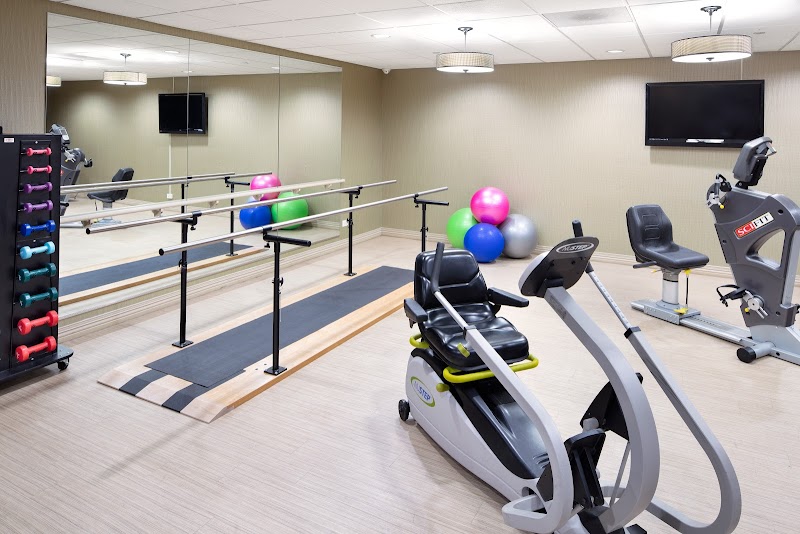
Who Owns and Operates Grove Of Lagrange Park, The?

GROVE OF LAGRANGE PARK, THE is owned by a for-profit company. For-profit facilities operate as businesses with obligations to shareholders or private owners. The facility is operated by LEGACY HEALTHCARE, a chain that manages multiple nursing homes. With 131 certified beds and approximately 116 residents (about 89% occupancy), it is a mid-sized facility located in LA GRANGE PARK, Illinois.
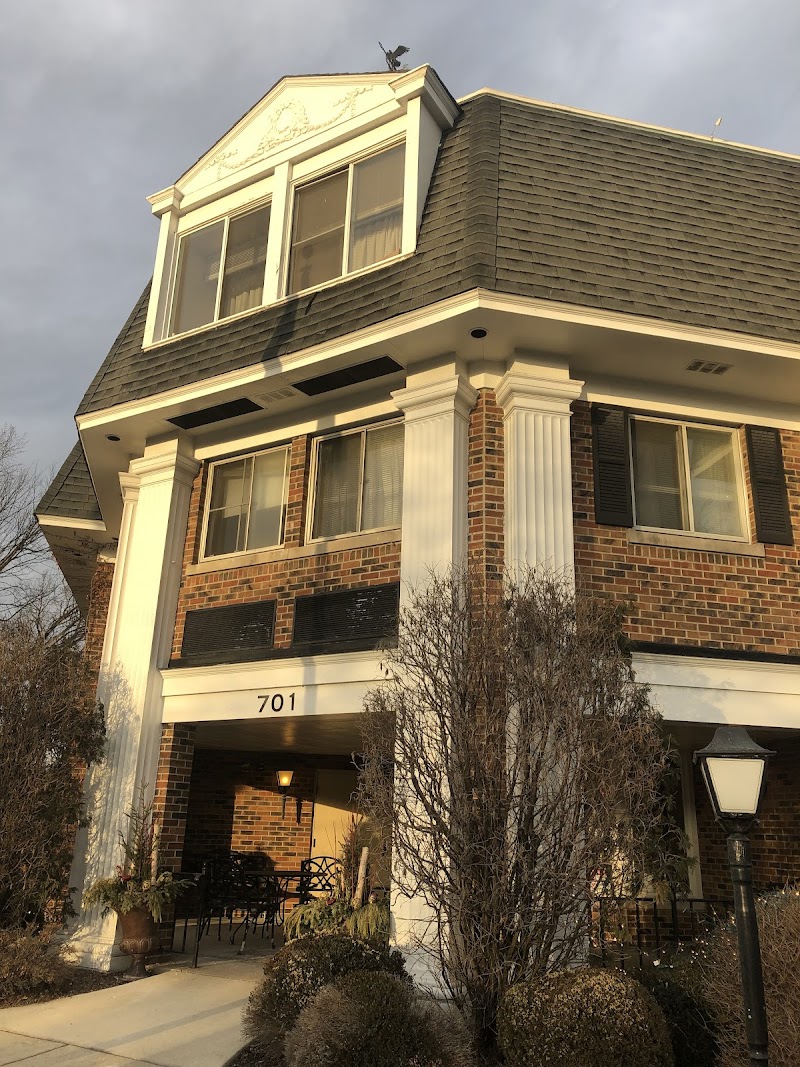
How Does Grove Of Lagrange Park, The Compare to Other Illinois Nursing Homes?

Compared to the 100 nursing homes in Illinois, GROVE OF LAGRANGE PARK, THE's overall rating (3 stars) is above the state average of 2.5, staff turnover (46%) is near the state average of 46%, and health inspection rating (3 stars) is at the national benchmark.

What Should Families Ask When Visiting Grove Of Lagrange Park, The?

Based on this facility's data, families visiting should ask: "Can I visit during a mealtime to observe dining assistance and food quality?" "How do you handle medical emergencies, and what is your hospital transfer rate?" "Can I speak with family members of current residents about their experience?"

Is Grove Of Lagrange Park, The Safe?

Based on CMS inspection data, GROVE OF LAGRANGE PARK, THE has a clean safety record: no substantiated abuse findings (meaning no confirmed cases of resident harm), no Immediate Jeopardy citations (the most serious violation level indicating risk of serious injury or death), and is not on the Special Focus Facility watch list (a federal program monitoring the lowest-performing 1% of nursing homes). The facility has a 3-star overall rating and ranks #1 of 100 nursing homes in Illinois. While no facility is perfect, families should still ask about staff-to-resident ratios and recent inspection results during their visit.

Do Nurses at Grove Of Lagrange Park, The Stick Around?

GROVE OF LAGRANGE PARK, THE has a staff turnover rate of 46%, which is about average for Illinois nursing homes (state average: 46%). Moderate turnover is common in nursing homes, but families should still ask about staff tenure and how the facility maintains care continuity when employees leave.

Was Grove Of Lagrange Park, The Ever Fined?

GROVE OF LAGRANGE PARK, THE has no federal fines on record. CMS issues fines when nursing homes fail to meet care standards or don't correct problems found during inspections. The absence of fines suggests the facility has either maintained compliance or corrected any issues before penalties were assessed. This is a positive indicator, though families should still review recent inspection reports for the full picture.

Is Grove Of Lagrange Park, The on Any Federal Watch List?

GROVE OF LAGRANGE PARK, THE is not on any federal watch list. The most significant is the Special Focus Facility (SFF) program, which identifies the bottom 1% of nursing homes nationally based on persistent, serious quality problems. Not being on this list means the facility has avoided the pattern of deficiencies that triggers enhanced federal oversight. This is a positive indicator, though families should still review the facility's inspection history directly.