BELLA TERRA LAGRANGE
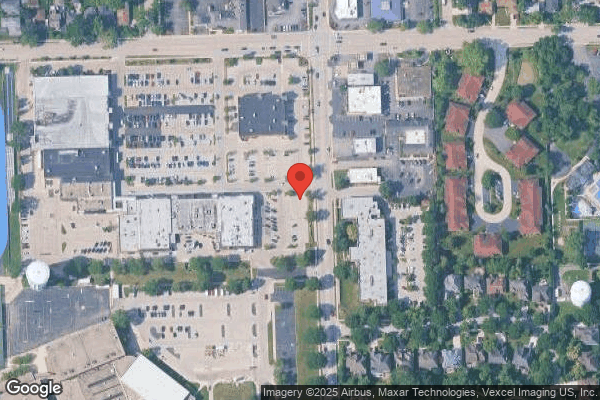
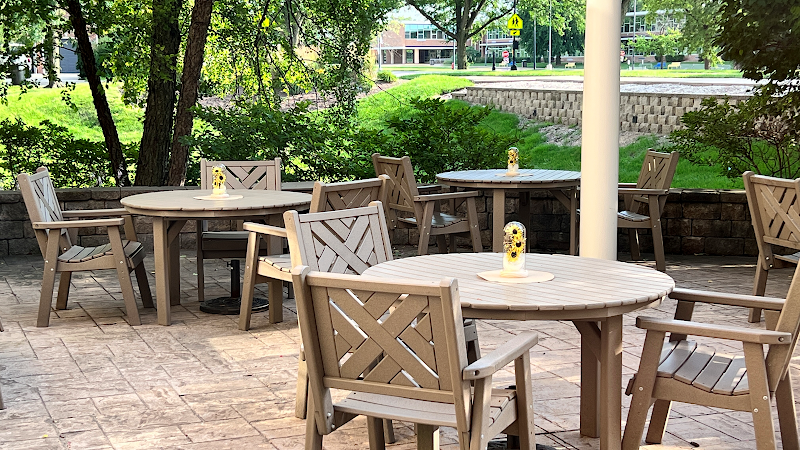
4735 WILLOW SPRINGS ROAD, LA GRANGE, IL 60525 (708) 352-6900
For profit - Limited Liability company 120 Beds LEGACY HEALTHCARE Data: November 2025
Trust Grade
53/100
#224 of 665 in IL
Last Inspection: March 2025

Within standard 12-15 month inspection cycle. Federal law requires annual inspections.

Overview

Bella Terra LaGrange has a Trust Grade of C, which means it is average and sits in the middle of the pack for nursing homes. It ranks #224 out of 665 facilities in Illinois, placing it in the top half, and #70 out of 201 in Cook County, indicating only one local option is better. The facility's trend is stable, with 11 issues reported in both 2024 and 2025. Staffing is a relative strength, with a 3/5 star rating and a turnover rate of 39%, which is better than the state average of 46%. However, the facility has $18,005 in fines, which is concerning as it suggests some compliance problems. While the nursing home provides more RN coverage than 79% of Illinois facilities, there have been serious incidents, such as a resident experiencing sexual abuse by another resident, indicating significant safety concerns. Furthermore, the facility failed to offer staff the COVID-19 vaccine or document it properly, and it did not notify residents or their families about the reasons for hospital transfers, which raises issues about communication and resident rights. Overall, families should weigh these strengths and weaknesses carefully when considering this facility.

Trust Score
C
53/100
In Illinois
#224/665
Top 33%
Safety Record
Moderate
Needs review
Inspections
Holding Steady
11 → 11 violations
Staff Stability
○ Average
39% turnover. Near Illinois's 48% average. Typical for the industry.
Penalties
✓ Good
$18,005 in fines. Lower than most Illinois facilities. Relatively clean record.
Skilled Nurses
✓ Good
Each resident gets 59 minutes of Registered Nurse (RN) attention daily — more than average for Illinois. RNs are trained to catch health problems early.
Violations
⚠ Watch
30 deficiencies on record. Higher than average. Multiple issues found across inspections.
★★★☆☆
3.0
Overall Rating
★★★☆☆
3.0
Staff Levels
★★★☆☆
3.0
Care Quality
★★★☆☆
3.0
Inspection Score
Stable
2024: 11 issues
2025: 11 issues

The Good

  • Full Sprinkler Coverage · Fire safety systems throughout facility
  • No fines on record
  • Staff turnover below average (39%)

    9 points below Illinois average of 48%

Facility shows strength in fire safety.

The Bad

3-Star Overall Rating

Near Illinois average (2.5)

Meets federal standards, typical of most facilities

Staff Turnover: 39%

Near Illinois avg (46%)

Typical for the industry

Federal Fines: $18,005

Below median ($33,413)

Minor penalties assessed

Chain: LEGACY HEALTHCARE

Part of a multi-facility chain

Ask about local staffing decisions and management

The Ugly 30 deficiencies on record

1 actual harm
Mar 2025 10 deficiencies
CONCERN (D)

Potential for Harm - no one hurt, but risky conditions existed

Resident Rights (Tag F0550)

Could have caused harm · This affected 1 resident

Based on observations, interviews and record reviews, the facility failed to ensure residents were treated with dignity while providing care. This applies to 2 of 2 residents (R3 and R47) reviewed fo...

Read full inspector narrative →
Based on observations, interviews and record reviews, the facility failed to ensure residents were treated with dignity while providing care. This applies to 2 of 2 residents (R3 and R47) reviewed for dignity in a sample of 24. The findings include: On 03/25/25 at 12:49 PM, V13 (Nurse) was standing over R3 while feeding R3 her lunch. At 01:17 PM, V13 was standing over R47 while feeding R47 her lunch. At 01:23 PM, V13 comes back to R3 and again V13 is standing over R3 while feeding R3 her lunch. On 03/27/25 at 01:00 PM, V2 ADON (Assistant Director of Nursing) said that V13 should not be standing over a resident while feeding them. V2 said that V13 should be at the same eye level as the resident for dignity, and safety, and it makes the residents feel more comfortable and respected. R3's 3/2/25 electronic health records showed that R3 needs partial/moderate assistance from staff for eating and her cognition is severely impaired. R47's 1/10/25 electronic health records showed that R47's cognition is severely impaired, and the record showed that R47 is totally dependent on staff for eating. The facility did not have a Residents' Rights policy but provided their Residents Rights book from the State of Illinois. The Book showed that the facility must treat the residents with dignity and respect.
CONCERN (D)

Potential for Harm - no one hurt, but risky conditions existed

Deficiency F0625 (Tag F0625)

Could have caused harm · This affected 1 resident

**NOTE- TERMS IN BRACKETS HAVE BEEN EDITED TO PROTECT CONFIDENTIALITY** Based on interview and record review, the facility failed to provide the resident and/or their representative of the facility be...

Read full inspector narrative →
**NOTE- TERMS IN BRACKETS HAVE BEEN EDITED TO PROTECT CONFIDENTIALITY** Based on interview and record review, the facility failed to provide the resident and/or their representative of the facility bed hold policy in writing. This applies to 1 of 1 resident (R75) reviewed for discharge in a sample of 24. The findings include: R75's Face Sheet showed R75 was admitted to the facility on [DATE]. R75 had multiple diagnoses which included acute chronic diastolic (congestive) heart failure, restlessness and agitation, hypertension, and asthma. R75's MDS (Minimum Data Set) dated 03/16/25 showed R75 had moderate cognitive impairment. R75's progress notes dated 11/02/24 at 2:08 AM, showed At 1:20 AM, the nurse heard resident asking for help. The nurse entered the room and observed R75 sitting at the edge of the bed. He stated, I'm having a hard time breathing. The nurse started immediately obtaining his vitals. Spo2 (oxygen) was 77. 911 was called. Will call the hospital to obtain an admitting diagnosis. 11/02/24 at 2:25 AM, admitted to (Hospital) per nurse. Admitting dx (diagnosis) of hypertension. No documentation for bed hold policy given to resident and/or their representative uploaded into the medical record. The facility was unable to provide documentation of bed hold policy given to the resident and/or the representative. On 03/27/25 at 11:39 AM, V1 (Administrator) stated a bed hold policy should have been given to R75 and or his representative. The facility's Bed Hold and readmission Policy (revised 07/26/24) showed: Procedures 1. The facility must inform the resident or family members being transferred of the duration of bed hold in writing.
CONCERN (D)

Potential for Harm - no one hurt, but risky conditions existed

ADL Care (Tag F0677)

Could have caused harm · This affected 1 resident

2. On 03/25/25 at 11:12 AM R14's nails were long, jagged, and with a brown substance under the nails. R14 said that her nails bothered her, and she wanted the staff to provide nail care for her. R14'...

Read full inspector narrative →
2. On 03/25/25 at 11:12 AM R14's nails were long, jagged, and with a brown substance under the nails. R14 said that her nails bothered her, and she wanted the staff to provide nail care for her. R14's 3/1/25 electronic health record shows that R14 needs substantial/maximal assistance from the staff for personal hygiene. 3. On 03/25/25 at 12:27 PM R46 nails were long, jagged and with a brown substance under the nails, and the right thumb nail was curling on top of the thumb. R46's 2/13/25 electronic health record showed that his cognition is severely impaired, and he is dependent on staff for personal hygiene. On 03/27/25 at 12:52 PM V2 ADON (Assistant Director of Nursing) said that it is her expectation that staff provide ADL care for the residents including hand hygiene and trimming nails for safety and hygiene. The facility's General Care policy with a revised date of 7/30/24 showed that the facility's policy is to provide care for every resident to meet their needs including ADL needs. Based on observation, interview and record review the facility failed to provide ADL (Activities of Daily Living) assistance for residents who require assistance to maintain their cleanliness and comfort. This applies to 3 of 5 residents (R14, R46 and R395) reviewed for ADLs in a sample of 24. Findings include: 1. On 03/25/25 at 11:45 AM, R395 stated he has not been washed up since he entered the facility on 3/21/25. R395 stated he gets sweaty, and his gown sticks to his skin. R395 had a full-face beard. R395 stated he is not a beard guy. R395 stated he is itchy and uncomfortable with the facial hair. R395 stated he has asked staff for assistance, but they have not shared their names and when staff comes in his room, he feels like he is bothering them. On 03/27/25 at 09:13 AM, R395 still had a full beard and smelled of body odor. On 03/27/25 at 10:06 AM, V19 CNA (Certified Nursing Assistant) stated he did not know he was assigned to R395. V19 stated he was working a double shift, but the current shift started at 7am. V19 stated he needed to check the assignment board at the desk. V19 stated he needed to look to see when R395's shower day was scheduled. V19 stated he did not know how R395 transfers and he only gets residents out of the bed and offer care assistance if they ask. V19 CNA stated R395 would be bathed if he had time after assisting the other residents scheduled to shower. On 03/27/25 at 02:00 PM, V2 ADON (Assistant Director of Nursing) stated, the CNAs are responsible for bathing and shaving residents. The CNAs should know which residents are on their assignment list. V2 stated residents should be made aware of who their caregivers are. V2 stated residents are showered or bathed twice per week unless they request it more frequently. V2 stated CNAs should offer care assistance and to get residents up every day.
CONCERN (D) 📢 Someone Reported This

A family member, employee, or ombudsman was alarmed enough to file a formal complaint

Potential for Harm - no one hurt, but risky conditions existed

Quality of Care (Tag F0684)

Could have caused harm · This affected 1 resident

**NOTE- TERMS IN BRACKETS HAVE BEEN EDITED TO PROTECT CONFIDENTIALITY** Based on interview and record review, the facility failed to follow physician's orders and subsequently a colonoscopy had to be ...

Read full inspector narrative →
**NOTE- TERMS IN BRACKETS HAVE BEEN EDITED TO PROTECT CONFIDENTIALITY** Based on interview and record review, the facility failed to follow physician's orders and subsequently a colonoscopy had to be rescheduled. This applies to 1 of 3 residents (R23) reviewed for following physician's orders for outpatient procedures. The findings include: R23 was scheduled for a colonoscopy and an EGD (Esophagogastroduodenoscopy) on 03/19/25 per the procedure reminder form sent from the gastroenterology office on 03/14/25. The form showed to hold Eliquis [blood thinner] two days prior to the procedure. R23's MAR (Medication Administration Record) for 03/2025 showed R23 was administered a blood thinner on 03/17/25 at 9:00 AM and 5:00 PM. R23's progress notes dated 03/19/25 at 2:17 PM, showed Resident unable to complete colonoscopy d/t (due to) inability to get IV (intravenous) placed. OBC to MD (Medical Doctor), awaiting return call back . On 03/21/25 at 8:44 AM, V23's (Medical Doctor), Physician Progress note showed diarrhea d/t colon prep. HX (History) of colon cancer. Colon scope not performed, no IV access, and per GI (Gastrointestinal) anticoagulant not held, which I had clarified with nurse on 03/18 AM of holding dose. On 03/27/25 at 11:29 AM, V1 (Administrator) stated R23 was scheduled for a colonoscopy on 03/19/25. The procedure was not done due to the hospital not being able to access an intravenous site and R23 being given a blood thinner on 03/17/25. V1 stated the blood thinner was supposed to be held on 03/17/25 but it was administered on that day. The nurse should not have administered the blood thinner on 03/17/25. The nurse who put the order in did not follow the doctor's orders. R23 was admitted to the facility on [DATE] with multiple diagnoses which included pulmonary embolism without acute cor pulmonale, diastolic (congestive) heart failure, acute embolism and thrombosis of left femoral vein, unsteadiness on feet, hypertension, and osteoarthritis.
CONCERN (E)

Potential for Harm - no one hurt, but risky conditions existed

Transfer Notice (Tag F0623)

Could have caused harm · This affected multiple residents

**NOTE- TERMS IN BRACKETS HAVE BEEN EDITED TO PROTECT CONFIDENTIALITY** 4. R46's 10/30/24 SBAR showed that on 10/30/24 R46's was transferred to the hospital and the form showed under Bed hold policy, ...

Read full inspector narrative →
**NOTE- TERMS IN BRACKETS HAVE BEEN EDITED TO PROTECT CONFIDENTIALITY** 4. R46's 10/30/24 SBAR showed that on 10/30/24 R46's was transferred to the hospital and the form showed under Bed hold policy, b. prior to hospital transfer, the facility's Bedhold policy was not given to the resident and/or representative. On 03/26/25 at 03:53 PM V1 (Administrator) said that the facility does not notify the Ombudsman if they send a resident out for medical reasons. V1 said that the facility is not giving written notice of the reason for transfer to the residents and the family representatives. On 03/27/25 at 12:55 PM V2 ADON (Assistant Director of Nursing) said that the facility did not know that they were to notify the ombudsman of hospital transfers. Based on interview and record review, the facility failed to provide to a resident and/or their representative in writing for the reason of transfers to the hospital, and failed to notify the ombudsman of the transfers. This applies to 4 of 4 residents (R4, R46, R70, and R75) reviewed for discharge in a sample of 24. The findings include: 1. R4's Face Sheet showed R4 was admitted to the facility on [DATE]. R4 had multiple diagnoses which included moderate protein-calorie malnutrition, osteomyelitis of vertebra, Alzheimer's Disease, chronic kidney disease, and adult failure to thrive. R4's MDS (Minimum Data Set) dated 03/10/25 showed R4 was cognitively impaired. R4's Change in Condition with SBAR (Situation, Background, Assessment, Recommendation) Form dated 02/22/25 showed R4 had a change in condition with delayed response and an elevated heart rate. The same form showed R4 was transferred to the hospital via emergency medical transport on 02/22/25. The form showed written notice for reason of transfer was not given to the resident and or/representative. The EMR (Electronic Medical Record) contained no documentation of written notice for reason of transfer or discharge to the hospital. The EMR contained no notice sent to the Ombudsman for transfer or discharge to hospital. The facility was unable to provide documentation for written notification of the reason for transfer to the hospital and notification of the ombudsman. 2. R70's Face Sheet showed R70 was admitted to the facility on [DATE]. R70 had multiple diagnoses which included heart failure, dysphagia, asthma, anemia, depression, hypertension, and atrial fibrillation. R70's MDS dated [DATE] showed R70 had moderate cognitive impairment. R70's Change in Condition with SBAR Form dated 08/13/24 showed R70 had a change in condition with dizziness. The same form showed R70 was transferred to the hospital. The form showed written notice for reason of transfer was not given to the resident and or/representative. The EMR (Electronic Medical Record) contained no documentation of written notice for reason of transfer or discharge to the hospital. The EMR contained no notice sent to the Ombudsman for transfer or discharge to hospital. The facility was unable to provide documentation for written notification of the reason for transfer to the hospital and notification of the ombudsman. 3. R75's Face Sheet showed R75 was admitted to the facility on [DATE]. R75 had multiple diagnoses which included acute on chronic diastolic (congestive) heart failure, restlessness and agitation, hypertension, and asthma. R75's MDS dated [DATE] showed R75 had moderate cognitive impairment. R75's progress notes dated 11/02/24 at 2:08 AM, At 1:20 AM, the nurse heard resident asking for help. The nurse entered the room and observed R75 sitting at the edge of the bed. He stated, I'm having a hard time breathing. The nurse started immediately obtaining his vitals. Spo2 (oxygen) was 77. 911 was called. Will call the hospital to obtain an admitting diagnosis. 11/02/24 at 2:25 AM, admitted to (Hospital) per nurse. Admitting dx (diagnosis) of hypertension. The EMR (Electronic Medical Record) contained no documentation of written notice for reason of transfer or discharge to the hospital. The EMR contained no notice sent to the Ombudsman for transfer or discharge to hospital. The facility was unable to provide documentation for written notification of the reason for transfer to the hospital and notification of the ombudsman.
CONCERN (E)

Potential for Harm - no one hurt, but risky conditions existed

Deficiency F0657 (Tag F0657)

Could have caused harm · This affected multiple residents

**NOTE- TERMS IN BRACKETS HAVE BEEN EDITED TO PROTECT CONFIDENTIALITY** Based on interview and record review, the facility failed to conduct required care plan meetings and invite residents to partici...

Read full inspector narrative →
**NOTE- TERMS IN BRACKETS HAVE BEEN EDITED TO PROTECT CONFIDENTIALITY** Based on interview and record review, the facility failed to conduct required care plan meetings and invite residents to participate in their care plan meetings. This applies to 4 of 4 residents (R20, R32, R69 and R79) reviewed for care planning in a sample of 24. Findings include: 1. R32's MDS (Minimum Data Set) dated 2/12/23 shows he is cognitively intact. On 03/25/25 at 11:45 AM, R32 stated he did not know what a care plan meeting was and had never been invited to one and feels the doctors make changes to his medications without discussing it with him. No documentation for care plan meetings were noted in R32's EMR. The facility was unable to provide any care plan meeting documentation for R32 for the past year. 2. R69's MDS dated [DATE] shows he is cognitively intact. On 03/25/25 at 10:40 AM, R69 stated he had been in the facility over two years and has never been invited to a care plan meeting. The only care plan documentation in the EMR able to be provided by the facility for R69 is dated 11/13/24. The only attendees documented were social services and R69's POA (Power of Attorney). 3. R79's MDS dated [DATE] shows he is cognitively intact. On 03/25/25 at 10:40 AM, R79 stated he had not been invited to a care plan meeting and most all of his family lived out of state. Documentation in the EMR and provided by the facility for R79 was dated 12/5/24. The attendees documented were social services, therapy, nursing administration, and a sister and brother-in-law. 4. R20's MDS dated [DATE] shows he has moderate cognitive impairment. No documentation for care plan meetings were noted in R20's EMR (Electronic Medical Record). No documentation of care plan meetings for R20 was received from the facility for the last year. On 03/27/25 at 11:59 AM, V20 Social Services Director stated care plan meetings are to be held quarterly. Residents are supposed to be invited to their care plan meetings. V20 stated she did not have any documentation of R20, R32, R69 or R79 being invited to their care plan meetings. V20 stated there is no sign in sheet listing care plan meeting attendees. V20 stated social services is responsible for setting up care plan meetings. V20 stated she is responsible for over seeing the social services department to assure assignments have been completed. V20 stated residents should be invited to their care plan meetings so they are aware of their care and the facility can address any concerns they may have. The facility wants to assure residents needs are being met while they are in the facility. V20 stated, R20, R32, R69, and R79 are able to be active participants in their care planning. The facility policy Care Plan dated 7/26/24 states it is the policy of the facility to ensure that all care plans including baseline care plans are in conjunction with the federal regulations.
CONCERN (E)

Potential for Harm - no one hurt, but risky conditions existed

Deficiency F0694 (Tag F0694)

Could have caused harm · This affected multiple residents

Based on observation, interview, and record review, the facility failed to ensure a resident's IV (intravenous) antibiotic therapy bag was labeled. This applies to 1 of 1 resident (R81) reviewed for ...

Read full inspector narrative →
Based on observation, interview, and record review, the facility failed to ensure a resident's IV (intravenous) antibiotic therapy bag was labeled. This applies to 1 of 1 resident (R81) reviewed for IV's in sample of 24. The findings include: On 3/25/25 at 10:18 AM, during initial tour, R81 was lying in bed. There was an IV pump toward the right side of R81's bed. There was an empty IV bag of Ceftriaxone without any label that included the date and time by the nurse. R81 stated that she is taking this antibiotic because she has an abscess in her liver. On 3/25/25 at 2:43 PM, R81's morning nurse was V4 (RN-Registered Nurse). She stated that the IV antibiotic was infused over the night shift at 6:00 AM by V5 (RN). V4 stated, The IV bag should have been labeled with the date, time, flow rate, and room number. On 3/27/25 at 10:24 AM, V2 (ADON-Assistant Director of Nursing) stated, The nurses need to make sure all information related to the antibiotic is on the IV bag. This includes the patient's name, what medication it is, when they started the medication, the rate, and start time. They should check the vitals before administration. They then should initial, add the time, and date it. R81's face sheet shows diagnoses of Escherichia Coli (E. Coli) as the cause of diseases, hepatomegaly, and secondary malignant neoplasm of bone. Review of R81's POS (Physician Order Sheet) for March 2025 shows an order dated 3/04/25 for Ceftriaxone 2 GM (Grams) IV with directions to use 1 dose intravenously in the morning for abdominal infection. R81's EMAR (Electronic Medication Administration Record) shows that the medication was last administered around 6 AM by V5. The facility was unable to provide an IV therapy policy that included the labeling of IV bags.
CONCERN (E)

Potential for Harm - no one hurt, but risky conditions existed

Deficiency F0761 (Tag F0761)

Could have caused harm · This affected multiple residents

9. On 03/25/25 10:22 AM, during initial tour, surveyor went to R81's room. R81 was lying in bed. There was a mediation cup with 5 chewable tablets of Tums on her bedside table. R81 stated, This is my ...

Read full inspector narrative →
9. On 03/25/25 10:22 AM, during initial tour, surveyor went to R81's room. R81 was lying in bed. There was a mediation cup with 5 chewable tablets of Tums on her bedside table. R81 stated, This is my Tums. The nurse always leaves it here for me to take it whenever I want it. R81's POS (Physician Order Sheet) for March 2025 shows an order for Calcium-Carb-Cholecalciferol Oral Tablet Chewable 500-10 MG-MCG (Milligrams-Micrograms) with instructions to Give 2 tablets by mouth one time a day for supplement. 5. On 03/25/25 at 12:17 PM, observed Nystatin cream and Lubricant Eye Drops on R8's bedside drawer. R8 stated, she used the nystatin cream for the redness under her breast and the eye drops when she felt that her eyes are dry. On 03/27/25 at 11:53 AM, R8 still had the Lubricant Eye Drops on her drawer. On 3/27/25 at 1:02 PM, R8's Physician Orders were reviewed for March 2025. It showed Nystatin External Cream, apply to groin, abdominal fold and breast topically as needed for redness. R8's Physician orders did not include any orders for the Lubricant eye drops. 6. On 3/25/25 at 10:52 AM, observed a few tabs of large colorful pills in a cup on R247's bedside table. R247 stated, they are tums and she takes them for nausea because her IV (intravenous) antibiotic makes her nauseous. R247 stated, she had a whole bottle and she pulled out a bottle of tums from her drawer, almost full. On 03/26/25 at 09:53 AM, R247 still had the bottle of tums in her drawer, and on 03/27/25 at 10:55 AM, R247 had the bottle of tums in her drawer. On 3/27/25 at 1:07 PM, R247's Physician Orders were reviewed for March 2025. R247's Physician orders did not include any orders for Tums. On 03/27/25 at 12:05 PM, V6 (LPN-Licensed Practical Nurse) stated, residents should not have any medications at the bedside. 7. On 03/25/25 at 10:57 AM in R5's bathroom there was one 1oz open tube of hydrocortisone cream 1%, one 2.11oz opened tube of hydrocortisone cream 1%, and one 2.11oz opened tube of Zinc Oxide ointment 20 %. R5 said that she uses the creams under her breast. R5's electronic health records showed a physician's order for 11/07/22 for Zinc oxide 20% apply to under let breast topically every 12 hours as needed. On 03/27/25 at 12:28 PM V2 ADON (Assistant Director of Nursing) said that no medications should be in residents' bathrooms for safety and hygiene reasons. 8. On 03/25/25 at 10:39 AM on R35's overbed side table there was 1 Albuterol Sulfate HFA inhaler and 1 fluticasone propionate (Nasal spray). R35's electronic health record showed a physician's order dated 1/13/25 for Albuterol Sulfate HFA every 4 hours as needed and an order for Fluticasone Propionate nasal spray with a start date of 3/24/25. On 03/27/25 at 12:32 PM V2 ADON said that medications need to be locked and secured. The facility's Medication Storage, Labeling and Disposal policy dated 8/16/24 showed that medications will be secured in locked storage area. Based on observation, interview, and record review, the facility failed to ensure medications are labeled and stored securely. This applies to 8 of 8 residents (R5, R8, R19, R35, R81, R101, R102 and R247) reviewed for medication storage in a sample of 24. 1. On 03/27/25 at 12:51 PM, a first-floor medication cart was reviewed with V10 LPN (Licensed Practical Nurse). The hydrocodone- acetaminophen 5/325 mg (Milligram) medication card for R101 had one tablet blister that had been taped closed. The medication card had a count of 30 tablets. R101's current physician orders include hydrocodone- acetaminophen 5/325 mg one tablet every four hours as needed for pain. V10 LPN stated once the blister is opened it should be wasted not taped back, but she was not sure why it should not be taped. V10 stated she was one of the nurses that did the narcotic count for that cart, but she did not look at the back of the medication cards when she did the count. 2. On 03/27/25 at 12:51 PM, the pregabalin 25 mg medication card for R102 one tablet blister that had been taped closed. The medication card had a count of 7 capsules. R102's current physician orders include pregabalin 25mg give one capsule by mouth every 24 hours for neuropathy at bedtime. 3.On 03/27/25 at 12:51 PM, the lorazepam 1mg medication card for R247 had one tablet blister that had been taped closed. The mediation card had a count of 22 capsules. R247's current physician orders include lorazepam 1mg give one tablet two times per day for anxiety. 4.On 03/27/25 at 01:08 PM, a second-floor medication cart was reviewed with V22 LPN. An insulin aspart flex pen did not have a label with resident's name, open on or use by dates. V22 stated the insulin pen belonged to R247. V22 stated she was not sure how long the pen is good for after it is opened. R247's MAR (Medication Administration Record) shows she receives 7 units of insulin aspart three times per day at 9am, 12pm and 5 pm. On 03/27/25 at 02:00 PM, V2 ADON (Assistant Director of Nursing) stated narcotics should not be taped to assure accuracy and safety assuring the mediation isn't contaminated or misappropriated. If medications are opened and not administered, they should be wasted, and the waste witnessed by two nurses. Insulins should be labeled with the resident's name, an opened on and use by date. Each pen should be stored in an individual bag. The facility policy Controlled Substances dated 8/16/24 states when a dose of a controlled medication is removed from the container for administration but refused by the resident or not given for any reason is not placed back in the container. It must be destroyed according to facility policy and the disposal documented on the accountability record on the line representing that dose. The facility policy Medication Storage, Labeling and Disposal dated 8/16/24 states mediations from pharmacy will be labelled by the pharmacy to include the name of resident, route of administration, instruction, medication name, strength and expiration date when applicable. The facility did not provide a policy specific to insulins.
CONCERN (E)

Potential for Harm - no one hurt, but risky conditions existed

Infection Control (Tag F0880)

Could have caused harm · This affected multiple residents

6. On 3/26/25 at 8:30 AM, soiled linen and a used resident gown were seen on the floor in R72's room. On 3/26/25 at 8:35 AM, V10 (LPN-Licensed Practical Nurse) stated R72 was discharged the previous ...

Read full inspector narrative →
6. On 3/26/25 at 8:30 AM, soiled linen and a used resident gown were seen on the floor in R72's room. On 3/26/25 at 8:35 AM, V10 (LPN-Licensed Practical Nurse) stated R72 was discharged the previous day and the room was not cleaned yet. V10 (LPN) stated, for infection control reasons, soiled linen should not be left on the floor. On 3/27/25 at 10:29 AM, V2 (ADON-Assistant Director of Nursing) stated, for infection control reasons, soiled linen should not be left on the floor and that it should be bagged and sent to the laundry. Based on observations, interviews, and record reviews, the facility failed to implement infection control measures while providing resident care and with the handling of soiled linen. This applies to 6 out of 7 residents (R3, R6, R47, R77, R15, R72) reviewed for infection control in a sample of 24. The findings include: 1. On 03/25/25 at 01:08 PM during lunch service, V13 (Nurse) wiped food off R3's mouth with her right hand and then uses the same right hand and puts a spoonful of food into R47's mouth. V13 did not clean her hands after wiping R3's mouth. From 01:08 PM - 01:23 PM V13 was observed using both her right and left hand to assist R3 and R47 with eating their lunch. Both R3 and R47 were sitting at the same table and V13 never cleaned her hands between each resident for the entire meal. V13 used her left hand to give R3 a drink and then V13 used her right hand to touch R47's hand to stop her from putting a bite of food into her mouth, then went back to feeding R3 with her right hand. On 03/27/25 at 01:00 PM V2 ADON (Assistant Director of Nursing) said that V13 should have cleaned her hands while feeding the residents for infection control. 2. On 03/26/25 at 12:11 PM V26 CNA (Certified Nurse's Assistant) was providing incontinence care for R6. V25 (Wound Nurse) was present. V26 wiped R6 buttocks that had stool on it, then V26 did not clean her hands and continued with putting on a new brief on R6, repositioned R6, adjusted R6's bed linen and touched the bedrails with her dirty gloved hands. On 03/26/25 at 12:15 PM V26 said that she should have washed her hands after cleaning R6 buttocks for infection control. At 12:18 PM, V25 said that she saw that V26 did not clean her hands after wiping R6 buttocks and she should have for infection control. On 03/27/25 at 12:41 PM, V2 ADON (Assistant Director of Nursing) said that the staff should have cleaned her hands after touching the resident's buttocks before doing anything else for infection control. 3. On 03/25/25 at 11:50 AM V12 CNA (Certified Nurse's Assistant) was providing incontinence care for R77 without wearing a gown. Outside of R77's door showed a sign EBP (Enhanced Barrier Precaution). V12 with a wet washcloth wiped V12 perineal area several times and then wiped R77's buttocks with the same washcloth and she did not fold the cloth before moving to a different area. Then V12 removed R77's soiled brief and touched the curtain with her dirty gloved hands as she put the soiled brief in the garbage. V12 then applied new gloves, did not clean her hands first and then applied barrier cream to R77's buttocks and attached a new brief with the same dirty gloves. V12 with the same dirty gloves then moved R77's over the bedside table before removing her gloves and cleaning her hands. At 11:56 AM V12 said that she should have cleaned her hands, and she should have worn a gown. R77's electronic health records showed that R77 has diagnoses including a stage 4 pressure ulcer of the sacral region. On 03/27/25 at 12:45 PM V2 (ADON) said that the staff should use a clean side of the washcloth with new area for infection control. V2 said that the staff should have worn a gown and staff should have changed her gloves and performed hand hygiene before touching any objects to prevent the spread of infections. The facility's infection Prevention Control policy dated 2/10/25 showed that when a resident is on EBP the staff is to use gloves and gowns during high contact resident care activities for residents infected or colonized with MDRO's as well as residents with wounds and or indwelling medical devices. The policy showed that the staff and contracted workers will perform hand hygiene before and after direct patient contact and after each situation that necessitates hand hygiene. The facility's Enhanced Barrier Precaution policy dated 7/26/24 showed the facility uses enhanced barrier precautions to reduce transmission of multi drug resistant organisms in the nursing home. The policy shows that EBP involves the use of gowns and gloves to reduce transmission of resistant organisms during high contact resident care activities for residents known to be colonized or infected with MDRO's as well as residents with wounds and or indwelling medical devices. The facility's Hand Hygiene policy dated 7/30/24 showed that hand hygiene is important in controlling infections. The policy showed that the facility will comply with the CDC guidelines regarding hand hygiene. Hand hygiene will be done during the following situations before and after direct contact with residents, before and after performing aseptic task, before and after assisting a resident with meals, before and after assisting a resident with toileting, before moving from one soiled body site to a clean body site on the same resident, after contact with blood, body fluids. or surfaces contaminated with blood and body fluids and after removing gloves, including during wound dressing change. 4. R15 admitted to the facility o 10/10/18. R15's current care plan includes impairment to skin integrity to bilateral buttocks (Kennedy terminal ulcers). On 03/25/25 10:58 AM, R15 in enhanced barrier precautions received assistance from V15 LPN (Licensed Practical Nurse), V16 LPN and V17 RN (Registered Nurse) to be repositioned in the bed. V15, V16 and V17 did not put on isolation gown before providing care to R15
CONCERN (F)

Potential for Harm - no one hurt, but risky conditions existed

Deficiency F0887 (Tag F0887)

Could have caused harm · This affected most or all residents

Based on interview and record review, the facility failed to offer staff the Covid-19 immunization vaccine and have written documentation of it. This applies to all 97 residents in the facility revie...

Read full inspector narrative →
Based on interview and record review, the facility failed to offer staff the Covid-19 immunization vaccine and have written documentation of it. This applies to all 97 residents in the facility reviewed for immunizations in the sample of 24. The findings include: The CMS (The Centers for Medicare and Medicaid Services) form 671 titled Long-Term Care Facility Application for Medicare and Medicaid dated 3/25/25 shows the facility has a census of 97 residents. On 3/26/25 at 2:02 PM, V3 (LPN-Licensed Practical Nurse/Infection Preventionist) stated, I don't have the documentation that shows where I offered the vaccine to staff. Now, our corporate changed their policy. The Covid vaccines are not free anymore. The staff must use their own insurance, so we tell them that they can get the Covid-19 vaccines from clinics or pharmacies that accept their insurance. We don't offer it to them, but they can ask us to give it to them if they have insurance. V3's infection control binders did not have any documentation that staff were educated regarding the benefits and potential side effects of the Covid-19 vaccine. Neither did she have any documentation that staff accepted and received the vaccine. She had nothing to show the vaccination status of staff. Facility's policy titled Covid 19 Vaccination Policy (7/16/24) shows: The facility will comply with the applicable CMS, CDC (Centers for Disease Control and Prevention), and/or IDPH (Illinois Department of Public Health guidance on Covid-19 vaccination. As CMS had rescinded the mandatory Covid 19 vaccine requirement for staff and resident, the facility will continue to promote and provide Covid-19 vaccination whenever the vaccine is available, and individuals consent to Covid vaccination. Staff may obtain Covid 19 vaccine from clinics and pharmacies that offer the vaccines, as billing is now through staff insurance. If the facility pharmacy is able to bill staff's insurance, the staff may get Covid 19 vaccination in house, as long as the staff consent to it.
Jan 2025 1 deficiency
CONCERN (D) 📢 Someone Reported This

A family member, employee, or ombudsman was alarmed enough to file a formal complaint

Potential for Harm - no one hurt, but risky conditions existed

Quality of Care (Tag F0684)

Could have caused harm · This affected 1 resident

**NOTE- TERMS IN BRACKETS HAVE BEEN EDITED TO PROTECT CONFIDENTIALITY** Based on interview and record review, the facility failed to send a resident to the hospital emergency department via 911 after ...

Read full inspector narrative →
**NOTE- TERMS IN BRACKETS HAVE BEEN EDITED TO PROTECT CONFIDENTIALITY** Based on interview and record review, the facility failed to send a resident to the hospital emergency department via 911 after a change in condition. This applies to 1 of 3 residents (R1) reviewed for change in condition in the sample of 6. The findings include: R1 was originally admitted to the facility on [DATE] with multiple diagnoses including traumatic subdural hemorrhage with loss of consciousness of unspecified duration, unspecified fracture of the fifth lumbar vertebrae with delayed healing, type 2 diabetes mellitus without complications, cognitive communication deficit and need for assistance with personal care, based on the face sheet. R1's blood specimen obtained on December 30, 2024 for CBC (complete blood count) showed that the resident's WBC (white blood cell) was 17.92 (normal range 4.80-10.80), hemoglobin was 10.4 (normal range 12.0-16.0), hematocrit was 32.3 (normal range of 37.0-47.0). R1's progress notes dated December 30, 2024 at 3:16 PM, created by V3 (Primary Care Physician) showed documentation that the resident's vital signs were stable. The same progress notes under assessment and plan showed in-part, #Leukocytosis - WBC 17.9 - no complaints - no s/s (signs/symptoms) of infection - could be reactive to pain - recheck in a few days - if elevated in 1-2 days, need to do infectious workup. R1's blood culture result for blood specimen obtained on the right and left arm on December 31, 2024 showed gram positive cocci, staphylococcus aureus. R1's progress notes dated January 1, 2025 at 4:51 PM, created by V7 (Registered Nurse) showed, Writer relayed positive blood culture for staphylococcus aureus to NP (Nurse Practitioner) (V6) per NP send to hospital. R1's progress notes dated January 1, 2025 at 5:00 PM, created by V6 (Nurse Practitioner) as a late entry showed, chief complaint of positive blood culture, positive staphylococcus aureus. The progress notes documented R1's vital signs as follows: blood pressure 88/42, heart rate 141, temperature 98.2, respiration 16 and oxygen saturation 94%. Under impression it showed, 85 [years old] female [patient with] Staphylococcus [with] acute confusion, possible septic [with] unknown source. The same progress notes showed under plans, Send to ER (emergency room) via 911 for further evaluation and management, case discussed with NOD (nurse on duty) and Nurse Supervisor in length. R1's change of condition progress notes dated January 1, 2025 at 8:53 PM, created by V7 (Registered Nurse) showed in-part that the resident had, Positive blood culture gram positive cocci in both left and right arm cultures and elevated WBC 17.92. The progress notes documented that R1's vital signs included blood pressure of 88/42, pulse of 141, respiration of 16, temperature of 100.2 and oxygen saturation of 95%. The same progress notes showed under observations and evaluations, At [4:00 PM] writer assessed patient's vitals, BP 88/42, heart rate 141, [temperature] 100.4, [oxygen saturation] 98%. Patient was alert, stated she was not in any pain, did not display any signs or symptoms of pain. Writer received a call from [laboratory] reporting gram positive cocci in both left and right arm cultures and elevated WBC 17.92. Writer attempted to contact on call physician to relay laboratory results, left voicemail. Writer contacted infectious disease NP (V6). Per infectious disease NP send patient to [hospital] via [ambulance]. 911 not necessary resident stable, no signs of distress noted. On January 15, 2025 at 11:37 AM, V7 (Registered Nurse) stated that she was the assigned nurse to R1 on January 1, 2025 during the morning (7:00 AM-3:30 PM) and afternoon (3:00 PM -11:30 PM) shifts. V7 stated that on January 1, 2025 during the entire morning shift, R1 was doing well, took her medications and received therapy services. However, at around 4:00 PM, R1's condition changed, manifesting low blood pressure (88/42), increased heart rate (141) and high temperature (100.2), and then she received a call from the laboratory reporting gram positive cocci in both of R1's left and right arm blood cultures, as well as elevated WBC. According to V7, she attempted to call the physician to relay the laboratory results but was not successful, so she (V7) contacted V6 (Infectious Disease Nurse Practitioner). V7 stated that she informed V6 of R1's gram positive cocci blood culture, elevated WBC, and the abnormal vital signs, including low blood pressure, increased heart rate and high temperature. V7 stated that she received the order from V6 to send R1 to the emergency department for further evaluation and treatment. V7 stated that R1 waited between 45 minutes to an hour at the facility for the regular ambulance to transport her to the emergency department. V7 was asked, why 911 was not called to transport R1 to the hospital since the resident's blood pressure was low, her heart rate was high and with fever. V7 responded that she had consulted V17 (Registered Nurse/Afternoon Nursing Supervisor) whether to send R1 via 911 or regular ambulance and it was decided to use the regular ambulance since the resident was eating dinner with her daughter at the bedside. On January 15, 2025 at 11:59 AM, V6 (Infectious Disease Nurse Practitioner) stated that on January 1, 2025 she was informed by the Nurse (V7) that she was attempting to contact R1's physician but had not received any response, so she (V6) was contacted. V6 stated that she was informed of R1's trending high WBC of 17.92, hypotension (low blood pressure), increased confusion and gram positive cocci blood cultures. According to V6, that was the first time she was called/consulted regarding R1 and with the information provided to her by the nurse, she ordered to send R1 right away to the emergency department for further evaluation and treatment of the abnormal vital signs, severe leukocytosis, and possible sepsis due to bacteremia. V6 further stated that because of the presenting change in R1's condition, the appropriate and best method to transfer the resident to the hospital was via 911, especially with the abnormal vitals to immediately evaluate and treat the resident. On January 15, 2025, 2025 at 3:47 PM, V3 (Primary Care Physician) stated that when he evaluated R1 on December 28 and December 30, 2024, the resident was doing fine with stable vital signs. According to V3, he and the Nurse Practitioner were aware of R1's condition and the trending elevation of the resident's WBC, which was why blood cultures, urine culture and chest x-rays were also performed to help determine the resident's condition. V3 stated that he believed that R1's condition gradually changed on December 31, 2024, as reflected on the blood culture that was obtained that same day which showed positive staphylococcus aureus, however R1's change in condition did not manifest until January 1, 2025 when her vital signs became abnormal. According to V3, the facility should have sent R1 to the hospital via 911 on January 1, 2025 due to hypotension and increased heart rate. V3 further stated that sending R1 via 911 was the appropriate method to transport the resident to the hospital to ensure that the resident could be immediately evaluated and treated.
Jun 2024 1 deficiency
CONCERN (E) 📢 Someone Reported This

A family member, employee, or ombudsman was alarmed enough to file a formal complaint

Potential for Harm - no one hurt, but risky conditions existed

Safe Environment (Tag F0584)

Could have caused harm · This affected multiple residents

**NOTE- TERMS IN BRACKETS HAVE BEEN EDITED TO PROTECT CONFIDENTIALITY** Based on observation, interview and record review, the facility failed to maintain resident room air temperatures at a comfortab...

Read full inspector narrative →
**NOTE- TERMS IN BRACKETS HAVE BEEN EDITED TO PROTECT CONFIDENTIALITY** Based on observation, interview and record review, the facility failed to maintain resident room air temperatures at a comfortable temperature. This applies to 9 of 9 residents (R1-R8 and R11) reviewed for homelike environment in a sample of 11. The findings include: 1. The electronic medical record showed R1 was admitted to the facility on [DATE]. On 6/20/24 at 11:22 AM, V5 (R1's Family) stated This room is too hot! V5 stated she complained that the room was hot since R1 moved into the facility but the room remained hot. R1 and R2 stated the room had been too hot for days. There was cool air slowly blowing from the air conditioning unit in the room, but the room was very warm and felt very humid and felt much warmer than the hallway air temperature. V3 (Maintenance) stated he replaced and flushed the air conditioner unit water lines the prior week. Facility Concern/Response Form, dated 6/20/24, shows V5 expressed concern that R1's room was too warm and there was not enough circulation in the room. The form shows V5 stated someone previously checked the air conditioner but the room had not cooled off enough. The form shows R1 was moved from her warm room to a room on the first floor. 2. On 6/20/24 at 11:24 AM, R3 stated, Today is better - yesterday was really hot. We close our shades but it's still too hot! R3's room was very warm and there was a small amount of cool air blowing from her air conditioner unit. On 6/20/24 at 1:49 PM with V3 (Maintenance) and V4 (Journeyman- Contract Company), R3's room air temperature measured 78 egress F (Fahrenheit) and the humidity measured 60% when measured with a psychrometer. 3. On 6/20/24 at 11:25 AM, R4 stated, It gets too hot sometimes! We close our shades but it's still too hot! R4's room was very warm and there was a small amount of cool air blowing from her air conditioner unit. On 6/20/24 at 1:49 PM with V3 and V4, R4's room temperature measured 78 degrees F and the humidity measured 58% when measured with a psychrometer. 4. On 6/20/24 at 11:27 AM R5 stated, It's been very warm in here! R11 stated, This is an old system - it's been hot in this room since the heat wave outside. R5 and R11 both stated they felt uncomfortable in their rooms due to the warm temperatures in their room. The room temperature felt very warm and humid. On 6/20/24 at 1:49 PM with V3 and V4, R5 and R11's room temperature measured 78 degrees F and the humidity measured 59% when measured with a psychrometer. 5. On 6/20/24 at 11:38 AM, R6 and R7 both stated the room was too hot and both residents stated they were uncomfortable. The room temperature felt hot and humid. R6 and R7's air conditioner had no air blowing from the unit when the unit was set on high and the temperature was set to 50 degrees F. Changing the settings on the air conditioning unit did not result in any air blowing from the unit. On 6/20/24 at 1:49 PM with V3 and V4, R6 and R7's room temperature measured 79 degrees F and the humidity measured 57% when measured with a psychrometer. On 6/20/24 at 1:15 PM, V3 and V4 stated R6 and R7's air conditioning unit was repaired after replacing and flushing the water lines. V4 stated with the age of the building and air conditioners, as well as the poor insulation of the older building, the resident air conditioners had difficulty keeping up with the hot temperatures. 6. On 6/20/24 at 11:43 AM, R8 stated, At night it's too hot in here and you can't sleep! It's always hot! R8 stated the small amount of cool air that blew through the air conditioner only stays in front of the air conditioner unit and did not circulate in the room. R8 stated, The only way you get air is if you sit on the unit! The air conditioner unit had a small amount of cool air lightly blowing from the unit and the room was very warm. 7. Concern/Response Form, dated 6/3/24, shows V6 (Family) shared a concern regarding R9 that the air conditioning was not as cool as it should be. The form shows, Maintenance checked the air conditioning and was blowing 66 degrees F. Maintenance showed V6 on thermometer. 8. Review of facility outdoor temperature history showed the outdoor daily high temperature measurements were as follows: 6/16/24 96 degrees F 6/17/24 97 degrees F 6/18/24 95 degrees F 6/19/24 95 degrees F 6/20/24 86 degrees F Facility Concern/Response Form, dated 6/19/24, shows an unidentified caller phoned the facility and stated her loved one was complaining the resident was hot. The form shows the caller would not provide the resident's name and stated the facility needed to check all of the resident room temperatures. The form shows V3 was asked to take temperatures on all of the rooms in the second floor and document. Review of second floor room temperature logs measured with a surface laser thermometer, dated 6/19/24, show second floor room surface temperatures fluctuated between 72-77 degrees F. No room air temperatures were taken utilizing a psychrometer. On 6/20/24 at 10:57 AM, V3 (Maintenance) stated on 6/19/24 he was using a laser thermometer to check surface temperatures in resident rooms and did not have a psychrometer at the facility to measure air temperatures in the resident rooms. V3 stated the humidity in the building was fluctuating between 55-60% and the resident room surface temperatures measured between 75 and 77 degrees F. Facility electronic hall thermometer measurement document shows on 6/17/24 at 7:00 PM the temperature in the second floor hallway measured 79.9 degrees F. The document shows on 6/18/24 at 7:00 PM the temperature in the second floor hallway measured 79.9 degrees F and on 6/19/24 at 7:00 PM, the temperature of the second floor hallway measured 80.2 degrees F. On 6/20/24 at 11:43 AM during initial tour of the facility, the second floor South hallway air temperature measured 77.9 degrees F (Fahrenheit) and the second floor nursing station room air measured 77.4 degrees F. On 6/20/24 with V3 and V4 at 1:44 PM, the second floor dining room had several residents sitting in the room and V3 measured the room temperature at 79 degrees F and humidity at 61% using a psychrometer. V3 also measured the temperature/humidity in the South resident hallway which measured 78 degrees F and 61% humidity. V3 and V4 stated the second floor main air conditioner chilled water pump was not working and had just been repaired. Temperature/humidity measurements taken from random resident rooms on the second floor ranged from 76.6-79 degrees F and 55-62% humidity. On 6/24/24 at 1:32 PM, V3 stated he did not begin taking any resident room temperatures when the outdoor temperatures rose above 80 degrees. V3 stated the only day he took resident room temperatures was on 6/19/24 which were taken using the laser surface temperature thermometer. Facility Policy Extreme High Temperature & Hot Weather, reviewed 7/27/23, shows, The following hot weather and extreme high temperatures precautions have been established for all personnel to follow during the hot weather of summer (outdoor temperatures climb into the 80's and above ) 4. Check air conditioning of residents and encourage fluid intake 7. Maintenance department to conduct random temperature checks of resident rooms and resident common areas. z. Administrative Code: Zones of Physiological Perception Comfort Level (68-75 degrees F) Facility Policy Ambient Temperature, reviewed 7/27/23, shows It is the facility's policy to ensure that facility ambient temperature remains at comfortable level. Procedure: 1. Keep temperature level all throughout the facility between 71 F to 81 F. 2. Ensure residents are comfortable 3. In extreme hot temperature, facility's hot temperature procedure should be activated.
Apr 2024 1 deficiency
CONCERN (D) 📢 Someone Reported This

A family member, employee, or ombudsman was alarmed enough to file a formal complaint

Potential for Harm - no one hurt, but risky conditions existed

Deficiency F0558 (Tag F0558)

Could have caused harm · This affected 1 resident

**NOTE- TERMS IN BRACKETS HAVE BEEN EDITED TO PROTECT CONFIDENTIALITY** Based on observation, interview, and record review, the facility failed to ensure residents' call lights were within their reach...

Read full inspector narrative →
**NOTE- TERMS IN BRACKETS HAVE BEEN EDITED TO PROTECT CONFIDENTIALITY** Based on observation, interview, and record review, the facility failed to ensure residents' call lights were within their reach for 2 of 4 residents (R3 and R4) reviewed for call lights in the sample of 4. The findings include: On 4/23/24 at 10:58 AM, R3 was sitting in her wheelchair in her room. R3's wheelchair was positioned next to the left side of her bed toward the middle of the bed. R3's call light was wrapped around the upper left side rail which was to the right and behind her. R3 was unable to reach her call light. On 4/23/24 at 11:08 AM, R4 was sitting in her wheelchair in her room watching TV. R4's call light was behind her lying on the night stand. R4 said she uses her call light when she needs to call for help. R4 was unable to reach her call light. On 4/23/24 at 10:41 AM, V3, Licensed Practical Nurse (LPN), said staff keep the residents' call light in reach and residents should always have their call light. On 4/23/24 at 11:18 AM, V4, Certified Nursing Assistant (CNA), said the residents are asked to put on their call light if they need anything. V4 said the residents should have a call light within reach at all times. On 4/23/24 at 2:10 PM, V1, Administrator, said every patient needs a call light and it needs to be in reach so the resident can use it. R3's admission Record dated 4/23/24 shows R3 was admitted to the facility on [DATE]. R3's care plan initiated on 4/1/24 shows her call light is to be kept within reach. R4's admission Record dated 4/23/24 shows R4 was admitted to the facility on [DATE]. R4's care plan initiated 4/16/24 shows her call light is to be kept within reach. The facility's Call Light Policy (revised 7/27/23) shows call lights are to be placed within reach of residents who are able to use it at all times. The Illinois Long-Term Care Ombudsman Program Residents' Rights for People in Long-Term Care Facilities booklet (Revised 11/18) shows residents should receive the services and/or items included in the plan of care and the facility must make arrangements to meet residents' needs and choices.
Feb 2024 9 deficiencies
CONCERN (D)

Potential for Harm - no one hurt, but risky conditions existed

Deficiency F0554 (Tag F0554)

Could have caused harm · This affected 1 resident

Based on observation, interview, and record review, the facility also failed to ensure medication was not left at a resident's bedside for self-administration without a self-administration assessment ...

Read full inspector narrative →
Based on observation, interview, and record review, the facility also failed to ensure medication was not left at a resident's bedside for self-administration without a self-administration assessment and a physician's order. This applies to 1 of 20 residents (R2) reviewed for quality of care in the sample of 20. The findings include: 1. R2's face sheet included diagnoses of chronic obstructive pulmonary disease (COPD), chronic respiratory failure, unspecified whether with hypoxia or hypercapnia, and anxiety disorder. R2's Medicare End of PPS Part A Stay MDS (Minimum Data Set), dated December 17, 2023, showed R2 was cognitively intact. R2's POS (Physician Order Sheet) for January 29, 2024 included Albuterol Sulfate HFA [hydro fluoroalkane) Inhalation Aerosol Solution 108 (90 Base) MCG/ACT [micrograms/actuation] (Albuterol Sulfate) puff inhale orally four times a day for treatment (start date November 26, 2023). The same POS did not include whether R2 can self-administer this medication. R2's care plan, initiated November 5, 2023, included R2 is at risk for alteration in respiratory functioning related to COPD respiratory failure. Interventions included to administer oxygen and other medications and respiratory treatments as ordered. On January 29, 2024, at 10:48 AM, R2 was in her room, seated on a chair in front of a bedside table that had an inhaler placed on top of it. R2 stated, I have to have it near me. I can't be calling for the nurses when I need to use it. R2 also added when the nurses pass medications, they remind her to take her inhaler. On January 29, 2024, at 2:58 PM, V3 (Licensed Practical Nurse) stated it is the first time she has had R2, and is not sure whether she can have the albuterol treatment inhaler at the bedside. When asked how she knows R2 has taken the ordered treatment, V3 stated, I just ask the patient. She is alert. On January 31, 2024, at 8:49 AM, V2 (Director of Nursing) stated the staff should do an assessment and the physician should be aware if the resident is to self-administer medications. V2 stated an assessment for R2 was not done, as they were unaware she was self-administrating the inhaler. Facility policy titled Self-Administration of Medications (reviewed July 28, 2023) included as follows: Policy: It is the policy of the facility to ensure that resident's right to self-administer medications is observed. A resident who requests to self-administer medications will be assessed to determine if resident is able to safely self-medicate. Procedures: 1) The IDT will assign a staff to evaluate resident's ability to safely administer medication. A Self-Administration Evaluation will be filled out to determine capability. A return demonstration will be done to accurately evaluate resident's ability after health teaching. 2) The resident may store the medication at bedside if there is a physician order to keep it at bedside. 5) The resident's ability to self-administer medication will be assessed regularly by the facility to coincide with the MDS assessment or any notable change in status.
CONCERN (D)

Potential for Harm - no one hurt, but risky conditions existed

Quality of Care (Tag F0684)

Could have caused harm · This affected 1 resident

Based on observation, interview, and record review, the facility failed to ensure that one resident's ace wraps to his legs were applied according to doctor's order. This applies to 1 of 20 residents...

Read full inspector narrative →
Based on observation, interview, and record review, the facility failed to ensure that one resident's ace wraps to his legs were applied according to doctor's order. This applies to 1 of 20 residents (R24) reviewed for quality of care in the sample of 20. The findings include: 1. R24's Physician order, dated November 16, 2023, shows the following: wraps to bilateral lower extremity (BLE) for compression in the morning for edema and remove per schedule. R24's Care plan documents R24 has potential impairment to skin integrity related to impaired mobility, incontinence, impaired circulation, impaired cognition, skin fragility related to age, psychotropic medication uses and diagnoses of Parkinson's, Chronic Kidney Disease, Congestive Heart Failure, Dementia, Anemia, Obesity, Peripheral Artery Disease, Venous insufficiency, and Hypertension. This Care Plan includes the following intervention dated June 15, 2023: wraps to bilateral lower extremity for compression. On January 29, 2024, at 11:23 AM, R24 was sitting in a wheelchair in his room and his legs were not wrapped. R24's bilateral lower legs were very deep red, with large scales of dry skin, and edematous. R24 stated they do not always wrap his legs or put moisturizer on them. R24 stated, I think they are short-handed. Lately, they do not do it every day. R24 stated he would like the staff to wrap his legs. On January 29, 2024, at 4:02 PM, R24 was in his room in wheelchair and his legs were not wrapped. On January 30, 2024, at 12:36 PM, R24 legs were not wrapped and in dining room. R24 stated, No one wrapped my legs or put any moisturizer on today or last night. R24 legs were red, scaly, and edematous. On January 30, at 3:55 PM, R24's TAR shows the following: wraps are scheduled to be applied at 9:00 and removed at 2100. On January 30, 2024, at 4:00 PM, R24 was sitting in a wheelchair, and had wraps on his legs. R24 stated he did ask the nurse, and she wrapped his legs about 2 hours ago. On January 31, 2024, at 11:46 AM, R24 was in his room in a wheelchair. R24's dressing looked like one from the day before, with wide opening at the foot, and red food on it. R24 stated it is the same dressing from yesterday, and they did not remove the dressing at bedtime. On January 31, 2024 at 11:48 AM, V14 (Licensed Practical Nurse) stated R24 legs were wrapped when she came in this morning, and she did not change it today. V14 stated the night shift is supposed to take the dressing off at night, and the day shift should put it on in the morning. On January 31, 2024 at 2:33 PM, V2 (Director of Nursing) stated she expects staff to follow doctor's orders and wrap resident's legs and remove leg wraps if ordered also. As of 3:39 PM on January 31, 2024, there was no care plan for R24 that documented R24 refuses or resists care to have his wraps applied to his legs. There was no progress note of R24 refusing to wear his ACE wraps on January 29, 2024, or January 30, 2024. On February 1, 2024 at 12:16 PM, V2 stated the nurses should document on the resident's Treatment Administration Record (TAR) or nurses notes that R24 is refusing to wear his ace wrap. The facility's Physician Orders policy, dated July 8, 2023, shows the following. The facility shall ensure to follow physician orders as it is written in the Physician Order Summary.
CONCERN (D)

Potential for Harm - no one hurt, but risky conditions existed

Incontinence Care (Tag F0690)

Could have caused harm · This affected 1 resident

Based on observation, interview, and record review, the facility failed to ensure the indwelling urinary catheter tube was secured to the resident to prevent potential tugging or pulling. This applie...

Read full inspector narrative →
Based on observation, interview, and record review, the facility failed to ensure the indwelling urinary catheter tube was secured to the resident to prevent potential tugging or pulling. This applies to 3 of 4 residents (R7, R22, and R57) reviewed for urinary catheter care in the sample of 20. The findings include: 1. On January 30, 2024, at 12:45 PM, V4 (Certified Nursing Assistant/CNA) emptied R22's urinary catheter bag with 750 ml output. V4 proceeded to render peri-care. During the provisions of care, it was noted R22's urinary catheter tube was not secured to R22. It was moving freely and unsecured from side to side and was in between her buttocks while being repositioned. 2. On January 30, 2024, at 1:22 PM, V5 (CNA) rendered incontinence care to R57. During provisions of care, it was observed R57's urinary catheter was not anchored to R57. The urinary catheter tube was pulling during incontinence care and repositioning. 3. On January 30, 2024, at 1:48 PM, V6 (CNA) rendered incontinence care to R7, who had indwelling urinary catheter. The catheter tube was not anchored to R7. There was redness on R7's penis, and he was complaining of pain. When V6 was providing peri-care, R7 was complaining of pain with every movement of the unsecured catheter tube. On January 31, 2024, at 1:08 PM, V2 (Director of Nursing/DON) stated the catheter tube should be anchored to the resident to prevent pulling and tugging which could potentially cause injury. Facility's Urinary Catheter Care Policy and Procedure with revised date of July 28, 2023, shows: Changing Catheters: 2. Ensure that the catheter remains secured with a leg strap to reduce friction and movement at the insertion site. (Note: Catheter tubing should be strapped to the resident's inner thigh).
CONCERN (D)

Potential for Harm - no one hurt, but risky conditions existed

Tube Feeding (Tag F0693)

Could have caused harm · This affected 1 resident

**NOTE- TERMS IN BRACKETS HAVE BEEN EDITED TO PROTECT CONFIDENTIALITY** Based on observation, interview, and record review, the facility failed to check placement and flush a gastrostomy tube prior to...

Read full inspector narrative →
**NOTE- TERMS IN BRACKETS HAVE BEEN EDITED TO PROTECT CONFIDENTIALITY** Based on observation, interview, and record review, the facility failed to check placement and flush a gastrostomy tube prior to enteral feeding, and to position a resident in fowler's position during enteral feeding. This applies to 2 of 5 residents (R80 and R58) reviewed for tube feeding in the sample of 20. The findings include: 1. The EMR (Electronic Medical Record) showed R80 was admitted to the facility on [DATE], with multiple diagnoses including chronic respiratory failure, stroke, dysphagia, and gastrostomy status. R80's MDS (Minimum Data Set), dated November 23, 2023, showed R80 had a feeding tube. R80's enteral feeding care plan, dated August 29, 2023, showed, [R80] requires enteral feedings as the primary source of nutrition, due to the following conditions and risk factors: dysphagia. The care plan continued to show multiple interventions dated August 29, 2023, including Monitor for complications: aspiration, diarrhea, respiratory infection, dehydration, abdominal pain, feeding tube displacement, nausea/vomiting, and abnormal lab values. On January 31, 2024, at 11:27 AM, V13 (RN/Registered Nurse) administered R80's enteral bolus feeding. V13 connected R80's enteral bolus feeding to R80's gastrostomy tube and infused the enteral feeding. V13 did not check placement of R80's gastrostomy tube or flush R80's gastrostomy tube with water prior to administering R80's enteral bolus feeding. On January 31, 2024, at 1:44 PM, V13 said she only checks placement of residents' gastrostomy tubes at the beginning of V13's shift, and does not check placement again throughout the shift. V13 continued to say she did not flush R80's gastrostomy tube prior to administering the enteral feeding. On January 31, 2024, at 2:26 PM, V2 (DON/Director of Nursing) said facility staff should check gastrostomy tube placement prior to every administration of enteral feeding because the gastrostomy tube can move at any time. V2 continued to say a resident's gastrostomy tube should be flushed with water before the enteral feeding is administered. V2 said V13 should have checked R80's gastrostomy tube placement and flushed R80's gastrostomy tube before administering the enteral feeding. 2. R58's Physician order, dated August 15, 2023, shows: Enteral feed order every shift Jevity 1.5 enteral formula as bolus feeding as follows: 360 mL at 8:00 AM, 12:00 PM and 5:00 PM, and 240 mL at 9:00 PM. R58's tube feeding care plan, dated July 6, 2021, shows the following: R58 needs the Head of Bed elevated to 45 degrees during and thirty minutes after tube feed. R58's ADL (Activities of Daily Living) self-care plan shows R58 requires extensive assistance of 2 staff member for bed mobility. On January 29, 2024, at 11:08 AM, R58's bed was flat (completely parallel to the floor). The head of the bed was flat with no elevation. R58 was lying flat with one pillow under her head. V3 (Licensed Practical Nurse) flushed and started R58's tube feeding while resident was lying flat, then V3 left the room and R58 was still lying flat in the bed. V3 did not elevate R58's head-of-bed (HOB) before she left R58's room. R58 remained flat throughout the entire encounter. On January 29 2024, at 11:53 AM, R58 was still lying flat in her bed and the HOB was not elevated. R58's feeding was infusing, and there was about 150 mL (milliliters) left in the bag. On January 29, 2024, at 12:06 PM, R58's mother was in the room and the tube feeding was still infusing. There was about 100 milliliters of feeding left in the feeding bag, and R58 was still lying flat on her left side. R58's HOB was not elevated. On January 31, 2024 at 2:33 PM, V2 (Director of Nursing) stated a resident's head of bed should be elevated at a 45 degree angle when receiving tube feedings. V2 stated resident's beds should not be flat when feedings are being administered. V2 stated the bed should be raised to a 45 degree angle during feeding and for a few minutes after the feeding as a good practice. The facility's Enteral Tube Feeding Care policy dated July 28, 2023, shows the following: Procedure: 4. Check for placement of G tube (Gastrostomy Tube) prior to administration of an enteral formula, by checking if the G tube marking is still at the G tube insertion site. If the G tube marking cannot be found or the marking is too faint to see, the nurse will aspirate gastric content and check the ph of the aspirated material [to see] if it is between 1.5 to 5.5, which will confirm proper placement of the G tube in the stomach. 5. Flush the enteral tube with 15 to 30 CC (Cubic Centimeter) of water before starting the enteral feeding and after stopping the enteral feeding to ensure that the enteral formula in the enteral tubing is pushed to the stomach. 9. Residents on enteral feeding must be positioned in fowler's position at all times while the feeding is running.
CONCERN (D)

Potential for Harm - no one hurt, but risky conditions existed

Unnecessary Medications (Tag F0759)

Could have caused harm · This affected 1 resident

**NOTE- TERMS IN BRACKETS HAVE BEEN EDITED TO PROTECT CONFIDENTIALITY** Based on observation, interview, and record review, the facility failed to administer medications as ordered. There were 25 oppo...

Read full inspector narrative →
**NOTE- TERMS IN BRACKETS HAVE BEEN EDITED TO PROTECT CONFIDENTIALITY** Based on observation, interview, and record review, the facility failed to administer medications as ordered. There were 25 opportunities and 2 errors, resulting in an 8% medication error rate. This applies to 1 of 5 (R30) residents reviewed for medication administration in the sample of 20. The findings include: The EMR (Electronic Medical Record) showed R30 was admitted to the facility on [DATE], with multiple diagnoses including chronic obstructive pulmonary disease, myocardial infarction, schizophrenia, unspecified and bipolar disorder. R30's order summary showed Fexofenadine HCL (Hydrochloride) 180 mg (milligrams), one time a day, order initiated on January 3, 2024, for allergy and Gabapentin 100 mg give 200 mg three times a day at 9:00 AM, 2:00 PM, and 6:00 PM for epilepsy, order initiated on January 3, 2024. On January 29, at 12:26 PM, V10 (RN/Registered Nurse) was preparing to administer R30's medication scheduled for 9:00 AM. V10 stated Gabapentin 100 mg tablets and Fexofenadine HCL 180 mg were not available to be administered, they were not in the medication cart, and needed to be ordered from pharmacy. Neither medication was observed in the medication cup as V10 gave R30 her medication. R30's January 2024 MAR (Medication Administration Record), showed on January 29, 2024, 9:00 AM dose of Fexofenadine HCL 180 mg. and Gabapentin 200 mg. were not administered. On January 31, 2024, at 1:07 PM, V2 (DON/Director of Nursing) stated if a medication is not available to be administered as ordered, the nurse should notify the pharmacy, let the prescriber know if the medication is not administered as ordered, and possibly obtain the medication from the in-house pharmacy stock supply. The Facility's policy titled Medication Policy, dated July 28, 2023, showed, It is the policy of the facility to adhere to all Federal and State Regulations with medication pass procedures.
CONCERN (E)

Potential for Harm - no one hurt, but risky conditions existed

Deficiency F0583 (Tag F0583)

Could have caused harm · This affected multiple residents

Based on observation, interview, and record review, the facility failed to provide personal privacy during provisions of Activities of Daily (ADL) care. This applies to 4 of 6 residents (R40, R11, R22...

Read full inspector narrative →
Based on observation, interview, and record review, the facility failed to provide personal privacy during provisions of Activities of Daily (ADL) care. This applies to 4 of 6 residents (R40, R11, R22, and R7) reviewed for privacy in the sample of 20. The findings include: 1. On January 30, 2024, at 9:58 AM, V4 (Certified Nursing Assistant/CNA) assisted R40 with ADL care. V4 removed R40's clothes to render incontinence care. R40 was wet with urine and had a bowel movement. During the process of care, V4 went back and forth to the bathroom multiple times to change her gloves and perform hand hygiene, leaving R40 totally naked in bed. In addition, V4 did not close the window curtain and draw privacy curtain all throughout the care. Though R40's roommate was not in the bedroom, he could have come in anytime. 2. On January 30, 2024, at 10:42 AM, V4 (CNA) assisted R11 to the bathroom for toileting care. The bathroom was located by the entrance of the bedroom. V4 did not close the bedroom door or the bathroom door while R11 was using the toilet. R11's roommate (R40) was inside the bedroom, sitting in his wheelchair and propelling it. 3. On January 30, 2024, at 12:45 PM, V4 (CNA) rendered morning care and incontinence care to R22. V4 cleaned R22's peri-area, changed clothes, and emptied the catheter bag. However, V4 did not draw the window curtain and privacy curtain during provisions of care. R22's bed was by the window. There were houses across the parking lot, which was facing R22's window. 4. On January 30, 2024, at 1:48 PM, V6 (CNA) rendered incontinence care to R7 and changed R7's incontinence brief. R7's bed was positioned near the window about 2.5 feet away, and was on the same level as the window. V6 did not close the window curtain during care. There was a building with a window across the facility, which was facing R7's bedroom window. On January 31, 2024, at 1:19 PM, V2 (Director of Nursing/DON) stated, Staff should provide privacy when providing care like closing the door, drawing privacy curtain and window curtain; it doesn't matter which floor the bedroom was located at, the staff should close the window curtain. The staff should expose only body parts they're providing care to. Facility's Policy and Procedure for Privacy and Dignity with revised date of July 28, 2023, shows: Policy Statement: It is the facility's policy to ensure that resident's privacy and dignity is always respected by staff. Procedures: 1. During care that requires privacy such as incontinence care, the resident will be placed in bed and the privacy curtain will be drawn to provide full visual privacy. If the privacy curtain is not sufficient to provide full visual privacy, the combination of the privacy curtain and privacy screen will be used.
CONCERN (E)

Potential for Harm - no one hurt, but risky conditions existed

ADL Care (Tag F0677)

Could have caused harm · This affected multiple residents

**NOTE- TERMS IN BRACKETS HAVE BEEN EDITED TO PROTECT CONFIDENTIALITY** Based on observation, interview, and record review, the facility failed to assist residents identified as needing assistance wit...

Read full inspector narrative →
**NOTE- TERMS IN BRACKETS HAVE BEEN EDITED TO PROTECT CONFIDENTIALITY** Based on observation, interview, and record review, the facility failed to assist residents identified as needing assistance with personal hygiene and oral care. This applies to 4 of 10 residents (R7, R14, R16, R17) reviewed for ADL (Activities of Daily Living) care in the sample of 20. The findings include: 1. R14's face sheet included diagnoses of hemiplegia and hemiparesis following cerebral infarction affecting left non-dominant side, anxiety disorder, unspecified, altered mental status, hyperosmolality and hypernatremia, and history of falling. R14's quarterly MDS (Minimum Data Set), dated November 23, 2023, showed R14 is severely impaired in cognition, and required substantial/maximal assistance in oral care and personal hygiene. R14's care plan, initiated July 21, 2023, included R14 requires assistance with ADLs which included personal hygiene. Goal for the same included resident will be assisted with ADLs as needed through the review date of February 11, 2024. On January 29, 2024, at 12:59 PM, R14 was lying in bed, and noted to have both nostrils with visible long hair sticking out, which was crusted in a brownish substance. R14's lips were dry and peeling, and R14's teeth had coating of whitish substance. R14 stated, I feel like I have a dirty mouth. They don't do (clean) it. This was relayed to V4, CNA (Certified Nursing Assistant), who had come into the room. V4 stated \she just started the shift. V4 remarked, She (R14) has long nose hairs and looks like boogers in her nose. Her lips are real dry. 2. R16's face sheet included diagnoses of unspecified lack of coordination, nonexudative age-related macular degeneration, bilateral, advanced atrophic without subfoveal involvement, and spondylosis without myelopathy or radiculopathy, lumbosacral region. R16's quarterly MDS, dated [DATE], showed \R16 was moderately impaired in cognition and required partial moderate assistance in personal hygiene. R16's care plan, initiated October 18, 2023, showed \R16 had a actual ADL self care deficit related to impaired mobility and impaired vision .as evidenced by needing the substantial/maximum assistance to dependent assistance of one to two staff members to meet her ADL needs. Goal included to be assisted with the proper level of assistance to meet her ADL needs as needed through the review date of March 26, 2024. On January 29, 2024, at 12:59 PM, R16 was seated in the dining room and noted to have long jagged nails. R16's hands were trembling and stated, they are all jagged. Would it be alright if you ask them to cut it? This information was relayed to V9 (Restorative CNA). On January 31, at 01:06 PM, V2 (Director of Nursing) stated staff should assist with mouth care first thing in the morning and nails should be cut as they grow. 3. R17's Minimum Data Sheet (MDS), dated [DATE], shows R17 requires substantial to maximum assistance for toileting and personal hygiene care. On January 30, 2024, at 11:25 AM, V6 (Certified Nursing Assistant/CNA) rendered morning care to R17. V6 mixed liquid Dove soap to the water in the basin. V6 cleaned/wiped R17 with soap and water using a washcloth, then she immediately patted the skin with towel. She repeatedly did this process all over R17's body without rinsing the skin with water. 4. R7's MDS, dated [DATE], shows R7 is dependent on staff for toileting and personal hygiene care. On January 30, 2024, at 1:48 PM, V6 (CNA) rendered incontinence care to R7. V6 used a wet washcloth with soap and water, then she patted it dry, without rinsing R7's skin. The soap used for R7 has an instruction which shows, Apply to wash cloth or directly to skin. Massage into lather, rinse, and towel dry. On January 31, 2024, at 1:07 PM, V2 (Director of Nursing/DON) stated that when soap is applied to the resident's skin, the staff must rinse the resident's skin to get the soap residue off and prevent skin irritation. Facility policy titled ADL Care included as follows: ADL care is provided to each resident in the facility in accordance to the resident's comprehensive assessment and care plan in order to identify, evaluate, and intervene to, maintain, improve or prevent an avoidable decline in ADLs. 4. ADL nursing care is performed daily for the residents based on the comprehensive assessment, plan of care, physician orders as well as ADL documentation on various shifts. such care may include as appropriate, but is not limited to: h. Daily assistance in eating: grooming/hygiene .
CONCERN (E)

Potential for Harm - no one hurt, but risky conditions existed

Infection Control (Tag F0880)

Could have caused harm · This affected multiple residents

**NOTE- TERMS IN BRACKETS HAVE BEEN EDITED TO PROTECT CONFIDENTIALITY** Based on observation, interview, and record review, the facility failed to follow their policy for Enhanced Barrier Precautions....

Read full inspector narrative →
**NOTE- TERMS IN BRACKETS HAVE BEEN EDITED TO PROTECT CONFIDENTIALITY** Based on observation, interview, and record review, the facility failed to follow their policy for Enhanced Barrier Precautions. The facility also failed to follow their policy for hand hygiene and glove use during provisions of care. This applies to 6 of 20 residents (R7, R17, R22, R44, R58, and R80) in the sample of 20. The findings include: 1. The EMR (Electronic Medical Record) showed R80 was admitted to the facility on [DATE], with multiple diagnoses including chronic respiratory failure, stroke, dysphagia, and gastrostomy status. R80's MDS (Minimum Data Set), dated November 23, 2023, showed R80 had a feeding tube. R80's Order Summary Report, dated January 31, 2024, showed the following order dated September 30, 2023, Isolation Reason: Enhanced Barrier Precautions related to g-tube (gastrostomy tube) and trach (tracheostomy). On January 31, 2024, at 11:27 AM, V13 (RN/Registered Nurse) entered R80's room. R80's door had a sign posted titled Enhanced Barrier Precautions. V13 did not perform hand hygiene upon entering R80's room. V13 donned gloves and administered R80's enteral feeding. V13 did not wear an isolation gown. On January 31, 2024, at 2:26 PM, V2 (DON/Director of Nursing) said R80 was on Enhanced Barrier Precautions because R80 has a gastrostomy tube. V2 continued to say V13 should have performed hand hygiene upon entering R80's room and also worn a gown when administering R80's enteral feeding. 5. On January 29, 2024, at 10:52 AM, V3 (LPN/Licensed Practical Nurse) entered R44 and R58's room. R44 and R58 were roommates. There was an Enhanced Barrier Precautions (EBP) sign posted on the door outside of R44 and R58's room that showed gown and gloves should be worn when using tube feeding device, and when providing care to the tube feeding devise. There were isolation gowns outside of R44's room. V3 put on gloves and went into R44's room with two bottles of tube feeding and put it on the end table. V3 did not don a gown. V3 listened to R44 bowel sounds and went out of the room looking into the drawers of the medication cart and said she can't find acetaminophen liquid, and she will come back with that. V3 did not remove her gloves before going out of the room, and did not sanitize her hands before coming back into the room. V3 took R44's 60 cc (cubic centimeter) syringe that was hanging on the IV (Intravenous) Pole. V3 then went into the bathroom and filled a 60 cc syringe with water. V3 flushed the full 60 cc syringe. Water started spilling out of the tube and onto V3's gloves and on R44's stomach and bed. V3 went into the bathroom removed her gloves and got some paper towels. V3 put on new gloves, and did not sanitize her hand or wash her hands before coming out of the bathroom. V3 took and filled the feeding bag with 1.5 bottles of enteral feeding up to 400 milliliters (mL). V3 primed R44's tubing with the tube feeding and attached it while clear liquid was still coming out of the tubing. V3 took off her gloves after examining the g-tube (gastrostomy tube). and looked like she was getting ready to leave the bedside. Then V3 continued to examine the g-tube and didn't sanitize her hands. V3 was touching the tubing without any gloves on. V3 looked like she was trying to check patency while turning the knobs on the g-tube and touching enteral feeding bag. V3 grabbed the half bottle of enteral feeding and took it to her medication cart outside the room. V3 did not sanitize her hands after removing her gloves. V3 began touching the computer mouse and looking up R58's (roommate's) medical record. Then V3 took out R58 enteral feeding from the medication cart, locked cart, got gloves, and went into the room and did not sanitize her hands on the way in. V3 put gloves on and listened to bowel sounds around navel/insertion site. V3 later left the room and on the way back into the room V3 did not perform hand hygiene was not wearing any gloves or gown. V3 went into the bathroom and put water in the 60 cc syringe and got some paper towels and went out of the room to check the computer and did not sanitize her hands on the way back into the room. V3 put the paper towels down and put on gloves and pushed 60 cc of water into R58's tubing. Clear liquid flowed out of the R58's tubing. V3 primed tubing and connected the tubing. Clear liquid started coming out of the tubing and she cleaned with paper towels. V3 moved the garbage can with her gloved hands. V3 then removed her gloves and did not perform hand hygiene. V3 went to the restroom with the syringe poured some fluid into the sink and brought the syringe back to the bedside and hung it on the IV pole. V3 then went to her medication cart without performing hand hygiene. V3 started opening drawers and touching the cart. V3 did not put on a gown during any part of the encounters with R44 or R58. On January 31, 2024 at 2:33 PM, V2 (Director of Nursing) stated staff in the EBP rooms should wear gloves and a gown and possibly goggles or shield. V2 stated staff should perform hand hygiene in and out of the room. V2 stated nurses should wash hands after handling a residents G-tube especially if hands are soiled and after removing gloves. The facility's Enhanced Barrier Precautions signs that are posted outside of residents' rooms read as follows: Enhanced Barrier Precautions (EBP): EVERYONE MUST: Clean their hands, including before entering and when leaving the room. Providers and Staff must also: Wear gloves and gown for the following High-Contact Resident Care Activities: Dressing, Bathing/Showering, Transferring, Changing Linens, Providing Hygiene, Changing briefs or assisting with toileting, Device care or use: central line, urinary catheter, feeding tube, tracheostomy, and Wound Care: any skin opening requiring a dressing. Do not wear the same gown and gloves for the care of more than one person. The facility's Enhanced Barrier Precautions policy, dated October 23, 2023, shows the following: 3. The EBP requires the use of gown and gloves during high-contact resident care activities that provide opportunities for transfer of XDROs (Novel or targeted multiple drug resistant organism) to staff hands and clothing. Use of eye protection may be necessary when splash or spray may occur. Examples of high-contact resident care activities require gown and glove use among residents that trigger EBP use include: a) Dressing, b) Bathing/Showering, c) Transferring, d) Providing hygiene, e) Changing Linens, f) Changing briefs or assisting with toileting, g) Device care or use: central line, urinary catheter, feeding tube, tracheostomy/ventilator, and h) Wound Care: any skin opening requiring a dressing. The facility's Hand Hygiene policy, dated July 28, 2023, shows the following: Policy Statement: Hand hygiene is important in controlling infections. Hand hygiene consist of either hand washing or the use of alcohol gel. The facility will comply with the CDC Guidelines in regards to hand hygiene. Procedures: Hand Hygiene using alcohol-based hand rub is recommended during the following situations: a. Before and after direct resident contact. g. Before moving from work on soiled body site to a clean body site on the same resident. h. After contact with blood, body fluids or surfaces contaminated with blood and body fluids. i. After removing gloves including during wound dressing change. 2. On January 30, 2024, at 11:25 AM, V6 (Certified Nursing Assistant/CNA) rendered morning care, which include incontinence care to R17, who was wet with urine and had a bowel movement. V6 used wet wash cloth with soap and water to clean R17. As V6 was cleaning R17's peri-area, V6's gloved hands touched the fecal matter. V6 went back and forth to the basin to wet the washcloth with soap and water, opened the bedside vanity door to get the wet wipes to use for R17's perineum, placed a clean incontinence brief and clean incontinence pad under R17, and applied barrier cream to R17's back perineum, while wearing the same soiled gloves. 3. On January 30, 2024, at 12:45 PM, V4 (CNA) rendered morning which include incontinence care to R22. V4 cleaned R22's perineum from front to back and applied barrier cream with the same soiled gloves. After V4 applied the barrier cream, she changed her gloves, without hand hygiene, and completed the care by placing new incontinence brief, assisted R22 to reposition. 4. On January 30, 2024, at 1:48 PM, V6 (CNA) rendered incontinence care to R7. V6 cleaned peri-area, removed soiled incontinence brief, straightened clean linen/bedding, placed pillow under R7's head, and helped reposition R7, while wearing the same soiled gloves. On January 31,2024, at 1:12 PM, V2 (Director of Nursing/DON) stated staff should perform hand hygiene prior to care and change gloves and perform hand hygiene from dirty to clean task to prevent spread of infection.
CONCERN (E)

Potential for Harm - no one hurt, but risky conditions existed

Deficiency F0883 (Tag F0883)

Could have caused harm · This affected multiple residents

**NOTE- TERMS IN BRACKETS HAVE BEEN EDITED TO PROTECT CONFIDENTIALITY** Based on interview and record review, the facility failed to ensure residents were offered pneumococcal vaccination in accordanc...

Read full inspector narrative →
**NOTE- TERMS IN BRACKETS HAVE BEEN EDITED TO PROTECT CONFIDENTIALITY** Based on interview and record review, the facility failed to ensure residents were offered pneumococcal vaccination in accordance with their policy and CDC (Center for Disease Control) guidelines. This applies to 5 of 9 residents (R7, R26, R29, R32, and R46) reviewed for immunizations in the sample of 20. The findings include: 1. The EMR (Electronic Medical Record) showed R7 was [AGE] years old. R7 was admitted to the facility on [DATE], with multiple diagnoses including chronic obstructive pulmonary disease, diabetes type 2, and hemiplegia and hemiparesis following unspecified cerebrovascular disease affecting left non dominant side. R7's immunization record showed R7 had not been offered nor received any pneumococcal vaccine since admission, prior to January 13, 2024. R7 had consented to receive the vaccine on January 13, 2024, but as of January 31, 2024, had not received the vaccine. On January 31, 2024, at 1:40 PM, V12 (Infection Preventionist) stated there is no documentation to show R7 had previously been offered the pneumococcal vaccine prior to January 13, 2024. V12 also stated the facility can obtain the pneumococcal vaccine from the pharmacy and administer the vaccine within the facility. V12 further stated R7 was eligible to receive the pneumococcal vaccine according to the CDC policy and facility policy at the time of admission. 2. The EMR showed R26 was [AGE] years old. The EMR showed R26 was admitted to the facility on [DATE], with multiple diagnoses including type 2 diabetes, atherosclerotic heart disease, essential hypertension, and unspecified dementia without behavioral disturbance. R26's immunization record showed R26 had not been offered the pneumococcal vaccine since admission until January 11, 2024, when R26 consented to receive the vaccine. The facility does not have documentation to show R26 has been administered the pneumococcal vaccine. On January 31, 2024, at 1:41 PM, V12 stated there is no documentation to show R26 had been offered the vaccination previously, and stated R26 would have been eligible to receive the pneumococcal vaccine at the time of admission. 3. The EMR showed R29's was age [AGE] years old. The EMR showed R29 was admitted to the facility on [DATE], with multiple diagnoses including chronic obstructive pulmonary disease, combined systolic and diastolic congestive heart disease, atherosclerosis artery disease of both the right and left legs with ulceration, osteoarthritis unspecified and hemiplegia and hemiparesis following cerebral infarction affecting the right dominant side. R29's state immunization record showed R29 had received the Prevnar 13 pneumococcal vaccine on September 9, 2015, prior to admission. R29's EMR did not contain the Prevnar 13 administration data. R29 consented to pneumococcal vaccine on January 10, 2024, and the vaccine had not been administered as of January 31, 2024. On January 31, 2024, at 1:38 PM, V12 stated R29 should have been offered the pneumococcal vaccine, either the PCV20 or PPSV23 in accordance with the facility policy at the time of admission. V12 stated there is no record that showed R29 had been offered the pneumococcal vaccine prior to January 10, 2024. 4. The EMR showed R32 was [AGE] years old. The EMR showed R32 was admitted to the facility on [DATE], with multiple diagnoses including type 2 diabetes, peripheral vascular disease, chronic kidney disease stage 4, morbid obesity severe due to excess calories, paroxysmal atrial fibrillation and neuromuscular dysfunction of the bladder. R32's immunization record showed R32 has not been offered the pneumococcal vaccine since admission and has not received the vaccine, prior to January 31, 2024. R32 signed a consent to receive the pneumococcal vaccine on January 31, 2024. On January 31, 2024, at 1:36 PM, V12 stated R32 would have been eligible to receive the pneumococcal vaccine at the time of admission. V12 stated there is no documentation to show that R32 had been offered the pneumococcal vaccine since admission. 5. The EMR showed R46 was [AGE] years old. The EMR showed R46 was admitted to the facility on [DATE], with multiple diagnoses including heart failure, unspecified, venous insufficiency with peripheral vascular disease, muscle wasting, and atrophy not elsewhere classified, multiple sites, and pressure ulcers of the right and left heels. R46's state immunization record showed R46 received Prevnar13 vaccine on March 15, 2018, prior to admission. This vaccine was not documented as administered in R46's immunization tab in the medical record. R46 signed a consent to receive the pneumococcal vaccine on January 11, 2024, and as of January 31, 2024, the vaccine has not been administered. On January 31, 2024, at 1:30 PM, V12 stated R46 was eligible to be offered the pneumococcal vaccine, either PCV20 or PPSV23 in accordance with the facility's policy at the time of admission. There was no documentation that showed R46 was previously offered the pneumococcal vaccine from the time of admission until January 11, 2024. On January 31, 2024, at 1:30 PM, V12 stated at the time of admission, all residents' immunizations should be reviewed to determine the need for pneumococcal vaccine. V12 further stated there is a website from the state to view any previous vaccine administration, and that website lists data that can be added to the resident's immunization tab in their medical record as historical data, in order to have a complete immunization record. V12 stated the facility uses an outside vendor to hold vaccine clinics, but there is currently no date for a pneumococcal vaccine clinic. V12 also stated the facility can obtain the vaccine from the pharmacy and administer the vaccine in the facility. The facility policy titled Pneumococcal Vaccination, dated October 5, 2016, and revised December 12, 2023, showed, It is the policy of the facility to offer and administer pneumococcal vaccinations to each resident as recommended by the CDC's ACIP (Advisory Committee on Immunization Practices) unless otherwise contraindicated or the resident or responsible party has refused the vaccine.
Apr 2023 1 deficiency
CONCERN (D) 📢 Someone Reported This

A family member, employee, or ombudsman was alarmed enough to file a formal complaint

Potential for Harm - no one hurt, but risky conditions existed

Deficiency F0760 (Tag F0760)

Could have caused harm · This affected 1 resident

**NOTE- TERMS IN BRACKETS HAVE BEEN EDITED TO PROTECT CONFIDENTIALITY** Based on interview and record review, the facility failed to ensure a resident received medications as ordered by the physician....

Read full inspector narrative →
**NOTE- TERMS IN BRACKETS HAVE BEEN EDITED TO PROTECT CONFIDENTIALITY** Based on interview and record review, the facility failed to ensure a resident received medications as ordered by the physician. This applies to 1 of 3 residents (R1) reviewed for improper nursing in the sample of 3. The findings include: The EMR (Electronic Medical Record) shows R1 was admitted to the facility on [DATE], and had a planned discharge to home on March 29, 2023. R1 had multiple diagnoses including fracture of the superior [NAME] of the left pubis, heart failure, chronic kidney disease, obesity, hypertension, and unsteadiness on feet. R1's MDS (Minimum Data Set), dated March 17, 2023, shows R1 was cognitively intact, able to eat with supervision, and required extensive assistance with all other ADLs (Activities of Daily Living). R1 was always incontinent of bowel and bladder. The EMR shows the following order for R1: Vancomycin HCl (Hydrochloride) (antibiotic medication) 125 mg. (Milligram), Give 1 capsule by mouth four times a day for C-Diff (Clostridium Difficile) colitis for 10 days. The medication was ordered by V5 (ID-Infectious Disease NP-Nurse Practitioner) on March 24, 2023. R1's MAR (Medication Administration Record), dated March 1 to March 31, 2023, shows R1 did not receive the medication as ordered on the following dates: March 24, 2023 at 5:00 PM - V7 (Agency Nurse) documented see nurse's notes March 25, 2023 at 12:00 PM - V8 (Agency Nurse) documented unavailable March 25, 2023 at 5:00 PM - V8 documented unavailable March 25, 2023 at 9:00 PM - V8 documented unavailable March 26, 2023 at 9:00 AM - V9 (RN-Registered Nurse) documented see nurse's notes March 26, 2023 at 12:00 PM - V9 documented see nurse's notes March 26, 2023 at 5:00 PM - V10 (Agency RN) documented see nurse's notes March 26, 2023 at 9:00 PM - V10 documented S (Sleeping) March 27, 2023 at 9:00 AM - V11 (Nurse) documented unavailable March 27, 2023 at 12:00 PM - V11 documented unavailable March 27, 2023 at 5:00 PM - V12 (Agency RN) documented unavailable On March 24, 2023 at 5:15 PM, V7 (Agency Nurse) documented, Vancomycin HCl oral capsule 125 mg .not delivered yet and not in [emergency box]. On March 25, 2023 at 12:13 PM, V8 (Agency Nurse) documented, Vancomycin HCl oral capsule 125 mg .not yet available from pharmacy. On March 25, 2023 at 4:39 PM, V8 (Agency Nurse documented, Vancomycin HCL oral capsule 125 mg .unavailable at this time. On March 26, 2023 at 9:27 AM, V9 (RN) documented, Vancomycin HCl oral capsule 125 mg .not available on order per HS (Hour of Sleep) RN report. On March 26, 2023 at 12:35 PM, V9 (RN) documented, Called [V3] (Pharmacy Technician) from [pharmacy] to order more Vancomycin. Said med was received 3/25 5:41 AM by [V13] (Nurse). I cannot locate med. On March 26, 2023 at 1:18 PM, V9 (RN) documented, Vancomycin HCl oral capsule 125 mg .n/a (Not Available). On March 26, 2023 at 6:38 PM, V10 (Agency RN) documented, Vancomycin HCl oral capsule 125 mg .Called Rx. Please see progress note. The facility does not have documentation to show V10 entered a progress note regarding R1's Vancomycin. On March 27, 2023 at 4:13 PM, V12 (Agency RN) documented, Vancomycin HCl oral capsule 125 mg med unavailable. On April 12, 2023 at 1:02 PM, V5 (Infectious Disease Nurse Practitioner/ID NP) said, [R1] was experiencing loose, watery stools multiple times a day. The stool sample we obtained from her on March 21, 2023 showed she tested positive for the C-Diff antigen, and negative for the C-Diff toxin. Those results were reported to the facility on March 22, 2023 at 7:08 PM. If a resident tests positive for the antigen, but negative for the toxin, we still treat the resident with Vancomycin if the resident is symptomatic. [R1] was very symptomatic, with multiple loose, watery stools and abdominal cramping. The oral medication is given four times a day to treat the symptoms. I was not notified by the nursing staff regarding a delay in [R1] receiving the Vancomycin as ordered. Missing almost four days of the medication is a severe delay in care. Not treating C-Diff can lead to multiple complications for residents, including sepsis. The medication should have been started right away and administered as ordered. The EMR shows the following order for R1, ordered March 10, 2023: Allopurinol oral tablet 200 mg. Give 1 tablet by mouth one time a day for gout. The EMR continues to show Start date: 3/11/2023 0900 (9:00 AM). Date dispensed: 3/22/23. The pharmacy delivery manifest, dated March 22, 2023, shows R1's Allopurinol was delivered to the facility on March 22, 2023 at 3:38 PM. R1's March 2023 MAR shows the following documentation for R1's Allopurinol medication: March 11, 2023 at 9:00 AM - V14 (Agency RN) documented unavailable March 12, 2023 at 9:00 AM - V9 (RN) documented see nurse's notes March 13, 2023 at 9:00 AM - V15 (Agency RN) documented see nurse's notes March 14, 2023 at 9:00 AM - V6 (Nurse) documented the medication was administered to R1 despite the medication not being available/delivered until March 22, 2023. March 15, 2023 at 9:00 AM - V6 (Nurse) documented the medication was administered to R1 despite the medication not being available/delivered until March 22, 2023. March 16, 2023 at 9:00 AM - V16 (Agency RN) documented unavailable March 17, 2023 at 9:00 AM - V6 (Nurse) documented the medication was administered to R1 despite the medication not being available/delivered until March 22, 2023. March 18, 2023 at 9:00 AM - V16 (Agency RN) documented unavailable March 19, 2023 at 9:00 AM - V8 (Agency LPN-Licensed Practical Nurse) documented unavailable March 20, 2023 at 9:00 AM - V11 (Nurse) documented the medication was administered to R1 despite the medication not being available/delivered until March 22, 2023. March 21, 2023 at 9:00 AM - V9 (RN) documented the medication was administered to R1 despite the medication not being available/delivered until March 22, 2023. March 22, 2023 at 9:00 AM - V9 (RN) documented see nurse's notes On March 12, 2023 at 10:16 AM, V9 (RN) documented, Allopurinol oral tablet 200 mg .remains unavailable at this time. On March 18, 2023 at 9:03 AM, V16 (Agency RN) documented, Allopurinol oral tablet 200 mg .not available from pharmacy. On March 22, 2023 at 10:53 AM, V9 (RN) documented, Ordered Allopurinol and Eliquis from [Pharmacy]. On April 12, 2023 at 10:41 AM, V3 (Pharmacy Technician) said, The Allopurinol 200 mg. ordered on March 10, 2022 was not dispensed until March 22,2023. We sent a clarification order to the facility because the medication only comes in 100 mg. or 300 mg. tablets, and we wanted to make sure the dose was 200 mg. and to see if the physician wanted the resident to receive two 100 mg. tablets for each dose. We called the nurse's station, and no one answered us. We also sent a message for dose clarification but never received a response from the facility. Finally, on March 22, 2023, [V9] (Registered Nurse/RN) gave us the okay to send two tablets of the 100 mg. to make the 200 mg. dose for the resident. The facility does not keep this medication in their convenience box so the medication would not have been available to administer to the resident until it was delivered on March 22, 2023. On April 12, 2023 at 2:07 PM, V4 (Pharmacist) said, Allopurinol does not come in 200 mg. tablets, so we needed a dose clarification before we could send the medication. The medication is to treat gout. The medication is used as a maintenance medication, not for an acute gout attack. Whether or not a resident could end up having a gout attack due to missing the medication for twelve days would be very patient specific depending on their gout history. The clarification notice would go to the nurse on the unit. Some buildings have an escalation protocol they are supposed to follow when medications are missing or need clarification. This facility does not have that process in place. The facility does not have documentation to show R1's physician was notified R1 did not receive the Vancomycin and Allopurinol as ordered and the medications were unavailable from pharmacy or missing. On April 12, 2023 at 2:52 PM, V2 (DON/Director of Nursing) said, I was not aware the resident did not receive her Vancomycin or Allopurinol. No one told me she was missing the medications. Order clarifications get sent to the first-floor fax machine and the nurses take if off and are supposed to follow up. If you are missing a medication, you should call the pharmacy. I cannot answer why that process was not followed. On April 12, 2023 at 2:55 PM, V1 (Administrator) said the expectation of the staff is to call the pharmacy to determine the location of the missing medications. The facility provided the following policy regarding missing medications entitled Unavailable Medications dated 09-2018, revision date 08-2020: The nursing staff shall: 1. Notify the attending physician (or on-call physician when applicable) of the situation and explain the circumstances, expected availability, and alternative therapy(ies) available. If the facility nurse is unable to obtain a response from the attending physician or on-call physician, the nurse should notify the nursing supervisor and contact the Facility Medical Director for orders and/or direction. 2. Obtain a new order and cancel/discontinue the order for the non-available medication. 3. Notify the pharmacy of the replacement order.
Mar 2023 1 deficiency
CONCERN (D) 📢 Someone Reported This

A family member, employee, or ombudsman was alarmed enough to file a formal complaint

Potential for Harm - no one hurt, but risky conditions existed

Quality of Care (Tag F0684)

Could have caused harm · This affected 1 resident

**NOTE- TERMS IN BRACKETS HAVE BEEN EDITED TO PROTECT CONFIDENTIALITY** Based on observation, interview, and record review, the facility failed to provide care and services by not following physician ...

Read full inspector narrative →
**NOTE- TERMS IN BRACKETS HAVE BEEN EDITED TO PROTECT CONFIDENTIALITY** Based on observation, interview, and record review, the facility failed to provide care and services by not following physician orders regarding pulmonary artery monitoring device and chemotherapy treatment. This applies to 2 of 3 residents (R1 and R2) reviewed for plan of care in the sample of 6. The findings include: 1. The EMR (Electronic Medical Record) shows R1 is a [AGE] year-old admitted to the facility on [DATE] from the hospital. The hospital record, dated 12/30/2023, shows R1 is on chemotherapy treatment. The hospital record also shows R1 has a follow up oncology clinic on 1/3/2023, and for facility to follow up. The EMR shows R1's diagnoses included but are not limited to Cauda equina syndrome, mass effect post chemotherapy , spinal cord stimulator dysfunction, weakness of both lower extremities, hypertension, multiple myeloma not having achieved remission, chemotherapy follow up, iron deficiency anemia, AKI (acute kidney injury), moderate protein-calorie malnutrition, anemia, back pain, depression, esophageal reflux and osteoarthritis The admission progress summary notes, dated 12/31/2023, shows, (R1) arrived in facility at approximately 9:40 P.M. in wheelchair accompanied by 1 EMT (Emergency Medical Technician). (R1) Resident received from (city hospital) rehabilitation. Previous diagnoses include HTN (hypertension) anemia, thrombocytopenia, AMS (altered mental status), SVT (supraventricular tachycardia), acute renal failure, hypercalcemia, herniated lumbar disc, gait and ADL dysfunction, and multiple myeloma not having achieved remission. Full body assessment completed .(R1) had c/o (complaints of) mild pain to lower back, writer helped reposition resident, stated resident felt better .ADLs (Activities of Daily Living) per staff, kept clean and dry, call light within reach . The physician progress notes documented by V4 (R1's Primary Physician), dated 1/1/2023, shows, (R1), with multiple myeloma was in hospital for lower extremities weakness have extensive work up found to have spinal cord dysfunction secondary to mass of cauda equina mass secondary to multiple myeloma seen .completed chemotherapy on 12/28 and will follow up for chemotherapy in clinic on 1/3/2023 Further review of the physician notes that review of R1's systems including musculoskeletal system showed R1 had no reported joint pain, no redness no swelling, no muscle weakness. R1 is well developed and in no acute distress. R1's judgement/insight was appropriate. R1 was alert and oriented times 3 spheres. The notes shows that diagnoses and orders for this visit were: -for Cauda equina- compression -for Mass effect post chemotherapy will follow up and for chemotherapy discuss off load and pain med and skin care -weakness of both lower extremities-Off load and pain med and skin care -essential hypertension-Review BP (blood pressure) and diet and compression socks -multiple myeloma not having achieved remission-Discussed lab and chemotherapy and follow up -iron deficiency anemia -AKI (acute kidney injury)-Discuss hydration -Moderate protein-calorie malnutrition-Supplement and diet and skin care On 3/7/2023 at 1:06 P.M., V10 (scheduler for residents' medical and transportation appointment) said R1 was scheduled for initial chemotherapy at a clinic in the city on 1/3/2023 in the morning. V10 added V10 also made a transportation arrangement with wheelchair device accommodation going to the clinic. V10 further said she asked the nurse, but she did not know when, and how the nurse informed that a wheelchair accommodation was appropriate for R1. Interviews were held with various staff V7, V8, V9 and V10 (nurse and CNA/Certified Nurse Assistants) held at an intermittent time on 3/7/2023 from 12:43 P.M. through 1:07 P.M. They all said R1 was able to tolerate being seated in a wheelchair, but would get weak after 2-3 hours. V9 said she and another staff transferred R1 from wheelchair to bed when R1 had arrived late evening of 12/30/2023 to the facility. Meanwhile, V7, (nurse) and V8 (CNA) said R1 was out of bed when they took care of him, and R1 was able to tolerate wheelchair transfer via 2-person assist. They also said R1 was able to sit for a while, but due to weakness, R1 was only in the wheelchair for 2-3 hours. On 3/7/2023 at 12:43 P.M., V6 (Registered Nurse) said the medical transportation arrived on 1/3/2023 before 9:00 A.M. for the initial chemotherapy treatment to the clinic in the city location. V6 said he decided not to send R1 via wheelchair, and thought R1 required a stretcher because R1 would undergo long hours of chemotherapy treatment, and being in a wheelchair was not appropriate. V6 said he decided to call the chemotherapy clinic, and was told they cannot accommodate R1, not until 3 weeks later, if R1 will not be reporting as scheduled on 1/3/2023. Surveyor asked V6 if R1 be transferred to a reclining lounge chair/bed during chemotherapy infusion treatment, V6 said he did not ask the clinic. V6 was also asked if R1 was assessed and attempted transfer was made for wheelchair if R1 can tolerate to go to the appointment, and V6 replied, no, I know he is weak and cannot handle 6 hours treatment being seated in a wheelchair. V6, not knowing if R1 be seated in a wheelchair or in bed or in a reclining lounge chair, already decided not send R1 to the chemotherapy clinic, without asking the oncology clinic. V6 also said he failed to document in R1's clinical record what happened on 1/3/2023 for R1's chemotherapy scheduled treatment and any assessment for R1's weakness that made R1 miss his chemotherapy appointment. V6 said R1 was given good care and was not neglected. The EMR do not have any documentation regarding R1's missed chemotherapy appointment for 1/3/2023. The progress notes, dated 1/10/2023, shows it was on 1/10/2023 that V6 communicated with oncology clinic when the oncology staff had called the facility that R1's next appointment would be on 1/24/2023, and V6 tried to get an earlier appointment for R1 but to no avail. The progress notes showed on 1/12/2023, R1 was sent to the hospital per R1's daughter request due to (R1) not his baseline. The notes, dated 1/13/2023, shows R1 was admitted to the hospital for AMS (altered mental status). The physician progress notes, dated 1/12/2023, shows V4 (R1's Primary Physician) had documented the same plan of care for R1's chemotherapy treatment scheduled 1/3/2023, and did not address this 1/3/2023 appointment was missed. On 3/6/2023 at 1:04 P.M., V4 said, One treatment of chemotherapy will not make a patient improve with condition; however, it is up to the oncologist if a missed treatment will cause any deterioration. 2. The EMR shows R2 is an [AGE] year-old, with original admission to the facility on 9/7/2022. R2's medical diagnoses included, but are not limited to heart failure, cerebral infarction with hemiparesis and hemiplegia affect, congestive heart failure, atrial fibrillation, hypertension, anemia, debility, frailty, gait dysfunction, DM (diabetes mellitus) CKD (chronic kidney disease), COPD (chronic obstructive pulmonary disease), CCD (communication cognitive deficit), kyphosis, osteoporosis, and poor posture. The current POS (Physician Order Sheet) for the month of March 2023 shows a physician order, dated 9/21/202,3 for R1 to have (wireless pulomary artery pressure and heart rate monitor) daily reading in the afternoon . On 3/6/2023 at 1:35 P.M., V2 (Assistant Director of Nurses) said, The order to obtain the reading from the (wireless pulomary artery pressure and heart rate monitor) was not done every day as ordered because it was difficult to place the (wireless pulomary artery pressure and heart rate monitor) pillow monitor on (R2's back) due to kyphosis and it takes for a nurse to do it for an hour. V2 showed the EMAR (Electronic Medical Administration Record) record for the month of January, February, and March 2023, showing this order was not done most of the time. V2 showed to surveyor the (wireless pulomary artery pressure and heart rate monitor) has a monitor and a pillow like cushion that should be placed on R2's back, while R2 was seated in a reclining lounge chair. V2 said when this happens, the monitor will transmit the reading to the cardiology clinic. On 3/6/2023 at 1:37 P.M., V3 (Cardiology nurse) nurse said, (wireless pulomary artery pressure and heart rate monitoring) is expected to be done every day, to be able to track trends of impending problems of heart failure. The Pulmonary Artery (PA) monitoring provides early detection of worsening heart failure, long before symptoms such as fatigue, shortness of breath, swelling of the feet, ankles, and legs and weight gain. Daily pressure readings from home/remotely can proactively inform your cardiologist team of any needed adjustments to patients's medications and avoid hospitalization. V3 further said based on her record, R2's attempted readings, transmitted to their clinic for the month of December 2022, shows more trials, but no readings, but invalid readings (monitor not applied correctly and not tracking the reading); January of 2023 with 5 attempts of readings, but only 3 valid readings showed; and for February 2023, only 1 attempt of reading. The current care plan, dated 1/10/2023, shows there were no interventions how the PA monitoring device was to be applied in case of challenging application for reading on R2's back area.
Mar 2023 5 deficiencies
CONCERN (D)

Potential for Harm - no one hurt, but risky conditions existed

Deficiency F0658 (Tag F0658)

Could have caused harm · This affected 1 resident

Based on observation, interview, and record review, the facility failed to ensure that expired medications are removed from use. This applies to 1 of 5 residents (R55) reviewed for insulin storage, l...

Read full inspector narrative →
Based on observation, interview, and record review, the facility failed to ensure that expired medications are removed from use. This applies to 1 of 5 residents (R55) reviewed for insulin storage, labeling, and administration in a sample of 22. The findings include: On 3/1/23 at 11:45 AM, two medication carts were reviewed with V3, LPN (Licensed Practical Nurse). During review, R55's Novolog insulin vial was found with open date of 1/28/23. V3, LPN, said R55's Novolog is expired, and threw the vial in the sharps container. V3, LPN, said Novolog insulin vials expire 28 days after opening. R55's Novolog insulin vial expiration date was 2/25/23. On 3/2/23 at 10:45 AM, V3 said R55 only has one Novolog insulin vial stocked in the medication cart for use at a time. V3 said the expired Novolog insulin vial that she threw in the sharps container on 3/1/23 at 11:45 AM was the same vial used since open date 1/28/23 to administer Novolog insulin to R55. On 3/1/23 and 3/2/23 V2, ADON (Assistant Director of Nursing), and V4, LPN, said expired insulin is not as effective in lowering elevated blood sugar levels. V2, ADON, said administering expired insulin is a medication error. R55's face sheet shows an admission date of 9/23/2020, and diagnosis of type 2 diabetes mellitus with diabetic neuropathy. R55's POS (Physician Order Sheet), shows R55 receives 7 units of Novolog three times a day and sliding scale (1-4 units) Novolog three times a day, depending on R55's blood sugar result, related to type 2 diabetes. R55's care plan dated 2/6/23 shows R55 is at risk for fluctuating blood sugars due to diabetes and interventions include to administer medications as ordered. R55's MAR (Medication Administration Record) shows from 2/26/23 through 3/1/23 at 11:45 AM, R55 received expired Novolog insulin 19 times. R55's vitals summary shows over the course of those three and a half days, R55's blood sugar was elevated 250 or above 4 times. Novolog insulin aspart injection 100units/mL manufacturer guidelines provided by V1, Administrator, reads an in-use/opened multiple dose vial of Novolog has a total in-use time of 28 days. Manufacturer instructions say to throw away all opened Novolog vials after 28 days, even if they still have insulin left in them.
CONCERN (D)

Potential for Harm - no one hurt, but risky conditions existed

Deficiency F0688 (Tag F0688)

Could have caused harm · This affected 1 resident

Based on observation, interview, and record review, the facility failed to apply splint/rolled towel and heel protectors to prevent further decrease in range of motion. This applies to 2 of 2 resident...

Read full inspector narrative →
Based on observation, interview, and record review, the facility failed to apply splint/rolled towel and heel protectors to prevent further decrease in range of motion. This applies to 2 of 2 residents (R11 and R19) reviewed for range of motion in a sample of 22. The findings include: 1. On 02/28/23 at 11:03 AM, R11 was observed not wearing a hand splint, and did not have a rolled towel on left hand. R11's left hand was in a bent position and R11 was not able to open left hand. On 03/01/23 at 09:42 AM, R11 was observed with no hand splint and no rolled towel on left hand. On 03/02/23 10:59 AM, skin check done with V11 (Restorative Nurse). R11 was not wearing any splint or rolled towel on left hand. On 03/02/23 at 09:46 AM, interview with V11 (Restorative Nurse) stated R11 should have hand splint/ rolled towel on left hand. V11 stated R11 is on Restorative Program for splints. V11 stated R11's splints/rolled towel should be applied in the morning and taken off at bedtime. R11's Care Plan, dated 2/14/2023, shows he is on splint program with goal to be able to tolerate use of splints. May use rolled towel on days that R11 refuses to wear splint. 2. On 02/28/23 at 10:48 AM, R19 observed with right foot rotated towards the center of his body. R19 was not able to bring right foot to a neutral position. R19 was not wearing boots. On 03/01/23 at 09:45 AM, R19 had no heel boots on, and his right foot was rotated towards the center of his body. R19's Restorative Assessment, dated 11/9/2022, shows R19 with limited range of motion to left and right ankle and wears inflatable boots. On 03/02/23 at 09:46 AM, V11 (wound nurse) stated R11 should have hand splint or rolled towel on left hand. V11 stated restorative aides put the hand splints on but CNAs (Certified Nursing Assistant) are also educated on how to apply them. V11 stated all floor staff is responsible in verifying that splints, braces, rolled towel and boots are in place and kept in place. V11 stated R19 should always have boots on while he is in bed. V11 stated R19 is always in bed. On 03/02/23 at 12:01 PM, V2 (ADON-Assistant Director of Nursing) stated splints are applied by restorative CNAs and they are expected to communicate with floor staff that splints have been applied. Nurses, CNAs, and restorative aides are responsible to check and verify for splints, braces, rolled towel and heel protectors. V2 (ADON) stated splints, braces, rolled towels are used to improve functional capabilities and if not applied, can lead to contracture, worsening of contracture or deterioration of function. The facility's Restorative Nursing policy (revised 7/28/2022) showed .2. Appropriate nursing and restorative services consistent to the resident's functional needs must be provided. 3. Nursing and Restorative services may include .c. Contracture Prevention and Management . ii. Splint/Orthotic Management.
CONCERN (D)

Potential for Harm - no one hurt, but risky conditions existed

Deficiency F0694 (Tag F0694)

Could have caused harm · This affected 1 resident

**NOTE- TERMS IN BRACKETS HAVE BEEN EDITED TO PROTECT CONFIDENTIALITY** Based on observation, interview, and record review, the facility failed to monitor and maintain PICC (Peripherally Inserted Cent...

Read full inspector narrative →
**NOTE- TERMS IN BRACKETS HAVE BEEN EDITED TO PROTECT CONFIDENTIALITY** Based on observation, interview, and record review, the facility failed to monitor and maintain PICC (Peripherally Inserted Central Catheter) line dressings that were dirty and not occlusive. This applies to 2 of 2 (R79, R289) residents reviewed for PICC lines in a total sample of 22. Findings include: 1. R79's face sheet documents diagnoses including compression fracture of the lumbar vertebra, sepsis, and osteomyelitis of vertebra. R79's MDS (Minimum Data Set), dated 2/2/2023, showed R79 was cognitively intact. R79 requires extensive assistance from staff for bed mobility, transfers, dressing, toileting, and personal hygiene. On 2/28/2023 at 9:57 AM, R79's PICC line dressing was not occlusive on R79's skin. R79's dressing was lifting 1 inch on the bottom right corner, and the tubing was observed to be exposed to air. R79's PICC line did not have a disinfection cap at the end of the needless connector. R79 said the PICC line dressing was last changed two weeks ago. On 3/2/2023 at 1:04 PM, R79 said, They've [staff] all seen it. Even (V12, LPN/Licensed Practical Nurse) asked me why they hadn't changed it when they saw it coming off. Multiple observations were made from 2/28/2023 through 3/2/2023 of R79's PICC line, and no disinfection cap was placed on the needless connector. On 3/1/2023 at 11:04 AM, V2 (Assistant Director of Nursing/Interim Director of Nursing) observed R79's PICC line, and told R79 his PICC should have a disinfection cap on the end of the needless connector. On 3/1/2023 at 2:03 PM, V2 also said the PICC line dressing should be changed weekly and as needed. V2 said the dressing should be changed and stabilized if the dressing is lifting, saturated, skin irritation, and there are changes around the skin, as there is risk for movement and breaking of the catheter. V2 also said there should be a disinfection cap at the end of the PICC line to prevent infection. Record review of R79's TAR (Treatment Administration Record) documents the dressing was last changed on 2/15/2023. The TAR shows the dressing was due to be changed on 2/22/2023, but no treatment administration was documented. R79's progress notes were reviewed from 2/10/2023 to present, and no documentation of dressing change of the PICC line was found. R79's MAR (Medication Administration Record) shows R79 receives medication through the PICC line every eight hours. The facility's Intravenous Therapy policy, reviewed on 7/28/2022, documents It is the facility's policy to ensure that intravenous policy and procedure are compliant to federal standard of care and All central line dressing will be changed every 7 days and prn (As Needed). 2. R289 was admitted to the facility on [DATE] and is cognitively intact. Diagnoses includes, but is not limited to, cellulitis of the right lower limb, pseudomonas, lymphedema, and chronic lymphatic leukemia. On 2/28/23 at 12:11 PM, R289 was noted with a PICC (Peripherally Inserted Central Catheter), dated 2/23/23, to his left upper arm. The dressing covering the PICC was soiled and lifted at the lower corners. On 3/1/23 at 2:15 PM, R289 was noted with the same soiled PICC dressing dated 2/23/23. The bottom edge of the PICC dressing had lifted off. R289 stated they don't do anything with his PICC. On 3/2/23 at 10:12 AM, V13, RN (Registered Nurse), stated she had not checked his PICC. The PICC dressing is changed by the night shift nurse on Wednesdays and as needed. On 3/3/23 at 9:43 AM, V15, NP (Nurse Practitioner), stated, PICC line dressings are changed weekly and as needed. If the dressing becomes dirty or the (occlusive dressing) is lifted the dressing should be changed. If it is dirty or no longer intact it sets up a risk for infection. The line can become compromised and impact the stability of the line causing it to be inadvertently pulled out if not secured. A line dressing left in place past the change date also poses an increased risk for infection. Physician order, dated 2/17/23, documents, change IV catheter dressing and cap with transparent dressing as needed and every night shift every Wednesday. Check site for signs and symptoms of infiltration, infection, drainage, irritation, and redness during infusion every shift. Facility policy Intravenous Therapy, revised date 7/28/22, states, It is the facility's policy to ensure that intravenous policy and procedure are compliant to federal standards of care. All central line dressing will be changed every 7 days and prn (as needed).
CONCERN (D)

Potential for Harm - no one hurt, but risky conditions existed

Deficiency F0697 (Tag F0697)

Could have caused harm · This affected 1 resident

**NOTE- TERMS IN BRACKETS HAVE BEEN EDITED TO PROTECT CONFIDENTIALITY** Based on interview and record review, the facility failed to follow physician orders for pain management and assessment. This ap...

Read full inspector narrative →
**NOTE- TERMS IN BRACKETS HAVE BEEN EDITED TO PROTECT CONFIDENTIALITY** Based on interview and record review, the facility failed to follow physician orders for pain management and assessment. This applies to 1 of 3 residents (386) reviewed for pain management in a sample of 22. Finding includes: On 11/22/2022 at 11:08 AM, R386 indicated he wanted to take his Tylenol #3 medication for pain for three days since the admission to the facility on [DATE], and he has been asking staff, with no help. R386 said he has been taking Tylenol #3 for 30 years for his chronic pain. R386 said he was recently admitted to the hospital with severe abdominal pain before coming to the facility and received Tylenol #3 at the hospital also. R1 said he feels he has a 10 out of 10 pain rating (10 indicates highest pain) most of the time in his shoulder, back, and sometimes in his legs due to spinal stenosis of the back, kidney injury, and gallbladder stone-related conditions. On 03/01/2023 at 11:19 AM, R386 said he asked for Tylenol #3 at night and in the morning around 7:30 AM, and still didn't get it. R386 further said he also reported to V8 (Occupational Therapy Aide) and V9(Physical Therapy Aide) on 02/28/2023. On 03/02/2023, V7 (Certified Nursing Assistant) at 2:00 PM, and V9 (Physical Therapy Aide) at 11:45 AM, said R386 reported shoulder pain to them on 02/27/2023, and they reported it to the nurse for R386. V9 said R386 reported back pain on 02/28/2023, and they reported it to the nurse on duty. R386's admission Physician Order Sheet (POS), dated 02/25/2023, indicated R1 could have a Tylenol #3 tablet of 300-30 milligrams every 12 hours as needed for pain. A review of the narcotic binder sign out sheets on 02/28/2023 at 12:00 PM, indicated R386 did not have a sign out sheet for Tylenol #3. R1's Physician's Order sheet, dated 02/25/2023, shows diagnoses included acute cholecystitis, acute kidney injury, spinal stenosis of the lumbar region, and type 2 diabetes. R386's admission Minimum Data Set (MDS) in progress indicated R1 was cognitively moderately intact, and the admission care plan indicated evaluating pain and providing pain medication as ordered. On 02/28/2023 at 11:45 AM, V5 (Nurse from Agency) said she was unaware of the physician's order, and would call the pharmacy immediately. On 03/02/2023 at 12:00 PM, V6 (Licensed Practical Nurse) said she called the pharmacy on 02/25/2023. On 03/02/2023 at 12:50 PM, V10 (Pharmacy Director of Quality) said they don't have any call records of the facility calling for Tylenol #3 on 02/25/2023. They did receive a call on 02/28/2023 for a Tylenol #3 order for R386, and delivered the medication to the facility. On 03/02/2023 at 12:00 PM, V6(Licensed Practical Nurse) and V2 (Assistant Director of Nursing) said nurses should follow the physician's order, residents should be assessed for pain, and pain medication should be administered as ordered. A review of physician order revised policies, dated 07/28/2022, indicated in part, the facility shall ensure to follow physician order as it's written in the POS.
CONCERN (D)

Potential for Harm - no one hurt, but risky conditions existed

Deficiency F0761 (Tag F0761)

Could have caused harm · This affected 1 resident

**NOTE- TERMS IN BRACKETS HAVE BEEN EDITED TO PROTECT CONFIDENTIALITY** 2. R49's face sheet documents diagnoses including cerebral infarction, attention-deficit hyperactivity disorder, paranoid person...

Read full inspector narrative →
**NOTE- TERMS IN BRACKETS HAVE BEEN EDITED TO PROTECT CONFIDENTIALITY** 2. R49's face sheet documents diagnoses including cerebral infarction, attention-deficit hyperactivity disorder, paranoid personality disorder, anxiety, obsessive compulsive disorder, depression, lupus, and seizures. On 2/28/2023 at 10:33 AM, R49's bedside table was observed to have (brand name) multivitamins. On 3/2/2023 at 9:51 AM, R49's bedside table was observed to have (brand name) multivitamins and irritable bowel syndrome therapy. R49's bedside table also had a medicine cup, and R49 said the nurse gave her the medications and she would be taking them after having food. According to R49, the medications were Aspirin, Potassium, Vitamin D, Calcium, and Cranberry. R49 said she had already taken her own supply of Vitamin D 5000 units, and will be throwing away the Vitamin D and another pill given to her by the nurse. R49 opened her bedside drawer and removed additional medications including coenzyme Q10 200 mg (Milligrams), Vitamin D3 5000 units, Acetyl L carnitine 1500 mg, Bio 360 probiotics, Dr. formulated probiotics 40 billion CFU (Colony Forming Unit), and gas relief simethicone 125 mg. On 3/2/2023 at 1:50 PM, V3 (LPN/Licensed Practical Nurse) said R49 takes her vitamins after her meals. V3 said she gives R49 the medications and then comes back after her meal to check if she takes them. V3 was not aware R49 had not taken all the medications given by V3. V3 said she was aware R49 had home medications at the bedside, but was unsure of what they were and what R49 was taking. V3 said she knew it was not appropriate for her to leave the medications in the room if the resident was not taking it, and it was not appropriate for her to take her home supply of medications without the doctor knowing. On 3/1/2023 at 2:03 PM, V2 (Assistant Director of Nursing/Interim Director of Nursing) said residents taking home medications should be assessed, educated, and care planned to have medications at the bedside. V2 said the doctor should be notified and are the ones to put an order in to have medications at the bedside and to self-administer. Record review of R49's POS (Physician Order Sheet) does not show an order for (brand name) multivitamins, irritable bowel syndrome therapy, coenzyme Q10 200 mg, Acetyl L carnitine 1500 mg, Bio 360 probiotics, and Dr. formulated probiotics 40 billion CFU (Colony Forming Unit). R49's POS shows an order for simethicone 80 mg tablet and vitamin D3 1000 units. R49 was taking simethicone 125 mg and vitamin D3 5000 units from her home supply of medications. R49's POS does not have an order in place for medications at the bedside and self-administration of medications. The facility was unable to provide documentation regarding R49's self-administration of medication assessment or care plan. The facility policy Medication Storage, Labeling and Disposal policy, revised date 10/24/22, states federal it is facility's policy to comply with federal regulations in storage, labeling and disposal of medications. Medications will be stored safely under appropriate environmental controls. Medications will be secured in locked storage area. The facility's Self-Administration of Medication policy, reviewed on 7/28/2022, documents, The IDT [Interdisciplinary Team] will assign a staff to evaluate resident's ability to safely administer medication. A Self-Administration Evaluation will be filled out to determine capability and the resident may store the medication at bedside if there is a physician order to keep it at bedside and The nurse on duty will document administration of medication in the MAR [Medication Administration Record]. Based on observation, interview, and record review, the facility failed to assure that medications were secured. This applies to R49 and R289 reviewed for medication storage in a sample size of 22. 1. R289 was admitted to the facility on [DATE] per current Physician's Order Sheet, with diagnoses to include, but is not limited to, cellulitis of the right lower limb, pseudomonas, lymphedema, and chronic lymphatic leukemia. On 2/28/23 at 12:11 PM, a half- filled bottle of Cefuroxime 500mg, dated 12/09/22, was on top of R289's bedside table. On 3/2/23 at 9:50 AM, R289 was still in possession of the bottle of Cefuroxime. On 3/2/23 at 10:12 AM, V13, RN (Registered Nurse), stated R289 did not have an assessment to keep medications at his bedside. Residents are not typically allowed to keep their medications at the bedside. On 3/2/23 at 10:23 AM, V14, Nurse Consultant, stated there should not be any medications left at bedside. If a resident was going to have medications at the bedside, they would need an assessment and physicians order. On 3/2/23 at 1:05 PM, V14 stated R289 did not have an assessment to keep medication at the bedside. On 3/3/23 at 9:43 AM, V15, Nurse Practitioner, stated she had no knowledge of any resident at the facility being assessed to keep medications at the bedside. There is a potential for the resident to take something they shouldn't have or take much or not enough. Medications need to be listed by the pharmacy to determine if there is a negative drug interaction. Medications should be secured because a confused resident could wander into the room and take those medications by mistake. Review of R289 current physician orders (March 2023) does not list Cefuroxime. The facility policy Medication Storage, Labeling and Disposal policy, revised date 10/24/22, states federal it is facility's policy to comply with federal regulations in storage, labeling and disposal of medications. Medications will be stored safely under appropriate environmental controls. Medications will be secured in locked storage area.
Jan 2023 1 deficiency 1 Harm
SERIOUS (G) 📢 Someone Reported This

A family member, employee, or ombudsman was alarmed enough to file a formal complaint

Actual Harm - a resident was hurt due to facility failures

Free from Abuse/Neglect (Tag F0600)

A resident was harmed · This affected 1 resident

**NOTE- TERMS IN BRACKETS HAVE BEEN EDITED TO PROTECT CONFIDENTIALITY** Based on interview and record review, the facility failed to protect a resident's right to be from sexual abuse by another resid...

Read full inspector narrative →
**NOTE- TERMS IN BRACKETS HAVE BEEN EDITED TO PROTECT CONFIDENTIALITY** Based on interview and record review, the facility failed to protect a resident's right to be from sexual abuse by another resident. This failure resulted in R1 experiencing sexual abuse at the facility when R2 put his hand underneath R1's clothing and touched her breast area. R1's medical diagnosis makes assessing the effects of sexual abuse difficult. A reasonable person would not want to be touched in the breast area without consent. This applies to 1 of 3 residents (R1) reviewed for sexual abuse in the sample of 4. The findings include: On December 28, 2022 at 1:30 PM, R1 was sitting in a high-back wheelchair near the doors of the dining room, and close to the nurse's station. R1 was fully dressed and seated next to another resident. R1 was not able to answer questions due to her cognitive status. The EMR (Electronic Medical Record) shows R1 is a [AGE] year-old female resident, who was admitted to the facility on [DATE]. R1 has multiple diagnoses including metabolic encephalopathy, protein-calorie malnutrition, dementia, and hypertension. R1's MDS (Minimum Data Set), dated October 12, 2022, shows R1 has severe cognitive impairment, is totally dependent on facility staff for locomotion, and requires extensive assistance with all other ADLs (Activities of Daily Living). R1 is always incontinent of urine and frequently incontinent of stool. R1's MDS continues to show R1 has unclear speech, is rarely/never understood, and rarely/never understands verbal content of others. On December 23, 2022 at 6:28 PM, V6 (RN-Registered Nurse) documented, Two staff members reported [R1] being touched inappropriately by another resident. Completed head to toe assessment with nothing noted. MD (Medical Doctor), POA (Power of Attorney) and Administrator made aware. Full investigation to follow. The facility's Abuse Report Initial Form, dated December 23, 2022 at 7:30 PM shows: Type of Abuse: Sexual Date and time when staff became aware of the incident: 12/23/2022 6:30 PM Alleged Victim: [R1] Alleged Perpetrator: [R2] Who made the allegation: [V3] (CNA-Certified Nursing Assistant) What was the reported allegation of abuse: On December 23, 2022 around 6:37 PM, [V1] (Administrator) was alerted by CNA [V3] that the resident, [R2] appeared to have his hand underneath the blouse of [R1], another resident. [V3] separated the residents immediately. Head-to-toe assessment completed on [R1], with no concerns. MDs and POAs made aware. MD for [R2] does not want resident sent out for psychiatric evaluation. [R2] is being moved to [another room]. [Local police department] came and interviewed both residents and the family of [R1]. There are no concerns at this time. Full investigation to follow. The EMR shows R2 is an [AGE] year-old gentleman, who was admitted to the facility on [DATE] and discharged to home on December 24, 2022. R2 had multiple diagnoses including, low back pain, abnormal gait and mobility, heart disease, anxiety disorder, hypertension, atrial fibrillation, chronic kidney disease, unsteadiness on feet, history of falling, Alzheimer's disease, diabetes, and depression. On December 19, 2022 at 5:00 PM, V 14 (Physician) documented: Initial H&P (History and Physical) .Physical Exam: Neuro: AAO (Awake, Alert and Oriented) times 3 (Person, Place, Time). R2's MDS, dated [DATE], shows R2 had moderate cognitive impairment, required supervision with eating, and extensive assistance with all other ADLs. R2 was always continent of stool and occasionally incontinent of urine. R2's MDS continues to show R2 had clear speech, was able to make himself understood and was able to understand verbal content of others. On December 27, 2022 at 3:40 PM, V13 (Police Officer) said, We did make contact with the staff and residents (R1 and R2). After our interviews, we believe [R2] acted with intent and knew what he was doing. He stuck his arm under [R1's] shirt and was squeezing her breast area. On December 28, 2022 at 12:12 PM, V3 (CNA) said, I had noticed when I came out of a room after doing patient care that [R2] was sitting over by [R1]. She (R1) was sitting by the nurse's station. She usually sits by the nurse's station. She is a fall risk and tries to get up a lot so we can keep an eye on her when she is there. One of the nurses was out of the facility on a dinner break, and the other nurse was in the restroom. No other staff were around. I tiptoed over to [R1] and [R2] because [R2] was so close to [R1]. When I got close, I saw [R2] was holding [R1's] right hand with his right hand, and he had his left hand under her shirt in the front. When I asked him why his hand was under her shirt, his eyes got big. When he saw that I was there, he brought his hand out from under her shirt. I told him to go to his room and he followed my instructions. I worked a lot that week and know both residents well. [R1] would not be able to tell anyone what happened to her because she is so confused. I was surprised by the situation. I have worked here since 2015 and never seen anything like it. On December 29, 2022 at 10:27 AM, V5 (RN-Registered Nurse) said, I am an agency nurse. I was assigned to care for [R2] on December 23. I left the facility for about ten minutes to get food. I agreed to stay over into the next shift to pass medications. I did not bring food with me, so I ran to the store to get some food. When I returned, the other nurse and CNA told me there was an incident with [R1] and [R2]. I did not actually witness the incident. I always ask the residents their name, birthday, where they are and why they are there. [R2] was able to answer three of the four questions correctly, though I cannot recall which three he answered correctly. He said he understood me. On December 29, 2022 at 10:40 AM, V6 (RN-Registered Nurse) said, [R1] was assigned to me that day. I started at 3:00 PM. [R1] was sitting in the chair outside of the dining room so we could keep an eye on her, which is pretty standard. I had to use the restroom and the other nurse was on a break off the floor. All of a sudden [V3] (CNA) was banging on the restroom door calling me to come out because [R2] had his hand under [R1's] shirt in the front. I did not actually witness the resident's hand under her shirt because [V3] had stopped the situation before I got there. I don't think [R2] realized [V3] (CNA) saw what he was doing to [R1] when she said something to him. No other staff were around. [R2] was able to follow instructions to go back to his room, and he looked like he was shameful when he got sent back to his room. The fact that he waited until no one was around to touch the other resident, made it seem like he knew what he was doing. On December 29, 2022 at 2:45 PM, V12 (Physician) said, I am familiar with the patient (R1). She is alert, there is a language barrier and a history of dementia. She has cognition issues. She would not be able to give consent to hold hands with a male resident or allow him to touch her underneath her clothing. It is not appropriate for anyone who is not related to touch someone in that way. The facility's Abuse and Neglect policy, effective 10/24/22, shows: Policy Statement: It is the policy of the facility to provide professional care and services in an environment that is free from any type of abuse, corporal punishment, misappropriation of property, exploitation, neglect or mistreatment. The facility follows the federal guidelines dedicated to prevention of abuse and timely and thorough investigations of allegations. These guidelines include compliance with the seven (7) federal components of prevention and investigation. Types of Abuse: .5. Sexual: Sexual abuse is defined as non-consensual sexual contact of any type with a resident. Even if there is capacity to give consent, consent obtained through intimidation, coercion or fear is considered sexual abuse. Must be reported examples in the SOM (State Operations Manual) includes: Unwanted touching of the breast or perineal area. A resident who fondles or touches a person's sexual organs and the resident being touched indicates the touching is unwanted through verbal or non-verbal cues.Sexual activity or fondling where one of the resident's capacity to consent is unknown.
Understanding Severity Codes (click to expand)
Life-Threatening (Immediate Jeopardy)
J - Isolated K - Pattern L - Widespread
Actual Harm
G - Isolated H - Pattern I - Widespread
Potential for Harm
D - Isolated E - Pattern F - Widespread
No Harm (Minor)
A - Isolated B - Pattern C - Widespread

Questions to Ask on Your Visit

  • "Can I speak with families of current residents?"
  • "What's your RN coverage like on weekends and overnight?"

Our Honest Assessment

Strengths
  • • 39% turnover. Below Illinois's 48% average. Good staff retention means consistent care.
Concerns
  • • 30 deficiencies on record, including 1 serious (caused harm) violation. Ask about corrective actions taken.
  • • $18,005 in fines. Above average for Illinois. Some compliance problems on record.
  • • Grade C (53/100). Below average facility with significant concerns.
Bottom line: Mixed indicators with Trust Score of 53/100. Visit in person and ask pointed questions.

About This Facility

What is Bella Terra Lagrange's CMS Rating?

CMS assigns BELLA TERRA LAGRANGE an overall rating of 3 out of 5 stars, which is considered average nationally. Within Illinois, this rating places the facility higher than 99% of the state's 100 nursing homes. This mid-range rating indicates the facility meets federal standards but may have areas for improvement.
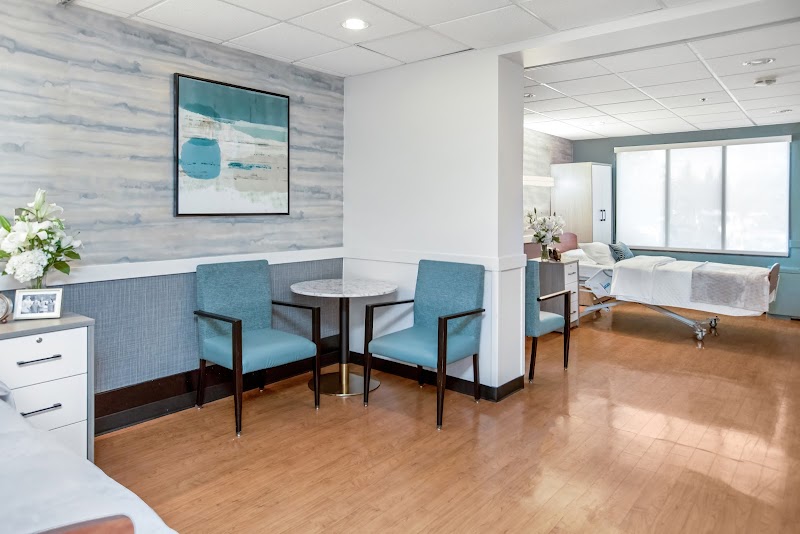
How is Bella Terra Lagrange Staffed?

CMS rates BELLA TERRA LAGRANGE's staffing level at 3 out of 5 stars, which is average compared to other nursing homes. Staff turnover is 39%, compared to the Illinois average of 46%. This relatively stable workforce can support continuity of care.

What Have Inspectors Found at Bella Terra Lagrange?

State health inspectors documented 30 deficiencies at BELLA TERRA LAGRANGE during 2023 to 2025. These included: 1 that caused actual resident harm and 29 with potential for harm. Deficiencies causing actual harm indicate documented cases where residents experienced negative health consequences.
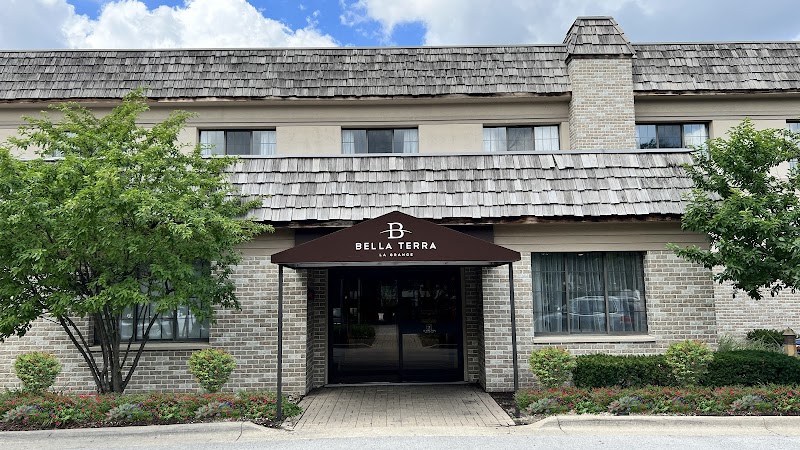
Who Owns and Operates Bella Terra Lagrange?

BELLA TERRA LAGRANGE is owned by a for-profit company. For-profit facilities operate as businesses with obligations to shareholders or private owners. The facility is operated by LEGACY HEALTHCARE, a chain that manages multiple nursing homes. With 120 certified beds and approximately 97 residents (about 81% occupancy), it is a mid-sized facility located in LA GRANGE, Illinois.

How Does Bella Terra Lagrange Compare to Other Illinois Nursing Homes?

Compared to the 100 nursing homes in Illinois, BELLA TERRA LAGRANGE's overall rating (3 stars) is above the state average of 2.5, staff turnover (39%) is near the state average of 46%, and health inspection rating (3 stars) is at the national benchmark.

What Should Families Ask When Visiting Bella Terra Lagrange?

Based on this facility's data, families visiting should ask: "Can I visit during a mealtime to observe dining assistance and food quality?" "How do you handle medical emergencies, and what is your hospital transfer rate?" "Can I speak with family members of current residents about their experience?"

Is Bella Terra Lagrange Safe?

Based on CMS inspection data, BELLA TERRA LAGRANGE has a clean safety record: no substantiated abuse findings (meaning no confirmed cases of resident harm), no Immediate Jeopardy citations (the most serious violation level indicating risk of serious injury or death), and is not on the Special Focus Facility watch list (a federal program monitoring the lowest-performing 1% of nursing homes). The facility has a 3-star overall rating and ranks #1 of 100 nursing homes in Illinois. While no facility is perfect, families should still ask about staff-to-resident ratios and recent inspection results during their visit.

Do Nurses at Bella Terra Lagrange Stick Around?

BELLA TERRA LAGRANGE has a staff turnover rate of 39%, which is about average for Illinois nursing homes (state average: 46%). Moderate turnover is common in nursing homes, but families should still ask about staff tenure and how the facility maintains care continuity when employees leave.

Was Bella Terra Lagrange Ever Fined?

BELLA TERRA LAGRANGE has been fined $18,005 across 1 penalty action. This is below the Illinois average of $33,259. While any fine indicates a compliance issue, fines under $50,000 are relatively common and typically reflect isolated problems that were subsequently corrected. Families should ask what specific issues led to these fines and confirm they've been resolved.

Is Bella Terra Lagrange on Any Federal Watch List?

BELLA TERRA LAGRANGE is not on any federal watch list. The most significant is the Special Focus Facility (SFF) program, which identifies the bottom 1% of nursing homes nationally based on persistent, serious quality problems. Not being on this list means the facility has avoided the pattern of deficiencies that triggers enhanced federal oversight. This is a positive indicator, though families should still review the facility's inspection history directly.